
No name is more synonymous with high performance Ford Mustangs than Shelby.
Ford offers its own line of hi-po Ponies with its GT350 and GT500 models, but if you want something wearing the signature of Carroll Shelby you need to turn to Shelby American.
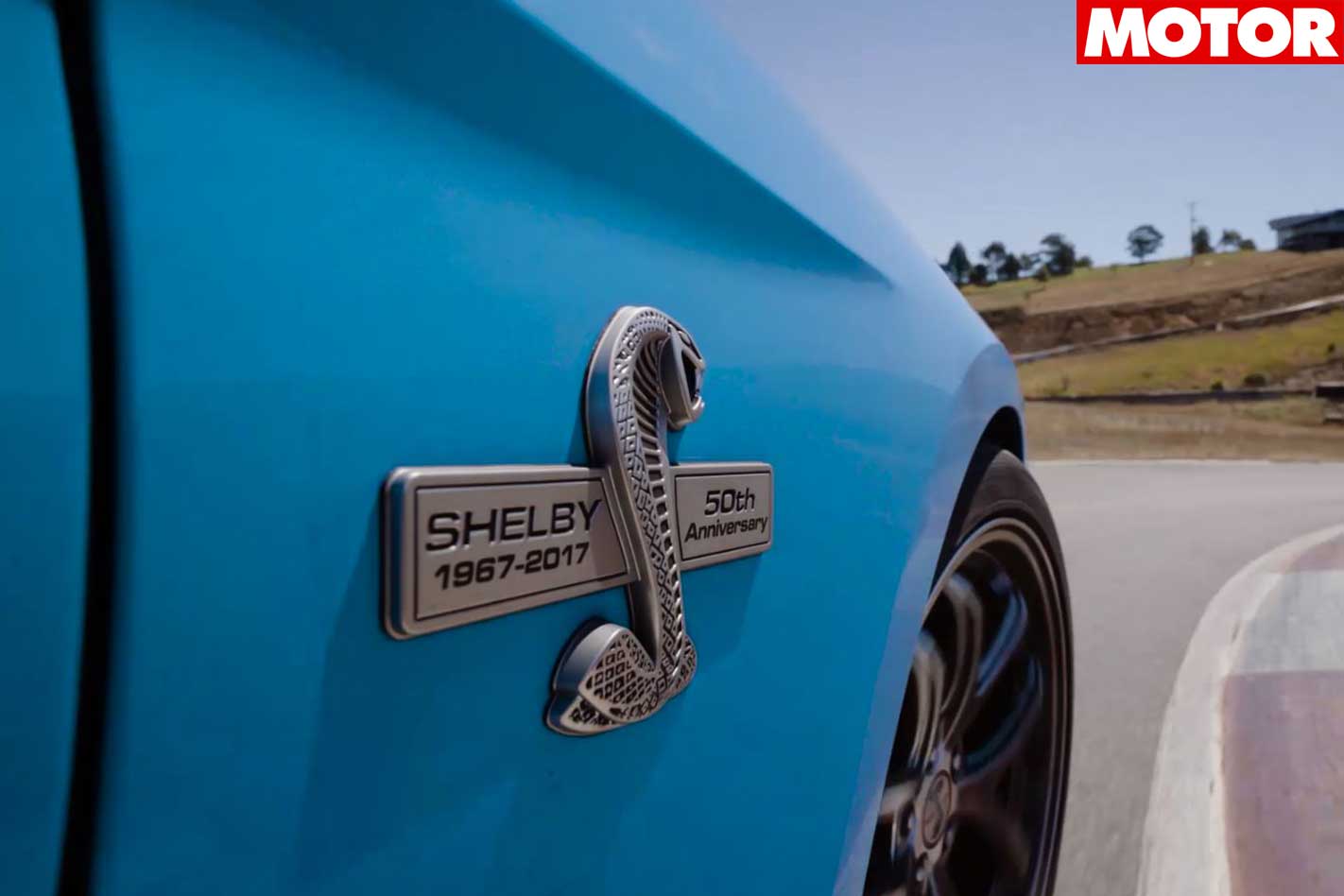
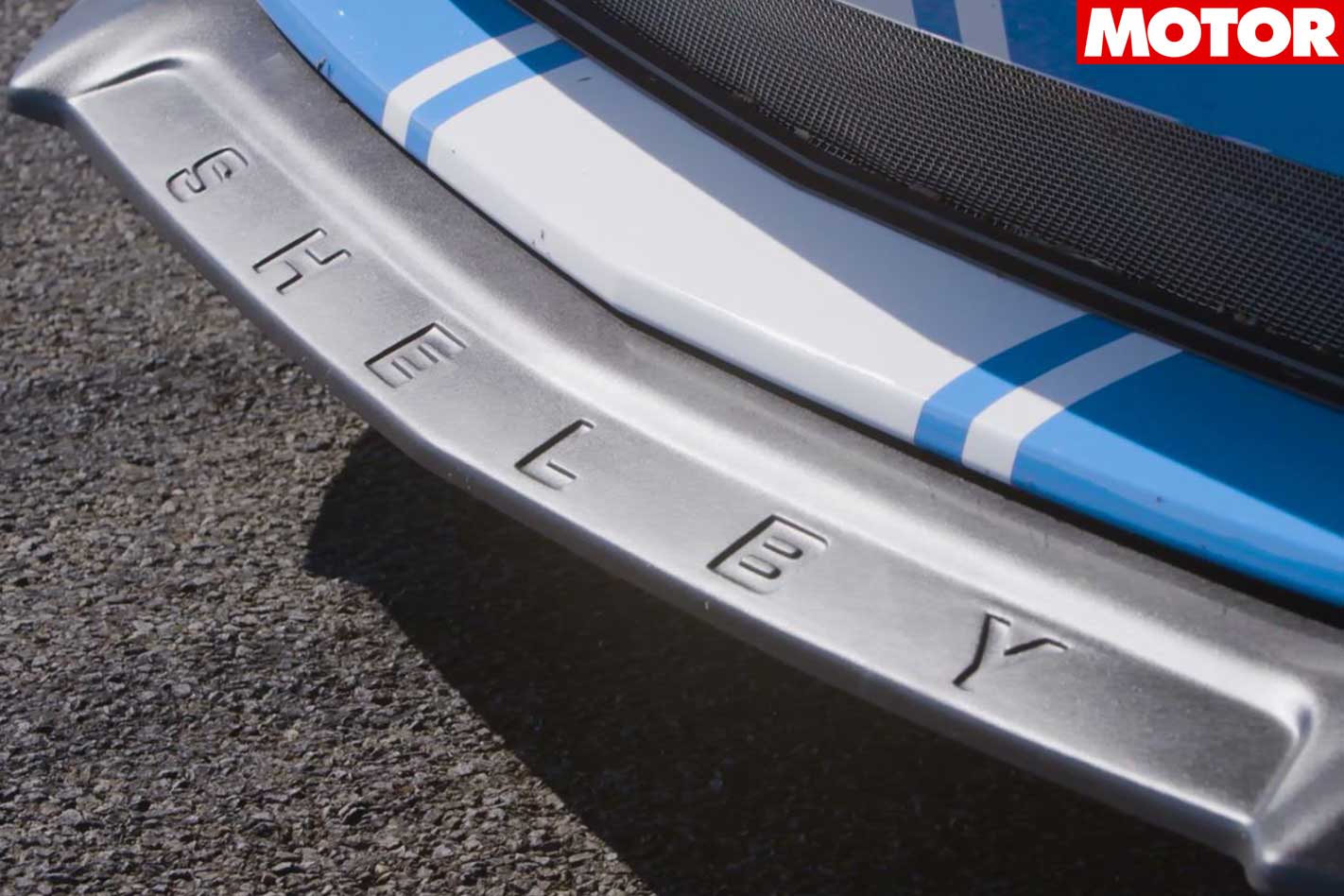
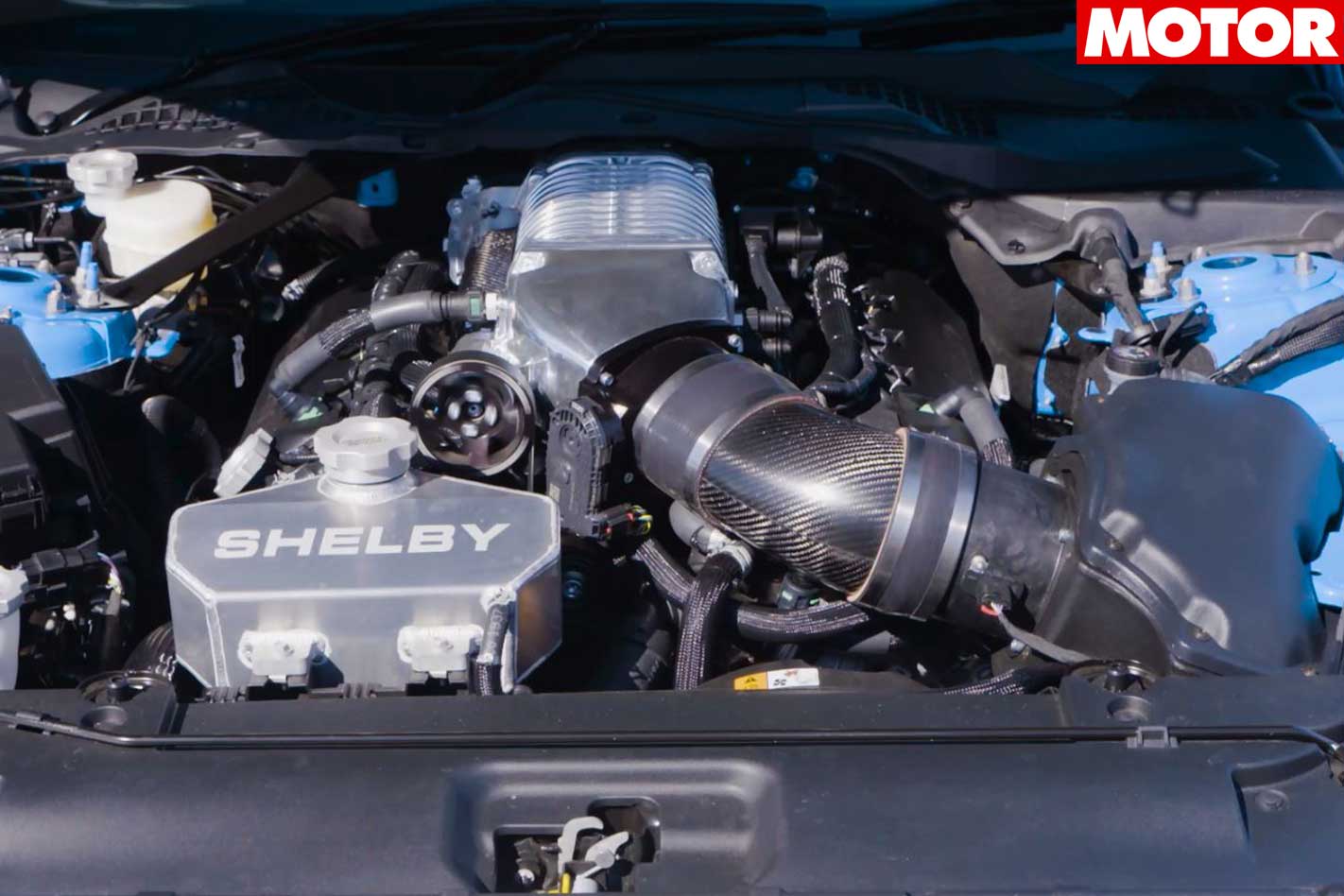
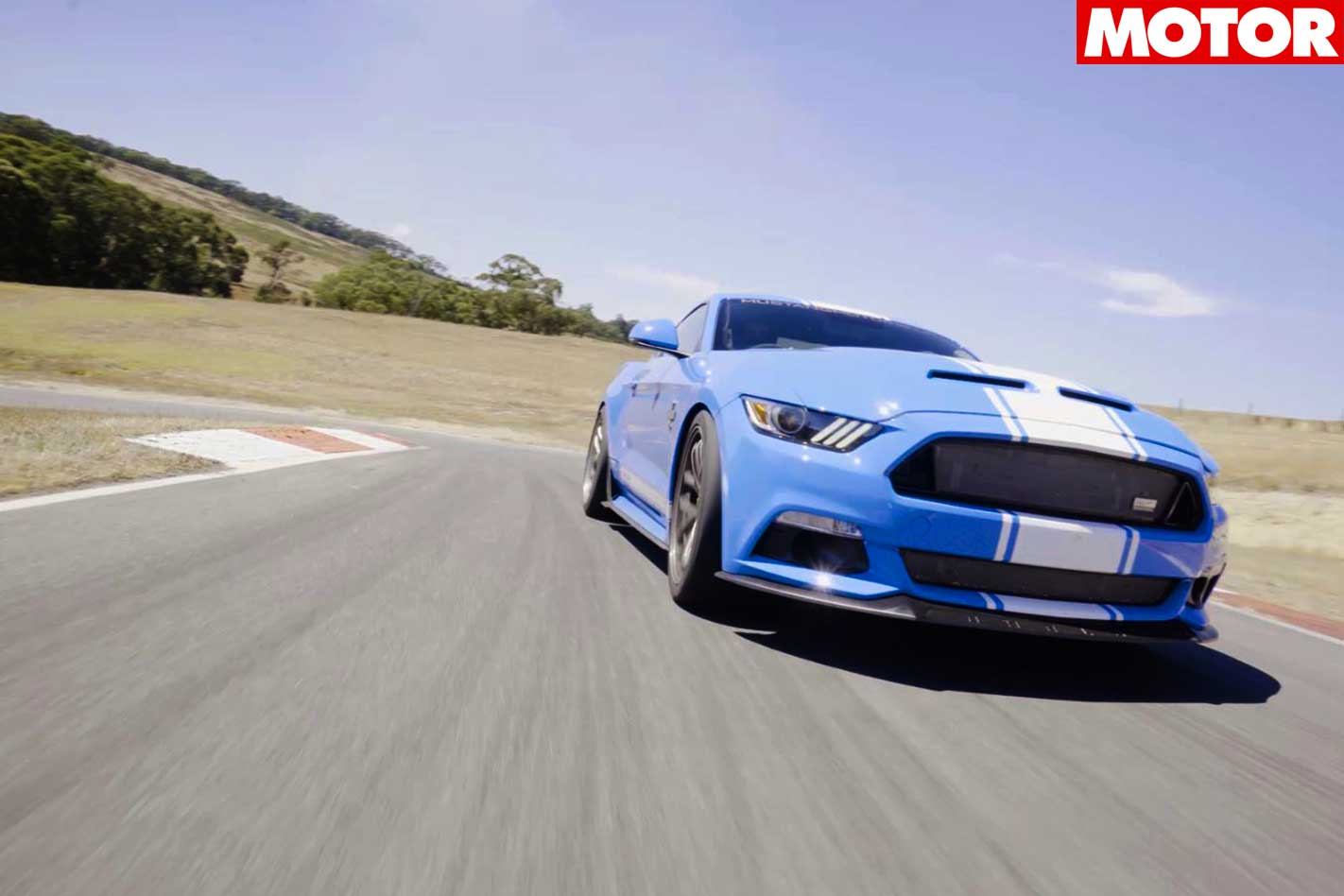
The Super Snake package includes a supercharger to lift power to 500kW, Shelby’s track handling package, 20-inch wheels with tyres measuring 275/35 (front) and 305/30 (rear), huge Wilwood brakes, an aggressive bodykit and a variety of cosmetic upgrades including 50th Anniversary badging for 2017 models such as the one tested here.
It’s a menacing beast, and the intimidation factor increases when the engine explodes into life with a press of the starter button. This is one of the fiercest exhaust notes ever heard and on the move the noise hardens again, enveloping the driver with its V8 orchestra.
We didn’t have the chance to performance test and as ever on street tyres off-the-line traction would be a problem but the seat of the pants says the trap speed would be well in excess of 200km/h.
The six-speed auto fitted to this car gets a bit confused when left to its own devices with this amount of grunt, often second-guessing its gear selection and hunting for the right ratio, but selecting manual mode easily remedies this, as would optioning a manual gearbox.
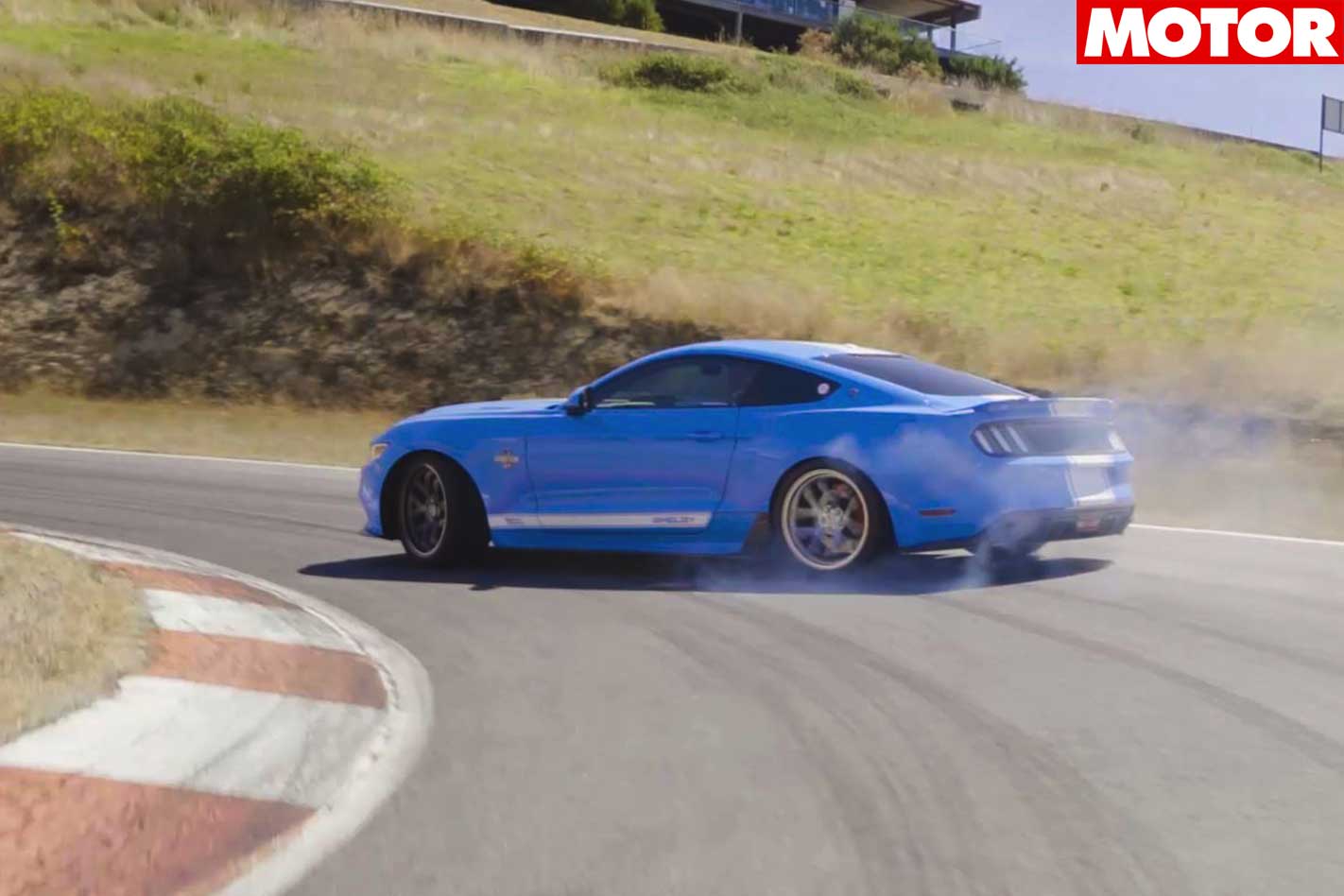
Possibly the biggest surprise regarding the Super Snake is just how refined it is. Not in an NVH way, as those enormous tyres create plenty of road roar and the engine noise is an ever-present partner, but its ride quality is impressive.

The Super Snake isn’t cheap, adding around $90K to the cost of a standard Mustang depending on exactly which options boxes you tick, but while that’s a lot of money for a Mustang it’s pretty cheap for 559kW. Few cars at a similar price have this level of acceleration and this level of attitude!
It might seem crazy to some, but the Super Snake’s charms are such that I could see some trading in a C63 Coupe or M4 for a taste of Shelby.
NISSAN predicts it’ll boost its electrified car sales to one million units annually by 2022.
The proclamation came on Friday in Japan during a briefing with reporters, and was part of a larger discussion around the manufacturer’s investment in electric vehicles.
Nissan is the second-biggest car manufacturer in Japan, and as part of its alliance with Renault and Mitsubishi is part of the largest vehicle manufacturing group in the world.
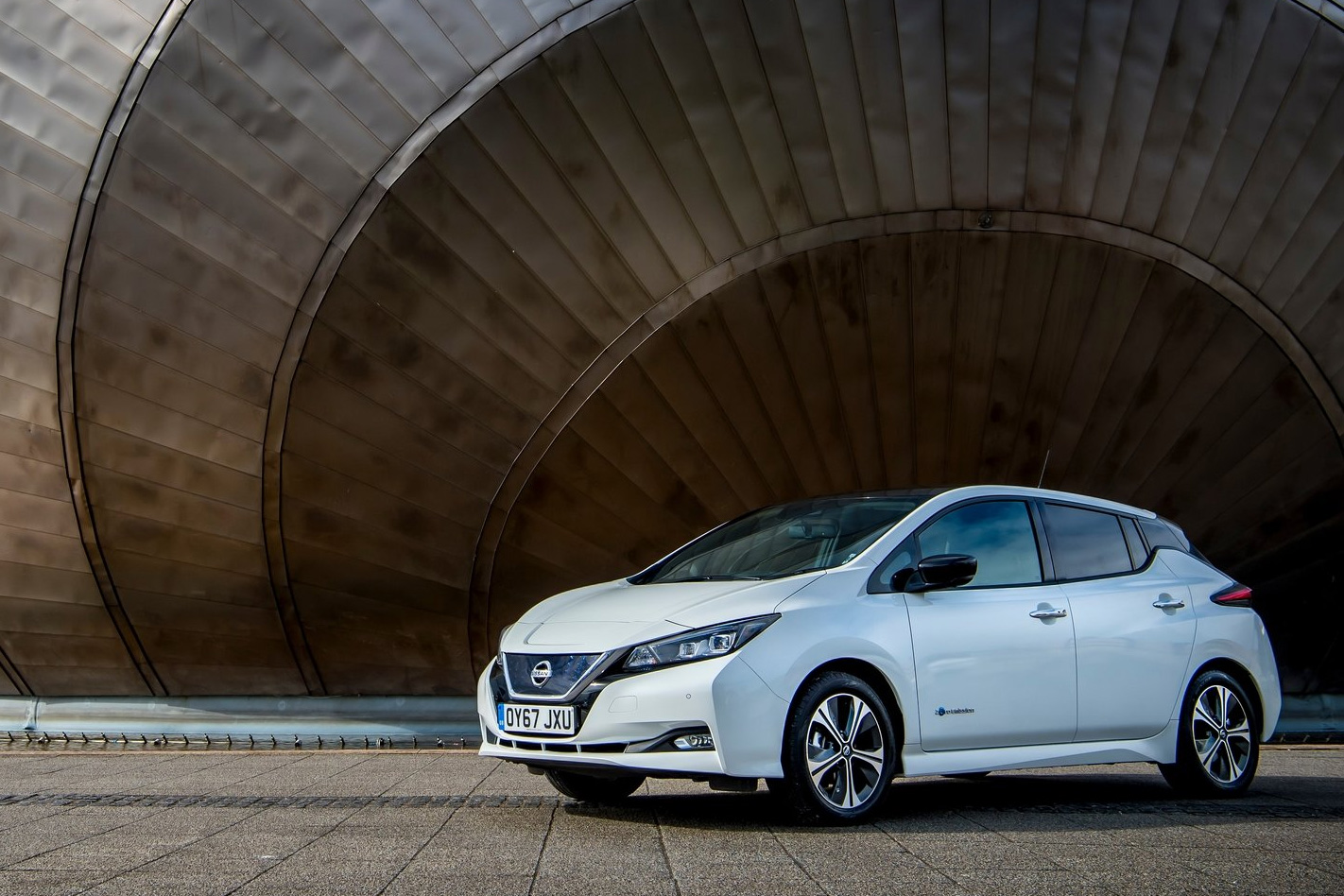
“The heart of our strategy in terms of electrification is battery EVs and e-Power technology,” Nissan Chief Planning Officer Philippe Klein told reporters at a briefing.
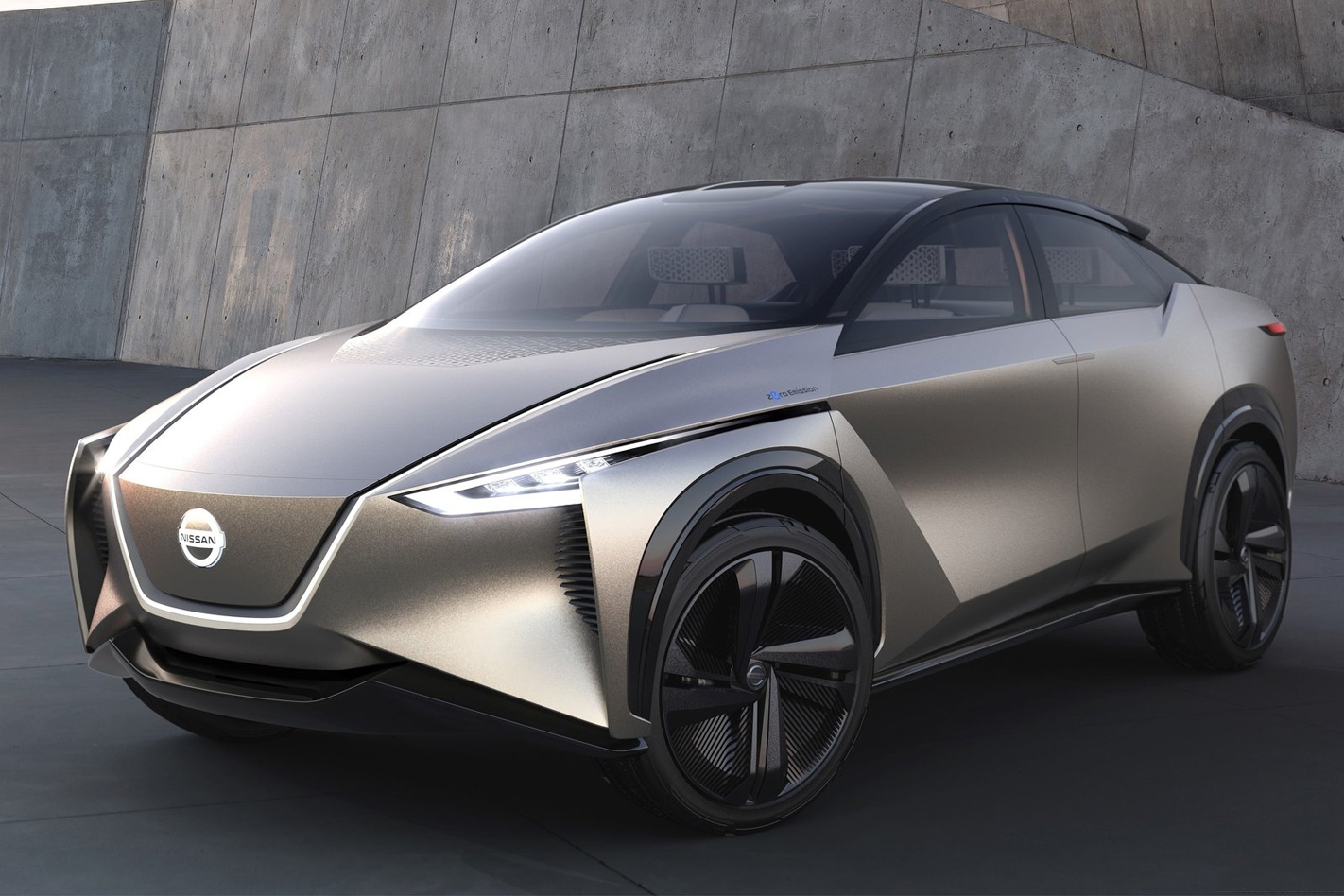
Nissan hopes to expand its EV family, with plans to develop eight fully-electric vehicles over the next five years – this includes four models specifically for China, the biggest and fastest growing market globally for electric vehicles.
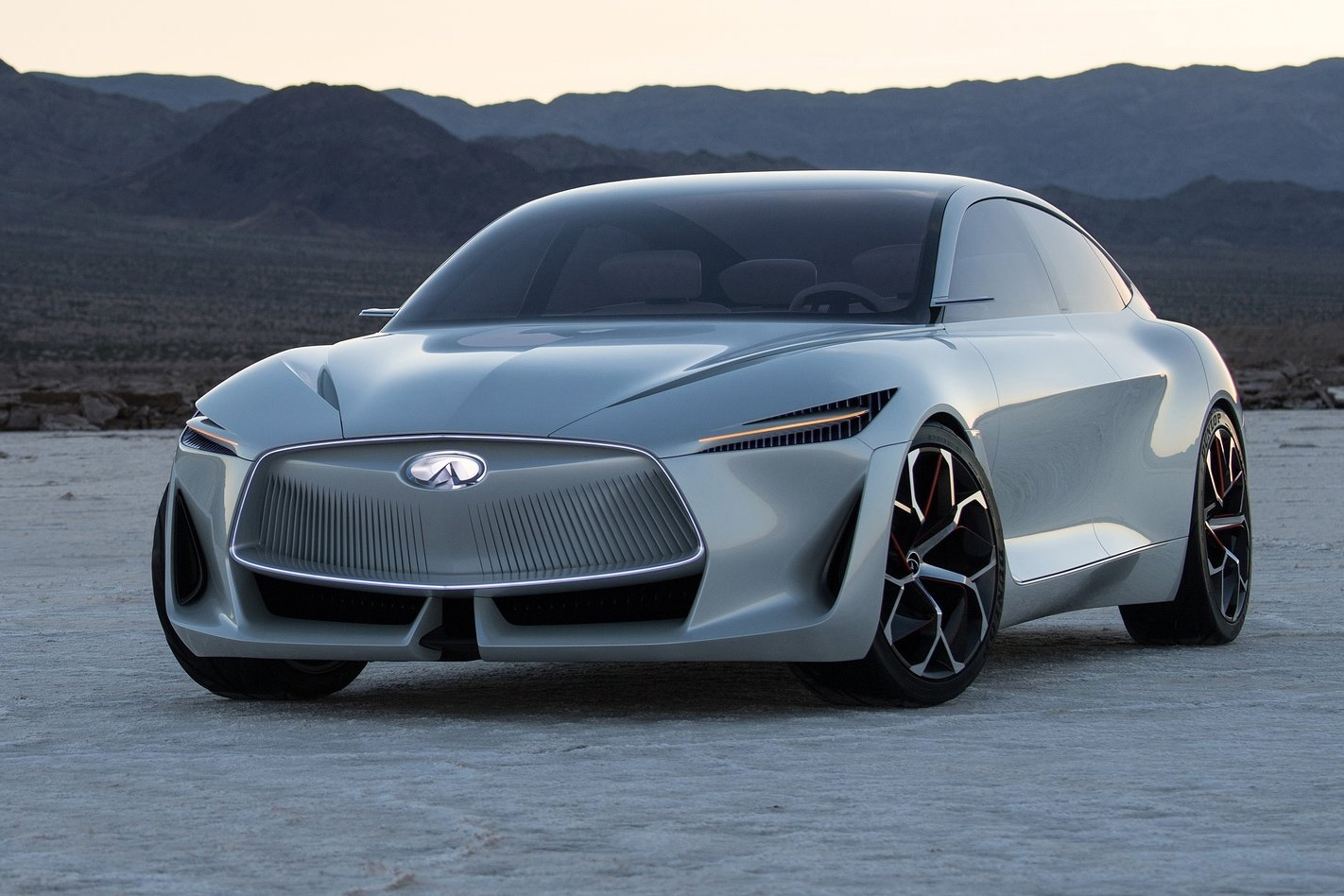
Infiniti, Nissan’s luxury arm, will also sell a new electric model by 2021, according to reports.
“Our strong China offensive will start this year, led by a Nissan EV in the C-segment, deriving from the Leaf technology, with a body type adapted to the Chinese customers’ taste,” Klein added.
Klein revealed two of those models will be launched in China under the Venucia brand.
Nissan is the largest Japanese car manufacturer in China, and plans to introduce 20 electrified models to the market by 2022. It hopes electrified cars will account for 30 percent of all Nissan sales in China by 2022, while by 2025 all Infiniti models sold in the country will be electrified. An electric ultra-compact kei car is also planned for Japan.
In 2017, Nissan sold 163,000 electric vehicles globally, with the first-generation Leaf selling around 300,000 units in its lifetime since launching in 2010.
EV market share grew by 58 percent globally in 2017 from 0.83 percent to 1.28 percent according to monitoring site ev-volumes.com
The second-generation Leaf was revealed last year, and will go on sale globally throughout 2018.
Nissan also stated its intentions to have its ProPilot autonomous driving technology in 20 models in 20 markets by 2022.
Meanwhile, BMW also flagged its electric ambitions over the weekend at its Annual Accounts Press Conference 2018
“Our future is definitely electric. With our electric vehicles and plug-in hybrid models, we are already the clear number one in Europe,” claimed Harald Krüger, Chairman of the Board of Management of BMW AG
“I have set clear goals for sustainable mobility: More than 140,000 electrified vehicles sold this year. A total of half a million electric vehicles and plug-in hybrids on the roads by the end of 2019. 25 electrified models, 12 of them pure electric, by 2025.”
RANGE Rover has joined the plug-in hybrid set with a four-cylinder version of the Vogue luxury off-roader.
WHAT IS IT?
The venerable British luxury off-roader’s first foray into plug-in hybrid electrification
WHY WE’RE DRIVING IT
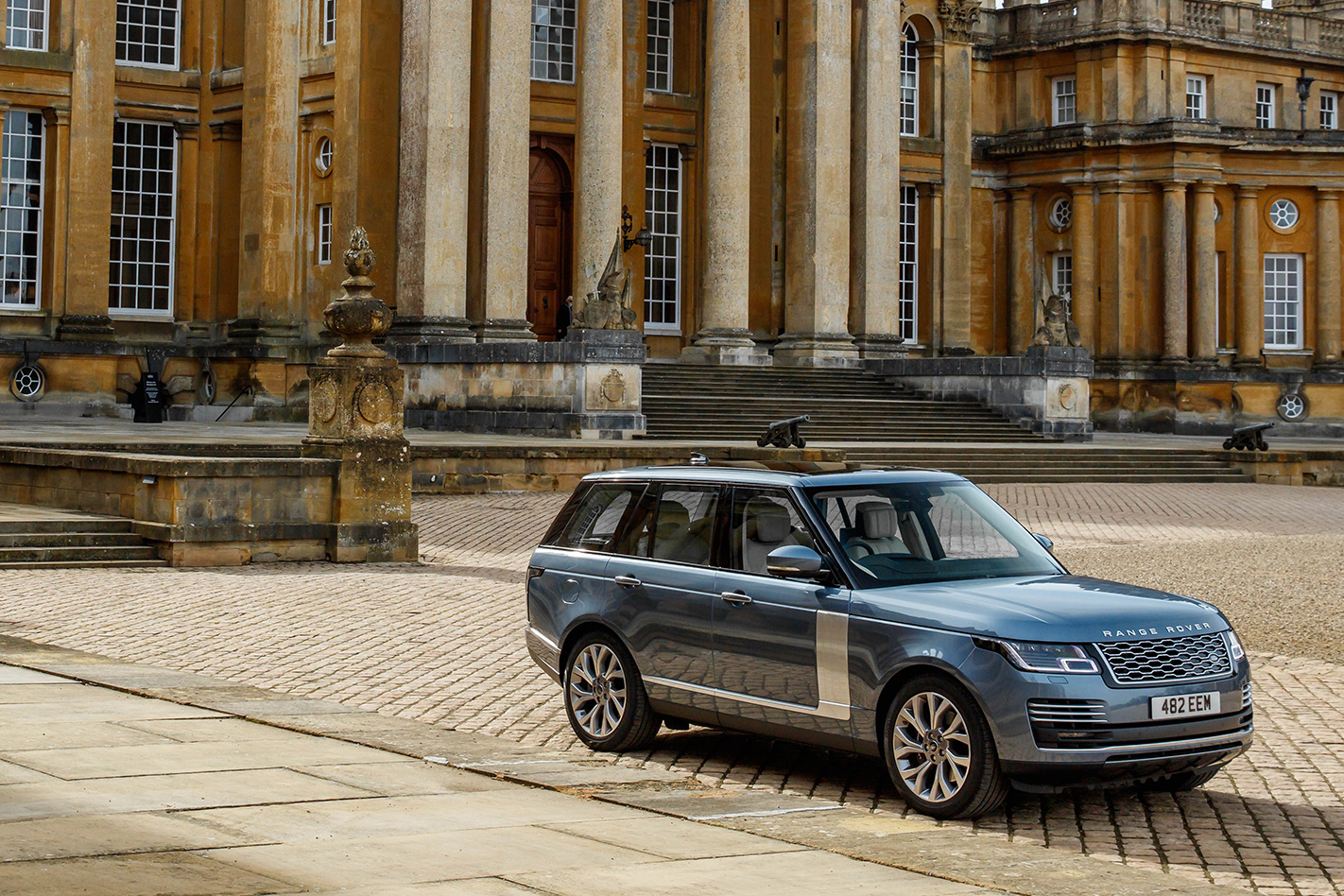
This new PHEV drivetrain headlines a range of MY 18 changes for the “Rangie” that are intended to keep the big Pommie off-roader “Above it All”… or at least ahead of its prestige rivals. This new Range Rover model treads far more lightly with a parsimonious thirst, courtesy of a cleverly integrated and well executed petrol-electric drivetrain that delivers performance second only to the top-shelf supercharged V8.
Audi Q7, BMW X5, Lexus LX, Mercedes Benz GLE
THE WHEELS VERDICT
Despite ever more competitors gunning for its mantle, the Range Rover remains unique among off-roaders thanks to its combination of luxury, performance, off-road ability, and cachet. The impressive efficiency of its new plug-in hybrid powertrain neatly sidesteps the criticisms often levelled at big 4x4s — that they’re planet-wrecking gas guzzlers — while giving up none of the comfort, performance, off-road capability or luxury that the Rangie is renowned for.
THE WHEELS REVIEW
DESPITE their unbridled popularity with the masses, 4x4s and SUVs have been copping it in the neck from Greenies for years.
Variously critiqued as being too big, too heavy, too thirsty, or just too stupid, these ‘lumbering behemoths’ have been an easy whipping boy for anyone and everyone with an axe to grind about the fragility of our blue planet.
But while the new Range Rover PHEV is no less physically imposing than its established stablemates, the electrification of its drivetrain and associated cleaning up of its environmental act will surely leave critics clutching at straws when trying to find new reasons to damn the big Brit and its ilk.
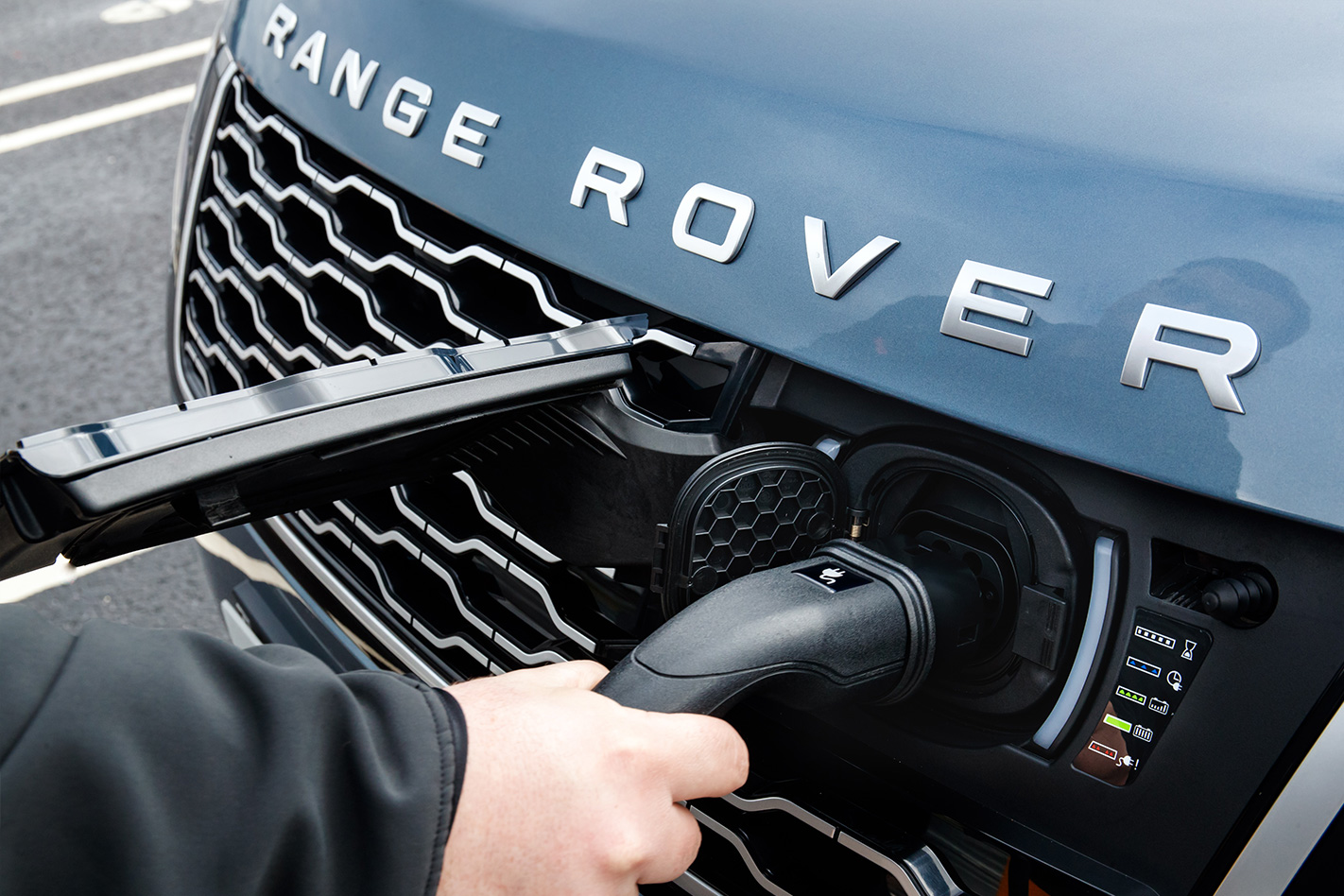
By combining its familiar 221kW Ingenium 2.0-litre turbo four-cylinder petrol engine with an 85kW electric motor and 13.1kWh lithium-ion battery pack, Land Rover has transformed its market-leading Rangie into a veritable green-eyed monster.
With peak outputs of 297kW and 640Nm seamlessly channelled through its updated eight-speed ZF automatic and permanent all-wheel-drive system, the 2.5-tonne PHEV Rangie can sprint to 100km/h in just 6.8 seconds — performance bettered only by its more expensive 5.0-litre supercharged V8 siblings — yet still delivers combined-cycle fuel economy of just 2.8L/100km, and an enviable C02 rating of 64g/km.
What’s more, the plug-in hybrid system means the Rangie PHEV has an electric-only range of 51km, which Land Rover says will allow drivers to complete most journeys without even engaging the petrol engine. Take that, Bob Brown!
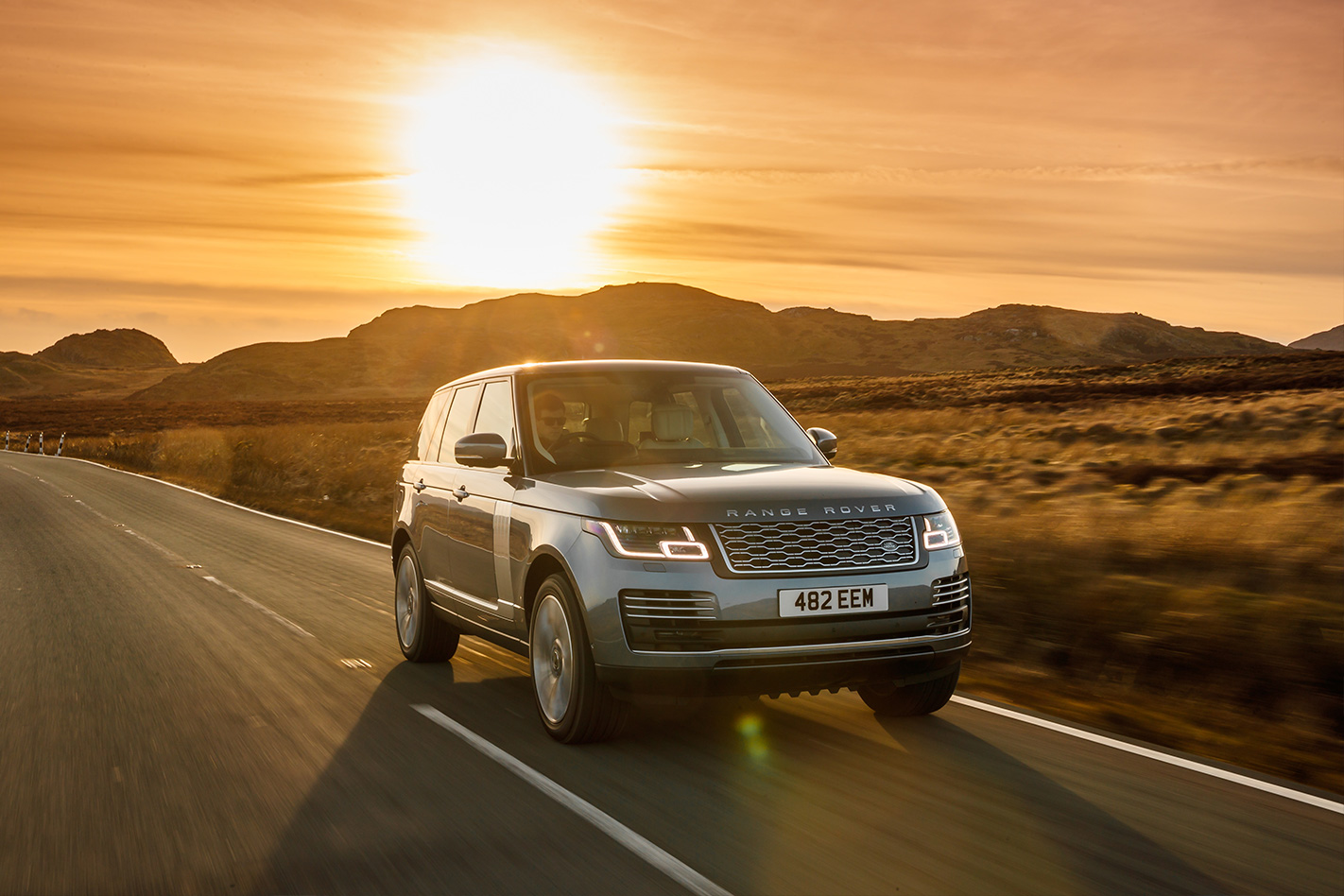
On a half-day UK test drive that included a wheel arch-depth river crossing, slippery low-range driving across boggy farm tracks, and B-road cruising through the narrow stone-walled farmlands and villages of the scenic Cotswolds, the Range Rover PHEV proved it had all the capability and versatility customers will expect from this luxury marque, and few evident drawbacks.
The complex drivetrain is integrated effectively so that the car simply feels smooth and responsive, with no particular evidence of the internal combustion engine and electric motor working together. In default mode the system operates as a parallel hybrid, combining the two drive systems effortlessly to deliver smooth and impressively brisk off-the-mark acceleration, and equally effortless overtaking performance at the posted limit and beyond.
As well as enabling electric-only driving, the PHEV system also allows the driver to save battery charge for use at a time of their choosing, ensuring that there is always pure EV power available for when you want it, such as when coming off a freeway run and entering a congested urban area.
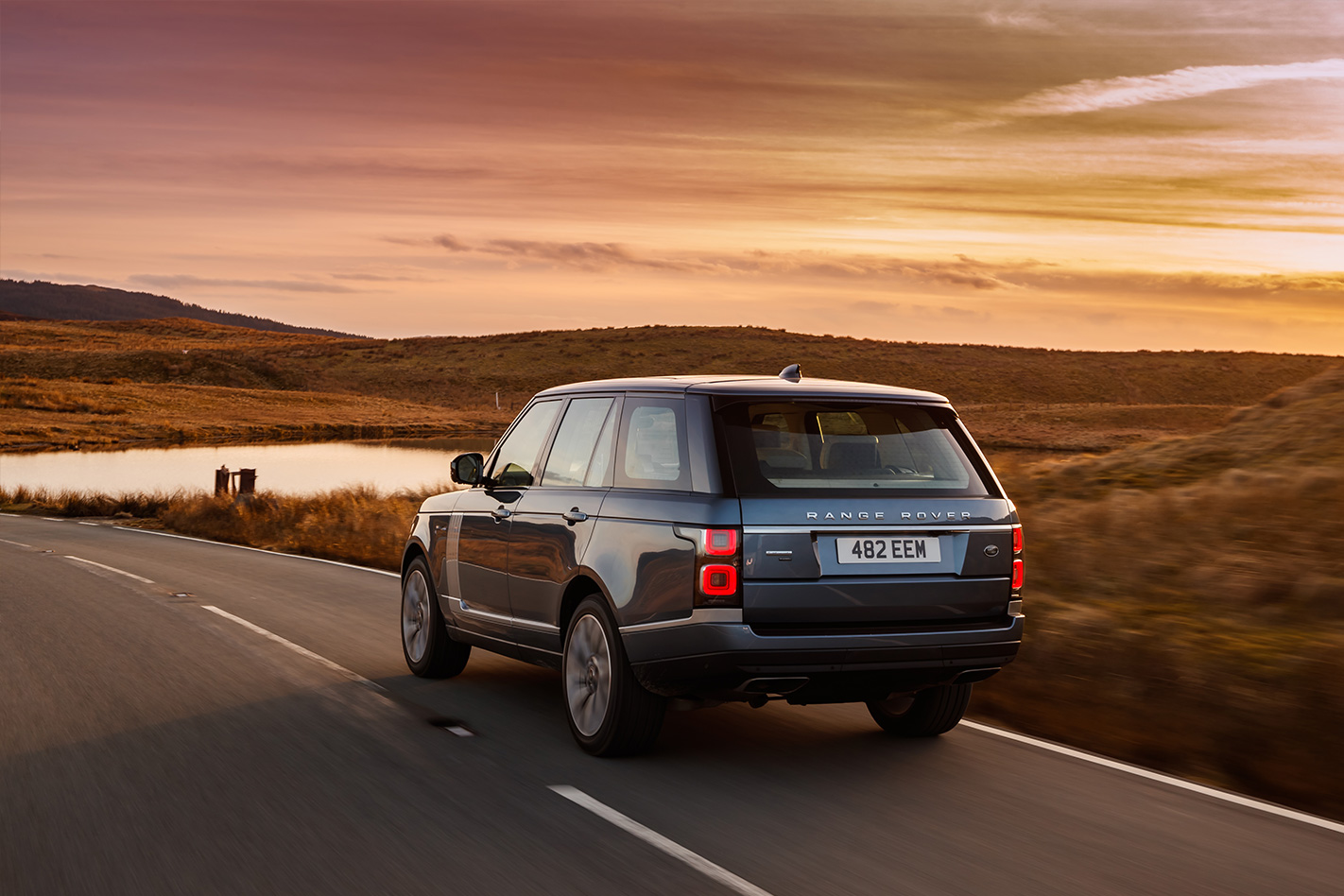
In pure EV mode the throttle pedal feels less responsive than in parallel mode, requiring more pedal pressure for similarly rapid acceleration. Other than this, and the range of EV-related information displayed on the digital dash and centre screens, you wouldn’t know it was anything other than another smoothly responsive and rapid Range Rover. Badging has been kept unusually modest, with just a tiny, black P400e badge on the left-hand side of the tailgate.
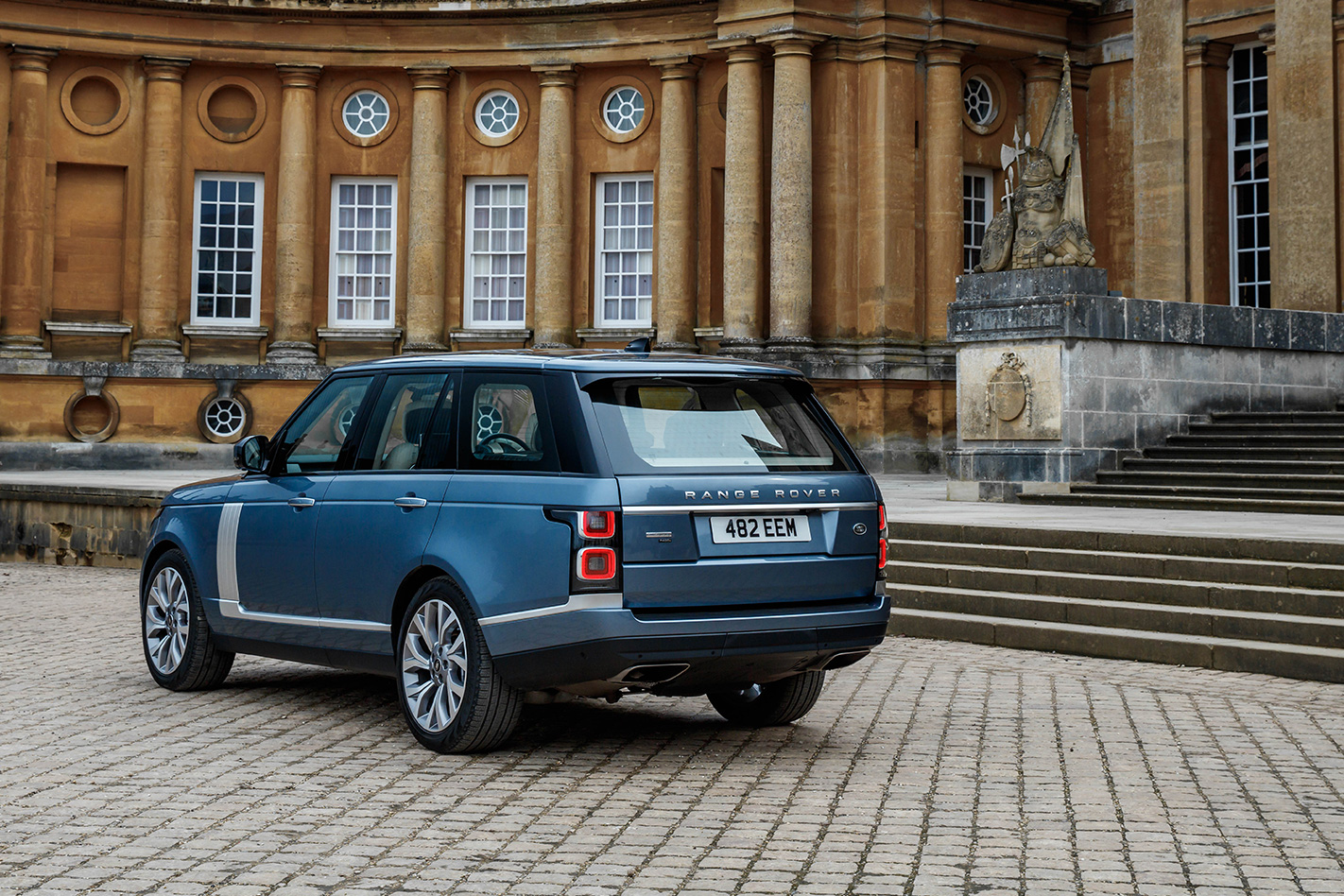
The quietness of the PHEV drivetrain adds to the Range Rover’s already impressively high levels of refinement and comfort, the latter accentuated by its long-legged air-sprung suspension that delivers a superbly plush ride. This new Range Rover has lost none of the marque’s ability to waft its occupants along in unparalleled comfort and style.
It wouldn’t be a Range Rover if it couldn’t also handle the rough stuff, so Land Rover has ensured the PHEV can tackle everything its conventionally powered stablemates can, updating its “Terrain Response 2” four-wheel-drive system to distribute the instantaneous torque of the electric motor to all four wheels, and ensuring the car’s 900mm wading depths and other off-road markers are not compromised.
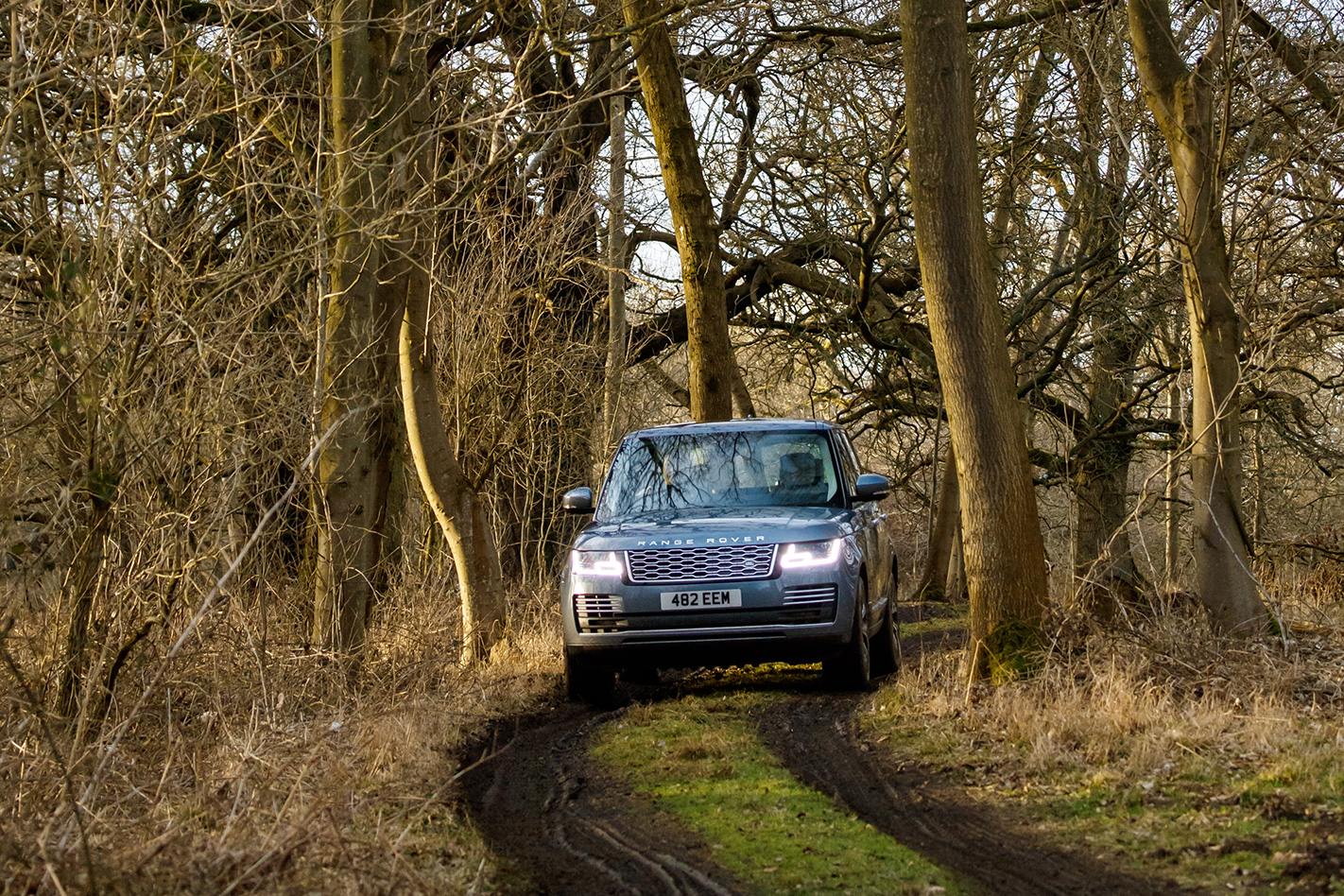
The PHEV never bogged, though, despite its obviously road-oriented tyres, easily tackling the muddy paddocks and fields that would have stopped plenty of lesser 4x4s. Despite its batteries and other sensitive electric running gear, it showed it also wasn’t scared of water, fording a river that brought a bow wave briefly to almost headlight height and crossing the 20m stretch with water lapping over its bumpers. Land Rover cautions drivers to not run the car in EV-only mode in such conditions, to prevent water running up the exhaust pipe.
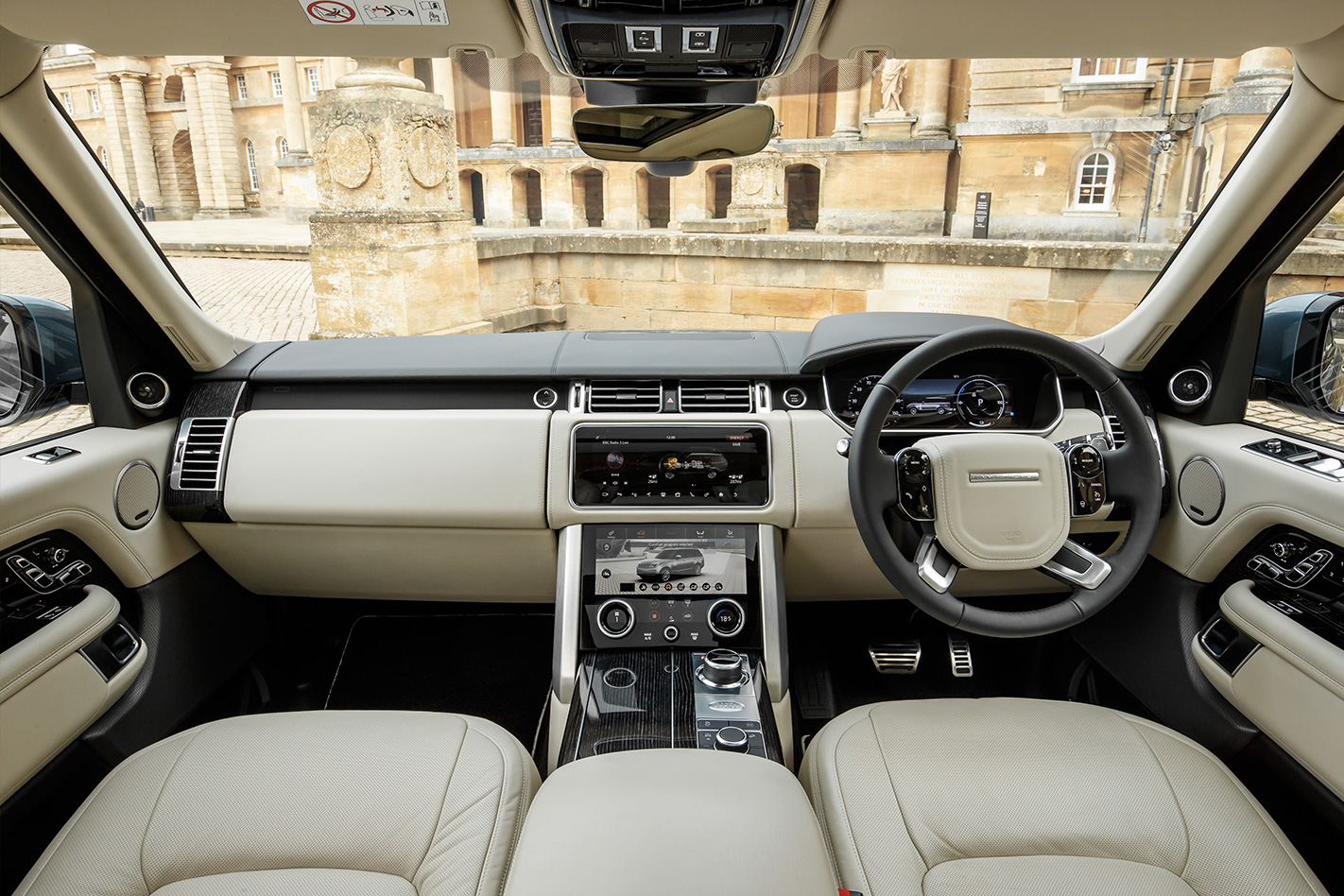
Inside, the PHEV arrives with the same updated cabin that’s also been rolled out across the wider Range Rover lineup. Featuring a double-decker arrangement of 10-inch high-definition touchscreens on the centre stack, the new layout significantly declutters the dash layout and adds a futuristic and high-tech sheen, along with tablet-style ease of use.
In Australia, the PHEV drivetrain will be available only on Range Rover’s entry level Vogue specification, where its $210,000 recommended retail price will make it one of the more affordable options in a lineup that ranges from the entry-level TDV6 at $190,000, to the stratospherically priced V8 Supercharged SV Autobiography Dynamic at $341,400.
The latter might have a beastly 416kW supercharged V8 under its bonnet and a soundtrack that its four-pot hybrid sibling could never match, but right now the PHEV is one of the most intriguing powertrains on offer in Range Rover’s top-tier SUV family. The performance stats are respectable, there’s still more than a modicum of off-road nous and, if juiced up on renewable power, it offers a guilt-free SUV experience. It’s a Range Rover that even a Greenie could love.
SPECS
Model: Range Rover Vogue Si4 PHEV Engine: 1999cc 4-cyl turbo, electriic motor Max power: 297kW Max torque: 640Nm Transmission: 8-sp auto Kerb weight: 2509kg Fuel economy: 2.8L/100km 0-100km/h: 6.8 secs Price: $210,000 On sale: August
If you bought a new-generation Mercedes-AMG C63 S three years ago, you’re likely to have $15,000 extra in your back pocket compared with someone who bought an F80-gen BMW M3 and $10,000 or more to spare over the owner of a B8-gen Audi RS4 Avant.
So listen up, those who want to buy used as the first owner’s lease expires, because a resale comparison between old- and new-gen is important for used car buyers.
Rivalry between the German sports sedan (and wagon) triumvirate has been raging for years now, but in the latest round of competition the C63 S is holding up well for resale, the M3 has dropped back from where the last-gen E90 was, and the RS4 Avant is holding steady.
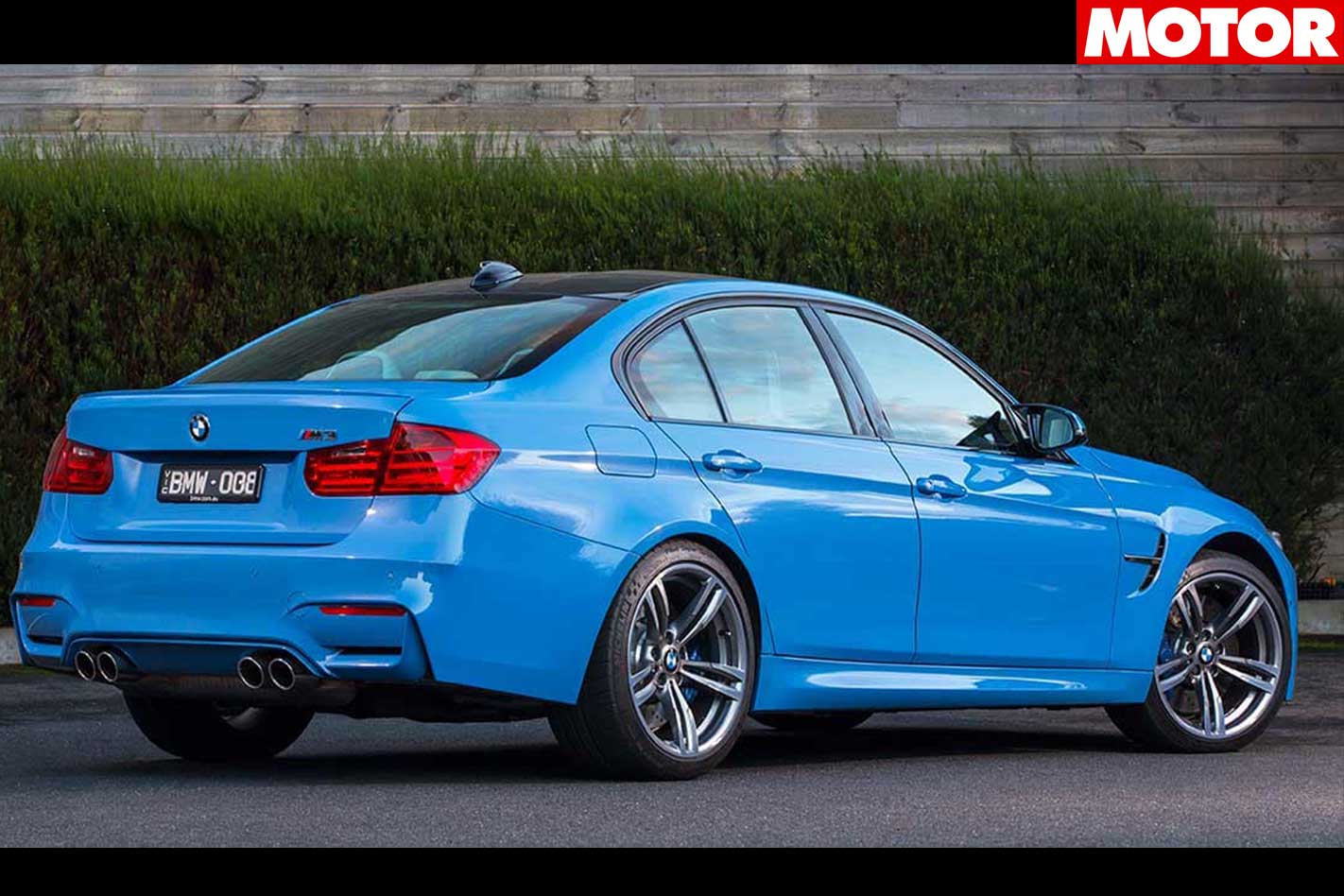
A last-of-the-line 2011-built E90 M3, with 60,000km on the clock, can ask a maximum of $56,100 according to resale guide Redbook, but the price ranges from $55,000 to $90,000 in the classifieds. The same age and kilometres for a W204 C63 can fetch a maximum $60,600 according to Redbook, but in retail land it exactly mirrors the BMW’s range.
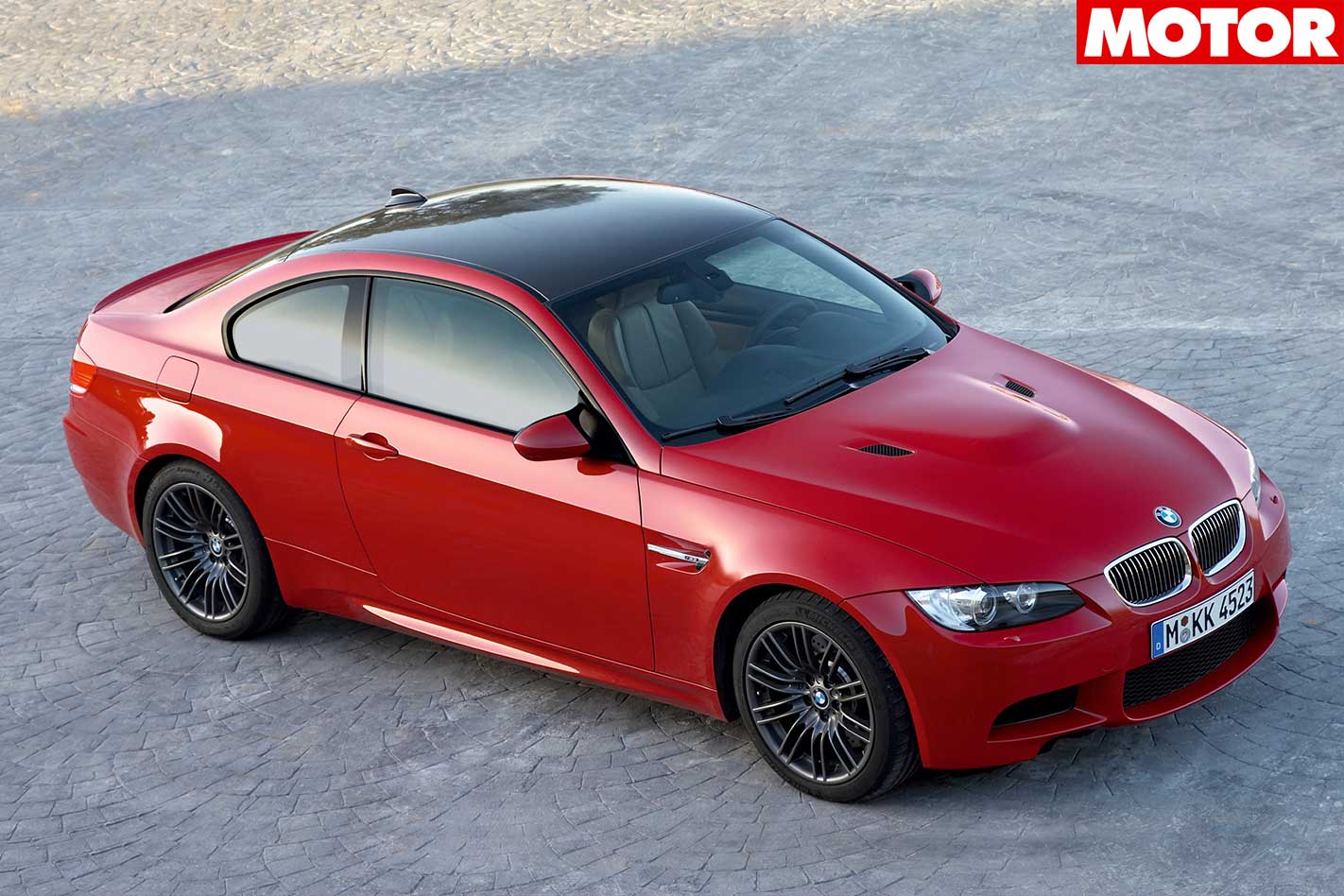
Take one generational leap forward for all three, however, and a 2012 B8-gen RS4 Avant is asking a similar maximum of $67,800 with around 60,000km, while a 2014 F80-gen M3 is at $80,500 and a 2015 W204-gen C63 S is at $102,700 with 30,000km – according to Redbook.
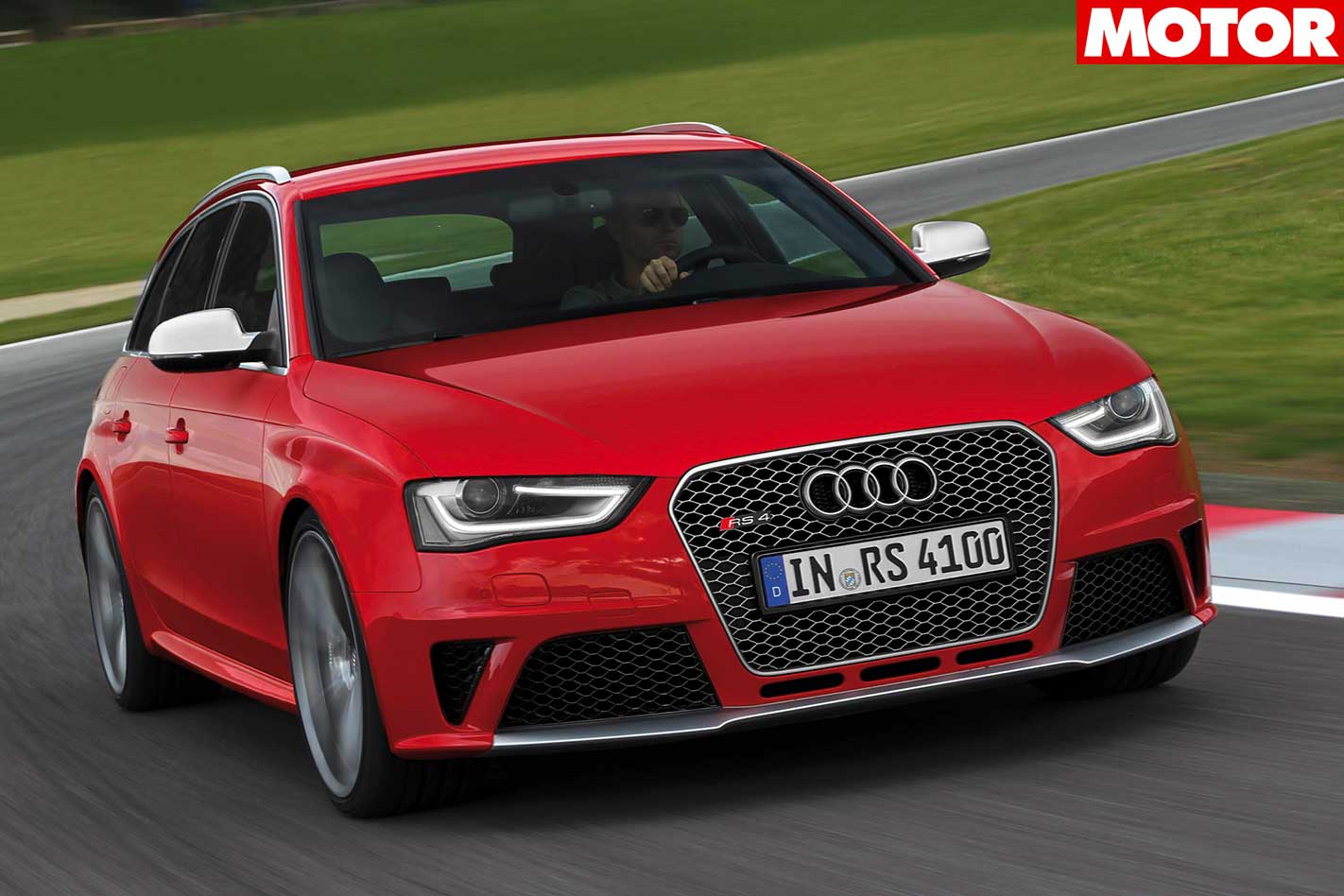
No doubt the F80 M3 has been an enormous seller for BMW compared with more boutique previous models, but last year’s epic price drops for the series probably didn’t aid the fortunes of those who got in early with the BMW – though they have clearly helped buyers.
Three years ago an M3 auto cost $156,040 in base form compared with $154,510 for a C63 S. Today, a base M3 Pure asks $139,900 versus $157,211 for a C63 S. And the market does all the pushing downwards from there…
One of the cars used in the epic opening scene to Baby Driver has appeared for sale in an upcoming Mecum Auction.
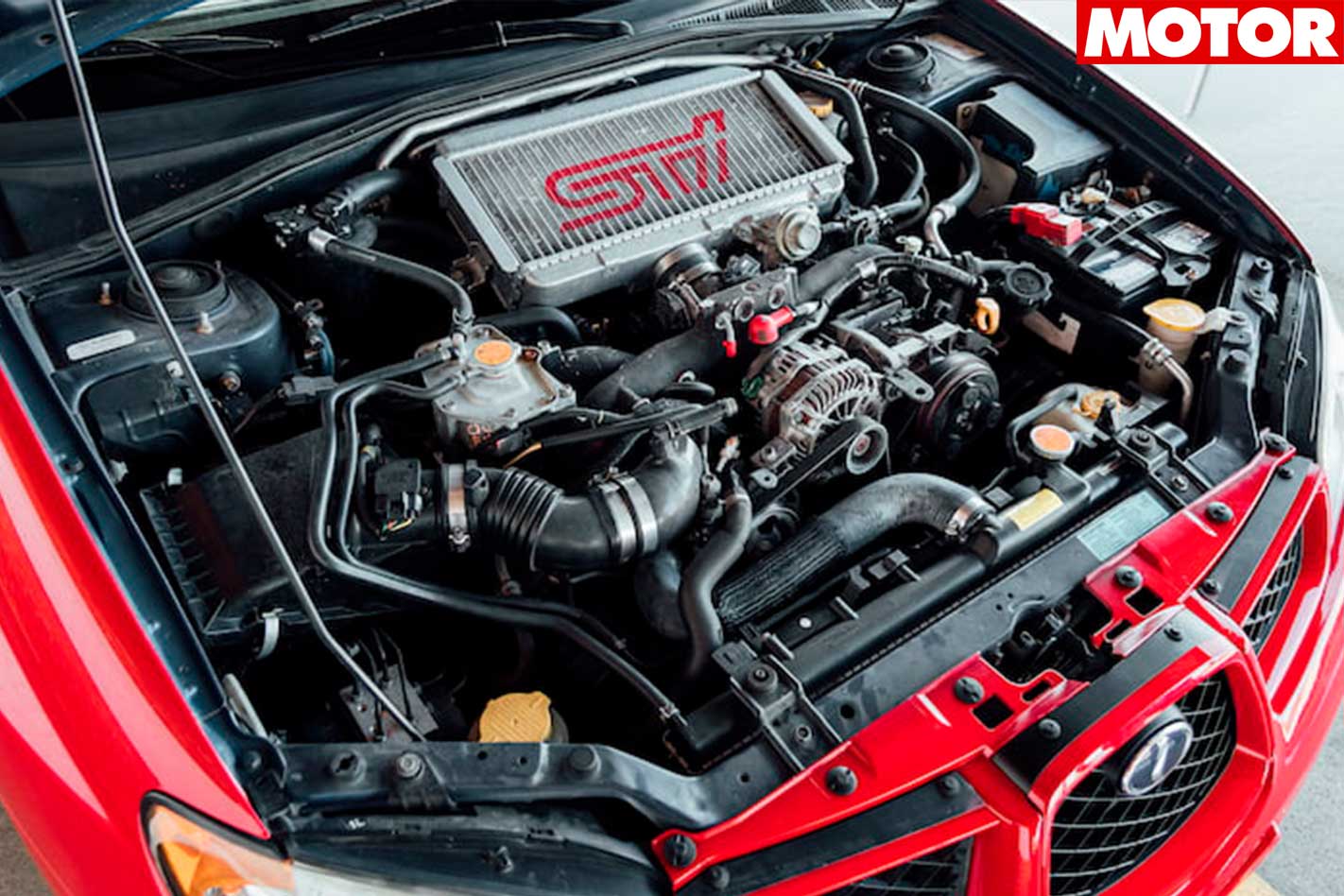
This particular car is the one which had an STI drivetrain swapped into it by Allpro Subaru in Georgia, making it a celebrity sleeper.
The 2.5-litre boxer isn’t the only change made, as it also has “forged CP pistons, an Exedy Stage 1 clutch, OS Giken front differential and Cusco rear limited-slip differential, and a CNC hydraulic hand brake” according to the listing details from Mecum.
The car is also, however, street legal in the state of Texas, where it’s set to go under the hammer in Houston on April 7.
Mecum hasn’t listed an estimate price, though if the last Baby Driver car that went up for sale is any indication, it won’t be cheap.
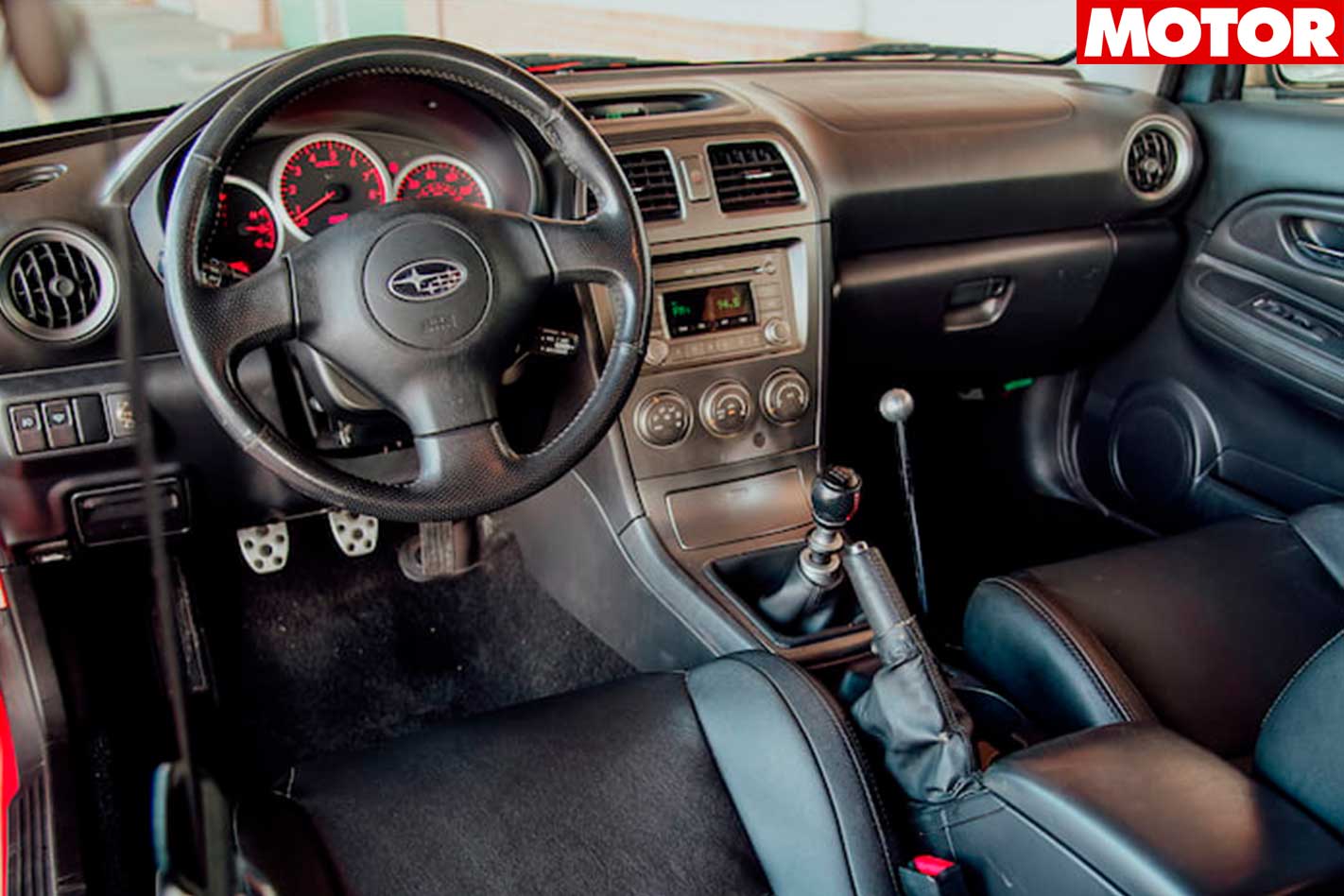
The RWD WRX sold on eBay for USD$69,100 (AUD$89,539) by Allpro Subaru, the same people who built the STI-swapped car Mecum is selling.
One of the other stunt cars is believed to have been kept by the film’s lead actor, Ansel Elgort.
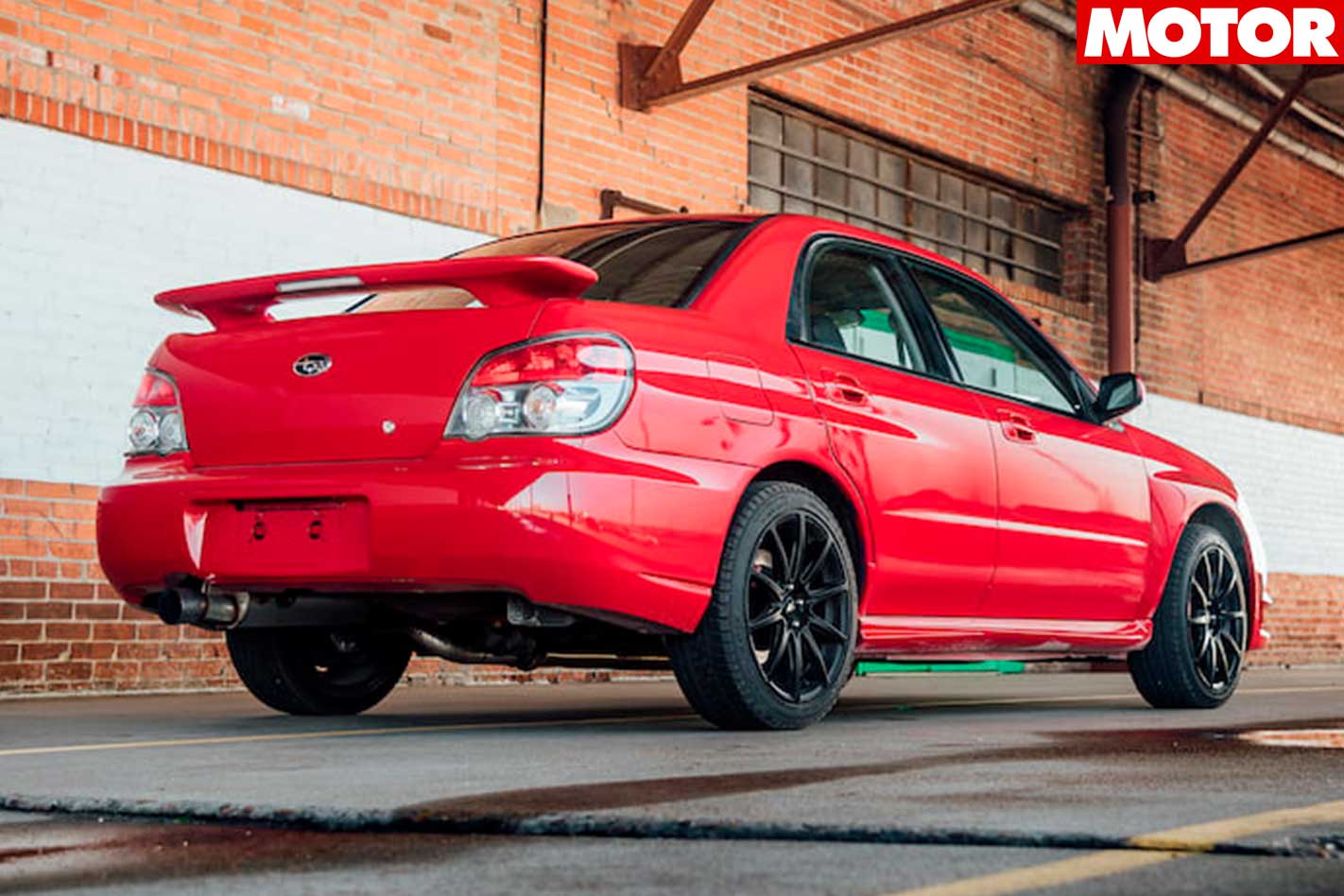
The successful bidder at the upcoming mecum auction will receive with the car a build sheet, receipts, screen shots of the car from the film and “interviews with stunt driver Jeremy Fry,”, though we assume that means transcripts.
UPDATE, May 2023: A new era for SV
Way out here in 2023, JLR has unveiled its new Range Rover Sport SV P635, handily putting this SVR to shame.
Get all the details below.
Story continues: Range Rover Sport SVR review
The hooligans at Land Rover’s SVO division have obviously been studying what their AMG rivals across the Channel have been getting away with for years, deciding that Alfaterbach’s ‘too much power is never enough’ approach is a strategy worth emulating.
WHAT IS IT?
A leather-lined, carbon-clad flying block of flats that speaks with a plummy Brit accent… then delivers a shattering Liverpool kiss that knocks you into next week.
WHY WE’RE DRIVING IT
Why not? We were in the neighborhood (Coventry, UK, that is) driving Range Rover’s other new 2018 models, so it would have been churlish to pass up the opportunity to test this, it’s fastest and most unhinged model yet.
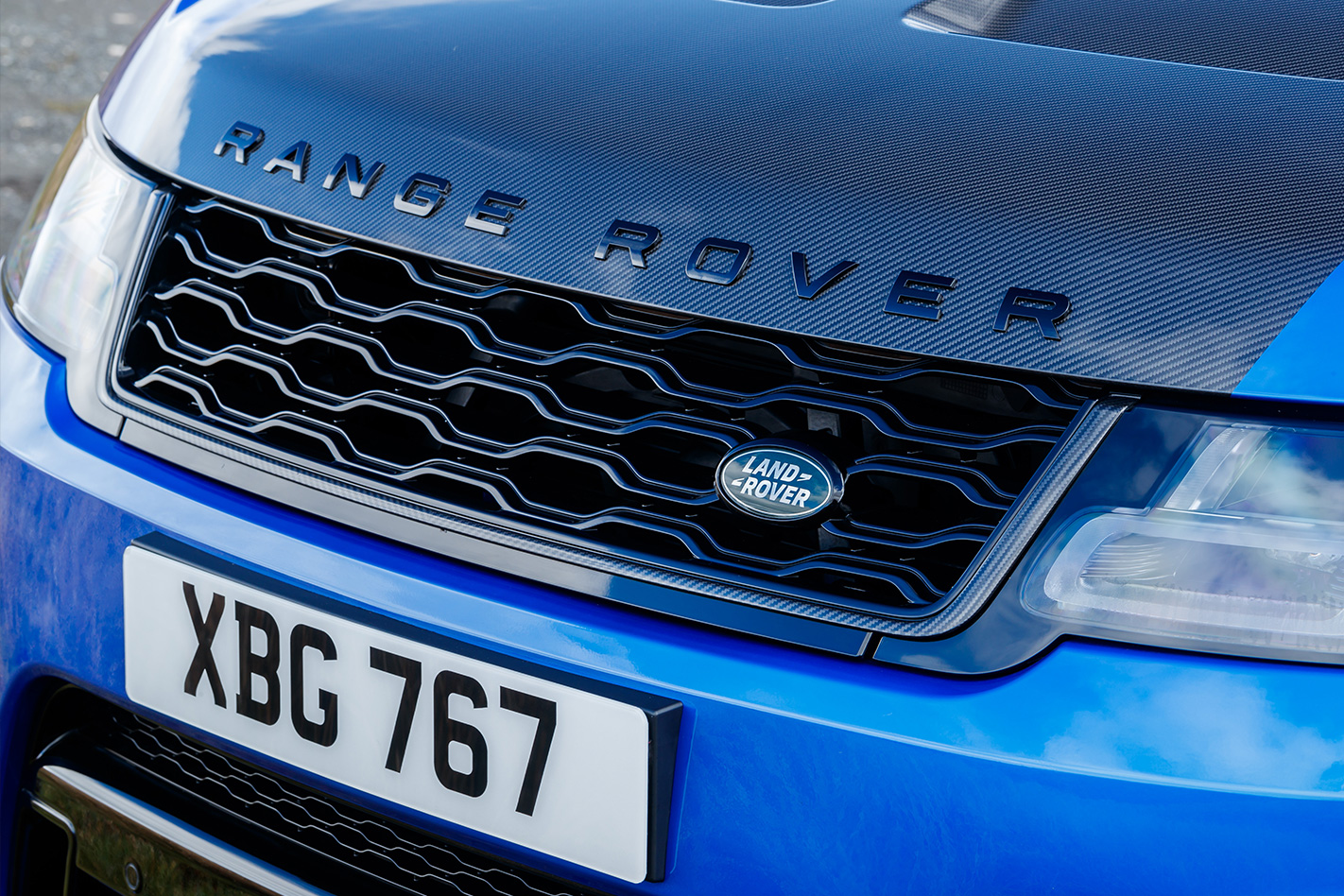
Audi SQ7, Bentley Bentayga V8, BMW X5M, Maserati Levante S Gran Lusso, Mercedes Benz GLE63 S AMG
THE WHEELS VERDICT
Phwoar! We mean Phwoar! This is one seriously ballistic off-roader. It’s difficult to get your head around how rabidly fast a 2.3-tonne SUV can be once a supercharged 5.0-litre V8 is shoehorned beneath its aluminium and carbon-fibre nose, but believe us when we tell you that it works a treat. It’s quick, yes, but also deliciously rowdy, with a thunderous engine note that falls somewhere between a NASCAR at full noise and an off-shore powerboat thundering through 10-foot swell. With its sumptuous leather-and-suede-lined interior, absurdly capable off-road ability, and shattering cross-continental pace, it’s hard to imagine a better place to be when the wallopers eventually catch you and apply the cuffs.
THE WHEELS REVIEW
With the recent launch of Range Rover’s first plug-in hybrid electric models, one might be tempted to think the Brit brand has gone all PC and forgotten about its V8 roots.
But put that thought aside folks, because the hooligans… err, engineers at Jaguar Land Rover’s Special Vehicles Operation have provided the Ying to the PHEV’s Yang, with a supercharged 5.0-litre V8 beast that’s the hardest, fastest and undoubtedly the loudest Range Rover ever built.
Powered by the familiar supercharged 5.0-litre V8 of the previous iteration, the engine has had its wick turned up to extract an additional 18kW and 20Nm, pushing outputs to a somehow more staggering 423kW and 700Nm. Combined with some targeted weight saving initiatives, the extra Neddies help shave two-tenths off the SVR’s 0-100km/h time, stopping the traps at a blink-and-you’ll-miss-it 4.5seconds.
For those in any doubt about the pace of this thing, that’s quicker than a good number of models in Porsche’s 911 Carrera range, yet the Rangie tips the scales at almost 1000kg heavier.
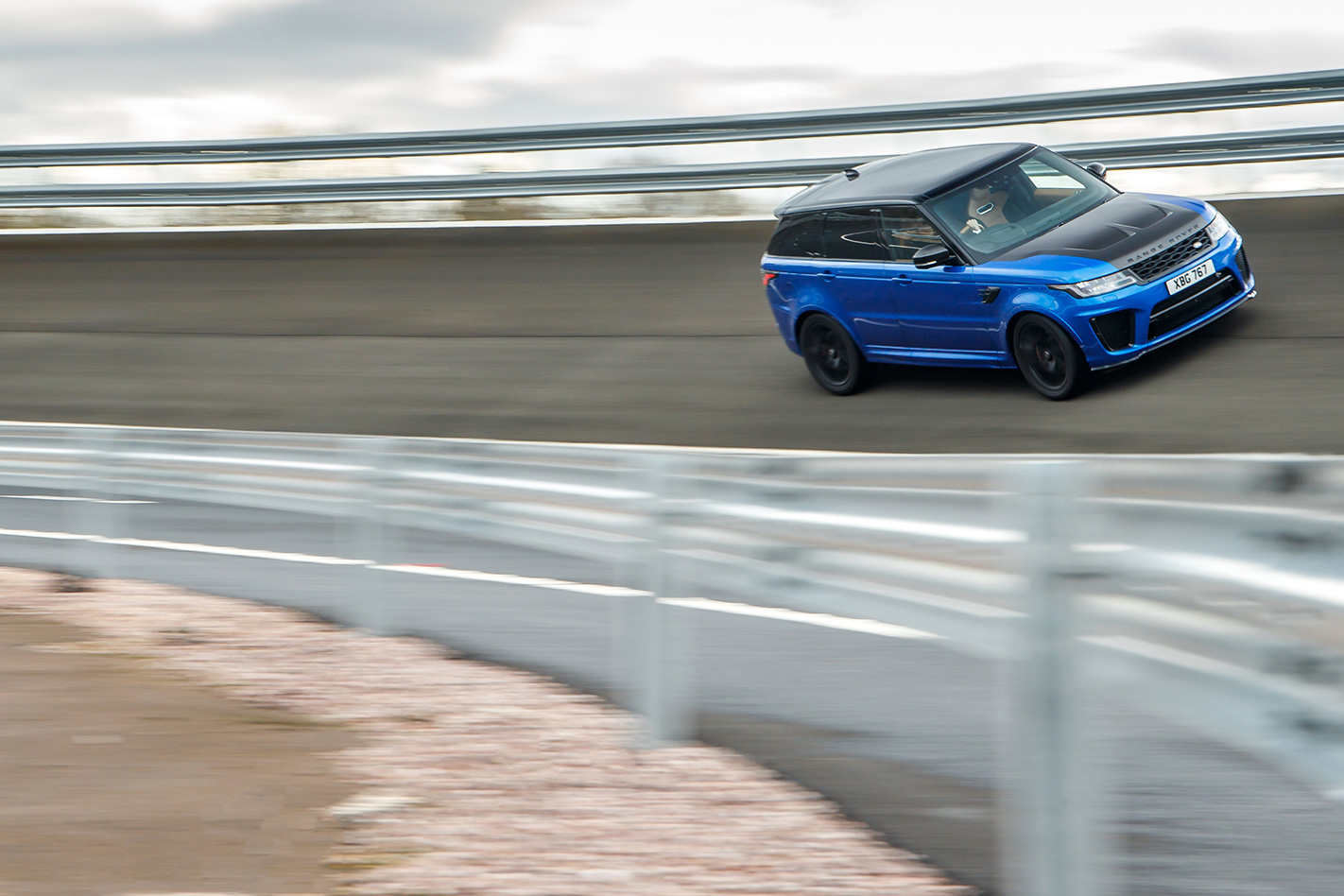
An old WWII airstrip that’s had an injection of JLR funds to resurface and refurbish it, the track features a mile long straight on one side mirrored by a three-quarter mile straight on the other, both linked by a banked wall at top and some sinuous curves at bottom.
The instruction from JLR’s test-ride jockeys was simple enough: nail it and see what sort of pace you can muster on both straights, backing off and braking in time to ease it through the banking and the bends.
In the interests of science we tried several runs, the whine of the blower utterly overwhelmed by the raucous blast from the multi-modal exhaust system as the nose lifted like an off-shore power boat and the SVR rocketed down the strip, digital tacho racing across the dial to kiss 6500rpm before the superb ZF eight-speed auto fired home another perfectly spaced ratio.
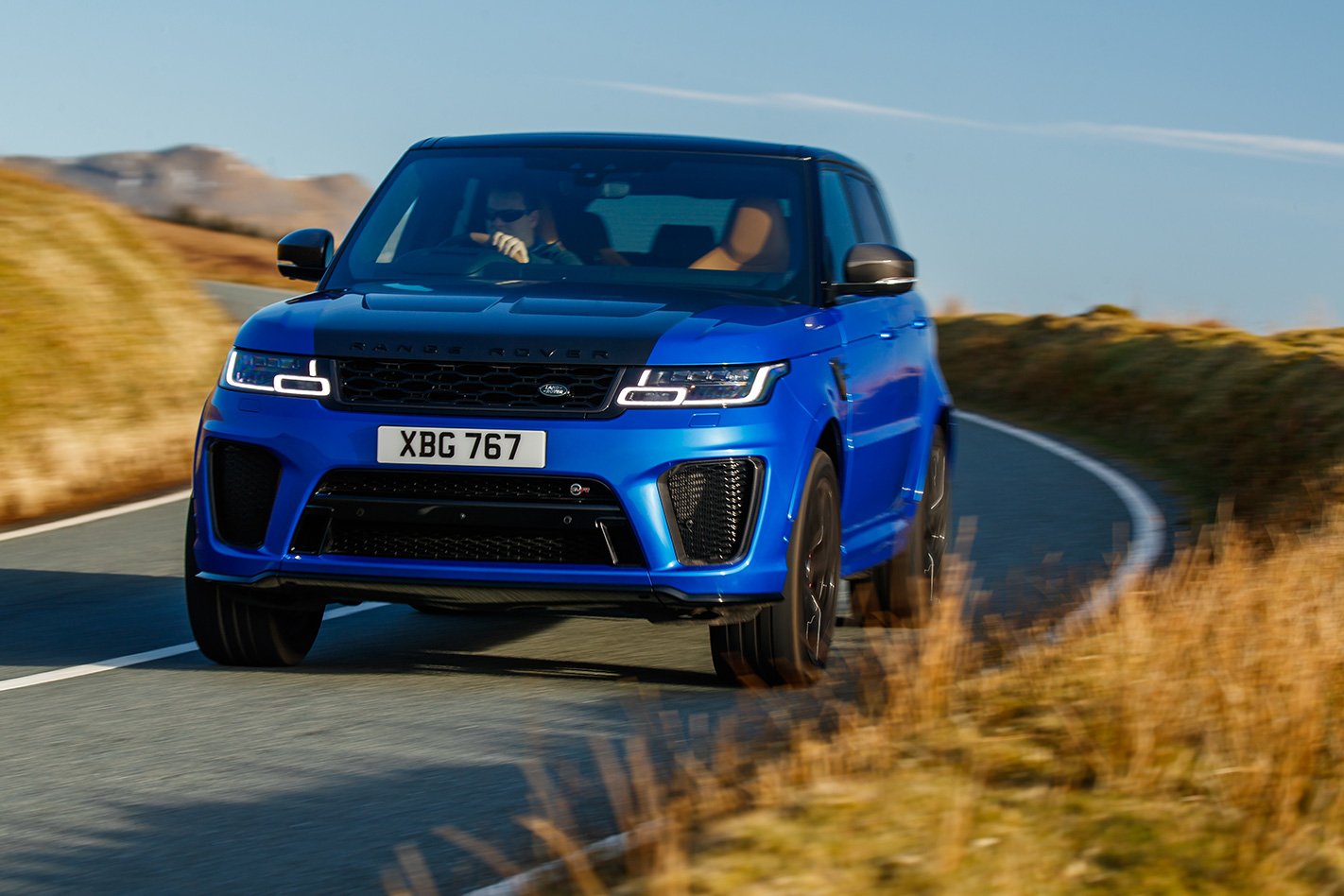
Hauling at a still respectable clip through the Fen End bends did reveal that even SVO can’t defy the immutable laws of physics, and while the SVR is utterly predictable and controllable through the tight stuff, its height and weight do work against the driver’s ability to hold a smooth and progressive line.
Quite how the new SVR would compare dynamically to its predecessor we can’t say without a back-to-back test, but SVO claims to have paid attention to its double wishbone front and multi-link rear suspension, with a view to controlling pitch under heavy acceleration and braking, and tuning the dampers for better turn-in, mid-corner grip and body control.
One thing they haven’t done in making these changes is mess with the car’s impressive ride quality, and despite this being the most focused model in the Range Rover Sport lineup, it still rides lumpy and pothole peppered UK B-roads with impressive air-sprung comfort and refinement.
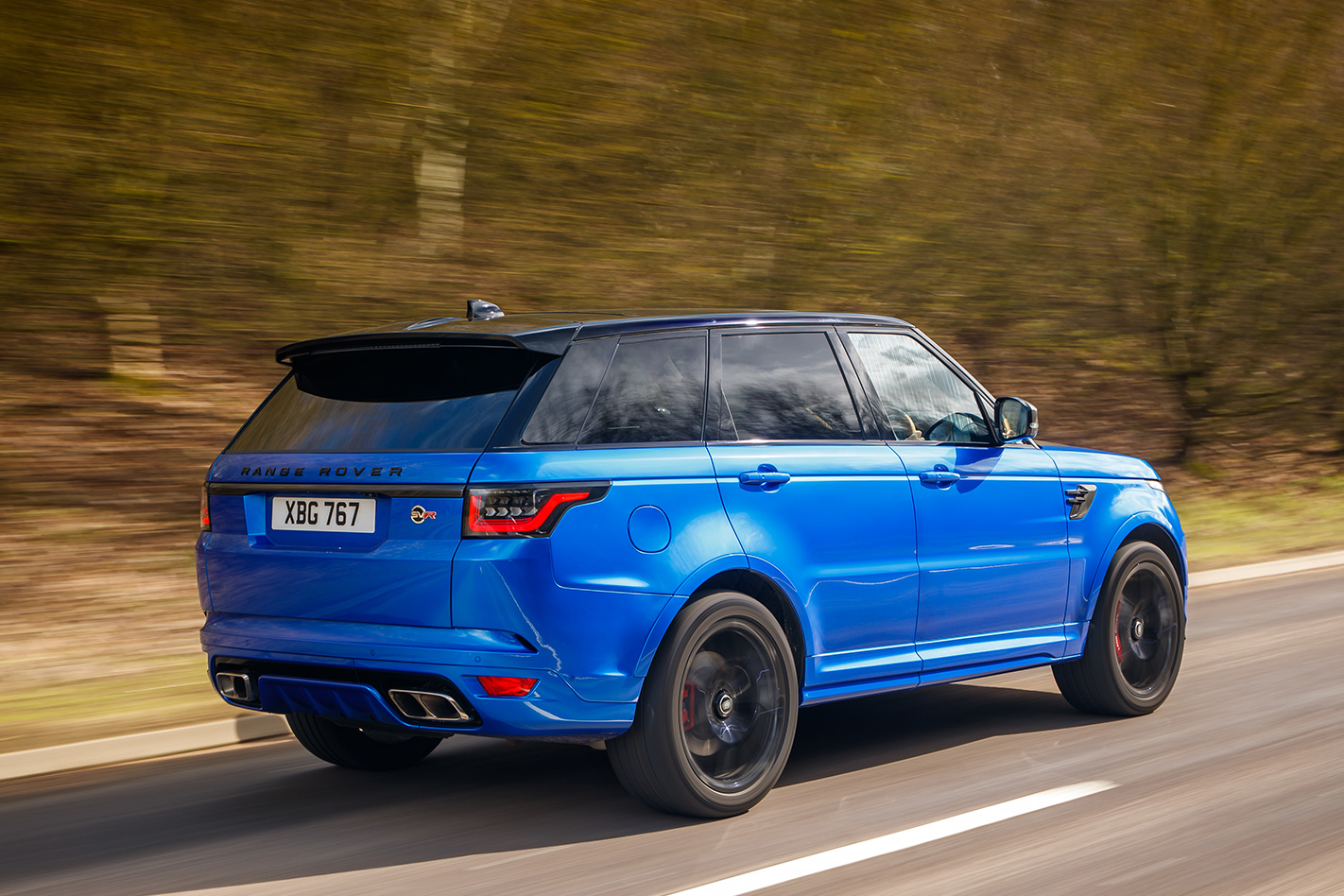
Stylistically, the MY2018 SVR is differentiated from earlier models with some key styling enhancements, perhaps the most notable of which is its handsome carbon-fibre composite bonnet with integrated cooling vents. The lightweight bonnet delivers real dynamic benefits but mostly just looks brilliant, displayed as it was on our test cars with the central section left unpainted to expose the eye-catching carbon-fibre weave.
There’s a new front bumper design including enhanced brake cooling ducts and slimline pixel LED headlights, new detailing on the grille and side vents, 21-inch split-spoke alloys as standard, and an SVO badge on the tailgate in place of the Land Rover badge. There’s also additional exterior design packs, including a carbon-fibre pack, which can be optioned for further customisation.
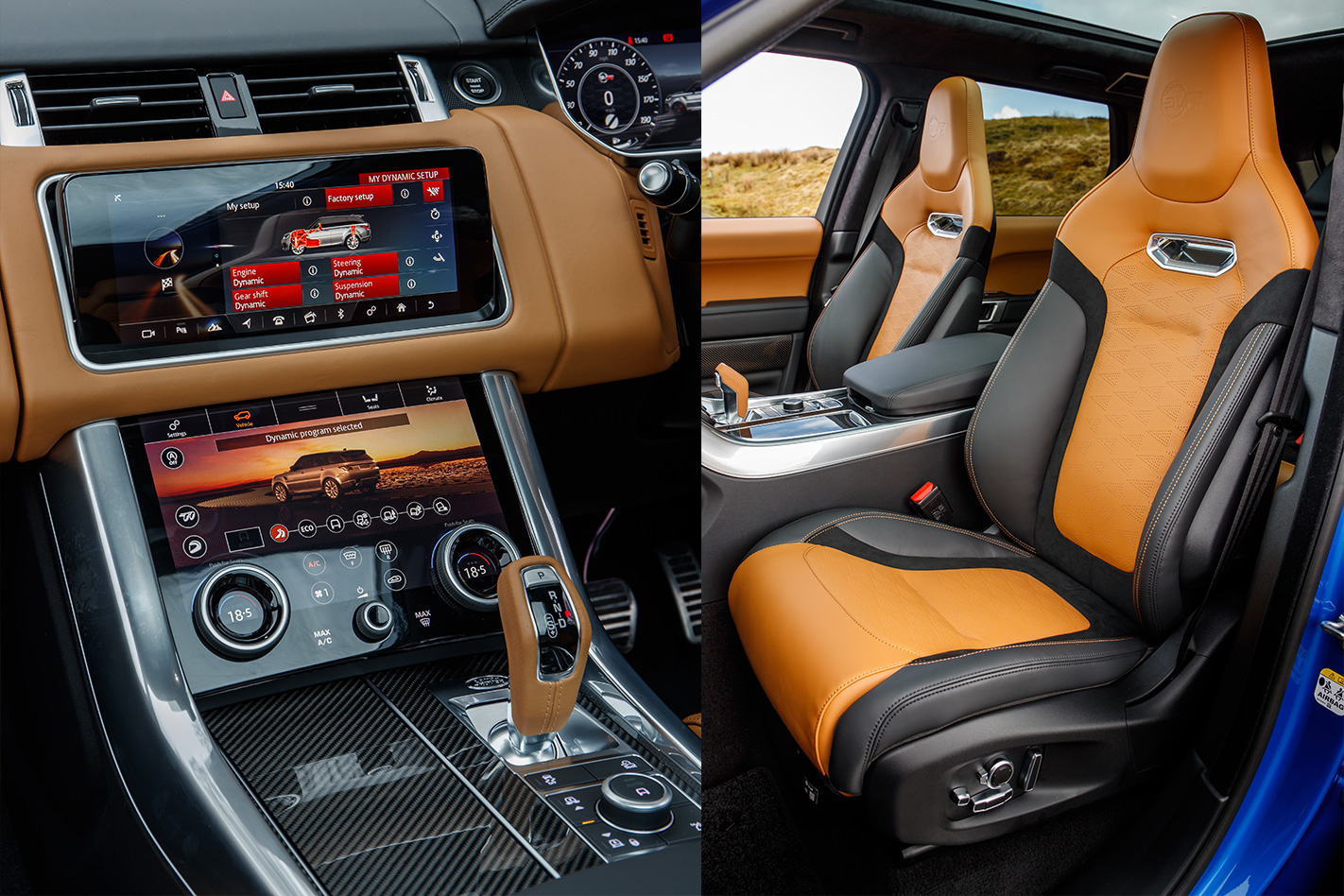
Other neat features include an 825W, 19-speaker Meridian surround system and gesture-controlled sunblind and tailgate, which open when you swipe a hand or foot in their vicinity.
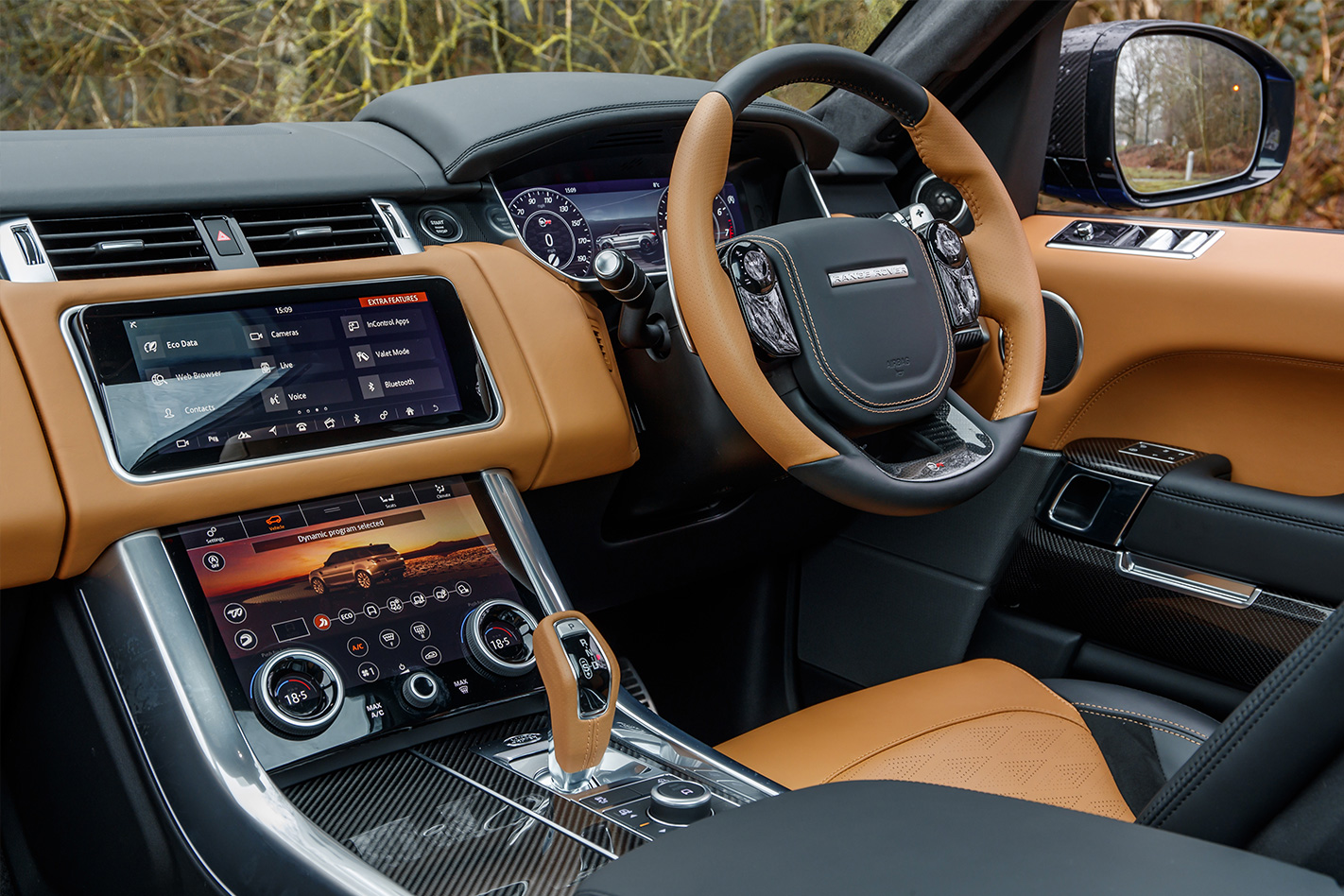
The SVR also gets many of the comprehensive MY18 mid-life updates that go across other Range Rover Sport models, including inter-linked dual high-definition 10-inch touchscreens and a configurable 12-inch display in the main instrument cluster, which together add a futuristic look to the beautifully trimmed and presented cabin.
The MY 18 Range Rover Sport SVR is available for order from Australian dealers now, with the first dealer cars arriving in late March or early April.
Specs
Model: Range Rover Sport SVR Engine: 5.0-litre supercharged V8 Max power: 423kW Max torque: 700Nm Transmission: 8-speed automatic Kerb weight: 2350kg Fuel economy: 12.8L/100km 0-100km/h: 4.5 secs Price: $238,200 On sale: Now
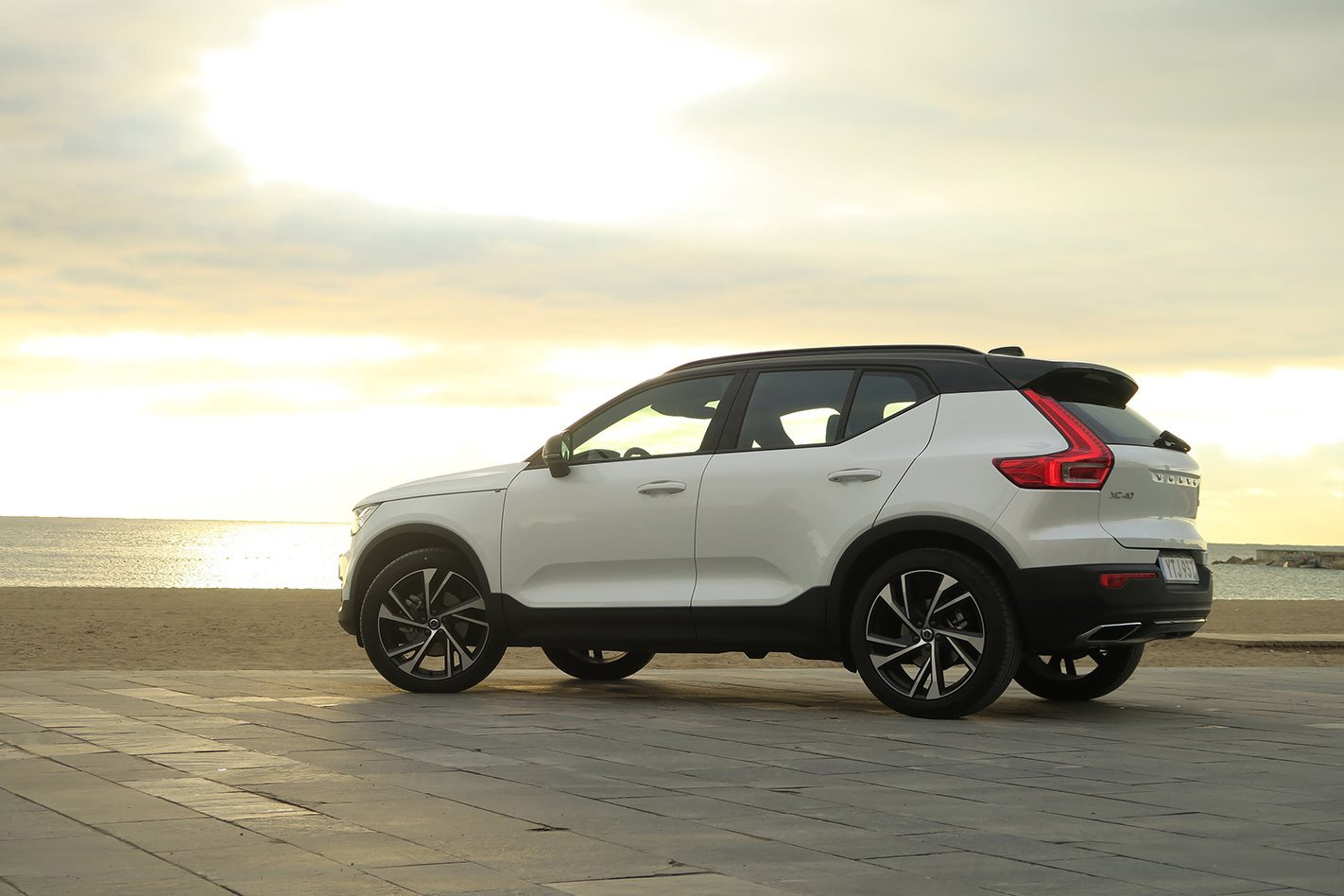
Volvo’s smallest-ever crossover, the all-new XC40, arrives in April with a starting price of $47,990.
The Volvo XC40 will initially arrive with two highly efficient four-cylinder turbocharged powertrains, the T5 petrol and D4 diesel all-wheel-drive, across the Momentum and R-Design specs.
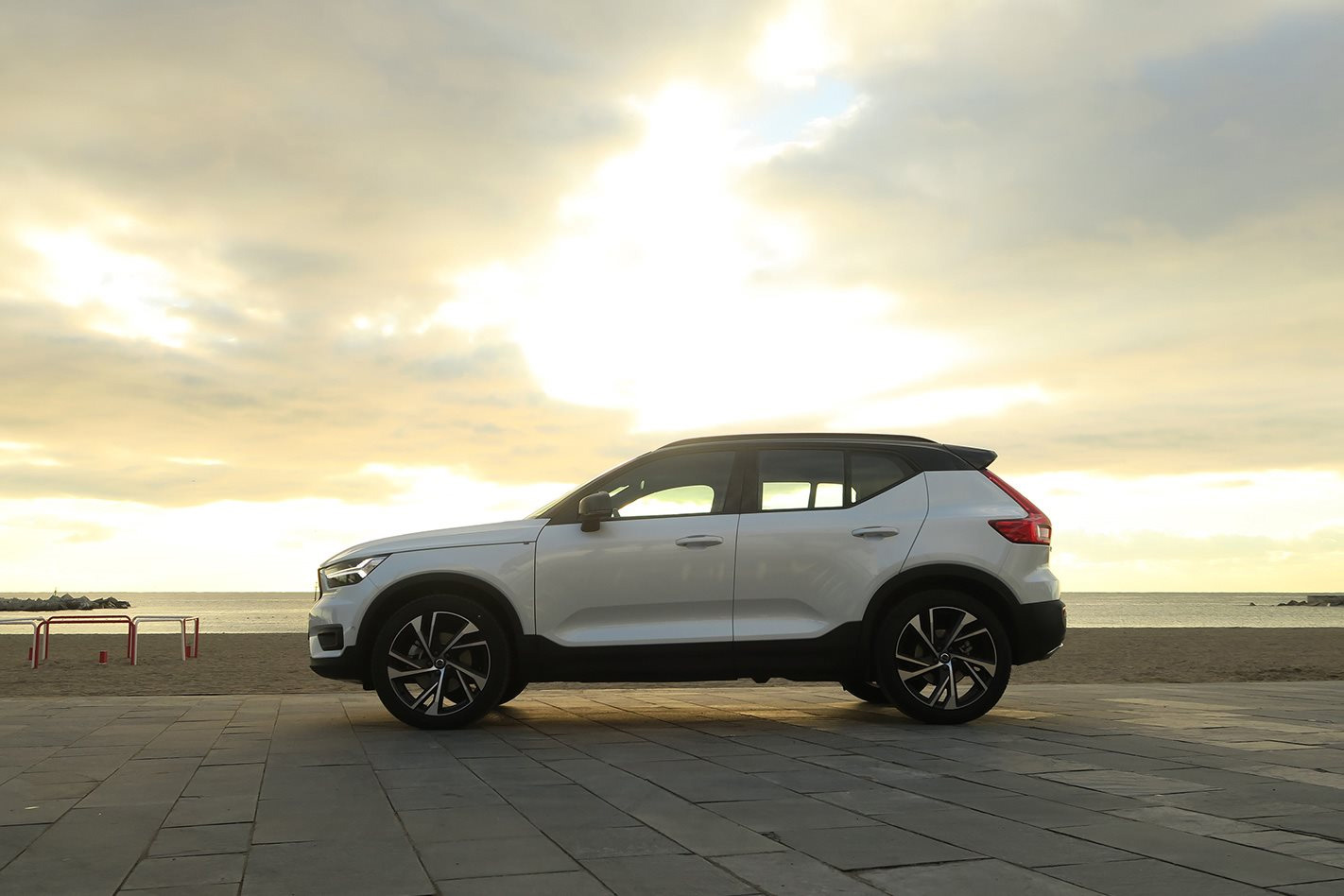
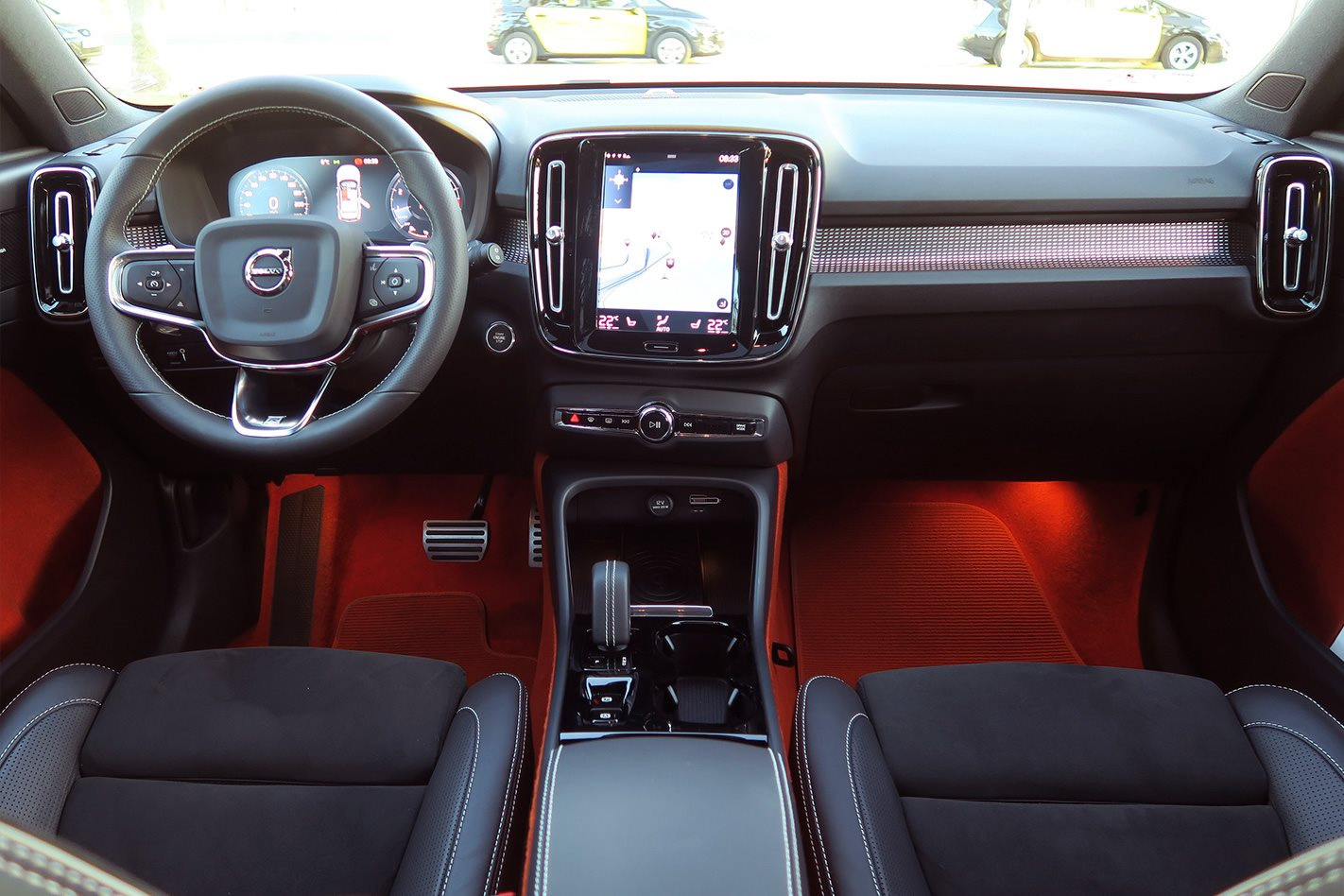
Built on Volvo’s new scalable CMA architecture, the 2018 European Car of the Year is one of the most advanced small SUVs on the market, with the next evolution of Volvo’s vertically-oriented infotainment display and all-electronic instrument panel, first seen on the XC90, S90 and XC60.
The XC40 also features a new Clean Zone dual-zone climate control system that removes harmful pollutants and particles before they enter the cabin to deliver ‘Scandinavian-fresh air’ on the inside, even here in Australia.
The interior is also designed to not only boost comfort, but provide more intelligent storage as well. Beyond just cramming in a few more cupholders, Volvo has kitted out the XC40 with huge door bins capable of taking a handbag or full-size laptop, under-seat drawers, a dedicated phone shelf with an inductive charging pad, fold-out bag hooks, and a built-in waste bin hidden in the centre console.
Also available as an option is Volvo’s advanced Pilot Assist driver assist tech, with autonomous emergency braking and ‘Run-off Road’ protection and mitigation, cross-traffic alert with auto brake and the 360 degree camera that helps drivers manoeuvre their car into tight parking spaces.
The Volvo XC40’s entry-level pricing is a little higher than its European rivals, which include the Audi Q2, BMW X1, Jaguar E-Pace and Mercedes-Benz GLA, but its standard equipment levels put it in the same league as their higher-spec variants.
As well as the standard Momentum and R-Design, Volvo Australia will be introducing limited-edition launch versions of each spec, featuring a host of otherwise optional accessories as standard features such as Pilot Assist, a sunroof, heated front seats and Harmon Kardon premium Sound system.
2018 Volvo XC40 pricing
- XC40 T5 Momentum – $47,990
- XC40 D4 Momentum – $50,990
- XC40 T5 Momentum Launch Edition $52,990
- XC40 D4 Momentum Launch Edition $55,990
- XC40 T5 R-Design – $54,990
- XX40 D4 R-Design – $57,990
- XC40 T5 R-Design Launch Edition $56,740
- XC40 D4 R-Design Launch Edition $59,740
“WHAT just happened, guys?!”
It was the incredulous call to the pit wall from Lewis Hamilton, who in the early running of the Australian Formula 1 Grand Prix had been leading comfortably ahead of Ferrari’s Kimi Raikkonen.
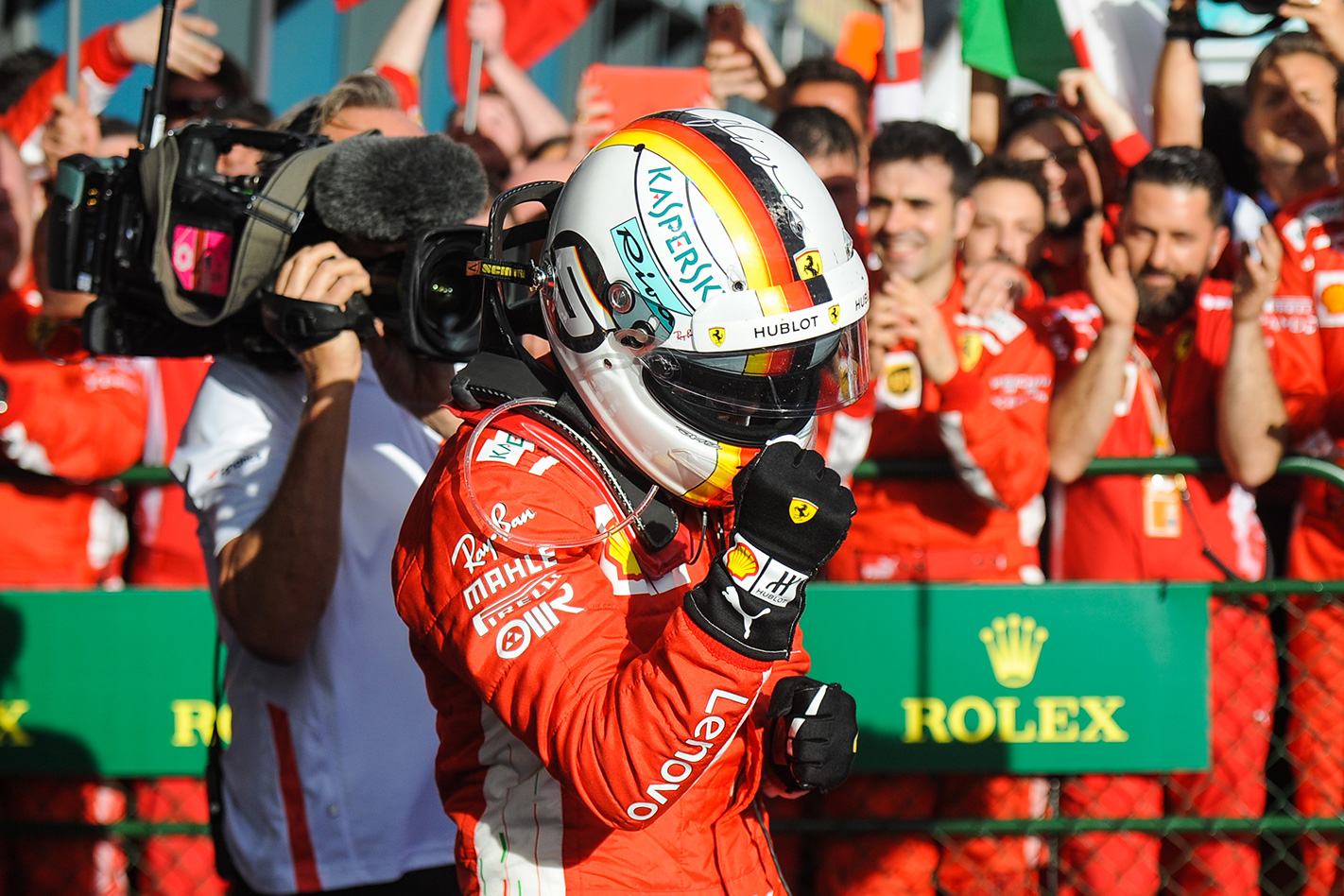
A Virtual Safety Car (VSC) called to retrieve two stranded Haas cars from the track left Hamilton staring past his halo at the rear tyres of championship nemesis Sebastian Vettel’s Ferrari.
The Maranello team timed a pit-stop to perfection, bringing Vettel in for fresh tyres at precisely the right moment to take advantage of the mandatory stagnated speed conditions under the VSC to leapfrog both Raikkonen and Hamilton.
You could almost hear the smile being wiped from Hamilton’s face as what had just happened dawned on him.

At the end of the race, Hamilton manoeuvred his W09 Mercedes-AMG into parc ferme, and sat motionless, the reality of the situation sinking in.
It was just 24 hours earlier that Hamilton had been cheerily ribbing his fellow four-time champion in the post-qualifying press conference. The reigning F1 champ was bristling with confidence after crushing the field by six-tenths of a second to claim pole.
“I can assure you we don’t have a party mode,” Hamilton said in the post-qualifying press conference. “I used the same mode in Q2 and Q3. There was no extra button, there was no extra mode that I engaged.”
Vettel wasn’t buying it. “What were you doing before then?” he retorted.
Hamilton fired back: “I was waiting to put in a good lap in, so I could wipe the smile off your face!”
Kimi Raikkonen remained typically nonplussed during the exchange. He finished the race in third, holding off hometown hero Daniel Ricciardo, who finished fourth.

The penalty dropped the 28-year-old from fifth to eighth for the race start. His charge to fourth by race end was aided by the retirement of both Haas cars that independently struck tyre issues following their first pit stops while running in exceptionally strong fourth and fifth positions.
An unforced error from Ricciardo’s Red Bull Racing teammate, Max Verstappen, also assisted the Aussie’s climb up the order. Verstappen eventually crossed the line in sixth, behind Fernando Alonso, who finished his first Australian Grand Prix since re-joining McLaren.
Nico Hulkenberg, Valtteri Bottas, Stoffel Vandoorne, and Carlos Sainz rounded out the top 10.
Supercars Melbourne 400

It was the first time Supercars has awarded championship points at Albert Park, with seven-time champ Jamie Whincup claiming the inaugural Larry Perkins Trophy for the round win.
Scott McLaughlin drew first blood for the weekend, winning the opening race in dry conditions.
The heavens opened up for race two. This time it was Whincup who was the victor, his first race win of the year after a difficult Adelaide 500.
McLaughlin and DJR Team Penske teammate Fabian Coulthard were hot on his heels, while rainmaster Shane van Gisbergen overtook Cam Waters on the last lap of the race to claim fourth place.
But the best race of the weekend would occur late on Saturday, after the F1 circus had completed qualifying.
The sun was beginning to kiss the horizon, while rain clouds hung above, threatening to burst.
It was Scott Pye who jumped to the lead at the start of the race, for new super-team Walkinshaw Andretti United. Whincup was second on the road, keeping his fellow Holden driver honest.
Midway through the race, the clouds came good on their threat, and the teams and drivers scrambled with strategy changes – stay out and risk a wet track on slick tyres, or pit for wets and claw back to the front.
Pye, Whincup, and the following Percat held strong at the front of the field, while others – including both DJR Team Penske cars – caved and peeled into the pits.
Fortune favoured the brave, with the rain easing enough for the slick-shod leaders to stay true up front.
Darkness had descended by time the final lap started, with Pye holding on for his first win against Whincup, the greatest driver in the category’s history.
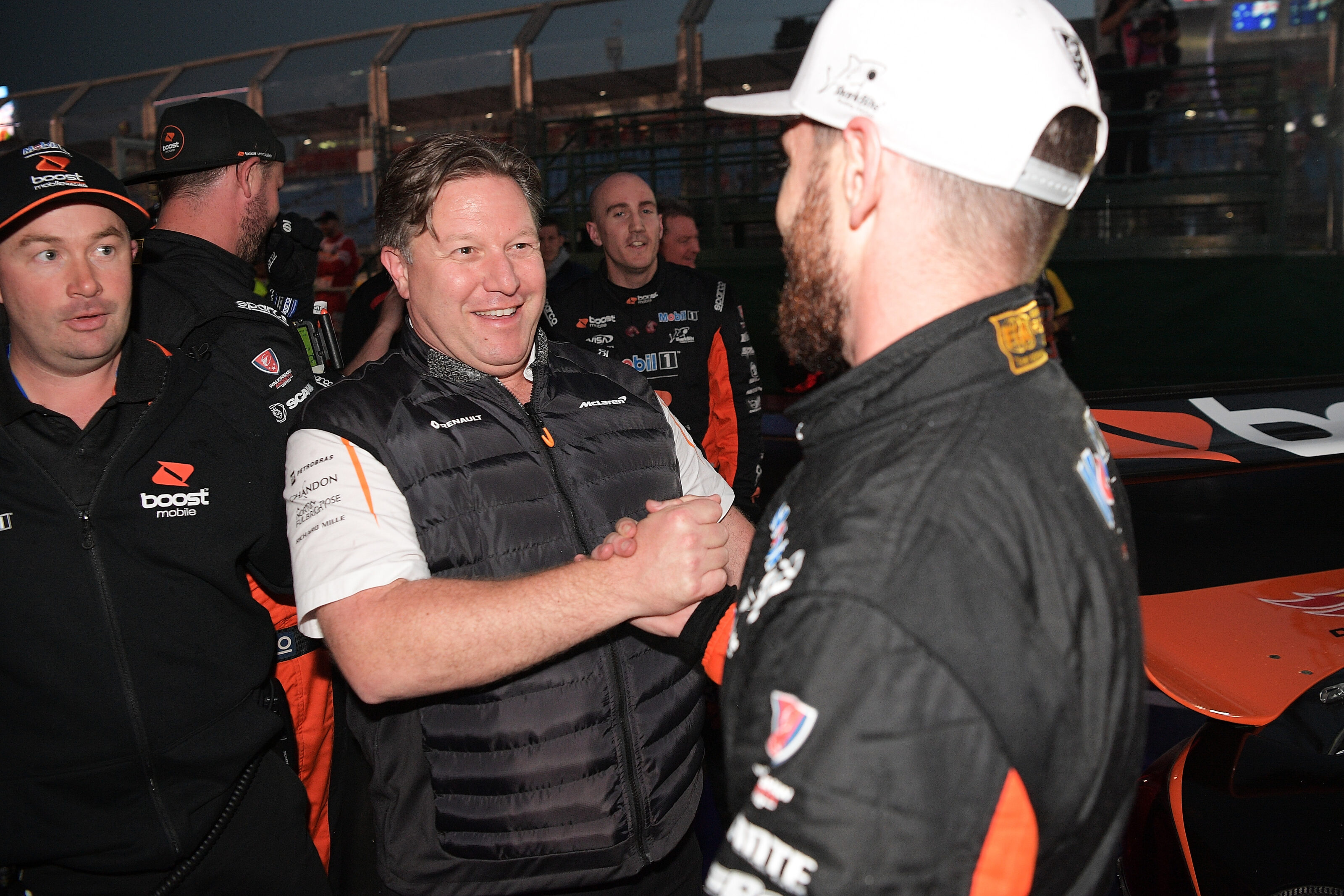
Behind them, Percat held on for third place in what was a brilliant weekend for the Albury-based Brad Jones Racing squad. The South Australian driver would also feature on the podium in the final race.
David Reynolds won for Erebus Motorsport in the final sprint of the weekend, while off-track drama continued.
Both the Nissan and Ford teams were granted dispensation by Supercars to use lighter body panels at Albert Park following a war of words in Adelaide over the composite panels that were fitted to the Holden ZB Commodore.
Red Bull Holden Racing team boss Roland Dane said he “couldn’t care less” about what the other teams fitted to their cars, while Whincup branded the situation a “storm in a teacup”.
Van Gisbergen held onto his championship lead at the end of the weekend, with Reynolds close behind heading into the third round of the championship in Tasmania.
The Toyota Kluger is a roomy seven-seat SUV with a powerful V6 engine and responsive eight-speed automatic gearbox.
It is smooth and quiet to drive and has a spacious, comfortable cabin with thoughtful storage touches. All Toyota Kluger models offer auto braking and other advanced driver assistance features as standard.
Variants
There are three main specification levels of the Kluger, GX, GXL and Grande which each come with a choice of two- and four-wheel-drive. All Klugers share the same engine, a 218kW/350Nm 3.5-litre petrol V6, which is coupled with an eight-speed automatic transmission.
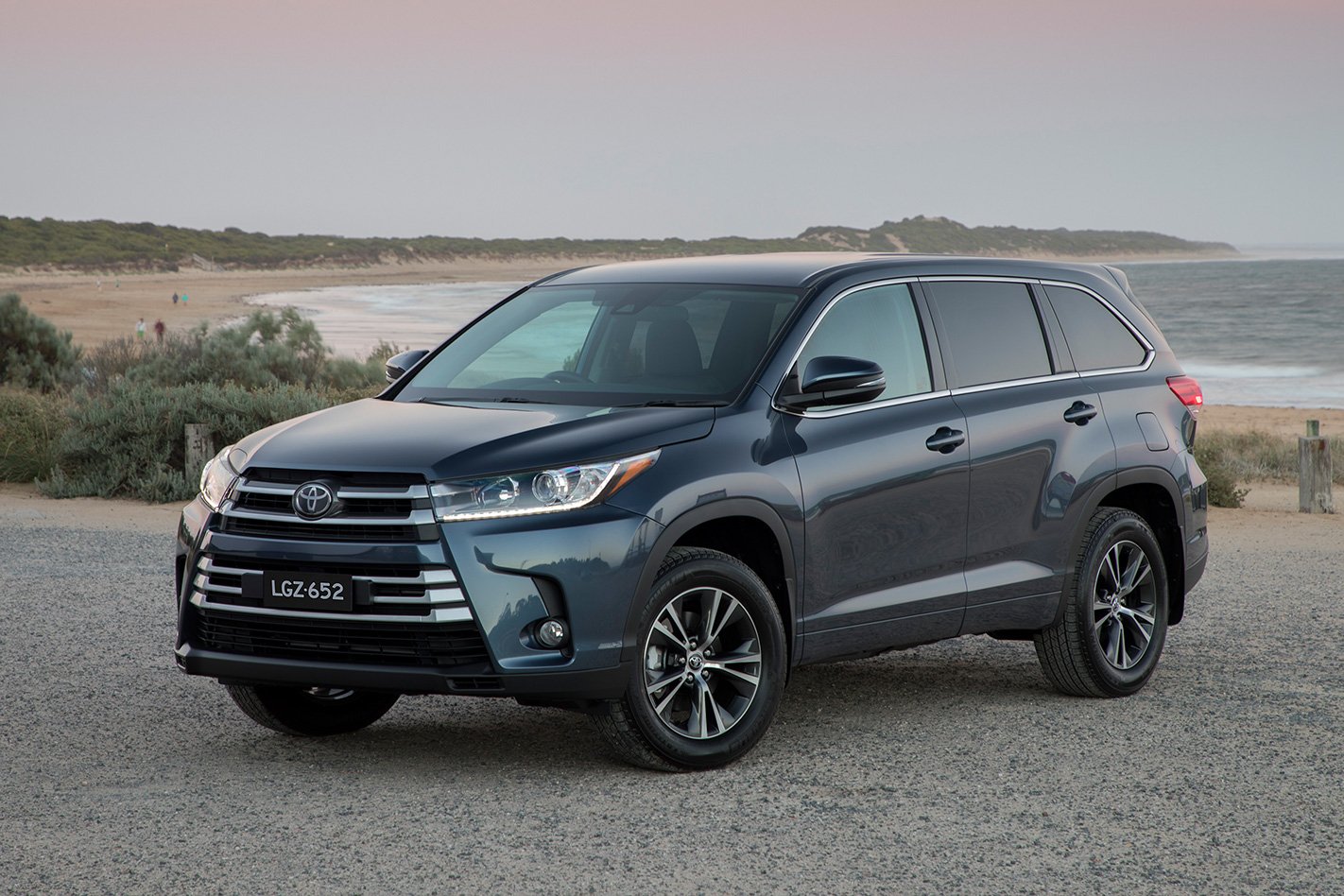
The entry-level Kluger GX spec starts at $44,500 and comes with plenty of standard features including adaptive cruise control, 6.1-inch touchscreen, reversing camera, rear parking sensors, high-speed automatic emergency braking, lane-keeping assistance, a rear cross-traffic alert, auto-dipping dusk-sensing headlights, daytime running lights, 18-inch aluminium alloy wheels, full-sized spare wheel and seven-airbags including third-row protection.
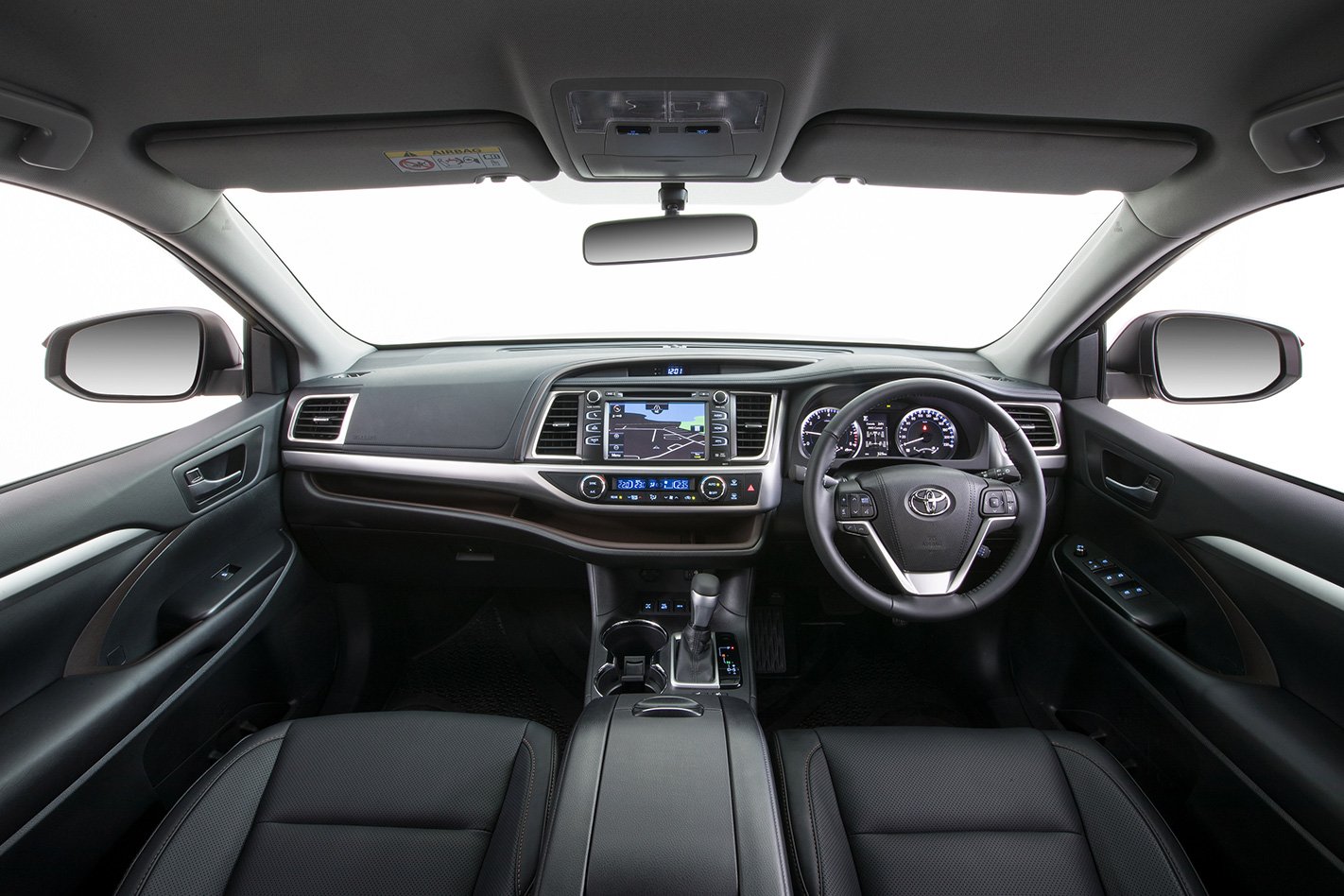
Step up to the Kluger GXL and you get all that plus three-zone air-conditioning, a bigger 8.0-inch infotainment screen, satellite navigation, digital radio, rain-sensing windscreen wipers, blind-spot monitor, rear-cross traffic alert, smart key entry, power-opening tailgate, partial leather trim, heated front seats, power adjusted driver’s seat and roof rails.
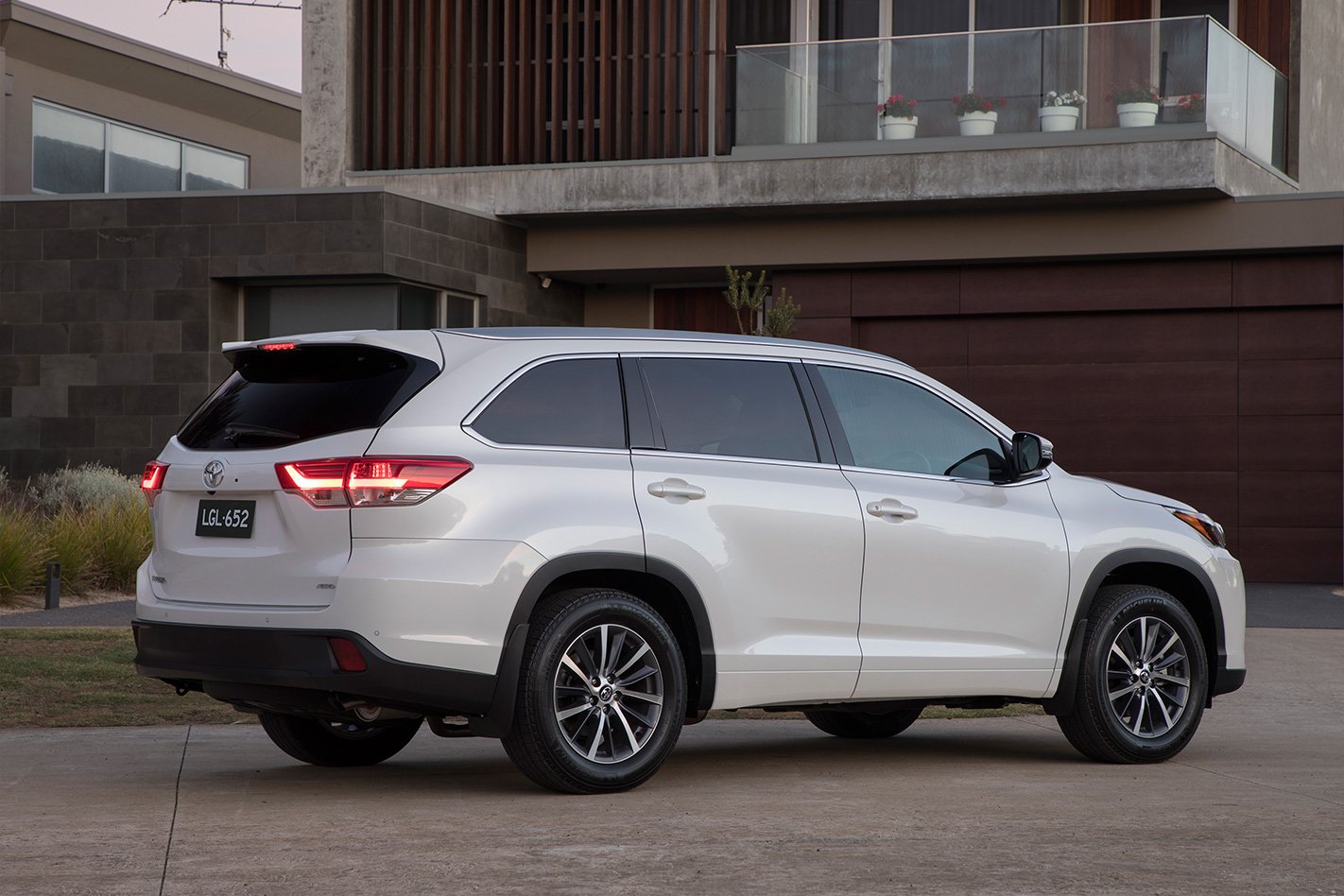
The most expensive Kluger, the Grande, comes with a sunroof, ventilated front seats (they circulate cool air), power adjustment for the passenger seat, driver’s seat setting memory and bigger 19-inch wheels.
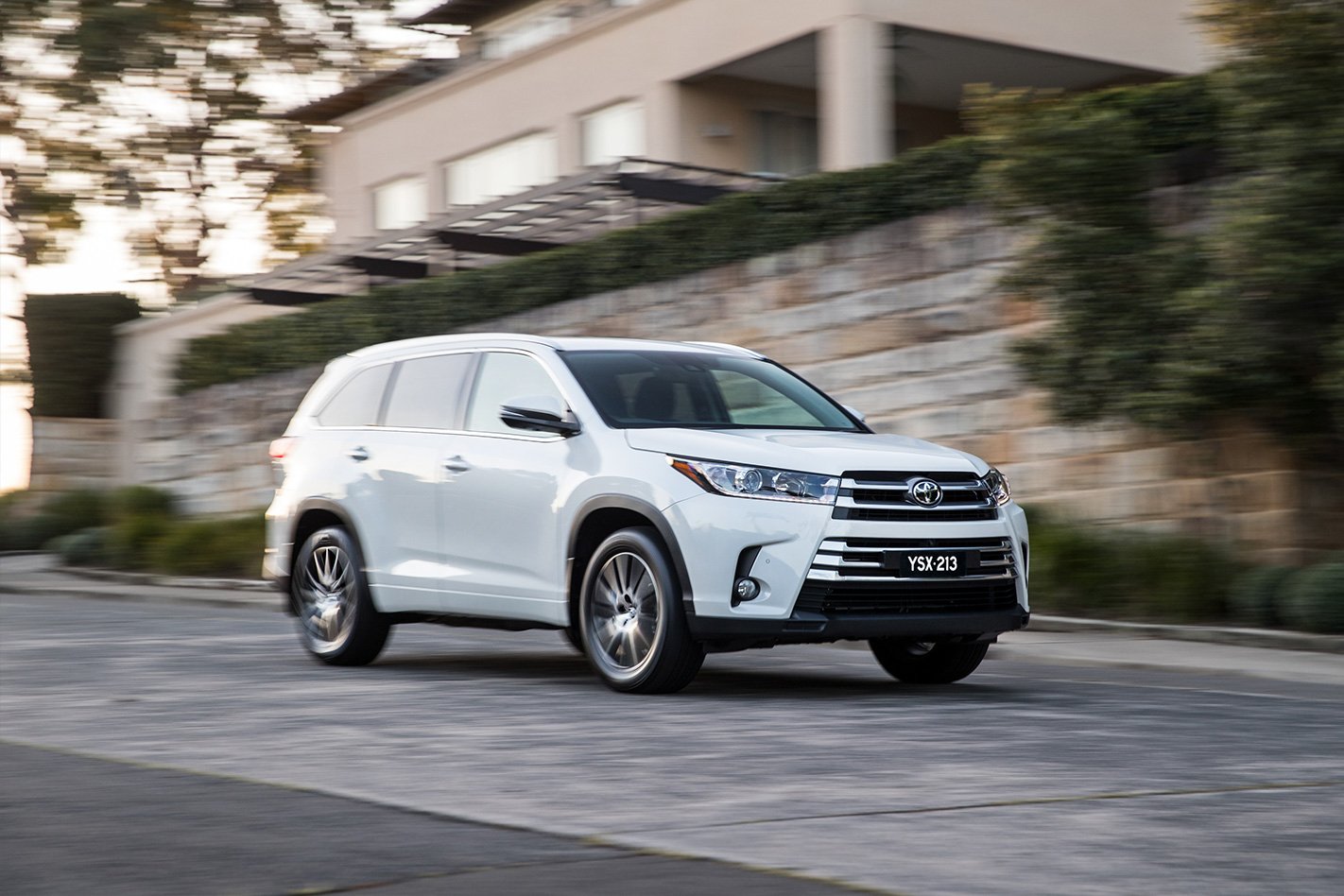
- Kluger GX 4X2 – $44,500
- Kluger GX 4X4 – $49,990
- Kluger GXL 4X2 – $52,990
- Kluger GXL 4X4 – $54,990
- Kluger Grande 4X2 – $65,646
- Kluger Grande 4×4 – $69.671
OUR PICK
Kluger GXL with all-wheel drive brings plenty of useful and cosseting features for the money – such as the tri-zone ventilation, smart-key entry and leather seats. While it’s not a true off-roader like similarly-sized Toyota LandCruiser Prado, the all-wheel drive system gives you extra confidence on dirt roads or at the snow, while also bringing benefits on slippery bitumen surfaces.
Available options
Premium paint – $575
IT’S NOT often I find myself imagining the sound my bottom must surely be making, but this is one of those rare moments.
Having just hopelessly overcooked a tight switchback in a moment of ham-fisted stupidity, the rear tyres of the Alfa Romeo Stelvio Q are now marching across the centre line with alarming determination, apparently in a rush to introduce themselves to an oncoming four-wheel drive that’s also doggedly – and inexplicably – glued to the middle of the road.
If that battered Toyota LandCruiser is the rock, just beyond it is a hard place. The Jebel Jais mountain road is bookended on one side by sheer rock, and nothingness on the other, with nought but a 1000m drop between you and the ground a Road Runner-cartoon-long way below.
There’s no help on the way, either. One of the greatest things about this go-fast Alfa Romeo Stelvio is also, in a situation like this, its scariest. Switched beyond Dynamic, Natural and Advanced Efficiency (DNA – snore) to its hardest and angriest Race setting, it feels as though every traction or stability aid is turned off. Trust the Italians to shrug and take a ‘you got yourself into this and you get yourself out’ approach.
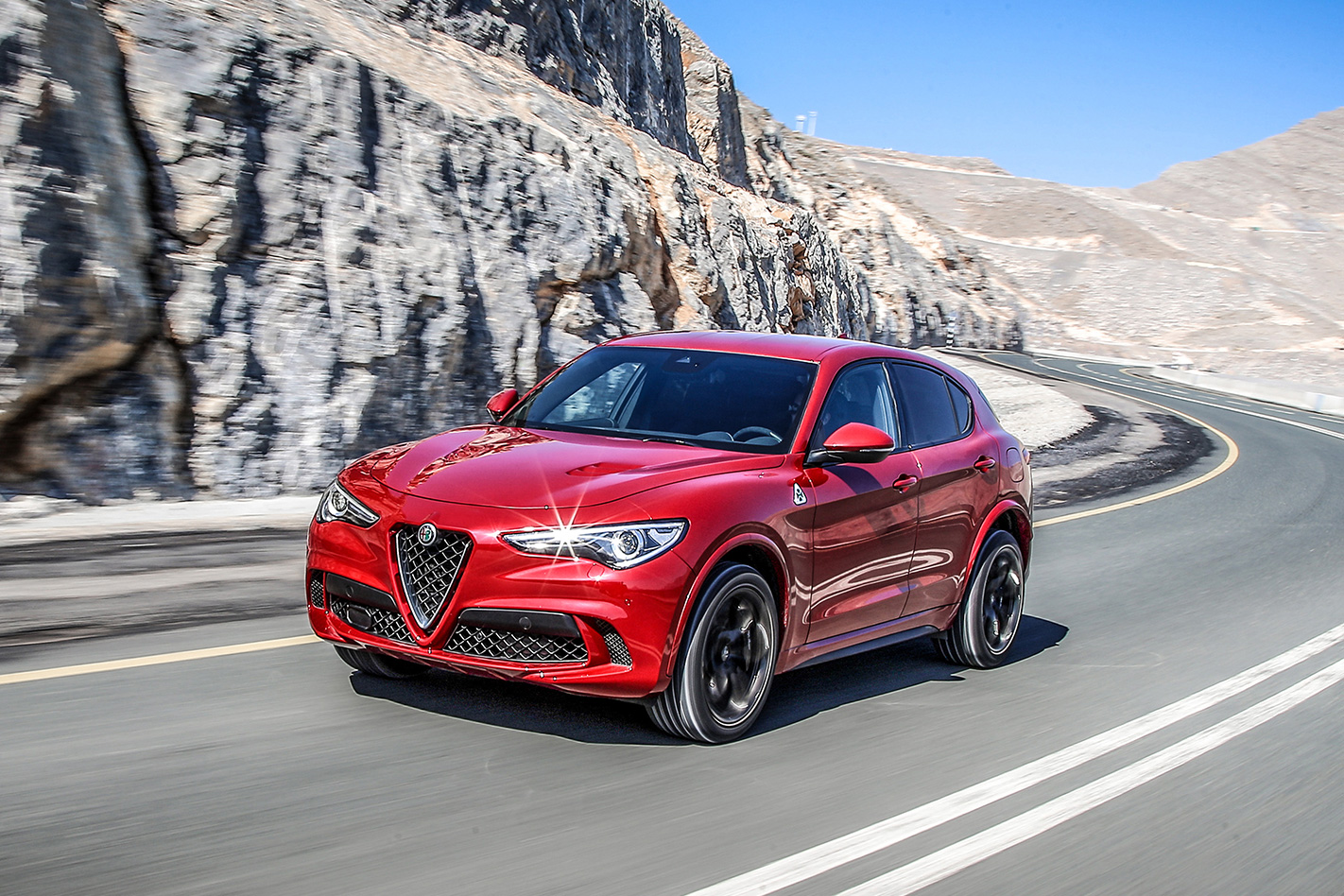
By the time I’d found the courage to open my eyes again, the Toyota hulk was gone. Had we been in Australia, my licence would have been dragged before the firing squad and put out of its misery. Here in the United Arab Emirates, though, where passengers take joy in skating alongside smoking sedans locked into huge high-speed drifts, it barely registers on the crazy-driving scale. Either way, the lesson had been learned: this is not a medium SUV to be trifled with.
It is also not one to be quickly understood. While the Stelvio sits on the same new Giorgio platform as the Alfa Romeo Giulia, the Italians – and in what might be the most Alfa Romeo thing of all time – suddenly grew tired of the whole Quadrifoglio Verde thing, despite having just glued that badge to the back of the flagship version of that sedan, so this range-topping SUV will simply be known as the Q.
And that comes after what would seem to be the most insanely hubristic of marketing moves in actually naming Alfa Romeo’s first-ever SUV after one of the world’s most iconic driving roads – the incredible Stelvio Pass that links Italy with Switzerland. Surely the Giulia QV would be a better candidate for such a regal title? Or maybe the brand’s incoming 5 Series competitor?
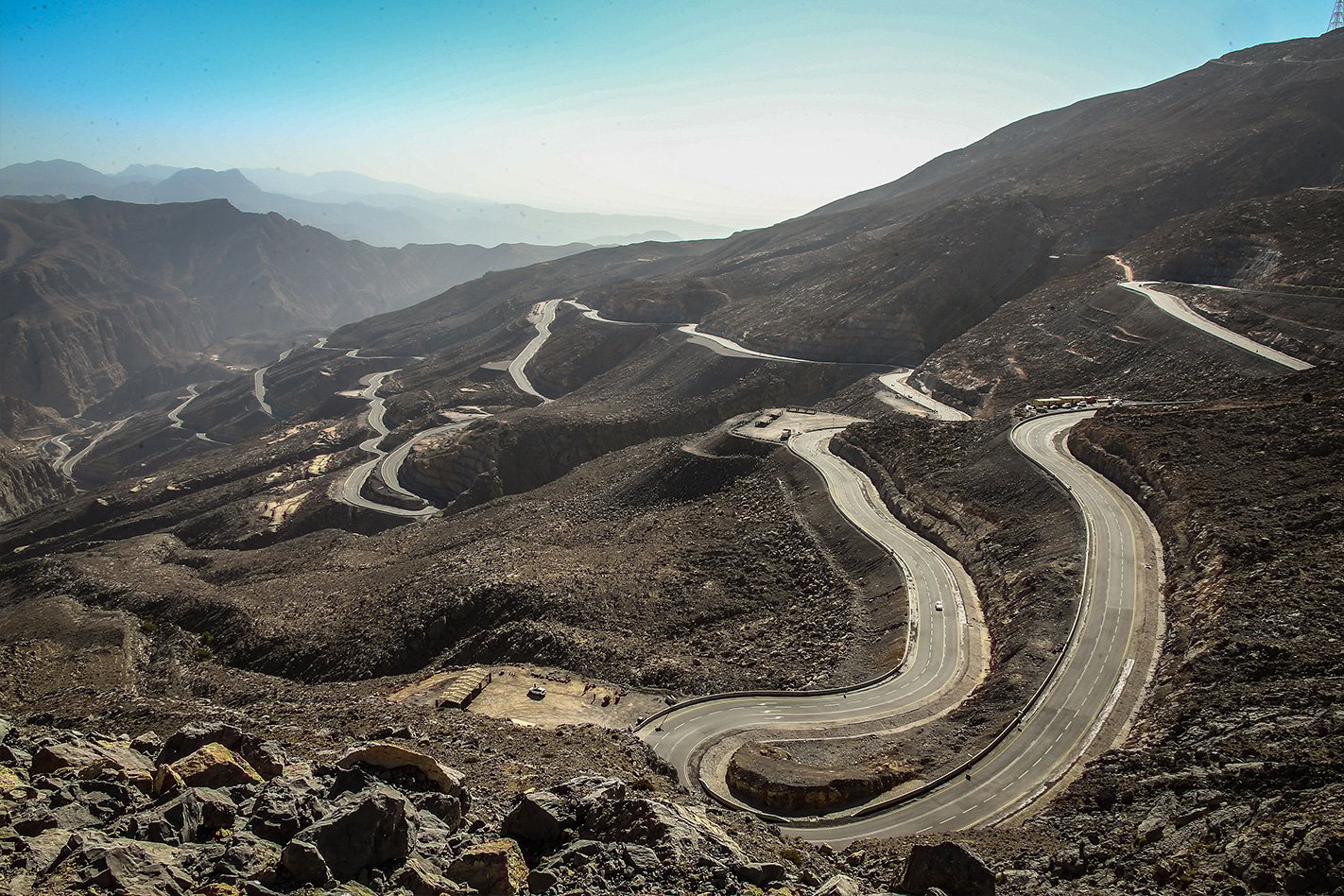
If any SUV was worthy of the challenge, this is it. Alfa’s SUV Q packs the same engine as sedan QV: a singing 2.9-litre bi-turbo V6 that is suspiciously similar to Ferrari’s turbocharged V8, just with two cylinders lopped off (although the brand denies the similarities, claiming the Alfa engine is a bespoke unit). And so this peach of an engine will serve up a thick and meaty 375kW and 600Nm, enough to push the Stelvio from standstill to 100km/h in 3.8 seconds – a whole six-tenths quicker than a Macan Turbo Performance Pack – and on to a top speed of 284km/h.
The outputs are all sent through an eight-speed ZF automatic and mostly to the rear tyres, although the Q4 all-wheel-drive system can shift up to half the grunt to the front axle when required. Alfa’s active torque vectoring (via dual clutch packs at the rear differential), adaptive dampers, and the five-mode drive programs that include the balls-to-the-wall Race setting complete a rather pretty picture.
And so, as you might expect, the Q is fast. But that in and of itself isn’t particularly impressive. Lots of things are fast, and I wouldn’t want to take a bullet train to a race track. Nope, what’s truly and staggeringly impressive about the Q is its ability to hide the fact that it is, in fact, any kind of SUV.
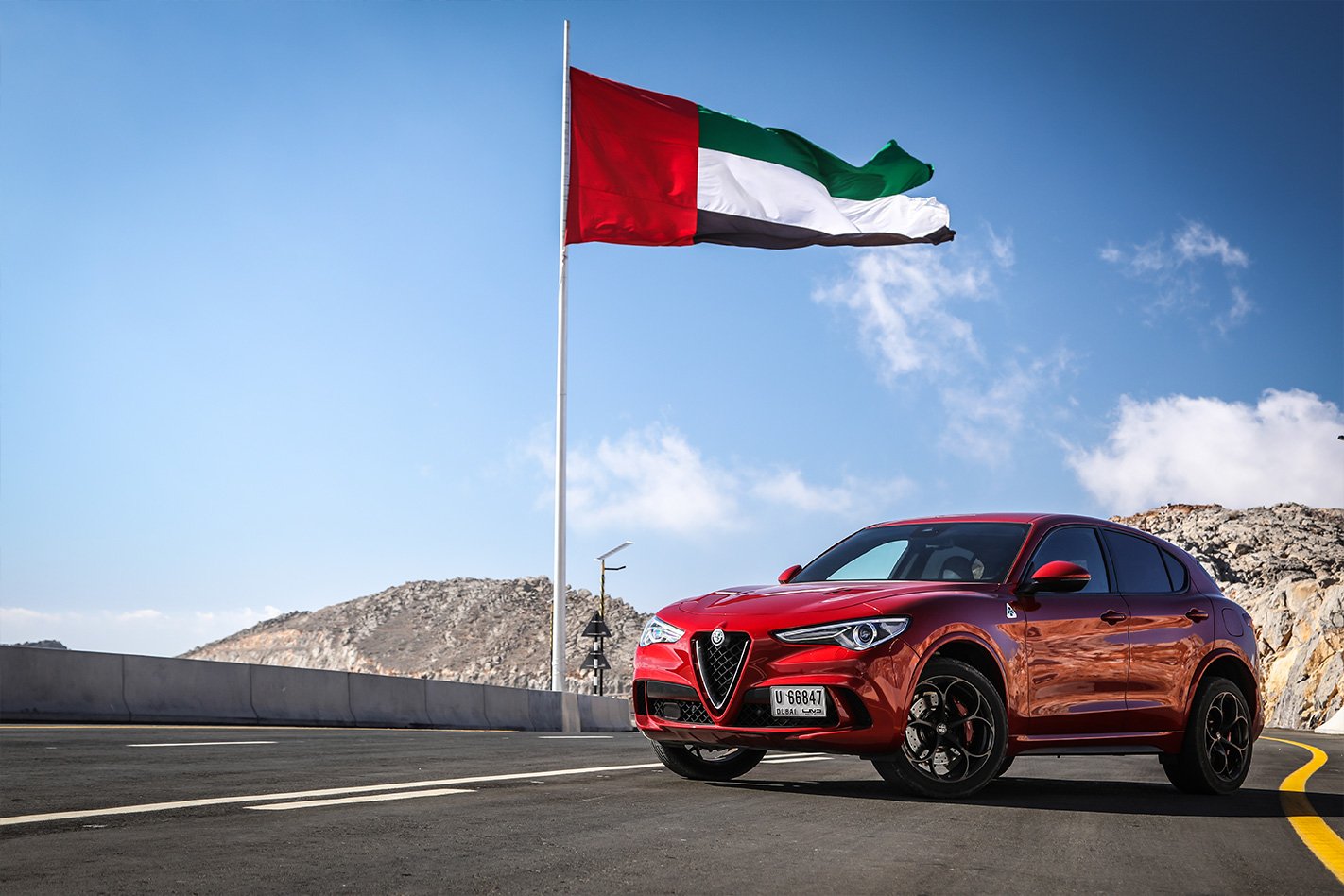
Imagine every great corner you’ve ever driven anywhere in the world – from the tightest hairpins to the fastest of sweepers – all crammed into one truly glorious 35km hillclimb and you’re getting close to the awesomeness of the Jebel Jais road. It might be the ugly sister of Europe’s famed mountain passes (like the, er, Stelvio…) with forested foothills and Sound of Music villages swapped out for dirt, shale and stray goats, but what it lacks in picturesque beauty it more than makes up for with silky smooth and happily un-policed tarmac that climbs like a vertical race track.
Bulk is the natural enemy of fun, but at 4702mm long the Stelvio Q is smaller than the class average, shorter nose-to-tail than the forthcoming Mercedes-AMG GLC63, and on par with the aforementioned Porsche. In the flesh it appears more like a pumped-up hatchback in its proportions; a sort-of beefier Mercedes-AMG GLA45. When combined with a liberal use of aluminium in its smaller body, the Stelvio Q’s kerb weight is also kept to a fairly reasonable 1830kg – 65kg under a Macan GTS and a whole 95kg under the faster Macan Turbo.
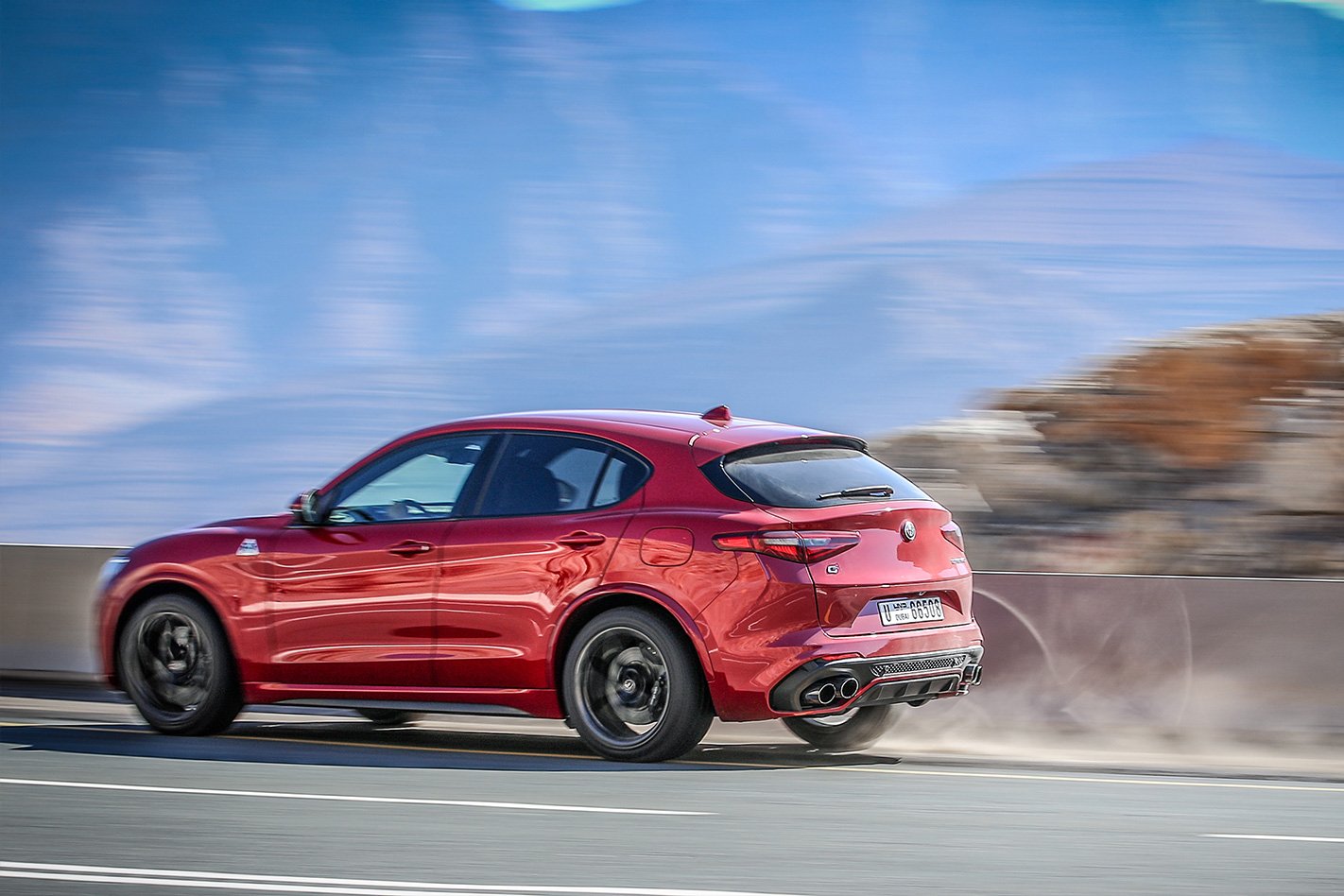
It’s the steering, though, that’s the most surprising. How Alfa Romeo has managed to create such a direct connection with the front tyres where others, including some genuine legends of the sports car game, haven’t been able to, is incredible. You feel acutely in touch with the road below, and rock-solid confident the car will go exactly where you want it to, exactly when you want it to.
Except in this instance we can’t go any further because, perhaps most amazingly, this road doesn’t actually go anywhere.
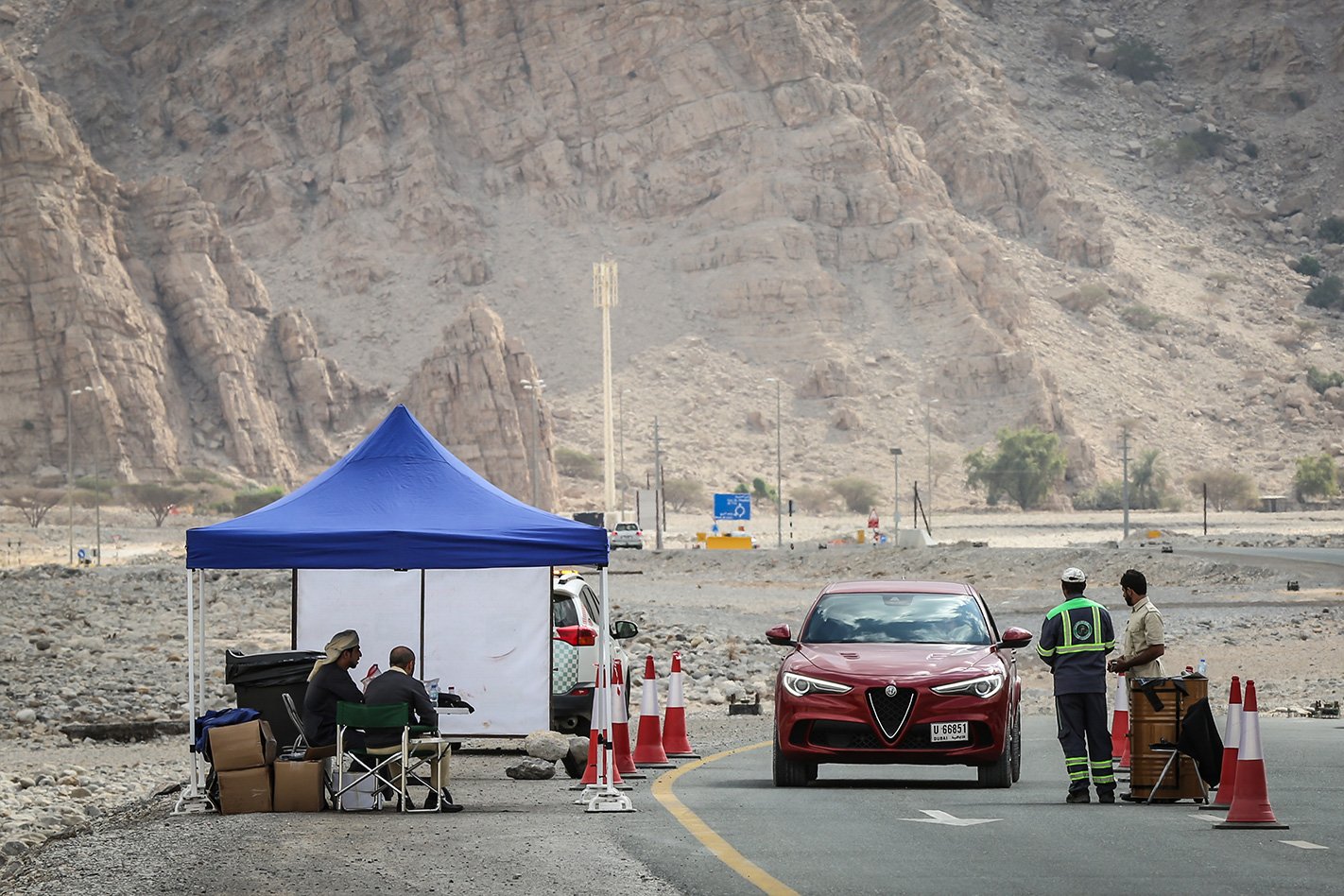
The idea, if you can believe it, was to build a winter wonderland at the top of the mountain (in a country in which temperatures rarely drop below 20 degrees, even in the coldest depths of winter) that would steal lucrative tourist dollars from nearby Dubai’s indoor ski field.
Up here, the lofty 1934-metre peak, is the only place in the UAE where it actually snows (yes, in winter the top can occasionally be crowned in white while the towns beneath it swelter) and the local government decided outdoor skiing trumps indoor every time.
Any ski resort is yet to materialise – perhaps unsurprisingly given that, road or no road, the Jebel Jais mountain remains in the Middle East – but that sits just fine for us and our Q chariot. Over the course of two days we might have seen 20 vehicles (including one, terrifying four-wheel drive).
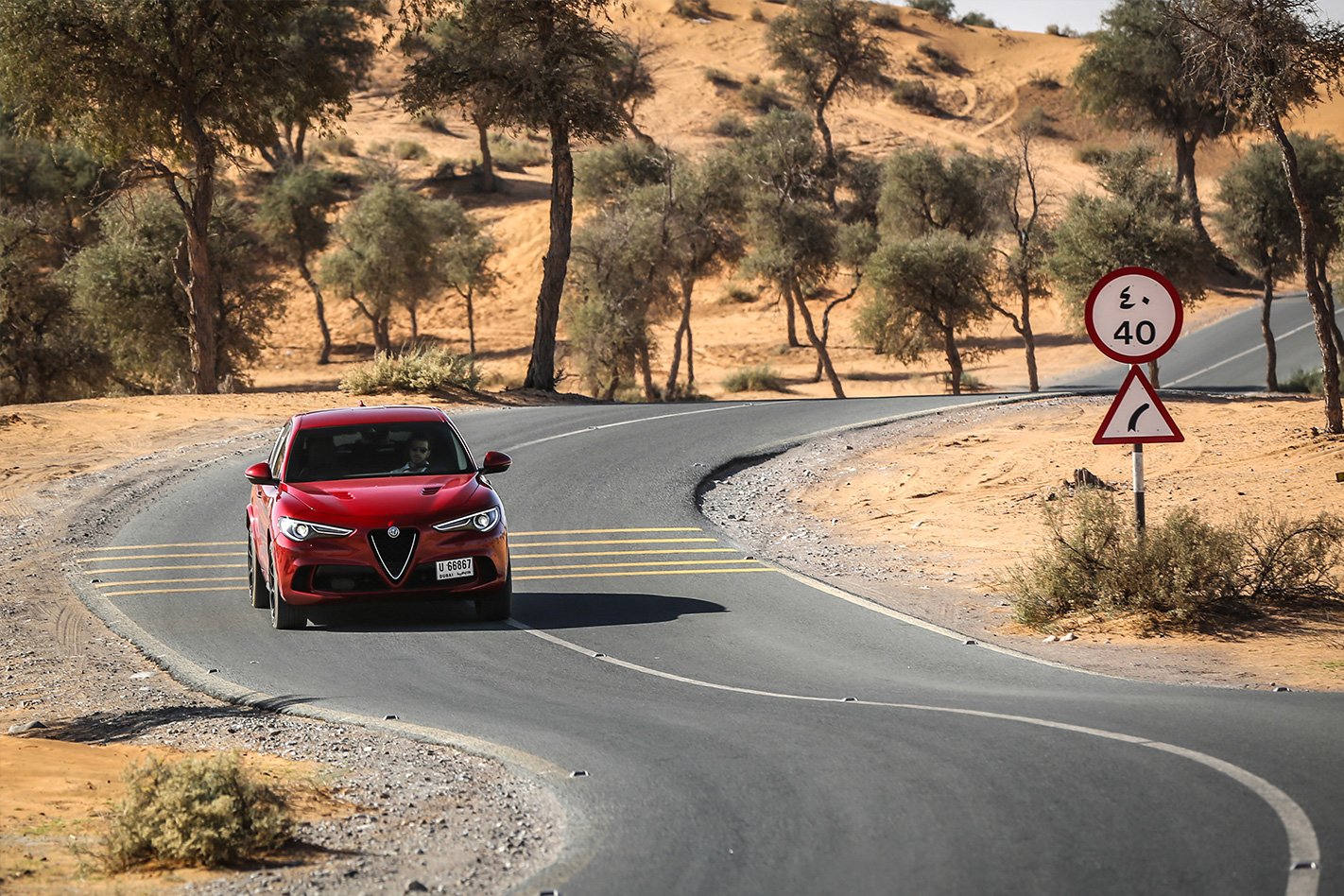
While this perfectly smooth, perfectly twisting and perfectly perfect roadway is the kind of road that would turn many an SUV to mush, the Stelvio Q stands tall here at the top. And as the Macan ages and other more mundane SUVs start cramming lofty neighbourhoods, the fastest first Alfa SUV is out on its own – or, at least until the GLC63 thunders in.
There are straight-line faster SUVs, I’m sure, especially all-electric ones, but what is so often lost in the blind pursuit of those numbers is the theatre of the drive, and the Stelvio Q shines on the right road, this road, not because of the way it storms between corners, but because of the way it behaves when it arrives at one.
It sits flat, holds a driving line like it’s been nailed to it and serves up more screaming feedback than a Gordon Ramsay restaurant review. Sure, it isn’t quite a hulking, smoking rear-driver like the Giulia QV is, but there’s still plenty of verve in this decidedly arse-driven all-wheel-drive Stelvio Q-without-the-V.
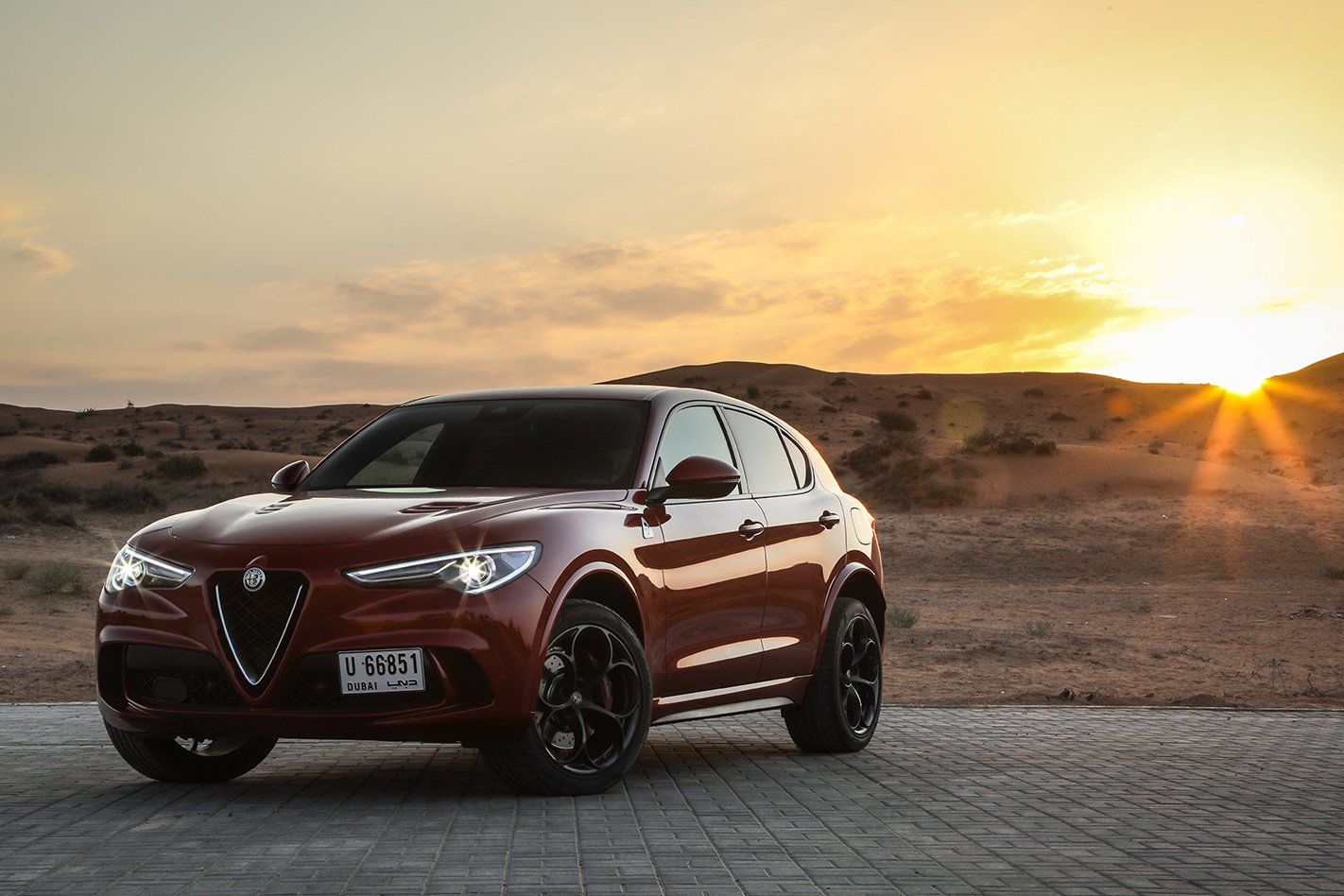
It’s also the only sound I hope to be hearing from this point on.
