
FEAR NOT, boy racers of Australia, for if Subaru’s hot new concept for this year’s Tokyo Auto Salon is any indication, then the next-generation WRX STI will continue to have a large n’ lairy box wing bolted to its bootlid.
The Japanese carmaker released a pair of teaser images today showing the Subaru Viziv Performance STI Concept in relative clarity, as far as teaser pics go. That’s no surprise, given the car it’s based on – the Viziv Performance Concept – was revealed in full at the 2017 Tokyo Motor Show last October. However the appearance of an STI-labelled version of that concept practically confirms that the duo are harbingers of the current WRX and WRX STI’s replacements.
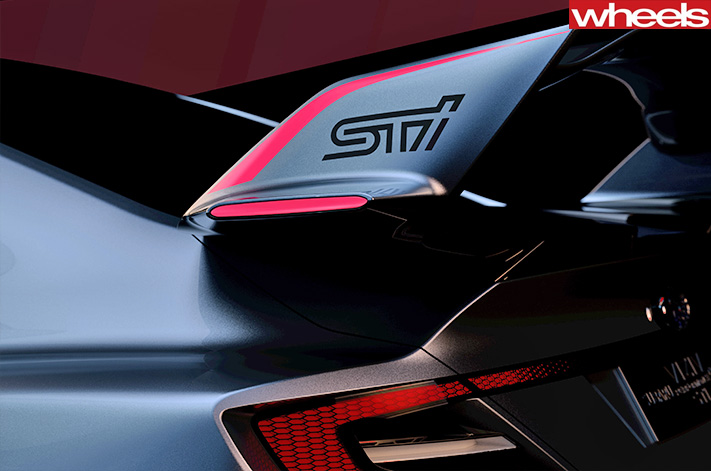
Elsewhere there are typical STI flourishes like red (or is that pink?) details around the grille, prominent STI badging, deeper front bumper apertures and pronounced side skirts. The end plates of that big ol’ wing also feature smaller winglets sprouting from the side, presumably to further aid visibility to your local constabulary.
We’ll get the full view of the Viziv Performance STI Concept when the doors open at the Tokyo Auto Salon this weekend, however what’s expected to be under the bonnet of the eventual production car remains secret.
Speculation is rife that the next STI will make the move to a hybrid layout – something entirely possible given growing adoption of electrified powertrains in performance cars, and facilitated by the hybrid-ready attributes of the SGP platform that will underpin all future Subarus.
But is the next-generation car, which is expected to debut next year, really going to rock a high-voltage battery? Documents seen by Wheels (see in gallery above) suggest that may still be more than a generation away, with the current car’s familiar 2.0-litre and 2.5-litre boxer fours apparently locked in for the next WRX and WRX STI.
There’s no mention of hybridisation, though the comparatively short four-year production forecast suggests that the next WRX and WRX STI may have a shorter lifespan than normal in order to introduce a more technologically-sophisticated replacement in 2023.
Is that prediction on the money? We’ll find out next year, when Subaru’s enticingly aggressive concept morphs into a showroom-ready sports sedan. For now though, we’ll just celebrate the fact that huge wings are here to stay.
The engine from a LaFerrari has appeared for sale on eBay.
The listing says the 6.5-litre V12 powered a ‘2017 Ferrari LaFerrari’ for 20 miles (32km) before the two were separated.
We’ve contacted the seller for more information, to no response, particularly to find out why someone wanted to rid themselves of an atmo V12 with a 9250rpm cut-out.
Then there’s the fact they could have originally handed USD$10m over for it. That’s the price paid for the last LaFerrari Aperta at a charity auction last year.
The listing reveals nothing about the hybrid system the engine was married to from factory. The electric motor added another 120kW and more than 200Nm to its 588kW and 700Nm.
Nor does it reveal information on how the hybrid system might affect the engine’s next application. But even more perplexing is its asking price.
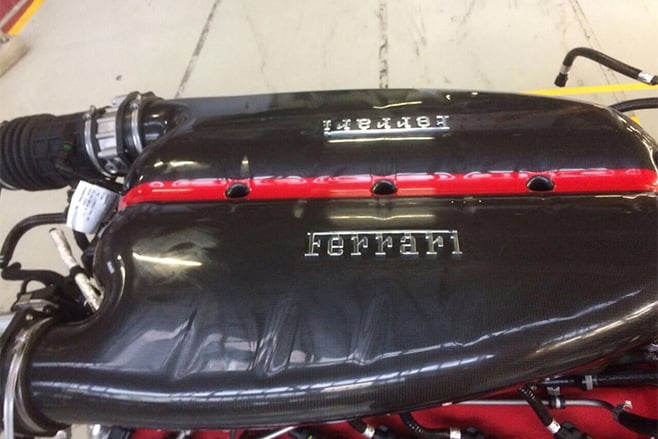
For comparison, you could buy a Porsche 4.0-litre flat six for $888 per kilowatt, but with a 911 GT3 thrown in.
Or, if you could find one, a Superfast’s V12 makes the same amount of power and more torque, thanks to a longer crank stroke and variable length intake runners.
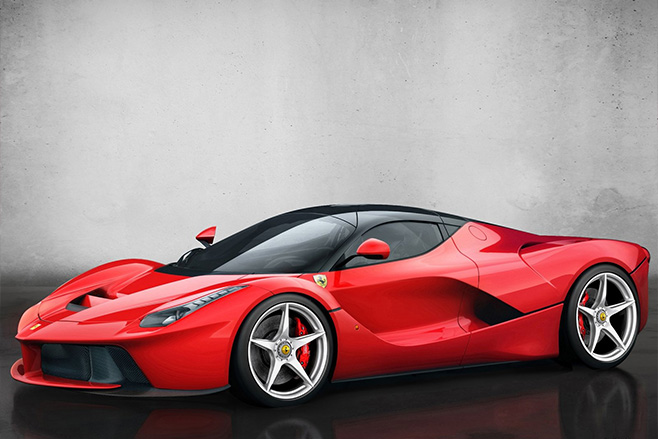
EBay’s selling platform allows you to make an offer on the engine for less than the USD$385K asking price. And with over 200 people watching the item, potential buyers better hurry.
Unfortunately for Aussies though, even if you have the money, a suitable home for the engine, and the expertise to make it work, the seller says it will not ship outside of America.
Fiat Australia has announced the arrival of another limited edition Fiat 500 to celebrate the brand’s 60th anniversary.
Not to be confused with the Fiat 500 Anniversario Edition hatchback released last year, the 60th Anniversary cabriolet pays tribute to the original Fiat 500 with contemporary reinterpretations of the details that made the original ‘Cinquecento’ a motoring icon.
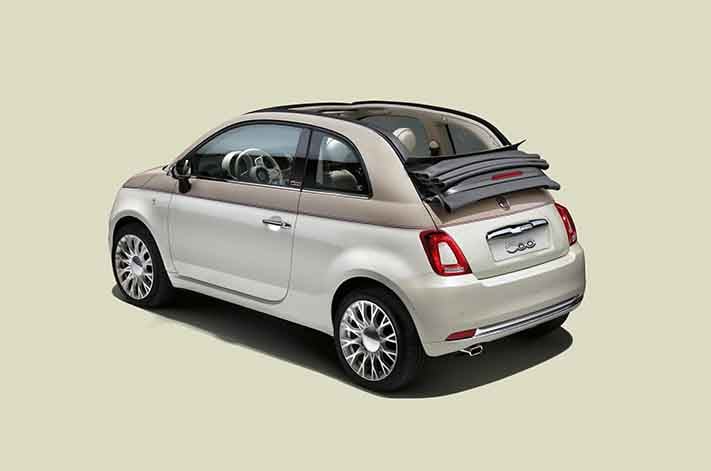
The special edition Fiat 500 will stand out with a unique dual-colour body “Dolcevita” colour scheme, featuring a three-layer white for the body and pastel ivory for the bonnet and C-pillar, which are enhanced by grey and burgundy pin striping and grey fabric roof.
Other classic styling cues include a vinyl dashboard, chrome mirror caps, special 16-inch lightweight alloy wheel rims and tubed ivory leather seats with contrasting burgundy seams, which match the central part of the dashboard and bespoke car mats.
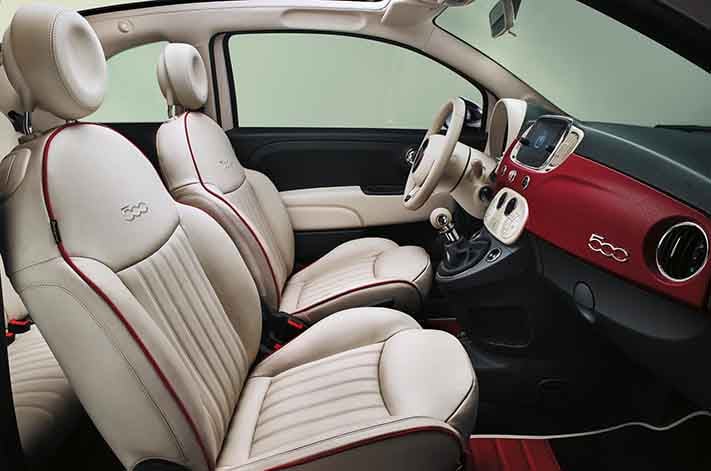
Standard features include the base 51kW/102Nm 1.2-litre engine with five-speed automated manual, leather gear knob and steering wheel, 7.0-inch touchscreen system with U-Connect infotainment and Apple Carplay/Android Auto smartphone connectivity, climate control, fog lights and rear parking sensors.
Fiat Australia head Fulvio Antonelli says the 60th Anniversary Fiat 500 “successfully interprets sixty years of automotive charm in an elegant, modern form that will resonate with Fiat aficionados.”
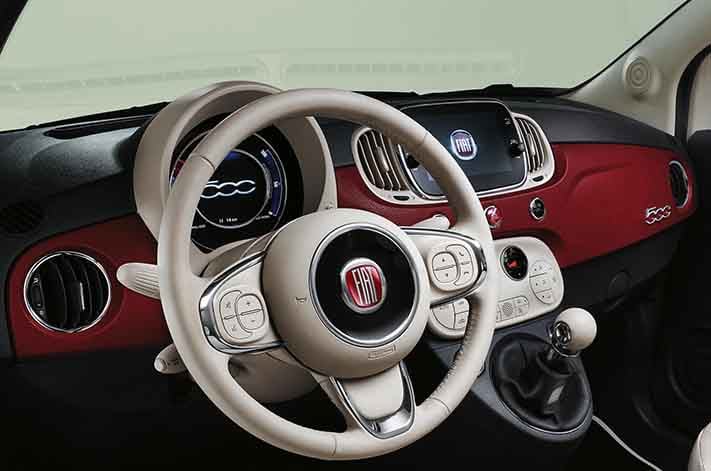
The Fiat 500 60th anniversary is limited to 60 unites, which are now available for sale from $28,990 through Fiat dealerships across Australia, with the first customer deliveries scheduled for March.
374 KILOMETRES – that’s a little more than the distance between Melbourne and Albury, but do you reckon you could cover that trip in one continuous, ridiculous drift?
BMW has effectively achieved that with the new M5, simultaneously snatching back its record for “world’s longest drift” while also generating plenty of exposure for its new-gen hyper-sedan.
The previous record was set by a Toyota 86 driven by a South African journalist in June last year, with the lightweight coupe being held sideways around a skidpan for 168.5km over five hours and 45 minutes.
Wait, what?
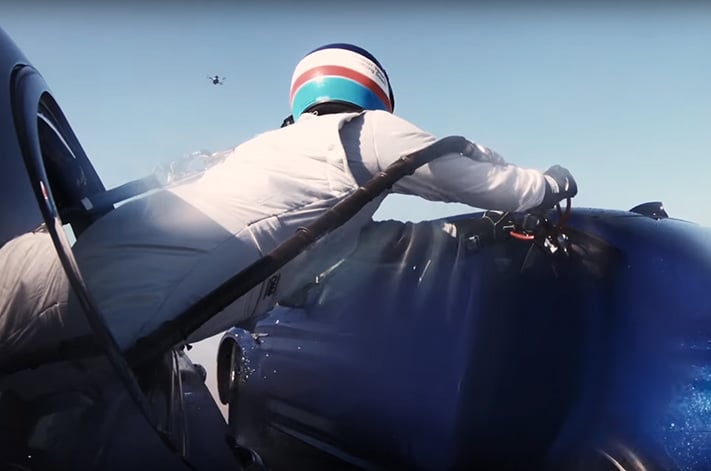
That’s right. Rather than lose precious momentum by pulling off the skidpan to refuel, BMW engineered a system that allowed the M5 to take on fuel from another car while being driven sideways. It also required a second driver to drift the fuel tanker – another M5, naturally – in tandem with the record-setting car, holding the car sideways and paint-scrapingly close while another, even crazier, person plugged in the fuel hose.

- Which tyres can possibly withstand eight hours of near-constant slip angle, even on an irrigated skidpan.
- How do you keep a twin-turbo V8, its transmission and differentials cool while subjecting them to extreme abuse for eight hours straight at low speed
- What does the driver eat to stay nourished and alert for that length of time. Additionally, what happens when he needs to, you know, do the opposite of eating and/or drinking.
- Who was the nutcase who signed up to hang out of the side of a car and essentially be the meat in a sports sedan sandwich while also having to pipe hundreds of litres of highly-volatile combustible liquid into the car that could possibly crush them? We feel like he or she is the real hero here
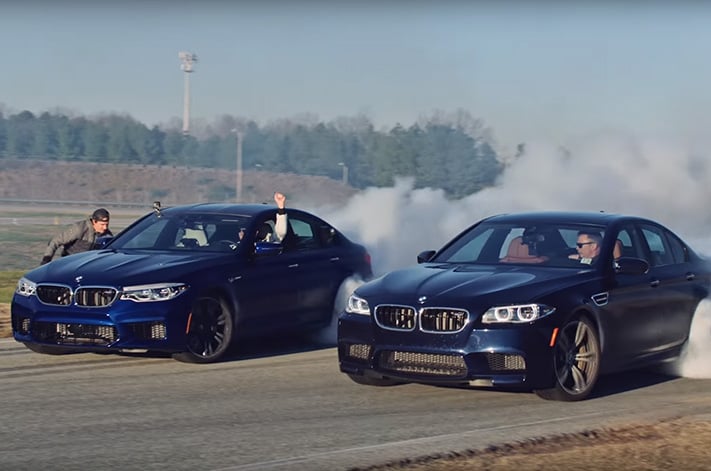
The new BMW M5 goes on sale in Australia around the start of the second quarter of this year.
As the clock strikes January 1 the word ‘deal’ gets emphasised within car dealerships that suddenly have year-old brand new stock to clear. Time for a bargain, then.
We’ve scoured the A-to-Z of cost-cut performance cars for the new year, from Abarth 124 Spider to Volkswagen Golf GTI, sniffing out the best deals across the country.
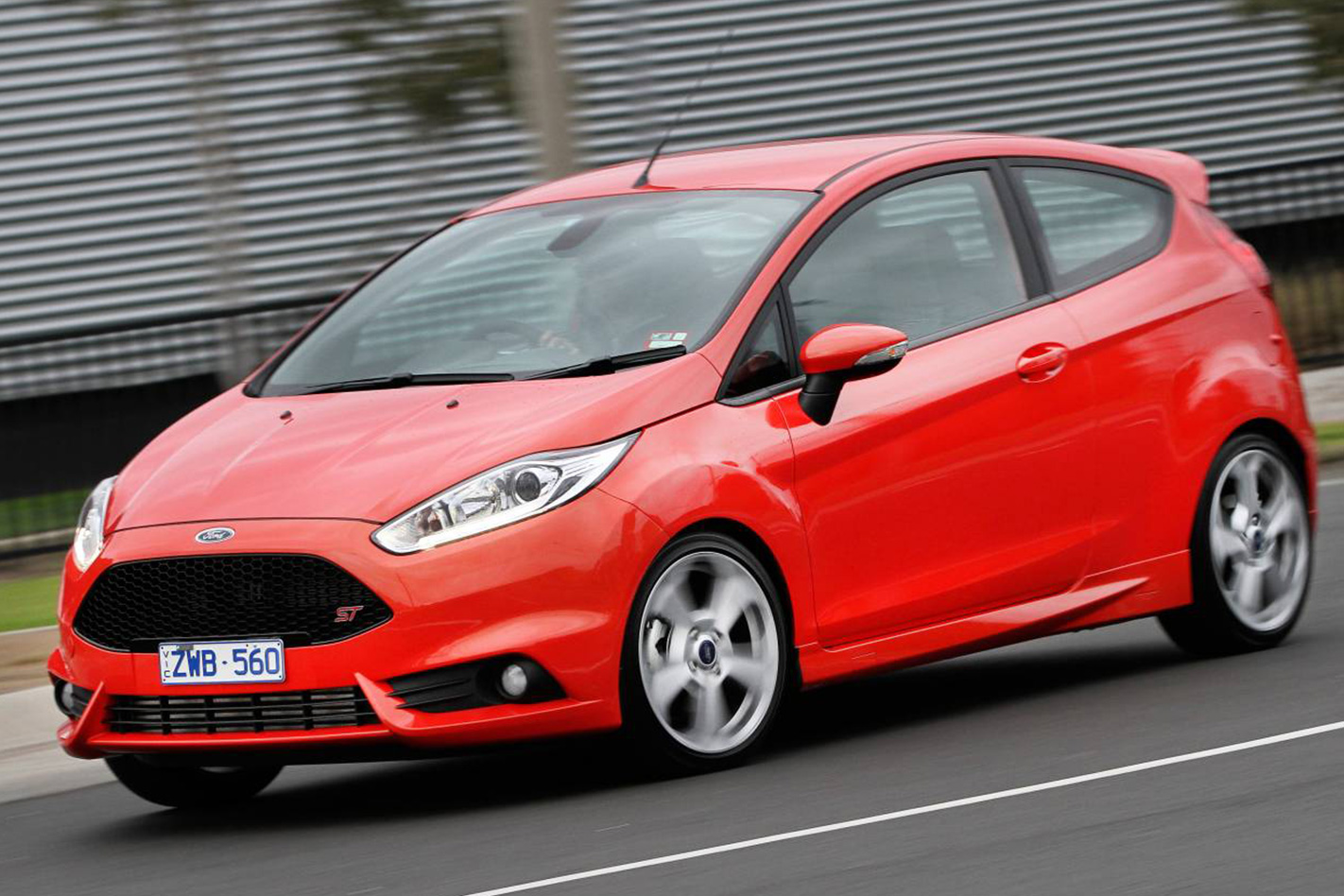
Affordability wise, and it all begins with one of our favourite hot hatches, the Ford Fiesta ST. It retails from $27,490 plus on-road costs, yet with production having ended and a new model imminent, several dealers are selling remaining STs for $24,990 driveaway.
Its Focus ST big brother is also clearing from $39,490 driveaway – or $500 above its recommended retail price (RRP). By comparison a Volkswagen Golf GTI is also on-sale, but for $42,990 driveaway – or exactly $1500 worth of on-roads above its RRP.
By contrast the Hyundai i30 SR manual – RRP: $25,950 plus on-roads – shows up for a hefty $29,730 driveaway without any deal advertised…
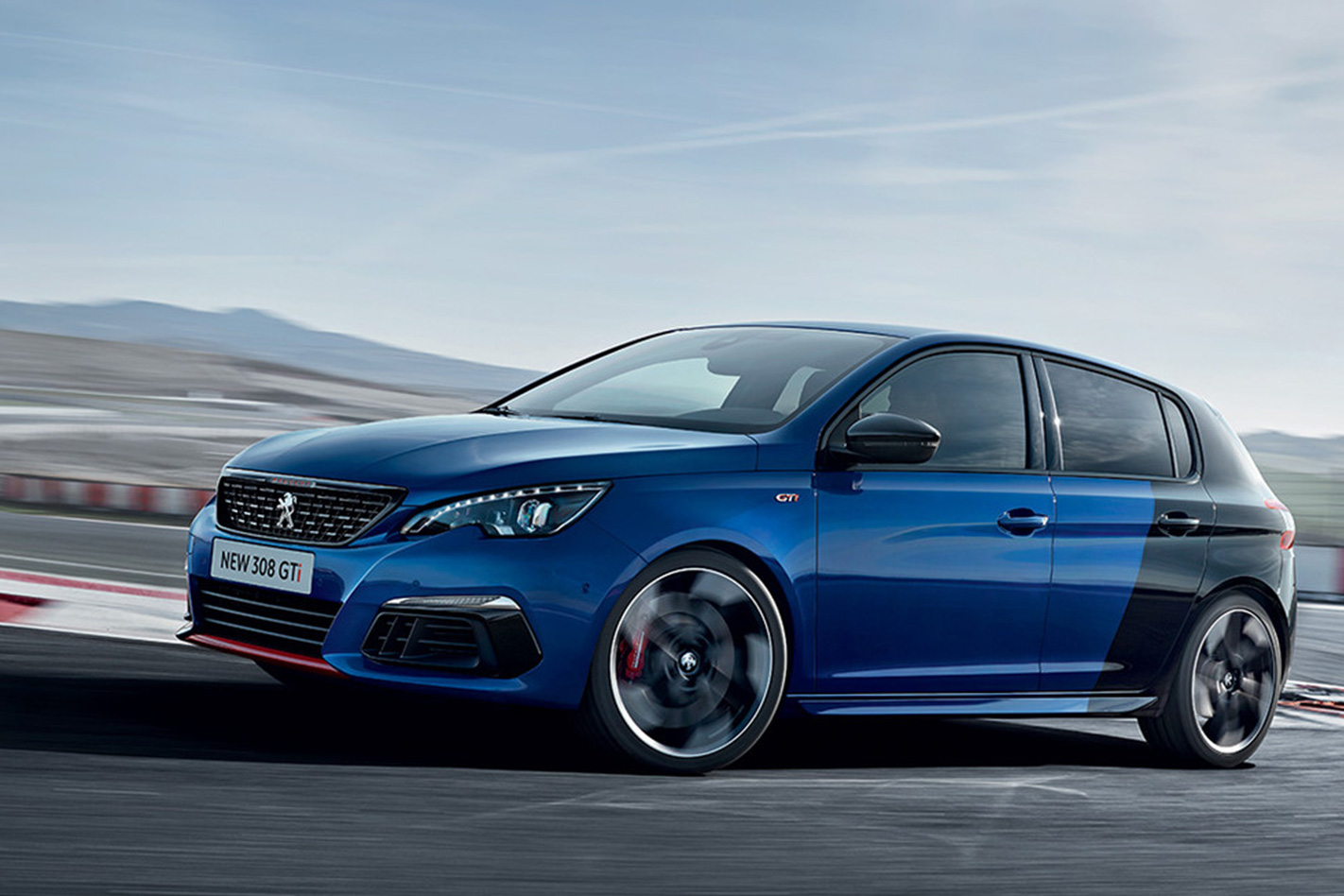
Back to proper hot hatches, and the Peugeot 308 GTi 270’s previous $49,990 plus on-roads pricetag was cut to $45,990 plus on-roads recently, so consider its $50,534 driveaway pricetag essentially throwing $500 to on-roads. It earns its place here because three years’ servicing is thrown in for free with 2017-plate models.
Viewed another way, though, and it isn’t much of a stretch to a BMW M140i advertised from $64,900 driveaway. In a similar vein to the 308 GTi 270, the German hot hatch recently has its RRP culled by $5000 to $59,900 plus on-roads, so consider it a case of free on-roads.
By contrast Audi advertises its S3 Sportback quattro from a hefty $71,787 driveaway, although it will include a five-year warranty and five-year or 75,000km servicing for 2017-plate models. There aren’t any advertised deals for the Mercedes-Benz A250 Sport, either, which almost matches the M140i at $60,498 driveaway, despite being much slower.
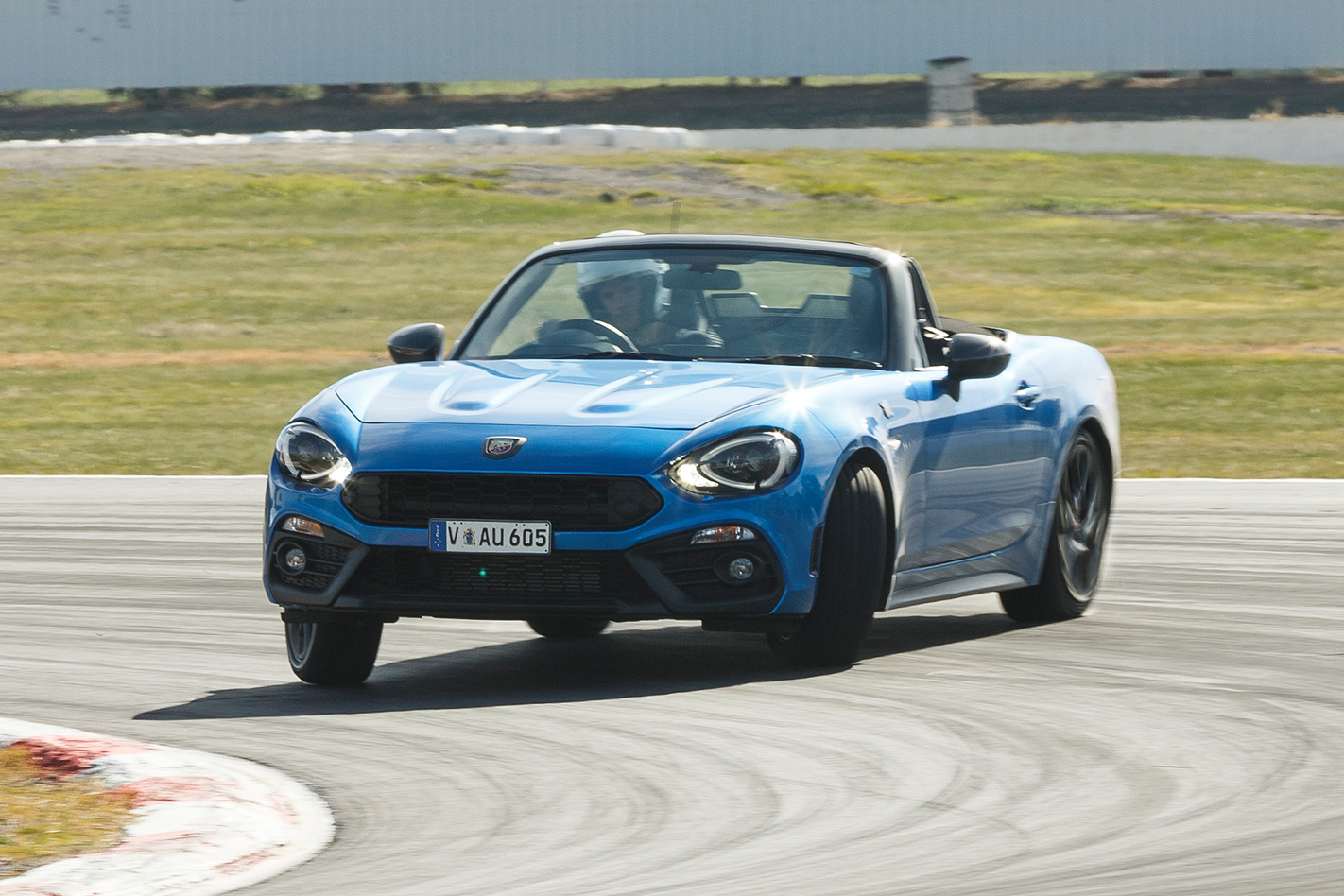
Prefer a roadster to a hot hatch? Abarth has continued its $43,500 driveaway launch pricing on 124 Spider, up from its $41,990 plus on-roads RRP. By contrast Mazda isn’t doing deals on its MX-5 near-twin, the base 1.5-litre model of which lists at $37,251 driveaway.
It gets even better for the likeable MY17 Jaguar XF 25t R-Sport large sedan, with the 2.0-litre turbo rear-drive sedan having its RRP of $89,515 plus on-road costs reduced to $79,200 driveaway. There is a catch, though: you’ll need to finance it at 6.99% over four years at $1457.21 per month, plus a $24,230 final payment to own the car and a 40,000km limit. But even then the total amount is $94,176.26 driveaway – or essentially $4661 for on-roads.
Note that a slower BMW 520i starts from $92,900 plus on-roads, without advertised deals, and the Commodore-sized Jaguar looks especially like good value.
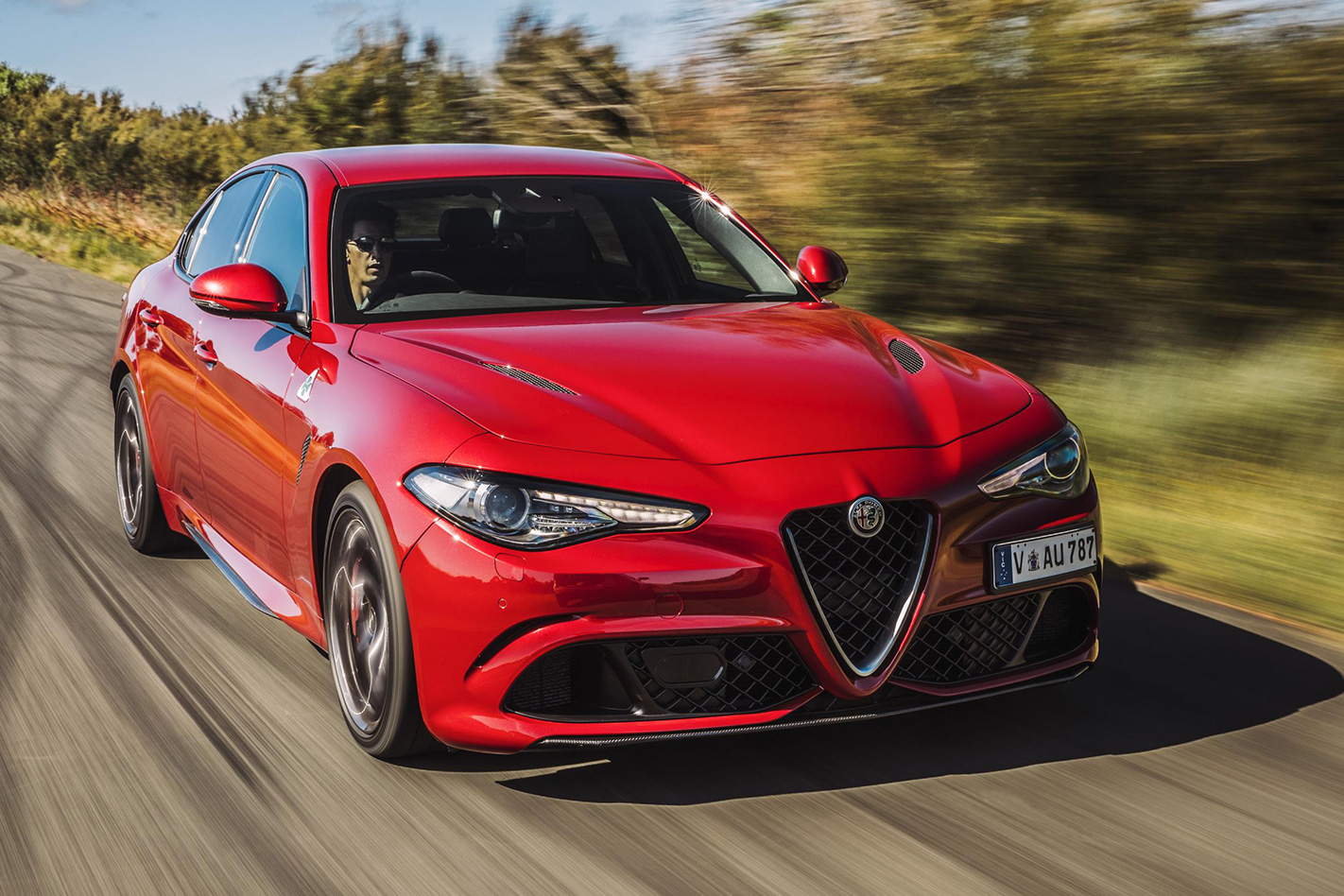
It’s also a similar story for the brilliant Alfa Romeo Giulia Quadrofoglio. Several dealers around the country have its RRP of $143,900 plus on-road costs listed as a driveaway deal. Former Alfa owners will get a further $1000 discount and all buyers can finance the super sports sedan with a 1.9% per-annum finance rate.
Fresh from celebrating being Australia’s number-one selling vehicle for 2017, the Toyota HiLux range is being beefed up with three extra variants, including a new range topper.
The three new 4×4 models, called the HiLux Rogue, Rugged and Rugged X, are enthusiast-oriented offerings that bring new features to the range to “boost off-road protection, recovery and functionality”.
The Rogue and Rugged X will both sit above the SR5 at the top end of the Hilux family tree and will feature bold styling cues and additional equipment for more off road durability.
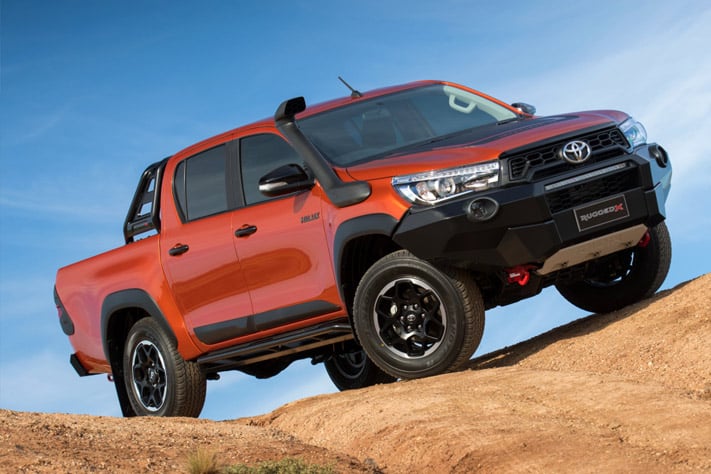
Obviously intended to take on the Ford Ranger Wildtrak, the Rugged X (above) features a high-tensile alloy bash plate and a winch-compatible hoopless steel bull bar – both of which are compatible with the vehicle’s airbags and other safety systems.
It stands out over the SR5 with a new black grille with a bold interlocking honeycomb design and gloss-black surround, and also comes equipped with a snorkel, bumper mounted LED driving lights, high-strength front and rear recovery points, rock rails, a load-carrying sports bar and other heavy-duty components.
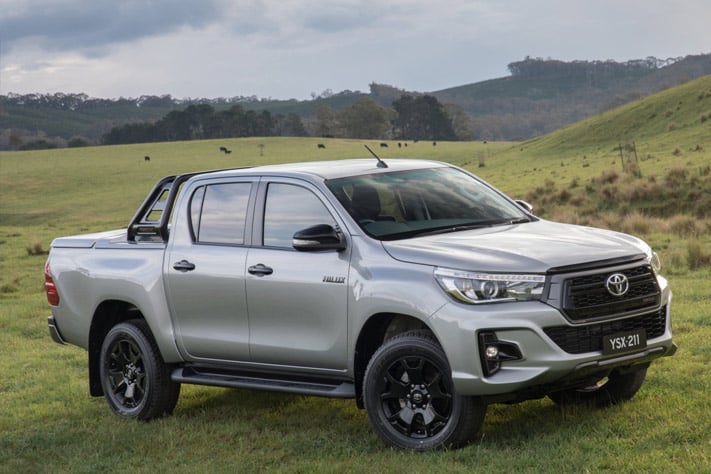
The third new model, Rugged, is more off-road ready, with a functional yet aggressive front-end design, including a premium steel bull bar.
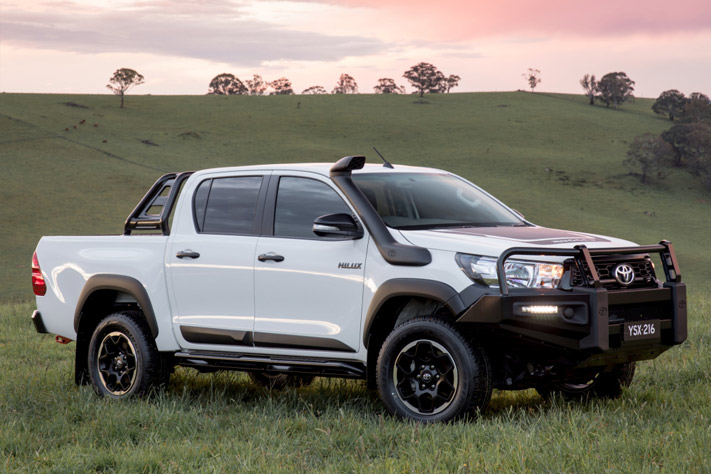
The Rugged X becomes the new Hilux range topper, priced from $61,690 in manual guise and $63,690 as an automatic. The automatic-only HiLux Rogue is priced from $61,690, while the HiLux SR-based Rugged is priced at $54,990 and $56,900 for the manual and automatic versions respectively.
All three share the same mechanical specifications as the SR5 or SR models on which they’re based including the 2.8-litre turbo-diesel engine.
Toyota Australia’s vice president sales and marketing Sean Hanley said the new models will further add to the HiLux’s ‘unbreakable’ image.
“HiLux buyers increasingly demand additional features – in fact, they spend more on accessories than any other vehicle in our range.”.
He said all new components will be fully integrated with the vehicle, certified to Australian Design Rules to be fully homologated and attract full warranty coverage.
The three new HiLux variants will arrive in the second quarter of the year. Local specifications and pricing will be announced closer to launch.
MORE: Toyota Hilux Range Review MORE: Toyota Hilux Specs, Range & Price
Ahead of the Australian launch for the 2018 BMW M5, the German brand’s Aussie arm has added a new car to its garage to celebrate.
In line with a new M5 arriving, BMW Australia has put an example of the first generation of M5s to officially come to Australia, the E34, in its heritage fleet.
In Alpine White, the car represents one of 90 cars which were imported by BMW, of which only 14 shared its colour.
BMW says this colour is particularly special thanks to “the E34 M5 that took part in the first-ever Targa Tasmania, as well as the Bathurst 12 Hour, in 1992.”
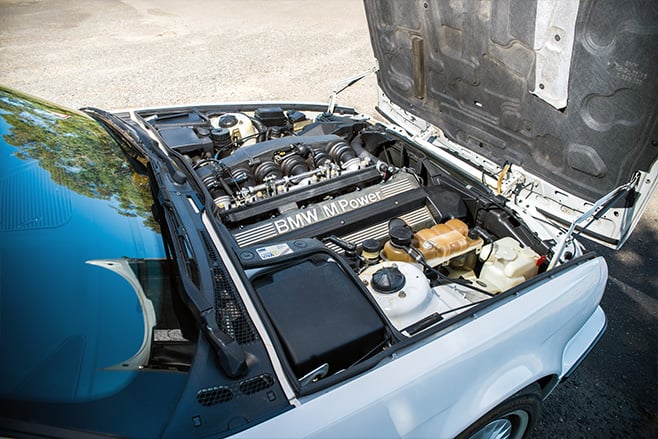
And in the snout, its gorgeous 3.5-litre straight six, based on that of the BMW M1, puts out 232kW at 6900rpm and 360Nm at 4750rpm, all while producing an addictive sound.
Interestingly, this car was inspected at BMW Australia’s head office in Mulgrave, Victoria, before its purchase. It has found its way back after almost 18 years.
BMW also retains a handful of other classics in its fleet, comprised of a recent M4 GTS, an E46 M3 CSL, a Z8 from 1999, an ’89 Z1, and even a 1938 327 Cabriolet.
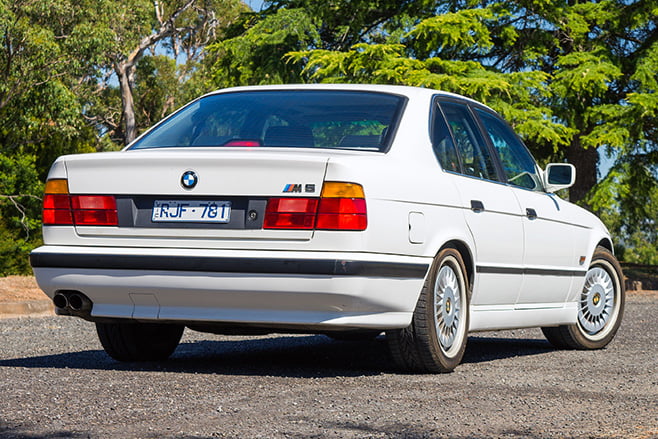
“With these vehicles we can showcase the pinnacle of engineering and innovation for that point in time, demonstrating that BMW is always at the forefront of the driving experience.
UK collector auctions BMW M5 fleet
“A passionate group of BMW Australia employees has worked hard to unearth this original, Australian-delivered E34 M5. It will be a regular presence at our 2018 events for the latest M5, which will arrive in April. Both cars are game-changers, 18 years apart.”
BMW plans to continue using the heritage fleet for press events, promotional events, and even take them to prestige occasions such as Motorclassica.
MAZDA has confirmed its CX-8 fastback SUV will be sold in Australia from late in 2018.
The three-row Mazda CX-8 will bridge the narrow gap between the CX-5 and CX-9, providing a more economical diesel alternative to the latter.
Built on the CX-5’s platform, it is powered by an updated version of that car’s 2.2-litre four-cylinder diesel engine, and includes the same G Vectoring Control – the engine can momentarily reduce performance to help weigh up a tyre to improve cornering grip – as rolled out to other Mazda models.
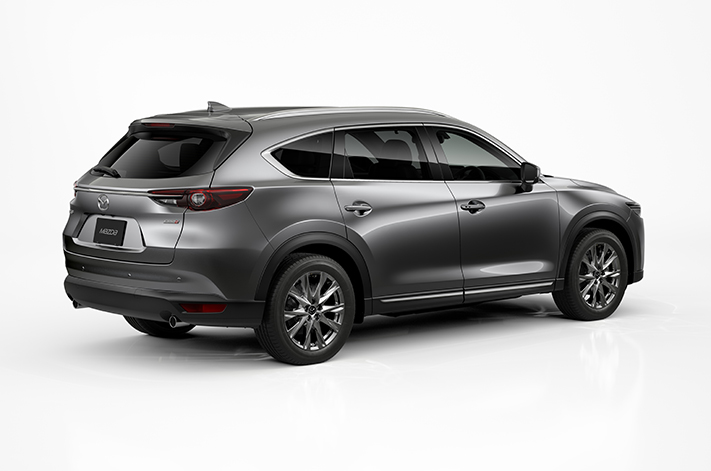
The CX-8 was meant to be unique to the Japanese market – the CX-9 is not sold there – and represents what Mazda says is “a new people-moving option for customers who want to enjoy outings with family and friends but don’t want to sacrifice design or driving performance”.
Mazda Australia managing director Vinesh Bhindi said it would also meet growing demand for seven-seat diesel SUVs, a demand not met by the petrol-only CX-9.
“More and more, Australians are opting for larger SUVs to suit the demands of their busy lives; the brand-new Mazda CX-8 diesel is the perfect fit for those who need the versatility of seven seats and the economy that diesel affords,” Bhindi said.
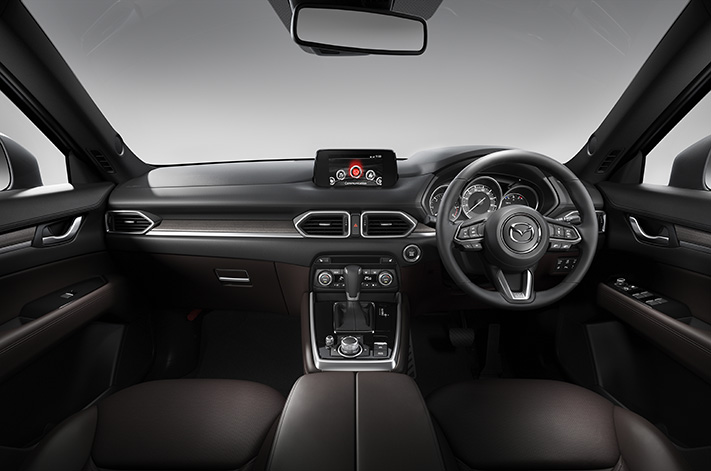
The 2.2-litre engine ups its performance to 140kW and 450Nm, compared with 129kW and 420Nm for the four-pot diesel’s tune for the CX-5. In Australia, the CX-9 sells with a 170kW, 420Nm turbocharged 2.5-litre four-cylinder petrol engine.
The CX-8 features a more sporty suspension tune, with a rebound spring on the front dampers enhancing cornering ability. It also gains beefier brakes, with 432mm ventilated discs up front and a larger master cylinder helping to improve stopping performance.
Local specs and pricing will be revealed closer to launch, though has already revealed that all variants will feature the latest i-ACTIVSENSE driver assistance technologies as standard.
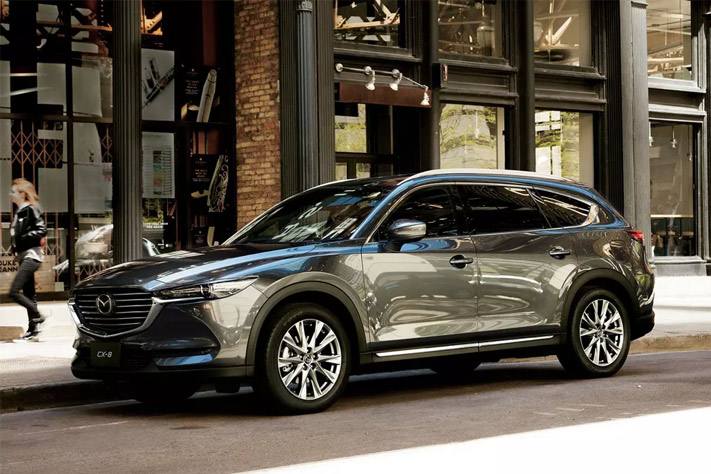
THE Mazda CX-8 will join the Japanese car maker’s Australian showroom late this year, adding a diesel-engined seven-seat alternative to the Mazda CX-9, the company has confirmed.
As first revealed in Wheels magazine in July 2017, Mazda Australia has been keen for the fastback-styled seven-seater to join its popular SUV range, wedged between the CX-5 and COTY-winning CX-9. It will join Mazda’s SUV line-up, which also includes the Mazda CX-5 – Australia’s most popular SUV last year – and the smaller CX-3.
Built on the CX-5’s platform, the three-row CX-8 is powered by an updated version of that car’s 2.2-litre four-cylinder diesel engine, and includes the same G Vectoring Control – the engine can momentarily reduce performance to help weigh up a tyre to improve cornering grip – as rolled out to other Mazda models.
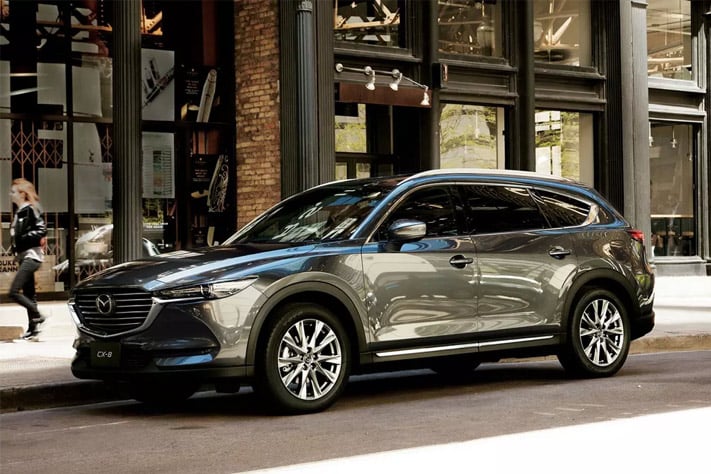
Mazda Australia managing director Vinesh Bhindi said it would also meet growing demand for seven-seat diesel-engined SUVs, something the 2.5-litre turbo petrol-only CX-9 can’t offer.
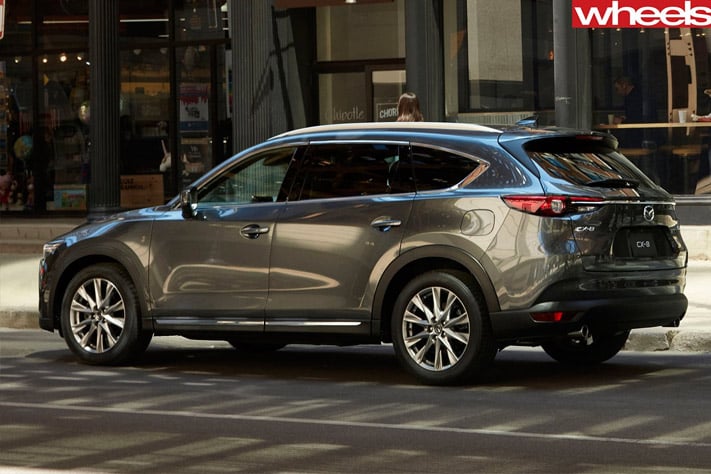
The 2.2-litre engine ups performance to 140kW and 450Nm, compared with 129kW and 420Nm for the four-pot diesel’s tune in the smaller Mazda CX-5. In Australia, the Mazda CX-9 sells with a 170kW, 420Nm turbocharged 2.5-litre four-cylinder petrol engine.
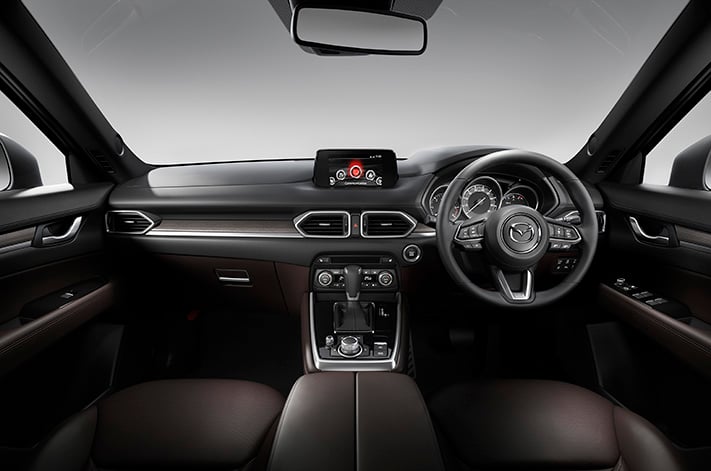
Local specs and pricing will be revealed closer to launch, though has already revealed that all variants will feature the latest i-ACTIVSENSE driver assistance technologies as standard.
In 2006, MOTOR got its hands on this exact car.
It’s a Clubsport R8 modified by PWR which, at the time, was more powerful than a V8 supercar. And now you can buy it.
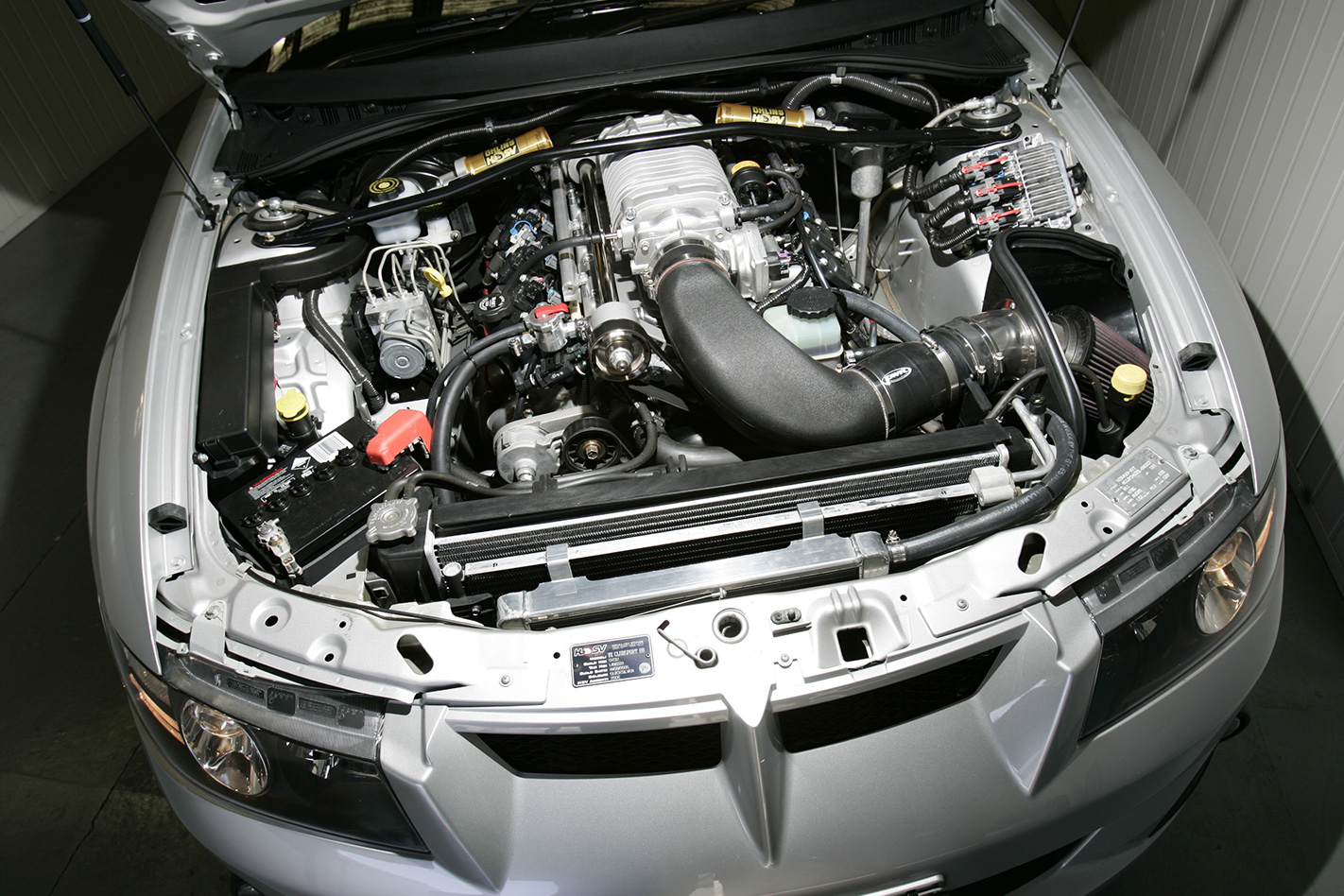
Listed on TradeUniqueCars, the PWR Clubby is waiting for its next owner to lay down $45,000 for the privilege of accessing 399kW at the rears.
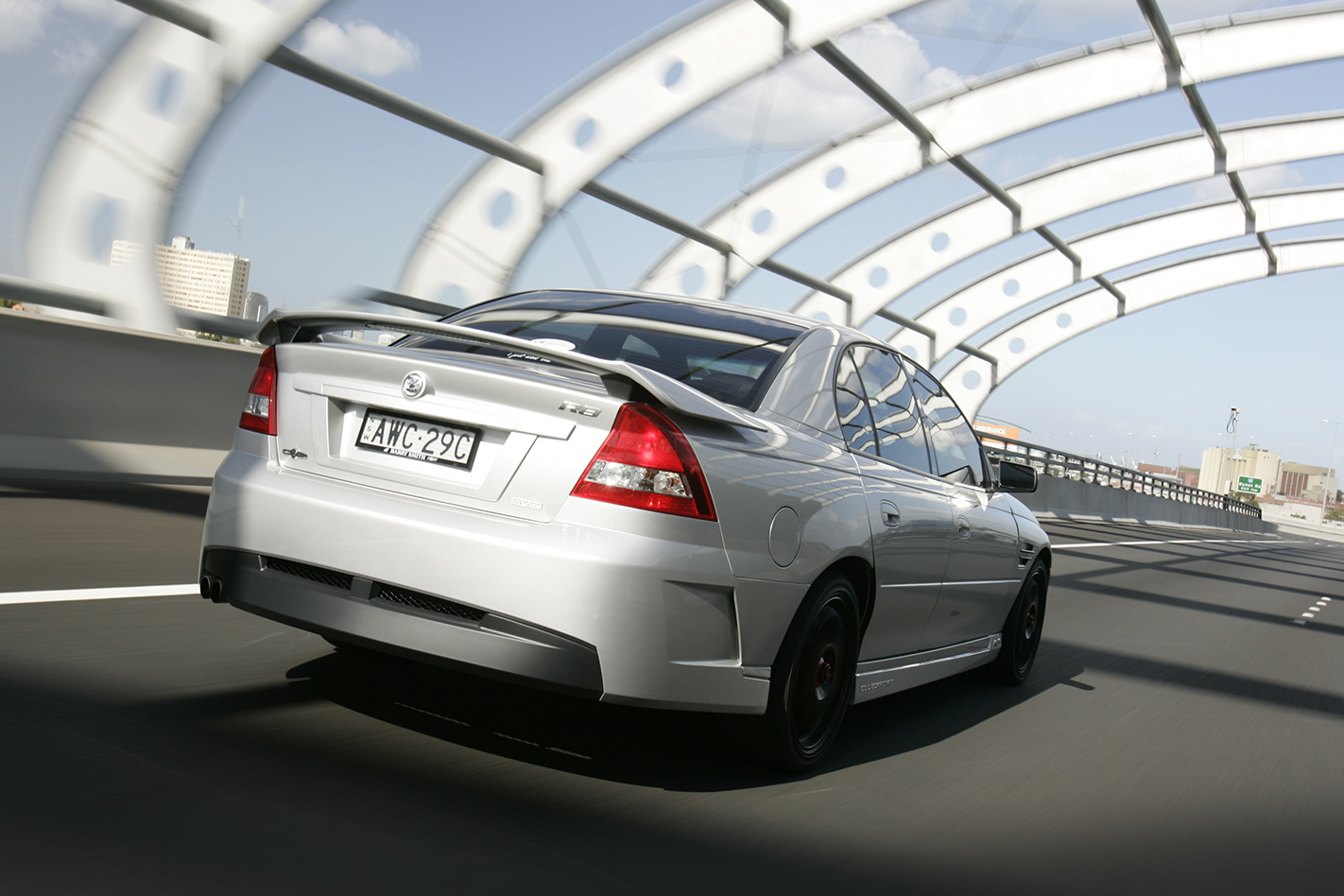
With 470kW/727Nm at the fly of this LS2-powered beast, the standard VZ Clubsport R8 looks pretty tame by comparison.
So, of course, we put a V8 Supercar driver in the seat and gave him a turn. This is what Cameron McConville had to say about it:
“This car will scare the sh*t out of you.
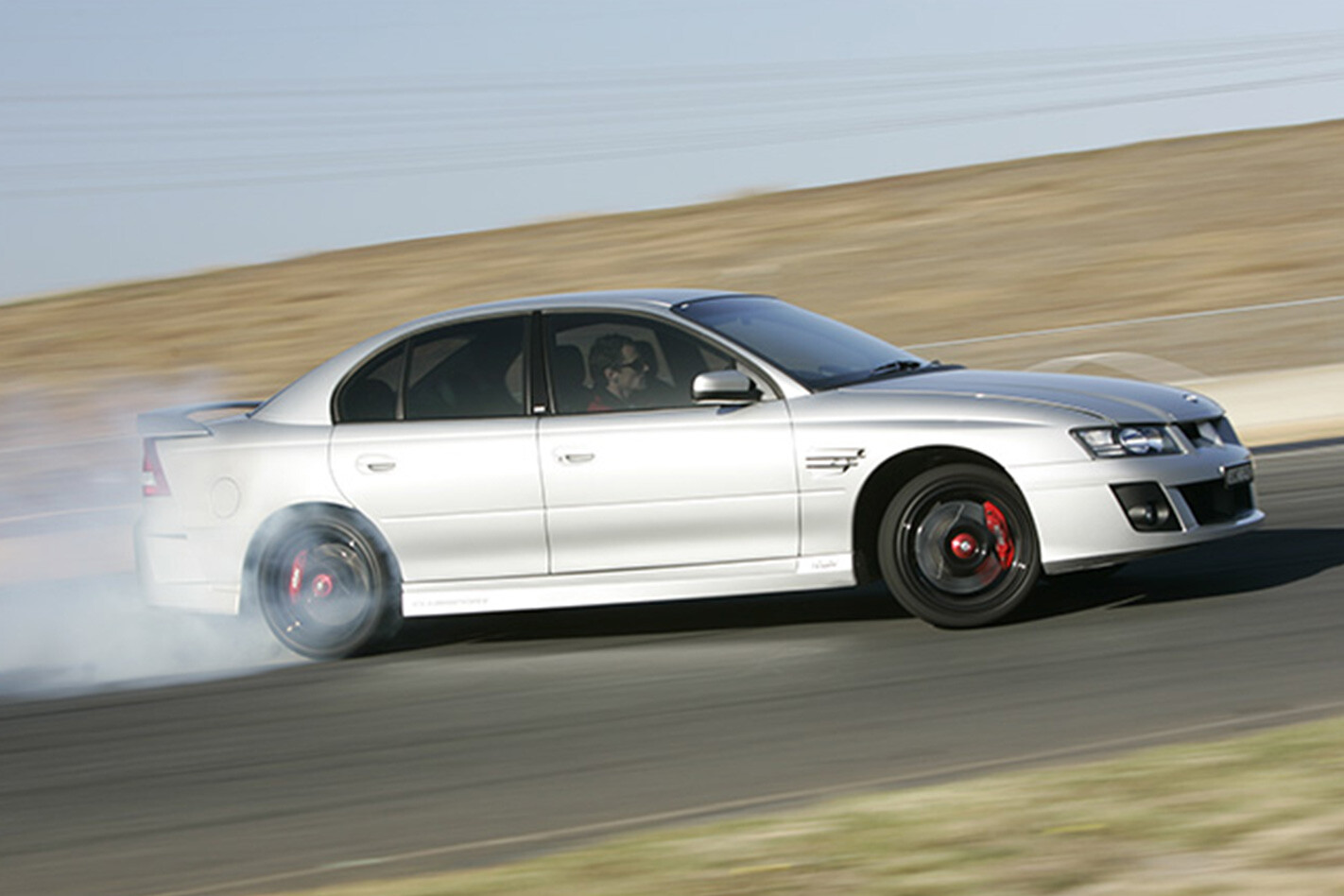
“I’ve just given it a shakedown and it’s probably in the top three most powerful road cars I’ve ever driven. Whatever you do, don’t nail the throttle in first gear with the traction control off.
“Actually, don’t jab it in second or third either for that matter, because it has so much power you could spin, even in a straight line.”
Since we saw it, the PWR R8 has done some travelling (it’s been over 11 years!), but its odometer reading of 60,495km is still pretty reasonable.
The PWR Clubsport is currently located in Castle Hill, NSW, at Muscle Car Stables.
