
TELL ME ABOUT THIS CAR
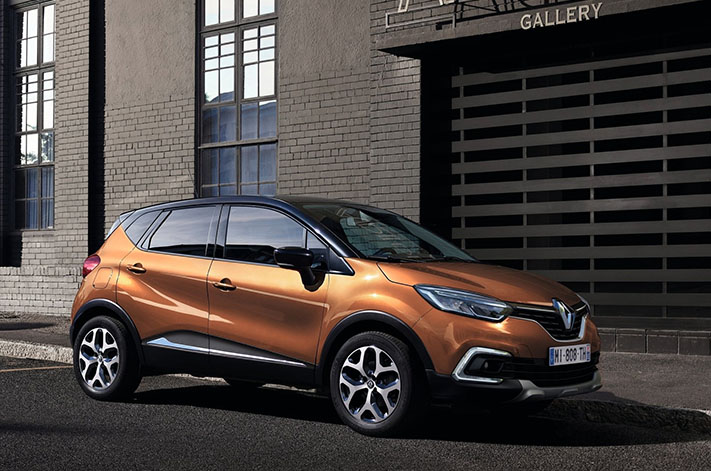
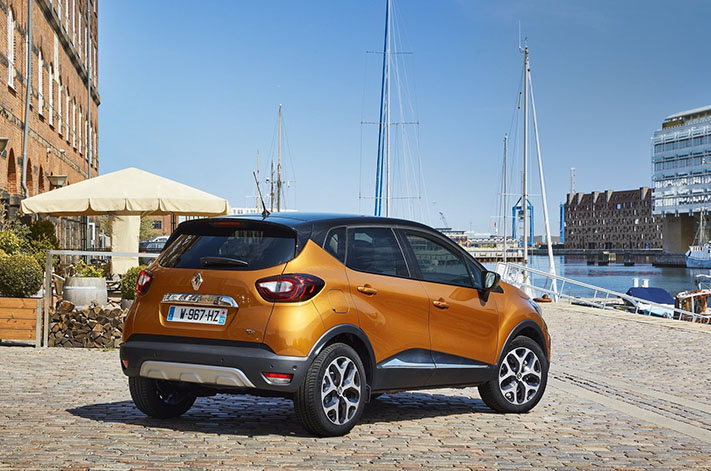
The Renault Captur crossover is essentially a high-riding Clio and, like the little hatchback, it’s one of the more stylish cars in its class. Fresh from a mid-life upgrade, the Captur now comes in two new spec levels; the entry level Zen and Intens, which are both powered by the Clio’s 1.2-litre four-cylinder turbo engine, which in the Intens is coupled with a six-speed dual clutch automatic transmission.
Renault Australia has issued drive away pricing for the Captur, which starts at starts at $23,990 for the Captur Zen manual. The Intens costs $30,990, with extra features over the Zen including hands-free parking assist, blind-spot warning, large sunroof, leather seats, R-Link satellite navigation, front and side parking sensors and 17-inch alloys wheels.
STRENGTHS
- It has charming looks and a broad appeal that some crossovers try for but don’t quite achieve.
- The facelifted interior is an improvement over the previous model, with more soft touch plastics and sporty steering wheel borrowed from the Clio.
- The rear seats are comfortable and offer plenty of leg and headroom for two adults.
- It can be a bit sluggish on takeoff, but once it gets going the Captur moves along even if it will never threaten any speed records. That said there’s a bit of power in reserve for overtaking.
- It’s pretty fuel efficient – with an official combined fuel consumption figure of 5.4L/100km. We averaged around 6.1L/100km, mostly around town.
- The ride is pretty smooth, even on the Intens’ bigger 17-inch wheels, and rides over speed bumps particularly well.
- Boot space is a class-leading 455 litres, significantly more than the Mitsubishi ASX (393 litres), Mazda CX-3 (263-litres) and even the larger CX-5 (442 litres). Fold the rear seatbacks down and it carries 1255 litres.
- Cabin storage is pretty good too. There’s a deep centre console bin and a hatch on top of the dashboard reveals a decent space to leave things like sunglasses and phones.
- Bluetooth syncing is very quick and simple.
WEAKNESSES
- The Captur shares the Clio’s 1.2-litre powertrain which brings with it a bit of turbo lag and the added handicap of being 100kg heavier.
- It still lacks advanced safety features such as automatic emergency braking which is now becoming standard equipment in the small-SUV segment.
- The infotainment display is a little dated and the full-screen satellite navigation map view is partially obscured by a menu that can’t be hidden.
- The cupholders are small and poorly placed between the seats slightly behind your hip line and under the armrest so you have to reach back and under to grab your drink. And it was too easy for the driver’s seat cushion to snare takeaway coffee cup lids, with soggy results.
ARE THERE ANY RIVALS I SHOULD CONSIDER
The Captur still oozes Gallic charm, however, the belated entry of the Japanese and Korean carmakers to the small-SUV segment means it no longer has that unique appeal. Similarly- or better-equipped crossovers for around the Captur Intens’ $30,000 asking price include the brand new Citroen C3 Aircross and Hyundai Kona Elite, Mazda CX-3 sTouring, Peugeot 2008 Allure and Toyota C-HR.
WHAT IS IT?
The third generation of Porsche’s large SUV and the latest iteration of the vehicle that debuted high-riders for the brand. Since the second-gen version the Cayenne has lost weight despite swelling in length and width, offers a bigger boot, increased performance and arguably wears the prettiest styling to date.
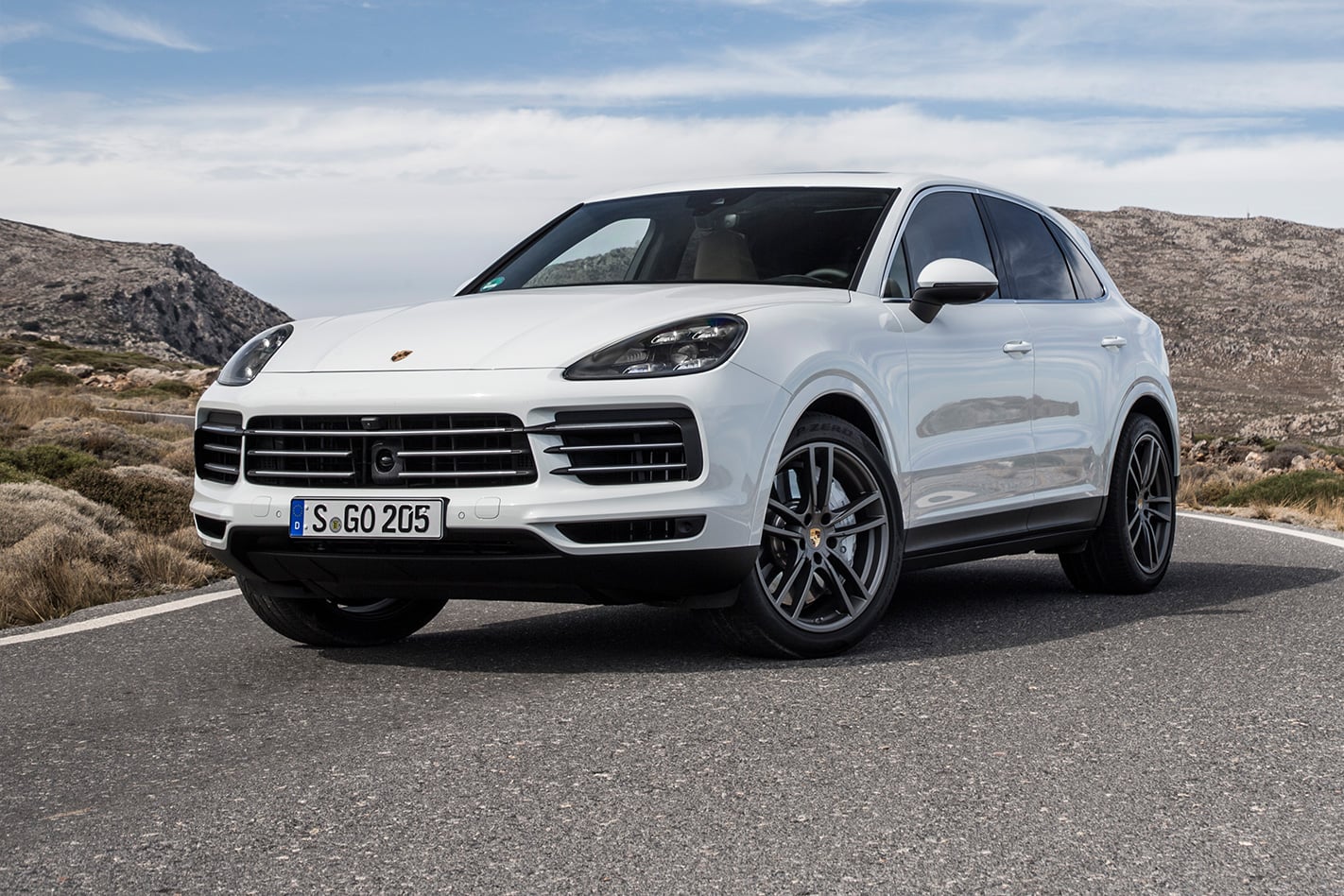
Porsche may have forged its reputation and brand recognition through decades of slick sportscars, but its current cash cow in Australia’s unique market is an SUV. The new Porsche Cayenne might not have quite the appeal or price to knock its Macan little sister off its perch but it certainly does have the potential to add a hefty chunk of volume if Porsche has got the recipe right once again.
With more choice than ever in the luxury and performance large SUV market, the Porsche can’t afford to rest on its laurels and must bring a significant new offering to remain relevant in a fiercely competitive segment.
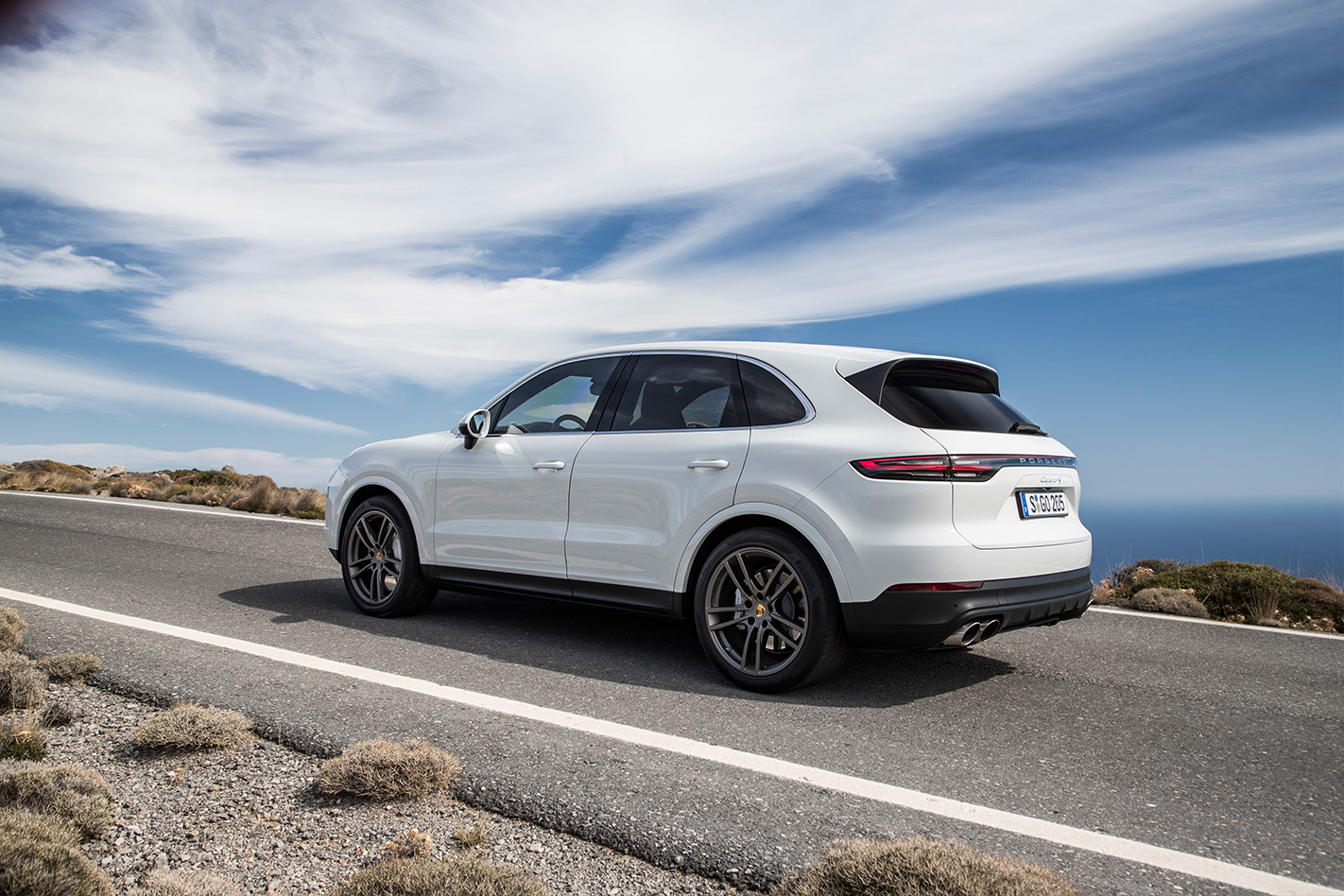
There is no hiding the fact that the new Cayenne S is still two tonnes of metal despite an impressive weight-loss program, but Porsche has not tried to engineer the third-gen version to conceal its heft.
Instead, the recipe of traditional chassis tuning, prodigious power delivery and a dose of some clever innovations has imparted an honest mechanical feel to the big SUVs manner on and off road that embraces its size – and it works.
Australian customers will likely be asked to put their hand in their pocket for the most exciting features such as active roof spoiler, rear steering, air suspension and roll stabilisation, but if they do, the pricier result is among the most enjoyable large SUVs to pilot while only minimally compromising on practicality.
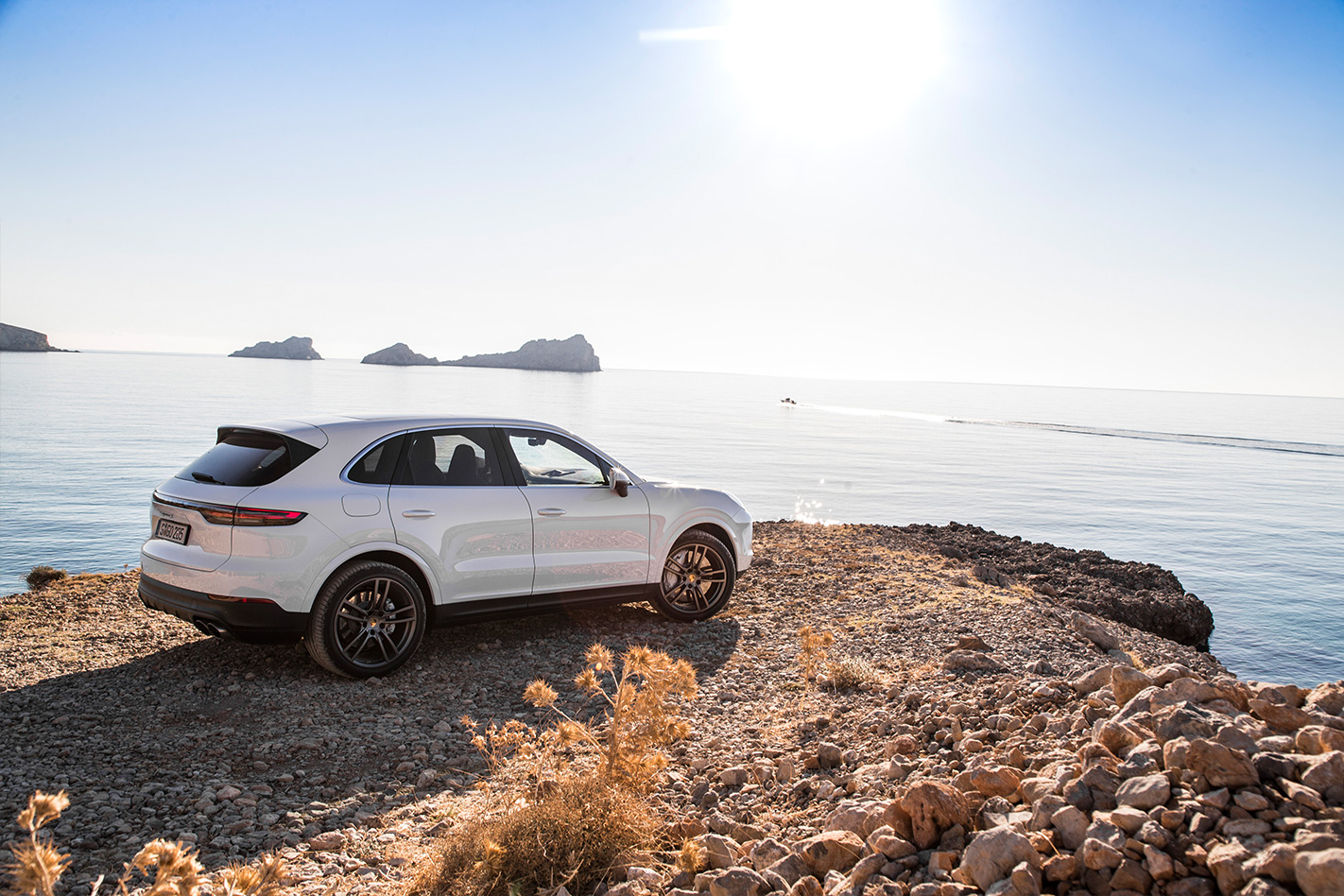
MINUS: No third row seating; nav gremlin; most exciting features are optional
THE WHEELS REVIEW
I CAN still remember wincing when Porsche announced the most un-Porsche like addition to its Stuttgart stable – the Cayenne. How could a lumbering all-wheel drive possibly uphold the Porsche mantra, I cursed. But that was 15 years ago and, in the meantime, the large SUV has categorically silenced its naysayers.
The gen-one Cayenne might have looked like a kid’s 911 pedal car scaled up for adults to play with, but it was one of the first to flirt with the idea that two tonnes of off-road-capable metal can be fast and fun to drive. Its replacement stepped up dynamics and performance another rung, and wrapped the compelling package up in a shell that someone other than its mother could love.
But it’s nearly 2018 and while many sports and luxury car manufacturers initially resisted the allure of a burgeoning soft-roader market, virtually all have now given in, creating more competition for the Cayenne than it has ever had to face.
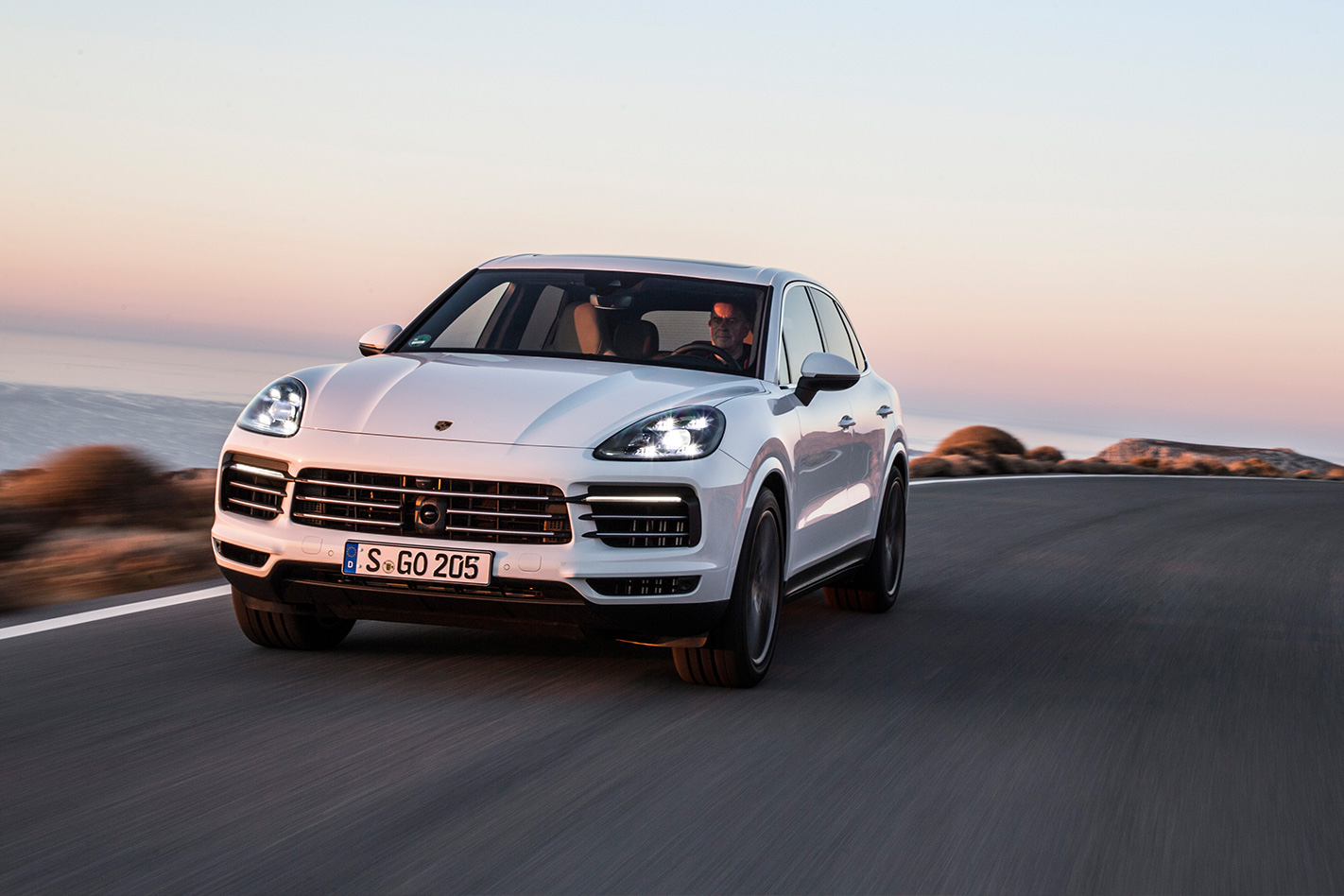
The early signs are good then, and a first blast behind the wheel across the stunning island of Crete didn’t disappoint. Unlike the weathered Greek scenery that is punctuated with unfinished, often dilapidated buildings and beaten, abandoned cars, Porsche’s new Cayenne range appears polished, refined and complete.
While a 404kW Turbo flagship and base 250kW Cayenne will bookend the initial range when it arrives in early 2018, I grabbed the keys to the 324kW Cayenne S and was greeted by a waxy-leather-upholstered front row of seats that offer an excellent driving position and a second row that feels almost as supportive.
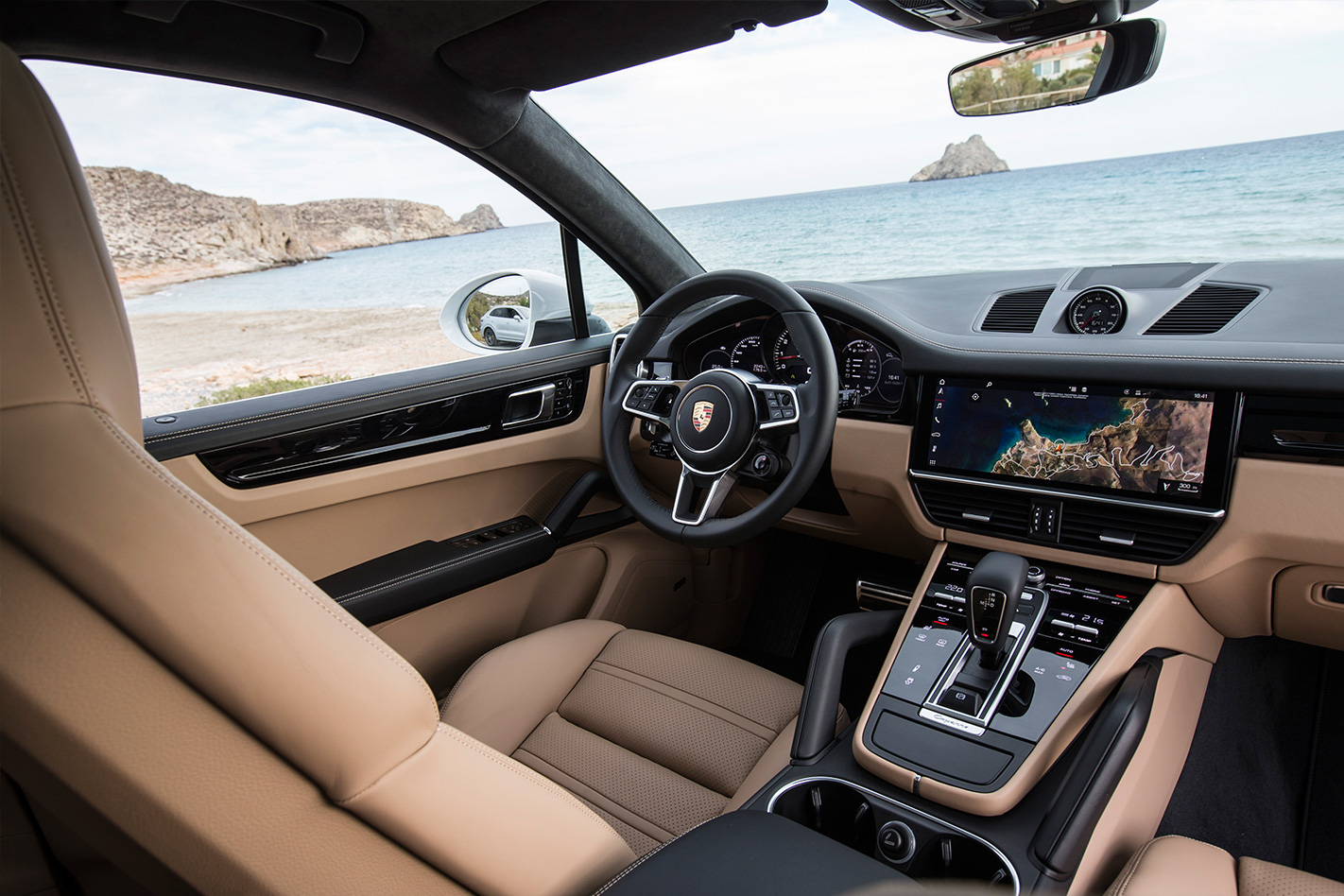
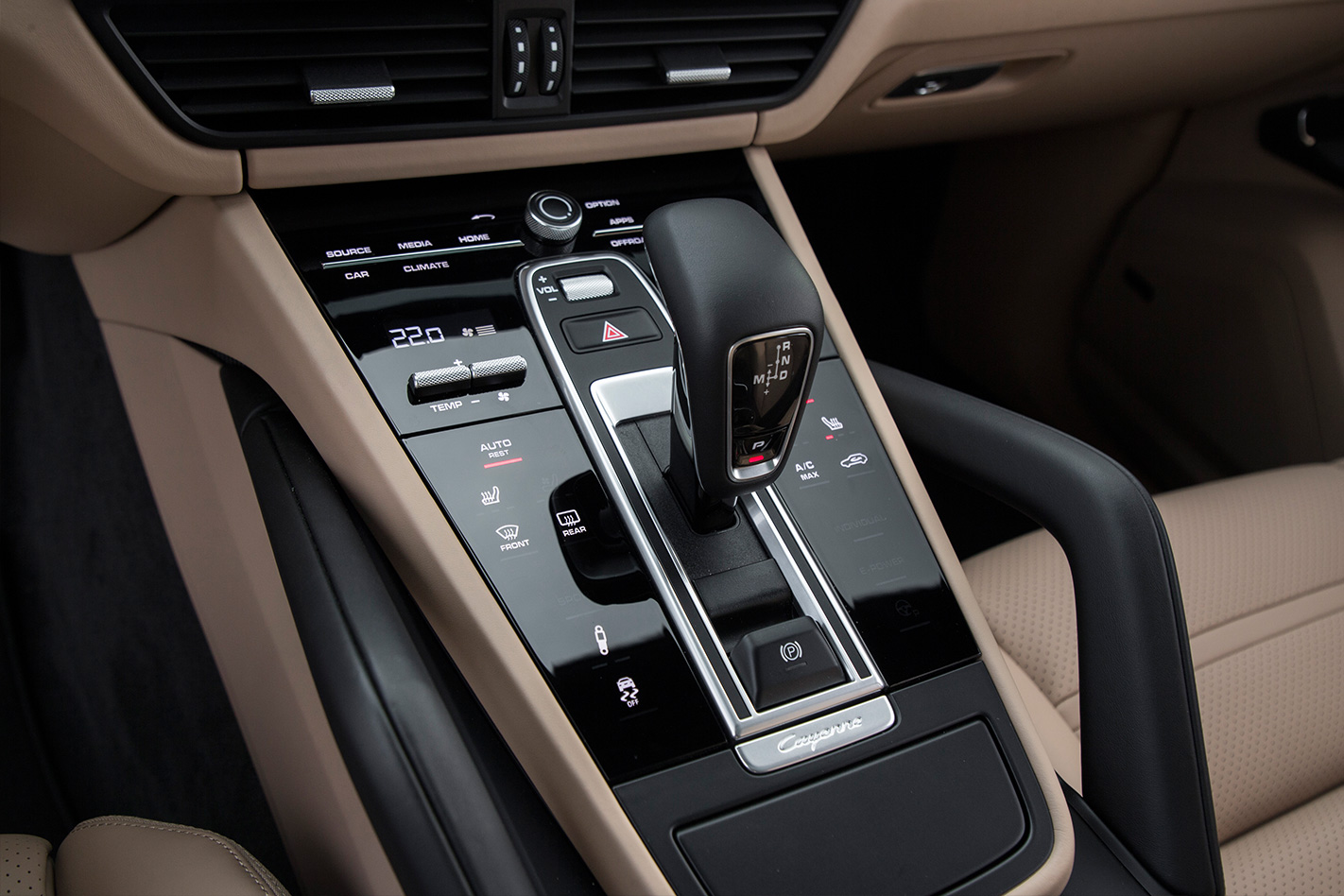
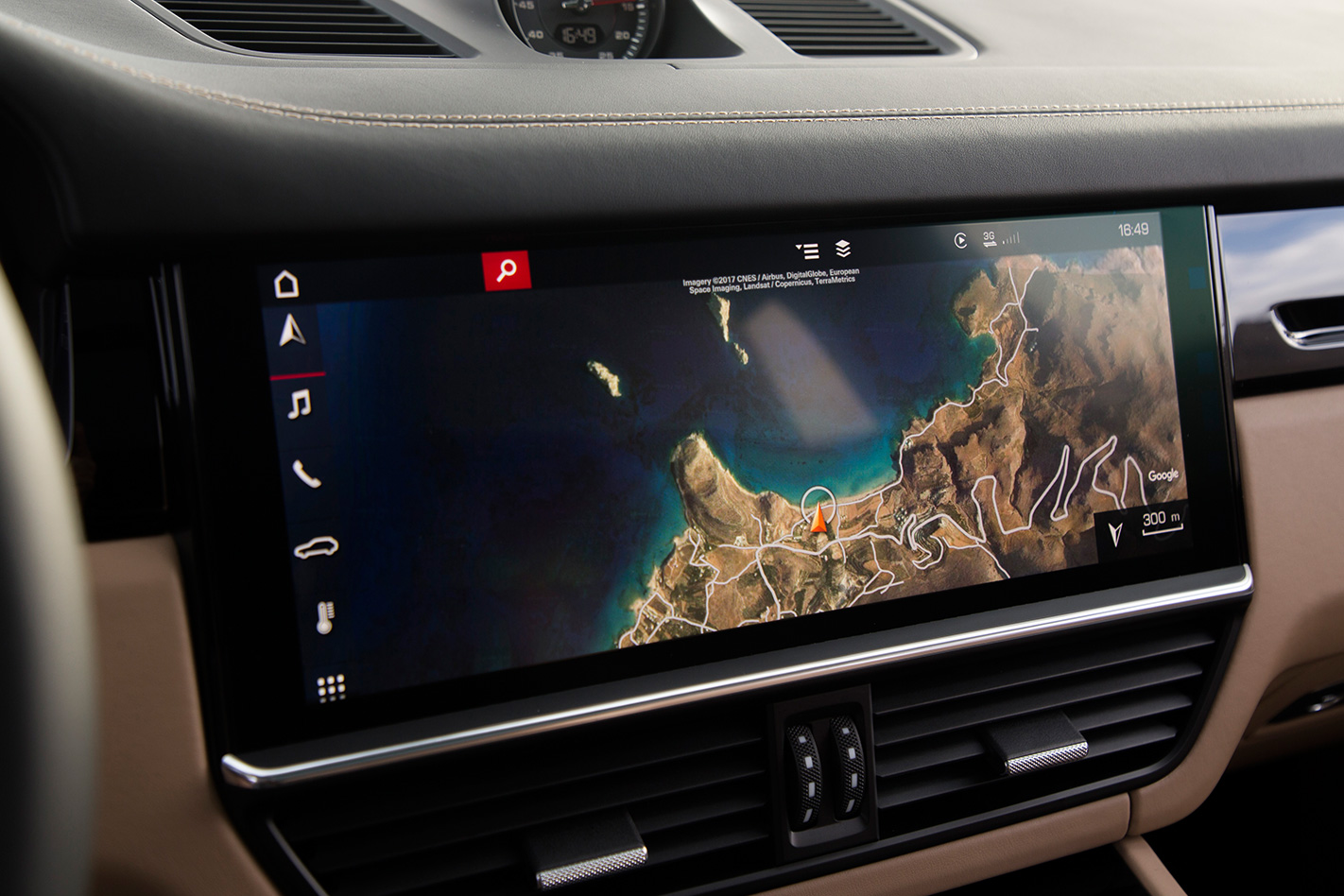
The Cayenne S is a wholly cosseting place to cover kilometres, with an eerily silent and smooth ride even over the somewhat agricultural local roads. The interior’s been tidied, the most obvious beneficiary being the simplified fascia design. Where the previous version’s dash was littered with a multitude of switches and, even worse, blanks for lower-spec cars, the new Cayenne uses solid-state panels with haptic switches and a massive 12.3-inch screen.
But staring at a touchscreen is to waste the spectacular Crete road vista, which dives and twists from chilly mountain towns that could have been lifted from a remote Afghan village and provides a solid workout for the Porsche’s dynamics.
With the drive mode switch left in normal mode, the Cayenne favours a safer driving manner, leaning into understeer on slippery tight turns and a more placid map for throttle response and gear changes. But with the dial spun round to Sport or Sport Plus, the variable four-wheel drive system favours the rear axle. Rear axle steering is also offered (as an option) for the first time on a Cayenne as are mixed-width tyres, the rubber on this car being 20mm wider at the rear than the front.
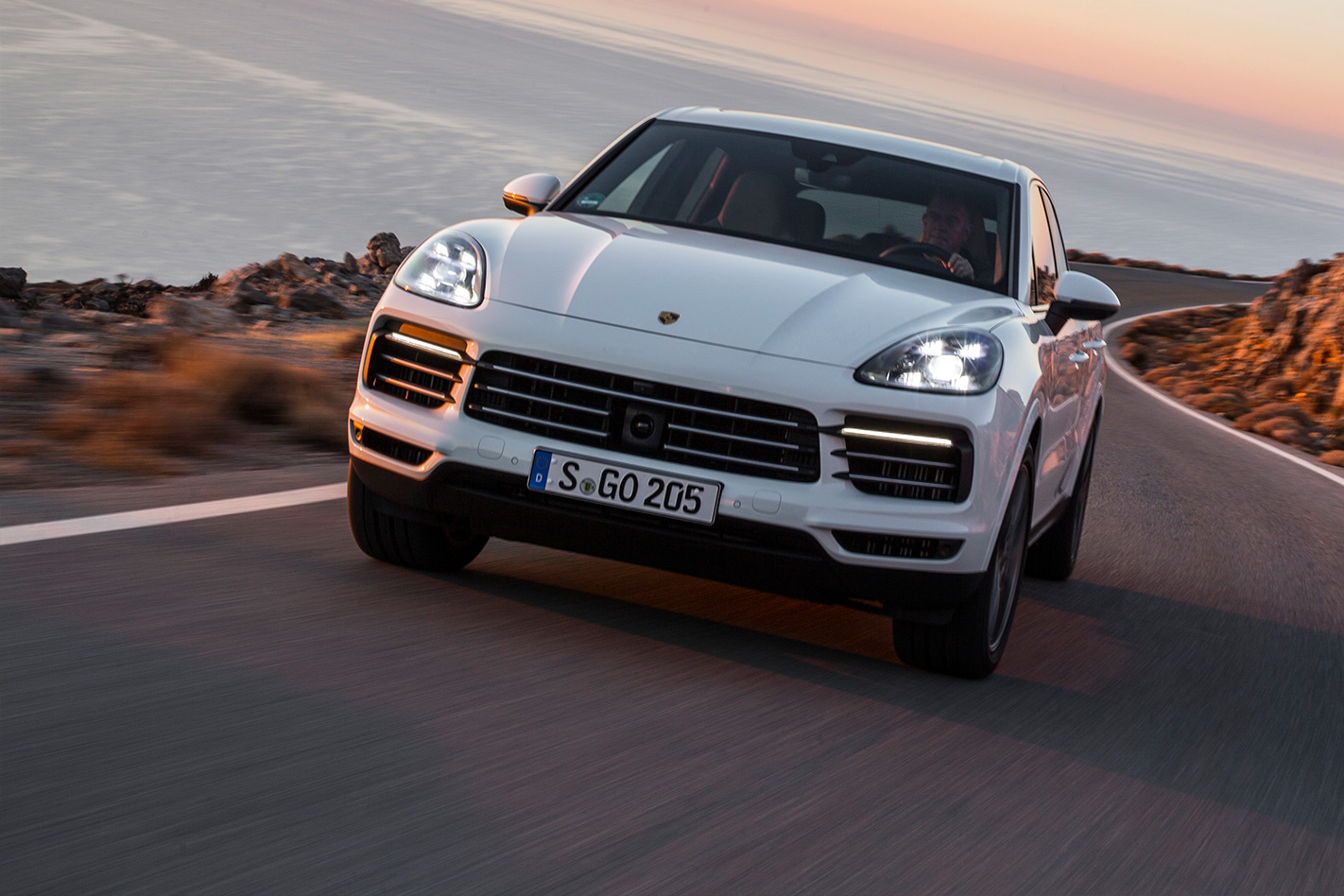
It’s possible to actually feel the clever transmission moving torque around under the Cayenne as the accelerator position is altered in longer, faster corners. A fluid, direct steering set-up also imparts confidence that the Cayenne will keep its bulk out of the autumn thistles.
Tractable power and torque complete the dynamic Cayenne S package with a 2.9-litre twin-turbo V6 providing the punch. Peak grunt of 550Nm is in at 1800rpm for eager pace off the mark, but the slick bent-six pulls hard all the way to a maximum power output of 324kW at 6600rpm. The engine’s closely related to that found in the latest Audi RS4, so even a midrange Cayenne purchase nets you a serious powerplant.
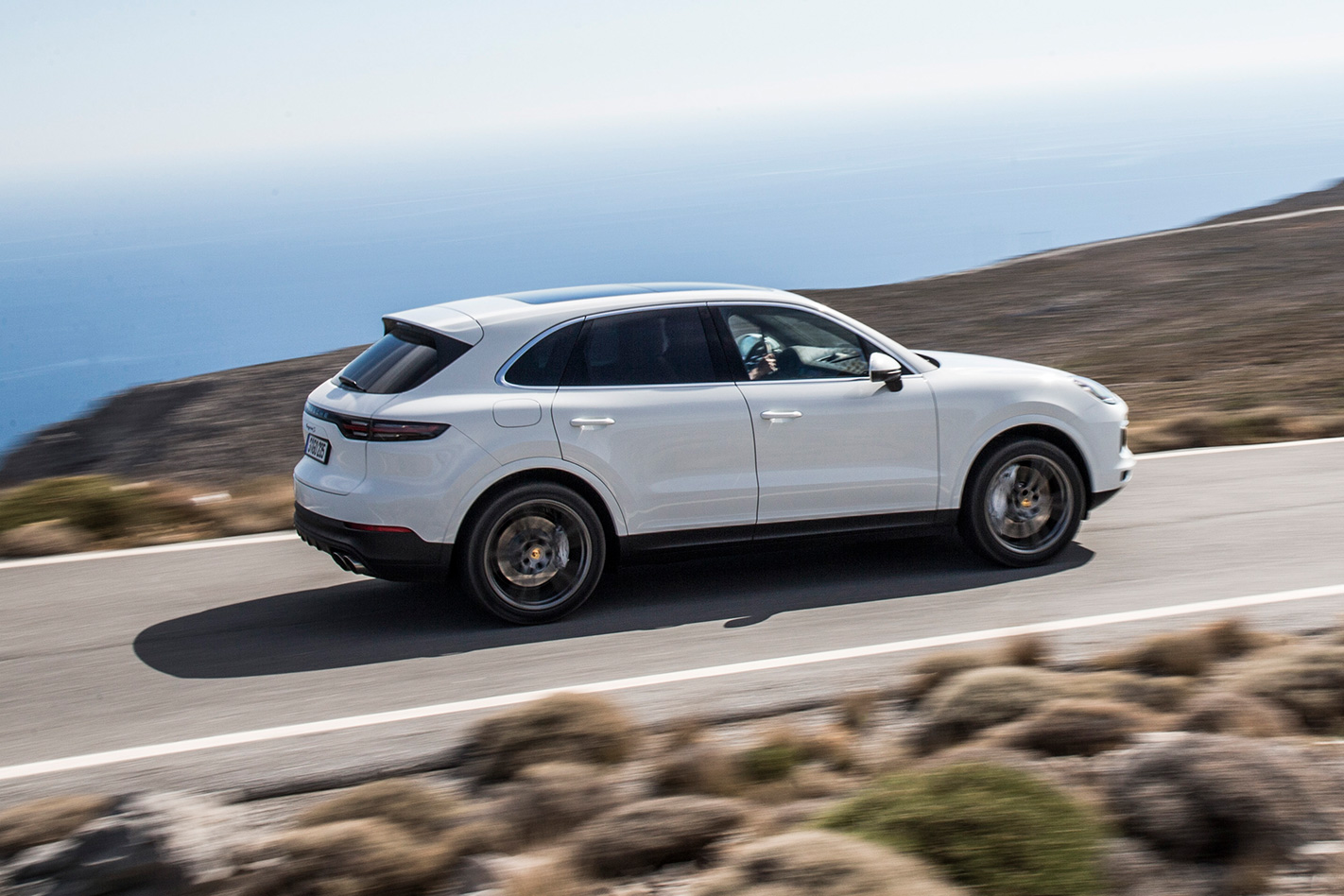
Acceleration is strong (4.9 seconds to 100km/h, claims Porsche) and would leave Cayenne S customers wanting little compared with the Turbo’s V8 might, particularly as the V6 brings its own satisfying low-rev soundtrack and high-end holler.
Slowing down doesn’t bother the Porsche either, thanks to its new optional mirror-finish tungsten-coated disc package that initially feels a little like cold carbon ceramic brakes but builds with firm pedal feel and progressive clamping right up to ABS intervention.
While the notion of any large SUV wearing a pedigree sportscar producer’s badge will probably never sit entirely comfortably with some, the Porsche Cayenne S is now three generations into convincing sceptics that heavy doesn’t have to equal slow, ample practicality doesn’t amount to dull, and big can be beautiful.
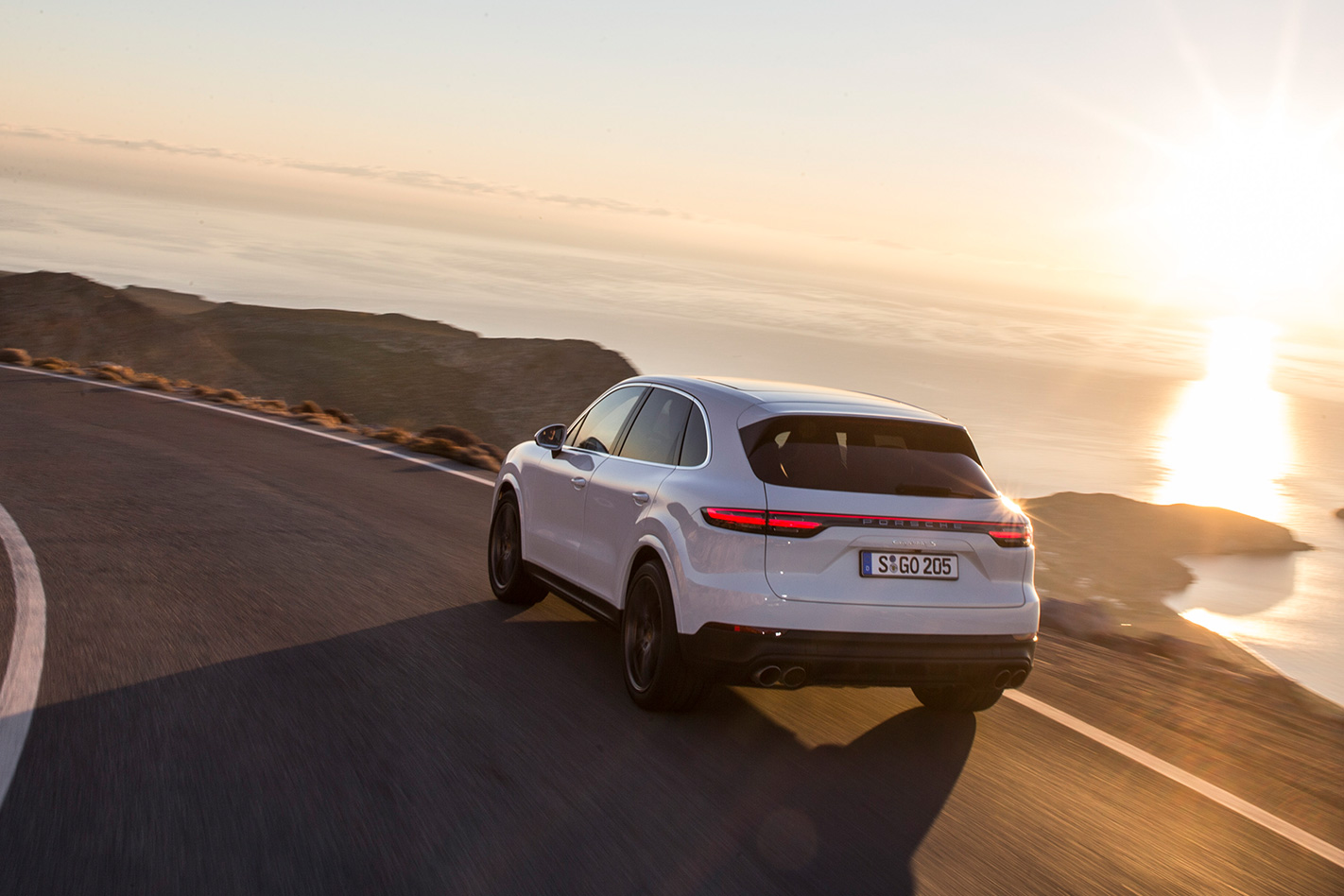
Model: Porsche Cayenne S
Engine: 2894cc V6, dohc, 32v twin-turbo
Max Power: 324kW @5700-6600 rpm
Max Torque: 550Nm @1800-5500 rpm
Transmission: eight-speed Tiptronic automatic
Weight: 2020kg
0-100k/h: 5.2s (4.9s with Sport Chrono)
Fuel economy: 9.2L/100km
Price: $155,000 estimated
On sale: Early 2018
THE first-ever Jaguar XF Sportbrake destined for the Australian market has revealed all its secrets, including engines with a mix of hatchback-shaming fuel use, raw power and picnic basket-lugging surefootedness.
Due on sale here from November, the XF Sportbrake includes attractive titbits such as quicker electric steering. with prices starting at $90,400.
Unfortunately for us, we missed out on the first-generation British bulldog-friendly XF. It was 6mm longer than the 4955mm one we will get here (although we note the new Sportbrake is still slightly longer than the 4894mm Holden Commodore Sportwagon).

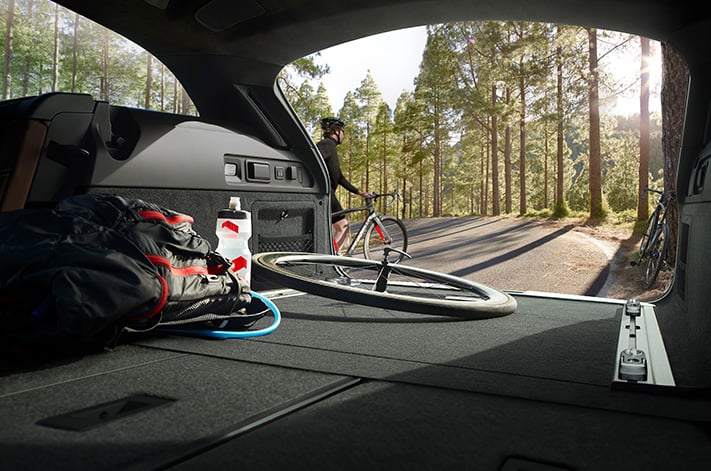
Lay down the 40:20:40 split-fold rear seats and the benefit of the Sportback form is revealed: luggage space leaps from a ho-hum 565 litres to a fridge-swallowing 1700kg. It won’t matter if it’s the family dog or bags of cement loading up the back; the XF Sportbrake includes a self-levelling air suspension down the rear (and wishbones up front).
For the first time, buyers who option up the 1.6-square-metre glass roof option will gain gesture control for the blind, so with a flick of the wrist the sun streaming through it can disappear. With the swipe of a foot under the rear bumper, the height adjustable plastic tailgate – not metal, we note, and featuring a glued-in glass window – will also open automatically.
Engine choices in Europe include four-cylinder petrol engines from Jaguar Land Rover’s growing Ingenium engine family. A range-topping V6 diesel will serve up 221kW and 700Nm, enough for a 6.6sec 0-100km/h sprint. All will use a ZF-sourced eight-speed automatic sending drive to the rear wheels.
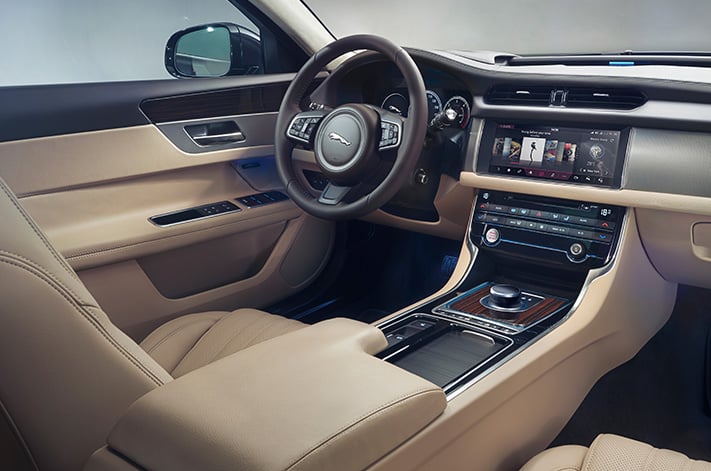
Jaguar says the interior will be better than the Sportbrake we never saw. This generation adds 51mm to the wheelbase to stretch it to 2960mm, a move the Brit luxury brand says “optimises rear legroom and load space and contributes to the vehicle’s refined ride quality”.
The XF Sportbrake R-Sport will use a 184kW/365Nm four-cylinder turbo petrol engine or a 132kW/430Nm 2.0-litre diesel, while the S will potentially use the diesel V6.
From the front, the Sportbrake is all Jaguar XF sedan, right down to its LED headlamps. The further back you go, though, the wagon-like extended roofline, rated to 100kg, gives an impression the load-lumping version is much longer than the sedan.
Inside, buyers have the option of a full-colour 12.3-inch digital instrument cluster, a 10-inch central touchscreen, mood lighting in 10 shades and 20-way adjustable seats with power headrests.
The interior also gains a first for Jaguar. Called Cabin Air Ionisation, the system keeps the air inside the Sportbrake smelling fresh.
Audiophiles will delight in the fact that the rear speakers are roof-mounted, with a 17-speaker system available on the options list.
You also need not worry about how you’re going to squeeze all that Jaguar form into a shopping centre car park; five cameras provide a 360-degree view around the Sportbrake, which can steer itself into an available spot while the driver controls the steering, gear selection and brake pedal.
The Jaquar XF Sportbrake goes on sale next week and will include a special S First Edition 30d model featuring some of the key optional extras as standard, including the powered gesture tailgate, silver roof rails, panoramic sunroof, Farallon Pearl Black premium paint, 19-inch Portfolio seven split-spoke alloy wheels, and ‘activity key’ bracelet, which is like a Fitbit also opens your car.
2018 Jaguar XF pricing
- XF Sportbrake R-Sport 20d – $90,400
- XF Sportbrake R-Sport 20t – $91,400
- XF Sportbrake S 30d – $123,450
- XF Sportbrake S First Edition 30d – $137,300
THE low-set driving position and generously, but not overly, bolstered seats are perfect no matter whether you’re tootling around town or thrashing around the track.
This Performance Car Of The Year article was first published in MOTOR Magazine January 2013.
And the electric steering really is on par with Porsche’s for feedback and natural feel.
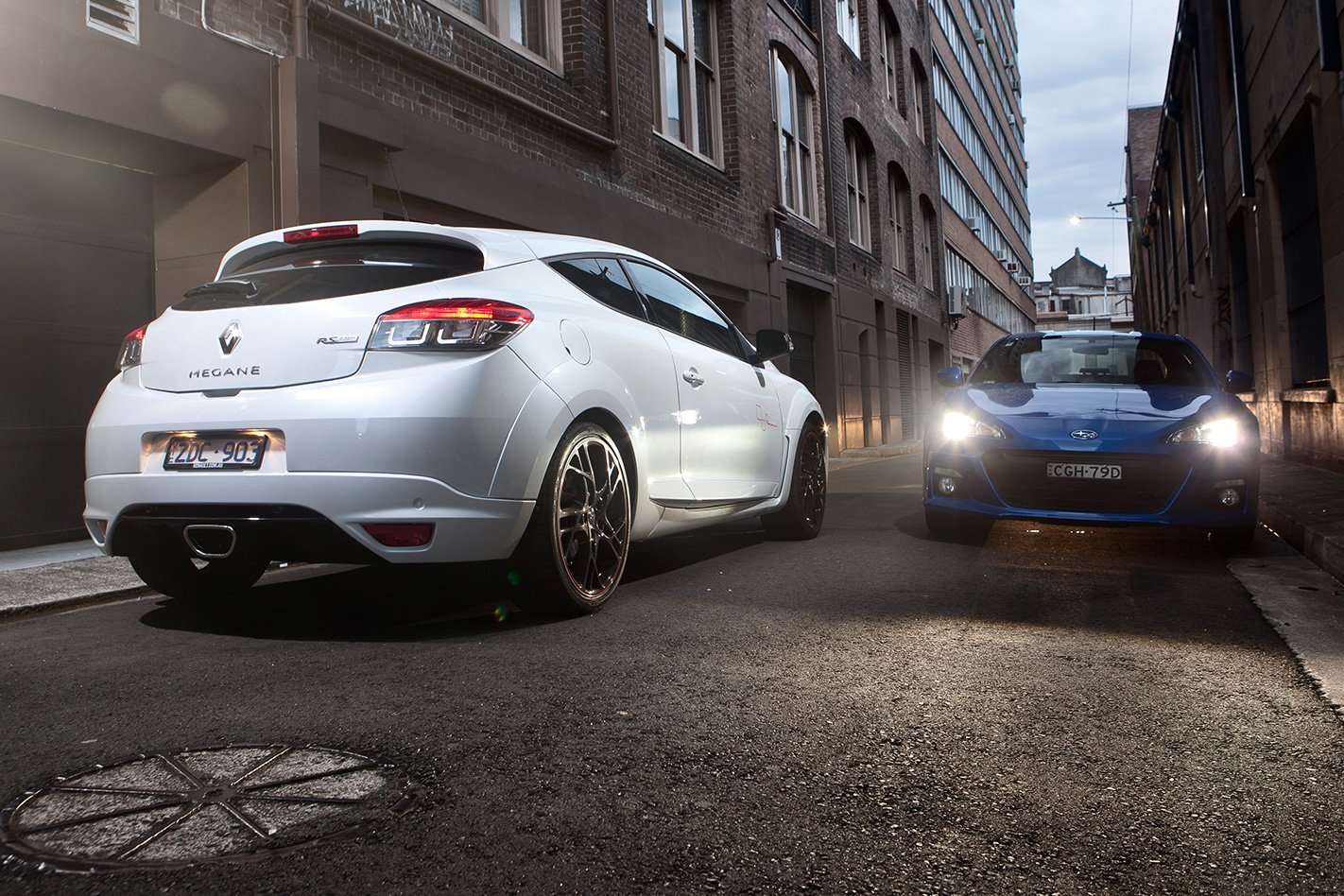
It’s not the most refined powerplant, and you really have to be right up the top of its powerband to get the best out of it, which means, in this prestigious company in particular, you have to work hard to keep up with anything else.
It kinda doesn’t matter in a way, because the BRZ’s precise steering, its playful lack of grip from the low rolling resistance tyres and its ability to drift like a demon more than compensate for its lack of outright performance.
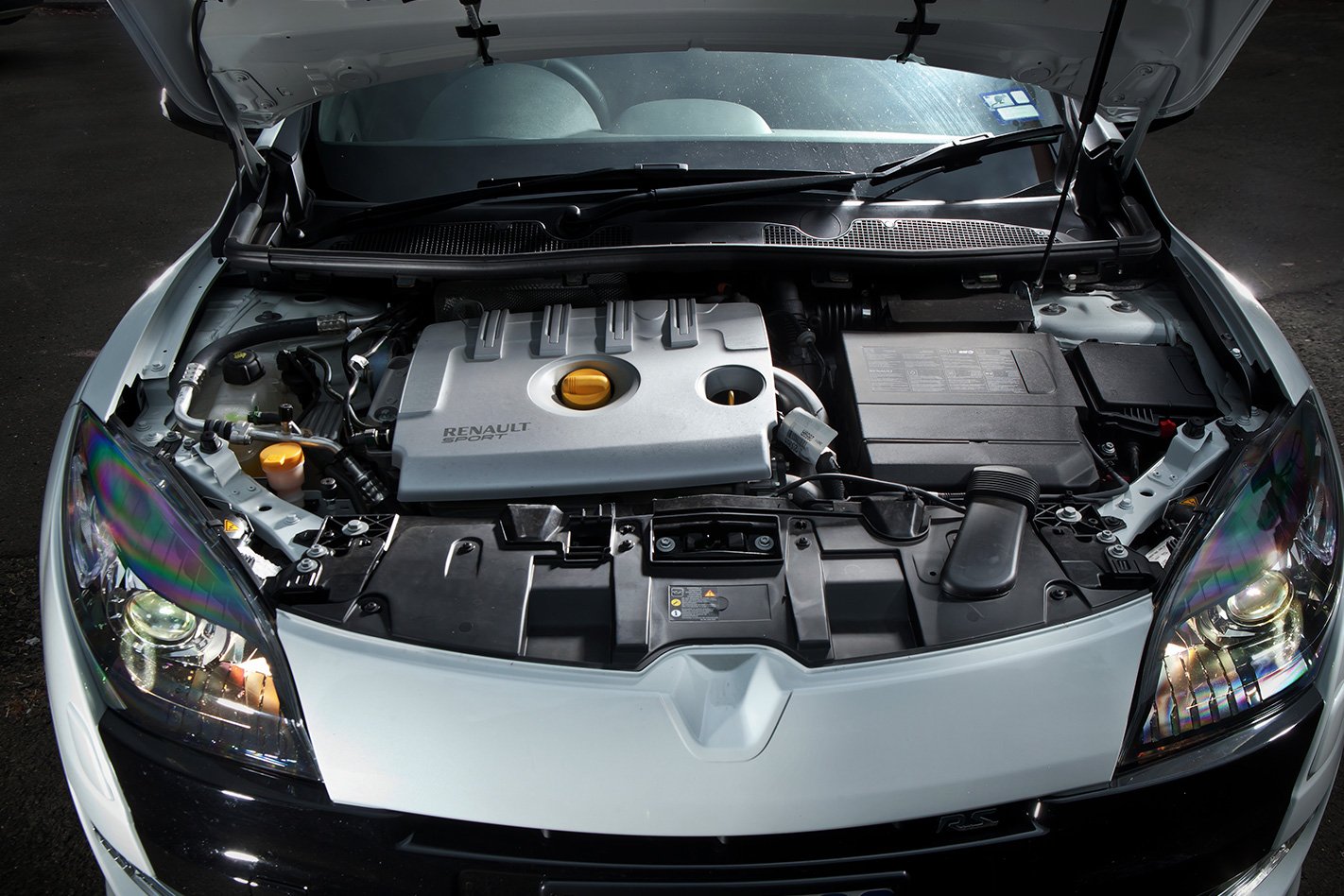
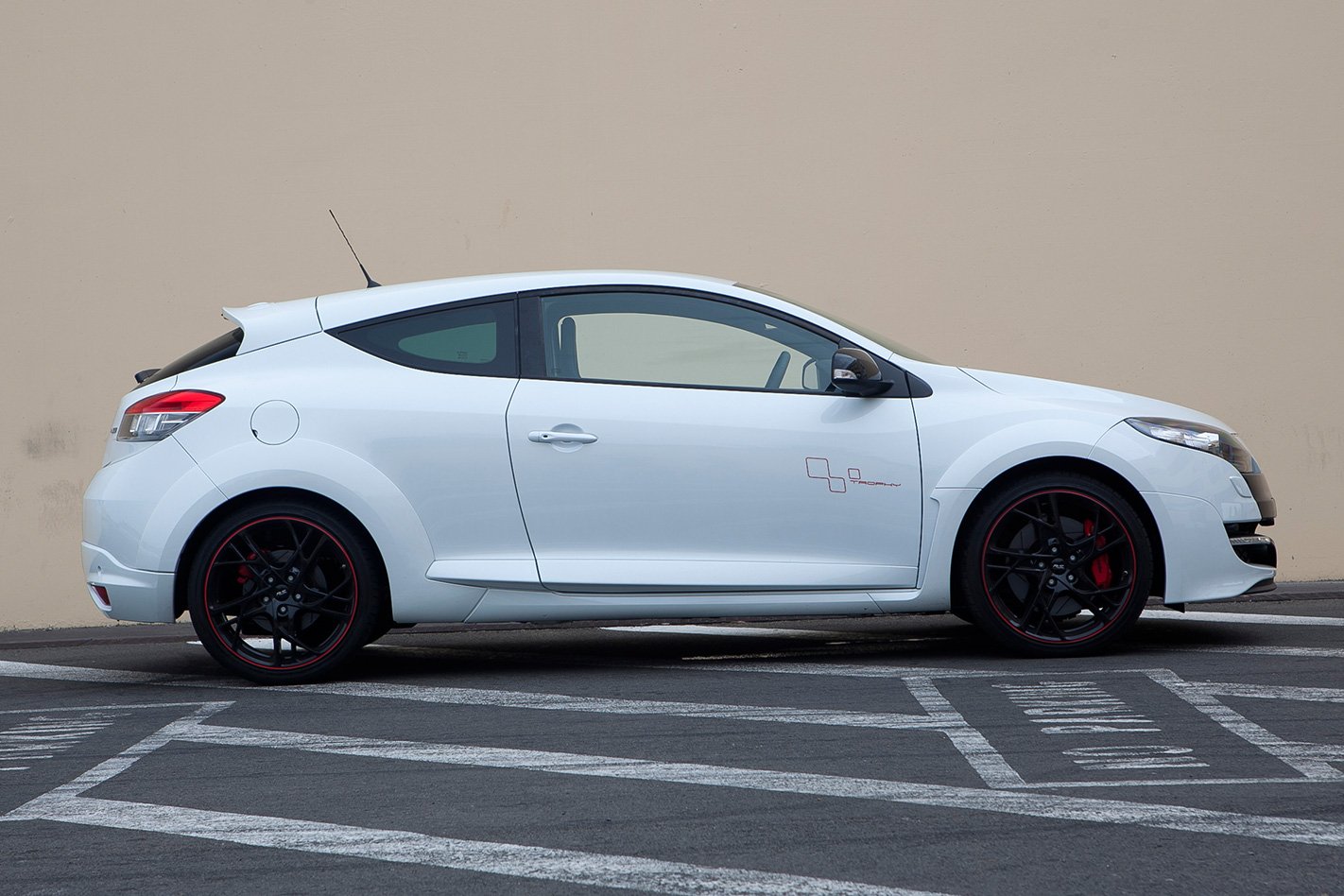
Conversely, despite a fatal end to our long-term custodianship of the Trophy 8:08 RS265 when it threw a piston through the front of the engine block (just after Luffy had finished its hot lap, meaning no other judge drove it on the circuit), we clearly overlooked the Megane’s many faults.
Its ergonomics are not great, its vision terrible and reliability clearly questionable, but what the Megane does that the Focus can’t is make you feel like you’re driving a supercar.
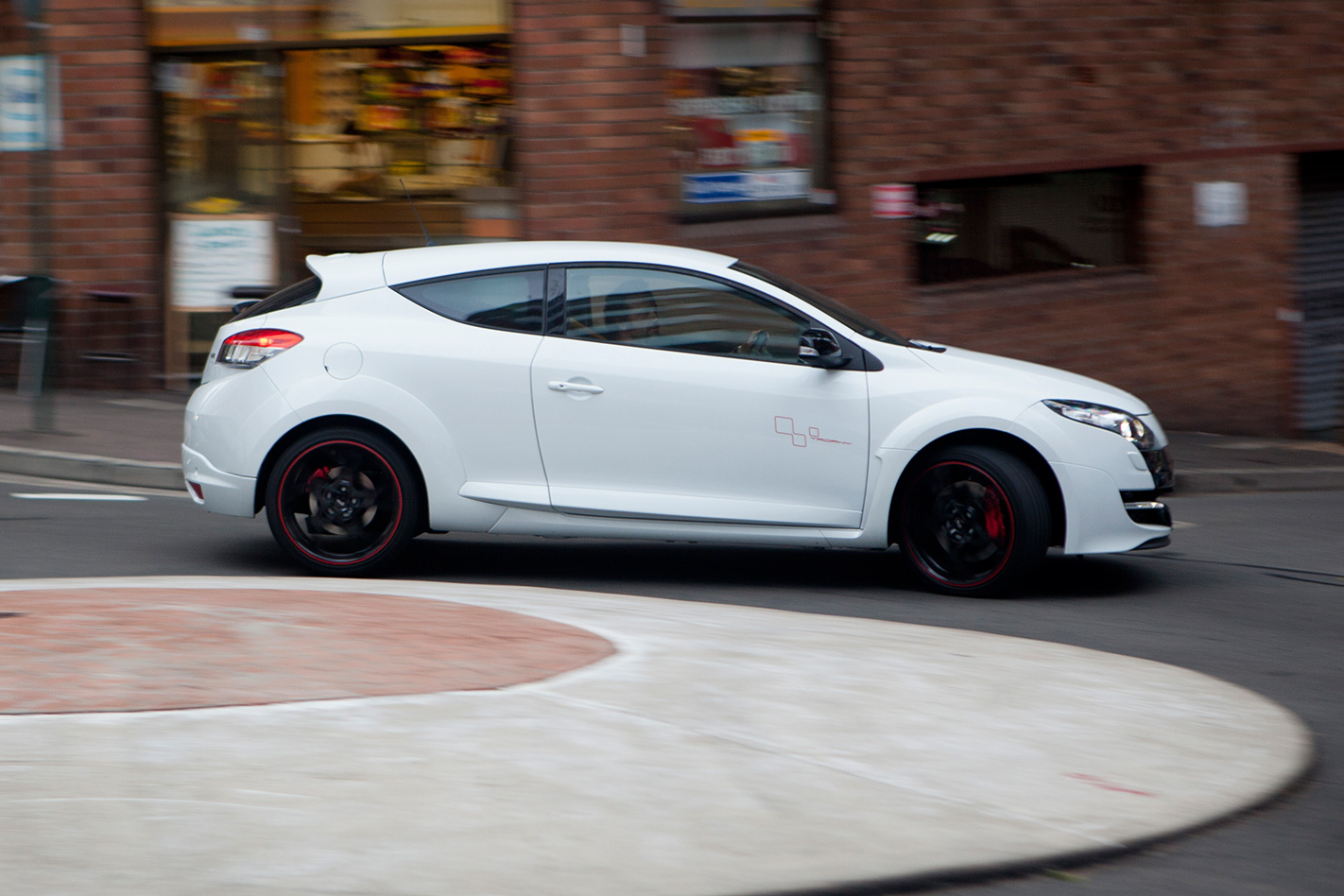
Then there are things like its wafer-thin Recaro seats, red seat belts, Brembo brakes and its androgynous style that elevates the Megane beyond just being merely a hot hatch. It’s more than all that, though; the Megane is deceptively quick on a back country blast.
And although its lap time of 2:18.50 is almost 10sec off the best of this bunch – it was, after all, 40km/h down on the M5 on the main straight – it was the fastest car bar none through the daunting high-speed Turn One as well as the tight, downhill Turn 11 hairpin, thus proving its no one-trick pony.
What that all equates to is that the input between man and machine feels raw, natural and well balanced. More importantly, it’s not artificially synthesised, or dumbed down to cater for the lowest common dominator. We applaud, and clearly admire, that. More of it, in fact…
Overall rank: 6 JUDGES NOTES Andrew Maclean – 6th: “The best bum dragger just got better… But would I own one?” Curt Dupriez – 4th: “Achieves its aims better than many PPC rivals. Sorry we hurt you” James Cleary – 6th: “Mini-supercar for hot hatch money. Renaultsport knows what it’s doing” Nathan Ponchard – 5th: “Heaps of Gallic attitude matched to a sweet chassis and brilliant balance”
WARREN LUFF SAYS “Such a fun little hot-hatch on the limit. It does everything you want. Probably a bit too much understeer when you start pushing really hard but up to nine-tenths it’s a good fun car, you can throw it around, it’s got good brakes, great chassis dynamics, the engine’s fantastic and it does everything that you want”
AMONG locally-made road cars, the Holden Torana SS A9X makes a HSV GTSR W1 look cute as a kitten.
Its guards bulged like bodybuilder’s calves, its driveline featured Holden’s best bits, and its race-bred suspension was unprecedented. In Peter Brock’s hands at Bathurst, it thumped the competition by a margin that makes Ford fans shiver to this day. It was a monster born to meet radical demands.
Shoving a big, dirty V8 into a Torana was a move that should’ve matched Carrol Shelby’s Cobra. But in 1974, with the just released LH-series Torana, the resulting SL/R 5000 wasn’t the ‘supercar’ the public feared so much during the XU1 years. Holden’s small car, some 180kg lighter than a Monaro, had swallowed its 308 V8.
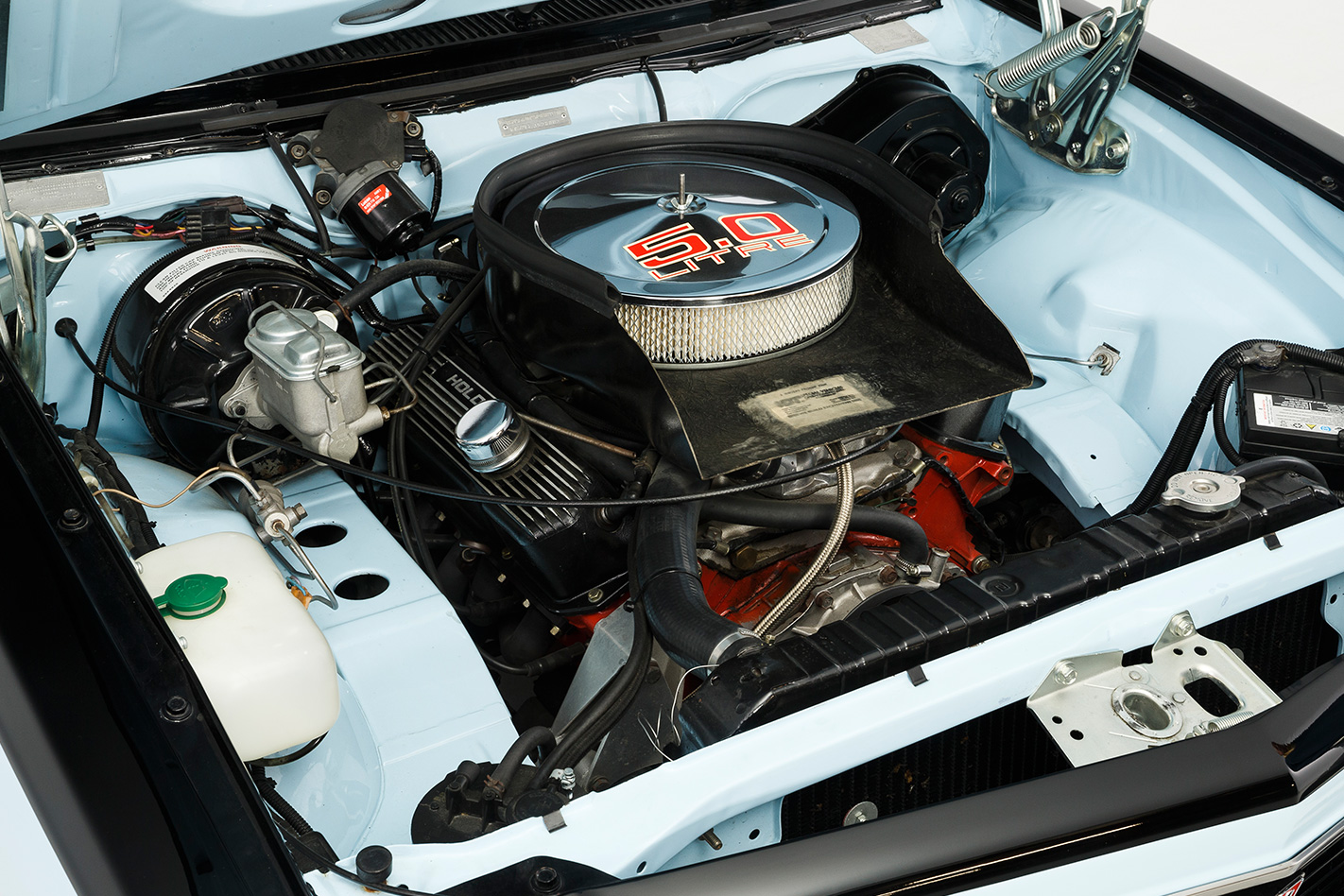
So the road car’s power flatlined even with an F5000 block and trick oily bits. The flawed suspension was carried over. And a lacklustre driveline endured. In race trim the L34 was potent enough to reclaim Mount Panorama, but durability flaws saw the ’76 overall Touring Car Championship go to Ford and left the door open for a counter offensive.
Desperate to shut Ford down when Holden ushered in the LX Torana in 1976, HDT was already at work on a racing special. Boss man Harry Firth built the new two-door hatchback in the exact specification needed to fix the L34’s durability issues and dominate under Group C regulations.

The steering rack was now solid mounted, while a modified rear floorplan allowed new suspension points, beefier driveline parts, and rear brake discs – a Holden first. Power was down. Even though it was greenlighted for racing, Firth’s boys couldn’t comply the old L34 engine to ADRs so an L31 5.0-litre V8 was subbed in with 161kW and 400Nm.
Durability was boosted by a rear 10-bolt diff, HZ Monaro GTS rear axles, and new radiator system up front. It looked tougher than ever, thanks to the L34 pack’s front flares and spoiler. But new rear guards and reverse bonnet scoop were added, the latter helping feed down-draught carbies.

MOTOR’s Holden Heroes series?
It rode comfortably, even if a little firm, and was tractable despite a 2.6 final drive (first gear was good for 97km/h!). With a four-speed synchro-equipped M21 it dispatched quarter miles in 16sec. There was a four-speed Borgwarner gearbox listed as an option, but in reality it was a race-only application.
Shoved into the SS hatchback, it created a dominating handler with durability and power to match. As a result HDT would bully Ford into quitting motorsport and force Holden to rethink its own involvement, making the A9X one of the greatest Holdens ever.
Torana SS A9X specs: On sale: 1977-79 Engine: 5044cc V8, OHV, 16 valve Power: 161kW@ 4800rpm Torque: 400Nm @ 3100rpm 0-97 time: 7.0 Seconds (claimed) Weight: 1242kg Price new: $11k
Japanese tyre manufacturer Yokohama has proven the adage that everything old is cool again, by announcing it is re-releasing one of its iconic tyre designs.
The Advan HF Type D tyre was first released in 1981, but has been given a new lease on life with a production ‘reprint’.
Advan is the sporty sub-brand of Yokohama, and its HF Type D tyres shod a variety of Japanese sports cars and were even factory-fitted to Porsches at one point.
While the period correct rubber is currently only available from Advan’s online shop in Japan, Yokohama has stated it plans to sell the reprint in other countries.
The rubber will fit 13-, 14-, and 15-inch rims, in a range of sizes.
Iconic ‘80s cars like the Nissan 280ZX, Mazda FC RX-7, and Toyota AE86 have developed fanatical cult followings over the decades since their release, with some owners fastidiously restoring or maintaining them in period-correct trim. This new tyre will have them jumping with joy as they can now finally have the rubber to match the metal.
While the reprint has the same tread pattern as the original HF Type D, it’s understood the new tyres will be produced with a modern compound.
The idea of classic sports cars, with period-correct tyres packing modern levels of grip is sure to bring a smile to any true enthusiast.
TURBOCHARGED this, downsized that, electrified everything. That’s the mantra of the modern automotive world.
The days of the large naturally-aspirated engine are numbered, but thankfully, a select group of brave companies are ensuring atmo screamers continue to live on and buck the trend.
Apollo is one such company, rising from the ashes of what once was Gumpert – German creators of very fast but very ugly supercars in mid-2000s.
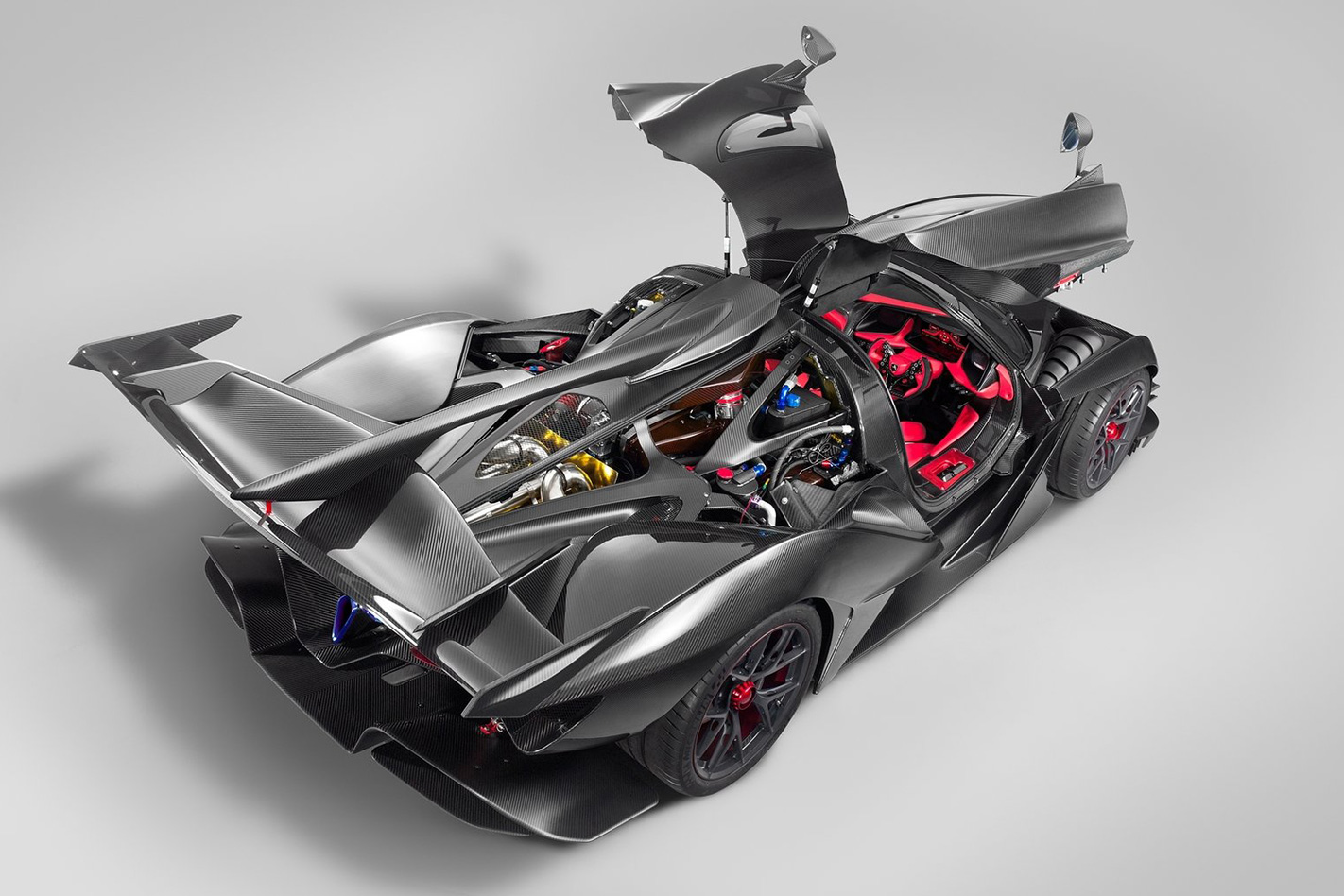
Looking like mash-up of a futuristic concept car and GT3 race car, the Intensa Emozione is unfortunately track-only. But it’ll almost certainly be the most dramatic car you’ll see at a local track day.
At the heart of the car’s carbon tub (the entire chassis weighs just 105kg) is a wailing naturally-aspirated V12 heart.
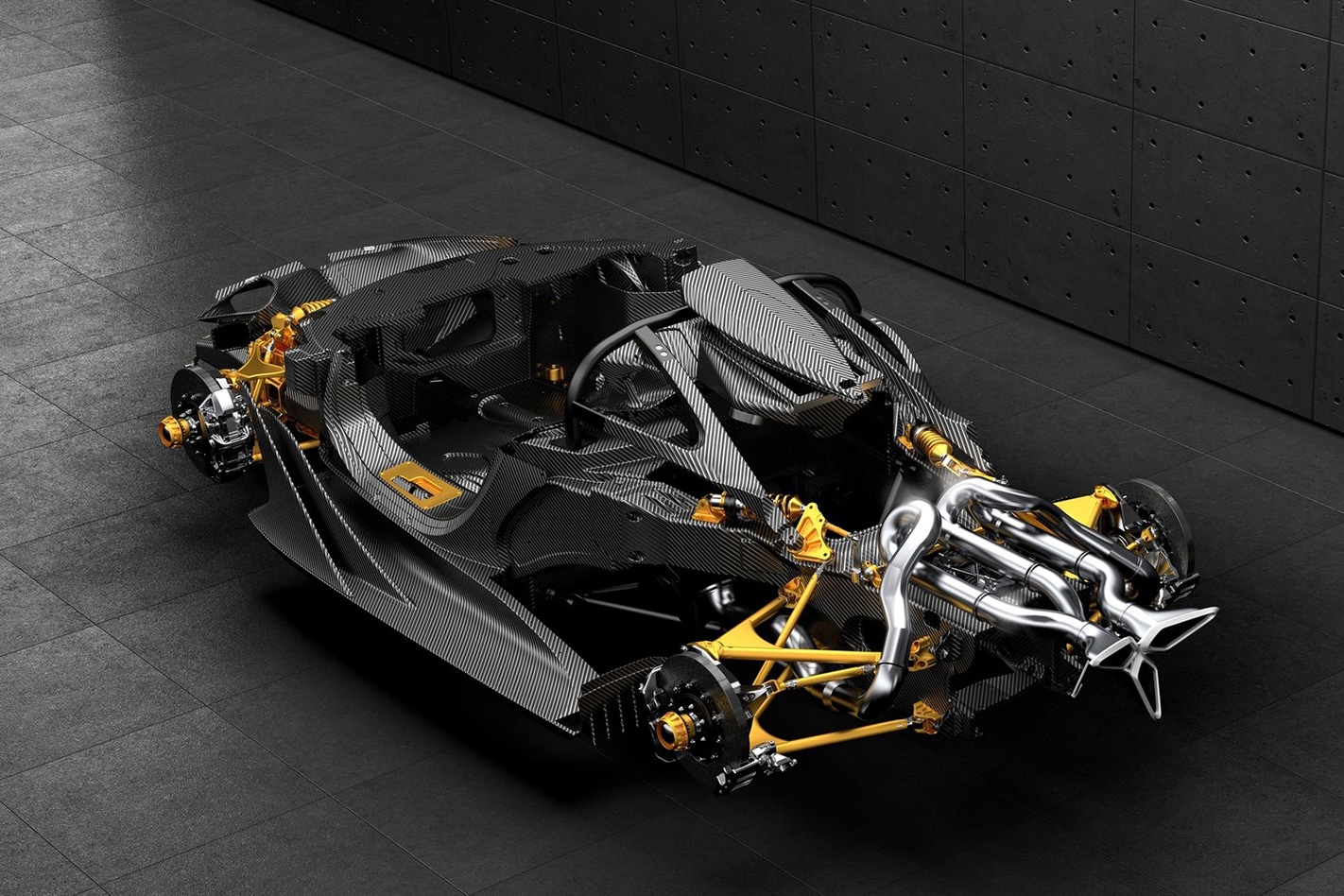
The 6.3-litre V12 is mid-mounted, and screams to a 9000rpm redline. Apollo didn’t build the engine itself; it is a heavily fettled version of the same unit seen in Ferrari’s LaFerrari hypercar, with engineering partner Autotecnica Motori doing a majority of the work. Just don’t call it a Maranello donk; the Germans don’t enjoy it much.
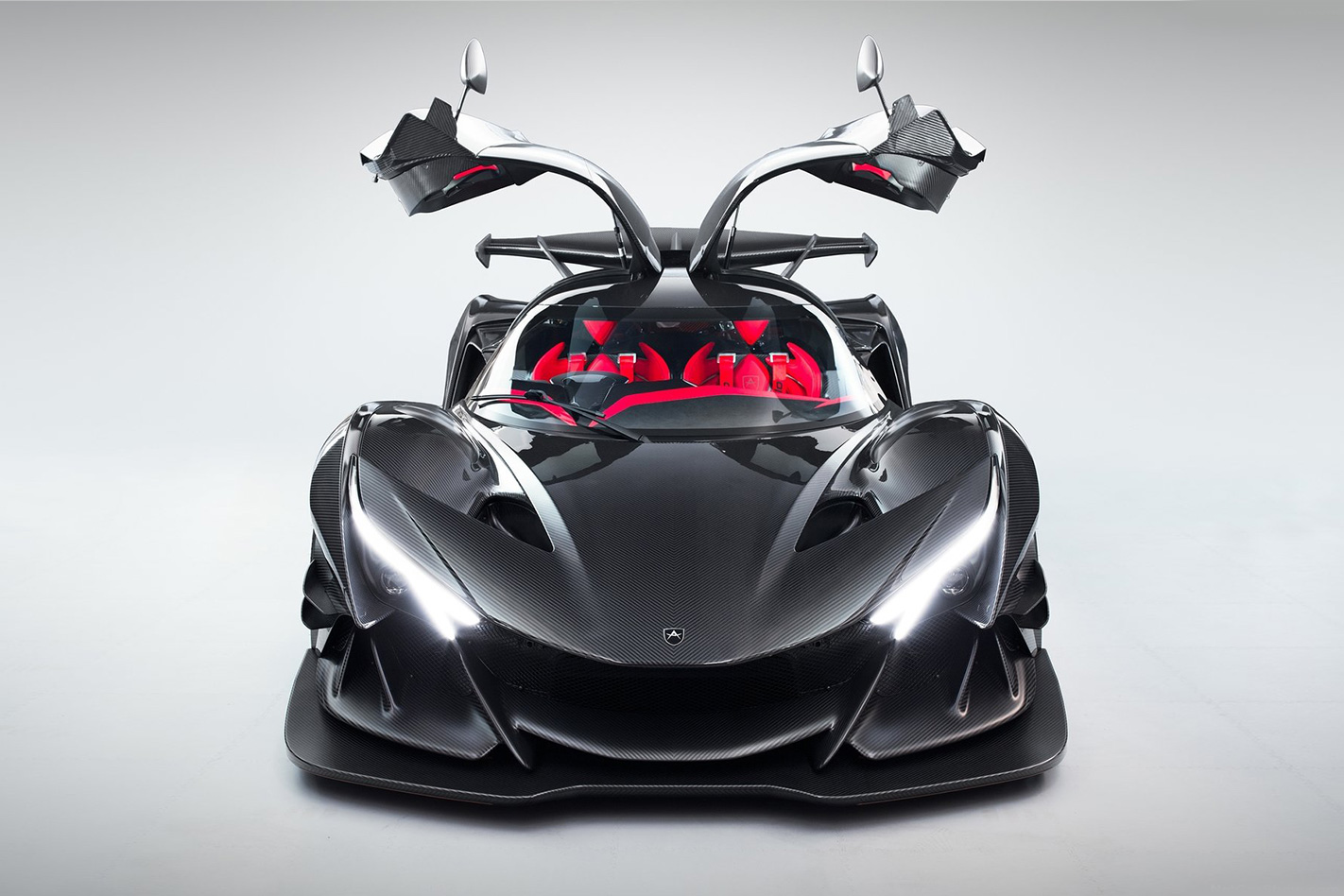
But total output top trumps aren’t the aim here, it’s about providing an emotional feeling in those that drive and witness the car in motion.
Power is transferred to the rear wheels through a six-speed Hewland pneumatic racing dogring gearbox, and the car will sprint to 100km/h in just 2.7 secs.
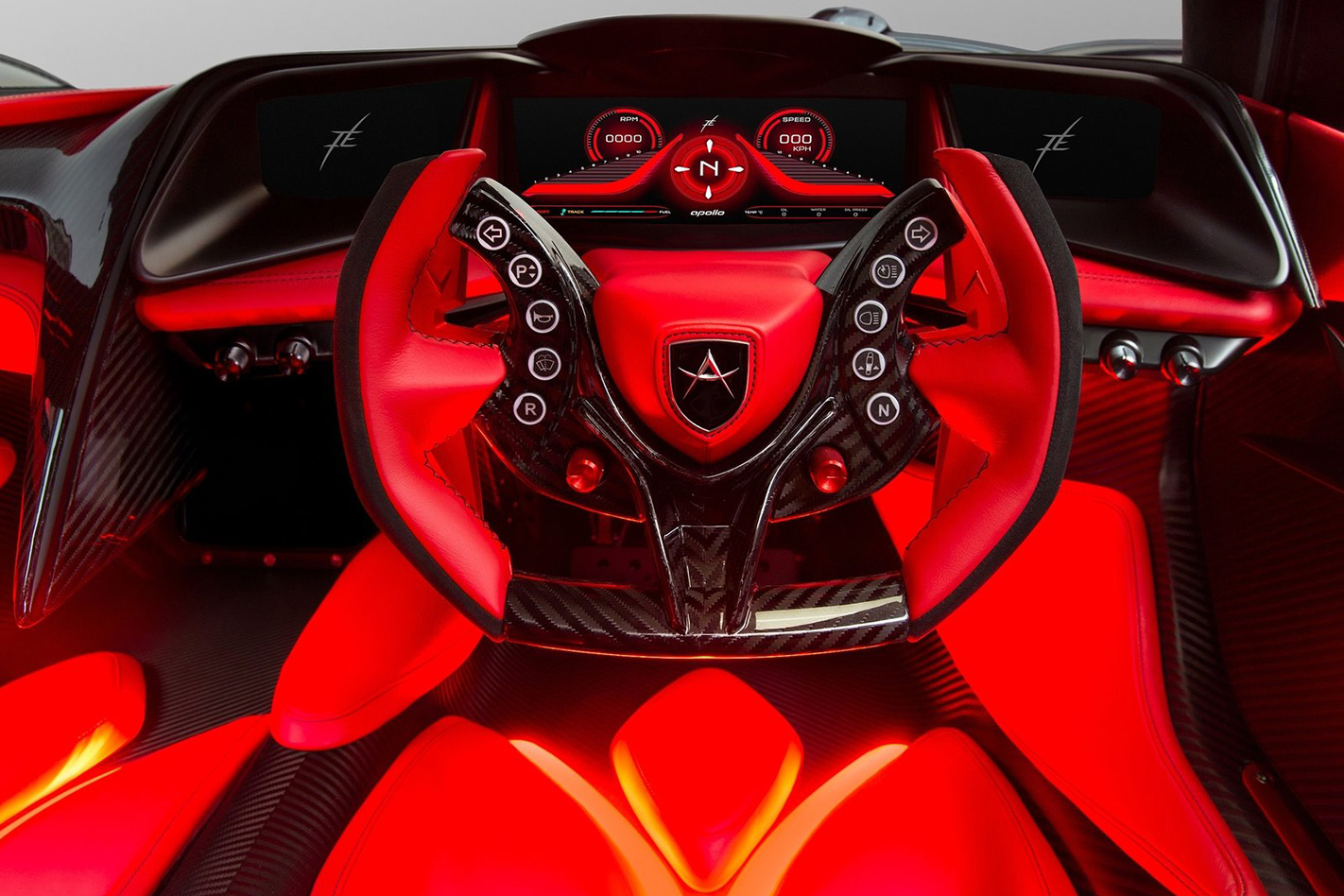
The Intensa Emozione won’t be cheap to put in your garage, with pricing in the $3.5 million bracket. Only 10 will be built, so you’re unlikely to run into another owner popping down to the shops.
Top marks, Apollo. More of the same please, but next time make it road legal!
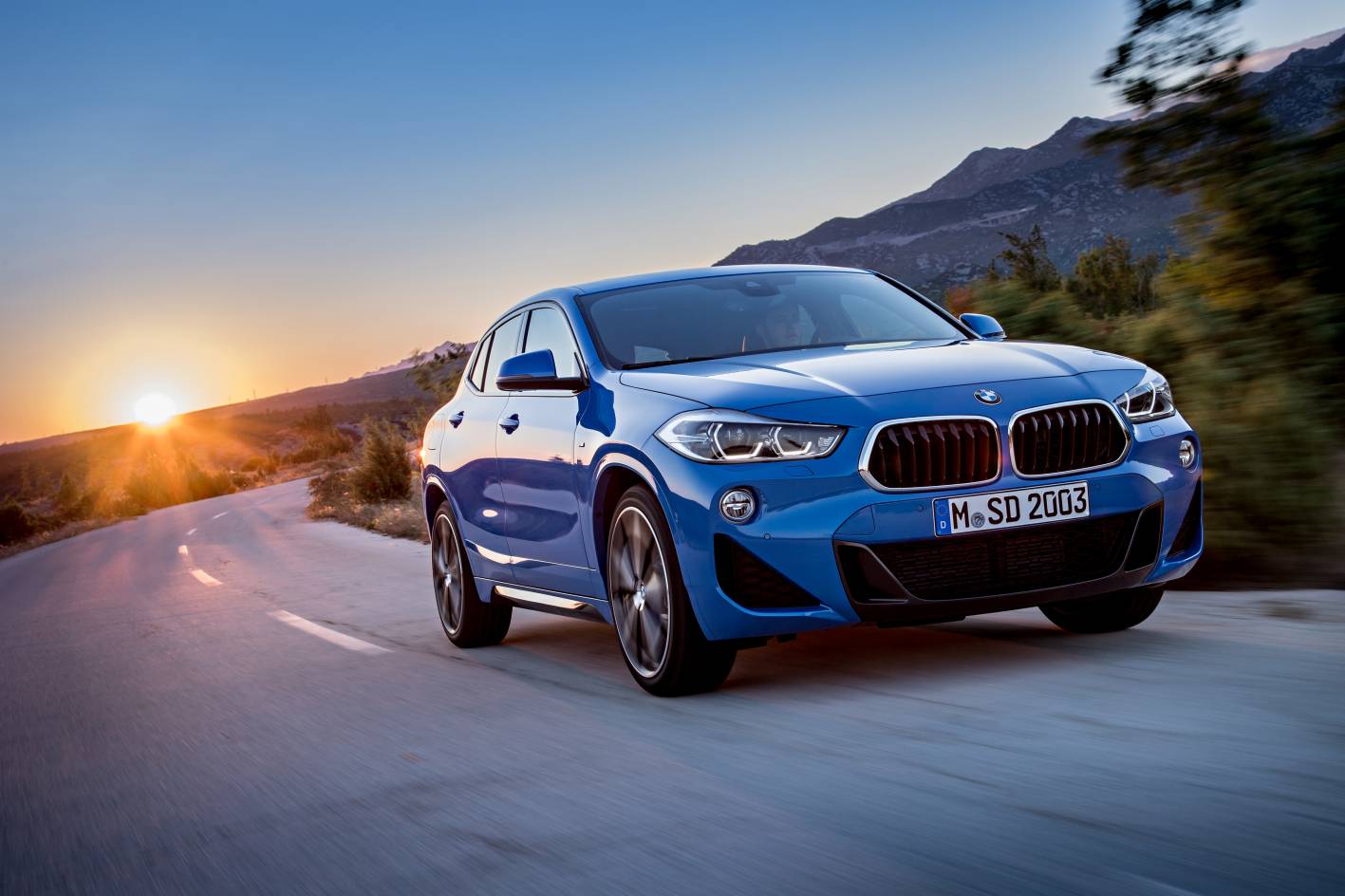
BMW has taken the wraps off its X2 sports-focused crossover, which is being launched in three spec-levels including an all-new M Sport X variant.
First revealed as a concept at the 2012 Paris Motor Show, the BMW X2 is a coupe version of the X1 and is to that model what the bigger X4 and X6 fastback SUVs are to the BMW X3 and X5 respectively.
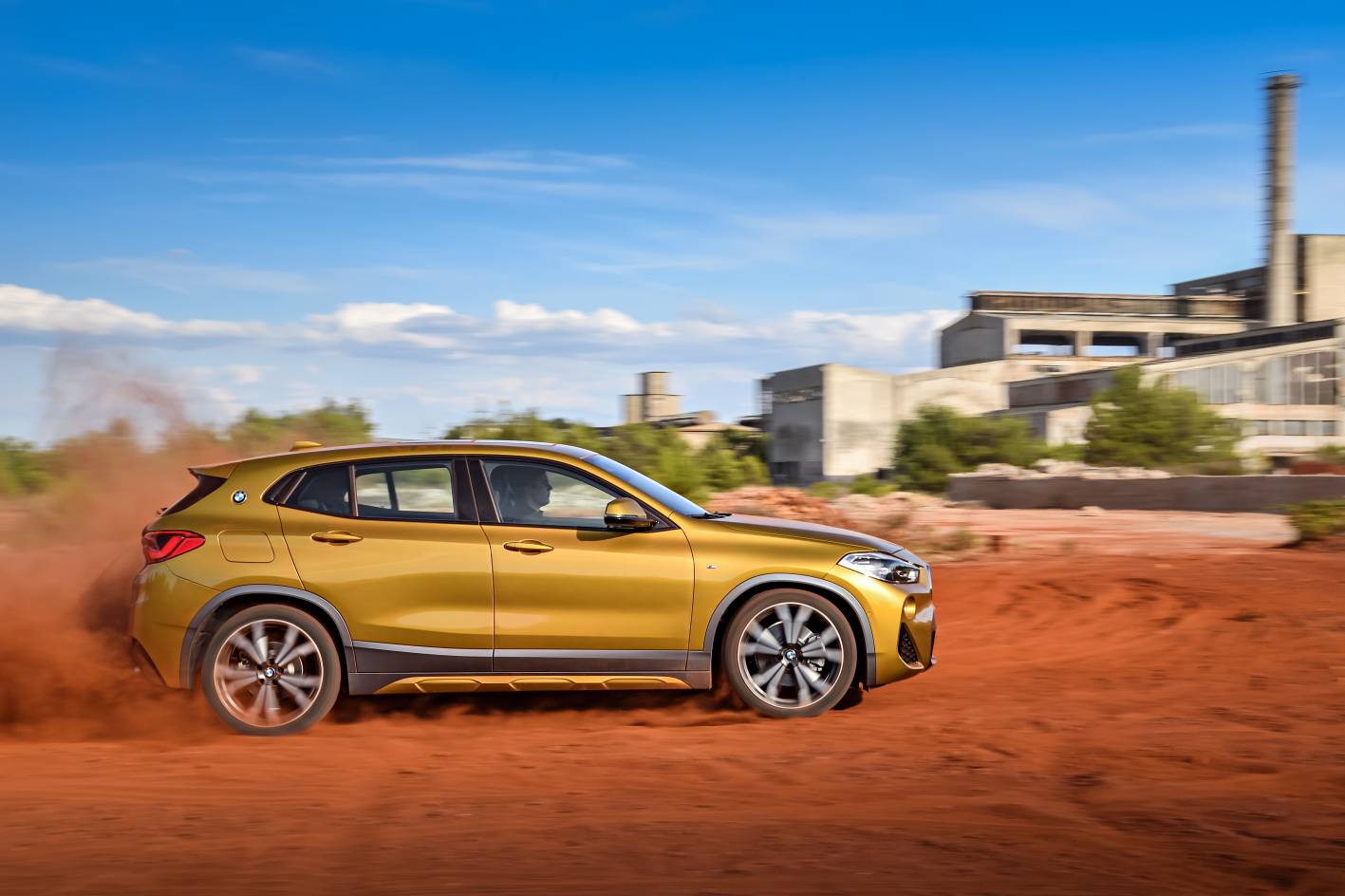
However, BMW insists it’s a standalone model, with more aggressive looks than the X1 and signature details including squared off wheel arches, twin exhaust pipes, accentuated side skirts, sleek roofline, and matching slim window graphic.
The three launch variants include the basic X2, X2 M Sport, and an M Sport X model that’s new to BMW.
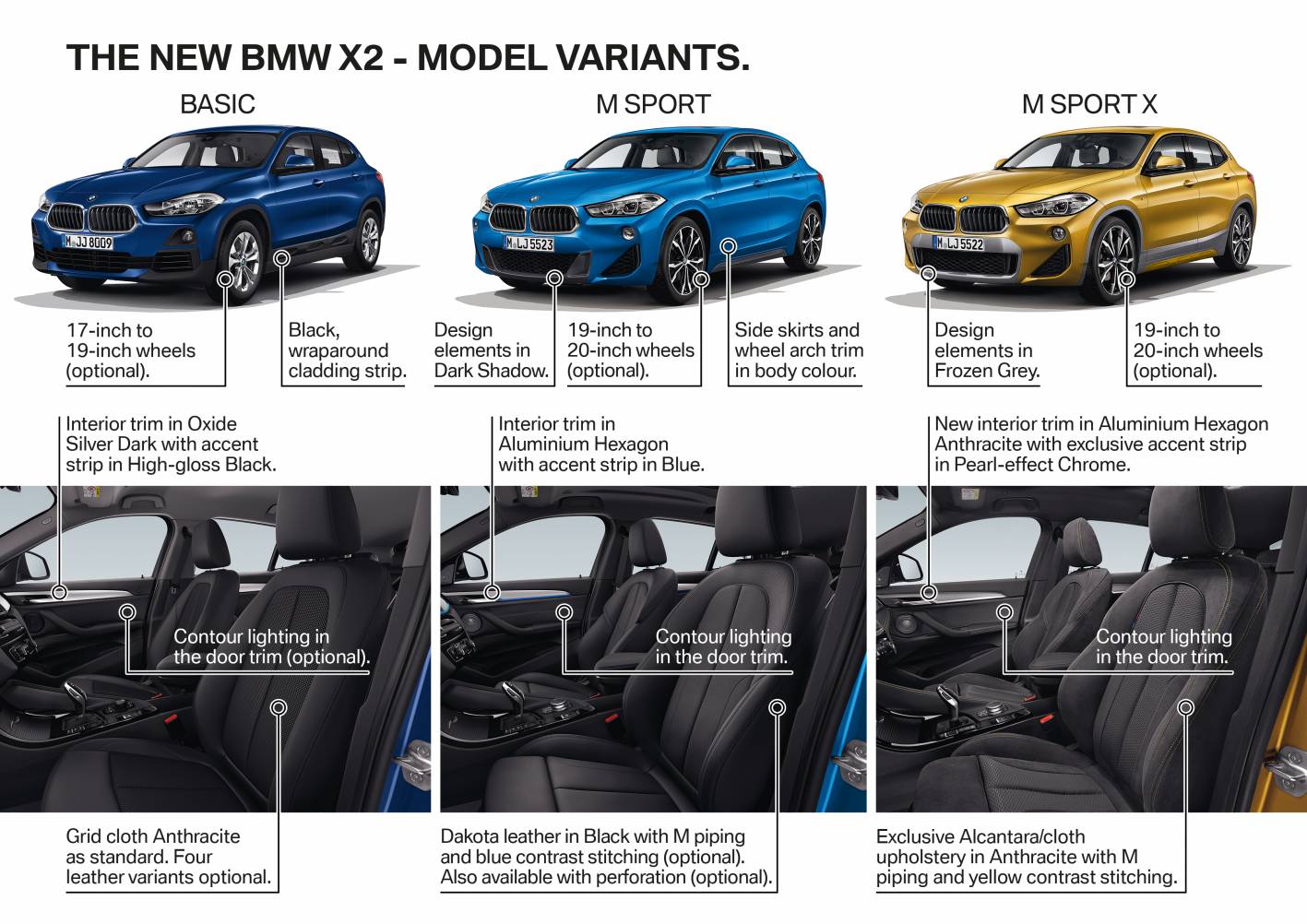
As well as higher equipment and trim levels, the M Sport and M Sport X models come with M Sport suspension as standard (optional in the basic X2) with firmer spring and tailored damper settings and 10mm lower ride height. They’re also styled differently, with more aggressive bumpers and taller 19- or 20-inch alloy wheels.
The three models stand apart visually by their wheel arches and door sills, which feature black trim on the basic X2, match the body paint on the M Sport and have grey trim on the M Sport X.
The X2 will also have three powertrain choices when it goes on sale in Europe, with more to follow at a later date, including a 103kW three-cylinder sDrive18i.
The launch powertrains include the sDrive20i with its 141kW/280Nm 2.0-litre turbocharged petrol engine coupled with a seven-speed dual-clutch transmission driving the front wheels. It sips regular unleaded at around 5.9L/100km combined, depending on tyres.
This is joined by two 2.0-litre diesel-turbo all-wheel-drive set ups, the 140kW/400Nm xDrive20d and 170kW/450Nm xDrive25d, which are both mated to an eight-speed automatic gearbox.
Fuel economy for the 20d and 25d are about 4.8L/100km and 5.3L/100km respectively.
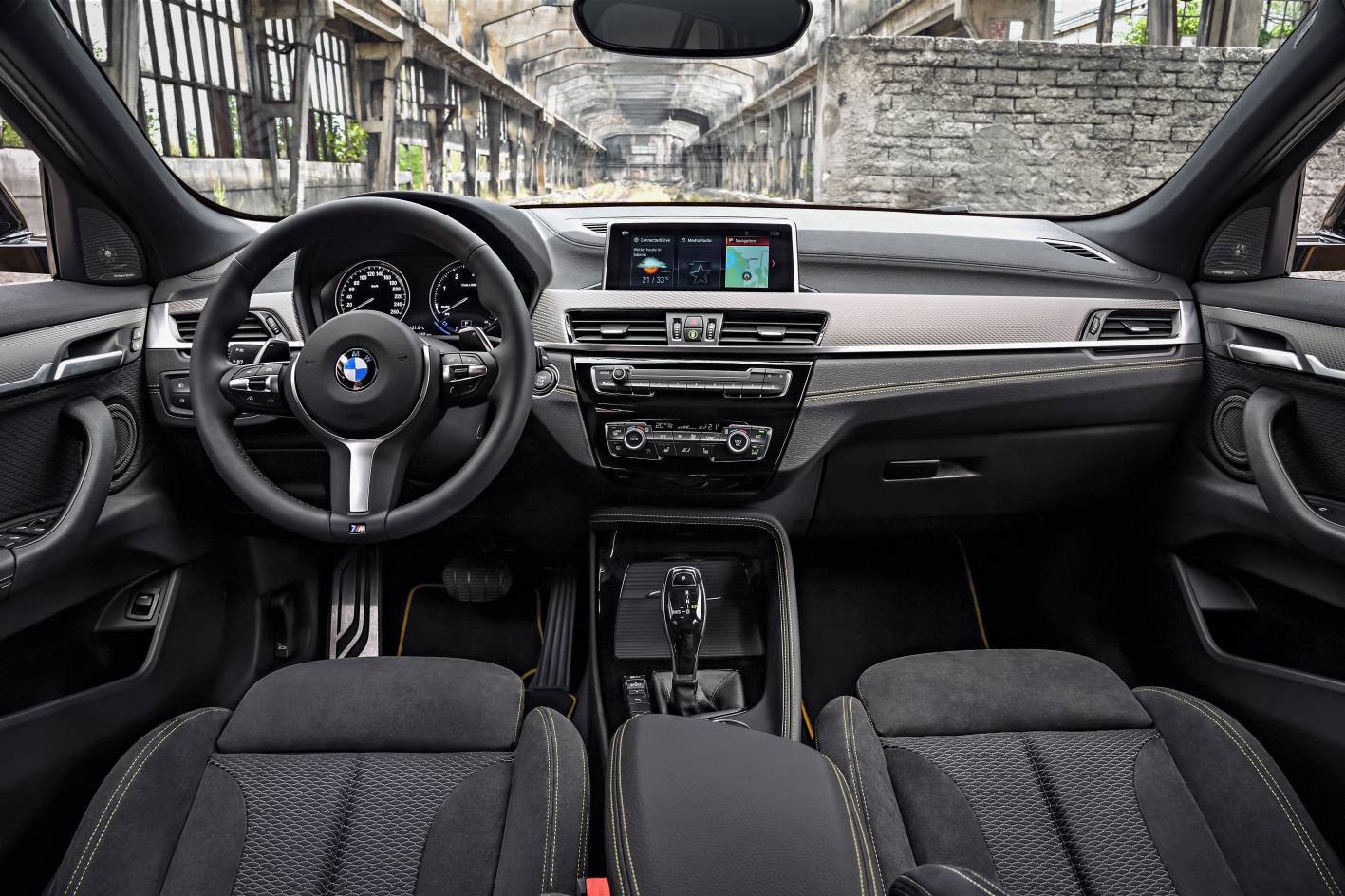
Infotainment includes BMW ConnectedDrive Services and Apple CarPlay/Android Auto views through a standard 6.5-inch floating screen that expands to 8.8-inches in the M Sport models.
Available driver assistance comprises a head-up display, automatic emergency braking, Traffic Jam Assist which takes over braking and steering duties in stop/start traffic and automatic parking assist.
The BMW X2 sits on the same 2670mm wheelbase as the X1 and has a reasonable 470-litre boot space, which expands to 1355 litres with the rear seats folded down.
The BMW X2 is expected to arrive in Australia in the first half of 2018. Local specifications and pricing will announced closer to launch.
A ROTARY revival isn’t going to happen this decade.
In fact, despite displaying the tantalising RX Vision concept at the 2015 Tokyo Motor Show and receiving an overwhelmingly positive response, Mazda has yet to officially commence the design process for a rotary-powered sports car – a process that can take upwards of three years.
Rumours that Mazda would gift itself the successor to the RX-7 and RX-8 during its centennial year in 2020 appear to be incorrect.
Why? The answer is simple – Mazda’s status as a relative minnow in the automotive world means it can’t justify the development spend to build a car as specialised as a rear-driven sports coupe powered by spinning triangles. At least, not yet.
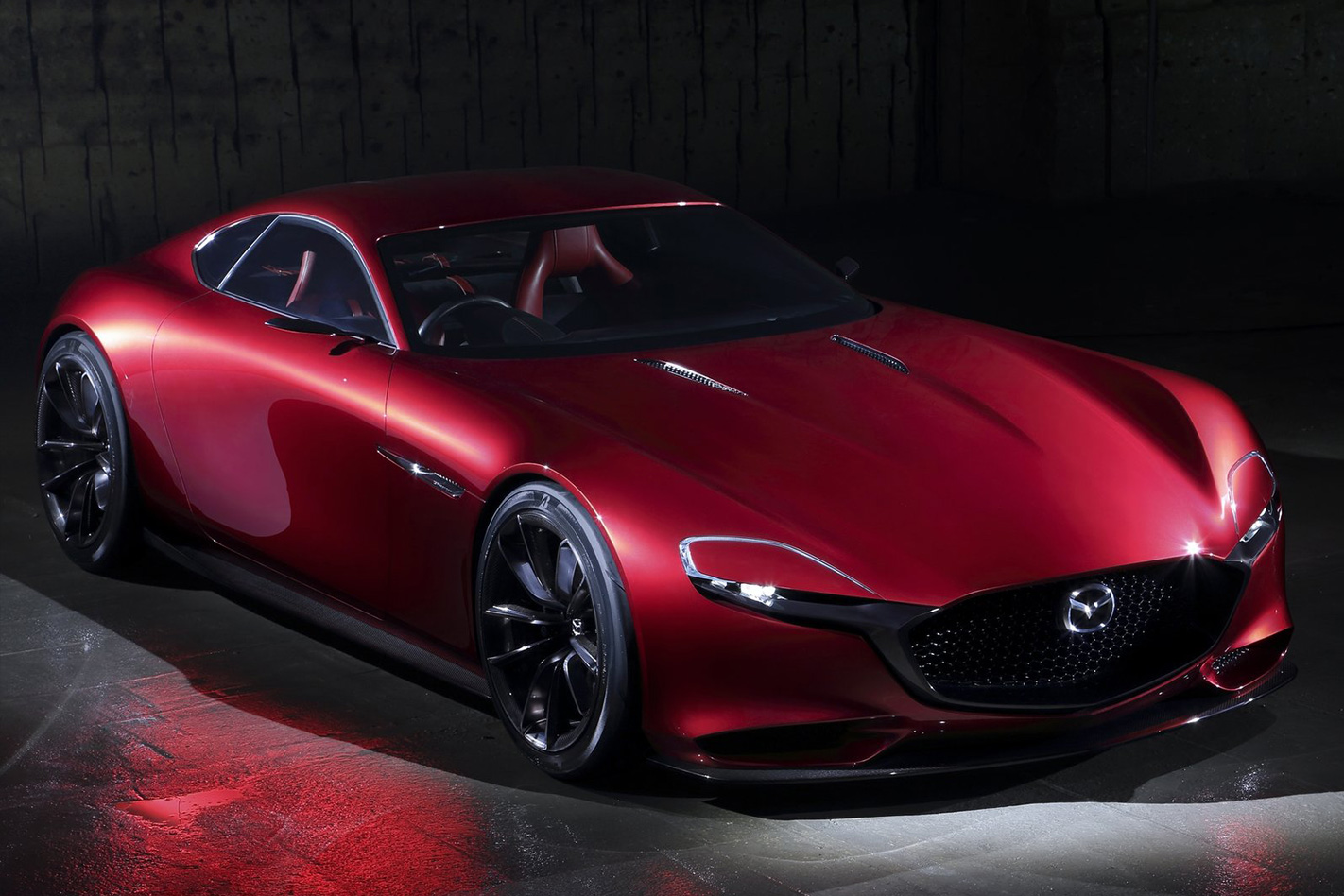
“We cannot provide the RX-Vision to the market by 2020, because we do not have enough money to invest, to commercialise it,” Fujiwara said.
Mazda, though profitable, still needs products that pay their own way. According to Fujiwara, there’s still not enough money in the kitty to justify the expense of a rotary sports car – a car whose cost wouldn’t be able to be amortised via platform and powertrain sharing.
Instead, the rotary engine will return to Mazda showrooms not under the low-slung bonnet of a sports car, but as a range-extender generator for the company’s first electric vehicle that’s due in 2019.
Fujiwara said a rotary sports car is indeed on the product road map, but conceded that delays mean there are extra challenges that will need to be addressed the longer its arrival is pushed back.
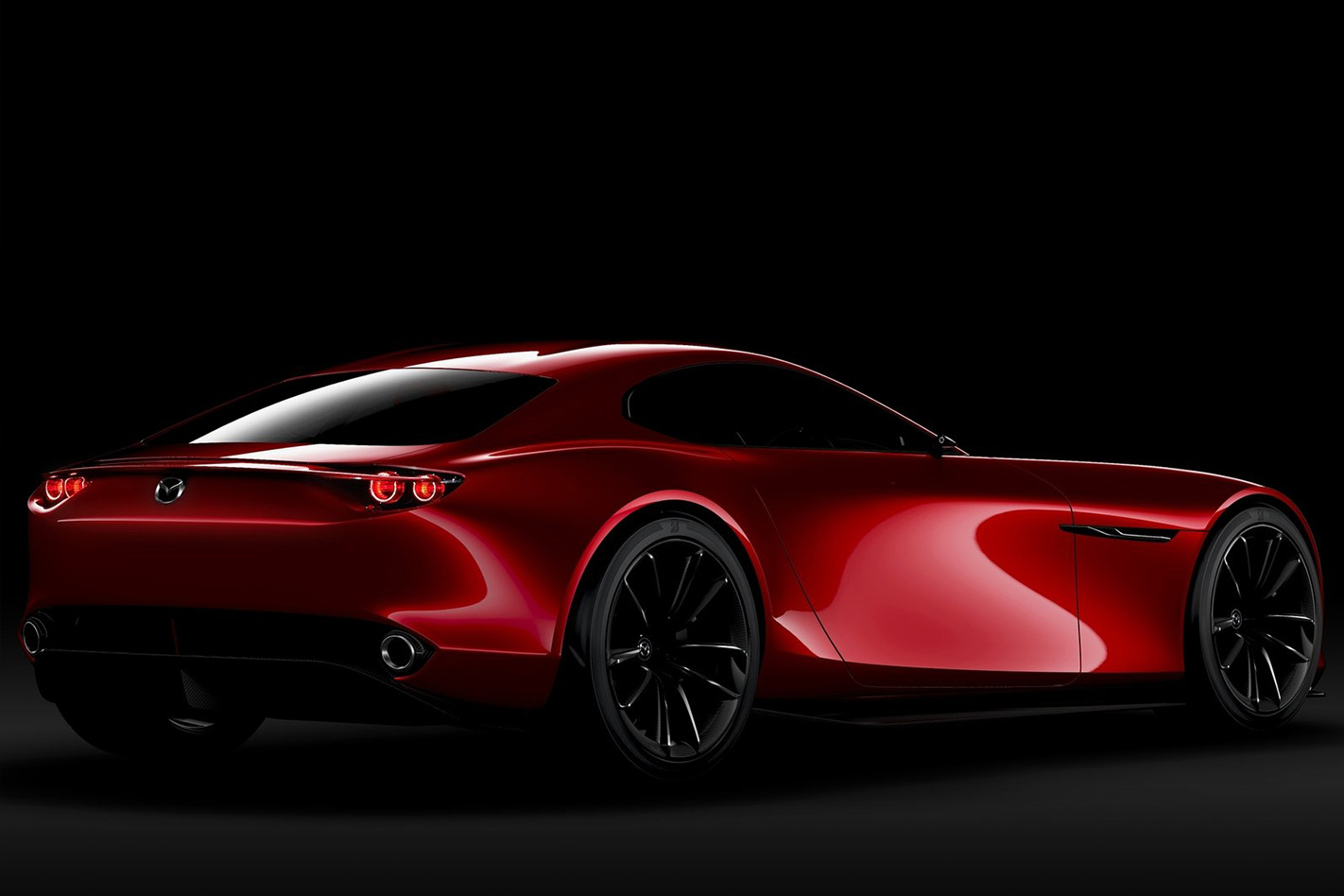
The announcement by several city councils, notably London and Paris, that non-electrified cars would be banned from inner-city roads throws another spanner in the works for Fujiwara, but he said Mazda had already developed a workaround – to have two variants, one partially electrified, the other purely combustion-powered. Where you lived would dictate which one you were able to buy.
“Most of the rotary engine fans are still waiting for a sports car with the rotary engine, therefore we are still developing the rotary engine as a sports car. No range extender, no e-power,” Fujiwara said.
“However some cities will ban combustion, therefore we need some additional portion of electrification because the driver [in those areas] can’t use this rotary sports car.
“Some of the regions we don’t need this small electrification, therefore we can utilise pure rotary engines. We would have two versions, it will be easy.”
But as for when we can expect Mazda’s return to the world of rotary sports cars, well, that hinges on when Mazda’s bank balance is deemed fat enough to warrant it.
Lexus has revealed limited-edition RC F and GS F models to celebrate 10 years of ‘F’ cars, and Lexus Australia has confirmed it will bring some here.
Lexus only plans to make 50 of each, but it’s not yet clear how many of those will make it Down Under.
The limited-edition cars won’t be hugely different from standard models, but will score upgraded front performance dampers which Lexus claim will improve body rigidity and steering stability.
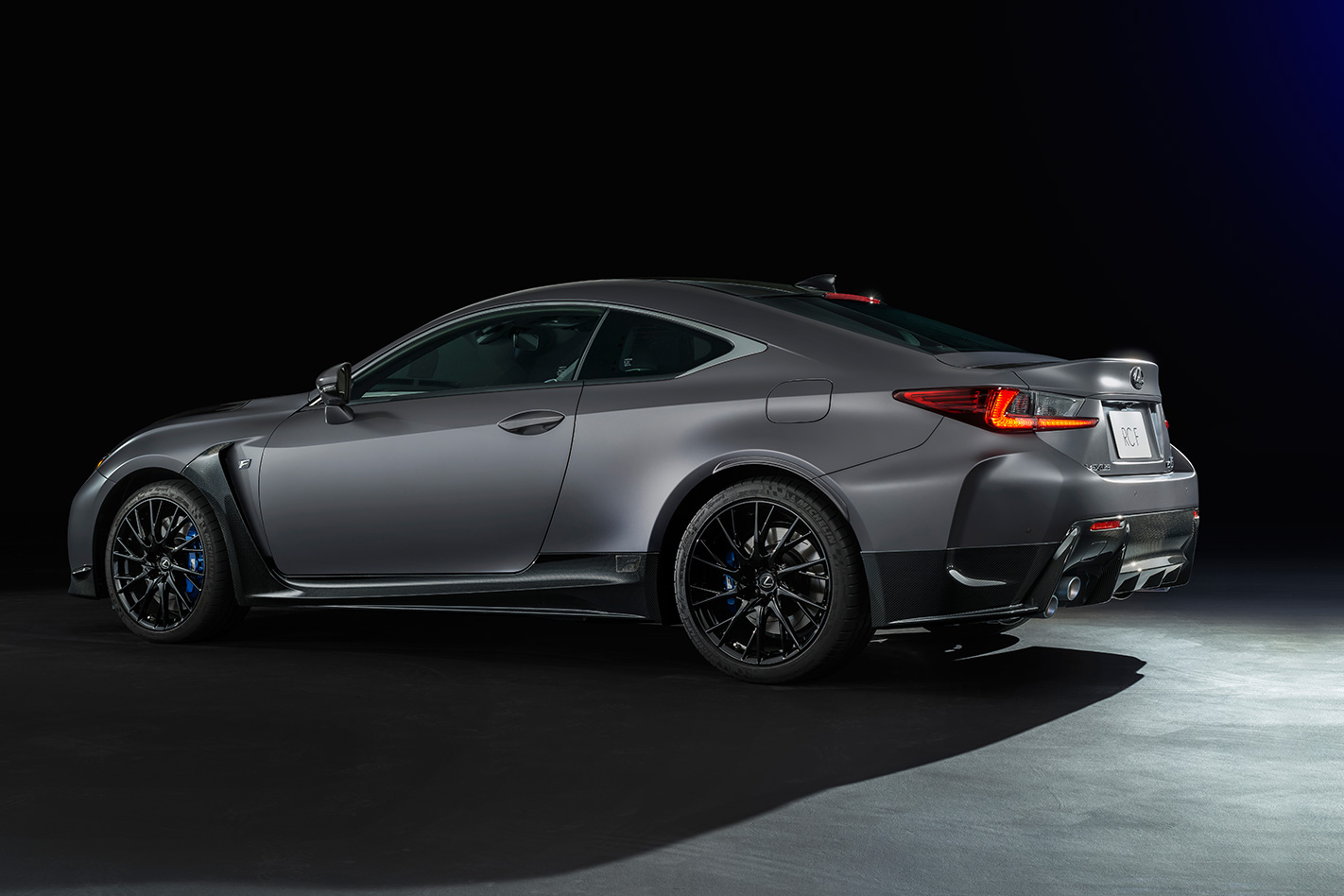
Lexus Australia chief executive Peter McGregor says the F line is the ultimate in performance for Lexus, and the two limited-edition F cars celebrate that.
“These two special versions of our acclaimed RC F coupe and GS F sedan will heighten the performance aura around the Lexus brand with their unique styling, performance features and exclusivity,” McGregor says.

“They have raised the sports image of Lexus by creating sports cars that can be enjoyed by anyone who wants to have fun driving, regardless of skill.”
The origin of the ‘F’ can be traced to Fuji Speedway, which Lexus calls its home of performance vehicle development.
The F both represents the first letter of the track’s name and also depicts Fuji’s turn one, the corner also known as 27R.
