
If the new BMW M5 isn’t special enough for you, the angrier Alpina B5 is on its way.
A powered-up version of the M car’s twin-turbo 4.4-litre V8 is the star of the show, with 447kW and 800Nm showing the new M5 (441kW/750Nm) who’s boss.
But its downfall as an M5 opponent is its weight. The B5 is a 2015kg goliath , where the M5 is only 1855kg.
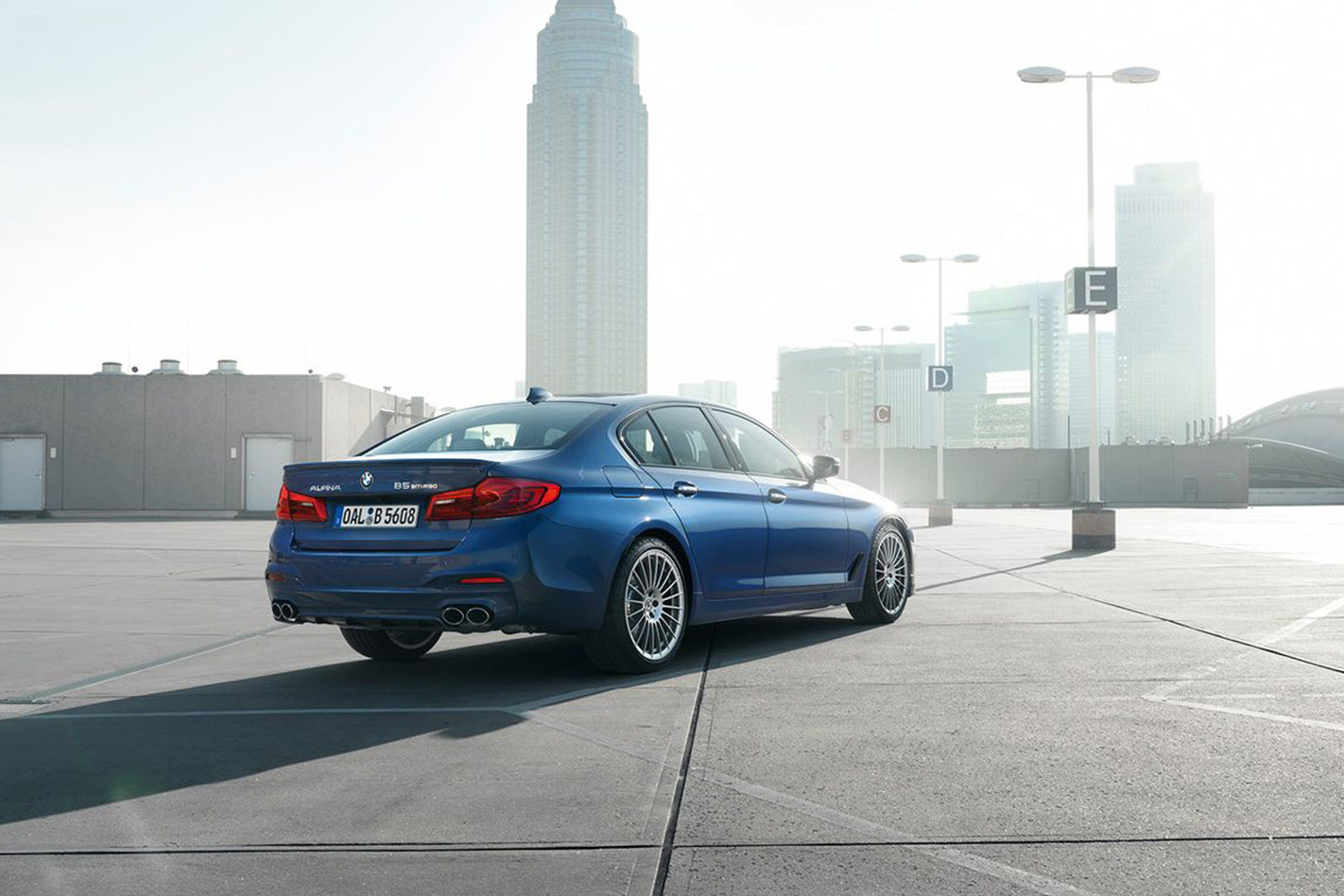
In addition, the B5’s price tag is reflective of the exclusivity it’ll demand. $239,900 – plus on roads and dealer charges – will be enough to pick one up, which places it at a $9000 premium over the last M5’s $230,900. We don’t expect the new M5’s price to stray very far from that.
With Alpina’s re-tuned version of the M5’s all-wheel-drive system, we aren’t quite sure whether the B5 will remain as slide-happy as its rear-biased relative, though Alpina says: “The DTC Mode of the Dynamic Stability Control offers an even more pronounced rear wheel drive torque distribution and allows for more slip when driving at the limit.”
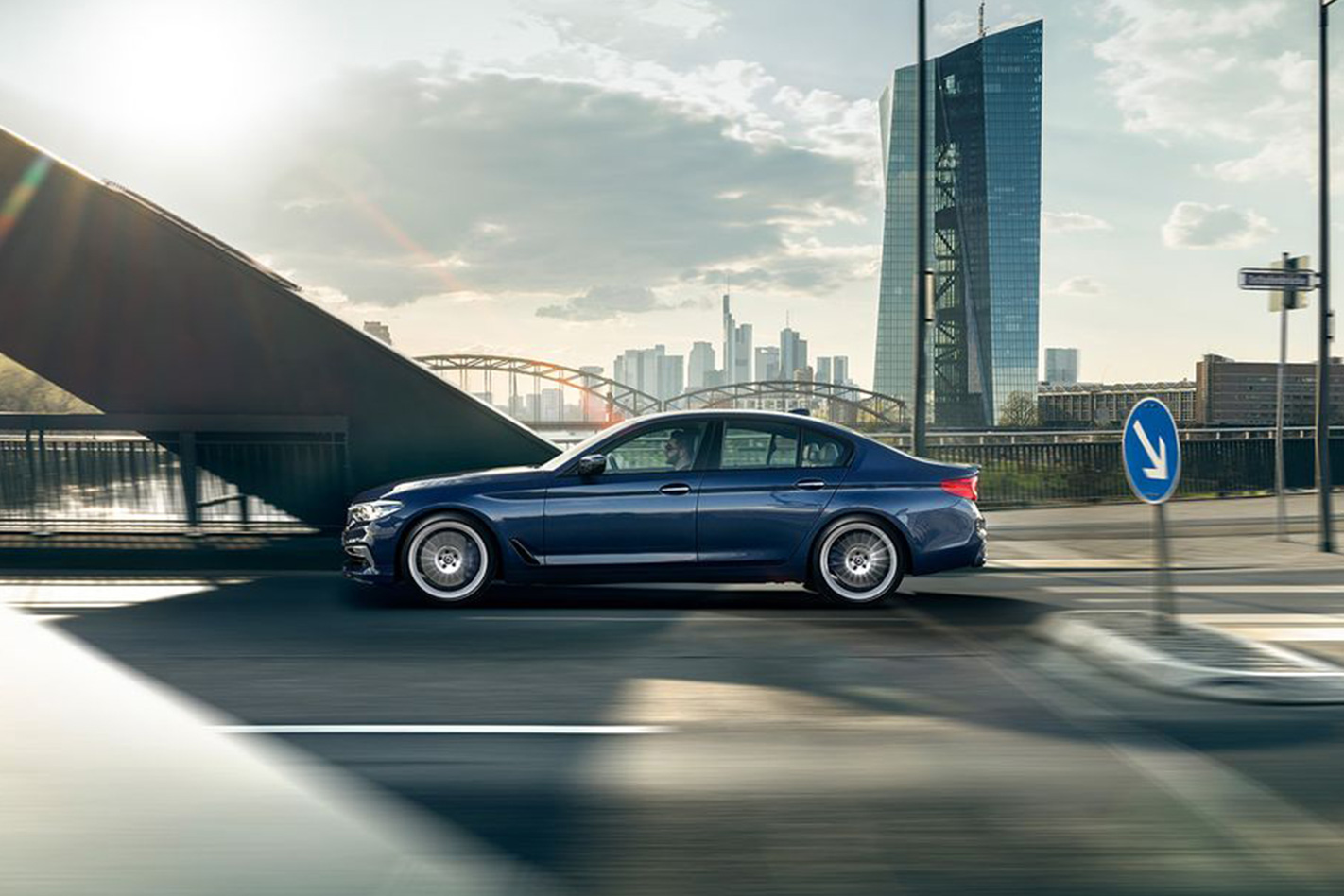
The B5 also scores forged aluminium wheels, rear-wheel steering, a new suspension setup tuned by Alpina, and a stainless steel Alpina exhaust system which has active exhaust valves.
Alpina hasn’t said whether delivery numbers of the B5 will be limited in Australia, but uptake of Alpinas as opposed to BMWs has traditionally been limited.
AUSTRALIA is changing, faster than we think. In fact, it’s about to get one hell of a hurry-up as these two long-standing staples of life – the Ford Falcon and the Holden Commodore – cease to exist in their current forms.
In the Holden’s case, it will morph into a large German-built, front-drive or all-wheel-drive hatchback, still wearing the Commodore nameplate. The big Ford will soon disappear into an uncaring world gorging on tubby SUVs.
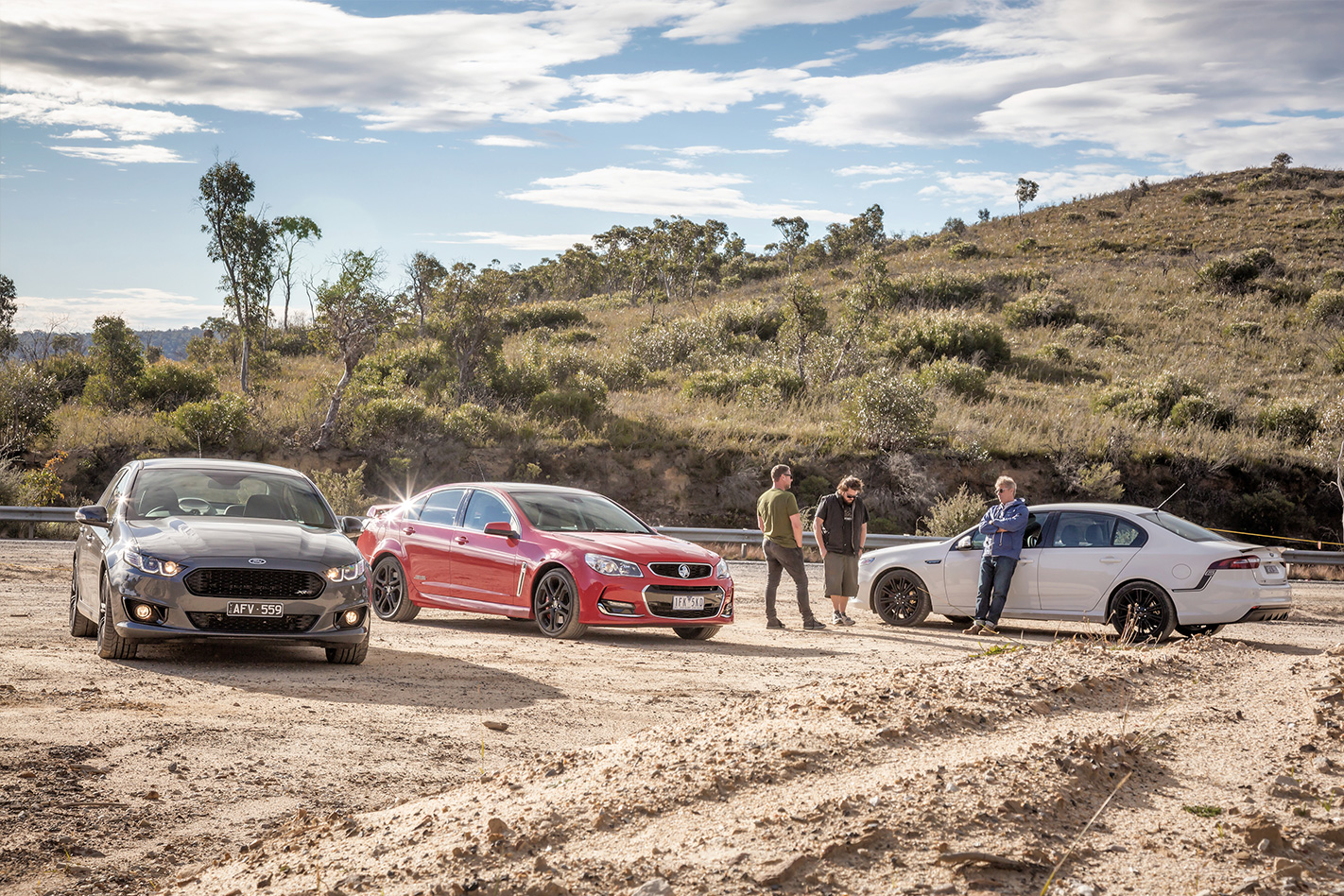
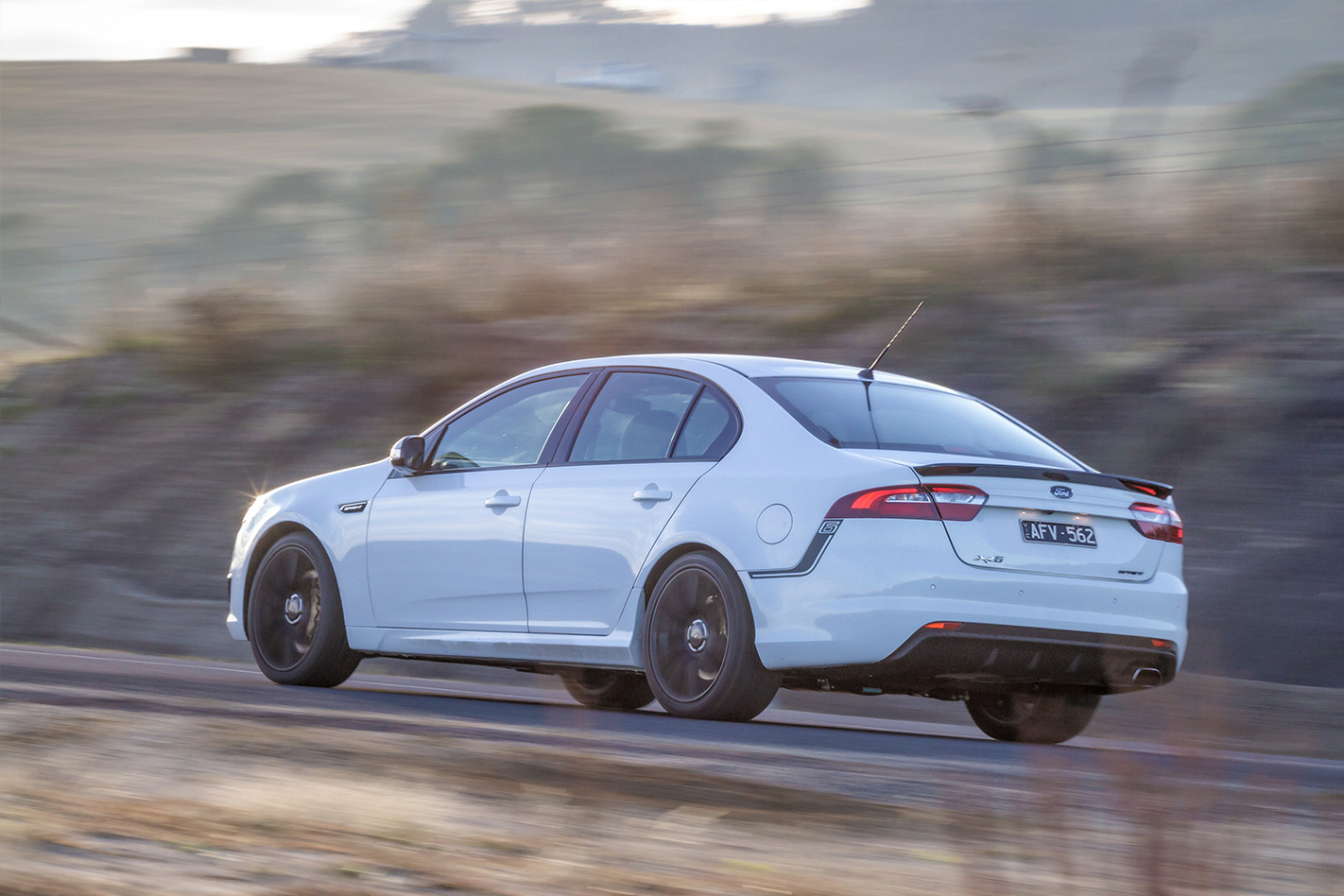
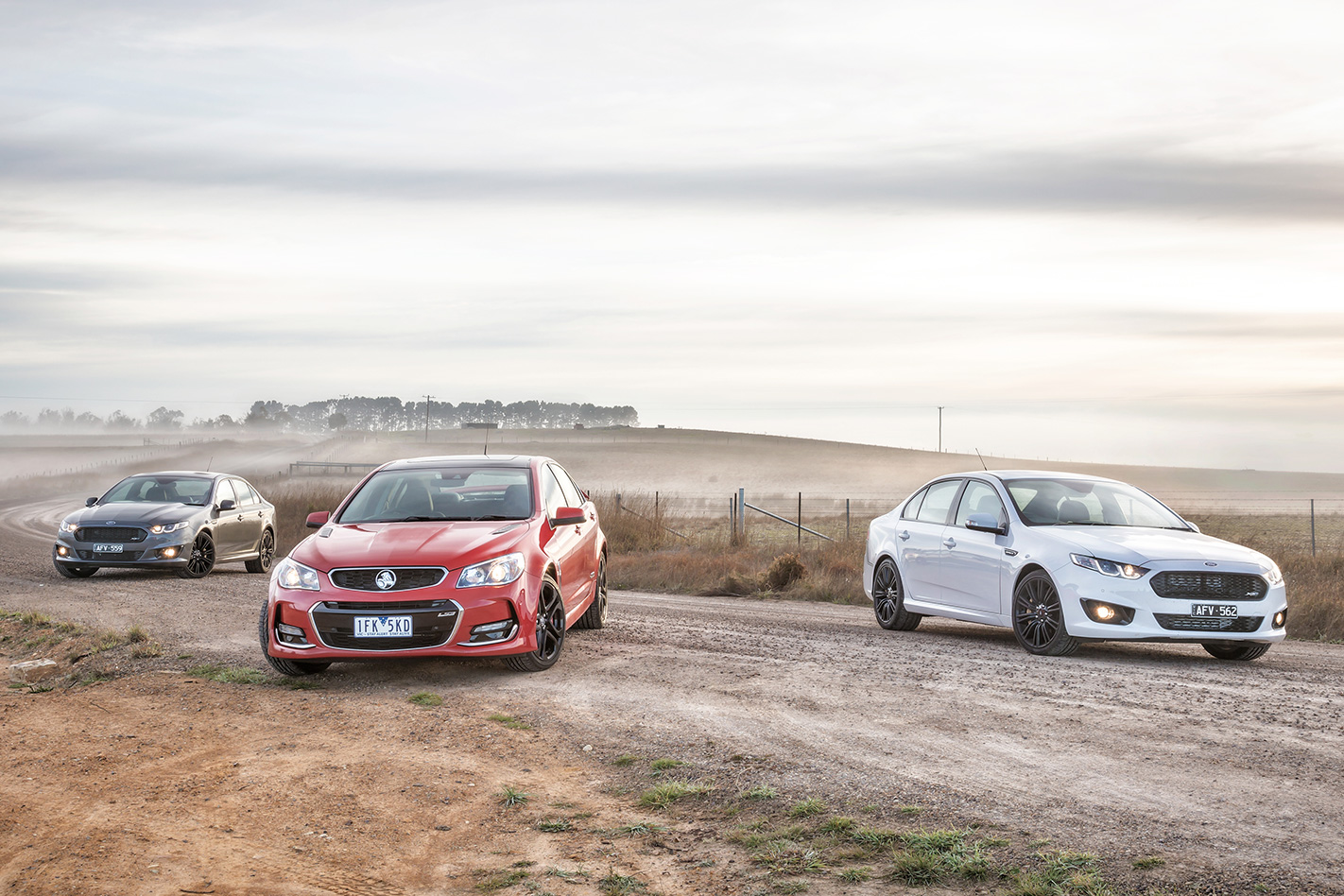
Some of you will be thrilled to bits, cultural cringe in full bloom, relieved that other products will soon dominate the Wheels cover. Not us. Not when Ford’s final Sprint-badged XR6 Turbo and XR8 are bowing out boasting best-ever acceleration and finest-ever handling talent, and Holden’s excellent SS-V Redline sets the benchmark for affordable performance and dynamic ability. So it’s not just with a heavy heart that we’re farewelling Australia’s fiercest and longest-running rivalry, it’s with a legitimate cause for celebration because these rear-drive brutes have never been better.
Or faster. While FPV’s final car – the 351kW GT-F – was a smidge perkier than today’s 345kW XR8 Sprint, the difference is so insignificant as to be virtually redundant. On a perfect surface at Ford’s You Yangs speed bowl in 2014, we clocked 0-100km/h in 4.68sec for the GT-F automatic and standing-400m numbers of 12.68sec and 186.7km/h. Yet here we have the same Smoke Grey XR8 auto that struggled to get its power down at Sydney Dragway a month ago managing to rip through the same increments in record time for this test. And that’s despite its launch control having gone to a long Friday lunch, never to return.
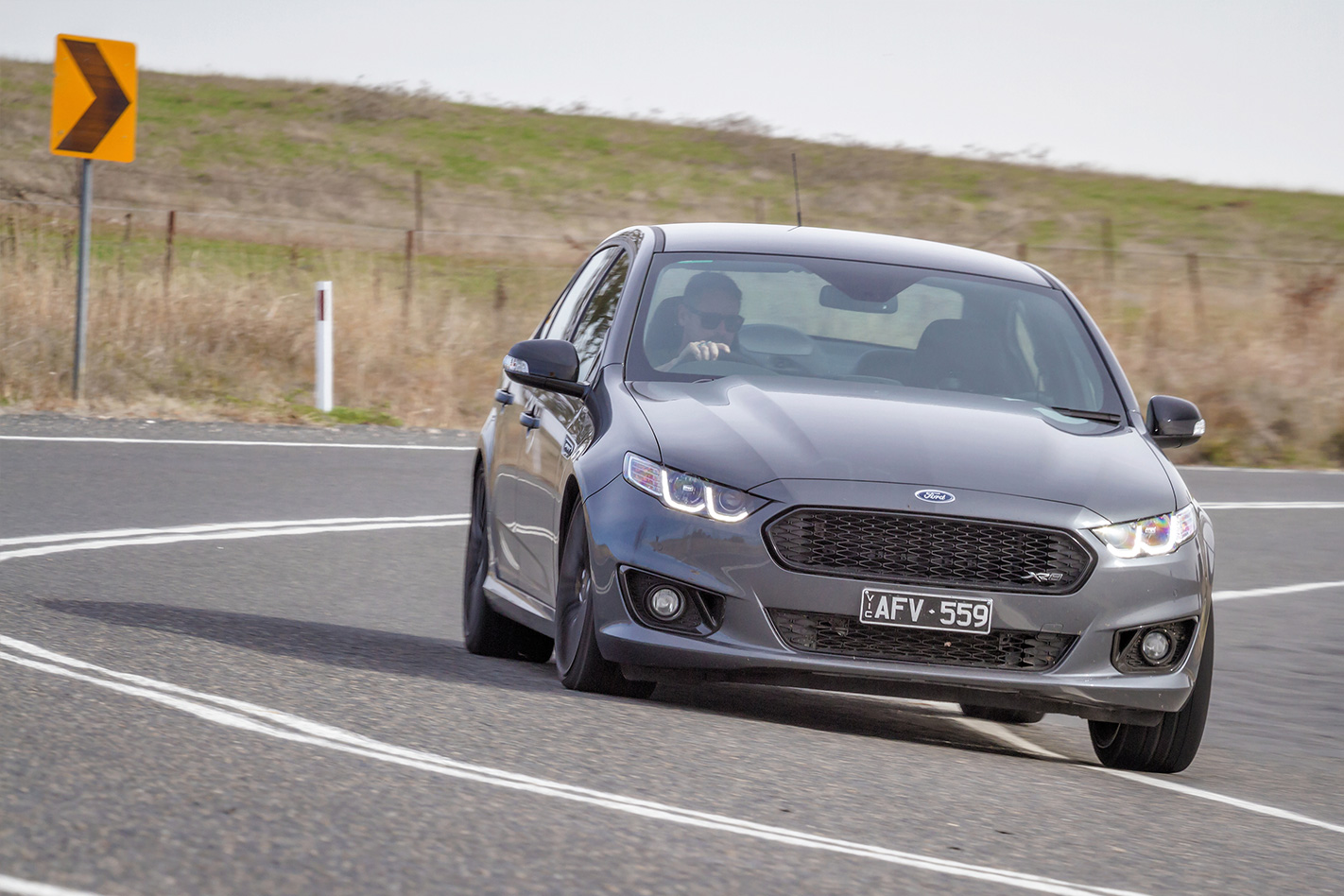
Interestingly, the mega-boosted six-pack Falcon can’t beat its V8 stablemate. With launch control at full fitness, the 325kW XR6 is pretty much neck and neck with the XR8 until 70km/h, when the eight begins to assert its dominance. Even at 100km/h, the XR6 is less than one-tenth behind (at 4.84sec) but its standing-400m time tells the true story, registering 12.93sec at 181.5km/h.
And there’s something about the turbo six’s power delivery that never feels as natural. It won’t rev as freely as the blown V8, as if its ECU is trying to dial back boost pressure – even with 370kW available when overboost is cranking – and it doesn’t sound as characterful, either, unless you prefer a whooshy soundtrack. Yet it remains super-strong and beautifully smooth, overlaid with lush exhaust blurting on upshifts, and some turbo whistle for good measure. And there’s always its 80-120km/h time to fall back on which, at 2.5sec, is identical to the XR8’s.
And no one could complain about the way today’s VF Series II V8 sounds. I began my Wheels career driving Gen III-engined VTIIs and VXs that were relatively weak at the bottom end and way too quiet everywhere, which is something you could never say about this 6.2-litre LS3. Right foot flat, it trumpets a bent-eight bellow into the cabin while thrilling bystanders and passengers alike with its fruity, crackle-laden, quad-exhaust note. And every time you back off the throttle, there’s a hint of overrun crackle as well. GM will need to perform some serious R&D surgery on this car’s twin-turbo V6 successor if it’s ever going to get close to this.
Given the XR6 Sprint’s auto-only status, we chose automatic versions of the XR8 Sprint and SS-V Redline for this test. All are six-speeders that have since been retired in other markets – long ago in the case of the German-made ZF auto fitted to up-spec Falcons since 2005’s BF update.
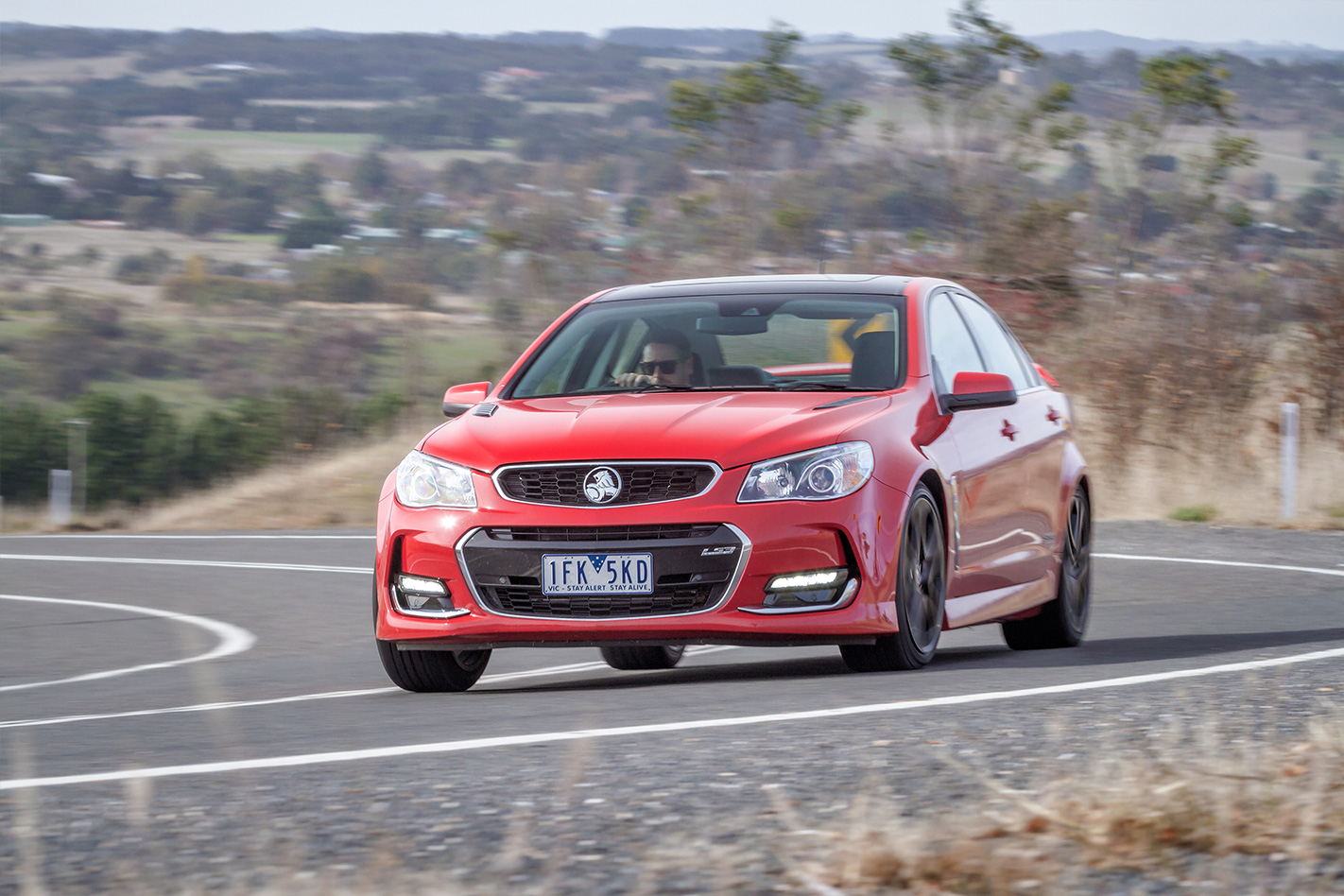
The Commodore also relies on a decade-old six-speed auto, GM’s 6L80E that debuted on VE. But it has received several refinements over the years, including a significant recalibration and downshift rev-matching to coincide with the VE Ute intro in 2007, and steering-wheel paddles on VFII in 2015. Because of these improvements, it’s a more versatile ’box than the ZF, and a more cohesive match to the LS3 V8, with a more effective ratio spread, particularly for track work or really tight roads.
The forced-induction Falcons are significantly taller-geared than the atmo Commodore, but with a rev ceiling of 6700rpm versus 6250rpm, the Holden can stretch its shorter legs further to almost match the Fords’ speeds in first gear.

But it’s cruising in top that defines the difference between the brands. The Fords are geared for 66.9km/h per 1000rpm compared to 58.1, enabling greater use of their torque reserves when devouring country roads… providing you aren’t relying on cruise control.
Where the Commodore’s cruise will kick down a gear, and sometimes two, to maintain speed, filling its cabin with induction richness, the Falcons – particularly the XR8 Sprint – struggle to fulfil the brief. Too much speed washes off before the electronic throttle opens the gas; in the XR8’s case, a really steep hill results in hunting between fifth and sixth, and a drop in pace to as low as 85km/h.
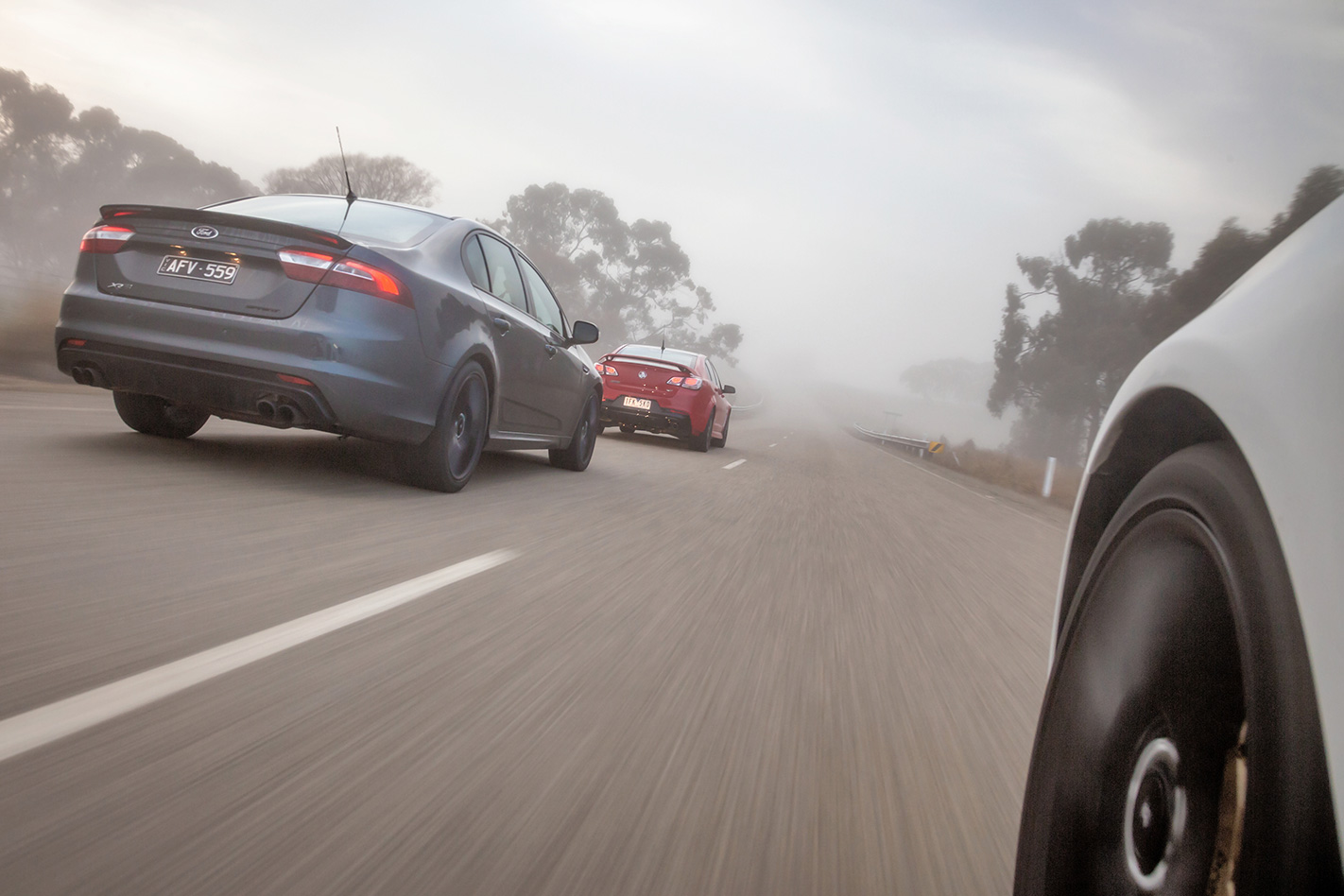
Whether this affected fuel consumption or not is anyone’s guess, but there’s no escaping the Falcons’ greater kerb weight – 1818kg for the XR6 and 1872kg for the XR8 auto versus 1803kg for the SS-V Redline auto – though all of them are built like brick outhouses. And given the performance on offer, their economy is bloody good. The SS-V Redline pips the XR6 by a tiny margin (13.57L/100km against 13.58!) over more than 1000km on test, with the XR8 not far behind at 14.26.
Three litres of additional tank capacity gives the Commodore a greater range, though the Falcon offers a larger 535-litre boot with a handy centre indent to stop cargo sliding around, and a proper split/fold rear backrest compared to the Holden’s broad ski-port with built-in cupholders. But did you know that this very ski-port originated in a Falcon? It was one of the ‘new’ features on the 1984 XF…
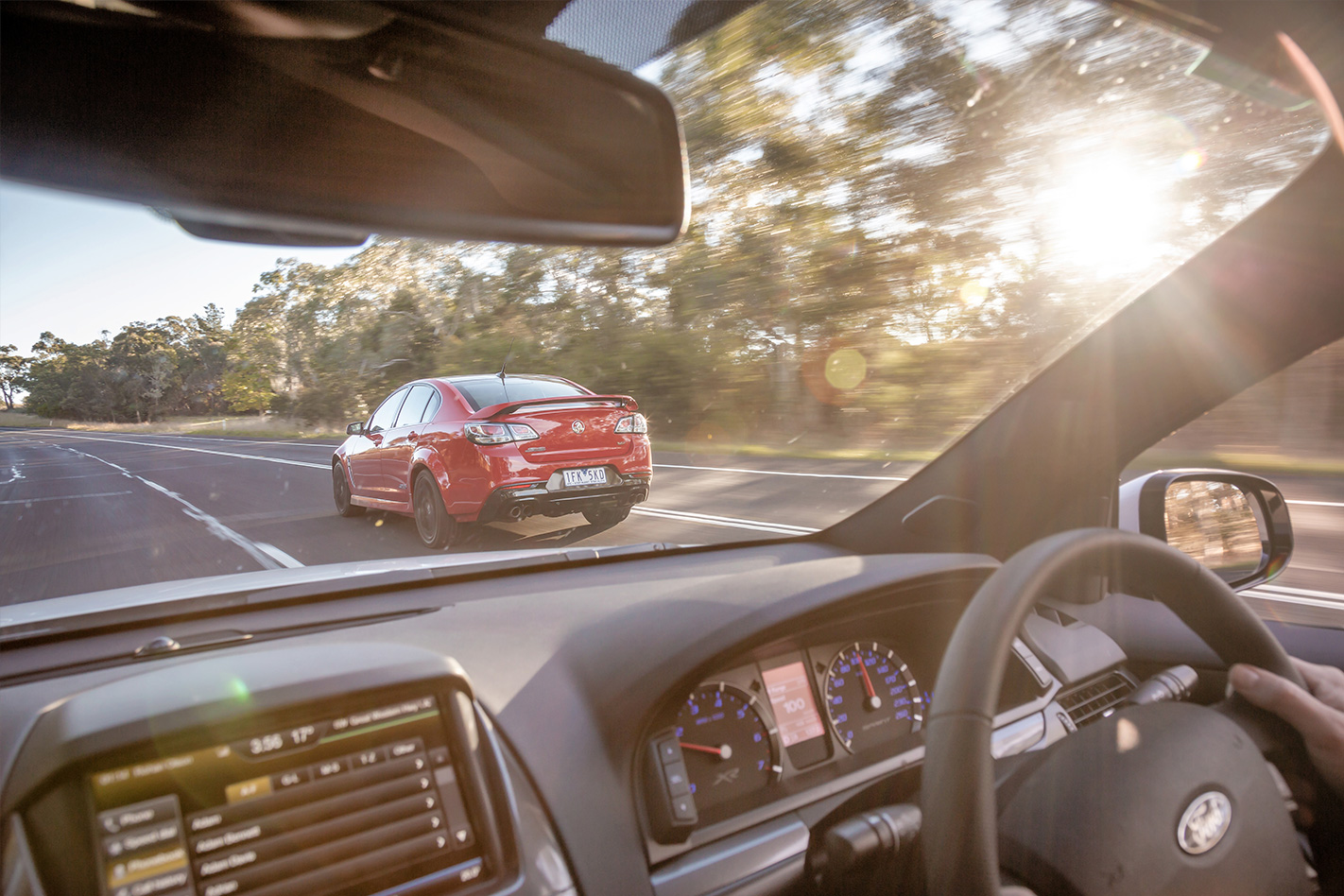
The biggest surprise, however, is that the XR8 is more polished than the XR6. While feedback from the Sprint media launch on snaking Tasmanian roads nominated the XR6 as the pick, the reality in the real world is the opposite.
Indeed, it’s only on really twisty roads that the XR6 clearly holds a dynamic edge. And that’s down to its lighter nose. Where the XR8 can wash wide if your cornering approach lacks patience and placement, the XR6’s affinity with nailing tight corner apexes is stronger, and it tucks in tighter until its rear end inevitably lets go.
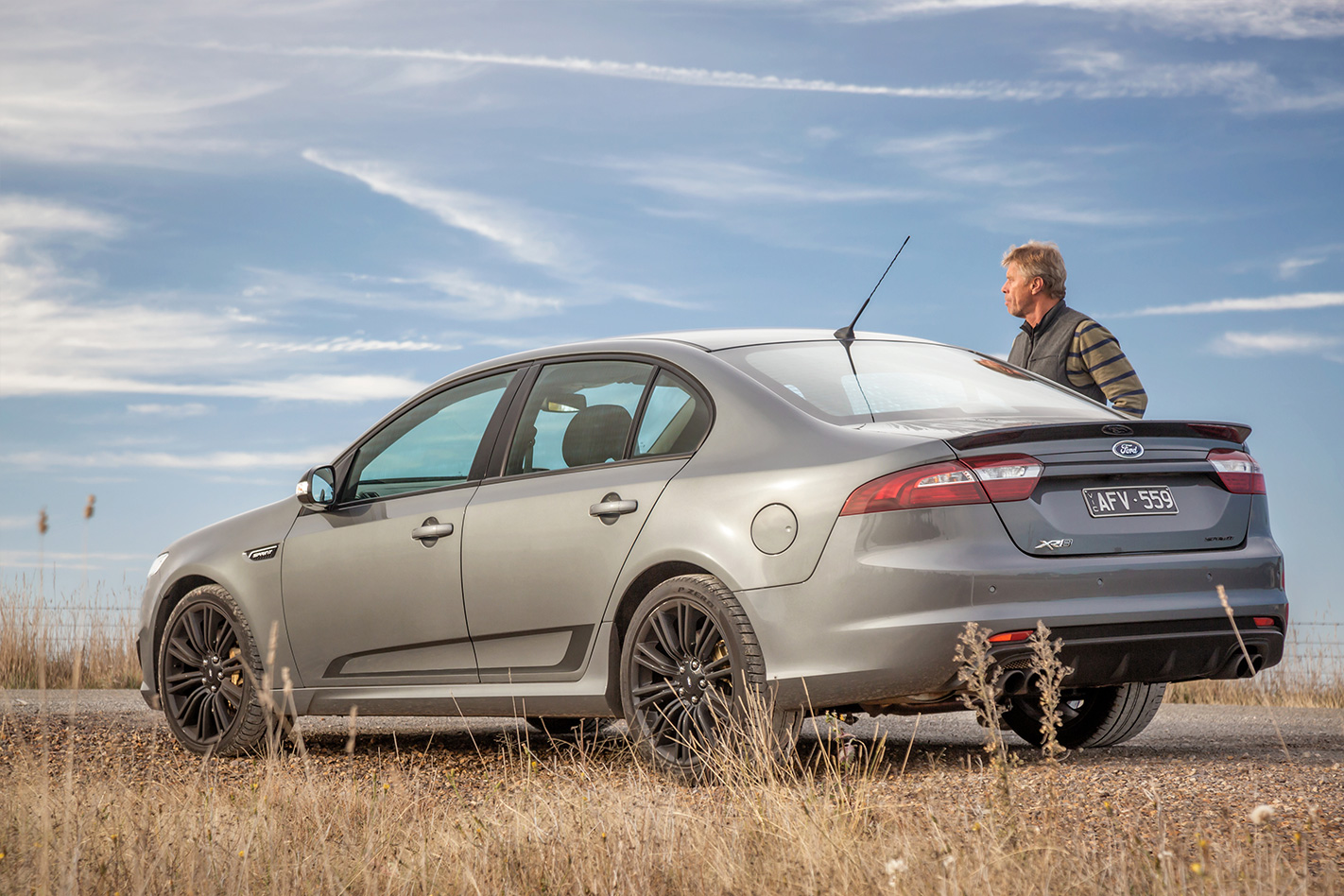
Slightly worn tyres and stability control switched off results in an oversteer arc perfectly in tune with the XR6’s ballsy engine ramping up boost. But it does this vigorously, without the desired throttle progression, making an enthusiastic strafe without an electronic safety net all about oversteer minimisation.
Leave ESC on, however, and the XR6 Sprint keeps it together when pushing hard, with much less electronic intrusion than a non-Sprint XR due to its greater dynamic finesse. But you still need to be considered when it comes to steering inputs because the XR6 is very keen to change direction. Perhaps too keen.
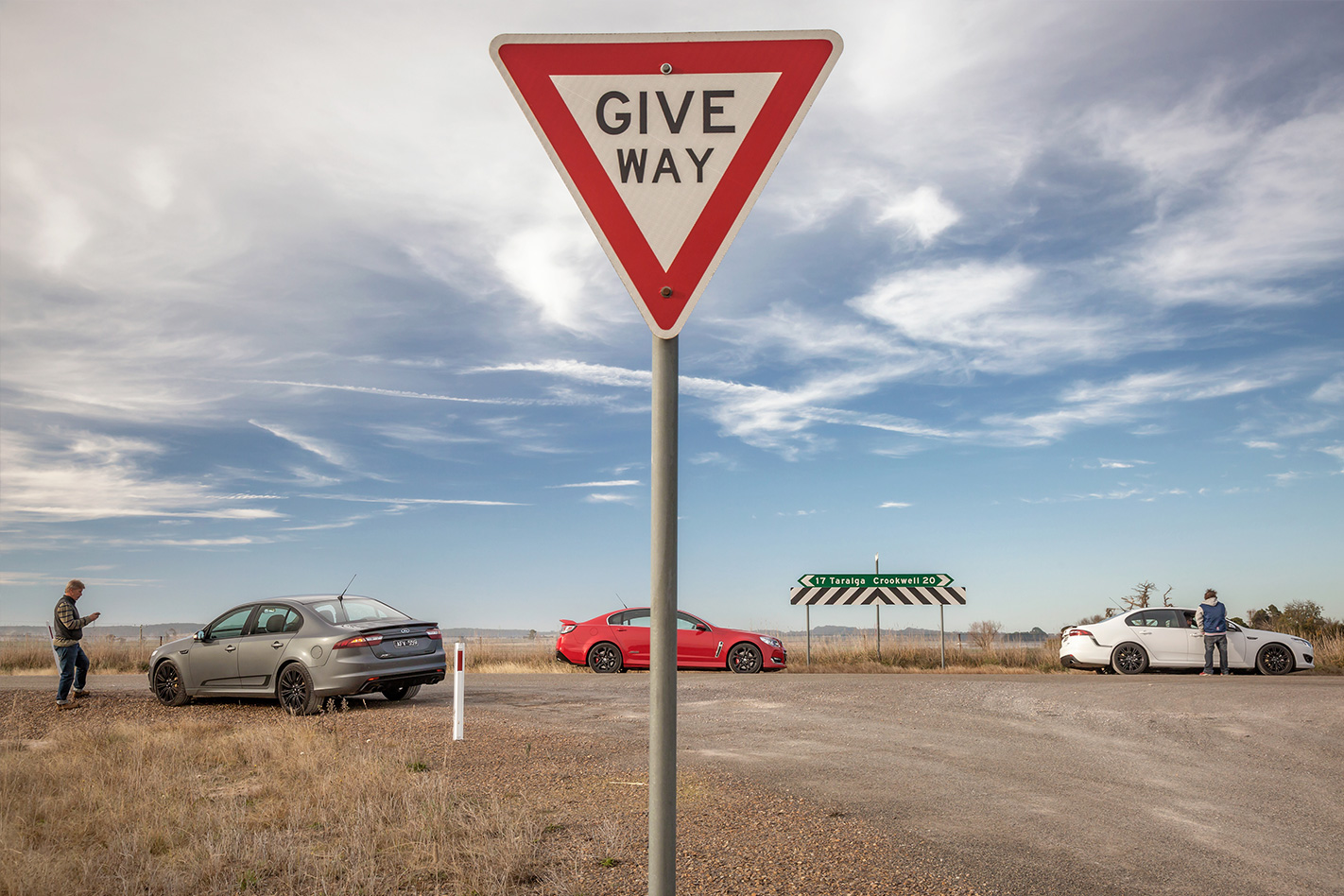
There’s a cohesion to the XR8’s dynamics that the XR6 somehow lacks. Even though it concedes ultimate change-of-direction agility, it loves being hustled on faster roads and actually comes alive the harder you drive it. Chuck it really hard into a corner and you can feel the additional weight up front, but it’s so easy to neutralise with a squeeze of the throttle. And the bond between man and machine grows even stronger the more time you spend with it.
But it’s the SS-V Redline that again takes the ‘driver’s car’ gong. Not only does its engine sound gloriously boisterous when you’re up it, the atmo V8’s more progressive grunt delivery means you can give the Commodore the full boot out of corners much earlier, without the threat of snagging its ESC system – incorporating a unique Competition mode in Redline spec that allows greater slip angles – and impeding its fluency.
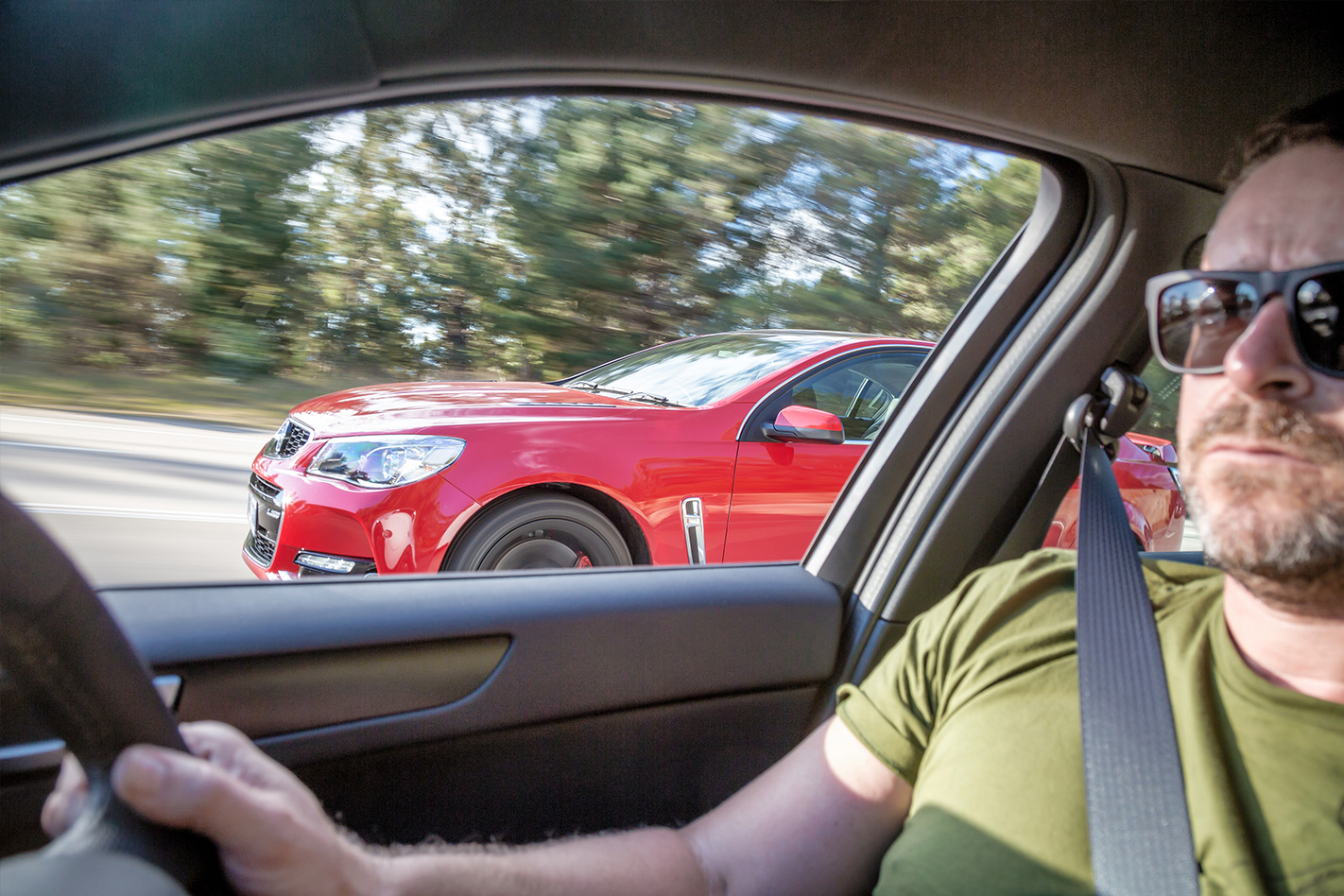
Inexplicably, the XR8 has a much more fluid ride than the jiggly XR6. It feels more relaxed at all speeds, regardless of the load on board, whereas the knobbly XR6 never quite settles, even carrying four adults. And then there’s the XR8’s additional steering meat mentioned earlier, which seems to gel better with its suspension tune. Faced with a big-distance bash, we know which one we’d choose.
Right about now I should probably be talking about interiors, and which car has the best seats, the better stereo and all that comparo gumpf, but none of that really matters anymore. Not when this is the end of the line for the Falcons, both of which sold out almost immediately. There’s probably a regular XR8 still hovering about in a dealership somewhere, not to mention an XR6 Turbo or G6E Turbo, but it’s the Sprints that will always be certified as the last, and the best.
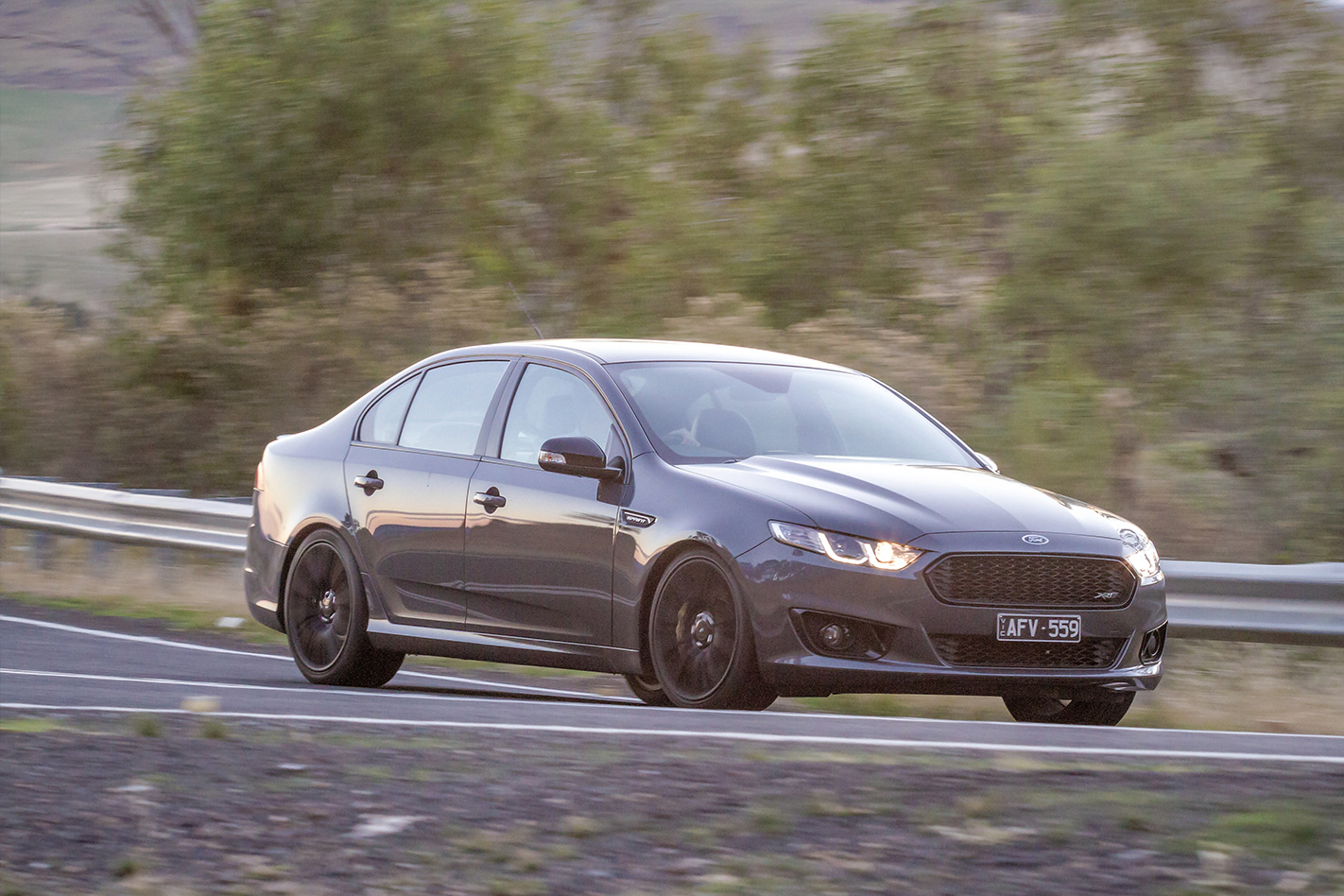
The XR8’s delicious engine and exhaust backing track, mixed with an overlay of blower whine, is utterly addictive – more so than the turbo six’s whistle – and that great big bonnet bulge up front gives it more presence, too. But the smaller build number of the XR6 (500 units for Oz, compared to 750 for the XR8) and its well-liked sticker pack means there’s a strong chance it’ll match the V8’s residual values in the future.
It’s hard to believe it was only 10 years ago that Holden spent a billion Aussie dollars developing the all-new, Zeta-platformed VE, intended at the time to underpin a vast swathe of global GM products that never ultimately eventuated. But if the by-product of that engineering thoroughness is the bank-vault solidity of our 13,500km test Redline – one that has surely been ‘run-in’ with great enthusiasm by the media – then every cent of that investment was money well spent.
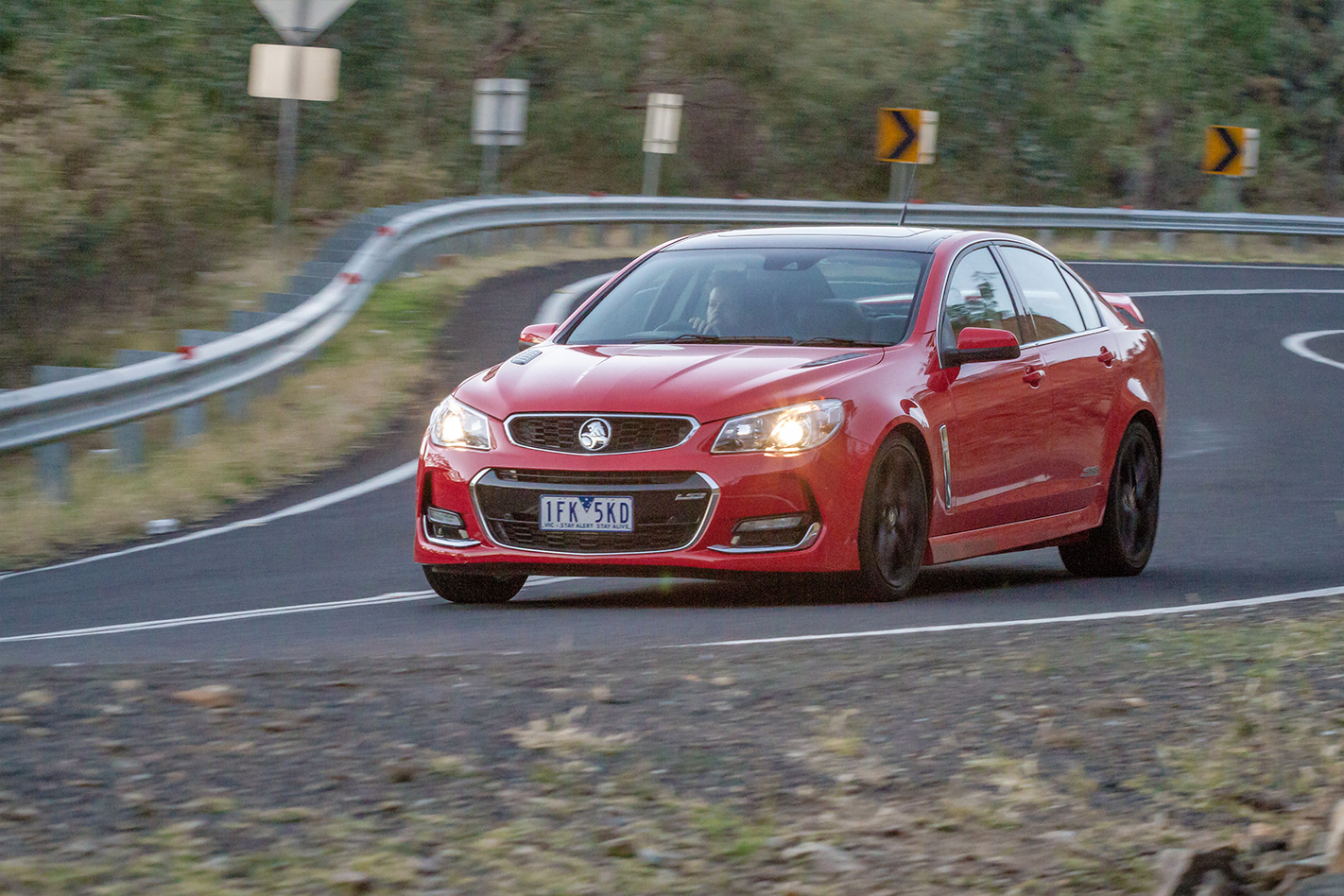
As for the similarly superb SS-V Redline ute, well, there’s still more than 12 months left in the tank to snap up one of those. And then, crickets…
Ford versus Holden, blue versus red, XR versus SS, Broadmeadows versus Fishermens Bend. In a generation or so the young-uns won’t know how intense the rivalry was, and probably won’t care.
But given the depth of our love for hot-blooded Aussie sedans, what you see on these pages isn’t about to be cotton-woolled away for eternity.
Not when it’s all about the driving.
The crunching, thumping SLS AMG Black Series has already been announced, but before the lucky few get theirs, the new mid-spec SLS GT is already here.
This review was first publishes in MOTOR magazine’s January 2013 issue.
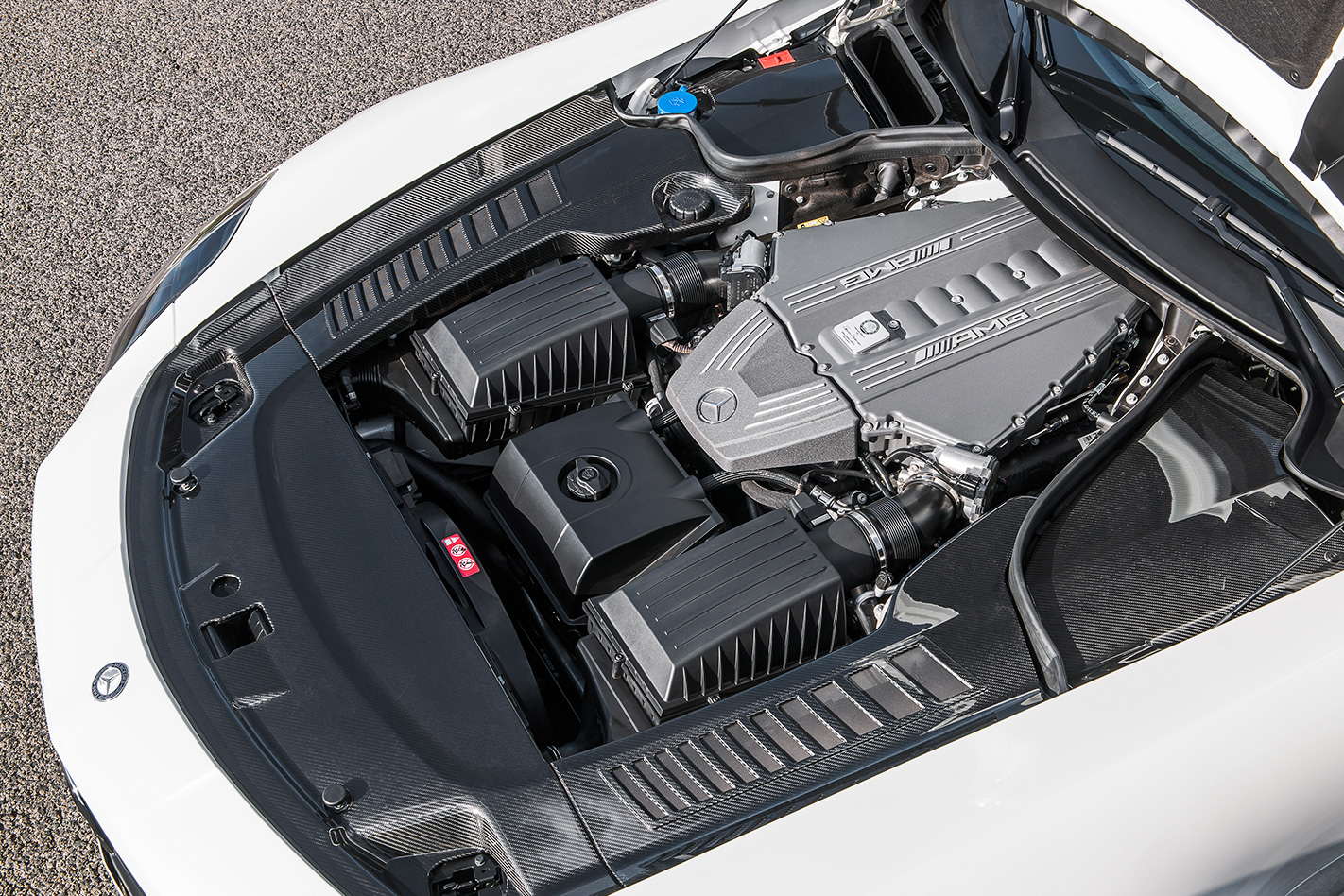
Running in both Gullwing Coupe and swingy-openy Roadster shells, the GT brings the AMG flagship a touch more power and, at the same time, slightly reduces the dominant hold that 6.2-litre dry-sumped V8 has over the rest of the car.
The twin cores of the upgrade are actually the gearbox and the suspension, with the seven-speed dual-clutch tranny getting tweaks to make it shift faster and smoother and the bouncy bits getting tweaks to make them rougher.
Go figure? Oh, there are visual changes that you might spot under an electron microscope, but you’ll be hard pressed to bother looking when the machinery is such a modern-day AC Cobra: all thumping American-style muscle inside sophisticated European chassis technology.
That’s how it feels, with another 20 horses lifting the SLS GT to 435kW at 6800rpm, but the only solid thing altered in the engine is its embiggened intake manifold, which doesn’t lift the torque from its 650Nm mark.
Around Hockenheim’s confines, the coupe topped out around the 270-kay mark before its rock-solid anchors backed it off, it whipped into corners and slid progressively out of them, but it feels even faster on the road than the track.
Some of that is, subconsciously, because part of you knows that it’s just plain rude to make noises like this on public streets in full view of the kiddies, even if they stand open-mouthed as it bellows past. But its gearbox hasn’t been so universally loved, being stretched beyond original intent so that it was slower than the rest and jerky now and again.
It’s not like that any more. They’ve attacked the software and the clutches and now it bangs through in 60 milliseconds. Thankfully, it doesn’t make you look like you’ve got Parkinson’s at light throttle like the regular one and the gearbox changes make it much easier to live with.
By all accounts, the SLS is not at its best on Australian blacktop and it’s hard to imagine the omission will help, because the GT also gets firmer springs and dampers. What it really proves is that the best SLS GT to buy is the Roadster. It not only looks better but it’s more practical (its sills are lower) and it rides better and seems to manage mid-corner bumps better, too.
But both versions ride harder than the standard SLS models and even though it has more handling ability and grip, there’s a downside. The firmer suspension hasn’t made either car easier to live with in the real world, and you probably won’t notice 20 horses in amongst the rest of the string.
In fact, you’re better off waiting until this gearbox upgrade filters down and then get the stock SLS. With the Comfort mode. But none of this matters for us here in Oz, as Mercedes, unfortunately, won’t be adding the GT to local showrooms.
Mercedes-Benz SLS AMG GT Specs: Engine: 6208cc V8, DOHC, 32v Power: 435kW @ 6800rpm Torque: 650Nm @ 4750rpm Weight: 1620kg 0-100km/h: 3.7 seconds Top speed: 320km/h
The facelifted Kia Sorento has landed with a host of new standard features including automatic emergency braking, while ride and handling improvements have also been bundled into the Korean SUV’s mid-cycle refresh. Prices start at $42,990, topping out at $58,990
The Sorento’s mid-life upgrade also beings subtle exterior and interior design changes, Kia latest infotainment system and a new eight-speed automatic transmission.
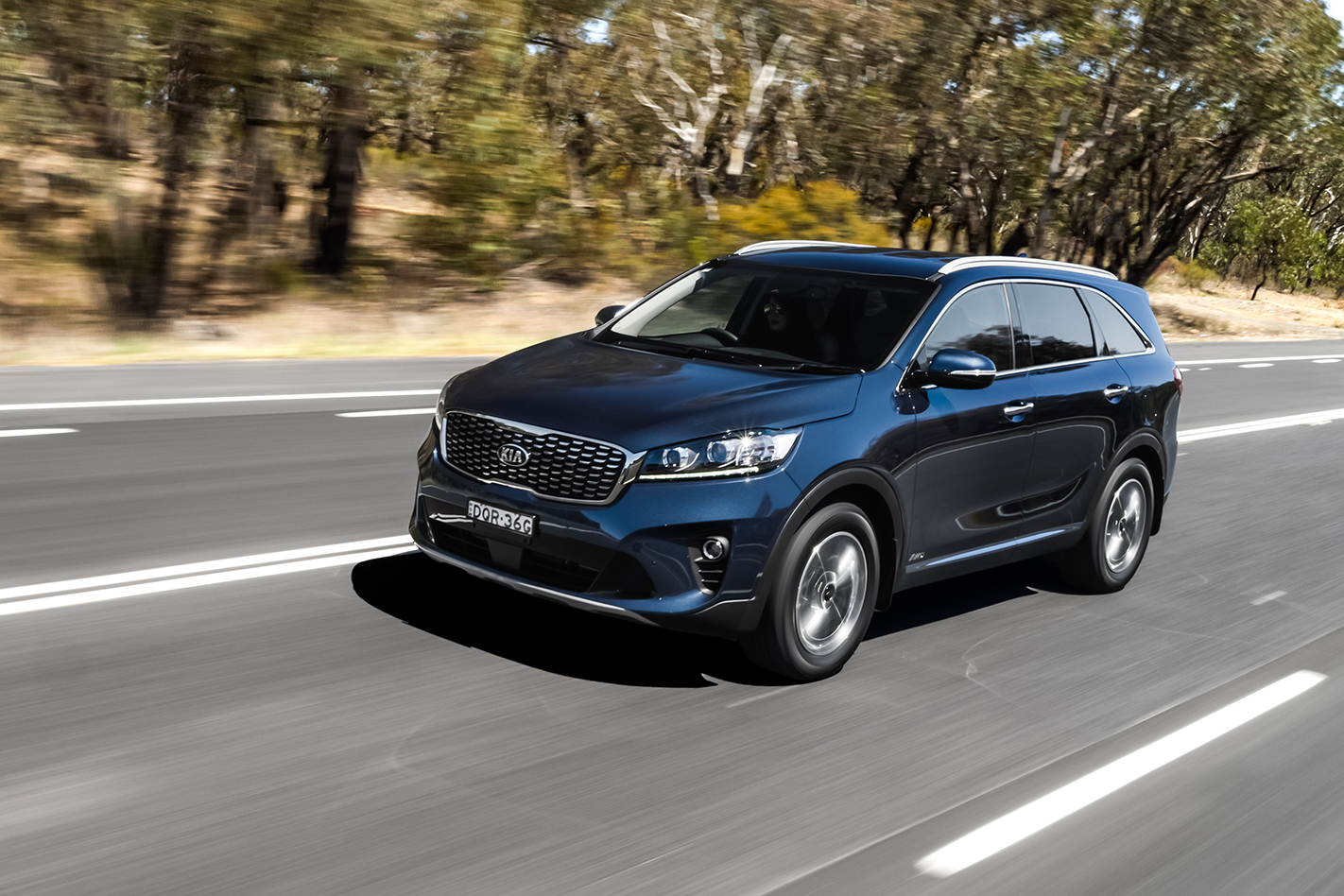
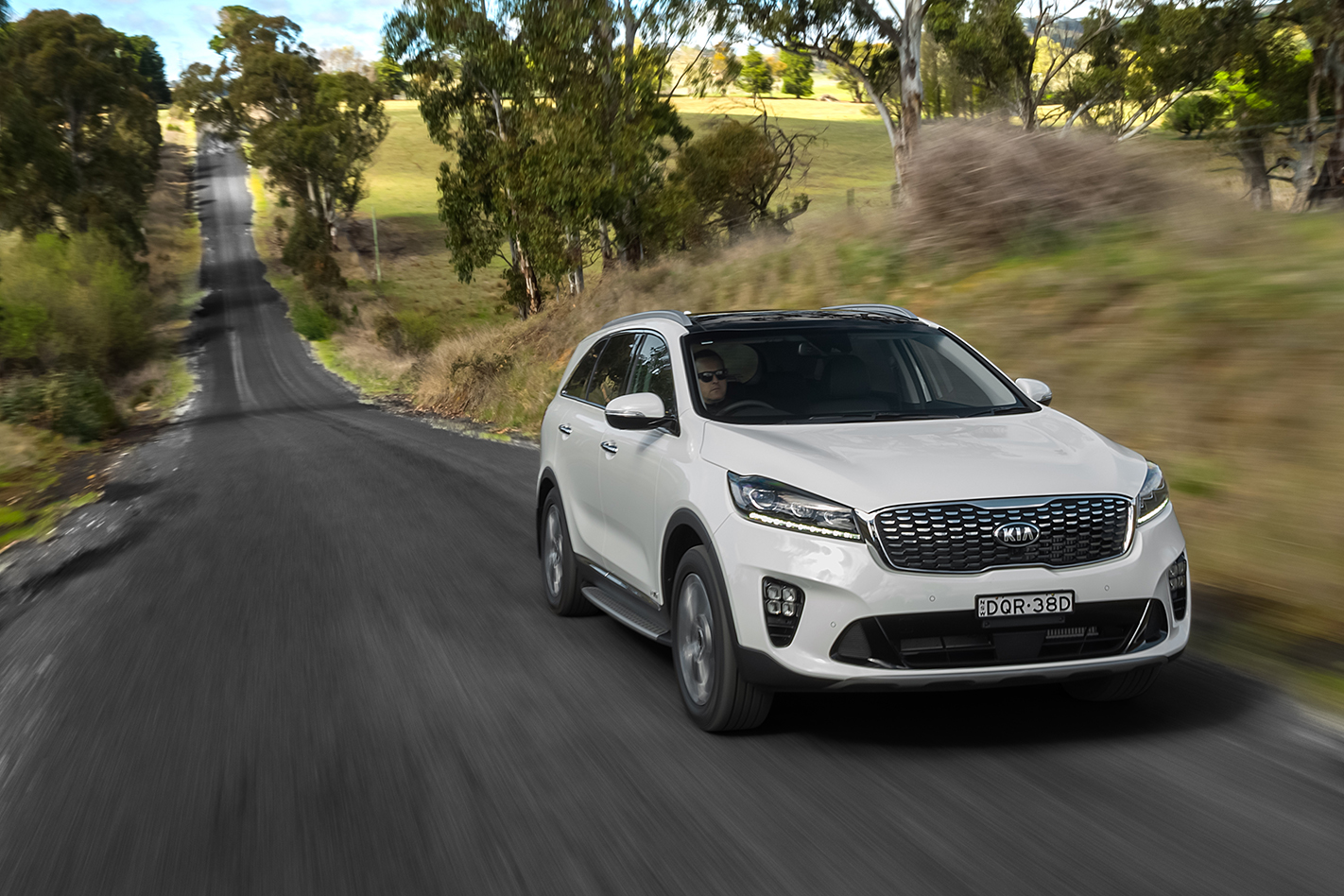
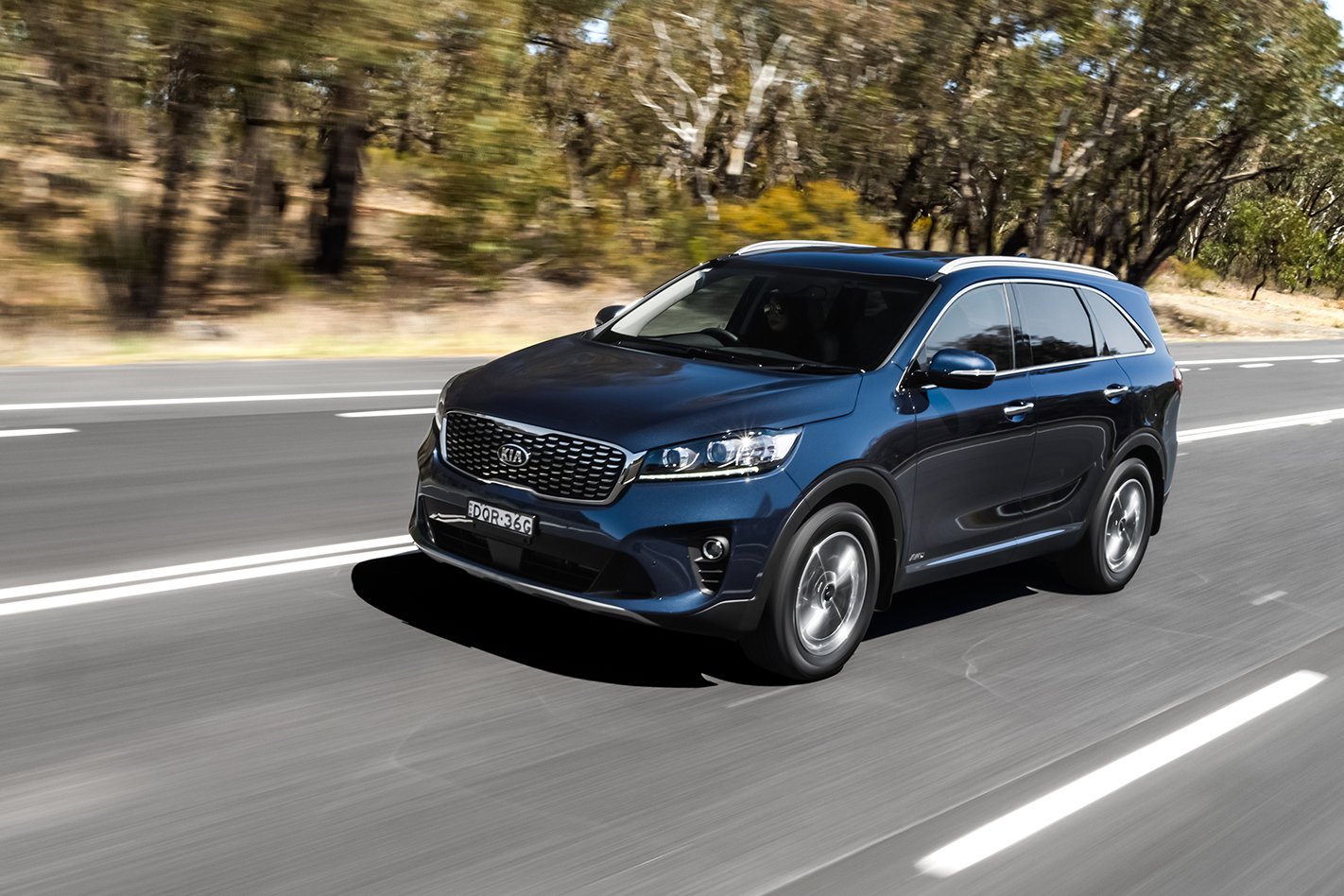
Outside, the 2018 Sorento is distinguished by new LED head- and taillights and daytime running lights, revised front and rear bumper plastics and a revised version of Kia’s signature ‘tiger-nose’ grille’.
Step inside and you’ll notice a larger 8.0-inch touchscreen, new instrument cluster and LCD climate control panel, and a more soft-touch surfaces for a more premium feel.
Infotainment comes with in-built satellite navigation and digital radio as standard along with Apple CarPlay/Android Auto connectivity.
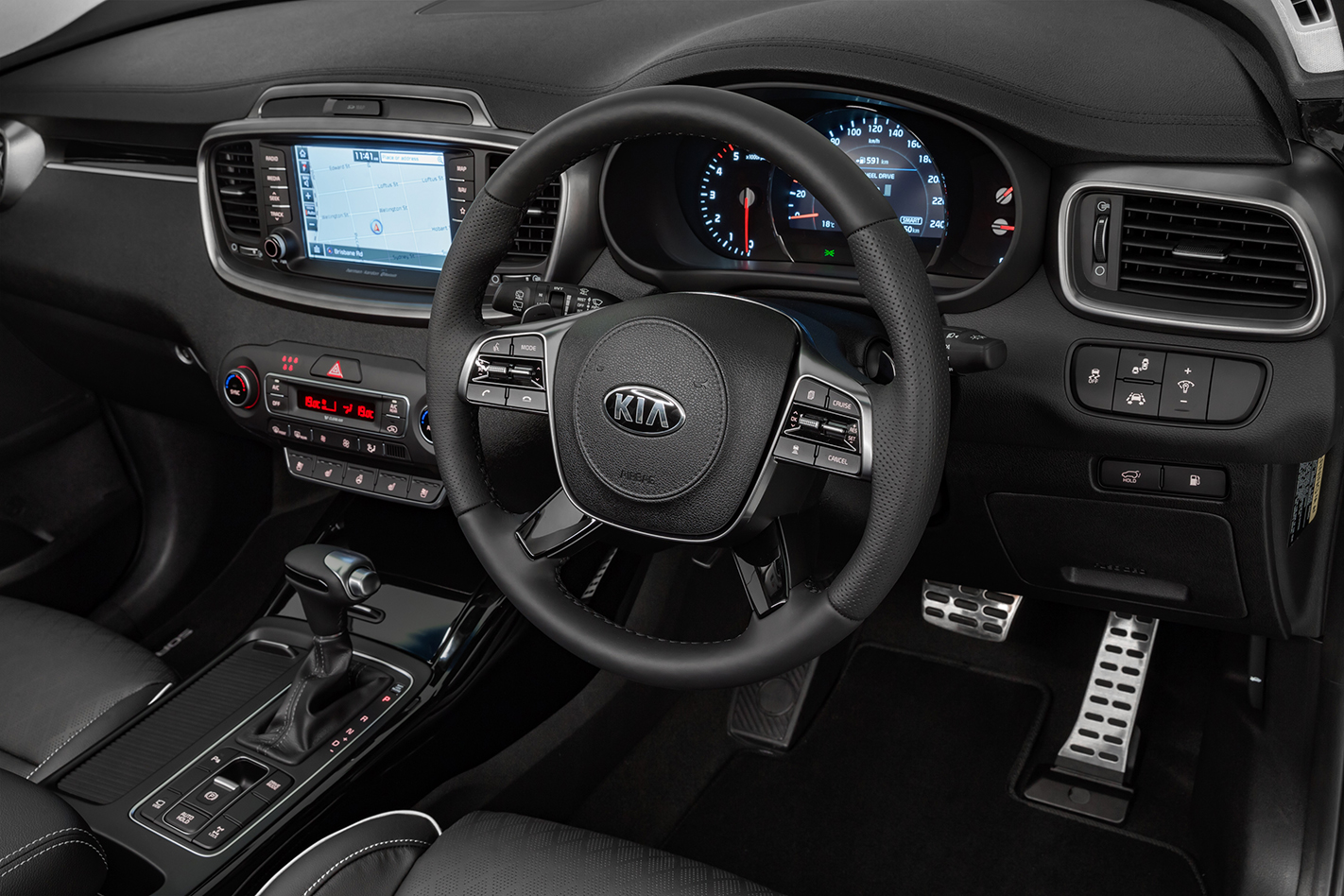
The 2018 Sorento also packs advanced driver assistance features as standard including automatic emergency braking for city and highway speeds with pedestrian detection, lane keeping assist, adaptive cruise control and driver attention warning, which alerts the driver if it senses erratic or wayward driving caused by fatigue.
The biggest changes have occurred under the skin, with a host of improvements to ride, handling and stability including enhanced suspension that’s been tuned specifically to cater to Australian conditions.
The electric power steering has also been tweaked with the motor directly driving the rack instead of the column, resulting in better weighting and more direct control.
Performance has also been enhanced with the addition of Kia’s new eight-speed automatic transmission. According to Kia the new unit, which is standard across all petrol and turbo diesel models provides smooth and quicker shifts and improves fuel economy. The diesel/AWD variant benefits the most from the improved mechanical efficiency, and now has a combined fuel consumption of 7.2L/100km instead of 7.8.
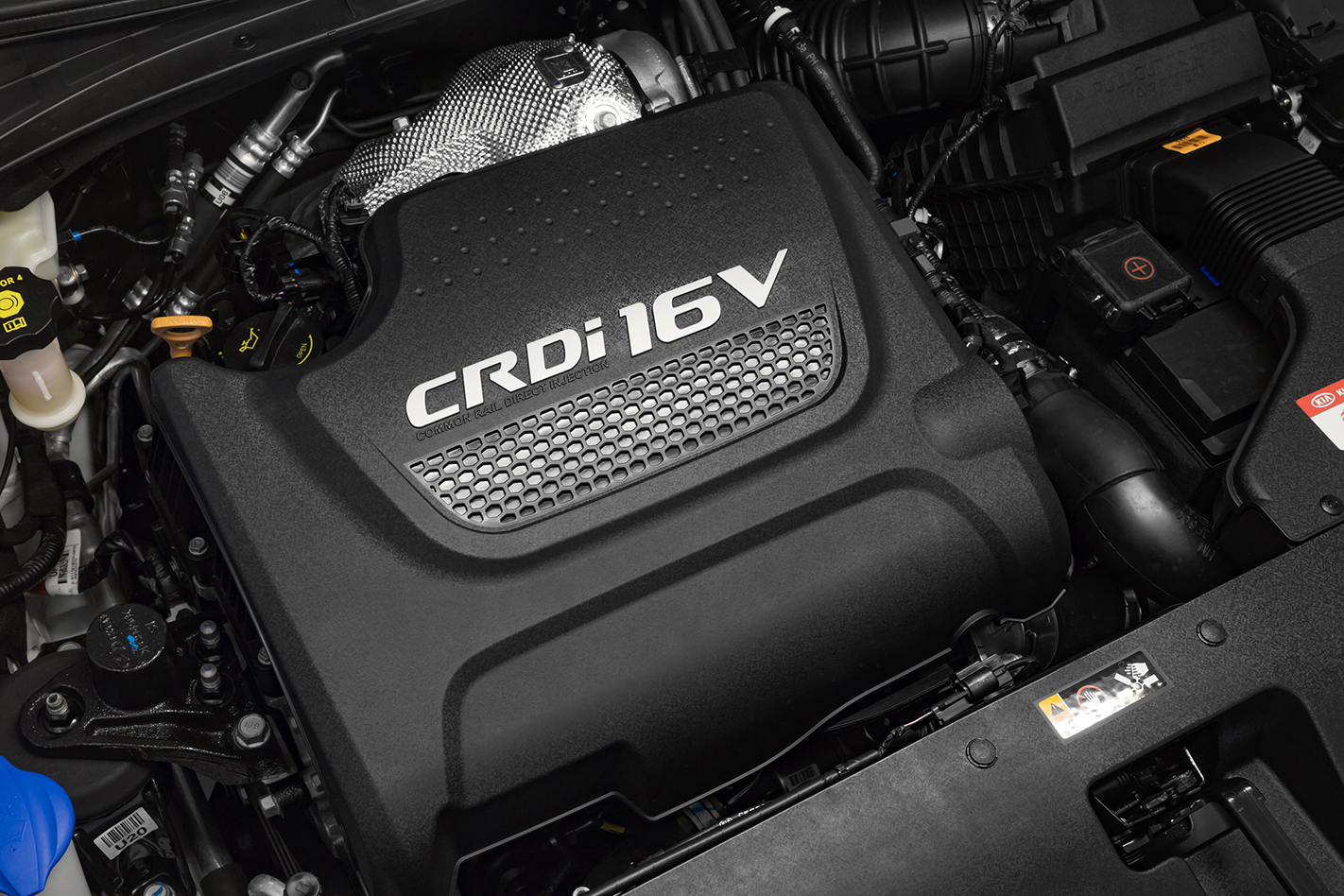
The 147kW/441Nm 2.2-litre four-cylinder turbo diesel engine carries over from the previous model. The 3.5-litre V6 petrol is an updated version of the 3.3-litre engine in the previous model and produces an extra 7kW and 18Nm more torque for a total output of 206kW/336Nm
The 2018 Kia Sorento comes in four main variants as before. However the upper-spec Platinum has been shelved in favour of a lower spec Sport model that brings additional features over the entry-level Si including larger 18-inch wheels, instead of 17s and leather appointed seats.
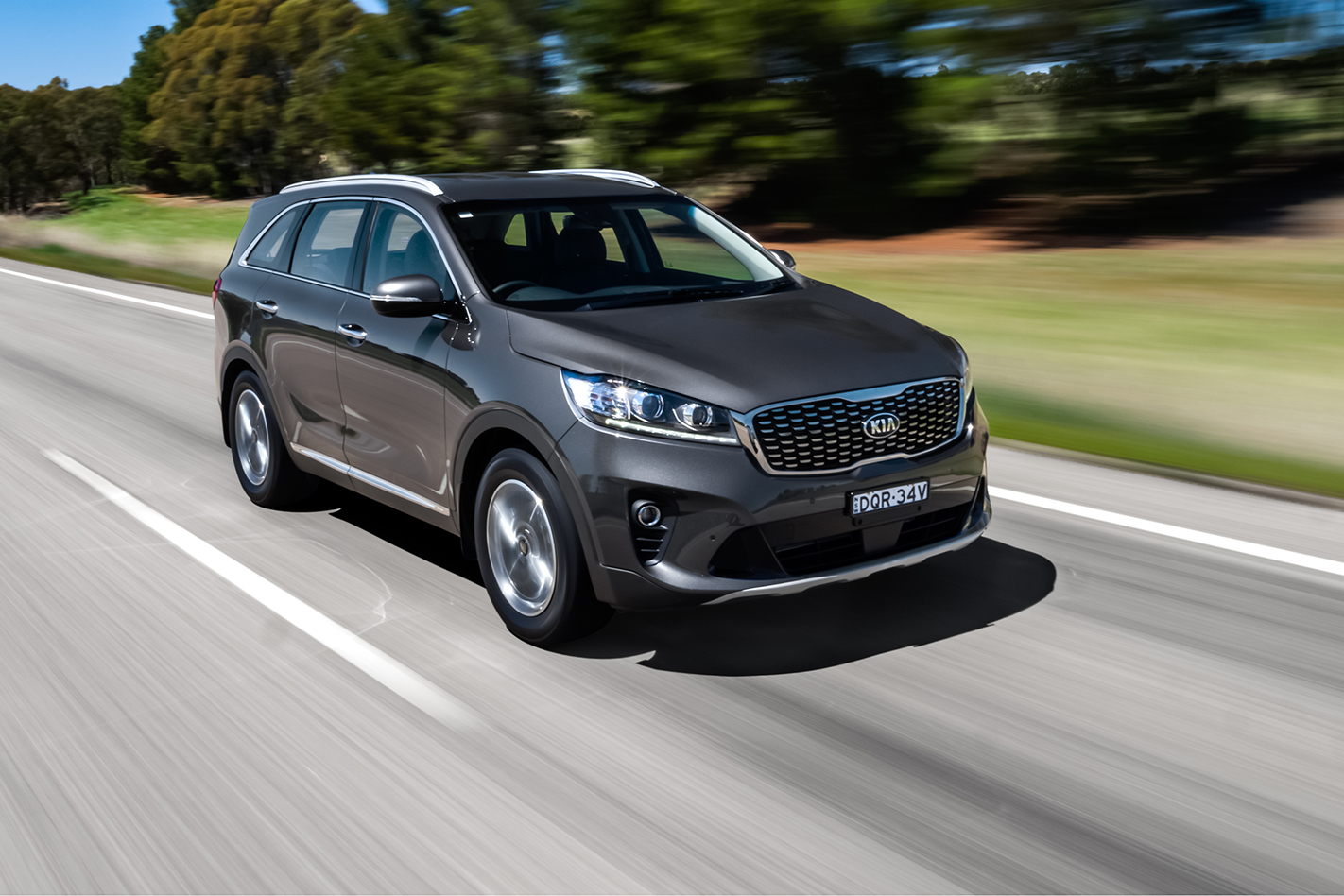
Other new standard features in the Si and Sport include four driving modes including ‘Smart’ which adapts gearing and steering to different road conditions. Height and tilt adjustable front headrests and a revised instrument cluster. Round out the rest of the interior changes for those variants
New features for the SLi includes a 10-speaker premium sound system and revised LED rear brake and tail lights, while the flagship GT-Line gains newly designed 18-inch wheels, LED headlights with auto levelling and steerable headlamps that pivot when the front wheels are turned to help see into corners. LED ‘ice cube’ style fog lamps, a 360-degree top-down camera view and black leather appointed seats with grey stitching and GT-Line logos are also new on the range-topping Sorento.
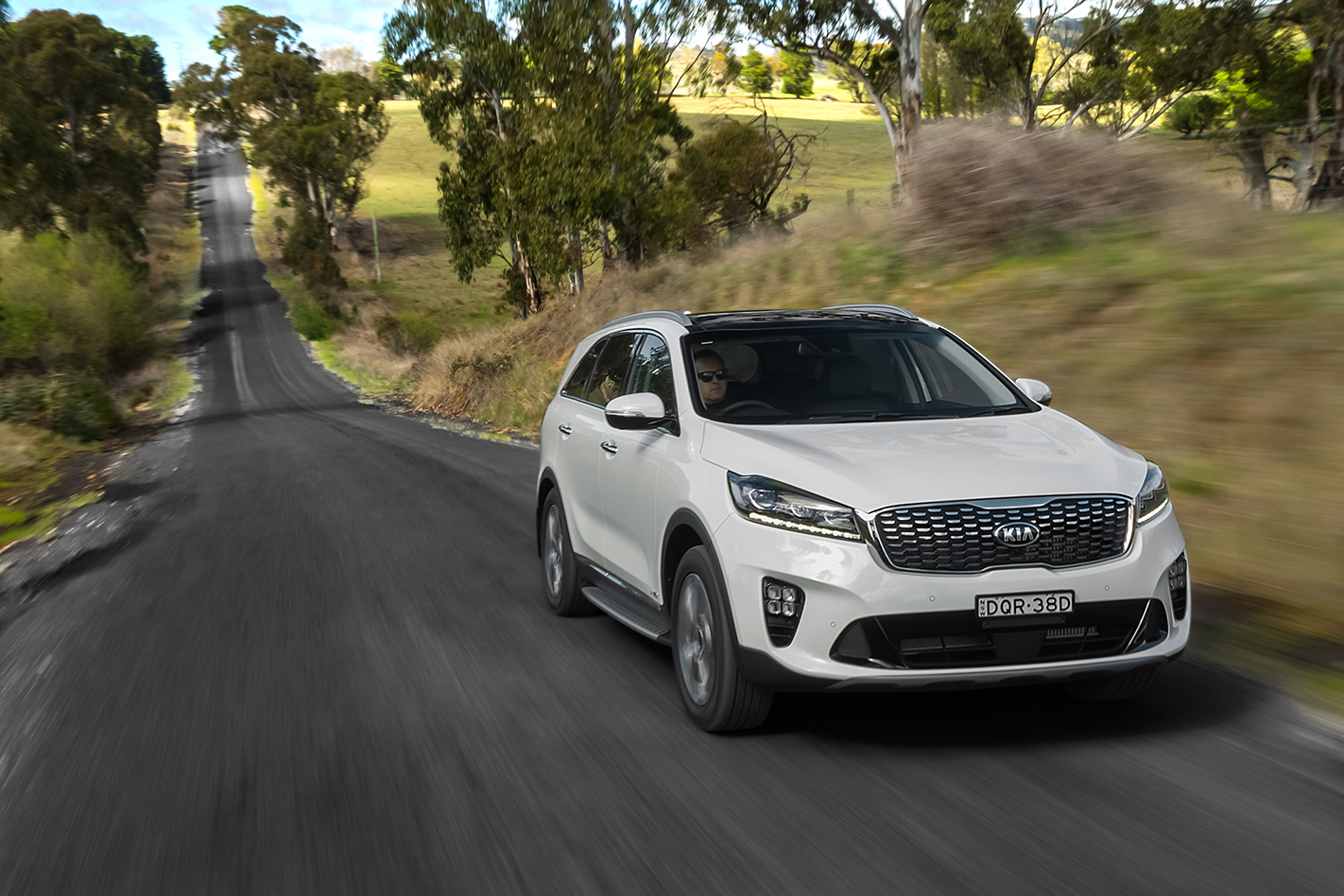
The 2018 Kia Sorento is available in seven colours, Clear White, Silky Silver, Metal Stream, Platinum Graphic (a darker grey than Metal Stream, Aurora Black, Snow White Pearl which is exclusive to the GT-Line and Gravity Blue which replaces Sunset Red. All but Clear White are premium colours which cost an additional $595.
The 2018 Kia Sorento is now on sale at Kia dealers.
2018 Kia Sorento pricing
- Sorento Si petrol – $42,990
- Sorento Si diesel – $45,490
- Sorento Sport petrol – $44,990
- Sorento Sport diesel – $48,490
- Sorento SLi petrol – $46,990
- Sorento SLi diesel – $50,490
- Sorento GT-Line diesel – $58,990
KIA’S seven-seat SUV has received an upgrade which brings improved handling on Aussie roads and a list of standard features including auto braking and a new eight-speed auto transmission.
WHAT IS IT?
Kia’s award-winning seven-seat Sorento SUV didn’t do much wrong when first released in 2015, but after just two and half years years it was starting to lose touch with some of the newer kids on the block such as the Mazda CX-9. This mid-life update keeps aims to keep it ahead of the pack in terms of driveability, cabin quality and comfort and advanced safety technology.
WHY ARE WE TESTING IT?
Kia says it has addressed one of the Sorento’s few flaws; its lack of refinement away from urban black tops, by enhancing its Australian tuned suspension, steering, and enhanced performance with the addition of a new eight-speed automatic transmission that recently debuted in the Stinger. The winding roads that skirt the Blue Mountains west of Sydney provided an excellent opportunity to see if Kia’s engineers succeeded with both its V6 petrol front-wheel-drive and turbo-diesel four all-paw variants.
MAIN RIVALS
THE WHEELS VERDICT
The Kia Sorento has its mojo back with a fresh look and noticeable improvements to ride and handling, which were among its few flaws. While the under-bonnet tweaks that form the backbone of this mid-life upgrade might not necessarily resonate with the average buyer, the sharp-looking cabin and the inclusion of auto braking, an eight-speed transmission and fully loaded infotainment as standard will certainly make them look twice.
THE WHEELS REVIEW
Like a farmer’s grandchildren who grow up as prissy city kids, many SUVs have lost touch with their rural roots. The third-generation Kia Sorento was one such city-slicker, which excelled in its urban comfort zone but flinched at the prospect of negotiating hairpins or corrugations like Kim Kardashian when faced with a camp toilet.
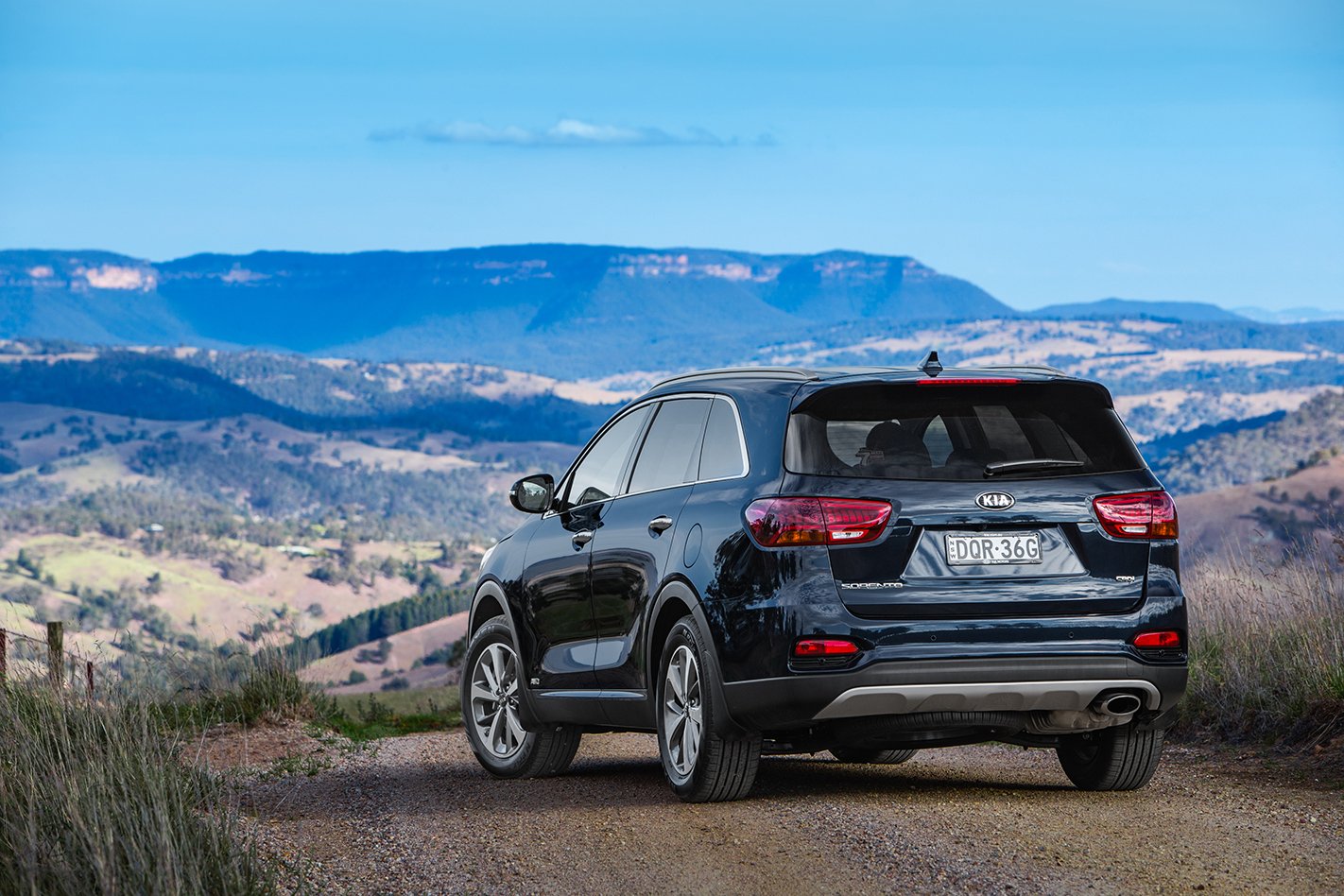
But Sorento has been to boot camp with an upgrade that brings new capabilities on unsealed roads, as evident on the undulations and bends of Jenolan Caves Road, which hugs the western foothills of the Blue Mountains.
Kia’s Australian engineers have taken advantage of the Sorento’s new suspension setup, which features a number of detail improvements to the rear subframe and bushings, resulting in noticeable improvement in handling and stability, including minimising body roll.
Ride comfort is also noticeably improved on rougher surfaces. The Sorento absorbs bumps well with little secondary bounce, which is great news for anyone sitting in the third row. Not surprisingly it was better on the entry-level Si’s 17-inch wheels than on the 19s beneath the range-topping GT-Line, with the bigger wheels and 235/55 rubber also producing more road noise on course surfaces.
The 2018 Sorento also has a significantly enhanced powertrain with an eight-speed automatic transmission replacing the six-speed unit across the range. This is the same unit that recently debuted in the Kia Stinger and is coupled with the Sorento’s 3.5-litre V6 petrol and 2.2-litre turbo diesel four.
The extra gears mean quicker and smoother shifts, though the V6 still had a tendency to hold a gear a little too tenaciously when you put the foot down, especially at the lower end. It seems made for the diesel though, with excellent pedal response especially in low gear. This was ably demonstrated in crawling traffic through the perpetual road works on Sydney’s M5 motorway, with active cruise control engaged. In traffic jams it stops and starts automatically with the vehicle in front, but unlike many other cars with this feature, the transmission seamlessly kept up with the autonomous throttle and brake responses.
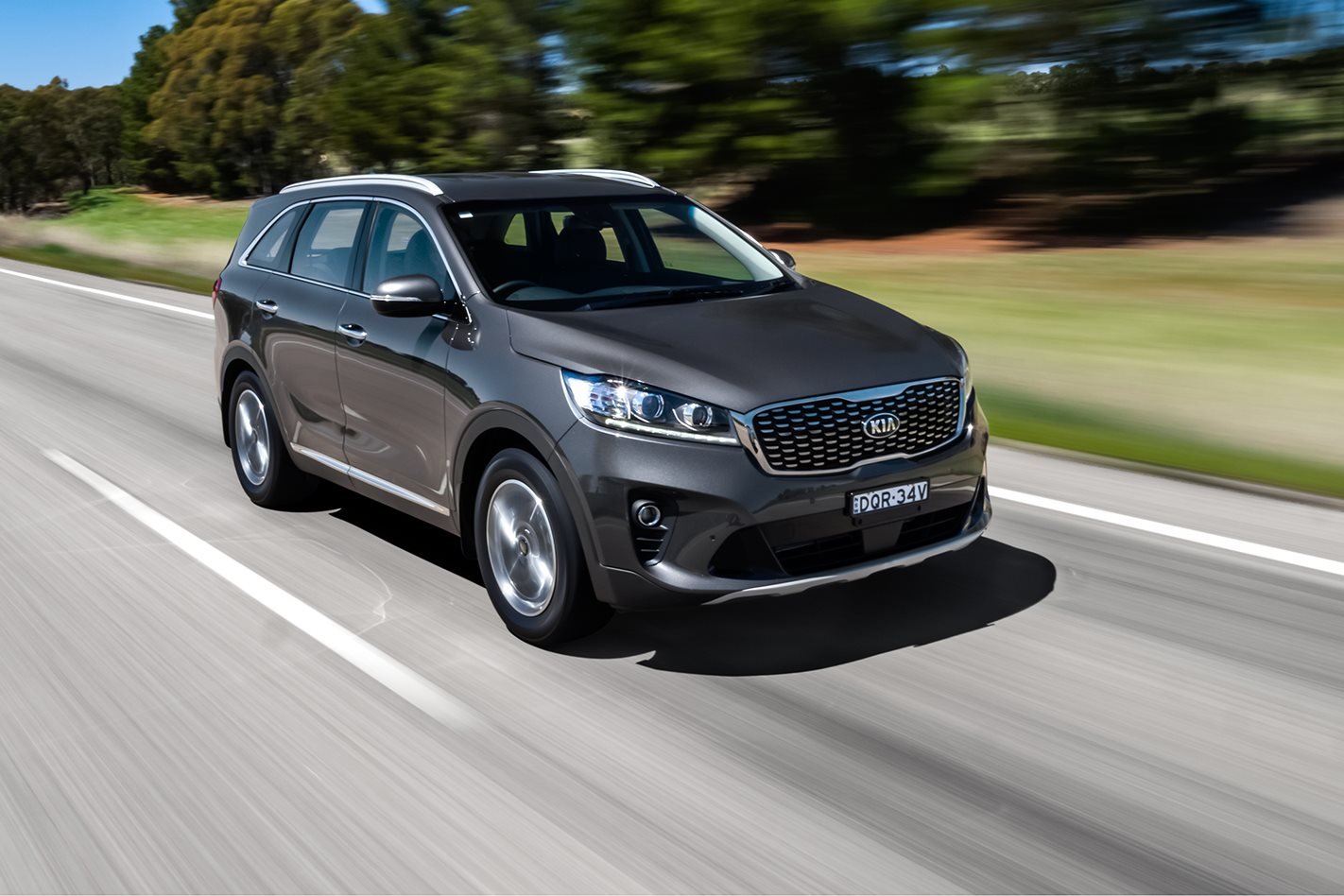
The new transmission also brings four drive modes, Eco, Comfort, Sport, and a Smart Mode which automatically adjusts powertrain and steering settings to suit different road environments – I’d want more time to judge its effectiveness. The default Comfort mode covered most bases pretty well and I’d have been happy to stay there if not for the stiffer steering offered by Sport mode in the bendy stuff.
The oil burner carries over from the previous model, while the 3.5-litre V6 petrol is a modified version of the 3.3-litre Lambda II donk in the previous version with a longer stroke, resulting in an extra 7kW and 18Nm to 206kW/336Nm. I’d be lying if I said I noticed any difference. Performance is adequate around town but as before it could still leave you wanting if you ever need power in reserve such as when overtaking.
The diesel is still the choice engine here and worth the extra $2500 with the added benefit of all-wheel drive and considerably better fuel efficiency.
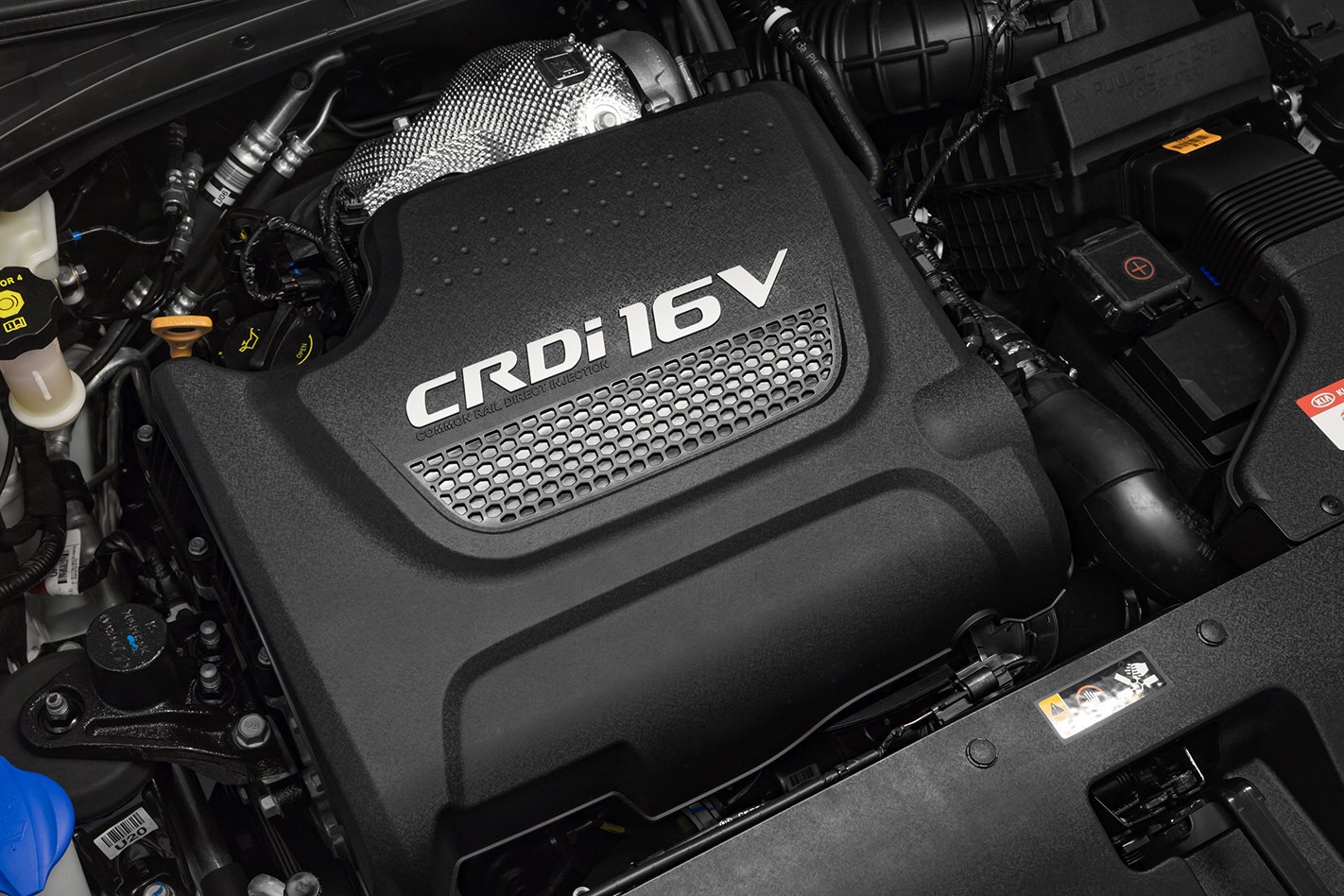
The interior has a more premium feel with liberal use of soft plastic surfaces including in the base-spec SI trim, which is only betrayed as the base model by its cloth seats.
The dashboard layout is essentially the same as the previous model but with a new 8.0-inch touchscreen that makes the fascia appear less cluttered. The main differences as go you up the range are more brightwork, more electric adjustments and significantly more cowhide. The leather-trimmed seats felt more comfortable in the mid-spec Sport than the firmer, power adjusted versions in the GT-Line.
You’re not really left wanting for standard equipment in the Si or Sport, which come with automatic emergency braking at city and highway speeds, lane keeping assist, active cruise control and driver attention alert. Also standard is Kia’s latest infotainment package with digital radio, satellite navigation and Apple Car Play/Android Auto connectivity.
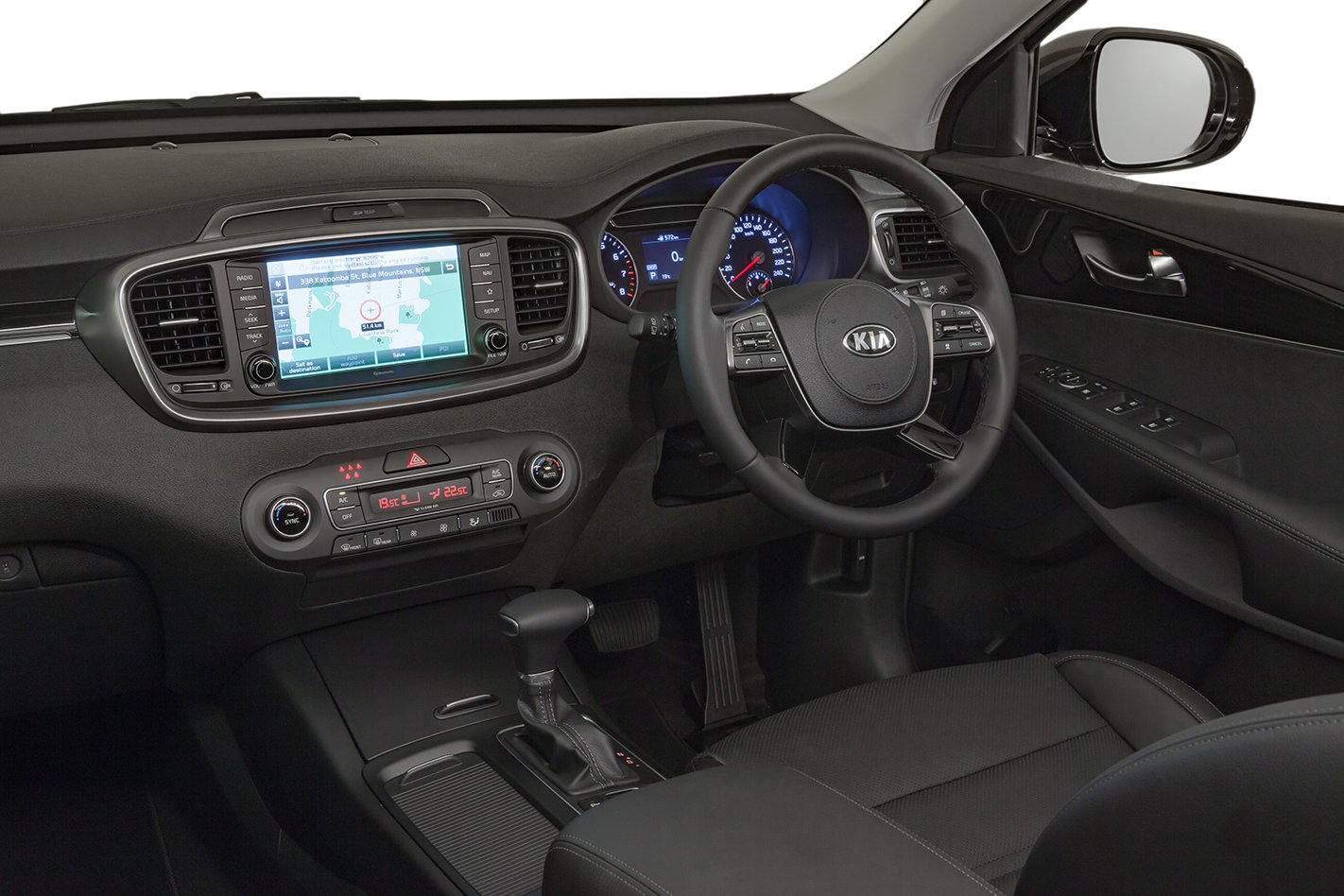
2018 KIA SORENTO SPECIFICATIONS
- Model: 2018 Kia Sorento
- Engines: 3470cc, V6, dohc, petrol / 2199cc 4cyl, 16v turbo diesel
- Max power: 206kW @ 6300rpm / 147kW @ 3800rpm
- Max torque: 336Nm @ 5000rpm / 441@1750-2750rpm
- Transmission: 8-speed automatic
- Weight: 1932kg / 2042kg
- 0-100km/h: –
- Fuel economy: 10L/100km / 7.2L/100km
- Price: from $42,990
- On sale: Now
MATT Simmons was working as an Australia Post delivery driver in 2015, before winning Nissan’s GT Academy.
Now, he races full-time as a factory Nissan GT3 driver in Europe.
Simmons had previously honed his skills on the Gran Turismo driving sim series, the latest iteration of which was launched today with a more motorsport and Esports focus than anything else from the creators Polyphony Digital.
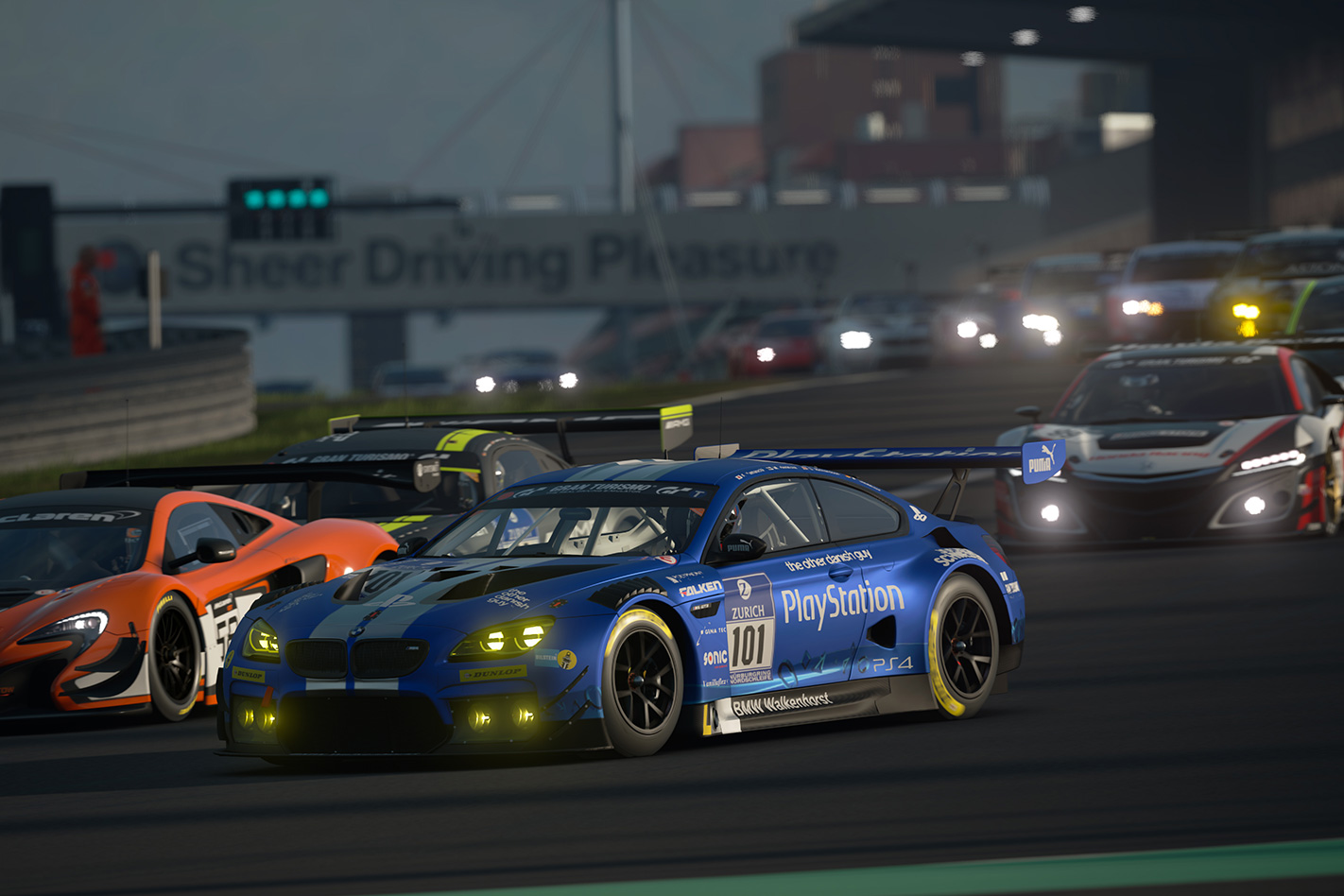
Nissan GT-R tops 211km/h driven with gaming controller
Simmons says you should:
- Get a copy. It seems simple enough, but it really is the first step to becoming a pro. “Go practice, as the saying goes practice makes perfect.”
- Prepare yourself and be committed, it takes a lot of hard work, and is more than just twiddling your thumbs.
- Join an online community. Sim racing is strong in Australia, and Simmons says the healthy and supportive community helped him learn a lot of his skills. If you have got a question, there will usually be someone willing to help you out.
- Go to the gym. While most sim racing is done sitting down, it’s important to take care of your physical health. You’ll need to keep yourself fit, because racing drivers have to be fit. Racing, whether real or virtual, is a very demanding sport.
- Race in the real world. Get out and see if you can get on track. Do some karting with mates, as it is always a lot of fun, and you can put virtual skills into practice. If you’ve got the ability, a track day with a professional driver coach will help improve your talents both in GT Sport and the real world.
- Enjoy yourself. Make sure you grab whatever opportunities you can with both hands, but most importantly enjoy yourself and have fun.
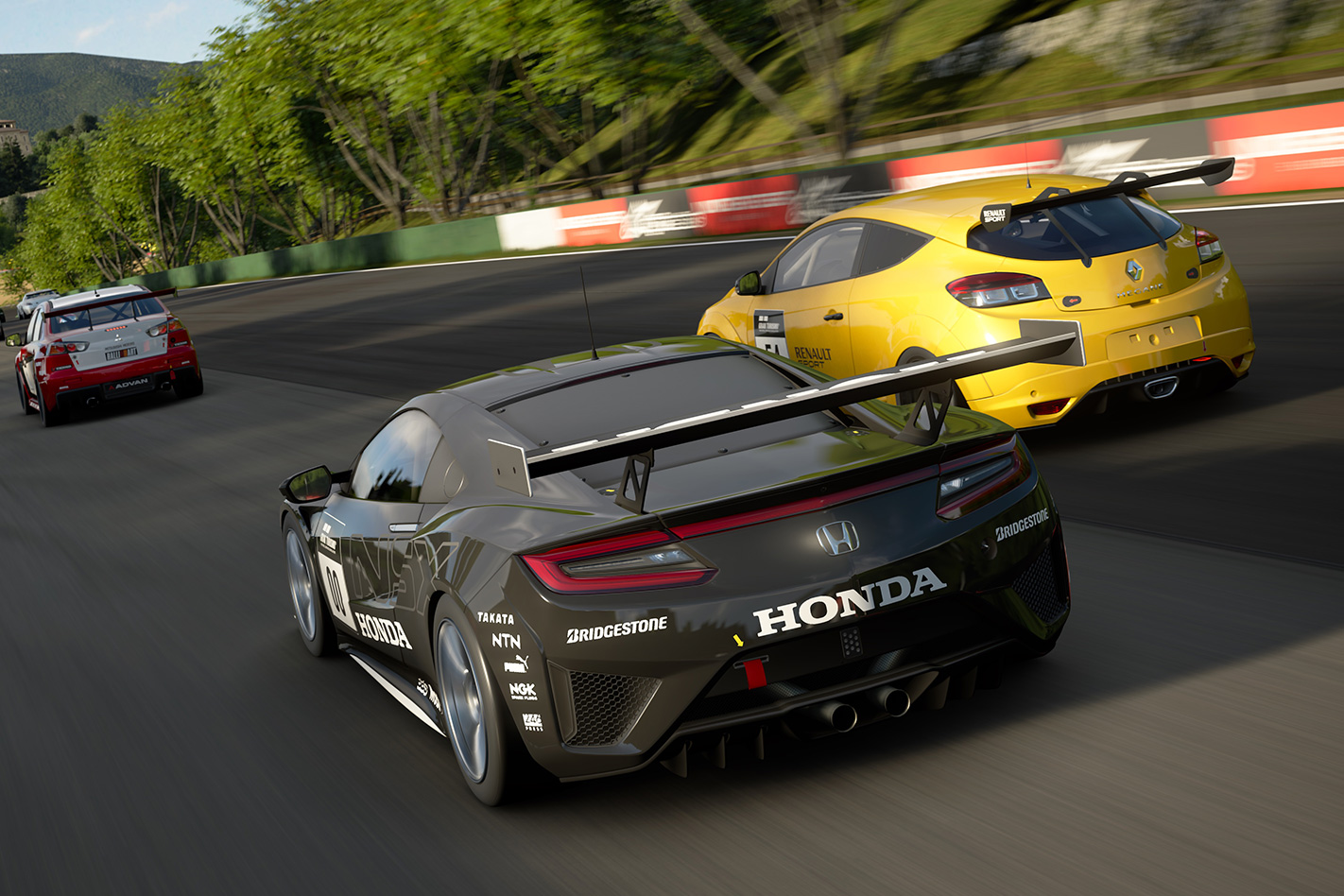
The FIA recognised Nations Cup run on GT Sport will have representatives from countries around the world competing against each other, with qualifying events not far away.
Better get practicing.
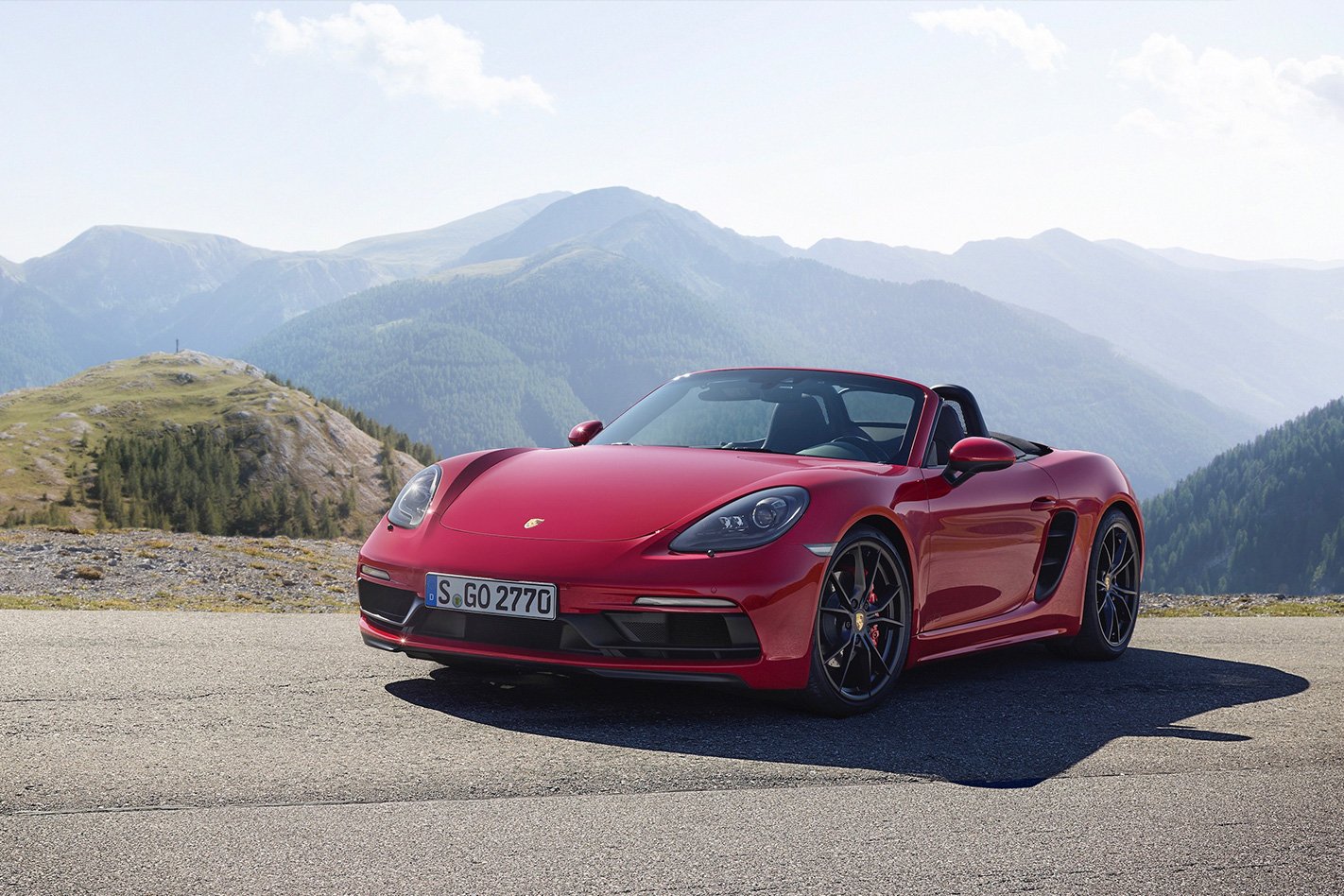
PORSCHE has announced details of its upcoming 718 Boxster GTS and 718 Cayman GTS ahead of their first public appearance at November’s LA motor show, revealing a power boost to 269kW for both as well as a long list of chassis, electronic and cosmetic changes.
Due to arrive in Australia in March next year retailing at $173,100 for the Cayman GTS manual and $175,900 for the Boxster GTS manual, the pair of high-output models can both zip from zero to 100km/h in 4.1 seconds when equipped with the 7-speed PDK automatic (a $5980 option).
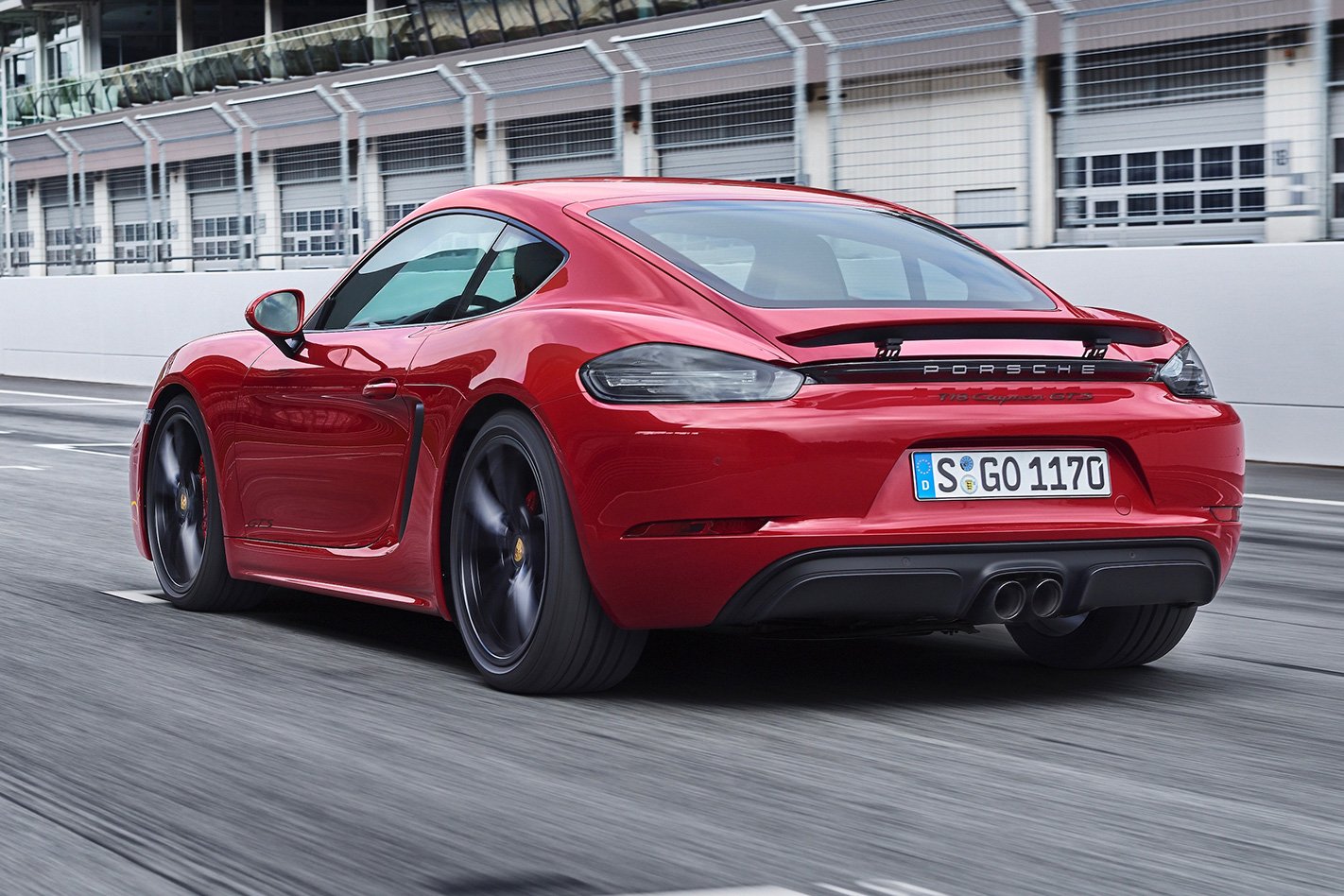
A revised inlet plenum and turbo stuffs more air into the 2.5-litre flat four, bringing up its peak power 12kW and lifting maximum torque to a V8-like 430Nm. Compared to the last, naturally-aspirated Boxster and Cayman GTS, the boosted four-cylinder makes a sizable 26kW more peak power and an even more significant 80Nm increase in maximum twist.
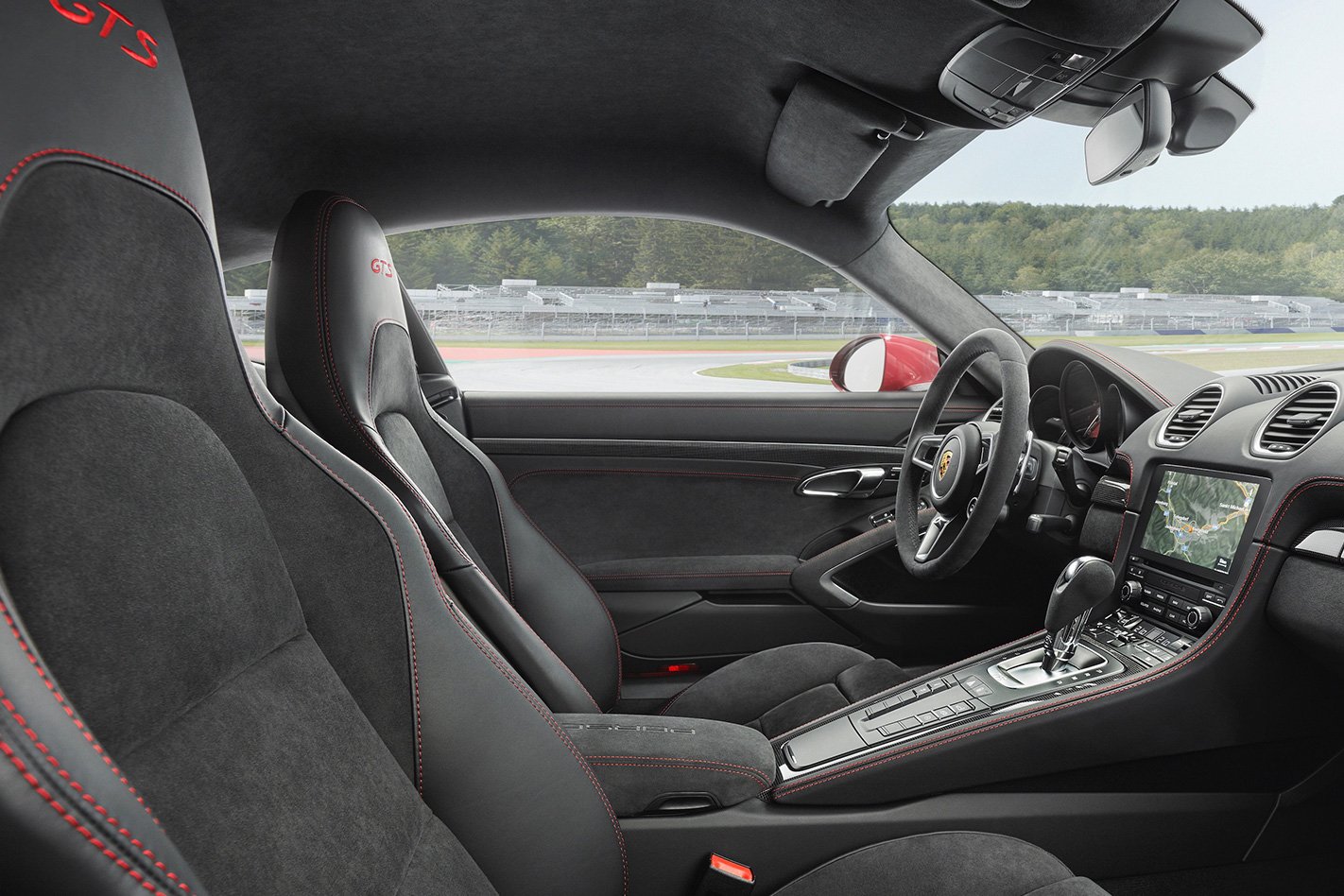
GTS badging, a red-faced tachometer and Alcantara-clad seats, steering wheel and armrests impart a sportier aura to the cabin, while Porsche’s Track Precision app allows driver’s to capture and analyse driving data during track days – or spirited weekend fangs.
From the outside, more aggressive body plastics, black lamp internals, black tailpipes and reshaped rear diffuser mark the GTS out from vanilla-spec Caymans and Boxsters.
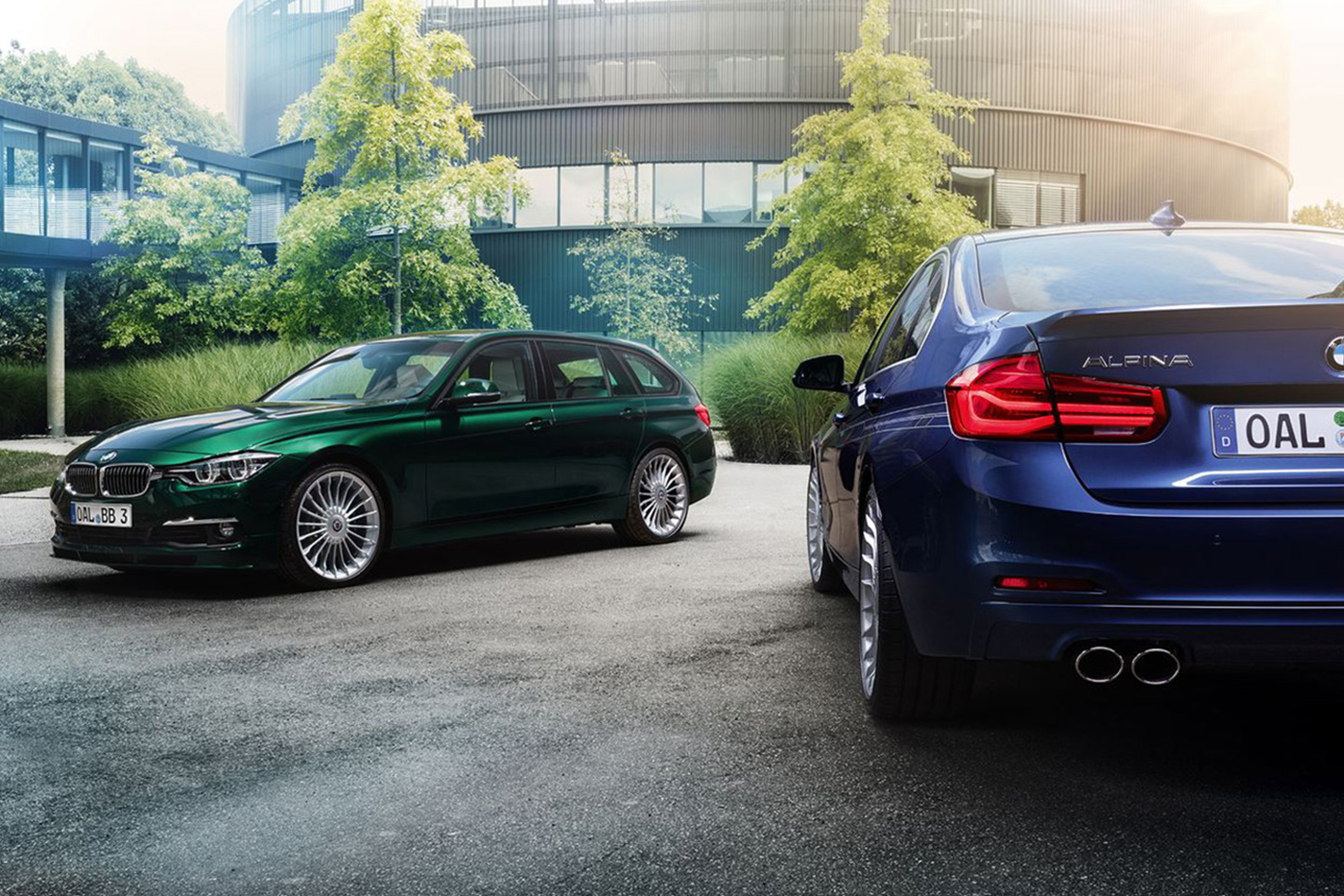
Based on the BMW 3 and 4 Series, Alpina’s B3 S and B4 S have been given more power and new features, while having prices lowered for Aussie buyers.
The Australian arm of the German BMW tuning company has announced a new B3 S will be coming to Australia in both Sedan and Touring forms for $142,900 and $149,900 respectively.
This means they’ve had $13,000 and $11,000 slashed from their list prices.
More good news is that the cars also now come with more kit – and more grunt.
The B3 S and B4 S have had their turbo setups revised, and have been given an extra 23kW and 60Nm in the process. Total outputs of the twin-turbo 3.0-litre straight six, which is shared by both cars, are now 324kW and 660Nm.
Two of the variants (out of four) now have revised 0-100km/h sprints, with the B3 S Touring reaching 100km/h in 4.3 seconds. The B4 S Cabriolet also achieves the same time.
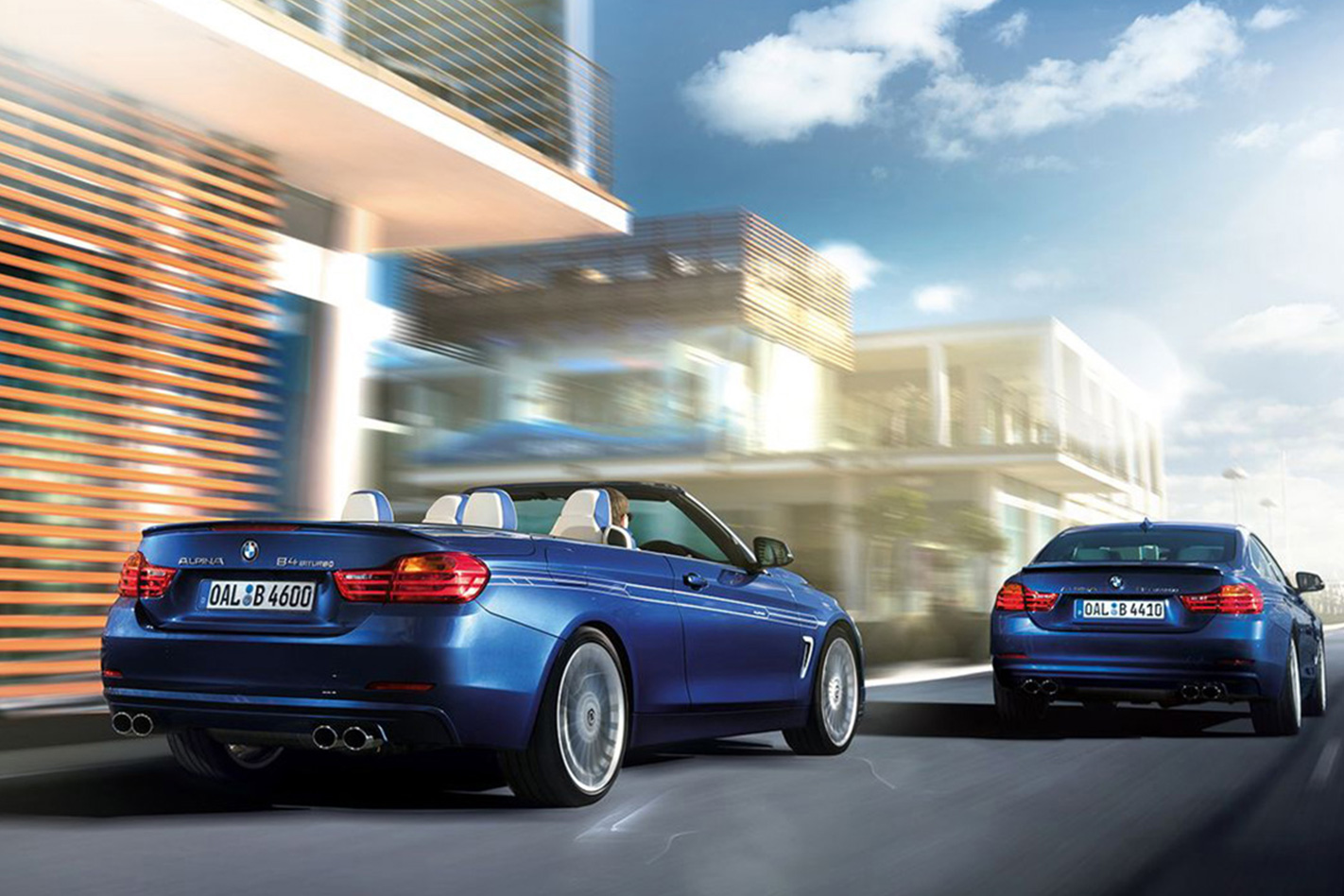
Across all four variants, a revamped eight-speed automatic ‘Switch-Tronic’ gearbox is the only option for swapping cogs.
Inside, Merino leather sports seats are now standard equipment, with new LED lights all around and ‘Park distance control’ also no longer just options.
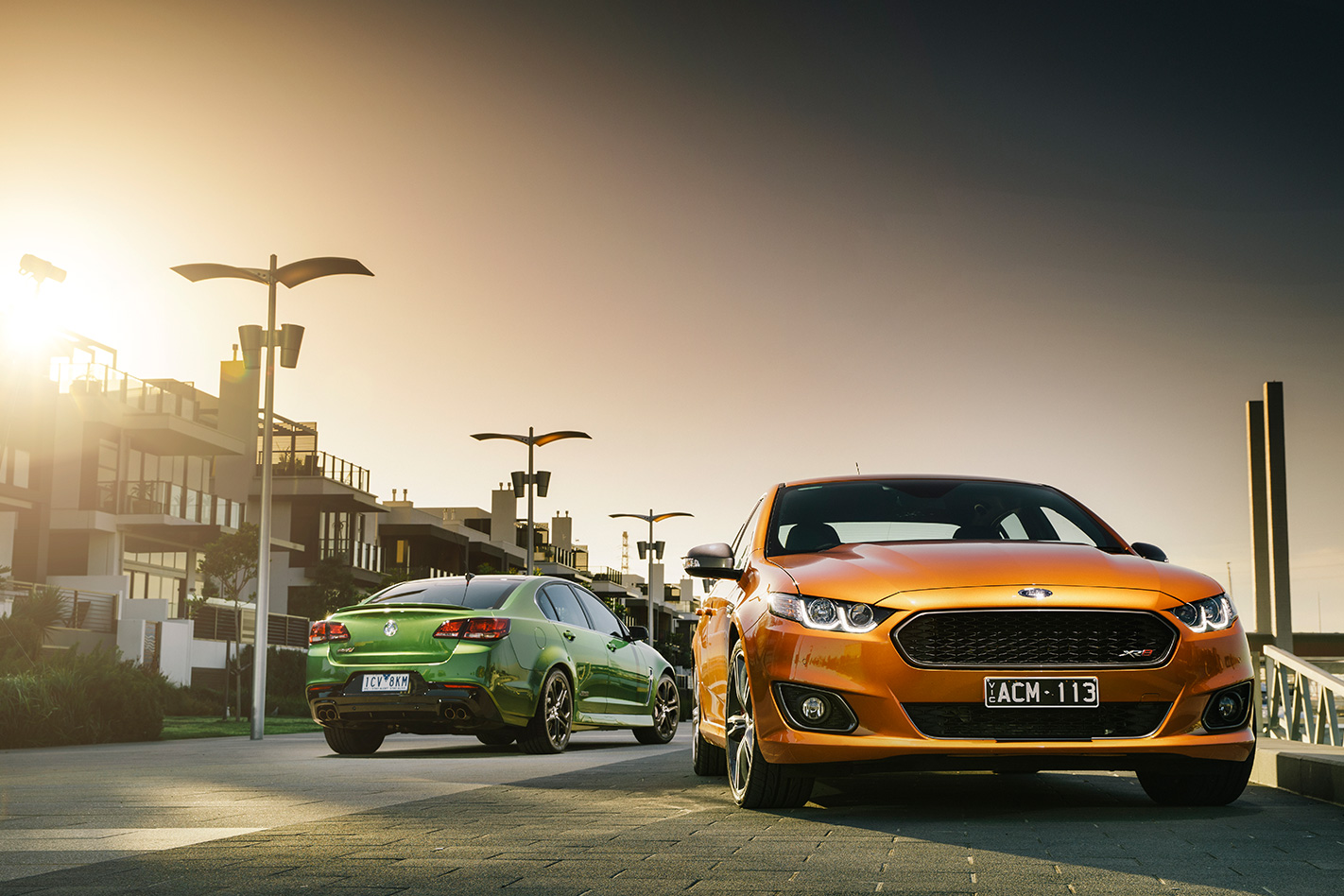
IT WON’T be like this for much longer – the latest and greatest performance Ford Falcon versus its hot-shot rival from across the Yarra, Holden’s range-topping V8 Commodore – so we may as well drink in the moment and enjoy it.
Up until now, it would have been gloves on and allegiances laid bare in a stoush like this. Ford versus Holden, blue against red, winner takes all. But shit has gone down and perspectives have changed. When all that lies ahead is a road that ends, we may as well treat it like a bar tab closing, or a favourite band’s last encore, rather than a race to the finish. We’ll be back; it’ll just be a little different.
All 1614km of it.
BREAKFAST at The Lott Foodstore in Cooma is always something to look forward to, but then so is slaking the High Country thirst of our V8 brutes and calculating the numbers. Roughly 355km since Albury demands close to a full tank in each car, and the Holden finally comes out in front; 16.3L/100km versus 17.9.
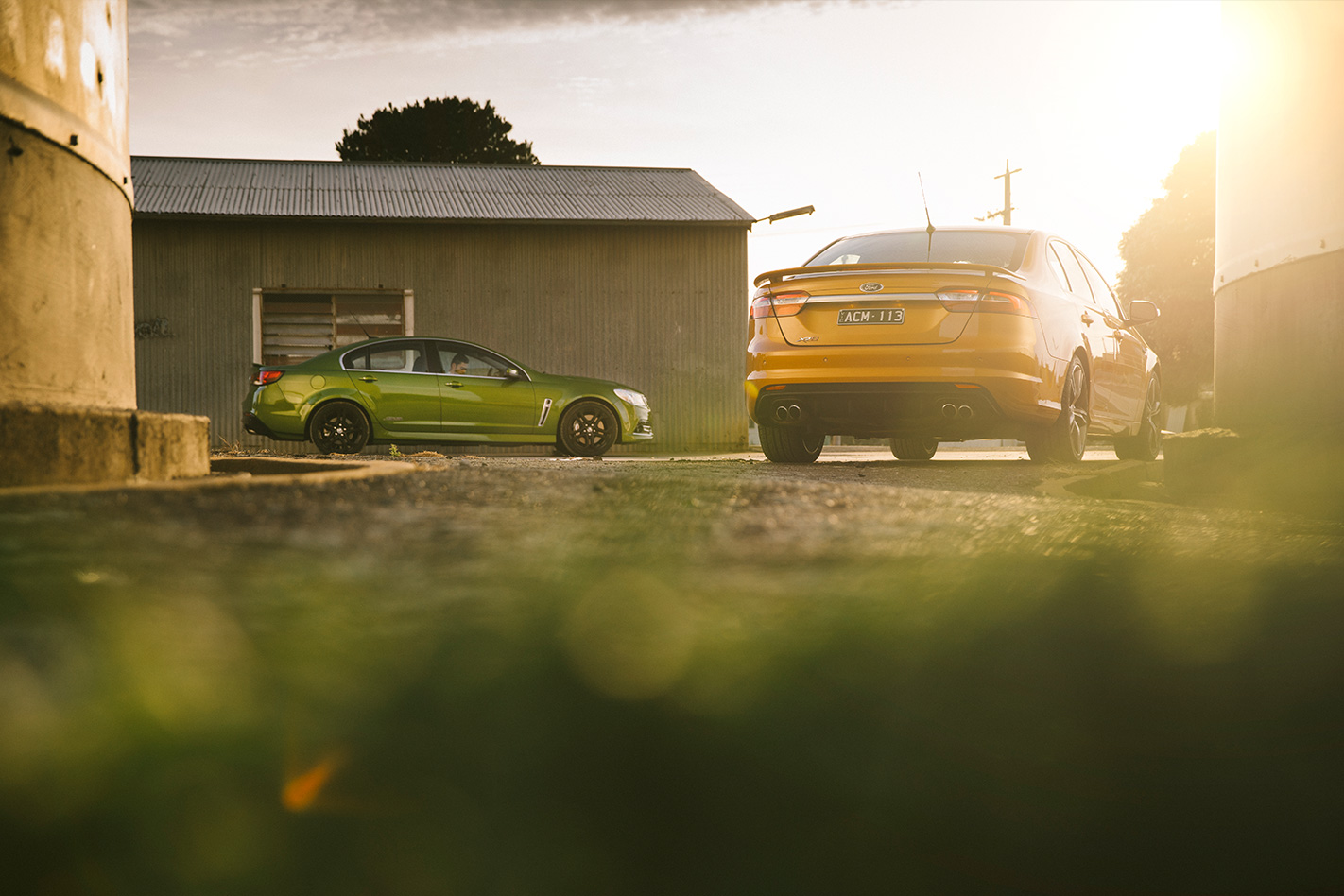
Easier said than done. The G20 summit is underway and the place is swarming with AFP, police dogs, undercover vehicles and cops on foot. No matter where we drive, our brightly coloured interstate sedans act like a burqa passing through border control. The British PM is visiting and our cameras and film equipment are causing such a disturbance that we leg it out of there – at the speed limit – before we get arrested.
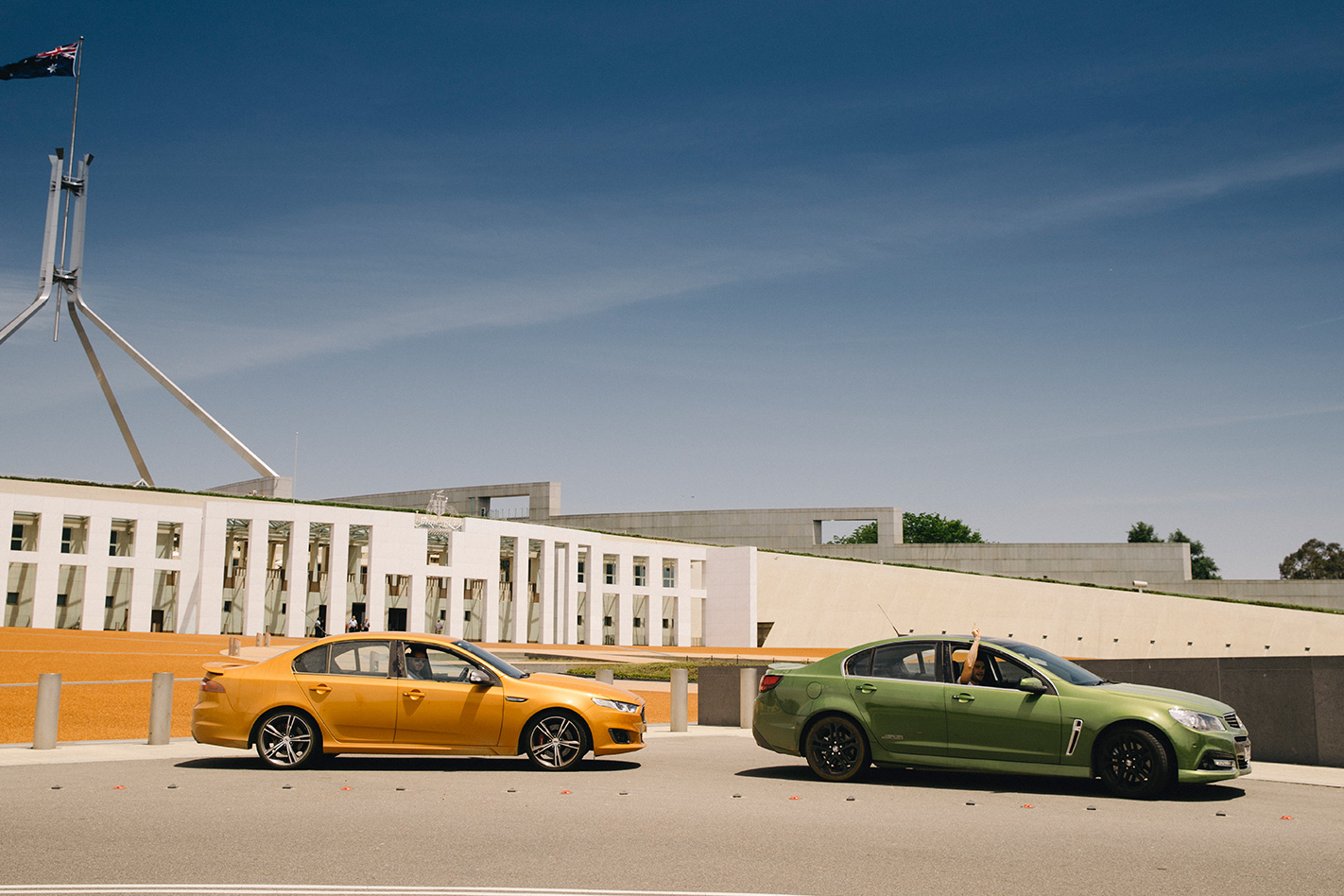
A wee break and figurative round-table discussion later, we decide our Parkes excursion is so close, yet so far, and there’s surely some irony in that. Imagine if the Yanks felt the same way about reaching the moon? It’d be like quitting on a century-old car industry…
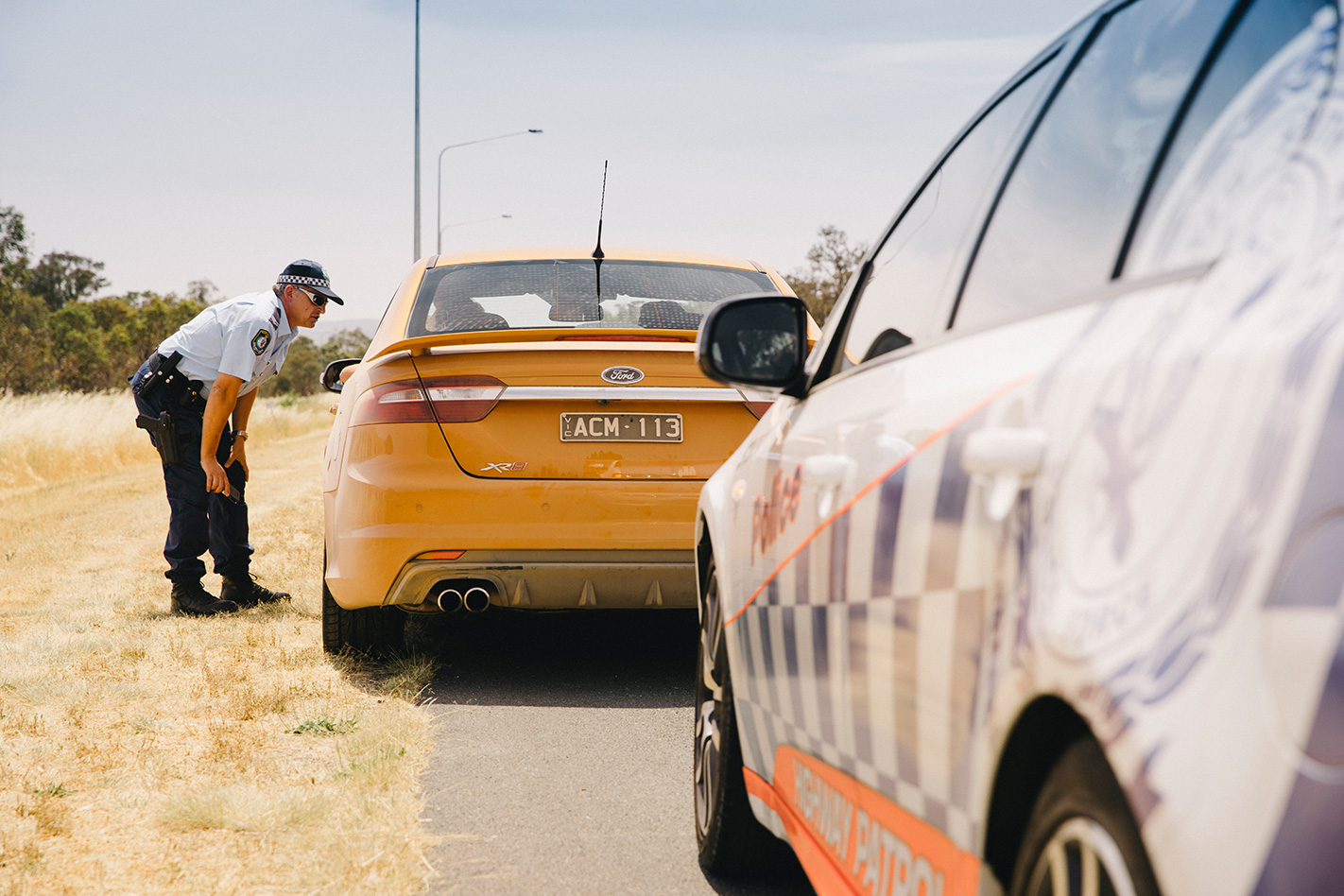
A better ride is obviously part of it, but there’s also stuff like properly padded door armrests, more convenient bottle holders, more tactile plastics and even a neat keyholder inside its front armrest bin to complement the keyless start. You also get a bootlid grab handle and a far superior stereo.
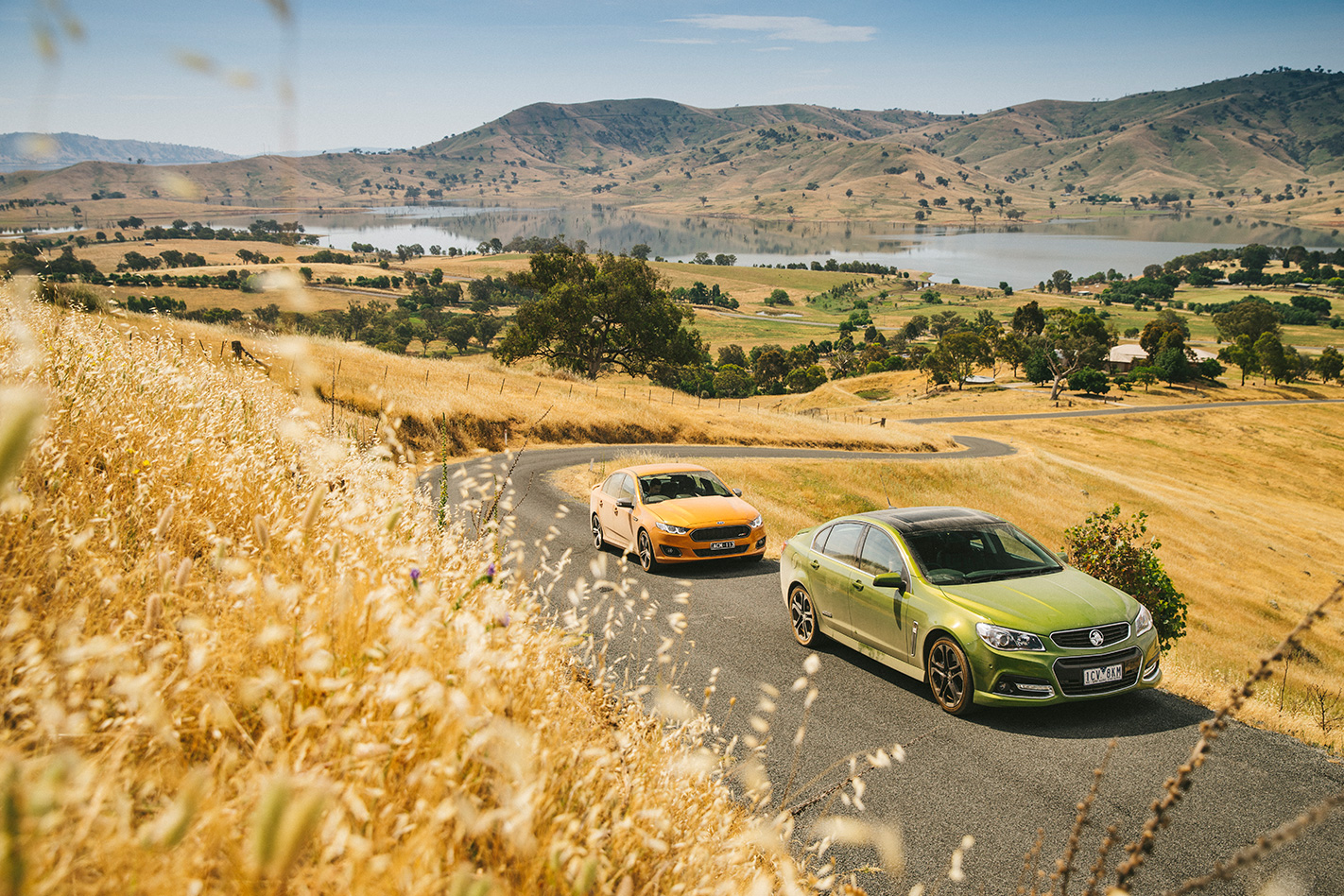
It should also win over the Blue Oval faithful with the best interpretation of Ford’s global styling DNA, but that’s about it. Everywhere else, the Holden has its measure, at least in road-car terms. But the Falcon did win Bathurst in 2014, so all is not lost.
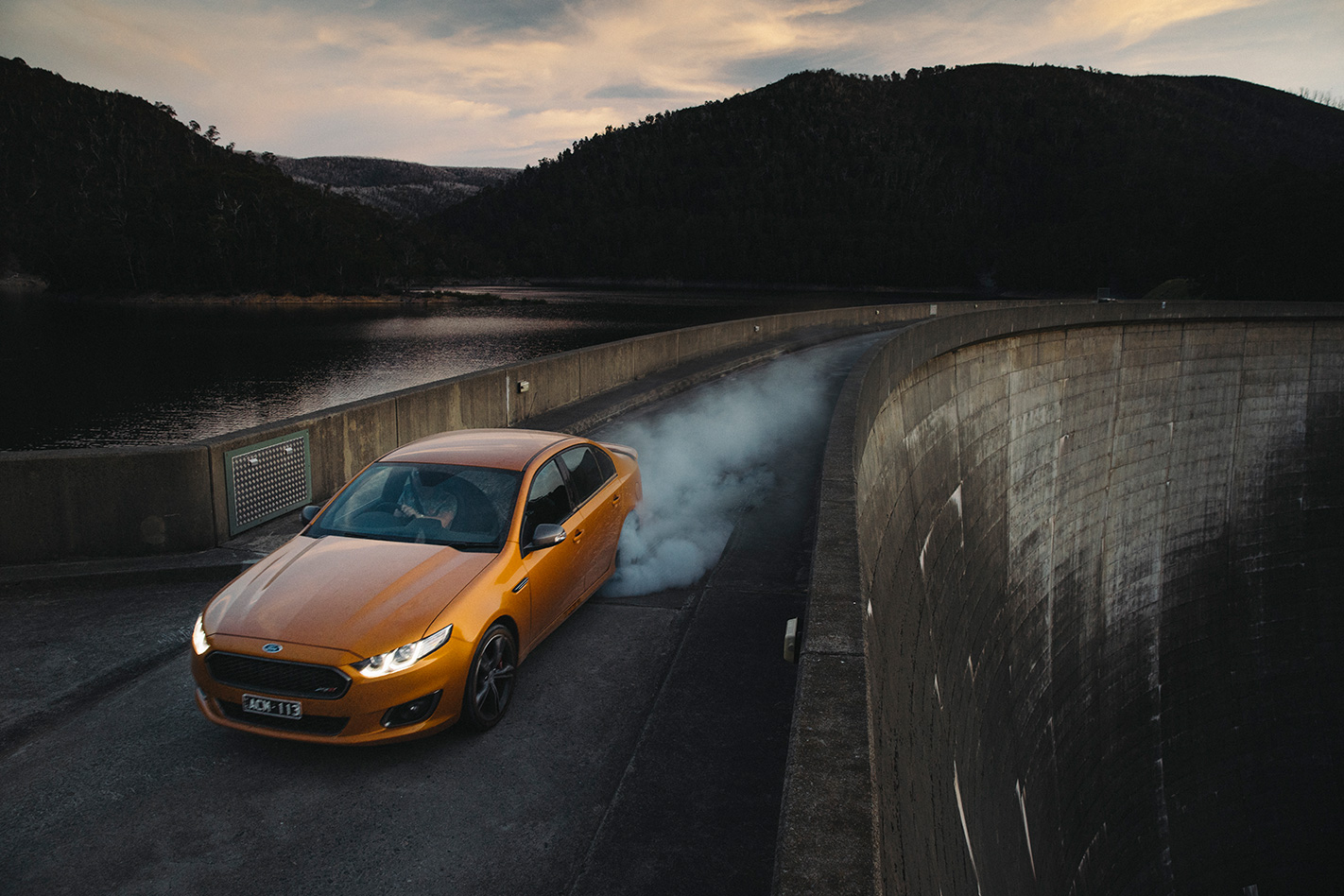

Even amid the absurdity of it all, you can’t help but admire the bloke. Only a passion for motoring, however misguided, and a sense of humour could prompt someone to do something like this. So forget the pessimists; with committed enthusiasts like old mate, Australia’s car culture will continue. After a thousand miles in these era-defining muscle cars, it’s a comforting thought.
Tell me about this car
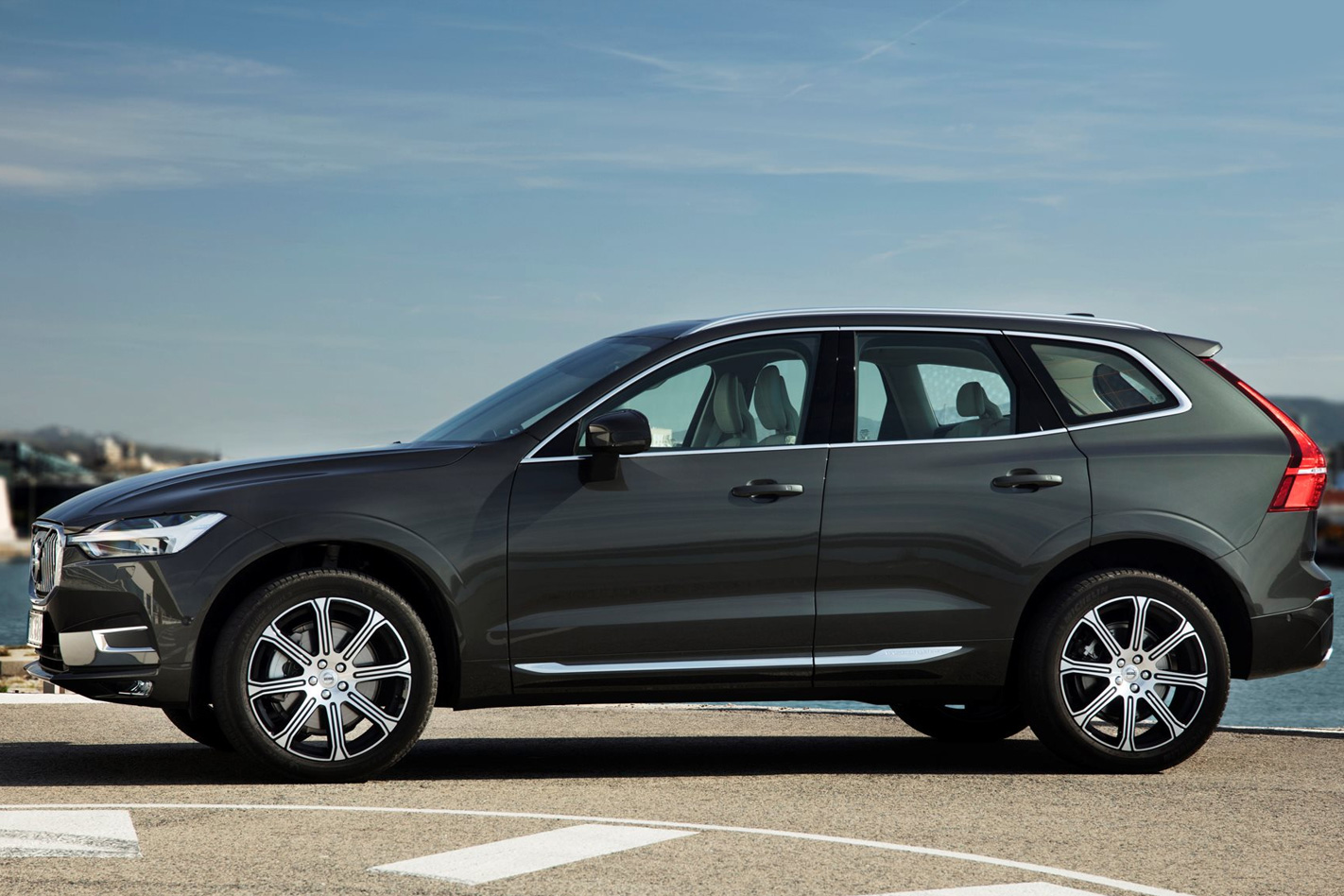
Volvo’s second-generation XC60 is a crucial part of the Swedish brand’s desire to expand its foothold in the premium automotive segment. The old XC60 continued to grow in sales volume right to its dying days, so this all-new car – based on the Volvo XC90’s fresh SPA platform architecture – really can’t fail, seeing it’s so vastly improved.
Pros
- The new XC60 has the core DNA to create a deeply impressive premium SUV, not to mention a deeply alluring one, thanks to its delightful interior design and refreshingly individual styling.
- Superb drivetrains too, in particular the urgent hybrid T8 and the characterful turbo-diesel.
- On the road, you can feel the benefits of the XC60’s more agile form, and its chassis knows what to do in a corner. On fast, flowing roads, the XC60’s chassis certainly conveys a planted and secure feel, while tight bends prove there’s innate poise in the way this SUV strings corners together.
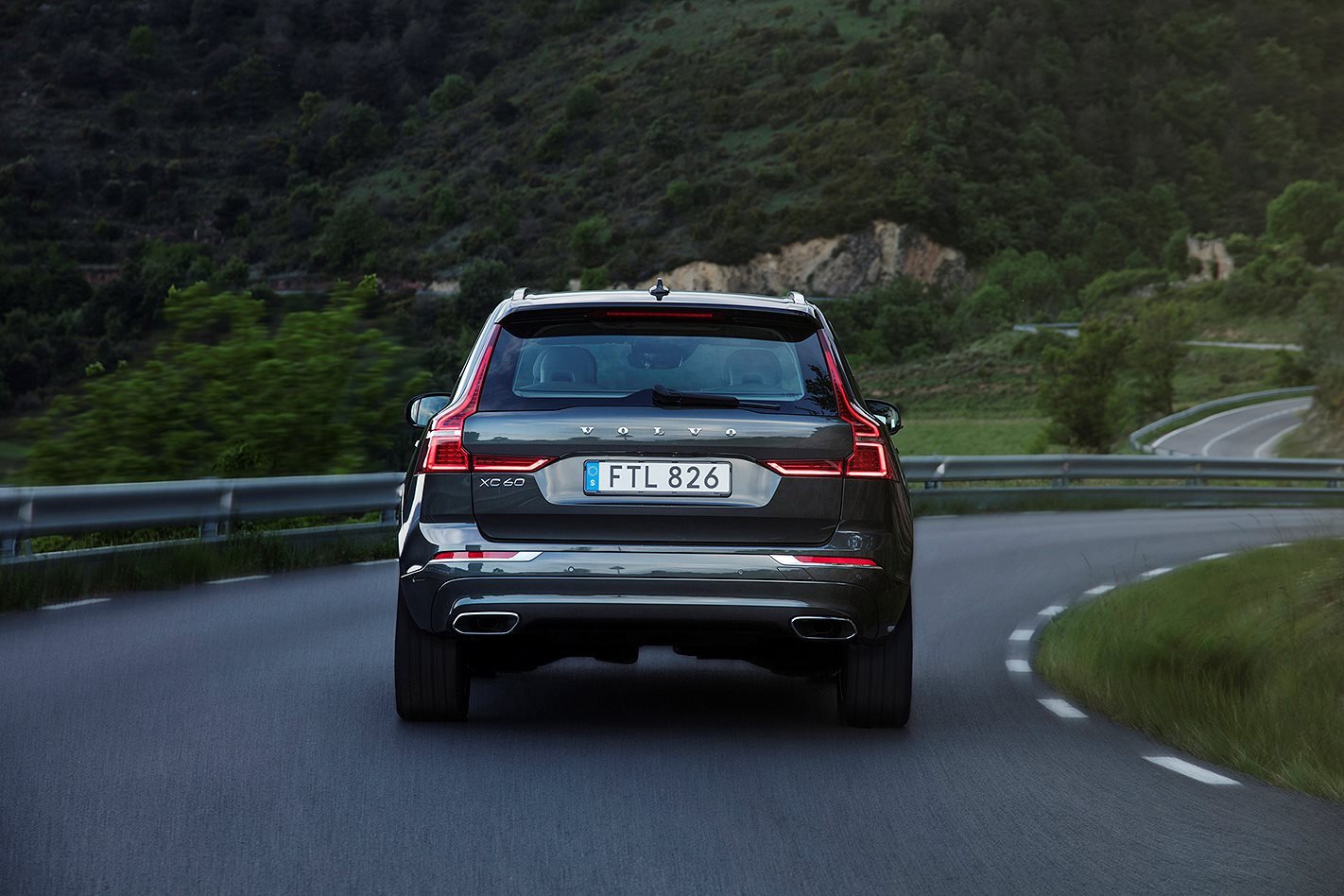
- Much like the XC90, the air-suspended T8 with adaptive damping does a highly convincing job of making the XC60 feel plush.
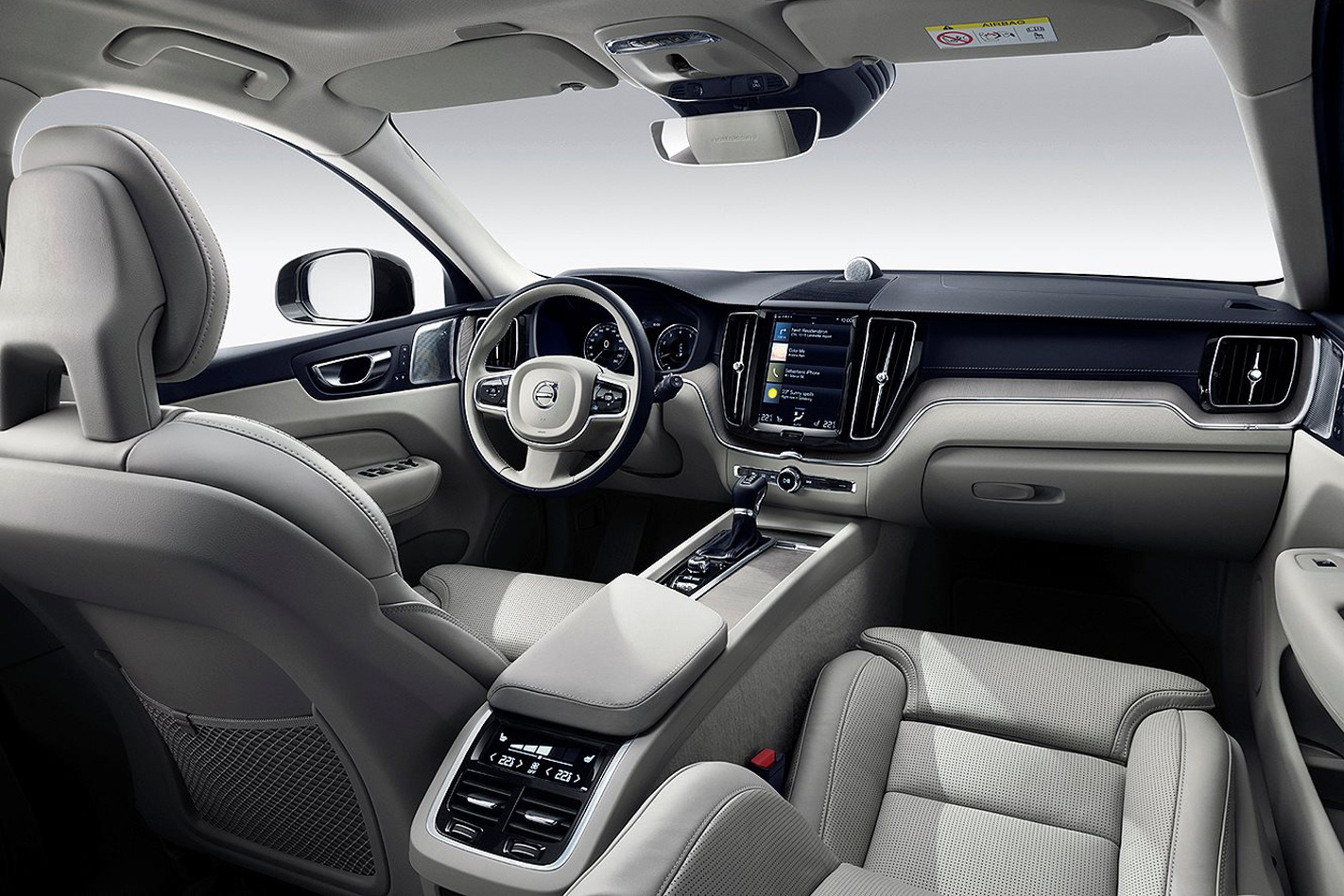
- Where the XC60 really nails the brief is inside its cabin. Get your head around its control layout – particularly the multiple layers and modes of the swipe-and-push touchscreen – and there’s a fine mix of functionality and design.
- As expected, the XC60’s safety suite is vast, including semi-autonomous Pilot Assist that does a pretty good job steering itself (briefly) on well-marked freeways, though if you need any of this stuff to help you drive then you clearly can’t, or shouldn’t be.
Cons
- It’s the lack of calibration finesse that undermines the XC60’s German-beating somewhat. With greater attention given to its damping control, throttle response, steering connection and the T8’s regenerative braking feel, this car could be a knock-out.
- The steering – while accurate and consistently weighted – has minimal true feel, meaning you rely solely on the seat of your pants when hustling the XC60 at speed.
- The damping on the two XC60s we drove with fixed-rate suspension – D4 and T5 Inscriptions, each wearing 255/45R20 Michelin Latitudes – felt unresolved. Supple at times, with mostly acceptable body control, the standard XC60 is prone to over-reacting to potholes and sizeable hits.
Any rivals I should consider?
All the key players in the premium-medium SUV segment – Audi Q5, BMW X3, Mercedes-Benz GLC, Lexus NX, Jaguar F-Pace, Range Rover Velar and Porsche Macan.
