
Holden has confirmed it will be retaining the Calais nameplate for its next-generation ZB Commodore.
The decision to retain the Commodore name for the all-new imported ZB, the first Commodore in the car’s 39-year history to be built overseas, has been a controversial one, however Holden is sticking to its guns.
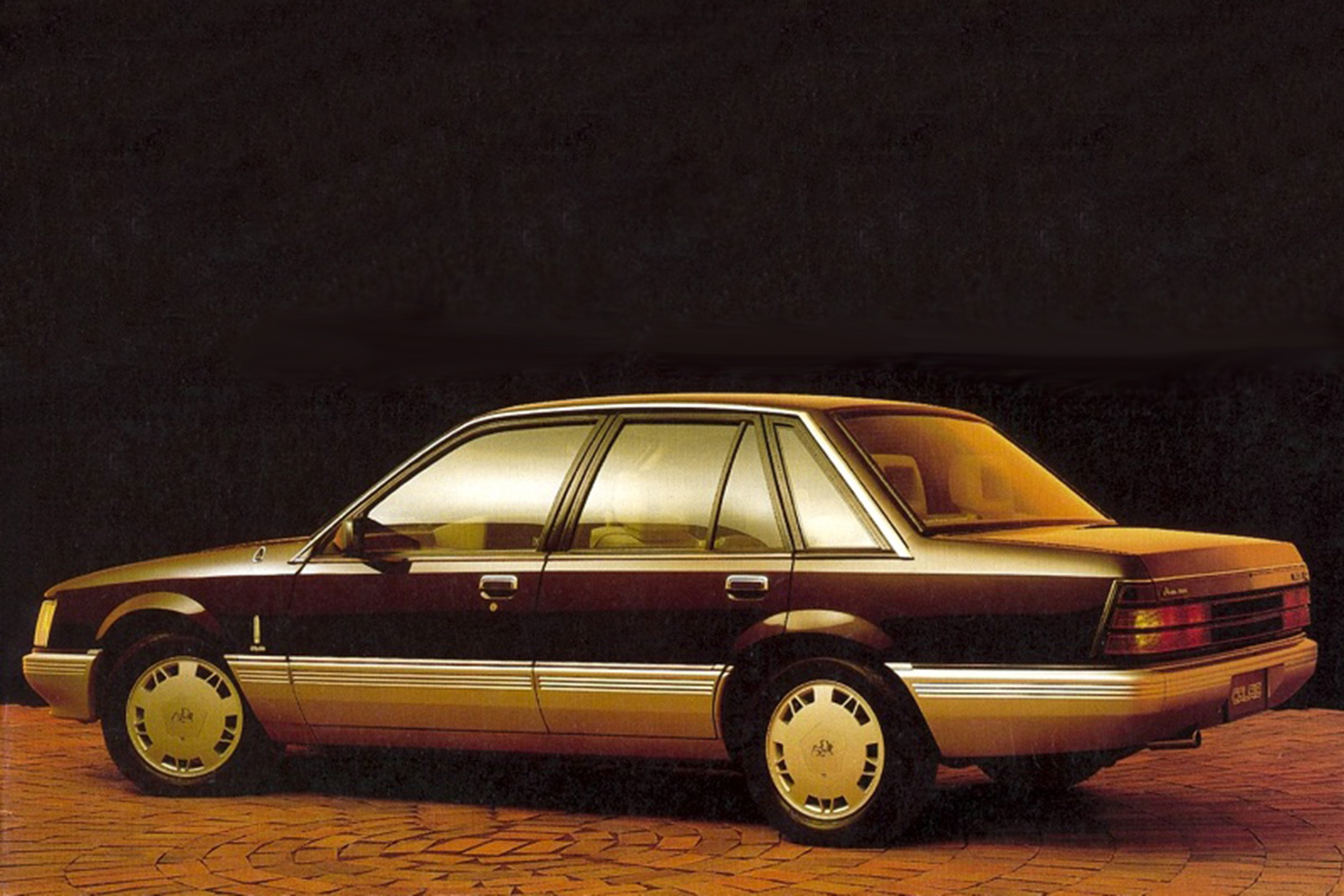
While the SS badge will be retired along with the V8 on October 20, Calais will continue on the sports-luxury variants of the new ZB, banking on the brand equity of a badge first introduced on the VK Commodore in 1984.
Holden is keen to push the ZB Commodore as the most advanced ever, with a 3.6-litre V6 powering a nine-speed automatic and all-wheel drive for the flagship models, along with adaptive LED headlights, a 360-degree camera, adaptive cruise control, autonomous emergency braking, lane keep assist and various other active safety systems.
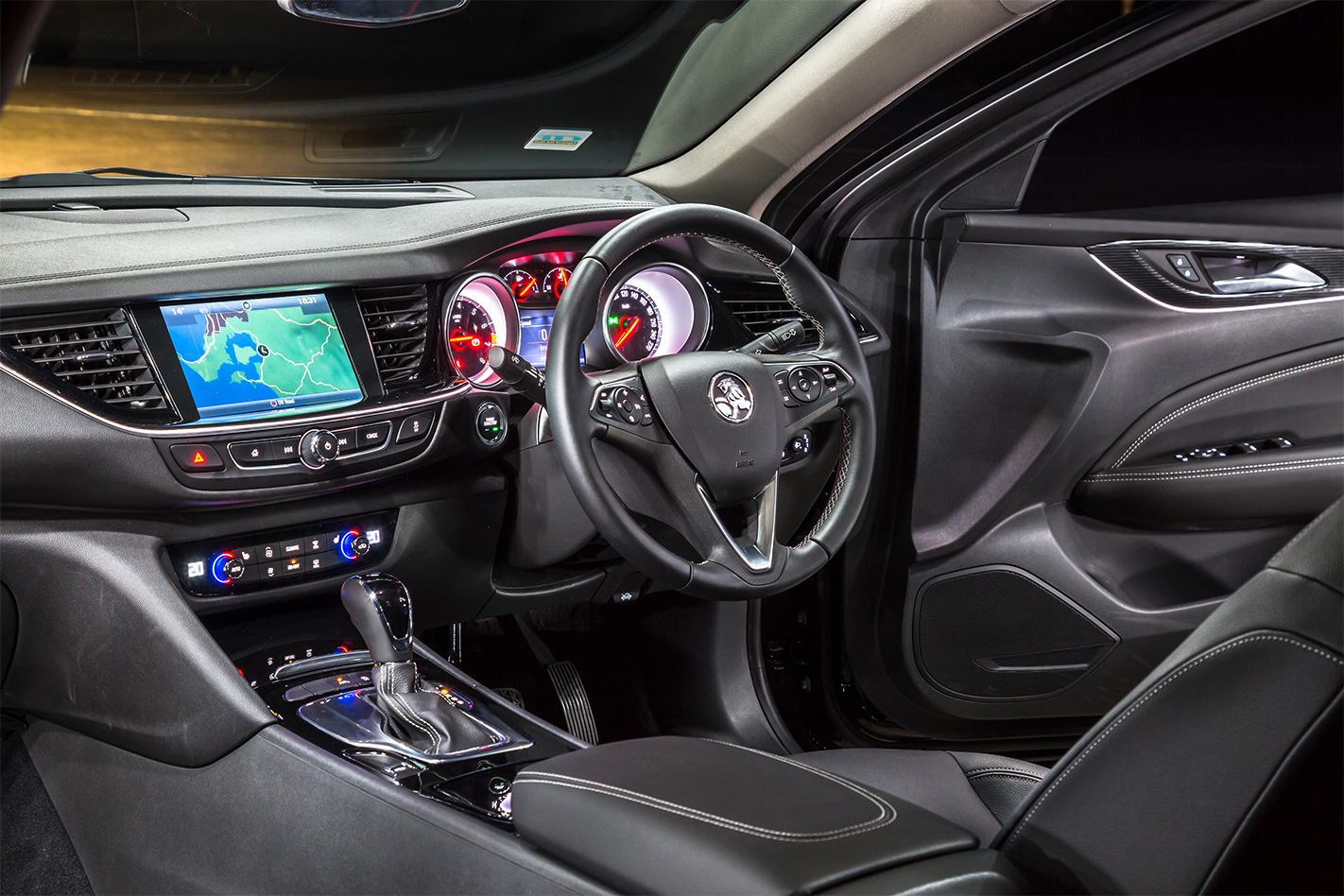
The ZB Commodore will be on-sale in early 2018, we’ll bring you a review of the V6 AWD prototype and chat with chief dynamics engineers Rob Trubiani in the near future.
IT HAS to be said, I have a not-so-secret soft spot for unusual and silly vehicles. So when I heard there was a Mercedes-Benz G-Wagen with a Porsche engine under the hood, I had to know more.
The concept of Mercedes-Benz’s most utilitarian creation (after the almighty Unimog), with a sporty Stuttgart engine hiding underneath the bonnet is something that would be easy to dismiss as too outlandish to be reality. But oh, how you would be wrong.
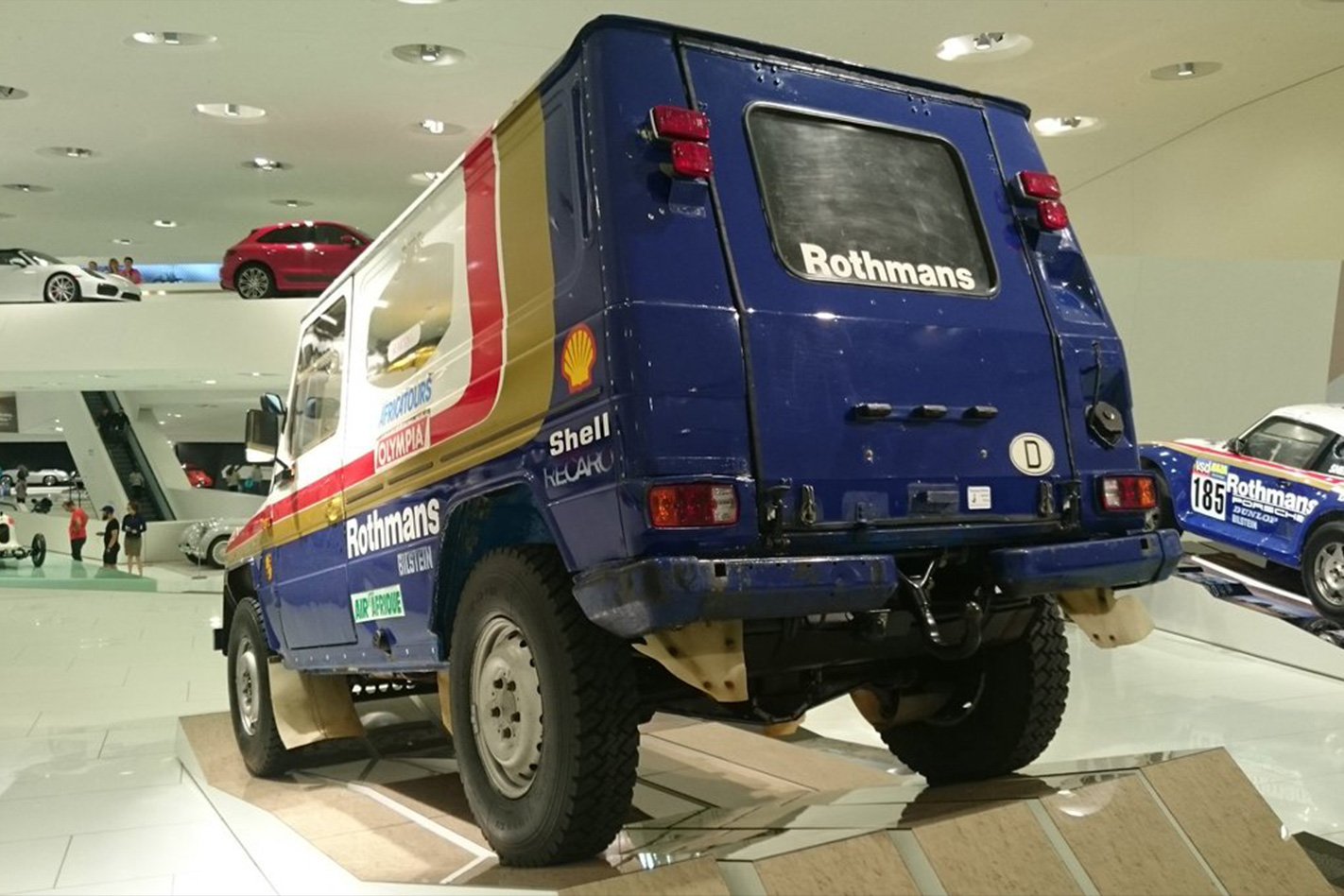
It’s unclear which of the 928’s bent-eight engines is under the bonnet, with the ‘70s coupe available with a 4.5-litre, 4.7-litre, 5.0-litre, or 5.4-litre naturally-aspirated water-cooled V8 throughout its lifetime.
It’s likely this G-Wagen, judging from the fact it was used in the ’86 rally, has the 228kW 4.7-litre unit.

More detailed technical information is remarkably thin on the ground, but one thing is for certain – it exists, and we love it! Legend has it the front bumper of the Porsche G-Wagen had to be heavily modified to fit the V8 within the confines of the engine bay.
The G-Wagen supported a trio of Porsche 959s through the ’86 Paris-Dakar Rally with a driver line-up included the legendary Jacky Ickx, who coincidentally won the fifth ever running of the event in ’83 driving a Mercedes-Benz 280 G. Teammate Rene Metge claiming outright victory in ’86, leading a Porsche one-two finish by over an hour.
Metge was largely untroubled on his way to victory, until the third stage from the end, when his 959 became stuck in deep mud. Thankfully the G-Wagen was on hand to help push him out of the sticky situation.
Fun fact about the Dakar 959; the cars actually started life as regular 911s before having the 959’s twin-turbo heart and four-wheel-drive system installed, along with a new body.
The G-Class Professional wagon has just launched in Australia, and is the most off-road capable car you can buy from the German manufacturer in Australia currently (even if you do have to pay six-figures to put one in your driveway, and that doesn’t include a radio).
Have you heard of any other quirky factory engine-swaps? If so, let us know in the comments below!
The Mercedes-AMG S63 and AMG S65 have been updated inside, outside, and under the bonnet ahead of the Frankfurt Motor Show.
In both coupe and cabriolet styles, the AMG S63 loses its 5.5-litre V8 in favour of a 4.0-litre version, which actually puts out more power.
Where the old 5.5-litre twin turbo donk was worth 430kW, the new 4.0-litre biturbo can summon 450kW as the E63 does, though the S-Class gets an extra 50Nm of torque for a total of 900Nm.
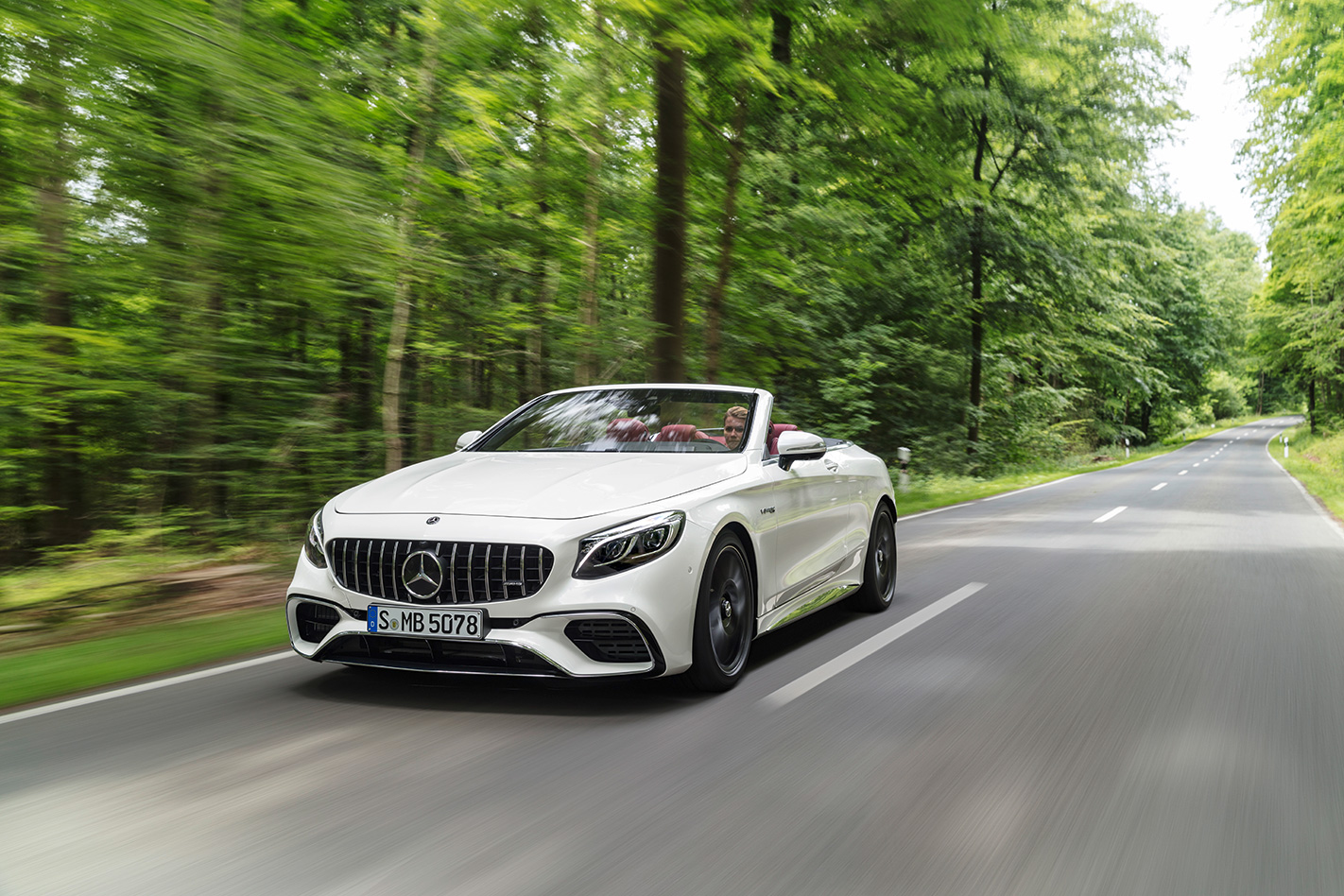
Despite the extra stonk and twist, the rear-drive ’65 won’t keep up with the all-paw S63, which features M-B’s 4MATIC+ AWD and will reach 100km/h in a claimed 3.5s to the S65’s 4.1.
However, for right-hook units, the S63 is rear-drive only. Drift junkies, fear not.
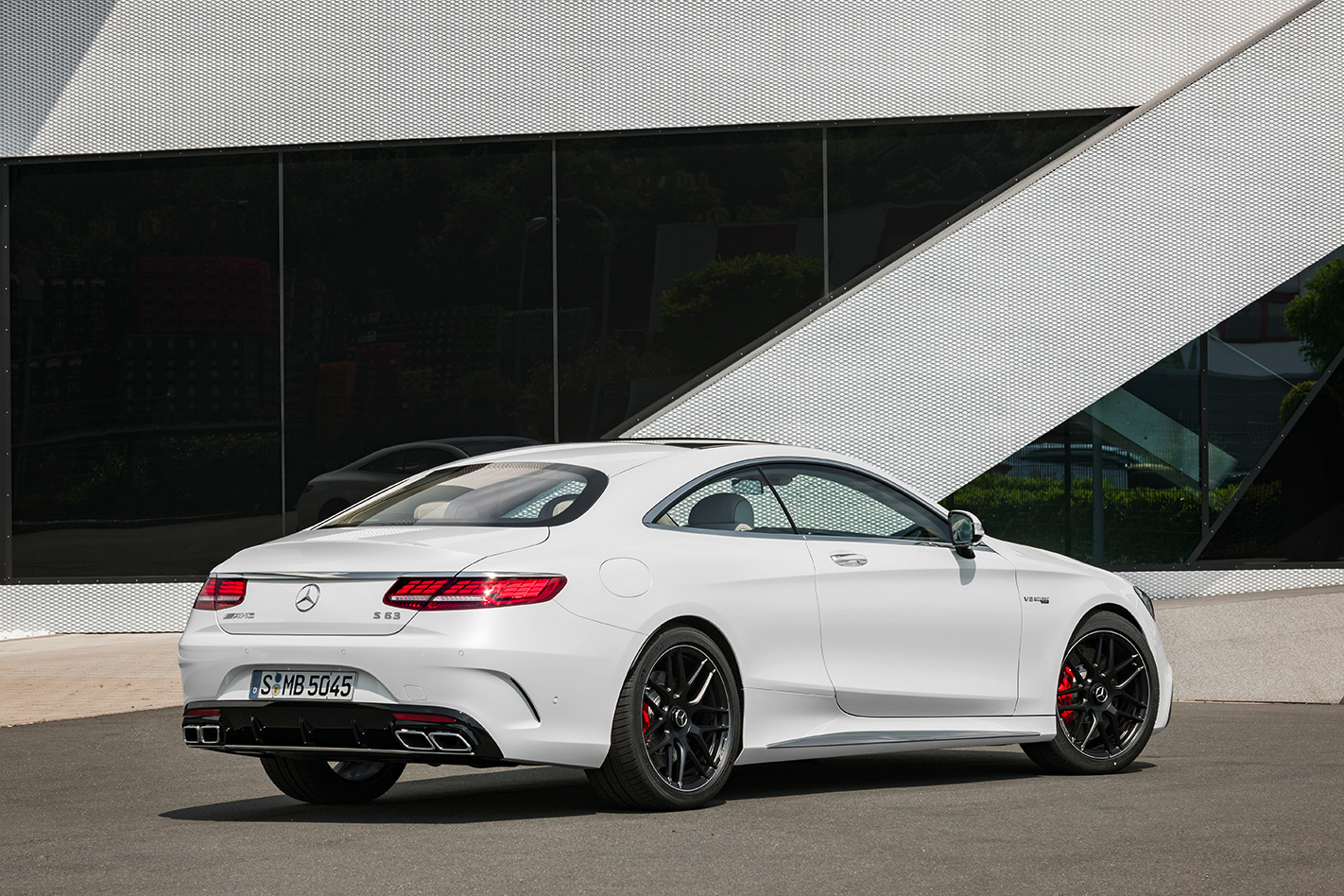
The feature AMG seems most keen to spruik for these updated models is not so much the performance changes, but rather the new Panamerica grille, which Mercedes-Benz and AMG will roll out onto almost ever model with an M-B badge.
CEO of Mercedes-AMG Tobias Moers says the changes are similar to those which were undertaken for the S-Class sedans.
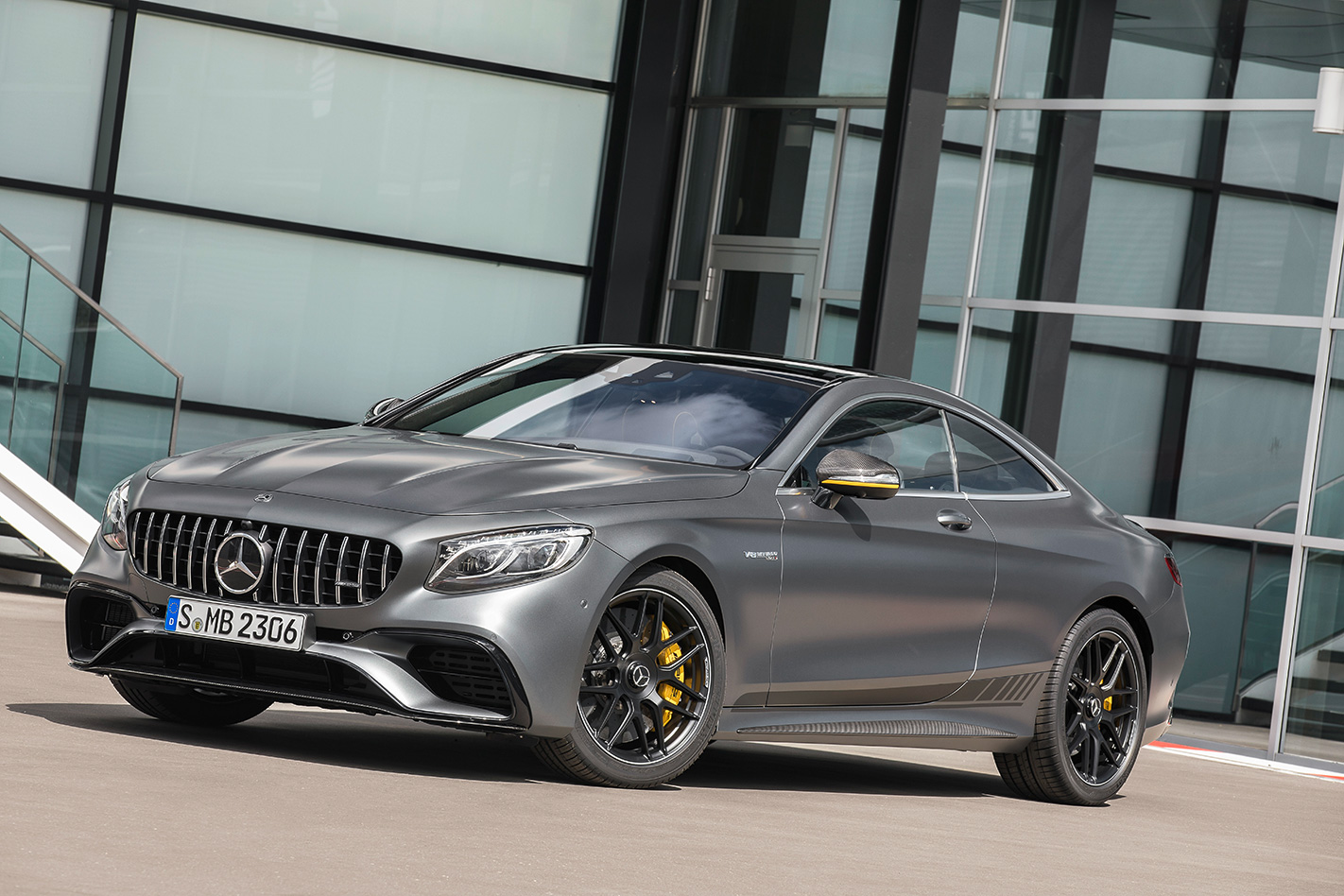
In addition, during the first six months after launch, Mercedes will offer a Yellow Night Edition of the S 63 Coupé.
It’s a ‘visual flair’ pack that adds yellow trim strip on the exterior mirror housings, as well as yellow-painted brake callipers and an aero package with an enlarged front splitter and a spoiler lip in high-gloss black (or in carbon-fibre with Carbon Fibre package).
THE Honda CR-V Hybrid Prototype has been locked in for a Frankfurt Motor Show debut, featuring a 2.0-litre petrol engine paired with an electric motor and generator, and looking only slightly different to the SUV’s sharp new electron-fuelled looks unveiled in Shanghai recently.
The concept car is Honda’s first-ever electrified SUV. Its 2.0-litre four-cylinder petrol engine uses the same fuel-efficient Atkinson cycle as Toyota’s locally-made Camry mid-size sedan, but pairs with one electric motor that assists the front wheels, and another that acts as a generator to draw electricity from the energy normally lost during braking and feed it back into the batteries.
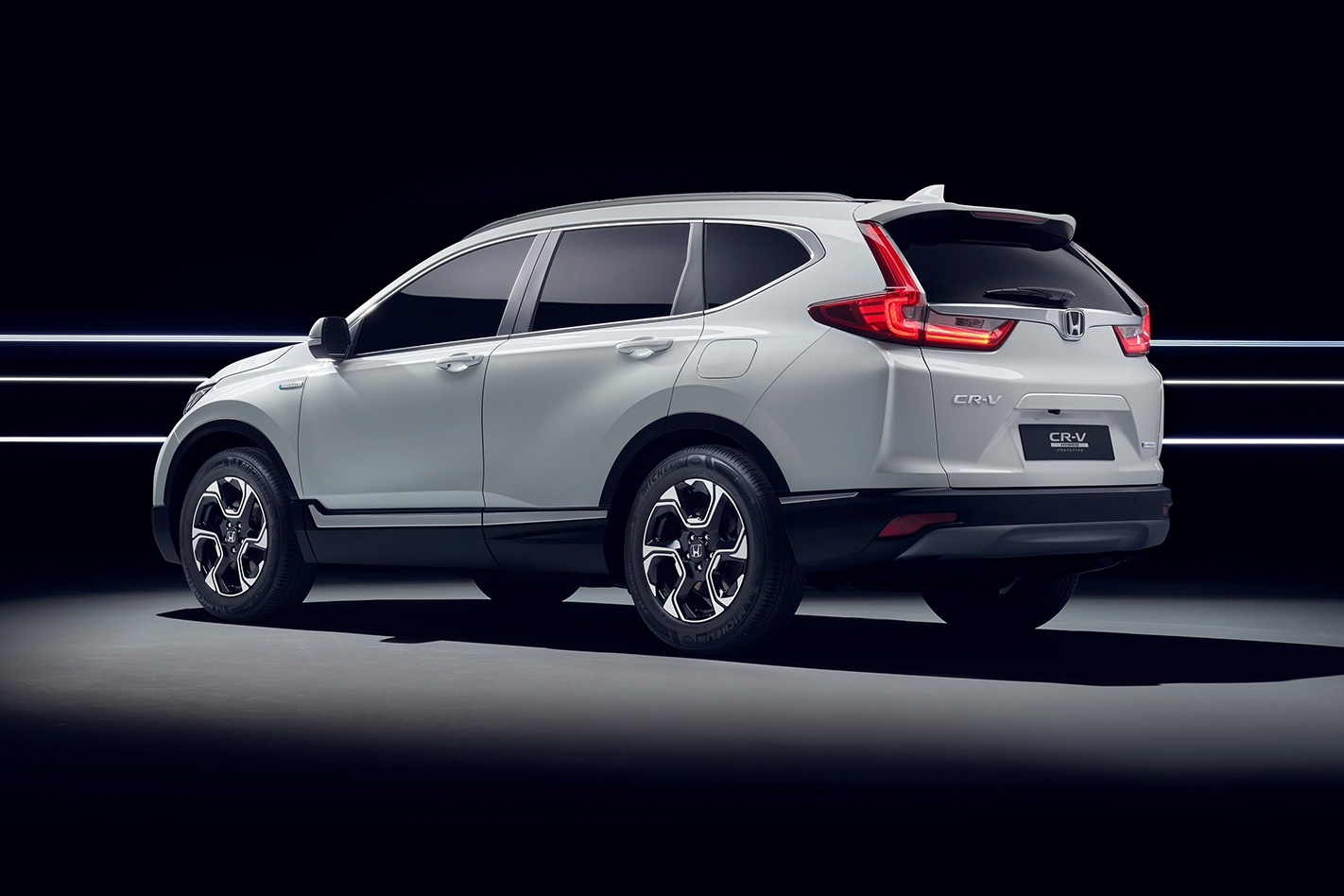
According to Honda, the hybrid CR-V doesn’t use a conventional automatic transmission. Instead it appears to be fitted with a single fixed-ratio planetary gear “that creates a direct connection between moving components, enabling a smooth transfer of torque within the system”.
A three-mode system allows the experimental CR-V to run on battery power alone, a combination of electrons and hydrocarbons, or exclusively on the petrol engine. The electric motor can kick in while accelerating to provide “an on-demand peak power boost”.
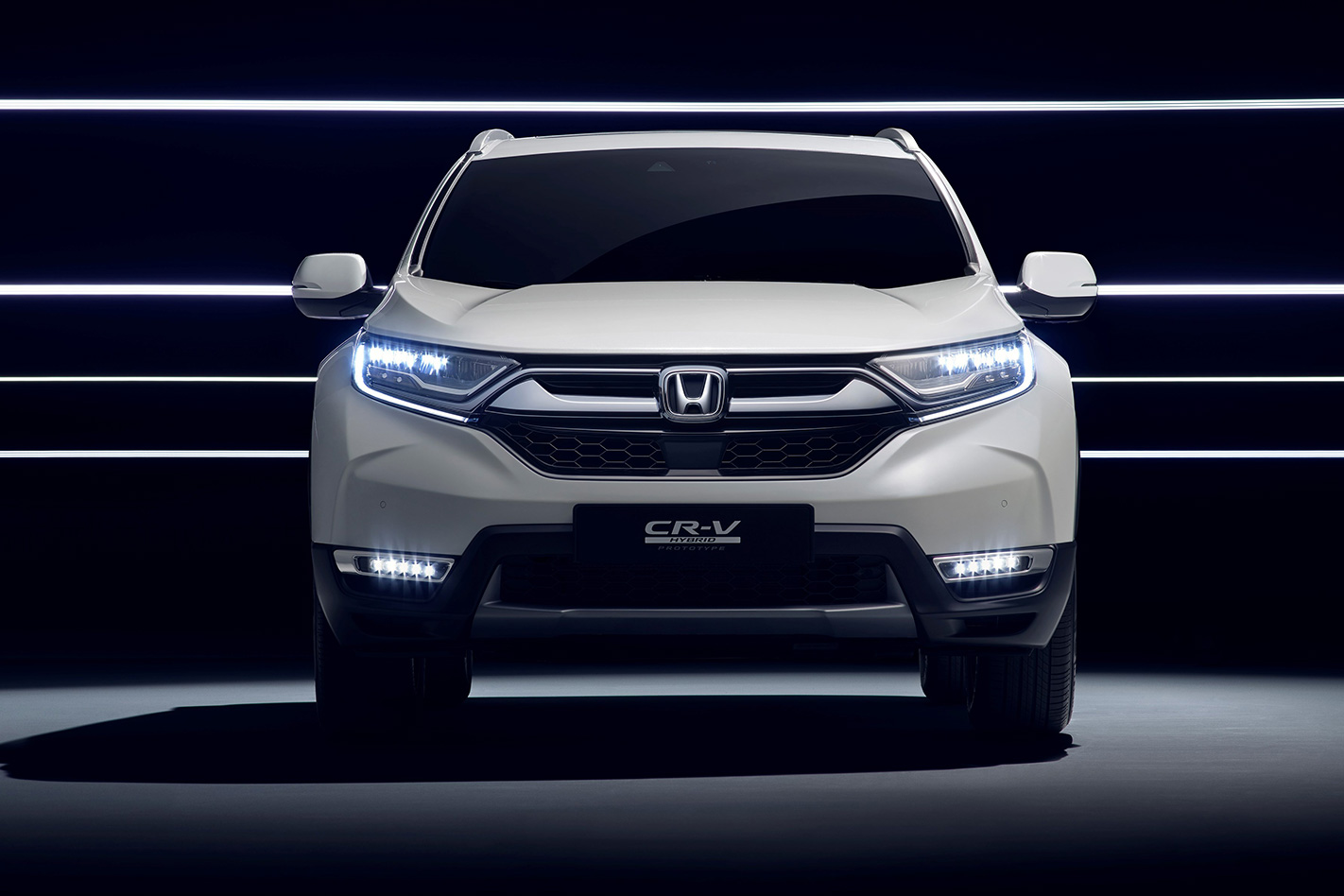
European versions of the Honda CR-V will use either the hybrid system, or the 140kW turbocharged 1.5-litre four-cylinder engine that is used in the CR-V line-up sold here.
The recently launched fifth-generation CR-V introduces an optional third row of seats for the first time.
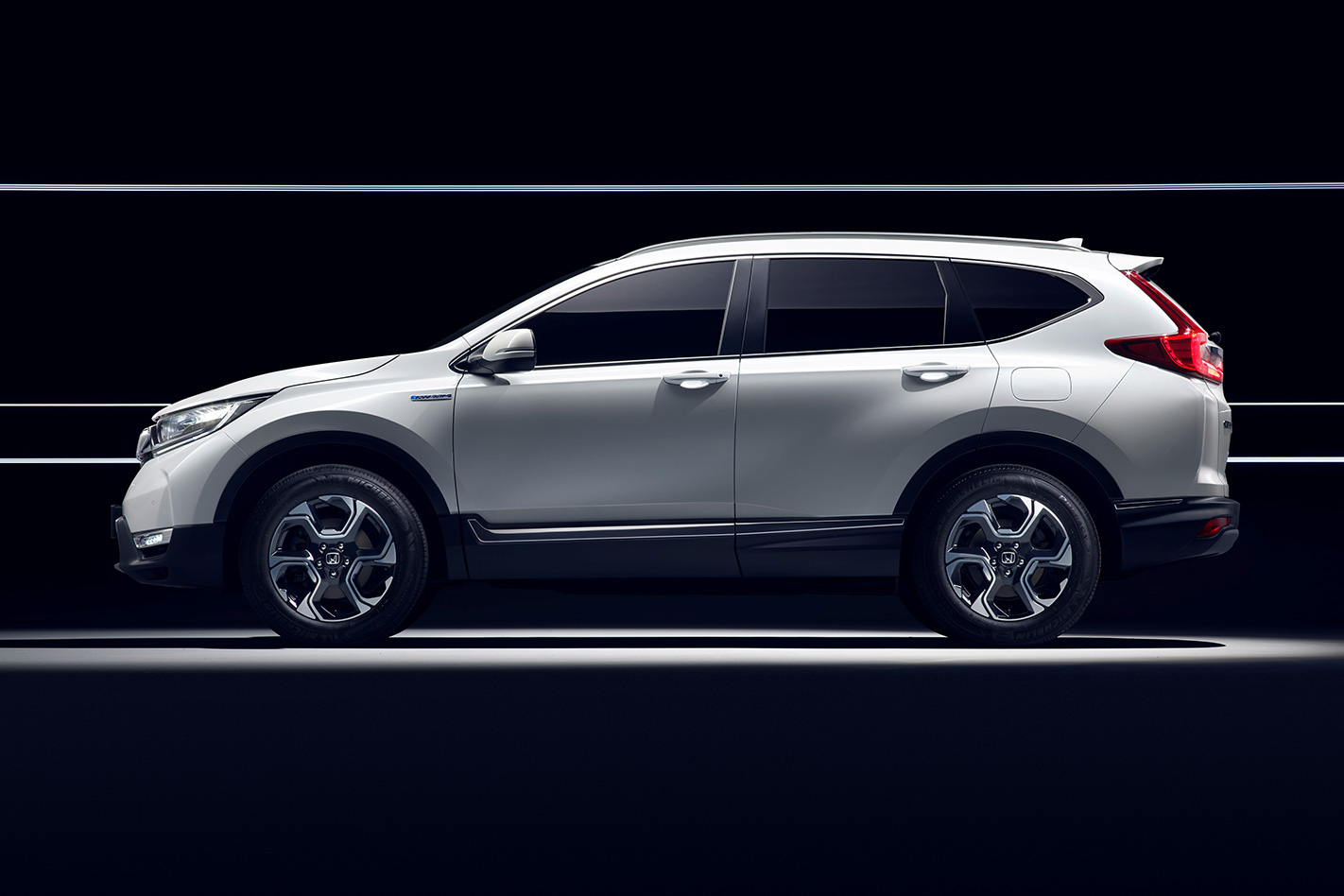
The hybrid CR-V differs only slightly to a hybrid-badged version unveiled in Shanghai in April; this European version is fitted with what looks like LED daytime running lights instead of conventional-looking fog lamps.
No drivetrain output details or fuel consumption figures were revealed.
IT’S a year that changed the landscape of Australia.
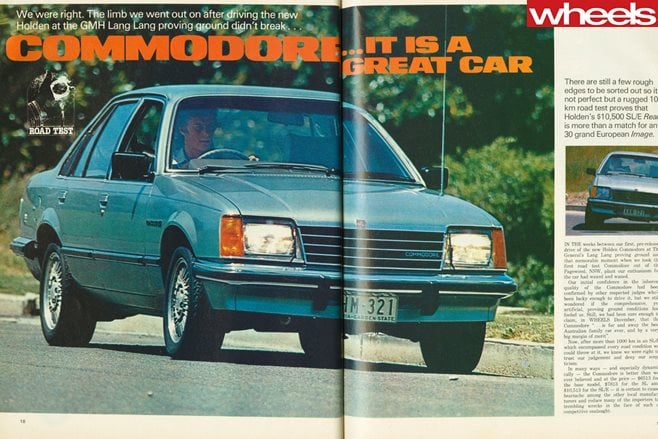
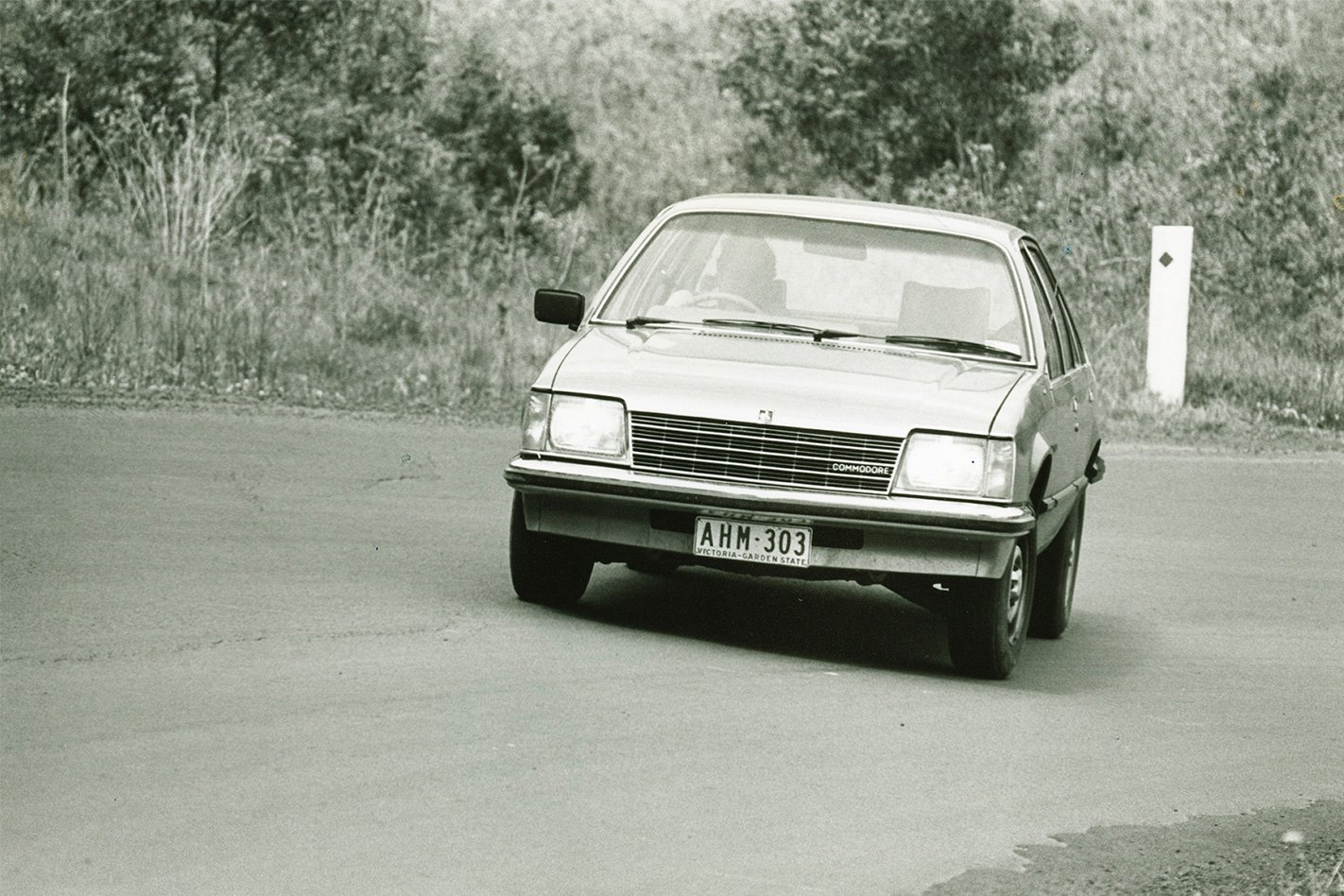
In November 1978, in the wake of the 1970s oil crisis, Holden was to retire the big, fuel-heavy Kingswood and introduce a stunning new model, the VB Commodore, a vehicle loosely based on the European-market Opel Rekord, but with significant local tweaks.
Over at Tonsley Park, Chrysler had been struggling with a unique set of problems. The French had conducted a series of nuclear tests in the Pacific, and in protest, the flow of French goods into Australia – needed for Chrysler’s Centura – had slowed to a trickle. It would result in the Centura becoming a commercial flop for the carmaker. In contrast, 1977’s Sigma would flourish. Three years later, Mitsubishi would lift its one-sixth stake in Chrysler Australia to 100 percent, marking the exit of Chrysler’s US parent.
Australia’s protectionist stance on the car industry was continuing to bite. The Fraser government had upped tariffs on imported cars in 1978 from 45 to 57.4 percent to protect local manufacturing. It didn’t do much: the locally made share of the new-car market would continue to fall, slipping below 80 percent and forcing companies to either scale back their operations, or shutter the factory doors. Mitsubishi would buy out a debt-ridden Chrysler Australia in 1980, and Holden would close its Pagewood assembly line outside Sydney. Renault’s Heidelberg plant would struggle along with heavy losses before pulling the pin in 1981. The import quota program, introduced by the Whitlam government in 1974 as a temporary measure to help car makers remain viable, was still in force.
In 1981, the last Chrysler to use the Valiant name would roll off the production line.
Toyota would introduce volume production of body panels at its Altona factory, while Holden would form an association with Japanese company Isuzu to bring in a ute called the Rodeo.
The late 1970s and early 1980s were a glory time for Holden’s motorsport division. The Commodore would dominate the circuit, with a young bloke named Peter Brock leading the charge.
But things would take a turn for the worst, with the 1983 Button Plan marking a turning point for the industry. All of a sudden, all the previous governments’ successive protectionist policies were assessed as being counterproductive to the industry. Talk started that tariffs needed to be reduced so that Australia would have to compete with the world’s car makers on a level playing field and generate export dollars, or shut down shop. The plan was to suggest that Australia was too small to support more than three manufacturers producing no more than six models in order to wipe out inefficiencies and a lack of competition.
Next: 1983-87: The beginning of the end?
One lucky lad has had a close up look at the new 2018 Ford Mustang GT prior to its release, just by being in the right place at the right time.
While out on a drive with friends, he ran into (figuratively, of course) the head of PR for Ford North America.
Lucky for us, he thought to record and photograph the car, so we get a peek too.
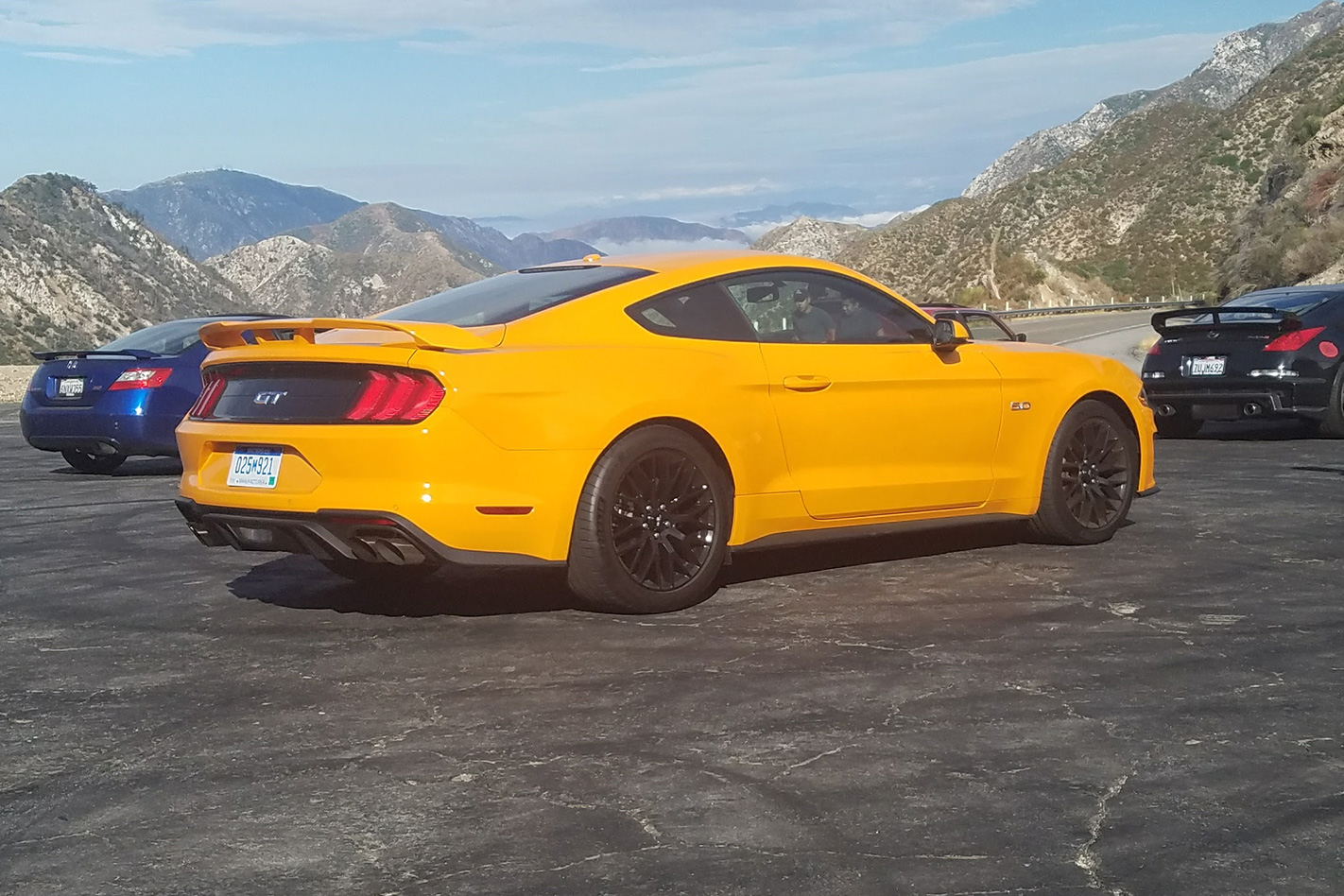
“This car isn’t even out yet,” he adds.
“The rep demonstrated a few of the car’s 4 exhaust settings before heading off to do some more canyon carving.”
One of those exhaust modes is the reason the car sounds so quiet at the beginning of the video – it’s the ‘good neighbour mode’, which softens the roar of the 5.0-litre V8 for those early morning trips out of your sleepy suburban cul-de-sac.
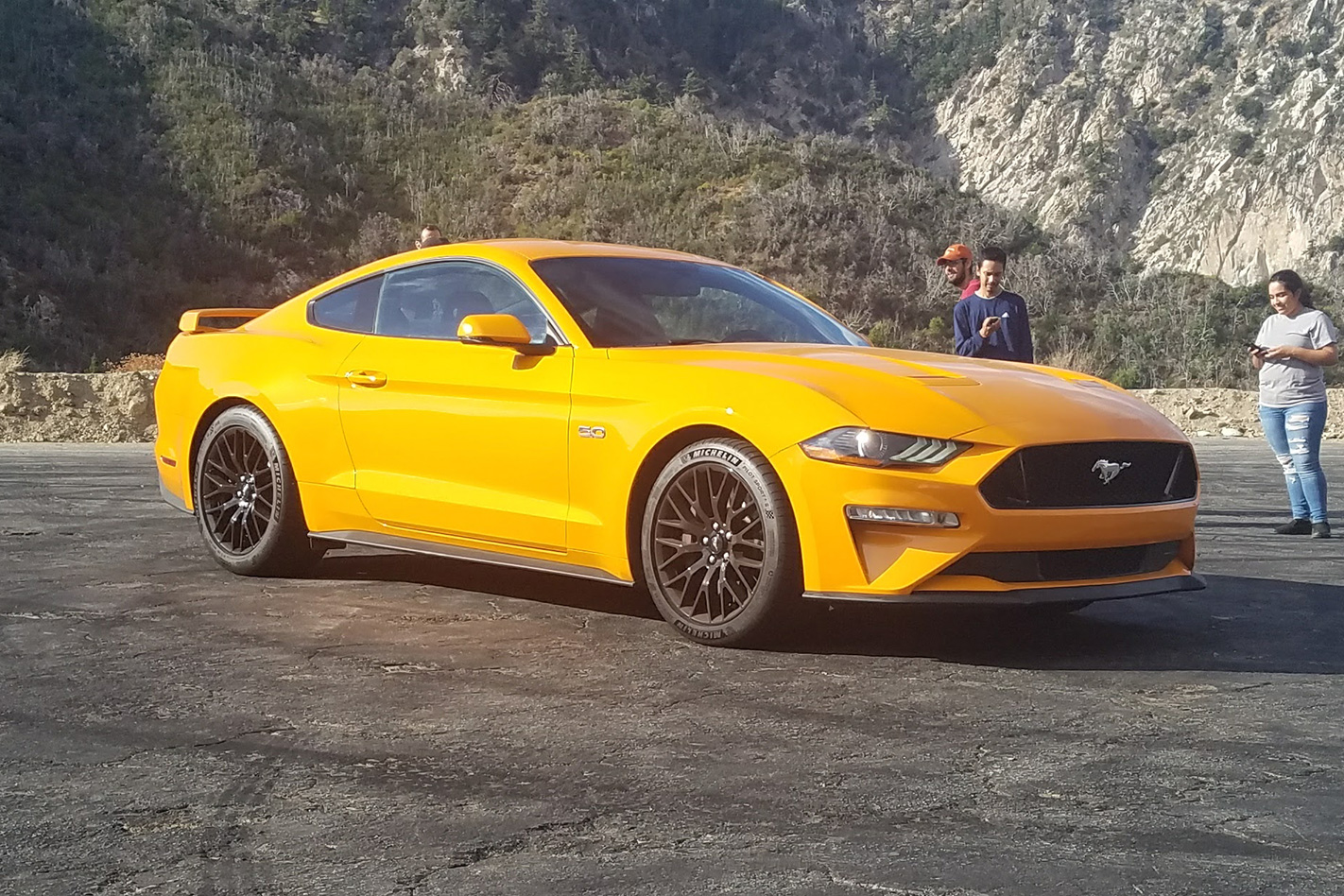
The particular pony being driven in the video was manual, and the uploader was told it would cost around USD$47,000, which sounds about right for pricing even in the Aussie equivalent $58,800.
Currently, a Mustang GT will set punters back 57,490 in manual guise, though that might change when the 2018 facelift rolls around.
Images and video by YouTube user Quixotiic
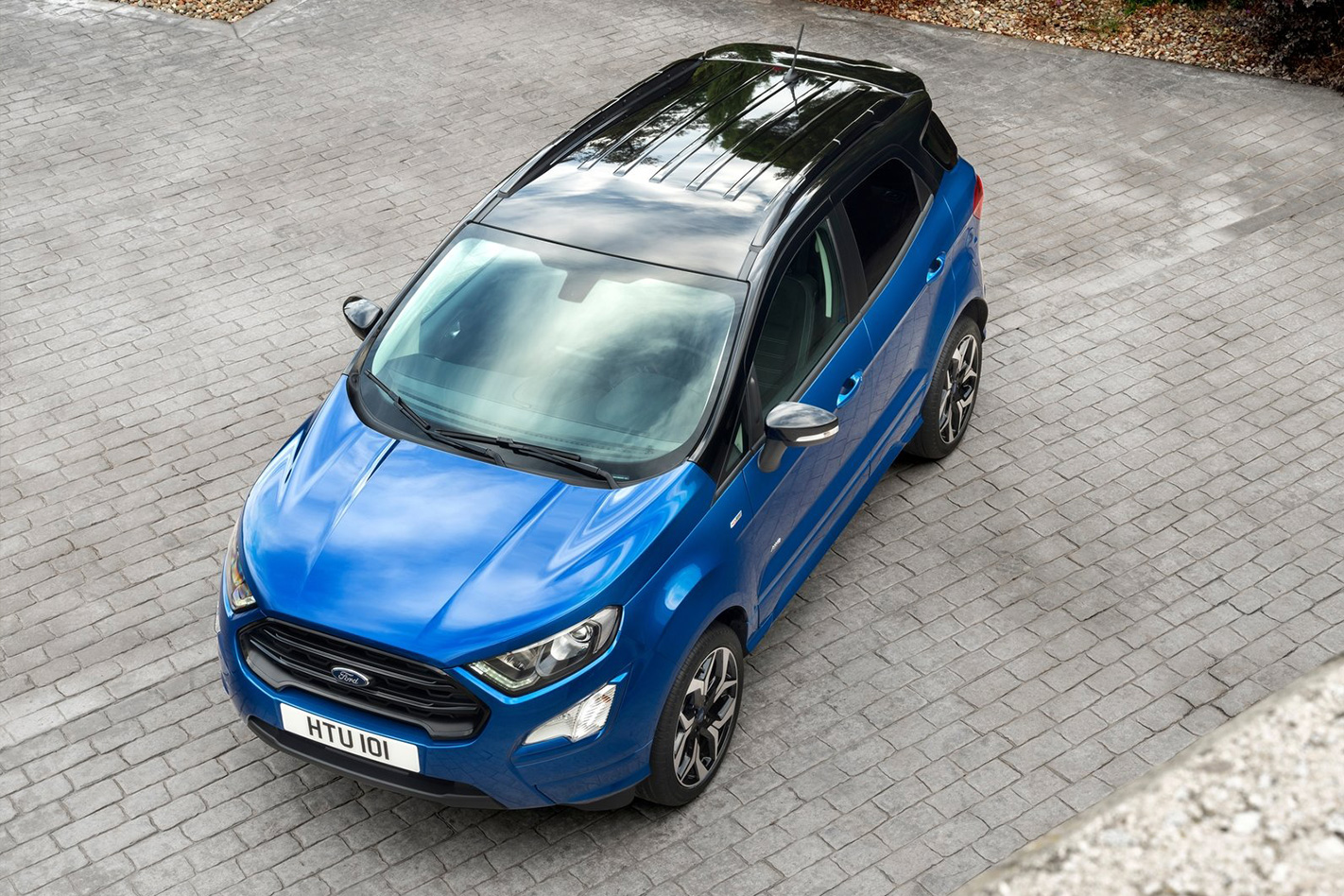
Ford has given its EcoSport small SUV a welcome mid-life facelift and added a new athletic looking ST-Line variant to the European range which could be headed down under.
The facelift includes turning the dour double grille arrangement on its head, resulting in a more attractive face that resembles the Escape.
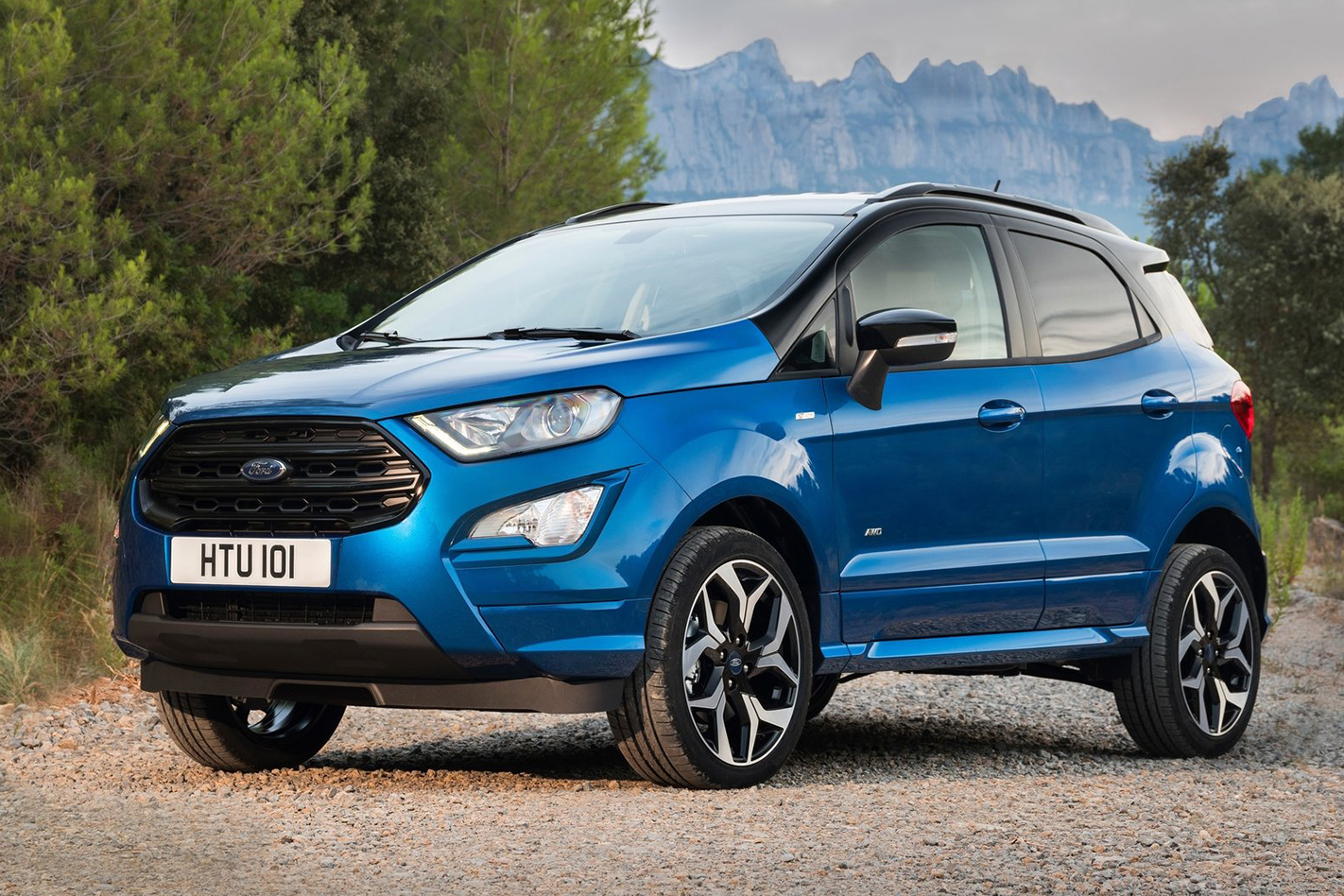
The gaping hexagonal top grille is flanked by new headlights with elegant tick-shaped LED daytime running lights. Other external changes include bolder bumpers, a more pronounced tailgate spoiler, blacked out window pillars, and roof and new body-coloured side sills which significantly modernises the EcoSport’s appearance.
While it appears that the bootlid-mounted spare wheel is no longer present on the updated model, Ford says it can be fitted as an option – those that didn’t opt for the bootlid fitted spare might have to make do with a space saver.
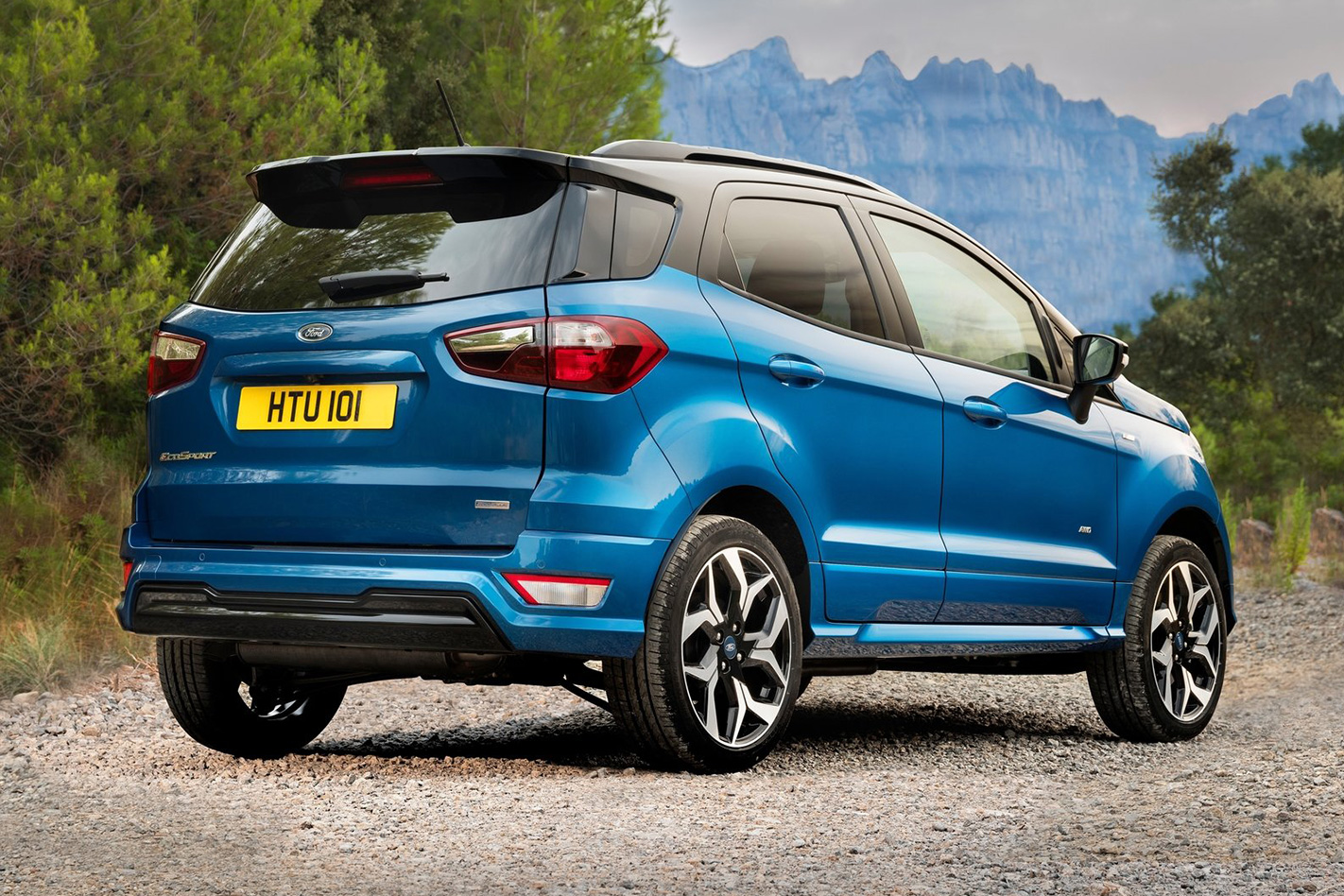
It’s unclear how many of these features are unique to the pictured ST-Line, which has the looks you’d expect in an ST variant without the extra performance.
The Ford EcoSport’s dated interior has also been transformed with the old gawky gauge cluster and busy central control panel being replaced with the new Fiesta’s clutter-free dashboard and centre console that features a floating screen.

The touchscreen will vary in size from 4.2- to 8.0-inches depending on variant and will display Ford’s latest SYNC 3 connectivity and infotainment with Apple CarPlay/Android Auto connectivity.
Ford has announced a new powertrain for its European range in the form of a 1.5-litre EcoBlue diesel engine mated to new six-speed manual gearbox and all-wheel-drive. This will become available in Europe next year, though it’s unlikely to make its way into Australia-bound models.
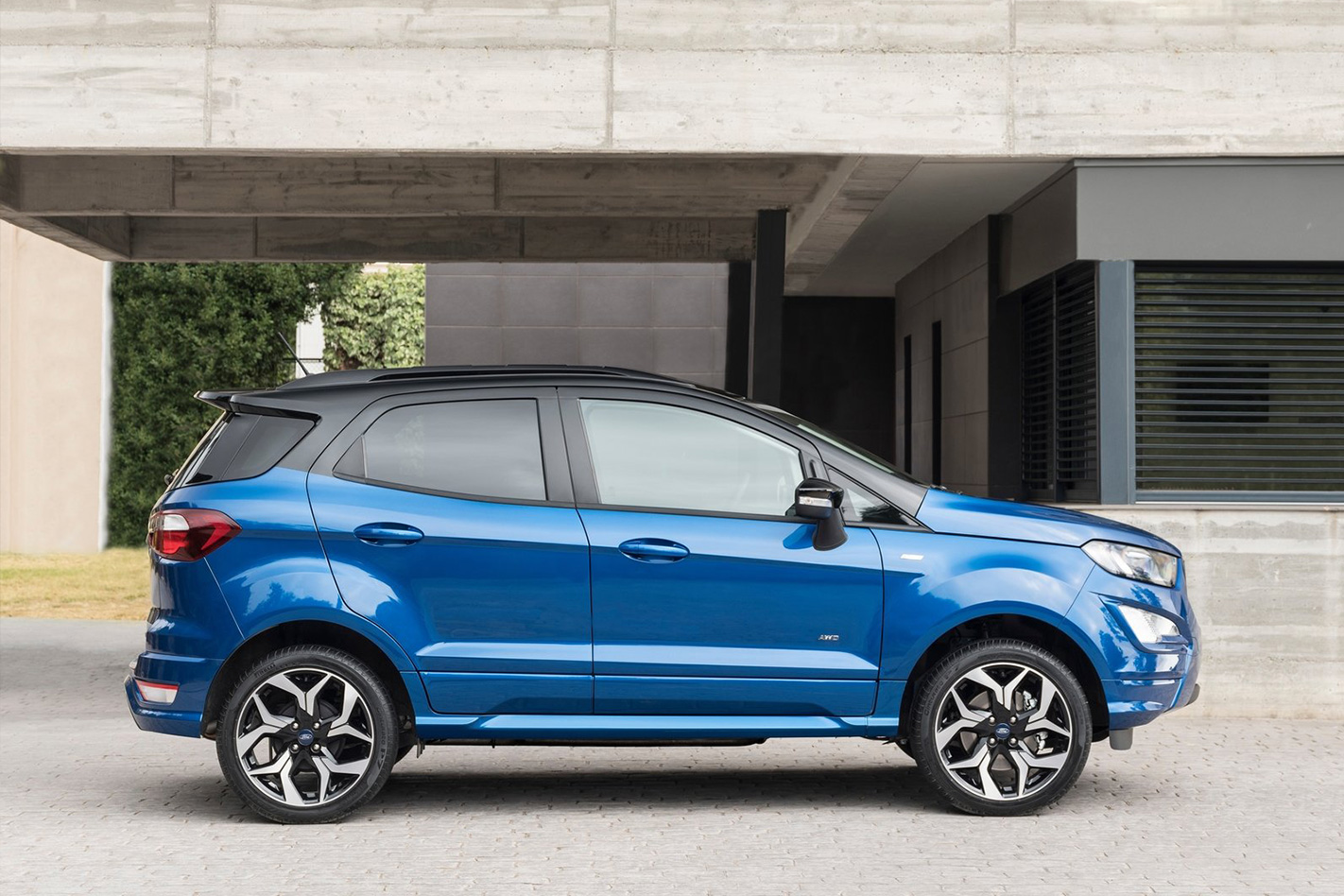
The 2018 Ford EcoSport will be officially revealed at next week’s Frankfurt Motor Show and will launch in Europe later this year.
The Australian launch is also scheduled for around the same time, however a Ford Australia spokesman told WhichCar it is too soon to discuss local range details as our EcoSport models are built in India, so specifications may vary from the Romanian-built Euro models.
That said, he didn’t rule out an ST-Line variant for Australia, which going by these images could boost the EcoSport’s fortunes in the increasingly competitive small-SUV market here, especially if its sharp pricing can be maintained.
Kia will officially reveal a new addition to the Picanto range at Frankfurt, called the X-Line, however it won’t be coming to Australia.
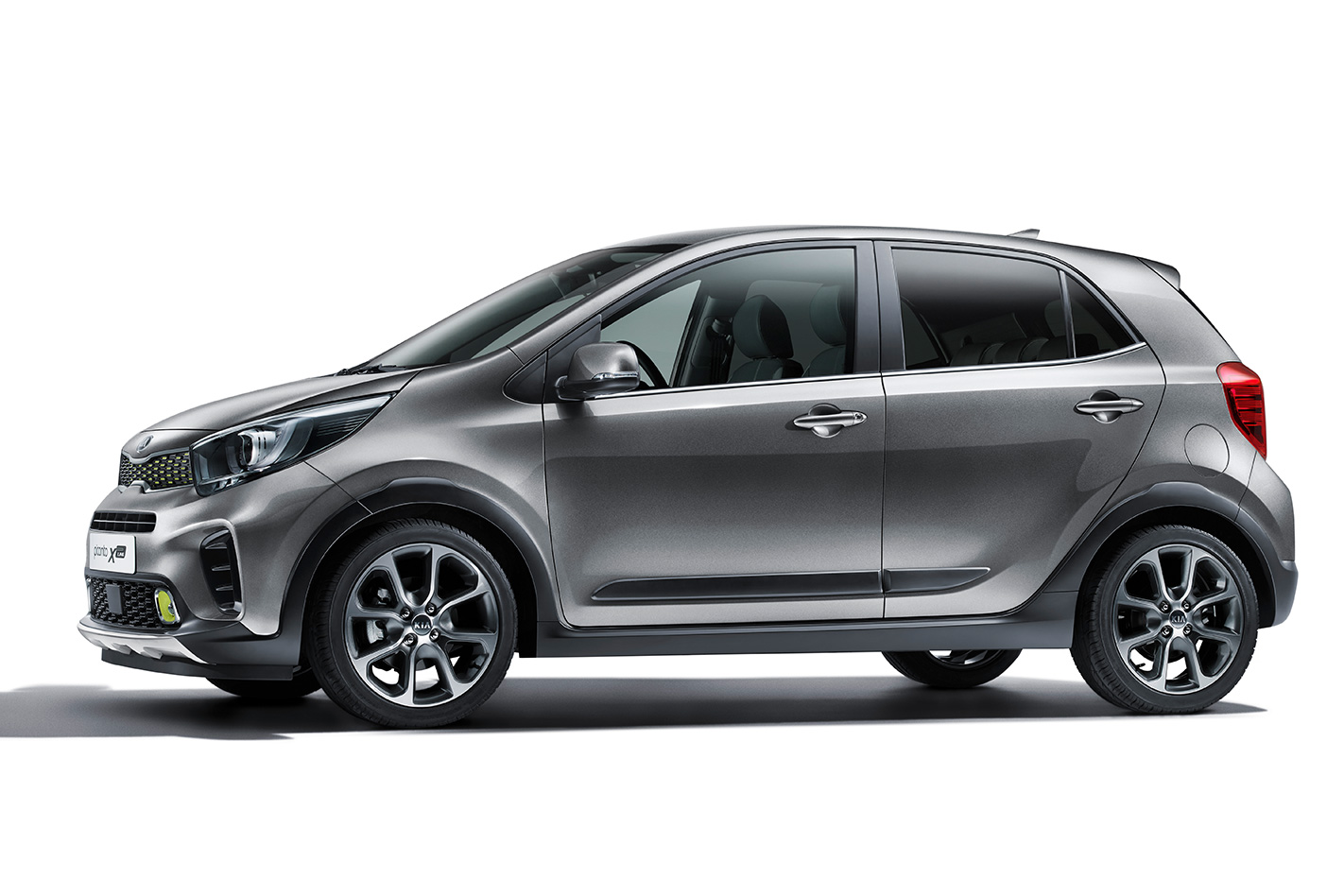
The Picanto X-Line is a higher-riding variant of the Korean light car, packing a turbocharged 1.0-litre three-cylinder engine.
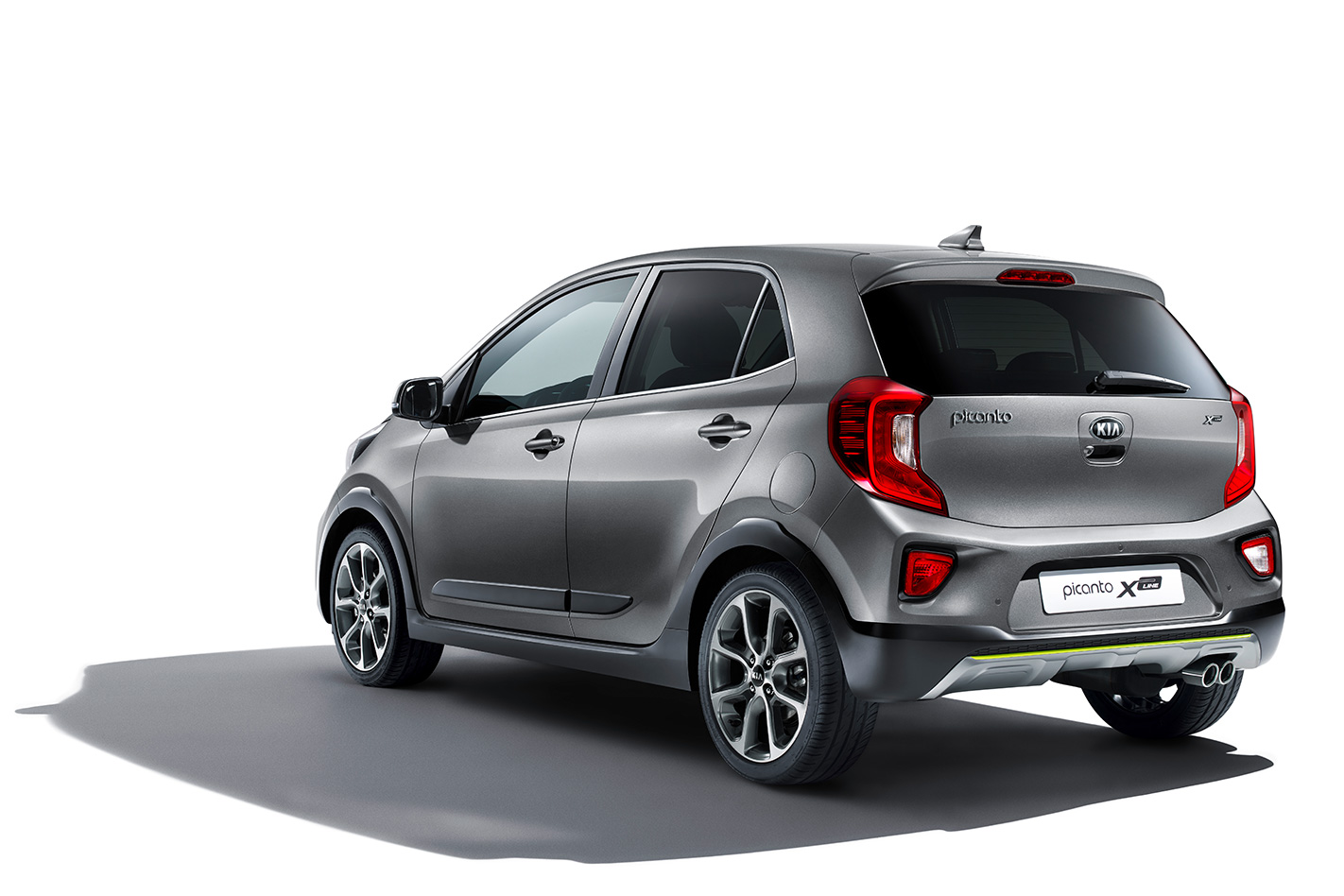
The 73kW/172Nm ‘T-GDI’ engine will make it the most equal most powerful Picanto available, matching the sporty GT variant with the same engine.
The X-Line is designed to be a more SUV/crossover-esque model, to sit below Kia’s popular mid-size Sportage.
Contrasting colour packs differentiate the X-Line from the regular Picanto range along with its 156mm ride height (an increase of 15mm over standard), larger front and rear bumpers front and ‘metal-look’ skid plates.
The 1.0-litre turbo engine will give the X-Line a noticeable improvement in performance over its naturally-aspirated siblings, with peak power available from 4500rpm, and peak torque between 1500 and 4500 rpm.
The X-Line will accelerate from 0-100km/h in 10.1 seconds, with a claimed fuel efficiency of 4.5L/100km (combined).
The high-riding Picanto will ride on 16-inch alloy wheels, and have the same interior features as standard models, including the 7.0-inch touchscreen infotainment display with smart-phone mirroring.
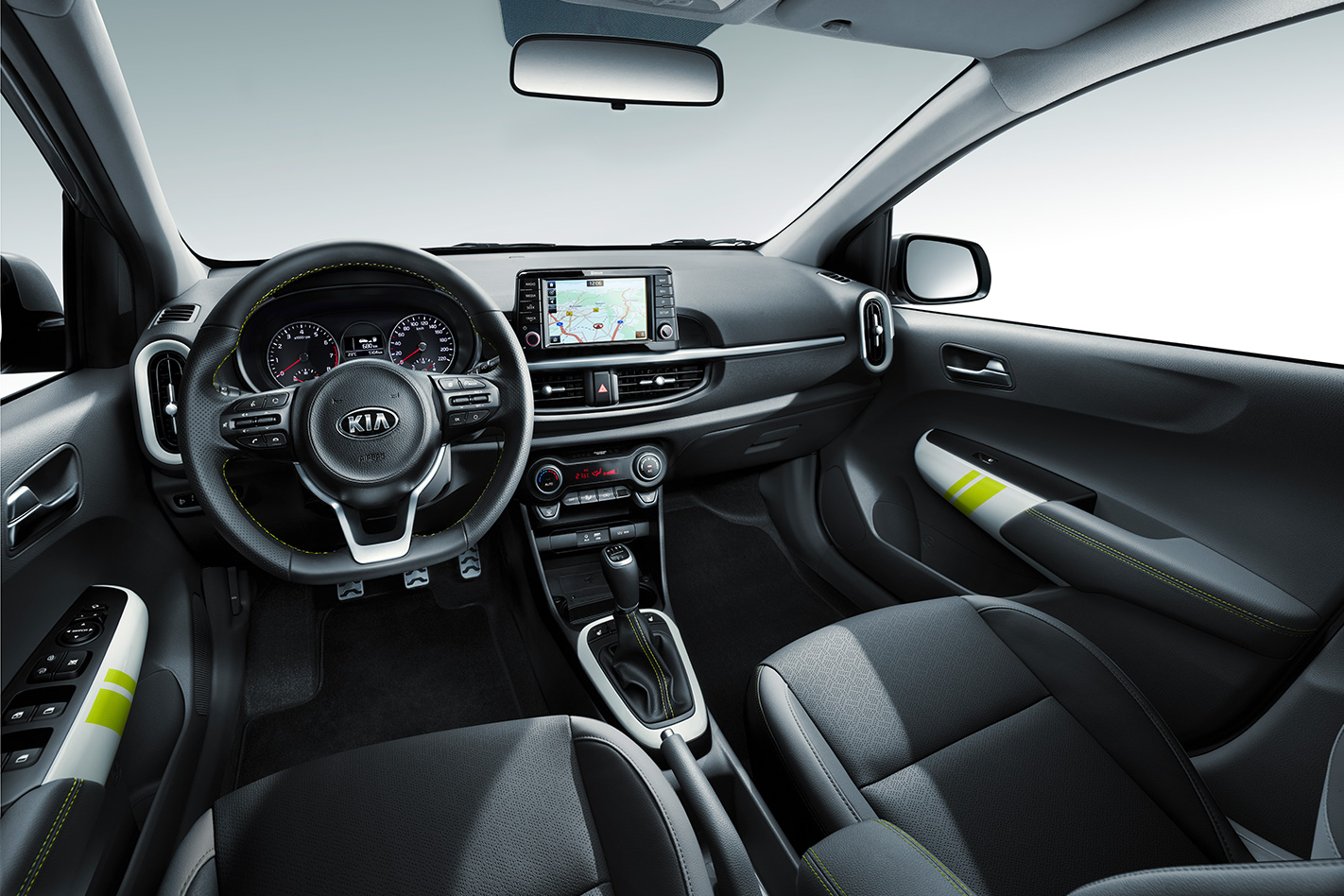
There is no word on transmissions for the X-Line, however it’s GT sibling with the same engine is only available with a five-speed manual.
The same 1.0-litre is available in the Rio in Europe in either six-speed automatic or five-speed manual guise.
The tiny crossover hatch could do OK here, though a Kia Australia spokesperson confirmed to WhichCar it is unlikely the X-Line will be sold on our shores.
From the Union Jack tail lights, to the aggressive front lip spoiler, there’s no denying that the Mini JCW GP Concept looks wild.
But, as it’s just a design concept, we have no details on what running gear a car like this would house.
According to BMW Group, the concept “picks up the baton” following on from the 2012 JCW GP and the Cooper S of 2006 with a JCW GP kit.
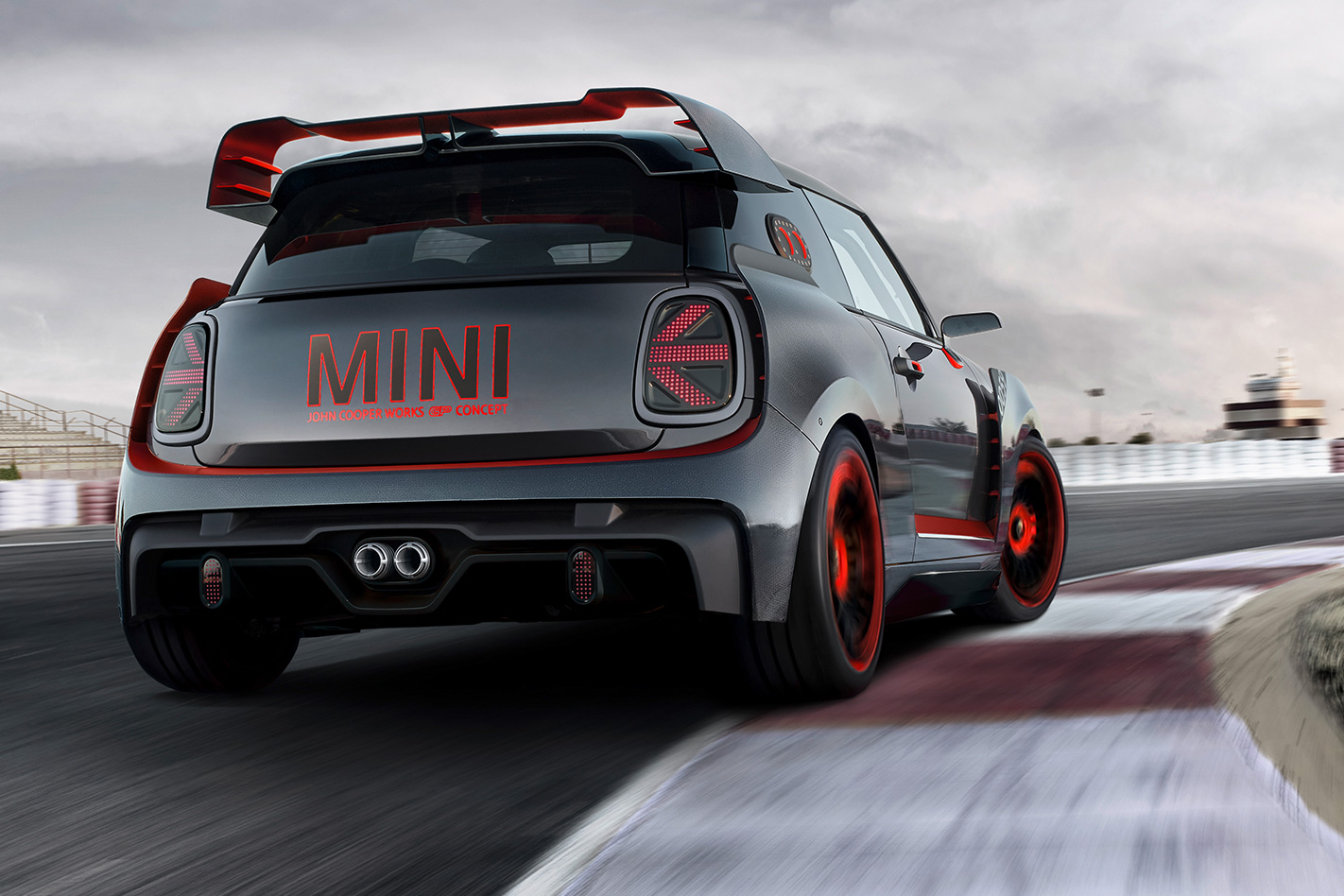
“The Mini John Cooper Works GP Concept is all about the unfettered feeling of driving and levels of performance found in motor sport competition,”
“This is driving fun in its purest form.”
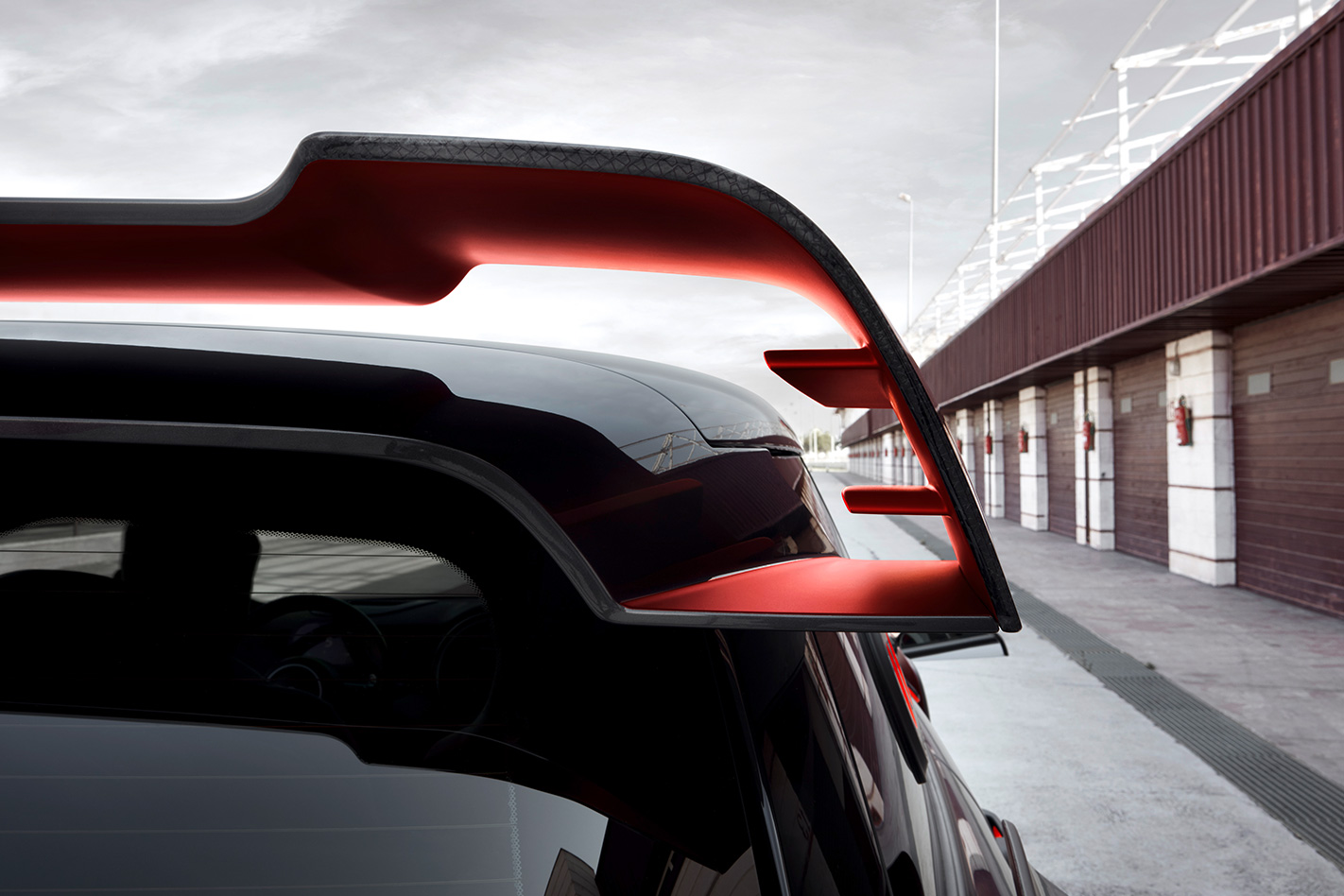
Adrian van Hooydonk, senior VP of BMW Group Design says the aggressive styling of the concept is important in conjuring the ideas of Mini’s sporting heritiage.
“If you know about Mini, you’ll be aware of the brand’s long and successful history in motor sport,”
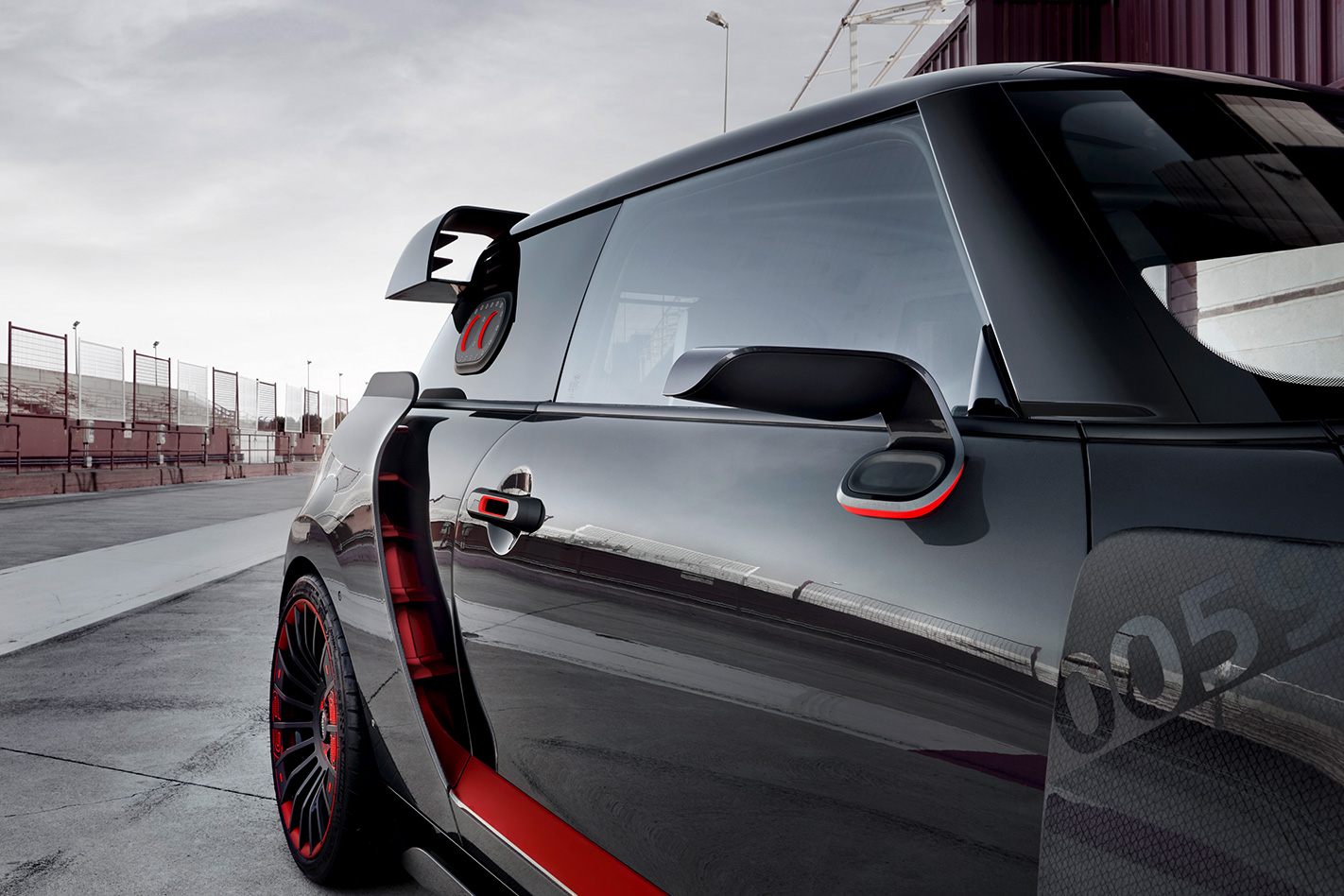
With a paint finish in shades of grey and accents in red, inside and out, the Mini JCW GP Concept is a mix of the future and the past.
With the number 0059 reflecting the Mini’s birth in 1959, while carbon fibre wings and flares outside and an interior almost resembling a modern Mini, the concept is a reminder that the Mini is still ‘fun’.
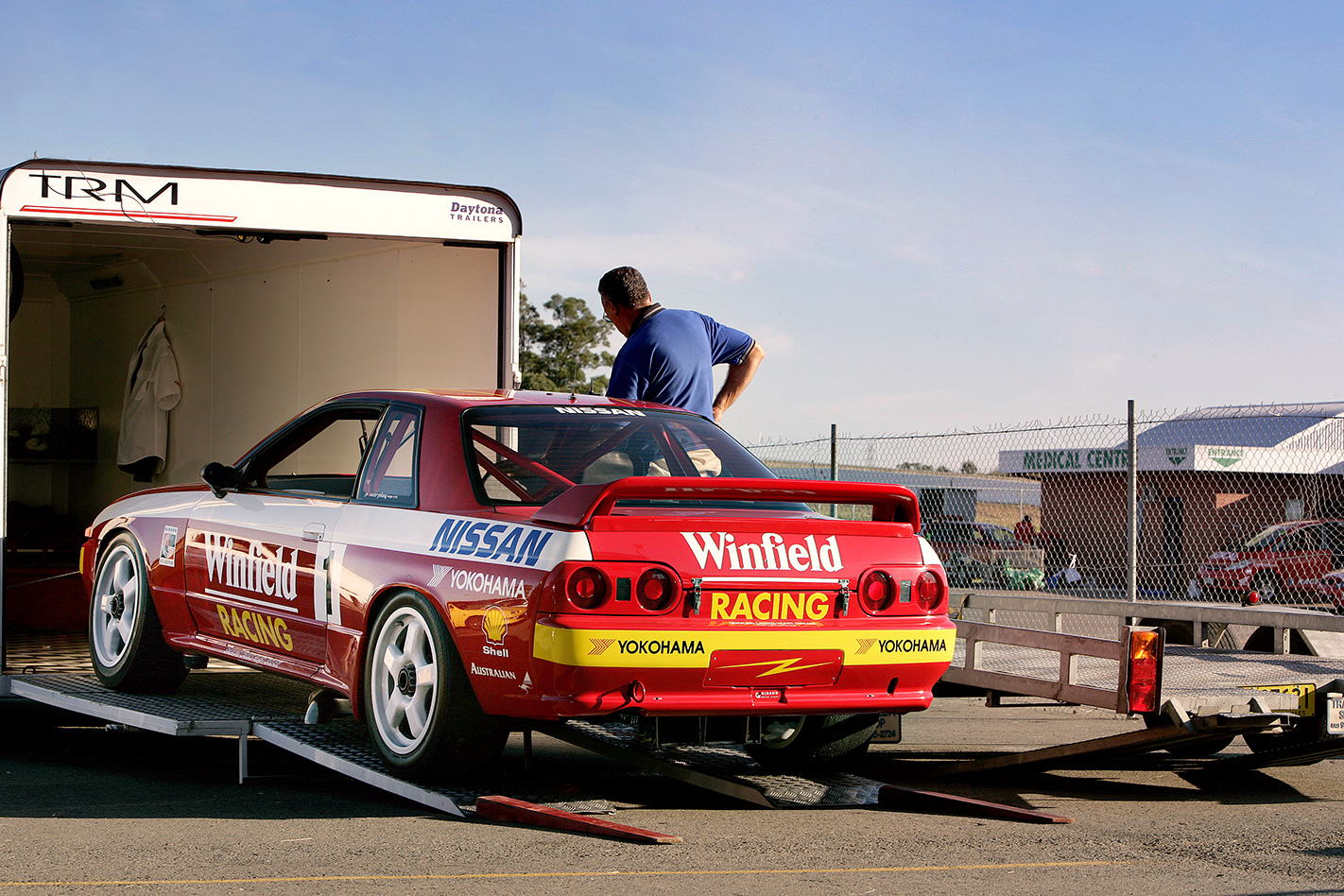
The Aussie-built Godzillas were the world’s best Group A GT-Rs.
This article was first published in MOTOR March 2009
If that sounds like a parochial, throwaway line, consider this from Doctor Godzilla himself, Fred Gibson. “We went to take our car to Mt Fuji one year to race in the Fuji 1000. The promoters invited us over; all expenses paid. I thought that sounded pretty trick, but I got a phone call from the boss of Nismo, Mr Kakimoto.”
“‘Why is that so, Kakimoto-san?’”
“‘Ah, Gibson-san, your cars too quick. We don’t want to race our cars against yours.’” Nismo, you see, made a killing from Japanese GT-R privateers and didn’t want the business to, quite literally, head south.
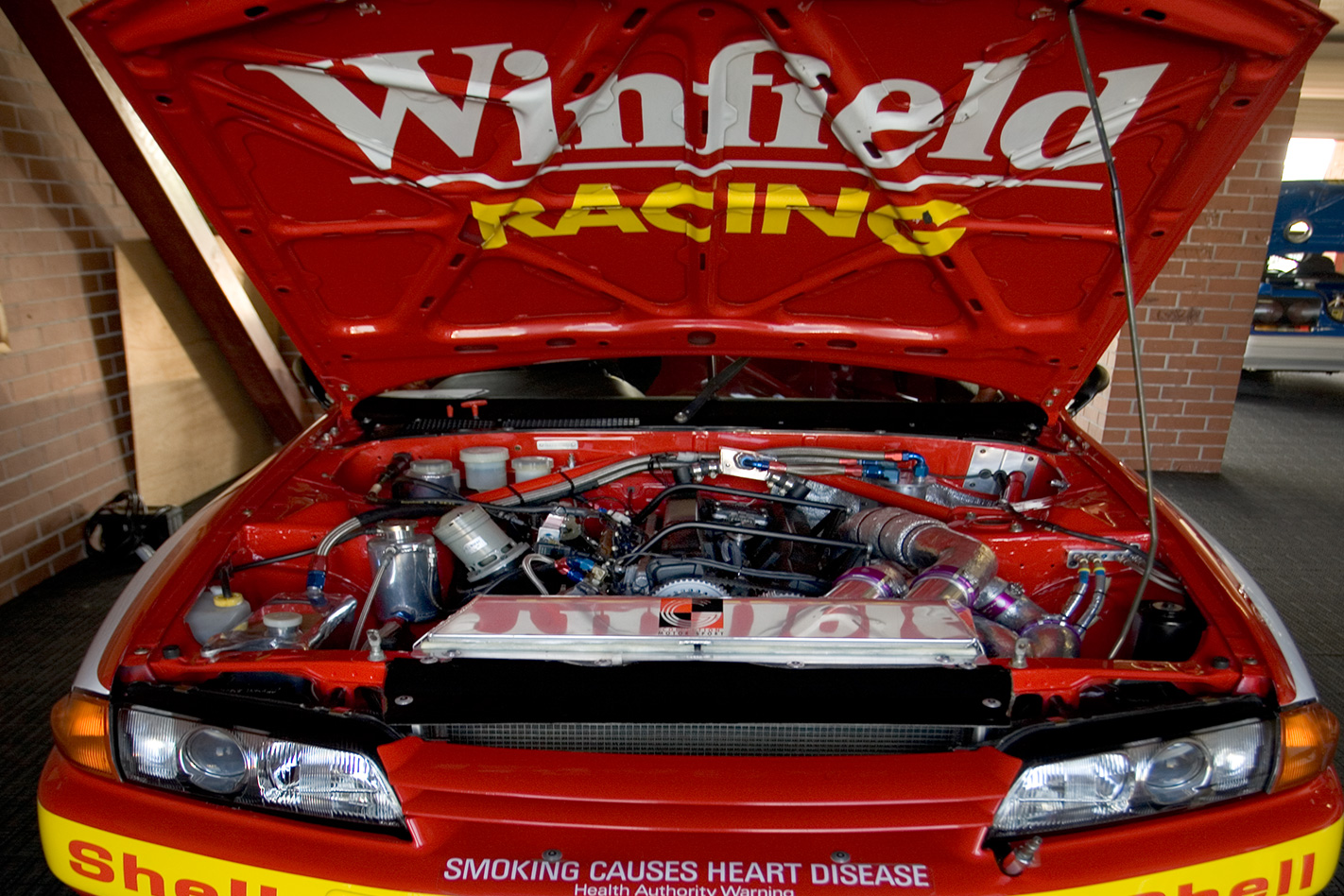
“They supplied race-ready engines to [privateers] with 500bhp [373kW]; ours had 625bhp [466kW],” Gibson continues. “We would have blown their socks off them. He was smart.” Smart’s one word for it, alright. Nismo-sourced GT-R water pumps were $9000 a pop. Hence Gibson Motor Sport developed as many components as possible locally during its R32’s program.
Richards also used the GT-R at Oran Park’s finale to wrap up the ’90 title. In 27 Group A touring car appearances, the GT-R won 16 times.
At its peak, in 1991 – before CAMS saddled the GT-Rs with a higher minimum weight and restricted boost – it was virtually unbeatable: nine wins at 11 events.
Dick Johnson’s Sierras ruled the roost in 1988-89, even sneaking in a sortee to Silverstone, snaring pole against Britain’s best. A fuel pump seal failed late in the 500km race, depriving Dick and John Bowe of victory while leading, but the message from the famed Tourist Trophy was clear: Aussie Group A cars were rockets.
Back home, Johnson’s ferocious red machines treated the ATCC like it was a playground full of kids to bully. Nissan had been one of the bullied. Its angular Skyline turbo sixes weren’t complete duds, but they were vulnerable to attack. And then someone at Nissan HQ looked closely at the Group A rules and decided that the Skyline’s problem was nothing to do with power.
The all-wheel-drive Atessa ET-S, essentially the system developed for the Porsche 959, was adopted and built under licence by Nissan in Japan. Gibson and Nissan Australia had a hand in defining the roadcar’s specifications, 100 of which were complied for our market.
A six-speed gearbox, aerodynamic aids and brake discs the size of family pizza trays completed a spec list more akin to a prototype sportscar. And the road car cost mint: just over $110K in 1992 (for a Nissan?). For the money, you did receive the all-wheel-steer system which was put in the ‘too-hard’ basket for racing. And it swallowed showroom rivals costing twice as much.
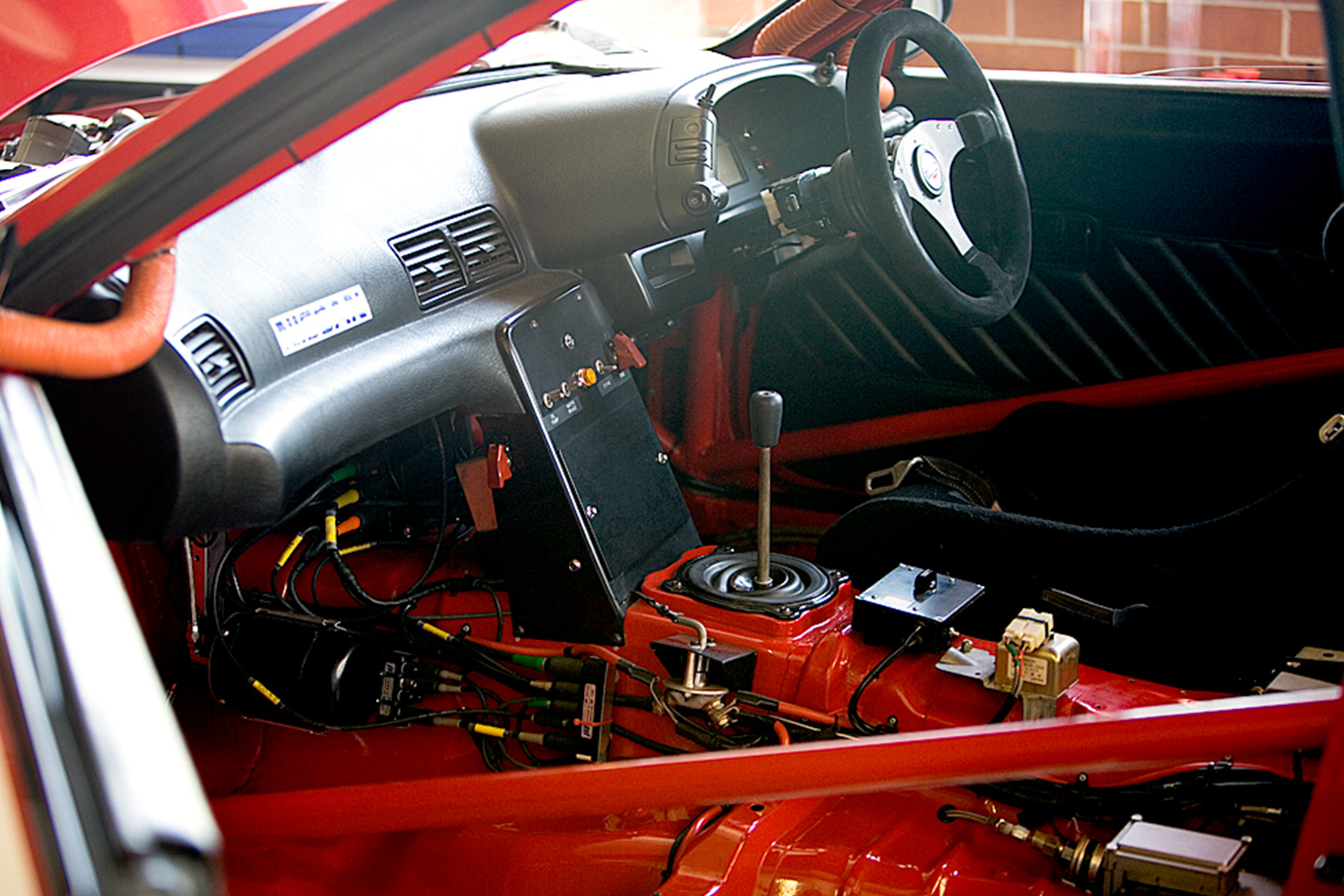
So we had a dial on the console with three modes: ‘mode 0’ for starts, which was rear-wheel drive only; ‘mode 1’ for racing; then ‘mode 2’ when the tyres went off, and that gave you more front-wheel drive. Visiting Japanese engineers couldn’t believe all that. And we did all that ourselves.
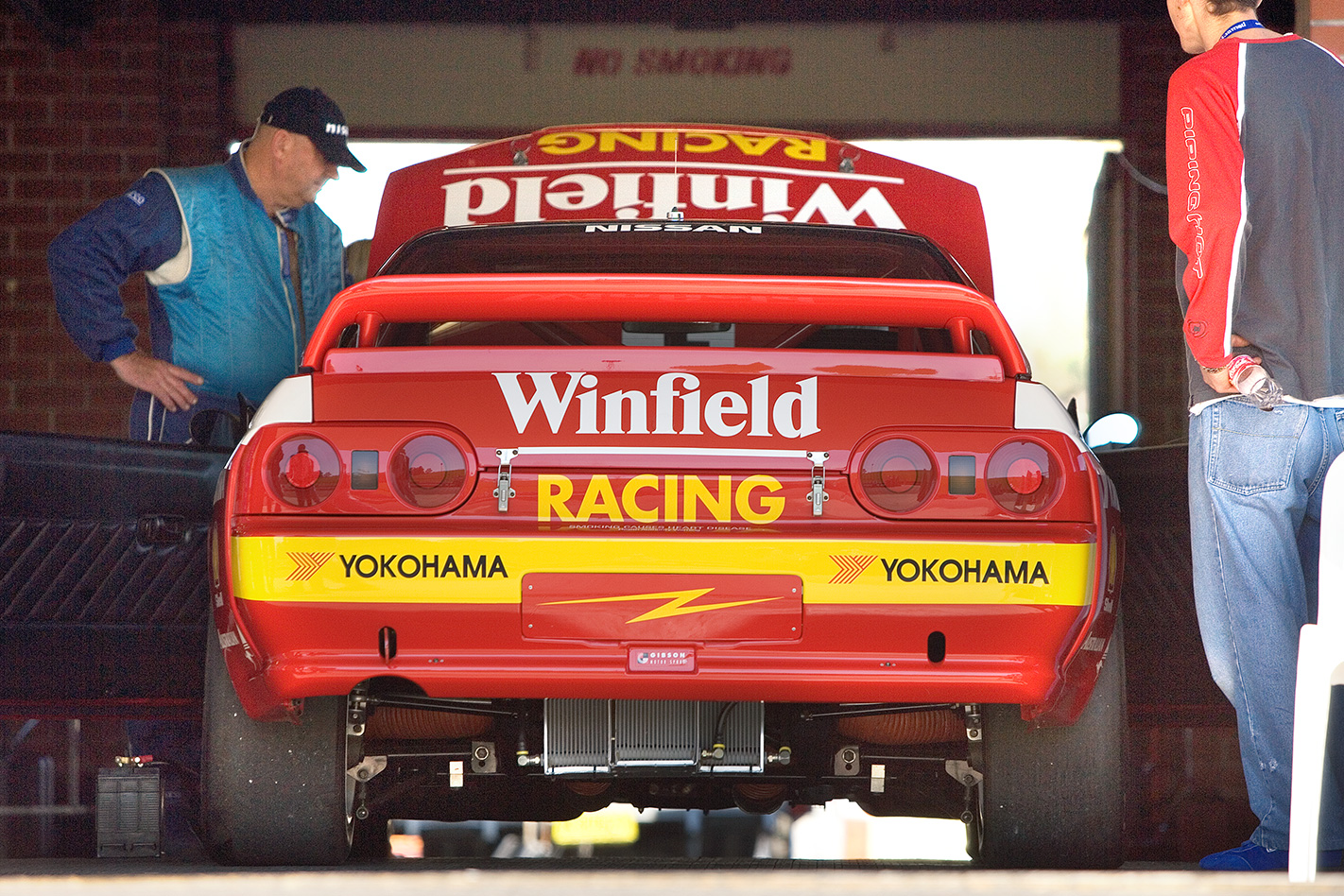
“The engine management system cost us a lot of money.” Gibson’s not joking – $600,000 each to build. GMS’s 1992 budget, mostly courtesy of Winfield, was an astronomical $5 million. Seventeen years later half the booming V8 Supercar grid can only dream of such funding. “The car was dominant,” Gibson reflects.
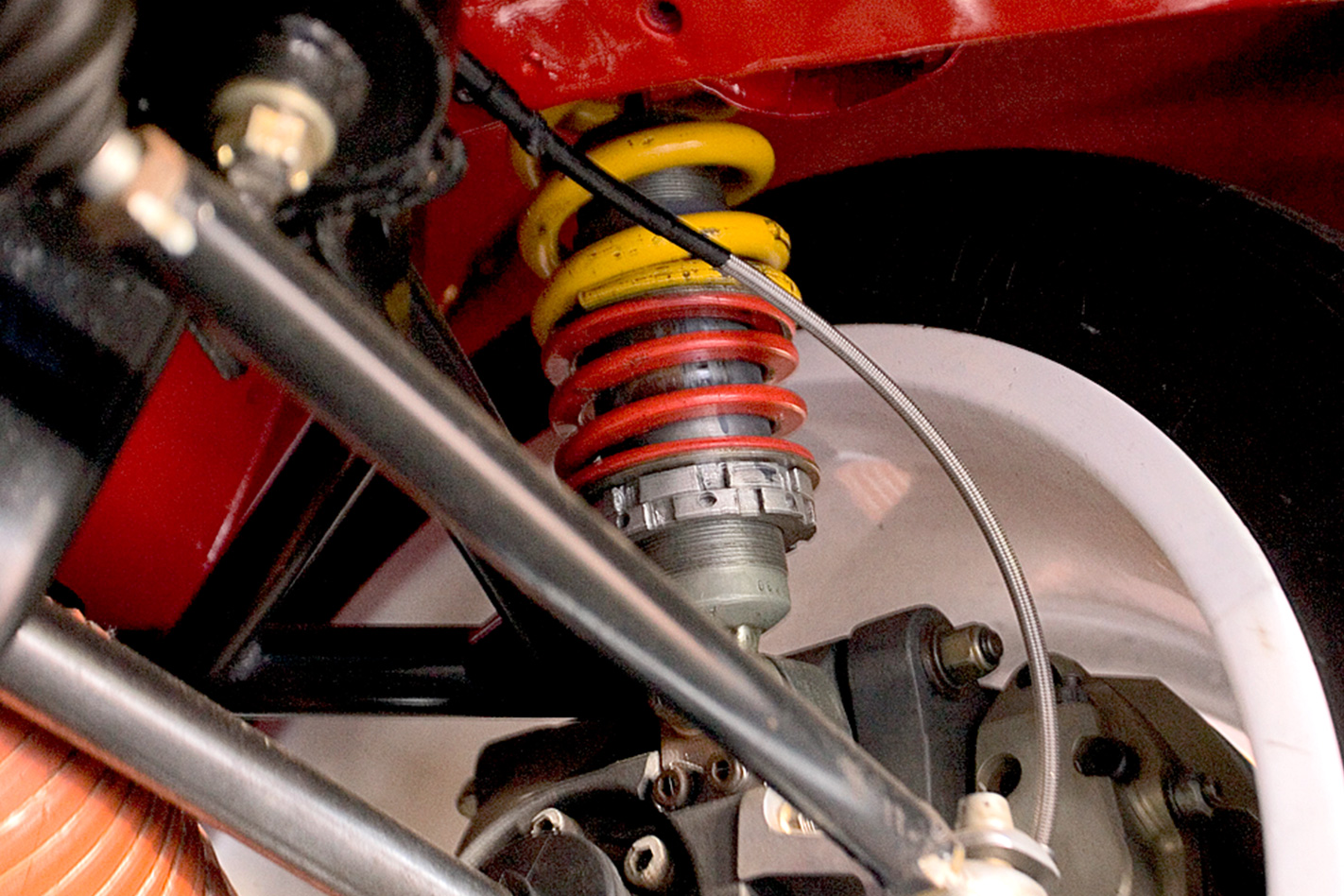
Regardless of the rights and wrongs of those changes, the racing GT-R’s legacy is immense. As the ultimate Group A interpretation, it proved to be a category killer internationally. In Australia, its success fast-tracked plans for a comparatively low-tech domestic V8-engined replacement category, what’s now V8 Supercars.
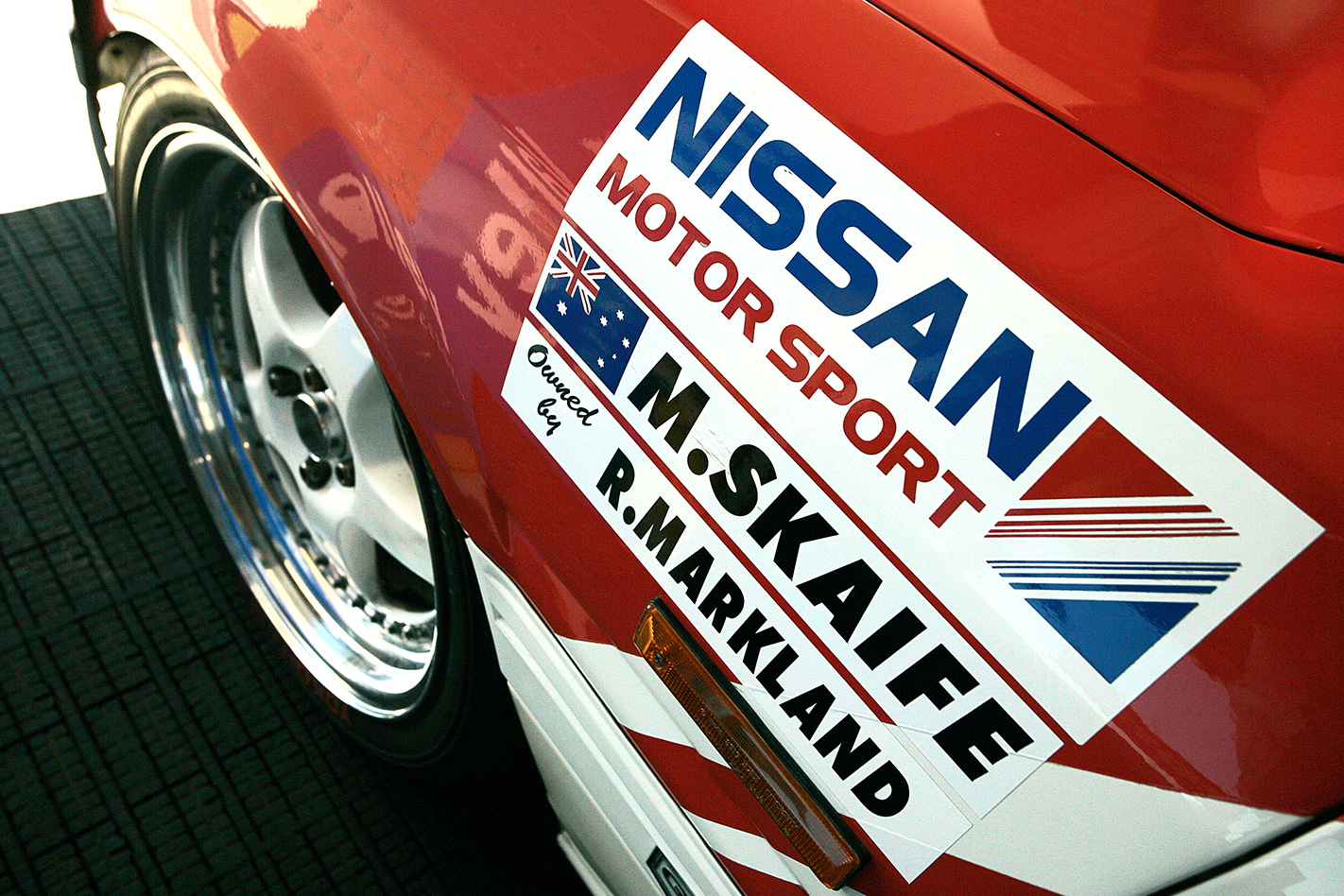
It also provided the launching pad for the most successful local driver of the last 20 years, Mark Skaife. But that’s another story…
