
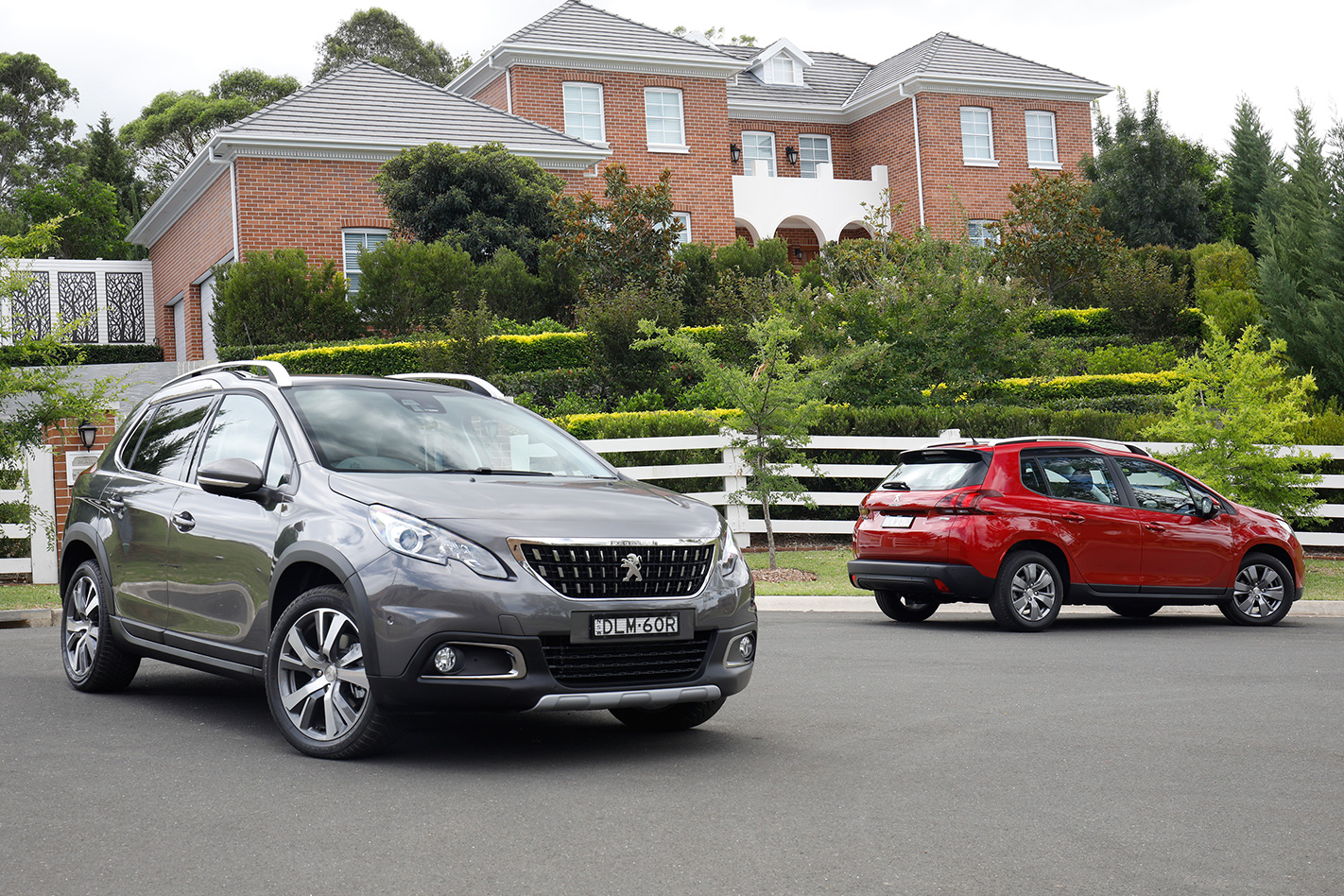
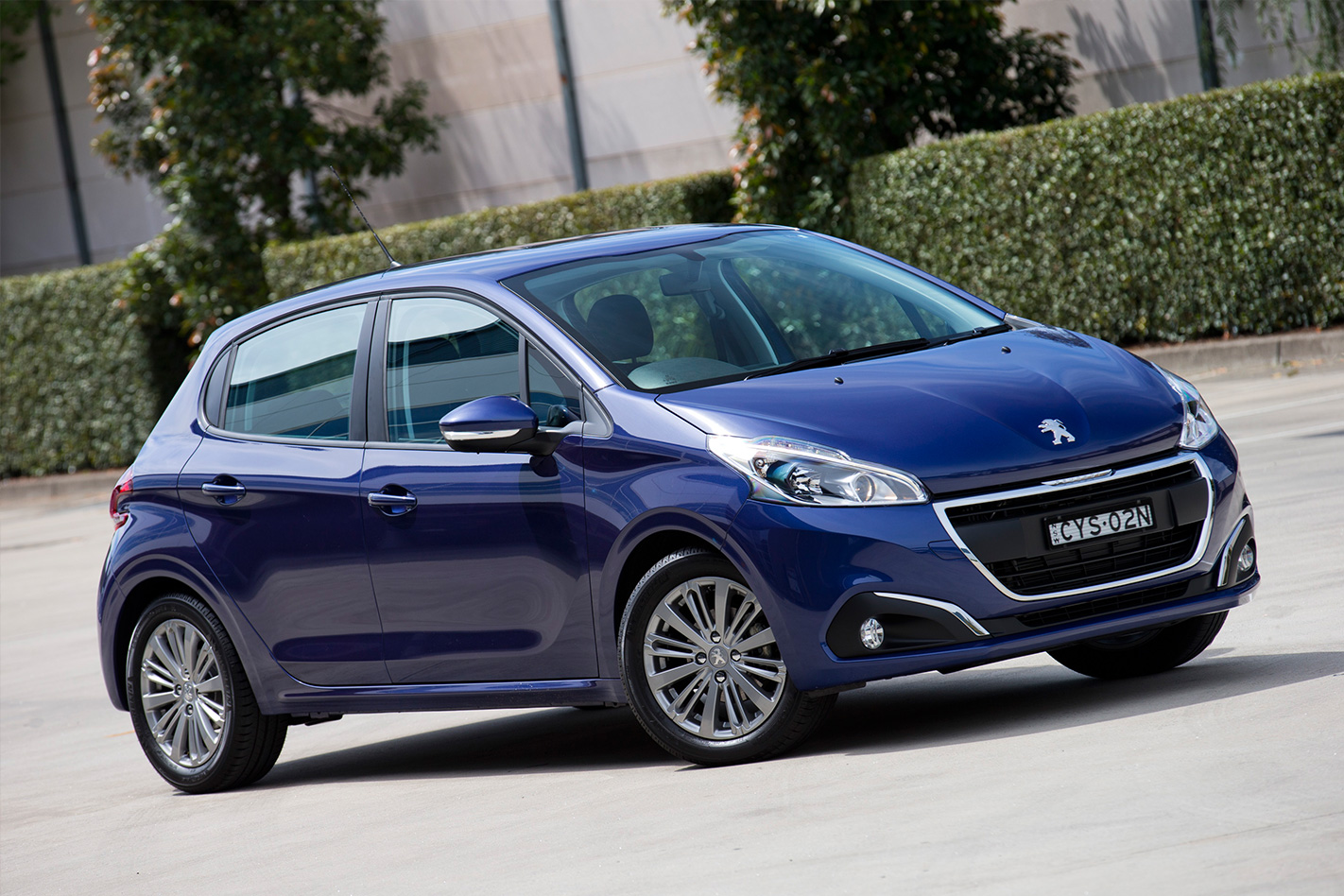
Peugeot Australia has cut retail pricing of key 208 light hatch and 2008 small SUV variants by up to five percent.
The price cuts ranging from $390 to $1490 apply to all 208 models, except the three-door GTi, and the entire Peugeot 2008 range.
The cost of metallic paint has also been reduced from $990 to $590 for both models and from $990 to $690 for the mid-sized Peugeot 508 sedan and wagon.
Peugeot says the price cuts were to enhance its “strong price-product offering across both our passenger vehicle range”.
However both models have failed to make traction in their respective segments, with the 208’s market share within the premium light hatch market dropping from 13.5 percent in July last year to just 2.6 percent last month – well behind its Mini hatch and Audi A1 rivals, which account for 58.8 and 29.8 percent respectively.
The Peugeot 2008 has also failed to make a dent in its segment, despite a significant 2016 upgrade that brought a host of improvements, which saw it rate highly in our small SUV comparison, ahead of the big-selling Mazda CX-3.
The 2008 accounts for just 0.2 percent of small-SUV sales, with just 17 sold in July compared to 27 over the same time last year.
While this could be attributed to higher entry-level pricing compared to some of its main rivals, it also sells considerably less than every vehicle in the plus-$40,000 premium SUV market – including the Infiniti Q30/QX30 (31 sales), which doesn’t exactly have the highest of profiles.
Peugeot 208 pricing
- 208 Active – $22,190 (- $390)
- 208 Allure – $24, 990 (-$1300)
- 208 GT-Line – $26,990 (-$1300)
- 208 GTi – $29,990 (no change)
Peugeot 2008 pricing
- 2008 Active – $25,490 (-$1000)
- 2008 Allure – $29,990 (-$1000)
- 2008 GT-Line – $31,500 (-$1490)
Now that Mazda is remaking parts for the original MX-5 and offering owners a chance to have their Mk1 cars restored to factory specification – albeit at a price – it got us wondering which cars deserve a factory restoration scheme.
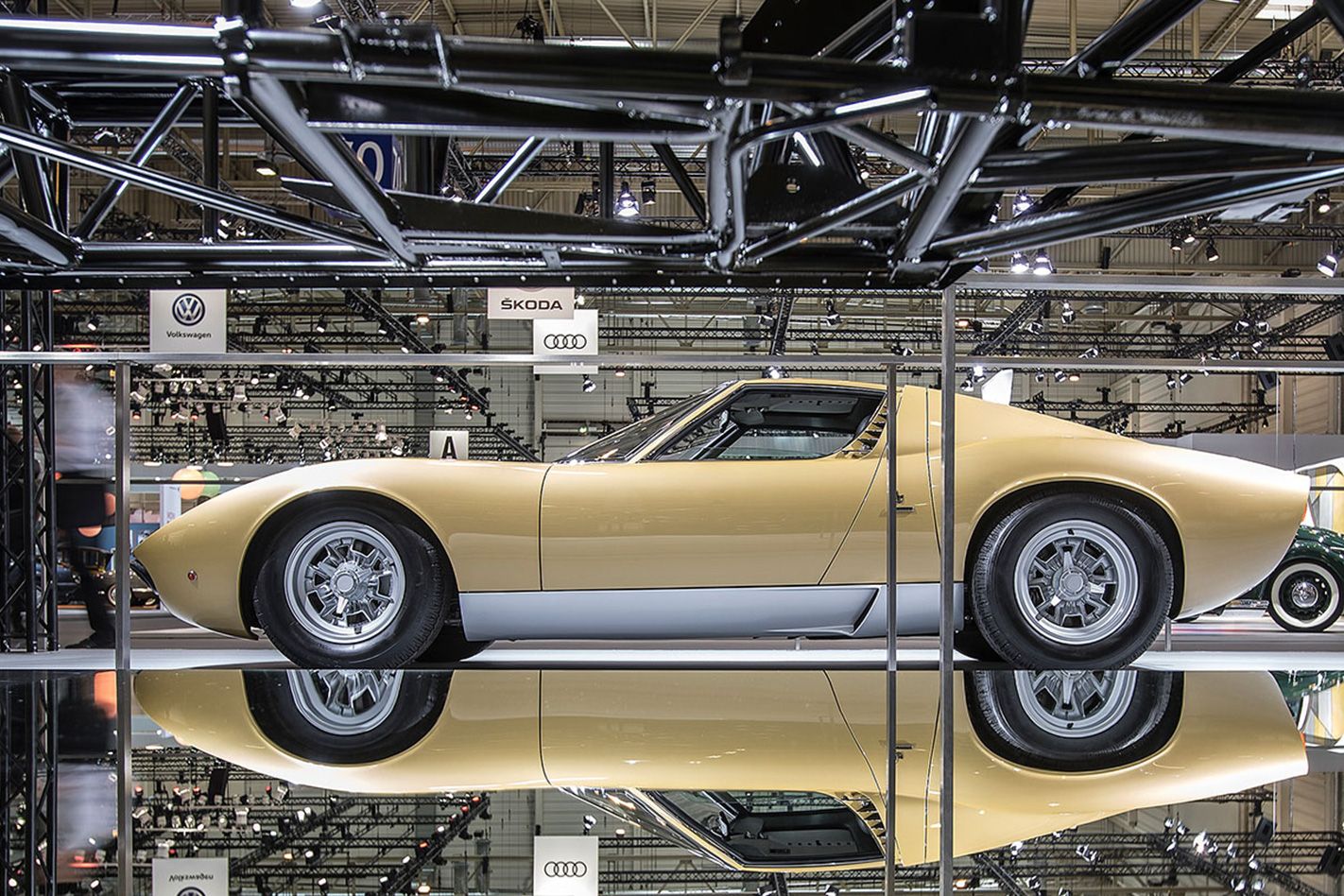
Such restoration schemes has long been the preserve of high-end supercars, with Porsche’s Factory Restoration, Ferrari’s Classiche, and Lamborghini’s Polo Storico schemes offering well-heeled customers the chance to get their classics looking as fresh as the day they rolled out of the respective plants, with the all-important factory seal of approval that boosts resale values.
Mazda’s move is interesting because the MX-5 sold in such huge numbers, and there’s a general belief that there is no shortage of Mk1s – or NA models – still running about. The NA cars may not be quite as ubiquitous as we like to think though. The company states that about 120,000 units were sold in Japan, and only about 23,000 remain.
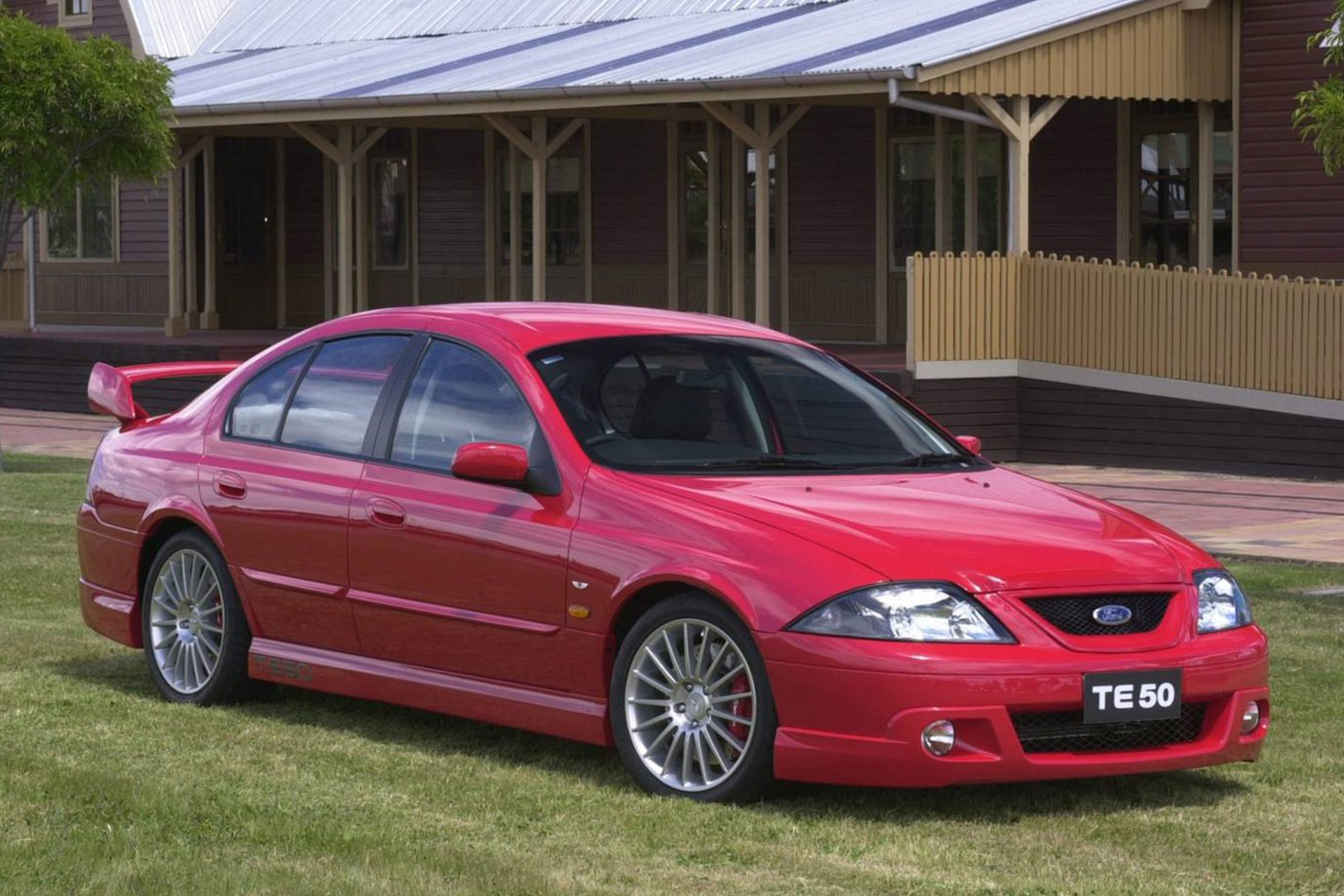
It’s look like an ideal business opportunity for both Ford and Holden. The skills to restore these vehicles are available, it doesn’t require huge capital investment, it would help restore an element of lost goodwill, and it would keep some of the most-loved Aussie modern classics on our roads. What’s not to like?
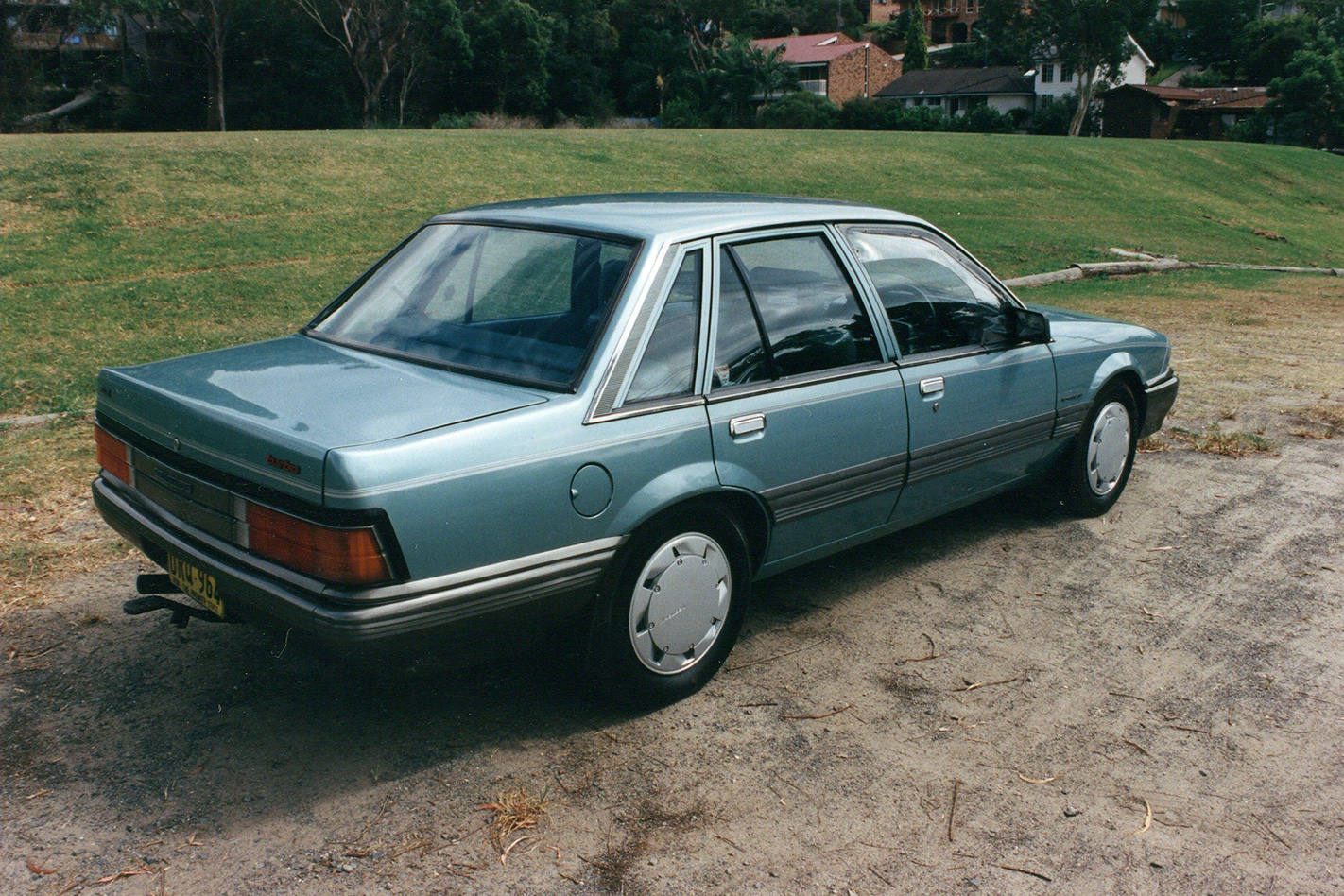
What price would you put on saving something from extinction?
It’s arguably the biggest rush you can experience in a car.
Something unexpected happens and in a split second you’re out of control, only for muscle memory and your subconscious to take over and somehow steer you away from harm.
The above video taken at Brands Hatch on the weekend is a perfect example. Kenan Dole develops an almighty tank-slapper in his Volkswagen Golf but stays j-u-s-t ahead of momentum then sinks the boot at the right time to pull the car’s nose straight.
In honour of Dole’s efforts we’ve gathered a similarly impressive save from four different disciplines of motorsport.
BTCC – Jason Plato
Another effort from Brands Hatch; in fact, from the very same corner. When Jason Plato is tagged entering Paddock Hill Bend his Chevrolet Lacetti is suddenly travelling perpendicular to the track rather than parallel.
Rescuing a front-driver is the perfect example of “when in doubt, power out” and Plato manages to recover his Lacetti and only lose one place in the process.
NASCAR – Travis Pastrana
When NASCARs get ‘loose’ on an oval it usually results in a massive accident but Travis Pastrana bucks the trend thanks to a cool head and some quick wheelwork (and a little luck) recovering his Ford Fusion from 90 degrees at Texas Motor Speedway.
Rally – Gianluigi Galli
One of great internet debates is: did ‘Gigi’ Galli mean this or was it simply a lucky save? As good as the Italian ex-WRC driver is, we’re going with the latter, but it’s so beautifully executed that it could well be intentional. We’d like to see him do it again, though…
F1 – Max Verstappen
Max Verstappen’s effort in the 2016 Brazilian GP is the perfect example of a ‘save’. A puddle snaps his RB12 sideways at huge speed and the Dutch teenager is quickly a passenger. Crucially, however, Verstappen remains calm, releasing the brakes at the perfect moment to allow the car to regain grip and keep out of the wall. Not everyone that day had a similar presence of mind.
HOW’S this for a fresh blast of common sense to the face?
The US state of Nevada has made it illegal to not travel “at least” at the speed limit in the fast lane on the highway.
The new legislation, which came in force on July 1 earlier this year, is beautifully simple. If you aren’t doing the speed limit, you can’t drive in the fast lane on the highway.
It is a nice addition to the existing ‘keep right unless overtaking’ law (in the US the fast lane is to the left).
The intent of the law is to clear the fast lane of dawdling drivers, and keep it for the exclusive use of overtaking.
“It’s the law here that if you’re going to be in that lane, you need to be going at least at the speed limit,” Nevada Trooper Jason Buratczuk told TV station KTNV.
Now, the highway patrol has stressed that it isn’t encouraging or endorsing speeding, simply that the fast lane on the highway should be reserved for overtaking slower drivers. Even if you are doing or exceeding the speed limit, you are not permitted to stay in the fast lane in the state unless overtaking.
Lawmakers hope this will lower congestion, as well as road rage, as Trooper Dan Gordon of the Nevada Highway Patrol told TV station KOLOTV.
He explained drivers who drive lower than the limit in the fast lane slow down traffic, and create unneeded frustration for drivers following, which can boil over.
“What [following drivers] will do is move over to the second [slower] lane, or middle lane. They will pass and then as soon as they clear the car, they will cut back in the fast lane, cutting the driver off that is going below the speed limit,” he said.
“And next thing you know, they are showing each other that they are number one, and they are holding up the finger.”
First-time offenders will be hit with a $US50 ($A62) fine, $US100 ($A125) for the second offence, and $US250 ($A314) in the third instance.
In an era of overly-bureaucratic nonsense, dumbing down of road laws, and ignorance of proper driver etiquette, this new piece of legislation is a beacon of hope that perhaps the future of driving isn’t going to hell in a dumpster fire.
Last year the Honda NSX took us all by surprise as a car that signalled the return of Honda’s performance car ‘mojo’.
The 2018 Civic Type R has helped in that regard too, but both cars will pale in comparison to the motorsport juggernaut that is the Honda NSX GT3 race car.
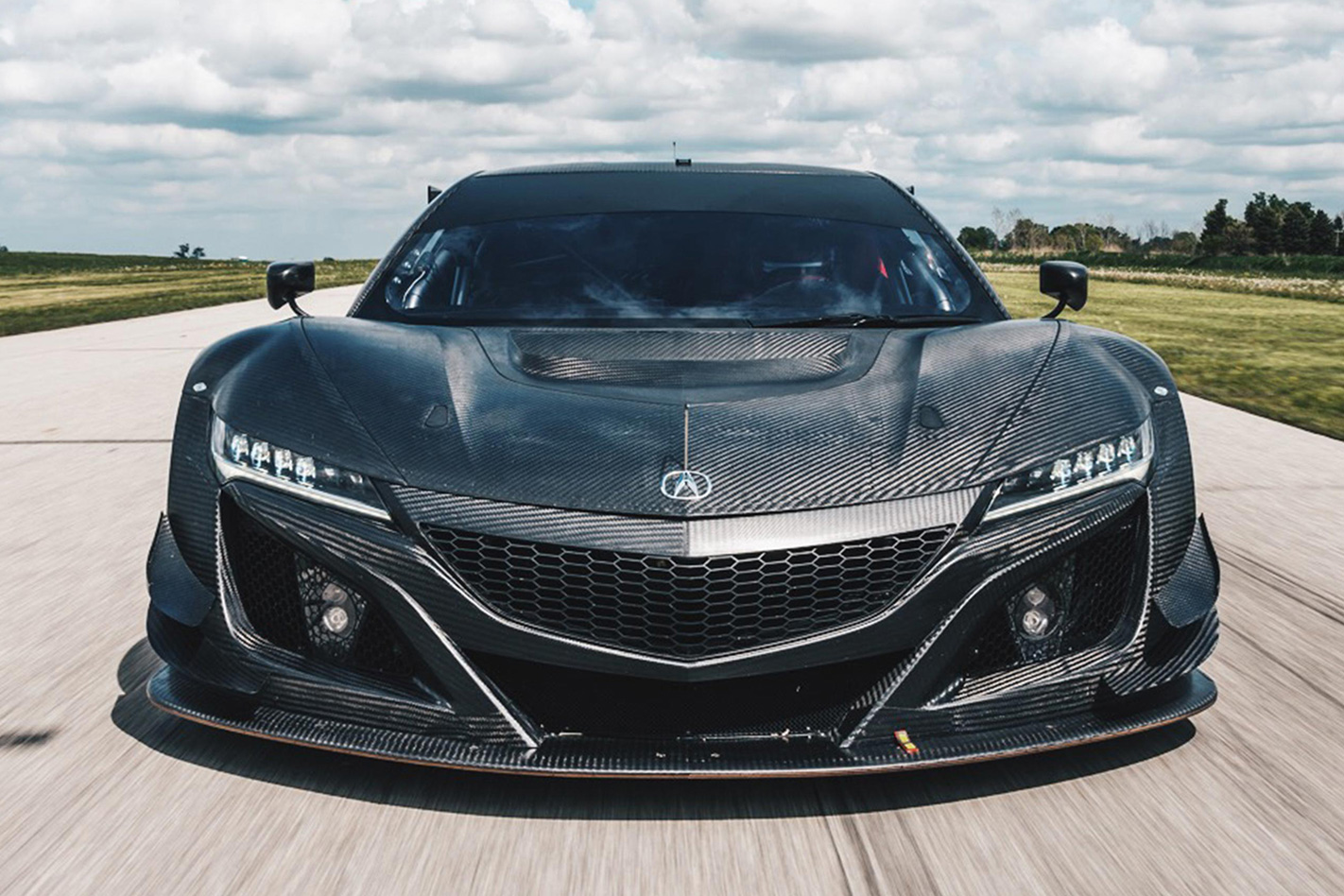
Honda (or Acura in the US) says the GT3 car was part of the plan from the beginning of the NSX project.
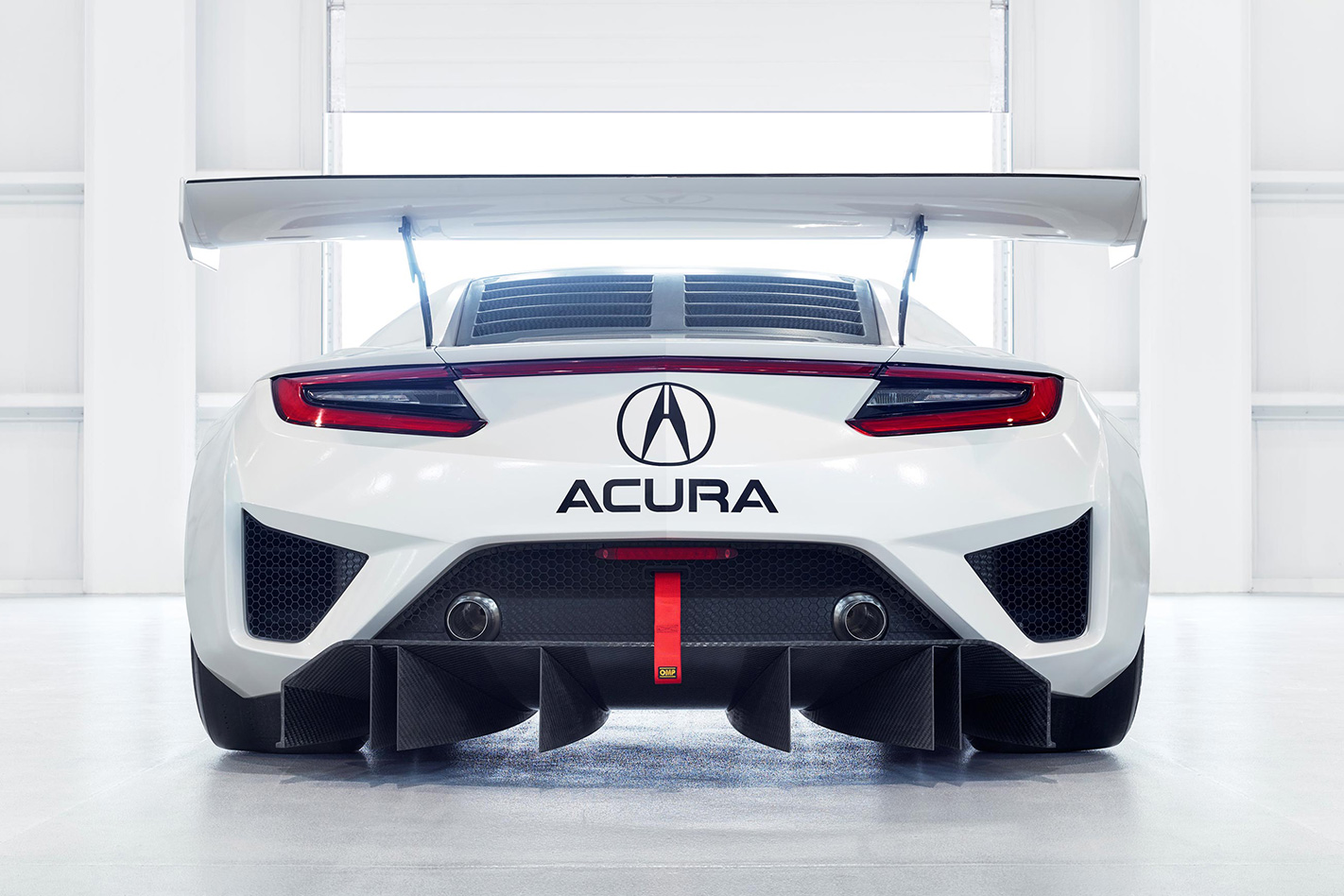
“The production car and its GT3 sibling were created in tandem with a shared vision: a sophisticated supercar with bare-knuckles racing chops.”
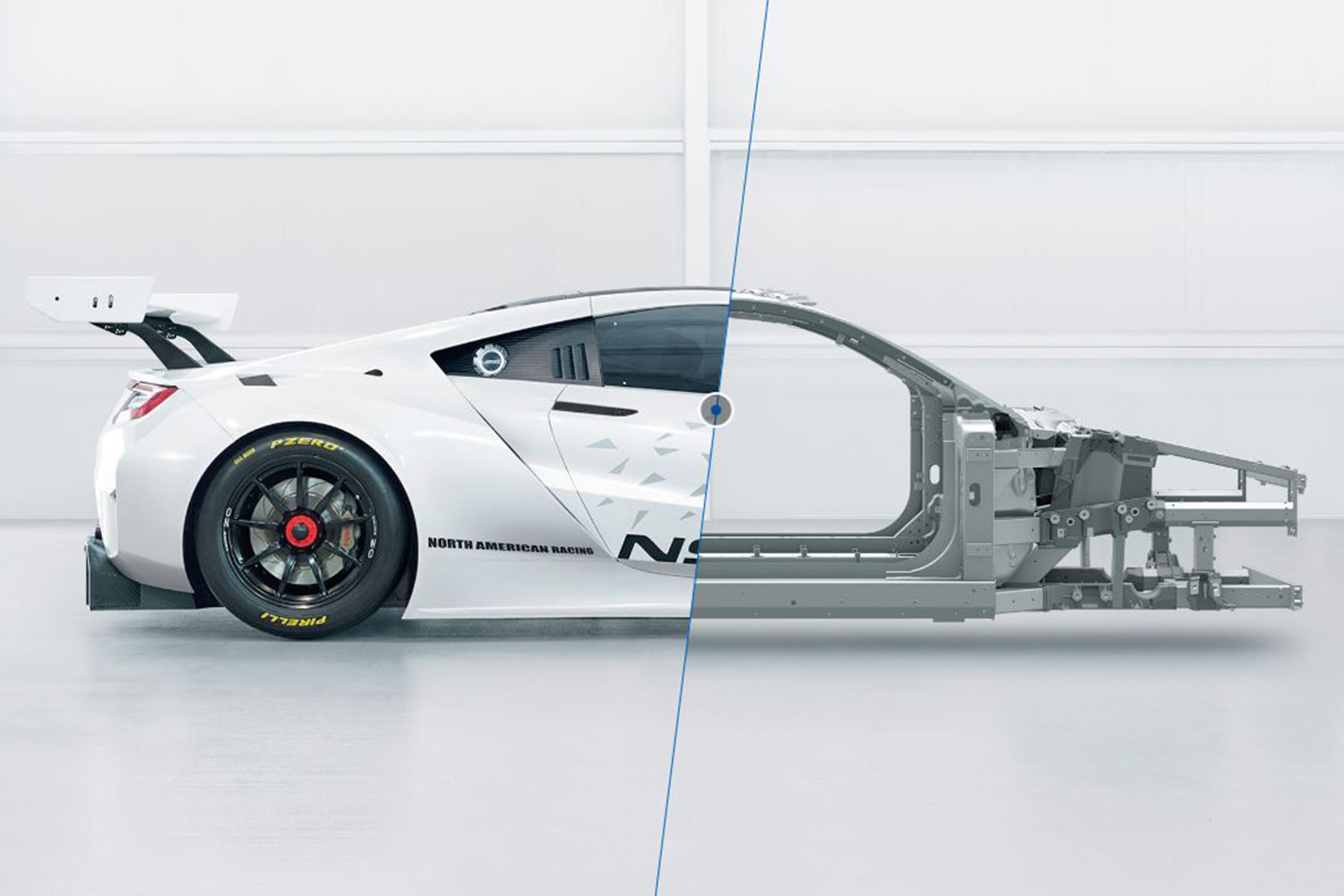
The chassis of the GT3 car is primarily the same as the road-going NSX, though Honda says it’s ben tuned differently and is bestowed “with the addition of a multi-link double wishbone suspension and lightweight aero trim”.
“Acura will only consider a partnership with racing clients who demonstrate the financial and management resources necessary to field an exceptional program. HPD, in return, will assist each NSX GT3 client with trackside support to help reach the podium.”
Oh, and that comes with a mandatory spares pack. Another $134K, please.
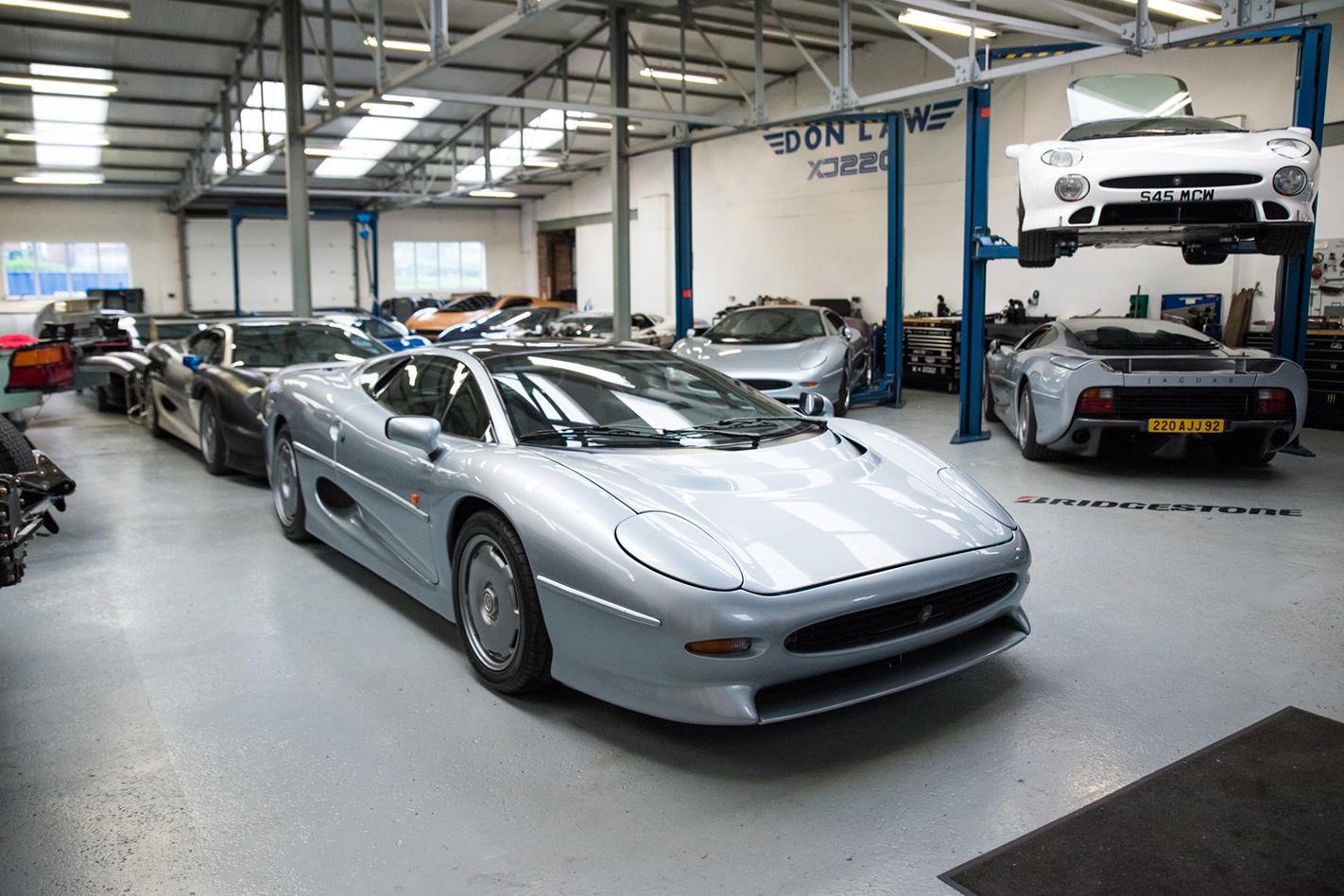
WITH a quarter of a century passing since Jaguar unveiled the mighty XJ220, and UK celebrations in full swing, it is easy to forget the controversy that surrounded what is still the company’s fastest road car to date.
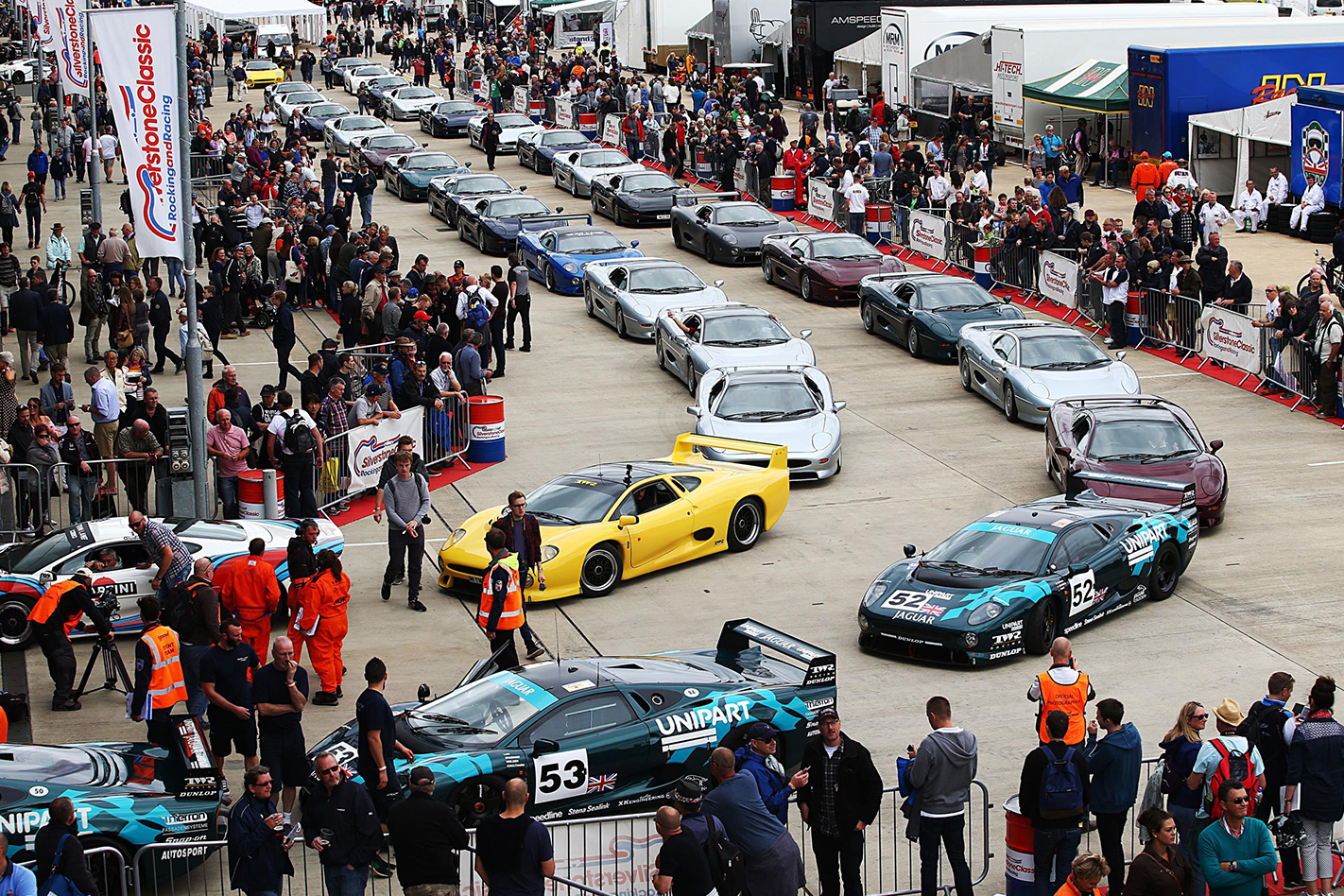
Just 275 XJ220s were produced between 1992 and 1994, and 41 of those have assembled at the Silverstone Classic historic racing car meet in central England where, no doubt, many enthusiasts regaled the events surrounding its thick plot.
The first tangible offspring of the resulting XJ220 project was an outlandish 1988 concept designed to draw a line from Jaguar’s Le Mans racers to the road, and charged with the task of spoiling an emerging hypercar party dominated by the Porsche 959 and Ferrari’s F40.
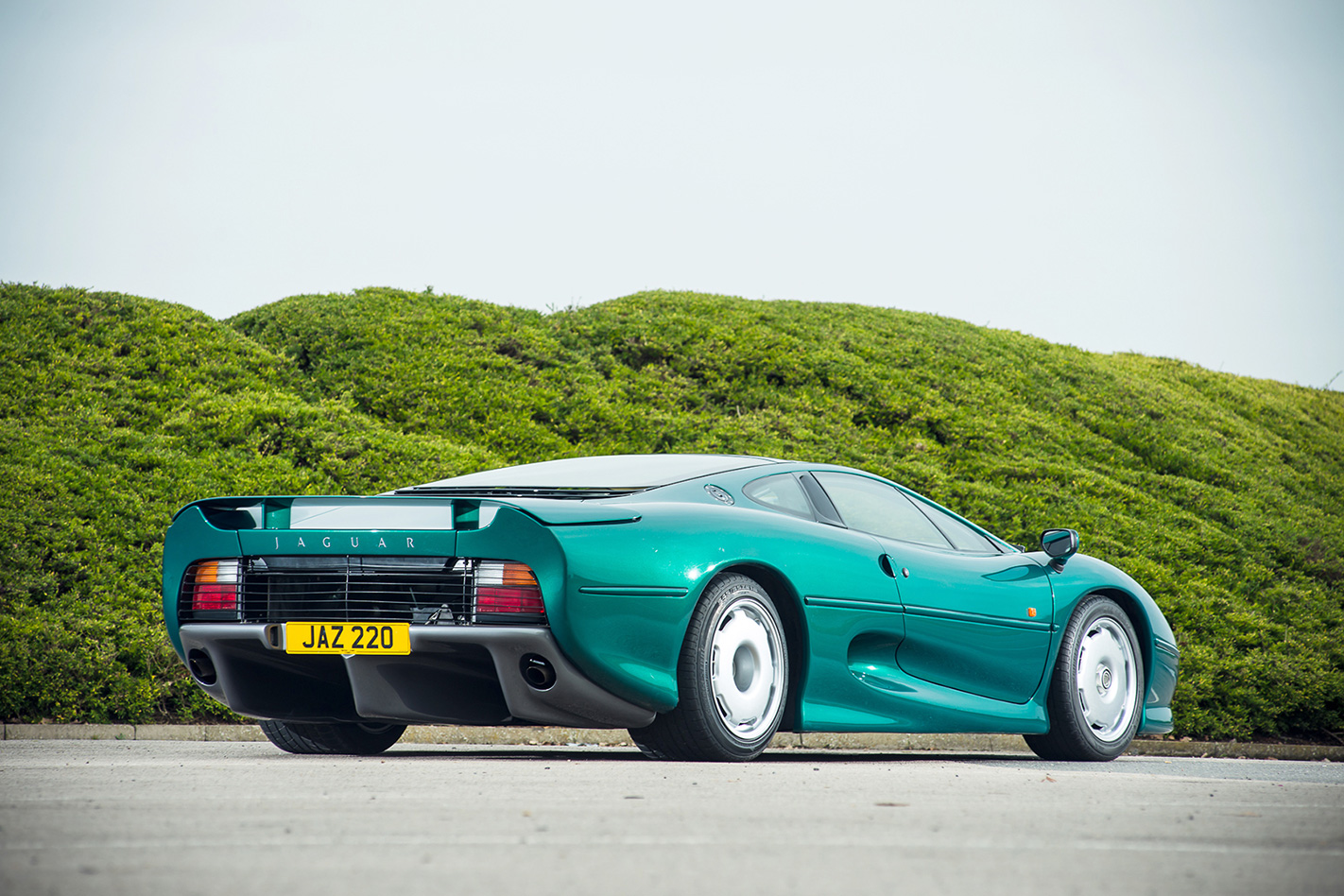
While the concept bristled with a 6.2-litre naturally aspirated V12 engine – touted to be good for 373kW and born of racing technology – coupled to a grippy four-wheel drive system, what well-heeled fans were actually offered was a two-wheel drive six-cylinder Jag.
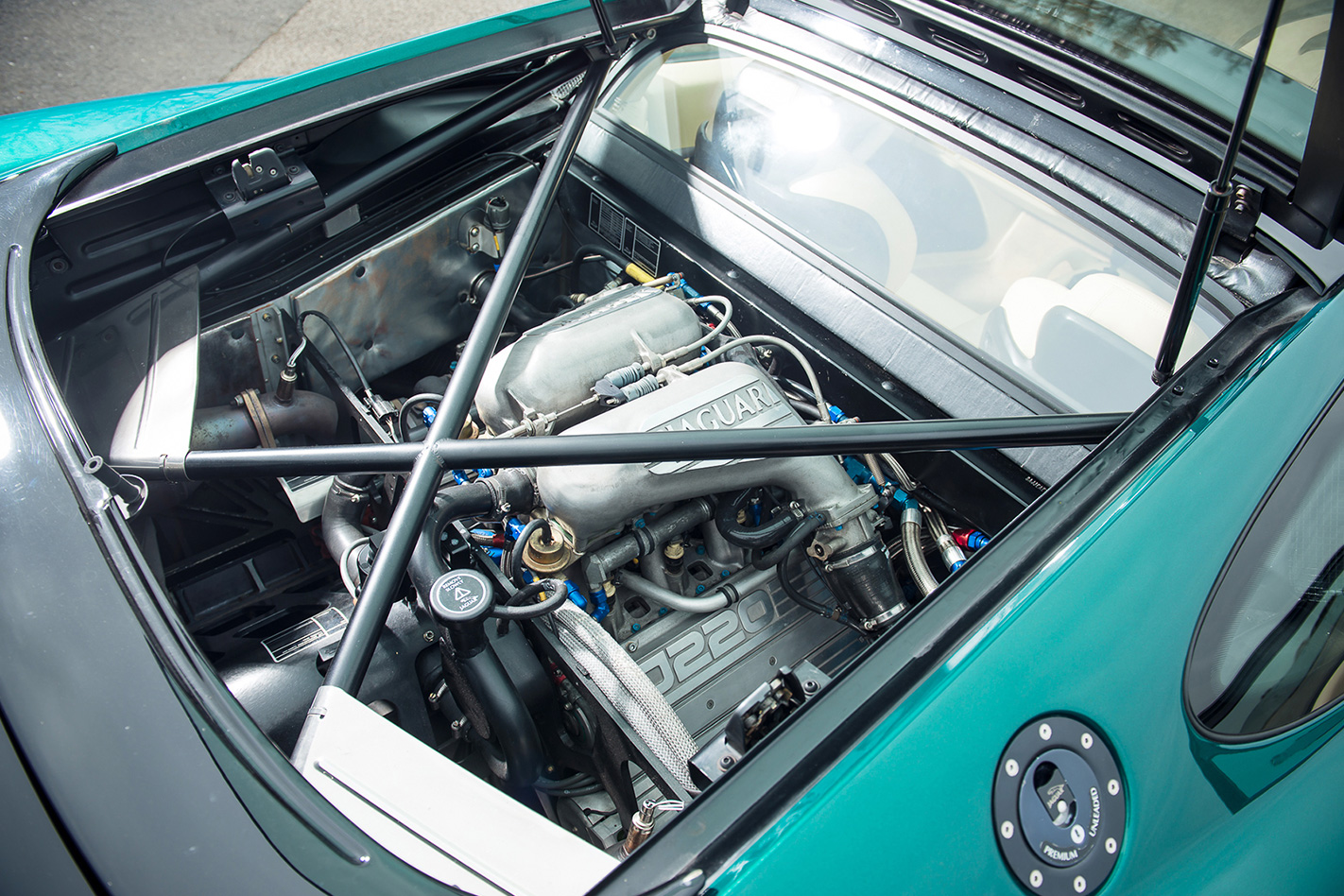
Some say Jaguar’s significant design revisions were due to shifting emissions regulations that a big 12-cylinder would struggle to meet, which would be further exacerbated by its all-wheel drive system. Others say it was a financial decision driven by the 1990s’ economic flat-line that followed the 1980s’ boom.
Actually, it came down to weight.
As it happens, the production car never did crack the target, but it did manage a very respectable 342km/h (212mph) – enough to earn it the title as the world’s fastest production car in 1992.
It’s likely many initial fans were also put off by a hefty £470,000 price ($A772,000). It wasn’t just the eye-watering figure that potential owners balked at, but the initial guide that Jaguar had offered – some £200,000 cheaper.
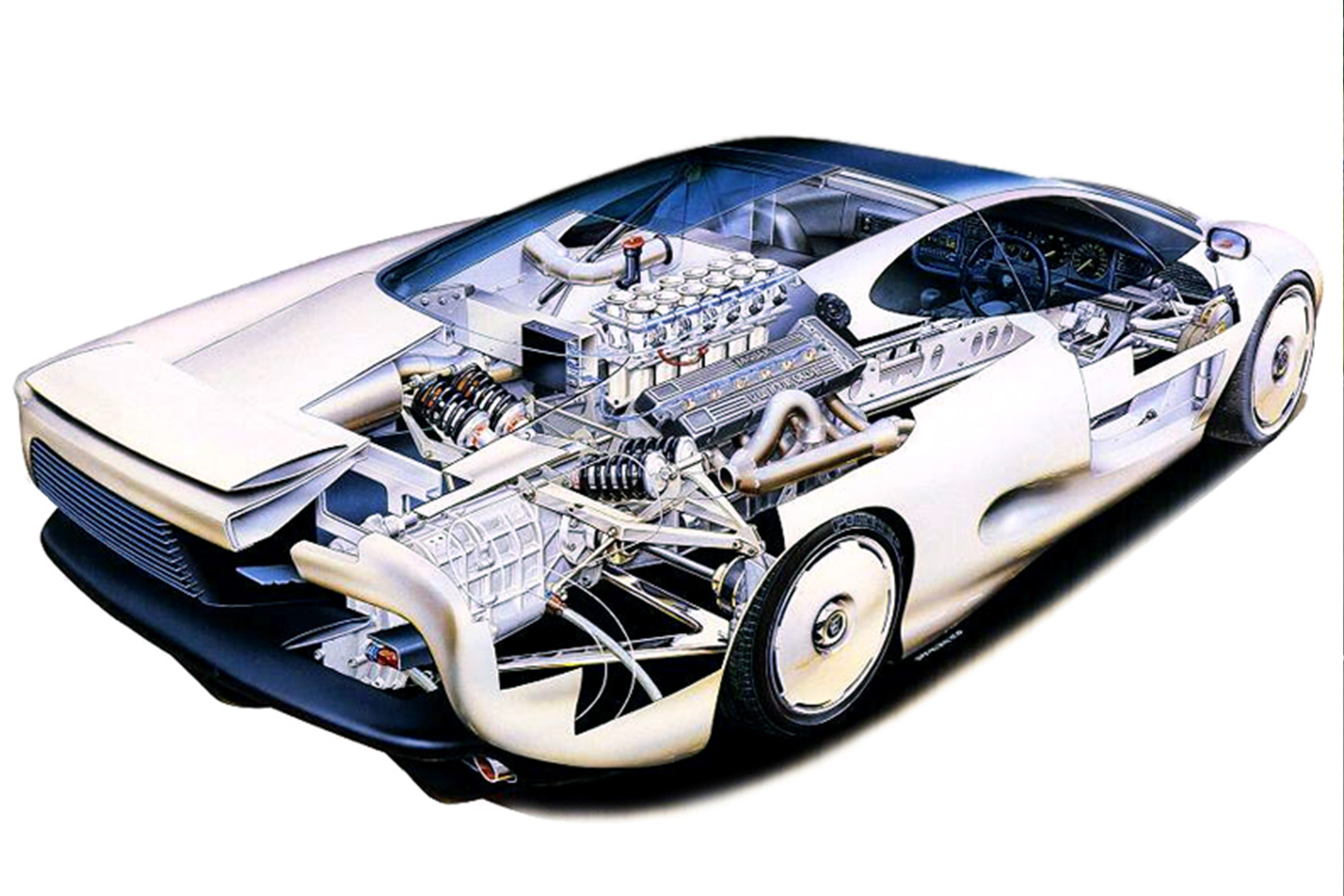
Either way, those who took the punt and wrote a cheque for the most expensive car on sale in the early 1990s would be enjoying the last laugh if their XJ220 is still in the garage. Cars as rare as the big cat don’t come up for grabs very often, but when they do a price nudging the million dollar mark is not out of the question.
Happy silver anniversary Jaguar XJ220.
Remember that life-sized McLaren 720S that was at the Goodwood Festival of Speed?
It’s a 280,000-piece puzzle that was completed with Lord March himself placing the final brick, but who did the rest?
The joint-effort between McLaren and LEGO took around 2000 working hours to put together, with as many as six people working on the model at once.
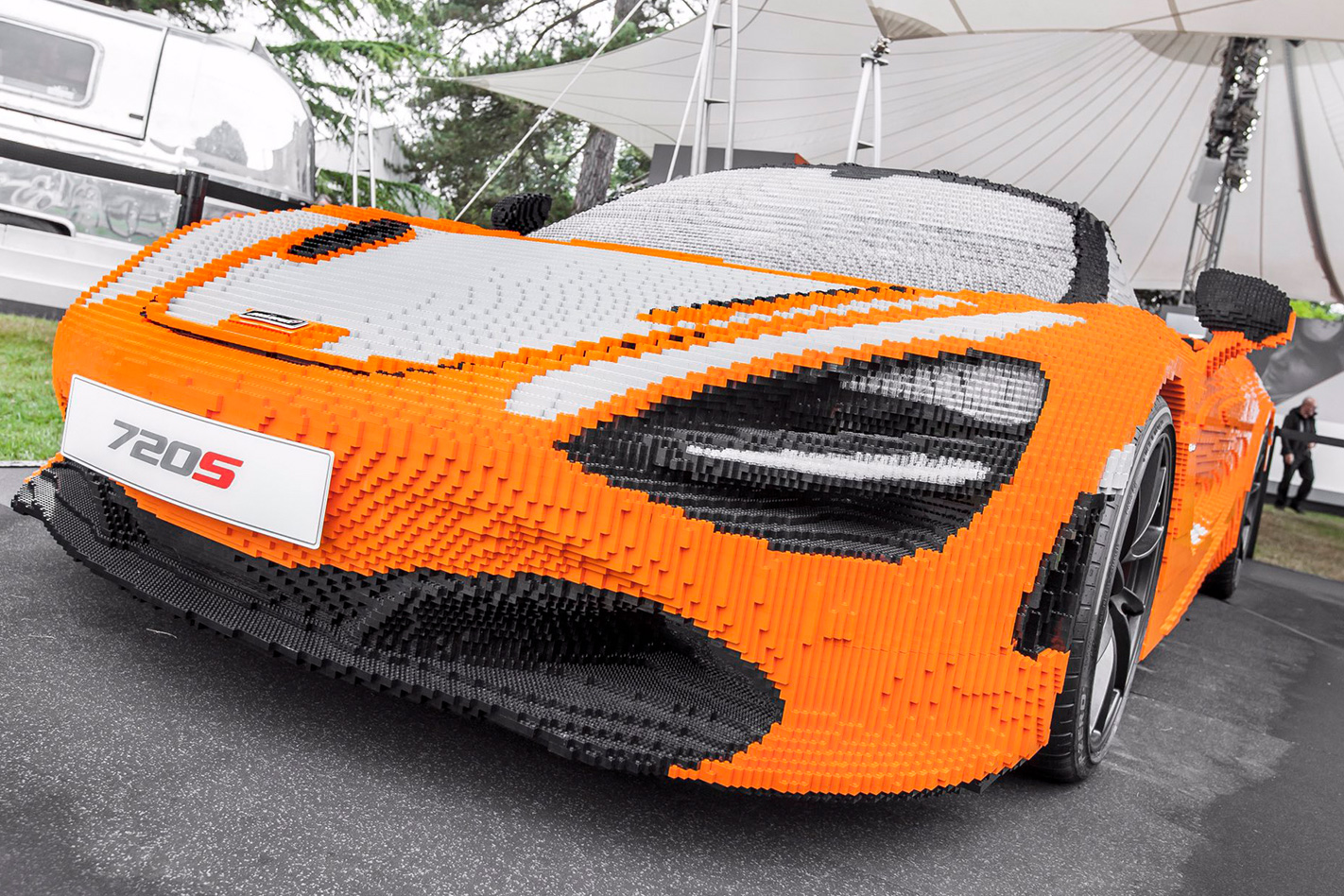
McLaren says the 1:1 scale model was commissioned to announce the launch of LEGO’s Speed Champions McLaren 720S set, though the real kit will be much, much smaller.
In fact, it’s surprisingly simple.
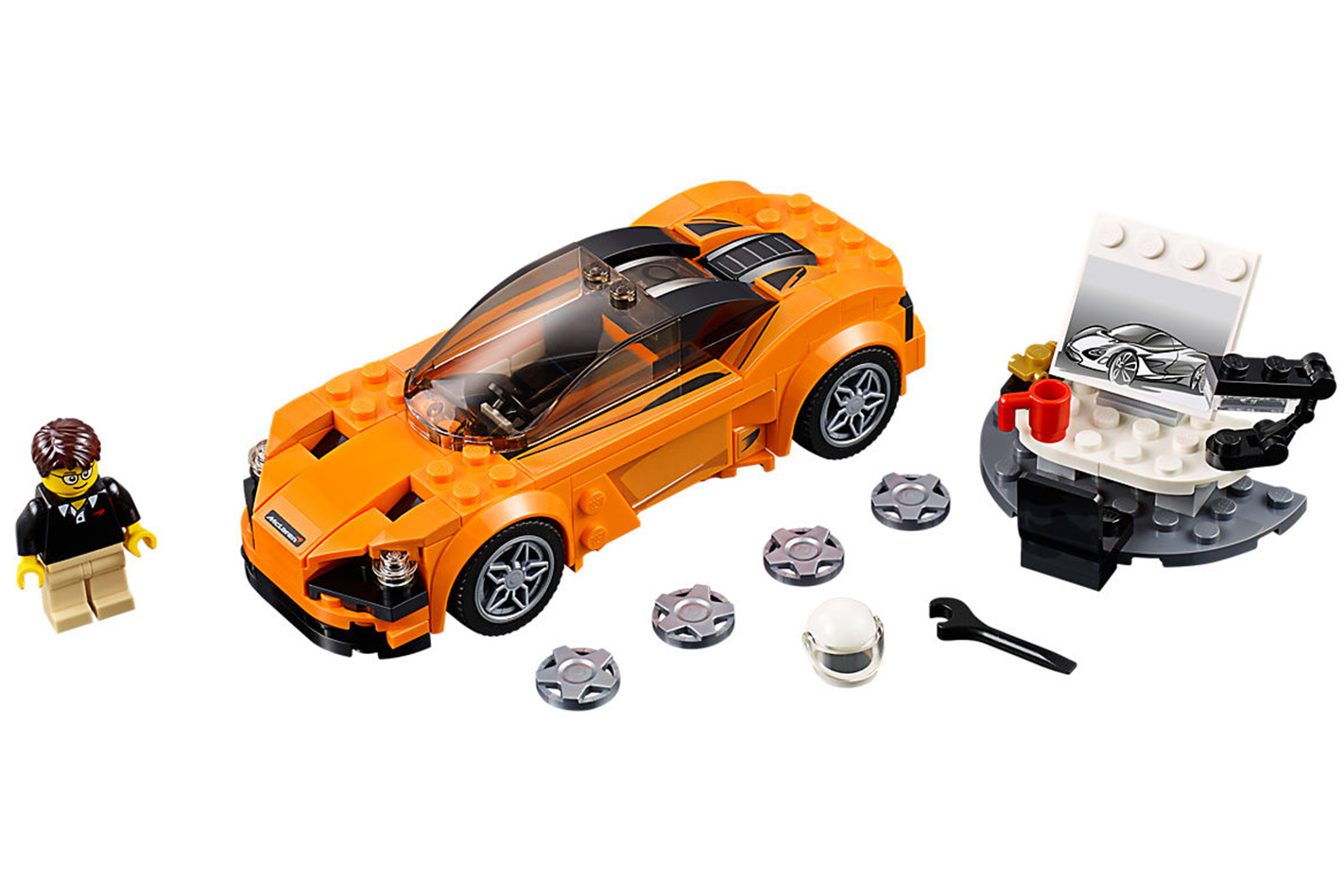
“It took the firm’s team of six model makers over 2,000 man hours, and while they used thousands of bricks building the final design, they didn’t quite finish it all before the festival,” McLaren says.
“The last 13,000 bricks were added to the sculpted body panels and rear wing of the 720S by visitors to our festival stand, each of whom also made a small donation to raise over £2,700 for the official Goodwood charity the Roberts Centre, which helps struggling families in crisis.”
Finally, the last brick was placed by Lord March on the final day of the Goodwood Festival of Speed.
As a side note, since the average cost of a LEGO brick is around 11-12 cents (US), this 280,000-piece creation would probably have cost around $33,600 in bricks.
Not nearly as expensive as the $490K real thing, but still incredibly impressive.
HOLDEN has admitted it could have handled some customer complaints a lot better after Australia’s consumer watchdog pulled it up for mishandling defects in its vehicles.
But at the same time, the Australian Competition and Consumer Commission (ACCC) praised the brand for going above and beyond current consumer laws to allow customers to either get their money back, or swap out for another vehicle if their car was rendered undriveable in the first 60 days of ownership.
The ACCC launched an investigation into Holden after customers started complaining to the watchdog about the way the carmaker was handling warranty issues, mainly relating to a mechanical defect in Holden Captivas that were fitted with a 2.0-litre diesel engine and built between 2007 and 2008.
The problem, linked to failing rocker arm needle bearings that would unexpectedly fail, which would either reduce the engine’s power or stall it, sparked a safety recall for the Captiva in 2015.
Holden admitted that some of its conduct while handling buyer complaints about the Captiva’s problem was “likely to have contravened the consumer law”.
The ACCC said last week that Holden had agreed to a court-approved undertaking to “comply with its consumer guarantee obligations under the Australian Consumer Law (ACL) and adopt recommendations from the recent ACL review”.
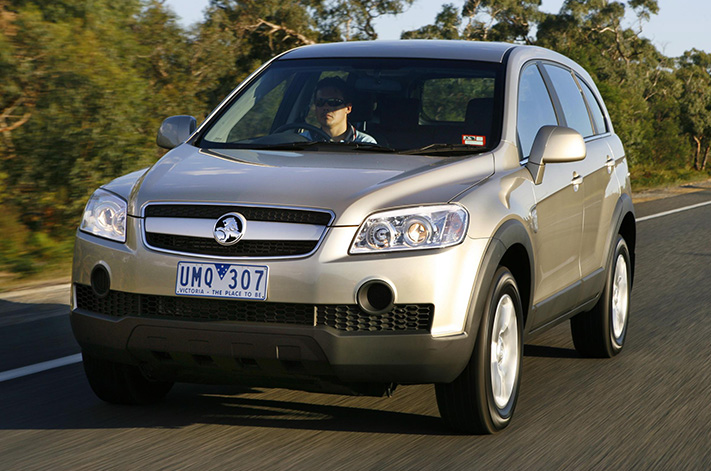
“Holden acknowledged that it misrepresented to some consumers that it had discretion to decide whether the vehicle owner would be offered a refund, repair or replacement for a car with a manufacturing fault, and that any remedy was a goodwill gesture,” ACCC chairman Rod Sims said in a statement.
“Holden also accepted that some consumers were told that a remedy would not be provided because the vehicle had not been serviced by a Holden dealer or with sufficient regularity, or as the vehicle was purchased second hand.”
Under Australian consumer law, buyers are guaranteed remedies for faults in cars, the ACCC said. It said the law operated separately to a new car’s warranty, and could not be modified to make owners have their vehicles serviced by authorised dealers in order to obtain a remedy.
Holden said it would expand its customer care program in the wake of the ACCC’s action.
“Customers have always been at the heart of Holden, but we do recognise there has been the occasional situation in the past where we could have done better so we have been proactive in reviewing how we respond to customer issues,” Holden customer experience executive director Peter Jamieson said.
“Today we are announcing an industry-leading 60-day policy to reinforce our commitment to customers.
“Our dealer teams and the teams supporting our dealers want every customer to get the most out of their Holden vehicle. Our 60-day policy says to our customers and dealers – we stand behind our products.”
Holden’s commitment to give buyers more protection relates to a 2011 review of consumer laws that helped introduce “lemon laws” – the legal framework that says the car you buy has to be of acceptable quality including in terms of safety, defects and durability, and reasonably fit for any purpose the buyer had specified, such as towing.
Ford is facing similar accusations from the consumer watchdog about its handling of customer complaints after multiple problems surfaced in the Powershift dual-clutch automatic gearboxes fitted to about 72,000 Ford Fiesta, Focus, and EcoSport vehicles sold between 2011 and 2016.
Ford has strongly refuted the ACCC’s allegations, and said it would challenge them in court.
INTRA-TEAM competition between teammates is a given in Formula One.
It hasn’t always been so, but in today’s white hot era of world championship racing, where many drivers fight for their professional reputation and job security at every grand prix, it is not unusual to see the rivalry spill over into aggravation and bitterness.
Red Bull’s Daniel Ricciardo and Max Verstappen have enjoyed one of the better relationships between teammates in Formula One. Respect and a youthful sense of fun kept their situation on the positive side. Until lap one in Hungary, when Verstappen went into turn two way too hot, locked his brakes and understeered into the other Red Bull, smashing a radiator and putting the Australian out of business.
Even before he spun to a stop, Ricciardo was on the team radio: “Was that who I think it was?” ”Yes,” came the response from Red Bull. ”F**king sore loser,” was Ricciardo’s X-rated retort.
The incident left Ricciardo rightly seething and then angrily venting his thoughts about Verstappen in front of the television cameras, slamming the Dutch driver as an “amateur”.
There was no sign of a smile from the normally upbeat Danny boy. Maybe he should have zipped his lip in public, but Ricciardo was incandescent.
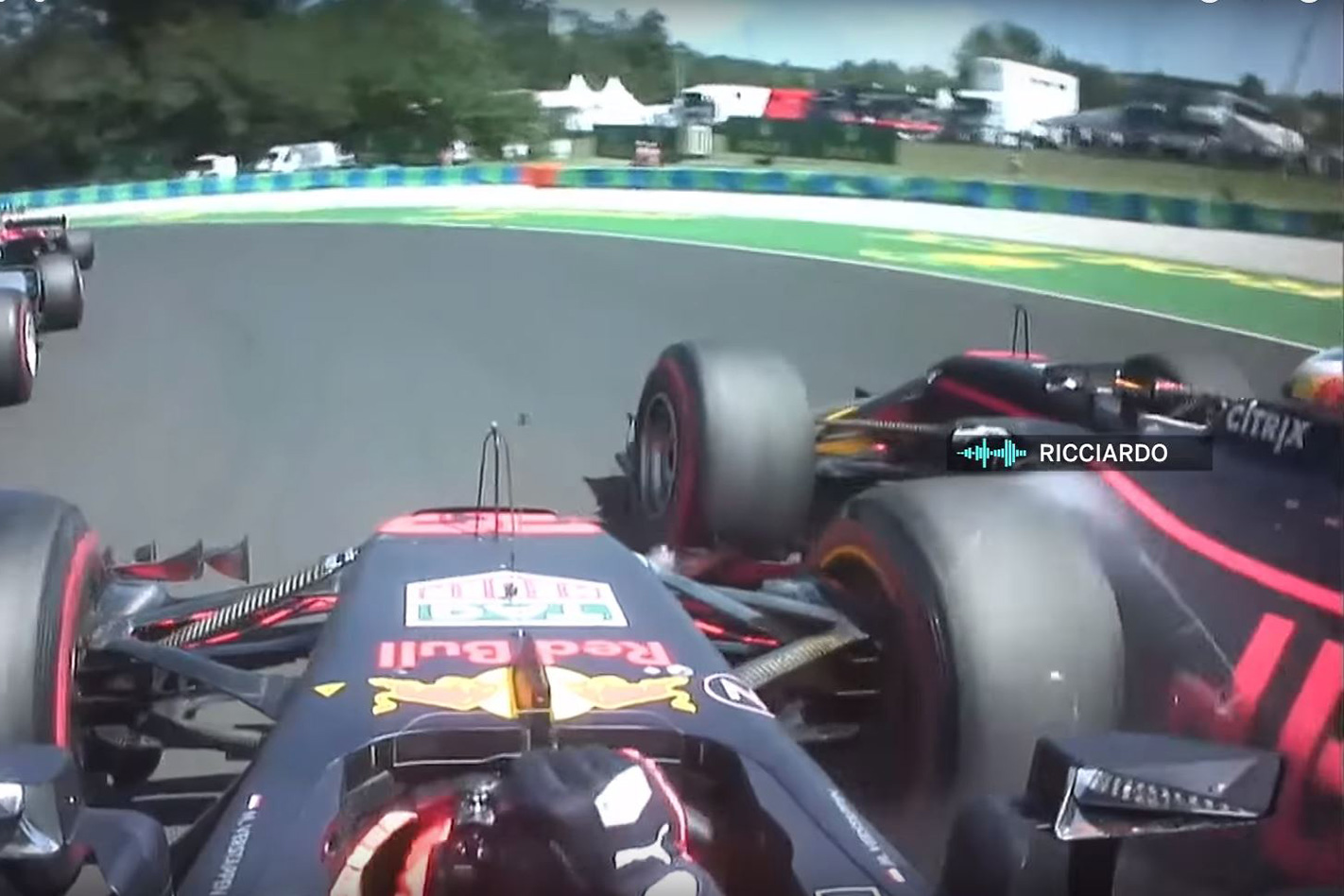
Verstappen, who survived the incident without any damage, finished fifth (after a 10-second pit lane penalty).
Verstappen quickly apologised post-race and the Red Bull PR people earned their money by issuing way-less-incendiary quotes for the media.
Christian Horner, the Red Bull team principal, suggested things will soon be back to normal between his drivers.
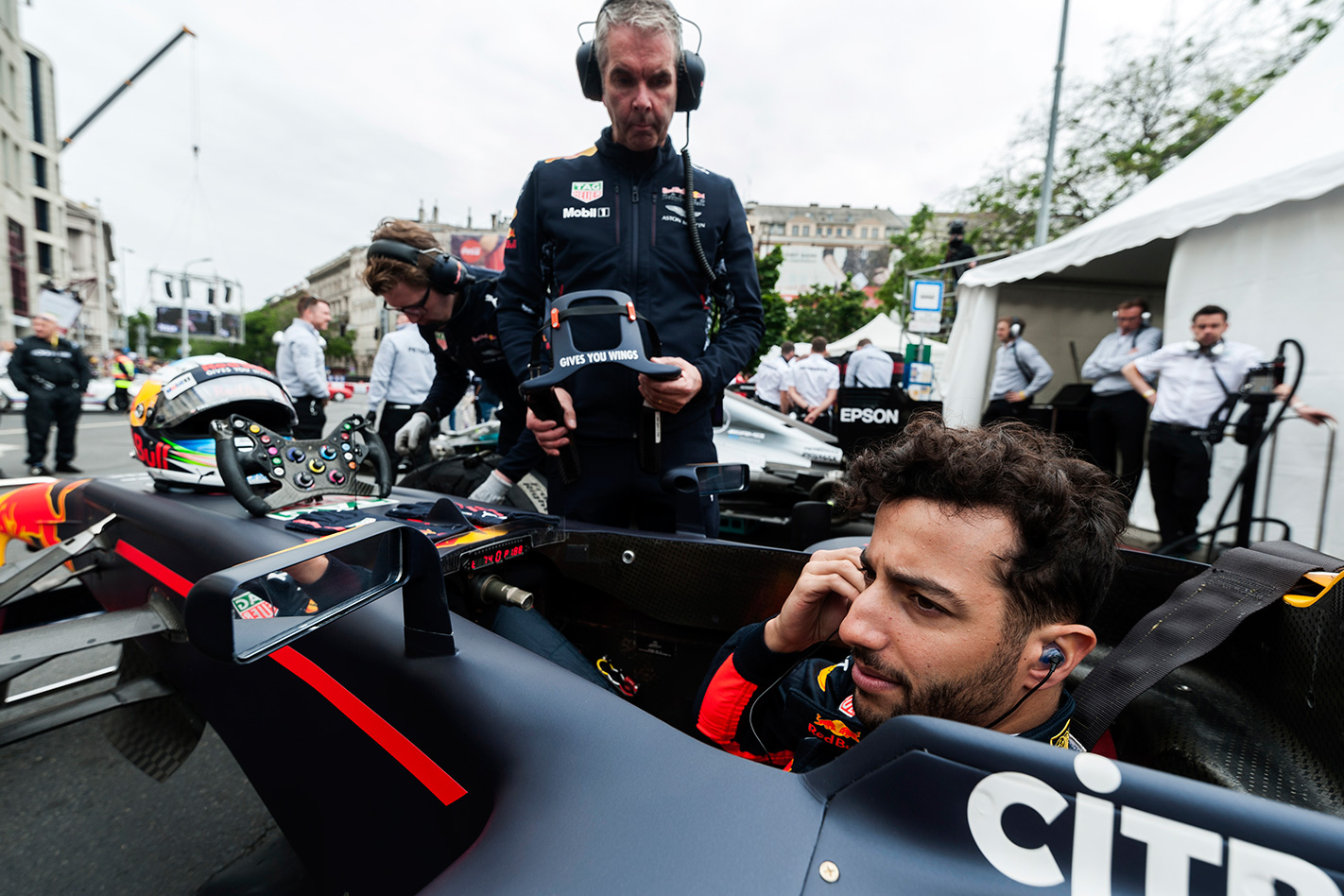
Horner also revealed that both drivers had been warned to take care on the opening lap because Dietrich Mateschitz, the billionaire founder of Red Bull, was present trackside.
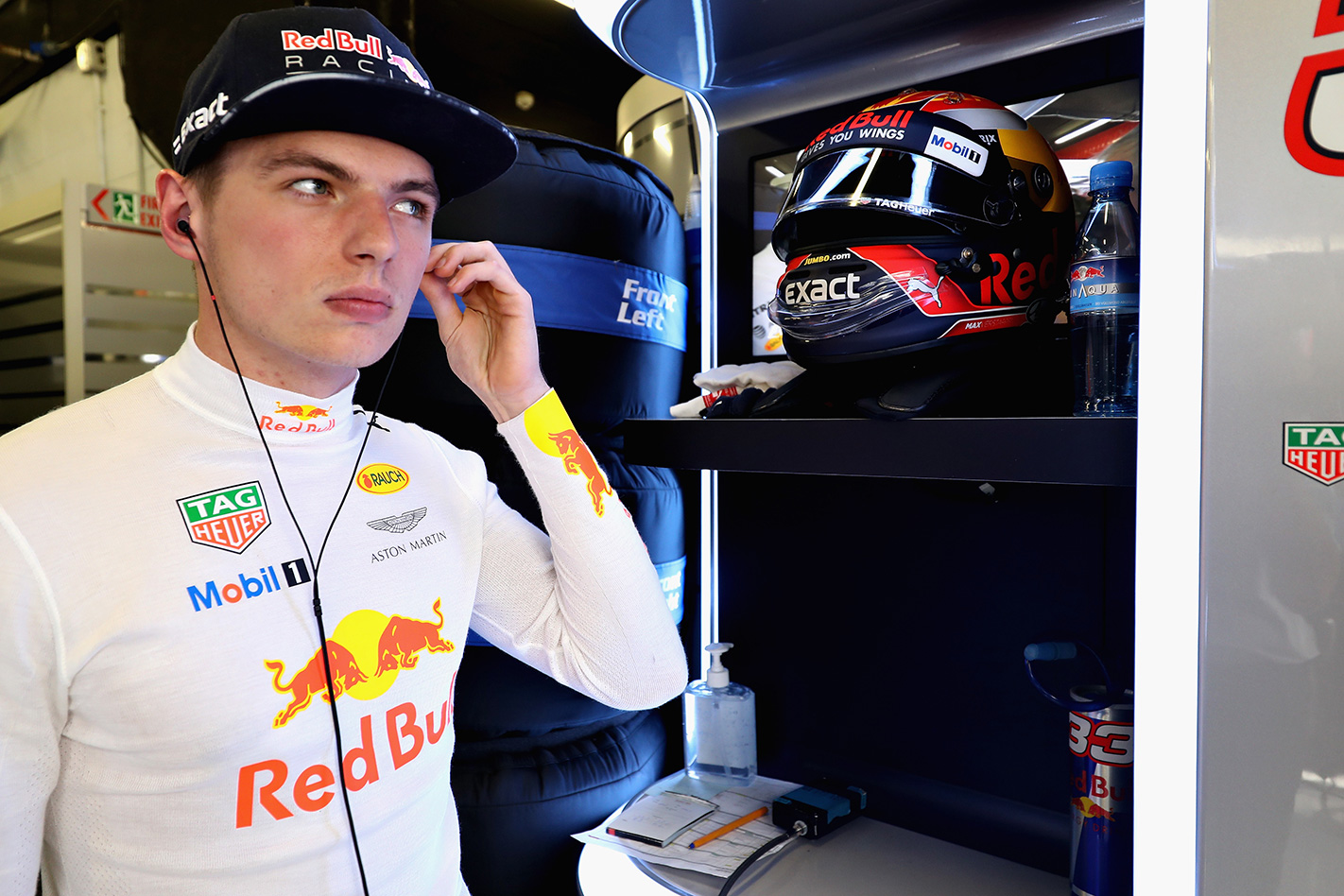
Verstappen went on to Sky TV to provide a public mea culpa: “I apologise to Daniel and also to the team because we could have scored some good points.”
Ricciardo spoke to Australian outlets after a rather tense post-race team debrief, during which the two drivers were together for the first time after their clash.
“It kinda started off a bit tense, and then you kind of get some conversations going back and forth,” Ricciardo told the foxsports.com.au.
“Obviously it doesn’t change my race or anything,” added Ricciardo, who was still frustrated that a good finish was on.
“I think, short term, that’s the best thing we can do. We’ll move on.”
Ricciardo’s sunny disposition and generosity of spirit has been sorely tested though, and it will be highly unlikely that the pair will be as comfortable with each other as in the past. Daniel may have accepted the apology but he won’t forget the cause of it.
Horner and Dr Helmut Marko, Red Bull’s high-profile adviser to Mateschitz, will need to be on their toes to quell any further disharmony.
Poisonous driver relationships within teams in F1 are hardly new; Senna and Prost at McLaren, more recently, Webber and Vettel at Red Bull, and Hamilton and Rosberg at Mercedes.
Even among today’s grid there is some hostility between the Force India lads, Sergio Perez and Esteban Ocon.
REIGNING world champion Marc Marquez (Repsol Honda Team) delivered a master-class victory in changeable conditions when the second half of the 2017 MotoGP saga throttled up in the Czech Republic at the fast and flowing 5.3km Automotodrom Brno.
The 22-lap race was declared wet and all riders started the event on Michelin rain tyres. Pole man Marquez, the only rider to choose the soft compound option rear tyre which he paired with a medium front, led into the first corner, but was passed by Jorge Lorenzo (Ducati Team).
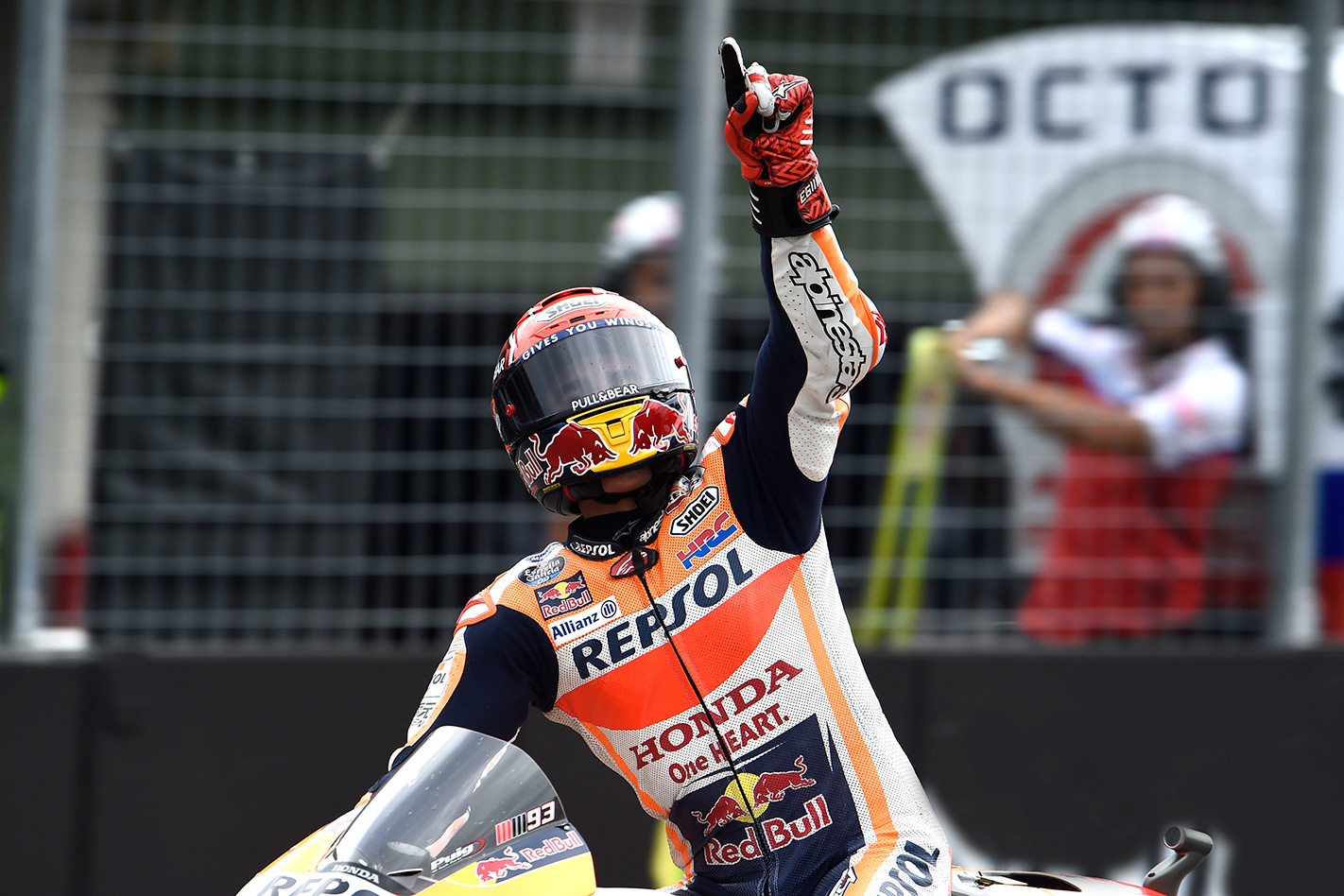
He immediately started slicing back through the field, taking back the lead on lap six, opening a 20-second gap as others followed his change to slick dry-weather rubber.
The daring early call to go to slicks handed Marquez control the race from the front, and the Spaniard crossed the line to take his third victory the season, and extending his lead in the championship to 14 points.
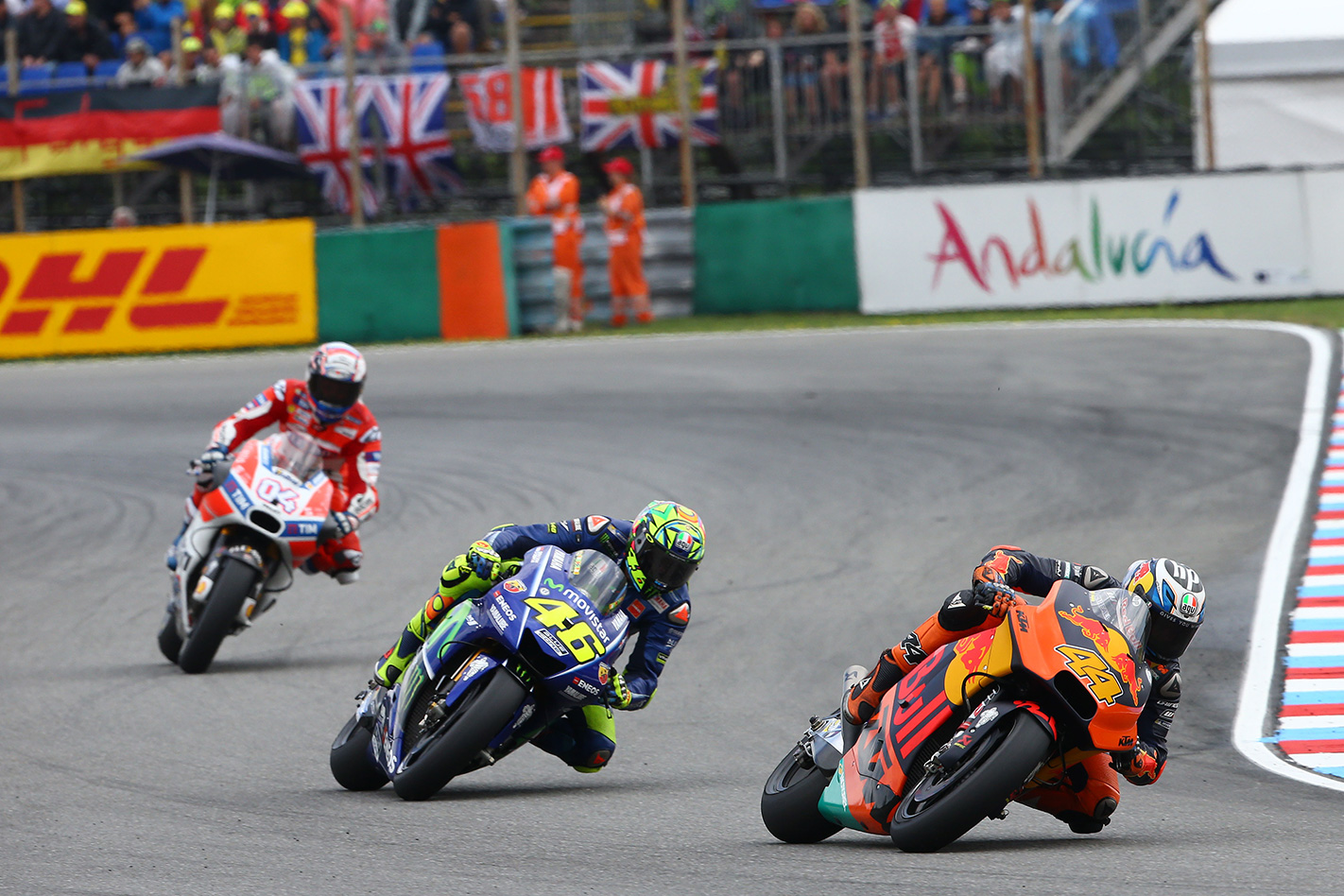
“Honestly, today I took some risks but it was one of those days when you just have to do it. After pulling a great gap, I just tried to manage, to ride well, and to finish the race. I’m really very happy with the result. It’s a track I normally struggle at, one I worry about every year, and getting 25 points was very important.”
Teammate Dani Pedrosa (Repsol Honda Team) made his way through the field – after re-joining in eighth – to take second place.
Third went to a hard-charging Maverick Viñales (Movistar Yamaha MotoGP). Thirteenth after his pit-stop, he pushed hard up to third, rounding out the podium with Spaniards.
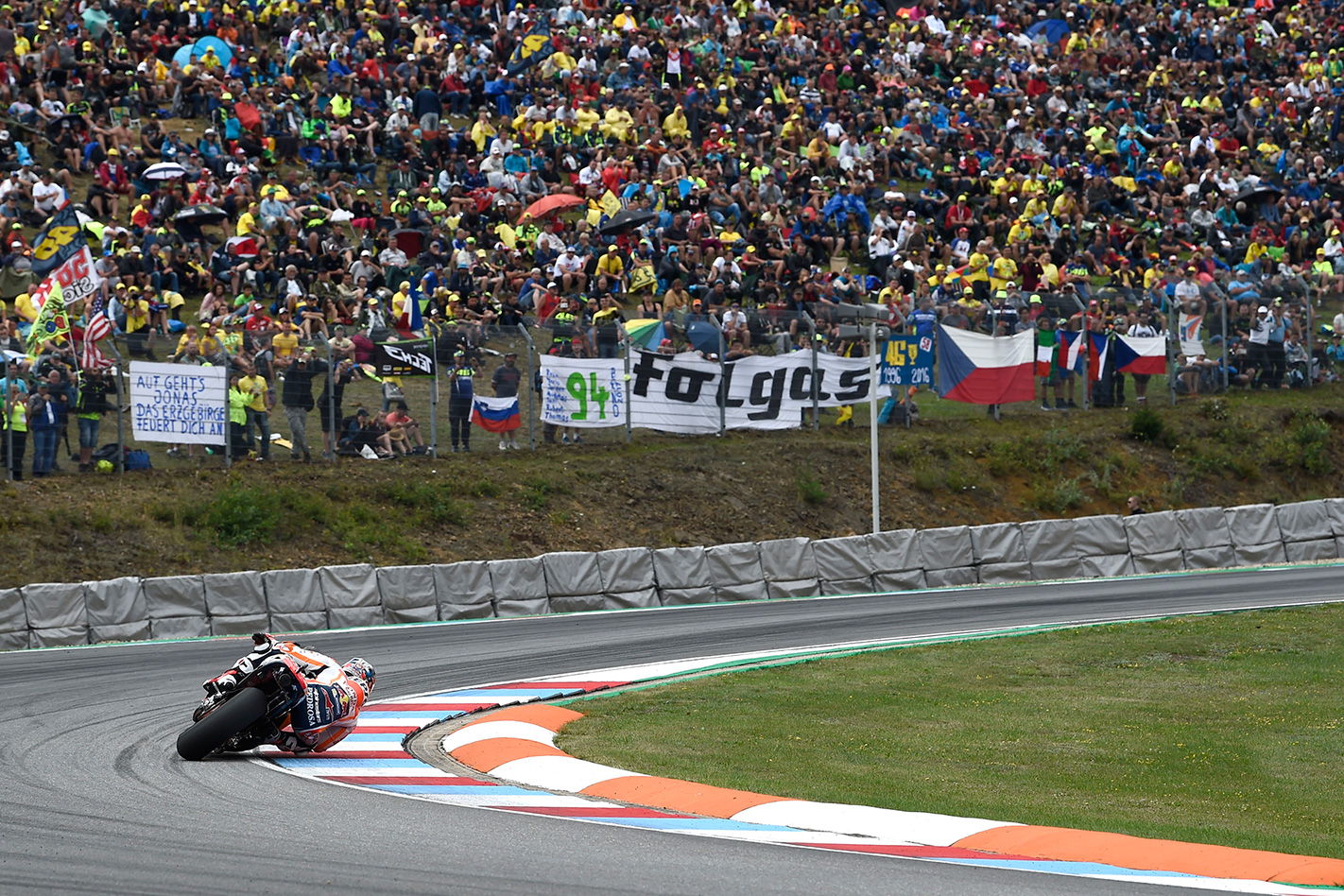
Five different winners in nine MotoGPs tells the story of a tight season with no-one grabbing a big advantage.
Ducati’s Lorenzo introduced a new fairing at Brno. It must be effective because it is sure as hell ugly. Lorenzo actually lifted in qualifying, ending up sixth quickest, but still a couple of places behind teammate Andrea Dovizioso, who stuck with the old fairing. The race story was different again, Dovi taking sixth, and Lorenzo fading to 15th.
Jack Miller struggled with a recalcitrant Honda on Friday. But he lifted on Saturday, qualifying 15th, finishing 14th in Sunday’s race.
At Brno, Moto3 championship leader Joan Mir continued his demoralising rout of his main rival Romano Fenati, a cleverly strategised late surge landing him his sixth victory from 10 races this year.
A rain-interrupted Moto2 GP presented riders with a frantic six-lap sprint to the flag. An opportunistic Thomas Luthi, win-less since Phillip Island, charged from the third row to power away to an easy victory while championship leader Franco Morbidelli was mugged, beaten up and left back in the pack. The Italian’s massive title lead, after his modest eighth-place finish, is now reduced to 17 points.
Further back, Remy Gardner’s hitherto miserable weekend took a handy turn for the better, the Australian picking off rider after rider on the greasy track to finish right on Morbidelli’s tail in a career-best ninth.
