
The self-proclaimed “best car in the world” – with the modest aspiration of being “the best car of all time” – is back to fight off all-new model challenges from Audi and BMW.
Mercedes-Benz’s latest S-Class is more about increased comfort and safety than handling and performance, despite engines offering more power. The S-Class is Mercedes’ benchmark so it contains the full breadth of Mercedes engineering talent and looks set to assume its traditional ranking among luxury sedans.
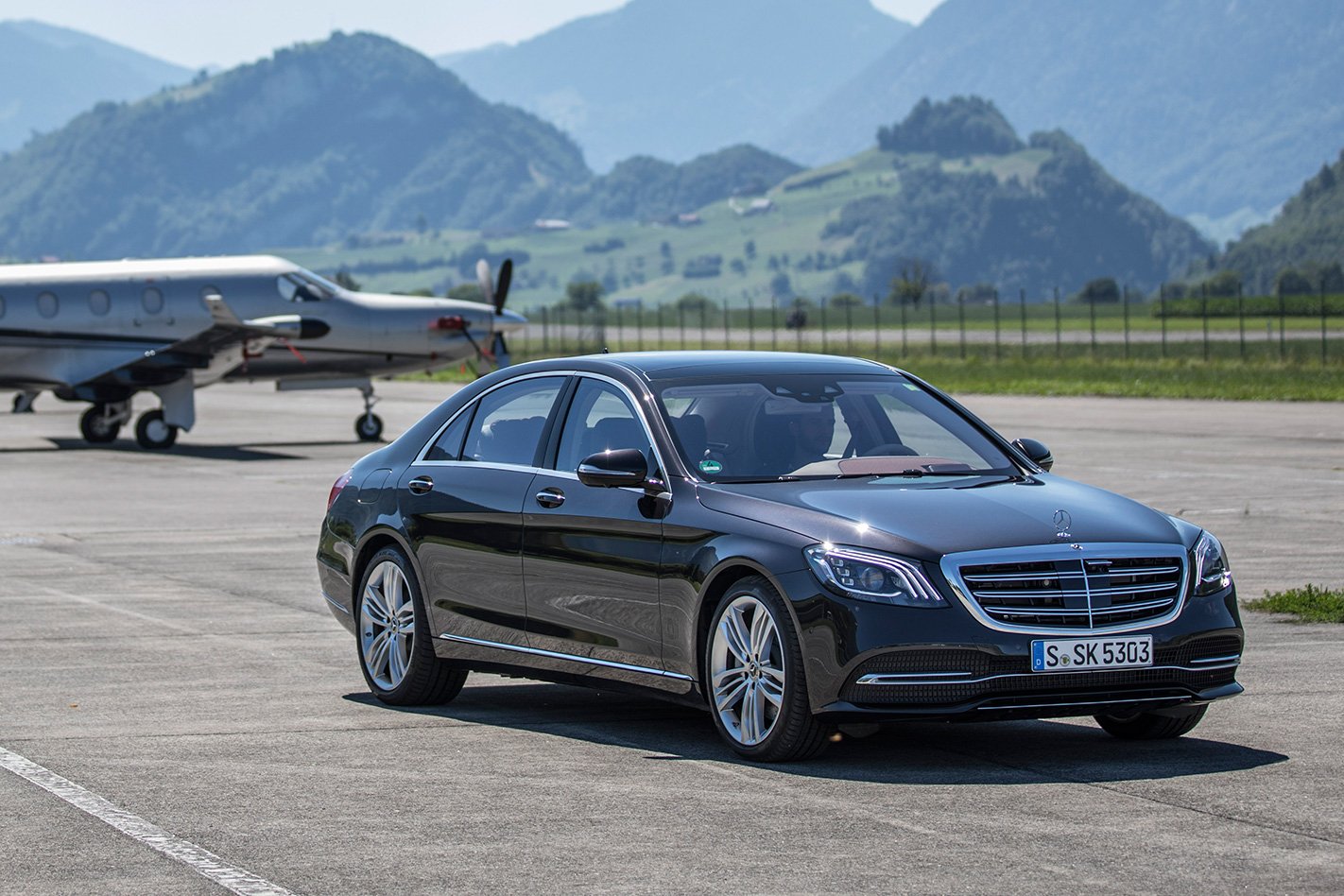
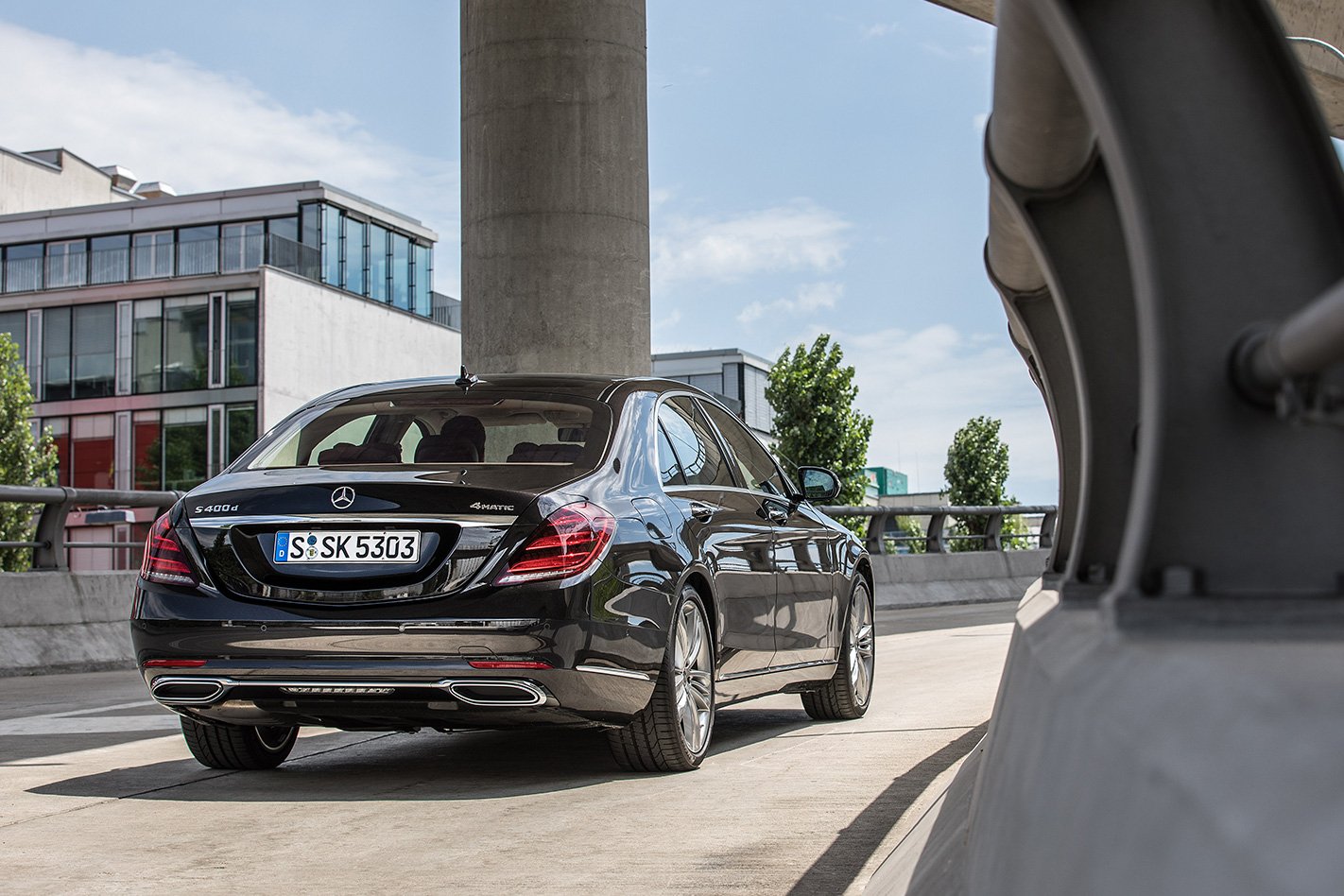
Mid-model update brings a gentle facelift, though Mercedes says there are 6500 new components – with variants of three innovative and impressive new in-line six and V8 engines – plus a host of semi-autonomous driving abilities.
Why are we testing it?
With the new Audi A8 and BMW 7-Series fighting for the same territory, has Mercedes done enough to keep the S-class at the pinnacle? Does the return to in-line six engines bring a significant step in refinement with that promise of V8 performance and six-cylinder economy?
BMW 7-Series, Audi A8, Jaguar XJ, Lexus LS
The Wheels verdict
The new S-Class does take another step down the road of turning drivers into passengers at a comfort level that rivals the more exclusive Rolls-Royce. The Mercedes, especially in long wheelbase form, serves up an unmatched sense of wellbeing that is almost overwhelming whether at the wheel or in the comfort of its vast rear seat compartment.
Minus occasionally slow to kickdown, new cruise control might irk traditional owners, impression of width never goes away
The Wheels Review
The freshly face-lifted version of the classic German luxury sedan doesn’t go on sale until December in Australia. When it does, it will be offered with six separate engines scattered across a range of models: S350d; S400d LWB; S450; S560; S560 LWB; AMG S63 LWB, and the S650 Maybach – the only V12 variant to survive a cull of models at the very top end of the sedan range. Such is the complexity of the range and options that Mercedes claims no two S-Classes built will be identical.
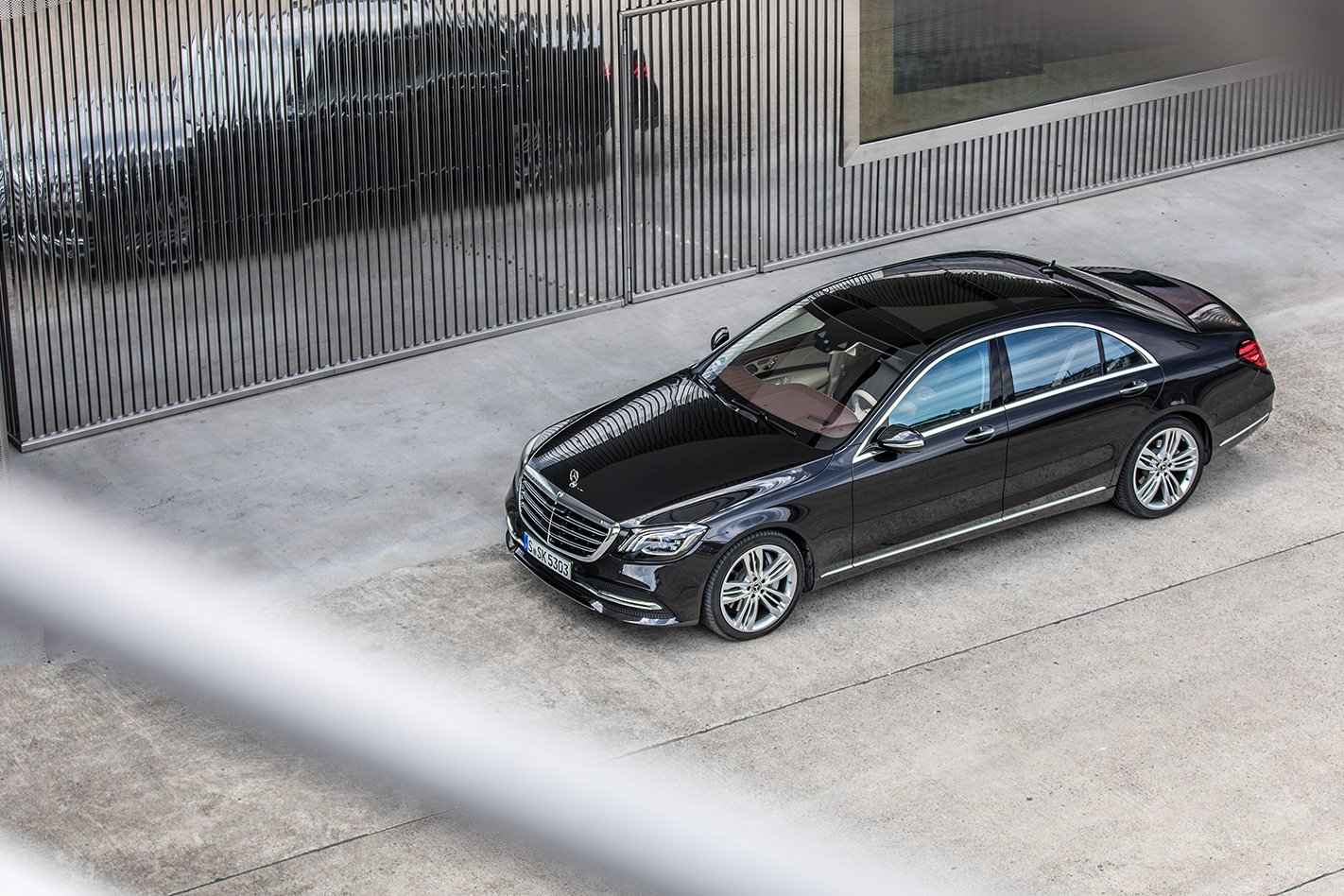
Underneath the familiar exterior – now refreshed by a prominent chrome grille, modified bumpers, and LED headlights and taillights graphics – is a subtly updated version of the previous S-Class’ MRA platform that is shared with the smaller C- and E-Classes, with unique S-Class structural components at the rear. All in conjunction with the standard Air Body Control air suspension, however unlike the three-chamber system unveiled in the latest E-Class, the S-Class maintains the simpler single chamber set-up of the old model. Inevitably, the S-Class’ electrical architecture has been significantly upgraded, and predictably it now supports the widest range of driver assistance system of any Mercedes.
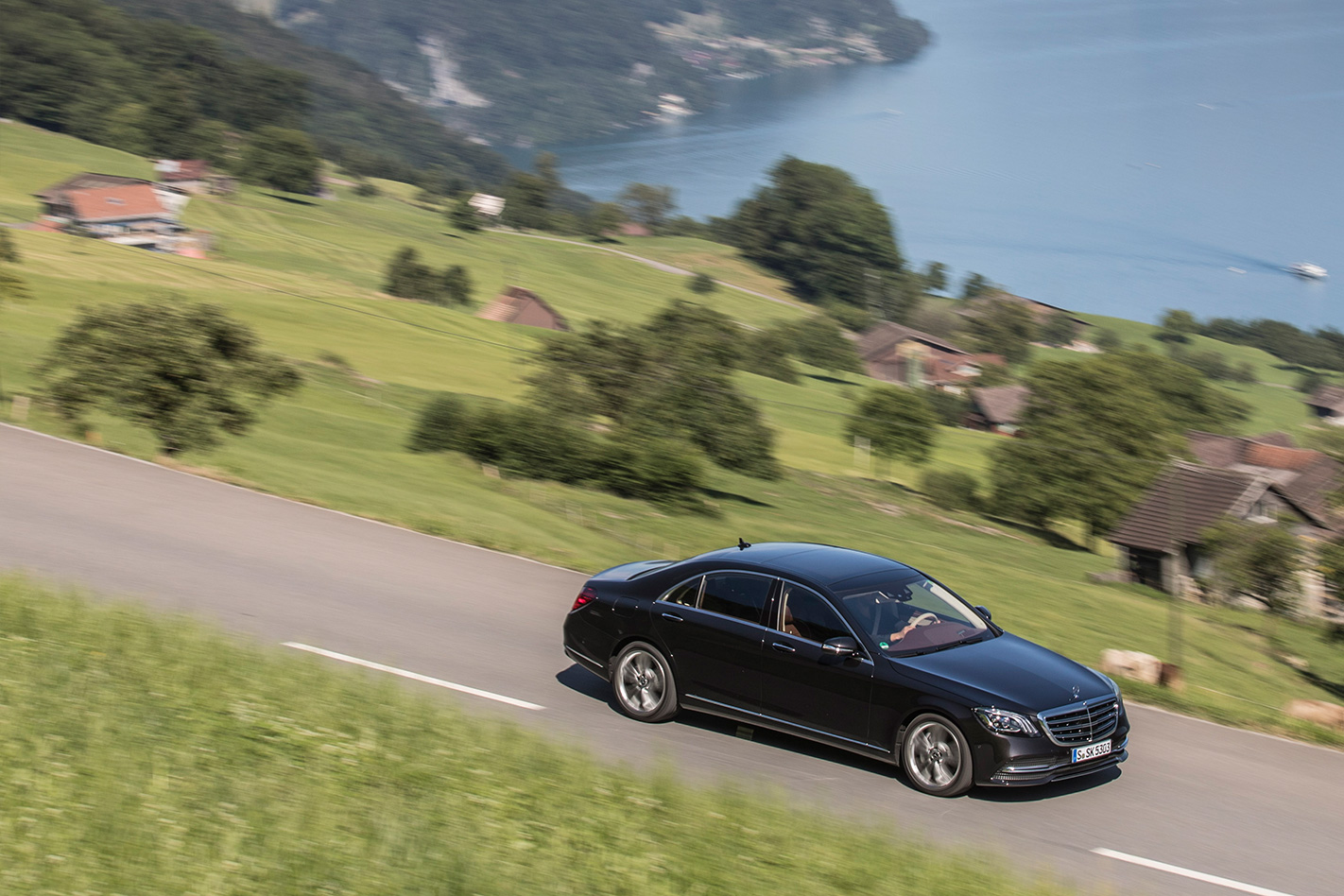
The new twin-turbo in-line six-cylinder diesel delivers 250kW (up 10 percent) between 3600-4400rpm, and a mighty 700Nm across a range from 1200-3200rpm. It features a stepped bowl combustion process, multi-channel exhaust gas recirculation system and, for the first time, variable valve-lift control.
As significant as the performance and economy figures are (0-100km/h in 5.2sec, 5.2L/100km consumption through the combined cycle), it’s the new engine’s refinement and smoothness that really impresses. In this respect, it’s a huge step over the old V6. From the wheel, the engine is barely audible at idle, it revs quickly while power delivery is virtually linear, changing up at 4500-4600rpm under full throttle, somewhat shy of the 5250rpm redline. It even sounds good.
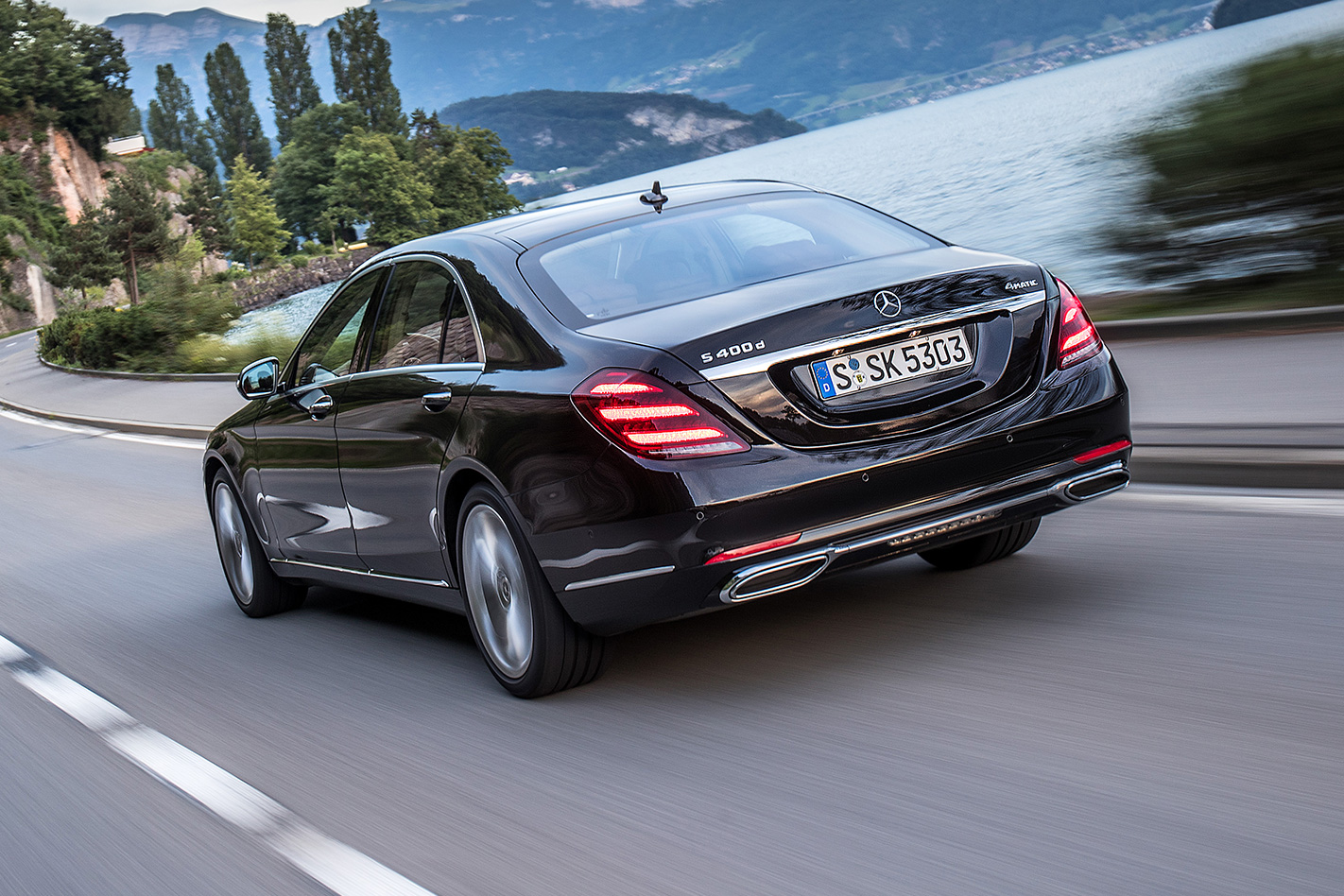
The diesel lacks the 48-volt electric motor assistance of the also impressive 2.9-litre in-line six 320kW petrol-powered S500, yet speed builds quickly and there is just a distant hum from the engine. With double-glazing standard on Australian cars, the cabin feels utterly isolated from the plebeian dramas of the outside world.
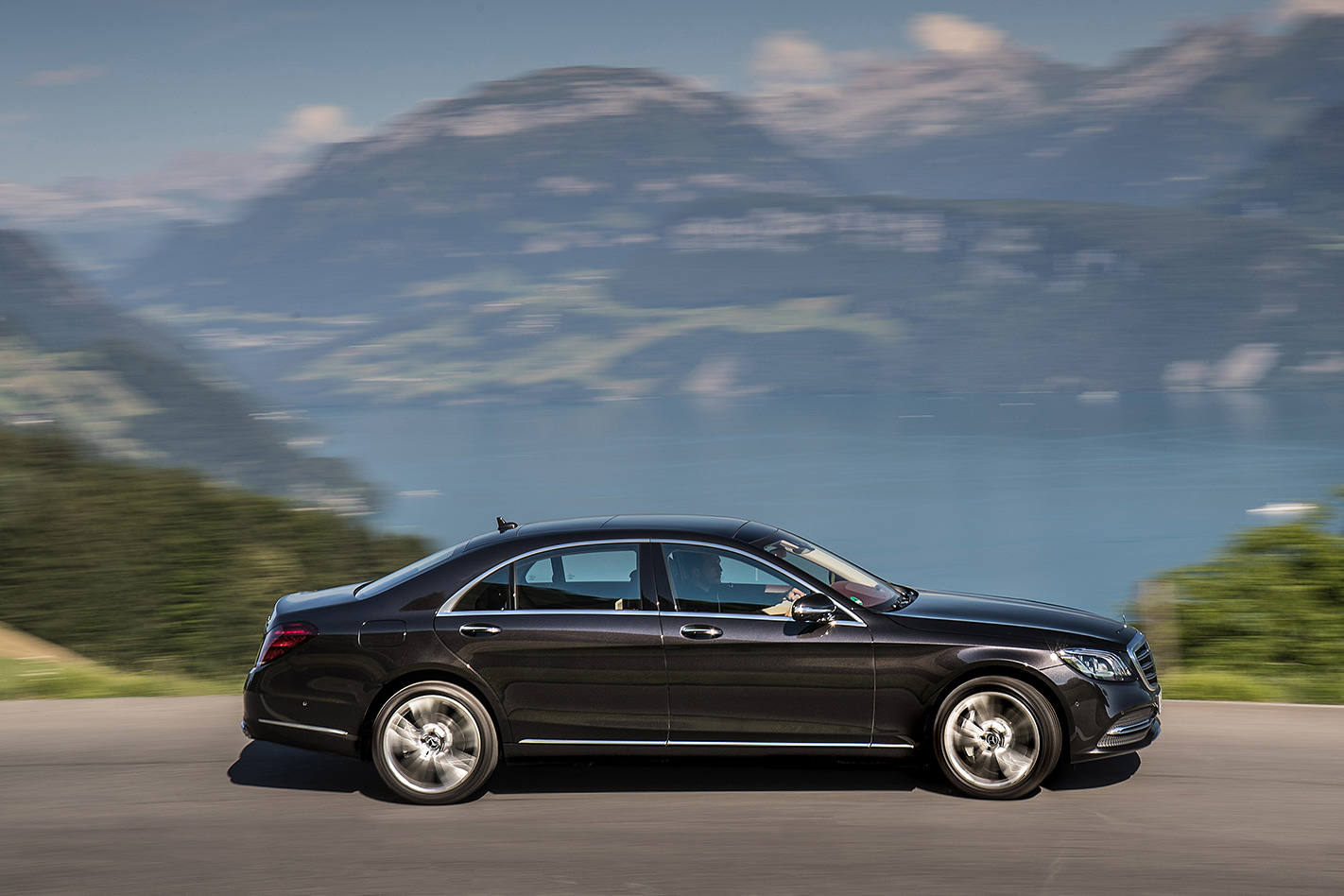
The cruise control feature in the new 2018 S-Class goes a step beyond the functionality of the new E-Class. It is now able to automatically adjust its speed for curves, intersections, changes in speed limits, and toll gates, based on its GPS data. The result is a system that allows the driver to use cruise control—and even its steering-assist function—much more often on secondary roads and not just on motorways.
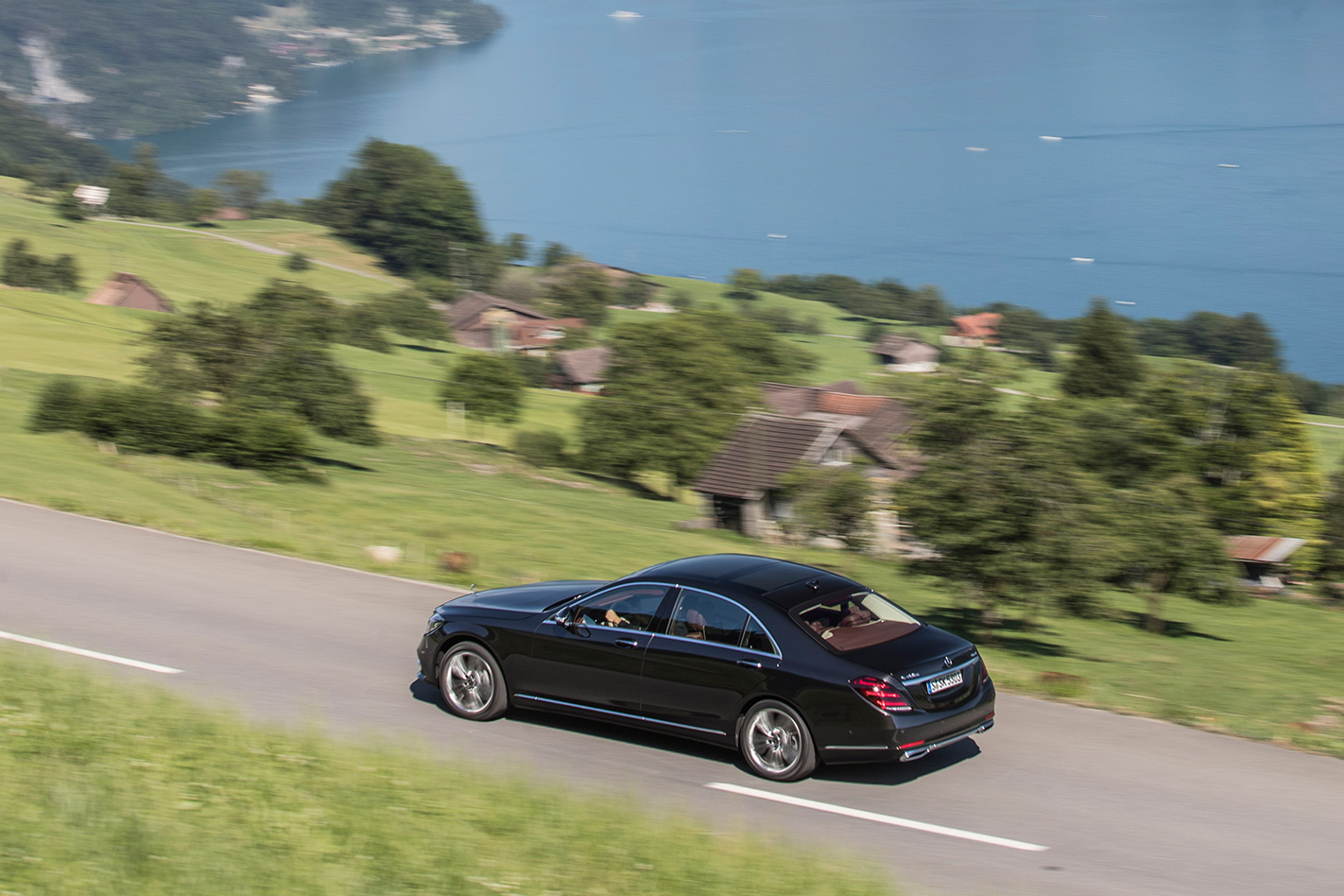
In Sport it doesn’t slow as much and carries more momentum through bends. It also responds to speed limit signs, though occasionally the system disregarded the signs and failed to speed up.
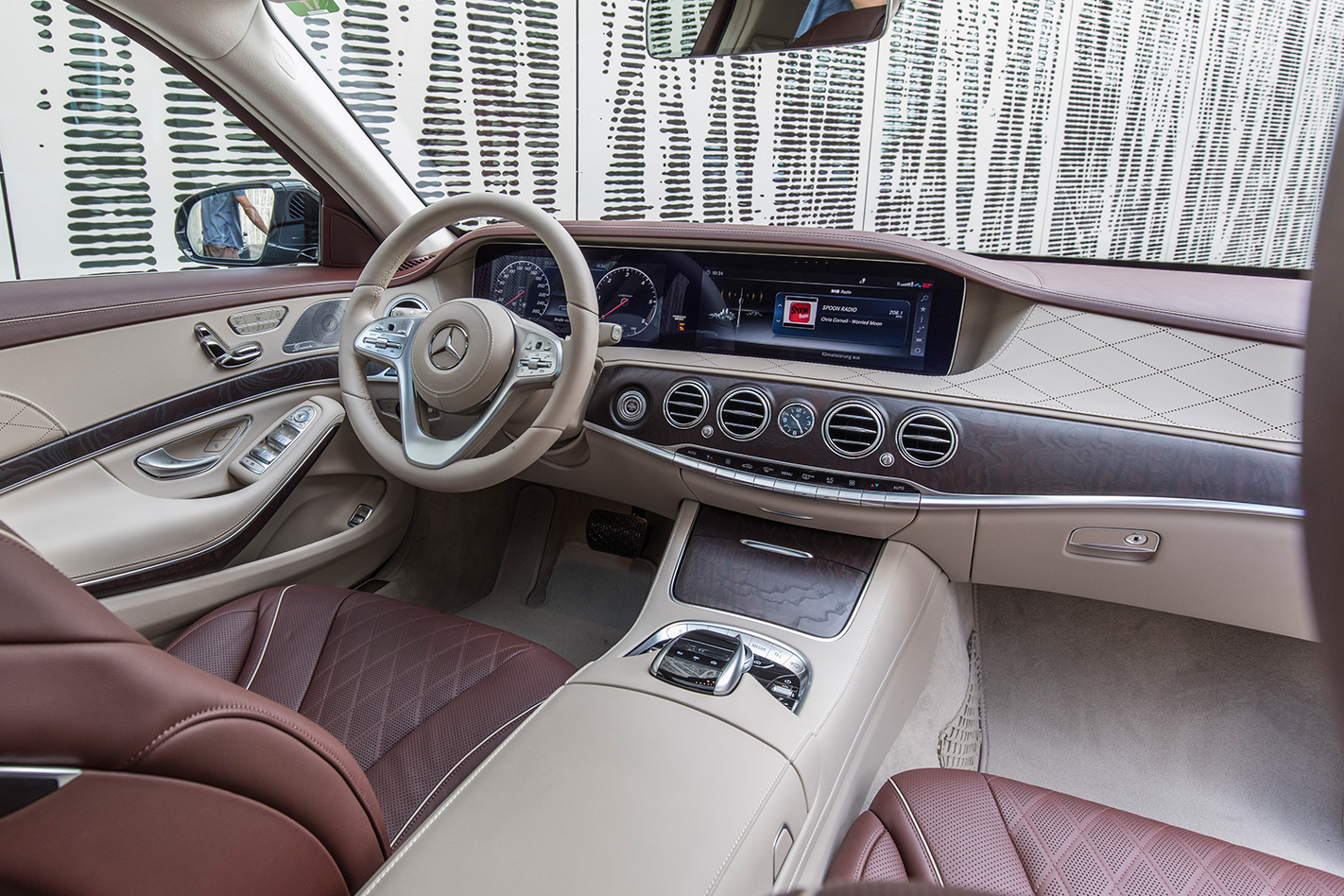
All this technology was impossible to operate on Mercedes’ old, and excellent, single wand cruise control. Because of that, all cruise functions are relocated to the left spoke of the steering wheel where some familiarisation is needed. Long term S-Class buyer-owners, who’ve become accustomed to the old wand won’t be pleased.
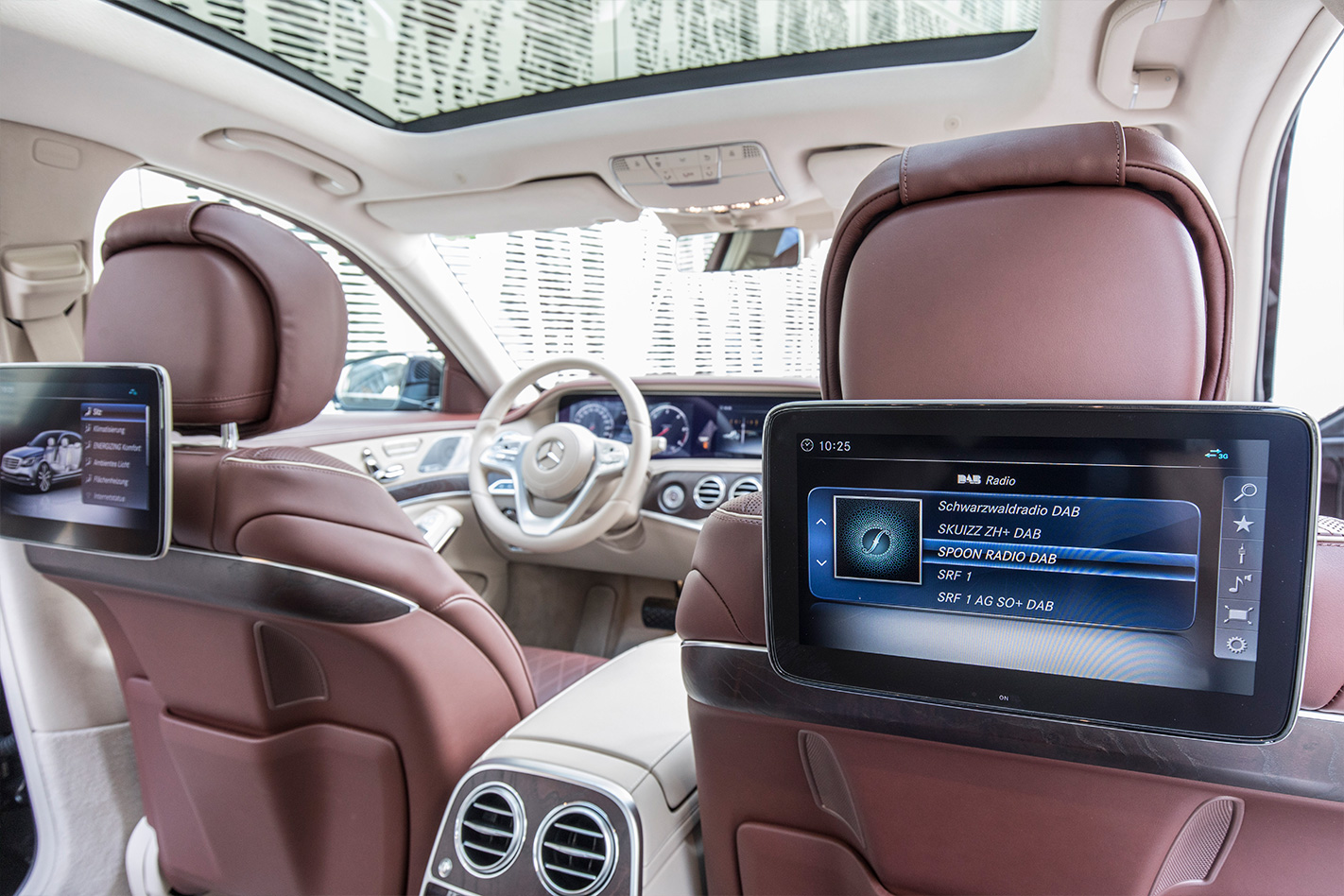
With a clear choice of models, and performance up to the AMG S63 (0-100km/h in 3.5sec), this latest version sets out to meld graceful speed and ultimate comfort with cutting edge technology. Nobody does it better than Mercedes.
Specs
Model: S400d LWB Engine: 2925cc six-cyl in-line, dohc, 24v, diesel, turbo Max power: 250kW @ 3600-4400rpm Max torque: 700Nm @ 1200-3200rpm Transmission: 9-spd automatic Weight: 1950kg 0-100km/h: 5.4sec Economy: 5.2L/100km combined Price: $250,000 (est) On sale: December
TELL ME ABOUT THIS CAR
The Renault Clio landed in Australian showrooms in May with a new-look, updated features and a lower price tag. The Zen is the second model in the range above the entry-level Life and comes with a good range of standard features for its $19,990 retail price.
STRENGTHS
- It’s a handsome looking car with sporty styling that stands out from the city car pack.
- It also looks great inside with soft-touch surfaces, appealing touch points and cloth seats with premium looking patterned stitching.
- It comes with a great list of standard features for the price including front and rear fog lights, infotainment with digital radio and satellite navigation, LED headlights, LED running lights, front and rear parking sensors, rain-sensing wipers, heated powered door mirrors and day-night mirror and 16-inch alloy wheels.
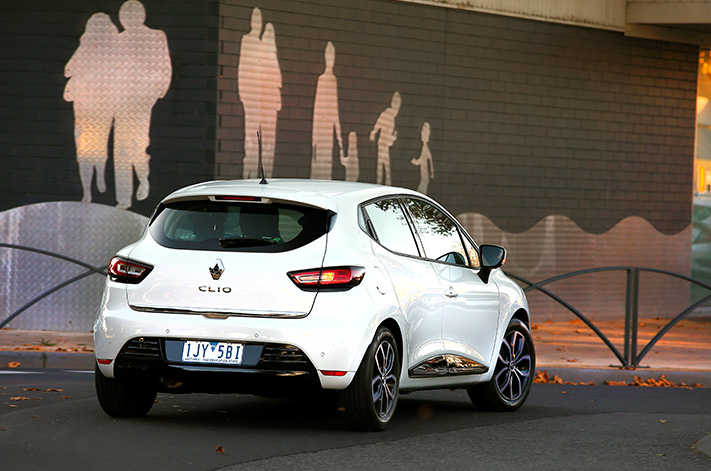
- It’s a fun car to drive around town with nicely weighted and direct electrically-assisted steering.
- The 88kW/190Nm 1.2-litre four-cylinder turbocharged engine performs well once you get going and has enough grunt for highway overtaking.
- The cruise control and speed limiter are very simple to use despite the selector switch for both being on the centre console and control buttons located on the steering wheel.
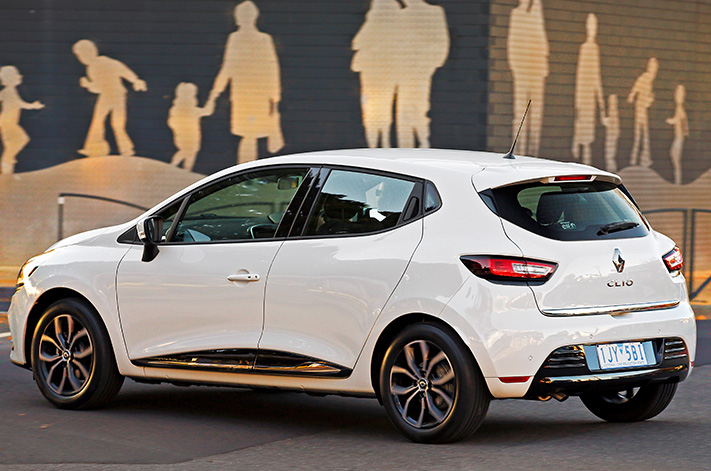
- The deep boot space holds 300-litres and you can fit 1146-litres with the rear seats folded down.
- It comes with five-year unlimited kilometre warranty and roadside assist.
WEAKNESSES
- The six-speed dual clutch automatic seems to think it’s a CVT. It doesn’t trouble the engine until you hit around 2500rpm resulting in a noticeable lag especially from a standing start.
- The suspension is comfortable for city driving however it’s pretty bouncy on bumpy country roads and doesn’t feel very secure on bends.
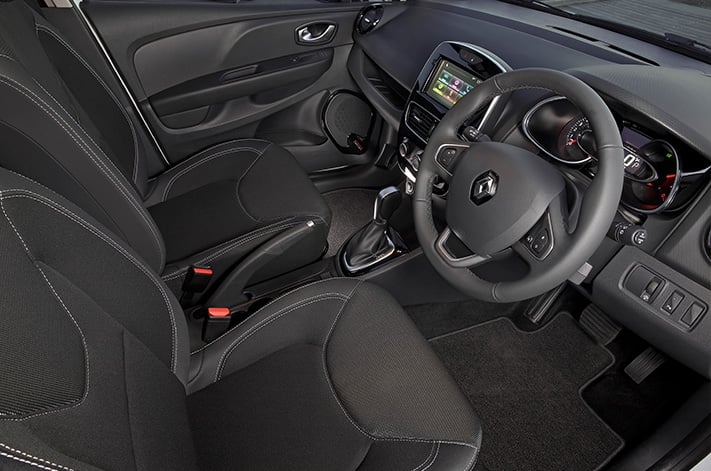
- Interior storage space is minimal. The glove box is tiny as are the cup holders which seem to be a French way of mocking any coffee choice beyond a short black.
- There’s a place to put your phone but instead of putting a USB port there they’ve put it up next to screen meaning having to run a messy cable.
- It still lacks driver assist such as automatic emergency braking which is becoming more common in the light car class.
ANY RIVALS I SHOULD CONSIDER?
Mazda 2 Maxx is well worth a look but of you prefer another European option try the Volkswagen Polo Trendline, Peugeot 208 Active or Ford Fiesta Trend.
The 221kW 2018 Subaru WRX STI is set to welcome a new trim level into its ranks, the spec.R, priced at $57,690.
That’s compared to the step-down WRX STI Premium for $55,640 or $55,940 with rear spoiler. The base STI is $50,890.
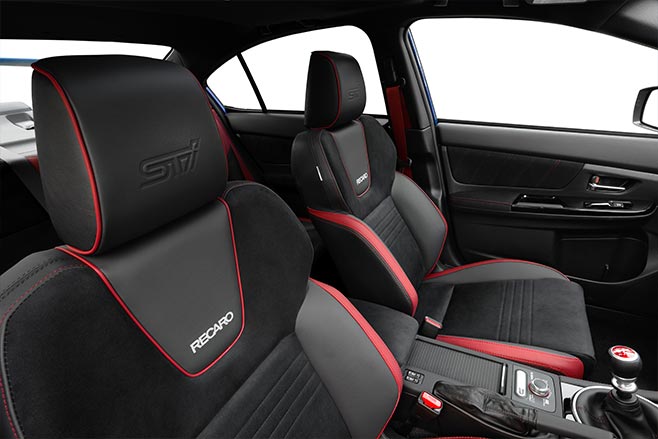
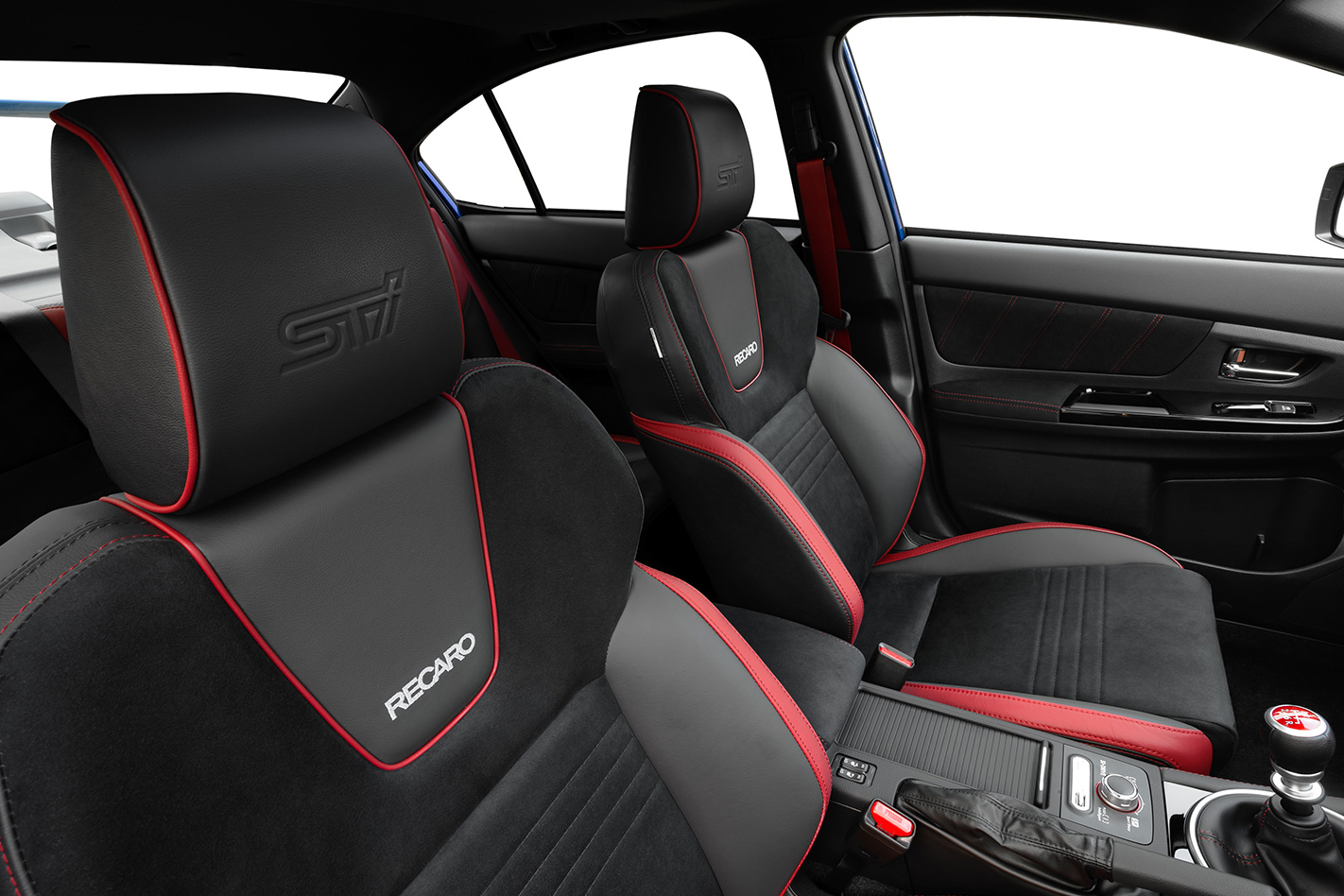
The only real difference with the spec.R, however, is that it has specially designed Recaro seats in the front, with the driver’s being eight-way adjustable.
Aside from this, the new WRX STI will welcome a smattering of changes throughout, including suspension tweaks, new styling, updated tech, and importantly, red seat belts.
The new STI will have cross-drilled brake rotors and six-piston Brembo callipers at the front, with 2-pots at the rear. These will be found behind new 19-inch forged alloy wheels.
Underneath, the chassis’ rigidity, coils, and damping have been adjusted to “enhance control and stability”.
The car itself also gets extra vision with Subaru’s ‘EyeSight’, which improves collision prevention and cruise control.
The WRX STI Premium gets a few extra bits of kit, including leather interior trim, extra front and side monitors, heated seats, and a sunroof.
WRX manual $39,240
WRX Lineartronic CVT $42,240
WRX Premium manual $45,640
WRX Premium Lineartronic CVT $48,840
WRX STI $50,890
WRX STI with rear spoiler $51,190
WRX STI Premium $55,640
WRX STI Premium with rear spoiler $55,940
WRX STI spec.R (Recaro seats) $57,690
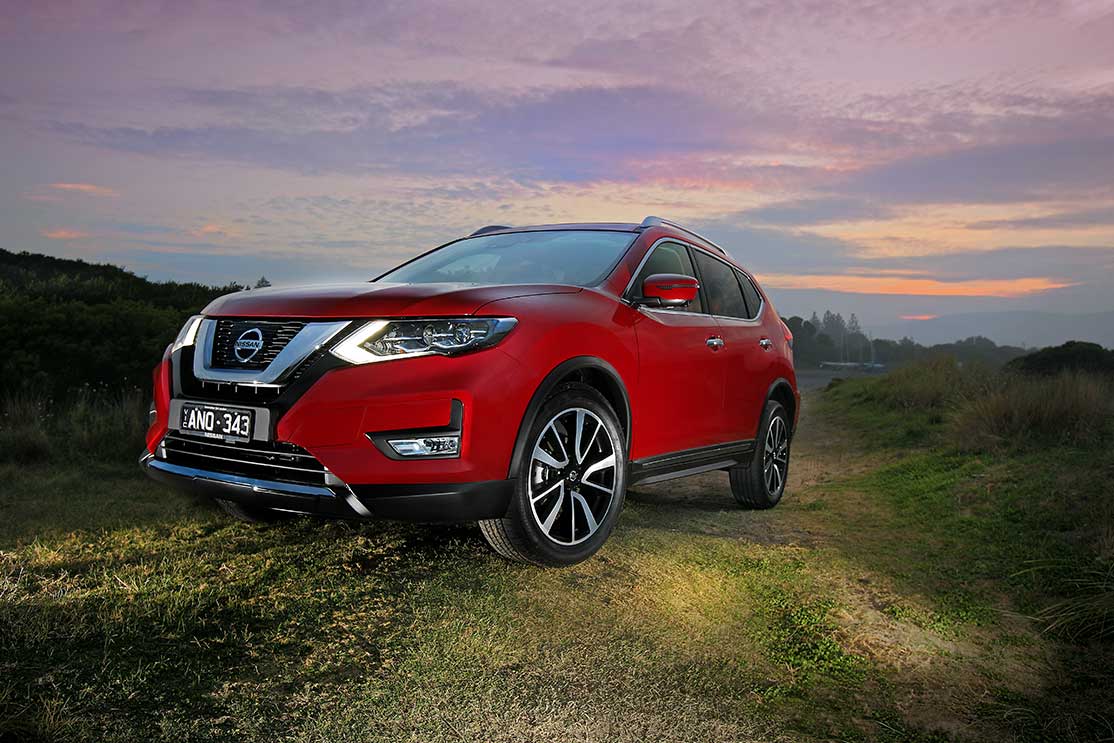
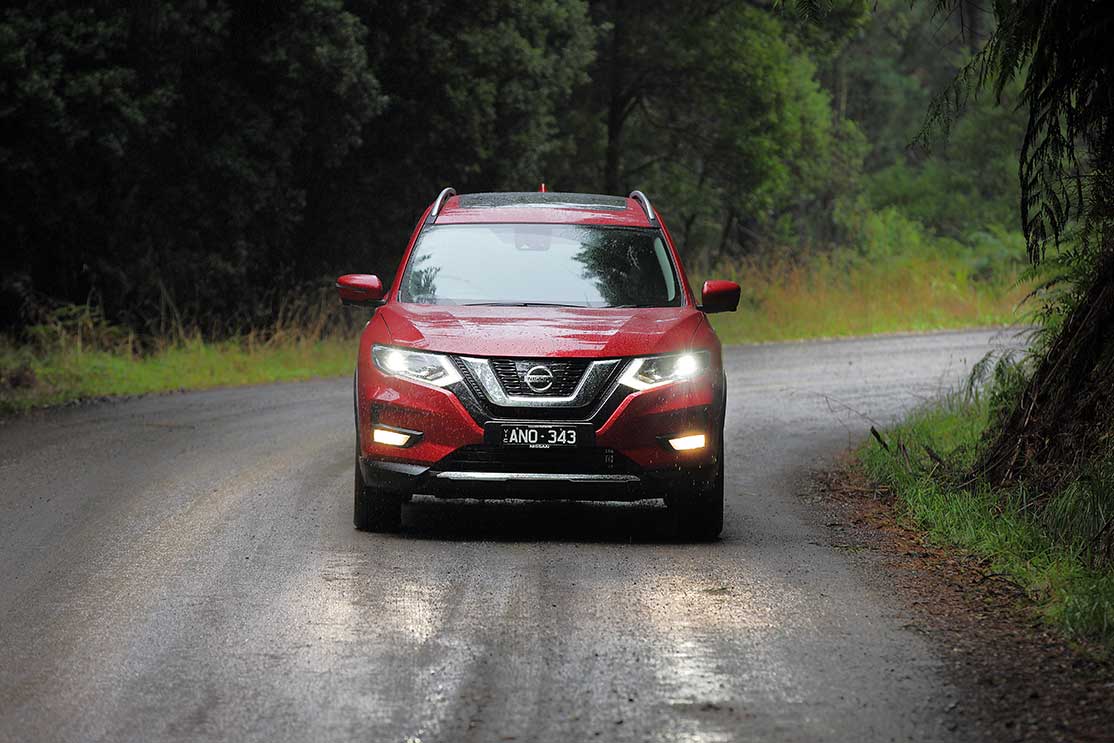
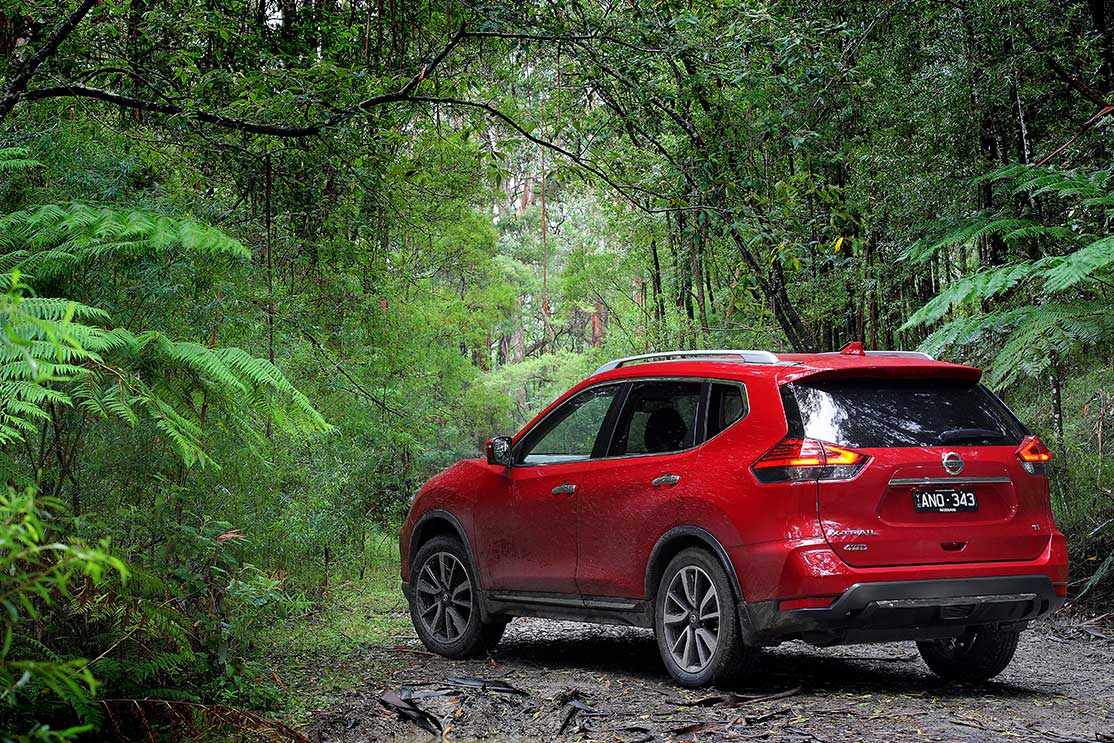
The Nissan X-Trail is the Japanese carmaker’s biggest seller in Australia, thanks to its stylish looks and great practicality.
Up against the likes of the Mazda CX-5 and Hyundai Tucson, the X-Trail is one of the few popular medium SUVs to offer genuine go-anywhere four-wheel-drive capability.
Thanks to a recent upgrade, it now offers even more options including a powerful 2.0-litre diesel engine, seven seats and advanced driver assist technology.
WHAT STANDS OUT
Exterior changes are modest, and mostly limited to new wheel designs, bolder bumper plastics and revamped headlamps with LED running lights.
The technological changes are more significant, with all models coming with forward collision warning and automatic emergency braking.
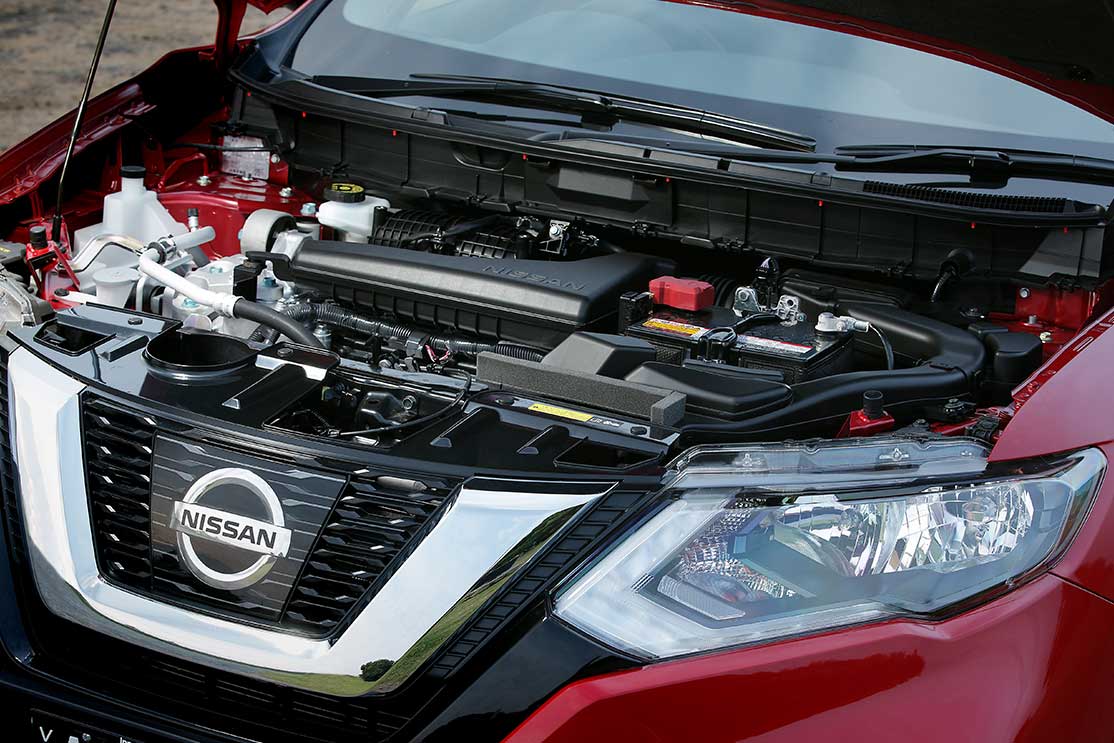
Mechanically, the 2.0-litre and 2.5-litre petrol engines carry over from the previous model, but are joined by a gutsy new 2.0-litre turbo diesel, in the four-wheel-drive TS and TL models.
All variants, except for the entry level ST with six-speed manual, have a CVT auto.
WHAT’S INSIDE
Key interior changes include a slightly revised centre console and new-look automatic gear shift.
There’s also a sporty, flat-bottomed steering wheel with a more conventional button layout that’s an improvement over the previous model.
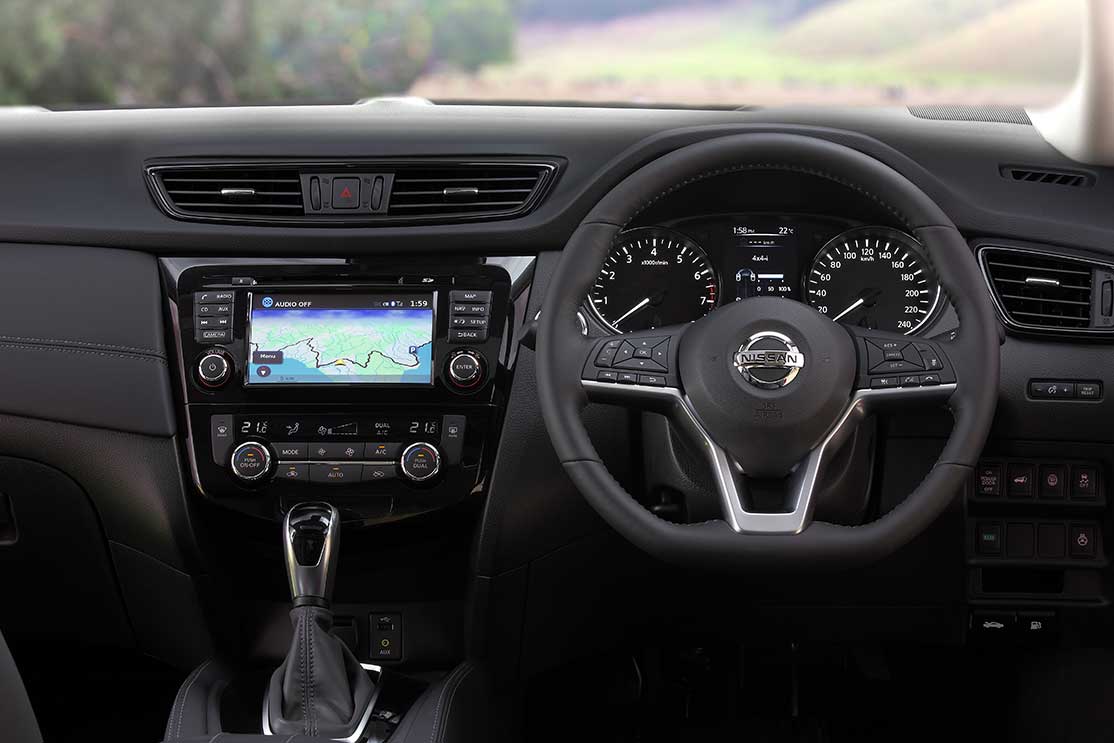
The entry level X-Trail ST comes with a 5.0-inch touchscreen with reversing camera and Bluetooth phone connectivity. All other models feature a 7-inch touch-screen display with satellite navigation and around-view monitor to make parking even easier.
The Ti and TL models feature plush double-stitched leather-accented seats and piano black trim, plus creature comforts including front and rear heated seats, and a heated steering wheel.
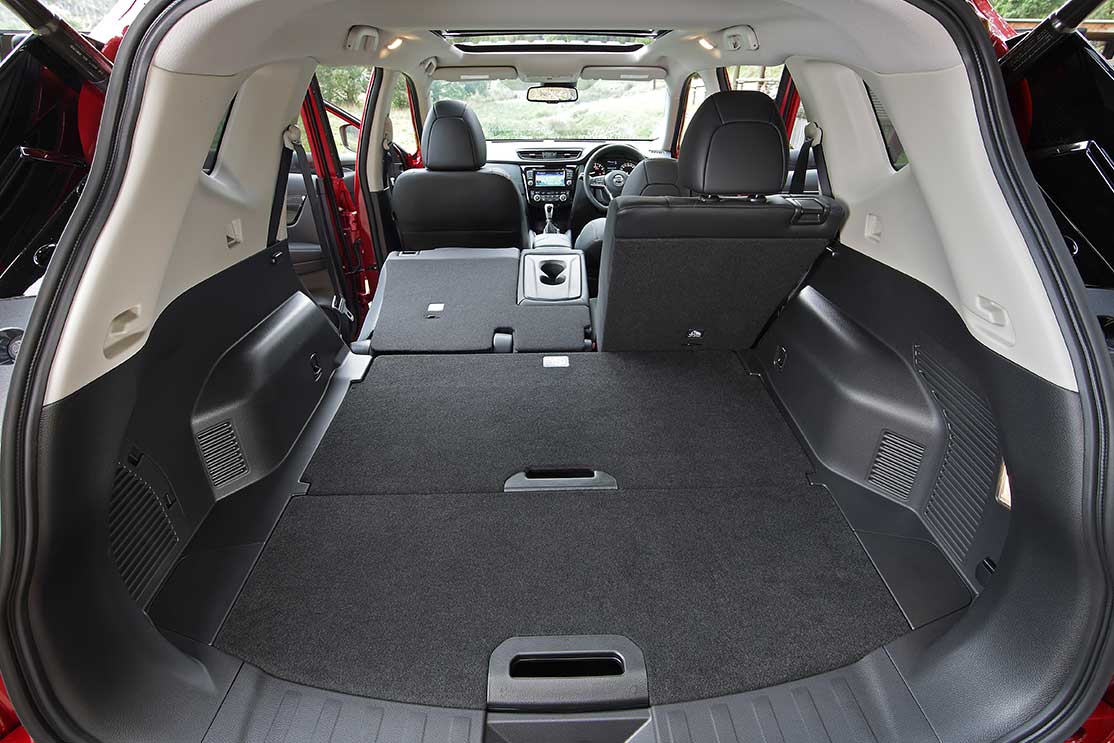
It’s incredibly roomy, especially in the back, with EZ-FLEX rear seats that slide and recline for more legroom or extra cargo space.
The rear seats fold down with a 60-40 split, to extend the spacious 565-litre cargo capacity, to a van-like 945 litres.
CHOOSING YOURS
Starting at $36,590, the mid-spec X-Trail ST-L offers the best compromise in terms of pricing, features and advanced driver assist including rear-cross traffic alert and blind spot monitoring.
For country driving the 2.0-litre diesel makes a lot of sense. However, the lack of an ST-L diesel equivalent means either getting the entry-level specced TS, and forgoing plenty of features, or spending an extra $10,000 on the top-of-the-range TL.
SUMMING UP
The technological boost makes the Nissan X-Trail an even more attractive medium SUV, especially particularly for those seeking more than just a high-riding wagon.
While it’s far more refined than previous models, it still has off-road cred and plenty of space for camping gear while offering a smooth, comfortable and now safer ride around town.
Subaru has updated its WRX line-up adding a new range-topping variant and a host of mechanical, aesthetic and tech changes.
Entry-level pricing for the Subaru WRX range will remain the same despite new standard kit which includes Jurid performance brake pads, new design 18-inch alloy wheels, heated door mirrors, LED fog lights, revised suspension, dusk-sensing LED headlights, LED Daytime Running Lights, automatic windscreen wipers and a bigger 5.9-inch Multi-Function Display.

All CVT automatic WRX variants also gain EyeSight Driver Assist package with collision prevention and adaptive cruise control, as well as an electronic parking brake and hill-hold assist.
The manual-only upper-spec WRX STI gains Brembo 6-piston front and 2-piston rear brake calipers, cross-drilled brake rotors, 19-inch alloy wheels, red seatbelts and suspension revisions to improve comfort and cornering prowess.

Meanwhile a new flagship WRX STI spec.R grade has been added to the range, which shares its feature set with the STI Premium but adds a pair of Recaro front sports seats with eight-way power adjustment.
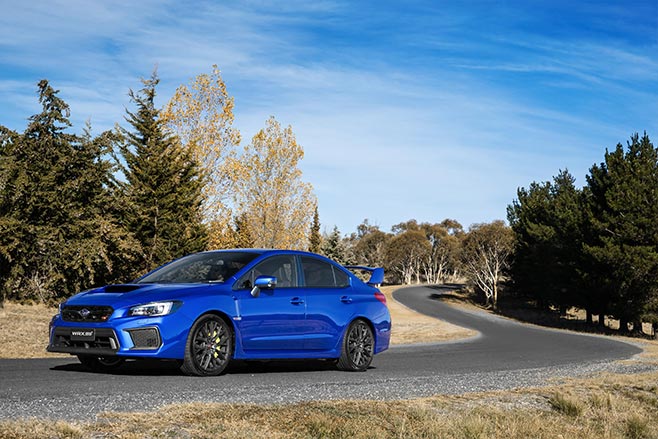
Exterior changes include a revised front end with more aggressive bumper and grille designs, along with sharper looking LED headlights.
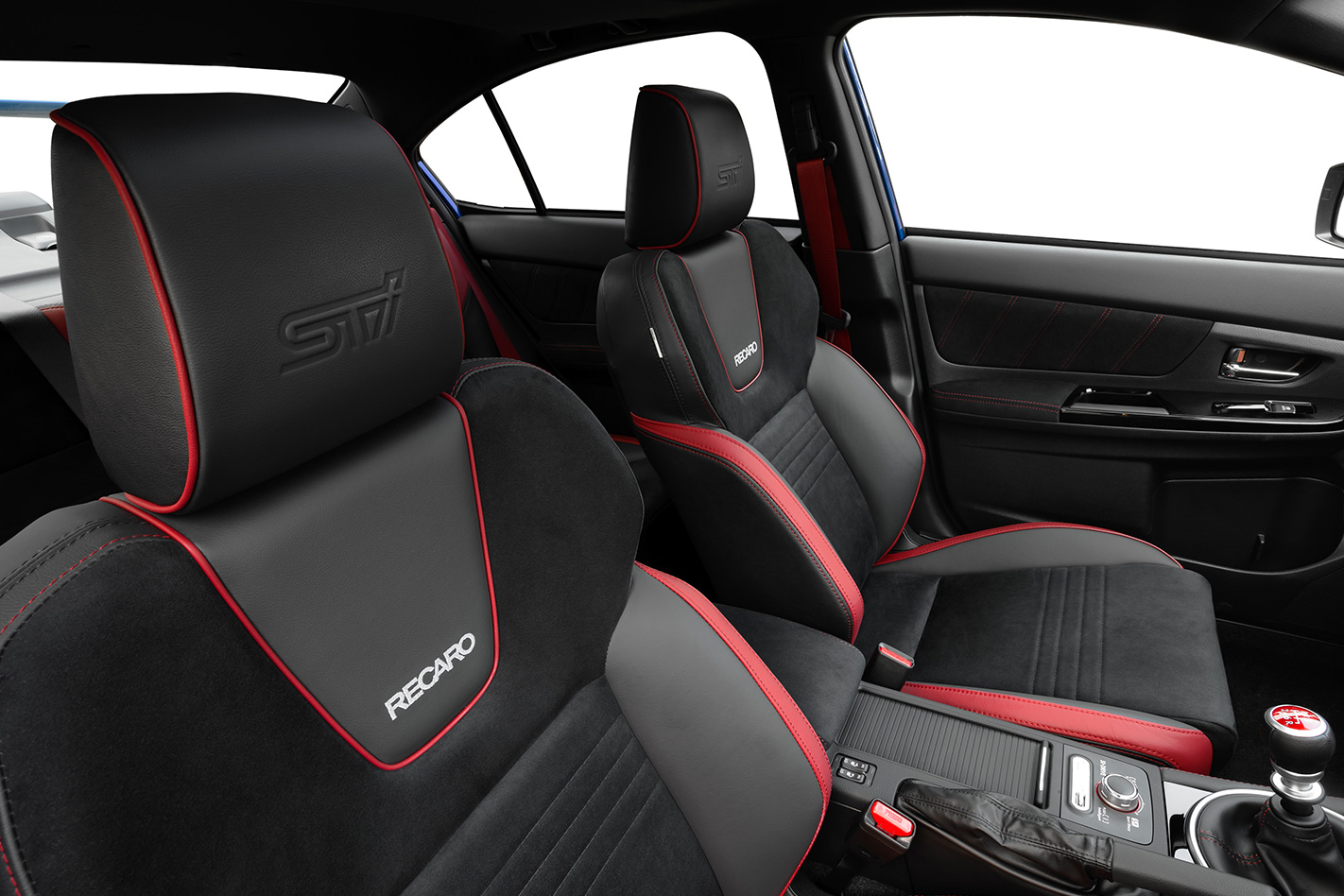
Interiors have also been upgraded with a black colour scheme, with gloss-black finishes, that aims to create a sportier mood. A newly designed instrument cluster and the aforementioned larger multifunction display further differentiate the 2018 model from its predecessor.
Subaru says it has also enhanced the ride and handling by tweaking chassis roll rigidity, suspension coils and dampers resulting in improved steering stability, ride comfort and all-round driver enjoyment.

Powertrains including engines and the choice of six-speed manual or CVT autos carry over from the current model. The WRX makes use of a 197kW/350Nm 2.0-litre turbocharged petrol flat four, while the WRX STI uses a more potent 221kW/407Nm 2.5-litre turbo flat four.
2018 SUBARU WRX PRICING
The 2018 WRX manual and WRX STI Premium arrive with no changes to their pricing however other variants will go up in price to reflect extra equipment. The auto-equipped WRX models undergo the biggest jump, costing an extra $3000 over their manual-equipped counterparts.
- WRX manual $39,240
- WRX CVT $42,240
- WRX Premium manual $45,640
- WRX Premium CVT $48,840
- WRX STI $50,890
- WRX STI with rear spoiler $51,190
- WRX STI Premium $55,640
- WRX STI Premium with rear spoiler $55,940
- WRX STI Spec.R $57,690

SUBARU WRX VARIANTS AND FEATURES AT A GLANCE
WRX manual/CVT
- 197kW/350Nm 2.0 litre four-cylinder turbocharged engine
- Auto Vehicle Hold (CVT-only)
- LED daytime running lights
- LED brake lights
- Self-levelling, steering responsive automatic LED headlights with pop-up washers
- Electronic parking brake (CVT-only)
- EyeSight driver assist system (CVT-only)
- LED fog lights
- Hill Start Assist
- Lane Keep Assist (CVT-only)
- Reverse camera
- All-Wheel Drive
- Dual zone air conditioning
- Leather trim steering wheel with red stitching
- Leather gearshift
- Sports front seats with red stitching
- 3.5-inch Multi-Information Display
- 5.9-inch colour LCD Multi-Information Display
- Heated mirrors
- Rain sensing windscreen wipers
- Red-painted brake callipers (front and rear on manual/front-only on CVT)
- Roof carrier brackets
- 18-inch alloy wheels
WRX Premium manual/CVT
Same features as WRX, plus:
- De-icing front windscreen wipers
- Electric sunroof
- EyeSight® Assist Monitor (CVT-only)
- Heated front seats
- Leather trim
- Eight-way power driver’s seat
- Push button start
- Satellite navigation
- harman kardon sound system
- Front, side and blind spot monitors
- Lane Change Assist
- Rear Cross Traffic Alerts
WRX STI /STI Premium
Same as WRX, plus:
- 221kW/407Nm 2.5 litre turbocharged engine
- Brembo 6-pot front, 2-pot rear, yellow painted brakes with STI logo
- LED headlights with halogen high-beam
- Push button start
- Satellite navigation
- harman kardon sound system
- Hill Start Assist – forward and reverse
- Dual zone climate control air conditioning
- Rear illumination instrument display
- Heated door mirrors
- 19-inch alloy wheels
- Rear illumination instrument display
- Heated door mirrors
- 19-inch alloy wheels
- Heated front seats (STI Premium only)
- Leather trim (STI Premium only)
- Eight-way power driver’s seat (STI Premium only)
- Front, side and blind spot monitors (STI Premium only)
- Electric sunroof (STI Premium only)
- Front, side and blind spot monitors (STI Premium only)
WRX STI SPEC.R
Same as WRX STI Premium plus Recaro front sports seats.
Against all odds, the first decade of the 21st century turned out to be a cracker for performance cars, so here at MOTOR we put our collective heads together to pick our best ten (in no particular order) from 2000-2009.
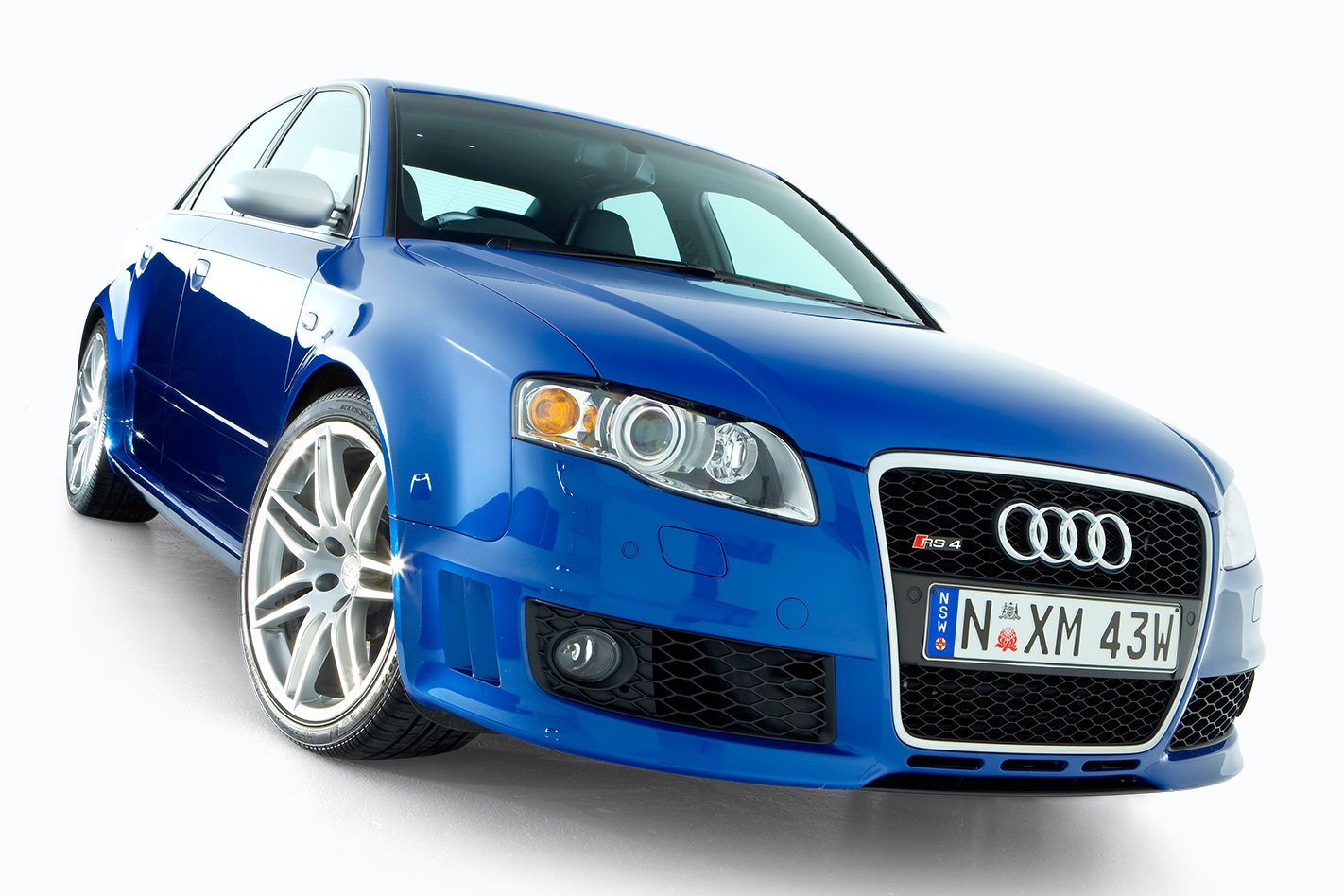
Audi RS4
MOTOR’s Performance Car awards have often cruelly been labelled Porsche Car of The Year, so it was one hell of an achievement for Audi’s brilliant V8 RS4 to wrest the 2006 crown away from the 997-series 911 Turbo.
And that’s because it’s one hell of a car, from the addictive NASCAR-like soundtrack that bellows from its 309kW 4.2-litre V8, to its discreetly muscular bodywork and its delightfully chuckable all-wheel-drive, rear-biased chassis.
Despite being in strong demand second-hand, the RS4 remains a bargain and Audi has a lot to live up to with its successor.
BMW M5 (E39)
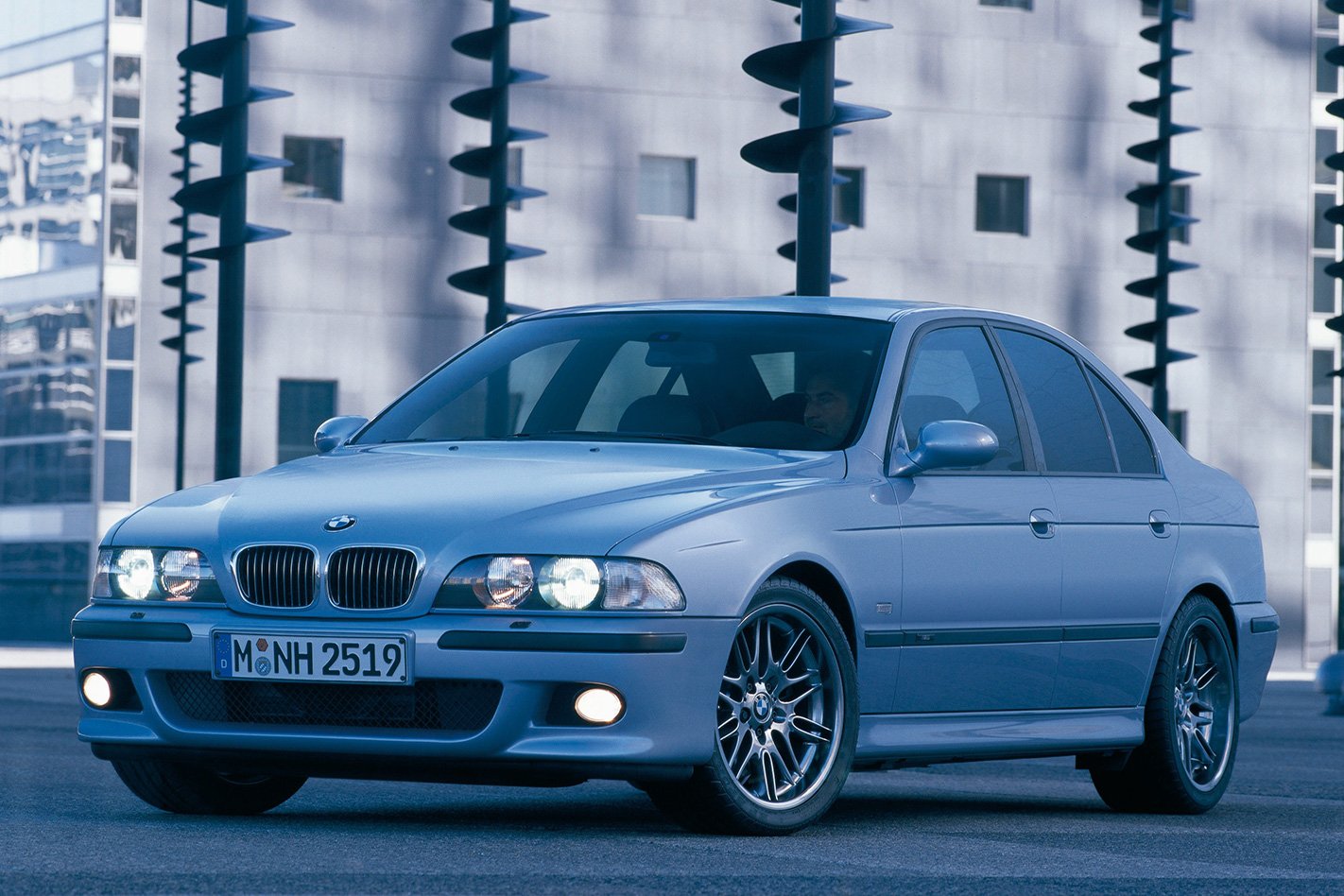
Officially launched in mid-’99, but on sale until 2003, the E39 M5 is regarded as the last of the pure Bavarian bahn-stormers.
There’s no tricky dampers or fiddly SMG gearbox like the current V10-powered M5; just one of the sweetest V8s of any era – a crisp 4.9 that produced 294kW and maxxed out at 7000rpm – hooked up to a simple six-speed manual and a beautifully balanced chassis. It was – and still is – perfect.
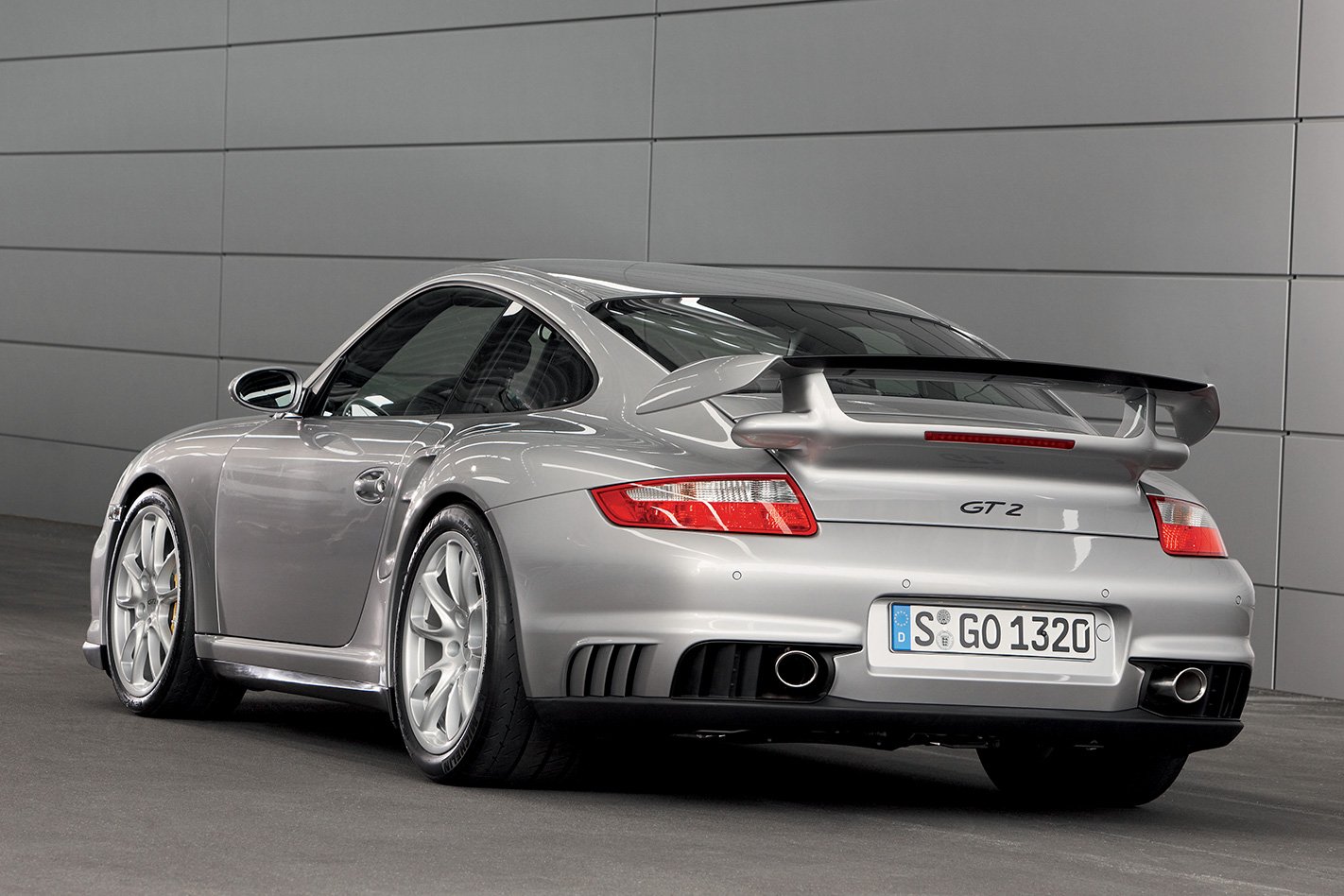
Porsche 911 GT2 (997)
No fast-car list would be complete without the ultimate 911, the ferocious GT2. This twin-turbo, rear-drive racer for the road is an experience at any speed, on any road.
Although a few Porkers have since eclipsed the GT2 as Stuttgart’s fastest car to 100km/h, its 390kW force-fed flat six is a scorcher, complemented by mind-bending cornering ability. It was a no-contest winner for our 2008 Performance Car crown.
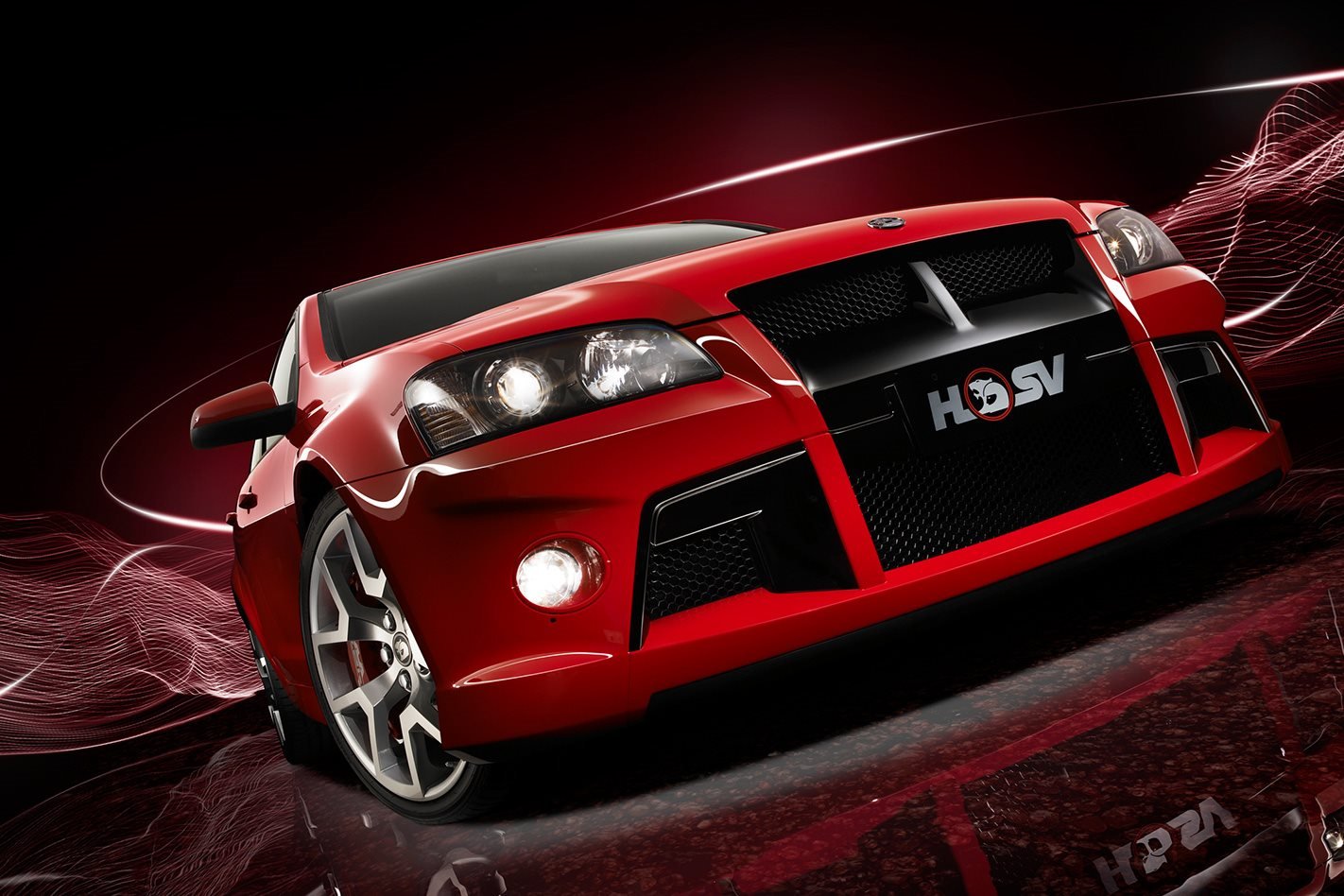
HSV W427
Even though its enormous price tag created plenty of headlines – mostly negative – HSV’s big-banger W427 lived up to the hype as the greatest Aussie muscle car ever built.
Powered by the Corvette Z06’s hand-built 7.0-litre LS7 V8 producing 375kW, the W427 is as close as we’ll ever get to a road-going V8 Supercar.
It’s also the easily the best Commodore to date, and the 150-odd that exist are instant collector classics.
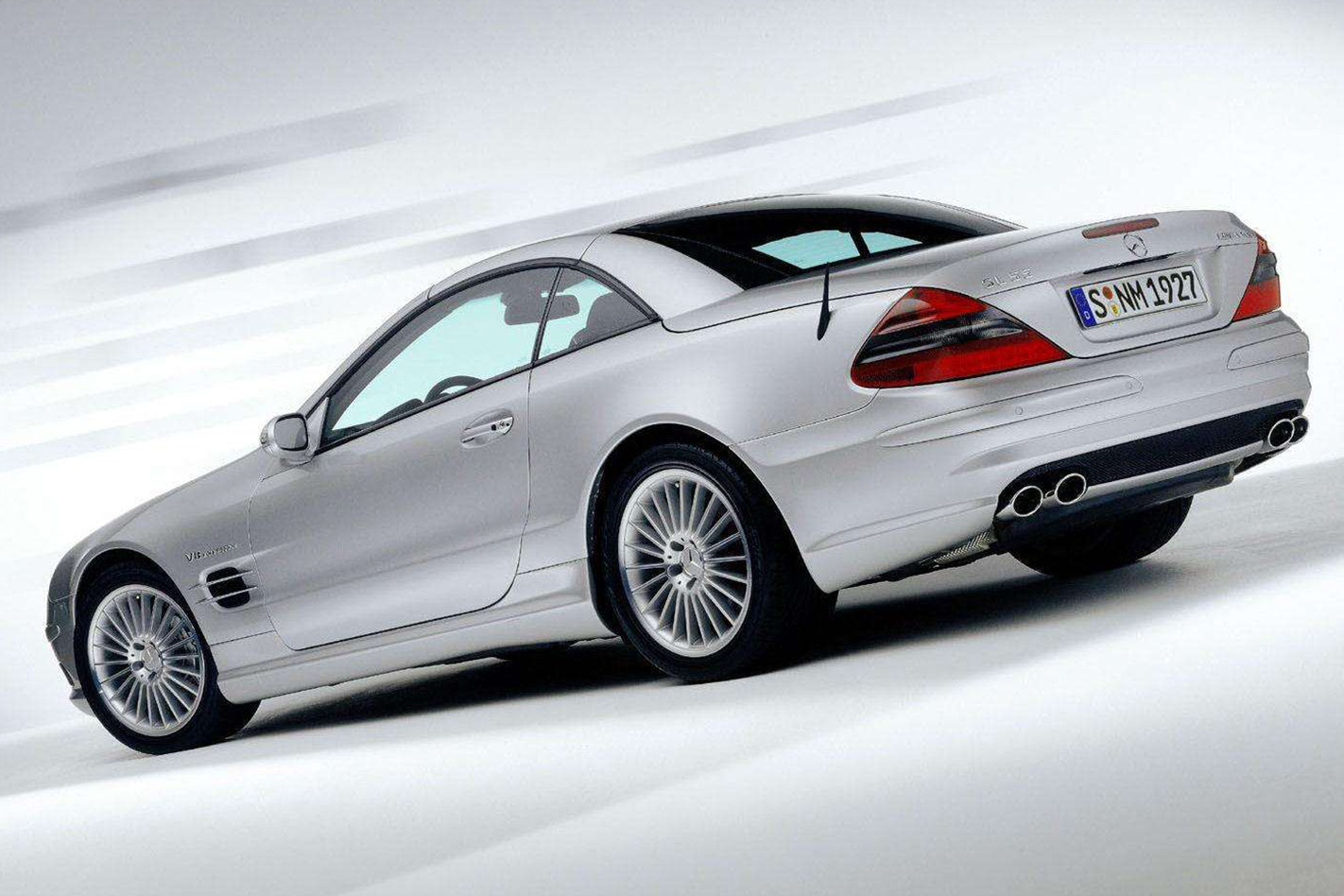
Mercedes-Benz SL55 AMG
If ever a car epitomised the iron-fist-in-a-velvet-glove analogy, it was the SL55 AMG. Strapping a supercharger on Benz’s 5.4-litre V8 was AMG’s winning shot in a brewing German power war, and dropping it into the nose of the sweetest-looking SL since the 1960s produced an instant classic.
It was blindingly quick, but the SL55 is best remembered for its monstrous torque, neck-snapping throttle response, and wall-of-thunder exhaust bellow. As brilliant and generally superior as the SL63 is today, we still miss the charm of the blown V8.
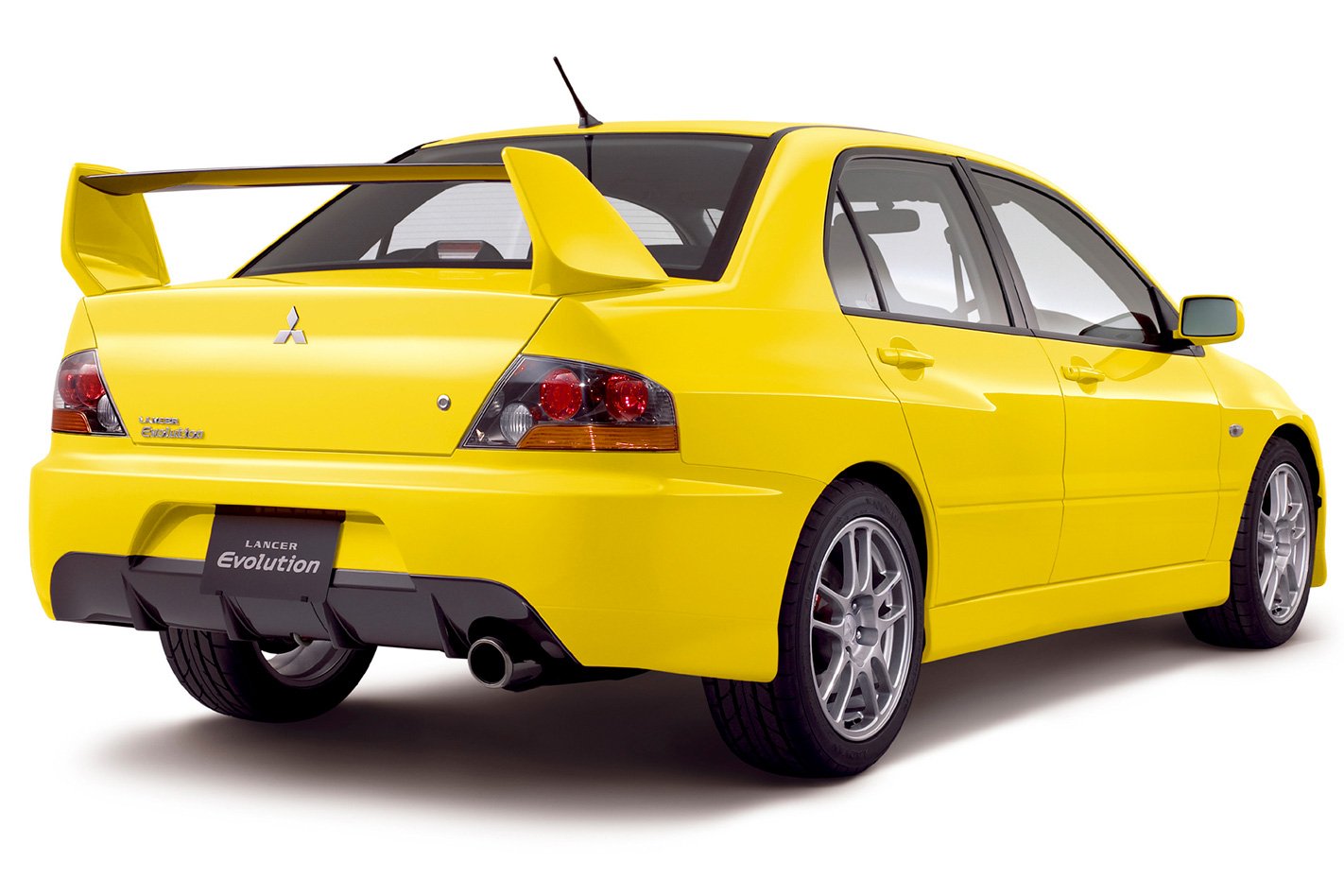
Mitsubishi Lancer Evolution IX
Mitsubishi’s latest Lancer Evo X is a great car, but it seems evolution has taken it in a new direction. It’s fatter and more comfort-biased than its predecessor, and – for us – that makes the Evo IX the best of the breed. Sure, it feels like a $20,000 car from the driver’s seat, but it certainly doesn’t drive like one.
With six gears to stoke it’s high-revving 4G63 2.0-litre turbo and a hugely focused, STi-beating all-wheel-drive chassis set-up, it’s one of the highlights of the decade.
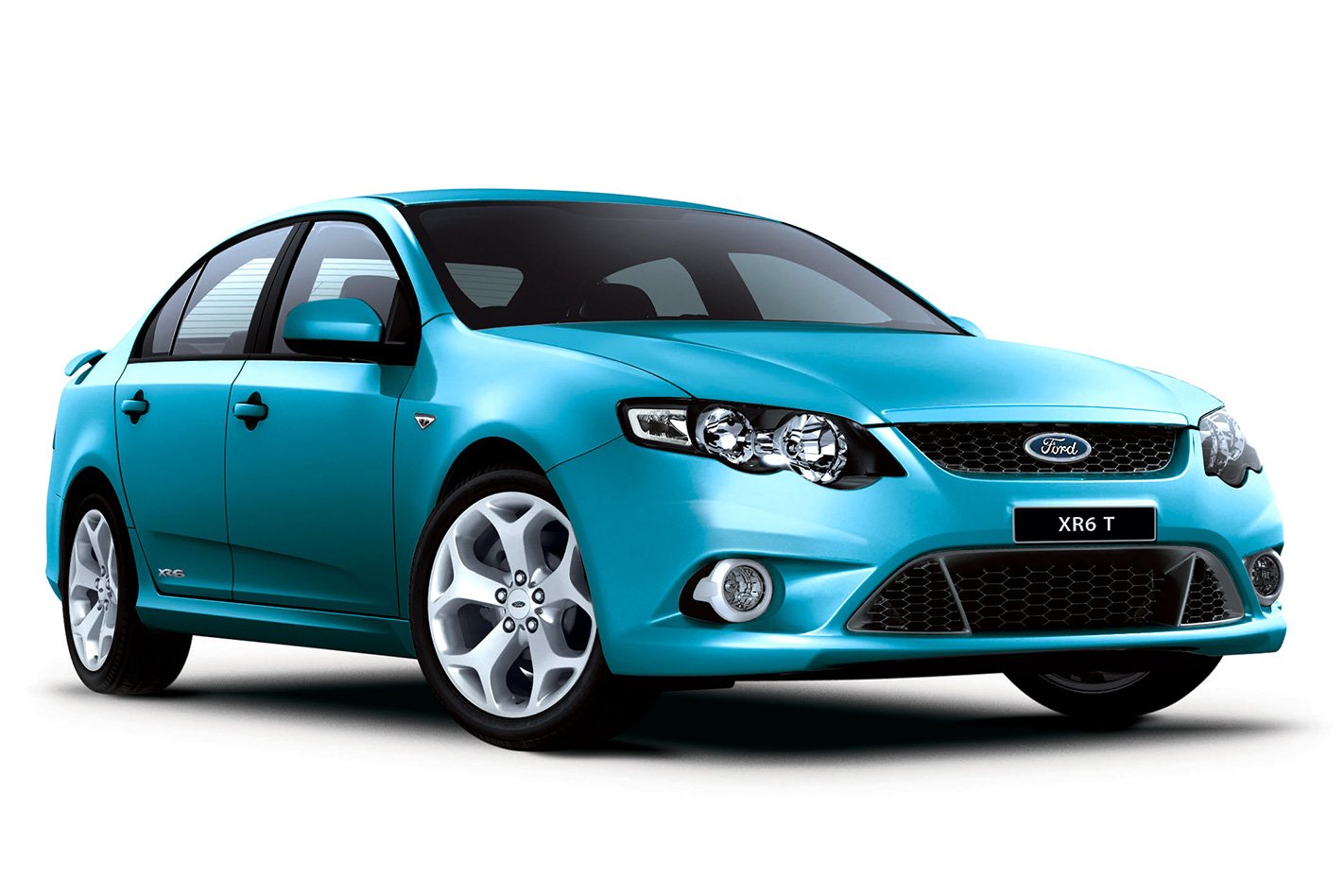
Ford Falcon XR6 Turbo
It’s probably stretching the truth by saying the XR6 Turbo is the car that saved the Aussie-built Falcon from extinction, but it certainly helped delay its demise.
Following the failure of the 1998 AU, Ford Australia, led by the visionary Geoff Polites, revolutionised the local performance landscape with the force-fed BA Falcon XR6 Turbo.
The original 240kW/480Nm version was superb, and over the years the XR6T has become even better, culminating in 2008’s balllistic 310kW/565Nm FPV F6.
In any guise, Ford’s boosted Falcon is easily the most significant Aussie performance car of the 2000s.
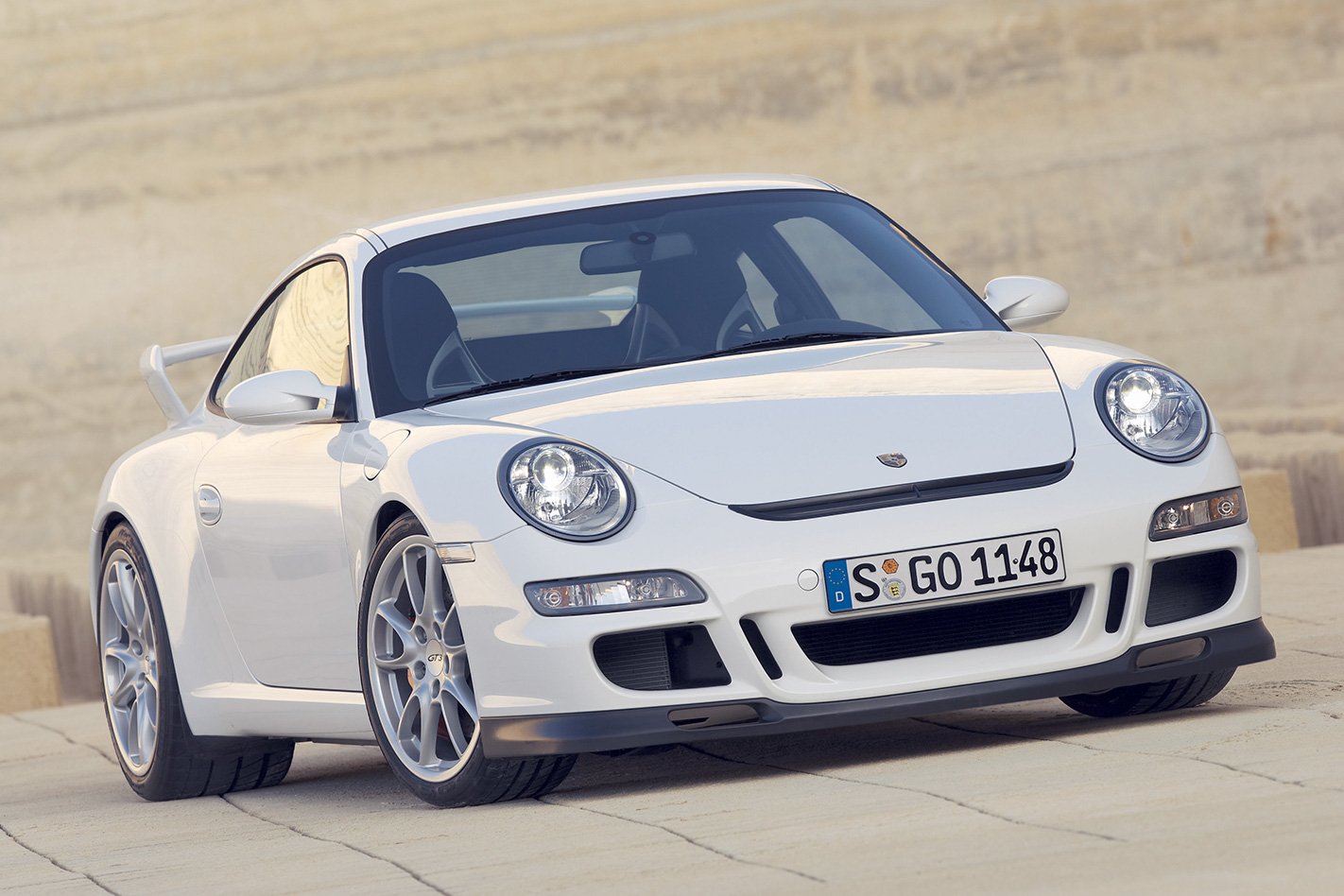
Porsche 911 GT3 (997)
Even though Porsche’s 911 GT3 misses out on the huffers of its GT2 big brother, it doesn’t lose out on any of the thrills. In fact, the GT3 is just as exciting, with its atmo 3.8-litre flat six screaming all the way to 8000rpm and driving the most balanced 911 chassis ever.
It’s the closest thing to a road-legal race car, as it forms the basis of Porsche’s global Carrera Cup competition cars. It’s so damn good, it won the toughest Performance Car contest of the decade, beating Lamborghini’s Gallardo Superleggera and Audi’s R8 to claim our 2007 gong.
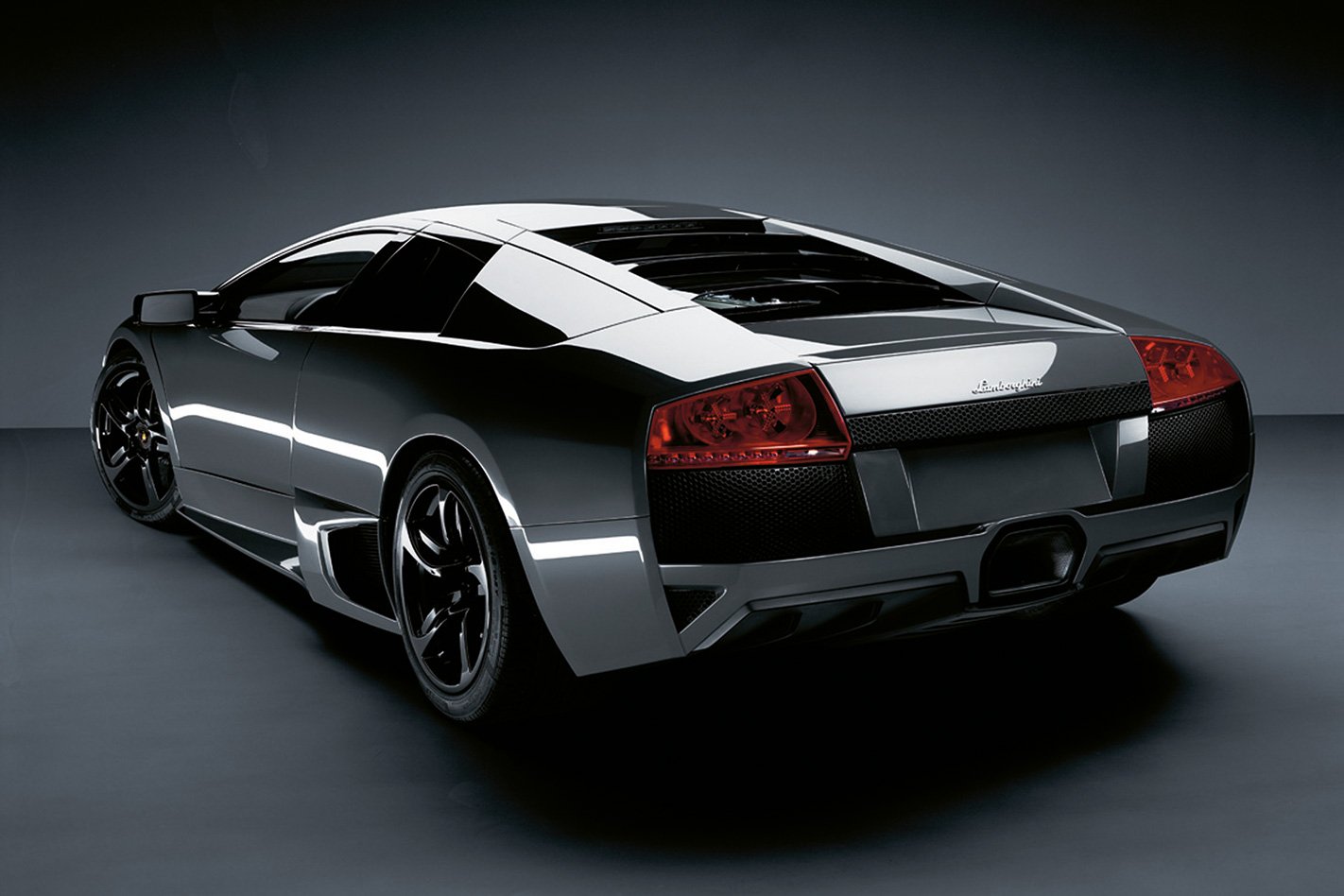
Lamborghini Murcielago LP640
Forget the Bugatti Veyron – Lamborghini’s Murcielago LP640 is the biggest, baddest, ballsiest supercar of the Noughties. It’s so wide that it’s intimidating to drive and it’s so bloody expensive it’s, no doubt, just as intimidating to own. But it has more presence than Uluru and the sound from its magnificent 471kW 6.5-litre V12 is to die for.
It’s also an incredible road car that has gob-smacking cornering talent and even rides well. Plus it has scissor doors. And the world’s sexiest arse.
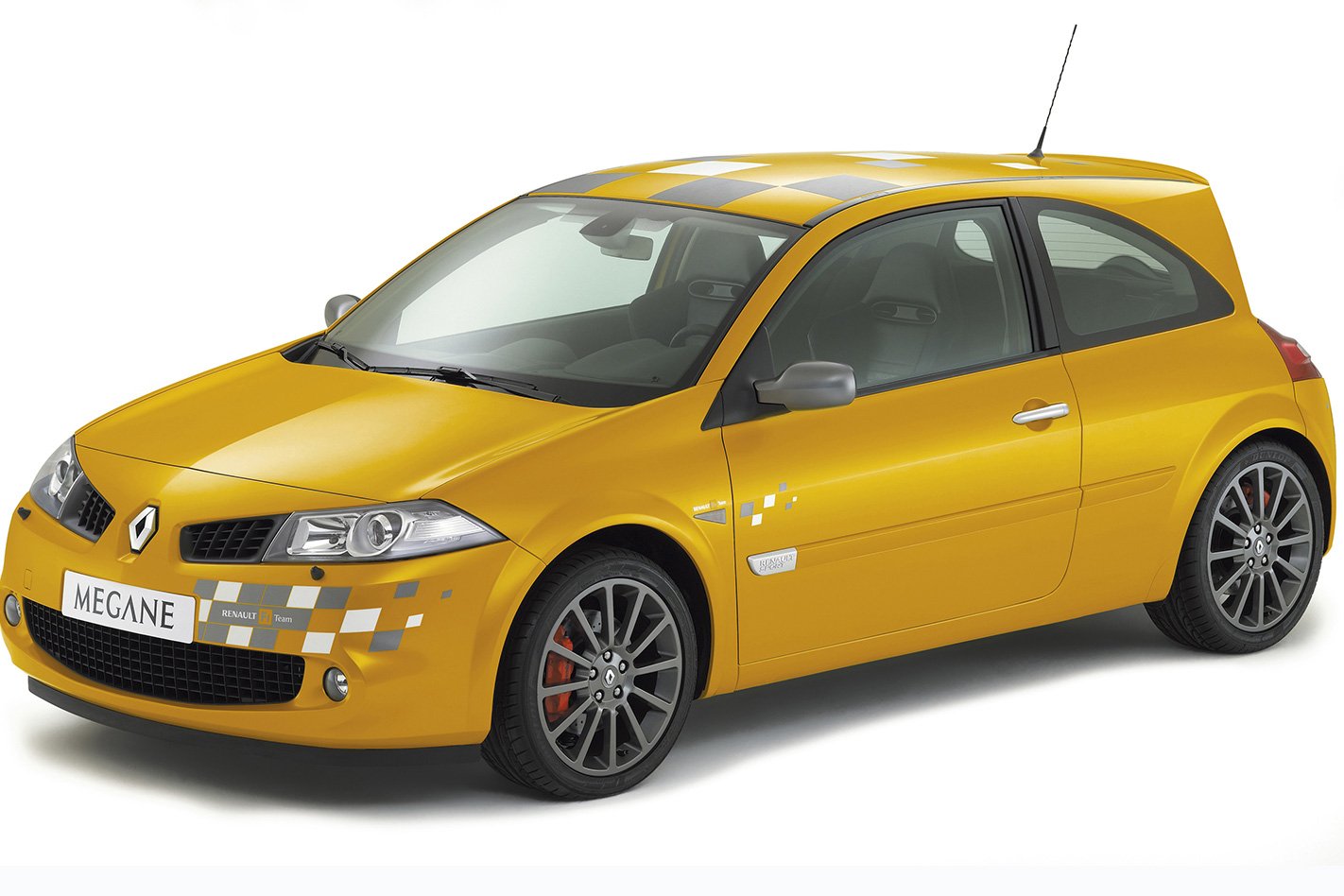
Renault Megane R26
The last decade produced a horde of fantastic hot-hatches, but none could quite match the driving experience of the Renaultsport Megane.
It didn’t start out that way, because the 2004 original had serious steering, damping and torque-steer issues, but by the time the French introduced the Team F1 R26 version, with a limited-slip diff garnishing the many other improvements wrought over the years, the whole package came alive. There is no other front-driver that’s as much fun, anywhere.
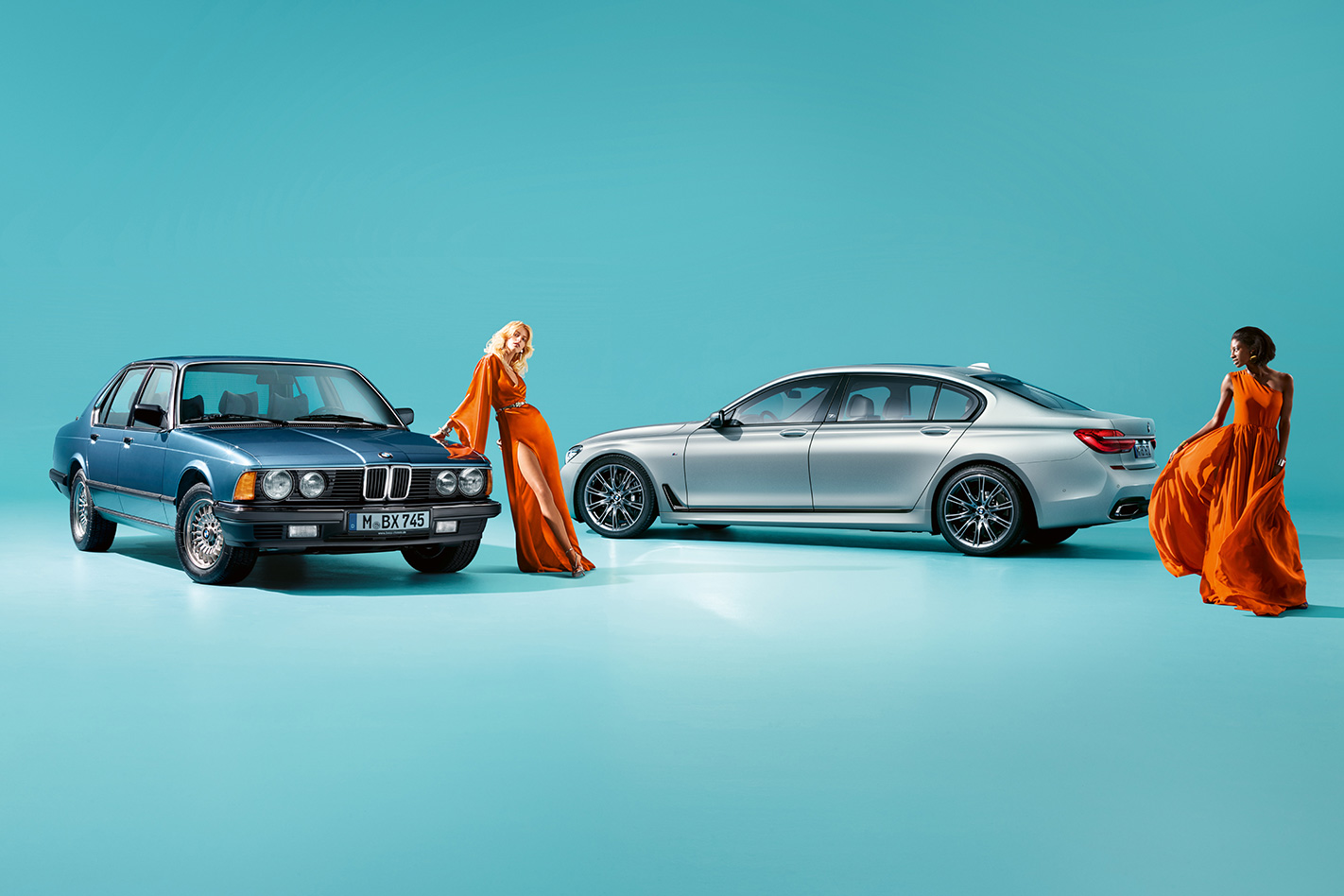
BMW has revealed a special limited edition of its 7 Series halo sedan that marks 40 years of the luxury limo, ahead of its official public debut at the Frankfurt motor show in September and an Australian arrival towards the end of the year.
The exclusive 7 Series Edition 40 Jahre will be limited to just 200 examples worldwide and while exact Australian allocation and pricing is yet to be confirmed, a number will be making their way to local driveways and garages.
Customers are offered a selection of bespoke treatments that enhance interior and exterior design of any 7 Series variant in the current range.
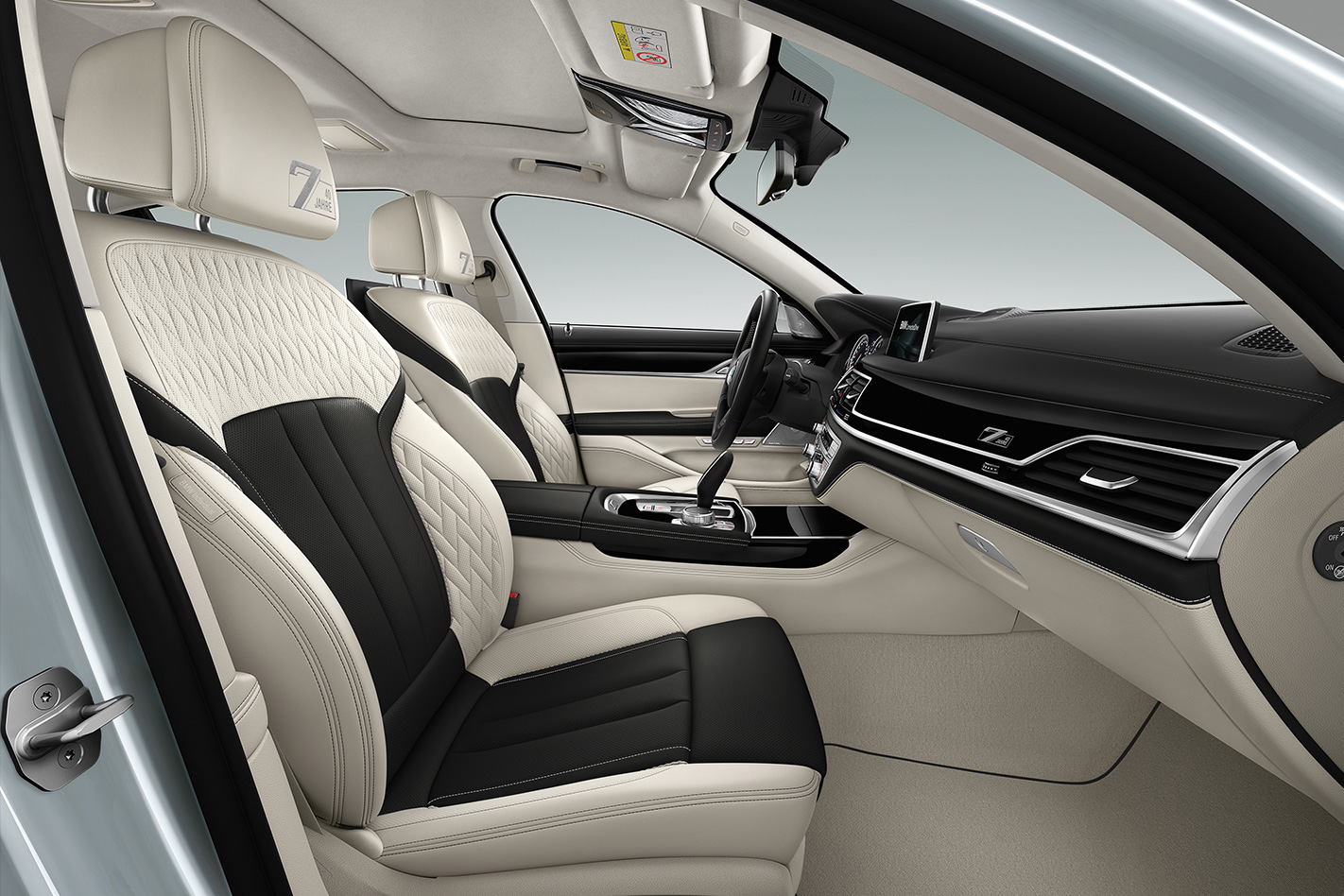
The 40-year celebration continues on the inside where comfort seats are fitted as standard in both front and rear rows, and upholstered in a choice of Smoke White and Cohiba (a type of cigar) or Smoke White and black Merino leather.
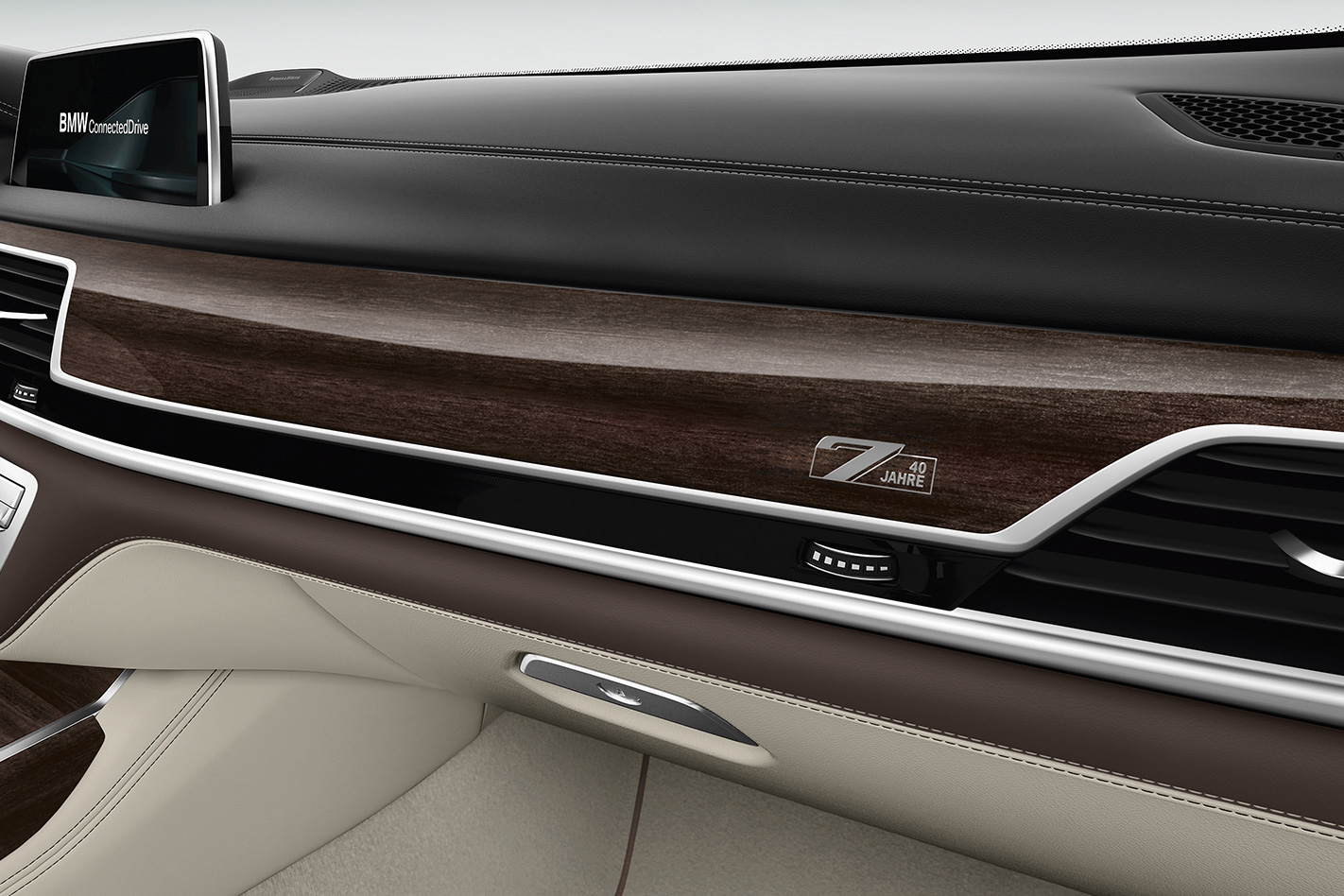
The 7 Series becomes the third model in the BMW line-up to wear the anniversary Jahre (years) plate, following the M5 and M3 that were given the treatment in 2014 and 2016 respectively for 30 years of service.
But that hasn’t stopped the car maker coming close to a coveted M7, with a number of models that punctuate its 40-year evolution, and some memorable hardware.
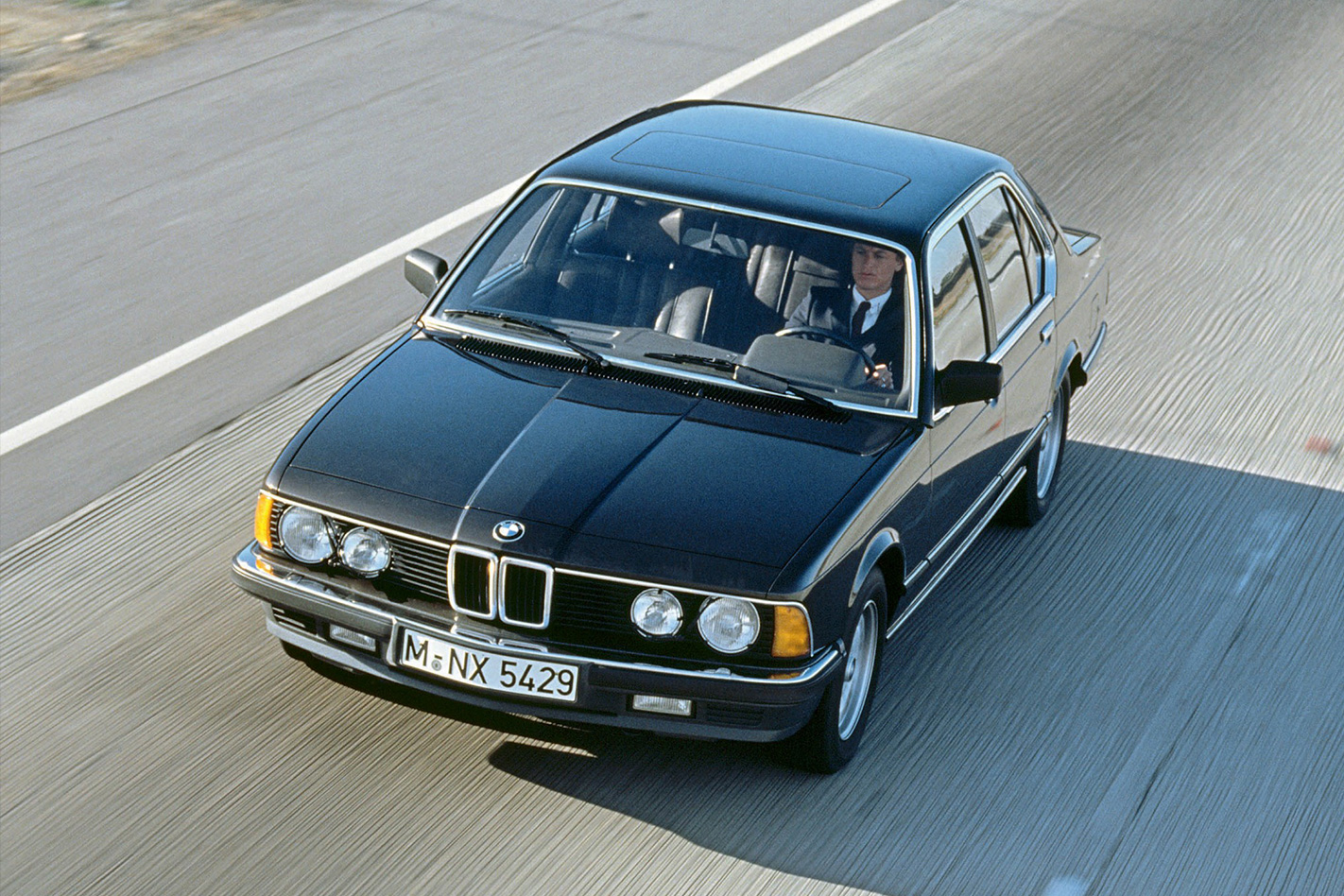
Slotting the same engine into a right hand drive version was impossible with the steering column occupying the space needed for the turbo, but BMW managed to produce an even more potent 745i for South Africa thanks to the 213kW M88 M-power engine borrowed from the original M5. A true M7?
For its second-generation, the E32 7 Series gained V8 and V12 power to match increasing size and weight, but neither engine resulted in M-car pace. Had an experimental version made it through to production however, and the story could have been very different.
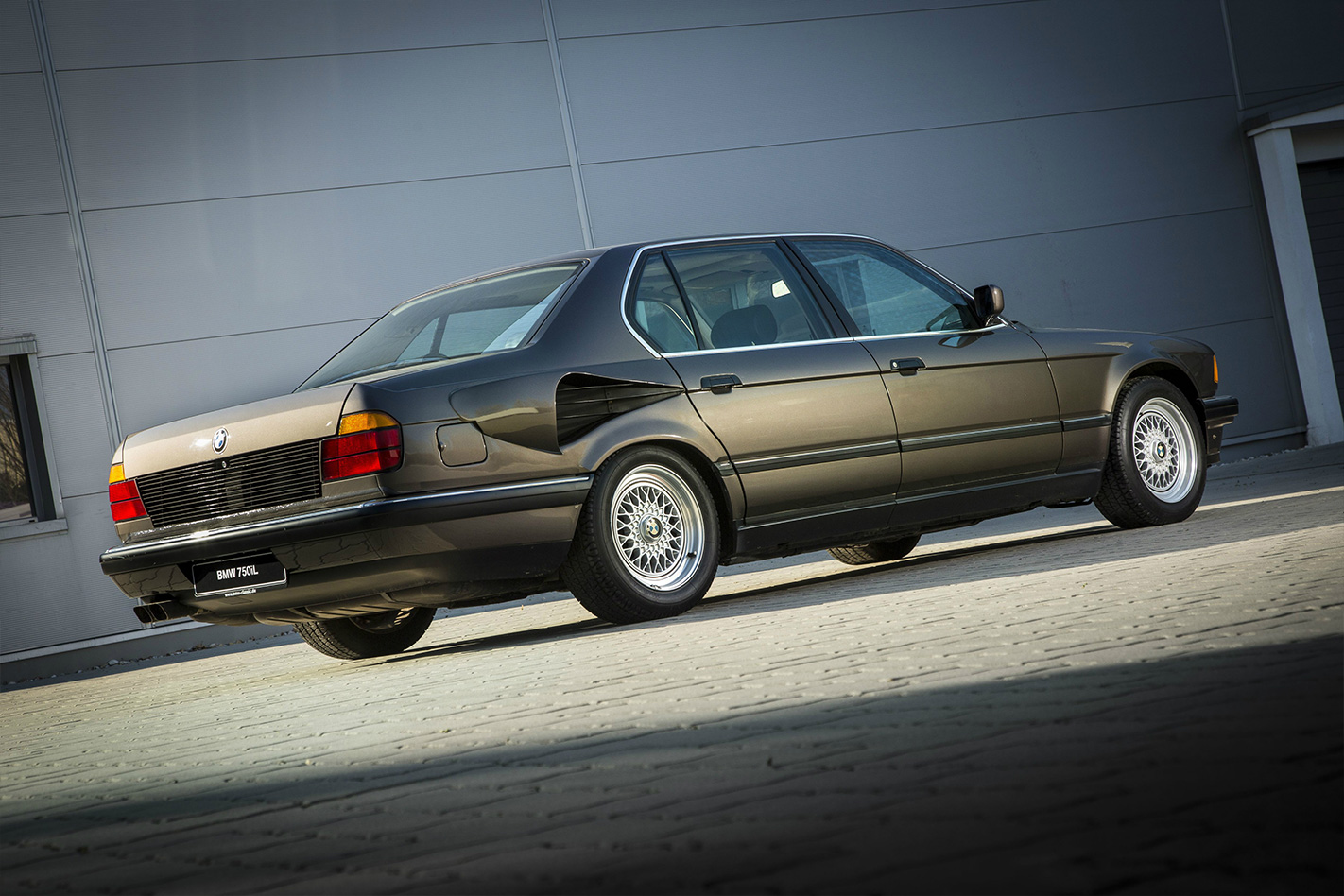
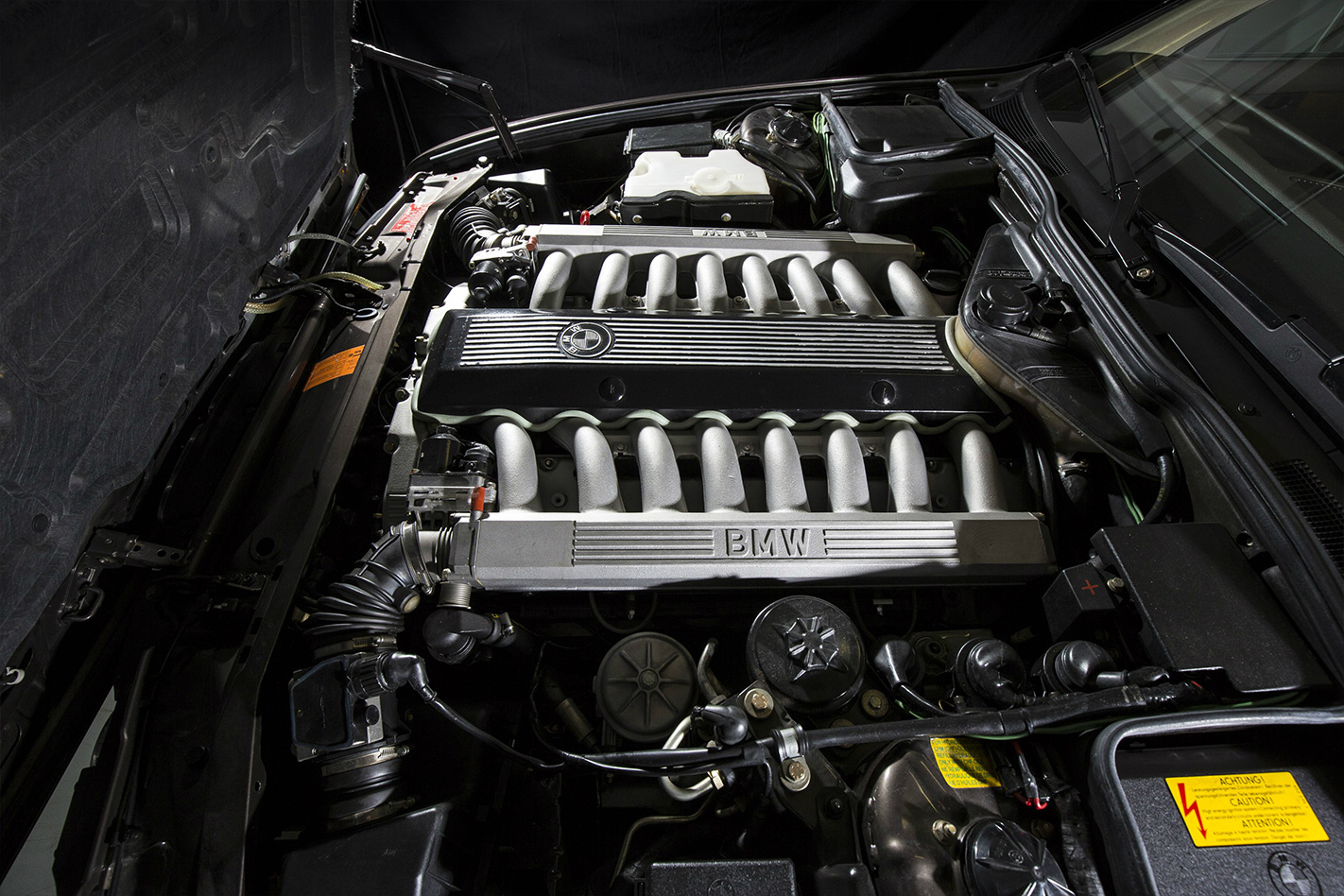
The massive engine left no room under the bonnet for radiators, which had to be relocated to the boot complete with crude side-pod air ducting. Had it been let off the leash, its 300kW and 613Nm would have likely matched M-car pace of the late 1980s.
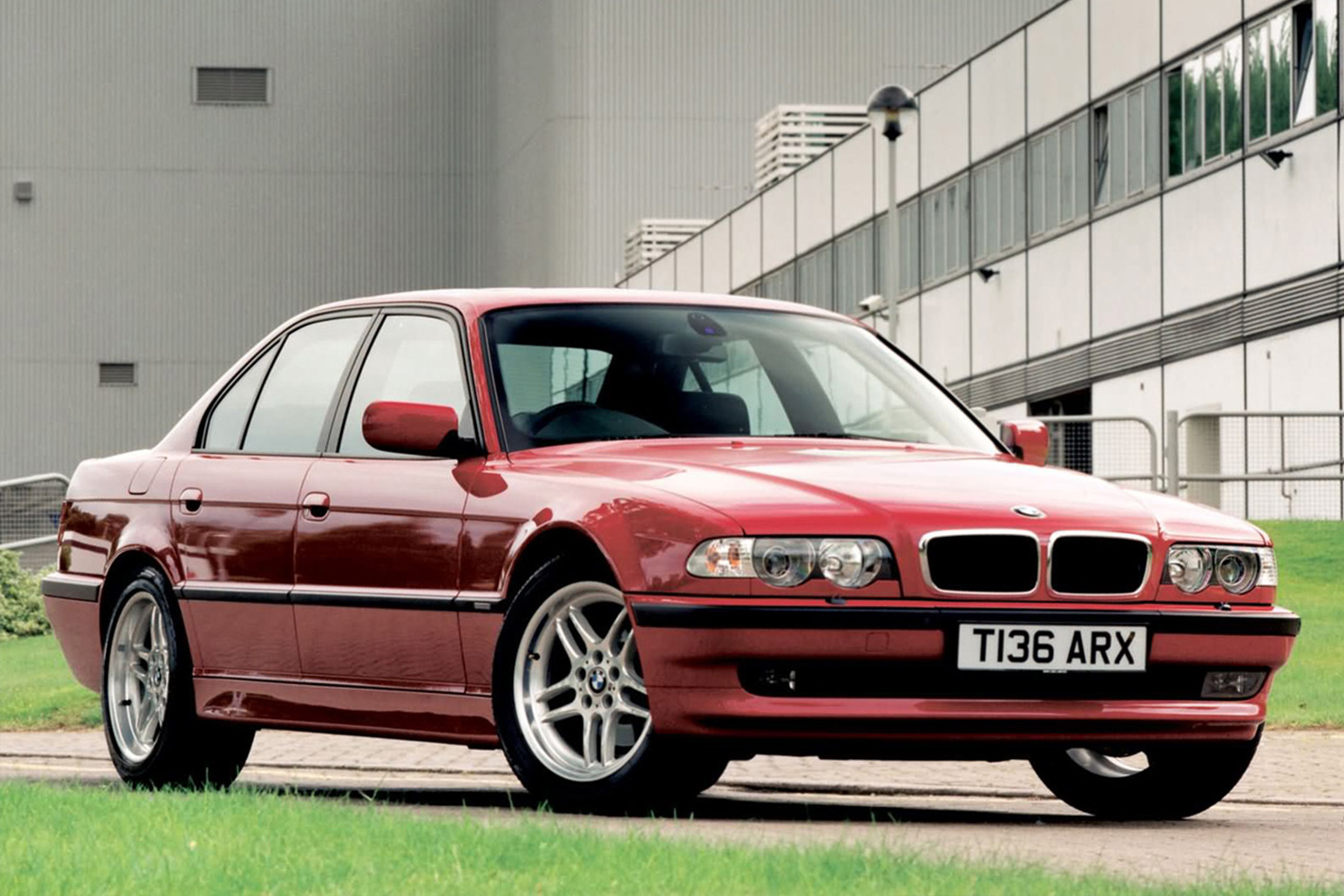
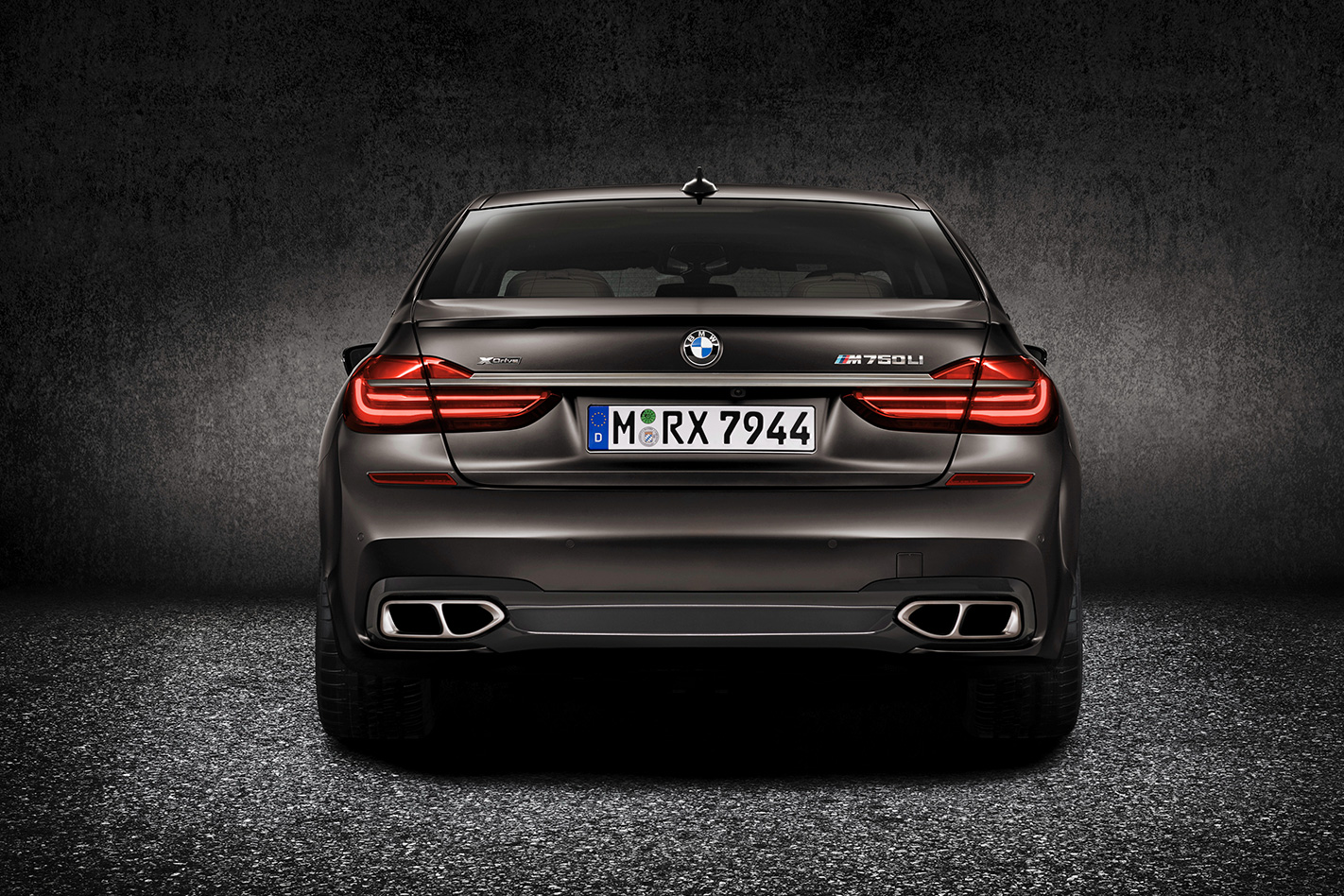
Until BMW changes its principles on the BMW 7 Series model, this is as fast as the brand’s luxury limo will go.
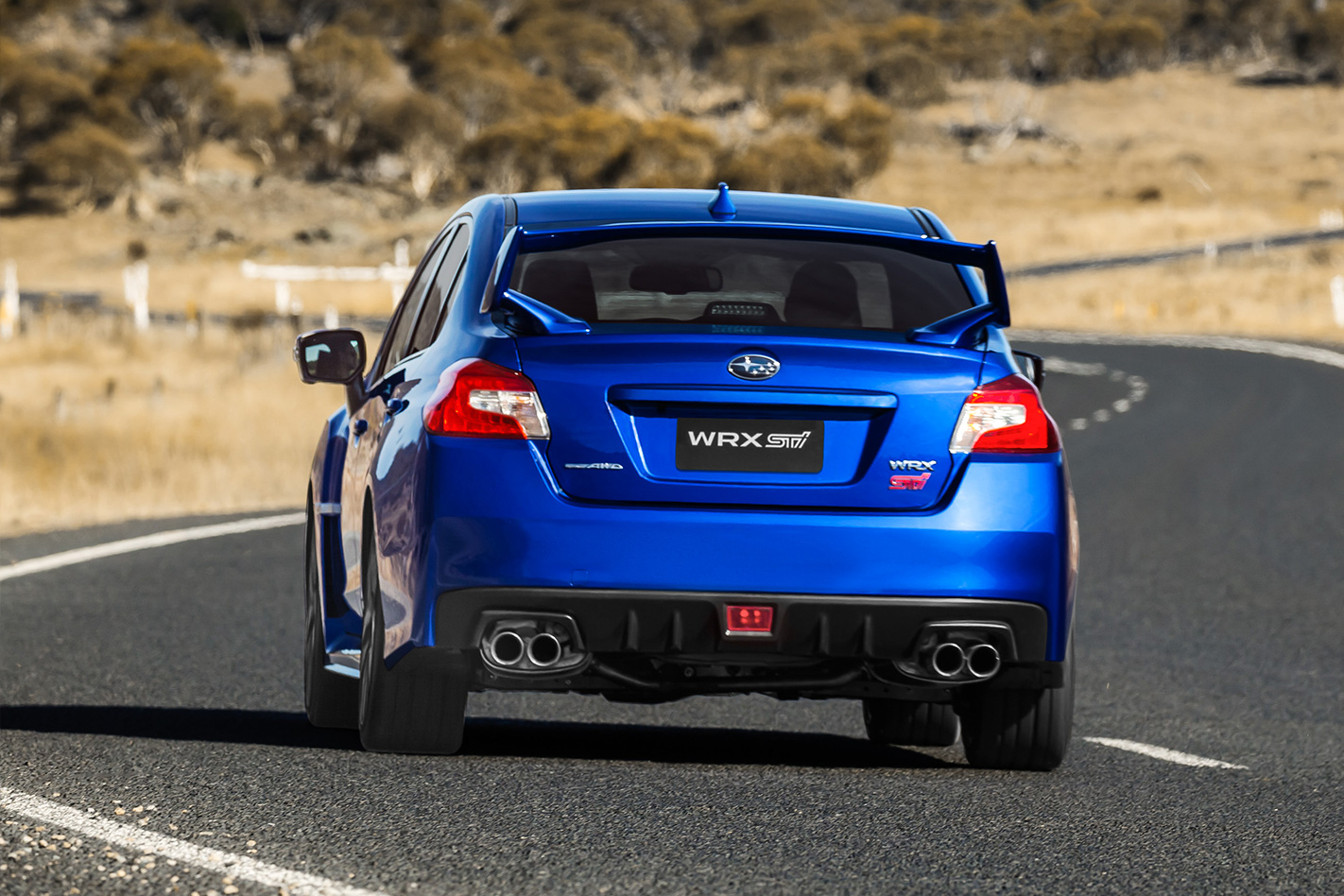
SUBARU Australia has announced pricing for its WRX and WRX STI performance pair, with significant additions to the feature set delivering gains in safety, performance and comfort, while the starting price remains unchanged at $39,240 for the base WRX manual.
And it’s not just spec changes, either. Cosmetic tweaks to exterior plastics and rolling stock give the WRX and WRX STI a distinct look from the pre-update model. Headlamp housings are the same (only their innards have been reworked), but the lower grille opening is bigger and ringed in black trim, and is also flanked by reshaped cheek vents.
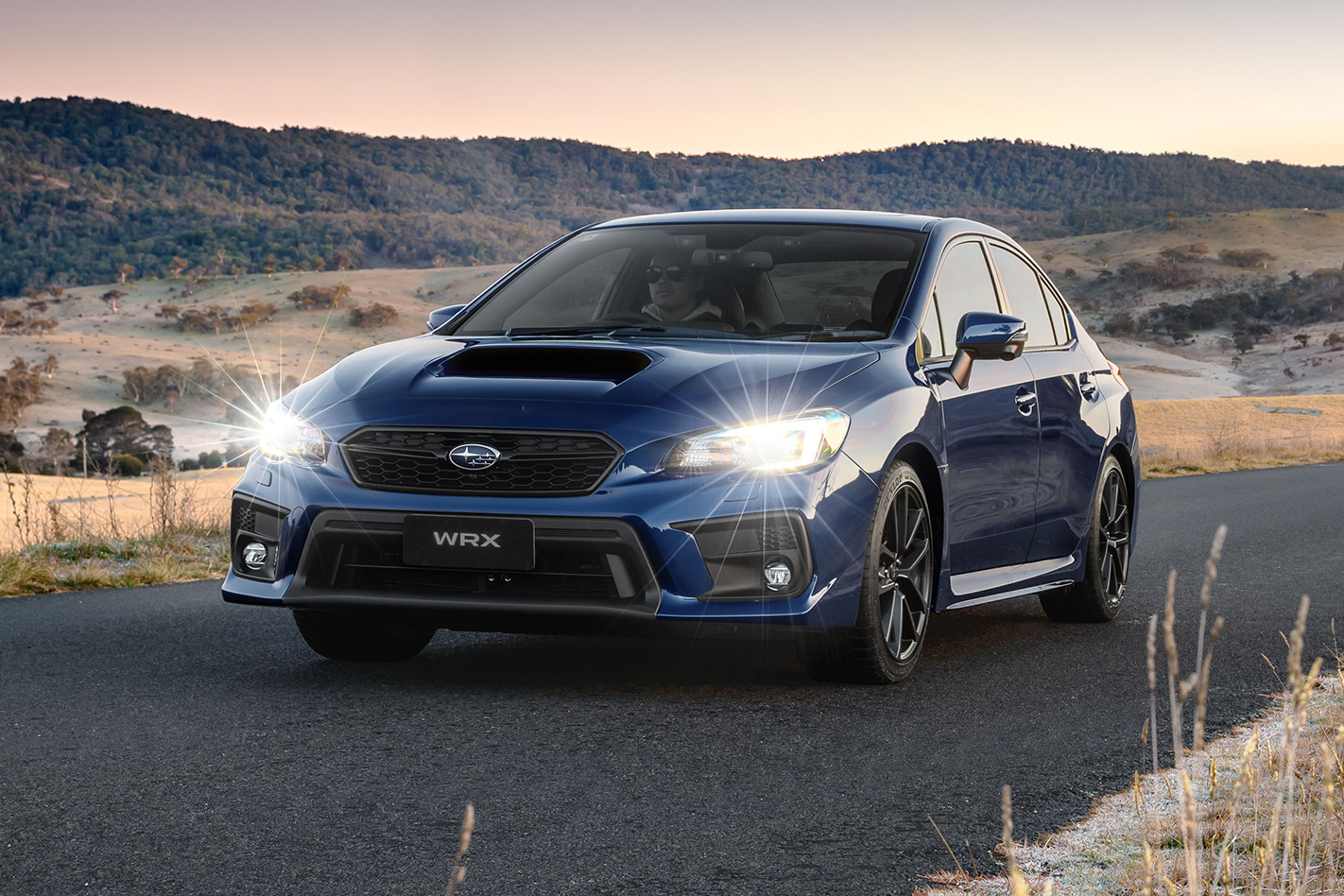
The meat of the WRX and WRX STI’s mid-life update is mechanical, however, with all models across both ranges gaining significant under-the-skin enhancements to lift their performance.
Braking hardware is the biggest beneficiary, with even the base WRX receiving upgraded Jurid front brake pads that offer better fade resistance and improved pedal feel, with Subaru claiming a 20 percent improvement in brake efficiency just from changing pad compound.
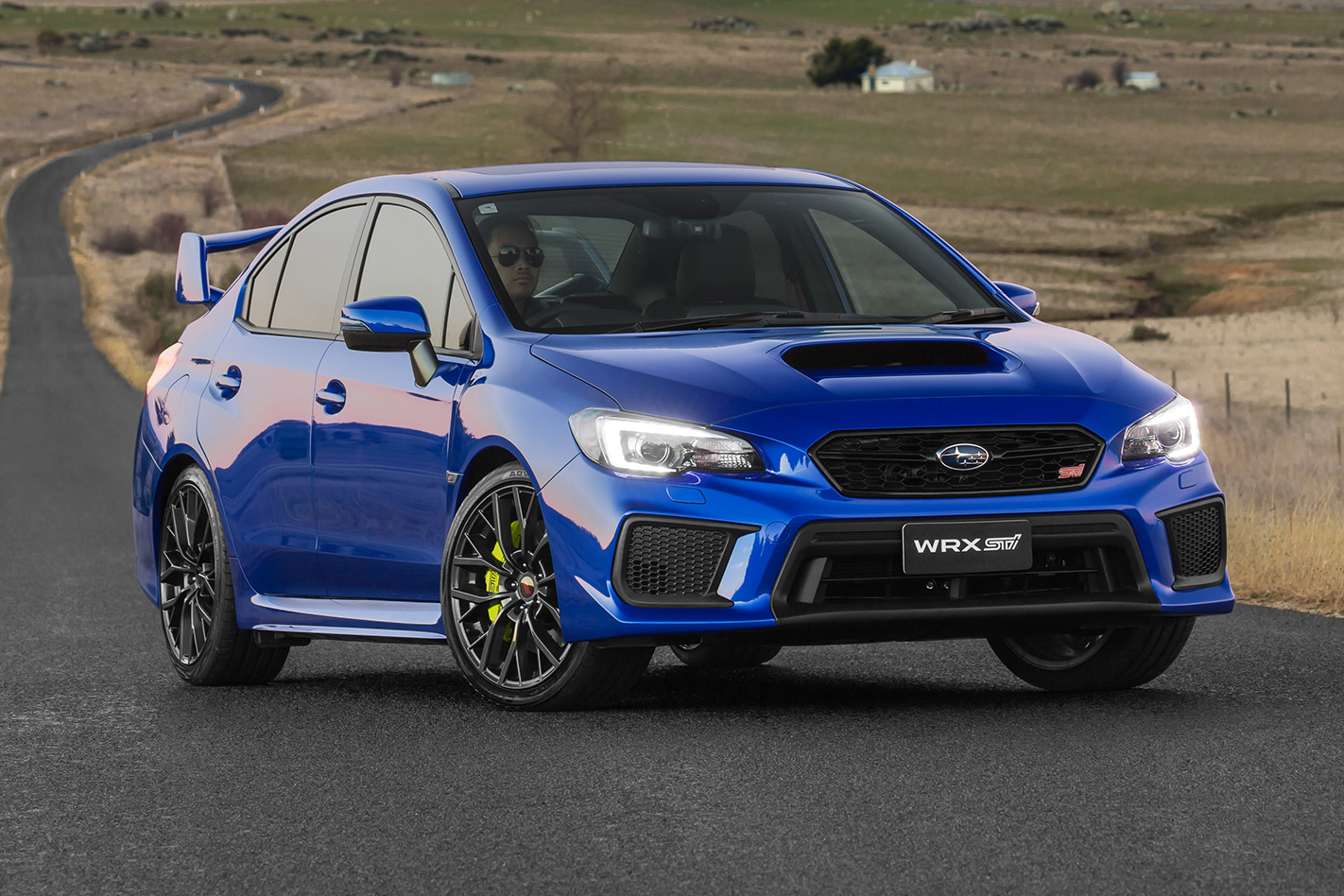
For numbers nerds, the MY18 model’s brake pads now cover a surface area that’s 20 percent bigger at front and 50 percent larger down the rear, with the brake rotor’s friction surface also thicker. Result – they’ll cop a lot more heat before fade becomes an issue, which is one less thing for track junkies to worry about.
Subaru decimates TT record in mind-boggling lap
Suspension hasn’t been forgotten either, with both WRX and WRX STI receiving significantly rejigged suspension calibrations to improve both ride comfort and stability. Damper settings front and rear are new, as are spring rates at all four corners, while the rear stabiliser bar diameter is also changed. Subaru won’t quantify just how much the suspension has been altered, however expect slightly more compliance and agility in the MY18 model.
There are no mechanical changes under the bonnet. The WRX continues to be powered by a 197kW/350Nm turbocharged 2.0-litre flat four with a six-speed manual or CVT auto transmission, while the WRX STI makes use of a 221kW/407Nm 2.5-litre turbo flat four and is exclusively a six-speed manual proposition.
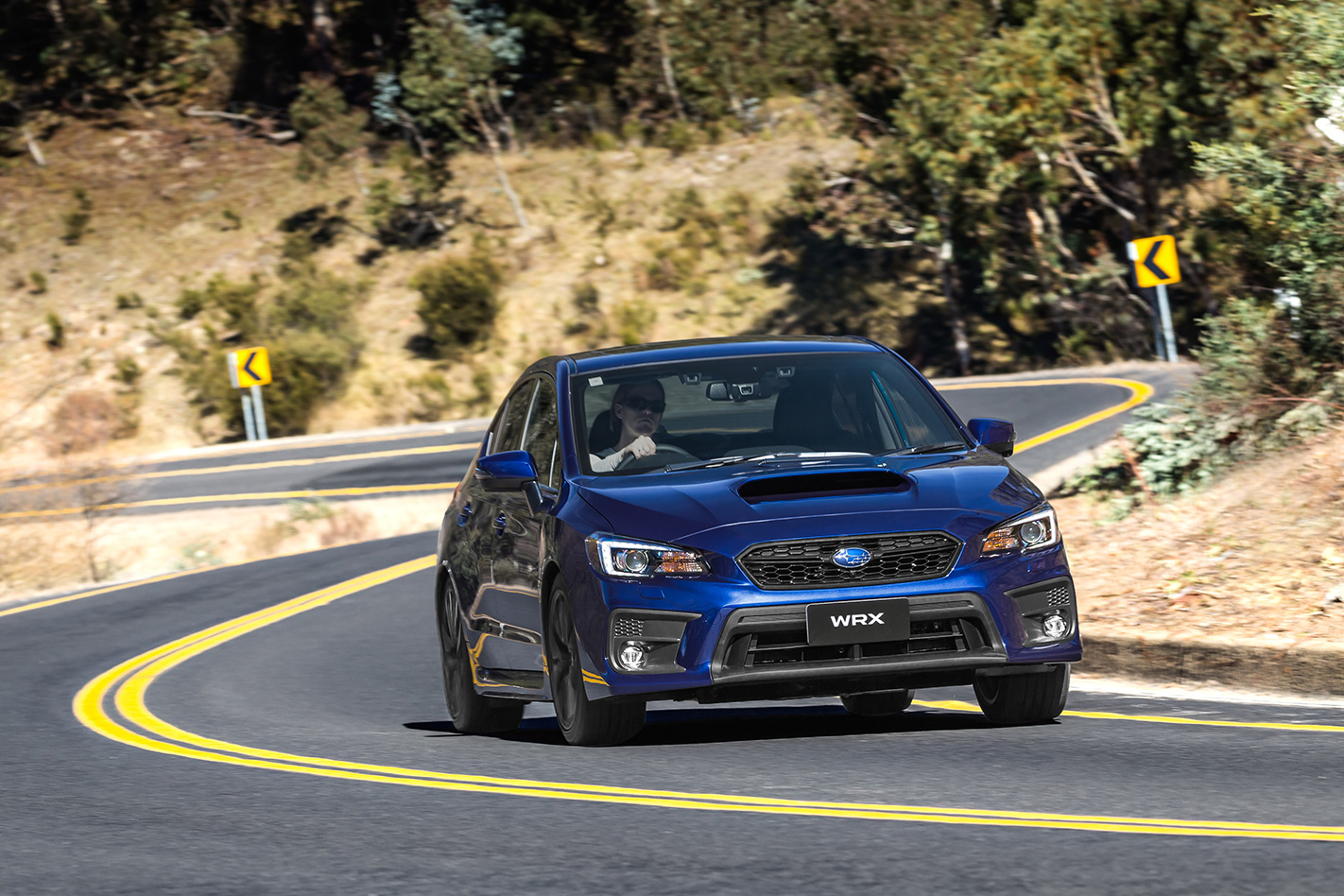
For the base model WRX, new equipment includes LED headlamps that swivel to follow steering inputs, red-painted brake calipers, new 18-inch alloy wheel designs, heated door mirrors, and a 5.9-inch multifunction display in the upper dash which replaces the outgoing model’s 4.3-inch screen.
On the WRX Premium and WRX STI Premium, that screen can also display a video feed from a front-mounted camera (as well as the existing reversing camera) which is new for 2018. If you opt for an automatic-equipped WRX, the safety equation is strengthened with the addition of Subaru’s EyeSight safety tech, which bundles active cruise control with autonomous emergency braking and pedestrian detection.
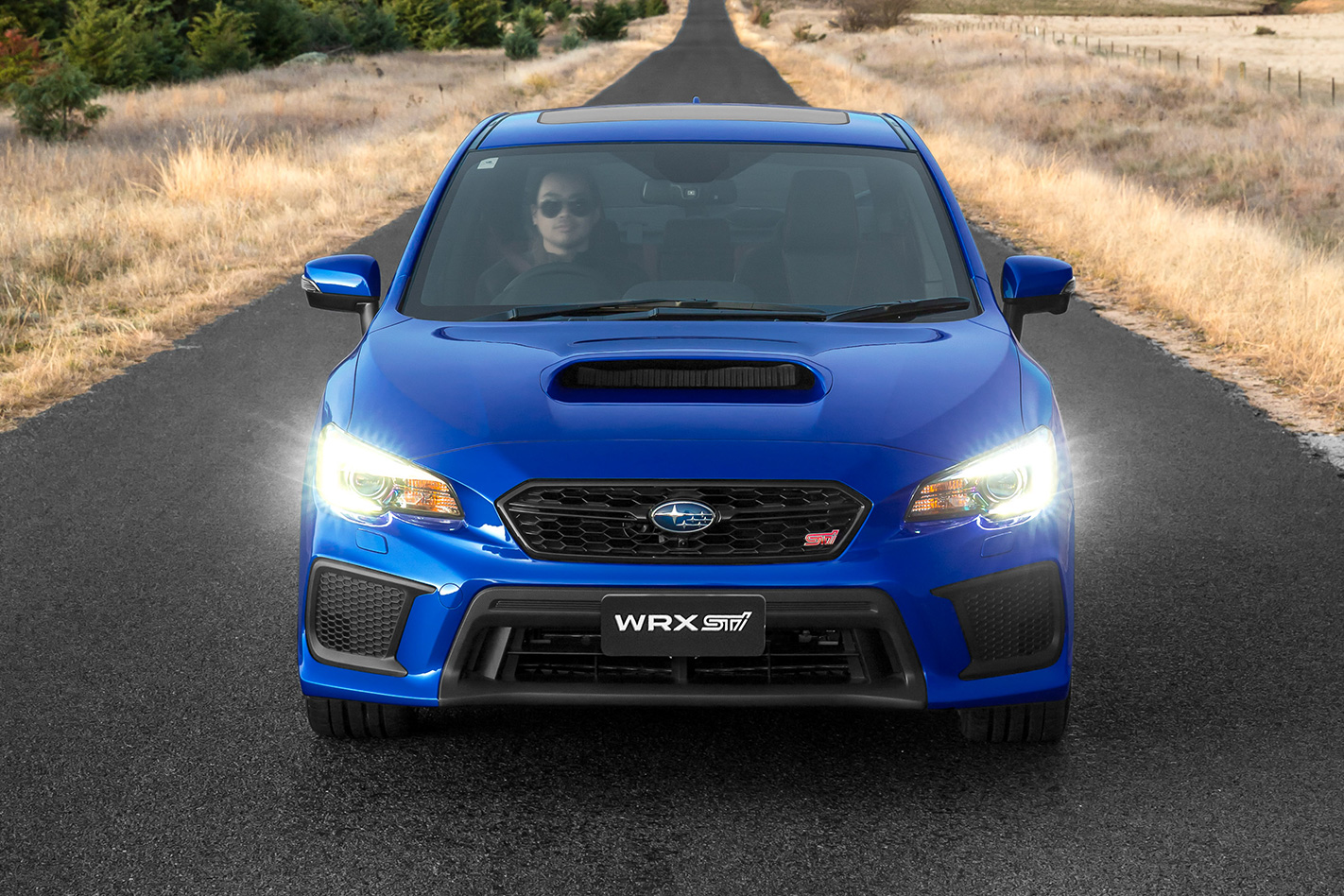
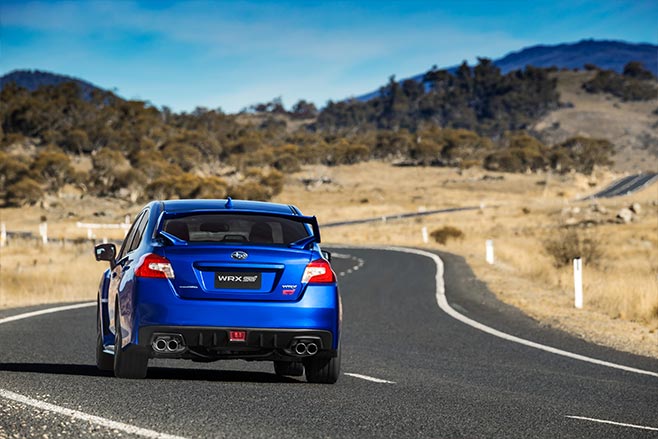
In-cabin updates include changes to the door cards, with a grippier coating and revised contouring on the door pulls to make them easier to grasp. Red seatbelts on STI models and black plastic trim (high gloss in STI, bare plastic in WRX) on the centre stack, gearshift surround and steering wheel centre round out the rest of the cabin updates.
PRICING
The base WRX manual and the WRX STI Premium make the transition to MY18 specificaiton with its old pricetag intact.
All other variants get a slight price bump to reflect their extra equipment, with the Eyesight-equipped WRX automatics now costing $3000 more in base WRX form instead of just $2000 for the MY17 model. In the higher-specced WRX Premium grade, the automatic attracts a $3200 impost.
- Subaru WRX manual – $39,240
- Subaru WRX CVT – $42,240
- Subaru WRX Premium manual – $45,640
- Subaru WRX Premium CVT – $48,840
- Subaru WRX STI – $50,890
- Subaru WRX STI plus rear wing – $51,190
- Subaru WRX STI Premium – $55,640
- Subaru WRX STI Premium plus rear wing – $55,940
- Subaru WRX STI Spec.R – $57,690
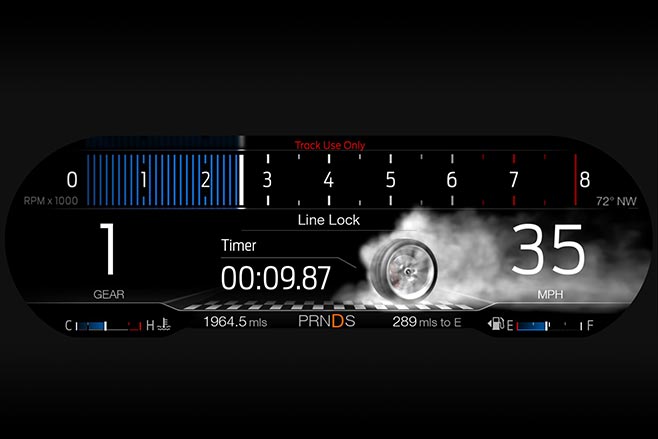
Ford’s line-lock feature has made its way down from the V8 GT to the four-cylinder Ecoboost model, but it’s unlikely we’ll see it available here in Oz.
Available in most countries with both manual and automatic transmissions, the line-lock feature holds the front brakes on while allowing the rears to spin up a smoke-storm.
To get a visual addition to the event, cars with the 12-inch digital instrument display will get a timer, tachometer bar, and animation of a wheel smoking it up.
Ford is so keen to make four-pot burnouts appeal to owners, it even put Formula Drift champ Vaugh Gittin Jr. behind the wheel of an Ecoboost to pick up strangers and let them tear up tyres in a Pony.
“Burnouts just never get old, no matter how old you are and how many times you’ve done them.
“Who would have thought that we would see an EcoBoost Mustang producing 15 seconds of fury like this? You’ve got to love these rad things Ford is doing.”
“We don’t have this feature on the current Mustang, and there are currently no plans to include this feature in the foreseeable future,” Ford Australia product communications manager Damion Smy told MOTOR.
The fact that Ford Australia defended the Drift Mode present in its Focus RS (from arguable unfair condemnation by media) would have us believe that if Ford could see a legal way to keep line-lock active on Australian Mustangs, it would.
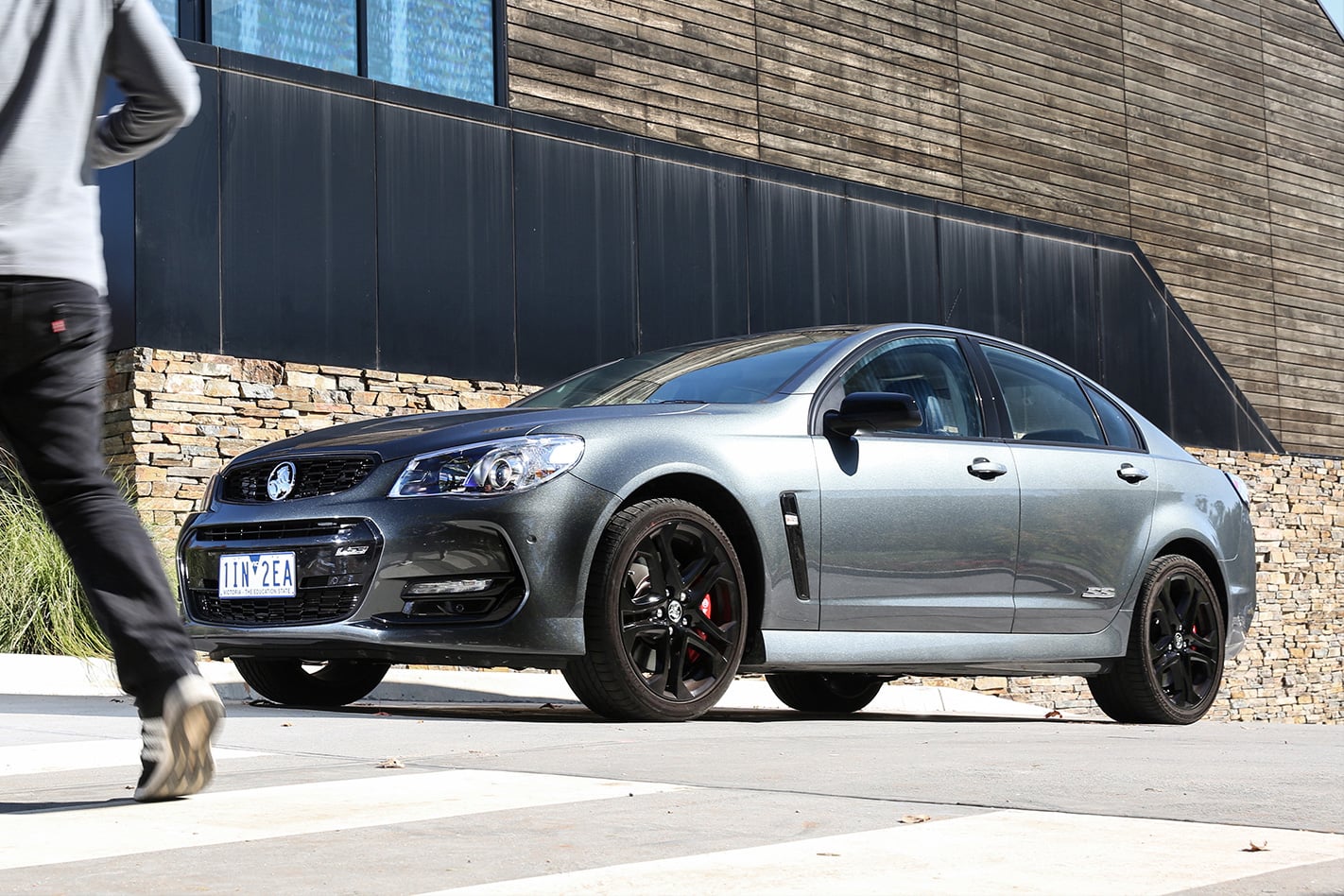
WITH the SS badge going the way of the dodo, we asked our readers which was the finest Holden Commodore to wear the iconic nameplate, and you told us that the VF is king.
It’s a bitter-sweet victory for the car which will be the last of its kind, and the final V8-powered, rear-drive Holden for the foreseeable future, with all Holden production winding up on Australian soil in October.
When it was unveiled in 2013, it was estimated the VF Commodore would inject a staggering $2 billion into the Australian economy, but regardless of its financial impact, it’s fair to say the VF has given the Australian-built Commodore a worthy farewell.
Although, there was plenty of debate in the comments section over which generation was worthy of victory.
“In outright terms, you couldn’t possibly go past VFII,” Brett Pember wrote on Facebook. “As the last, it is unquestionably the best all-round large sporting sedan Holden has ever made.
“As for judging which is the best in a period-specific sense, that’s harder.”
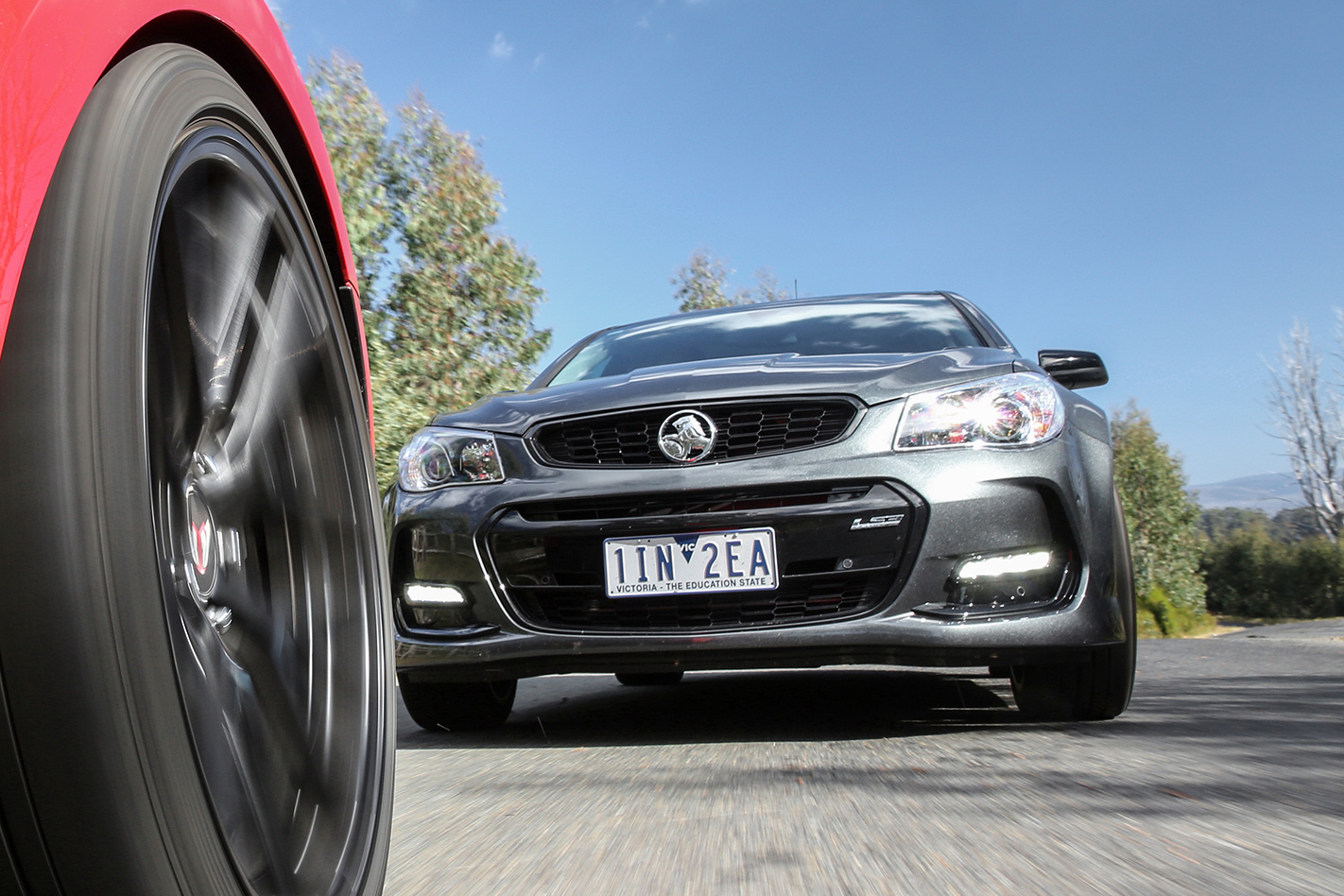
“The best is easily the MY17 SS, but the one I would most love to own would be a Blue Meanie,” Lucas J. Whiffin wrote in reference to the now coveted VK Group A SS, which was supplied in an unmistakable non-metallic blue.
However, not everyone was on board with idea of the last SS Commodore being crowned the greatest.
“We know it’s the latest and therefore has the ‘best’ of power, driveline, interior, handling etc. Yet really, in today’s vehicle selection, is it better than the others in their time?” Morgan Paul Clifford argued.
“The VR/VS SS were iconic in their age, and not many of the competitors were of the same standard for the money.”
At the time of its release, we found the Redline to be a well sorted package, with raucous noise, engaging dynamics, and plentiful power.
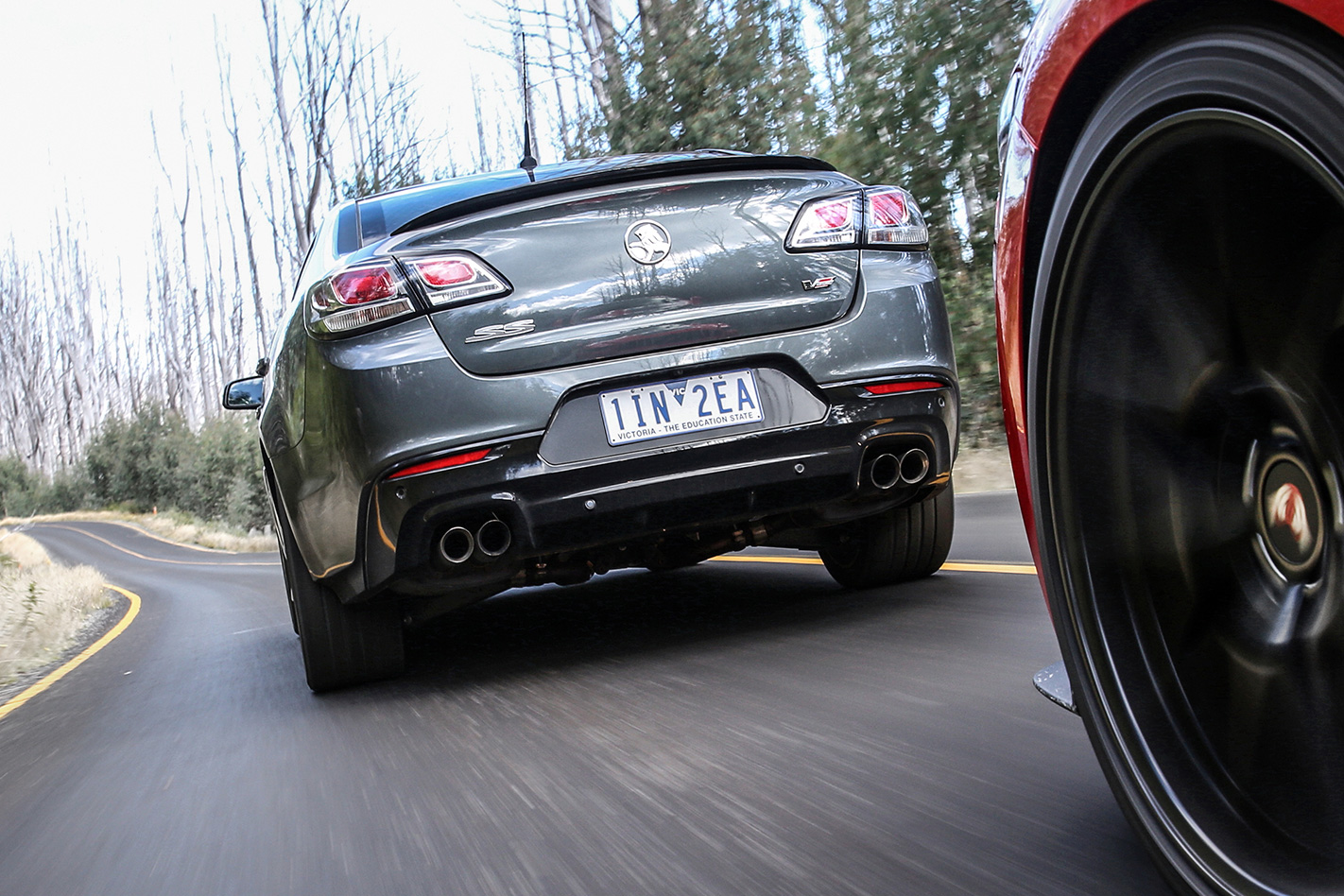
“Well, mostly. The addition of the LS3 6.2-litre V8 brings with it a snarl and bark no Holden has come close to for more than a decade.
“The newfound lungs are topped off with crackles and rumbles on the overrun. It’s a beautiful thing. Some would say you have to go back to the locally produced 304/308 engines to experience a similarly tantalising tenor.
“The VF II V8 also goes hard, not so much thanks to the 304kW – it’s absolutely appreciated, especially the way it revs cleanly to 6600rpm – but the 570Nm.
“That torque peak occurs up at 4400rpm, but even below 2000rpm there’s plenty to play with. Sixth gear at 1500rpm up a hill? Not a problem: the SS-V gradually winds the speedo clockwise. Similarly, third or fourth gear out of an intersection – where the engine is hovering just above idle – and it’s a deliciously forceful affair.
“Launch hard out of corners and the tail squirms but squats in a purposeful yet predictable way, with loads of grip from the Bridgestones that channel that luscious V8 energy.”
Rest in Peace SS Commodore. You will be missed.
