
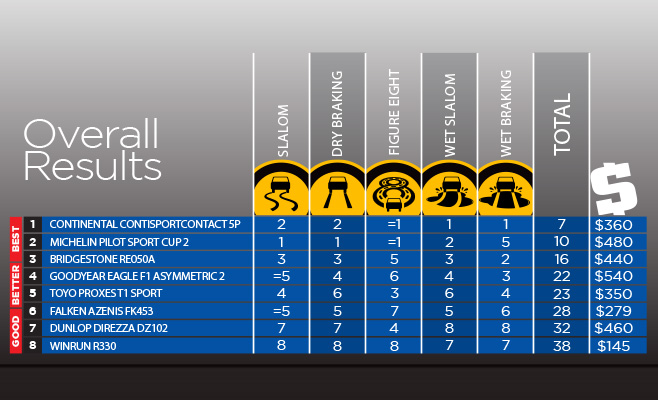
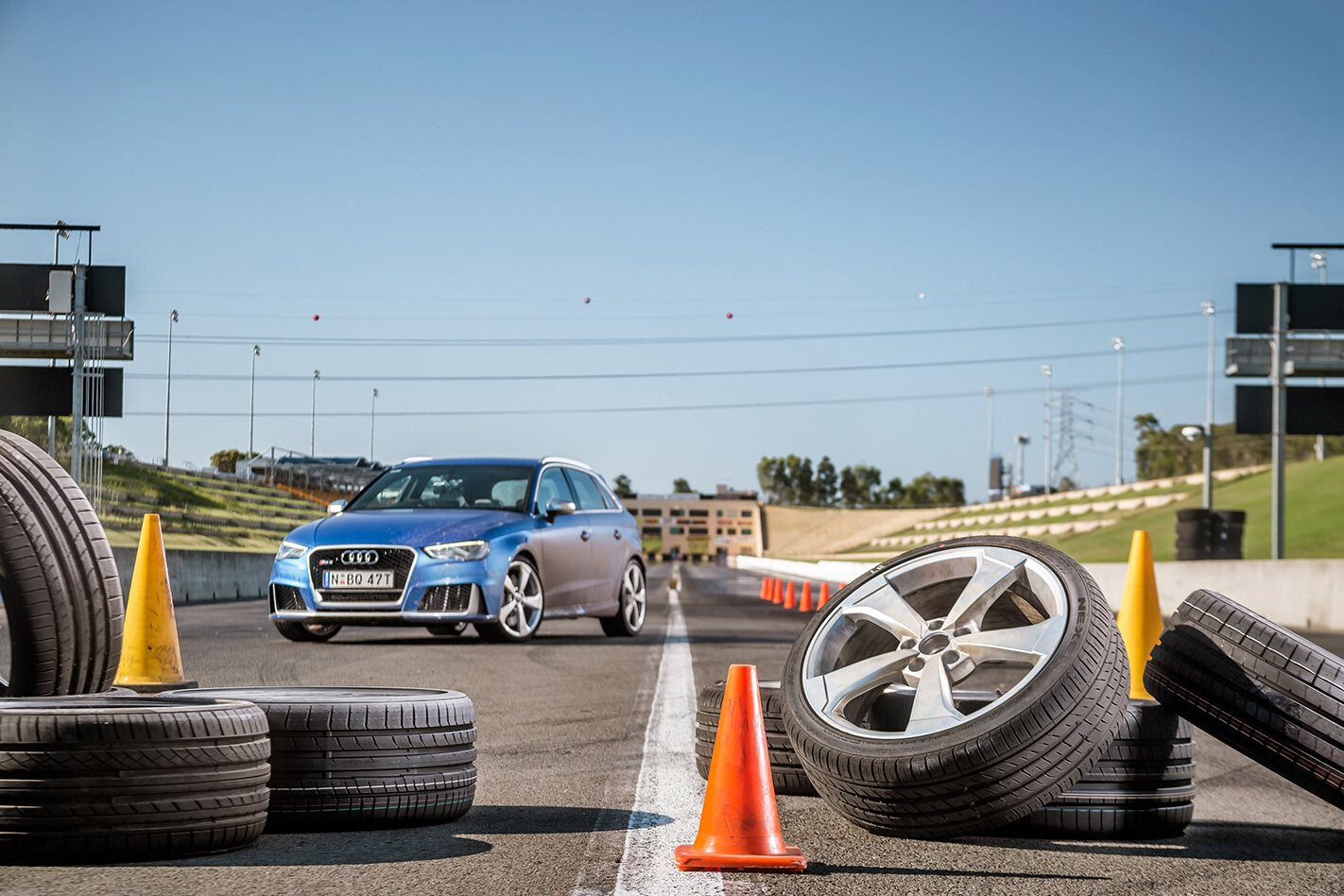
From the get-go, 2015’s Tyre Test was a two-horse race between Continental’s high-performance on-road ‘sport’ model, the ContiSportContact 5P, and the more hard-core, road-and-track hybrid design that is Michelin’s Pilot Sport Cup 2.
The Michelin’s focused, ‘extreme’ track-friendly design demonstrated untouchable dry-running capabilities and it was certainly no slouch in the wet, as its impressive runner-up position in Wet Motorkhana certifies. That the Cup 2 was good, rather than outstanding, in Wet Braking is ultimately what let the French team down. And so very marginally at that.

The highlights of the Continental’s arsenal? According to Luff, it’s the tyre’s ability to produce a surfeit of grip everywhere, shining particularly brightly in the loaded mid-corner stuff in the dry, and it possesses an extraordinary all-round talent in the wet.
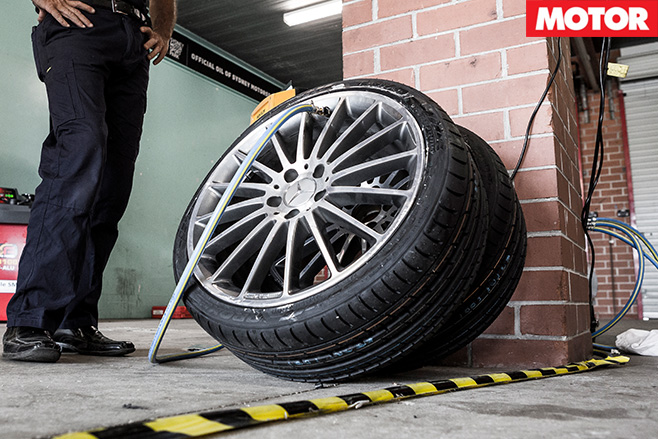
Nor does it feature an overly soft compound or have a particularly low wear rating either. At 240 UTQG (Uniform Tyre Quality Grade), its treadwear rating was about middle of the field, equal to the Toyo (240) and ‘theoretically’ more durable than the Michelin (180) or Bridgestone (140).
MOTOR TYRE TESTS
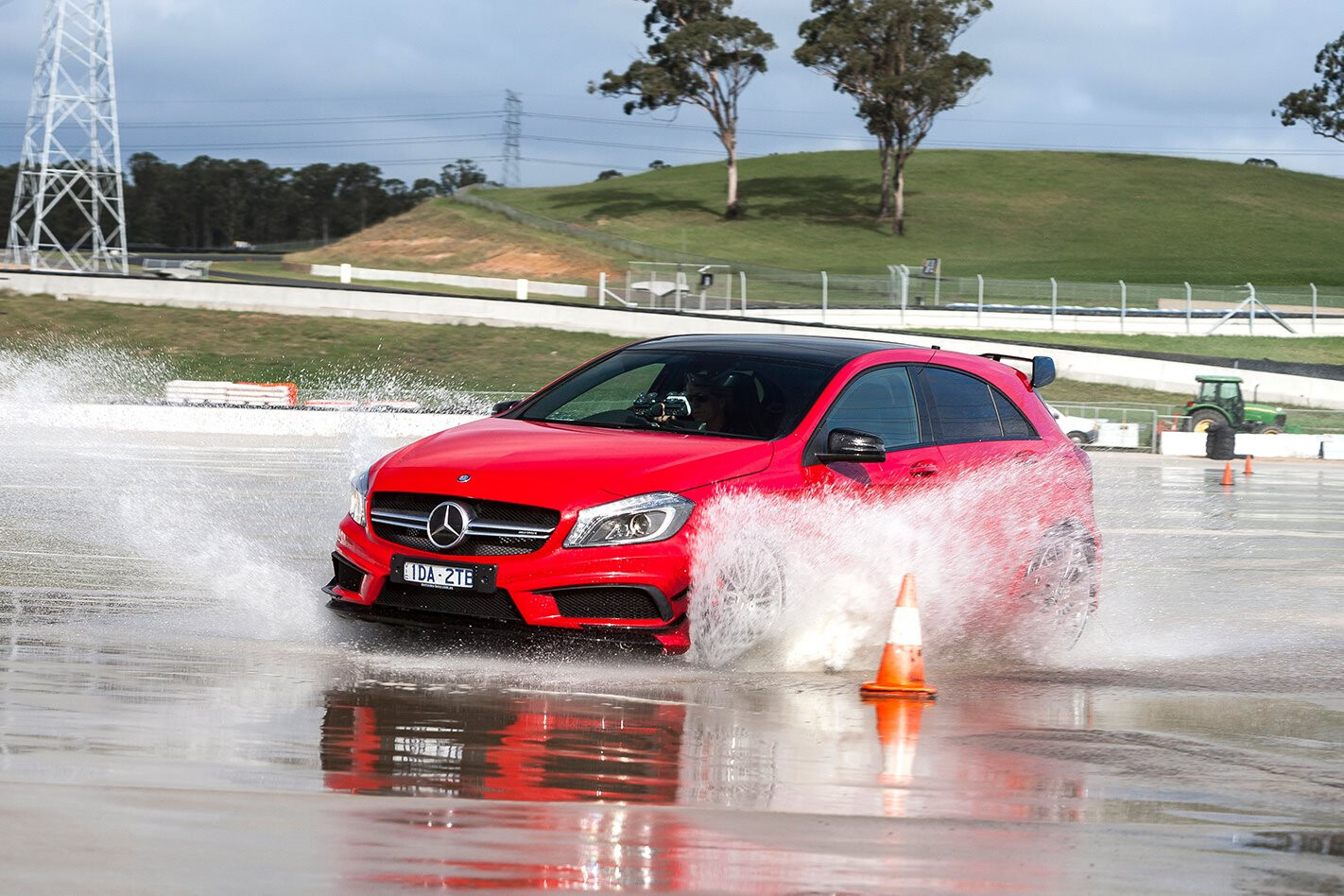 WET BRAKING
Ordinarily, we’d be discussing the field’s wet lateral G force performance right about here.
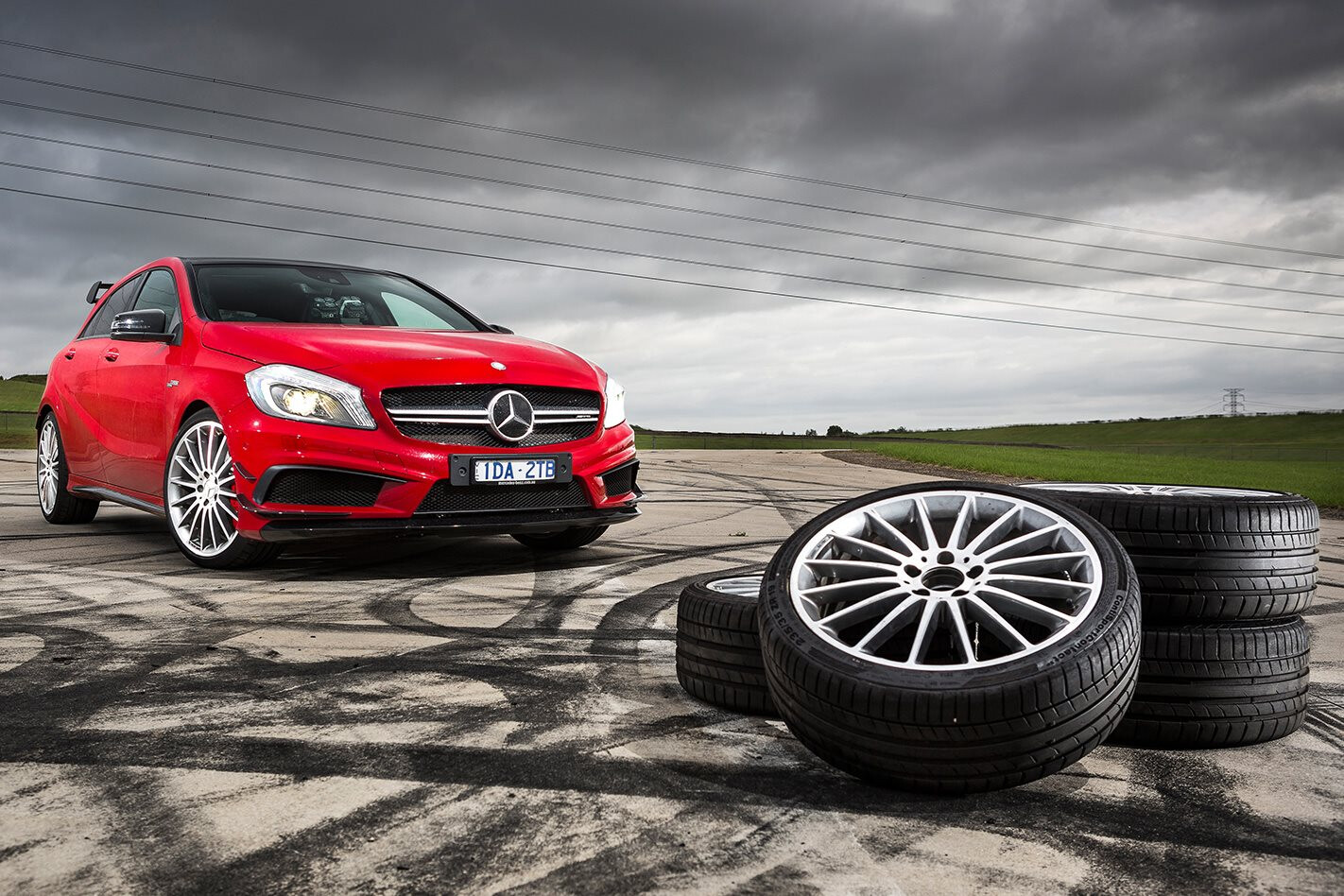 MOTOR TYRE TEST 2015
Our ultimate grip test again proves that while they may look the same, the levels at which these rings of sticky stuff perform are vastly different.
 MOTOR TYRE TEST 2016
Finding the best high performance tyre in Australia
 MOTOR TYRE TESTS
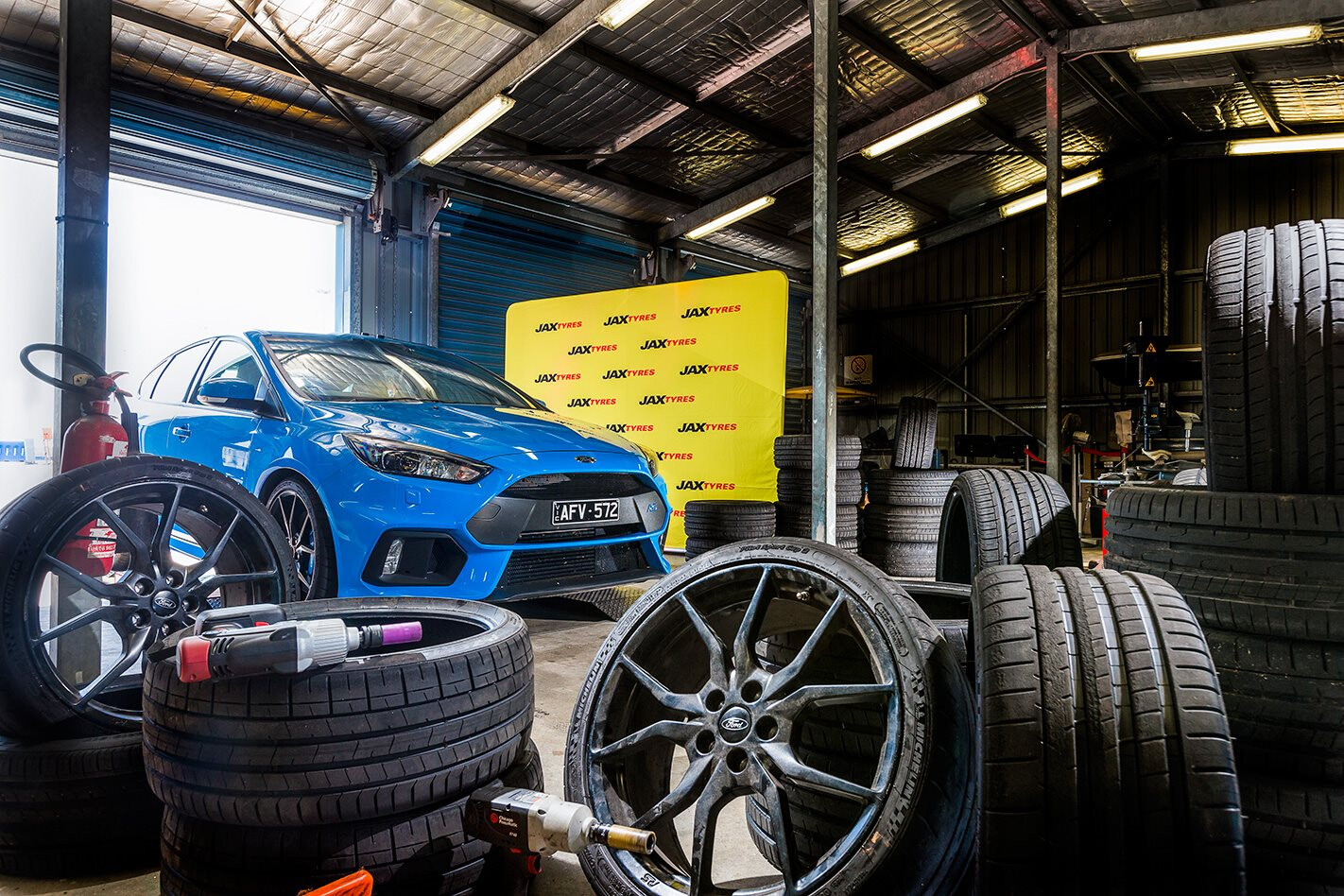
The quest to find the best high performance tyres in Australia.
It seems that the Ford AU Falcon was not a flop, merely ahead of its time.
Much maligned when new, primarily due to its controversial styling, it appears that the droopy-nosed family hauler’s time to shine has finally come.
While the design wasn’t to late-1990s tastes, almost a decade later it proved much more palatable when it provided the inspiration for the Mercedes-Benz CLS.
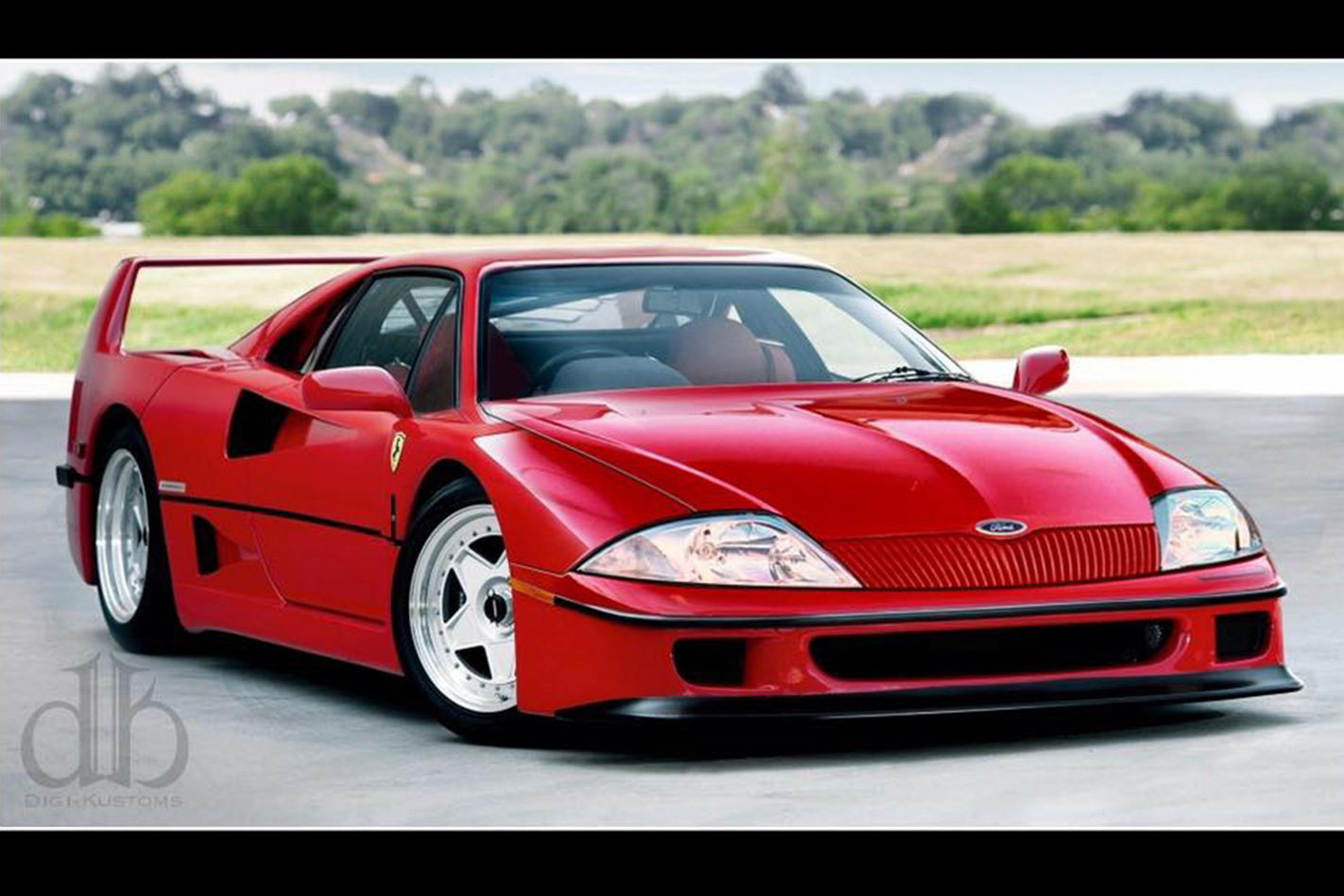
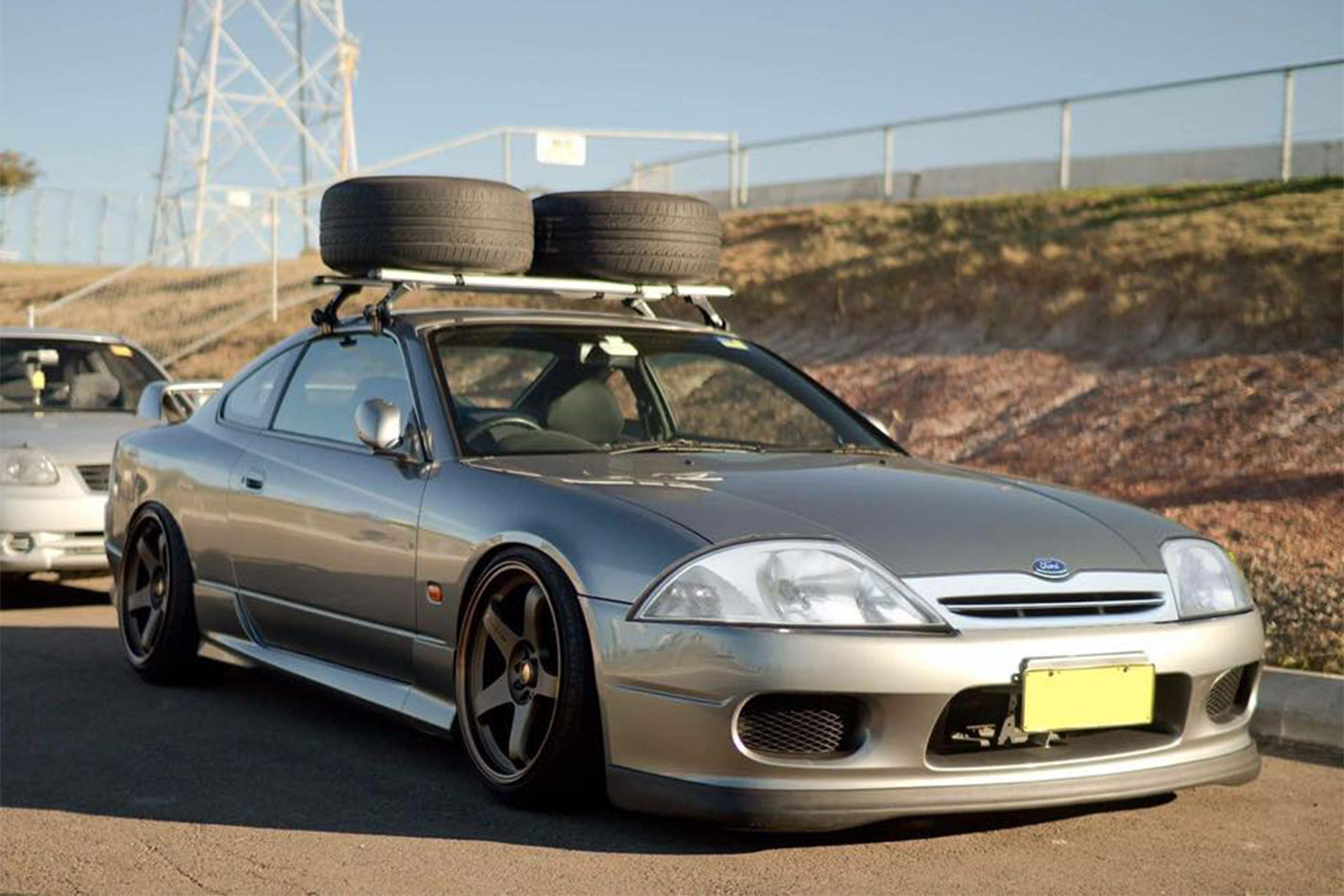
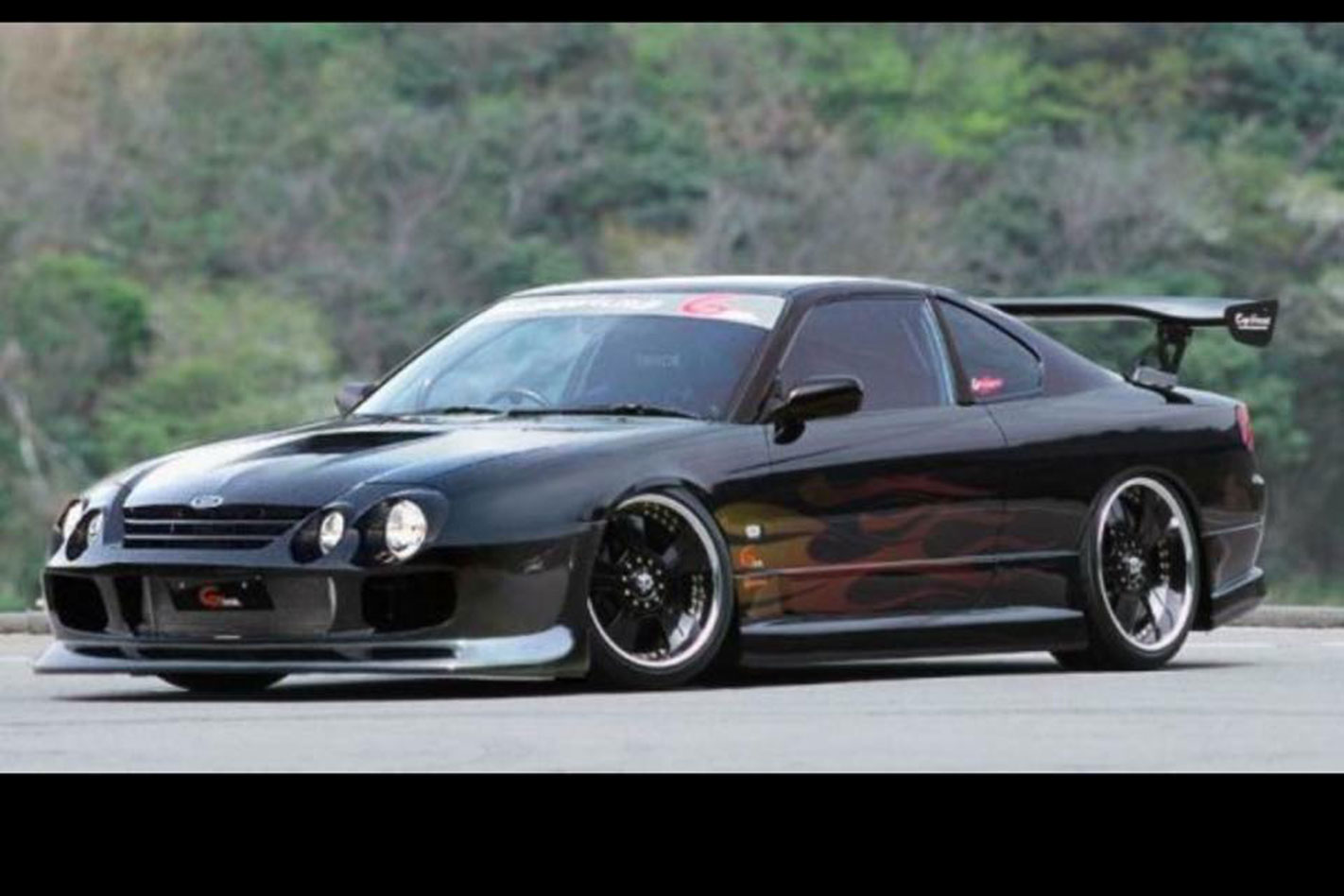
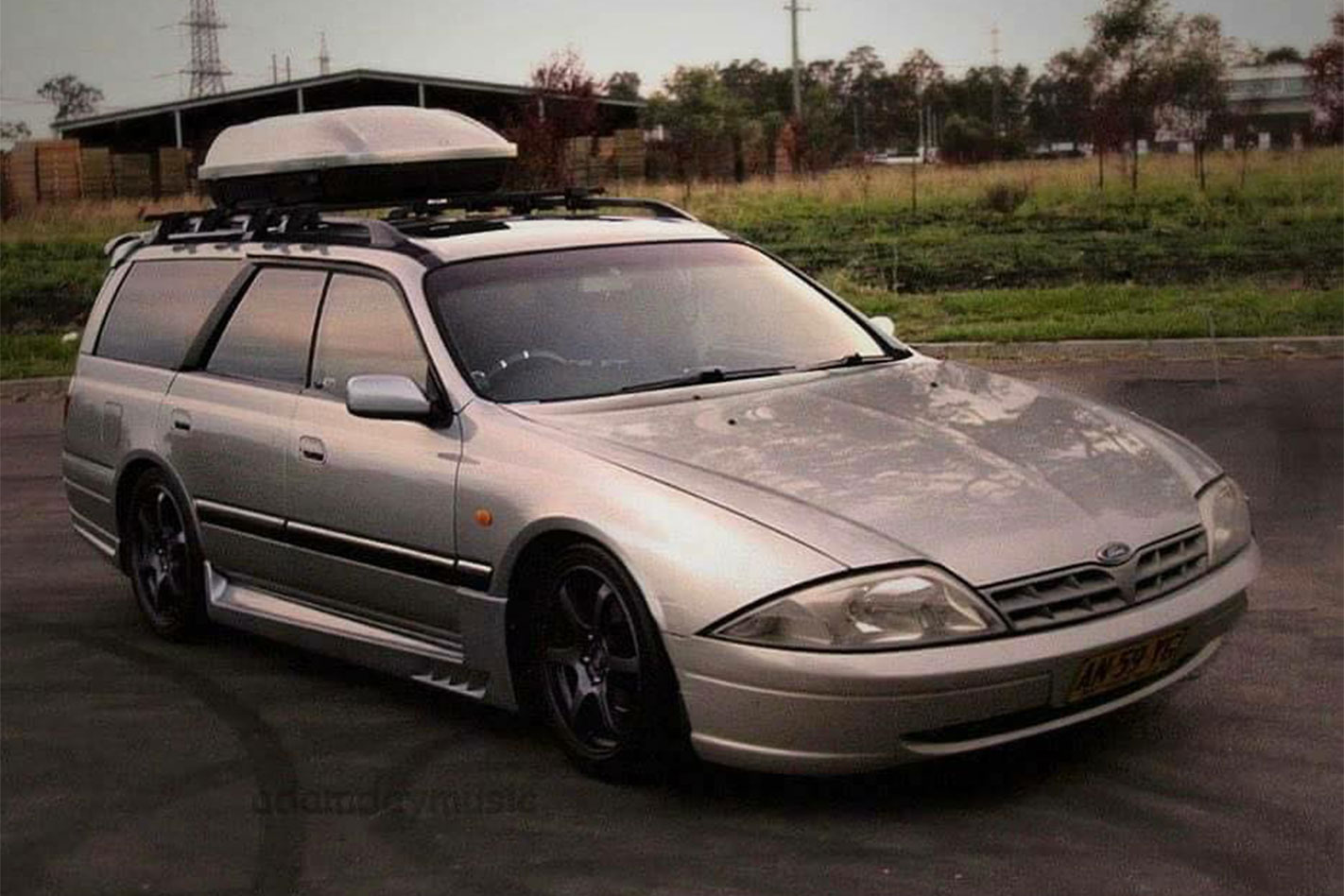
The AU Falcon’s finest performance model, the T3 TE50, also managed second place behind the mighty XY GT-HO Phase III in our Greatest Falcons ever reader poll, though we placed it 10th in our list of the Greatest Falcons Ever.
Long live the AU Falcon!
Subaru has extended its virtual showroom to include the Subaru Impreza small hatch and sedan, building on the experience gained from selling the in-demand Subaru BRZ sports coupe and WRX hot sedan via the internet.
It’s believed to be the first time a manufacturer has offered sales of a mainstream model via its website.
Other carmakers have tried: compact city runabout brand Smart moved its entire showroom online before it disappeared into the ether, while California-based electric carmaker Tesla kicked off its Australian market push using nothing but a website.
“The online model provides an even bigger opportunity for us to reach a new tech-savvy audience,” Subaru Australia managing director Colin Christie said.
“The experience of buying online must be something we offer to our customers as we evolve around the digital world,” he said. “Build and Buy online ensures we stay ahead of the curve.”
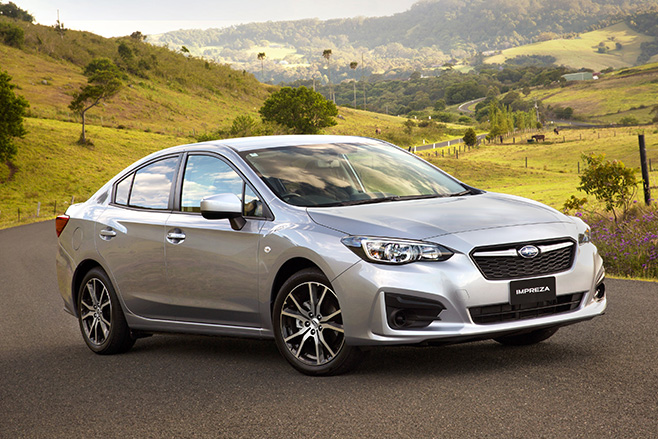
Details are scant on how Subaru Impreza buyers will take delivery of their new car when ordering via the website. However, BRZ and Subaru WRX customers still have to visit a traditional bricks-and-mortar showroom to pick up their new ride – with nothing expected to change for Impreza customers.
Several years ago, Mercedes-Benz toyed with the idea of allowing customers to select a car online, and even have it delivered to their driveway without needing to visit a car dealership. It also used the bits-and-bytes Smart showroom as a test-bed to see if the virtual showroom concept could expand to Benz-badged models.
“People are time-poor, so for them (buying online) is an easy transaction,” Mercedes-Benz Australia spokesman David McCarthy said at the time. “For us, we wanted to test the platform – we’ve been working on it for a very long time.”
Despite the upbeat talk at the time, it is yet to sell a new Benz-badged car online.
At the 2017 Australian Motoring Awards, set to happen on February 1, 2017, the second annual WhichCar Style Award will be presented to one of the below four stylish rides. Last year, it was the arresting Alfa Romeo 4C, a statement-making piece that the judges referred to as “automotive art”, which took home the gong. This year, which of the four stylish rides below, as voted by you, will stand up on it’s own and get our judges’ hearts racing? There can only be one…
The 2017 WhichCar Style Awards finalists announced
• Ford’s throwback to it’s heritage: the new Ford Mustang • The new European-designed Holden Astra. • The quietly sophisticated Audi A4. • The eye-catching Honda Civic.
Looking at design innovation, functional ergonomics, stand-out features, value for money and target market, the WhichCar Style Award judges, who are some of the leading voices in design, fashion and lifestyle in Australia have a strict criteria on which to judge each car, being careful not to rate the vehicles against each other. To say they have their work cut out for them is to put it lightly…
Holden Astra
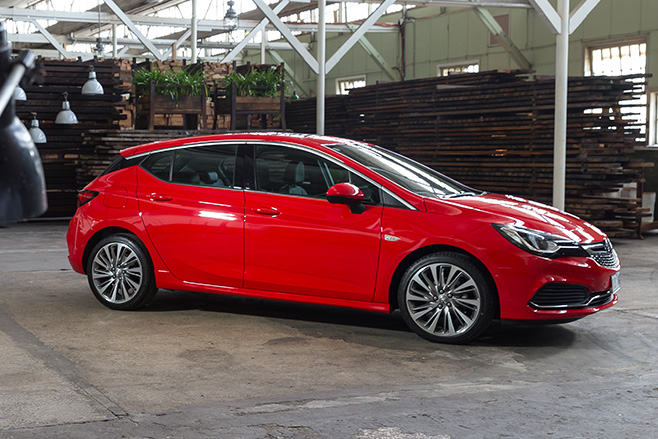
“The new Astra is a really new car for Holden,” said automotive designer Paul Beranger of Holden’s new European-designed small car; as agile-looking as it is sculptural, and designed under the watchful eye of Opel/Vauxhall. “It’s a youthful car that’s breaking new ground in terms of the style and finesse of the design.” Beranger loved the simplicity of the surface design of the small car, particularly the small accents, such as the small rear window area and the cabin. “The interior design, particularly, I felt was a good balance for the exterior… it was of a very high standard in that class.”
Ford Mustang
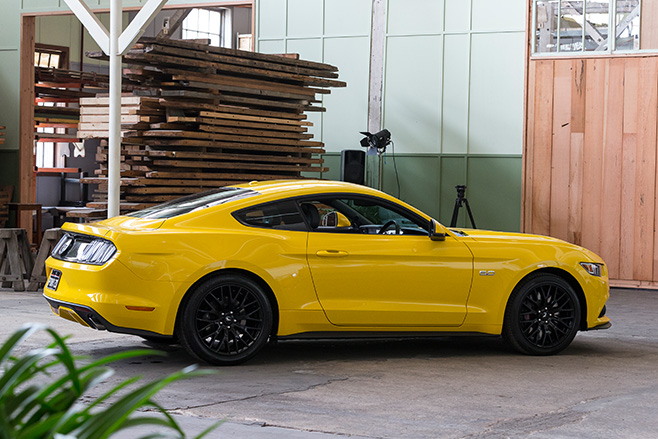
Our judges were all very impressed with Ford’s ice-cold, scorching-hot Mustang, a distinct homage to the iconic fastbacks of Mustangs-past. Sexy, bold and bad, with a design that taps into the emotions. “It really gets the man-juices flowing,” joked Men’s Style Editor Michael Pickering. “You just look at this car and you want to jump in and drive it fast. That is exactly the appeal of a mustang, the long bonnet, the retro styling… just the whole look of it.” Real Living Editor, Emma Vidgen agrees, “When I approached it from the outside I thought it made a very bold statement,” she said. “But it wasn’t until I got inside and had a really good look around the interior and saw all the nods to the brand heritage. It just has a really cool vibe.”
Audi A4
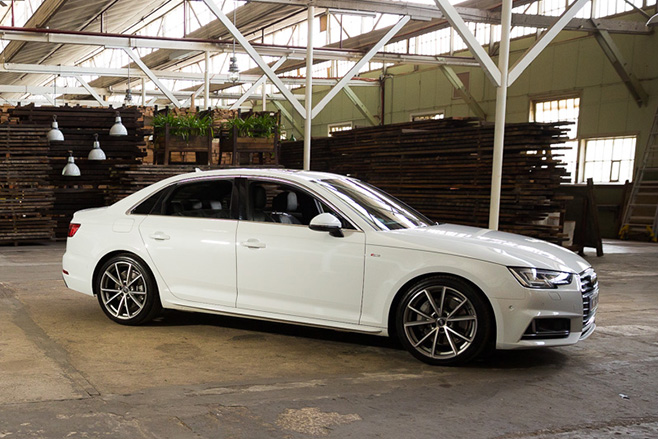
When it comes to luxury and innovation, the Germans certainly know what they’re doing. Case-in-point: the Audi A4, a mid-sized sedan that oozes sophistication and an interior with delicate detailing. “I love the Audi A4,” says BELLE Editor Tanya Buchanan. “I love its elegant, chic lines. You sit in it and it’s just luxurious; it exudes quiet luxury.” “There’s lots of nice little detailing everywhere,” noted Pickering. “The inside and the outside work together perfectly. There doesn’t feel like there’s anything wasted or extraneous or weird about it. It just all fits together.”
Honda Civic
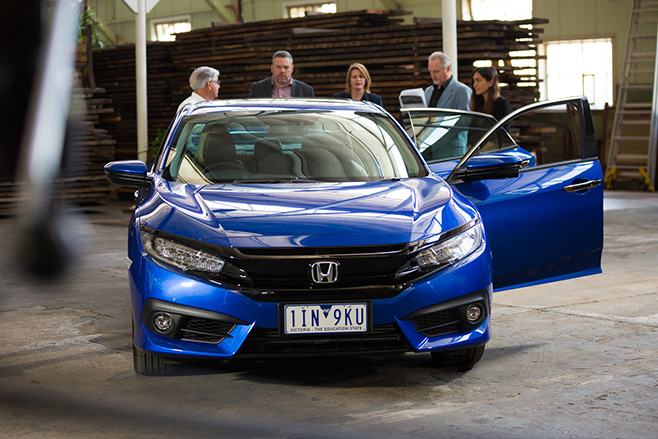
Honda has a hard and fast heritage, rooted in racing. So it comes as no surprise that the Japanese company’s aesthetic is sharp and sporty. Of course, the brand-new Honda Civic slides right under this banner. It’s sharp, sleek, and, as our judges found out, surprisingly bigger than previous Civics. “I really liked the Civic,” mused Pickering. “It’s got side-lights that are interesting and the front design is a lot more aggressive and more pointed than ever before. I was really impressed by it.” “It’s almost got a cartoonish quality to it, there’s a lot going on on every single panel,” said ELLE Editor, Justine Cullen. “But inside I loved it and thought it has so many great little creature comforts, all the functionality you need in a car in quite a beautiful streamlined way.”
Will the Mustang’s bravado be enough for it to win over the speedy-looking Honda Civic? Or is the Astra’s European redesign enough to hold up against the luxurious A4? These are four of Australia’s most stylish cars, but there can only be one winner…
The WhichCar Style Award will be announced at the Australian Motoring Awards on February 1, 2017.
A war of words has erupted between USA President-elect Donald Trump and German politicians overnight.
Speaking to German newspaper, Bild, former businessman/reality TV star Trump laid out his plan for a 35-percent tax on German cars not built in the USA – which will also apply to all other foreign-made cars as part of his “big border tax”, a central pillar of the Trump election campaign.
“If you want to build cars in the world, then I wish you all the best. You can build cars for the United States, but for every car that comes to the USA, you will pay 35 percent tax,” Trump said according to a translation by Reuters.
According to Reuters, Trump doesn’t believe Germans are buying enough Chevrolets compared to US consumers who are currently buying big with manufacturers such as Mercedes-Benz.

“The US car industry would have a bad awakening if all the supply parts that aren’t being built in the US were to suddenly come with a 35% tariff,” he said according to The Guardian.
“I believe it would make the US car industry weaker, worse and above all more expensive.”
When asked what it would take for Germans to buy more American vehicles, Gabriel responded with a terse, “build better cars.”
Ouch.
Like many of Trump’s policies, there is much bluster and very little detail. It is uncertain if the proposed 35-percent ‘border tax’ will only apply to cars built completely overseas, or whether it will extend to parts supplied by German companies. Recently, cars built in Mexico (whether by domestic US brands like Ford or GM, or by foreign companies like Toyota) have also been identified by the President-elect as prime targets of his ‘big border tax’.

Meanwhile, Mercedes-Benz exports $1.33billion (US$1bn) worth of product from its Tuscaloosa plant in Alabama, where 300,000 SUVs are built.
Volkswagen also has a plant in Chattanooga, Tennesee, which builds both the Passat and upcoming Atlas, employing 3,500 workers.
With Trump’s presidency still yet to commence, there may still be some time yet before his automotive industry policies become fully fleshed-out. At this point, however, it appears Trump’s plans to introduce severe import tariffs may hinder rather than help the country’s domestic automotive industry.
After all, there’s no point creating more jobs in vehicle assembly if the cars being built become too expensive for the millions of middle-class Americans that presently buy them.
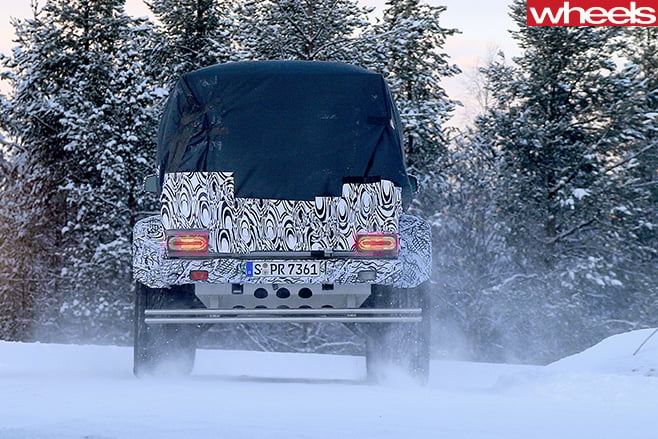
Spy snappers in Northern Europe have happened across what appears to be a ute-backed Mercedes-Benz G-Class sporting hard-core offroad modifications, raising speculation that Benz’s rugged body-on-frame offroader is set to receive a muscle-bound load-lugging “last hurrah” special edition.
Similar in concept to the dearly departed Land Rover Defender 130, the G-wagon dual-cab is also reminiscent of dual-cab chassis versions of Toyota’s own unbreakable (and similarly ancient) offroader, the 70-series Toyota LandCruiser. With full-frame doors and a canopy-like cover over the rear tub, there’s also a passing resemblance to the Jeep Wranger.
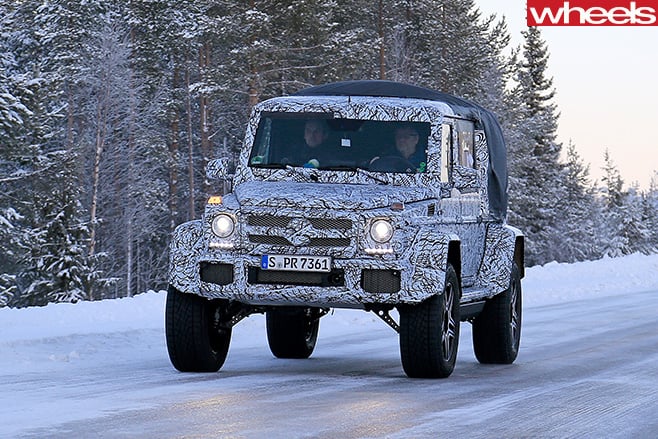
Those AMG red brake calipers are a clue, but trainspotters will scope the absence of a conventional live axle linking the left and right wheels.
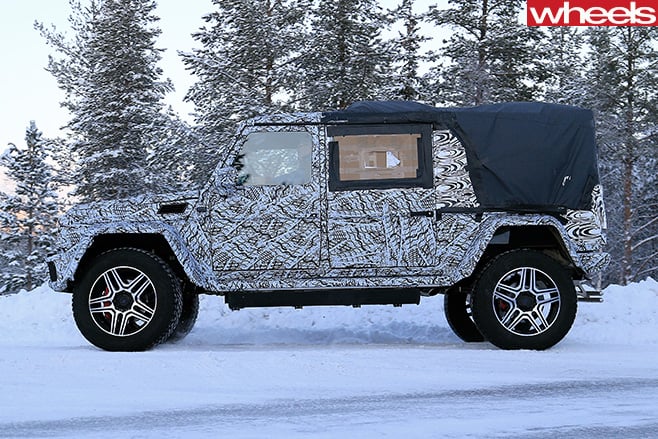
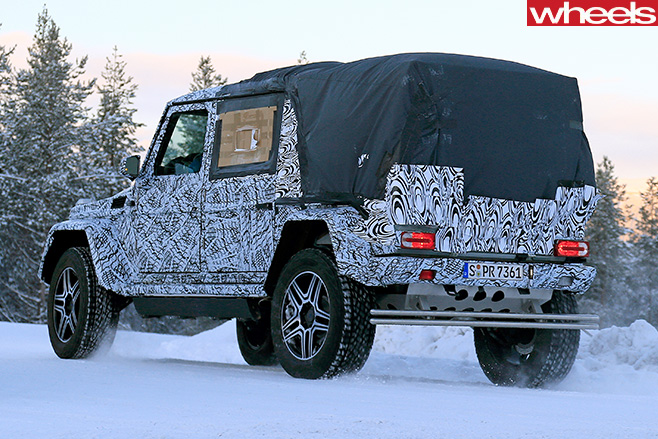
Twin intercoolers visible through the front bumper betray a twin-turbo powerplant, which we expect to be the familiar 5.5-litre bi-turbo V8 as used by the G63 wagon. Power? Bank on it at least equalling the G63’s 420kW and 760Nm at the very least.
Making a major financial decision can be an emotional rollercoaster ride, and at times, a little impulsive. But buying a new car shouldn’t be.
Unlike buying a house or dabbling in the stock market, most cars are unlikely to make you money. In fact, from the moment you drive it out of the dealership, you’ve lost money. Then, there’s the bunch of practical stuff that needs to be consider before putting ink to a contract.
Of course, this doesn’t apply to you if you’re loaded to the brim in cash and prepared to throw a few extra zeros at your car collection.
But for everyone else, making the decision to buy a car should be about as emotional as posting to Facebook after a fight with your partner. They just shouldn’t coincide.
I spent a lot of my holiday period strolling through car dealerships in search of a new set of wheels for myself, my parents and my best friend. And emotions played a surprisingly significant part.
I consider myself quite a level-headed consumer. As the daughter of a CEO, the sister of an accountant and the granddaughter to the generation who lived through the depression, ‘cautious spending’ (aka being tight) is hardwired into my very being. So when it came to replacing my Toyota Yaris with a new car, I thought I’d have it sorted.
As an almost-30-year-old with no children or pets, living in the city, I figured I wouldn’t need much. Four wheels, a working engine, air-conditioning, steering wheel and no rust were my basic criteria. It wouldn’t be too hard to find that for my budget. I could probably even save myself a few coins.
But then I started my search.
The major turning point arrived when my grandfather told me I was getting on in age and if I was spending money on a car, I may as well consider a family car. For my future children. Who were currently about as much a consideration as my retirement fund. Bless.
But his advice stuck and before I knew it, I was saying “oh hey” to my emotions and started looking for a car with all-wheel drive, a big boot, reversing camera and digital radio. In my defence, I can drive anything from a Holden Spark to a Nissan GTR in a week, so I’ve become more accustomed to out-of-my-league features than I care to admit.
But I wasn’t alone. My best friend, who is also an almost-30 getting around a city in a Toyota Yaris, called me one day from a friend’s Mazda CX-9 and declared that she was going to buy one.
Her Yaris is only six years old, in great condition and spends a lot of time in the city. Though she does drive across the country a couple of times a year and is a couple of steps closer to nesting stage than me (she bought a cat with her partner. We all know what happens next), so I can understand her desire for an SUV. But a seven-seater? “Oh, hey, there you are, Emotions!”
My friend, like so many, probably didn’t need a car, but had got so excited to be driving a brand new Mazda CX-9, her Yaris seemed expired in comparison.
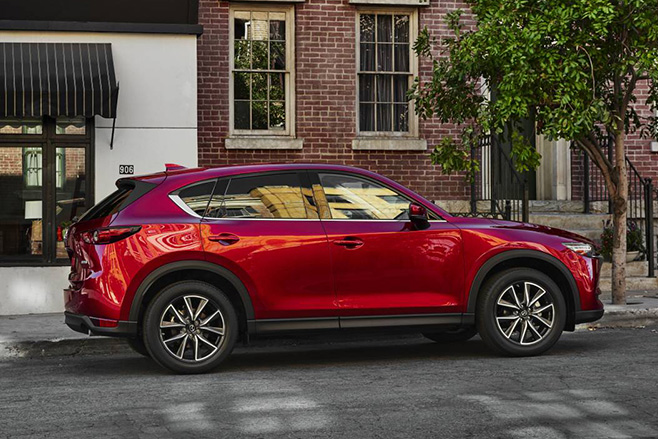
When we went for a test drive, I suggested maybe taking a look at the Mazda CX-5 instead. Still an SUV, still plenty of space, but not so large… or expensive. I had two jobs to do that day: ask the right questions and prevent her from impulsively buying a car before shopping around.
From the moment she finished test driving the diesel CX-5, I could tell she was excited. Her dialogue went something like: “It’s so good to drive. I love it. And it’s got a reverse camera. And USB port. And it’s so shiny and new”. When her trade-in offer came back, it was so good that even I wanted to seal the deal.
Had she not checked in on her emotions and practicality, she would have walked away from the dealership spending $15,000 more than she needed, on a car bigger than she needed. Instead, she gave herself a five day come-down period, wrote out the pros and cons and walked away with a new under-budget CX-5, with a few extra features.
Don’t get me wrong. There’s nothing wrong with buying a car you like. And in some respects, emotions do play an important part: the way a car feels to drive is important. You have to enjoy driving it as much as you enjoy looking at it. But as far as I’m concerned, that’s where the buck stops.
If I’ve learned anything about the car buying process, it’s to create a list of essential features and another for ‘nice to haves’, don’t budge on a budget and have a list of three cars you want to test drive. Once you’ve got the offers on the table, give yourself a few days to think it over, and then make your decision based on safety, practicality and a tiny little bit of emotion.
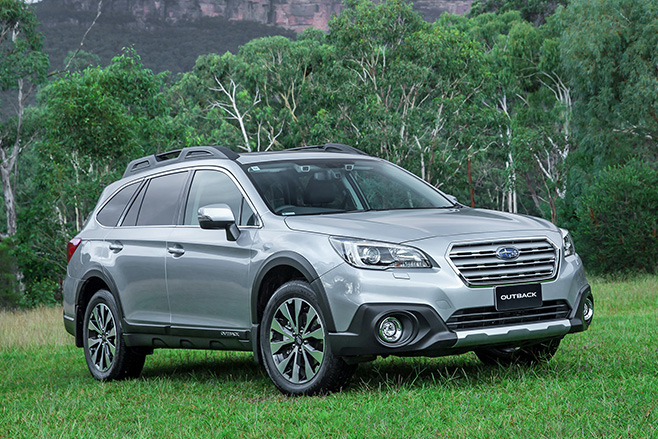
As for me, I’m still on the hunt for a new car. But if you happen to be giving away a Subaru Outback, you know where to find me.
TELL ME ABOUT THIS CAR
The Subaru Impreza is the latest incarnation of Subaru’s popular small car, and the first model to be built on the new Subaru Global Platform Architecture that will one day underpin all the company’s cars. All Subaru Impreza variants are powered by a 115kW 2.0-litre petrol engine connected to a CVT automatic that drives all four wheels. The 2.0i-L, priced from $24,490, sits directly above the base-model 2.0i in the range with features including EyeSight driver assist systems, an eight-inch touchscreen, a better grade of cloth trim, dual-zone air-conditioning and an upgraded multifunction display.
STRENGTHS
- The new Impreza’s design, both inside and out, is an improvement over recent models that had evolved to be pretty bland affairs.
- Interior finish is good. While the 2.0i-L doesn’t have a top-spec interior, the fit and finish looks good and has a premium feel about it. The fabric seats are comfortable with good back support – not something you always say about Subaru seats that often feel as though you’re sitting on, rather than in, them.
- There’s more interior space. The longer wheelbase – the distance in between the front and rear wheels — makes the Impreza of the roomiest cars in its class. An extra 29mm of legroom over the previous model means you’d have to be pretty tall for your knees to touch the front seats. There’s also an extra 20mm of elbow room.
- It has a refined ride. Noise and vibration are noticeably low. There is little engine noise and road din is lower, even at high speeds. Driving around town feels incredibly smooth and the CVT is seamless, though it does scream a little when you give it the stick.
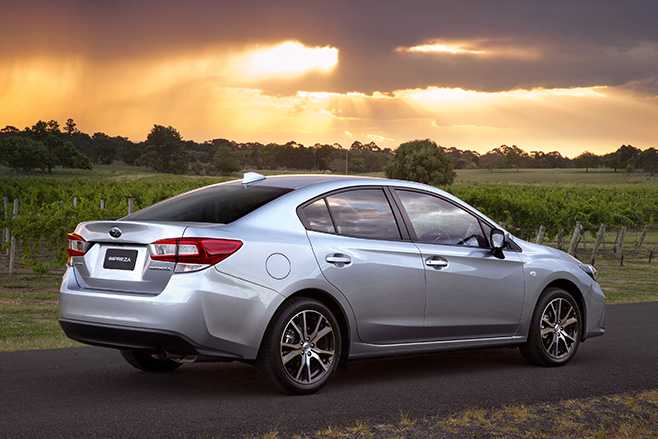
- It handles nicely. This is down to the new platform’s rigidity and revised rear sway bar that both help to contain body roll.
- The 460-litre boot is deep and wide, though the short lid means the opening aperture is a little narrow, making it difficult to get some bulky items in.
- The infotainment system interface is easy to use via the touchscreen even though the first instinct is to try and scroll with the knob on the right side of the unit, which is actually the volume control.
- Safety equipment in the 2.0i-L is quite advanced for a $25,000 small car and includes Subaru’s EyeSight safety suite with active cruise control, auto braking that includes pedestrian detection, blind spot monitoring and lane departure warning.
WEAKNESSES
- The transmission tunnel in the middle makes the mid-rear seat somewhat uncomfortable for anyone with legs, apart from small children.
- The Impreza lacks oomph when you put the foot down because of the 2.0-litre engine’s relatively low 196Nm torque rating from high in the rev range.
- There are no rear-seat air vents. These should be standard in all cars in 2017. The big windscreen is great for vision but in an Aussie summer turns into something of a solar heater. While the Impreza’s air-conditioning is effective, it takes rear-seat passengers a little longer to feel it.
ANY RIVALS I SHOULD CONSIDER
There’s no shortage of small sedans on the market and this Impreza stacks up well in terms of equipment and performance against similarly priced cars including the Mazda 3 Maxx, Hyundai Elantra, Honda Civic and Toyota Corolla SX.
There’s no such thing as a ‘safe bet’ when it comes to facelifting iconic cars – just ask the poor Subaru designers who cop flak every time they give the Subaru WRX a new set of headlights.
So a minor nip and tuck to the Ford Mustang was never going to go unnoticed.
The new look has leaked in a video published on a Ford Mustang forum, claiming to show the 2018 Mustang with a few key cosmetic tweaks.
The video, which has Ford title graphics and is unambiguously called “2018 Ford Mustang Running Footage”, shows a yellow Mustang going through its paces sporting its new, slightly frowny face (compare and contrast with the current model pictured in red below).
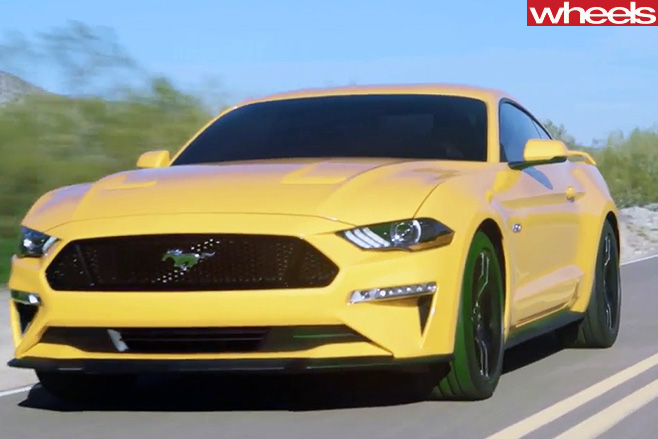
Does it look more aggressive, or is the end result a car that suffers from Resting Bitch Face? The market will decide that one.
At the rear, it appears the updated Mustang will lose its body-coloured faux diffuser and gain slightly curved tail lamp plastics. The circular GT badge surround also gets dumped, replaced by a flush-mounted GT graphic.
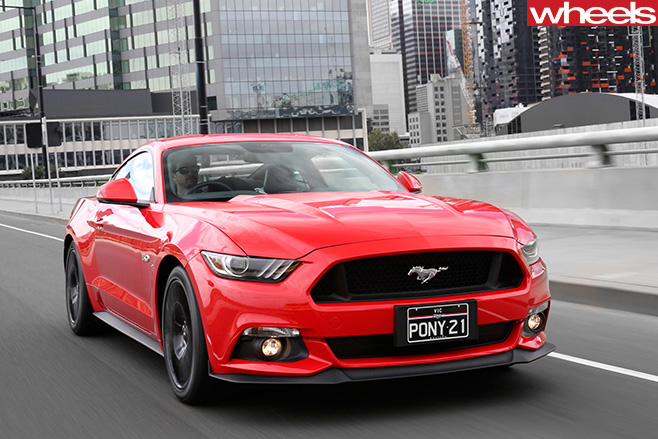
The good news is we shouldn’t have to wait long to learn more about the Mustang’s new facelift – full details should be dropping overnight.
Rendezvous is one of the greatest car movies of all time. And possibly a con. We relive the drive through Paris 40 years later, and debunk the myths.
First published in the December 2016 issue of Wheels magazine, Australia’s most experienced and most trusted car magazine since 1953.
IT IS as instantly recognisable as a spinning Cragar mag on a Highland Green Mustang, or a helmeted, racecar-steering driver raising one hand to shield his eyes against the high-altitude Colorado sun.
The camera angle is low, the film grainy, the light murky over the cobbled streets of pre-dawn Paris. Then there’s the soundtrack: the urgent strain of a high-revving V12, its mechanical noise and punctuating gearshifts betraying a time when supercar engines were the most complicated of all, not the most clinical.
The driver was rumoured to be racers Jacky Ickx, Jean-Pierre Beltoise or Jean Ragnotti; the car, a Ferrari 275 GTB belonging to the film’s director, Claude Lelouch. Not that he’d be having much use for it, as it’s said he was immediately arrested when the film was shown.
None of the embellishment of the ages can diminish the stature of this wordless film, shot as a single take over eight and a half minutes, as a classic in car culture.
In August 1976 Lelouch was a top mainstream director, feeding France’s appetite for navel-gazing, faux-philosophical romances. He’d had international success in 1966 with
A Man and a Woman, a film that revealed his familiarity with fast cars; the main character (played by Jean-Louis Trintignant, nephew of dual Le Mans winner Maurice) has survived a near-fatal crash in the Le Mans 24 Hours.

“For a long time, I wanted to tell the story of a guy late for an appointment, who committed lots of infractions to be on time,” Lelouch explained in 2005 to authors Yves Alion and Jean Ollé-Laprune for their book Claude Lelouch, A User’s Manual. “For me, being on time is an obsession. I’m capable of taking incredible risks to not be late.”
Lelouch, now 78, did not respond to Wheels’ requests for an interview. But we went to Paris anyway, to relive his film on its 40th anniversary.
An early print of Rendezvous gives the date: Friday, 13 August, 1976. It’s risky to assume the date is correct because so many of the myths around this film have been denied or disproved. But certainly Lelouch shot in August, when Parisians flock south on annual holiday.
Lelouch himself did the driving. The car was his own, but it wasn’t a Ferrari. It was a Mercedes-Benz 450 SEL 6.9, an iron-fisted limo chosen mainly for the smooth ride from its hydro-pneumatic suspension.
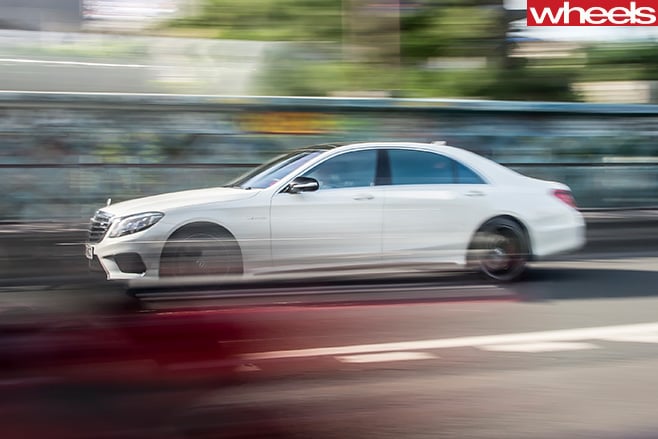
The S63 L was the perfect homecoming car for me, too. I lived in Paris from
2000-04, the last three of those years under mayor Bertrand Delanoë. While introducing the city’s much-loved Paris Plage (the summertime conversion of a riverside motorway into a ‘beach’) and Velib bicycle-sharing scheme, Delanoë was a car-hater who ripped out kilometres of roadway.
Thanks to 40 years of progress – some good, some bad – it’s no longer possible to retrace exactly Rendezvous’ original 10.5km route. But one can run it pretty close.
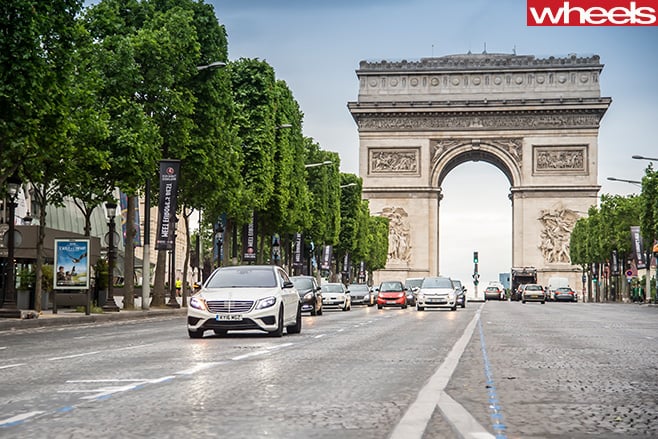
Lelouch started on the western side of Paris, on the Boulevard Périphérique at Porte Dauphine. He raced up the broad, garden-framed Avenue Foch to the Arc de Triomphe, peeling off to head south-east on the famous Champs-Élysées.
Lelouch explained: “I wanted to provide a sort of reportage. My problem was to develop a plan that did not exceed 10 minutes, and that found its interest at the end with the girl who arrives on the steps.”
So he followed the Champs-Élysées, squealed through the Place de la Concorde and scud-ran alongside the Seine. He then turned hard left through the courtyard of the Louvre museum to burst onto Avenue de l’Opera, swerving around the majestic Opera Garnier and the grand department stores behind it.
Narrow, cobbled streets carried him to Place Pigalle, turning hard left on Boulevard de Clichy to pass the famous Moulin Rouge. A hard right led over the Montmartre Cemetery – incredibly, the road actually goes over it – and into the pinched, cobbled maze that eventually crested Montmartre, spilling onto the south-facing steps of Sacré-Coeur.
With his assistant, Elie Chouraqui, he considered the necessary permits. They would have to shut down a quarter of Paris.
A stuntman offered his theory about running red lights: Anything not already in Lelouch’s field of view was unlikely to arrive before he did; and if something did appear, he could always brake…
Starting at about 5:30am, Lelouch completed his 10.5km sprint in 8min 21sec. He ran a total of 18 red lights, veered onto the wrong side of the road and the footpath when traffic blocked his way, and scared a bunch of pigeons and a few pedestrians in the process.
A big part of the magic and mythology lay in the soundtrack, said to be a Ferrari 275 GTB. The impression of speed is enhanced by the low camera angle, but comes just as much from the glorious full-throttle sprints through the gears. Purists can spot that sound and vision don’t marry.

That’s what I’d most wanted to ask Lelouch; how the overdub was done. Some say a Ferrari retraced the route; if that’s so, it must have been one with a dual-range transfer case. More likely is that the Ferrari was on a rolling road, with the footage screening in front of the driver.
After the film was released, the Paris police called Lelouch in for a chat. Lelouch said the top cop read out a long list of traffic offences and asked him to hand over his licence. The cop held it for a few seconds, then handed it back, grinning: “My children love your little film.”
Not everyone was so admiring. Many were dismayed by Lelouch’s selfishness and stupidity. In the wake of the 1973 oil crisis, France and other European countries had introduced speed limits and strict policing. Rendezvous lobbed like a mortar, in the middle of an uneasy truce between car enthusiasts and cash-greedy governments.
Forty years on, Paris has bigger problems. Our Rendezvous re-run faces re-directed roads, a tangle of cycleways, and sandbags barricading the Louvre against the recently flooded Seine.
Most discouraging of overzealousness, however, are the 6500 heavily armed, flak-jacketed French troops on Paris’s streets, enforcing France’s state of diversity. Er, emergency.

At 5:15am on a Thursday, we’re at Porte de la Muette attaching a trio of GoPro cameras to our big pearl-white Mercedes-AMG. It’s all rather less conspicuous than the pipework rig and Éclair CM3 movie camera on the prow of Lelouch’s limo.
I’m feeling pressure and anxiety. We’d done recce runs the previous day, but this was like drag racing; if we mess something up, we can’t fix it next lap. Still, we could always come back next day. Lelouch wasn’t likely to get away with a second take.
Opposite, I watch a Renault Talisman repmobile sail into the intersection, shaping up to turn left. He’s clearly not intending to stop for the red light – but sees our camera-carrying gangsta AMG and suddenly throws everything at the anchors.
Here were we, being all nervous and goody-goody, while there’s probably a few hundred thousand Claude Lelouches commuting every morning.
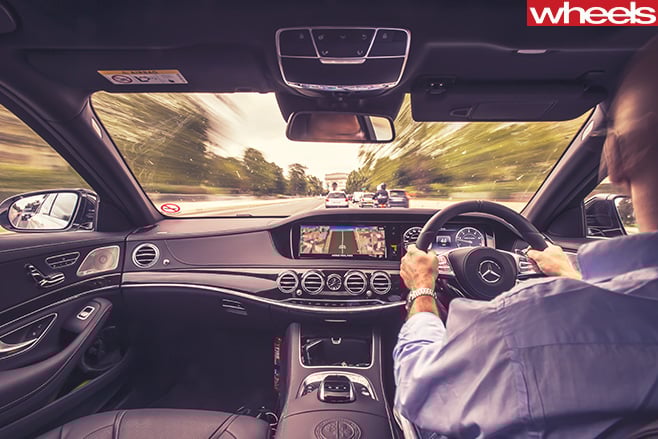
We’re underway, rising from the peripherique, rounding the Porte Dauphine and suddenly weaving along the broad, rumbling surface of Avenue Foch. I surprise myself by impatiently barking out

“C’mon-c’mon-c’mon!” at a dozy taxi driver.
Lelouch claimed he’d topped 180km/h along here. We’re doing 60.
Spilling into the expanse of the Arc de Triomphe, my nerves are really jangling. But intersections in Paris often make you feel like that; you’re half-expecting someone to plant a hatchback in your door.
Being 5.30am, the street lights on the Champs-Élysées are switched off. Pity the traffic lights aren’t, too, instead of prioritising phantom pedestrians. Lelouch claimed he did 160km/h here, slowed and fake-squealed to 150 through Place de la Concorde, then accelerated to 200km/h along the Quai François Mitterand. We stick to a safeneck 60km/h, noting the early commuter traffic on the Quai.
We approach our first mandated detour, at the blocked left turn to the Place du Caroussel, the courtyard of the Louvre. We’re 5.3km into the original route, almost exactly half way. Our stopwatch reads eight minutes. Forty years minus 10 seconds ago, Lelouch was already playing grab-arse with his girlfriend at Montmartre.
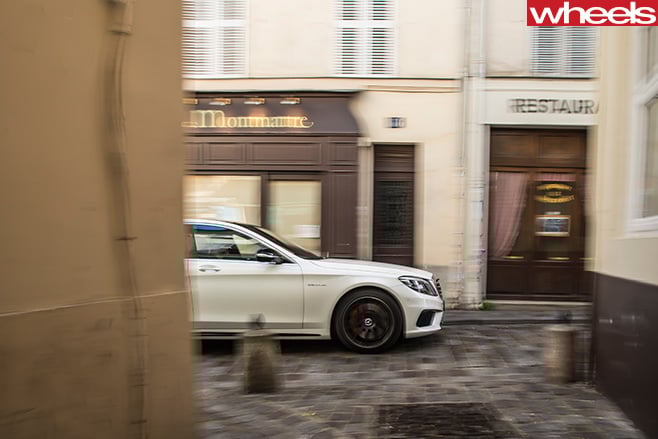
Lelouch had exploded straight across this road, passing through the completely blind exit from the Place du Caroussel. The sole precaution he had taken for the entire film was to position Chouraqui here with a walkie-talkie, to warn of anything oncoming. “When Chouraqui didn’t call me, I passed through the gates at 100km/h, because the passage is quite narrow.
I didn’t know that the walkie-talkie wasn’t working…”
I hear the frustration in my own voice as we have to travel a block farther west to (legally) pick up Avenue de l’Opera. Opening up again, the Merc’s sinister engine note reverberates in the broad boulevard. Sometimes, 60km/h can feel really fast.
In Rendezvous, it sounds really fast.
Four minutes into the film, Lelouch enters a pinched section near the head of Avenue de l’Opera. The gnashing engine note cascades through a delicious series of heel-and-toe downshifts. The symphony of sound and physics distracts you from the fact that he’s veering into the path of an oncoming bus.
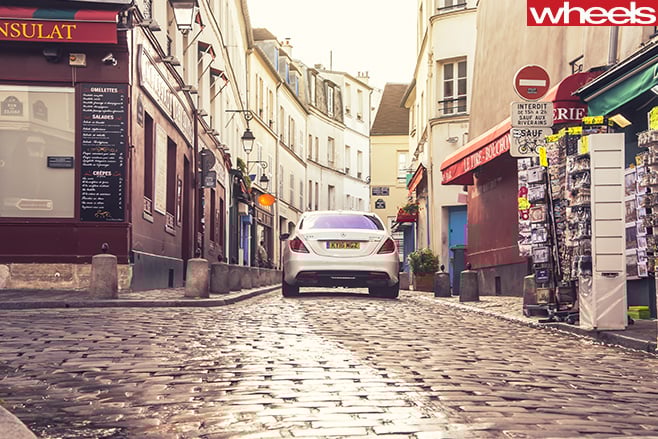
Directly across Boulevard Haussmann is Chaussée d’Antin, splitting Galeries Lafayette’s department stores. If I were a Gauloise-smoking, gold-medallioned, thumping Merc-driving 1976 man, I wouldn’t be stopped here. I’d be speeding straight up that skinny street. I’d run a couple more red lights, squeal to the right around Trinity Church, hurl it right onto Rue Jean-Baptiste Pigalle, drive onto the footpath to pass a garbage truck, then bust four more red lights to reach Place Pigalle. Hell, they don’t call it the red-light district for nothing.
However, sensitive new-age seven-speed auto 2016 man faces a bunch of southbound one-ways. He has to go a block to the west, on Rue Mogador, pass to the left of Trinity, then cut back due east to regain Rue Jean-Baptiste Pigalle. All of which adds half a kilometre.
Where Lelouch monstered a Fiat 1500 out of his way on Boulevard de Clichy, I’m getting blanked by a Peugeot 508. In front of him is a police van, trawling the Pigalle streets for drunk and disorderly types yet to finish their evening’s entertainments.
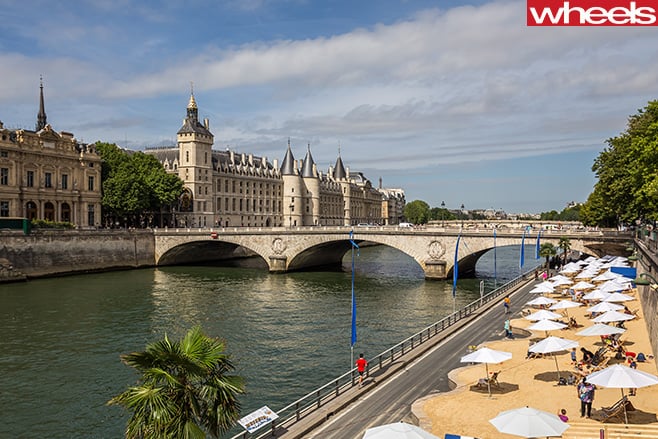
With the sky light but the sun still not up, we too speed on a block farther, to Rue Caulaincourt. We soar over the Montmartre Cemetery and across Rue Tourlaque where, in the film, a Mini dawdles across the intersection and is lucky to not have its rump swiped off. We, meanwhile, stare at the rump of a delivery van.
It provides another moment to appreciate the deception of Rendezvous’ soundtrack. The car accelerates out of Rue Caulaincourt in first gear. It winds out through four cogs, picking fifth just before the Mini dawdles past on Rue Tourlaque. That’s in a distance of just 400 metres.
Then there’s a long stretch at full revs in fifth before the hard, uphill right turn onto Avenue Junot. Another 400 metres. At, presumably, something near the 275 GTB’s top speed of 265 km/h. In fact, the car’s average speed over those 800m works out at 76km/h. Which, given the cobbles and the cars crossing and the constant current of danger, was still pretty impressive.
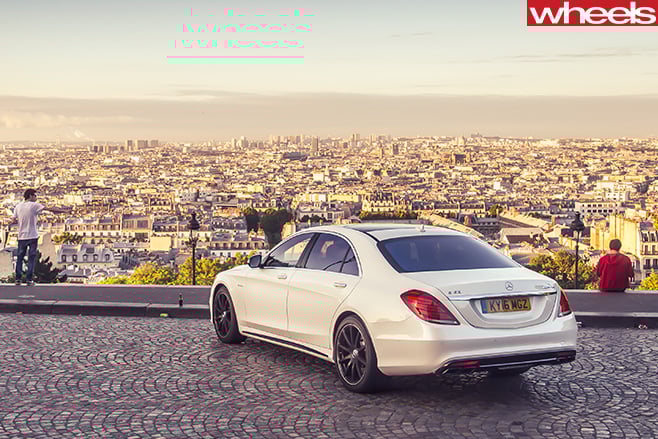
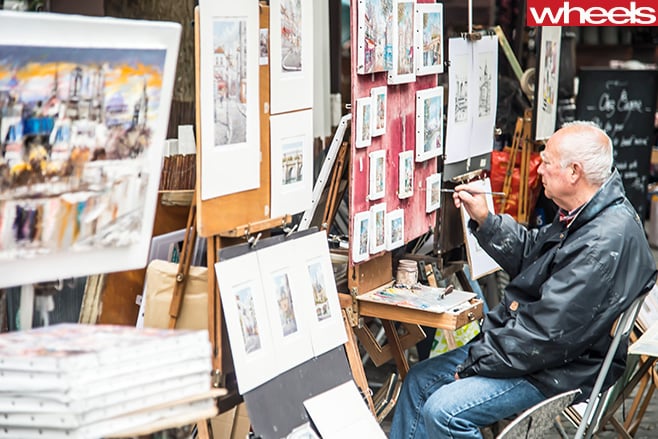
We rise into the lightening sky over Rue Norvins, which wiggles through a skinny cluster of restaurants and opens into Place du Tertre; at this hour, devoid of the beret-wearing illustrators asking to draw our portraits. Swinging around rue Azais, we rumble noisily onto the Parvais du Sacré Coeur: the finish.
Having covered 1.4km more than Lelouch – legally, being another key difference – and feeling quite pumped by the experience, our stopwatch shows a humiliating 23min 59.2sec. We had pushed and pressed on and averaged 29.7km/h. Lelouch, over 10.5km, averaged 77.1km/h.
There was no blonde in a striped dress for us, either. A raggedy-arsed handful of incredibly pissed teenagers sit on the steps, Paris spread out at their feet like a vast, crumpled newspaper. There to watch the sun rise, they’re smashing beer bottles on the steps. In front of them, in the City of Light, the lights are switching off.
