
If you’re shopping for a Lexus but have the need to transport more than five people at a time, the behemoth Lexus LX 570 is your only choice right now. Three-row transport isn’t exactly thick on the ground in Lexus showrooms at the moment.
But that could soon change. Reports out of the USA quote Lexus North America chief Jeff Bracken as promising that a seven-seat version of the RX is around the corner, with a late-2017 launch on the cards for the US market.
That will make it the third seven-seat capable Lexus on sale in the ‘States, with the three-row RX joining the existing Toyota LandCruiser-based LX and the Prado-based GX in US Lexus dealerships. Its potential for the Australian market, however, remains unclear.
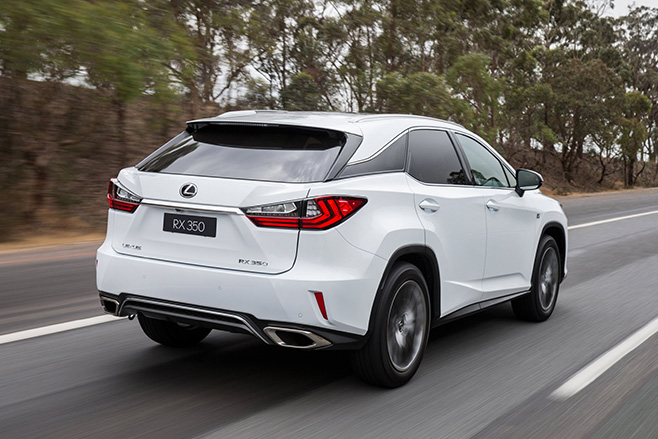
Speaking to WhichCar, Lexus Australia spokesman Nick Raman said while a seven-seat RX is far from confirmed for our market, the Japanese automaker’s local operation – and its dealers – were “pretty content with what’s in the existing lineup”.
That said, Lexus Australia is keen to take a stretched Lexus RX were it made available to it – which is no guarantee given Australia’s right-hand drive requirement. Availability in the US market means little for Australia, and lack of right-hook production is one of the main reasons why the Lexus GX never made it to our shores.
“It would be a great addition, but we don’t have any information on whether it’s going to be introduced here,” Raman said.
“We would be interested, absolutely. Once we’ve received more information about it, we’ll certainly investigate it.”
A seven-seat RX would finally allow Lexus to compete with rivals BMW, Range Rover and Audi, whose X5, Range Rover Sport and Q7 all feature a three-row capability. However, with limited room within the current RX’s bodyshell we can expect the incoming seven-seater to have an elongated rump. Recent trademark applications in the USA indicate those models will carry an ‘L’ suffix to indicate their extra length as well.
You can always bank on a drift video delivering one thing. And that’s a car, with lots of horsepower, turning a whole bunch of tyres into ghosts. Cue Ryan Tuerck and the shakedown of his GT4586.
With Willow Springs International circuit his playground, Tuerck flings about his new ‘GT4586’ and is joined by Chris Forsberg for a side-by-side smoke of the circuit.
And while this isn’t US drifter Ryan Tuerck’s first uncorking of the Frankenstein Ferrari-Toyota, it’s the first time it’s lapped a circuit on lock-stops.
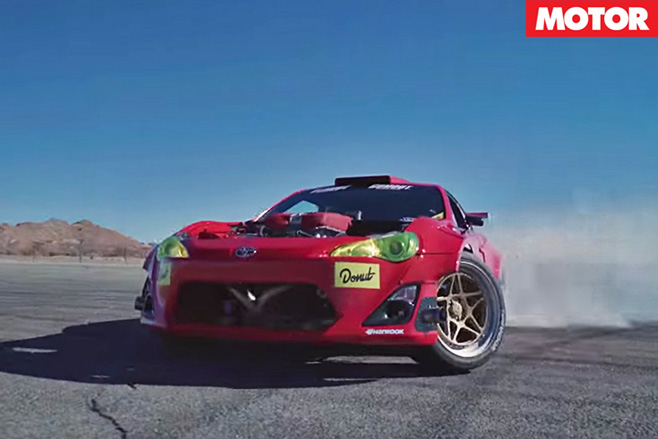
And what a match this is. Taken from a 458, the V8 engine reportedly cost Tuerck US$42K, which is $15K more than the car it’s dropped in.
The Toyota 86 was then extensively modified to swallow the unit. And now exhaust pipes exit fore of the front wheels. Air intakes suck from behind them.
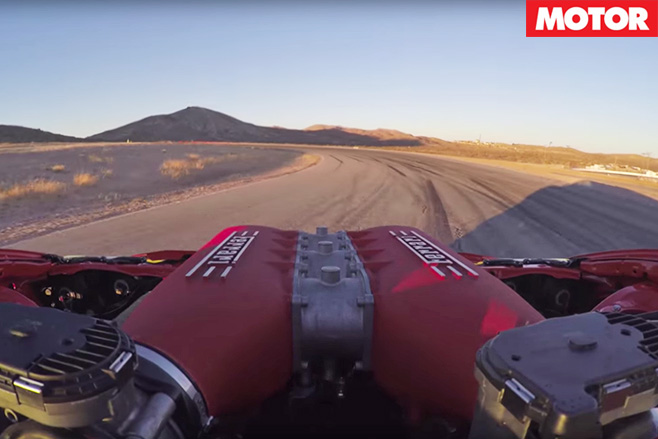
The drifting scene isn’t short of wild Toyota 86s. Plenty reside in Australia. But this one’s special. Unless you’re a Ferrari employee, we recommend you take three minutes and watch the video.
Make sure you use decent ear phones as well. Because a Toyota 86 at a dizzying 9000rpm, screaming its flat-plane song, is something you definitely want to hear.
It’s easy to rag on vocally gifted headline magnet Justin Bieber; in fact, some news outlets make a handy earn out of it.
The pint-sized crooner, who made it big when he was about eight and is riding that wave as long as his mum wants a cut of the takings, isn’t all bad, though; he’s quite keen on the odd exotic auto, and his garage is a virtual who’s who of the top end of town.
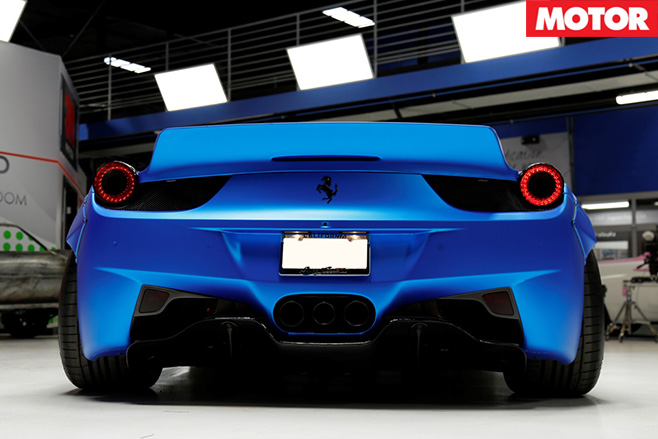
Seems the wee fella has one or two too many cars, and he’s decided to unload a couple – including a Ferrari 458 with, erm, pedigree.
Y’ see, Beebz decided – wisely – to park his Frozen Blue Fezza – complete with a Liberty Walk bodykit, pumped guards and 20-inch custom rims – at a high falutin’ Beverley Hills hotel before a night out… but unfortunately he forgot which one.
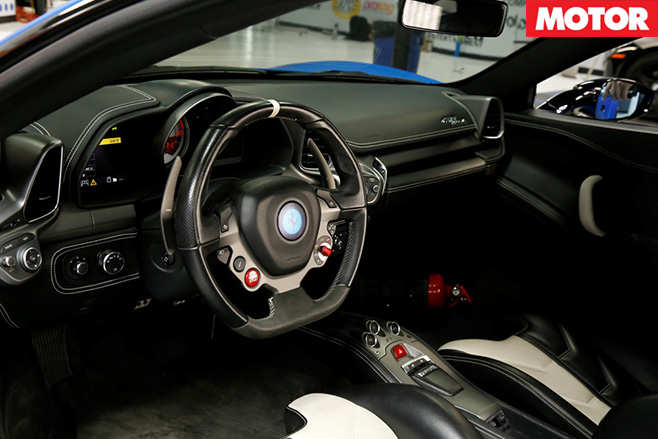
As it turned it, it stayed lost for THREE WEEKS, before an assistant found it stashed at the Montage hotel in Beverley Hills… which, it seems, is quite used to the idea of stashing a Fezza for three weeks.
MOTOR estimates the parking fees would be in the vicinity of $5000, or not enough money for even one Bieber song to be played at our Christmas party.
You can bid for the car online at Barret-Jackson, but be sure to ask them to make sure any and all CDs in the car have been removed and preferably burned in fire before delivery.
HOLDEN Special Vehicles’ future is just weeks away from being locked down, with the performance sub-brand set to resign with the Walkinshaw Group for a five-year deal.
The deal, which has been months in negotiations with GM executives in Port Melbourne and abroad, means the Clayton-based manufacturer will continue tweaking GM products until at least 2022.
However, HSV will back away from its big-power heritage and instead focus on “exciting, aspirational” vehicles that could be as broad as a rally raid-style off-road ute or go-fast SUV.
In what is set to be the most challenging period for a brand known for its Commodore-based high-performance V8s, the surety of a medium-term deal – the five-year deal is half that of previous contracts – means it can focus on the imported vehicles that are now Holden’s future.
In a shock move, though, Wheels understands the new German-made Commodore that arrives early in 2018 will not get the HSV treatment, mainly because it is not available with a suitable engine. The most powerful Insignia-based Commodore is a 270kW 3.6-litre naturally aspirated V6, well down on the soon-to-be-revealed HSV W1, a 480kW supercharged V8 monster that will send off Australian manufacturing later this year.Instead, HSV’s future showroom will feature tweaked versions of the Colorado ute (pictured) and Equinox SUV, and possibly a hot version of the new-gen Astra to rival the Ford Focus RS.
In an exclusive interview with Wheels, HSV managing director Tim Jackson outlined a new future and direction for the company, with power no longer the top priority.
“We have to undergo a transformation in our business because we have had a very stable business with the Commodore platform for a very long period,” Jackson said.
“We are actually pretty intrigued and excited about what the future holds. But we will be true to the brand. It needs to be exciting, inspirational vehicles that we develop.”
The shift to dual-cab utes, SUVs and small cars mimics the dramatic change in the overall market that contributed to the demise of the Australian Commodore and its prime rival, the Ford Falcon.“If we wanted to define our customer as a rear-wheel-drive, Australian-made V8 customer, then we are out of business at the end of the year,” he said. “We can’t define our customer that way. Our customer needs to be that guy looking for an exciting, aspirational vehicle, and that comes in all forms. You only have to look at how significantly the market has changed in the last few years to see exciting vehicles are coming in different forms.”
Jackson would not be drawn on specific models that would form the future line-up, but did say, “We do see scope for some pretty exciting vehicles that we think meet what our organisation has always been about, which is delivering exciting vehicles for people to drive”.
The sticking point with HSV is the level of customisation it can make. As a GM product, vehicles with significant engine or body changes would require large engineering investment to meet rigorous global standards.
The V8 Question
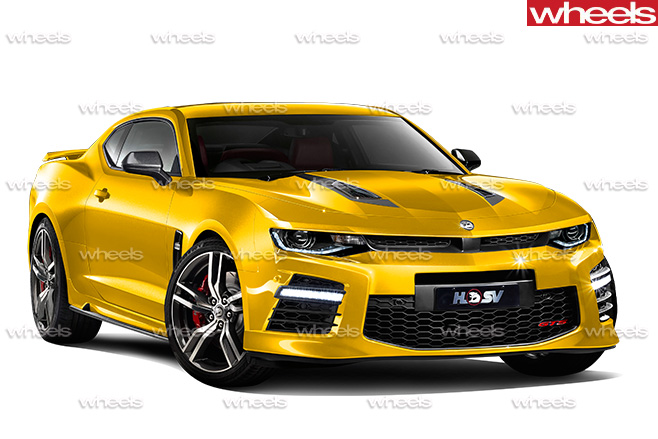
With all Camaros produced only as left-hookers, it makes HSV a prime candidate for a high-quality local conversion. HSV boss Tim Jackson refused to discuss the prospects of the Camaro arriving Down Under wearing an HSV badge, but hinted a V8 model was on the wish list.
“Transforming the business doesn’t mean we forget our heritage and passion for certain style of products,” he said.
Given the sharp pricing of the Camaro’s most obvious rival, the fast-selling Ford Mustang, it’s likely HSV would focus on more-expensive and more-powerful versions of the Camaro for Australia, such as the 485kW ZL1.
TELL ME ABOUT THIS CAR
The Skoda Superb range incudes sedans and wagons in both front – and all-wheel-drive versions. The features-packed, range-topping 206TSi 4×4 wagon is powered by a 2.0-litre turbo engine which provides plenty of grunt for a car this size.
STRENGTHS
- SUV practicality with European performance and features.
- It goes along nicely with 206kW 2.0-litre turbo petrol engine and all-wheel-drive system taken from the high-performance Volkswagen Golf R.
- The adaptive dampers, which are an option in lower spec models, help address the shortfalls of the Superb suspension’s suitability for Australian conditions.
- Driving Mode Selection, offering Comfort, Normal and Sport settings for the transmission, steering and accelerator tuning. Suspension is a little floaty in Comfort and Normal mode, but it holds up nicely in Sport mode. Acceleration is little lacklustre in Comfort but noticeably improves in other modes.
- The Driver Assist equipment that comes standard with this model is exceptional even for the $50,000 price range and includes adaptive cruise control, front assist with city (slow speed) emergency brake, lane keeping assist, blind spot detection, traffic jam assist (which starts, stops and steers automatically below 60km/h).
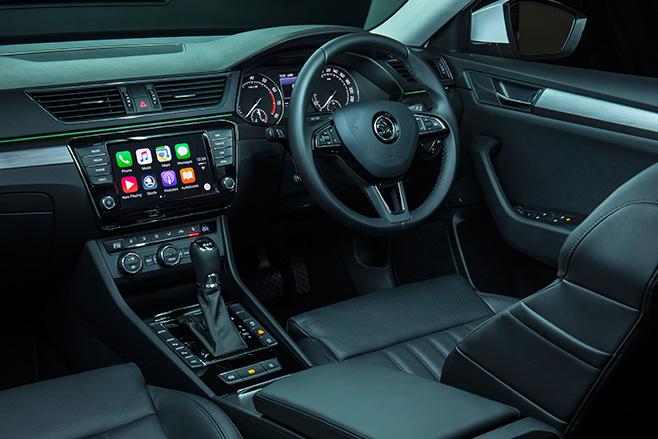
- The cabin has plenty of legroom at the back and front. It’s not a very wide car though, meaning three adults would be a tight fit in the back seat.
- The back seats are limousine-like for two adults – there are even buttons on the side of the front passenger seat that the person sitting behind can access to slide the seat forward.
- The deep rear cargo area holds 660-litres or up to 1950-litres with the rear seats folded down, and contains shopping-bag hooks, load restraint hooks, a luggage net and a 12-volt outlet.
- Clever interior touches include umbrellas stored inside the front door cards, a clip for parking tickets at the side of the windscreen and a tablet device holder in the rear seat’s fold-down armrest.
- In-car infotainment is controlled by an 8.0-inch touchscreen with in-built satellite navigation. It comes with Apple CarPlay and Android Auto, which like the Bluetooth connection, syncs to your device with little fuss.
- The centre and wing mirrors are too small, with the latter having a pointy shape that results in about 30 percent less vision than a rectangular mirror.
- The blind spot indicator is too close to the similarly coloured turn signal light on the wing mirror, which is confusing especially on the passenger side.
- Middle seat at the back won’t endear you to any adult who has to sit there.
There aren’t too many all-wheel-drive wagons which are this size and well equipped for around $50,000, apart from its Volkswagen Passat R-Line cousin. Front-wheel-drive wagon competitors include the Mazda 6 Atenza and Ford Mondeo Titanium.
The Maserati Levante has officially launched in Australia, with the Italian luxury brand’s first-ever SUV offering true off-road ability with the DNA of a sports car, according to the carmaker.
The Maserati Levante will compete against a host of relatively new and established luxury players, including the Audi Q7, BMW X5, Infiniti QX70, Jaguar F-Pace, Mercedes-Benz GLE wagon, the Porsche Cayenne, and the Volvo XC90.
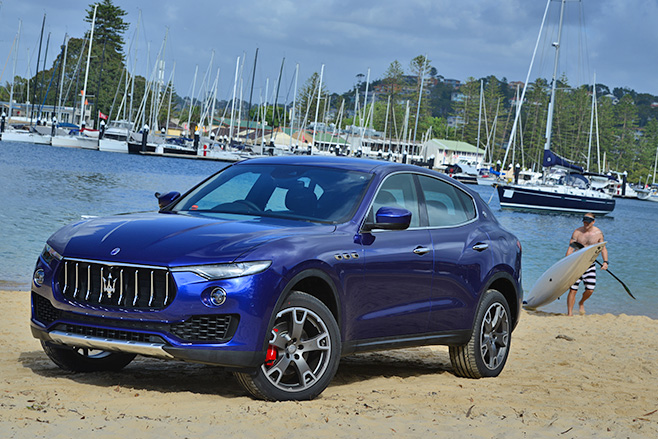
“The Levante will take Australians to places that have never previously seen a Maserati and doing things previously unthinkable for a car wearing the legendary Trident badge, thanks to its unique four wheel drive system and suspension as well as its flexible and versatility body,” Maserati Australia chief operating officer Glen Sealey said.
““But wherever the Levante takes its new Australian owners, they will be travelling like all previous Maserati owners with superlative style, performance, handling and road holding combined with unique levels of personalisation and exclusivity,” he said.
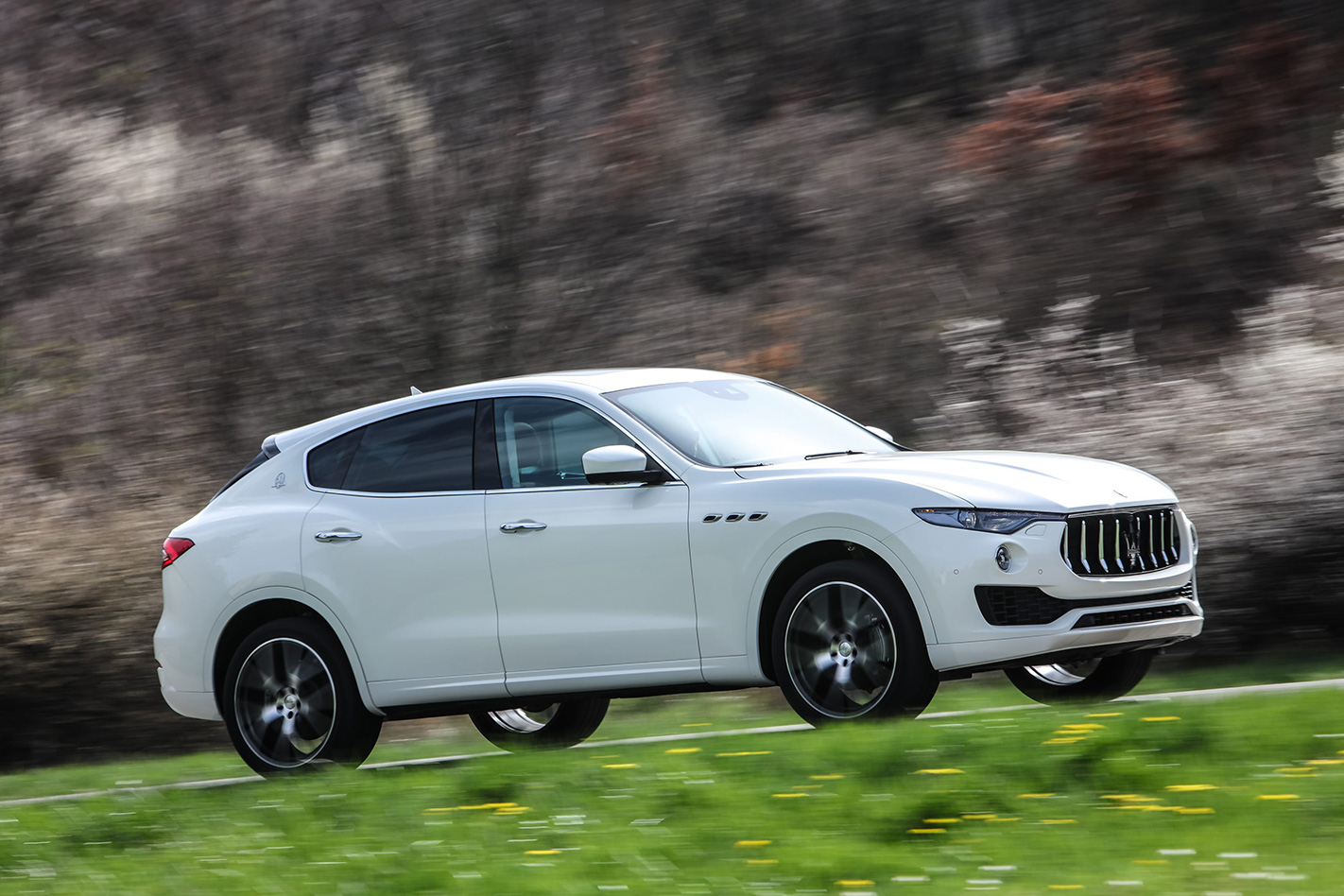
The Maserati Levante will feature only one engine – a 202kW/600Nm 3.0-litre V6 turbo diesel – fitted to an eight-speed automatic gearbox. All models will come equipped with all-wheel-drive, and are fitted with air suspension that can adjust through five drive modes and eight centimetres of height difference – important for lowering the car and making it more taut for carving corners, and building in softer-performing off-road clearance.
Prices start from $139,990 for the Maserati Levante Turbo Diesel, and steps up to $159,990 for either the Sport or Luxury models.
Standard equipment includes keyless entry and start, an eight-speaker audio system, leather seats, bi-xenon headlights and a powered tailgate. The Luxury grade adds a 12-way electric adjust front seats, more visual bling and Zegna silk highlights to the cabin, while the Sport grade includes 12-way electric adjust front sports seats, blacked-out features, red brake calipers, gear shift paddles, sports pedals and a power-adjust steering column.
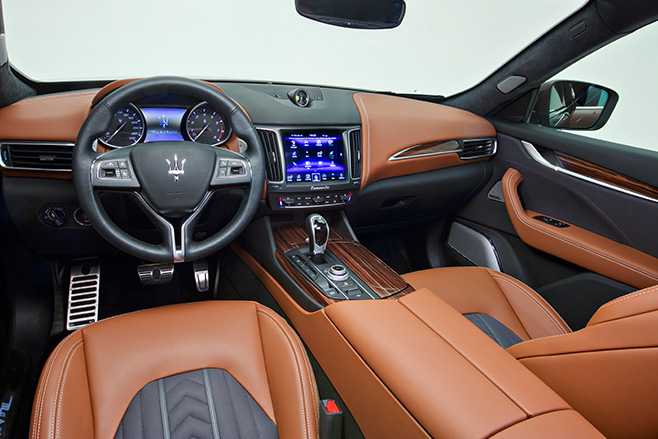
Reversing camera and front and rear parking sensors are also standard.
Maserati predicts the Levante will become the brand’s most popular model, outpacing the Maserati Ghibli small sedan that was reintroduced to the marque’s showroom in 2014.
It’s a formula that has worked well for rivals. Despite its late arrival last year, Jaguar’s F-Pace has accounted for almost 30 percent of the brand’s sales. In contrast, Porsche’s sales of the Macan small SUV and Cayenne mid-sizer snared four out of every five sales for the sports car brand in 2016.
Nissan’s mighty R32 GT-R might be approaching its 30th birthday, but a legion of fans around the world constantly prove there’s life in the old dog yet.
One of the wildest we’ve seen is this hillclimb monster from South Africa, the creation of Dez Gutzeit. Some quick YouTube research indicates the car has been developed over a number of years, with ever increasing power figures now reaching the 1000kW-plus mark.
Perhaps unsurprisingly, Gutzeit won the event at which this footage was filmed, the 2015 Knysna hillclimb, his fastest time of 40.148sec more than 1.5sec clear of second place, a highly modified touring car-style BMW 335i.
You can hear from the man himself in the video above, however it seems Gutzeit has started something of a GT-R dynasty, with his son Shane Gutzeit scoring fifth place in another highly-modified R32 GT-R.
Thanks to its all-wheel drive traction and potential for enormous power, so much of the GT-R’s motorsport participation has been in drag racing, however there’s a reason why it become one of the most dominant touring cars the world has ever seen.
Fear is what makes rallying mesmerising. Powerslides themselves are awesome, but it’s the menace of an imminent, fiery and massively expensive accident that keeps eyeballs glued.
Little wonder then this video of a Porsche 911R drifting on snow is impossible to turn off. It’s a mesmerising demonstration of driving talent that threatens to go wrong at any moment. Anxiety sufferers, watch with caution.
Mercifully, nothing goes awry, which is a good thing because punting one of the rarest and most desirable modern Porsches over the edge of a snowy mountain face would be a rather costly and embarrassing mistake.
https://www.instagram.com/p/BPQiwoqBDFK/
The 911R is a limited run special edition, powered by a high-revving 4.0-litre naturally aspirated flat-six engine linked to a manual transmission producing 368kW at 8250rpm. It’s a visceral sensation built to satiate the purists who spoke ill of the PDK-only Porsche GT3 and GT3 RS, which use the same engine with no three-pedal option.
Buying a Porsche 911R is a very pricey proposition. When new they were $404,700, but they’re long gone. Collectors hunting for one now should expect to pay a lot, lot more.
https://www.instagram.com/p/BPDJCb_BTik/
Everybody likes to think they’re Michael Schumacher behind the wheel, but given the keys to a Porsche 911R we’re not sure drifting up an icy alpine road is the first thing we’d do. Yet, the unknown driver in this Instagram video is as cool as a polar bear’s paws, and gives us a front-seat ticket to that sublime soundtrack.
In less than a minute’s footage our protagonist has the 911R wound onto its lockstops in each direction, rear wheels lit and the flat-six singing the song of the Porsche people. It’s a delicate balancing act of considerable courage, slotted between snow berm and Armco in the coveted rear-engined, rear-wheel-drive sports car.
We may not know who the handy steerer in this footage is, but be it through bravery or stupidity, he has our respect.
The next piece in Jaguar’s SUV strategy has been spotted in the UK.
The E-Pace crossover that will span the line-up between the larger Jaguar F-Pace high-rider and the production version of the Jaguar I-Pace Concept all-electric SUV coupe.
With F-Pace sales outstripping other Jaguar models, big things are expected of the smaller and more affordable E-Pace when it hits showrooms around this time next year.
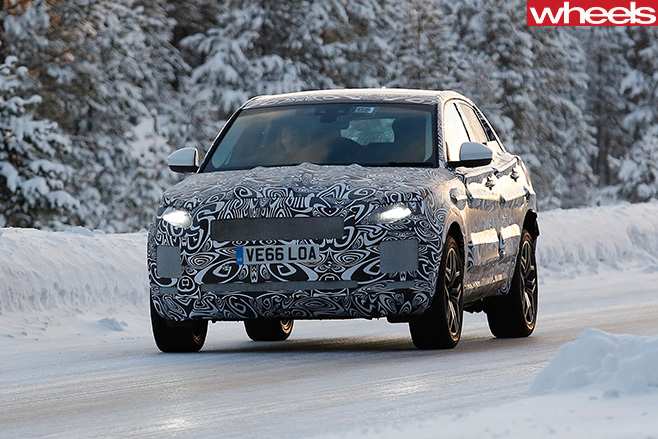
The short bonnet visually connects the E-Pace to the I-Pace, though that will be where most of the similarities end.
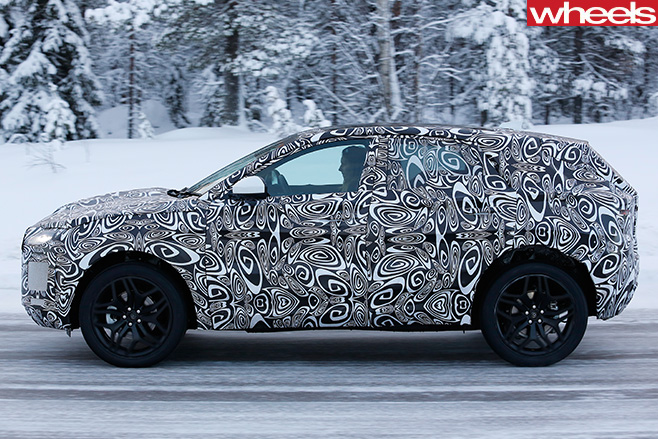
The I-Pace will ride on all-new architecture while the E-Pace is expected share underpinnings with the Land Rover Discovery Sport, which sits on a modified version of the Range Rover Evoque’s platform.
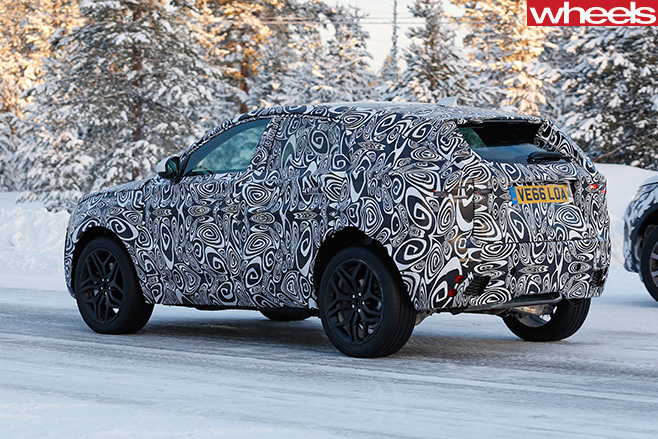
The lack of running gear to the back wheels will be good for interior space, which is an issue with the rear-wheel-drive F-Pace.
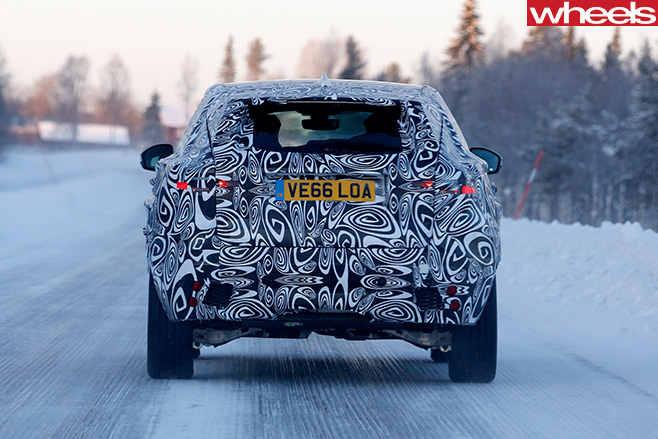
The E-Pace is expected to launch by the end of the year, with the I-Pace to follow some time in 2018.
***
Have spy pics of your own? We’d love to see them. Send them to [email protected]
Carmakers will pick up your insurance bill for your self-driving car under proposed European laws that make the companies liable for any damage or injury cause.
The European Parliament has just voted to support a draft report which looks into the framework around who will be to blame if a self-driving car crashes.
The report makes an urgent call to the insurance industry to start imagining how it would deal with an autonomous car that goes rogue, damaging people or property, and advises carmakers to take out insurance on their robotic products just in case.
“An obligatory insurance scheme, which could be based on the obligation of the producer to take out insurance for the autonomous robots it produces, should be established.
It also calls for a “kill switch” that allows the driver to shut down the robot at any time, and separate registration for intelligent cars that can learn about the world around – and the people who sit inside – them.
And if your artificial intelligence-equipped car is considered smart enough, the EU wants to give it an almost human legal status, making it a sort of “electronic person” similar to how companies are treated under the legal system.
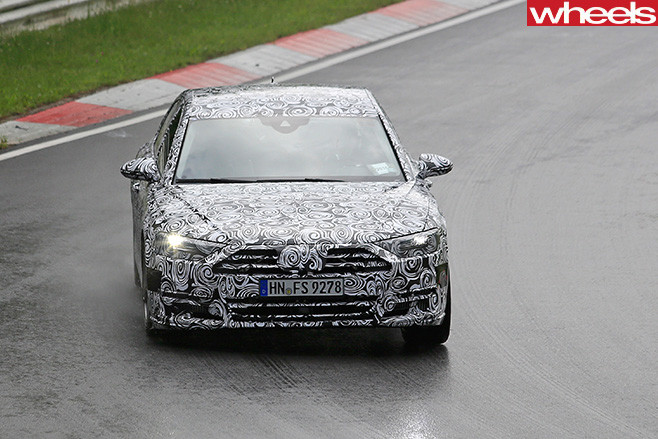
“The next generation of robots will be more and more capable of learning by themselves. The most high-profile ones are self-driving cars, but they also include drones, industrial robots, care robots, entertainment robots, toys, robots in farming.”
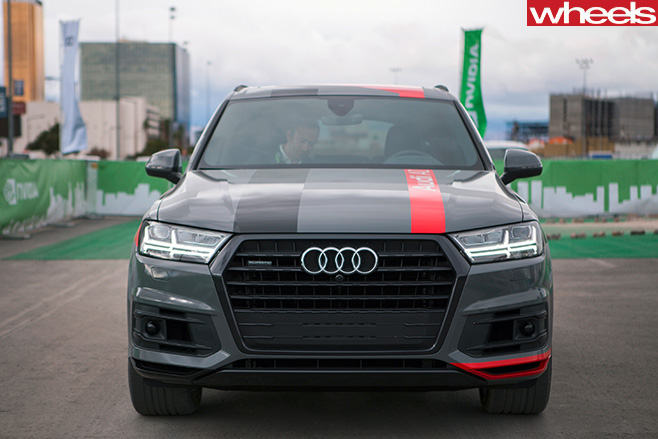
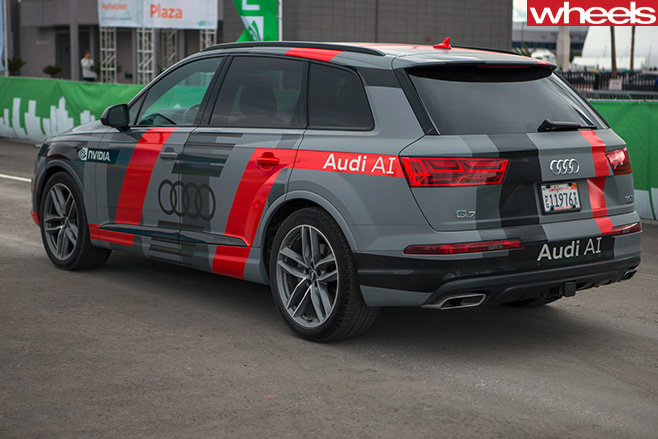
Audi aims to be the first carmaker with a fully autonomous vehicle on the world’s roads. It showed the Audi Q7 deep learning concept, a “piloted driving” car, at this month’s Consumer Electronics Show in the US. The car’s newest artificial intelligence system has the nickname “Jack”.
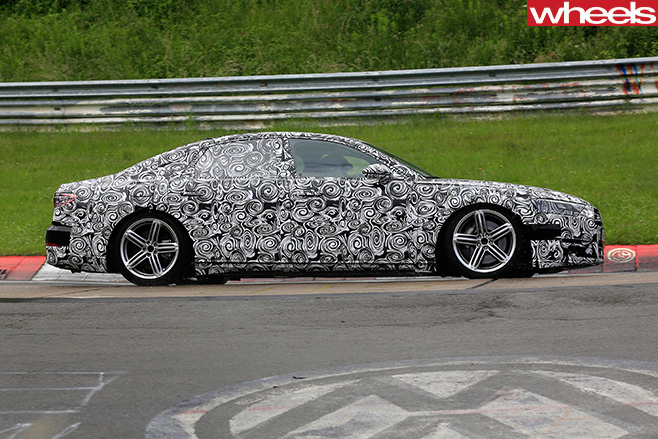
The first application of Audi’s technology will be rolled out in an all-new Audi A8 due out this year. However, rather than build a fully autonomous vehicle, Audi is launching the A8 with what it calls “traffic jam pilot”, a half-step to what it claims is the first piloted driving function in series production.
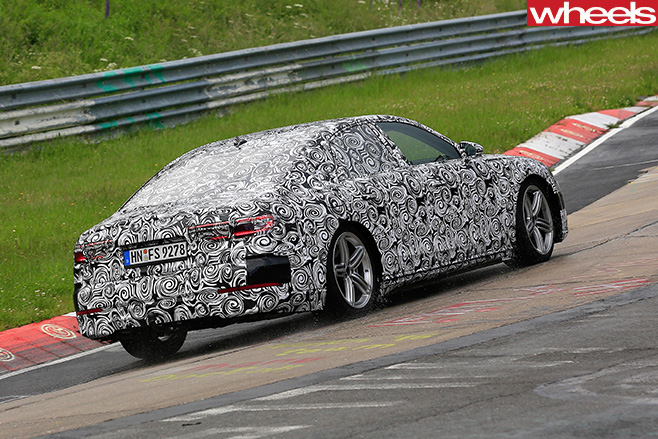
Audi says this system is the first step in a decade-long roll-out of “higher levels of automation in a growing number of driving situations”.
