
FORD Australia has posted a $162 million run of red ink in its last full year as an Australian car manufacturer.
The Broadmeadows-based carmaker today filed its annual report for the 2015 financial year, revealing the costs of winding up its operations were still taking a toll on the company’s bottom line. It compares with a $191 million loss posted in the 2014 financial year.
It means the carmaker has accumulated almost $1.5 billion in losses over the last decade.
Ford Australia’s filings show it earned $2.76 billion from its sales in 2015, which was only $15 milion more than it earned in the 2014 calendar year. Government grants added $59.5 million to Ford’s books.
However, the bottom-line cost of its sales grew significantly, rising $152 million to $2.31 billion for the year.
The other big loss weighing against the result was $300 million spent on research — Ford Australia will keep its global design and engineering division beyond October’s shut-down of its engine and vehicle manufacturing operations.
The report shows that Ford Australia‘s provisions for warranty claims was also up for the year, rising from $56.0 million in 2014 to $61.2 million last year.
The report is the first one filed using Ford Australia’s new Richmond-based headquarters as the official address of the car company.
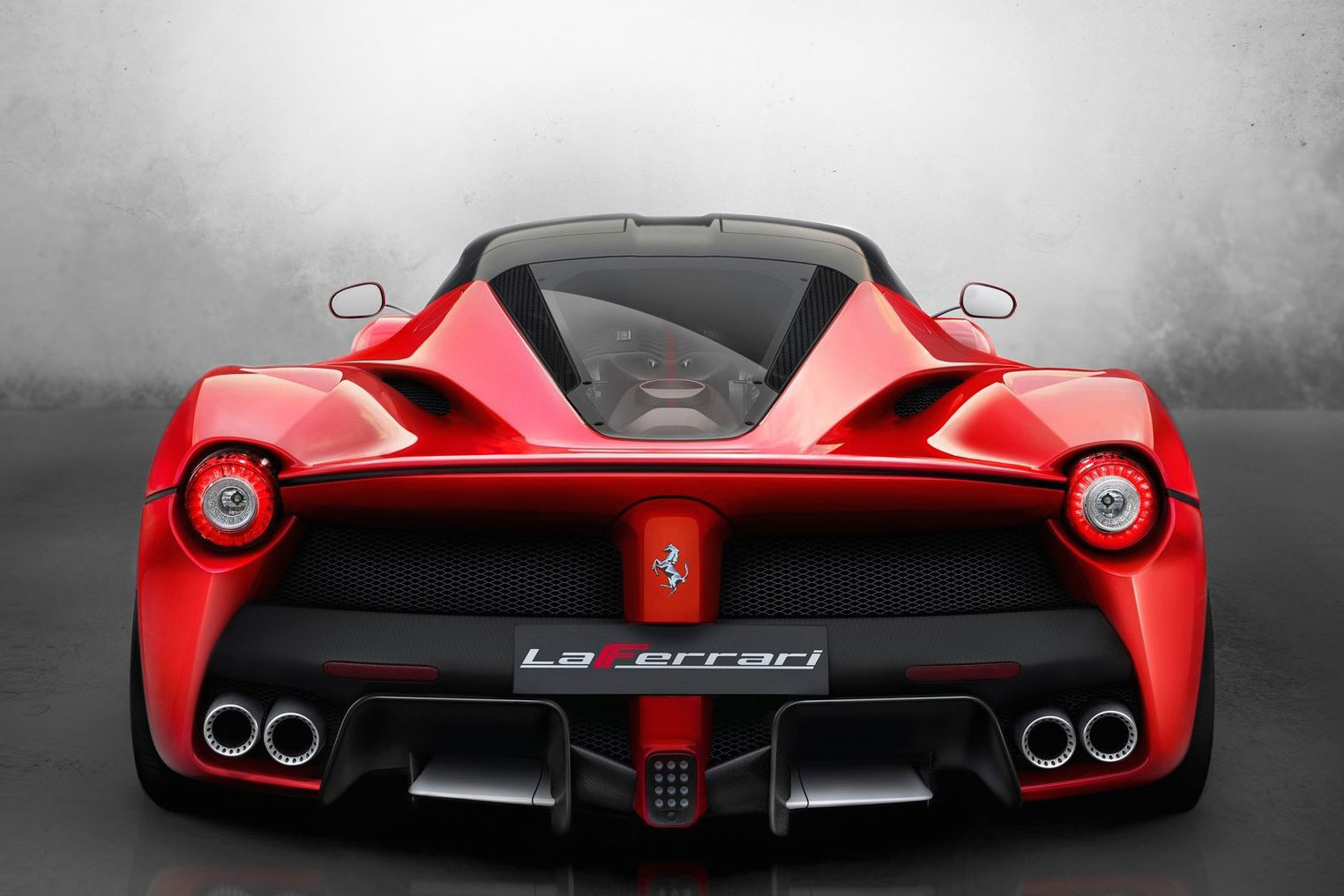
Ferrari has confirmed a Spider version of the LaFerrari will see out the exclusive hypercar model.
Global CEO of FiatChysler Automobiles (FCA), Sergio Marchionne, revealed news of the future Ferrari flagship drop-top to MOTOR‘s European correspondent George Kacher in an interview for Automobile magazine.
When asked if a less extreme version of the LaFerrari will be produced, potentially called ‘LaFerrarina’ as rumoured, Marchionne replied, “The only future product connected to LaFerrari is the Spider.”
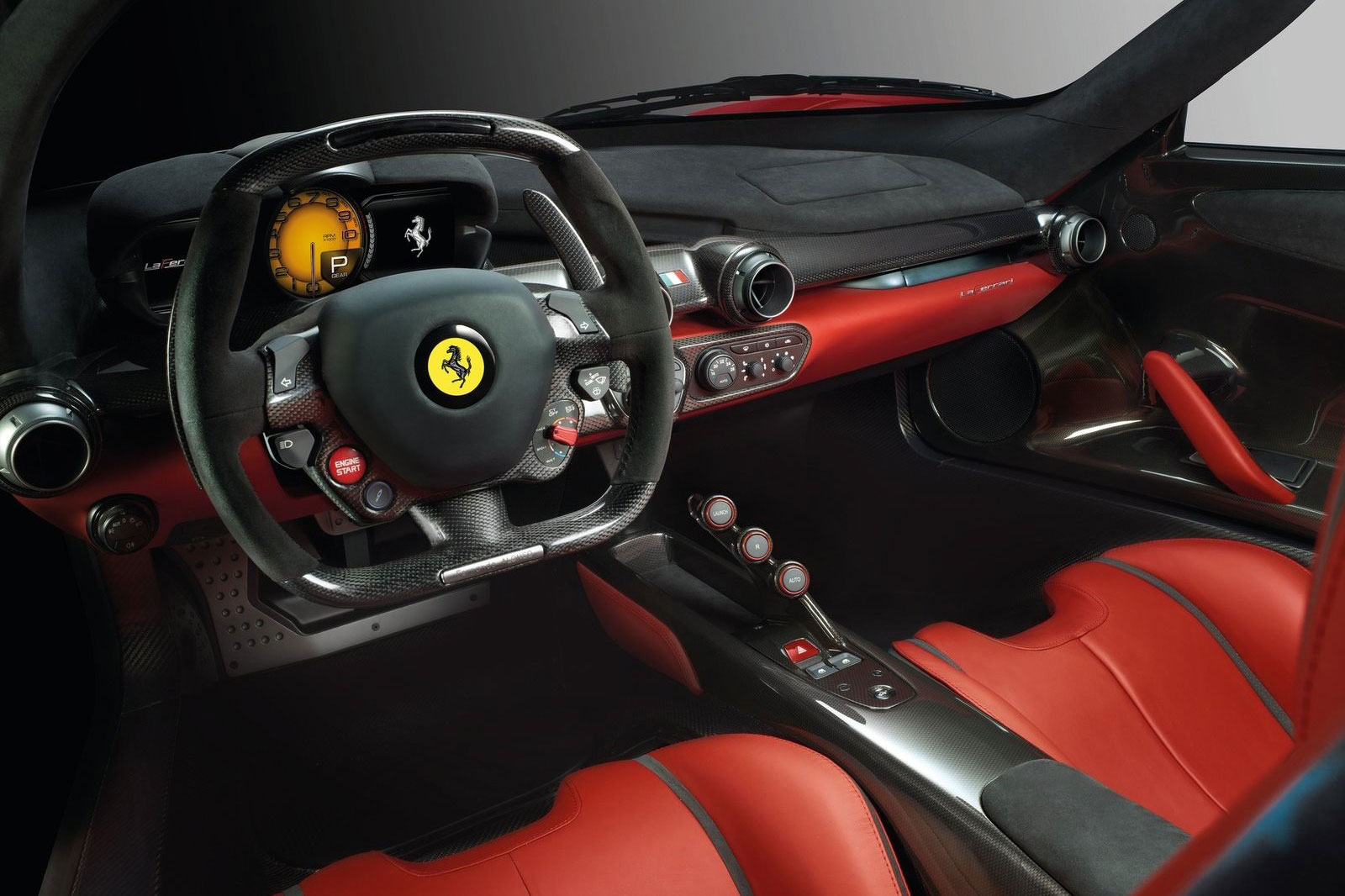
The LaFerrari Spider is tipped to debut at September’s Paris motor show ahead of a very limited release. Only 499 LaFerrari hardtops have been produced, and the FCA boss did not specify how many Spiders will crawl from Maranello in addition to that sold-out figure.
No further specifications are given, either, although given the LaFez’s 588kW 6.3-litre V12 screaming to a 9250rpm maximum, and allied with a 120kW electric motor, there is likely little call for change.
“But let me ask you: Where should that Dino be positioned? How much should it cost? How would it relate to the next 488? What is the right balance between too many and not enough units?
“We haven’t found answers to these questions yet”.
BMW i8 Power: 266kW
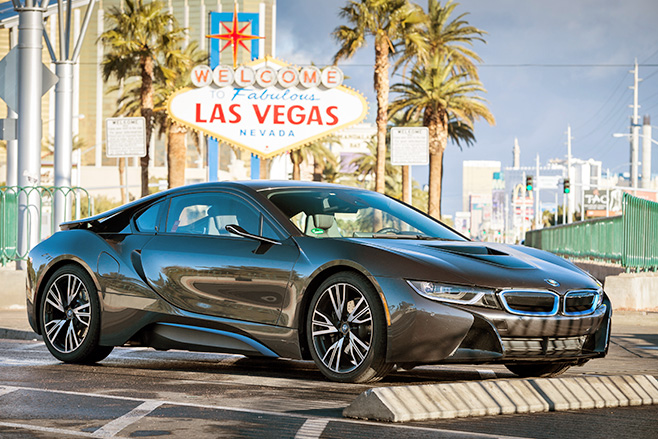
A 96kW electric motor adds to the feisty 170kW 1.5-litre three-cylinder turbo-petrol to provide 0-100km/h performance claim of 4.4sec. 570Nm of torque ain’t bad, either. Looks meaner than it goes.
BMW X5 40e Power: 230kW
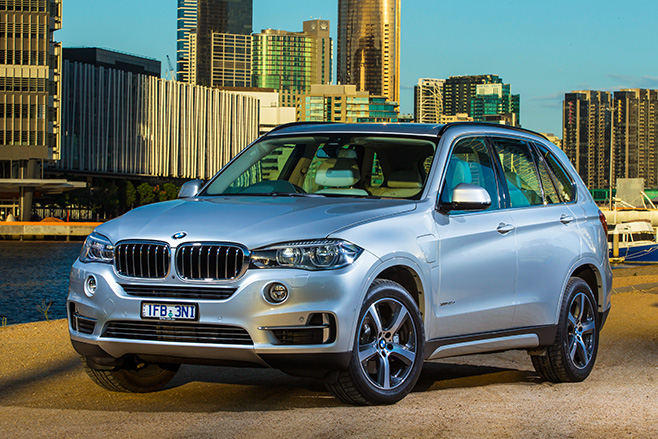
Electric-only range of 31km is nothing special, but the BMW X5 40e – with a 2.0-litre turbo-petrol and 83kW electric motor – makes up for it with decent power and 450Nm of torque.
BMW 330e Power: 185kW
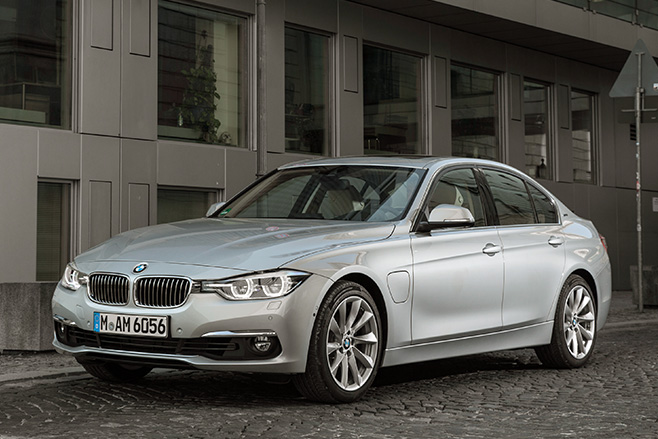
Rounding out the BMW-e-thon is the new 330e, with a 2.0-litre turbo-petrol and 65kW electric motor. Closely matched to the 330i on outputs, the 330e can also drive 37km on its electric motor alone.
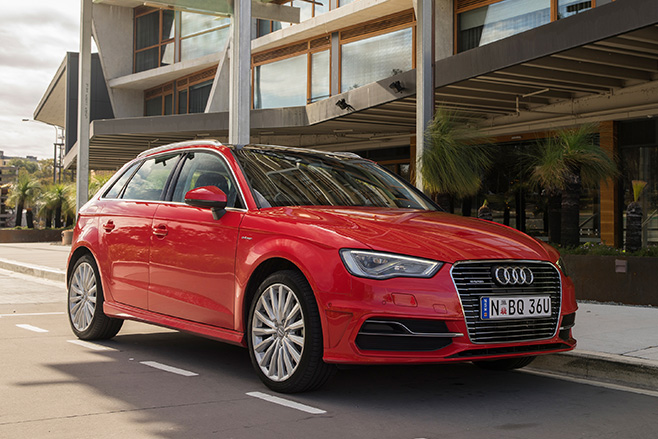
AUDI A3 e-tron Power: 149kW
Only the second plug-in hybrid to come to Australia (behind Holden’s now-gone Volt), the Outlander PHEV traded its third row of seats for battery space.
MITSUBISHI OUTLANDER PHEV Power: 149kW
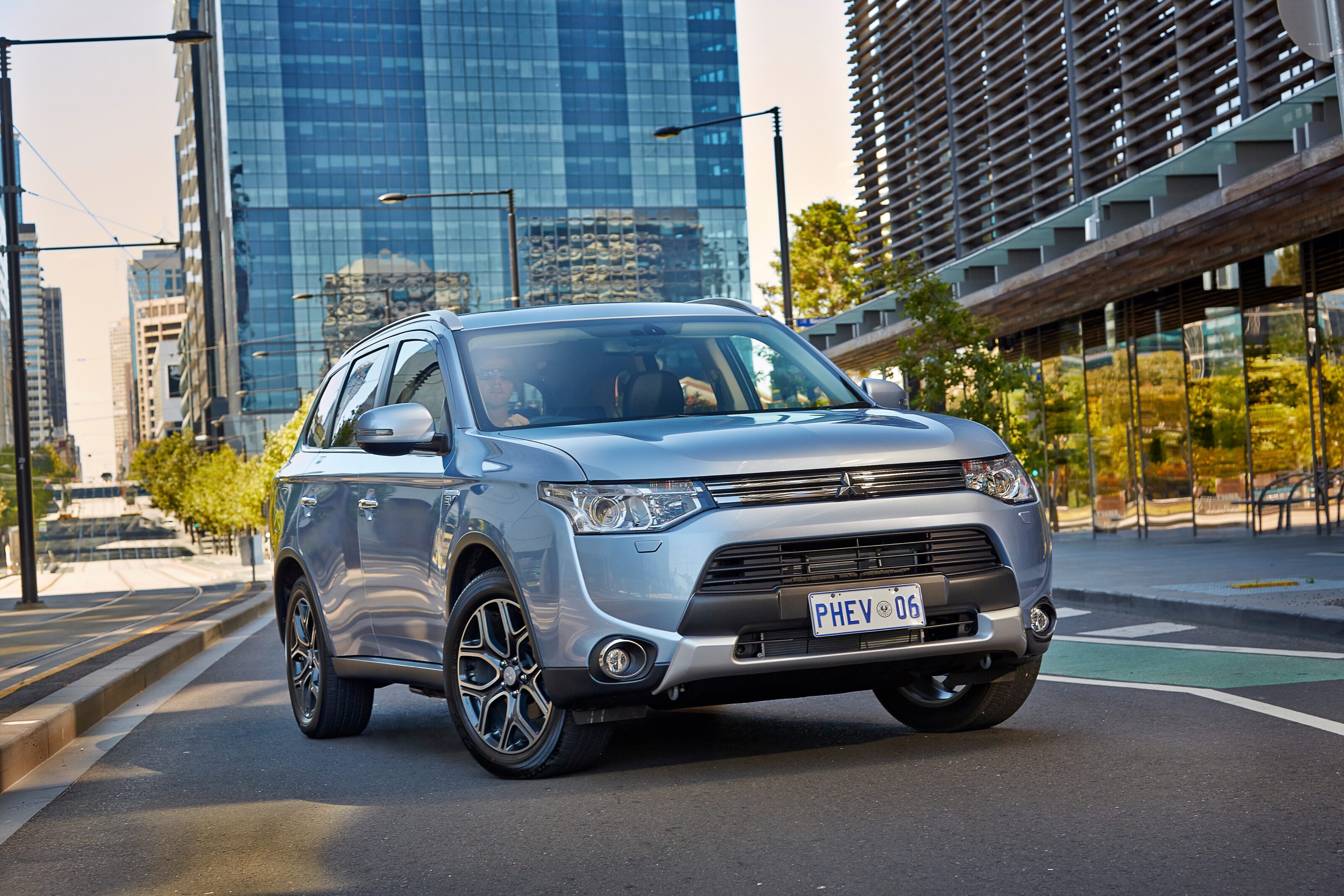
Only the second plug-in hybrid to come to Australia (behind Holden’s now-gone Volt), the Outlander PHEV traded its third row of seats for battery space.
Can’t get enough? Now read our article on top five fast SUVs.
Holden will revive the Director nameplate last associated with Peter Brock and the controversial Energy Polarizer in the 1980s.
The Holden Director is one of a number of limited edition models being readied to farewell the Aussie-made Commodore when it bows out late in 2017.
However, before it’s even arrived in dealerships – or been revealed – MOTOR has learnt some within Holden would have preferred the Director nameplate remained in the past. Our spies tell us there was internal debate about whether to resuscitate a model that was eventually killed off before the final iteration made it into production.
Not that it will dredge up memories of the body-kitted, VL Commodore-based Director that appeared in 1987 and led to the highly publicised bust-up between Brock and Holden.
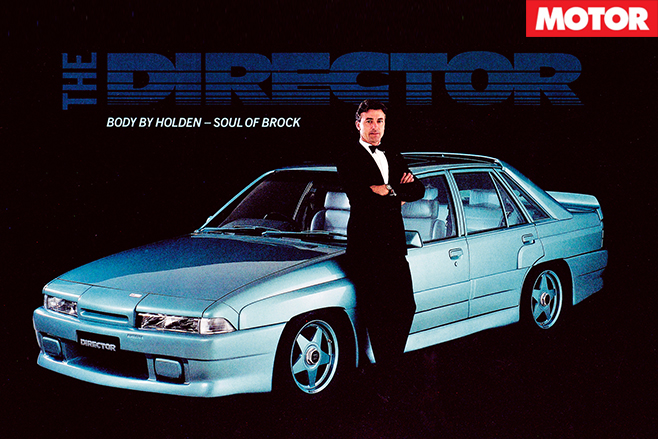
While most hot Commodores start with the SS or SS-V as a base, the Director will follow the sports-luxury heritage of HDT versions and use the Calais V as a springboard.
That means a more refined interior. The electric seats, too, will be leather trimmed and include “Director” embroidery as part of a unique colour and trim package to set the special model apart.
Under the bonnet is the 6.2-litre LS3 V8 – unchanged from what’s plonked in current Commodores. That means 304kW of power and 570Nm – and it will be mated exclusively to the six-speed automatic, complete with paddle shifters currently reserved for sports Commodores.
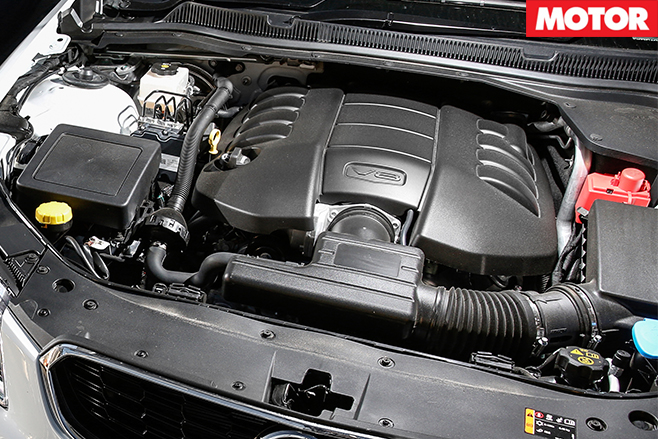
But it’s the name and exclusivity that is set to turn the VF II Director into an instant classic; just a few hundred will be produced, each individually numbered. No doubt build number 05 will be keenly sought after.
Holden refused to comment specifically on the Director, other than to say it had plans for various limited edition models. “We’ve certainly got some surprises and tricks left up our sleeves for Commodore over the next two years, but nothing specific to talk about [yet],” said Holden’s director of communications Sean Poppitt.
As well as the Director, Holden is also preparing a Black Edition Commodore, which will be based on sports models – SV6 and SS – with colour and trim changes as well as the Performance brake package that’s currently optional.
There will also be an employee-only Reserve edition aimed at rewarding loyalty from the thousands of staff, many of whom are set to lose their jobs as manufacturing winds down over the next 18 months.
Holden has lopped $10,000 from the price of its least expensive four-wheel-drive Colorado dual-cab ute and produced a dressed-up LS-X version as it clears the decks for a substantially revised model later this year.
The cheapest Colorado 4WD dual-cab – the Holden Colorado LS Crew Cab – is on offer over the month of May for $37,000 driveaway, with automatic transmission thrown in, representing a cut of considerably more than $10,000 given the $47,690 list price.

For a further $1000, Holden will sell you an LS-X version that replaces steel wheels with alloys, puts carpets on the floor and adds front fog-lights and a sports bar.
Prices of other Colorados have also been chopped dramatically.
The cleanout comes as more detail emerges of likely revisions to the Colorado, expected to arrive with a facelift late this year.
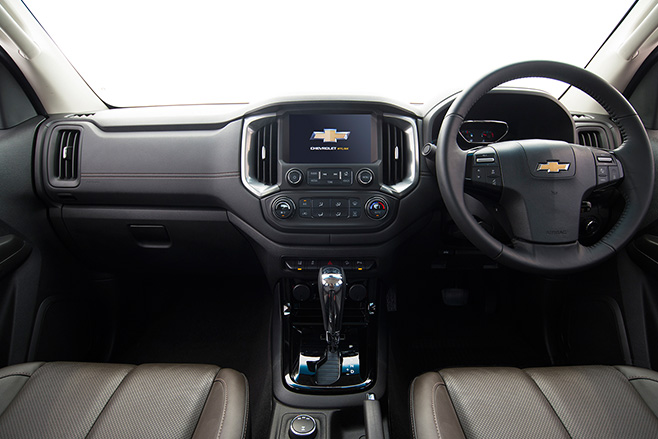
While Australian specifications have not been confirmed, the launch in Thailand at the weekend of the similar 2017 Chevrolet Colorado revealed new steering, revised suspension, better noise and vibration control, and high-tech driver assistance. (The well-equipped Thai-market Colorado High Country is pictured.)
The Thai-market version also uses a 2.5-litre turbo-diesel engine, with drivability enhanced by a variable-geometry turbocharger. However, Australian vehicles will continue with the more powerful 2.8-litre diesel currently offered.
Australia will likely get the new steering system, designed to give the Colorado low-effort parking but a steady feel at highway speeds through the use of variable electric assistance. A similar system is on the recently upgraded Ford Ranger.

Ride and handling are said to benefit from new suspension dampers and a more rigid chassis.
Smoothness and quietness have been addressed with new mounts for the cabin, which are claimed to improve its isolation from Colorado’s truck-style full chassis while simultaneously adding rigidity.
Available driver assistance systems stop short of automatic emergency braking but extend to a forward-collision warning (which lets you know if you’re about to rear-end a slowing vehicle ahead), and a lane-departure warning (which tells you if you have begun to drift out of your lane on the highway).
It is likely that Australian Colorados will offer these safety systems, at least on more expensive variants.
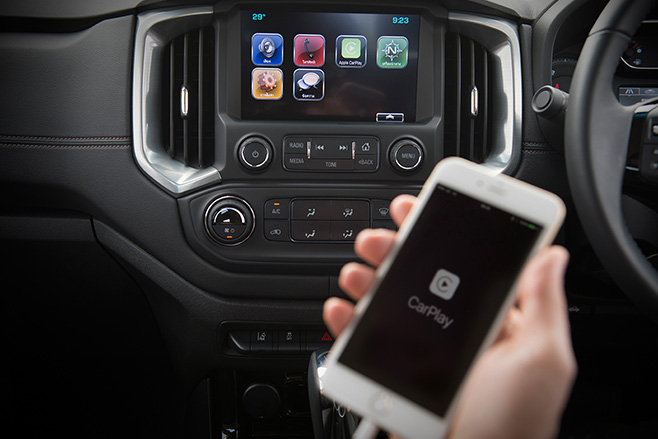
Holden has previously said it believes the next Australian Colorado will ride better than the current Holden Colorado model, thanks to work from its local engineering team. It also said the new truck will bring support for Apple CarPlay and Android Auto, which would allow you to control and view some apps from compatible smartphones on the Colorado’s central touchscreen.
The 2017 Colorado will also bring fresh exterior styling, a redesigned cabin and a range of accessories.
The Volkswagen Amarok will get a major update for the 2017 model year in Australia, including a powerful new 3.0-litre turbo-diesel V6, making the German one-tonner the only V6-powered ute in its class.
Launched in Germany this week, the latest Amarok features a fresh dashboard, more ergonomic seats, Servotronic steering, bigger wheels, new front styling and bi-xenon headlights.
Volkswagen claims the bigger engine, when paired with an eight-speed automatic transmission, will achieve a combined NEDC fuel consumption figure of just 7.6L/100km.
The new engine will be available in different power levels to suit each of the three drive systems available – rear-wheel drive, 4MOTION (on-demand all-wheel drive) and permanent four-wheel drive.
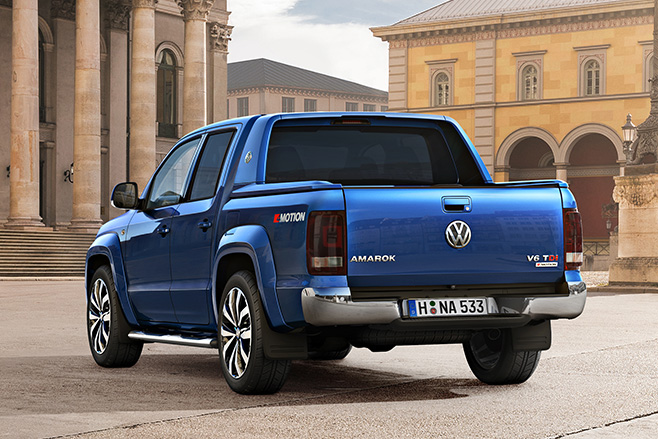
In the top-spec Amarok, the V6 turbo-diesel makes 165kW and 550Nm, which is significantly more than rivals such as the popular Ford Ranger, Mazda BT-50 and Holden Colorado.
The range-topping Amarok consequently gets bigger brakes, but all models in the range will also benefit from VW’s Automatic Post-Collision Braking System.
Volkswagen claims the new model will be able to tow up to 3.5 tonnes, further bolstering its role as a key player in its class since arriving in Australia in 2011.
To be released in Europe in September, a flagship Amarok Aventura model (pictured above) will feature a body-coloured sports bar, 20-inch wheels, LED lighting, bi-xenon headlights, and a reversing camera with Park Distance Control.
The new-for-2017 Amarok follows the arrival last year of a new Toyota HiLux, Mitsubishi Triton and Nissan Navara.
Volkswagen will launch the new model in Australia late this year.
Click here to read the full review on the Volkswagen Amarok range.
Peter Robinson puts the Holden HQ through the toughest consumer test imaginable.
Long-term tests have been a Wheels staple, one of the magazine’s most popular reads. Holden’s failure to win COTY with the HQ – the Chrysler Charger took the honours in 1971 – didn’t prevent it from agreeing to provide us with a Kingswood for what we called a ‘Wheels consumer test’.
Read Peter Robinson’s classic story, as published in the April 1972 edition of Wheels.
The highlight of our time with DBQ-714 was a marathon drive from Sydney to Bourke and back. Our intention was not to break speed records, or set a high average speed, but rather to see if it was possible to drive 1000 miles in a day, with time enough for lunch and photography. By the time we returned to Sydney just before midnight, we’d done 1098 miles (1768km).
Accompanied by Wheels snapper Uwe Kuessner, we departed Sydney at 4.00am, the casualness of the drive typified by the fact that it wasn’t until half-way to Parramatta that we realised we didn’t have a map. Not that navigation was ever an issue; most towns in rural Australia are linked by only one road.
Our lime-green HQ had sporting pretensions. Except it didn’t drive that way. It had a wide-ratio gearbox, a slow-revving, inefficient six that developed maximum power of 101kW at just 4400rpm and peak torque at 2000rpm, low-geared (4.3 turns) and heavy manual steering, and the HQ’s notoriously soft suspension.
The wonderful (before speed limits) Bell’s Line of Road over the Blue Mountains instantly exposed the HQ’s handling flaws: body float, strong understeer and vague steering. I wrote: “Pleasant to drive slowly but requires a firm hand and big heart to push hard … The basic stability of the HQ is excellent – the problem is simply that the car doesn’t like shifting off line.”
Even by the standards of 45 years ago, neither the performance nor economy were outstanding. The best our HQ recorded for the standing-quarter (400 metres) was 18.9sec; amazingly, using only third gear for the entire run added a mere 0.3sec. Fuel economy? Try a range between 14.0L/100km (cruising at 100km/h) and 19.0L/100km (at a steady 4000rpm at 145km/h).
Still, we praised the excellent ride comfort, forward visibility (compare the HQ’s thin windscreen pillars with those of today’s Commodore), fine bucket seats, body solidity, superb dust sealing and terrific flow-through ventilation (for reasons long forgotten, we stupidly didn’t order air-conditioning).
Reading the story today, it’s clear we didn’t fall in love with the HQ. It took six years, a new chief engineer and the HZ’s major suspension corrections before Wheels truly appreciated Holden’s beautiful HQ-HZ range.
Optional extras
We played ‘tick-the-options-box’ when ordering the Wheels HQ Kingswood. Almost impossible to believe in 2016 – when Australia’s cheapest new car (the $12K Mitsubishi Mirage) provides air-conditioning, a five-speed manual and power steering as standard – that in 1971 customers paid extra for just four speeds, power steering and air-con on Australia’s best-selling car. Front disc brakes were also on the HQ’s options list, along with a laminated windscreen, ‘sports wheels’, reclining front bucket seats and front head restraints. Even the basic radio added $110 to the purchase price. Still, if DBQ-714 survives, we’d love to hear from today’s owner.
Wheels has just covered 6000 miles in two months in a HQ Kingswood sedan as part of a long term consumer test on the most radical Holden ever. Here’s how we built the car and how it performed on the marathon run. Peter Robinson reports…
First published in the April 1972 issue of Wheels magazine, Australia’s most experienced and most trusted car magazine since 1953.
A CRACKLE from the radio suggested Walters had finally gone. Our cricket hating photographer wasn’t impressed. He half slept as the lime-green Holden Kingswood rushed over the corrugations at upwards of 80 mph, setting up a rooster tail of grey dust that hung in the air for miles behind. The driver grimaced at the news and then settled back into his relaxed position behind the wheel.
Read former Wheels editor Peter Robinson’s story of how he came to write this classic tale.
It was early afternoon on the notorious 100 mile dirt stretch that runs dead straight and due south between Bourke and Cobar in the mid-west of NSW. We were in the middle of a one day Wheels marathon test. The target: Sydney to Bourke and back in a day and in a Holden Kingswood six.
It was not intended as a record breaking run or to set fantastically high average speeds but rather to see if it is possible to drive 1000 miles in a day and still have time for photographs, an enjoyable lunch and yet arrive home reasonably san the same night. Our other justification for the trip was to submit the Holden to a gruelling and thorough work-out as a part of a consumer test we are conducting on the HQ.
Following the release of the HQ, GMH agreed to let Wheels “build” a car up from the options list. We picked the car we thought would most appeal to the average enthusiast with a limited budget and practical considerations, such as a family, to remember. If cost was no problem a fully optioned Premier V8 or even a 350 Monaro GTS would probably have been the car, but we decided to stick with a six for the good reason that the Kingswood six is by far the best selling model in Australia.
On dry roads the car is predictable if not very quick. The soft suspension allows too much body roll and the driver finds he hangs on to the wheel for support in fast cornering.
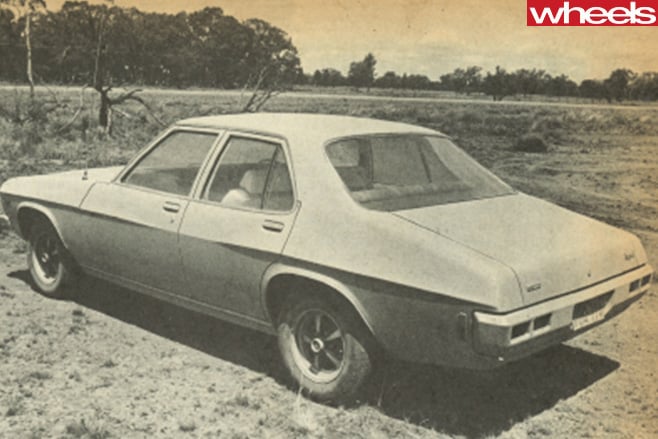
It gives the car the smoothness and comfort which normally belongs to cars with much higher price tags or funny French suspension systems. It can occasionally be upset by big bumps throwing the tail sideways and it always goes to the left but in most conditions it absorbs the shocks before they reach the occupants.
From Orange to Bourke the road slowly loses its bends and finally becomes almost perfectly straight between Nyngan and Bourke. It was in these conditions that the HQ cruised happily at near maximum speed.
The 202 engine is not a high performance unit – it was never intended as one – but its low rev limit and lack of top end breathing reduces its performance below the standard we expected.
This was accentuated by the fourspeed gearbox and the fitting of a tachometer which highlights the low speed torque and rev limit of the engine. Even with the high gearing the three indirect gears are too low. The engine runs out of breath at just over 4000 rpm – it will run to 4900-5000 rpm but it is straining hard and achieving nothing in the way of extra performance.
In normal driving, we completely forgot second and went straight from first to third. Because of the engine’s low speed torque, this hardly reduces acceleration at all. In fact during performance testing at the Castlereagh Dragstrip the difference in time over the standing quarter mile between using all four gears and only third – and we tried various combinations, leaving out first, second and third on various runs – was only 0.3 of a second.
There is absolutely no need to. Run the engine beyond 4000 rpm and three properly spaced gears would at least equal the performance with the fourspeed box. The tachometer on the Holden is redlined at 5500 rpm but the same tacho is fitted to the car regardless of the engine and this creates the impression that the engine should rev better than it does.
Useable maximums in gears with the 3.36 diff is 30 mph in first, 40 in second and 60 in t third with the car running out to 4300 rpm or close to 96 mph in fourth, although with the low profile radial ply tyres the speedometer reads three mph slow at 30 and one mph slow at 90 which is highly unusual.
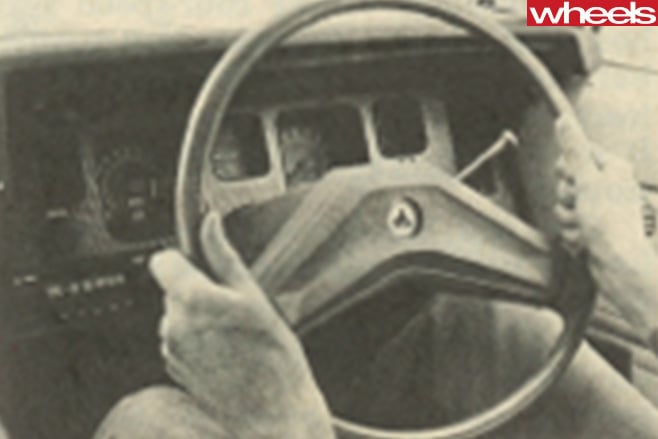
What does impress us about the car is its fine bucket seats; the effectiveness of the flow-through ventilation at cruising speeds (it’s even better with the windows open and there is little increase in wind noise); its marvellous visibility (it is the only car on sale in Australia which meets the 197 6 standards for forward visibility); the general feeling of solidity and the fine finish.
The new GMH bucket seats are excellent in the Kingswood, not so good on the Monaro GTS or the Statesman. They are all lacking in the infinitely variable squab adjustment which was a feature of the previous models.
Therein lies a story. A Fritz Keiper of Germany holds world-wide patents on all infinitely variable reclining seat mechanisms. It is impossible to use any such adjustment without infringing his patents.
Every manufacturer using such a device pays Kieper a royalty. But the German mechanism was rejected by the local safety standards authority which meant GMH had to come up with a reclining mechanism very late in the design of the HQ. This resulted in the present design which has been criticised because of the differences in the angles of recline.
The General’s engineers tried segmenting the squabs at four degree angles but the teeth sheared off and they had to settle for six degree segments, which passed the local regulations. Further testing is being conducted and I get the impression it won’t be long before Holden returns to a greater variety of squab adjustments.
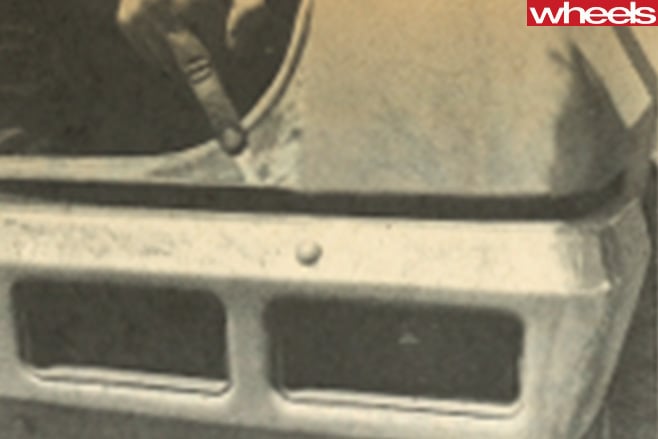
The brakes tend to be a little over-servoed but they pull the car up beautifully from high speeds and haven’t given us any troubles with premature wheel locking. The handbrake beside the driver’s seat lost adjustment quite early on, but this was fixed at the 3000 mile service.
However, the pedals are awkwardly positioned with the brake well above the accelerator making heel-toe changes all but impossible. The clutch pedal requires a long throw and is so positioned that tall drivers have to move their left leg around the steering wheel.
All this came out on our day long dash. One point which really impressed was the car’s excellent dust sealing. After 100 miles of continuous dust the boot was entirely free from particles of dirt and even the interior, and we had the windows open for most of the way, had only a thin film of dust on top of the dashboard.
Finally, after 1098 miles the Holden returned to home-base in Sydney with just a few minutes to spare before midnight. It was not a trip I would like to repeat every day but it proved the suitability of the Holden to local conditions. We would wish for a more efficient · engine for improved fuel consumption and performance. But because the day was free from any memorable incident this alone is a recommendation for the car.
The potential of the HQ design is now more evident than it was at the time of its release. The cars are tighter, far better finished and not plagued by minor mechanical problems. The ride is outstanding and so is the visibility and the appearance is something which grows on you. Our car looks short and chunky, more than just a little sporty and, more important, It will still look modern in five years’ time. The high initial price has scared many people off but sale of the HQ are going to gather momentum over the next 12 months and it will probably become a best seller.
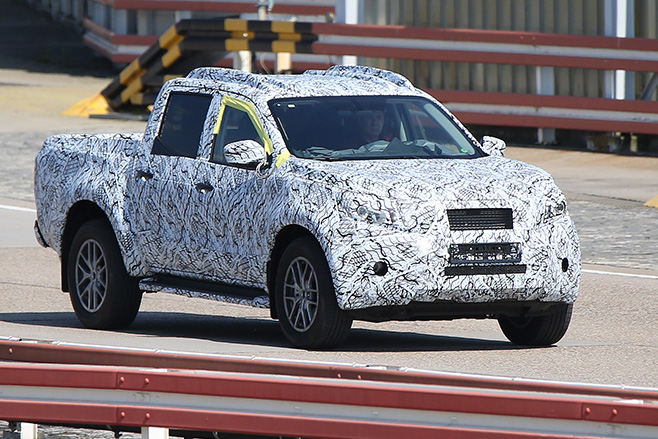
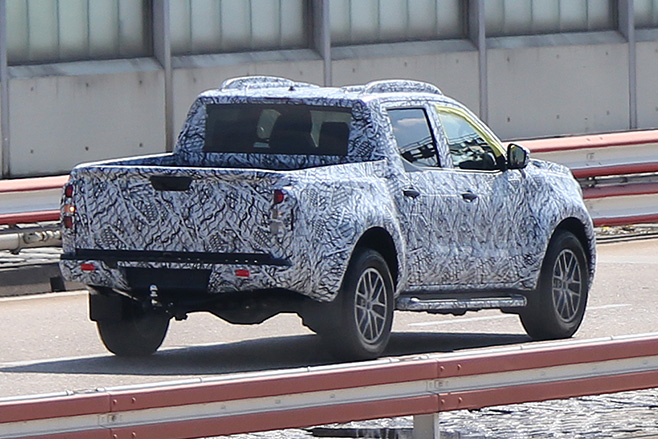
Here’s a first look at the Mercedes-Benz GLT-Class, a four-door workhorse the luxury carmaker wants to sell in Australia from 2018.
Wearing strong Mercedes-Benz visual clues to distance itself from the Nissan Navara on which it will be based, the GLT features the classic wide Benz grille framed by a pair of swept-back headlights.
The familiar Benz treatment also extends to plumped front and rear guards.
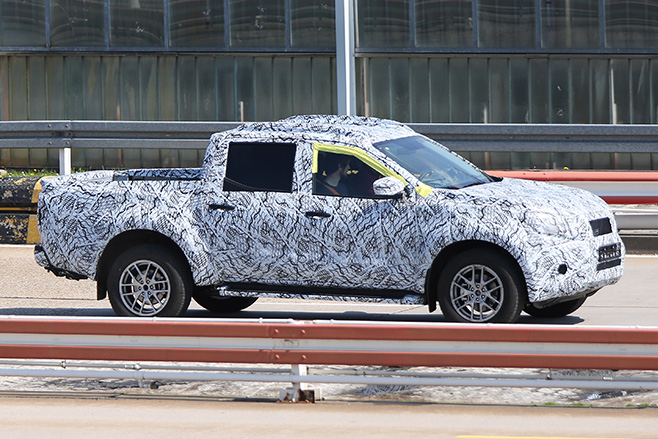
Many features, such as the doorhandles, roof rails and long-drop tail-lights, mimic that of the Navara, but Mercedes-Benz has taken a different approach with the tailgate, which has the release handle mounted much higher than on the Nissan version.
Inside, the GLT is expected to replicate the cabin rolled out in the commercial van-based V-Class rolled out in Australia last year. That includes a large, centrally mounted colour LCD screen and a dash-mounted dial used for the ‘Comand’ multimedia interface.
More upmarket versions are likely to have the same mix of real and synthetic leather, varnished wood and brushed aluminium trim expected of a Benz badge, while more workmanlike versions will feature more hard-wearing trim and material.
As well as an economical twin-turbo 2.1-litre four-cylinder engine, Mercedes-Benz is believed to be working on a more powerful V6 option for buyers wanting to hook up a caravan, horse float or boat.
The GLT probably won’t be as cheap as some of the players in the segment. Rather than price it for the worksite, the Benz-badged tradie’s friend is expected to be a high-end model competing with the likes of the sub-$60,000 Toyota Hilux SR5, Ford Ranger Wildtrak and Holden Colorado ZR1.
One thing it won’t do, however, is stretch to the price of Benz’s other tray-backed workhorse, the G-Class Professional ute. The luxury brand ran the numbers on bringing the almost military-specification ute to Australia, but wisely thought buyers would struggle with the circa-$80,000 price tag for a vehicle with a hose-out interior as a unique selling.
The GLT-Class, which also may yet wear an X-Class badge by the time it rolls into production form, is pitched at one of the hottest segments of the new-car market. Aussies love their jacked-up, family friendly workhorses that work all week and play all weekend.
Last year, one in five new vehicles sold in Australia was a trade ute. And this country accounts for one in 10 of the estimated 2.3 million utes sold globally.
We’re expected to have our first close-up look at the Mercedes-Benz GLT just ahead of the Paris motor show in early October.
However, our first glimpse could be a lot earlier because Mercedes-Benz has flagged that Australia is a key market for the ute, and that some of its development work is likely to take place here.
Interested to learning more about future utes? Read our article on new utes coming to Australia.
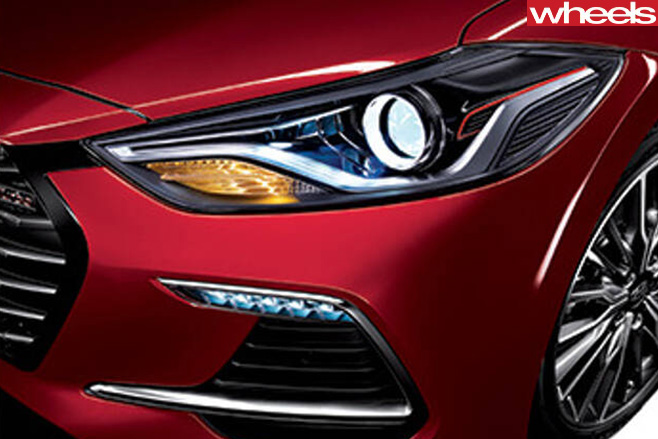
HYUNDAI will release a warmed-up version of its recently-launched AD-series Elantra small car in September, with the aim of slipping below the $30,000 barrier.
Based on the Avante Sport (pictured here) that has just been unveiled in the South Korean home market, the new Elantra SR will score a modified version of the 1.6-litre T-GDI four-cylinder turbo as found in the Hyundai Veloster SR Turbo, driving the front wheels via either a six-speed manual or seven-speed DCT dual-clutch transmission.
However, one huge difference over the ageing oddball coupe is the ditching of the torsion beam rear end for an independent set-up, giving us a taste of what Hyundai’s long-awaited, next-generation, PD-series Hyundai i30 N hot hatch might handle and ride like.
“We’ve had cars here for a couple of months for suspension tuning and we’re happy with the results,” he told Wheels. “The independent rear suspension gave the HMCA suspension team a bit more scope than a torsion beam and they’re confident they’ve nailed the compromise between engaging handling and comfortable ride.”
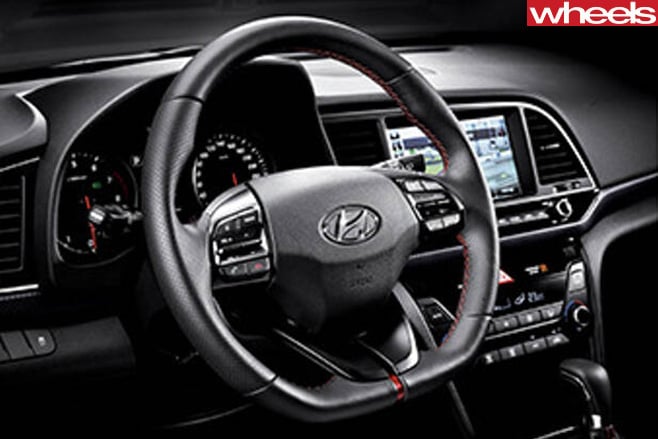
Final variant features have yet to be divulged, but the availability of driver-assist tech like adaptive cruise control, lane-departure warning, and blind-spot monitoring is likely.
‘It’s too early to talk in detail about specifications and pricing,” Thomas said.
Meanwhile, a revised version of the existing GD-series i30 SR is also in the pipeline for a quarter three launch in Australia, gaining some of the interior upgrades found in the Elantra SR.
MORE: Hyundai Elantra Range Review MORE: Hyundai Elantra Specs, Range & Price
