
If you or anyone you know needs support, contact Lifeline on 131 114 or Beyond Blue on 1300 224 636.
Snapshot
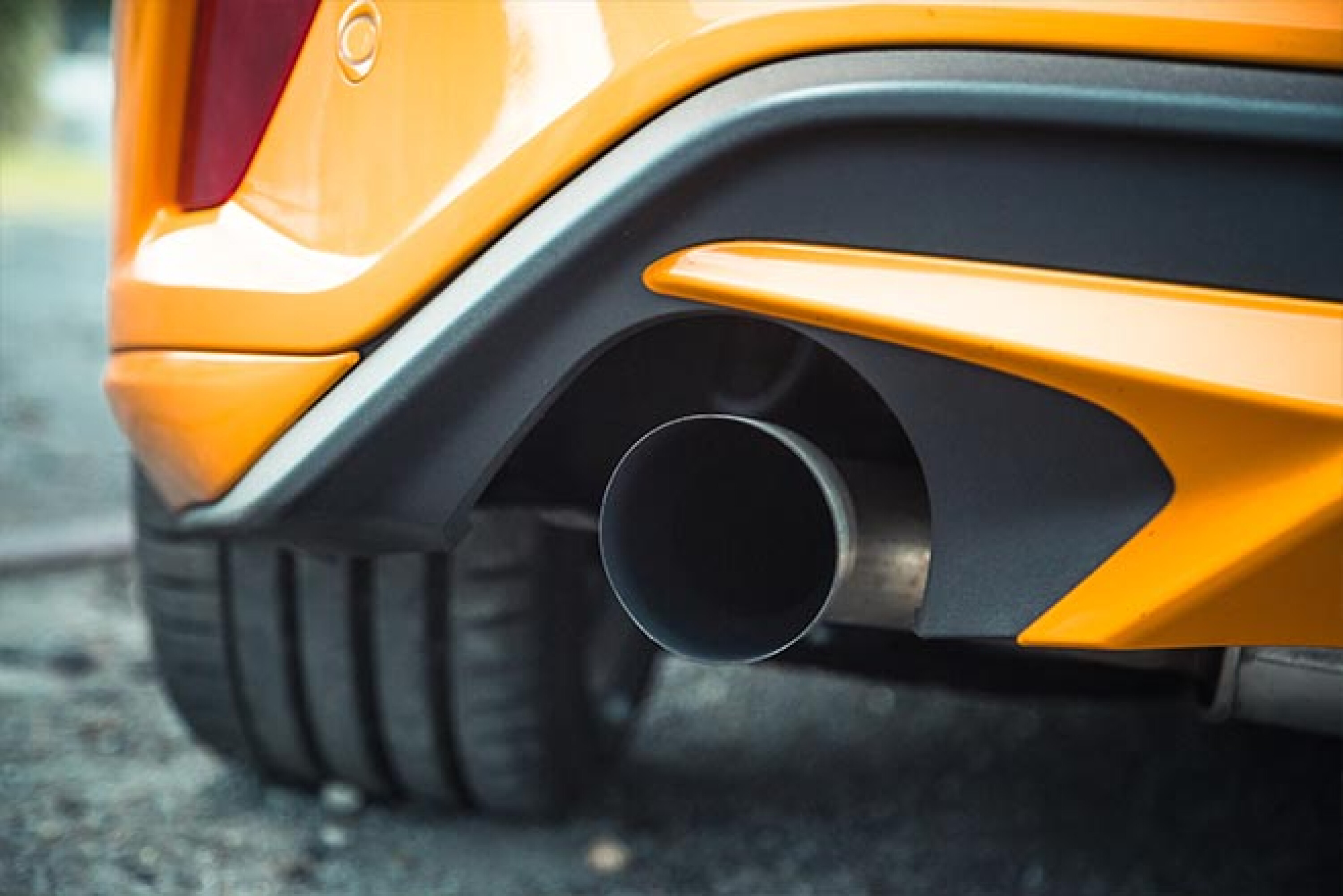
- EU to focus on EVs by relaxing Euro 7 emissions standards
- Follows calls from carmakers and countries
- Final rules to-be-determined ahead of mid-2025 start
European Union ministers have agreed to weaken upcoming Euro 7 emissions standards to avoid carmakers diverting from electric vehicle development.
Reuters [↗] reports eight member countries – including France, Italy and the Czech Republic – were concerned that the proposed stricter emissions limits would force automakers to invest in lowering the tailpipe pollutants of traditional petrol and diesel combustion engine vehicles, rather than focusing on developing all-electric vehicles.
The Council, European Parliament and the European Commission now need to negotiate and finalise Euro 7 rules, before it is enforced from July 1, 2025, for all new mass-produced cars and mid-2027 for heavy vehicles.
Previously, Euro 7 was to take the lowest nitrogen oxide NOx limits from Euro 6 and apply it to all vehicles regardless of fuel type. For example, diesel cars must emit no more than 60 milligrams of NOx – a 20mg/km cut.
The mandate also covered tyre and brake emission limits, assessing lifetime emissions, and assessing EV battery longevity for the first time.
The move will be good news for many automakers, including Stellantis which has publicly denounced Euro 7 as an ironic distraction from developing EVs.
Volkswagen and Skoda have also warned its most affordable small cars, including the Polo, Fabia and Scala, could be discontinued without revisions to the Euro 7 proposal, while Hyundai has said future combustion-engined high-performance N models are unlikely.
It follows the United Kingdom, which is no longer an EU member, announcing last week it would delay the sales ban of new internal combustion engine (ICE) vehicles by five years to 2035.
1
Does this impact Australia?
Despite Euro 7 only applying to all new cars sold in Europe, there are global flow-on effects.
Locally, the Australian Government has only mandated the more lax Euro 5 standard, which dates back to 2009.
However, it plans to introduce higher quality fuel standards by next year in line with Europe – in addition to incoming fuel efficiency standards – which could mean more modern Euro 7-complaint engines are sold in Australia.
Snapshot
- Australian survey reveals preference for 360-degree cameras, blind-spot alert, phone mirroring
- Most carmakers now include more standard features at a cost
- Hesitancy for full-self driving capabilities
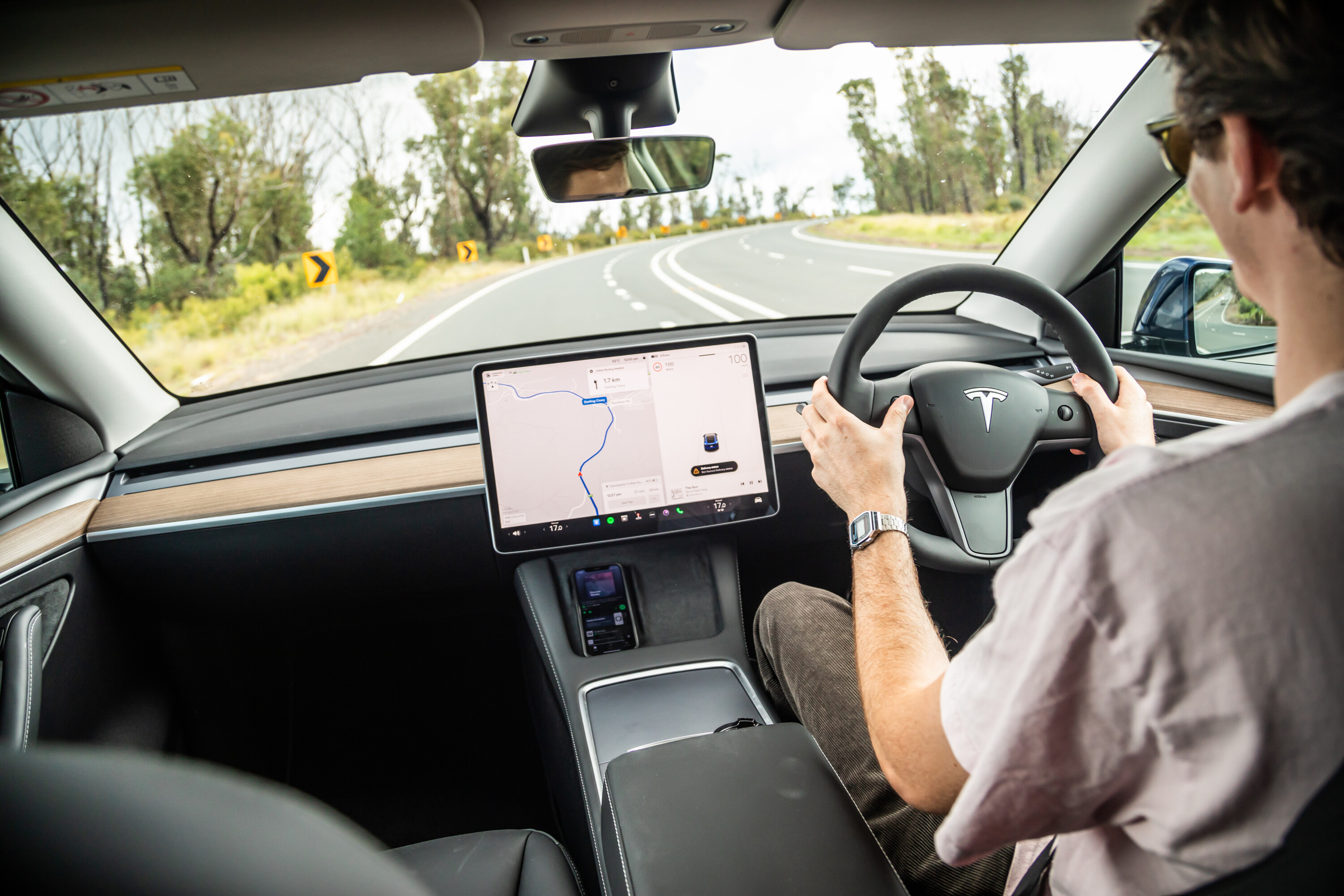
A study has found Australians prefer more technology and active safety assistance systems in new vehicles.
The survey, conducted by online finance and comparison company Savvy [↗], found about half of the representative sample of 1000 Australian adults prioritised a 360-degree camera system (52%) and blind-spot monitoring (50%) in their next car purchase.
This was followed by a preference towards touchscreens (35%) with Apple CarPlay and Android Auto smartphone projection (34%), autonomous emergency braking (32%), and proximity key or a connected smartphone application (31%).
However, the survey didn’t note to respondents how the higher cost of these technologies has impacted new car prices.

1
Safety vs price?
The study affirms most carmakers’ move to include more advanced safety assist tech as standard to meet buyer preferences at the expense of a higher price, from the Mazda 2 city car to Ford Ranger ute.
Meanwhile, MG and Mitsubishi Australia have criticised the Australasian New Car Assessment Program (ANCAP) for having strict safety standards.
For example, the entry price of the Toyota Yaris light hatchback increased by $6740 in 2020 after it launched a new generation model. It is currently priced from $24,800 before on-road costs, or almost $30,000 drive-away.
It gained significantly more standard safety tech, such as autonomous emergency braking with vehicle, pedestrian, cyclist and intersection detection, lane-keep assist, and adaptive cruise control.
These features, along with a new platform, larger size and front-centre airbag, helped the Yaris achieve the full five-star safety rating under the 2020 criteria from ANCAP.
Meanwhile, the MG 3 light hatch – which dates back to 2011 – remains unrated by ANCAP, but is a top-seller thanks in part to its budget-friendly $19,990 drive-away price tag today.
It’s worth noting economic factors, such as inflation, rising manufacturing and shipping costs, and the average full-time weekly wage in Australia has dramatically risen in the past few decades.
1
What car features weren’t preferred?
Savvy’s survey indicated lane-keep assist (18%), a hands-free electric tailgate (11%), and electrically-operated door handles (7%) weren’t favoured.
Additionally, despite the preference for some Level 2 safety assist systems, nearly half of respondents were concerned about full autonomous driving capabilities (47%).
| Vehicle feature | Preference (out of 1000 participants) |
|---|---|
| 360-degree surround view cameras (and other parking/reversing features) | 52% |
| Blind-spot monitoring (and other driving safety features) | 50% |
| Touchscreen | 35% |
| Apple CarPlay/Android Auto | 34% |
| Auto emergency braking | 32% |
| Proximity key/connected mobile app | 31% |
| Adaptive cruise control | 28% |
| Lane assist | 18% |
| Hands-free electric tailgate | 11% |
| Electrically-operated door handles | 7% |
| Other | 3% |
| Data courtesy Savvy 2023 Autonomous and Advanced Driver Assist Systems Survey | |
MORE
ANCAP
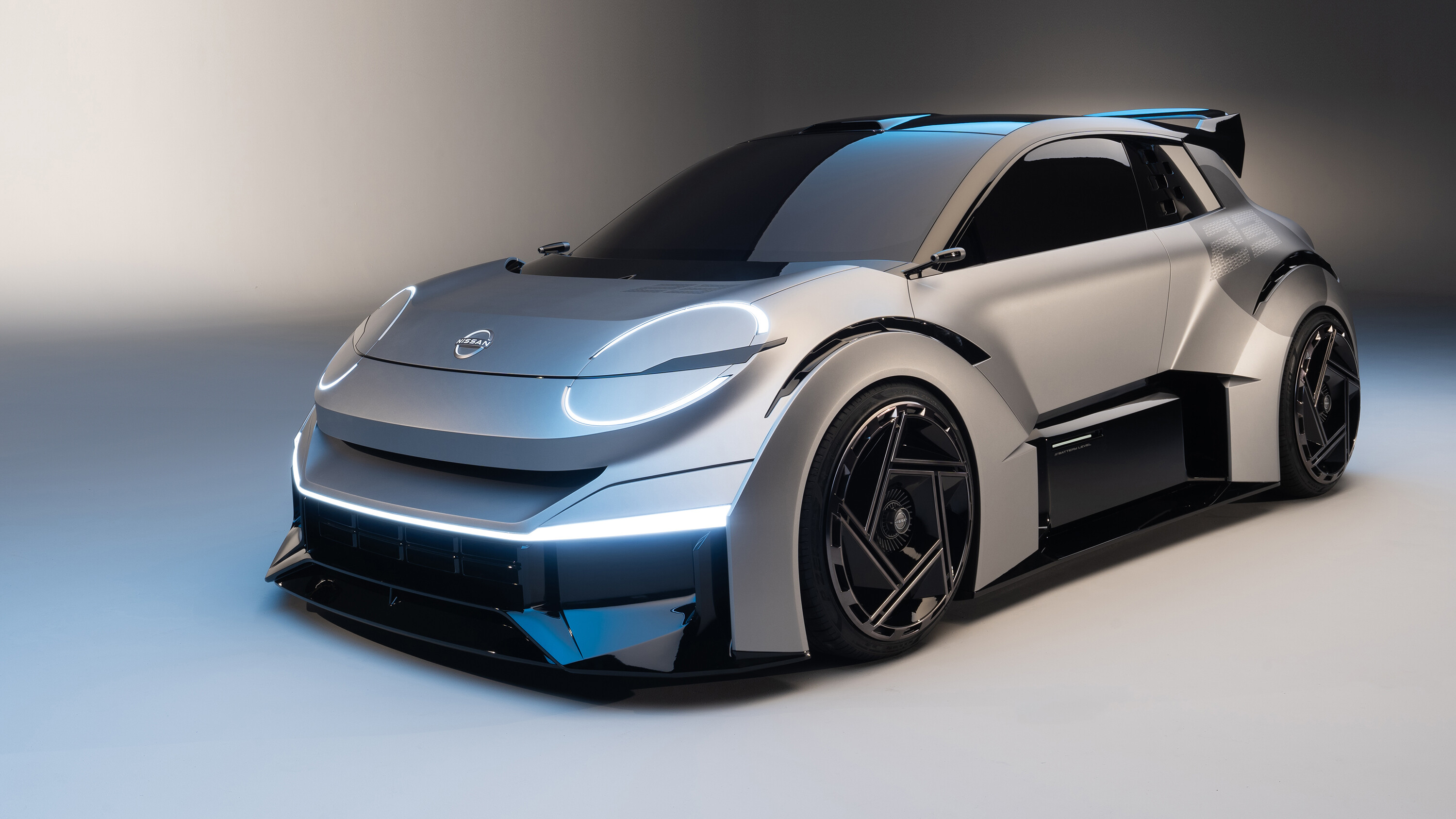
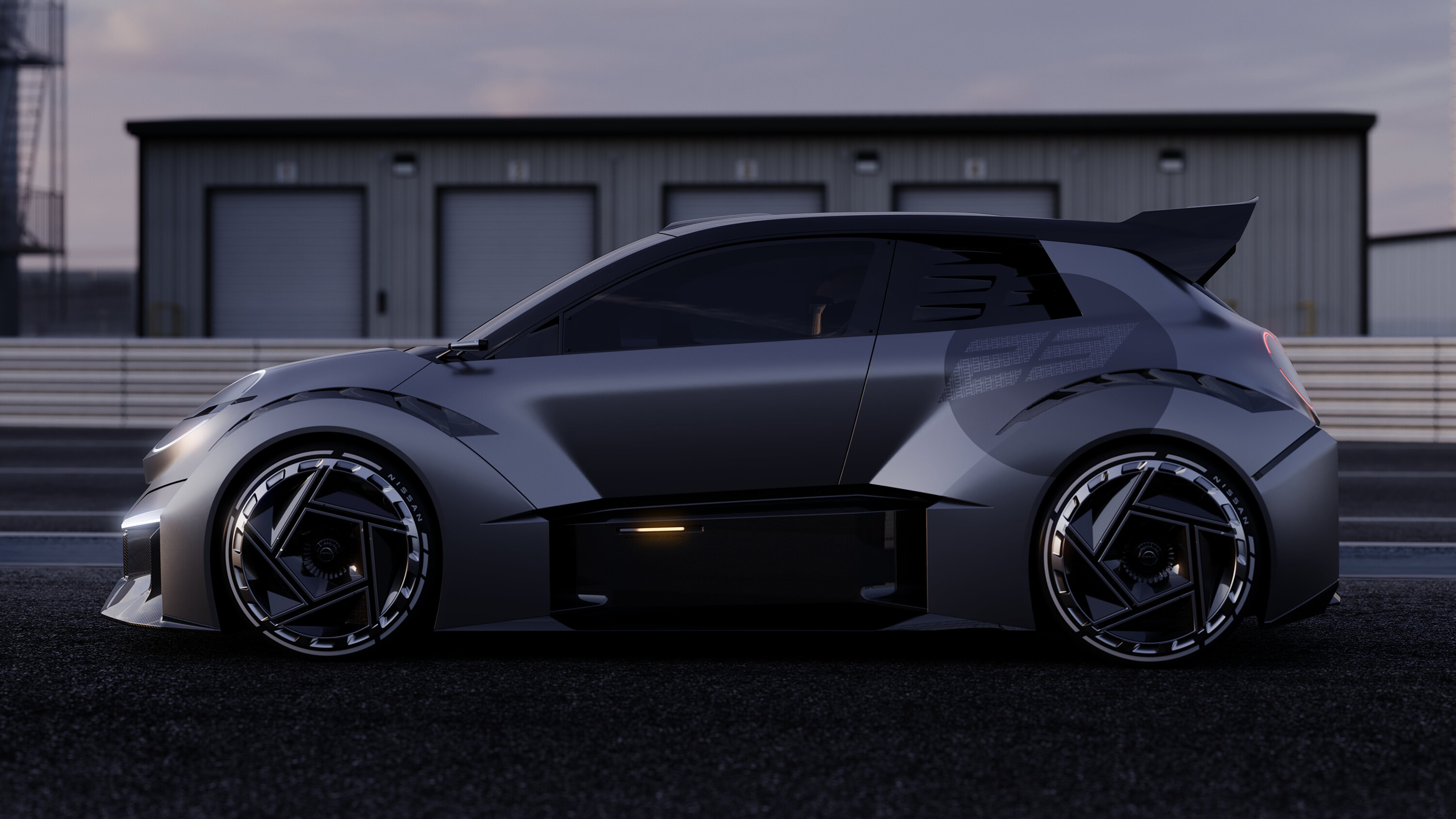
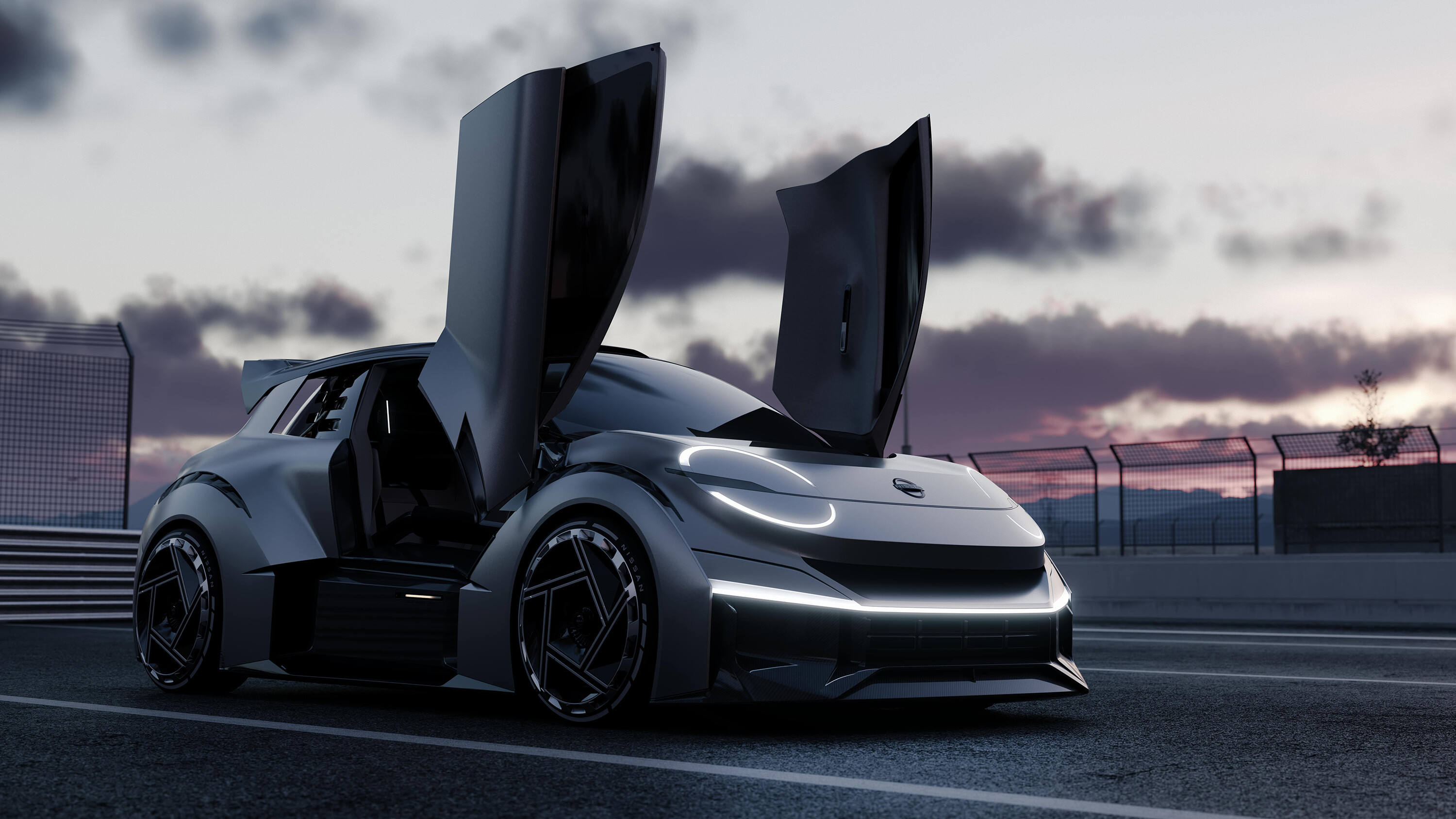
You’ve never seen a Micra this angry, have you?While the name isn’t emblazoned anywhere on the car, you’re surely looking at the pumped-up preview of Nissan’s next miniature hatchback.
1
? This is the Nissan 20-23 concept, developed ostensibly to celebrate 20 years of Nissan’s European design office in the heart of London – just with a sneaky ulterior motive of signposting us towards a future electric production car, too.
Nissan also used the event to lay down its EV intent – all new models introduced in Europe will be fully electric from this point forward.
“There’s no going back,” affirmed Nissan boss Makoto Uchida. “The world needs to move on from internal combustion engines.”
1
Could this really end up as a Micra?
The new Renault 5 will sit upon the same ‘CMF-BEV’ platform – as will its Alpine A290 relative – and the styling cues of both this concept and a production version already previewed by Nissan clearly riff off Micras of yore, those cutesy round front lamps in particular. Nissan’s design chief Alfonso Albaisa also cites JDM specials such as the Pao, Figaro and S-Cargo as influences.
But he’s adamant there’s aggression, too, and who are we to argue when the wheel arches are so muscular? They’re even functional, with airflow directed through from the front skirts to cool the brakes, while a small roof scoop sets an almost-convincing motorsport ambience.
1
Is the 20-23 concept as racy as it looks?
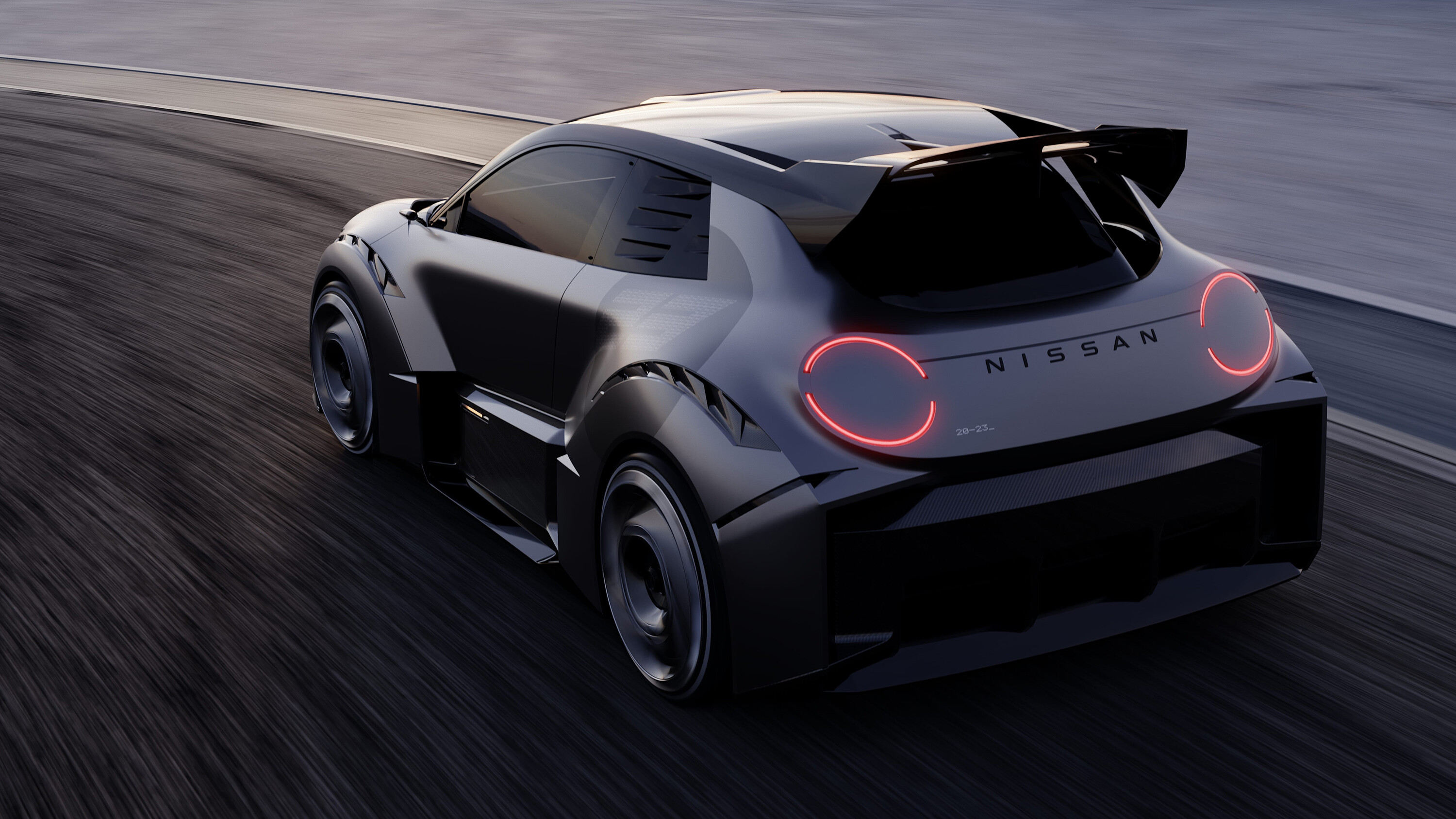
Sadly, actual mechanical details are conspicuous in their absence. For now it’s all about the aesthetic, with the younger folk of Nissan Design Europe let loose to sketch their dream car for tackling London streets in.
The result is a car with a strong gaming influence, while the scissor doors are a pure concept car flight of fancy. Much like the interior, whose deep bucket seats and button-festooned rectangular wheel help provide a link to Nissan’s Formula E programme.
All told, the 20-23 is another bold design that proves Nissan doesn’t really believe in a homogeneously styled range.
50
“There are so many different characters in the world, so why should our cars all look alike?” Albaisa told us. “I’d rather not have the same headlight running through my entire range.”
He also reckons AI is a big helper when it comes to sketching new cars – not a hindrance with an eye for his job.
“It allows me to pick up a pencil again and be more creative. It amplifies each of us in the team. It can give you ten different versions of your own idea which you can then curate, spitting out something you can rebel against or run with.”
What might the production version look like?
Nissan has already teased the styling (linked above), while projected specs for the related Renault 5 suggest a 100kW motor will sit at the front wheels, paired with 40 or 52kWh batteries for up to 400km of range. And all for a 20-25,000 euro price in its homeland ($33-41k) to make the 5 one of the cheapest new EVs on sale.
Nissan ought to have a lead on many of its rivals, having sold mainstream EVs for well over a decade – its electric car sales have now topped one million – and the company is bullish on its targets for significantly cutting the cost of lithium-ion batteries in the lead-up to producing a solid-state alternative by 2028.
It’s introducing 19 new EVs by the end of this decade, too. If any of them look as rambunctious as this little concept, we’ll be delighted.
MORE
Everything Nissan
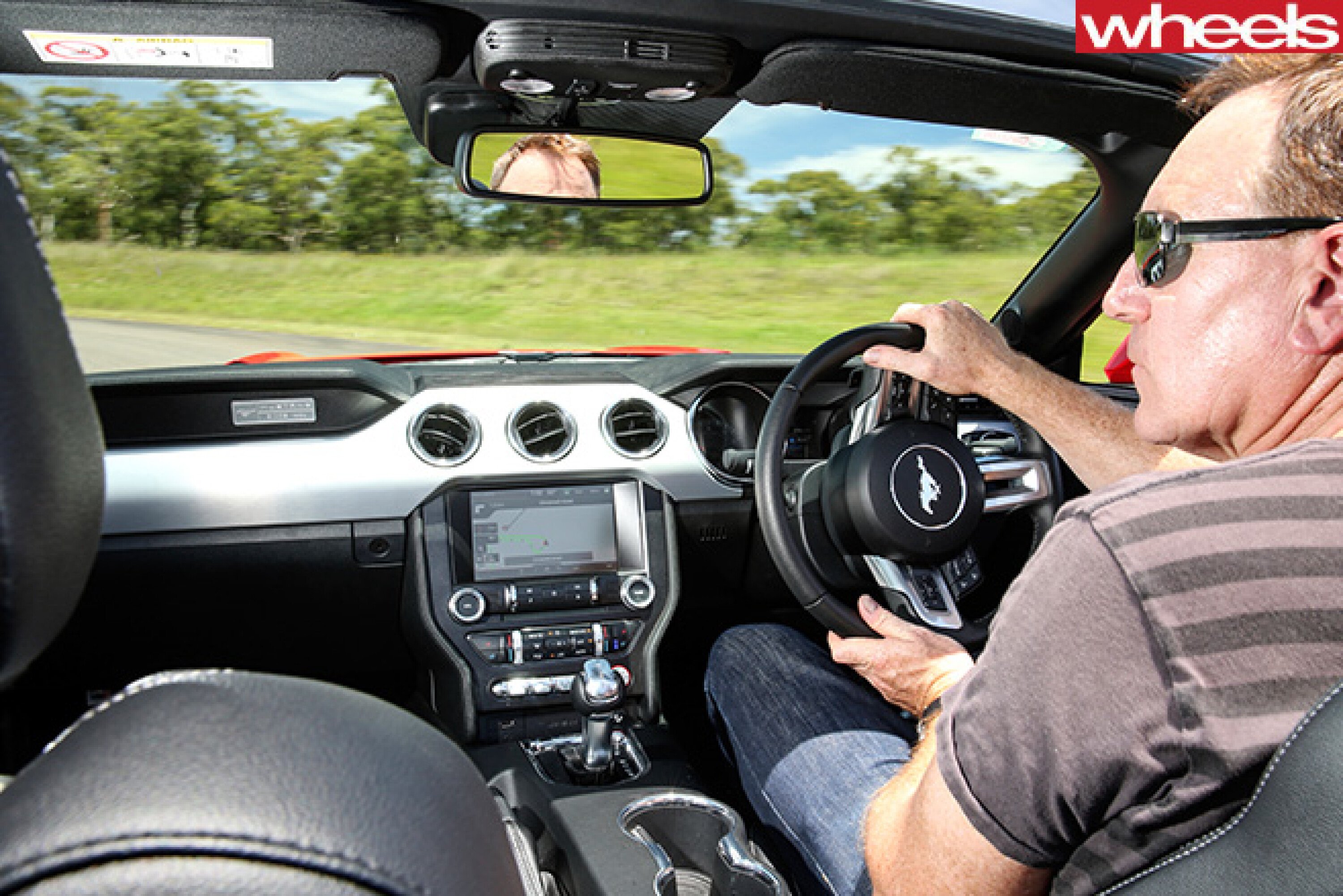
Wheels Media mourns the loss of Ash Westerman, long-time staffer and close friend. He was 57.A hugely respected member of the Australian automotive industry, Ash started out as a sales representative but in the late 1980s transitioned to his real calling – motoring journalism – joining Motor magazine under the editorship of Davey Robertson.
With an infectious passion for cars, a natural road-testing ability and a gift for clear, concise and entertaining writing, Ash was soon a crucial member of the Motor team as it stole sales off rival Wheels Magazine in the 1990s.
1
He would divert from cars, however, to play a key role in the early days of ACP’s Ralph magazine – Australia’s answer to UK ‘lad mags’ like Loaded and FHM. Ash brought his magazine craft to this fast-paced and fiercely competitive publishing environment, never out of place in a world filled with expert wordsmiths all looking to outdo each other with the smartest and funniest headlines, intros and captions.
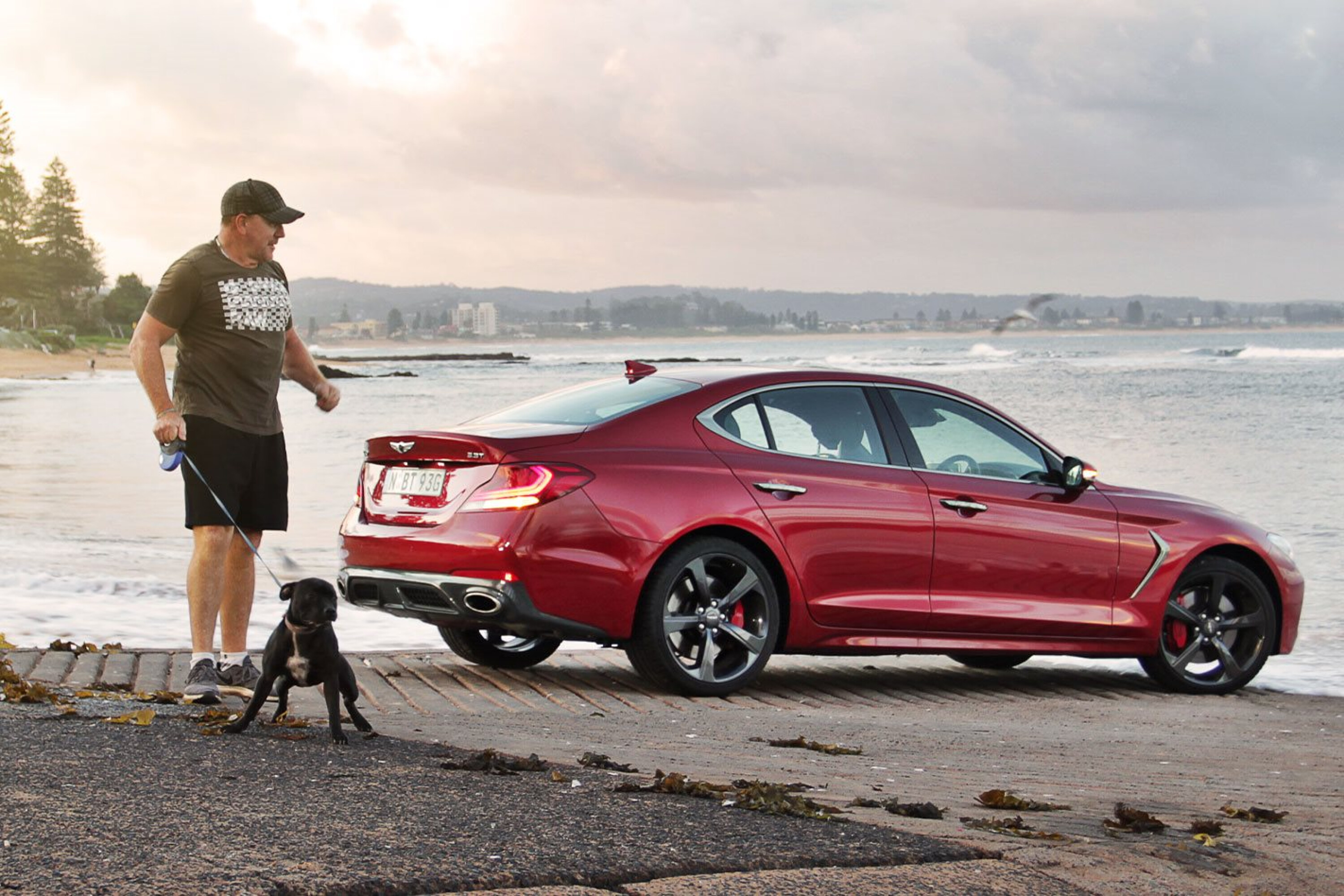
In 2002, Ash began freelancing as a sub-editor for Wheels before then editor Ged Bulmer asked him to join the team full-time two years later. Adding a layer of polish to the work of many of the country’s best writers, he helped make the magazine sing with his cleverly crafted captions, headlines and intros.
Ash was editor of Australian Penthouse Magazine before rejoining the Wheels fold. In 2021, Ash was acting editor of Wheels Magazine.
1
A talented writer and editor, Ash was also a voracious consumer of popular culture, always seeming to have his finger on the pulse of what was happening in the music, magazine, literary and film worlds, and he channeled these influences into his own writing, and into improving the writing of others. Ash mentored and tutored an entire generation of young motoring journalists.
Ash was a father, a brother, and he was a friend to many. With his trademark “G’day, champion” greeting, and kind, honest and fun-loving nature, Ash will be deeply missed.
The Wheels Media team sends its heartfelt condolences to Ash’s family, friends and loved ones.
1
Snapshot
- i30 production moving to Europe, delays = stop sale
- 48V Mild-hybrid engines likely
- Euro builds will introduce second facelift
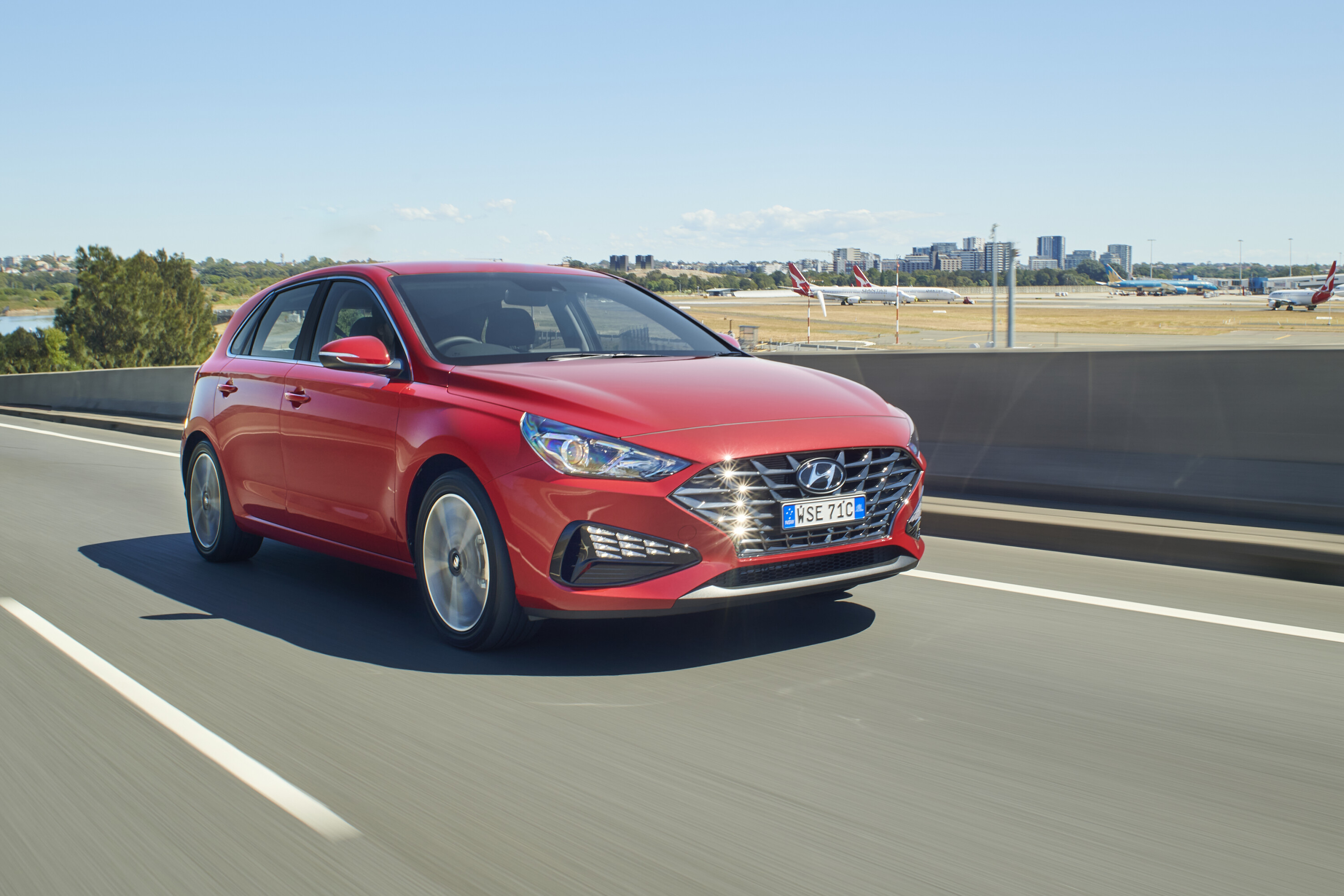
The popular Hyundai i30 hatch will shortly be unavailable in Australia for the first time since the badge appeared here in 2007, thanks to delays in a transition to European production.
In its third-generation form, Australia-bound examples of the ‘PD’ i30 hatch are built in Korea. In fact, ours is the last foreign market to take i30 hatch from Korea, with others now taking supply from Czech Republic and Algeria.
That’s about to change, with Australian supply shifting to the Czech plant in 2024, where we currently source the hot i30 N hatch – but not as early as the brand’s local arm had planned. Speaking with media in Melbourne this week, Hyundai Australia chief operating officer John Kett said an unexpected delay will result in a brief pause on sales.
1
“The initial plan was always to end production in Korea and start producing in Europe by Q1 (first quarter), maybe April,” Mr Kett said.
“The problem is that ‘April’ has moved to, can I say, June or July. But the deadline of closing out the factory in Korea hasn’t moved. So we’ll stop producing the i30 in Korea, in December. We’ll stop selling it, as in retail delivering it, in March.”
Mr Kett said the sales stop is only occurring because the company has now sold through its stock and production allocation into the first quarter of 2024.
“So the bulletin will be going out to let the network know that you can’t take any more orders until probably somewhere close to May, June, or July of next year.”
A second facelift, and mild-hybrid power
The i30 hatch we’ll take from Europe will be a facelifted car, marking its second makeover since getting a fresh face in 2020 – three years after its initial launch. That update brought little in the way of interior changes – and we never got the exterior change to the N-Line hatch – but this coming redesign should improve on both points.
We’ll also get some new engines, although the specifics are still to be confirmed.
“There’ll be a slight powertrain change to it,” Mr Kett said. In emissions-restricted Europe, the i30 Hatch range opens with an 88kW/172kW 1.0-litre turbo petrol three-cylinder engine matched to a 48V mild-hybrid system, growing to a 48V mild-hybrid 117kW/253Nm 1.5-litre turbo petrol four in the N-Line models.
The latter is surely to disappoint local ‘warm performance’ fans on budgets too tight for the full-bottle N, with the current 1.6 petrol turbo i30 N-Line hatch producing 150kW and 265Nm.
More European, more expensive
A switch to European production will likely make the i30 hatch a more expensive proposition – it currently starts from $24,000 as a manual and $26k for the base auto – but the local arm does not yet have a clear view on where pricing will land, except that it will be “challenging”.
“I think, depending on the exchange (rate), whether we can access the same price points or not is probably challenging. So we’re just going through that process at the moment,” Mr Kett said. “When we first planned that (the shift to Europe production), the exchange rates were a bit different.”
While the i30 hatch is paused in Australia, the company’s dealer network will steer buyers towards the newly arrived second-generation Kona – although the point of entry into that now larger ‘small’ SUV is up $5100 over the previous model, to a new $32,000 base.
For those not willing to throw another $5k at their purchase, there’s the compact Venue SUV, which starts at $21,990 as a manual and $23,900 with an auto. The i30 sedan, which rides on a newer platform than the i30 hatch, starts at $26,000.
Hyundai Australia will of course be hoping that buyers don’t instead turn to the related Kia Cerato, although that would likely make Korea happier than losing them to a Corolla or Mazda 3.
MORE
Everything Hyundai
September 2023: Toyota USA digs Theo’s new Camry too!
If only they’d bothered to ask…
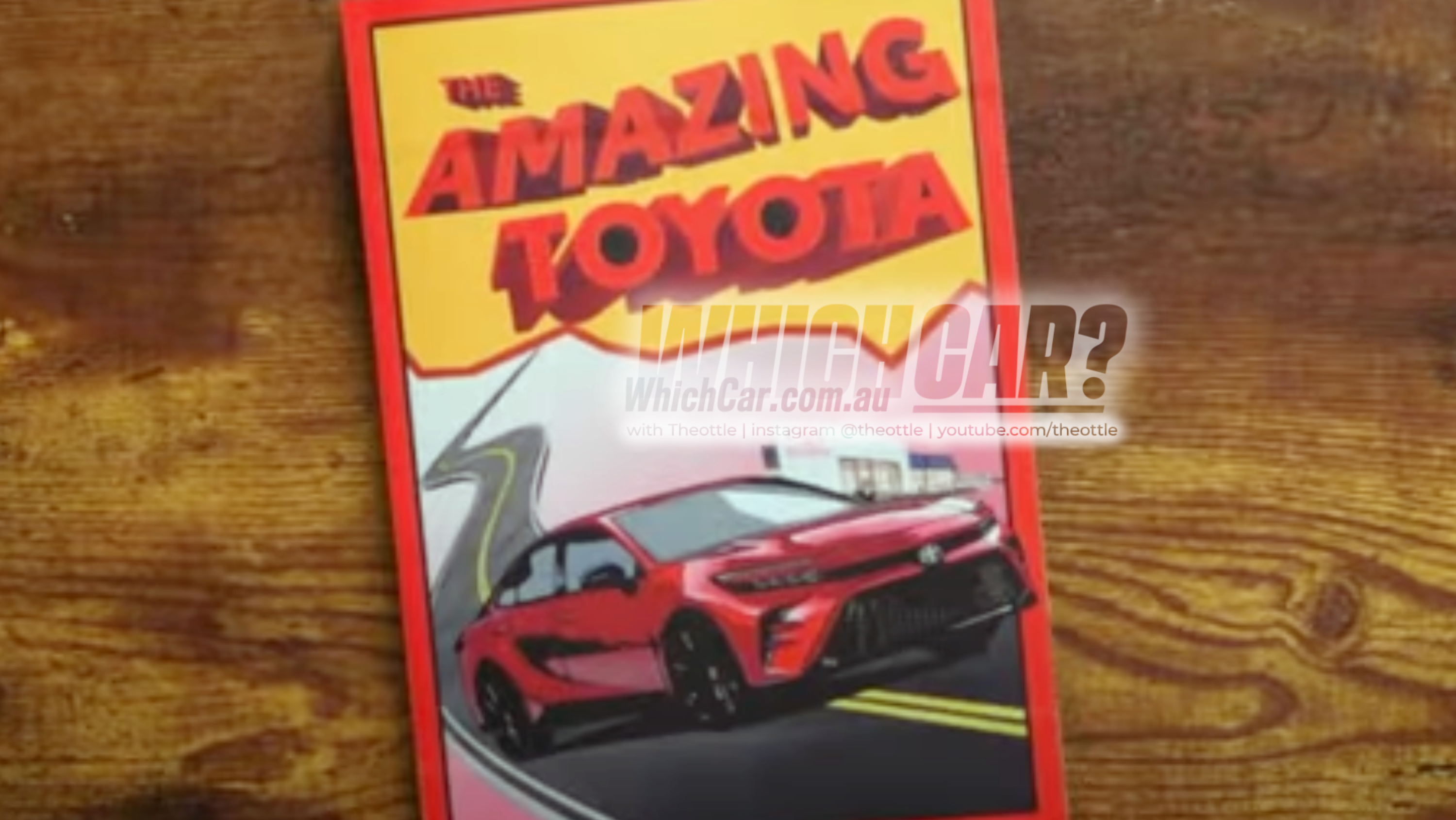
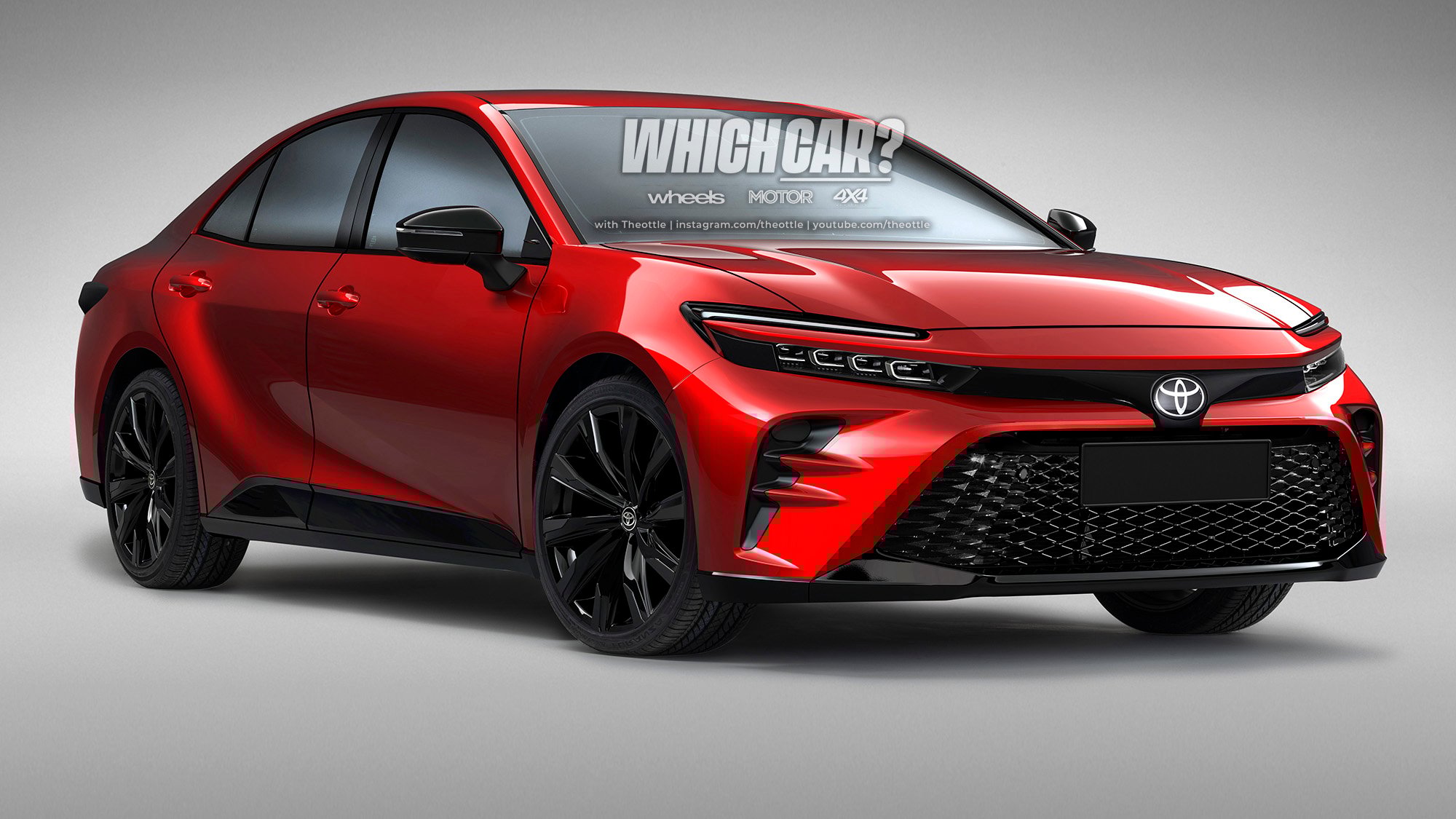
More than a year since our mate Theo dropped some handsome next-gen Camry renderings in our inbox, Toyota USA – or, at least, whichever agency they engaged – has used them in a new advertisement.
Posted to the Toyota USA YouTube page, one of the renderings appears on the cover of a faux comic book titled ‘The Amazing Toyota’.
I’ve checked with Theo this morning, and he confirms the images were used without permission or even a heads-up.
UPDATE: Toyota USA comment
Toyota USA has provided a comment to Carscoops [↗], confirming what we suspected: Theo’s rendering was used as a placeholder by an external agency. It has now removed the video.
“The referenced video was created by one of Toyota Financial Service’s vendors that mistakenly used an artist’s conceptual rendering of a Camry that was a meant as a placeholder during the production process. The vendor has no access to Toyota planned vehicle design images and the image is not a preview of a future Camry. Toyota Financial Services is removing the image from the video.”
1
“Whaaat?? Shut the front door! How did you find this?” he asked, before confirming no contact had been made. The image was likely lifted directly from his social media, although they’ve appeared on other websites in the past year.
I suspect the agency responsible for the ad didn’t actually know that the images were speculative and not official marketing images – which, really, says a lot for Theo’s talent. It’s probably a good time for them to cut him a good fat cheque, though…
1
July 2022: New Camry imagined
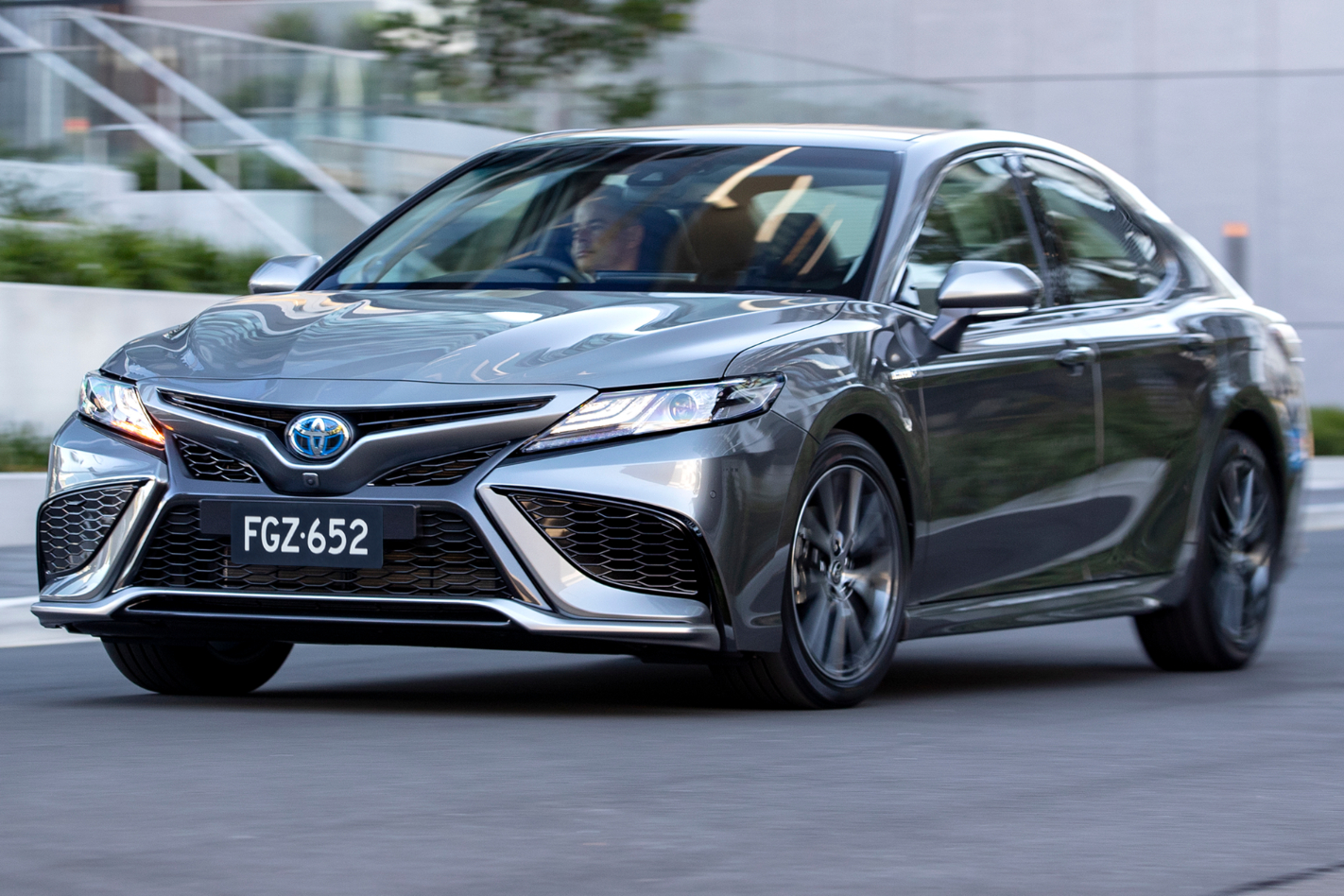
The next-generation 2024 Toyota Camry sedan is expected to launch within the next few years, likely adopting hybrid-only powertrains.
Snapshot
- 2024 Toyota Camry sedan rendered
- Could adopt plug-in hybrid power, and a performance GR variant
- Reveal expected in the coming years
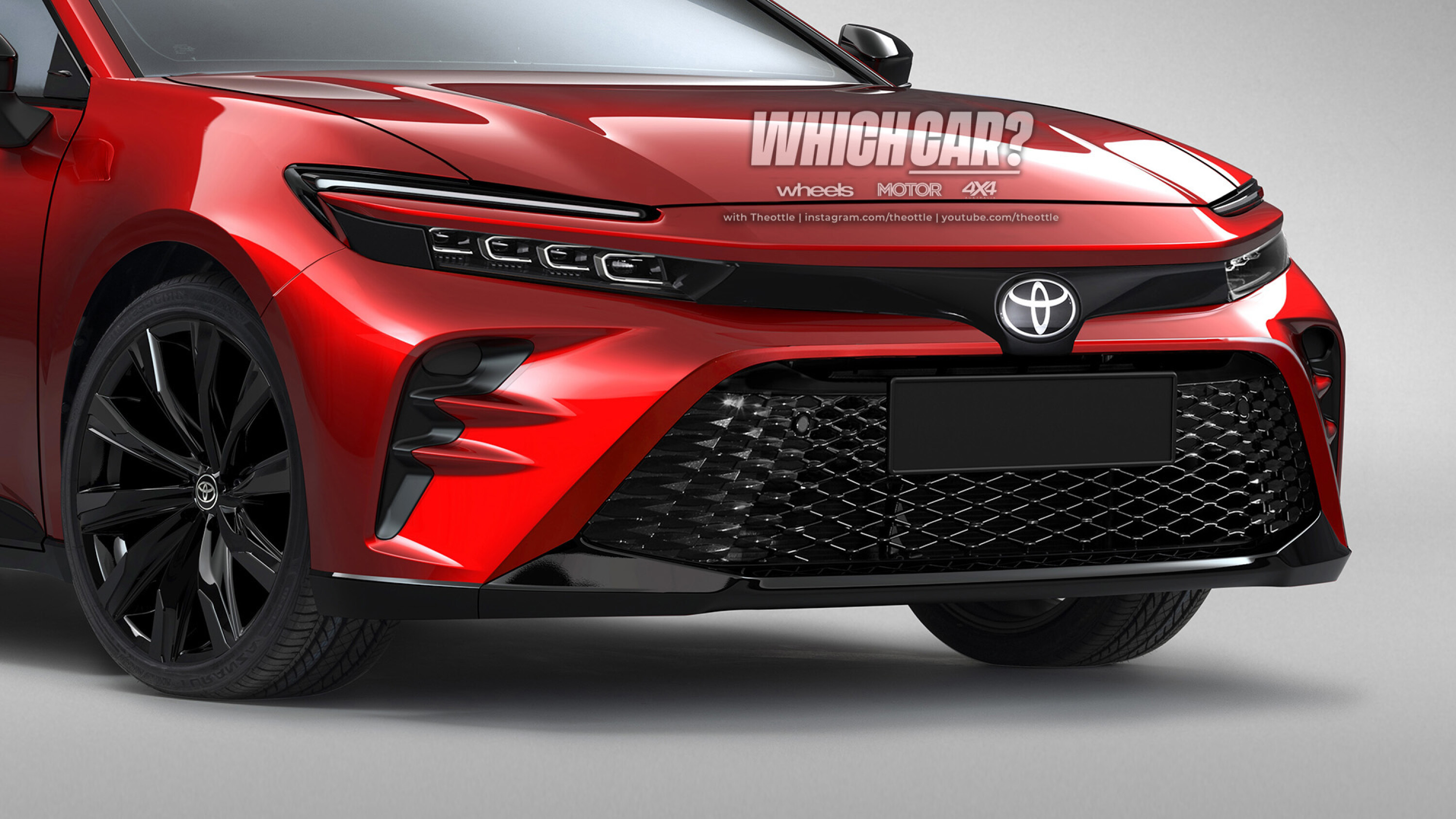
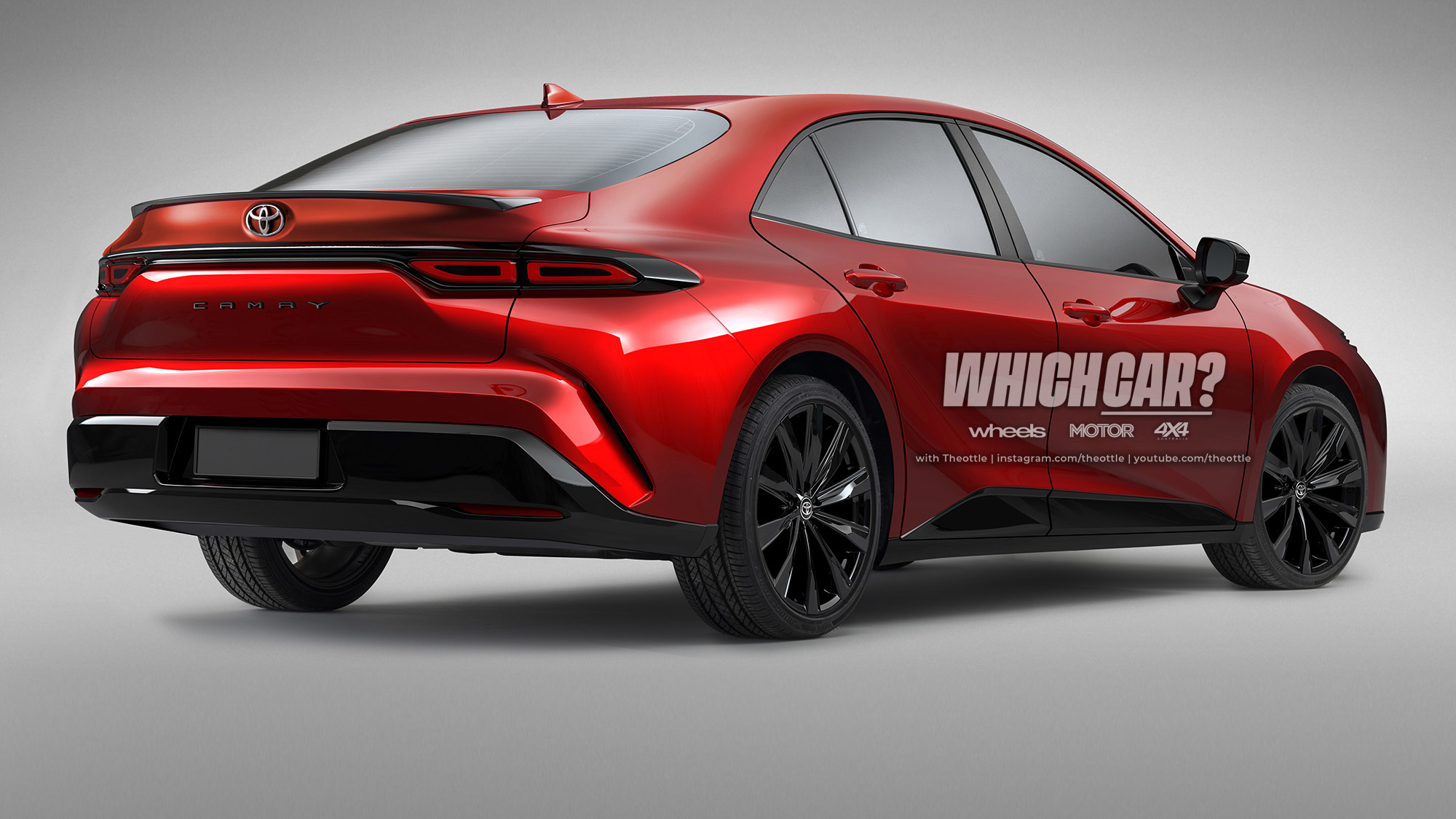
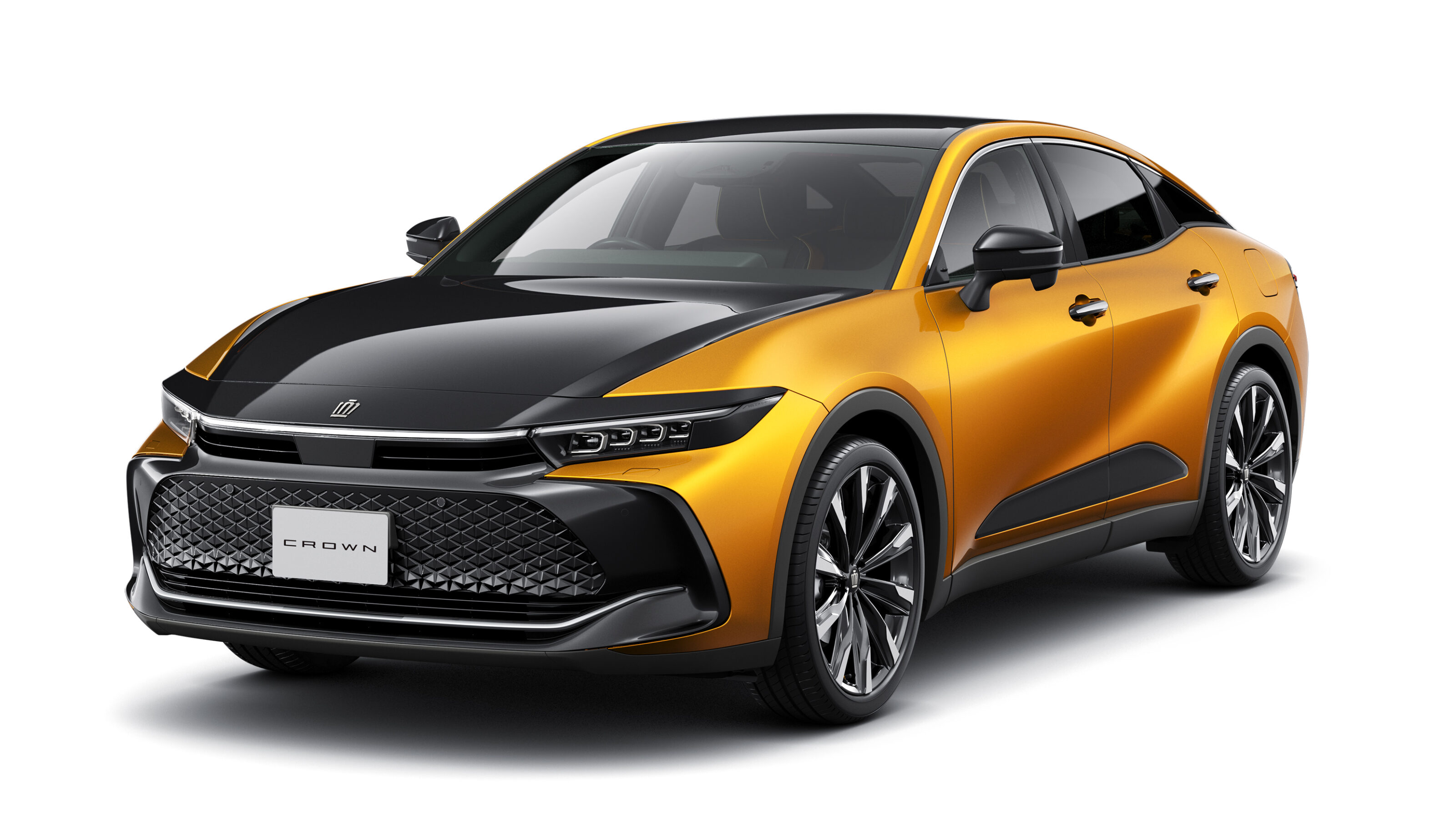
A new rendering by Theottle has imagined a redesigned version of the world’s fifth best-selling vehicle ahead of its launch, previewing a look inspired by the recently-unveiled Crown Sport crossover.
The design reveals an evolutionary look over the current, eighth-generation Camry, with a familiar three-box sedan body joining Crown Sport-derived elements, including; slim two-tiered LED headlights, a full-width rear light bar, a sharp lower front bumper, gloss black highlights, and a rear lip spoiler.
1
The current-generation Toyota Camry was unveiled at the North American International Auto Show in January 2017.
Last year, Toyota recorded 13,081 Camry sales in Australia – making it the top-selling medium car – contributing to 681,000 global sales, including 313,795 in the United States.
The humble sedan has been the best-selling passenger car in the US for the past two decades.
With the growing shift to electric power, the ninth-generation Toyota Camry is likely to retain the current GA-K architecture – potentially keeping the same 2825 millimetre wheelbase and underbody as a significant update.
1
The platform also underpins the latest RAV4, Kluger, Lexus NX and RX, and the Crown Crossover.
However, a larger footprint is probable to allow for more room inside, particularly for the Chinese market where rear legroom is favoured.
Under the bonnet, the new-generation Camry is expected to see the deletion of the 3.5-litre naturally-aspirated V6 engine in overseas markets, replaced by the all-new 2.4-litre turbocharged four-cylinder mill, producing around 198kW of power and 420Nm of torque.
1
Toyota Australia deleted the atmo V6 from the local Camry line-up in 2021, while the turbocharged four-pot will replace the outgoing V6 in the Kluger large SUV early next year.
A more-powerful hybrid version of the 2.4-litre turbo is available on the 2023 Toyota Crown and Lexus RX, offering around 250kW of power and an advanced all-wheel-drive system capable of sending up to 80 per cent of power to the rear wheels.
This powertrain could form the basis of the rumoured high-performance GR Camry variant; however, Bob Carter, the outgoing executive vice president of sales at Toyota Motor North America, ruled out electrification for GR models – at least for the foreseeable future.
“When would we see the first electrified GR model, you may ask? “In five months? No. In five years? Quite possibly,” he said.
1
In addition, the Japanese marque is likely to favour electrified versions of the Camry globally – another move foreshadowed in Australia, with one non-hybrid variant remaining in the current five-strong Camry range.
A plug-in variant sibling to the RAV4 Prime is possible, with a 2.5-litre petrol engine and high-output electric motors for a 225kW total system output.
The plug-in RAV4 can travel around 70 kilometres in all-electric mode with an 18kWh lithium-ion battery, making a Camry Prime an ideal setup for use as a fleet, taxi or rideshare vehicle.
A battery-electric variant of the next-generation Camry is unlikely, at least initially.
1
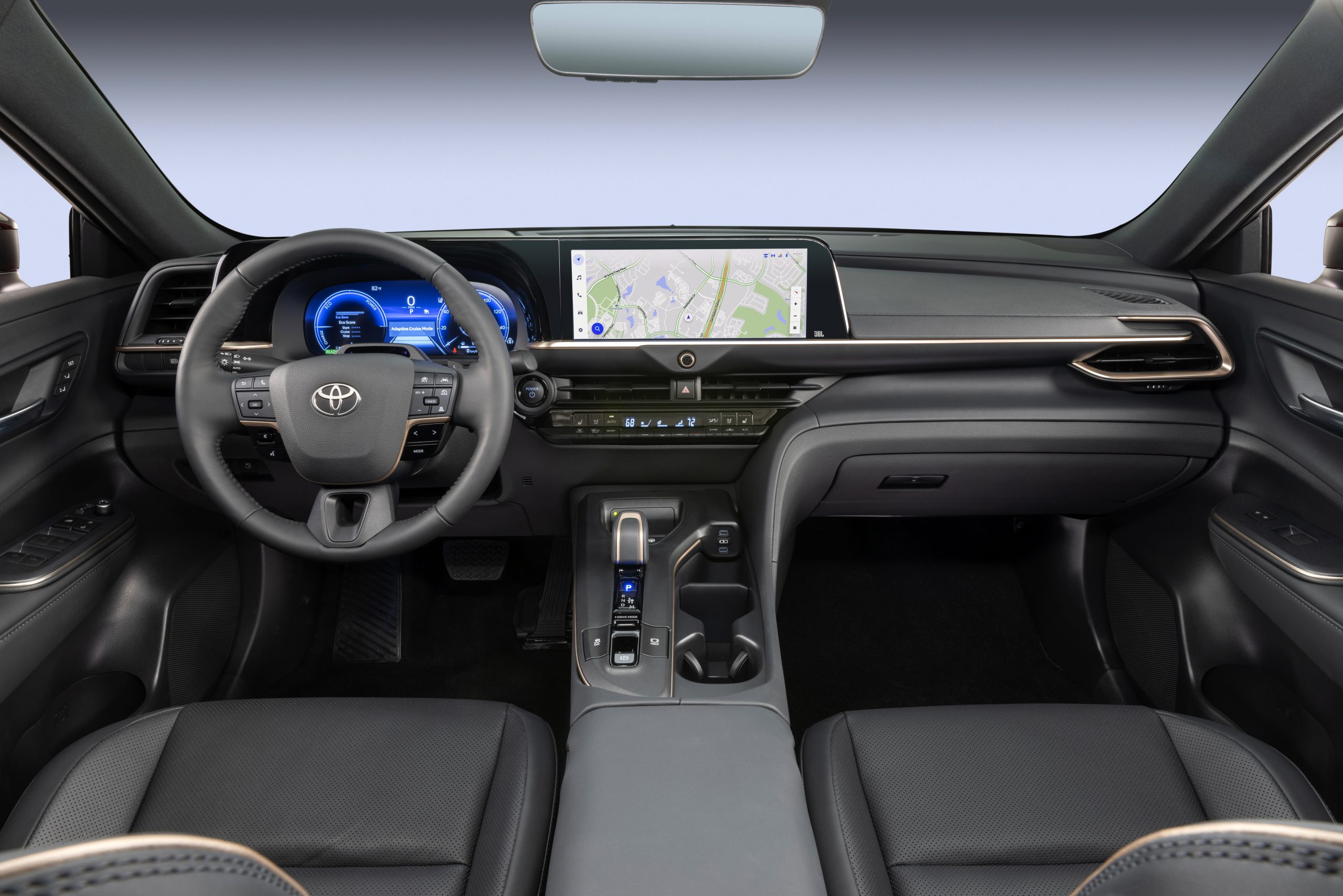
Inside, new technology will include a larger, widescreen infotainment system running Toyota’s latest kit, with wireless Apple CarPlay and Android Auto, ‘Hey, Toyota’ voice functionality, connected navigation and over-the-air software updates.
A digital instrument cluster and smartphone-based remote key are also likely.
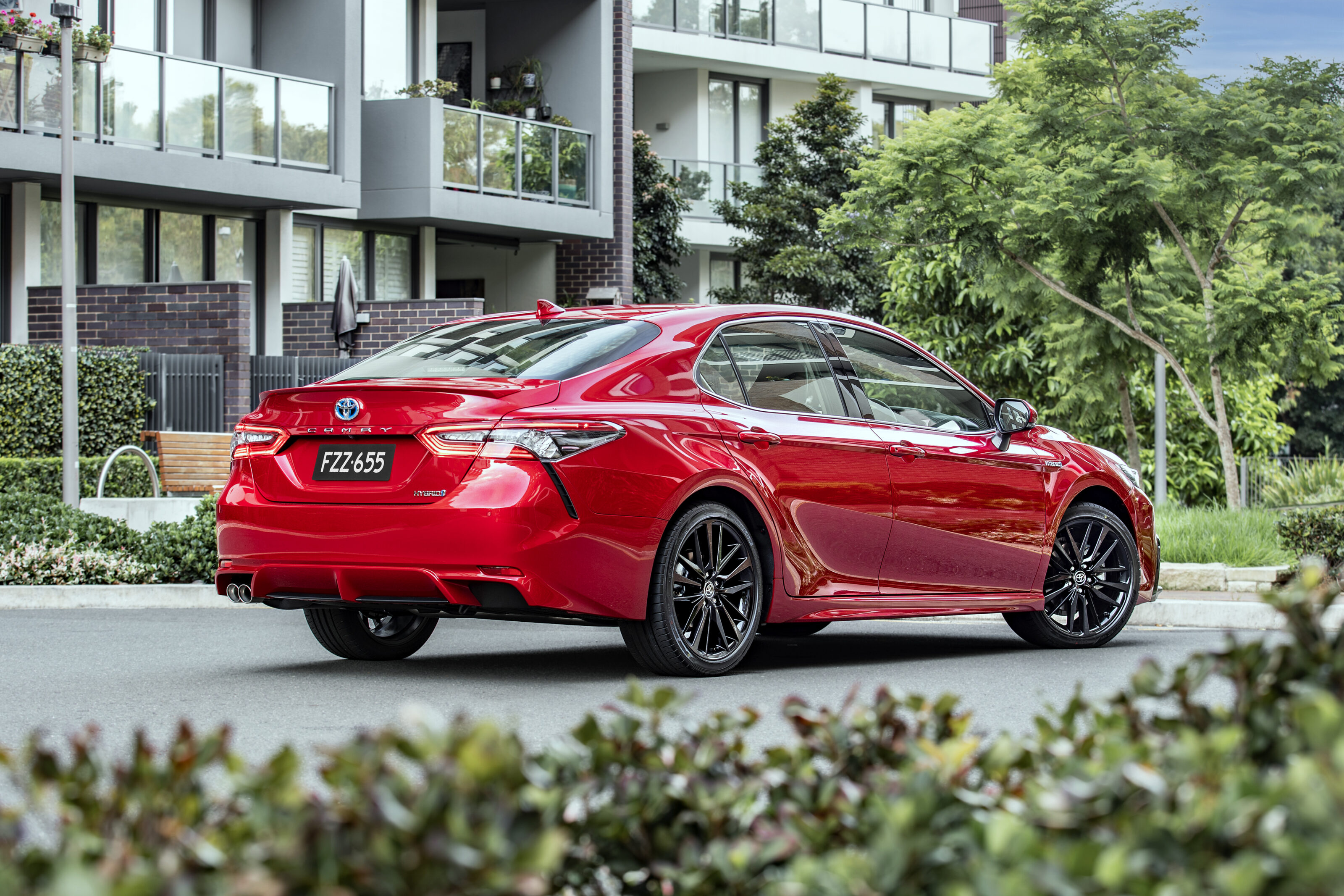
Toyota is quietly marking 40 years since the Camry first debuted in 1982, with a minor update planned later this year.
1
So far, the company has announced new exterior colours and interior trims for the 2023 Camry, with full details to be announced in the coming months.
A new-generation Honda Accord is around the corner, but it is currently unknown if the new model will reach Australian shores.
The mid-sized sedan has declined for many years, with several rivals removed from sale in Australia – such as the Volkswagen Passat sedan and Subaru Liberty – but the Camry continues to have a strong lead due to its popularity with fleet, taxi and rideshare applications.
MORE
Everything Toyota
Hankook had a stand at last weekend’s Melbourne EV show with a replica third-generation Formula E car in full Hankook livery to draw attention to the tyre maker’s new model line developed with battery-electric and plug-in hybrid cars in mind.
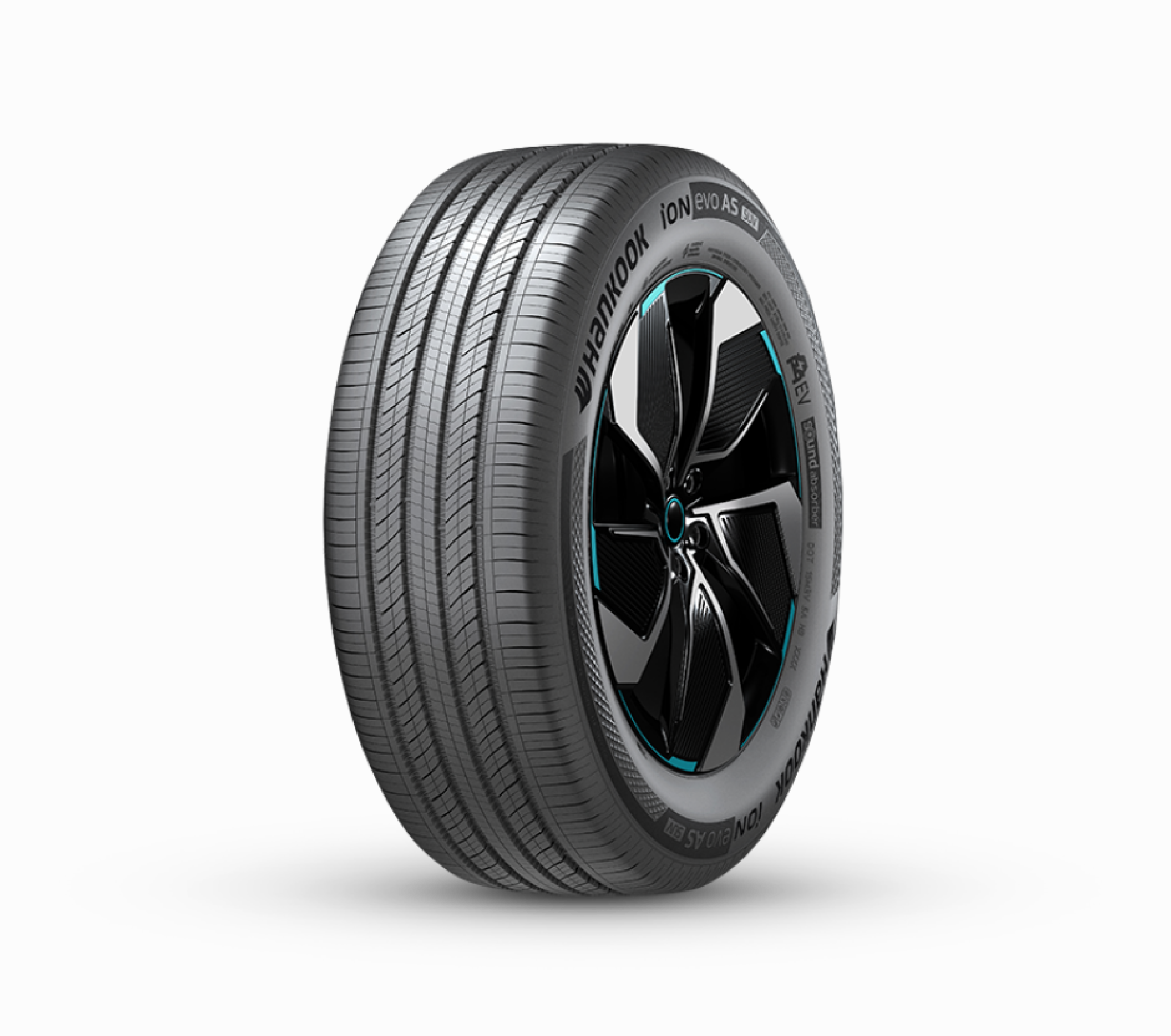
Launched earlier this year in Australia, Hankook says its iON tyre range has been developed for electric vehicles specifically. Hankook separates the range into iON Evo AS, for passenger cars, and Evo AS SUV for battery-powered SUVs. Available in 10 sizes spanning 18- to 22-inches, iONs are fitted as standard equipment on the Hyundai Ioniq 6.
Supplying the control tyre for the Formula E racing series gives Hankook a unique insight into the demands electric vehicles put through their rubber, and the iON series takes learnings in its construction.
With the brand’s ‘EVolution’ high silica, eco-friendly compound the iON is said to offer reduced rolling resistance – meaning longer driving range – as well as improved tyre life compared to Hankook’s regular tyres.
1
Knurling on the inside of the tyres helps reduce road noise. Hankook calls this technology its ‘Sound Absorber’ and is crucial without noise from a combustion engine to offset the roar of the tarmac beneath.
To deal with additional loads and the unique placement of an EV’s weight in the chassis, the iON Evo range is 25 per cent stiffer laterally and 20 per cent stiffer in cornering than Hankook’s traditional all-season touring tyres.
“We take great pride in presenting the world’s inaugural EV-exclusive tire line, iON, at the Melbourne EV Car Show”, said Hankook Australia managing director Junghee Cho.
“With cutting-edge technology and eco-friendly materials, iON tires not only offer superior performance but also contribute to a sustainable driving experience, delivering reduced noise levels, heightened load-bearing capacity, responsiveness to higher torque, and minimized rolling resistance”, Cho added.
Visit the Hankook website’s EV hub to see iON sizes, prices and retailers [↗]
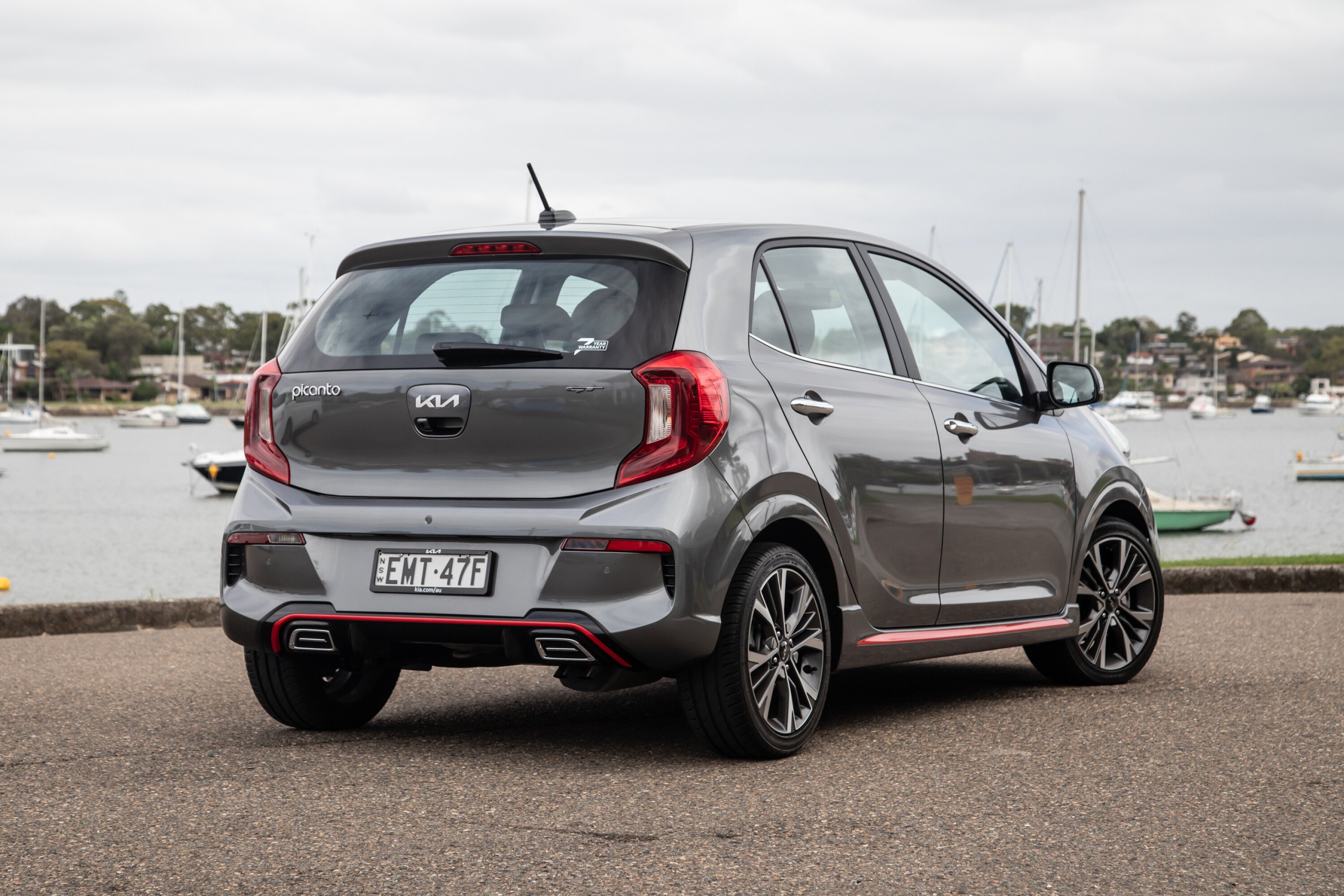
Half a decade ago when it launched, the Kia Picanto GT wasn’t anything particularly special. Australia’s car market is a much more complex place than it was in 2017, though, with SUVs growing their market share by a whopping 15 per cent in that time.
Sure, adding efficient hybrid powertrains to big seven-seat SUVs (that rarely have more than two passengers on board) and electrifying utes (using 229kWh batteries) helps, but in a world in desperate need of help, the ‘bigger is better’ attitude feels out of step. The real solution is downsizing and simplifying.
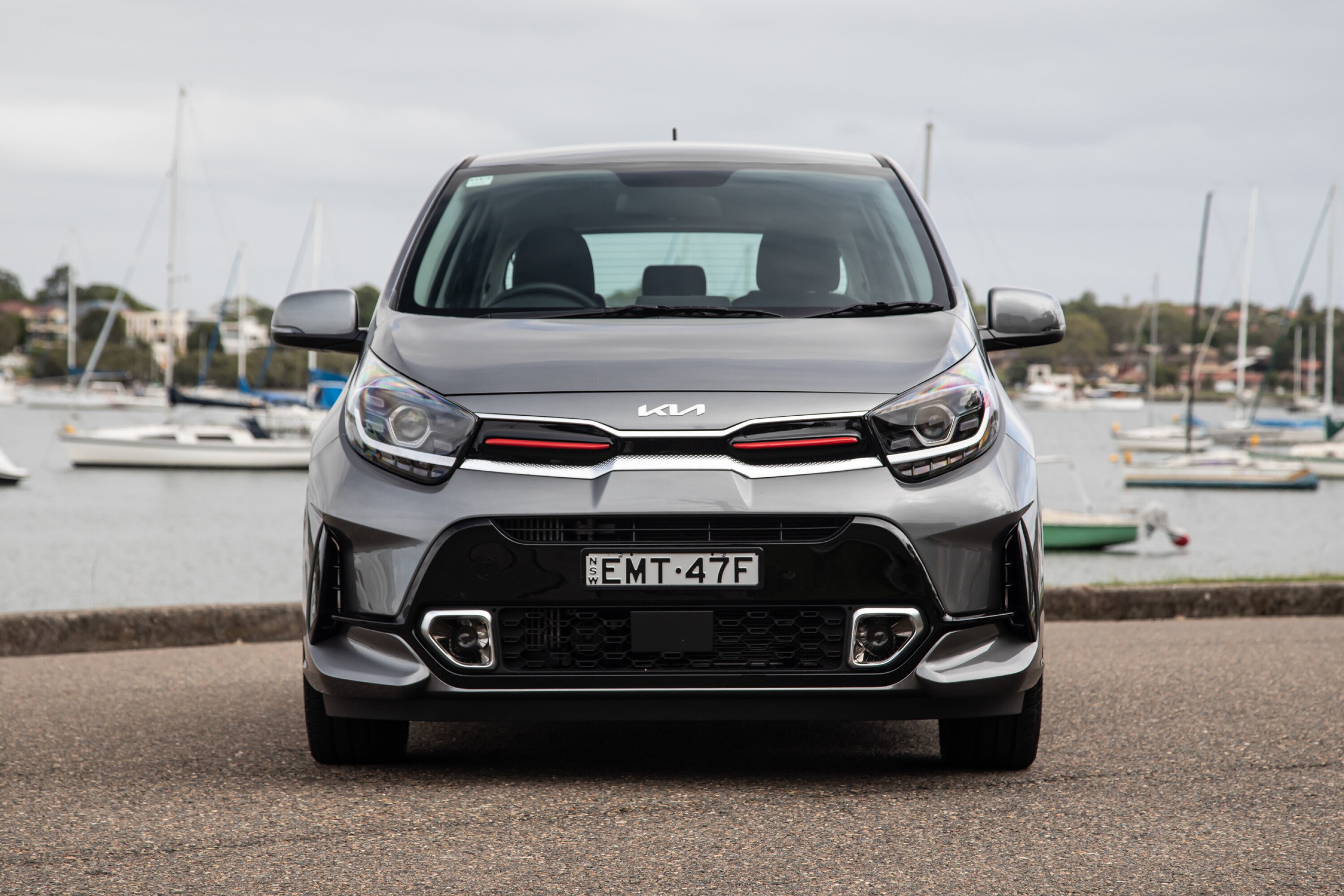
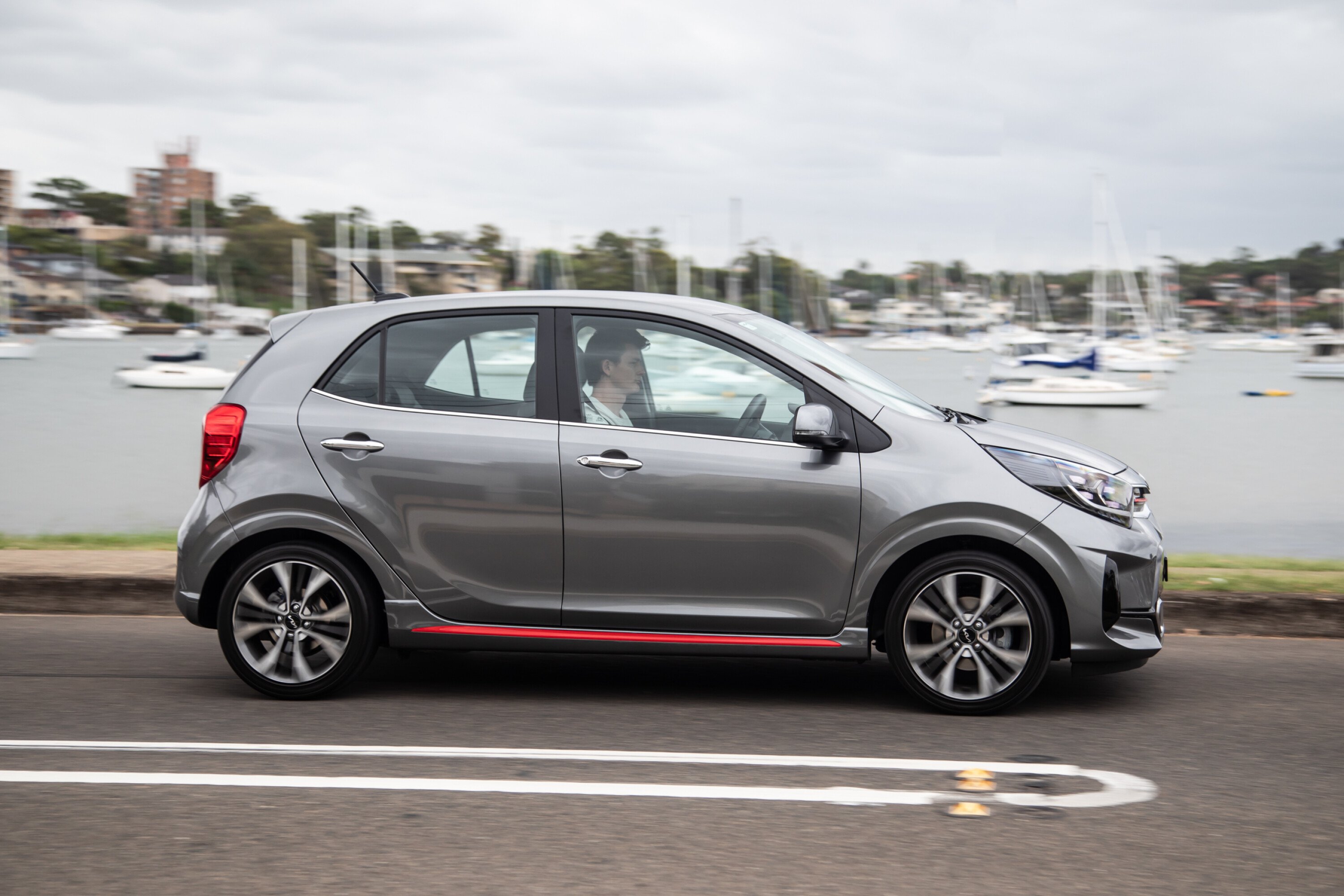
The Picanto is a case in point, built to a tried-and-true city car recipe: five doors, a decent boot, enough cabin space and torsion beam rear suspension, squeezed into a compact 3.6-metre length. The tested GT spices things up with a turbo-petrol engine and firmer chassis while retaining an efficient 5.2L/100km ADR combined economy rating.
In 2023, the Picanto GT’s points of difference are what made it so normal at launch: compact size and space efficiency. And yet, when the micro hatch is updated next year the GT will be dropped – was that a good planning move?
1
JUMP AHEAD
- How much is it, and what do you get?
- How do rivals compare on value?
- Interior comfort, space and storage
- What is it like to drive?
- How much fuel does it use?
- How safe is it?
- Warranty and running costs
- VERDICT
- Specifications
How much is it, and what do you get?
For its nationally recognised $22,890 drive-away price, the Picanto GT represents sharp value in today’s market full of expensive crossovers.
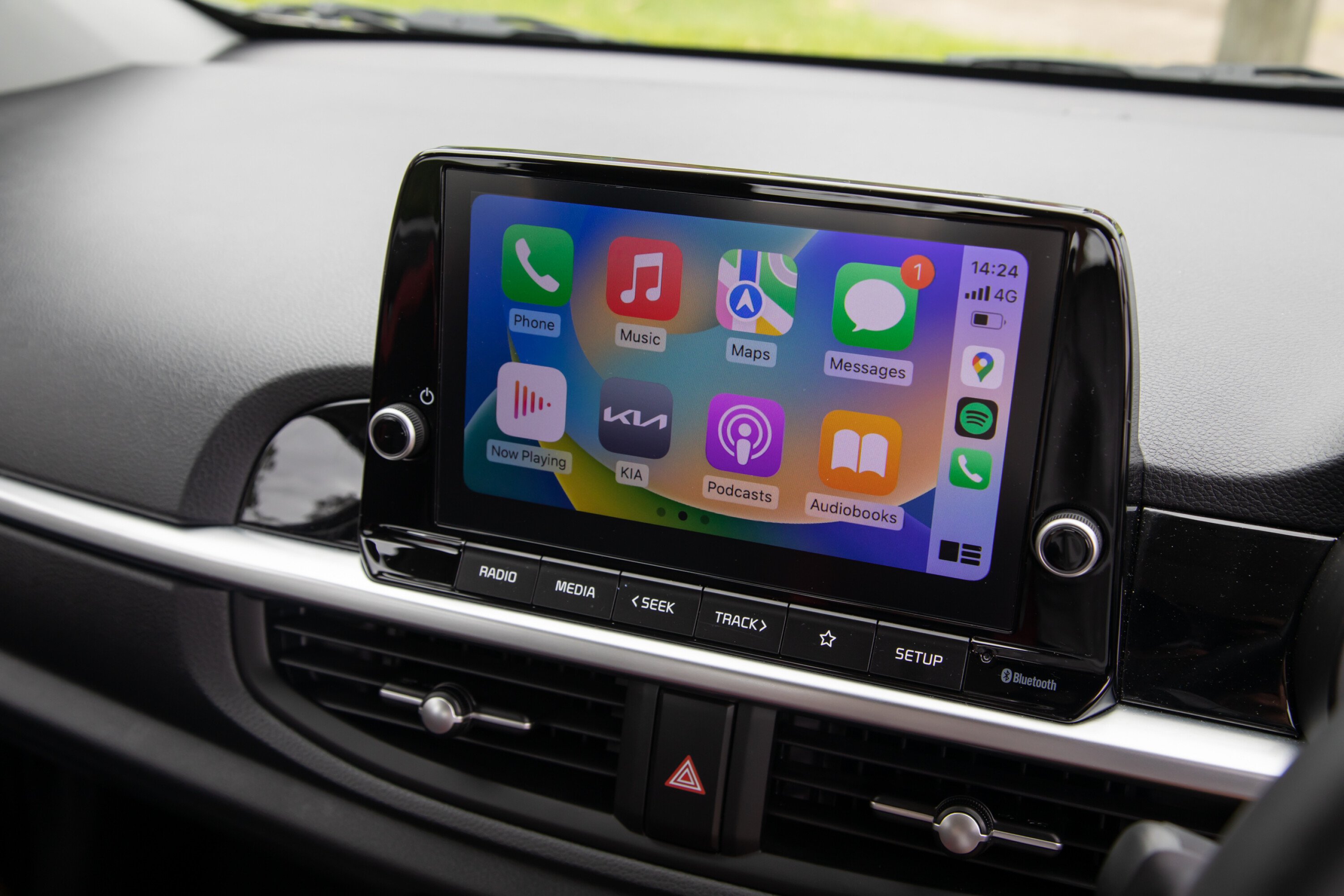
It’s equipped with an 8.0-inch touchscreen featuring DAB+ digital radio, wireless Apple CarPlay and Android Auto connectivity, with LED daytime running lights, halogen headlights and 16-inch alloy wheels as well as a sporty GT body kit to let the world know you bought the expensive Picanto.
One snag: it’s manual only. This is a shame because the five-speed stick shift will rule the peppy GT out for some buyers.
1
| 2023 Kia Picanto GT features | |
|---|---|
| Halogen headlights | 16-inch alloy wheels |
| GT body kit | Vinyl upholstery |
| Air conditioning | 4.2-inch TFT information display |
| 8.0-inch touchscreen | DAB+ digital radio |
| Wireless Apple CarPlay/Android Auto | Leather-appointed steering wheel |
| 4-speaker sound system | LED DRLs |
1
How do rivals compare on value?
Officially classified as a ‘micro’ car in Australia, the Picanto owns its segment with an 80+ per cent share month-on-month. Its only remaining rival is the 15-year-old Fiat 500.
As the Picanto is a relatively spacious five-door hatch, you could also consider a Hyundai Venue, Kia Rio, Mazda 2, MG 3, or Suzuki Swift. All are available in a similar price sphere, and if space and low price are what you crave, then these are better options – though none has the Picanto GT’s sporty spice.

1
Interior comfort, space and storage
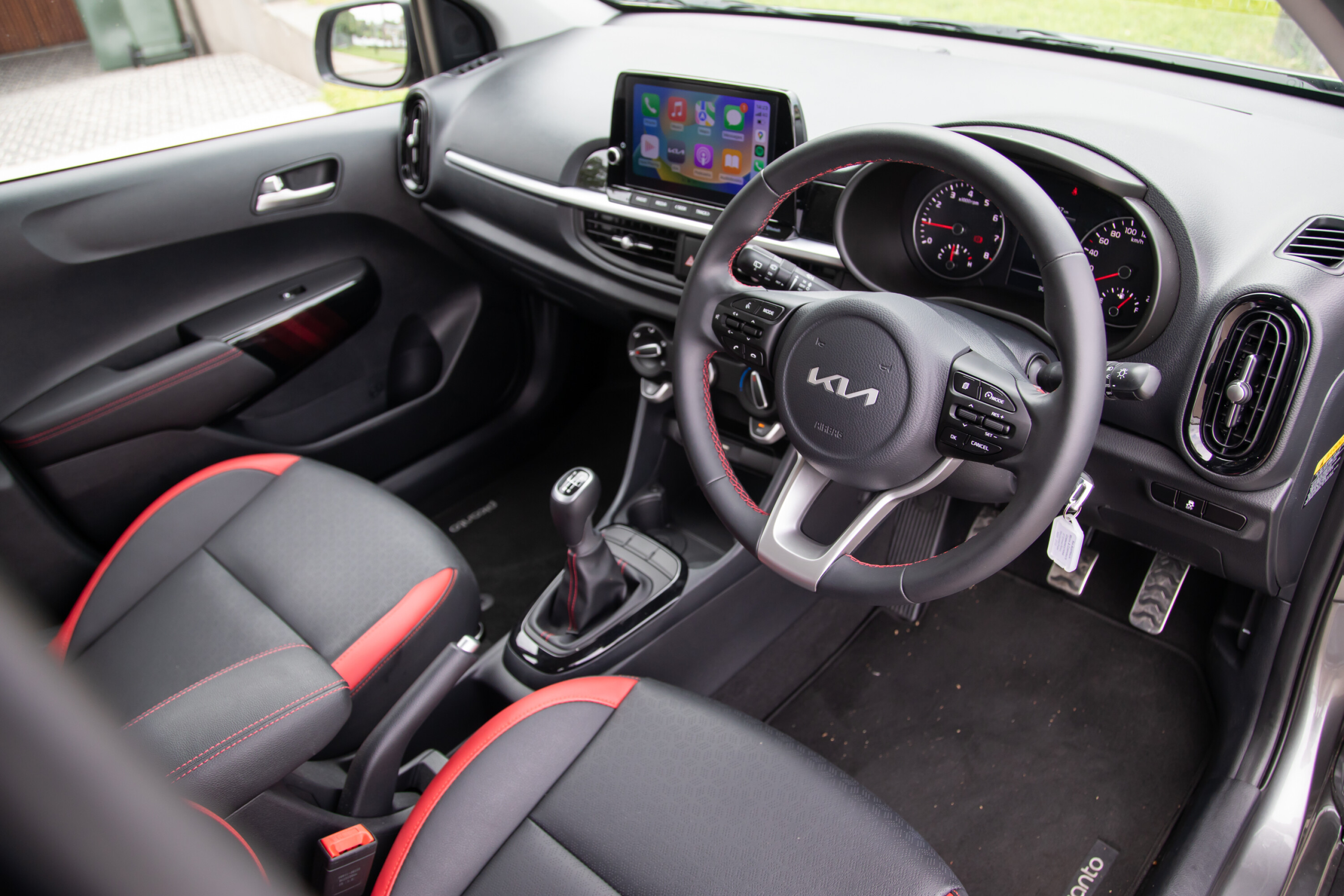
The leather-appointed steering wheel, racy red accents, and aluminium pedals give the Picanto GT a sporty edge inside.
It’s not the height of taste but with a large glasshouse, the Picanto’s cabin is airy and – for the price – of respectable material quality.
Although not cutting edge, the Picanto’s white-on-black analogue dials are legible, and the 4.2-inch TFT screen provides helpful information including fuel economy, vehicle information and digital speed read-out.
The central 8.0-inch touchscreen is the highlight, offering sophisticated wireless smartphone mirroring for both Apple and Android products – something not even Kia’s most expensive EV6 GT matches. It worked faultlessly on our test, so it seems Kia has ironed out earlier gremlins.
1
It lacks satellite navigation, so you have to rely on your phone’s applications for wayfinding. The four-speaker sound system is weak, but the inclusion of digital radio is welcome, and the Picanto’s HVAC controls are pleasingly conventional.
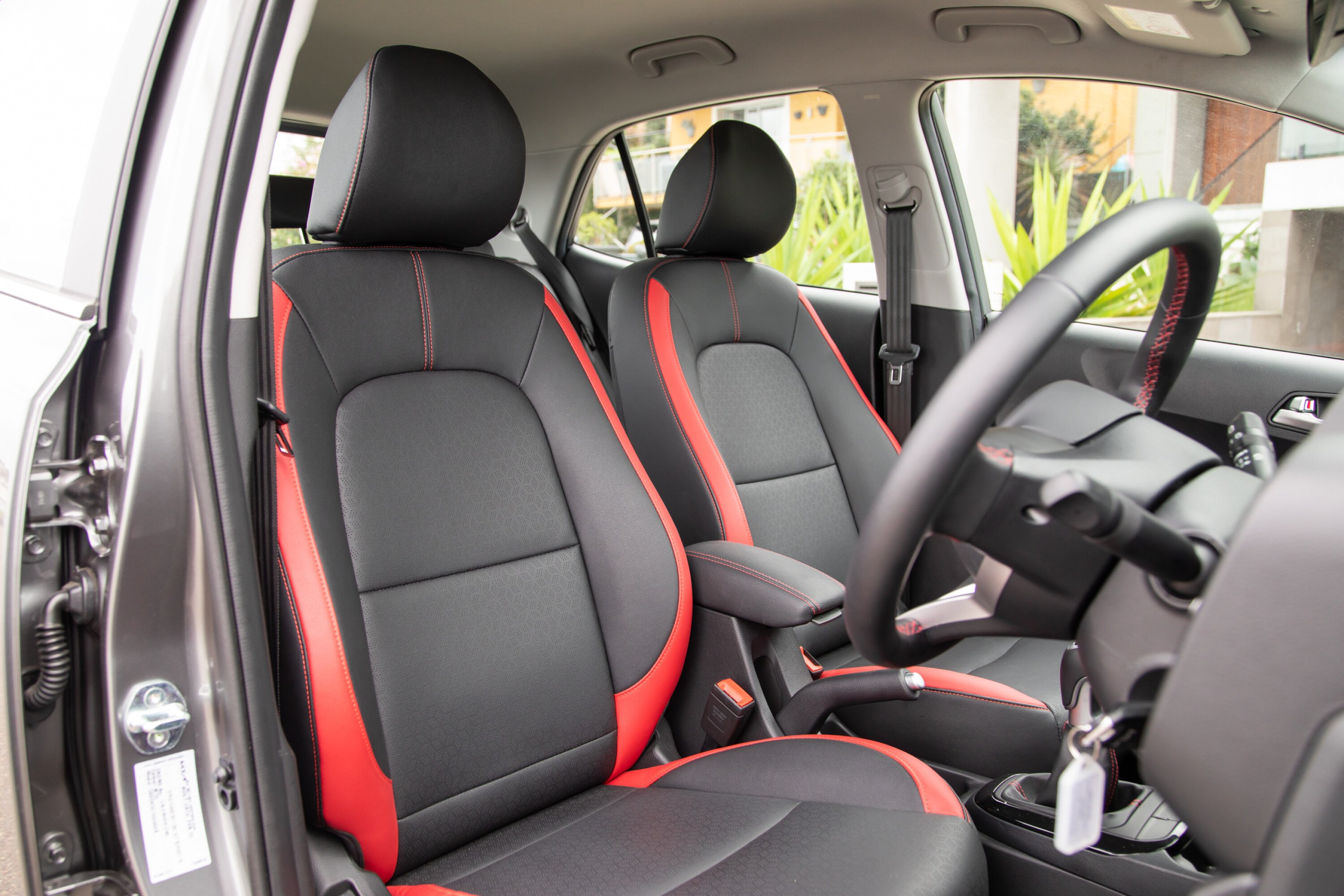
If the Picanto GT struggles in any particular area, it’s the flat and unsupportive seats. The driving position is typically compromised, and the manual adjustment rudimentary. The black vinyl upholstery gets hot in the sun, too – we’d prefer cloth.
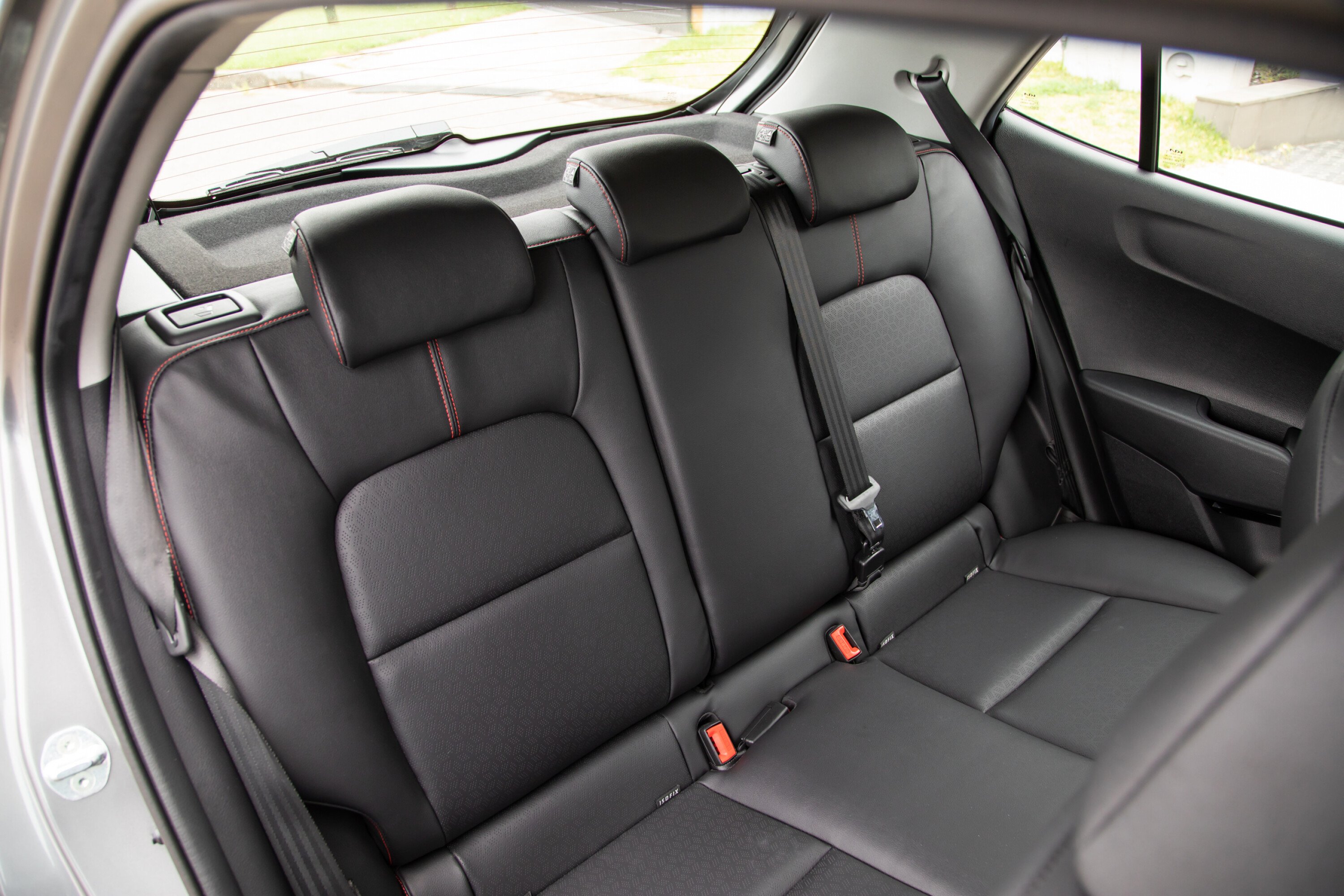
That compromised driving position does equate to a usable back seat. The rear quarters are still not great with no air vents, charging ports, armrest or space for six-foot-plus riders, but for most people, they’re more than adequate for short trips. In fact, the back of a Picanto GT is a comfier place than a physically larger Hyundai Venue.
1
Storage in the Kia Picanto
Below the control stack, the Picanto has great incidental storage. There’s a tray for odds and ends with a mezzanine section above – perfect for smartphones – within easy reach of the included USB-A and 12-volt sockets. A central armrest provides a modest amount of covered storage, while the Picanto also features two cup holders and door bins that fit a 700ml bottle.
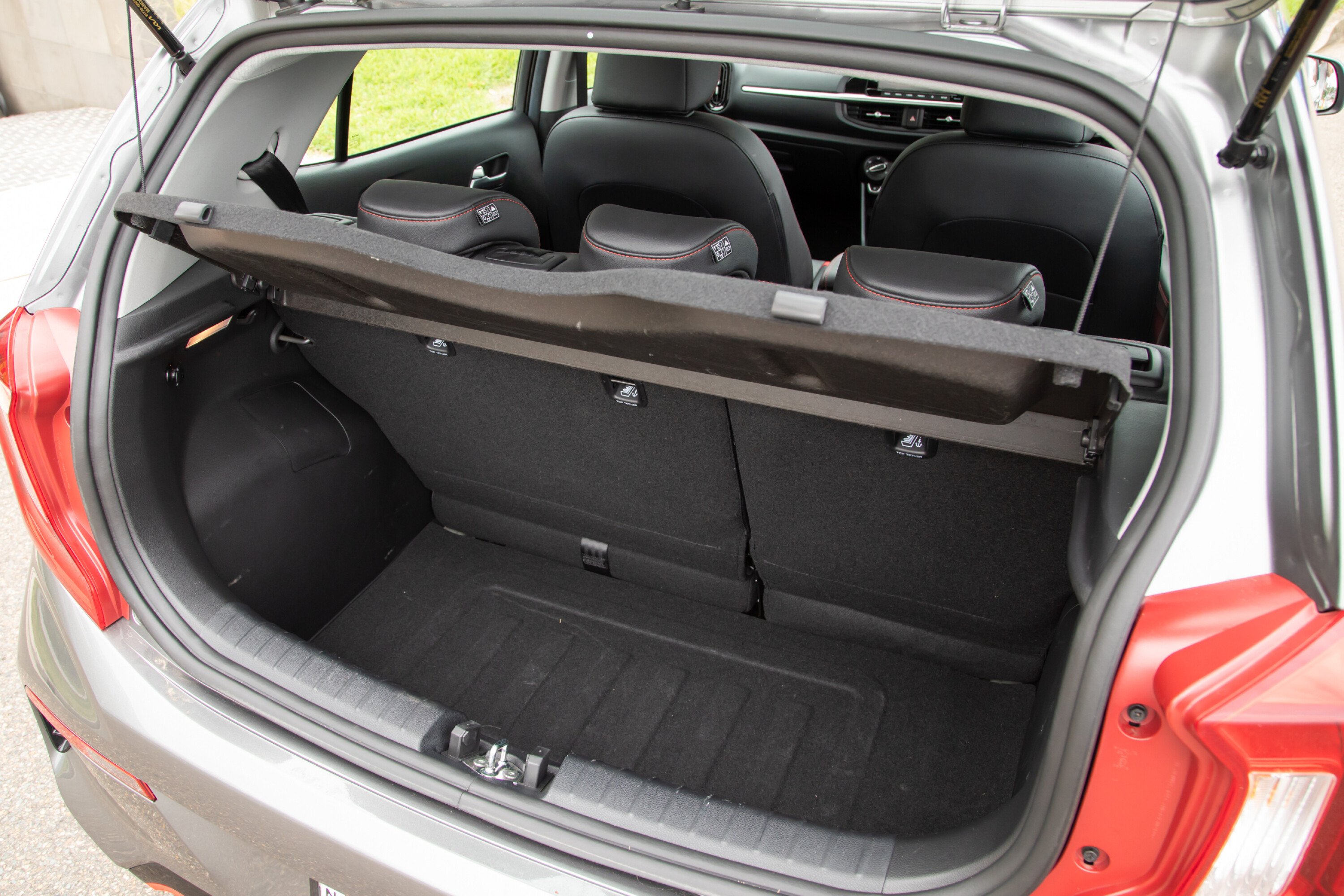
On paper, a 255L boot capacity appears rather small, but given the Picanto’s compact dimensions it’s very usable – bigger than a Toyota Corolla hatch (217L), and Kia has managed to squeeze a space-saver spare under the boot floor, too.
Don’t delude yourself that a family of four and luggage could do a week away in a Picanto, but for a couple, or trio, the space is adequate. With the rear seats folded, longer items including bicycles or flat-pack furniture can be stored in the little Picanto.
1
What is it like to drive?
It’s almost refreshing to pull a physical key fob from your pocket, press the little unlock symbol, get in, depress the clutch and brake then turn a key to start the Picanto GT.
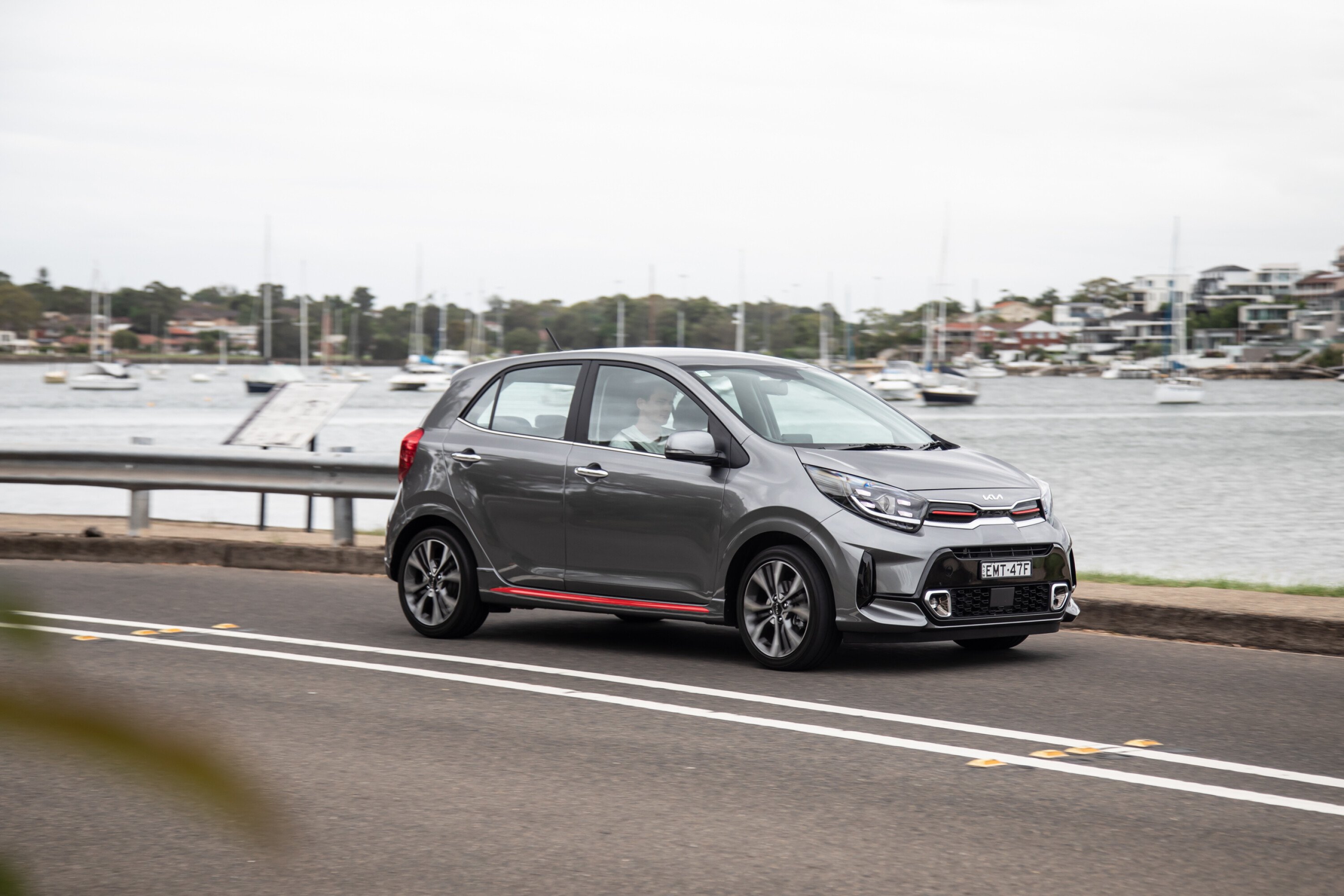
The Picanto GT jumps into life and its 998cc turbo-petrol three-cylinder settles into an off-beat idle. It’s not a smooth or refined engine below 2500rpm but you don’t expect that from a three-banger.
Once you have some revs on the dial the motor’s operation is smoother, but it’s no peach. Although paltry on paper, the Picanto’s 172Nm is available between 1500-4000rpm so – assisted by a lithe 1012kg kerb weight – the GT feels plenty nippy around town in second and third gears. Not much point in taking the needle to redline, though, as the mighty 74kW peak comes at just 4500rpm.
1
The Picanto GT’s five-speed manual has a long and light throw with an easy (if numb) clutch pedal, so it’s an easy ’box around town, but there’s no automatic to broaden appeal. And that’s a shame because the asthmatic 62kW/122Nm 1.2-litre petrol four-banger and four-speed slushbox pairing in the GT-Line automatic is not inspiring.
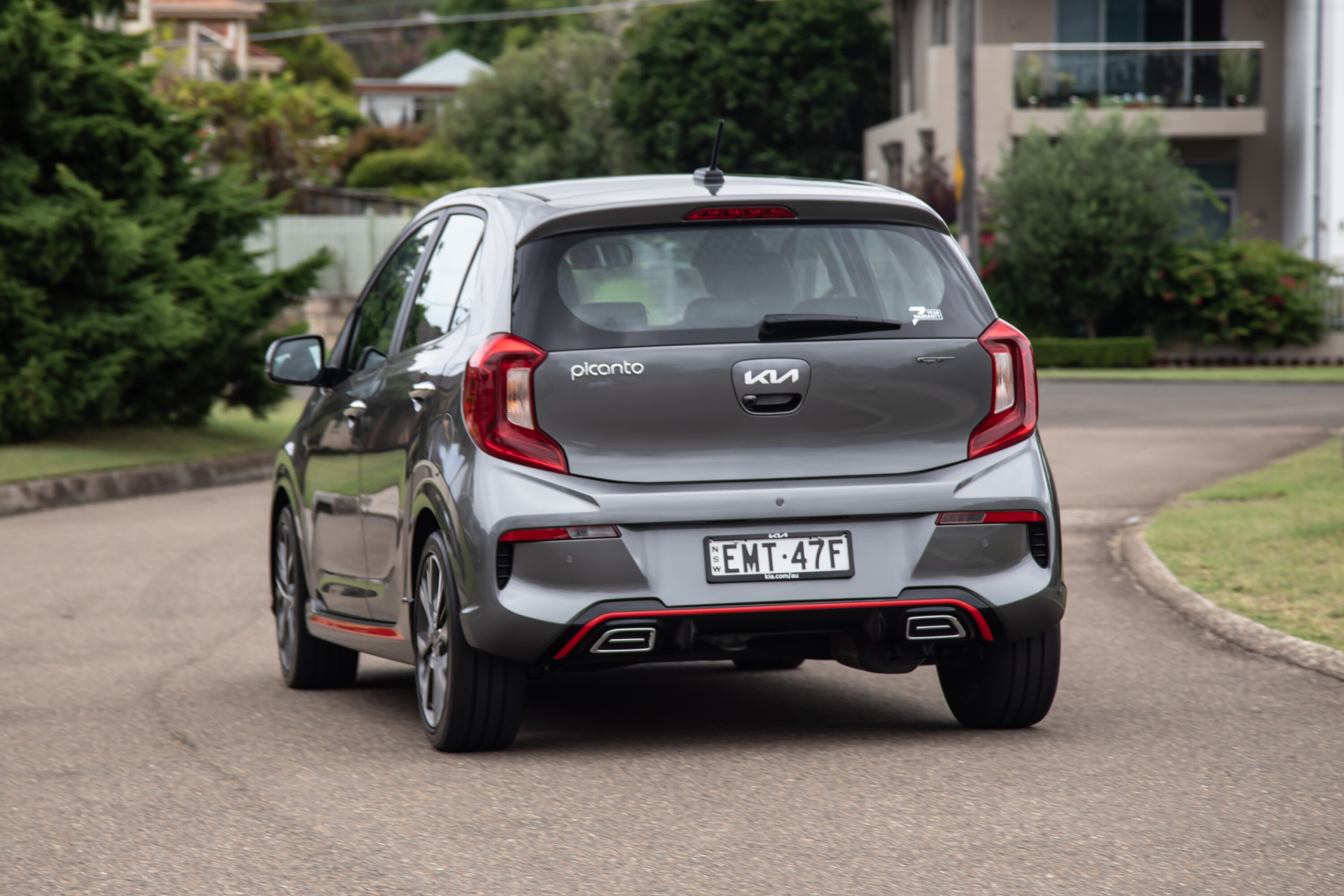
Driving the Picanto GT on the freeway using cruise control, its flexible three-pot means you can leave the shifter in fifth as you tango with tempo changes in traffic. Above 100km/h, though, the tyre roar and engine noise crescendo to a level that the four-speaker sound system can’t overcome.
With narrow tracks, a short wheelbase and tall stature, the Picanto GT can be a tiring partner on the freeway as it bobbles over bumps and you’re forced to bicker with crosswinds. It’s very at home in town though; visibility is an underrated trait in cars (with blind-spot monitoring and reverse cameras it’s almost been forgotten), and the Picanto’s fishbowl glasshouse makes it wieldy and supremely easy to park.
1
The GT’s ride can be choppy over speed humps and expansion joints, especially the rear end (I wouldn’t want to travel in the back seat for too long).
Above 50km/h the Picanto’s bobbing calms down and, for such a small car, there’s little noise from the front struts or rear torsion beam, though there were persistent rattles from the passenger’s A-Pillar trim and dash in our test vehicle.
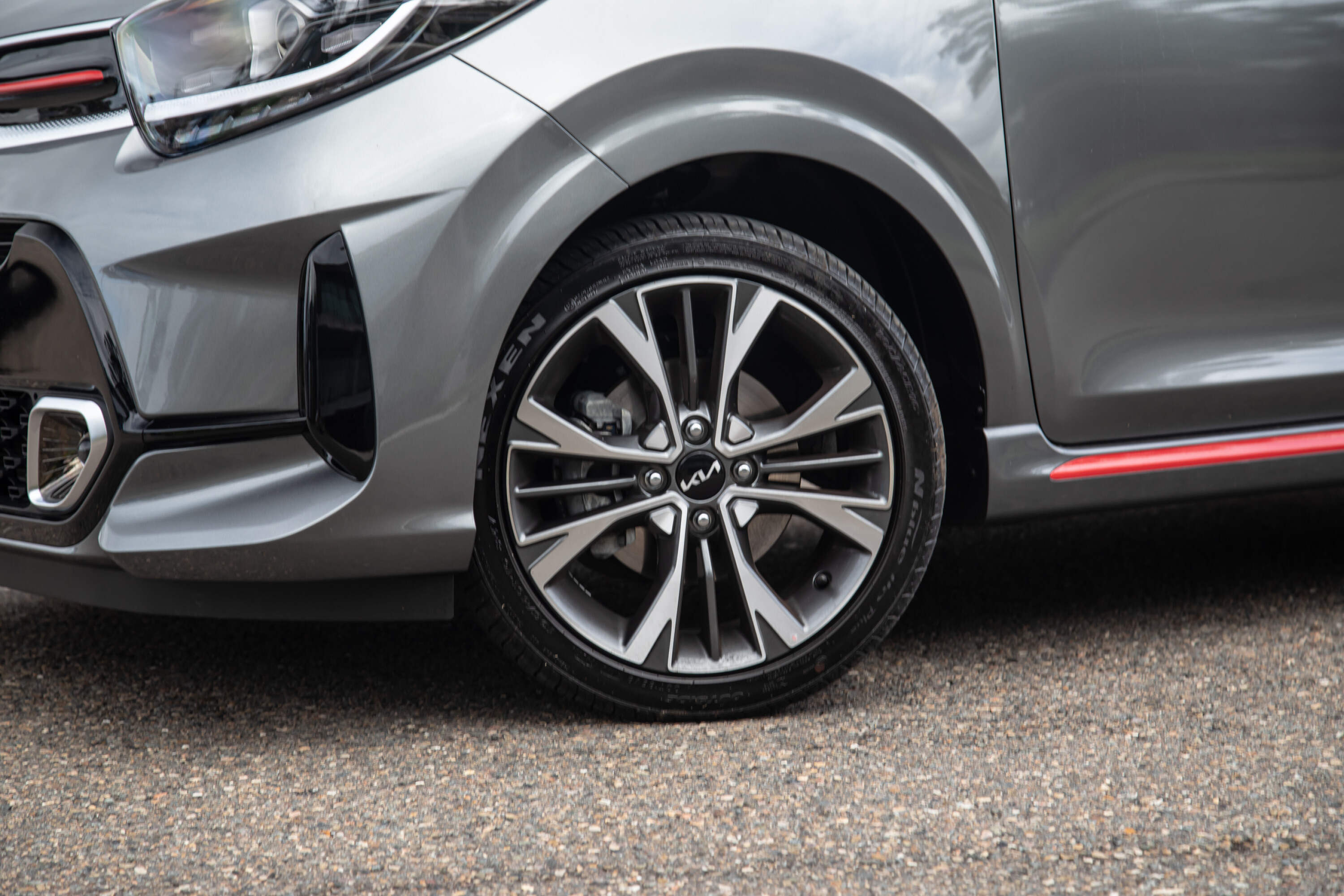
Along testing twisty roads, the Picanto doesn’t roll as much as you might expect and the front end is pretty pointy initially, with encouraging off-throttle adjustability available. The average 195/45R16 Nexen NBlue tyres don’t have anywhere near enough bite to lean on the front end properly. A grippier set of boots would help address the front-end-limited handling.
The Picanto GT’s chassis is not as talented or nuanced as a true hot hatch, like the Renault Clio Sport (2001-2006). That said, with the Picanto’s petite proportions and eager handling it’s plenty more rewarding to drive than an equivalently priced SUV.
1
How much fuel does it use?
The Kia Picanto GT uses 5.2L/100km on the combined ADR fuel efficiency cycle.
In a rare occurrence, we managed to match that figure exactly, on our three-hour test loop.
Continuing over a week of testing with more urban and suburban driving, that number climbed to 6.1L/100km, which is still very reasonable for an engaging hatchback.
The Picanto GT will accept regular 91 RON unleaded petrol or an E10 blend at the bowser and features a rather dinky 35-litre fuel tank.

1
How safe is it?
The Kia Picanto was awarded four stars in 2017 ANCAP safety testing.
The Picanto is equipped with autonomous emergency braking and forward collision warning, but the camera-based system is unable to accurately detect pedestrians, cyclists, or crossing traffic.
A reversing camera, rear parking sensors, stability control, and six airbags round out the Picanto’s list of safety features. It scored 87 per cent in adult occupant protection, 64 per cent in child occupant protection, 54 per cent in pedestrian protection and 47 per cent for safety assist systems.
1
Warranty and running costs
Kia’s seven-year, unlimited-kilometre warranty is still one of the most complete new-car guarantees in Australia, and it covers the Picanto GT.
Maintenance is due every 12 months or 10,000km, and Kia caps service costs for seven years or 70,000km. Five years will cost you $1957, and seven years $3158.
1
VERDICT
While it’s no Peugeot 205 GTi, Renault Clio Sport, or Volkswagen Golf GTI, the Picanto GT is a bucket load more fun than other cars in its price range.
That peppy three-cylinder is brisk and alert, and the gruff sound adds more personality than terseness (just). It’s fun, and eggs you on to drive the snot out of the Picanto everywhere you can.
A few question marks remain, such as its four-star ANCAP rating, lack of adaptive cruise control, and the fact it’s manual only.
But the Picanto GT is cheap, well-packaged, and a lot more efficient in the real world than an equivalent SUV and driving one again makes us question why Kia’s dropped it for the 2024 update.
If you’re looking at a Hyundai Venue or Kia Stonic, do yourself a favour and sample the Picanto. It might not look as cool, but it’s a better car.

1
MORE
Everything KIA
| 2023 Kia Picanto GT specifications | |
|---|---|
| Price | $22,890 drive-away |
| DRIVETRAIN | |
| Engine | inline 3 cyl, DOHC, direct-injected, CVVT, 12v, 998cc turbo-petrol |
| Layout | front engine, transverse, FWD |
| Power | 74kW @ 4500rpm |
| Torque | 172Nm @ 1500-4000rpm |
| Gearbox | 5-speed manual |
| CHASSIS | |
| L/W/H/Wu2013B | 3595/1595/1485/2400mm |
| Weight (claimed) | 1012kg |
| Boot | 255L |
| Fuel/tank | E10 or 91 RON / 35L |
| Economy (tested) | 5.2L/100km |
| Suspension | Front: struts, stabiliser bar. Rear: coupled torsion beam |
| Steering | rack-assisted electric power steering |
| Front brakes | 256mm ventilated rotors, single-piston floating caliper |
| Rear brakes | 234mm colid rotors, single-piston floating calliper |
| Tyres | Nexen N Blue |
| Tyre size | 195/45R16 |
| SAFETY | |
| ANCAP rating | 4 stars (2017) |
| 0-100km/h | 10.5 seconds (estimated) |
Are electric cars expensive to maintain?
Electric vehicles have fewer parts than a conventional petrol or diesel car, so they should cost a lot less to service and maintain, right? Here’s a guide to just what that really means.
Snapshot
- EVs donu2019t need to contend with oil changes, spark plugs, belts, etc.
- EVs still need routine maintenance for a range of u2018consumablesu2019
- Some car brands require similar servicing intervals and costs to ICE
According to Forbes [↗], an EV drivetrain contains around 20 moving parts, in contrast to traditional internal combustion engine (ICE) vehicles that typically have more than 2000.
As vehicles move further towards ‘computers on wheels’, which parts of our cars will still need physical servicing? What’s required with servicing an EV and is it cheaper than maintaining an ICE or hybrid car?
JUMP AHEAD
- ?️ Is EV servicing really better than ICE?
- ? How long do batteries last?
- ? Time to make the electric switch?
1
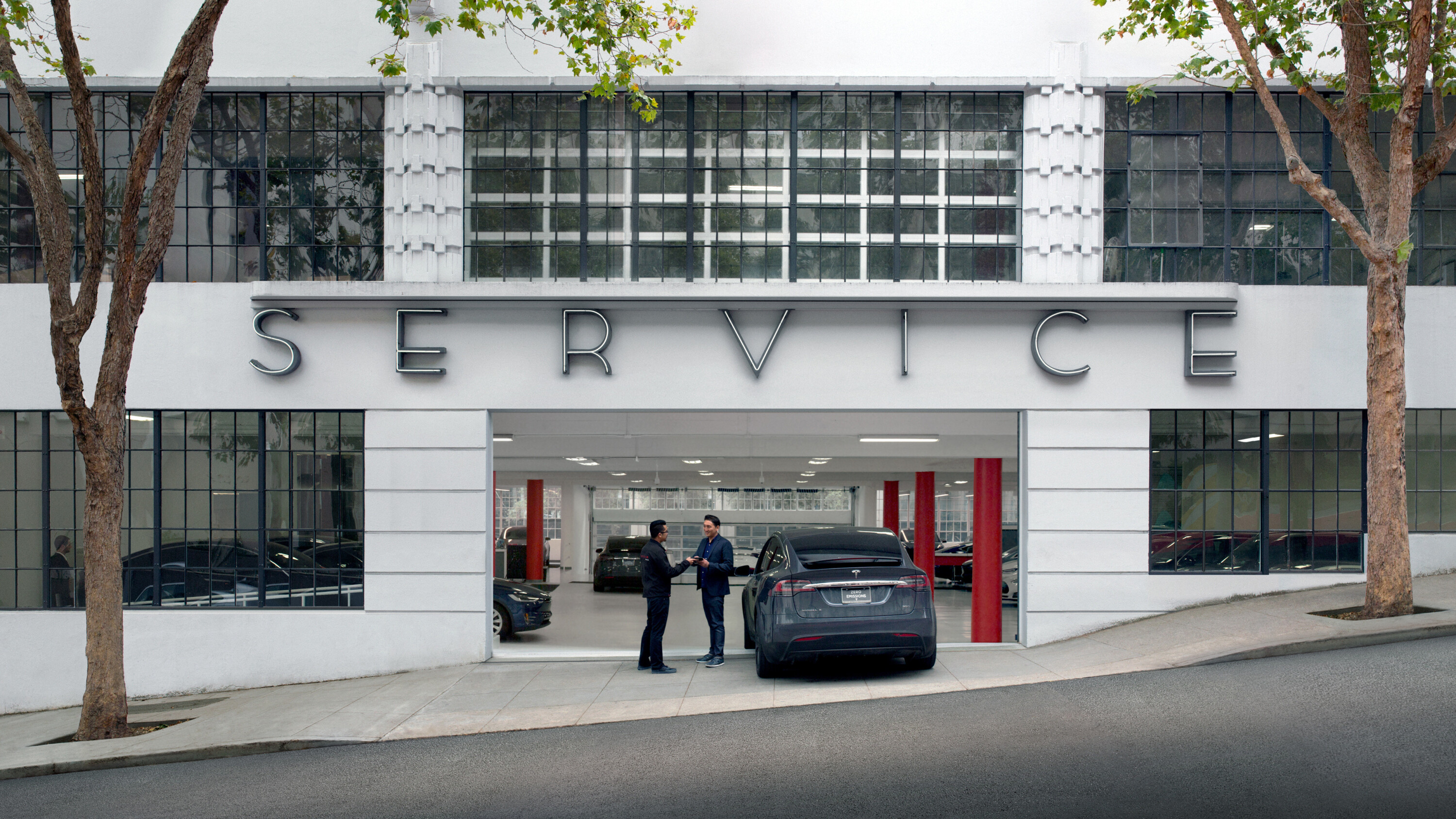
?️ What does EV servicing include?
The good
- EVs have significantly fewer parts required to maintain, theoretically more reliable
- Dedicated EV-designed tyres reduce the load with more durable materials
- Regenerative braking limits brake pad wear on all EVs
- Some parts, such as transmission fluid and brake pads, have a longer lifespan depending on usage
The not so good
- EVs still need servicing since they share many u2018consumablesu2019 with ICE that need routine attention
- Heavier weight and rapid torque can wear out tyres faster, when driven harder
- Minimal use of physical brakes can cause disc corrosion, potentially requiring a replacement
Similar to petrol and diesel vehicles, electric cars require routine maintenance on a number of electronics and consumable parts.
| Shared EV and ICE maintenance parts | |
|---|---|
| Electronics systems, software and sensors (including infotainment, lighting, passive and active safety systems, etc.) | Transmission gear fluid and parking brake |
| 12-volt auxiliary electronics battery | Power steering fluid and rack |
| Rotating tyres, checking tyre pressures, tread depth and alignment | Windscreen glass, wiper arms and blades, washer fluid |
| Brake fluid, pads, discs and callipers | HVAC system and air cabin filter |
| Suspension components (including joints, shock absorbers, springs, etc.) | Door hinges, latches, nuts and bolts |

1
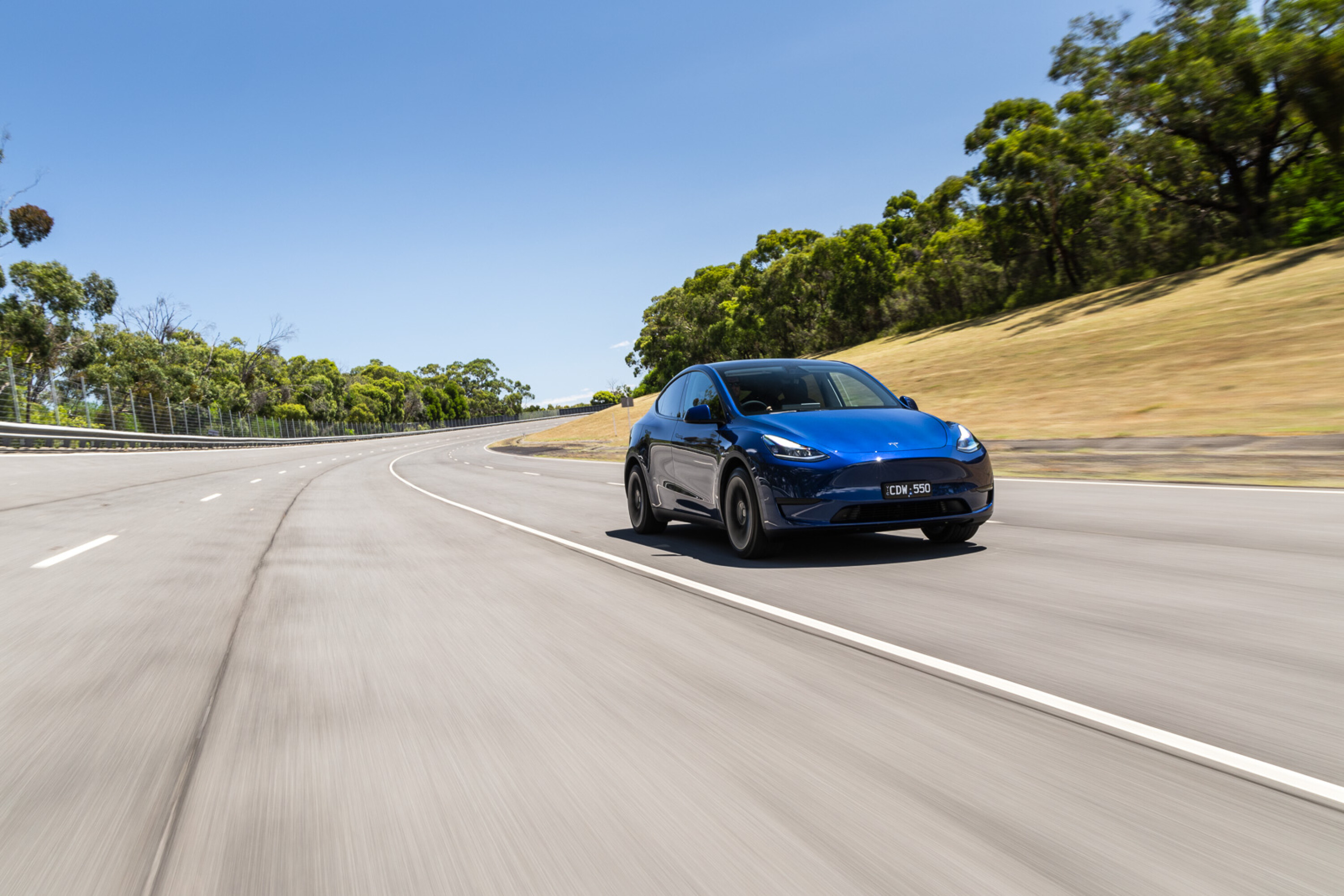
While the above focuses on the shared consumables with ICE vehicles, electric vehicles’ critical drive unit systems also need attention from time-to-time.
| EV-only maintenance parts | |
|---|---|
| High-voltage battery pack coolant (replacement may not be required depending on the manufacturer) | Cooling fans and fluids |
| Battery pack health diagnostic | Charge port condition |
| Battery management system (BMS) software | Exterior pedestrian warning sound system (if equipped) |
1
? Is EV servicing cheaper?
The good
- EVs are generally cheaper to service
- Year/distance intervals sometimes longer than ICE
- Tesla doesn’t require frequent servicing, costs reportedly minimal
The not so good
- For some, the savings are not as significant u2013 despite longer intervals
- Some car brands set similar EV servicing prices compared to ICE
If electric cars have fewer parts to service, does that mean checkups are less frequent and cheaper than ICE vehicles?
Theoretically, it should – but it depends on the car manufacturer.
A growing number of brands, such as MG, Hyundai and Polestar, employ longer servicing intervals at every two years with farther distance caps, while BYD, Peugeot and Fiat still need logbook checkups every one year but set longer distances.
Meanwhile, Tesla, BMW and Mini use a ‘condition-based’ servicing scheme that only alerts the driver when specific routine maintenance tasks are needed, based on the vehicle’s sensors and driving usage.
Others such as Kia, GWM and Cupra require similar one-year and distance-travelled requirements as ICE models, but are slightly cheaper.
Some premium brands, including Genesis, Audi and Lexus, offer free servicing for a limited period to sweeten the EV transition.
It’s often a little cheaper to service electric cars, but some EV models are priced on par with their ICE equivalent overall – even with longer intervals in place.
1
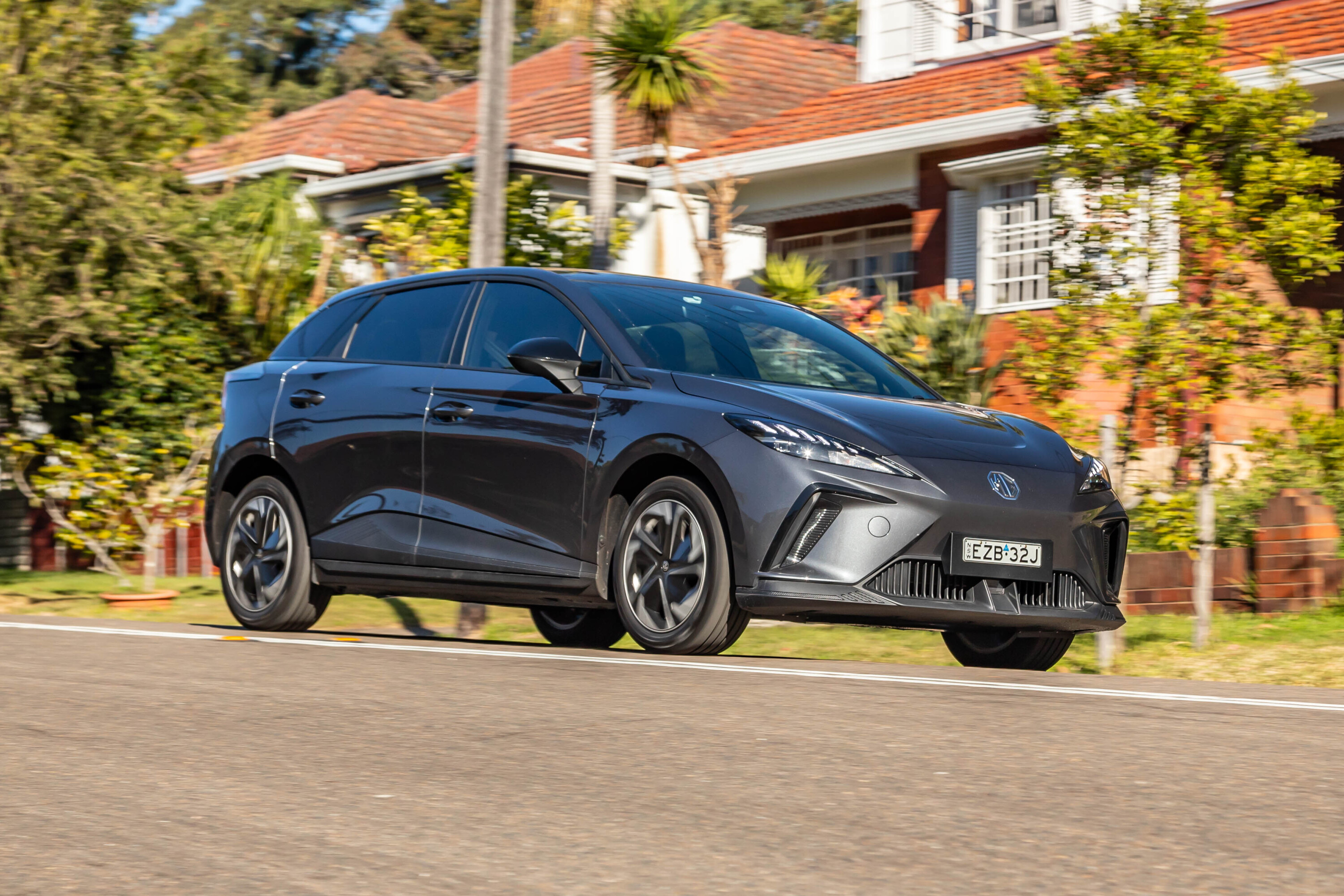
MG 4 vs Toyota Corolla Hybrid
| Servicing interval (whichever occurs first) | 2 years/40,000km | 4 years/80,000km | 6 years/120,000km | Totals |
|---|---|---|---|---|
| MG 4 Excite 51 | $296 | $907 | $296 | $1499 |
| Servicing interval (whichever occurs first) | 1 year/15,000km | 2 years/30,000km | 3 years/45,000km | 4 years/60,000km | 5 years/75,000km | 6 years/100,000km | Totals |
|---|---|---|---|---|---|---|---|
| Toyota Corolla ZR Hybrid hatch | $245 | $245 | $245 | $245 | $245 | $380 | $1605 |
Tables scroll horizontally to reveal more columns.
Despite the Toyota Corolla’s lower-than-typical capped-price servicing, the MG 4 electric hatch is $106 cheaper to maintain overall after six years/100,000 kilometres of driving.
The MG 4 benefits from longer servicing interval requirements and averages $500 per checkup for the first three visits.
Meanwhile, the petrol-electric Toyota Corolla Hybrid has cheaper capped prices each service, averaging $268 per service for the first six visits.
In the end, the electric car is nearly seven per cent cheaper to maintain – which isn’t a significant saving.

1
BYD Atto 3 vs Mazda CX-30
| Servicing interval (whichever occurs first) | 1 year/20,000km | 2 years/40,000km | 3 years/60,000km | 4 years/80,000km | 5 years/100,000km | Totals |
|---|---|---|---|---|---|---|
| BYD Atto 3 Standard Range | $189* | $370* | $189* | $447* | $189* | $1384* |
| *Standard servicing plan tier. An initial free-of-charge three month/5000km service is required. | ||||||
| Servicing interval (whichever occurs first) | 1 year/10,000km | 2 years/20,000km | 3 years/30,000km | 4 years/40,000km | 5 years/50,000km | Totals |
|---|---|---|---|---|---|---|
| Mazda CX-30 G25 Astina FWD | $341 | $388 | $341 | $388 | $341 | $1799 |
Tables scroll horizontally to reveal more columns.
The popular BYD Atto 3 small electric SUV is $415 cheaper to service overall after six years/100,000km than the Mazda CX-30 in G25 engine guise.
The Atto 3 has longer distance intervals than the CX-30 and averages to $277 per checkup after the first five visits. A cheaper one-year/12,000km light service plan is optional for shorter-distance drivers.
The Mazda CX-30 small SUV averages $360 per service after the first five visits.
Overall, the similarly-priced BYD electric SUV is 23 per cent cheaper to maintain. It’s worth noting that the more affordable BYD Dolphin electric hatch has identical capped-price servicing prices, but can’t be optioned with the light plan.

1
Tesla Model 3 vs BMW 3 Series
| Servicing interval (whichever occurs first) | 5 years/80,000km |
|---|---|
| Tesla Model 3 RWD | N/A u2013 Condition-based |
| BMW 320i | $2150* |
| *Service Inclusive Basic pre-paid package, condition-based servicing otherwise | |
Both the Tesla Model 3 and BMW 3 Series small premium sedans uniquely adopt a condition-based servicing program.
This means the vehicle alerts the driver when specific routine maintenance tasks are required, depending on usage.
Tesla recommends a range of routine maintenance tasks here [↗], while BMW offers the option of a pre-paid servicing package.
The former has reportedly been relatively affordable to maintain and replace parts via Tesla.
1
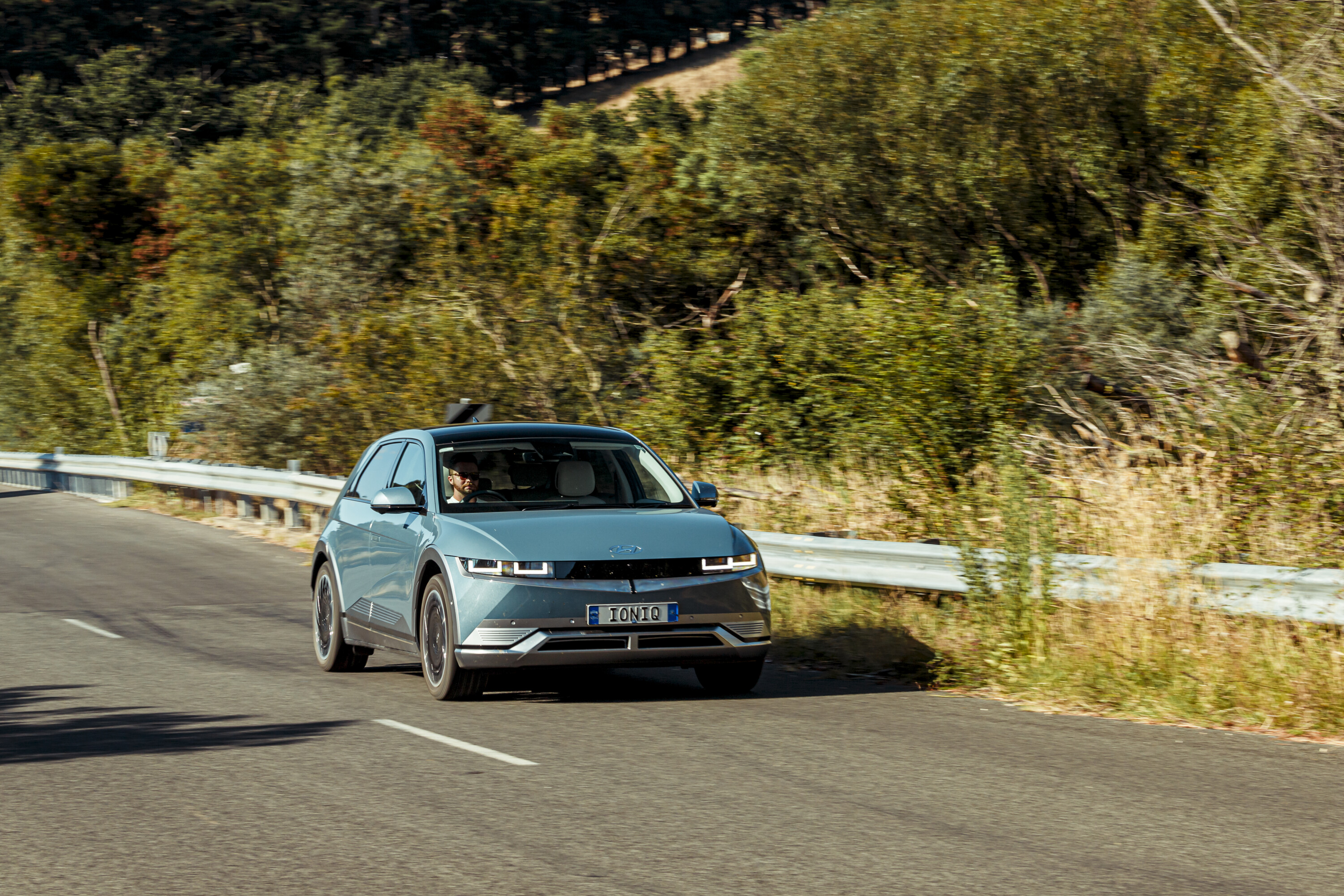
Hyundai Ioniq 5 vs Tucson diesel
| Servicing interval (whichever occurs first) | 2 years/30,000km | 4 years/60,000km | 6 years/90,000km | Totals |
|---|---|---|---|---|
| Hyundai Ioniq 5 Techniq AWD | $570 | $1090 | $570 | $2230 |
| *An initial free-of-charge 1.2 month/1500km service is required. | ||||
| Servicing interval (whichever occurs first) | 1 year/15,000km | 2 years/30,000km | 3 years/45,000km | 4 years/60,000km | 5 years/75,000km | 6 years/90,000km | Totals |
|---|---|---|---|---|---|---|---|
| Hyundai Tucson Highlander 2.0D AWD | $395 | $395 | $450 | $550 | $395 | $665 | $2850 |
| *An initial free-of-charge 1.2 month/1500km service is required. | |||||||
Tables scroll horizontally to reveal more columns.
Despite higher-than-typical costs, the Hyundai Ioniq 5 EV is still $620 cheaper to service than the diesel-powered Tucson medium SUV after six years/90,000km.
While the 2023 Ioniq 5 now features longer servicing intervals, it is now more expensive than the 2022 model, which required conventional one-year/15,000km visits. After the first three checkups, it averages a pricey $743 to service the electric SUV.
In comparison, the Tucson with its optional diesel engine averages $475 per service after the first six visits.
Despite lower average maintenance costs per checkup, the Ioniq 5’s servicing demands are less frequent and is nearly 22 per cent cheaper to maintain after six years/90,000km.
1
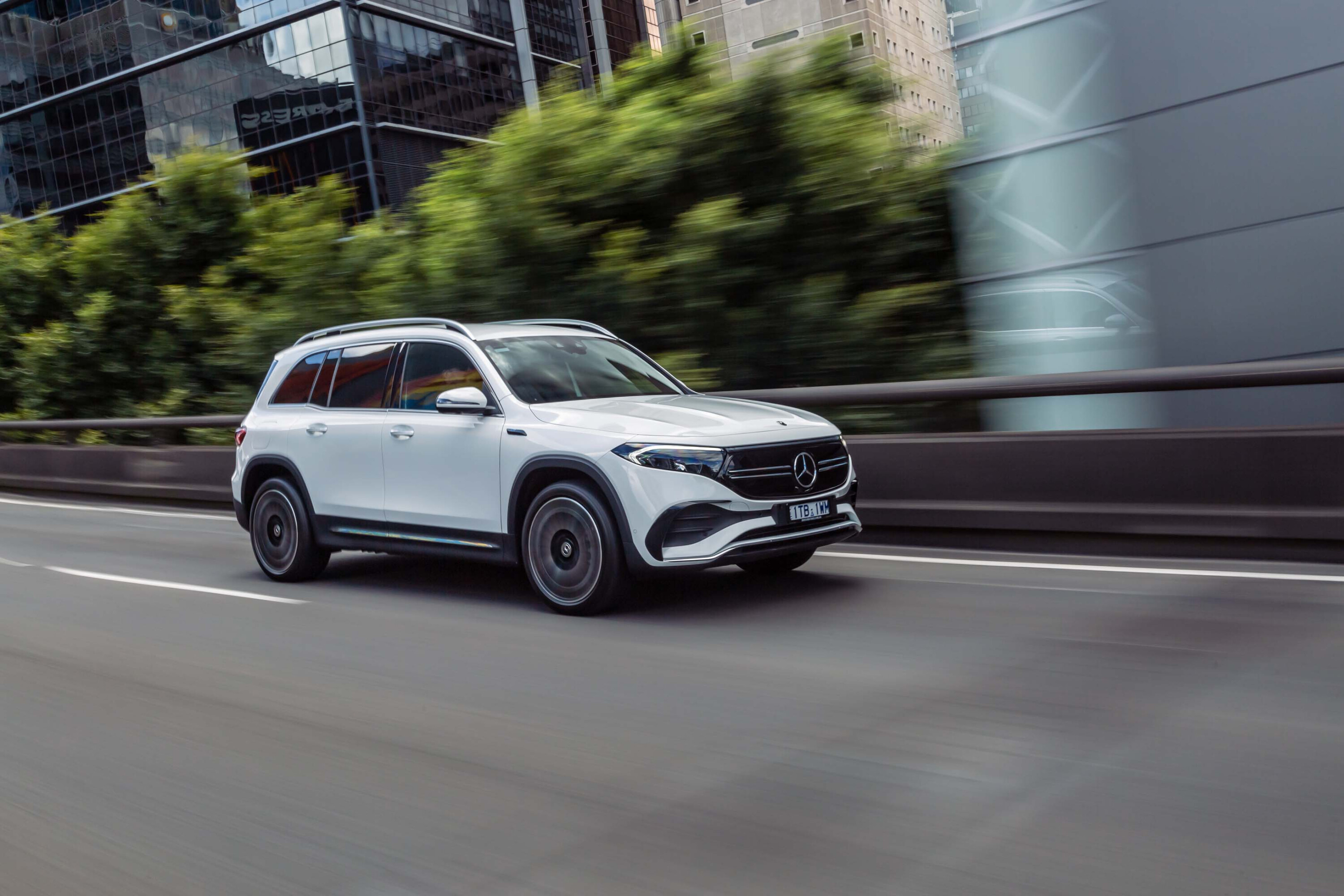
Mercedes-Benz EQB vs GLB
| Servicing interval (whichever occurs first) | 3 years/75,000km | 4 years/100,000km | 5 years/125,000km |
|---|---|---|---|
| Mercedes-Benz EQB 250 | $1910* | $2625* | $3200* |
| Mercedes-Benz GLB 250 | $3170* | $4150* | $5200* |
| *Pre-paid service plan pricing. Intervals are set every 1 year/25,000km for both models. | |||
Mercedes-Benz doesn’t detail capped-price servicing costs, but the midsize electric EQB is between $1260 to $2000 cheaper than the petrol-engined GLB based on optional pre-paid plans.
This equates to around $637 to $657 per visit on average for the EQB, depending on which pre-paid service plan owners choose.
In contrast, it typically costs $1038 to $1057 per service on average for the GLB.
The EV version of these closely related models highlights a clear advantage by being between 36 to 40 per cent cheaper to maintain overall than the petrol-powered equivalent.
Expect maintenance costs to theoretically be slightly higher if not using pre-paid servicing packages.

1
?️ Is EV servicing really better than ICE?
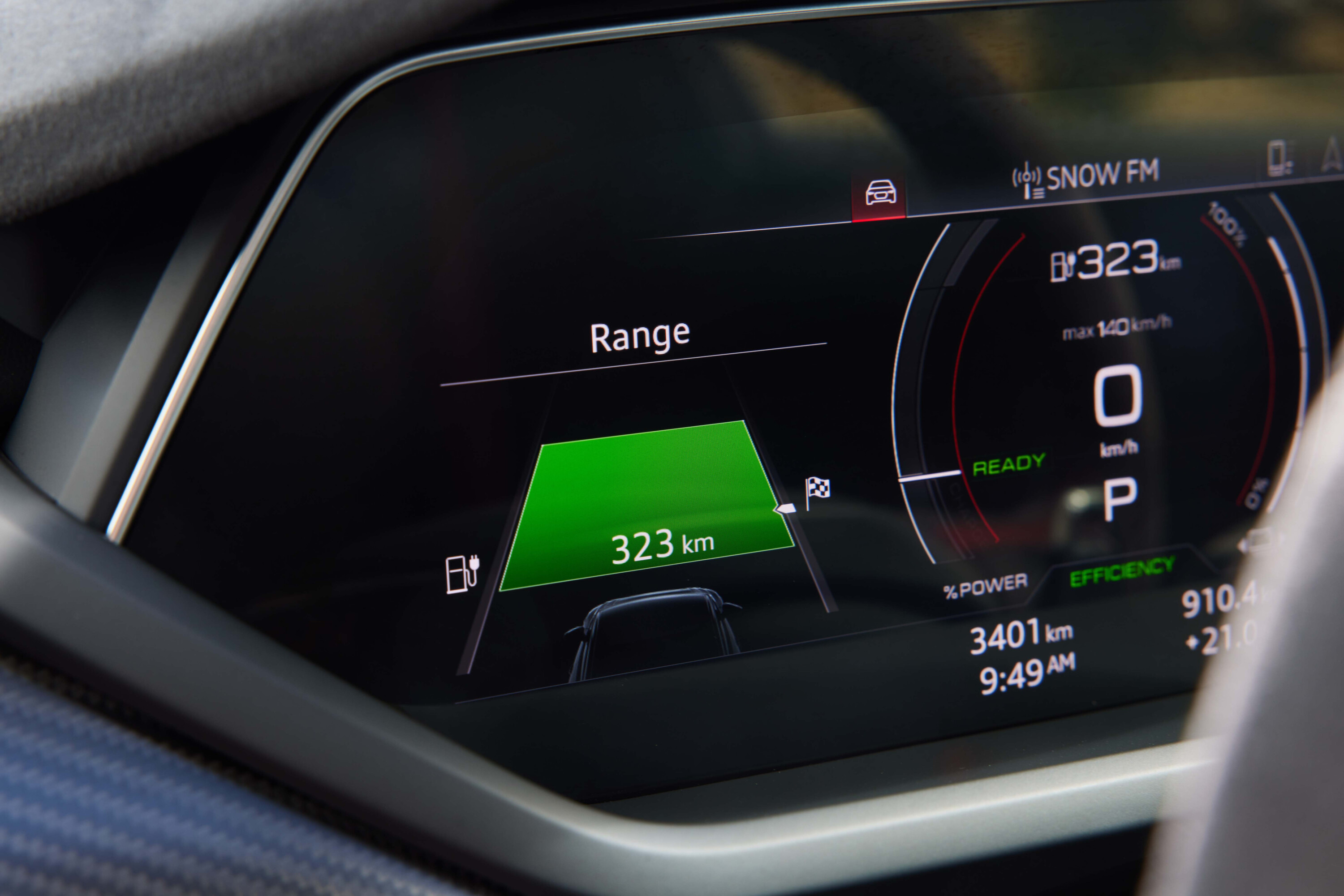
Electric cars still need servicing, although it’s not as laborious, generally not required as frequently, and typically cheaper than ICE vehicles.
Unfortunately, for some brands and models, EV servicing intervals are identical and the savings are negligible.
However, a growing number of independent technicians are being qualified to work on EVs, with dedicated certificate and apprenticeship courses already on offer. New ‘right to repair’ laws have also promoted greater transparency from car manufacturers for third-party workshops.
Ultimately, this will provide owners with more choice and increase competition to reduce maintenance costs.
And, since EVs host significantly fewer moving parts, they should theoretically be more reliable in the long run.
1
? How long do batteries last?
While EVs may be easier to service, battery longevity and degradation remains a key perceived concern. For more, check out our comprehensive guide below.
? Is it time to make the electric switch?
EVs are not for everyone (for now), but it is more than sufficient for the majority of Australians. The initial price hurdle, driving range, depreciation, sustainability, and battery safety remain key perceived and valid issues. For more, check out the links below.
Is it time to switch to an electric car?
Snapshot
- EVs are significantly cheaper to own than ICE over time
- Depreciation and insurance arenu2019t so EV-friendly
- There are valid concerns, but EVs are more than sufficient for most
It’s a hot-topic question.
Indeed, the growing interest in electric vehicles is being demonstrated by increasing sales – mainly led by the strong supply and value equation Tesla and BYD models – alongside new EV options reaching the Australian market that are driving down prices.
With more models to choose from and expanding national charging infrastructure, should your next car be all-electric?
Finally, for many buyers, the answer is probably “yes”… with some caveats.
JUMP AHEAD
- ?? Current state of EVs
- ? Purchase price & depreciation
- ? Running costs
- ? Insurance
- ? Cost of ownership
- ? Other EV concerns
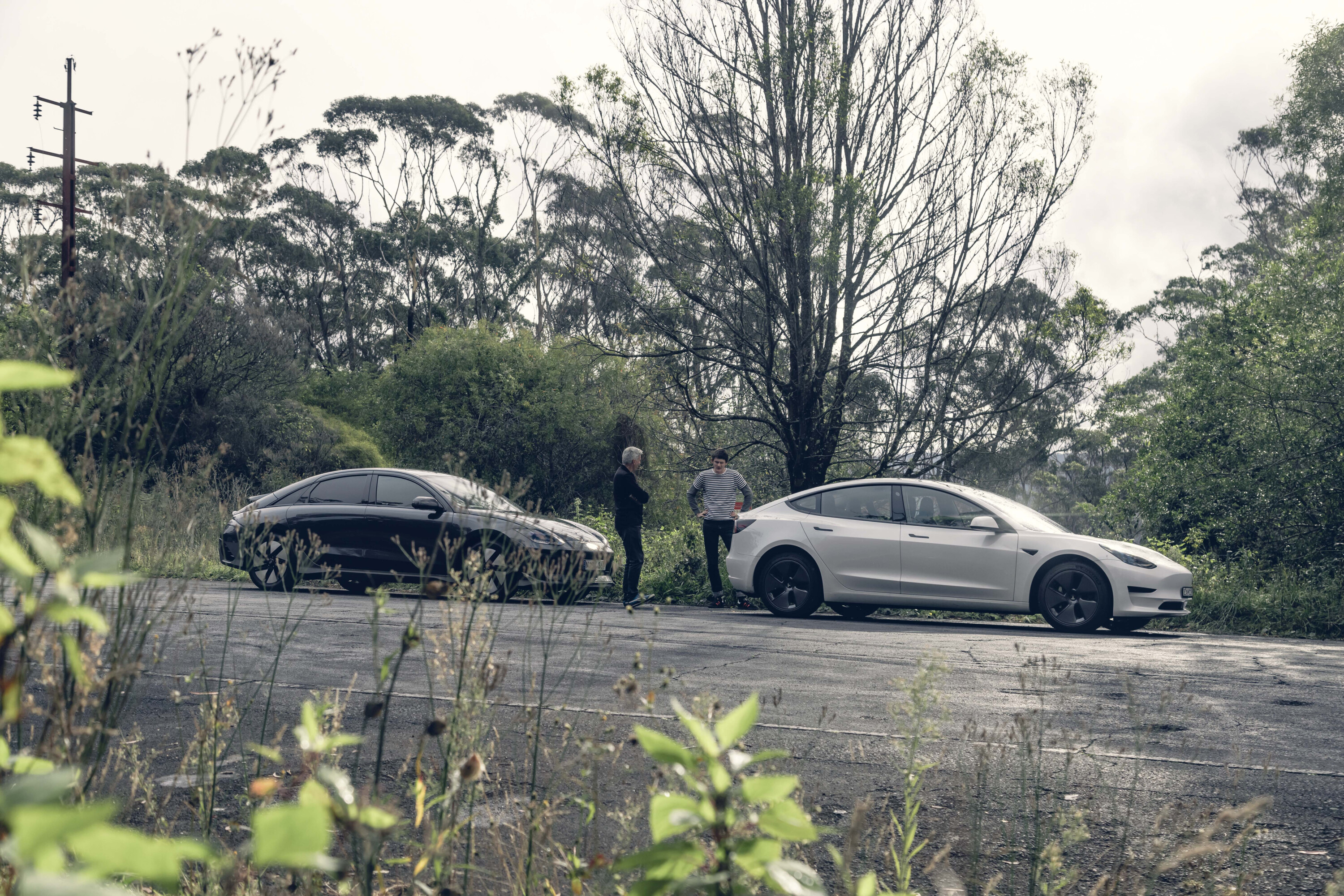
1
?? The current state of EVs in Australia
So far in 2023, a total of 56,922 electric vehicles have been sold in Australia to the end of August.
That’s almost quadrupled compared to the same period last year – and is now the third best-selling powertrain behind petrol and diesel.
Yet, it’s still small bikkies in a total annual new car market of a million-plus – despite ongoing supply shortages and shipping delays.
Even with Tesla’s volume success with the Model 3 sedan and Model Y SUV, the market share of new electric car sales is still minuscule at around seven per cent.
None of this is especially surprising given, depending on your circumstances, there’s not too many ‘cheap’ EVs.
Times are changing though, with Chinese-made electric models, such as the MG 4, BYD Dolphin and GWM Ora electric hatches starting from below $40K, and MG ZS EV and BYD Atto 3 SUVs from around $50K.
It’s worth pointing out that traditional internal combustion engine (ICE) vehicles have crept up their starting prices in today’s inflated and supply-constrained market, alongside more standard features and safety equipment.
Therefore, the gap is narrowing or, in the case of the aforementioned models, on par with comparable petrol-powered models.
Even with increasing electricity and fuel prices, EVs still have the critical advantage of lower running costs.
Sourcing power from a household outlet is just more convenient if you adopt a charge-overnight regimen; it’s substantially cheaper on a per-kilometre basis than petrol and diesel.
Servicing is simpler, mostly more affordable and sometimes less frequent, too.
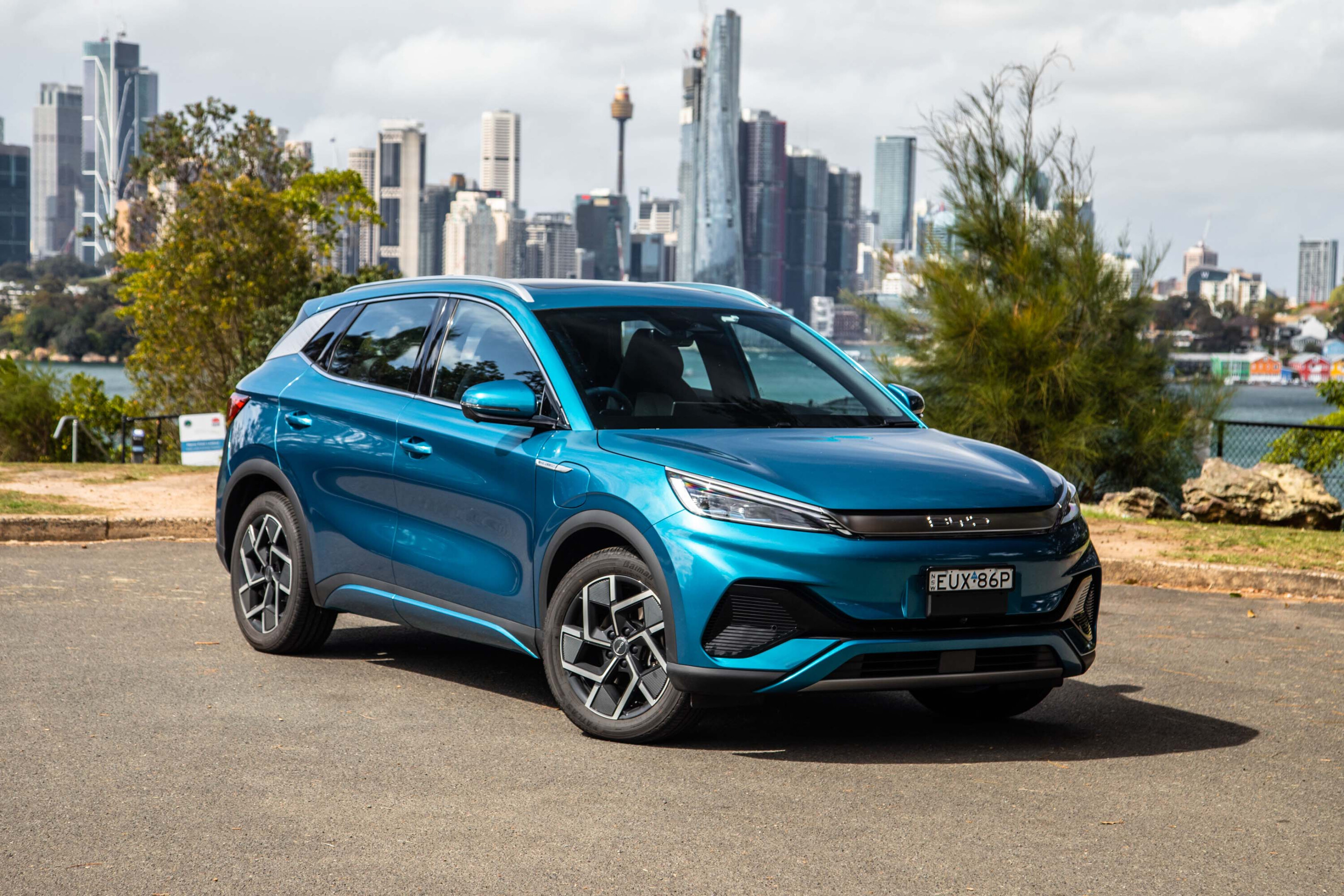
1
But which one makes more sense in the long term – petrol or electric? We’ve crunched the numbers in an attempt to settle this argument.
One of the most affordable electric SUVs on sale in Australia is the popular BYD Atto 3 Standard Range, which is priced from $48,011 before on-road costs and incentives. It’s in line with the high-spec Mazda CX-30 G25 Astina in front-wheel drive guise, which costs from $43,710 before on-roads as at the time of publication.
Both are five-door small SUV-styled crossovers, both are well-specified, and both aim to capture buyers who want practicality without choosing a medium SUV.
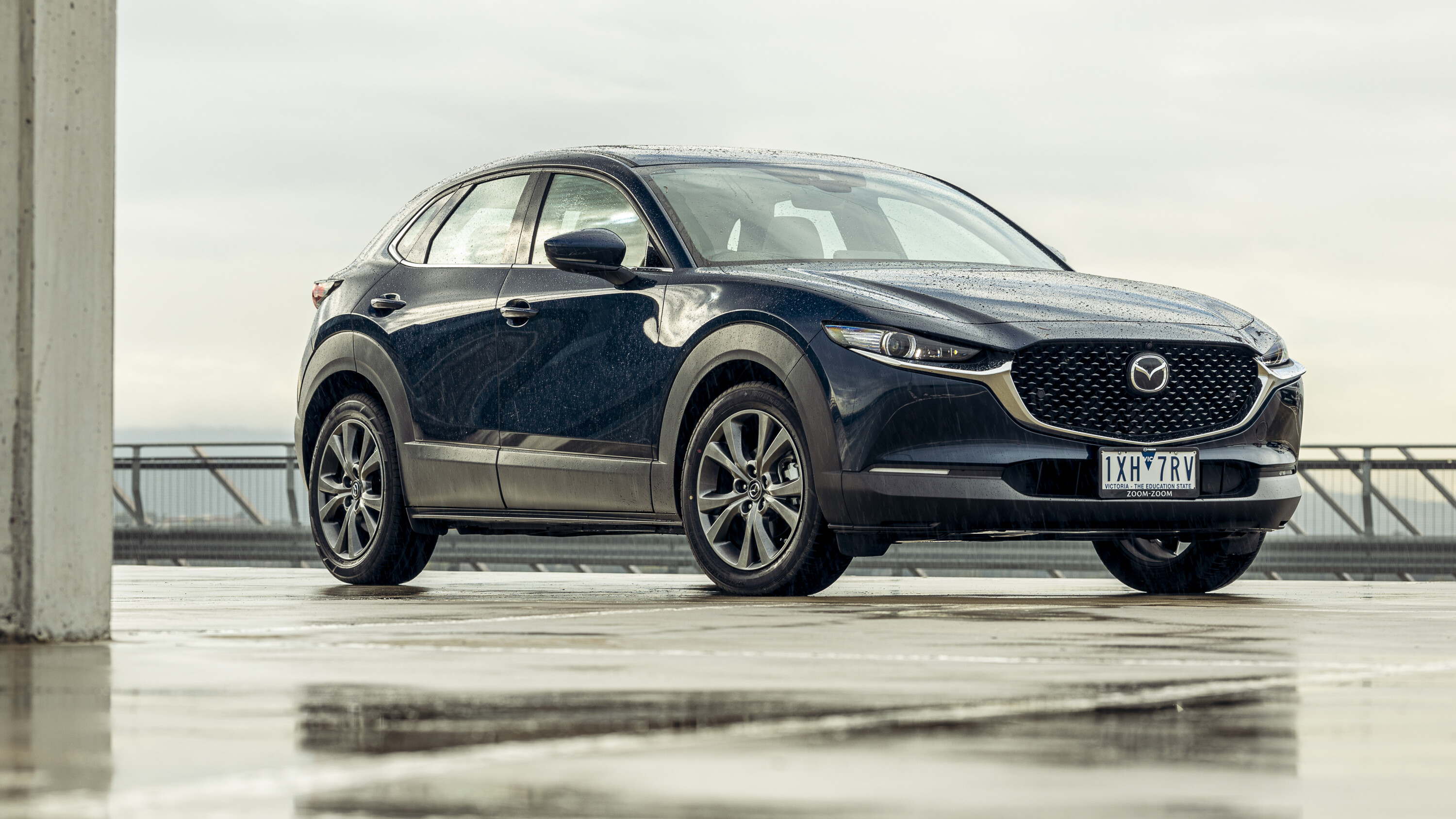
1
? Purchase price and depreciation
Snapshot
- The petrol SUV is cheaper to buy than the electric model (but not in all cases)
- EVs are currently harder hit by depreciation
- Depreciation tables could soon turn, fuel-powered cars to be seen as outdated
| 2023 Mazda CX-30 G25 Astina FWDu00a0 | 2023 BYD Atto 3 Standard Range | |
|---|---|---|
| Purchase price | $43,710 | $48,011 |
| Estimated trade-in resale value after five years | ~$29,000* | ~$25,000* |
| Estimated depreciation | ~34%* | ~48%* |
| *Minimum dealer trade-in value estimated and extrapolated from Redbook data. Assumes 15,000km to 25,000km driven per year. The figures in this story serve as a rough guide only since residual values fluctuate. | ||
From the outset, the petrol-engined small SUV has the advantage of $4301 saved (excluding on-road costs) before it’s even rolled into your driveway.
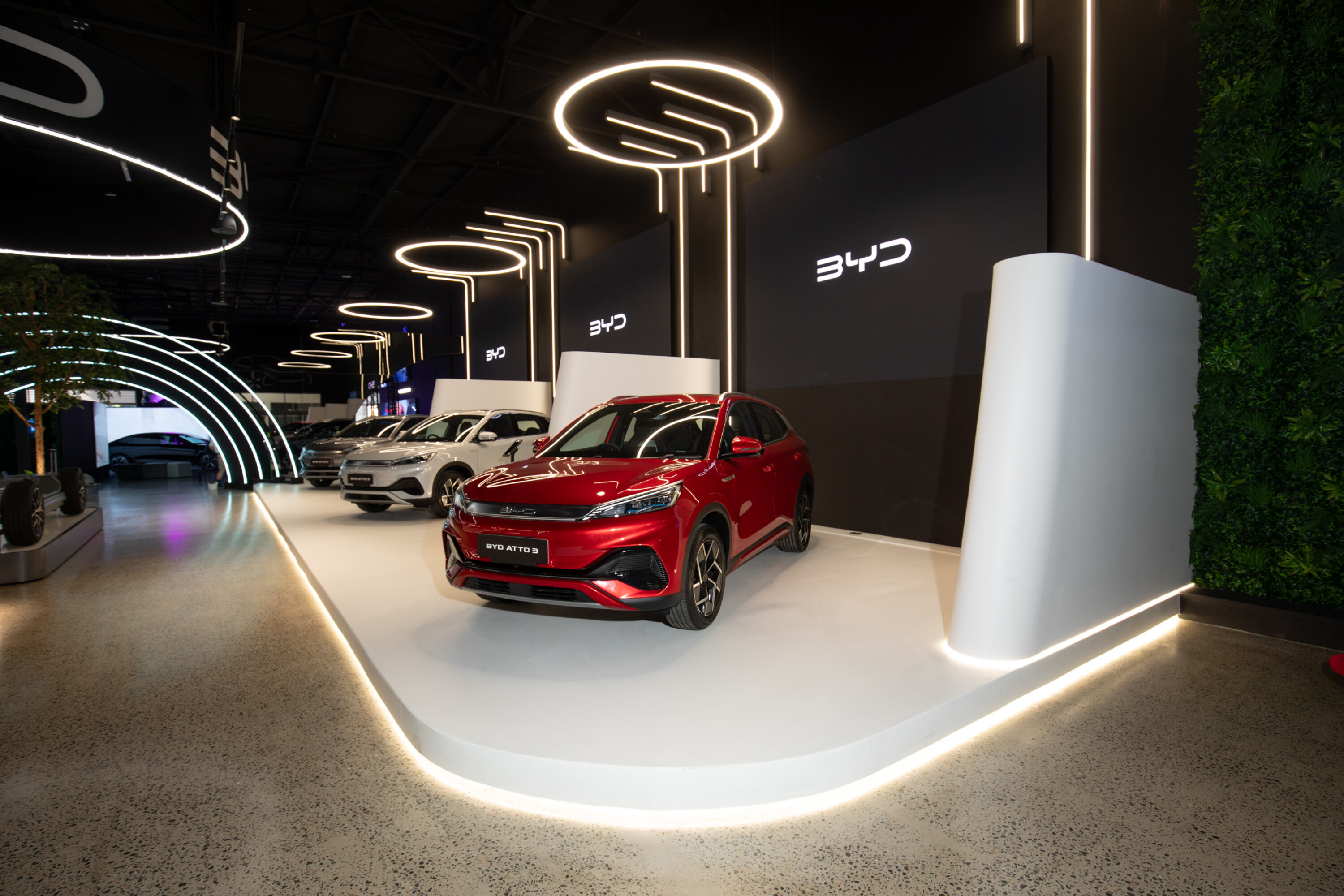
Why the discrepancy? All of those raw materials in its battery pack are quite expensive.
With its modest 49.92kWh usable pack, the BYD still needs lots of them – despite using the more affordable and less contentious lithium-iron-phosphate (LFP) cathode.
1
However, based on current Redbook data, while both SUVs have a similar resale value today, the BYD does take a harder depreciation hit than the popular Mazda.
That’s mainly because EV technology and the repairs market is still developing. BYD – including local distributor EVDirect – doesn’t have a long track record for reliability, and its perceived brand reputation is relatively nascent in Australia, too.
Over time, the depreciation tables could turn, with EVs becoming more mainstream and ICE cars seen as ‘outdated’ in the next five years – backed by government public policies.
It’s important to note that these are only rough guideline figures of how car dealerships assess reasonable values on traded-in vehicles.
Evaluations are based on the brand’s historical performance and demand in the new and used market. If you’re selling privately, the resale price may fare better.
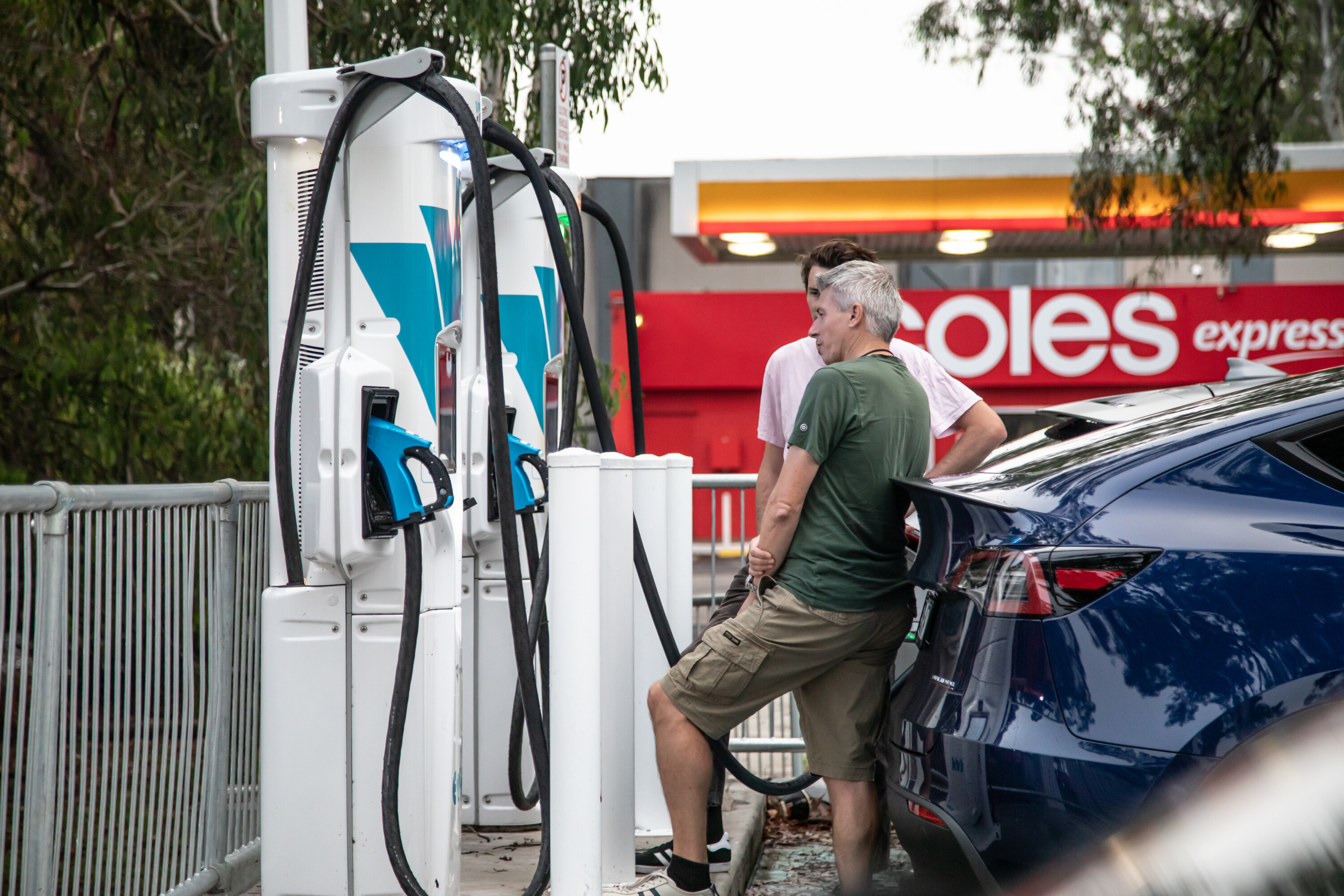
1
? Running costs
Snapshot
- EVs are much cheaper to run, especially at home
- The more you drive, the more money you save u2013 despite rising electricity and fuel costs
- Servicing cost savings (or lack thereof) vary brand-by-brand
| Fuel/electricity running costs | 2023 Mazda CX-30 G25 Astina FWDu00a0 | 2023 BYD Atto 3 Standard Range |
|---|---|---|
| Per 100km | $13.20* | $4.35** |
| Per year (12,100km) | $1597* | $526** |
| After five years (60,500km) | $7985* | $2630** |
| *Assumes 94 E10 unleaded petrol at $2.00 per litre | ||
| **Assumes overnight home electricity rate at $0.30 per kWh (excludes charging losses, using solar energy, or any dedicated ultra-low charging tariff) | ||
According to the Australian Bureau of Statistics [↗], the average Australian drives 12,100km per year.
The Mazda CX-30 G25 Astina FWD has a claimed average combined fuel consumption of 6.6L/100km, while the electric BYD Atto 3 has a claimed energy consumption of 14.5kWh/100km.
Fuel and electricity prices vary from state-to-state and constantly fluctuate, but with the assumptions above, going electric could theoretically save $5355 in running expenses after driving 60,500km.
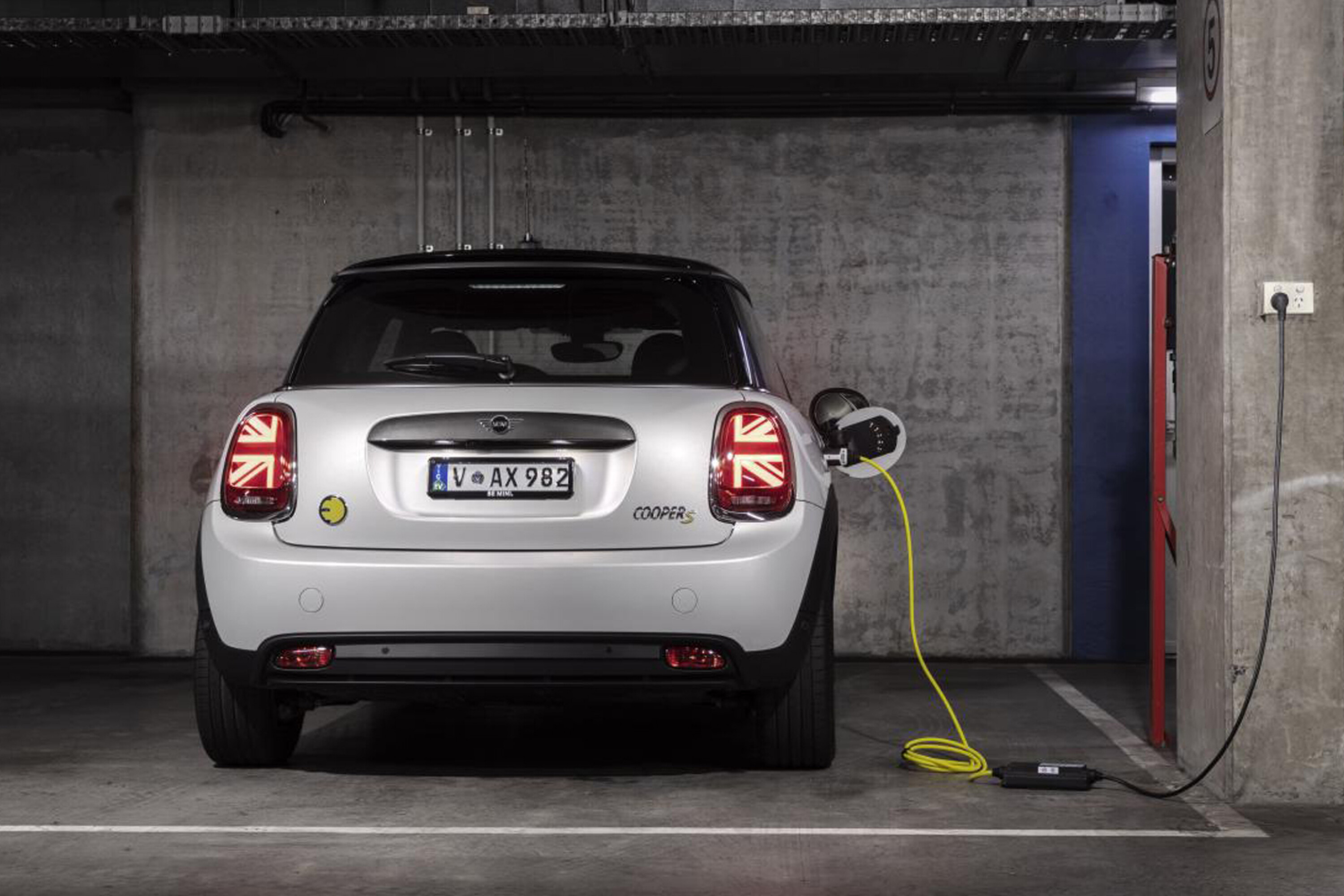
1
If you can take advantage of a solar panel system, recharging your electric car can be free during the day or even at night when paired with a home battery storage system. After all, Australia has one of the highest solar installations and sun exposures globally – which further reduces lifetime emissions.
However, if you can’t conveniently charge at home, plugging-in a standard 50kW public DC fast charger that costs $0.50 per kWh means the Atto 3 costs $4386 to travel 60,500km – which is still cheaper than putting in petrol.
To Victorians…
Victorian-registered EV owners also need to pay a mandatory road user charge based on distance travelled per year.
This means, a BYD Atto 3 owner driving 12,100km in a year will need to pay the state government $339 under the latest 2023-24 rate. The EV tax is indexed based on inflation per financial year, so it’ll likely increase further.
However, the Mazda CX-30 is not immune. All fuel-powered vehicles in Australia are subject to an excise tax imposed by the federal government, which is included in every fuel payment.
Driving the same distance at the current August 2023 rate means it’ll cost around $390. The tariff is also indexed, but twice every year in February and August.
| Capped-price servicing costs | 2023 Mazda CX-30 G25 Astina FWDu00a0 | 2023 BYD Atto 3 Standard Range | |
|---|---|---|---|
| 1 year/10,000km | $341 | 1 year/20,000km | $189 |
| 2 years/20,000km | $388 | 2 years/40,000km | $370 |
| 3 years/30,000km | $341 | 3 years/60,000km | $189 |
| 4 years/40,000km | $388 | 4 years/80,000km | $447 |
| 5 years/50,000km | $341 | 5 years/100,000km | $189 |
| Totals | $1799 | $1384 |
But, there’s maintenance to factor in running costs, too.
The petrol-powered CX-30 needs servicing every 12 months/10,000km – averaging to $360 per visit for the first five services.
Meanwhile, the electric Atto 3 needs maintenance every 12 months/20,000km – averaging to $277 per visit for the first five services.
In this comparison, the EV option has the benefit of longer distance servicing intervals and benefits from a $415 saving after five years, if you don’t travel beyond 10,000 kilometres annually.
Servicing interval requirements and capped prices vary depending on the car brand. In some cases, the EV may have similar costs and intervals to a comparable ICE model.
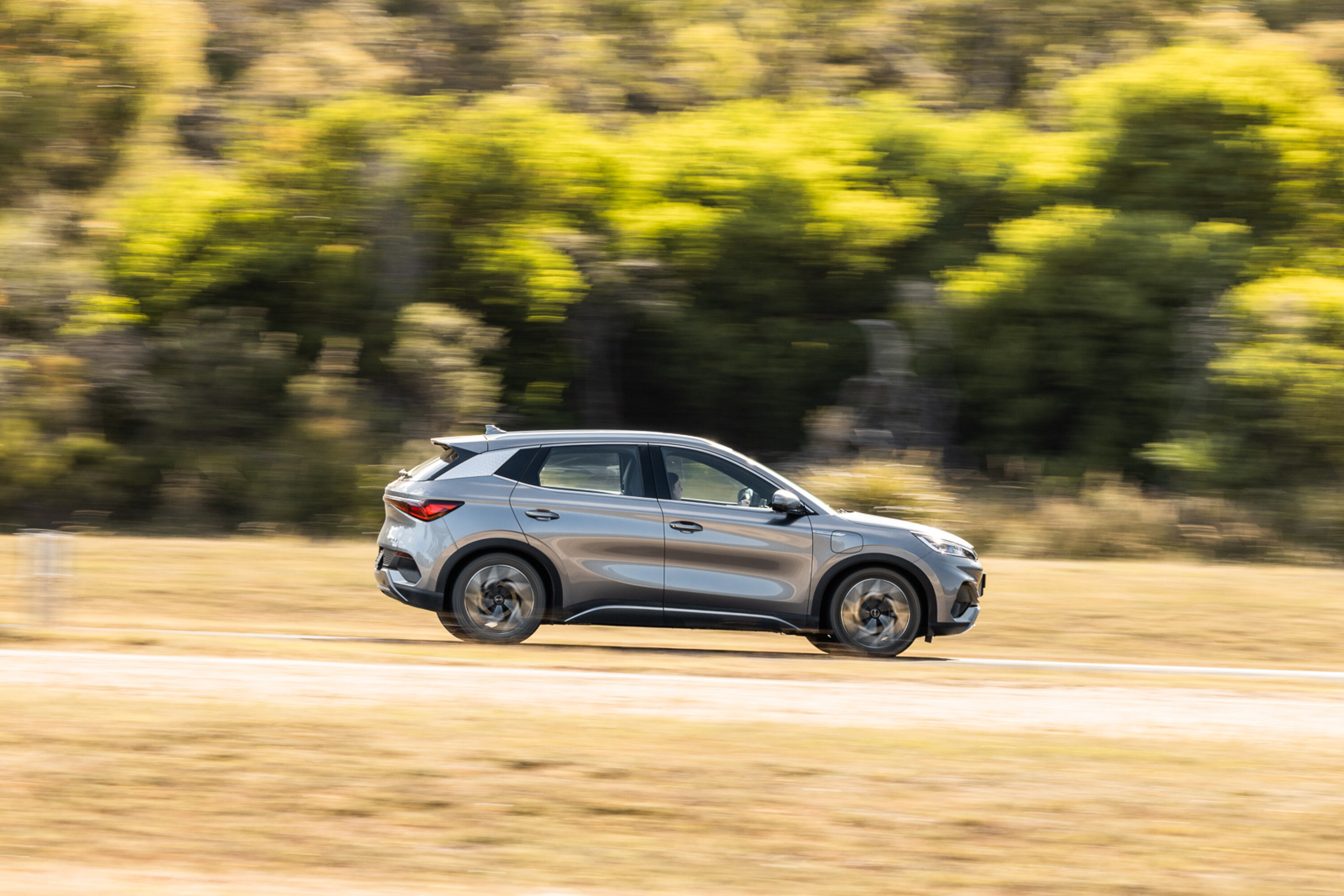
1
? Insurance
Snapshot
- EVs are generally more expensive to insure
- Emerging tech, higher price tag means higher premium
- Lower electric running costs help offset it
| 2023 Mazda CX-30 G25 Astina FWDu00a0 | 2023 BYD Atto 3 Standard Range | |
|---|---|---|
| NRMA | $1458* | $2060* |
| Budget Direct | $1715* | $2307* |
| Bingle | $1028** | $1125** |
| *Annual comprehensive car insurance based on $850 excess, no extras and market value coverage (quoted on 15 September 2023). Assumes a 30 year-old female in Sydney, with a garaged address, clean driving record, and drives up to 15,000km per year. | ||
| **Excess is $895, as the closest option available | ||
After finance and fuel, insuring your car is another big impost – and one that’s ignored at your peril.
With the assumptions above, we’ve listed three insurance providers – the state motoring club, a more popular insurer, and a budget-orientated offering.
On average, the petrol-engined top-spec CX-30 has a $1401 annual premium, whereas the electric Atto 3 costs $1831 to fully insure.
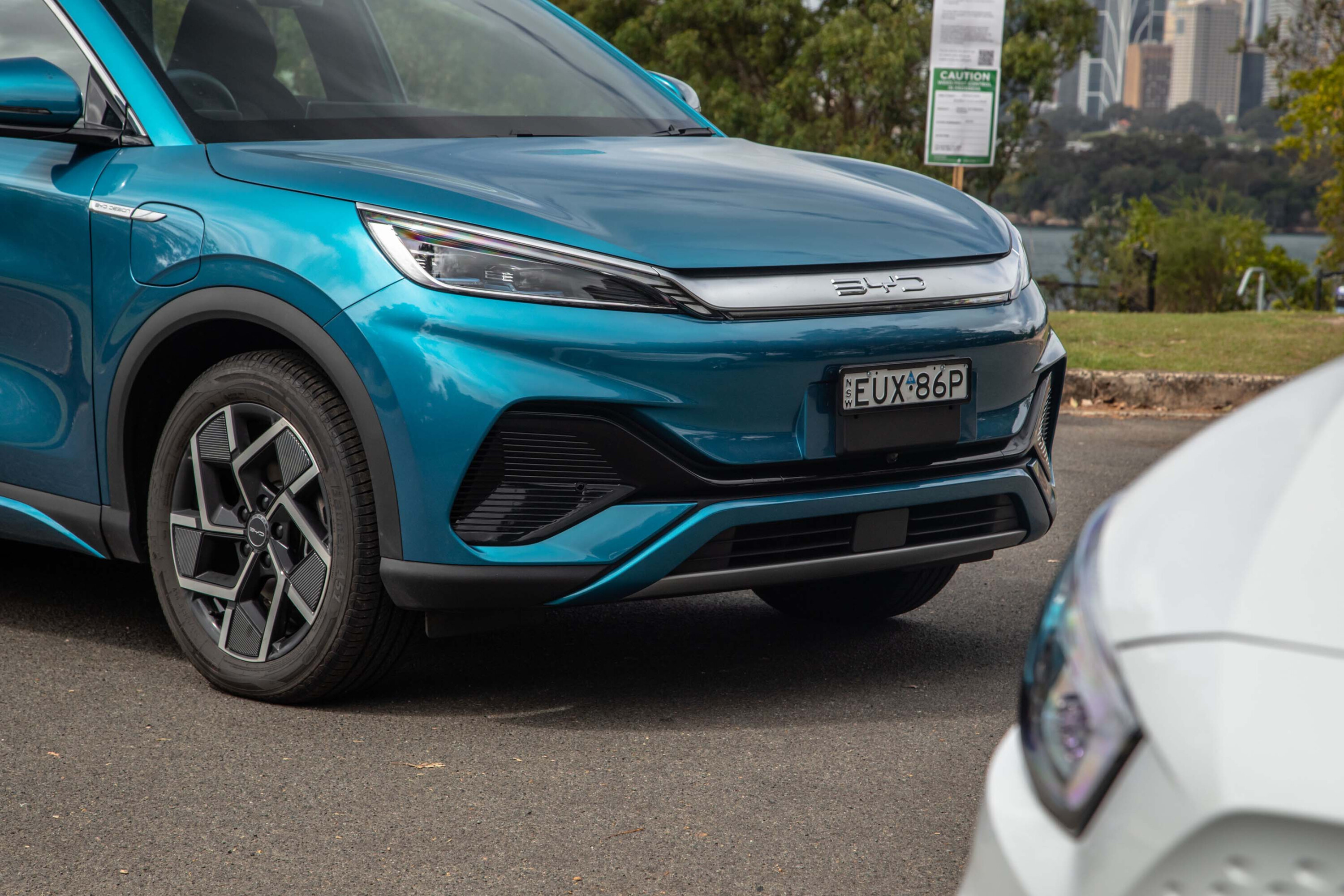
1
? Overall ownership cost breakdown
Snapshot
- EVs are much cheaper to own, but should ideally be charged at home
- The more you drive, the more money you save
- ‘Break even’ point could be earlier depending on the model, how you drive and charge
ICE vs EV: Five-year total cost-of-ownership comparison
| 2023 Mazda CX-30 G25 Astina FWD | 2023 BYD Atto 3 Standard Range | |
|---|---|---|
| Purchase price when new (excludes on-road costs) | $43,710 | $48,011 |
| Running costs (fuel/electricity + servicing + insurance) after five years | + $16,789* | + $13,169* |
| Estimated trade-in resale value after five years | – ~$29,000 | – ~$25,000 |
| Estimated total cost of ownership after five years | = $31,499 | = $36,180 |
| *Refer above for assumptions | ||
For the first five years of ownership, the BYD Atto 3 saves owners around 22 per cent in running costs alone compared to the Mazda CX-30.
If you don’t intend to sell after five years, just based on running costs alone, it’ll take about five years to recoup the $4301 price premium for choosing the electric SUV.
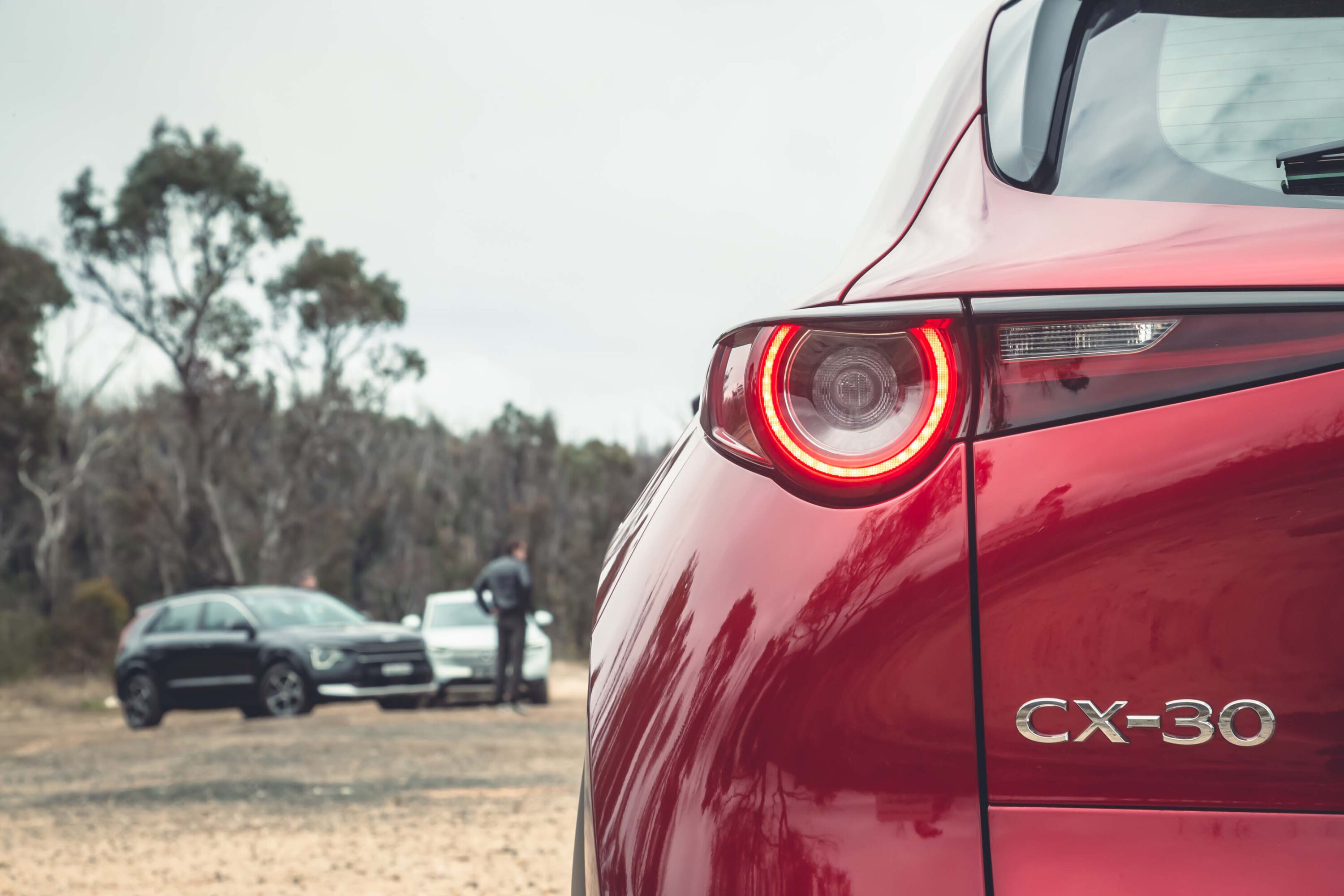
For some, it might be easy enough to stomach owning a quiet electric car, getting rid of one less pollutant on our roads and having the thrills of instant torque anytime.
1
Importantly, the more you drive and the longer you hang onto it, the more financial sense the electric car makes. It’s especially beneficial for company fleets and long-distance drivers.
Similarly, if you can utilise free solar energy generation, then the sums will favour the EV even more.
The silver lining is, as the cost of EVs come down (and they quickly are), the economics of ownership tips further in their favour. Are we at the tipping point where EVs are more financially feasible than combustion-powered cars yet?
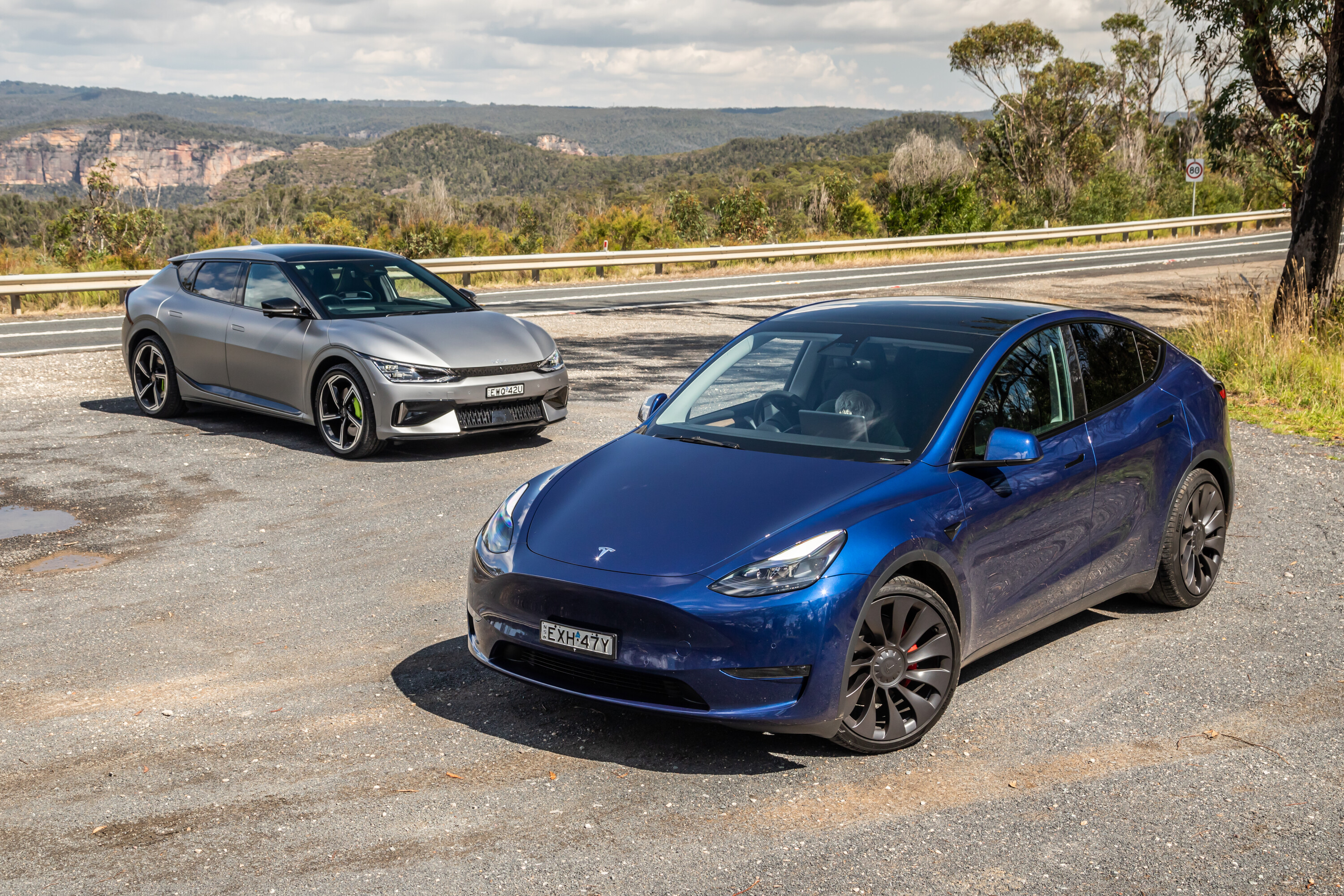
Almost. But, it’s not as far away as you’d think with more affordable models already landing – such as the BYD Dolphin, MG 4 and GWM Ora – which match the price of a top-spec Toyota Corolla, Hyundai i30 and Mazda 3. Landmark government policy is also on the horizon to further boost supply and choice.
1
? Other EV concerns
We’ve focused on the financial rationale behind whether an electric car makes sense, but there are other ancillary issues that will dictate whether an EV is the right choice for you.
These things will largely depend on your personal situation – for some they won’t be a problem, but for others they may be a deal-breaker. Click on the featured article links below to find out more.
? Battery longevity
EV batteries are designed to last more than a decade and for the life of the vehicle. Degradation is inevitable, but it won’t become a major impediment for most Australians’ daily driving needs, as long as owners follow best-practice charging recommendations.
? Not enough public chargers
Yes, there aren’t enough that are also always reliable. However, the best charger is at home and public infrastructure is rarely needed, unless on a long-distance road trip, as highlighted by an EV rideshare driver.
⚡️ Can’t plug in at home
If living in an apartment or don’t have private off-street parking, it could be the key dealbreaker for buying an EV (for now). It’s best to discuss with your apartment’s body corporate, owners and other stakeholders to at least install and/or access a standard domestic socket.
⏱️ Charging time
It usually takes several nights to completely recharge an EV from an ordinary home plug, which isn’t an issue when it’s filling up overnight. As for public charging, it typically takes 30 minutes, which is a needed rest break from a long drive.
?️ Less driving range
How far do you really need to drive every day? All new EVs are capable of far more than the average daily Australian commute on a single charge. If you’re a regular long-distance driver, a traditional hybrid or plug-in hybrid would suit better as an alternative to diesel power.
? Sustainability concerns
EVs currently have a higher carbon footprint from the factory due to battery raw materials, but are ultimately still more eco-friendly than traditional combustion-engined vehicles overall, even when charged off coal-fired electricity.
? Model choice
There’s fewer electric car options and many with unfamiliar nameplates, but more models from different brands are consistently landing in Australia.
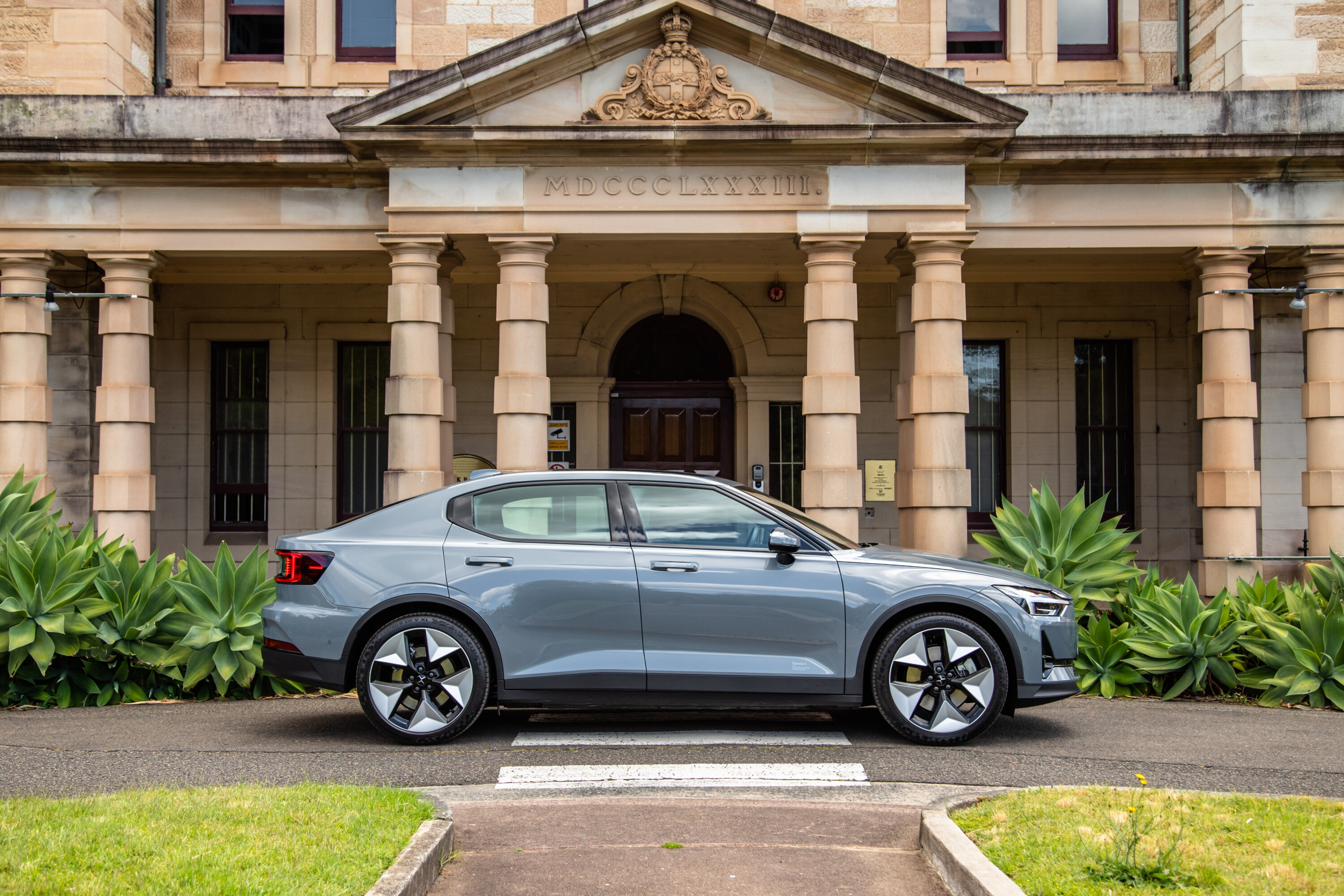
? Taxes are inevitable
Victoria has already imposed an EV tax and some other states plan to follow, in order to compensate for lost tax income through reduced consumption of fuels.
1
? Is it time to make the electric switch?
As we’ve highlighted above, making the electric switch isn’t yet as simple as it should be.
Yes, it’s cheaper to run and own an EV – but you’ll also need to consider whether you can charge at home (the ideal method), how much range you really need, and whether you can afford to buy an electric car (or be prepared to make vehicle size compromises).
Importantly, do electric models today suit your needs and wants from a design, practicality, technology, and capability perspective?
For some, it’s a no-brainer switch to immediately cut ties with the fuel pump; for others, a traditional hybrid or plug-in hybrid vehicle might be the more sensible stopgap alternative to a pure petrol or diesel car.
After all, a car is just to get from A to B. Why not avoid emitting harmful exhaust fumes, owning a simply easier-to-drive car, and save money in the process – if you can?
Wheels Media thanks Tony O’Kane for the original version of this story.
