A new generation of the Volkswagen Golf has yet to be locked in, according to a new report.
In an interview with Welt, Volkswagen passenger cars CEO Thomas Schäfer said the company has yet to make a decision on building a ninth-generation Golf.
The newly-appointed CEO, who took the position on July 1, said Volkswagen will make that choice in the next year.
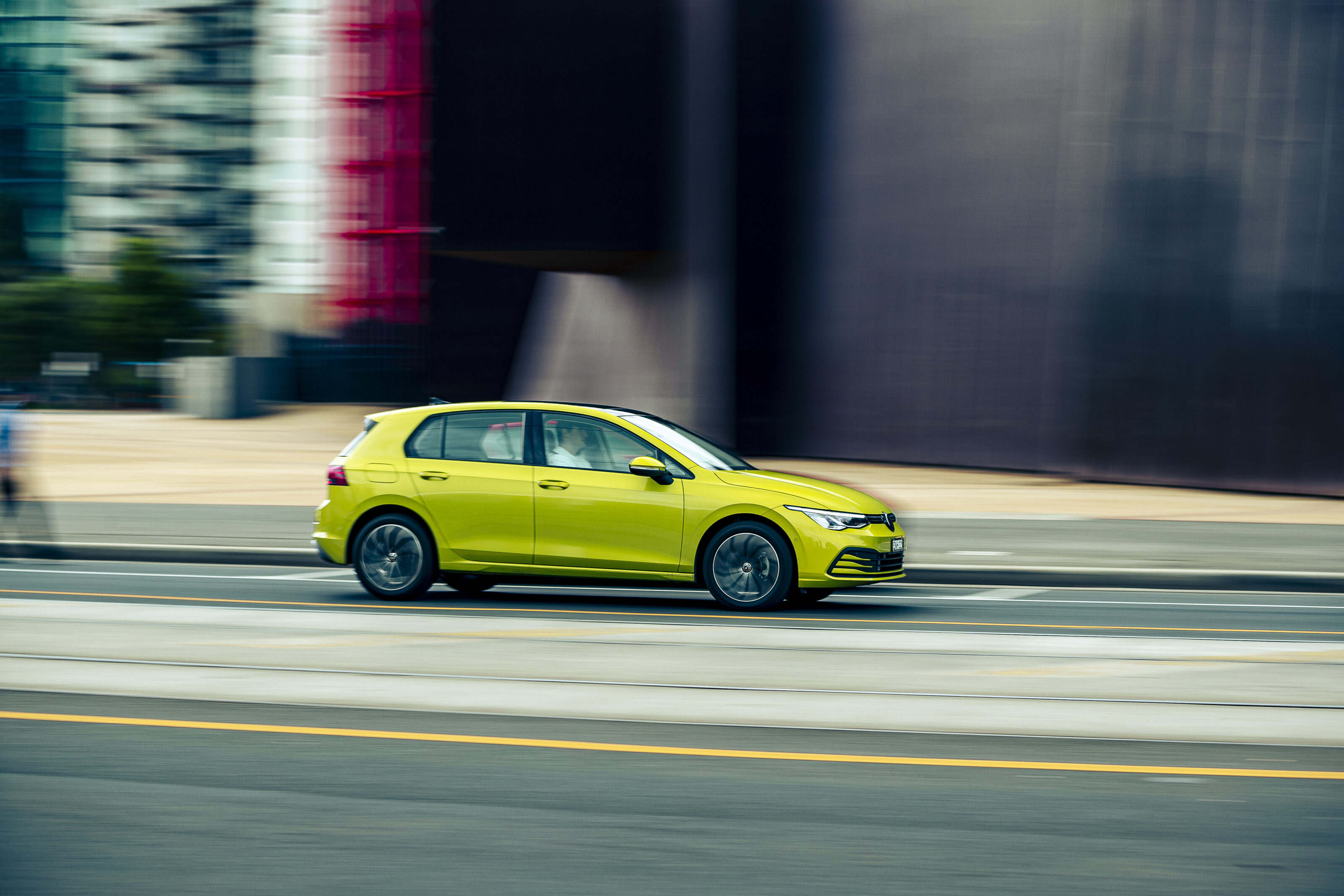
The future of the Golf is set back by the increasing cost of development for internal combustion (ICE) vehicles, with Euro 7 emissions standards arriving in the coming years and the European Union agreeing to ban ICE cars by 2035.
“We will have to see whether it is worth developing a new vehicle that does not last the full seven or eight years,” he said, adding: “We will know more in twelve months.”
In addition, Schäfer added that it is “extremely expensive” to develop Euro 7-compliant vehicles, with retail prices expected to increase between €3,000 and €5,000 (AU$4400 to $7300).
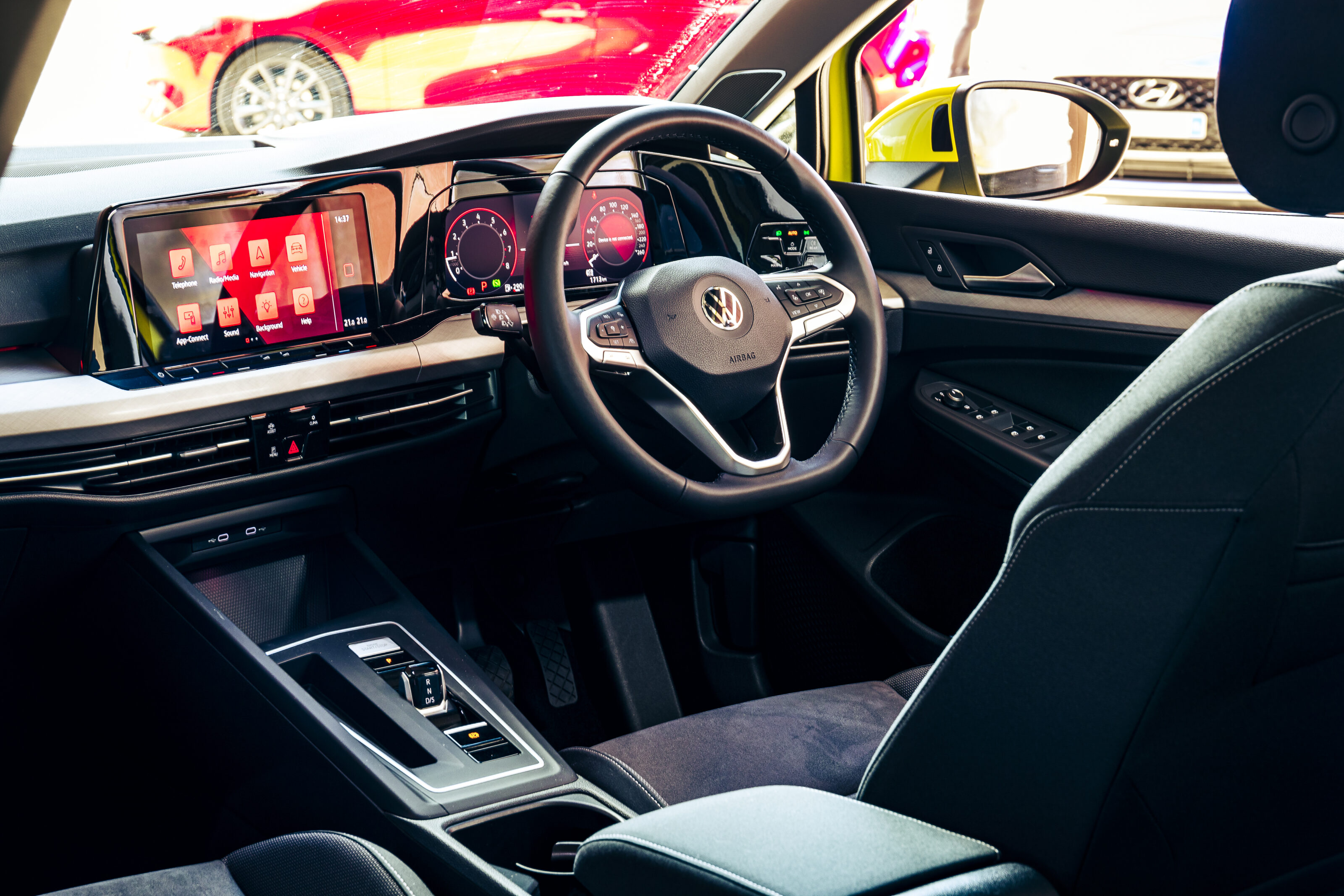
The current, eighth-generation Volkswagen Golf debuted in 2019 with a traditional seven- to eight-year lifespan, meaning a new-generation Golf would not launch before 2027, according to Drive.
If a new Golf is launched in 2027, it could only be sold for approximately five years before Volkswagen begins removing ICE-powered vehicles from its European lineup and seven years before the Europe-wide ban in 2035 – strictly limiting the availability of the Golf going forward.
“In Europe, we will exit the combustion engine vehicle business between 2033 and 2035, and a little later in the USA and China,” said VW sales director Klaus Zellmer last year.
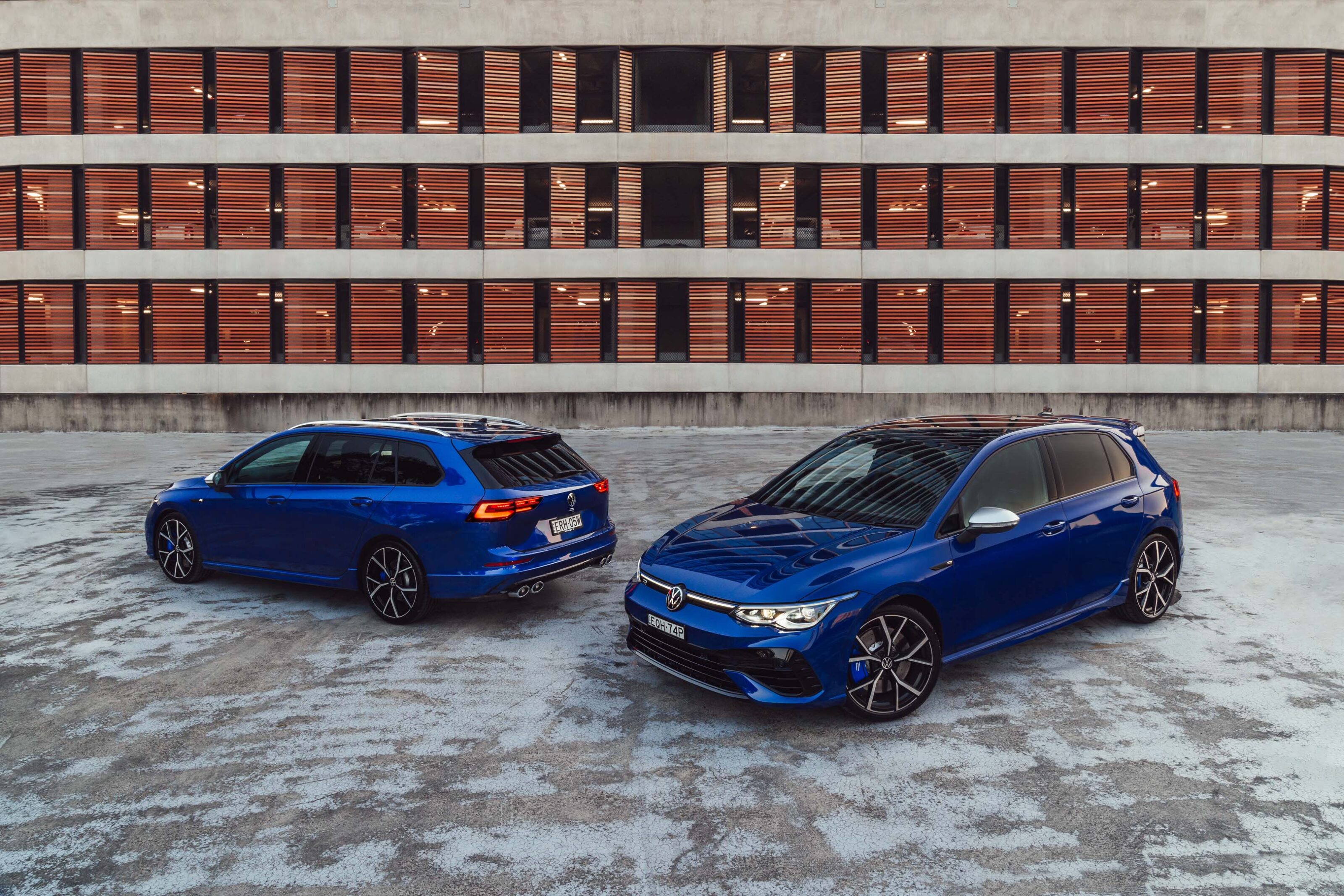
Nevertheless, Schäfer confirmed a facelifted eighth-generation Golf is under development, with a launch expected within the next 24 months.
While the report focused on the Golf, it could mean the future of the Polo light hatch is also bleak, while Audi has confirmed the mechanically-related A1 and Q2 are unlikely to survive once the current generation models reach the end of the road.
The potential axing of the Golf joins a number of similar moves across Europe, with the once-popular shape facing competition from crossover SUVs and electric vehicles.
A new-generation Audi A3 will shift to electric power in line with the brand’s transition to an EV-only line-up from 2026.
Volkswagen currently sells the Golf-sized ID.3 electric hatchback, which would indirectly replace the current Golf 8 if the ninth-generation model isn’t secured.
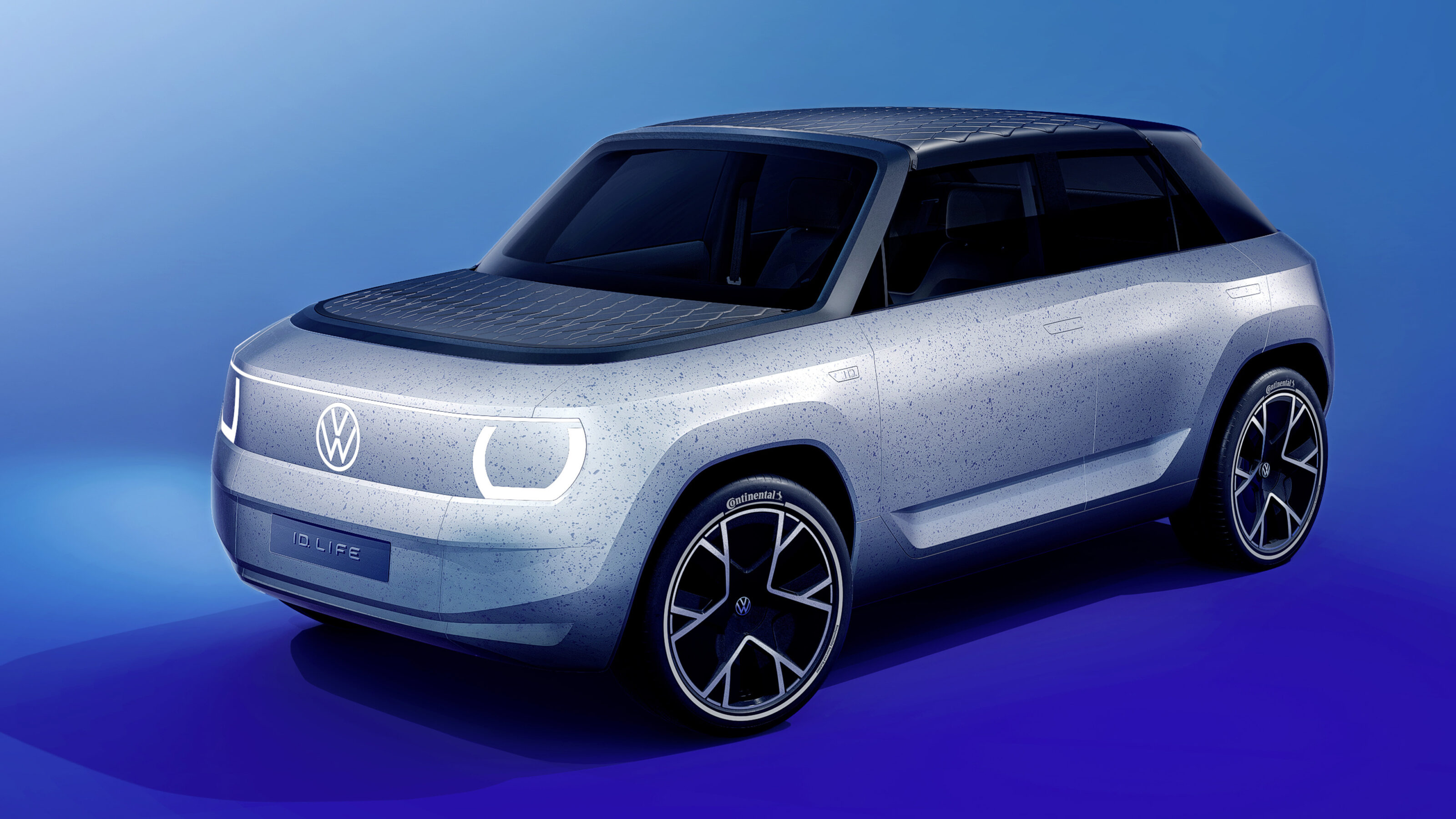
As part of a small EV project led by VW’s Spanish performance marque Cupra, a smaller, Polo-sized city hatchback – likely badged ID.2 – will arrive in 2025, alongside the Cupra UrbanRebel, a Skoda, and, according to Welt, another version from Volkswagen.
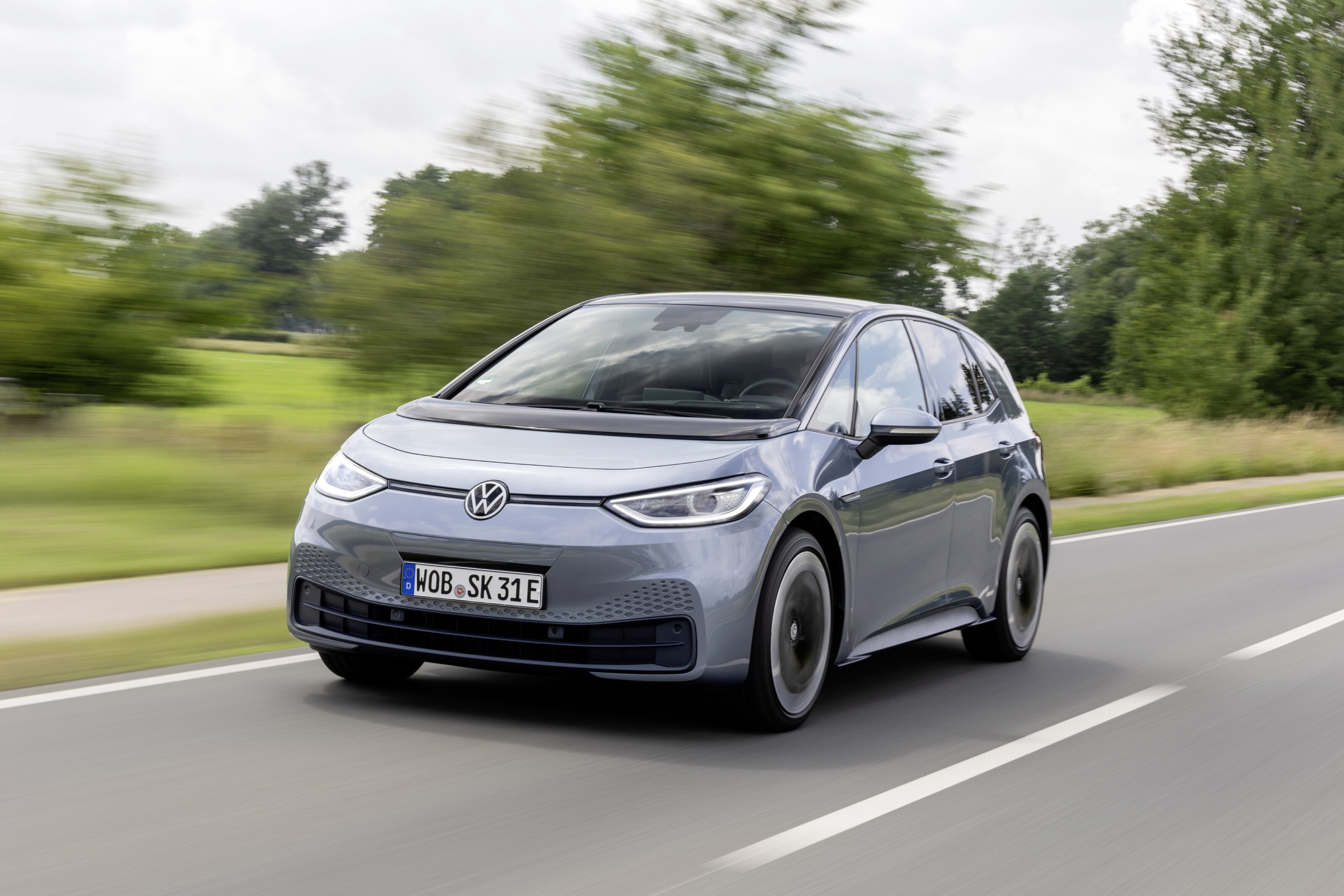
“We plan to offer the ID.2 for less than 25,000 euros. In three years’ time, that will be a super attractive price for an electric vehicle,” added Schäfer.
The targeted driving range for the vehicles will be 350 to 400 kilometres, which is “the psychological sell point at the moment,” according to Schäfer.
Volkswagen Australia will launch its first electric vehicles with the ID.4 and ID.5 mid-size SUVs due next year.
Would you spend more than $65,000, before on-road costs, on a Mitsubishi? If you answered yes, Mitsubishi says you’re not alone.
The Japanese manufacturer is the latest mainstream brand to try and push more upmarket in Australia, saying it no longer wants to be known as a company that only makes “cheap and cheerful” cars.
Instead, Mitsubishi plans to expand its various model ranges through the addition of new, more expensive flagship variants that could see prices grow to more than $70,000 before on-roads for some models.
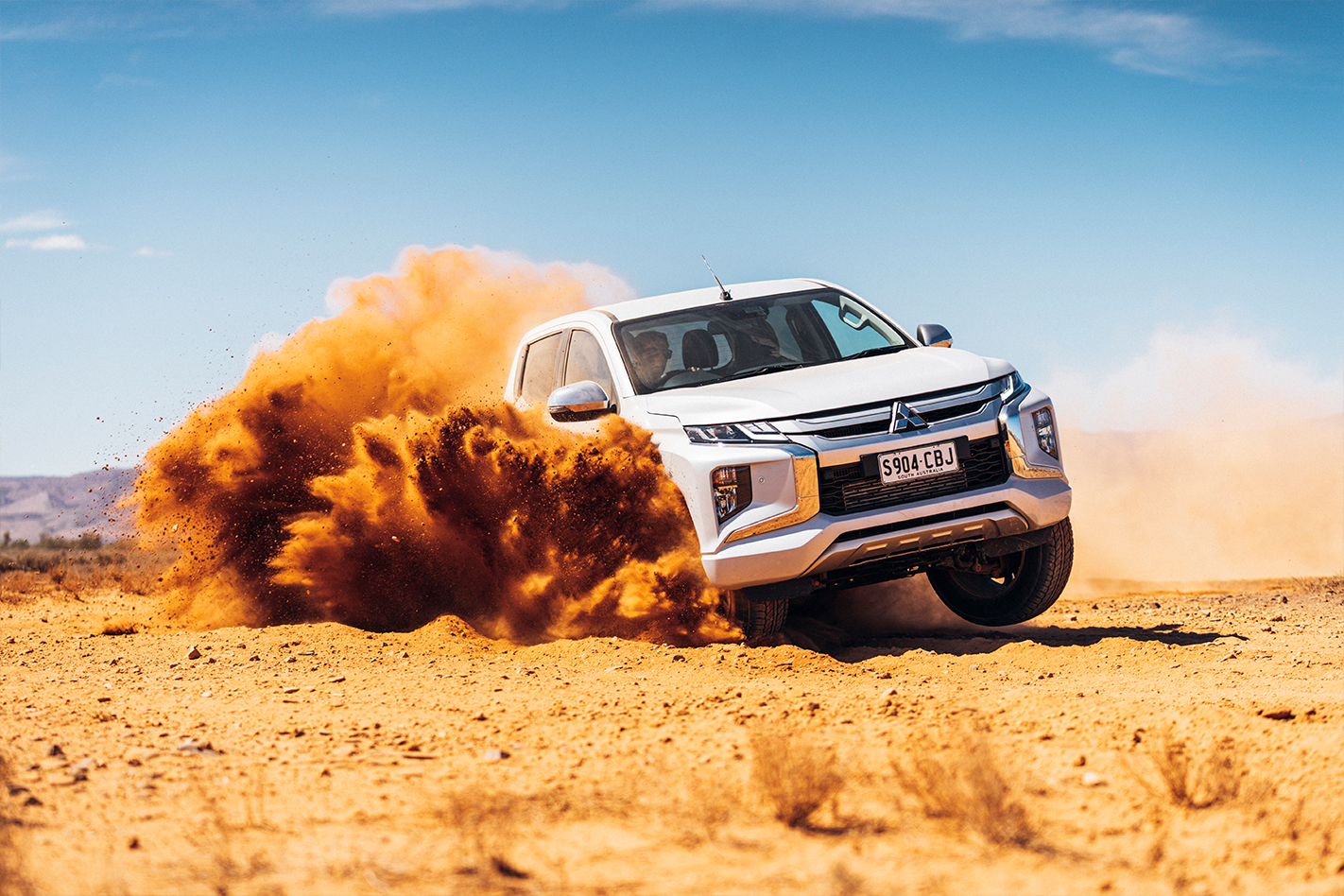
Mitsubishi isn’t the only mainstream brand trying to become more premium. Mazda has been pursuing a shift towards more luxurious and more expensive models for years, while Kia and Hyundai have also flirted with increasing the price of entry to various model ranges with mixed results.
However, unlike its rivals, Mitsubishi says its premium push won’t see it abandon the affordable end of the market. Adding more luxurious model grades while also retaining ‘price leaders’ is the goal.
Mitsubishi’s Australian boss, Shaun Westcott, pointed to the new Outlander PHEV as a prime example. Its flagship Exceed Tourer variant starts at $68,990.
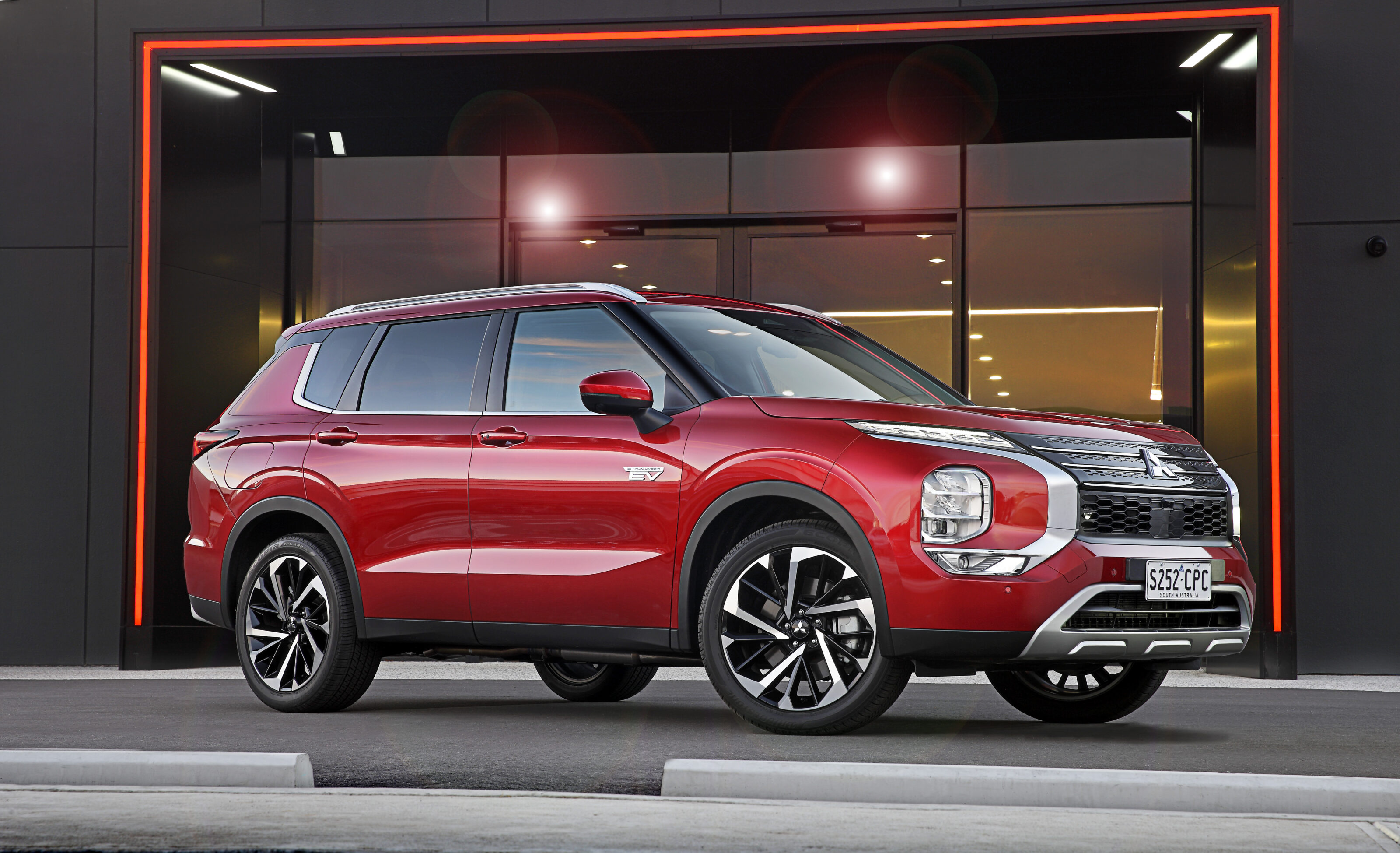
“We are still good value for money,” Westcott told Wheels. “If you take [the new] Outlander PHEV and you look at the technology in that car, we don’t have to stand back from any luxury carmaker in terms of what we are presenting. So at that price they are extremely good value for money, but we are not a cheap car.”
Marching upmarket can be fraught for mainstream brands, especially for a company like Mitsubishi that has traded on value for years. However, Westcott added Mitsubishi’s data proves there are customers out there looking for a more premium offering.
“We’re stretching the model line-up,” he said. “We have an increasing number of customers who expect a more premium product from us, which is why we’re stretching the range. Exceed, Exceed Tourer, that’s where we’re going.
“And our pipeline for Exceed Tourer is longer and the demand is higher than our entry level products. Which tells us we are attracting consideration and buyers that wouldn’t have considered us before. So we are conquesting and that’s exactly what we’re trying to achieve.”
Despite the desire to grow sales of higher-spec models, which in turn have higher profit margins, Westcott was quick to reiterate it didn’t mean Mitsubishi was abandoning value as a core pillar of the brand.
“We will still have an ES or LS entry level vehicle that will be aimed at fleet and rental car companies,” he said.
“There is still a need in the market for, I’m not going to call it bare bones, that sounds too harsh, but there is still a place in the market for a value for money vehicle. We will still have that. We are not deserting or leaving those customers in the lurch. We will still have a product for them.”
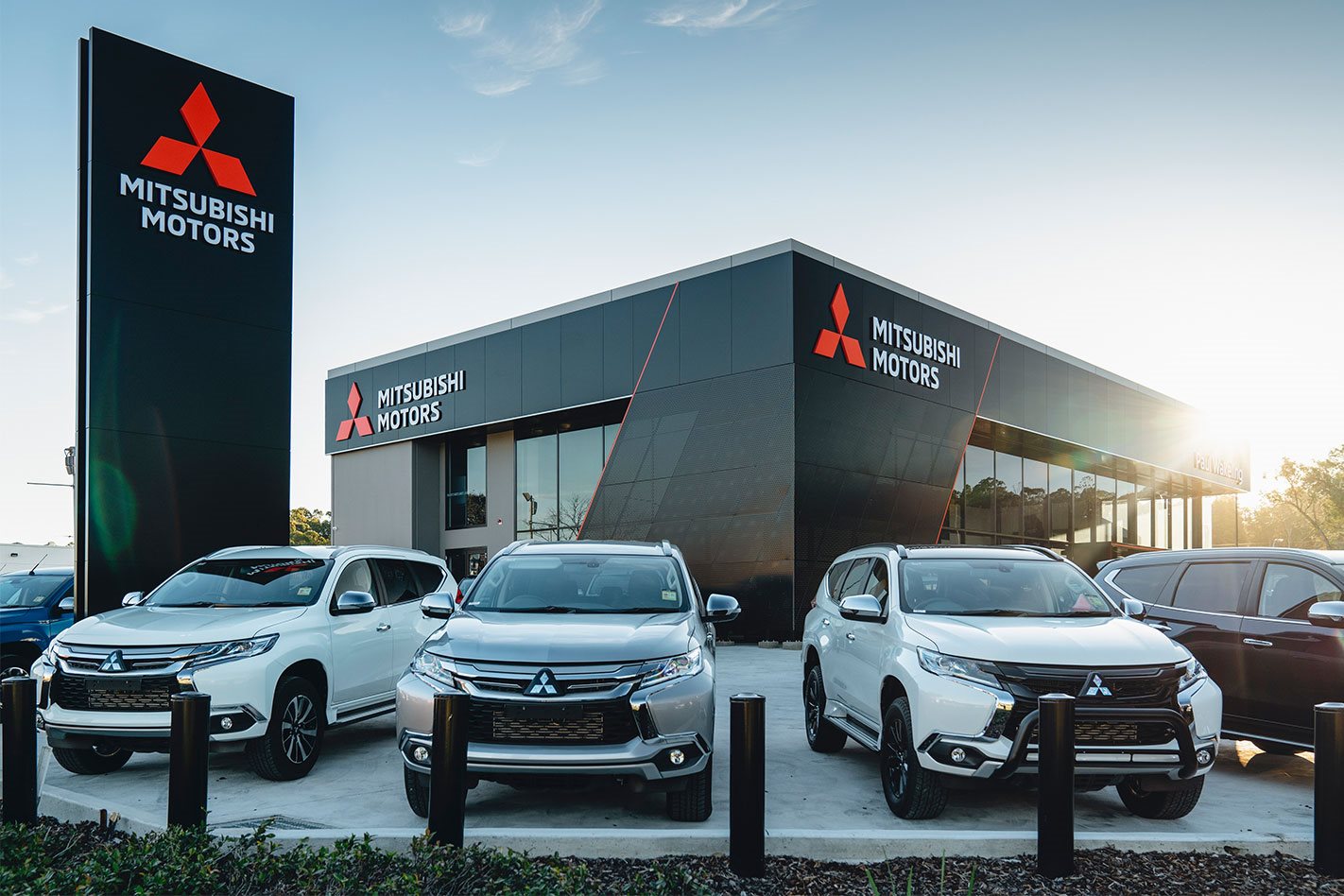
Westcott also added Mitsubishi provided its customers value in other ways, beyond a low purchase price.
“We offer Japanese quality that we are extremely proud of,” he said. “That is our differentiator. There is value in that that our customers see and appreciate.
“And there is more than just the product. It’s everything that surrounds the product. It’s the service you get from your dealer, it’s the customer service pre- purchase and post-purchase.
“It’s the fact you get a 10 year warranty. We know what our cars can do and how long they’ll last. We are undercutting and underselling ourselves to sell those as cheap vehicles.”
Mitsubishi has finally dropped some interesting detail around what a return of its iconic Ralliart performance brand could look like in Australia. And if you care about driving, it’s good news.
Unlike other markets, such as Thailand where a Ralliart enhancement is relegated mostly to a sticker pack, Mitsubishi Australia has confirmed our cars will receive genuine performance upgrades.
The real bombshell, however, is that the Ralliart models might even be engineered right here in Australia.

“From our point of view, Ralliart means some tangible performance benefit,” said Mitsubishi Australia’s chief product planner Owen Thomson.
“Whether that’s to the chassis or to the powertrain or whatever; that’s our fundamental position on what MMAL [Mitsubishi Australia] would like to see in the market. How that eventuates is something we’re still working through with MMC [Mitsubishi HQ in Japan].
“But I think there’s been recognition that our market and our road conditions offer a really good opportunity for MMC to do some tuning based on what is needed for our market.
“And we’d like to see that if there’s any Ralliart model with some suspension stuff that it gets at least some local market assessment and tuning. And hopefully that can happen here in the future if that’s the case…”
A better handling and possibly more powerful Triton or Outlander that’s been tuned by Aussies for our roads? Sounds enticing. Just don’t expect to see such a vehicle arrive any time soon; Thomson was quick to emphasise that the discussions around Ralliart are still in their infancy.
“We’ve expressed a desire around where we’d like to go but we don’t have anything else to say around exactly how it will look at the moment,” he said.
But while it might be some way off, it seems a joint engineering project has the initial support of both the Australian and head offices.
MMC’s lead vehicle engineer for Outlander, Kentaro Honda, told Wheels that Australia is a large enough and important market to warrant engineering a specific model for. And local Mitsubishi boss, Shaun Westcott, is eager to tap into Australia’s love of all things performance.
“We intend to inject some spice and excitement into the brand so we are looking at resurrecting Ralliart,” said Westcott.
“We are considered a core market for Mitsubishi and we are one of the top performing distributors around the world and we have a very close and significant relationship with MMC with high levels of collaboration on important new models.”
As for which model is likely to be the first to gain the Ralliart treatment, Thomson confirmed that Triton and Outlander are the strongest candidates.
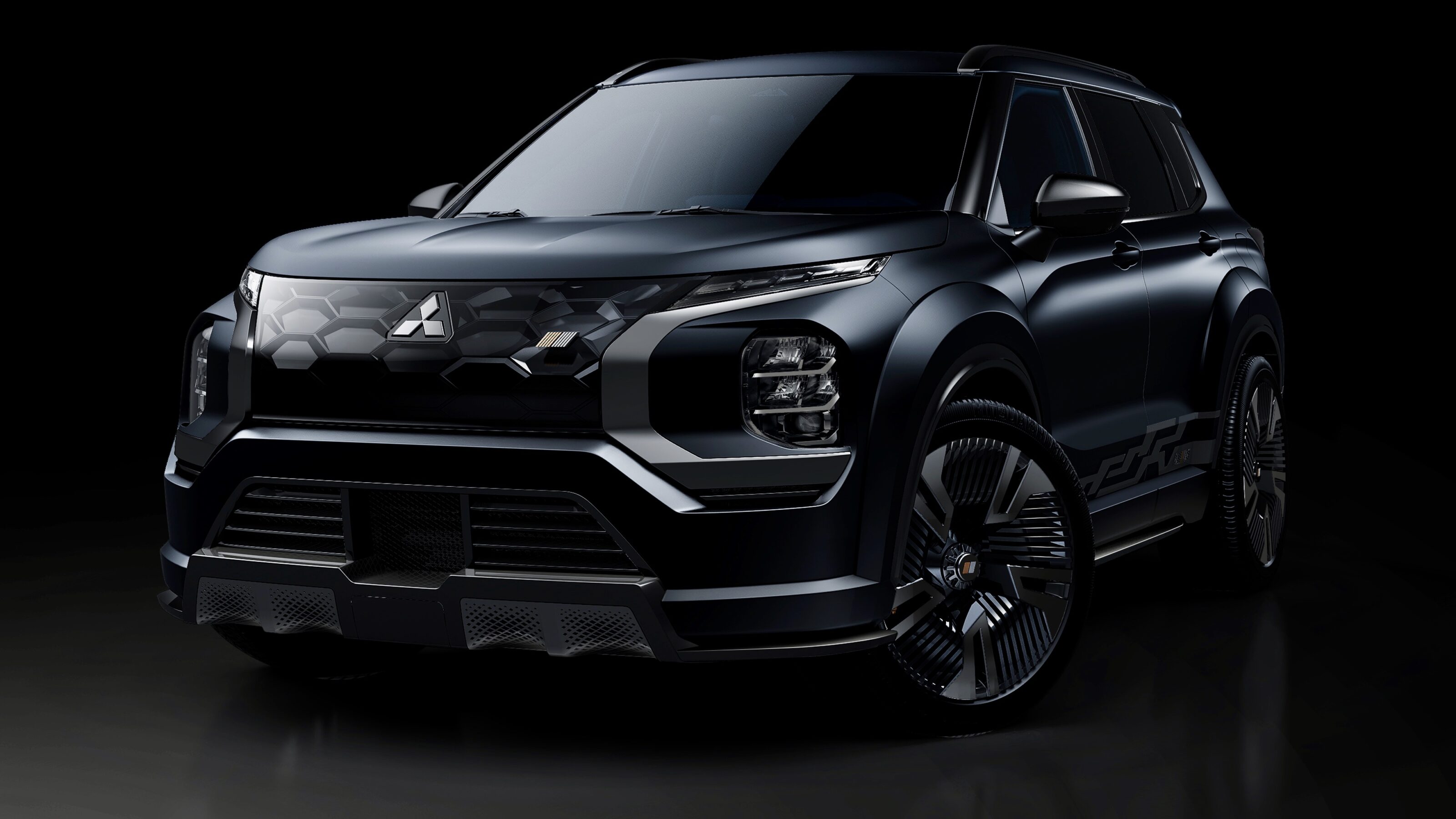
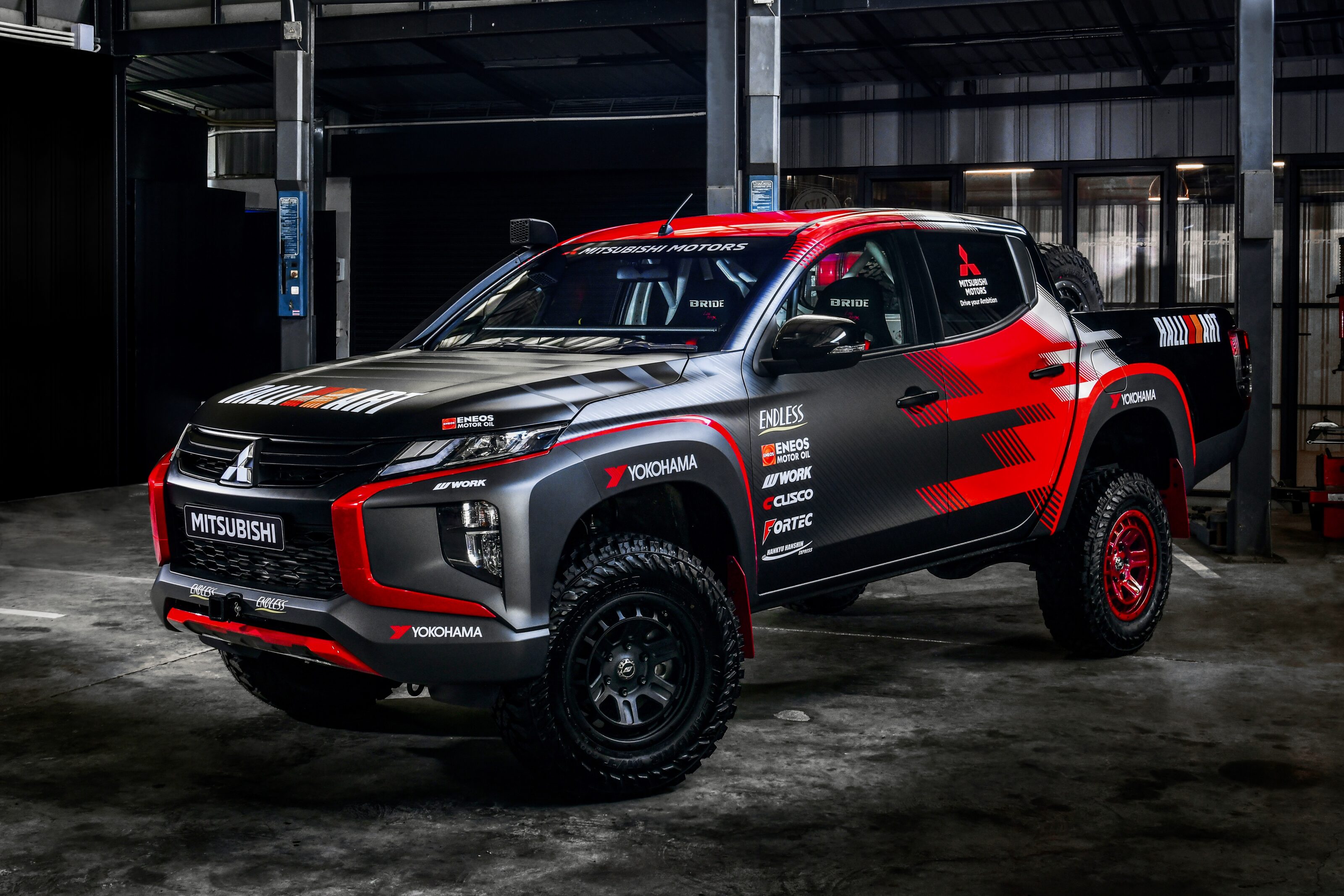
Mitsubishi showed the Vision Ralliart concept (above), which is based on the Outlander, at the 2021 Tokyo motor show. And it’s currently campaigning a modified Triton, dubbed the AXCR, in the 2022 Asia Cross Country Rally.
“Globally the biggest opportunity is probably the SUV segment,” he said. “But for the ASEAN market it may well be a ute. And the AXCR is reflective of that.
Don’t get your hopes up that a Ralliart version of the Triton will be a full fat rival for the Ford Ranger Raptor, however. Any performance tweaks aren’t likely to be that extensive.
“Raptor is a full bespoke EOM performance vehicle,” said Thomson. “And that needs big factory investment.”
So there’s still some water to go under the Ralliart bridge for our market but here’s hoping the project continues to gather steam.
The Mitsubishi ASX is that truly evergreen car. It’s been with us now since 2010, has been made all over the world and was even used as the basis for a Peugeot and a Citroen.
It used to be the smallest of Mitsubishi’s triumvirate of SUVs all running on the same platform, with bigger bodies and interiors to suit different needs.
Having outlived the old Outlander, which has been reborn into a vastly better car, the ASX was supposed to be supplanted by the Eclipse Cross but Mitsubishi’s plans were undone by customers, so the newer car was made slightly larger and sent upmarket.
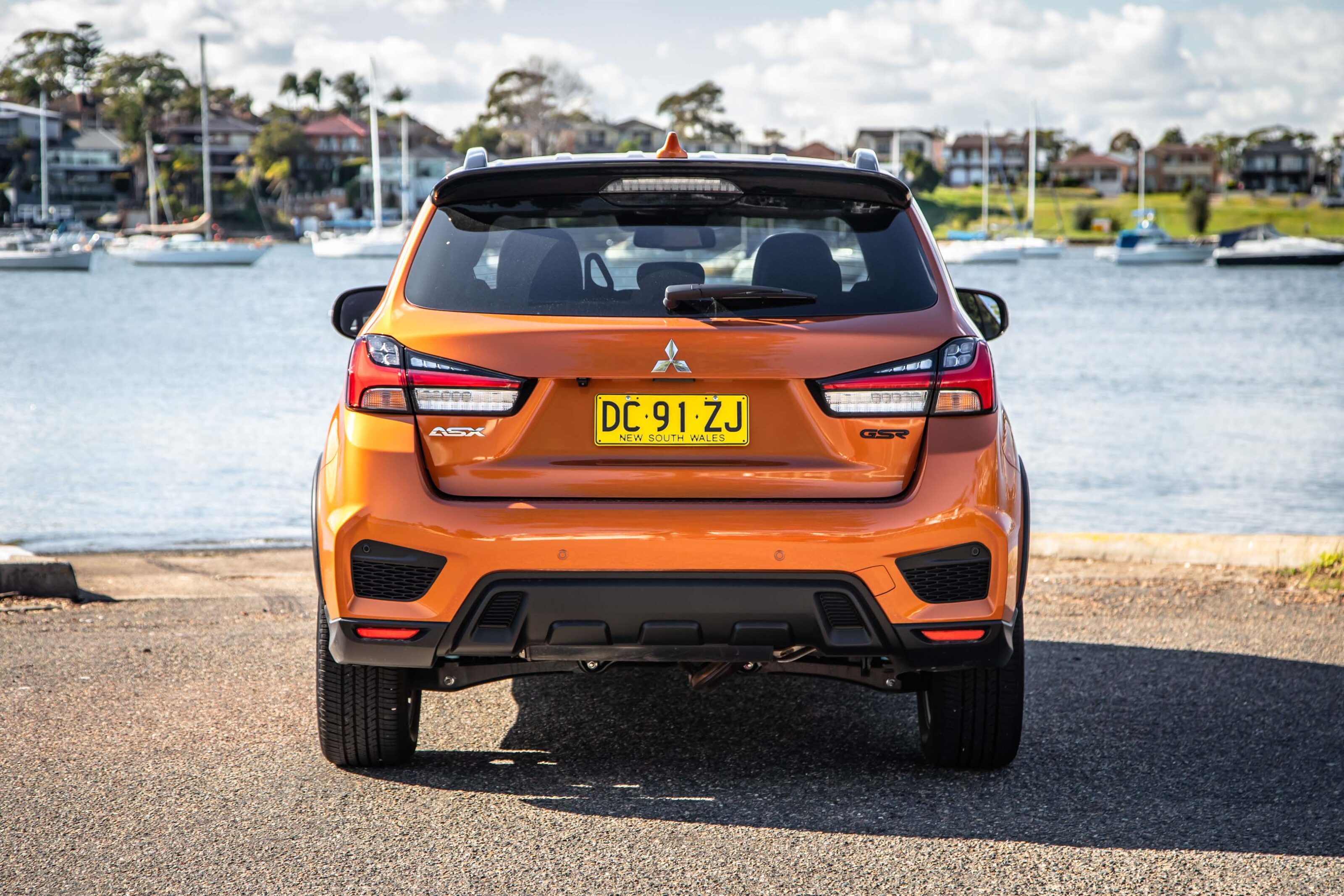
Brands from far and wide have taken on the ASX, but none have successfully taken and held the popularity crown among top-selling compact SUVs in Australia over the last decade.
Now it seems the tide is turning, albeit ever so slowly, with MG, Hyundai and Mazda all conspiring – along with supply constraints – to relegate the ASX to third rung of the segment sales charts during the first six months of 2022.
It must surely be nearing the end of the marathon. Its last facelift in 2020 put a thoroughly modern face on this long-lasting machine while keeping most of what has kept it in the game the same.
Brands from far and wide have taken on the ASX, but none have successfully taken and held the popularity crown
Pricing and features
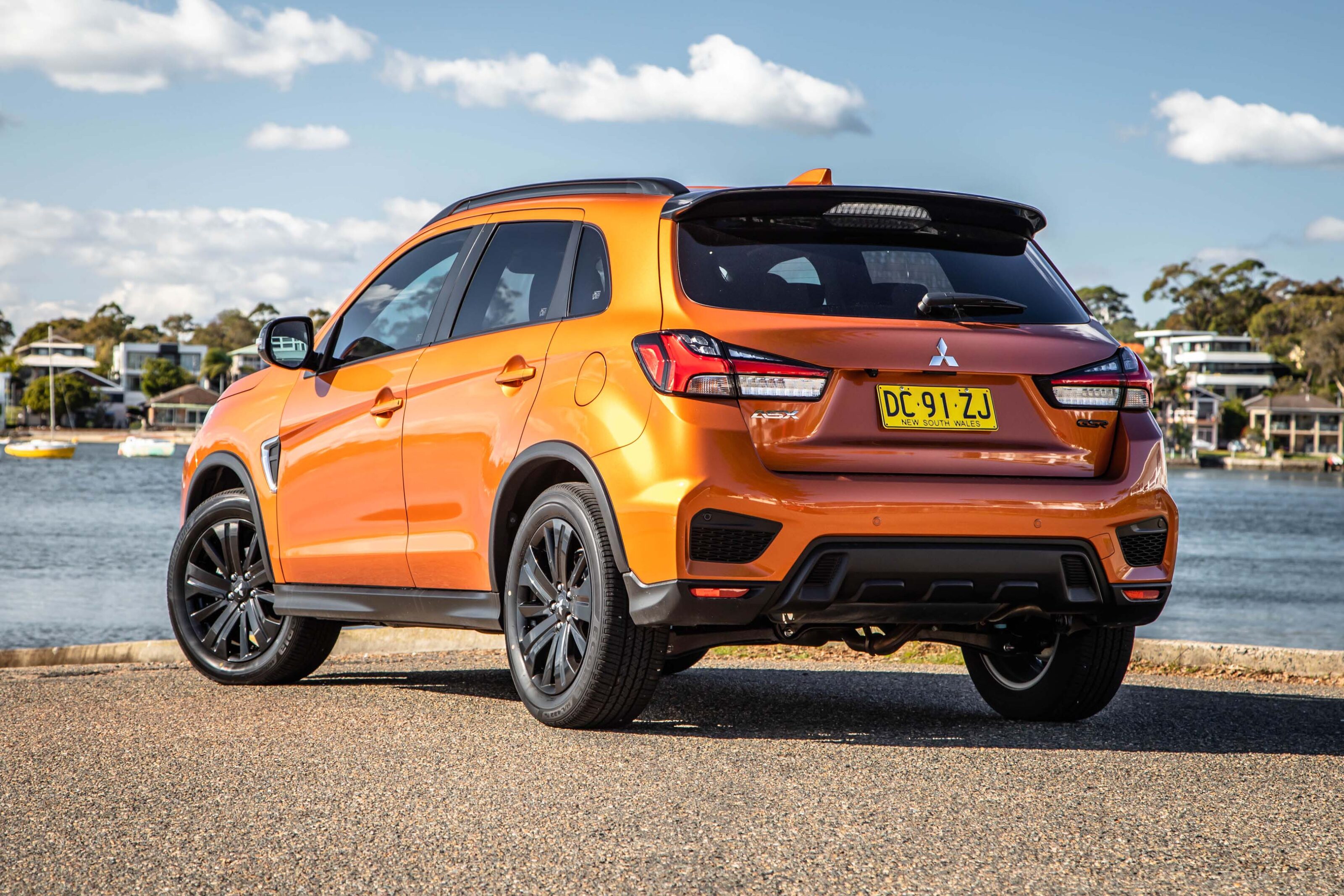
The ASX GSR spec level has been with us for a couple of years and resurrects an old nameplate from the 1980s, last seen on the hatch of one of the first cars with adaptive damping ever to go on sale here, the Galant GSR. It’s a sort of black-pack-meets-vaguely-sporty, kind of like Mazda’s SP trim level.
On the ASX, that means a dark tint and dark alloys while black finishes have been lavished on the grille, roof rails and rear spoiler. It certainly stands out in the $740 Sunshine Orange, one of five colours at that price with two more at $940 and just one freebie, predictably white.
At $31,990 before on-road costs, the GSR sits towards the top of the price range of the various ASX variants available but is placed firmly in the middle for specification.
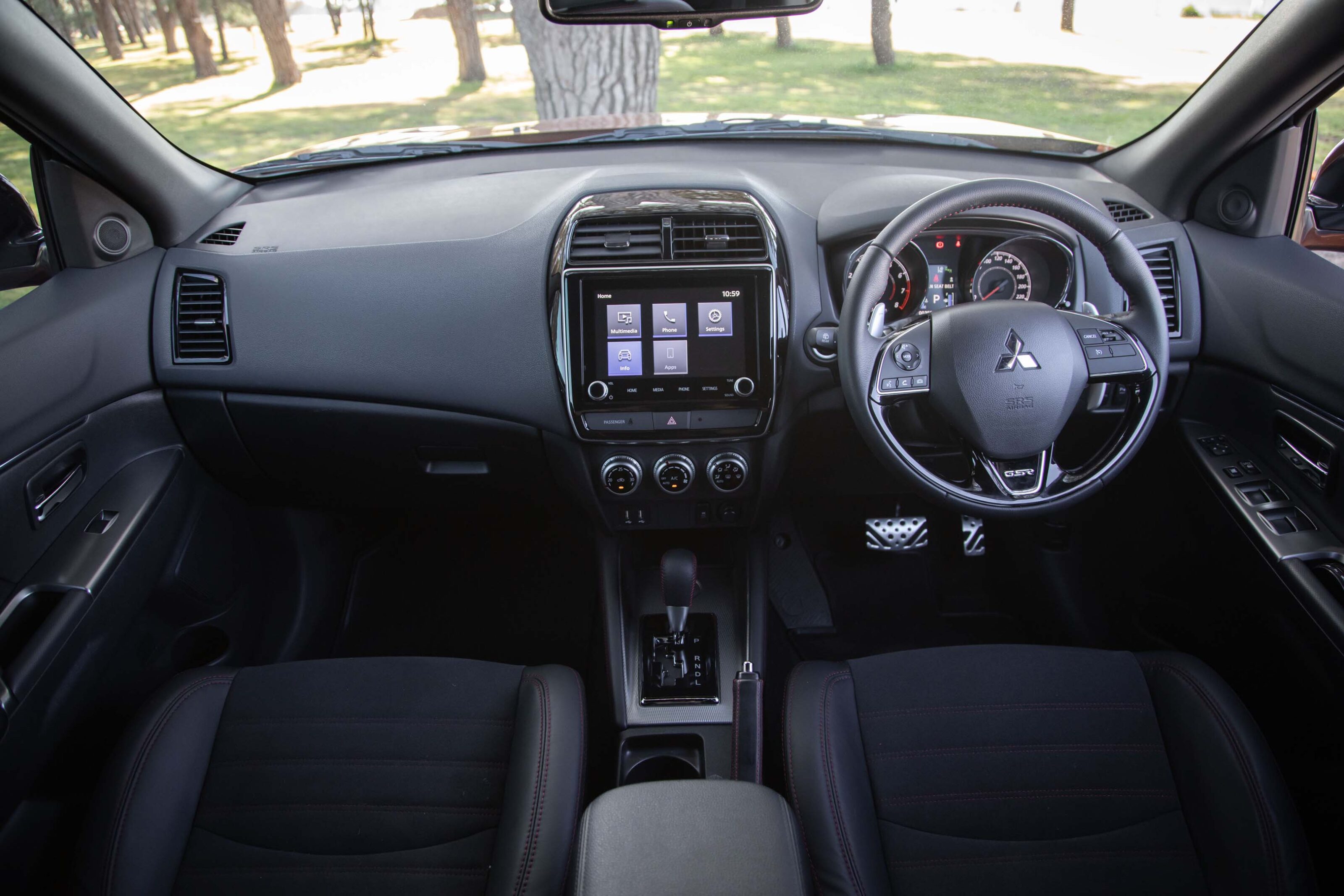
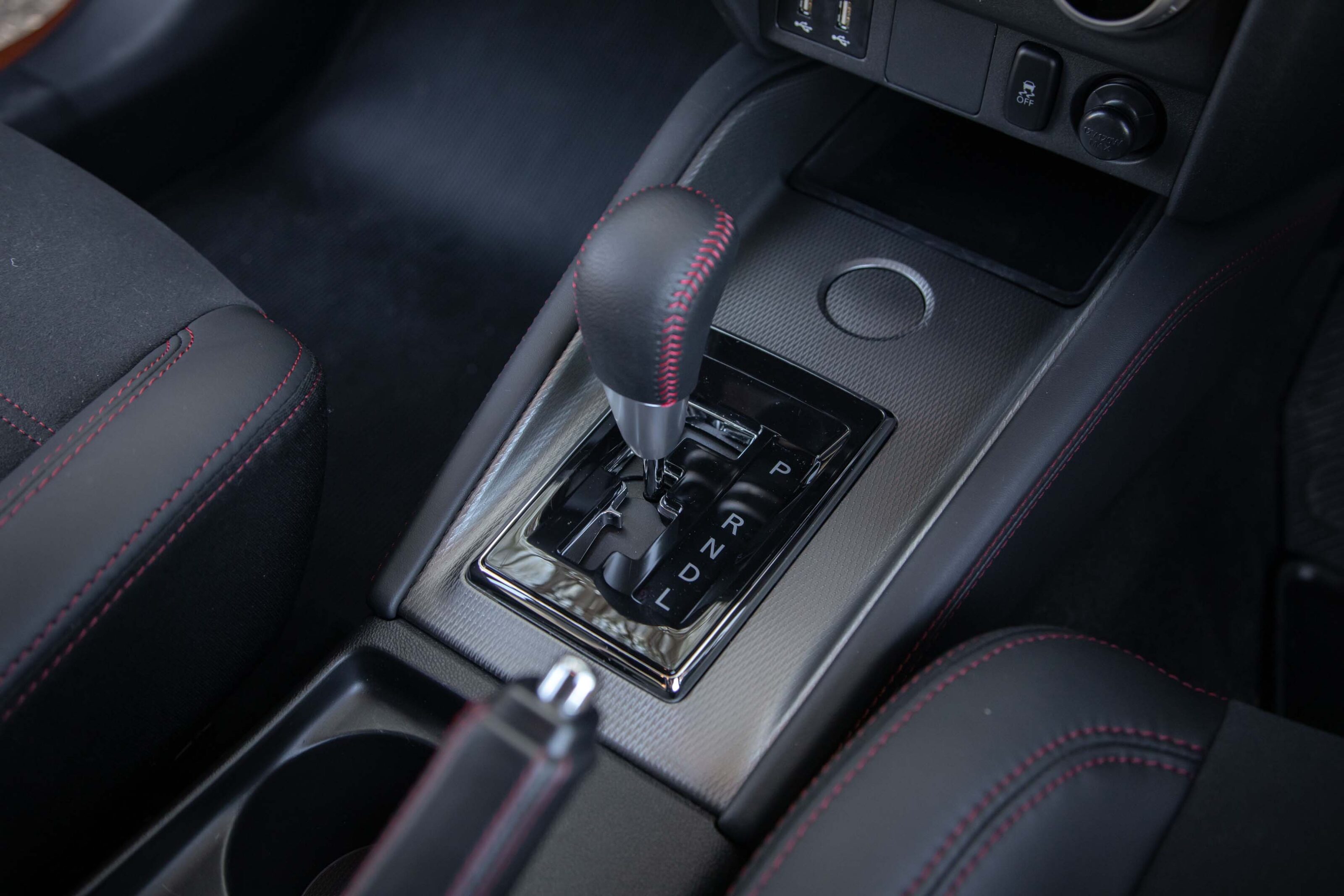
You get 18-inch alloy wheels, a six-speaker stereo, climate control, reversing camera, keyless entry and start, rear parking sensors, cruise control, auto LED headlights with auto high beam, leather-trimmed steering wheel and gear selector, power windows all round, auto wipers and a space-saver spare.
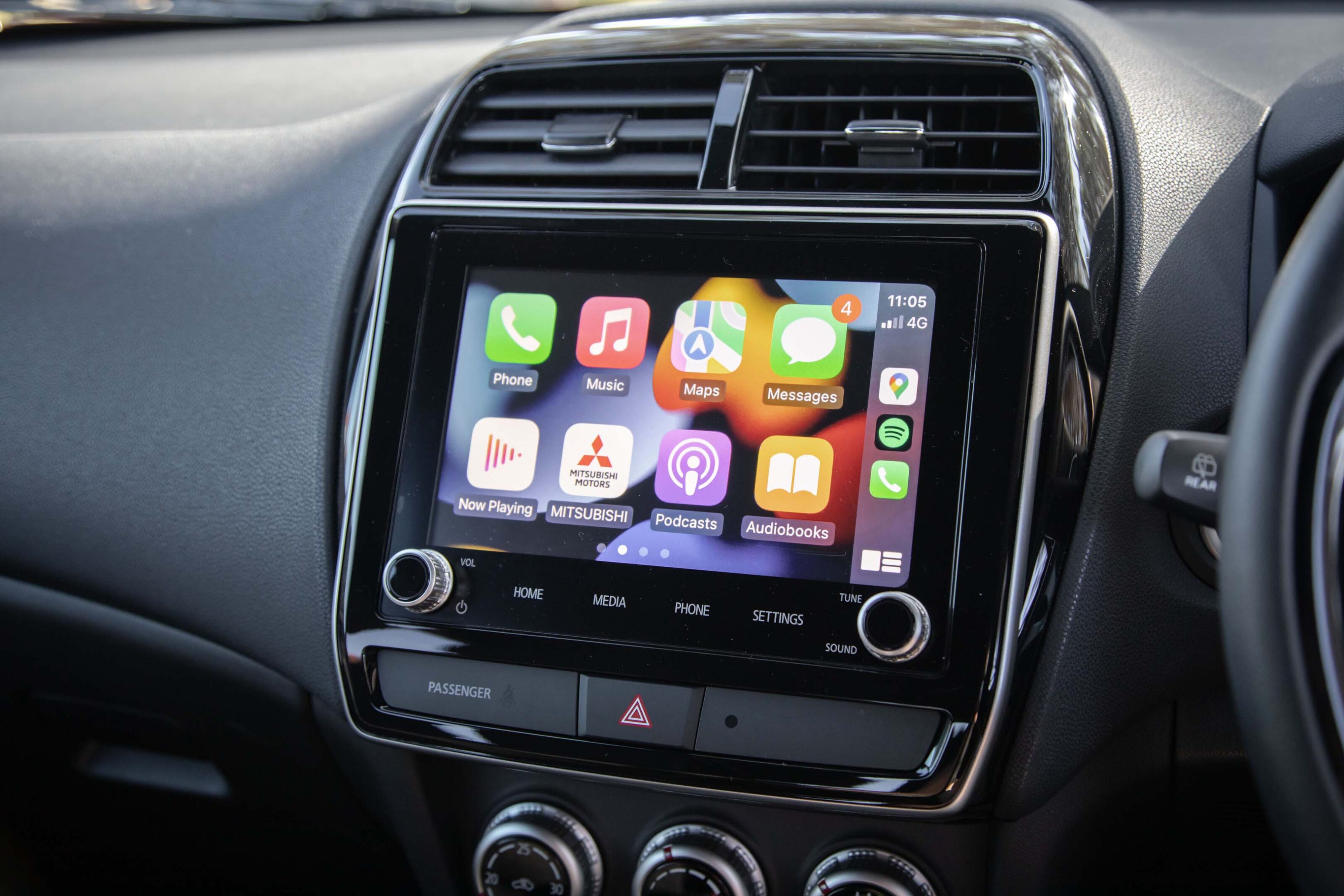
The sparsely-featured media system comes up on an 8.0-inch touchscreen and the two forward USB-A ports facilitate connection with Apple CarPlay or Android Auto.
Screen hardware is quite good, so the phone connections work without drama. You also get DAB+ digital radio, but it’s not very well organised and therefore really not much fun to use.
For such an old car, the safety package is pretty good. You get seven airbags (including a driver’s knee airbag), blind-spot monitoring, forward auto emergency braking (up to 80km/h), forward collision warning, lane departure warning and reverse cross-traffic alert.
There are also two ISOFIX points and three top-tether anchors for child seats.
ANCAP awarded the ASX five stars in 2014, however, the rules are much tighter now and the safety specification much leaner in 2014. So while the feature list has grown in the last eight years, without a centre-front airbag, it’s unlikely the ASX would retain its five-star rating today.
Comfort and space
One of the ASX’s calling cards is space and lots of it.
For a car that really isn’t all that big – 4.3 metres long isn’t small, no, but it’s not humungous either – the interior space is impressive.
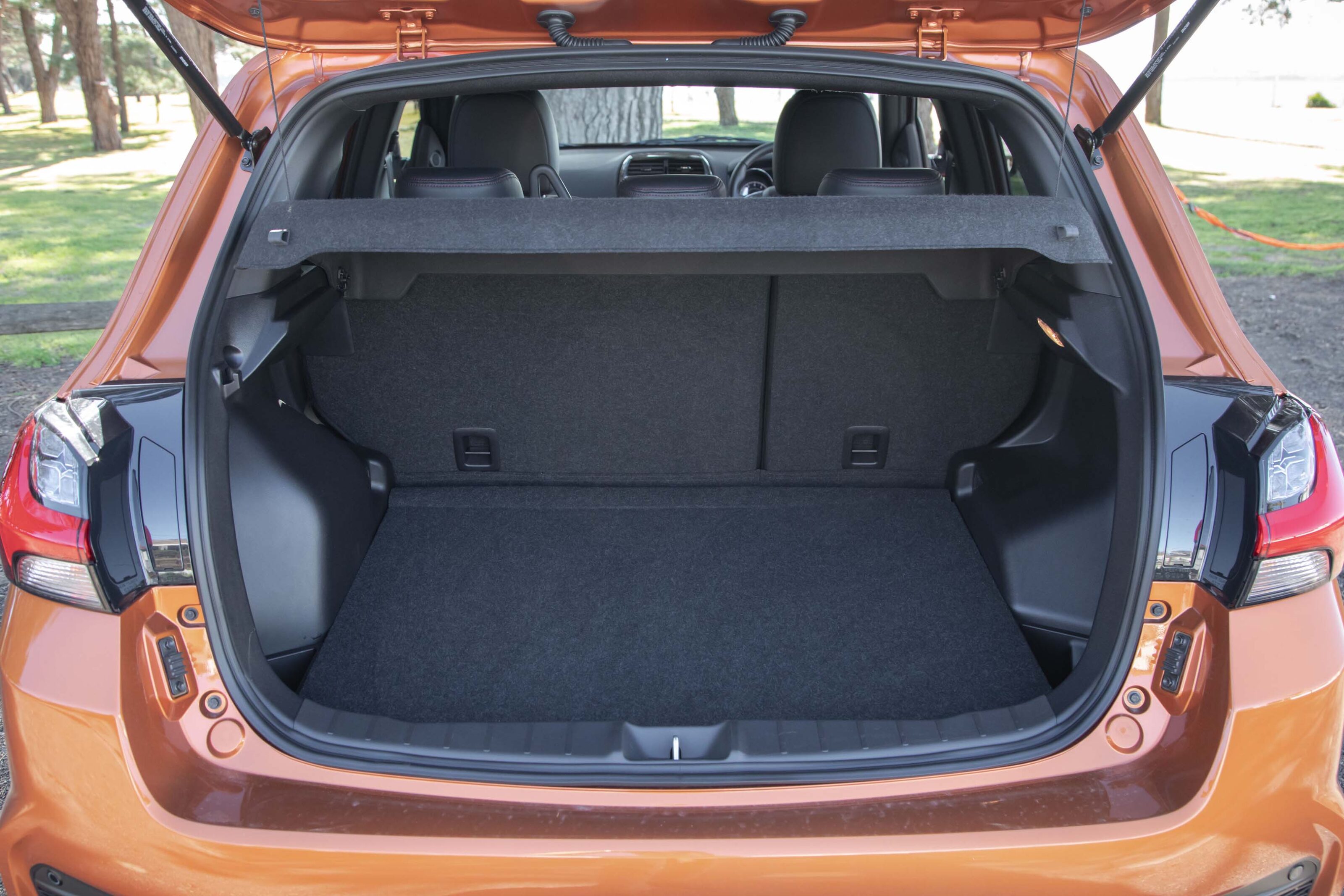
Kicking off with the boot, you start at 393 litres, which isn’t far off what I’m sure is the segment’s biggest (Kia’s Seltos, if you’re interested).
Fold down the 60:40 split seats and you’ll have 1143 litres to fill. The hatch opening is pretty wide and while the load lip will be a little high for smaller folk and there is a small drop of about five centimetres behind it, the floor itself is flat.
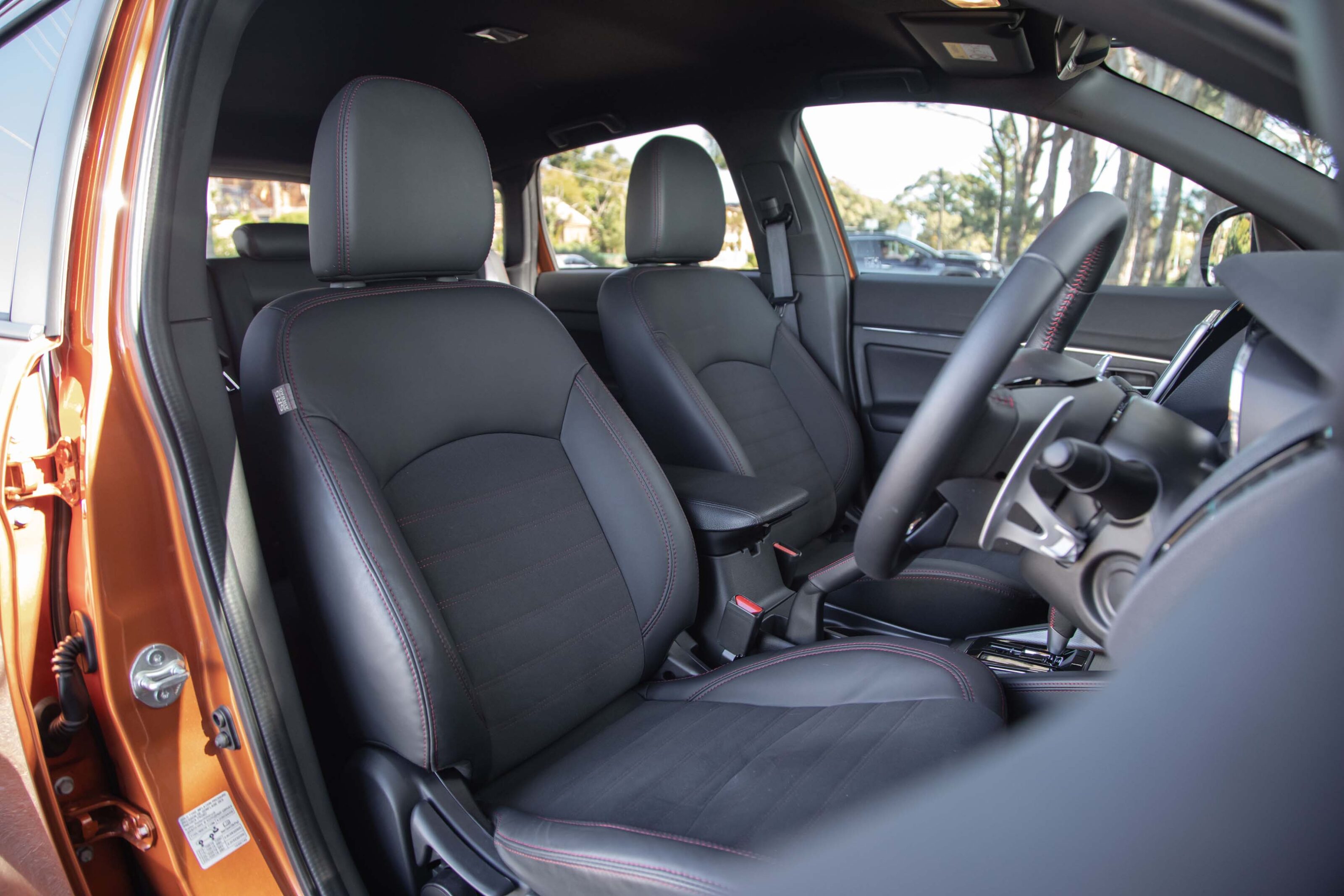
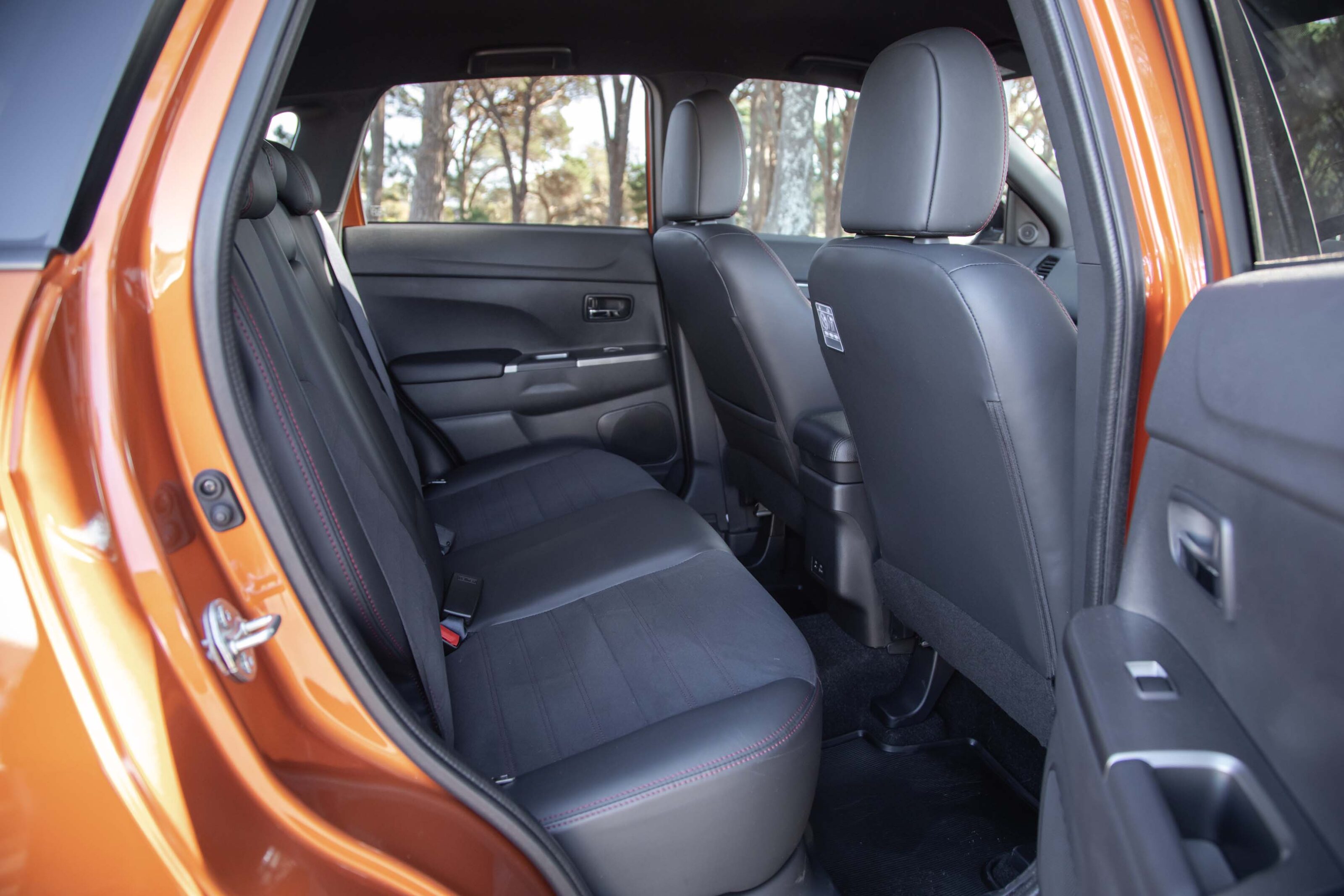
Stepping into the rear, there is loads of legroom for a car this size, again, among the best in its class. The seat itself is reasonably well padded and shaped and there’s even an armrest, something a few of the ASX’s rivals think you can go without (that’ll be the Kia Seltos again).
The armrest also means there’s a pair of cup holders, but there is where the inspiration ends as there are no rear vents (also not unusual). However, two USB-C ports have appeared in the rear of the centre console for MY22.
Moving to the front, you have soft if supportive seats and an oddly small steering wheel, which adjusts for rake and reach.
This is where the car really feels and looks its age – it has been on sale now for more than a decade – and though near-annual touch-ups have improved things, the ASX interior has never really been properly refreshed. It’s simple and straightforward, though, and everything is within easy reach.
Stepping into the rear, there is loads of legroom for a car this size, again, among the best in its class.
You have a pair of cup holders between the seats, a shallow tray good for losing your phone in and bottle holders in the doors. The materials in the GSR are well-chosen, but you do miss out on the nicer version of fake suede in the higher models. That said, you can’t have everything at this price.
The GSR picks up some red stitching and fake leather on the seats and a darker interior theme that works quite well.
You can tell it’s getting on a bit, though. While the central part of the console looks quite modern, the older parts flanking it are made of expanses of grey, thin-looking plastic. Hardy, probably, attractive, not so much.
On the road
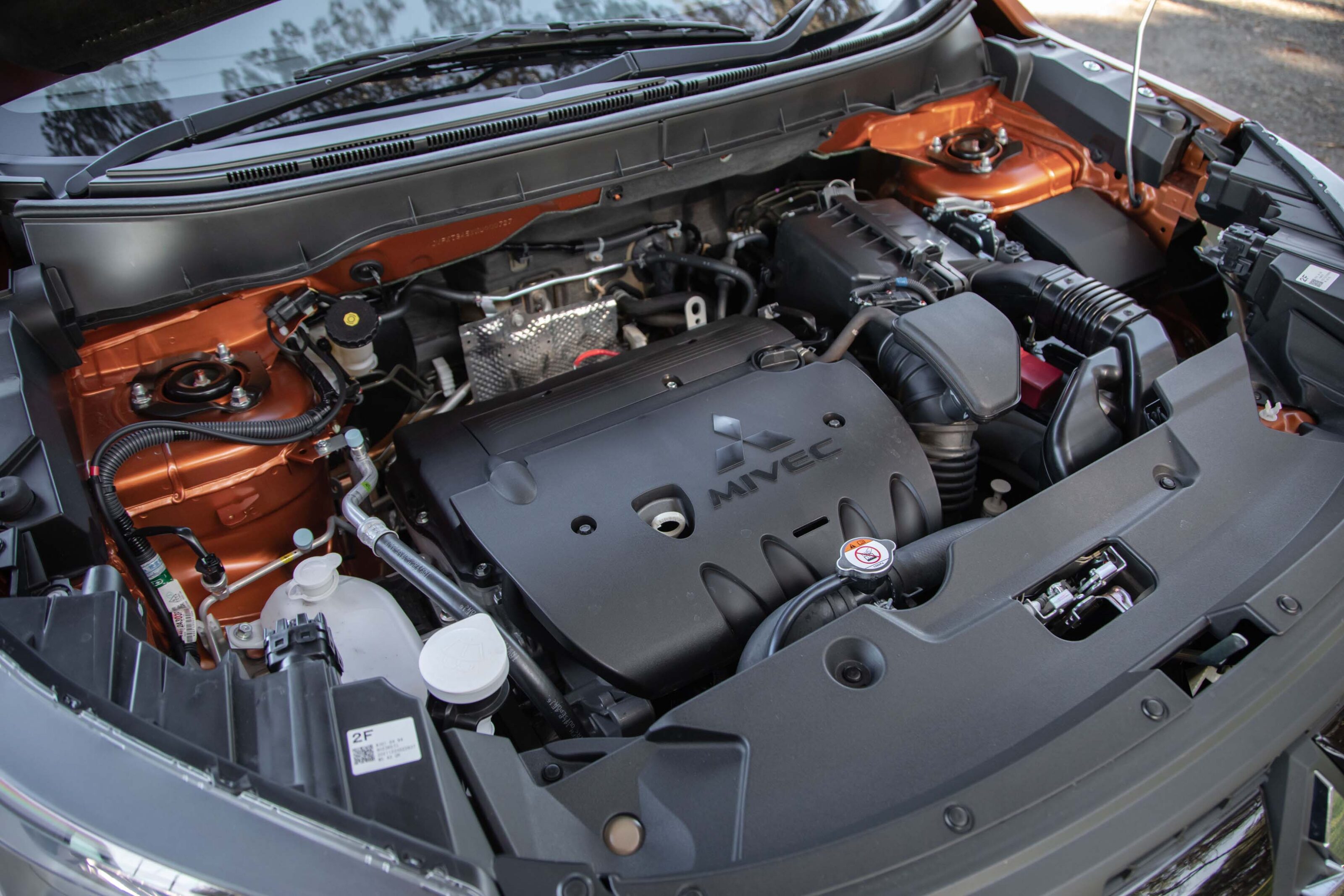
Over the years the ASX has had a range of powertrains, but these days it’s a 2.0-litre petrol four-cylinder (available with a manual in entry-level ES trim) whereas higher-spec versions like the GSR have 2.4-litre petrol four.
Apart from the sole manual, all variants have an automatic continuously variable transmission (CVT).
Every ASX is front-wheel drive these days (once upon a time there were diesel all-wheel drive options). The 2.4 spins up 123kW and 222Nm, which is high-ish for the segment, but not out of the bounds of sensibility nor exactly powerful.
And as is the case with similarly-powered cars in the segment, it’s all perfectly adequate. While neither engine nor gearbox are the last word in modernity, both have proven reliable and drama-free over the many units sold during the many years on sale.
The CVT actually has quite an aggressive tune for getting off the line, which makes it feel a bit quicker than it is, with a little wriggle of torque steer on all but the smoothest surface. You’ll even get the inside wheel spinning if you’re launching into traffic.
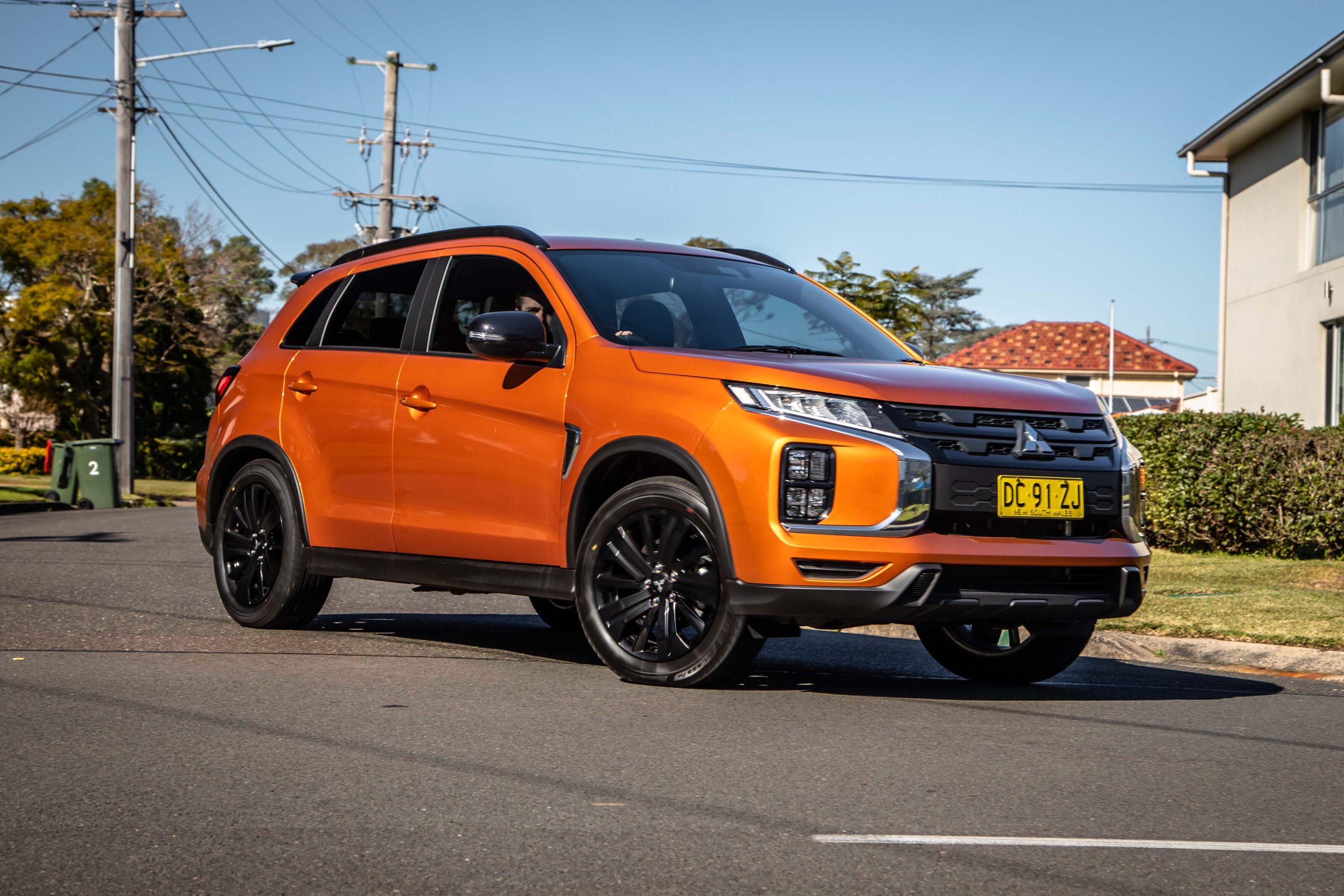
Under light throttle and while cruising, the engine is commendably quiet, a fact brought into sharp focus if you floor the throttle. As the CVT has a kind of rubber band effect, a sustained pedal-to-carpet application means the engine holds at the optimum point for maximum power, which means a fair bit of noise. Lifting off silences the buzz and it goes back to its quiet self.
The body will roll in corners, too, as the car is set up reasonably softly to deal with its likely very urban life.
For the most part, the ride is settled but the suspension can get a bit confused over rough surfaces with a series of small bumps close together. Larger bumps move the body quite a bit, but it’s not concerning.
Under light throttle and while cruising, the engine is commendably quiet, a fact brought into sharp focus if you floor the throttle.
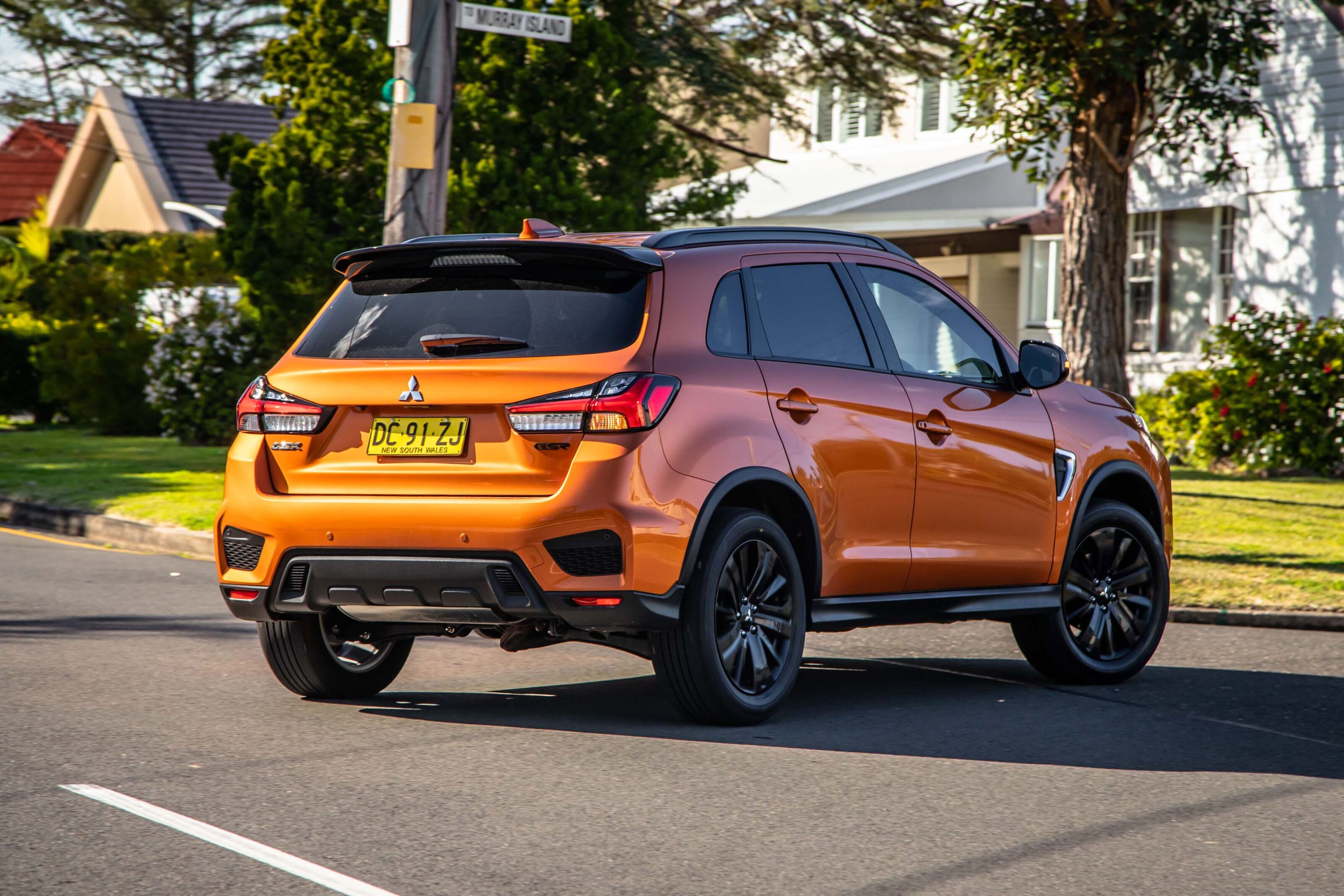
Bridgestone Ecopia low-rolling-resistance tyres offer up reasonable amounts of grip in the wet and dry. They’re surprisingly noisy over some surfaces though, which is a bit of a shame given the relative overall quietness of the car. The brakes feel pretty good and nice to use but the steering is quite remote. It’s light, which makes it easy in town and while parking.
The bottom line is that the ASX isn’t a driver’s car. If you like driving – and let’s be honest, a lot of people don’t – it’s probably not the compact SUV for you. To be fair, while this is a segment packed with quality, it’s not packed with driver’s delights.
An official combined cycle fuel consumption figure of 7.9L/100km has always been a dream on the ASX and, as with all previous attempts, the best I could manage was 11.9L/100km.

Ownership
Mitsubishi’s headline 10-year, 150,000km warranty beats pretty much everything on the market as long as you’re not a high-miler.
If you do bust the “limit” you’re still entitled to a five-year, unlimited-kilometre warranty, which is still good going, if no better than the current industry standard.
Alongside the decade-long warranty is a capped-price servicing program for the duration. Seven of the 10 services – which come up every 12 months or 15,000km – are priced at $299, with the sixth, eighth and 10th jumping to $599 each.
Over the life of the program, that works out to $3890 or $389 per service, which isn’t bad at all.
VERDICT
The ASX is a car that will fit your family and is fit for a family, with space, ease and low running costs.
The ASX is unashamedly about solid transport. It looks pretty good these days, the 2020 facelift adding the more distinctive Dynamic Shield front end and a more modern rear with the LED lighting.
In GSR trim it ups the game with the blacked-out bits and pieces inside and out, adding a bit of toughness but highlighting the ASX’s better angles.
Where it really scores is in ease of use and ease of ownership. The advantage to buying a car that has been on sale in basically the same form for over a decade is that the bugs are well and truly squashed.
In GSR spec in particular, it’s nicely judged, with all the things people say they want in a car and nothing that goes in the “I’d have it but won’t pay for it” basket.
And with that long warranty, it’s the kind of car you can throw your budget at and know that Mitsubishi will stick by you for a long time.
It’s a car that will fit your family and is fit for a family, with space, ease and low running costs.
2022 Mitsubishi ASX GSR specifications
The 2026 Audi RS6 will be the last generation in the iconic model’s history to use a combustion engine, before the introduction of a fully electric model.
This year marks 20 years since the RS6 was launched, but it’s the next decade that could see the largest shift in the model’s history.
The current C8 RS6 is due to stay in production until the end of 2025, before a C9 model is introduced.
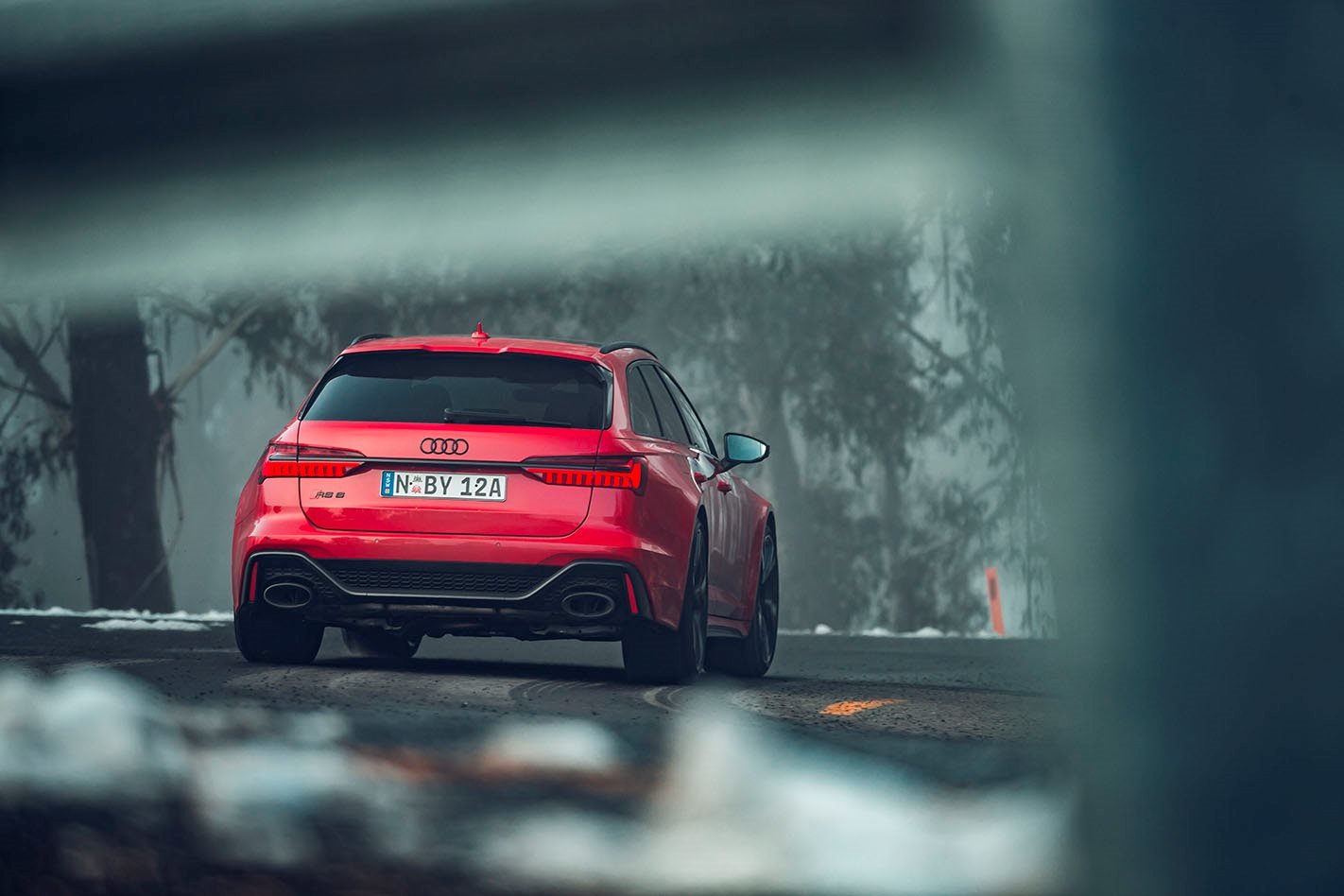
Audi has confirmed the next-generation RS6 will use a plug-in hybrid EV drivetrain, stepping up from the current model’s 48-volt mild hybrid system which is paired to a monstrous 441kW/800Nm 4.0-litre twin-turbo V8.
Former head of Audi Sport and current head of Research and Development for the Ingolstadt brand, Stephan Reil, made the admission when speaking to Wheels in Canada as part of the RS6’s 20th birthday celebrations.
“Of course this [hybridisation] is the way to go, in the next generation I can tell you it will have more hybridisation,” he said. “This is our way toward fully electrified cars.”
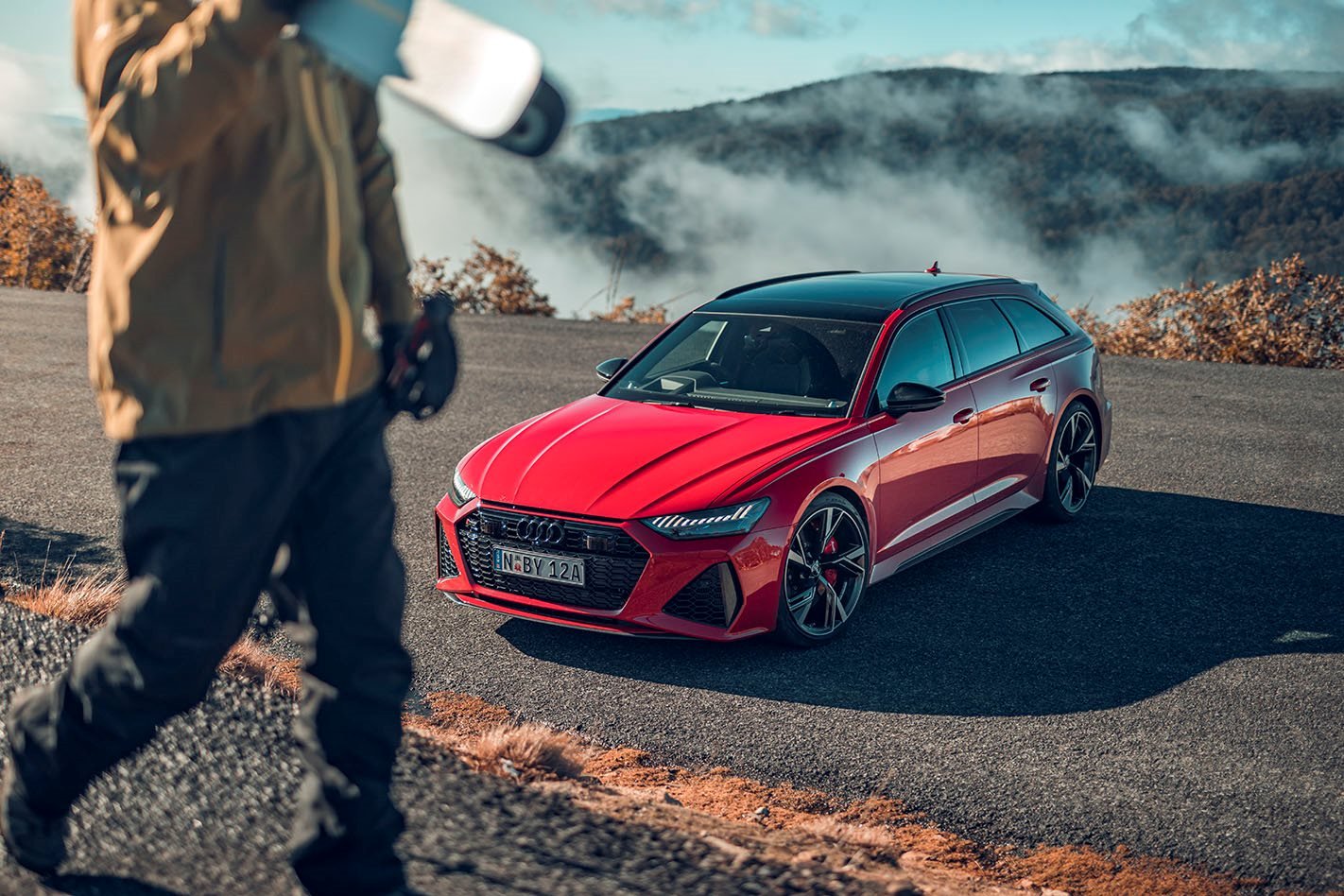
While Reil would not be drawn on the specifics of the hybrid drivetrain, Audi has been clear in its previous three-stage product plan to electrification stepping up from mild hybrid to plug-in hybrid, and then onto full electrification.
A plug-in hybrid C9 RS6 would then be followed by a fully electric C10 RS6, which would launch in 2030s.
Audi has previously confirmed it will stop developing new internal combustion engines in 2026. Interestingly, the brand has not announced a deadline for when it will begin exclusively selling EVs, just that clean sheet combustion engine research and development will end.
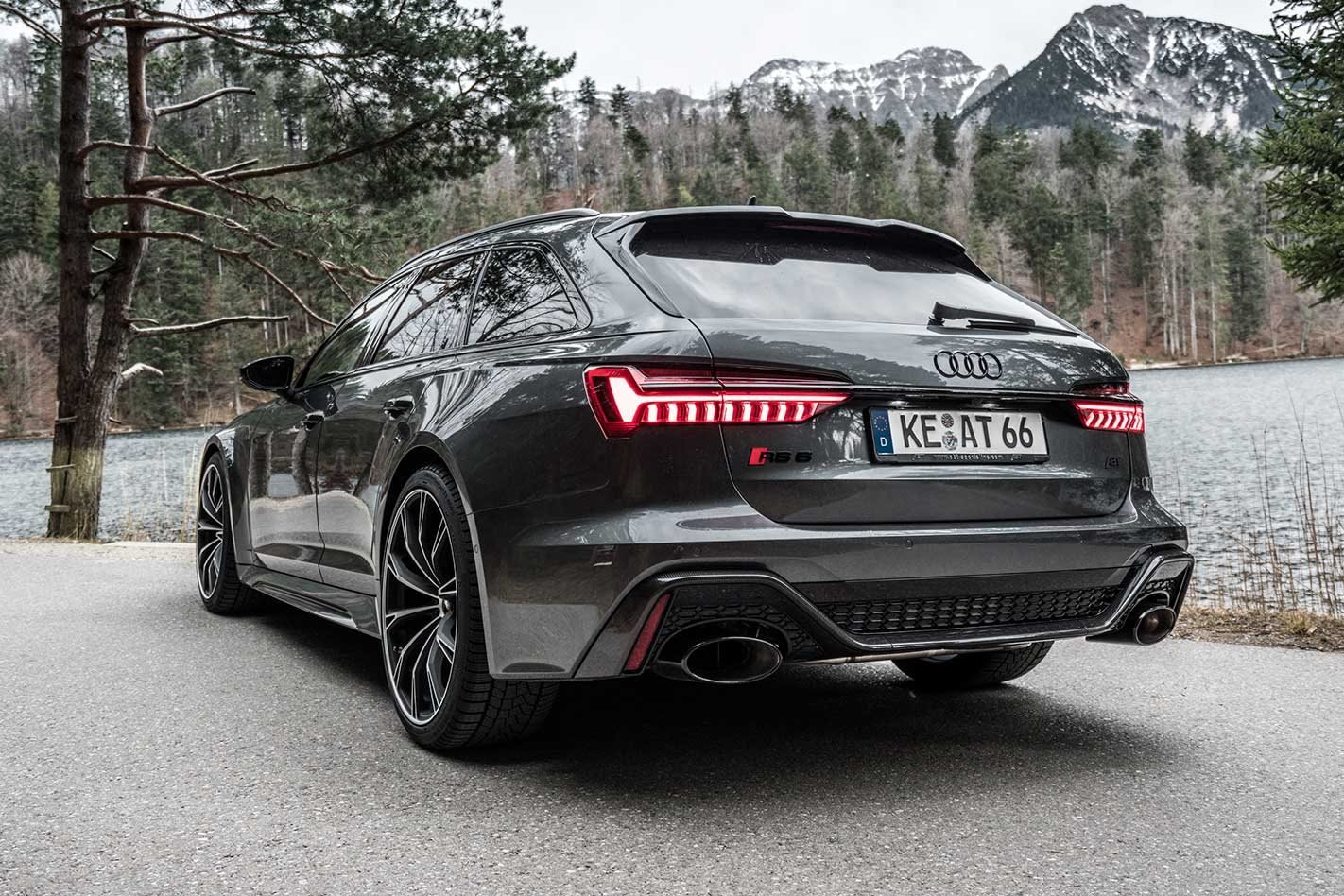
It should be noted that despite not committing to an EV-only sales model, Audi has said it will offer 20 new electric models by 2025. Balancing that somewhat is the fact that 60 to 70 per cent of its sales in 2025 are still expected to be models that have a combustion engine.
Reil pointed to the progression of existing RS6 generations when speaking about future models.
“It started about a generation after C6 that CO2 emissions got more and more important,” he explained.
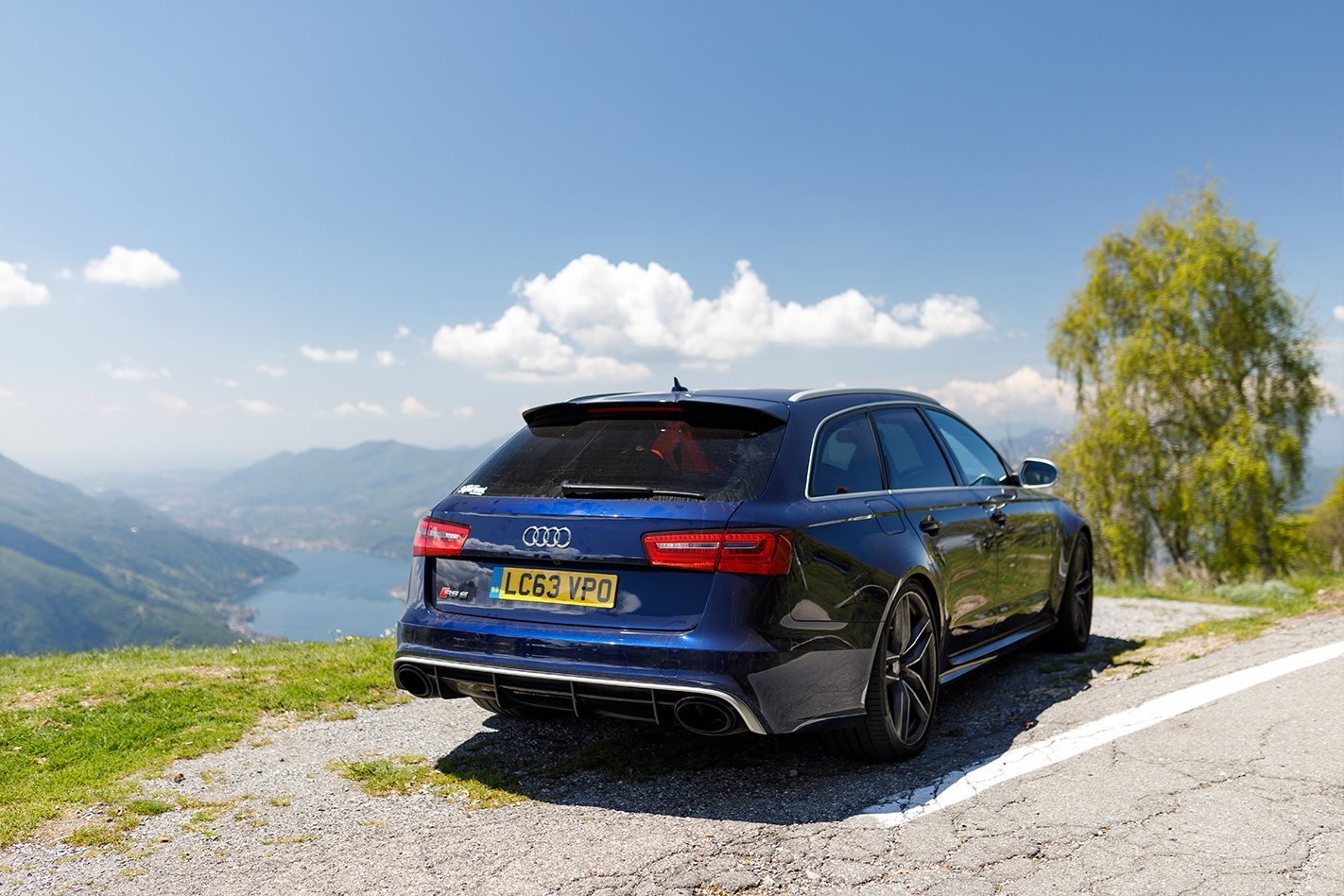
“Then on the C7 we had the downsizing from a V10 to V8, we brought in cylinder deactivation, and on the C8 we now have a 48-volt mild hybrid system.”
The former head of Audi Sport has a stong connection to the RS6, having been responsible for the development of the first three generations, and creating the initial concept for the current C8.
Reil says there are some challenges to introducing a proper hybrid drivetrain over the existing mild hybrid, but also plenty of advantages.
“The hybrid system, first of all means there are additional parts that need to be packaged to get into the car,” he told Wheels.
“Then of course it gives you more possibilities in driving modes, and you can use the electrification on certain weak points of your combustion engine.”
Audi’s ultimate family hauler, the formidable RS6, will soon be getting even faster with new variants to be revealed in the near future.
The C8 generation is the fourth in the RS6 lineage and was launched in 2020, powered by a 4.0-litre twin-turbo V8.
With 441kW/800Nm outputs, the C8 sits atop the totem pole of fast wagons in the Audi line-up. However, a faster and more focused version is already in the works, likely to be badged again as the Audi RS6 Performance.
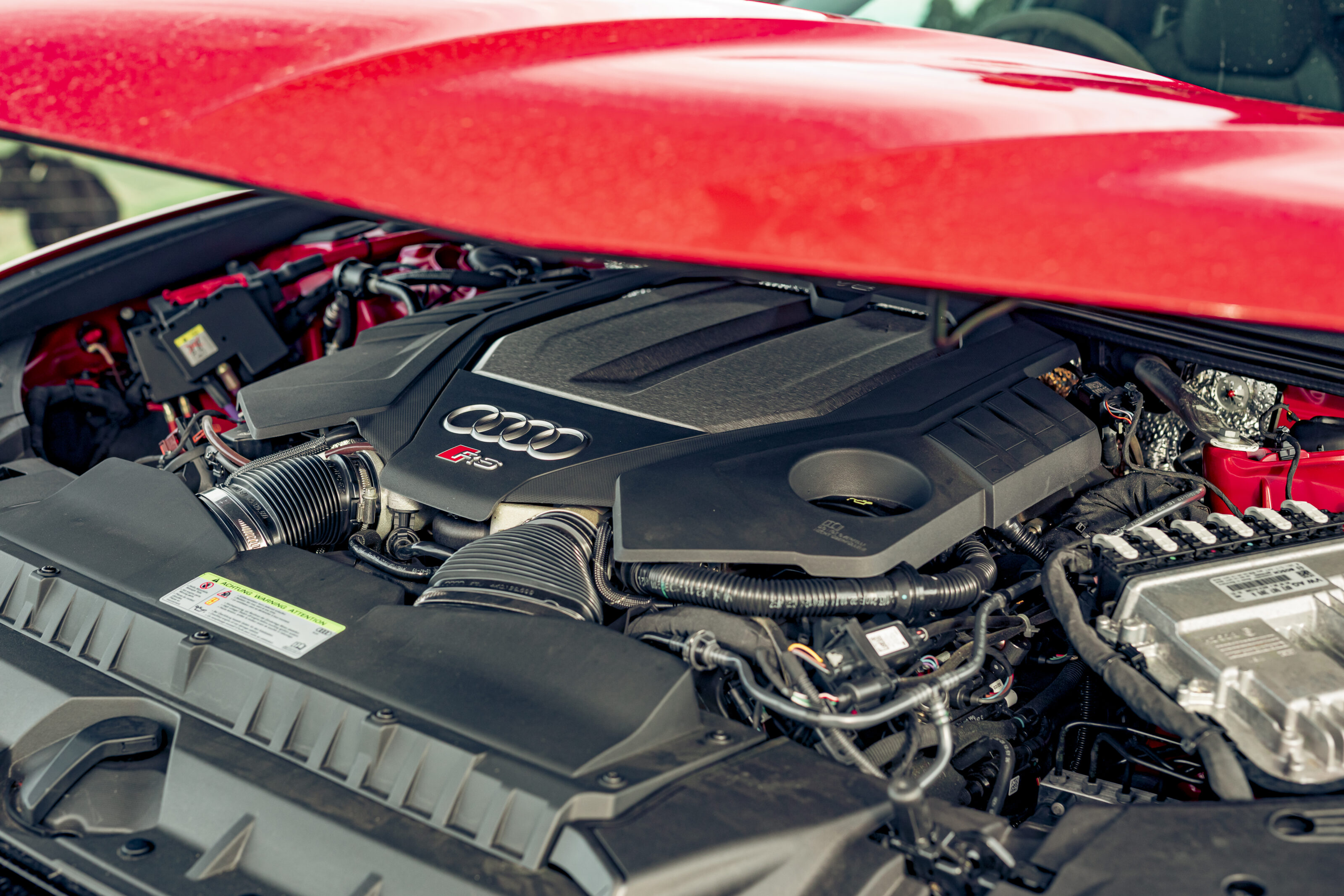
Audi has traditionally produced a faster, more focused version of the RS6 near the end of each generations model life. In the C5 and C6 these were known as the ‘Plus’, before Audi moved to the ‘Performance’ nomenclature for the C7, while also using the badge on models like the R8.
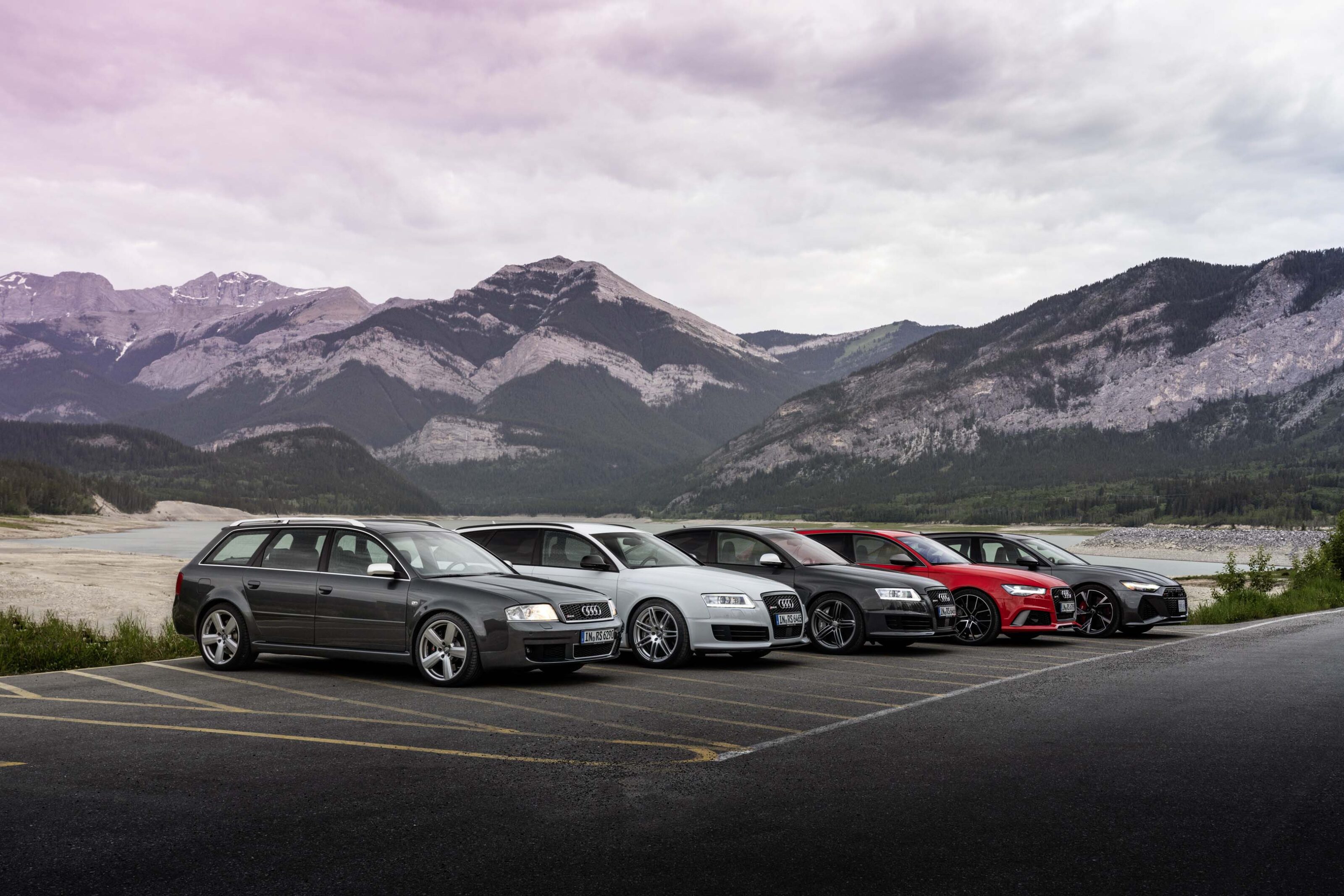
Wheels spoke to Eva Stania, Audi’s spokesperson for the entire A6 model line as well as R8, while driving all four generations of RS6 in Canada as part of the brand’s 20th birthday celebrations for the model.
Her initial response to whether there is customer demand for a faster version of the C8 was initially coy, before revealing that a Performance variant is likely to become a reality.
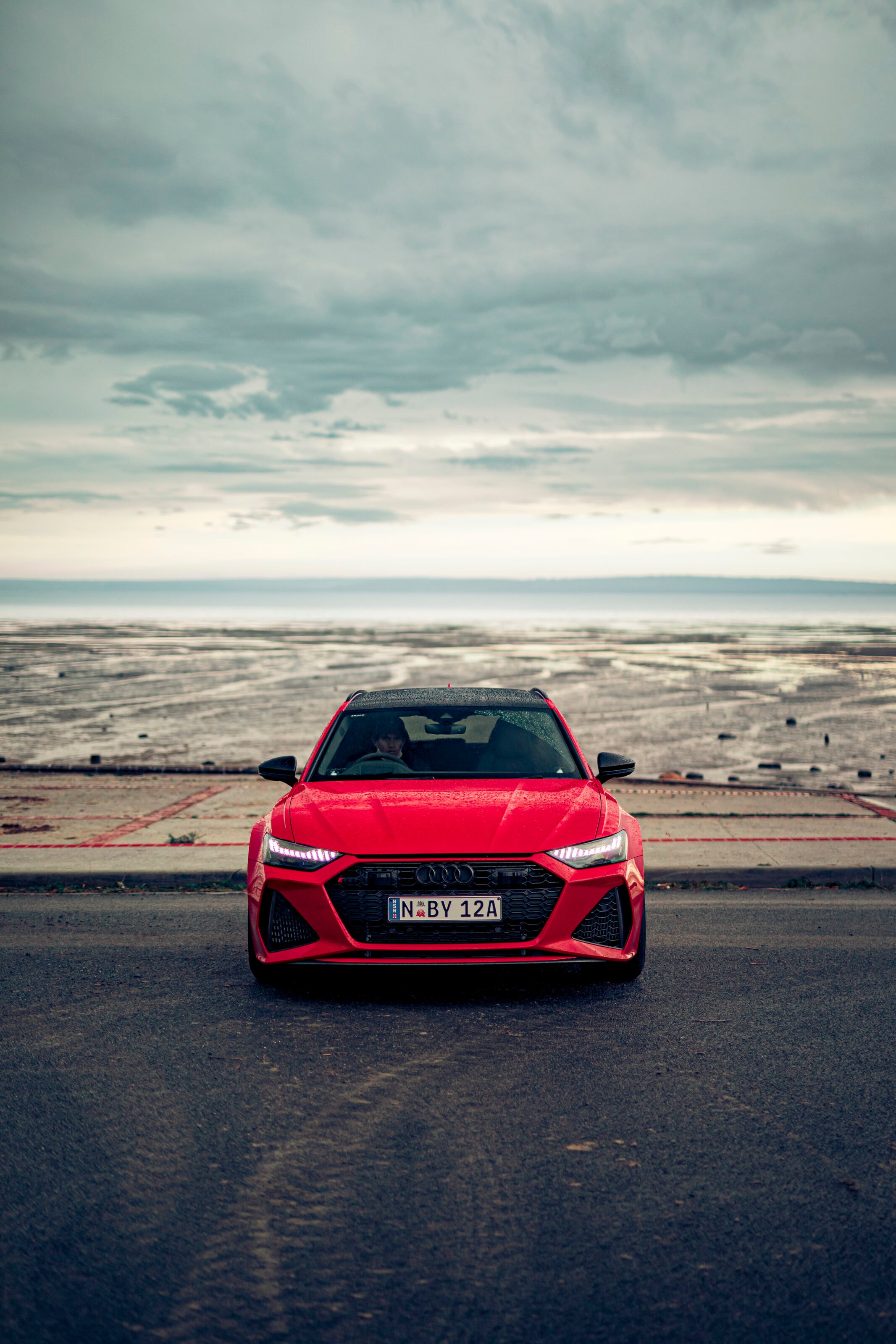
“Wait and see,” she said. “We have some ideas, so just wait and see”
“You drove the RS6 C7 as a Performance. We recently launched the R8 RWD as a Performance, so you can be pretty sure that we will follow up the Performance strategy.”
The good news for RS6 fans doesn’t stop there though, with Wheels understanding there is not just a single Performance variant in the works, but another addition to the line-up as well.
While the Audi employees we spoke to were keen to remain tight-lipped on what this additional variant would be, they did hint it would be “very special”.
Unlike the Performance lineage, there isn’t a historical precedent for this mystery variant.
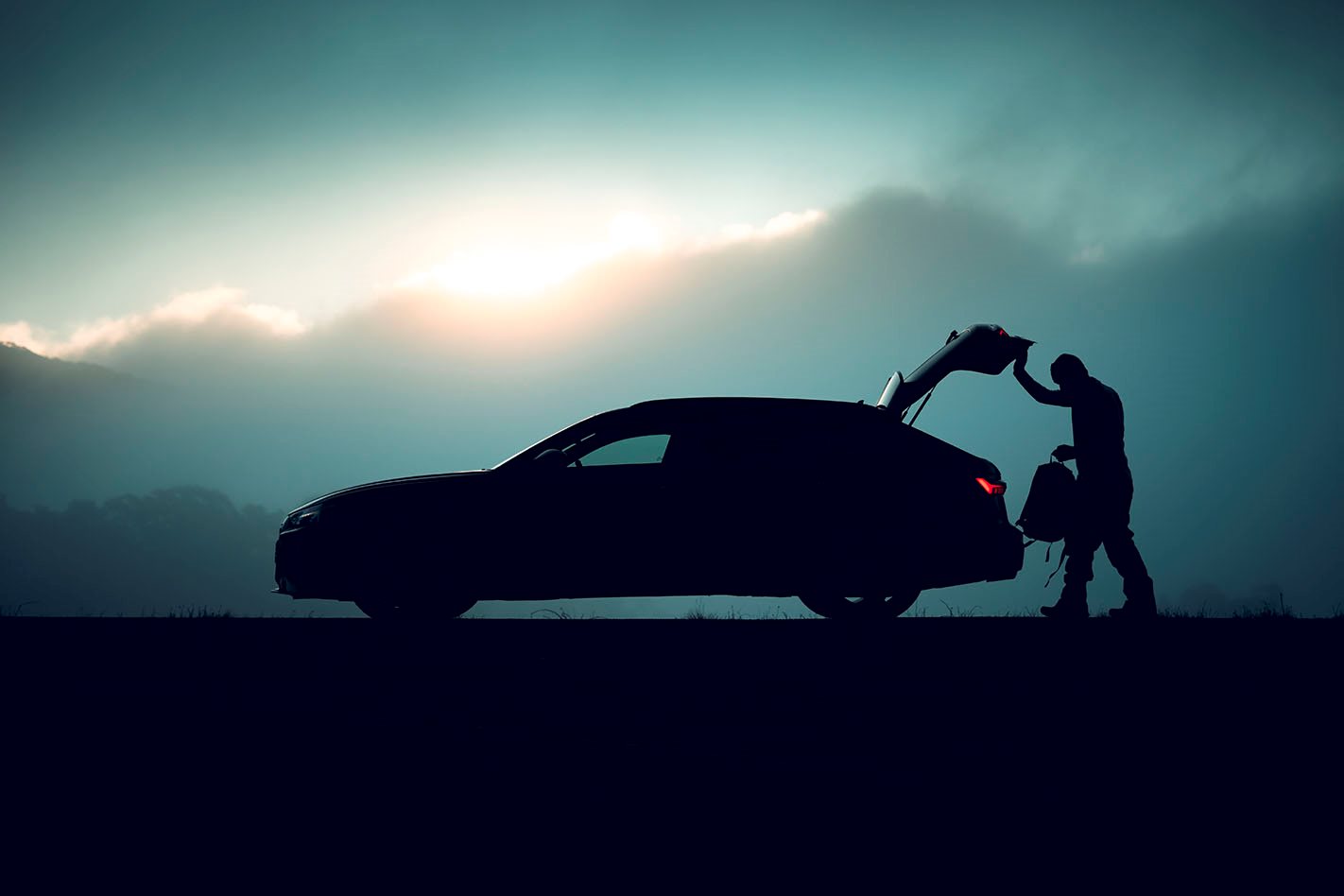
Wheels expects the first of the new variants to be revealed to the world by the end of the year. This timing is particularly important as 2022 marks twenty years since the original C5 RS6 was launched.
The second variant wouldn’t be expected to be revealed until nearer the end of the generation’s production run – slated to finish near 2025.
What remains unconfirmed is exactly how much extra power will be produced by the upcoming RS6 Performance. Power outputs of the current RS6 are healthy, with the 4.0-litre twin-turbo V8 producing 441kW and 800Nm.
We can get a guide on what to expect from a Performance variant due to the fact that the RS6’s engine is used in a raft of other Volkswagen Group models, from the Porsche Cayenne and Panamera, to the Lamborghini Urus, and even Audi sibling the RS Q8.
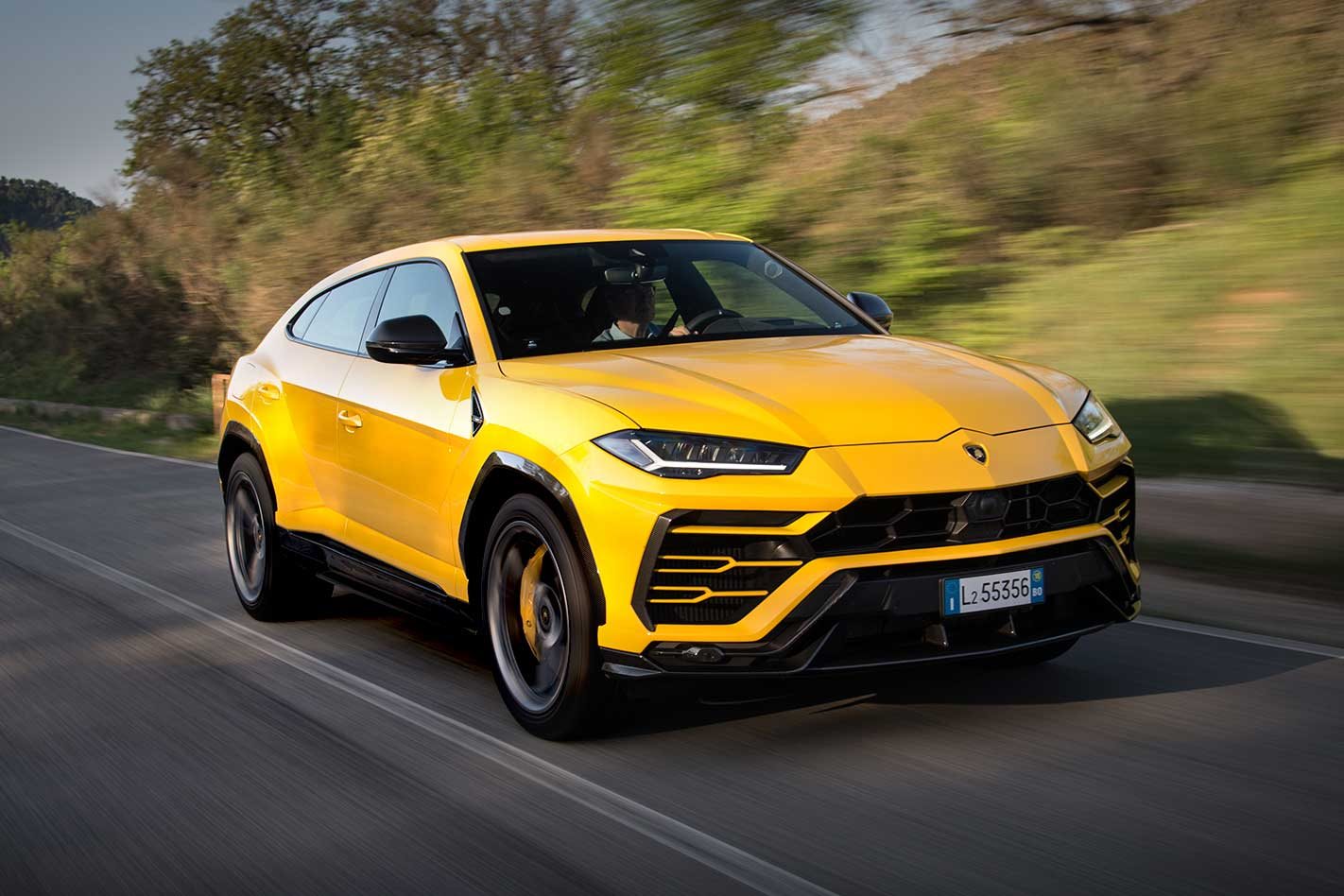
For more powerful tunes we need to focus on the Urus (478kW/850Nm), Panamera (463kW/820Nm) and Cayenne (471kW/850Nm).
Audi could well give a RS6 Performance model its own tune, but those three models provide a ballpark figure of what could be possible.
Along with more power, it is likely the RS6 Performance will introduce upgrades to the suspension and brakes to match the greater dynamic focus.
One thing that won’t be tweaked is the styling. With no planned mid-life facelift, the RS6’s maximum-attack design will be left as is until it finishes production.
Snapshot
- Ioniq 6 will be the next model to get Bluelink
- Service involves vehicles being fitted with hardware, so can only come with updates
- Company offers five year subscription for free, rate thereafter not yet known
The 2023 Hyundai Ioniq 6 electric vehicle will be the next model to gain the company’s Bluelink smartphone connectivity system in Australia.
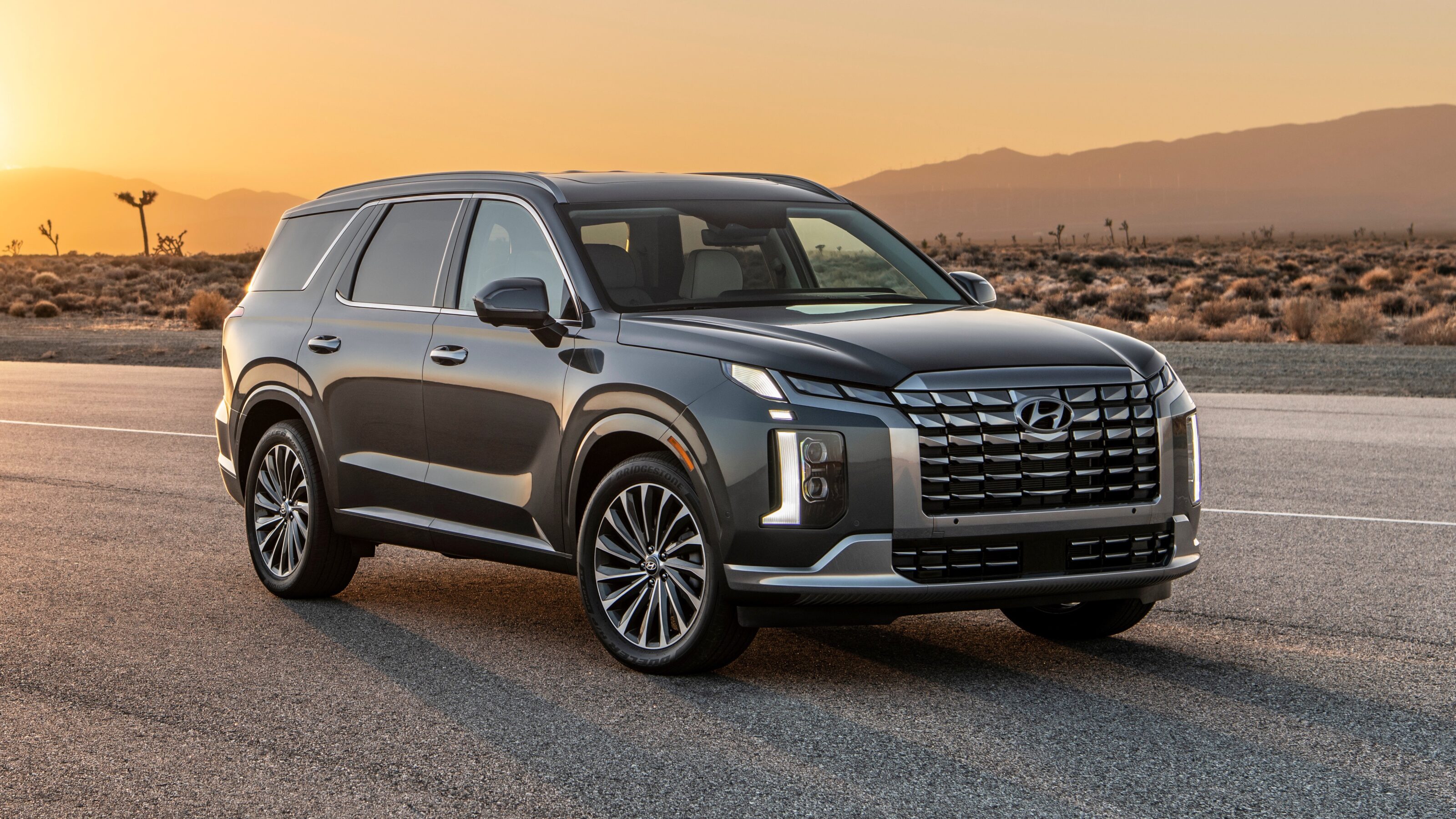
Speaking at the launch of the facelifted 2023 Palisade in Sydney this week, in which Bluelink made its local debut, Hyundai said every new Hyundai will eventually use the app – but the upcoming EV will be next.

“The next will be Ioniq 6, that’s early next year, but obviously that will have some different functionality around EVs,” a Hyundai spokesperson told media.
“We need to evaluate it [Bluelink] on a model-by-model basis, so if we can implement it on something small like a model year update then we will, otherwise it will be a facelift or a major model change,” Jonathan Lam, Hyundai’s Senior Manager for Product Planning, added.
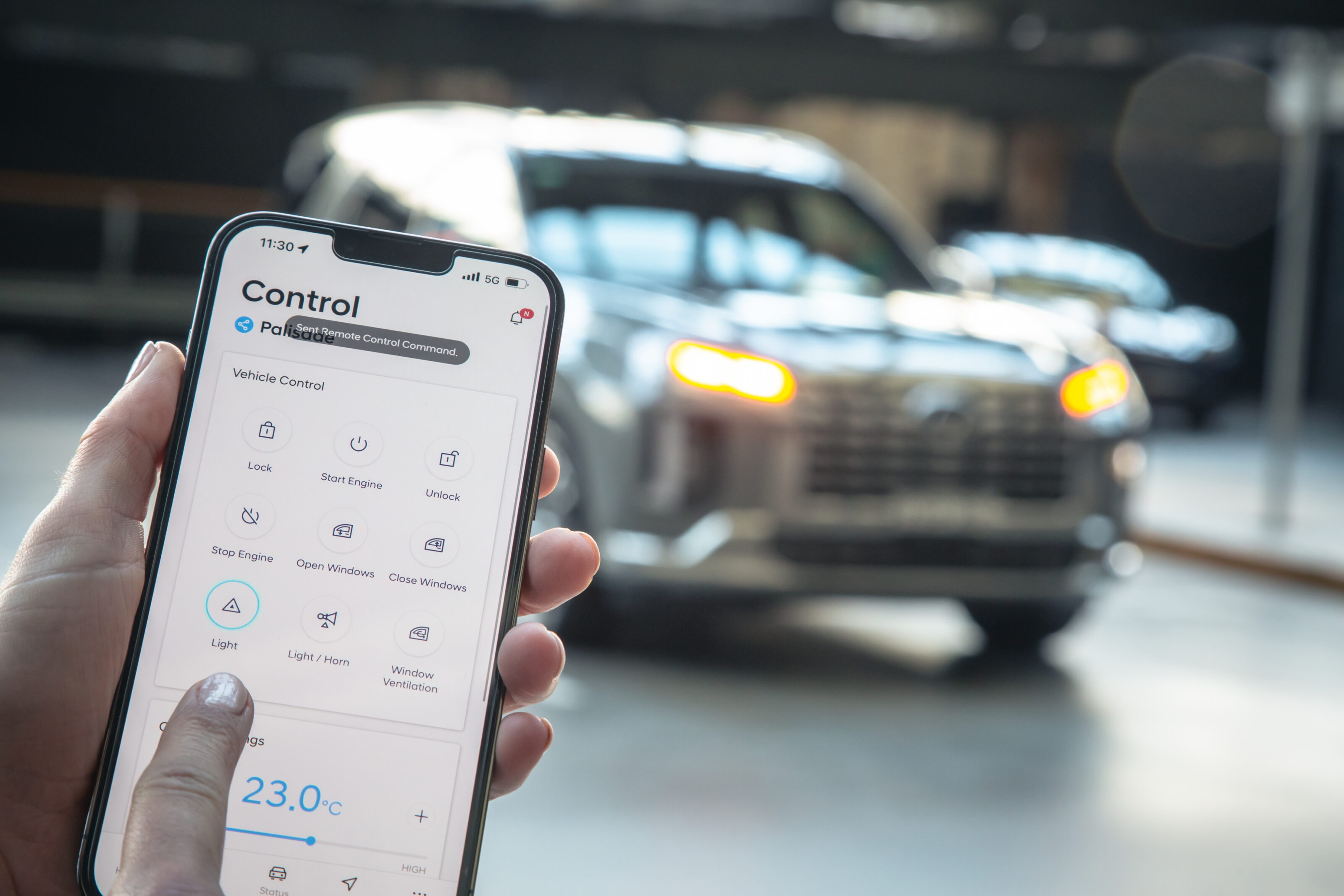
Hyundai says Bluelink’s basic functions include monitoring of tyre pressures, brakes, and airbags, alongside remote starting. Remote door locking and window controls are available too, protected by a PIN system or biometric scanning.
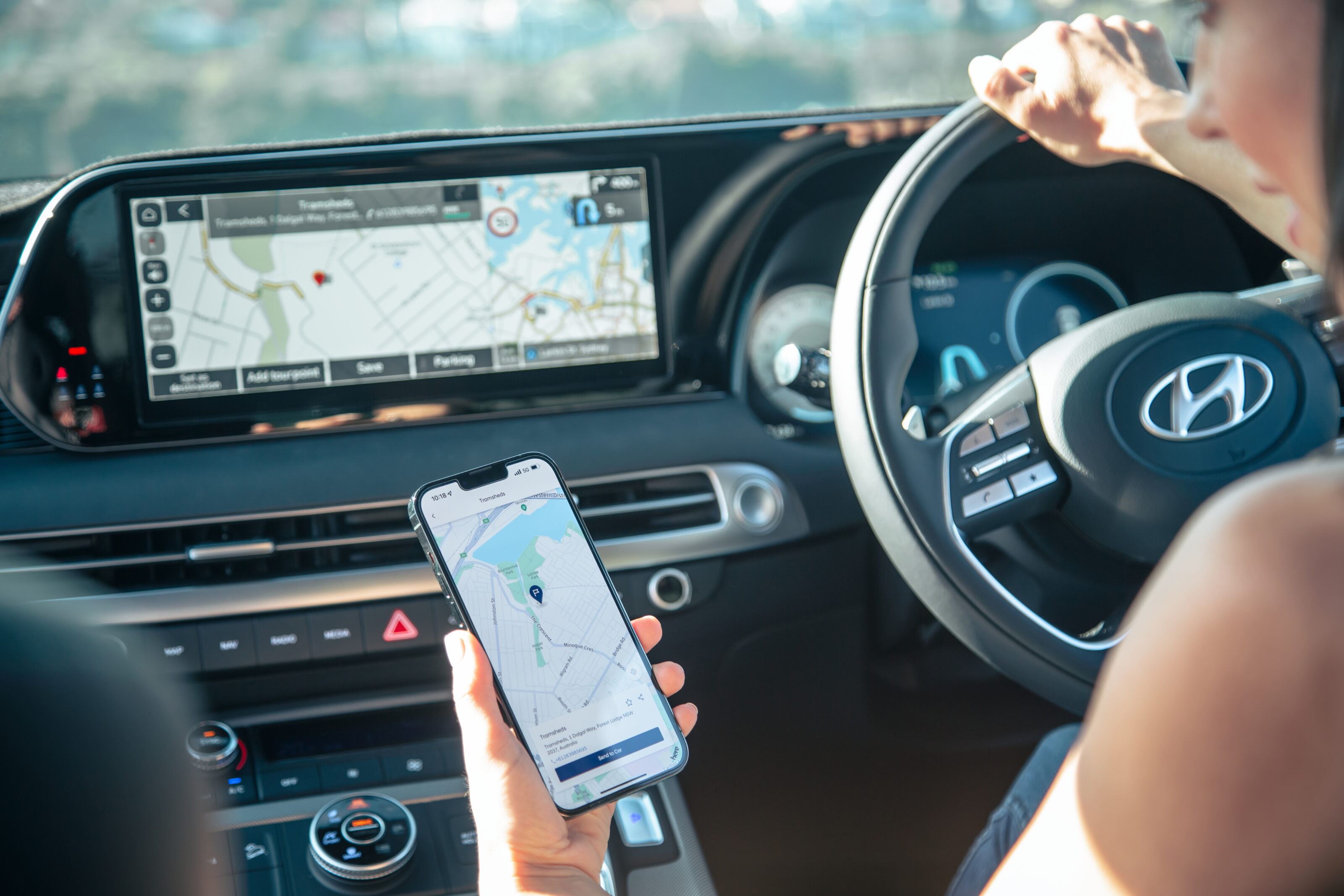
Hyundai also touts real-time navigation via ‘Connected Routing’, using an inbuilt SIM and cloud-based server instead of traditional internal sat-nav. ‘Last Mile Navigation’ allows a driver to transfer directions from car to app to provide on-foot assistance via augmented reality or Google Maps. Other functions include a ‘find my car’ option and saveable trip summaries, and voice recognition for climate controls.
Bluelink additionally manages the Palisade’s SOS button for 24/7 assistance. It controls automatic emergency calling when an airbag is deployed, plus optional geofencing and time fencing to control where and when the car can be driven.
‘Valet Mode’ allows owners to see the car’s status, while also limiting the driver’s access to the infotainment system. Where installed, Hyundai’s four-camera surround-view monitoring is accessible via the app.
In addition to the functionality provided for internal combustion models, owners of electrified Hyundais can start, stop and schedule charging via the app, and change climate control settings remotely.
Hyundai has confirmed details for the next allocation of its supply-restrained Ioniq 5 electric SUV.
The vehicles will become available next Wednesday, August 10 at 1pm AEST to buyers in each state and territory except the Northern Territory, with a total of 135 units on offer.
As such, buyers in the NT have now missed out on the fifth Ioniq 5 batch in a row.
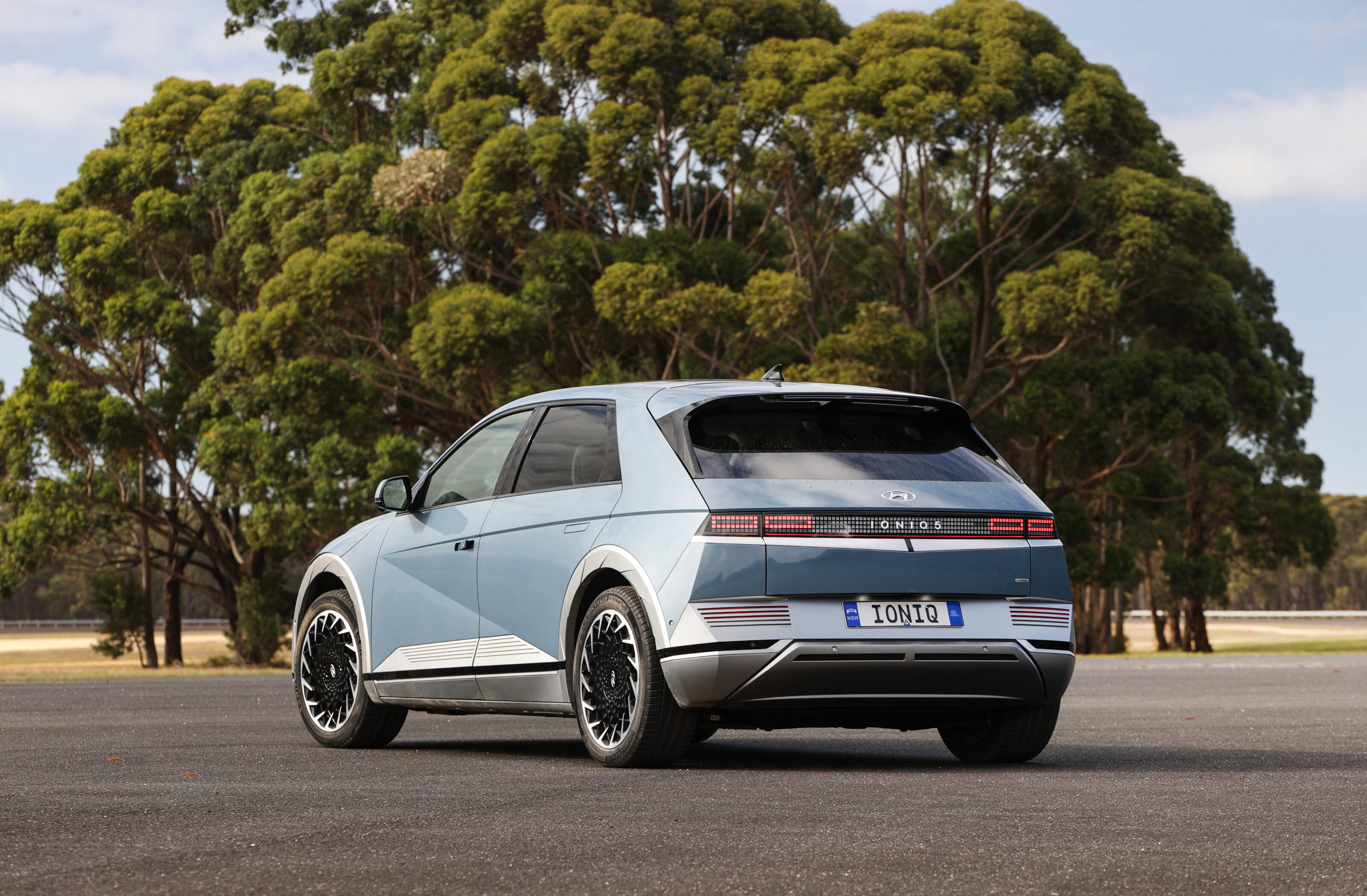
The latest 135 cars represent the highest amount of allocated vehicles available since September 2021 when local orders first commenced, with five ‘drops’ in between.
A combination of entry-level, rear-wheel drive Dynamiq and flagship, all-wheel drive Techniq variants will be offered, with the range-topping model featuring the optional fixed-glass roof; however, Hyundai has not released exact numbers for each grade.
Hyundai Australia has staggered the ordering process for the Ioniq 5 to cope with high demand aggravated by the semiconductor chip shortage and strong procurement in more EV-centric markets.
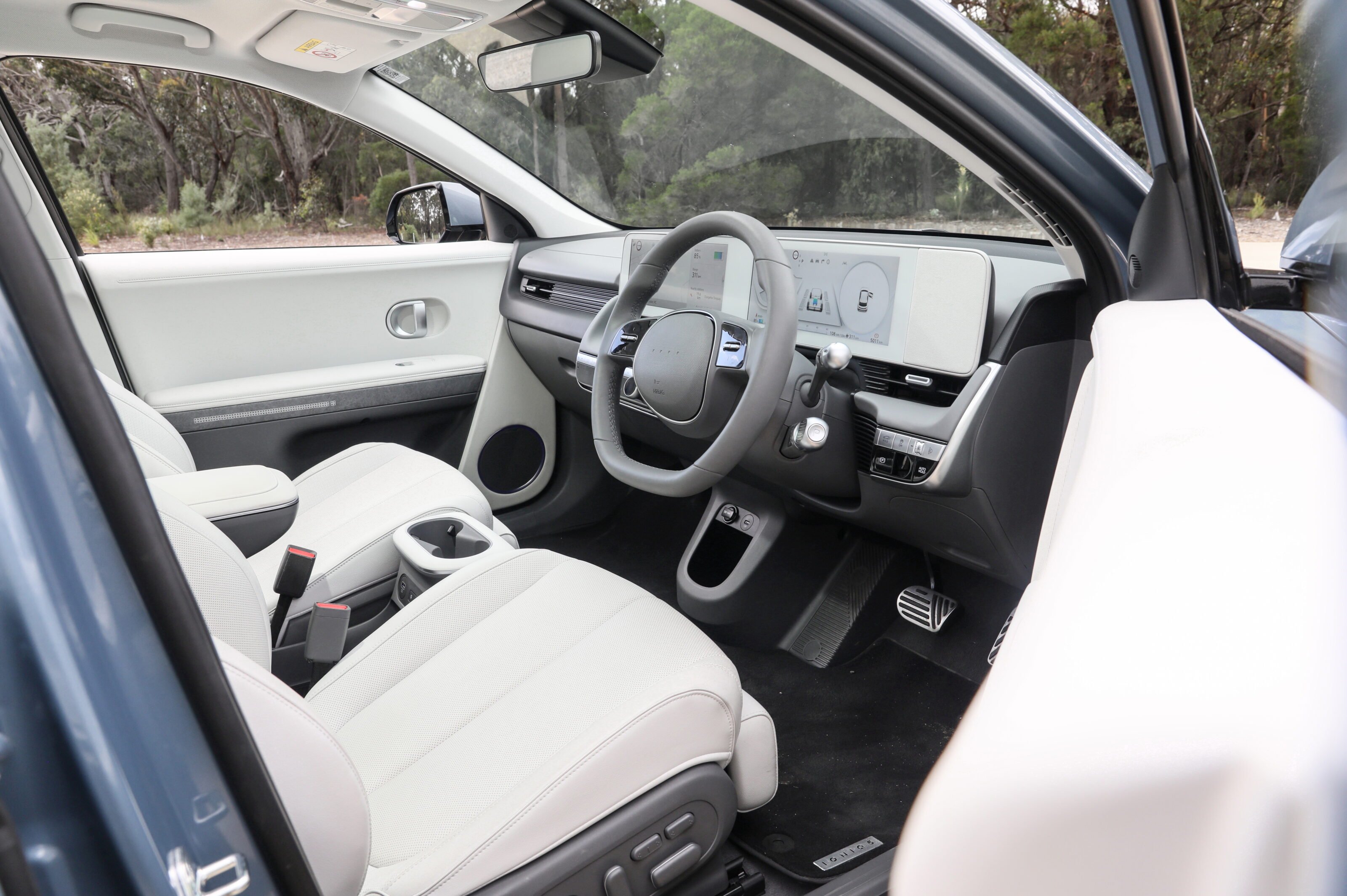
The latest drop follows the previous batch in July, which comprised 119 all-wheel drive Techniq variants without the panoramic sunroof.
A mildly-updated Ioniq 5 was announced last month, with the renamed Dynamiq and Techniq variants gaining new features and price adjustments.
The entry-level, rear-wheel drive Dynamiq now boasts an increased driving range of 481km and a handful of additional features, while the Techniq now offers the optional $1500 fixed-glass ‘Vision Roof’, complete with an electric sunblind.
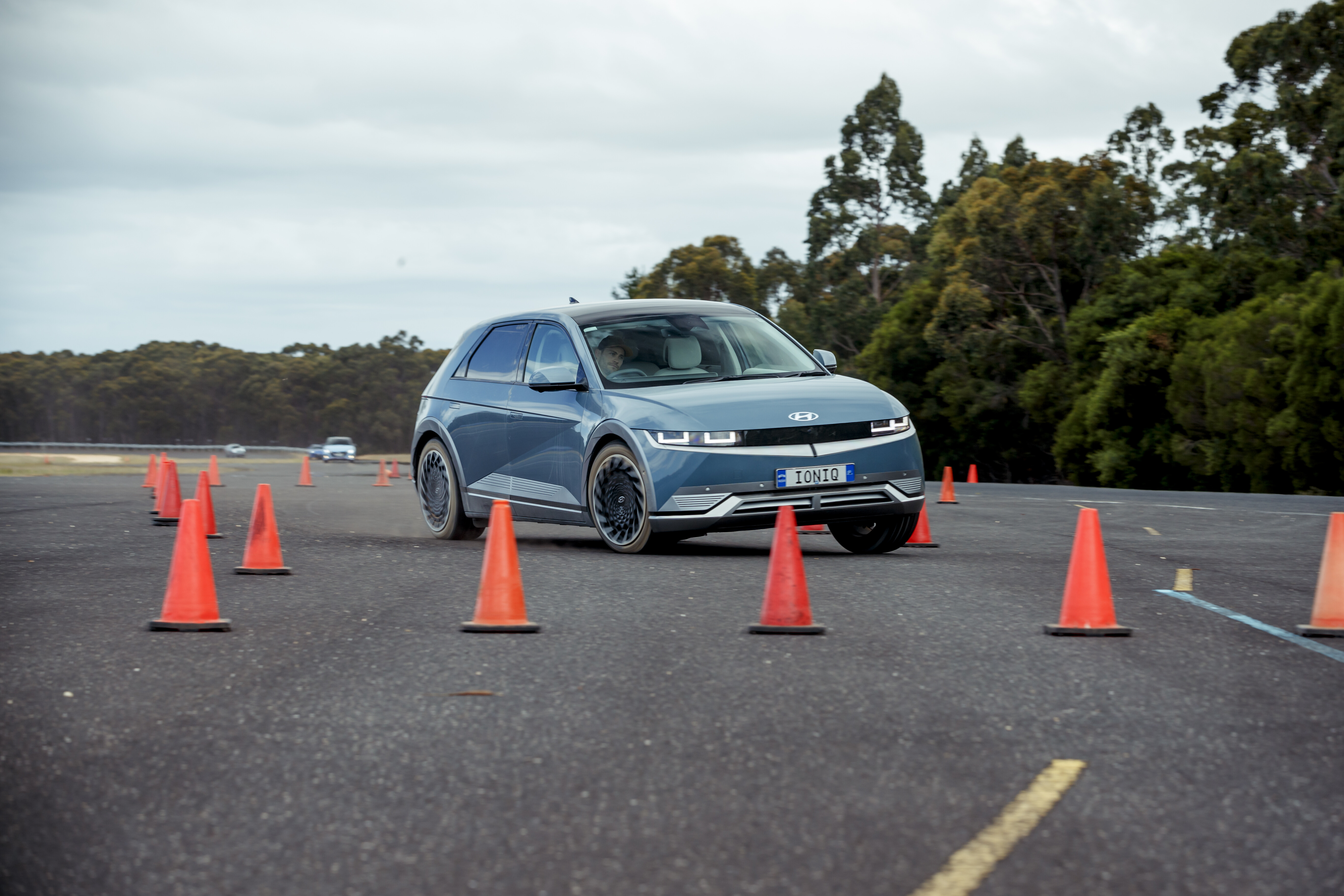
At the global launch of its Ioniq 6 sedan sibling in Korea, representatives from Hyundai Australia said Ioniq 5 supply is likely to increase over the coming months, without putting an exact figure on the expected deliveries.
“We are waiting on confirmation from our factory, but we will likely be going to market with another drop of cars in August and September as well,” said a company spokesperson at the time.
Wheels will provide updates when further allocations of the 2022 Hyundai Ioniq 5 are announced.
The Australian new-car market experienced a small but important lift in July 2022, with a total of 84,461 sales contributing to a year-to-date total of 622,319.
That number represents a 0.4 per cent increase – 300 vehicles – over the same month in 2021, according to data released by the Federal Chamber of Automotive Industries (FCAI) today. July’s up-tick follows the worst June result recorded since 2011.
In terms of body styles, traditional passenger vehicles were down in July by 9.1 per cent (1596 vehicles) over the same month in 2021, while SUVs were up by 2684 sales. Light commercial vehicles (utes and vans) were down by 930 sales.
Still an up-hill battle on supply
Despite the overall improved sales figures delivered las month, the FCAI described the result as “relatively flat”, reminding buyers that the market remains heavily affected by plant shutdowns caused by the ongoing COVID-19 pandemic.
“While small growth on the same month in 2021 is encouraging, we do not expect the supply of vehicles to Australia to stabilise in the near future,” FCAI Chief Executive Tony Weber said.
“Once again Australia is following the global trend of demand for new vehicles exceeding supply,” Mr Weber said.
Across the country
Sales in South Australia and New South Wales leaped 13.3 per cent (5649 sales) and 10.9 per cent (26,519) respectively, but all other states saw a decline.
The ACT and Northern Territory were down 16.4 per cent (1175) and 16.6 per cent (756) respectively. Queensland was down 1.1 per cent (18,900), Tasmania dropped by 13.2 per cent (1,327), Victoria down 5.8 per cent (22,076) and Western Australia down 9.0 per cent (8059).

Top 10 models ?
The HiLux was the market’s top-performing model, with 6441 sales surpassing the 5355 sales recorded for the popular ute in June.
With the HiLux on the top podium step, the Ford Ranger took second place on 2934 sales, with the new-generation Ranger officially going on sale in mid-July.
Ford has confirmed we can expect relatively low sales numbers over the coming months, with supply not expected to ramp up until at least the fourth quarter.
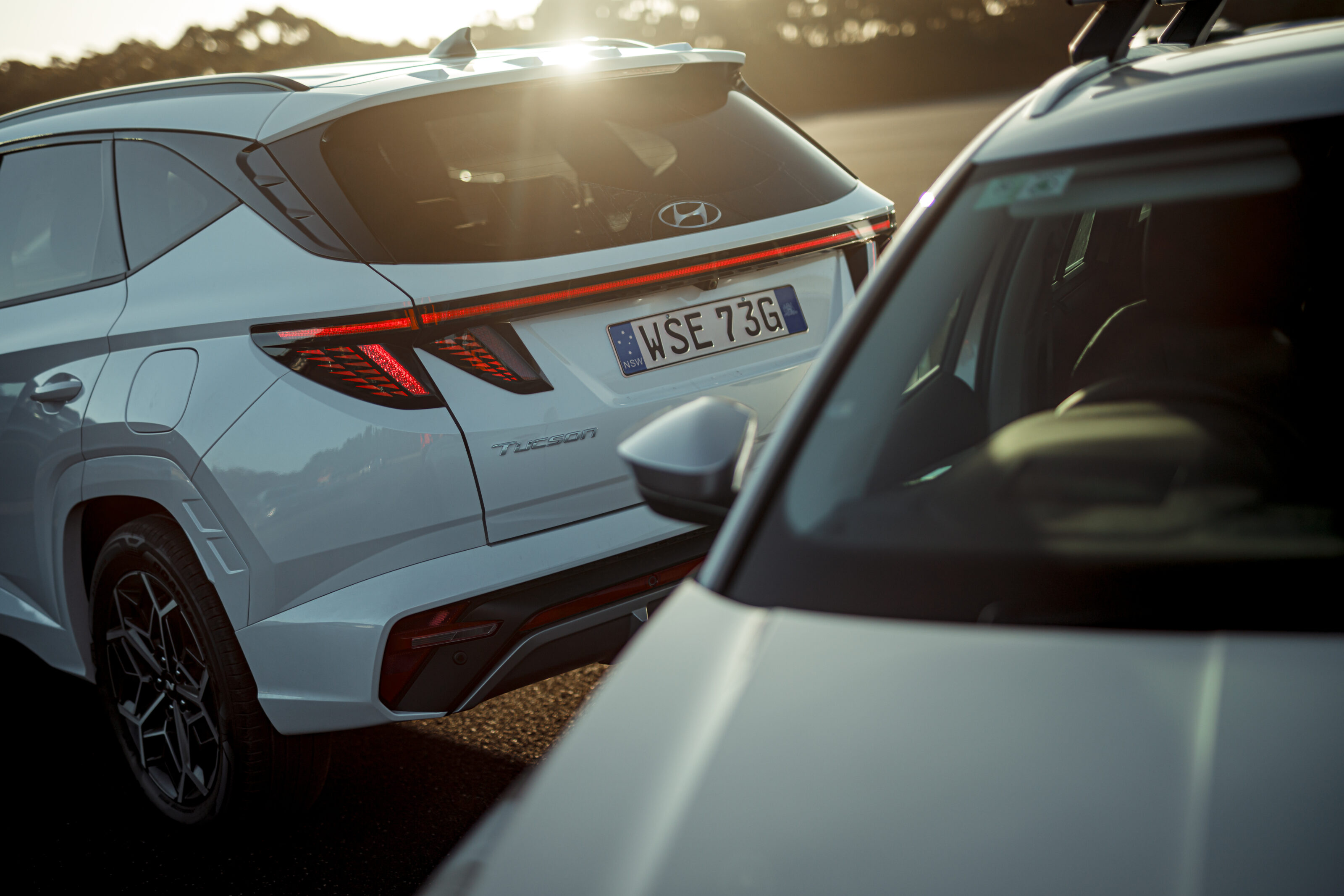
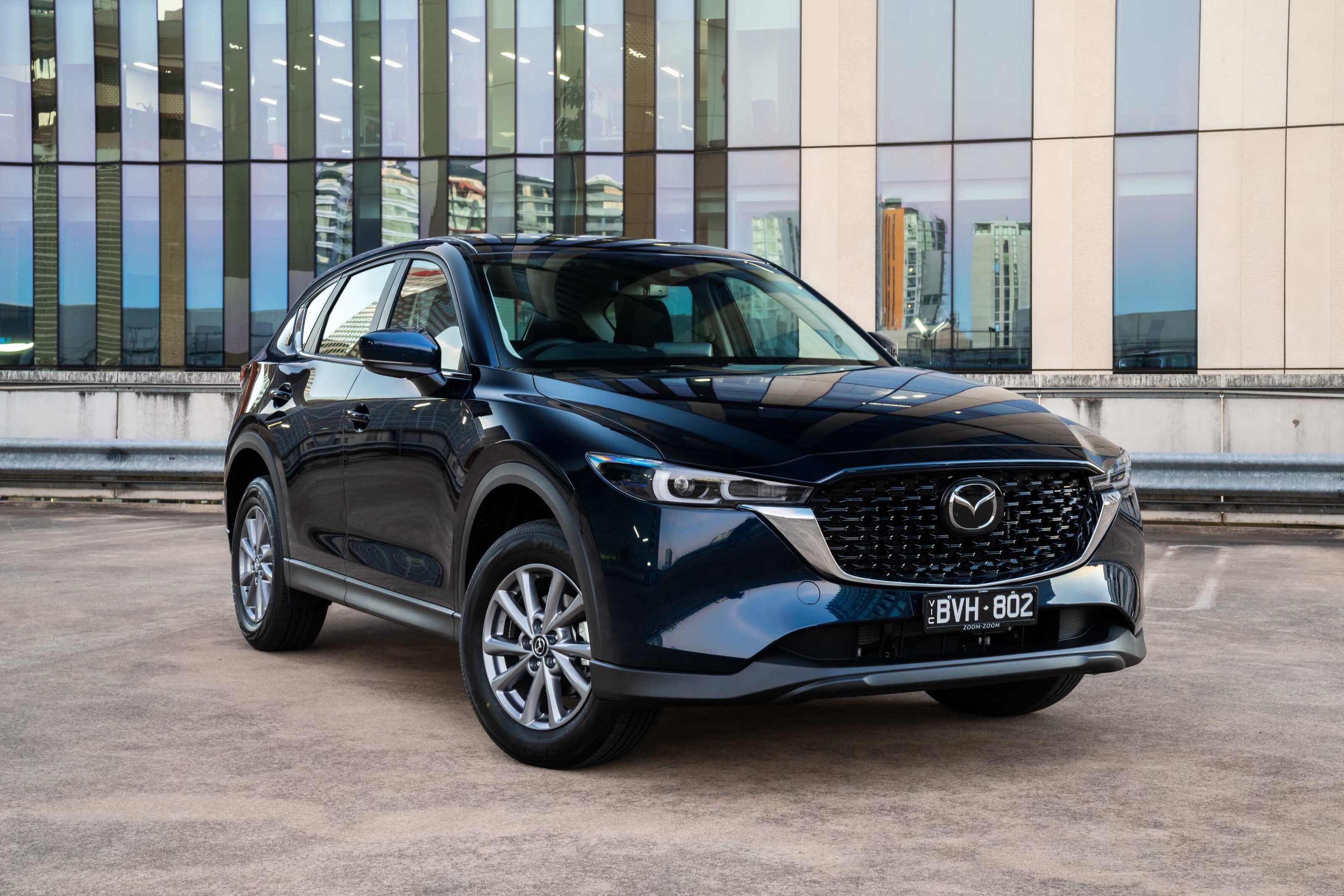
Toyota’s RAV4 was the highest-selling passenger vehicle, with 2437 sales giving it third place in July. The Mazda CX-5 (2346) and Hyundai Tucson (2186) followed, further cementing the medium SUV as a favourite format for Australian families.

Top 10 cars in Australia: July 2022
Top 10 cars in Australia: YTD 2022

Top 10 car brands ?
No surprise, Toyota was again the top-selling brand in July, with 19,565 vehicles sold.
Mazda followed on 7879 sales, while Hyundai (6792), Kia (6711) and Mitsubishi (5611) rounded out the top five; followed by Ford (4439), MG (3018), Isuzu Ute (2748), Subaru (2822) and Nissan (2189). Mercedes-Benz, eighth in June, slipped out of the top 10 in July.
Year-to-date, Toyota leads with 140,942 sales (up from 136,596), followed by Mazda (57,811 v 69,365), Mitsubishi (47,349 v 42,745), Kia (46,130 v 43,096), Hyundai (44,959 v 43,696), Ford (33,001 v 43,452), MG (27,525 v 22,857), Isuzu Ute (21,537 v 22,208), Subaru (19,819 v 22,469) and Nissan (17,438 v 26,673).
Ups and downs ? ?
Standout movements up-and-down include a year-on-year improvement of 34.2 per cent for Hyundai (6792 sales July 2022 v 5062 July 2021), 31 per cent for Ram (426 v 325) and 29 per cent for Kia (6711 v 5202).
Land Rover sales were down 66.1 per cent (289 sales July 2022 v 852 July 2021), Volkswagen was down 47.3 per cent (2022 v 3840), Isuzu Ute was down 19.2 per cent (1092 v 756) and Nissan was down 18.7 per cent (2189 v 2691). In most cases, the bulk of these can be attributed to supply issues.
Top 10 brands: July 2022

Top 10 brands: YTD 2022
In charts ?
July 2022 – Top 10 models
July – Top 10 brands
July 2022 – Overall segment sales
July 2022-2021 category sales
July 2022-2021 category YTD sales
2022 Sales race
July 2022 Australian sales map
July 2022 buyer type
Snapshot
- Four-star ANCAP rating applies to Palisade diesel variants made before May 2022
- Five-star applies to those built after May and sold from August, both petrol and diesel
- Airbag and AEB improvements made to pass tests
August 3: 2023 Palisade scores five-star ranking for facelift
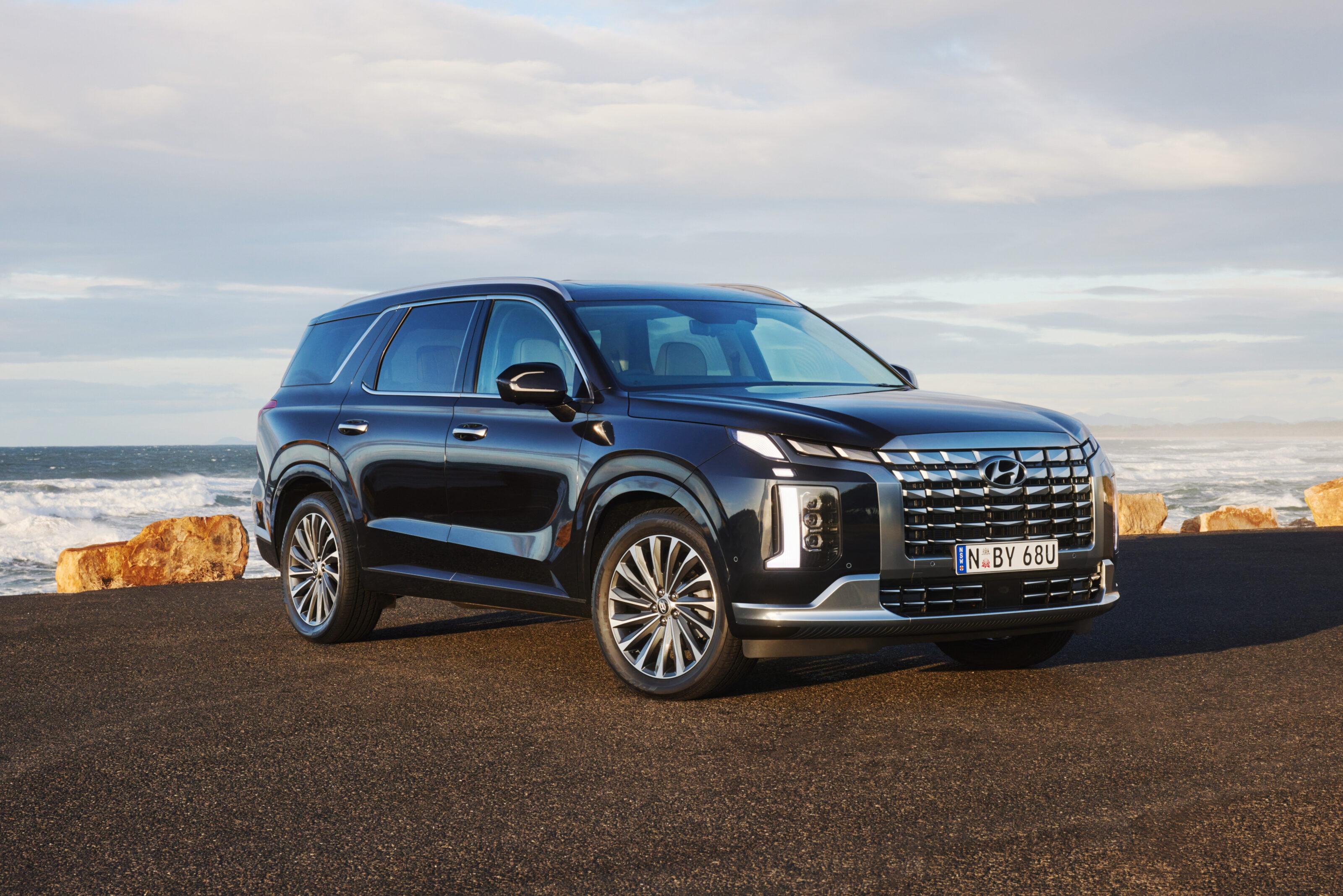
The facelifted 2023 Hyundai Palisade has received a five-star safety rating – bettering its predecessor’s four-star offering.
All petrol and diesel variants of the Palisade made since May and sold from this month onwards in Australia and New Zealand are covered by the new ranking awarded by crash-testing authority ANCAP, while any cars manufactured prior to that retain the four stars.
The previous model, introduced locally in 2020, was slapped with the four-star result due to less than favourable results in the adult occupant protection and safety assist categories – posting 79 per cent and 63 per cent pass rates respectively. To get five stars the Palisade would’ve had to hit 84 per cent and 70 per cent.
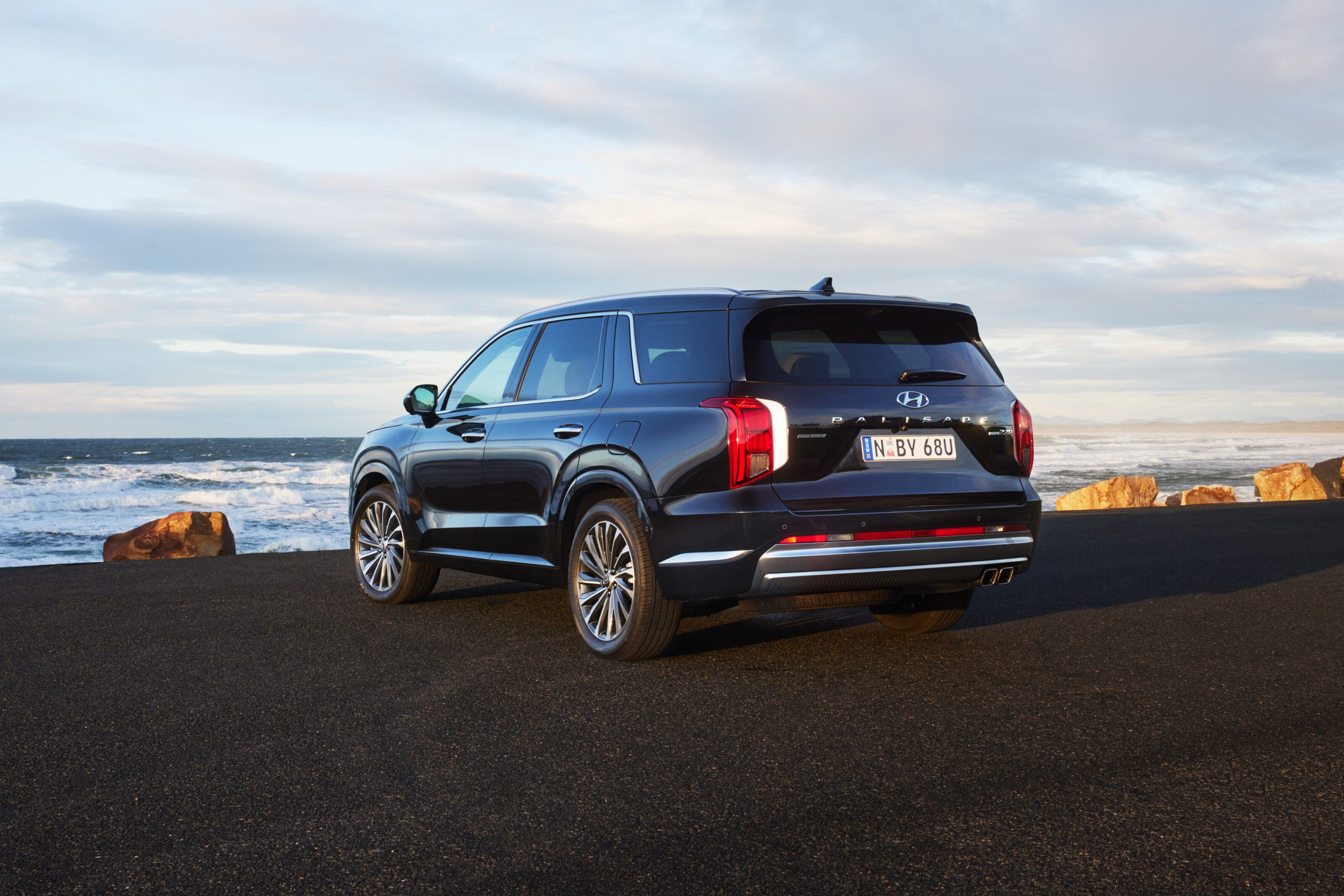
Lack of a centre airbag and less sophisticated autonomous emergency braking (AEB) were said to be to blame for the previous four stars, but the new model now has both a centre airbag and improved AEB performance.
Other improvements also include a speed limit information system and multi-collision braking.
This time around, the large SUV did achieve the 84 per cent needed in the adult category, 88 per cent for child protection, 62 per cent for vulnerable road users, and 83 per cent for the safety assist.
“It’s great to see Hyundai introduce these safety-related upgrades, which now elevate the facelift Palisade to five stars, and we encourage all vehicle brands to continually look for opportunities to improve the safety specification of models as part of their model facelifts,” said ANCAP CEO Carla Hoorweg.
“Consumers, fleets and mobility service providers prioritise the purchase and use of five-star ANCAP-rated vehicles, and this upgrade now sees the Palisade becoming a purchasing contender for these buyers.”
The story to here
June 3: 2022 Hyundai Palisade diesel given four-star rating
The Hyundai Palisade has been hit with a four-star crash safety rating in a new round of Australasian New Car Assessment Program (ANCAP) testing, two years on from the big SUV’s local market launch.
According to data released today, the Palisade achieved scores of 79 per cent for Adult Occupant Protection (AOP), 88 per cent for Child Occupant Protection (COP), 63 per cent for Vulnerable Road User Protection and 63 per cent for its Safety Assist systems.
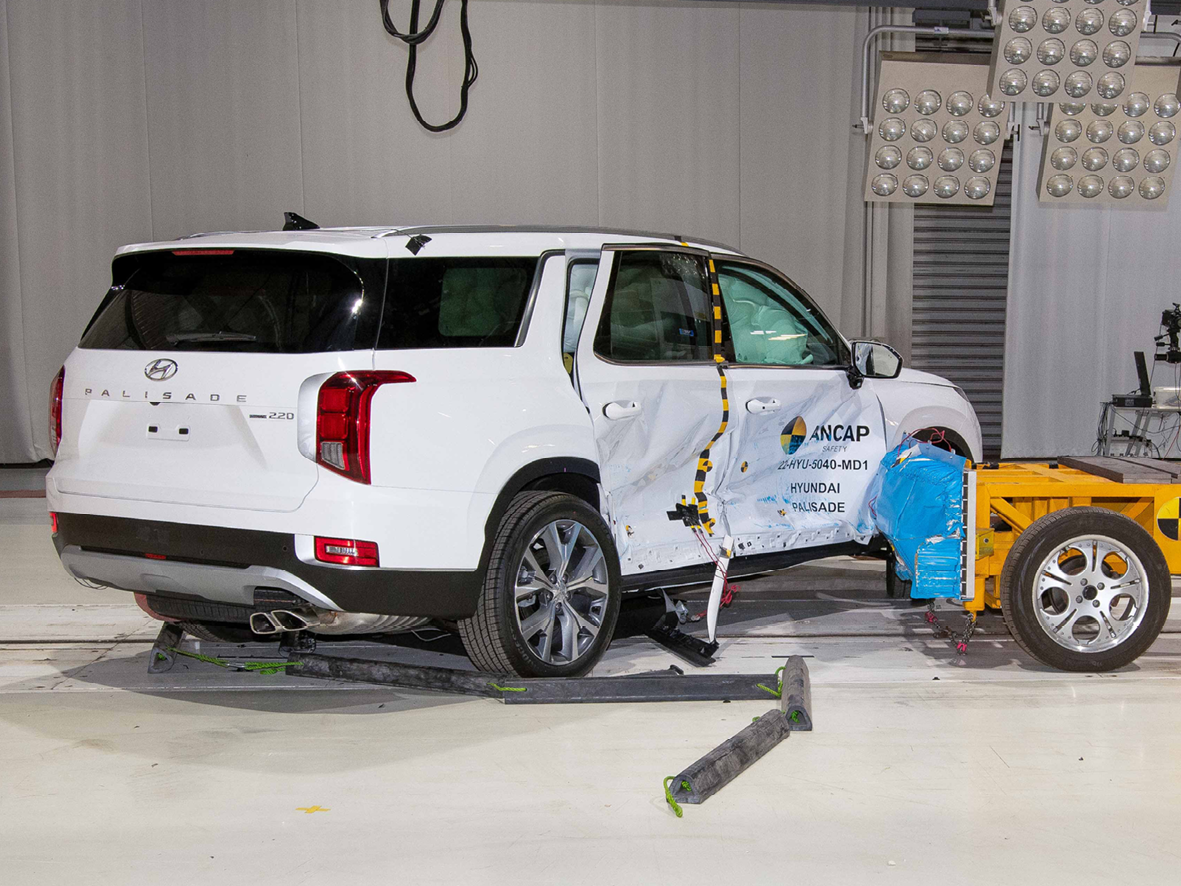
ANCAP says it was largely the Palisade’s AOP and Safety Assist scores that blocked its chance for a five-star result, with respective scores of at least 80 per cent and 70 per cent required.
In its report, ANCAP said the autonomous emergency braking (AEB) and lane-keep assistance “lack the sophistication of systems fitted to peer vehicles assessed to the same criteria”. The report also notes that ‘AEB Junction’ functionality, designed to help avoid collisions at intersections when another vehicle crosses the equipped vehicle’s path, is not available. Also not available is multi-collision braking and a speed limit information system (speed sign recognition).
Another missing feature, already expected to compromise the Palisade’s test results, is the increasingly popular centre airbag. ANCAP notes this is not a required feature for a five-star rating, but it could have at least improved the Palisade’s 79-per-cent Adult Occupant Protection score.
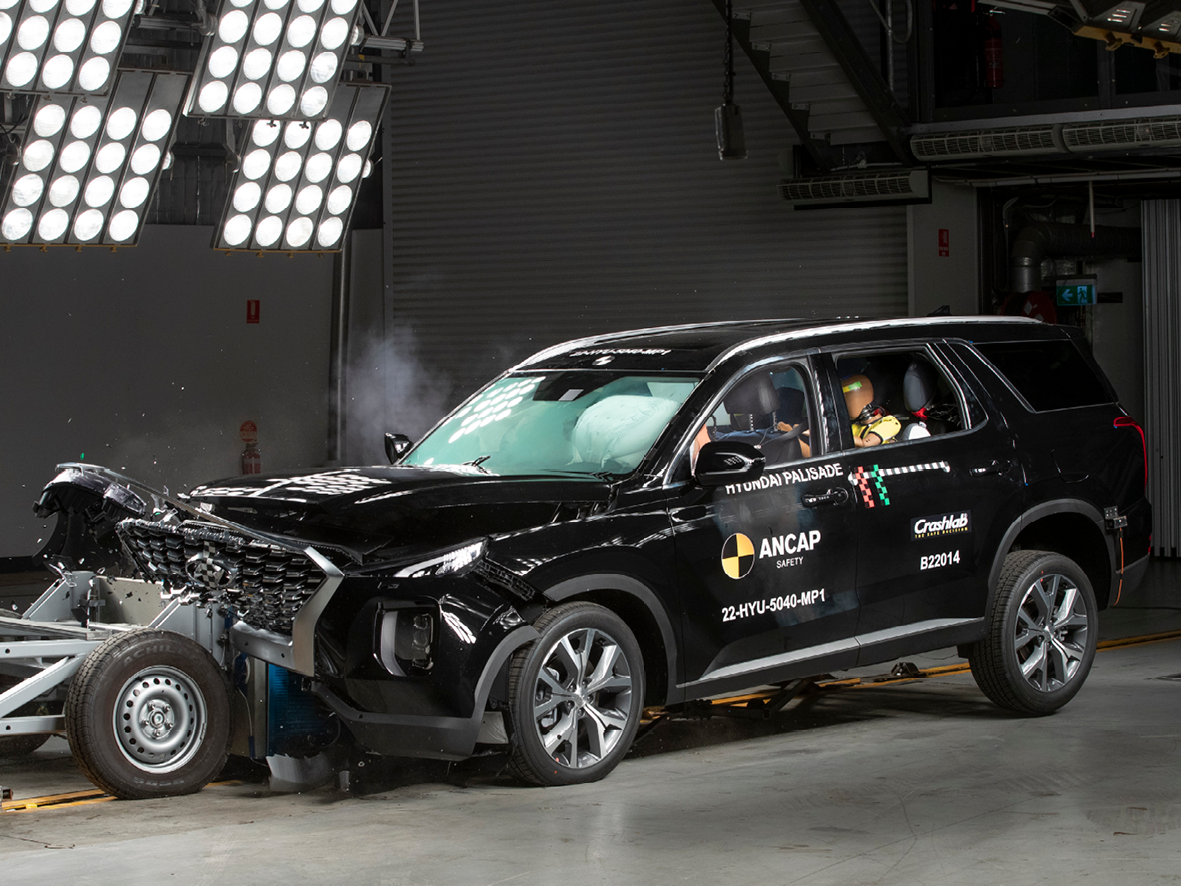
Responding to contact from Wheels today, Hyundai’s Australian arm declined to comment on the Palisade’s four-star result.
The sub-optimal score makes the Palisade one of the few new passenger vehicles – and the only top-10 model in the ‘Large SUV under $70,000’ VFACTS segment – to achieve less than five stars in ANCAP safety assessments, although a number of other relatively new models have fared worse.
Among recently tested cars, the Kia Cerato, Citroen C4, Hyundai Venue and Citroen C5 Aircross all carry four-star ratings, while the Jeep Wrangler and Gladiator, Suzuki Jimny, LDV G10 people mover all landed three-star results.
Indeed, a number of new and older current-generation passenger cars remain unrated, including the BMW X7 and X6, Kia Sportage, GWM Haval Jolion, MG 3, Nissan Patrol, Porsche Cayenne and Macan, Ram 1500, Range Rover Sport, SsangYong Rexton, Suzuki Baleno and Ignis, and the Maserati Levante, among others.
A number of the above models are popular with Australian buyers, suggesting that while many will prioritise safety, many others still will take a “safe enough” view in choosing the car that suits their budget, needs and tastes.
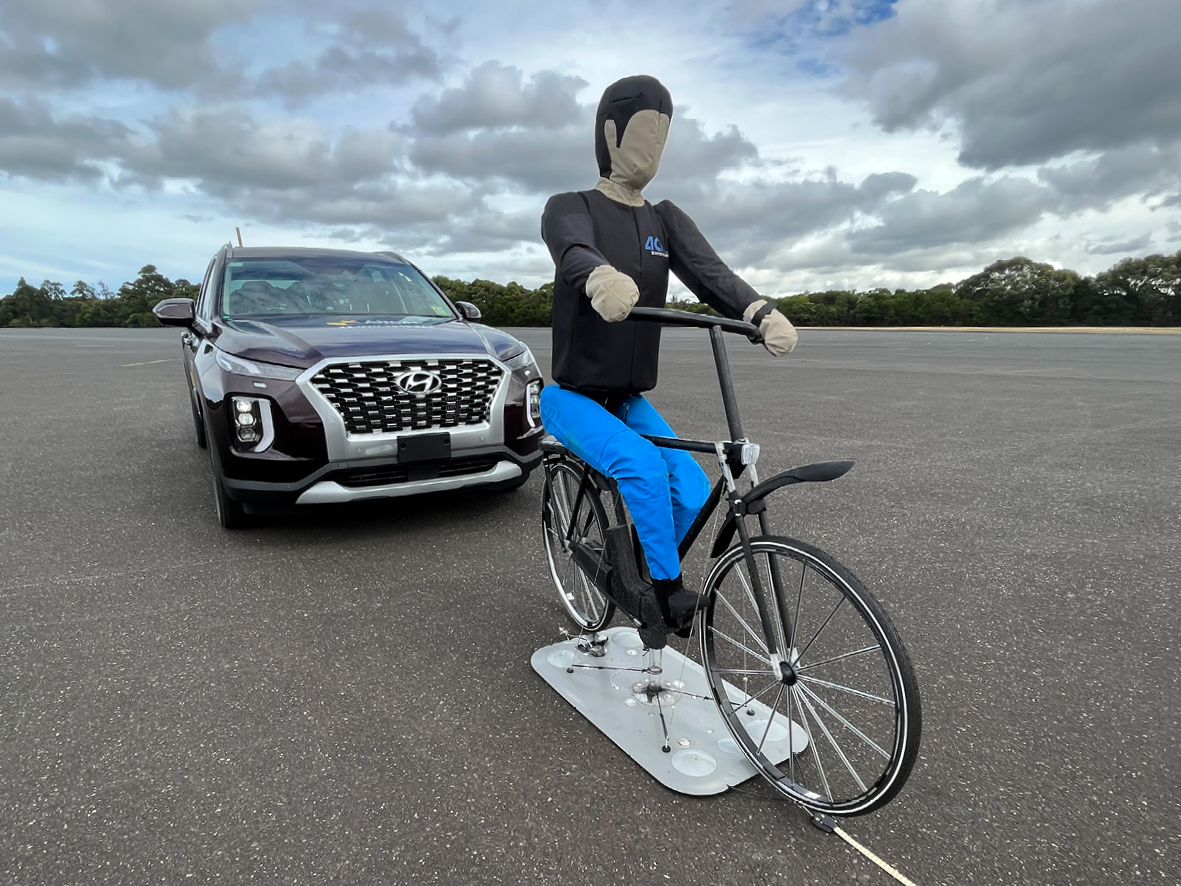
Depending on the brand and the model’s price and popularity, examples will either be donated for testing or purchased by ANCAP, while others – if suitably equipped – will have scores carried over from the Euro NCAP program, which now has aligned testing criteria. In the case of the Palisade, a number of vehicles were purchased by ANCAP for multiple tests.
Diplomatically, ANCAP rounded out its report by acknowledging Hyundai’s success with other models: “35 of the 37 new models rated by ANCAP to our current 2020-2022 criteria – including the Hyundai Staria, Staria-Load, Tucson and Ioniq 5 – have achieved five-star ANCAP safety ratings, and this highlights the great work Hyundai and other vehicle manufacturers are doing to prioritise safety and provide their customers with the safest vehicles they can.”
A facelifted and upgraded Palisade was revealed in April, and while full Australian details are still to be announced, it is likely that Hyundai will aim to improve on its current safety score.
Hyundai has sold 1489 Palisades year-to-date in 2022, while 2021 accounted for 3720 sales in total.