
Snapshot
- Radical sells 60 SR10s in nine months
- New record for British sportscar maker
- Developed in lockdown, now winning races
We already know the new Radical SR10 is fast – 0-97mph in 2.4 seconds and cornering forces of 2.3 lateral g are not small beer – but it’s also just become the fastest-selling car in the company’s quarter-century history.
The British sports racing car manufacturer has built 50 SR10s in the nine months since December 2020, and sold a further 10. That’s a record in terms of volumes for the Peterborough-based company, which celebrates its 25th anniversary in 2022.
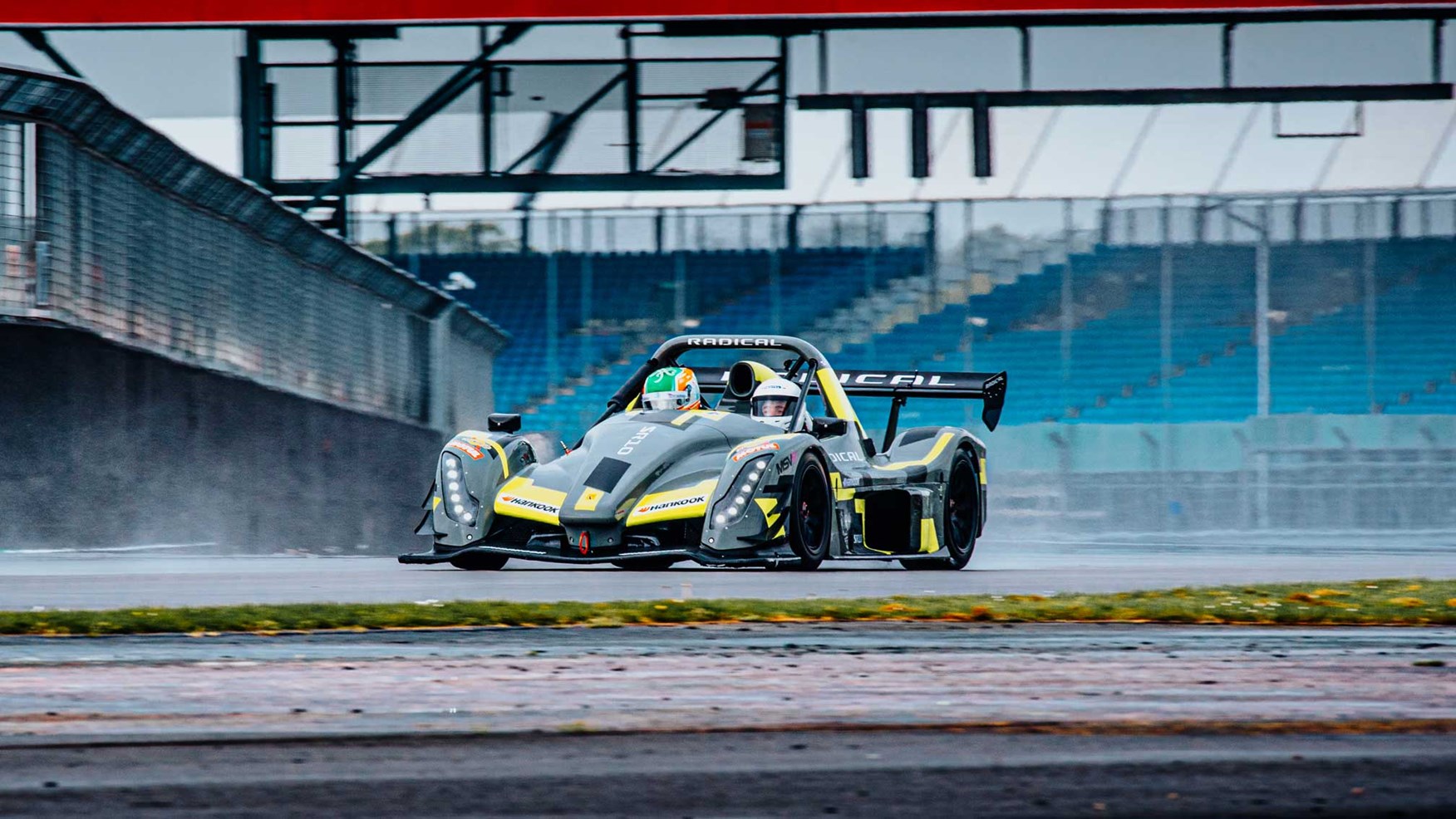
Radical had a busy lockdown. While some of us (this author, at least) still haven’t put up that set of shelves they were planning to get around to, Radical developed the SR10 in its entirety against the backdrop of the pandemic. The first customer SR10 was produced in December 2020.
The SR10 isn’t road-legal, and is designed purely for racing or track-day use, with performance exceeding GT3 racing cars.
Power comes from an engine that started life as Ford’s 2.3-litre four-cylinder EcoBoost unit, but which has been thoroughly reengineered by Radical Performance Engines (RPE).
Even the block is modified. Peak power output is 317kW, and 515Nm goes to the rear wheels via a GT3-spec gearbox and Formula 2-spec transaxle developed with Hewland.
The SR10 is a bigger brother to the rapid SR8, a car which became famous partly for its in-house developed V8 engine and partly for holding a longstanding lap record at the Nurburgring Nordschleife.
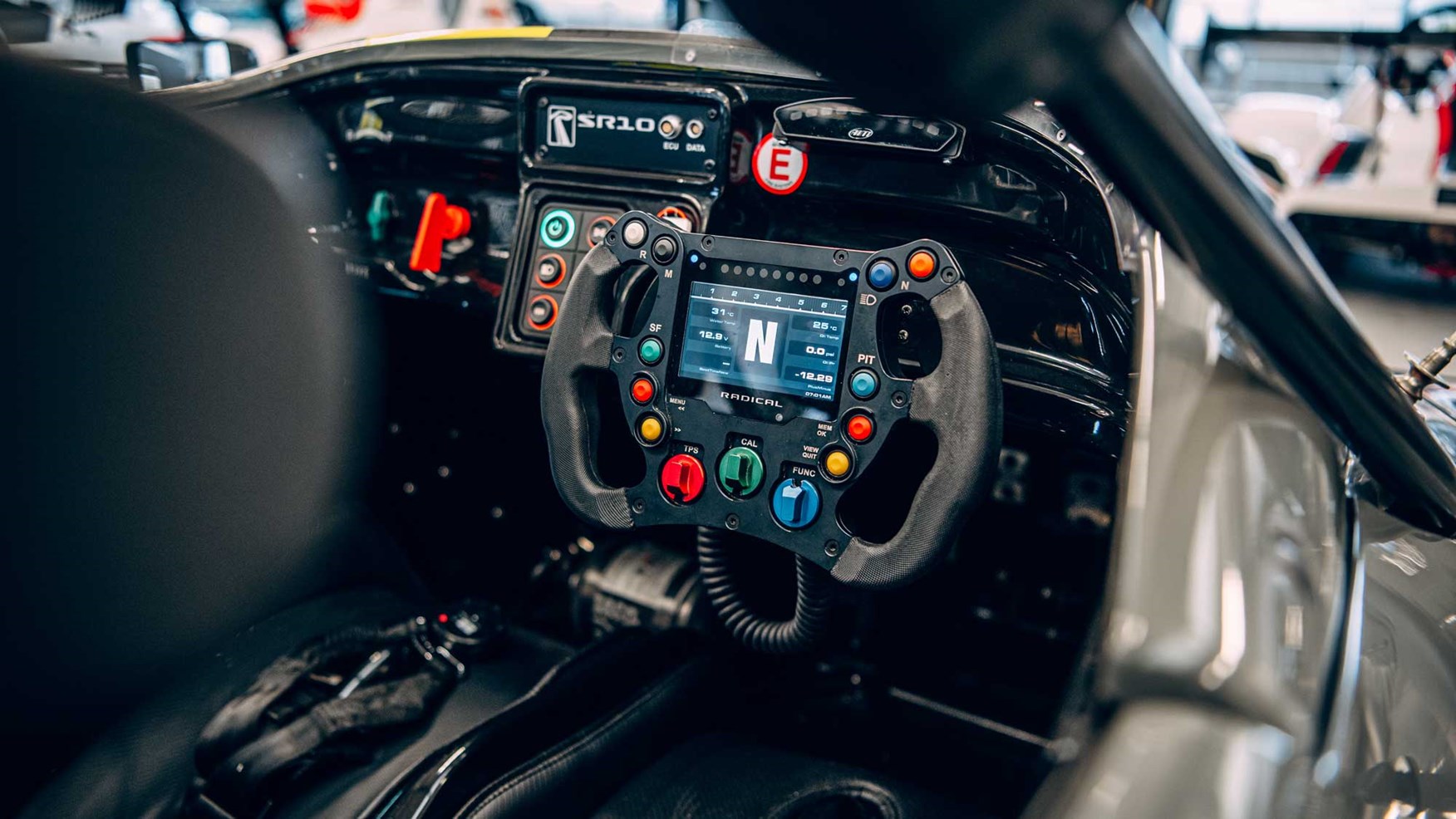
The lower-revving engine in the SR10 has been designed to last longer and offer lower running costs to owners, and the car has been designed to meet a variety of race regulations around the world to make it a global product.
The SR10 has won the opening rounds of the North American Radical Cup, with US becoming one of its strongest markets.
To put the rapidity of the SR10’s sales and manufacture into context, it took four years for SR8 production to hit the 50-car mark.
A production rate of 50 cars in nine months might not be in line with Wolfsburg or Fremont but for the hand-built, borderline-Le Mans-level SR10 created amid the turmoil of 2020, it’s a big achievement by the small but talented engineering and manufacturing teams at Radical.
This article was original published by CAR Magazine in the UK.
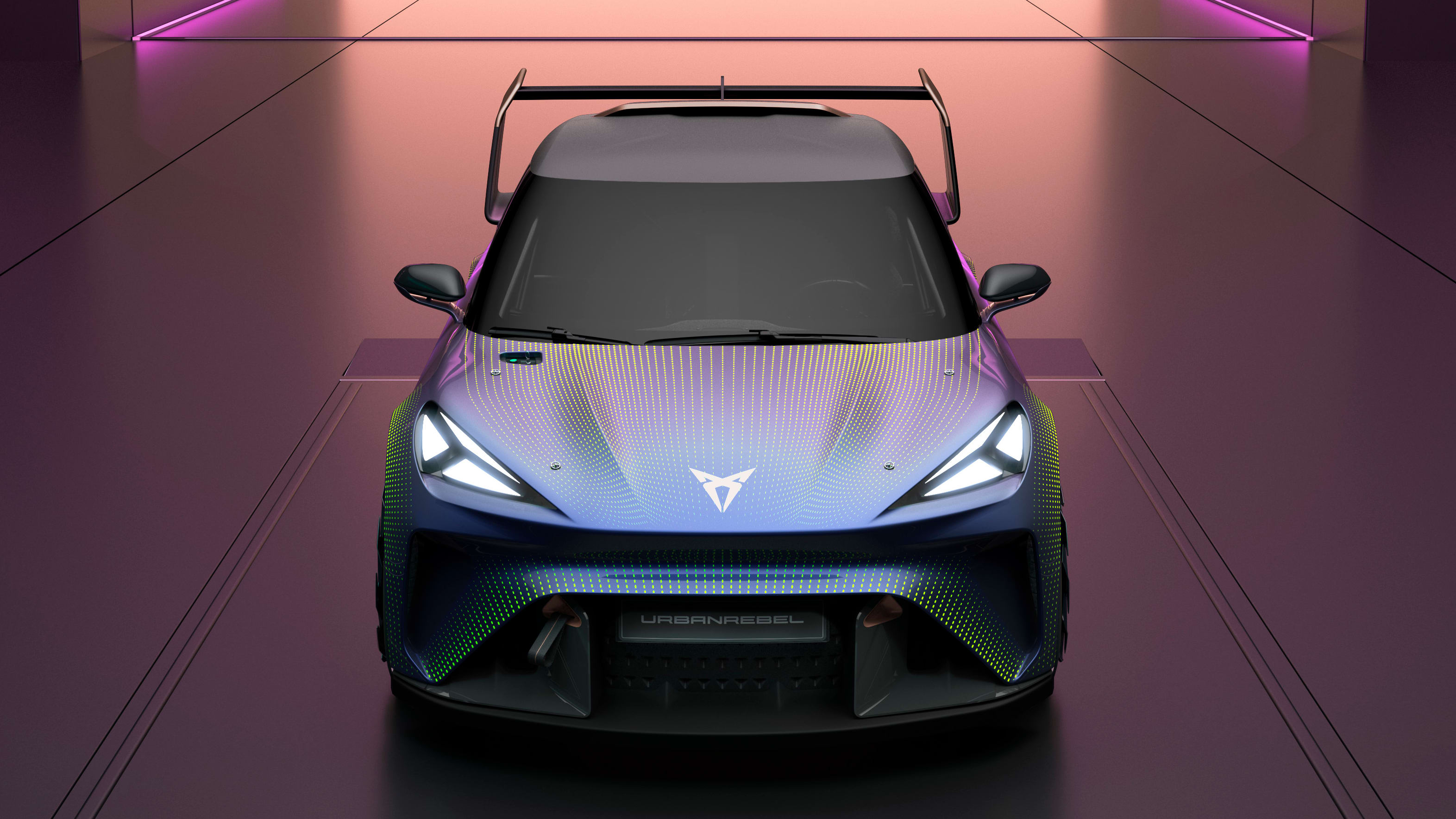
The idea of an urban electric vehicle has been revisited by the Volkswagen Group’s performance arm subsidiary Cupra, with the Spanish manufacturer teasing its ‘UrbanRebel’ concept.
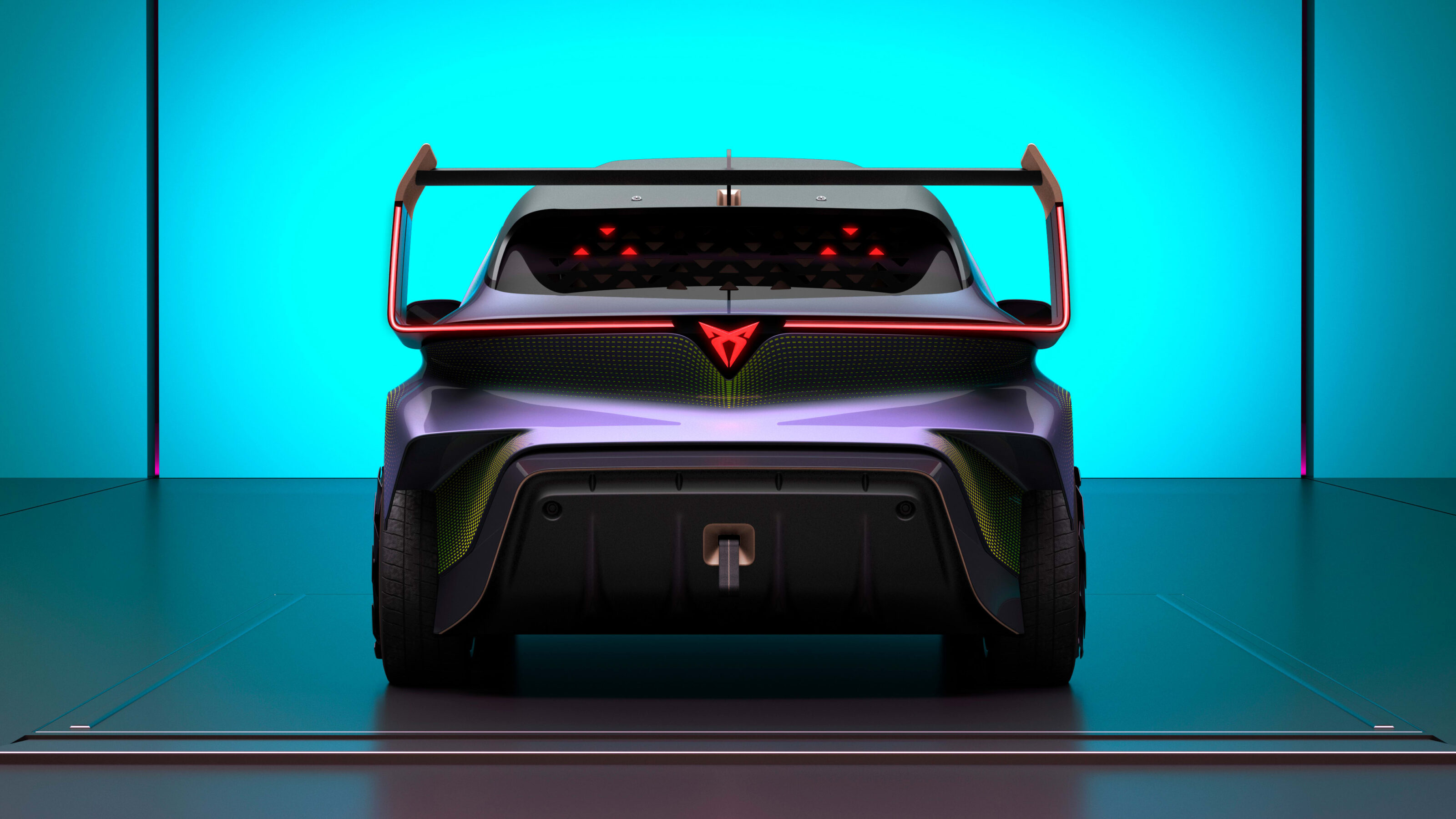
Set to make its public debut at this year’s IAA Mobility Show in Munich, the UrbanRebel is a departure from the sedate EVs, which are expected to feature in urban areas of the future, instead adopting an aggressive bodykit with Cupra’s signature triangular logo in its headlights.
One of the more distinctive features of the UrbanRebel is its wrap-around window, designed to give the impression of a helmet, while the turbo-fan style wheels, rear wing and diffuser show this is well and truly a machine designed for the track.
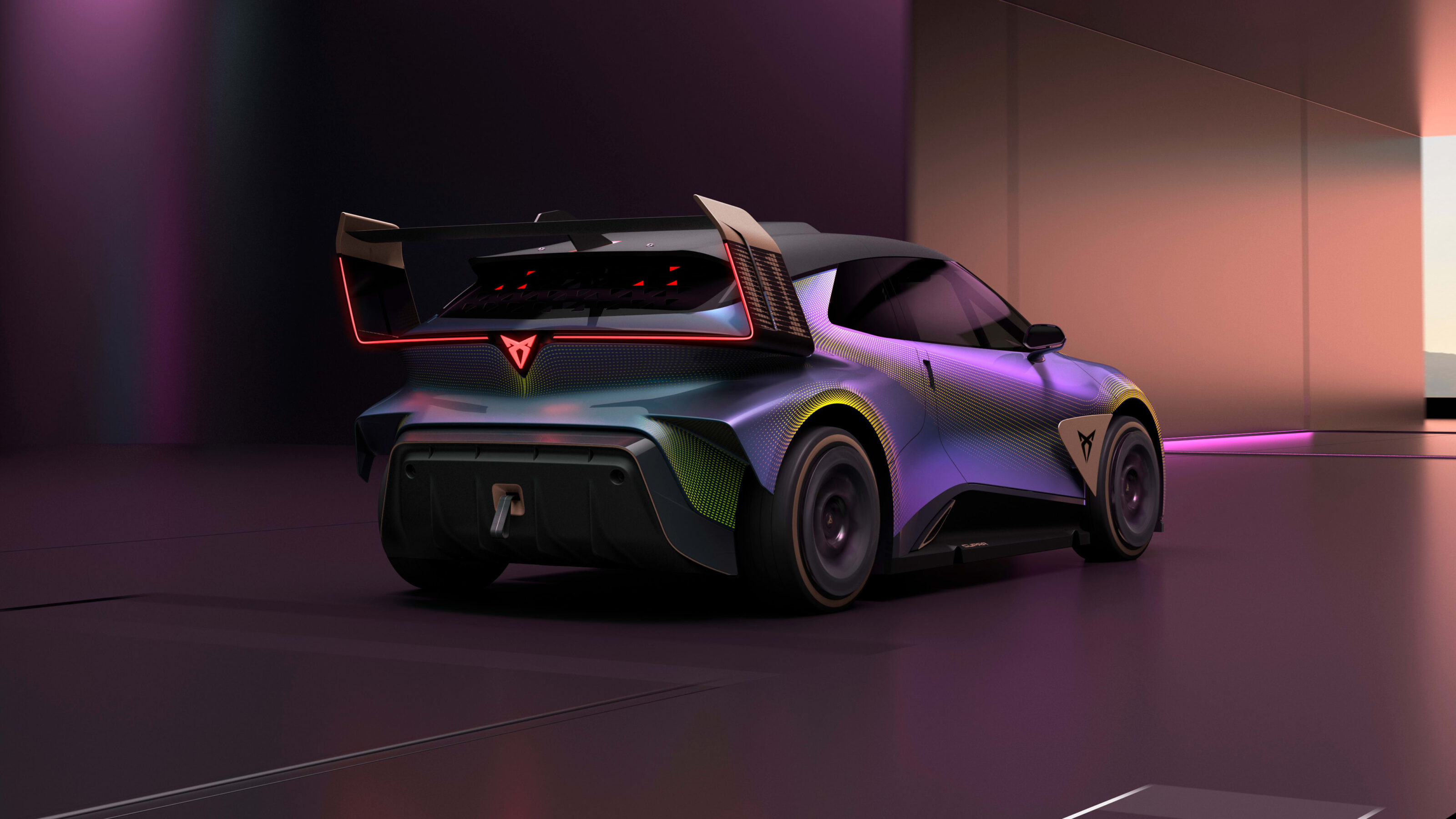
Based on the Volkswagen Group’s MEB platform – which also underpins the VW ID.3 and ID.4 as well as the Skoda Enyaq – the UrbanRebel is powered by a single 320kW electric motor on the rear axle, providing 250kW of continuous power to aid its claimed 0-100km/h time of 3.2 seconds.
Cupra’s design director, Jorge Diez, said the UrbanRebel is an extreme version of what the firm imagines could be a usable urban vehicle.
“The Cupra UrbanRebel Concept injects a gamification look to the racing car, projecting a radical interpretation of the company’s urban electric car,” said Diez.
“Each contoured line and sculpted surface in the design is brought to life by a livery that uses kinetic particles to add movement to the surface as light shifts across it.”
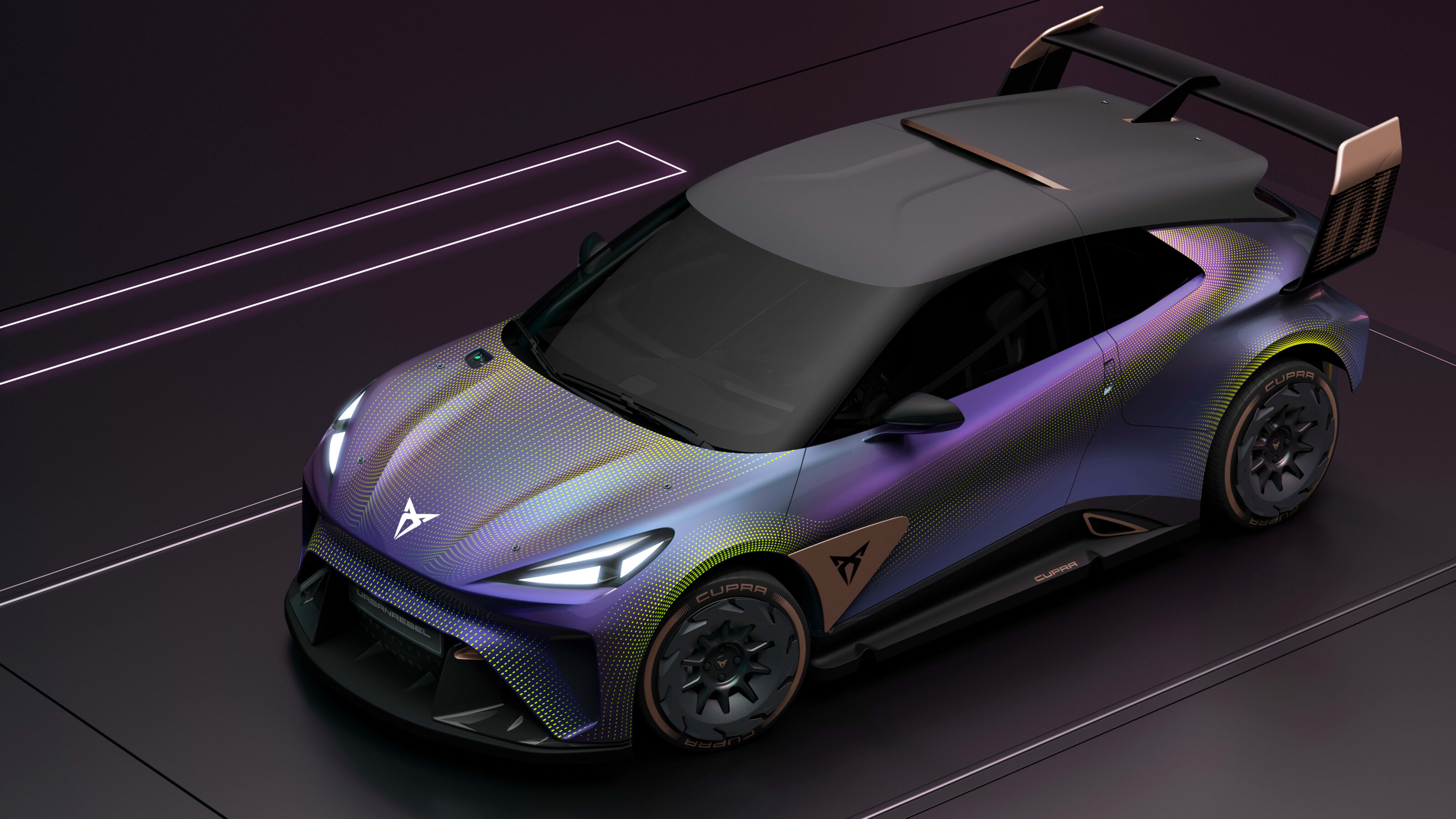
Cupra CEO Wayne Griffiths said the UrbanRebel concept will influence the company’s future design language as it targets production of over half a million vehicles per year.
“The Cupra UrbanRebel Concept is a radical interpretation of the company’s urban electric car, due to be launched in 2025. This racing concept gives an idea of the design language of the future street-car and will inspire its creation,” said Griffiths.
“[It] is a key strategic project not only for our company, but also for the Volkswagen Group, as our aim is to produce more than 500,000 urban electric cars per year in Martorell for different Group brands.
“[It] will democratise and make accessible electromobility to the masses.”
As a company focused on performance and motorsport, Cupra said this is the racing version of the car upon which it will be based, although it’s hard to see what kind of racing category the UrbanRebel would fit in to.
Snapshot
- Second-worst August since global financial crisis
- Slow month but big growth from same time last year
- Nissan out of the top 10 brands again for month of August
The Australian new-car market has continued its roller-coaster ride in 2021 after posting its second-worst August figures since the global financial crisis.
Official data released today reveals 81,199 vehicles were sold last month. It’s the lowest August sales since the 73,287 units shifted in 2009, as the industry continues to contend with the COVID-19 pandemic’s double-whammy of supply shortages and lockdown restrictions.
August was also the lowest monthly sales result of 2021 since the traditionally slow month of January, when 79,666 units were registered.
The positive outlook for car manufacturers and dealers is that August’s new-car registrations represent a 33 per cent improvement over the same month last year. The market is still on track to return to one-million-plus sales for the year, up 27 per cent year to date.
The Federal Chamber of Automotive Industries (FCAI) said August continued to prove the market’s resilience in testing times.
“The bounce of 33 per cent on last year’s figure demonstrates the resolve of car manufacturers to engage with customers and drive-up new vehicle ownership,” said FCAI chief executive Tony Weber. “With access to showrooms limited, vehicle-makers are working to engage customers in their homes and other places of isolation.”
SUVs again accounted for most new vehicles, with a 27 per cent month-on-month increase taking the segment to 40,981 units – or nearly half the market.
Light commercial vehicles (LCVs) had the biggest jump compared with this time last year – up 71 per cent to 19,236 vehicles.
Passenger cars (17,339 units) enjoyed a respectable month, too, with an 18 per cent month-on-month increase more than double its year-to-date growth of seven per cent.
Mid-sized SUVs was the most popular individual vehicle category last month based on official VFACTS figures, which split utility vehicles into 4×4 (14,603) and 4×2 (3016). Combined ute sales of 17,619 units otherwise trumps the 14,629 mid-sized SUVs sold.
The 4×2 ute segment had the largest growth, up 169 per cent compared with August 2020, while there was also a notable increase for large SUVs, which were up 70 per cent month-on-month.
Top 10 models
Toyota dominated the best-sellers list more than usual last month, with its vehicles accounting for four of the top five models.
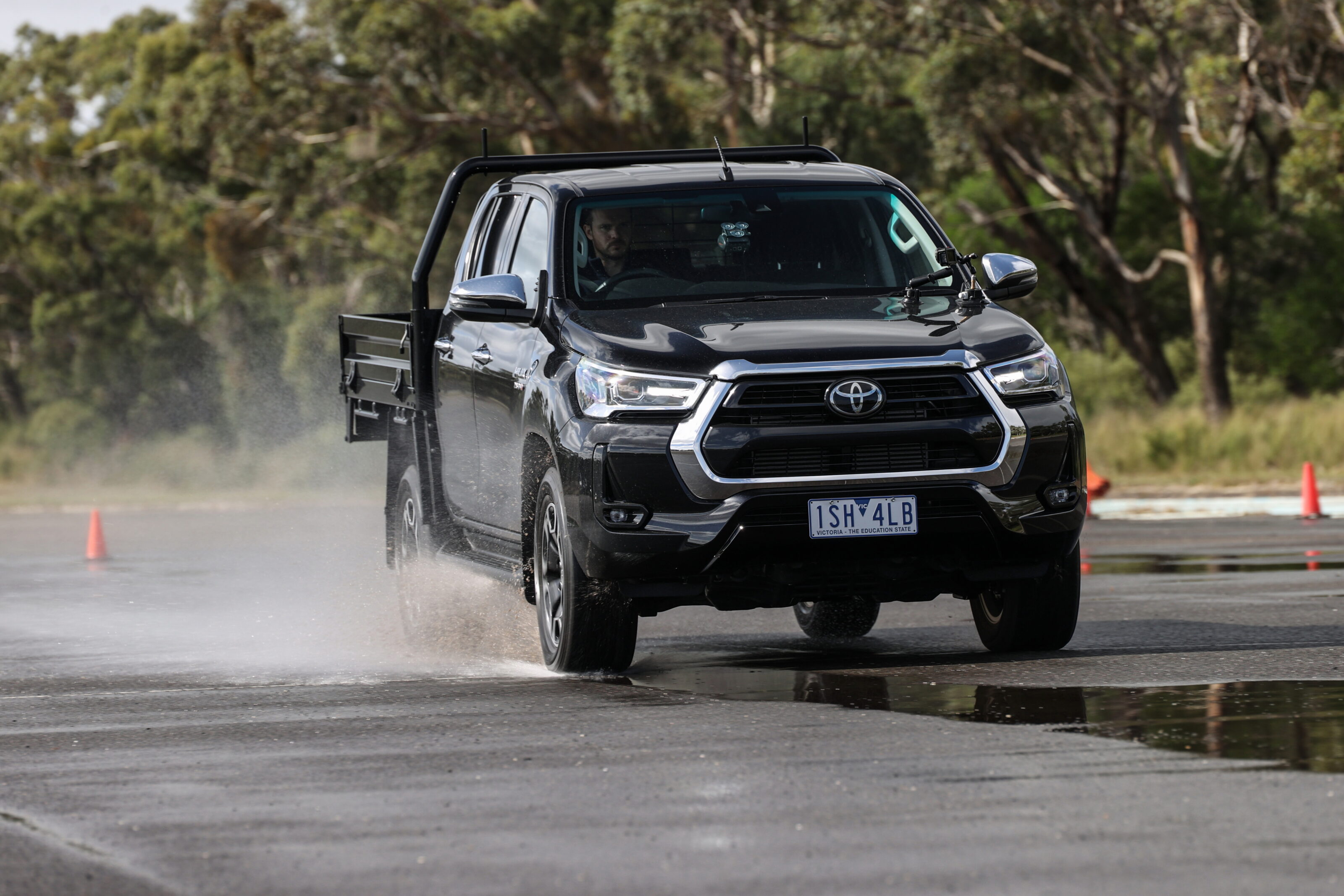
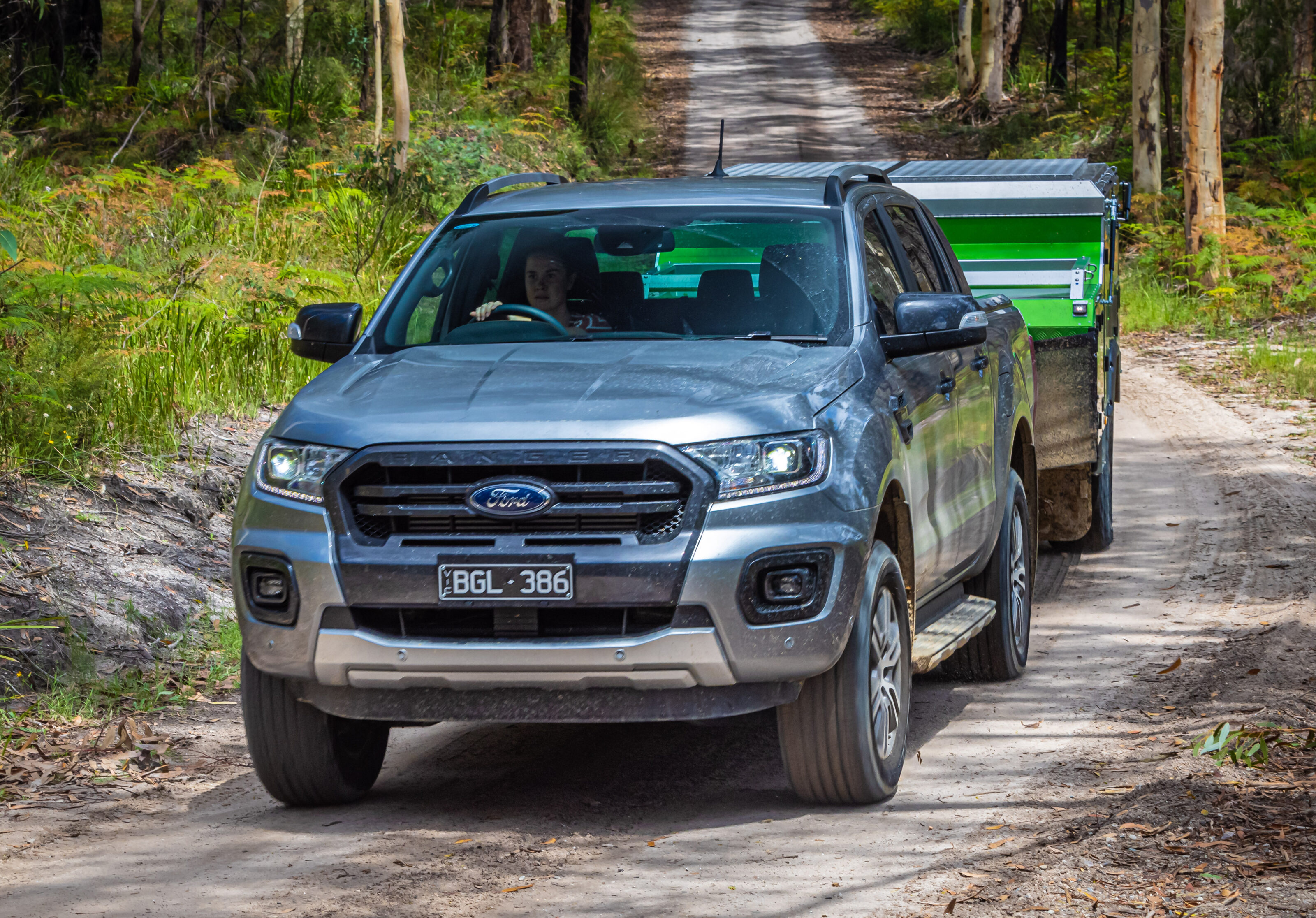
The Toyota HiLux was the best-selling vehicle last month, outselling its nemesis the Ford Ranger by 4470 units to 3959.
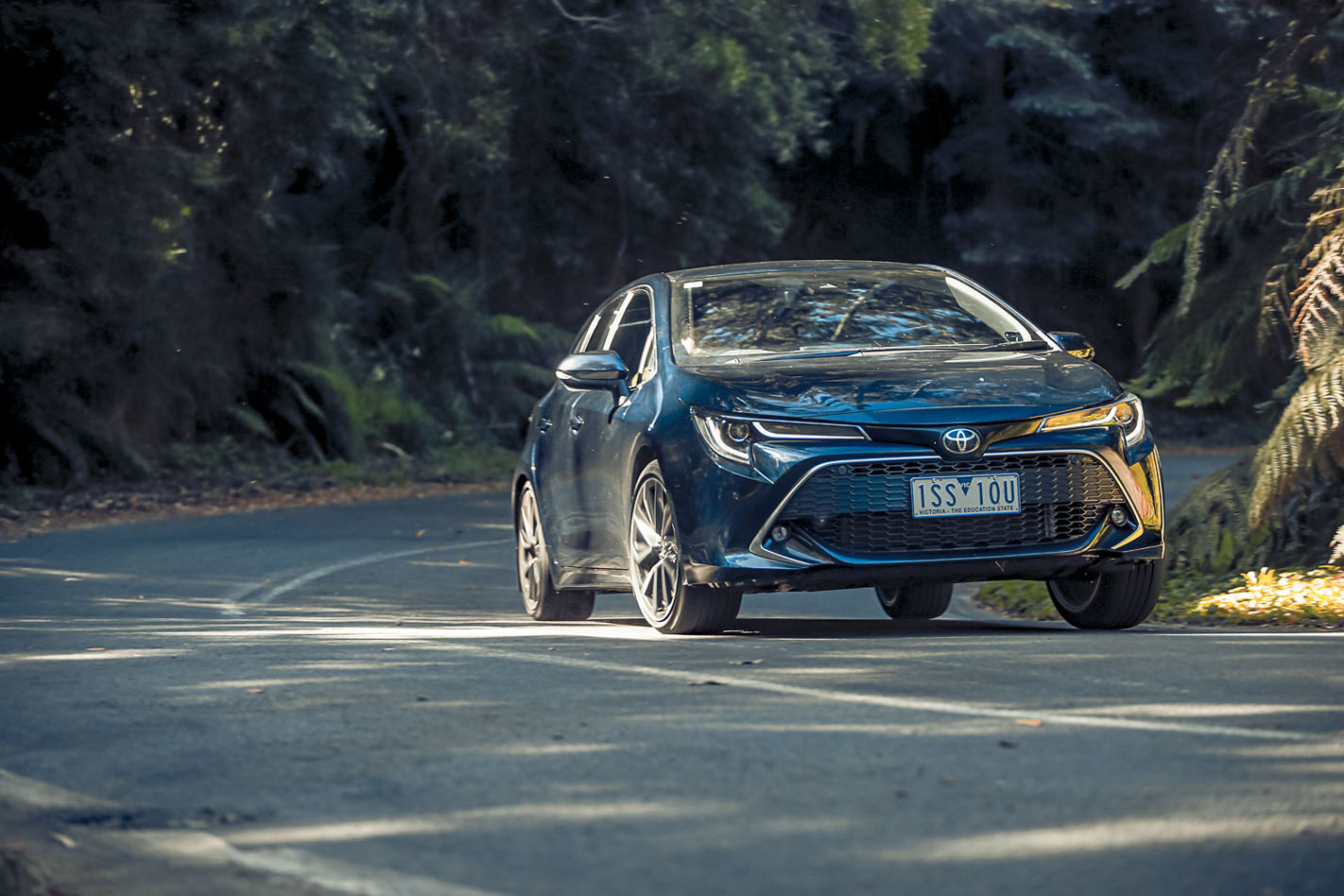
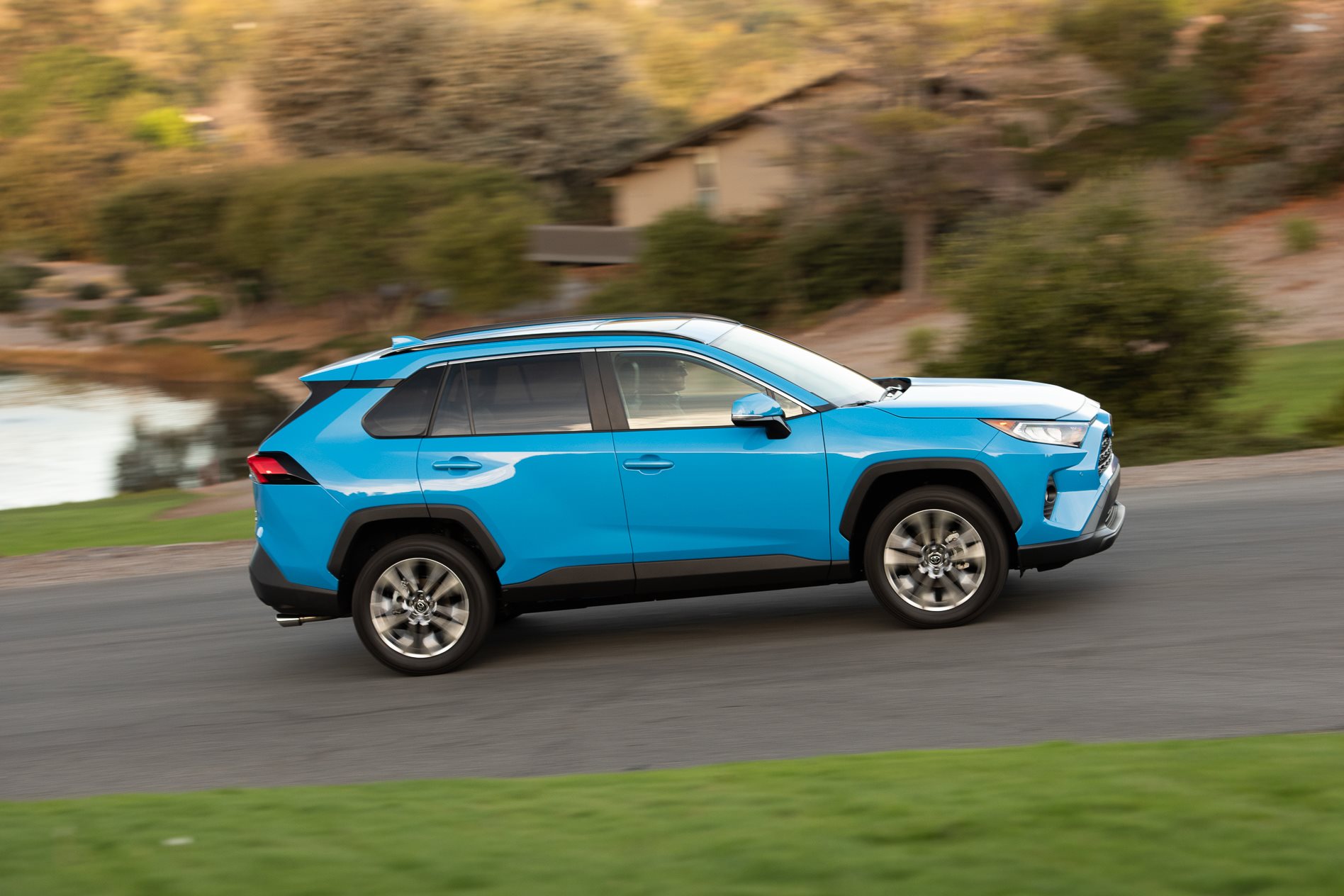
Toyota’s Corolla small car was third for a second consecutive month, securing its best result of 2021 so far (3563 units), while the RAV4 was Australia’s favourite SUV (3169 sales).
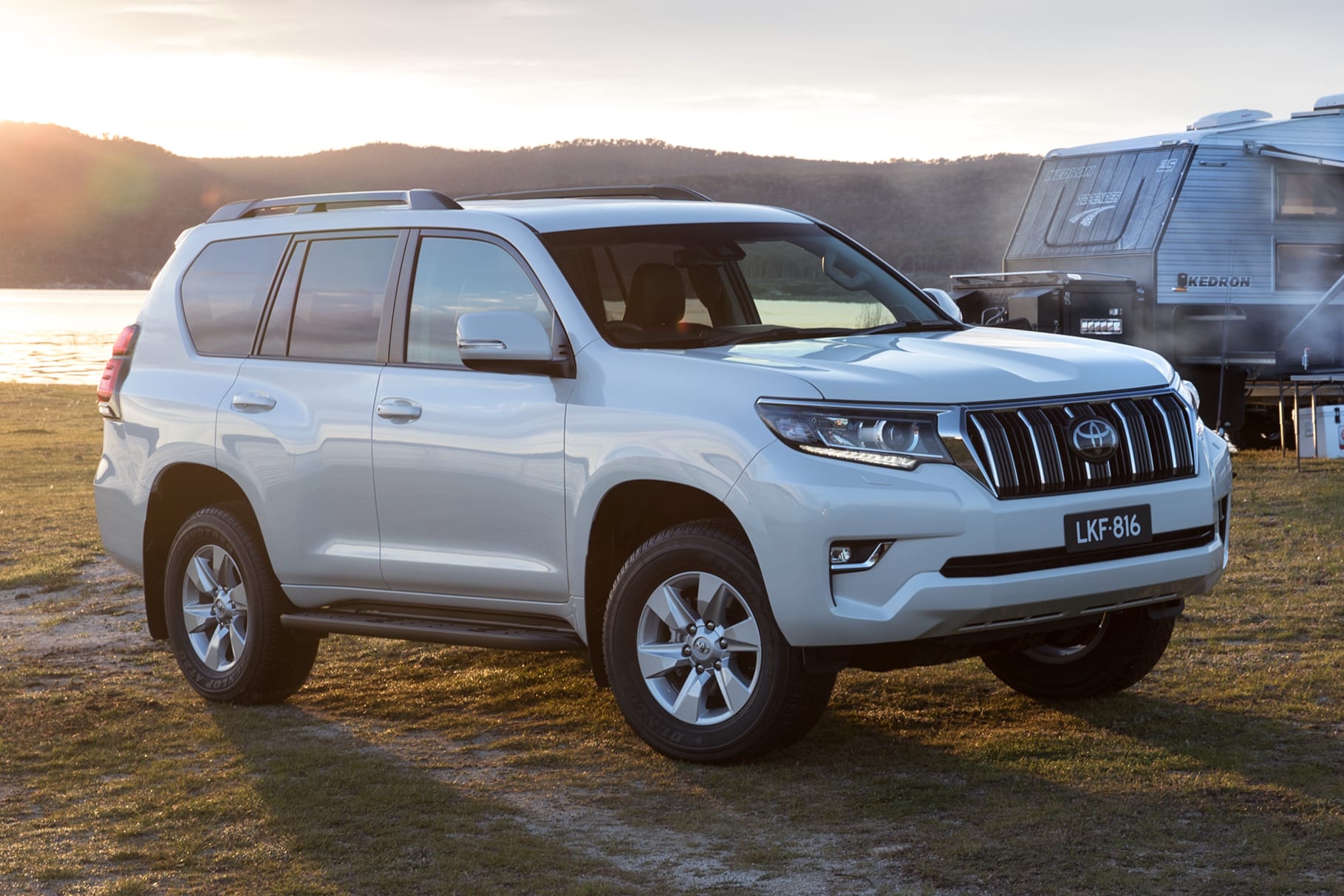
And the Toyota Prado achieved its highest sales of the year so far, with 2731 units. The 4WD has been a constant presence in the top 10 since entering for the first time this year in May.
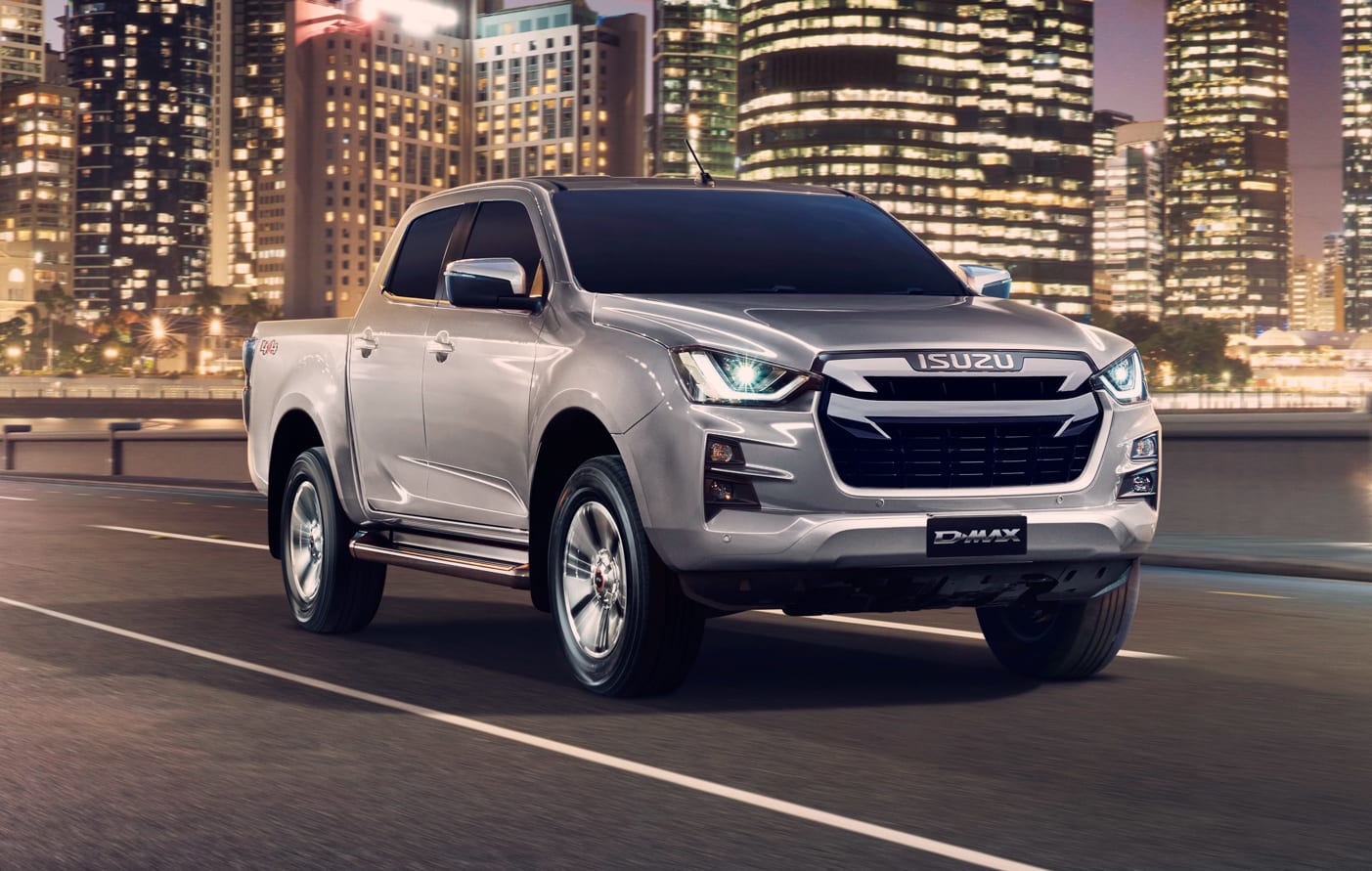
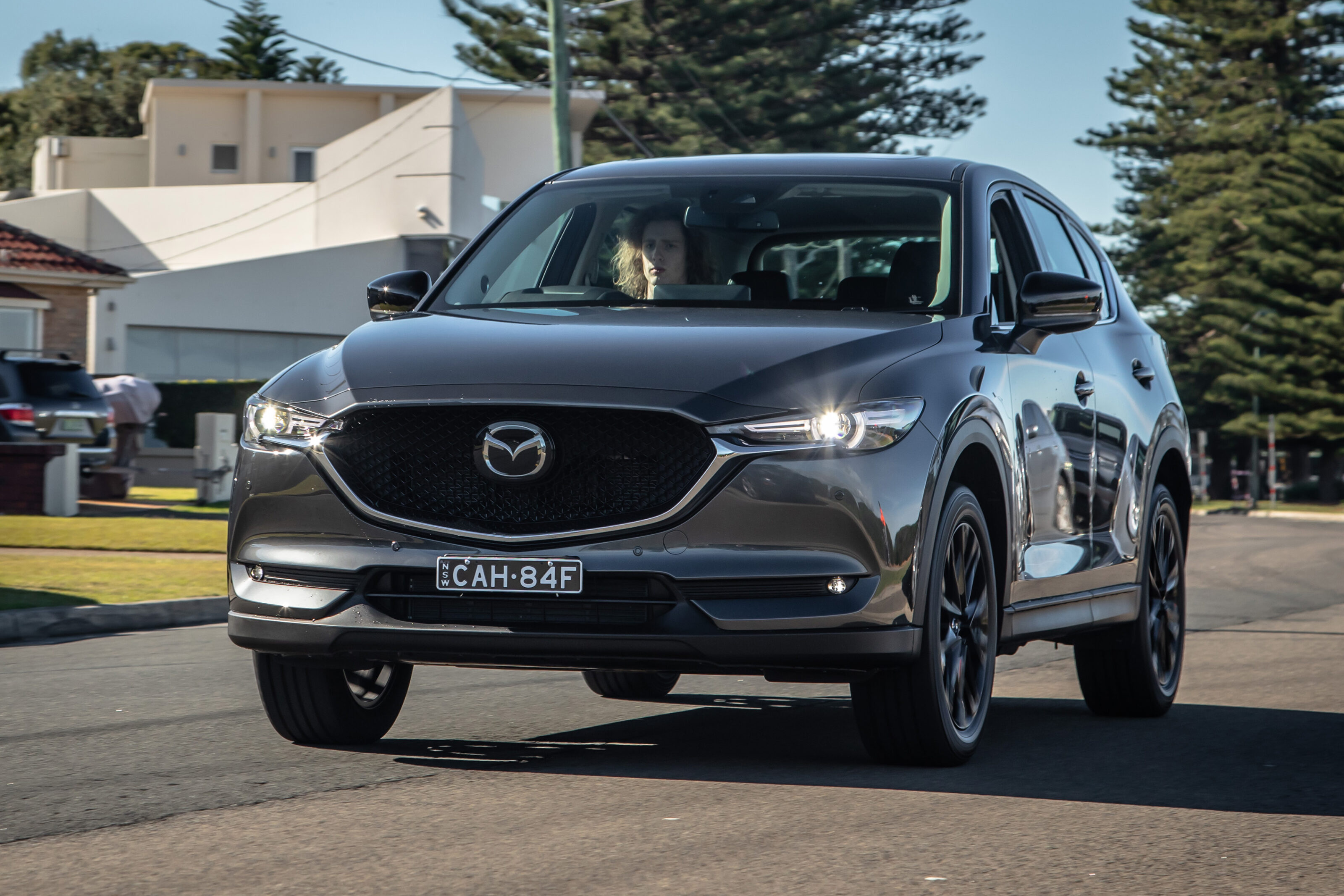
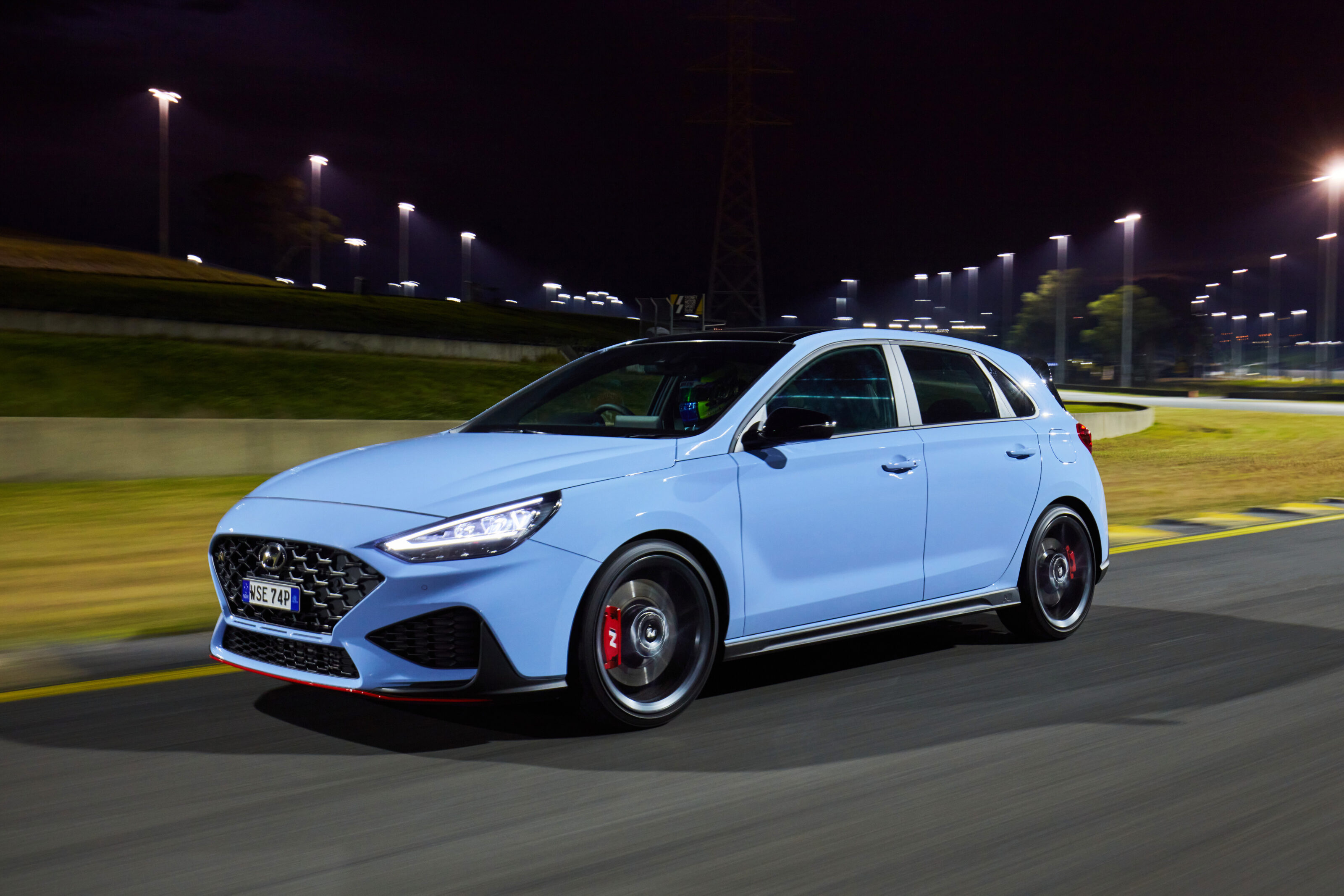
The Mazda CX-5, Hyundai i30 and Isuzu D-Max are no strangers to the top 10, though the MG ZS/ZST made a second-consecutive appearance after its July feat of becoming the first Chinese car to feature in the best-sellers list.
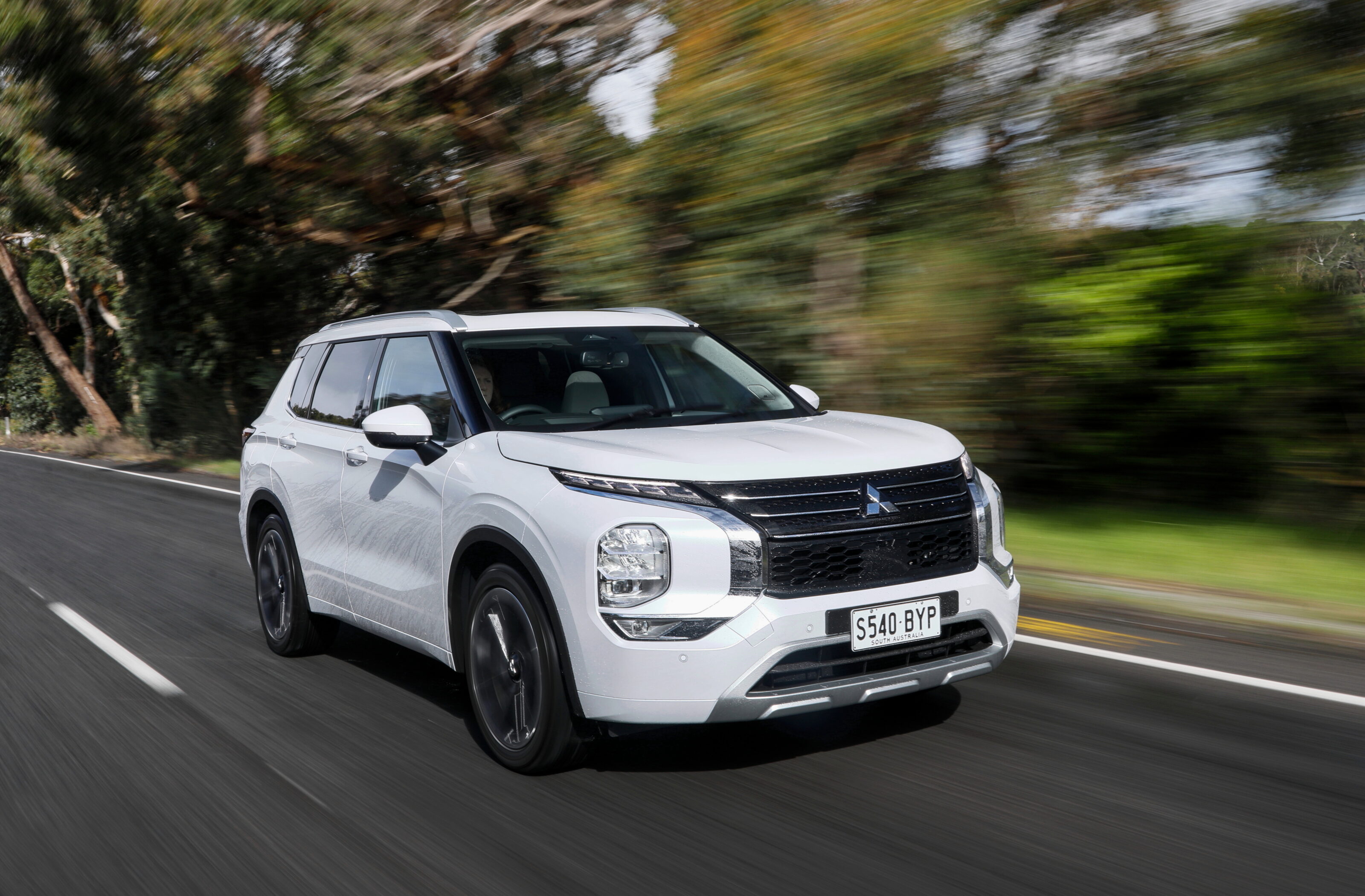
Mitsubishi’s Outlander SUV made it into the charts for the second month on a trot, but again at the expense of the company’s Triton ute, which struggled in August.
Top 10 models: August 2021
1) Toyota HiLux – 4470 + 267% (v August 2020) 2) Ford Ranger – 3959 + 35% 3) Toyota Corolla – 3563 + 143% 4) Toyota RAV4 – 3169 – 34% 5) Toyota Prado – 2731 + 453% 6) Mazda CX-5 – 2239 – 19% 7) Hyundai i30– 2047 + 43% 8) Isuzu D-Max – 1941 + 885% 9) MG ZS – 1700 + 436% 10) Mitsubishi Outlander – 1638 + 85%
Top 10 models: 2021 year to date
1) Toyota HiLux – 37,156 2) Ford Ranger – 33,359 3) Toyota RAV4 – 25,873 4) Mazda CX-5 – 19,918 5) Toyota Corolla – 19,917 6) Isuzu D-Max – 18,173 7) Hyundai i30 – 17,100 8) Mitsubishi Triton – 15,397 9) Toyota Prado – 15,153 10) Kia Cerato – 13,485
Top 10 brands
Toyota smashed the market in a big way last month, achieving 25 per cent market share with nearly 20,000 sales.
Mazda occupied its usual second spot, but behind it the fierce mid-field battle continues between Kia, Ford and Hyundai. The three brands were separated by just 49 units last month.
Kia once again outsold sister brand Hyundai with 5065 units to 5016, taking third place for the second time this year. Ford sat in a South Korean sandwich with 5058 sales.
Hyundai keeps third position in the 2021 race overall with 48,712 sales, but Ford (48,510) and Kia (48,161) are looking to steal that bronze medal.
Mitsubishi is making sixth place its own – a position it occupied for both August and year to date.
Volkswagen is on the verge of overtaking Nissan for seventh in the 2021 race. The German brand grew sales by 36 per cent compared to August 2020, where the Japanese brand’s sales fell nine per cent – dropping Nissan out of the top 10 for the second consecutive month.
Subaru had another strong month, but Isuzu Ute and MG continued to register remarkable growth – up 290 and 147 per cent, respectively, compared with this time last year.
Mercedes-Benz didn’t make the top 10 but outsold Nissan – 2364 to 2162 units.
Top 10 brands: August 2021
1) Toyota – 19,959 + 60% (v August 2020) 2) Mazda – 7645 + 10% 3) Kia – 5065 + 12% 4) Ford – 5058 + 30% 5) Hyundai – 5016 + 11% 6) Mitsubishi – 4802 + 11% 7) VW – 3793 + 36% 8) Subaru – 3232 + 58% 9) Isuzu Ute – 3099 + 290% 10) MG – 3011 – 147%
Top 10 brands: 2021 year to date
1) Toyota – 156,555 2) Mazda – 77,010 3) Hyundai – 48,712 4) Ford – 48,510 5) Kia – 48,161 6) Mitsubishi – 47,547 7) Nissan – 28,835 8) Volkswagen – 28,524 9) MG – 25,868 10) Subaru – 25,701
In charts
August 2021 – Top 10 models
August 2021: YTD sales top 10
August 2021 – Overall segment sales
August 2021-2020 Category sales
August 2021-2020 YTD Category sales
Snapshot
- Minor facelift and equipment update headlines 2022 range
- 320kW/520Nm engine remains unchanged
- Prices start at $183,600
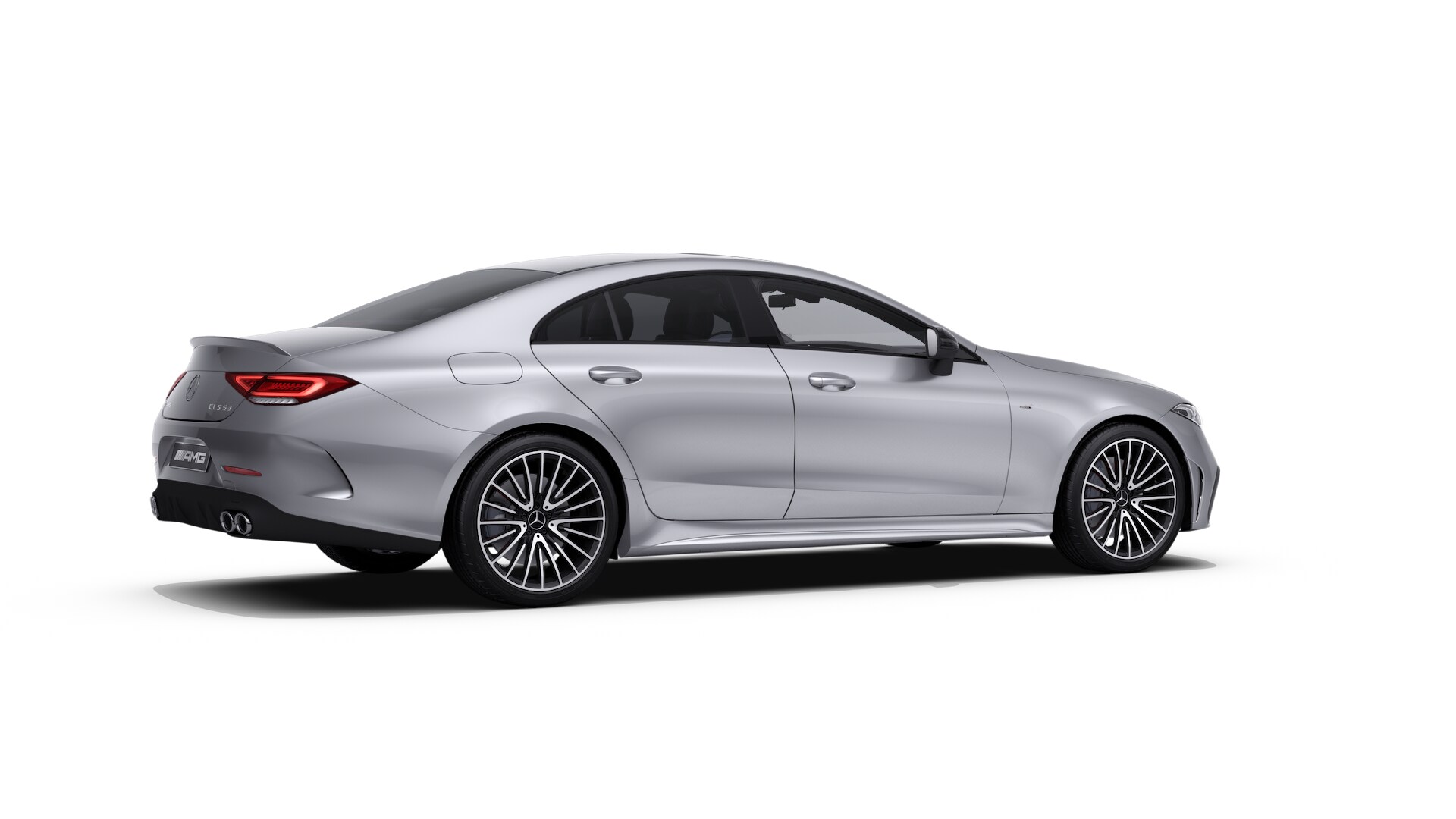
The 2022 Mercedes-AMG CLS 53 4MATIC+ has officially arrived in Australia, with the German manufacturer confirming local pricing and specifications for the four-door coupé.
Initially revealed in April this year, the new CLS provides a handful of updates over the outgoing model, as well as a Limited Edition variant – capped at just 299 units for Australia.
Revised styling is the most apparent difference to the car it replaces, with a new front bumper, grille and headlights setting the 2022 CLS 53 apart from its predecessor, which was last updated in 2018.
2022 Mercedes-AMG CLS 53 4MATIC+ pricing (excludes on-road costs)
Although the 2022 CLS 53 scores a host of new equipment, it has been given a price deduction – starting out cheaper than the CLS it replaces.
| CLS 53 4MATIC+ | $183,600 (down from $188,977) |
| CLS 53 4MATIC+ Limited Edition | One of 299 | $197,600 |
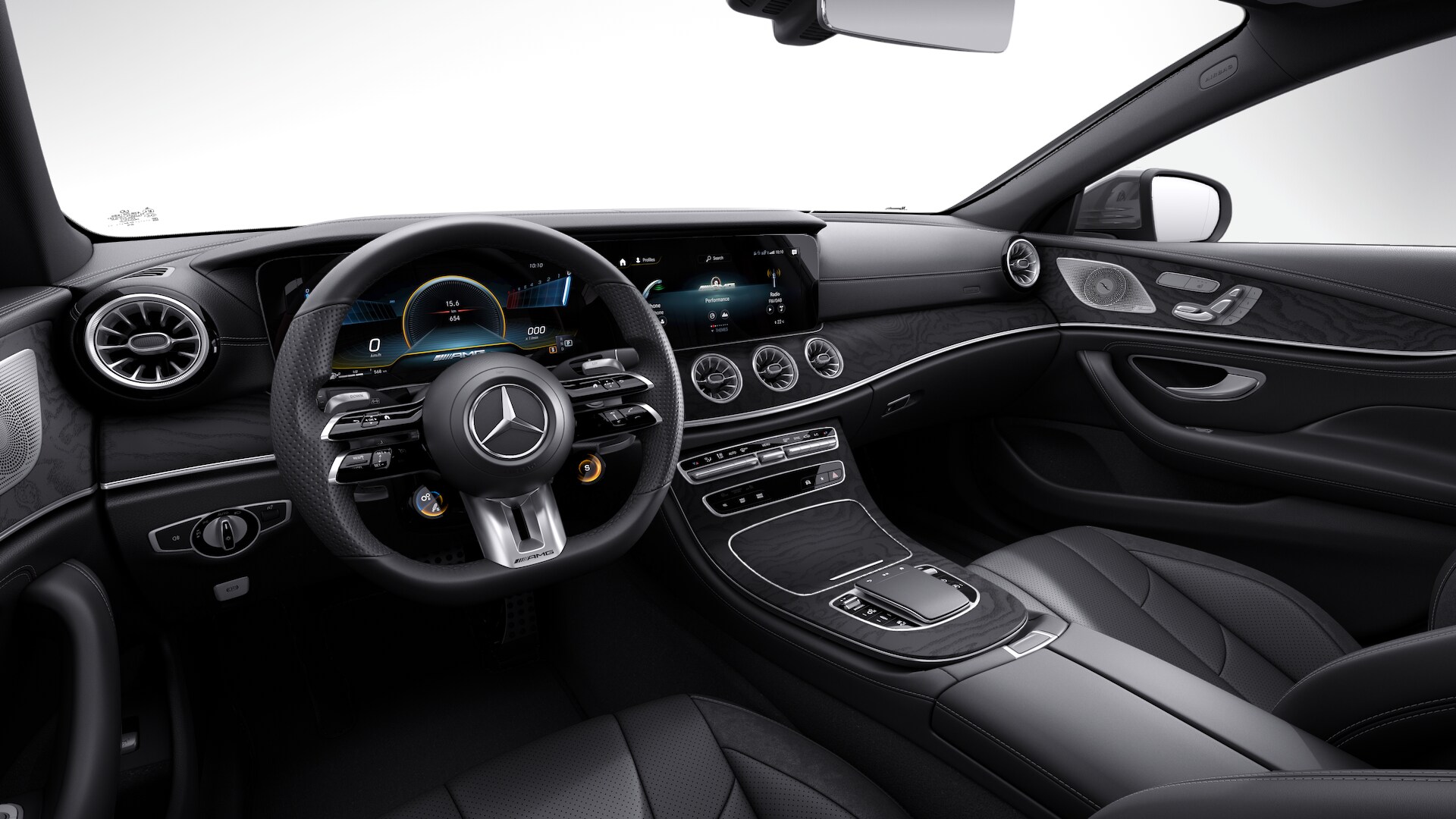
Features
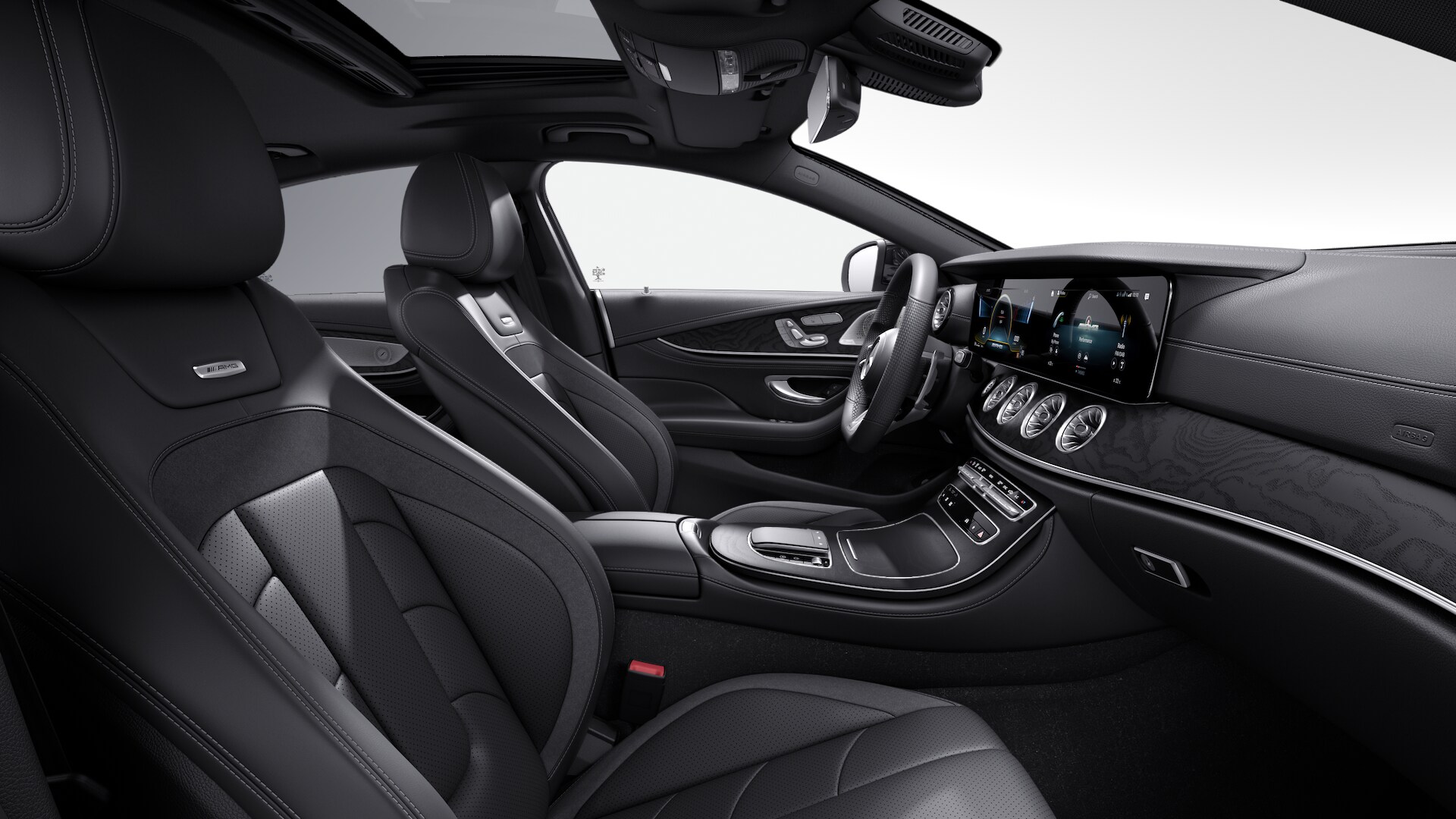
Starting with the standard CLS 53, the base vehicle includes:
| AMG Night Package |
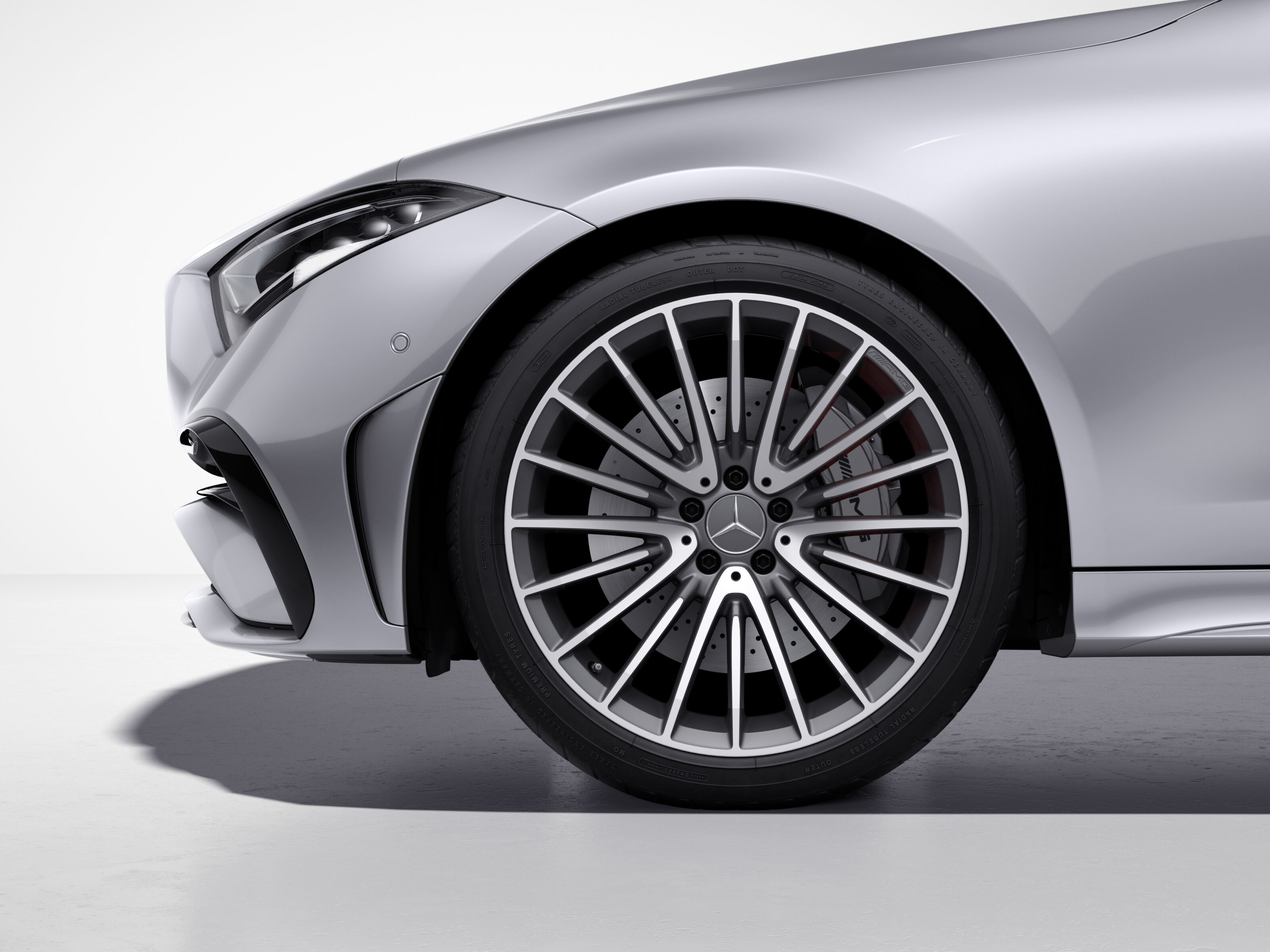
| 20-inch AMG multi-spoke light-alloy wheels |
| Lastest MBUX interface |
| 12.3-inch digital dash |
| 12.3-inch infotainment display |
| Hey Mercedes’ integrated |
| 13 speaker Burmester surround sound system |
| Head-up display |
| Heated and powered front seats |
| DAB+ digital radio |
| Nappa leather steering wheel and seats |
| Wireless charging |
| Apple CarPlay/Android Auto. |
On top of this equipment, the limited-run Limited Edition | One of 299 adds:
| AMG Performance steering wheel in Nappa leather with Dinamica |
| AMG Dynamic Plus package including race drive program with drift mode |
| Power-closing doors |
| AMG Nappa upholstery in two-tone silver grey pearl/black |
| Surround lighting with AMG brand logo projection |
| AMG car cover |
| AMG carbon-fibre interior trim |
| designo red seat belts |
| Red brake callipers |
| Extended AMG Night Package |
| AMG-specific darkened radiator grille |
| 20-inch matte black AMG 5-twin-spoke light-alloy wheels |
| High-gloss black exterior badging |
| Cashmere white magno or selenite grey magno paintwork. |
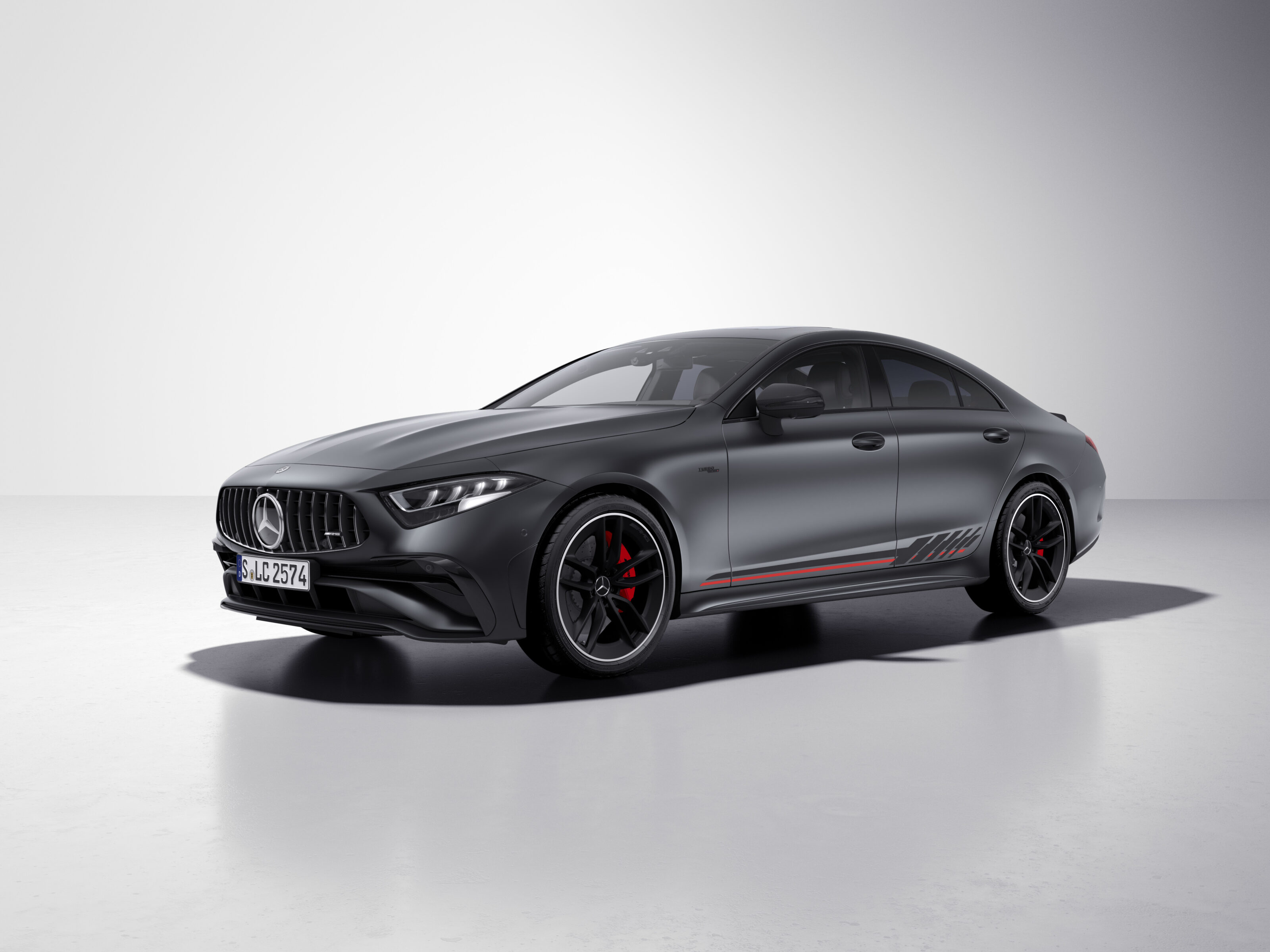
Engine, drivetrain and fuel economy
Retaining the same powertrain as the previous CLS 53, the 2022 model is powered by a 3.0-litre, turbocharged straight-six engine with 48-volt mild-hybrid assistance, producing 320kW @ 6100rpm and 520Nm between 1800-5800rpm, with a 6kW and 250Nm boost coming thanks to the electric tech.
Drive is still sent to all four wheels through Mercedes’s nine-speed automatic gearbox, helping the CLS 53 to achieve a claimed 0-100km/h sprint in 4.5 seconds, while also returning a tested combined fuel consumption figure of 8.9L/100km.
Safety
With no structural changes to the 2022 model, the existing CLS 53’s five-star ANCAP safety rating is retained, and it also benefits from a range of safety tech including:
| 360-degree camera with dynamic guidelines |
| Active lane change assist |
| Active parking assist with Parktronic |
| Active traffic assist |
| Blind spot with active assist |
| Brake assist |
| Collision mitigation |
| Driver attention detection |
| Speed limiter and zone reminder |
| Pre-safe impulse side accident preparation system |
| Tyre pressure monitoring. |
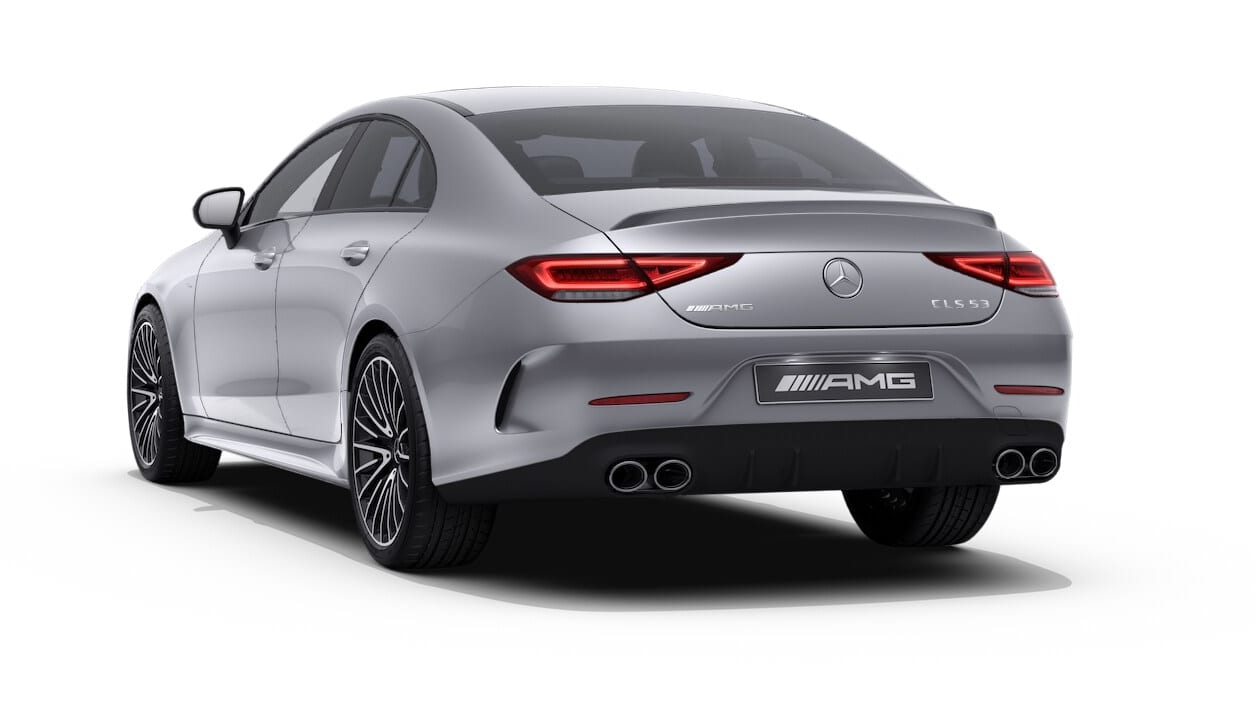
Warranty and servicing
As with other Mercedes-Benz and Mercedes-AMG vehicles, the CLS 53 is covered by a five-year/unlimited-kilometre warranty.
The CLS 53 is subject to capped-price servicing by Mercedes for its first three years after purchase, with the 12-month/25,000km intervals coming to a total cost of $3150 at the end of the period.
Availability
Mercedes-AMG is now taking orders for the 2022 CLS 53 with deliveries expected to begin later this year.
Snapshot
- Subaru to shut all Japanese plants
- European and North American factories also halting production
- Industry warns supply squeeze to continue to 2023
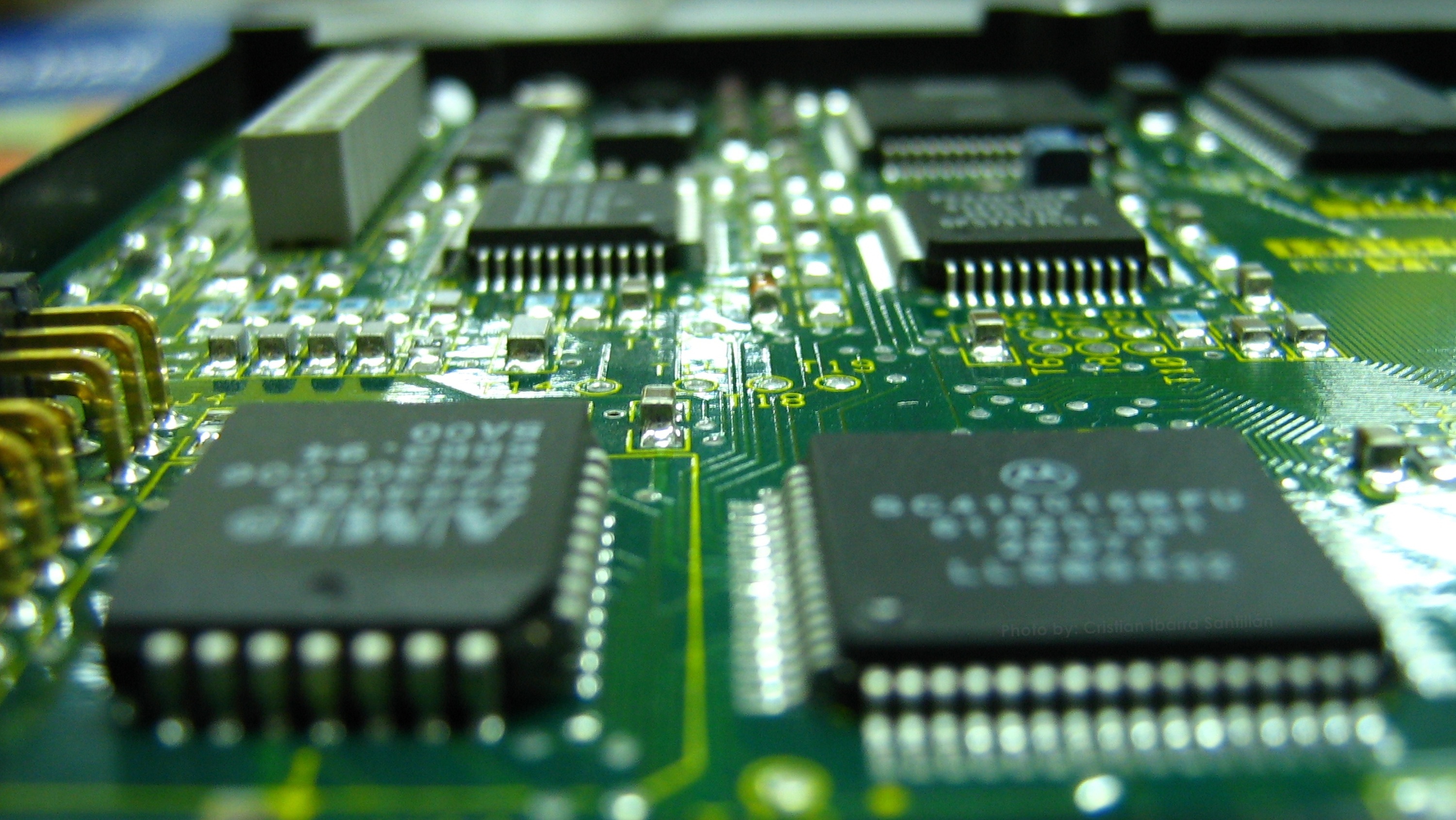
Subaru has suspended all production at its Japanese factories, citing issues with the supply of semi-conductors.
While Subaru has provided few details about the four-day shut down, it’s understood the plant closures are related to the ongoing global semi-conductor shortage.
The news comes at the same time as Stellantis announced it had extended a stoppage at its Melfi manufacturing facility in Italy, responsible for building the Jeep Renegade, Jeep Compass, and Fiat 500X SUV. Stellantis has also temporarily closed its North American plants, which build the Ram 1500 pick-up.
Earlier this week, Renault announced it would also extend temporary shutdowns at three of its factories in Spain, which produce the Megane, Kadjar, and Captur models. It’s a similar story at Suzuki’s factories in Hungary.
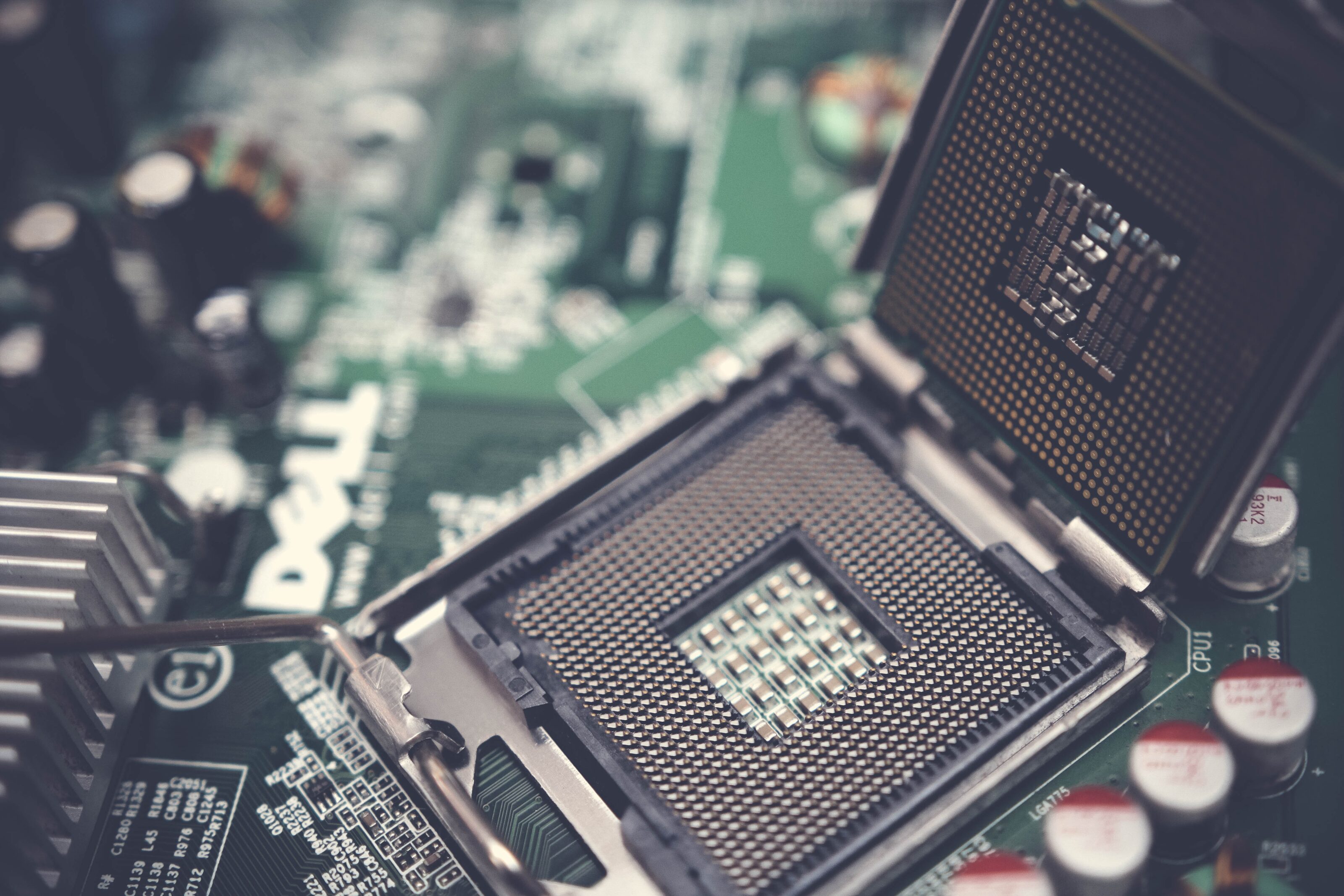
Semi-conductor chips are used extensively in the production of new cars, with up to 200 being fitted in petrol and diesel models, and electric vehicles needing as many as 3500.
While COVID-19 is largely accepted as the main catalyst for the supply squeeze, other factors including international trade tensions and a drought in Taiwan have also contributed.
Adding insult to injury, in March a semi-conductor company, which supplies Toyota, Nissan, and Honda, experienced a fire at its Japanese factory – causing stocks of all three carmakers to suffer.
Tesla boss Elon Musk has delayed production of its long-awaited Roadster model until 2023, tweeting: “2021 has been the year of super crazy supply chain shortages, so it wouldn’t matter if we had 17 new products, as none would ship.”
He added the Roadster should begin production in 2023, “assuming 2022 is not mega drama”.
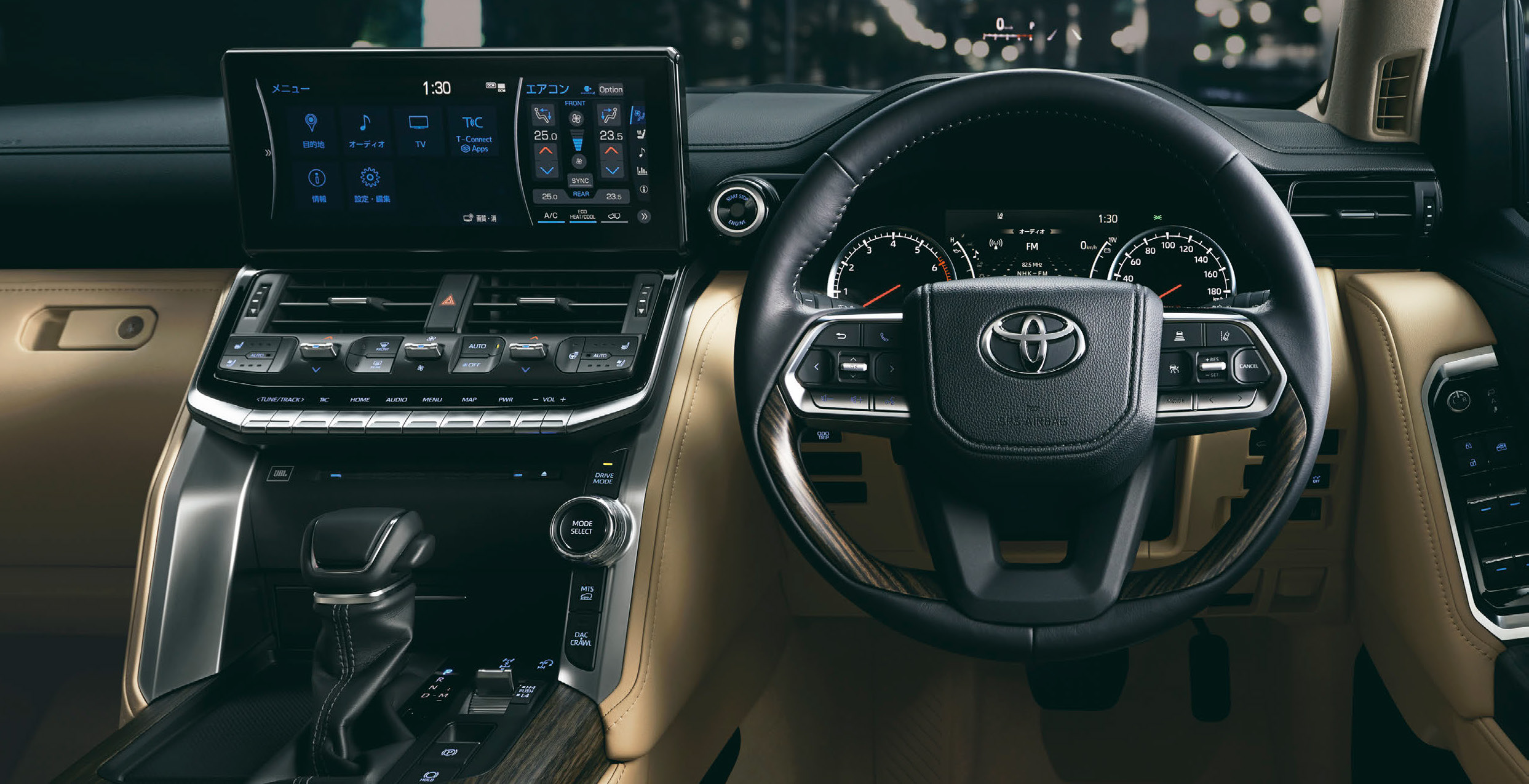
Despite foreseeing such a scenario and stockpiling chipsets, the supply shortage eventually caught up to Japanese car giant Toyota, announcing it would reduce production by 40 per cent over the month of September.
The move impacted 14 of its Japanese factories, taking its monthly new-car output from 360,000 to just 140,000 – and delaying Australian deliveries of the new LandCruiser 300 Series.
All major car manufacturers have reported some kind of impact to production over the past year, but there appears to be no sign of respite.
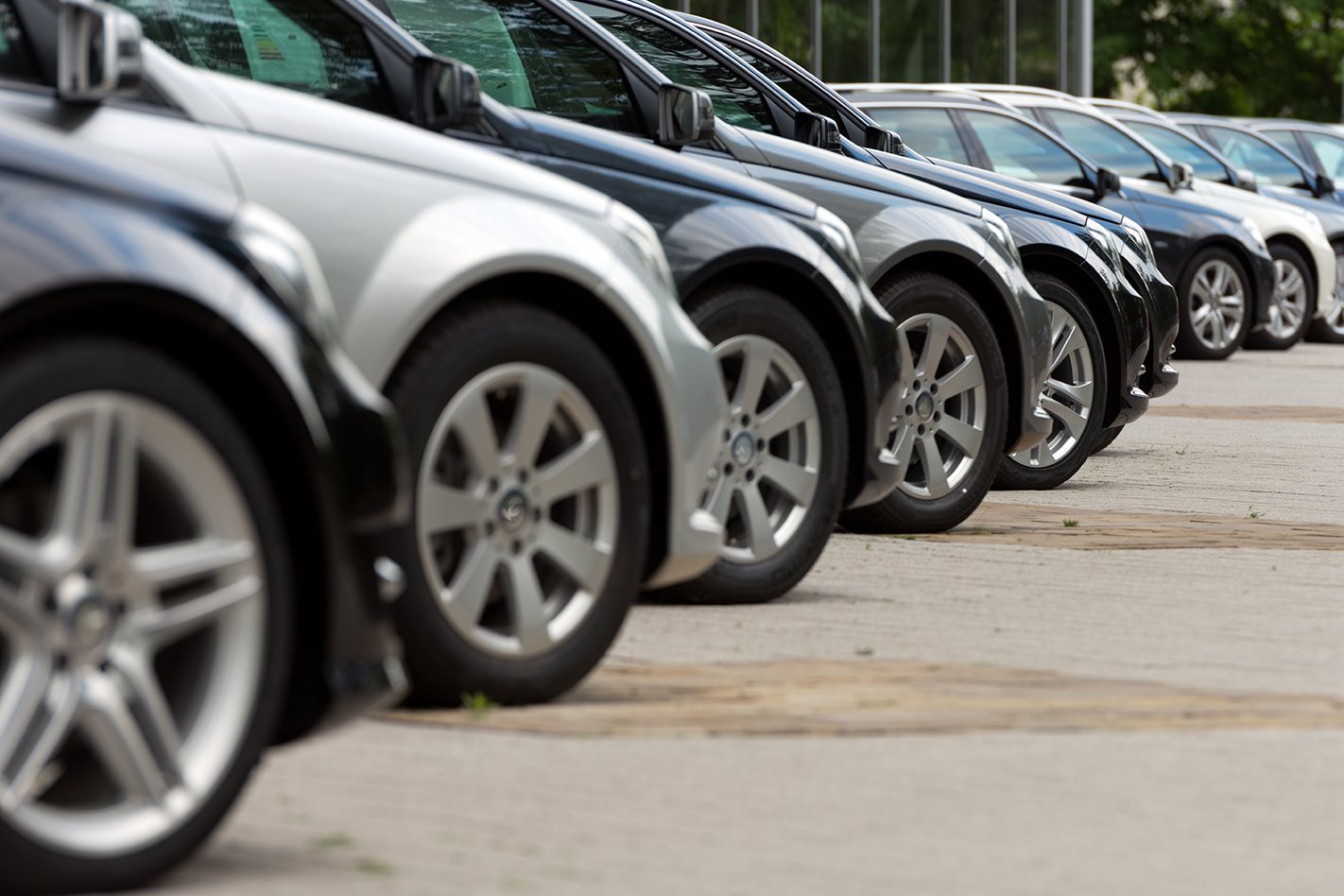
The follow-on effects are impacting new-car buyers in Australia, with dealers struggling to secure enough stock for customers.
Industry insiders have told WhichCar the problem is so extensive, dealerships are now refusing to swap their vehicles with other dealerships within their branded networks, forcing people to shop outside of their local area – and sometimes even interstate.
The current factory shutdowns are expected to only exacerbate the problem in the coming months.
Japanese semi-conductor company Rohm – which lists among its customers Toyota, Ford, and Honda – is warning the pain will continue throughout 2022.
“All of our production facilities have been running at full capacity since September last year, but orders from customers are overwhelming,” CEO Isao Matsumoto told Bloomberg in late August.
“I do not think we can fulfil all the backlog of orders next year.”
The comments join a chorus of warnings from the semi-conductor industry, car companies, and business analysts – who caution the supply disruptions won’t be resolved until at least 2023.
When the new Ford Mustang landed in our fair nation back in 2015, few could have predicted its runaway success. The local Blue Oval outpost initially expected to sell about 1000 units a year but quickly found demand far outstripped supply, with a waiting list of over 12 months rapidly established. It’s a mainstay on the sales charts and comfortably owns the affordable sports car segment in pure volume, having sold over 20,000 examples locally since its introduction.
The wholly-improved FN update of 2018 breathed new life into the ever-popular pony car, bringing more tech, more performance and notable improvements to interior materials. Now six years old, is the ubiquitous Mustang still fit enough to impress with younger, smarter, players in the game?
Ageing as it may be, the Mustang remains a lasting champion of affordable V8 tintops in Australia, with the Chrysler 300 SRT having bowed out recently and Japan’s 5.0-litre counterpart, the Lexus RC F, asking over double the price of the Mustang GT.
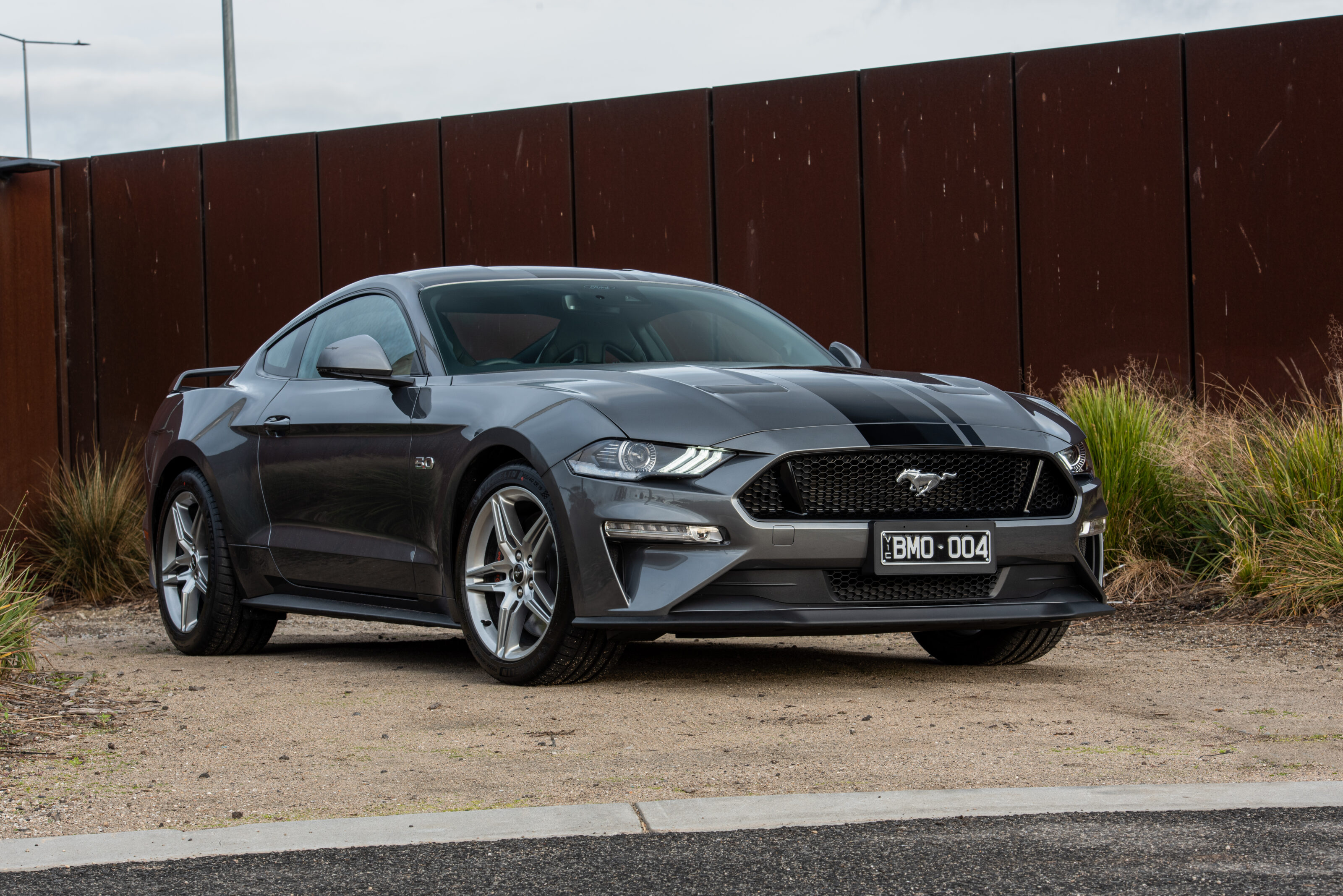
At $67,390 (before options and on-roads), the Mustang GT coupe with the 10-speed automatic is the most popular item on the Ford Performance menu. You can save $3000 by opting for the six-speed manual, or you can spend $7835 more on the 10-speed convertible, but this is the one that people line up for.
And people do line up. Despite six years on sale, and thousands sold all over Australia, the fact that a consistent 400-odd people, in any given month, are putting new Mustangs on the road is a testament to the car’s enduring appeal.
Central to that appeal, of course, is the Mustang’s free-breathing 5.0-litre Coyote V8. In current trim, the powerhouse pumps out 339kW/556Nm, a 33kW/26Nm improvement over the pre-facelift model which was superseded in 2018.
The significant mid-life update also introduced the 10-speed auto, along with a sharp new front end and a big step up in cabin materials and tech.
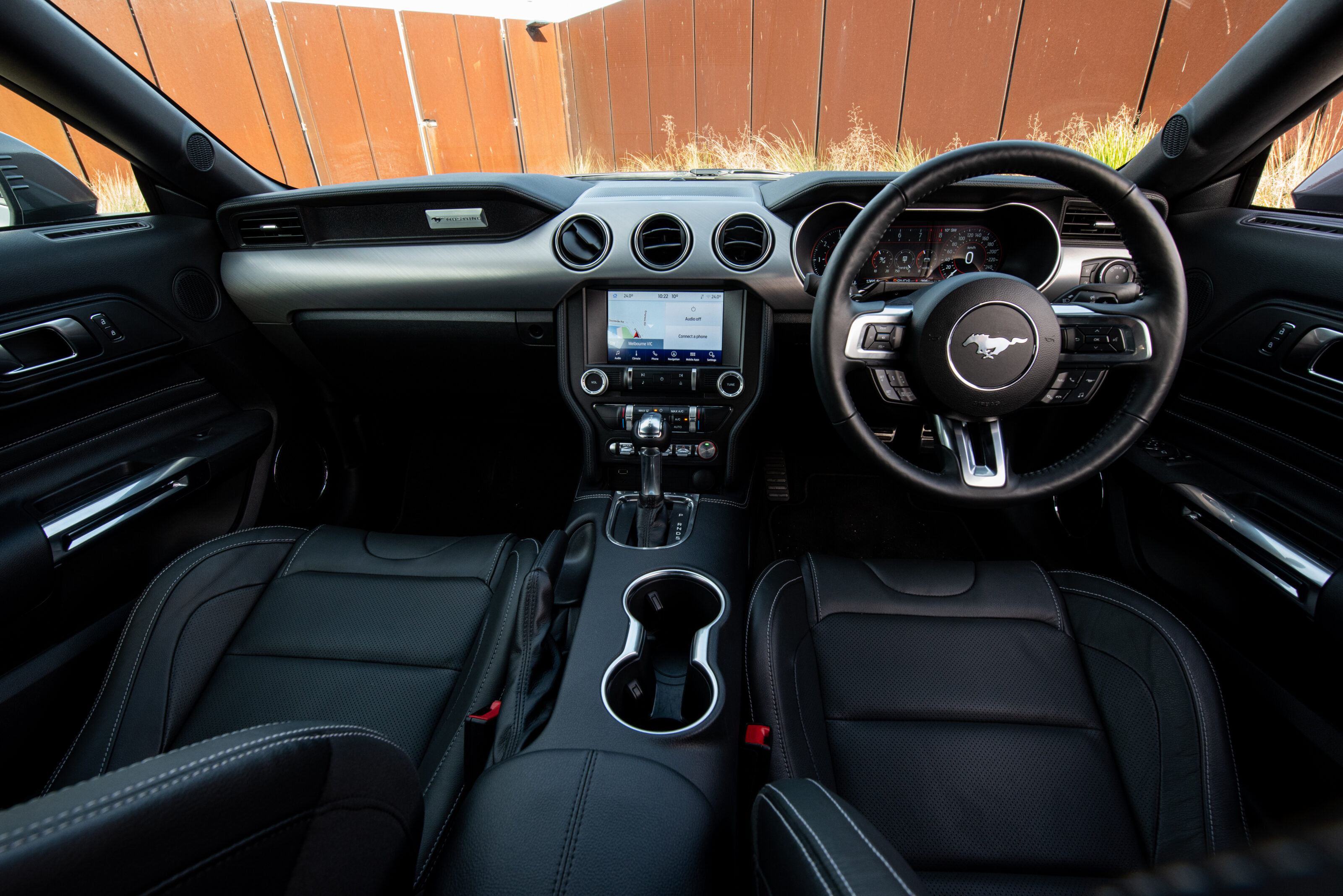
A healthy standard equipment list includes: 19-inch alloy wheels, bimodal exhaust, automatic LED front and rear lights, rain sensing wipers, 12-speaker Bang & Olufsen 390-watt stereo system, eight-inch central infotainment screen with Apple CarPlay/Android Auto compatibility, integrated SatNav, 12-inch digital instrument cluster, reverse camera, keyless entry, heated and ventilated six-way power seats, leather trim, dual-zone climate control and ambient lighting
Ford also adds a range of active safety features such as adaptive cruise control, autonomous emergency braking, lane-departure warning and lane-keep assist.
Covered by a five-year/unlimited-km warranty, servicing occurs every 15,000kms or 12 months. Ford also currently offers a $299 ‘special price’ servicing program of up to four years/60,000kms.
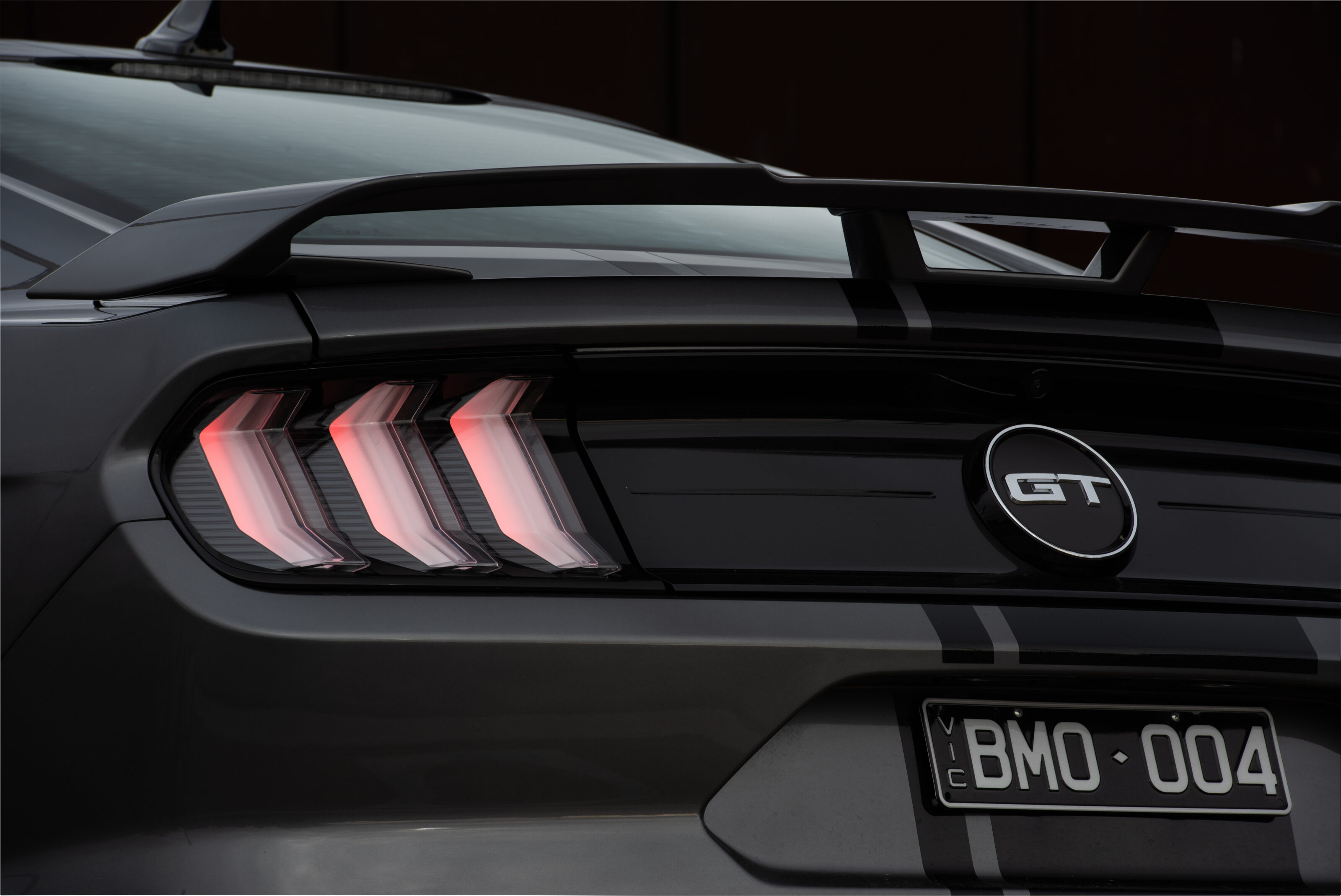
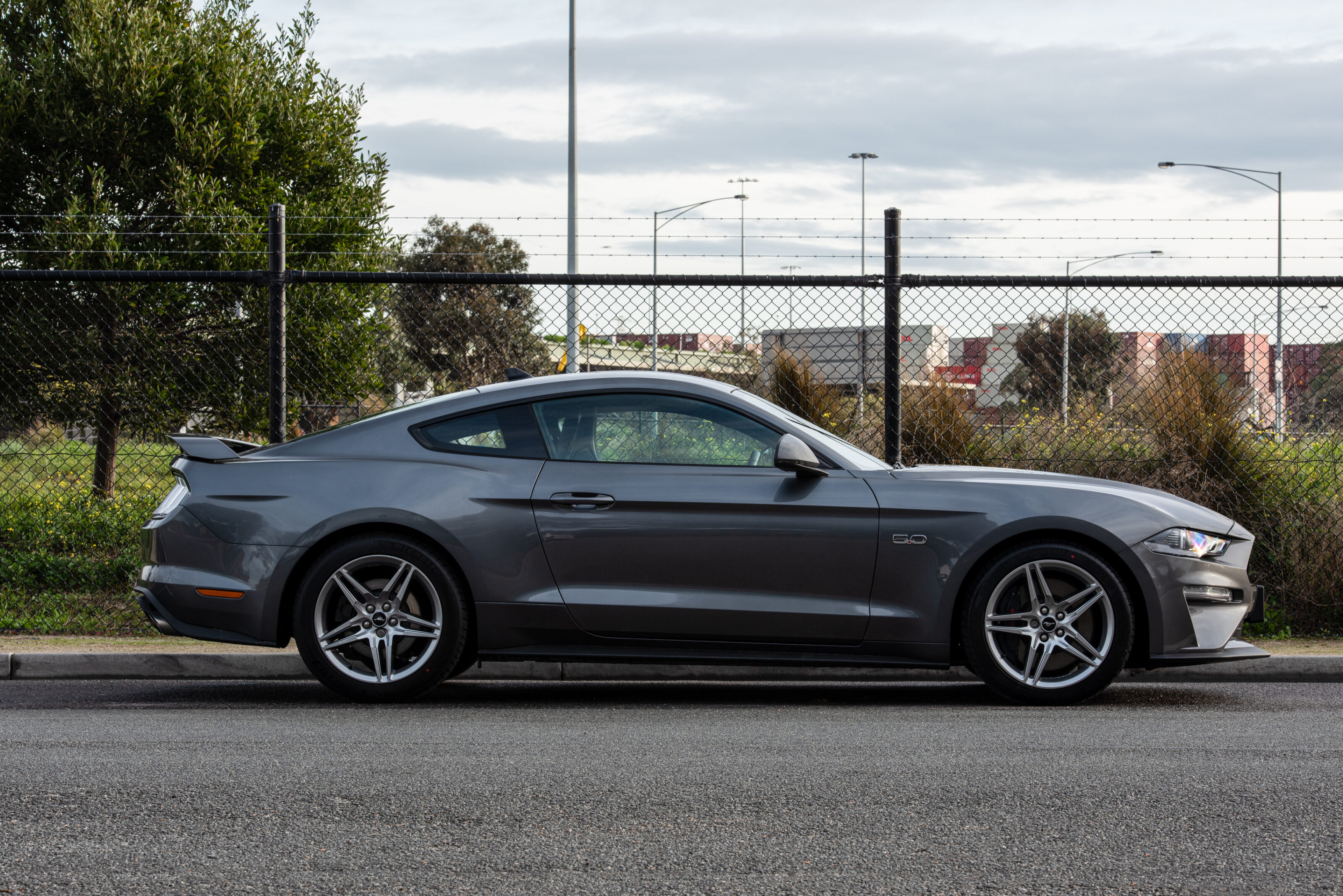
Our slick Carbonized Grey Metallic coupe comes further optioned with forged 19-inch wheels, rear spoiler, black ‘over the top’ stripe kit, and Recaro sport seats inside. Combined with the now-standard Bullitt-style bonnet vents and subtle lip kit, the Mustang oozes aftermarket appeal from the kerbside, despite being a completely factory fresh car.
The soundtrack also hammers home those modified muscle car vibes. There’s a subtle driveline whine that’s audible from the outside at low speeds, and the standard-fit bimodal exhaust is a genuinely loud and smile-inducing unit. It sounds great anywhere on the digital wraparound tachometer and, one would think, renders the need for an aftermarket system moot for all but the most antisocial of owners.
The engine is a hugely flexible and effective unit, with deep reserves of power and torque to call upon anywhere in the range. Quick exits from traffic lights or gaps in traffic are easily exploited with the headline 556Nm delivered at 4600rpm. Power continues to build until the Mustang’s maximum 339kW is deployed at an impressive 7000rpm peak.
Bundled with the popular 10-speed automatic option, the Mustang GT will happily trot around town with ease. The six-speed manual is worth a look if you’re curious, and boasts a burly and solid shift action with an effective rev-matching feature, but possesses very tall gearing.
The automatic’s 10 cogs are far more tightly packed, and delivers a smooth and efficient experience in normal driving circumstances, happily settling in ninth on an urban cruise. On a gallop, the 10-speed is similarly decisive, rattling off downshifts of its own accord when it detects hard braking at speed and does its best work when left to its own devices. The stubby wheel-mounted paddle shifters lack tactility and don’t add much to the overall experience.
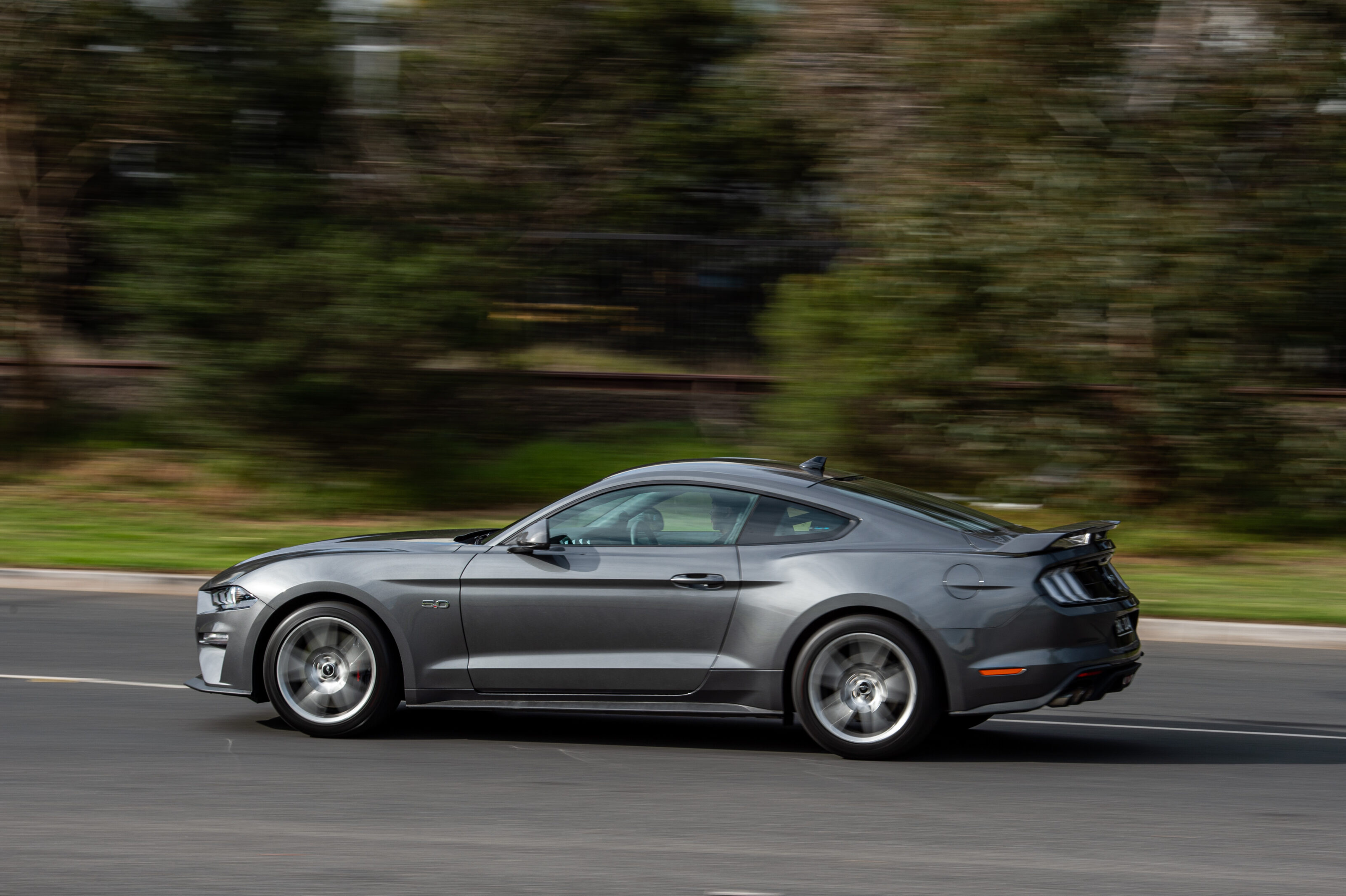
Although effective at the extremes of its operating window, the gearbox can lose its shine in the space in between cruising and max attack. At six-to-eight-tenths, the gearbox logic can struggle to juggle so many ratios, as if the ultimate gear delivered on exit is dependent on millimetre variances of throttle travel.
Pushing beyond that on the public road can be an uncomfortable experience as the Mustang feels big in a country lane and can struggle to contain its 1732kgs of mass, squirming at times under braking and hampered by a rather vague steering rack which varies little in weight and feedback regardless of the speed carried or inputs made.
Optional adaptive dampers were sorely missed in our test car. Sorely, being the key word at times, as the very firm conventional units crash over bumps and juts in the road. The car recovers quick and confidently; however, it can rattle the driver more than the vehicle, with this motor-noter quickly forming the habit of pre-emptively tensing over every seam and crease on the freeway. MagneRide dampers are a near-essential option that greatly improves both long-range touring capabilities and simple everyday liveability.
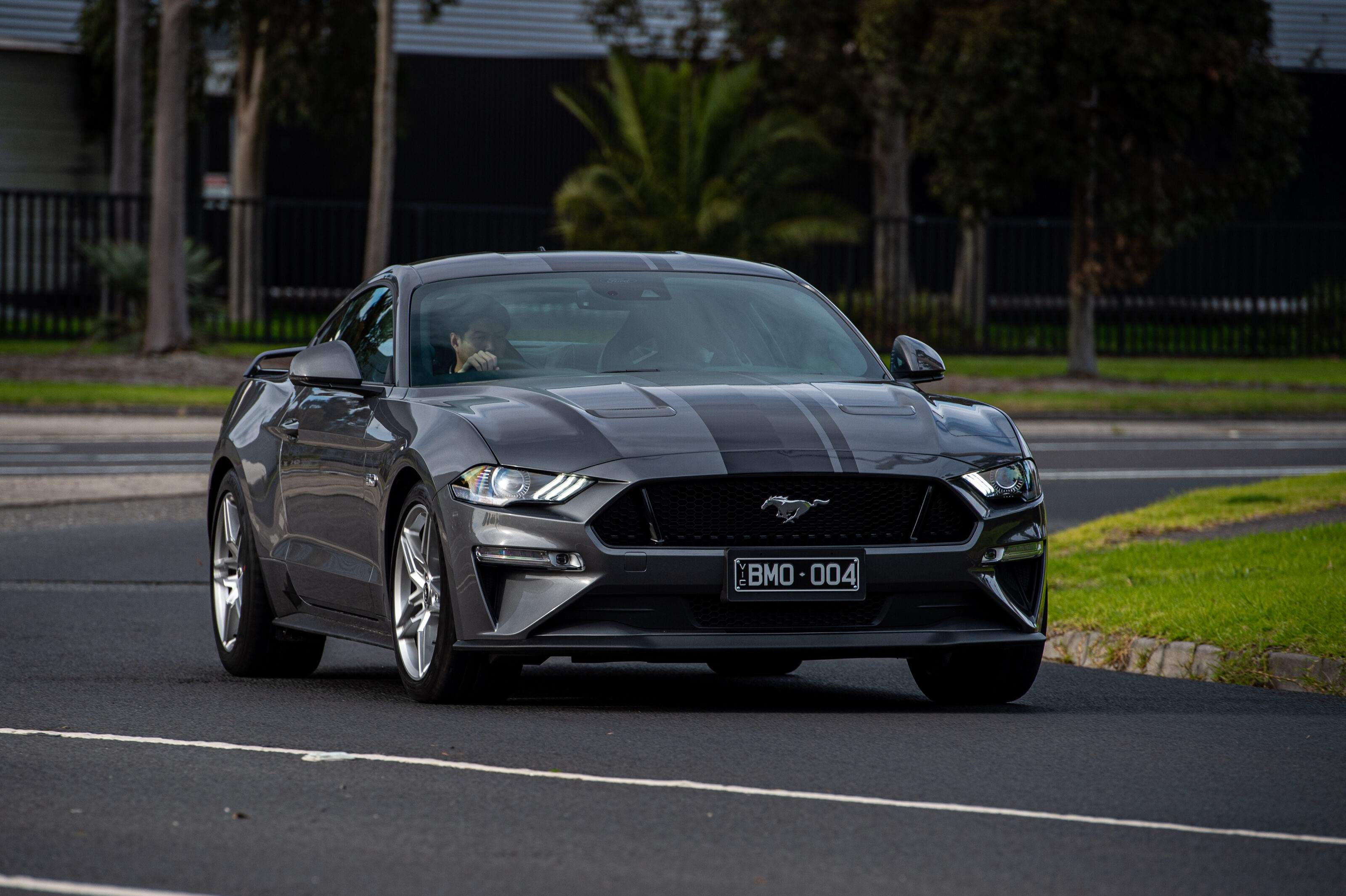
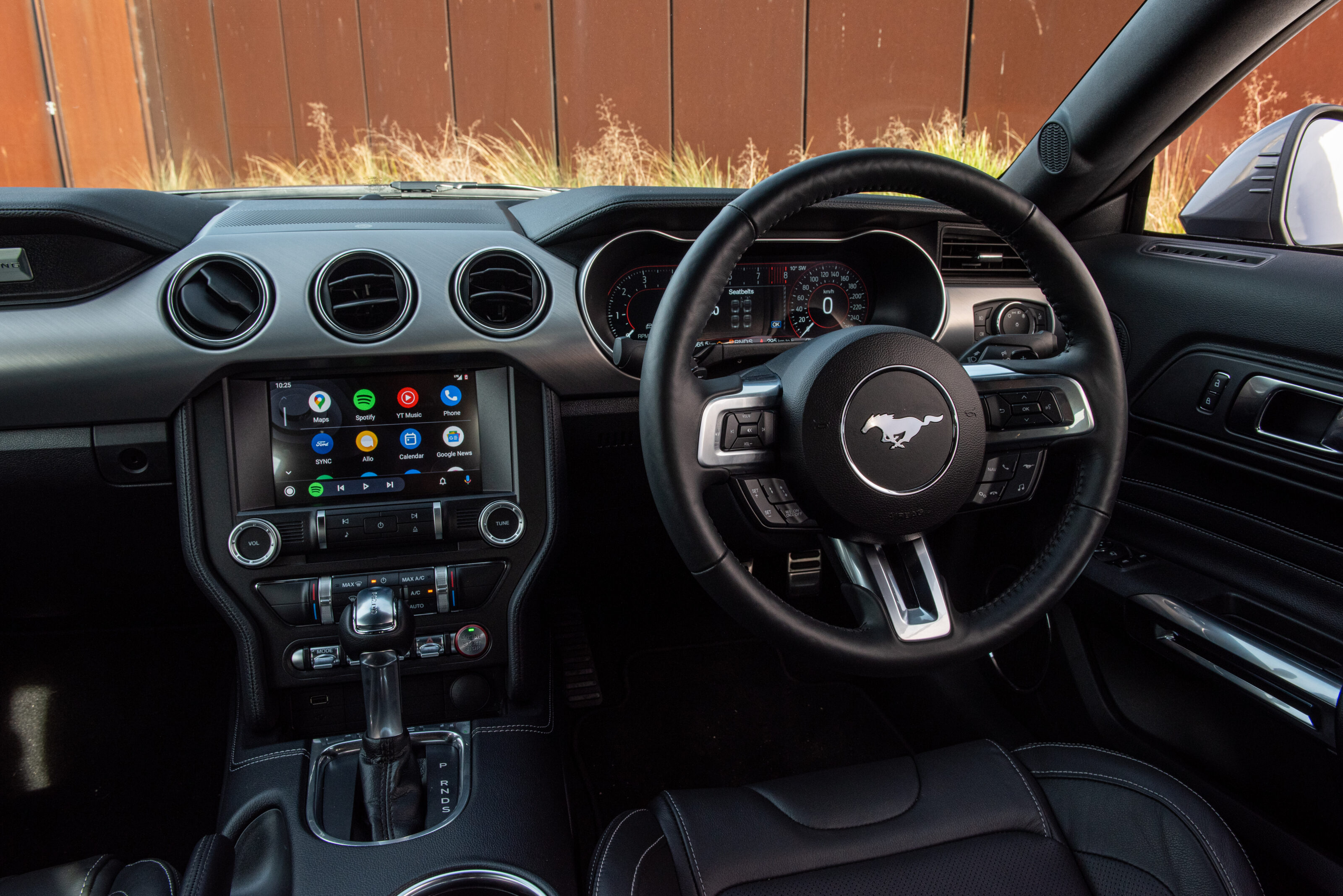
From the driver’s seat, though, the cabin is still a pleasant place to be. Steeped in retro charm, the Mustang’s cabin may not boast the visual impact of younger and more tech-filled offerings, but there’s a real allure to a cabin that still has physical buttons and touchpoints for all of your main functions.
Everything is intuitive and where you expect it to be. Even without the included Apple CarPlay and Android Auto functions, Ford’s native SYNC3 infotainment system is one of the more intuitive OEM systems. The only thing you might want for, these days, is a wireless phone charger.
Optional Recaro sports seats look the goods, and offered great support for my scrawny 175cm frame, however colleagues have commented on them being slightly too narrow. You might want to test a set out for yourself before you tick that box, and know that you’ll be trading the standard seat’s heated and ventilated functions for the Recaro recliners.
Six years on, the world has changed greatly since we were first introduced to the Mustang we know today, yet it continues to nail its brief in delivering an entertaining, liveable and lovable muscle car.
In line with industry and environmental trends, the Mustang emerges even further removed from the mainstream and offers a purchasable but increasingly diminishing experience as the era of electrification looms ever larger.
It might not be perfect, but the things you fall for never are.
Revisiting ‘Australia’s favourite sports car’ for 2021, it’s a stark reminder on why people all over the country have fallen for the Mustang GT. It remains a rolling reminder for the way things used to be and, for many in today’s brave new world, that’s worth the price of admission alone.
2021 Ford Mustang GT coupe auto specs
| Body: | 2-door, 4-seat coupe |
|---|---|
| Drive: | rear-wheel |
| Engine: | 5038cc V8, DOHC, 32v |
| Bore x Stroke: | 93 x 92.7mm |
| Compression: | 12.0:1 |
| Power: | 339kW @ 7000rpm |
| Torque: | 556Nm @ 4600rpm |
| Power/Weight: | 195kW/tonne |
| Transmission: | 10-speed automatic |
| Weight: | 1732kg |
| Suspension: | struts, coil springs, anti-roll bar (f); multi-links, coil springs, anti-roll bar (r) |
| L/W/H: | 4789/1916/1396mm |
| Wheelbase: | 2720mm |
| Tracks: | 1642mm (f/r) |
| Steering: | electrically assisted rack-and-pinion |
| Brakes: | 380mm ventilated discs, 6-piston calipers (f); 330mm ventilated discs, single-piston calipers (r) |
| Wheels: | 19 x 9.0-inch (f); 19 x 9.5-inch (r) |
| Tyres: | 255/40 R19 (f); 275/40 R19 (r) Michelin Pilot Sport 4 S |
| Price: | $67,390 |
Snapshot
- Driveable but capable of Level 4 autonomy
- 5.35m long, but can hit 100km/h in just over four seconds
- Claimed 750km driving range
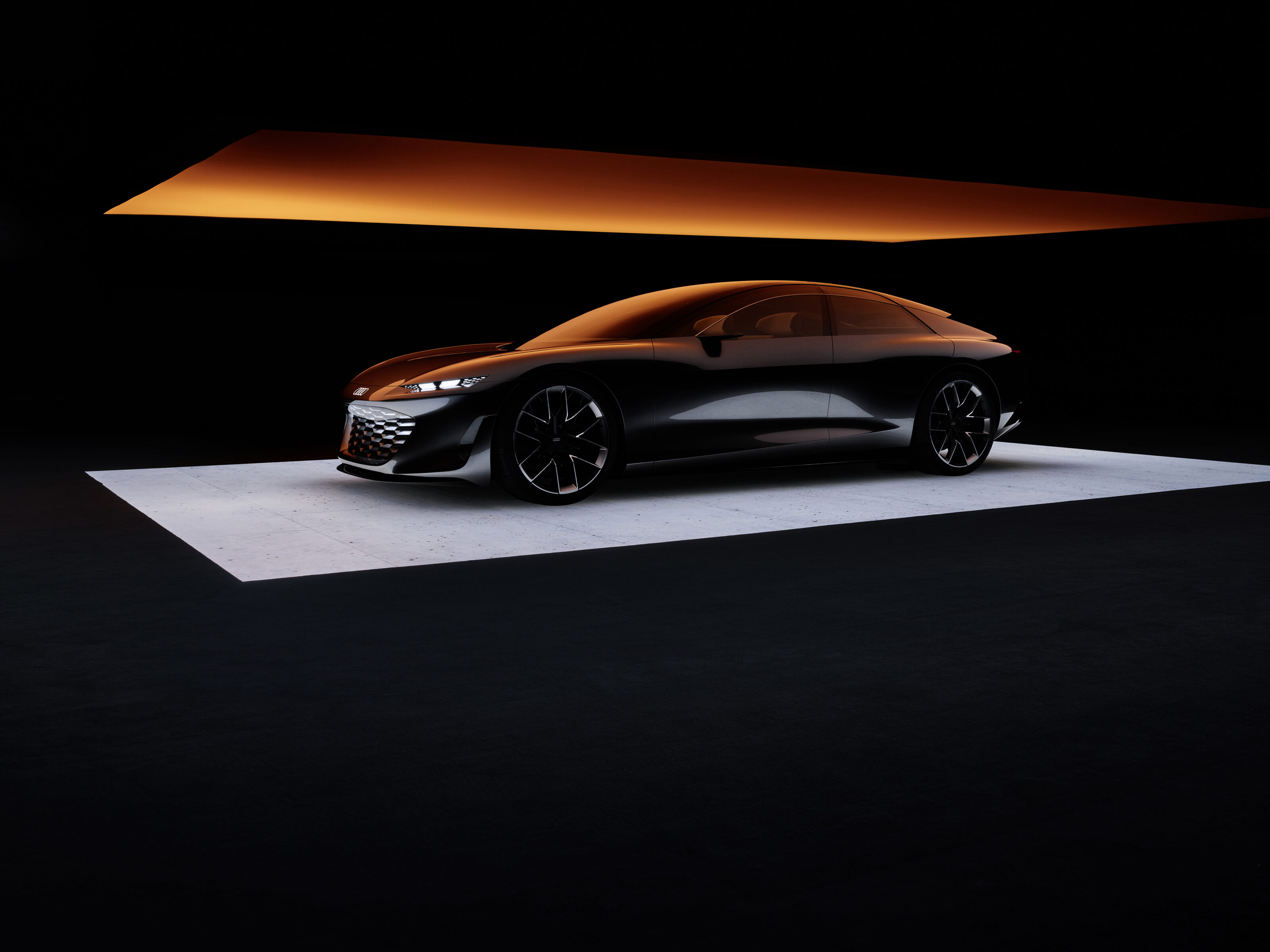
Another Audi Sphere is here, this time with a focus on pure luxury.
Where the recent Skysphere was a look at where Audi wants to take the sports car, the Audi Grandsphere is the brand’s look at the next generation of cars like its A8, or the Mercedes S-Class.
The biggest change from what we’re used to? The Audi Grandsphere features a purely projected dash display, lit up along a smooth, curved surface – which can also hide the steering wheel behind it.
And the Grandsphere has a retractable steering wheel. When in drive mode, it’s held out by a mechanical arm – which can retract behind a panel, putting the wheel completely out of sight and reach of the passengers.

Wheels asked the interior designer for the Grandsphere, Maksymilian Nawka, if this is the sort of tech Audi expects to make it into real production cars – in terms of safety, for example.
“We always design everything we do to be 110 per cent safe…I don’t see any bigger issues to be honest.”
Audi’s conference moderator Josef Schlossmacher added the brand believes Level 4 autonomy, as is present in the Grandsphere, will be here sooner than most people would expect.
“At the VW Group and at Audi we are sure it will come [in] the second half of the decade.”

The firm even put rally veteran Walter Rohrl in the Grandsphere some time ago, and said that after a short time he became more comfortable than anyone expected.
“In the first minute you could see it in his arms – he was a bit nervous. But after a few minutes he relaxed, with his arms just on his legs and trusted the car ‘like a good chauffeur’ is what he literally said.”
When the Grandsphere is manually being driven however, Audi says it has an impressive 750km of driving range, with only 10 minutes of charging enough to put 300km worth of charge into the battery.
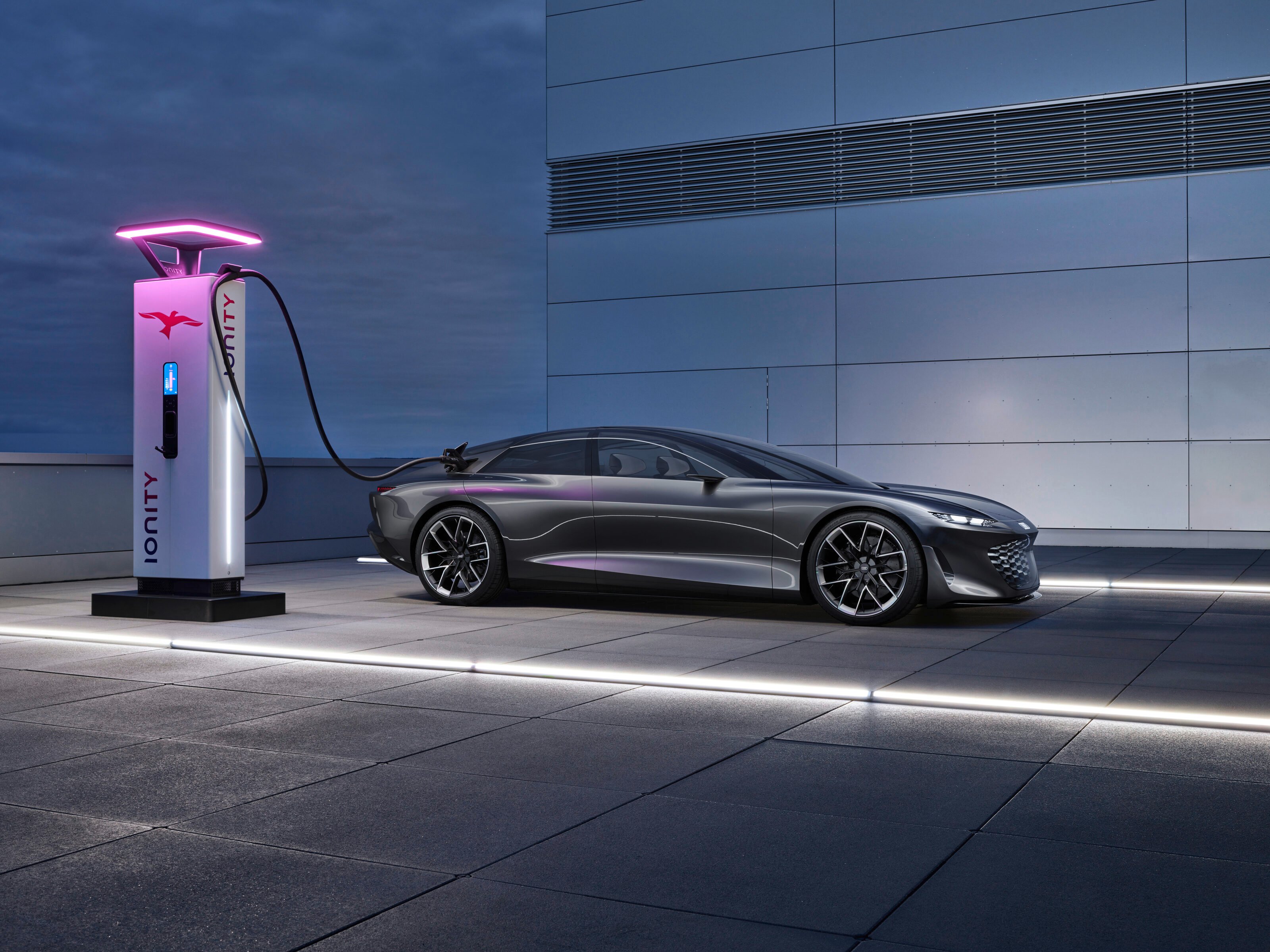
Its 530kW and 960Nm output also allows for a rather quick 0-100km/h in just over four seconds – we imagine the 5.35m ‘lounge on wheels’ isn’t particularly light.
Inside, Maksymilian Nawka has kept things to a minimum – no screens or fittings, everything projected onto a surface.
There’s also no leather in the Grandsphere, instead opting for wood, wool, and synthetic textiles and metals. Audi says this is “in keeping with a progressive understanding of luxury”.

For the exterior, the car’s designer, Amar Vaya, described what Audi calls a “dynamic monolith”. Wheels asked what major design elements from the Grandsphere would be likely to make it onto a production car soonest.
“Take this and put it on the street! No, but we try to bring a lot, for example, the clean surfacing and the balance between soft and sharp.
“The new headlamp feature will be on our production cars, and for the front end we’re experimenting a bit to see what the best response is. From there we’ll decide on a direction for the future.”
The next ‘Sphere’ concept to be revealed is Audi’s SUV-style Urbansphere. Stay tuned.
Audi ICE ban could be delayed if needed
- Audi remains locked on to e-mobility for entire range from 2033
- Last ICE powertrain in development will introduce more electrification and power
- Audi says last ICE cars will be its best
Audi has revealed its commitment to axing the internal combustion engine in 2033 could be extended if a battery electric vehicle push is waylaid by unforeseen circumstances.
Banning ICE cars from 2033 is key for Audi achieving total carbon neutrality by 2050, alongside heavy investment in battery electric vehicles. Only China is set to make ICE vehicles for Audi after 2033.

However, while speaking to global media during a presentation focusing on the company’s future and all-electric Grandsphere concept, CEO Markus Duesmann addressed the possibility of keeping the ICE beyond 2033 – if the plan to go all-electric is somehow derailed.
“We will do everything now that e-mobility becomes a huge success,” Duesmann said. And while he expects widespread government action to keep that vision on track, he added: “Should we notice … bumps along the road and we need the combustion engine longer, of course, there’s always the chance to produce them longer.”
‘The last combustion engine powered Audi cars will be the best ones’
With 12 years until the looming deadline, Audi is developing one last engine, due in 2025. Duesmann stresses it will be a treat.
“The last combustion engine powered [Audi] cars will be the best ones,” he said. “And to continue developing and building them for longer is, of course, an option. But it’s something that I’m not counting on as we speak.”
When asked by Wheels on what will make this incoming engine the best ever from Audi, technical development boss Oliver Hoffmann was on hand to answer – revealing more electrification is on the way for ICE systems.
“These cars will be a synthesis of efficiency and performance enhancements because it’s not just a matter of filling the rules and regulations,” Hoffman said.

“We really want to take a huge step forward in the form of efficiency gains and performance gains.
“Which means we will be increasing the degree of electrification of these combustion engine powertrains.”
Speculating on this, it sounds like Audi might have a proper hybrid engine powertrain in development. And it may or may not be geared towards performance.
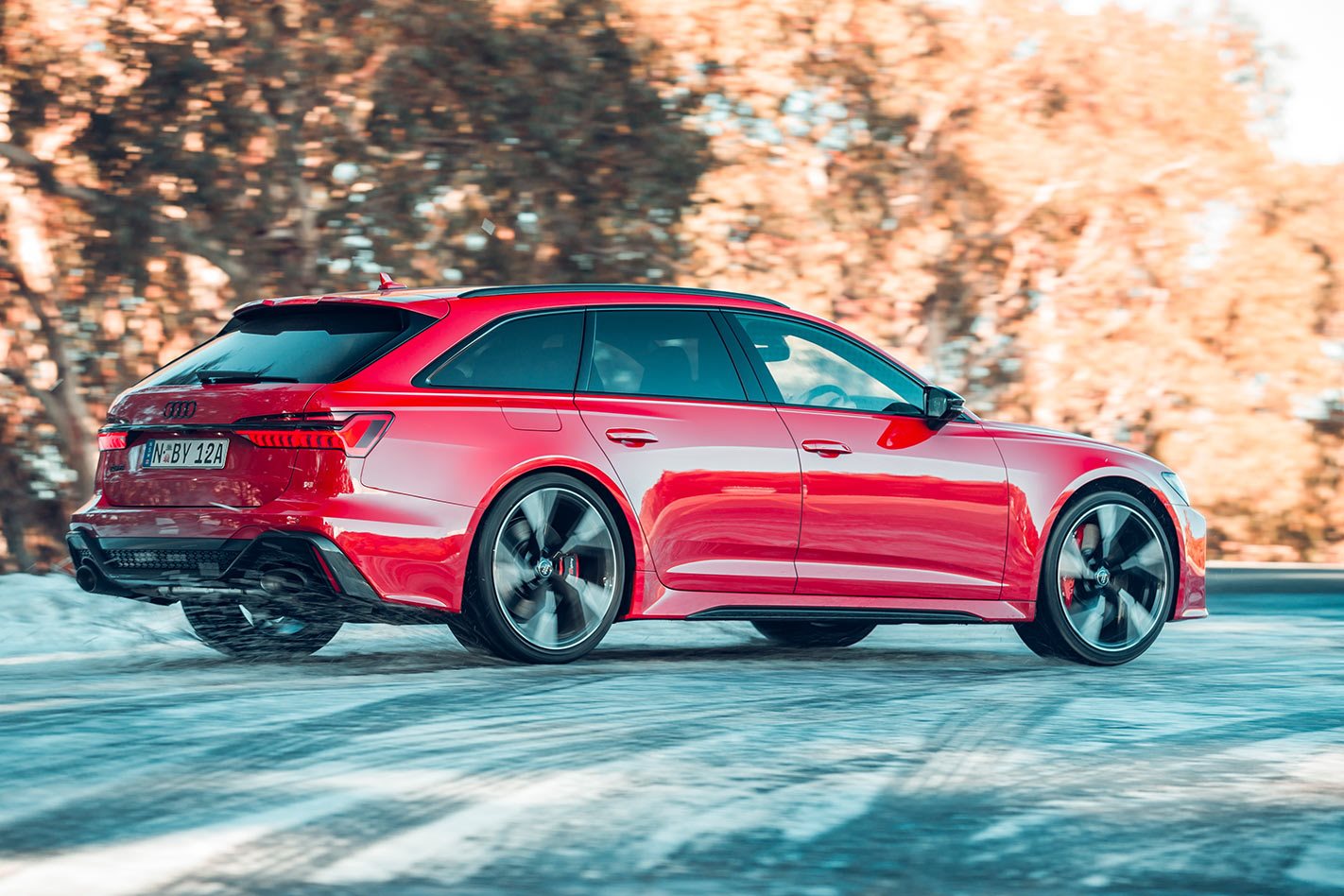
Currently, the closest Audi’s ICE fleet comes to electrification is a 48-volt mild-hybrid system designed to broaden fuel-saving scenarios. But it does not exclusively propel the car with electric power.
The most potent car Audi builds as a ‘mild hybrid’ is the Audi RS6 Avant, relying on a 4.0-litre twin-turbo V8 outputting 441kW/800Nm.
Either way, Audi is expecting the next-generation engine to serve in more than one application, with Hoffmann adding that these engines will be sold in a range of segments.
It’s a bold future for Audi. Let’s wait to see what it brings.
Subaru Australia has recalled several of its models because their fuel pump impeller may not be up to standard.
The marque has issued a notice for 2037 BRZ, WRX, Levorg 2.0, Liberty 3.6, Outback 3.6 and Forester XT models made between 2018 and 2019.
According to the Department for Infrastructure, which issued the notice, the fuel pump impeller may not meet manufacturing specifications, and as a result it may become deformed.
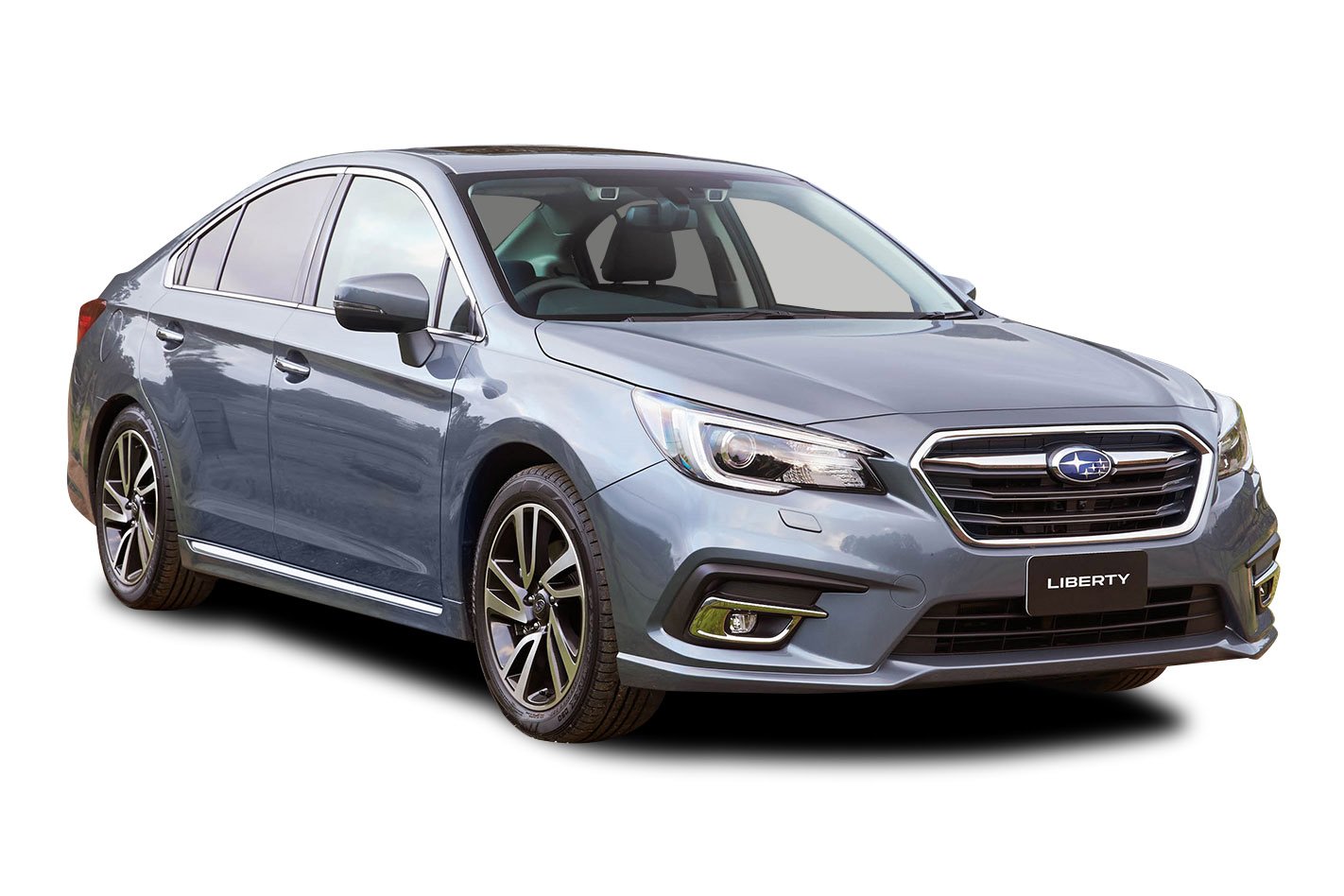
If the fuel pump stops working the vehicle may stall and the subsequent loss of power could cause an accident.
Owners should contact their local preferred Subaru dealership to organise a repair, free of charge, by calling 1800 226 643.
A list of VINs for affected vehicles is available here.
When you’re invited to get up close and personal with the 2022 Kia Sportage, you don’t turn it down – even if there’s no driving opportunity yet with the official launch still weeks away.
That’s not simply because we like to think we’re a polite bunch here at Wheels; the Sportage is the second most popular Kia in Australia, and it competes in the country’s second most popular segment.
This new, fifth-generation midsize-SUV must take on key rivals including the Toyota RAV4, Mazda CX-5, Subaru Forester, and its cousin, the Hyundai Tucson.

Like the Tucson, the Sportage has gone for its boldest and maturest design yet (even if some might say that’s not much of an achievement considering some of its frumpy-looking predecessors).
Aside from looking more substantial than the outgoing model purely through larger dimensions that see the Kia SUV grow nearly 17cm in length, the Sportage’s front end sports striking boomerang-style LED daytime running lights.
For the range-topping GT-Line we’re specifically looking at, it gains dual LED headlights and full LED tail-lights over the rest of the line-up that have single-lamp LEDs up front and partial-LED rear lamps.
It shares 19-inch wheels with the SX+, though features differently styled, machined-alloy rims. The base Sportage, the S, gets 17-inch wheels and the next-up SX has 18-inch wheels.

At the rear, the ‘Razor’ tail-lights live up to their name with their sharply profiled design, and there’s also the new-look Kia logo.
The 2022 GT-Line also looks good in Jungle Wood Green – one of several new exterior colours available, along with Fusion Black, Vesta Blue and Dawning Red.
Clear White is the standard paint, with other metallic options Steel Grey and Snow White Pearl. (Jungle Wood Green and Snow White Pearl aren’t available for the entry-level Sportage.)

Stepping inside, the Sportage has taken a clear move upmarket – following Kia’s larger SUV, the Sorento.
Hard plastics commonly associated with mainstream vehicles certainly still exist, but a combination of smartly executed design details and plentiful soft-touch trim markedly improve the perception of quality.
This could be potentially lifted further with a classy-looking blue/white dual-tone interior trim (see the gallery in our initial reveal story here). This is being considered for Australia, though from launch the Sportage will stick to what is something of a Kia tradition with an all-black cabin.
The GT-Line’s interior looks particularly semi-premium with a couple of key range-exclusive features.
It’s the only Sportage with a fully flat centre console, taking advantage of shift-by-wire technology to present a rotary transmission dial where other models utilise a regular gear-lever.

The L-shaped console is also smartly finished in gloss-black plastic and accommodates another smaller dial for driving modes, engine start/stop, and seat ventilation (GT-Line only) and heating (SX+ and GT-Line)
And the GT-Line alone features a curved fully digital display that dominates the dash and comprises a central infotainment touchscreen and instrument cluster – both 12.3 inches in size. (The bendy, panoramic arrangement also helps distinguish it from the similar set-up found in many Mercedes-Benz models.)
Sportage grades below get a straighter display and less advanced digital driver display. Sportage S buyers get a smaller, 8.0-inch infotainment touchscreen.
Kia has also created a fantastically clever functions panel for the centre of the dash. Mixing two physical dials with touch controls, the functions can be switched between climate and infotainment at the press of a button. The dials, for example, will either change cabin temperature for driver/front passenger (dual-zone in SX upwards) or adjust volume/tuning.

Kia’s Uvo telematics system – which allows a smartphone or smartwatch to remotely control some functions (climate, engine start, lock/unlock) and access certain vehicle information – is still under consideration for the Australian market.
Apple CarPlay and Android Auto smartphone mirroring is standard – requiring USB connection in SX, SX+ and GT-Line models but wireless in the S.
As with the outgoing generation, wireless smartphone charging is available only in the GT-Line spec, which continues to be disappointing for such a desirable feature.
The front door compartments are averagely sized, just about fitting a 500ml stainless-steel drinks bottle.
This GT-Line is a pre-production model that featured differently upholstered seats, which in showrooms will be full leather with suede uppers. Electric adjustment for the front seats will be standard, while the flagship Sportage will also come with a panoramic (dual pane) sunroof, LED interior lights, alloy sports pedals and ambient lighting.

Extra technology will also include a 3D surround-view monitor, blind-spot video feed, and remote park assist (GT-Line diesel only).
With specifications revealed already ahead of the Sportage’s October release, we can report there will be significantly more standard equipment across the range. Prices, yet to be confirmed, can be expected to increase as well, just as they did with the cousin Tucson.
The increased length for the 2022 Kia Sportage, particularly the extra 8.5cm in the wheelbase, liberates extra space in the rear seat.
Where the outgoing Sportage was reasonably roomy for back-seat passengers, the fifth-generation model gains eight centimetres in legroom to be genuinely generous. Headroom also increases slightly.
Practical elements include bottle holders integrated into the rear doors, seatback pouches, centre armrest, USB ports in the sides of the front seats, and coat hooks – including large hooks on the top of the seatbacks that look like they have been designed to hold tablet devices. There are also rear vents.

We can’t confirm at this stage whether all these features in the GT-Line model will apply to all grades.
Boot capacity has also to be confirmed for Australian-spec Sportages. A 637-litre figure was quoted for the 2022 model’s reveal, though a full-size spare wheel is standard on every model for the Australian market and is expected to reduce the volume slightly.
Regardless, the boot space looks undoubtedly larger compared with the luggage compartment of the outgoing Sportage that had an average-for-the-segment 466 litres.
It’s also more practical with features such a 12-volt socket and (from SX grades upward) release levers for the 60-40 folding rear seats.
A hands-free auto tailgate comes with SX+ and GT-Line variants.
Although we have yet to drive the 2022 Sportage, we can make a highly educated guess that the cheapest engine available – the carryover 2.0-litre petrol – will likely be one to avoid.

Offered as a choice on the S, SX and SX+ model grades, the 115kW/192Nm four-cylinder felt underpowered in the outgoing Sportage and isn’t great in the new Tucson. With its bigger size and extra features, the 2022 Sportage will inevitably be heavier than the model it replaces.
The availability of a manual gearbox for this engine is unlikely to help tempt many buyers, despite the slightly lower cost of entry.
Better news is that Kia’s 2.0-litre turbo diesel also carries over, delivering significantly more torque – 416Nm – than the petrol engines.
Kia Australia has also finally got its hands on the 1.6-litre turbocharged four-cylinder petrol that wasn’t available previously on the Sportage despite its inclusion on Hyundai’s Tucson.
We like this engine in the Seltos compact SUV (where it gets less power) as well as the Tucson, meaning it’s likely we won’t have to recommend a Sportage diesel only as before.

This 132kW/265Nm engine replaces the similarly underwhelming 2.4-litre petrol and is linked with a seven-speed dual-clutch auto where the 2.0L petrol features a six-speed auto and the 2.0L diesel is teamed with an eight-speed auto.
The turbo diesel and turbo petrol models are all-wheel drive; 2.0L petrol models are front-wheel drive.
Only the SX+ and GT-Line are offered with the turbo petrol.
Kia Australia expects these higher-spec Sportage models to be the most popular.
VERDICT: First impressions
While we need to acknowledge the GT-Line is the Sportage putting its best foot forward and need to wait to test the driving experience, there’s plenty about the Kia’s new-generation mid-sized SUV that bodes well.
