
Snapshot
- VW’s partnership with Chinese firm will deepen
- Universal battery cell to be developed
- Salzgitter engine plant will see new facilities
Volkswagen Group has announced it will industrialise EV battery cell production in Germany, in a deepening of its partnership with Chinese battery-maker Gotion High-Tech Co.
The companies will now gear up to make battery cells at Volkswagen’s Salzgitter engine plant, with production scheduled to begin in 2025.
Before then, Salzgitter will be outfitted with battery cell laboratories, pilot lines for cell production and battery recycling.
Volkswagen intends to establish more six gigafactories in Europe alone to ensure future supply of vital components.

The announcement forms part of Volkswagen’s ongoing shift towards electric production, as Europe aims at being carbon-neutral by 2050. According to a joint statement, the move will “significantly reduce battery complexity and costs while boosting range and charging performance” across the marque’s product lines.
The main objective of the partnership is development of the ‘unified cell’ concept announced on Volkswagen’s March 15 Power Day. The concept refers to a modular battery format which will be suited for use in 80 per cent of VW Group’s electric vehicles.
Engineered for both existing and future chemistry mixes, the company expects the design to reduce battery production costs by up to 50 per cent. The first vehicles featuring the unified cell are expected to hit the market in 2023.
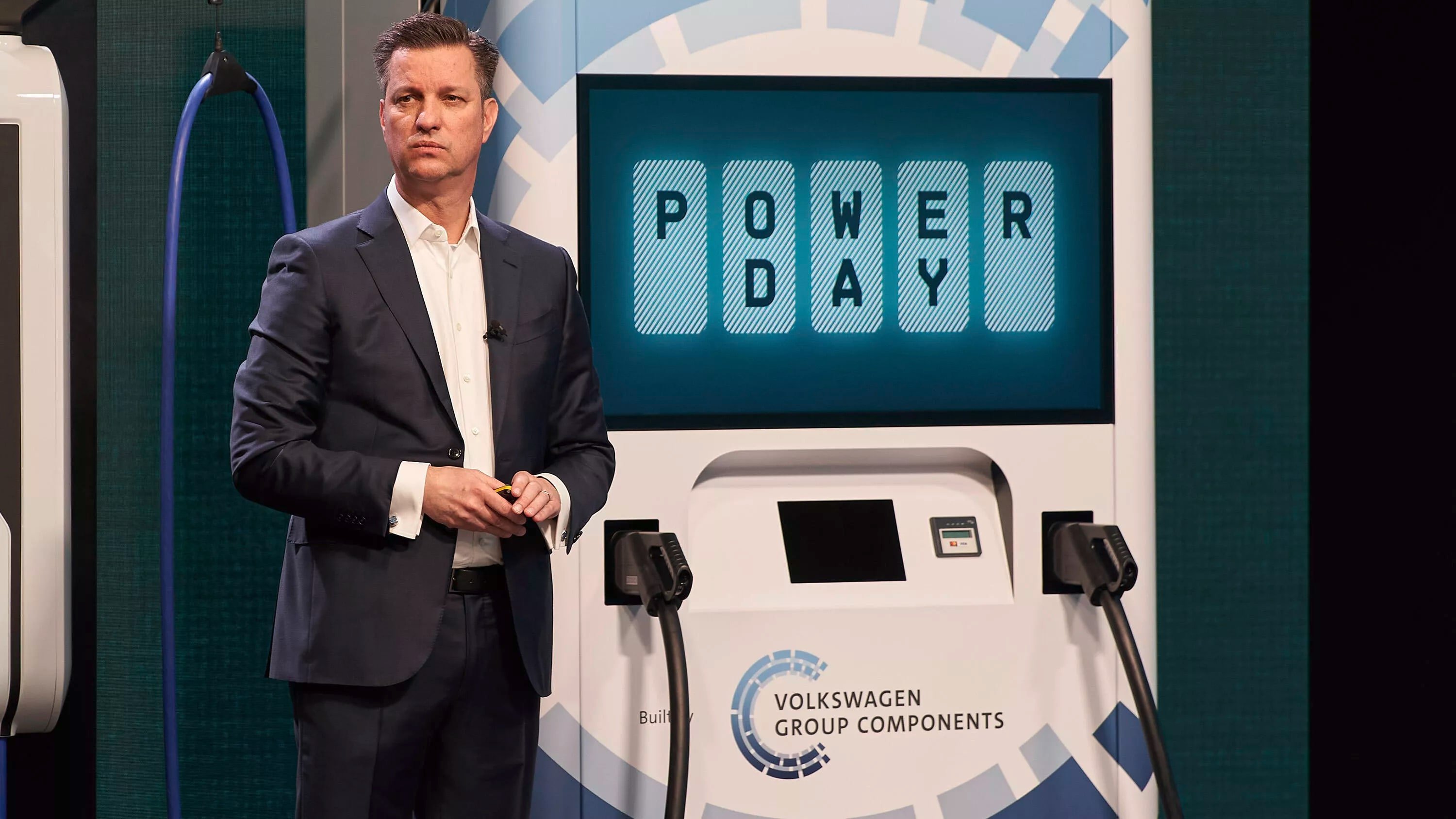
VW has held a 26 per cent stake in Gotion High-Tech since May 2020, when it became the first global car firm to directly invest in a Chinese battery supplier. The deal was estimated to be worth €1.1 billion (AU$1.75 billion).
Gotion is also becoming a certified supplier for Volkswagen Group China, which delivered 3.85 million vehicles to China and Hong Kong in 2020.
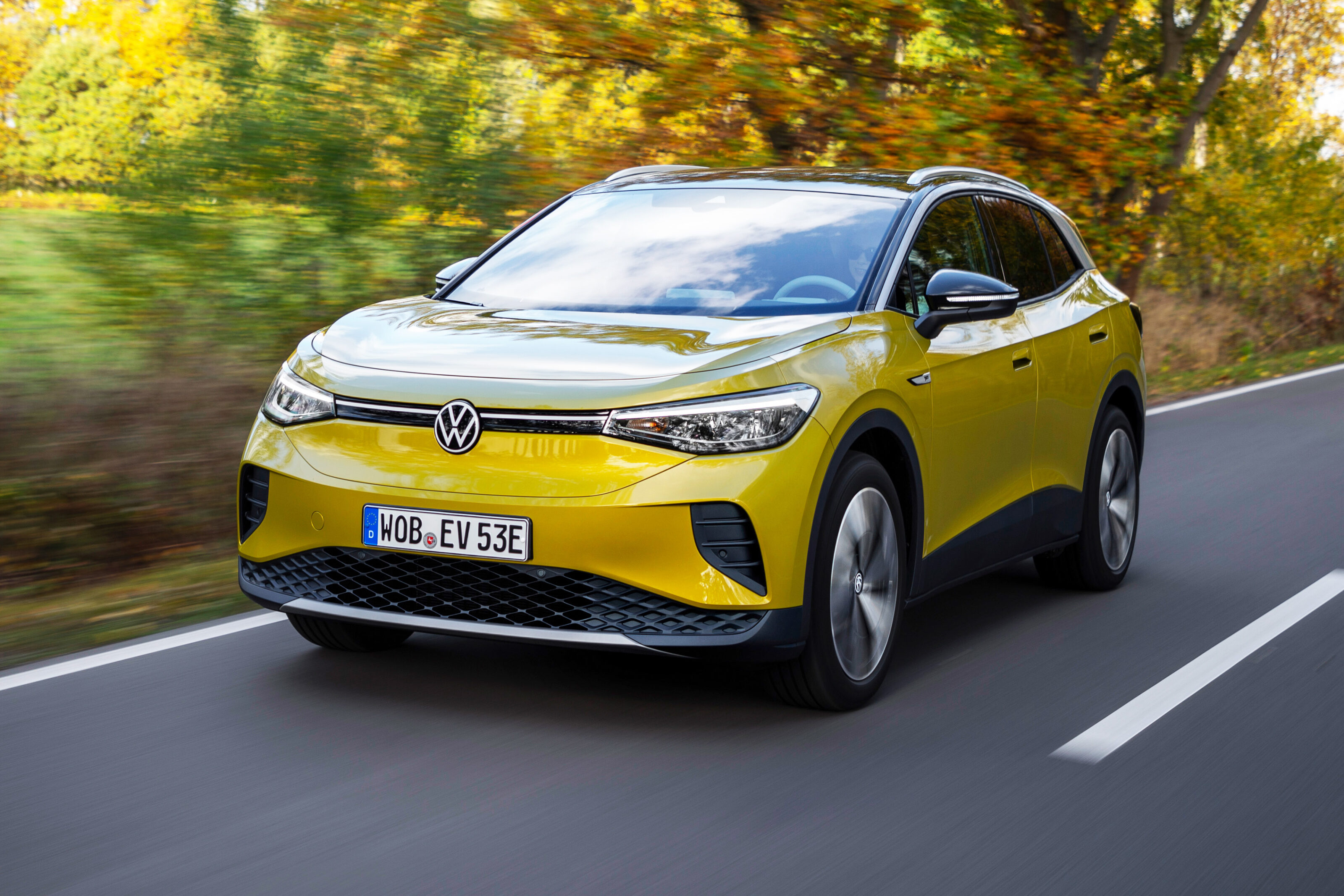
VW is aiming to sell one million electric vehicles this year and become the global EV market leader by 2025. A major part of the company’s ongoing strategy will be the universal Scalable Systems Platform, due to appear in 2026.
Though VW plans to entirely axe petrol and diesel cars in Europe by 2035, no date has so far been set for the Australian market.
Snapshot
- First ever full shipment of MG cars has arrived in Australia
- 4009 cars to end up in local dealerships
- Manufacturer confirms it isn’t affected by semi-conductor chip shortage
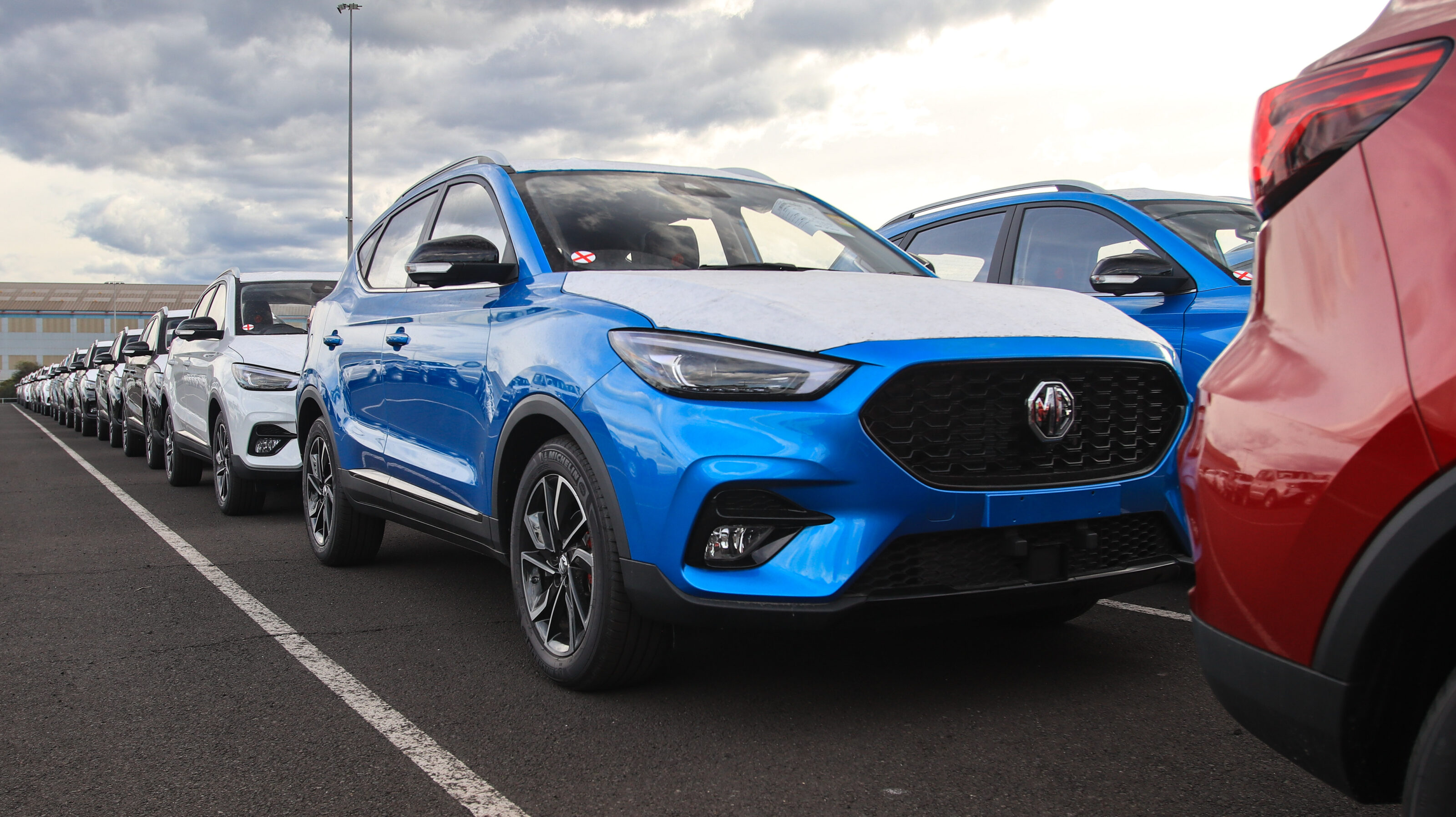
MG Australia has just received its first ever full shipment of vehicles to Port Kembla in New South Wales.
The continuing fallout of the Covid-19 pandemic on global vehicle supply is not an issue for the British-turned-Chinese carmaker, a local representative has said.
While other manufacturers are scaling down or halting production to deal with a shortage of semi-conductor chips, MG continues to roll cars off its Chinese production lines as it benefits from the economies of scale within its parent company, SAIC.
A spokesperson for MG Australia told WhichCar it has locked down supply for production of its current line-up, with the models in circulation not coming under any immediate threat due to the semi-conductor crisis.
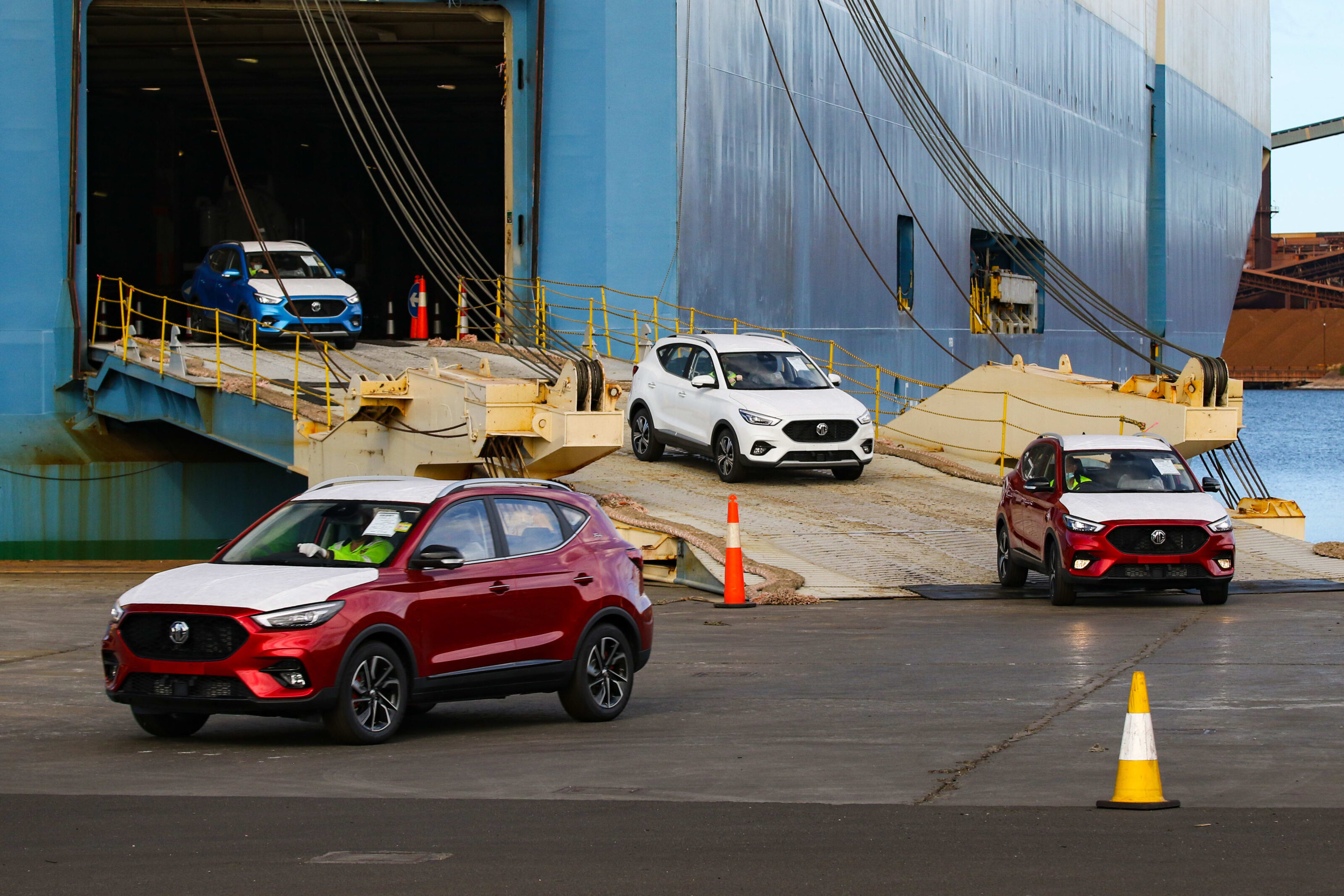
Earlier this week MG received its first ever full shipment of vehicles to Australia, filling the carrier Primrose Ace with 4800 cars – nearly as many vehicles as the British-branded manufacturer sold in the first half of 2020.
Onboard the ship were examples of the entire range of MG cars in Australia, from the MG3 hatchback to the ZS and HS SUVs, taking the crew two days to unload in Port Kembla before the ship carried on to Melbourne to deliver more.
According to MG, 791 of the 4800 cars will be sent to New Zealand, leaving 4009 in Australia – around 300 less than the number of MG’s Australian units shifted in June, having recorded 4303 local sales last month.
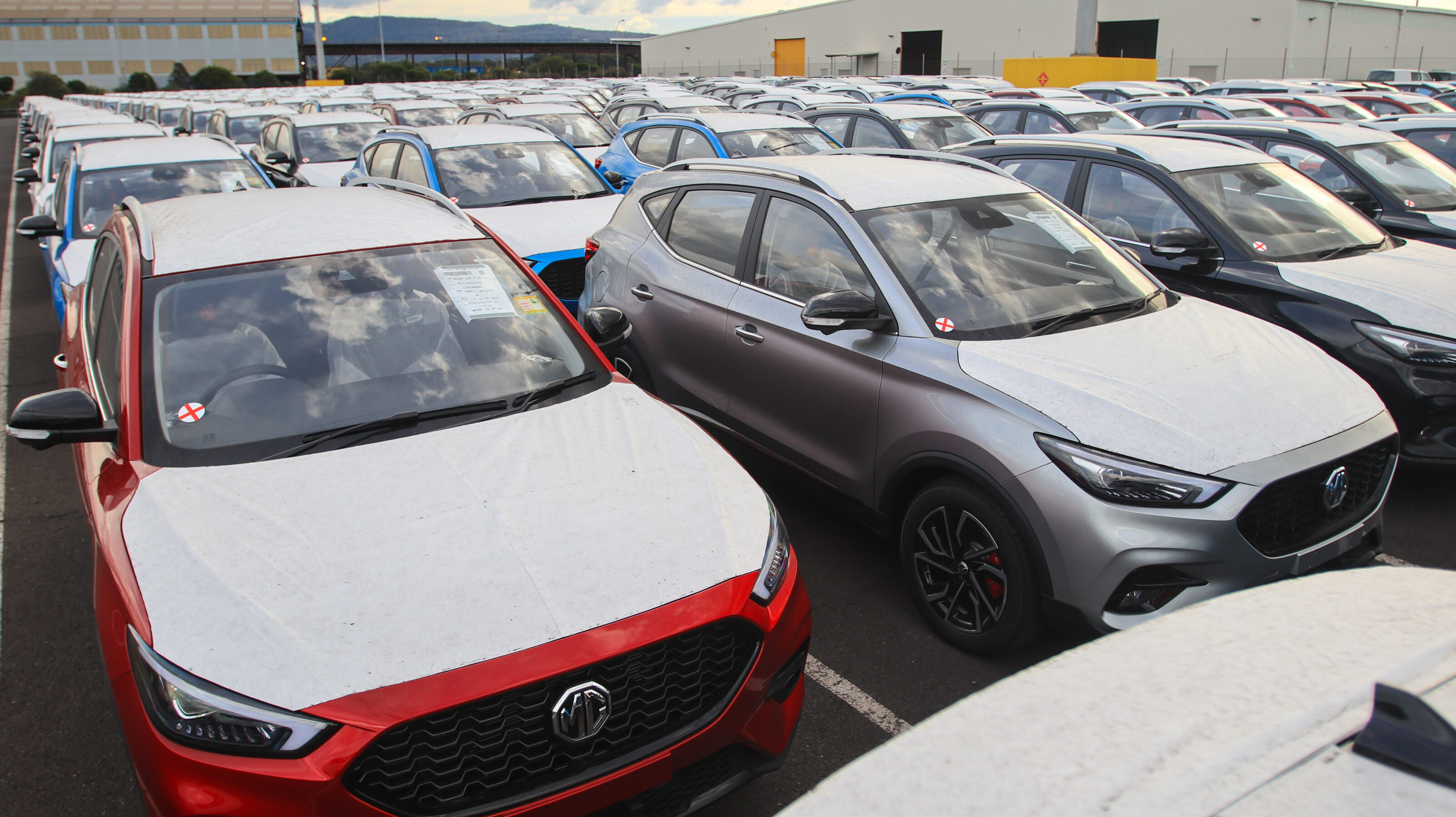
MG was the eighth-highest selling automotive brand in Australia throughout June, with its 4303 cars sold representing a 219 per cent increase over the same month a year ago, owing to increased brand recognition and an altogether tough year for the industry in 2020.
The ZS small-SUV has undergone somewhat of a boom lately, accounting for 2073 sales in June, which was just 102 units behind the Aussie staple Toyota Corolla, a 442 per cent jump over 2020 sales.
Since June, MG has received more than 11,000 deliveries, helping it to bolster local levels of stock as various state governments begin to roll out incentives for electric vehicles, with the ZS EV earning the title of Australia’s cheapest electric car at $44,990 drive-away.
South Korean luxury car brand Genesis has opened its second Australian studio in the heart of Melbourne, creating a space for Victorians to see its range of vehicles in the metal.
Based in the Emporium Shopping Centre in Melbourne’s CBD, the space is the second Genesis studio in Australia, joining an existing space in Sydney’s Pitt Street Mall.
Genesis’s four-car range (G70, G80, GV70 and GV80) will be on display in both Australian locations, with the manufacturer offering test drives out of both studios in addition to two dedicated facilities in Sydney from Parramatta and Macquarie Park, as well as taking its cars to potential customers in Perth and Brisbane.
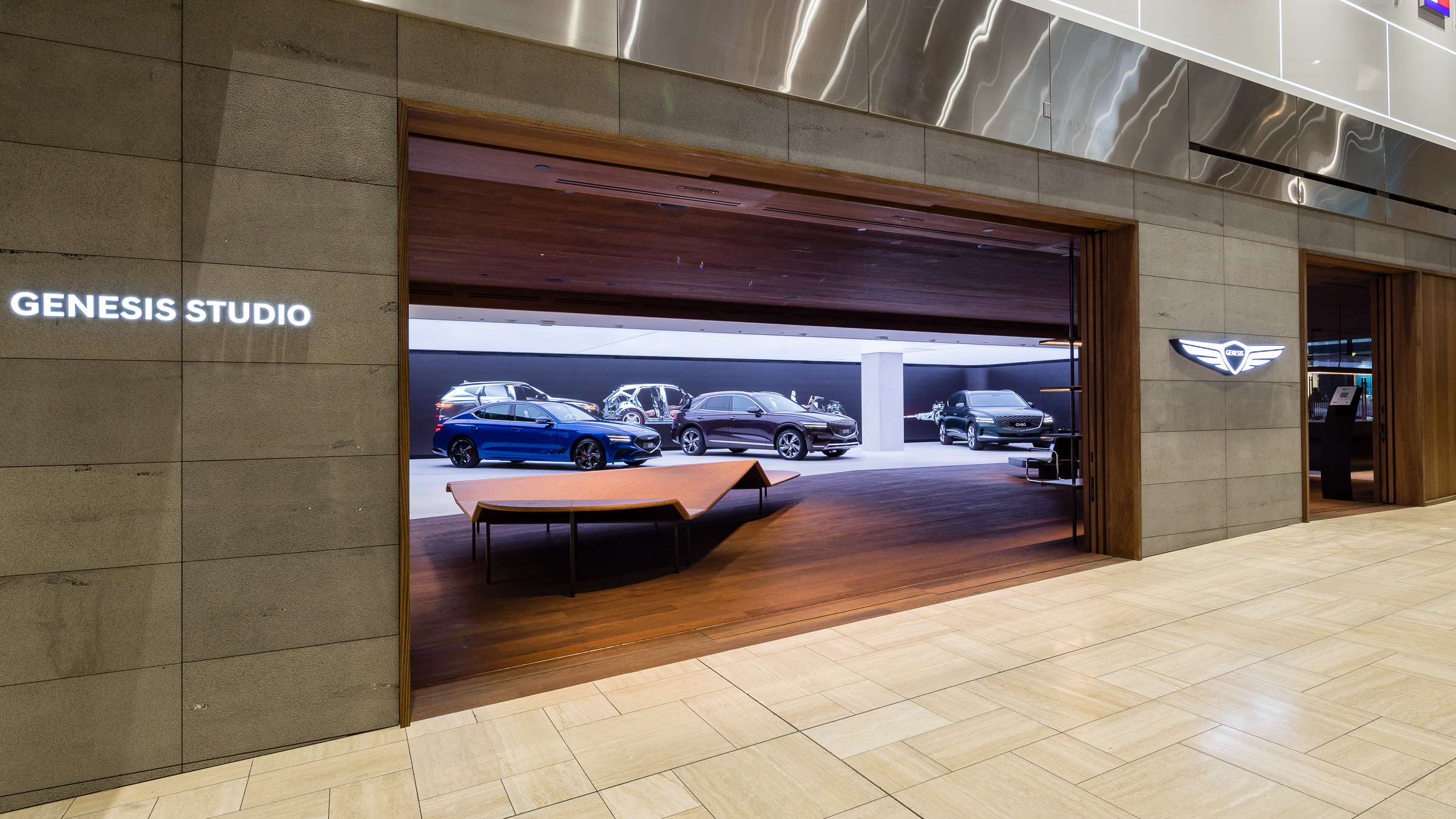
Genesis Motors Australia CEO, Jun Heo, says the minimalist studio is based around the “beauty of white space” aesthetic philosophy, featuring an 18-metre wide LED backdrop and dark wood panelling.
“The new flagship Melbourne studio showcases the latest Genesis luxury models in an artistic environment, whilst providing an exceptional customer experience, which is at the core of the Genesis Brand,” said Heo.
“We welcome all Melburnians to visit the studio and experience our unique luxury perspective for themselves.”
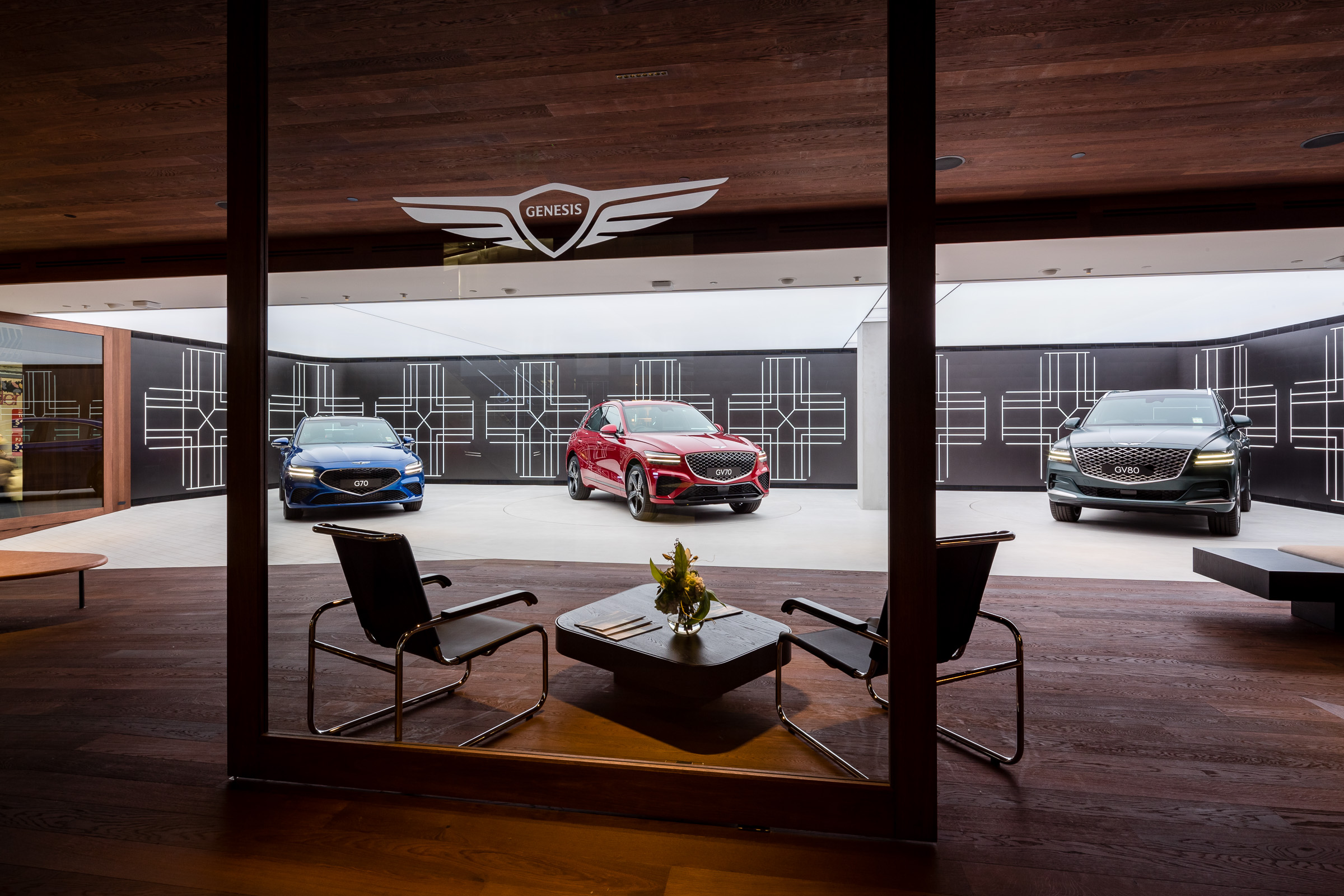
With the GV70 SUV expected before the end of the year and the G70 Shooting Brake on track for a 2022 release, Heo believes the brand will only continue to build its presence in the local market.
“Genesis is focused on sustainable sales growth. We are building momentum locally with an expanding retail presence and exciting new models are on the horizon.
“With the imminent introduction of our second SUV, GV70, and electric vehicles arriving next year, we expect to see a gradual increase in sales in the second half of 2021 and beyond.”
In addition to the existing test drive centres and studios, Genesis will be branching out into Queensland from the end of 2021, opening two dedicated test drive locations across the Gold Coast and Brisbane before opening a third studio in the state’s capital next year.
Snapshot
- Eclipse Cross PHEV to start from $46,490
- Twin-motor 4WD taken from Outlander PHEV
- 55km range achievable on battery power only
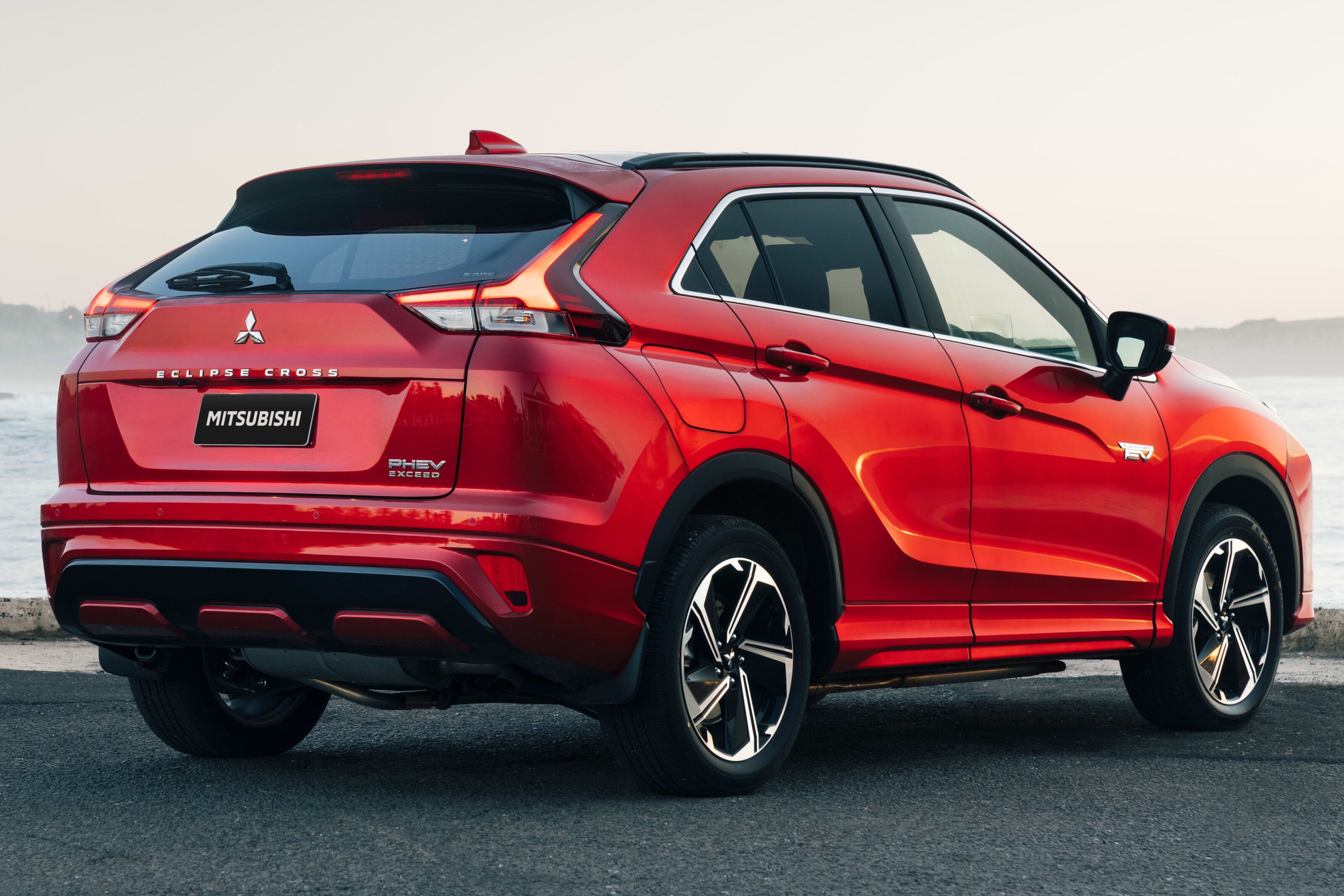
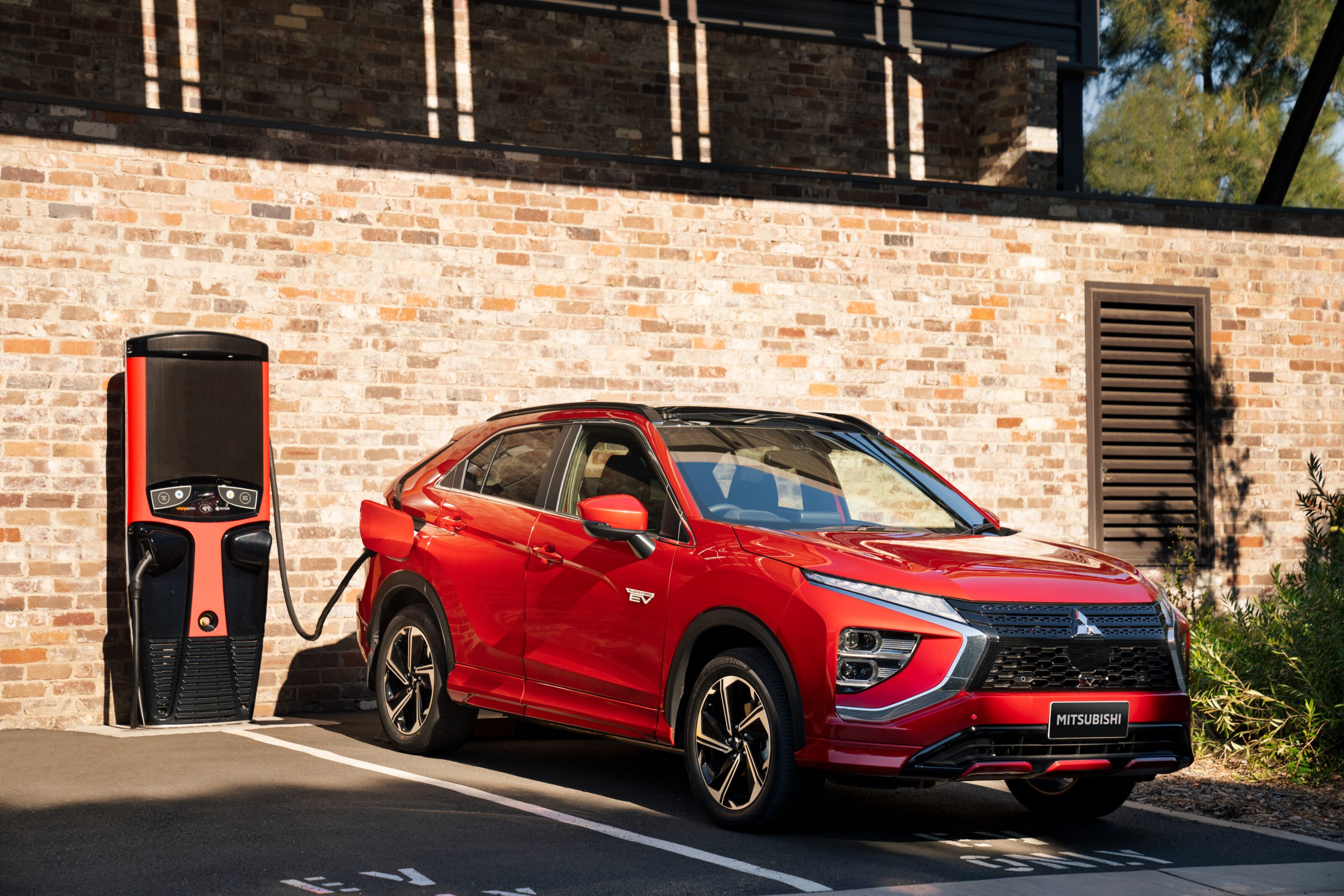
UPDATE, JULY 16: Mitsubishi has officially released the new Eclipse Cross plug-in hybrid, hitting Australian showrooms in August 2021.
Featuring a 2.4-litre petrol engine and electric motors on the front and rear axles, the Eclipse Cross PHEV shares parts with the larger Outlander PHEV, both able to achieve 55km of driving on electric power alone to combine for a driving range of more than 500km.
Pricing
Retaining the recently updated Eclipse Cross’s name guide for trim levels, the PHEV will be available as an ES, Aspire or Exceed, available with the same equipment as its ICE-powered siblings.
All prices exclude on-road costs.
- Eclipse Cross ES PHEV – $46,490
- Eclipse Cross Aspire PHEV – $49,990
- Eclipse Cross Exceed PHEV – $53,990
The PHEV variants are consistently more expensive than the 1.5-litre turbocharged Eclipse Cross, with prices ranging from $12,200 to $13,200 above the ICE version.
- Eclipse Cross ES 2WD – $30,290
- Eclipse Cross LS 2WD – $32,590
- Eclipse Cross LS AWD – $35,090
- Eclipse Cross Aspire 2WD – $34,990
- Eclipse Cross Exceed 2WD – $38,290
- Eclipse Cross Exceed AWD – $40,790
The story to here
MAY 31: The newest plug-in hybrid in Mitsubishi’s line-up is set to land in Australia this August with the Eclipse Cross PHEV joining the existing Outlander in its range of PHEV vehicles.
Announced in November last year, the Eclipse Cross PHEV will first arrive in New Zealand in June before coming across to Australia, bolstering an ever-growing market of plug-in hybrid options.
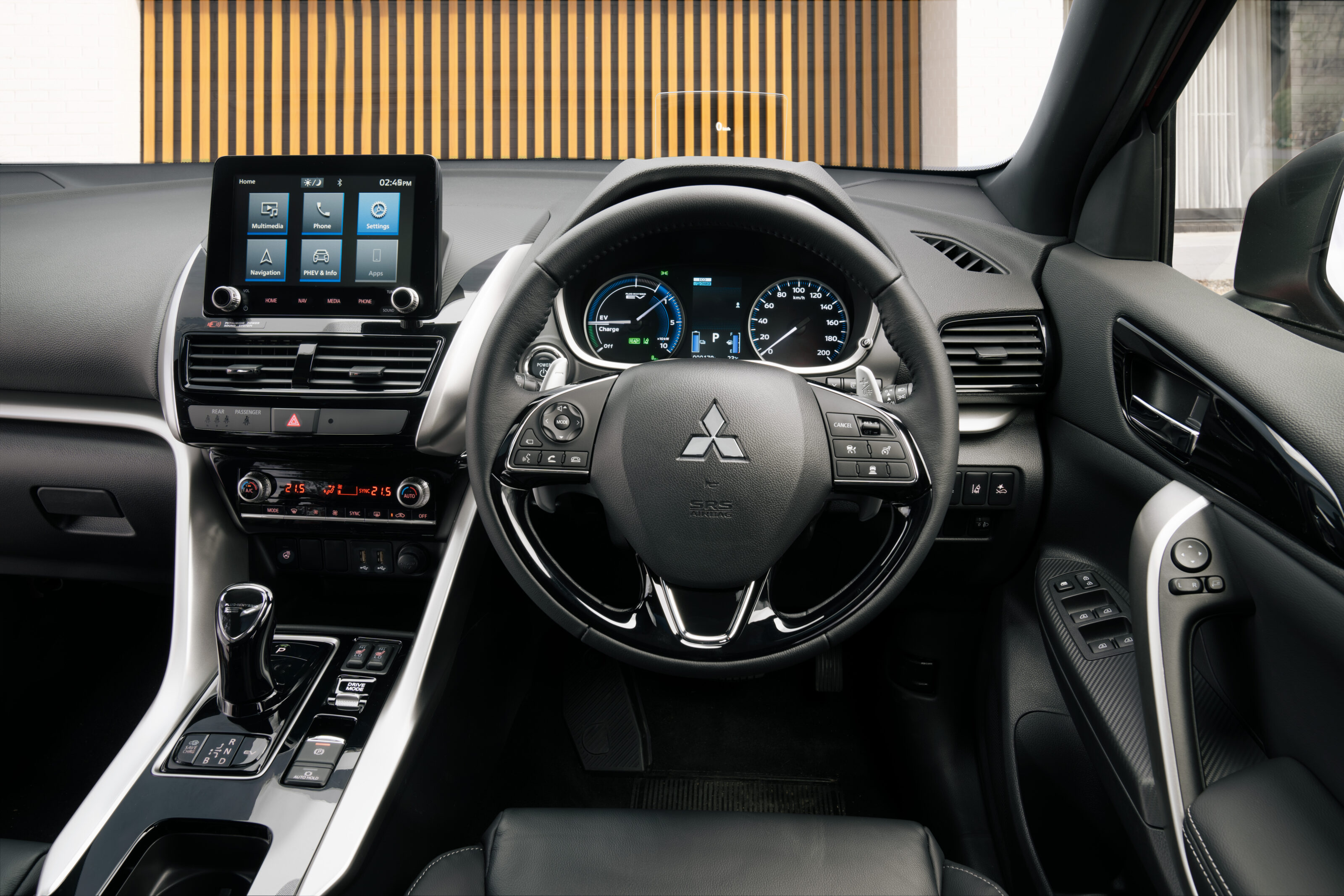
A 2.4-litre, 94kW/199Nm petrol engine is combined with a twin-motor system from the Outlander PHEV on the Eclipse Cross’s front and rear axles, each producing 60kW/137Nm and 70kW/195Nm respectively.
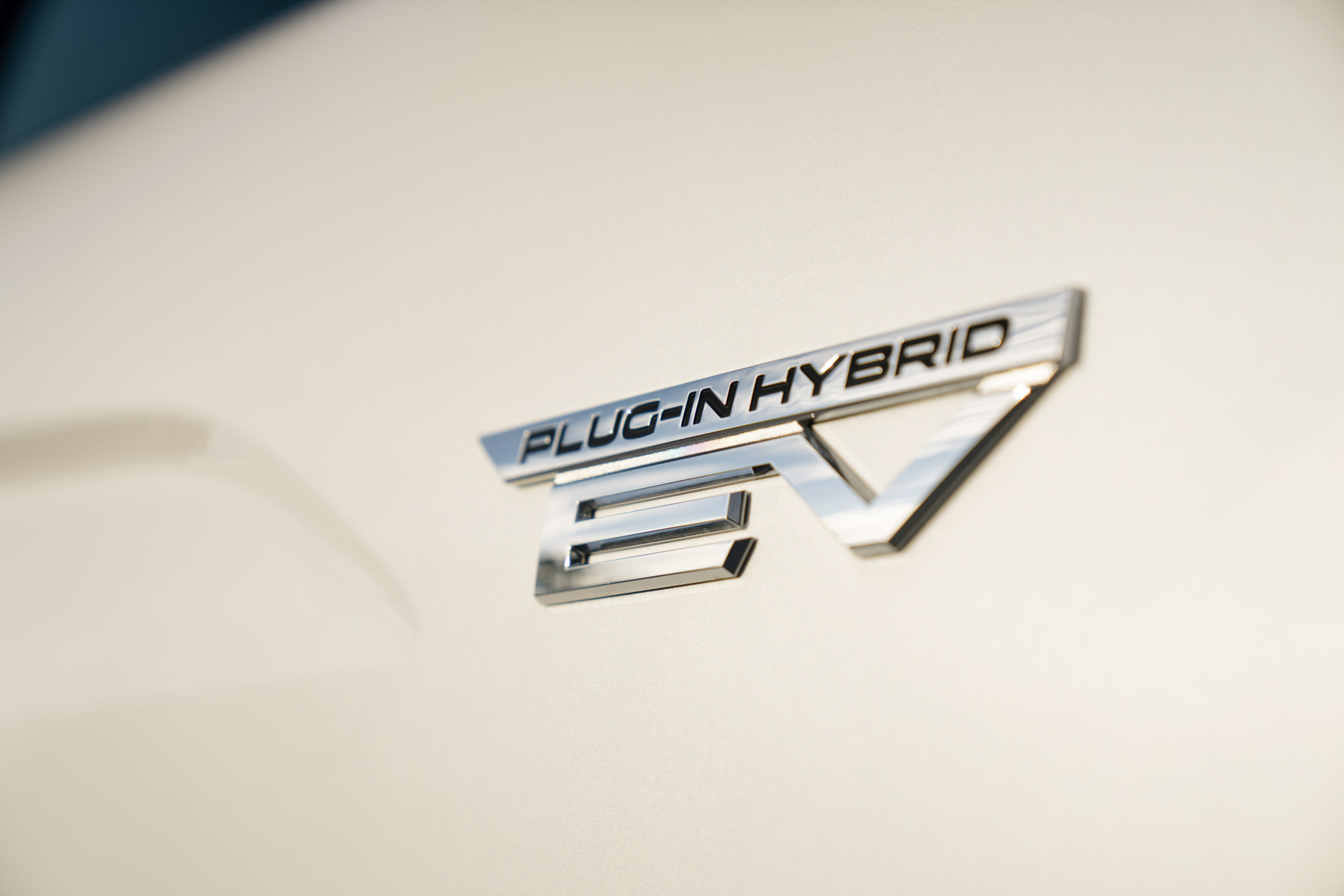
Under the floor is a 13.8kWh battery pack, good for up to 54km of emission-free driving on the electric motors operating in EV-only mode.
Then there is a Series Hybrid mode available, where the petrol engine acts as a generator for the electric motors which in turn continue to propel the car.
Lastly, the electric motors can also act as range extenders for the petrol engine in Parallel Hybrid mode, working together to increase range, switching where the power comes from depending on the scenario.
Those in areas prone to power cuts will be happy to see the Eclipse Cross can also be used as a generator, providing up to 1500 watts of power from two onboard outlets or provide the ability to run a household for up to 10 days when fully-fuelled and charged with the Vehicle-to-Home system.
Charging the PHEV will be possible using a regular home socket, wallbox or public charging station, similar to its Outlander big brother.
The Eclipse Cross PHEV enters an ever-growing market with Peugeot, Ford and Mazda all releasing their own hybrid options in the crossover class in the next 12 months.
There’s no denying that, when a manufacturer puts its mind to it, an SUV can be transformed from a benign and unremarkable workhorse into an immensely capable high-performance machine. There are examples to be found in every segment of the market from a Mini Countryman to a Lamborghini Urus but, regardless of the deft tuning and development, relatively heavy, high-riding vehicles are inherently compromised when compared to their passenger counterparts.
Okay, if the Purosangue cuts a lap of Spa faster than an SF90 then I’ll gladly eat my cat but, until then, an SUV will never represent the pinnacle of performance for a driving enthusiast.
Concerningly, if this evolutionary trend continued on in a basic linear trajectory you might predict the death of the traditional mainstream performance car. As consumer demand stokes the SUV furnaces the popularity and availability of hot hatchbacks, coupes, wagons and sedans will slowly fade in parallel with the decline in sales of their less performance-focused variants.
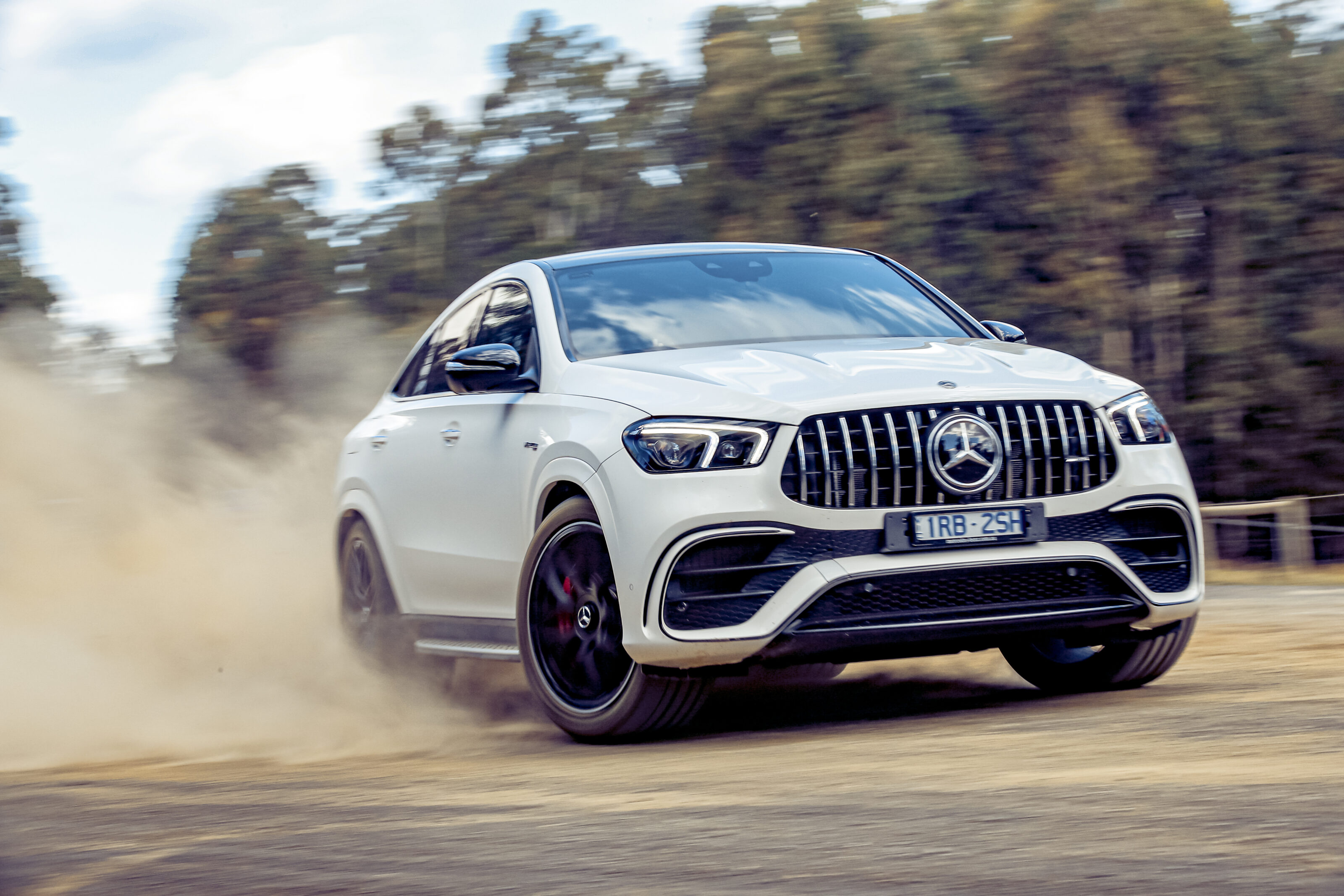
And this apparently imminent extinction should keep me awake at night – but it doesn’t. I can foresee a very different fast car future and the automotive landscape as a whole. The developmental path of high-performance vehicles is not a line, it’s a circle and I can explain using your mobile phone as an example.
The world’s first cell phones were so big it was more practical to shout. But electronic miniaturisation started to shrink them and generations later, personal communication devices have reached the equally stunning opposite end of the spectrum.
During the late 1990s, many production cell phones dipped under the 100g milestone and measured less than 100mm in length. However, this was the turning point and devices started to swell along with the amount of information they could access via the internet. After that, display and battery technology advances inflated screen sizes further still – especially when people realised they could watch porn on their phones.
As a collective conscience, consumers realised things were getting stupid and something had to change and a phone reversion started. Today, you can still buy an iPhone that looks like the Coburg drive-in but, critically, the same company is also offering two smaller models that offer all the same features but will actually fit in your pocket without maternity pants.
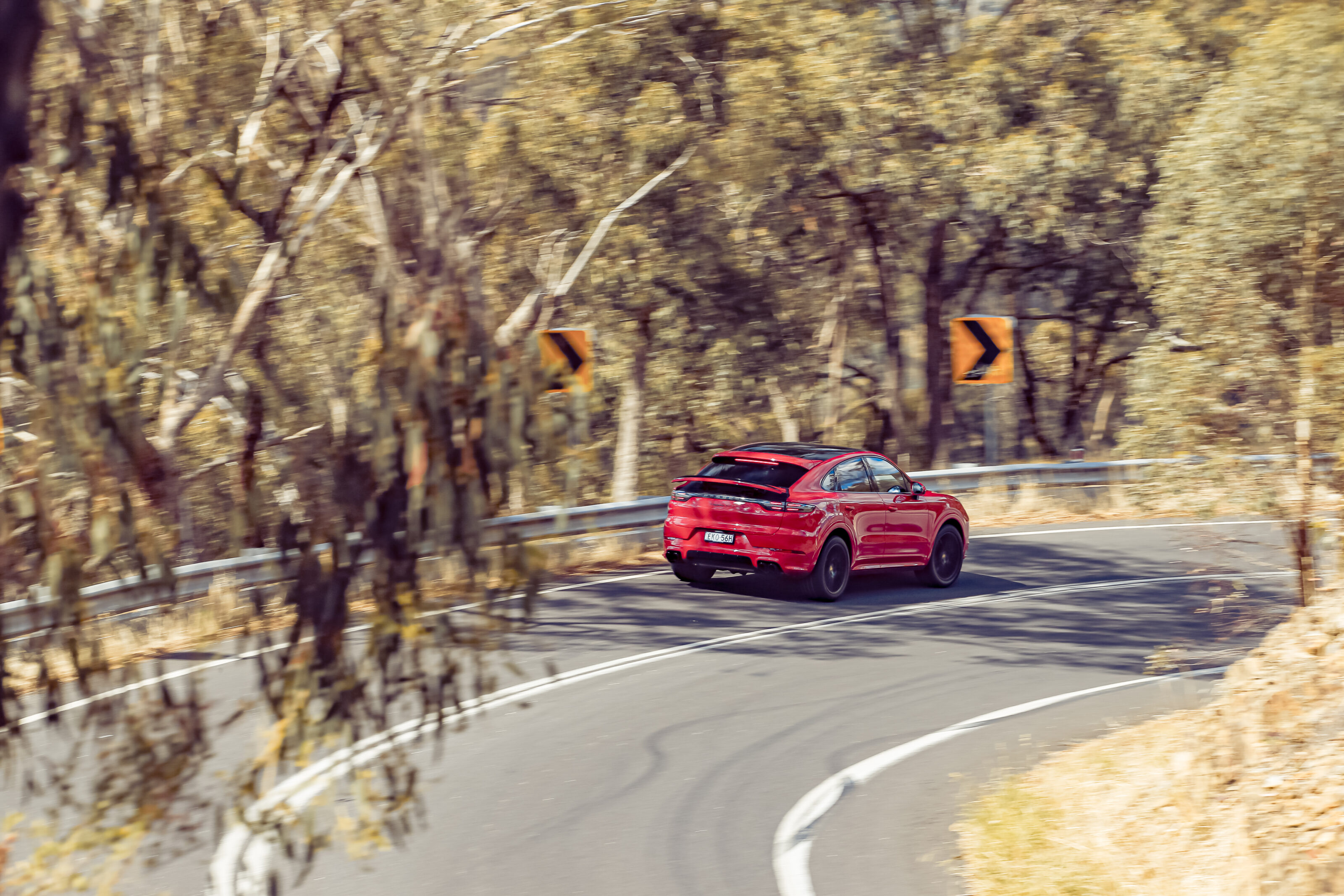
Almost exactly the same thing is happening to cars. When the SUV revolution started, options were limited to large, boxy and rather ungainly models that, while slightly better to drive on road than full 4x4s, had the handling of a billiard table. But pioneers such as the Toyota RAV4 and Subaru Forester started to introduce more car-like traits into the gene pool. Since then, all manufacturers have been striving to make their SUV offerings as safe as cars, as fun as cars, and as pretty as cars.
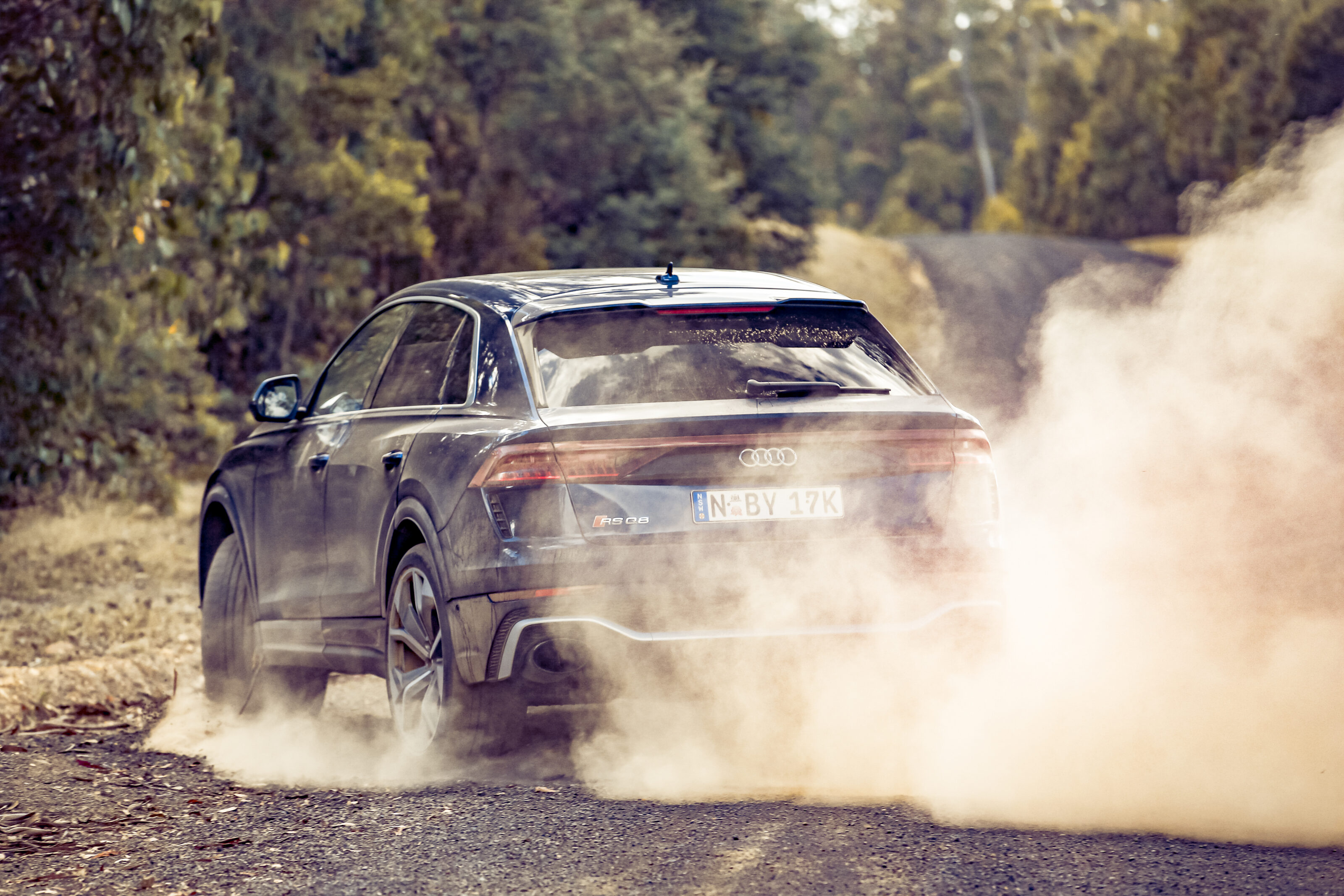
Manufacturers have been so successful in infusing car qualities into SUVs that they are becoming, well… cars. Audi, BMW and Mercedes all offer a version of each of their SUV models openly referred to as a ‘coupe’.
And it’s happening across the board – tall sidewall tyres are shrinking around growing alloy wheels, hill-descent buttons are being swapped for launch-control, and more durable unpainted plastic expanses of bodywork are receding like a pre-tsunami tide. A continuation of this evolution therefore leads not to a desolate and dull car wasteland but a new (not completely unfamiliar) performance car nirvana.
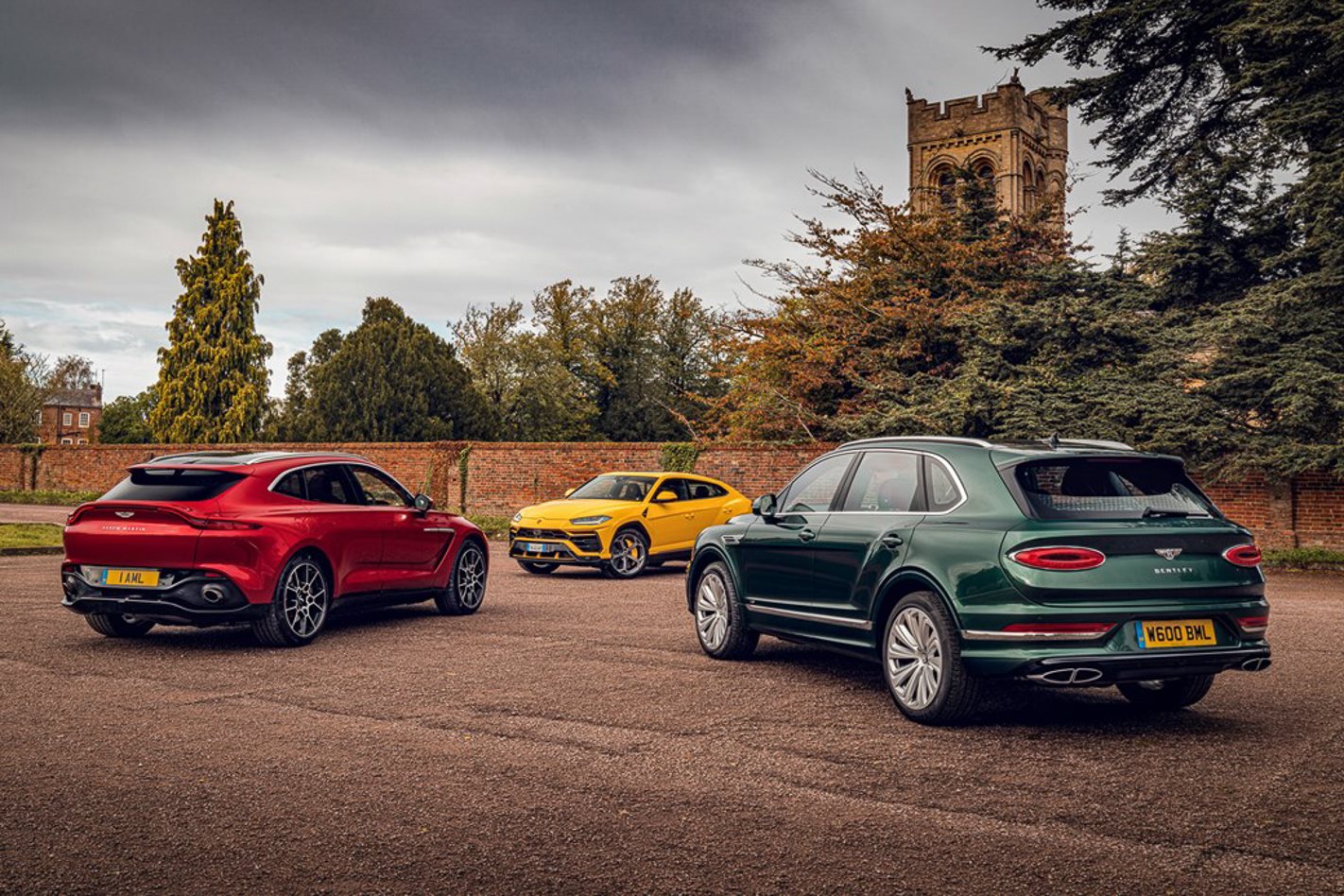
Marketing departments will always try and sell the emperor’s new clothes with invented classes such as Rolls-Royce’s high-bodied car (HBC), Kia’s grand utility vehicle (GUV) and the sports activity vehicle (SAV) from BMW.
But this circling back around from ‘all-terrain’ vehicles that never see anything more challenging than a nature strip to models that are more fun to drive, more efficient, faster and better looking is demand-driven and an indication that the world’s car-buying community could slowly be coming to its senses.
Snapshot
- 0-100km/h in 2.5 seconds
- Powered by AMG-sourced 4.0-litre V8
- First time Aston Martin has adopted a dual-clutch gearbox
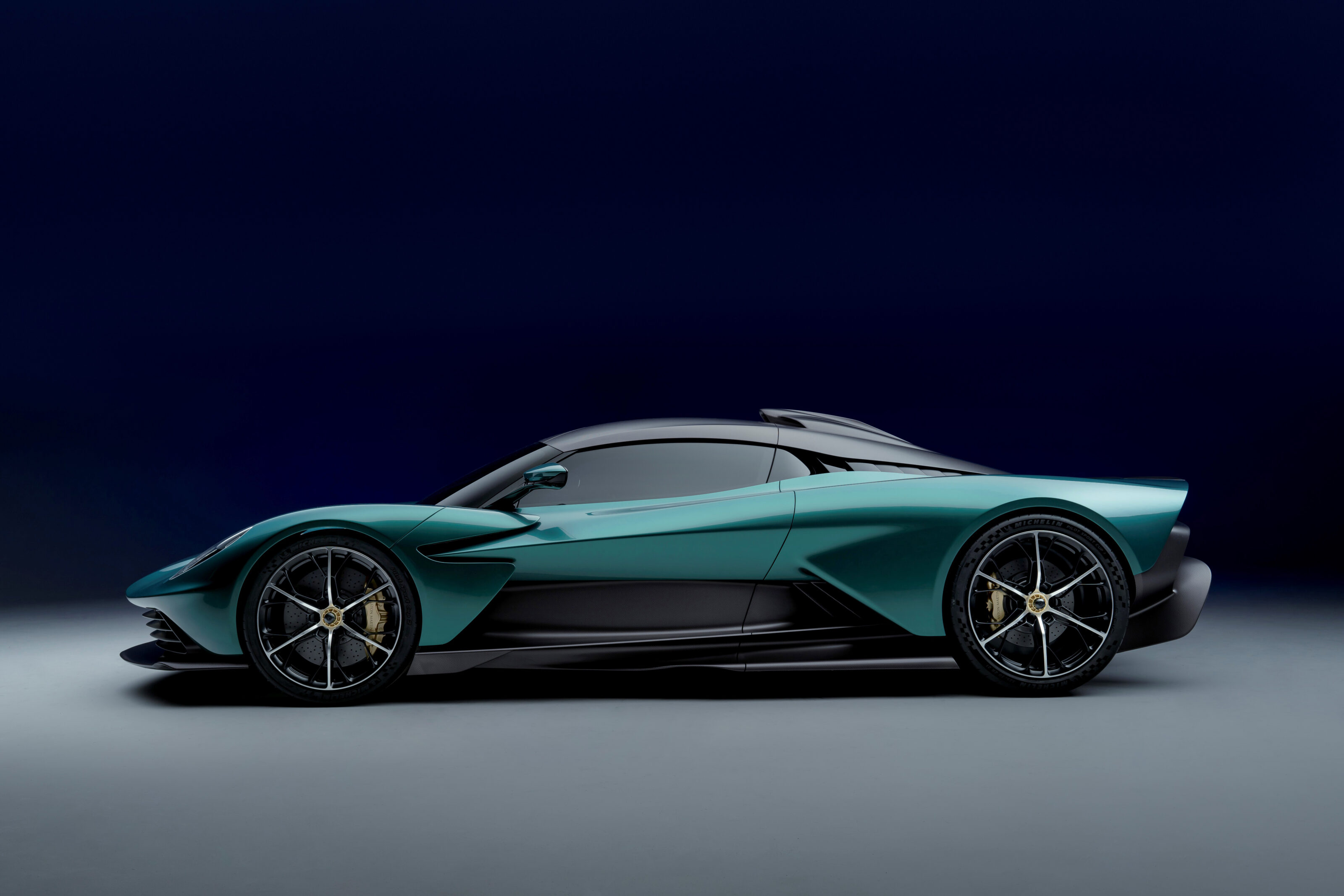
It hasn’t had the most straightforward of gestations, but Aston Martin has finally unveiled the signed-off exterior design of its Valhalla hypercar.
With 550kW from an AMG-sourced 4.0-litre V8, augmented by a pair of electric motors on both front and rear axles, the Valhalla is the marque’s first full-production mid-engined car.
The carbon fibre chassis is augmented by F1-style pushrod front suspension with inboard mounted variable rate springs and adaptive dampers reducing unsprung mass, aiding packaging and ensuring a sleek front end.
The Valhalla is relatively light for a car with a V8 motor and the ability to drive on full-electric power for 15km and at speeds of up to 130km/h, the engineers at Gaydon targeting a dry weight of less than 1550kg.
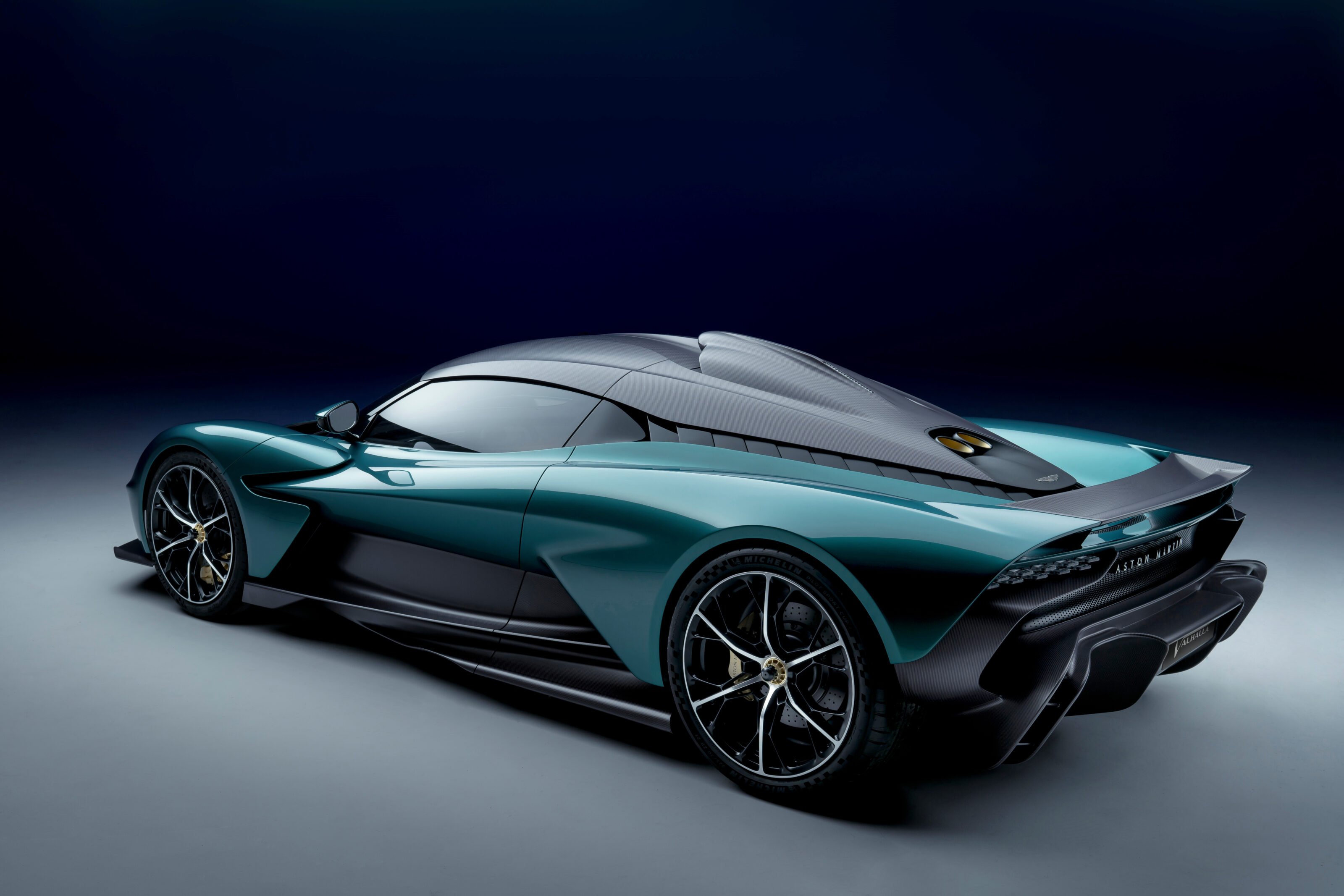
Technical highlights include Aston Martin’s first adoption of a dual-clutch gearbox, this installation featuring eight forward speeds, with e-reverse and power deployment via an e-diff. From there, a maximum torque deployment of more than 1000Nm is marshalled by bespoke staggered Michelin rubber, 20-inch up front and 21-inch hoops at the rear.
Aston Martin’s CEO Tobias Moers, has had his hands full rectifying what he perceived to be some fairly significant issues with the Valhalla’s development. Earlier this year, he told sister title Car “some things were obviously fundamentally wrong.”
“We were, for instance, wasting cash on a new V6,” he noted. “It did not even comply with EU7 regulations at a point in time when it was already clear combustion powerplants will soon be a thing of the past.”
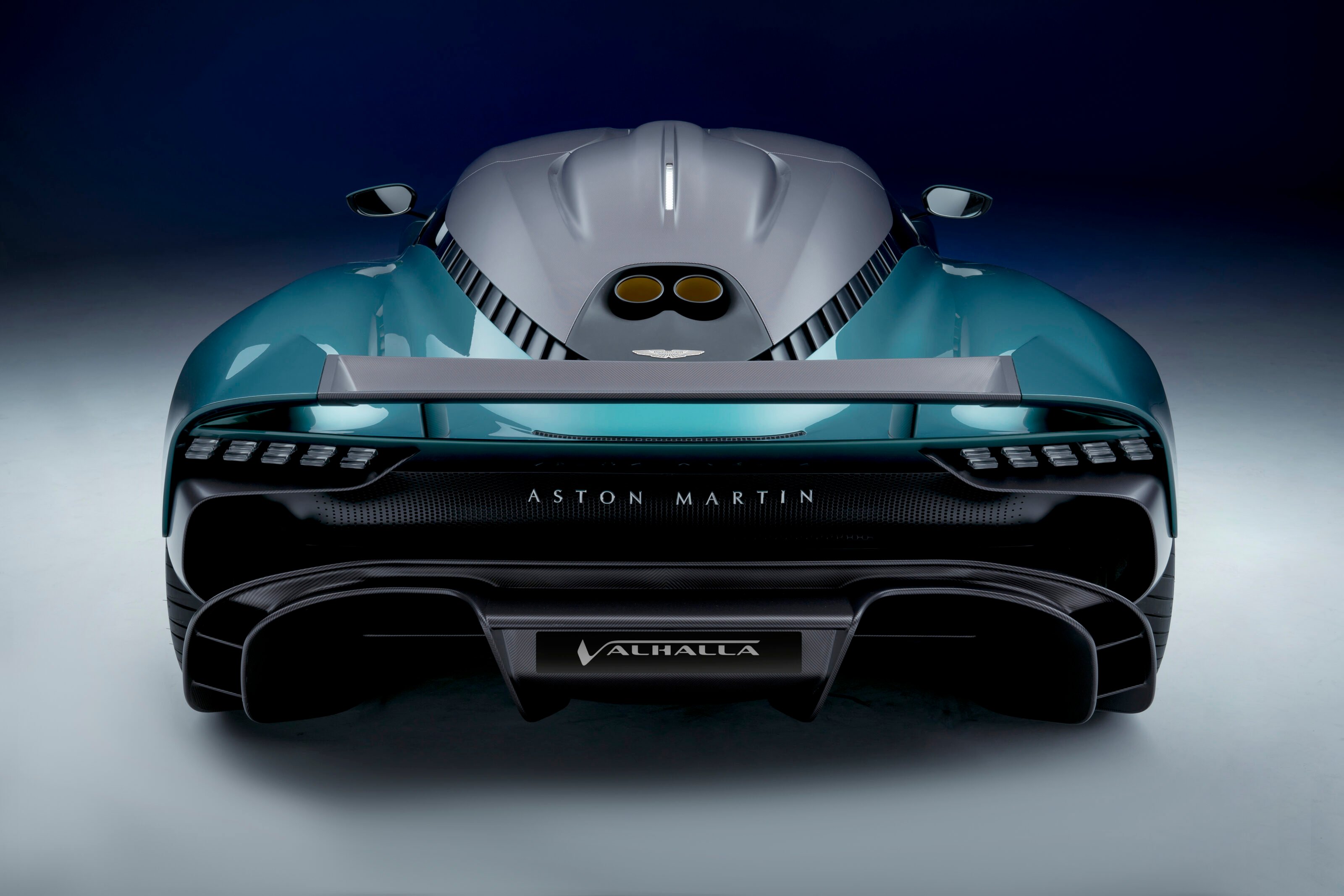
Moers’ first task was to put the red pen through development of the V6, an inheritance from previous boss Andy Palmer’s master plan, and work on hybridising and re-engineering the twin-turbo 4.0-litre V8 sourced from AMG. He’s clearly happy with the results.
“Preserving the essence of an exceptional concept car is vital when meeting the challenge of bringing it into production. With Valhalla, not only have we stayed true to our commitment to build a world-beating supercar, we have exceeded our original aims. The result is a pure driving machine – one which exists right at the cutting edge of performance and technology, yet allows the driver to feel the emotion and thrill of complete connection and control,” he said.
Closer inspection of the Valhalla reveals some intriguing technical details. Although its stance and proportioning is a little more conventional than the jaw-dropping Valkyrie flagship we saw on track at the Goodwood Festival of Speed, there’s a real LMP look to the upright headlamp units, and it utilises many of the aerodynamic tweaks learned with Valkyrie’s wind tunnel and computational fluid dynamics sessions.
The combination of front aero surfaces, rear wing and twin underbody venturis contribute to a 600kg downforce figure at 241km/h (150mph). Carbon ceramic brakes, a front lifter kit and a race mode which lowers the car and firms the suspension are all fitted.
The plug-in hybrid powertrain hinges around the mid-mounted 4.0-litre internal combustion engine. This flat-plane engine revs to 7200rpm and exclusively drives the rear axle, exhaling via active butterflies through a pair of top-mounted tail pipes. The support act is a 150kW/400V battery hybrid system which sees an electric motor mounted on each axle.
In pure EV mode, only the front wheels are driven, but in other modes, the torque is split between the axles and, in certain circumstances, 100 per cent of drive can be directed rearwards so the Valhalla can be front, all or rear-wheel drive depending on use-case. If that’s not clever enough for you, consider this. The electric motor and the internal combustion engine are able to run different gears in the DCT at the same time, which enables a heady torque figure of over 1000Nm.
Moers claims the Valhalla will reach a top speed of 350km/h and will complete the sprint from 0-100km/h in 2.5 seconds, which is acceptably brisk. Aston Martin is also targeting a 6m30s Nürburgring Nordschleife lap time, which isn’t so far away from Stefan Bellof’s record which was once thought likely to live in perpetuity.
Fortunately, form has followed function relatively harmoniously. The upper body is relatively uncluttered, the largely carbon fibre bodywork sweeping via a roof scoop to a dramatic rear. Pop open the dihedral doors and the relatively simple cabin features a touchscreen display mirroring both Apple Carplay and Android Auto. The high-mounted pedals and steering column are both adjustable, but the seat base is fixed, offering a dramatic driving position. Both right and left-hand drive versions will be offered ex-factory.
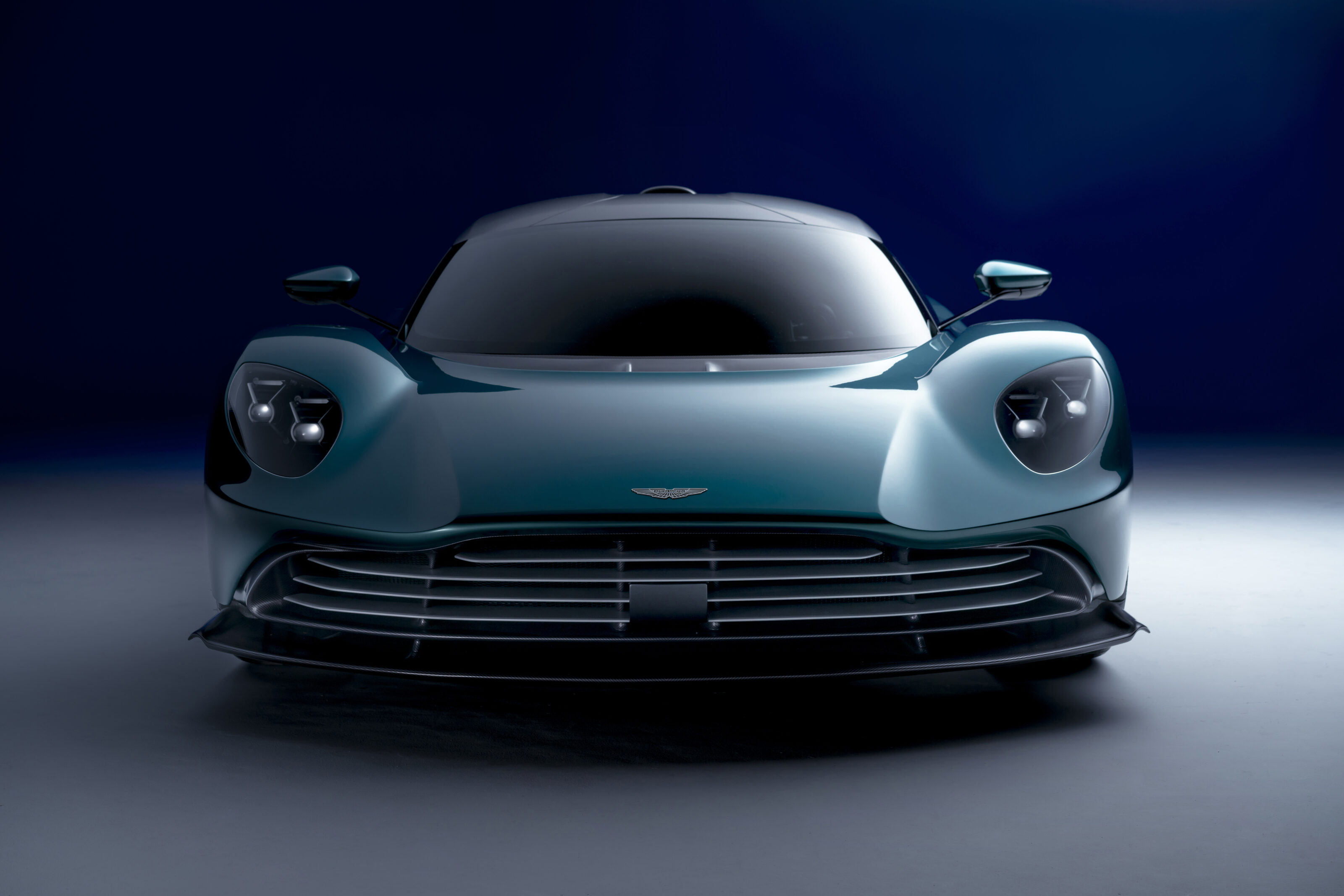
Despite the pared-back feel to the cockpit, the Valhalla’s no stripped-out racer. It features a set of LED adaptive matrix headlights with high-beam assist dual-zone air-conditioning and an extensive suite of driver safety functions including auto emergency braking, forward collision warning, active cruise control, blind-spot monitoring and a rear parking camera with surround view option.
Aston Martin’s chief creative officer, Marek Reichman, found the company in the position of launching a car inspired by another that was yet to land with buyers. It wasn’t a straightforward proposition. “When we created the Valhalla concept we were keen to emphasise the design legacy of the Aston Martin Valkyrie and our intent remains unchanged, but the execution has evolved considerably in order to reach production of this all-new car,” he said.
“Though the legacy of Valkyrie is clear, Valhalla is now a more mature, fully-resolved piece of design.”
With vehicle attribute development headed up by the esteemed Matt Becker, the Valhalla also benefits from dynamic input from F1 jockeys Sebastian Vettel, Lance Stroll and Nico Hulkenberg.
There’s still a lot of work to be done in finessing the Valhalla before first deliveries to owners are scheduled in 2023, but first impressions are stunning.
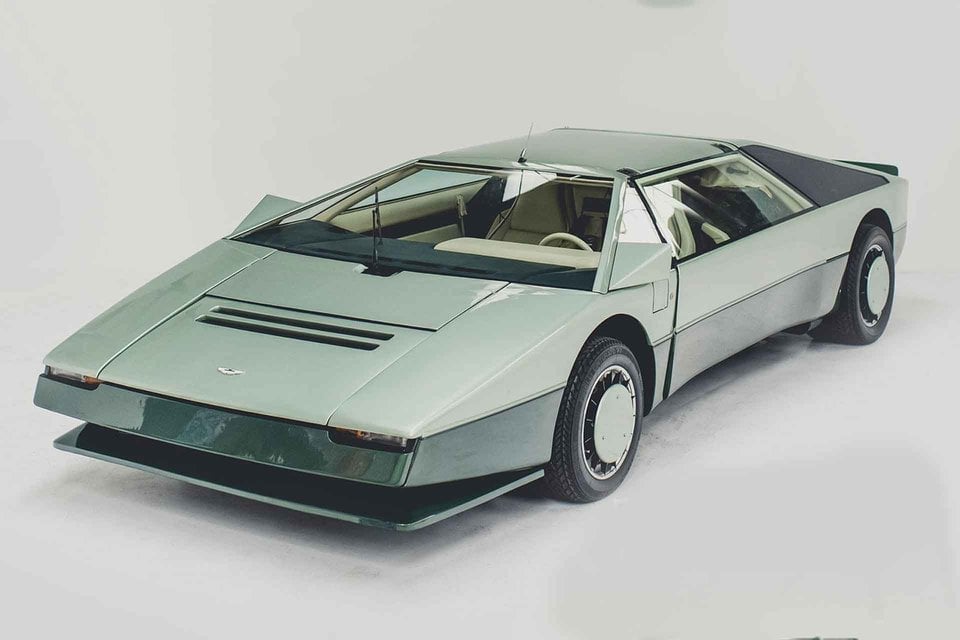
Bulldog spirit
While the Valhalla will be Aston Martin’s first production mid-engined cars, the company has built a rather famous predecessor.
The gull-winged Bulldog, designed to be the world’s fastest production car, was unveiled to an astonished public in 1979.
Styled by William Towns (of Lagonda fame/infamy), the Bulldog featured a mid-mounted 5.3-litre V8 to which two Garrett turbochargers were bolted.
Aston Martin claimed a theoretical top speed of 381km/h for the 485kW+ Bulldog, despite the car ‘only’ achieving a vmax of 307km/h in testing at the MIRA proving ground. Unfortunately, costs spiralled out of control and the planned 15-20 car build run was cancelled when boss Victor Gauntlett took over in 1981 and promptly cancelled the project with just one car built.
After bouncing round the Middle East and the US, it’s back in the UK now and, until the Valhalla launches, it’s still the sole road-registered mid-engined Aston in existence.
Snapshot
- Santa Cruz based on Tucson SUV
- Priced above Ford Maverick
- Not for Australian market
Hyundai has announced pricing for its new Santa Cruz pick-up, starting at US$25,175 (AU$33,738).
The Tucson-based twin-cab is due to go on sale in the US later this month, though it was unveiled back in 2015. Unfortunately, Hyundai has confirmed it will be produced for left-hand drive markets only, so it won’t be arriving on our shores.
The entry-level Santa Cruz SE’s price makes it more expensive than its nearest rival, the 2022 Ford Maverick. The Maverick pick-up will be offered in base XL form for US$21,490 (AU$28,798), but like the Santa Cruz it won’t be coming to Australia.
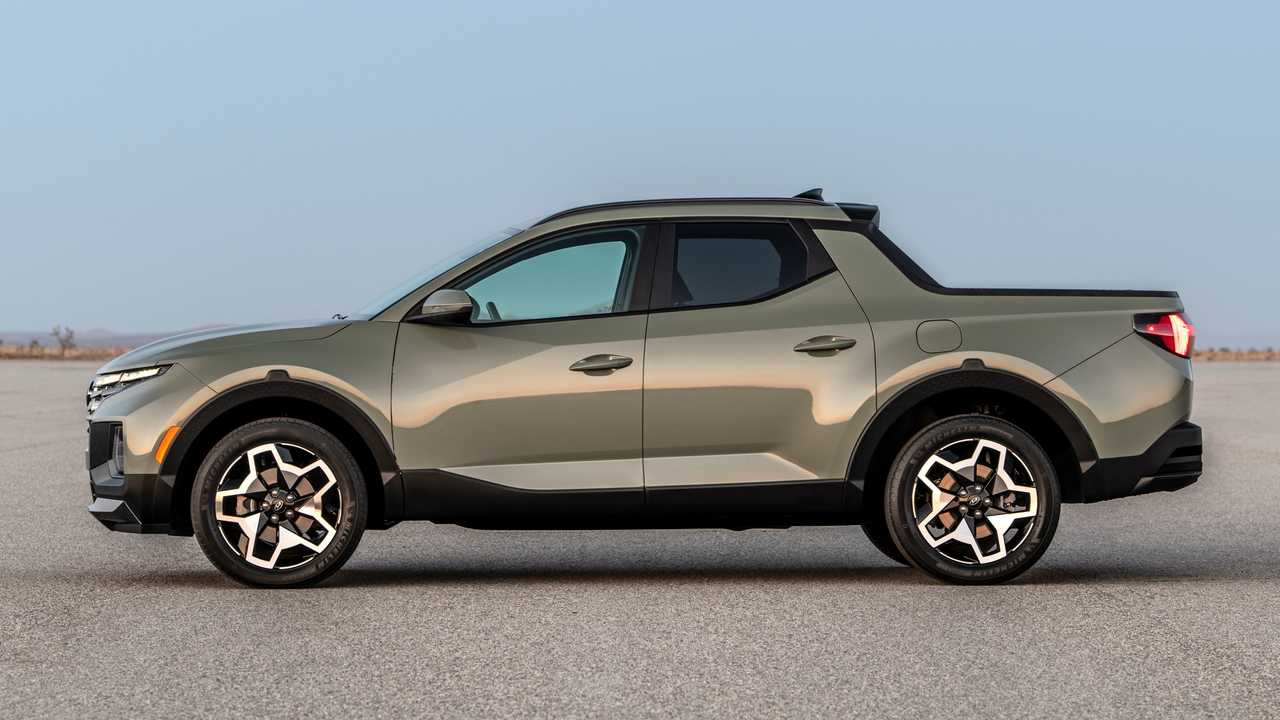
Two engines will be offered with the Santa Cruz. A 2.5-litre four cylinder capable of 142kW/244Nm and backed by an eight-speed auto is standard on most models, while the SEL Premium and Limited variants pack a turbocharged version good for 205kW/420Nm through a dual-clutch auto.
Two engines will likewise be offered to Maverick buyers: a hybrid 2.5-litre making a combined 142kW/210Nmm via a CVT, and a 2.0 Ecoboost making 186kW and 375Nm with an eight-speed auto. Unlike the Santa Cruz’s turbocharged four, the Ecoboost will be available for every Maverick variant.
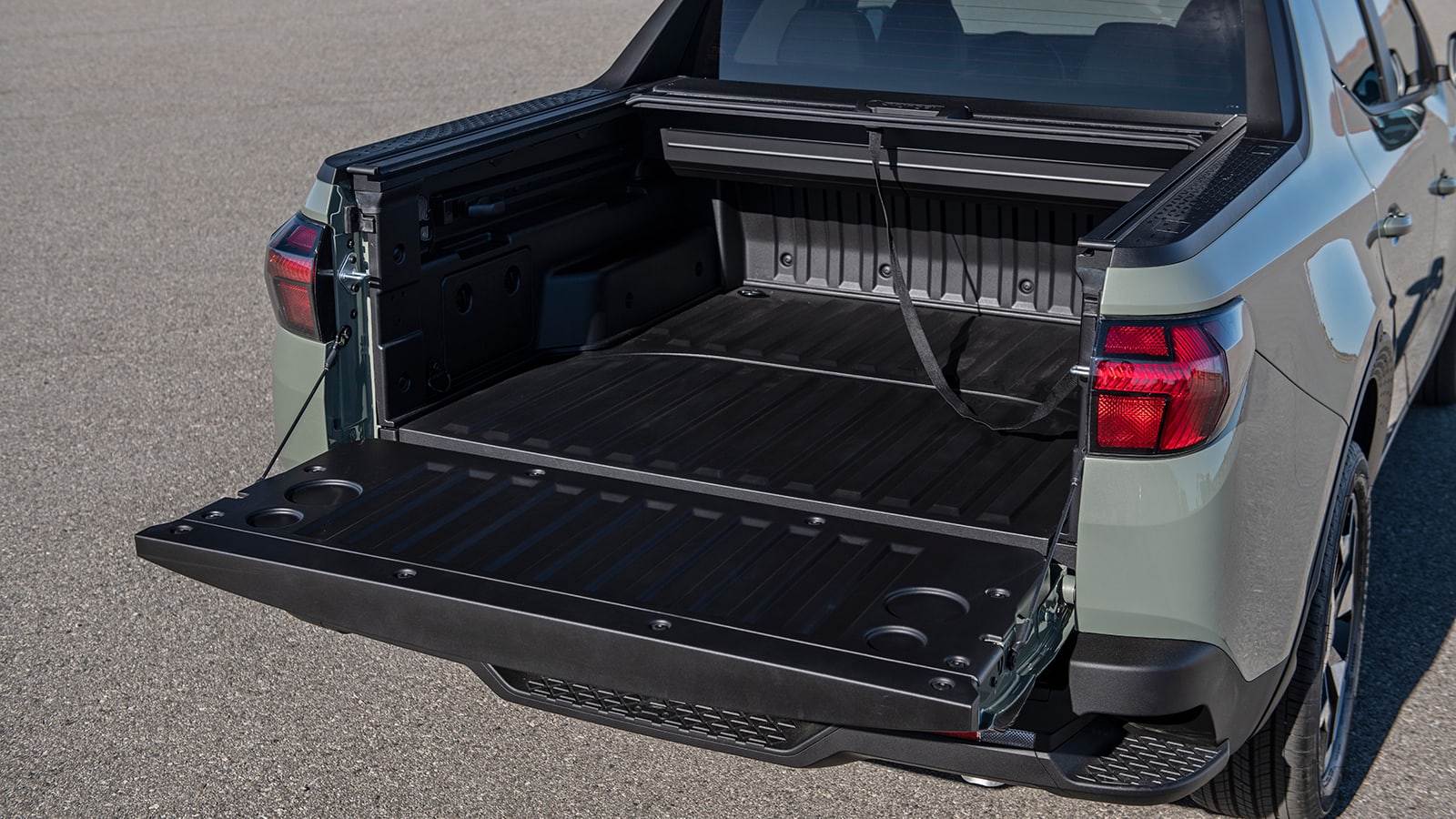
Both pick-ups are front-wheel-drive as standard. All-wheel-drive can be optioned on any Santa Cruz, but AWD is only available on Ecoboost-equipped Mavericks.
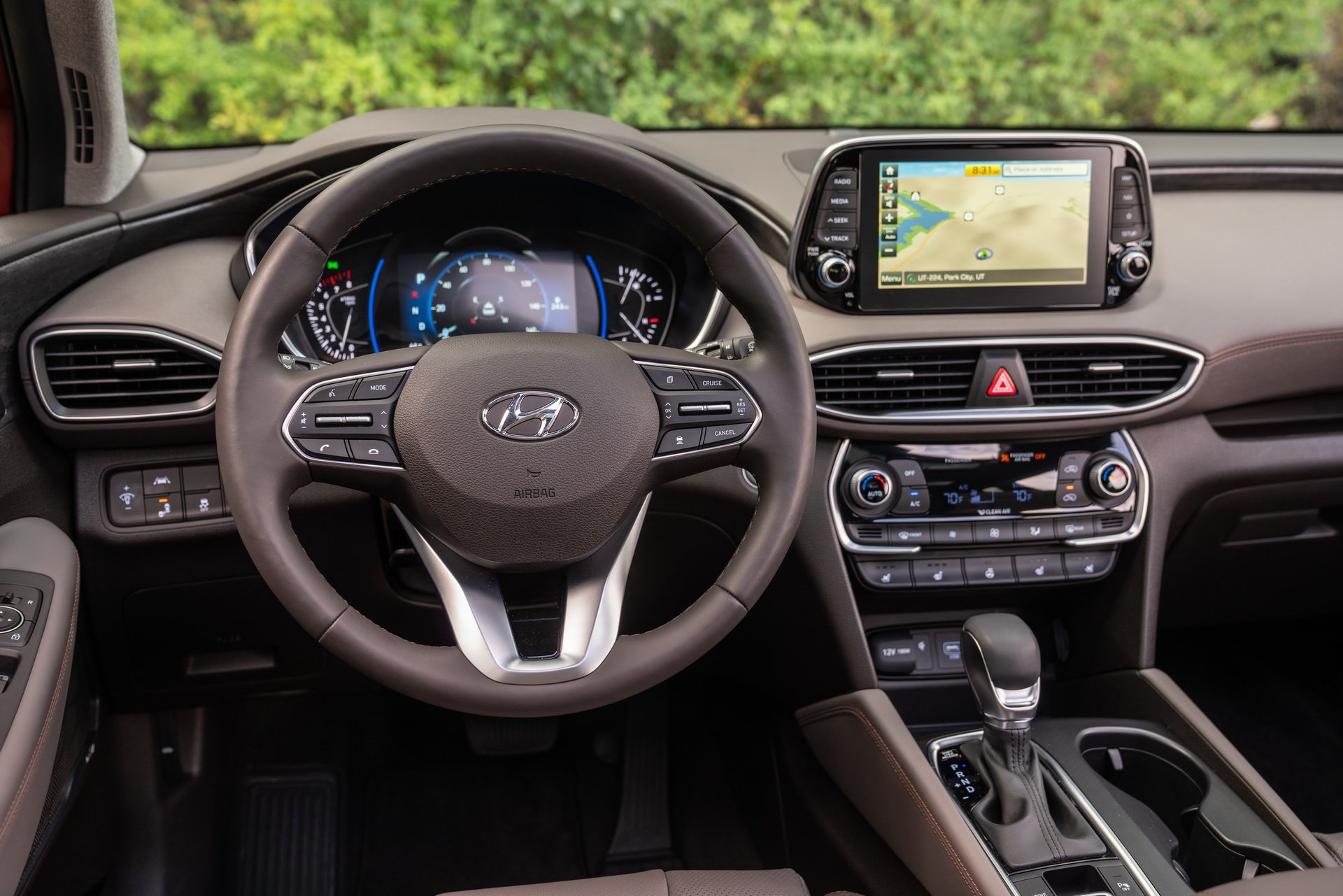
Santa Cruz SE FWD features include:
- Privacy glass
- 18” alloy wheels
- Power locking tailgate
- Six-speaker audio system
- Android Auto and Apple CarPlay
One level up is the US$27,190 (AU$36,377) SEL FWD, which adds:
- Heated front seats with eight-way driver’s seat
- Collision avoidance assist
- Remote start
Moving to the turbo SEL Premium, buyers will pay US$35,680 (AU$47,721) for:
- AWD as standard
- LED headlights
- Leather steering wheel
- Dual-zone climate control
Topping the Santa Cruz range is the Limited, which will slug consumers US$39,720 (AU$52,196). Features include:
- Unique grille
- Rain-sensing wipers
- 20” alloy wheels
- Stop-start cruise control
- Bose premium audio
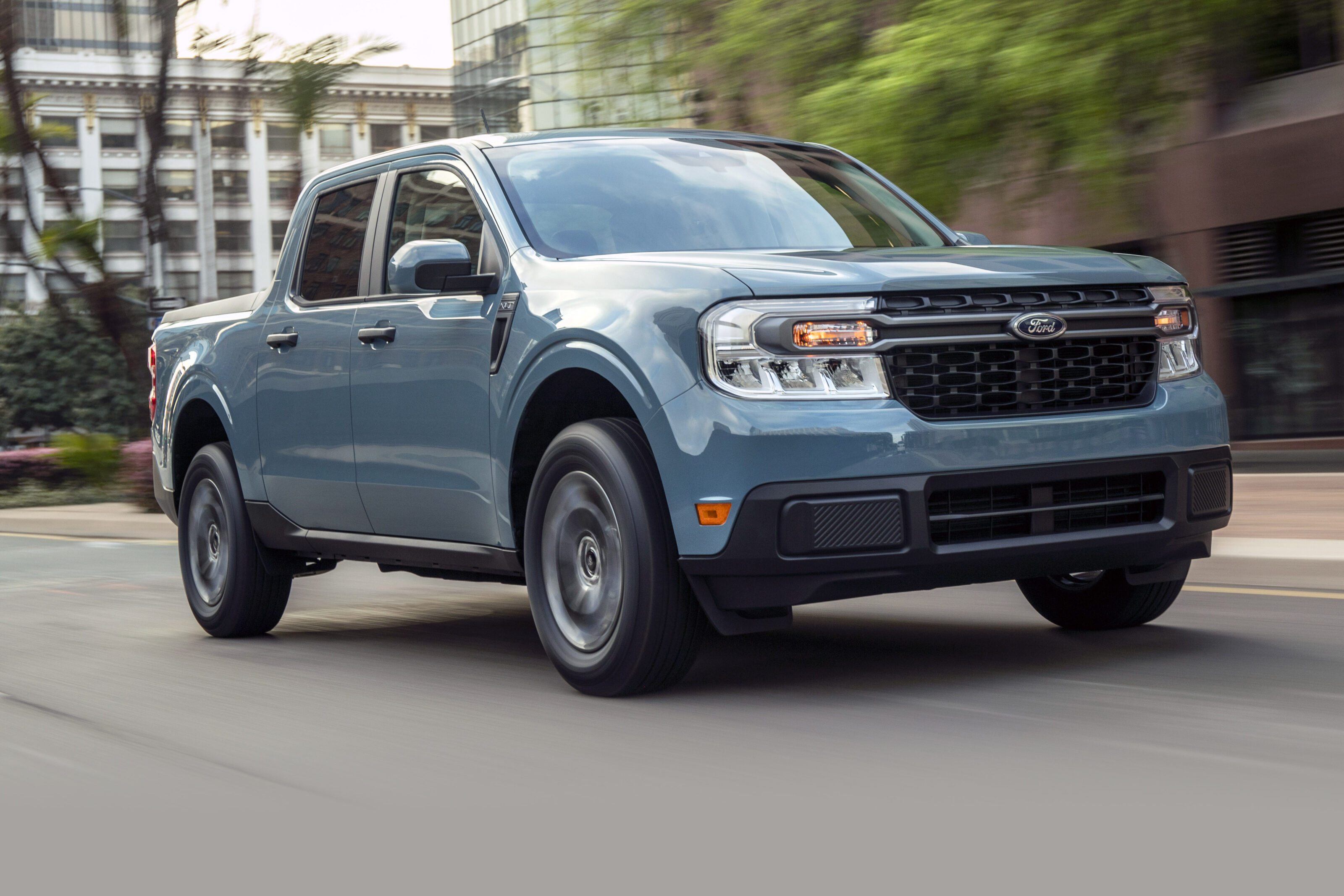
In comparison, buyers of the top-spec Maverick Lariat can expect to pay US$26,575 (AU$35,596), but with all options added the price jumps to US$36,210 (AU$48,492).
While the Santa Cruz will arrive this month, Americans will have to wait until at least September for the Maverick.
Snapshot
- New badge and tech for popular Carnival
- Four-seat limo available in Korea, won’t be coming to Australia
- 2022 model people-mover will land Down Under next month
Kia has updated its Carnival people-mover for 2022 in Korea, bringing updated badging and new additions – as well as the introduction of an ultra-luxury four-seat version.
New for 2022 is the latest Kia badging first revealed on a the production Kia Sedona in the US – a rebadged version of the Carnival – in February.
Additional features added to the Carnival for 2022 include remote smart parking assist, reverse automatic emergency braking, rain-sensing wipers, a remote 360-camera view and an updated air-conditioning system which will run for a short period after the engine has been switched off.
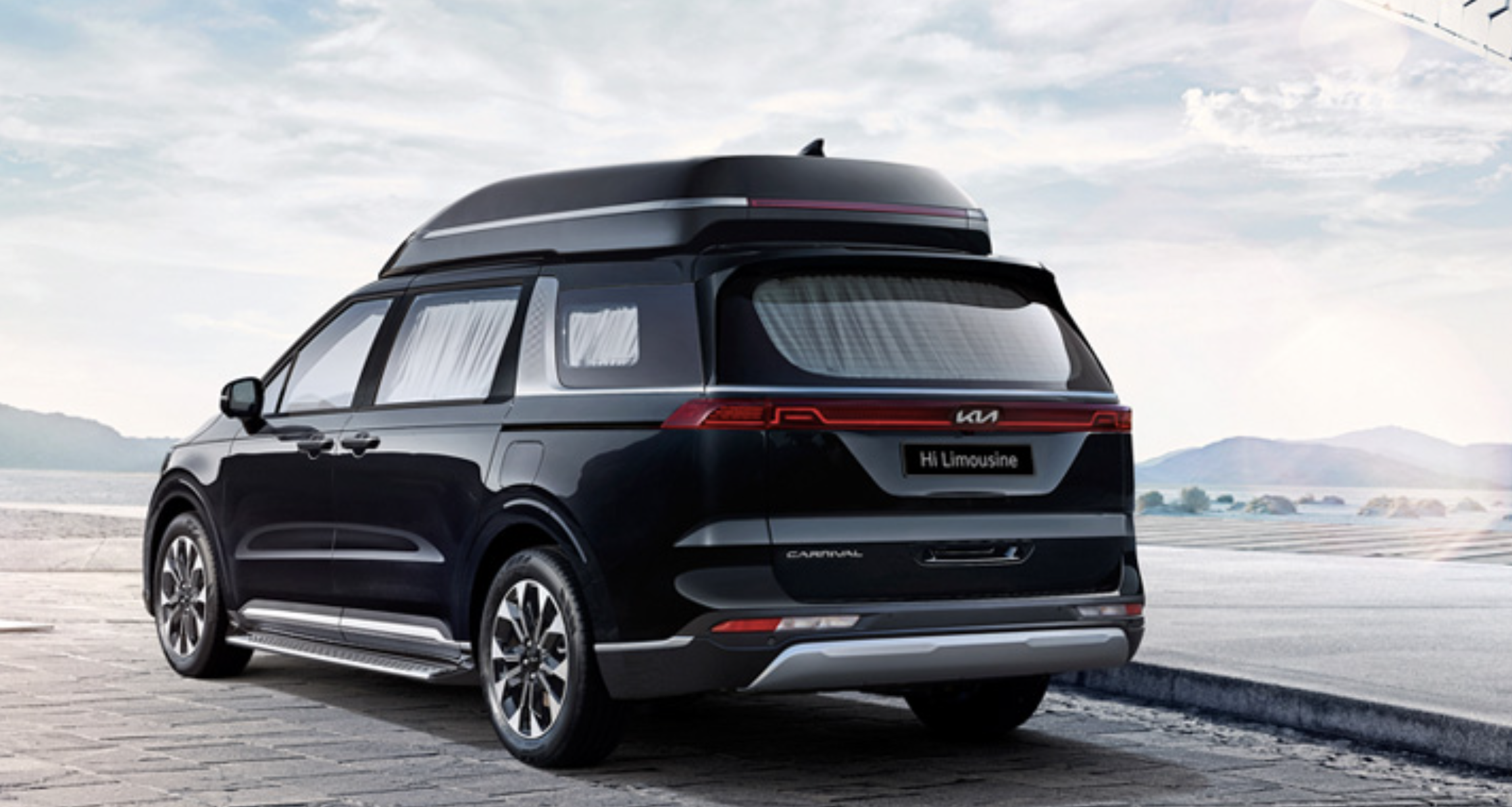
Also available in Korea is the long-wheelbase Carnival Hi-Limousine, a model which has been available since 2020 and is usually large enough to accommodate up to 11 people – but now comes in as a four-seater.
Priced from just under 87 million South Korean Won (AU$101,430), this new variant of the Carnival Hi-Limousine – known simply as the ‘4-seater’ – places an emphasis on two rear captain chairs, both trimmed in quilted, “three-dimensional” Nappa upholstery.
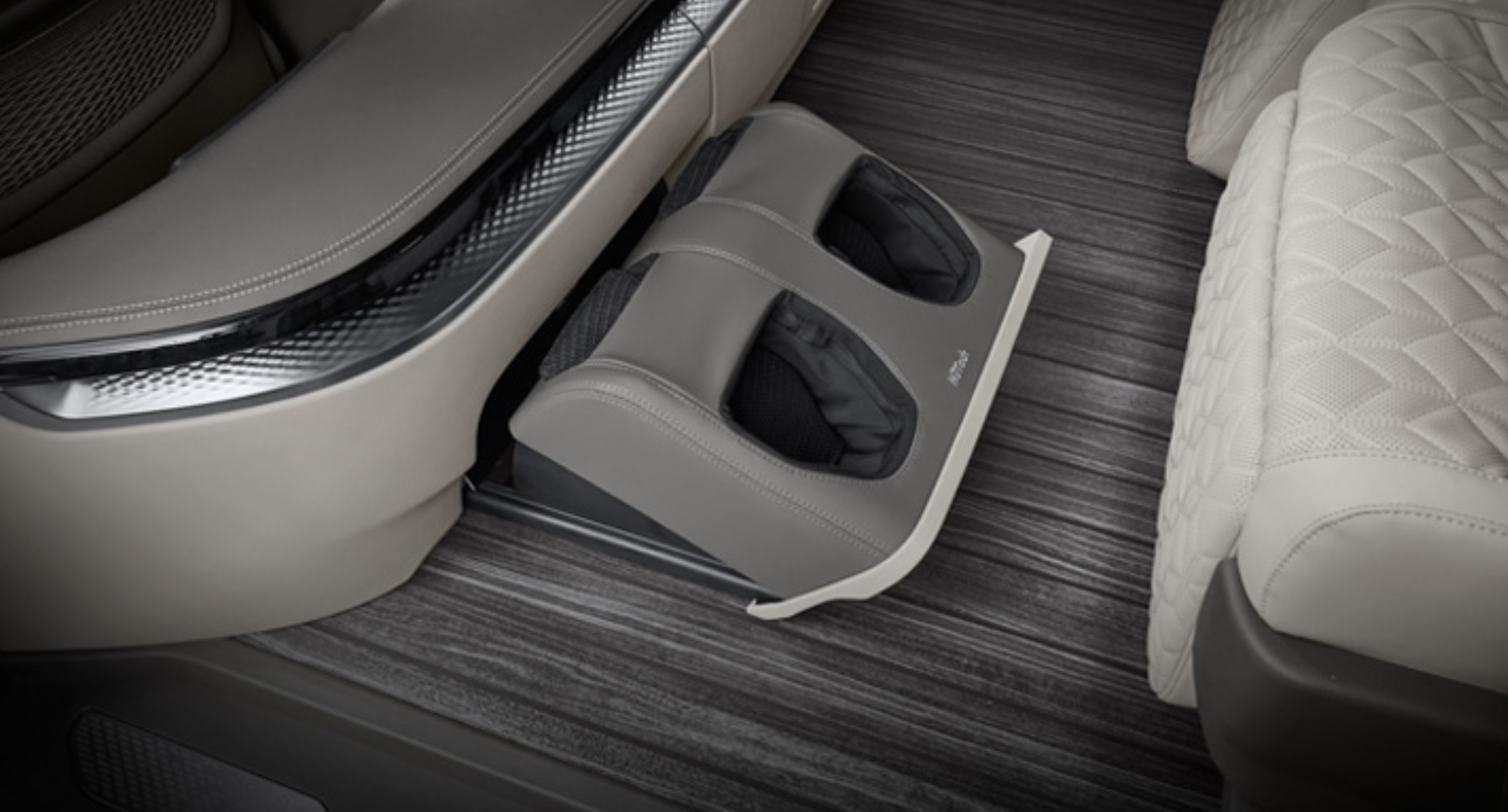
Headlining the equipment list is a foot massager available for rear passengers, developed in conjunction with Hutech, a Korean healthcare company which specialises in massage chairs. Rear-seat passengers are also treated to heated/cooled cup holders, a 21.5-inch ceiling-mounted Smart TV, pleated curtains and a wireless phone charger.
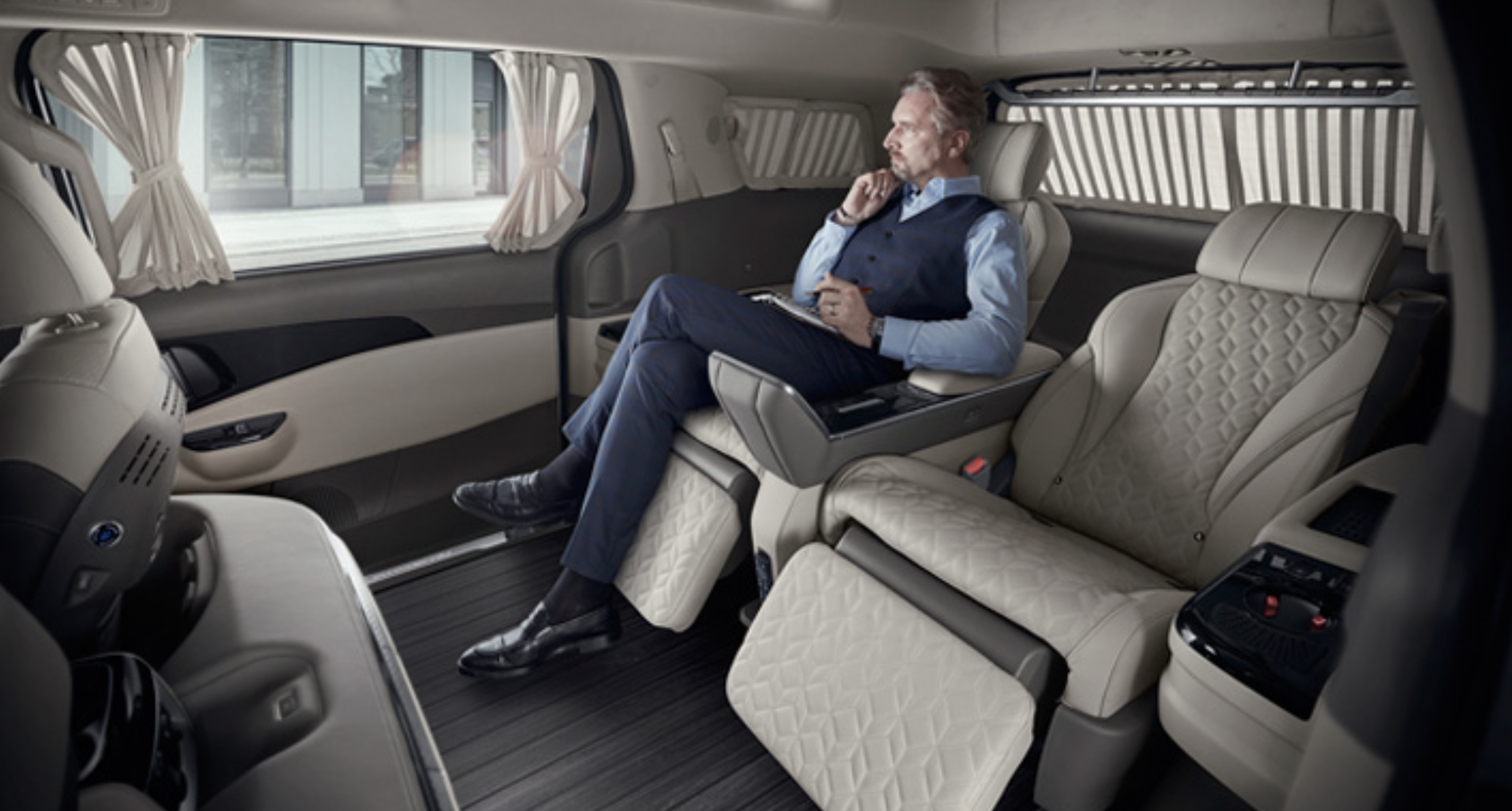
Creature comforts extend to a new rear-seat shoe-storage box and a drink storage cabinet with heating or cooling.
In addition, a 7-inch integrated controller is included between the two rear seats, allowing for customisation of various features, including the foot massager and ambient lighting incorporated into the roof. These functions can also be controlled through a specific smartphone application.
While the four-seat Carnival variant is off-limits for Australia according to a local spokesperson, Kia Australia will launch an updated 2022 Carnival people-mover in August.
At launch there will be no changes to spec on the incoming model, with the addition of the 12.3-inch digital cluster display, blind-spot camera and auto-sensing wipers being added as a running change later in the year, although Kia Australia could not yet confirm when this will be.
Snapshot
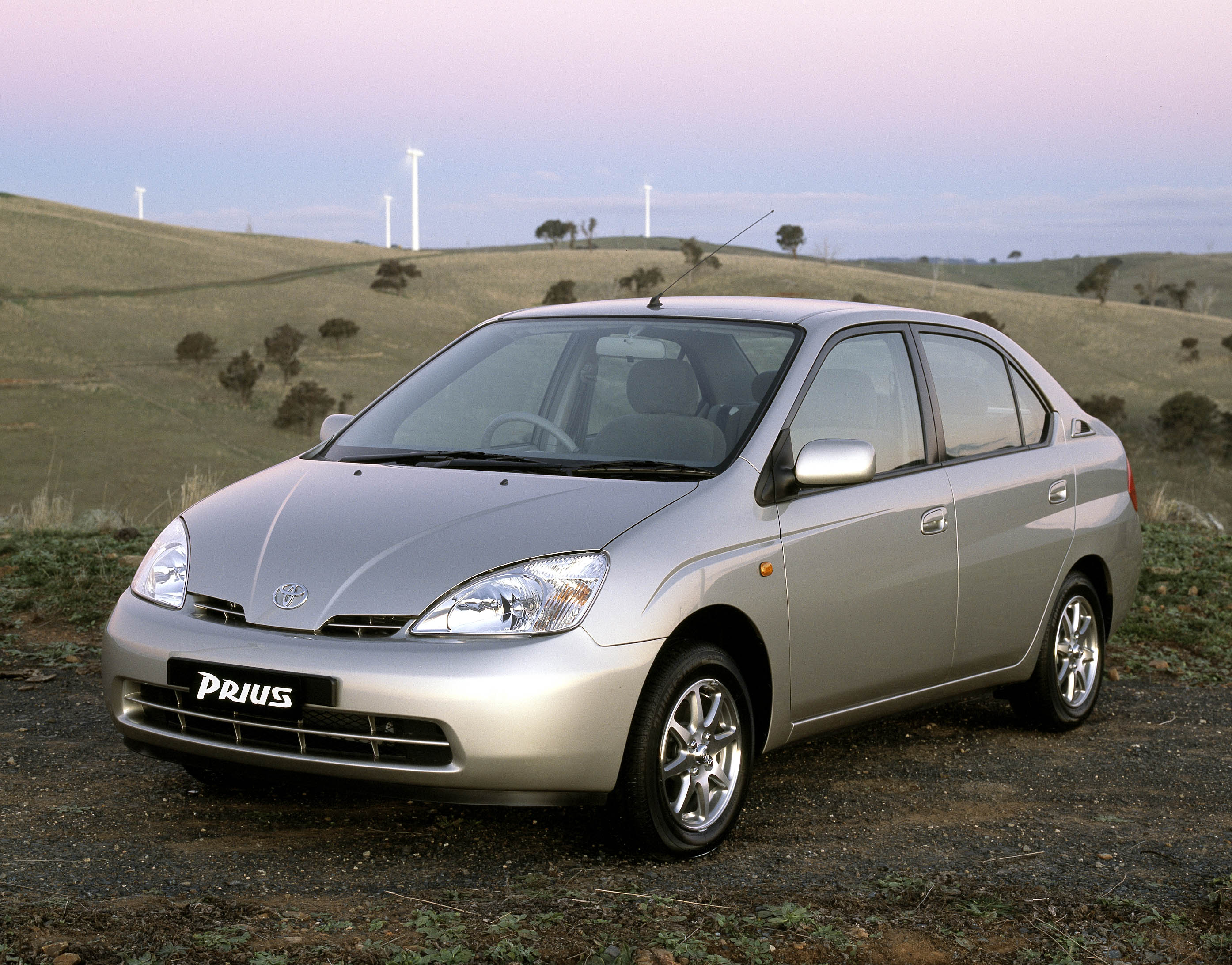
- First-gen Prius was Toyota’s first hybrid in Australia, arriving in 2001
- Toyota Aus passed 100,000 hybrid sales in 2018
- Camry has been the most successful model in hybrid uptake
Toyota Australia is ploughing full-steam ahead towards achieving its next major hybrid sales milestone, having recorded 210,817 cars sold from 2001 until the end of June 2021.
As previously reported by WhichCar last month, Toyota surpassed the 200,000 mark in May and has further continued the upwards trend in June, having taken the crown as the most popular brand in Australia so far this year.
The figure marks an exponential uptake in hybrids by the Australian public over the last three years, with over 100,000 units sold between mid-2018 until mid-2021.
To put the numbers into perspective, it took Toyota 17 years to sell its first 100,000 hybrid vehicles in Australia, all started by the release of the original Prius which landed locally back in 2001.
Toyota is on track to beat last year’s record of 54,335 hybrid vehicle sales – achieved in an overall poor year for the industry thanks to the pandemic – as it has shifted 34,036 units to the middle of 2021, accounting for 28.6 per cent of all Toyota vehicles sold.
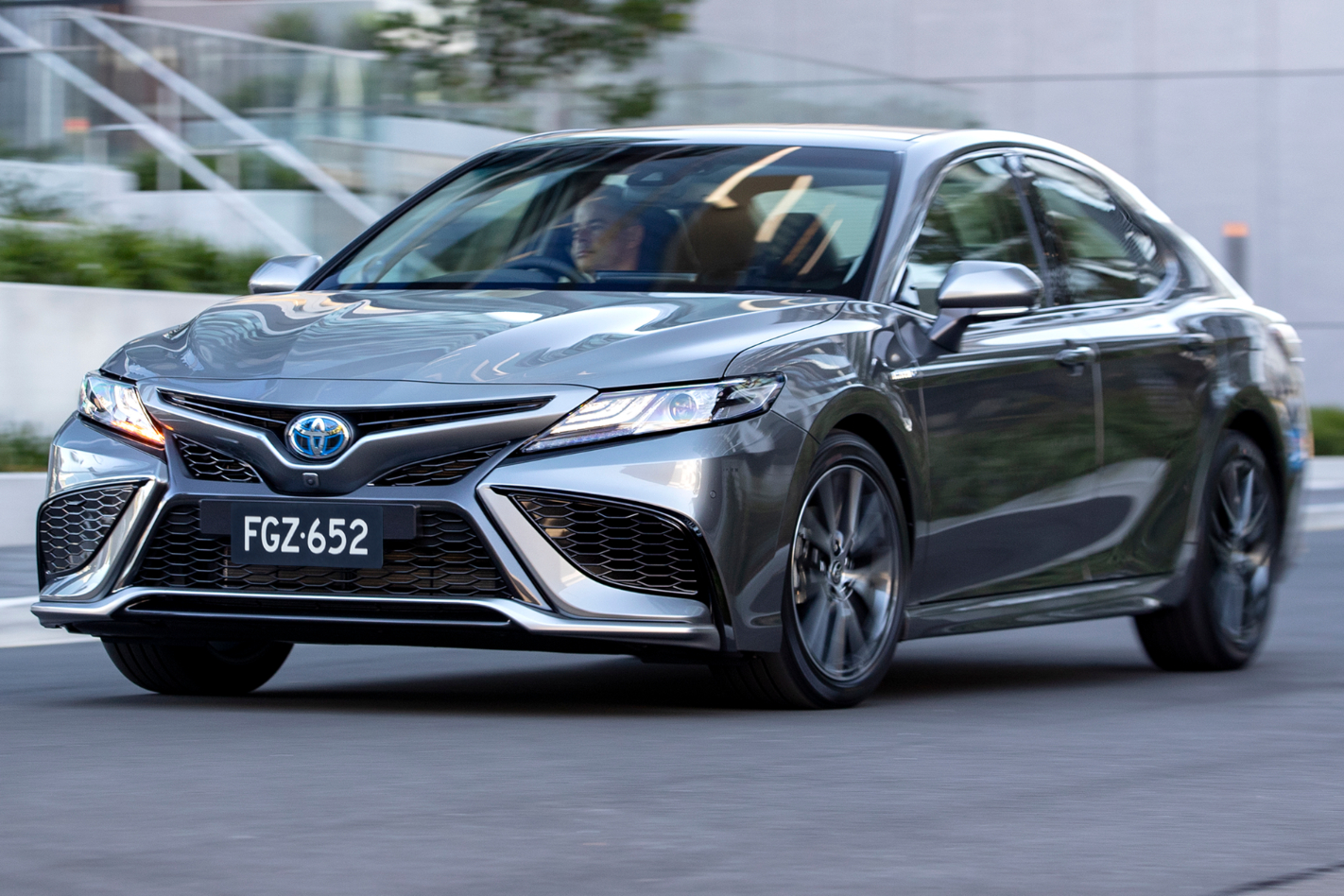
The hybrid Camry has by far been the most popular model in helping Toyota reach the 200,000 sales milestone, accounting for 75,998 (36 per cent) of the brand’s hybrid vehicles, with 79.5 per cent of Camry buyers opting for the electric-assisted engine option this year.
RAV4 has been the second most popular hybrid model over the past 20 years, racking up 48,632 units sold though it is the leader for the hybrid push this year, its 14,821 units making up 43.5 per cent of all Toyota hybrid sales in 2021.
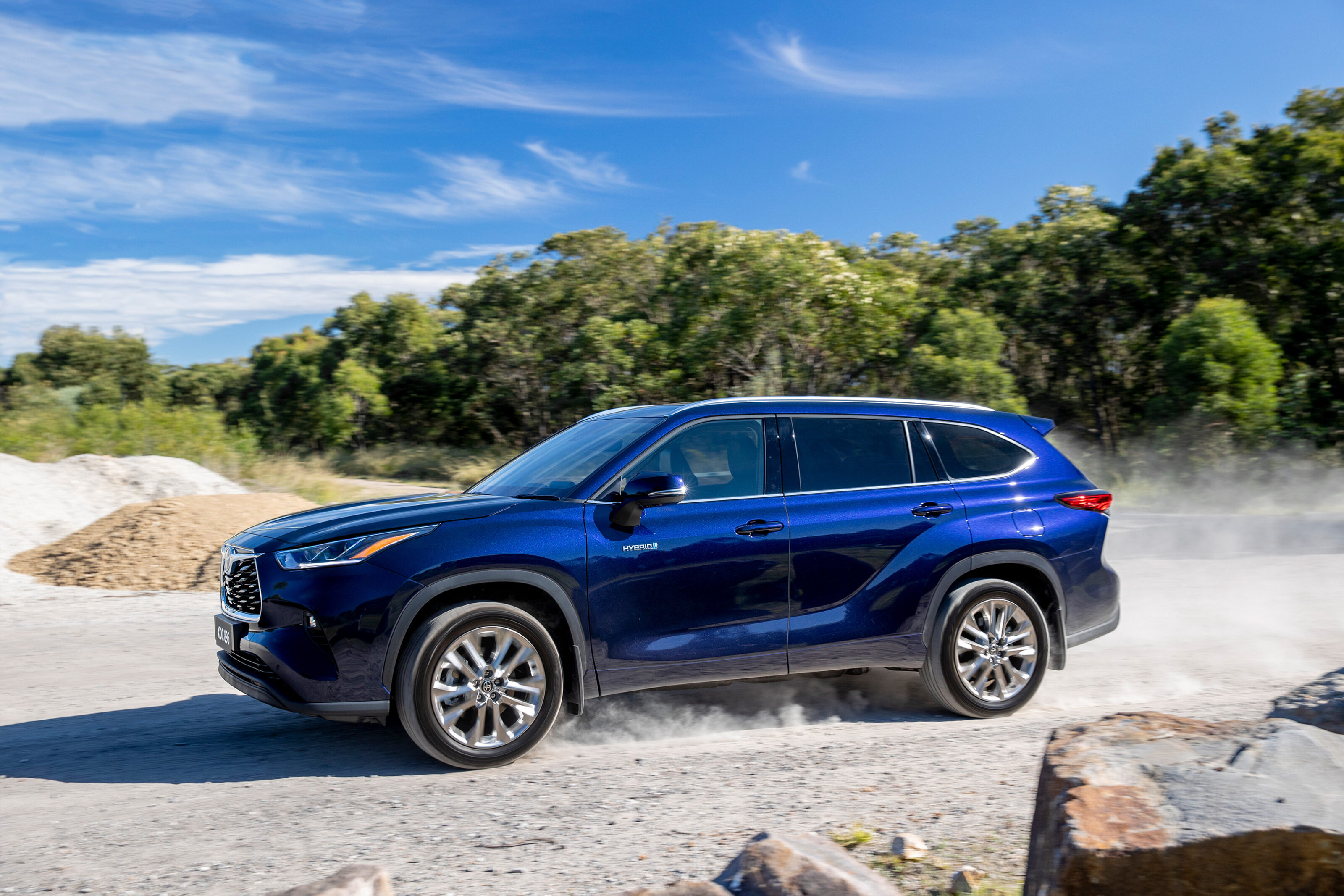
The range of Toyota hybrid vehicles expanded last month as the all-new Kluger SUV was introduced to the market, filling in a segment which the Japanese manufacturer had never existed in before.
Toyota Australia Vice President sales, marketing and franchise operations, Sean Hanley, said the popularity of hybrid vehicles is emerging more than ever before, helping consumers reduce running costs and their environmental impact.
“Toyota hybrid electric variants have become a mainstay on Australian roads. Our combination of HEV technologies deliver performance, with great fuel economy and low emissions, that is resonating with buyers more than ever,” said Hanley.
Breakdown of Toyota hybrid sales (as of June 30, 2021)
The European Union has officially tabled a proposal to phase out the production and sales of internal combustion engine-powered (ICE) vehicles by 2035 in a bid to lower CO2 emissions.
Overnight in Brussels, the European Commission outlined the European Green Deal (EGD), a proposed transformation of economic and societal impacts on the climate which has the primary aim of reducing net greenhouse gas emissions across all industries by at least 55 per cent by 2030, compared to 1990 levels.
Separately, through the implementation of ever-tightening vehicle emissions regulations primary aimed at ICEs, the EGD’s aim is for average emissions of new cars to also reduce by 55 per cent compared to 2021 levels from 2030, before moving to a 100 per cent reduction from 2035, meaning all vehicles manufactured from then must produce zero emissions.
The proposal comes after the United Kingdom announced last year its own proposed ban on ICE vehicles by 2030, though it will allow new hybrid vehicles to be sold up until 2035.
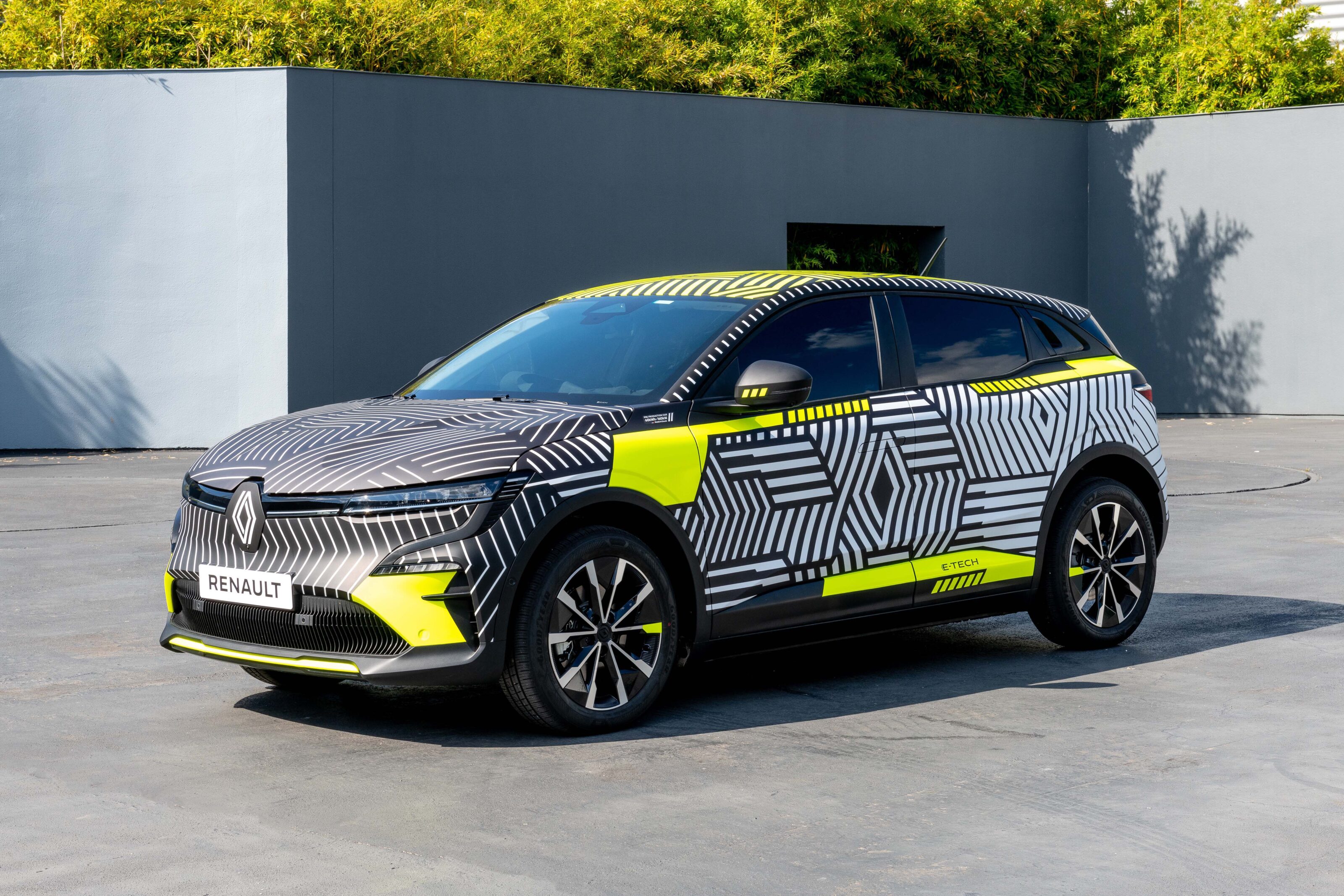
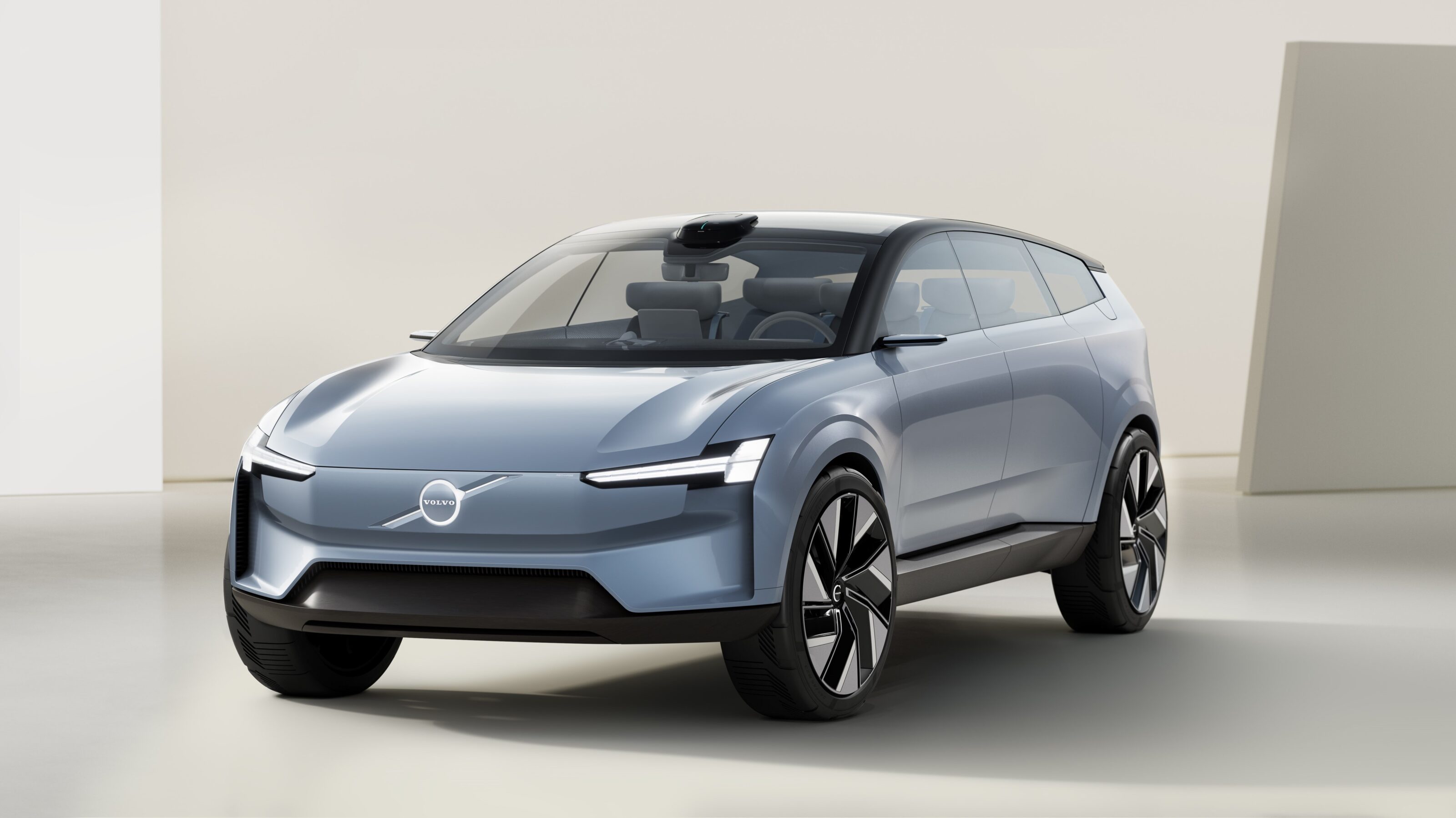
While a handful of European manufacturers such as Renault, Volvo, Audi and more have already committed to producing only EVs by 2030, the EU proposal has come under criticism from some within the French and German governments.
According to Automotive News, officials within both countries believe the ban is coming too quickly without a proper transition plan away from ICEs, causing potential harm to manufacturers and the local economy in general.
The French Government supports the targeted emissions reduction to 55 per cent by 2030 but has asked for hybrids to remain on sale for longer than the proposed 2035 cut-off date, allowing production facilities to retain staff and sell its vehicles to wider markets which haven’t adopted policies on banning ICEs.
Similarly, Germany’s Transport Minister, Andreas Scheuer, believes the targets are too strict and can negatively impact heavy vehicle manufacturers, asking instead for more of a focus on hybrid fuel-cell development.
“I believe all car and truck manufacturers are aware stricter specifications are coming. But they have to be technically feasible,” Scheuer said to German press agency, PDA.
Germany is currently the fourth-largest country for vehicle production worldwide, with 3.74 million cars rolling off production lines last year, while France is the third-largest European producer of vehicles, having recorded 1.32 million vehicles produced through 2020 despite the global Covid-19 pandemic.
