
Snapshot
- The Evora’s replacement is Lotus’s first new product in almost a decade
- Choice of AMG turbo four-pot or supercharged V6
- Expected to be launched in Australia in the second to third quarter of 2022
Lotus has built some great driver’s cars over the years. The only problem is you wouldn’t want to drive many of them every day.
A Lotus has long been a car for a quiet road on a sunny Sunday morning; driven hard and put away in the garage next to the quiet, comfortable, air-conditioned, sat-nav-equipped machine you use for the daily grind.
The Lotus Emira wants to change all that. This all-new Lotus has been designed from the wheels up as a sports car you can drive every day.
UPDATE, June 7, 2022: Lotus Emira driven
Following its global reveal, we’ve now driven the new Emira ahead of its Australian debut. Read our review at the link below.
The story to here: Emira revealed
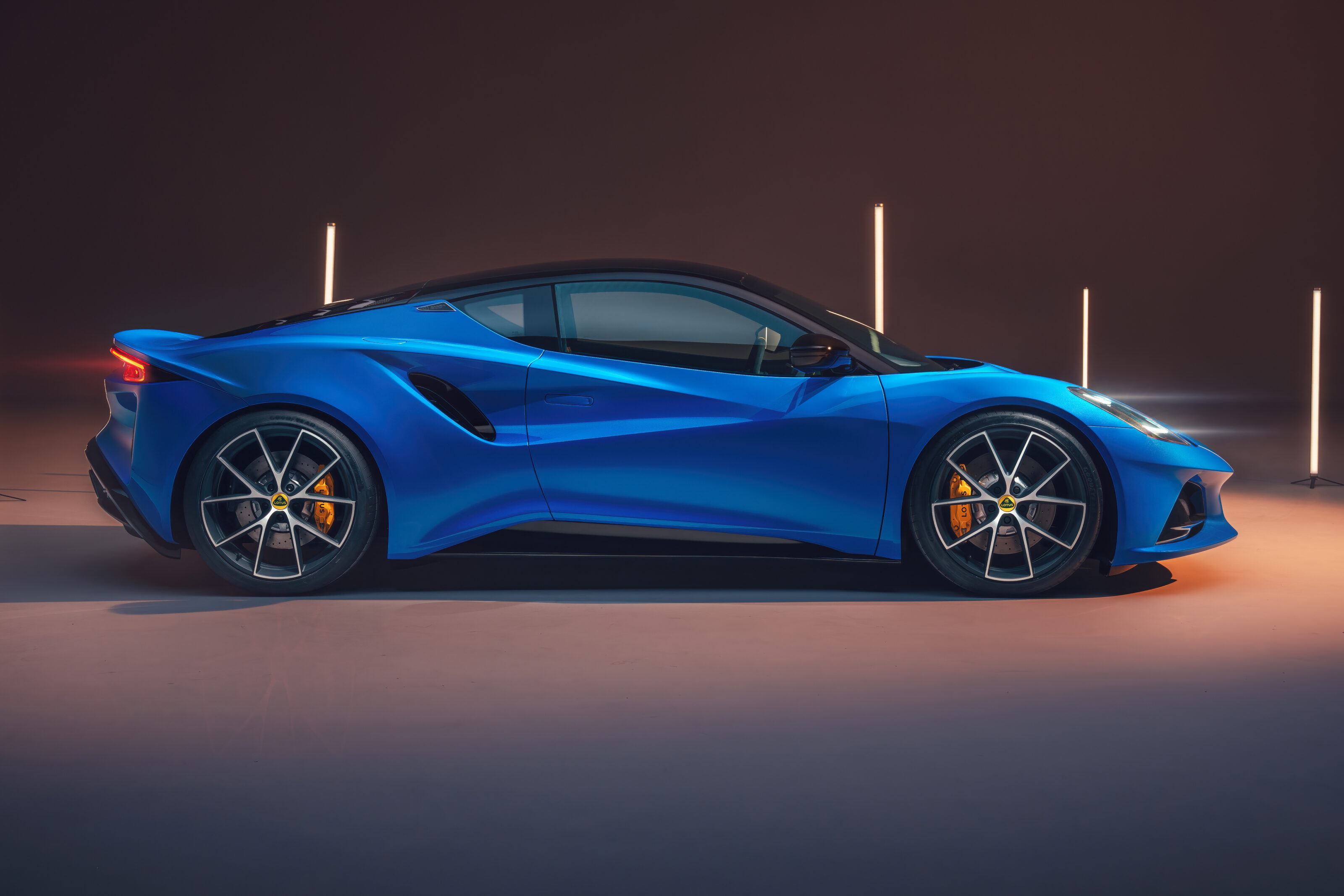
The Emira replaces the Elise/Exige/Evora models, cars that trace their platforms back to the mid-1990s.
Although it’s almost identical in size to the outgoing Evora, the Emira’s new Sports Car Architecture (SCA) platform differs in every dimension from any other Lotus chassis.
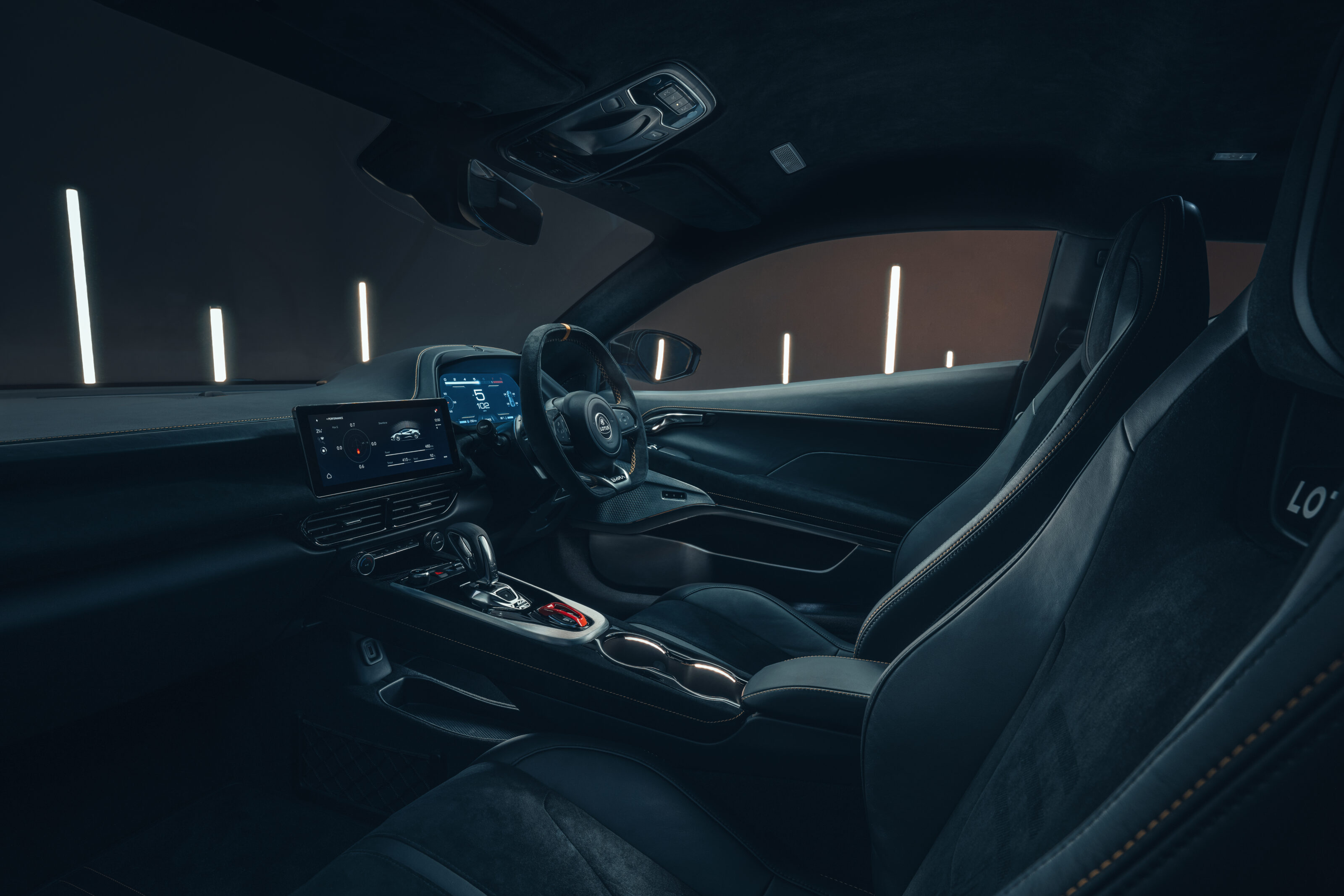
One of the biggest benefits SCA delivers is a more spacious interior, roomy enough for two cupholders between the front seats and 208 litres of load space behind them.
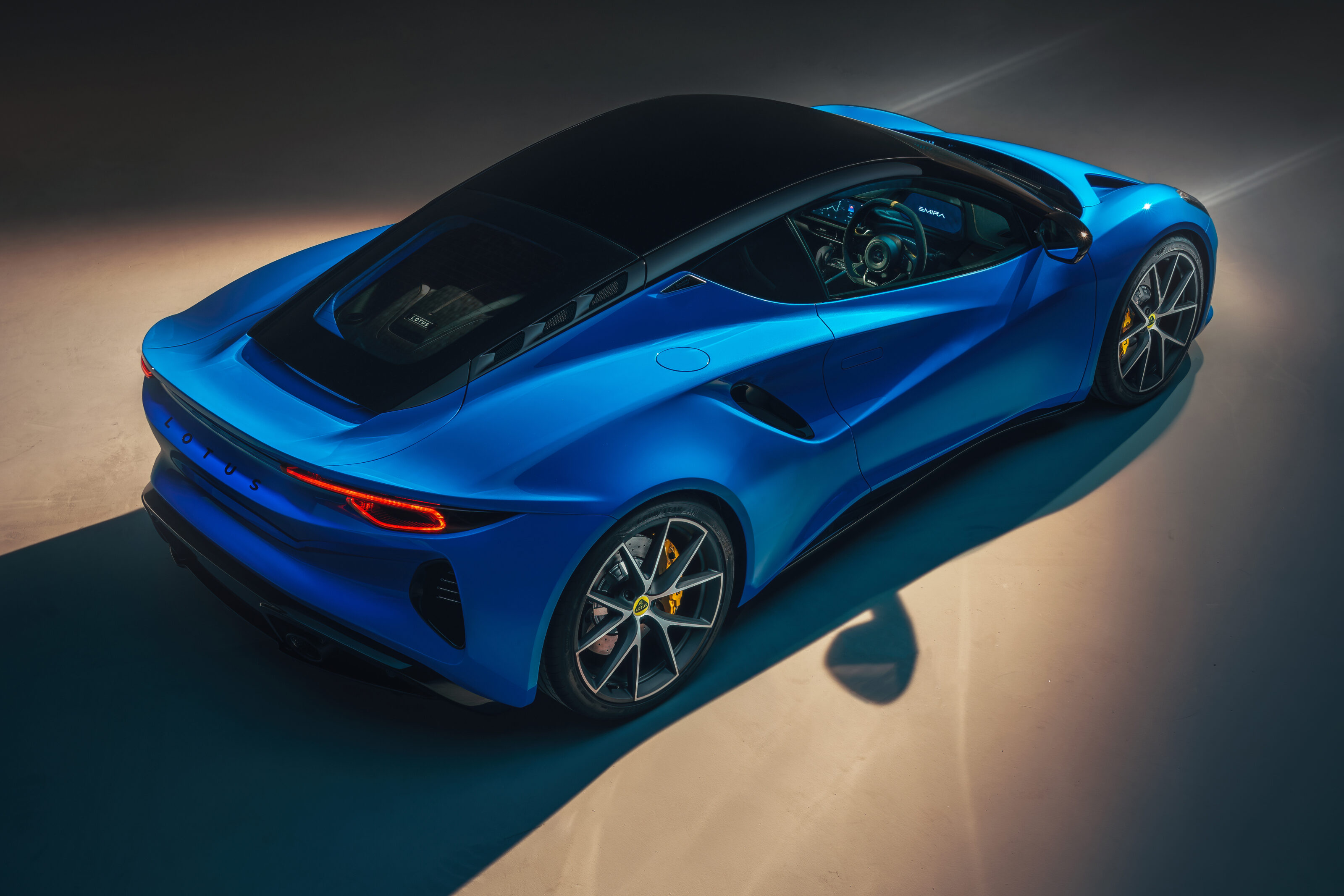
The Emira’s suspension follows standard Lotus practice, with multi-link setups front and rear, and the steering is hydraulic.
Brakes are steel, and standard wheels are 20-inch all round. Standard tires will be Goodyear Eagle F1, but Michelin Pilot Sport Cup 2s will be available as part of an optional Lotus Drivers Pack, which also includes stiffer suspension settings.
Launch engine is the Toyota-sourced supercharged 3.5-litre V-6 used in the Exige and Evora.
In the Emira this well-proven powerplant, which will be available with either a six-speed manual or six-speed automatic transmission, makes 298kW, grunt enough, says Lotus, to accelerate the Emira from 0 to 100km/h in less than 4.5 seconds and to a top speed of 180mph.
From mid-2022, however, the Emira will also be available with the AMG-built 2.0-litre turbocharged M139 inline four sitting midships.
This AMG engine is one of the most potent production four-bangers in the business, pumping out 310kW in the Mercedes-AMG A 45 S, but as this will be the entry-level Emira’s powerplant, output has been dialed back to 268kW.
It’ll still be a quick car, says Lotus vehicle attributes engineer Gavan Kershaw, who points out the AMG engine weighs 50kg less than the Toyota V-6 and drives the rear wheels through the slick-shifting AMG eight-speed dual-clutch transmission.
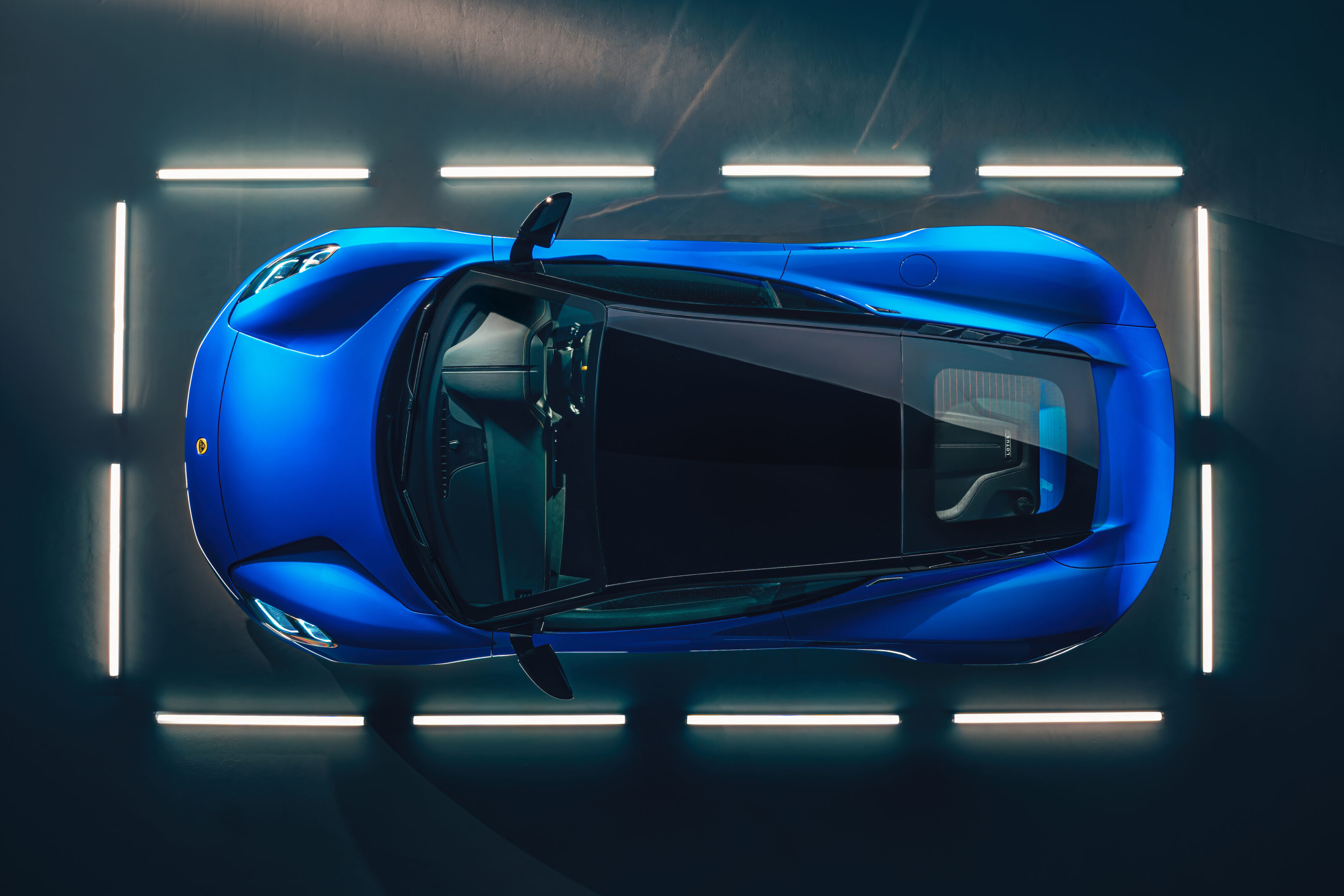
Styled in-house at Lotus under the direction of Russell Carr, the Emira borrows more than a few design cues from the extraordinary Evija, the near-1500-kW electric supercar Lotus has been developing since 2019.
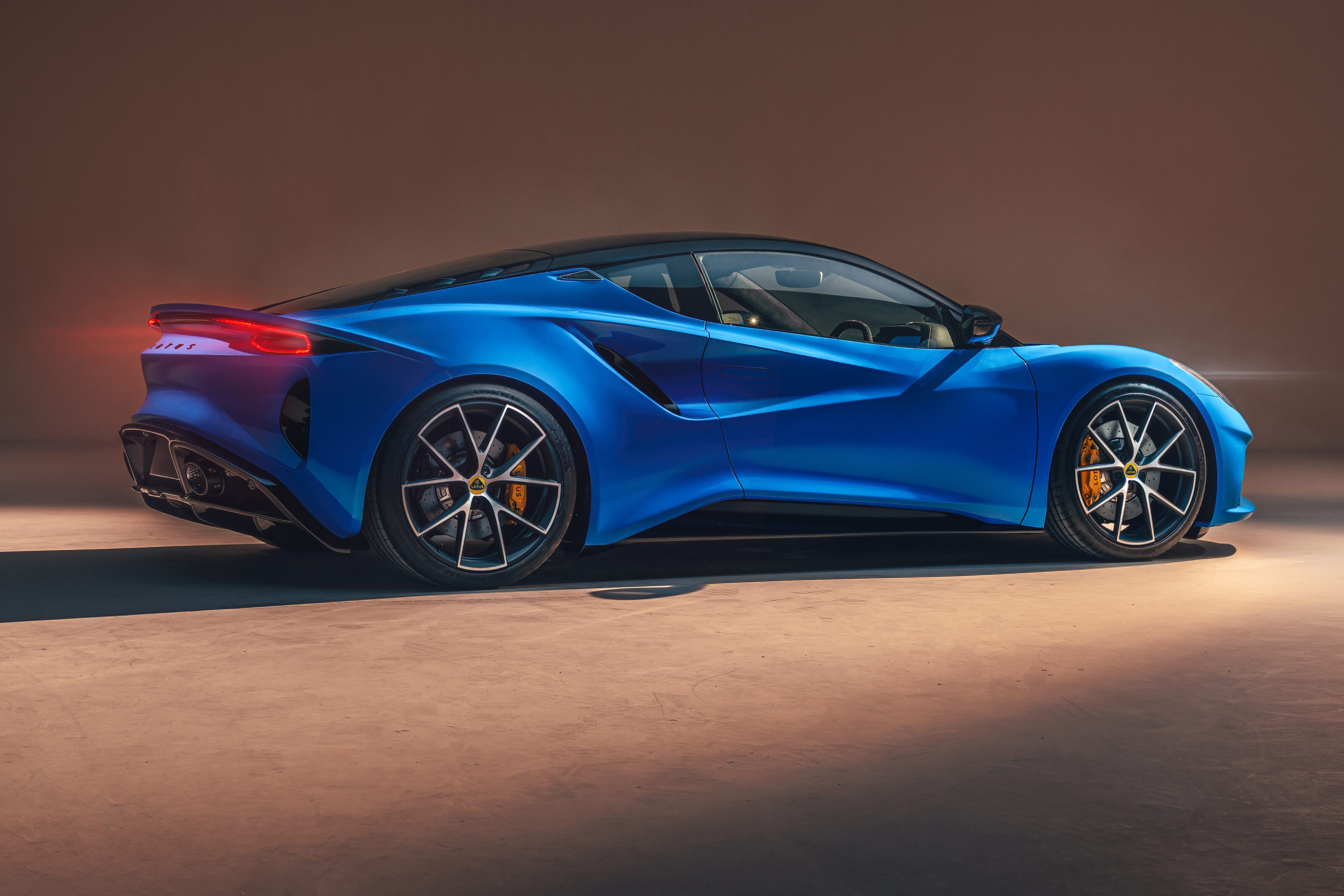
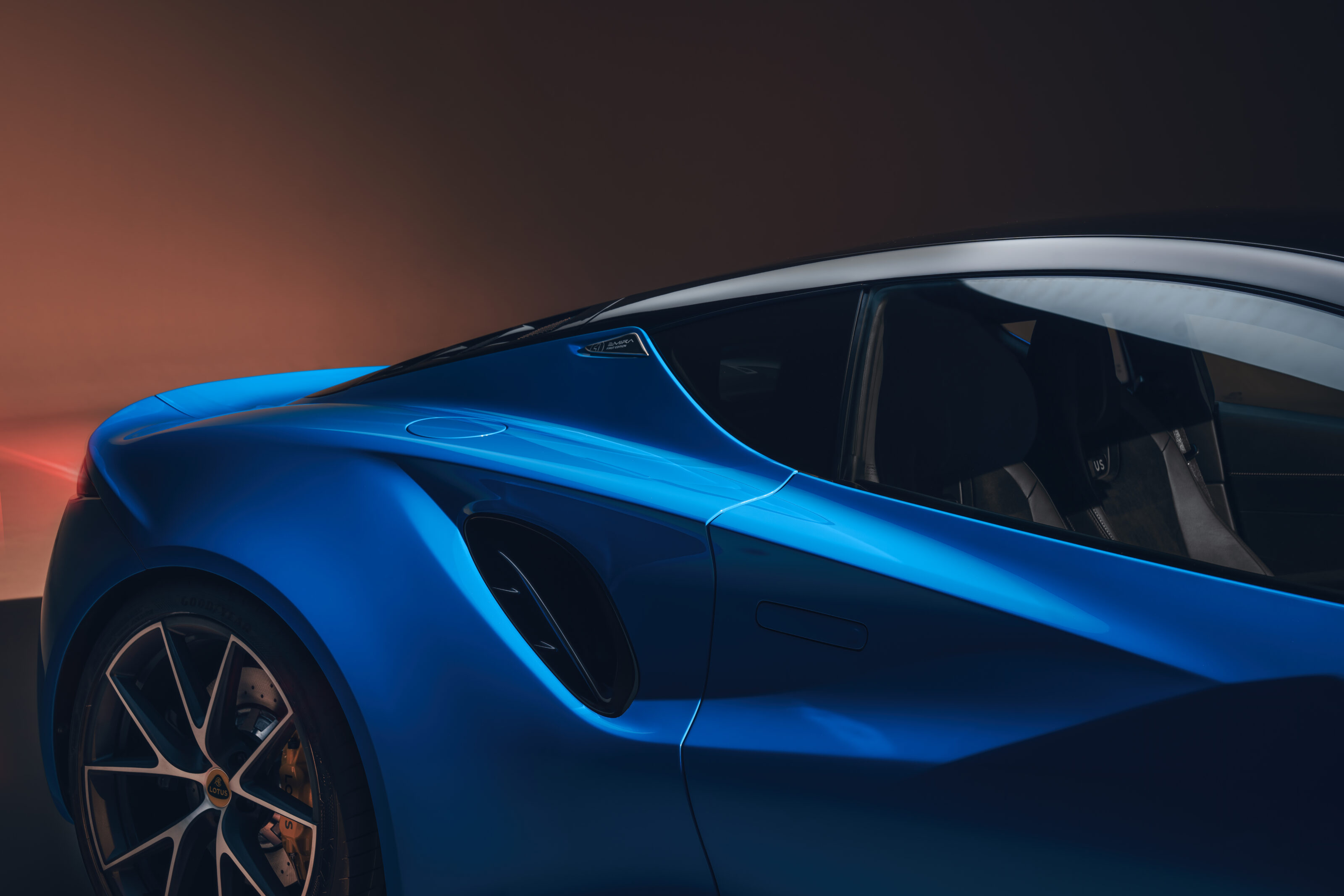
It’s a dramatic looking car, with large side air intakes producing a tightly cinched waist from the side view, a black roof, and Evija-style vents notched into the bonnet.
It’s not all just for show, though: Those boomerang vents help extract air from the cooling system, and the Emira doesn’t need active aerodynamics to generate balanced levels of downforce on the front and rear axles.
Six body colours will be available, and two different wheel styles – forged V-spoke items with a choice of finishes that include diamond cut, gloss black, and silver, and the standard 10-spoke cast alloy wheel in gloss black or silver.
In many ways, the Emira is exactly the sort of car you’d expect from Lotus. Until you open the door.
Lotus founder Colin Chapman started out building kit cars, and even when Lotus became a fully-fledged manufacturer its interiors, with parts and switchgear sourced from volume producers and aftermarket suppliers, often retained a faintly DIY vibe.
By contrast, the Emira’s cabin is coherently designed, well finished, and well-equipped.
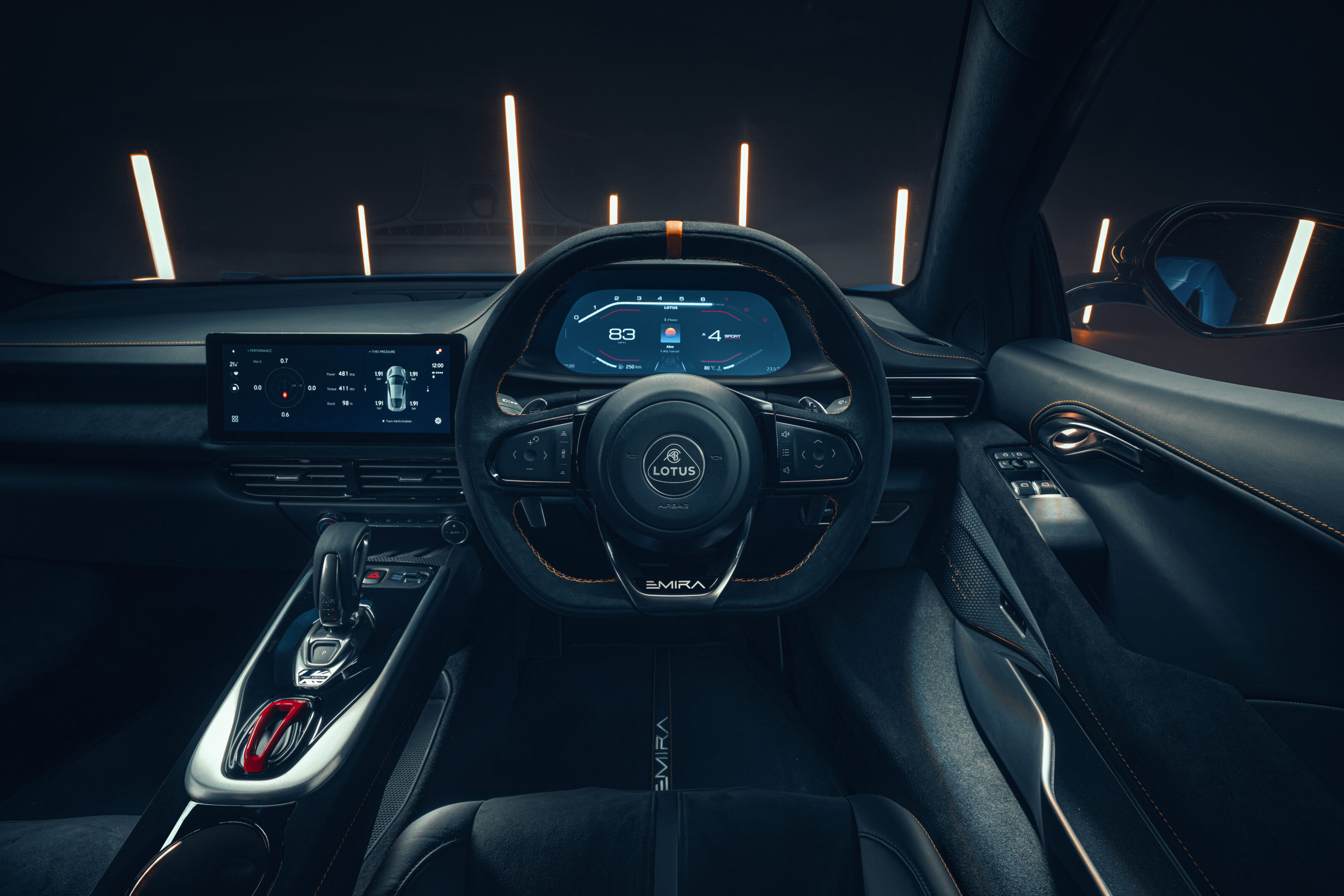
The instrument panel is a configurable 12.3-inch TFT display with clear, crisp graphics.
At the center of the cabin is a 10.25-inch touch screen that not only handles the sat-nav and audio systems but can also be switched to show a variety of performance data, from g-loads to fuel consumption. Apple CarPlay and Android Auto connectivity are standard.
Other goodies designed to make life with the Emira easy include keyless go, cruise control and rain-sensing wipers. Adaptive cruise, fatigue alert and lane keep assist available as part of an optional advanced driver assistance systems package.
The standard seat has four-way power adjustment. The optional sports seat can be tweaked and teased 12 ways at the touch of a button.
“We’ve always wanted to do a more usable everyday car,” says Lotus managing director, Matt Windle.
Moving away from spartan sports cars like the Elise, Exige and Evora will attract more mainstream buyers who want an interesting alternative to a Porsche Boxster or Jaguar F-Type, Windle says, and help Lotus boost its global sales from its current 1500 to 1600 cars a year to 4800 cars a year.
When will the Lotus Emira come to Australia?
The first Emiras will start rolling off the line at the refurbished Lotus factory in Hethel early next year, and the first customer cars are due to arrive in Australia in September 2022.
No official word on pricing yet, but Lotus sources say the entry-level four-cylinder Emira will be considerably cheaper than the outgoing Evora
AFTER A BIT OF MAN MATHS, I CAN RUN TO ABOUT $70K FOR A PRACTICAL PERFORMANCE CAR THAT CAN DO A BIT OF EVERYTHING. I LIKE AWD AND I’VE HAD A GOLF R, SO THE DECISION FOR ME IS NARROWED TO EITHER A BMW M135i OR A MERCEDES-AMG A35. WHAT’S YOUR PICK HERE?
This is rare, someone with no professed tribal loyalty to either Mercedes-Benz or BMW, so we can judge the cars purely on their merits alone.
Both cars feature 2.0-llitre turbocharged engines that send 225kW to all four wheels, via a seven-speed DCT in the case of the Mercedes or an eight-speed torque-converter auto with the BMW.
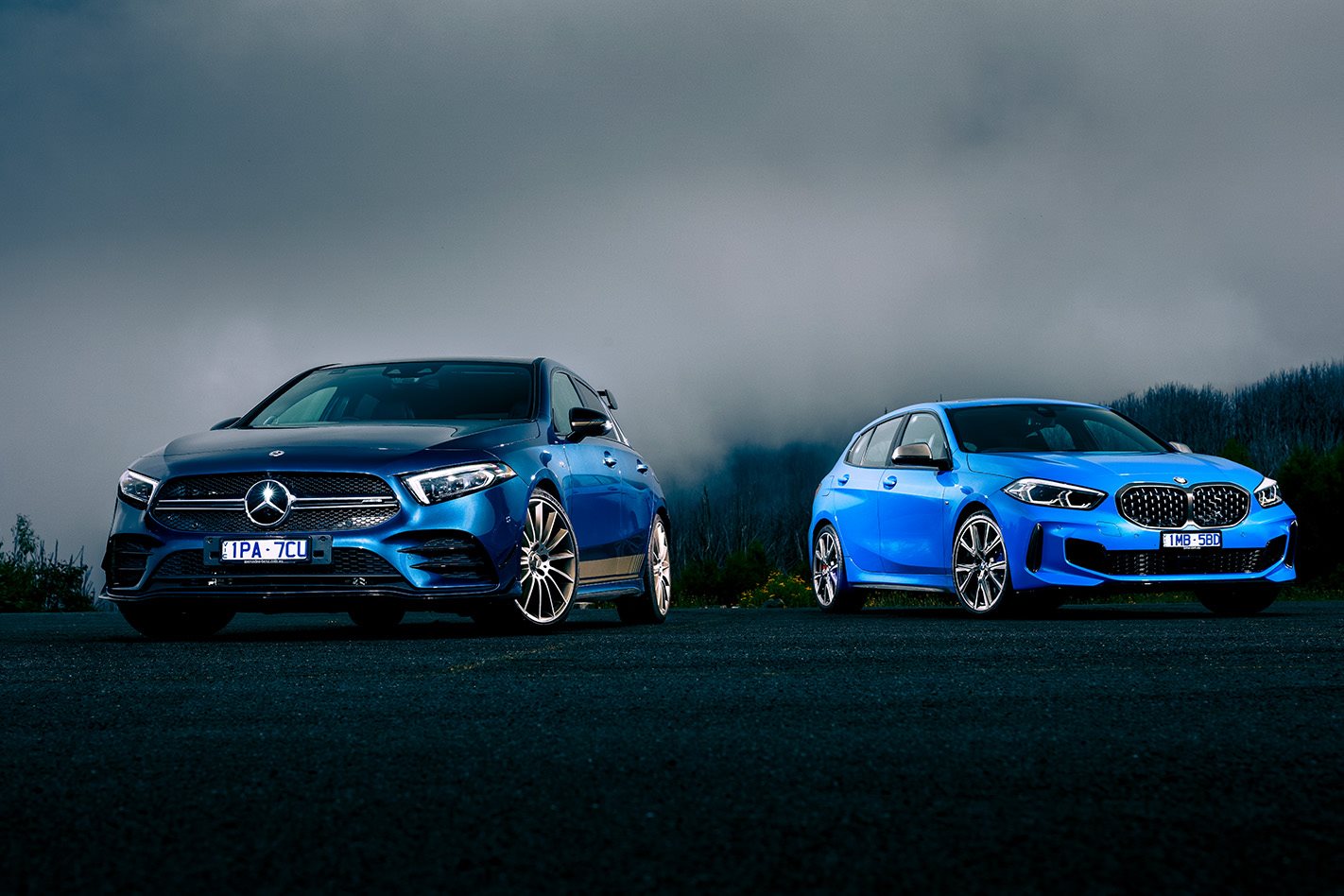
While it may seem that there’s not a lot to choose between the two, in terms of go, stop and steer, one car is a decent way ahead. That car is the Mercedes-AMG A35.
Not only is the steering crisper and more confidence-inspiring, but the AMG also features a more reassuringly served brake pedal and is quicker off the mark, albeit by a mere tenth through 100km/h.
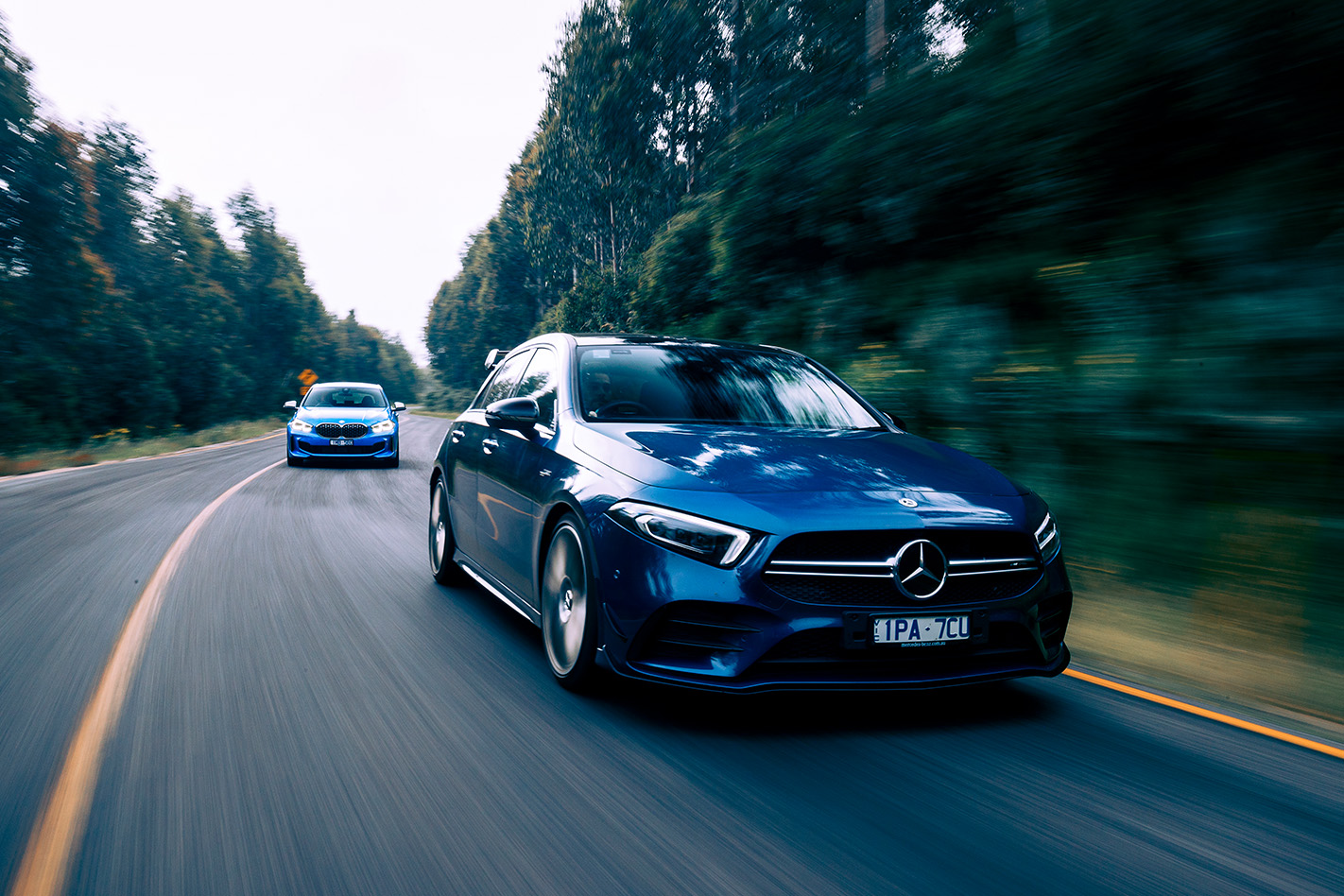
The chassis feels more adjustable when driven hard, is more resistant to understeer and the lighter A35 also delivers better overall body control. It’s not a total slam dunk for the AMG-light, though.
The BMW M135i xDrive can be made to accelerate just as quickly as the more expensive Merc with the fitment of a $1900 Performance Pack that adds an overboost function. The engine enjoys a useful torque advantage, the cabin feels better screwed together and, for what it’s worth, the boot is bigger, too.
Being driving enthusiasts, the Mercedes-AMG gets our vote, but if your hot pedalling opportunities are relatively few and far between, don’t discount the BMW completely. – AE
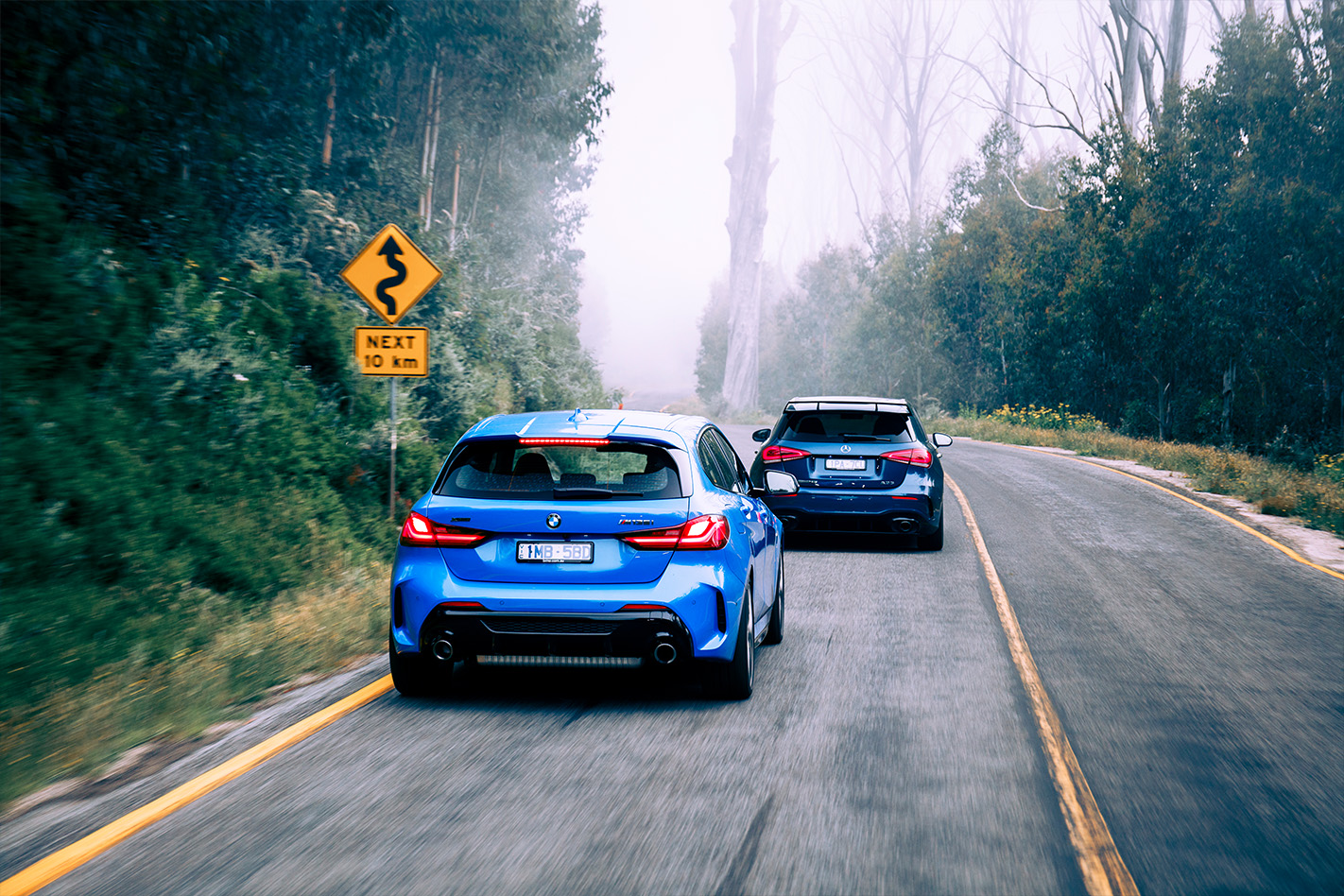
BMW M135i xDrive v Mercedes-AMG A35 specs

Snapshot
- 9X8 has been designed at bringing Peugeot a fourth Le Mans title
- 500kW internal combustion engine and 200kW electric motor provide combined 700kW
- Competition debut could come in 2022
Peugeot has finally revealed its new weapon of choice for the World Endurance Championship (WEC), taking the covers off the 9X8 Hypercar.
Aiming for a fourth crown at Le Mans, the French manufacturer is one of five brands confirmed to take part in the new Le Mans Hypercar regulations, with Toyota, Scuderia Cameron Glickenhaus, ByKolles and Ferrari all expected to take on the 24 Hours of Le Mans endurance race by 2023.
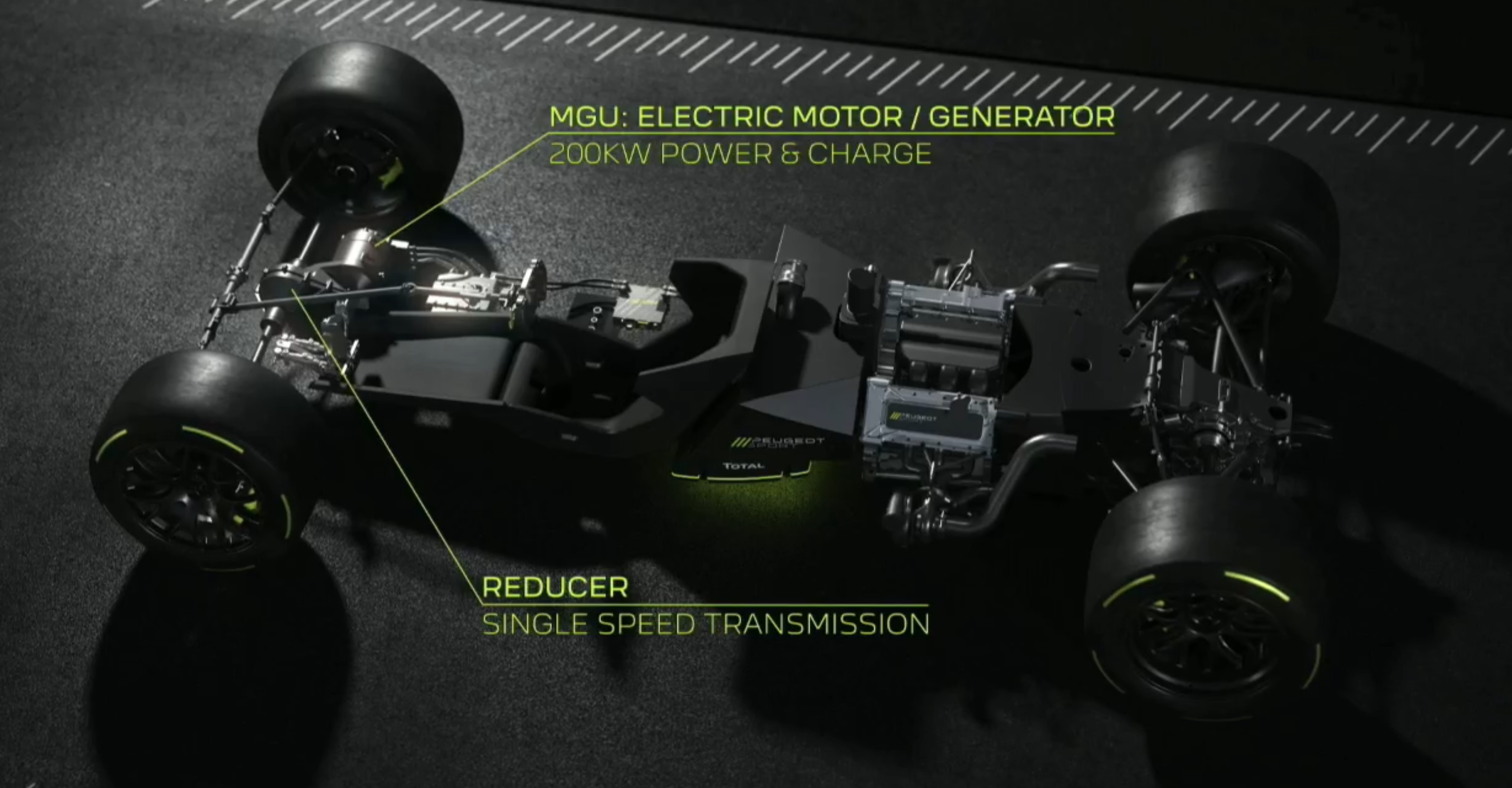
Powering the rear axle is a 500kW, 2.6-litre V6 bi-turbo paired to a seven-speed gearbox, with a 200kW electric motor delivering power to the front wheels once the car has passed 120km/h, connected to a 900V battery pack and a single-speed transmission.

The 9X8 features a radical design with no rear wing, aimed at creating high top speeds down the long straights at Circuit de la Sarthe, a track where average lap speeds can reach 250km/h.
Peugeot Sport’s WEC programme technical director, Olivier Jansonnie, says the lack of a rear wing is completely within the rule book and the car still meets the downforce target set by the category without it.
“Designing the 9X8 has been a passionate experience because we had the freedom to invent, innovate and explore off-the-wall ways to optimise the car’s performance, and more especially its aerodynamics,” said Jansonnie.
“The regulations stipulate that only one adjustable aerodynamic device is permitted, without specifying the rear wing. Our calculation work and simulations revealed that high performance was effectively possible without one.”
Peugeot CEO Linda Jackson believes motorsport and Le Mans in particular is at the core of Peugeot’s brand, allowing the road car side of the business to take from the learnings of the motorsport team and implement it into vehicles for customers.
“There’s more to Peugeot’s involvement in endurance racing than the sporting aspect,” said Jackson.
“Endurance racing is a form of motorsport that provides us with an extreme laboratory, which explains why our association with Le Mans is so strong.
“More significant perhaps than the results we obtain on the race track are the opportunities it provides to prove our technology and the fruit of our research work in a race that throws extreme conditions at you for 24 hours.
“Le Mans gives us a competitive environment to validate the hybrid systems and technologies we are currently developing to reduce the fuel consumption – and therefore CO2 emissions – of our road cars.
“The teams at Peugeot Sport are proud when they see their research carried over to our production models.
“For our customers, Le Mans is a laboratory that testifies to the quality of our cars.”

Acknowledging the company’s history of creating Le Mans winners with the 905 (1992, 1993) and 908 (2009), the 9X8’s name comes from the 9 series being its ultimate race cars, X is a nod to its all-wheel-drive hybrid powertrain while the 8 links it to the current range of Peugeot cars, such as 2008, 308 and 508.
Peugeot says the car’s final design will differ slightly from the vehicle unveiled today, having to undergo further testing both in-house and with the sport’s governing body before it gets signed off to compete in the 2022 WEC season.
Drivers signed to the Peugeot Sport Engineered WEC program include former 24 Hours of Le Mans winner Loic Duval, Le Mans class winner Gustavo Menezes, former Formula 1 drivers Paul Di Resta, Kevin Magnussen and Jean-Eric Vergne, American Le Mans Series winner James Rossiter and current IMSA LMP2 championship leader Mikkel Jensen.
Le Mans Hypercar (LMH) entries will compete against Le Mans Daytona hybrid (LMDh) machines for outright honours at the famous 24 Hour race, with Acura, BMW, Porsche and Audi all confirmed to join the latter class, giving them the ability to compete in WEC and IMSA.
Snapshot
- Valkyrie will be taking part in Goodwood’s supercar class
- Aston Martin also bringing its AMR21 Formula 1 car
- Lance Stroll will drive both his Formula 1 car and the Valkyrie up the hill climb
Aston Martin has announced its multi-million-dollar hypercar, the Valkyrie, will make a dynamic debut at this weekend’s Goodwood Festival of Speed.
The Adrian Newey-designed masterpiece will be deploying all 865kW and 900Nm when it takes to the hill climb, and with its 6.5-litre naturally aspirated V12 screaming all the way to its 10,500rpm redline, it’s sure to be a favourite among festival-goers.
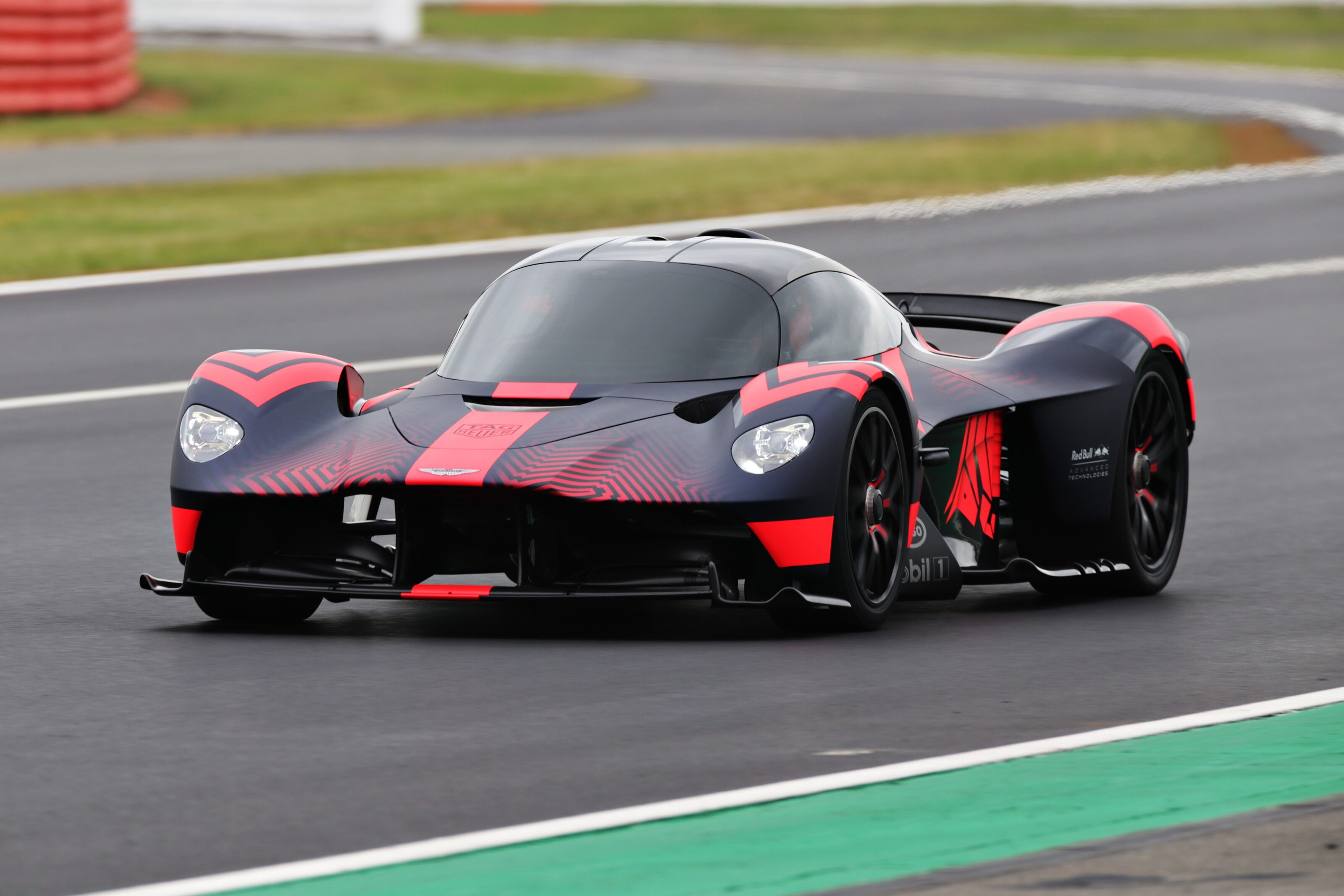
The Valkyrie will be rubbing its shoulders and curvaceous hips with other hot metal in the ‘supercar’ class at 2021’s FOS.
And, with a claimed 0-100km/h sprint time of around 2.5 seconds, there’s every chance the Gaydon firm’s halo hypercar could be one of the quickest cars in the supercar field…if not outright.
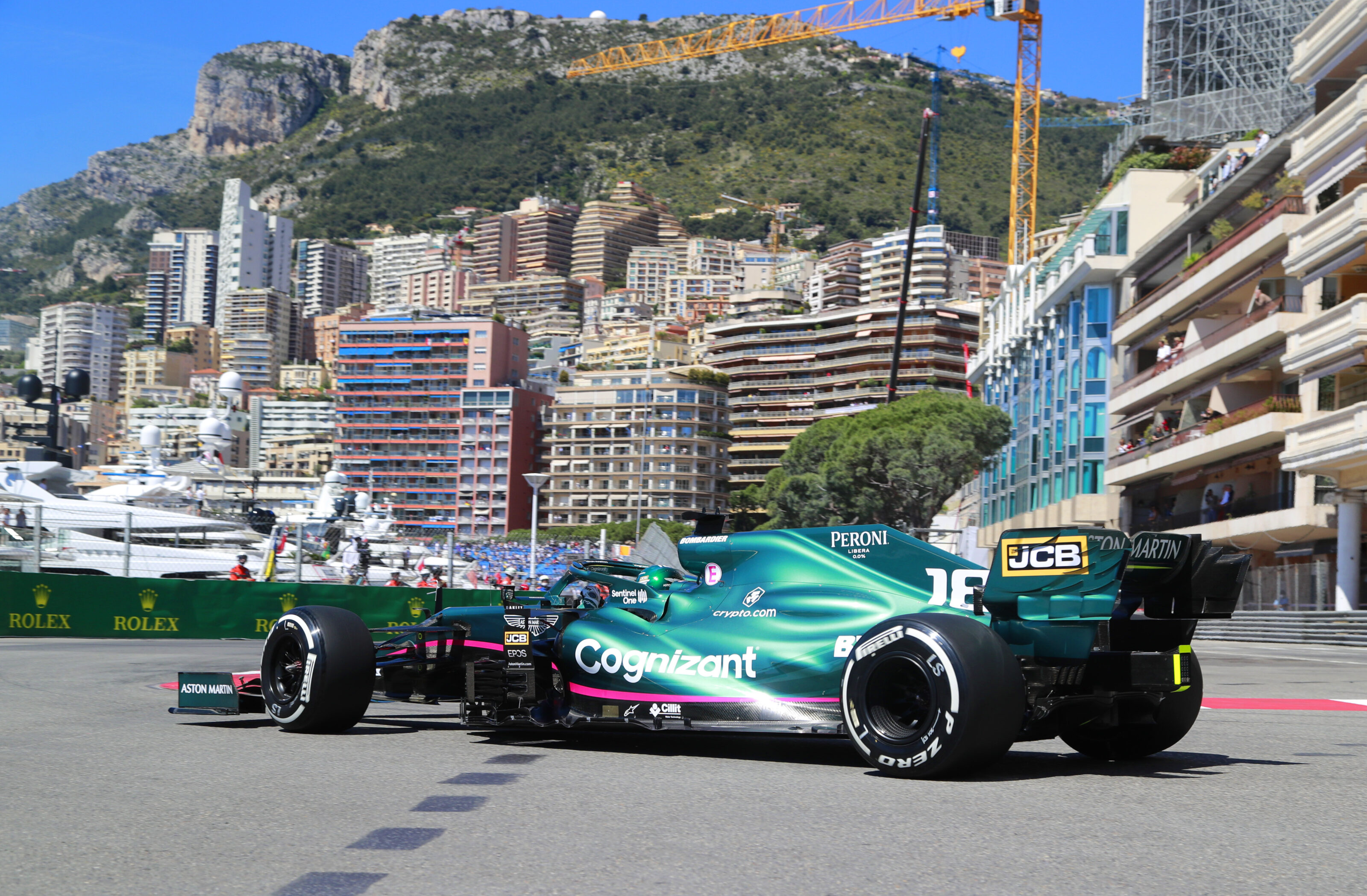
However, inconceivable as it may sound, the Valkyrie isn’t the quickest car Aston Martin will be bringing to Lord March’s backyard this year.
That’s because the British brand is also showing up with not only its 2021 AMR21 Formula 1 car, but Formula 1 podium finisher and Aston Martin Cognizant Formula One team driver, Lance Stroll.

The Canadian will send the F1 car up the 1.86 kilometre hill on Saturday, July 10, and while we’re almost certain he won’t be going for the outright record currently held by Romain Dumas and the Volkswagen I.D. R, we’re sure he won’t be hanging about either.
Stroll will also pilot the Valkyrie during the weekend’s festivities, and it will be interesting to hear his take on the hypercar, considering it will probably be his only chance to drive something designed by Adrian Newey.
The 2021 Goodwood Festival of Speed is set to kick off from Thursday, July 8, and runs through to Sunday, July 11.
Snapshot
- Three unique EVs teased
- Audi plans to move away from ICE vehicles by 2025
- Current Australian electric range limited to one car
German manufacturer Audi has hinted at the direction of its future models in a video posted to LinkedIn, with two of its key figures teasing the new EVs.
Audi’s Senior Vice President, Henrik Wenders, and Head of Design, Marc Lichte, introduced the company’s future direction by saying its new models are centred around making “mobility about so much more than driving”.
The three vehicles are dubbed ‘Spheres’, essentially each representing different aspects of driving and focusing on it to give occupants an enhanced experience, coming as a part of the brand’s move to EVs as it begins to wind up internal combustion engine production.
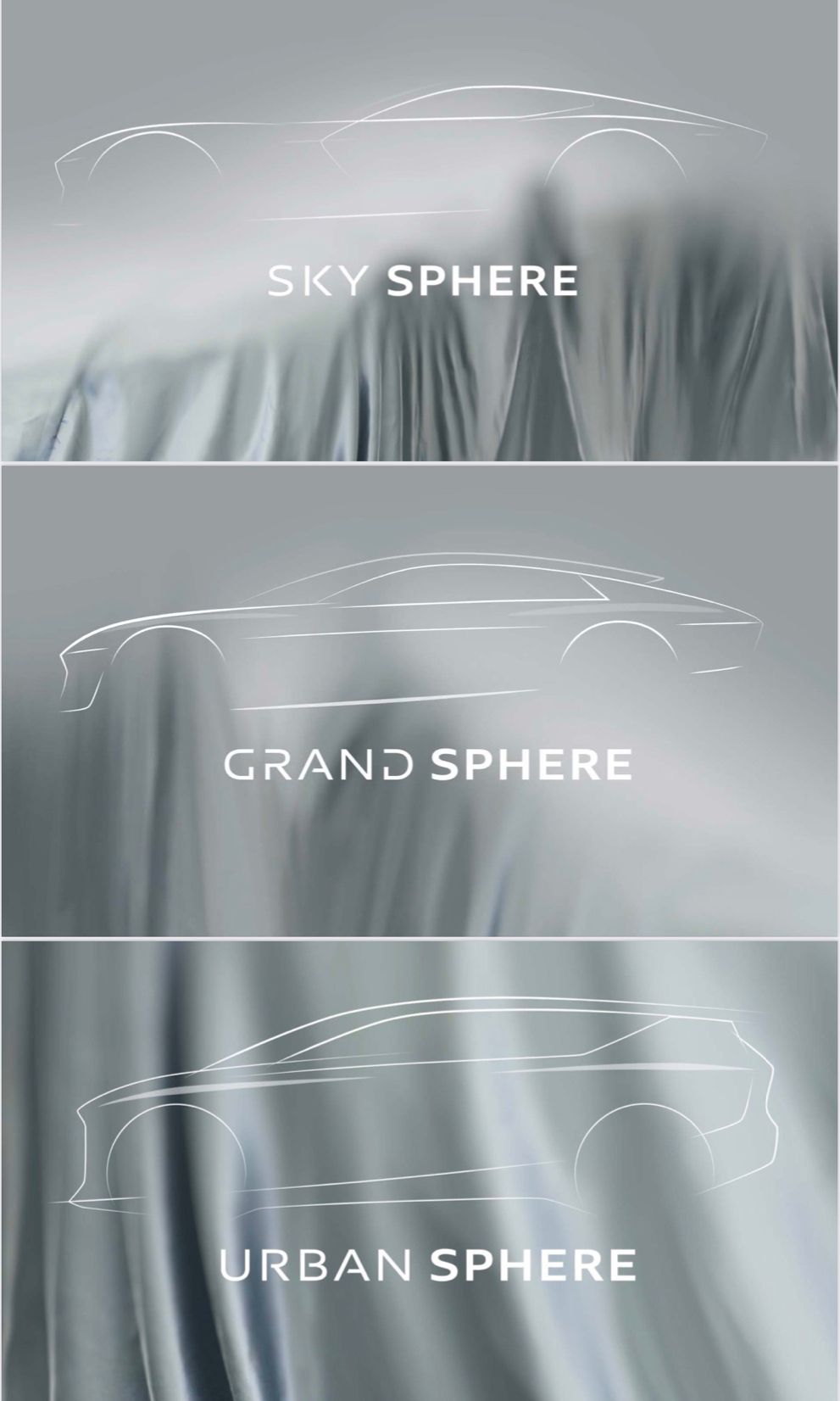
Lichte says in the video, “there’s nothing holding us back, the future comes in all shapes and sizes – we can make it sleek, elegant or breathtaking.”
Wenders continues, explaining, “we have all the technology we need – we can make it sustainable, autonomous, digital and connected. The future is a space for ideas, for designs and innovations.”
The Sky Sphere is deemed to be “a unique sphere where the sky is just the limit. A driver’s car and autonomous at the same time.”
Its outline suggests a low and long sports car with an extended bonnet, a rare sight for an EV given the relatively small space electric motors take up compared to a combustion engine.
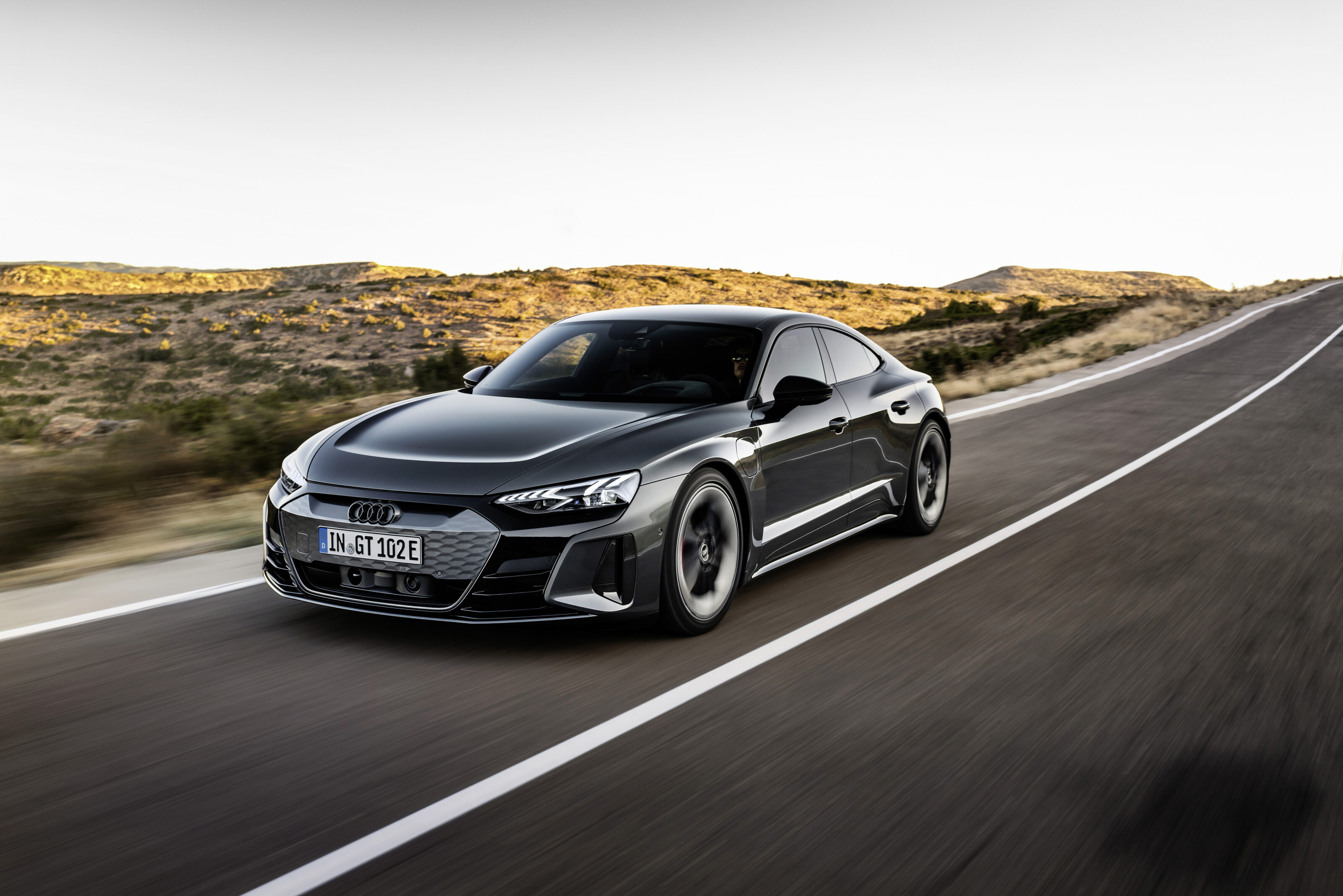
Its second vehicle is the Grand Sphere, “all about grand appearance, immersive and personal, a grand high-class experience for all senses.” With a side profile similar to the current E-Tron GT and A7, the grand tourer could be the flagship luxury vehicle of the range.
Lastly, the Urban Sphere, a SUV-style vehicle which is having “a private space in an urban environment – digital and social, involving and perfectly centred around you”. The rough outline sketch shows it could be even bigger than the current range of Q5 and Q7s though the bonnet is significantly shorter, owing to the aforementioned advantages of EV tech.
Audi is currently tracking nearly 25 per cent better than last year in vehicle sales, having sold 9013 cars up to the end of June this year with 69 of those sales coming from its e-tron EV crossover.
We’re at the halfway point of a year which is now also just over 50 per cent of the way to reaching one million new-car sales.
In a two-part series, we dig deeply into the VFACTS industry data to find out which brands are winning or losing in Australia’s intensely competitive sales race.
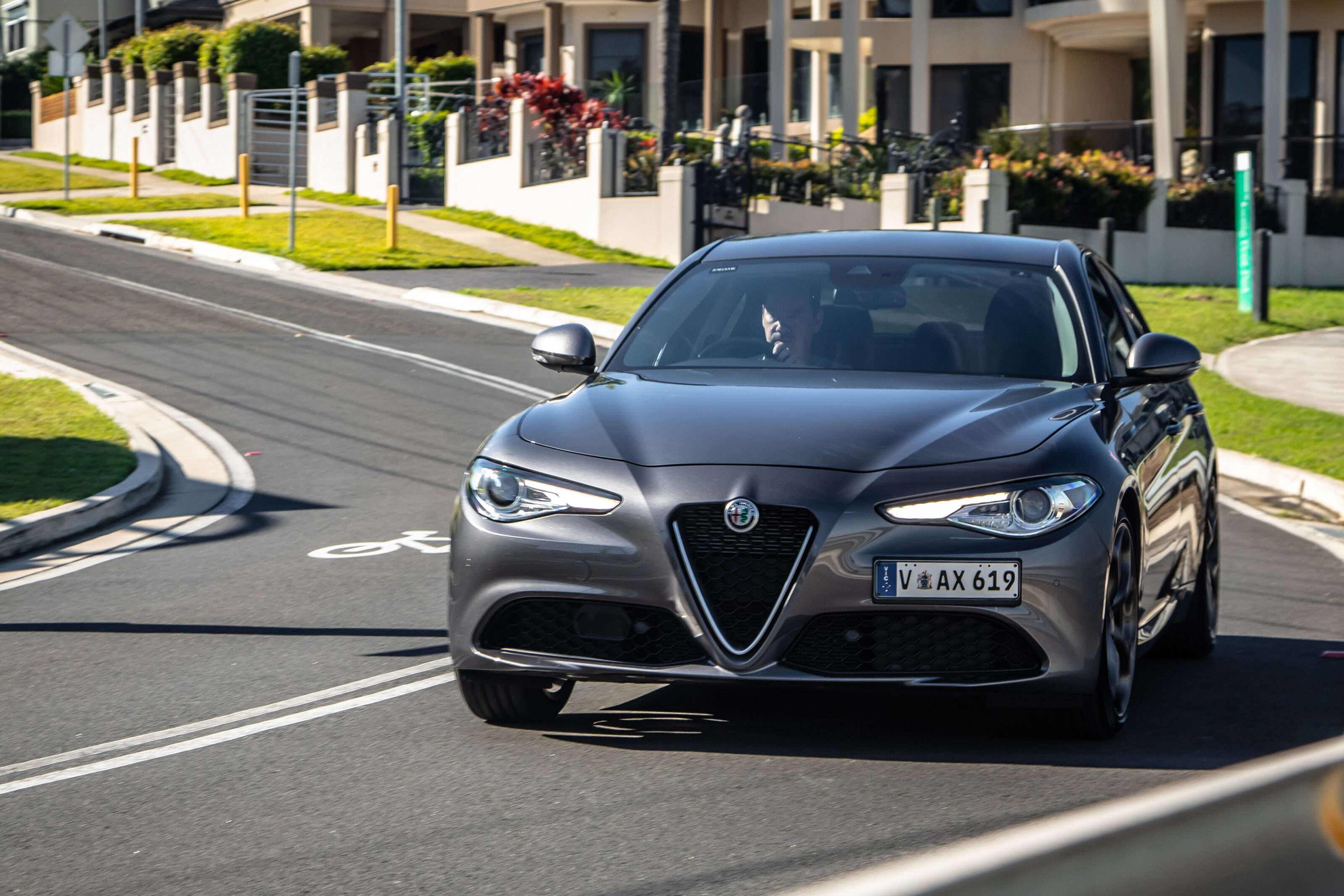
Alfa Romeo: Up 6 per cent – small winner
Best-selling and fastest-growing model: Giulia sedan (159 sales; up 75 per cent)
The Italian brand continues to struggle globally and locally. It needs significantly better than six per cent growth (304 units) in a market that’s up nearly 30 per cent (and considering it’s working off a low volume base). There’s some remaining stock of the now-discontinued Giulietta hatch and 4C sports car, but essentially Alfa is trading with just two fresh models.
There’s good news for the recently updated Giulia sedan, which is up 75 per cent year to date, but sales of its Stelvio SUV – arguably its most important model – have more than halved compared with the first half of 2020. More product is desperately needed.
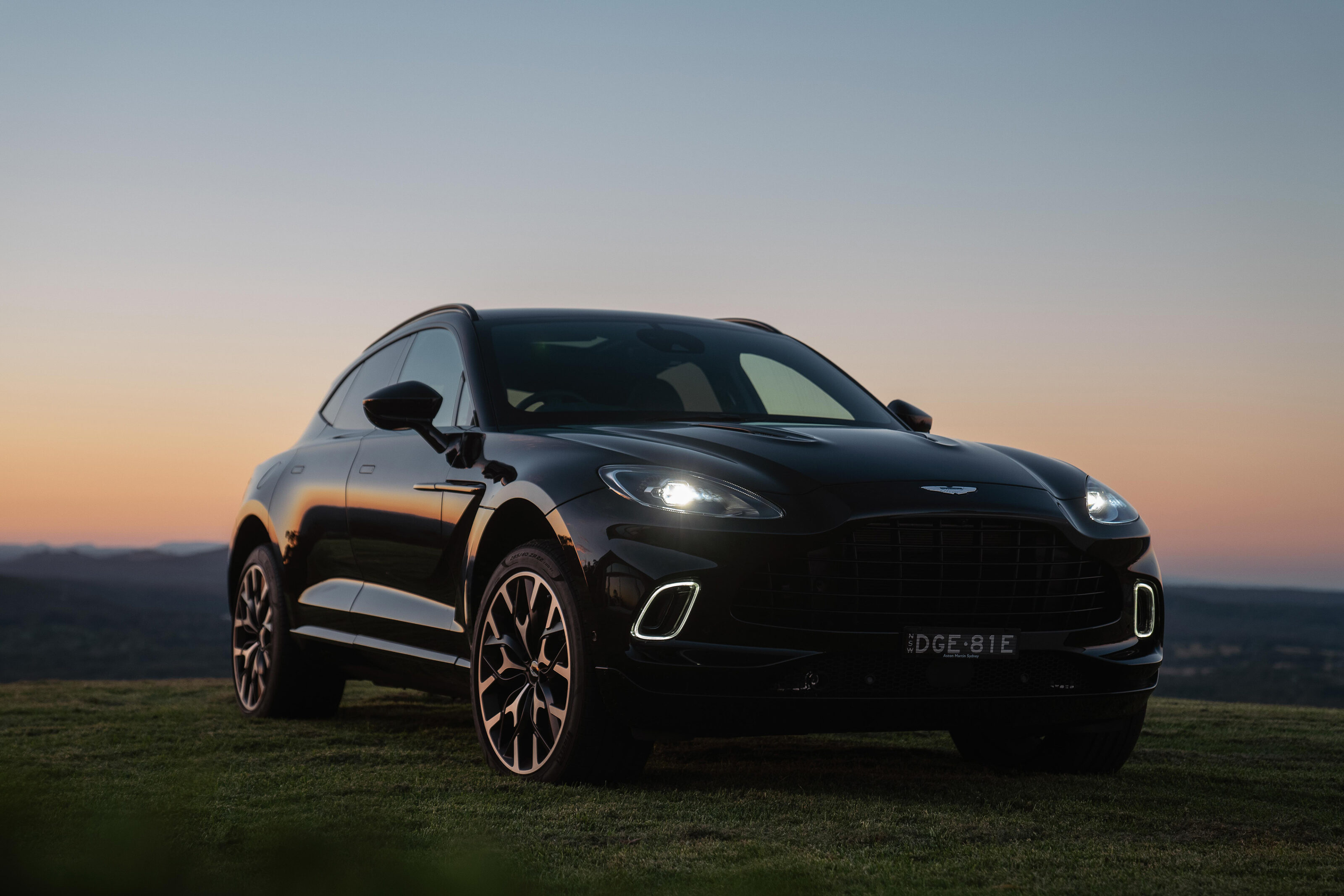
Aston Martin: Up 70 per cent – winner
Best-selling and fastest-growing model: Not applicable.
The British brand’s first SUV, the DBX, is having a positive effect so far in 2021 – contributing to nearly half of Aston’s 68 units.
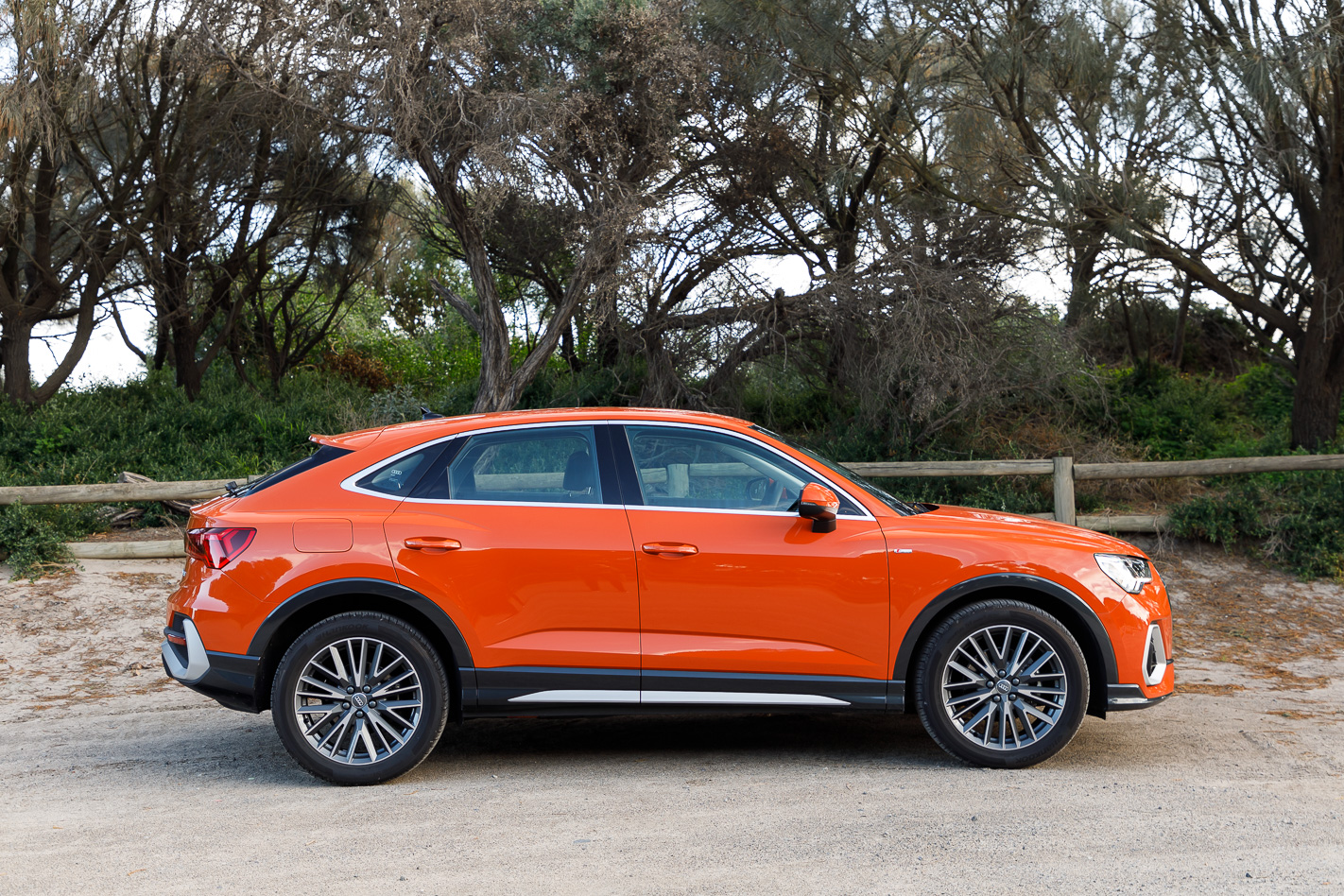
Audi: Up 25 per cent – winner
Best-selling model: Q3 small SUV (2912 sales; up 61 per cent)
Fastest-growing model: R8 supercar (22 sales; up 633 per cent)
Sales up by a quarter is still a positive, despite growth being slightly below the 2021 market’s 28 per cent (up to the end of June). There’s growth among the German brand’s passenger cars but its SUVs continue to dominate. Its Q2, Q3, Q5, Q7 and Q8 models accumulatively account for four out of every five Audis sold. The second-generation Q3 introduced in 2020 is its standout performer; next is the Q5 with 2216 sales (up 50 per cent).
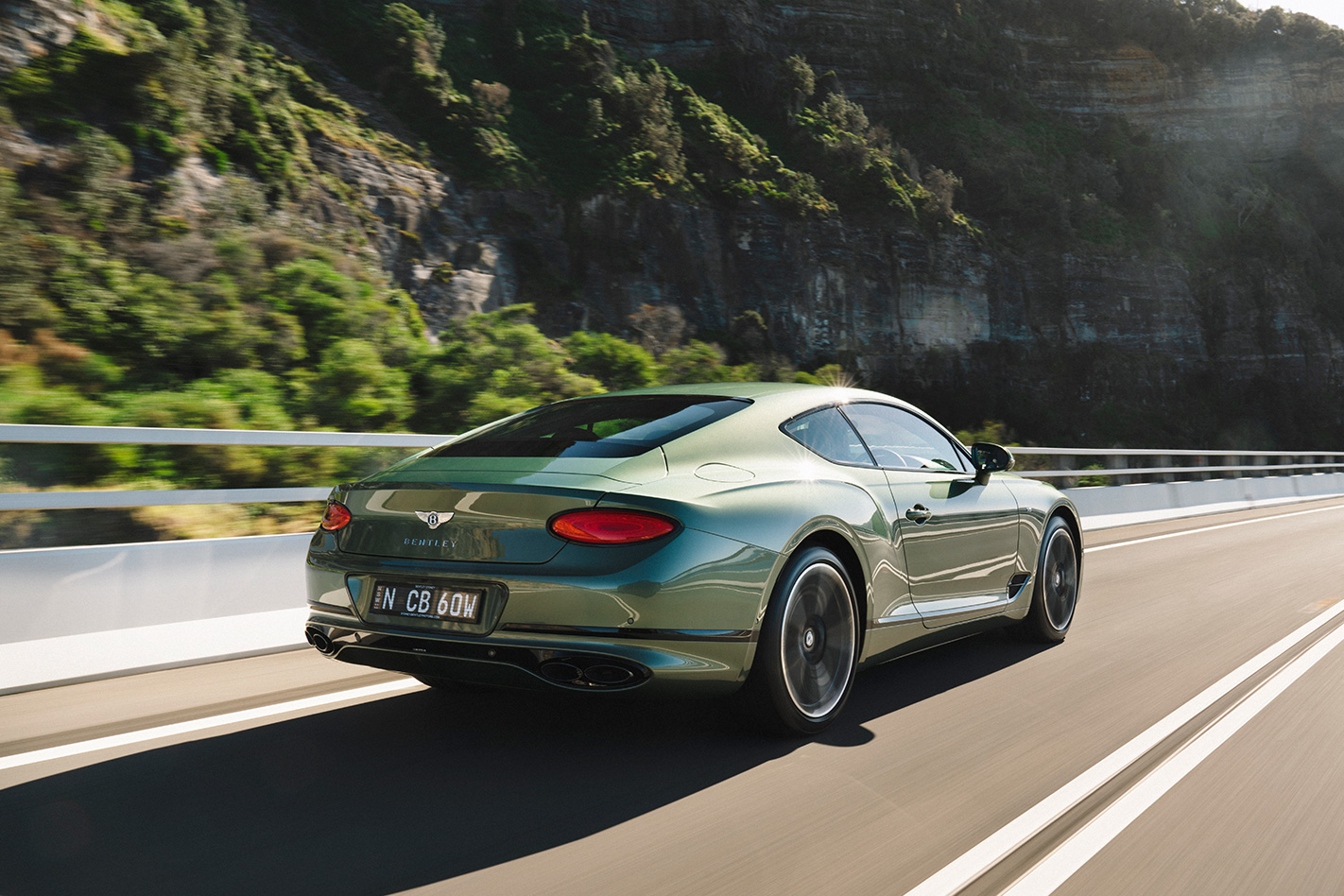
Bentley: Up 19 per cent – small winner
Best-selling model: Continental GT coupe/convertible (52 sales; up eight per cent)
Fastest-growing model: Mulsanne limo (16 sales; up 46 per cent)
England’s posh Bentley brand has passed 100 units (108) at 2021’s halfway stage, with its latest-generation Continental GT managing to outsell the Bentayga SUV.
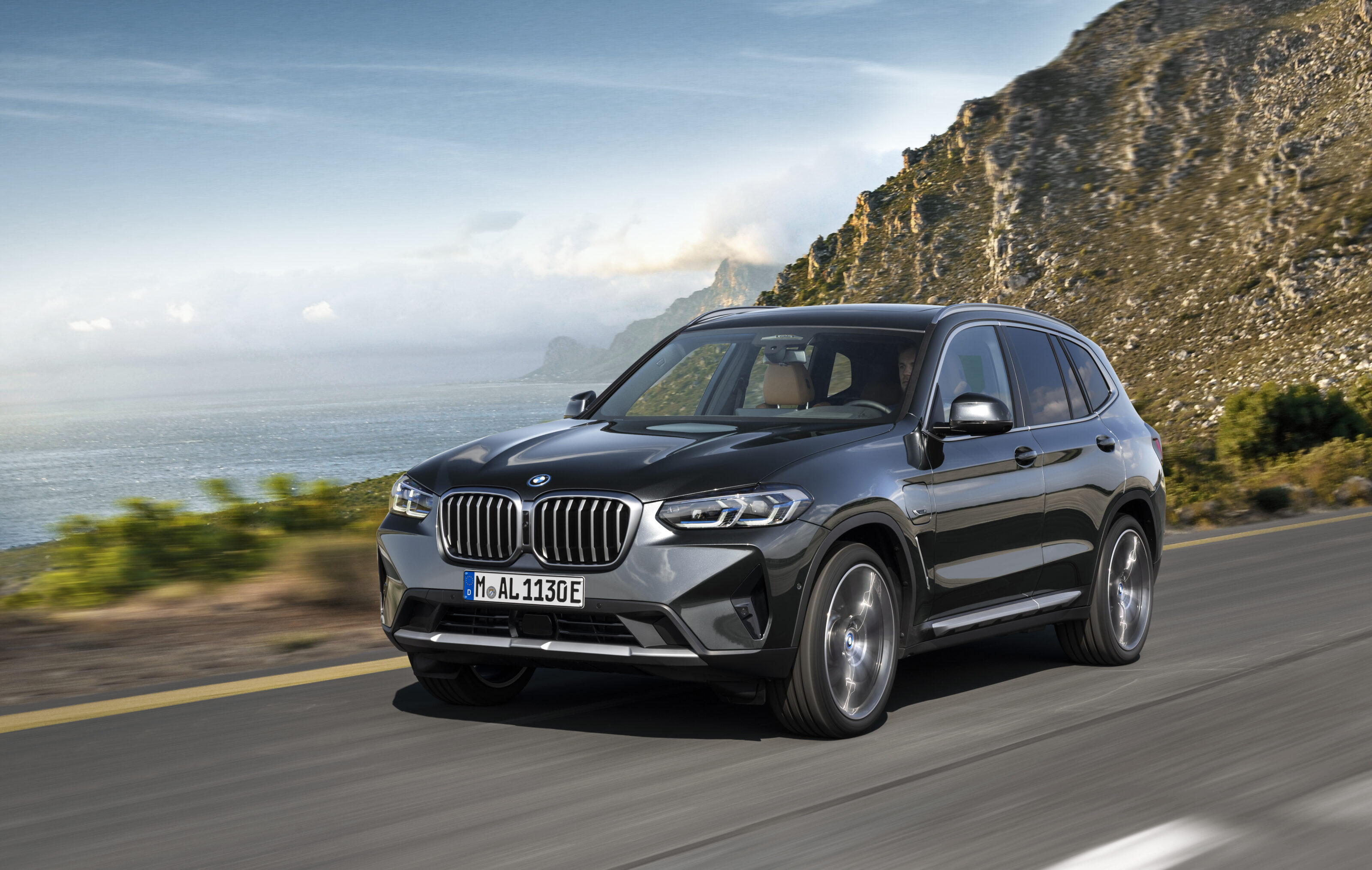
BMW: Up 12 per cent – small winner
Best-selling model: X3 midsized SUV (2258 sales; up nine per cent)
Fastest-growing model: 4 Series Coupe/Convertible (594 sales; up 179 per cent)
Growth, yes, but below the overall market’s 28 per cent increase. While comfortably ahead of Audi, there’s also still a clear gap to Mercedes-Benz. While the Munich brand’s regular SUVs – X1, X3 and X5 – are all registering sales increases, its coupe-style spin-off variants – X2, X4 and X6 – have all posted decreases. The X7 flagship is also down.
The Z4 sports car has nosedived (down 78 per cent) but there are plenty of bright spots among BMW’s passenger-car range. Its compact models are together outperforming rivals from Audi and Mercedes, with the 1 Series hatch and its related 2 Series Gran Coupe sedan up 12 and 76 per cent, respectively.
Chrysler: Down 43 per cent – loser
The US brand soldiers on with its solitary model, the 300, and just 78 sales so far.
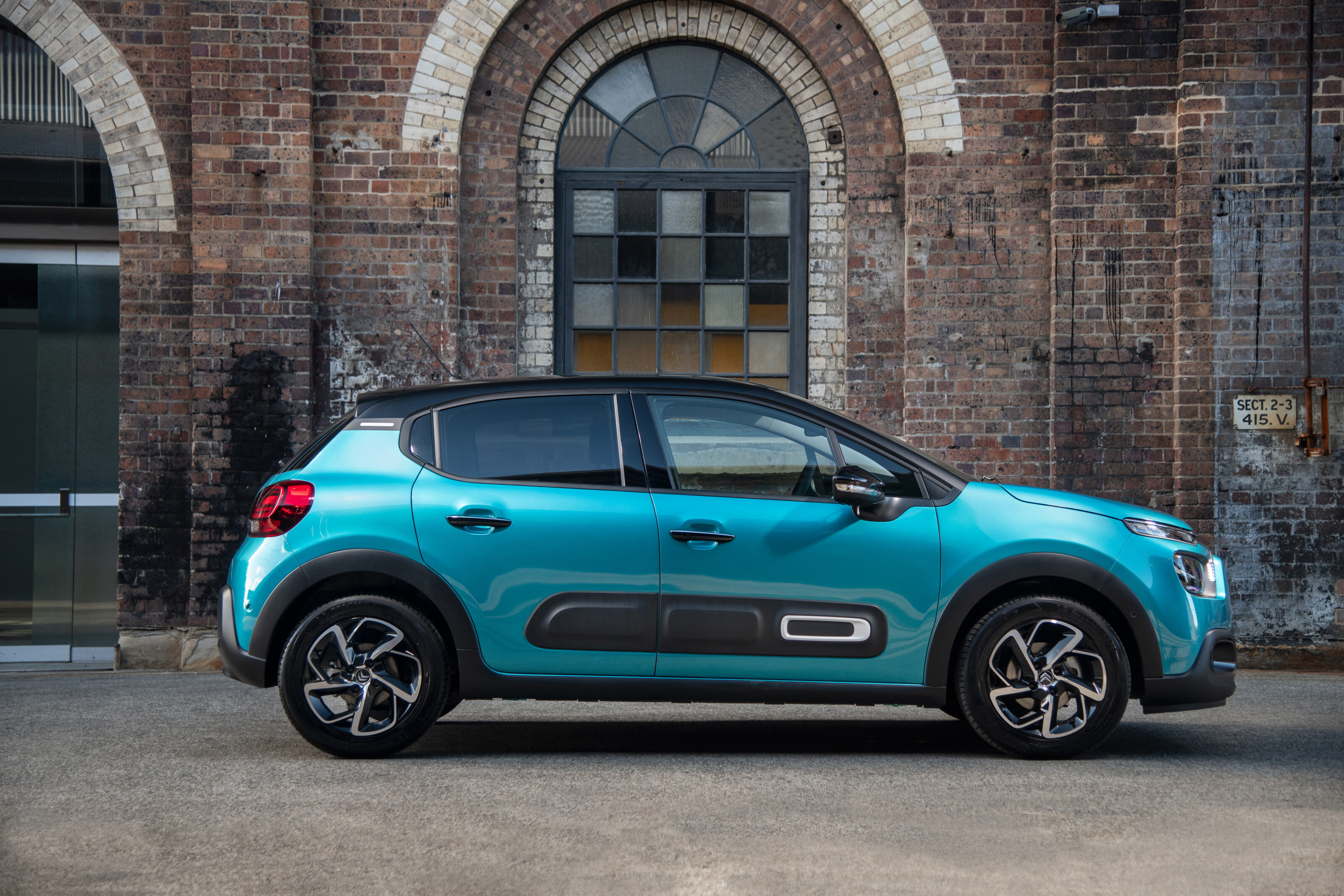
Citroen: Down 28 per cent – loser
Best-selling and fastest-growing model: C3 city car (47 sales; up 68 per cent)
This half of the PSA Group continues to lag well behind its Peugeot sister brand. With 71 sales so far this year, it is outsold by unlikely manufacturers including Lamborghini. Will the French brand’s fortunes ever be revived Down Under?
Ferrari: Down 21 per cent – loser
The Prancing Horse’s sales have been galloping along in recent years but is out of its stride in 2021 with its 87 units down on the 110 Ferraris shifted in the first six months of last year.
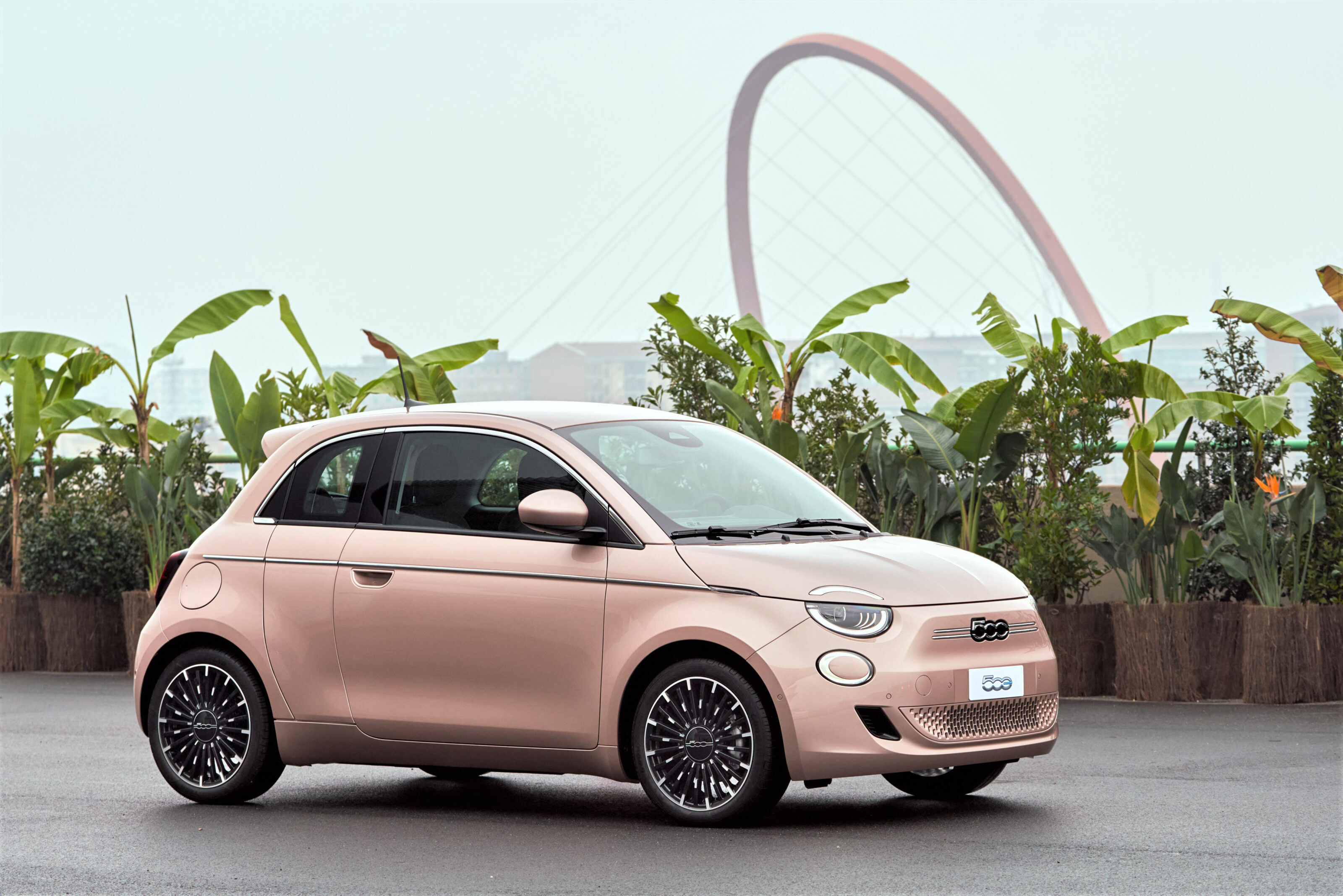
Fiat: Down 19 per cent – loser
Like Chrysler, a brand now offering just a single model – albeit in various guises, including sporty Abarths. Sales of the 500 are up eight per cent, but the departures of the MX-5-based 124 Spider and failed 500X SUV means overall sales are down by a fifth.
Ford: Up 37 per cent – winner
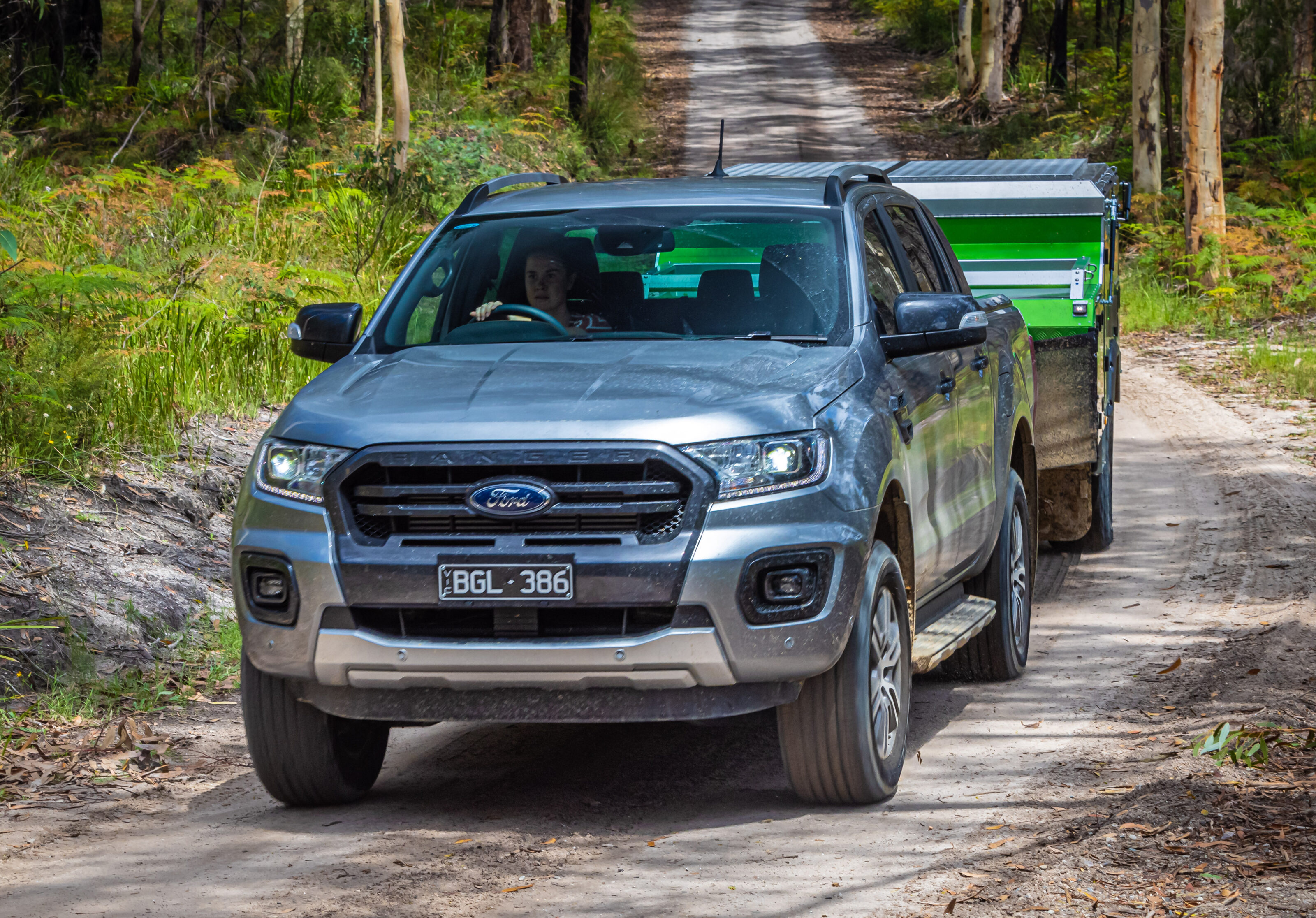
Best-selling model: Ranger ute (25,336 sales; up 37 per cent)
Fastest-growing model: Fiesta ST hot-hatch (251 sales; up 167 per cent)
Ford Australia is having a stellar year, even claiming third most popular brand in the month of June. It’s primarily owed to the continuing phenomenal success of the Ranger ute, which in 2021 so far accounts for two out every three Ford sales. The Everest SUV spin-off is also going strongly, up 39 per cent.
There’s still consistent growth among Ford’s other models, however, including the only version of the Fiesta imported here – the ST. Sales of the pint-sized hot-hatch have almost tripled since this time last year. The Focus has disappointed, though; the once-popular small car has seen its sales halve (to 582 units).
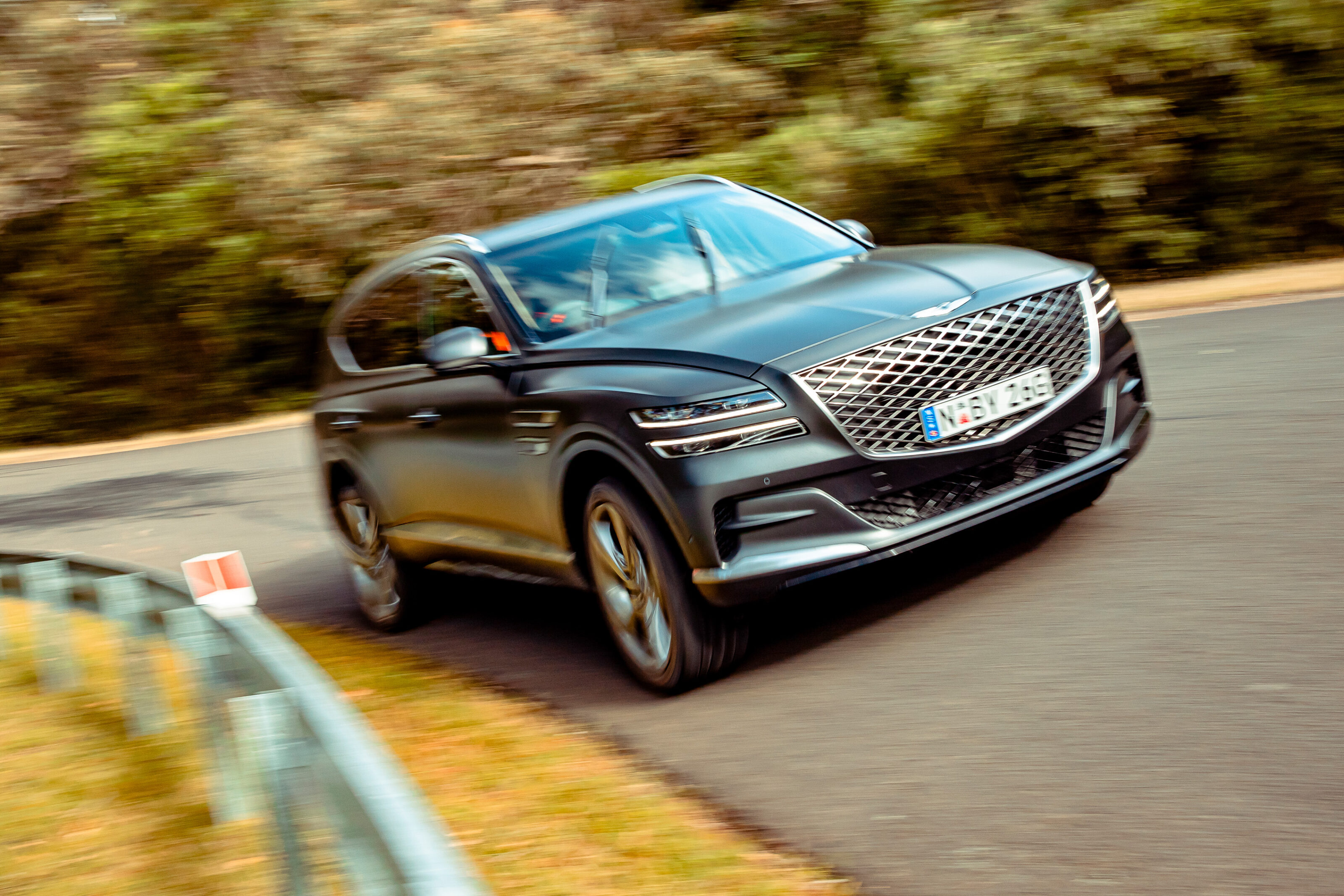
Genesis: Up 310 per cent – big winner
Best-selling and fastest-growing model: GV80 large SUV (154 sales; not sold this time in 2020)
Hyundai’s luxury brand only launched in 2020 and has extremely limited sales outlets, yet Genesis is already tracking far more positively than how Nissan’s Infiniti fared in its first full year (2013).
The first model, the G70 sedan, was updated recently and has increased sales this year, though the key to growth has been the addition of the G80 limo and GV80 large luxury SUV. The latter is the most popular Genesis model at this stage, though the brand expects the just-released GV70 medium SUV to become its best-seller.
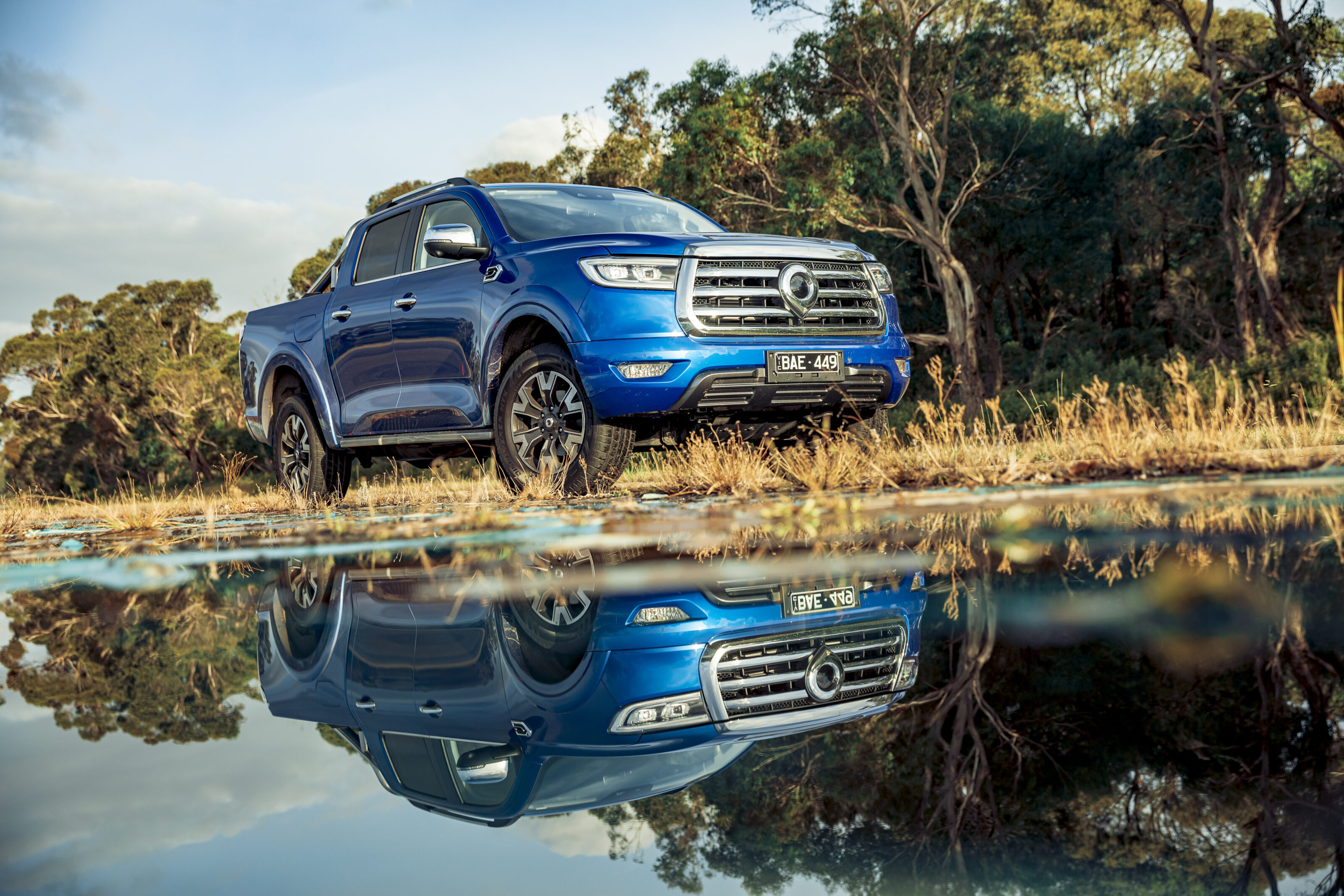
GWM-Haval: Up 261 per cent – big winner
Best-selling model: GWM Ute (3254 sales; not on sales this time last year)
Fastest-growing model: Haval H2 compact SUV (1936 sales; up 138 per cent)
Great Wall Motors was the first Chinese car maker to go on sale in Australia (in 2009), and the newly named GWM (together with its spin-off SUV brand, Haval) is now truly hitting its straps. Having sold a promising 2094 units in the first six months of 2020, so far this year it has registered more than 7500 vehicles for remarkable growth.
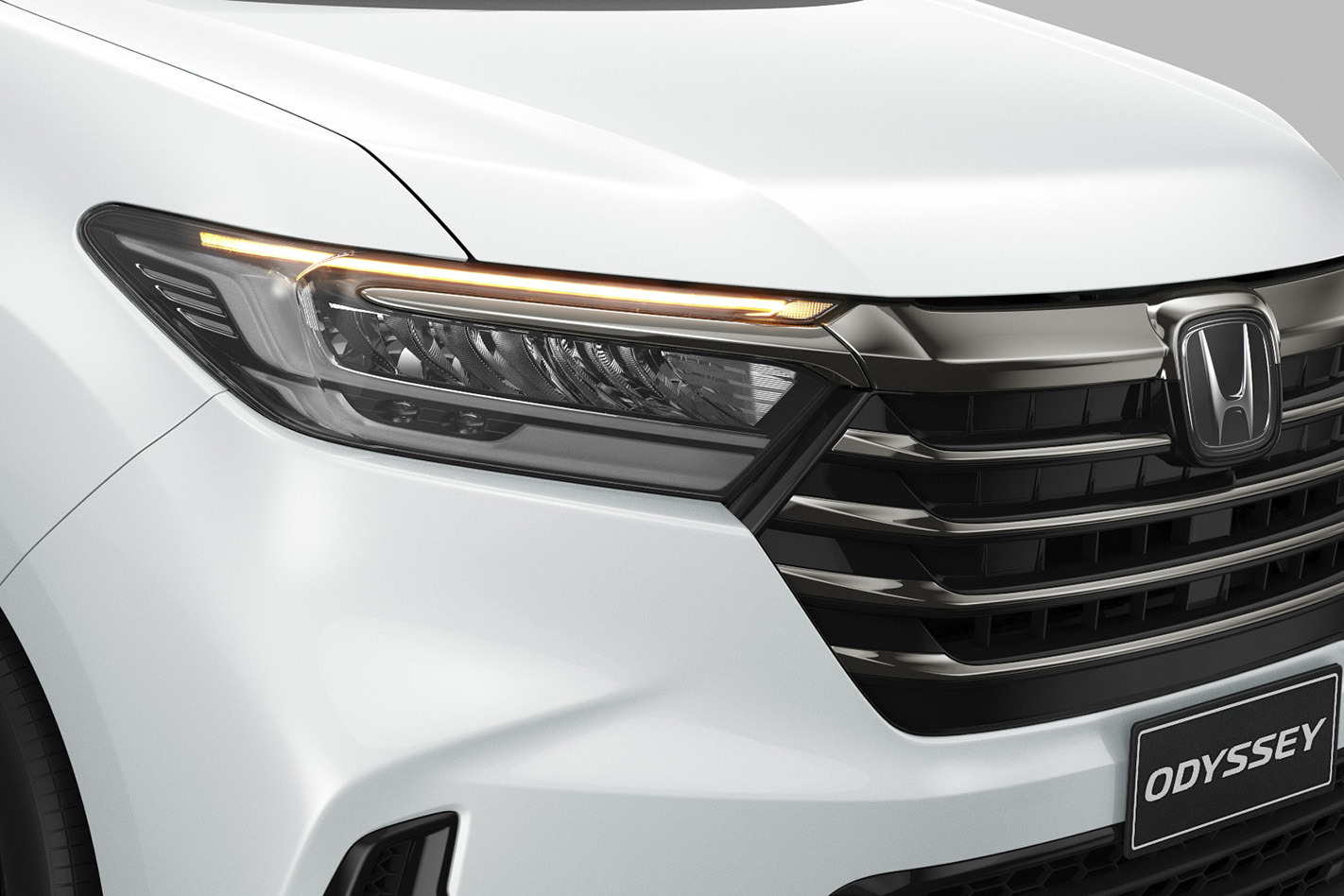
Honda: Down 35 per cent – loser
Best-selling model: CR-V (3982 sales; down 29 per cent)
Fastest-growing model: Odyssey (707 sales; up 22 per cent)
The Japanese brand seems to be falling out of favour in Australia. As it moves to a new agency model with fixed pricing, almost every Honda vehicle has experienced a sales decline. The decision to axe the Jazz city car hasn’t helped, but even its biggest nameplates – the Civic and CR-V – are suffering.
The unexpected model defying the trend is the Odyssey people-mover, though this model is also being phased out in 2022 without signs of a replacement.
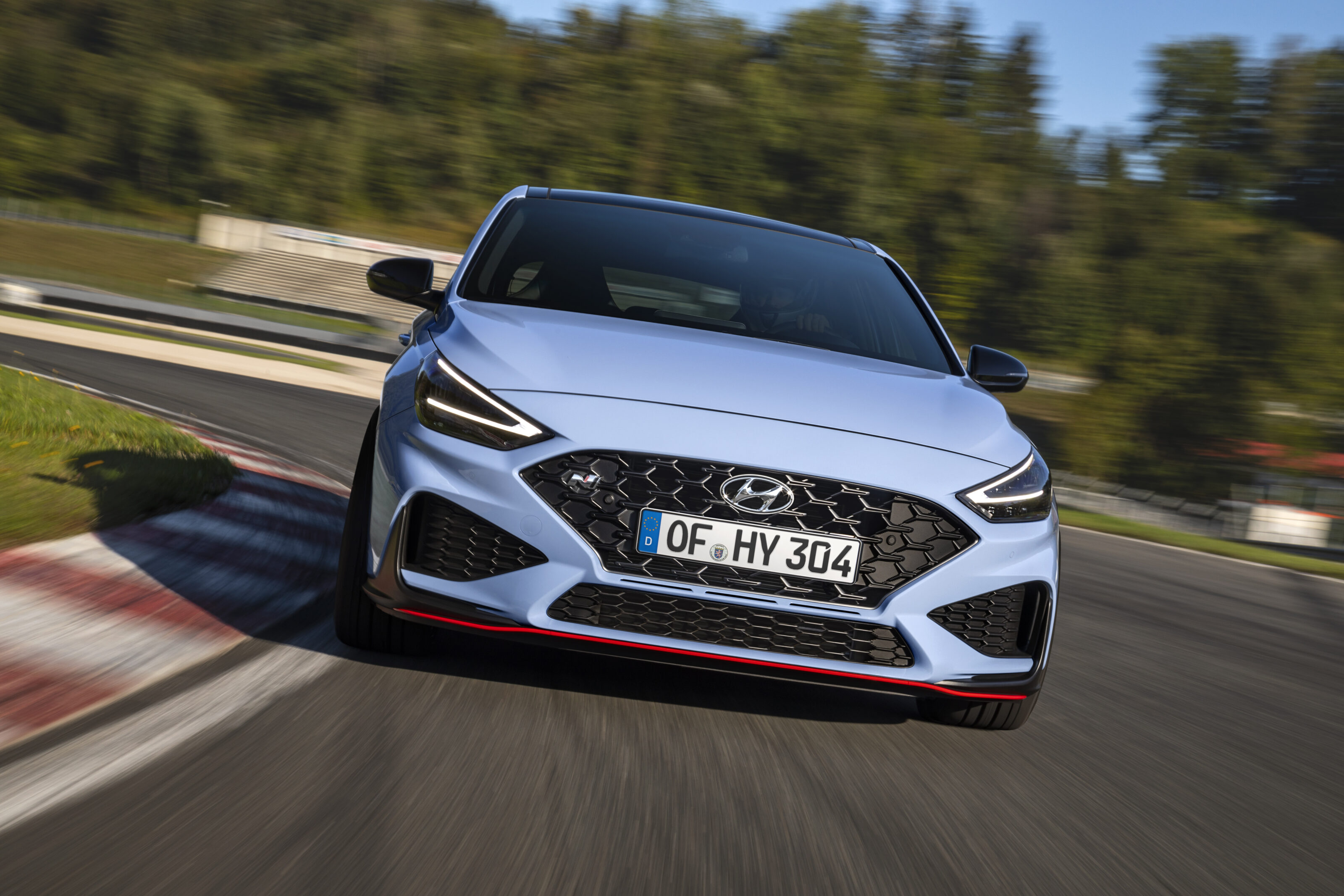
Hyundai: Up 26 per cent – small winner
Best-selling model: i30 small car (13,139 sales; up 28 per cent)
Fastest-growing model: Venue small SUV (3176 sales; up 89 per cent)
Straddling a fine line between ‘Winner’ and ‘Inbetweener’ with its 26 per cent growth just below the overall market, Hyundai has been particularly frustrated by supply issues. Affected models include its vital, new-generation Tucson SUV. While Tucson sales are down 15 per cent consequently, the potential growth can be seen in the Korean brand’s other SUVs.
The Venue and Kona compact SUVs are up 89 and 51 per cent, respectively, while Hyundai’s largest SUV, the new Palisade, is already selling strongly with 1848 units so far – and without compromising its traditional seven-seater SUV, the Santa Fe (2990 sales, up 21 per cent). The i30 small car has also remained its best-selling model, and a regular top 10 model every month.
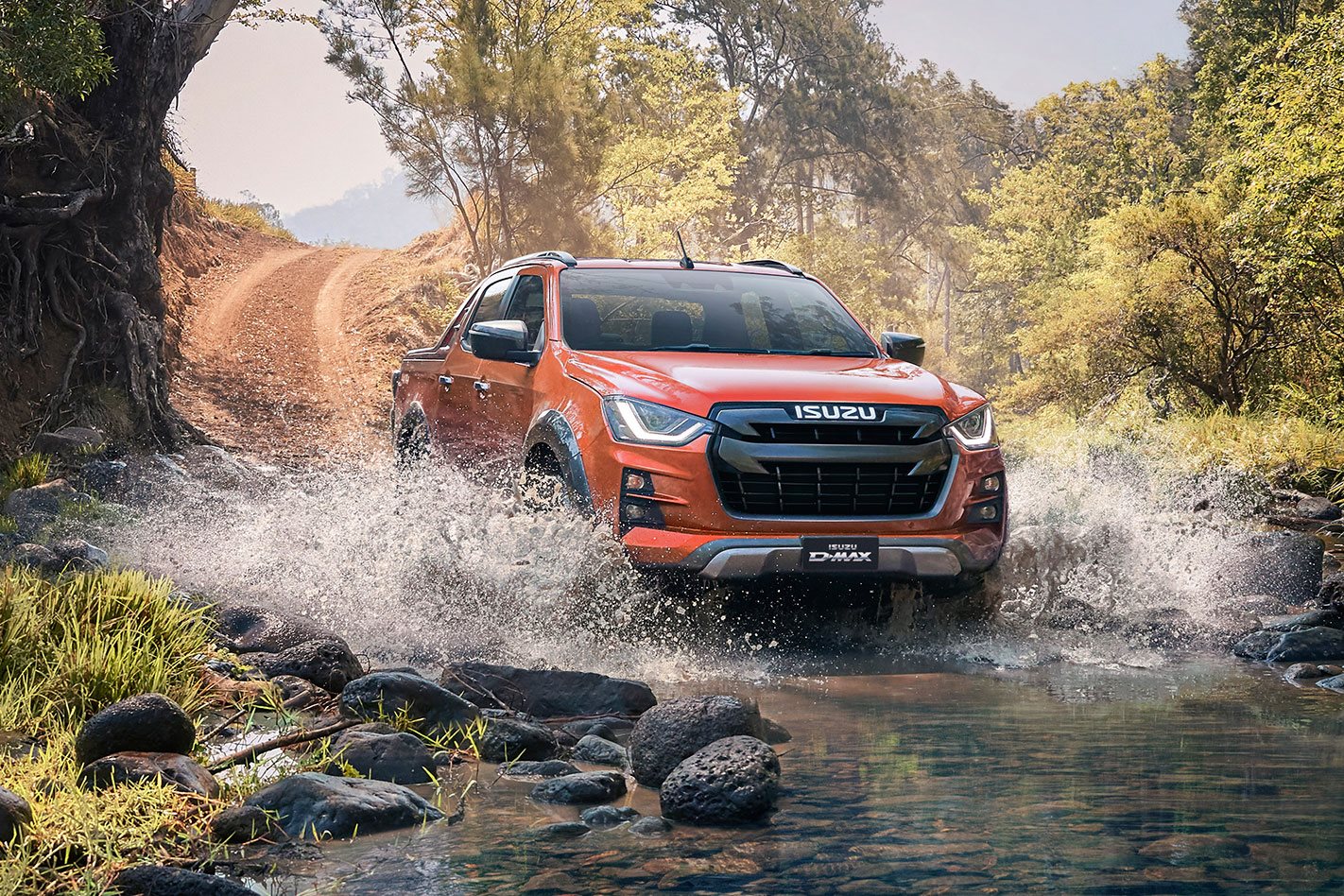
Isuzu Ute: Up 88 per cent – big winner
Best-selling and fastest-growing model: D-Max ute (13,805 sales; up 109 per cent)
This year is turning out to be some year for Isuzu Ute. While long popular in Australia, the brand that sells just one ute and just one SUV is achieving sensational figures. A new-generation D-Max ute is doing most of the work with triple-digit growth, though the MU-X SUV that’s based on the D-Max is also surprising – up 48 per cent despite its own replacement model going on sale in August.

Jaguar: Down 19 per cent – loser
Best-selling model: E-Pace compact SUV (347 sales; down 24 per cent)
Fastest-growing model: F-Type sports car (29 sales; up 71 per cent)
The British brand’s struggles continue in 2021, with half-year sales of 703 units down nearly 20 per cent. None of its SUVs are firing locally as would be hoped; sales of the E-Pace, F-Pace and electric i-Pace have dropped. And with the 3 Series-rivalling XE also down, by 36 per cent, it leaves two low-volume models to bring the only growth in the line-up.
The F-Type coupe/convertible is up nearly 70 per cent (29 units) and the XF large sedan is up 65 per cent (28 units).
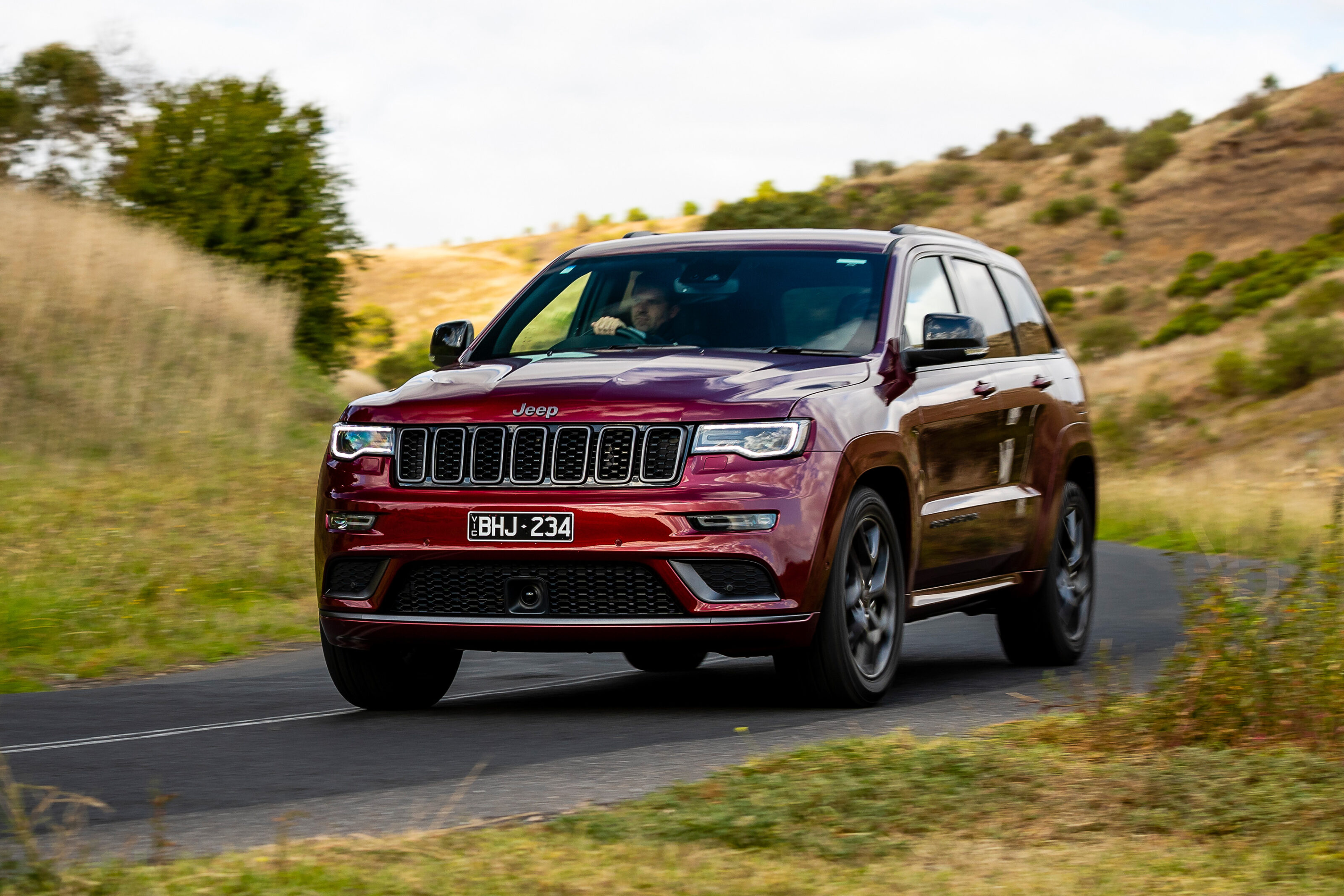
Jeep: Up 71 per cent – winner
Best-selling model: Grand Cherokee large SUV (1666 sales; up 43 per cent)
Fastest-growing model: Gladiator ute (572 sales; up 255 per cent)
Jeep is back in Australia’s good books, it seems. The famous US 4WD manufacturer is still a long way from returning to five-figure annual sales (last achieved in 2016), but 2021 could match, or even beat, the 8000-plus units last registered in 2017.
Jeep is just short of 4000 units at the year’s half-way point, with all models increasing sales. The new-generation Wrangler off-roader continues to perform well (up 89 per cent to exactly 1000 units), while the spin-off Gladiator ute is the brand’s fastest-growing model. The ever-popular Grand Cherokee is also up 43 per cent – despite a long-awaited, next-generation version due in late 2021.
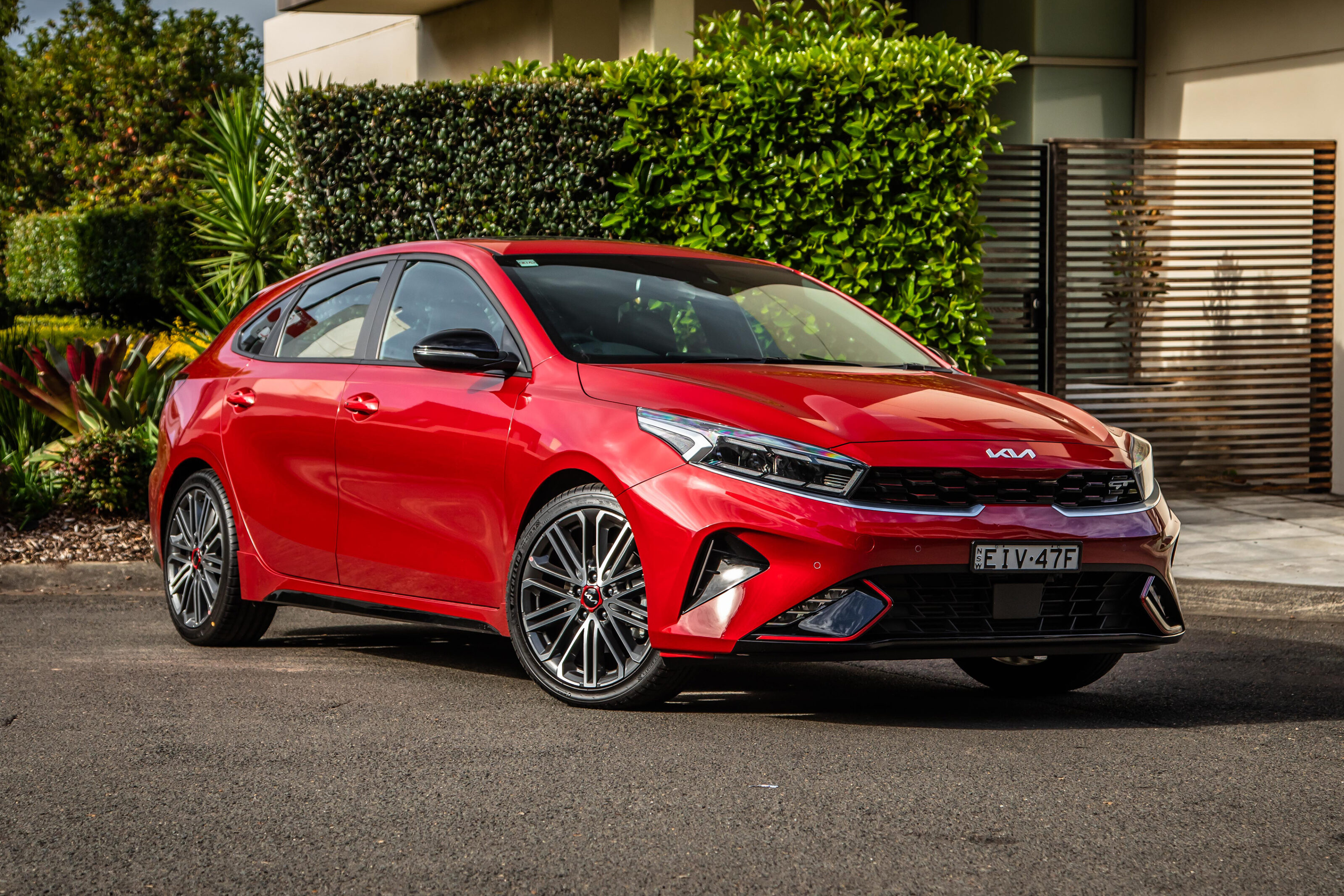
Kia: Up 43 per cent – winner
Best-selling model: Cerato small car (10,756 sales; up 20 per cent)
Fastest-growing model: Picanto micro car (3770 sales; up 122 per cent)
It’s not out of the realms of possibility Kia could perform the previously unthinkable in 2021: outselling its more senior Korean stablemate (and majority shareholder) Hyundai. Kia has already beaten Hyundai in two of the six months so far, and was the third most popular brand in Australia in May.
The Cerato, recently updated, is still by far its most successful model locally – and up 20 per cent compared with this period last year. New-generation versions of the Sorento large SUV and Carnival people-mover have also shone since their release towards the end of 2020 – up 115 and 61 per cent, respectively. The brand’s fastest-growing model is an unexpected one, however – the diminutive Picanto.
Lamborghini: Up 50 per cent – winner
Best-selling and fastest-growing model: Urus SUV (46 sales; up 84 per cent)
Lamborghini is just six units short of matching Italian rival Ferrari up to the year’s half-way point – 81 versus 87 vehicles. The Urus SUV is outselling the company’s supercar combination of Huracan and Aventador.
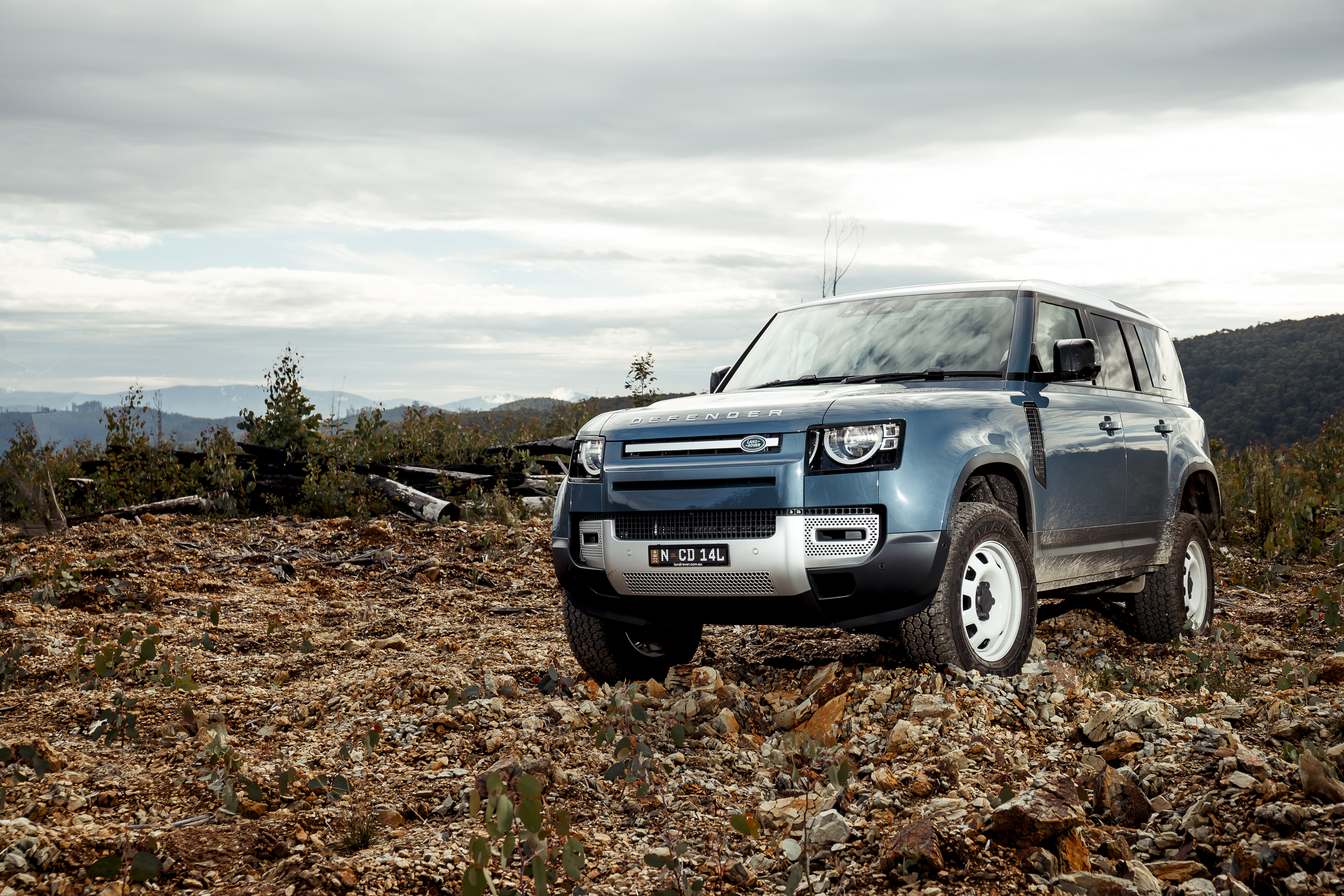
Land Rover: Up three per cent – small winner
Best-selling model: Range Rover Sport (1155 sales; up 10 per cent)
Fastest-growing model: Defender (912 sales; not sold this time last year)
The other half of the JLR equation is at least posting some growth, unlike Jaguar. The all-new, modern Defender is already closing on Land Rover’s most popular vehicle, the Range Rover Sport, and in the second half of 2021 the five-door 110 will be joined by the three-door 90. It appears the Defender 110 is cannibalising some sales of the company’s seven-seater Discovery, which is down 51 per cent (to 243 units). The smaller Discovery Sport is faring slightly worse, with a 62 per cent drop (to 334 units).
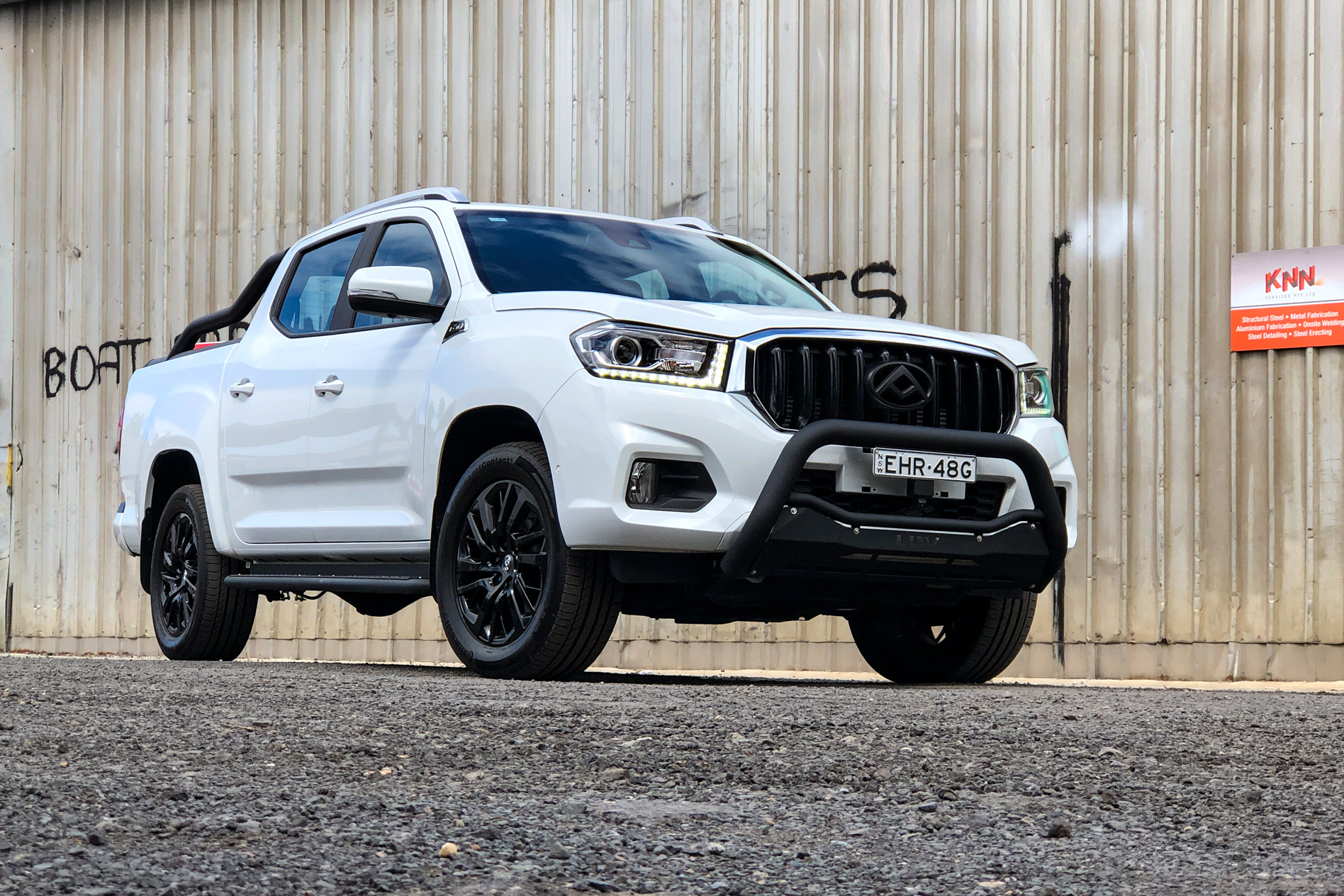
LDV: Up 127 per cent – big winner
Best-selling model: T60 ute (3337 sales; up 84 per cent)
Fastest-growing model: D90 SUV (664 sales; up 235 per cent)
Compare the first halves of 2021 and 2020 and LDV – the British van brand turned Chinese multi-vehicle manufacturer – has grown sales from 3163 to 7184 units. That’s a huge 127 per cent increase. Leading the way is the T60 ute that accounts for almost half of sales, though ‘fastest-growing-model’ status goes to the D90 SUV (up 235 per cent to 664 units). There are also notable volume increases for the G10 van (up 162 per cent) and its related people-mover (up 59 per cent).
Snapshot
- New Sportage set for late-2021 arrival
- 12-inch infotainment and digital dash to feature
- Petrol and diesel engines likely to mirror Hyundai Tucson
Kia has provided more details about its new-look Sportage SUV ahead of its Australian arrival in the fourth quarter of 2021, signifying the first update to the model since 2015.
Off the back of Kia sharing images of the updated Sportage last month, the brand has globally debuted specifications of the fifth-generation model.
The South Korean manufacturer has based its SUV on new architecture which also underpins the Hyundai Tucson, the Sportage’s sibling outselling it by nearly two-thirds in 2020 (9579 units vs 15,789 units) amidst an overall slump from the industry thanks to Covid-19.
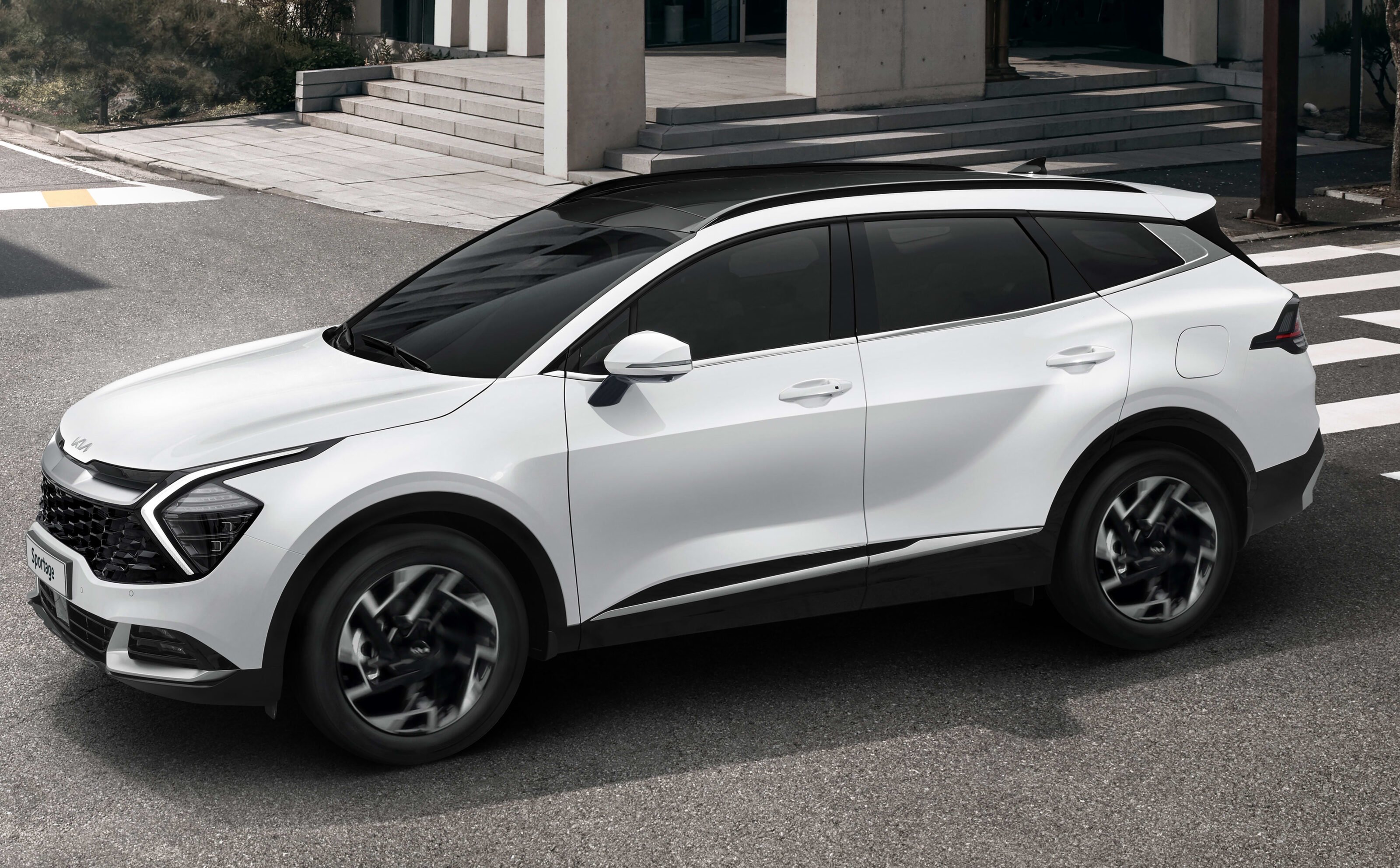
The base engine will be a 1.6-litre, four-cylinder turbocharged AWD petrol unit, making 132kW and 265Nm, mated to either a six-speed manual or seven-speed dual clutch auto gearbox – though with the Tucson being available as an auto only, it’s believed the Sportage will follow suit.
A turbo diesel engine will also feature, the two-litre four-cylinder developing 137kW and 417Nm, connected to an eight-speed torque converter auto and sending power to the road through all four wheels.
Hybrid options, including a plug-in hybrid variant, will be available overseas but there has been no confirmation on whether these will land in Australia, again in line with the Tucson which Hyundai said wouldn’t launch as a hybrid due to emissions regulations.
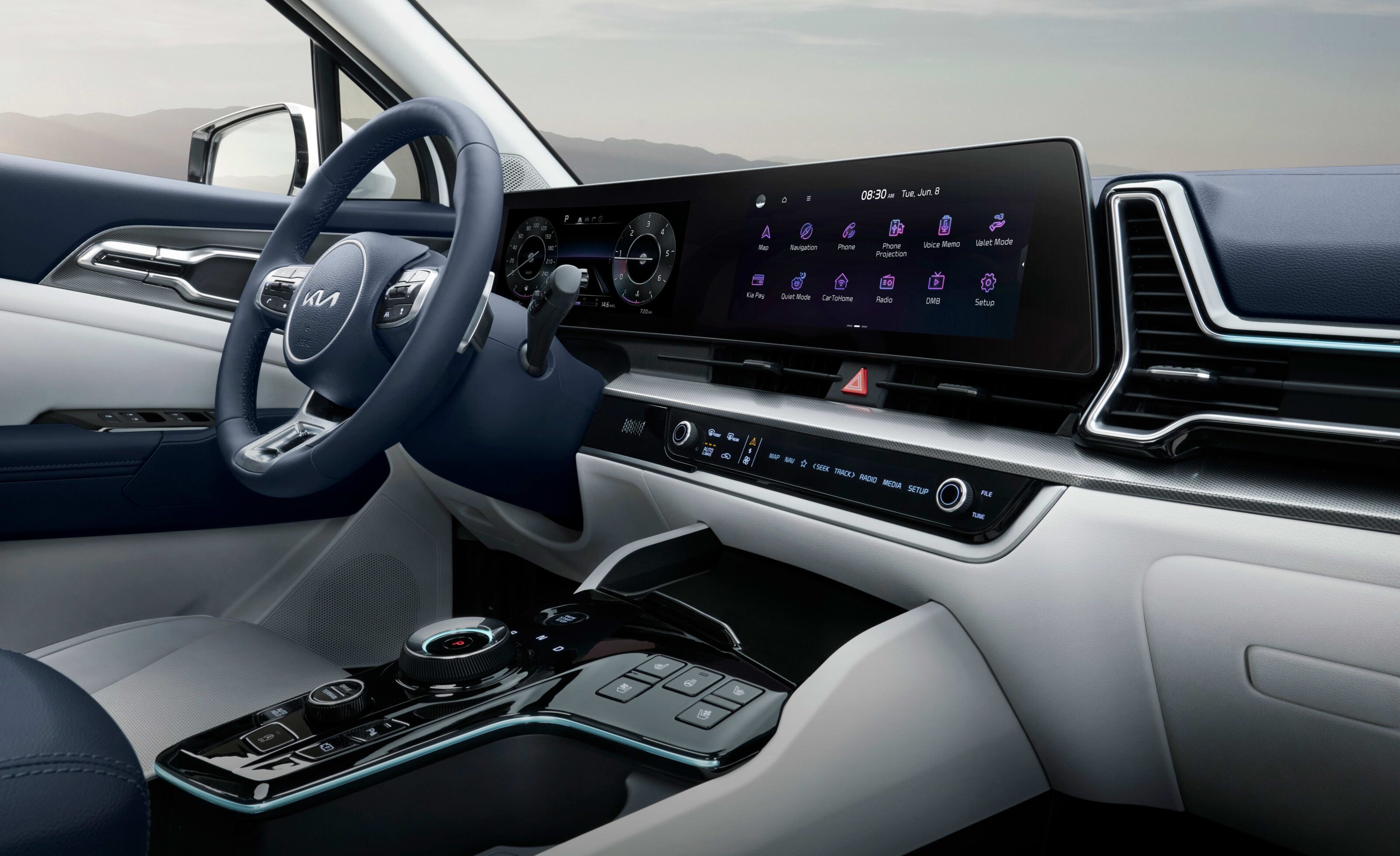
Inside the cabin is a new 12-inch infotainment touchscreen, joined up with the 12-inch LCD digital instrument cluster as a single panel, both now featuring over-the-air updates for software and navigation systems.
Shift-by-wire technology is now used to reduce space normally taken up by the gear selector on the centre console, allowing more room for other functions like wireless phone charging and multi-zone climate control touch controls.
Remote smart parking assist will come as a standard feature, allowing the car to be remotely parked or exit a parking spot without the driver inside it, a helpful feature in tight spaces.
Five different driving modes can be activated in the Sportage, ranging from on-road settings like comfort, eco, sport and smart to the off-road orientated terrain mode, giving drivers more control in low-grip environments such as snow, mud and sand.
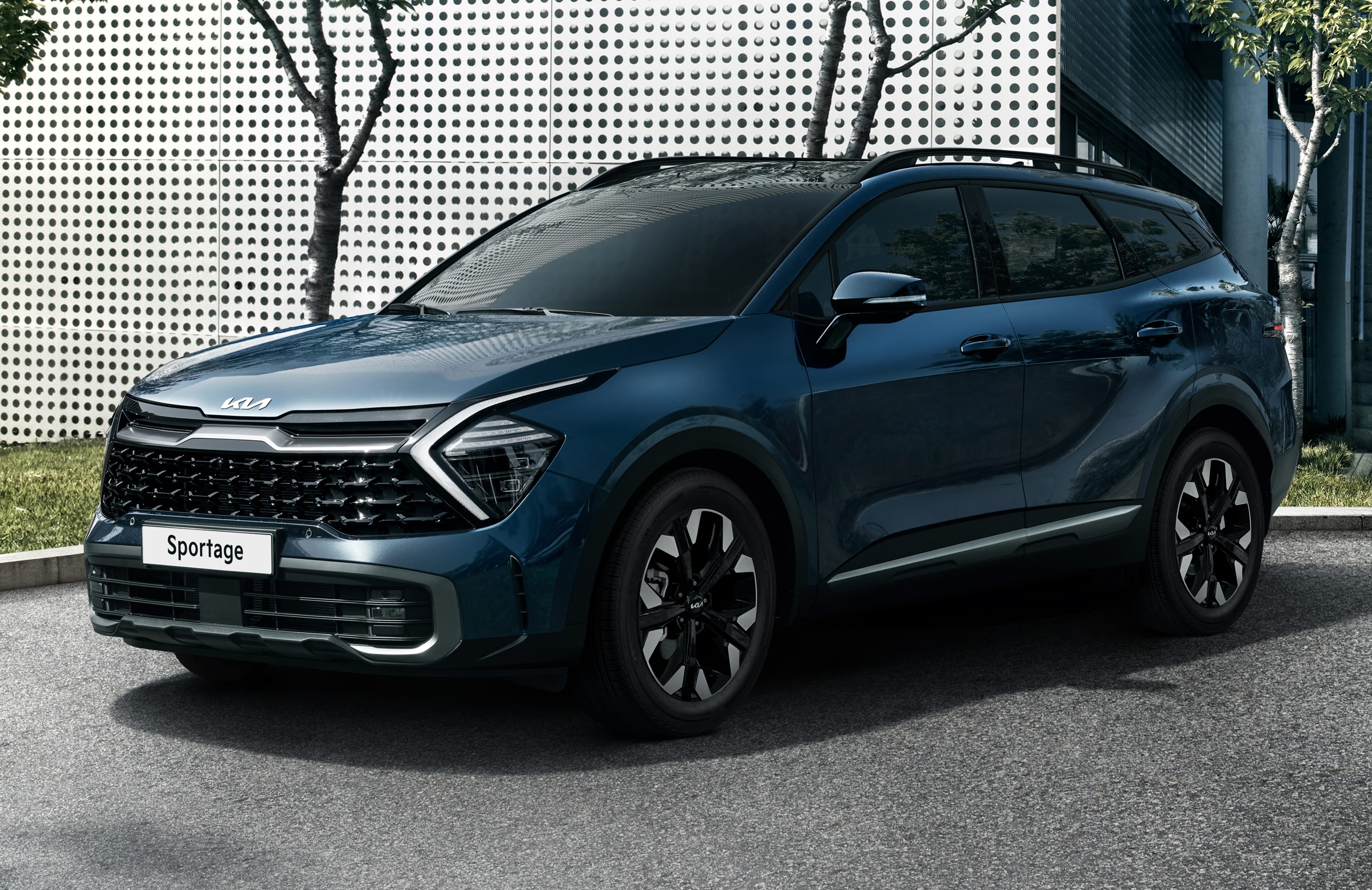
Exterior dimensions are up from the outgoing Sportage, with the extended 2755mm wheelbase model which is tipped to arrive locally standing at 4660mm in length (up 175mm), 1865mm wide (up 10mm) and 1660 high (up 15mm), all thanks to the 85mm longer wheelbase.
Interior size benefits from the exterior growth, Kia claiming second-row passengers now have 1050mm of legroom and 1000mm of headroom, also bumping boot space up by 171 litres to 637 litres when the back seats are up – no figures have been provided around space with the back seats folded flat but it’s expected to be bigger than the current 1455 litres.
Kia expects locally delivered Sportages to arrive in the fourth quarter of 2021, not yet announcing pricing for the range.
Snapshot
- Available from mid-July
- Refreshed Compass scores a host of new safety and tech features
- Updated SUV also benefits from both exterior and interior styling updates
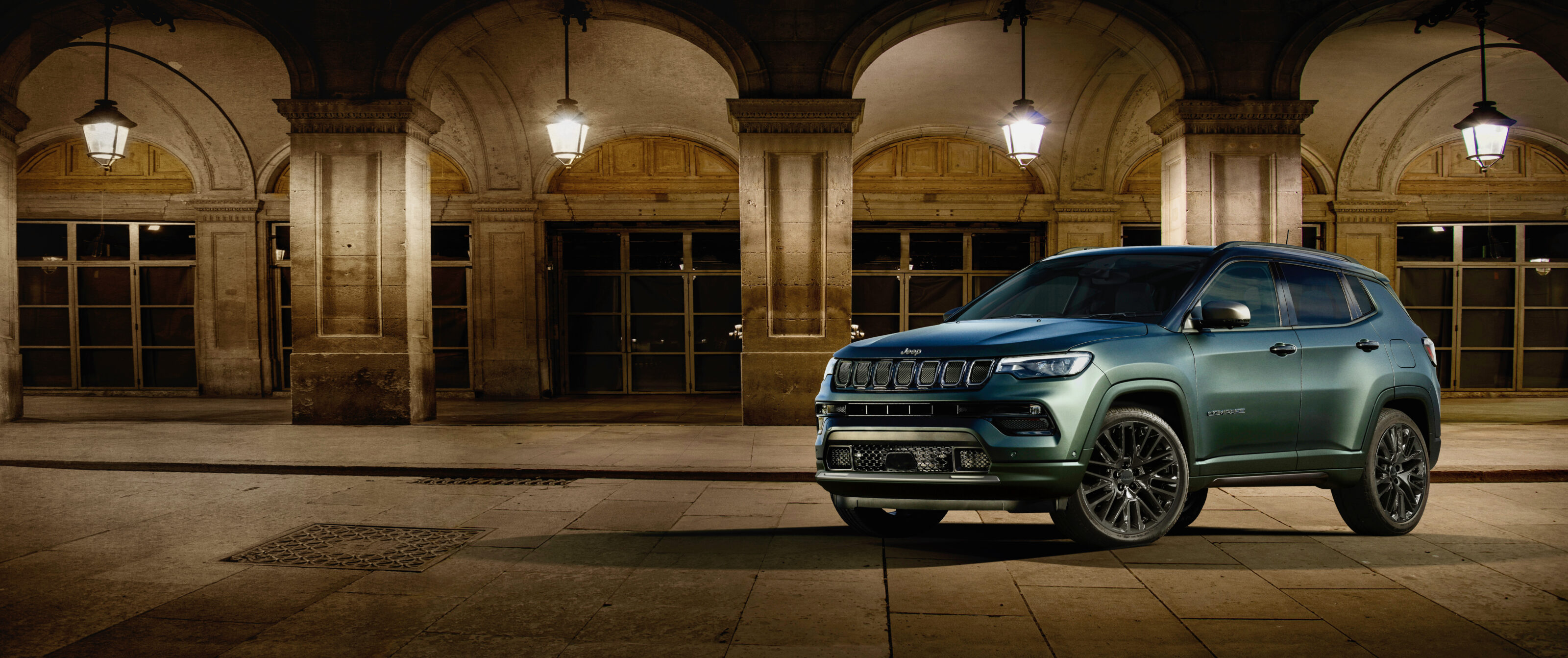
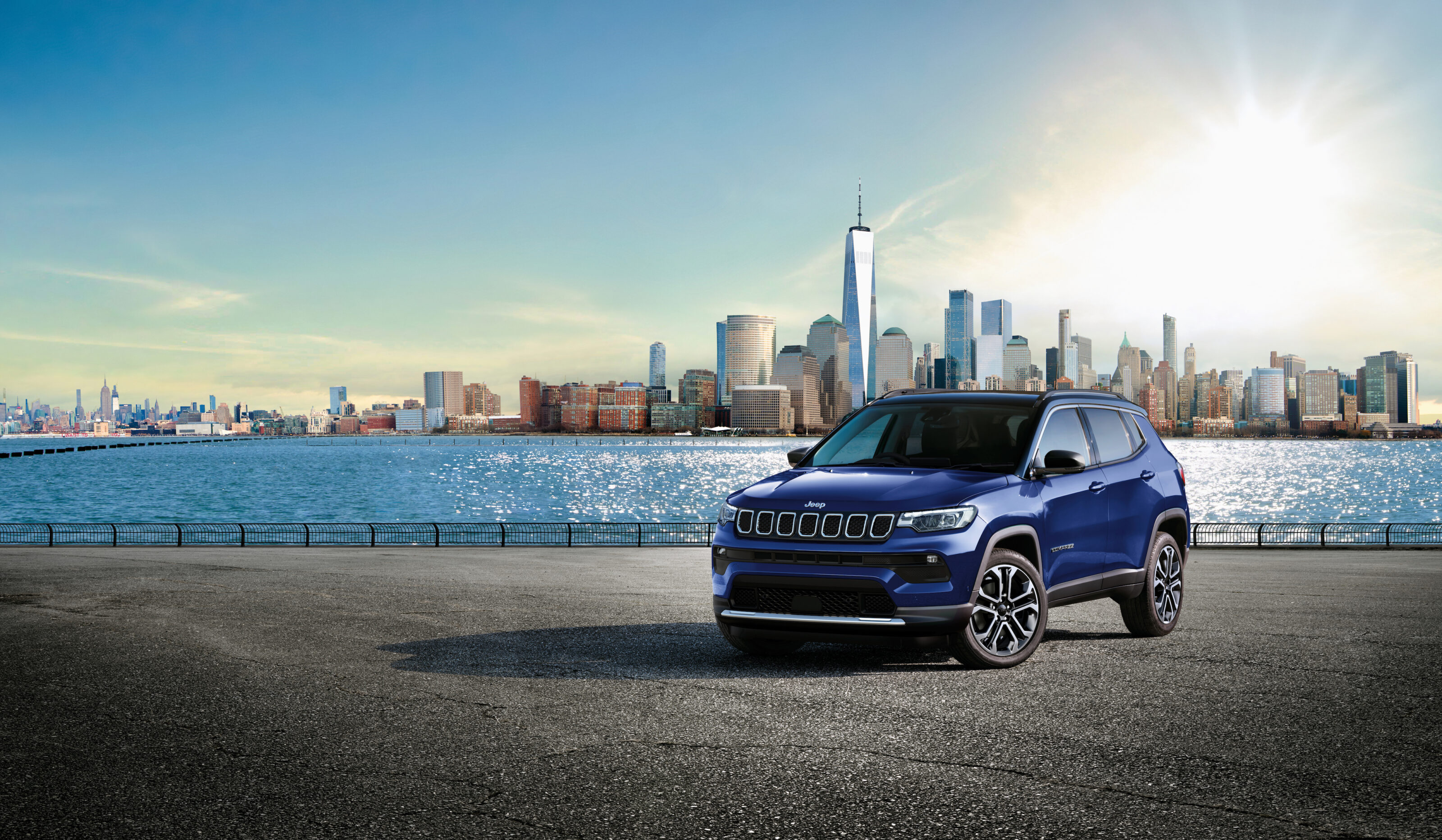
The 2021 Jeep Compass has received its life cycle update, with the American marque confirming pricing and features for the local Aussie market.
Starting from $37,950 (not including on-road costs), the compact Compass has gotten marginally more expensive than its predecessor, with prices increasing by a minimum of $1000, and gained two new variants.
For the extra coin, the diminutive SUV scores a host of exterior and interior enhancements, as well as several technological and safety upgrades.
To celebrate the firm’s birthday, a Jeep Compass 80th Anniversary edition, limited to just 160 examples, will also be offered as part of the model’s line-up later this year.
2021 Jeep Compass pricing for Australia
The 2021 Jeep Compass will be available in five different iterations (prices before on-road costs):
| Compass Launch Edition 2.4 petrol FWD | $37,950 | new model |
| Compass Limited 2.4 petrol 4×4 | $43,950 | up $1000 over predecessor |
| Compass 80th Anniversary 2.4 petrol 4×4 | $47,941 | new model |
| Compass S-Limited 2.4 petrol 4×4 | $46,950 | up $1000 over predecessor |
| Compass Trailhawk 2.0 diesel 4×4 | $51,250 | up $1800 over predecessor |
Prices exclude on-road costs
The Launch Edition can be had with the following cost options:
| Premium paint | $645 |
| Dual-pane sunroof | $1950 |
The Compass Limited can be optioned with:
| Premium paint | $645 |
| Black painted roof | $645 |
| Dual-pane sunroof | $1950 |
The Compass 80th Anniversary can be optioned with:
| Premium paint | $645 |
The Compass S-Limited can be optioned with:
| Premium paint | $645 |
| S-limited premium package |
The Compass Trailhawk can be optioned with:
| Premium paint | $645 |
| Trailhawk premium package |
Engines, transmission, and fuel economy
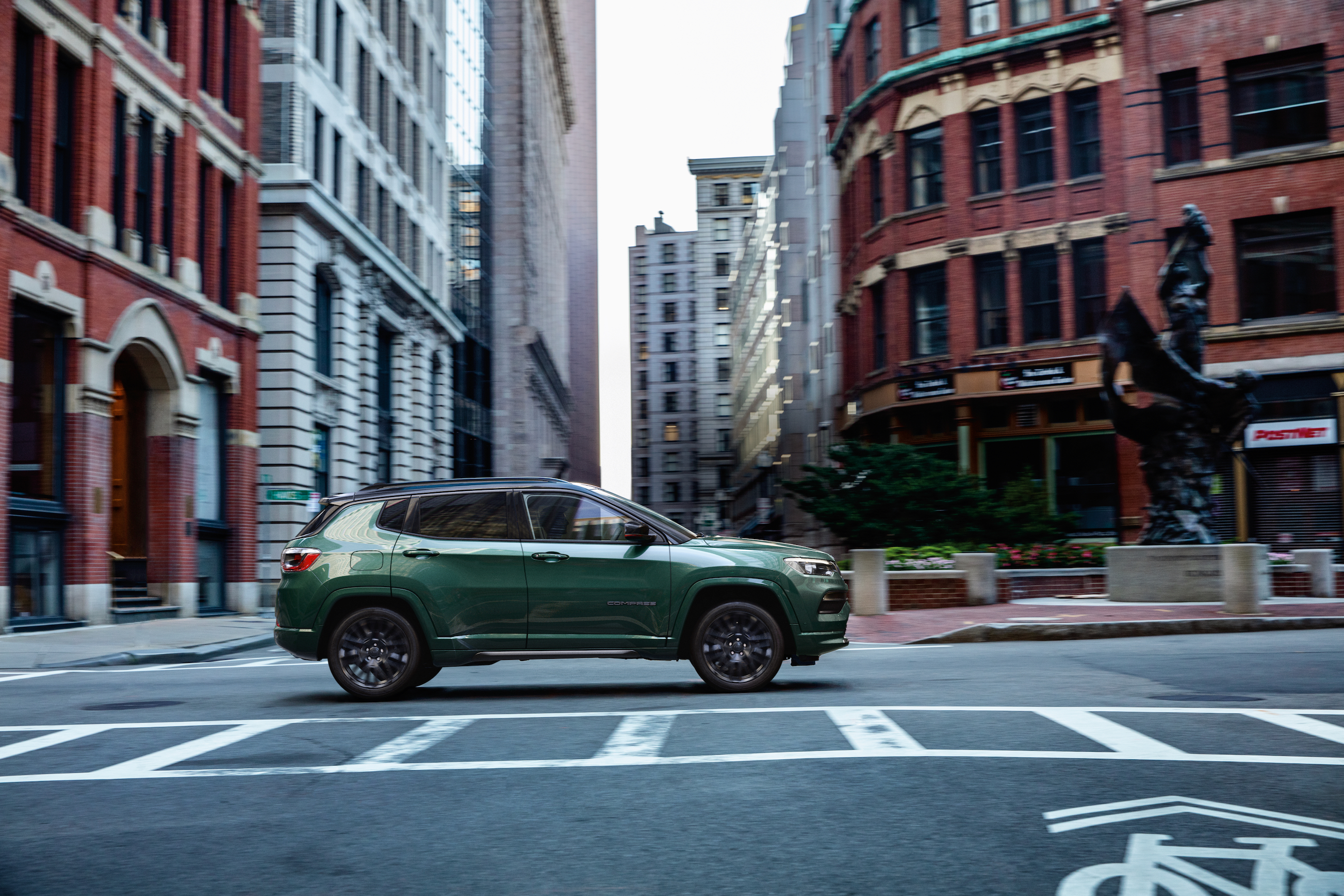
Like its predecessor, the refreshed Compass will be offered with two engine and gearbox options.
The first powerplant is Jeep’s familiar ‘Tigershark’ naturally aspirated 2.4-litre four-cylinder petrol engine.
The N/A four-pot still produces 129kW and 229Nm. In the case of the Compass Launch Edition, this shove is sent to the front wheels through a six-speed torque-converter automatic transmission.
For the Compass Limited, 80th Anniversary, and S-Limited, drive is sent to all four wheels through a nine-speed automatic transmission.
The second engine, a 125kW/350Nm 2.0-litre four-cylinder turbo-diesel engine, is only available in the range-topping Trailhawk.
The diesel donk is now a Euro 6D-spec unit and utilises a urea system (AdBlue).
For the petrol-powered iterations, average fuel consumption is rated from 7.9L to 9.7L/100km on the ADR combined cycle, depending on the variant.
The updated diesel-powered Trailhawk has yet to have its fuel figures tested in Australia. Wheels will update this story when the information becomes available.
All Compass examples come equipped with a 66-litre fuel tank.
Features
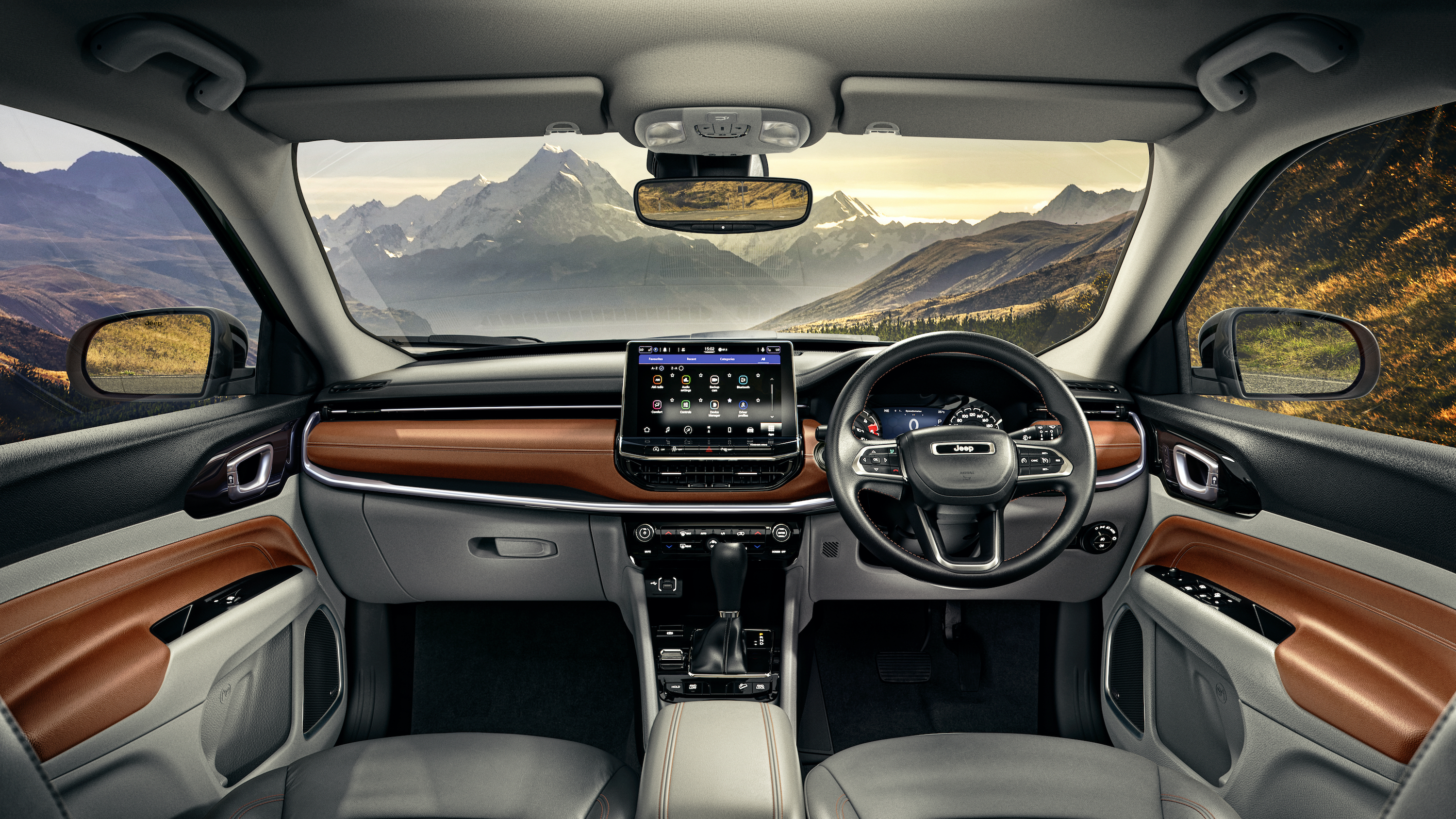
The entry level Compass Launch Edition comes equipped with features including:
| 10.1-inch touchscreen with Uconnect 5 and navigation |
| 7.0-inch TFT digital dash |
| First and second-row USB charging outlets |
| Wireless charging |
| Keyless entry and go with push-button start |
| Cloth interior |
| Automatic headlights and high beam |
| Rain-sensing windshield and wipers |
The Compass Limited adds:
| Leather interior |
| Powered, eight-way adjustable memory front seats |
| LED headlights |
| Chrome exhaust tips |
| Body-coloured roof |
| 10.25-inch TFT digital dash |
| ParkSense front system |
| Park assist |
| Powered tailgate with foot action sensor |
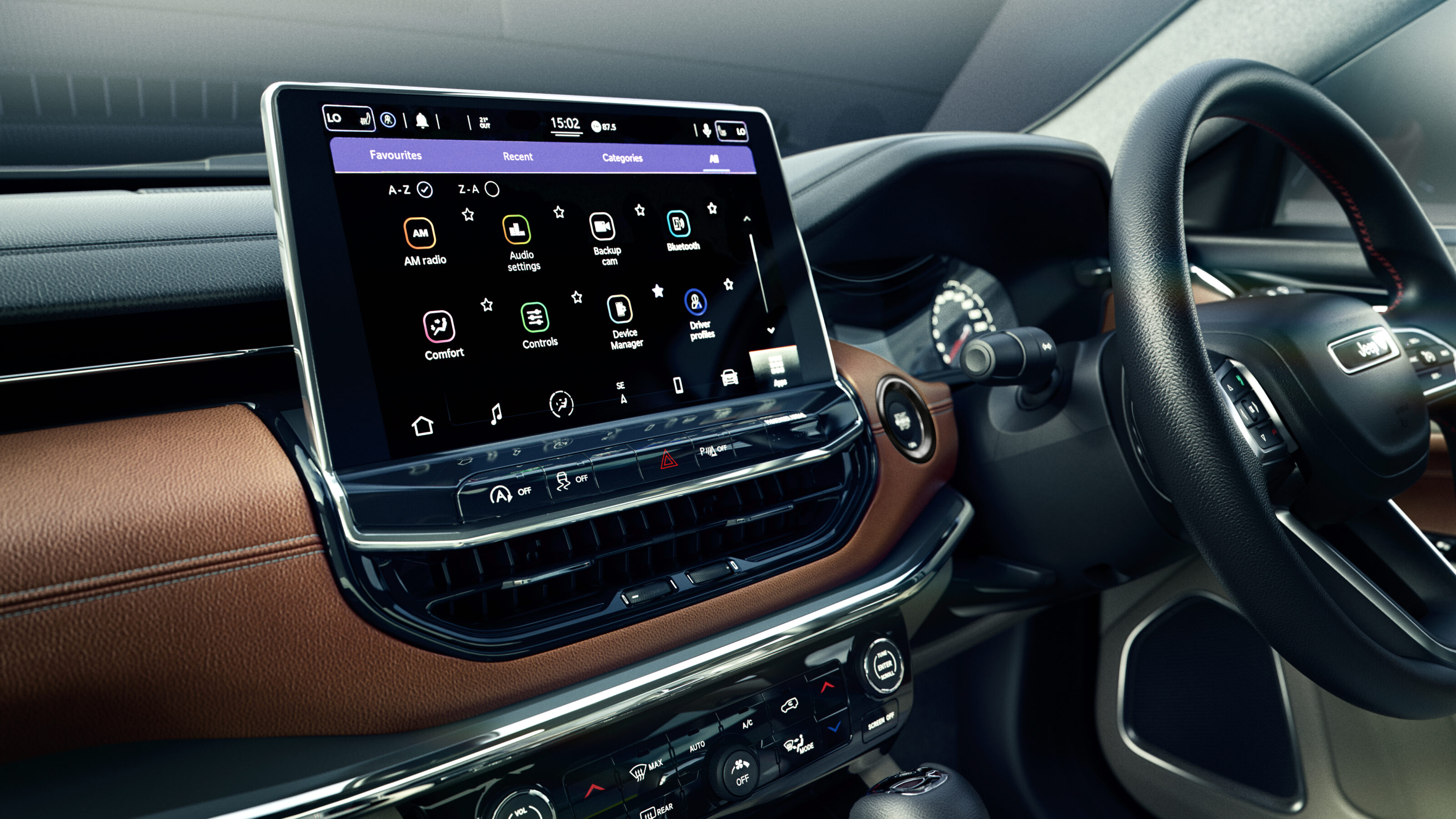
The Compass S-Limited adds:
| Black headliner |
| Grey contrast stitching |
| Alpine nine-speaker audio system |
| 19-inch Hyper Black alloy wheels |
The Compass Trailhawk adds:
| Leather interior with contrast red stitching |
| All-season floor mats |
| Black hood decals |
| Falken all-season tyres |
| 17-inch diamond-cut alloy wheels |
| 180 amp alternator |
| 4.334 rear axle ratio |
| Dual front red tow hooks |
| Four underbody skid plates |
| Jeep active drive low |
| Full-size spare tyre |
| Reversible carpet/vinyl cargo mat |
| 360-degrees surround-view camera system |
The Compass 80th Anniversary adds:
| Jeep 80th anniversary commemorative badges |
| Panoramic sunroof |
| Premium black leather interior |
| Heated, manually adjustable front seats |
| Heated steering wheel |
| Alpine nine-speaker audio system |
| Surround-view camera system |
| Black headliner |
Safety
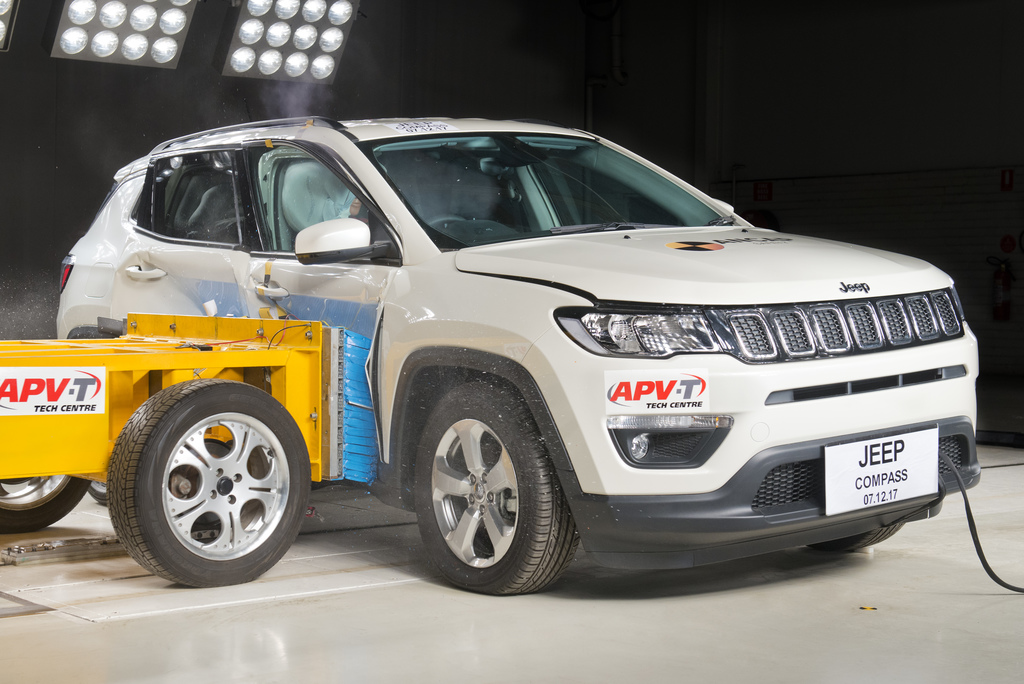
When the Jeep Compass was tested by ANCAP back in 2017, it achieved a five-star safety rating.
Jeep has added several new safety features to the refreshed Compass range, including:
| Intelligent speed assist |
| Traffic sign recognition |
| Pedestrian emergency braking |
| Drowsy driver detection |
| Active lane management system |
| Automatic electronic brake hold |
| Adaptive cruise control with stop |
| Full-speed forward-collision warning plus |
| Blind-spot monitoring |
| Rear cross-path detection |
| Lane departure warning plus |
| Parkview rear backup camera |
Dimensions
The 2021 Jeep Compass is 4398mm long, 1819mm wide, 1657mm tall, and has a wheelbase measuring 2636mm.
Warranty
Like the rest of Jeep’s offerings in Australia, the 2021 Jeep Compass comes with a five year/100,000km.
Capped price servicing is set at $399, and vehicles serviced at an authorised Jeep dealer will be eligible for lifetime complimentary roadside assistance.
Availability
Jeep Australia has confirmed with Wheels the 2021 Jeep Compass will launch in dealers across the country from mid-July.
Snapshot
- Sportback variant of coupe will go on sale in late 2021
- M440i xDrive acts as flagship with 275kW/500Nm
- Prices start from $75,900
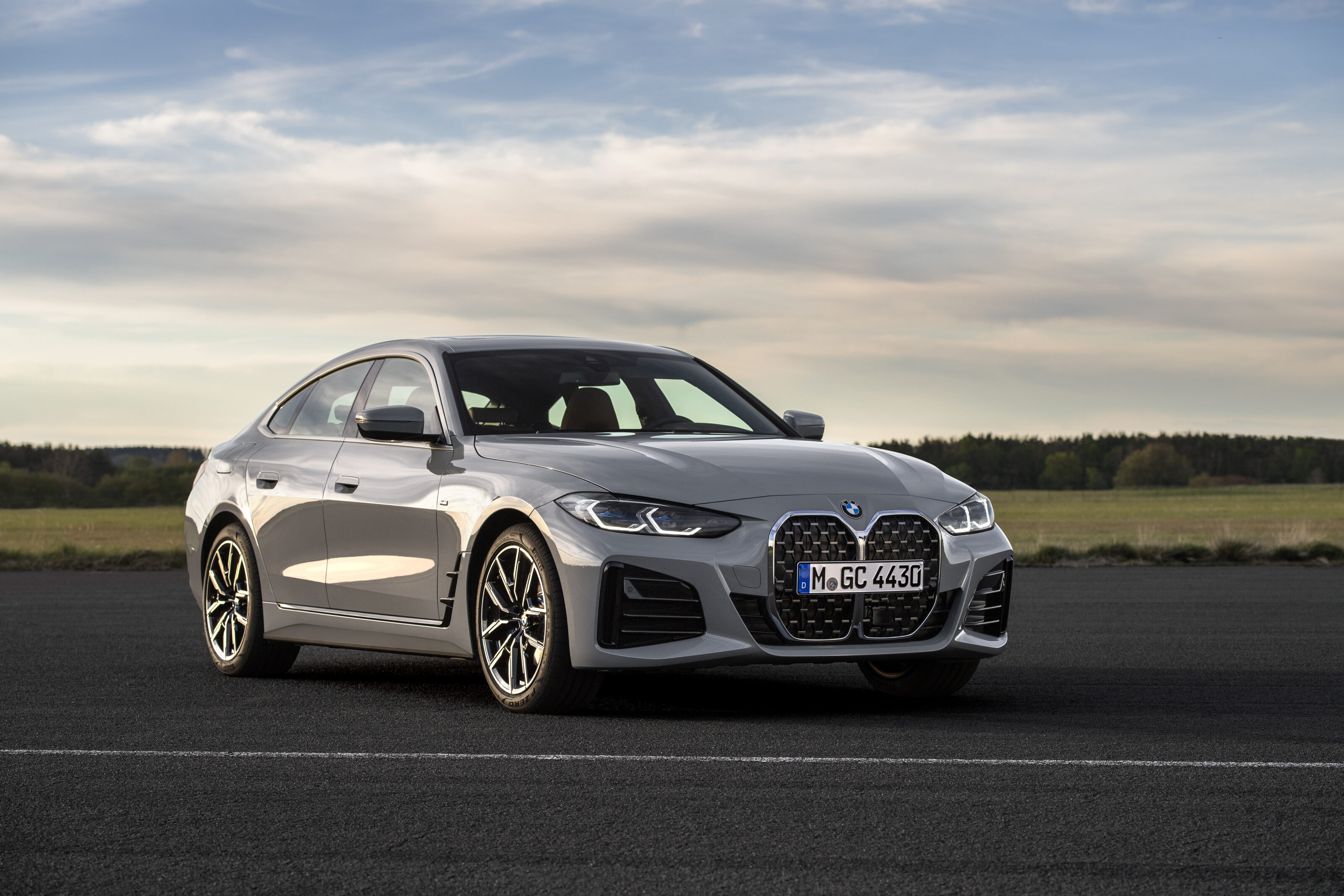
UPDATE, JULY 6: BMW has confirmed pricing for the new 2022 BMW 4 Series Gran Coupé range, expected to land in Australia during the fourth quarter of 2021.
Just three variants will be available in Australia, the local market missing out on the diesel options found in Europe with only the range-topping M440i xDrive scoring hybrid technology.
Pricing
All prices exclude on-road costs
| BMW 420i | $75,900 |
| BMW 430i | $83,900 |
| BMW M440i xDrive | $115,900 |
Only the standard Alpine White paint is available at no extra cost, with metallic paint adding $2000 to the purchase price of 420i and 430i variants (standard on M440i xDrive) while BMW Individual paintwork is $3850 more for all trims.
Standard equipment, optional extras and drivetrains are detailed below, with all pricing coming directly from BMW.
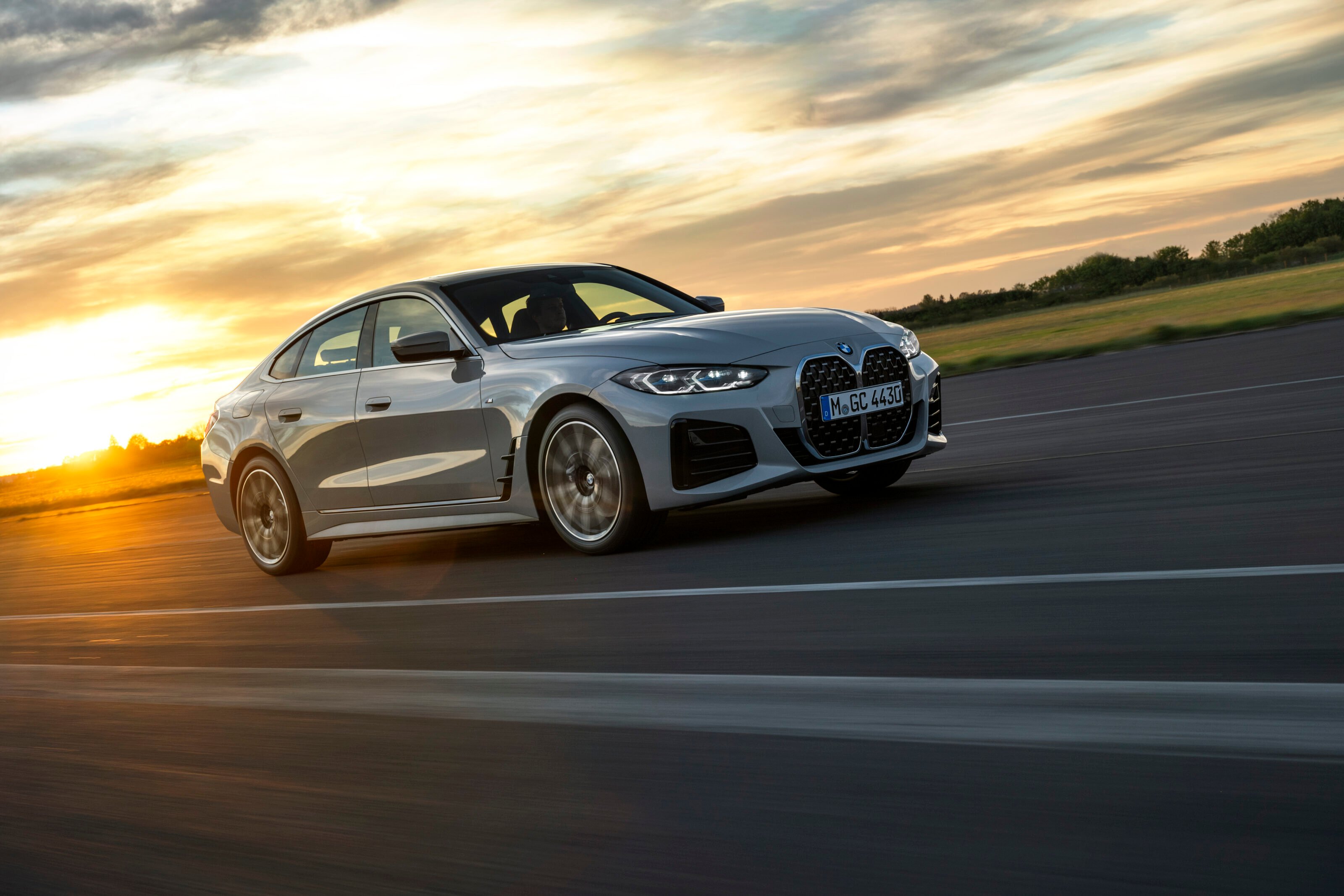
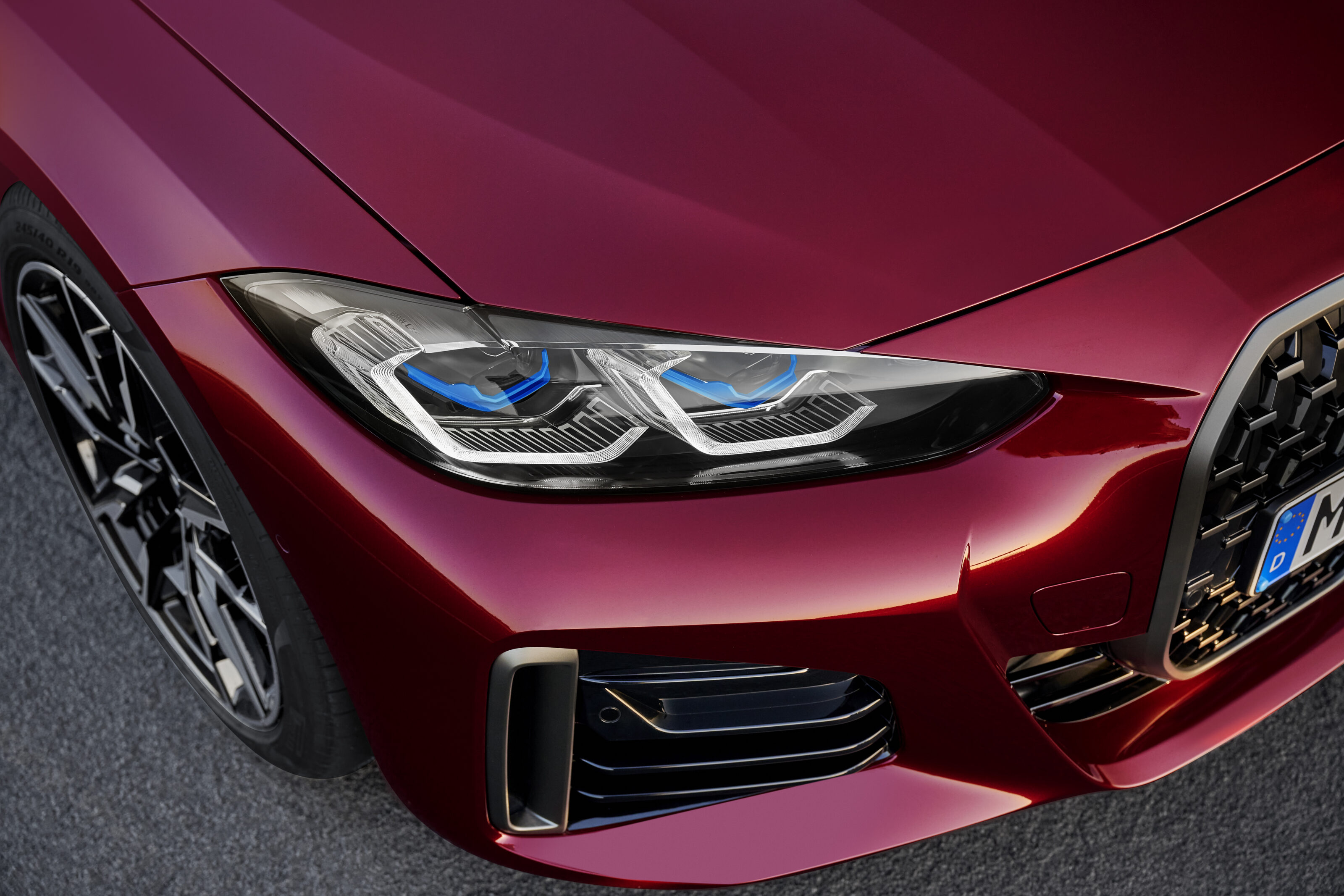
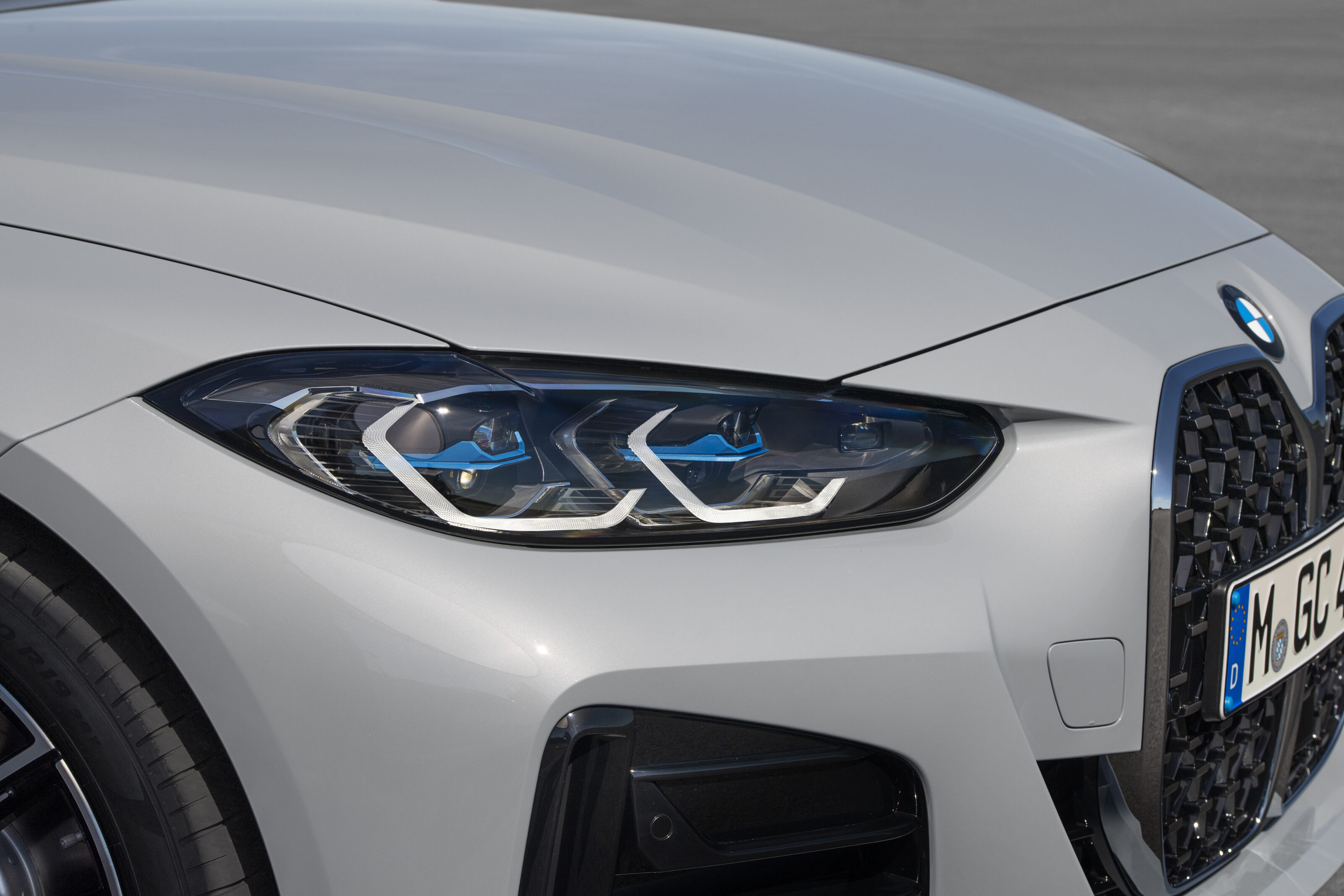
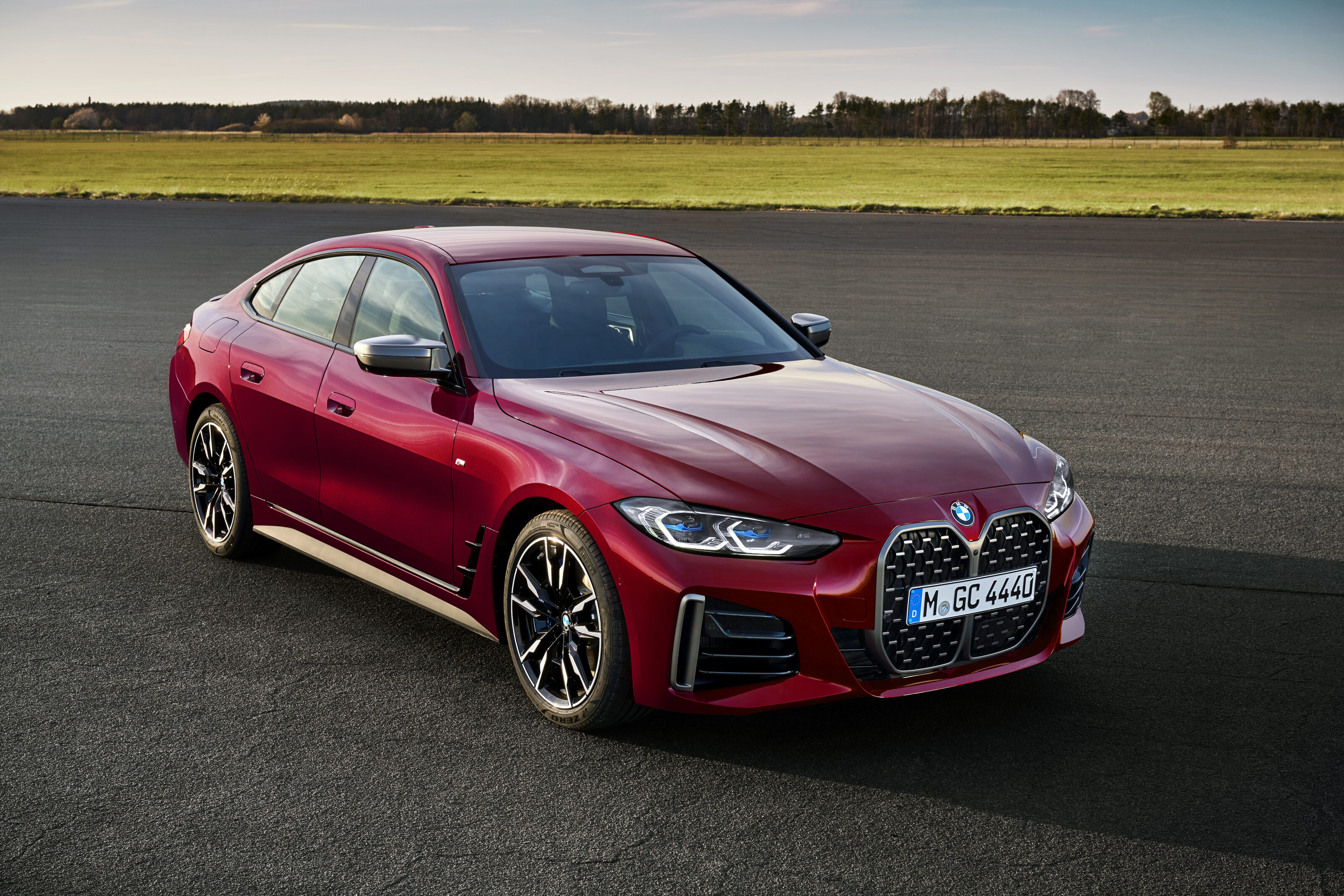
JUNE 9: The second iteration of BMW’s sport-back sedan is set to arrive in Australia later this year as the German marque officially launched the 4 Series Gran Coupe today.
Based on the 4 Series coupe and the 3 Series sedan, the Gran Coupe was first introduced with the last generation of BMW’s mid-size range, making a return due to high demand for the previous model.
Three variants are on offer two of which are petrol, with a petrol hybrid headlining the range featuring 48-volt technology to deliver a mix of performance and economy.
Coming to the Australian market in the fourth quarter of 2021, the 4 Series Gran Coupe will arrive before the new i4 M50 which was launched earlier this week, packing 400kW/795Nm with all-wheel-drive.
Features
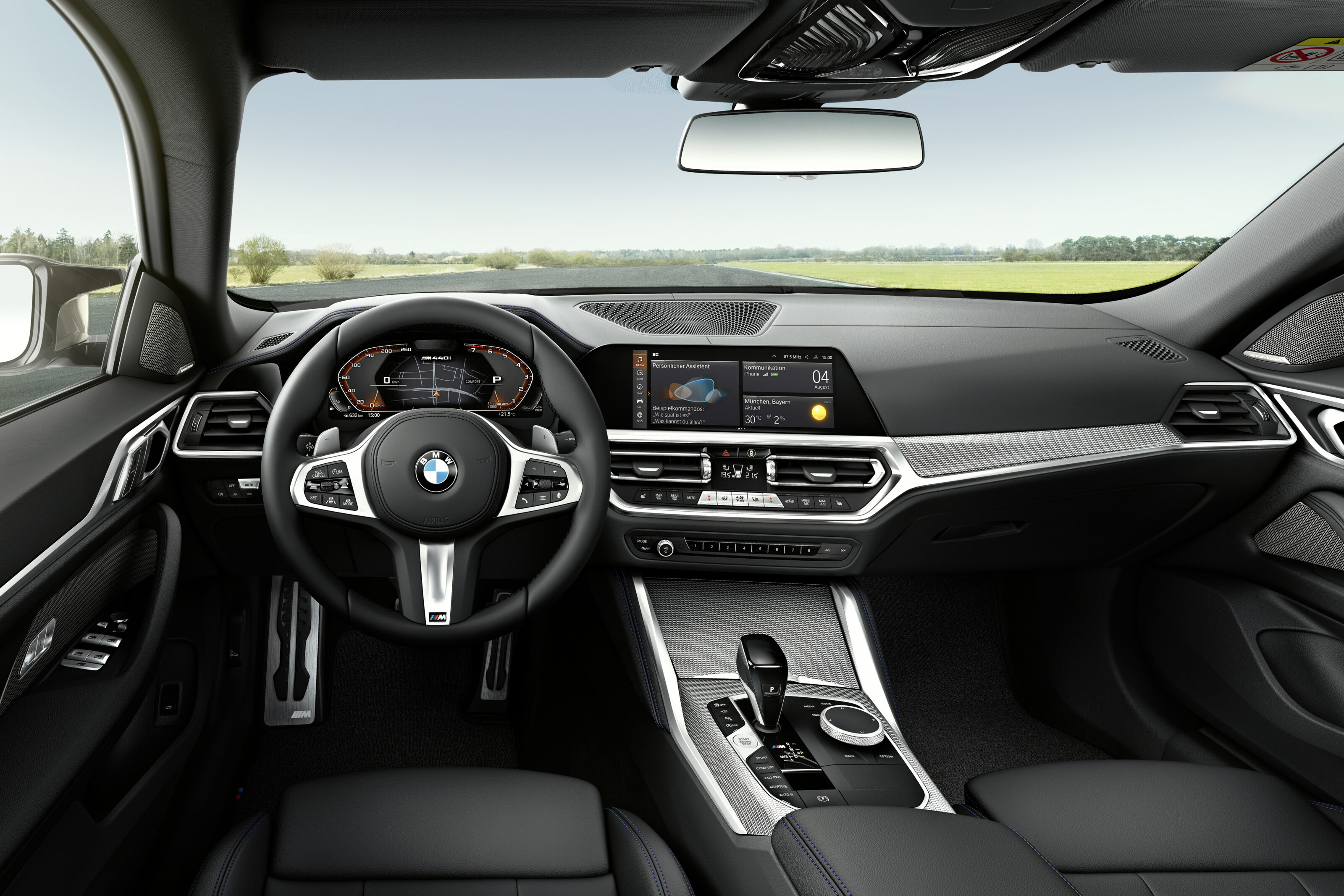
420i
With the 420i acting as the entry-level variant of the range, its standard equipment includes:
| M Sport Package |
| M Sport Suspension |
| 19u201d M Light Alloy Wheels with run-flat tyres |
| Sport seats for driver and front passenger |
| Alcantara/Sensatec upholstery |
| BMW head-up display |
| Driving assistant |
| Parking assistant incl. reversing assistant |
| LED headlights incl. high beam assistant |
| Automatic tailgate operation (Factory std) |
| Electric seat adjustment |
| Ambient light |
| Galvanic embellishers for controls |
| Storage compartment package |
| Through-loading system |
| Live Cockpit Professional |
| Connected Package Professional |
| Smartphone integration |
| HiFi ;oudspeaker System, 10 speakers |
| Wireless Charging |
| DAB+ digital radio |
430i
On top of the 420i, the 430i receives extra features like:
| Adaptive M Suspension |
| Comfort Access System |
| M Sport Brakes |
| Driving Assistant Professional |
| Parking Assistant Plus |
| Leather u2018Vernascau2019 Upholstery |
M440i xDrive
Top-of-the-range M440i xDrive builds on the equipment in the 430i, featuring:
Optional extras
A range of optional packages are available in the 4 Series Gran Coupé range, adding extra technology or visual upgrades to the existing car. These include:
Visibility package – $5800 (420i and 430i)
| Electric glass roof |
| BMW Laserlight |
| High beam assistant |
Comfort package – $2400 (420i), $1500 (430i), $1300 (M440i xDrive)
| Heated steering wheel |
| Comfort access system (standard on 430i, M440i xDrive) |
| Lumbar support (standard on M440i xDrive) |
| Heated front seats (standard on M440i xDrive) |
| Heated rear seats |
Driver’s assistant package – $4500 (420i)
| Tyre pressure monitoring system |
| Driving assistant professional (standard on 430i, M440i xDrive) |
| Parking assistant plus (standard on 430i, M440i xDrive) |
| BMW Drive Recorder |
M Sport Plus package – $3700 (420i, 430i), $1800 (M440i xDrive)
| M Sport brakes (standard on 430i, M440i xDrive) |
| M Sport differential (standard on M440i xDrive) |
| Adaptive M suspension (standard on 430i, M440i xDrive) |
| M Technology package |
| M lights shadowline |
| M seat belts |
| M rear spoiler |
| M high gloss shadowline with extended contents |
Executive package – $3000 (420i, M440i xDrive), $3600 (430i)
| Remote engine start |
| Tyre pressure monitoring system |
| Alarm system |
| Sun protection glazing |
| Harmon Kardon surround sound system |
| BMW Drive Recorder |
| BMW gesture control |
BMW offers leather ‘vernasca’ upholstery as standard on the 430i and M440i xDrive, though it is also available at a $3250 premium to 420i buyers.
A range of interior trims are also available for the 4 Series Gran Coupé, again incurring an extra cost to potential customers.
Interior trim
| Aluminium Tetragon | standard |
| Fine-wood oak grain open pored, fine-wood ash grey-brown high gloss, aluminium ‘mesheffect’ | $400 |
| Carbon fibre | $1,200 |
| BMW Individual piano black, aluminium fabric high-gloss, fine-wood ‘fineline’ black with open-pored silver effect | $1,100 |
Engine, gearbox and fuel economy
Five different variants feature in the 4 Series Gran Coupe range with four engines available.
The 420i and 430i are available as rear-wheel drive only, while the M440i scores the advantage of all-wheel-drive.
All fuel consumption figures are based on WLTP ratings.
- 420i – 2.0-litre, four-cylinder twin-turbo petrol, 135kW/300Nm, 7.3-6.6L/100km
- 430i – 2.0-litre, four-cylinder twin-turbo petrol, 180kW/400Nm, 7.6-6.8L/100km
- M440i xDrive – 3.0-litre, six-cylinder twin-turbo petrol hybrid, 275kW/500Nm, 8.5-8.0L/100km
Dimensions
The 4 Series Gran Coupe has the same measurements across all variants – 4783mm long, 1852mm wide, 1442mm high and with a wheelbase of 2856mm. This represents an increase across the board over the Gran Coupe it replaces, growing by 143mm, 27mm, 53mm and 46mm respectively.
Interior boot space has increased too, with 470 litres now available with the back seats up, an increase of 39 litres. The back seats can be folded in a 40/20/40 split, allowing a maximum of 1290 litres when all collapsed.
Availability
The BMW 4 Series Gran Coupe is expected to go on sale in late 2021.
GWM begins FIDA program on Ute
- GWM launches Fast Iterative Development Approach program
- Allows GWM to implement rapid changes based on customer and media feedback
- Ute first off the rank, other models to follow
What’s happened to the GWM Ute?
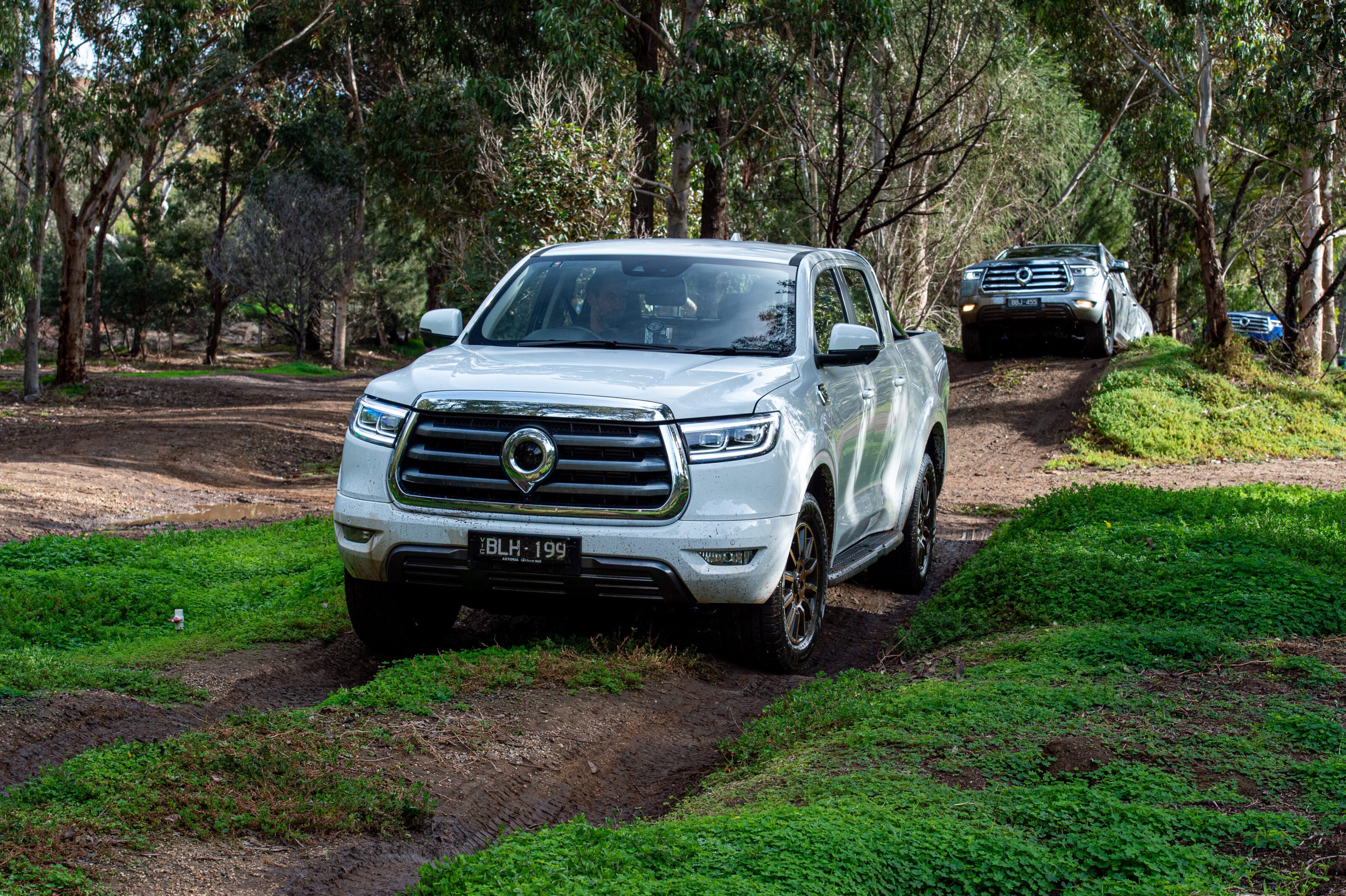
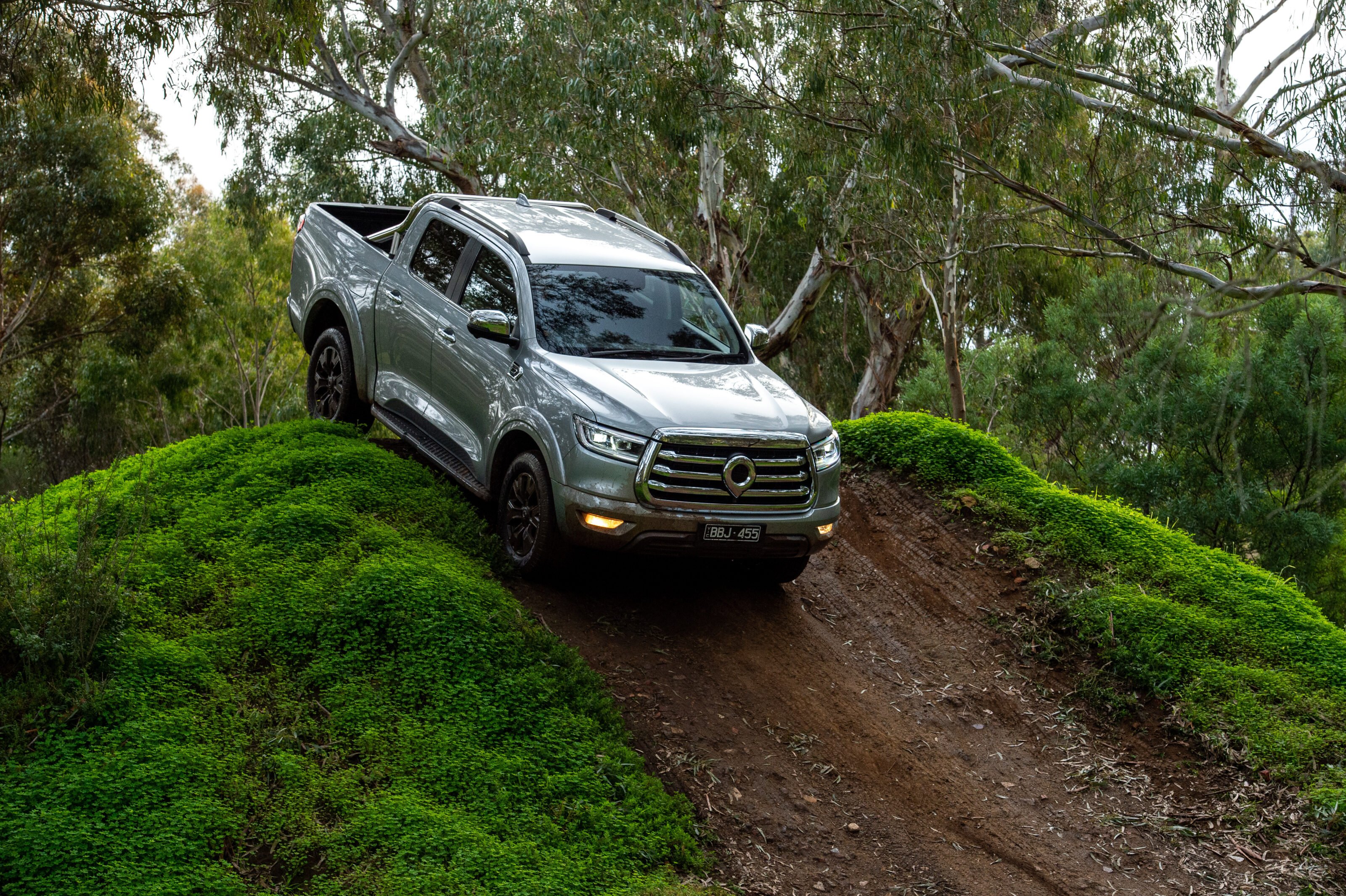
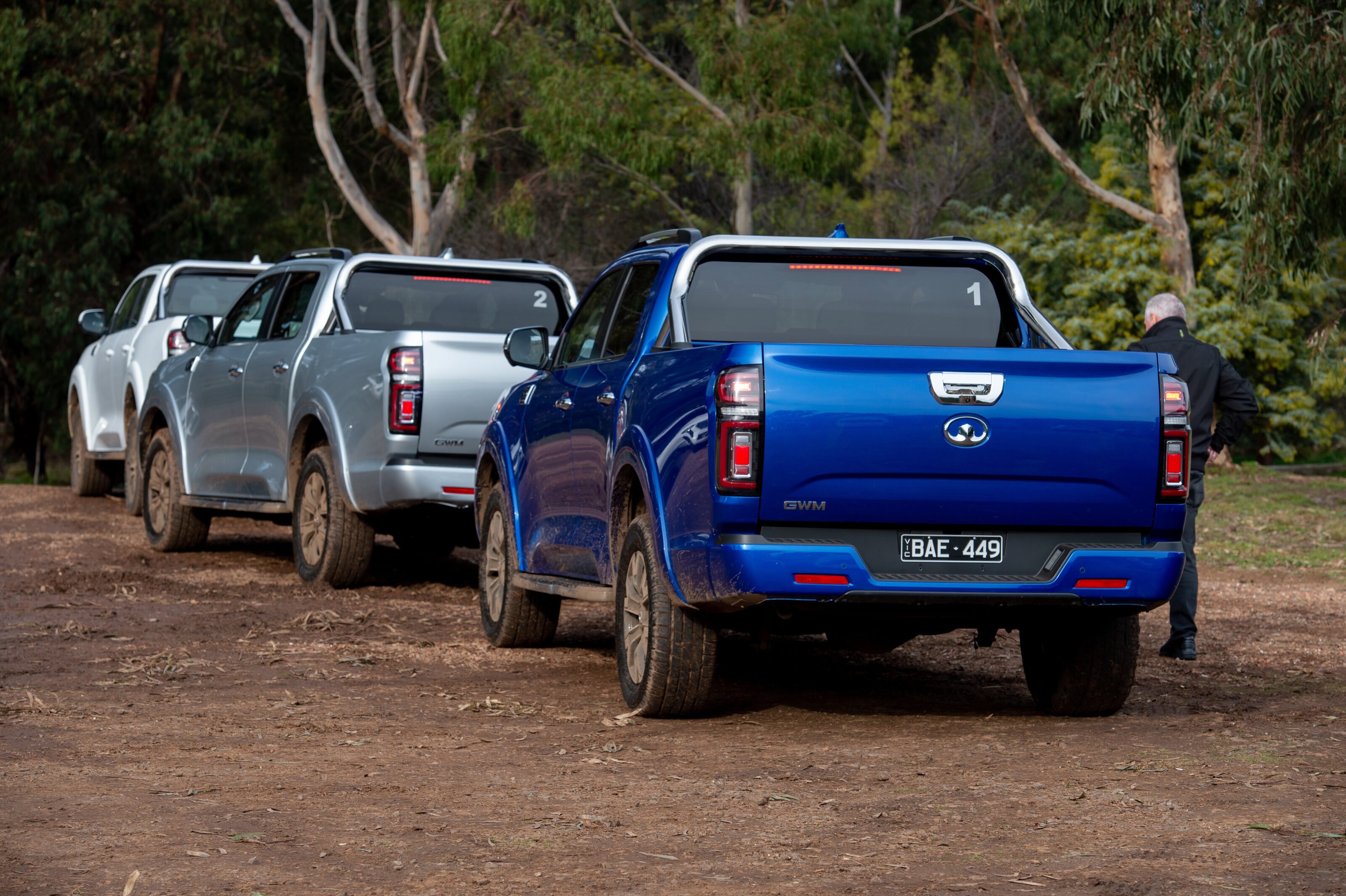
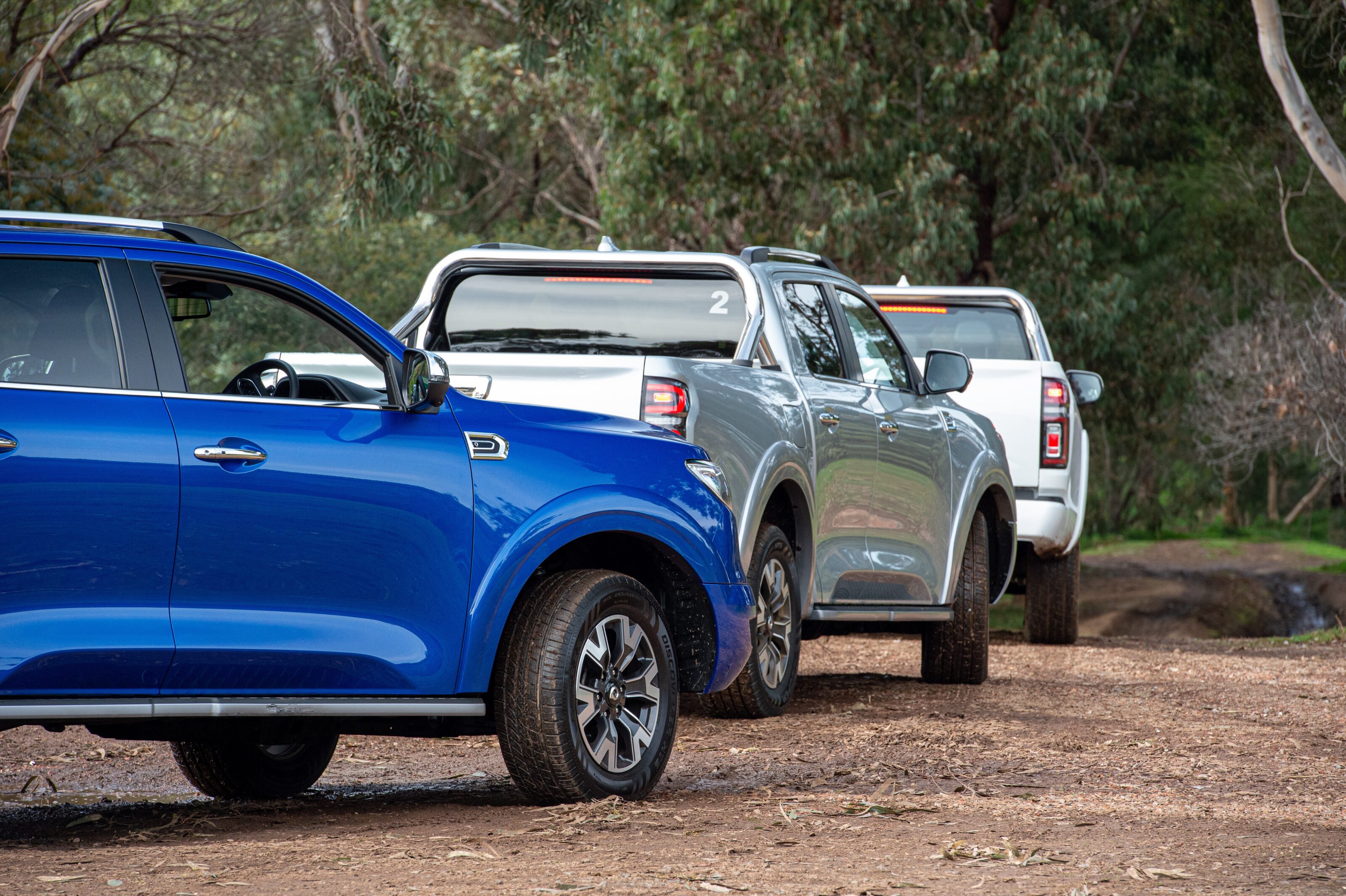
Great Wall Motors has promised to fast-track upgrades for the Ute Cannon over its lifecycle, declaring an updated version is already in production with changes based on feedback since its launch this year.
This comes off the back of the company’s new Fast Iterative Development Approach (FIDA) program, which it says will dramatically shrink the development time of a model facelift.
Utes produced from July will feature new upgrades. They will also be applied to customer cars at dealers.
It is a way to underscore GWM’s desire to get ahead in the highly competitive Australian pick-up ute segment before two new variants arrive – a 2WD and manual version – that will help the brand chase down 18,000 sales this year. It also stresses the company’s ability to action changes under a more streamlined management structure.
How does FIDA work?
GWM executive general manager Steve Maciver says the process starts with “your feedback and ongoing customer review”.
“We’re going to [get] feedback there and make more improvements, give you another opportunity to drive the car,” he explains.
“But we’re not going to wait 12 to 24 months to allow that to happen. We’re going to continually bring that to market.”
This means a car might undergo three optimisations before the facelift version is launched. In this instance, for the Ute Cannon, the turnaround time is just five months.
You might ask why someone would want to buy something that needs to be upgraded so soon, but GWM believes customers won’t see it that way.
“This comes down to how it’s communicated to them,” Maciver says. “The updates we’ve talked about are all software updates that can be retrospectively fitted to anyone’s car.”
“So, you’re not going to be disadvantaged. If anything, you can be confident that your car is going to be updated more than what you get with another OEM.”
What are the changes?
The Cannon Ute will receive a simple software flash claimed to sharpen throttle response and reduce turbocharger lag – something that we have previously criticised as a driveability flaw in our 2021 ute mega test.
GWM claims the updated software has improved tip-in, gearshift mapping in first and second gear and low-speed responsiveness.
In the hands of GWM’s own test team, the Ute reached 100km/h from rest in a claimed 11.66sec instead of 11.84sec.
It’s a startling improvement of two tenths, even if overall the new time is, somewhat confusingly, slower than the 11.38sec 0-100km/h time we have achieved independently with a Cannon-L.
The software flash on new cars will be accompanied by minor suspension tweaks and the inclusion of Android Auto.
How does it drive?
The flashed Cannon powertrain was predictable on part-throttle over the lumpy off-road course at the Werribee 4×4 Proving Grounds. And when left to its own devices in automatic mode, it didn’t dither between gears.
On such a short drive, we could not verify if the suspension tweaks have had any significant effect, since they are claimed to work best when the Ute is laden with 500kg.
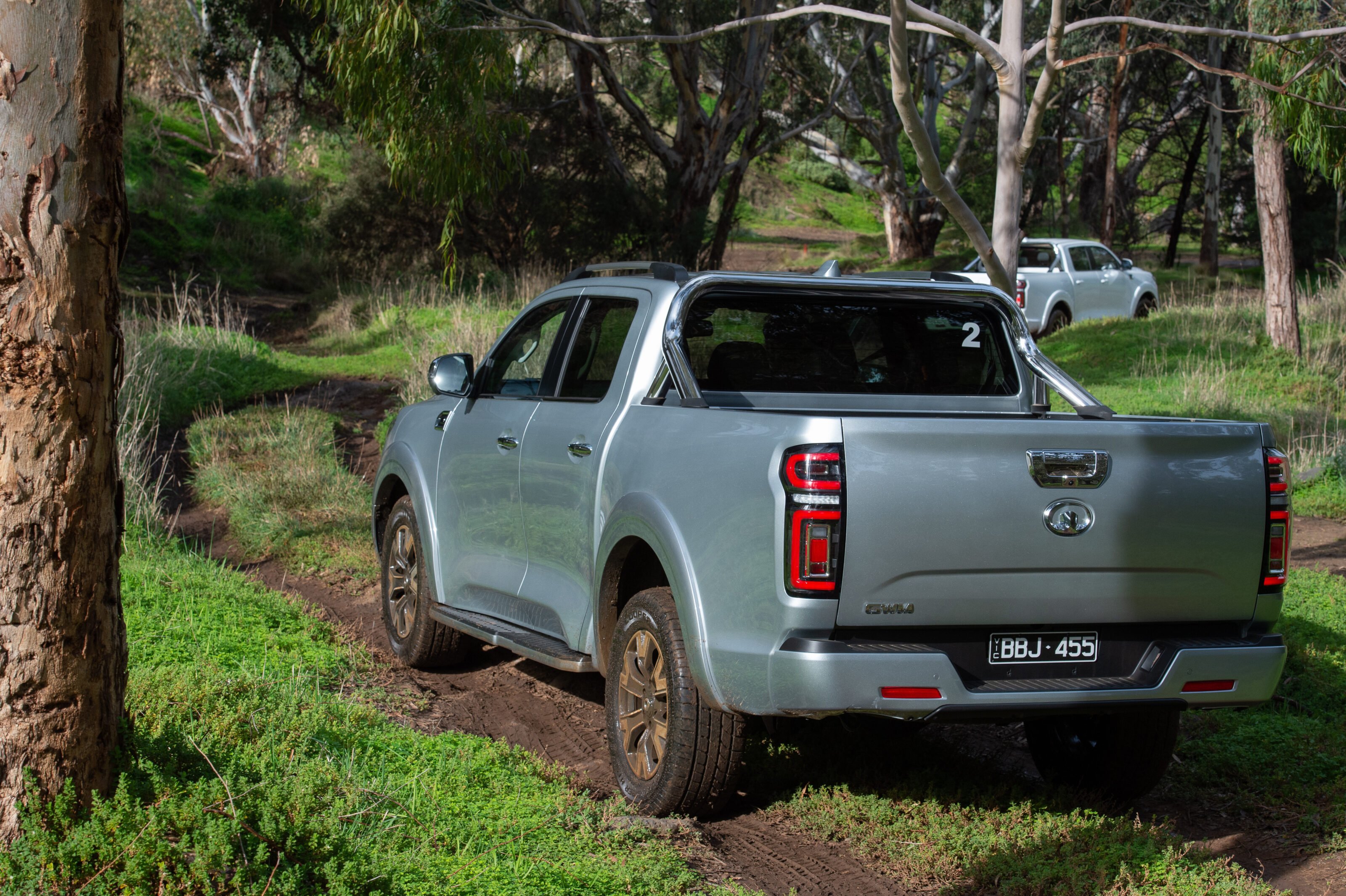
But its leaf-sprung live rear axle dealt well under compression caused by serious axle articulation, offering good directional stability and predictability through this part of the course.
While the ZF eight-speed is a smooth shifter, the transmission mapping can get confused when changing speeds on freeways in higher gears. At the same time, the ride is uncomfortably firm over high-frequency disturbances when unladen which is a common downside to heavy-duty leaf spring suspension.
Overall, the updates are incremental and are not going to transform the Ute Cannon into a category leader among key rivals like the Mitsubishi Triton, Ford Ranger and Nissan Navara. But it’s a small refinement of an admirable budget option.
It’s worth remembering the Ute is set to undergo two more updates before a facelifted version arrives, and this sort of ongoing development helps it stand out next to budget utes like SsangYong Musso. Let’s wait and see what comes of it.
Specifications
| Engine | 2.0-litre four-cylinder diesel, turbo |
|---|---|
| Power/Torque | 120kW/400Nm |
| Weight | 2045kg |
| Tyres | 265/60 R18 Cooper Discoverer HTS |
| Price MRLP | Cannon $33,900; Cannon-L $37,990; Cannon-X $40,990 |
