
Snapshot
- Coachbuild department aimed at making unique models for customers
- Only one Rolls-Royce one-off vehicle has been based on a monocoque chassis
- Architecture of Luxury currently underpins entire model range
UPDATE, JUNE 24: Rolls-Royce CEO Torsten Müller-Otvös has outlined his company’s plans for the Coachbuild division off the back of its new Boat Tail commission – saying it could hand-pick clients who use the bespoke arm.
“Our idea is to maybe do one project every second year,” he told Autocar.
“Whether it’s three cars or one car will hinge very much on the idea of the clients and also on our appetite for doing it.
“There’s no intention to boost any volume, because the intention clearly is to create projects which are significant for the brand’s history in 70-100 years or so, and are truly unique pieces.
“Commercially, Coachbuild is not a ‘make it or break it’ addition for the business but it’s important for the brand aura and for the image of the brand to showcase unbelievable craft skills we have developed over the years.”
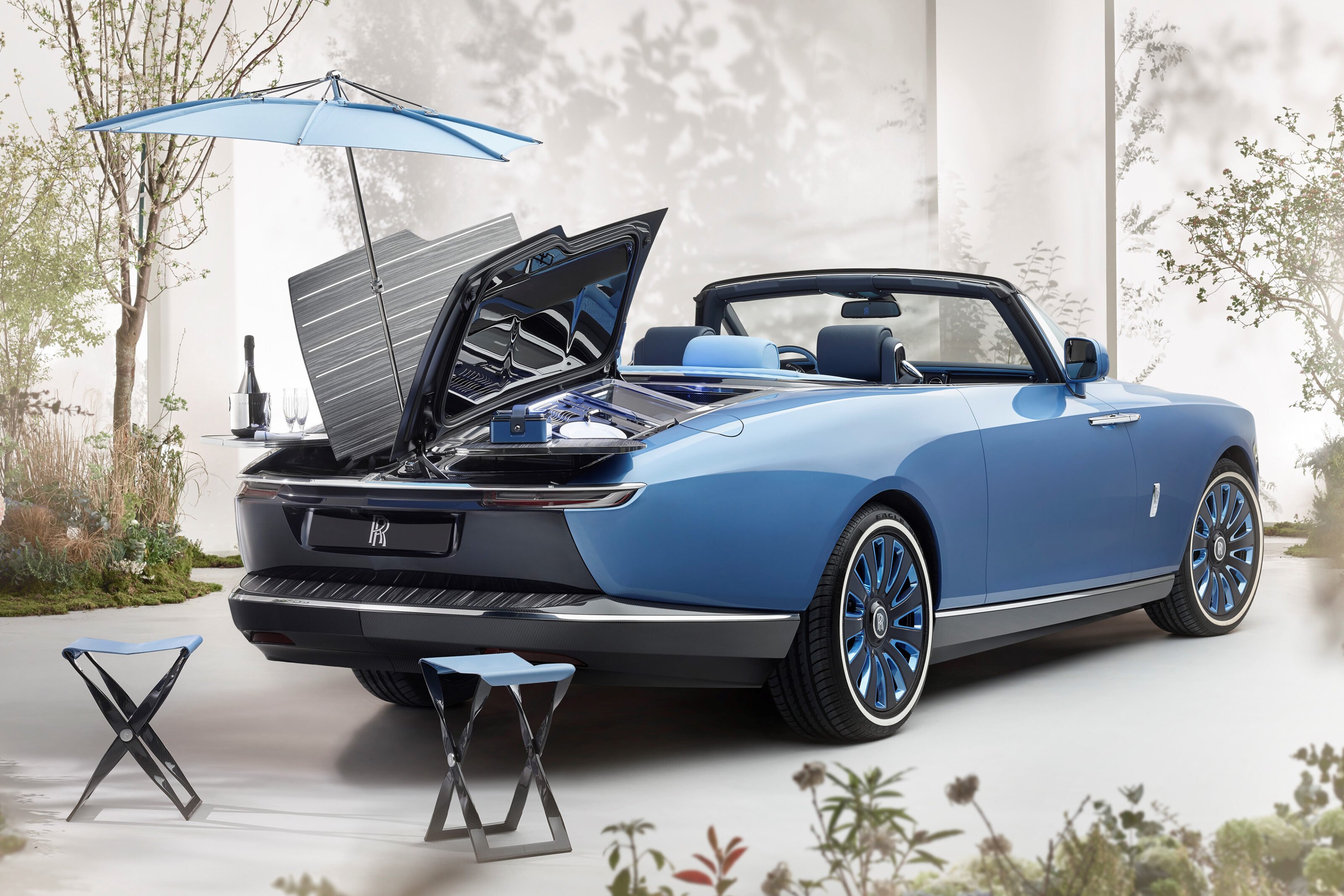
MAY 28: Rolls-Royce will return to building bespoke vehicles for its customers alongside its regular line-up as the Goodwood-based brand announced its plans to re-establish the Coachbuild division.
Steeped in almost 100 years of history, Rolls-Royce’s coachbuilding team made special, one-off vehicles based on the company’s existing platforms, though the art started to fade away in the late 20th century with the Phantom IV Limousine being the last separate chassis coachbuilt vehicle made by Rolls-Royce in 1972.
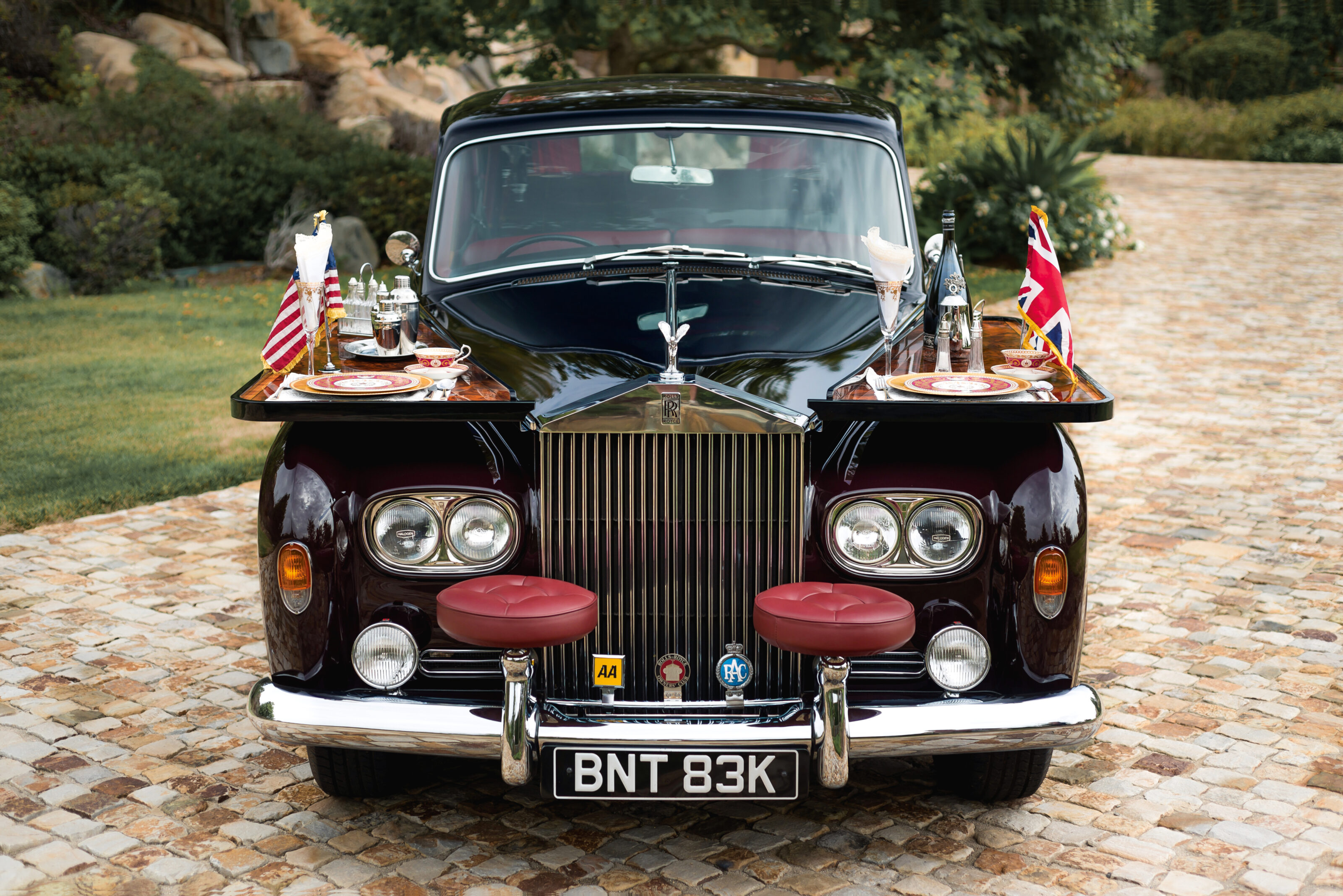
In 2013, Rolls-Royce was commissioned to build a coachbuilt two-door car which was inspired by some of its creations from the 1920s and 30s, resulting in the Sweptail, released in 2017 at an estimated cost of £10 million (AU$18.34 million).
Rolls-Royce CEO Torsten Müller-Ötvös said it was the Sweptail commission which reignited the brand’s desire to make coachbuilt vehicles, resulting in the re-establishment of the Coachbuild department.
“The ability to personalise almost every aspect of their motor car is one of the main reasons our patrons come to us,” said Müller-Ötvös.
“But we know some wish to go further still. In 2017, we stunned the world with our first fully coachbuilt motor car of the modern era, the spectacular Rolls-Royce Sweptail.
“This was, by definition, an entirely unique commission; but in our minds, it was the start of a journey.
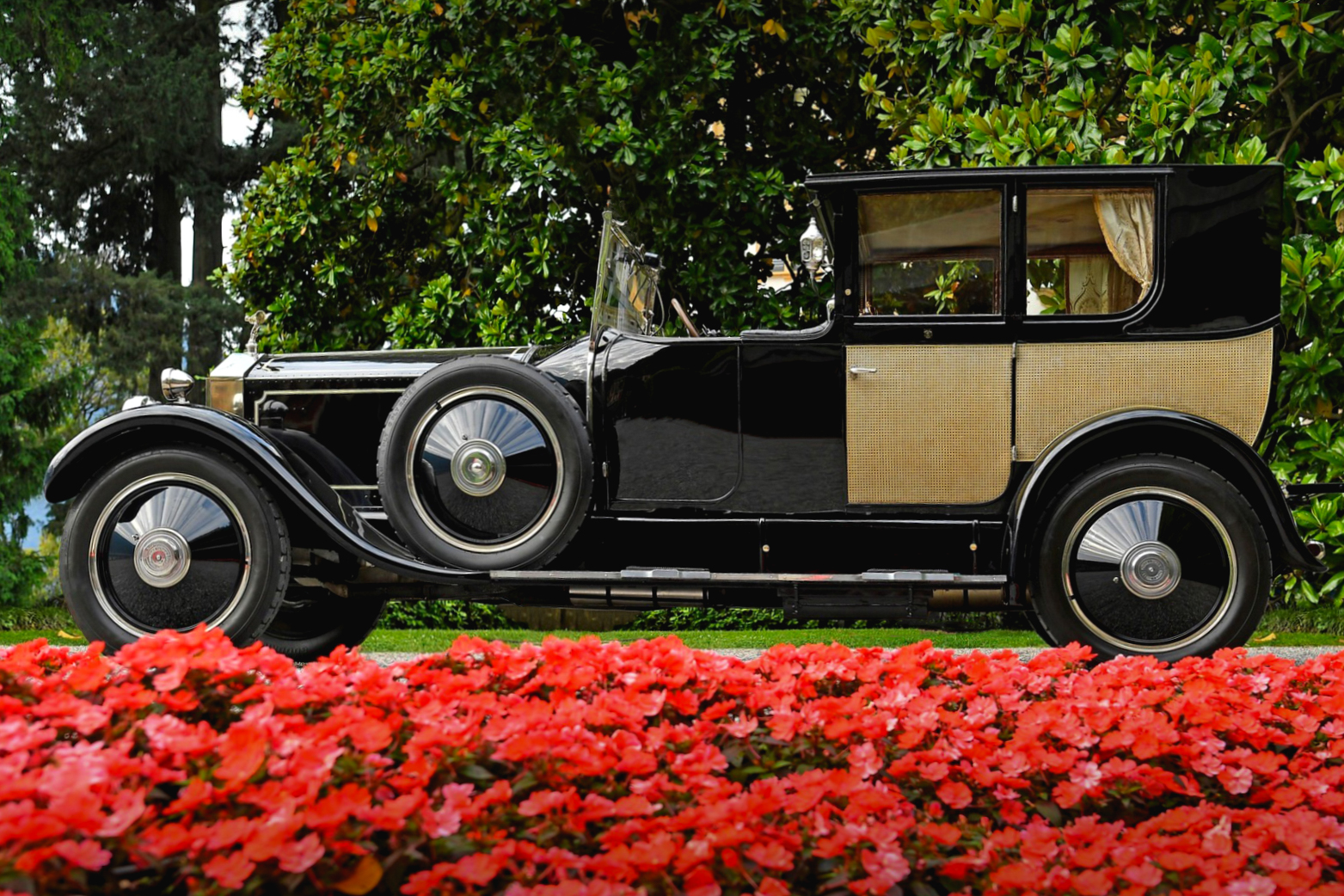
“We have formally re-established our Coachbuild department for those patrons who wish to go beyond the existing restraints, and explore the almost limitless possibilities this opens up for them.
“We are able to offer our customers the opportunity to create a motor car in which every single element is hand-built to their precise individual requirements, as befits our status as a true luxury house.”
Rolls-Royce is expected to announce the structure of the Coachbuild division in the near future.
Snapshot
- Kona Electric Standard Range cuts driving range to around 300 kilometres
- Pricing still to be revealed
- Ioniq 5 to headline Hyundai’s EV range soon
A more budget-friendly version of the Hyundai Kona Electric is coming to Australia, in the form of the Kona Electric Standard Range.
The new model was confirmed this week, in comments made by Hyundai Australia’s chief operating officer John Kett, responding to the NSW Government’s new incentives program for EV buyers.
“Hyundai already has the two most efficient cars on sale in Australia today according to the Federal Government’s Green Vehicle Guide, in the form of Ioniq EV hatch and the Kona Electric small SUV. We intend to expand that leadership with the release of the Standard Range version of Kona Electric in the coming weeks.”
“The Hyundai Motor Group globally will launch 44 electrified vehicles by 2025 – of those, 23 will be full Battery Electric models. Hyundai Australia’s intention is to introduce every one of Hyundai’s new EVs to the local market. We are committed to expanding our EV portfolio across Australia, starting with the new Ioniq 5 SUV later this year and shortly followed by the Ioniq 6 Sedan and Ioniq 7 large SUV. Our aim is to be a leading Australian EV provider.”
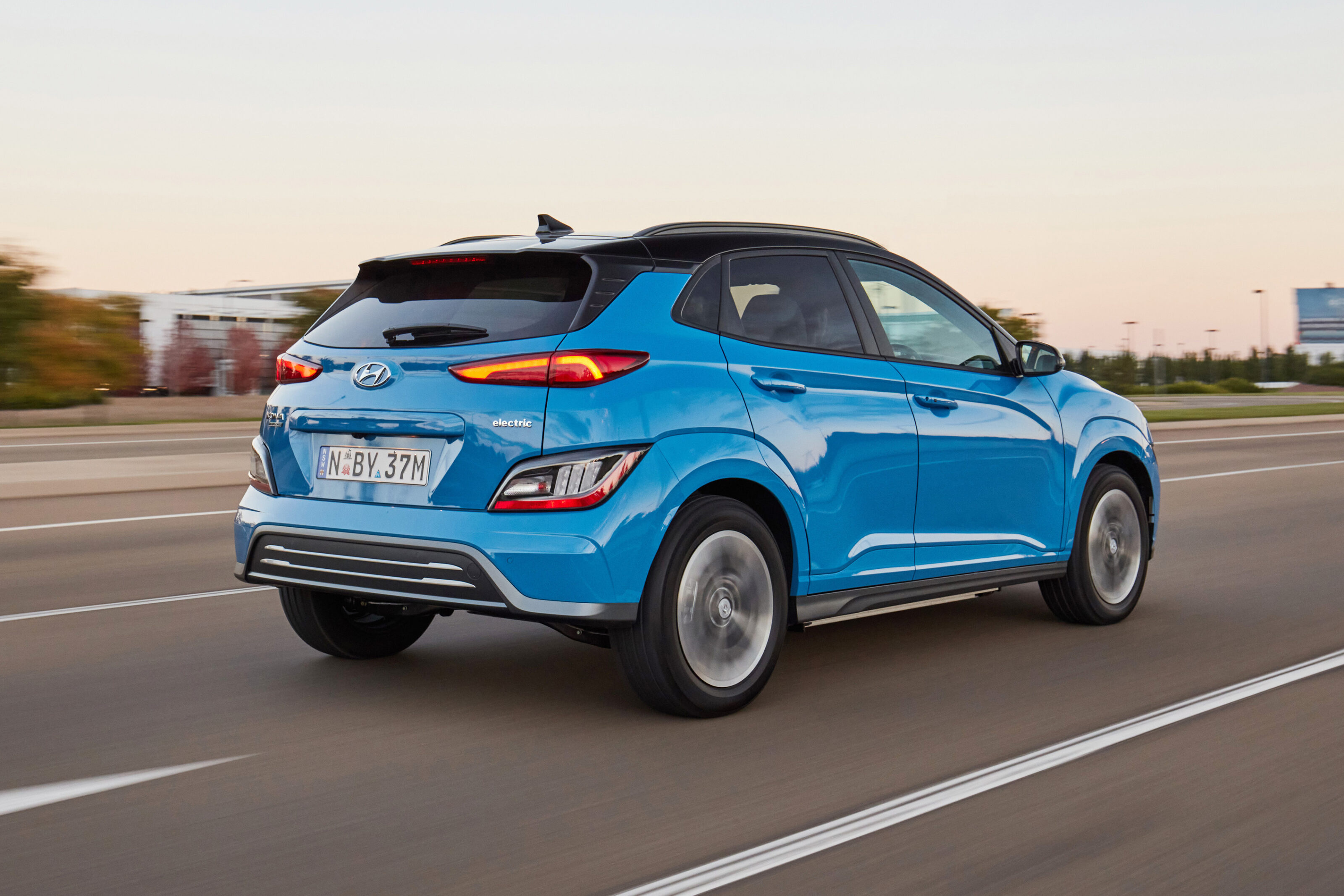
The Standard Range model’s name may seem uninventive, but the new variant should prove compelling for buyers who like the idea of the existing Kona Electric more than its $62,000 (before on-road costs) starting point.
Pricing for the Kona Electric Standard Range hasn’t been revealed, but if Hyundai can bring it closer to the MG ZS EV’s $40,990 price (which has an ongoing $43,990 national drive-away figure), it could prove competitive.
A tip for buyers, though: unless the eventual entry-level variant of the incoming Ioniq 5 takes a price position uncomfortably close to the existing Kona Electric – potentially forcing a shift downward for the Kona Electric’s starting price – buyers of the Standard Range shouldn’t expect its nearly 50 per cent smaller battery pack to result in a half-price purchase.
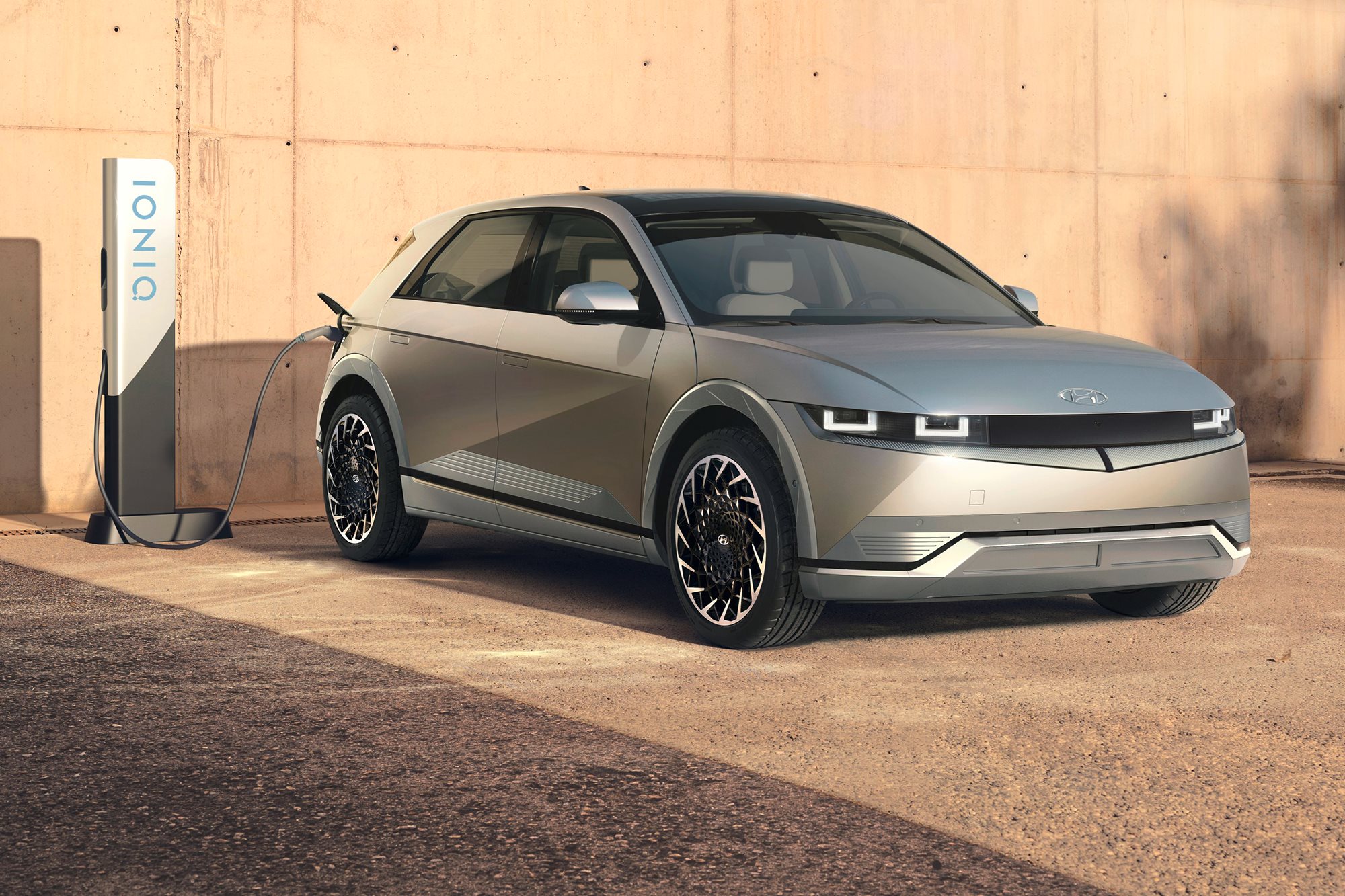
The Kona Electric Standard Range draws energy from a 39kWh battery pack, which is markedly smaller than the existing model’s 64kWh pack – and still a touch shy of the ZS EV’s 44.5kWh pack.
The Kona Electric Standard Range’s claims outmatch the ZS EV however: While the bigger-batteried ZS EV claims a WLTP-certified driving range of up to 263 kilometres, Hyundai claims 300km – also certified under the WLTP standard. Both will vary in real-world conditions, of course.
For more on Australia’s evolving EV market, see our coverage at the links below.
Snapshot
- Sabine Schmitz grew up in the town of Nu00fcrburg and was synonymous with the race track
- Two-time class winner of the 24-hour endurance race in 1996 and 1997
- New corner name will be inaugurated on September 11
The late Sabine Schmitz, known as the Queen of the Nürburgring, has been honoured by the circuit’s owners, renaming the opening corner on the Nordschleife after her.
Schmitz died in March this year, aged 51, following a battle with cancer. She’d spent her life in the vicinity of the race track after growing up in the town of Nürburg, having reportedly clocked up over 30,000 laps of the famous circuit.
The Sabine-Schmitz-Kurve is the first left-handed corner on the Nordschleife Circuit after it merges with the Grand Prix Circuit – with drivers starting their laps of the 20.83km ‘Green Hell’ and plunging into the Eifel forest after taking the turn.
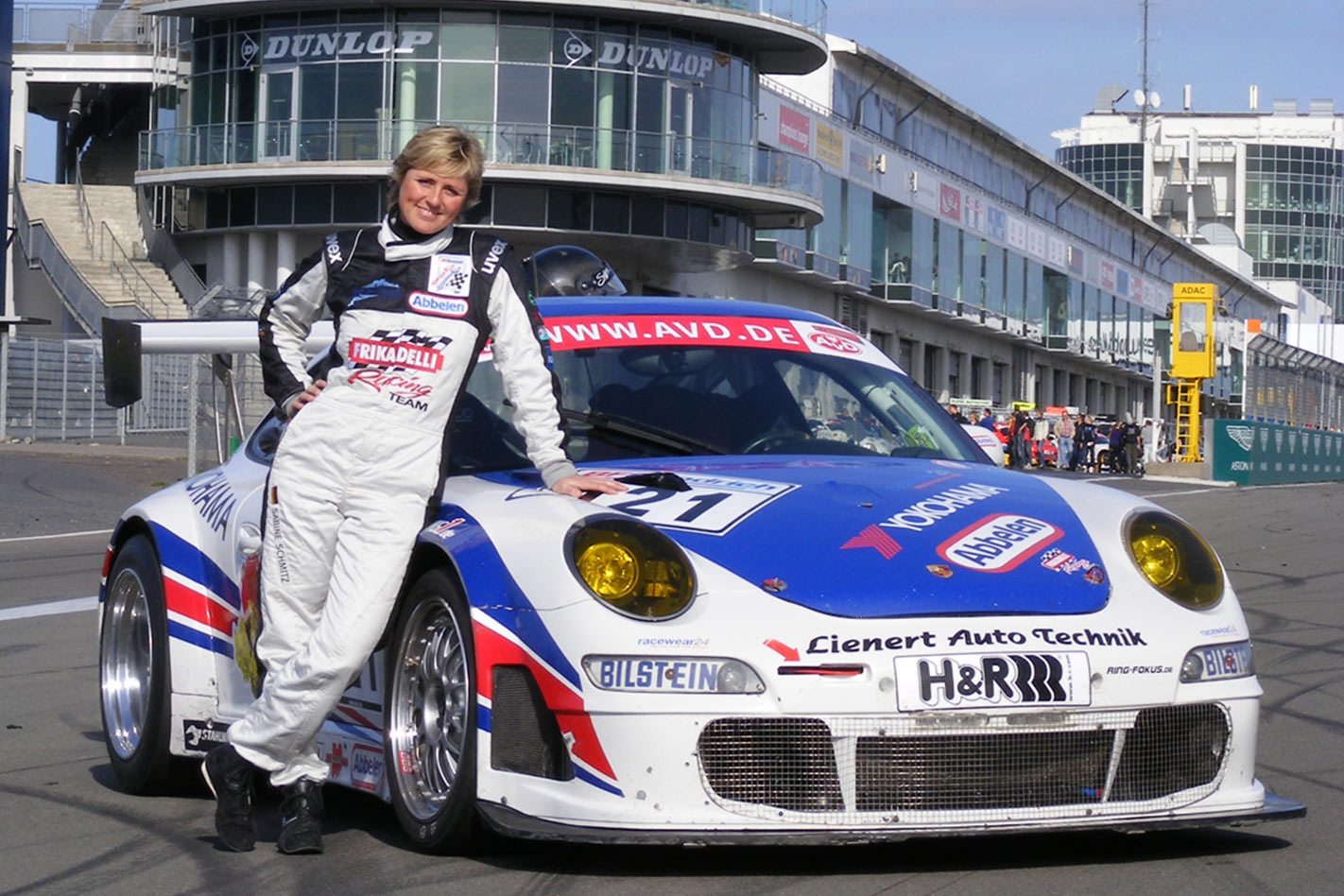
Having been best known to the general public as the woman who nearly lapped the ‘Ring in under 10 minutes aboard a Ford Transit van on Top Gear, and later becoming a host on the show, it was on the Nürburgring where she did her best work, being the only woman to win the Nürburgring 24 Hours race in 1996 and 1997 aboard an E36 BMW M3.
Her association with BMW and the ‘Ring didn’t stop there, being a long-time driver of an E60 BMW M5 dubbed ‘The Ring Taxi’, giving paying passengers the ride of their life around the Nordscheife at full pace.
Nürburgring managing director, Mirco Markfort, said Schmitz will always be associated with the circuit and vice versa now one of its corners is named after the region’s most famous resident.
“Sabine Schmitz was the ambassador of the Nürburgring,” said Markfort.
“Her name was mentioned around the globe in the same breath as our race track
“She still stands for what defines the Nürburgring: the close connection to the region, the close proximity to the fans and the passionate commitment.”
The official inauguration of Sabine-Schmitz-Kurve will occur on September 11, 2021 as a part of the Six Hour Nürburging Endurance Series race.
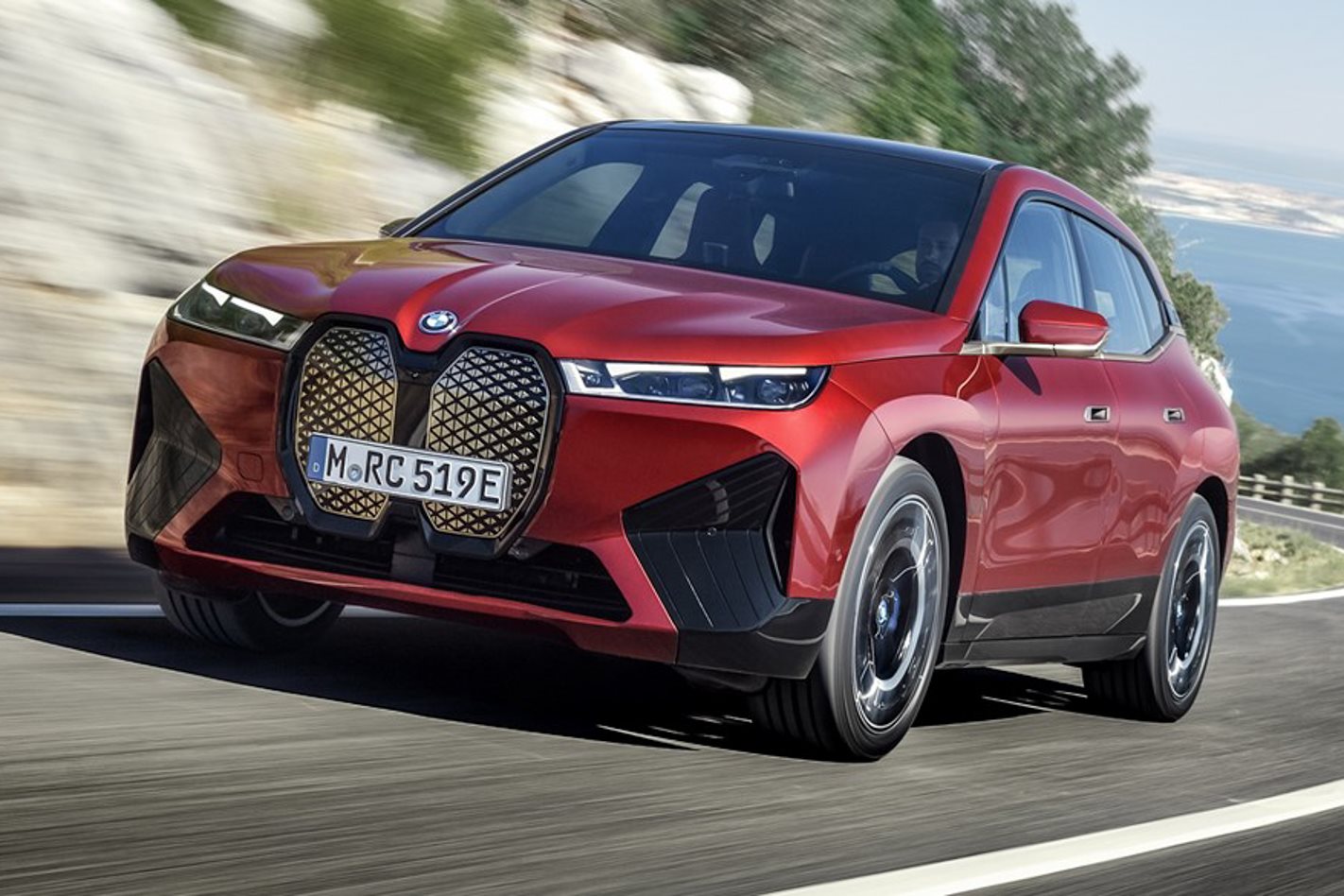
Despite getting an early start with electrification – and with two more different cars than you could imagine with the i3 city car and i8 sportscar – BMW’s march to offering a less whacky EV range has been slow and confusing.
Initially the brand’s first mainstream EV was thought to be a sedan, then it was going to be the mid-size iX3 SUV. But given things have been, er, unsettled in the last twelve months, it looks like we’re getting the X5-sized and confusingly named iX to lead BMW’s electric product line.
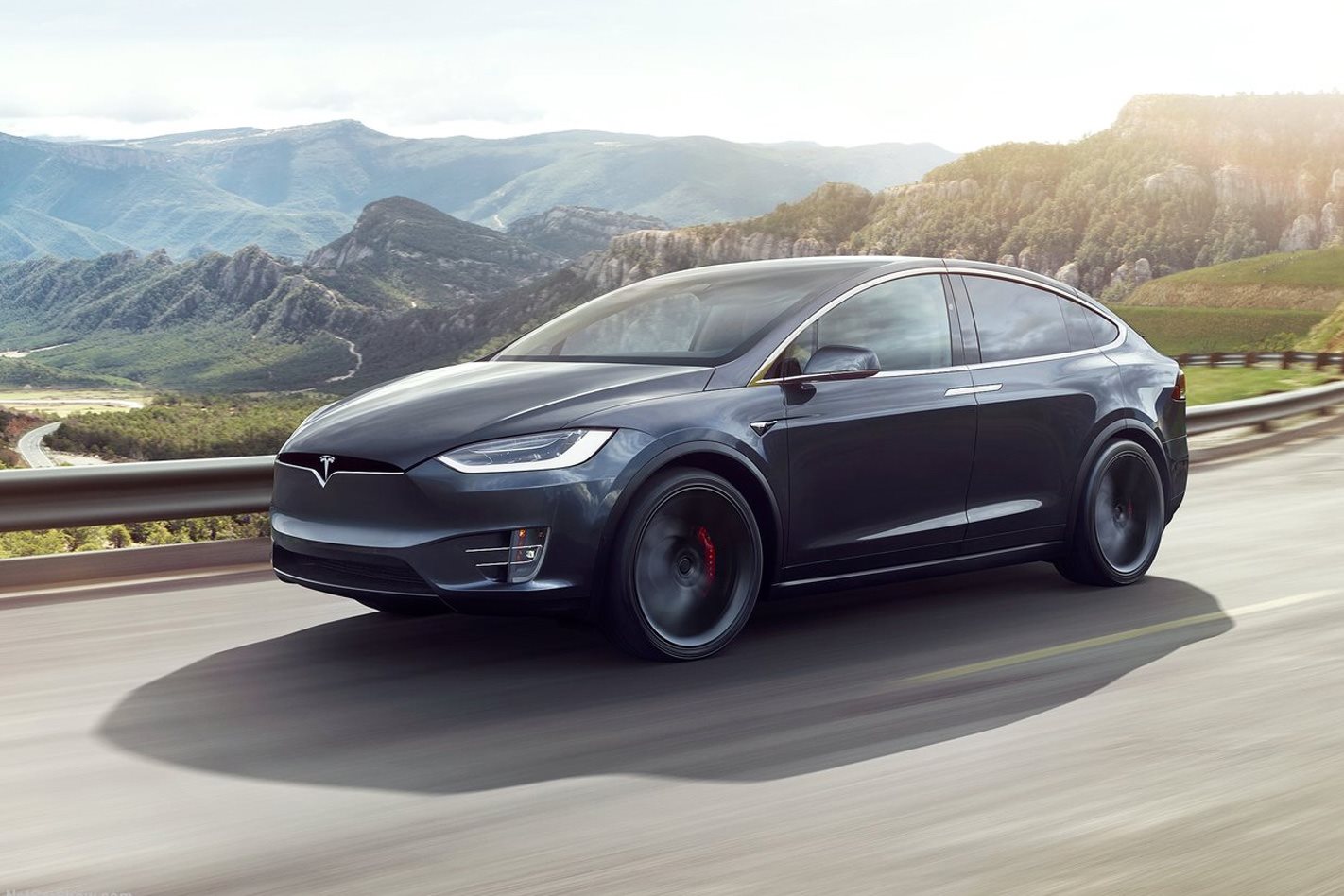
Tesla, Jaguar, Mercedes and Audi in that order beat BMW to market with fully electric SUV offerings in the Model X, i-Pace, EQC and E-Tron. The iX will meet these three cars on Australian roads in a few short months, so here’s a quick comparison of the four rivals.
Pricing
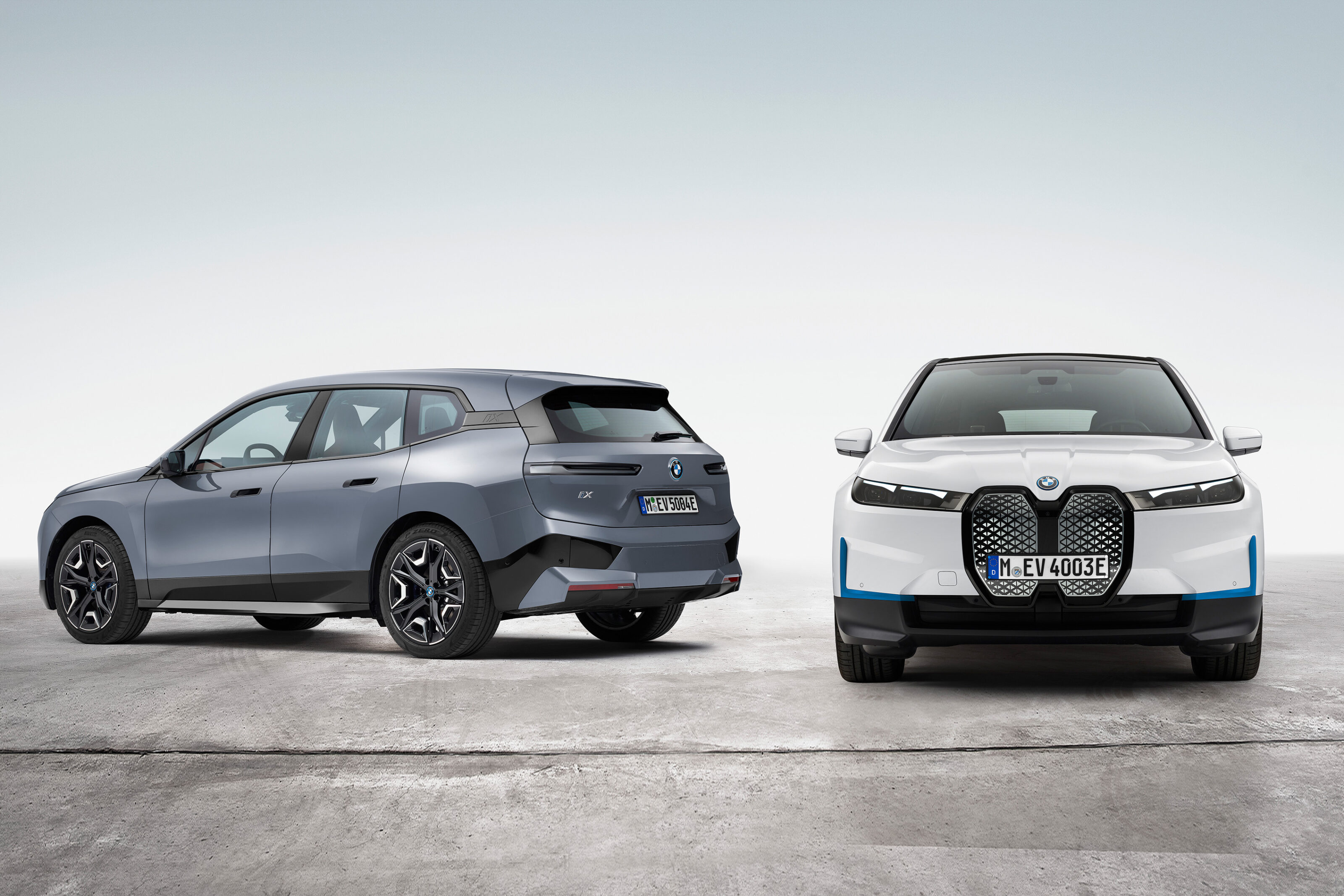
The iX is available in three trim levels, all of which feature all-wheel drive. The xDrive40 starts the range at $135,900 before on-road costs, the xDrive40 Sport rises to $141,900 and the xDrive50 Sport tops the range at $169,900.
Like the BMW, the Jaguar I-Pace is available in three trim levels. The S opens the batting (it’s British, you see) at $128,860, moving on to $138,460 for the SE, topping out with the HSE at $152,060.
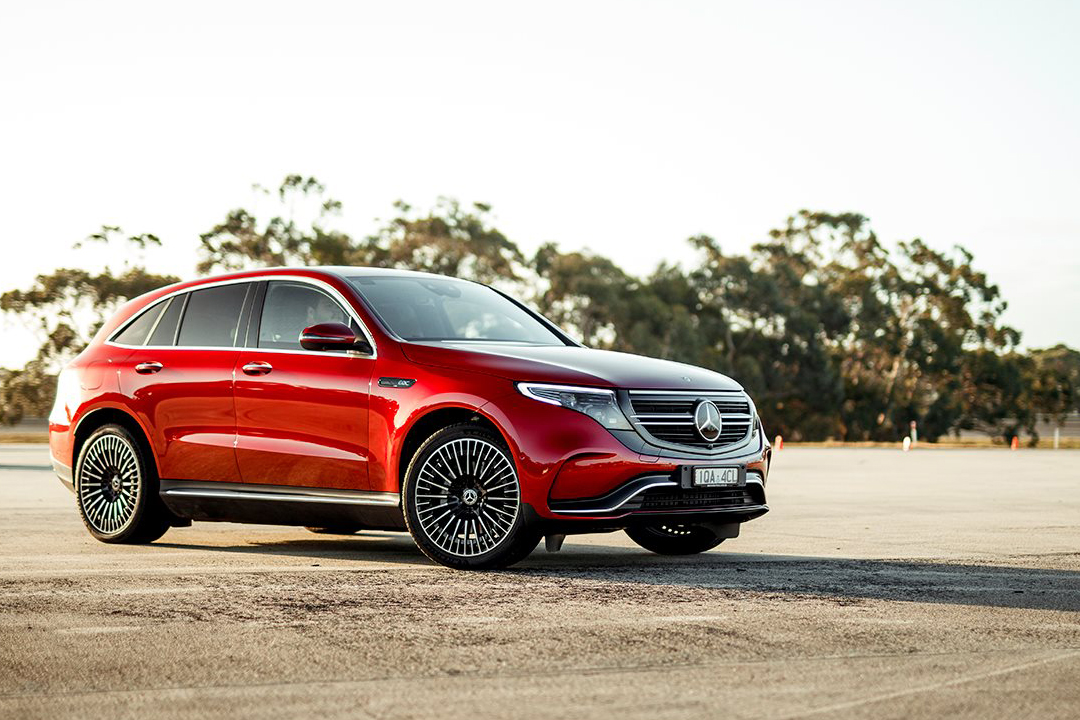
The Mercedes-Benz EQC, Wheels Car of the Year in 2020, is available with the now available in three 400 spec specifications. In August 2021, Mercedes added a new starter for the range, the EQC 400 4Matic starting at $124,300. For $141,300 you can get the EQC 4Matic Sport and for $147,300 you can have the fancier Art Line.
Audi’s E-Tron offers two bodystyles, the Sportback and the more upright SUV. Like the BMW you have a choice of two battery capacities, known as the E-Tron 50 and E-Tron 55, in line with Ingolstadt’s fondness for largely inscrutable numbering schemes to indicate power levels. The E-Tron 50 SUV kicks off at $137,700 with the 55 asking $146,100. Step into the sleeker E-Tron Sportback range and you’ll be paying $148,100 for the 50 and $157,100 for the 55.
And finally, there’s the Tesla Model X. Currently available in a two-car range with deliveries in late 2021 or in the case of the Plaid, late 2022, you’ll pay at least $149,990 for the Long Range dual-motor X and $174,990 for the bonkers tri-motor Plaid model. The Model X offers several seating layouts with up to seven passengers, but we’ll be using the base five-seater.
If you’re wondering where the odd Plaid name comes from, it’s a reference to the 1987 Mel Brooks Star Wars parody Spaceballs. Instead of using hyperspace or warp nomenclature, the faster speeds of the bad guys’ starship, Spaceball One, are Ludicrous and Plaid. Nothing like 35-year-old cultural references to make you hip to the groove with the kids.
Power, Torque, Performance
All but Tesla are upfront about the power outputs for their EVs, with the Tesla site claiming 1020 horsepower for the Model X Plaid, which also explains its space-time bending 0-100km/h time. Suffice to say, the X is not slow, so the power figures are largely immaterial. Even so, we have poked around and got a consensus power figure. Tesla also fails to offer a torque figure for its cars, which is classic Tesla.
Both the Audi E-Trons look a little lacklustre in this company, but none of these cars are slow or underpowered. The 55 powertrain has two torque figures; one that is always available and an overboost-style figure of 664Nm, activated by selecting ‘S’ mode twice with the drive selector or by changing to Dynamic mode.
They may all be torquey but all are heavy, well over two tonnes.
| Model | Power | Torque | 0-100km/h |
| BMW xDrive 40 | 240kW | 630Nm | 6.1s |
| BMW xDrive 50 | 385kW | 765Nm | 4.6s |
| Mercedes-Benz EQC 400 | 300kW | 760Nm | 5.1s |
| Audi E-Tron 50 | 230kW | 540Nm | 6.8s |
| Audi E-Tron 55 | 300kW | 561Nm (664Nm boost) | 6.6s |
| Jaguar i-Pace | 294kW | 696Nm | 4.8s |
| Tesla Model X Long Range | 500kW | N/A | 3.9s |
| Tesla Model X Plaid | 760kW | N/A | 2.6s |
Battery and Range
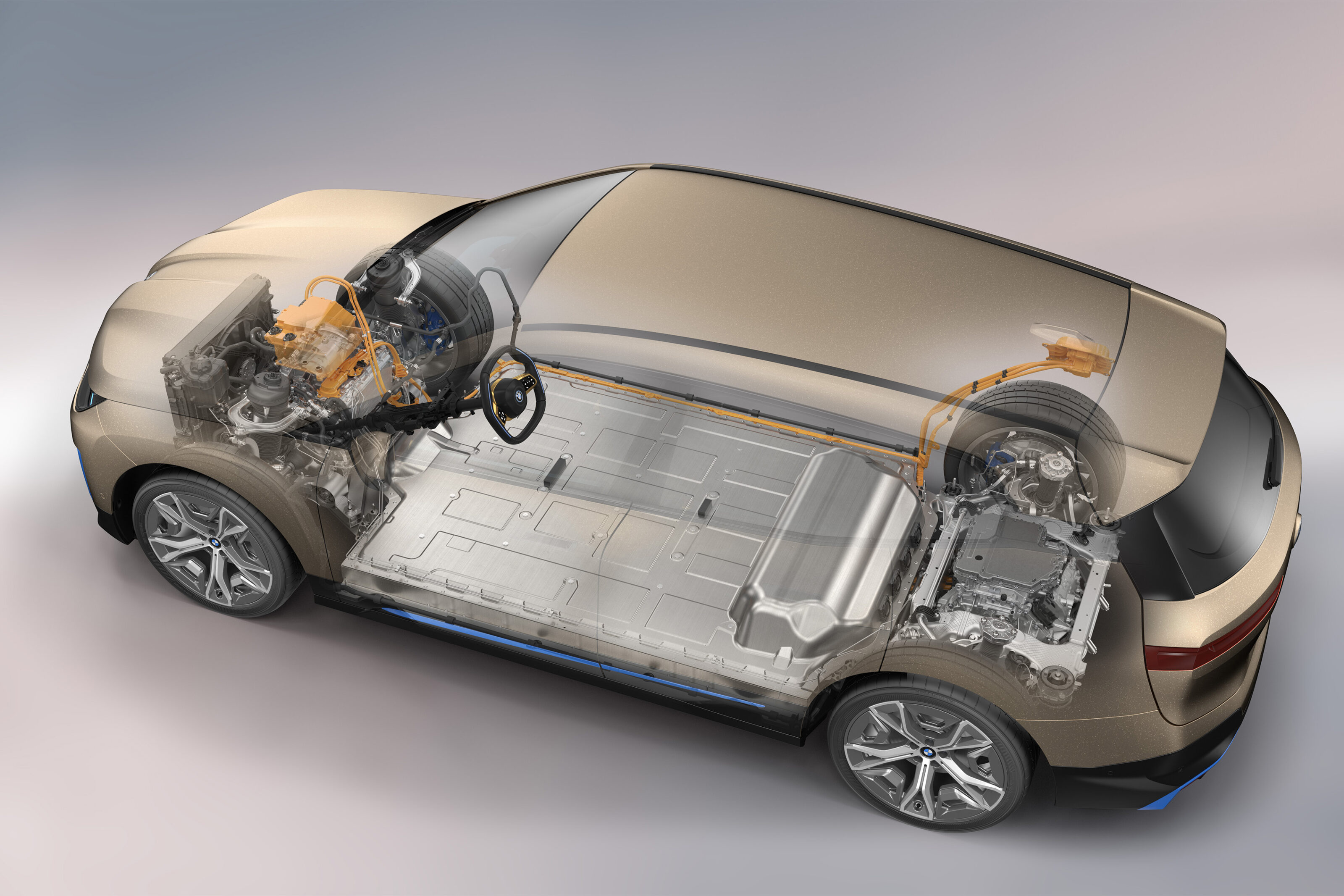
Range is a very hot topic whenever the subject turns to electric cars and there’s a clear winner here. While these are official figures, with no real-world numbers for the iX yet, the xDrive 50 has the most impressive range based on WLTP testing. This test cycle has proven to be closer to reality than ADR, NEDC or EPA regimes.
The xDrive 50’s bigger battery pack is obviously largely responsible for the higher result but as you saw in the previous section, the Tesla might be behind on range but both are scorchingly quick.
| Model | Battery pack | WLTP range |
| BMW xDrive 40 | 77kWh | 425km |
| BMW xDrive 50 | 112kWh | 630km |
| Mercedes-Benz EQC 400 | 80kWh | 354km |
| Audi E-Tron 50 | 71kWh | 336km |
| Audi E-Tron 55 | 95kWh | 536km |
| Jaguar i-Pace | 90kWh | 470km |
| Tesla Model X Long Range | 100kWh | 580km |
| Tesla Model X Plaid | 100kWh | 547km |
Charging
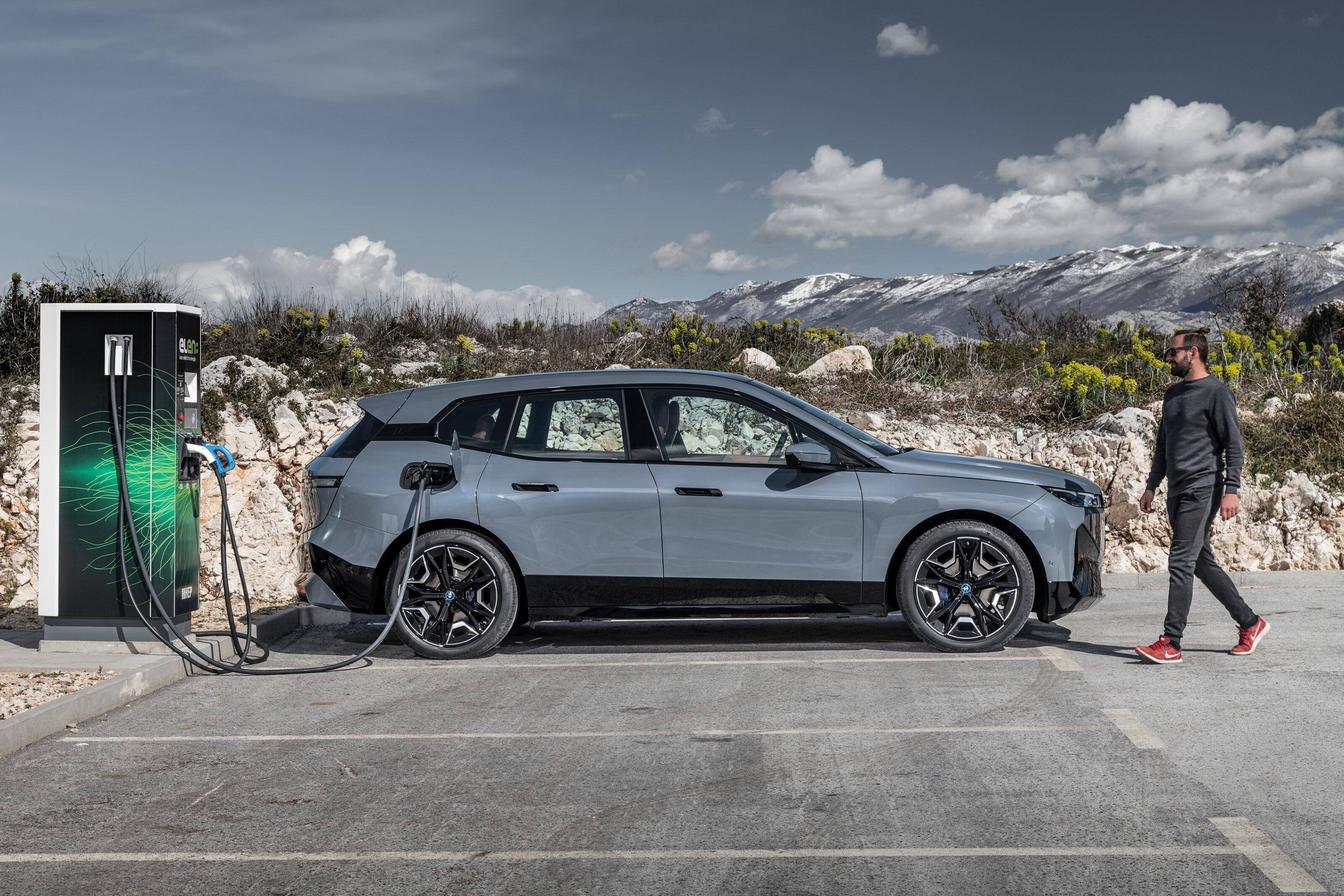
Ah yes, the bete noir of electric motoring. Tesla has a huge network of chargers, starting with the top-shelf 250kW and 120kW Supercharger charging stations and the number is growing steadily. The network includes a large number of lower-powered charging stations known as Destination Chargers. Tesla now charges for use of the Supercharger network at around 50c per kWh.
BMW, Mercedes and Jaguar each offer five-year subscriptions to the Chargefox network, while Audi one-ups them all with a six-year plan. Chargefox bills itself as Australia’s largest charging network with 770 locations. Around 10 per cent of the locations feature fast-charging plugs ranging from 150kW to 475kW, all of which step down to match lower charging speed capabilities, which suits most of these cars.
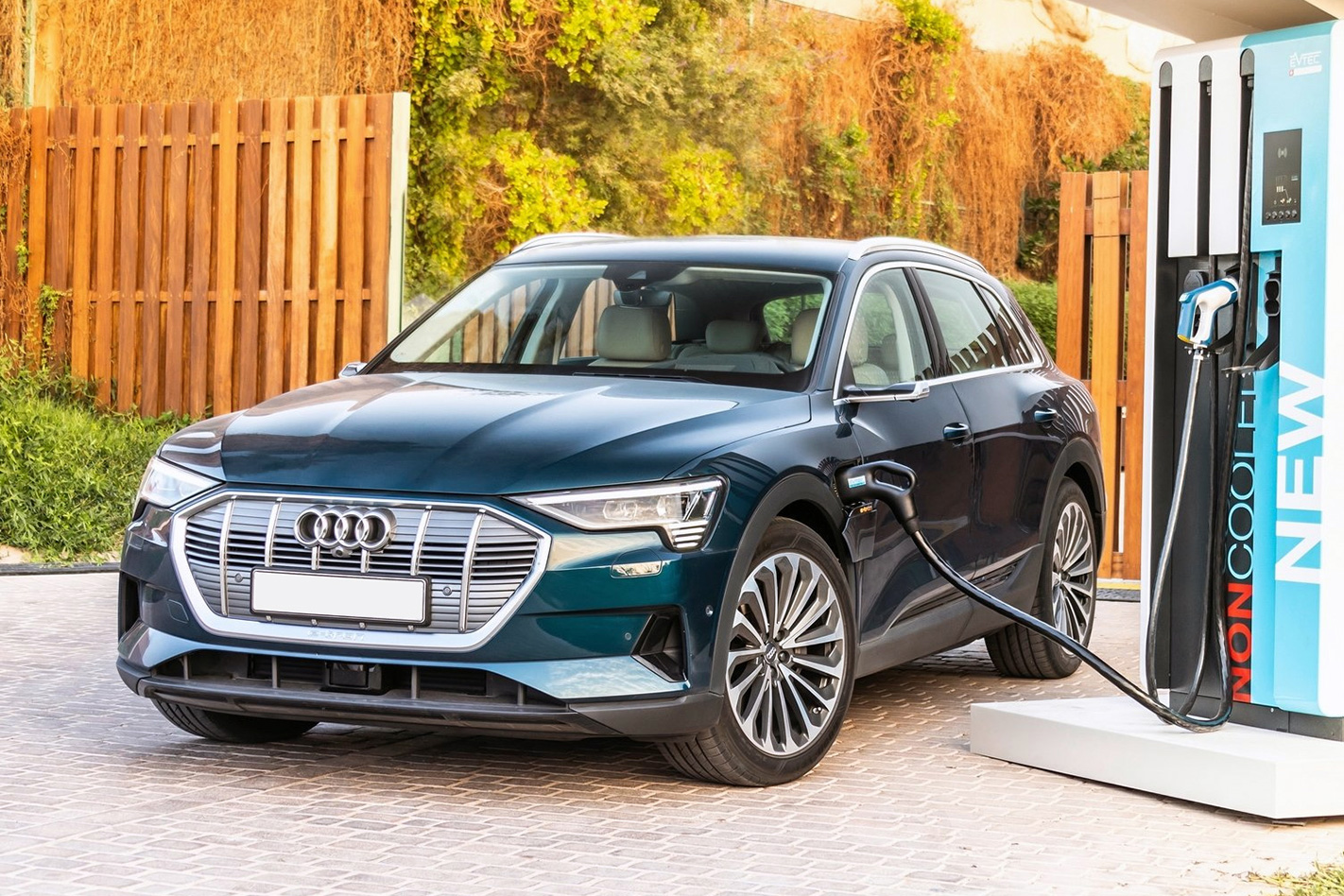
The rest of the locations offer access to chargers starting at 22kW. Some locations aren’t open to the public and are installed in apartment blocks for tenants. Others are publicly accessible in shopping centres and installed in businesses willing to play host to a box.
For home charging, all come with the right cables to charge from a normal domestic power supply, with all but the Tesla offering an 11kW onboard charger. Tesla’s Model X has a 16.5kW charger, meaning faster charging performance at home or the office.
Audi’s E-Tron pair will offer a 22kW onboard charger later in 2021.
Each manufacturer also offers a wallbox option. Tesla’s will add up to 34km of range per hour of charge on a single-phase power supply while a three-phase 24-amp system will add up to 80km per hour of charge.
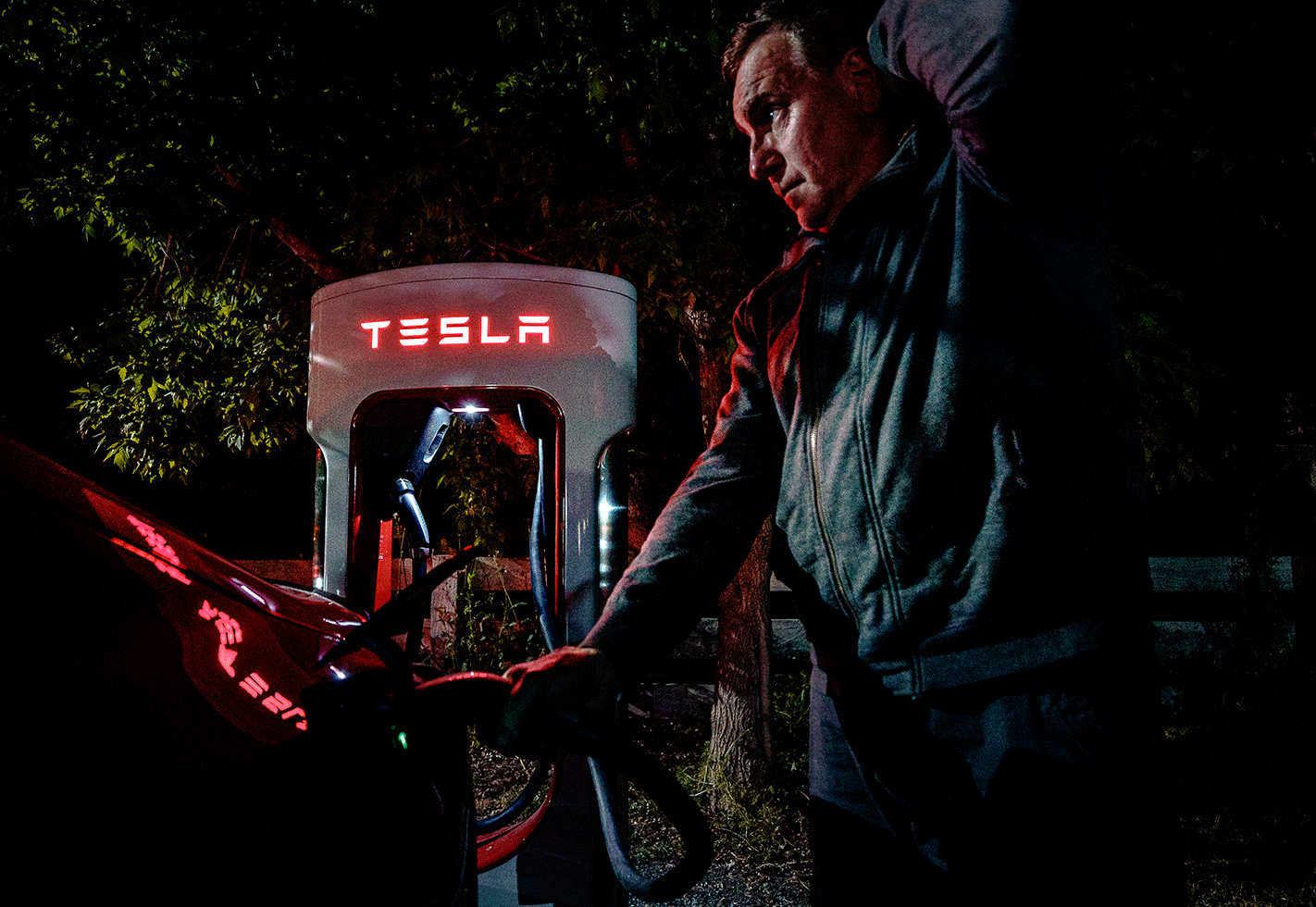
BMW’s wallbox offers 22kW of charge at home (with three-phase power, no doubt) while Audi, Mercedes and Jaguar wallboxes are rated at 11kW, effectively doubling the charge rate available from the mobile charger you use to plug into the wall. These units mean you’ll get between 30km and 50km of range per hour of charge depending on the car and the efficiency of the battery pack.
While none of these cars is cheap, the base BMW undercuts the EQC by quite a margin and bests all but the Jaguar and Tesla Model X for WLTP range.
Each of these brands has more to come over the next 12 months, so if the big iX is too much or too expensive, there are more to come at a more affordable price.
From these figures, it appears BMW has not only thrown down the gauntlet, it has picked it up and given everyone a bit of a touch-up. With strong pricing, good on-paper range and a striking design, the game just got harder for its rivals.
What you’ve read here is a ‘spec battle’
To learn how each model drives, check out review links below – and watch for a full on-road face-off to come in the weeks ahead.
Snapshot
- No stamp duty on qualifying EVs
- No road tax for six years
- Subsidies on cars under $68k
A couple of weeks after Victoria’s patchy, wrong-headed policy failed to adequately atone for jumping the gun on enforcing a road tax, the NSW Liberal government unveiled its own. While Gladys Berejiklian’s Federal counterparts continue to dither on EV policy, the conservatives in Sydney backed up their recent tough words for Canberra with some real action.
The headline of the policy is not what’s in it, it’s what isn’t. Or, more accurately, what isn’t for a few years. While the Victorian government introduced a road tax for EVs separately to its incentive program, the NSW government was upfront about its intention to charge EV users starting in 2027.
Transport Minister Andrew Constance said that a road charge shouldn’t come into force until around forty percent of cars were electric. We said that would probably change, and it has, falling to thirty percent. If the proportion of new car sales hits thirty percent before 2027, the road tax will start from then. As with Victoria, the charge is 2.5c per km for EVs and two cents for plug-in hybrids.
The policy states that EVs under $78,000 will not be subject to stamp duty, a permanent change that will also cushion the effect of the road user tax. NSW Treasurer Dominic Perrottet says it’s the first in a list of long-term tax reforms. This particular incentive is worth up to $3000, but once you go over $68,750, you lose the other incentive.
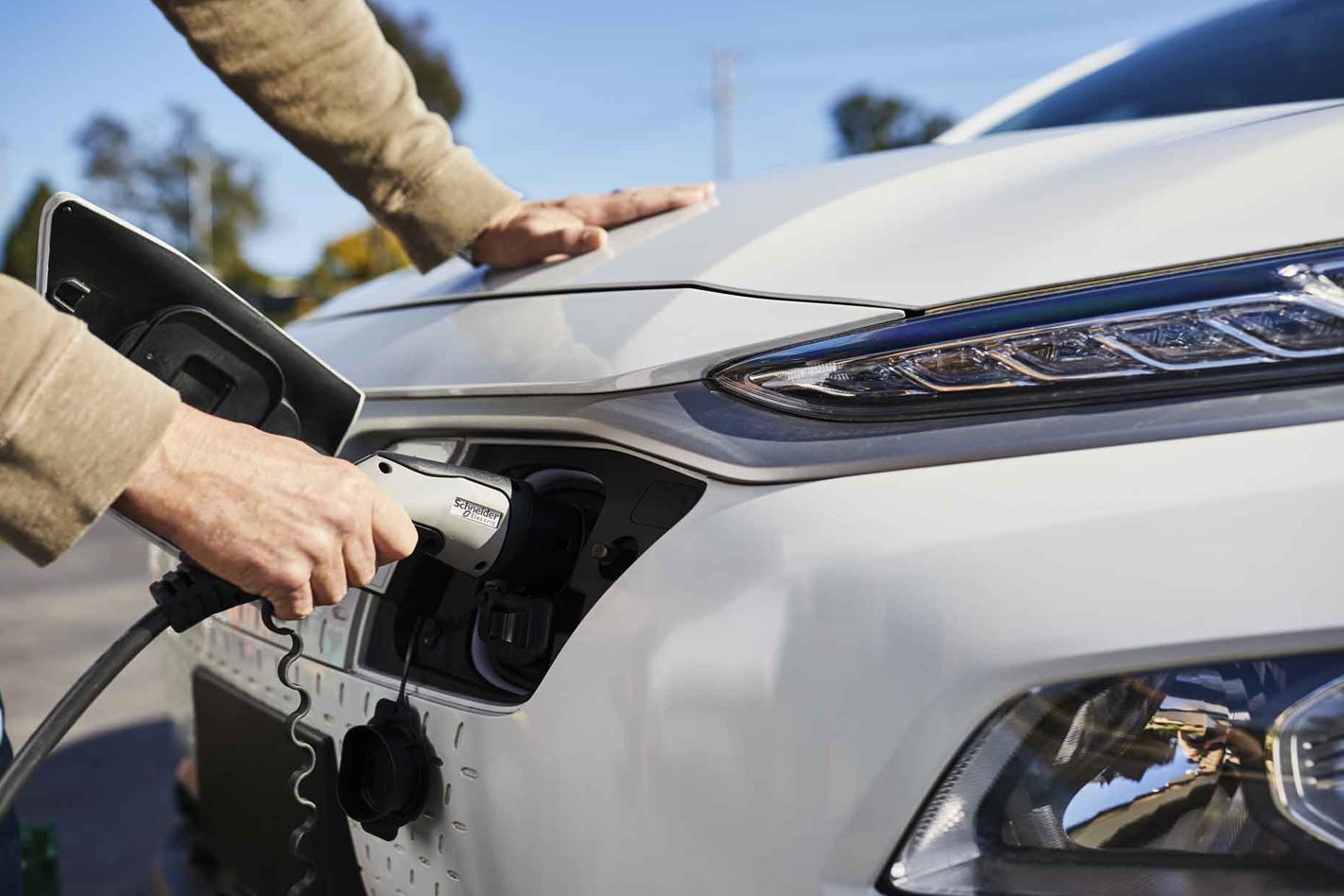
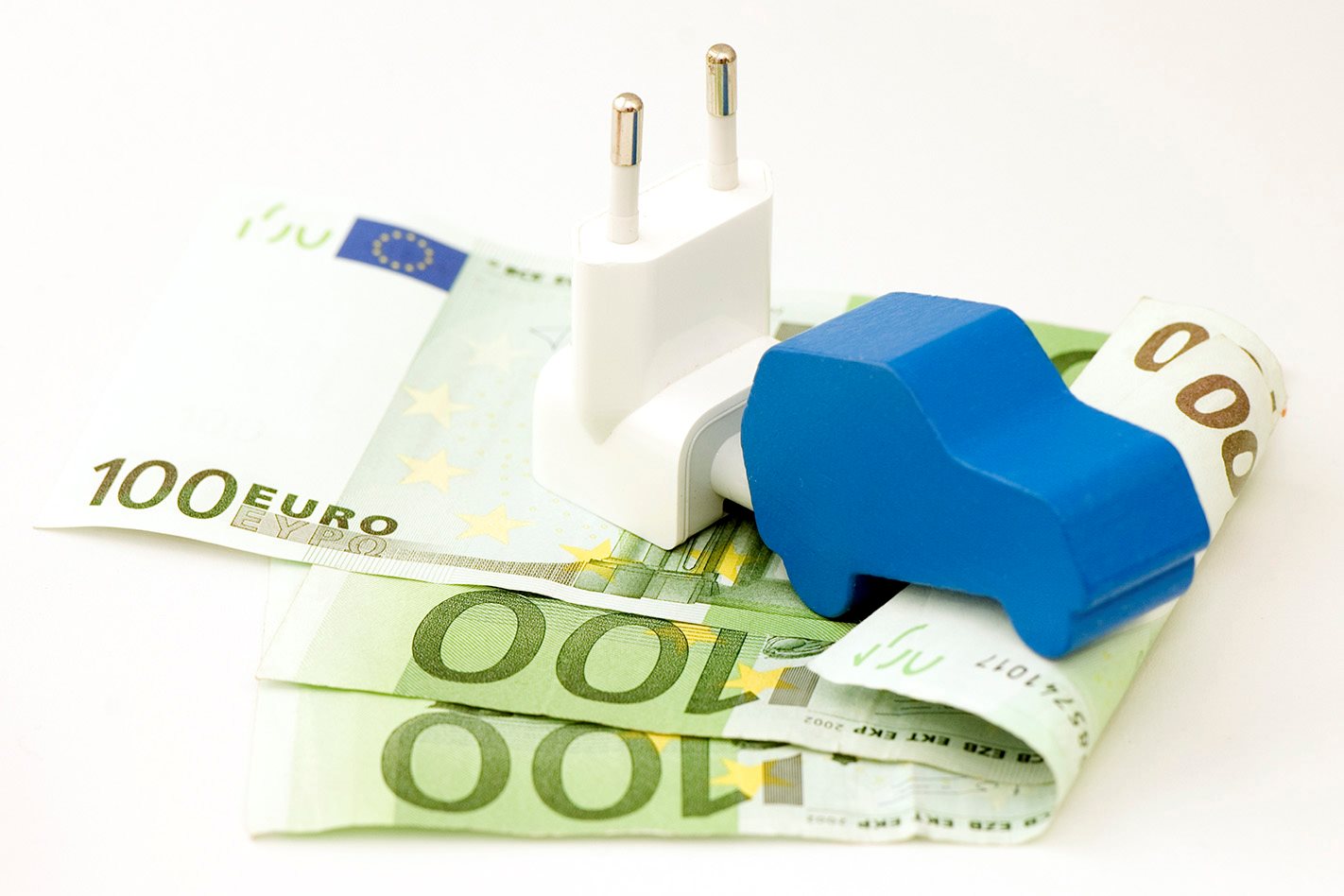
That other incentive is a $3000 rebate applied to cars that come under $68,750. When you add the stamp duty saving, that’s around $5300 off the on-road price. It’s by far the most generous policy in the country when you add it all together. The rebate will apply to the first 25,000 private sales from September 1, 2021.
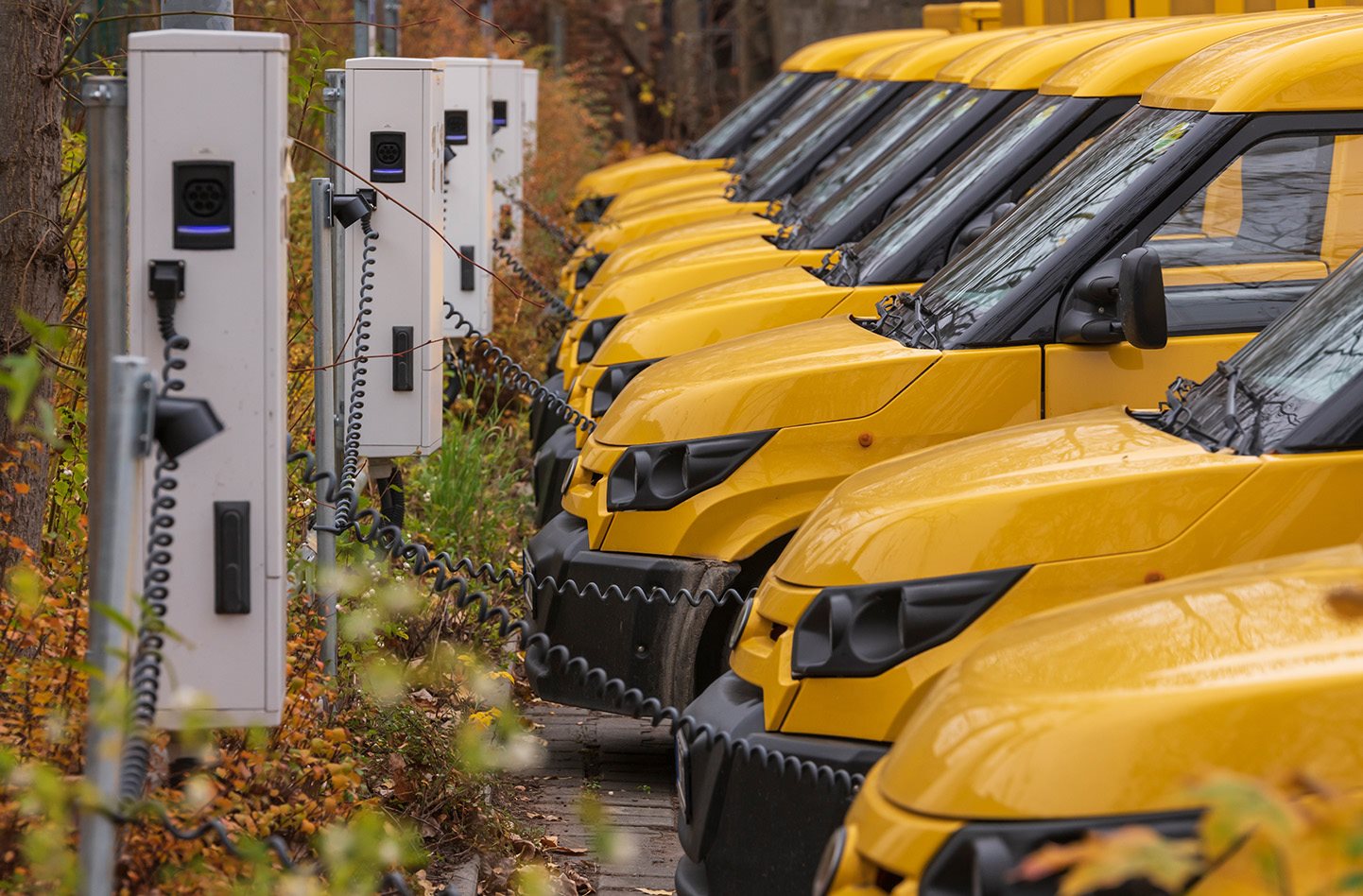
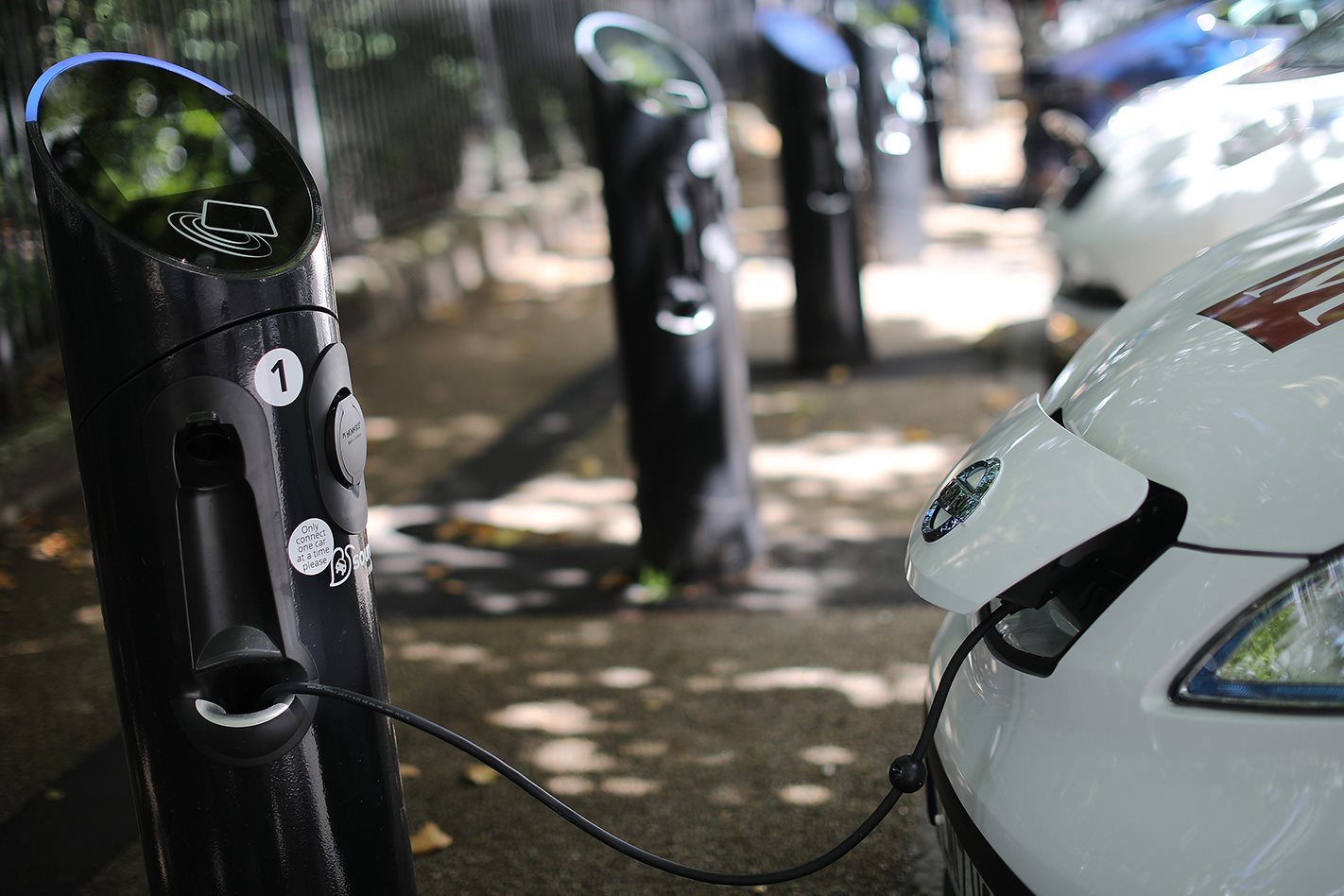
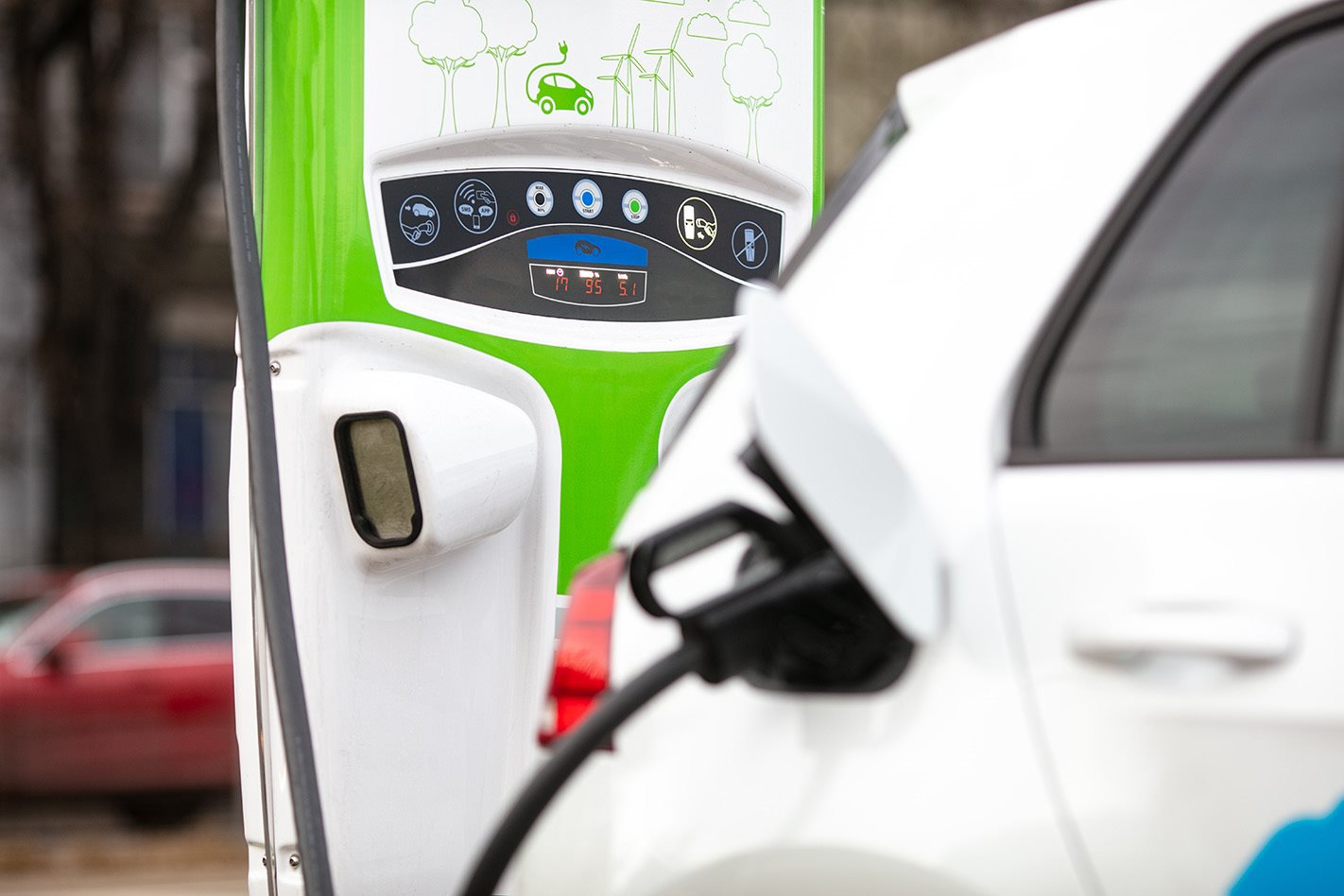
On top of that there is a promise to spend $171 million on public charging infrastructure, $141 million of that being on ultra-fast chargers. That suggests 200kW+ DC chargers to reduce the amount of time spent charging and keeping people moving. Chargefox already offers 350kW units in select locations and Tesla 120kW or 200kW Superchargers.
Another $20 million will go on chargers at public transport hubs such as train stations. It’s not clear who will deliver the infrastructure but it will likely go to private businesses.
Constance says that this investment should translate to a charger every five kilometres in urban areas with limited off-street parking and 100km along major highways. It will be interesting to see how the government works out the urban placements, with huge gaps in coverage persisting in the major capital cities.
A slightly random inclusion in the policy is allowing EV drivers to use T2 and T3 transit lanes. That seems counter-intuitive as it encourages car use on already congested roads. It won’t have much of an impact in the short-term, but EV owners will join motorbikes, taxis and hire cars in the transit lane. As if that Tesla Model 3 owner with the NO OIL plate wasn’t insufferable enough.
The combination of stamp duty abolition and the measured introduction of a road tax points to a more coherent policy than Victoria’s. While the headline number of $490 million is much higher than Victoria’s, it’s a policy that eases motorists into the idea of a road tax.
Road taxes are inevitable as the income from the Federal fuel excise falls. But at this early stage, it’s a negligible number. Victoria’s gun-jumping move not only discourages EV uptake by making people mad, it’s going to cost more to collect than it makes and is effectively wiped out by the incentive program.
NSW might be fond of wasting money on stadiums, but at least it knows introducing a tax virtually without warning when you want to encourage a new way of doing things is a bad idea. This policy was warmly welcomed by the industry, particularly car makers who sell cars that fall under the incentive limits. That’s to be expected because it will mean more sales when the policy kicks off in September.
With another $105 million to come in fleet incentives, NSW has put itself firmly on the front foot in encouraging EVs. While Victoria’s policy isn’t all bad – both governments want half of new car sales to be EVs by 2030 – the NSW policy is far more encouraging and comes with less finger-wagging about EV owners “paying their fair share.”
It also clearly defines a bipartisan target of net zero emissions by 2050. In a political climate where nobody can agree on anything without an ugly public brawl, that alone sets this policy apart.
Snapshot
- Compact pick-up being built at Hyundai’s Alabama plant
- Customer deliveries expected in the coming months
- Santa Cruz will compete directly against Ford’s recently unveiled Maverick
The 2022 Hyundai Santa Cruz compact pick-up truck, easily one of America’s most anticipated new car releases of the year, has officially entered production.
With construction taking place at Hyundai’s Alabama plant, the pick-up is being built alongside other models from the Korean automaker’s line-up, including the Sonata sedan as well as the Santa Fe and Tucson SUVs.
The Santa Cruz, which shares much of its components with these aforementioned models, also utilises Hyundai-Kia’s N3 platform as its base.
Known as the Korean automaker’s third-generation platform, the N3 chassis architecture underpins models such as the yet-to-be-released Staria, as well as Kia’s Carnival and Sorento.
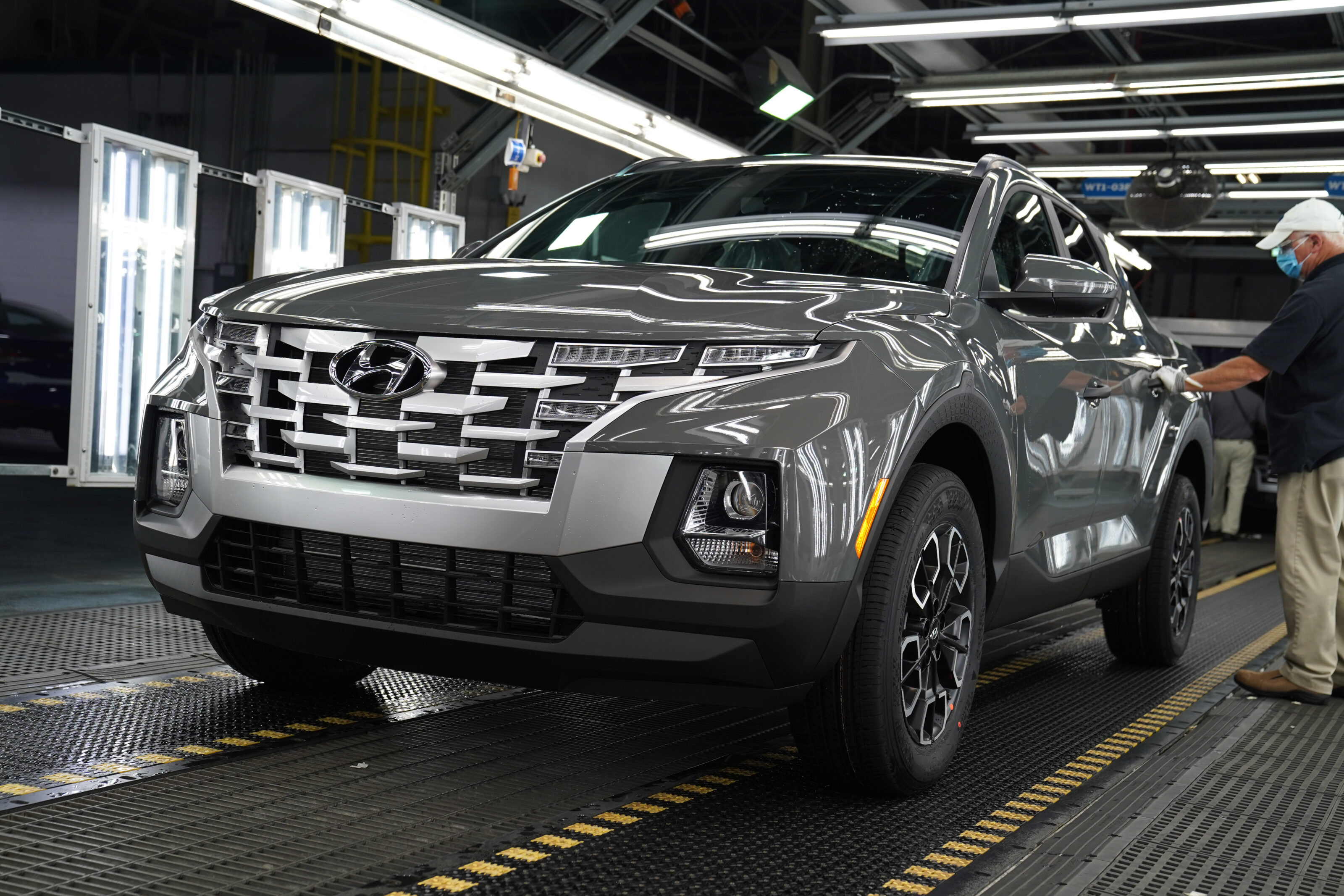
Dubbed a ‘sports adventure vehicle’, the diminutive soft-roader, as Wheels previously reported, will be powered by a naturally aspirated or turbocharged 2.5-litre four-cylinder petrol engine producing either 142kW/245Nm or 205kW/420Nm respectively.
Drive will be sent to all four wheels through Hyundai’s HTRAC all-wheel drive system and an eight-speed dual-clutch transmission.
Measuring 4970mm long, 1905mm wide, 1695mm tall, and with a wheelbase spanning 3005mm, the Santa Cruz is shorter, wider and lower than its closest competitor, the recently unveiled Ford Maverick.
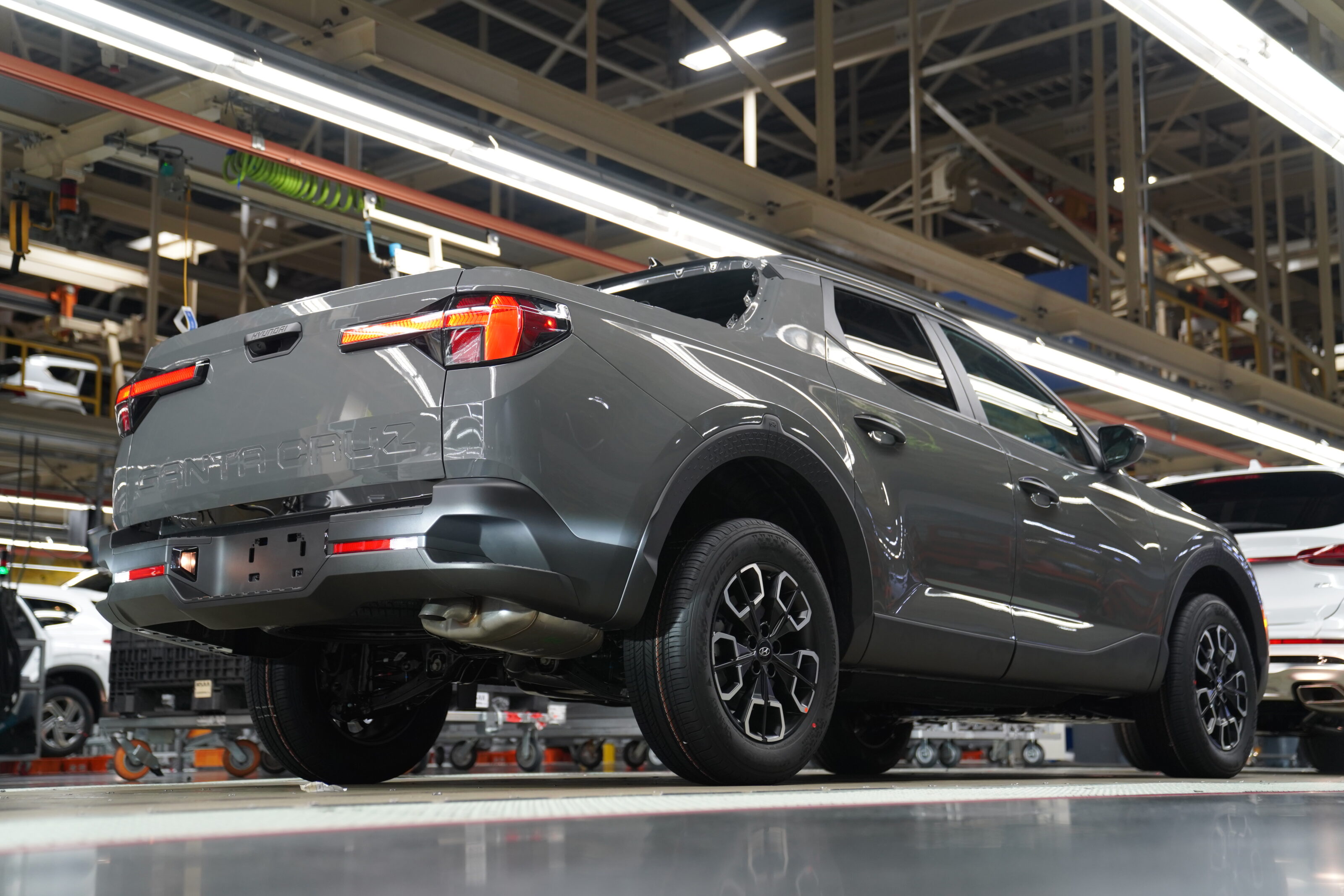
With deliveries due to begin in the coming months, the 2022 Hyundai Santa Cruz is an important model for the Korean automaker, which has already garnered more than its fair share of interest from State Side buyers.
And that’s good news, because the pick-up truck has been specifically created for the North American market.
Sadly, this means we’ll probably never see the compact truck Down Under, as it hasn’t been homologated for right-hand drive.
Alpine swallows Renault Sport
- End of RS-badged Renaults
- Alpine assumes motorsport mantle and eyes full-EV product range
- Alpine-Lotus sports EV collaboration on the cards, plus EV hot hatch and crossover
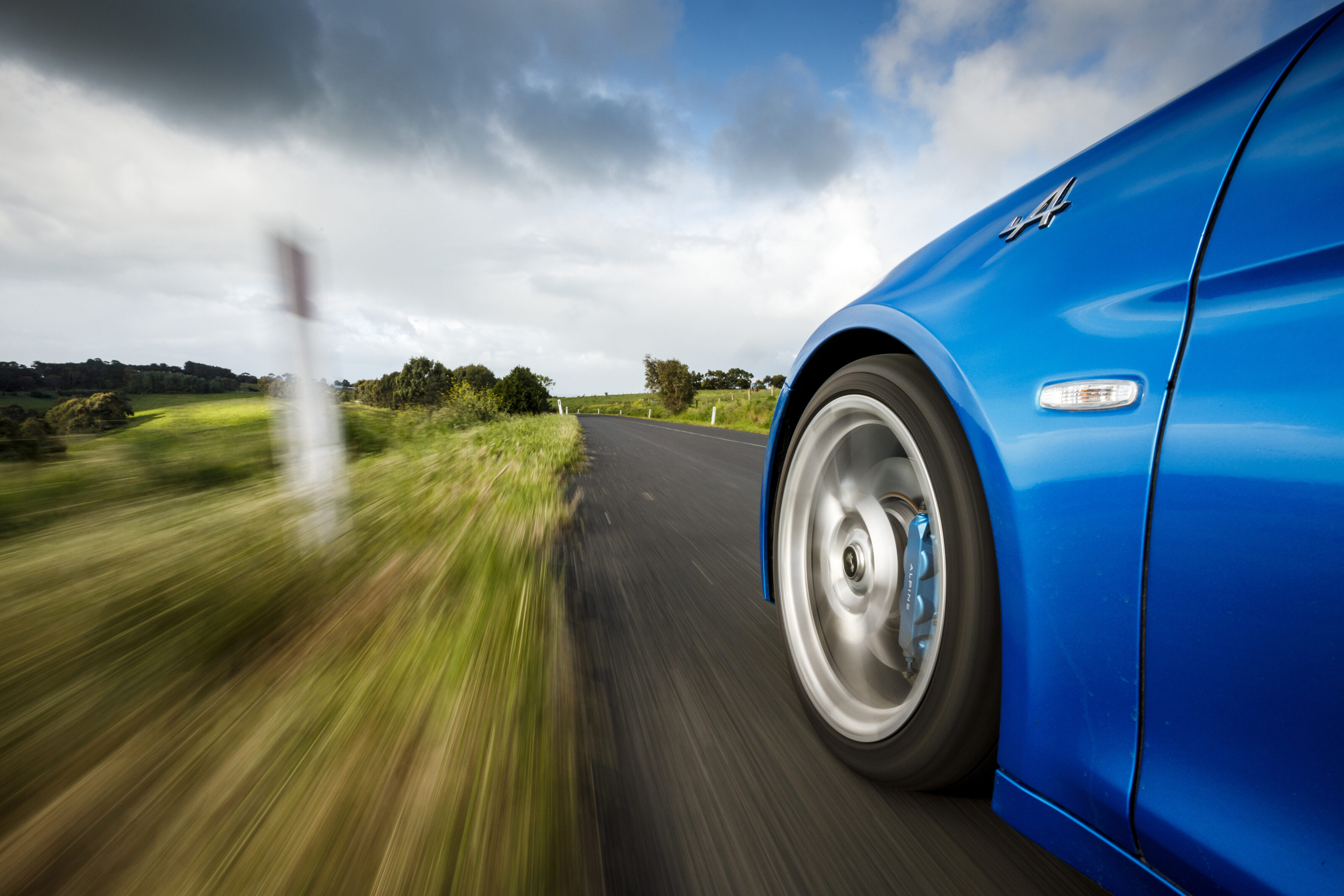
Alpine is a company in transition. What was once a minor offshoot of the Renault empire based on the bleak northern coast of France has suddenly been shunted into the limelight. Rebranding Renault’s F1 team beneath the Alpine banner has boosted brand awareness to the tune of 433 million race viewers a week, but now it’s Renault’s job to turn that recognition into products that people will actually buy.
Thus far that has been a problem. The A110, for all its critical acclaim, has been a poor seller. Here in Australia, year to date sales stand at a single car, sold through its sole dealer in Melbourne. Only 35 cars found owners in 2019 and a mere seven units were registered last year. Even in stronger markets, such as France and the UK, sales have tailed off drastically.
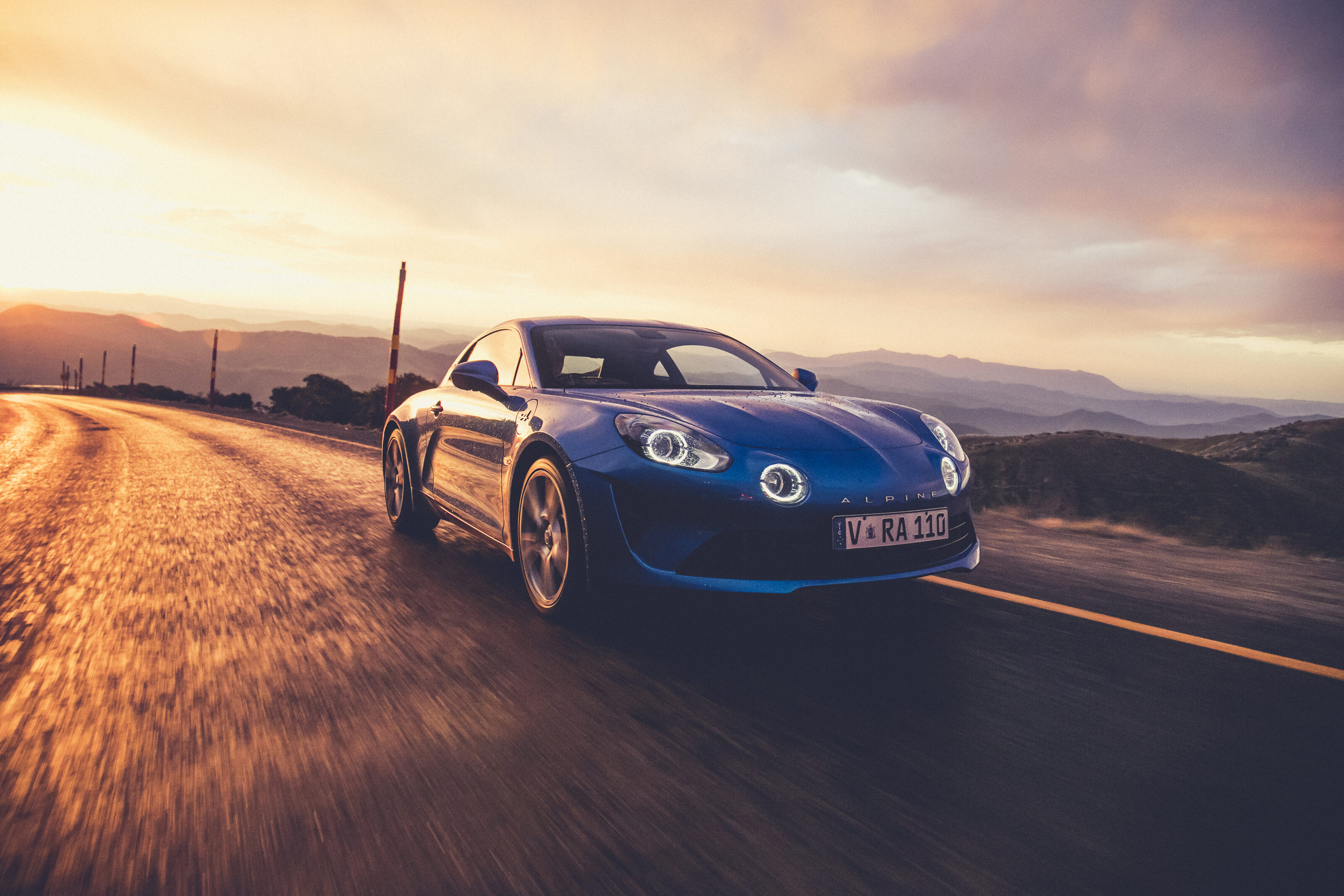
Alpine has made no secret that the A110 is the last of its line and that the business is looking to pivot rapidly to a full-EV product range. A collaboration with Lotus pairs the two prime exponents of lightweight agility in the sports car market and promises something quite special. The timing ties up too, with Lotus’ new Emira also being its last solus-ICE powered vehicle.
Lotus and Alpine’s memorandum of understanding first creation will sprout from the “E-Sports” electric platform that is set to be flexible and modular. It’ll underpin EV performance cars from Lotus and Alpine, but will also be made available to other car manufacturers. Lotus is insisting that even with a weighty battery pack on board, it has to be an authentic Lotus. Hethel has encouraging form in that regard, the Evija (below) weighing much the same as a modern 911 Turbo.
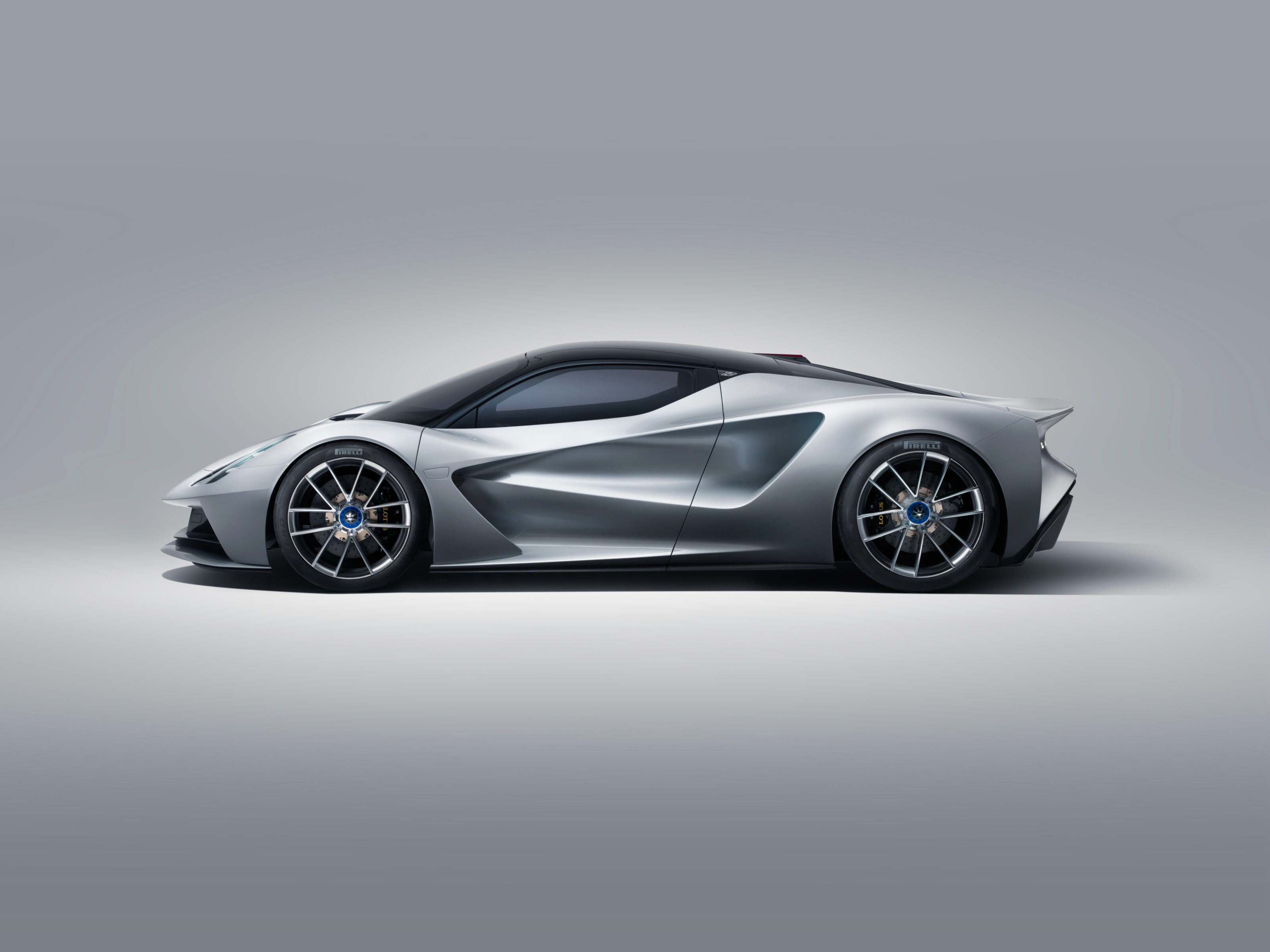
“The E-Sports architecture will be flexible and modular, and will generate an exciting new sports car icon for the Lotus brand, with contemporary styling, class-leading ride and handling, explosive performance and that unmistakable Lotus character – a pure dynamic experience that is ‘For The Drivers’,” Matt Windle, Managing Director of Lotus Cars, says.
“I have challenged our teams to target the same weight as our latest combustion engine sports cars.”
The Alpine “Business Unit”, announced in January, merges Alpine, Renault Sport and Renault’s motorsport operations into one entity. The plan for the near future not only includes the Alpine-Lotus collaboration for a sports EV, but also an electric hot hatch and a battery-powered crossover.
Laurent Rossi, Alpine’s CEO, said: “As part of the reorganisation of the Renault Group by brand, it is essential that the various entities that make up the Business Unit bear the Alpine name and embody the values and ambitions of the brand. Alpine aims to be a premium sports brand at the forefront of innovation and technology. Alpine Cars with its expertise and experience in sports vehicles is a master card in achieving our goals.”
In the nearer term, Renault Sport is dead, and performance Renaults will carry the Alpine badge instead.
Things will remain the same operationally too, with the 300-strong Renault Sport team remaining at its Les Ulis headquarters near Paris.
It’s perhaps ironic that Alpine built the first Renault Sport model, the 1996 Renault Sport Spider, and a quarter of a century later, the responsibility has been handed back.
Snapshot
- Practicality not sacrificed for style
- Base model not short-changed for dynamics, equipment or interior quality
- Petrol versions thirsty but efficient plug-in hybrids drive well
- Upcoming five-cylinder performance flagship to be left-hook only
Cupra, the ostensibly Spanish performance brand that rocketed out of mere sub-brand status with the Volkswagen Group’s Seat marque, is on its way to Australia.
Frankly, we wouldn’t have expected it – but VGA knows there’s an insatiable appetite in Australia for performance-focused passenger cars, and the German giant knows a profit line when it sees one.
The brand will hit Australia in early 2022, launching with the Ateca, León, and the Formentor hot SUV you’re about to explore in the lines below.
UPDATE, February 8, 2022: Dan Gardner drives the Formentor E-Hybrid.
UPDATE, June 25, 2021: Cupra’s Australian line-up has now been announced.
The story to here
June 24, 2021: Cupra Formentor, international first drive
Cupra is the upmarket sister brand to Spanish car-maker Seat and it’s rolling out its first bespoke model, a crossover-SUV mash-up called the Formentor. It’s a distinctive-looking hatchback-on-stilts that will turn heads with its on-tiptoes stance and a badge none of your mates will have seen before.
The range is growing with new cheaper models, extra powertrains from entry-level, 110kW V1 to the plug-in E-Hybrid models capable of driving up to 60km on electric power and a rabid all-petrol 228kW range-topper.
Quick recap: What exactly is the Cupra Formentor?
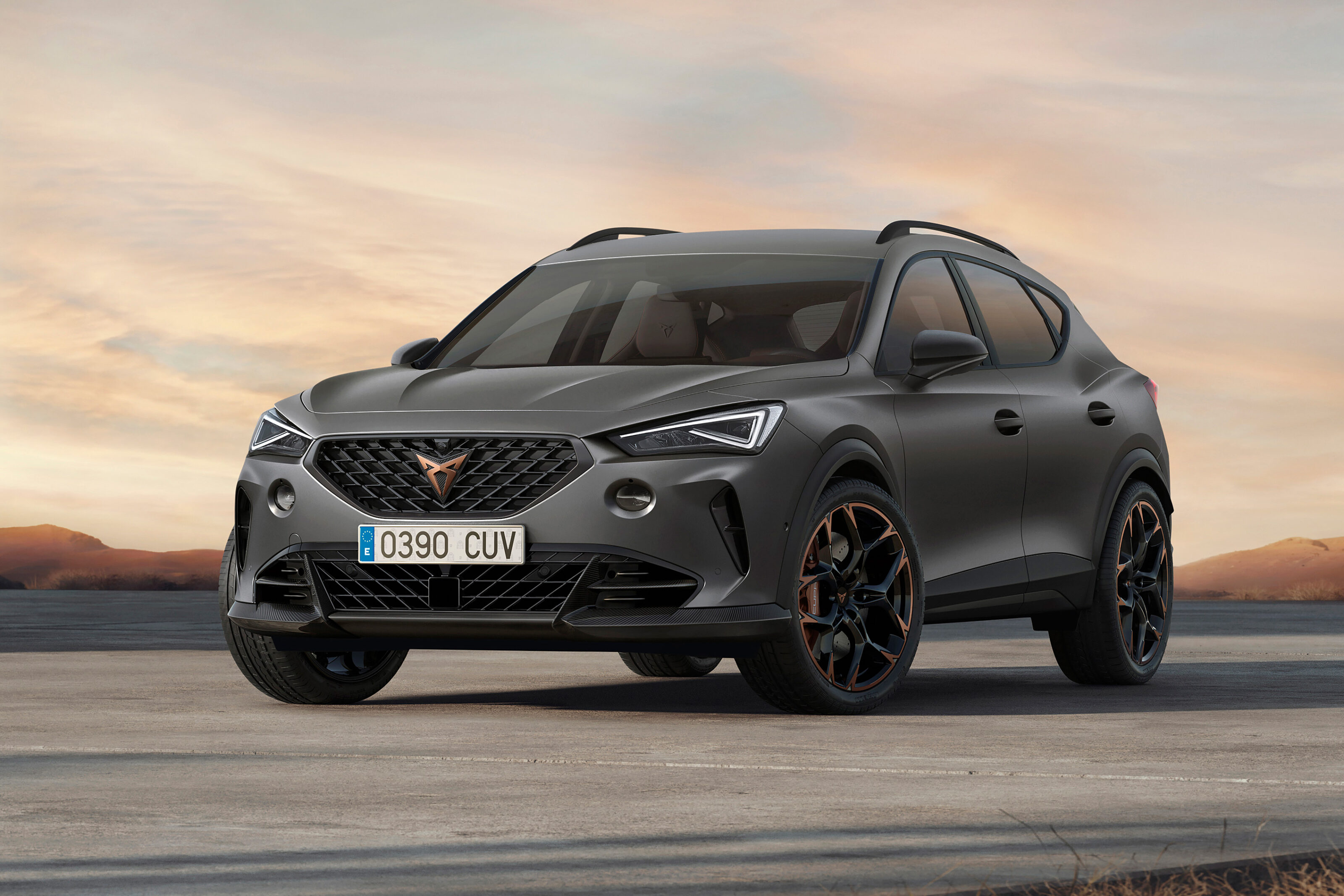
For Cupra’s first two years of standalone existence, it strapped high-performance engines into and go-faster bodykits onto the Leon and Ateca cars of its alma mater, Seat. Now the brand has added the unique Formentor, which will only be available as a Cupra, with that cartoonish superhero pincer badge.
The range starts with the entry-level 110kW V1. Running a 1.5-litre turbo-petrol engine and front-wheel drive, this ‘coupe SUV’ costs £27,395 ($A50,187) in the UK; three more petrol engines and a choice of two plug-in hybrids complete the range but there will be no diesels, at least for Britain. A five-cylinder uber-Cupra won’t be too far behind, although it will only be available in left-hand drive.
Coupe SUV, they say… What’s that, and how big is it?
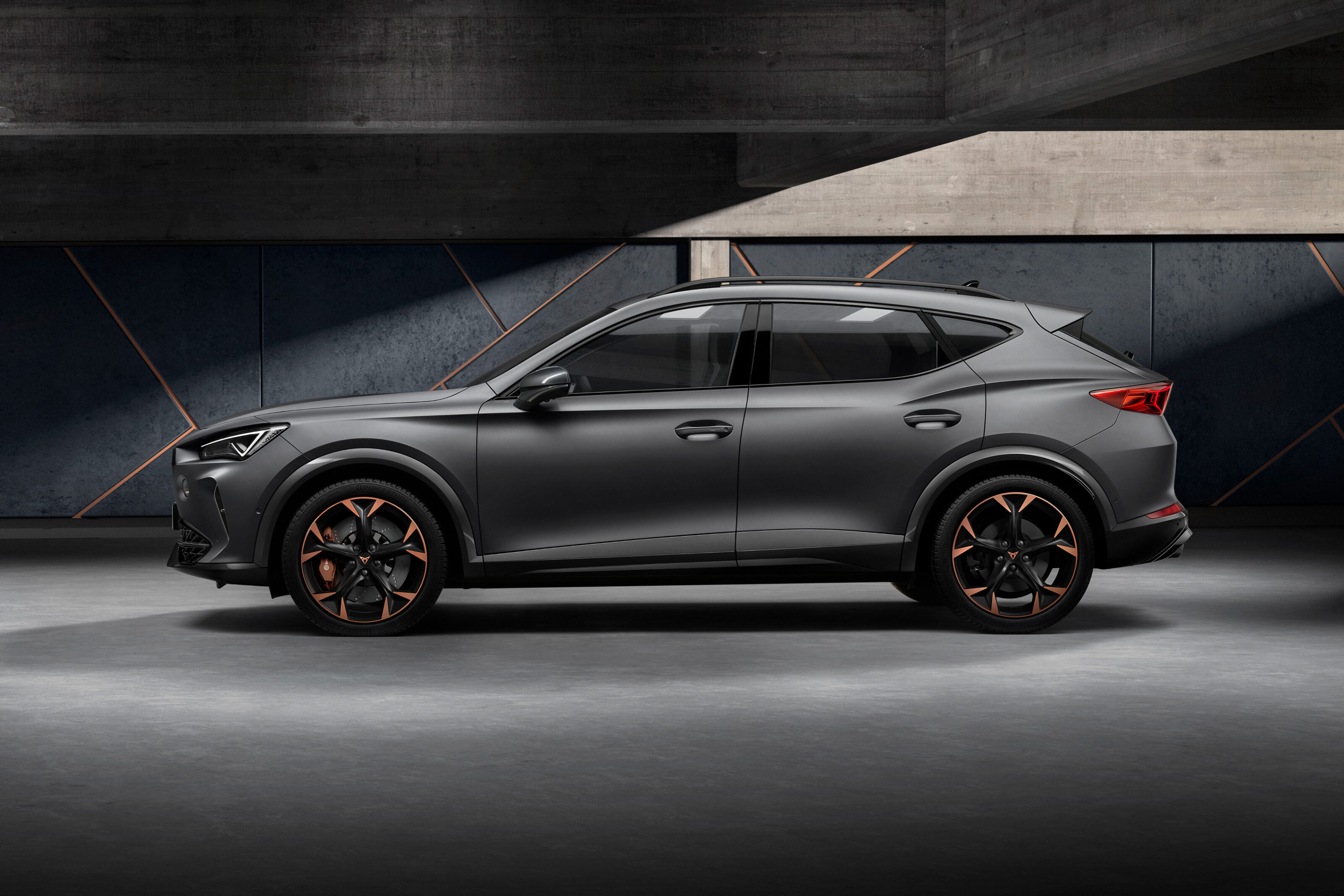
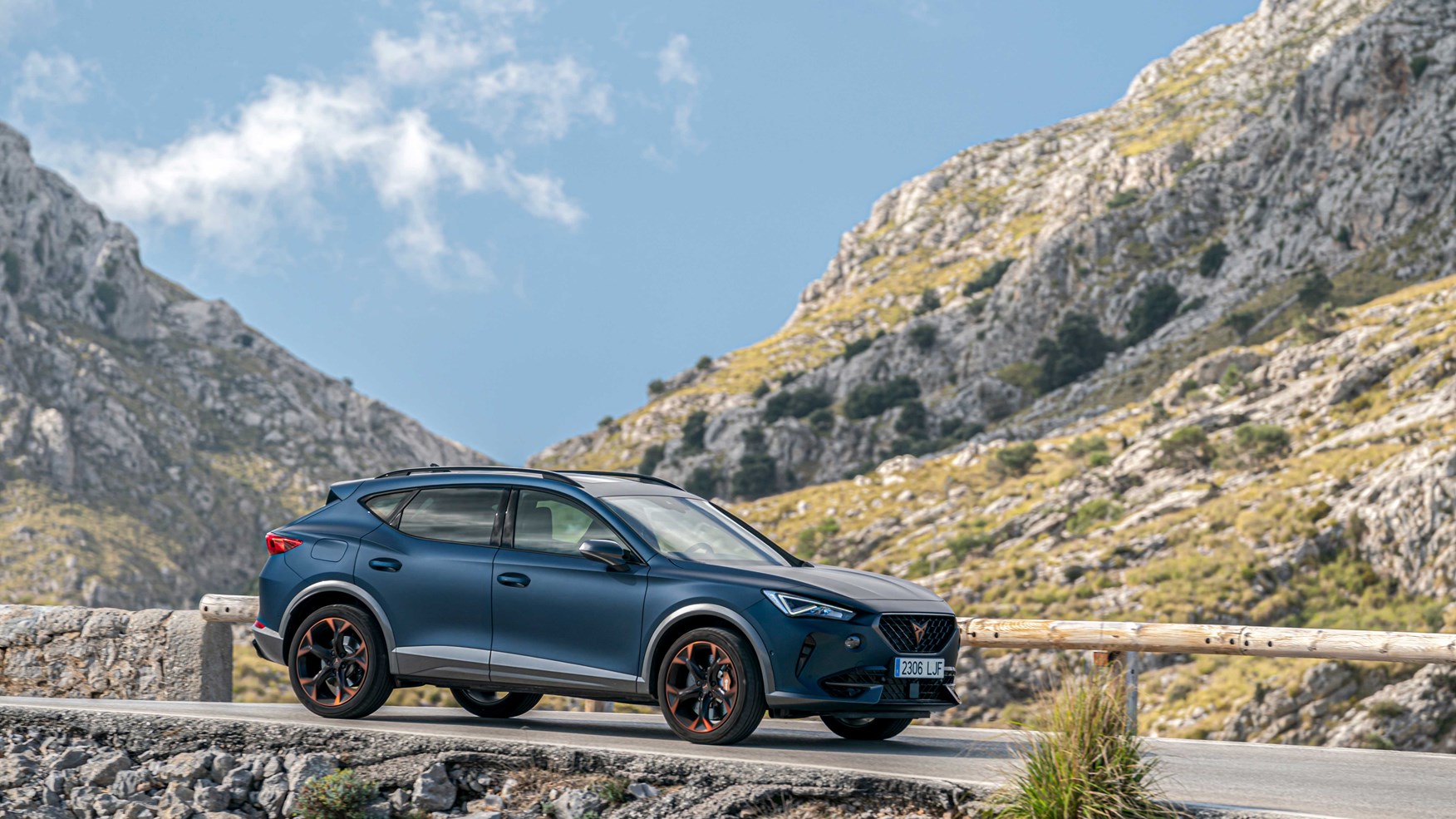
The Formentor is a mid-size crossover, whose rivals include the Volvo XC40 and Audi Q3. The Cupra is a little longer than its Seat Ateca stablemate but notably the roof sits some 100mm lower. That makes it look like a high-riding wagon, on big wheels (18-inch standard, 19s tested) pushed out to the corners of the car. The passenger cell is set back, accentuating the length of the bonnet, a classic German premium design trope. It’s a beefy, handsome design.
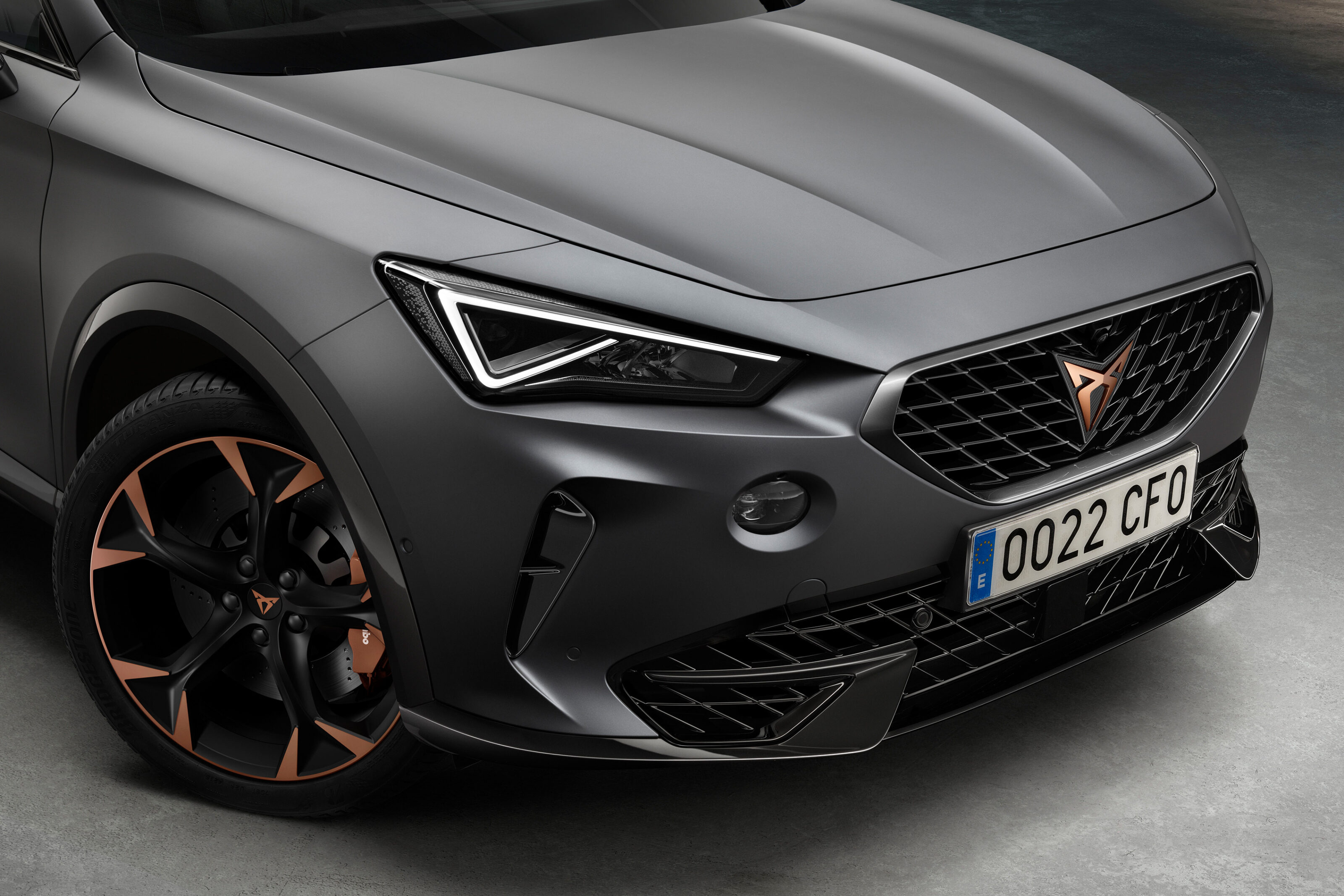
One peppered with distinctive flourishes, such as Cupra’s trademark matte paint and lavish use of copper tone, even down to the optional Brembo calipers grabbing 18-inch discs on the 4Drive VZ. The pale gloss sills and wheelarch trim that contrast with the body colour feel fresh, there’s not an ounce of chrome, and a tiny Formentor script in the rear lamp is the only mention of the model’s name. All good. Using Seat’s grille and headlamp graphics undermines the independent brand message though.
The new Cupra rides on VW Group’s MQB Evo architecture, the second-generation of the VW Golf/Audi A3/Seat Leon’s transverse-engined, front- and all-wheel-drive components set. That means a choice of rear axles: a torsion beam for the 110kW petrol and a 2.0-litre diesel (which won’t be sold in the UK), and a more sophisticated multi-link set-up for other Formentors.
And what’s it like inside?
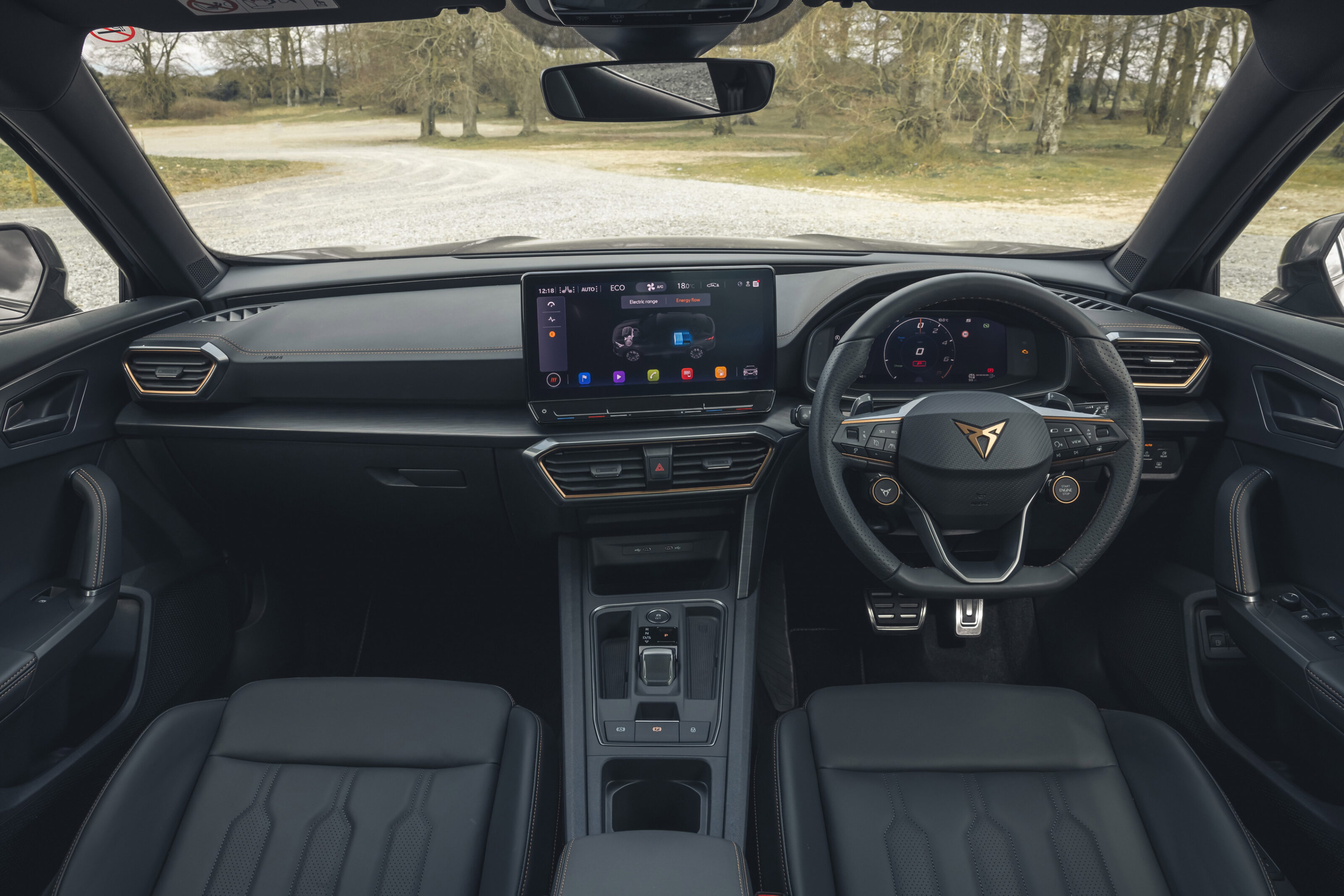
Step inside the Formentor and you’ll discover a plush, well-built and spacious cockpit, with seating for five. The wide boot stows 420 litres of cargo (450 on the 110kW petrol due to its more compact rear axle, 345 litres on the hybrids as batteries eat up space). Rear bench occupants have plenty of legroom and headroom.
The seats are supportive and comfy, with plenty of side support on the basic cloth-trimmed V1 models: the go-faster VZ Edition has sporty buckets tailored in blue leather, which feel cosseting with their curved backs. Drivers who like to get close to the road can, thanks to a decent amount of seat travel.
Look around to see VW Group’s stubby gear selector (facilitated by shift-by-wire tech with no mechanical link), and a lovely orange LED strip that rings the dashboard’s prow. If you have the upgraded Safety and Driving Pack, it also glows more intensely under the side mirrors to signify something’s in your blindspot: a nice touch.
On the road in the entry-level 1.5-litre V1 Formentor
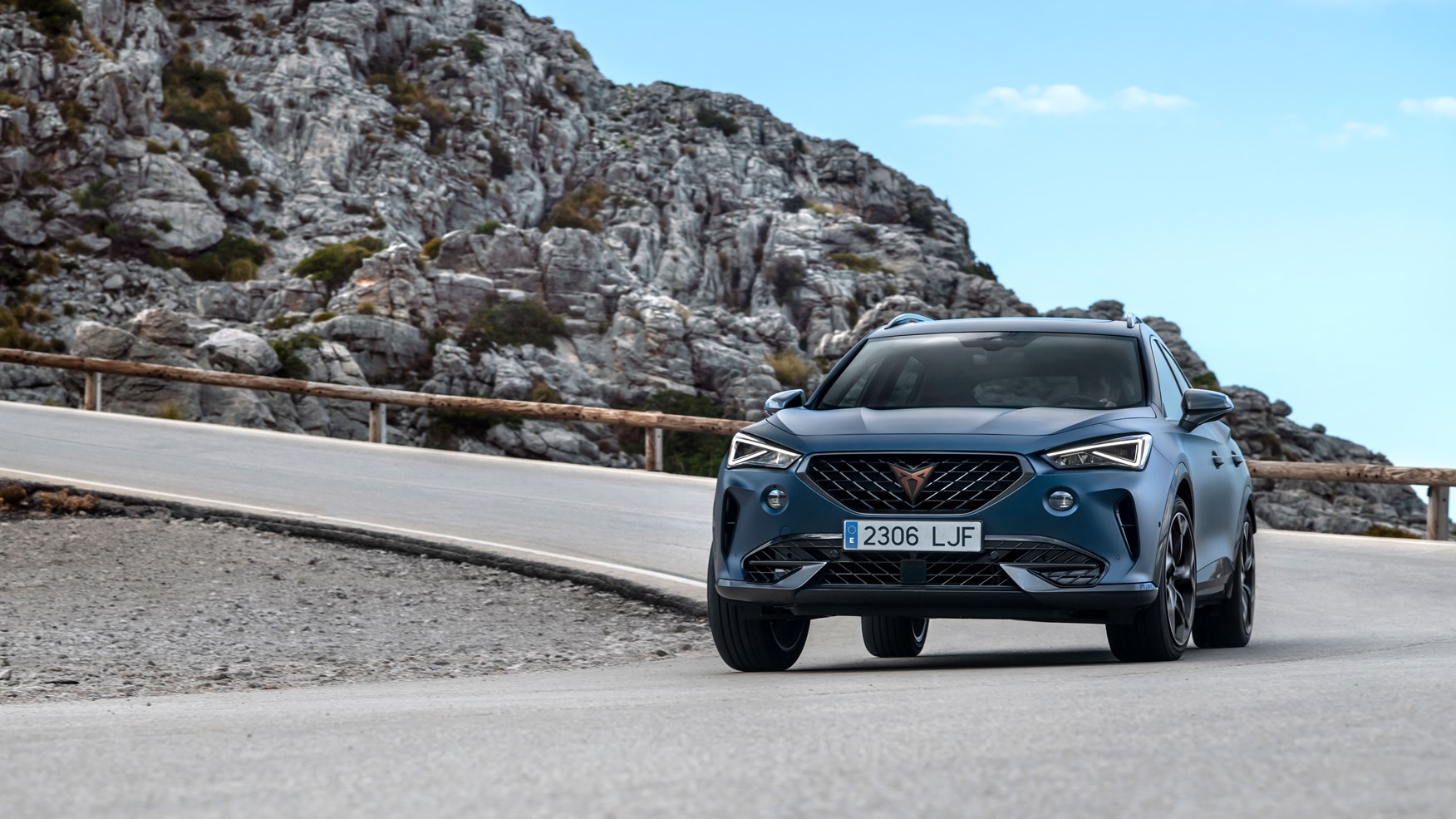
Twin digital screens – 10-inch customisable instrument binnacle, 12-inch touchscreen – are both standard. The latter runs the standard navigation (with connected features including live updates to traffic, parking and fuel station prices), wireless Apple CarPlay and digital radio. Also standard are wireless charging, four USB-C charging sockets, keyless entry, 18-inch black and silver alloys, cruise control, lane assist and automated emergency braking.
Let’s start in the entry-level V1 model, which feels premium-quality with its copper accents on vents and steering wheel, big, central touchscreen angled towards the driver and well-crafted materials. The seven-speed, dual-clutch DSG gearbox lifts the price to £28,825 ($A52,823); the only option fitted here is £880 ($A1613) camouflage green metallic paint. This more than lives up to its billing, disguising itself as grey until sunshine brings out its subtle verdant hue.
The 1.5-litre four-cylinder turbo engine is familiar from all those VW Group cars listed earlier. It’s hushed on a cruise, vacuum cleaner-gruff under load, and winningly punchy across the rev range. Peak torque of 249Nm is delivered from a nice and low 1500rpm, and it can whisk this base Formentor from stationary to 100km/h in 8.9sec. That doesn’t sound quick but you won’t find it wanting in everyday driving.
Ride and handling: Formentor for fun
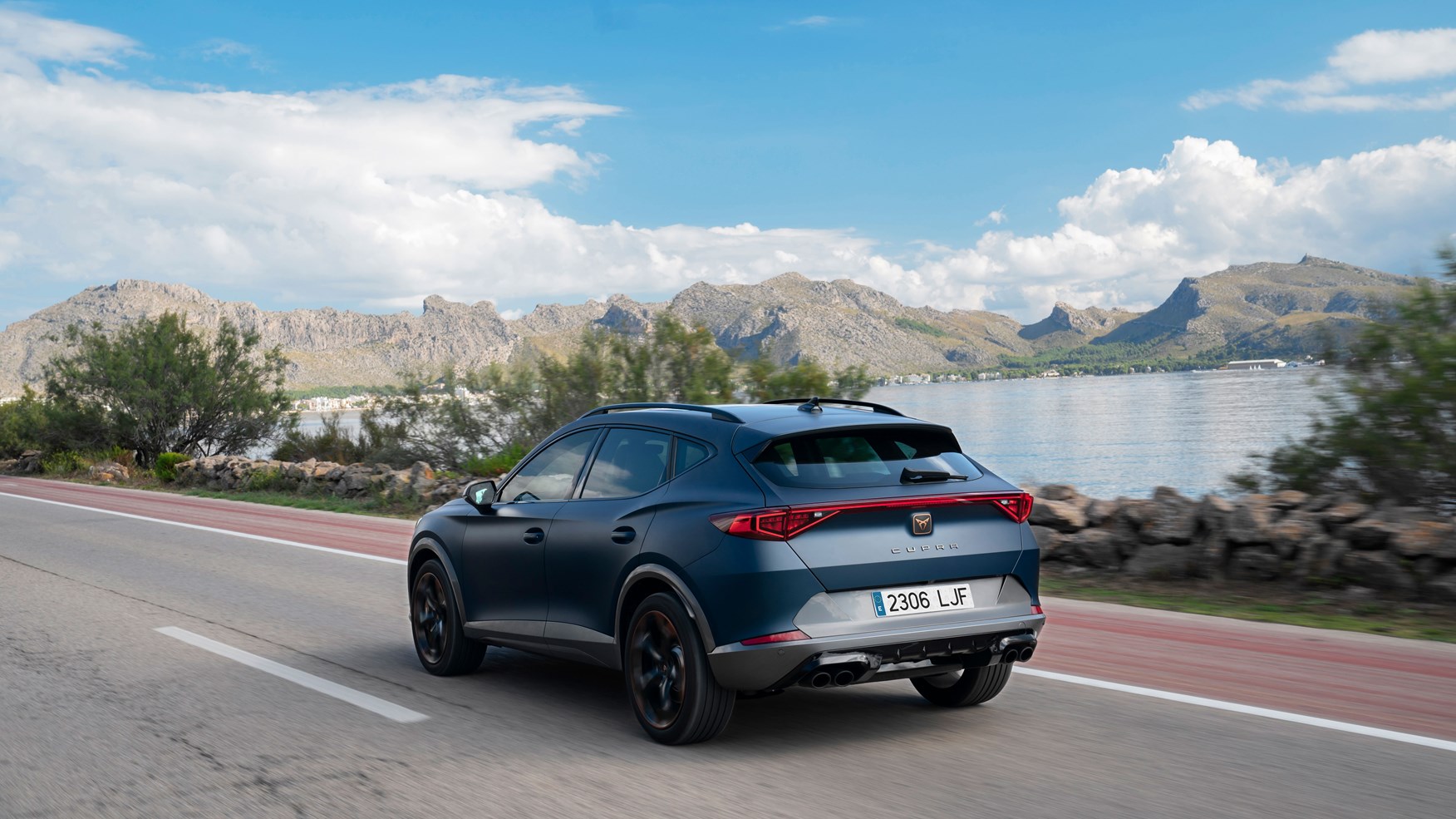
Cupra is being positioned as a sporty, premium brand, an Alfa Romeo of Spain if you will. And even this base, 1463kg Formentor walks the walk, with a taut suspension that keeps the body well lashed down in corners. Ride quality is firm but not harsh, and this pays back with decent dynamics and handling.
The steering feels light but lithe, responding nicely to inputs. And the MacPherson strut front end generates loads of grip, and there’s an innate sense of stability: line up a sweeping corner, and you can jiggle the steering with adjustments as you get back hard on the power, and the Formentor hauls you through. It’s sprightly and enjoyable, not tottering and roly-poly like some higher SUVs.
And even this base, 1463kg Formentor walks the walk, with a taut suspension that keeps the body well lashed down in corners
On our 100km test route mixing British motorways, B-roads and urban spurts, the Formentor V1’s trip computer averaged just over 9.4L/100km. Some way off the official 6.7-7.2L/100km consumption rating for this model, which emits 151g/km of CO2, even though a couple of cylinders take a siesta to save fuel under light load.
The Formentor’s pretty quiet on a 110km/h cruise, with the odd whistle of wind around the front pillars, or grumble of Continental EcoContact 6s on scarred surfaces. If you fiddle with the Drive Profile menu, Sport mode slightly boosts steering weight and changes the engine map to keep you closer to its sweet spot, but that’s largely it. Nothing too techy like adjustable dampers – if you want maximum tunability, it’s time for the steroidal 4Drive VZ Edition.
Cupra Formentor E-Hybrid review
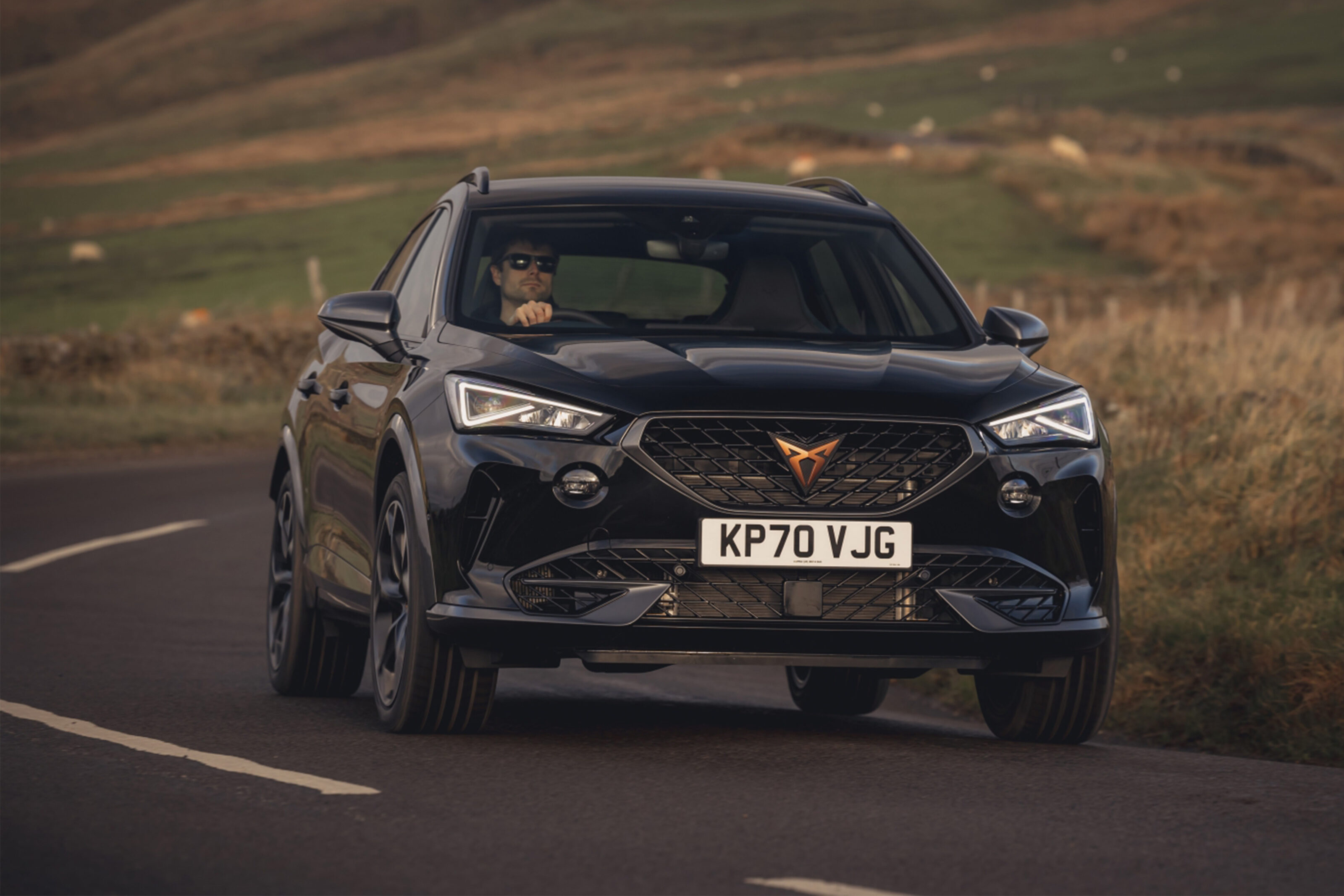
We’ve now tested the first plug-in hybrid models too – with a choice 150kW or 180kW models. That’s total system output, and the 85kW electric motor is standard in both, supplementing the 1.4-litre 110kW TSI petrol engine. Three-quarters of hybrid buyers are set to pick the less powerful model.
A 13kWh lithium-ion battery sits under the boot floor, with enough capacity for a claimed all-electric range of 55km (150kW E-Hybrid) and 60km (180kW). We tested the more powerful model and found this to be typically optimistic, managing 34km on e-power in mixed country and town driving in the British winter. We suspect if you creep around a city centre at lower speeds in summer, you’ll stand a decent chance of getting closer to those claims.
These plug-in hybrids (PHEVs) are front-wheel-drive only (4Drive is not possible in the electrified MQB Evo platform), and the acceleration on offer is quite startling in the 180kW model: it feels quicker than the 7.0sec 0-100km/h claim, and there is a noticeable squirm and torque steer if you stand on the throttle with a full charge, even with the XDS electro-braking to manage traction. It’s riotously quick when needed, but driven more sensibly the E-Hybrid impresses, as it metes out the power from its twin motors sensibly and subtly. You’re rarely aware of which power source is propelling the car.
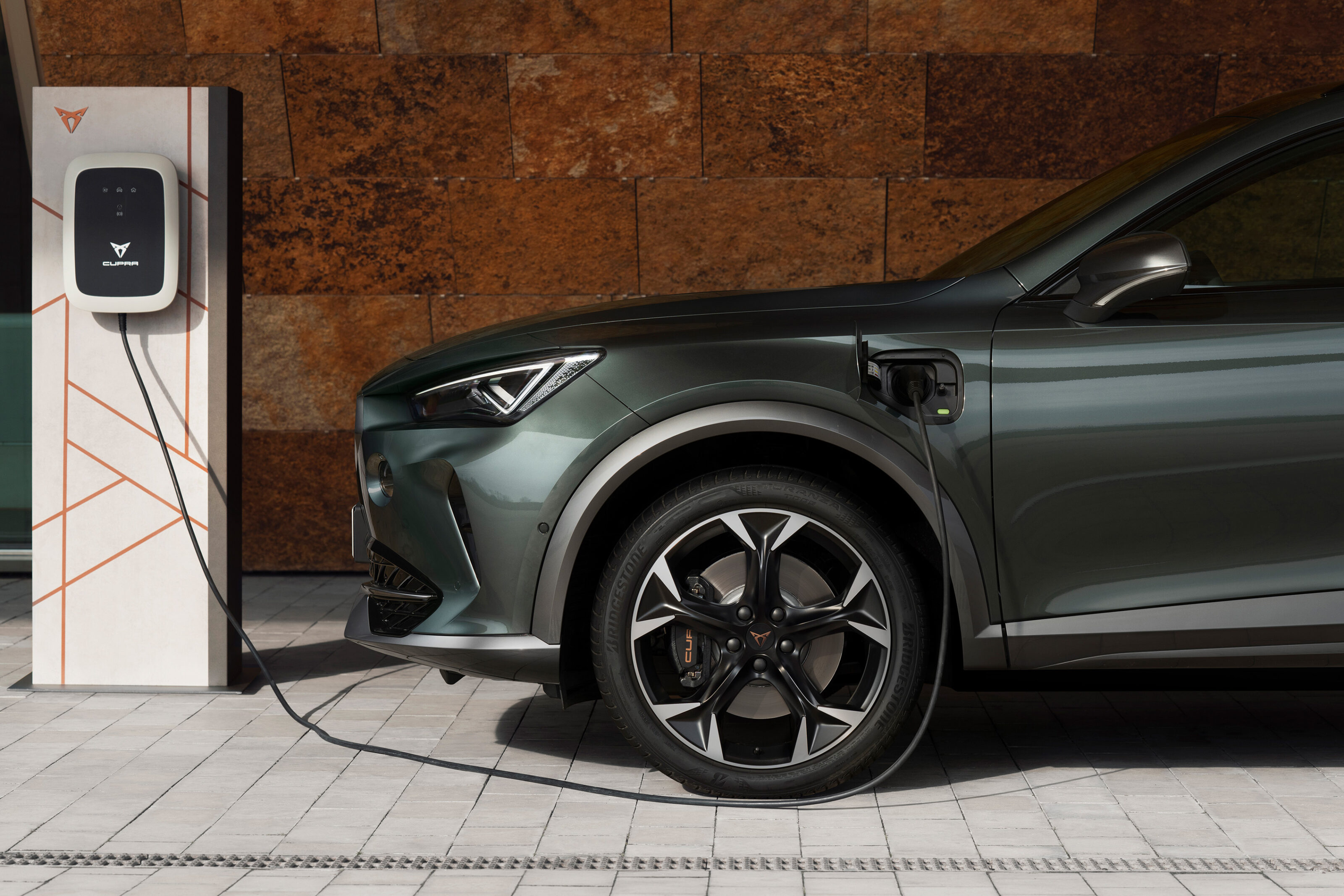
When you consider that 94 per cent of UK journeys are less than 40km, according to the Society of Motor Manufacturers and Traders (the British equivalent of Australia’s FCAI), the Formentor E-Hybrid makes a lot of sense. It is quite pricey to buy, but we’d put it at the top of our list of favourite Formentors – which is good, since it’s likely to account for half of all models sold globally.
What didn’t we like about the PHEV? We couldn’t find a regenerative braking mode, which is strange since equivalent Volkswagens offer this, and it was a shame we never saw more than 37km on the e-range.
What’s the 306bhp 4Drive range-topper like to drive?
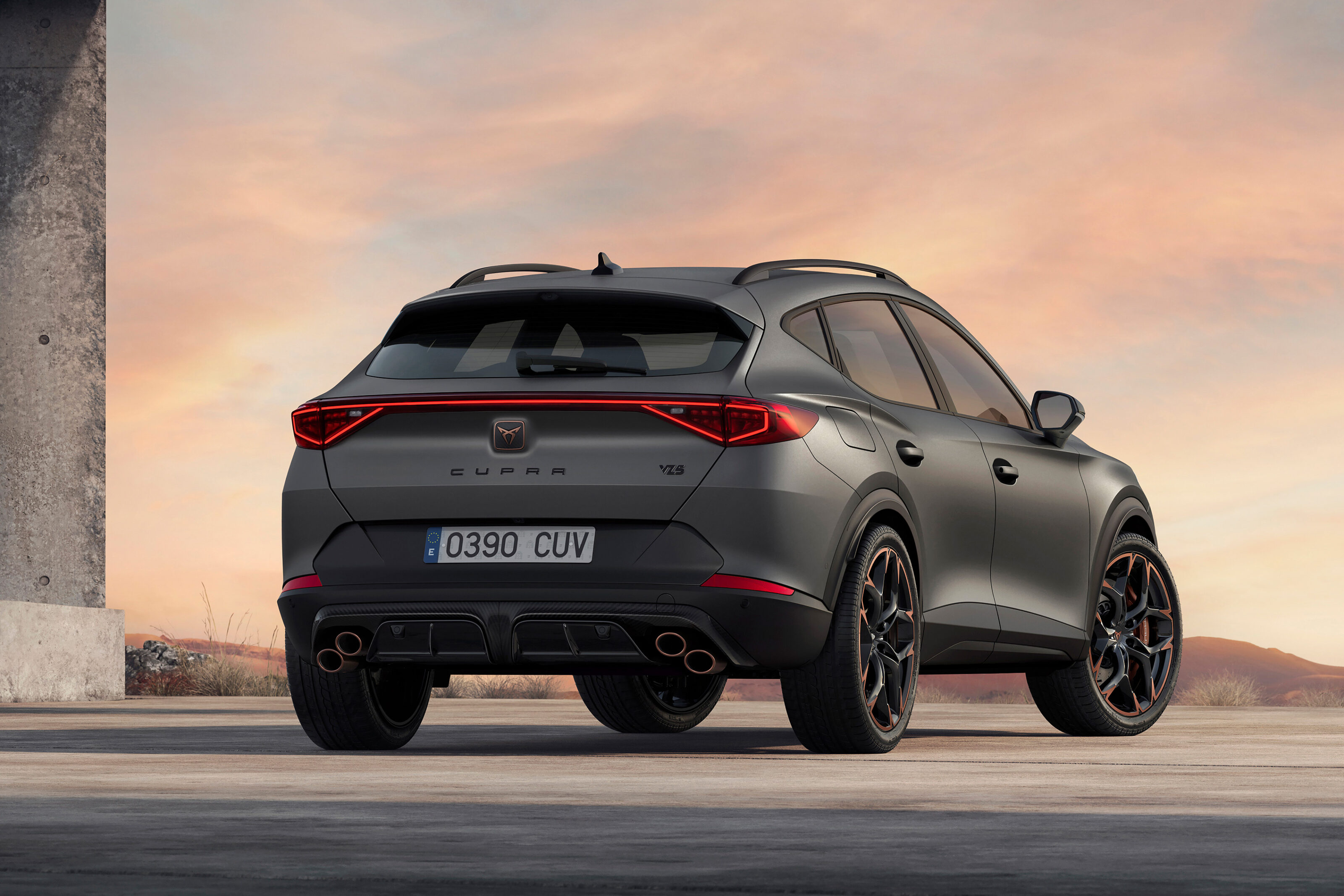
This flagship Formentor (for now) has five drive modes (or profiles, in Cupra-speak): Comfort, Sport, Cupra, Individual and Off-Road. You can toggle through them using the circular button on the bottom left of the sporty steering wheel, which irritatingly only cycles in one direction.
Another bugbear is that the tiny graphic that displays which mode you’re in gets overlaid with sat-nav instructions, making it impossible to change drivetrain, chassis and suspension profiles when directions are coming thick and fast – unless you poke through touchscreen menus.
We start in Comfort mode. The steering is light and direct, and pleasingly pointy at low speeds making the Formentor easy to manoeuvre. You may have a turbocharged 2.0-litre petrol engine at disposal, mustering 228kW and capable of a 4.9sec 0-100km/h sprint, but in Comfort the fast Formentor can feel a docile thing.
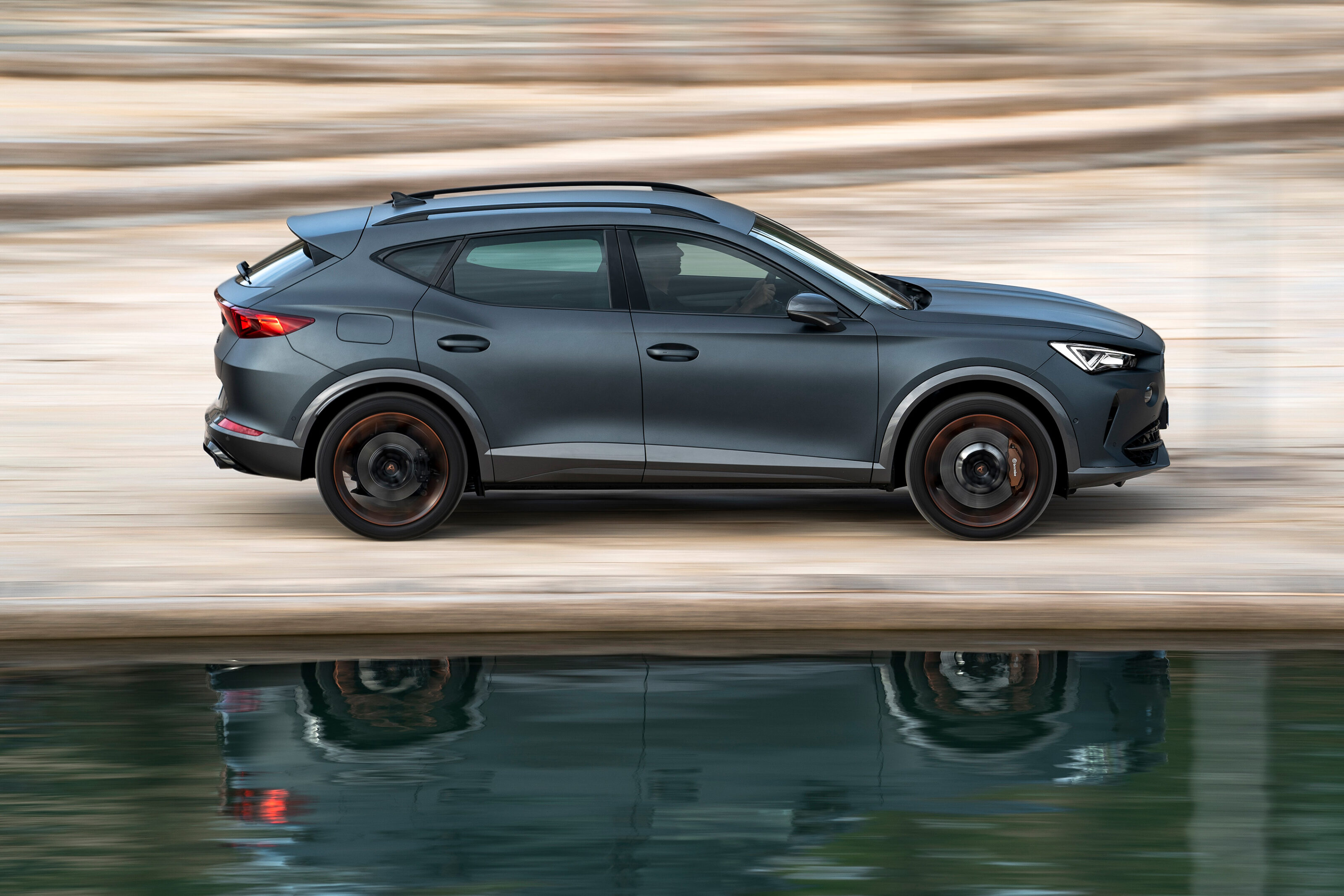
The suspension conveys an underlying tautness, but generally the adaptive dampers (fitted from the mid-level VZ1 trim up) ensure an acceptable ride, though that’s a matter of personal taste. The Bridgestone Turanza tyres can grumble on rough tarmac at 50km/h, but that’s accentuated by this mode’s generally quiet demeanour.
On the motorway at 110km/h, the 19-inch wheels only occasionally thump through craters or over crests, there’s an underlying hum of rubber on road and the engine cruises quietly at 2100rpm. A coast function lets it slumber briefly, if you lift off.
Jam down the accelerator pedal and things change dramatically. The Formentor squirts forward like toothpaste being expelled by the force of an elephantine stomp, accompanied by a baritone drilling that eases into tenor as you change from second to third gear. It’s ferociously, incessantly fast, on demand. The brakes bite hard to wipe it off too.
The blown 2.0-litre has catapulted a host of Volkswagen Group cars – Golf R, T-Roc R, Audi SQ2 and the Cupra Ateca. This Formentor shades them all on peak power, but offers the same relentless wave of propulsive torque as its peers, through a seven-speed dual-clutch transmission feeding all four wheels when need arises.
Sounds ballistic. What happens when you turn it up to 11?
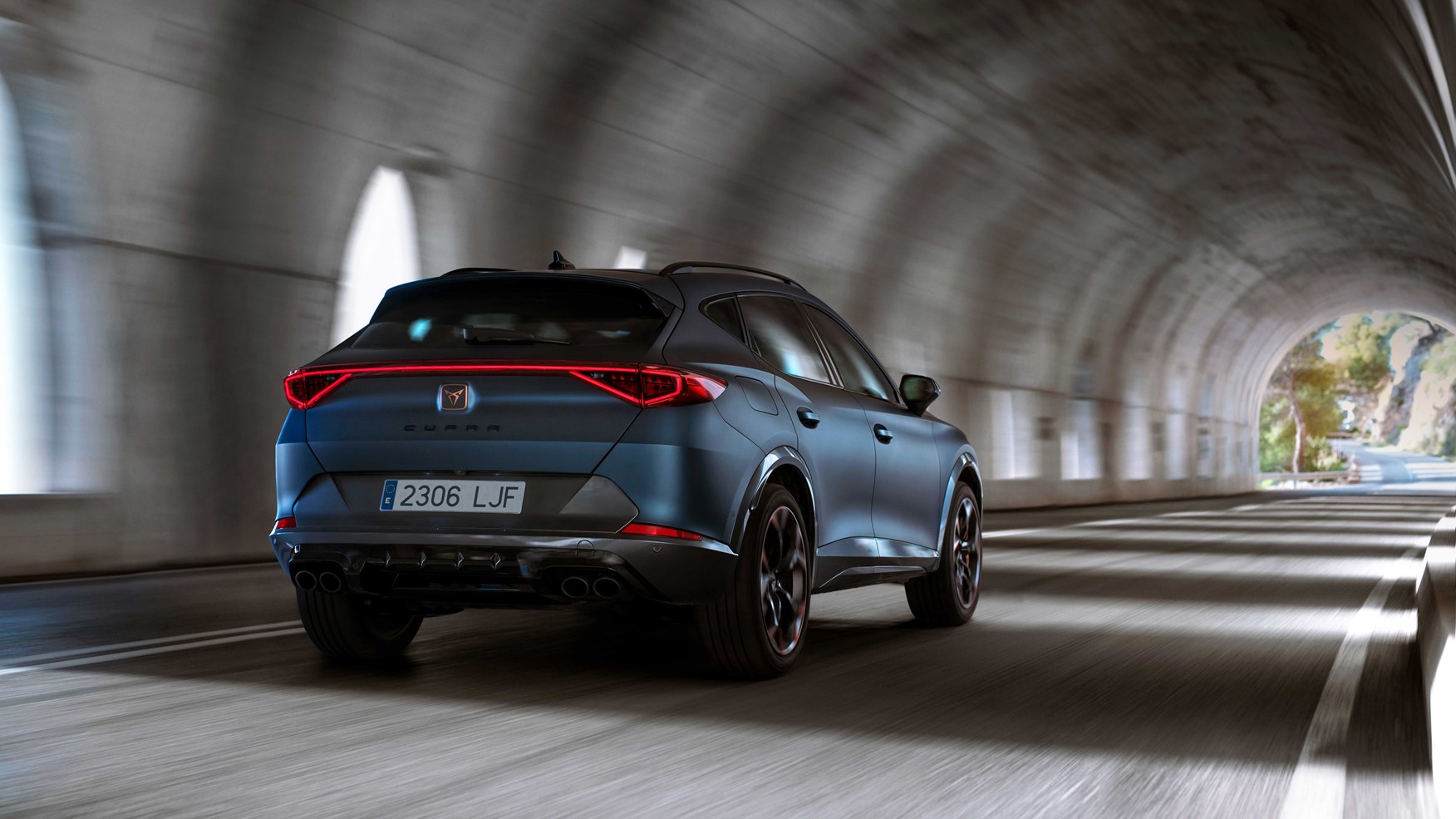
Engage Sport, and you immediately notice the accelerator become more responsive, eliminating the extra travel needed to launch this crossover. The software also holds the revs higher, eliminating the occasional lowdown blip of whistly turbo spool-up in Comfort. Similarly, Sport eliminates the steering’s lightness, injecting a little more directness and heft to the rack.
Switch it up again and Cupra turns the steering into a nightclub doorman – heavy-set but surreptitiously alert. It reminds me of piloting RS Audis. The exhaust comes alive, relaying a constant, percussive burble into the cabin and, under load, an urgent roar. But it doesn’t pop and snarl like a Mercedes A45 AMG or the T-Roc R with Akrapovic exhaust.
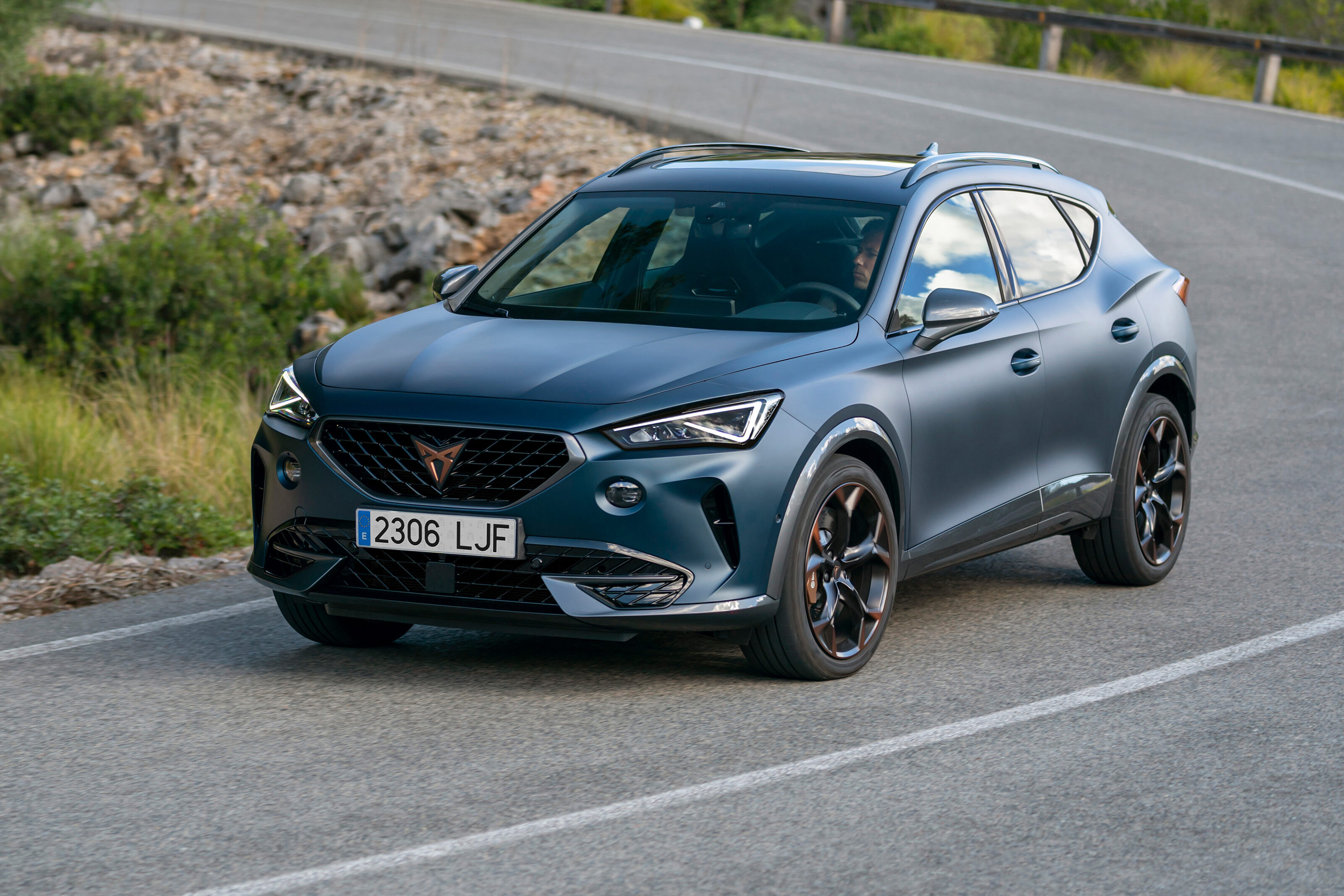
The damping also becomes pretty fierce, lashing down the body and transmitting the road’s contours like a stone being dragged across the seabed. There’s an Individual mode too, where you can mix the parameters, and use a slider to select from 15 damper settings. But you’ll need patience and a seismometer to detect the differences. The grades allow multiple cornering attitudes from the stability program too.
So there’s plenty of customisation available. Personally I’d default to the tactility of Sport’s steering and throttle settings, though the downside is the rev-happy transmission map: the simple workaround is to shift via the switchblade-quick steering wheel paddles.
All-wheel drive for good traction in bad weather
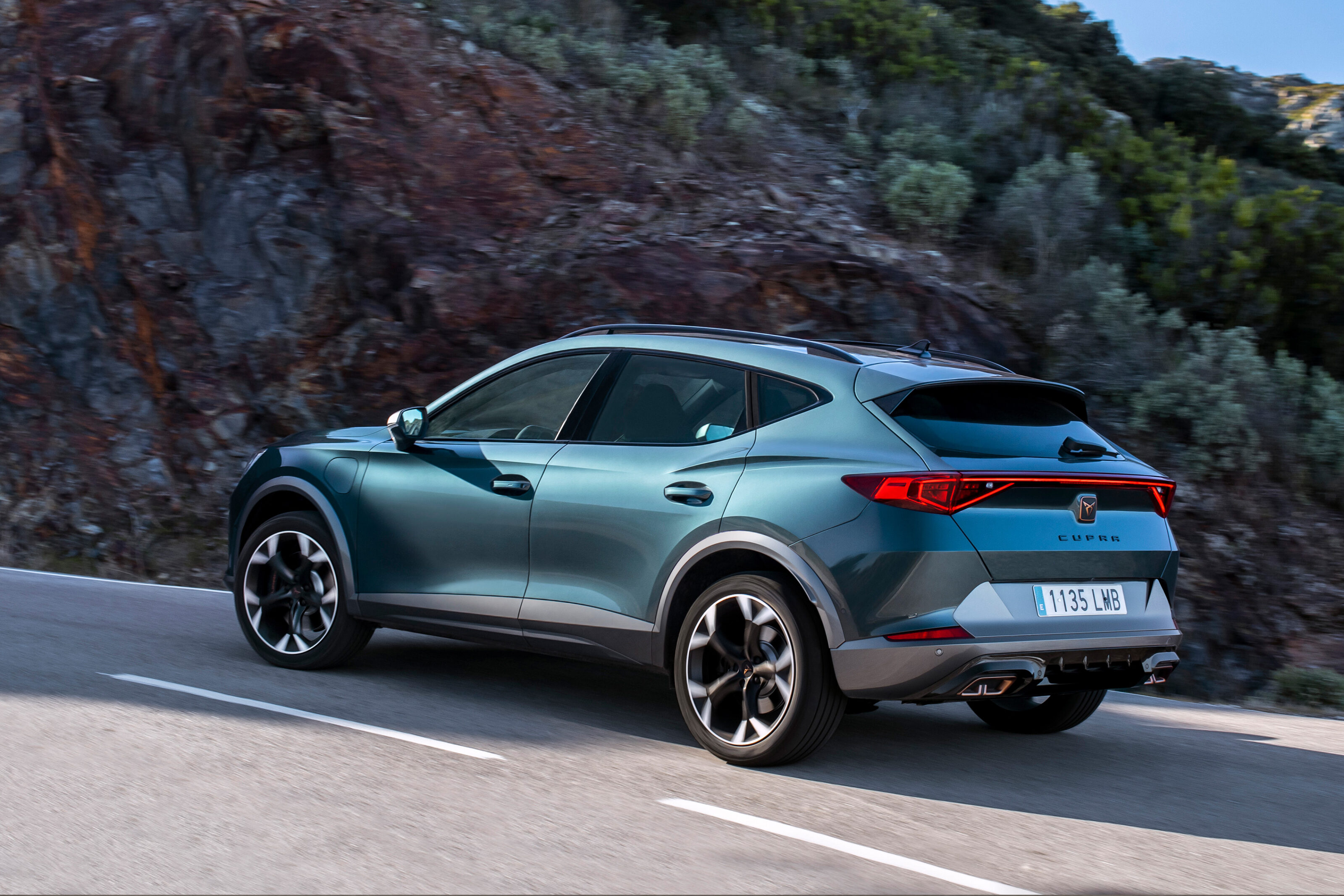
High-performance Volkswagen Group cars are unimpeachable on wet, greasy roads, a capability built on four decades of all-wheel drive mastery. The Formentor’s computer-controlled, electro-hydraulic 4Drive system can decide within milliseconds if it needs to send torque to the rear axle, by engaging a multi-plate clutch between the end of the tailshaft and the rear diff. The Cupra can also optimise traction across an axle by braking a wheel if it detects any slip and channeling power laterally.
The afternoon of our test day is blighted by torrential rain, but that’s of no concern to the Formentor. Long stretches of wide, straight road offer the possibility to hurtle past multiple cars at a time, the four-pot bellowing vigorously.
Up comes a sodden roundabout. An ageing silver CLK convertible gingerly creeps forward like a reluctant coastal swimmer on a chilly day; the Formentor tips in beside it, the front wheels find ceaseless grip, and the rear end gracefully pirouettes around following the nose’s lead. Then you power on in third gear. The adhesive but ballistic Formentor is among the best of VW Group’s high-performance SUVs.
Fuel consumption might have you pondering hybrid
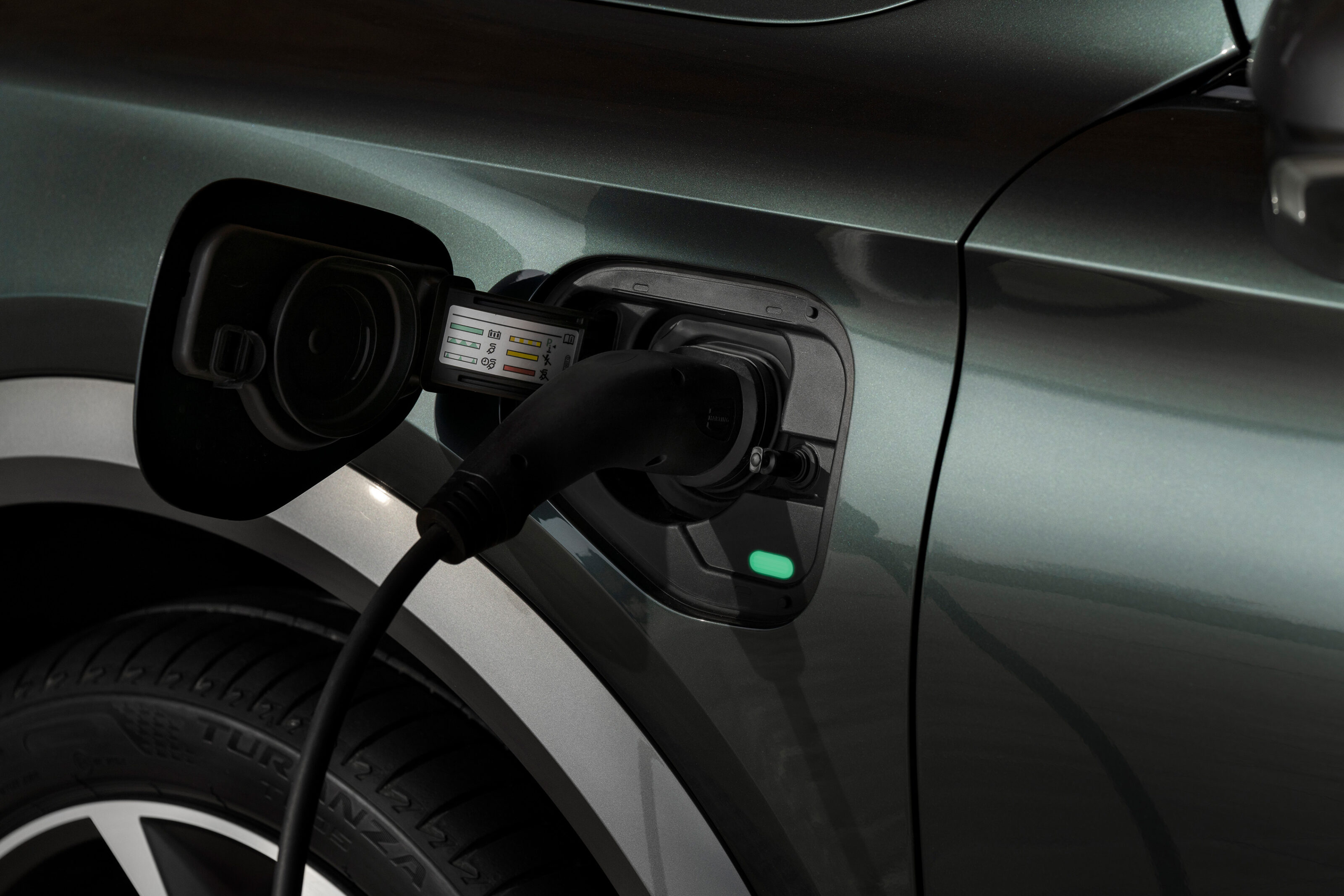
There’s a downside to all this performance: low fuel economy. On the WLTP test cycle, the 228kW Formentor 4Drive VZ Edition returns 8.5-9.0L/100km. The best we managed in a couple of days was low 14s on the trip computer, though the 110kW V1 didn’t best that by much. The Formentor VZ Edition has a 55-litre fuel tank (five litres more than the base car), so you’ll be on very good terms with your local fuel station. Carbon dioxide emissions are a peaky 193g/km.
If your top priority is good fuel consumption, consider the plug-in hybrids. They combine a 110kW 1.4-litre petrol engine with electric motor assistance, driving the front wheels through a dual-clutch transmission.
VERDICT: Cupra Formentor E-Hybrid
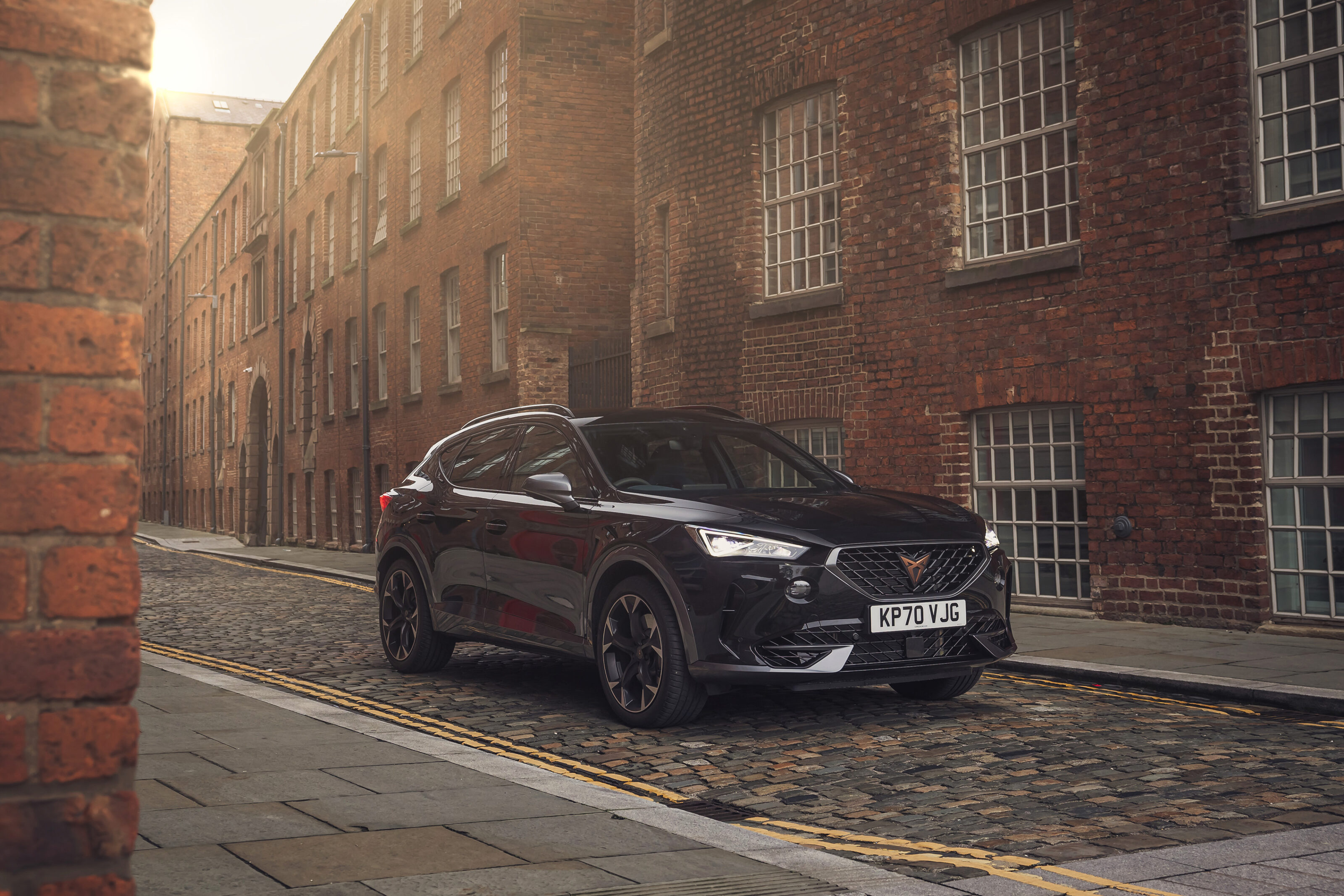
What to make of the first bespoke Cupra? The coupe SUV concept is very zeitgeisty, and with its vast rear passenger space and big boot, practicality has not been sacrificed for style. It’s a distinctive bodystyle wrapped in a cool design, and feels well-crafted and genuinely premium.
The 228kW, all-wheel drive, all-weather conquering VZ Edition is great fun, even if it feels anchored in Cupra’s past as SEAT’s trim level on Leon hot hatches. A ballistic crossover is a minority pursuit, but the good news is that the bum-basic four-pot V1 doesn’t leave you short-changed for dynamics, equipment or interior quality.
The world doesn’t need another car brand. But if you fancy something different, with a sufficiently sporty driving experience wrapped in a handsome and fresh body, then the Cupra Formentor is worthy of consideration.
This article was first published at Carmagazine.co.uk
UPDATE, June 25: Cupra’s Australian line-up has now been announced. Read more here.
Snapshot
- Hammond’s Workshop is set to launch later this year
- Created off the back of the star’s business, The Smallest Cog
- Personal XK150 and RS2000 set to feature
TV star Richard Hammond is to launch his own car restoration show on Discovery+ titled Hammond’s Workshop, announcing his project via Drivetribe‘s YouTube channel.
As a former presenter of Top Gear and then The Grand Tour, Hammond has previously starred in his own shows, such as Richard Hammond’s Engineering Connections and Richard Hammond’s Big, though this will be his first solo project focusing on cars.
Utilising Hammond’s newly-built workshop, called ‘The Smallest Cog’, the series will focus on the restoration of classic cars, with a bulk of the work being undertaken by Neil and Anthony Greenhouse, a father-son duo who recently restored Hammond’s Jaguar XK150.
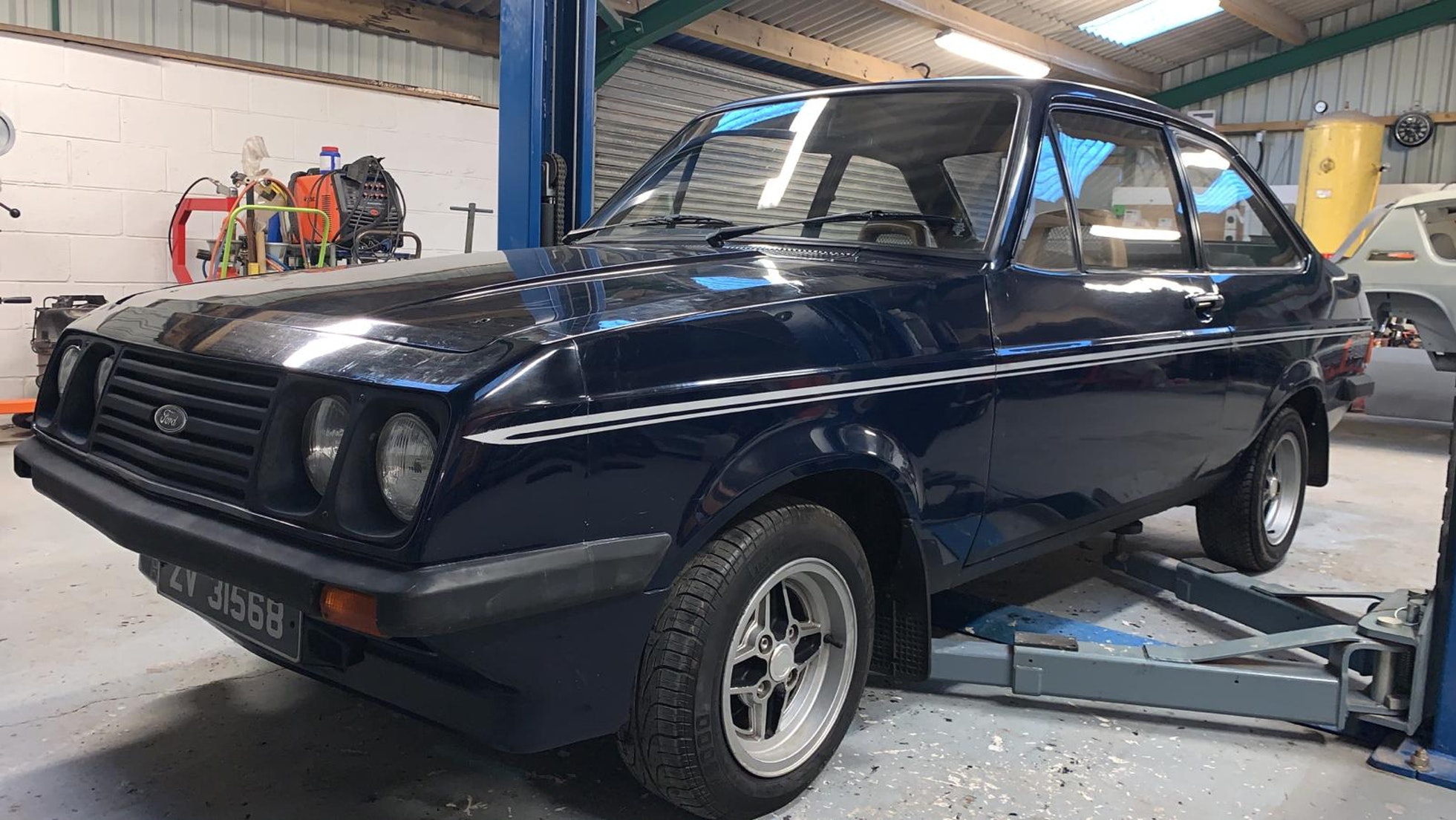
Planning to officially unveil the business at the London Classic Car Show, Hammond said he hopes some genetic skill with come through to assist the Greenhouses, his grandfather having been a coach-builder at Mulliner and Jensen before retiring.
“I’ve spent 25 years critiquing other people’s cars and now I’m putting my own work out there,” said Hammond.
“My grandfather was an automotive craftsman, who knows, maybe I’ve inherited some of his skill.
“So this is a real business, a real project and I really hope people enjoy watching the highs and inevitable lows throughout the series.”
His last foray into TV without co-stars Jeremy Clarkson and James May turned out not to be so popular, with The Great Escapists, featuring Tory Belleci of Mythbusters fame, having an IMDb rating of 5.7/10.
Conversely, May’s recent shows, Our Man in Japan and Oh Cook, have scored 8.4/10 and 7.7/10 respectively, with Clarkson’s recently released Clarkson’s Farm scoring a 9.3/10 rating.
Snapshot
- Fisker Ocean crossover EV expected to be put into production in final quarter of 2022
- Ocean will be available to Australian customers, deliveries expected 2023
- CEO Henrik Fisker targets climate neutral vehicle by 2027
American manufacturer Fisker Inc. is on track to deliver its new Ocean EV by the end of 2022, with the company confirming the model may come to Australia.
Born out of the death of Fisker Automotive in 2012, the company which gave us the Karma range-extended plug-in hybrid, Fisker Inc. announced the Ocean crossover at the 2020 Consumer Electrics Show.
With a price of US$37,500 (AU$50,000) before subsidies, taxes and on-road costs, Fisker believes it can start to manufacture its vehicles towards the end of next year with deliveries following shortly after.
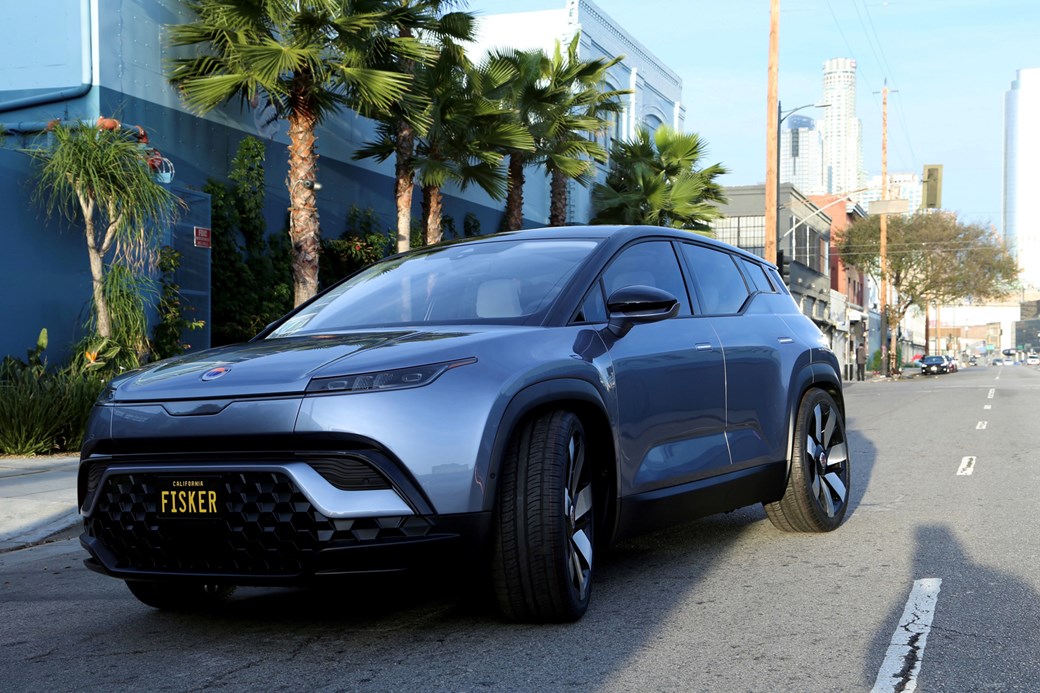
Fisker told WhichCar it is taking reservations for the Ocean EV globally, including the Australian market, where it could land at around the same price as a Nissan Leaf.
“We are currently taking Fisker Ocean reservations in Australia,” said a spokesperson.
“We are on track to start production on the Ocean in [the final quarter of] 2022 and look forward to providing more defined delivery dates and availability for our global markets next year.
“Subject to change, we are planning the earliest US Fisker Ocean deliveries for December of 2022.
“Additionally, we look forward to sharing more details about the vehicle this November at the Los Angeles Auto Show.”
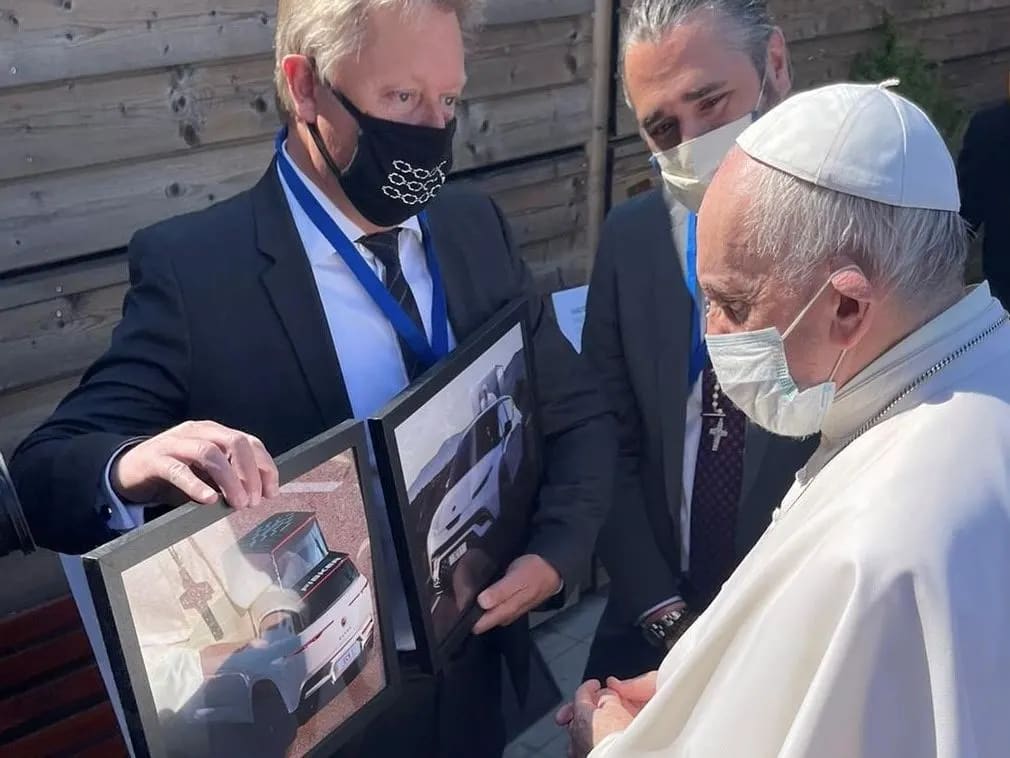
Fisker recently announced the Ocean will be manufactured in Austria despite the brand’s American roots, signing a deal with Manga International which will support the Ocean program through to 2029.
Founder and CEO, Henrik Fisher, also aims to deliver a climate-neutral vehicle by 2027 – with every step of the process, from the sourcing of materials to the finished product, being offset.
“We plan to radically disrupt the mobility industry by setting an ambitious goal for ourselves: to produce a climate neutral vehicle by 2027,” said Fisker.
“We put people and the planet at the forefront of our mission, ensuring a cleaner future for all.
“The company recognises the challenges of producing and delivering products without creating greenhouse gas (GHG) emissions. The supply chains of suppliers and logistics partners may contain offsets to achieve climate neutrality.”
Fisker’s ambitions to deliver the vehicle by 2027 have kickstarted a search for partners which pledge to achieve climate neutrality through the process.
