
It’s official; Audi has finally confirmed the SQ2 for Australia.
The news ends a long and painful wait on the compact performance SUV since its reveal in 2018.
It’s a wait that’s wavered – and never actually included confirmation of arrival – thanks to the company’s challenges with a backlog of emissions regulation compliance work.
But now that it has been signed off for Australia, Audi has locked in the SQ2 for an arrival mid-2021.
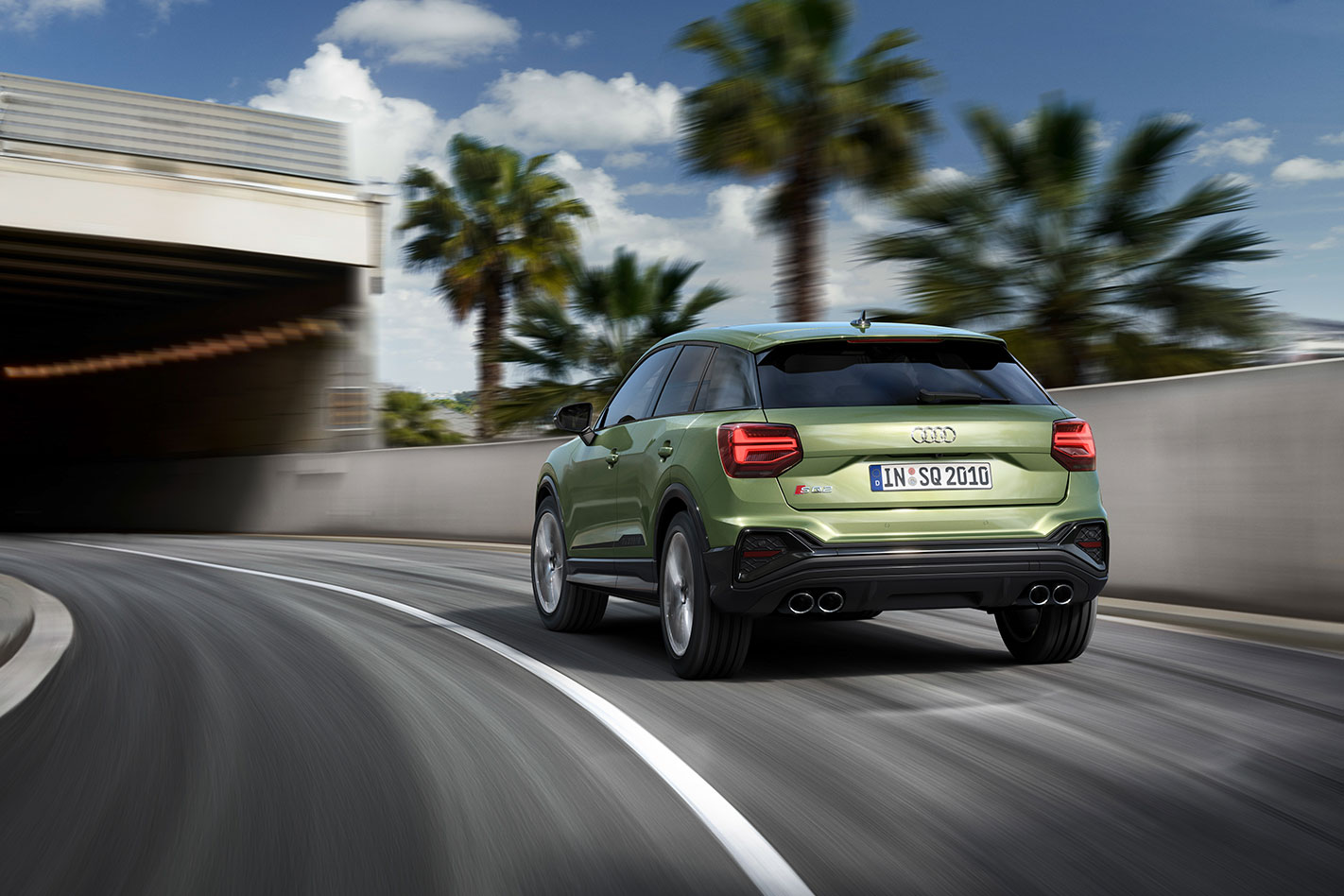
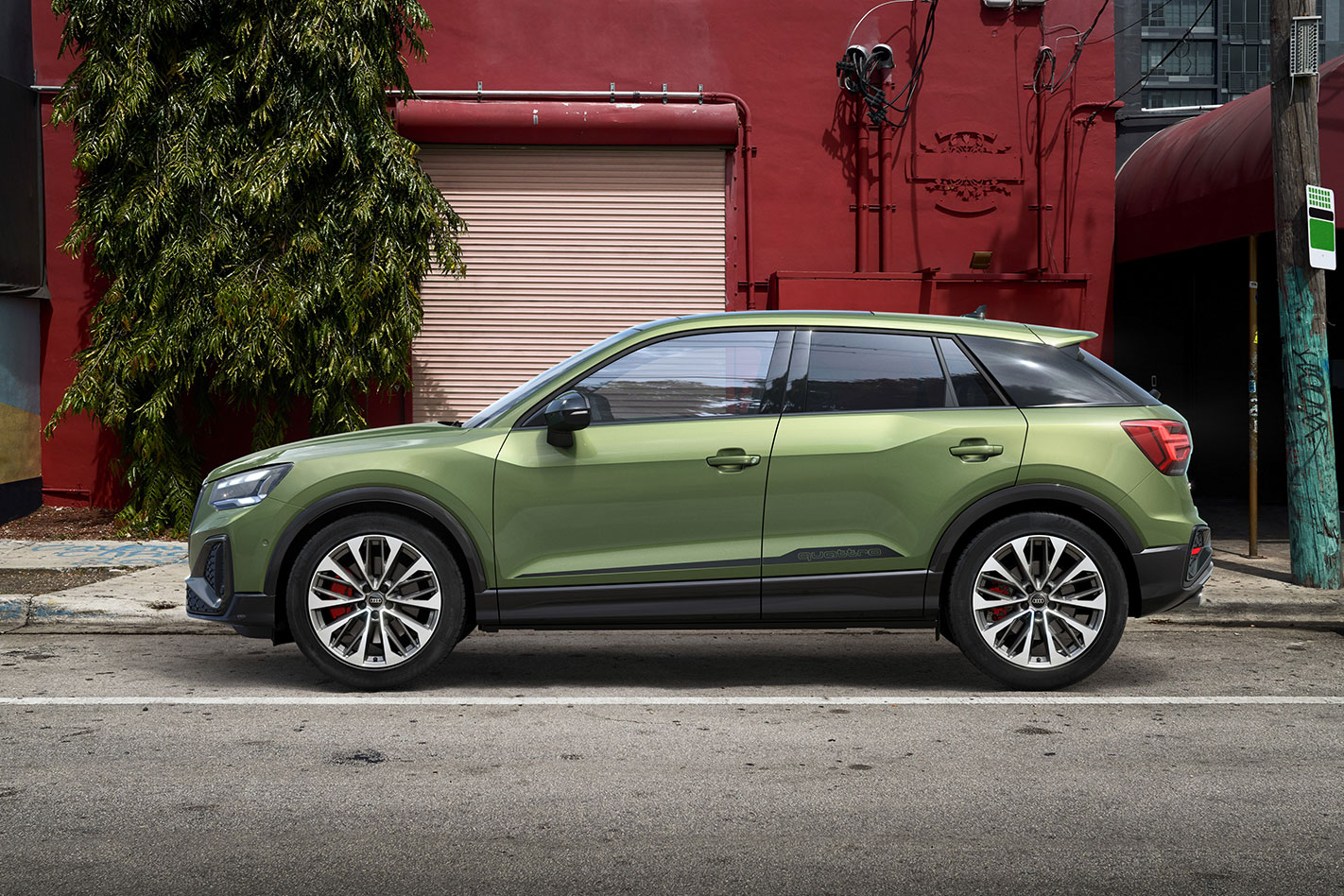
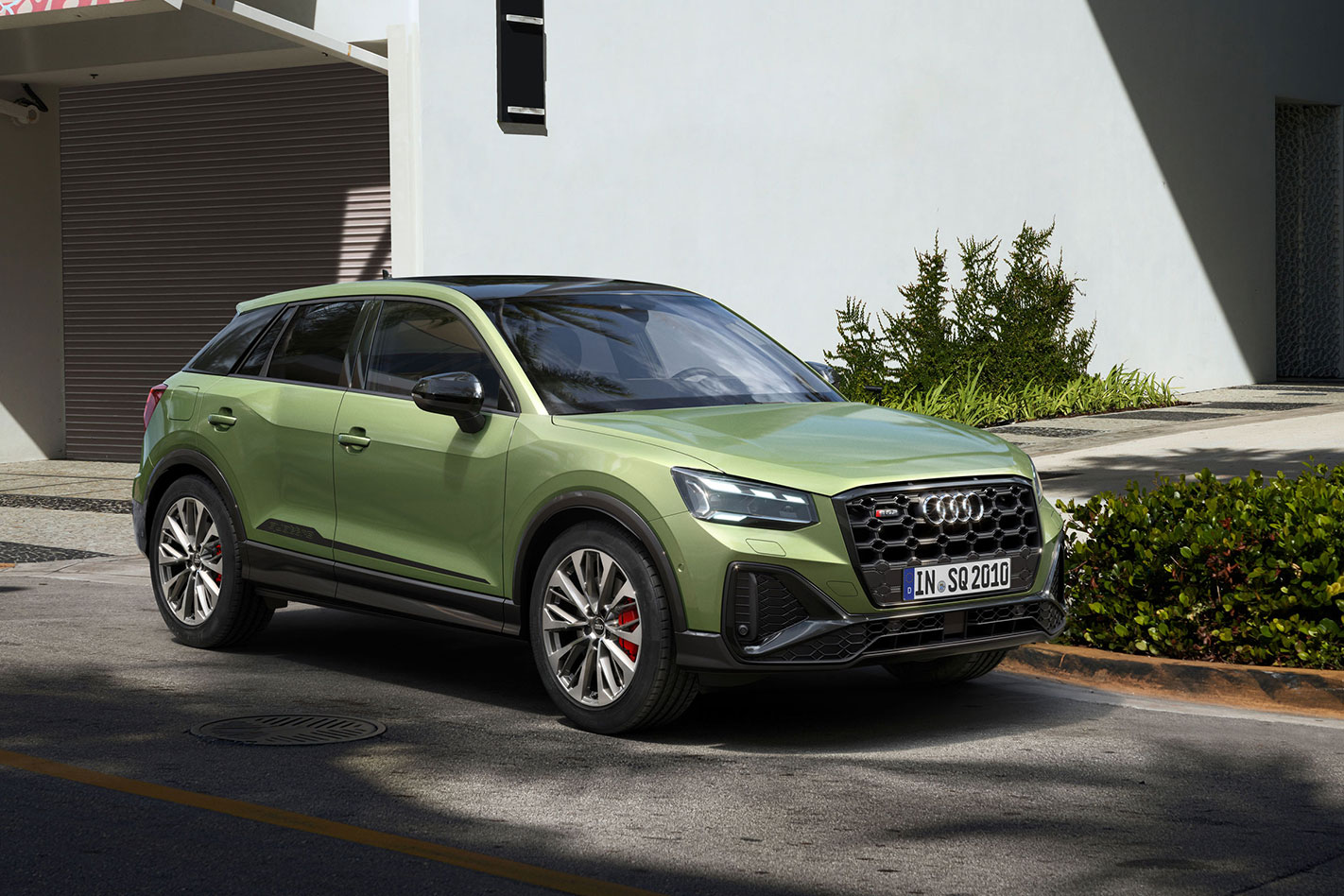
This means it’ll arrive bearing subtle exterior tweaks, including a new grille, redesigned headlight assemblies and a new lower front-bumper design that’s reflected in the rear bumper’s new look.
Look closely and you’ll be able to tell it apart from older versions by the slits incorporated between the front grille and bumper.
Traditionally, our market has consistently sat inside the top five for global sales of S and RS models.
Although local pricing or specification is not confirmed, we’ve previously been told the SQ2 would land for under $70K.
Using that as one goal post, the S3 stands as the other, given it donates a Euro 6 AP complied version of its 221kW/400Nm powertrain to the SQ2, and starts at $63,000.
The SQ2 will finally put Audi in the game with cars like the Mercedes-Benz GLA45 AMG and BMW’s X2 M35i, along with Jaguar’s E-Pace R-Dynamic, which are currently on sale.
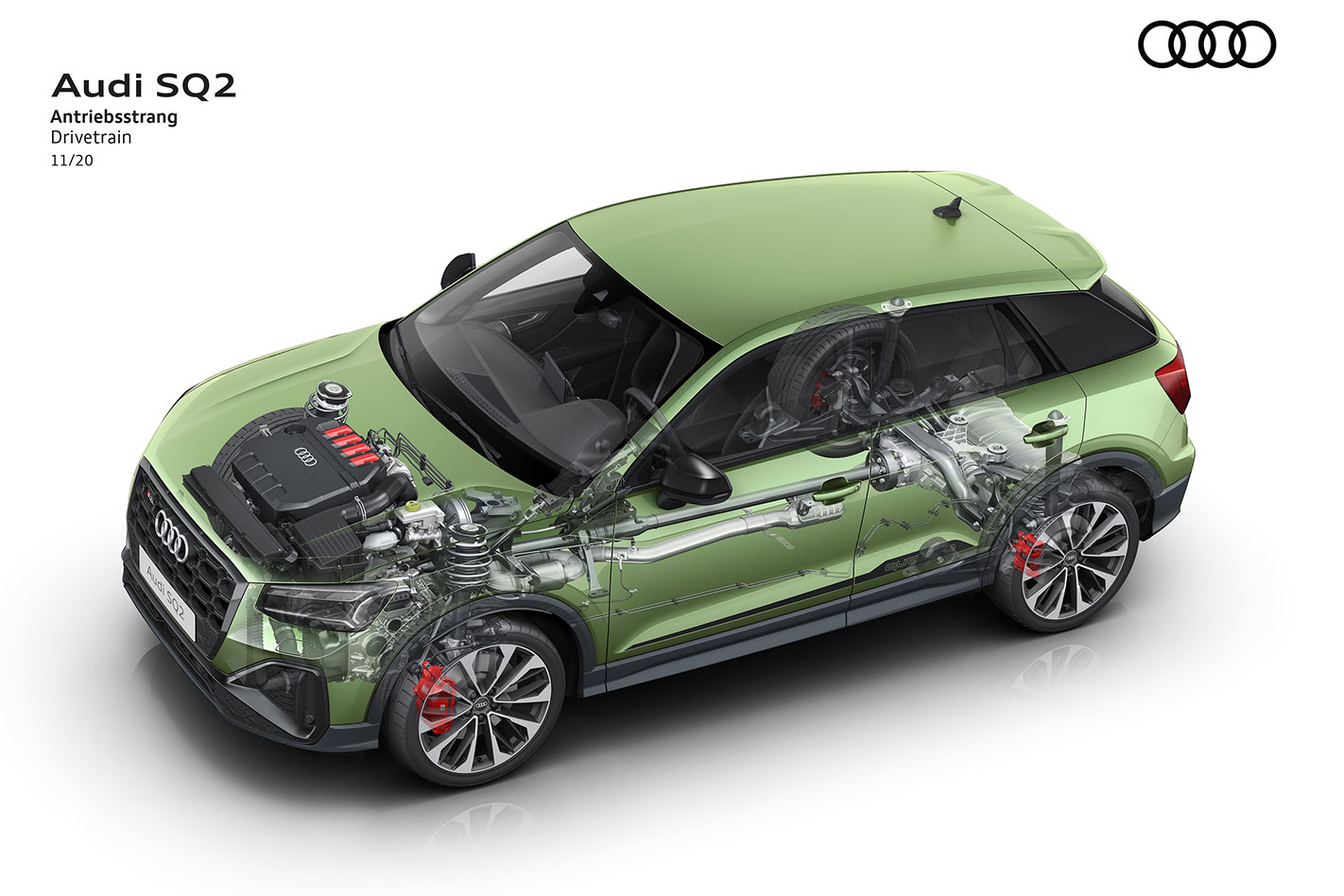
Packing a seven-speed dual-clutch transmission and all-wheel drive, the SQ2 is claimed to hit to 100km/h from rest in just 4.9 seconds.
It’s apparently good for 250km/h and can sip as little as 7.7 litres of fuel per 100km.
Meanwhile, underneath, the SQ2 features lowered S Sport suspension and 18-inch rims as standard.
The brakes, too, are larger, with 340mm rotors up front clamped by larger sliding-piston calipers in black. It also features progressive steering and multi-modes as standard.
The world of replica cars tends to get a bad rap, but every so often you come across something that’s a faithful rendition of an original, and more deserving of credit than the blatant rip-offs.
Enter this home-job Bentley Speed 8 Le Mans race car which its creator is selling on eBay.
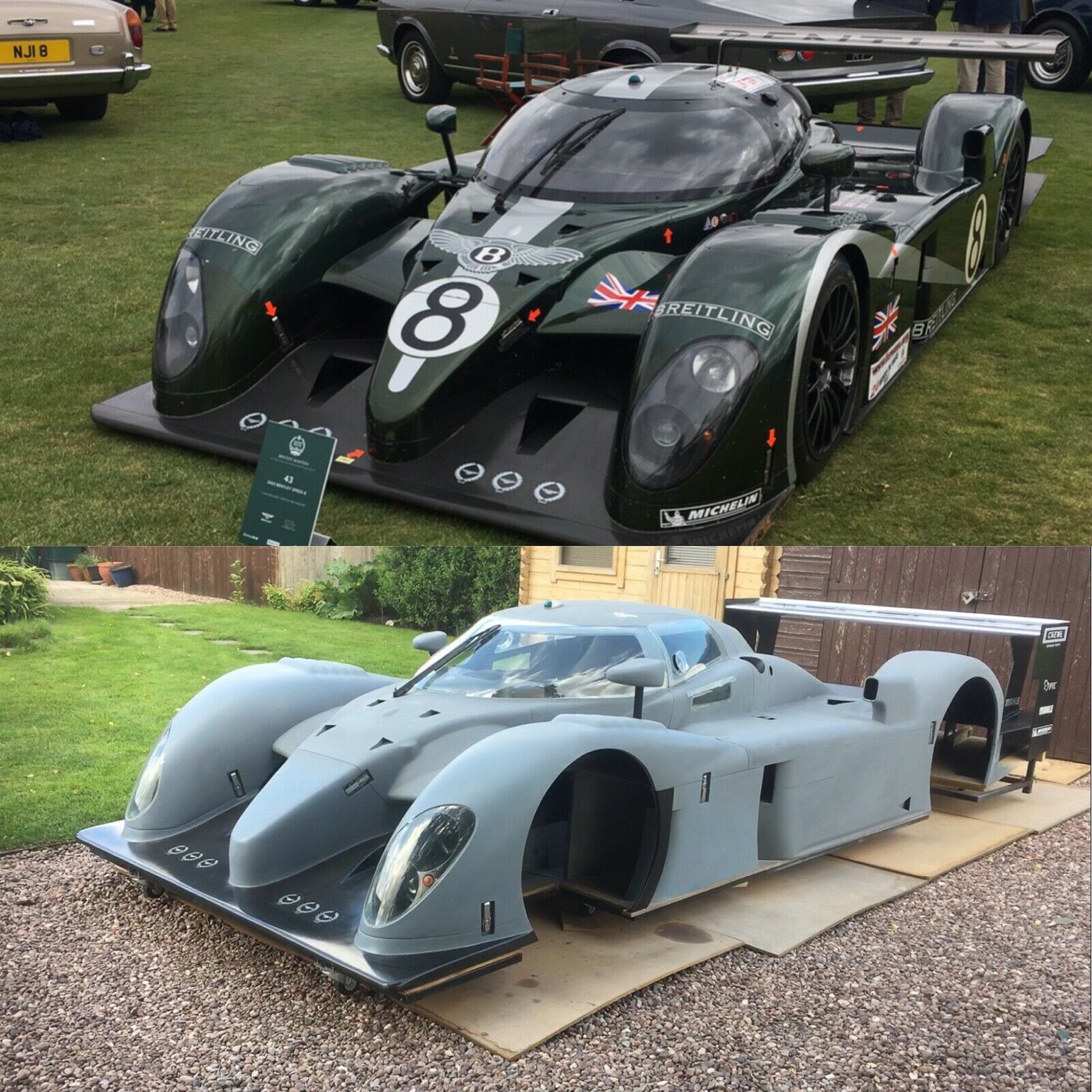
There’s relatively little info shared for such an in-depth build, but the story goes that it’s been built over the past six years by a man from Farndon, UK, and features expansive use of carbon fibre and unused original Bentley parts.
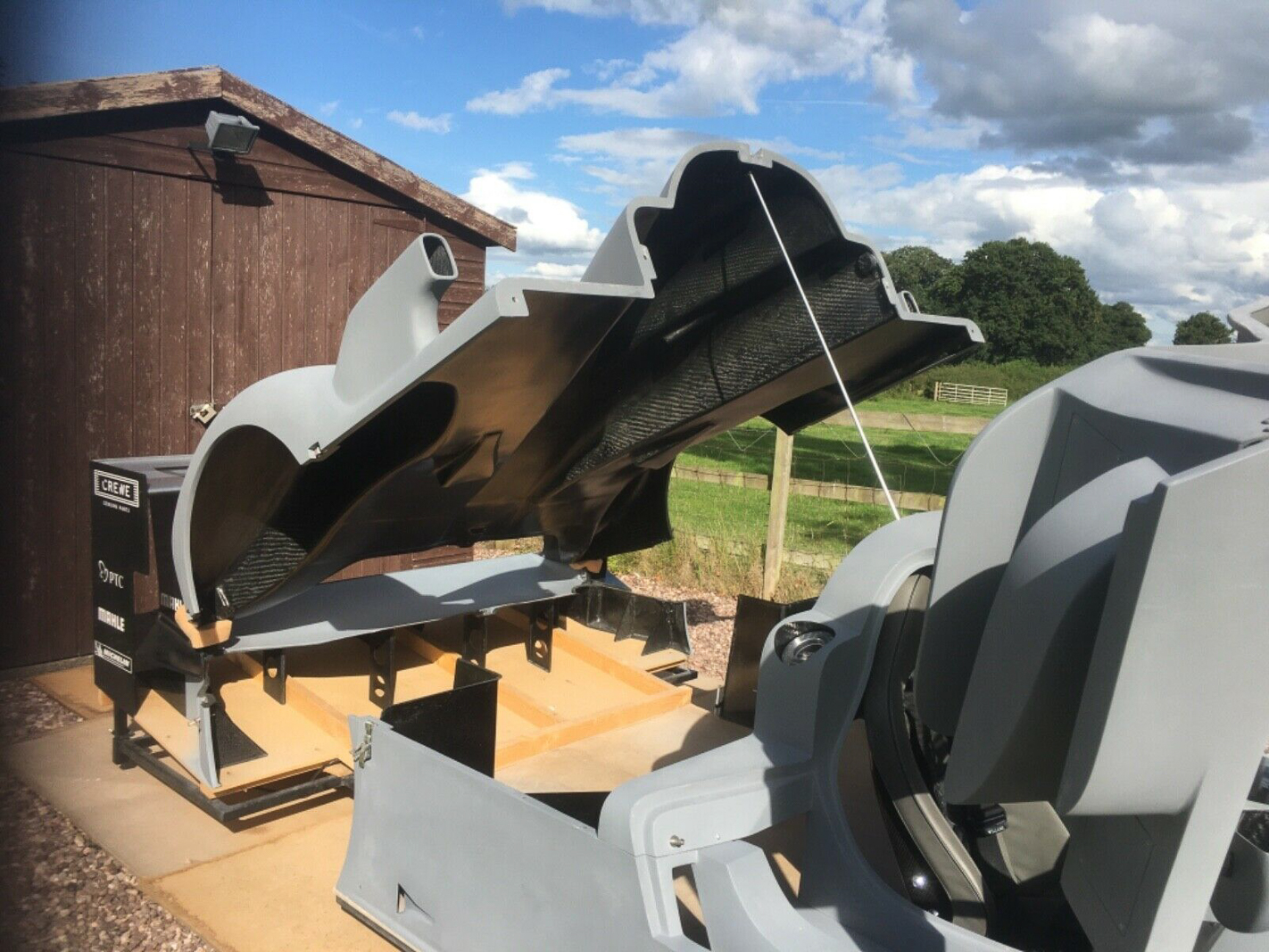
The seller isn’t shy in insisting it’s “the closest replica [to a real Bentley Speed 8] in the world”, and reckons it’ll go just as well on the road as it does at the track thanks to a double-laminated windscreen and private ‘SPD 8 LMP’ numberplates.
No word is given on what exactly is powering it – which isn’t exactly promising – but the parts list makes for an encouraging read.
It has the suspension wishbones, dampers, steering wheel and cockpit dash from a real Bentley Speed 8, comes with a Bugatti Veyron carbon-backed driver’s seat, and even comes with uprights, axles and push rods from an unspecified F1 car.
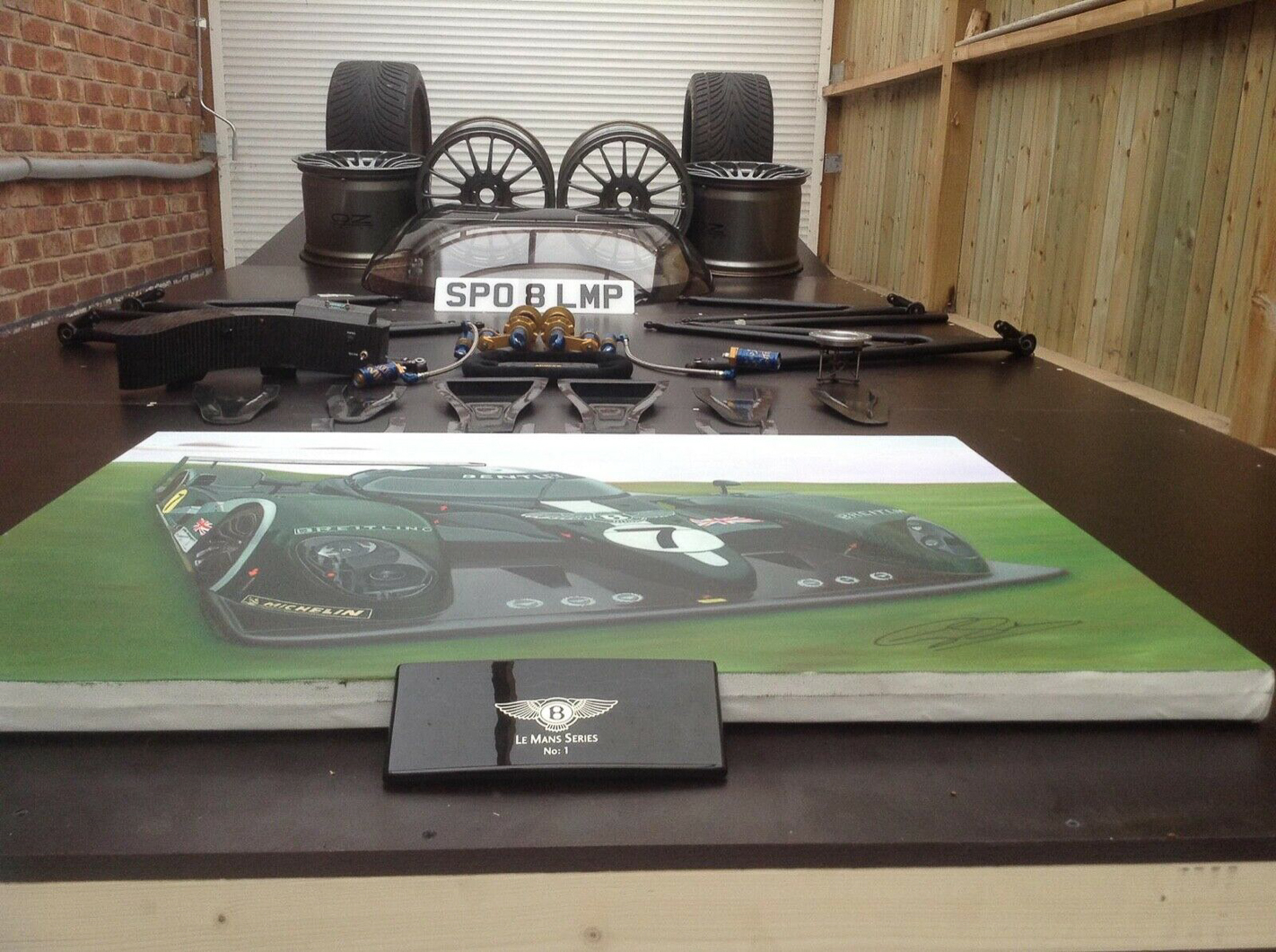
AP racing titanium brakes, vinyl stickers and an original race suit round out the mentioned goodies.
The seller is chasing offers of more than £23,000 (about A$41,000) for the shell and parts but, as of this story being published, the eBay listing is currently suspended.
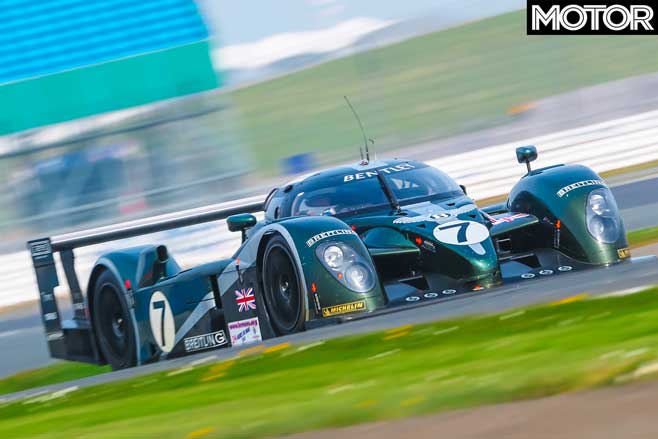
As a refresher, the Bentley Speed 8 – essentially an Audi Le Mans racer underneath – marked Bentley’s return to Le Mans after the marque’s 73-year absence from the historic race.
Designed and first entered in 2001 for a three-year campaign to take out the revered event, it finally took the chequered flag in 2003.
The last time a real chassis sold was at the 2012 RM Monterey auction where the hammer fell in favour of an American collector for US$2,530,000 (AU$3.47 million).
There’s no doubt that there’s unfinished business with this one, and it won’t be contending Le Mans enduros anytime soon.
That said, it is unique, features some impressive parts as part of the sale, and someone has definitely put in a lot of effort to get it to where it is today.
And it would make the basis of an awesome sim rig, too!
CONFIRMED! Jeep will build a V8 version of the Wrangler.
A single Instagram post has revealed that Jeep will follow through with a production version of the Rubicon 392 Concept it showed off in July.
While only the Wrangler was mentioned in the post, a Jeep Gladiator V8 would certainly be on a drawing board somewhere within the company, given the two vehicles share a lot of mechanical underpinnings.
https://www.instagram.com/p/CHkuuT_FxQT/?utm_source=ig_embed&utm_campaign=loading
Unfortunately, it looks like Australia will miss out on it, with a Jeep Australia spokesperson confirming left-hand-drive only production for the first V8 Wrangler in more than four decades.
The Wrangler Rubicon 392 Concept packed a 6.4-litre naturally aspirated V8 petrol engine, while the rest of the four-door dirt digger has been tweaked to suit.
Under-bonnet modifications to engine mounts and chassis rails were needed to fit the big 392ci engine, which has an eight-speed automatic transmission hanging off the back.
Outputs of the 392 Concept are slightly down over other applications for this engine, with 336kW and 610Nm on offer. It’ll apparently do 0-100km/h in five seconds, but that’s really not what this 4×4 is about… and with live axles front and rear, we’re not that keen to test the claim!
The Wrangler Rubicon 392 keeps its offroad Trailhawk rating, according to Jeep, thanks to a brace of high-end off-road geat including a two-speed transfer case, locking front and rear diffs and a factory-supplied 2.0-inch lift kit for the body.
This allows the fitment of those huge 37-inch tyres, which wrap around custom-made 17-inch rims. Fox shocks have also been added.
“Jeep Wrangler enthusiasts have been asking us for a Wrangler V-8 and our new Wrangler Rubicon 392 Concept proves that we have the ability to make that happen,” said Jim Morrison, the head of the Jeep brand in North America, when the concept was previewed – incidentally at the same time as Ford previewed its new Bronco.
“We are anxious to gauge their reaction to this new Wrangler Rubicon 392 Concept, a vehicle that delivers an incredible and unmatched level of fun-to-drive performance and capability, on- and off-road.”
As evidenced by the work that’s gone into this concept, there are a number of hurdles for Jeep to overcome to make it a reality.
The engineering of such a transplant won’t be especially difficult, thanks to the traditional north-south layout of the Wrangler/Gladiator’s drivetrain.
Jeep officials have indicated previously, however, that while the company’s larger Hellcat V8 fits under the bonnet, a lack of clearance could potentially compromise crash structure performance – and if there is something that Jeep would dearly love to avoid, it’s more crash test controversy.
However, the regular V8 – as fitted to the Jeep Grand Cherokee SRT – lacks a supercharger, which increases the height of the engine and would, therefore, affect clearance.
Of the two, the Gladiator makes more sense as a potential recipient of a V8 powerplant; not only is the ute the newer of the two products, a more powerful engine could potentially give the Gladiator more towing capacity, though it’s unlikely to improve its payload.
Jeep Flatbill concept from 2019
Both 4x4s would require brake and suspension upgrades to deal with the higher power output and heavier driveline, which will push the already expensive Gladiator, in particular, pretty hard in terms of affordability.
No word, of course, whether a Jeep Gladiator V8 would be built in right-hand-drive – it hasn’t been confirmed at all yet – but if it were to come to Australia, it would slot in at the top of the dual-cab ute category (not counting the larger RAM and Chevrolet 1500s), with its potential for 344kW and 624Nm comfortably eclipsing the Volkswagen Amarok V6 580’s numbers.
A pair of V8 behemoths will join the local Mercedes-AMG range from this month, with the arrival of the 2021 Mercedes-AMG GLE 63 S and GLS 63 performance SUVs.
The Merc-AMG GLE 63 will be offered in a single S version and will start at $220,600, while the larger GLS 63 comes in at $255,700 (before on-road costs).
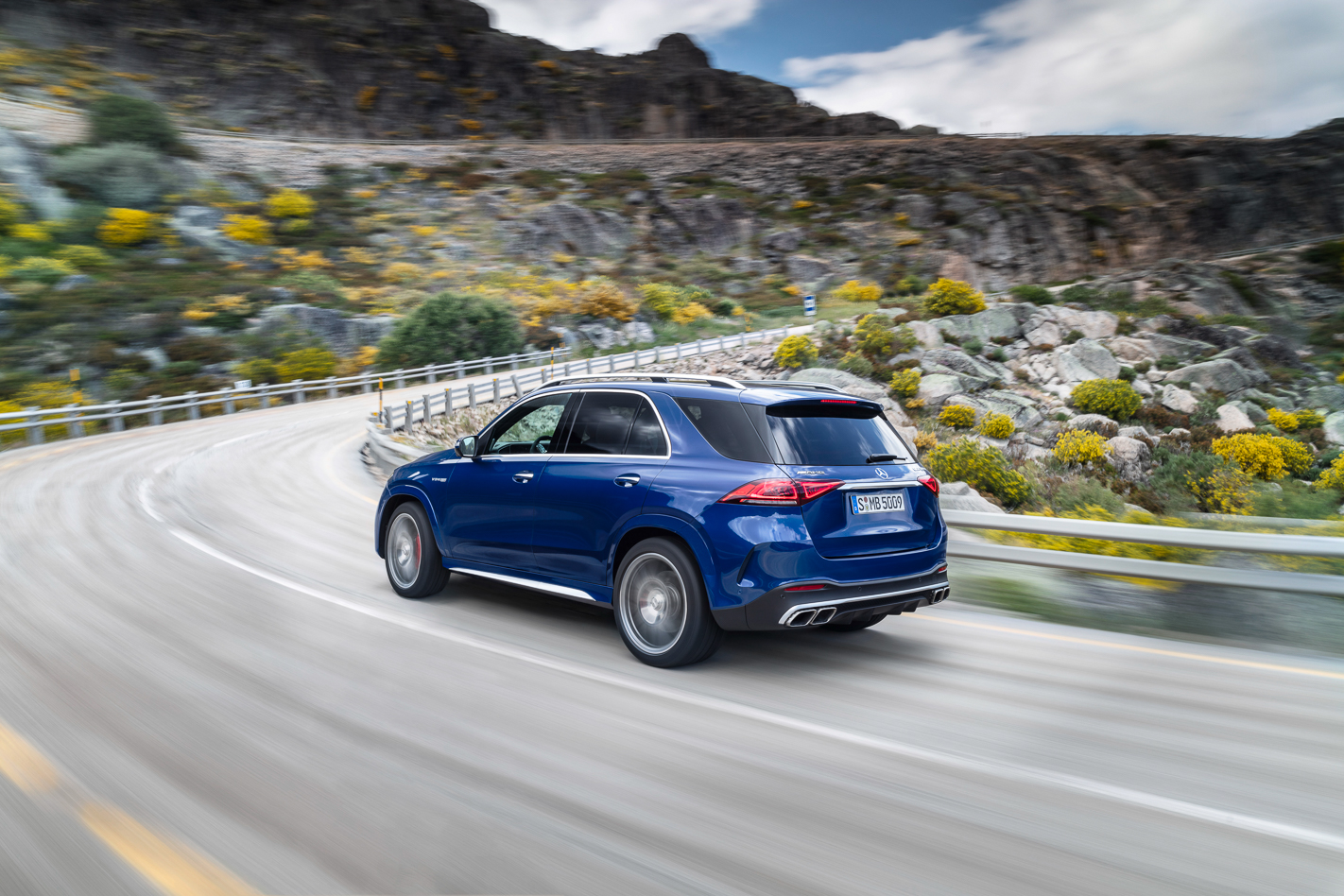
Both super-powered SUVs will get a 4.0-litre bi-turbo V8 engine borrowed from the GT sports car range, pumping out a whomping 450kW and 850Nm to an all-wheel drivetrain.
The running gear also incorporates a nine-speed automatic transmission, torque-vectoring and a rear limited-slip diff.
Power delivery is supplemented by a 48-volt mild-hybrid starter-generator system which is capable of adding a 16kW and 250Nm boost in short bursts.
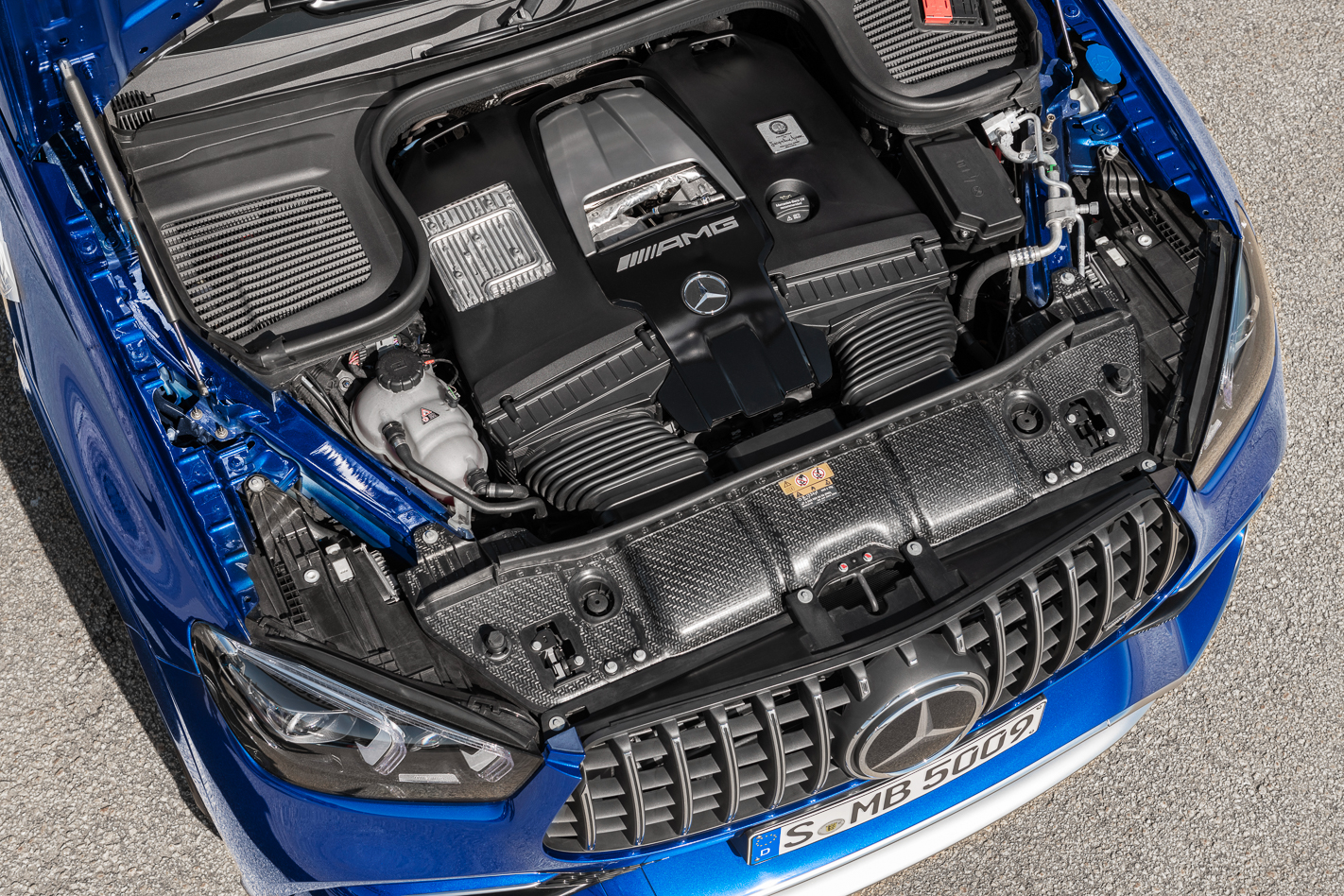
That engine/mild-hybrid coupling is capable of shooting the GLE 63 S from zero to 100km/h in a scant 3.8 seconds, while the GLS 63 takes marginally longer at 4.2 seconds. Both can run on to a limited top speed of 280km/h.
The uber-fast SUV space is becoming more populated; the GLE 63 S will need to see off the likes of the BMW X5 M, Porches’s Cayenne Turbo and Audi’s RS Q8, while the GLS 63 will need to watch for beasts like the Range Rover SV Autobiography.
In terms of equipment for your money, you’re well taken care of in either example.
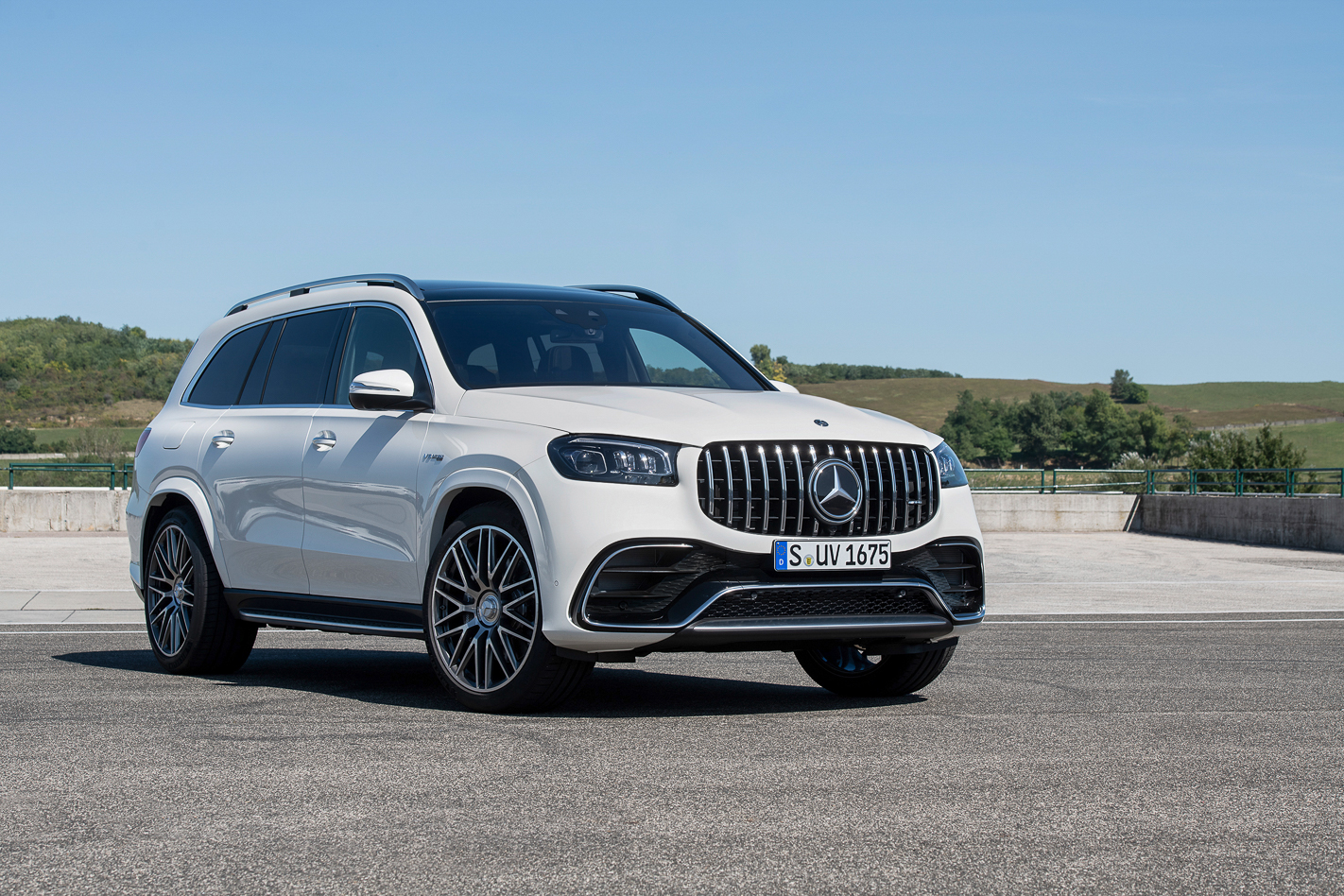
The GLE 63 S (above) receives AMG-specific body styling bits including sporty front and rear bars, a power-dome bonnet and 21-inch AMG wheels.
It also offers a bi-modal AMG performance exhaust system, adaptive shocks, Nappa leather upholstery, an AMG-specific MBUX infotainment system, temperature-controlled cupholders, heated seats and armrests, four-zone climate control, power closing doors and a high-end Burmester sound system.
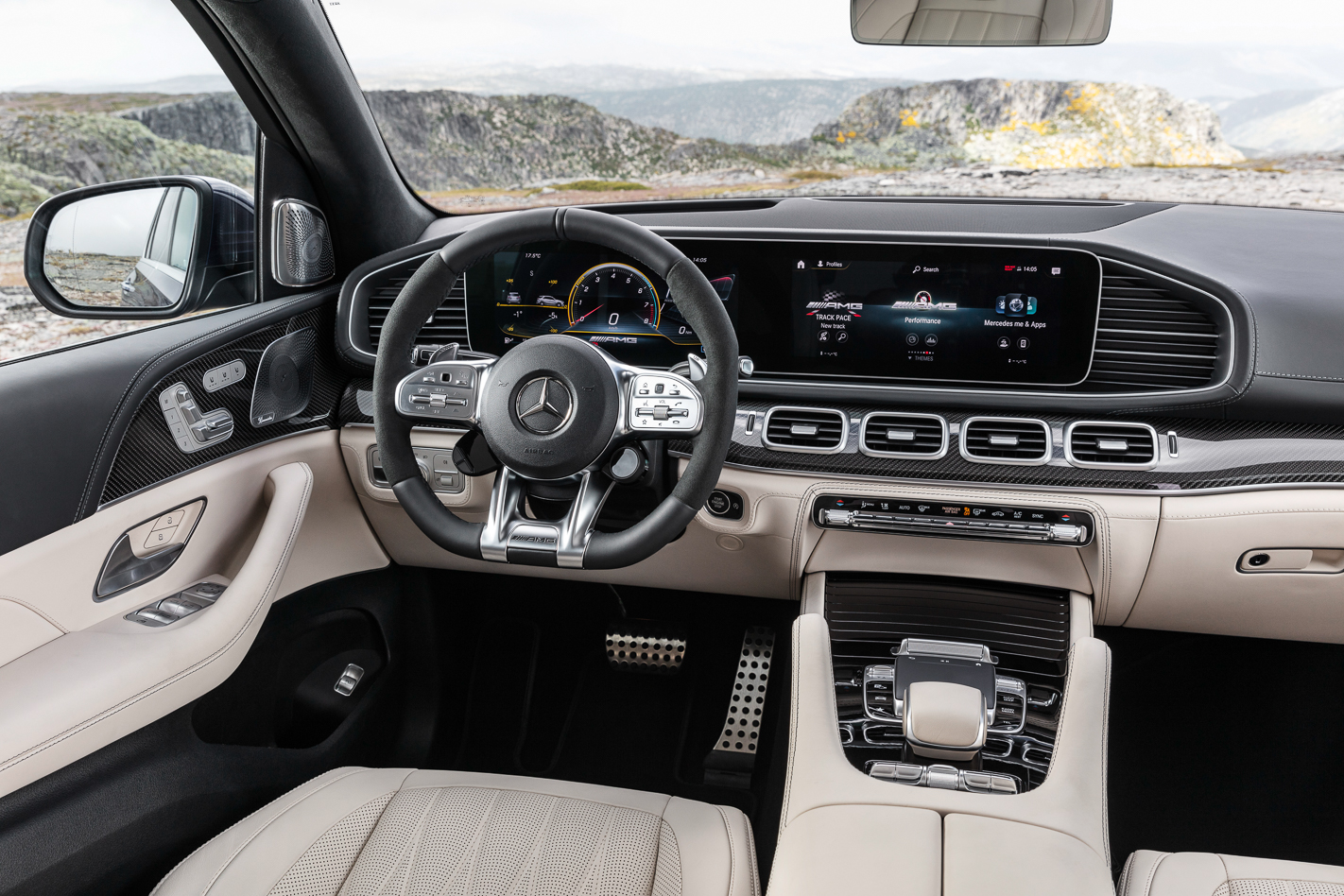
The GLS 63 receives all of the above and more. Each of its seven seats are electronically-adjustable, it uses five-zone climate control and augmented reality enhancements for its MBUX system, including navigation and an interior assistant.
Wheel size is bumped up to ride on a 22-inch multi-spoke design, too.
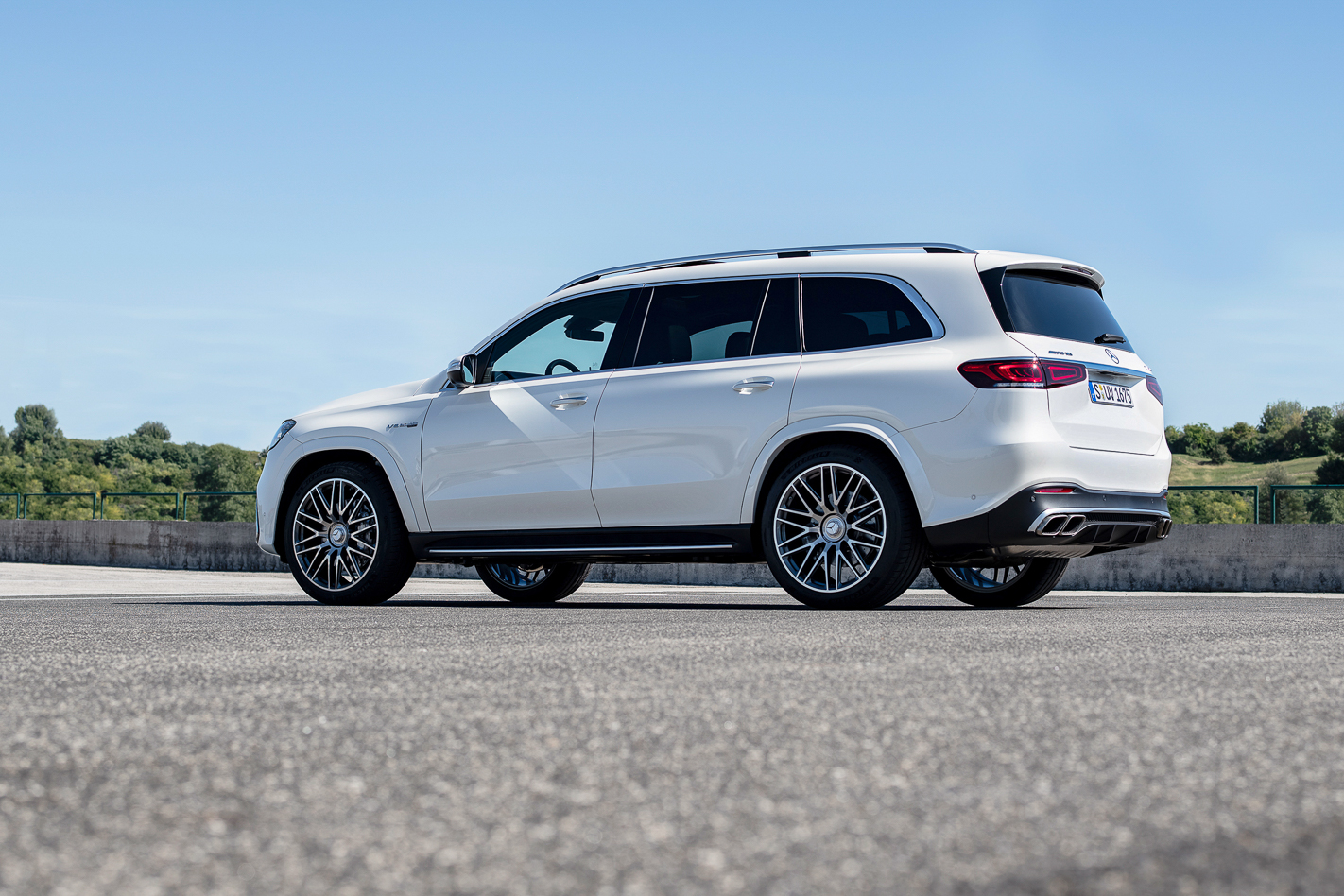
The two AMG SUVs are on sale now, with customer deliveries to begin arriving at the end of November.
- ICE ban expected to be brought forward five years to 2030
- Hybrids will last until 2035
- Decision will impact global industry
The United Kingdom’s planned sales ban on petrol and diesel cars is expected to be brought by forward five years when prime minister Boris Johnson announces new climate change initiatives later this week.
This would see the sale of new internal combustion engine cars banned in the UK from 2030, pushing an electric car boom that it believes will underpin a goal of net-zero emissions by 2050.
The news comes from the Financial Times, which also reports that UK government ministers are indicating hybrid cars will be exempt from the latest changes and will remain tied to the original 2035 ban, five years behind ICE vehicles.
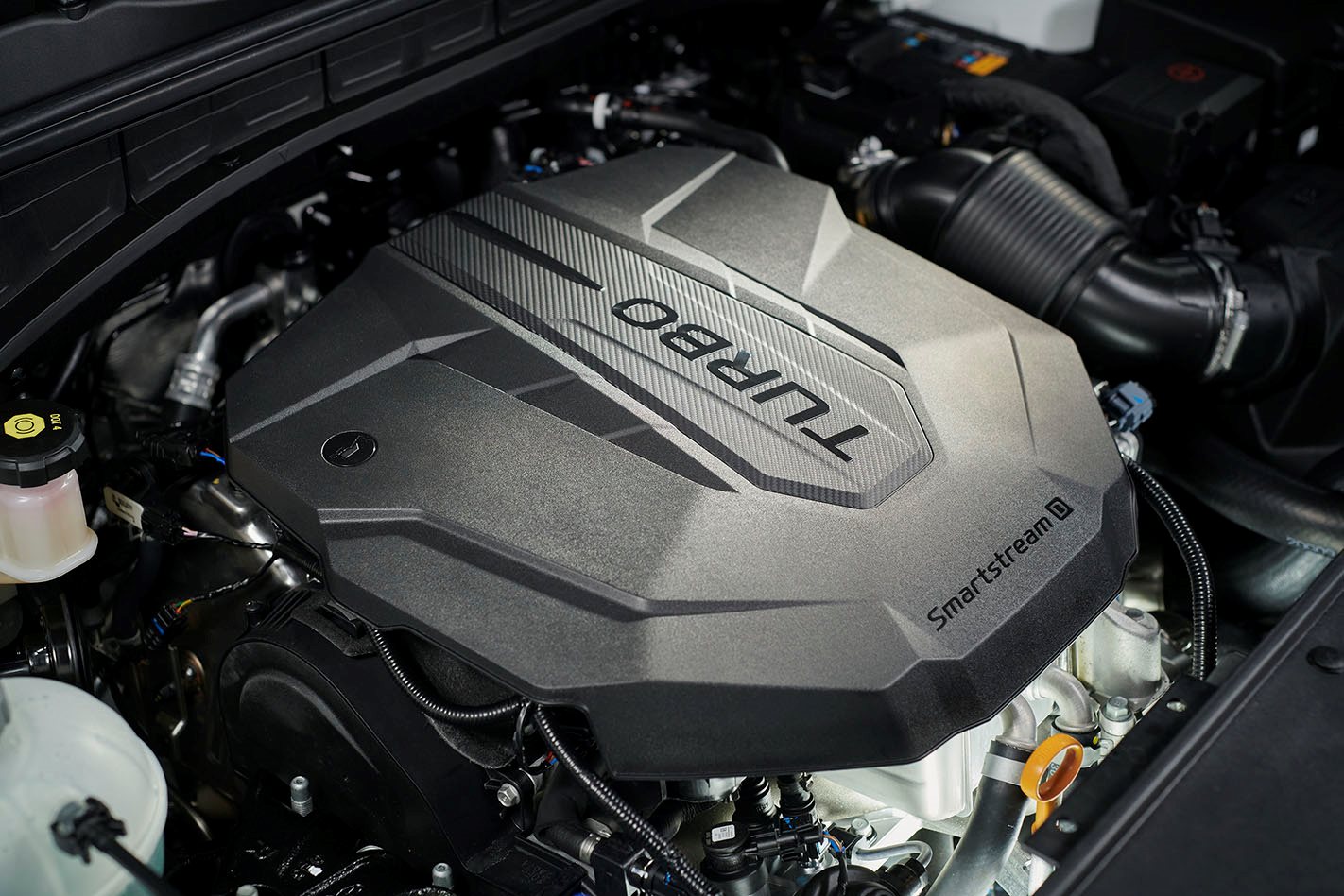
This equates to a little over 110,000 cars in a market that currently moves around 2.3m new cars a year.
However, should the legislation pass into law, EV sales would need to increase to about 2.1 million units a year within the decade.
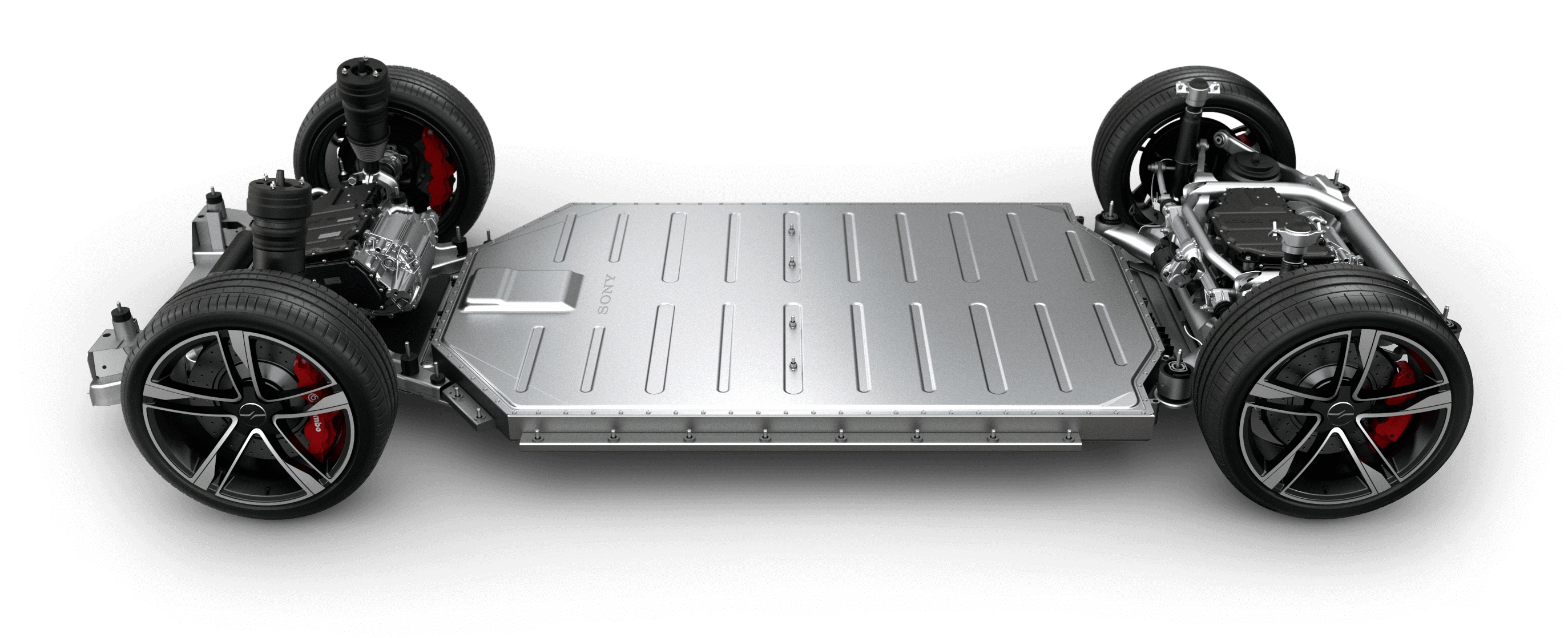
The application of congestion charges and incentives for vehicles that can operate on electricity in city centres has been the catalyst for the surge.
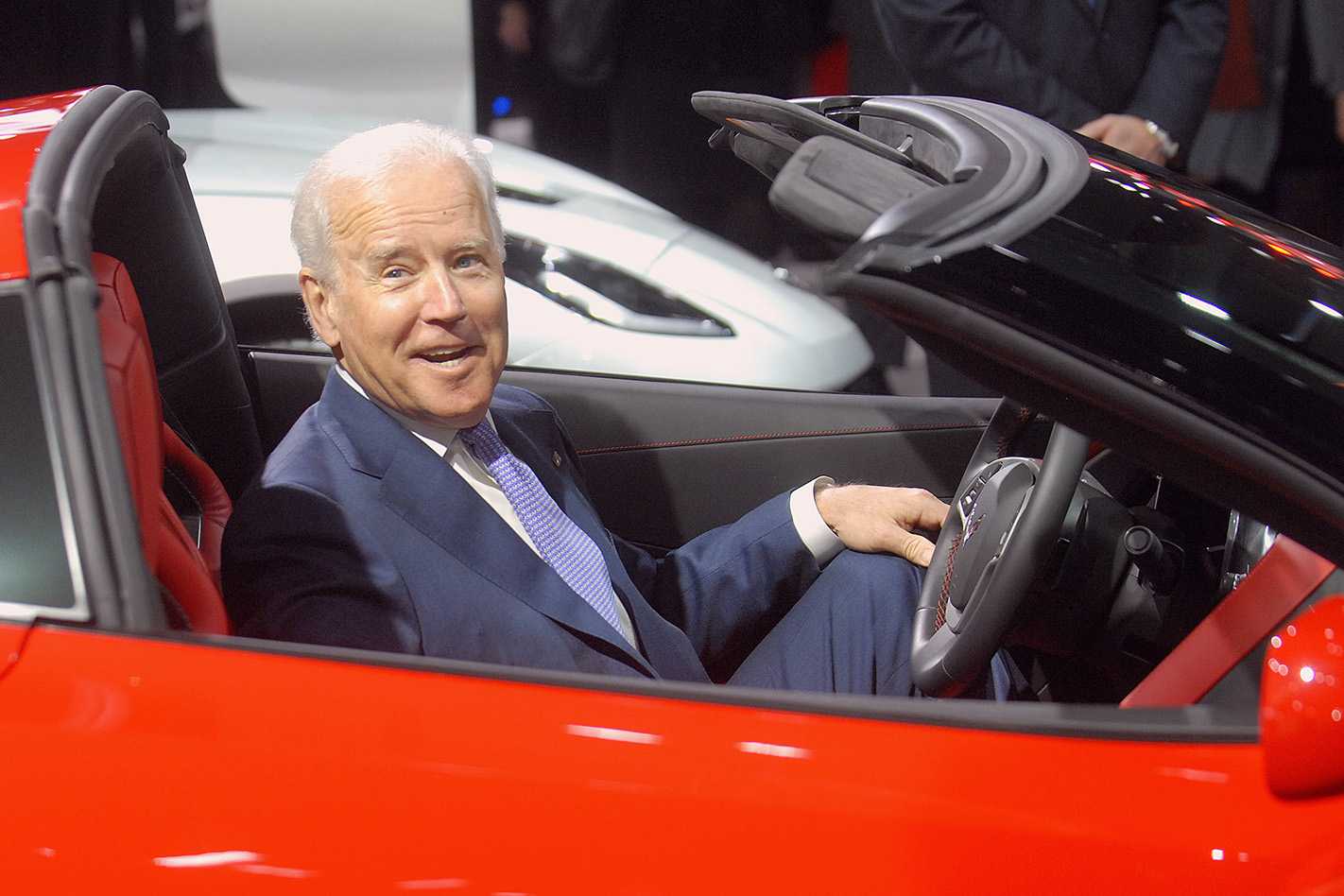
This second push from the UK government is part of reported fast-tracking on climate action policy that has been made a priority after Joe Biden won the presidential vote in the American election this month.
Biden (below) campaigned on a plan that pledges heavy spending on initiatives to achieve net zero emissions by 2050, while also committing to encouraging action in other nations.
Earlier this year, the United Kingdom’s government made a stunning move towards an electric vehicle future when it announced all petrol, diesel and even hybrid private passenger vehicles would disappear from showrooms by 2035./Louis Cordony
Boris Johnson’s original five-year cut
Johnson’s original announcement in February already brought a ban on combustion-powered cars forward by five years to 2035 and came after sacking the head of the COP26 climate change conference planned for late this year.
READ The Samsung battery set to smash EV range wide open
“We have to deal with our CO2 emissions,” said the prime minister. “As a country and as a society, as a planet, as a species, we must now act.”
Speaking to WhichCar, the Federal Chamber of Automotive Industries head Tony Weber predicted that, without the assistance of the world’s respective governments, electric vehicle sales will not rise above 4.0 percent, or until price parity is reached with combustion equivalents.
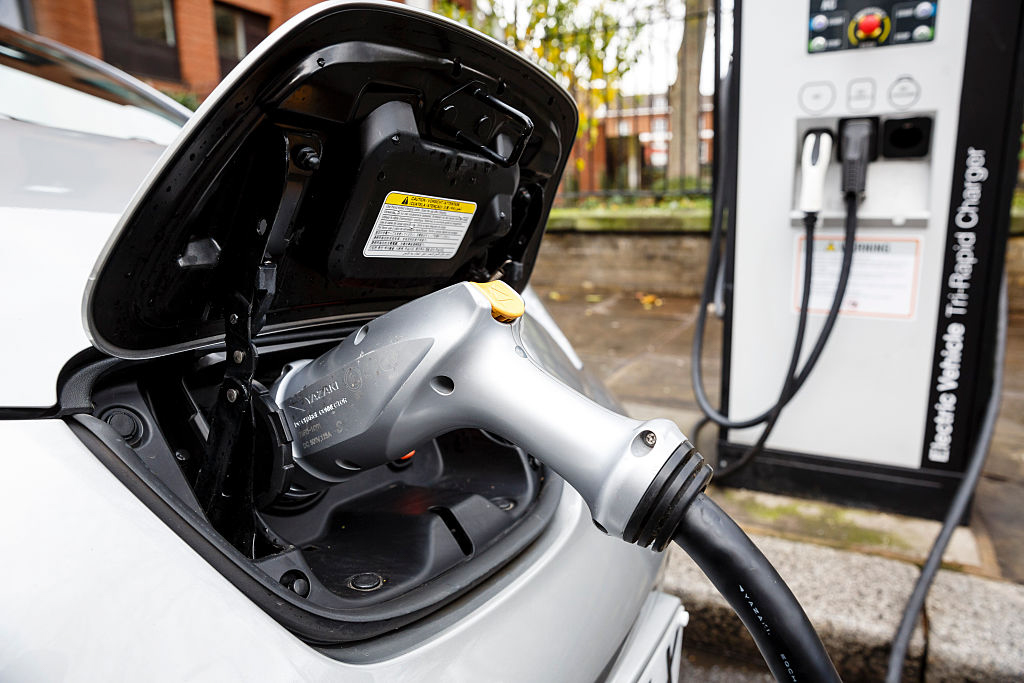
The UK is bolstering the move with a complete package of EV incentives that include tax breaks and subsidies for industry, as well as planning to rapidly grow the infrastructure network to support electric vehicles.
However, this support for EVs from the UK parliament flies in the face of current EV policies of other countries with large populations.
China, for example, has stopped providing subsidies for cars with a range of less than 250km and has halved incentives on other cars, while EV sellers in the US, like Tesla and General Motors, have both exceeded federal sales incentives caps that made EVS like the Model 3 and the Bolt cheaper to buy.
As it stands, Norway will mark the beginning on the end of fossil-fuel passenger vehicles with a ban on sales in just five year’s time. Denmark, Iceland, Ireland, Israel, Netherlands, Slovenia and Sweden will follow suit by 2030, while France, Sri Lanka and the UK will all join in before 2040.
And they are by no means expected to be the only nations to end combustion power sales with many more planning to reveal their carbon-reduction strategies in the coming years.
What this means for Australia
But if you think a decision by a small nation on the other side of the world won’t impact the Australian automotive landscape, think again.
Australia is many years away from a similar move to the UK’s ban, but if more nations around the world follow Britain’s lead, car companies will be forced to divert more resources into fast-forwarding production of electric vehicles to suit demand.
This will inevitably see the pool of combustion-powered models start to dry up as electric options gain traction.
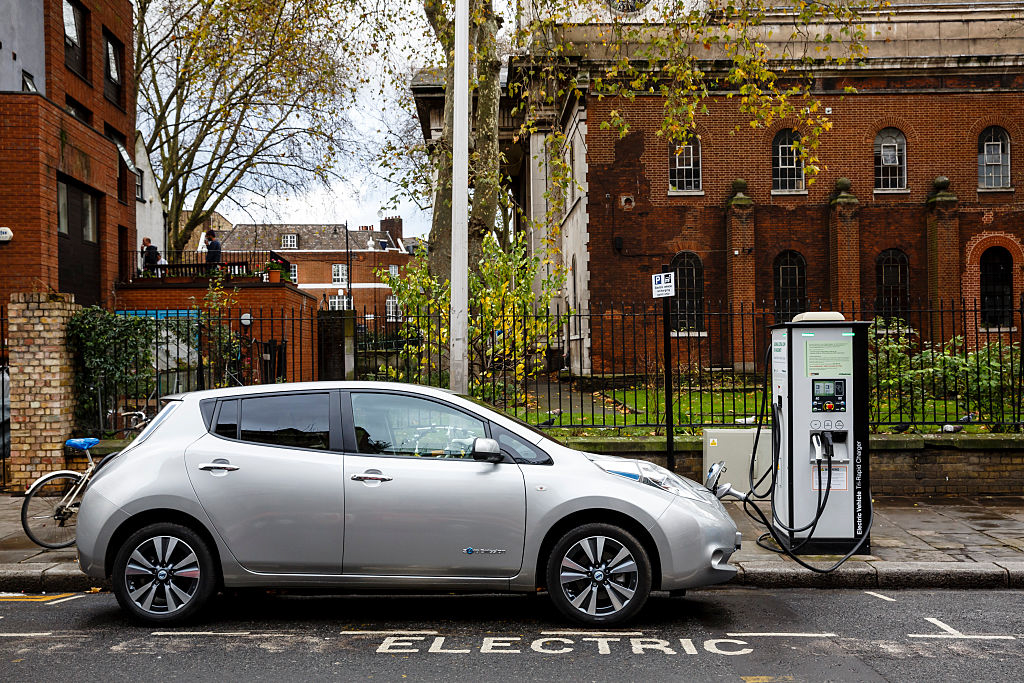
It doesn’t matter if a vehicle is electric, petrol, diesel or a combination of both; each has to earn its keep in global sales. As more countries ban the sale of combustion-powered cars and emissions regulations become more onerous and expensive, global sales will decline to a point their manufacturers can no longer justify their production.
MORE The real cost of charging an EV
Take the light car, for example; the cost of producing an affordable compact hatchback with a petrol or diesel drivetrain has been driven up in recent years as carmakers are forced to meet emissions caps on its entire range. here is less cost margin to work on more affordable cars, so adding hybrid powertrains or other measures to reduce their emissions isn’t cost-effective. The result? The model either goes full electric, or it’s dropped altogether.
In short, it doesn’t matter how long Australia’s government ignores electric vehicles and refuses to incentivise their sale and ownership. Global demand and trends will ultimately force the electric revolution upon all nations./Daniel Gardner
Tyre companies have had to rethink the ideal tyre for battery-electric cars, and it has nothing to do with their high-torque and instant acceleration, according to Michelin.
The French tyre maker supplies tyres to Tesla and is working with Porsche on the Taycan, and its worldwide head of science and innovation communication, Cyrille Roget, says there’s no difference between powerful EVs and high-powered combustion-engine cars when it came to tyre performance and wear.
“We started long time ago to work with Tesla on that and there was a question about ‘are electric cars more penalising than normal cars in terms of torque and are they wearing faster than the other cars’?
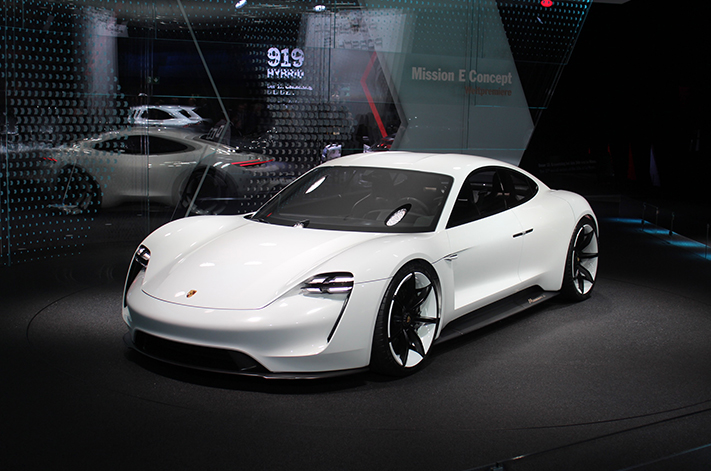
“So what we did was compare tyres worn on the most popular Tesla in America and we compared that in the US with cars like Corvette and Mustang, which had the highest horsepower. We couldn’t find any difference.”
Roget says any powerful car will wear tyres quicker when pushed, regardless of its powertrain, but revealed the main consideration then designing rubber for EVs was road noise.
“What you need for an electric car is a tyre that is quieter because you don’t have the noise of the engine, so we need comfort and noise, that’s the main difference to a normal car.”
Another benefit of quieter tyres is they require less rolling resistance which means they require less power to keep them rotating that increases battery range.
Extreme performance tyres
Michelin is also working at the extreme end of performance to produce a tyre capable of taking cars to the magic 300mph milestone, or 483km/h.
Roget says the speed itself isn’t the biggest hurdle for a tyre capable of taking the likes of the Bugatti Chiron or Hennessy Venom F5 to smash the all-time production-car speed record of 447km/h set by the Koenigsegg Agera RS in 2017.
“We have technology to develop high speed tyres, because we have been working on aircraft. We have military aircraft tyre specifications, and we had been working on the space shuttles, so we know how to build a high-speed tyre.
“It’s not that complicated. The challenge is making it light enough.”
HSV’s first-ever W427, known as 001, has resurfaced for sale on Facebook – at an eye-watering $427,000.
Don’t, however, be fooled by that price.
Ozcarfinder, as the page hosting the sale is known, has assured punters the ask is “negotiable” and the large sum – which just so happens to match the car’s badge – is just for attention.
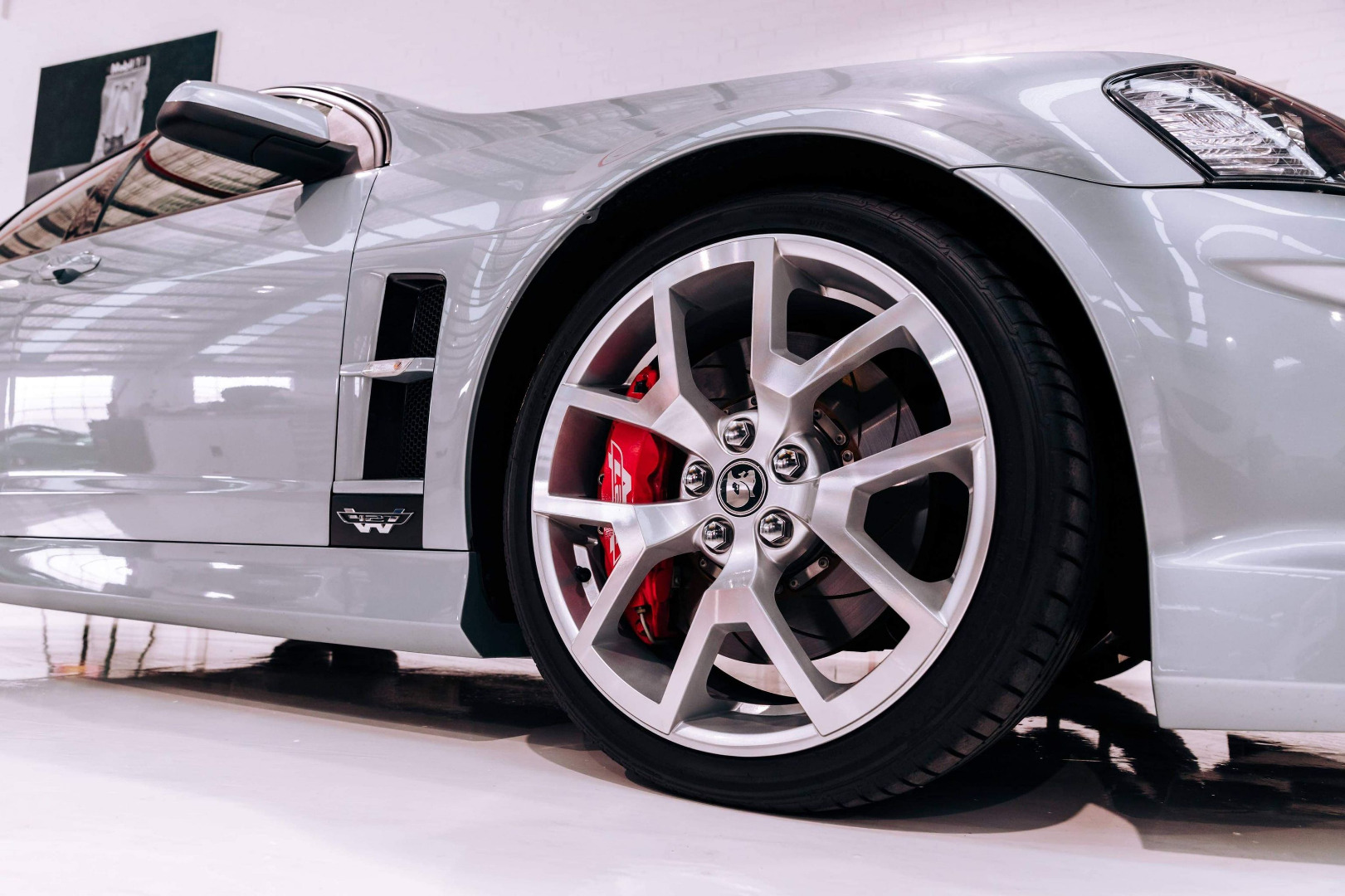
Just how much the prototype W427 is worth, though, is a subject of conjecture.
We originally discovered this exact car for sale in 2016 at Melbourne’s Duttons Garage, with the price available only on application.
We’re told it’s changed hands twice since then. It first was sold to a car collector and then on to its current owner after that.
During these four years, it’s travelled around 40km and shows just 343km on its odometer.
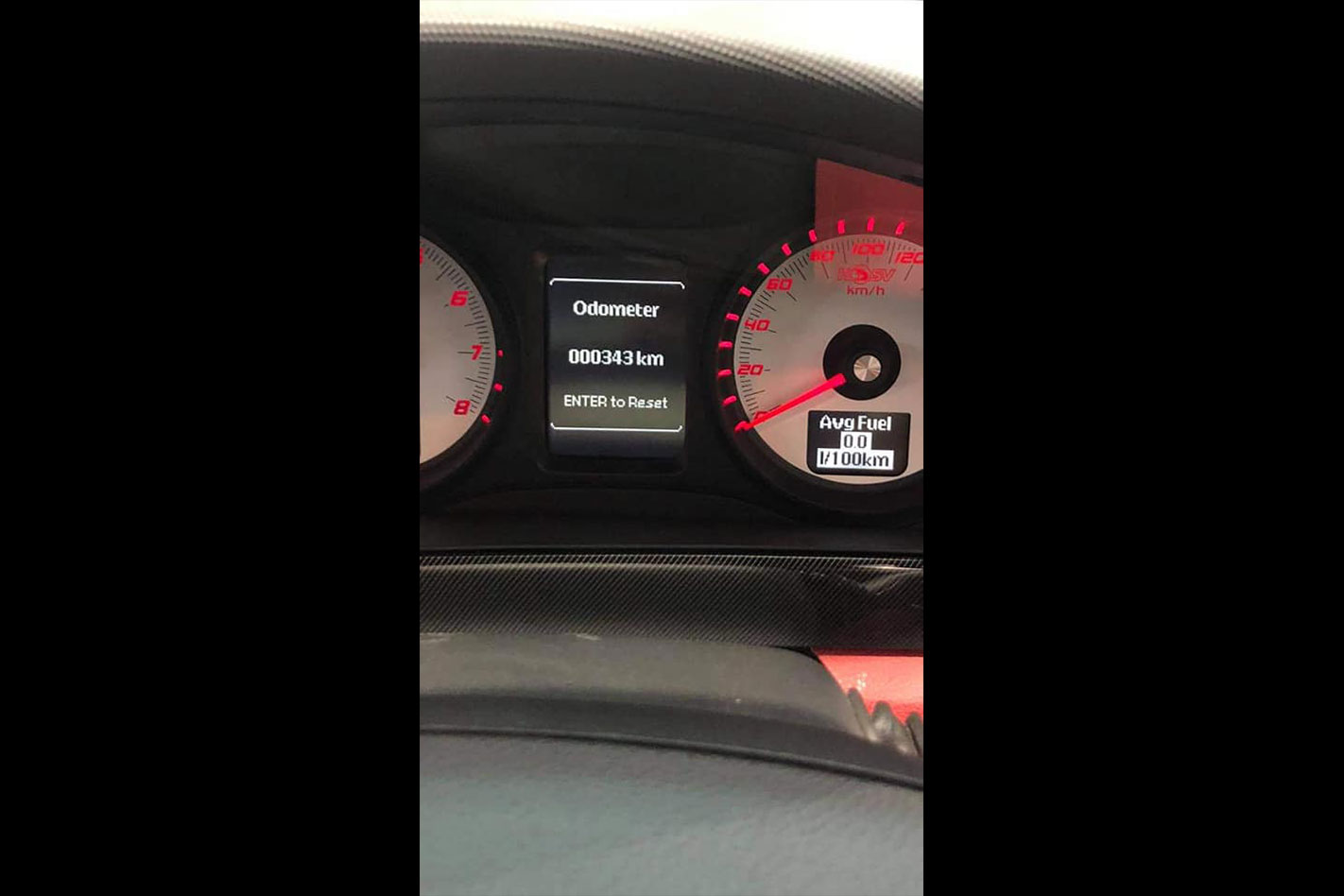
Keep in mind W427 number 001 has never been road registered and will need a VASS certified engineer to provide documentation to change that.
So unless you plan on trailering it to the track – which we’d advise against since this W427 001 kept the standard VE GTS gearbox and drivetrain – it’s going to be a very expensive ornament.
But that’s not a bad plan given W427’s ill-fated production run only adds to its rarity – HSV originally planned to sell 427 units before the global financial crisis cut that to 137 (excluding the prototype).
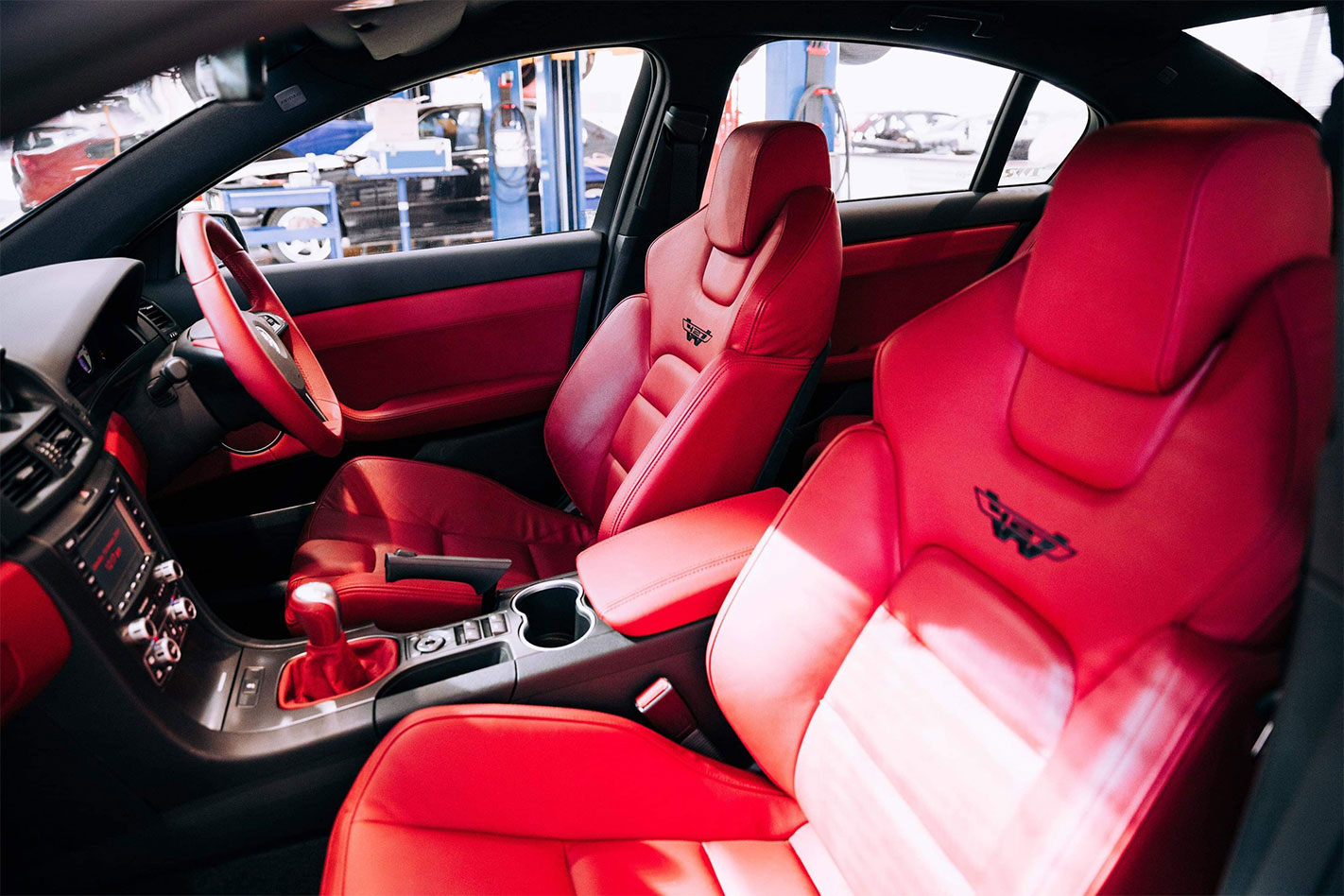
We asked how much Ozcarfinder is expecting to trade it for but we weren’t given a guide.
We’re not sure what to expect, either, given in 2016 we saw prices for ‘normal’ W427s range from high as $180,000 to as low as $85,000, depending on their specific condition and kilometres.
Today, W427s have all but vanished from most classifieds sites, no doubt increasing their desirability.
The W427 has always been an expensive car, though, with a $155,500 tag from new thanks to an exotic spec list for an Aussie muscle car.
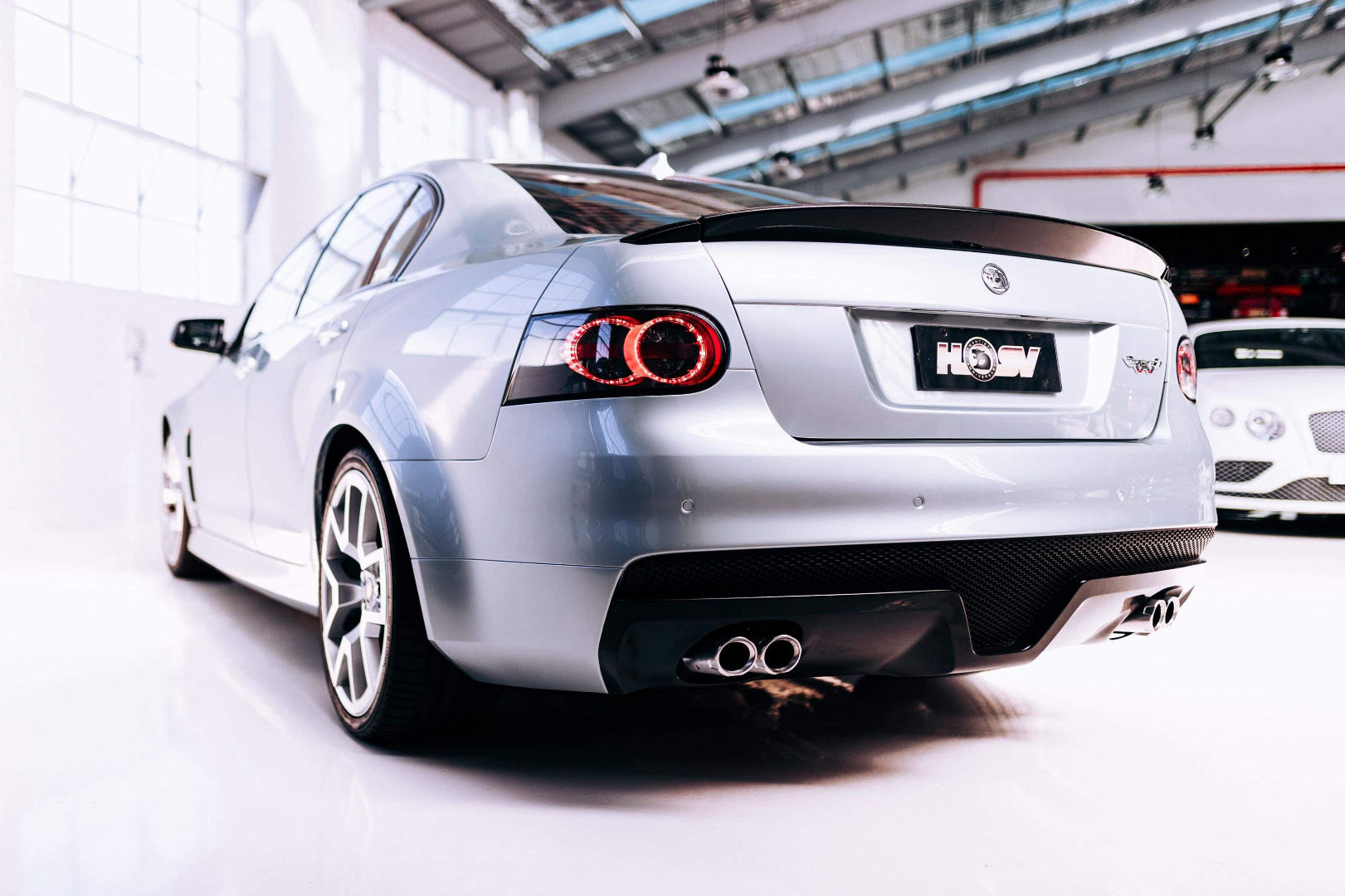
It also featured HSV’s then-new Magnetic Ride Control active dampers. It matched that with lowered, stiffer suspension and huge Brembo brakes.
HSV debuted the car at the Melbourne Motor Show in 2008.
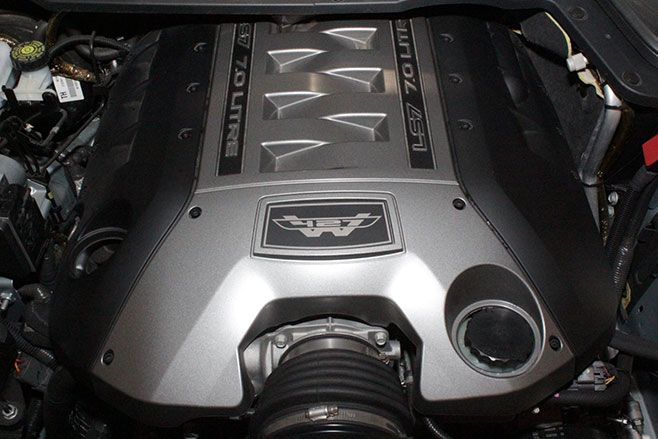
Finished in Panorama Silver as a nod to the original VL Group A Walky, and among only three W427s finished in that hue, number 001 is that very pre-production prototype which sat on HSV’s stand.
It was the achievement we all knew was coming. Lewis Hamilton won the 2020 Turkey Grand Prix and with it, he clinched his seventh world driver’s title in Formula 1.
But no one could have predicted what the race would ask of Hamilton to earn his history-defining achievement, which now puts him equal with Michael Schumacher on world titles.
With the damp, unforgiving Istanbul track giving nothing away to the Mercedes-AMG F1 cars, both Hamilton and teammate Valtteri Bottas started on the grid in sixth and ninth respectively.
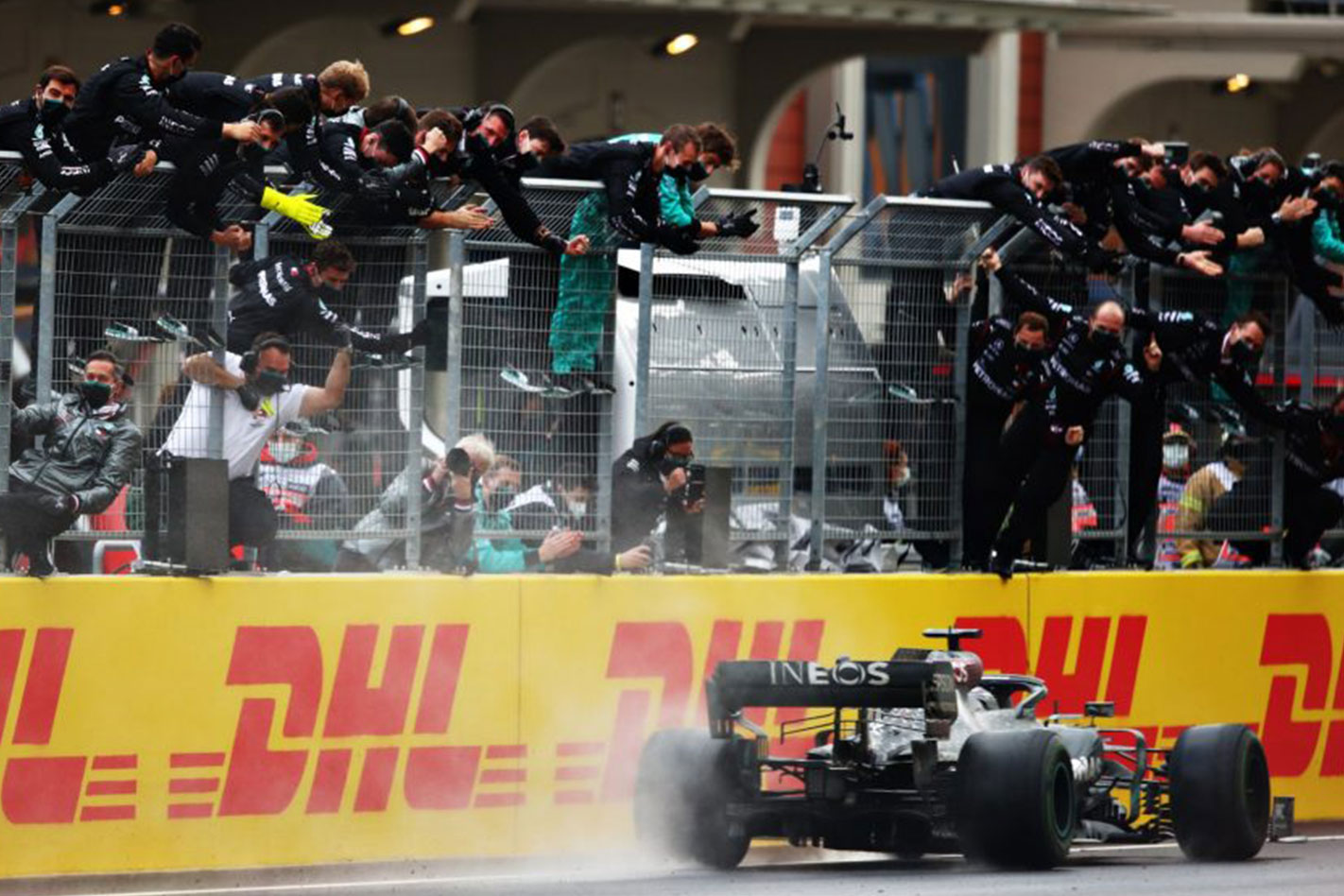
It was unfamiliar territory for the dominating duo.
But the conditions claimed a number of drivers ahead one by one.
Red Bull’s Max Verstappen spun his car a number of times, squandering any chance at claiming the win, and pole-sitter Lance Stroll lost his initially-surprising pace on fresh intermediates as the track evolved.
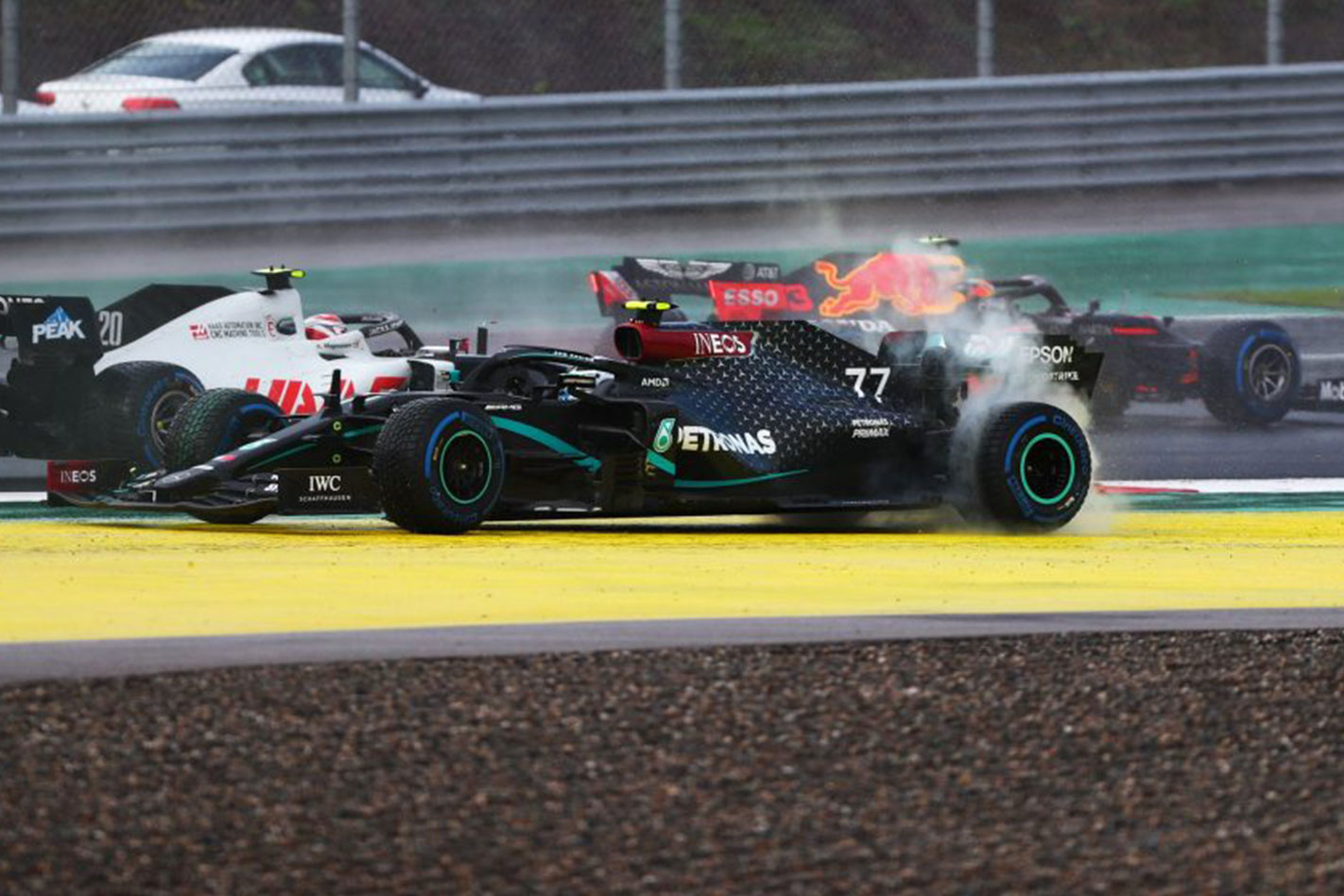
Hamilton then hunkered down as the conditions slowly came to his car, registering a clinical drive to work his way into first place and build a nearly 25-second lead on Sergio Perez in second.
His experience again paid dividends when he ignored the team’s call to change his aging intermediate tyres, knowing that they had the pace, and heat, to last the distance.
Ferrari driver and former world champ Sebastien Vettel, who drove to third place, was first to congratulate Hamilton in parc ferme and put a very pertinent question into focus.
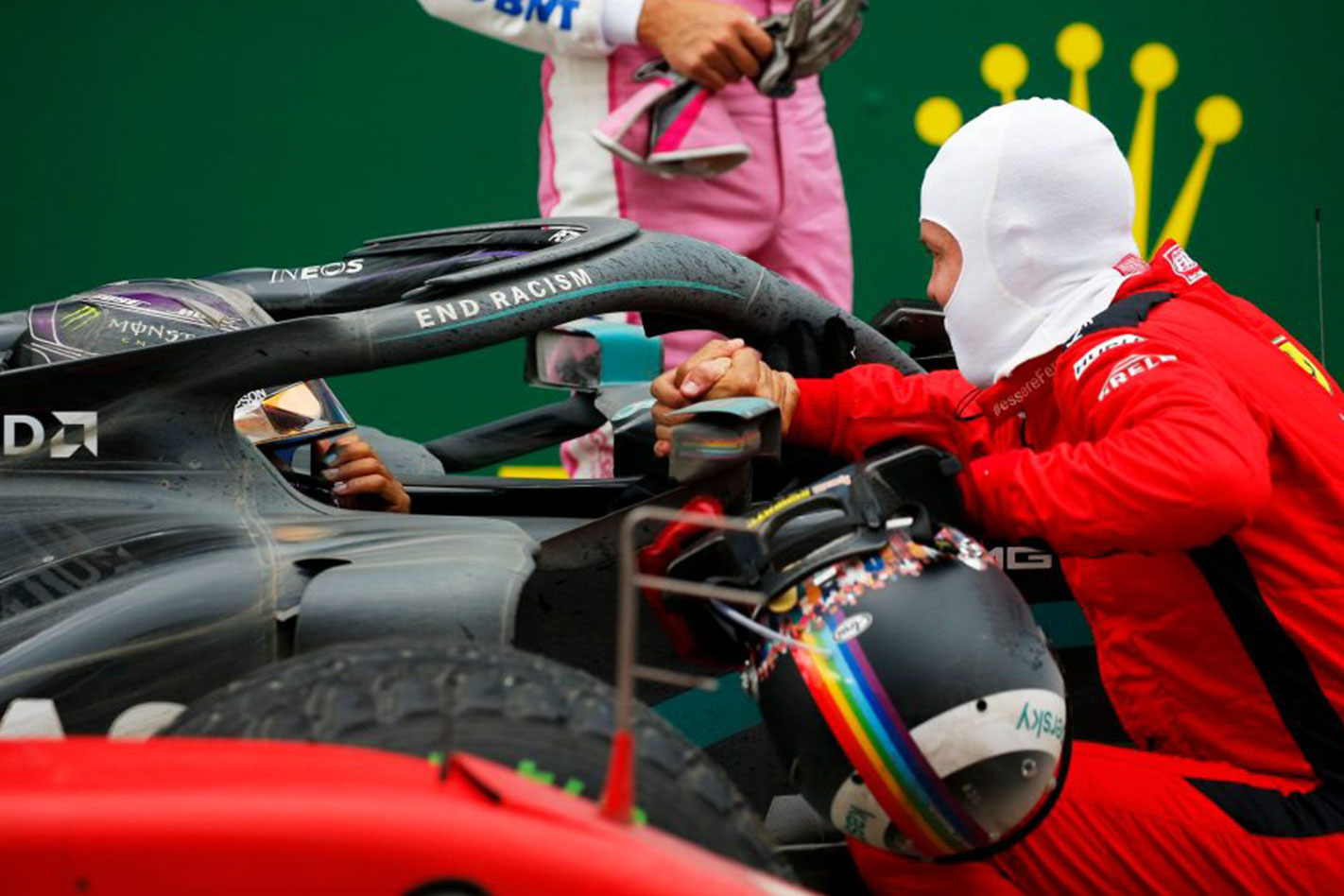
“I told him that it’s very special for us because we can witness history being made today,” Vettel told formula1.com, before being asked if Hamilton is now the greatest driver of all time.
“I think he is the greatest of our era for sure. I think it’s always difficult to compare, how can you possibly compare [Juan Manuel] Fangio, Stirling Moss to our generation? You can’t.
“Maybe we would be useless because we’d all be s***ing ourselves in those cars, maybe they would be useless in our cars because they’re way too fast, who knows?
“But it doesn’t matter. I think every era has its driver, or its drivers, and Lewis is certainly the biggest, greatest of our era.”
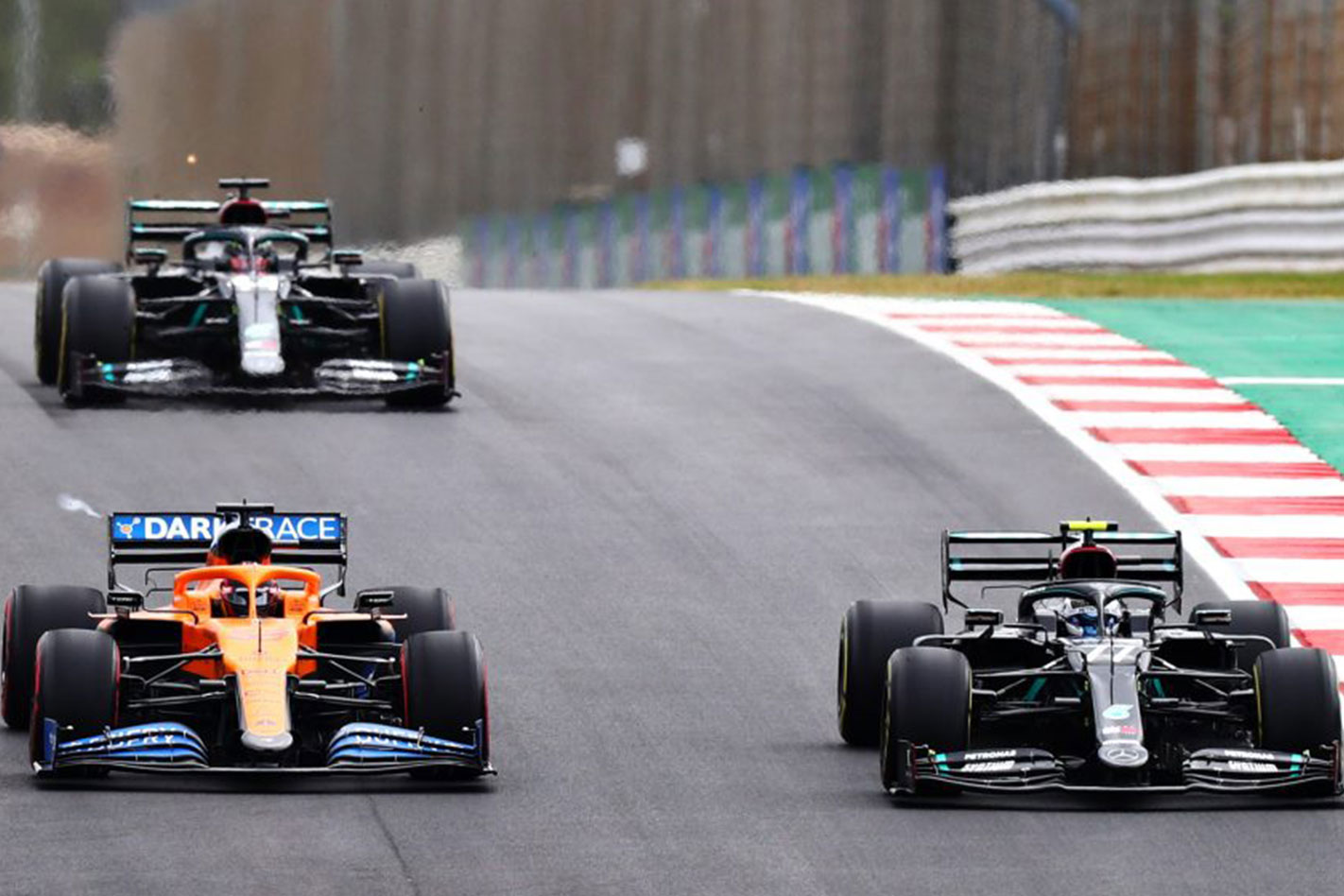
We knew going into this season it was only a matter of time before the 35-year-old snatched the momentous milestones, so can we finally admit Lewis Hamilton is actually is the greatest F1 driver of all time?
By the numbers
The landmark achievement fortifies his credentials as the greatest on paper for at least two of three big records.
As well as the most successful driver in F1’s history, this season he also bagged the most pole positions in the sport’s along the way.
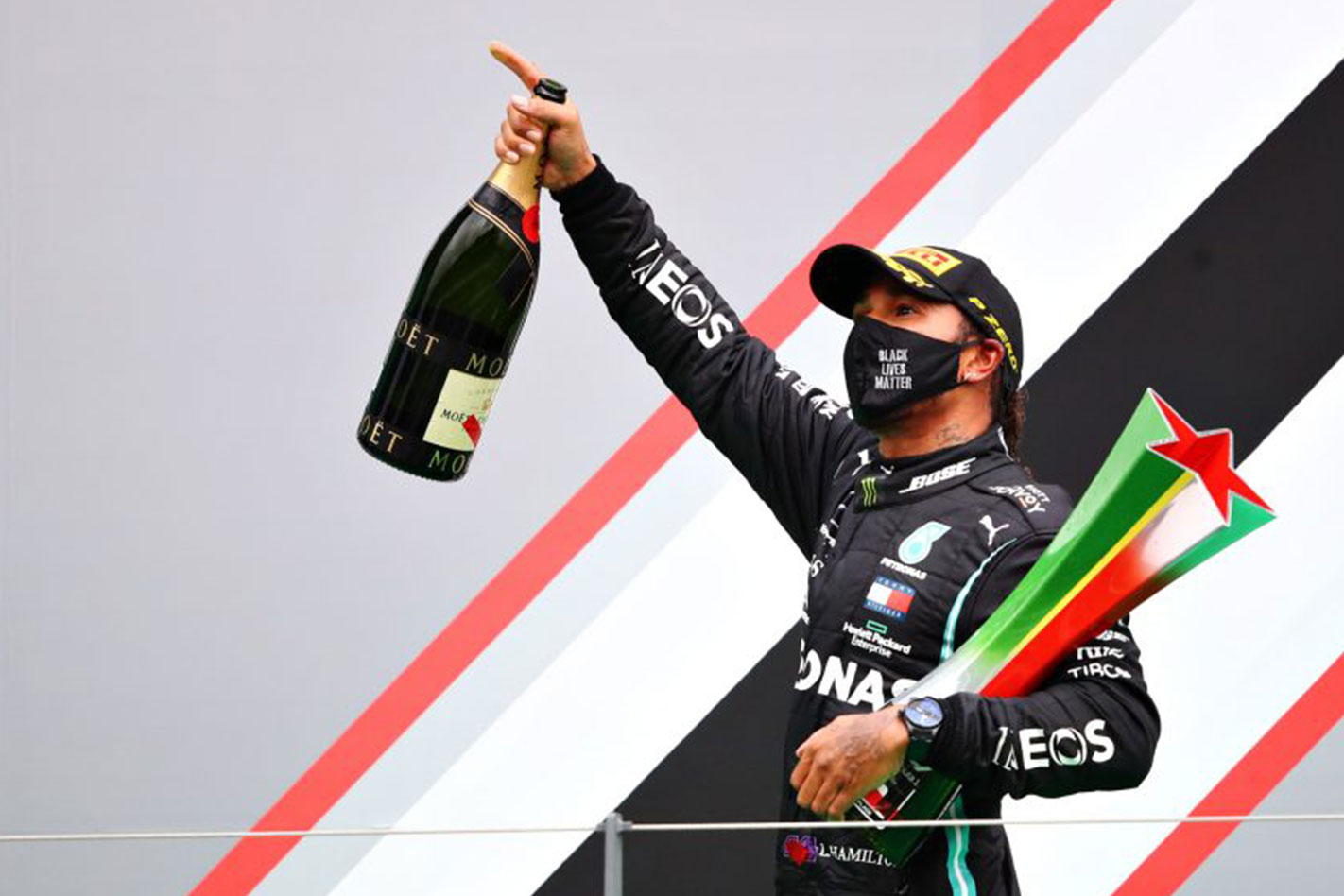
Both have won championships with two different manufacturers but Hamilton earned 92 wins in only 13 years after his Formula 1 debut as a 22-year-old.
Schumacher’s 91st victory arrived 15 years after his start as a 23-year-old.
Hamilton now holds the all-time records for most wins, podiums, points, races led and pole positions, as well as the longest consecutive points scoring streak.
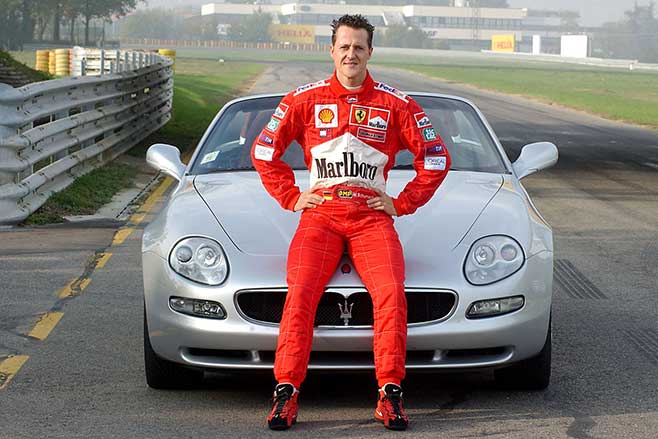
The greatest F1 driver of all time?
For some, there are legends who will always own the ‘greatest ever’ accolade. Juan Manual Fangio. Jack Brabham. Jackie Stewart. Niki Lauda. Alain Prost. Ayrton Senna.
They are drivers who fought to be the best in eras that contrast starkly to today’s (relatively) mega-safe and mega-fast spectacle.
The fact F1 has witnessed only a single death – that of Jules Bianchi in 2015 after a crash at the Japanese Grand Prix in 2014 – in 16 years since Ayrton Senna and Roland Ratzenberger died during that San Marino GP weekend reveals how far safety has come.
Prior to 1980, the longest period F1 endured without fatality was three years.
And while yes, you can argue the sport’s fledgling nature in those formative decades after the 1950s – all the way up to the 1990s – robbed past drivers of the same stability today’s crop enjoy, it’s surely also broadened accessibility to new drivers and therefore competition.
The age of the youngest Grand Prix winner has dropped twice since Hamilton debuted for McLaren, too, thanks to Sebastian Vettel and, more recently, Max Verstappen.
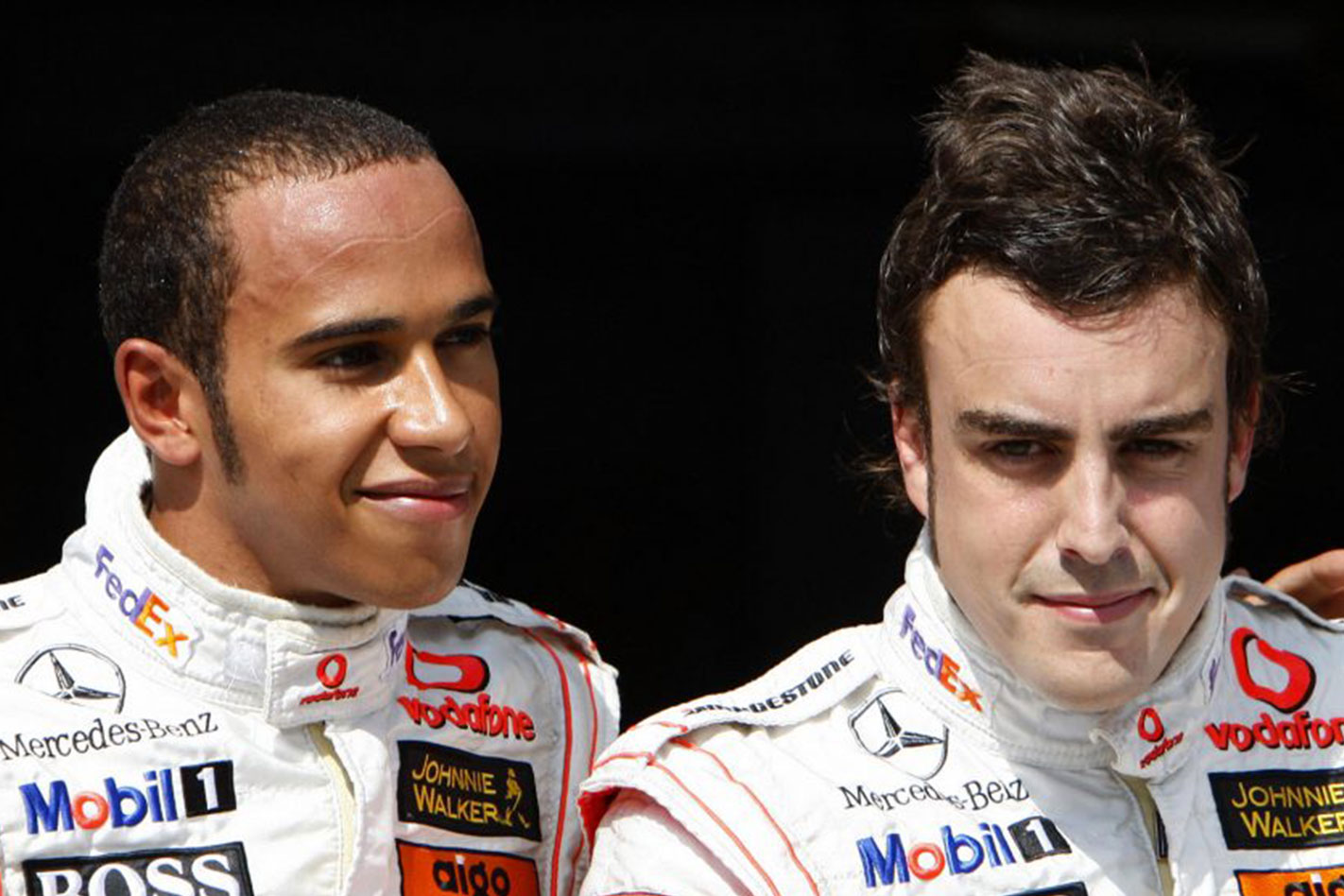
Champion driver, champion team
With this weekend’s win, Hamilton also delivered Mercedes-Benz its 113th Grand Prix, underscoring the team’s domination in the turbo-hybrid era that some would attribute much of Hamilton’s success.
And while, yes, this is true, single teams have dominated eras of F1 for decades. Jim Clark won his two world titles with Lotus, Ayrton Senna won his three with McLaren and then Michael Schumacher’s five with Ferrari.
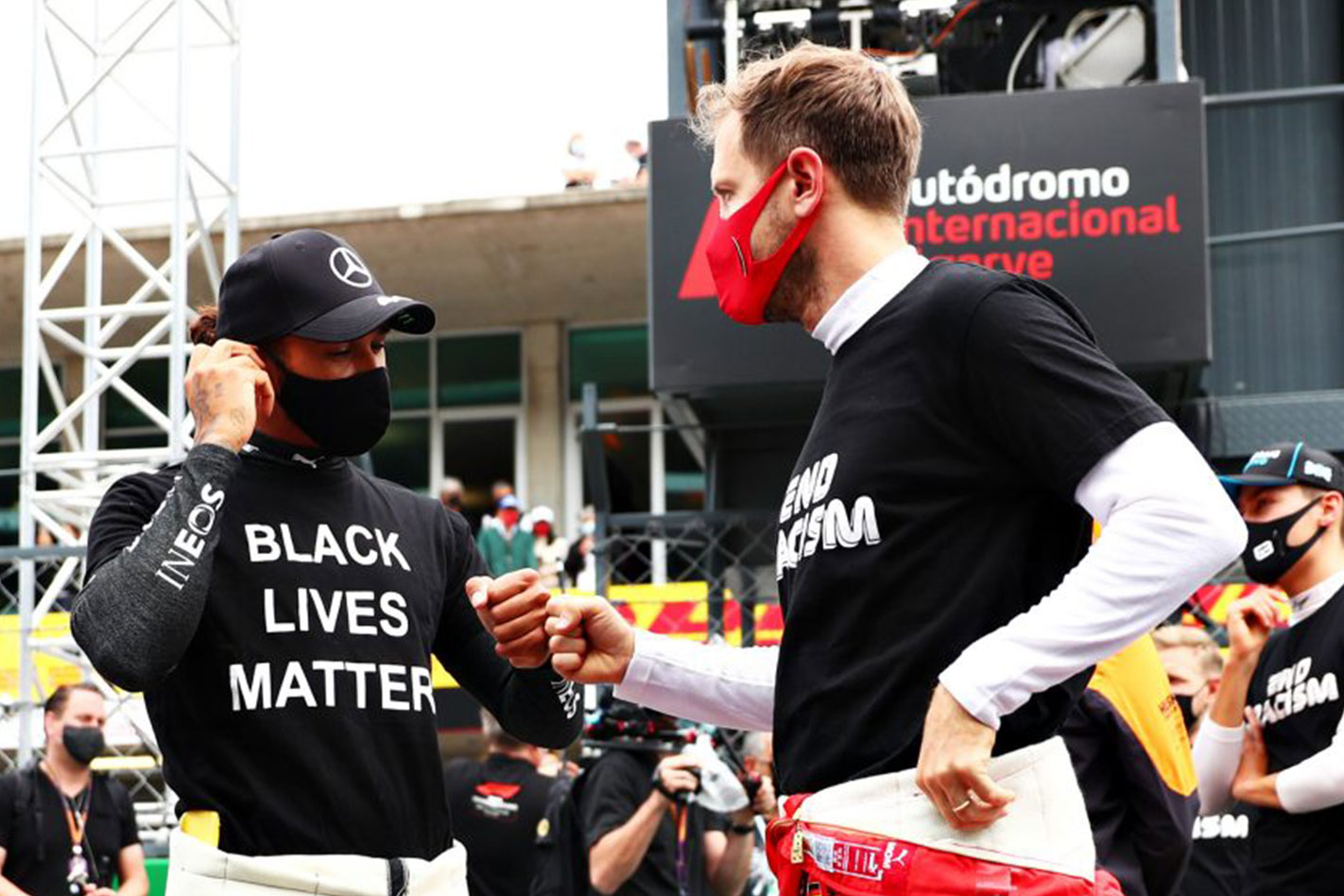
But the benefits of the partnership do not always flow one way. It’s well known Schumacher helped cultivate the Ferrari team around him, bringing now-F1 boss Ross Brawn across from Benetton.
In Hamilton’s context, AMG F1’s tech engineer James Allison has said the racer grows more intense during a season but becomes easier to work with.
“Work-wise, he doesn’t try to own every situation like he is the alpha male in the room,” he says.
“He knows we all bring different aspects to the team and that he must give us space to do our job for him.”
Measure of talent
As a driver, Hamilton’s pace speaks for itself. His 97 pole positions have been earned with two different world champion teammates and alongside a rapid Valteri Bottas.
Former McLaren and Ferrari F1 driver Pedro De La Rosa has famously spoken about Hamilton’s raw talent.
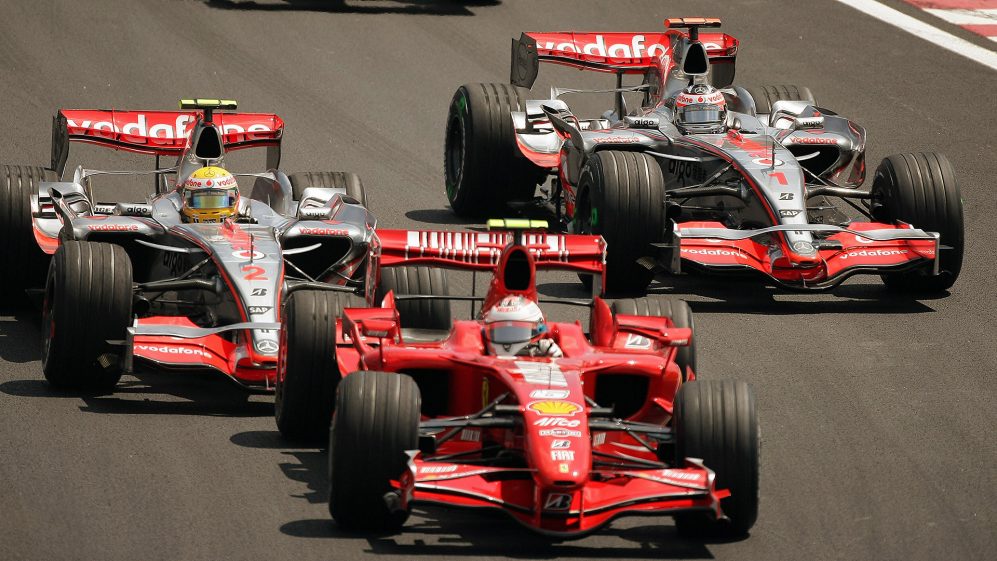
“It was his first-ever F1 test, his second run in Silverstone, and I realised this guy is very, very fast,” he told formula1.com.
“I’ve seen a lot of drivers in my life. You know, I’ve been with very good drivers, I would say, and I feel very honoured of that. But when I saw Lewis, I thought ‘wow, this is very special’.”
But Hamilton also brings so much more to the table. His consistency and mechanical intellect are also huge complements to the speed.
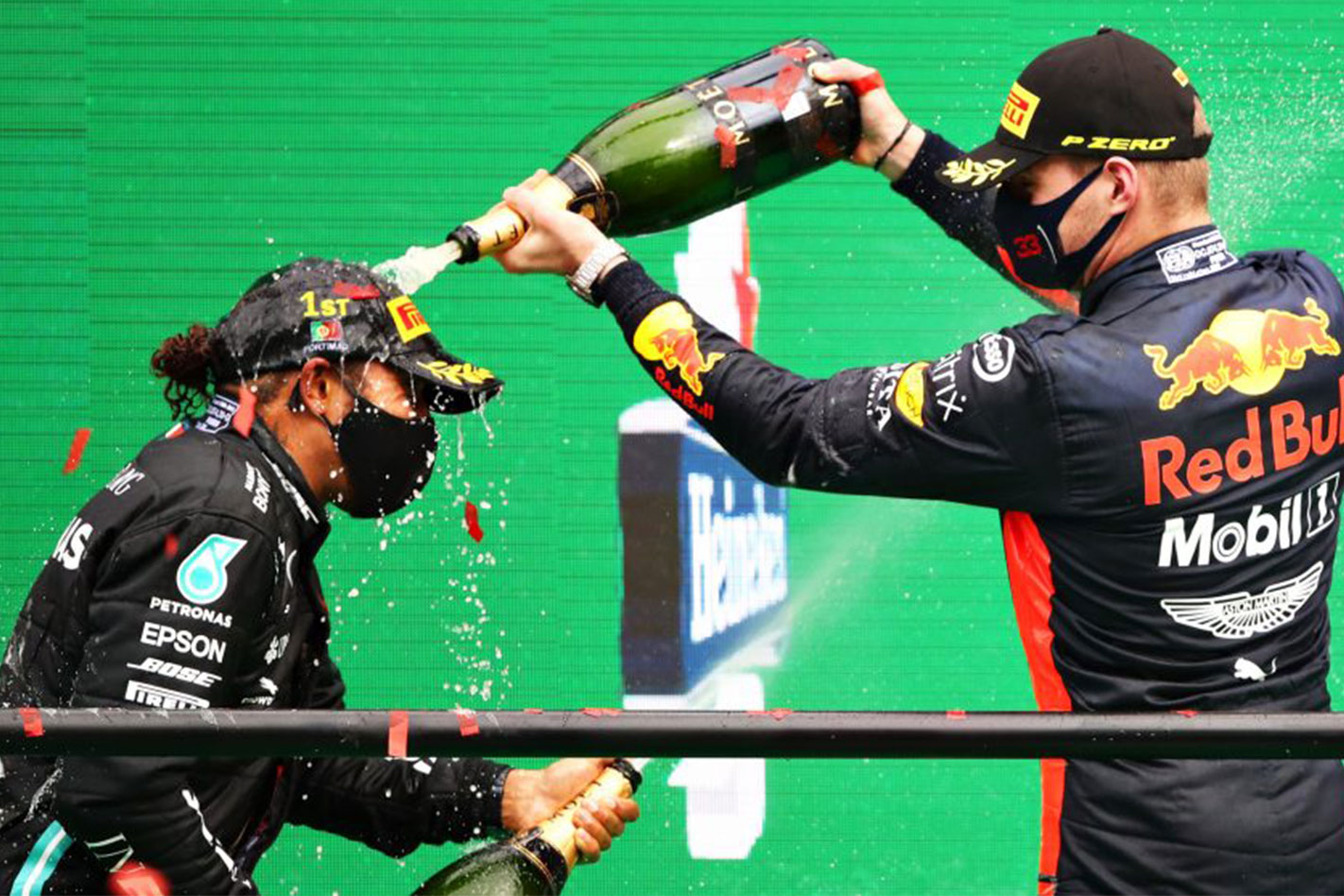
He’s the most complete driver on the F1 grid, and now he’s the most decorated driver in F1 history.
And there should be little stopping him from taking his eighth title next year with Mercedes-AMG F1 – although a contract is yet to be signed – before regulations significantly change in 2022.
Are we witnessing the greatest F1 driver to have lived? Absolutely.
Following the original sneak peek story below, we haven’t had to wait all that long for Porsche to divulge further information about these coveted concepts.
Porsche has revealed 15 unseen concepts in a new book called Porsche Unseen. The coffee table book features a number of design studies which had not seen the light of day until now, detailing the stories behind the concepts and illustrated with stunning photography.
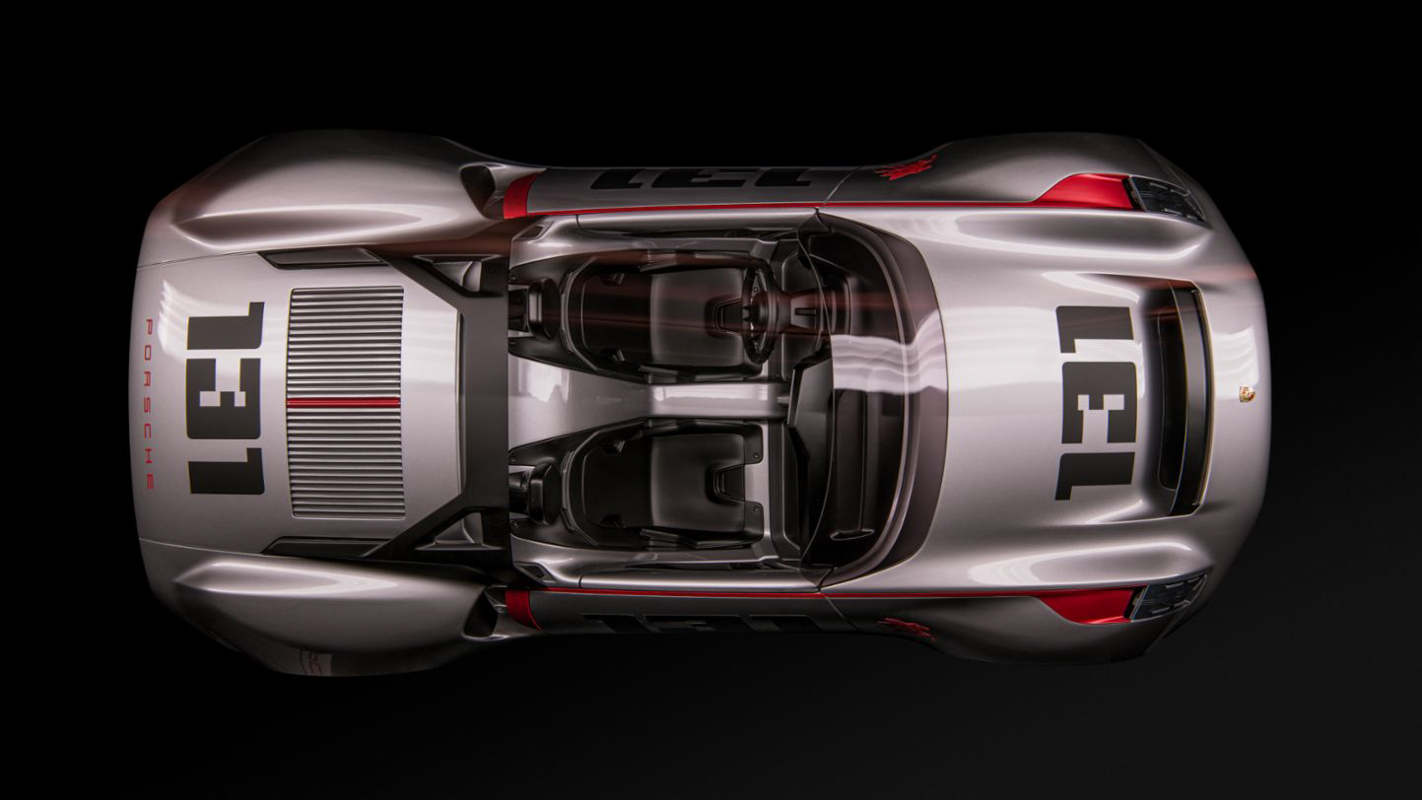
Porsche explains that not all the designs were specifically intended for production, but were more about exploring Porsche’s design language and direction for the future.
50 of the sexiest cars of all time
“When it comes to the visions we develop, it is not about bringing every car onto the road. Instead, it is more a question of establishing creative space and a relationship with the future,” says Porsche vice president of style Michael Mauer.
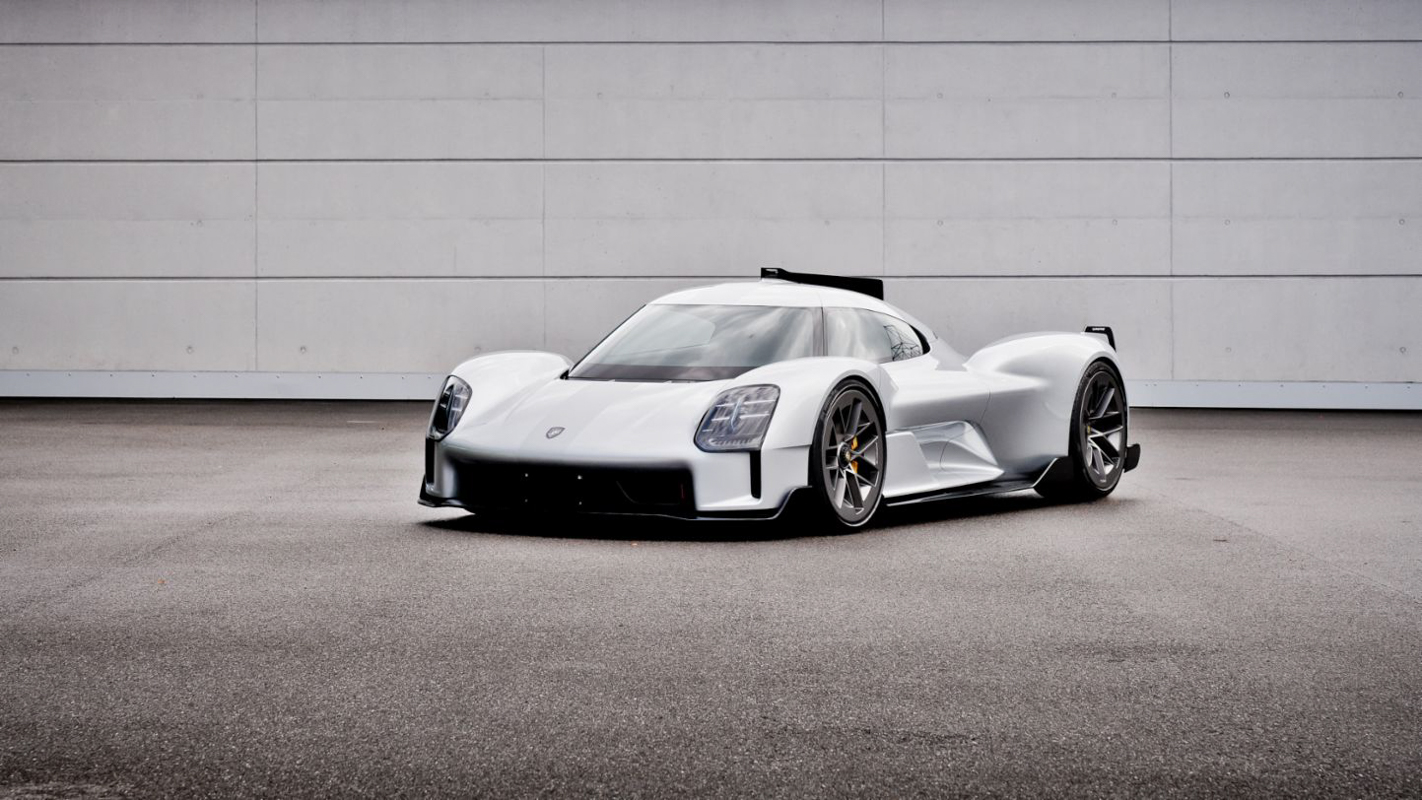
Based on this idea, many of the 15 prototypes in the book were a long shot. However, there’s undoubted resemblance between what these concepts represent, and design details you’d find in the current Porsche range.
Porsche has provided a taste test in the form of three design concepts, with the further 12 designs reserved for the new book.
Porsche 919 Street
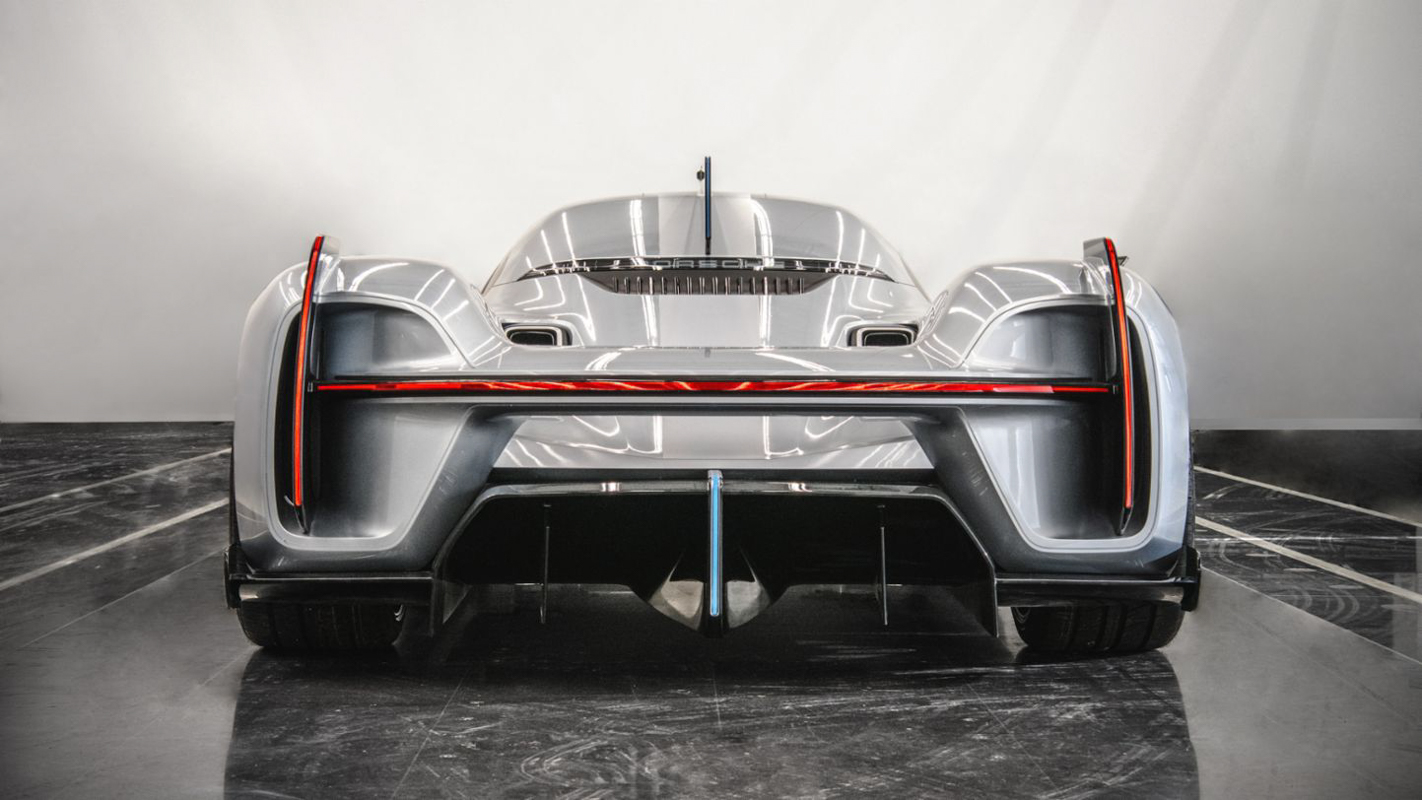
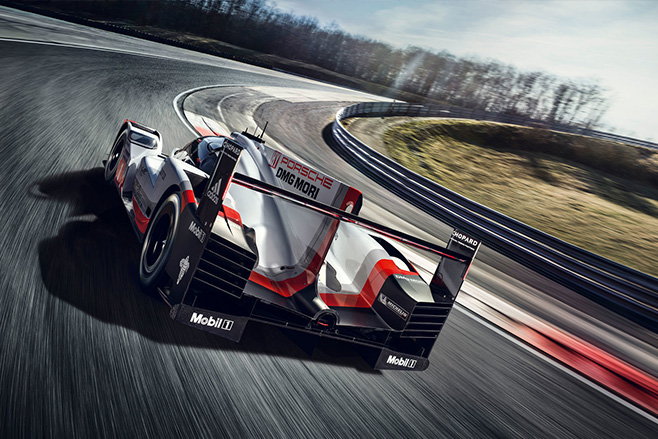
Presenting as a modern-day equivalent of the Porsche 911 GT1 ‘Strassenversion’, the 919 Street takes all of Porsche’s learned experience at Le Mans with the 919 Hybrid and adapts it to a street-application.
Under the outer shell are the carbon monocoque and powerful 661kW hybrid racing drivetrain that helped the Porsche 919 to three consecutive victories at Le Mans. Also carried over from the race car are the dimensions and wheelbase.
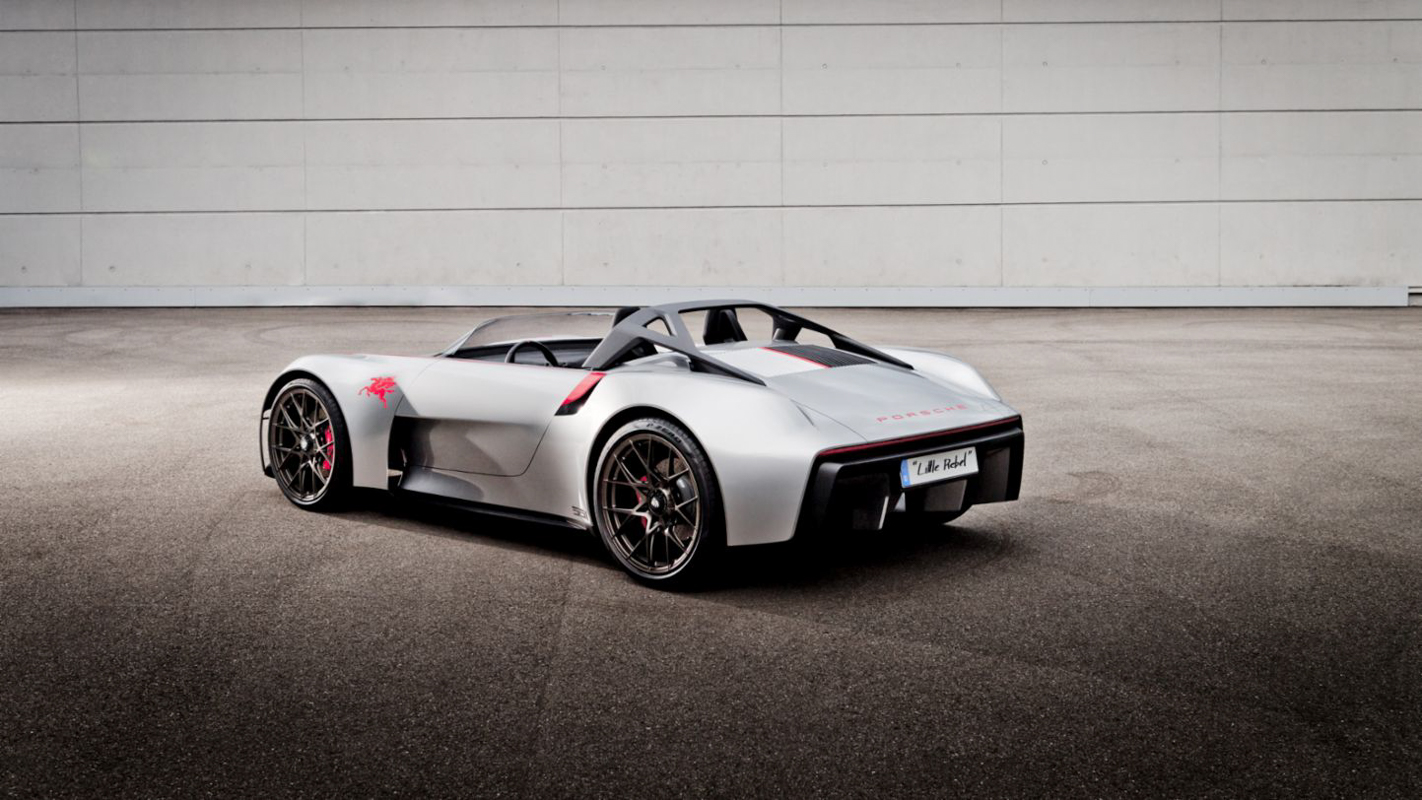
Porsche Vision Spyder
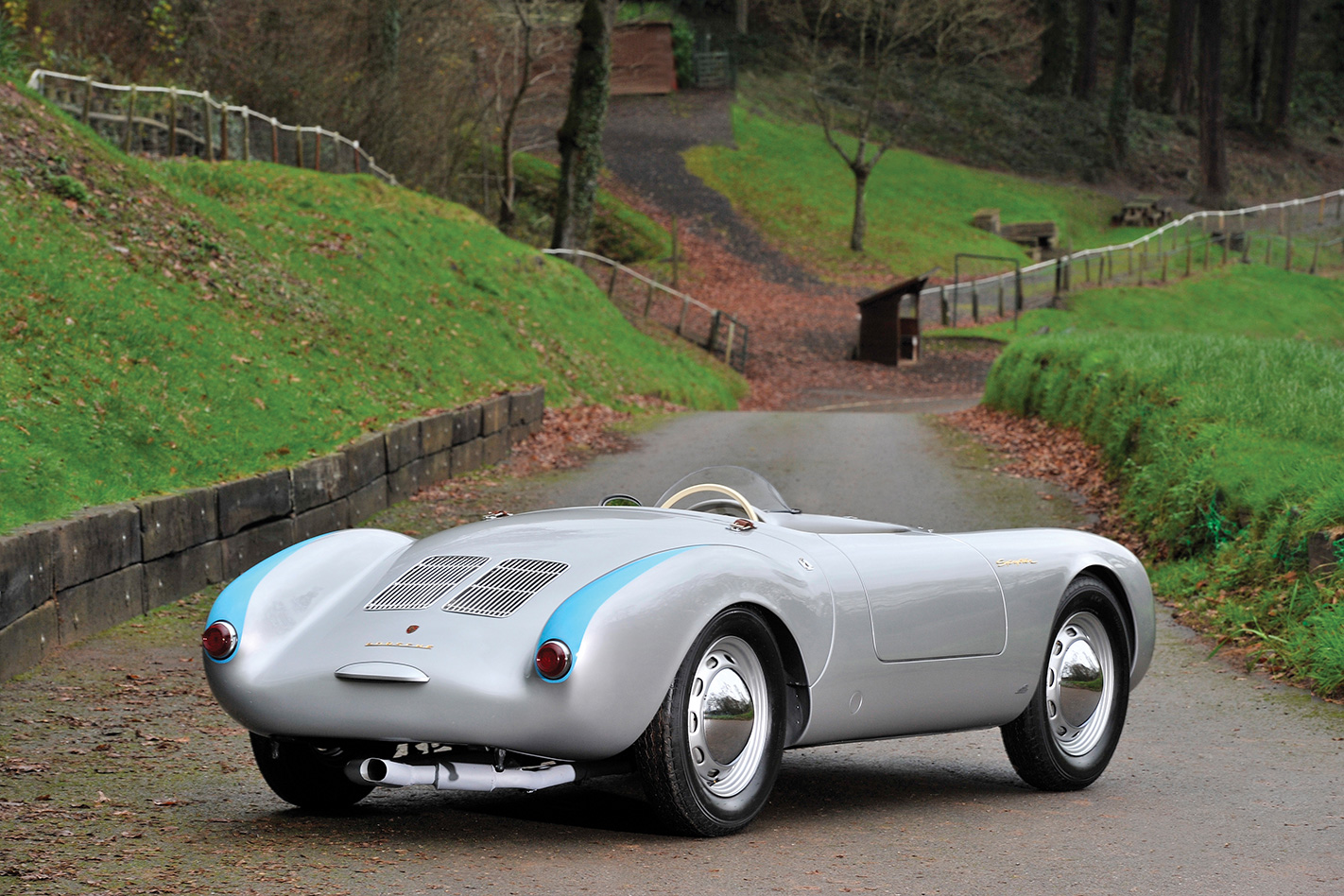
As suggested below, the Porsche Vision Spyder is a reincarnated 1953 Porsche 550 Spyder. Featuring a mid-mounted engine and flying buttresses over the rear deck lid tied to a space-age roll bar, the Vision Spyder is the rarified hardcore sibling to the production Boxster Spyder. It even got to a 1:1 scale hard model before it was canned, too.
Porsche Vision ‘Renndienst’
Certainly left-field for Porsche, but it seems as though that this space-age six-person people mover was once in consideration for the sports car maker. Like the Vision Spyder above, it too made it to 1:1 scale model before the project was shelved.
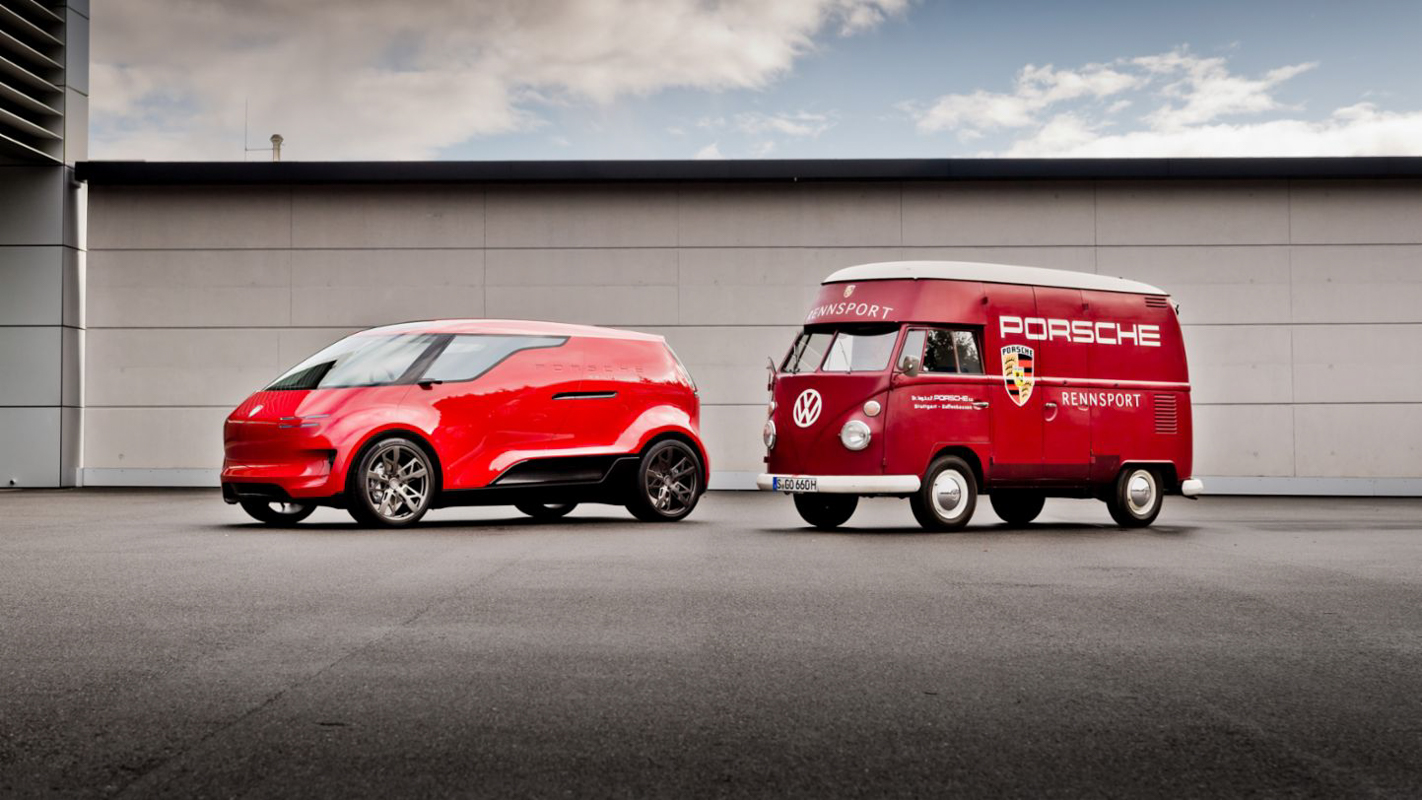
It features a modular seating layout for passengers, a central driving position for the driver and an all-electric drivetrain.
Original story 10/11/20:
Porsche has revealed an incredible series of photos showing off some of the cars that were designed at its Weissach design studio – but which never got the green light.
The social media initiative is marked by the #PorscheUnseen hashtag, and details some of the designs that its team has produced in recent history.
The first hidden treasure Porsche says “harks back to the racing cars of the ‘50s” – no prizes for those who immediately thought of the Porsche 550 Spyder.
It features an open-top cabin, solid roll hoops over the seats and exaggerated wheel arches reminiscent of the original.
https://www.instagram.com/p/CHXcYG2BIiJ/?utm_source=ig_embed&utm_campaign=loading
This would suggest that Porsche was – at one point – considering producing a modern-day rendition of the 550 Spyder.
Who knows what the special car would be based upon – we’d guess a 718 Boxster – but there’s no doubt it’d be a mid-engined, lightweight weapon if they actually decided to go through with it.
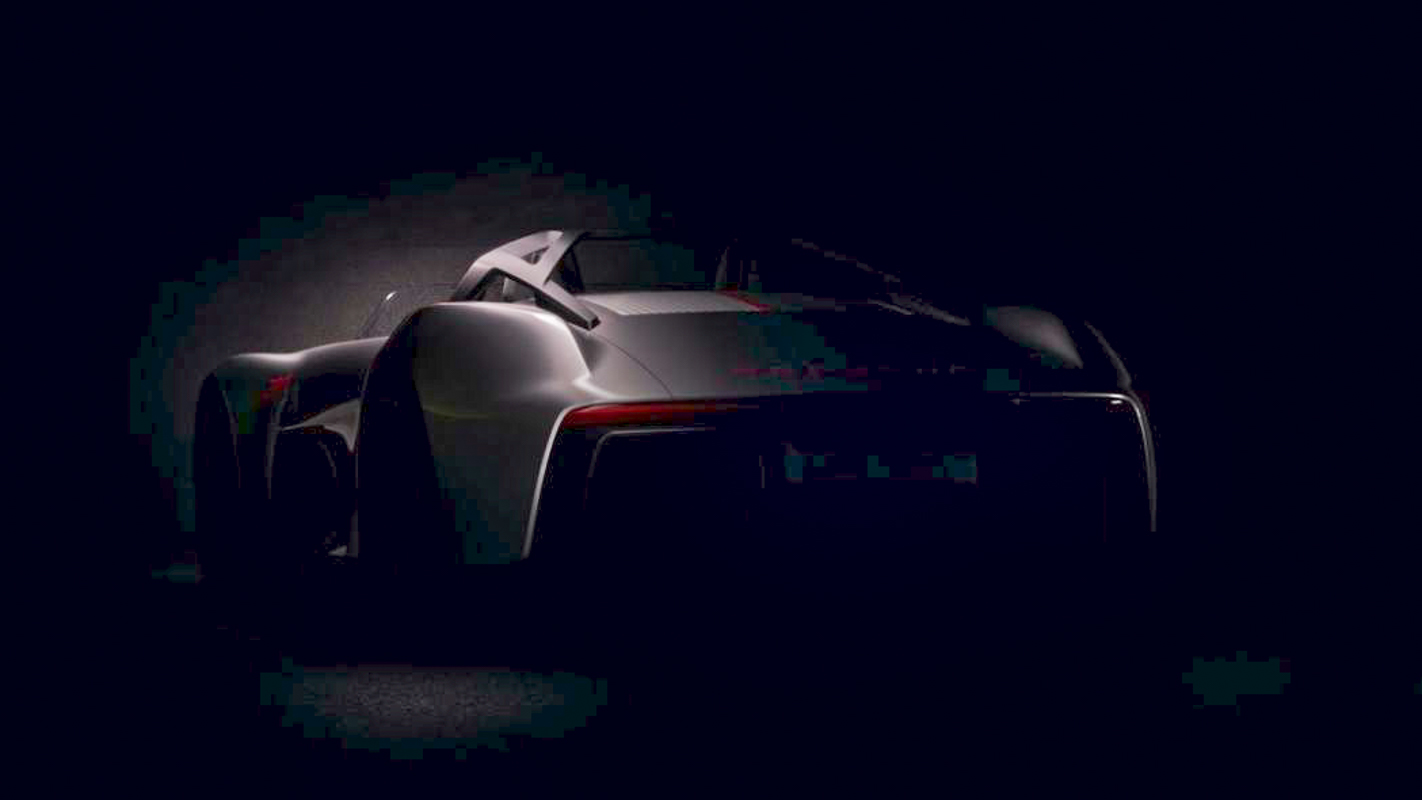
Next up is what appears to be a slightly toned-down version of the Le Mans-winning Porsche 919 Hybrid LMP1 car.
Porsche notes that this design was conceived to bring a taste of its racing pedigree to privateer customers – indicating that this car was once intended for anyone with enough cash. If only…
It’s a shame that the pictures were intentionally shadowed – we’ve had to artificially brighten them up in order to glean as much detail as possible.
Hopefully, Porsche sheds more light – both literally and figuratively – on these prototypes in the future.
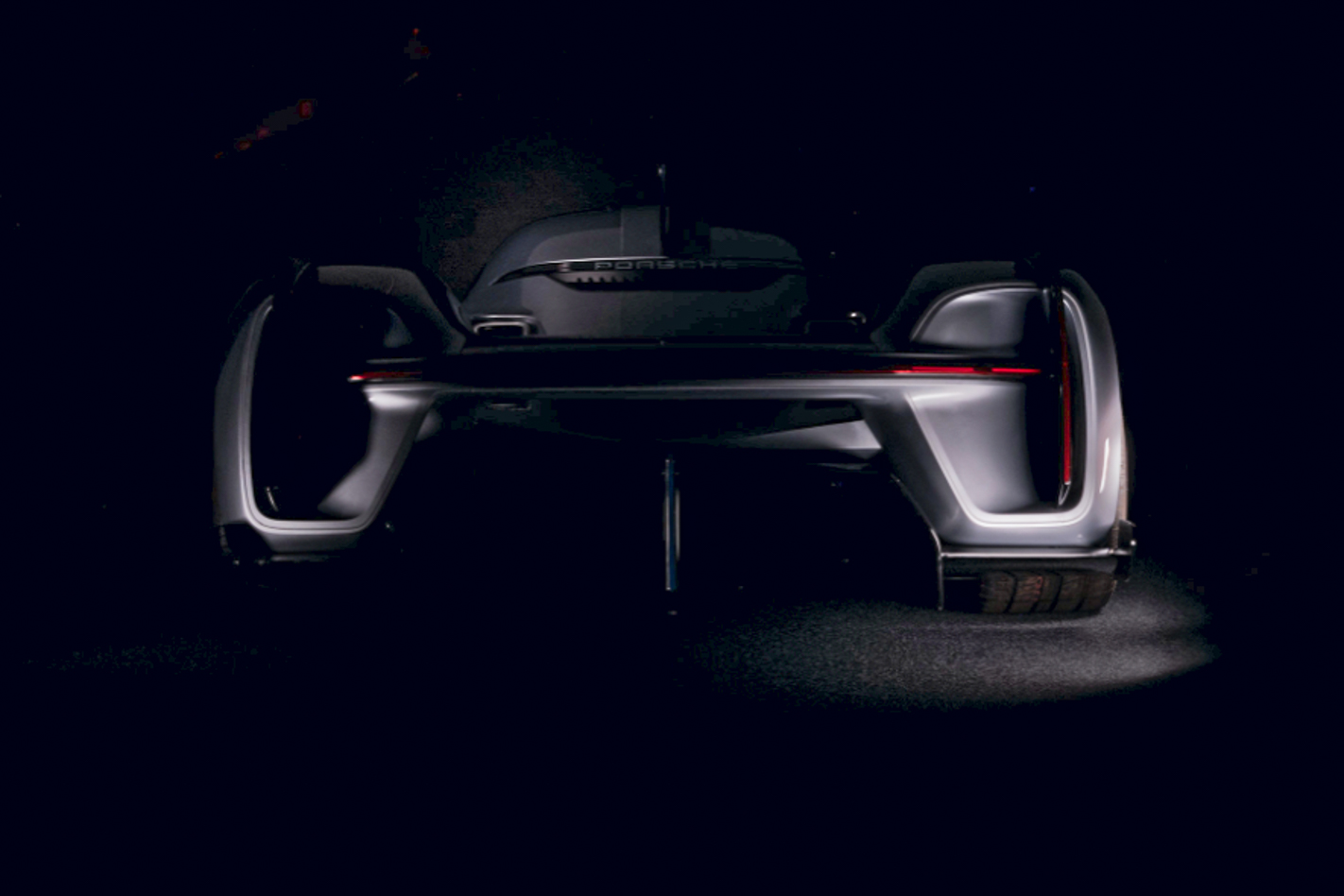
In the meantime, stay tuned to Porsche’s social media pages which will unveil more secret prototypes over the next fortnight.
I can’t even remember how long I’ve been writing this column. I don’t think I was still using a quill and ink-well, but I have a feeling the copy was delivered to the typesetter each month by Cobb and Co. Nowadays, it’s all electrons and fibre-optics (okay, copper) but that’s all academic, because this is the last waltz, kids.
Yep, I might be seen lurking around the corridors of MOTOR now and then, but this is the last time you’ll be forced to sit through an A4 page-worth of my yaffling.
I started writing Skidmarx under the weirdly competent eye of Ged Bulmer, skipper of SS MOTOR back in the 1990s.
From there, I survived the editorships of Taylor (Jesse), Tim Robson, Taylor (Mick), Andrew MacLean, Iain Kelly and, finally Dylan Campbell.
But even before Skidmarx was born, even before MOTOR was MOTOR and was still Car Australia, I learned my – sometimes hard – lessons from editors stretching back to Tim Britten, Rod Easdown, Paul Gover, Graeme Smith, Bill Tuckey and Ewen Page. (And if I’ve missed any, that says more about my memory than their editorships.) Some (most, in fact) of those blokes are still my good mates.
Skidmarx never really had a brief, probably on the basis that I wouldn’t have been inclined to stick to one anyway, but it remains that I’ve been given all the latitude I’ve needed over the years.

I know I’ve annoyed a few people along the way (mainly because they’ve told me) not just readers, but also law-makers, the wallopers, insurance companies, marketing types, car salesmen, big business, car manufacturers and importers and anybody else who I thought at the time was dudding me or my clan. Or was just being a dickhead.
To be honest, I never really derived any great delight out of inspiring grown-ups to make frowny faces; that was never the motivation here. What did inspire me to sharpen the stick before poking the bear was knowing that you and I, people who actually like driving enough to do a good job of it, were often copping it in the neck because those in charge of us were too lazy to make good laws and those trying to take our money were often (usually?) greedy.
What I found was that, as a bloke with a page to fill each month, I felt kind of obliged to aim a high-velocity size-nine square up the mud-button of every idiot that deserved it.
True, much of it was based on my own opinions and god forbid that the nation ever achieves unity on that basis. But I reckon I was on pretty safe ground for a lot of the time, purely because those who insist on rolling turds in glitter, still have finger-pong at the end of each working day.
Has this column actually made any changes for the better? I am not vain enough to imagine that it has, nor am I sufficiently deluded to believe that the dickheads of this world don’t immediately revert to type once the blow-torch has been removed.
However, there is one suggestion I made that I truly wish had come to fruition and would have made a difference to the road toll. It was that we should all work four-day weeks so that every weekend was a long weekend.
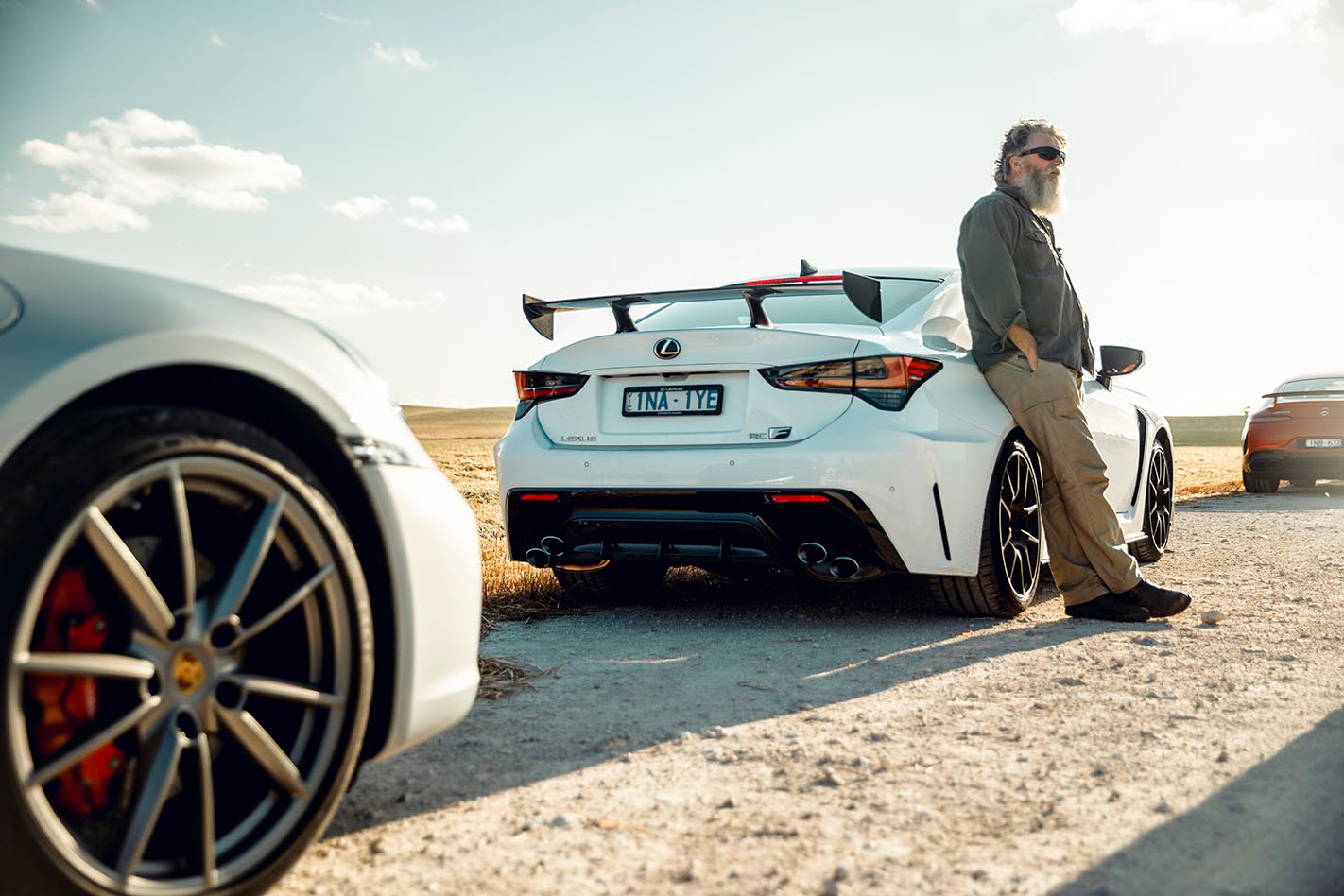
That would take the traffic load off existing long weekends (for fewer crashes) and give accommodation and hospitality operators 52 good weeks instead of six great ones and 46 meh ones. Maybe Covid will achieve what this column couldn’t.
Certainly Covid is carrying the can (officially) for the demise of this column, so maybe it’s achieved something even I – despite decades of stirring the pot – couldn’t. As in, getting myself benched.
Then again, maybe it’s this new world order thing; you know, where SUVs and cross-overs are considered desirable and the rise of the dual-cab ute has seen the dynamics of the average Aussie car fall for the first time in history. Maybe that world doesn’t appreciate being held up to the mirror.
Anyways, whatever, ta, and thanks for having a read now and then. I’ve enjoyed every column-centimetre of it.
This column appeared in MOTOR magazine – grab it now by subscribing right here!
