
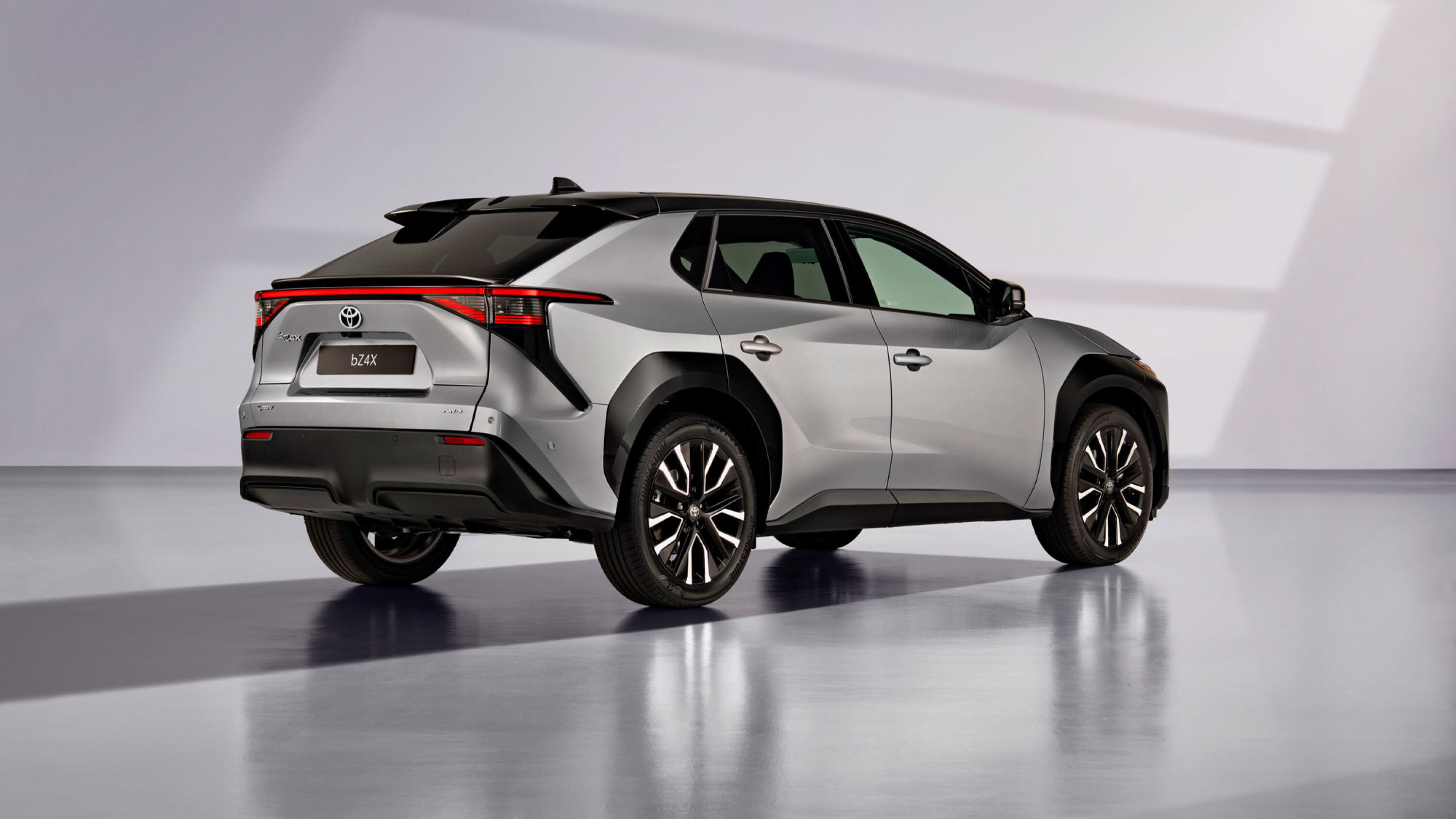
Toyota has revealed the mid-life facelift for its bZ4X electric mid-size SUV with freshened styling and more range thanks to a larger battery – due on sale in Australia in the fourth quarter of this year.
Centre of the updated bZ4X is a larger 74.7kWh battery, which is joined by more powerful motors: the front-wheel drive model now makes 165kW (up from 150kW) and the all-wheel drive a much healthier 252kW (up 92kW on the pre-facelifted model).
Because of the extra power, the all-wheel drive model’s 0-100km/h time is now just 5.1 seconds.
Along with the increase in battery size, the bZ4X’s battery thermal control and pre-conditioning have been upgraded for better charging in cold temperatures, and AC charging up to 22kW is now available – the DC fast charging limit of 150kW remains the same as before.
Overall, the WLTP-rated range for the front-wheel drive bZ4X in European-spec has increased to 573km – Australian specifications are yet to be confirmed.
The all-wheel drive bZ4X’s towing capacity in Europe has also been doubled to 1,500kg.
European models have also added a new 57.7kWh battery option with a 123kW front-wheel drive layout, but that’s yet to be confirmed for Australia.
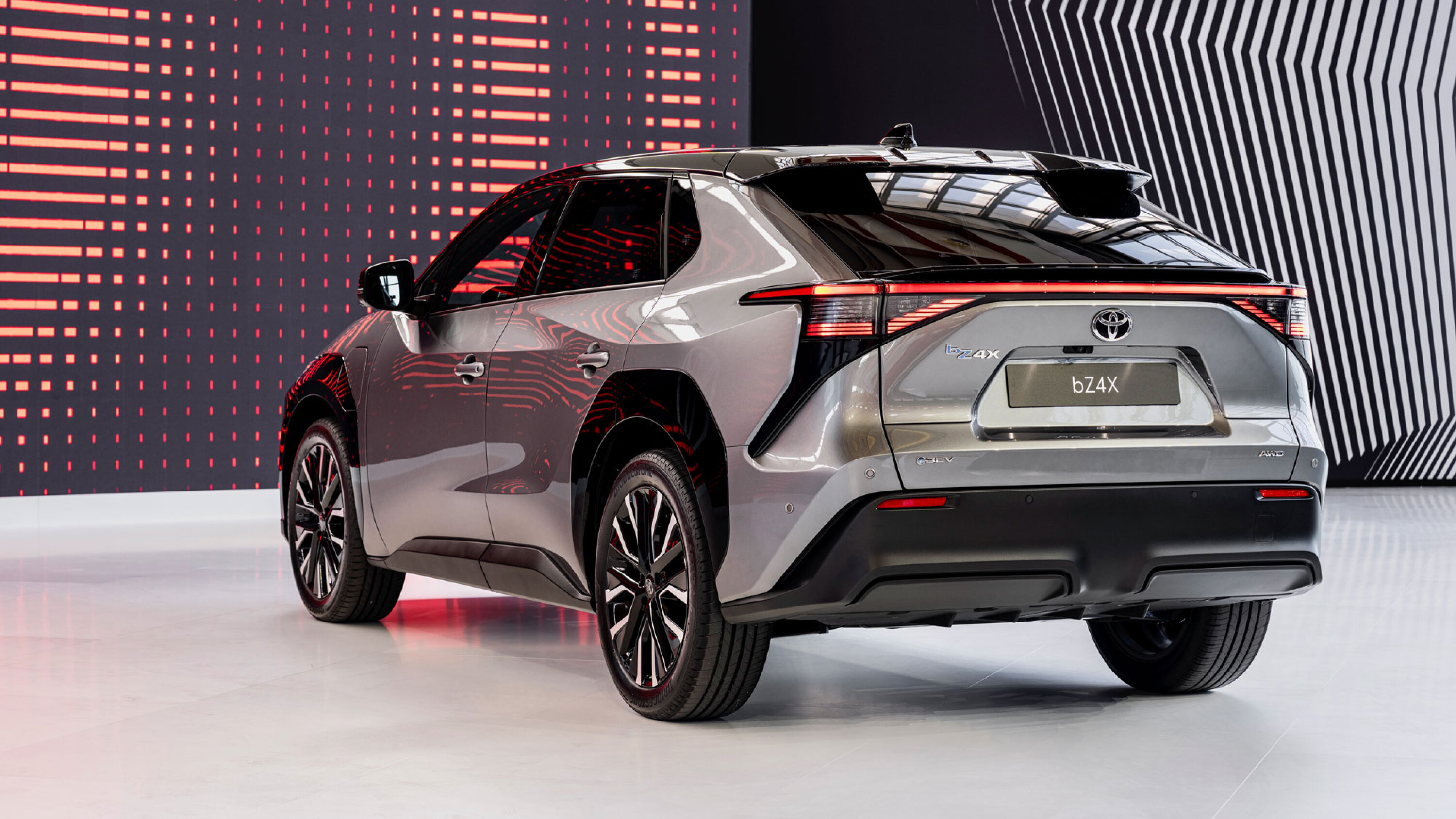
Elsewhere in the bZ4X update is a new front end that fits in with other new Toyotas such as the new Camry and the company’s latest ‘Hammerhead’ design language, while the wheels and rear end have also been updated.
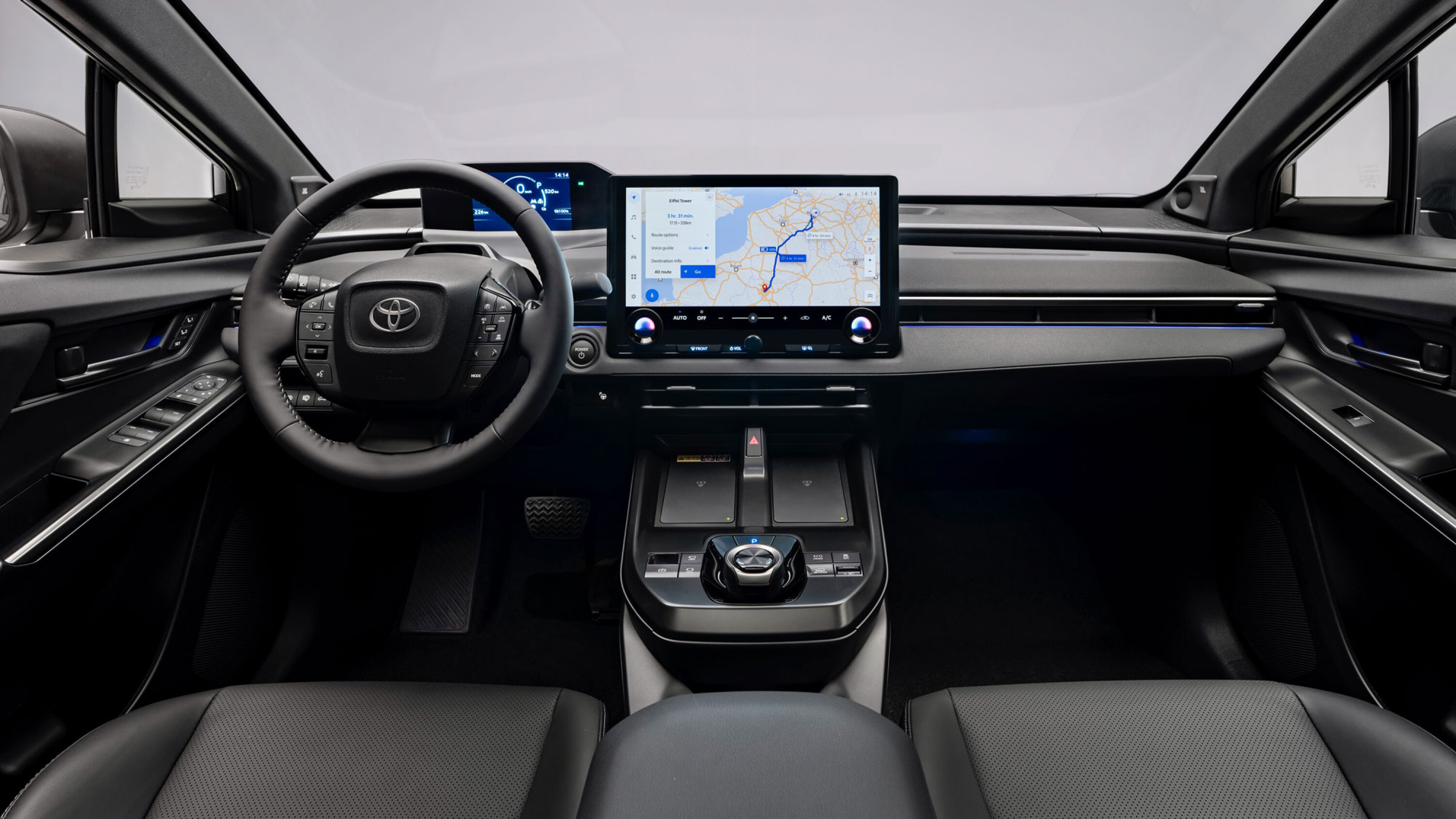
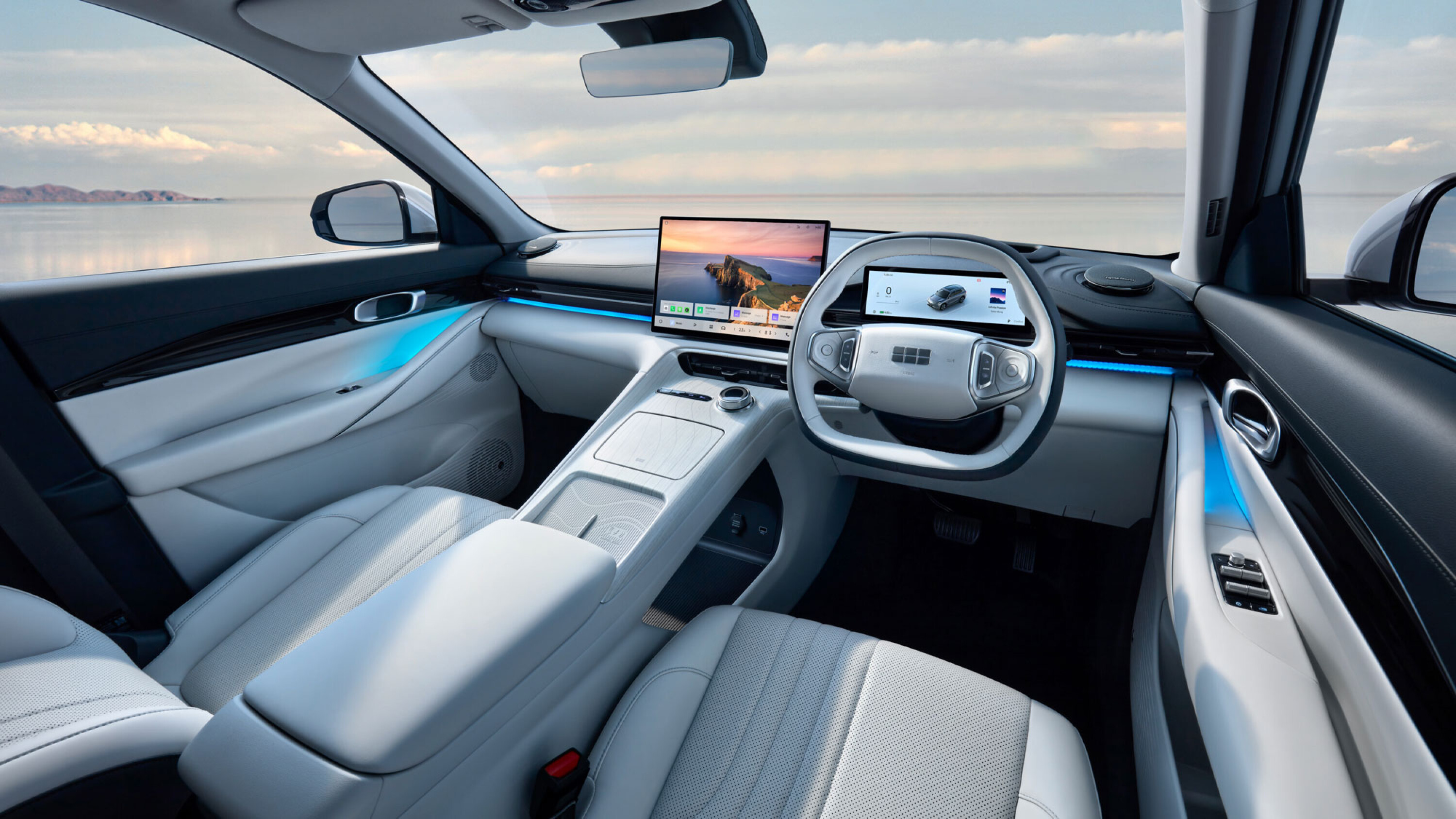
The interior has gained a new 14.0-inch touchscreen, as well as a new centre console design with dual wireless phone chargers.
Toyota has also reportedly improved the suspension setting and bodywork, giving the bZ4X lower road noise levels and improved comfort and driving dynamics.
Toyota has confirmed that the facelifted bZ4X will launch in Australia in the fourth quarter of 2025, with local pricing and specifications to be announced before then.
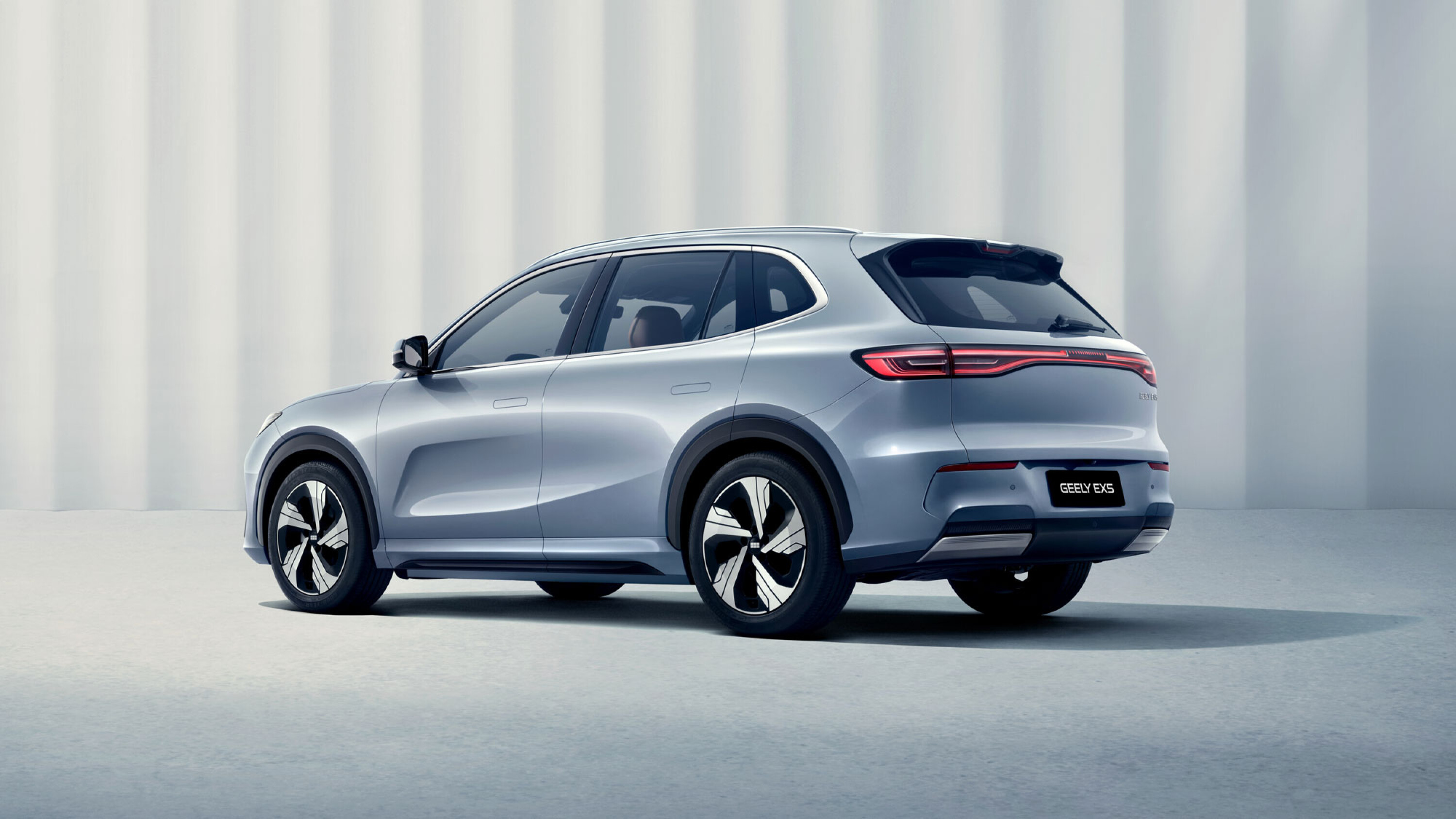
Australian pricing has been announced for the new Geely EX5, which is now on sale. Priced from $40,990 plus on-road costs – or from $42,707.45 drive away – for the entry-level Complete, the EX5 undercuts all of its main rivals like the Leapmotor C10, Kia EV5 and Tesla Model Y.
The EX5’s pricing also undercuts smaller electric SUVs such as the Kia EV3.
For deliveries before April 30th, EX5 buyers can also take advantage of a bonus offer that includes 12 months of complimentary charging, a complimentary 7kW home charger (excluding installation), a 3.88 per cent comparison finance rate, an upgrade to premium paint and even three years of scheduled servicing.
Sitting on Geely’s new ‘GEA’ platform, the EX5 is powered by a front-mounted 160kW/320Nm electric motor that draws power from a 60.22kWh lithium-iron-phosphate (LFP) battery pack. The claimed WLTP-rated driving range is 430km for the Complete and 410km for the Inspire.
Geely claims that the EX5 will be able to travel up to 430km of range on the WLTP cycle, and charge as high as 100kW on a DC fast charger for a 30 to 80 percent charge in 20 minutes, or 11kW using an AC charger. The EX5 also features vehicle-to-load and vehicle-to-vehicle charging at up to 3.3kW and 6kW respectively.
The EX5 measures 4,615mm long, 1,901mm wide, 1,670mm tall and rides on a 2,750mm-long wheelbase, making it identical in length to the aforementioned EV5. The claimed bootspace is 410 litres with the seats up and 1,877L with the rear seats folded.
Geely EX5 pricing (plus on-road costs):
- Complete: $40,990 (from $42,707.45 drive away)
- Inspire: $44,990 (from $46,707.45 drive away)
Geely EX5 Complete standard features:
- 18-inch alloy wheels with a tyre repair kit
- Dusk-sensing automatic LED exterior lighting
- Rain-sensing automatic wipers
- Roof rails
- Heated and power-folding mirrors
- Rear privacy glass
- Keyless entry and push button start
- Leather steering wheel with ‘anti-virus technology’
- Synthetic leather upholstery
- 6-way driver/4-way passenger electric front seat adjustment
- Heated front seats
- Automatic climate control with rear air vents
- Heat pump
- 10.2-inch digital driver’s display
- 15.4-inch touchscreen with inbuilt connected services
- Wireless Apple CarPlay and Android Auto (coming via over-the-air update later in 2025)
- Six-speaker sound system
- 15W wireless phone charger
- FM/DAB+ digital radio
- Satellite navigation with live traffic
- 4x USB ports
EX5 safety equipment:
- Seven airbags (including a front central unit)
- Autonomous emergency braking (AEB)
- Lane keeping assistance with lane departure warning
- Auto high beam
- Traffic sign recognition
- Blind-spot monitoring
- Front and rear cross-traffic alert (rear with braking)
- Evasive manoeuvre assist
- Driver attention monitoring
- Adaptive cruise control
- Low-speed front and rear auto braking
- Door open warning
- Rear parking sensors
- 360-degree camera
EX5 Inspire adds:
- Larger 19-inch alloy wheels
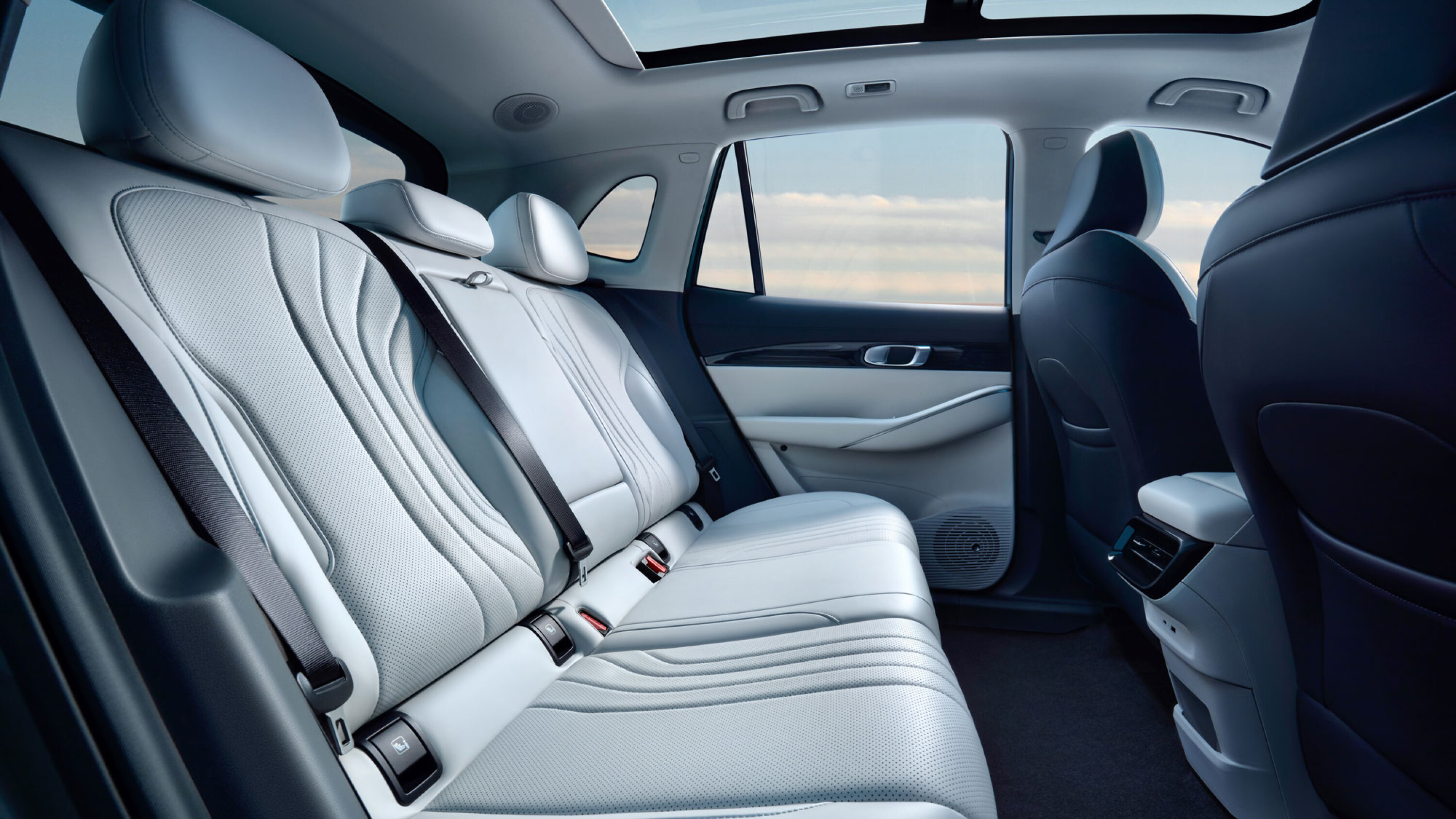
- Panoramic sunroof
- Ventilated and massaging front seats with driver’s memory and a front passenger electric foot rest
- Electric tailgate
- Front parking sensors
- Illuminated front vanity mirrors
- 256-colour ambient lighting
- 13.4-inch head-up display
- 1,000-watt 16-speaker sound system
Mercedes-Benz has announced its new mid-size GLC 200 4MATIC SUV will come with a manufacturer’s recommended price of $89,000 (MRLP).
An alternative to the popular GLC 300 4MATIC SUV, the new GLC 200 4MATIC SUV will be offered with all-wheel drive in Australia for the first time.
The GLC 200 is powered by a 2.0-litre four-cylinder engine that produces up to 150 kW of power and 320 Nm of torque, with a 9G-TRONIC automatic transmission to facilitate acceleration from 0 to 100 km/h in around 7.8 seconds.
Generous standard features include a panoramic sunroof, privacy glass, heated front seats with memory function, head-up display, and a parking package with 360° camera.
Slickly styled exterior
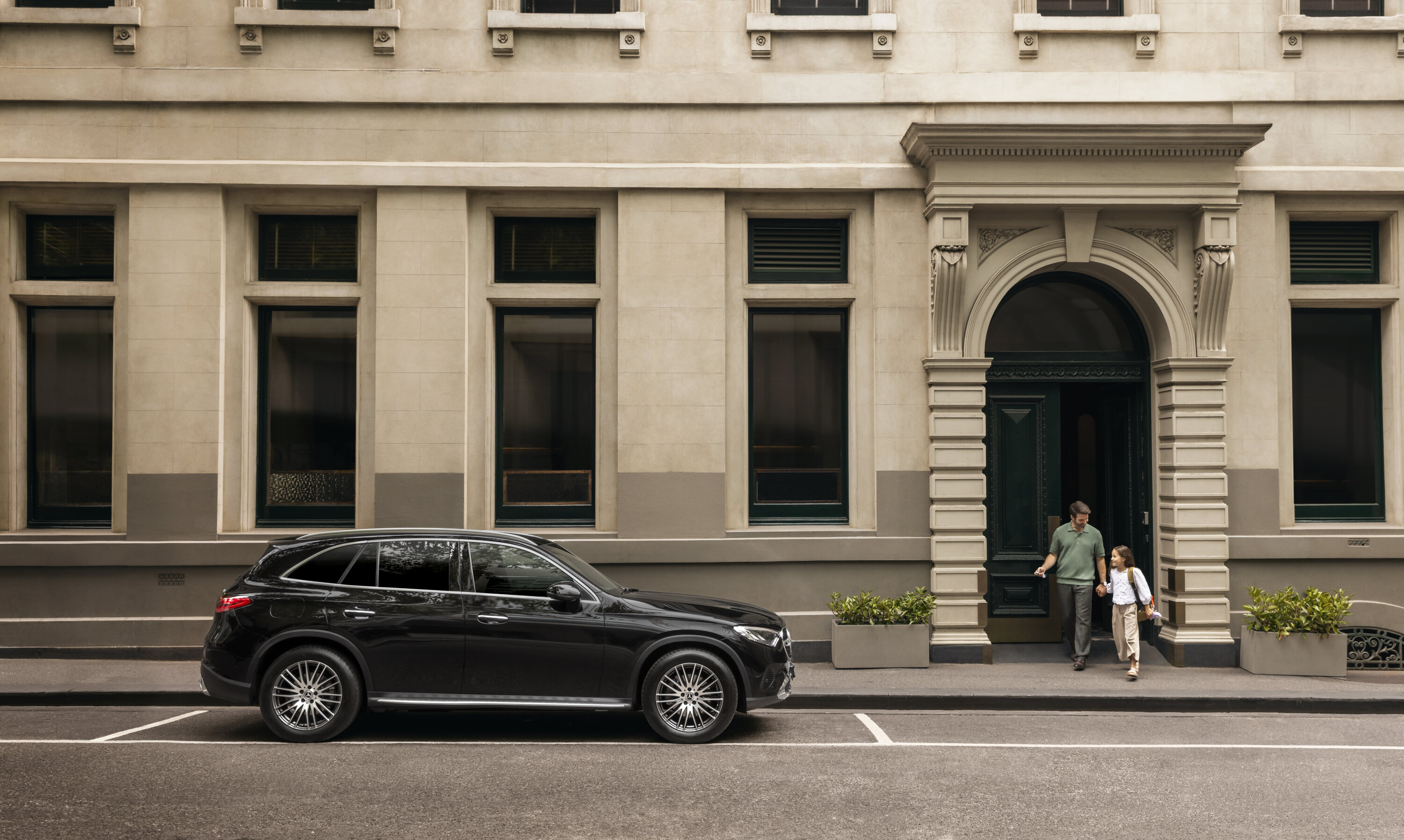
Exterior highlights include 19-inch 10-twin-spoke light-alloy wheels in tremolite grey with a high-sheen finish, aluminium-look running boards with rubber studs and LED high performance headlamps with Adaptive Highbeam Assist.
The panoramic sliding sunroof is complemented by heat-insulating dark-tinted glass, set against aluminium roof rails, while the standard parking package includes 360-degree camera with Active Parking Assist and the unique Transparent Bonnet feature to help the driver discern the terrain ahead.
An auto-dimming rear view mirror, electrically folding exterior mirrors and ambient lighting with a projection of the Mercedes-Benz logo are part of the standard mirror package.
Feature-rich interior
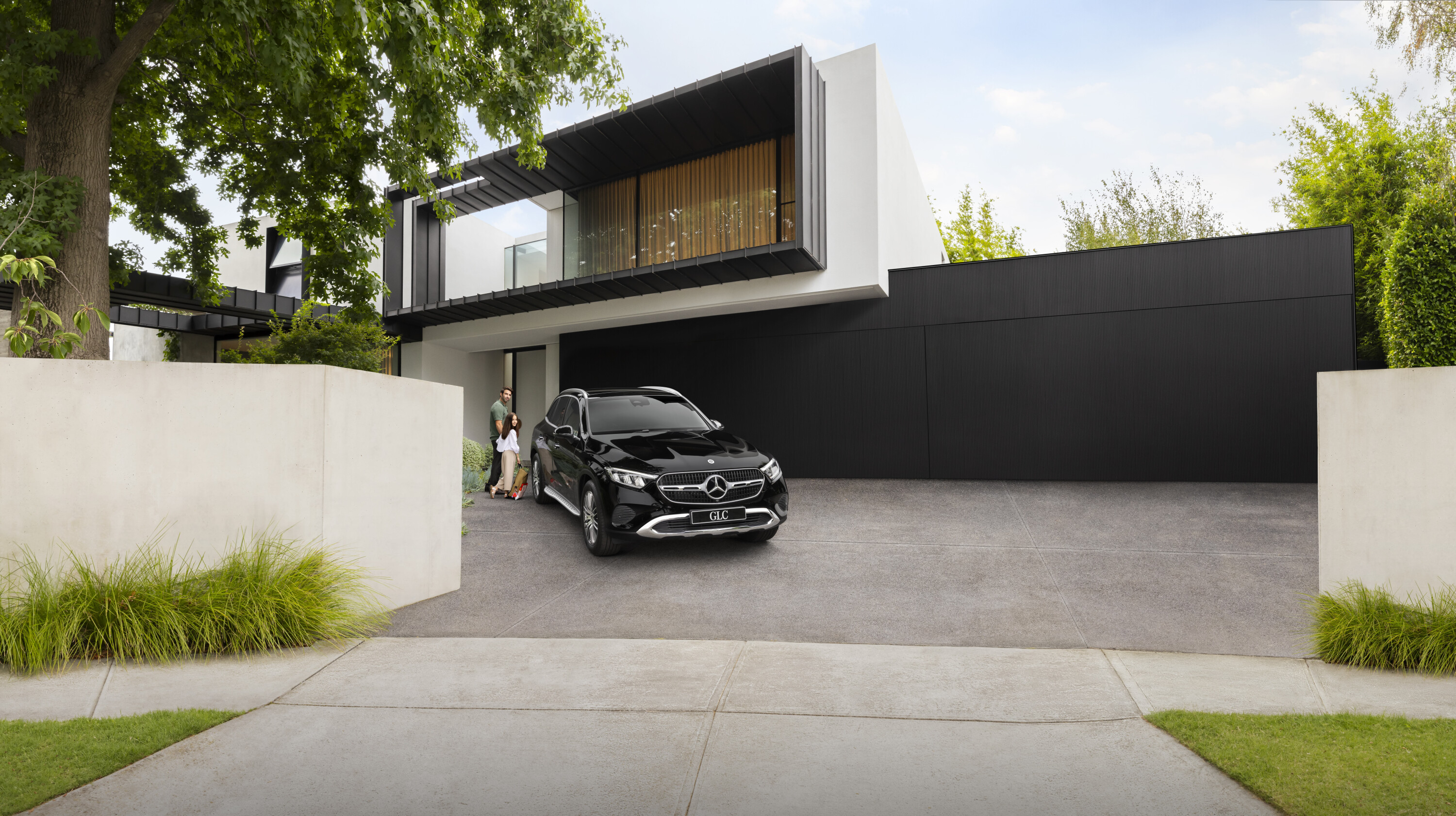
Inside, a silver-grey diamond-pattern trim on dash and high-gloss black on the centre console is complemented by ambient lighting and illuminated door sill panels with ‘Mercedes-Benz’ lettering.
The comfort seats in ARTICO upholstery in the front provide four-way lumbar support, while many vehicle controls can be operated via the multifunction sports steering wheel in leather. Convenient smartphone integration through Apple CarPlay and Google Android Auto is complemented by the wireless charging system for mobile devices in the front, and there is two-zone climate control.
The GLC 200 offers luggage capacity of 620 litres, and there are nine airbags and a suite of driver assistance technology, including Active Lane Keeping Assist, Blind Spot Assist, Traffic Sign Assist and Merecedes-Benz’ PRE-SAFE System.
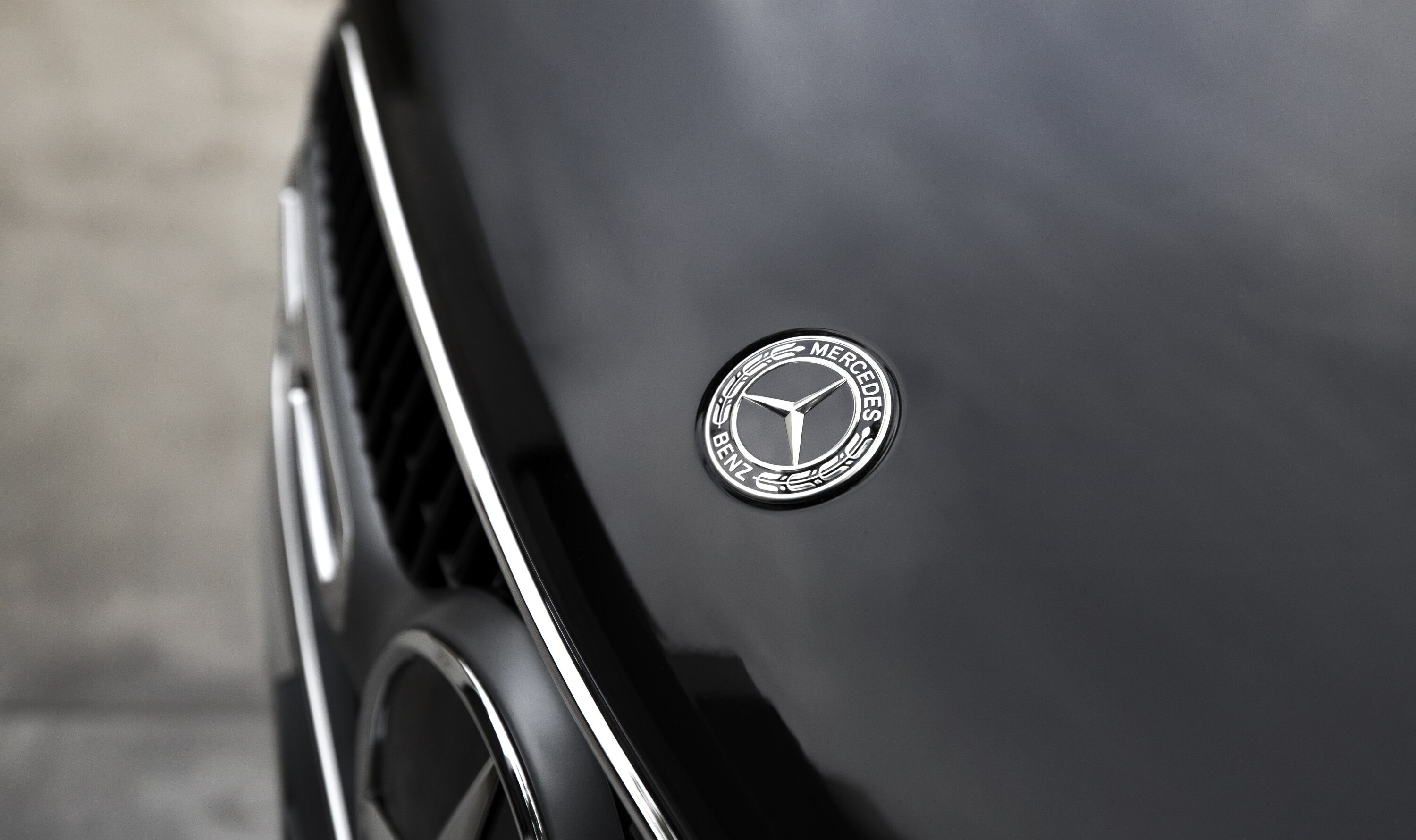
Pricing
The all new GLC 200 4MATIC SUV will be priced at $89,000 (MRLP, excludes on-road costs and dealer delivery). As part of a limited launch campaign, the national driveaway price for base specification models with non-metallic or standard metallic paint will be $95,500. This price is available on vehicles ordered by 30th April 2025 (terms and conditions apply).
| Optional packages: | |
|---|---|
| Plus Package | $7600 (MRLP) |
| Sport Package | $6000 (MRLP) |
| Night Package (only in conjunction with Sport Package) | $1300 (MRLP) |
| Standard metallic paint | $1100 (MRLP) |
| MANUFAKTUR paint | $2700 (MRLP) |
The GLC 200 4MATIC SUV can be ordered at Mercedes-Benz retailers from March 12, 2025.
Kia’s expanding EV range grows again this week, with the Australian arrival of the new 2025 Kia EV3.
Built on a new ‘simplified’ 400V version of the brand’s E-GMP platform, the EV3 will be offered in three trim levels: Air, Earth, and GT-Line.
Snapshot
- Powertrain: 150kW/283Nm front-wheel drive single motor
- Battery: 58.3 kWh (Standard Range), 81.4 kWh (Long Range) lithium-ion
- Driving Range: 436km (Standard), up to 604km (Long Range, WLTP)
- Price: $48,990 (Air Standard Range) to $70,490 (GT-Line Long Range) drive-away
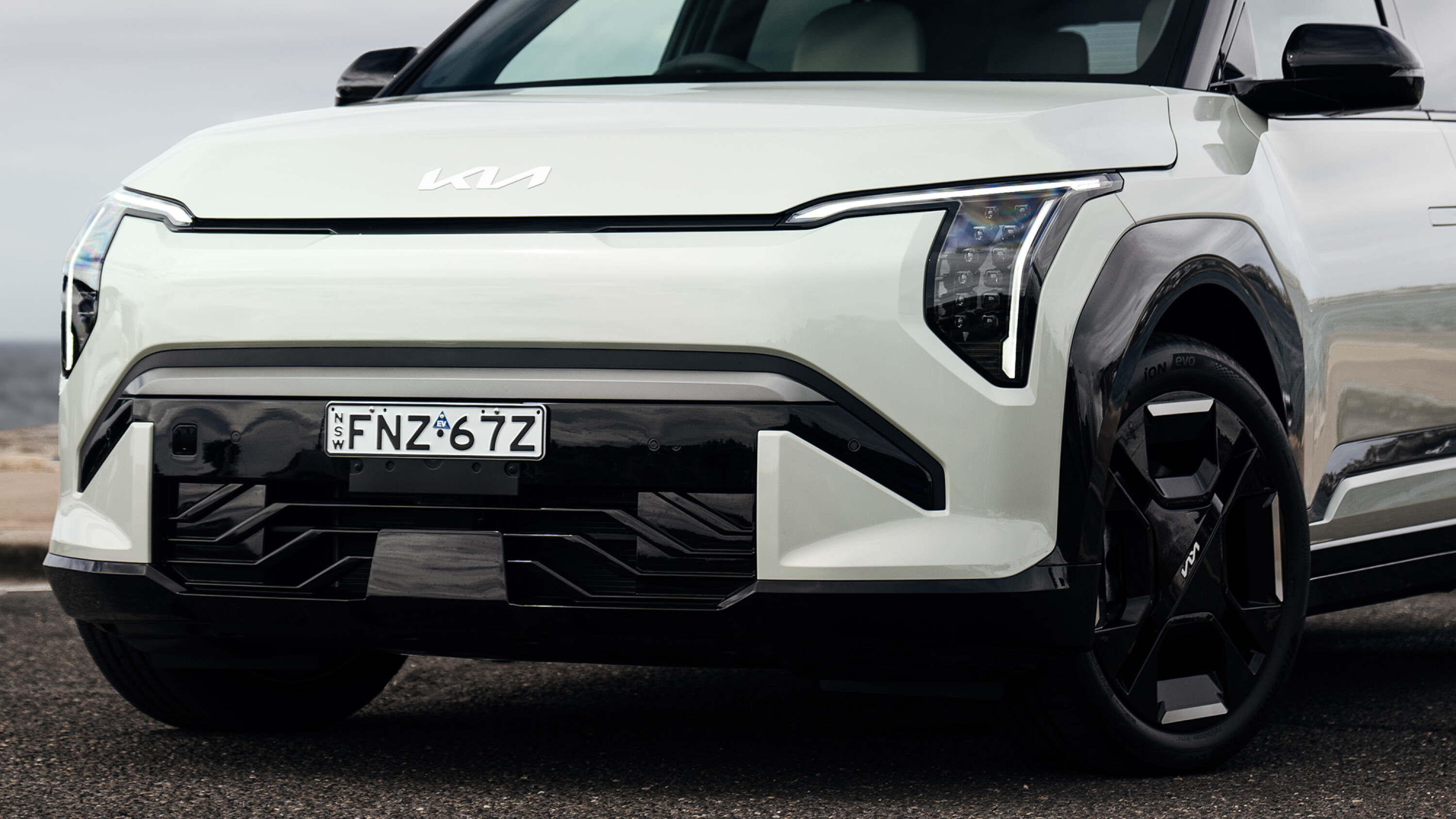
2025 Kia EV3 pricing
Debuting as a rival to models like the Hyundai Kona and Volvo EX30, the EV3 gives Australian buyers another fresh option at the smaller end of the market – if not so much the ‘affordable’ part.
The entry-level EV3 Air Standard Range is priced at $47,600 (RRP), with drive-away costs of $48,990 (excluding Western Australia) and $49,990 (in Western Australia).
Stepping up to the EV3 Air Long Range increases the price to $53,315 (RRP), with drive-away figures of $56,490 (excluding WA) and $57,490 (WA).
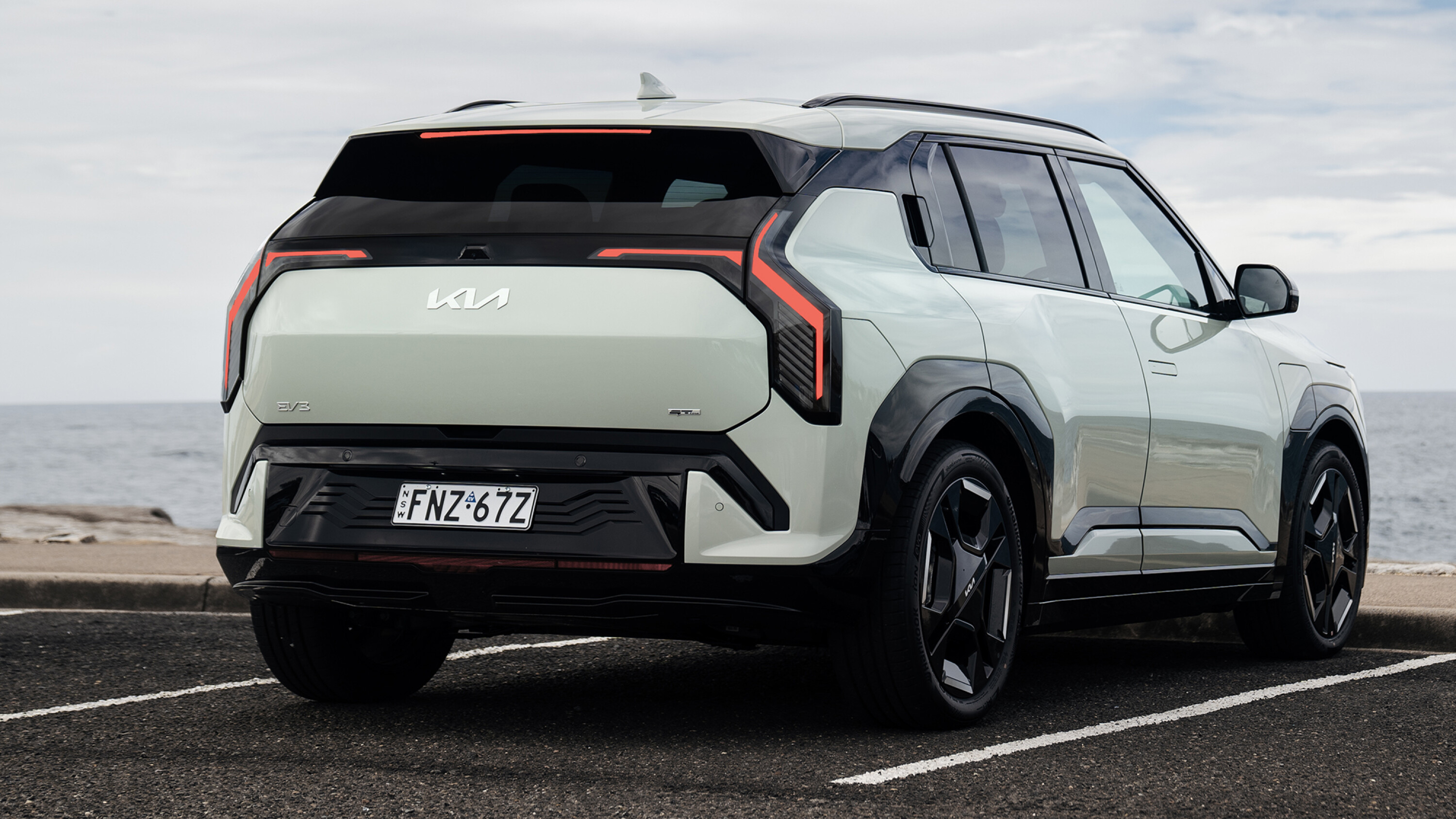
The EV3 Earth Long Range is priced at $58,600 (RRP), with drive-away costs of $62,690 (excluding WA) and $63,690 (WA).
The top-tier EV3 GT-Line Long Range reaches $63,950 (RRP), with drive-away prices of $68,490 (excluding WA) and $70,490 (WA).
Drive-away pricing for the Australian Capital Territory is available only for the Air Standard Range variant, at $48,990.
| Model | EV3 Air Standard Range | EV3 AirLong Range | EV3 Earth Long Range | EV3 GT-LineLong Range |
|---|---|---|---|---|
| Battery | 58.3 kWh | 81.4 kWh | ||
| Powertrain | 2WD Single Motor | |||
| Power/Torque | 150 kW / 283 Nm | |||
| WLTP Range | 436 km | 604 km | 563 km | |
| RRP | $47,600 | $53,315 | $58,600 | $63,950 |
| Drive-Away(Except WA)# | $48,990 | $56,490 | $62,690 | $68,490 |
| Drive-Away (WA) | $49,990 | $57,490 | $63,690 | $70,490 |
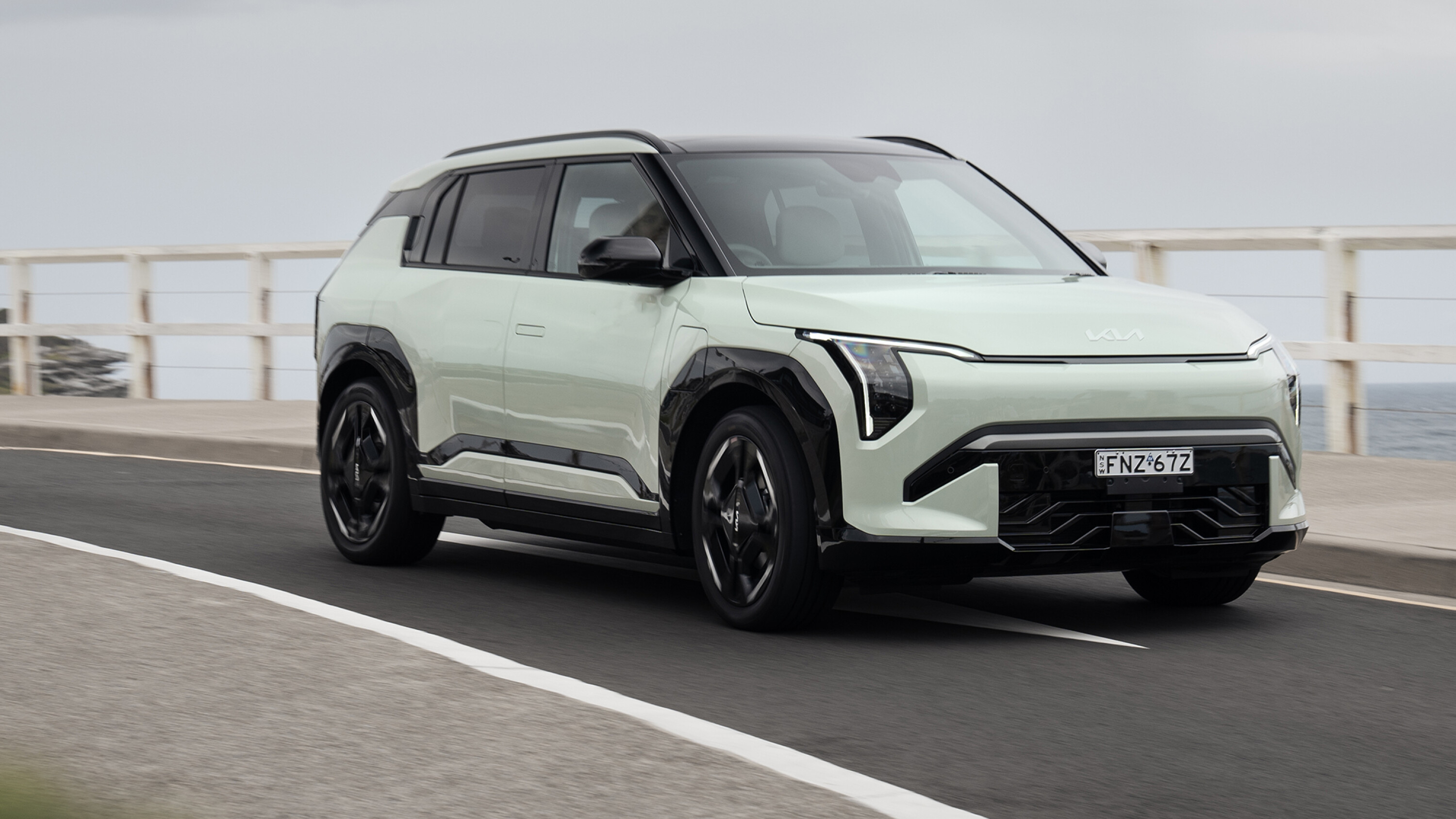
Battery, driving range and power
All EV3 variants are front-wheel drive, but two battery capacities are available, allowing for driving range estimates and pricing points to meet buyer needs.
The entry-level Air variant is available with two battery options: a 58.3 kWh Standard Range and an 81.4 kWh Long Range.
The Earth and GT-Line models are equipped exclusively with the 81.4 kWh Long Range battery. All battery systems are lithium-ion.
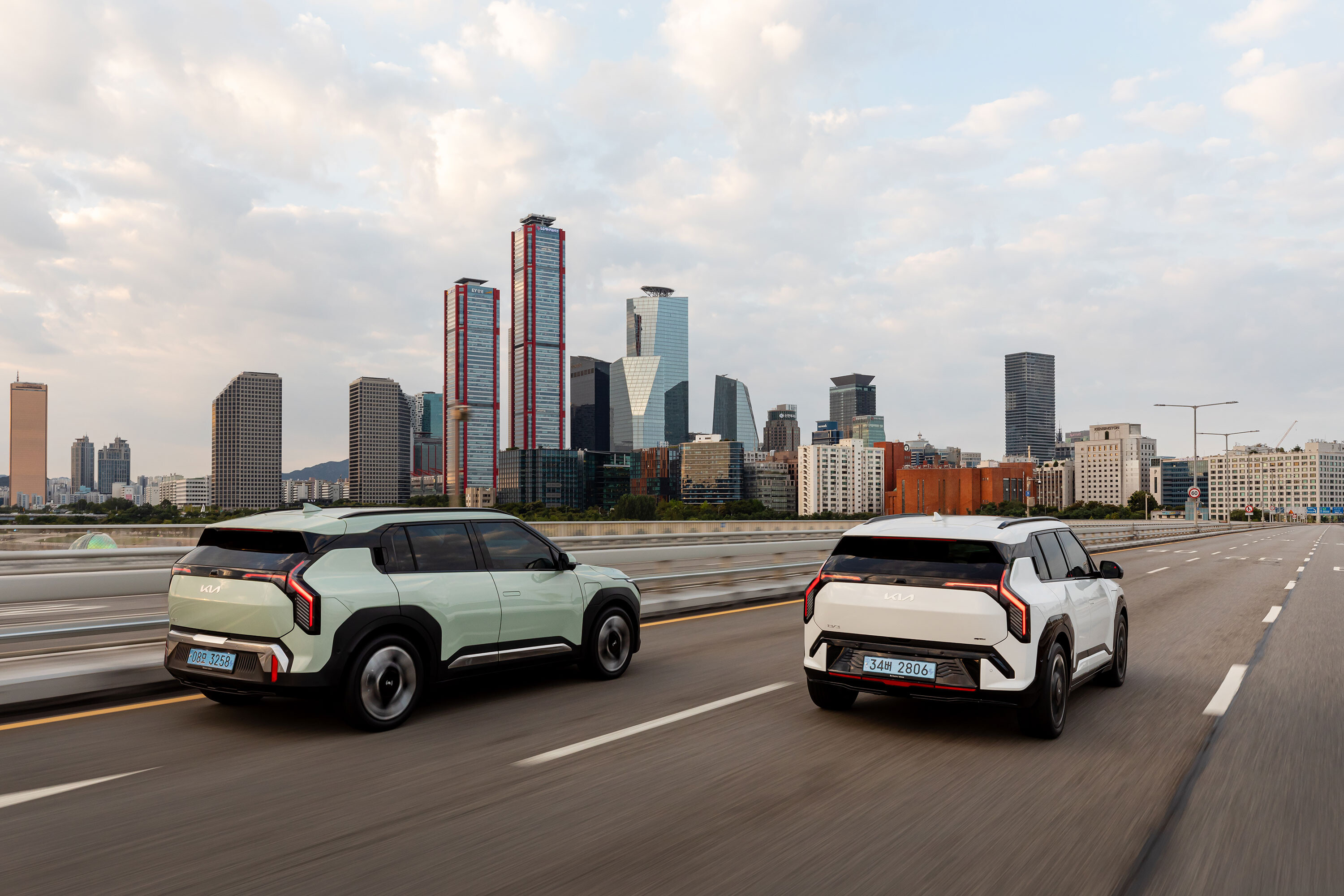
The EV3 Standard Range battery delivers a claimed WLTP-tested driving range of 436 kilometres.
The Long Range battery achieves 604km in the Air configuration, and 563km in the Earth and GT-Line configurations.
Helping to achieve its range claims is a new iPedal 3.0 regenerative braking system, enabling one-pedal driving with adjustable regenerative braking levels.
According to Kia, the EV3 has a low drag coefficient of 0.263 Cd – compared to 0.27 for a Kona Electric, 0.28 Cd for an EX30 or 0.33 for a Seltos – with a full three-dimensional undercover.
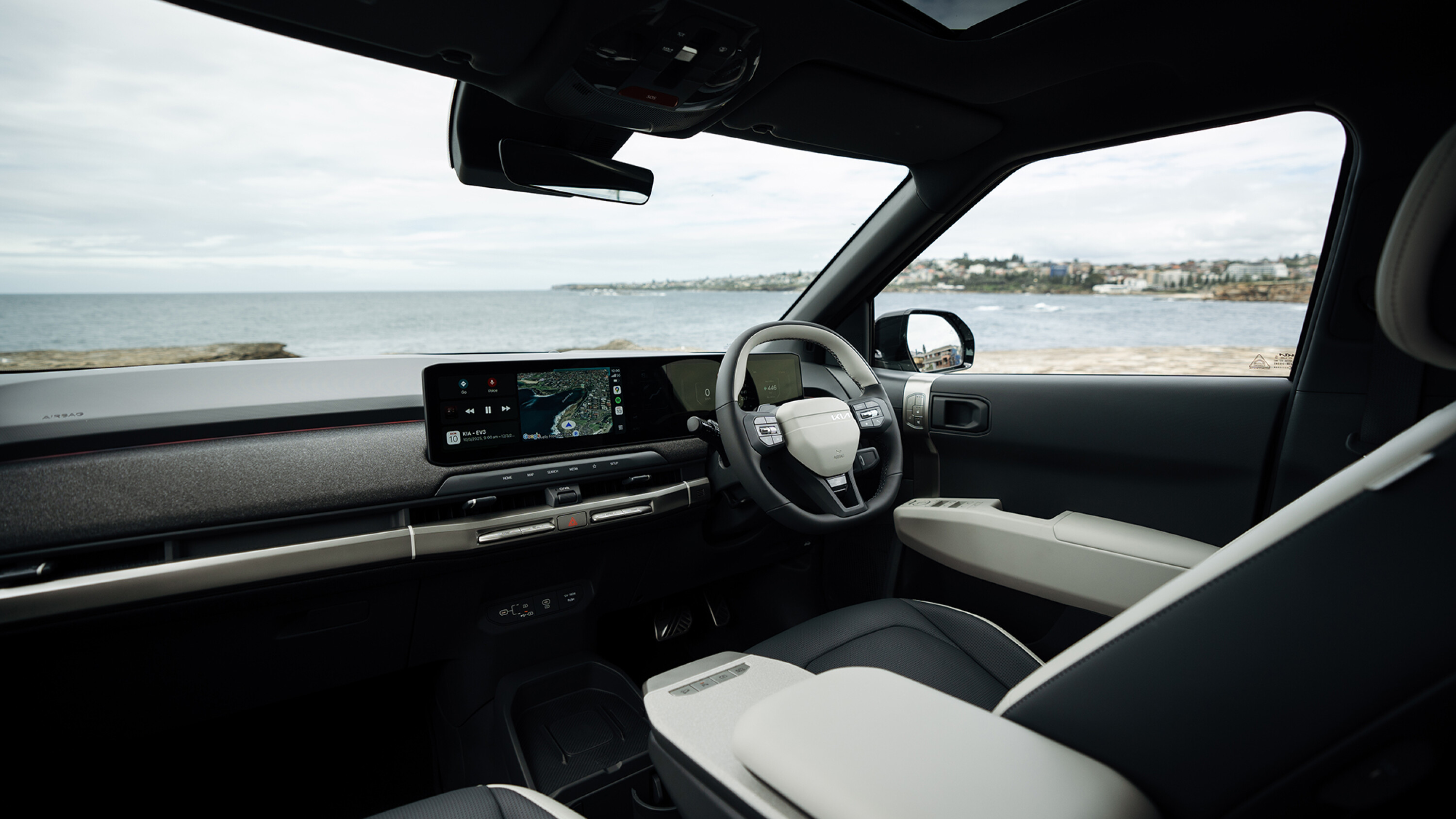
Kia EV3: Features and equipment
On the outside, all models feature flush door handles, and trim-specific alloy wheels: 17-inch wheels on the Air, and 19-inch wheels on the Earth and GT-Line.
The interior features a 12.3-inch digital driver cluster, a 5.3-inch climate monitor, and a 12.3-inch touchscreen infotainment system with Kia’s ccNC interface and the latest GUI.
Unlike other electric vehicles from brands such as Tesla and Volvo, Kia has retained physical controls for key functions like cruise control, entertainment, navigation and drive mode – plus traditional stalks and a column-mounted gear selector.
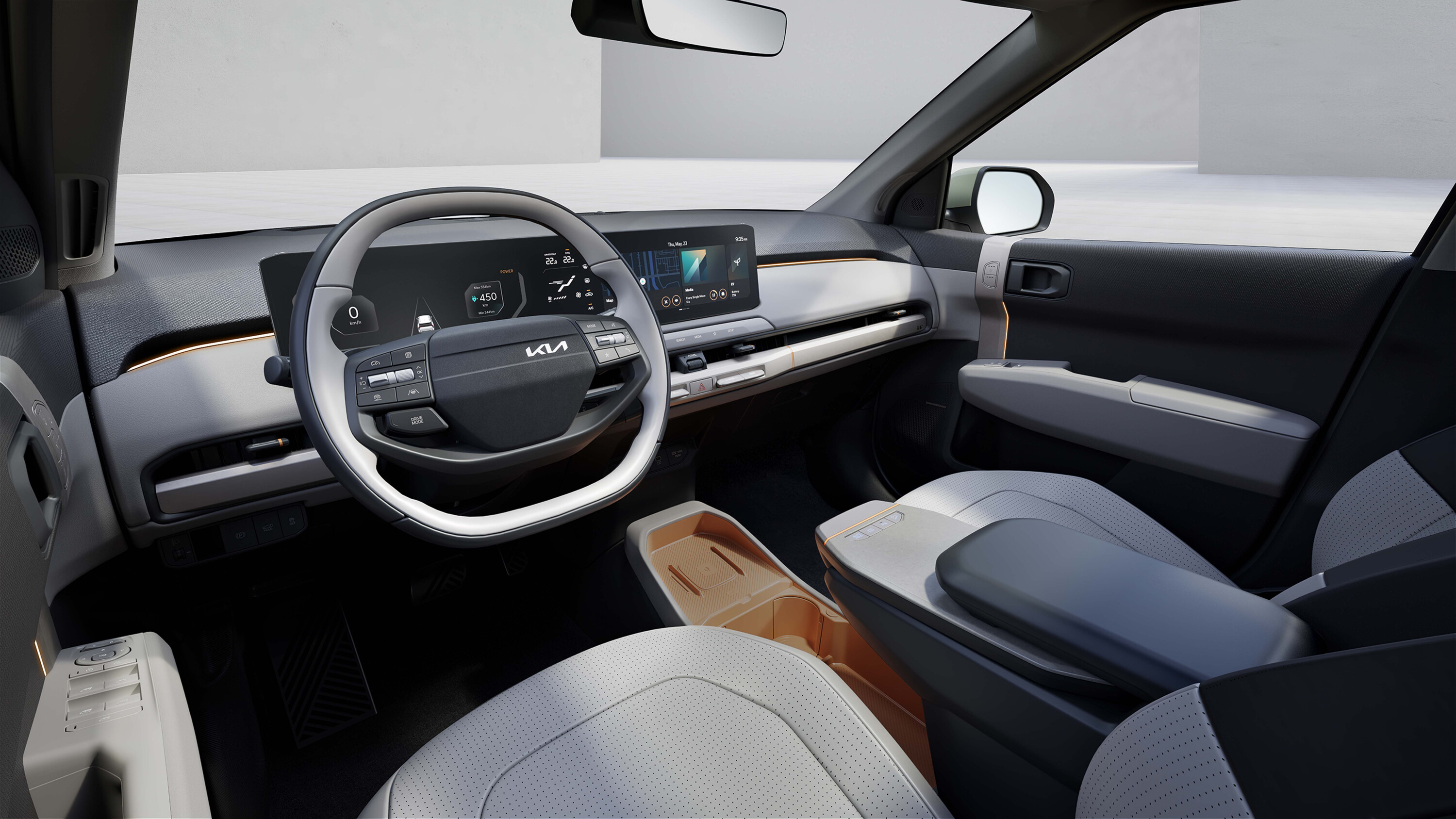
Standard features across the range include:
- Kia Connect remote access
- Over-the-air updates
- Apple CarPlay and Android Auto (both wireless)
- Wireless phone charging
- Vehicle-to-load (V2L) functionality with a connector kit
- A column-mounted shift-by-wire gear selector
The GT-Line variant includes
- A head-up display
- A sunroof with a safety function
- An eight-speaker Harman Kardon sound system
- Highway Driving Assist 2 (HDA 2)
- A centre side airbag
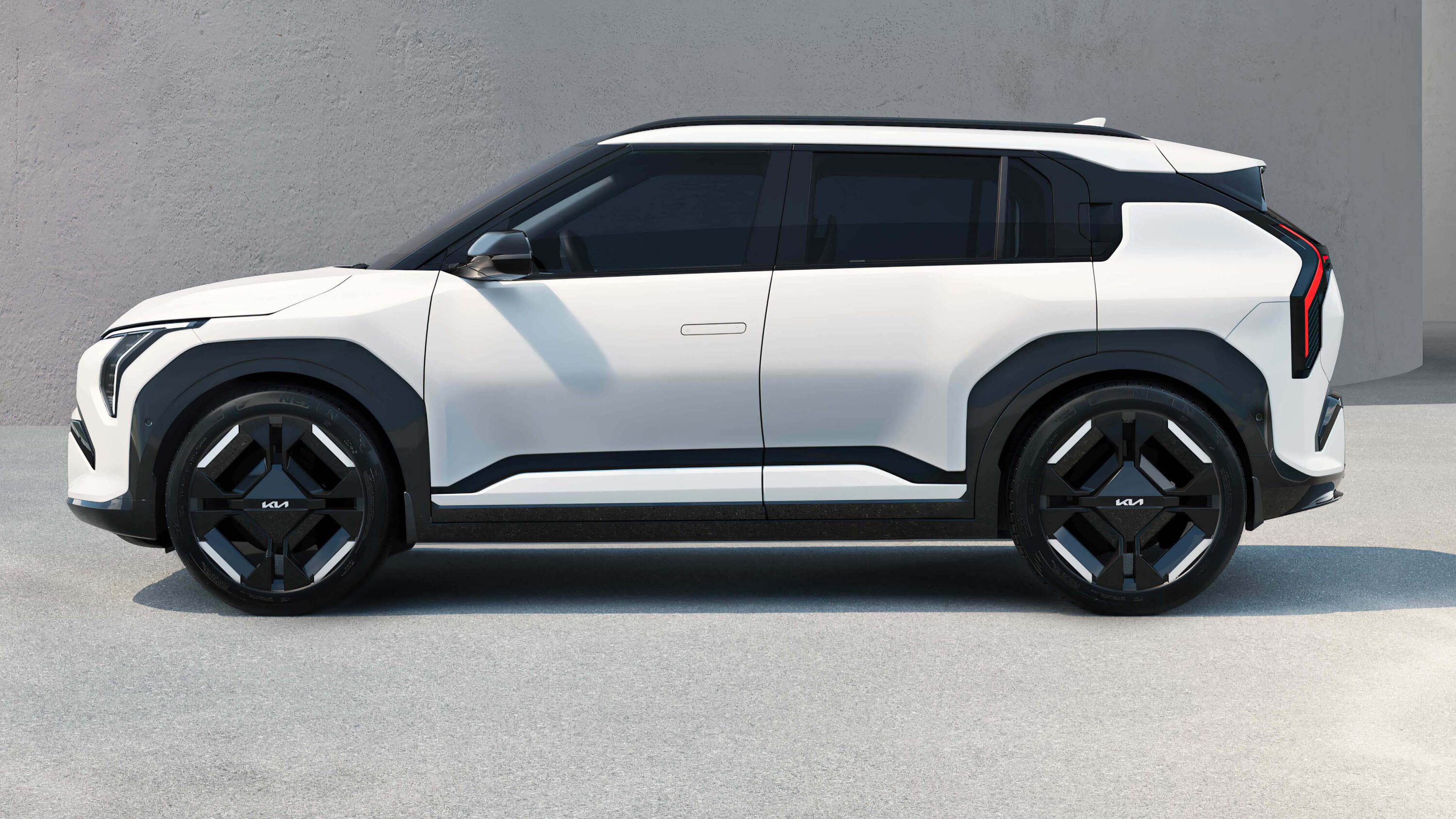
The EV3 is available in eight exterior colours and three interior colour schemes. Air models feature cloth trim, while Earth and GT-Line variants use artificial leather.
The Earth trim offers a choice of Subtle Grey or Light Warm Grey artificial leather, with differing console tray colors depending on the seat trim selection.
Kia has used recycled materials for the dashboard and door trims, as well as polyethylene terephthalate – said to be “among the most easily recycled plastics in the world” – for the seats, headliner, floor mats and luggage board.
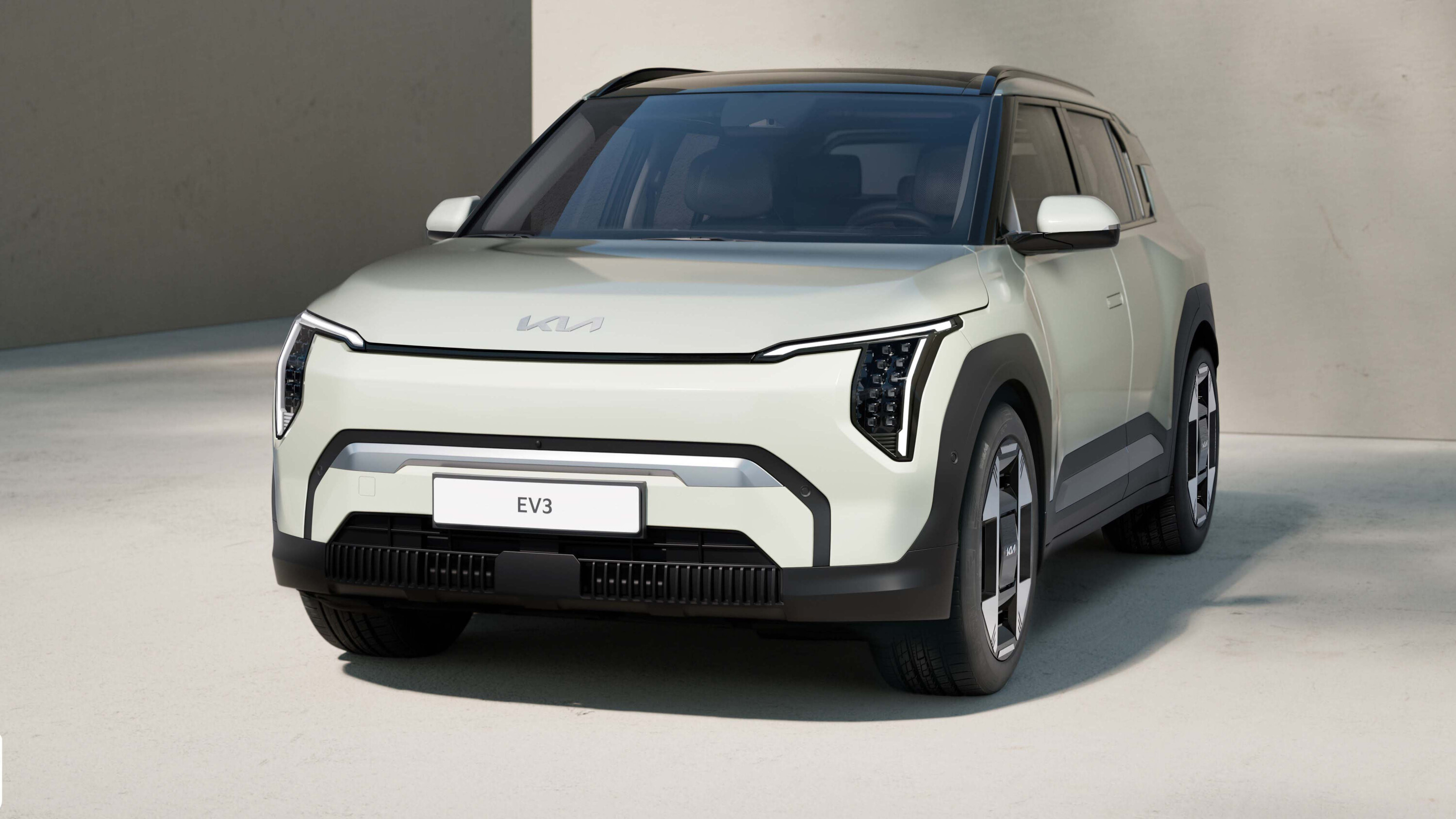
EV3 storage space
Interior cargo space includes 460 litres in the rear with the back seats upright, and an additional 25 litres in the front storage area.
The EV3 also boasts a two-tier storage board in the rear, allowing for 140 millimetres of load height flexibility.
By comparison, you’ll find 466 litres in the Hyundai Kona, 318 litres (plus 7 up front) in the Volvo EX30, 440 in the BYD Atto 3, 475 in the older Kia Niro and 433 litres in the petrol-powered Kia Seltos.
Mini matchup: Kia EV3 v Hyundai Kona v Volvo EX30 v BYD Atto 3 v Kia Seltos
Note: List scrolls horizontally.
| Model | Kia EV3 | Hyundai Kona Electric | Volvo EX30 | BYD Atto 3 | Kia Seltos |
|---|---|---|---|---|---|
| Length | 4300mm | 4355mm | 4233mm | 4455mm | 4385mm |
| Width | 1850mm | 1825mm | 1836mm | 1875mm | 1800mm |
| Height | 1560mm | 1580mm | 1549mm | 1615mm | 1635mm |
| Wheelbase | 2680mm | 2660mm | 2650mm | 2720mm | 2630mm |
| Boot space | 460L | 434L | 318L | 440L | 433L |
| Front storage compartment (frunk) | 25L | u2013 | 7L | u2013 | u2013 |
Iconic die-cast vehicle makers Hot Wheels has announced a new 1:64 scale Formula 1 collection ahead of the Australian Grand Prix featuring eight F1 teams.
Unveiled as action at the 2025 Formula 1 Australian Grand Prix kicks off from March 13-16, the range brings to life eight Formula 1 teams across Hot Wheels Singles, five-pack assortments and Premium product ranges.
According to parent company Mattel, each 1:64 die-cast car is built to race on the iconic Hot Wheels orange track, while the premium cars replicate an actual F1 car, including a metal body and chassis, authentic team liveries and Pirelli branded tyres.
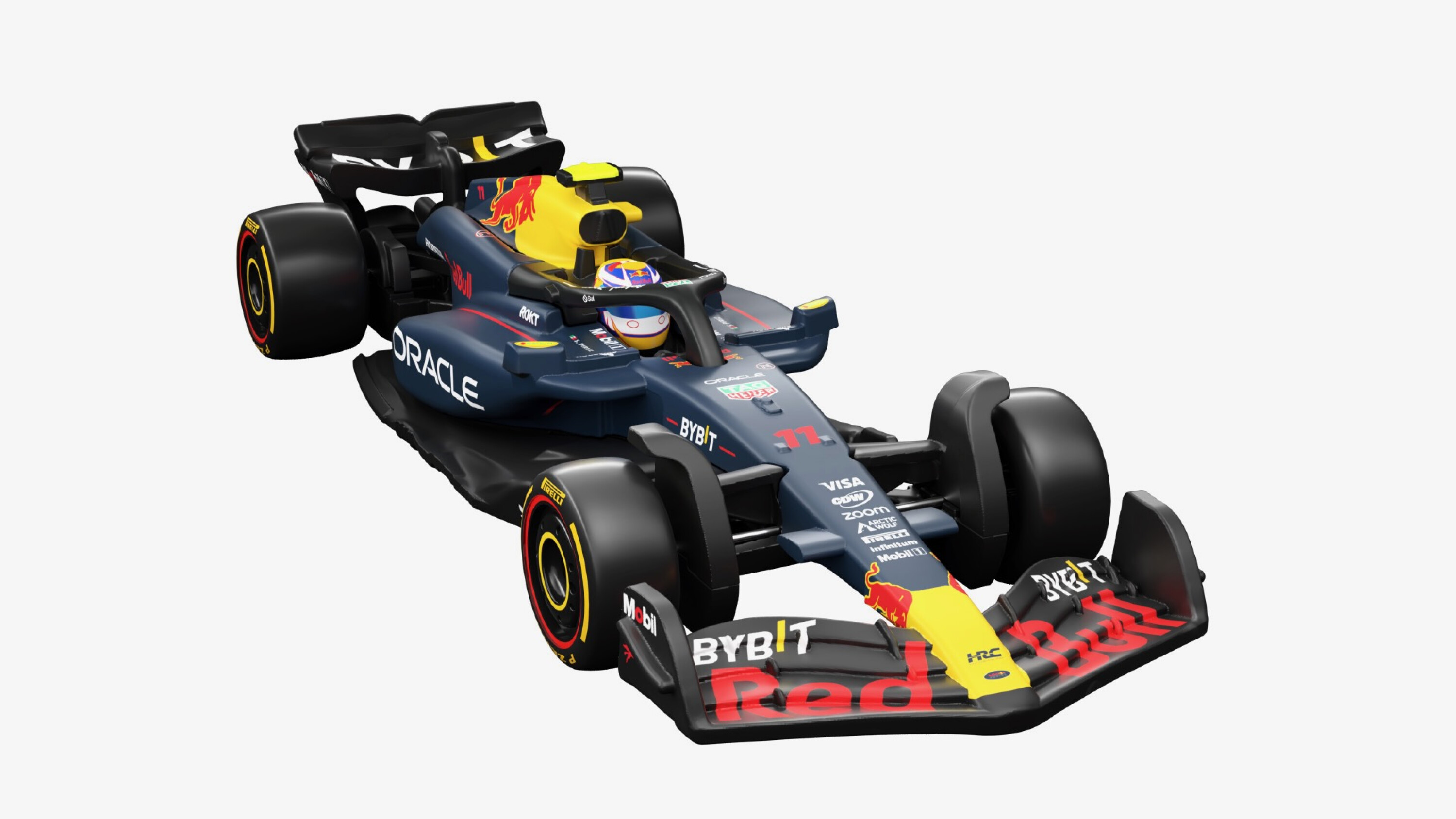
Featured in the Premium collection are cars from McLaren, Red Bull, Mercedes-AMG, Alpine, Haas, RB, Williams and Sauber, while five-pack assortment sets feature cars from McLaren, Alpine, Haas, RB and Sauber.
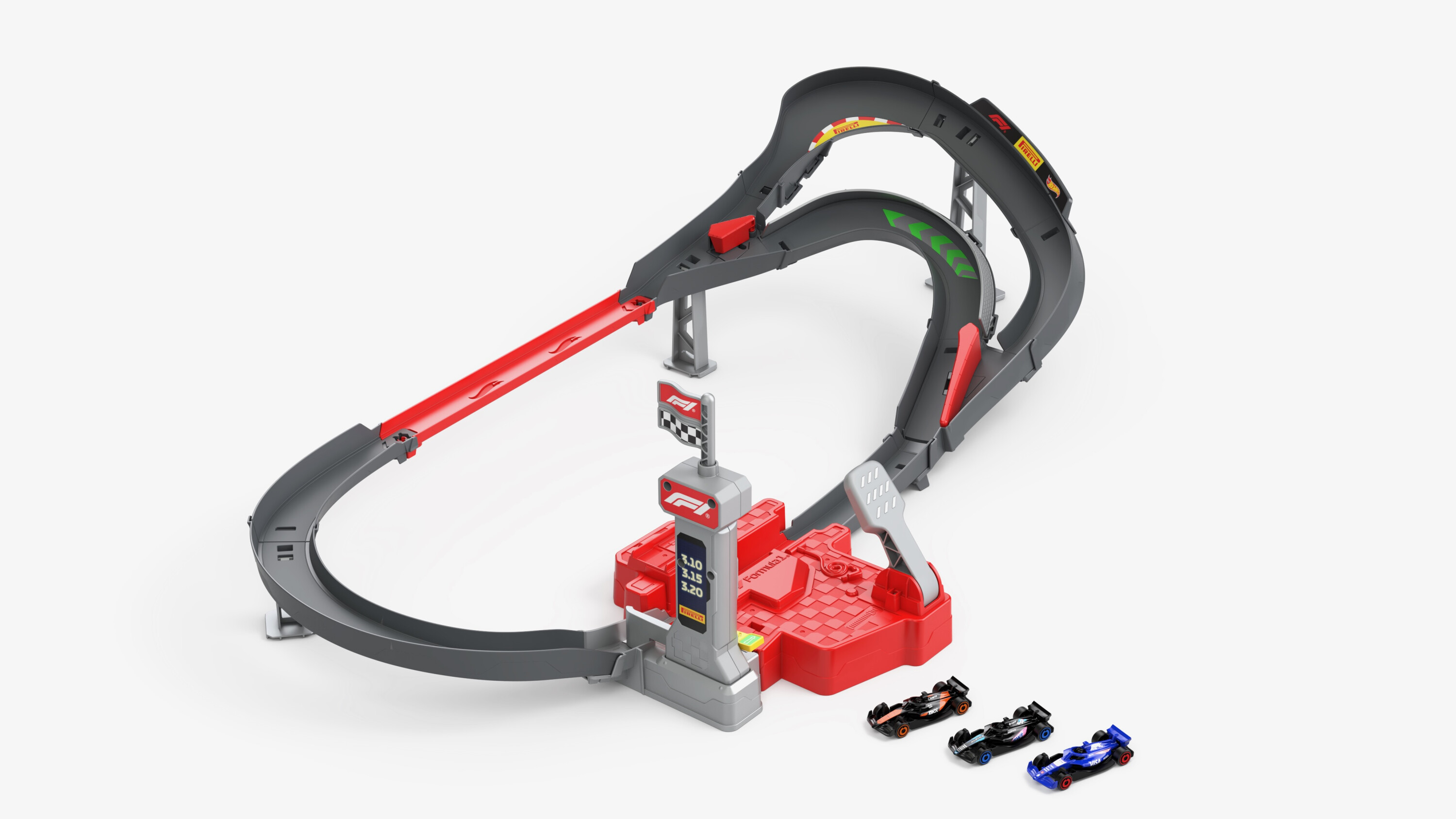
For fans unable to make it to the track, they can “feel the speed of Formula 1 at home” with two Hot Wheels Formula 1 Sprint & Grand Prix Race Circuit track sets. Racers will battle to overtake each other in high-octane racing on the sets equipped with either a kid-powered gas pedal booster or two-speed three-lane booster and manual DRS diverters, to give the car an extra edge.
“It’s fantastic to see the release of the Hot Wheels Formula 1 collection in Australia,” said Emily Prazer, chief commercial officer at Formula 1.
“We want to increase our fans’ passion for racing, and these superbly and intricately designed cars will allow Australian fans to experience the drama and excitement of our exciting sport at home.”
Hot Wheels was conceived in 1968 and is the world’s number one selling toy. 16.5 Hot Wheels cars are sold every second and evolved from its simple iconic orange track to a significantly larger range for all ages. Parent company Mattel also owns iconic brands such as Barbie, Fisher-Price and Thomas and Friends.
Pre-orders for the Hot Wheels Formula 1 2025 collection will be available soon.
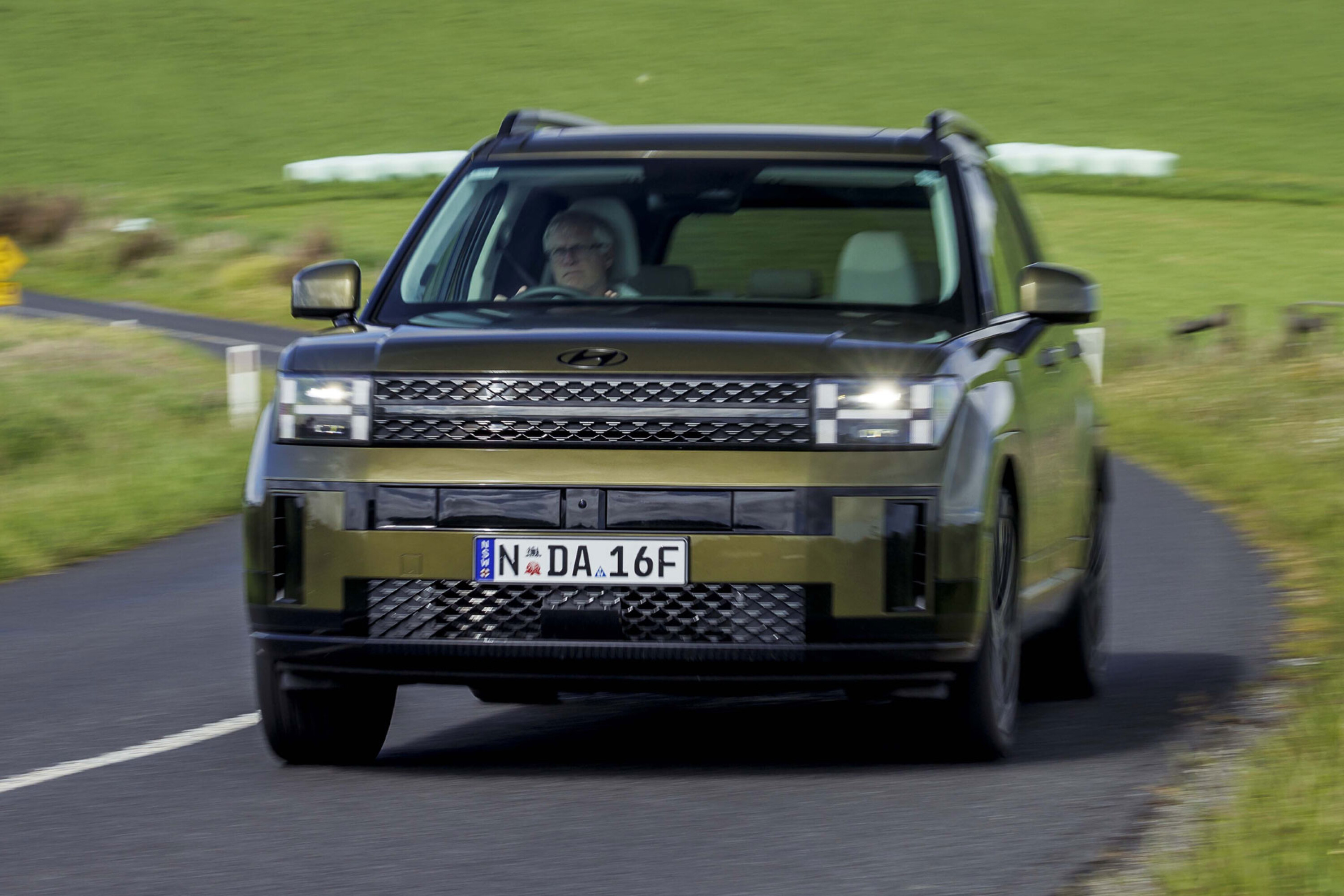
Hyundai has broken with tradition by naming a non-Korean as Chief Executive Officer of its Australian operation for the first time.
Don Romano, a Californian, has been announced as the new President and Chief Executive Officer of Hyundai Motor Company Australia (HMCA) and Advisor for Hyundai Motor Asia & Pacific Region, effective immediately.
The former cargo pilot comes from 10 years as President and CEO of Hyundai Auto Canada (HAC), where he oversaw a period of record growth, and crowns a 40 year-career in the automotive industry. He will oversee both the Hyundai and Genesis brands in this territory.
Mr. Romano will replace current HMCA CEO Ted Lee, who after a successful three-year tenure will remain in Australia in an Executive Support role as HMCA CEC (Chief Executive Coordinator).
Under Mr Romano’s stewardship of the Canadian operation, Hyundai became the country’s second-largest import brand and fourth-largest automotive brand overall, with a network of 226 Hyundai Dealers and 31 Genesis distributors nationwide.
He also piloted the company to become Canada’s largest mainstream seller of electric vehicles, as well as setting an all-time annual sales record in 2024 of 138,755. He achieved market share growth for Hyundai in Canada from 7.3 percent to 8.2 per cent.
Among his responsibilities, Mr Romano will focus on developing a fair and inclusive corporate culture and strong employee engagement. He has won many awards, including North American Champion for Diversity and Automotive All Star for Process Architecture, and last year was honoured with Canada Black Book’s Industry Icon Award as well as a Women’s Executive Network Alliance Ally of Excellence Award.
“It is an honour to join Hyundai and Genesis in Australia and the broader Asia Pacific region,” said Mr. Romano.
“With 74 competitor brands – expected to rise to 80 within the next 12 months – Australia is one of the most challenging automotive markets on earth. I look forward to working with the HMCA team to promote our world-beating products and to exceed customer expectations at every touchpoint.”
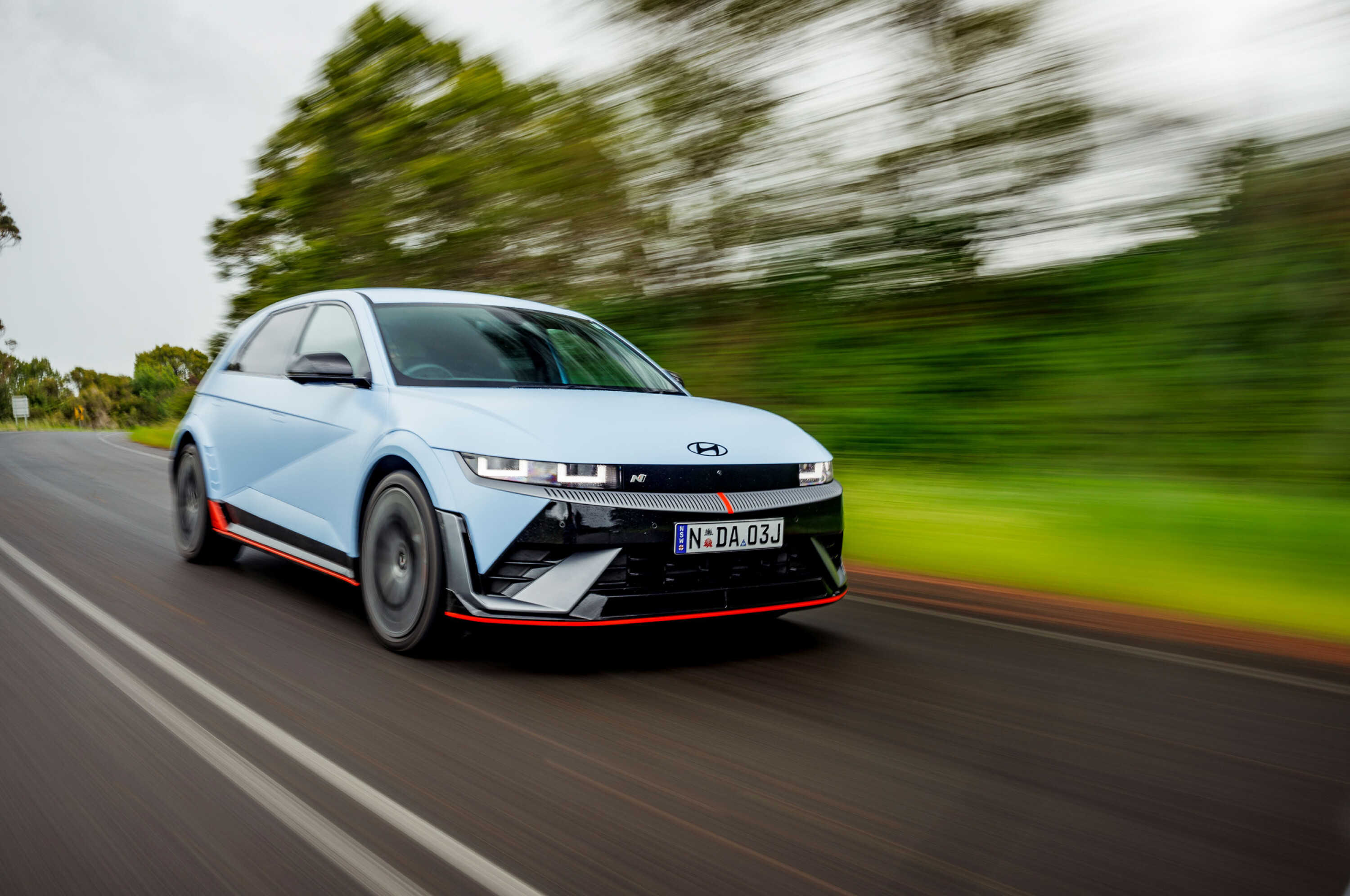
Mr Romano arrives shortly after Hyundai’s innovative electric performance hatch, the IONIQ 5 N, won Wheel’s Car of the Year for 2024-25 – the world’s longest running annual car award.
Well-priced, good-sized, well equipped: the MG4 electric hatchback was a breath of fresh air when it launched locally in August 2023 because it was fun to drive thanks to its lovely rear-drive chassis.
Australians agreed and almost 7,000 of them were sold in 2024 – enough to significantly outsell its BYD Dolphin and GWM Ora main rivals.
There are five MG4 models available in Australia: the entry-level Excite 51 and Excite 64, mid-spec Essence 64 and Long Range 77, and the 300kW XPower at the top of the range. Pricing for the MG4 range starts at $37,990 plus on-road costs, though MG is currently offering sharp deals – the Excite 51 is priced at just $34,888 drive away, for example.
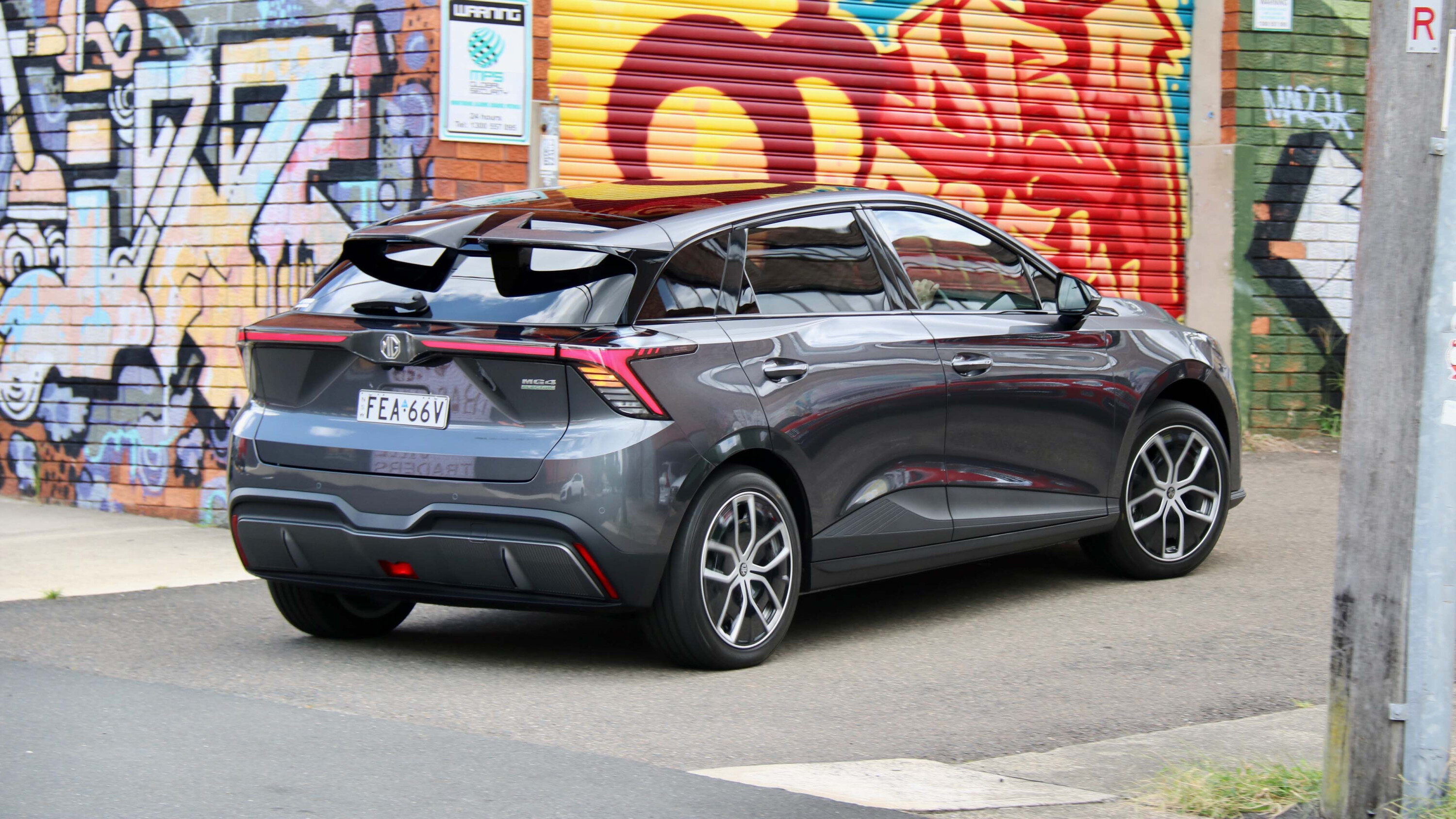
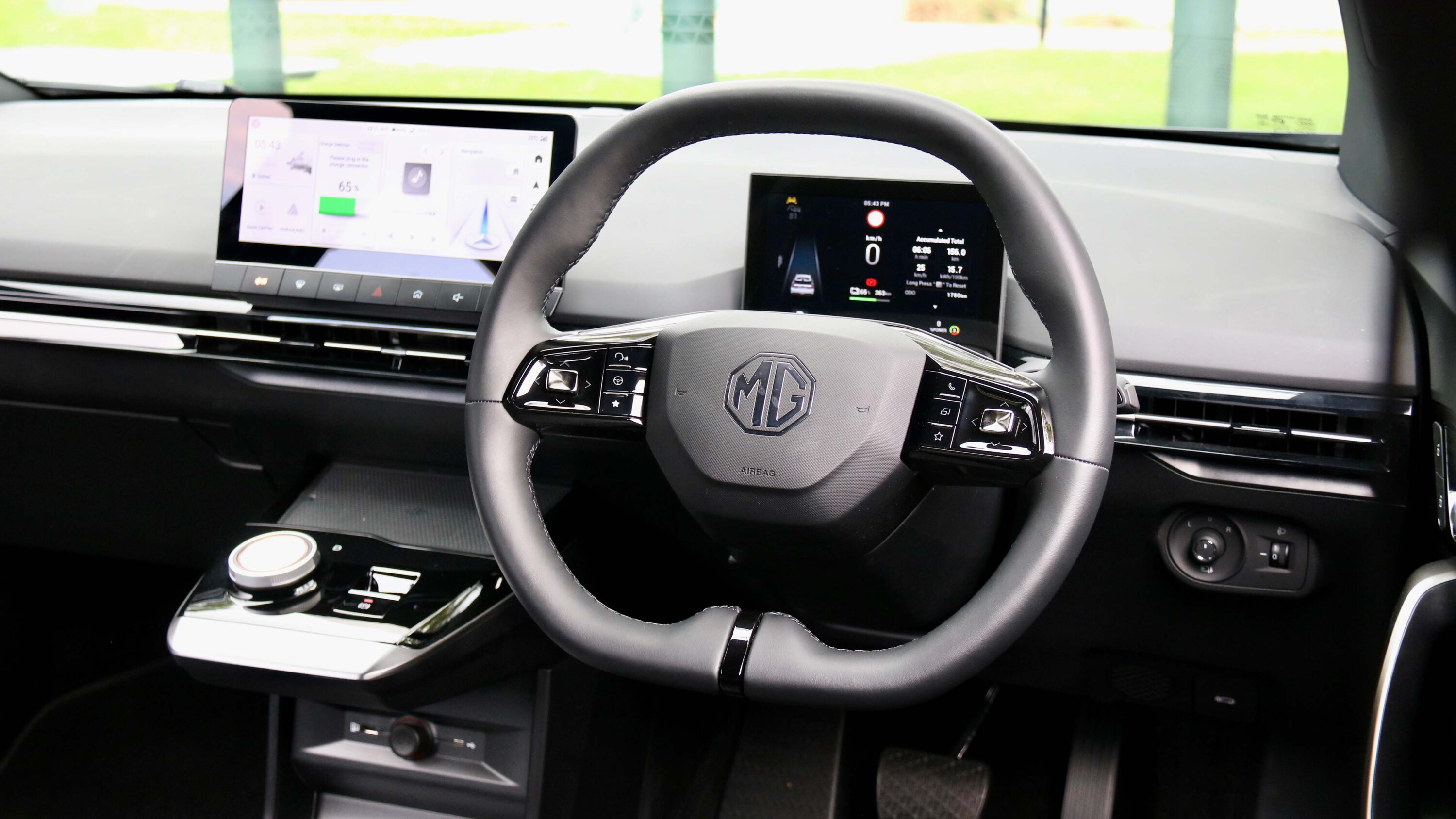
But standard equipment on even the base MG4 is healthy with features like 17-inch alloy wheels, automatic LED headlights, a 10.25-inch touchscreen, Apple CarPlay and Android Auto, one-pedal driving, vehicle-to-load functionality and safety features such as AEB, adaptive cruise control, lane keep assistance and a reversing camera.
Move up the range to the Essence 64 and blind-spot monitoring, rear cross-traffic alert, synthetic leather and fabric upholstery, heated front seats, an electric driver’s seat, auto-folding mirrors and larger 18-inch wheels are added.
The 4 sits on a new rear-drive platform developed which is it was the first model to use – the Cyberster roadster was second – and it offers three different battery sizes: 51kWh, 64kWh and 77kWh for WLTP range ratings of 350km, between 400km-450km, and 530km respectively.
The 51kWh battery is equipped with a 125kW/250Nm electric motor for a quick claimed 7.7-second 0-100km/h time, while the 64kWh model ups the power to 150kW. The 77kWh model increases that to 180kW/350Nm and the hi-po XPower adds a second motor on the front axle for 300kW/600Nm outputs and a searing 3.8-second 0-100km/h time.
Thanks to its rear-drive chassis – or all-wheel drive in the XPower – the MG4 is enjoyable to drive. It’s well balanced, feels light on its feet and even though the steering isn’t the last word in feel, it’s satisfyingly weighted for most drivers. The ride quality is nicely taut, and the four levels of regenerative braking work well.
The MG4’s cabin is modern, practical and comfortable. It uses a minimalist layout and most of the functionality is controlled through the touchscreen, which can be a bit overwhelming initially but it’s easy to use once learnt.
The rest of the MG4’s cabin is good quality and full of practical touches like a big centre console tray. The driver’s display seems small at first but displays a good amount of information.
The rear seat of the MG4 is practical for a small hatchback, with ample room for two six-footers, along with door and map pockets, as well as a single USB-A charger, though no central arm rest or air vents.
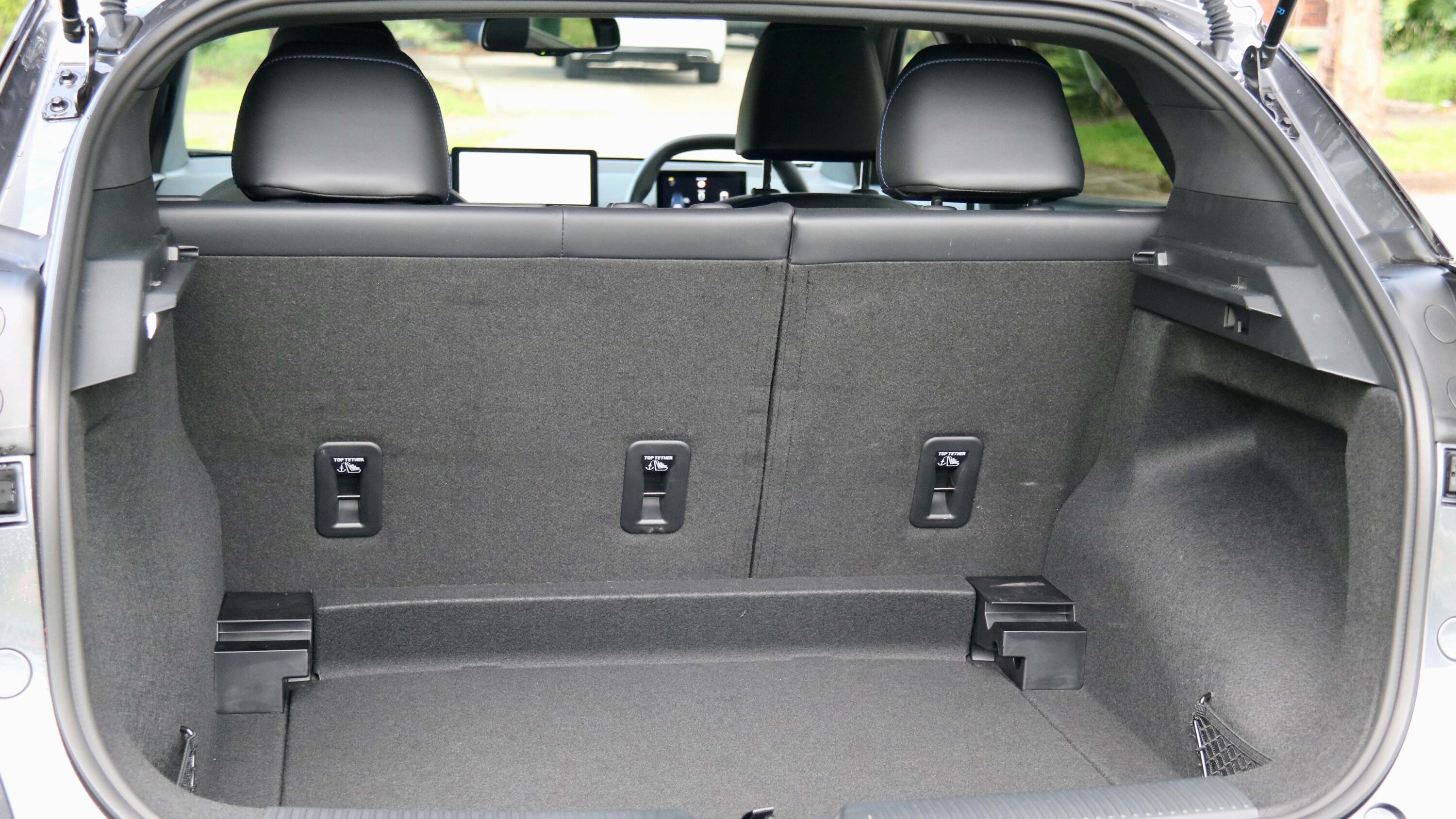
The boot measures up to 363 litres with seats up and between 1,165L and 1,177L when they’re folded down, with side storage. On the Essence 64 and above, there is a dual-level floor for a flat loading bay with the rear seats folded.
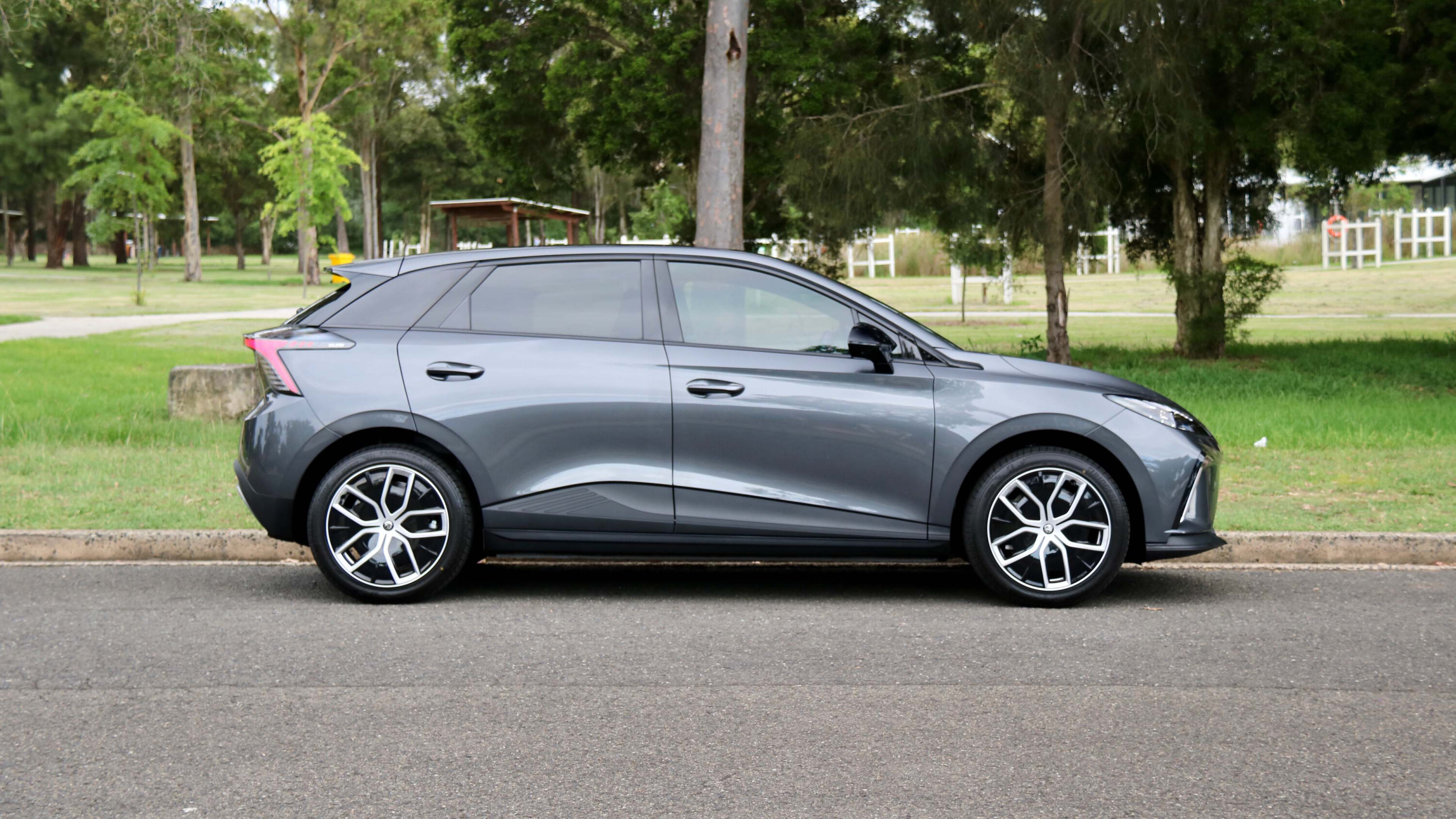
Like other new MG models, the MG4 is covered by MG’s industry-leading 10-year/250,000km warranty and six years/120,000km of servicing costs just $1,478 ($246 per year).
Overall, it’s easy to see why the MG4 is so popular. Its qualities extend beyond its value pricing to a roomy and good quality cabin, a wide range of battery sizes with healthy ranges, solid performance and a fun chassis that keen drivers would enjoy. If you’re after an electric hatchback, it should be at the top of your test drive list.
01 – ZF 8HP Transmission
2009 – BMW 760Li
For a while it looked as if the dual-clutch transmission would retire the flabby old torque converter auto, right? Not so fast, hoss. Zahnradfabrik Friedrichshafen, or ZF to most of us, had other ideas.
The company that was originally formed to produce gear wheels for Zeppelins developed a compact eight-speed transmission with four planetary gearsets, three clutches and two brakes that could shift gears in as little as 200 milliseconds with a beautifully oiled slickness that suddenly made DCTs seem clunky.
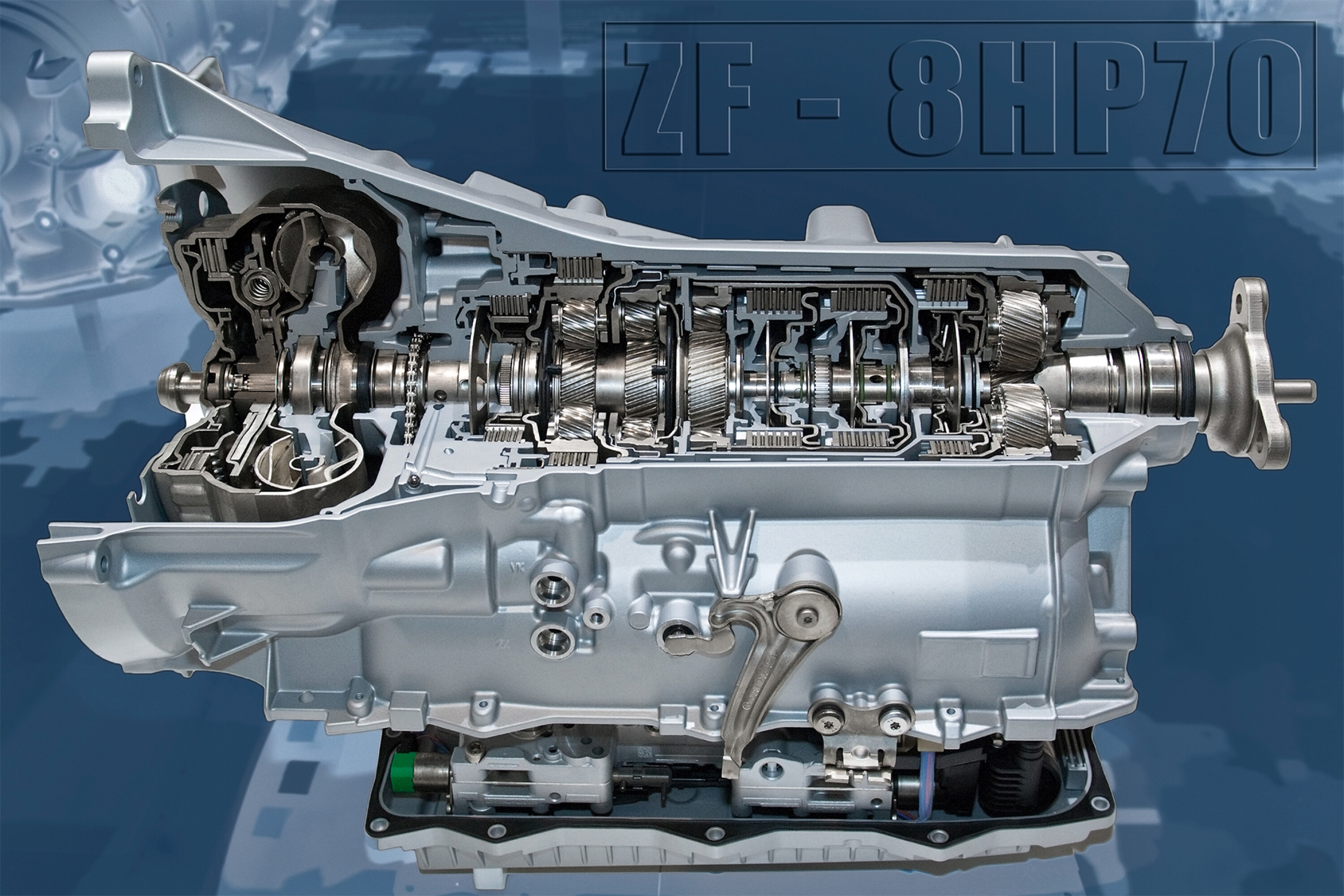
Compatible with rear- or all-wheel drive layouts with torque outputs from 220Nm to 1044Nm, the ZF 8HP even prompted some manufacturers like Audi and BMW (with RS5 and M5 respectively) to ditch DCT installations and return to automatics.
The added length of a torque converter has proven prohibitive in high performance mid-engined applications, but otherwise the ZF 8HP is the transmission that demonstrated that when it comes to shift quality, the auto remains king.
02 – Sequential twin-turbo
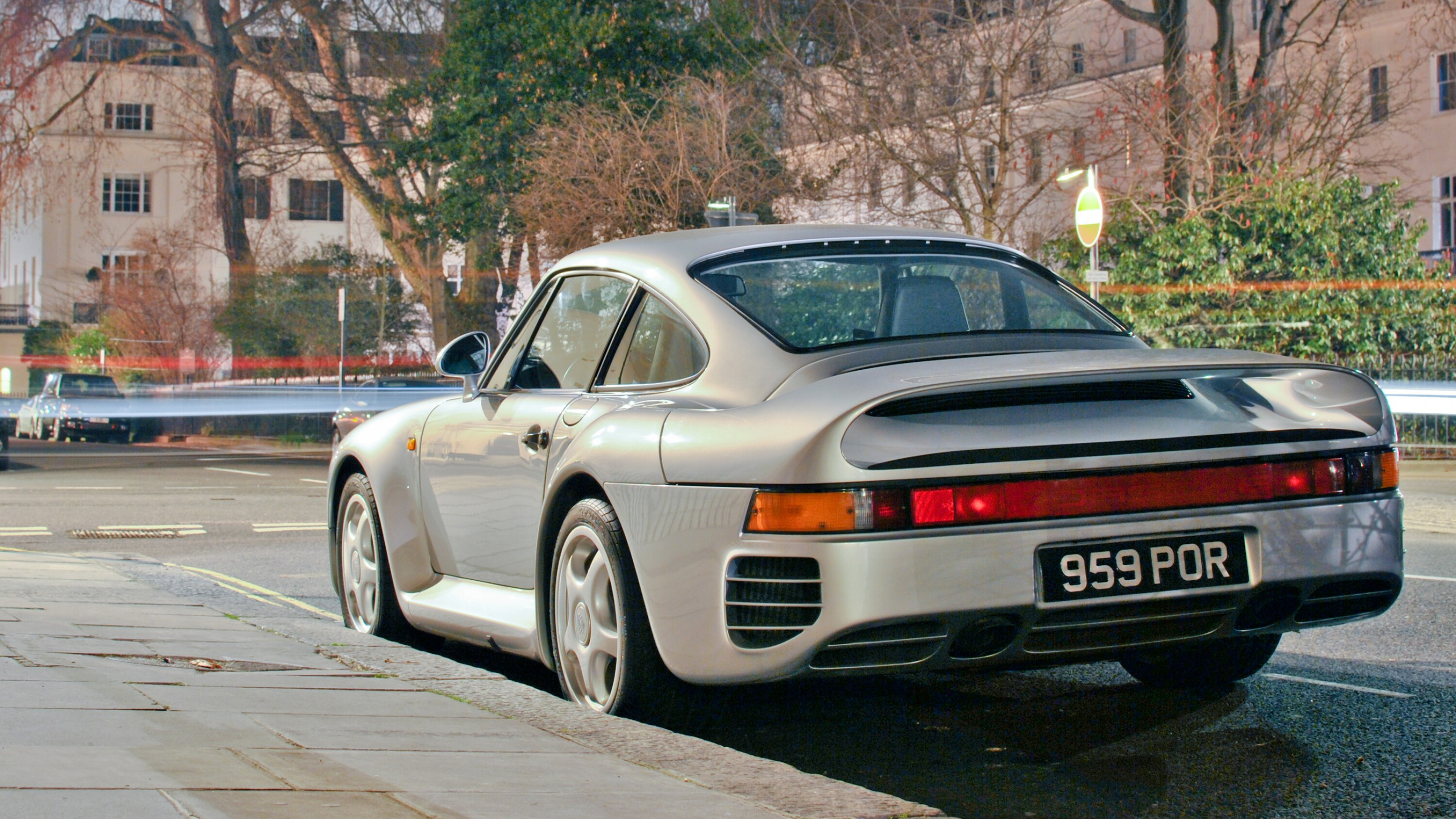
1986 – Porsche
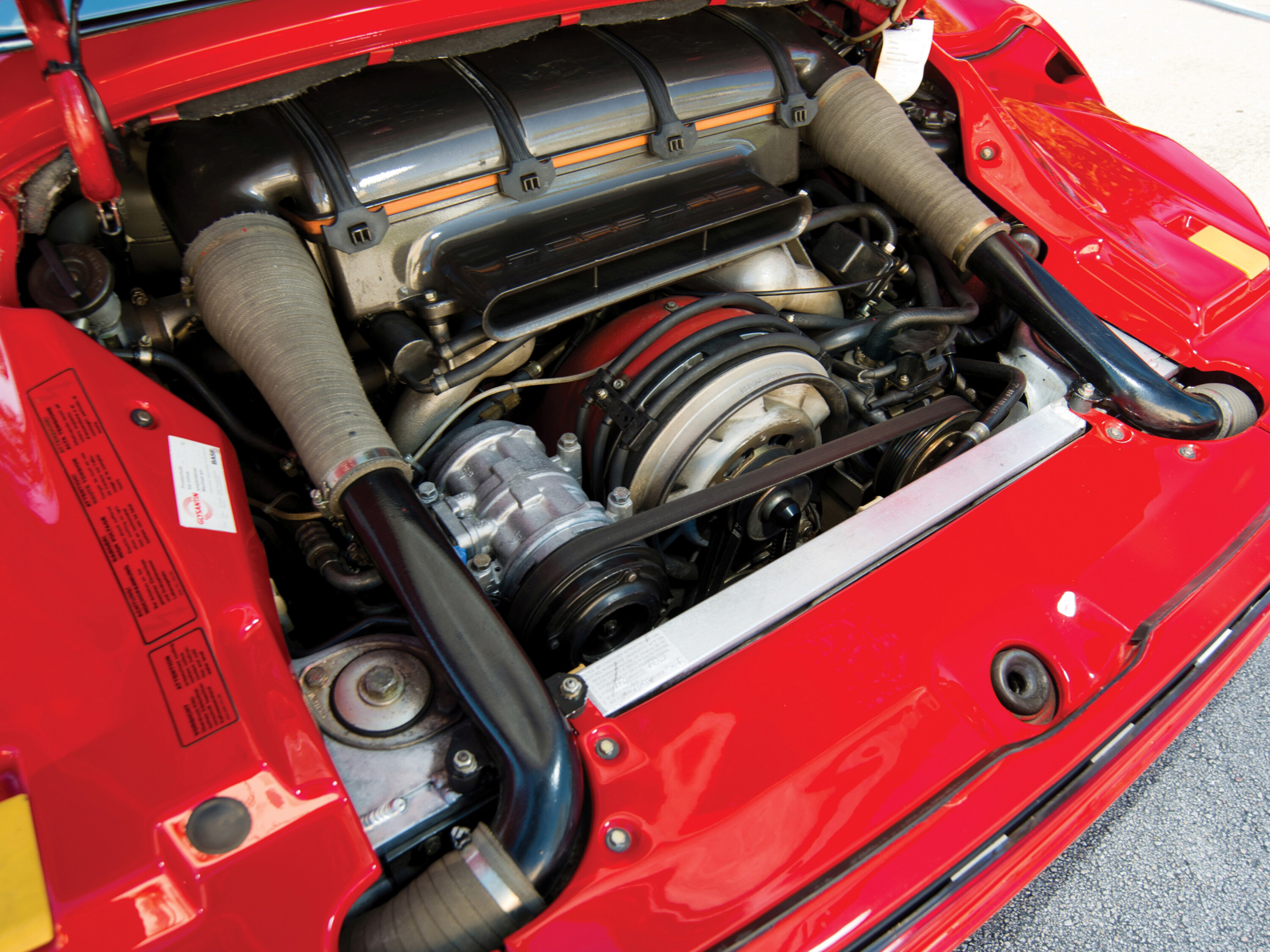
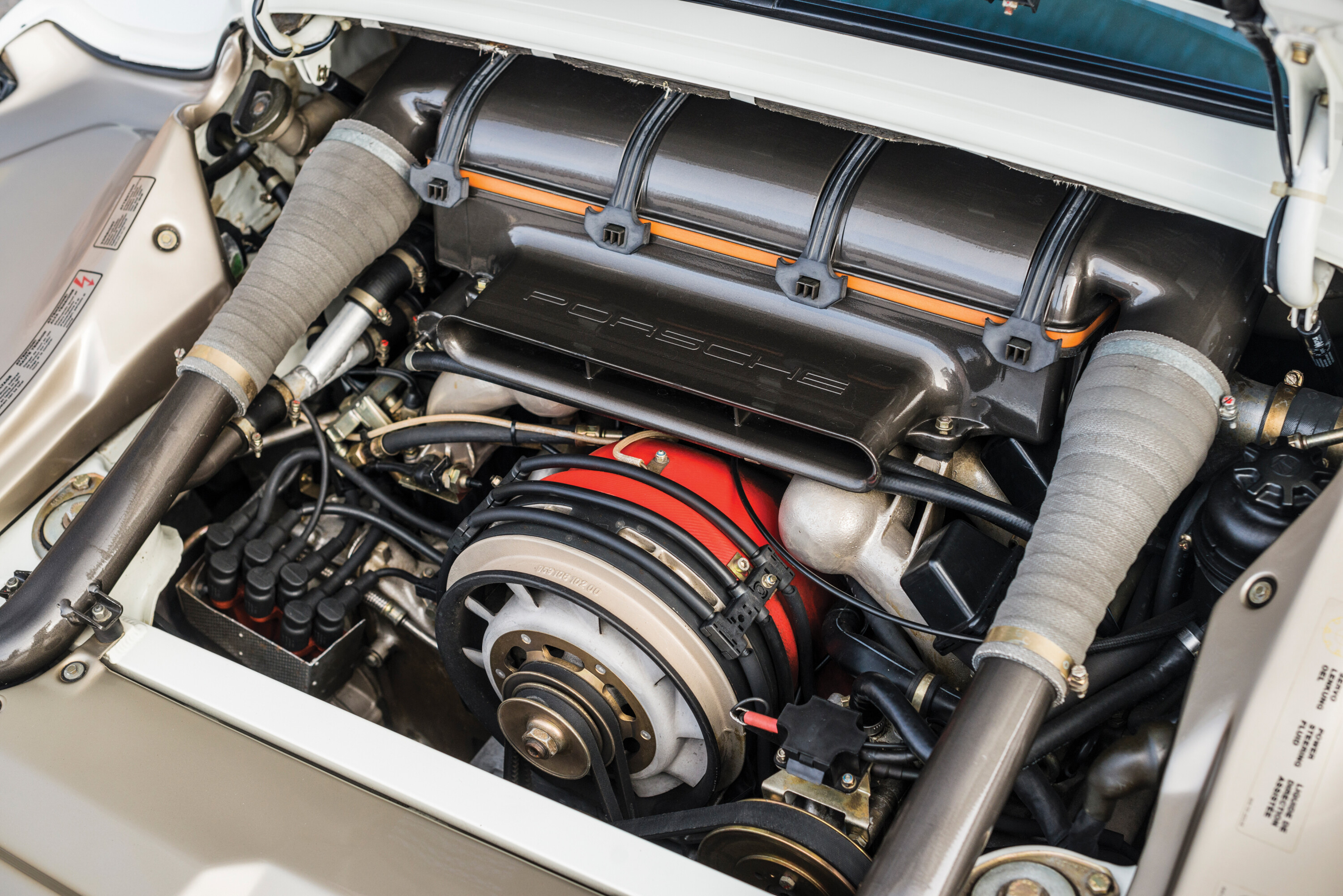
Although the design for exhaust-driven turbos dates back to 1905, and parallel-sequential forced induction systems had been toyed with in aviation until the advent of the jet engine, it wasn’t until 1986 that Porsche commissioned KKK to build a series-sequential setup.
Unlike its predecessor, where both turbos would operate under high load and only one would be used at lower outputs, the KKK K26 turbochargers fitted to Porsche’s 959 would see one spool up and then pass the baton to the next at 4000rpm, neatly eliminating turbo lag and improving driveability.
Since then, innovations in variable geometry turbocharging have largely rendered the cost and complexity of sequential twin turbocharging redundant. Those who have ever tried to troubleshoot an FD3 RX-7 turbo issue, we feel your pain.
03 – Active aero
1986 – Porsche
Without wanting to make this entire feature a Porsche 959 hagiography, Weissach’s supercar was there with the first automatic ride height adjustment. Vehicles like the 1988 Volkswagen Corrado with its active rear wing and the 1990 Mitsubishi 3000GT with its automatically adjusting front and rear spoilers followed.
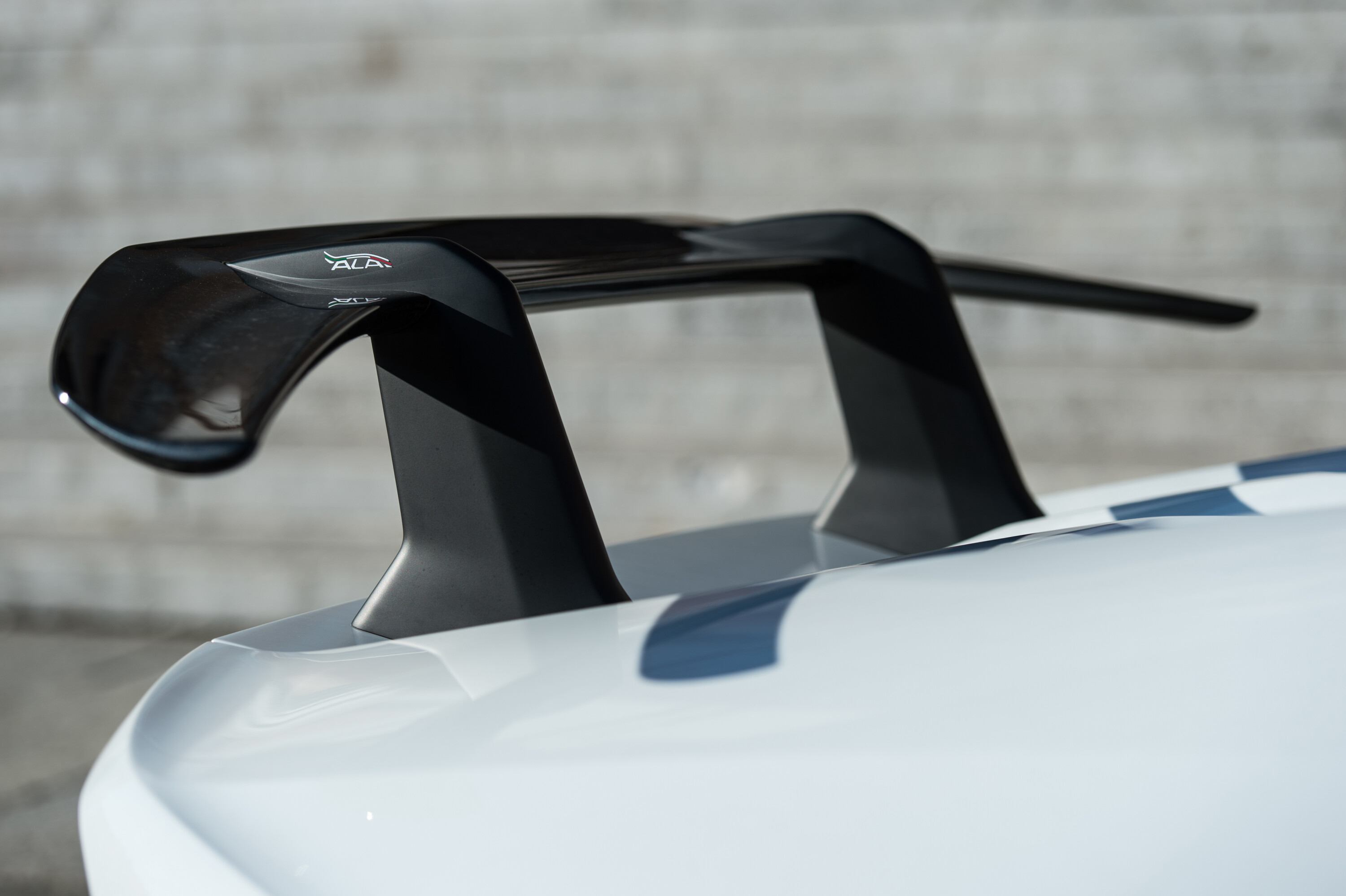
Since then we’ve had oddities like the Pagani Huayra with its four moveable control surfaces at each corner or the Zenvo TSR-S with its crazily tilting rear wing. Lamborghini’s ALA system on the Huracán Performante featured aero vectoring to apply or reduce downforce to each individual wheel.
Latterly, Ford’s Mustang GTD uses adjustable ride height, flaps under the front of the car and a rear wing that alters its angle of attack. Leaving aside high performance applications, active aero can improve efficiency with features such as the active grille shutters found on the current Hyundai Santa Fe.
04 – Stability Control
1995 – BMW/Mercedes
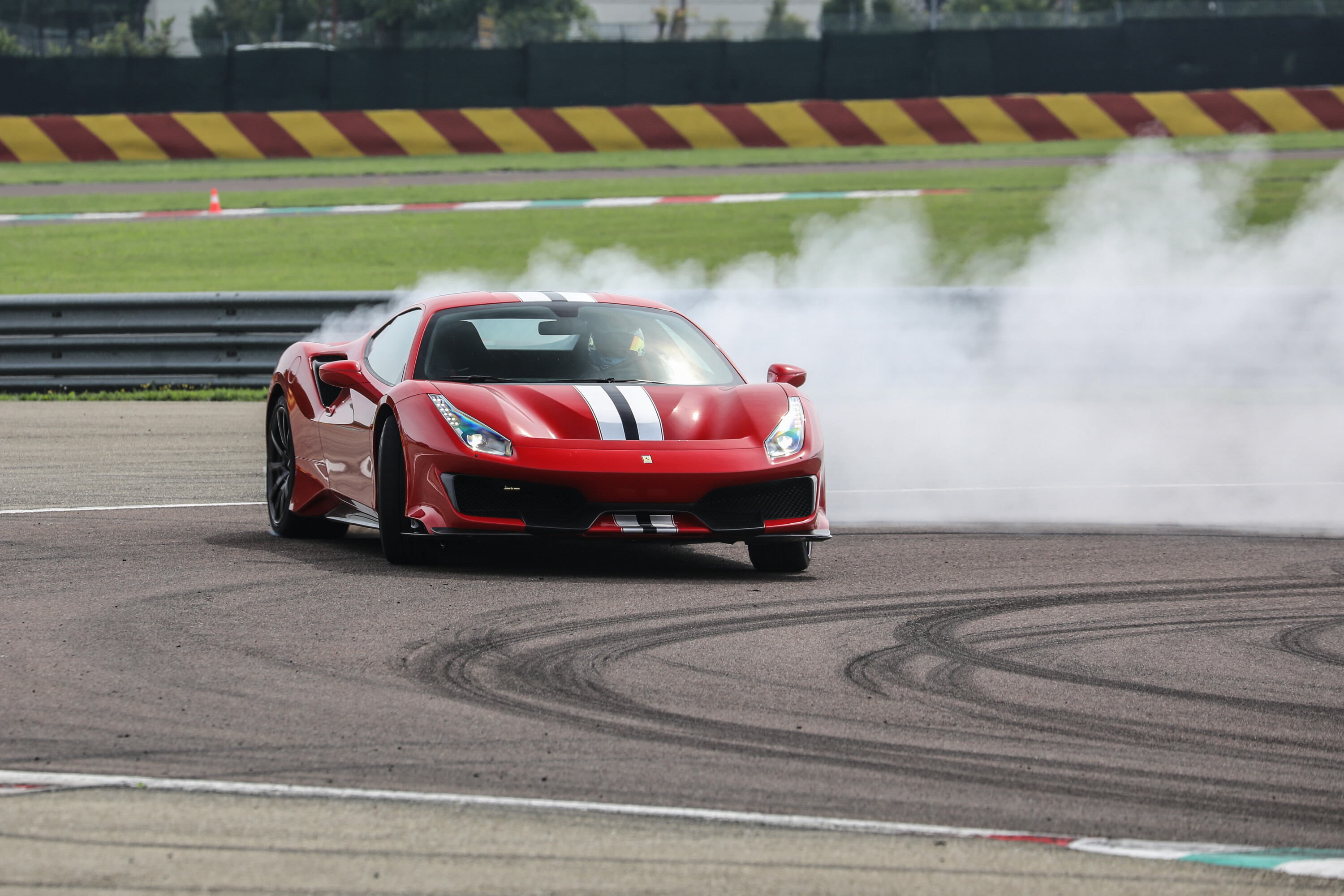
Let’s pause for a moment and examine cars before stability control became widely fitted. A Ferrari F40 with 356kW was a handful and Porsche’s last GT car without the fitment of stability control was the 355kW 996 GT2. It was clear that there was a definite power ceiling that a car driving through its rear wheels could reasonably be foisted upon the general public.
These days, you’d happily drive a 610kW Ferrari 296 GTB without checking your life insurance provision beforehand, largely thanks to advances in stability control technology.
Even Gordon Murray has fitted the tech to his latest wares. Rather than prove a drag, stability control has morphed into an enabler, coming from its roots back in 1995 on Mercedes-Benz and BMW products through to BMW’s slick M Dynamic Mode and Ferrari’s otherworldly Side Slip Control. Along the way it has saved many lives as well as the blushes of more than a few motoring writers.
05 – Over-the-air updates
2009 – GM
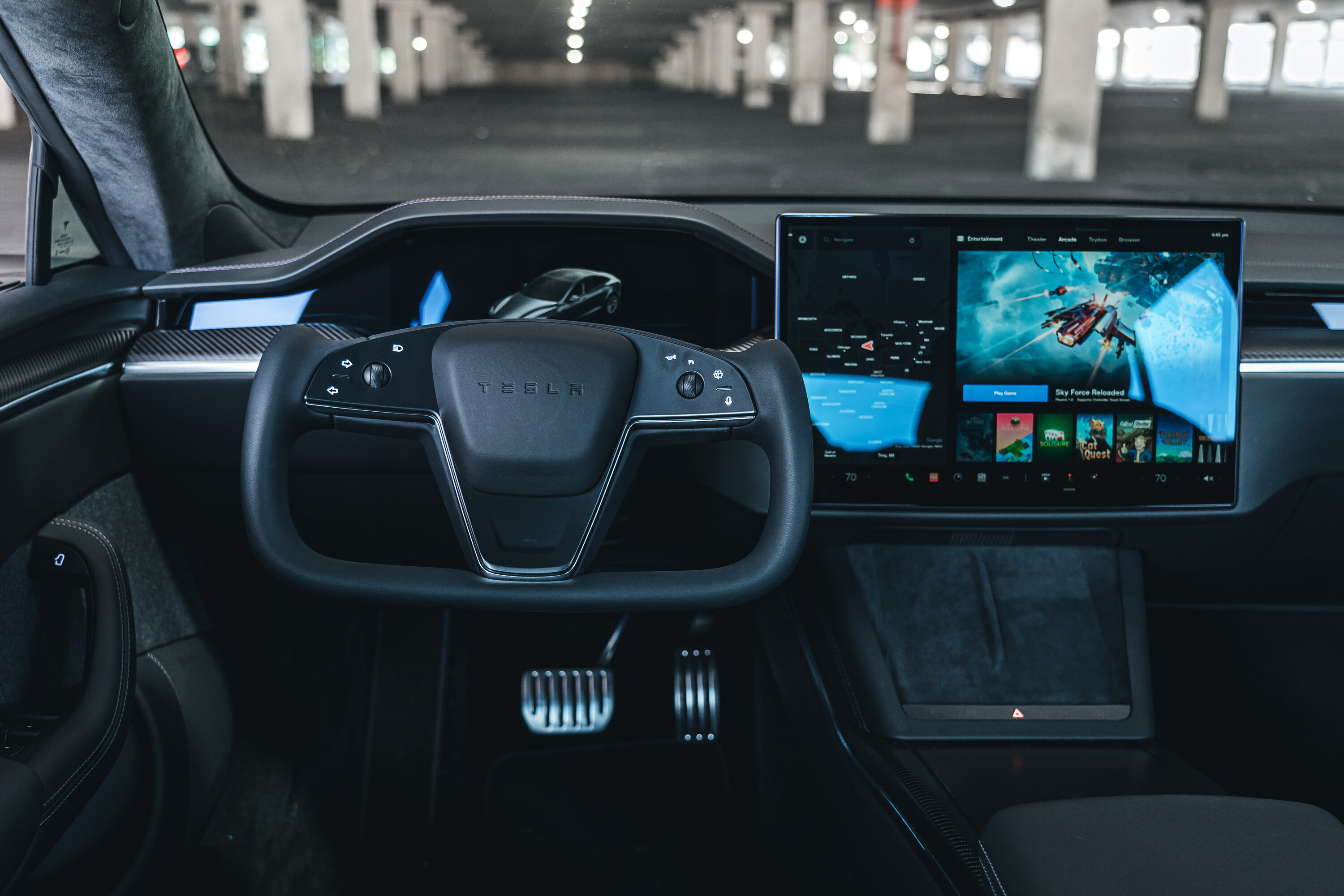
It’s been more than a decade since a Tesla Model S connected itself to the internet and downloaded a software patch. Yet, while Elon might like to claim that as a first, it ignores the fact that General Motors introduced its Vehicle Intelligence Platform that could update OnStar and infotainment back in 2009.
OTA updates have yet to fully realise their potential, with most still only able to update infotainment functions, dubbed Software Over The Air or SOTA. Tesla has long supported Firmware Over The Air (FOTA) upgrades for the entire vehicle system as well as SOTA capability.
Ford has taken a lead in OTA updates and its Mustang Mach-E features electronics that contain A/B partitioning, which means that the car can install an update in the background while being driiven, and then switch over to the newly updated partition. After all, there’s never a convenient time for a software update, is there?
06 – Electronically controlled torque vectoring diff
1996 – Mitsubishi
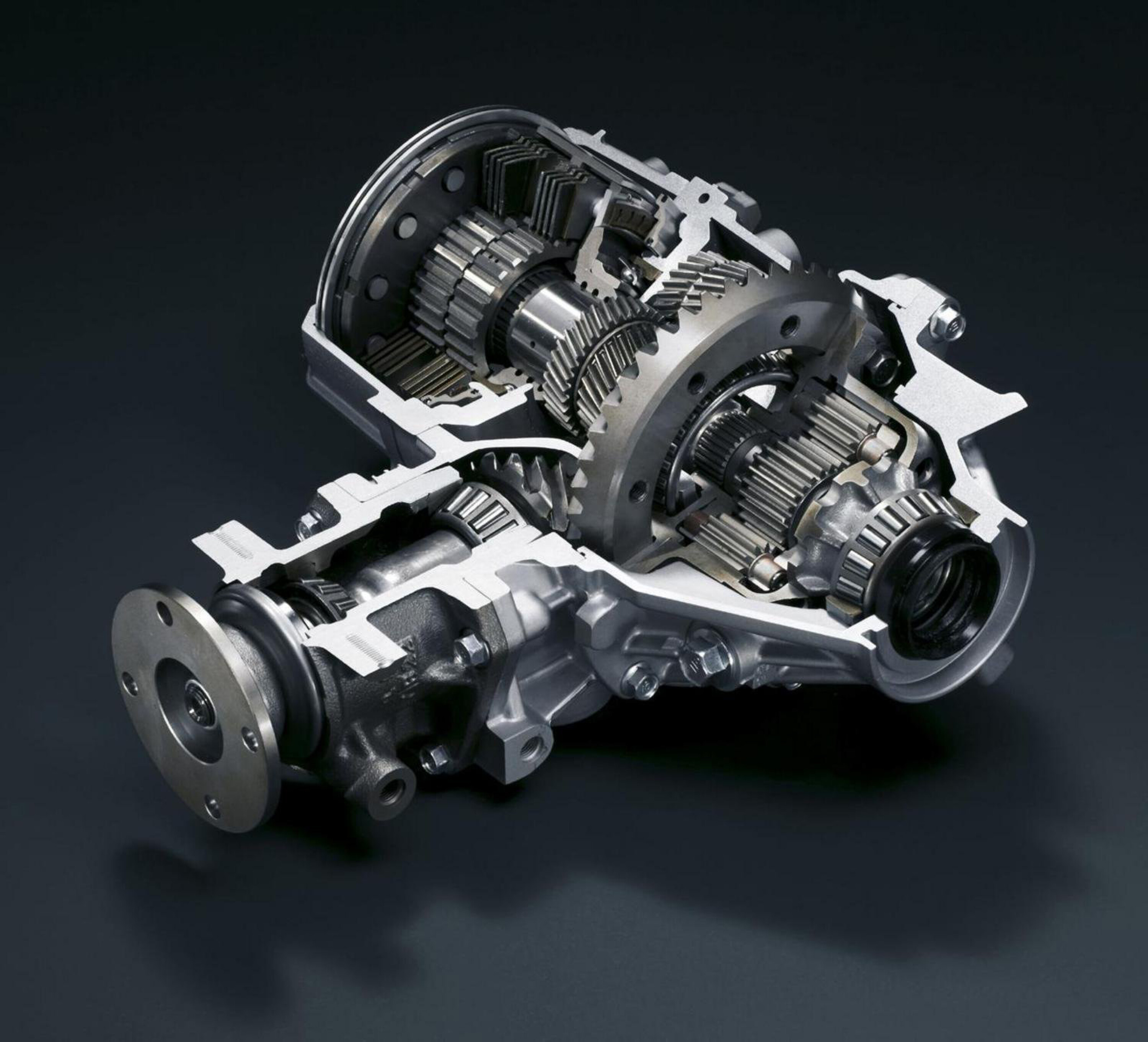
Mitsubishi’s Active Yaw Control, which debuted on the Lancer Evo IV GSR in 1996 was a revelation. It controlled which rear wheel got a greater or lesser share of torque with an electronically controlled wet clutch pack nestling either side of the differential gears on the rear axle.
Understeer was reduced by directing more torque to the outside rear wheel otherwise the system would detect which wheel could best accept drive and direct it accordingly. When equipped on both axles, these smart diffs can direct torque to any wheel.
The Twinster drive system on the Ford Focus RS and the 4Matic+ system on the Mercedes-AMG A45 S can send high percentages of drive to the rear axle and then to one particular wheel to deliver dedicated drift modes.
07 – TPMS
1986 – Porsche
If you’re sensing a theme here, you probably won’t take too many guesses at figuring out which car introduced a tyre pressure monitoring system back in 1986.
And while TPMS is undoubtedly a handy thing to have to signal whether you’ve caught a slow flat, does it offer other benefits? You bet. Firstly there’s a significant safety implication that’s only exacerbated by today’s cars putting greater demands on their tyres.
Whether its indirect TPMS, which uses an algorithm based on wheel speeds and other driveline data to model tyre pressure, or direct TPMS which features an in-wheel pressure sensor, TPMS helps improve safety and extend the life of your tyres. It’s a boon for trackday drivers who are frequently monitoring tyre temperatures and exposing tyres to the risk of damage by running kerbs. It also benefits off-roaders who need to see how their tyres are performing in various states of high and low pressure inflation.
08 – Dual-clutch gearbox
(1973-78)
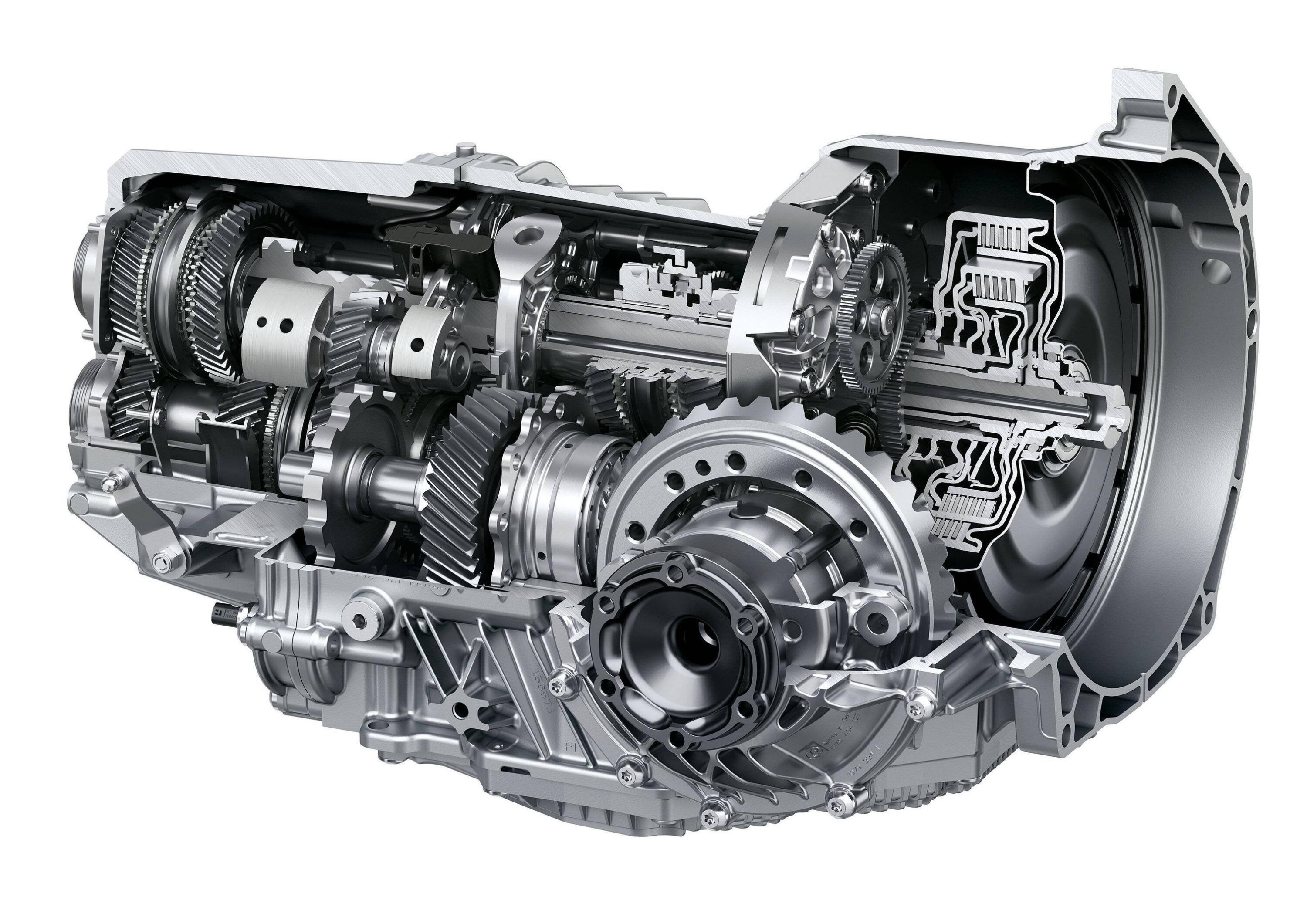
We’re venturing into slightly controversial waters here, with a certain constituency of drivers holding dual-clutch transmissions largely responsible for the demise of the good old manual.
First seen on the 2003 Volkswagen Golf R32 in a production guise by BorgWarner – not, as some point out, the Smith’s Easidrive ’box of the 1960s – the DCT had its roots in racing applications. The Porsche DoppelKupplung (PDK) dual-clutch gearbox was first tested in 1984 in a 956.
Following further tests, in 1986 a 962 C, chassis 962-003, was fitted with the PDK transmission, claiming victory at the Monza 360km race. Dual-clutches shift quicker, shift smoother and are ultra-efficient when compared to manuals. Is that enough? Your mileage may vary on that one. Examining the buyer behaviour of many car customers, the answer would appear to be yes.
09 – Michelin C3M
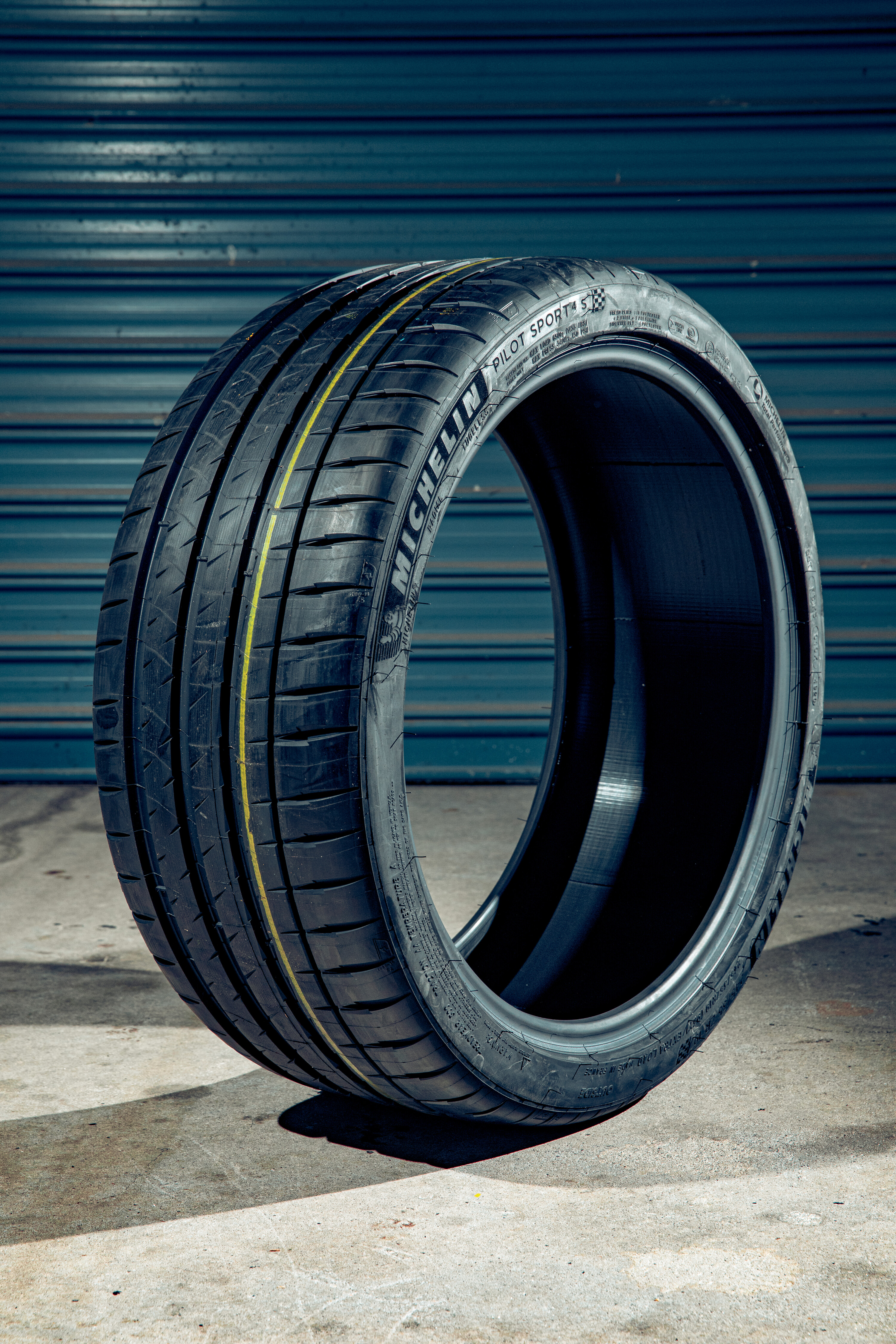
1994 – Michelin
Back in 1994, Michelin changed the way tyres were made. Prior to C3M (Carcasse, Monofil, Moulage et Mécanique) the construction of tyres relied on large-scale production facilities that required huge investments in raw material storage and therefore enormous tyre batches to cost-justify.
C3M introduced small, robotised drum-based stations that not only allowed Michelin to rapidly improve quality but also meant that building, curing and finishing could all be performed rapidly on the drum, with no inventories maintained between the building and curing processes. This enabled OEMs to order small batches of highly customised, high-quality tyres cheaply and rapidly.
Pirelli followed suit – and in many ways surpassed Michelin’s efforts – with its 1997 MIRS tech. So the next time you see a vehicle manufacturer logo on the sidewall of a tyre, that’s due to a French invention from Clermont-Ferrand.
10 – Electrically-assisted Turbochargers
2022 – Mercedes-Benz
Once in a while, a good idea hangs around until technology catches up with it. BorgWarner had tested the concept of an electrically-assisted turbocharger (EAT) in the 1990s, but realised that the 12v architecture of production cars didn’t support its power requirements.
At this point it’s probably germane to get a little pedantic and point out the difference between an EAT and an electric compressor, or supercharger. The latter operates as a standalone item at the intake side, and it’s been used by manufacturers such as Volvo, on the 2016 XC90 T8, and Mercedes-Benz on the M256 engine from 2017.
An EAT still uses exhaust gases as the primary way to spool the unit, but relies on an electric motor to reduce lag. The 2022 Mercedes-AMG C43 was the first to use an integrated Garrett Motion EAT, drawing on the company’s experience in providing such tech to F1’s Scuderia Ferrari and the Le Mans winning Toyota Gazoo Racing program.
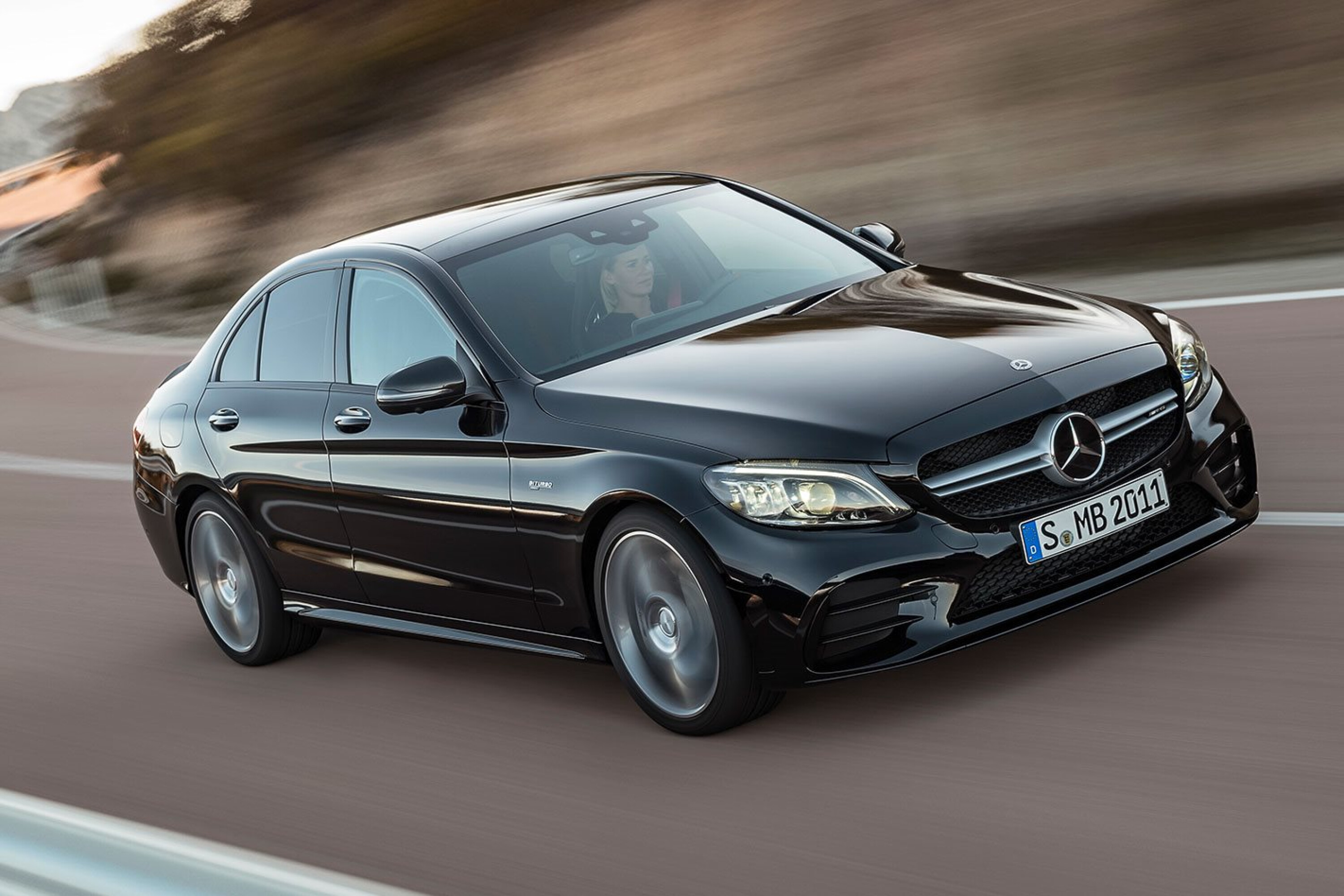
The ability to develop useful torque lower in the rev range is a boon for driveability, but much of the difficulty in productionising the tech comes from packaging. After all, siting an electric motor inside the housing of a device that’s bolted to an exhaust manifold sounds like a great way to melt all of the electronics.
Garrett mounts the motor closer to the compressor side than the turbine side. A water-cooled housing for the turbo already exists and these are also used to help cool the motor and controller.
Porsche also uses an electric turbocharger in the latest 992.2 GTS. This unit, built by BorgWarner draws up to 20 kW to spin the turbine up to 120,000rpm and 26psi in less than or equal to 0.8 seconds, from any point in the rev range. By contrast, the prior 992.1 GTS required more than three seconds to attain its full boost of a relatively modest 18.6psi.
11 – Active Noise Cancellation
1993 – Lotus
Audio scientists have known about what’s called ‘destructive interference’ since the 1930s. Active Noise Cancellation (ANC) drew its first patent in the 50s to help mute aircraft cockpits. Amar Bose designed consumer-spec noise cancelling headphones in 1978, and brought them to market in 1989. The tech is reasonably straightforward, by today’s standards at least.
A reference microphone records ambient noise which gets processed and filtered with feedback from an error microphone that records what the user can hear. A speaker then plays an inverted wave, 180-degrees out of phase at exactly the right time so it lines up and cancels out the ambient noise.
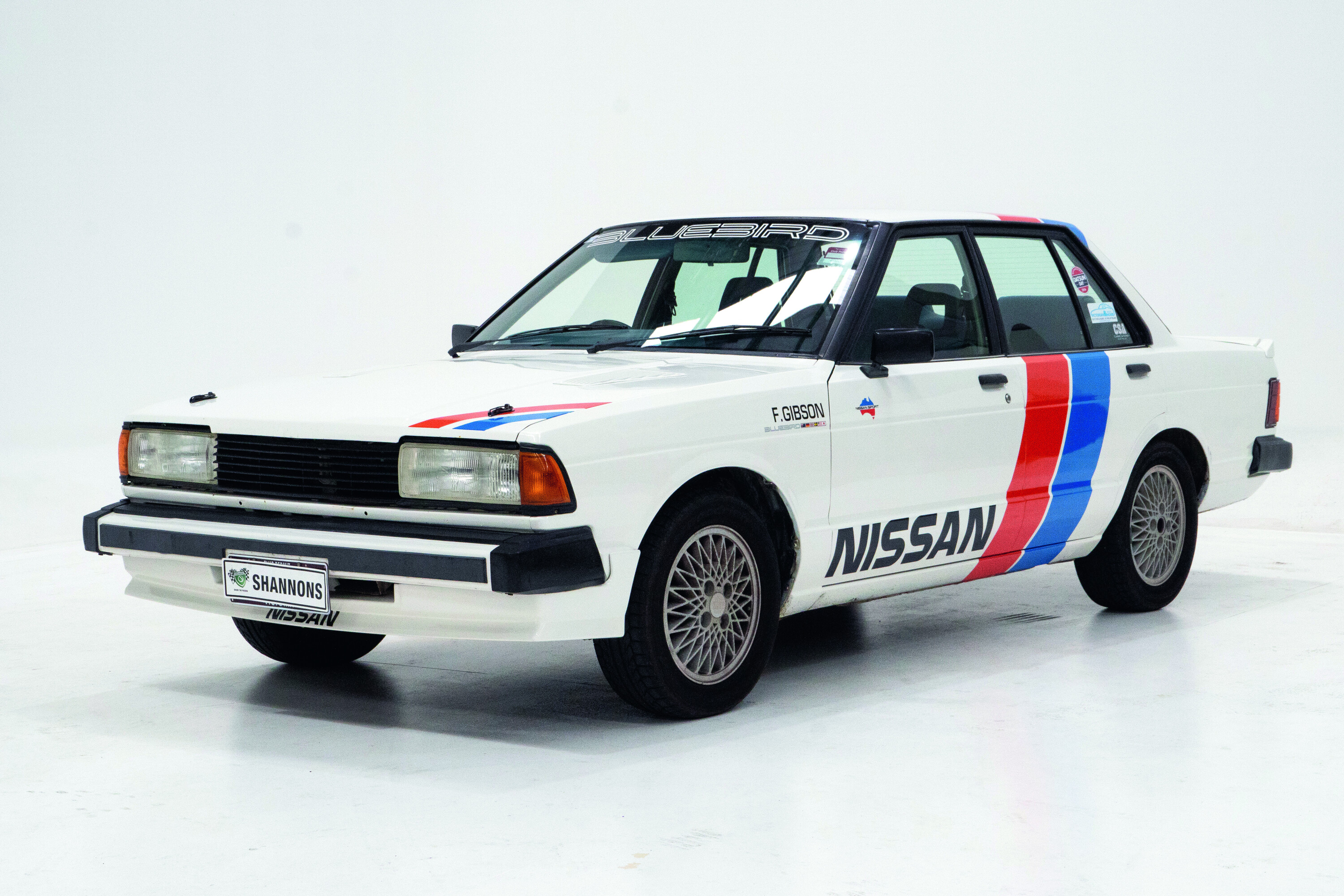
The first automotive application came in 1993, when Lotus applied the tech to the Nissan Bluebird. Lotus? What experience did they have in cabin refinement or audio? It actually sprung from their F1 program, where they realised that destructive interference worked on suspension systems to reduce harmonic vibrations.
From there it was logical to consider how else it could be applied. Hence the Nissan. Nobody quite appreciated what a big deal the ANC was in the Bluebird and the tech sat on the shelf for nearly a decade before being picked up again. It’s fitted to virtually every high-end car built today.
12 – Magnetic Dampers
2022 – GM
Yield point shear stress. Sounds like a pretty nebulous concept, but if you can control that aspect of a damper’s fluid by using an applied magnetic field to align particles within it, it’s possible to change its effective viscosity.
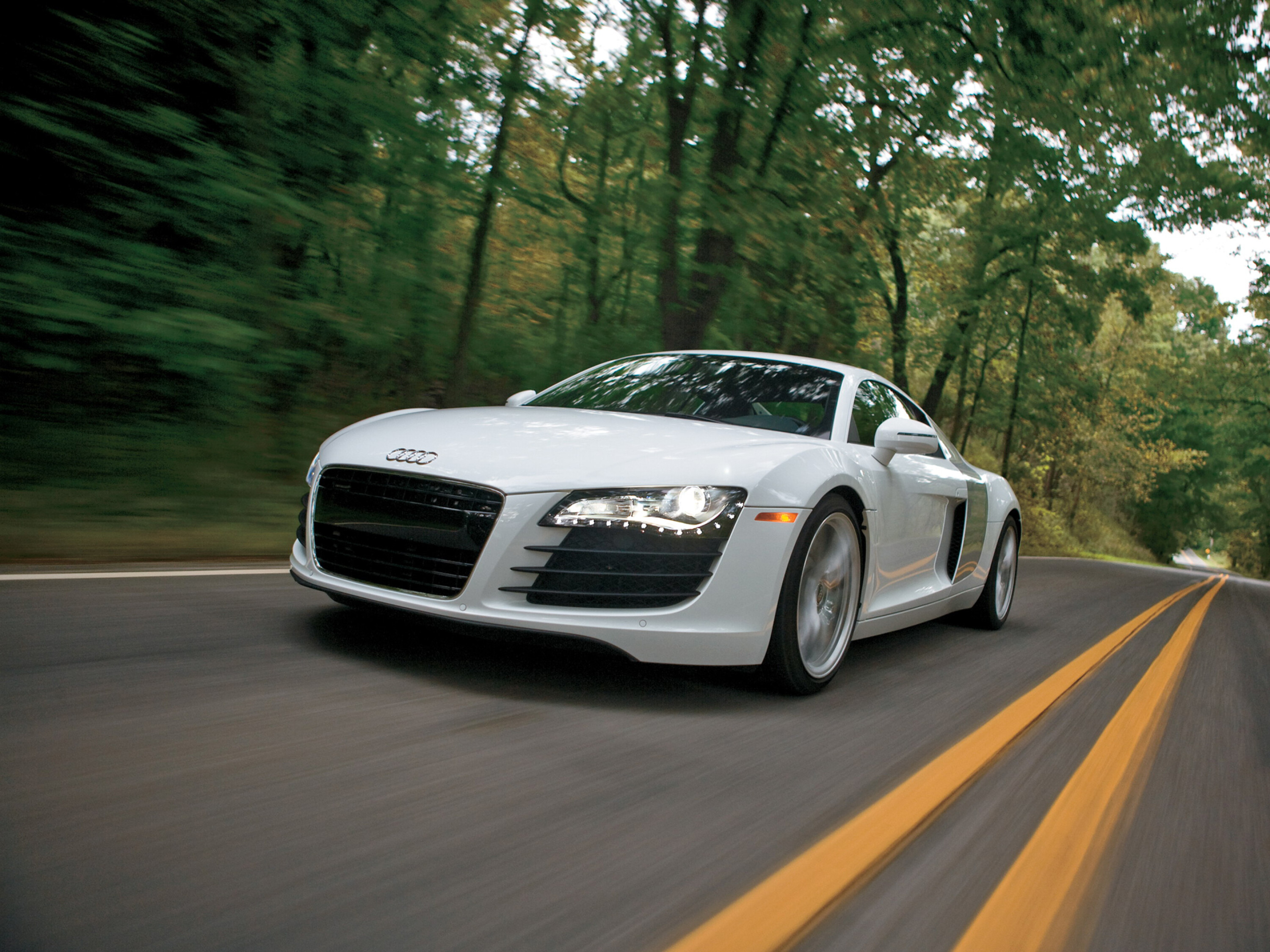
Bingo – instant adaptability. Developed by GM’s Delphi and first seen on the 2002 Cadillac Seville STS, it also featured on the 2003 Corvette C5 and the 2006 Audi R8. This ability to change ride quality from relaxed to firm was adopted by manufacturers such as Ferrari, Lamborghini, Ford, HSV, Honda, Land Rover and Chevrolet amongst others.
Aside from its flexibility, another advantage of MagneRide systems is that there are no moving parts or valving structures needed to actuate the state change, operating almost instantaneously.
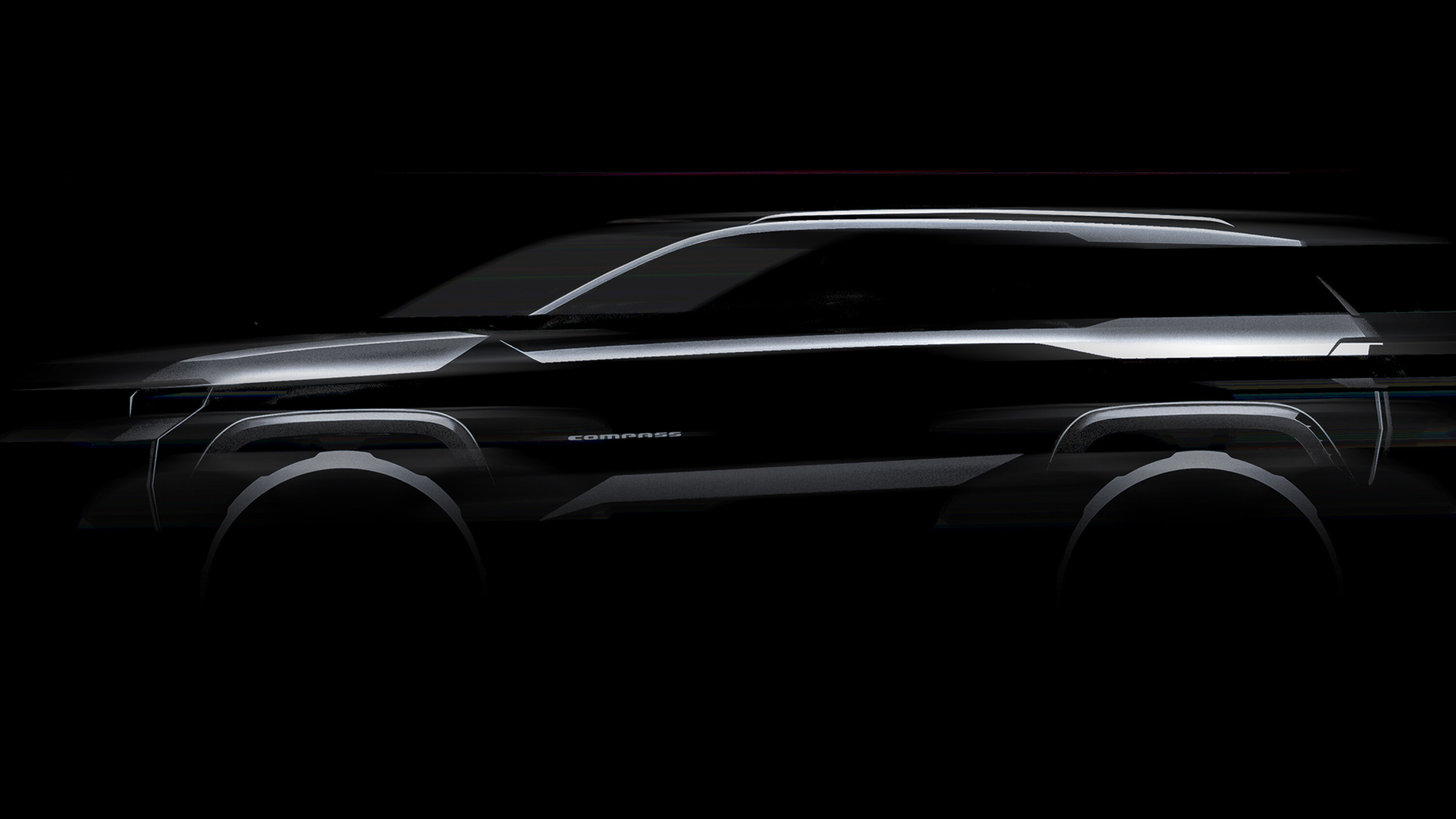
Jeep has released another new teaser image of its forthcoming all-new Compass, signalling an imminent unveiling in the coming weeks.
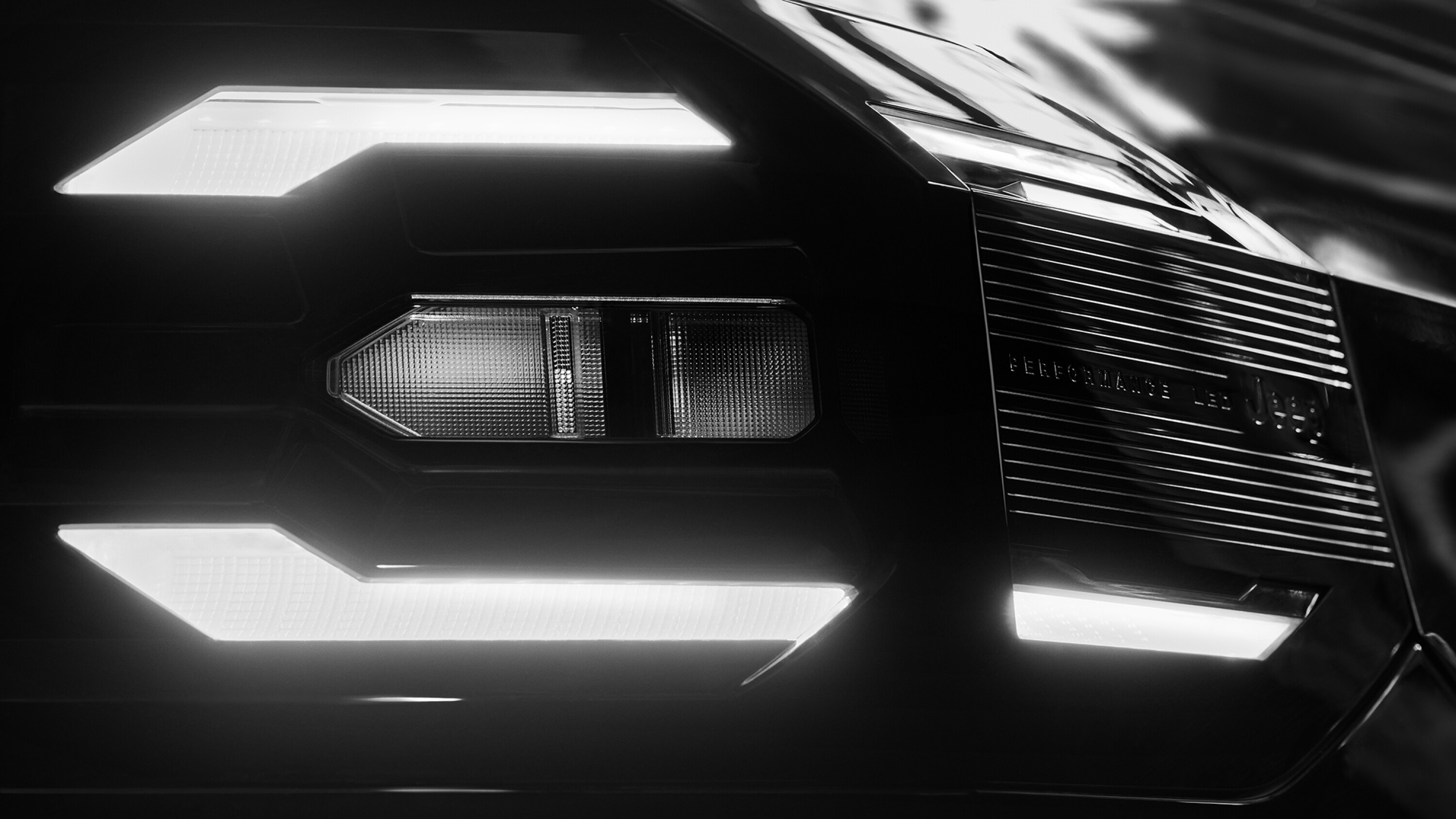
This latest image offers a first clear look at the new Compass’s headlights and grille, potentially in its EV form, judging by the closed-off look to the grille panels.
Exact timing for the new model’s US and Australian debut is still to be announced, but a European-first launch is scheduled for the local Spring – making it sometime around late March.
Read up on everything we know about the upcoming new Compass in our earlier coverage below.
OCTOBER 2024: New Jeep Compass teased at last
Jeep has handed down a first look at its next-generation Compass, ahead of a debut expected to occur sometime in 2025.
This mid-size SUV will expand Jeep’s powertrain offerings, incorporating petrol, hybrid, and fully electric options.
Built on the STLA Medium platform shared with the Peugeot 3008, the Compass distinguishes itself with a robust, SUV-centric design language, as evidenced by the released image.
The front end shows a clear resemblance to the smaller Jeep Avenger, featuring indented headlights and protective plastic cladding.
Squared-off wheel arches, a signature Jeep design element, house substantial wheels and tyres – although, as a sketch, it’s unlikely we’ll see quite this level of chunkiness reach production.
Jeep has positioned the Compass as its “four-wheel-drive mainstream compact SUV,” confirming the availability of 4×4 configurations alongside front-wheel drive base models, mirroring the 3008’s setup. The vehicle’s short overhangs suggest enhanced off-road capabilities.
Additional design features discernible from the teaser include roof rails, darkened B, C, and D-pillars, and a relatively flat rear profile, which should contribute to improved practicality. In a competitive segment populated by models such as the Nissan Qashqai and Hyundai Tucson, practicality is a crucial consideration.
Drawing parallels with the 3008, the all-electric Compass variant may offer a range exceeding 640km. Hybrid models will likely utilise the 1.2-litre three-cylinder petrol engine with mild hybrid assistance, and a plug-in hybrid option remains a possibility.
Jeep’s UK managing director, Kris Cholmondeley, previously indicated a potential November reveal, placing the official unveiling in the near future. Production is set to commence in Italy next year, with North American production following in 2026.
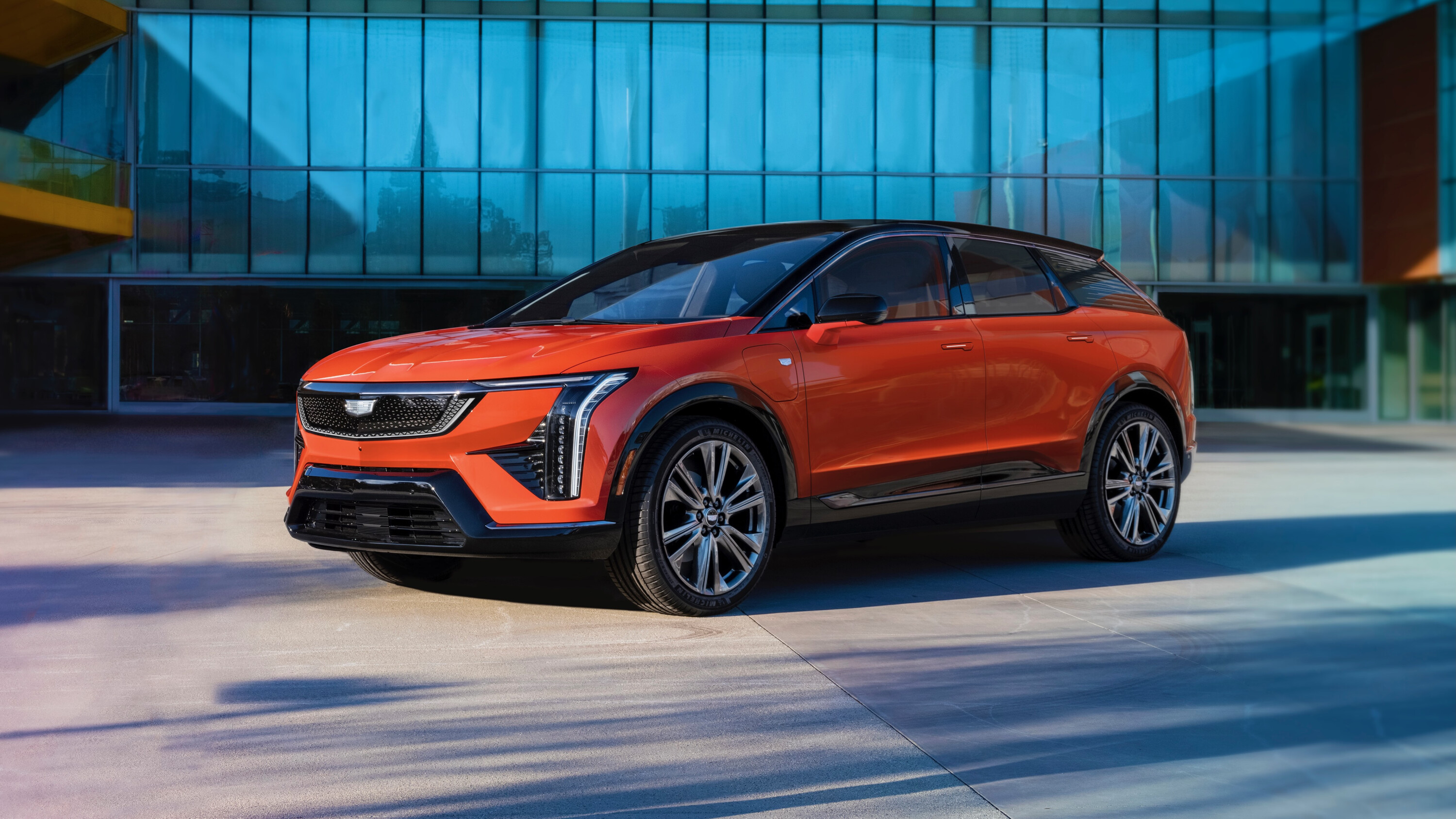
The Cadillac Vistiq and Optiq electric SUVs have been confirmed for an Australian release in 2026 as the American luxury brand expands its global footprint.
Revealed as part of an announcement about greater commitment into right-hand drive markets such as Australia, New Zealand and Japan, the Optiq and Vistiq will join the Lyriq that went on sale locally in late 2024.
The Optiq and Vistiq will sit below and above the Lyriq in size, with the Optiq competing against a range of mid-size electric SUVs and the Vistiq competing with larger seven-seaters like the incoming Hyundai Ioniq 9. All three sit on General Motors’ ‘BEV3’ platform and use its ‘Ultium’ drive motors.
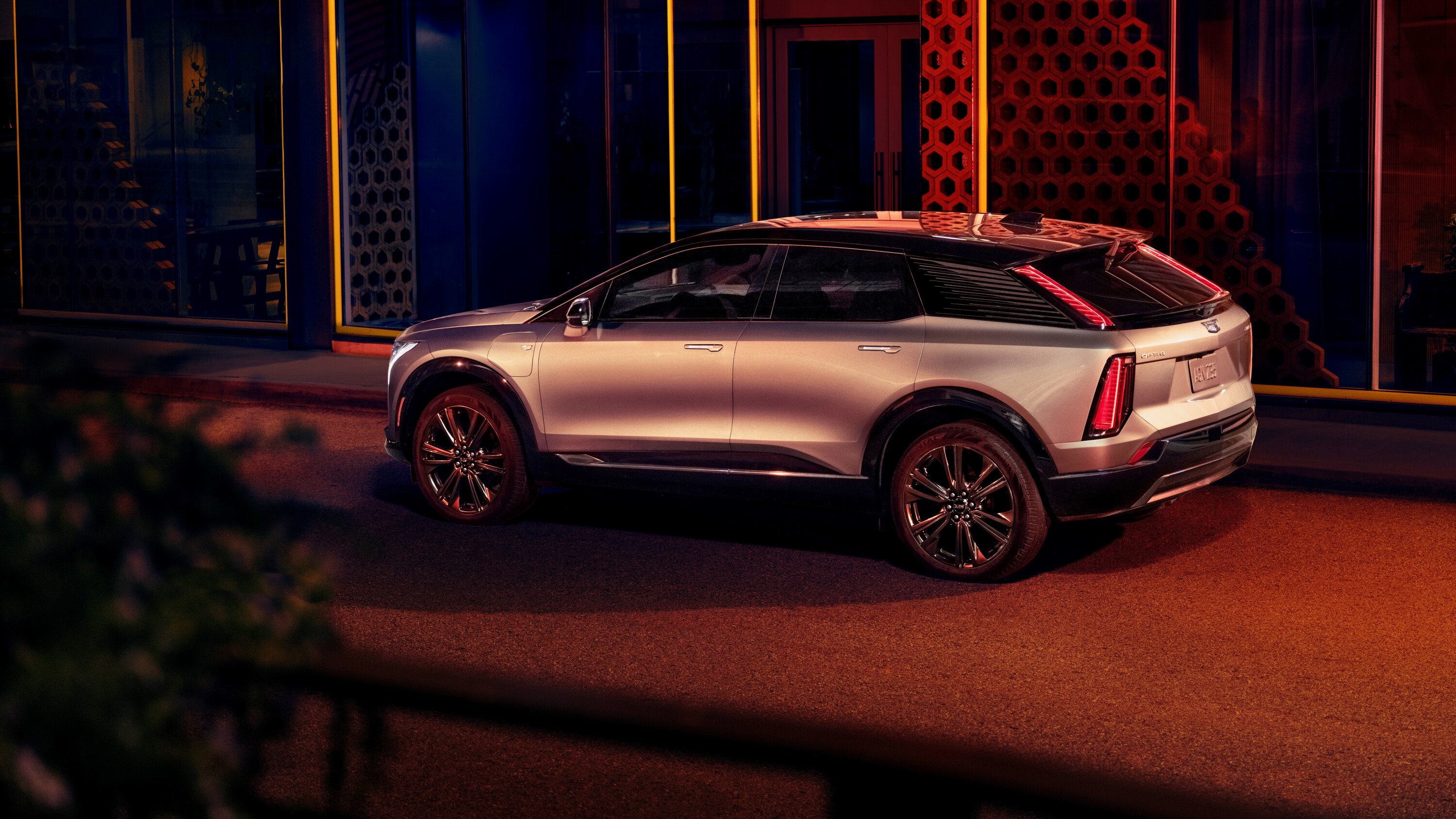
Smaller than the Lyriq, the Optiq measures 4,820mm long, making it longer than a Tesla Model Y. It uses an 85kWh lithium ion battery for a claimed 480km range, while power comes from a 224kW/480Nm dual-motor all-wheel drive system.
According to Cadillac, the Optiq can be DC fast charged at up to 150kW, reportedly adding 127km of range in just 10 minutes.
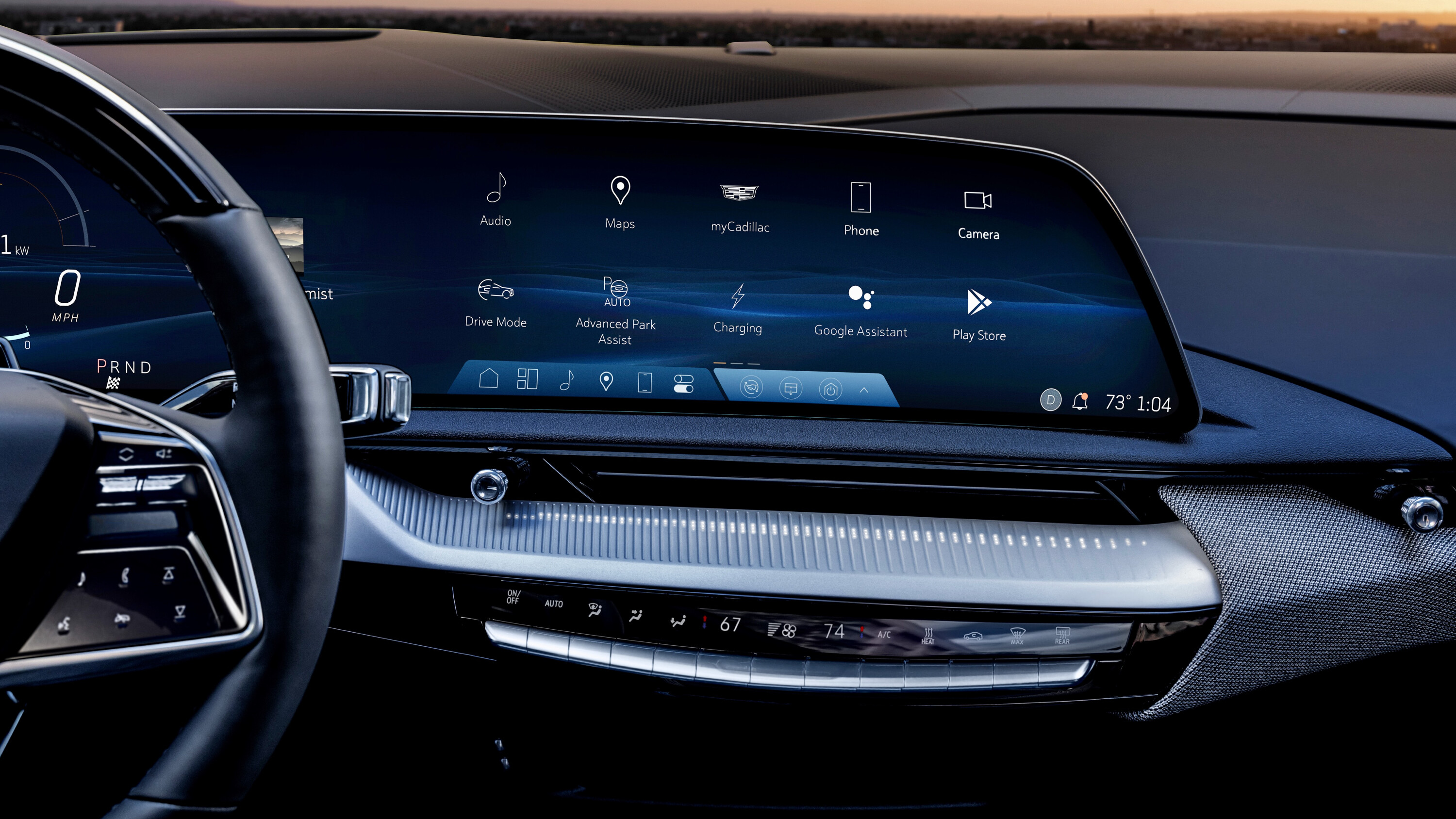
Pricing in the US for the Optiq starts at US$54,000 (around AUD$87,000 at current exchange rates) and is available in two models there: Sport and Luxury. Both models are well equipped with features like a 19-speaker AKG stereo, a huge 33-inch infotainment screen with inbuilt Google Maps and a full suite of active safety kit.
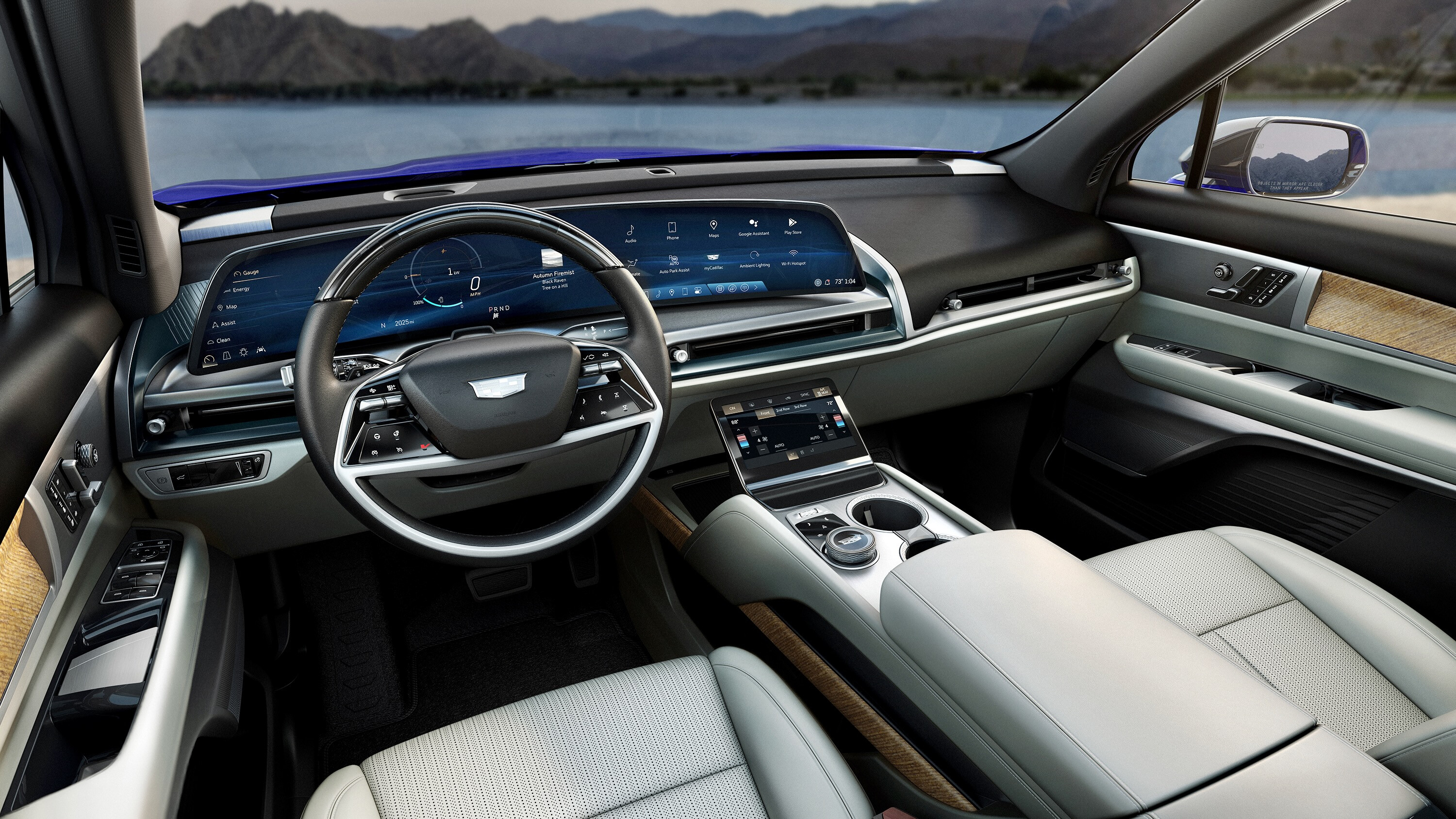
Luxury features inside the Optiq include a Volvo-like woven fabric made from recycled materials on the dashboard, ‘PaperWood’ accents with tulip wood and recycled newspaper, and crystal-look air vent controls.
Cadillac claims best-in-segment cargo capacity of 744 litres, which expands to 1,603L with the rear seats folded. The front seats are electric, heated, ventilated and even give a massage.
Sitting above the Lyriq and Optiq is the Vistiq, which is a large seven-seat electric SUV. Measuring 5,222mm long, the Vistiq is even longer than the Kia EV9 and like its smaller siblings, features a dual-motor all-wheel drive drivetrain as standard. In the US, outputs of up to 459kW/880Nm are available, which is almost double that of the Optiq.
The Vistiq uses a larger 102kWh battery for a range of around 480km, with Australian figures yet to be confirmed.
US pricing for the Vistiq starts at US$78,000 (AUD$123,000) and in that market, Sport, Premium Luxury and Platinum trims are available.
Available equipment includes heated, ventilated and massaging front seats, five-zone climate control system, a 23-speaker AKG Studio sound system, ambient lighting, unique speaker grilles with a herringbone pattern and a panoramic sunroof that is joined by a second glass panel over the third row of seats.
The Vistiq is also available with air suspension and even rear wheel steering in the US, while Australian equipment levels are yet to be confirmed.
Further local details of the Cadillac Optiq and Vistiq will be announced closer to their 2026 Australian release.
