
Omoda Jaecoo Australia has introduced a new cheaper plug-in hybrid variant to its J7 mid-size SUV range called the Track SHS. Priced from $43,990 drive away, the Jaecoo J7 Track SHS is $4000 less expensive than the J7 Summit SHS model which remains unchanged but still uses its 1.5-litre plug-in hybrid drivetrain that’s capable of travelling 90km on a full charge (WLTP).
Sharing its model name and most of its equipment with the petrol J7 Track, the Jaecoo J7 Track SHS is well equipped with features such as 19-inch alloy wheels, synthetic leather upholstery, a 13.2-inch portrait touchscreen and a large suite of active safety features.
Compared with the J7 Summit, the Track loses features such as a panoramic sunroof, a larger 14.8-inch touchscreen, an eight-speaker Sony sound system, wireless phone charger, a head-up display, power tailgate, LED front fog lights and colour-selectable LED ambient cabin lighting.
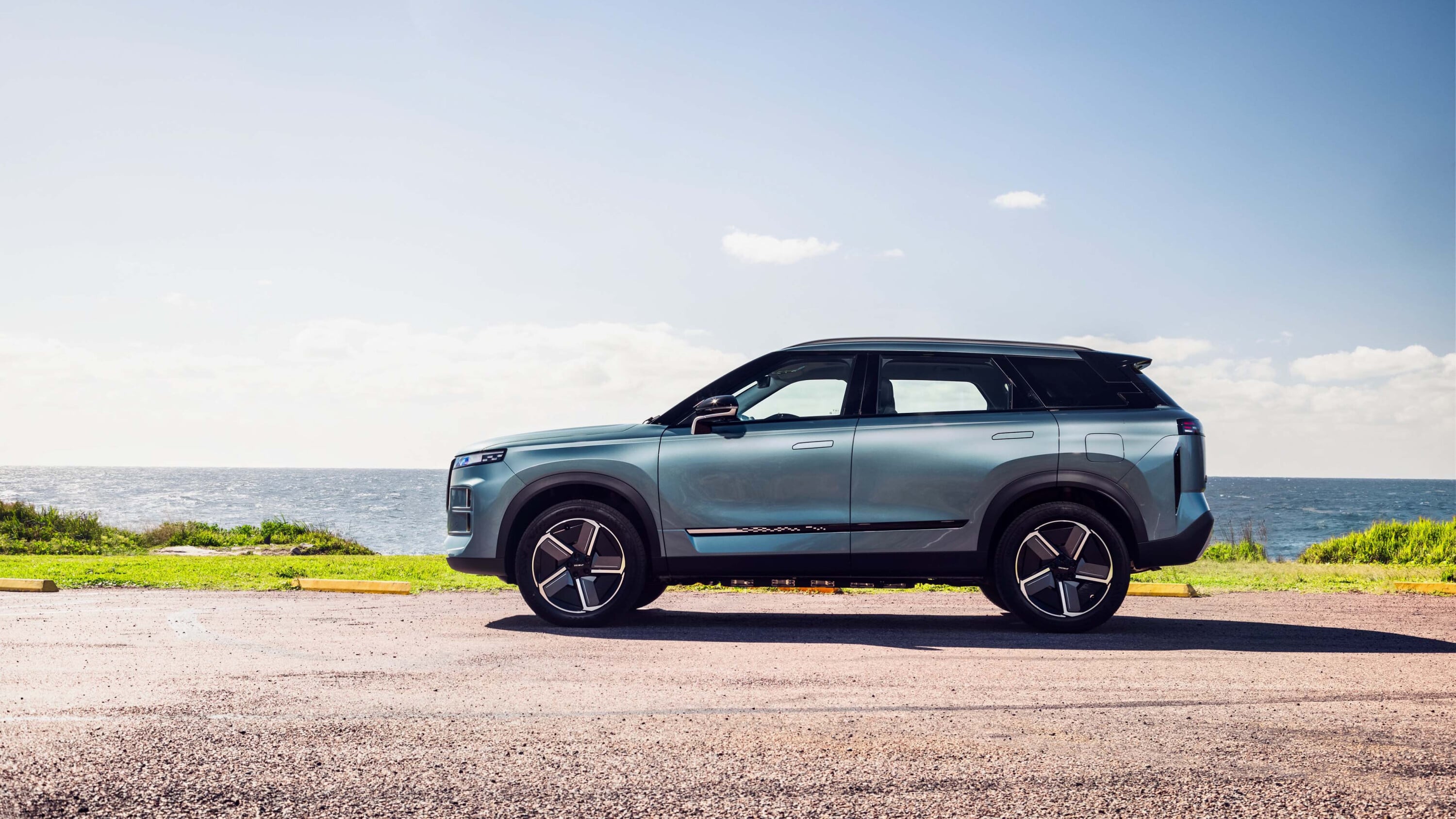
The Jaecoo J7 SHS uses a 105kW/215Nm 1.5-litre four-cylinder turbo-petrol engine combined with a 150kW/310Nm electric motor for combined outputs of 255kW/525Nm. Power is drawn from an 18.3kWh LFP battery for a WLTP-rated range of 90km, and it can be charged at up to 40kW for a 30-80% charge in as little as 30 minutes.
2026 Jaecoo J7 pricing (drive away):
| Core | $34,990 |
|---|---|
| Track | $37,990 |
| Ridge | $42,990 |
| Track SHS PHEV | $43,990 |
| Summit SHS PHEV | $47,990 |
Jaecoo J7 Track SHS standard features:
- 19-inch “aero” alloy wheels with a tyre repair kit
- Roof rails
- Power-retractable door handles
- Heated and auto-folding mirrors
- Automatic LED head and taillights
- Synthetic leather upholstery
- 10-way electric driver’s seat with memory
- Heated and ventilated front seats
- Dual-zone automatic climate control
- 10.25-inch LCD driver instrument cluster
- 13.2-inch LCD touchscreen
- Satellite navigation
- Apple CarPlay & Android Auto (wired + wireless)
- AM/FM/DAB+ digital radio
- Voice control (“hello Jaecoo”)
- Six-speaker sound system
J7 Track SHS safety features:
- 8x airbags
- Autonomous emergency braking
- Adaptive cruise control with traffic jam assist
- Adaptive lane guidance
- Lane keeping assistance
- Blind-spot monitoring
- Rear cross-traffic alert (with braking)
- Door open warning
- Auto high beam
- Driver attention monitoring
- Traffic sign recognition
- Front and rear parking sensors
- 360-degree camera
The Jaecoo J7 Track SHS is now on sale in Australia, with local deliveries due to commence soon.
Whenever an established manufacturer – what we’d now call a ‘legacy brand’ – releases an electric car, there’s an added sense of anticipation.
Unlike a challenger brand who can enter the market with whatever it wants to release carrying no weight of expectation, an established brand has plenty at stake. That’s certainly the case for Mazda, with the release of an electric car that isn’t just important because it’s a Mazda. It’s important because it’s a Mazda 6.
See, the Mazda 6 – in the face of increasingly rabid SUV demand – remained popular with buyers in Australia in both sedan and wagon form. Aussies loved the 6 as an alternative to the ubiquitous Toyota Camry – stylish to look at, functional, comfortable and a lovely car to drive. The wagon provided even more flexibility and reminded Wheels why wagons are so underdone in Australia every time we drove one.

That’s why the new Mazda 6e, with an all-electric drivetrain and RWD, is so important for the brand in Australia. According to Mazda, internal research has indicated its customers are both ready for the return of the 6 and to sample their first EV. Time will tell whether that’s true, but this quick drive of a LHD Euro-specific 6e provides some initial detail on just what Mazda will be putting front and centre in its showrooms.
Pricing and final specification will be announced closer to launch in 2026, but here’s what we know so far. First up, Mazda has told us to expect a price below $55,000 before on-road costs, which is impressive. If it can bring the electric sedan in around that number, Aussie buyers will take notice. Mazda 6e gets a 78kWh lithium ion phosphate battery pack. That’s good for a claimed driving range beyond 500km, with a single motor mounted at the rear axle. There’s 190kW on offer and charging capability from 30 to 80 per cent in as little as 15 minutes under optimal charging conditions.

Where the Mazda 6e differs from other of vehicles we are familiar with is the development. Mazdas have all previously been developed in-house – this 6e features a chassis and electrical hardware developed by Chinese car-making partner Changan, which sells a different version of the vehicle as a Deepal in other markets. The 6e is also the first electric Mazda not based on a previously available petrol vehicle – another reason it’s so important in the Australian new-car market.
The Mazda 6e certainly looks the part. The five-door hatchback design is stylish from any angle, and ensures the street presence it will need to catch the eye of buyers. It looks like a Mazda, but it also looks like a premium sedan. There’s no conventional sedan (with a boot, not a hatch) or wagon planned at this point either, so four-door hatchback it is.
The LHD 6e we’re driving here for Wheels is an evaluation vehicle brought to Australia from Europe, where much of the suspension reworking was done to ensure it has a more broadly appealing driving response, given the global focus of the car. Inside, the 14.6-inch central infotainment screen is a whopper, bright, clear and easy to navigate, and you get a 14-speaker Sony audio system, three-zone climate control AC, heated seats front and rear, a panoramic glass sunroof with proper electric sunshade, and a clear 360-degree camera.

The version we drove was beautifully trimmed in a terracotta-coloured suede material with excellent fit, finish and attention to detail. There’s quality in the touch surfaces and the controls, as you’d expect from Mazda. The centre console and storage on offer also looks practical and useful. Visibility is excellent, thanks in part to the huge glass roof and the amount of light coming into the cabin. Aside from some EV-focus functionality like the gear selector stalk, it’s very much a Mazda in every sense.
The flat floor means you’ll need the front seats raised a little to have the toe room you want, if you’re in the second row, but even back there the sculpting of the seats and the padding means you’ll be comfortable on longer trips. I took a couple of laps around Lang Lang’s ride and handling loop with two adults up front and me seated in the passenger side of the second row. The ride back there, up to 100km/h, is as good as it is up front.
A couple of things are immediately impressive when you’re behind the wheel – the first of which is the insulation inside the cabin. It’s staggering how much wind and tyre noise can be drowned out by a conventional driveline. Electric cars don’t have that luxury, and the 6e remains quiet – even of Lang Lang’s noise/vibration/harshness circuit which is designed to upset that sense of calm inside the cabins. There are no rattles, squeaks or noisy plastics to be found anywhere.

Out on the high-speed loop, ratcheting speed up to 130km/h, there is almost no wind or tyre noise entering the cabin either, such is the quality of the insulation. It means the 6e presents a strong case as a comfortable long hauler, where persistent noise can get very tiring, very quickly. If you spend a lot of time at highway speed, the 6e is going to work well.
Onto the driving itself and, as you’d expect of an electric vehicle, the 6e feels punchy and responsive. Wheels likes the fact its RWD, which reverts to the purity offered by the front tyres doing the steering and the rear tyres doing the driving. Push the 6e hard into a tight corner, and it behaves as you’d expect a RWD car to behave. On that note, it seems to hide its heft pretty well too, something most EVs aren’t able to mask.
It remains comfortable whether you’re in ‘Comfort ‘or ‘Sport’ mode, selectable via the centre screen, and the regenerative braking system has a decent feel to it, too, without some of the weirdness associated with some electric cars. During our short drive, we liked the steering, too, which isn’t on MX-5 level, but is still pretty good.
It’s hard to find negatives when you’re driving a LHD version of a car that hasn’t yet had final specification for our market, but on first experience, the 6e isn’t just an excellent Mazda, it’s an excellent electric car. Time will tell whether previous Mazda 6 owners are willing to take the punt on a fully electric version.
Specs
| Model | Mazda 6e |
|---|---|
| Priced | From less than $55,000 (estimated) |
| Engine | Single electric motor |
| Power | 190kW |
| Drive | Rear-wheel drive |
| Battery | 78kWh lithium-iron-phosphate |
| Range | 500km+ (claimed) |
Launched way back in 2017, the first Skoda Kodiaq was the brand’s initial attempt at a large SUV, and its first seven-seater product. Timely, given the rise and rise of the SUV form, it added to Skoda’s fortunes significantly, especially the RS version. Now it’s time for Kodiaq generation two – longer, with more equipment and more maturity in execution, is the Skoda Kodiaq Sportline now the seven-seat SUV to buy?
There are three versions of the Kodiaq available in Australia for the moment: entry-level Select, mid-spec Sportline (tested) and top-spec RS, with pricing starting at $56,990 drive away. All use a 2.0-litre turbo-petrol engine and all-wheel drive, though both mild- and plug-in hybrid models are coming
Skoda Kodiaq pricing (drive away):
| Select 140TSI | $56,990 |
|---|---|
| Sportline 140TSI | $61,990 |
| RS 195TSI | $76,990 |

The Kodiaq’s pricing places it at the cheaper end of seven-seat SUV land, with its main rivals being the Hyundai Santa Fe, Mazda CX-80 and Volkswagen Tayron (which it shares a lot with mechanically). It’s smaller on the outside than those cars, but it’s also larger than seven-seaters like the Nissan X-Trail and Mitsubishi Outlander.
But even in unoptioned base model Select form, the Kodiaq is quite well equipped and unless you’re into the sportier styling of the Sportline, the Select makes more sense. Head to the bottom of the page for the full list of features, but even the Select features leather upholstery, an electric driver’s seat, an electric tailgate, heated front seats, a 13-inch touchscreen and a full suite of active safety features, including nine airbags and adaptive cruise control with traffic jam assist.
For the moment, the Kodiaq Select and Sportline models are only available with the Volkswagen Group’s ubiquitous ‘EA888’ 2.0-litre four-cylinder turbo-petrol engine, in this tune making 140kW of power and 320Nm of torque. That’s mated to a seven-speed dual-clutch transmission and sends power to all four wheels. There’s no hybrid model available yet, but a 150kW plug-in hybrid version is due before the end of the year.
As it is in all other applications, the EA888 engine in the Kodiaq is creamy smooth and sounds good as well, with a nicely raspy note. At 140kW, it’s got adequate performance, though the 320Nm of torque hitting at just 1400rpm is what really impresses about the drivetrain. It hits 100km/h in a claimed 7.9 seconds, which is more than quick enough for the target market and those wanting more speed can spend $15k extra to get the 195kW Kodiaq RS. The seven-speed DCT is one of the better ones we’ve experienced, with typically-fast shifts and little in the way of low-speed hesitation.

The ‘140TSI’ engine in the Australian-spec Kodiaq is not quite as powerful or efficient as what Europe gets, however – it makes 150kW there and is cleaner to boot. The claimed combined consumption for the Australian model is 9.2L/100km with claimed CO2 emissions of 209g/km, which is officially 0.8L/100km and 12g/km over the more powerful six-cylinder petrol Mazda CX-80. The Kodiaq uses minimum 95RON premium unleaded for its 58-litre fuel tank.
On the road, as with the previous model, the Kodiaq impresses with its taut European suspension, agile handling and impressive refinement. Thanks to the size and weight gain over the previous Kodiaq, it’s not quite as agile but it’s still more fun to drive than many rivals with its well balanced chassis, quick steering and firm-ish ride quality. Thankfully, the adaptive dampers in the Ultimate Pack can be relaxed a lot, with some 15 different settings, though it’s too floaty at the softer end of the spectrum.
Whereas the previous Kodiaq was starting to feel a bit dated inside, the new model has hit it out of the ballpark in cabin design and materials. While equivalent Mazda CX-80 or Hyundai Santa Fe models feel a bit cheap inside (both of their higher-end models employ more expensive materials), the Kodiaq is richly upholstered with tasteful leather and suede upholstery, plenty of soft touch materials and high quality switchgear. In some ways, the Kodiaq feels slightly more upmarket than its Volkswagen Tayron cousin, and it’s definitely easier to use some functions like the climate control in the Skoda thanks to its more liberal use of physical buttons.
A large 13.0-inch touchscreen is standard on all new Kodiaq models with features such as wireless smartphone mirroring, sat-nav and digital radio, though no live services functionality, as it offers in Europe. Screen quality is crisp, though it could be a bit easier to use. Sound quality from the 13-speaker Canton audio that’s part of the Ultimate Pack is punchy.

Storage space in the front of the Kodiaq is excellent with large door bins, different trays with two wireless phone chargers and two USB-C ports in the centre console, configurable cupholders and storage in the centre tunnel and even two gloveboxes.
The Kodiaq’s middle row is spacious for two adults, while three will fit fine. A storage section that sits on the driveshaft tunnel with extra cupholders is removable, while there are also console-mounted air vents, two USB-C ports, a 12V socket and if you choose the Ultimate Pack, heated outboard seats. Other features include big door bins, inbuilt window shades, map pockets and even a tablet holder, while child seat duties are handled by three top tether and two ISOFIX points.
The third row is, like the previous Kodiaq, best kept to children. I could just fit my six-foot self there but both headroom and legroom are limited. There are also no child seat points, air vents or charging ports, with only a little bit of side storage. If you’re looking to use your third row of seating relatively often, the CX-80 and Santa Fe might be more practical for you, though the Kodiaq’s boot is still quite large.
There is 289 litres of space lies behind the third row, and 794 litres available with the third row folded. Boot features include under-floor storage, various hooks to hang bags off, a protective mat and cargo fastening elements to hold cargo. Fold the second row and a huge 2035 litres of space is available, which is 64 litres more than the larger CX-80 can manage.

The rest of the Kodiaq package is still quite classy with its attractive and high quality cabin, torquey petrol engine, fun driving dynamics, long list of standard equipment and huge boot. The engine is a bit thirsty however, and there’s no hybrid model quite yet either. But overall, the second-generation Skoda Kodiaq impresses as a family bus, just as it always has, but now it’s better equipped and more mature as well.
Skoda Kodiaq specifications:
| Model | Skoda Kodiaq Sportline 140TSI |
|---|---|
| Price | $61,990 drive away |
| Drivetrain | 1984cc inline four turbo-petrol |
| Transmission | Seven-speed dual-clutch, all-wheel drive |
| Peak power | 140kW (@ 4200 – 6500rpm) |
| Peak torque | 320Nm (@ 1400 – 4100rpm) |
| 0-100km/h | 7.9 seconds |
| Combined fuel consumption/CO2 emissions | 9.2L/100km, 209g/km |
| Fuel tank/size | 95RON premium unleaded, 58 litres |
| Dimensions (length/width/height/wheelbase) | 4758/1864/1659/2791mm |
| Tare mass | 1885kg |
| Boot | 289 litres (third row up), 794 litres (third row folded), 2035 litres (third + second row folded) |
| Warranty | Seven-year/unlimited km with 12 months of roadside assistance |
| Service intervals/cost | Annual/every 15,000km, $4750 for a seven-year plan ($678 per year) |
| On sale | Now |
Skoda Kodiaq Sportline standard features:
- 20-inch alloy wheels with a space-saver spare
- Roof rails
- Glass black trims on the grille and mirrors
- Automatic LED automatic exterior lighting
- Rain-sensing automatic wipers
- Keyless entry and push button start
- Heated/auto-folding/auto-dimming mirrors with dropping in reverse gear
- Electric tailgate
- Rear privacy glass
- Tri-zone automatic climate control
- Leather and suede upholstery
- Power adjustable driver’s seat with lumbar and memory functionality
- Heated front seats
- Heated leather steering wheel with paddle shifters
- 10-inch digital driver’s display
- 13-inch touchscreen
- Wireless and wired Apple CarPlay and Android Auto
- Satellite navigation
- AM/FM/DAB+ digital radio
- Nine-speaker sound system
- Dual wireless phone chargers
- 5x USB-C charging ports
- Heated windshield
- Rear door sunshades
- Simply clever features: 2x bins in doors, door edge protectors, umbrella in the driver’s door, screen protector, cargo fastening elements in the boot and a tablet holder
Kodiaq Sportline safety features:
- 9x airbags
- Autonomous emergency braking (AEB) with junction, pedestrian and cyclist monitoring
- Adaptive cruise control with stop and go functionality and traffic jam assist
- Lane keeping assistance with lane departure warning
- Adaptive lane guidance
- Emergency assist
- Blind-spot monitoring with rear cross-traffic alert (with braking)
- Exit warning
- Automatic low-speed emergency rear braking
- Driver fatigue monitoring
- Matrix adaptive high beam
- Traffic sign recognition
- Front and rear parking sensors
- Reversing camera
- Tyre pressure monitoring
- Anti-theft alarm system with interior monitoring and towing protection
The Skoda Kodiaq earned a five-star safety rating from ANCAP based on testing conducted in 2024 by Euro NCAP with category scores of 89 per cent for adult occupant protection, 87 per cent for child occupant protection, 82 per cent for vulnerable road user protection and 81 per cent for safety assist technology.
Kodiaq Sportline options:
- Ultimate Pack (adaptive dampers, 13-speaker Canton sound system, head-up display, hands-free functionality for the electric tailgate, heated outboard middle row seats, automatic parking, 360-degree camera and electric front passenger seat with memory): $4000
- Panoramic sunroof: $1900
- Velvet Red paint: $770
Australia has lost one of its defining motorsport figures with the passing of Allan Moffat, a driver whose name is stitched into the fabric of our touring-car racing. Moffat died peacefully on November 22, 2025 after a long battle with Alzheimer’s disease, surrounded by family.
Born in Saskatoon, Canada, on November 10, 1939, Moffat arrived in Australia as a teenager and quickly found a home on local circuits. By the late 1960s he was a full-time touring-car contender, and before long he became the standard by which Ford racers were measured. His career record remains staggering: four Australian Touring Car Championship crowns (1973, 1976, 1977 and 1983), four Bathurst 500/1000 victories, and six wins at Sandown.
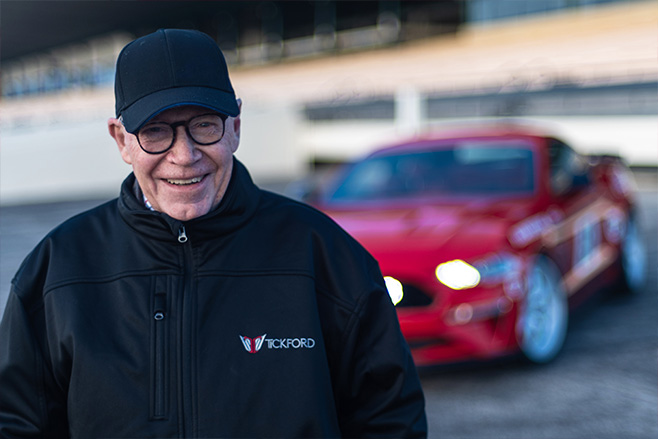
Moffat’s finest years helped build the mythology of Australian motorsport. In an era when tribal loyalties ran deep, he spearheaded Ford’s charge against Holden and forged a rivalry with Peter Brock that was fierce on track, yet grounded in mutual respect. Their duels at Mount Panorama and beyond didn’t just decide races; they turned Bathurst into a national ritual and defined a generation of fans.
What set Moffat apart was not only speed, but professionalism. He approached racing like both a craft and a business, lifting standards for preparation, sponsorship, and team management in ways that shaped the modern Supercars paddock. His influence stretched beyond Australia too, with major international campaigns — including success in American endurance and touring-car arenas — and he remained a sought-after mentor and voice of authority long after stepping out of the cockpit.
Honours followed the achievements: induction into the Supercars Hall of Fame in 1999, the Australian Motor Sport Hall of Fame in 2016, and the Sport Australia Hall of Fame in 2018, alongside his appointment as an Officer of the Order of the British Empire. Yet those closest to him consistently point to the man behind the helmet — intense in competition, generous with knowledge, and fiercely loyal to family and friends.
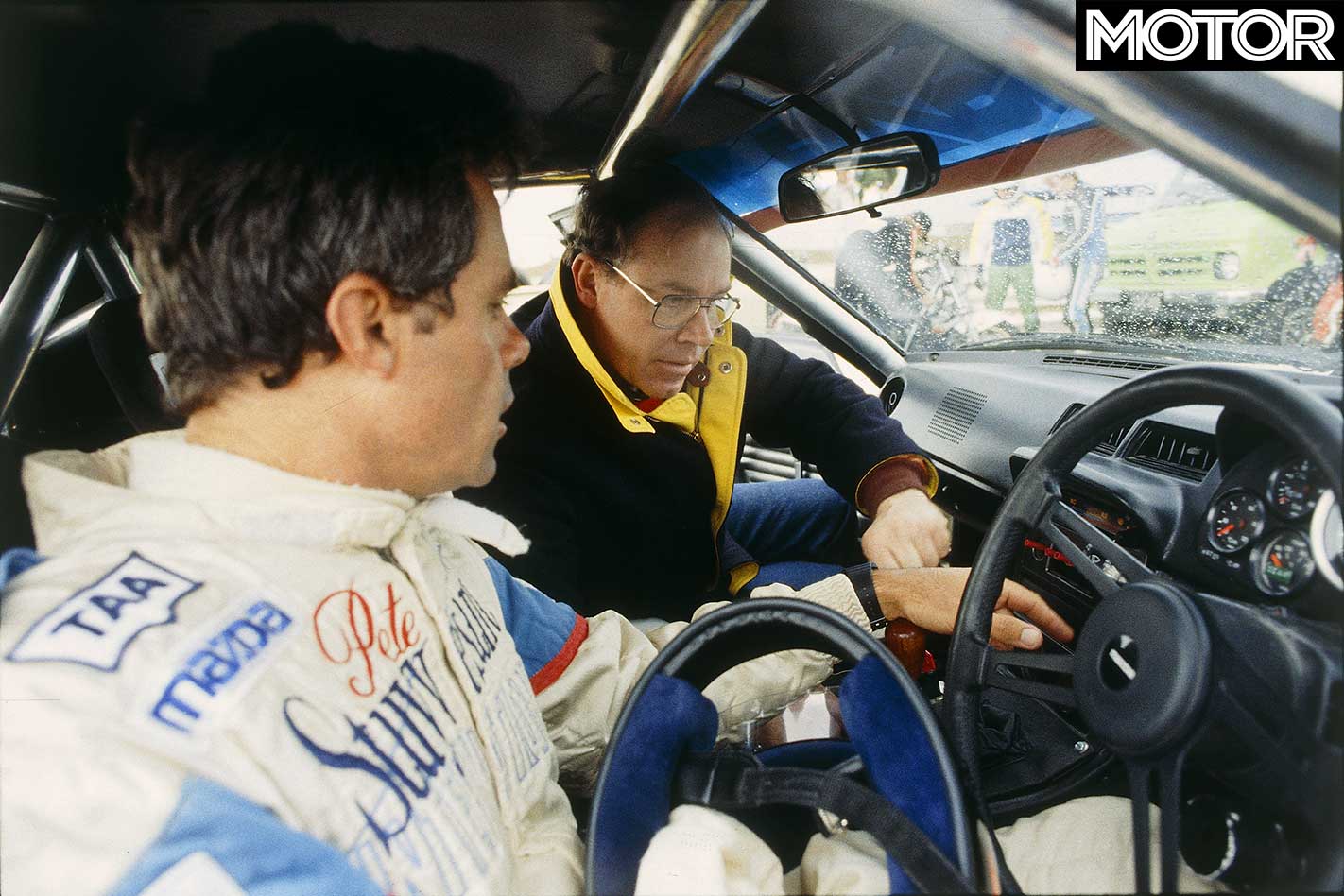
In later years, as Alzheimer’s took hold, Moffat turned his stature toward advocacy, serving as a patron of Dementia Australia and encouraging support for the Allan Moffat Foundation so other families might find care and hope.
Today, the grandstands he once electrified feel quieter. But Allan Moffat’s legacy is anything but. Every hard-fought Ford victory, every young driver learning the trade, and every fan who still thrills to the roar of a V8 at Bathurst carries a trace of what he built. Vale, Allan — champion, pioneer, and forever one of the greats.
If you’re an enthusiast, launching a new car is an exciting time. A new model is almost always cause for celebration – what has the manufacturer cooked up for this hyped up new model? What does it look like, how fast does it go, how much stuff can you fit in it, and so on. But what if the model is overhyped and it’s a disappointment, or worse, a sales failure?
Here are five cars that didn’t live up to their hype:
Nissan Z
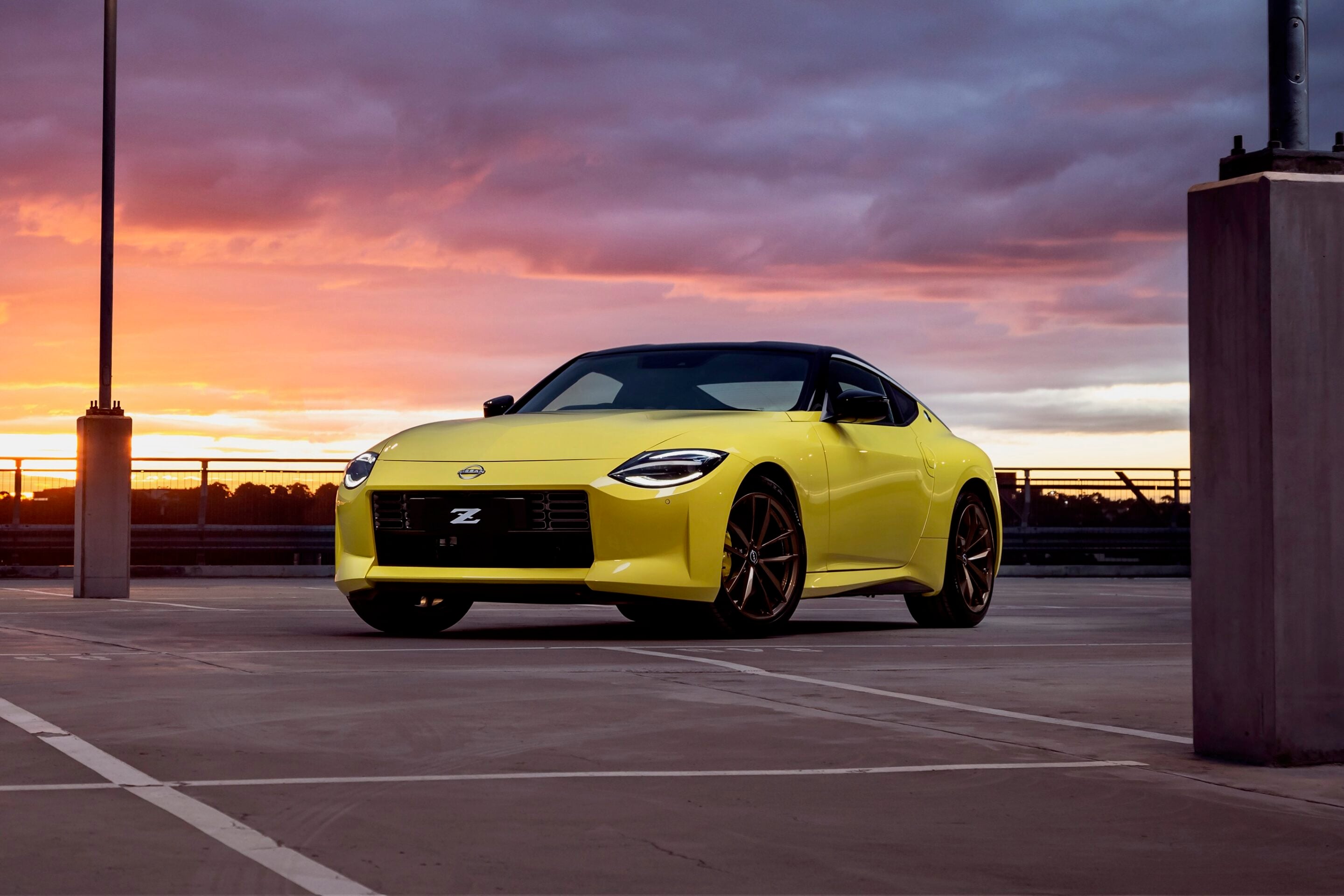
The Nissan Z is a legendary sports car that’s currently in its seventh generation and the current shape Z uses the same rear-wheel drive recipe that made its predecessors so fun to drive. Except, this time around it uses a twin-turbocharged 3.0-litre V6 engine making 298kW of power and 475Nm of torque, making it comfortably the most powerful Z ever built.
But the sales of the Z haven’t lived up to its hype with around just 1040 sold in Australia since it went on sale in mid-2022. Part of that is likely pricing, as the Z starts at $76,160 plus on-road costs, which is a lot higher than the $59,990 +ORC price that its 350Z predecessor – which the Z borrows a lot of parts from, including the platform and a lot of the interior – was priced from. The affordable part of the legendary Z lineage is not so affordable any longer, unfortunately.
BMW XM
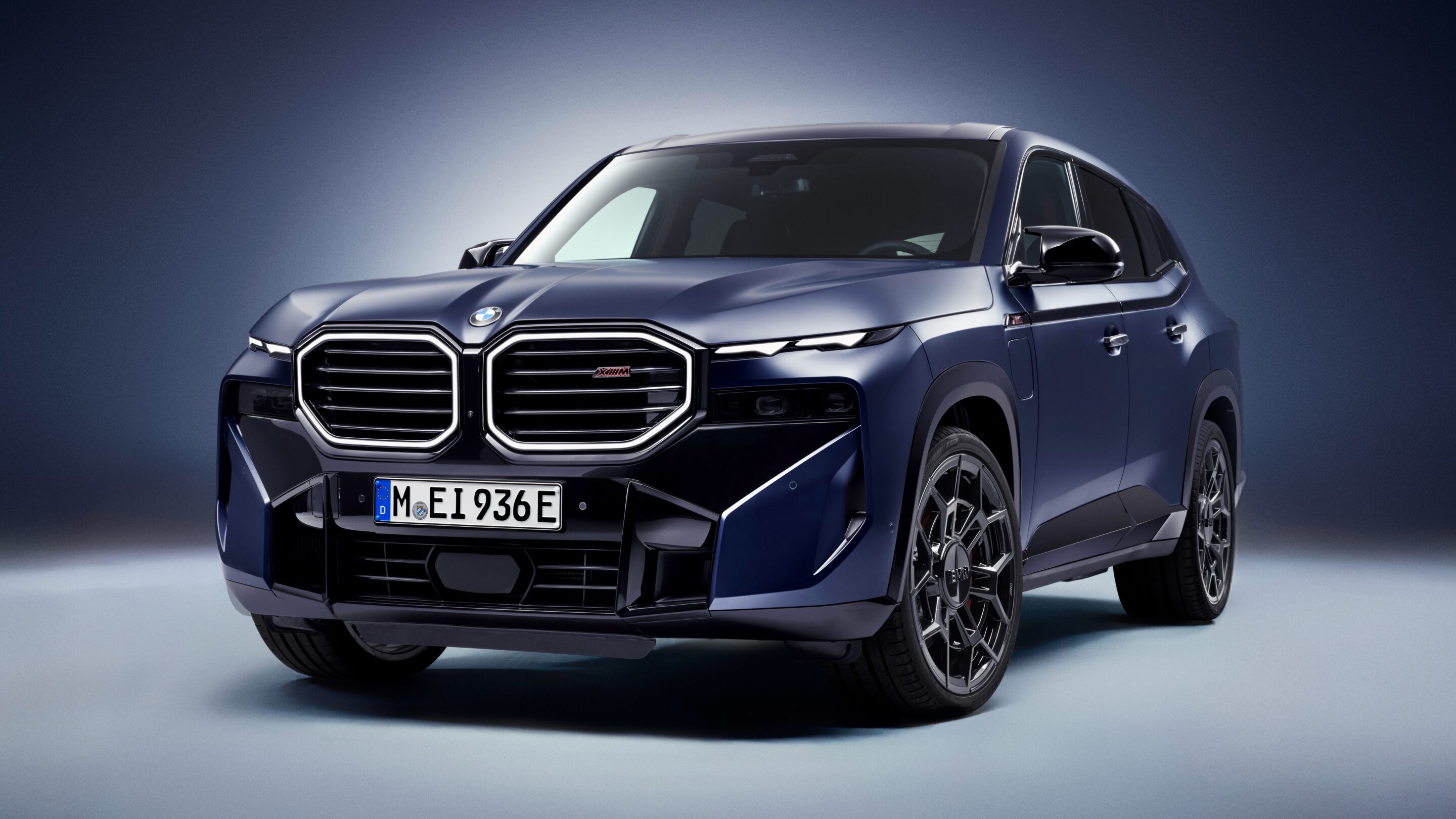
The BMW XM, the M division’s bespoke and brutish super SUV, isn’t short on aggression or performance – but it is short on sales. Perhaps it’s too aggressive or too expensive, but in 2024, BMW only sold 7813 units globally, which is well short on the Mercedes-Benz G-Wagen that it was conceived to compete mainly against – it sold 10,987 units in the USA alone in 2024.
It’s not that the XM is a bad car, far from it actually thanks to its very powerful drivetrain, luxurious interior and great dynamics for such a big and heavy product. But according to the sales figures, BMW purists know what they want and a plug-in hybrid super SUV is not it. BMW continues to sell the XM, with just a single specification available in Australia, for around $30,000 less than it used to cost. Will that boost sales? That’s unknown as yet, but the XM is not likely to receive a second generation model.
Kia Stinger
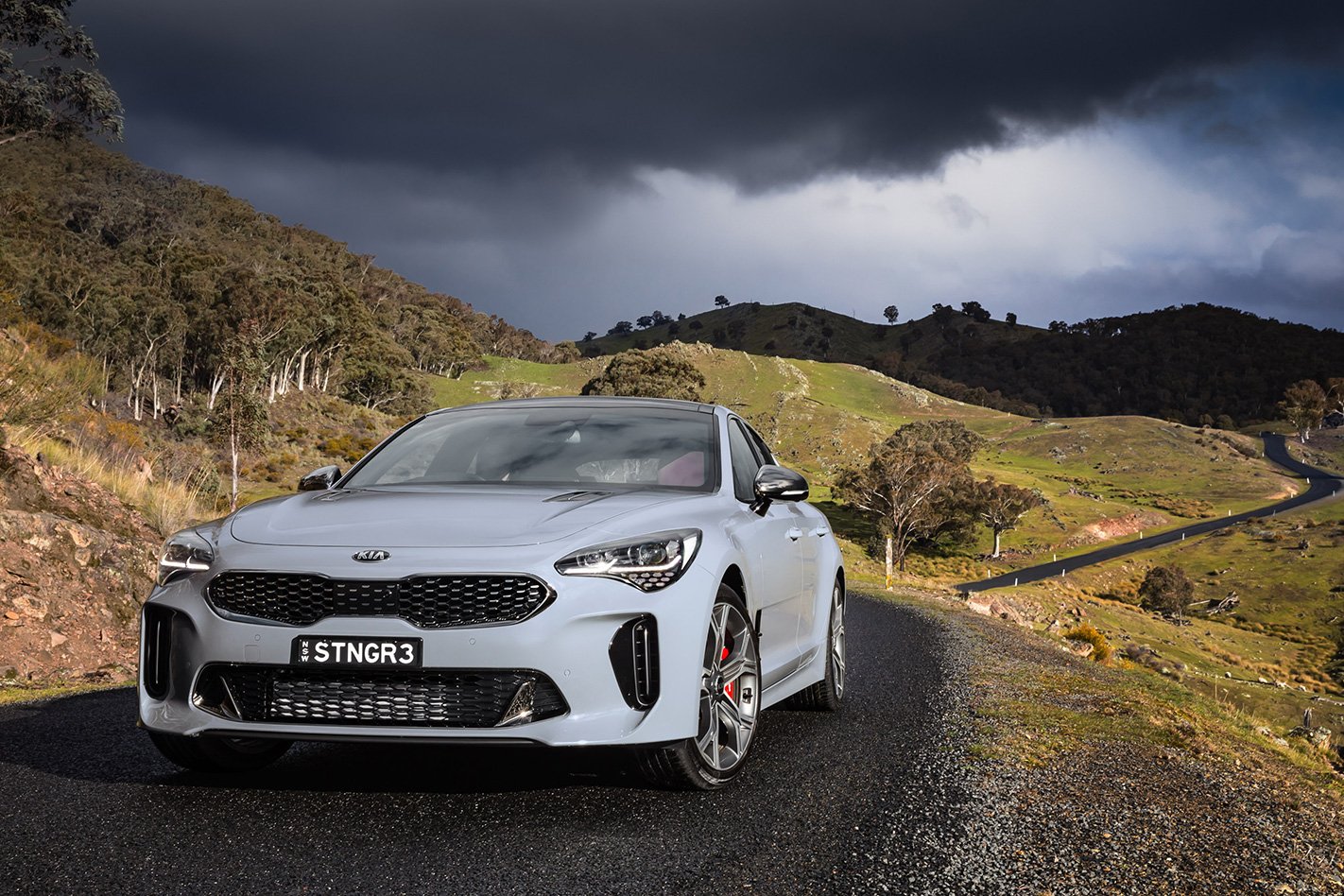
The ingredients for the Kia Stinger were tasty: a twin-turbo V6 engine, eight-speed automatic transmission, rear-wheel drive chassis, Brembo brakes and Michelin tyres and truthfully, it did a lot of positive work for Kia’s brand image. Its value positioning was strong too: it wasn’t cheap, but it was good value for money at $66,490 for the top-spec GT in 2023 (its last year in production). It was hyped up as a replacement for the V8 Holden Commodores and Ford Falcons and its 2018 release was well timed considering that production for those heroes had just ended.
But unfortunately for Kia, sales of the Stinger never lived up to its full potential. Globally, just over 138,000 units of the Stinger were produced over its life, or just over 17,000 per year, and a second-generation model was not produced. It’s a big shame because the Stinger was a great car – but for whatever reason, buyers just didn’t agree.
Honda NSX

The first-generation Ayrton Senna-honed Honda NSX is a legendary car, so making a follow up was always going to be difficult for Honda. Before production of the first NSX ended in 2006, Honda (and its North American luxury offshoot Acura, which sold the NXS in the US) had confirmed that another generation was in development for release in 2010, but that project was paused due to the Global Financial Crisis. But by the time the second-generation model had gone on sale in 2016, or 10 long years since it was first confirmed, many buyers had gotten fed up with waiting and gone elsewhere to brands such as McLaren.
The other big problem with NSX generation two was its pricing. In Australia, it was priced at $420,000 plus on-road costs, which made it more expensive than other supercars like the McLaren MP4-12C. The NSX wasn’t a bad car either, in fact, it was quite good – fast, communicative and fun, but against a McLaren? Honda had its work cut out and Australian total sales never reached double figures.
Mercedes-Benz X-Class
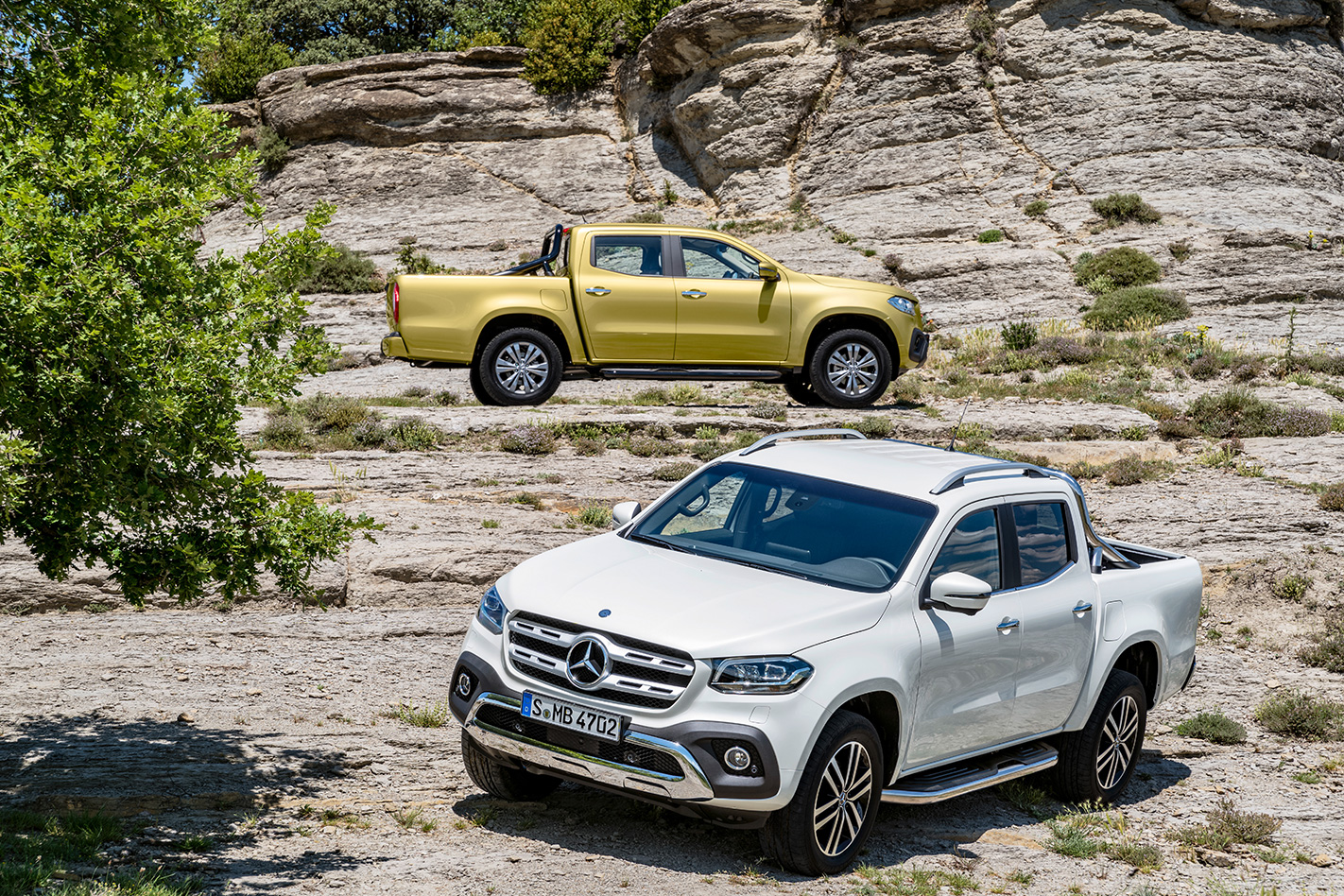
A rare mis-step from Mercedes-Benz is the X-Class ute, which had big hype from confirmation of its existence in 2015 to its 2017 on-sale date. Mercedes had seen how successful more luxurious utes like the Volkswagen Amarok and Ford Ranger Wildtrak were and wanted a piece of its own. Fair enough too, as there are thousands of both on our roads. Mercedes also has a strong commercial heritage, so everybody was expecting big things from the X-Class.
Except that the production X-Class didn’t borrow from Mercedes’ commercial heritage, it actually borrow a lot from Nissan. Yep, thanks to a deal between the two, the Nissan Navara was chosen as the basis of the X-Class. Even though the X-Class was promised as a proper Mercedes, it used the Nissan’s chassis, mechanicals, seats… basically the only Mercedes parts were the infotainment system, styling and later on, optional diesel V6 engine. Buyers noticed and just 16,700 were sold globally in its first full year on sale, and didn’t improve. X-Class production was cancelled in May 2020.
Bonus: Tata Nano
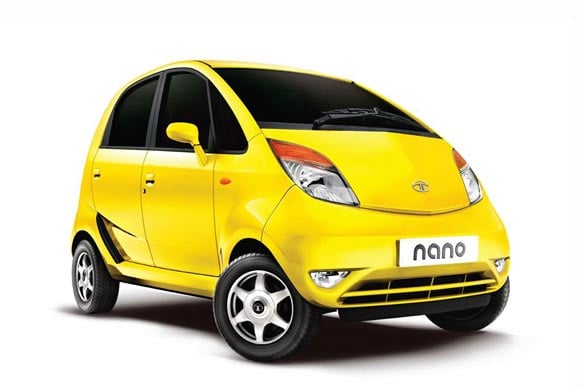
There was massive buzz around the car when it launched in India in 2009 because it was the first brand new car available in India for ₹100,000 (US $2000 at the time). Compared with used cars and motorbikes that the Nano was priced against, it was a revelation: it could carry four people dryly and with air-conditioning, and it opened many Indians to the option of buying a brand new car for the first time.
Unfortunately for Tata, buyers largely forgot about the Nano or were scared away by initial reports of fires and poor quality. The company had predicted annual sales of 250,000 units but its best year was in 2012 with a result of 75,000 units. By the Nano’s end in 2017, it was selling just 7500 units on average and Tata actually lost money on the project by the time production finished.
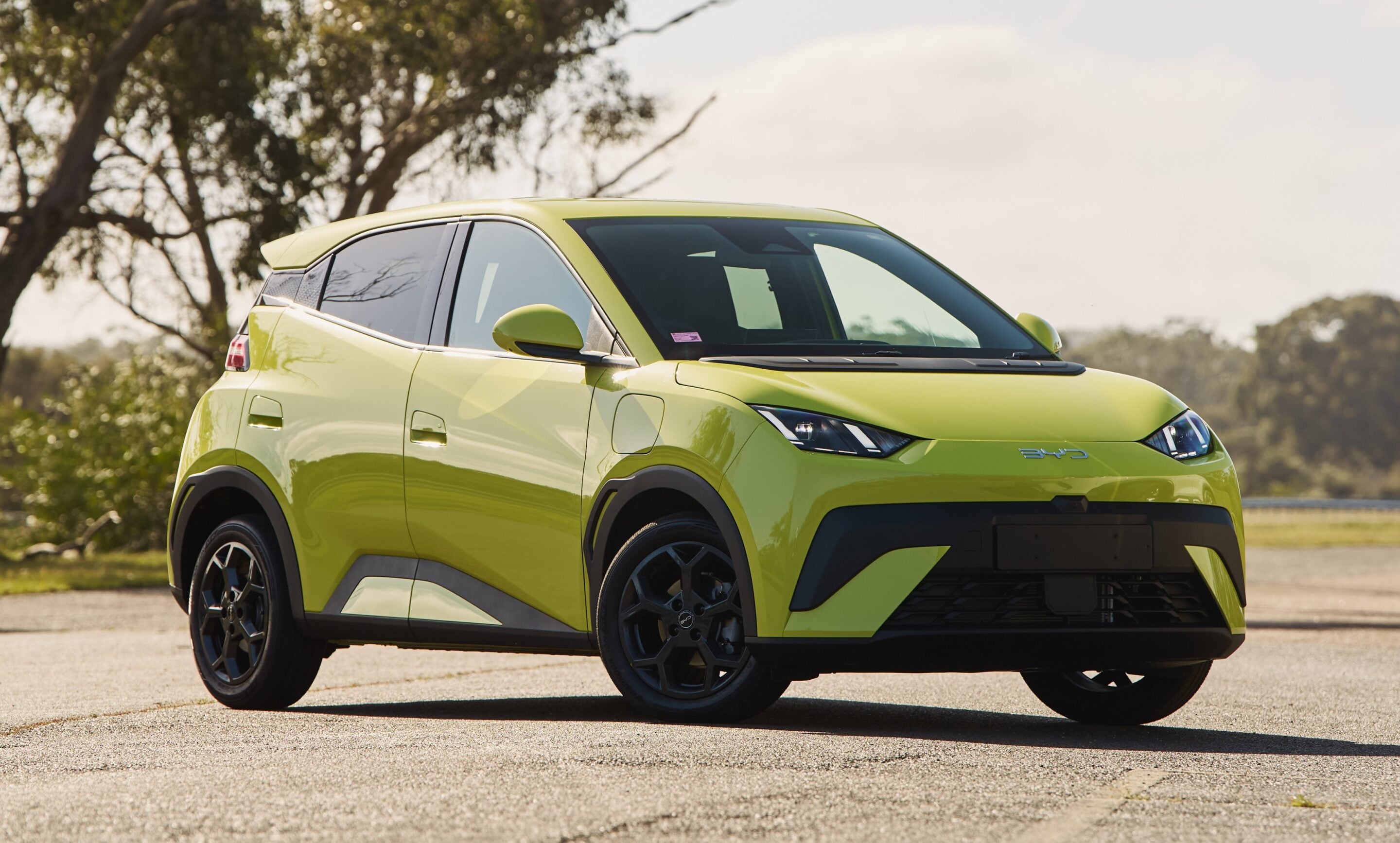
The BYD Atto 1 has rewritten the rulebook on electric vehicle pricing, launching in Australia from just $23,990 (plus on-road costs), but how does it stack up to the king of the light car segment, the MG3?
While purely petrol-powered at the entry level, a super-frugal hybrid version can still be had for less than $30,000 on the road, so if you want a new car for not much money, what are the pros and cons of each?
Pricing
As it happens, the BYD Atto 1 Premium and MG3 Hybrid Excite line up perfectly at $27,990 (plus on-road costs), though this is the top-spec Atto and mid-spec MG3 Hybrid, so it’s not quite like-for-like.
It’s somewhat tit-for-tat in terms of after-sales care. MG has the warranty advantage, with a standard seven-year/unlimited kilometre offering that extends to 10 years or 250,000km if you service with an authorised MG dealer.
Roadside assistance is also included for the length of the warranty period and servicing costs $2045 over the first five visits with attention required every 12 months or 10,000km.
Over at BYD there’s a six-year/unlimited kilometre warranty for the vehicle with eight years of cover for the battery, but complimentary roadside assistance is limited to just 12 months.
On the plus side, service intervals are 12 months or 20,000km and while BYD hasn’t announced servicing costs as yet, its Dolphin bigger (but still small) brother costs $1628 over the first five visits which is probably indicative.
| BYD Atto 1 | Pricing* | MG3 Hybrid | Pricing* |
|---|---|---|---|
| Essential | $23,990 | Excite | $27,990 |
| Premium | $27,990 | Essence | $29,990 |
*plus on-road costs
Dimensions
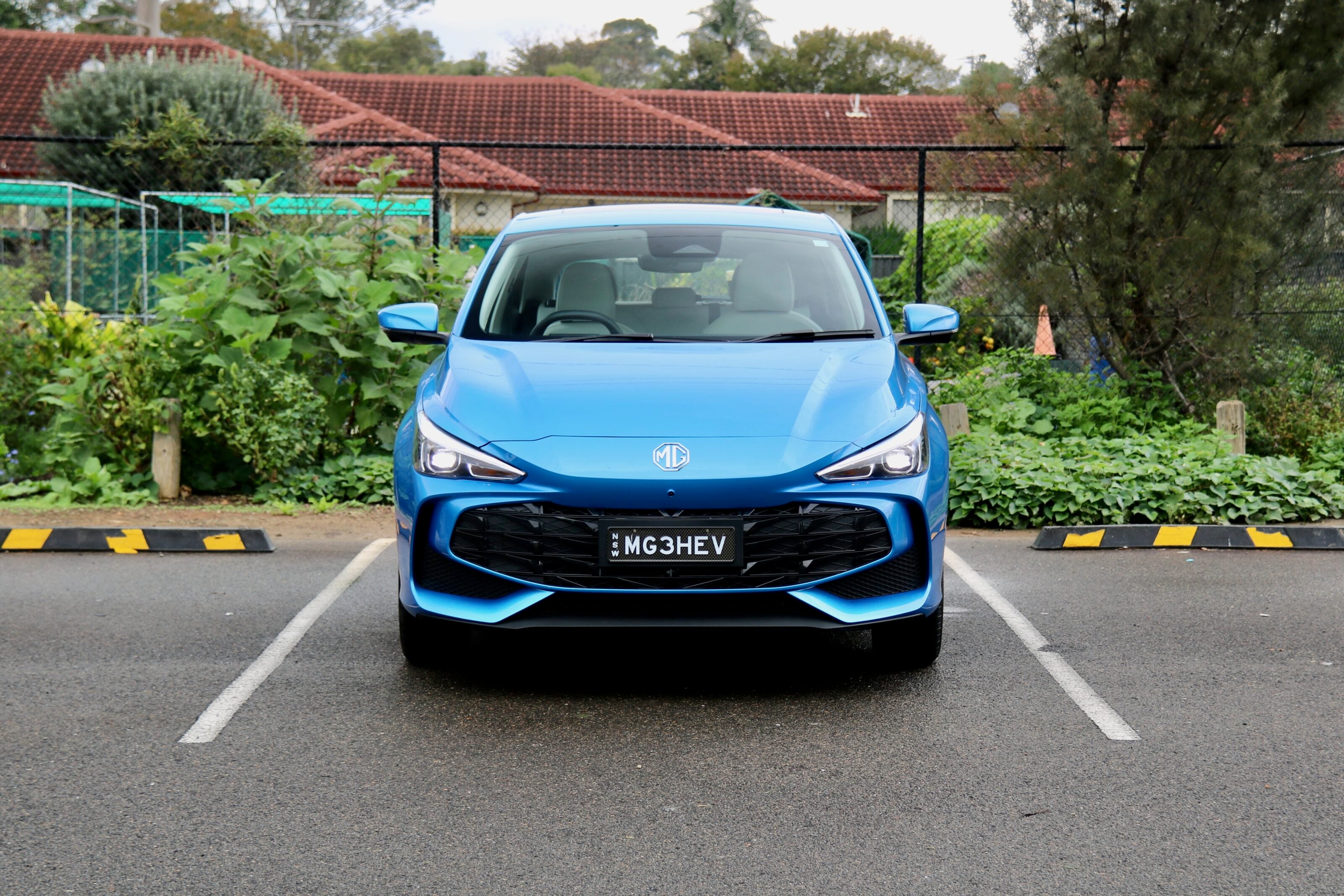
At 3990mm long the BYD Atto 1 is truly tiny by modern standards, though with a 2500mm wheelbase and a 308-litre boot it should manage to offer decent accommodation relative to its overall size.
The MG3 is bigger in every dimension bar height (though it’s also 100kg lighter) but has a slightly smaller boot. Still, if outright space is a concern, these probably aren’t the cars for you.
| Dimensions | BYD Atto 1 | MG3 Hybrid |
|---|---|---|
| Length | 3990mm | 4113mm |
| Width | 1720mm | 1797mm |
| Height | 1590mm | 1502mm |
| Wheelbase | 2500mm | 2570mm |
| Weight | 1390kg | 1298kg |
| Luggage space | 308 litres | 293 litres |
Equipment
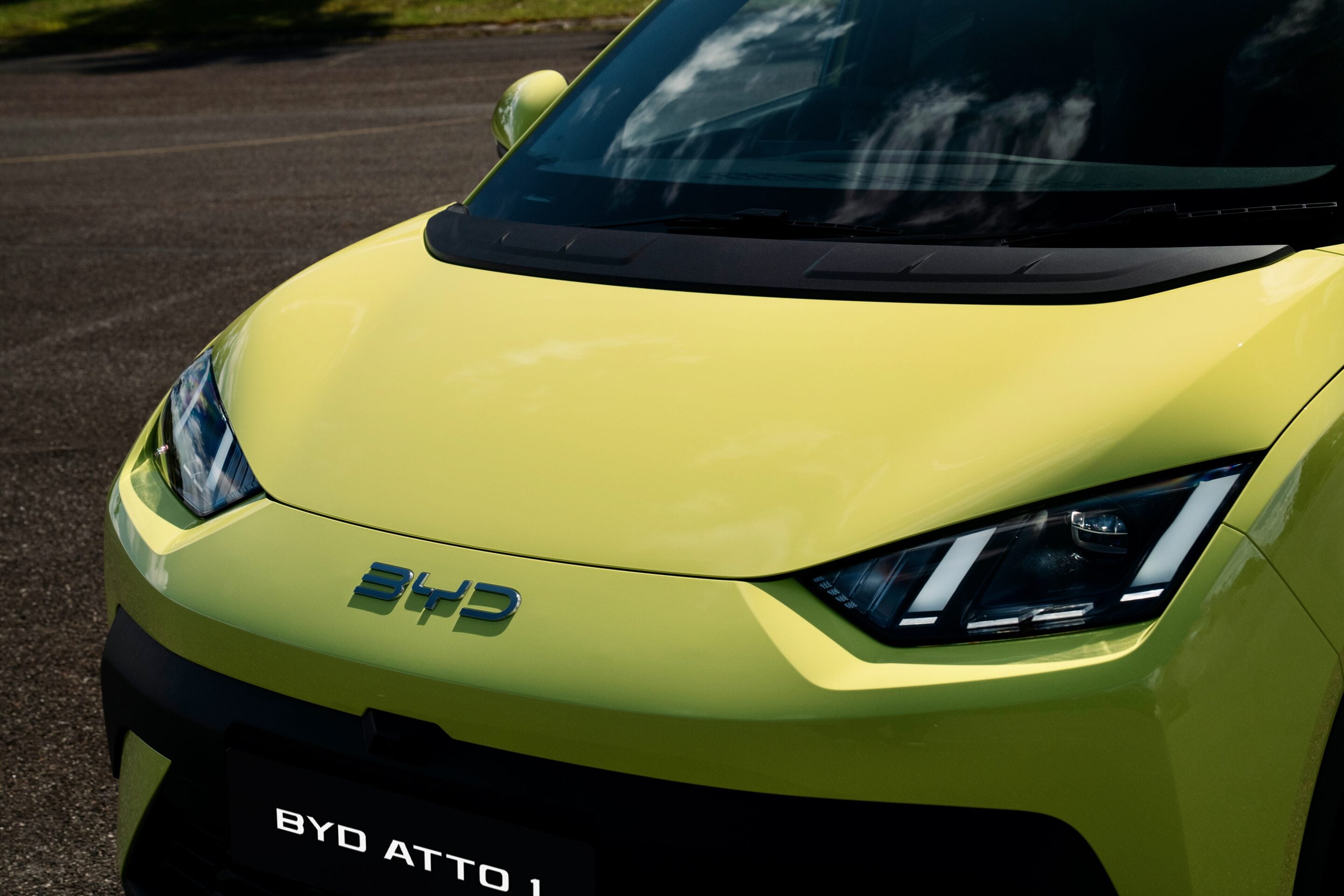
Given we’re comparing slightly different trim levels, it perhaps shouldn’t be surprising that the flagship BYD has the edge in equipment over the mid-spec MG3, but the Atto 1 Premium is an exceptionally well-equipped little car.
LED headlights, auto wipers and powered and heated leather front seats are all advantages it has over the MG, though the latter has USB ports and air vents for those in the rear. It also must be said you can have all the gear in the MG3, but you need to stump up another $2000 for the Essence; probably worthwhile if you can make the stretch.
The BYD’s four colours – white, yellow, black and blue – are standard, whereas at MG yellow and white are standard, with silver, grey, black, blue and red costing an extra $500.
| BYD Atto 1 | MG3 Hybrid | |
|---|---|---|
| Wheels | 16-inch alloy | 16-inch alloy |
| Headlights | LED | Halogen |
| Wipers | Rain-sensing | Manual |
| Seat adjustment | Six-way powered driver, four-way powered passenger | Six-way manual driver, four-way manual passenger |
| Upholstery | Synthetic leather | Cloth |
| Heated seats | Front | No |
| Push button start | Yes | Yes |
| Climate control | Not listed | Single-zone air-con |
| Stereo | Four-speaker | Six-speaker |
| USB ports | 1 x USB-A, 1 x USB-C (front) | 1 x USB-A, 1 x USB-C (front), 1 x USB-A (rear-view mirror), 1 x USB-A (rear) |
| Rear air vents | No | Yes |
Powertrains
Obviously, this is where our two protagonists differ most, with the BYD being pure electric and the MG3 a hybrid.
The bigger battery of the Atto 1 Premium gives it more than 300km of range and it can charge faster, too, with a minimum 10-80 per cent charge time of 30min at its 85kW DC maximum, while at its 11kW AC maximum you’re looking at five hours from 0-100 per cent.
It also supports V2L meaning you can power various appliances if the need arises.
The MG3 is very heavily hybrid, its 75kW/128Nm 1.5-litre four-cylinder engine boosted to 155kW/425Nm by an electric motor, fed by a 1.8kWh battery. The engine does require 95 RON fuel and the heavy use of electrification does make it best suited to urban duties.
In this instance the 4.3L/100km combined fuel consumption claim is misleading as the urban claim is just 0.9L/100km, whereas this increases to 6.3L/100km on the highway as the petrol engine is going to have to work a lot harder.
| BYD Atto 1 | MG3 Hybrid | |
|---|---|---|
| Engine | N/A | 1.5-litre four-cylinder petrol |
| Battery | 43.2kWh | 1.8kWh |
| Outputs | 115kW/220Nm | 155kW/425Nm |
| Transmission | Direct drive | Three-speed automatic |
| 0-100km/h | 9.1sec (claimed) | 8.0sec (claimed) |
| Fuel consumption/Range | 310km | 4.3L/100km |
*ADR combined claim
Safety
Despite their small size and price tags, neither of these two skimp on safety. The current MG3 has a five-star ANCAP rating from 2025, having scored 74 per cent for adult occupant protection, 75 per cent for child protection, 81 per cent for road user protection and 70 per cent for safety assist.
The BYD has not yet been given an ANCAP score, though the five-star Euro NCAP rating bodes well, but local cars do without blind-spot monitoring and rear cross-traffic alert. Still, there’s plenty of airbags, all the basic active safety equipment and a 360-degree camera is pretty swish at this price point.
| Safety | BYD Atto 1 | MG3 Hybrid |
|---|---|---|
| Airbags | Six | Six |
| Adaptive cruise control | Yes | Yes |
| Autonomous emergency braking | Yes | Yes |
| Lane-keep assist | Yes | Yes |
| Blind-spot monitoring | No | Yes |
| Rear cross-traffic alert | No | Yes |
| Driver attention monitoring | No | Yes |
| Parking sensors | Front and rear | Rear |
| 360-degree camera | Yes | No |
| ISOFIX | Outboard rear seats | Outboard rear seats |
Technology
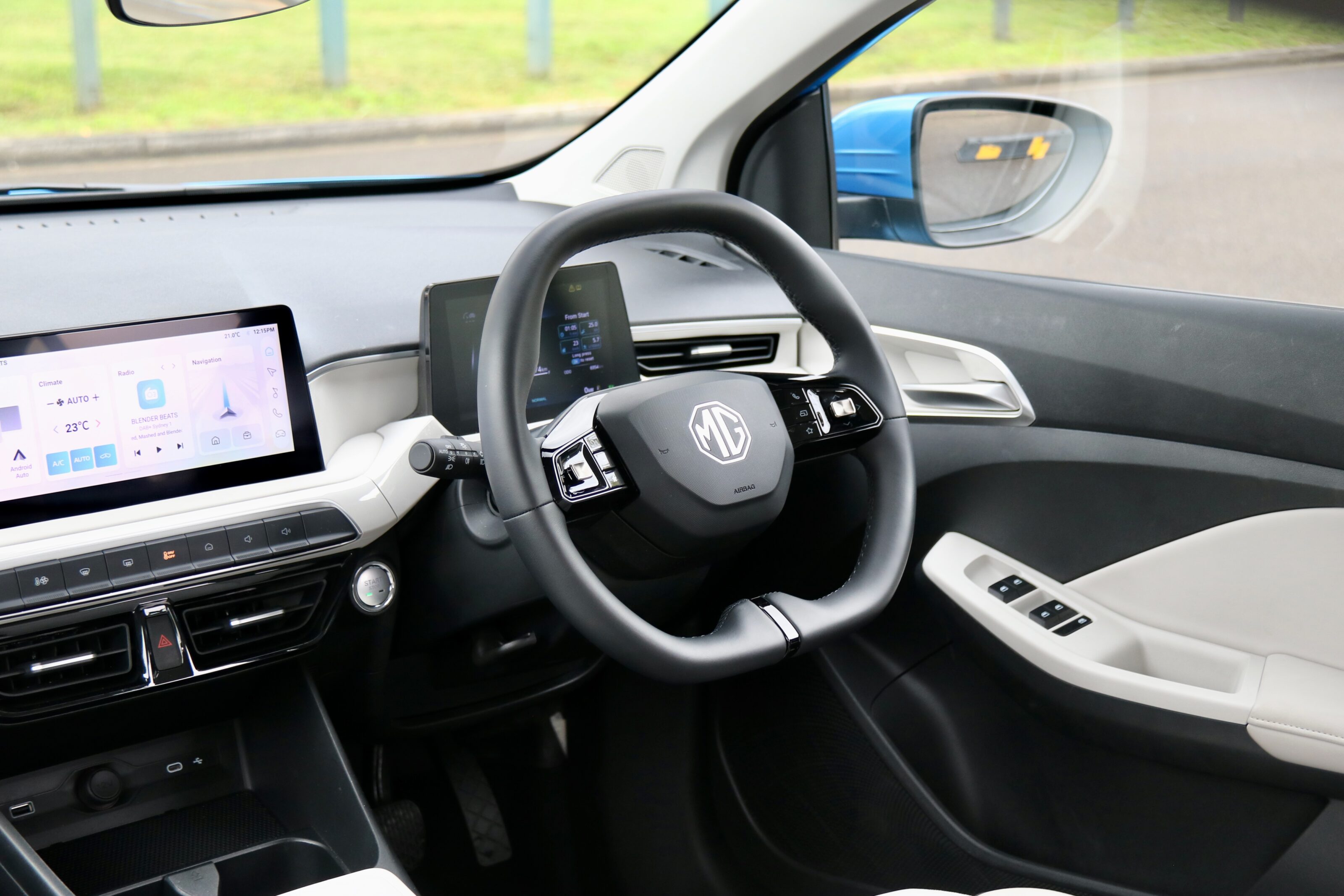
Once again, MG keeps some goodies in hand for the top-spec Essence, such as sat-nav, app connectivity and digital radio, but the BYD has the upper hand regardless with wireless smartphone mirroring and charging and in-built sat-nav.
The Atto 1 also has native apps such as Amazon Books, YouTube and Disney+ for entertainment on the go (or, more likely, while waiting to charge).
Conclusion
The MG3 is rightly popular with Australian small-car buyers thanks to the value proposition it offers. While it’s not as cheap as its predecessor, it’s a much better car and the hybrid is well-suited to urban duties.
However, if buyers can accept the switch to full electrification, the BYD Atto 1 Premium is a very enticing proposition. Zippy performance, decent range and a stacked equipment list for less than $30,000 means Australia may well have a new micro king in due course.
The two-wheeled and four-wheeled worlds don’t come into contact that often, but when they do, the results can be incredible. Motorcycle engines, because of their small displacement and high-revving nature, are quite different from the ones usually found in cars. Typically, they make spectacular power per litre, but their torque figures aren’t as impressive as they carry a lot less weight than a car engine.
But that’s not to say that their characteristics can’t be useful in cars as well, as the below prove. Here are five times where motorcycle engines made their way into production cars, resulting in some memorable creations:
Peel P50
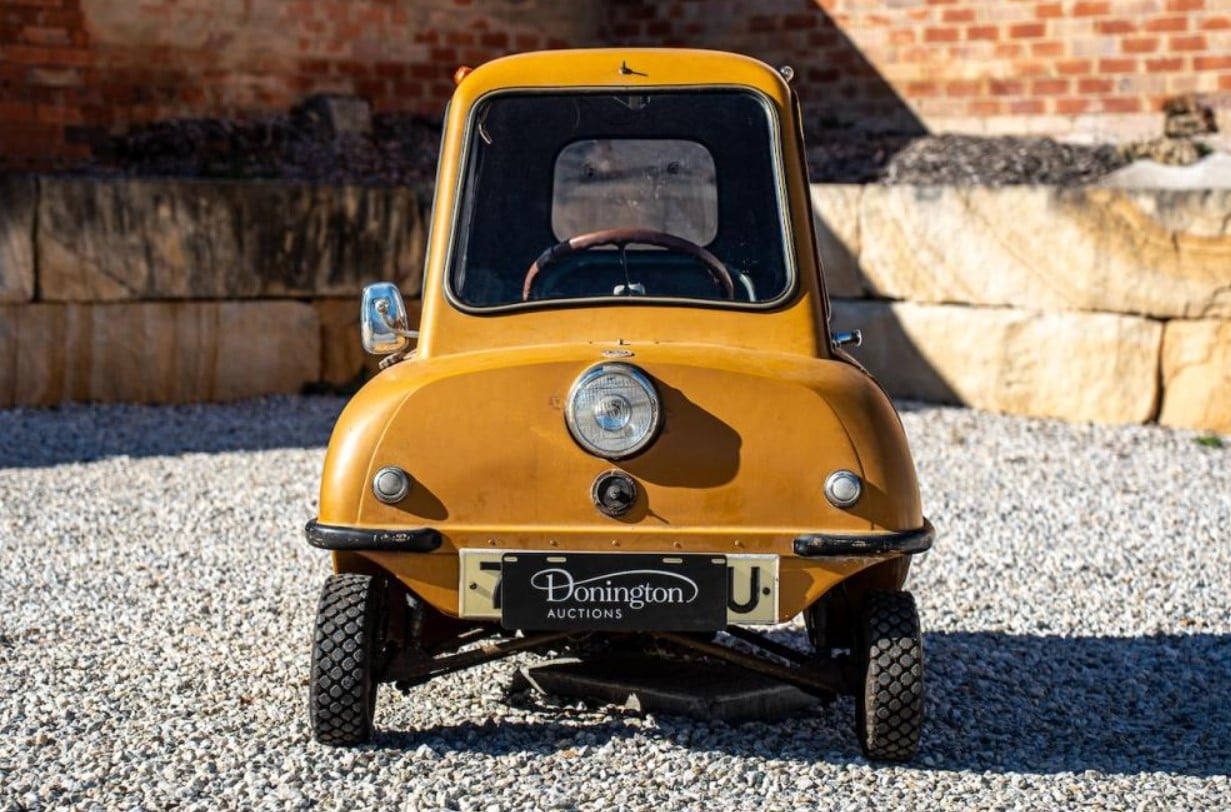
The Peel P50 is one of the most famous cars in the world and is listed in the Guinness World Records as the smallest production car ever made. Measuring just 137cm long, 99cm wide, 100cm tall and weighing just 59kg, the P50 was made between 1962 and 1965 on the Isle of Man. It used a 49cc moped engine that made a whopping 3.1kW of power, giving it a top speed of about 45km/h. Fifty units of the original were produced, of which 27 are believed to still exist.
In 2010, a new version of the P50 was launched by a company called Peel Engineering. Similar to the original with the same dimensions and weight, it now uses a 49cc four-stroke engine making 2.5kW – or an electric motor making 2.3kW. Since production started in 2011, around 15 examples have been made per year and pricing starts at around £15,000 (A$30,000), making it an expensive – but very characterful – runabout.
BMW Isetta
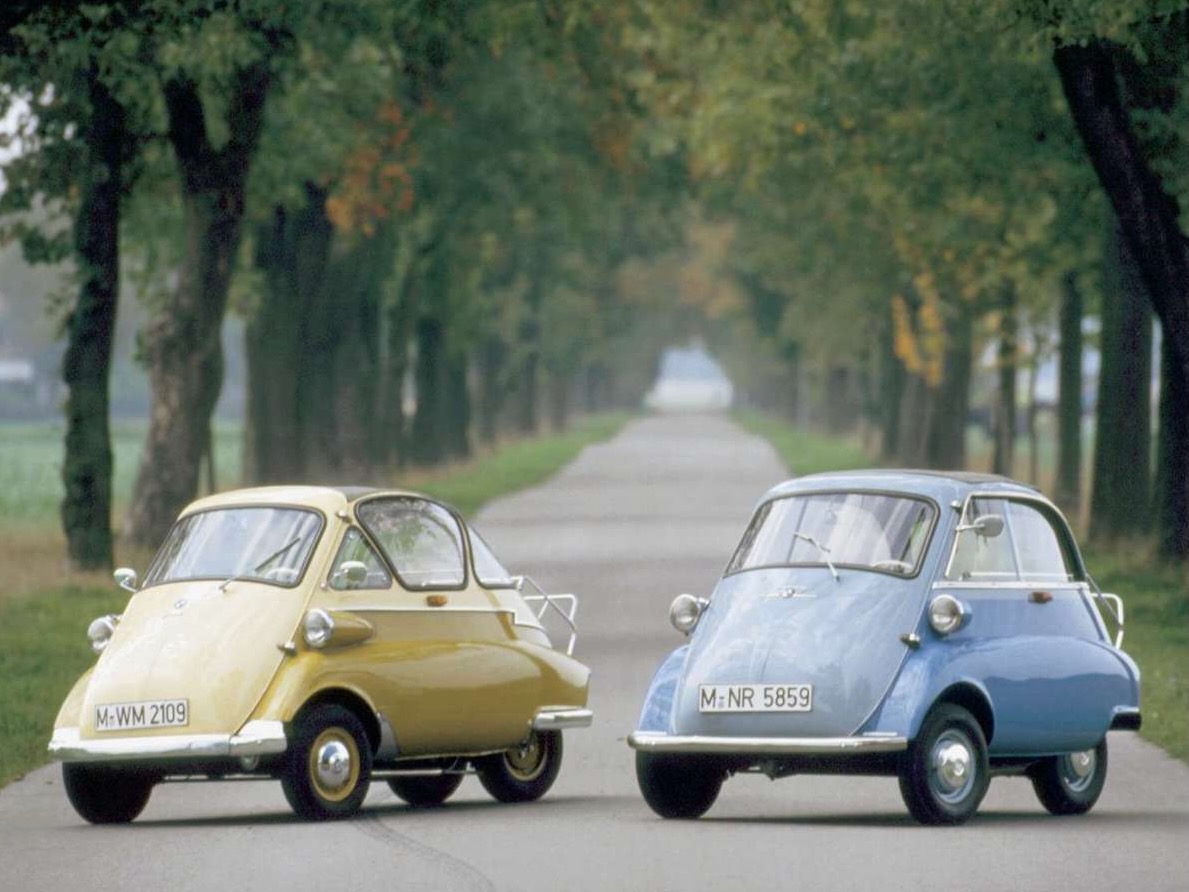
The BMW Isetta – the ‘bubble car’, as it was known – appeared in 1955 as a BMW-badged and engineered version of the Italian Iso Isetta, which it built for West Germany under licence. It differed a lot from the original, including fixed headlights on the side and the BMW badging. The BMW version also featured a one-cylinder four-stroke motorcycle engine that make 9kW of power, giving it a top speed of 85km/h.
There were several versions of the BMW Isetta produced, and it saved the company from bankruptcy. The original was called the 250, which was replaced by the 300 a few years later. A larger stretched-wheelbase version with four doors called the 600 was launched, too, and it featured a larger 582cc boxer motorcycle engine for 14.3kW of power and a top speed of 100km/h. Over 200,000 combined units of the Isetta and 600 were produced, making them one of the most successful single-cylidner engined cars ever made.
BMW i3 REx
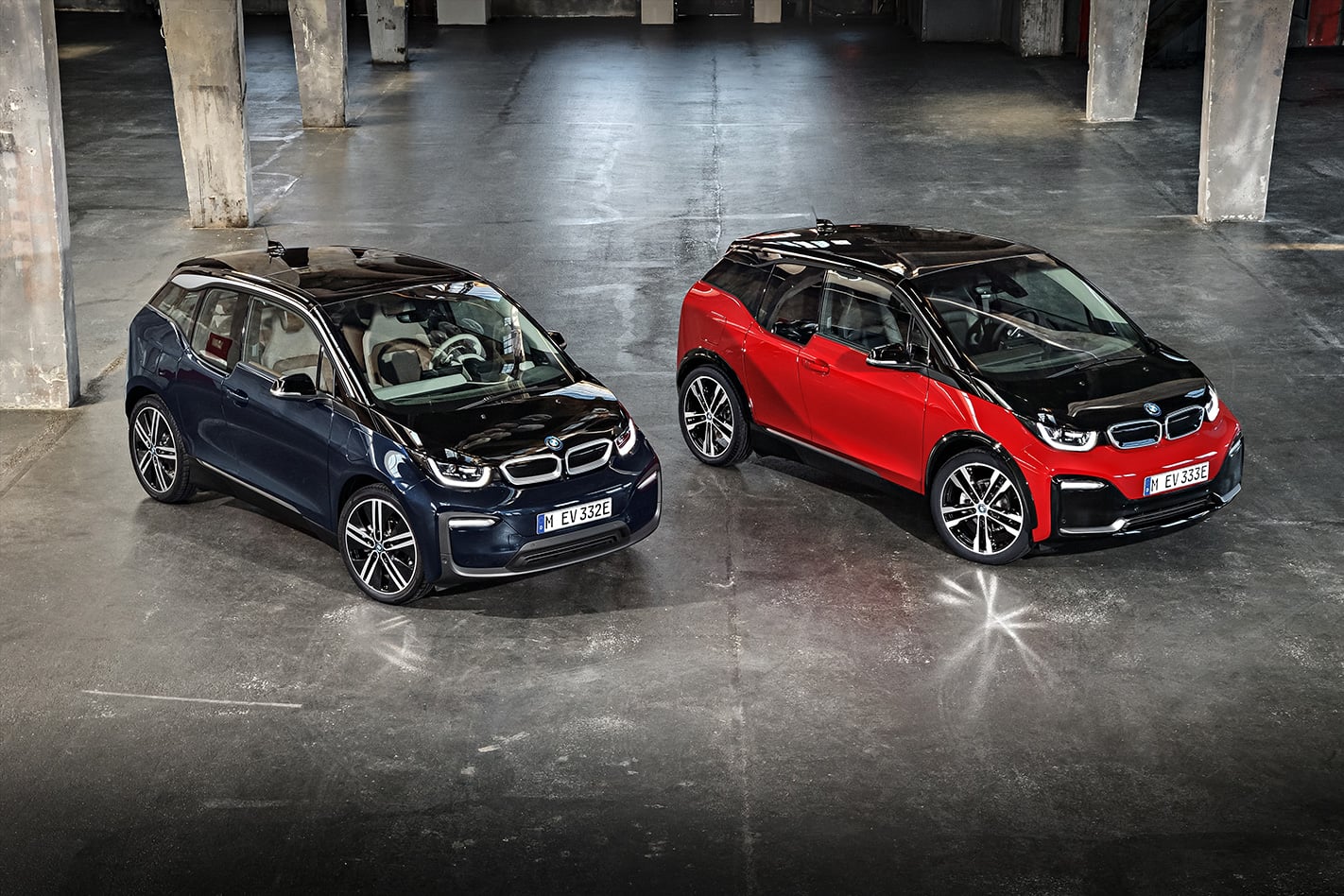
BMW’s first production electric vehicle was launched in 2013 and also launched the company’s ‘i’ zero emissions sub-brand, winning the Wheels Car of the Year award in 2014. It’s a very unusual-looking vehicle thanks to its tall-and-thin dimensions and futuristic lighting. But what’s more unusual is that while it featured an electric drivetrain, making it one of the first mass-produced EVs, there was actually a ‘REx’ range-extender version available that used a 647cc inline two-cylinder engine that was fitted to a BMW scooter.
The range extender engine operated once the i3’s battery level got below a certain level, and charged the battery to provide propulsion. This allowed for an extended range that was unavailable in the electric version, and its nine-litre fuel tank allowed for a total range of 320km, or around 120km more than the EV. The i3 was discontinued in 2022 with over 250,000 units produced.
Ariel Atom V8
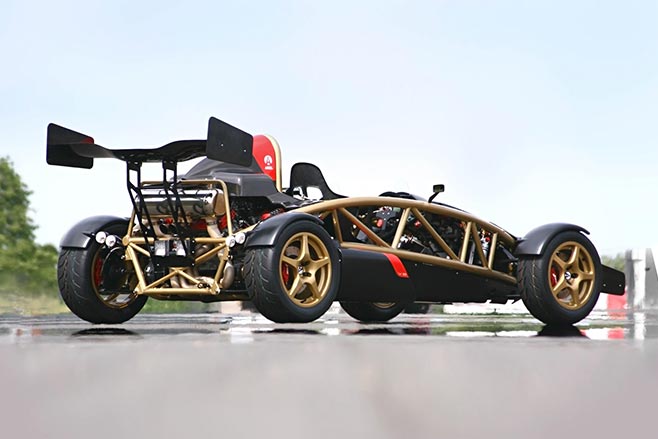
The Atom V8 is a little unusual – duh, just look at it – in that it doesn’t use just one motorcycle engine but two. That’s correct, two 1.5-litre four-cylinder Suzuki motorcycle engines were combined to make a 3.0-litre V8 engine, which made 373kW (500hp) of power. Combined with the Atom V8’s light 550kg kerb weight, it had a power-to-weight ratio of 678kW per tonne – or more than a Bugatti Veyron.
The standard Ariel Atom was already one of the quickest cars ever made with its supercharged Honda engine, but the V8 made it even quicker with a 0-100km/h time of just 2.3 seconds – and that was in 2008, or before fast EVs like the Tesla Model S came along. In 2011, it set a lap record on the Top Gear test track of 1.15.1, a record that stood for another two years until the Pagani Huayra beat it. Just 25 units of the Atom V8 were produced.
Morgan 3-Wheeler
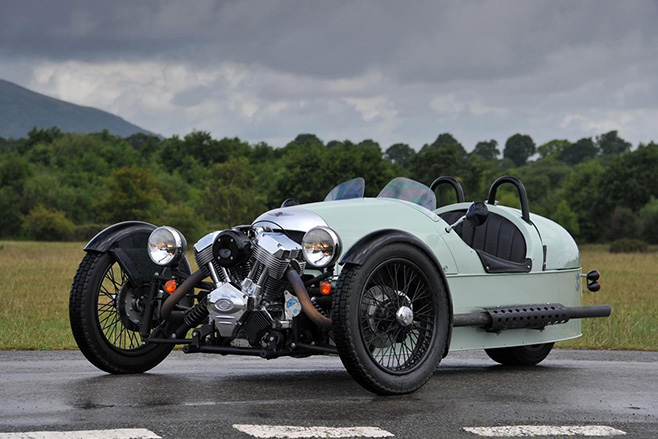
The Morgan 3-Wheeler is the latest car that featured a motorcycle engine, having ended production as recently as 2021. A reincarnation of the previous Morgan 3-Wheeler made from the 1932 to 1952, the modern version used a 2.0-litre V-twin engine from American company S&S that made 60kW of power and 140Nm of torque. Thanks to the 3-Wheeler’s light 550kg kerb weight, it launched to 100km/h in 6.0 seconds seconds and on to a top speed of 185km/h.
The 3-Wheeler is much loved thanks to its excellent handling and huge fun factor, and more than 2,500 units were built in its 10-year production run. The 3-Wheeler was replaced by the Super 3, which was launched in 2022. The Super 3 looks not too dissimilar to the 3-Wheeler, though no longer uses a motorcycle engine – instead, an 85kW 1.5-litre three-cylinder engine from Ford provides propulsion.
Bonus: Almost-production Volkswagen XL Sport
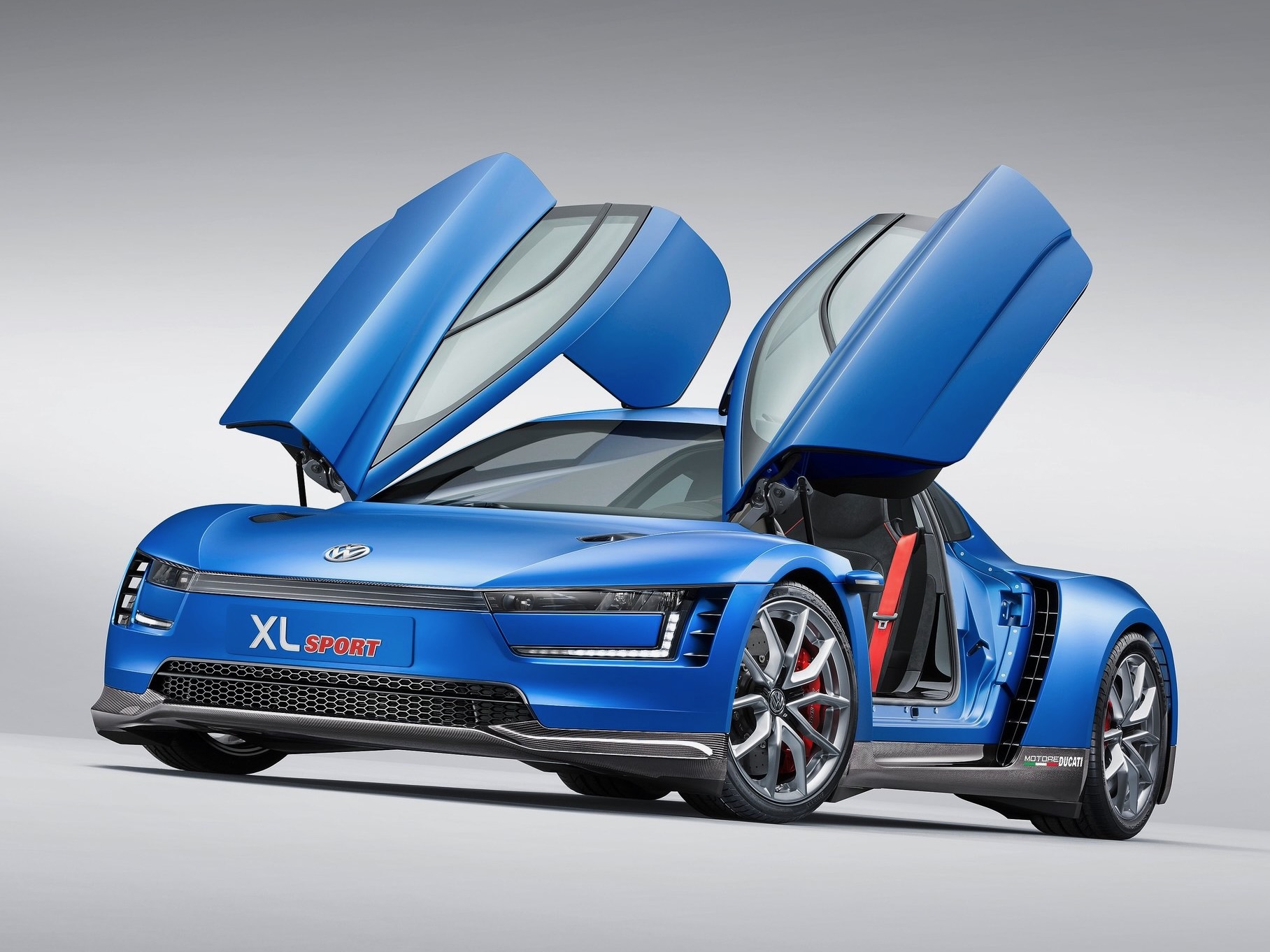
The Volkswagen XL Sport was a concept version of the XL1 two-seater production car, which used a two-cylinder turbo-diesel plug-in hybrid drivetrain to use just 0.9L/100km of fuel. For the XL Sport concept, Volkswagen canned the XL1’s diesel drivetrain and instead installed a high-revving 1199cc V-twin engine from the Ducati 1199 Superleggera. Volkswagen had just purchased Ducati, and the XL Sport was seen as a celebration of the union.
That gave the XL Sport significantly better performance than the XL1, with a claimed 0-100km/h time of 5.7 seconds and a top speed of 270km/h. The XL Sport was built using the XL1’s carbon fibre monocoque, but was longer and wider, and even featured ceramic brakes. Alas, although it appeared to be production-ready, the XL Sport was sadly never put into production.
The first production car from Genesis’ new performance sub-brand Magma has been revealed and confirmed for Australian sales in early 2026. Borrowing much from the Hyundai Ioniq 5 N, the new Genesis GV60 Magma has been revealed overnight, signalling a much racier future for the South Korean luxury brand as it launches its equivalent of BMW M and Mercedes-AMG.
The GV60 Magma is a rival to the likes of the Tesla Model Y Performance, Alpine A390 and even the Porsche Macan Electric. It’s powered by the same dual-motor, all-wheel drive set-up found in the Ioniq 5 N.
With Boost mode activated, the car produces 478kW of power and 790Nm of torque – 20Nm more than the Ioniq 5 N. Combine that with its launch control, and the GV60 Magma will do 0-100km/h in close to three seconds and rocket to 200km/h in just 10.9 seconds. Top speed stands at 264km/h.
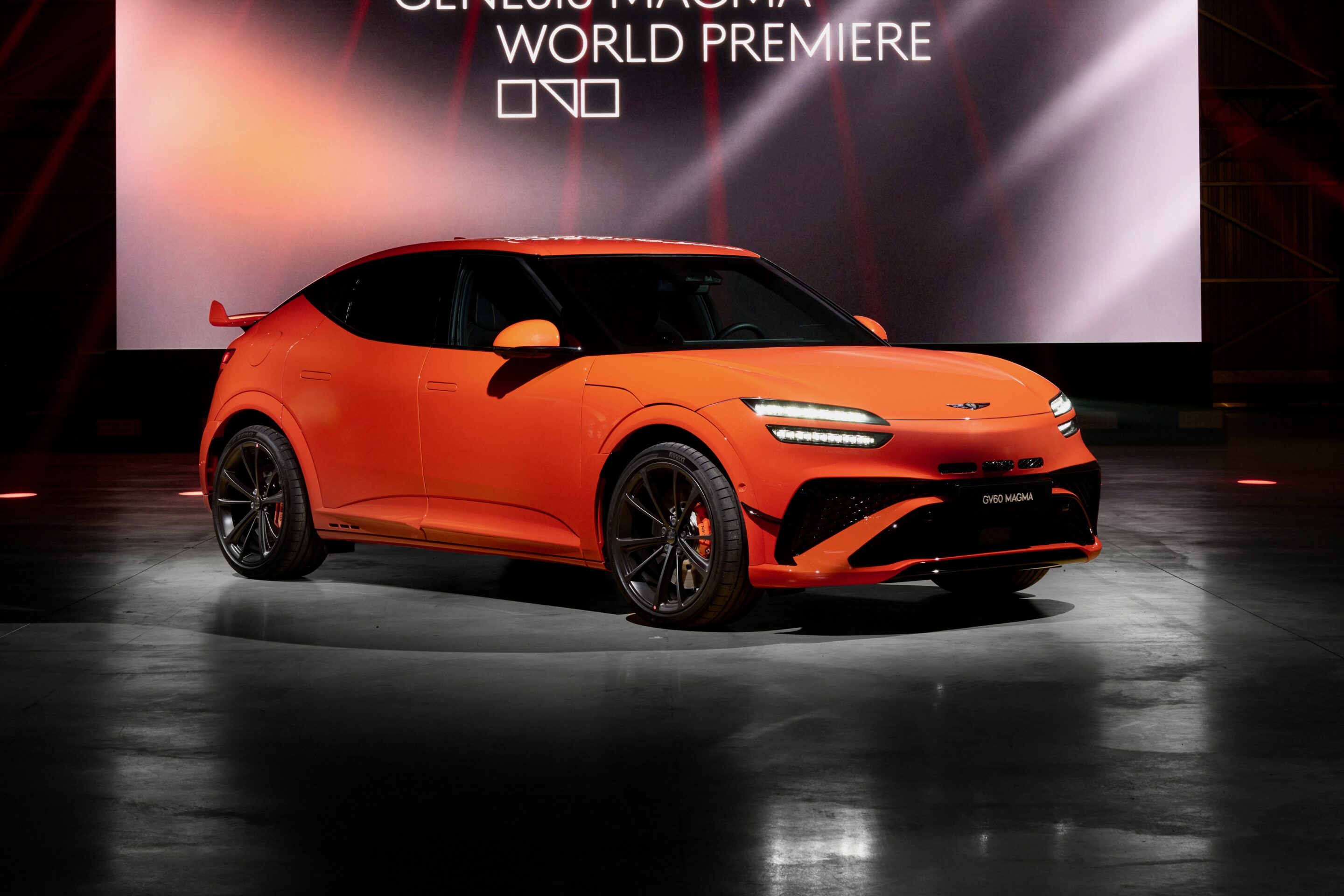
As well as the powertrain, the GV60 Magma has borrowed the virtual gearshift system from its siblings. This adjusts the e-motors’ output, torque delivery and regenerative braking so when the driver pulls the paddle behind the steering wheel it feels like they’re changing gears in a petrol-powered performance car – a feature we love in the Ioniq 5 N.
When you’re not trying to embarrass supercar owners away from the lights, the car’s two e-motors produce a combined 448kW of power and 740Nm of torque. A range figure hasn’t been confirmed yet, but we expect the 84kWh battery will be good for around 450km, while a maximum charging speed of 240kW means a 10 to 80 per cent top-up will take as little as 18 minutes.
There are three main drive modes: Sprint, GT and My. With My Mode, drivers can customise settings for the electronic limited-slip differential (e-LSD), stability control system and other tech. There’s also a Drift mode, which adjusts the e-motors’ output and the e-LSD to make the car more rear-biased for better sliding, and a special Magma mode.
However, this car is not designed to be a total hooligan. Genesis says the GV60 Magma has been set up to deliver an ideal balance between cornering stability and ride comfort. The chassis features adaptive dampers, plus hydro-bushings to help absorb impacts from potholes and other road imperfections. It also uses active noise-cancelling technology, sound-insulating glass and reinforced door seals to create a serene environment, as you’d expect from a “luxury high-performance car”, which is how the brand describes the GV60 Magma.
Compared with the regular GV60, the suspension geometry and roll centre have been tweaked. Meanwhile, the braking system has been upgraded, including monoblock calipers and large-diameter discs up front that are apparently optimised for the car’s bespoke 21-inch wheels. There’s also a bespoke bumper design with larger air ducts on either side to help cool the brakes.
The three holes on the nose are new too, and these not only improve airflow and cooling, but will be one of the styling cues that distinguishes this and future Magma models. The Magma is 20mm lower than the regular model, and features flared wheel arches that will have helped accommodate the wider 275mm tyres. Finally, there is a huge rear spoiler that Genesis insists is functional and generates downforce, not just attention.
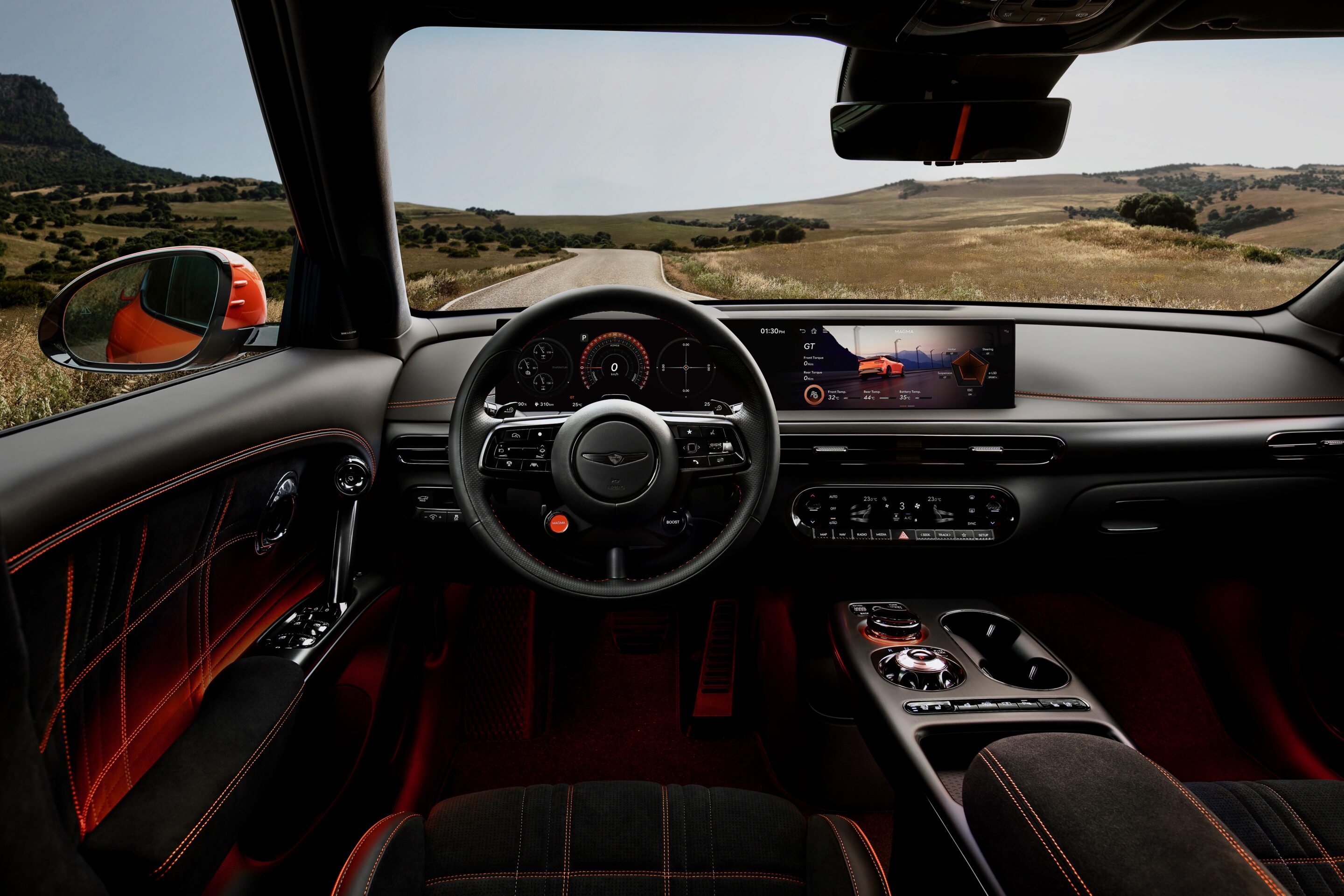
Inside, the seats, door and centre console are trimmed in a premium suede-like material, with the signature Magma orange used for the contrast stitching. There’s a unique steering wheel too, featuring vibrant orange buttons for the drive modes and activating boost.
The Genesis GV60 Magma will arrive in Australia in early 2026, with local pricing yet to be confirmed.
GAC (Guangzhou Automobile Group) has just launched in Australia with big ambitions to become one of the top 10 best selling car brands locally by 2028. But what’s the GAC back story, a brand that has been dubbed the “Chinese Toyota”?
GAC is one of China’s biggest automotive manufacturers, currently placed fourth in annual sales in its domestic market. Headquartered in Guangzhou in south-eastern China, it produces passenger cars, commercial vehicles, EVs, and automotive components. It operates its own brands, as well as joint-venture brands with western manufacturers such as Toyota and Honda.
GAC traces its routes back to 1954, when Guangzhou established its first automotive repair and manufacturing workshops. In that same year, the Guangzhou Bus Repair built its first products – hand made iron-wood buses – that started the rise of the company. At this time, China’s auto industry was extremely small, and much activity revolved around repairing imported or military vehicles.
In the 1960s, the first Hongwei-branded truck was launched, while the production of cars started in the early 1970s, according to GAC. Guangzhou’s regional government supported industrialisation, laying groundwork for a future automotive group.

In the mid-1980s, Guangzhou Peugeot was established, one of the first joint ventures with a western manufacturer in China. Locally producing models such as the Peugeot 505, Guangzhou Peugeot quickly became one of the top three best-selling brands in China and the 505 was considered a hot commodity in the country. By now, Guangzhou was also producing motorbikes, buses and small commercial vehicles.
In 1997, Guangzhou Automobile Group Co. was formally established as an independent state-owned automotive manufacturer, and formed GAC Honda in 1998 to sell Honda products in the Chinese market, such as the Accord sedan, later expanding to the City, Odyssey and Vezel (HR-V). By 2005, GAC Honda was selling 203,200 units annually in China, making it the fifth best-selling car maker, and it had become one of the most profitable automotive joint ventures in China.
In 2004, GAC added another Japanese maker to its line-up, Toyota, and GAC Toyota was formed. Producing products such as the Camry and Kluger in China from 2006, producing both Honda and Toyota products meant that GAC’s growth expanded rapidly. In 2008, GAC Hino was formed to sell trucks and buses, and this period established GAC as a major regional automaker with strong foreign ties, but no homegrown cars yet.
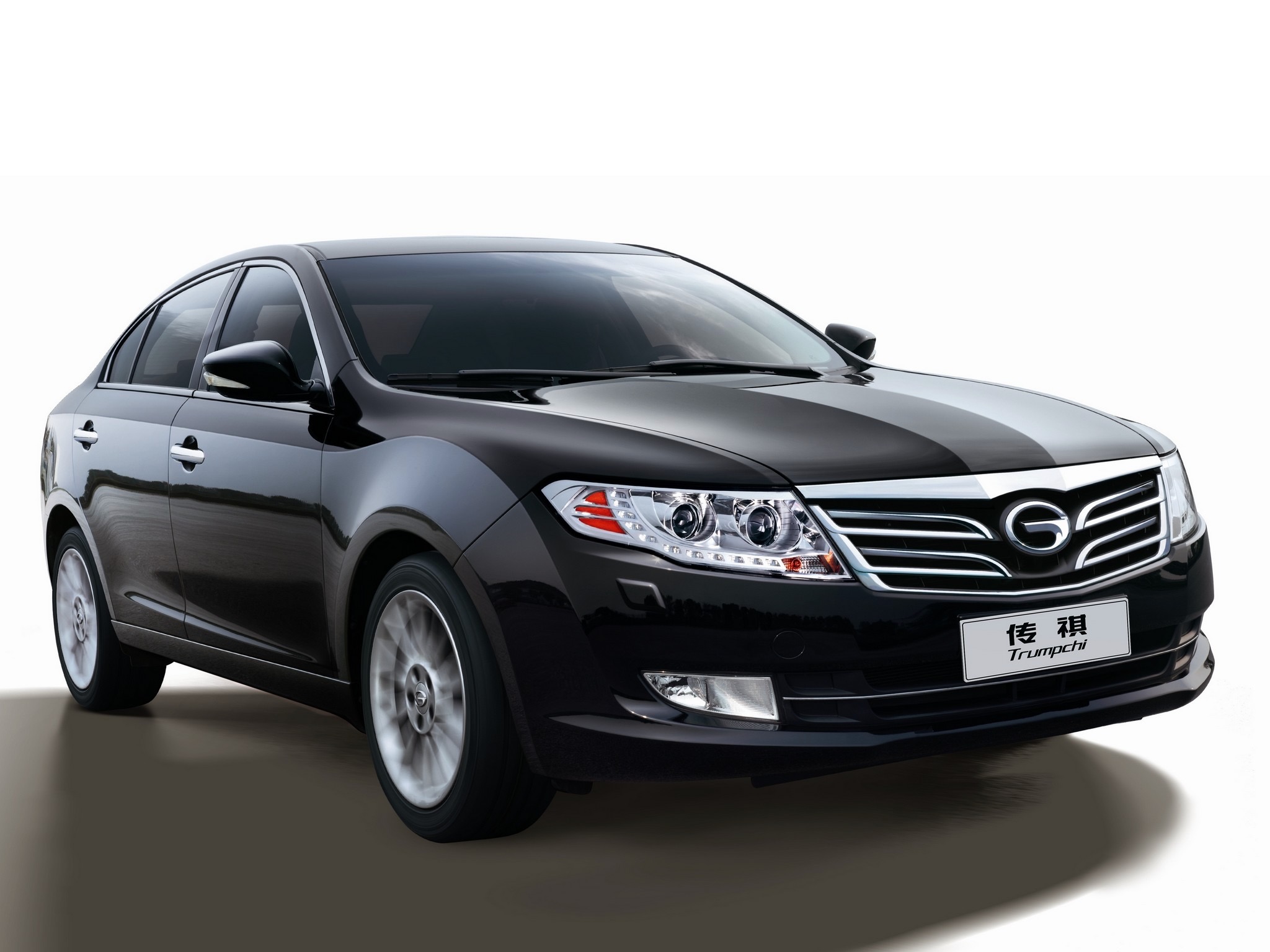
In 2009, GAC acquired 29 per cent of Chinese SUV maker Changfeng Automobile, and purchased the remaining portion in 2011. In 2010, it also purchased a 51 per cent share of another company called Gonow, which also made SUVs and commercial vehicles. GAC’s sales in 2010 hit 724,200, which gained it sixth place on the Chinese domestic sales chart.
Not long after, GAC decided to start producing its own cars for the domestic market, with the Trumpchi marque first to launch. The Trumpchi GA5 sedan was its first product, which it was actually based on the Alfa Romeo 166, and Trumpchi’s reputation for quality was established. From 2012, an SUV version of the GA5 called the GS5 was produced, and a compact sedan called the GA3 was unveiled in 2013. By the late 2010s, the brand had launched major sellers, including the GS4 SUV that reportedly made Trumpchi a household name in China.
GAC formed another joint venture in 2012 with Mitsubishi, producing cars such as the ASX, Outlander and Pajero for the Chinese market.
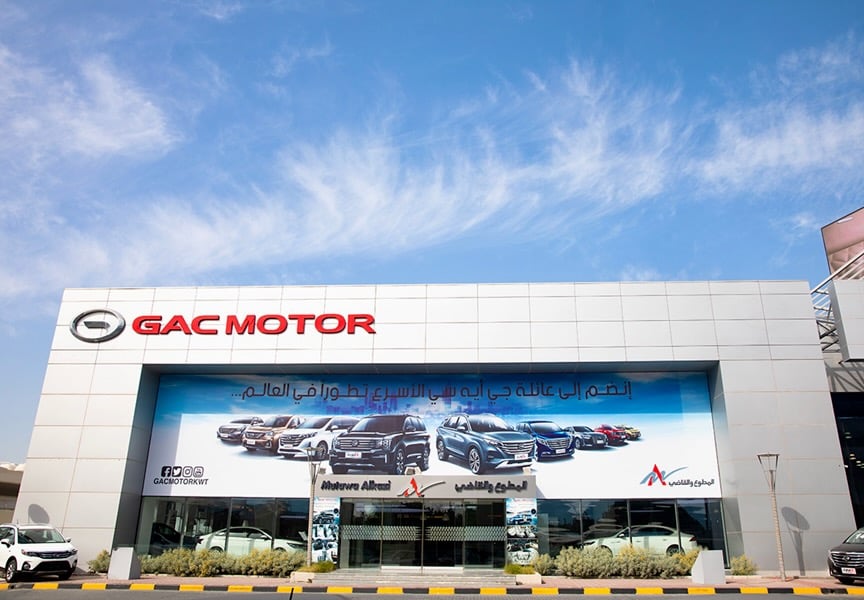
In 2013, GAC launched in its first export market: Kuwait, with Lebanon, Nigeria, Bahrain, the UAE, Philippines, Saudi Arabia, Ecuador, Cambodia, Laos, Panama and Russia all part of GAC’s exports by 2020.
From that point, GAC’s rapid product expansion started with a slew of new products and even some new brands, including Aion as the new energy brand in the GAC Group. Aion was spun off as an independent company focusing on new forms of manufacturing, pure electric architectures, new battery technology and autonomous driving.
In 2015, GAC sold almost 1.2 million cars, almost doubling sales in just five years. In 2016, sales rose to 1.65 million, then 1.9 million in 2017 and to over 2 million in 2019.
Since 2020, GAC has invested heavily in solid-state battery development, hydrogen tech and autonomous driving systems, while also expanding further to markets such as Thailand, Malaysia and Brazil. The Aion brand has become one of the biggest-selling new energy brands in China, and is often compared with rivals such as Zeekr, XPeng and BYD, all of which already have a presence in Australia.
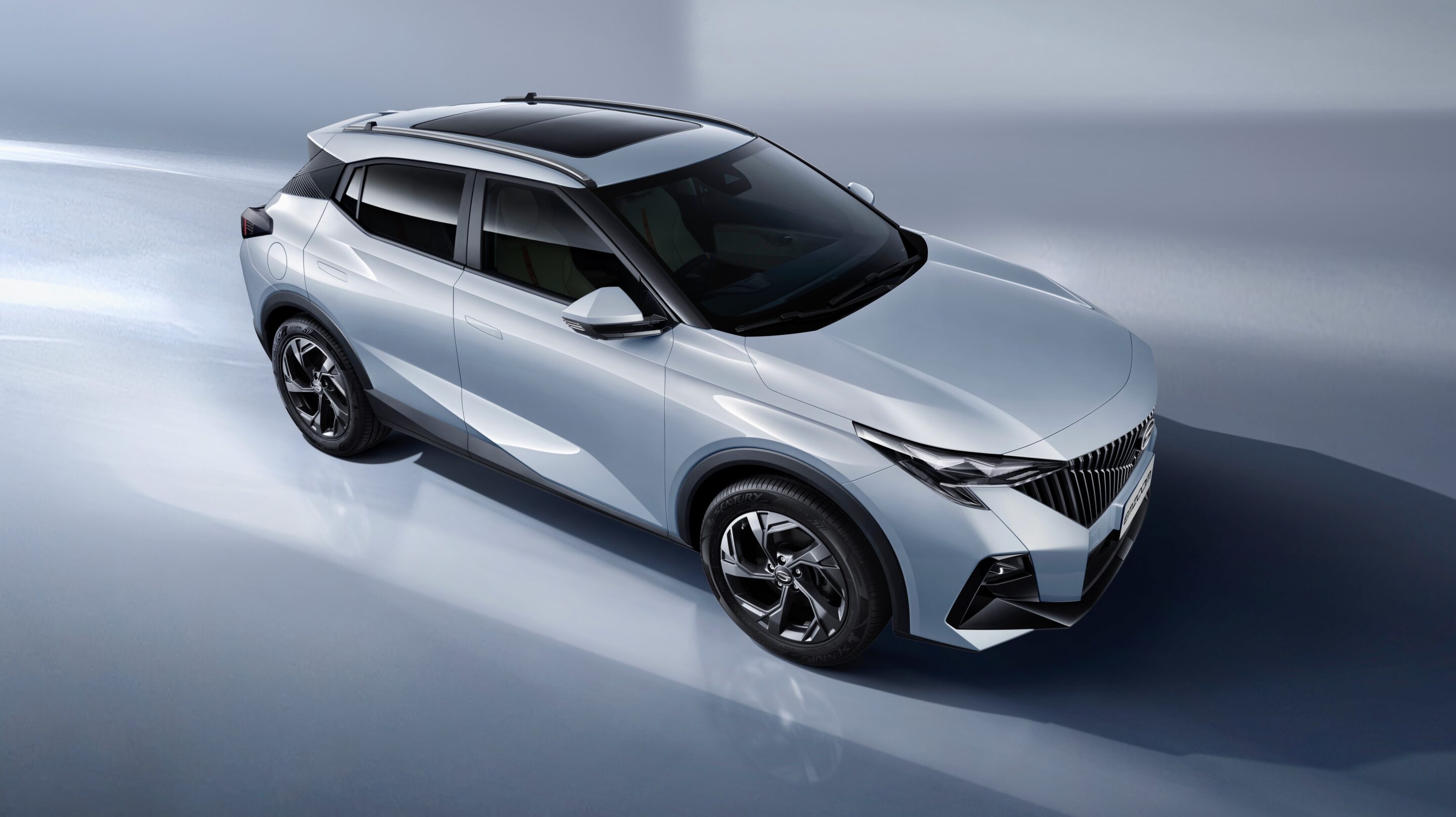
Today, GAC’s key brands include GAC Motor, its export-focused ICE/Hybrid vehicles, Trumpchi (domestic ICE/hybrid brand) and Aion (EV specialist), as well as its joint ventures with Hino (commercial) and both Honda and Toyota. In China, GAC is reportedly known for strong joint-venture reliability (Toyota/Honda quality), EV innovation, better build quality compared with many domestic brands, and its ambition towards global expansion.
GAC has recently launched in Australia with the Emzoom small SUV (above, priced from $25,590 +ORC), Aion V electric mid-size SUV ($42,990 +ORC) and M8 PHEV MPV ($76,990 +ORC). It has ambitions of becoming a top 10-selling brand by 2028, and plans to introduce more than 10 new models across sedans, SUVs, pickup trucks, and MPVs to our shores in the next few years.
TAG Heuer has introduced a new version of its famous Monaco Chronograph, unveiling a limited-production model that draws heavily on the atmosphere of Formula 1 night racing. The watch, capped at 600 units globally, is the latest evolution of a design first made famous more than 50 years ago.
The Monaco name has long been tied to motorsport culture and popularised well beyond watch-collecting circles thanks to Steve McQueen, who wore one in the 1971 film Le Mans. TAG Heuer has since continued to update the line with modern materials and movements, and the newest release extends that tradition with a focus on bold colour, exposed mechanics and high-contrast nighttime visibility.
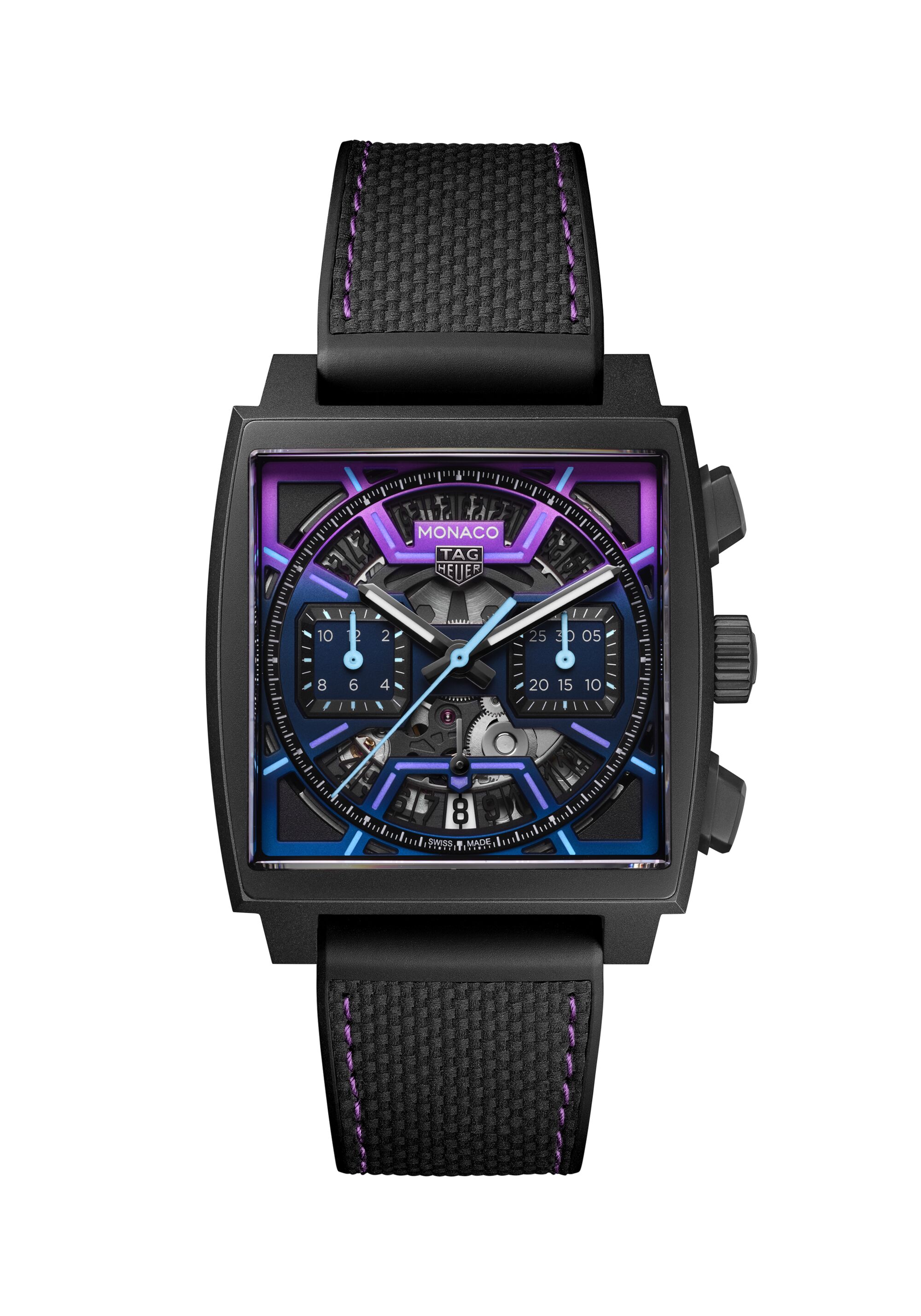
The new edition centres on a 39mm case made from black DLC-coated titanium – lightweight, scratch-resistant and markedly different from the steel cases that defined early Monaco models. The dial is fully skeletonised, revealing the movement beneath while fading from violet to deep blue. TAG Heuer says the gradient is meant to evoke the transition from dusk to darkness, similar to the setting of night races in cities such as Singapore or Las Vegas.
Legibility in low light is a key theme. The chronograph’s hands and markers use multiple colours of Super-LumiNova to create distinct layers of illumination. Blue luminescence highlights the stopwatch function, while green is reserved for timekeeping. Purple lighting elements in the minute track and blue accents around the outer dial add further depth when viewed in the dark. The caseback carries the same colour palette, with an iridescent sapphire window shifting between blue and purple tones.
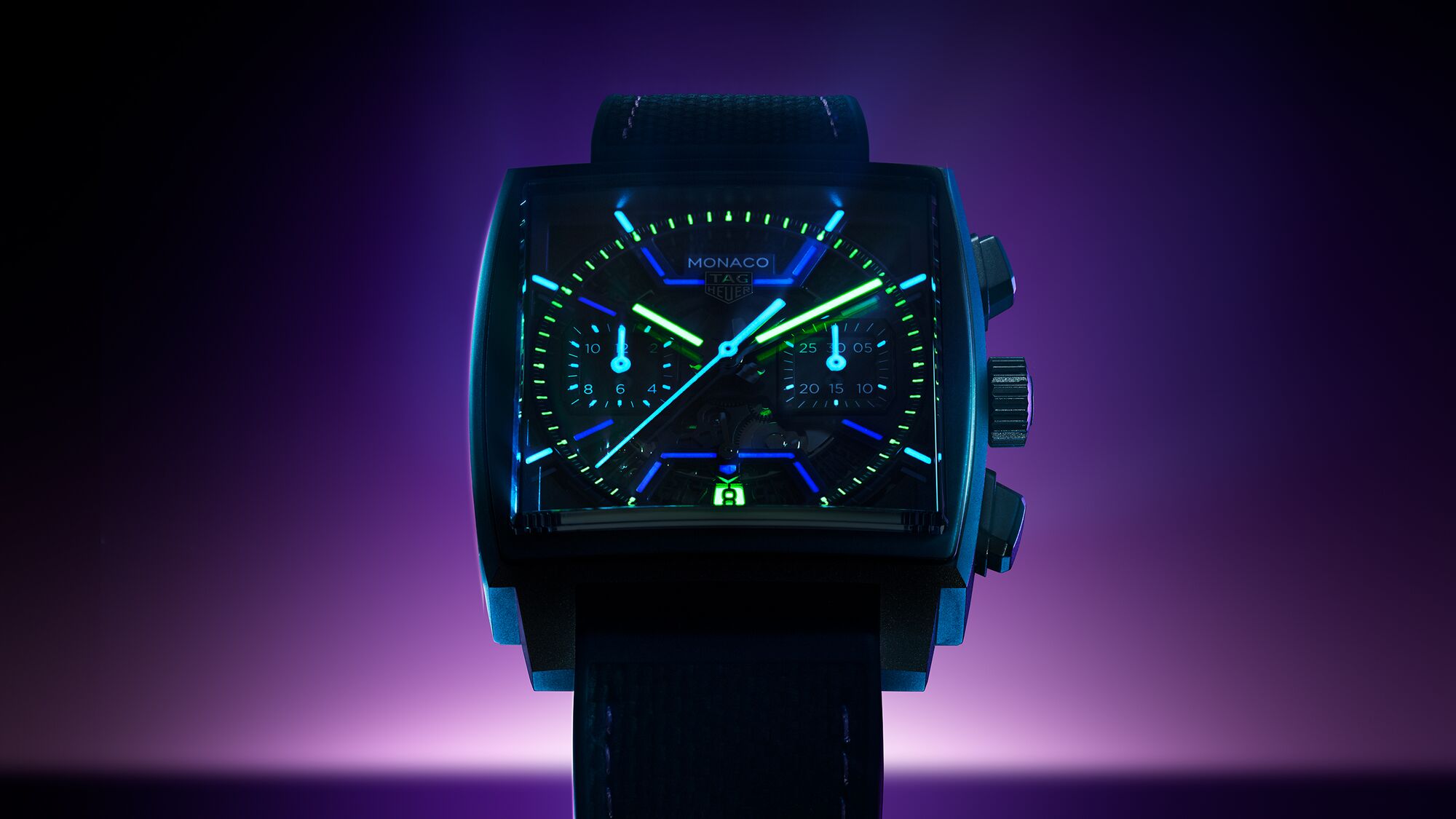
Inside, the watch runs on TAG Heuer’s in-house Calibre TH20-00 automatic movement, visible from both the front and rear thanks to the open-worked architecture. The movement is designed for improved efficiency and offers bidirectional winding for more consistent power delivery.
The strap mixes rubber with embossed leather and includes purple stitching to align with the dial’s colour theme. Each watch is individually numbered and delivered in special packaging created exclusively for the edition.
While the Monaco collection has taken many forms over the years, TAG Heuer’s latest release positions the watch squarely within the spectacle of modern motorsport, offering a highly stylised interpretation aimed at collectors drawn to the visual drama of racing after dark.
