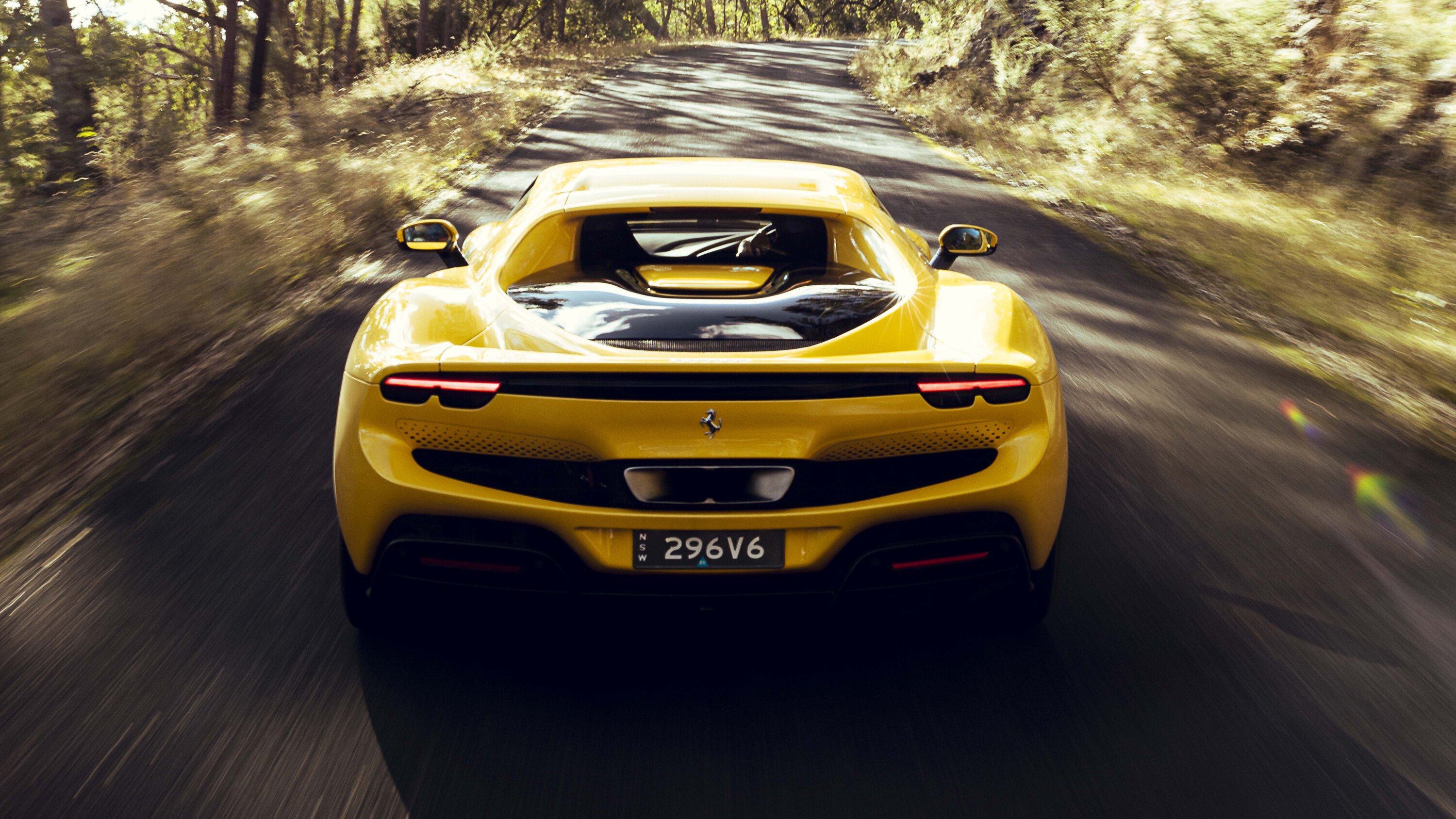
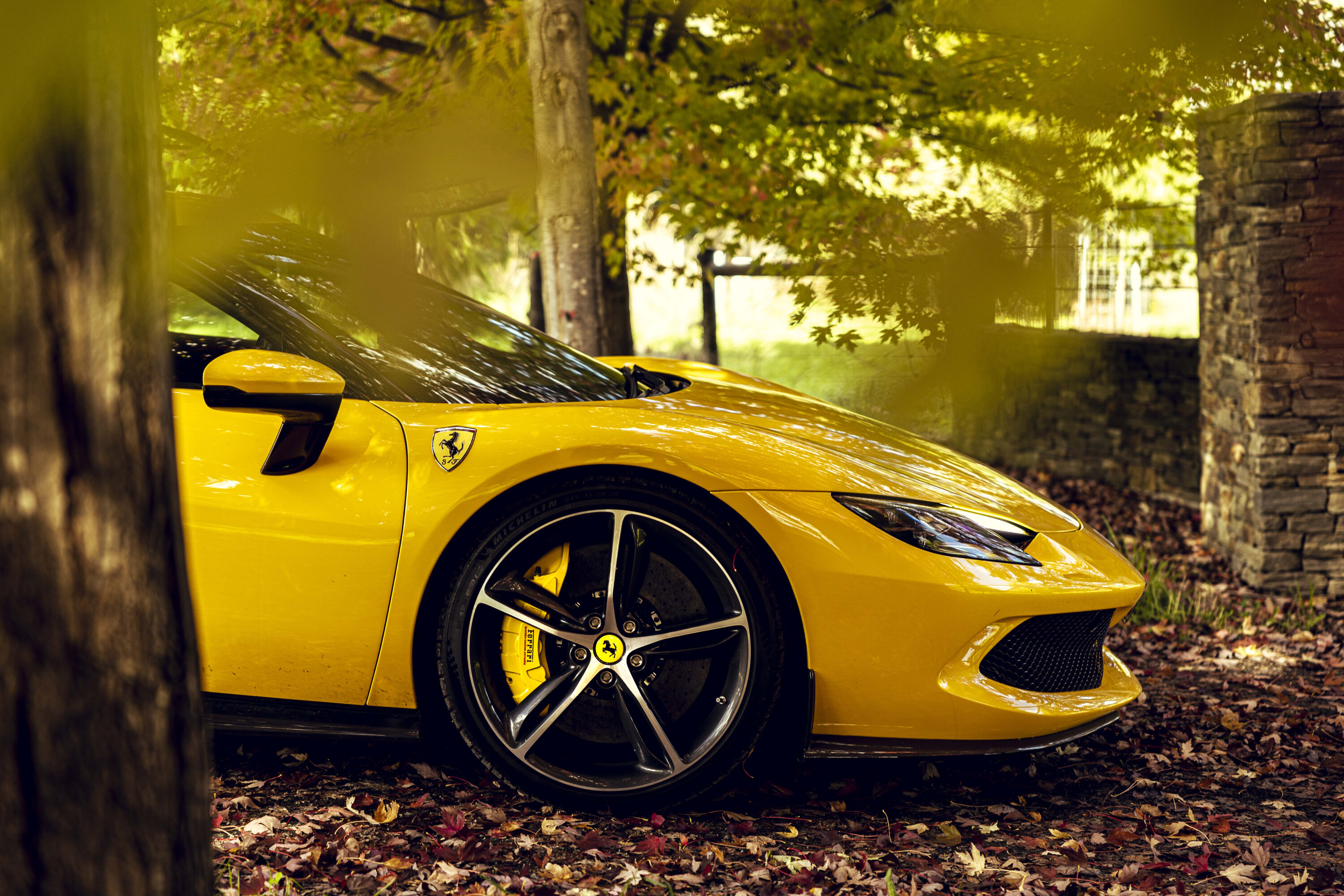
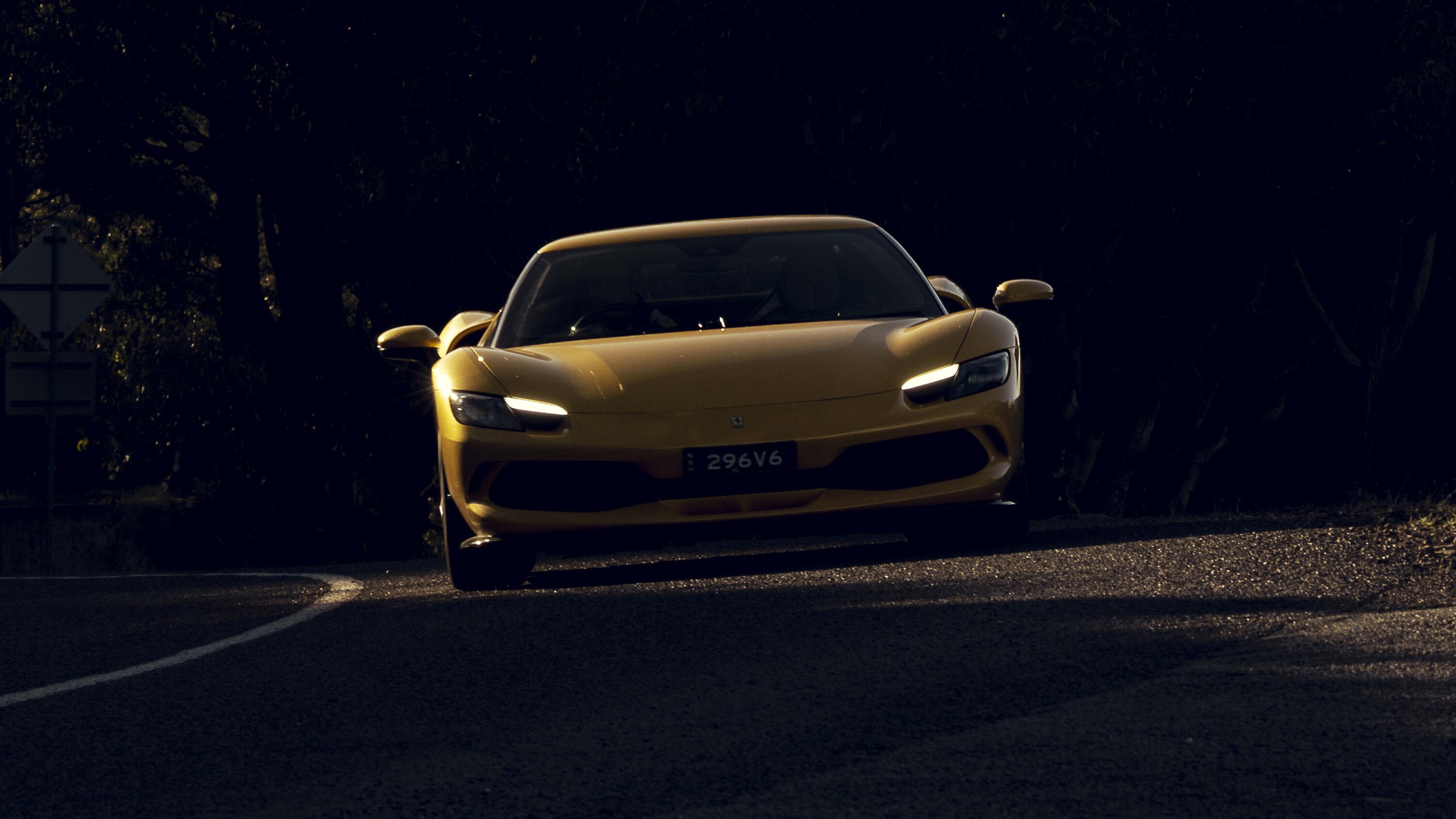
A pickle inspired this story. More accurately, a slice of pickle. It arced through the air from the passenger window of a HiLux just as the filter light turned green, hitting the windscreen of the yellow Ferrari with a fat splat.
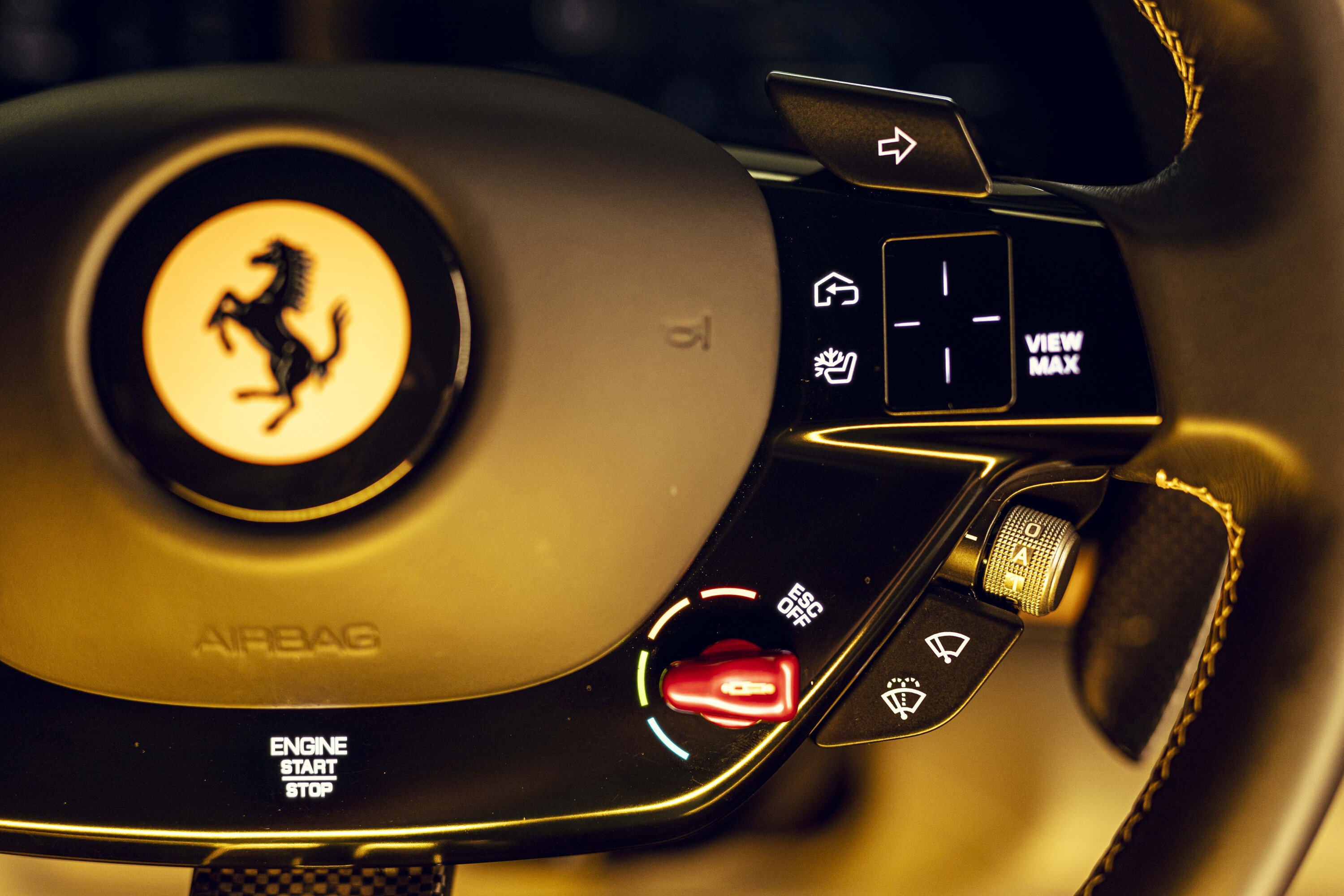
I watched it start to slide down the glass before the coefficient of friction arrested it, waiting for me to figure out which of the steering wheel controls operated the wiper.
For a moment I was captivated by that pickle. Not for what it was, or for the fact that whoever threw it would have to negotiate his burger without it, but more for what it represented. It was as much a slice of resentment as a slice of dill.
1
The 296’s acceleration to 200km/h is to a McLaren F1 what a McLaren F1 is to a Porsche 718 Cayman GT4 RS
The car I was driving had provoked such a visceral reaction that, in that moment, I couldn’t quite decide whether that was a good or bad thing. You certainly don’t buy a supercar to be ignored.
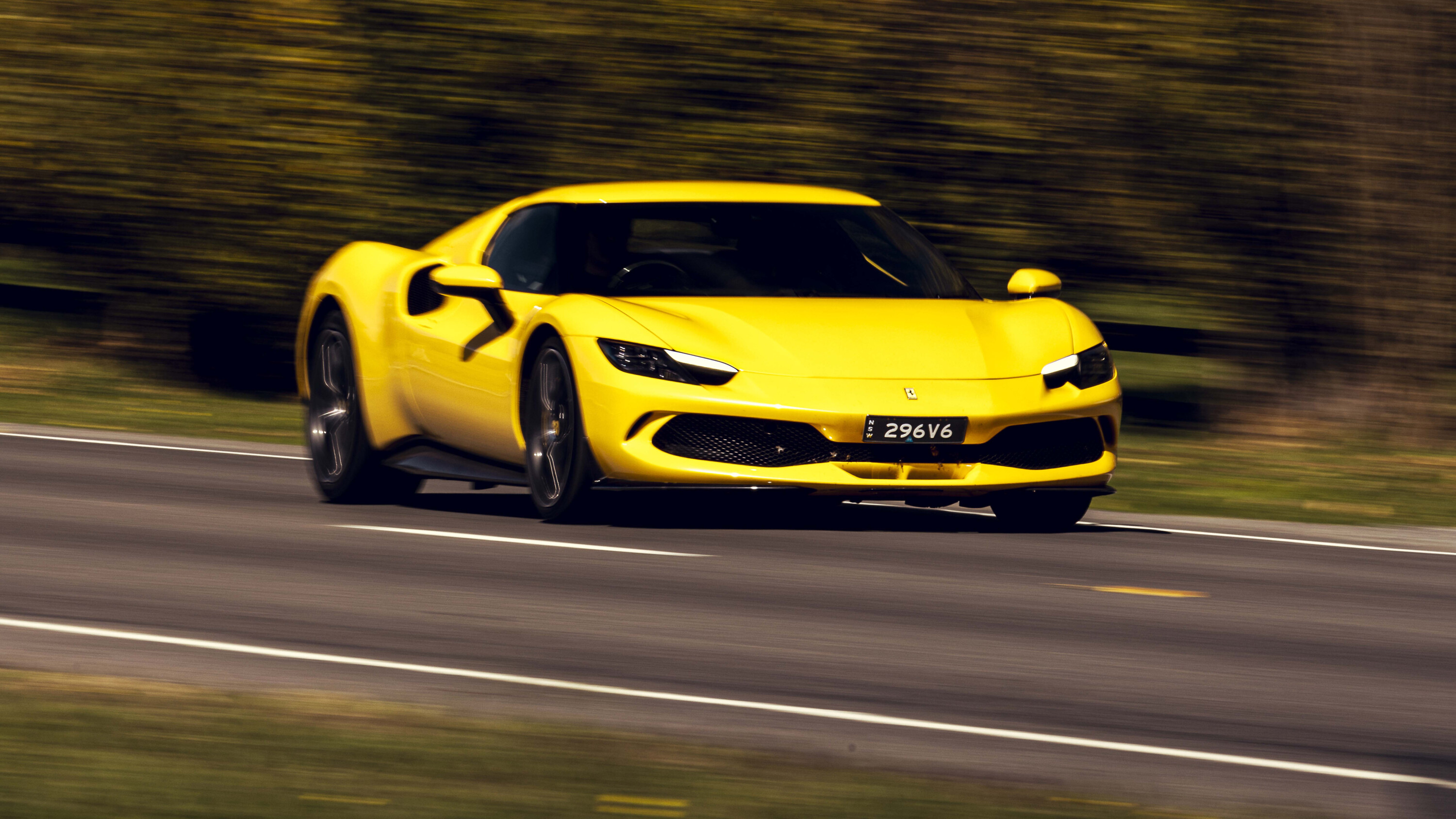
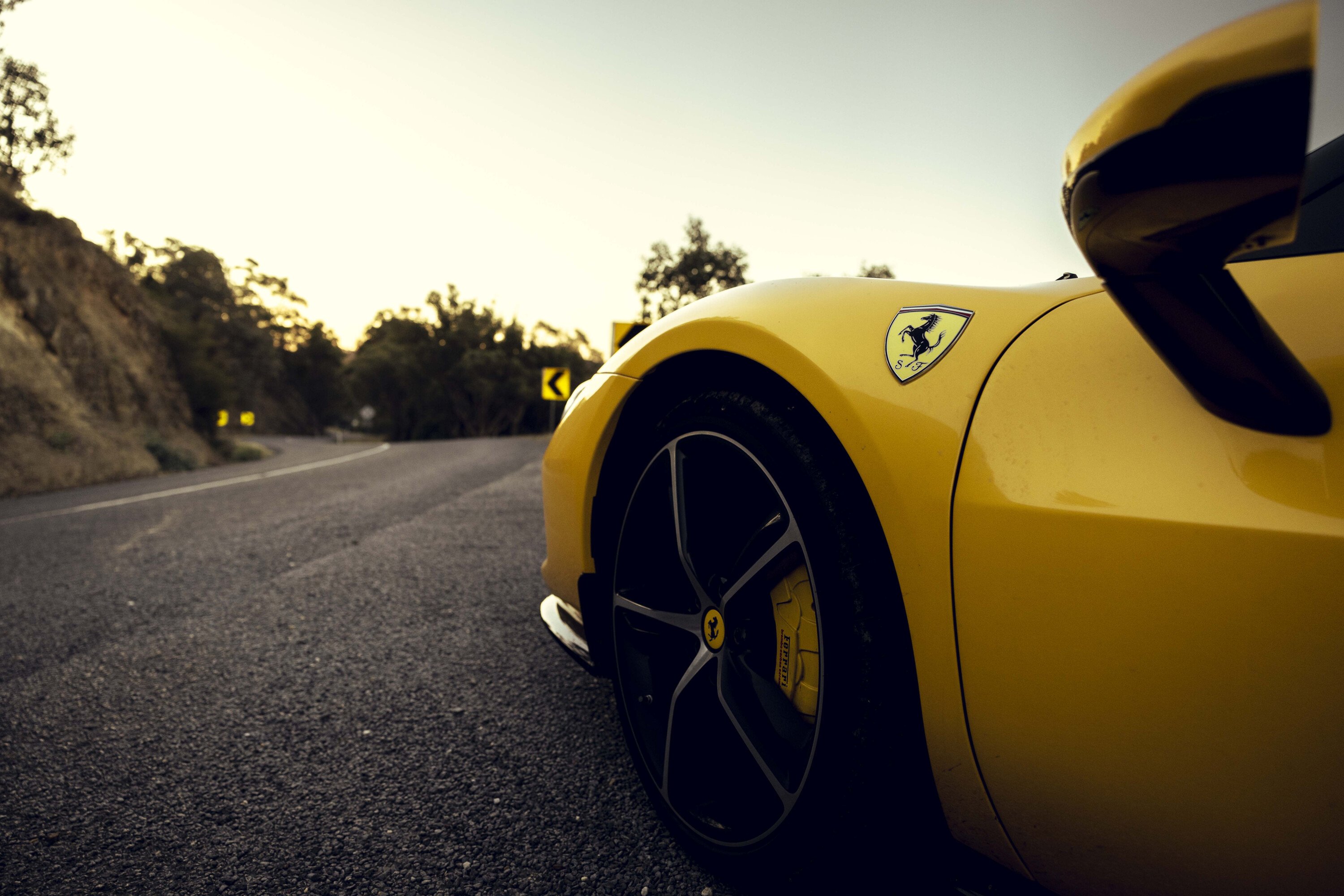
The Ferrari 296 GTB isn’t readily overlooked. At the moment it’s the supercar du jour. With 610kW of electrically-boosted power at its elbow, its acceleration to 200km/h is to a McLaren F1 what a McLaren F1 is to a Porsche 718 Cayman GT4 RS: of a wholly different dimension.
It’s worth reminding ourselves that this is the baby, an entry-level mid-engined Ferrari, powered in this instance by a dinky 3.0-litre V6.
1
It wields that power judiciously. Mat the throttle hard and there’s none of that tarmac-tearing rambunctiousness of a McLaren 720S, at least not away from a standing start.
It’s quick but not Plaid-style concussive. Ferrari has been limiting torque in the lower gears since the introduction of the 3.9-litre F154 turbo V8 in the California T. Whereas that had been quite a subtle way of introducing the Cali’s 755Nm to the rear treads, it’s now far more pronounced, with a surprisingly civil launch process before, battery condition and drive modes allowing, the 296 looses off the full avalanche of Newton metres in third gear.
When I was a kid, the Ferrari Testarossa was for a while, my personal pin-up. I devoured any magazine road test on it, goggling at the outlandish performance figures, trying to process what 18.1 seconds to 200km/h might feel like.
2
The 296 GTB? Try 7.1 seconds. It’ll accelerate to 200km/h and be back to a standstill before the old stager had lumbered up to 160. By the time the Testarossa was at 200km/h the 296 would be well north of 300.
But here’s the supercar’s current dilemma. While it was once an ultimate, a genre that represented the very extreme of what car manufacturers could envision, that’s no longer the case. The performance of a modern hypercar like a Rimac Nevera would demolish a 296 GTB and by a frankly astonishing margin.
The Croatian EV will get to 200km/h in 4.4 seconds. It’ll accelerate to the imperial double-ton of 200mph in 10.86 seconds; fully 17 seconds quicker than a McLaren F1. Anyway, enough of the numbers. What matters is that the supercar is, by today’s standards, a creature of compromise.
1
How it became so perhaps merits a little consideration and I lay the blame for that squarely at the feet of the Porsche 959.
Prior to the point that the 959 appeared at the 1985 Frankfurt show, there had been a certain predictable linearity in the development of the supercar. Plot a line through the 1954 Mercedes-Benz 300 SL Gullwing, the 1962 Ferrari 250 GTO, the 1966 Lamborghini Miura and the extended Countach lifespan and you arrive at that mid-Eighties inflection point.
Porsche showed its hand with the 959, Enzo’s knee jerked and the F40 appeared. While the Ferrari, despite the company’s promises of limited numbers, was very much a development of the supercar species. It was like everything that had come before, only more so.
1
The Porsche was different. It was a performance car the like of which we’d never seen.
With all-wheel drive that featured dynamic torque splitting, composite body and chassis, active aerodynamics and computerised active suspension, it diverged from the path of the supercar, yet at the time few appreciated that significance.
While the supercar line then ascended in steps from the F40 to Lamborghinis Murcielago and Aventador, via McLaren 720S to arrive with this Ferrari 296 GTB, the nascent hypercars adopted the technological focus of the 959. Five years after the 959 was unveiled, the astonishing Bugatti EB110 followed, with its 60-valve V12 fed by four turbochargers and driving four wheels.
1
The McLaren F1 was an analogue outlier before the Bugatti Veyron’s engineering brutality eclipsed it.
Beyond that, electrification elevated performance onto an ever higher plane with the hybrid hypercar holy trinity of LaFerrari/Porsche 918 Spyder and McLaren P1, the Koenigsegg Regera and the Rimac Nevera nudging our notion of performance superlatives ever higher.
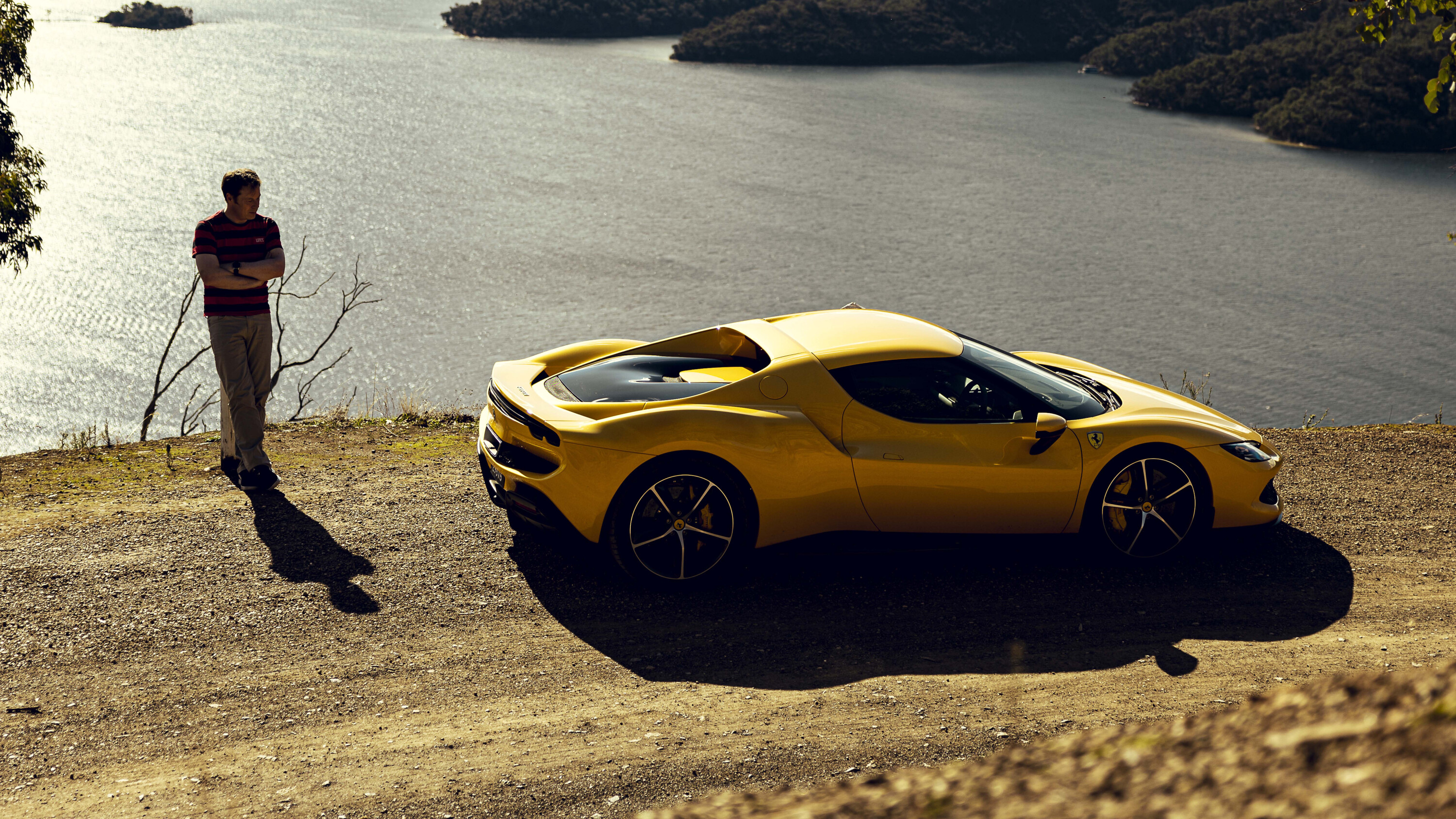
Flinging the 296 GTB at a corner somewhere high above Lake Eildon, it’s hard to think of why you’d ever need more power. But then it’s equally possible to find yourself in something like a current Civic Type R on a challenging road and wonder if you ever needed a quicker car.
1
In the 296, you challenge yourself to keep the throttle pinned for as long as you need to.
It has the brakes and the composure to scrub off huge speeds and dive towards an apex and is hugely exciting but at the same time it retains an edge. Forget the false modesty of road testers who claim that it slides with the ease of a big MX-5. Drive it hard and the 296 gives you small reminders of big consequence.
The steering lacks the reassuring heft and granular feedback of some of the most rewarding sporting cars. It’s not neurotically geared at 1.8 turns lock to lock and offers a pleasant neutrality, but isn’t the most communicative.
1
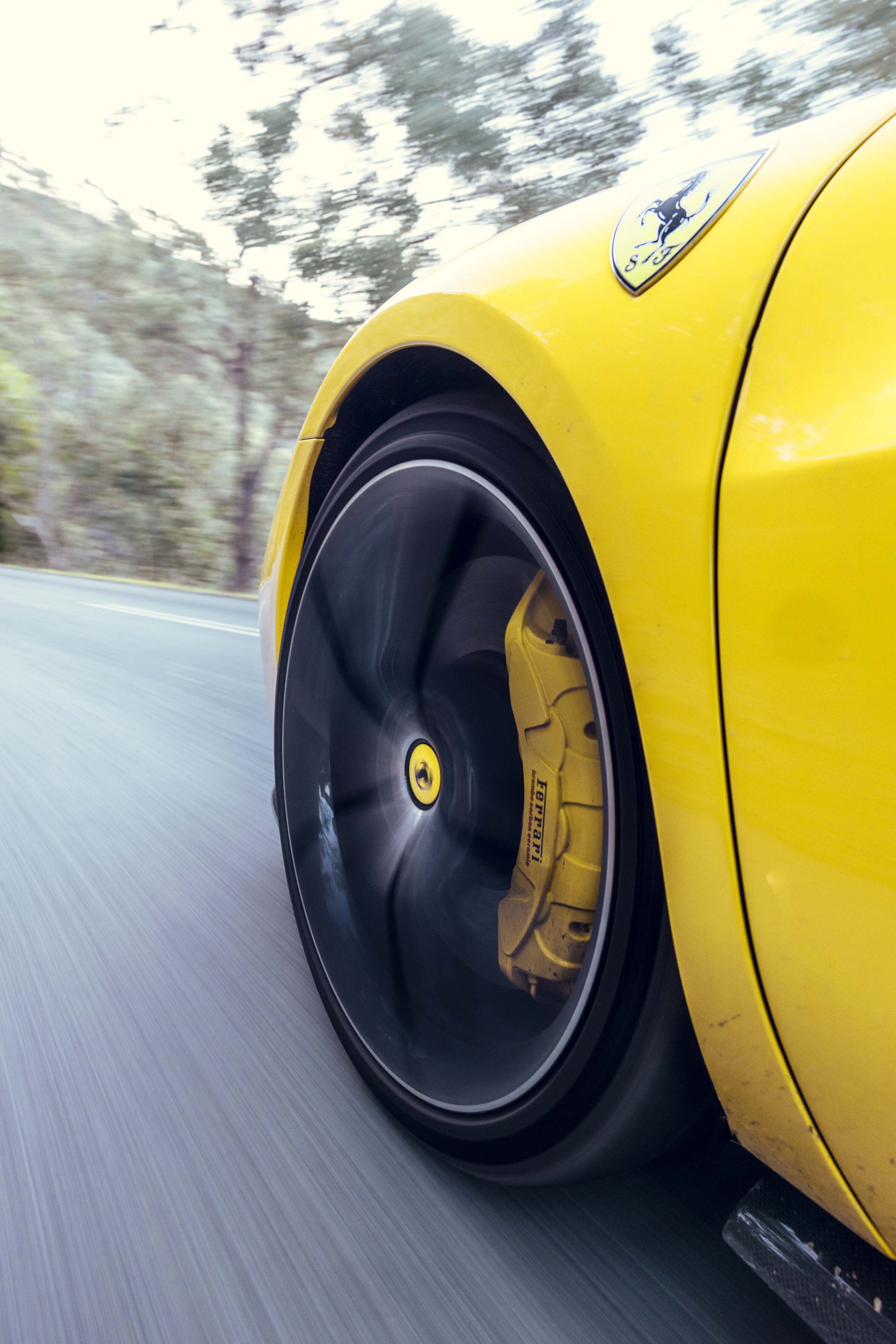
The brake-by-wire system is brilliantly calibrated between re-gen and friction braking although the latter can feel heart-stoppingly approximate on the first application on a cold morning. The brakes rapidly come to life thereafter.
While the 296 feels all of a piece at typical fast road speeds, and it’d doubtless feel incredible when wrung out at ten-tenths on track, there’s a point between these two levels of commitment where the 296 can feel nervy; unexpectedly up on its toes.
A colleague described it as a “glassy moment” and it’s not always predictable when you’ll step into it due to one notable characteristic of the 296. A given throttle input doesn’t necessarily result in a consistent output.
1
Dip down and those 250LM-style rear haunches gently interrupt the profile
The amount of meaningful torque delivered to the rear wheels depends on a number of variables including battery condition and not always knowing exactly what you’re going to get can set your mouth a little dry.
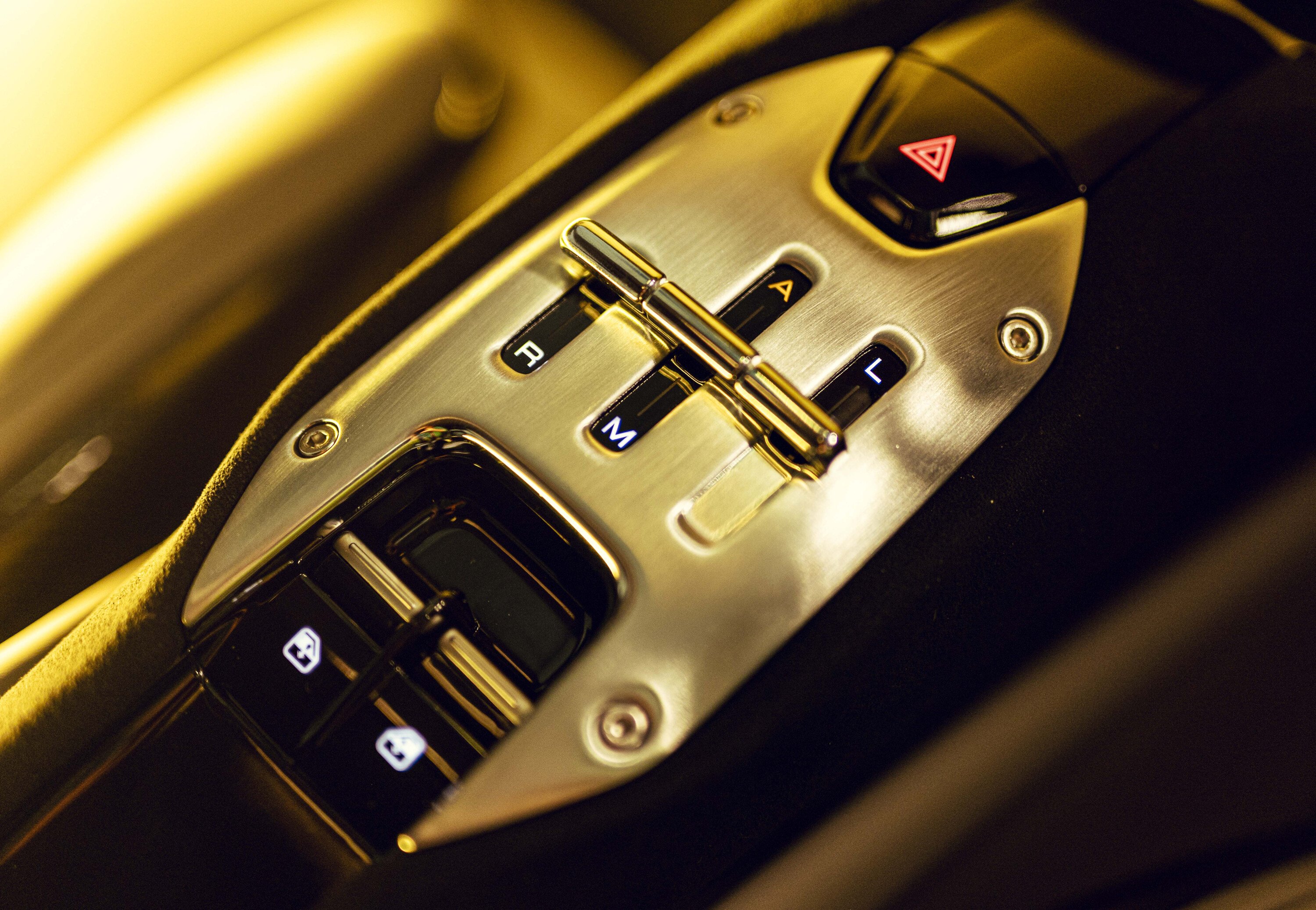
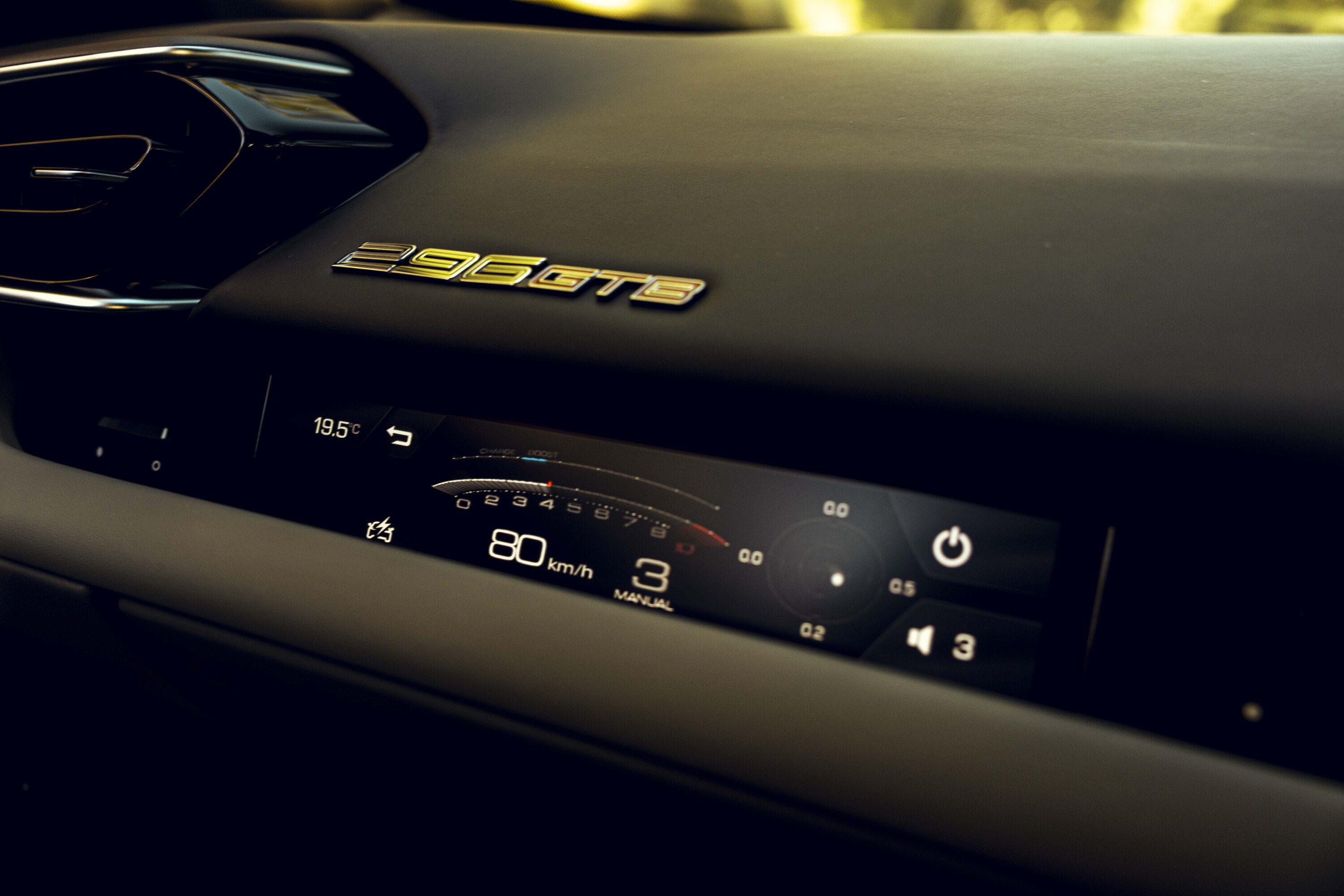
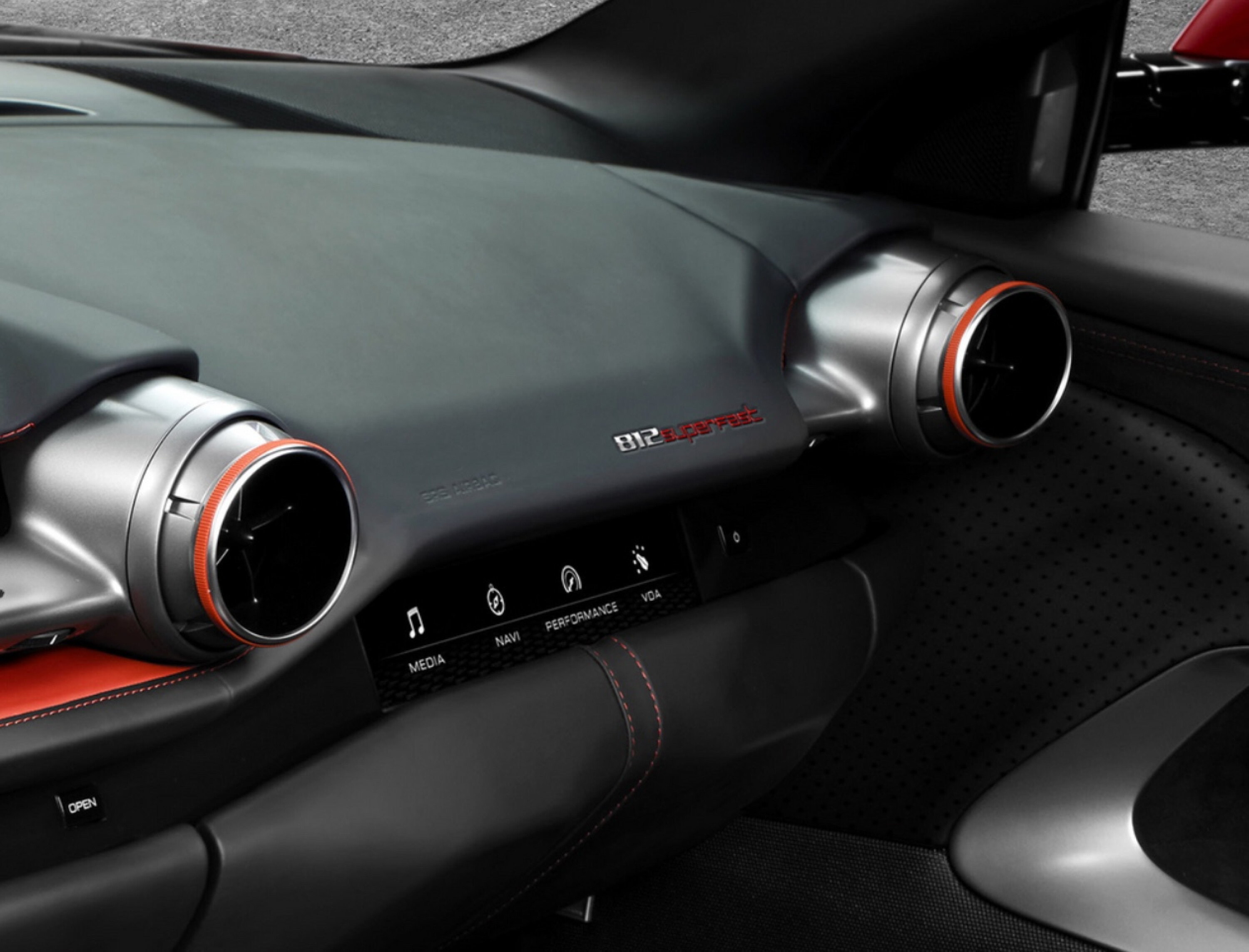
It could be something that you’d grow accustomed to. The 296 is so laden with idiosyncrasy that it’s an immersive thing just to interact with on an everyday basis. Whether it’s the details of the drive modes, the complexity of its Side Slip Control system, the quirkiness of its ergonomics or the whims of the algorithm controlling the active aero, there’s always something going on.
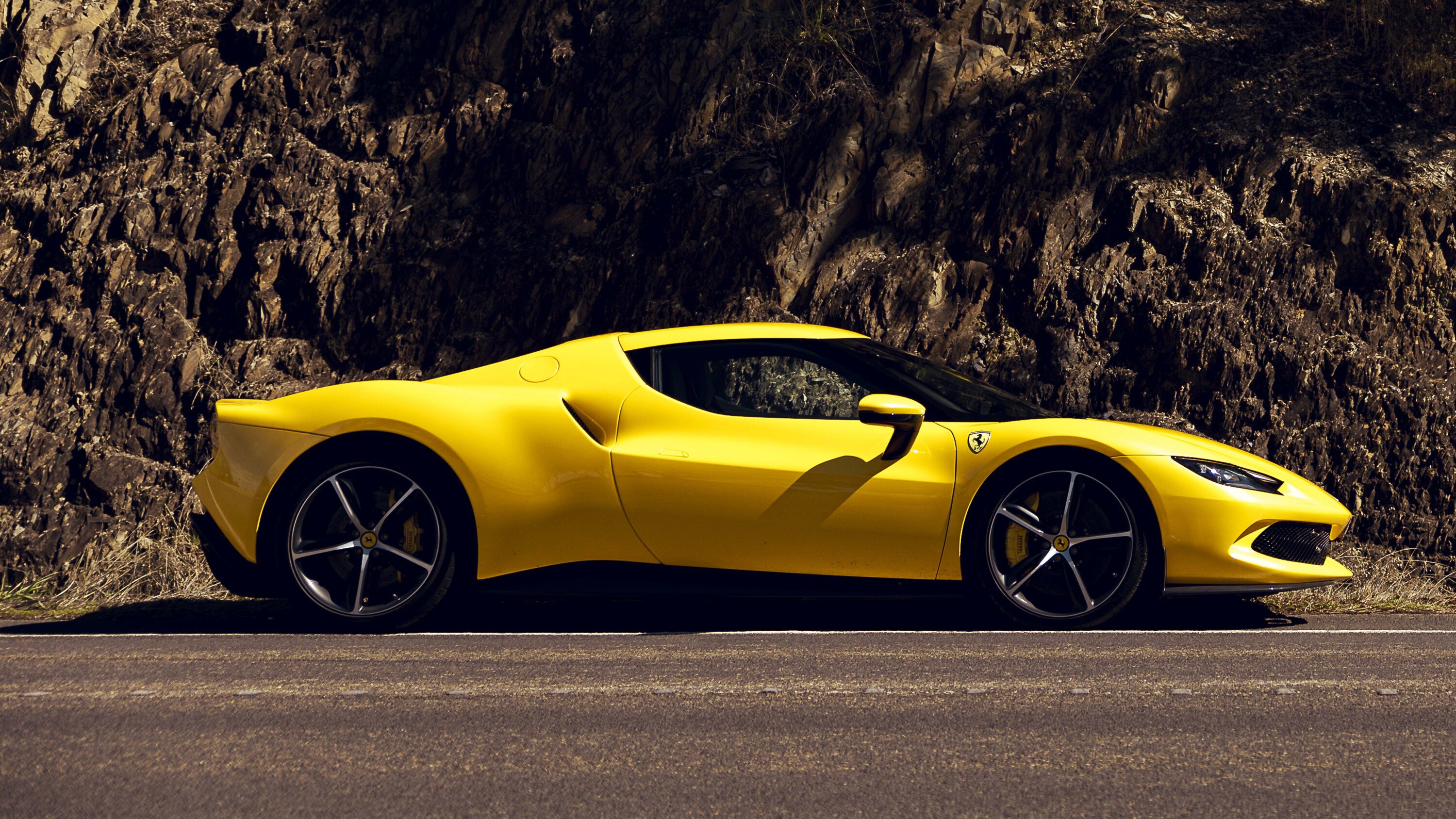
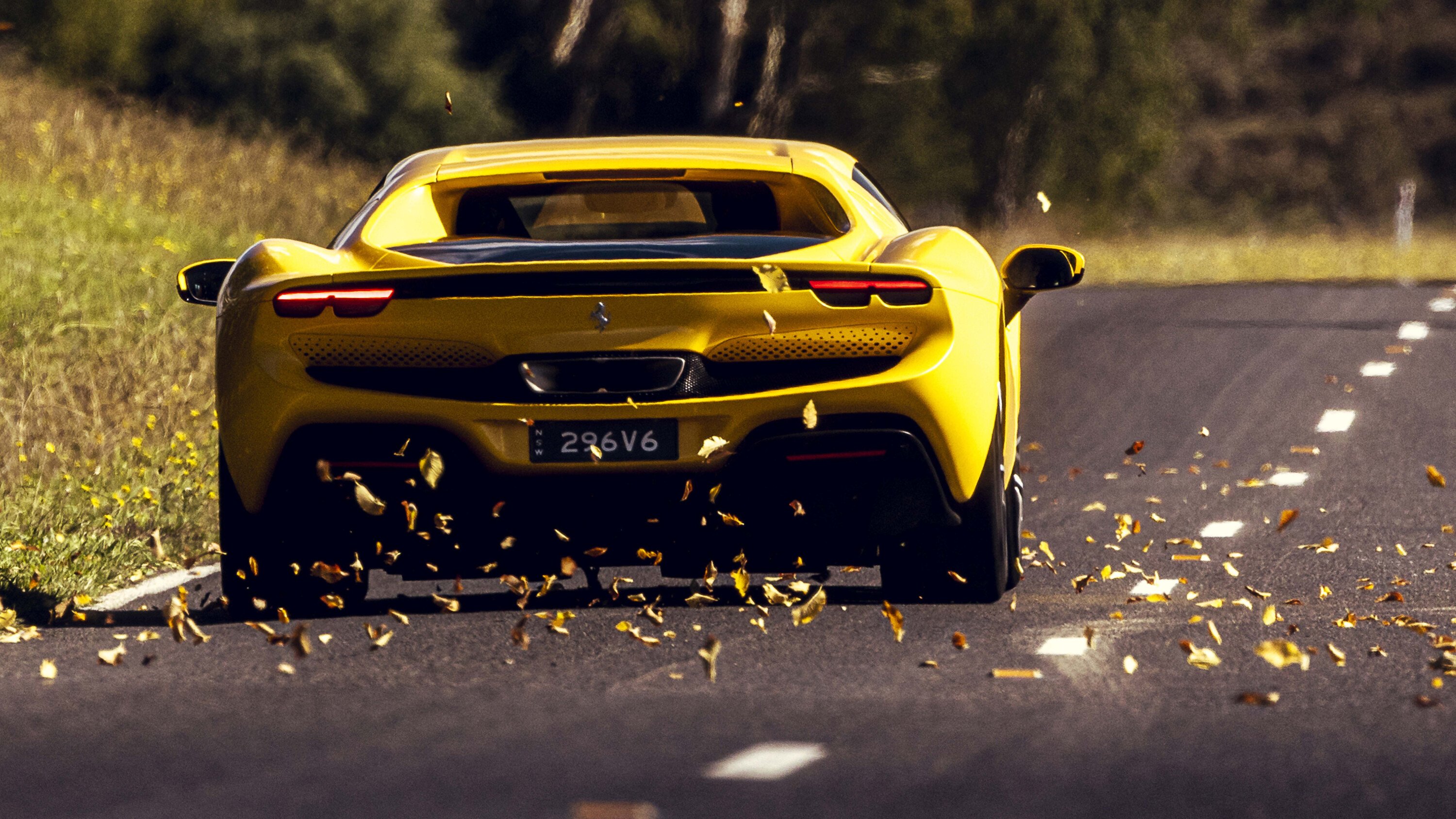
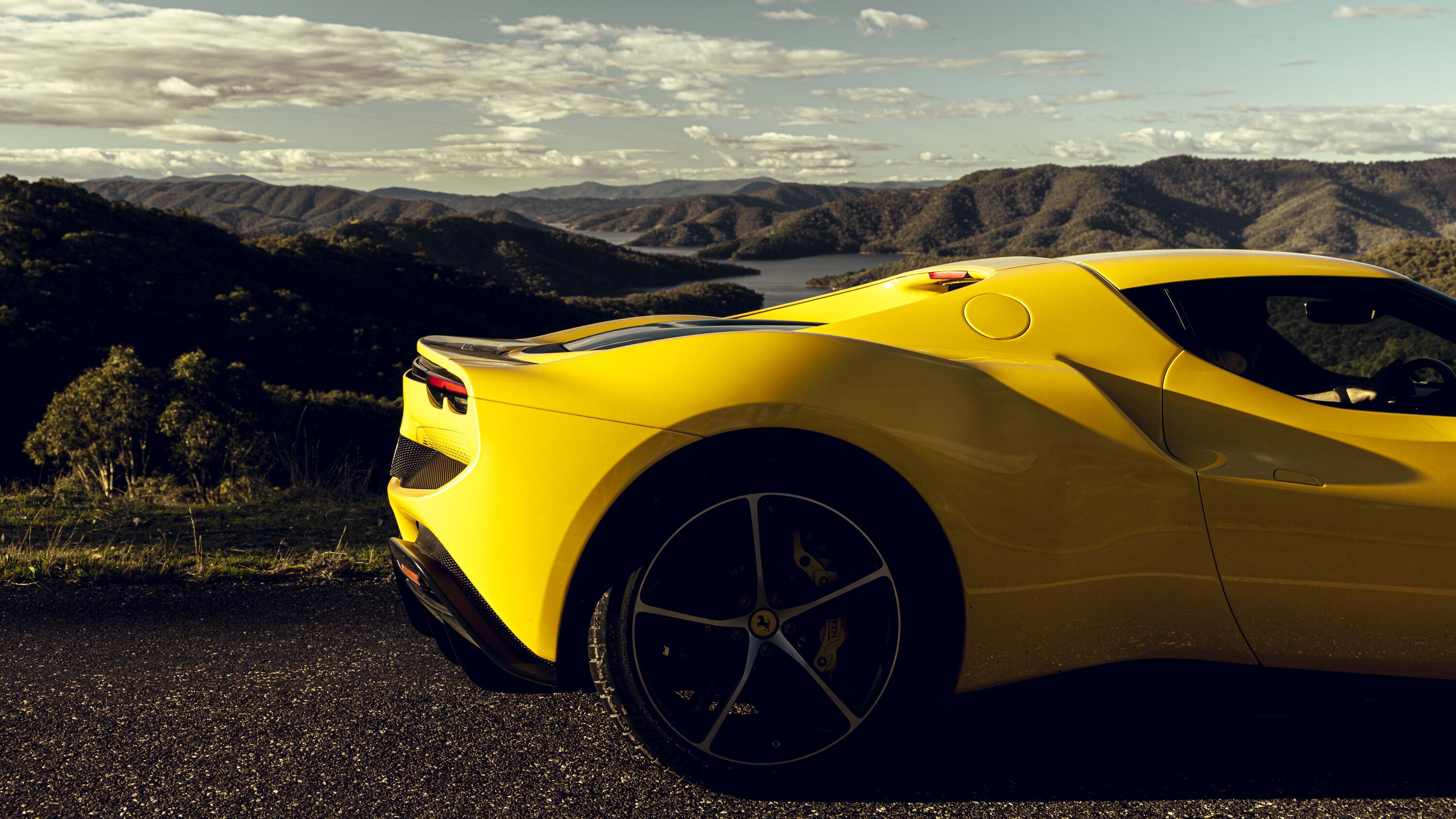
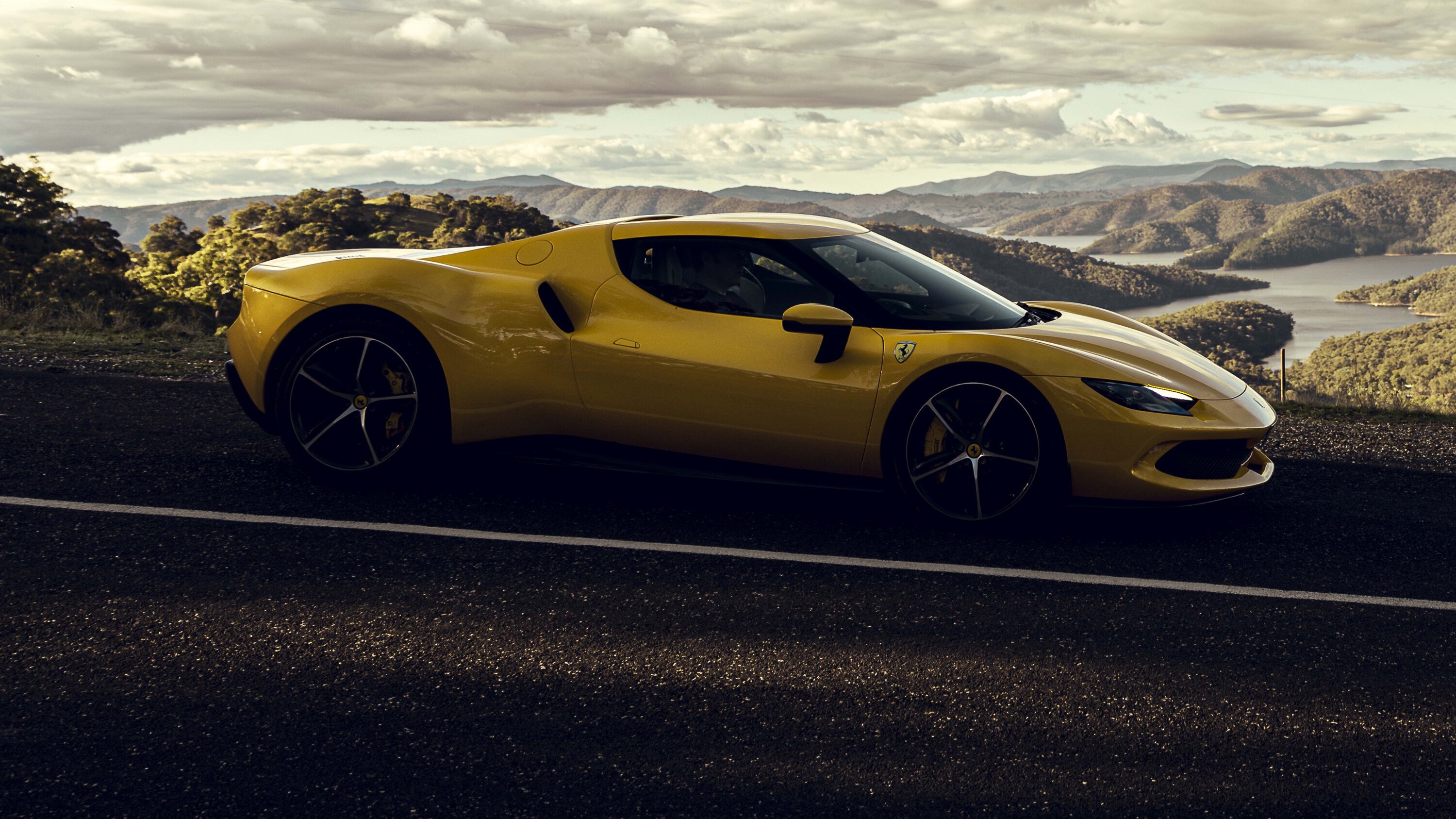
Even the shape is incredible intricate. From some angles that extended rear deck and coda tronca give it an almost three-box shape. Dip down and those 250LM-style rear haunches gently interrupt its profile.
1
Every time you approach the car your eye settles on another line, detail or play of light and shade. Even in Giallo Modena, which some may described as lacking a certain subtlety, the 296’s design delivers.
Ferrari should also be commended for building in a genuine sense of fun. Challenge, too. How long have we complained about sanitised supercars? Here’s one that’s anything but, which will test you while cryptically peeling back the layers of its ability.
How absorbing would it be to really get to know this car, to feel as if you’d mastered it? I’m nowhere close. Instead, I feel I’m merely prodding at its envelope. One thing’s for sure. It’s lively. That’s due to the combination of feral torque infill, sharp steering and a short wheelbase.
1
At 2600mm, the 296’s wheelbase is fully 50mm shorter than the outgoing F8 and is shorter than both a Huracán or an Artura.
It sounds great too. The equally spaced firing order and pure third-order harmonics mean that the sound signature of the engine is more like a V12 than a V8, with a clean build from low to high frequencies, erasing the high-frequency die-off between 4000 and 6500rpm that afflicted Maranello’s turbocharged V8s.
Ferrari refers to the engine as the ‘piccolo V12’ and with good reason. A hot tube with a timbre-adjusted membrane pipes engine sound directly into the cabin. No speakers or amps here. It pays to stay above 4000rpm and at 5000 the engine note harden noticeably, introducing an operatic melismatic flutter at 6000.
1
You’ll believe the midrange acceleration stats that show that the 296 is as quick as a Bugatti Veyron
From there it careens to the redline, so quickly that you’re grabbing for the shifter. Alternatively, you can leave it in drive and let the software do the work for you.
Running the 296 GTB to the redline can be a tiring experience. It juices your adrenal glands and it’s instructive to note how rarely you execute full, foot-to-the-boards throttle commitment.
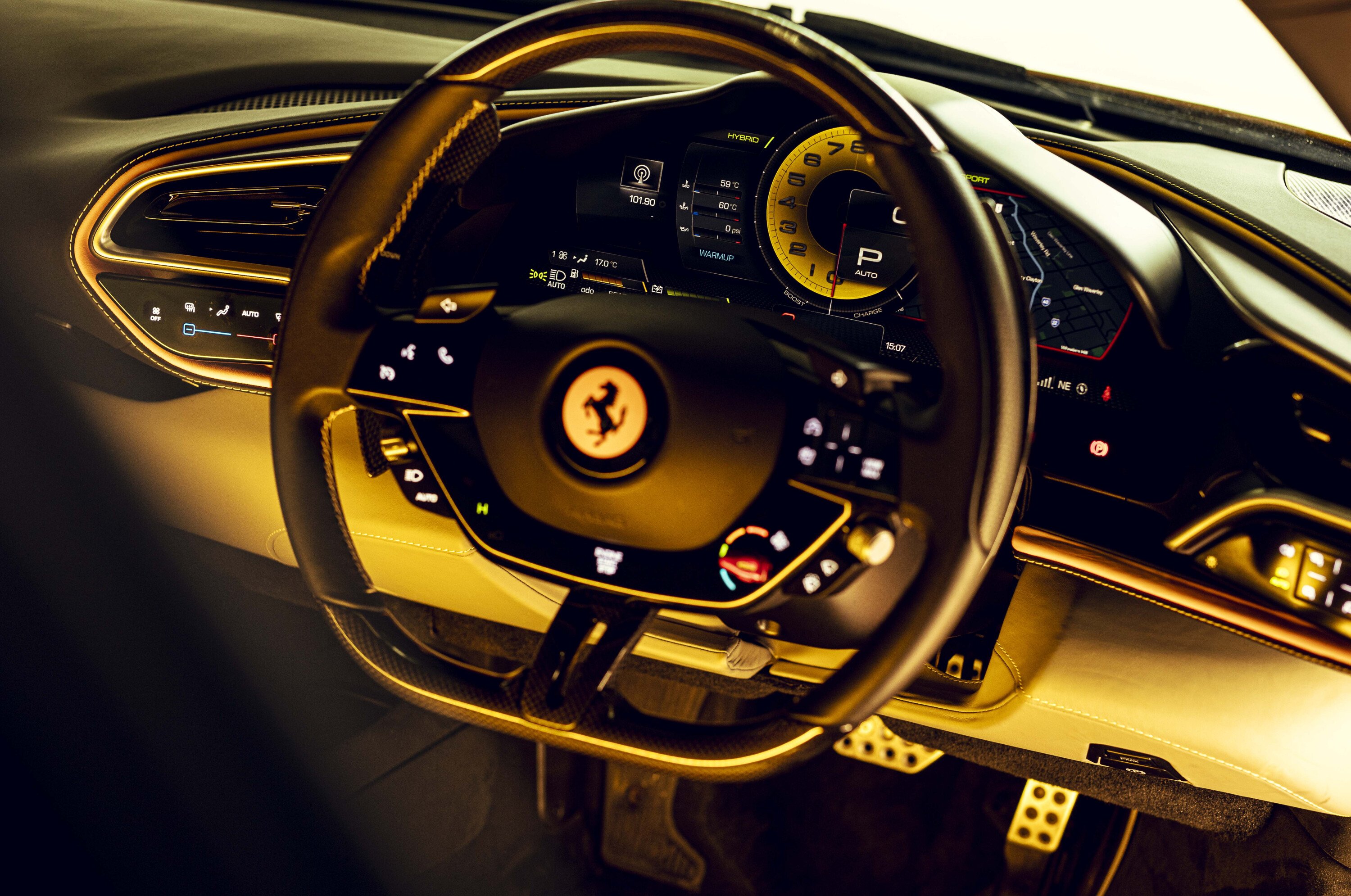
Stay planted up through second and grab third just as you get the full rainbow of shift lights across the top of the carbon wheel and the thump into full torque deployment is absolutely eye-widening. You’ll believe the midrange acceleration stats that claim that it’s as quick as a Veyron.
1
Possibly the biggest compliment that you can pay the new 120-degree V6 is that at no point do you muse how much better the 296 would be with a V8. It’s just never crosses your mind.
Despite the hybrid assistance and turbocharging, it does its best work with plenty of revs on board, peak power arriving just 500rpm shy of the 8500rpm redline, while the full measure of 740Nm is attained at 6250rpm.
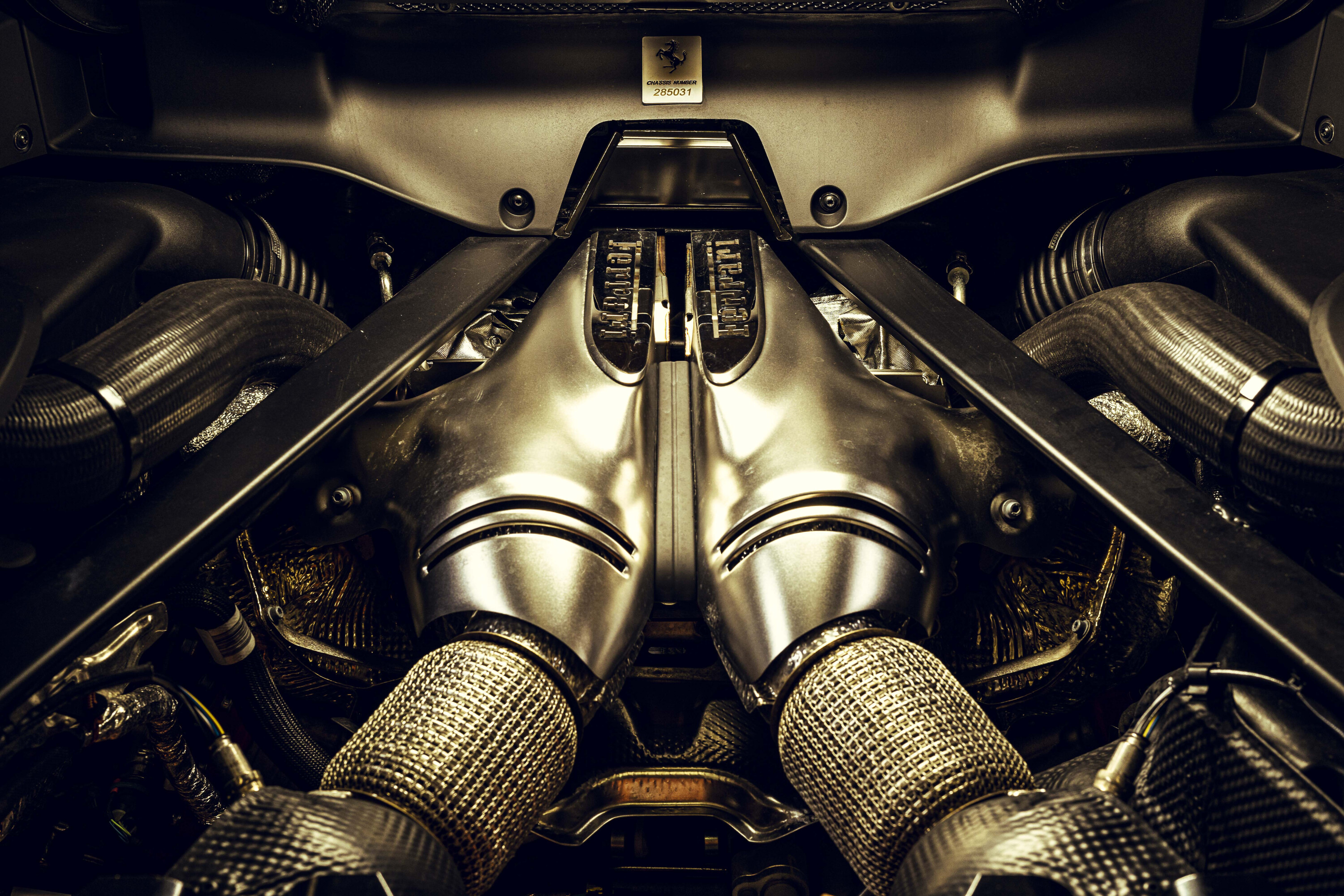
Due to the hot-vee configuration of the contra-rotating turbochargers, it’s a significantly narrower engine than the F8’s and is also 30kg lighter. It’s dropped right down into the guts of the car, so when you pop the engine compartment and peer past all the Inconel exhaust plumbing, it looks as if its sump will be skimming the bitumen.
1
The 296 poses a number of challenging questions. Do you ever need a large-capacity engine when a 2992cc V6 can perform and sound like this?
After some introspection, the answer has to be probably not. It hangs another question in the air. Is this the first Ferrari that is helped rather than hindered by hybrid tech?
Almost certainly. I got a kick out of sliding the 296 silently from my garage on an early start, but the stealth effect was somewhat ruined when the car sounded the horn three times because I’d got out of it with the key to retrieve the rubber ramps I needed to allow the front splitter to clear my drive. There is a nose lift system but no front camera, so you’ll need to be a little bit careful that the nose doesn’t drop onto kerbs.
1
The 7.45kWh battery will propel the Ferrari for around 25km on electrons alone, which is better than mere novelty.
We managed 33km on a largely downhill route out of Eildon, enveloped in a Hans Zimmer-style futuristic soundscape. Switch the manettino into Qualifying mode and it will harvest power to replenish the battery surprisingly quickly. alternatively, if you don’t want the sharpness that this mode brings, there’s a sdie option to charge in Hybrid mode accessible via the wheel-mounted trackpad.
The 296 defaults to starting silently in Hybrid mode. It can also be forced to run in eDrive electric mode or will rinse everything its got in Qualifying mode. In order to get the full power/torque, the car needs to be in Quali mode with a full battery.
1
As good as a Michelin Pilot Sport 4S tyre is on a Porsche 718 or a BMW M3, it at first seems a little underspecified for a 610kW supercar.
Look a little closer and there’s a K1 signifier on the sidewall that denotes that this is a tyre specially homologated for the 296.The 20-inch rubber measures 245/35 up front and 305/35 at the back, with a modified tread compound that delivers better performance in all five of Ferrari’s test criteria (grip, weight, rolling resistance, aquaplane resistance and wet traction) than the Pilot Super Sport fitted to the F8 Tributo.
Of course, there will be some who see no other choice than the Michelin Pilot Sport Cup 2 R option tyre, reasoning that they probably won’t take their 296 out if it looks like rain.
1
I’d take it out every day of the week. The powertrain is civilised enough, the ride, whether in bumpy road mode or not, is sufficiently supple and the hybrid drivetrain means that it needn’t be obnoxiously loud at all times.
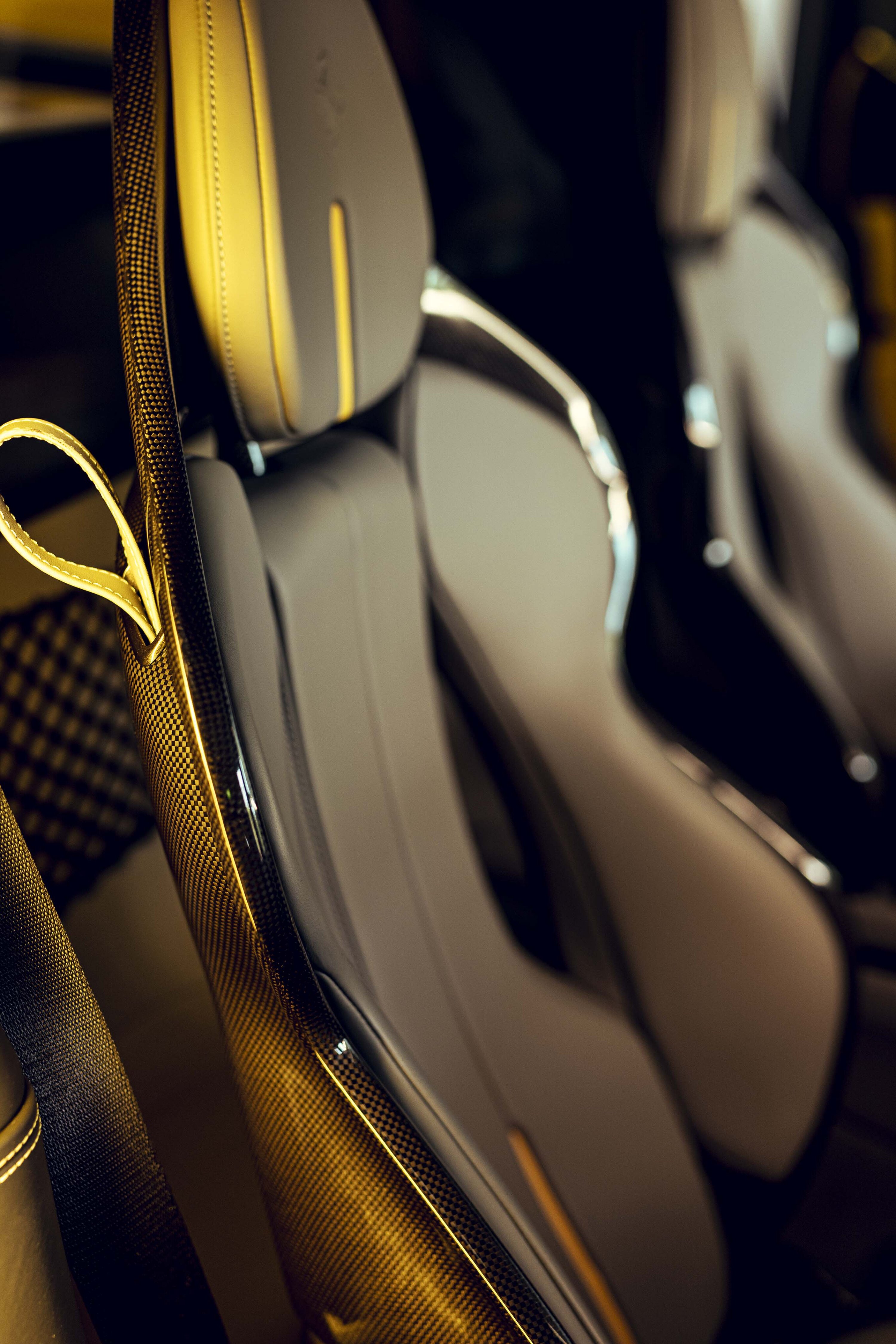
There’s even a reasonable amount of storage space, both in the frunk and behind the seats. Aside from rear three-quarter visibility (which is hideous), the 296 isn’t too difficult to see out of either. One word to the wise – if you’re speccing one, avoid any pale-coloured trim or contrast stitching on the dash top as it’ll reflect crazily in the windscreen.
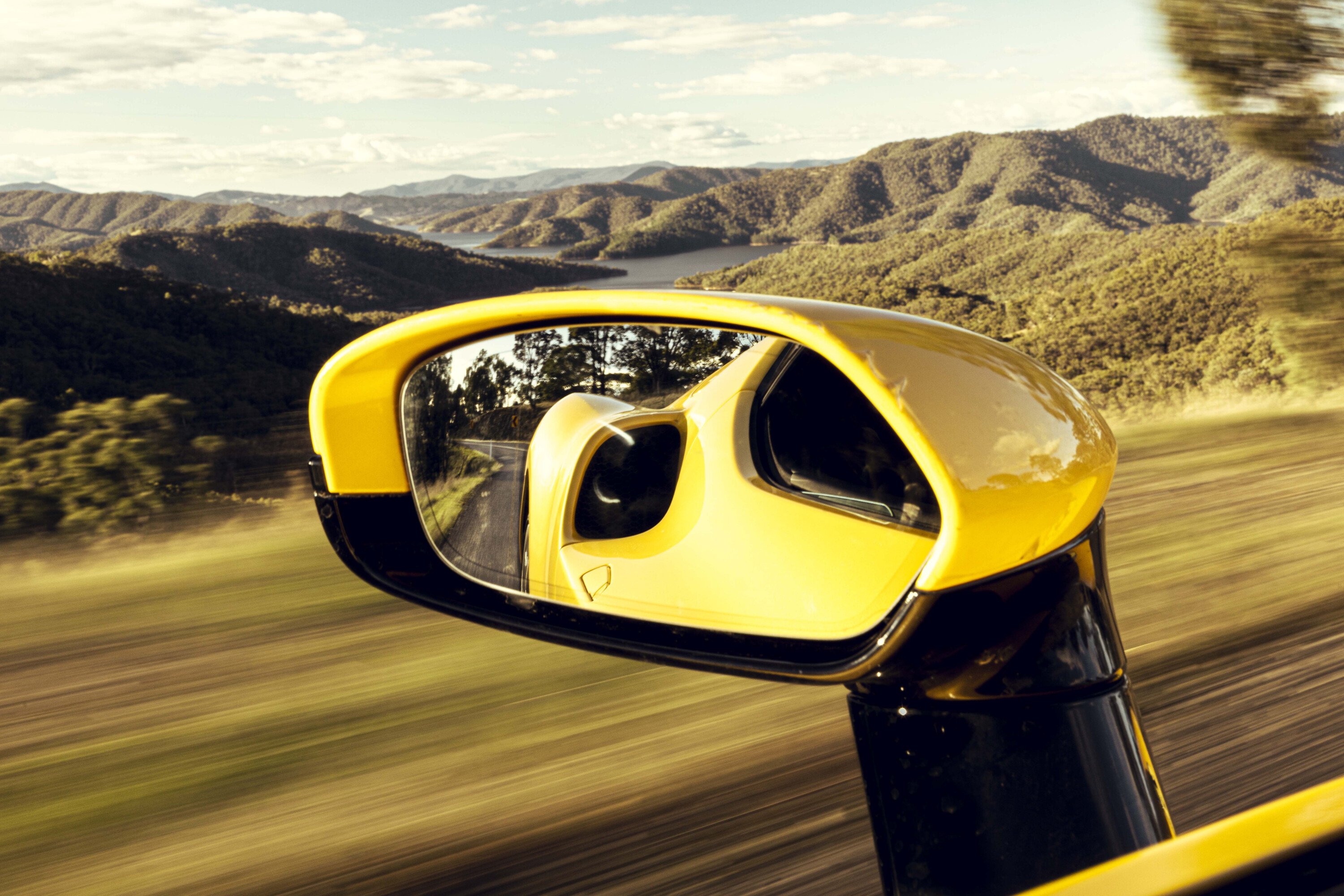
Likewise, the glass rear deck can also beam retina-searing low sun into the rear-view mirror. Another ergonomic glitch is that a larger smartphone won’t fit into the wireless charger but will fit with such millimetric perfection into the centre cubby that you’ll need something to prise it out with.
1
These issues do little to detract from Ferrari’s achievement. It has built a fun and fiercely capable car that rides well, looks fantastic and is beautifully engineered.
At a stroke, the 296 GTB’s class rivals trail like specks in the rear-view. Best of all, it has curtailed that trend where the 488 and F8 each seemed a more powerful but less pure incarnation of the 458 Italia. The 296 is very much its own thing and is all the better for it.
Conceptually, the supercar has never been in a tougher spot. It’s become a compromise. Blanket online coverage has made it less of an occasion. It can appear out of step with social mores. But the cars themselves are better than ever. More popular too. Ferrari sold more 296s in 2022 alone than in the entire 11 year lifespan of its first-mid-engined supercar, the BB.
The company acknowledges in its annual report that there is a demand for its vehicles to be used more often and in urban settings and Maranello is keenly aware of changing tastes.
1
Aware too of shareholder pressure to raise prices and build more cars. In artfully fusing what we traditionally expect of a supercar with a blend of qualities that are new to the genre, the 296 GTB is a triumphant transition to a new era.
The supercar will never be the sort of social chameleon that fits into every occasion. Pickle boy will attest to that. Such a choice may appear gauche in an economic climate that seems to be transforming a greater share of society than ever before into have-nots, the supercar emblematic of that wealth division.
You need a thick hide to carry one off. But developing one has never carried a bigger payback. If you just want to luxuriate in how magnificent, capable and, yes, joyful the sensory experience of the car can be in this first quarter of the 21st century, conjur up a way to drive a Ferrari 296 GTB. It’s the perfect jaded palate cleanser.
2
Forza Frikadelli
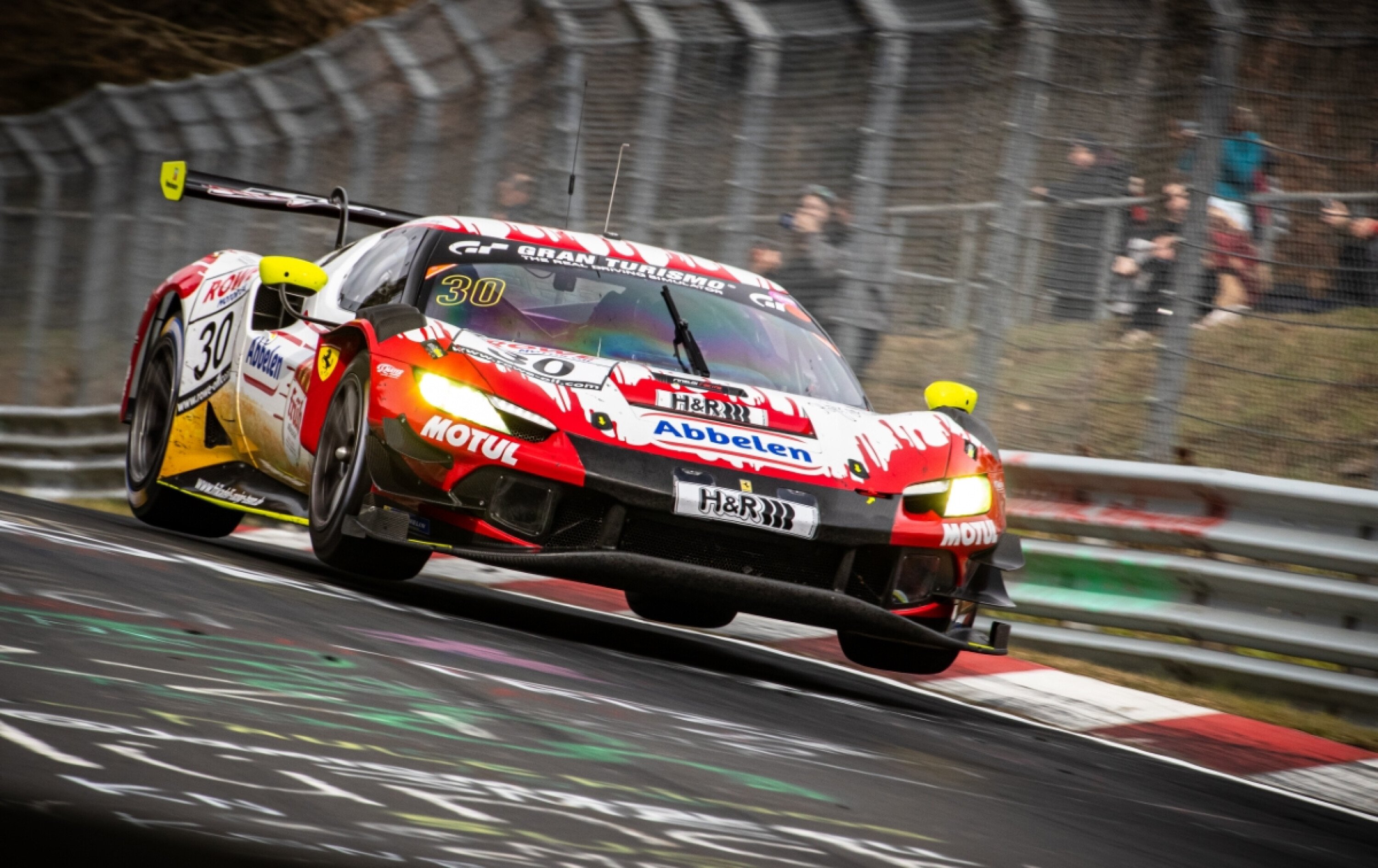
We’d goggled over the pics of the stunning Ferrari 296 GT3 and its first major victory was this year’s 24 Hours of Nürburgring, which it won for the first time in the marque’s history.
This broke a trot of 21 years of German-built winners (Zakspeed Viper GTS-R was the prior, trivia freaks).
To make matters even more special, the car was run by Frikadelli Racing, co-founded in 2005 by the late and much-missed Sabine Schmitz. Between them, Earl Bamber, Nicky Catsburg, David Pittard and the magnificently-monikered Felipe Fernandez Laser completed 162 laps; an event record.
Australia’s major car brands were generally supportive, in principle, of Australia’s proposed fuel-efficiency standards when WhichCar asked recently.
The Federal Chamber of Automotive Industries (FCAI), however, has not been as supportive of the New Vehicle Efficiency Standard (NVES), outwardly at least.
Weber also claimed the NVES would raise the price of a Ranger Raptor by $6000, and some other vehicles by up to $25,000.
1
The FCAI warned the NVES will cost consumers $29 billion, based on the current range of models sold – but a 2022 report suggests this number could be overblown.
In 2022 the FCAI engaged S&P Global Research to model the future Australian car market. S&P advised FCAI that electric cars and utes will dominate the light vehicle market in Australia by 2030, even without an efficiency standard.
It’s possible, then, that the FCAI’s claimed cost of the NVES is higher than the real cost in a market transitioning towards more efficient vehicles – and higher than would be projected based on their own study.
The Electric Vehicle Council has accused the FCAI of misleading the community and politicians.
“The FCAI has constructed a scenario where the car market doesn’t change at all from 2023 until the end of this decade, and layered exaggerated penalties over the top of that,” said EV Council chief executive Behyad Jafari.
Jafari said the FCAI’s own report “shows that the market, even without an emissions standard, will change dramatically by the end of this decade. And under that scenario, there will be minimal if any penalties received by the average car.”
Climate Change and Energy Minister Chris Bowen claims the NVES would save drivers on average $1000 per year on fuel, but has not released modelling on the impact on prices.
Federal opposition transport spokeswoman Bridget McKenzie called on the government to release its modelling, however, and said there’s no need for Labor’s “extreme carbon tax” on cars if most new cars sold in 2030 will be EVs or hybrids regardless of an emissions standard.
February 2024: Consumers don’t want all the in-cabin tech, either
Study aims to identify the automotive technology and features that buyers want.
Automotive manufacturers are increasingly represented at the annual Consumer Electronics Show (CES), reflecting the perceived rising importance to customers of in-vehicle technologies.
AutoPacific, a “future-oriented automotive marketing research and product-consulting firm”, annually undertakes the Future Attribute Demand Study (FADS), a survey of over 10,000 new vehicle “intenders” to measure demand for new vehicle technologies.
AutoPacific attended CES this year, partly “to see if consumer demand matches automakers’ and suppliers’ feature and technology rollout plans”, said AutoPacific Director of Marketing and Consumer Insights Deborah Grieb. They surveyed potential consumers about their interest for three new technologies featured at CES 2024.
1
Most consumers aren’t willing to pay for the hi-tech features manufacturers want to sell.
The latest FADS found that, of 11,700 people surveyed, most “new vehicle intenders” aren’t prepared to pay for:
pedestrian messaging
in-vehicle purchasing (of products, services and upgrades)
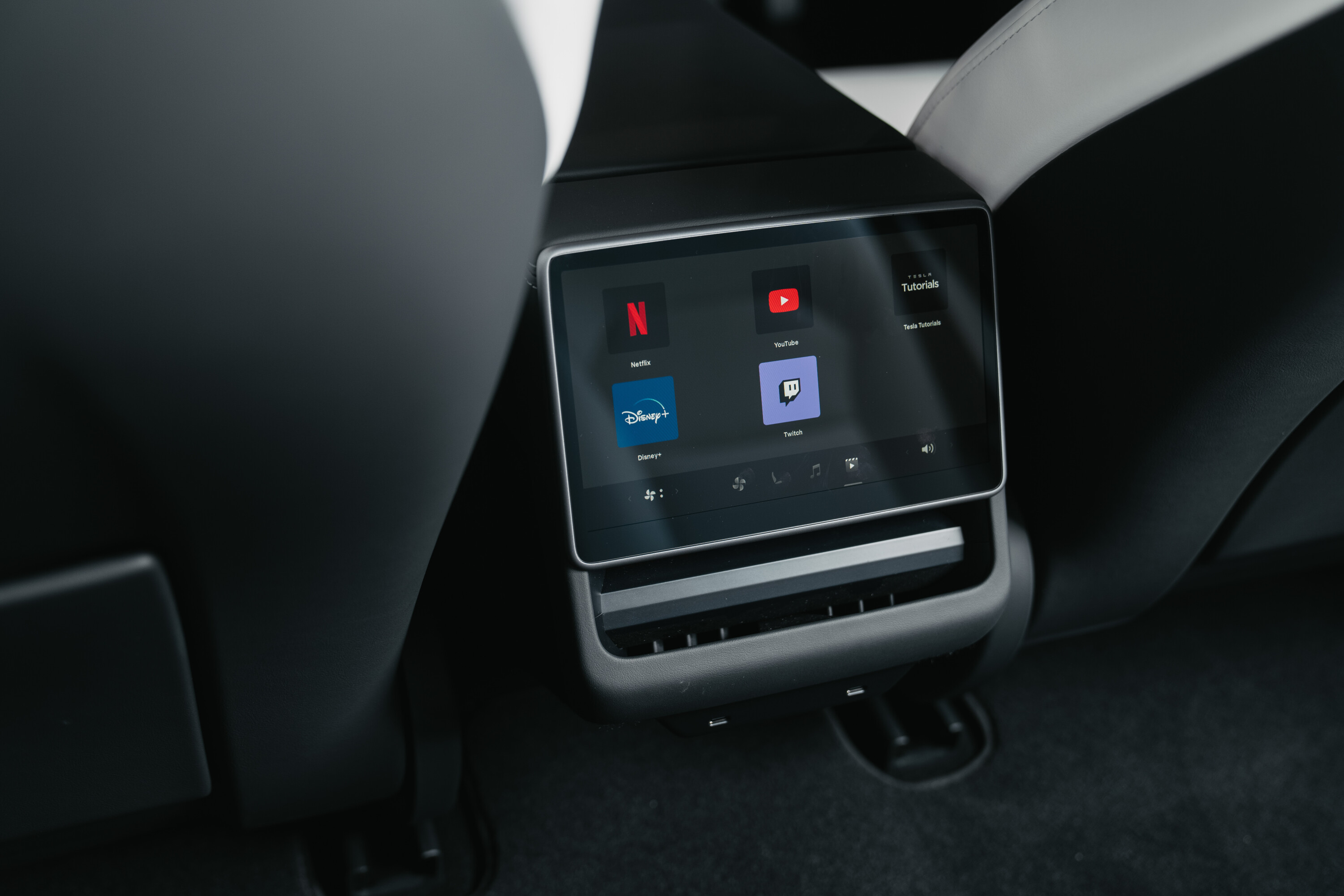
passenger-side infotainment screens.
1
What are these things and why are they in cars?
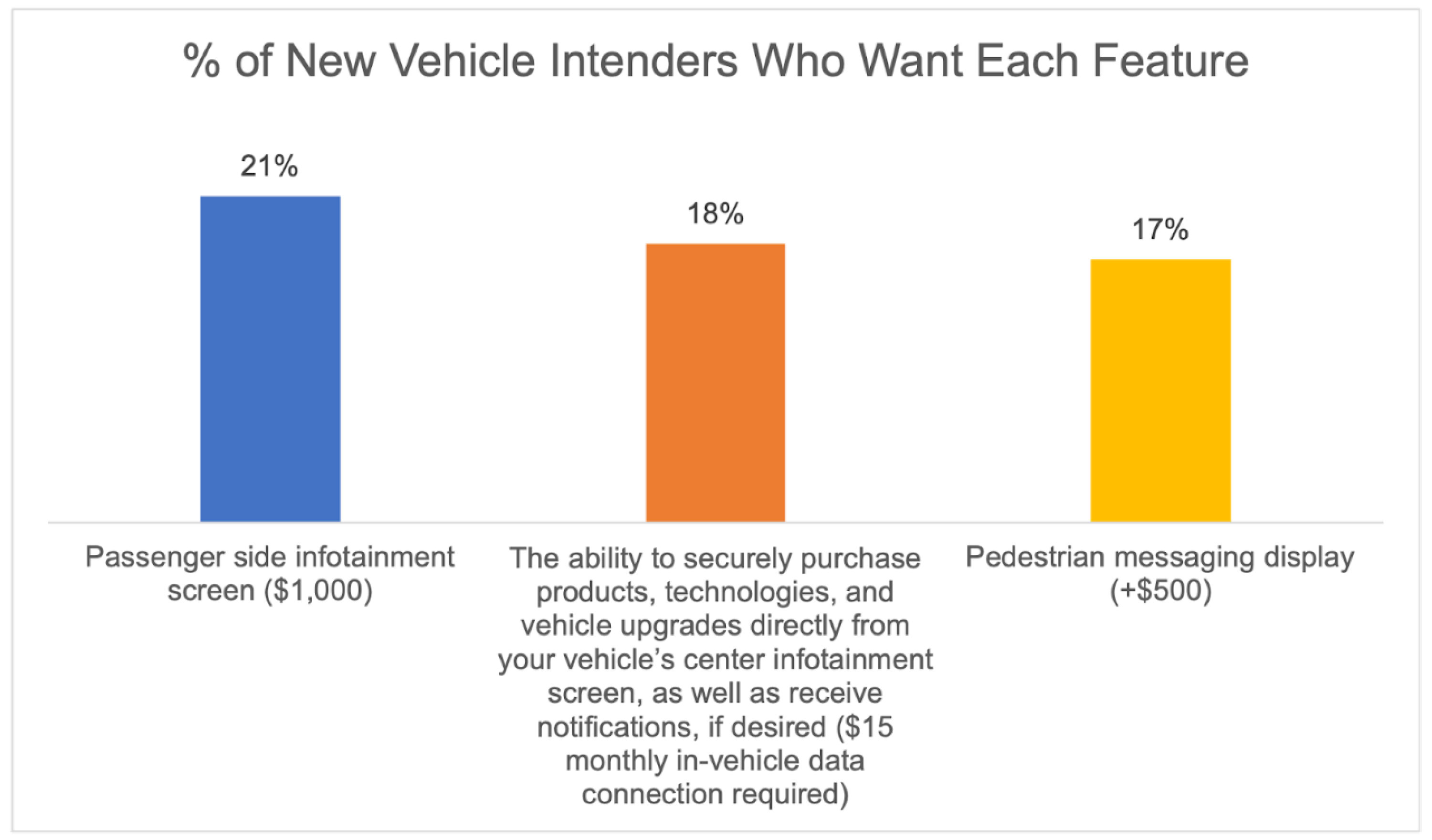
The most popular of those features was the passenger-side infotainment screen, which 21 per cent of respondents considered worth buying.
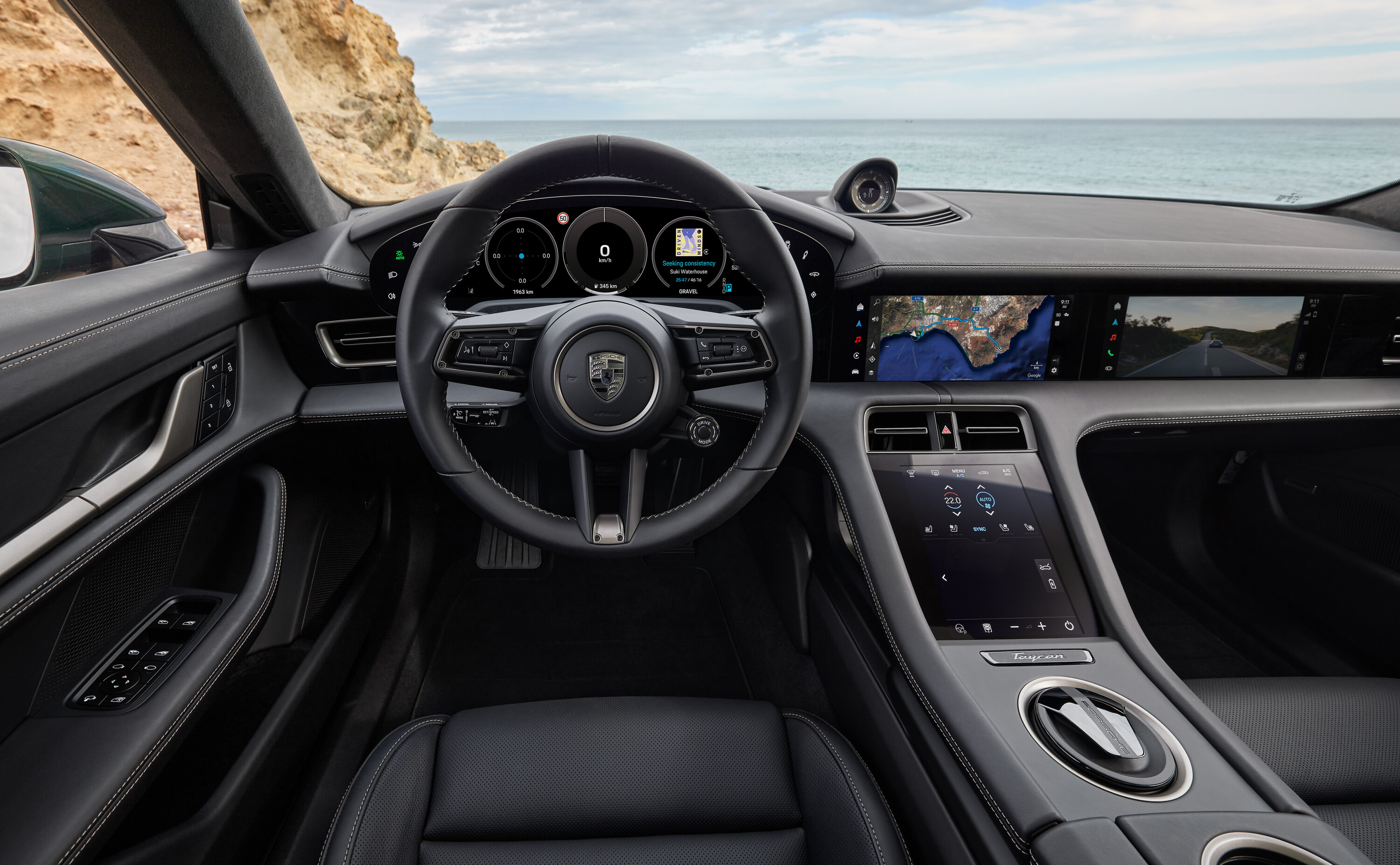
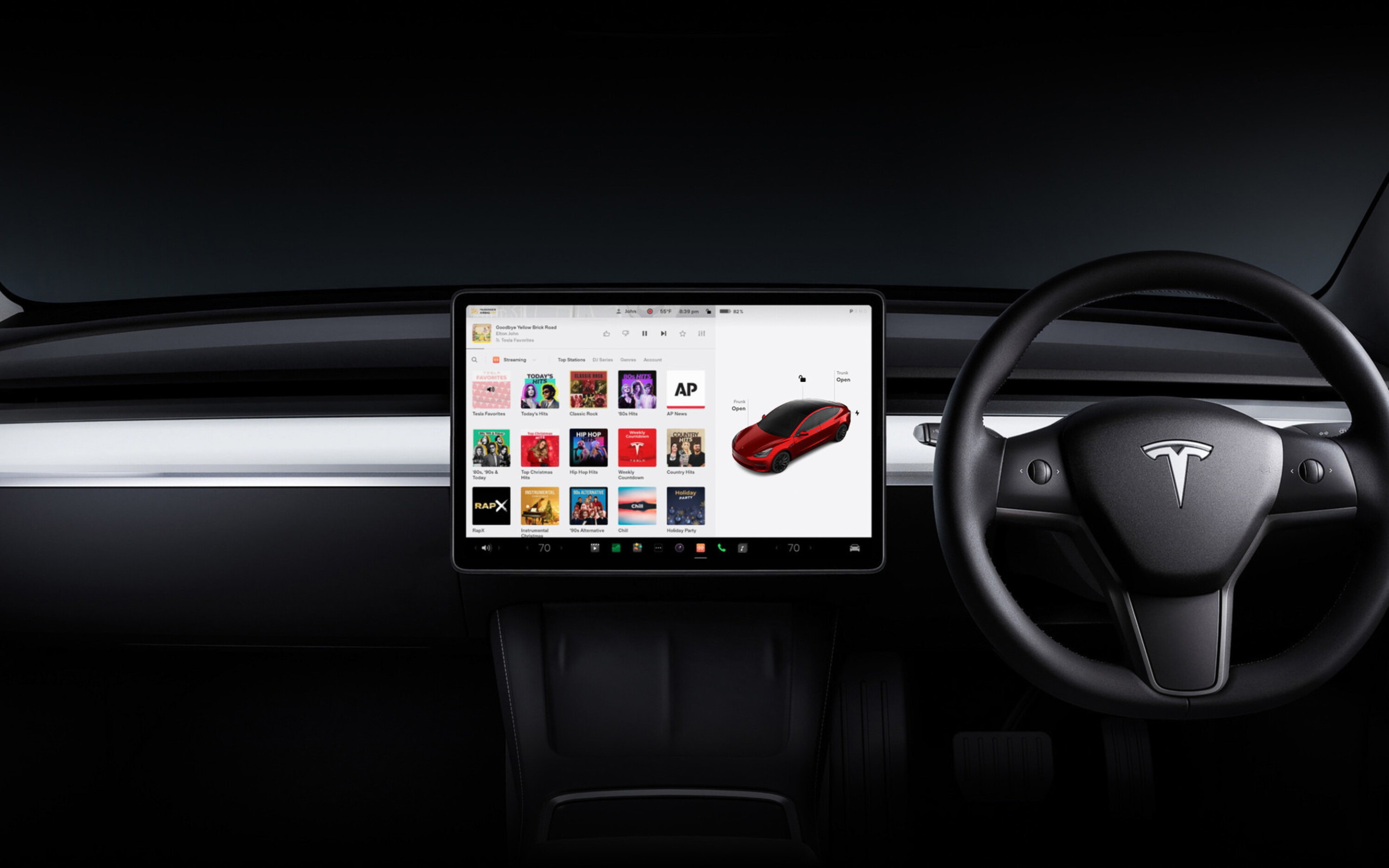
It is already featuring on luxury cars, allowing a passenger to watch media, look for destinations, or keep tabs on the vehicle functions.
4
Just 18% of buyers would pay $15/month for the ability to purchase products, technologies and vehicle upgrades from the infotainment screen.
Demand was highest among EV intenders (29%) and those with children at home (28%). Those interested in this feature want to purchase features for their vehicle, stream video content and order food.
1
Only 17% of car buyers want to message pedestrians.
Interest in pedestrian messaging was, again, highest amongst EV intenders (25%). “EVs are a logical home for pedestrian messaging due to… EV intender interest in outward appearance,” says Grieb.
AutoPacific’s feature definition focused on displays used for safety messages to pedestrians, such as telling them you are approaching or that they have the right of way, but there are probably plenty of other uses for this emerging technology.
1
August 2022: Swedish study finds buttons safer than screens
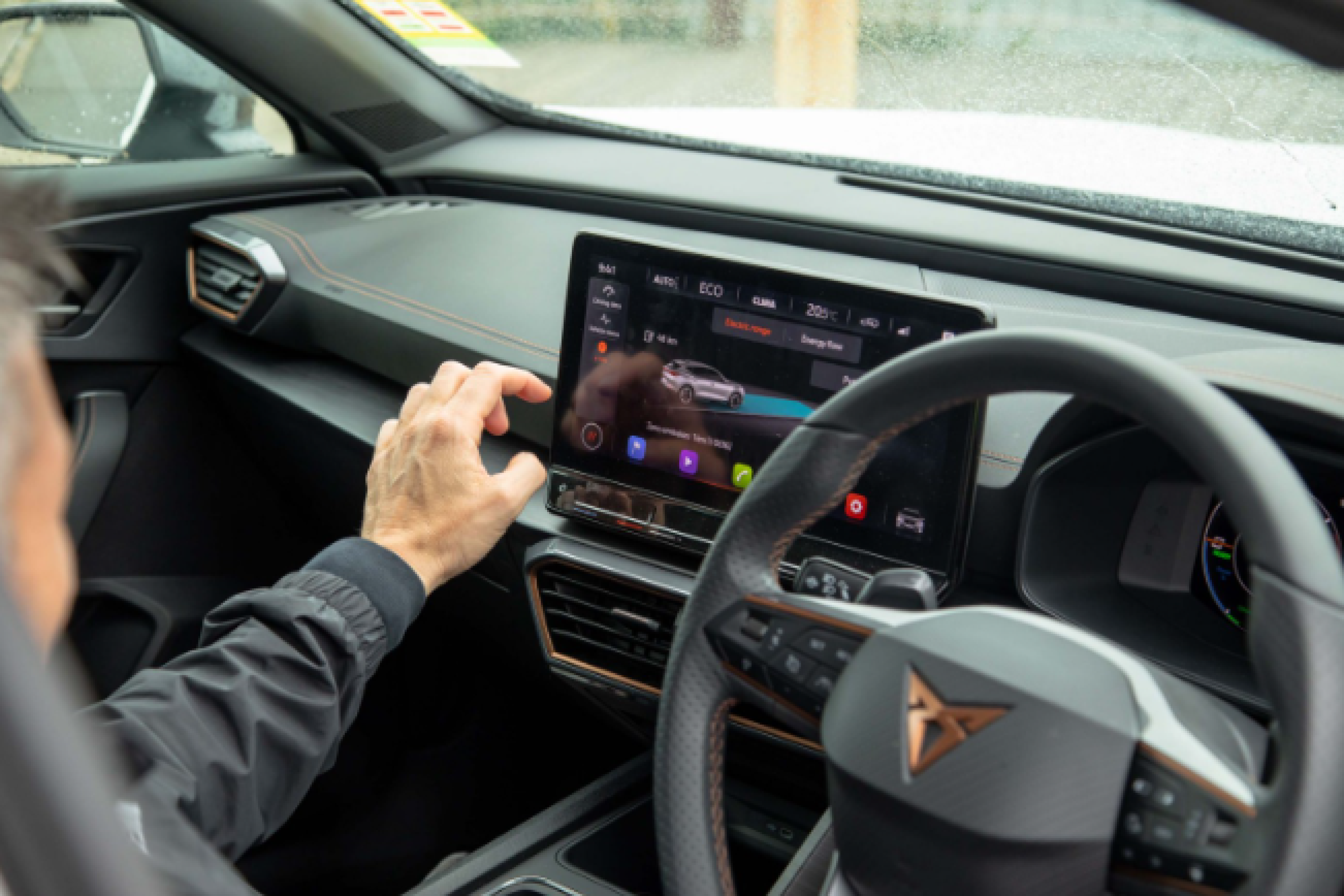
A Swedish study has confirmed what we’ve all been thinking – deleting all buttons and switchgear in favour of large haptic touchscreens is an empirically bad move, as confirmed now by a Swedish study conducted by local auto publication, Vi Bilägare.
So how exactly are screens worse? Vi Bilägare gathered eleven modern vehicles at an airfield and measured the time it took for a driver to perform four different tasks, such as changing the radio station and setting the climate control. Each test was performed while driving at 110km/h.
1
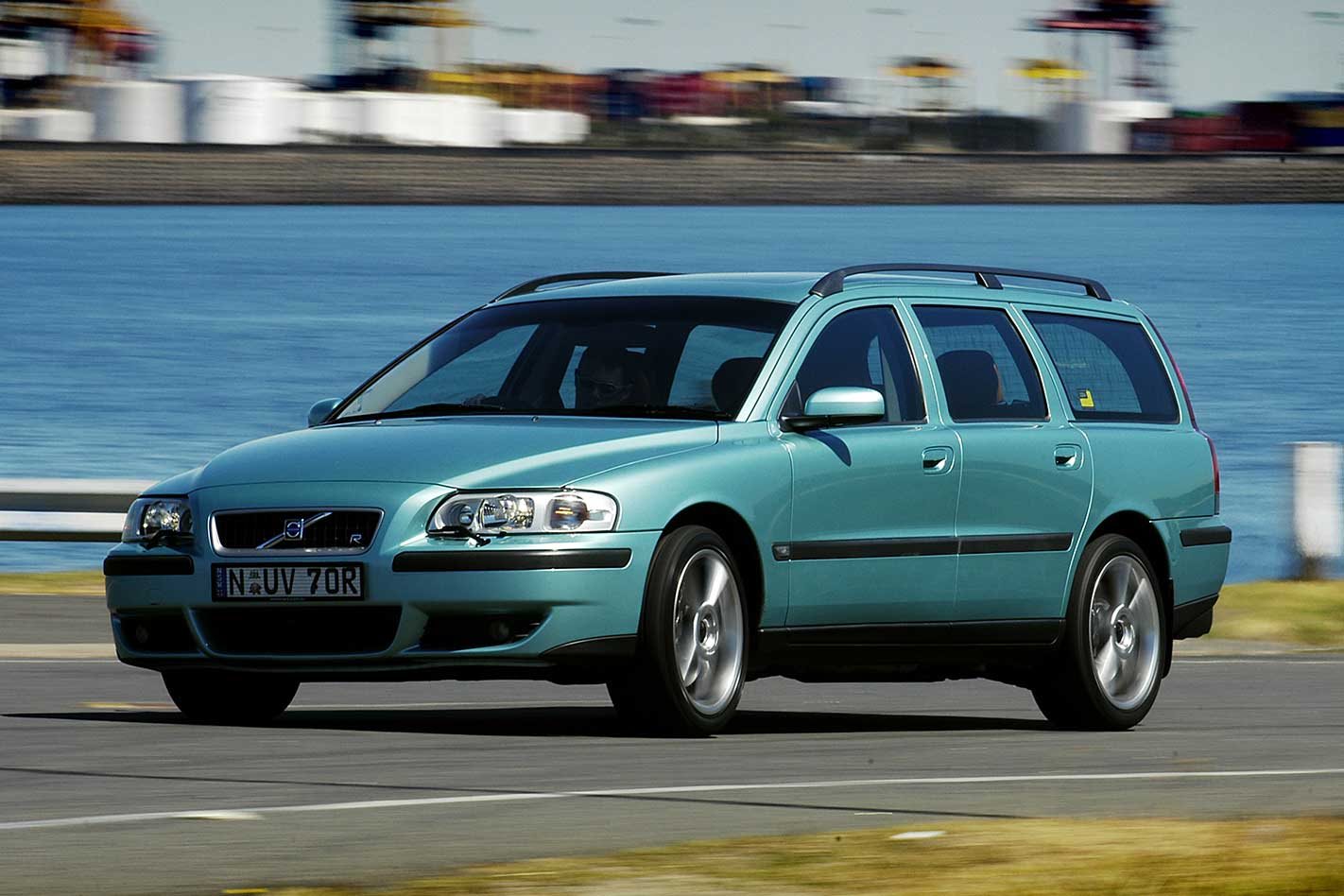
For an ‘old-school’ benchmark, they also included an early second-generation 2005 Volvo V70 for comparison.
For each of the 12 cars, the driver had time to familiarise themselves with each car’s systems.
Tesla gets a special mention for the egregious migration of even the windshield wipers to the central touchscreen.
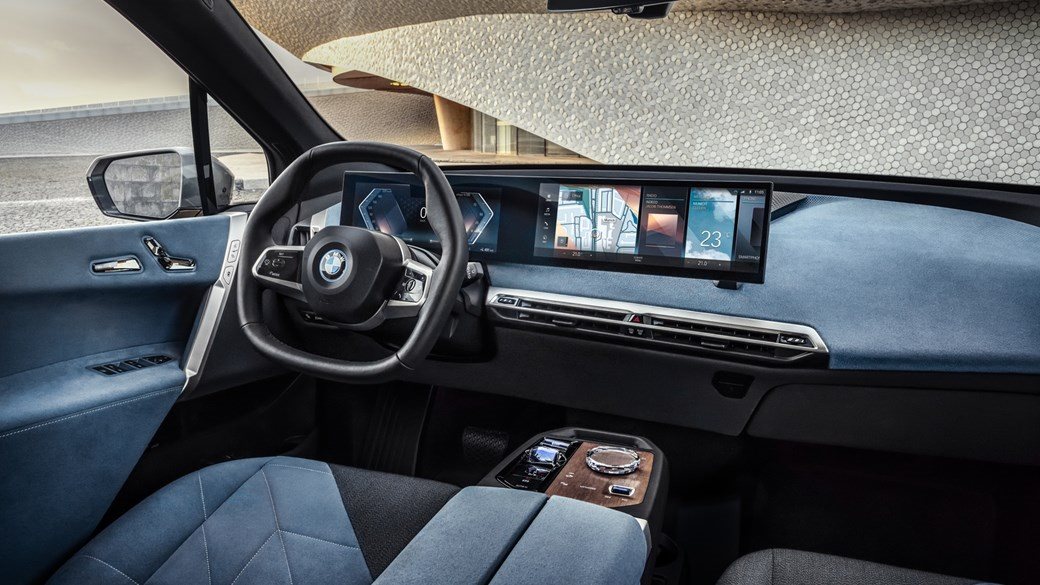
BMW is credited for its blend of buttons, but is criticised for a complex user interface.
1
Voice control functionality was also tested, with the worst performing vehicle taking 1400 metres to perform a task that the best-performing vehicle only needs 300 metres to execute.
During the vintage 2005 Volvo V70 drive, all four tasks were completed within ten seconds flat, while covering 306 metres at 110km/h.
The MG Marvel R, an EV SUV we believe not to be coming to Australia but based on the MG5 sedan, required 44.6 seconds to perform all four tasks, and covered 1372 metres – more than four times the Volvo V70.
1
The driver in the BMW iX took almost a kilometre to perform all tasks.
Physical buttons and switch gear are quickly disappearing from new cars, with OEMs ditching olds tech for a bevy of screens. In this tech-filled age, screens give off the impression of modernity and ‘clean’ cabin design.
There’s also the fact that programming a haptic screen is far cheaper than designing, developing, tooling, producing, testing and installing physical components, too.
With increasing vehicle connectivity, in the future OEMs will also be able to keep things new with over-the-air (OTA) updates, instead of perpetually redesigning buttons with each vehicle generation.
Still, physical heating and cooling controls are hardly something that needs a redesign or an OTA update…
The RACV recently posted a poll on X (the website formerly known as Twitter) inviting users to vote on which road safety issue most concerns them, from a selection of four choices: Speeding, Drivers using phones, Tailgating and Potholes.
‘Drivers using phones’ was overwhelmingly the safety issue concerning respondents most, with 42.6 per cent of the votes cast.
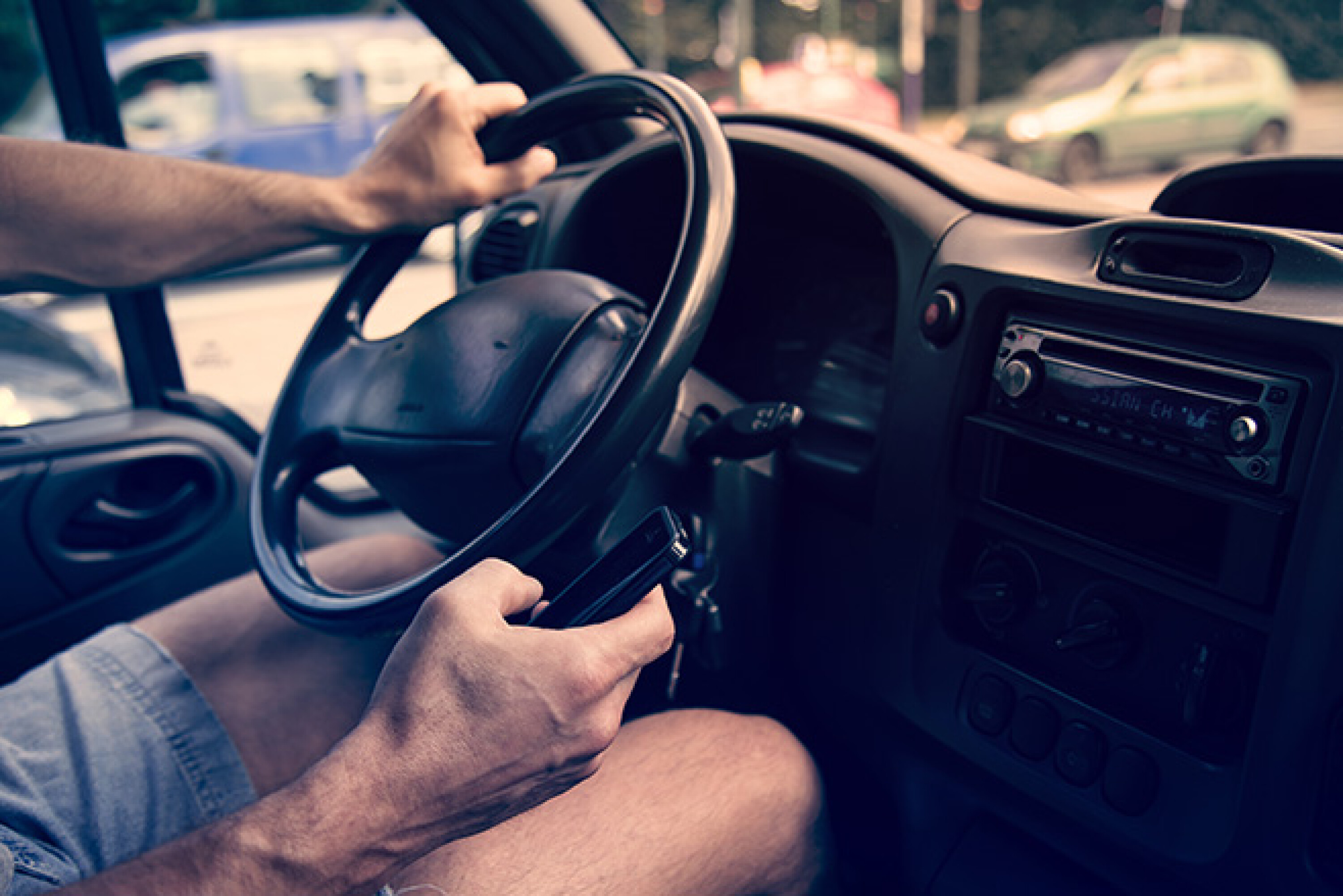
The February 2024 RACV poll was cast partly in response to the Victorian Government revealing that over 17 million dollars in fines were issued to drivers detected by cameras breaching the new distracted driving rules during the first six months of enforcement.
The mobile phone and seatbelt camera detection systems were implemented as part of the Victorian Road Safety Strategy 2021-2030 at cost of $33.7 million. They captured 30,231 distracted drivers from 1 July to 30 December 2023, with drivers facing penalties of four demerit points and a fine of $577.
What are the Victorian road rules for fully licensed drivers and motorcyclists using portable devices?
Donu2019t touch your unmounted or wearable device while youu2019re driving or riding u2013 this includes cars, motorbikes, bicycles, e-scooters and even rollerblades.
Drivers may briefly touch a mounted device or inbuilt system for functions such as music and navigation, provided they are not entering text, scrolling, or viewing images, social media, websites, or videos.
For wearable devices such as smart watches, you canu2019t touch the device while driving or riding. You can only use voice controls to initiate, accept or reject audio calls, play, or stream audio materials, or adjust volume levels.
For mobile phones and tablets, the mounting must be commercially designed and manufactured for that purpose, and the device must be secured in the mounting.
1
James Williams, Head of Policy at the RACV said distracted driving laws aim to keep road users safe, and have been implemented in response to vehicle features and technologies capable of distracting drivers.
“The RACV poll highlights that Victorians are still noticing people using their phones or devices while driving and they have highlighted it as their top safety concern on our roads,” Mr Williams said.
“Distracted driving is a major contributor to road crashes and we all need to do our part and make sure we put our devices away and concentrate on driving safely.
“This poll and the data from distracted driver cameras, highlights that we still need to focus on educating drivers about this rule – which, put simply, generally means don’t touch your unmounted or wearable device while you’re driving or sitting in traffic.”
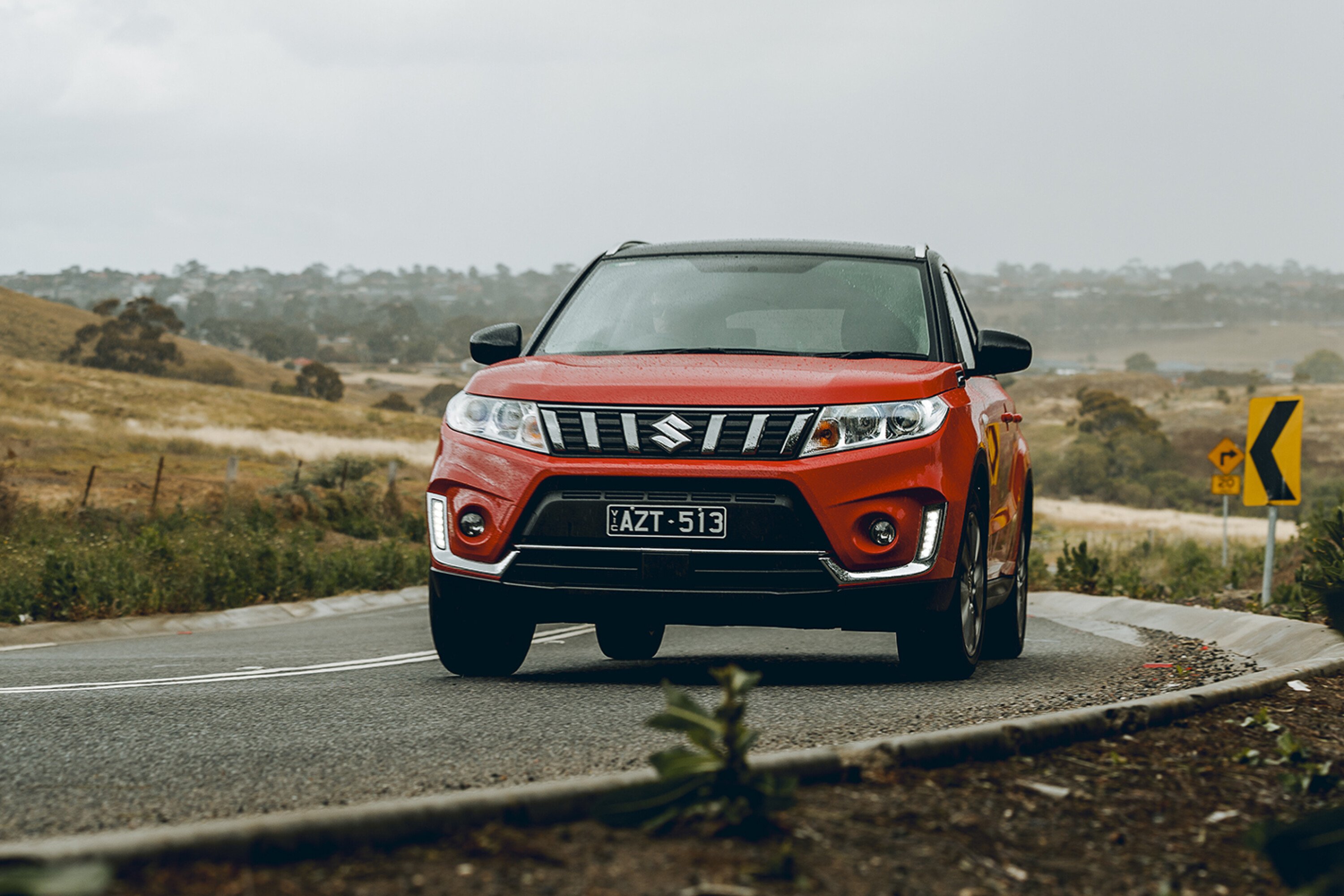
The Suzuki Vitara name (previously Grand Vitara) has a history dating back to 1988 when it was a road-friendly alternative to Suzuki’s Jimny, catering to both off-road enthusiasts and urban drivers.
While the new Jimny retains its traditional characteristics, the fourth-generation Vitara continues to focus more on inner-city comfort with some off-road capability as well.
So let’s see what Suzuki’s compact SUV has to offer in its entry level spec.
1
Pricing and features
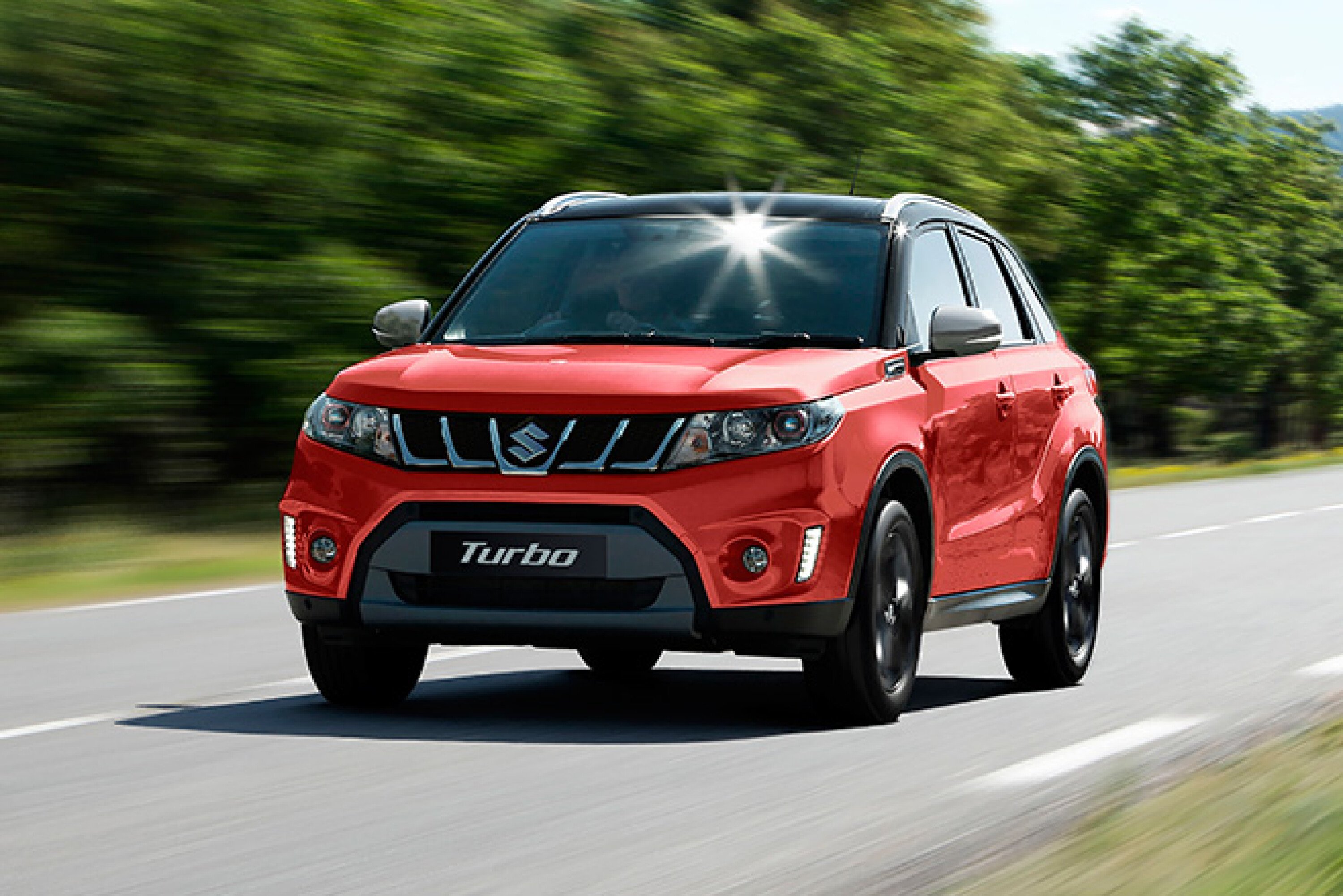
The 2024 Suzuki Vitara is available in five variants – the Vitara, Vitara Shadow, Vitara Turbo, Vitara Turbo Shadow and the Vitara Turbo ALLGRIP.
We’re going to be looking at the most affordable grade which will set you back $29,990 drive-away.
It’s 1.6-litre petrol engine outputs 86kW and 156Nm in automatic models, and there’s an option for a 5-speed manual transmission too.
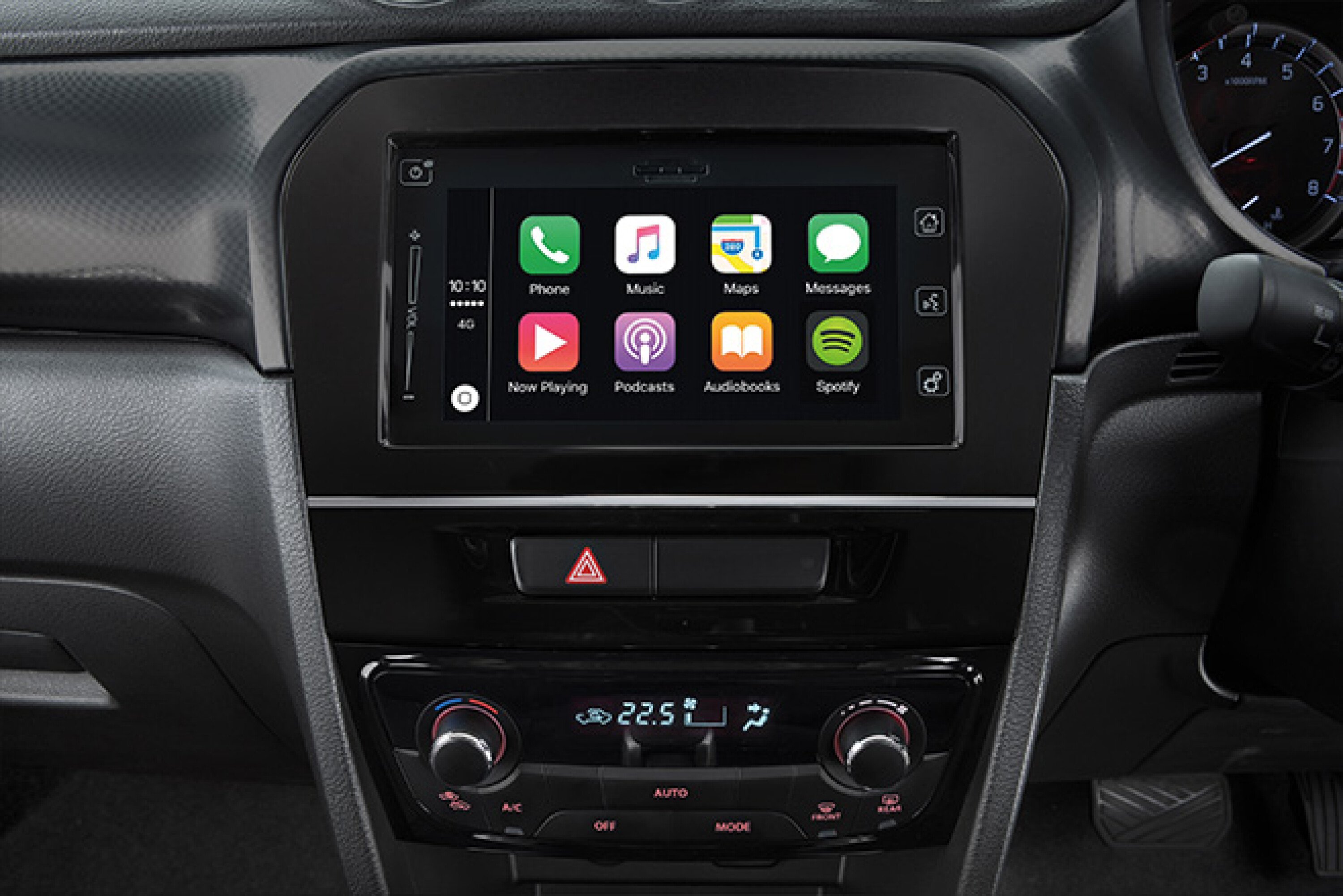
On the base grade Vitara you get 17-inch alloy wheels, a 7-inch touch screen display with Apple CarPlay and Android Auto, a 4.2-inch drivers digital display, a reverse camera, cruise control, keyless entry and push button start, daytime running lights, rear privacy glass and more.
1
Safety
Although the previous generation held a five-star rating, the current Vitara (from 2023 onwards) is unrated.
Curiously, additional safety such as autonomous emergency braking, lane departure alert, blind spot monitoring and rear cross traffic alert is reserved for grades higher up the range.
The entire range however gets seven airbags, including a knee airbag for the driver, anti-lock braking system and brake assist systems.
1
Key rivals
In the segment there are plenty of rivals to consider, the main ones being:
Suzuki has developed a longstanding reputation for the reliability of their vehicles. With plenty of older Grand Vitara’s still on the road it continues this legacy with the latest generation.
As this small SUV does miss out on some key safety, we would most likely recommend stepping up the range. But that does come at a significant cost– about $7000 to be exact up to the Vitara Turbo. That being said, you’ll also gain an array of additional features.
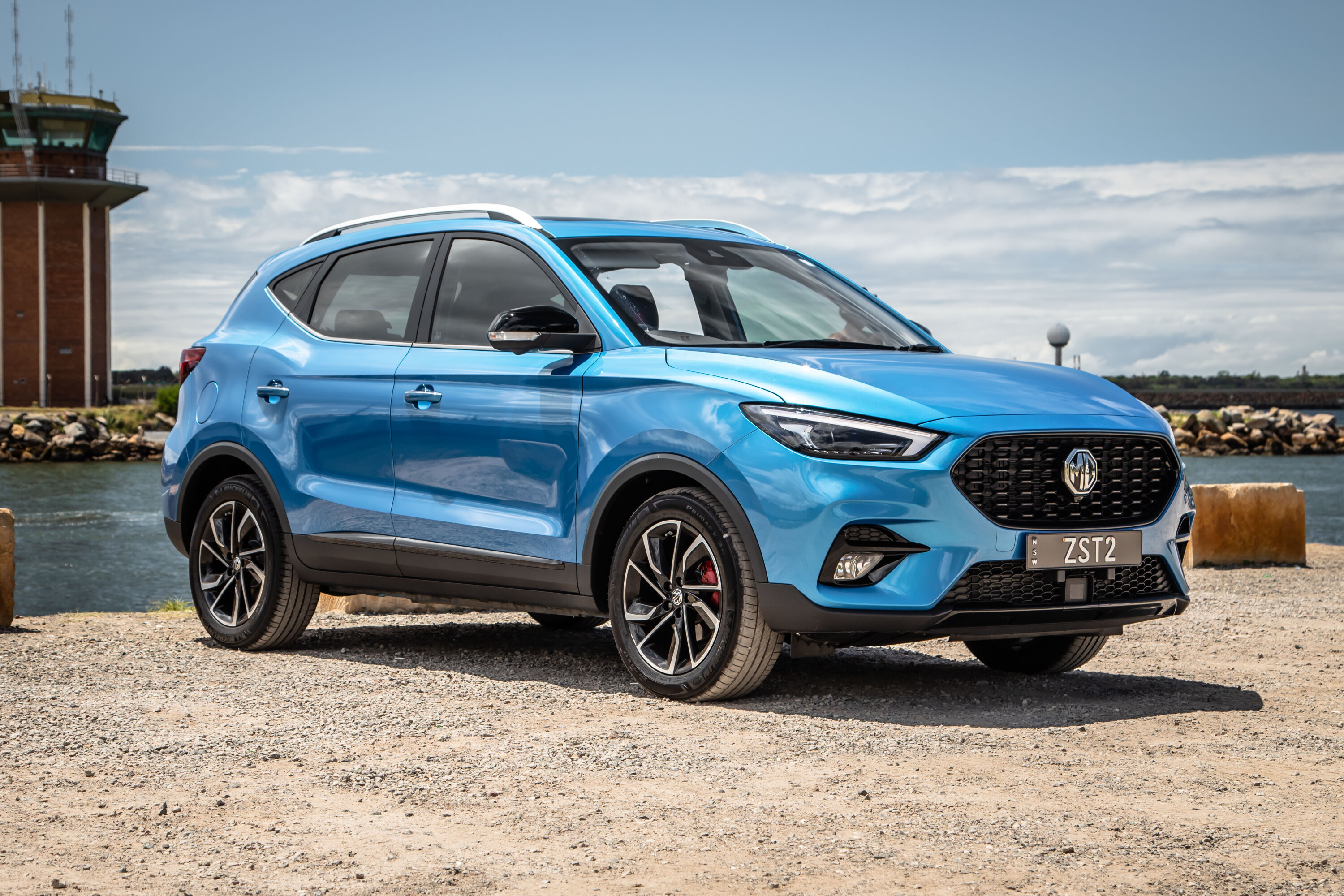
Since its debut in 2017, the 2024 MG ZST has quickly become a popular choice in Australia as an affordable small SUV.
Situated above the ZS offering in Australia, both cars are virtually identical with the addition of features in the ZST models.
Manufactured by the automaker MG, which transitioned from British to Chinese ownership, it now consistently secures a spot among the top ten best-selling car brands in the monthly sales results.
The Core starts the ZST line-up (before the Vibe, Excite and Essence) which you can drive home for only $25,490.
1
Powering the Core is a 1.5-litre engine paired to a 4-speed auto that produces a humble 84kW of power and 150Nm of torque.
The entire MG range is backed a seven-year unlimited kilometre warranty as well which adds to the whole value appeal of the model.
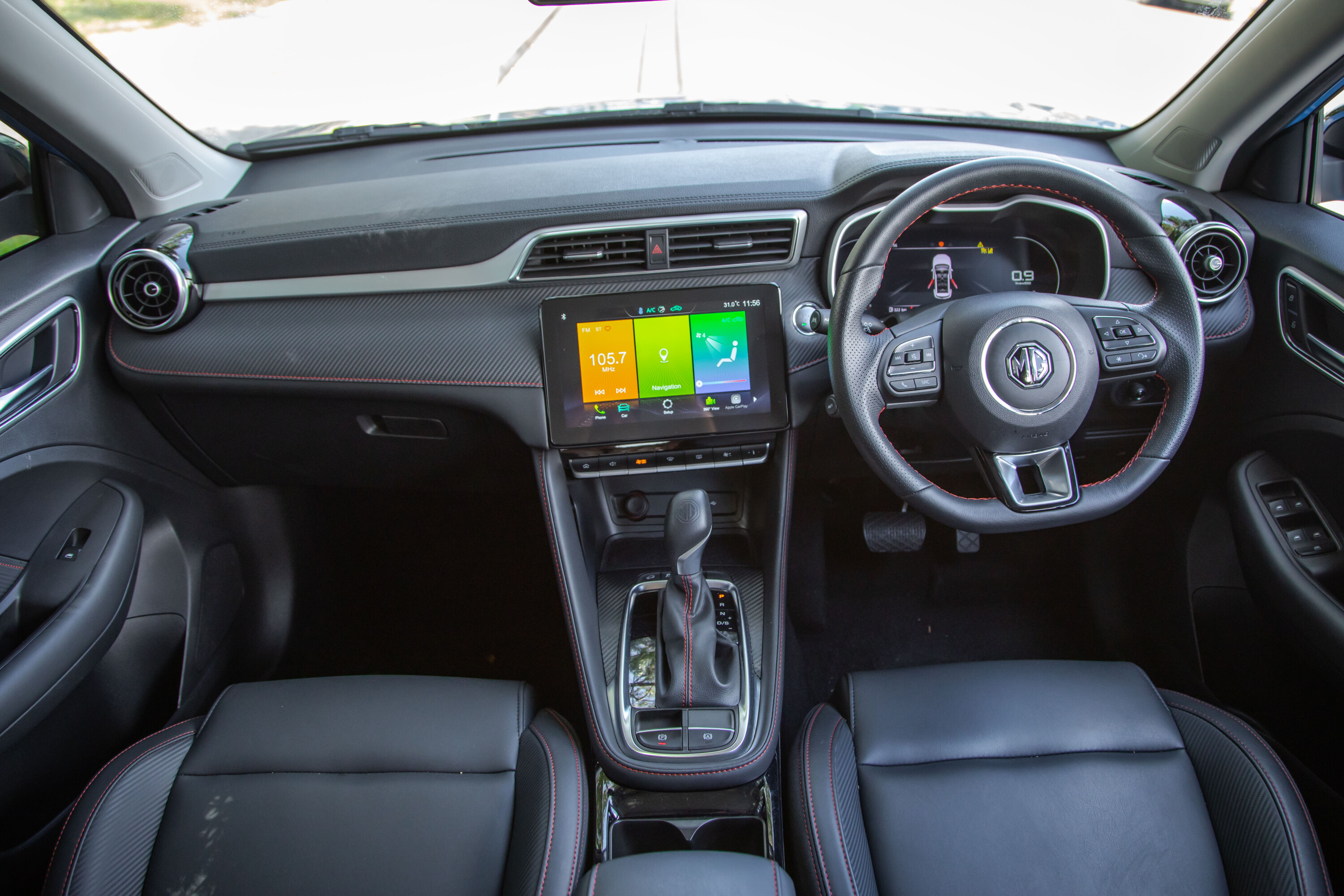
Considering its price point, MG has packed in plenty of standard spec, including 17- inch alloy wheels, a 360-degree camera, keyless entry and push-button start and LED headlights.
On the inside you’ll see a generous 10.1-inch touch screen with Apple CarPlay & Android Auto, fabric seats, a leather steering wheel and four speaker sound system.
Moving up to the Vibe (for an extra $2k) will add an extra 2 speakers (6 speakers total), rain sensing wipers, front fog lights, built-in satellite navigation and synthetic leather seats.
All colours besides white and black carry a $700 premium.
1
Safety
The original MG ZS received a four-star rating in 2017, a rating which the ZST also holds, even though it boasts significantly enhanced driver assistance and active safety features.
The ZST Core comes standard with safety features including six airbags, ABS with brake force distribution, an electronic stability program (ESP), a rearview camera, rear parking sensors, and cruise control.
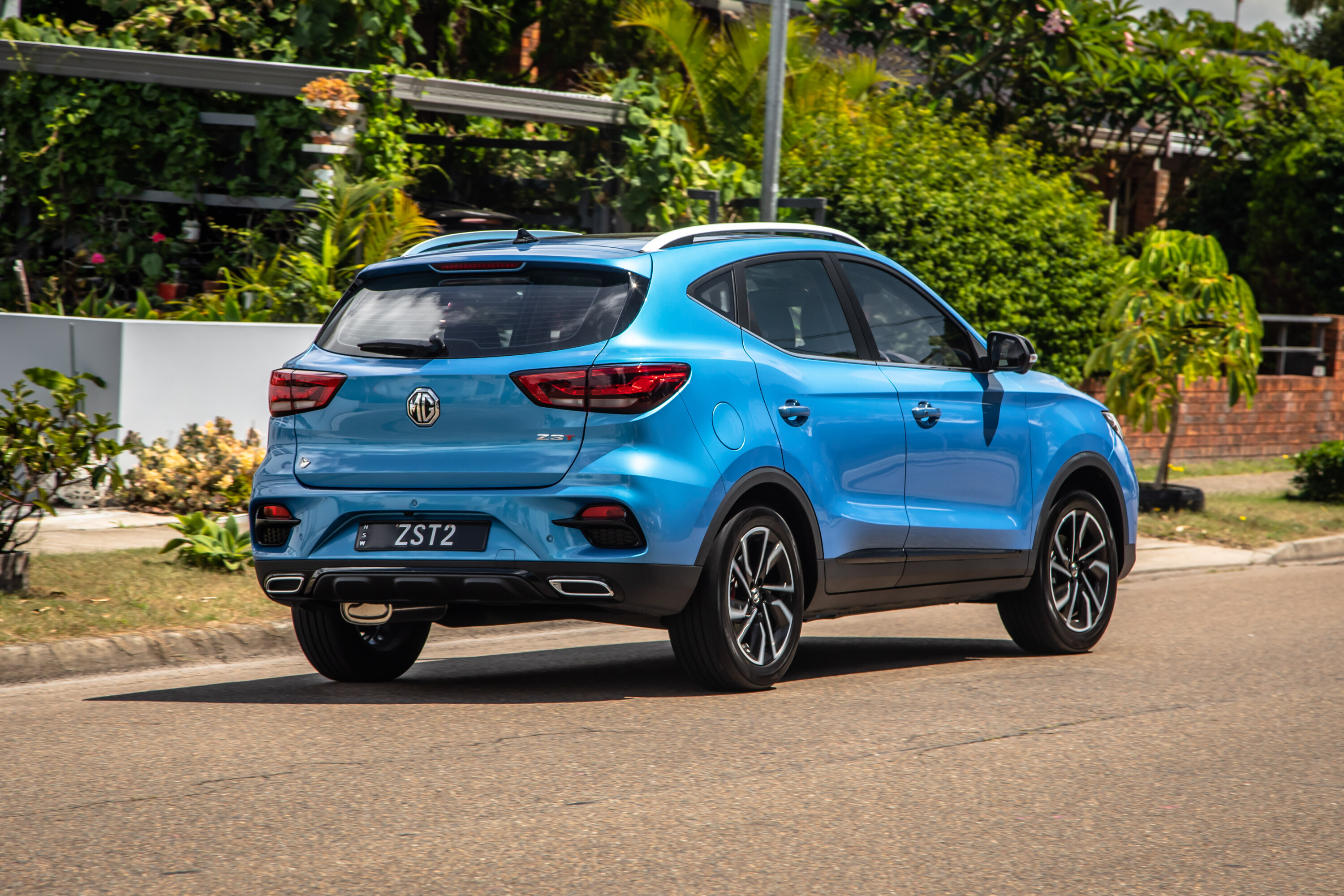
All variants of the model include the MG Pilot active safety suite as a standard feature, easily identified by a prominent ‘Pilot’ badge on the tailgate.
Beyond the standard ZS offerings, the Pilot suite enhances safety with features like adaptive cruise control with stop and go, AEB with forward collision warning, lane-keep assist, lane departure warning, rear cross-traffic alert, automatic headlights, blind-spot monitoring, and a 360-degree camera.
1
Key Rivals
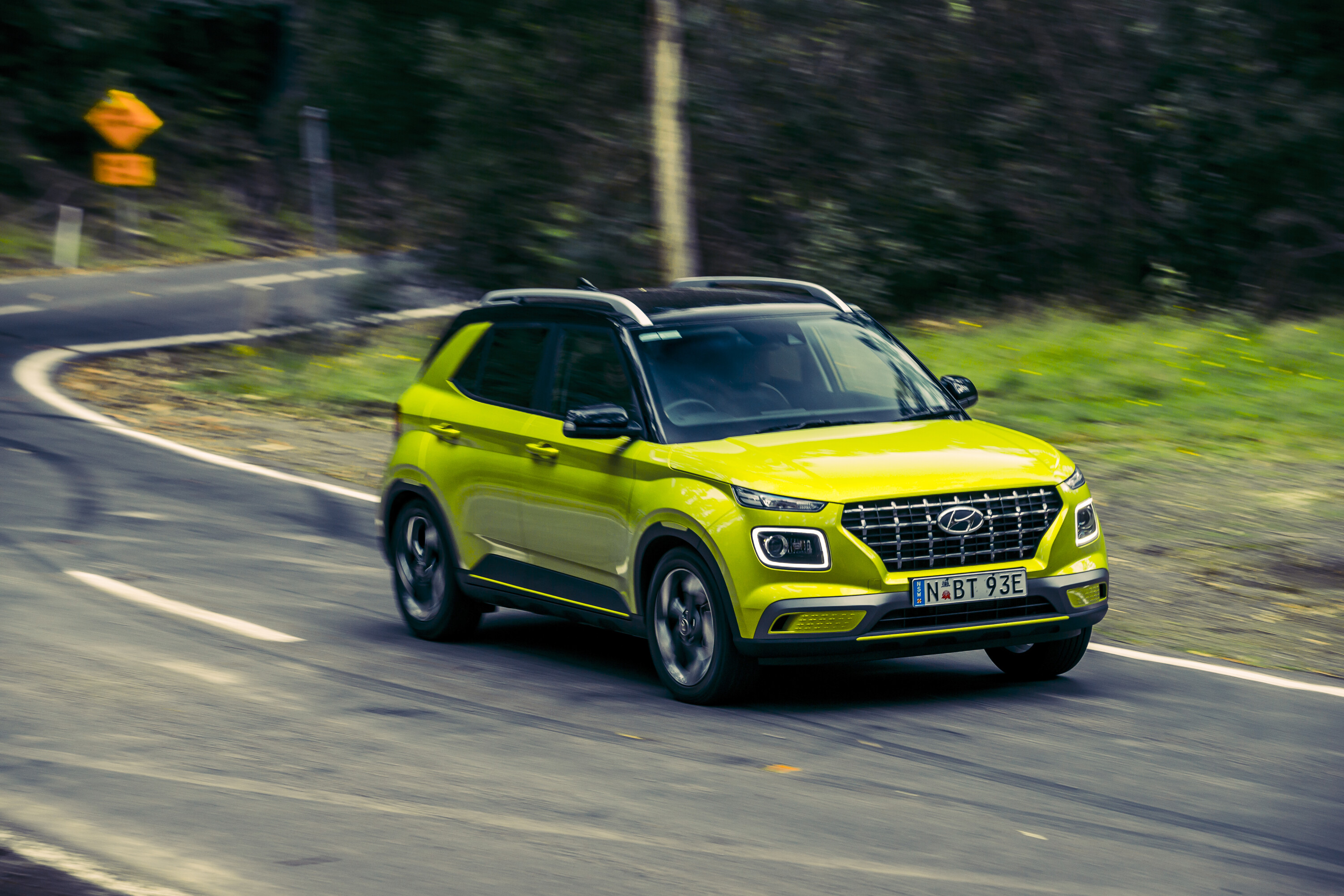
With a strong presence in the small SUV category, the MG faces stiff competition from a diverse array of contenders, spanning from economical to upscale mainstream models, such as:
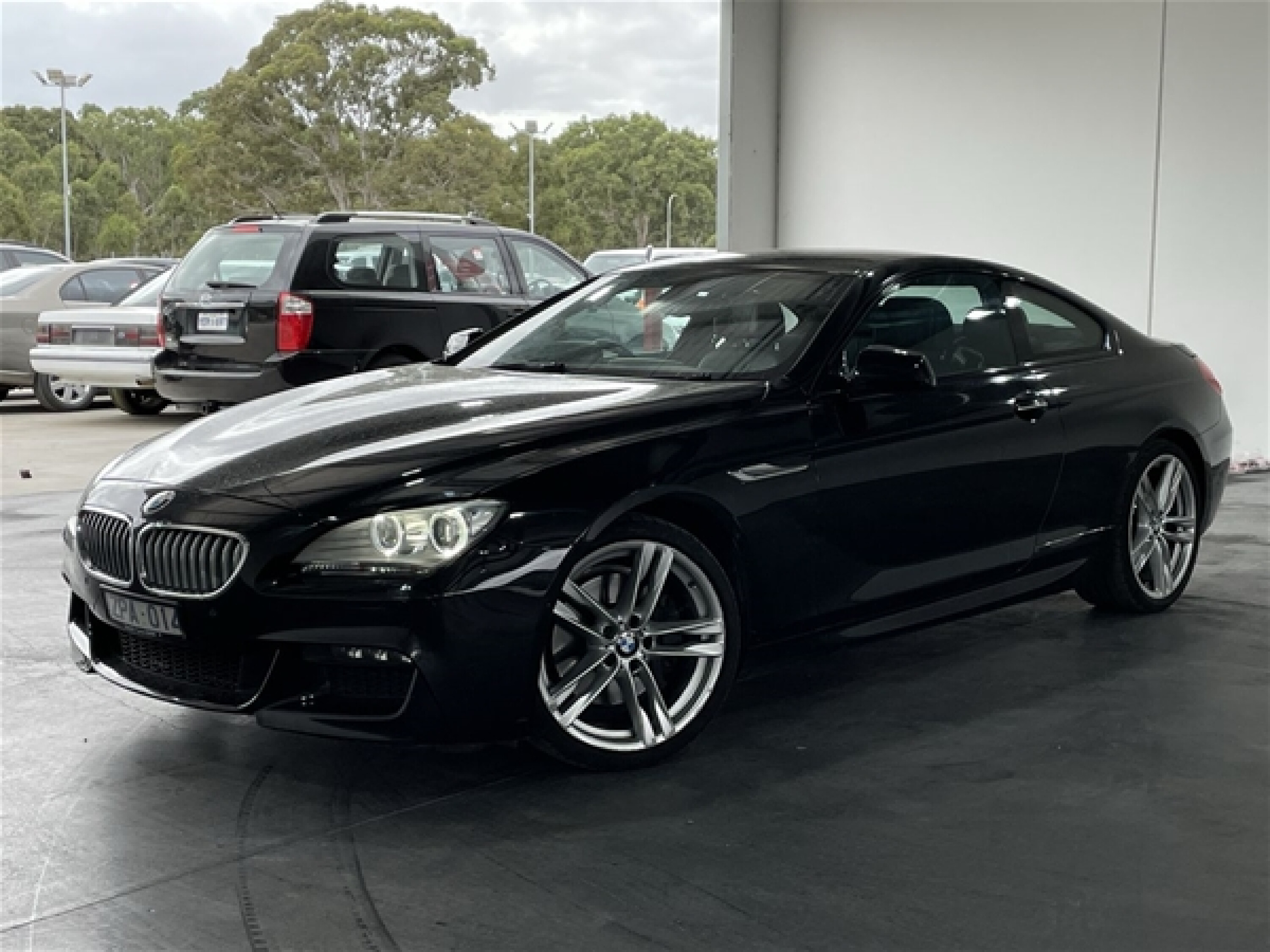
BMW’s sleek coupe is sadly no longer with us, but its spirit still lives on in this 2011 example – the version that succeeded Bangle’s infamous polarising 6 Series.
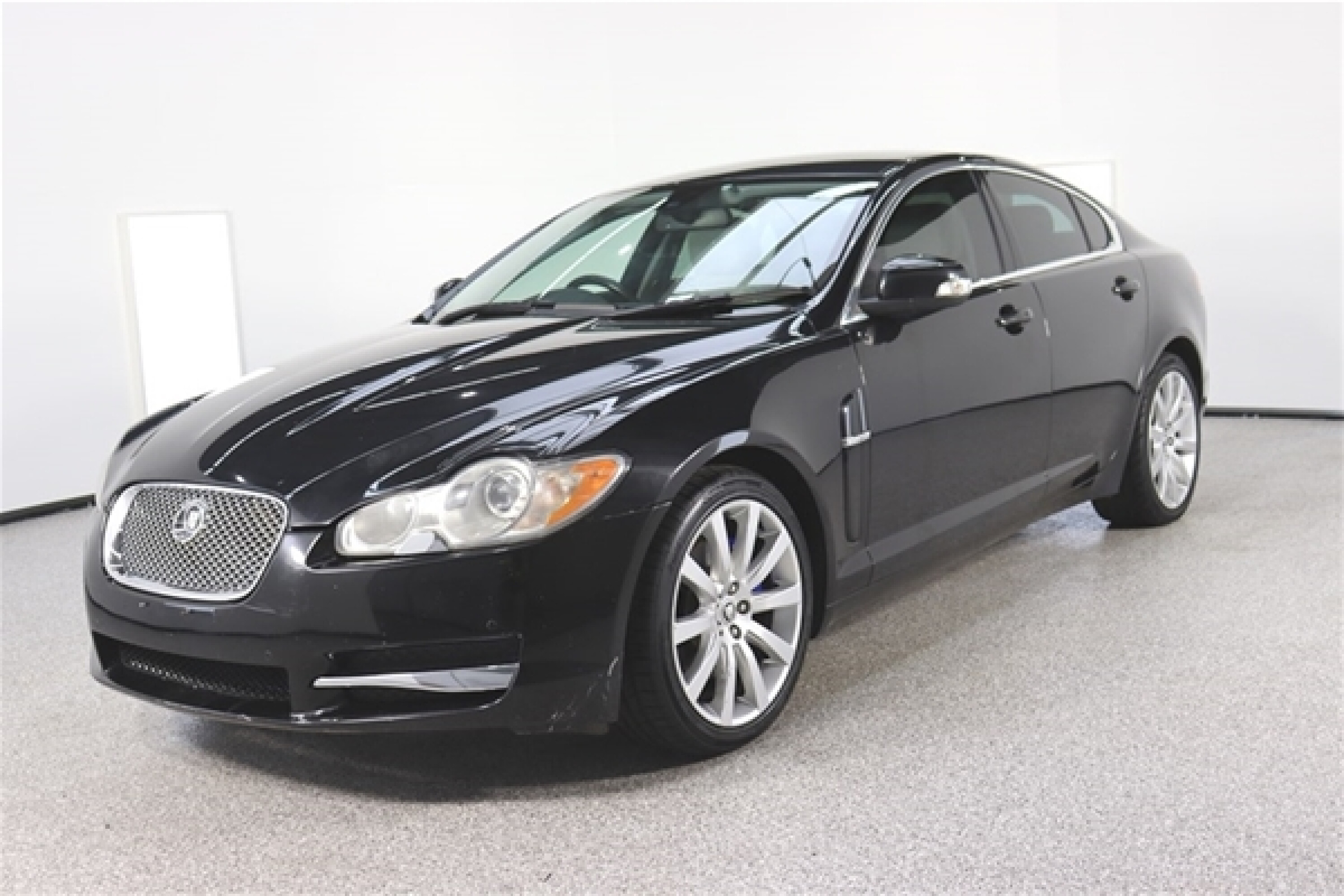
Jaguar tentatively loosened their grip on their heritage (ie round headlight) designs with the XF back in 2008, offering something more modern and sleek. Grays currently offers this example.
Due to a design issue, the transmission control module may not operate as intended. If this occurs, the automatic transmission may continue to transfer engine power to the wheels when shifted to the neutral position. If the brake pedal or park brake are not applied it may result in unintended vehicle movement if shift lever is not moved to Park position.
What are the hazards?
An unintended movement of the vehicle may increase the risk of an accident causing serious injuries or death to vehicle occupants and/or other road users.
What should consumers do?
Owners of affected vehicles will be contacted by Toyota and are asked to make an appointment to update the transmission control module software, free of charge.
Prior to updating the transmission control module software, owners are encouraged to use the shift levers Park position rather than Neutral.
Supplier details
TOYOTA MOTOR CORPORATION AUSTRALIA LIMITED
Who should owners/operators contact for more information?
Due to a manufacturing issue, the heat shield between the brake master cylinder and the exhaust may have been incorrectly fitted. As a result, a connection to the brake fluid reservoir could melt. If this occurs, brake fluid may leak and cause a reduction in braking performance and/or if brake fluid leaks on to a hot exhaust there is a risk of a vehicle fire.
What are the hazards?
A reduction in braking performance and/or a vehicle fire could increase the risk of an accident causing serious injury or death to vehicle occupants, other road users or bystanders and/or damage property.
What should consumers do?
Owners of affected vehicles can contact their preferred Skoda dealership to schedule an appointment to have the vehicle inspected and rectified, free of charge.
Supplier details
Volkswagen Group Australia Pty Ltd
Who should owners/operators contact for more information?
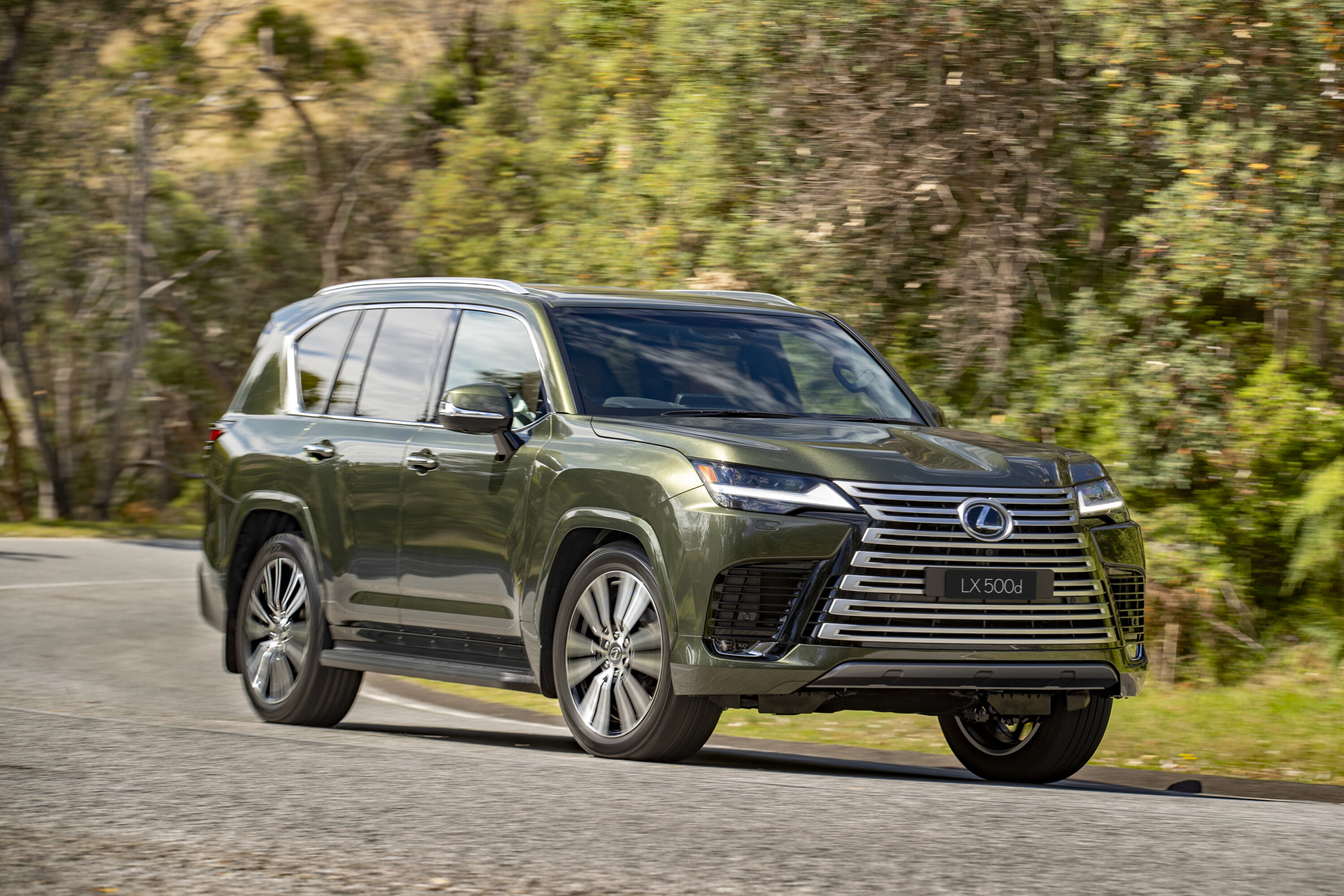
Due to a design issue, the transmission control module may not operate as intended. If this occurs, the automatic transmission may continue to transfer engine power to the wheels when shifted to the neutral position. If the brake pedal or park brake are not applied it may result in unintended vehicle movement if shift lever is not moved to Park position.
What are the hazards?
An unintended movement of the vehicle may increase the risk of an accident causing serious injuries or death to vehicle occupants and/or other road users.
What should consumers do?
Owners of affected vehicles will be contacted by Lexus and are asked to make an appointment to update the transmission control module software, free of charge.
Prior to updating the transmission control module software, owners are encouraged to use the shift levers Park position rather than Neutral.
Supplier details
TOYOTA MOTOR CORPORATION AUSTRALIA LIMITED
Who should owners/operators contact for more information?
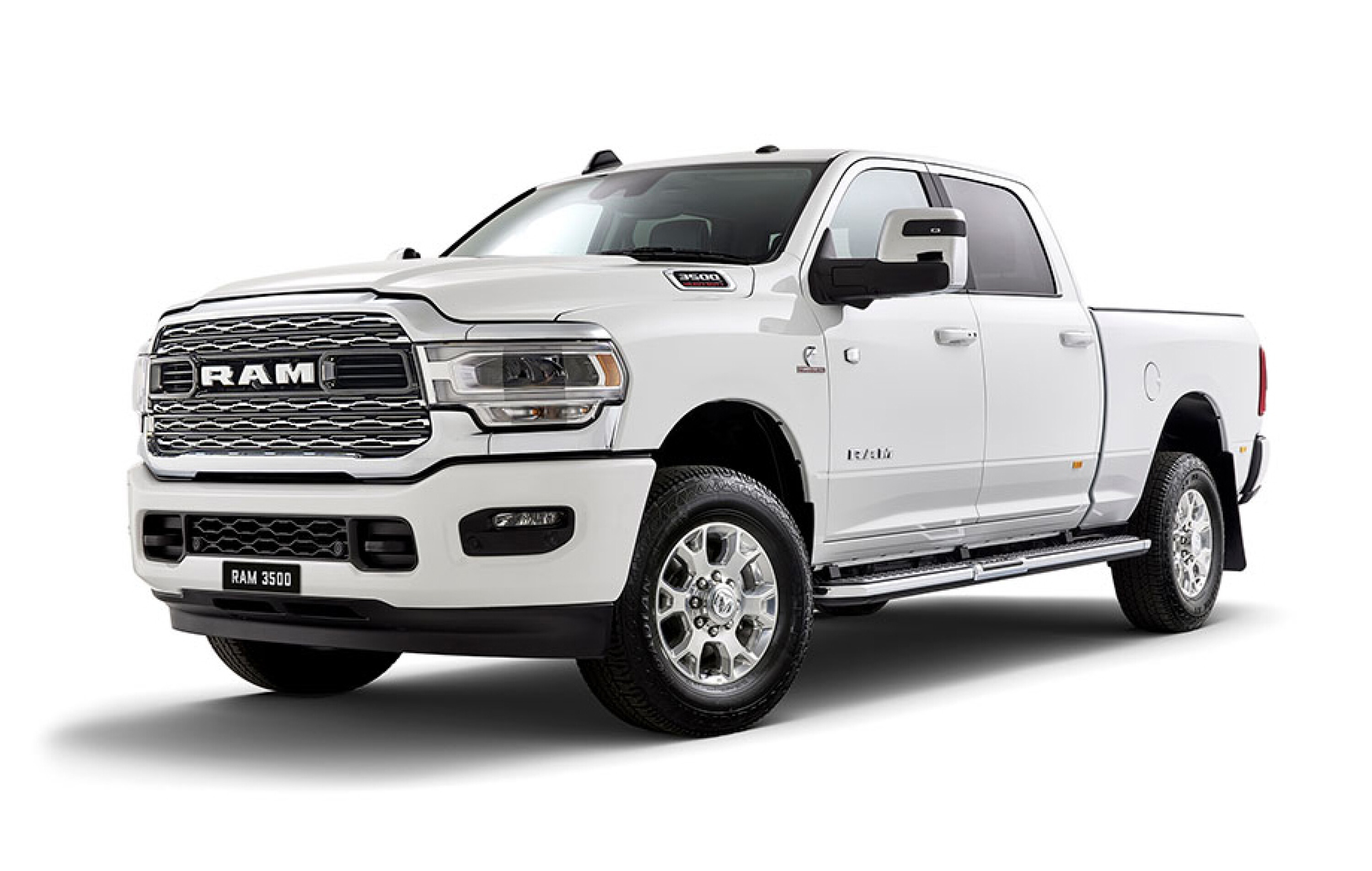
Due to a manufacturing defect, the diesel particulate matter sensor may not have been installed during assembly. This could increase vehicle emissions and block the diesel particulate filter. If this occurs it can limit the vehicle power and performance leading to engine stalling.
What are the hazards?
A loss in power whilst driving could increase the risk of an accident, causing serious injury or death to vehicle occupants and/or other road users.
What should consumers do?
Owners of affected vehicles should contact their authorised RAM dealership to arrange to have the particulate matter sensor inspected, and if required, install a new sensor.
Supplier details
AMERICAN SPECIAL VEHICLES PTY LTD
Who should owners/operators contact for more information?
Due to a software issue in the steering column control module, the high beam headlamps switch may activate the turn signal indicators and the turn signal indicator switches may activate the high beam headlamps.
What are the hazards?
If the turn signal indicators do not illuminate as intended, other road users would be unable to identify if the vehicle is turning. Non-operational high beam headlamps will result in reduced visibility. This could increase the risk of an accident causing serious injury or death to vehicle occupants and/or other road users.
What should consumers do?
Owners of affected vehicles should contact their local authorised RAM dealer to have the software updated, free of charge.
Supplier details
AMERICAN SPECIAL VEHICLES PTY LTD
Who should owners/operators contact for more information?
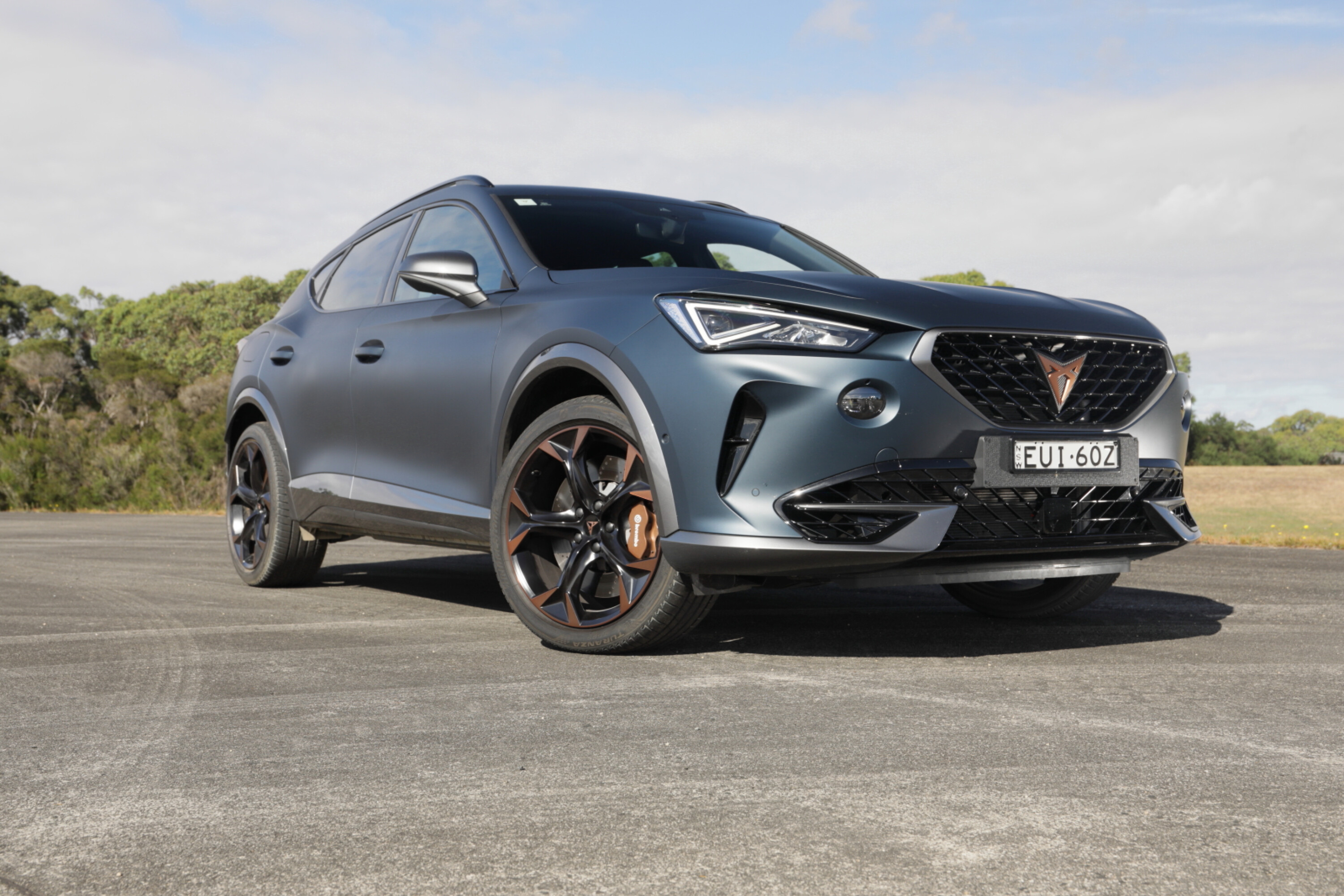
Due to a manufacturing issue, the heat shield between the brake master cylinder and the exhaust may have been incorrectly fitted. As a result, a connection to the brake fluid reservoir could melt. If this occurs, brake fluid may leak and cause a reduction in braking performance and/or if brake fluid leaks on to a hot exhaust there is a risk of a vehicle fire.
What are the hazards?
A reduction in braking performance and/or a vehicle fire could increase the risk of an accident causing serious injury or death to vehicle occupants, other road users or bystanders and/or damage property.
What should consumers do?
Owners of affected vehicles can contact their preferred Cupra service partner to schedule an appointment to have the vehicle inspected and rectified, free of charge.
Supplier details
Volkswagen Group Australia Pty Ltd
Who should owners/operators contact for more information?
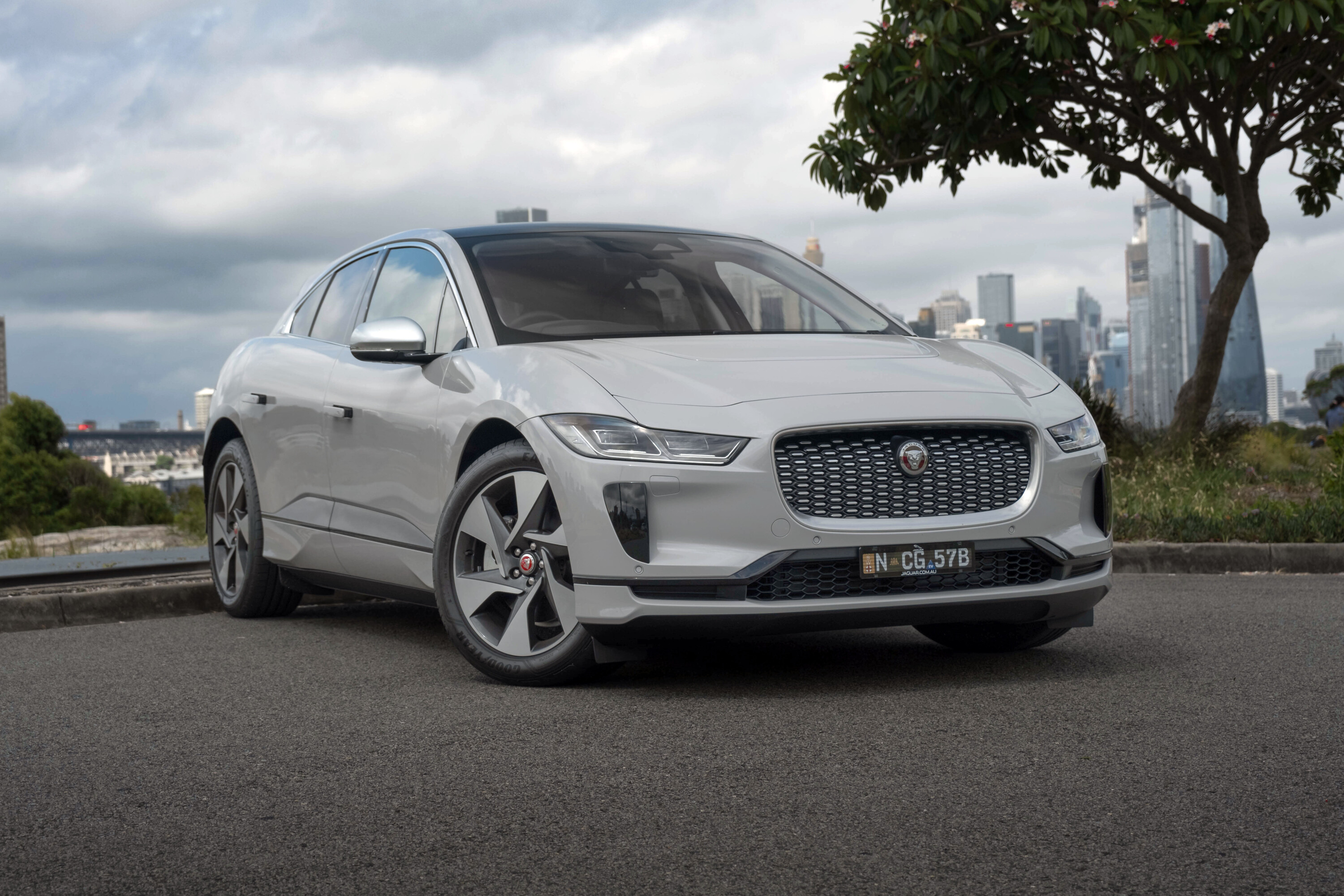
Due to an incorrect service diagnostic tool and software update, the affected vehicles remain with the safety defect. As a result, vehicles may experience a thermal overload. If this occurs, vehicle occupants may identify smoke or fire emanating from underneath the vehicle.
What are the hazards?
A vehicle fire may increase the risk of serious injury or death to vehicle occupants, other road users, bystanders, and/or damage to property.
What should consumers do?
Owners of affected vehicles should contact their preferred Jaguar dealer to receive an update to the Battery Energy Control Module (BECM) software using the correct service diagnostic tool and software.
This software provides an enhanced level of driver warnings in relation to High Voltage battery condition and in the event the software determines a risk exists, the High Voltage battery charging capacity is temporarily limited to 75%. The warning message and associated Owners Guide instructions direct the driver to take their vehicle to a Jaguar retailer for diagnosis. Your retailer will then inspect, and if necessary, repair or replace the affected High Voltage battery module/assembly, free of charge.
Supplier details
JAGUAR LAND ROVER AUSTRALIA PTY LTD
Who should owners/operators contact for more information?
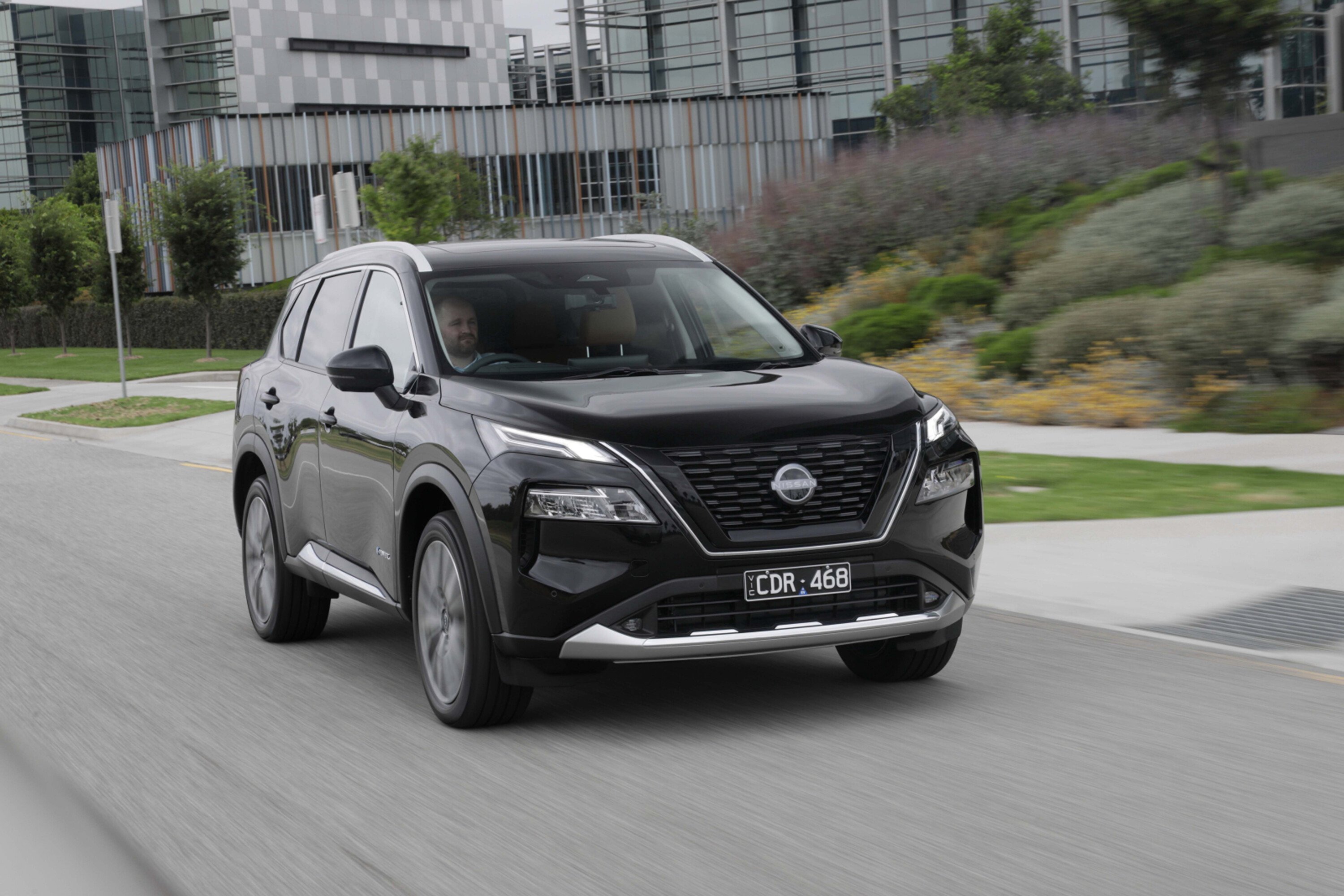
Everything you need to know about 2024 Nissan X-Trail
As one of Australia’s most popular mid-size SUVs, the X-Trail is a go-to wagon for everyday family activities as well as the weekend get-away vehicle.
For lighter trailerboats or caravans and camper-trailers, the X-Trail is a promising option.
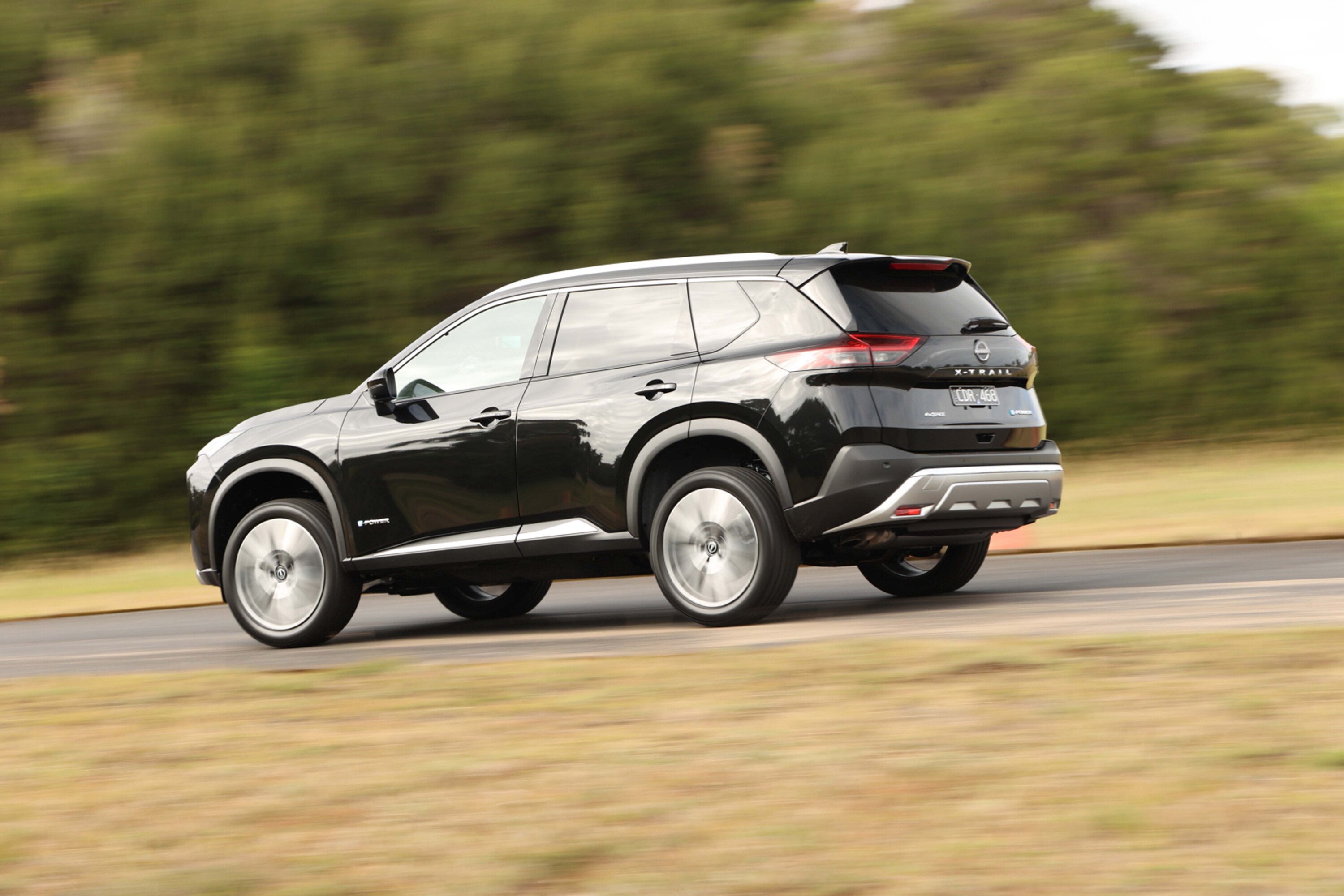
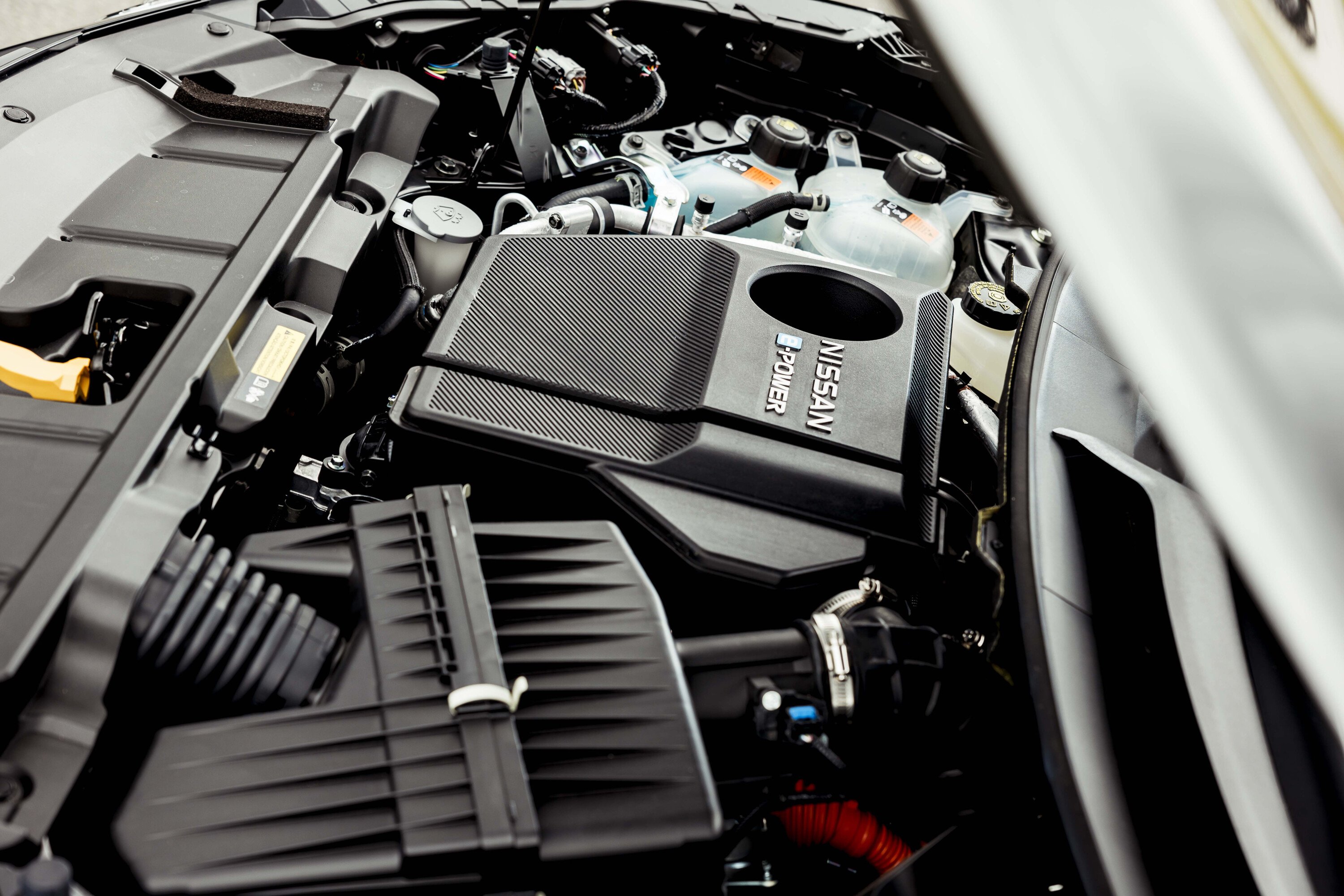
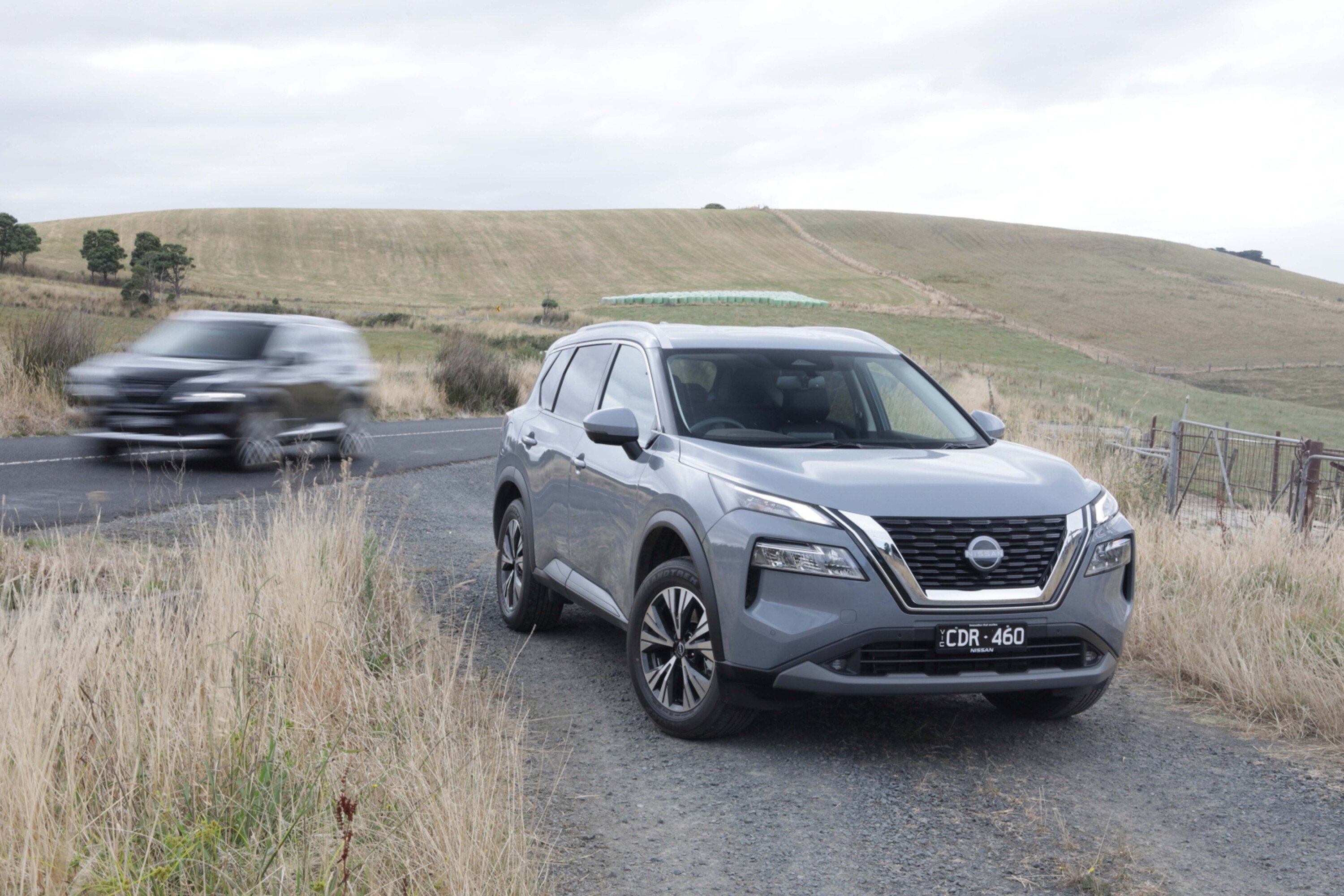
The Nissan X-Trail arrived last year in the form of an all-new fourth-generation model, platform shared with the Mitsubishi Outlander. Offered in four trim lines, in 2WD and AWD, in petrol or hybrid and in five- or seven-seat configurations, the X-Trail we’re focussing on here is the popular five-seat petrol Ti spec.
1
While the hybrid X-Trail would appear to be the towing pick – with its higher outputs and lower fuel use – its 400kg lower (1600kg versus 2000kg) towing capacity over the petrol knocks it out of contention.
The standard safety equipment list for Nissan X-Trail Ti includes seven airbags (dual front, side, curtain, and front-centre), Autonomous emergency braking (vehicle, pedestrian, cyclist, junction, reverse), Adaptive cruise control, High Beam Assist, LED headlights, 360-degree camera, front and rear parking sensors, Blind-spot alert, Lane-keep assist, Traffic sign recognition, Lane departure warning, Rear cross-traffic alert and Rear Automatic Braking.
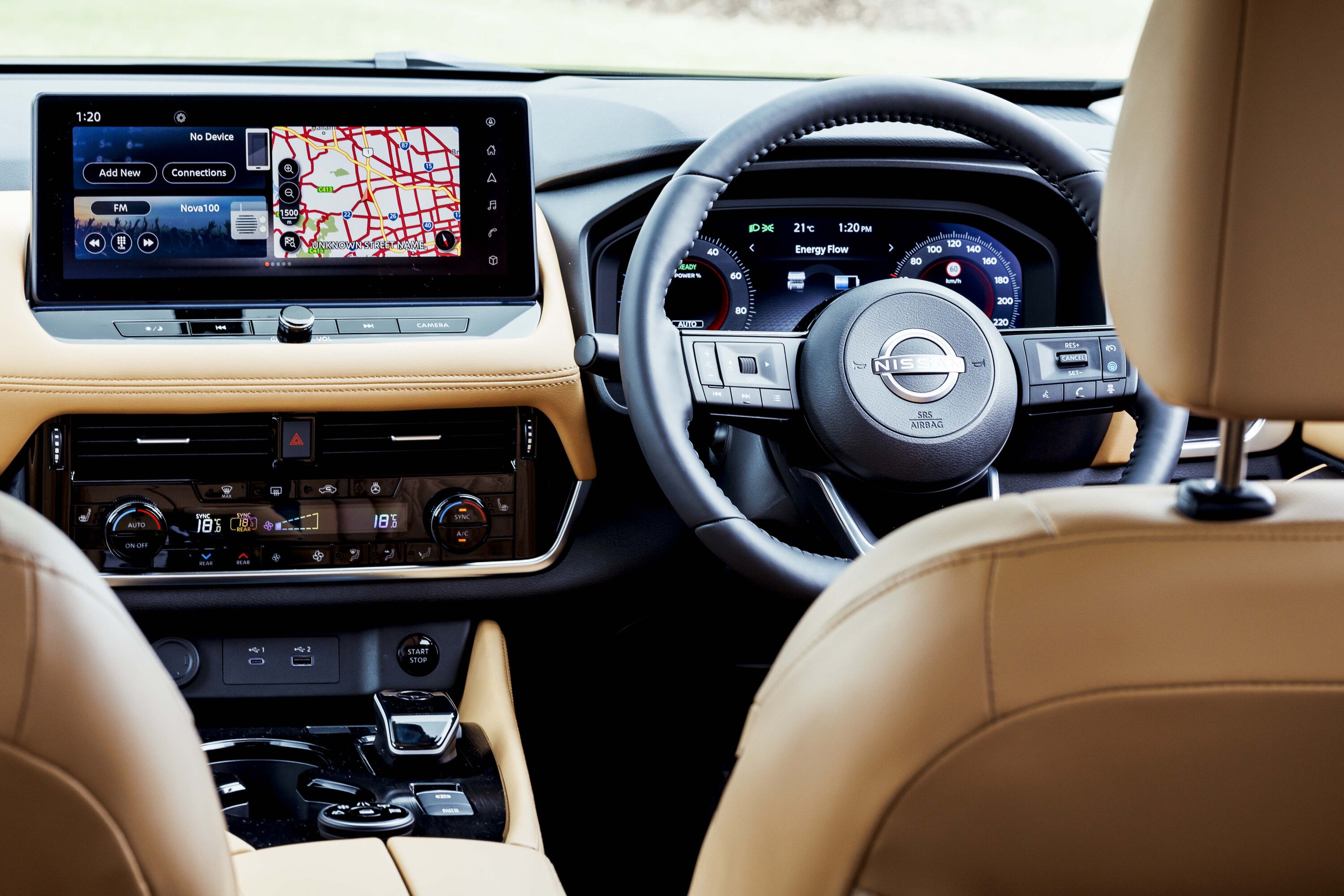
The X-Trail Ti comfort features include keyless entry and start, leather seats (heated and powered at front), sunroof, a 12.3-inch digital dash a 10.8-inch head-up display, 12.3-inch infotainment screen, Apple CarPlay (wireless) and Android Auto (wired) and a wireless phone charger.
The Ti is a five-seater only; for seven seats you need to choose from either (lower spec) ST or ST-L. For all X-Trail towing-specific features, see below.
1
Get up to speed on the X-Trail
The stories below will give you a guide on everything to do with the 2024 Nissan X-Trail. All fresh stories will be found on our Nissan X-Trail Sport page.
All Nissan X-Trail models have a 2000kg (braked) and 750kg (unbraked) towing capacity, with 200kg towball download maximum.
The X-Trail Ti petrol’s kerb mass is 1668kg, and GVM is 2135kg. This mean you have a 267kg available payload once 200kg towball mass is subtracted. GCM is not noted in Nissan data, as is often the case with passenger vehicles.
Out of the box the X-Trail’s only towing features are trailer-sway control and, while not directly for towing, it does help hitching up, a rear-view camera. Trailer sway control is an active safety feature is in many (but not all) new vehicles, and it works by automatically applying individual wheels brakes when sensors pick up that the vehicle is yawing excessively because of trailer sway.
1
While a genuine Nissan tow kit is optional, not much else (such as an electric trailer brake controller) is offered by Nissan for towing.
The towball on the Nissan accessory towbar is very close to the rear bumper, making it possible to damage the rear bumper with the trailer coupling if you’re not careful when hitching up.
Towing performance is acceptable, although a bit blunted with a heavy trailer behind, while towing ride is quite good. Fuel consumption will depend what size and weight trailer you are towing, but if it’s a big, bluff 1900kg caravan then expect a fuel figure of around 15L/100km.
The fact is, the mid-size SUV market is not where manufacturers tend to spend much effort setting up their vehicles to tow heavy loads.
Many have much less than 10 per cent towball loading, for example, a vital statistic if towing the typical caravan or camper-trailer. While the X-Trail is one of few with a solid towing capacity (and with 10 per cent towball download), it isn’t the only one with some good towing specs. The X-Trail has some solid competition.
There are not many that can equal the X-Trail’s 2000kg maximum towing capacity and 200kg towball download. The Volkswagen Tiguan beasts X-Trail with its 2500kg best in class towing capacity, but allows only 200kg maximum towball download.
1
The Hyundai Tucson comes close with 1900kg maximum capacity, bit only accommodates 150kg of than on the towball. Even the platform-shared Mitsubishi Outlander only offers 1600/160kg towing maximums.
It’s hard to pick a winner here; while the Tucson offers diesel torque and efficiency, it is beaten by the 162kW petrol Tiguan in outright capacity – although you’d have to make sure to keep towball weight below the 200kg threshold.