Australian pricing and specifications for the Leapmotor B10 have been announced ahead of its arrival into local showrooms in November. Priced from $38,990 drive away for the entry-level Design model, the B10 is now Australia’s cheapest electric SUV with a lower price than rivals from MG, BYD and Chery. Two models and two battery sizes will be available with a WLTP range of up to 434km.
Positioned underneath the larger Leapmotor C10 that went on sale in Australia in December 2024, the B10 is the second model launched in Australia from Stellantis-backed Chinese company Leapmotor, with the recently-revealed B05 electric hatchback likely to be the third.
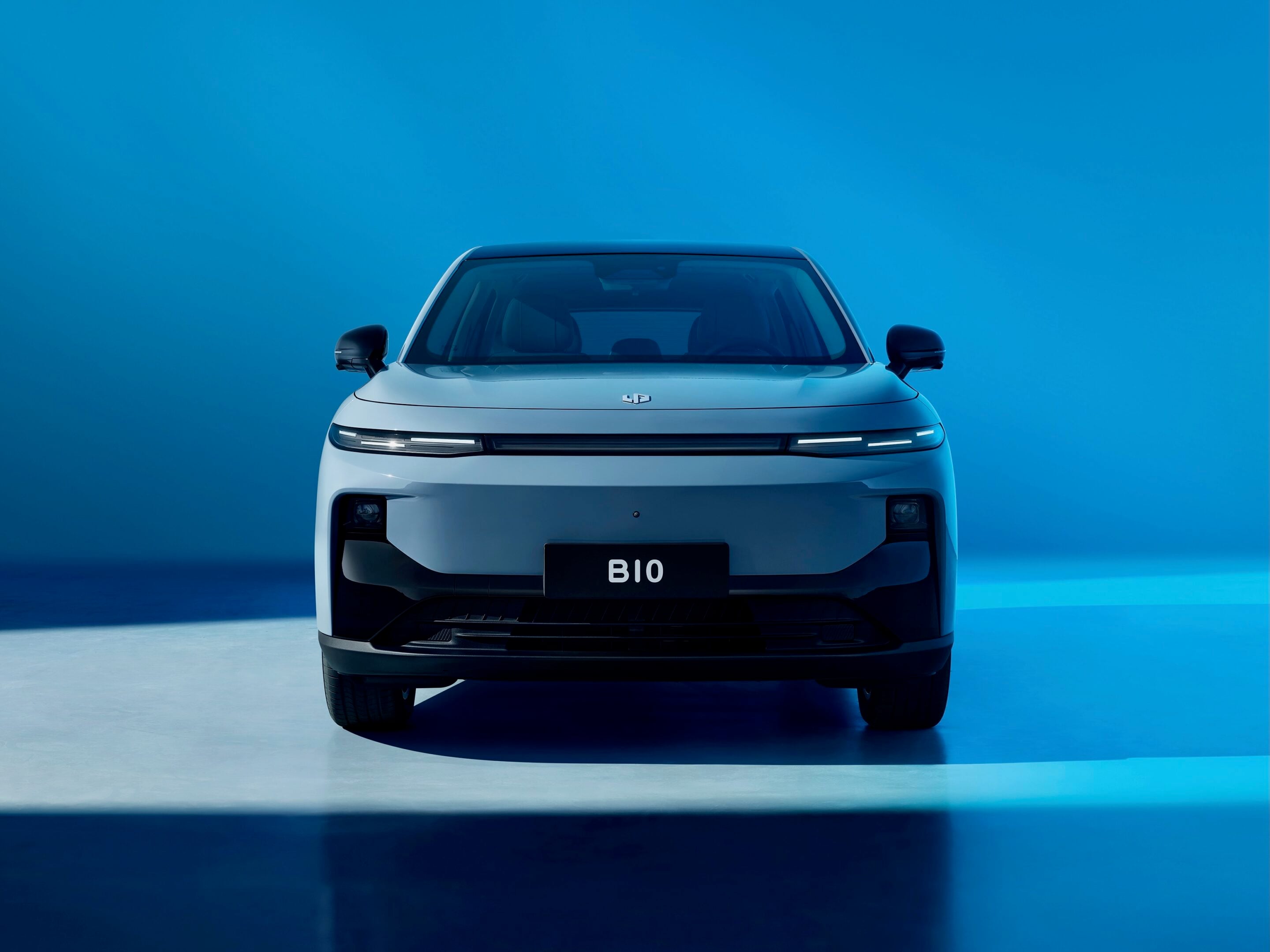
Leapmotor will offer the B10 in two different variants with two different LFP batteries: the entry-level Style with a 56.2kWh unit and the upper-spec Design Long Range with a larger 67.1kWh battery. Leapmotor quotes a WLTP-rated range of up to 361km for the Style and 434km for the Design, while the former can charge at up to 140kW and the latter 168kW for a quoted 30-80 per cent DC fast charge in as little as 20 minutes.
Both Leapmotor B10 models employ a 160kW/240Nm front axle electric motor for a claimed 0-100km/h time of 8.0 seconds and a top speed of 170km/h.
Measuring 4515mm long, 1855mm wide, 1665mm tall and riding on a 2735mm long wheelbase, the B10 is 39mm longer overall than the MGS5 EV and its 490 litre boot with the rear seats up is 37 litres larger. With the seats folded, the B10’s boot measures a healthy-for-the-segment 1475 litres, and there’s also a 25 litre front boot as well.
Apple CarPlay and Android Auto smartphone mirroring isn’t yet available on the B10, but will be part of its feature list from January through an over-the-air update. As a launch incentive, buyers who register their interest before October 31 and order a B10 before January 31, 2026 will be able to secure three years/60,000km of servicing for just $200.
2026 Leapmotor B10 pricing (drive away):
- Style: $38,990
- Design Long Range: $41,990
Leapmotor B10 Style standard equipment:
- 56.2kWh battery
- 18-inch alloy wheels
- Bluetooth and NFC key tech
- Dusk-sensing automatic LED lighting
- Heated electric mirrors
- Panoramic glass roof with sunshade
- Single-zone automatic climate control
- Synthetic leather steering wheel
- Cloth seat upholstery
- 8.8-inch digital driver’s display
- 14.6-inch touchscreen with over-the-air updates
- Satellite navigation
- DAB+ digital radio
- Online music and video streaming
- Wireless phone charger
- 4x USB ports
- Heat pump
- Vehicle-to-load functionality (up to 3.3kW)
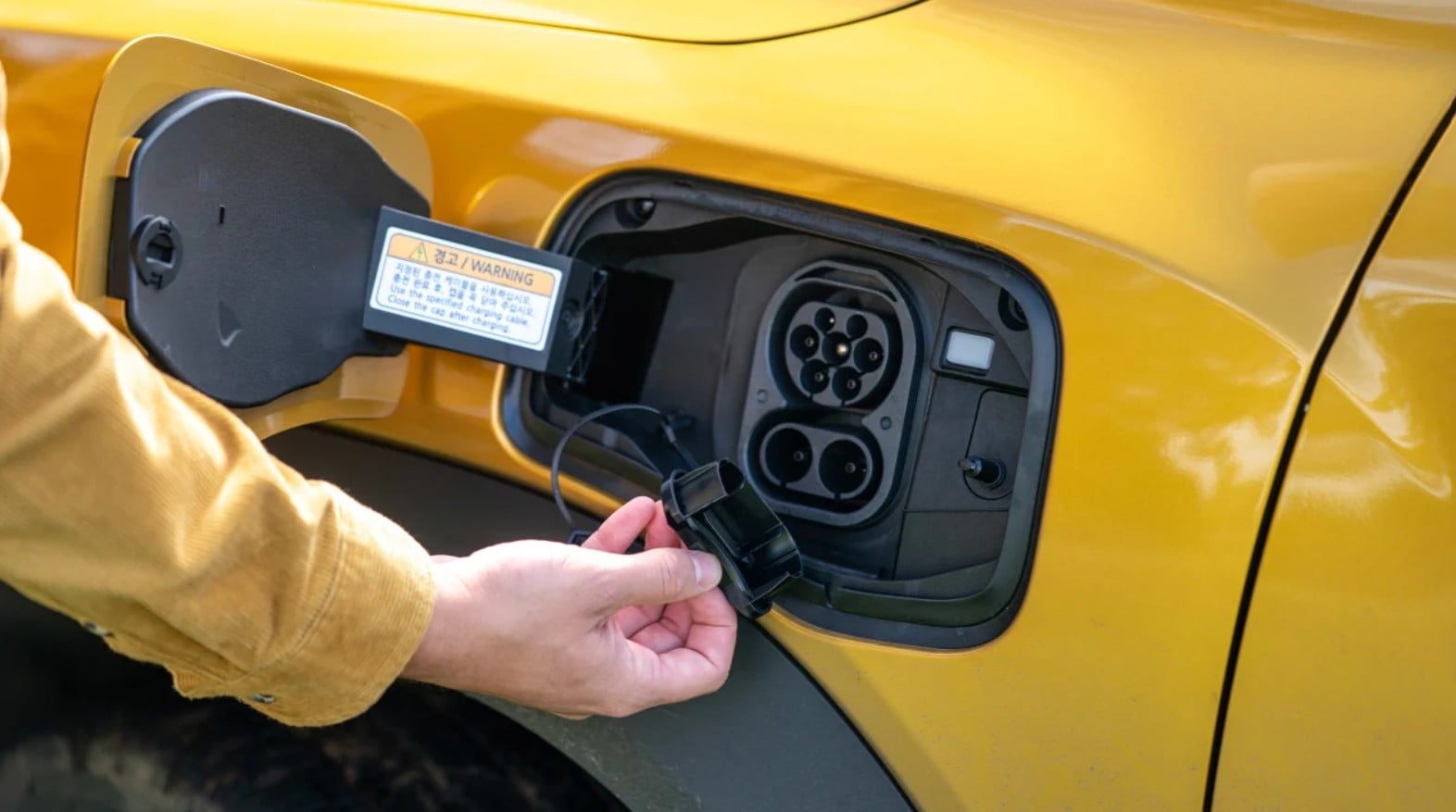
- Type 2 mode 2 charging cable
- Type 2 mode 3 charging cable
Leapmotor B10 safety features:
- 7x airbags (including a front centre unit)
- Autonomous emergency braking
- Adaptive cruise control
- Lane keeping assistance
- Adaptive lane guidance
- Traffic jam assist
- Blind-spot monitoring
- Rear-cross traffic alert (with braking)
- Door open warning
- Traffic sign recognition with intelligent speed assist
- Driver attention monitoring
- Auto high beam
- Rear parking sensors
- 360-degree camera
- Tyre pressure monitoring
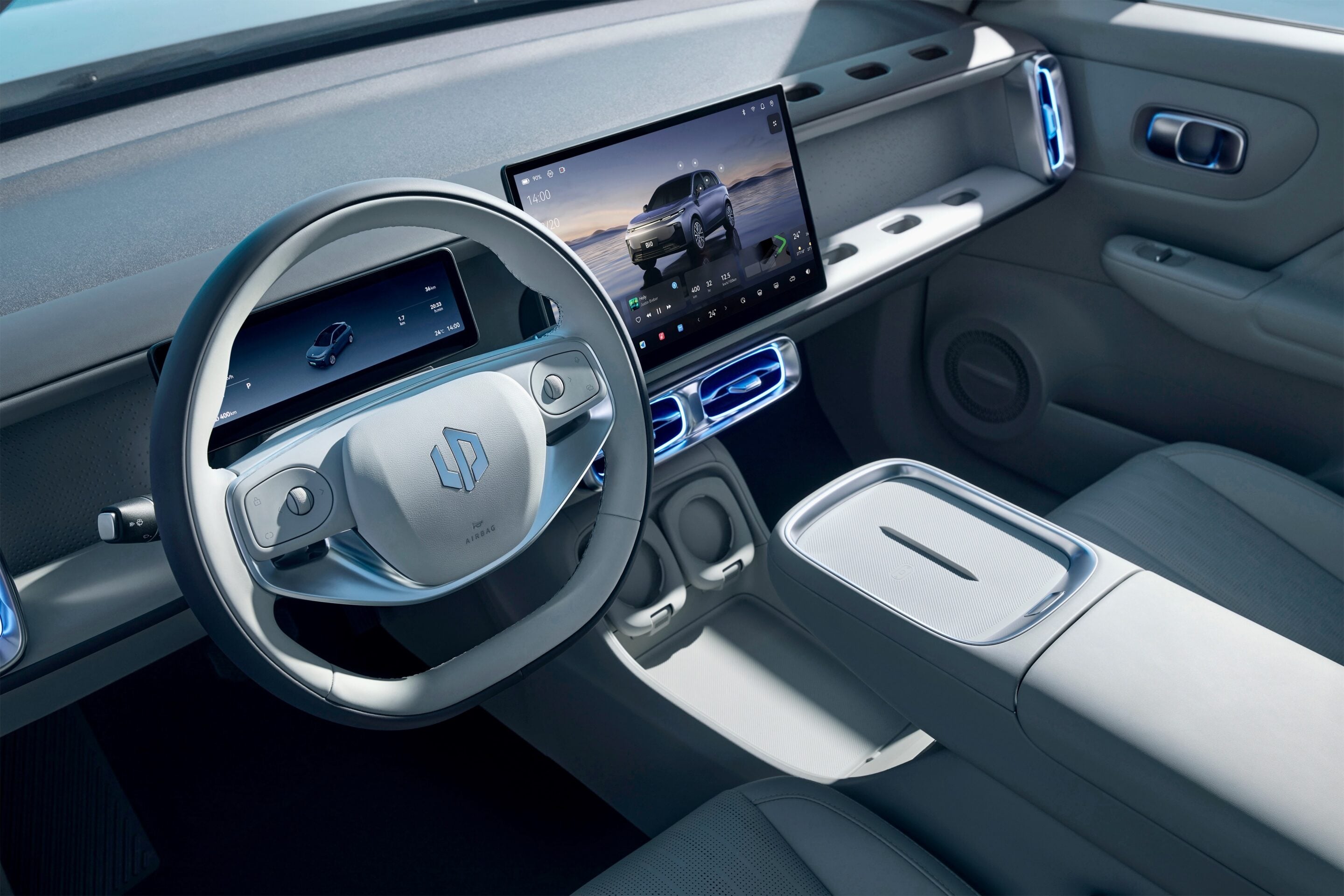
Leapmotor B10 Design model adds over Style:
- Larger 67.1kWh battery
- Rain-sensing wipers
- Rear LED light bar
- Auto-folding mirrors
- Rear privacy glass
- Electric tailgate
- Synthetic leather upholstery
- Six-way driver/four-way front passenger electric seat adjustment
- Heated and ventilated front seats
- Heated steering wheel
- 12-speaker sound system
- Multi-colour interior ambient lighting
- Rear centre armrest
The Leapmotor B10 is now available to order ahead of the first Australian deliveries commencing in November.
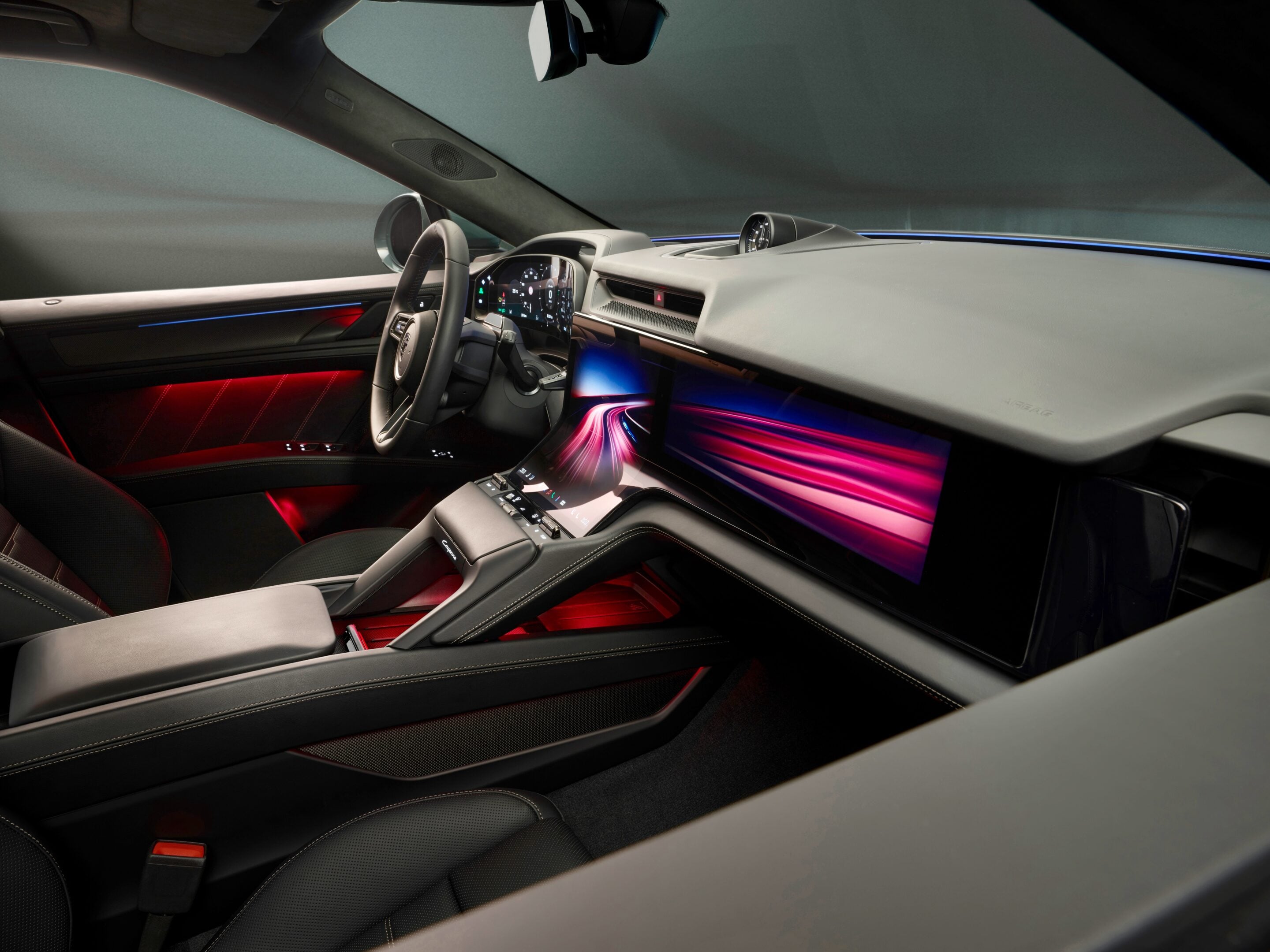
Ahead of an expected 2026 on-sale date, the interior of the upcoming Porsche Cayenne Electric has been revealed. Featuring the largest displays ever fitted to a Porsche, the Cayenne Electric will offer new features to the brand such as car key technology, an augmented reality head-up display and an AI-powered voice assistant.
The Cayenne Electric will offer “significantly more space and comfort features” compared to any current Porsche model, with electrically adjustable rear seats as standard. There are new selectable moods to change the lighting, climate, sound and seats to create different atmospheres, while the sliding panoramic roof with variable light control is the largest glass sunroof ever fitted to a Porsche.
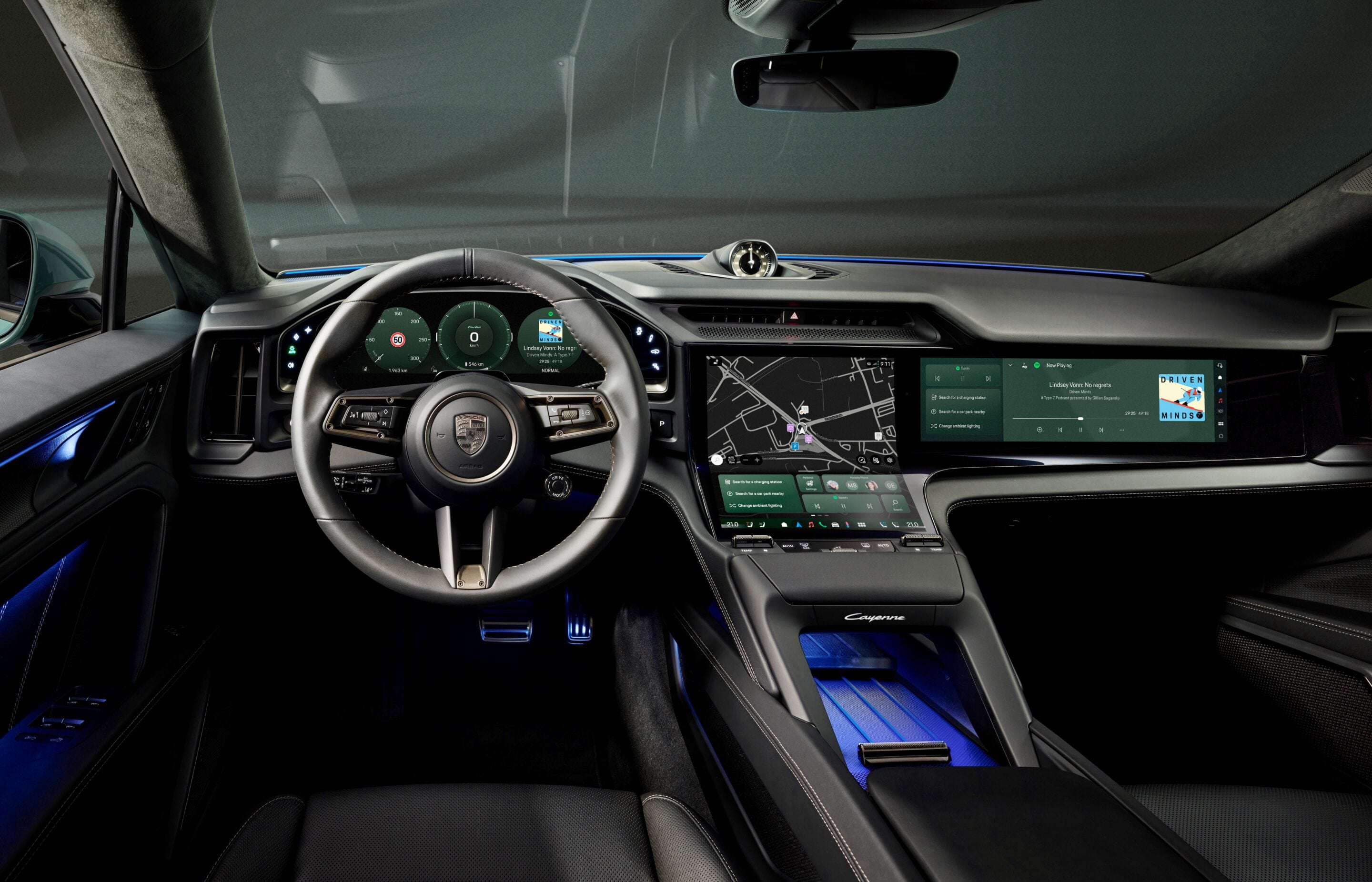
Customers of the Cayenne Electric can choose from 13 interior colour combinations, plus four interior packages and five accent packages. Buyers will also be able to choose the Porsche Exclusive Manufaktur program to go even further with personalisation.
Porsche’s new ‘Flow Display’ has been showed off for the first time in the new Cayenne Electric, which is a curved OLED display that flows into the centre console. Together with the additional screens, it forms the largest continuous digital surface in any Porsche ever.
Optionally available will be a 14.9-inch passenger display to offer the front passenger control over the entertainment, app control and video streaming – the latter even during driving without distracting the driver. The Cayenne Electric will also be available with a head-up display featuring augmented reality, projecting navigation arrows and lane guidance into the driver’s view of the road.
Porsche has also revealed that the Cayenne Electric will offer an AI-powered voice assistant, which reportedly reliably understands complex instructions and spontaneous follow-up questions without requiring the activation word to be repeated.
It can be used to control functions such as climate, seat heating, ambient lighting and mood modes with simple voice commands, and it can also recognise addresses, points of interest and traffic information in natural language, as well as directly playing media content such as streaming services and radio services on request.
The Cayenne Electric will also feature the new Porsche Digital Key, which will allow drivers to access the car with smartphones and smartwatches. Its Ultra Wideband (UWB) technology allows the Cayenne Electric to recognise the mobile device and automatically lock or unlock the car upon approaching/departing.
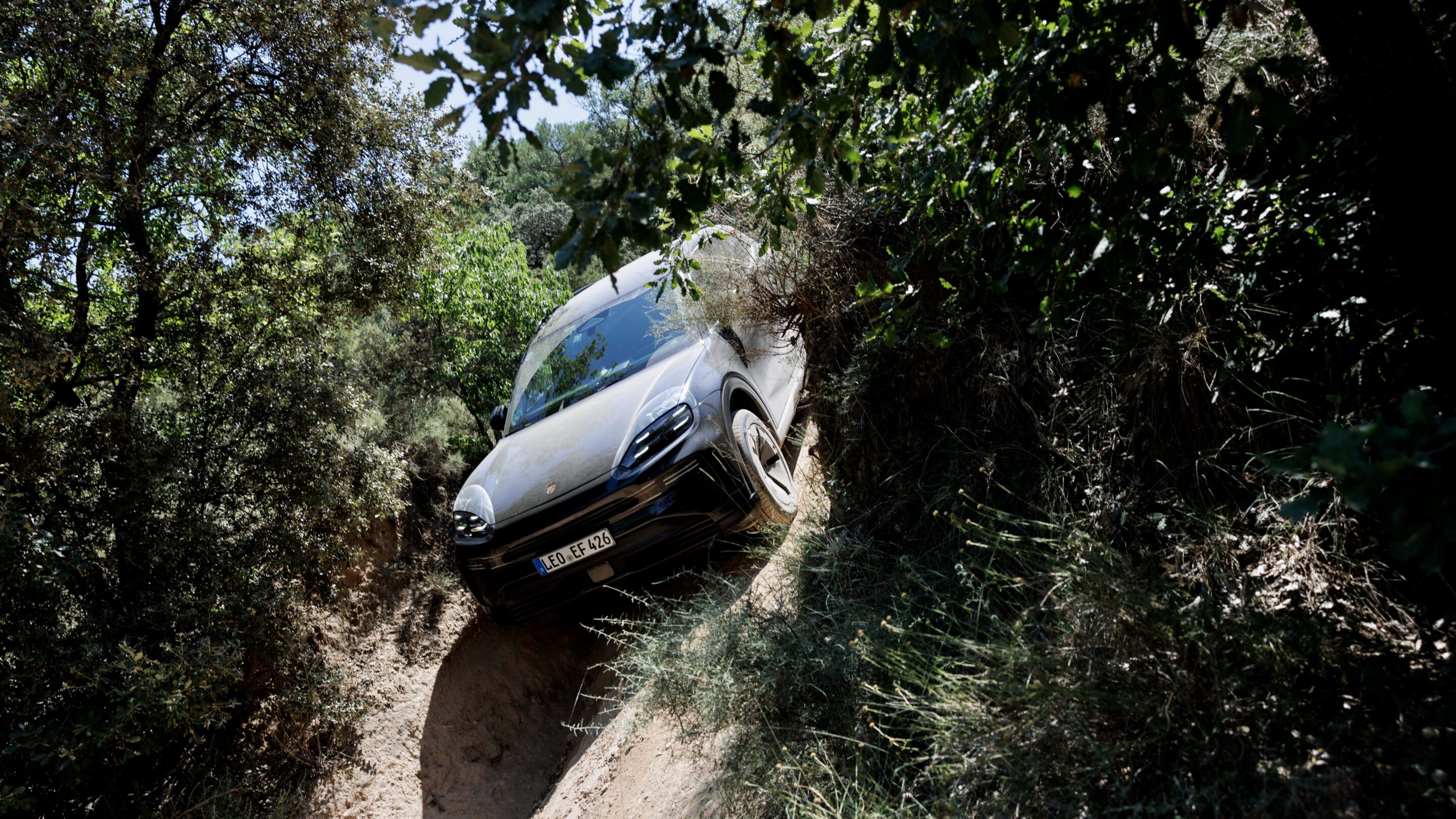
According to Porsche, the Porsche Digital Key can be securely stored in the Wallet app and shared with up to seven additional users.
The Porsche Cayenne Electric is due to go on sale likely in 2026, with Australian pricing and specifications yet to be announced.
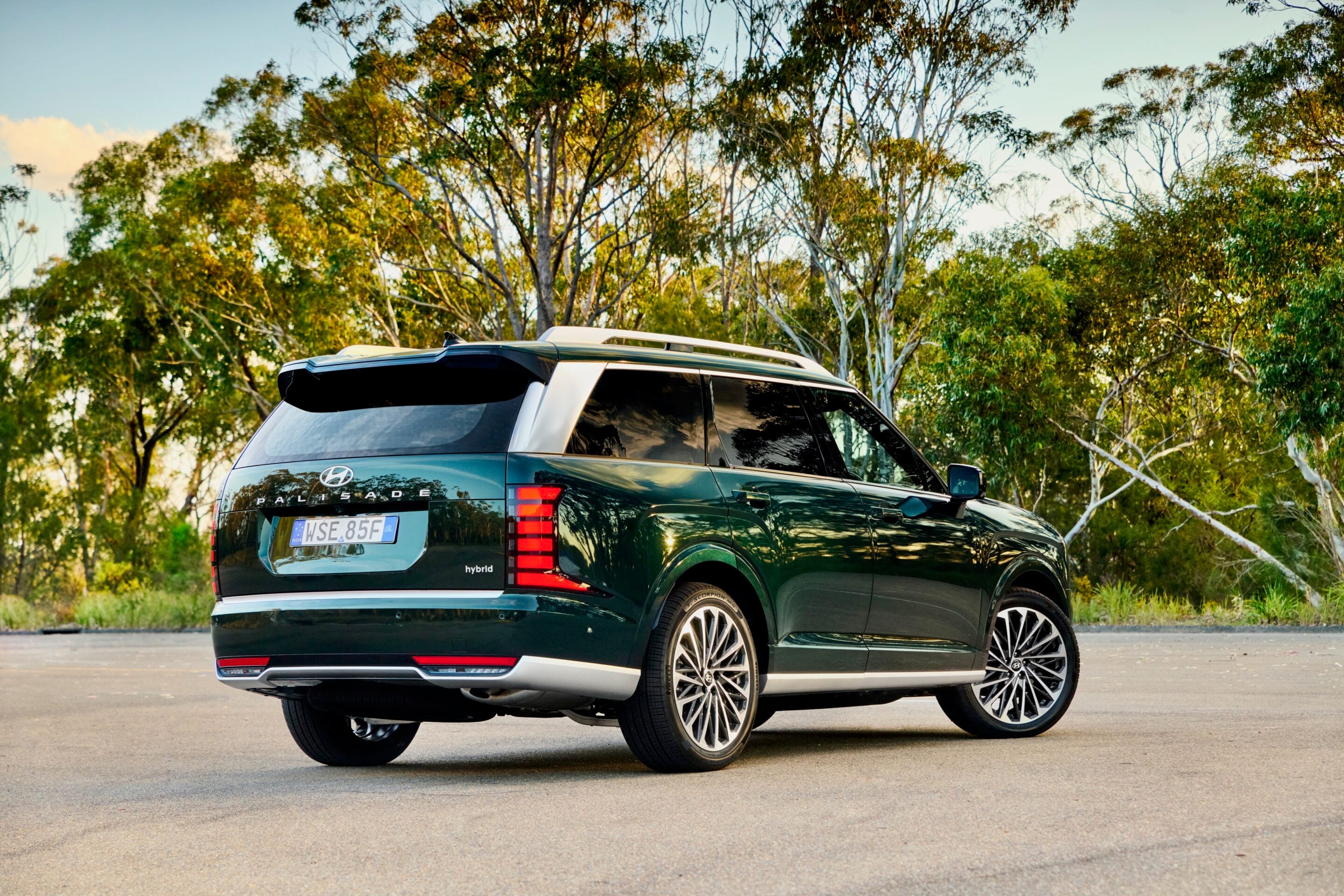
Hyundai Australia has launched the second-generation Palisade large SUV locally. Pricing starting at $89,900 plus on-road costs for the single-grade Calligraphy model lineup, with a new 2.5-litre turbo-petrol hybrid the only available drivetrain so far.
Measuring 5065mm long, 1980mm wide, 1805mm tall and riding on a 2970mm long wheelbase, the new Palisade is 70mm longer, 5mm wider, 55mm taller and 70mm longer between the wheels than the previous model.
The larger dimensions mean that there is also more interior space, with 348 litres of space behind the third row of seating (up from 311L) and 729 litres with the third row folded (up from 704L).
While the previous Palisade was available with 3.8-litre V6 or 2.2-litre four-cylinder turbo-diesel drivetrains, the new model will exclusively be available with a new 2.5-litre four-cylinder turbo-hybrid drivetrain making 245kW of power and 460Nm of torque. It uses a six-speed automatic transmission and is all-wheel drive.
Fuel consumption is rated at 6.8L/100km, which is 0.5L/100km less than the former diesel, and 3.9L/100km less than the petrol V6.
2026 Hyundai Palisade pricing (plus on-road costs):
- Calligraphy hybrid: $89,900
- Premium paint: $750
- Alternate interior colours: $250
- 7-seat layout with second-row captain’s chairs: $1000
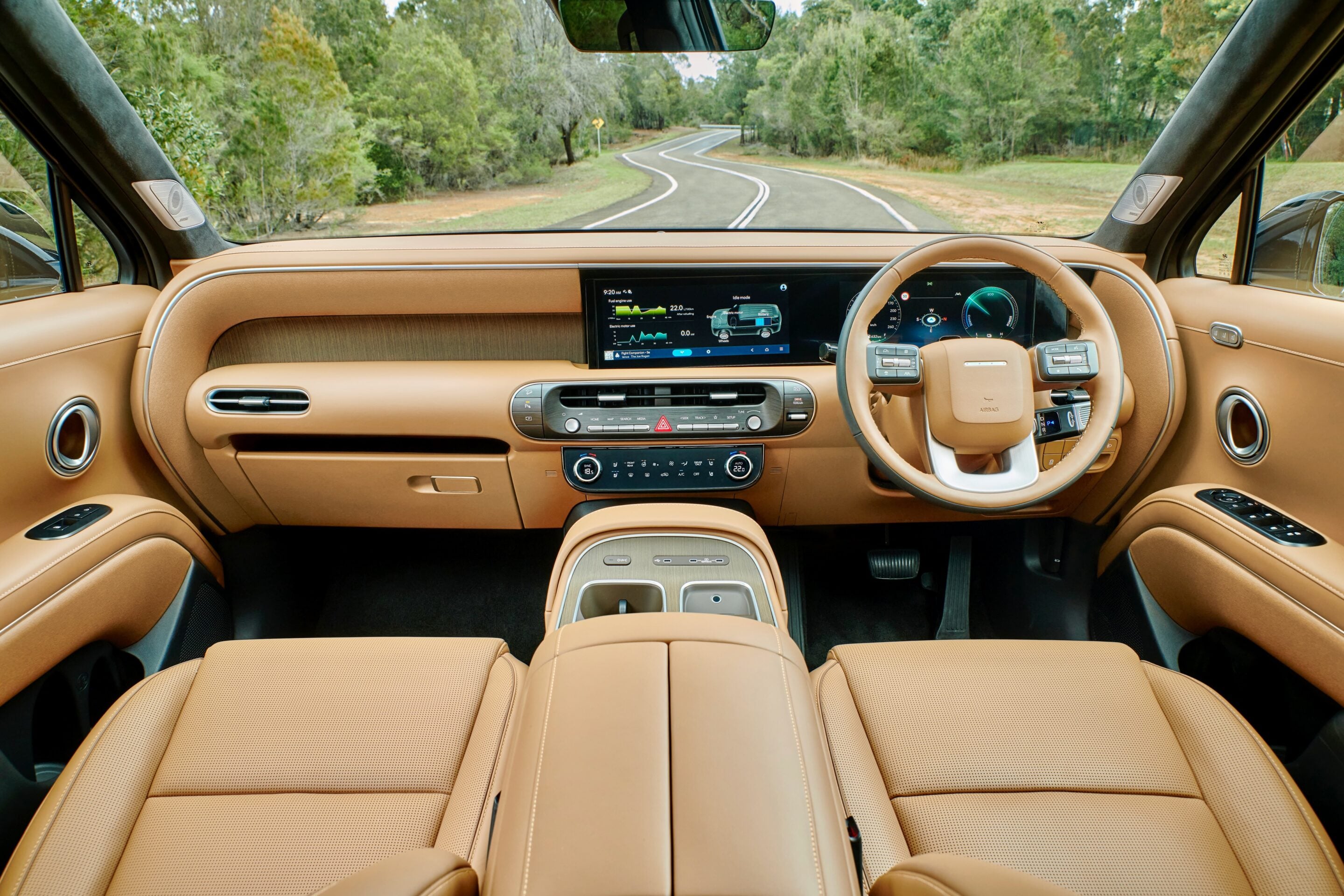
2026 Hyundai Palisade Calligraphy standard features:
- 21-inch alloy wheels with a full-size alloy spare
- Automatic LED exterior lighting
- Automatic rain-sensing wipers
- Dual sunroofs
- Roof rails
- Keyless entry with push button start and key phone functionality
- Electric tailgate with easy open functionality
- 18-way electric driver’s seat with memory
- 12-way electric front passenger seat
- Heated leather steering wheel
- Nappa leather upholstery with a suede headliner
- Heated seats in all rows
- Ventilated front and middle row seats
- Privacy glass
- 12.3-inch digital driver’s display
- 12.3-inch touchscreen with live services and over the air updates
- Wireless Apple CarPlay and Android Auto
- DAB+ digital radio
- 14-speaker Bose sound system
- Satellite navigation with live traffic
- 6x100W USB-C chargers
- Wireless phone charger
- Power-folding third row
- In car camera
- Head-up display
2026 Hyundai Palisade Calligraphy safety features:
- 8x airbags
- Autonomous emergency braking (AEB) with pedestrian, cyclist and intersection assistance
- Adaptive lane guidance with lane keeping assistance
- Intelligent speed limit assist with traffic sign recognition
- Blind-spot monitoring with a blind-spot camera
- Safe exit assist
- Adaptive cruise control with stop and go functionality
- 360-degree camera
- Automatic rear braking
- Auto high beam
- Side, front and rear parking sensors
- Automatic parking
- Smart park assist (remote control parking from the key)
Palisade colour range:
- Creamy White
- Shimmering Silver
- Ecotronic Grey
- Robust Emerald green
- Cast Iron Brown
- Galaxy Maroon
- Classy Blue
- Abyss Black
Palisade interior colours:
- Brown
- Light grey
- Charcoal/brown
- Black
The new Hyundai Palisade will enter local Hyundai dealerships soon with the first deliveries due to commence then.
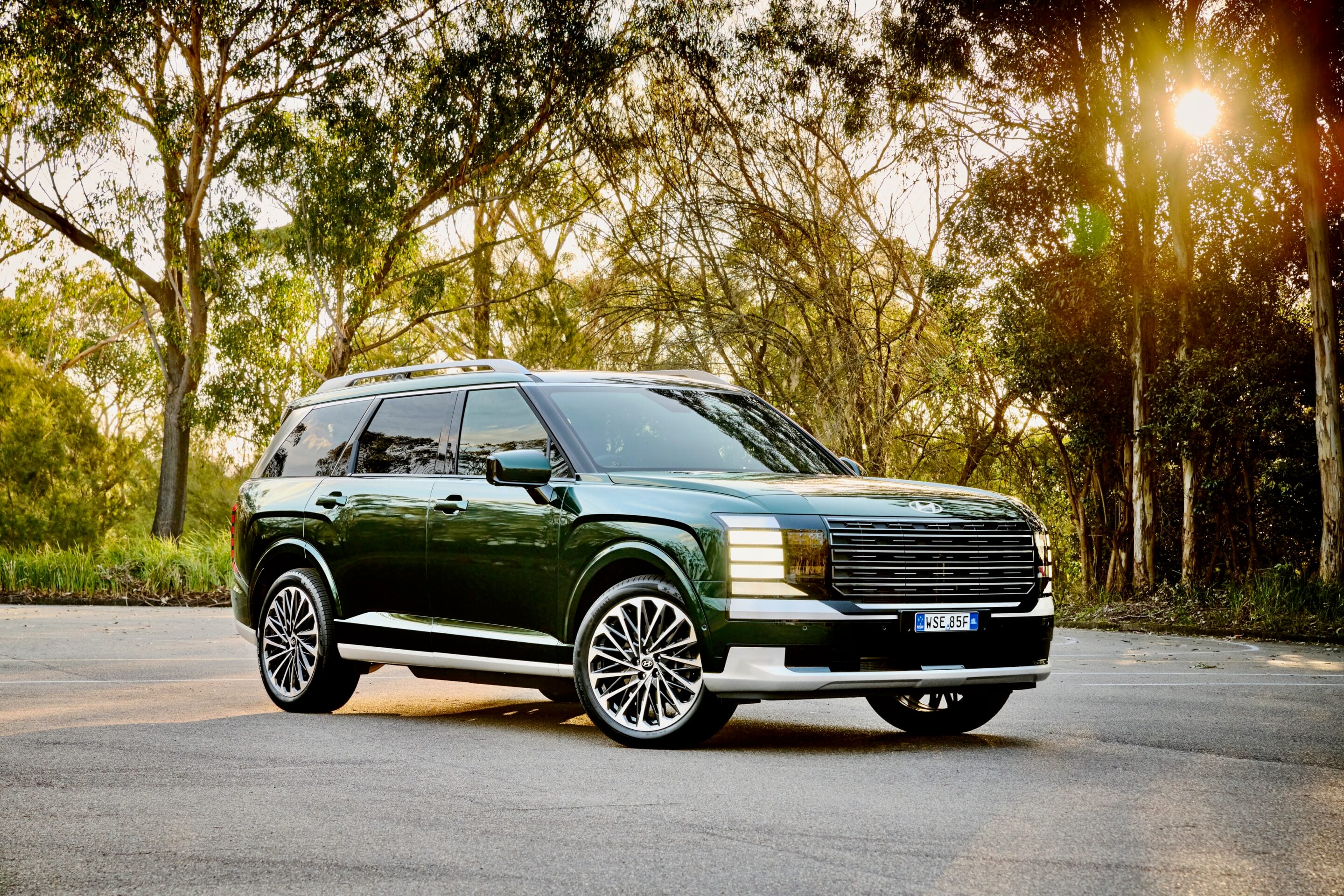
Age cannot weary the Mazda CX-3. Despite the current generation now having been on sale for a decade, it continues to dominate the light SUV segment – in 2024 it sold almost twice its nearest challenger which was, oddly, the Suzuki Jimny.
Closing the gap in 2025 is the facelifted Toyota Yaris Cross. For many years Toyota had no representative in this increasingly popular segment, but the introduction of its smallest SUV has further bolstered its overall market dominance.
Now all that’s left to answer is how well the two stack up against one another.
Pricing
Both the Mazda CX-3 and Toyota Yaris Cross ranges start at just over $30,000 and end just shy of $40,000 before taking into account on-road costs.
Mazda used to offer what seemed like 100 different versions of the CX-3, but this has been slashed to a much more manageable four for MY25.
It’s a little more complex in Toyota-land, the choice of front- or all-wheel drive meaning there is some crossover between variants – for instance, just $70 separates the GXL Hybrid AWD, GR Sport Hybrid and Urban Hybrid.
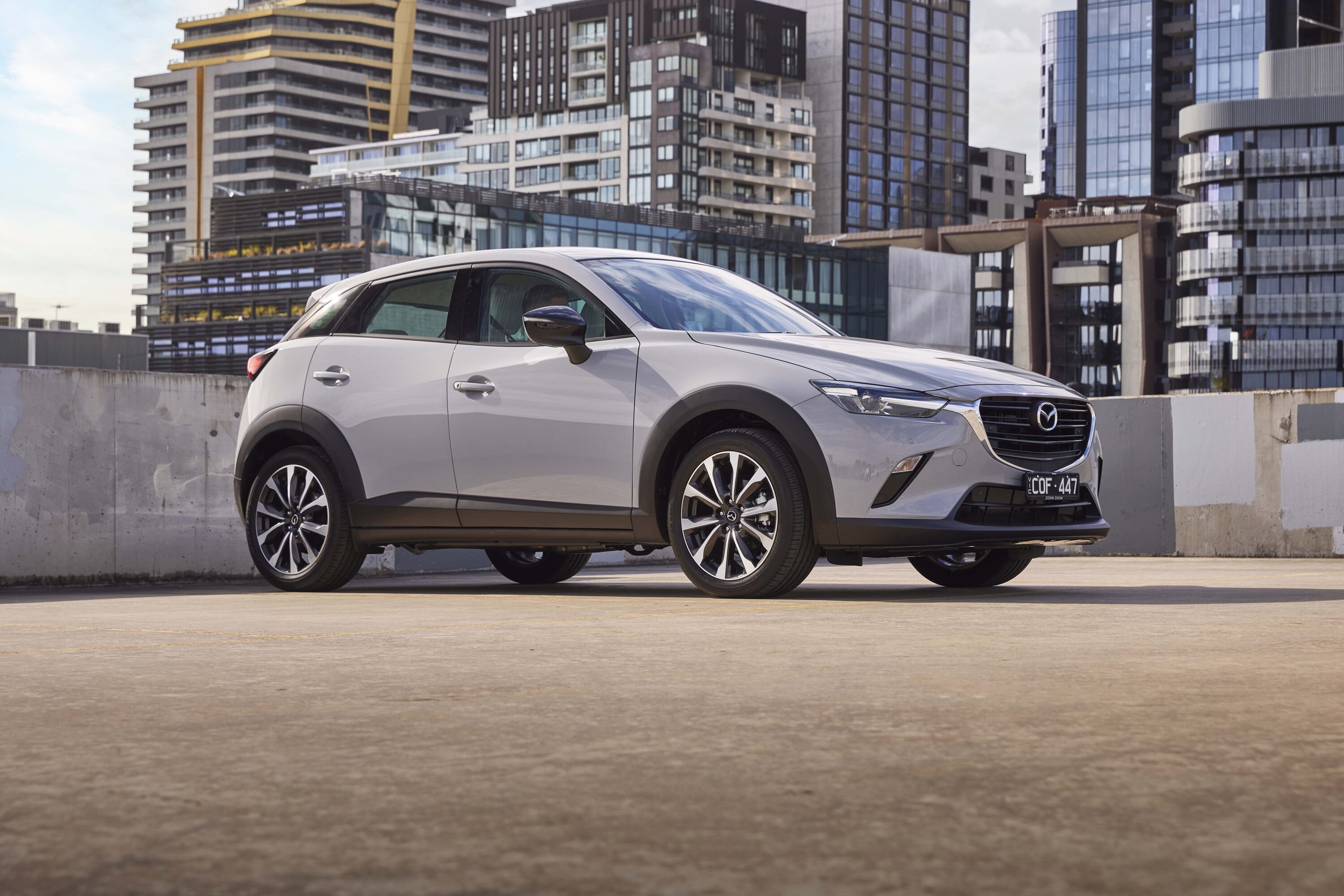
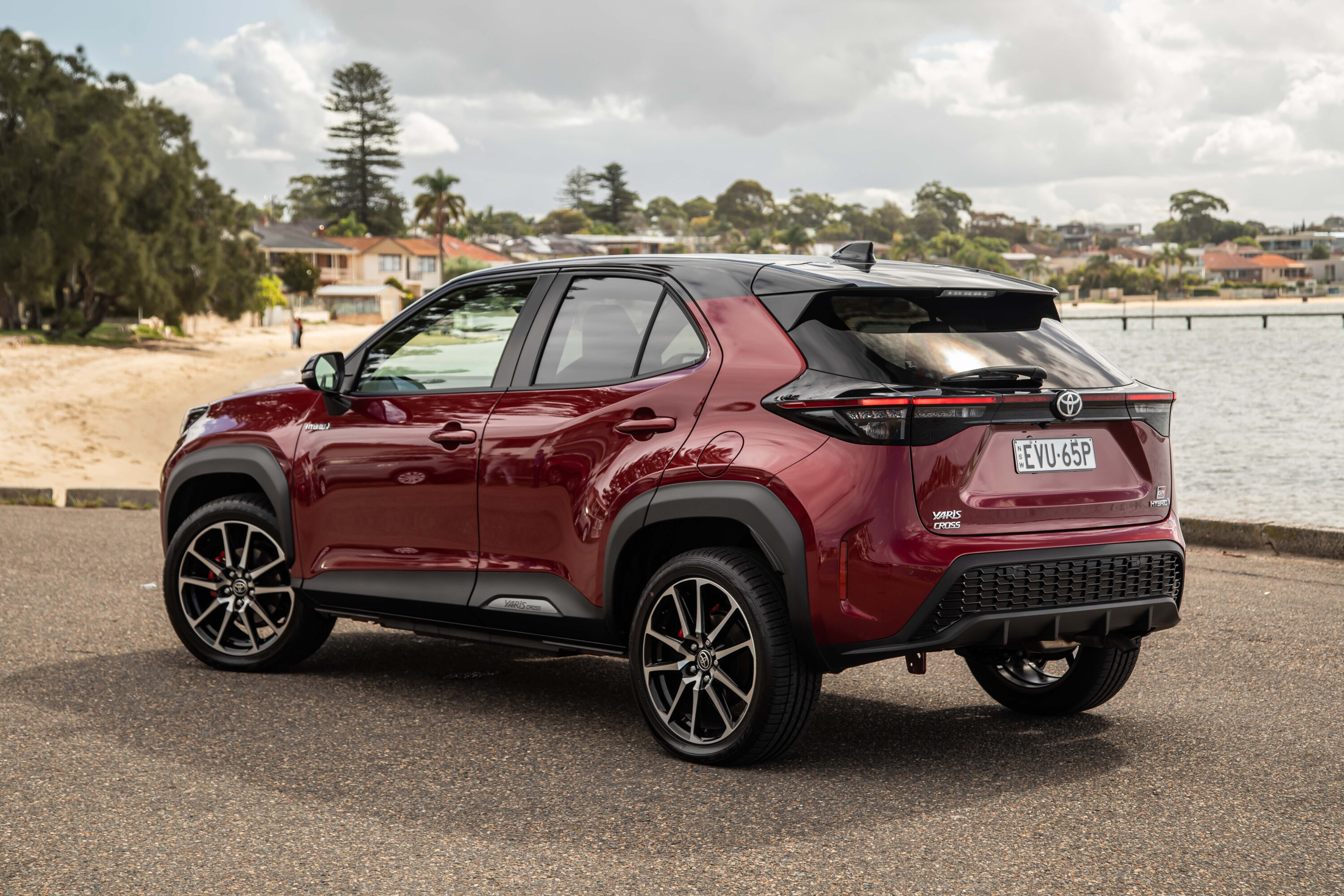
For the purposes of this spec battle, we’ll use the CX-3 G20 GT SP and Yaris Cross GR Sport Hybrid for those that want a bit of sporting flavor in their small SUV.
Mazda offers warranty and roadside assistance coverage for five years and unlimited kilometres and servicing will set you back $2247 over the first five visits, required every 12 months or 15,000km.
Over at Toyota there’s five years of warranty coverage, though seven for the powertrain and driveline if you stick to the servicing schedule, but roadside assistance costs between $99-139/year depending on the level of coverage.
While the Yaris Cross also needs attention every 12 months or 15,000km, its capped price servicing schedule costs just $1275 over the first five visits.
| Mazda CX-3 | Pricing* | Toyota Yaris Cross | Pricing* |
|---|---|---|---|
| G20 Pure | $30,370 | GX Hybrid | $30,900 |
| G20 Evolve | $32,100 | GX Hybrid AWD | $33,900 |
| G20 GT SP | $35,330 | GLX Hybrid | $33,950 |
| G20 Akari | $38,890 | GXL Hybrid AWD | $36,950 |
| GR Sport Hybrid | $36,930 | ||
| Urban Hybrid | $36,880 | ||
| Urban Hybrid AWD | $39,880 |
*plus on-road costs
Dimensions
If we dig into the numbers, there are some surprising differences between the Mazda CX-3 and Toyota Yaris Cross. On the face of it, the Toyota is a packaging marvel as it’s 90mm shorter in length than the Mazda yet offers a whopping 159 litres more luggage space.
Not so fast. In practice there isn’t that much difference between the two, or at least not as much as the disparity in figures suggests. However, luggage space is definitely one reason to go for the front-drive Yaris Cross, as it offers 76 litres more than the AWD. There are other reasons, which we’ll get to shortly.
The Toyota’s shorter length does make it easier to park, though the CX-3 isn’t exactly unwieldy. Possibly the most important thing to mention is that both cars’ relatively small statures make them quite tight in the back, forcing front occupants to make some compromises to fit baby seats or larger passengers behind.
Another point worth mentioning, though not often a priority in this segment, is towing. The Yaris Cross is limited to a maximum of 400kg (braked or unbraked), whereas the Mazda can haul up to 1200kg (braked), though be aware the maximum downball load is 50kg.
| Dimensions | Mazda CX-3 | Toyota Yaris Cross |
|---|---|---|
| Length | 4275mm | 4185mm |
| Width | 1765mm | 1765mm |
| Height | 1535mm | 1580mm |
| Wheelbase | 2570mm | 2560mm |
| Weight | 1294kg | 1235kg |
| Luggage space | 231 litres | 390 litres |
Equipment
Sitting towards the top of their respective ranges, the Mazda CX-3 GT SP and Toyota Yaris Cross GR Sport score larger 18-inch wheels, keyless entry and start, LED headlights and flashier upholstery materials than your typical cloth.
From here it’s an edge to the Mazda, with its powered driver’s seat, heated front seats and seven-speaker Bose-branded stereo. The Toyota has comfortable and supportive front sports seats, but they are manually adjustable.
Also unique to the Yaris Cross GR Sport is plenty of Gazoo Racing badging and a unique sports suspension setup. Toyota charges an extra $575 for premium paint (anything other than black) and $1350 for two-tone, whereas the Mazda has a contrasting black roof as standard, with grey and the beige-like Platinum Quartz standard and red and dark grey an extra $595.
| Mazda CX-3 | Toyota Yaris Cross | |
|---|---|---|
| Wheels | 18-inch | 18-inch |
| Headlights | LED | LED |
| Wipers | Rain-sensing | X |
| Seat adjustment | Six-way powered driver, four-way manual passenger | Six-way manual driver, four-way manual passenger |
| Upholstery | Leather/Synthetic suede | Ultrasuede with leather accents |
| Heated seats | Front | X |
| Push button start | Yes | Yes |
| Climate control | Single-zone | Single-zone |
| Stereo | Seven-speaker Bose | Six-speaker |
| USB ports | 2 x USB-A | 2 x USB-C |
| Rear air vents | X | X |
Powertrains
Here is where the Mazda CX-3 and Toyota Yaris Cross diverge. There’s a degree of ‘old school’ and ‘new school’ here, which gives each different strengths and weaknesses.
In the Mazda you’ll find a relatively large (for this segment) 2.0-litre petrol engine producing 110kW/195Nm, almost double that offered by the 67kW/120Nm 1.5-litre three-cylinder petrol in the Toyota.
However, the Yaris Cross also has an electric motor providing assistance improving performance and economy, its 3.8L/100km combined fuel consumption claim much better than the CX-3’s 6.3L/100km.
The hybrid Toyota is actually even more frugal in town than on the open road, but its paucity of power means sustained running at higher speeds isn’t its forte. If you cover plenty of highway kilometres, you’re likely to be more comfortable in the CX-3 for its greater performance and the fuel economy gap closes (5.5L/100km vs 4.2L/100km extra-urban claims). Both cars are happy using 91 RON fuel.
We mentioned more reasons to go for the front-wheel drive Yaris Cross. Aside from the larger boot and saving $3000, the front-driver is also lighter, more economical and has a space-saver spare instead of an inflation kit.
| Powertrains | Mazda CX-3 | Toyota Yaris Cross |
|---|---|---|
| Engine | 2.0-litre four-cylinder petrol | 1.5-litre three-cylinder petrol-hybrid |
| Outputs | 110kW/195Nm | 85kW |
| Transmission | 6-speed automatic | CVT |
| Fuel consumption | 6.3L/100km* | 3.8L/100km* |
Safety
The Mazda CX-3’s age means it is currently unrated by ANCAP and while it scored five stars back in 2015, a decade is a long time in the automotive world. Nevertheless, continual updates mean that it has plenty of current safety gear such as adaptive cruise control with stop and go traffic function, blind-spot monitoring, lane departure warning, autonomous emergency braking (AEB) in forward and reverse, rear cross-traffic alert but there are only the six airbags.
Being a more modern vehicle at its core, the Toyota boasts eight airbags as well as all the active safety features found on the Mazda. It wears a five-star ANCAP rating from 2021 with scores of 86 per cent for adult and child occupant protection, 78 per cent for vulnerable road user protection and 82 per cent for safety assist.
Both cars have parking sensors front and rear and a reversing camera.
Technology
A recent facelift for the Toyota Yaris Cross has improved its technology offering, the central infotainment screen growing from 7.0 to 8.0 inches and incorporating wireless Apple CarPlay and Android Auto.
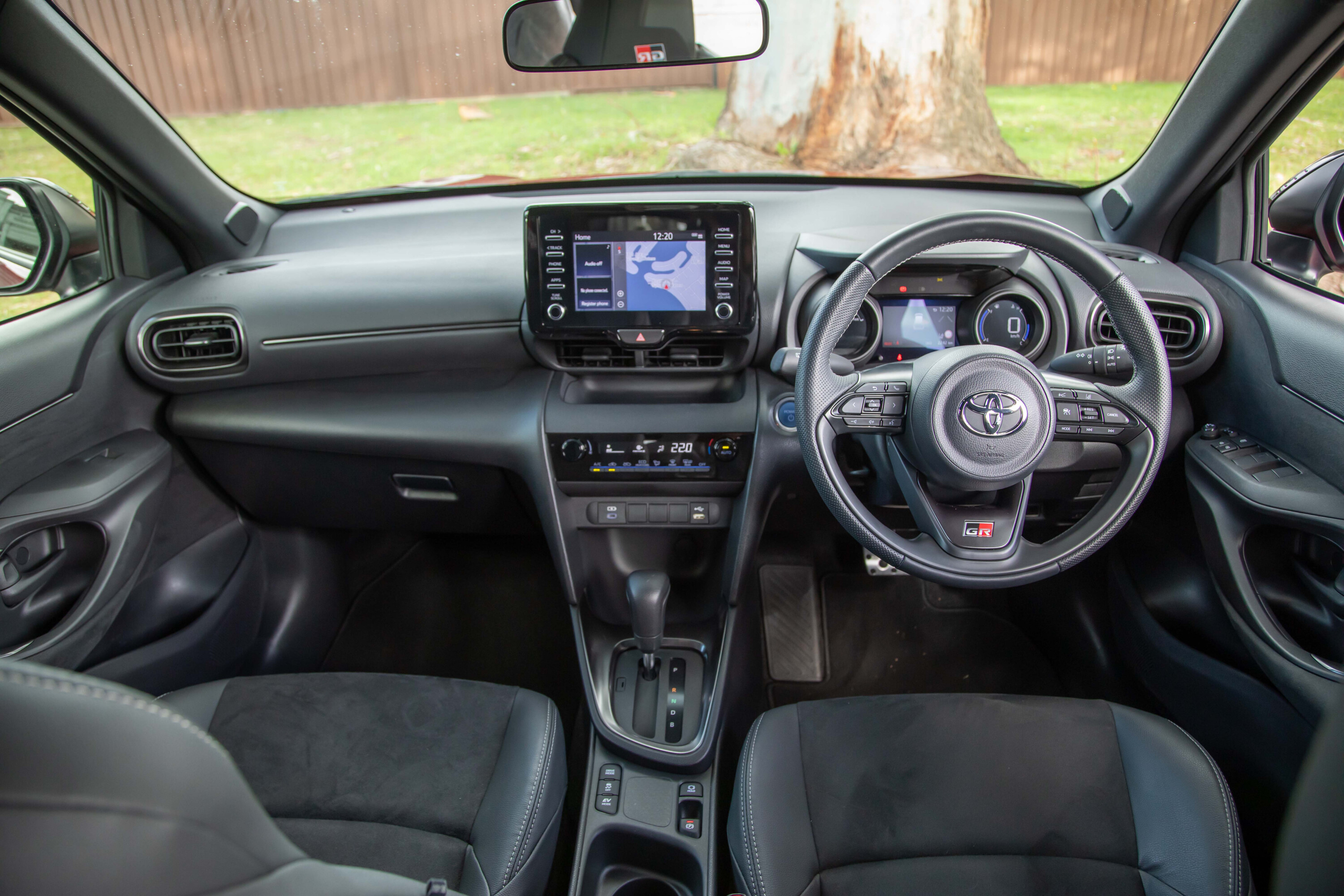
This is in addition to AM/FM/DAB+ radio but oddly there is no embedded satellite navigation despite it being present in the GXL and Urban variants.
Another new feature is the digital instrument display which helps make the Yaris Cross feel a bit more modern and buyers get one year’s complimentary access to Toyota Connected Services, allowing you to keep an eye on your car’s location and vitals via Toyota’s smartphone app.
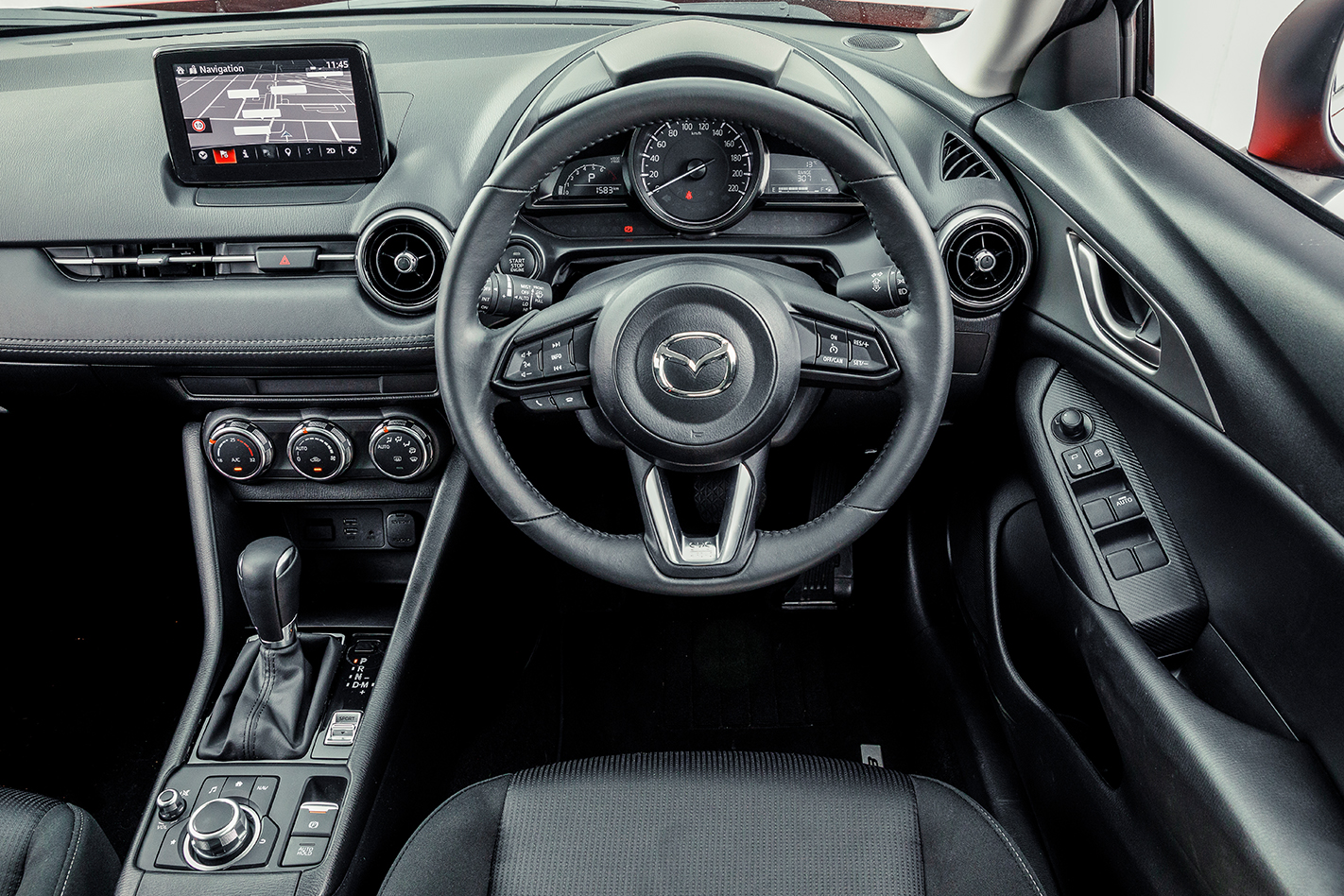
Despite its age, continual updates to the Mazda CX-3 have kept it somewhat competitive, the 8.0-inch infotainment screen offers wireless Apple CarPlay and wired Android Auto, along with AM/FM/DAB+ radio and in-built sat-nav.
There are two small digital screens flanking the central analogue tachometer, but a head-up display helps drivers keep their eyes on the road.
Long story short, neither of these contenders are cutting edge but both have the basics covered and then some.
Conclusion
There is a degree of ‘horses for courses’ here, albeit each horse might suit a different course. For urban duties the Toyota Yaris Cross’s excellent fuel economy and larger boot are definite advantages, though for the same money we’d recommend the, well, Urban Hybrid as it’s better equipped with a softer ride than the sportier GR Sport.
As mentioned at the beginning, the Mazda CX-3 is the exact opposite of the new kid on the block, but there’s a reason it continues to be so popular – clearly it answers the questions that light SUV buyers are asking and regular refreshes have stopped it feeling too far out of date.
For its cheaper running costs and newly updated technology offering, we’ll give the nod to the Toyota by a fraction.
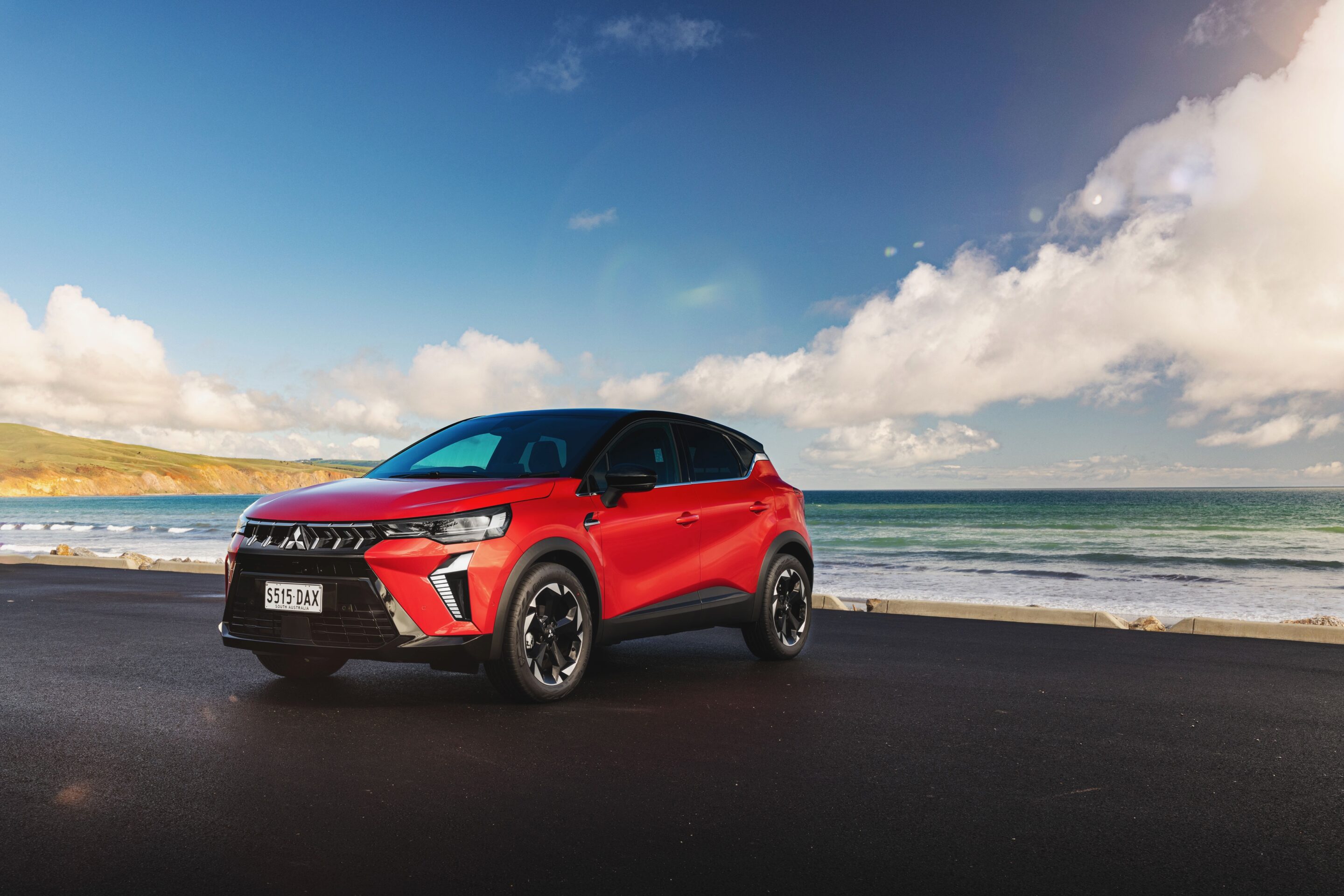
Mitsubishi Motors Australia has priced the second-generation ASX small SUV ahead of its local launch in the fourth quarter of 2025. Priced from $37,490 plus on-road costs, the new ASX is $13,250 more expensive than the base model GS it replaces, but significantly more modern, better equipped and more fuel efficient.
Based on the Renault Captur, the new ASX now sits on Renault-Nissan’s ‘CMF-B’ platform that also underpins cars such as the Nissan Qashqai and Renault Duster.
The ASX range uses a 1.3-litre four-cylinder turbo-petrol engine making 113kW of power and 270Nm of torque. A seven-speed dual-clutch transmission is standard, and all models are front-wheel drive.
Its claimed combined fuel consumption is at 6.4L/100km and CO2 emissions are rated at 142g/km, making it 16 per cent more fuel efficient and 19 per cent less pollutant than the 2.0-litre naturally aspirated it replaces.
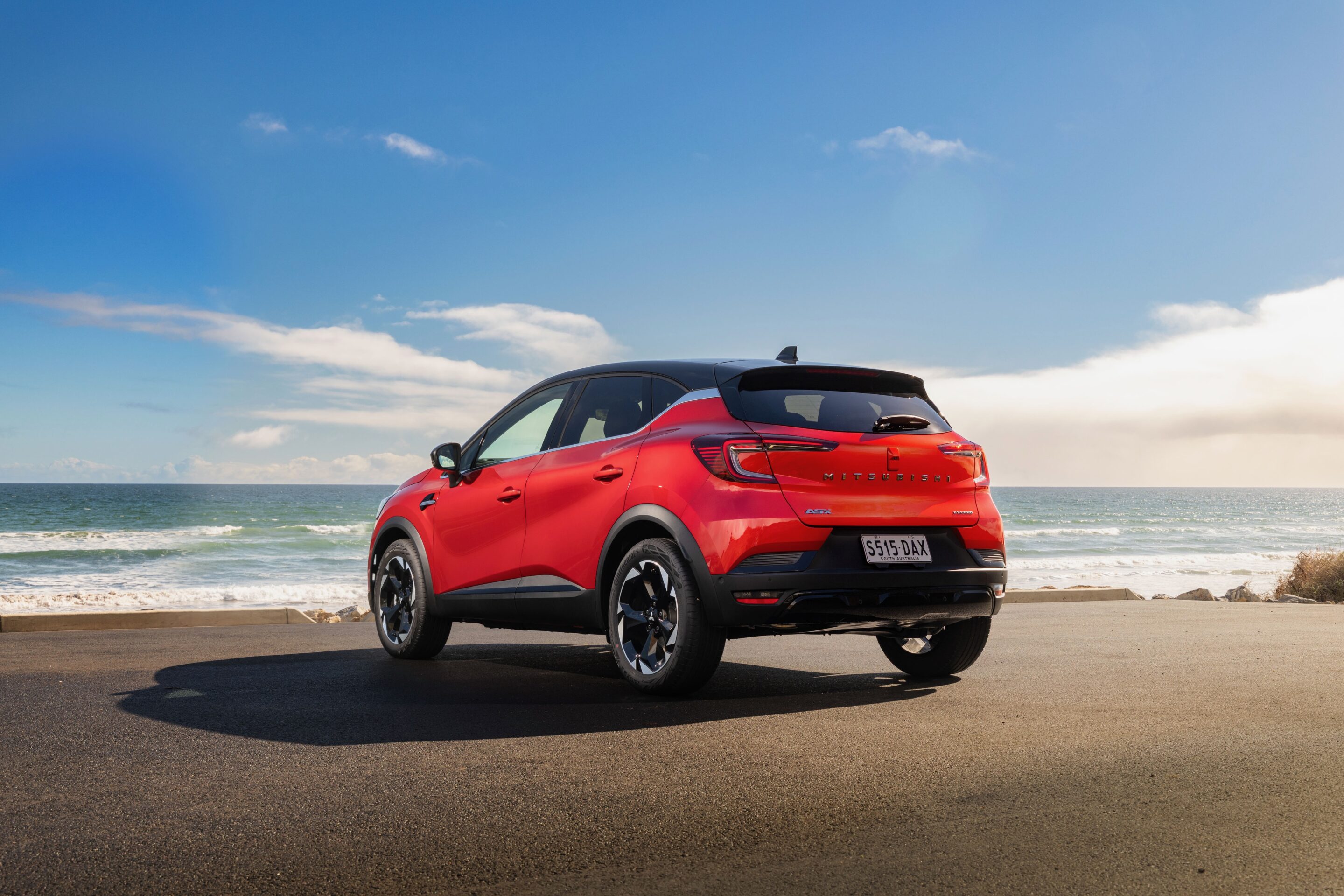
2026 Mitsubishi ASX pricing (plus on-road costs):
- LS: $37,490
- Aspire: $42,690
- Exceed: $46,490
Mitsubishi ASX LS standard equipment:
- Gloss black door mirrors
- Climate control air conditioning
- Paddle shifters
- Keyless entry and push button start
- Electric parking brake with auto hold
- Dusk-sensing headlamps
- Rain-sensing wipers
- Rear view camera
- Driver Attention Alert (DAA)
- Emergency Lane Assist (ELA)
- Forward Collision Mitigation (FCM)
- Lane Departure Prevention (LDP)
- Lane Departure Warning (LDW)
- Safe Distance Warning (SDW)
- 10.4-inch touchscreen
- 17-inch alloy wheels
- Heated door mirrors
- Centre console with armrest
- Cloth seats (textile black and grey)
- Height-adjustable driver seat
- Soft-touch steering wheel
- Instrument panel decoration – silver paint
- Cruise control with speed limiter
- Eco drive mode
- Rear parking sensors
ASX Aspire model adds:
- 10.4-inch Smartphone-link Display Audio (SDA) with embedded navigation and Google built-in, featuring:
- Google Assistant
- Google Maps
- Google Play Store
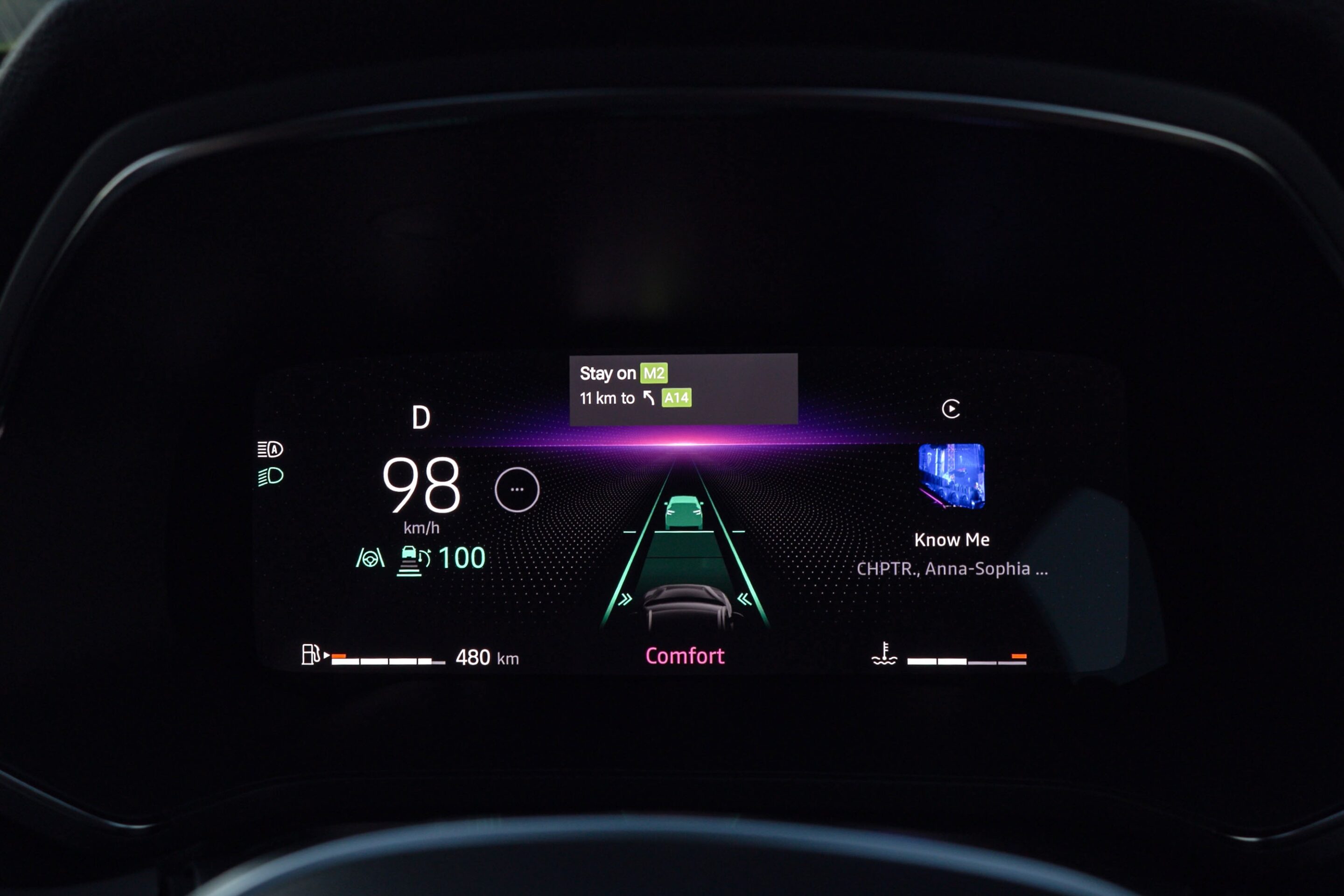
- Full TFT combination meter cluster with 10-inch display
- 18-inch alloy wheels
- Privacy glass
- Auto-folding door mirrors
- Floating front console with e-shifter
- Ambient interior lighting
- Auto-dimming rear-view mirror
- Cloth seats (grey)
- Height-adjustable driver and passenger seat
- Heated steering wheel
- Illuminated vanity mirror (driver and passenger)
- Wireless charging
- Instrument panel decoration – gloss black
- Drive modes, including Eco, Comfort, Sport and ‘Perso’
- Front, rear and side parking sensors
- Lane Keep Assist (LKA)
- Adaptive Cruise Control (ACC)
- Traffic Jam Assist (TJA)
- Mi-Pilot (Semi-autonomous driving: LKA + ACC + TJA) – keeps vehicle centred in lane and is capable of fully stopping the vehicle
- Blind Spot Warning (BSW)
- Rear Cross Traffic Alert (RCTA)
- Safe Exit Assist (SEA)
ASX Exceed model adds:
- Panoramic sunroof
- Two-tone exterior paint
- Frameless auto dimming rear view mirror
- Instrument panel decoration – velvet granite paint
- Leather seats
- Heated front seats
- Powered driver seat
The Mitsubishi ASX will go on sale in the fourth quarter of 2025.
The period of equivalent electric and ICE products looking drastically different is over at Mercedes-Benz, according to Chief Technology Officer Markus Schäfer. The recently-revealed electric GLC is the start of a new age at the company where the same models using both electric and ICE propulsion will largely share their styling, but will use unrelated platforms underneath.
The news comes after the debut of the new electric GLC, which replaces the former EQC that was the brand’s first mass market EV, and confirmation of the new electric C-Class that’s due to launch in 2026. Like the electric GLC, that car will look quite similar to the ICE C-Class on top, but use the brand’s new ‘MB.EA’ EV platform underneath.
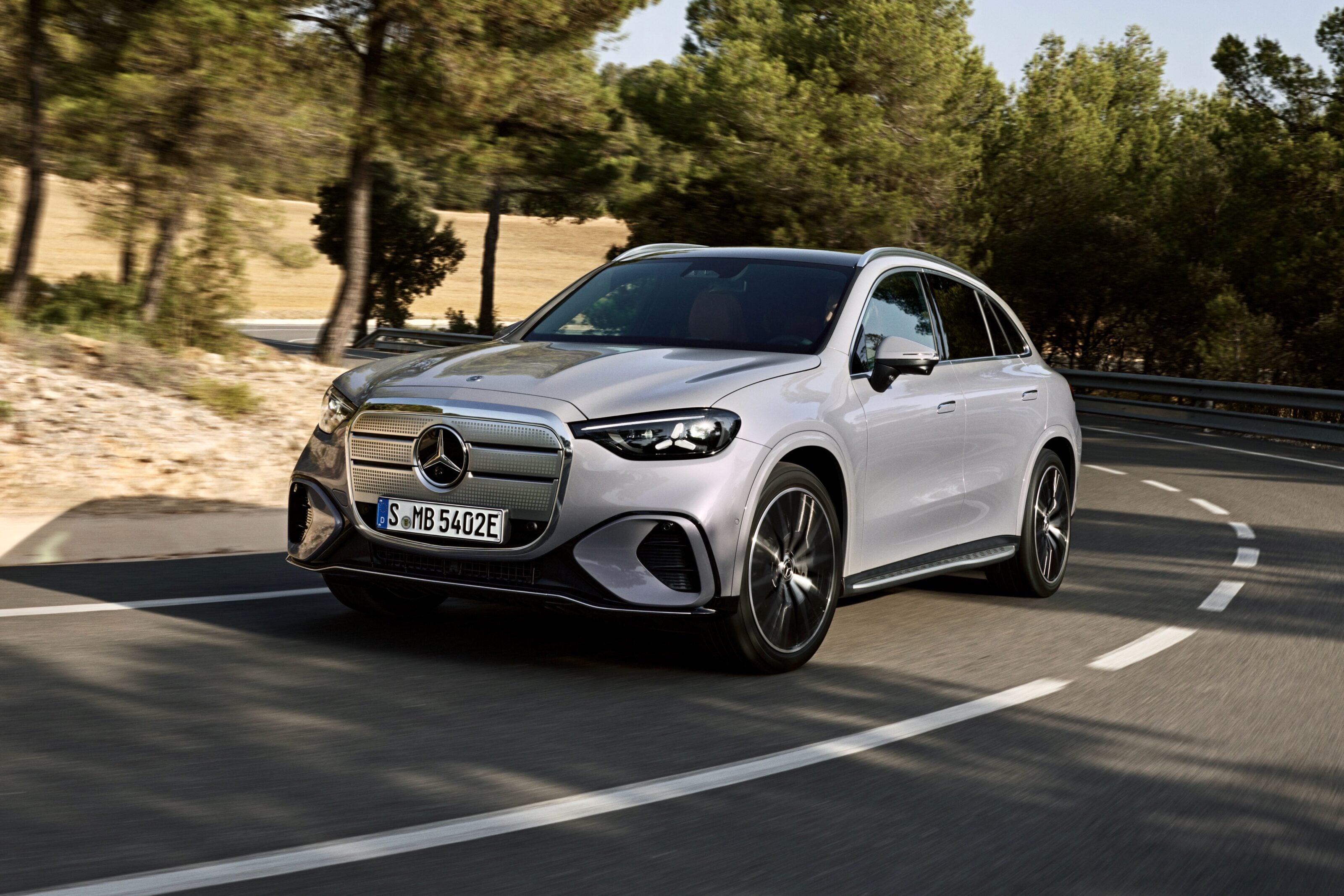
According to Schäfer, cars like the EQC and EQE were designed to look different in the market because that’s what the first adopters of EVs wanted, but now as EVs sell in greater numbers, they’ll progress to look more like their ICE siblings as that’s what new customers want. “Early adopters wanted to be different. They wanted to show that they were driving an electric car and now we’re entering the mainstream and mass adoption, and customers don’t want to show that they’re driving an EV. They want the same shape, no matter the drivetrain” said Schäfer.
What we can also take from that is that the controversial ‘jellybean’ shape of previous EQ models, such as the EQE and EQS, will be retired in next generation models for more conventional styling to be shared with future equivalent ICE models.
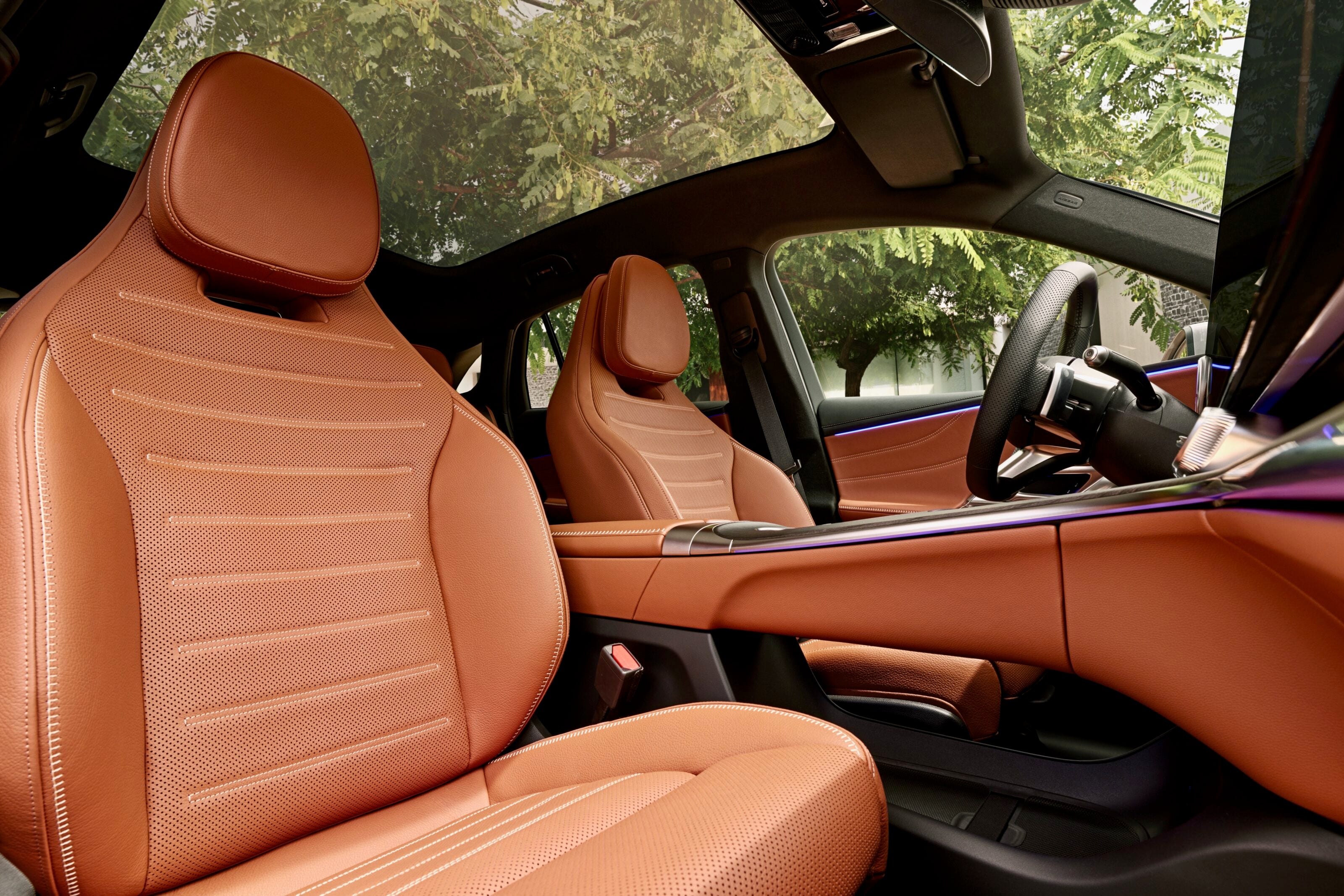
Why not develop a platform that can handle both ICE and EV drivetrains? Schäfer says that’s just not going to work.
“In future, the top hat will be the same. The MB.UX intelligence will be the same, but the platform is different. Why are we doing this? Eventually you’re compromising when you try to squeeze different drivetrain types into one platform, especially if you want longitudinal engines like six and eight cylinders, hybrids, you’re pushing back space for the batteries. They are made smaller and not sufficient for good range.
“That’s the same from C-Class, E-Class, S-Class, etcetera.
“Fitting both drivetrains to the same platform ultimately ends up with compromise and we don’t want to offer compromised cars” he said.
Not much is yet known about the electric C-Class, aside from that it will also use the new MB.EA platform and feature a similar illuminated grille as the new electric GLC.
Both the electric GLC and C-Class will go on sale in Australia sometime in 2026.
If the ‘regular’ Nissan Patrol isn’t quite enough for you, Aussie aftermarket experts Premcar have you covered with the even more formidable 2025 Nissan Patrol Warrior. It’s the ultimate expression of a legendary off-roader and it’s also the last of its kind.
We know the days of the Y62 Nissan Patrol are numbered – the impending release of the new Y63 Patrol means the now-legendary V8 petrol engine will sail into an off-road sunset to make way for a new, more environmentally responsible option. In this modern, emissions focused automotive world, where governments are forcing manufacturers down a path they might otherwise not want to traverse, it is the way of the future. Whether we like it or not.
As such, the $110,660 plus on-road costs (or $119,978 drive-away in NSW at the time of testing) 2025 Nissan Patrol Warrior stands as a testament to all that is great about a naturally-aspirated, large capacity V8 petrol engine. There are no turbos to complicate matters, nor the servicing complexity of a modern, common-rail diesel engine. Rather, it’s as old-school as it gets, and it’s why we love it.
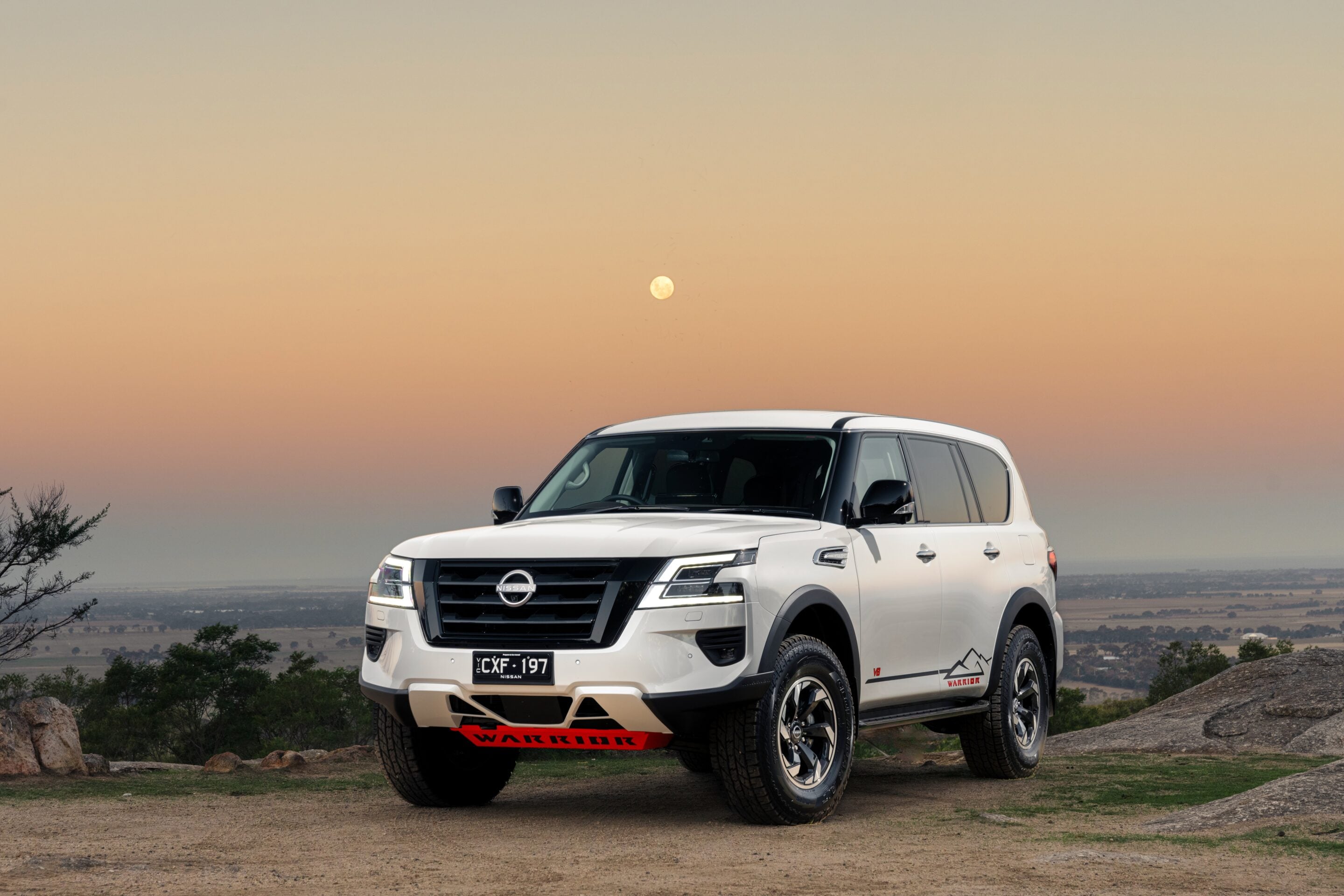
Now, it’s worth noting here, that you don’t ‘need’ a Patrol Warrior. Unless you plan on tackling some of our continent’s more complex off-road terrain, that is. Such is the breadth of the regular Patrol’s ability, it’s only the really tough stuff off-road that demands the extra capability offered by the Premcar-tweaked Warrior. As we do here at WhichCar, we’ll review the Warrior the way most people use them most of the time – that is running around town. However, if you plan on any significant off-road exploration, and you want to do so with a factory warranty, this is the way to tackle it.
In the time the Y62 has been on sale in Australia, it has almost stood alone given its heady mix of performance, space and the use of a petrol V8. Even 200 and then 300 Series LandCruiser didn’t line up directly once the petrol engine was gone, with only the twin- turbo diesel V8 (now a V6) under the bonnet, and not as much interior space as that offered by the Patrol.
Yes, Patrol is big, and you will notice that in the city, but it’s big in a functional way. Seating for 8 that actually accommodates adults in the third row if needed, and with crucial tech upgrades for this final model, there’s a hell of a lot to like about the Nissan Patrol. Let’s look first at the upgrades, then we’ll assess the Warrior additions.
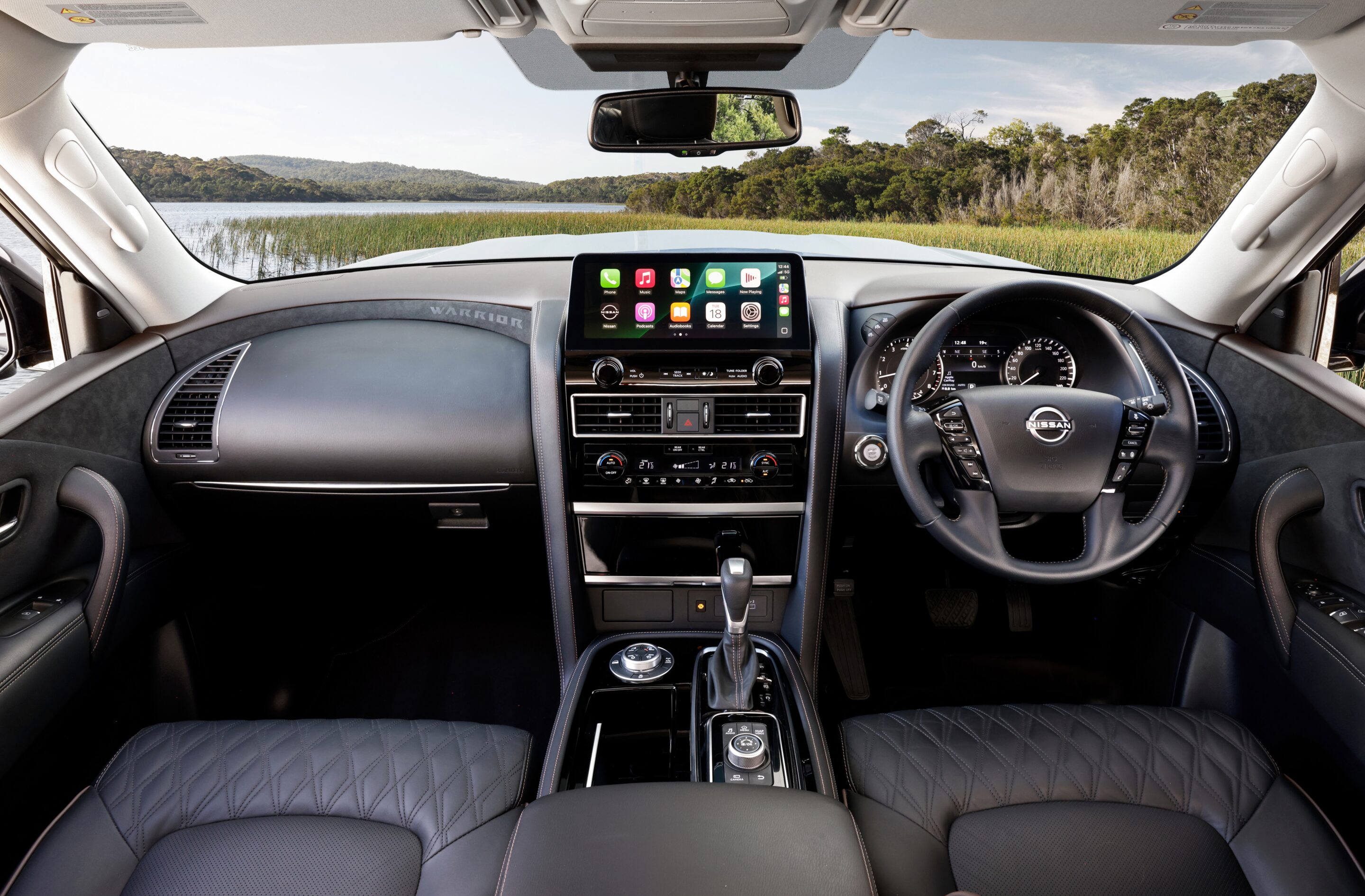
The previous update brought with it a new infotainment screen and for the first time wireless smartphone connectivity. Now, there’s a new dashboard layout, with a 12.3-inch infotainment screen, and a 7.0-inch digital driver’s display as well. There’s also a digital speedo – which wasn’t available previously – wireless phone charging, and proprietary satellite navigation. Keep in mind when you’re comparing the specs of the Warrior, that it is based on the entry-grade Ti Patrol, not the range-topping Ti-L. There are obviously some equipment differences, but the big one is the Ti getting an eight-seat cabin, while the Ti-L gets a seven-seat cabin.
The Warrior’s cabin leaves you with a strange feeling of being in a vehicle that is old, familiar, and a little out of date, but modern enough to feature the technology and comforts we all demand in 2025. On test, wireless Apple CarPlay was faultless and the big 12.3-inch screen atop the centre section of the dash was easy to use and responsive to commands. The graphics themselves aren’t as modern as some, but they display what you need to see in a way that you can always see it. Which I’d much rather, in comparison to fancy graphics that aren’t as reliable.
The seats are an exercise in recliner-like comfort. Not as sculpted as some, they will be comfortable for nearly every body type and feature enough adjustment that you can get into the position you want for premium driving visibility. General visibility is also excellent, such is the high and mighty seating position of the Warrior.
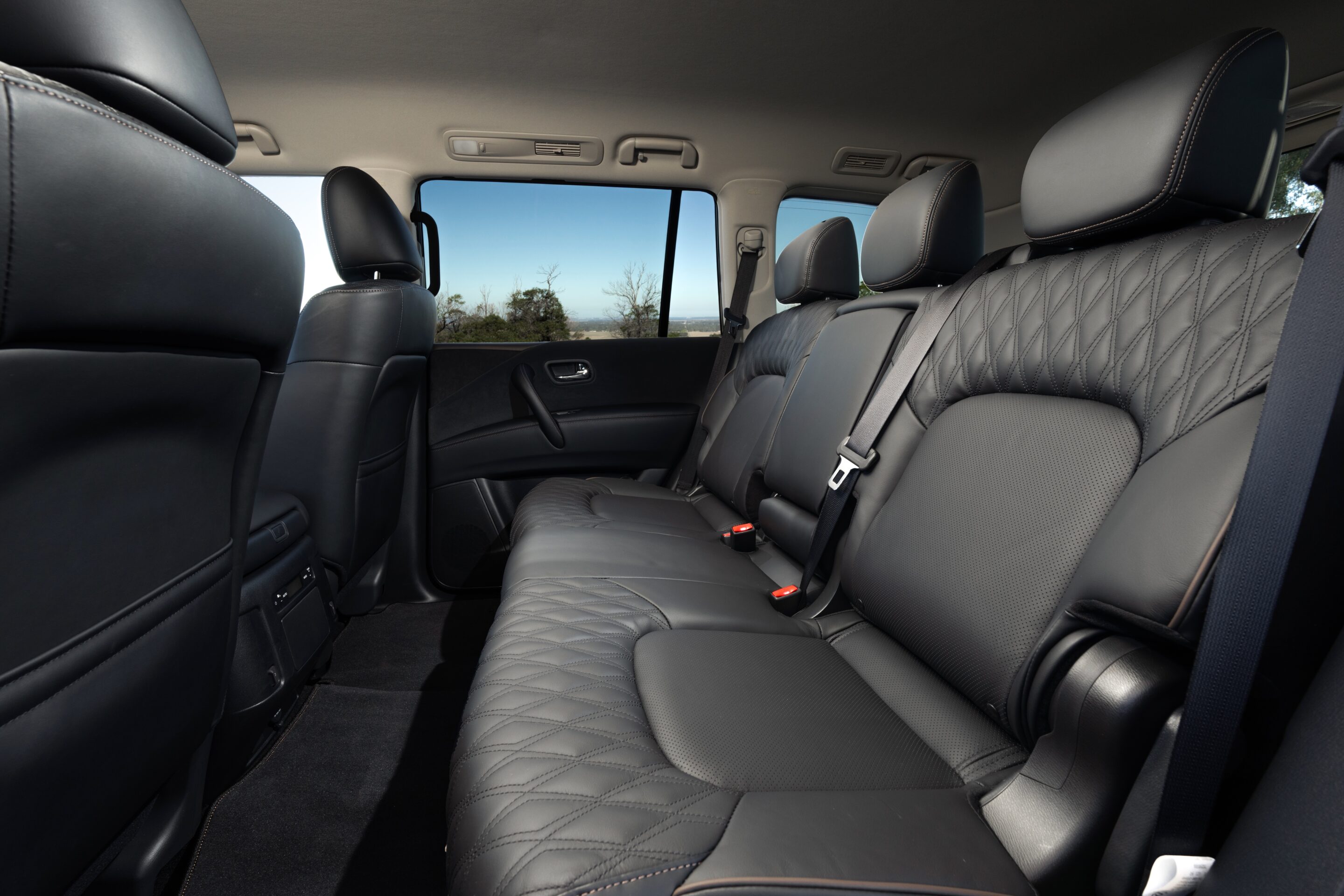
Comfort continues into the second and third rows, with useful storage space behind the third row when it’s in use. Fold that third row down, and you’ve got a huge flat storage space available.
To reduce Premcar’s work to the soundtrack is disrespectful in the extreme, but let’s start there because the bespoke bi-modal exhaust is sensational. It frees the soundtrack of the 5.6-litre V8 right up as it always should be, and who doesn’t love side-exit exhaust pipes? At low speed, the Warrior is quite sedate, but nail the throttle, demand the exhaust system open up, and all hell breaks loose. All is good in the world when a V8 sounds like the Patrol’s.
Digging into the finer details though, it’s the off-road environment where Premcar has focused its work. Exclusive 18-inch wheels, fitted with quality Yokohama Geolander 295/70/R18 all-terrain tyres, a wider track, higher ground clearance, increased payload, and upgraded ‘Hydraulic Body Motion Control’ turn an already impressive off-roader into something even more formidable. As we’ve seen previously though, improvements directed at enhancing off-road ability have resulted in a better drive on-road, too. Ford’s Ranger Raptor comes to mind here, with it’s Baja-inspired dune-jumping capability, delivering buttery smooth bump absorption on-road.
In the case of Patrol Warrior, you’re starting with a very good base of course. The Nissan Patrol has that large SUV ability to waft over the worst of any road surface without registering a ruffle inside the cabin, and there’s an inherent solidity to the way it tackles any road, speed hump, pothole, or imperfection. The Patrol is very much the antidote to our appalling urban road network around this country. You’ll never need to worry about damaging a wheel or tyre again.
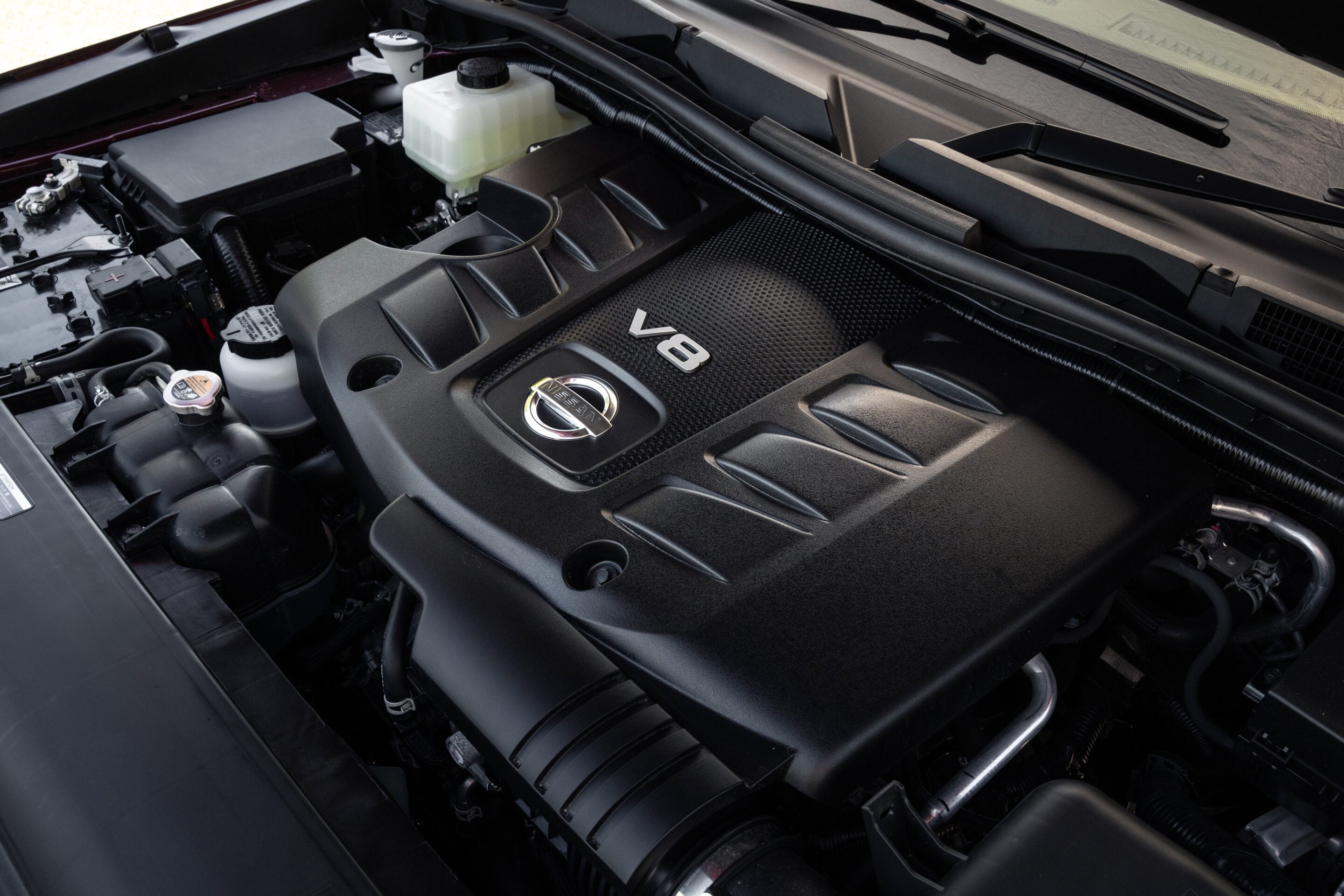
Nissan’s 5.6-litre, naturally aspirated V8 has been a powerhouse since it first broke cover and it continues to be so even in the face of more modern, updated competition. To think that if Nissan hadn’t pushed for a RHD version of the Y62 Patrol, we never would have had the chance to experience it.
Remember Nissan’s foray into Supercars by way of the Altima? That race engine was based on this 5.6-litre. Punching out 298kW and 560Nm, you’d expect it to be impressive and it is. While a big turbo-diesel gets into the meat of its torque delivery earlier, the free-revving nature of the petrol V8 lends itself to lazy acceleration no matter how hard you make it work. It loves revving too, cleanly up to redline if you so desire, and sounds sensational as the revs rise.
Nissan claims 14.4L/100km on the combined cycle, and you’ll beat that on the highway if you’re on a touring run. Remember, too, that Patrol requires premium unleaded fuel, so it’s 95 RON as a minimum. We saw figures right down near 10.0L/100km rolling down the freeway. Our average over a week of testing settled in at 16.2L/100km, but you could run up as high as 20L/100km in really heavy traffic. However, low 16s for a vehicle of this capability is more than acceptable. Interestingly, with approximately 1700kg in tow, the average test figure didn’t even budge after a decent highway run, such is the effortless nature of the big V8.
Upper large SUVs aren’t for everyone, and with it’s inherent heft, 12.6m turning circle, and meaty dimensions, the Patrol Warrior probably isn’t the solution for those of you living in the heart of the cities around our great Country.
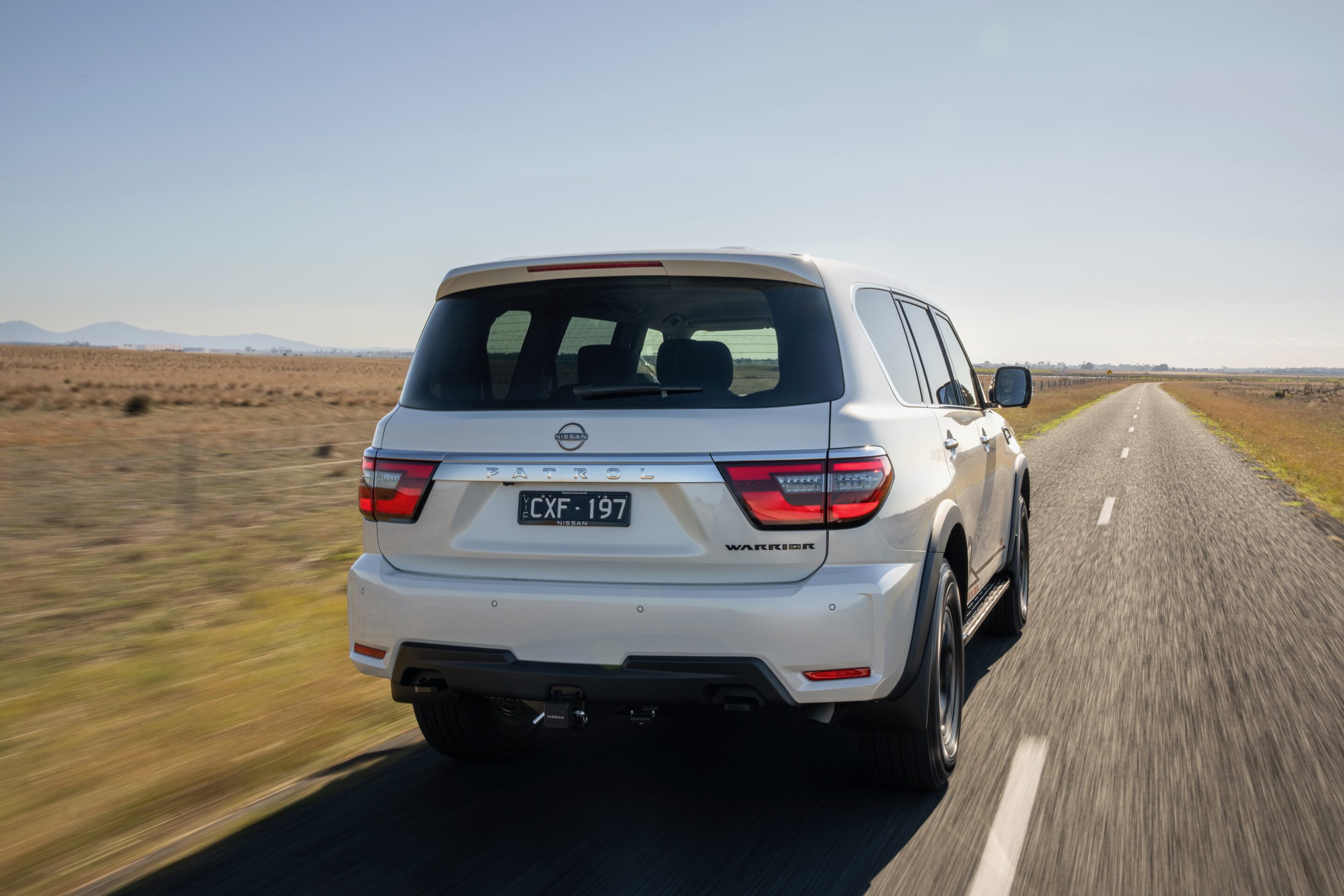
However, if you want a ten-year proposition that will serve you for any touring, towing, 4WDing, or exploring you want to do across that timeframe, few 4WDs of any kind will match it with the 2025 Nissan Patrol Warrior. It’s a fitting send off for one of the most legendary 4WDs of all time, with a legendary drivetrain.
Patrol Warrior Specifications:
- Model: Nissan Patrol Warrior
- Price: $110,660 plus on-road costs ($119,978 drive away in NSW)
- Engine: 5552cc petrol V8
- Transmission: Seven-speed torque converter automatic, four-wheel drive
- Power: 298kW (@ 5800rpm)
- Torque: 560Nm (@ 4000rpm)
- Fuel consumption (claimed/as tested): 14.4L/100km, 16.2L/100km
- Claimed CO2 emissions: 334g/km
- Fuel tank size: 140 litres
- Fuel type: 95RON premium unleaded
- Dimensions (length/width/height/wheelbase): 5269/2079/1990/3075mm
- Kerb weight: 2858kg
- Payload: 762kg
- Braked towing capacity: 3500kg
- Turning circle: 12.6m
- Warranty: five-year/unlimited km (extendable to 10 years/300,000km through dealer servicing)
- Five-year service cost: $2495 ($499 per year)
- On sale: Now
The mid-size SUV is easily the most popular segment of car in Australia, and indeed globally, with almost 200,000 sold locally to the end of August. Their appeal is key: they’re very practical and can easily handle your family and their luggage, but crucially not too big as to not be difficult to drive in town.
With over 50 on offer locally with a big variance in price, buyers have plenty of choice. Plus, largely thanks to Chinese car makers, there are many hybrid options for buyers to reduce impact on the planet and their wallets too. With that in mind, which manufactures make the most fuel efficient mid-size SUV?
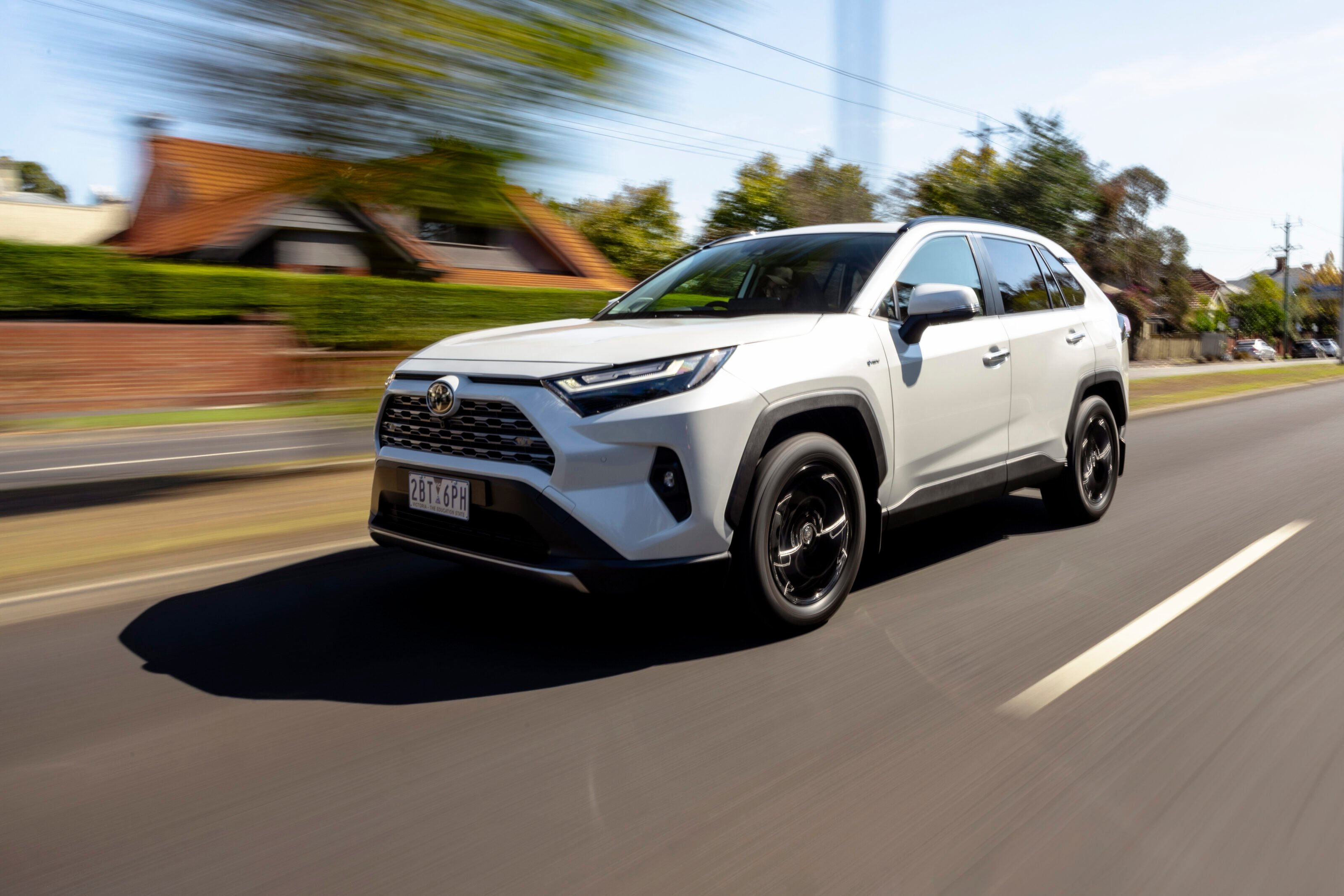
1) Toyota RAV4 2WD: 4.7L/100km
No surprise given its popularity, the hybrid-only Toyota RAV4 tops the list of the most fuel efficient mid-size SUV offerings in Australia. Rated at just 4.7L/100km on the combined fuel consumption cycle and just 107g/km for CO2 emissions, the RAV4 2WD is impressively fuel efficient. It also runs on regular unleaded fuel, helping running costs, and pricing starts at $42,260 plus on-road costs.

2) Toyota RAV4 AWD: 4.8L/100km
The all-wheel drive RAV4 is a touch thirstier than the front-wheel drive model at 4.8L/100km because of its extra weight, but still impressively frugal. Like other all-wheel drive hybrid Toyota models, the RAV4’s rear axle motor is electric, saving both weight and fuel compared to mechanical set ups. It’s also quicker to engage the rear axle than a mechanical set up, giving enhanced off-road ability, according to its maker.

3) Peugeot 3008 Hybrid and Kia Sportage Hybrid 2WD: 4.9L/100km
The Kia Sportage and Peugeot 3008 are both rated at 4.9L/100km. The Sportage Hybrid, priced from $46,450 +ORC, uses a turbocharged 1.6-litre four-cylinder hybrid drivetrain paired with a six-speed automatic transmission and just 4.9L/100km on a combined cycle.
The Peugeot 3008, on the other hand, uses a smaller turbocharged 1.2-litre three-cylinder petrol engine tied to a mild-hybrid system and six-speed dual-clutch transmission. It’s priced from $52,990 +ORC and uses the same 4.9L/100km of fuel with claimed CO2 emissions of just 113g/km – 2g/km more than the Sportage Hybrid.
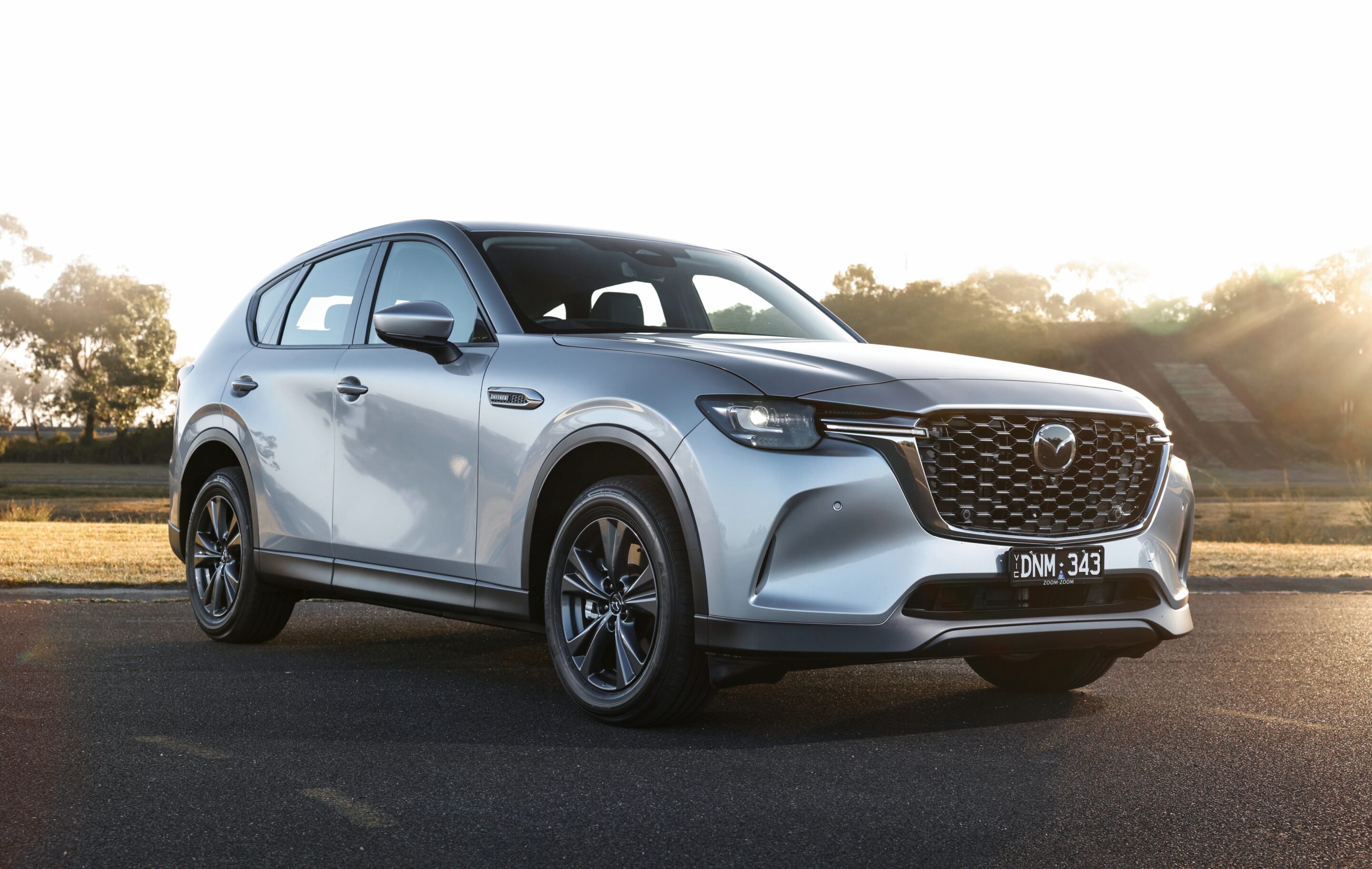
4) Mazda CX-60 Mild-Hybrid Diesel: 5.0L/100km
The Mazda CX-60 is available with no less than four drivetrains in Australia, and the most fuel efficient – aside from the plug-in hybrid – is the mild-hybrid diesel.
Impressively, however, the CX-60 diesel doesn’t use a 2.0-litre four-cylinder like rivals, but a large 3.3-litre inline six-cylinder with mild-hybridisation making big 187kW and 550Nm outputs. It’s rated at just 5.0L/100km with claimed CO2 emissions of 132g/km. The cheapest CX-60 diesel Pure starts at $52,240 plus on-road costs.
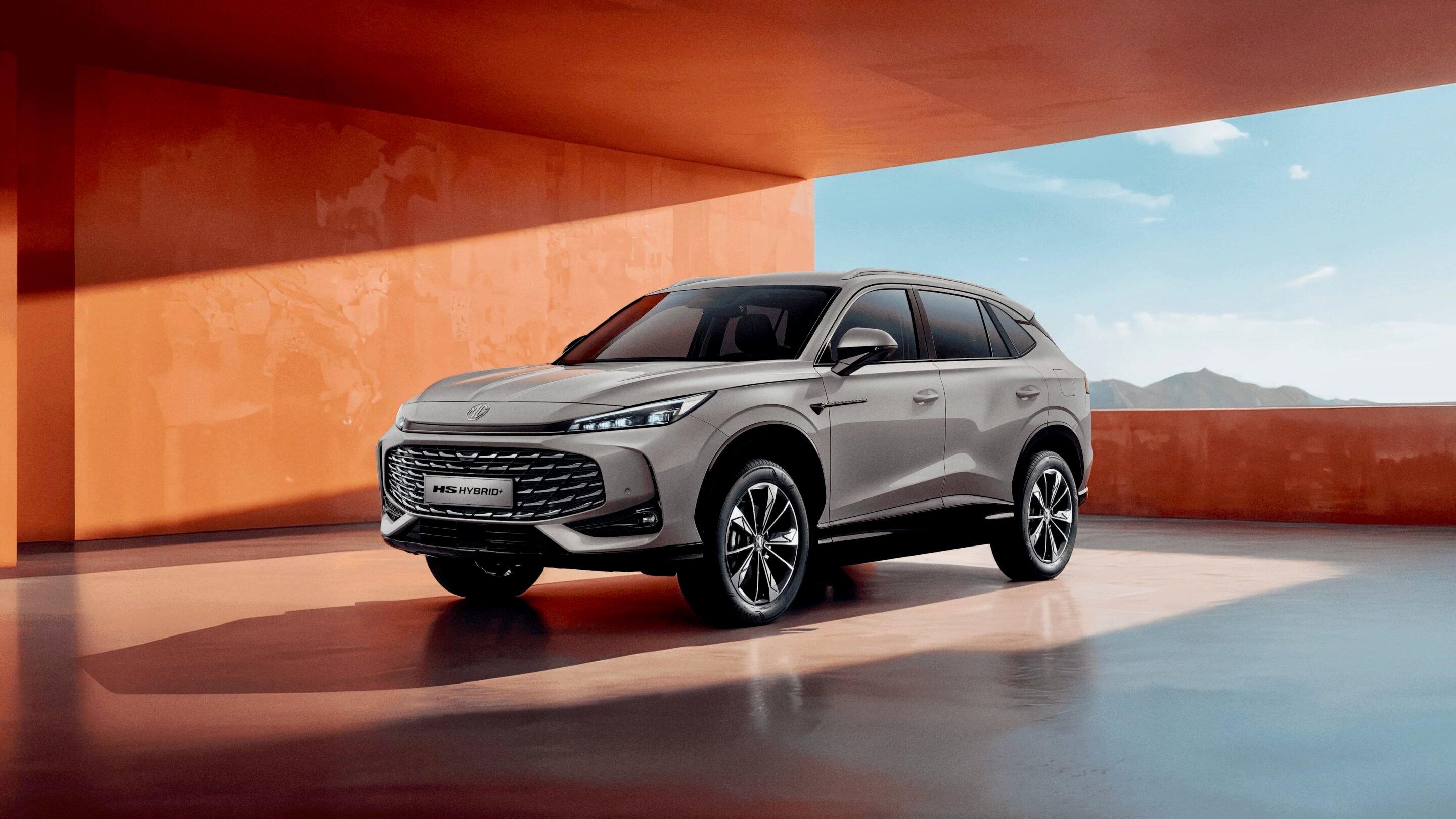
5) GWM Haval H6 Hybrid 2WD and MG HS Hybrid+: 5.2L/100km
The most fuel efficient Chinese non-plug-in hybrid mid-size SUVs are both new to Australia, having both launched in recent months. Both also use 1.5-litre four-cylinder hybrid drivetrains for an identical 5.2L/100km combined fuel consumption rating.
Officially emitting 119g/km (MG) and 120g/km (GWM) of CO2, the HS Hybrid+ and H6 Hybrid are quite efficient and good value for money as well, with both priced from $40,990 drive away.
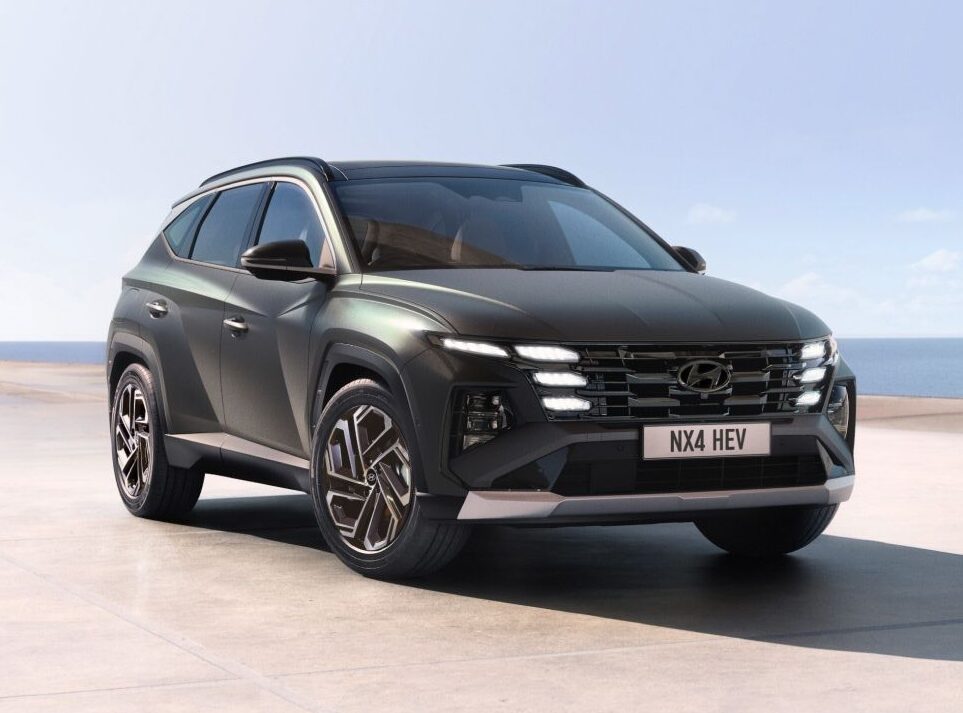
5) Hyundai Tucson Hybrid and Kia Sportage Hybrid AWD: 5.3L/100km
Sitting on the same platform and using near-identical drivetrains, the Hyundai Tucson and Kia Sportage hybrids provide efficient, punchy and refined drivetrains for their buyers, but there are differences in the detail.
While both are 1.6-litres in capacity and turbocharged, the Kia makes slightly less power at 169kW versus the Tucson’s 172kW. Yet, the Sportage is more fuel efficient than the Tucson in front-drive form: 4.9L/100km versus 5.3L/100km, while both all-wheel drive hybrids use the same amount of fuel.

6) Audi Q5 TDI: 5.4L/100km
Audi’s third-generation Q5 mid-size SUV has only just launched in Australia but is already offering impressive fuel economy to buyers. All variants in the new Q5 range feature mild-hybrid tech and the thriftiest is the 150kW 2.0-litre four-cylinder turbo-diesel, which is mated to a seven-speed dual-clutch transmission and all-wheel drive, at just 5.4L/100km and CO2 emissions of 141g/km. Pricing for the Q5 TDI starts at $87,600 plus on-road costs.
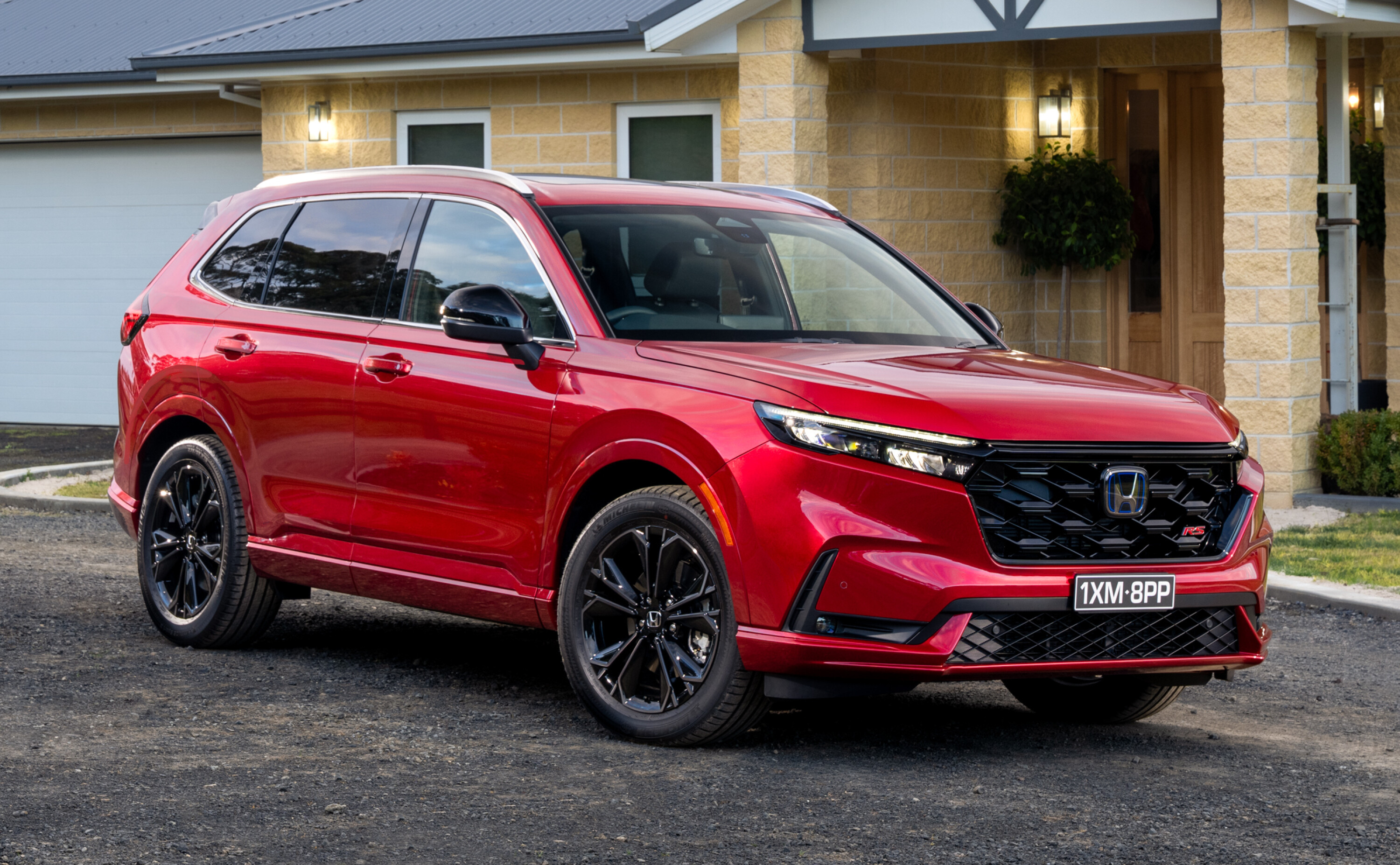
7) Honda CR-V e:HEV RS: 5.5L/100km
The Honda CR-V is offered in many different forms in Australia: two-wheel drive or all-wheel drive, five- or seven-seats and either in turbo-petrol or hybrid forms, with the latter the most fuel efficient in the range.
Priced at $60,400 drive away, the hybrid CR-V e:HEV RS uses a 2.0-litre four-cylinder hybrid drivetrain making 152kW of power, officially using 5.5L/100km and emitting 125g/km of CO2.
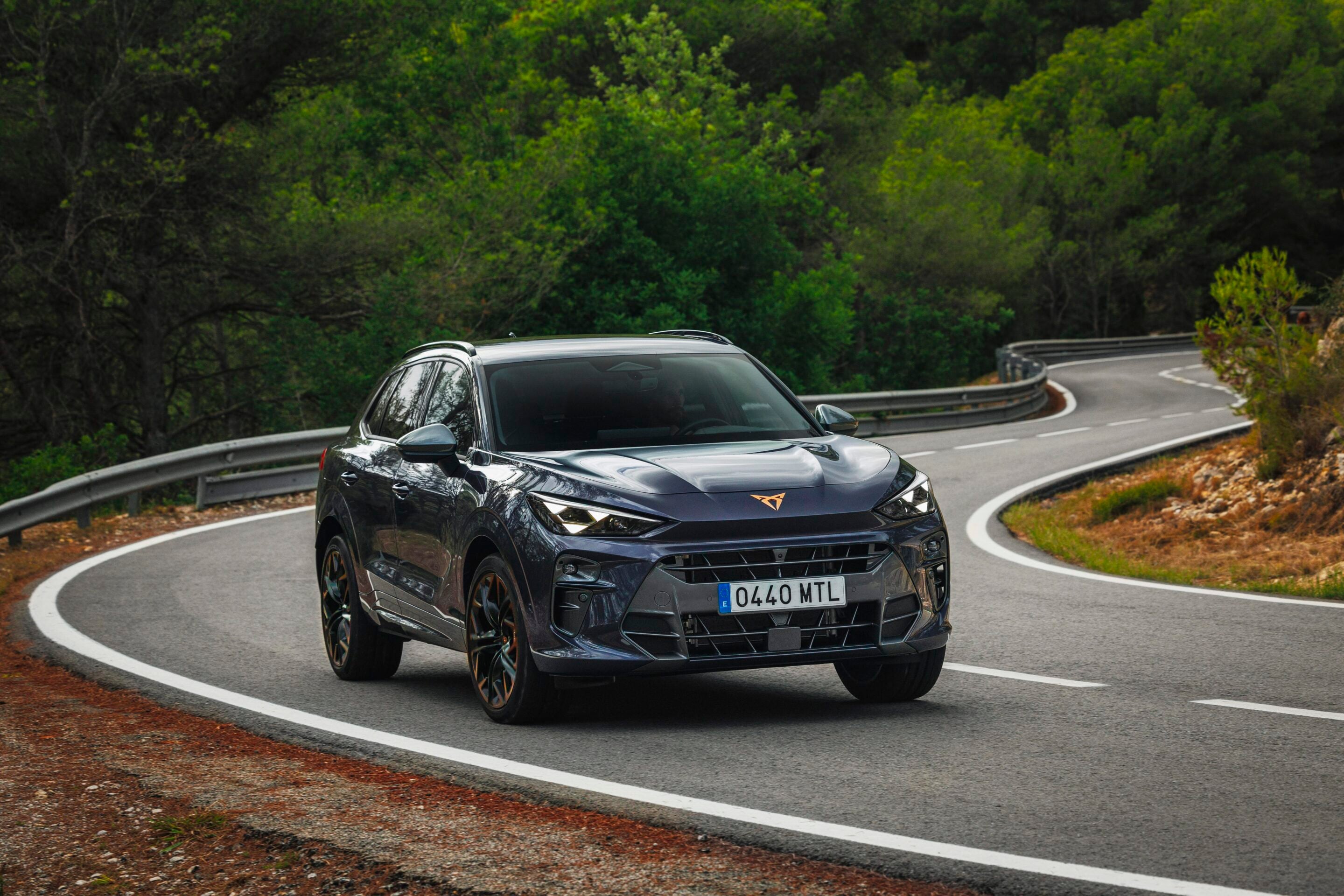
8) GWM Haval H7 Hybrid and Cupra Terramar S MHEV: 5.7L/100km
Using 5.7L/100km on the combined cycle are two new mid-size SUVs to Australia: the GWM Haval H7 and the Cupra Terramar in base S form. The H7 is based on the H6 but features unique styling and a more off-road styling attitude. It uses a 1.5-litre hybrid set up taken from the H6, and emits 131g/km of CO2. Prices start at $46,990 drive away for the single Vanta model.
The Terramar, on the other hand, takes over from the Ateca as Cupra’s mid-size SUV offering and uses a 1.5-litre turbo-petrol engine with a 48-volt mild-hybrid system. It too is rated at 5.7L/100km for combined fuel consumption and also emits 131g/km of CO2. The Terramar S is priced from $58,490 drive away.

7) Nissan X-Trail e-Power: 6.1L/100km
The Nissan X-Trail e-Power recently won Wheels Best Mid-Size Hybrid SUV thanks to its long list of attributes, but its interesting hybrid drivetrain is a standout feature. Unlike most other hybrid systems, the X-Trail e-Power’s 1.5-litre turbo-petrol engine’s job is purely to power the 150kW electric motor and never actually directly powers the wheels. While it’s not as efficient as a RAV4 at 6.1L/100km, it is smoother to drive and more refined.

8) Subaru Forester Hybrid: 6.2L/100km
While hybrid power is nothing new to the Subaru Forester range, the ‘strong hybrid’ set up in the latest Forester is. Using a 2.5-litre four-cylinder petrol engine with Subaru’s famous horizontally opposed ‘Boxer’ layout and a new hybrid system borrowed from technical partner Toyota, the Forester hybrid officially uses 6.2L/100km and emits 140g/km of CO2. Yet, it’s also the current most powerful new Forester available, making a combined 145kW or 9kW more than the non-hybrid petrol engine.

9) Kia Sportage Diesel: 6.3L/100km
This is the third time the Sportage has been on this list, with its diesel powertrain using 6.3L/100km of fuel and emitting 163g/km. The Sportage’s drivetrain offering spread is impressive, with hybrid, petrol, turbo-petrol and – in a rare move in 2025 – turbo-diesel power all on offer.
Pricing for the Sportage diesel starts around $43,890 plus on-road costs in entry-level S form, while all-wheel drive is standard equipment with the diesel engine.

10) Skoda Karoq 110TSI: 6.6L/100km
The only non-hybrid petrol offering on this list is the Skoda Karoq 110TSI, which uses a turbocharged 1.4-litre four-cylinder engine and an eight-speed automatic transmission. Its claimed combined fuel consumption is 6.6L/100km, with claimed CO2 emissions of 149g/km.
The Karoq is priced from $40,990 drive away in entry-level Select form, with the upper-spec Sportline using the same drivetrain priced at $46,990 drive away.
Apartment dwellers could soon find it easier to charge their electric vehicles (EVs) at home, with NOX Energy announcing a $4.78 million project to roll out nearly 2000 charging points across 16 strata-titled buildings nationwide.
Backed by $1.51 million from the Australian Renewable Energy Agency (ARENA) under its Driving the Nation Program, the project will use NOX’s patented Intelligent Power Sockets (IPS) to deliver Level 1 charging — a slower but lower-cost option compared with the more common Level 2 systems. NOX says the approach makes charging more affordable for residents and avoids the costly electrical upgrades that often prevent older buildings from installing chargers.
NOX co-founder Wylie Chak said the project aimed to “break down one of the biggest barriers to EV ownership” by making home charging available to apartment residents who have so far missed out. The model works on a user-pays basis, with drivers billed for their own electricity plus a service fee, ensuring non-EV owners are not subsidising charging costs.
The initiative comes amid growing tension in strata communities over EV charging. Reports have surfaced of owners corporations opposing installations on the grounds of safety, fire risk, and shared costs. An ABC investigation in late 2024 revealed that some residents had been banned from plugging cars into ordinary wall sockets in their own garages. Critics argued that without a clear framework, many strata committees were defaulting to “no”, leaving EV-driving residents with no practical home charging option.
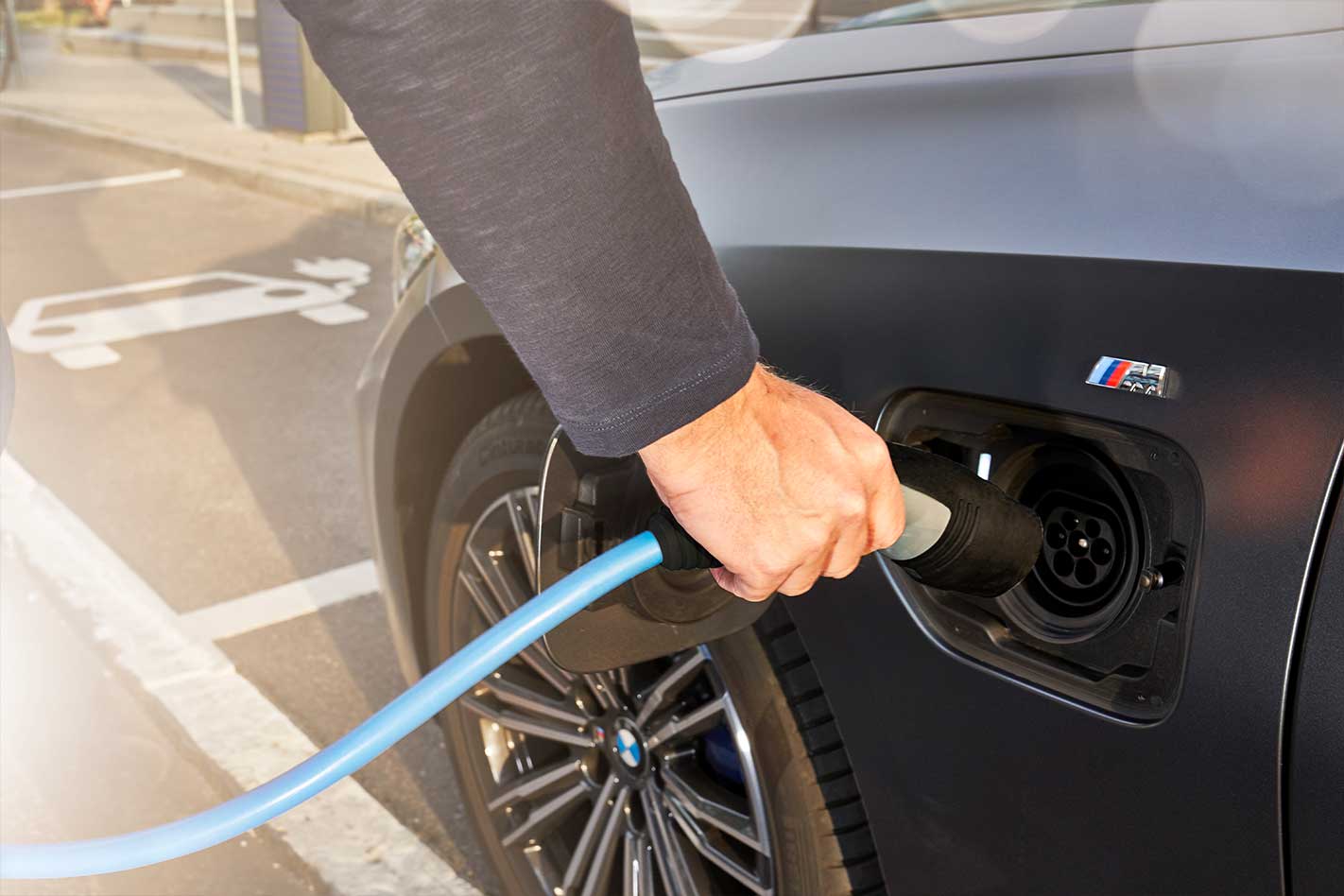
Industry experts note that without strata-friendly solutions, EV uptake risks stalling. Apartment residents make up nearly one in 10 Australians, and without access to charging at home, many are left reliant on public infrastructure. Writing on SolarQuotes, energy commentator Ronald Brakels described the resistance from some strata bodies as a major barrier: “If you can’t charge where you live, owning an EV quickly becomes impractical.”
The NOX rollout will test a mix of new and existing apartment complexes, with sites ranging from minor electrical upgrades to full retrofits. Where rooftop solar is available, the company plans to encourage charging during high-generation periods to reduce costs and boost renewable energy use.
ARENA CEO Darren Miller said the project showed how Australian innovation could address a “real-world barrier” to decarbonising transport. Independent research partners, including the Electric Vehicle Council, will monitor the trial and publish data to help shape future policy and guide strata communities grappling with the issue.
KGM, formerly known as SsangYong, has revealed the Musso EV, an all-electric version of its popular pick-up, promising a blend of comfort, equipment and everyday usability.
The Musso EV enters a segment that has been slow to embrace electrification. Yet early impressions suggest it is one of the most convincing electric utes to date, even if its payload capacity lags behind rivals.
In a drive of a pre-production model in the UK, we experienced the dual-motor, all-wheel drive system delivering 304kW and 339Nm, allowing the ute to sprint from 0–100km/h in around eight seconds. Power is delivered smoothly, with little road noise and only mild wind intrusion at higher speeds. Range is rated at up to 380km on the WLTP cycle, while fast-charging at up to 120kW can replenish 80 per cent of the battery in just over 30 minutes.
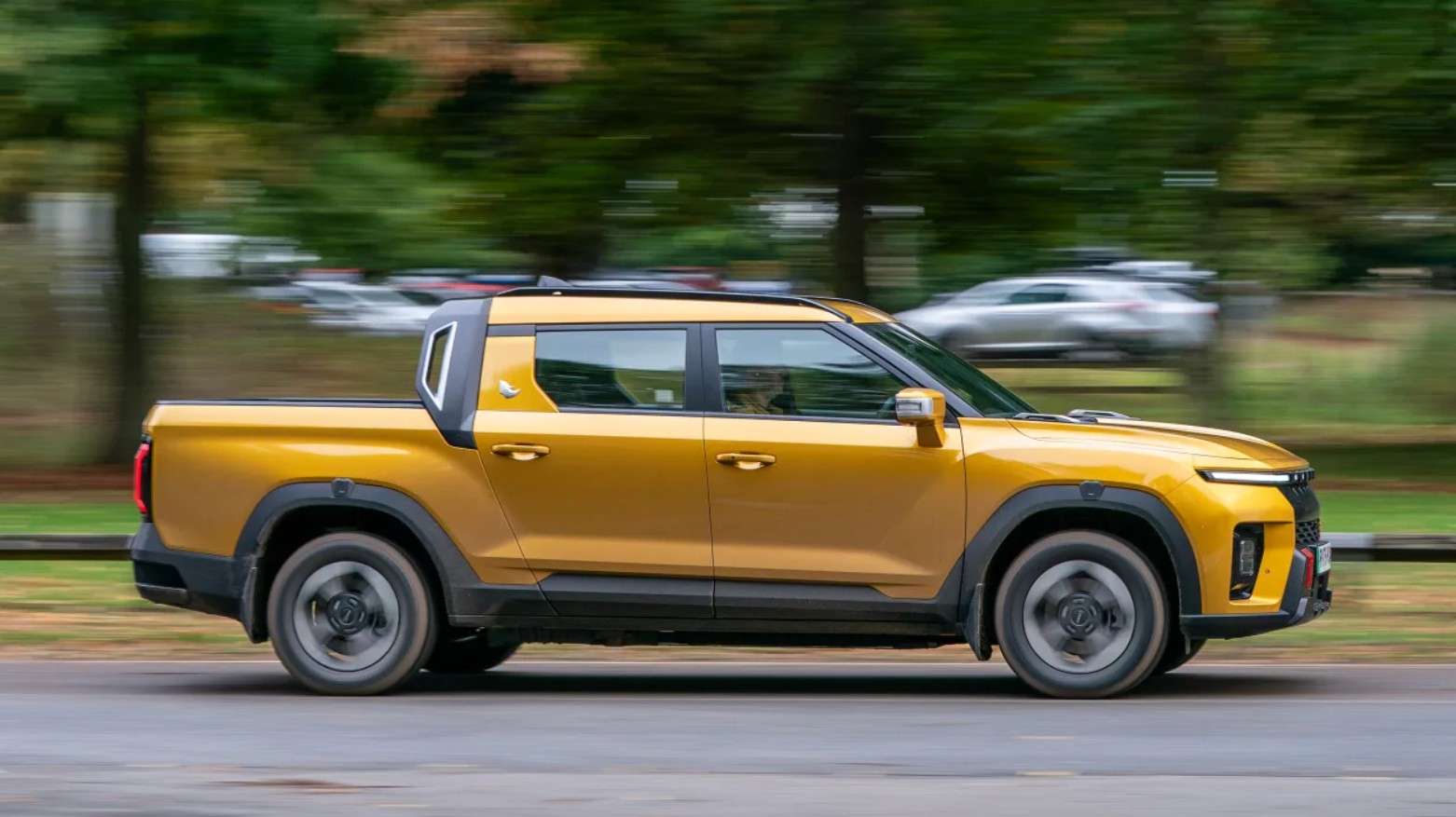
A single-motor front-wheel drive powertrain is also expected to be offered in the Australian from early 2026.
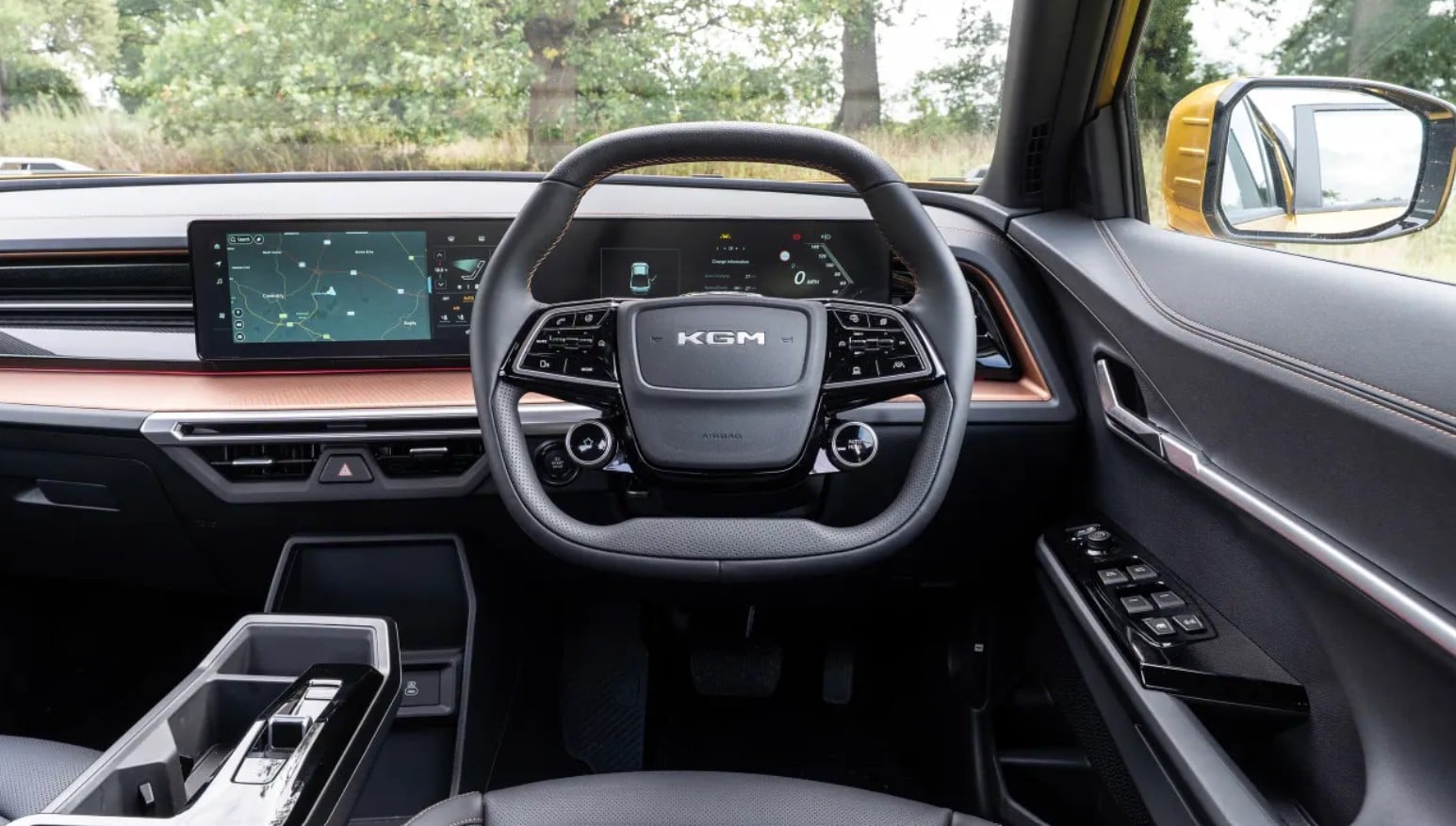
Inside, the Musso EV feels more premium than many competitors. Heated and ventilated Nappa leather front seats with power adjustment are standard, as are heated rear seats, a heated steering wheel, dual-zone climate control and Vehicle-to-Load (V2L) functionality for powering laptops or tools. The cabin is anchored by twin-screen infotainment displays with copper-coloured trim, giving it a distinctly modern feel.
Practical touches include 17-inch alloy wheels, side steps and full LED headlights, alongside a suite of driver-assistance features. However, some systems prove overzealous, particularly lane-keeping assist, which can tug at the wheel unnecessarily, though it can be switched off.
On the road, the Musso EV is comfortable and composed, with a multi-link rear suspension providing a smoother ride than traditional leaf springs. Yet that design decision limits its payload to just 690kg, well below the tonne typically expected in this class. Braked towing capacity is rated at 1,800kg, also behind diesel rivals.
Still, the Musso EV’s quiet driving experience, generous cabin space, and strong equipment list make it appealing for buyers not needing maximum payload. For urban users and families, the ability to travel more than 380km per charge with much lower running costs than diesel could prove persuasive.
If KGM can refine its load-carrying ability in future updates, the Musso EV could emerge as one of the most compelling options in Australia’s growing electric ute market.