
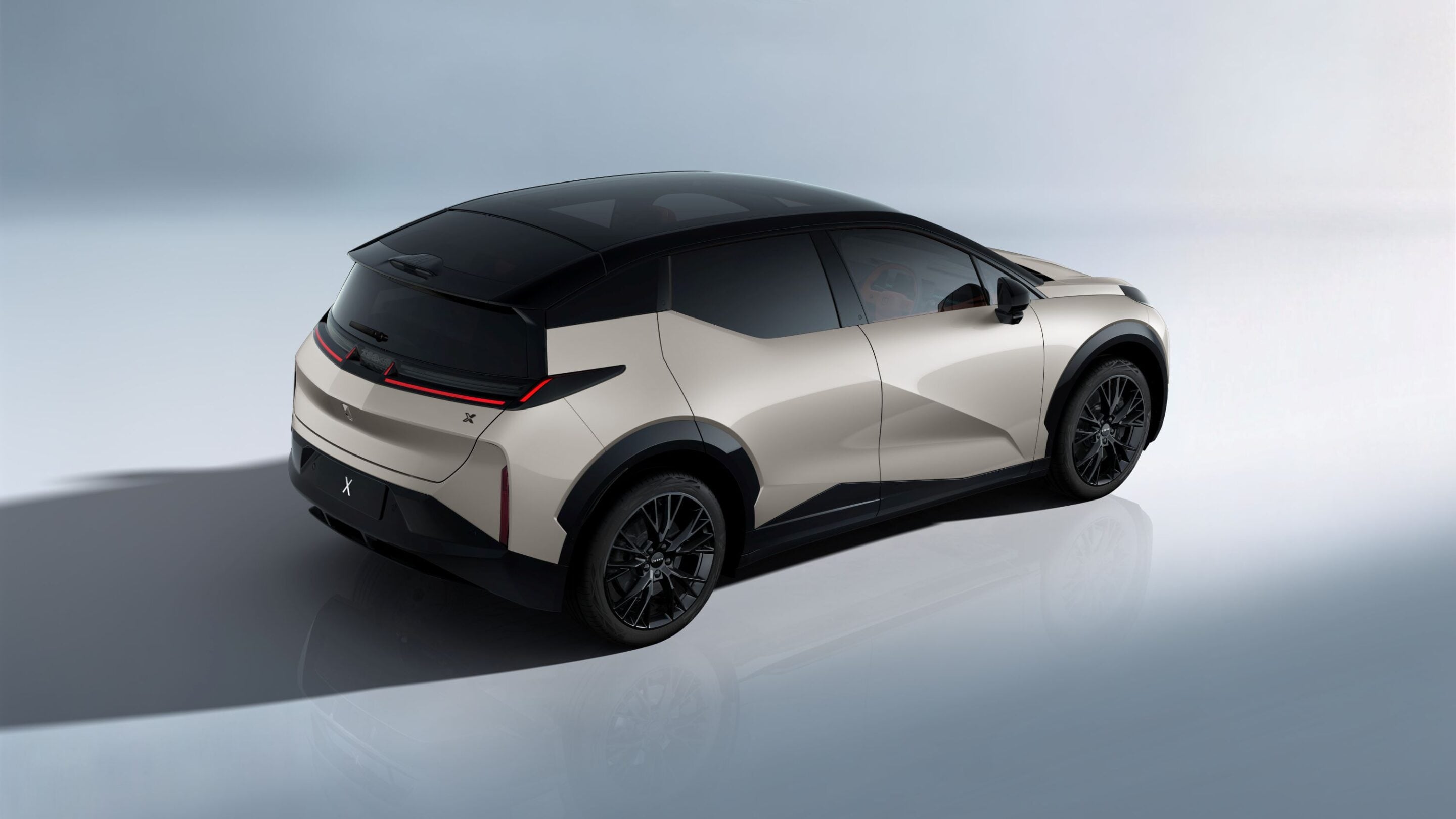
The 2026 Zeekr X launches in Australia with an updated, sharper design profile, new colours and an extended list of standard features. Measuring in at 4432mm long, 1836mm wide, 1566mm high, and riding on a 2750mm wheelbase, Zeekr X shares the same platform as stablemate Volvo’s EX30.
More powerful electric motors are also now standard, with the single motor X generating 250kW through the rear wheels, combined with a Lithium Iron Phosphate (LFP) battery and claimed 405km range on the WLTP cycle. The AWD steps that up with a 115kW front motor, and 250kW rear motor for a combined system output of 365kW, paired with a Nickel Cobalt Manganese (NCM) battery and a WLTP claimed 415km driving range. Those power figures represent a 50kW gain for both RWD and AWD models.
As a result, the Zeekr X is a rapid SUV. The RWD will sprint from 0-100km/h in 5.6 seconds, while the AWD makes the run in just 3.7 seconds.
Zeekr claims 230kW fast charging capability for the LFP battery in the RWD, with 10-80 percent achieved in 18 minutes, while the 150kW charging capability for the AWD means 10-80 percent charging in 30 minutes.
Changes also include a new matte khaki green and onyx black exterior colour option for the AWD model, black forged 20-inch rims also for the AWD model, and optional automatic doors for the AWD model.
Updates for the 2026 model include a deeper level of standard equipment including heated first and second row seats (RWD and AWD), inductive steering wheel controls (RWD and AWD), a 13-speaker Yamaha surround sound audio system (RWD and AWD). The 14.6-inch touchscreen now runs Zeekr’s newest 5.5 operating system, which is snappier, and brings improved functionality and a richer user experience.
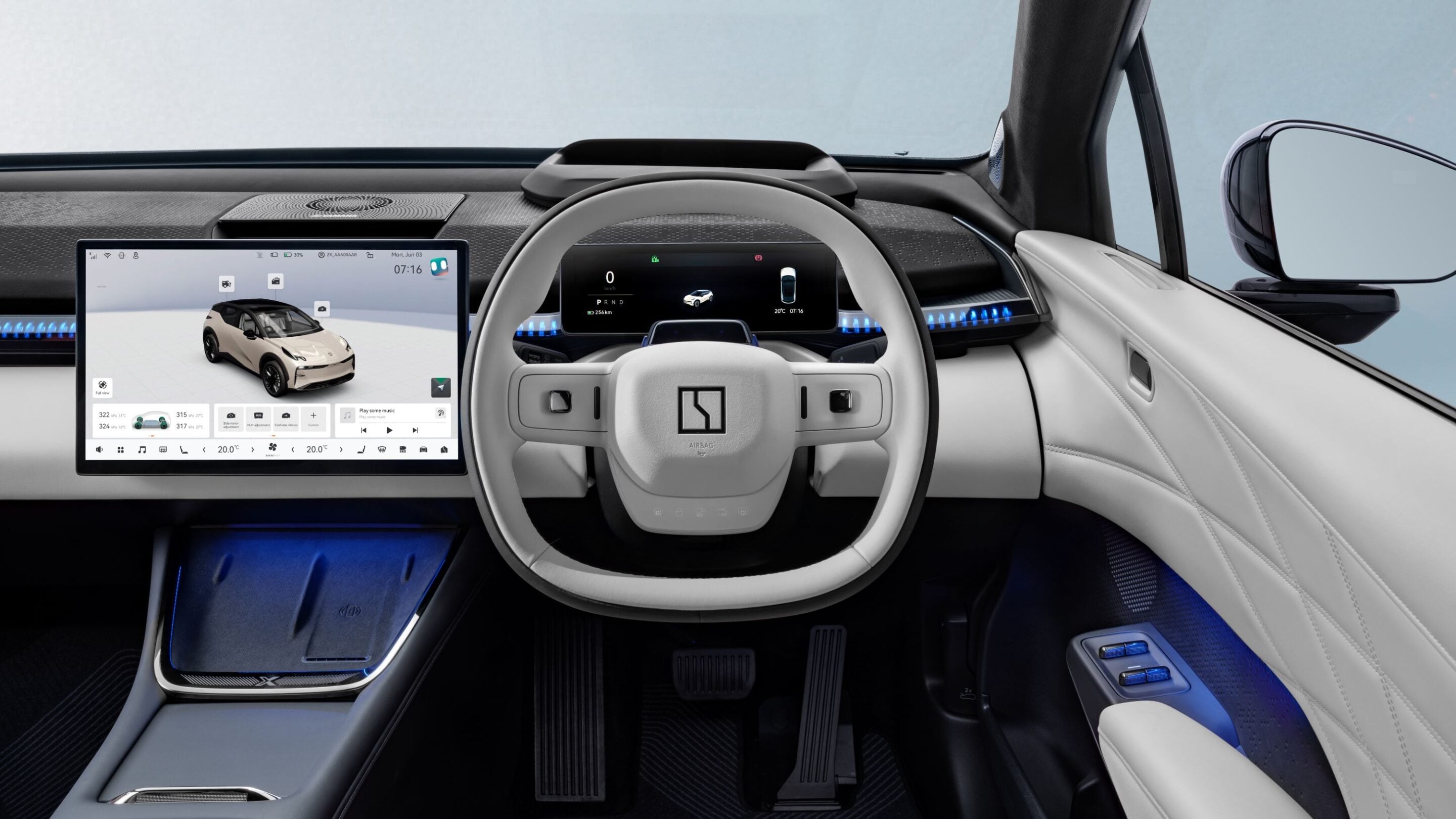
In addition, AWD models get first row massage seats, and a temperature controlled fridge mounted under the armrest in the centre console. Across the range, X models get Zeekr’s advanced driver assistance system, ‘Zeekr AD’, which includes five high definition cameras, five millimetre wave radars, 12 ultrasonic sensors and remote parking assist.
Zeekr will announce pricing in the coming weeks, with speculation suggesting the RWD will be launched beneath $50,000 drive away, and the AWD beneath $60,000 drive away. WhichCar will cover pricing as soon as it is announced.
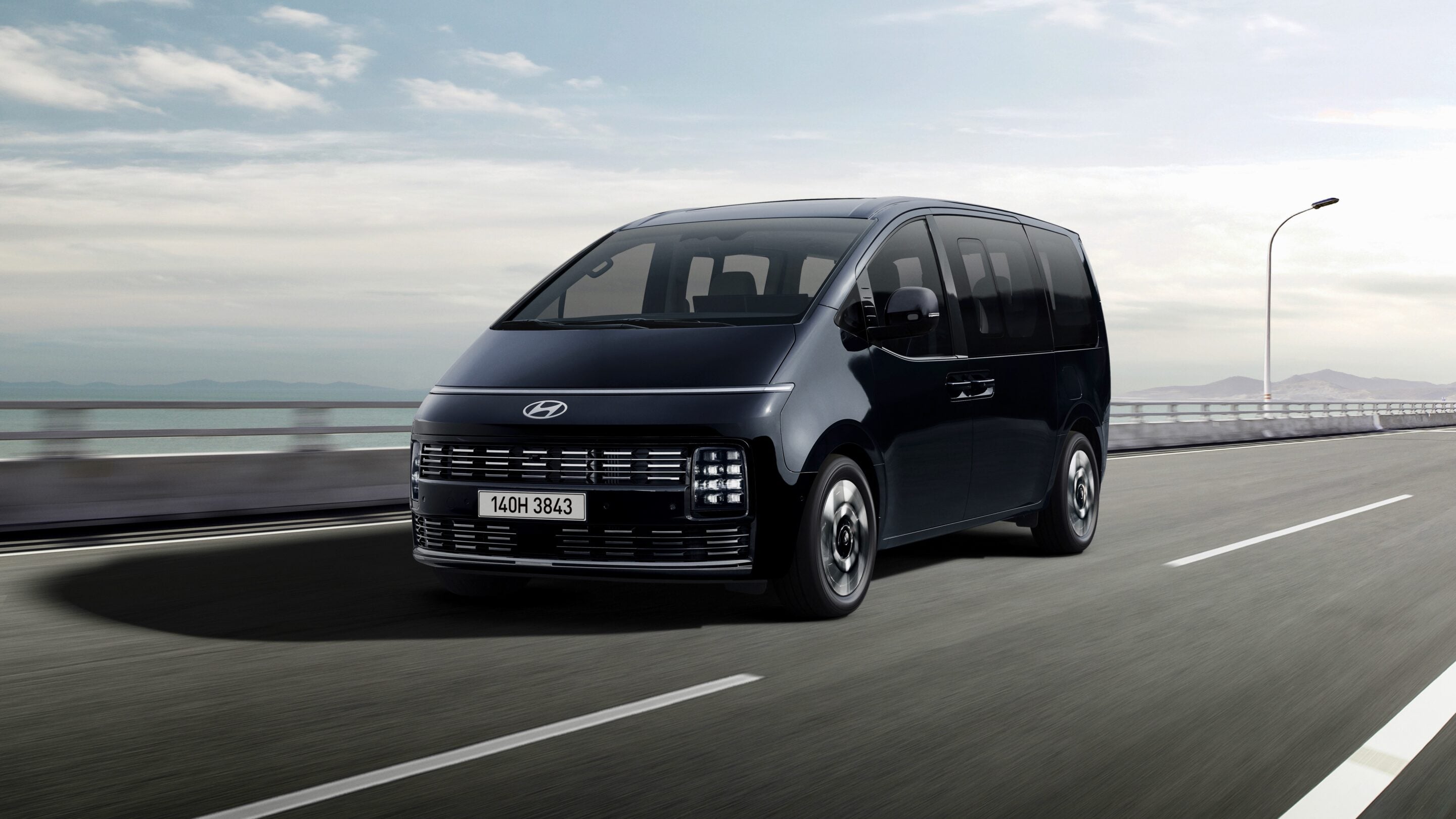
Hyundai Australia has revealed local pricing and specifications for the mid-life facelift of its Staria people mover and its Staria Load van sibling. Highlights for the update include freshened styling, a revised model line-up, a new hybrid drivetrain and the promise of an electric variant in the Load range later in 2026. Due to the range reshuffling and new features, pricing has risen across the board and now starts at $49,990 plus on-road costs for the Load and $54,300 +ORC for the Staria.
The biggest news on the range is the addition of the new 1.6-litre turbo-hybrid drivetrain, which is available in the base model and Premium versions of the Load, and the new Lounge variant in the Staria range. Making 180kW of power, it’s not quite as powerful as the 200kW 3.5-litre V6 option still available in the Staria, but it’s bound to be significantly less thirsty.
Hyundai Australia is yet to reveal fuel consumption figures for the hybrid, but in the related Kia Carnival, the same drivetrain uses just 5.8L/100km on the combined cycle.
The 130kW 2.2-litre turbo-diesel and aforementioned 3.5-litre V6 engine options continue unchanged, though the diesel is now front-wheel drive (not all-wheel drive) for a 1L/100km fuel saving to 7.2L/100km. A 160kW electric Load will also be launched later in 2026.
The futuristic twins have also received light styling changes, such as a new front grille and new 18-inch alloy wheels, plus new tech changes inside like a 12.3-inch touchscreen with Hyundai’s latest ‘ccNc’ infotainment system with connected services and over-the-air updates, as well as a 12.3-inch digital driver’s display.
The brand has reshuffled both ranges too, with the base Load and upper-spec Load Premium remaining as before and the previous Staria Elite and Highlander shelved, with the new Lounge replacing the Highlander at the top of the range.
Compared with the regular Staria, the Lounge adds two chairs in the second row with electric adjustment, heating and ventilation, as well as Nappa leather upholstery (in black, burgundy or beige colouring), an acoustic laminated windshield and front door glass reduce wind noise, privacy side glass, satin chrome door handles, door scuffs, unique alloy wheels, ambient mood lighting, sat-nav and suede-finished headliner and pillars.
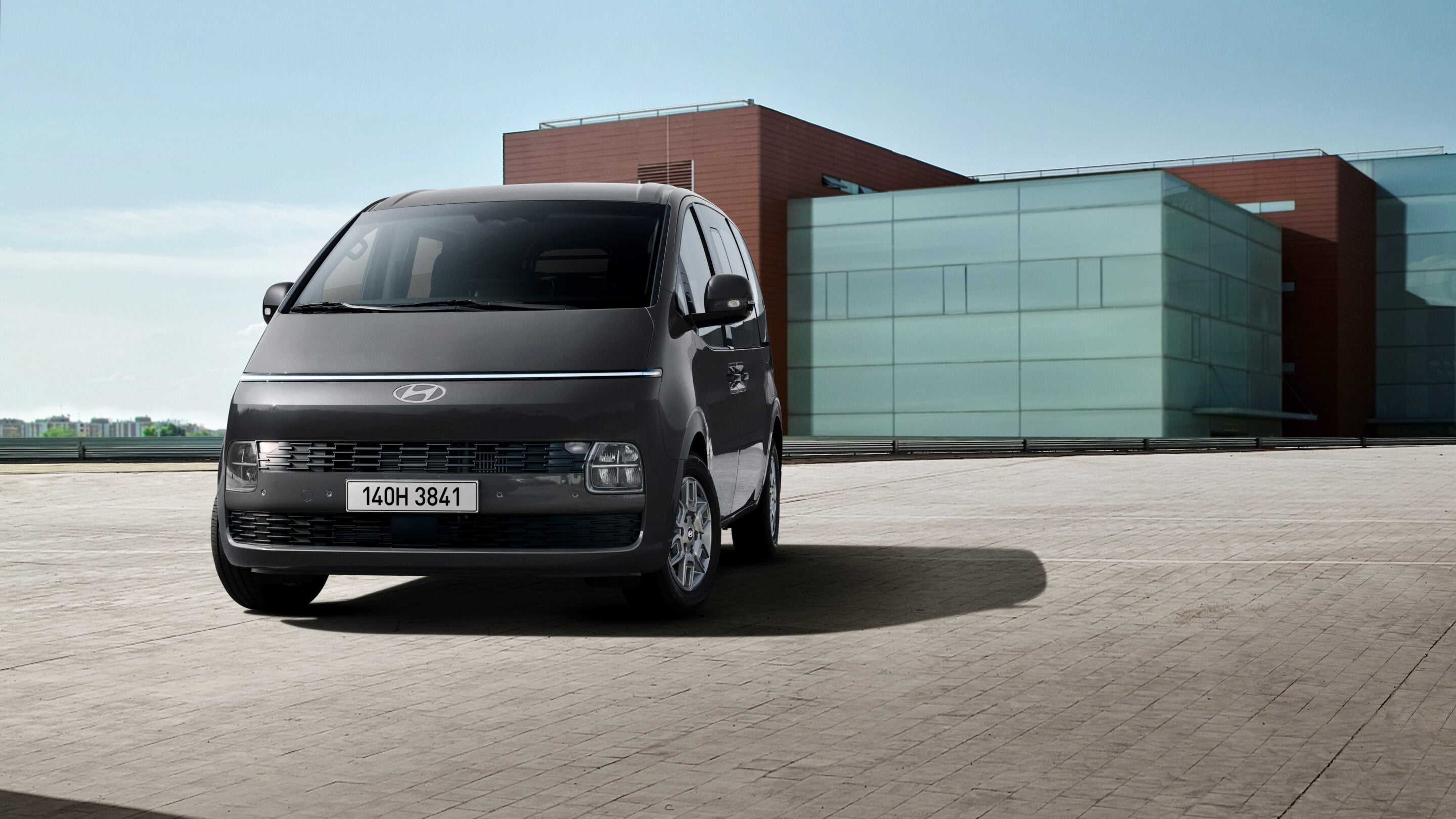
The entry-level Load has also picked up a lot of standard features, including keyless entry with push button start, sat-nav, single-zone automatic climate control and a battery heating system.
Hyundai Staria update pricing (excluding on-road costs):
| Load diesel | $49,990 (+$2250) |
|---|---|
| Load hybrid | $53,490 (new) |
| MPV diesel or V6 | $54,300 (+ $3800 for the V6, + $800 for the diesel) |
| Load Premium hybrid | $61,240 (+ $8500 on the previous diesel Load Premium) |
| Lounge hybrid | $73,740 (new) |
| Load EV | TBC (new) |
The ongoing Middle East conflict has seen demand for electric vehicles surge as new car buyers look to immunise themselves against escalating fuel prices and supply issues.
But that demand has seen wait times blow out by as much as three months, according to some automakers who are reporting unprecedented interest in EVs and plug-in hybrids while at least one auction house is reporting a 100 per cent clearance rate for its stock of second-hand electric vehicles.
Chinese auto giant BYD, the world’s largest manufacturer of electric vehicles, is reporting a 50 per cent increase in enquiries since the onset of the conflict, resulting in wait times stretching out to two to three months for some popular models.
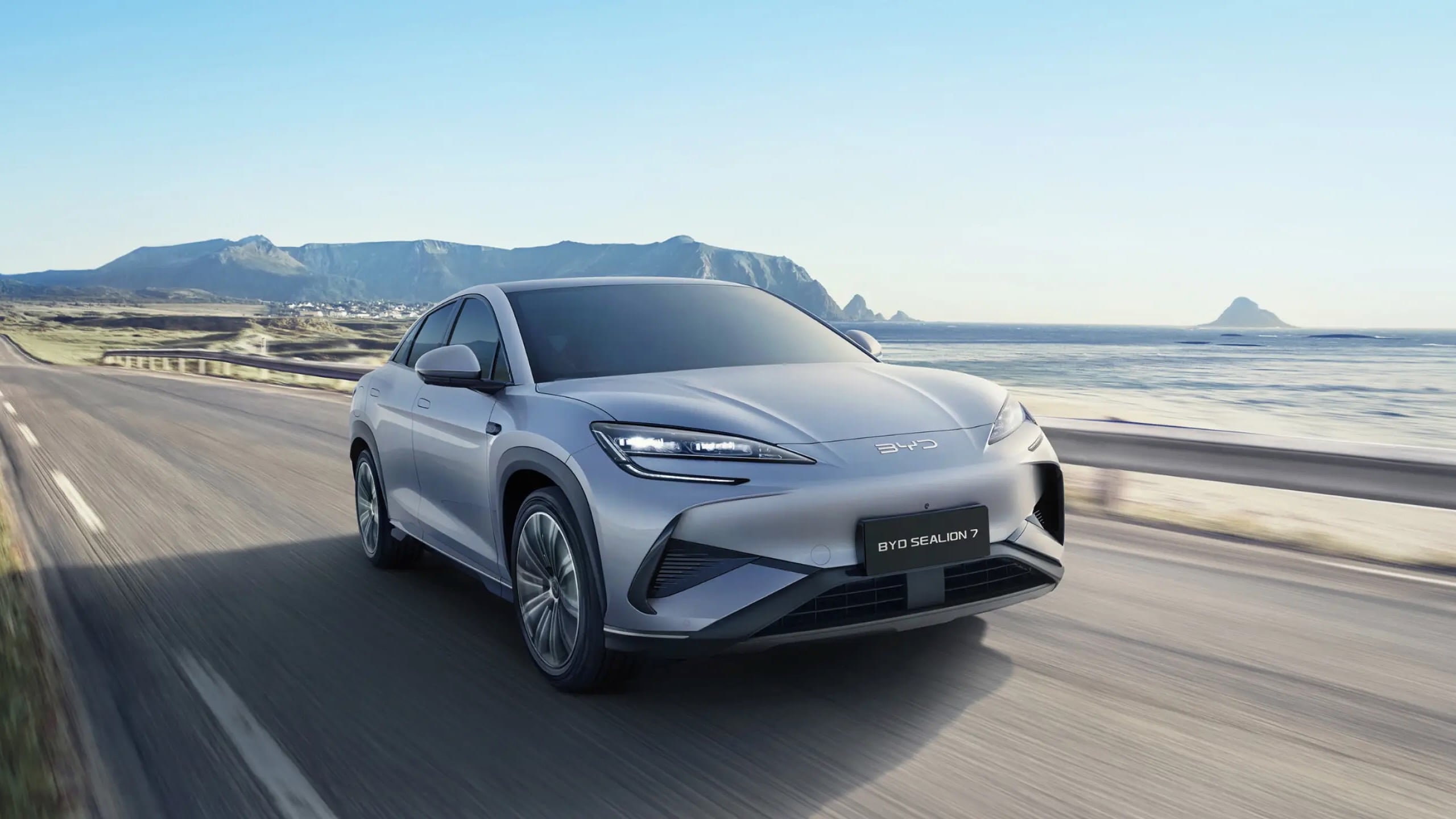
“Normally, we’re are able to fulfil customer order within two to three weeks, but that’s been pushed out to two to three months on some models,” a BYD Australia spokesperson told WhichCar by Wheels.
The affected models are the brand’s two best-sellers in Australia – the Atto 2 small SUV and Sealion 7 medium SUV. However, BYD Australia has been able to secure extra allocations of those EVs, the company’s spokesperson stating that, “we can respond very quickly and we’ve been able to rejig production (in China)… to secure extra allocation [for Australia]. It’s going to be a pretty busy three months but we will be able to fulfil our orders.”
Fellow Chinese brand, Chery, is reporting demand for plug-in hybrids and EVs has increased dramatically since the start of the conflict in February.
“New energy vehicles (PHEV/EV) now make up 65 per cent of orders taken, which has increased from 30 per cent last month,” a spokesperson for Chery Australia told WhichCar by Wheels.
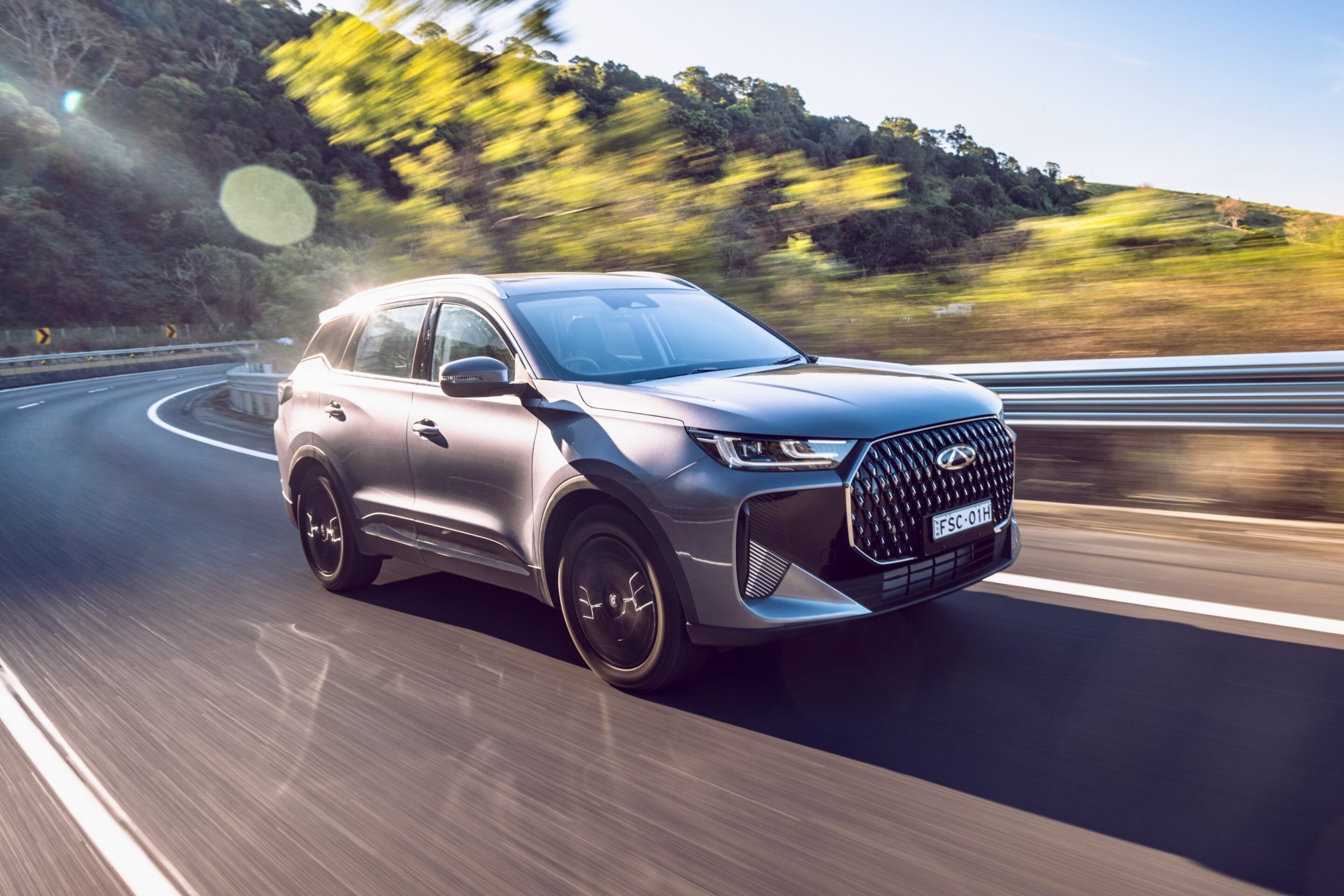
But while demand has increased for vehicles such as the Chery Tiggo 7 Super Hybrid (PHEV) medium SUV, the brand maintains it has enough stock on hand to provide “good coverage across all model lines”.
Similarly, Sino-Swedish brand Polestar, which exclusively sells electric vehicles, is reporting a tripling of enquiries since the Middle East conflict began in late February.
“Interest in the Polestar brand is surging in Australia,” Polestar Australia’s managing director, Scott Maynard, told WhichCar by Wheels. “Test drive bookings have tripled in the last fortnight, and traffic to our showrooms is what we’d expect to see during a sale event.”
Maynard added that there was “a clear sense of urgency from customers, which is driving strong order volumes”.
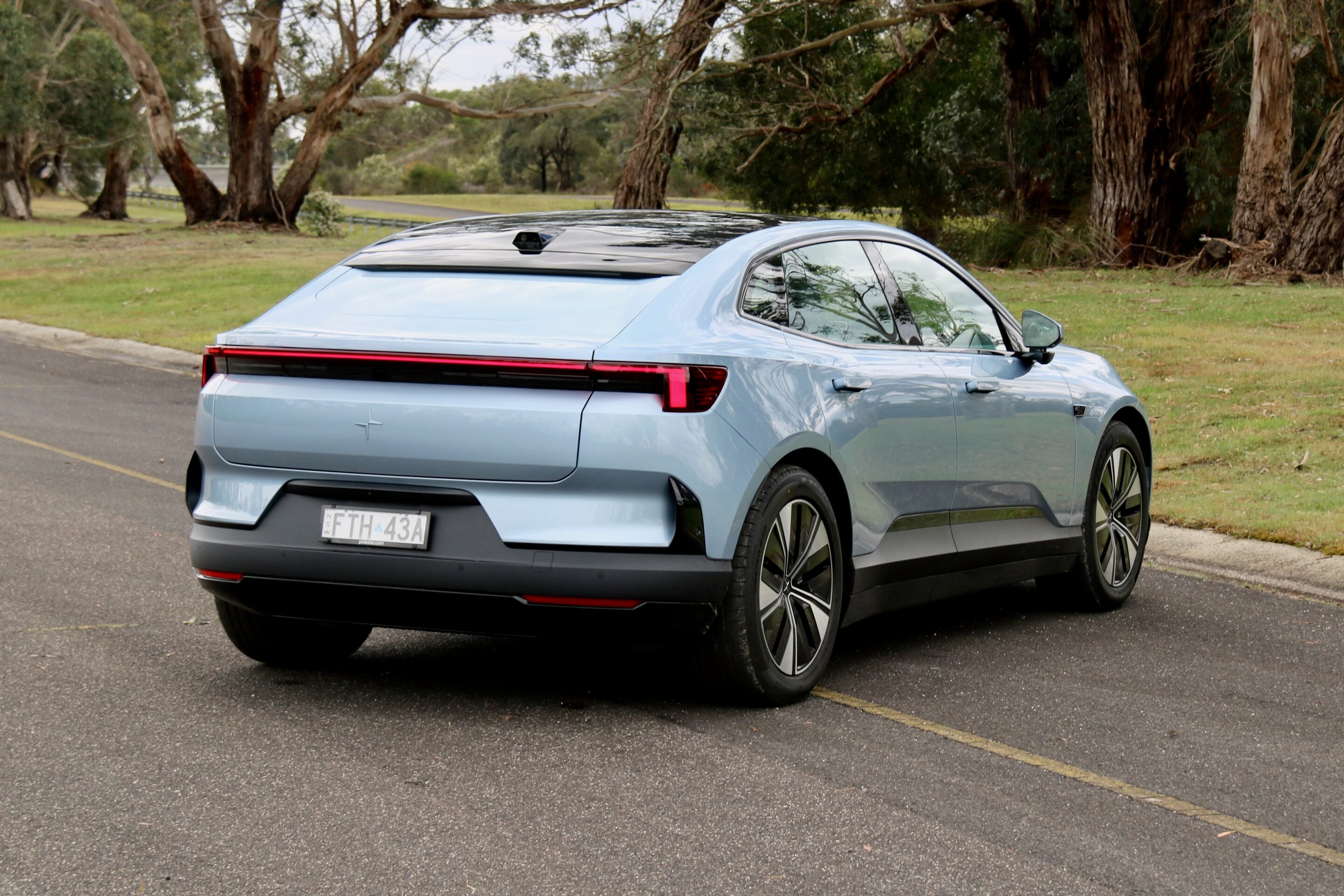
Maynard said demand was strongest for its Polestar 4 medium SUV and that the brand had good stock on hand while there remained “limited stock” of Polestar 2 available for “fast delivery”, adding that lead times for “built-to-order vehicles hasn’t changed, and currently sits at around three months”.
Buyers are also flocking to the second-hand market for electric vehicles, with search queries on some classified and online auction sites increasing by over 100 per cent in March. As reported by the Australian Financial Review, online car auction site, Pickles, is claiming a 100 per cent clearance rate for second-hand EVs advertised on its site, with the time taken to sell a used EV has halved to under 10 days.
The surge in demand is backed up by lender’s data with the Commonwealth Bank reporting that “since 1 March, new loans for battery electric vehicle (BEVs) were up 161.5 per cent compared to the weekly average volume recorded in February, before the conflict in Iran began.”
And it’s not just private buyers who are looking to immunise themselves against fuel price shocks. According to Commonwealth Bank, finance applications from commercial customers have increased significantly as businesses look to reduce fleet operating costs in the face of fuel price volatility.
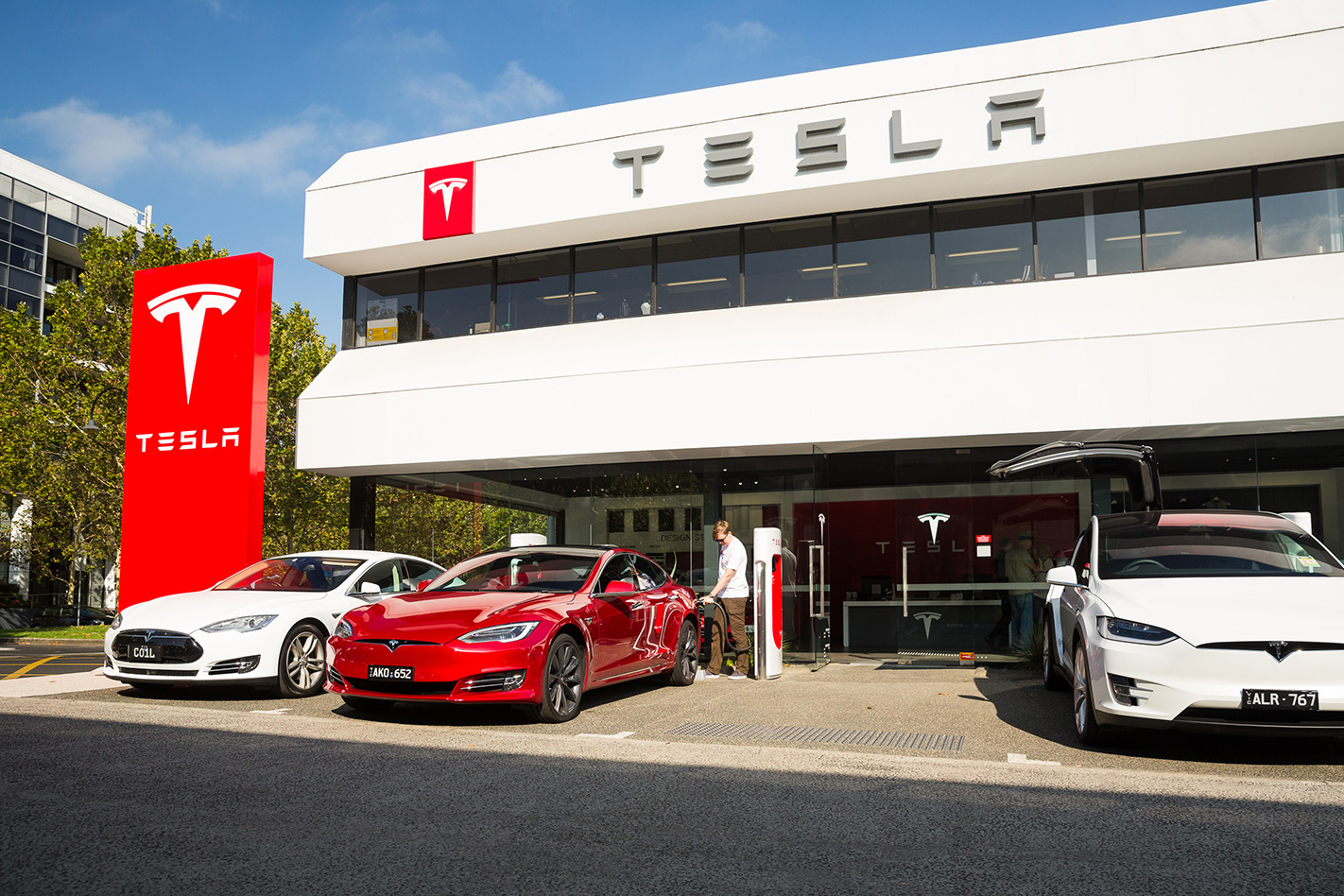
“Business loan applications for Tesla vehicles alone are up 268 per cent to date in March compared with the same time last year,” the bank said in a statement. “The bank expects demand to continue under current macro conditions, a sign that fleet operators and small businesses are also reassessing running costs at a time when fuel volatility has become a live issue.”
The Australian government is also helping to smooth the path to EV ownership, committing a further $100 million to subsidise low-interest loans for new and used EVs through Volkswagen’s financing division.
The government’s Clean Energy Finance Corporation had already committed $60 million in a similar partnership with Hyundai Capital Australia to offer discounted loans on eligible Hyundai and Kia electric vehicles.
Expanding the initiative to include Volkswagen Financial Services Australia opens up a broader portfolio of brands to buyers including Volkswagen, Audi, Cupra and Skoda.
Australians planning an Easter road trip are being urged to take extra care, with a little-known rule meaning some drivers could face double demerit points even outside the states where the scheme applies.
Double demerits will be enforced from Thursday, April 2 through to Easter Monday in New South Wales, the ACT and Western Australia – traditionally one of the busiest travel periods of the year.
However, the penalties aren’t always limited to where the offence occurs. In some cases, they are tied to where a driver’s licence is issued, as detailed in a Yahoo News Australia report.
For motorists holding an ACT licence, double demerits can apply regardless of where the offence takes place. That means drivers travelling interstate could still receive increased penalties if the ACT is in a double demerit period.
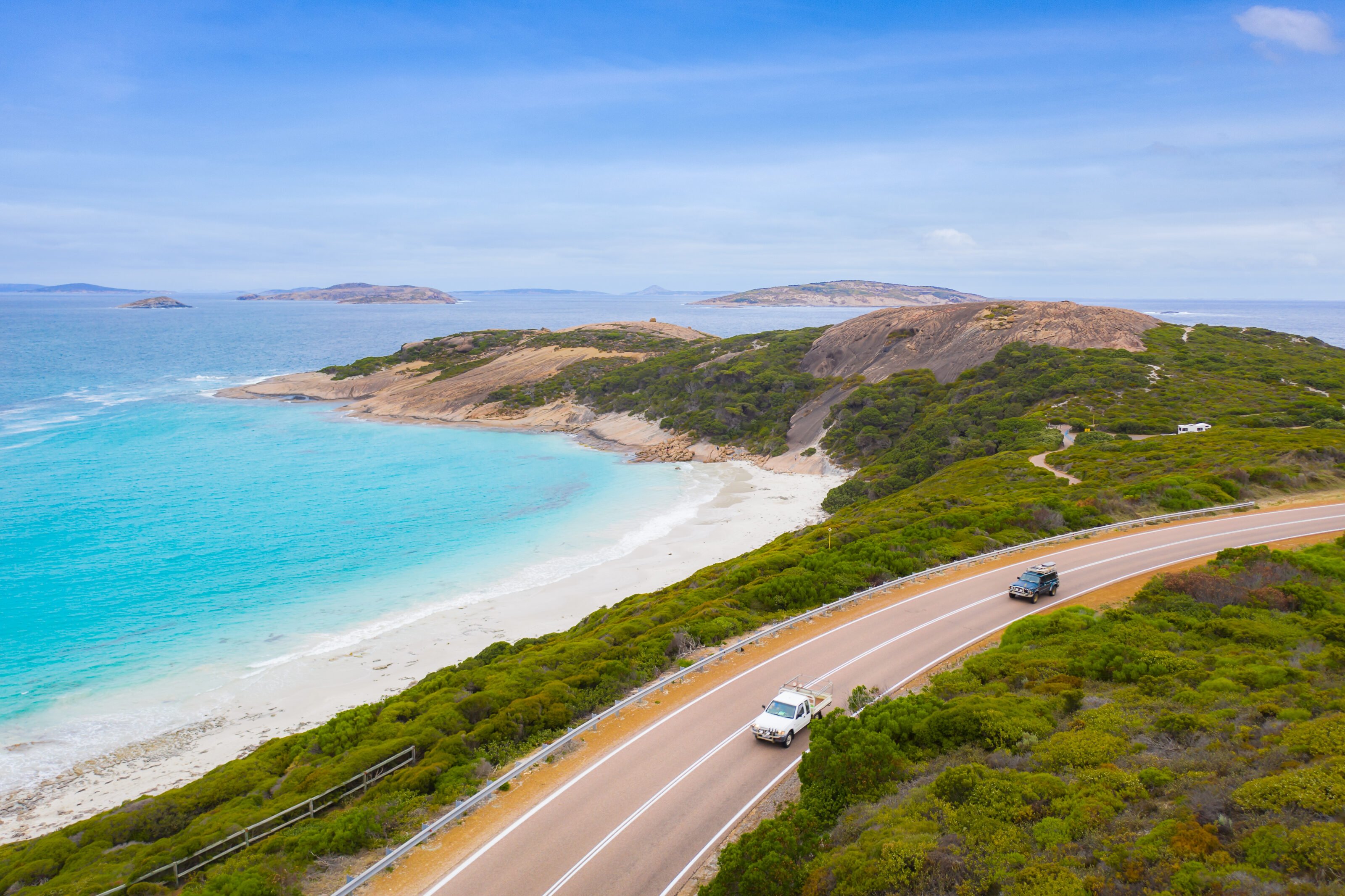
The same principle applies in New South Wales. Drivers licensed in NSW may have double demerit points applied to their licence for offences committed anywhere in Australia during the holiday window. While the fine itself is issued in the state where the offence occurs, the demerit points are applied based on NSW rules.
With millions of drivers holding NSW licences, this could catch out travellers unaware that stricter penalties follow them across borders.
By contrast, most other states do not apply double demerits in the same way. In Queensland, for example, double demerits are only issued to repeat offenders committing certain offences within a 12-month period, not during holiday periods. Interstate offences are recorded, but only standard Queensland penalties apply.
Victoria, Tasmania, South Australia and the Northern Territory also do not operate double demerit systems, meaning drivers from those states won’t face increased points for holiday offences, even if they occur elsewhere.
Western Australia enforces double demerits during the Easter period, but these do not carry over to drivers licensed in other states.
Authorities are reminding drivers that fines issued interstate are still enforceable, and failing to pay them can lead to further penalties.
With heavy traffic expected across the long weekend, the key message remains simple: know the rules that apply to your licence – not just the road you’re driving on.
One of its most important products globally, Mercedes-Benz has unveiled a big facelift for its GLE and GLE Coupe large SUVs in line with their larger GLS sibling. The updated GLE has brought new styling, a refreshed interior, more tech and a revised global drivetrain range for the brand’s large luxury SUV. Mercedes-Benz Australia is yet to confirm local release timing, but we’re anticipating a release before the end of 2026.
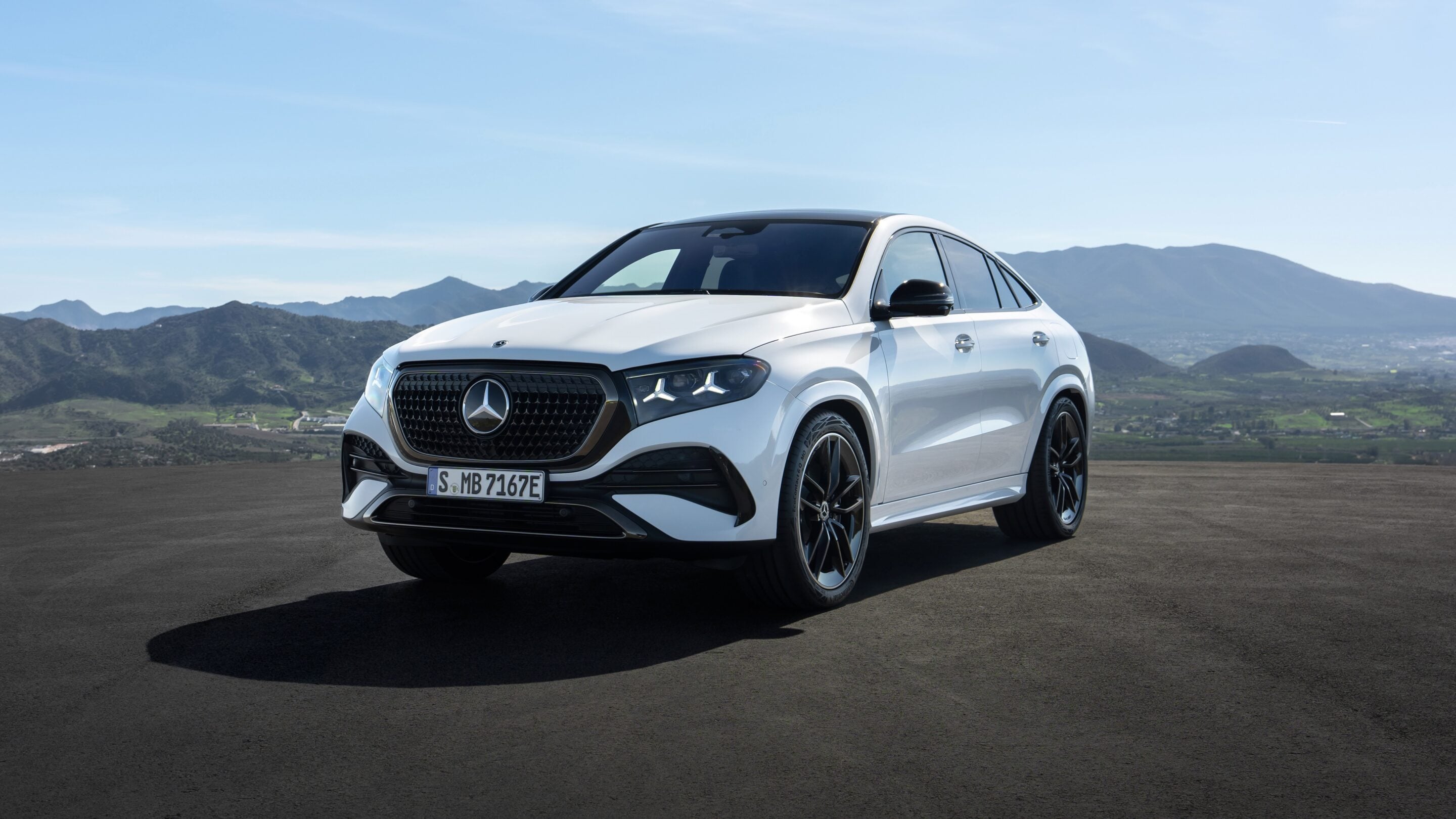
A facelift rather than an all-new model, the overall shape of the GLE and GLE Coupe have not changed much but the details are updated with a lot more three-pointed stars. The larger new grille featuring hundreds of stars inside is immediately noticeable, as are the new headlights with the star daytime running lights, the newly-joined tailights with star lighting and – in some markets – the large three-pointed star badge in the grille is illuminated.
There are also new bumper designs for a sportier look, new exterior colour options and three new 20-inch alloy wheel designs to “further enhance the vehicle’s presence”.
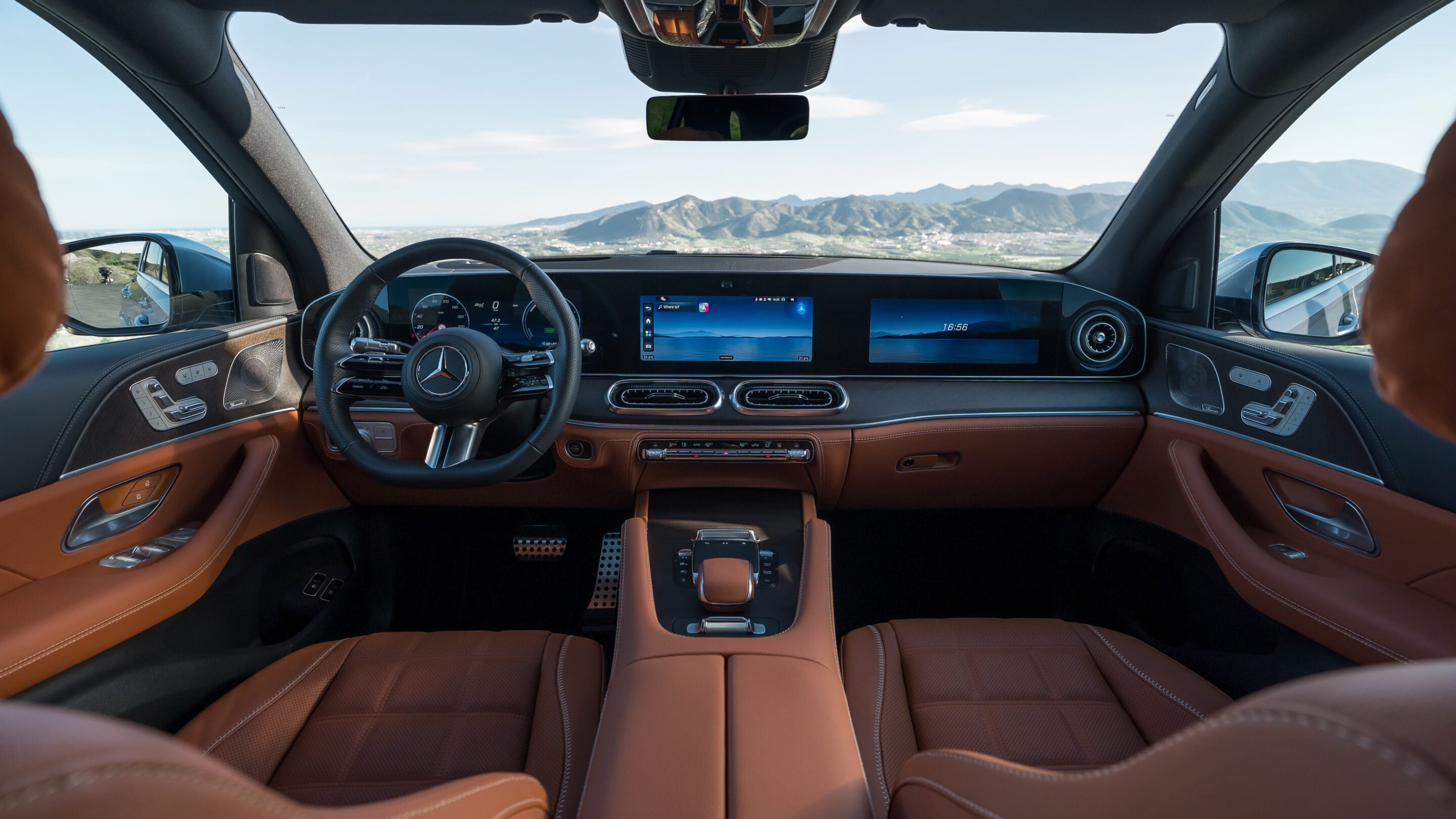
Inside has also seen design changes, including revised infotainment with a trio of 12.3-inch touchscreens under a single piece of glass that run the brand’s ‘MB.OS’ software with inbuilt Google Maps and new AI tech from Google, Microsoft and ChatGPT for more natural interaction with the car. A new 3D driver display is also available, as well as a head-up display with augmented reality and phone key functionality too.
The brand has implemented new physical controller wheels for the steering wheel replacing the former touch pads, the outer air vent design is now circular with inbuilt ambient lighting and revised colour and trim options like a new ‘Beech Brown’ colour have also been introduced. For sound lovers, the Burmeister sound system has been upgraded from 590 watts to 710 watts thanks to two new speakers in the roof.
Mercedes-Benz has also enhanced the GLE and GLE Coupe mechanically, with the brands ‘E-ACTIVE BODY CONTROL’ analysing the driving situation more than 1000 times per second to adapt the suspension accordingly for greater comfort. This active suspension system can individually control the spring and damper forces on each wheel, counteracting not only roll but also pitch and lift movements to create a body that no longer dips when braking and accelerating.
A new water-cooled supercomputer processor has been fitted to the GLE and GLE Coupe to enable an even better range of active safety features. 10 exterior cameras, up to five radar sensors and 12 ultrasonic sensors constantly assess the driving situation, and it means that the brand’s ‘MB.DRIVE ASSIST PRO’ Level 2++ assist system – in which the car will drive itself on a point-to-point journey with the driver touching the steering wheel – is now fitted and active in some markets.
The range of engine options for the GLE and GLE Coupe have also been revised globally, with the new flat-pane crankshaft 4.0-litre twin-turbo V8 from the updated S-Class now featuring in the GLE 580 making 395kW of power (up from 380kW) and 750Nm of torque (+20Nm).
The petrol GLE 450 now makes 560Nm of torque (+60Nm), and the plug-in hybrid GLE 450e now uses a six-cylinder engine instead of a four-pot for 55kW more power, while also capable of a WLTP electric driving range of 106km. The diesel four-cylinder GLE 350d and GLE 450d continue as well for global markets, but the local lineup is yet to be announced.
Australian arrival timing and specifications for the Mercedes-Benz GLE and GLE Coupe range is yet to be announced, though we’re predicting an arrival before the end of 2026.
Ford Australia has announced new cost of living offers across its ute and SUV line-up, headlined by a $4000 fuel card offer on select run-out Ranger and Everest Trend models, and new driveaway pricing offers on the Ranger plug-in hybrid. According to the brand, it is prioritising both long-term efficiency and immediate financial relief with the new special offers, available from April 1.
Starting with the Ranger plug-in hybrid, which is capable of a combined fuel consumption figure of just 2.9L/100km when fully charged, Ford is offering the entry-level XLT for just $62,000 driveaway, the Sport for $66,000 driveaway, the Wildtrak for $70,000 driveaway and the top-spec Stormtrak for $73,000 driveaway. Based on retail pricing, those driveaway specials are a saving of up to around $17,000.
For buyers of the Everest Trend and select diesel Ranger XLT, Sport and Wildtrak variants (MY26 and older) will also receive a $4000 fuel card.
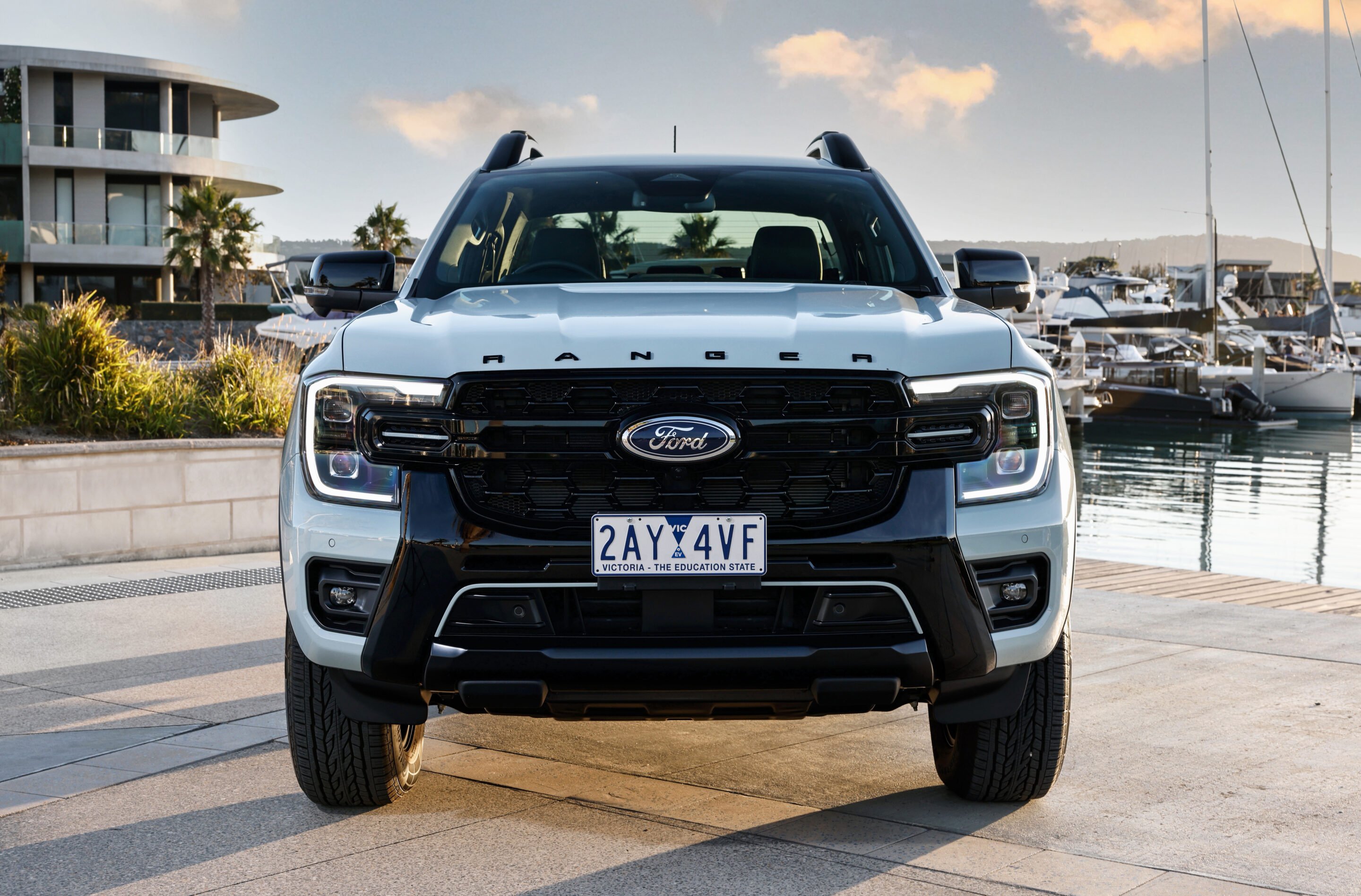
In addition to the new driveaway and fuel-card offers, there is also an additional $1000 discount on Ranger, Ranger Super Duty and Ranger plug-in hybrid models for farming businesses that are registered as Primary Producers.
“These initiatives are designed to help our customers, from small business owners to families, get through this challenging financial period,” said Fadi Mawal, President and CEO, Ford Australia and New Zealand. “Ford vehicles offer incredible capability, performance and long-term value for money and we don’t want anyone to miss out on getting the best car for their needs because of short-term pain at the pump.”
For those looking to switch to an EV, Ford has also launched special driveaway pricing for its Mustang Mach-E electric SUV and e-Transit electric van. The Mach-E is priced at $60,000 driveaway for the entry-level Select, $75,000 driveaway for the mid-spec Premium and $89,000 driveaway for the top-spec GT, while the e-Transit starts from $59,990 driveaway.
Ford’s cost of living special offers are available from today April 1 until June 30 for the primary producer and PHEV offers, and until relevant stocks last for the $4000 fuel card offer.
With fuel prices still rising and global oil supply under threat, many drivers are looking for practical ways to reduce their reliance on petrol and keep running costs affordable. While it’s possible to change things like how often you drive, choosing a more fuel efficient vehicle can ultimately make more of a difference.
Not all of us can afford an expensive electric or hybrid SUV but there are many fuel-sipping vehicles priced comfortably underneath $30,000. Here’s the WhichCar by Wheels guide to the 10 cheapest new cars currently available (based on driveaway pricing in New South Wales):
1) Kia Picanto Sport: $22,140 driveaway
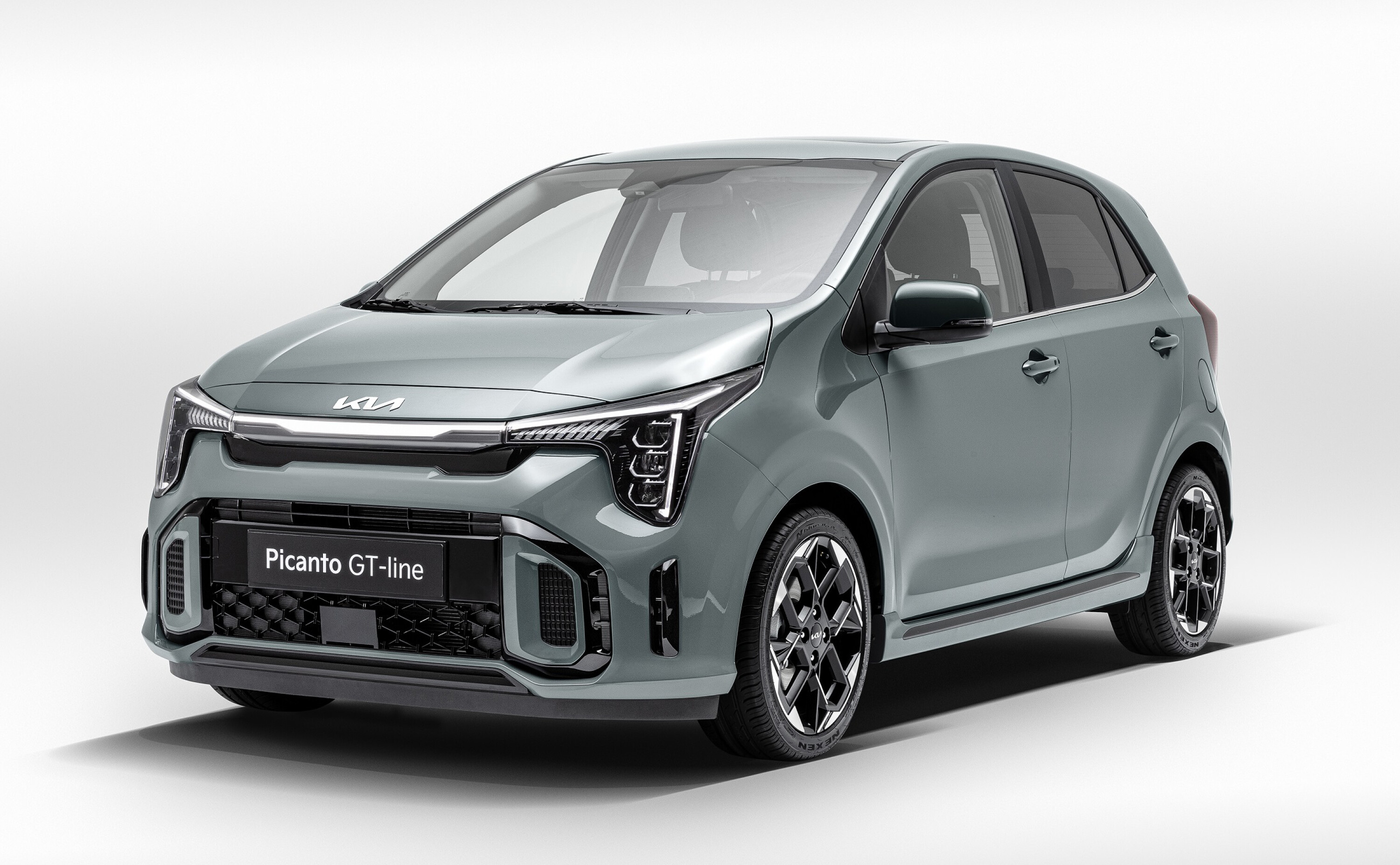
Drivetrain: 1.25-litre four-cylinder petrol, 66kW/122Nm, five-speed manual or four-speed automatic
Combined fuel efficiency: 5.4-6.0L/100km
Warranty: Seven-year/unlimited km, up to eight years of roadside assistance
Although it’s more expensive than it once was, the Kia Picanto is currently the cheapest new car you can buy in Australia. Priced from just $22,140 driveaway for the five-speed manual – $23,240 driveaway for the four-speed automatic – the Picanto is excellent value for money. It’s not a stripped out package, either, with plenty of standard feature and a 1.2-litre engine that may not be considered ‘powerhouse’ but is relatively fuel efficient and grunty enough for city driving.
2) MG 3 Vibe: $21,990 driveaway

Drivetrain: 1.5-litre four-cylinder petrol, 81kW/142Nm, CVT automatic
Combined fuel efficiency: 6.0L/100km
Warranty: Seven-year/unlimited km (extendable to 10 years/250,000km with dealer servicing)
The MG 3 has been one of Australia’s biggest-selling small cars since it landed and the latest version is larger and much better equipped, even in entry-level Vibe spec. A 1.5-litre petrol engine with a CVT automatic transmission is standard, though if you’re looking to save more money at the pump, a hybrid version is available for closer to $30,000 driveaway in upper-spec Excite form.
3) MG ZS Vibe: $22,990 driveaway
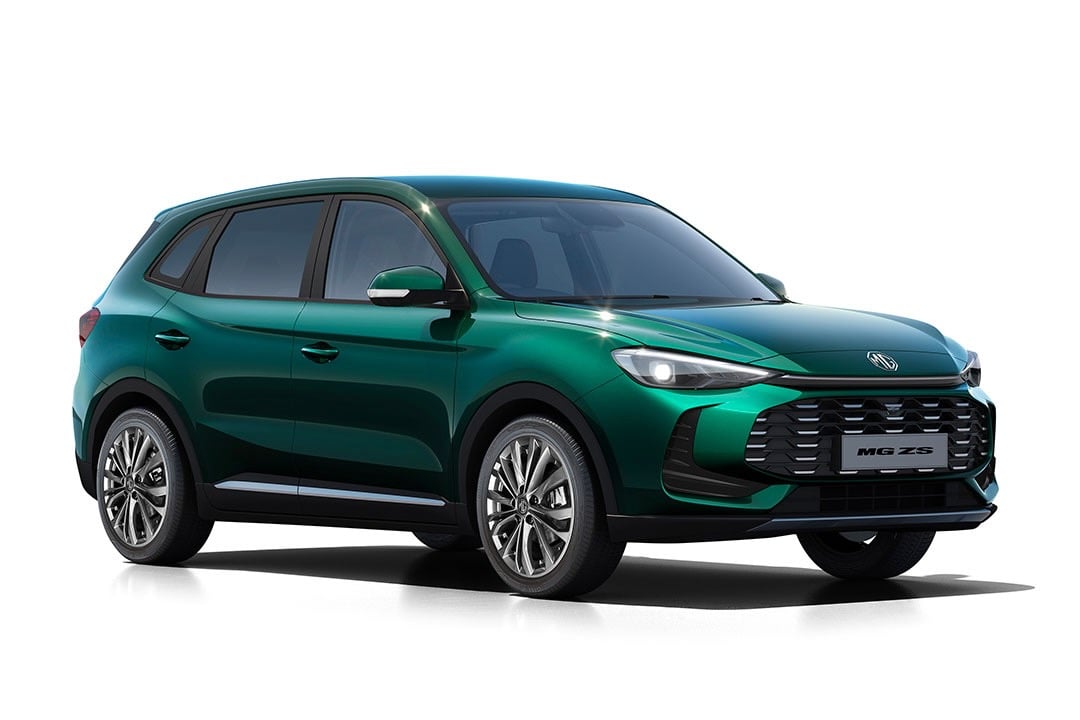
Drivetrain: 1.5-litre four-cylinder petrol, 81kW/140Nm, CVT automatic
Combined fuel efficiency: 6.7L/100km
Warranty: Seven-year/unlimited km (extendable to 10 years/250,000km with dealer servicing)
The MG ZS is a popular and attractive small SUV, and the new Vibe model is now cheaper than before, priced at just $22,990 driveway. That makes it Australia’s cheapest SUV, which is important for those wanting a cheap and practical new car. Power comes from the same 1.5-litre petrol engine as the MG3, meaning that the ZS is certainly no performance car, but it’s got enough go for efficient urban driving.
4) Chery Tiggo 4 Urban/Mahindra XUV 3XO AX5L: $23,990 driveaway
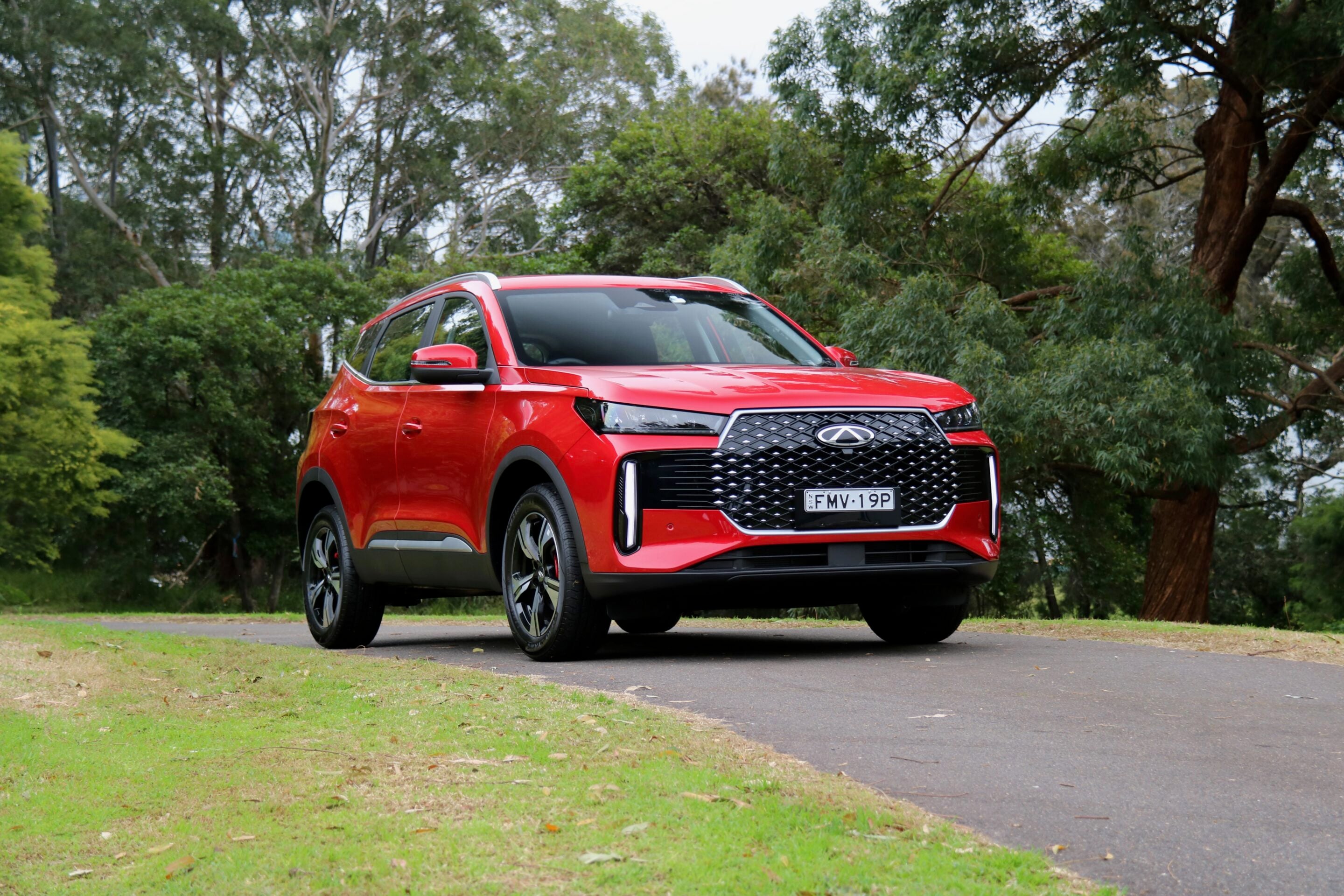
Drivetrain: 108kW/210Nm 1.5-litre turbocharged four-cylinder, CVT (Chery); 82kW/200Nm 1.2-litre turbocharged three-cylinder, six-speed auto (Mahindra)
Combined fuel economy: 7.4L/100km (Chery); 6.5L/100km (Mahindra)
Warranty: Seven-year/unlimited km (Chery); seven-year/150,000km (Mahindra)
Both the Chery Tiggo 4 Urban and Mahindra XUV 3XO AX5L are priced at just $23,990 driveaway and used to be the cheapest SUVs in Australia. Although that’s $1000 more expensive than the MG ZS Vibe, both the Tiggo 4 Urban and AX5L are better equipped and gruntier than the MG thanks to their turbocharged petrol engines. Both are covered by long warranties too, and present comfortable driving experiences from behind the wheel.
5) Suzuki Swift Hybrid: $25,490 driveaway
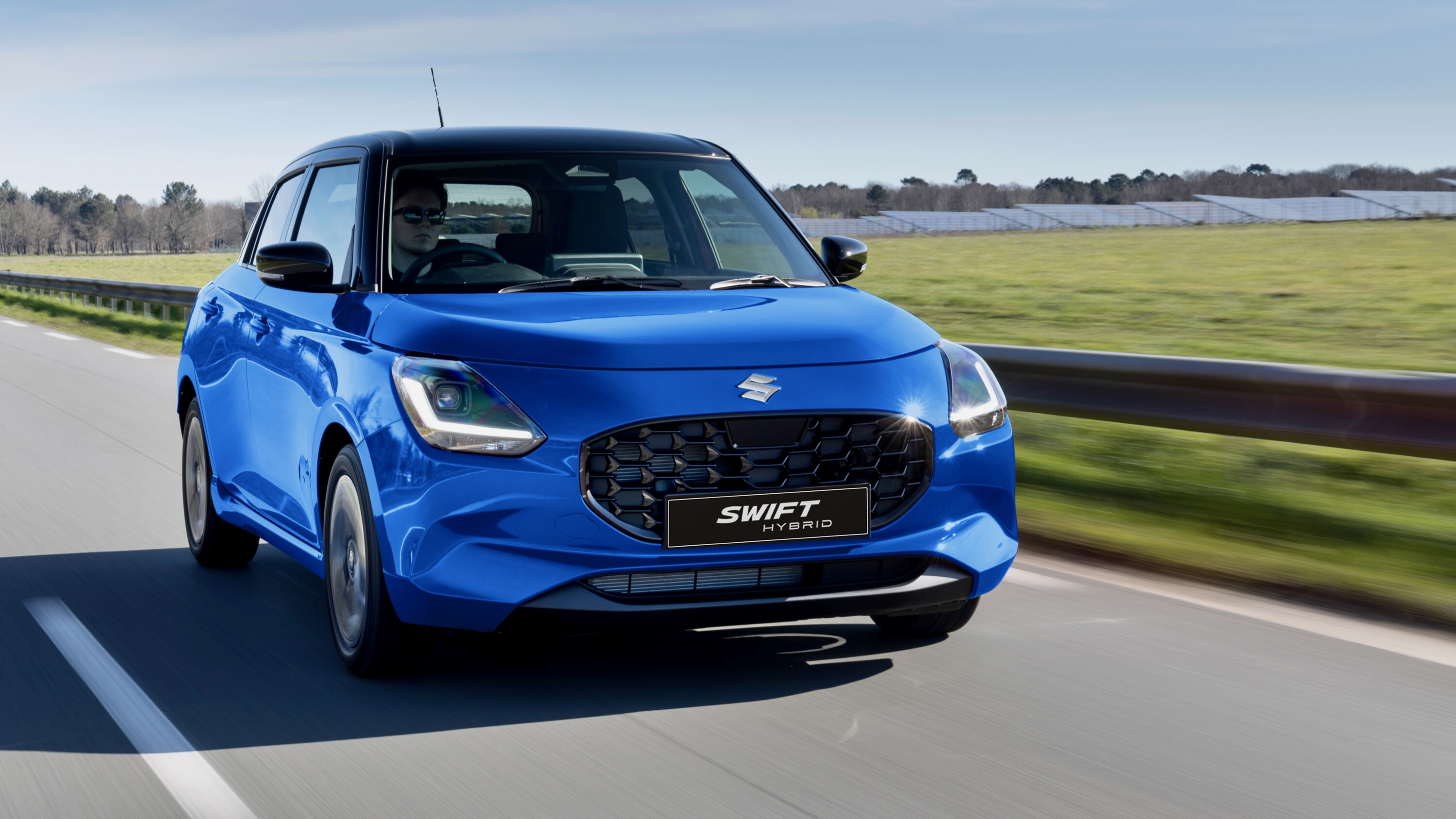
Drivetrain: 1.2-litre mild-hybrid three-cylinder, 61kW/112Nm, five-speed manual
Combined fuel economy: 3.8L/100km
Warranty: Five-year/unlimited km
The Suzuki Swift is an iconic little car and in its latest generation, it’s a good to drive as well as fuel efficient. Pricing starts from $25,490 driveaway and its 61kW 1.2-litre engine is hardly a firecracker, but it’s fine around town and with fuel economy rated from 3.8L/100km for the manual (CVT auto: 4.0L/100km), it’ll likely save you a lot in petrol. The Swift range is well equipped, with even the base model featuring a 9.0-inch touchscreen with inbuilt sat-nav, wireless Apple CarPlay and safety features like autonomous emergency braking and adaptive cruise control.
6) GWM Haval Jolion Lux: $26,990 driveaway
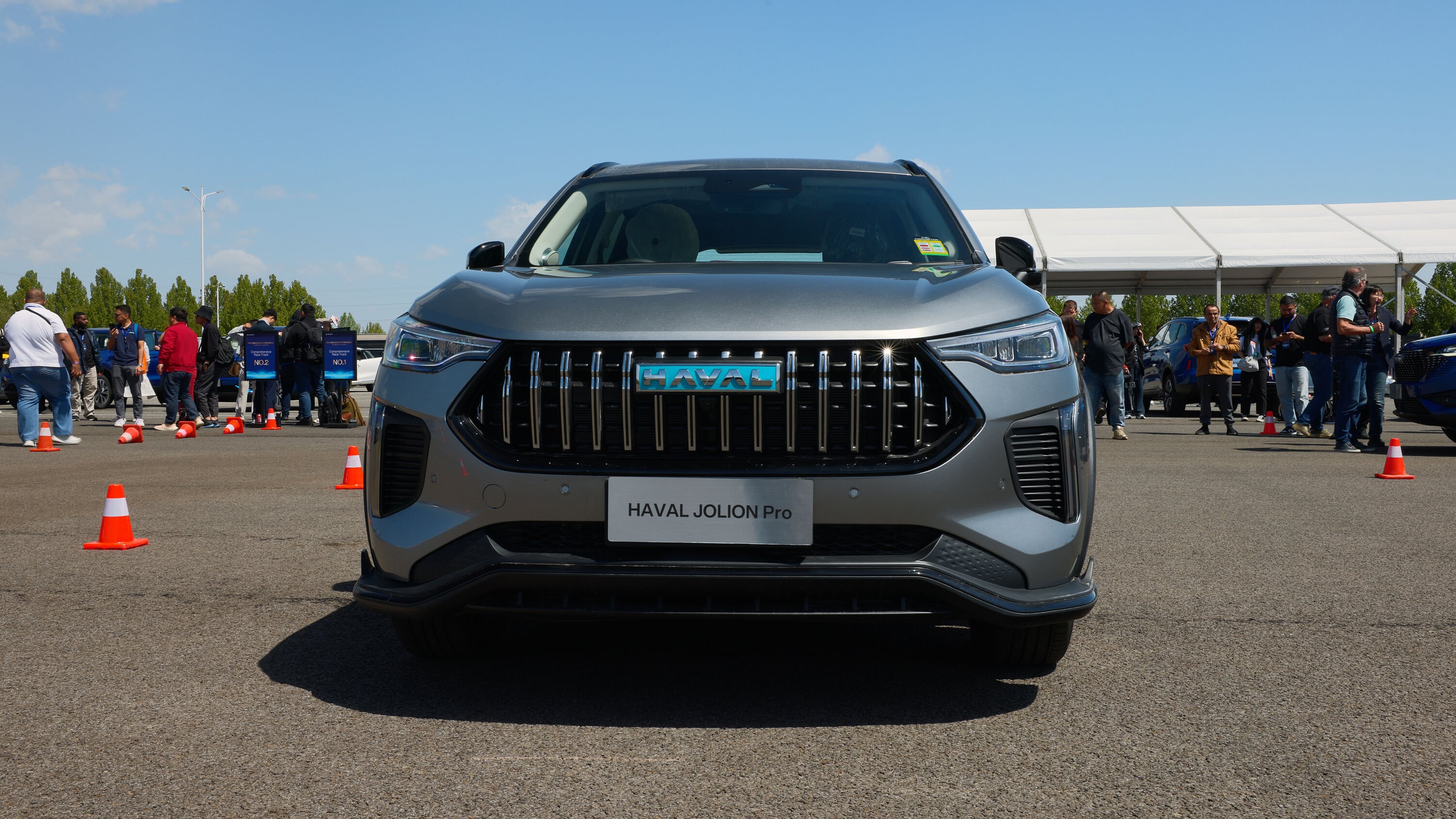
Drivetrain: 1.5-litre turbo four-cylinder, 105kW/210Nm, seven-speed dual-clutch
Combined fuel economy: 8.1L/100km
Warranty: Seven-year/unlimited km
The Jolion is a highly popular small SUV with 3593 sales under its belt in Australia to the end of February, and it’s easy to see why. It’s excellent value for money priced from just $26,990 driveaway, though there are deals to be had – for example, the base Lux is currently available for just $23,990 driveaway. Standard features are healthy across the range, and a 105kW 1.5-litre turbo-petrol engine is standard across the range – plus, a hybrid is also available.
7) BYD Atto 1 Essential: $27,096 driveaway
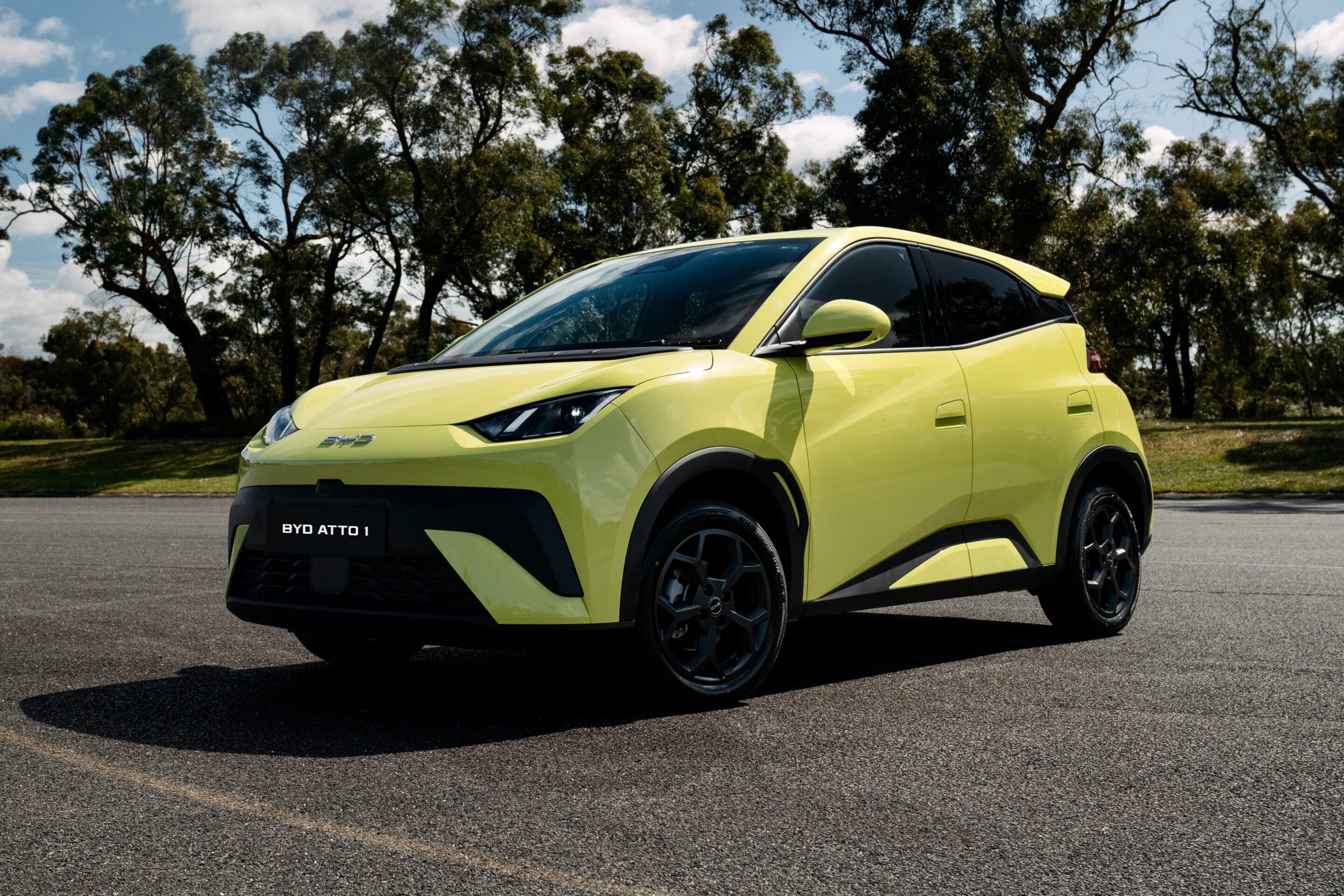
Drivetrain: Single-motor electric, 65kW/175Nm, single-speed
Range: 220km
Warranty: Six-year/150,000km (car), eight-year/160,000km (battery)
Perhaps surprisingly, it is possible to buy a fully electric vehicle for comfortably under $30,000 including on-road costs. BYD launched the Atto 1 electric light hatchback in late 2025 and it’s available in two specifications with the entry-level Essential using a small 30kWh battery for a reasonable 220km of range. The upper-spec Premium uses a larger 43.2kWh batter for 310km of range, though that’s priced at around $32,000 driveaway.
8) GAC Emzoom Luxury: $27,572 driveaway
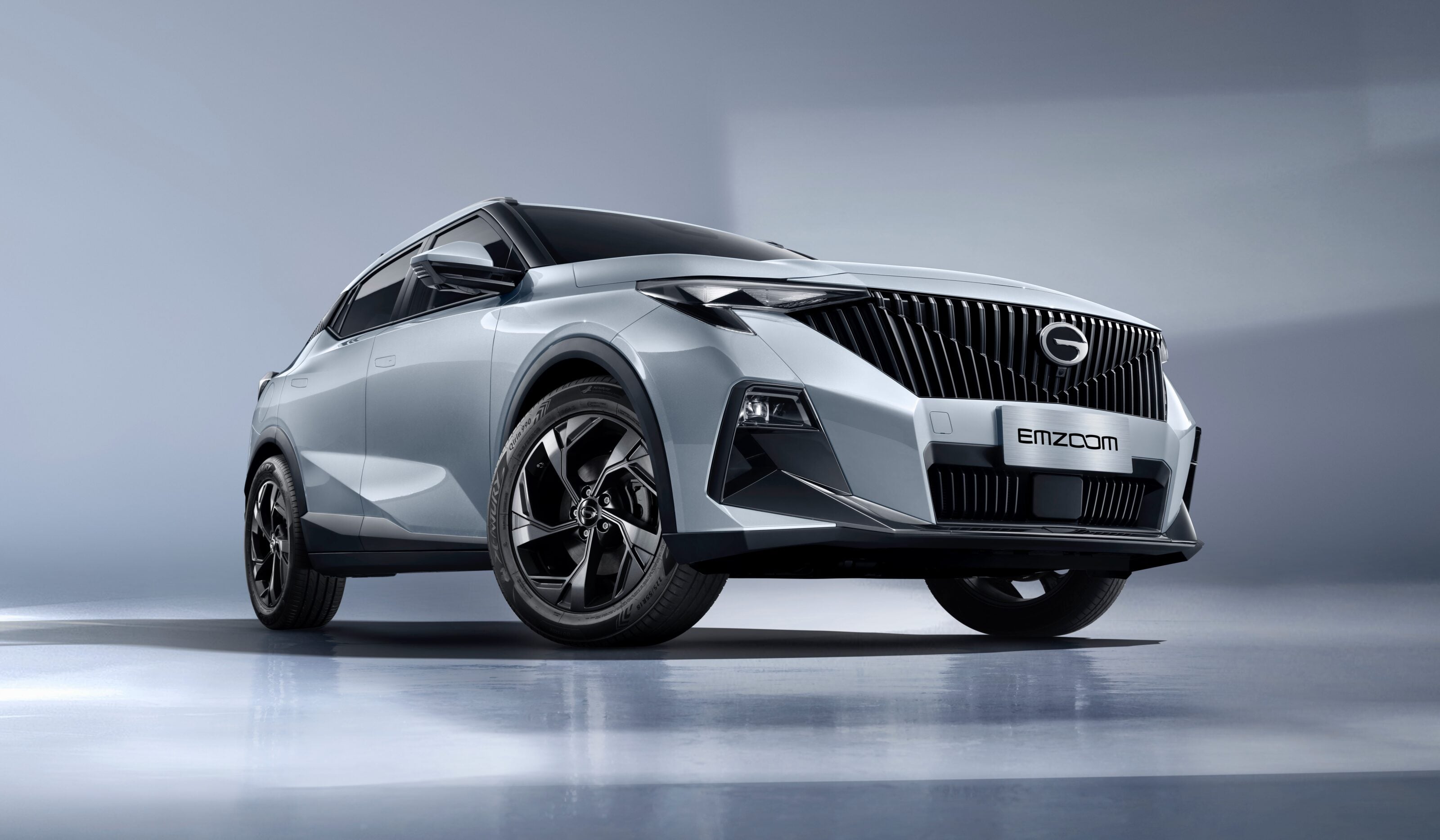
Drivetrain: 1.5-litre turbocharged four-cylinder, 125kW/270Nm, seven-speed dual-clutch
Combined fuel economy: 6.1L/100km
Warranty: Seven-year/unlimited km
GAC is a new brand to Australian shores – the Emzoom is its petrol-powered small SUV and its most affordable product locally. It features a 1.5-litre turbo-petrol engine making a gutsy – for this list, anyway – 125kW of power and 270Nm of torque, which is mated to a seven-speed dual-clutch transmission. The Emzoom is funkily styled and well equipped, and is one of Australia’s cheapest small SUVs.
9) Hyundai Venue: $27,636 driveaway
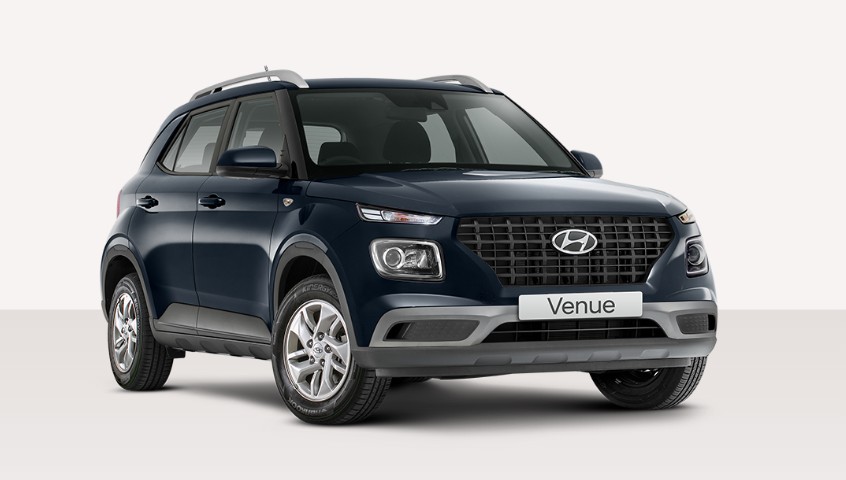
Drivetrain: 1.6-litre four-cylinder, 90kW/151Nm, six-speed manual or automatic
Combined fuel economy: 7.0-7.2L/100km
Warranty: Five-year/unlimited km (extendable to seven years with dealer servicing)
The Hyundai Venue is the cheapest product that Hyundai sells locally, but it’s also a good small SUV option thanks to its spacious feeling inside, solid driving experience and – rarely – the fact it still offers the option of a six-speed manual. A 1.6-litre petrol engine is standard across the range, which is a little thirstier than competitors, but it makes a reasonable 90kW of power.
10) Mazda2 G15 Evolve: $28,990 driveaway
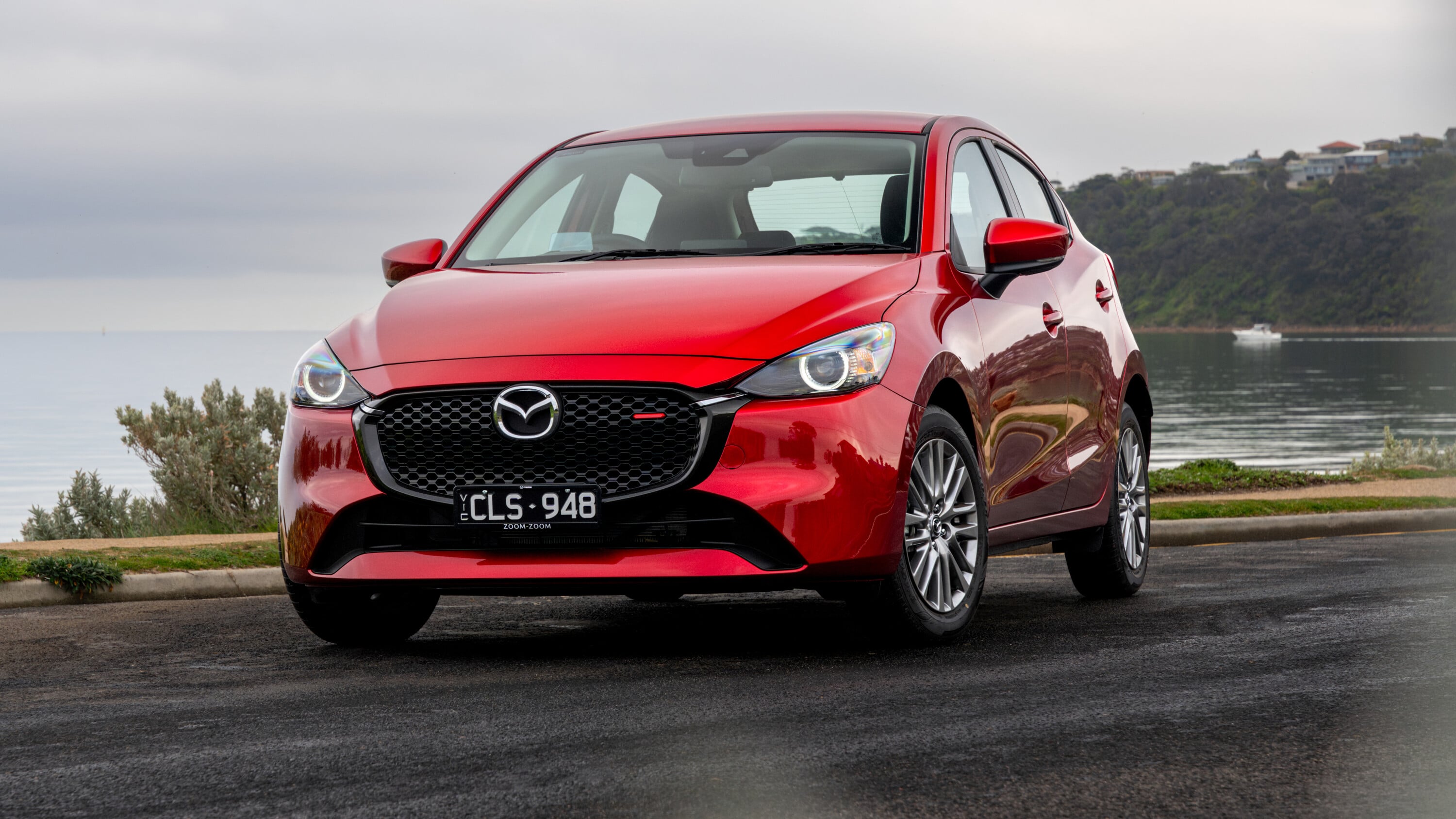
Drivetrain: 1.5-litre four-cylinder, 81kW/142Nm, six-speed automatic
Combined fuel economy: 5.0L/100km
Warranty: Five-year/unlimited km
The final entrant in the top 10 cheapest cars in Australia is the venerable Mazda2, which is currently priced from $28,990 driveaway. An 81kW/142Nm 1.5-litre petrol engine with a six-speed automatic transmission is standard across the range, as is a long list of standard features like climate control, an 8.0-inch touchscreen with wireless smartphone mirroring and even adaptive cruise control. The 2 is also fun to drive and fuel efficient too, rated at just 5.0L/100km.
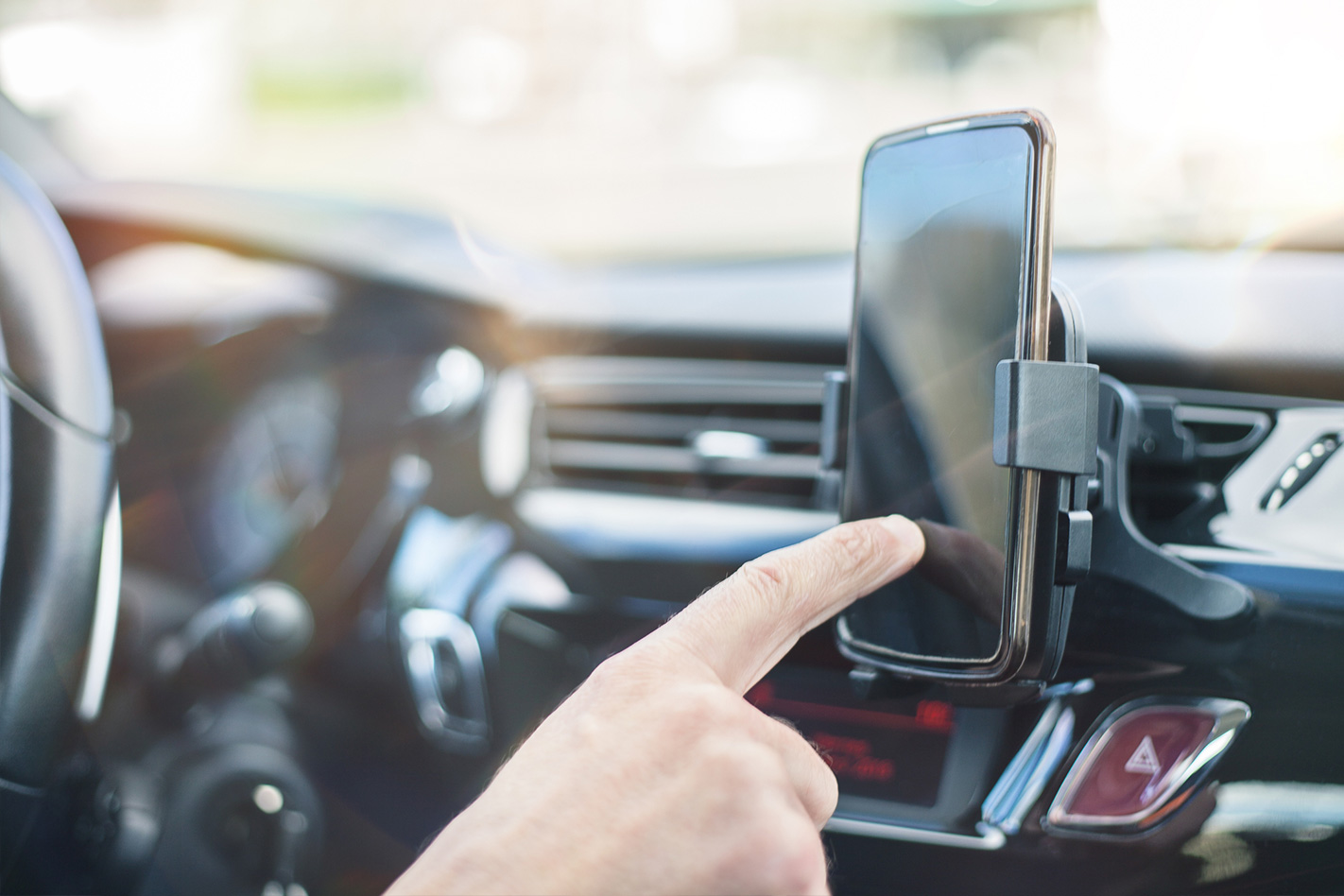
Mobile phone use is being detected in one out of every eight car trips in Australia on Good Fridays, according to new data analysing more than 72 million kilometres of driving – raising concerns ahead of the busy Easter holiday period.
The findings point to distraction as a persistent issue on Australian roads, particularly during peak travel times when traffic volumes increase and conditions become more demanding.
The data, collected through the Safe ‘n Save program driving behaviour monitoring program run by insurer ROLLiN, tracks actions such as speeding, harsh braking and mobile phone use. Phone interaction is recorded when a driver unlocks their device or opens apps while the vehicle is in motion.
With many Australians expected to travel over Easter, authorities and road safety experts are warning that even brief lapses in attention can significantly increase risk.
Periods of higher danger tend to follow predictable patterns, with Friday afternoons and early Saturday afternoons flagged as key times when congestion, fatigue and impatience combine. These conditions can amplify the dangers of distraction, particularly on unfamiliar regional roads.
At 50km/h, taking your eyes off the road for just one second means travelling close to 14 metres without awareness of what’s ahead. Over the course of a typical 10km trip, repeated phone use can result in hundreds of metres driven without full attention.
The data also highlights variation between states, with Victoria recording the highest rate of phone use at one in seven trips. New South Wales follows at one in eight, while Queensland, South Australia and Western Australia all sit at around one in nine. The ACT recorded the lowest rate among surveyed regions.
While enforcement measures such as mobile phone detection cameras have increased in recent years, the figures suggest behavioural change remains a challenge.
The analysis also indicates that safer driving habits can have measurable benefits, with many drivers achieving consistently high safety scores through smoother, more attentive driving.
As traffic builds over the long weekend, the message remains straightforward: staying focused behind the wheel is critical. With heavier traffic, longer journeys and unfamiliar routes, even a momentary distraction can have serious consequences.
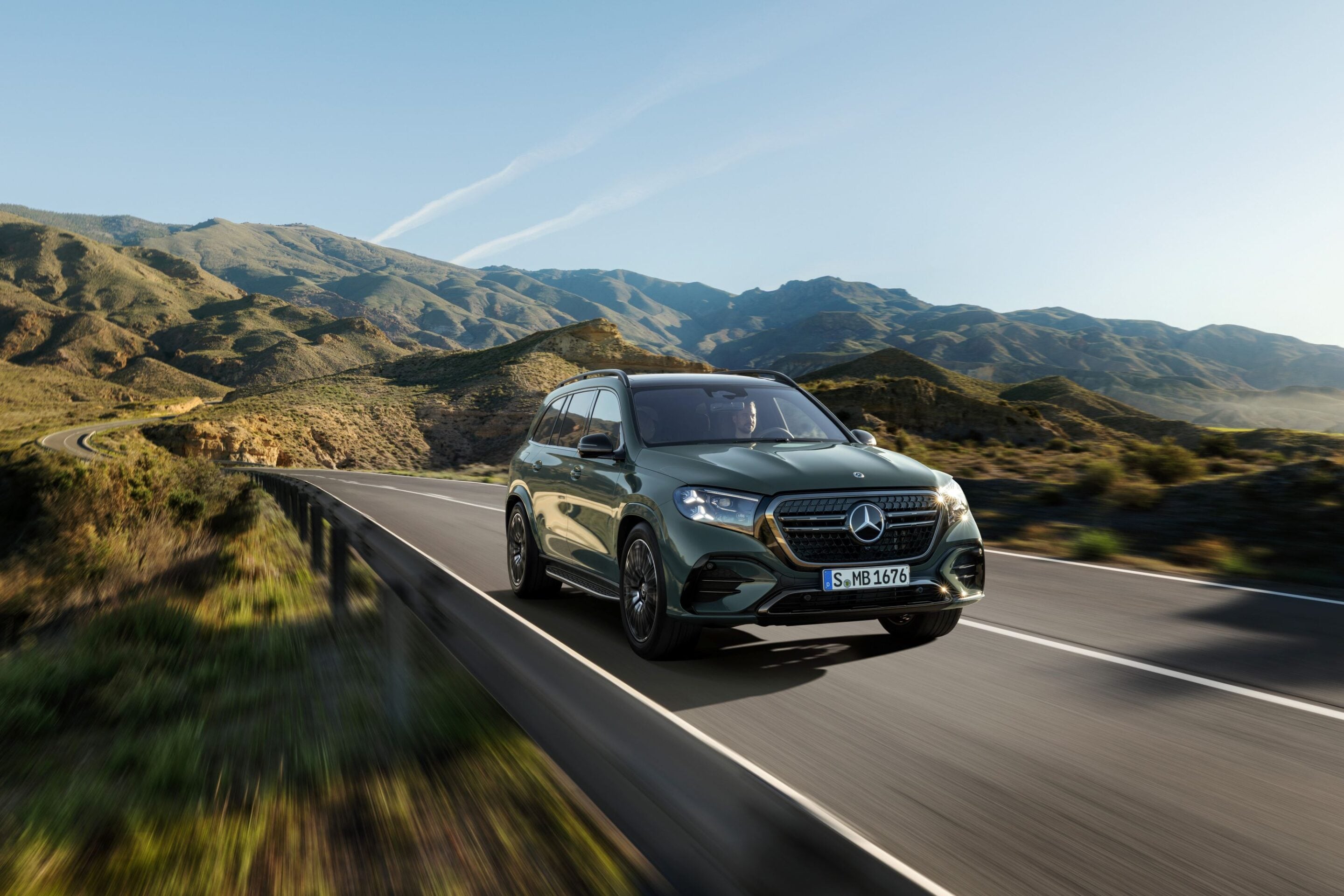
Mercedes-Benz has revealed an updated version of its flagship GLS SUV, introducing revisions to its engine range, digital systems and interior while retaining its focus on space and comfort.
The seven-seat SUV, often positioned as the brand’s largest and most luxurious offering, receives a series of incremental updates rather than a full redesign. Key changes include revised petrol and diesel engines, updated suspension technology and an expanded suite of driver assistance systems.
At the top of the range, the GLS 580 4MATIC V8 sees a modest power increase to 395kW, with torque now sitting at 750Nm. Mercedes-Benz says the engine has been reworked to improve responsiveness and efficiency, with changes to the turbocharger, intake and emissions systems. A switch to a flat-plane crankshaft also forms part of updates aimed at meeting future emissions standards.
Six-cylinder variants have also been revised. The GLS 450 petrol model gains improved torque delivery, now rated at 560Nm, while diesel versions introduce updates aimed at improving efficiency and reducing emissions, including an electrically heated catalyst system.
All engines are paired with a 48-volt electrical system and integrated starter generator, allowing for functions such as coasting, energy recuperation and brief power boosts under acceleration.
Underneath, the GLS continues with air suspension as standard, while higher-spec models offer an advanced active suspension system that can adjust each wheel individually. The system uses multiple sensors and control units to adapt to road conditions in real time, aiming to balance ride comfort with improved handling.
Inside, the most noticeable change is the introduction of a new digital interface. A wide glass panel houses three screens across the dashboard, running the latest version of Mercedes-Benz’s operating system. The system supports over-the-air updates and integrates a range of connected services, including navigation based on Google Maps.
Rear-seat passengers also benefit from upgrades, with dual 11.6-inch screens available for entertainment and additional controls. The GLS retains its focus on practicality, offering three rows of seating with space for up to seven occupants and up to 2400 litres of cargo capacity with the rear seats folded.
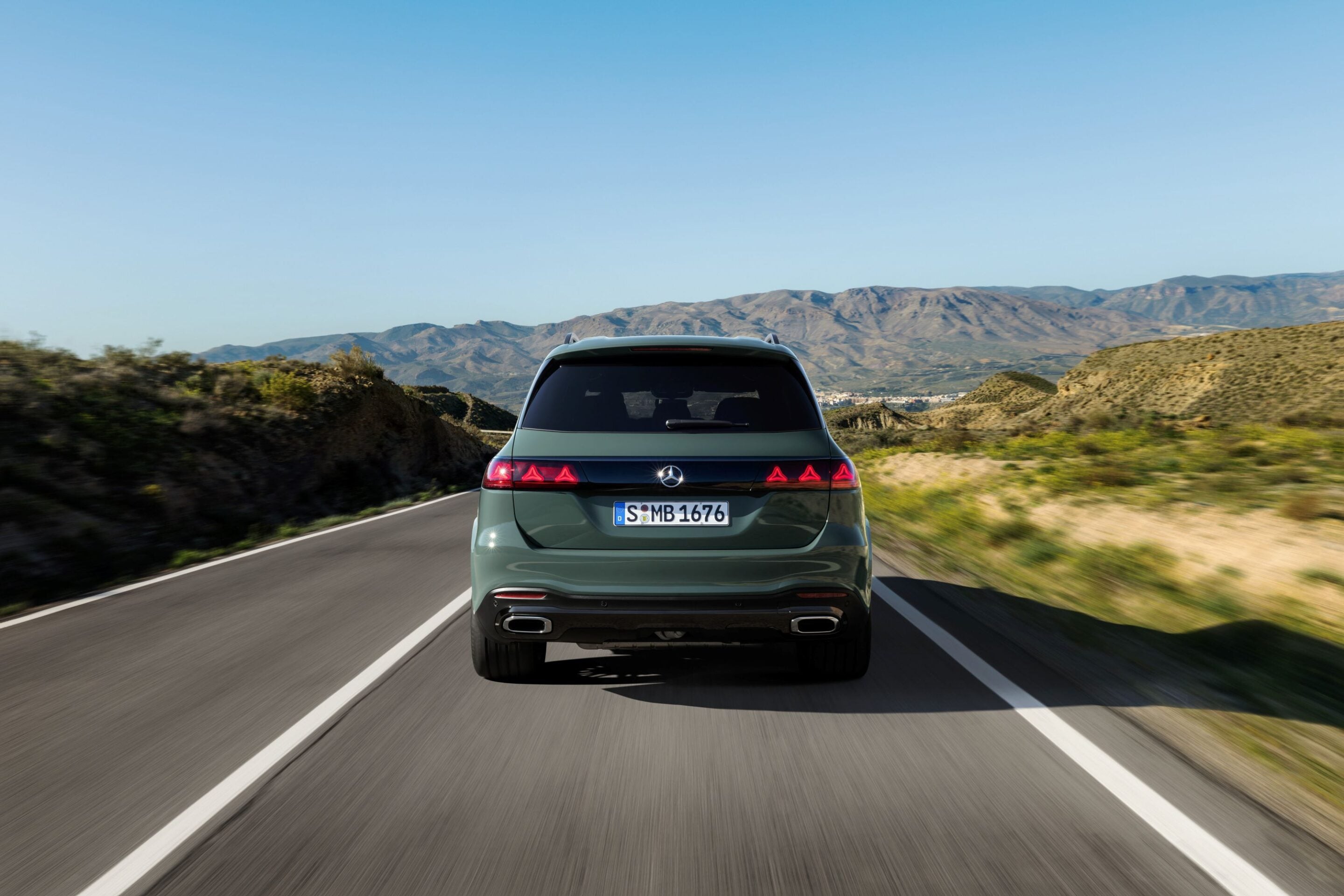
Design changes are relatively subtle, including a revised grille, updated lighting signatures and new wheel designs. Additional customisation options have also been introduced, with new exterior colours and interior trims available.
The updated GLS continues to target buyers seeking a large luxury SUV with a strong emphasis on space, technology and long-distance comfort.
Mercedes-AMG has updated its GLE 53 line-up, introducing revised powertrains, updated chassis systems and subtle design changes across both SUV and coupe variants.
At the centre of the update is a reworked 3.0-litre turbocharged inline six-cylinder petrol engine. Outputs remain strong at 330kW, with torque figures of up to 600Nm – or 640Nm temporarily available via overboost in the 48-volt version. AMG says the revised engine delivers a broader torque band and sharper response, helped by changes including a new cylinder head, intake system and turbocharger tuning.
The 48-volt mild-hybrid system also plays a larger role, with the integrated starter-generator providing an additional 17kW and 205Nm under acceleration. Combined with an upgraded electric compressor, throttle response is said to be more immediate. In this form, the GLE 53 can complete the 0–100km/h sprint in 4.8 seconds.
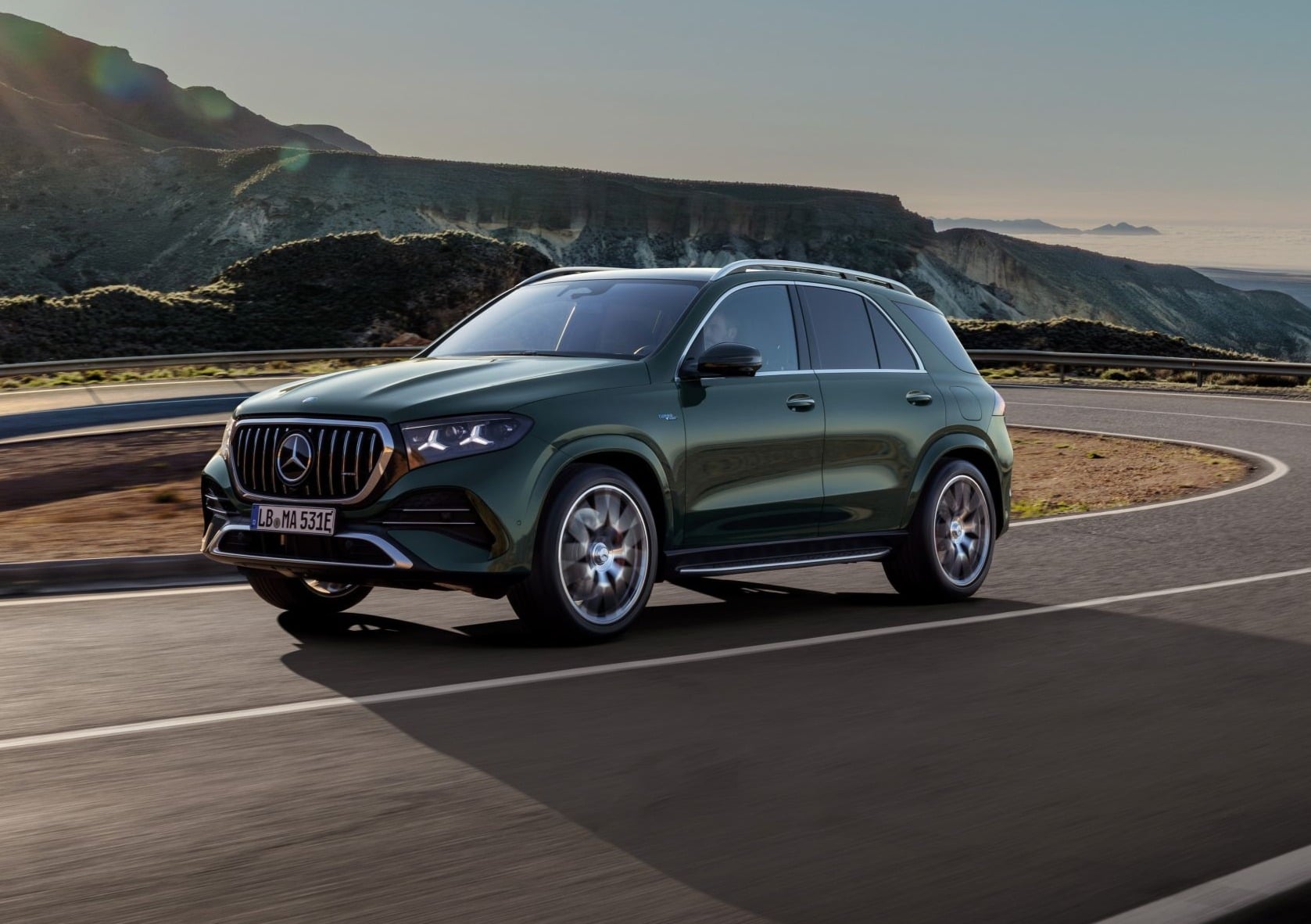
Alongside it sits a more powerful plug-in hybrid variant, pairing the same six-cylinder engine with a 135kW electric motor. Total system output rises to 430kW and 750Nm, cutting the 0–100km/h time to 4.5 seconds. The hybrid can also drive on electric power alone at speeds up to 140km/h, with a claimed electric-only range of around 90 kilometres under WLTP testing.
Charging is supported by an 11kW onboard AC charger, with an optional DC fast-charging capability allowing a 10 to 80 per cent recharge in roughly 20 minutes.
Underneath, AMG has revised its air suspension and optional active roll stabilisation system. The setup aims to balance ride comfort with sharper handling, while updated software calibration is intended to improve body control and steering response. A revised stability control system and fully variable all-wheel drive system are also part of the update.
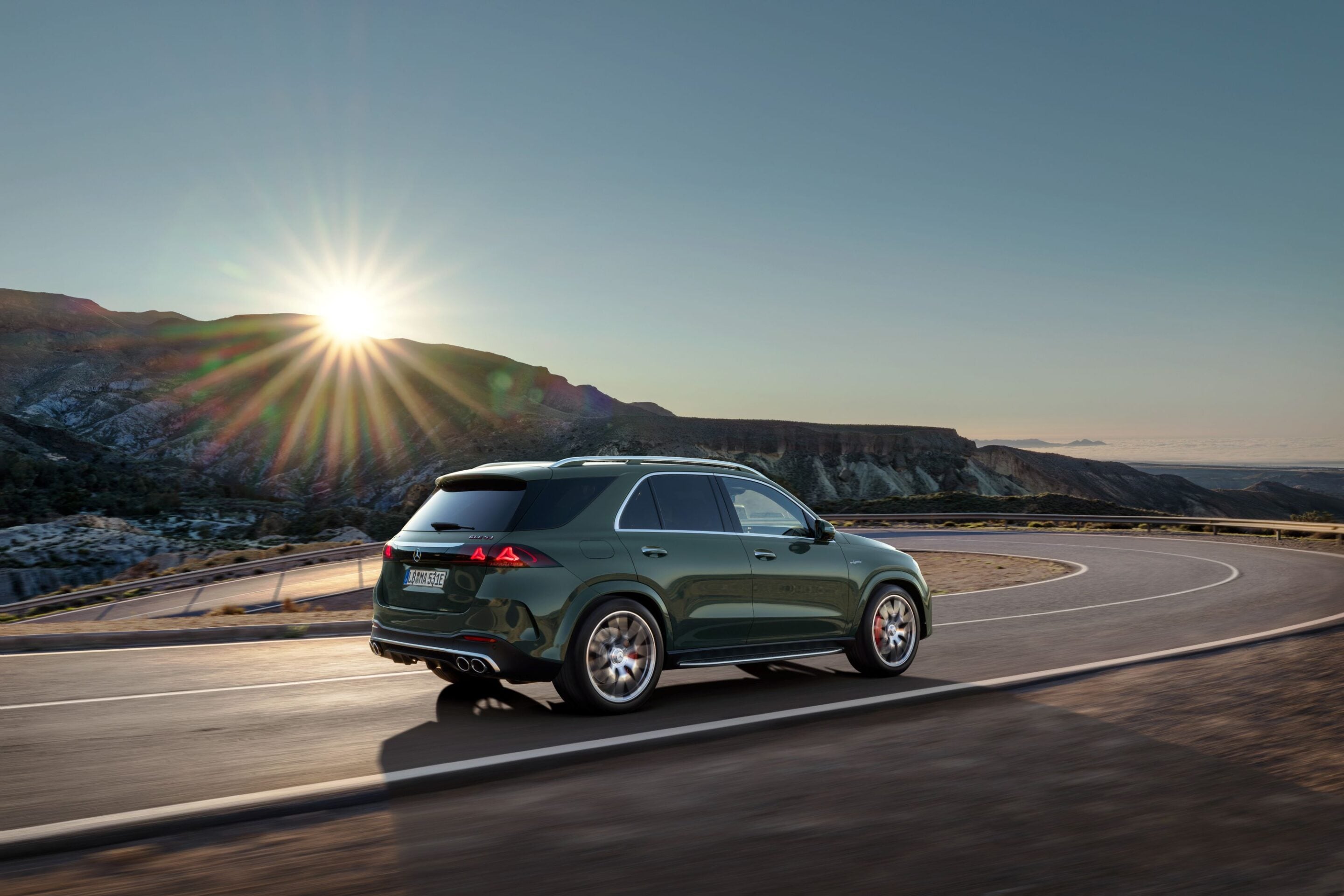
Driver assistance systems have also been expanded, offering semi-automated functions such as adaptive cruise control, lane keeping and speed adjustment.
Visually, changes are relatively modest, with updates to the grille, lighting signatures and rear design. Inside, the cabin receives updated materials and trim options, along with the latest version of Mercedes-Benz’s digital operating system and AMG-specific displays.
The updated GLE 53 range continues to offer a wide degree of customisation, with various interior finishes, wheel designs and exterior colours available.
