
Rolls-Royce went all in on electrification of its range of super high-end luxury vehicles, stating that it would be electric-only by 2030. And, in the sense that electric means near-silent, a brand like Rolls-Royce was perhaps best placed to benefit from a move away from internal combustion.
Luxury is often associated with insulation and silence in the automotive world, and removing the noise associated with an internal combustion powertrain is one of the easiest ways to add to the premium sense of luxury the bespoke British manufacturer prides itself on.
However, demand for EVs is waning globally, not just in Australia, and Rolls-Royce is now the latest manufacturer to walk back its claim to go electric-only by 2030, claims a report in The Times.
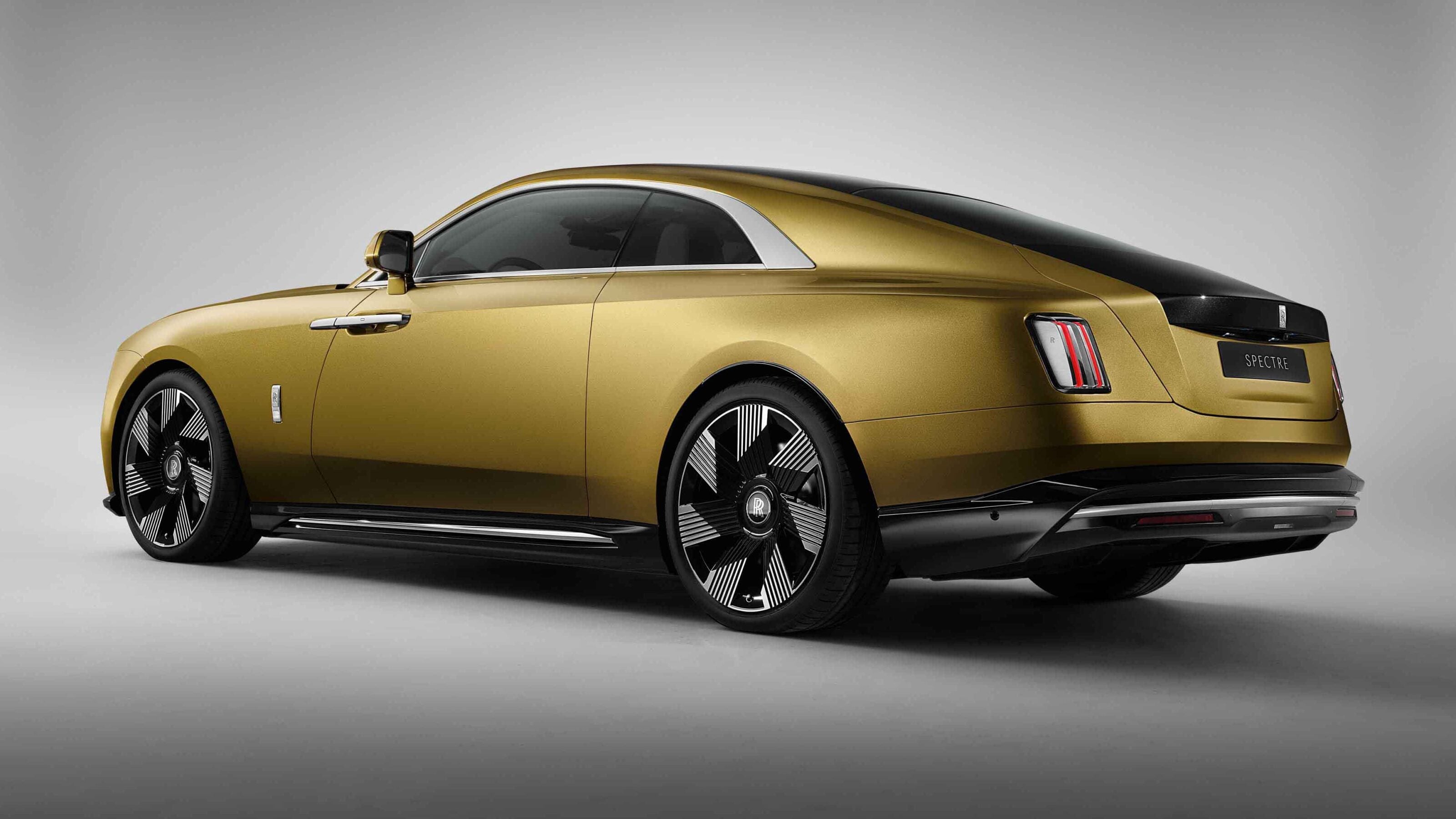
Scaling back EV targets is an expensive exercise, but for Rolls-Royce it’s an admission that its customer base isn’t yet ready to make the leap. Newly-appointed CEO Chris Brownridge told The Times that the company had dropped its plan to go EV-only by 2030, and instead would continue to produce its legendary V12 internal combustion engine for the foreseeable future.
Brownridge told The Times that slowing demand was the main factor, but relaxed regulations would also play their part. “For every client that loves an electric vehicles, there is one who doesn’t,” he said. He did claim however, that the company’s desire to go fully electric by 2030 was the right move to make at the time.
Parent company BMW stated in early 2026 that it can continue to produce internal combustion engines, most specifically here the V12 used by Rolls-Royce, and indeed ensure that it meets Euro 7 emissions guidelines.
Rolls-Royce has stated that it has no plans for now to kill off the Spectre EV completely, and while initial demand was as the company had forecast, sales dropped in 2025, falling 47 per cent to 1002 vehicles globally.
BMW has confirmed its newly integrated Alpina brand will return at the very top of its model range, with flagship versions of the 7 Series sedan and X7 SUV set to lead the relaunch.
Following BMW’s acquisition of Alpina, the brand is being repositioned as a more exclusive, luxury-focused offering, sitting between mainstream BMW models and Rolls-Royce. According to comments made to Auto Express by BMW’s head of research and development, Joachim Post, the rollout will begin with the company’s largest and most expensive vehicles.
“We will bring Alpina from the top,” Post said, confirming that the first models will be based on the 7 Series and X7.
The new Alpina 7 Series is expected to follow an updated version of BMW’s flagship sedan due in the near future, while a next-generation X7 is scheduled to arrive around 2027. Both will serve as the foundation for Alpina’s shift toward a more luxury-oriented identity.
While full details remain under wraps, the new Alpina models are expected to feature bespoke styling elements, upgraded interiors and a higher level of customisation compared with standard BMW variants. However, major structural changes are unlikely, with development expected to focus on refinement rather than entirely new body designs.
Mechanically, BMW has confirmed that Alpina will remain flexible in its approach to powertrains. That means future models could include both combustion engines and electric drivetrains, reflecting broader changes across the BMW range.
Importantly, BMW is positioning Alpina as distinct from its M performance division. Where M models are designed with track capability in mind, Alpina will instead focus on high-speed touring, comfort and long-distance refinement.
That positioning puts future Alpina models in closer competition with luxury brands such as Bentley and Mercedes-Maybach, rather than traditional performance rivals.
Smaller Alpina variants based on models like the 3 Series or 5 Series remain uncertain, with BMW’s immediate focus clearly on establishing the brand at the top end of its portfolio.
The resurrected Melbourne Motor Show has announced it will return in 2026 after a successful event last year.
To be held this year from Friday April, 10 at the Melbourne Convention and Exhibition Centre (MCEC) at South Wharf, the event will cover 40,000 square metres of exhibition space, or double the size in 2025, making it the southern hemisphere’s largest international motor show. A sellout event in 2025, the show now has over 120 exhibitors in a huge gathering of automotive manufacturers and aftermarket brands.
Over 100,000 visitors will experience new vehicle launches, a 100-vehicle test drive circuit, live DJs, famous faces, and attractions for kids including Hot Wheels’ largest ever Australian retail activation, Bricks by Mattel, race car simulators and more.
So far, confirmed manufacturers attending the show include Honda, Kia, BYD, Denza, MG and Geely. Plus, other industry brands such as Harley Davidson, Penrite Oil, Deus ex Machina and more.
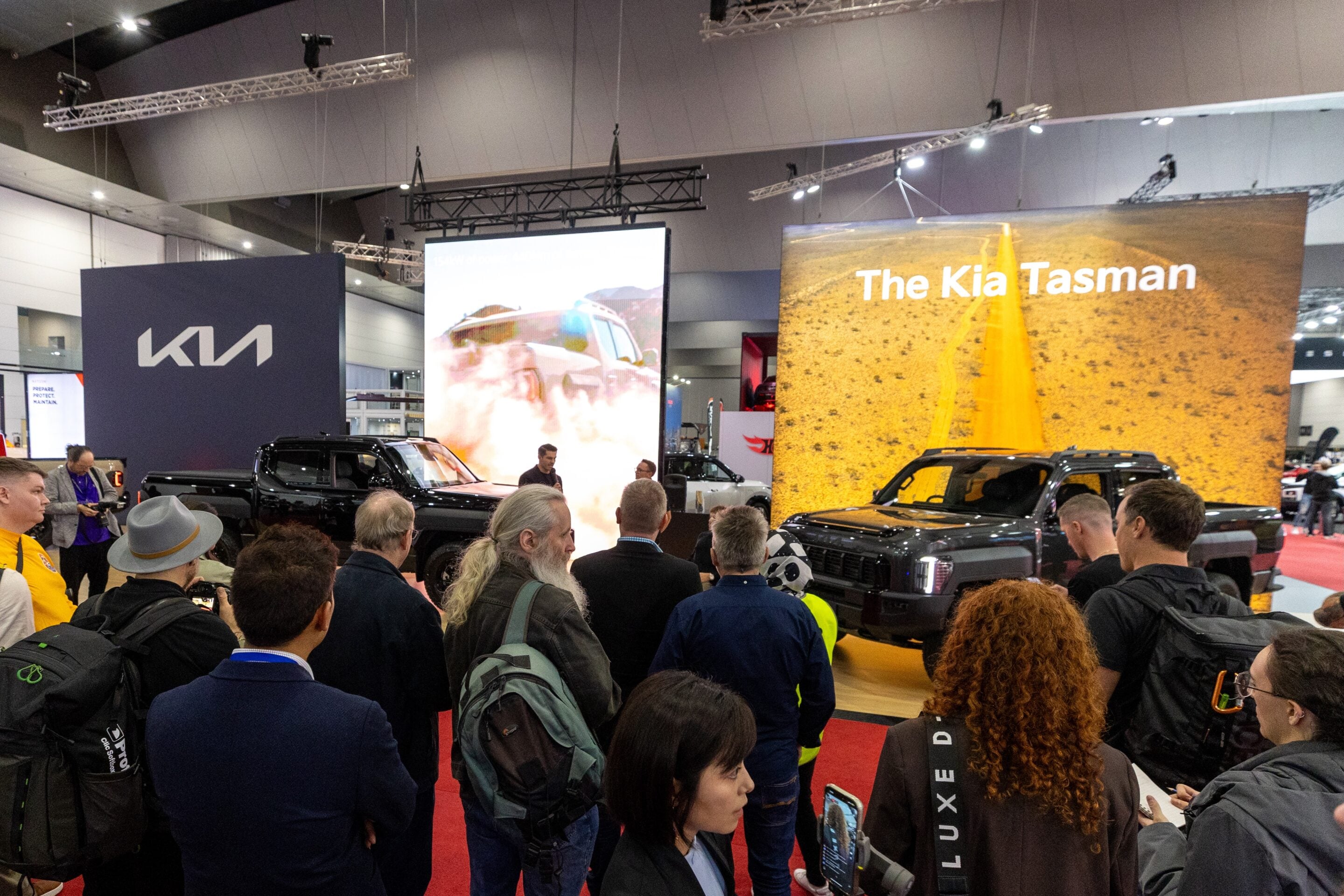
Photos from the 2025 Melbourne Motor Show
Universal will also present the 25th Anniversary Fast & Furious Exhibition, which is an immersive fan experience featuring iconic cars from the global film franchise, exclusive merchandise, and “FastPass” priority access for the ultimate fan, meaning shorter queues.
There will also be the Hot Wheels Activation Zone with an interactive race track and gaming zone, mini cinema and limited edition collectibles, as well as the 100-vehicle Test Drive Zone, which is a chance for visitors to get behind the wheel of the latest models from a wide range of manufacturers.
Tickets for the 2026 Melbourne Motor Show are available online here and prices start from $37.50 for General Admission and Family Passes are available from $99.00.
Australia’s consumer watchdog (ACCC) has announced an investigation into allegations that major fuel suppliers – Ampol, Mobile and Viva Energy – had been engaging in anticompetitive conduct. Hot on the heels of that announcement, Prime Minster Anthony Albanese launched his own taskforce, to ensure fuel supply remains secure as the war in the Middle East continues.
The newly assembled body, called the ‘Fuel Supply Taskforce’ will be headed up by former Australian Energy Regulator and Energy Security Board head, Anthea Harris. “The government is, of course, responsible for fuel security and supply, but it is the states ands territories that are responsible for distribution,” Prime Minister Albanese said. “The best outcome is to ensure that Australia is over-prepared, and today’s announcement reinforces that approach.”
The Prime Minister reiterated claims by ministers in his government that there was more fuel in the country today than there was three weeks ago, and continued his assertion that any fuel crisis is driven by demand rather than supply. That’s cold comfort to regional Australians already suffering shortages at their local fuel stations.
The Prime Minister reiterated that a single managing body is the best way forward through the next phase of the war in the Middle East.
“There are a range of forums being held, including the National Coordination Mechanism,” he said. “All those meetings are continuing, but to have a single point of contact on fuel security and supply chains was a common-sense response.”
The Prime Minister explained that Foreign Affairs Minister Penny Wong is engaging with key international counterparts to ensure a steady flow of fuel and diesel shipments into Australia, and that he has been engaged in that same process as well.
“Our fuel supply is currently secure,” he said. “I want us to be over-prepared and I understand there are Australians in some parts of the nation that are really worried as they watch what is unfolding in the Middle East and that is understandable.”
He reiterated that Australians should not buy more fuel than they need, as the most significant way individuals can assist in the current crisis. For now though, each state and territory will nominate one point person to liaise directly with the taskforce.
With some petrol stations in regional parts of Australia already running dry, the coalition has argued that this taskforce has come too late, but the government asserts it is the easiest and most efficient way to manage supply and delivery, especially into remote areas.
In a somewhat surprising incidence of a manufacturer not just listening to feedback, but taking it onboard and then acting on it, Ferrari is offering to retrofit its unpopular steering wheels with haptic controls.
Customer feedback – and that of testers around the world – indicated that Ferrari’s haptic controls were too easy to brush past while driving, and therefore hit a control you hadn’t meant to touch, reports Motor1. WhichCar by Wheels has done it numerous times while testing otherwise sensational Ferrari cars. In the case of the 2027 Ferrari Amalfi – a refreshed version of the Roma – it will go on sale with traditional switchgear, reverting back from the Roma, which featured the haptic controls.
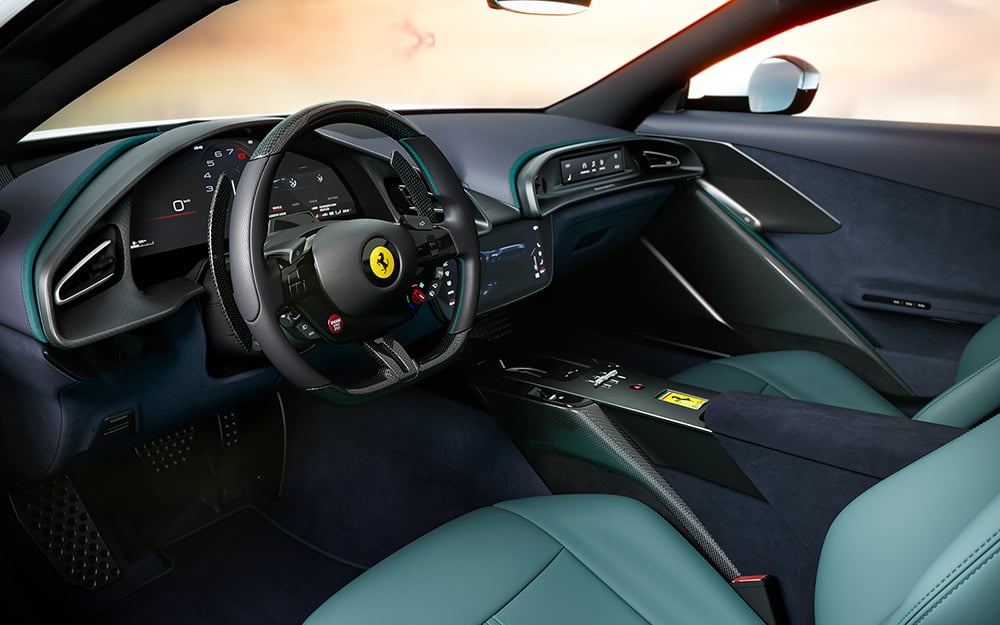
Ferrari knows how to build cars – just ask anyone representing the brand and they will tell you. Evidently, Ferrari also likes to remind journalists that it also knows what its customers want – usually with deep clarity. That’s why the recent decision to effectively admit fault, listen to the strong feedback from customers and then act swiftly on it, is all the more surprising.
Owners lucky enough to park either a 12 Cilindri or Purosangue (below) in their garages can now have a steering wheel retro fitted by Ferrari, that removes the contentious haptic controls that came standard on the steering wheel. A spokesperson for Ferrari also told Car and Driver that the programme would extend to 296 GTB, 296 GTS and the Roma Spider.
Motor1 spotted an Instagram post from Ferrari of Atlanta noting the change, with the new design swapping out all haptic controls on the steering wheel for regular buttons, except for the start/stop button, which will retain its haptic design.
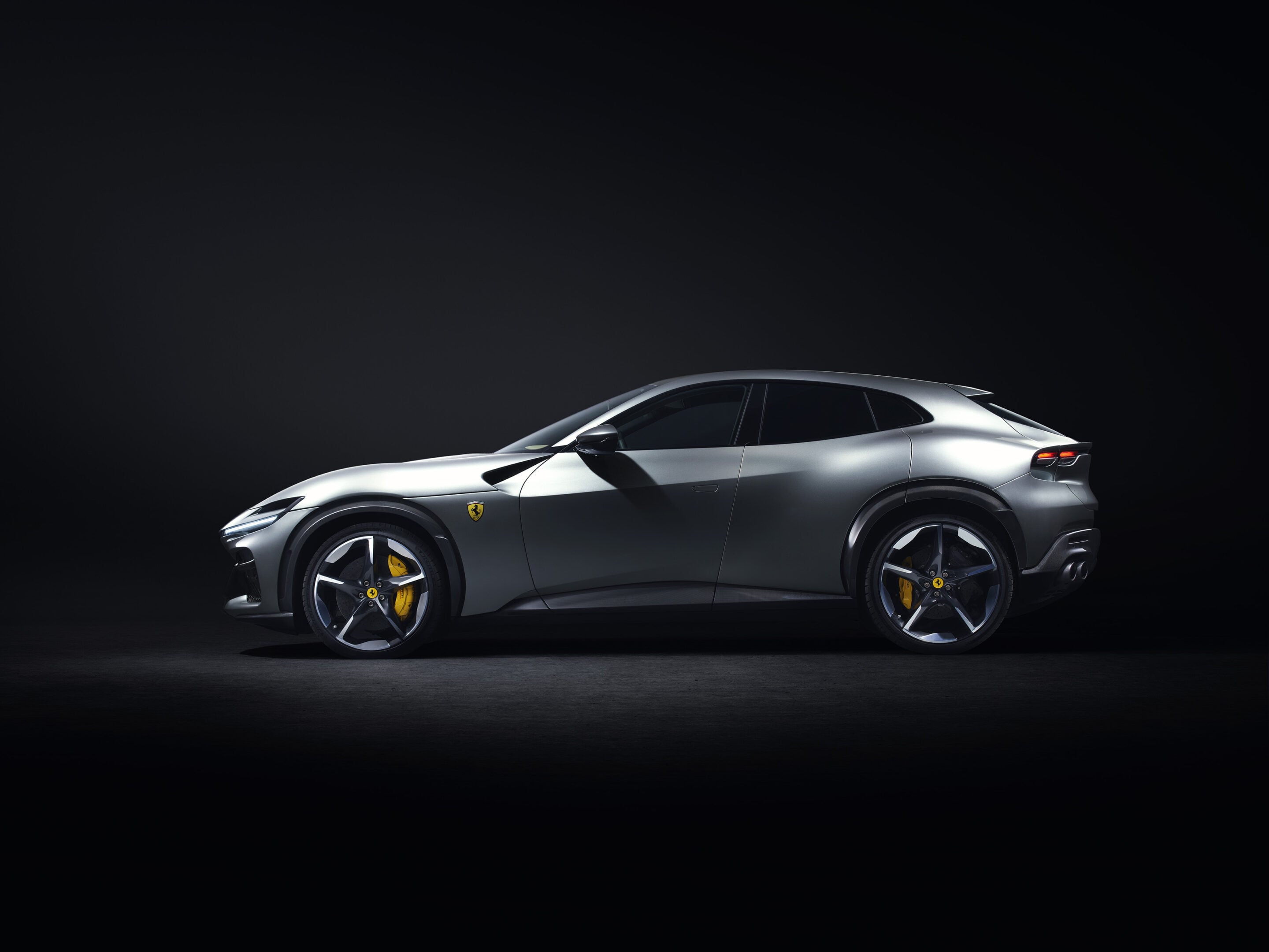
WhichCar by Wheels contacted Ferrari Australia to find out what this means for Australian customers. “The Ferrari steering wheel retrofit is a client-driven optional solution that reflects Ferrari’s commitment to listening to its customers,” Ferrari Australasia Communications Manager Ryan Lewis told us.
“Over time, a preference was expressed for physical, tactile steering-wheel controls rather than touch commands. Ferrari invested in the development effort required to engineer, validate and industrialise a retrofit alternative in response to this feedback. The solution is now available in Europe as a voluntary option for clients who wish to adopt a different interface. Subsequent regions, including Australia and New Zealand, will follow.”
One fault of modern cars is that some don’t offer a level of connection with the driver that many of their predecessors used to and as such, finding non-performance cars that are satisfying for keener drivers is difficult. That’s especially true with the influx of SUV models, which can exacerbate the problem thanks to their higher centres of gravity and carrying more weight.
Thankfully for some, there are some small SUV options that drive as nimbly and responsively as cars. Here’s the WhichCar by Wheels guide to five of the best:
Mazda CX-3
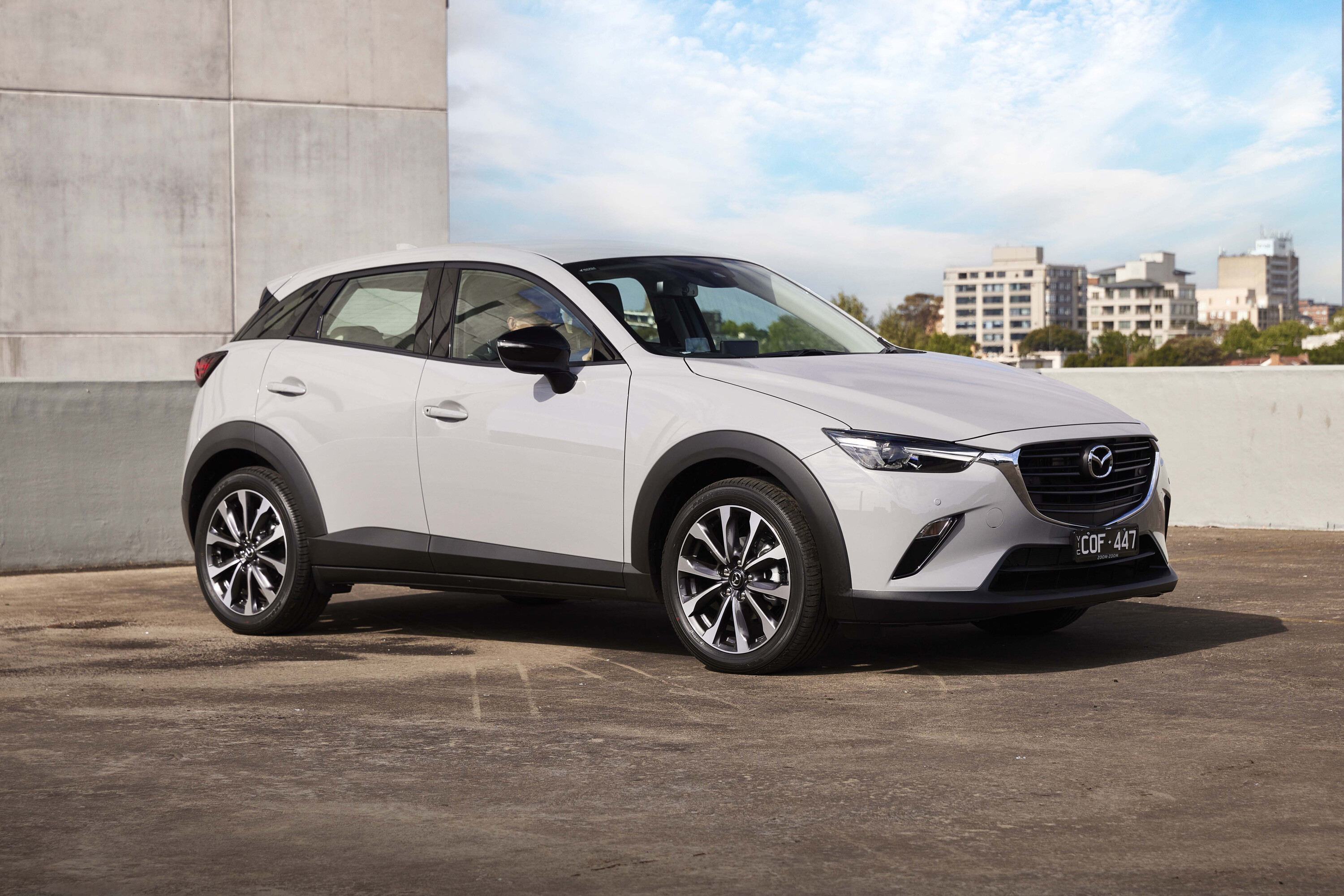
Price: From $30,670 plus on-road costs
Drivetrains: 110kW 2.0-litre petrol, six-speed auto, FWD
With the dynamic Ford Puma no longer sold in Australia, the Mazda CX-3 has taken over as the most car-like small SUV to drive. Of course, it’s not the newest kid on the block – in fact, it’s over a decade old, but that means that unlike a lot of its competition, its steering actually offers feel and its chassis is sharp. Its ride quality is also sharp – it could be a bit softer in urban driving – but it’s quite fun to drive, like the Mazda2 on which it’s based. The CX-3 doesn’t score well for practicality, but if you’re after a non-performance small SUV that still rewards the driver, it should be at the top of your list.
Mazda CX-30
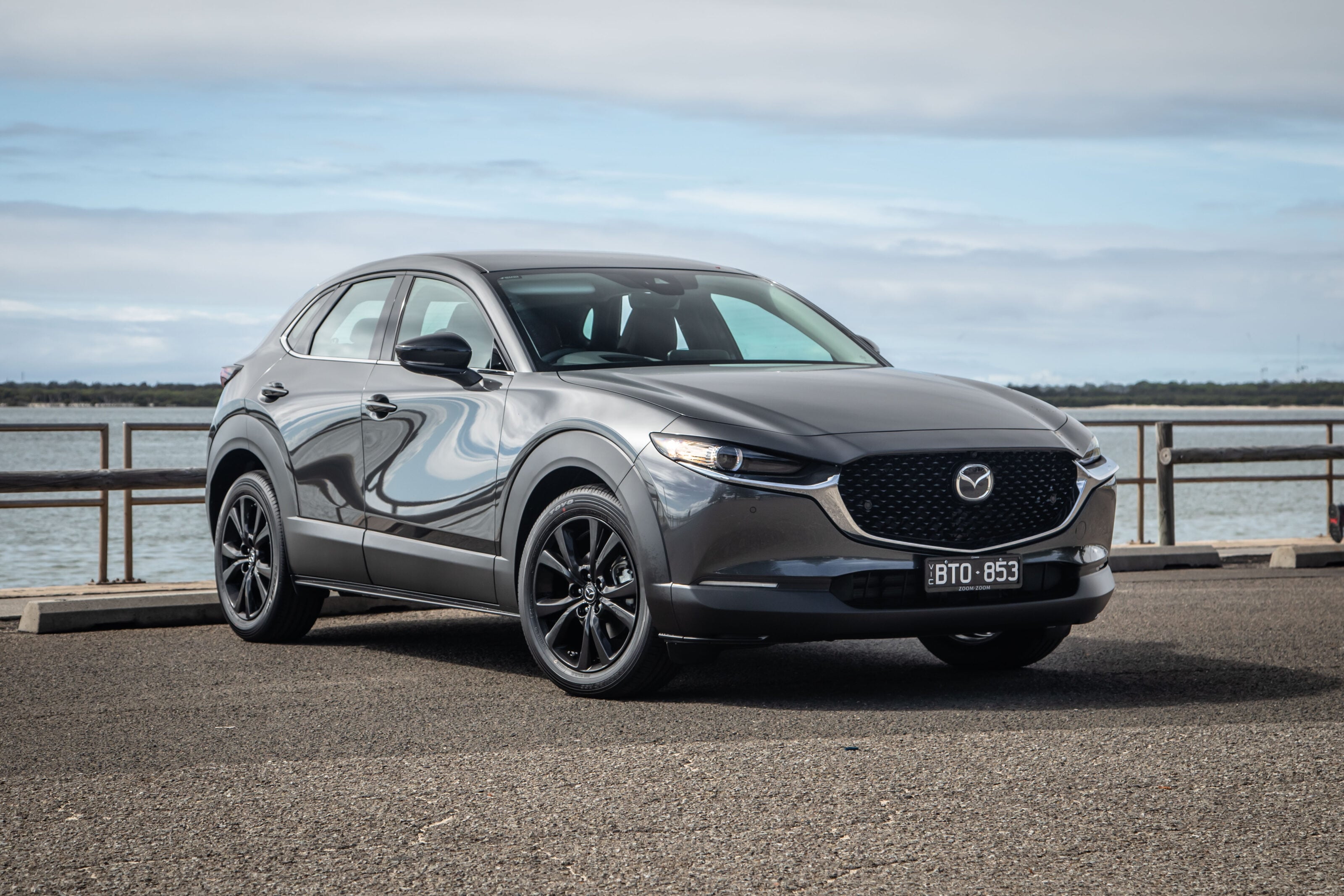
Price: From $34,360 plus on-road costs
Drivetrains: 114kW 2.0-litre or 139kW 2.5-litre petrols, six-speed auto, 2WD (2.0L) or AWD (optional on 2.5L)
Take what we said above about the CX-3 and also apply it to the slightly larger CX-30, though add a touch of extra comfort at the slight expense of driving fun. Like the Mazda3 with which it shares so much, the CX-30 is great to drive with a communicative chassis, keen steering and revvy petrol engine. In addition, the CX-30’s quality is excellent with luxury-like materials throughout the cabin and even in the base model Pure, a long list of standard features.
Toyota C-HR
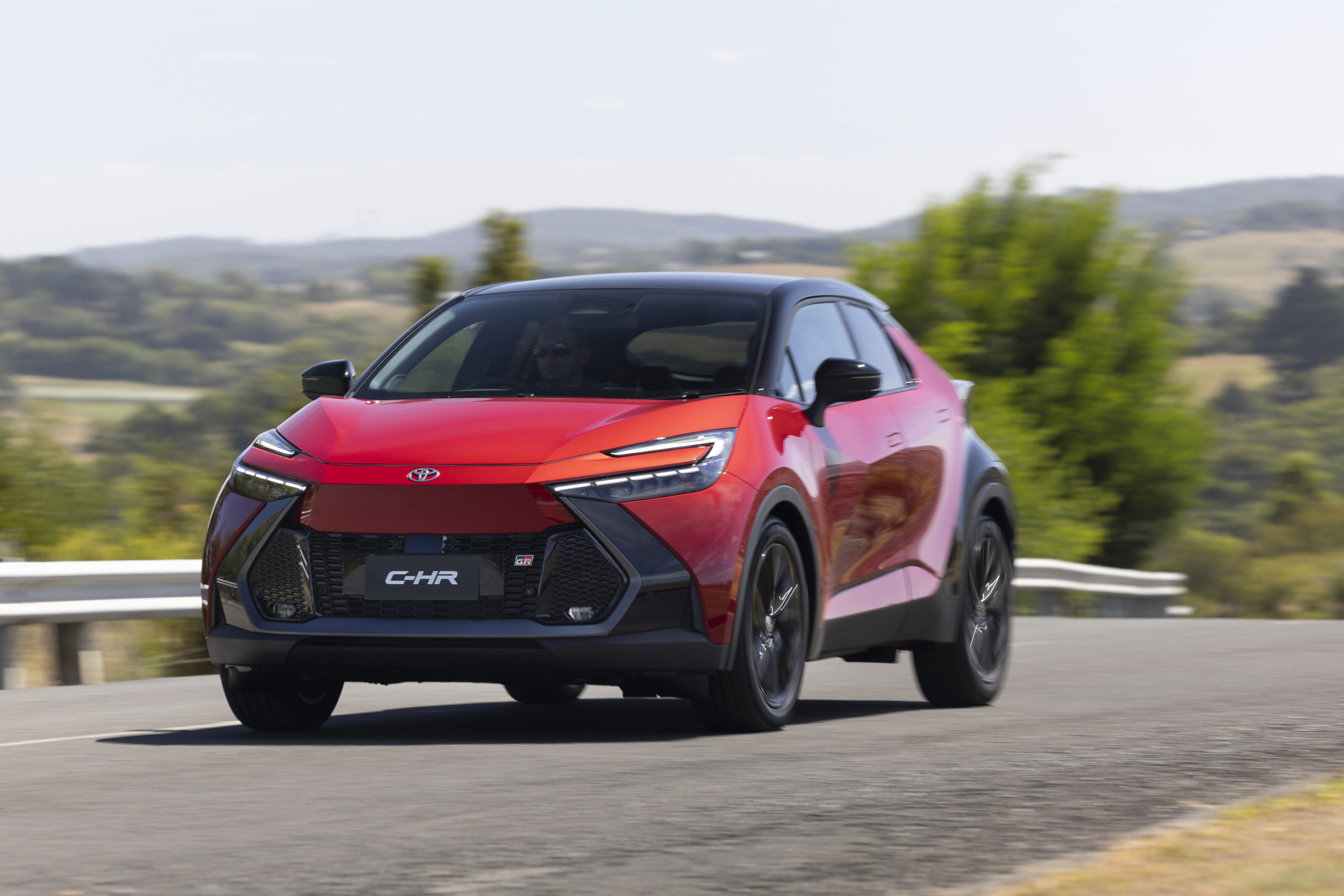
Price: From $46,940 plus on-road costs
Drivetrains: 103kW 1.8-litre hybrid or 146kW 2.0-litre hybrid, eCVT, FWD (1.8L) or AWD (2.0L)
Believe it or not, the previous C-HR was actually one of the first Toyota products that was developed with a newfound sense of dynamism for the Toyota brand. That was largely thanks to the then-new ‘TNGA’ platform, which the C-HR was the first SUV to use. It meant that even a base model Toyota small SUV was far more dynamic than you’d ever have expected. The second-generation C-HR is even better thanks to more power to compliment the excellent chassis and yet, it’s also very comfortable, as you’d expect from a Toyota.
Kia Stonic

Price: From $28,180 plus on-road costs
Drivetrains: 88kW 1.0-litre turbo mild-hybrid, seven-speed dual-clutch, FWD
The Stonic is heavily based on the last-generation Rio hatchback, which was a tidy car to punt around, and that shows in the driving experience. Of course, the Stonic is slightly higher off the ground but it’s still a comfortable and fun car to drive. Kia’s local tuning operation has achieved impressive results – all of its products drive quite well, and the Stonic is no different as it’s nimble and fun. The new mild-hybrid drivetrain also makes more grunt than before, so it now has more performance to better match its fine chassis.
Toyota Yaris Cross
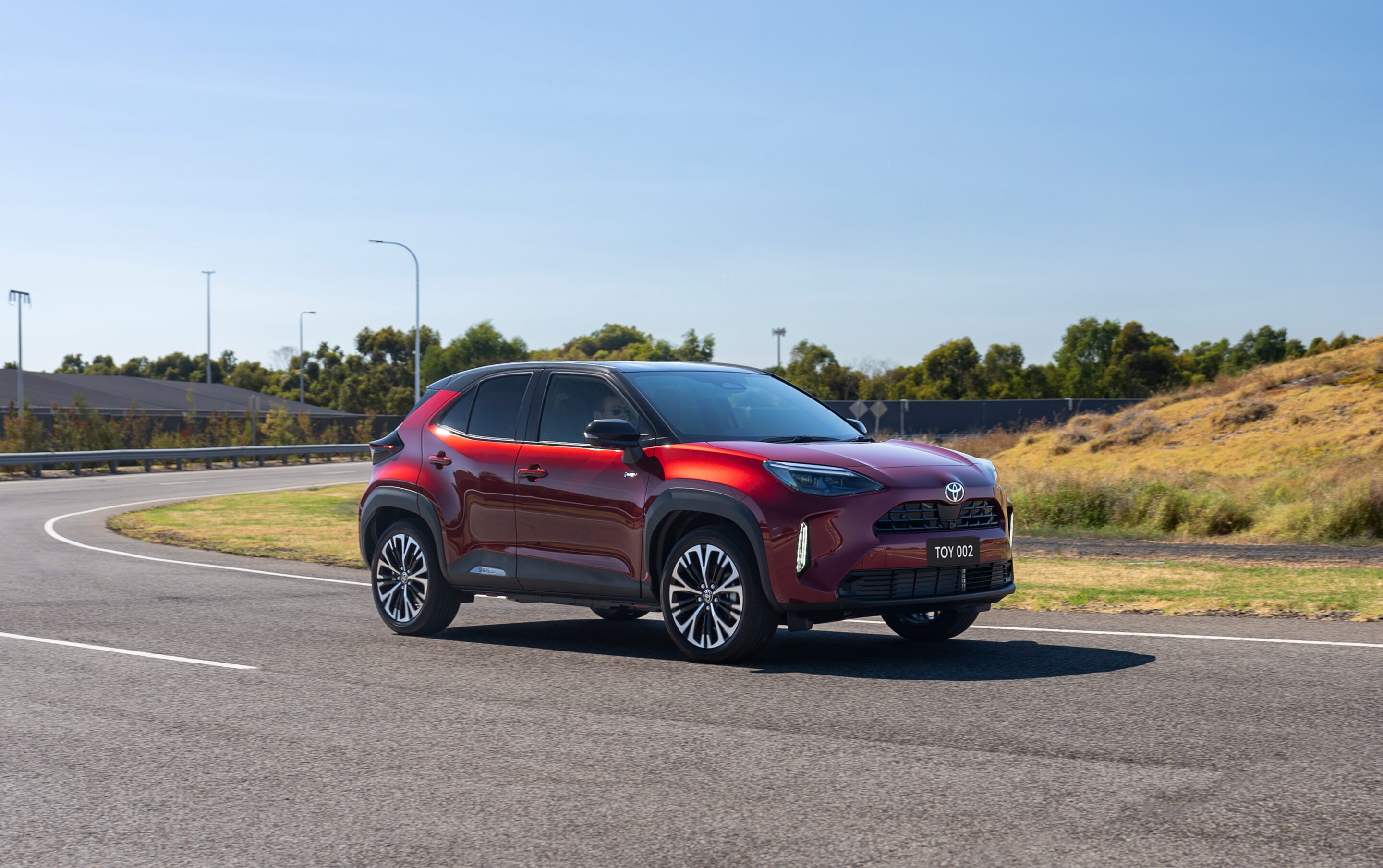
Price: From $31,790 plus on-road costs
Drivetrains: 85kW 1.5-litre hybrid, eCVT, FWD or AWD
Like its C-HR sibling above, the Toyota Yaris Cross is a small SUV that drives like a car but it’s actually not overly sporty. Instead, like the Yaris hatchback, it’s quite comfortable and handles bad roads with ease. That’s not to say that it can’t be fun to drive – it can – but performance is not its purpose, even the sporty-looking GR Sport model. Surprisingly, all-wheel drive is available and it adds a more sophisticated, independent multi-link layout for even better ride quality. The Yaris Cross’ 85kW hybrid drivetrain is hardly going to set the world alight for performance, but its sub-4.0L/100km combined fuel consumption is impressively low.
BMW has unveiled its first fully electric 3 Series, revealing the new i3 sedan as part of its next-generation Neue Klasse platform.
Shown in Munich, the i3 marks a significant shift for one of BMW’s most recognisable nameplates, translating the traditional compact executive sedan into a fully electric format. It follows the recently revealed iX3 SUV as the second model built on the Neue Klasse architecture, which underpins BMW’s next wave of EVs.
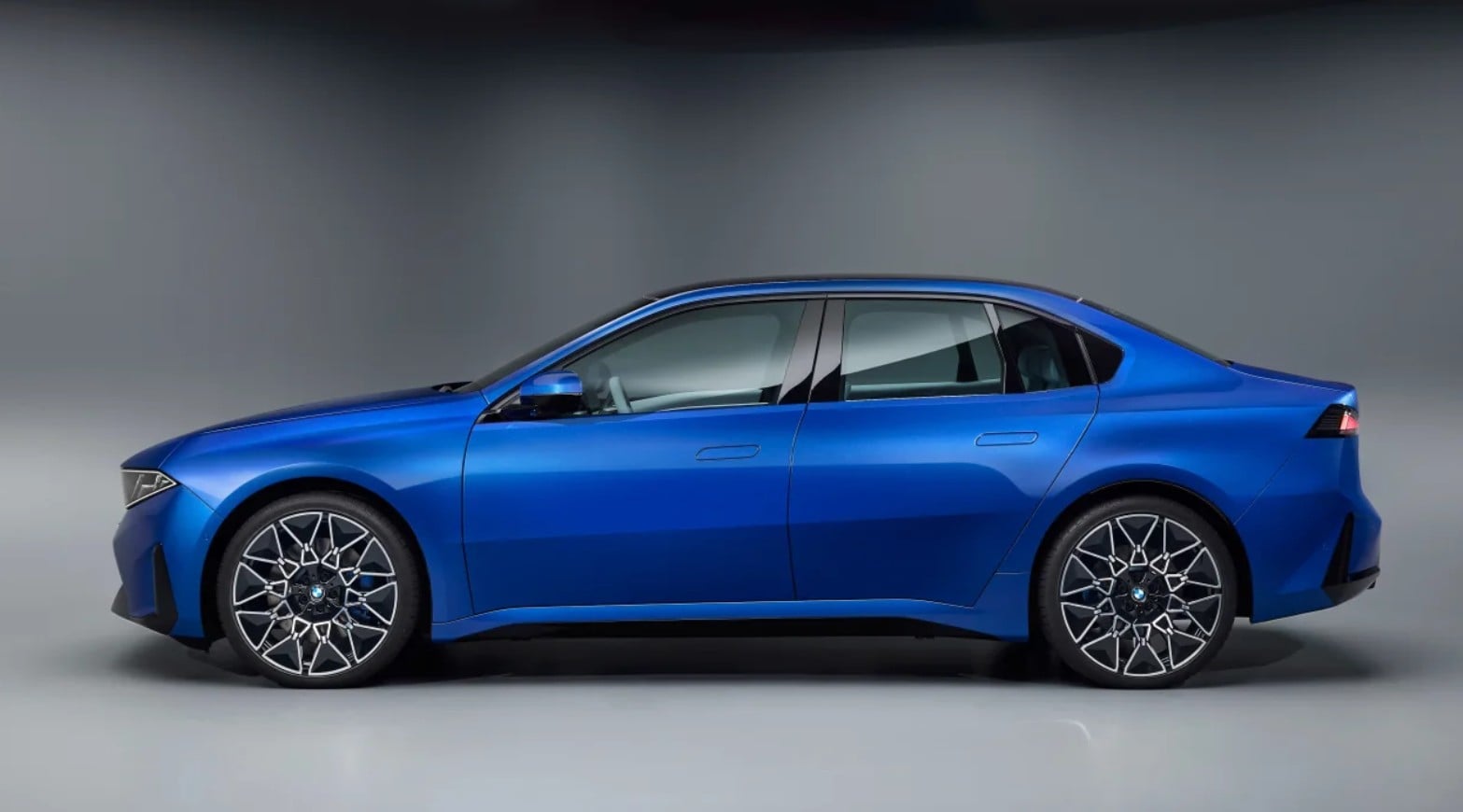
Despite the change in powertrain, BMW is positioning the i3 as a continuation of the 3 Series formula. The new model retains familiar proportions, including a long wheelbase, short overhangs and a rearward-sloping roofline, while adopting a more modern, simplified exterior design. The front end blends BMW’s signature grille and headlight layout into a single lighting element, while flared wheel arches and a wide stance aim to preserve the car’s sporting identity.
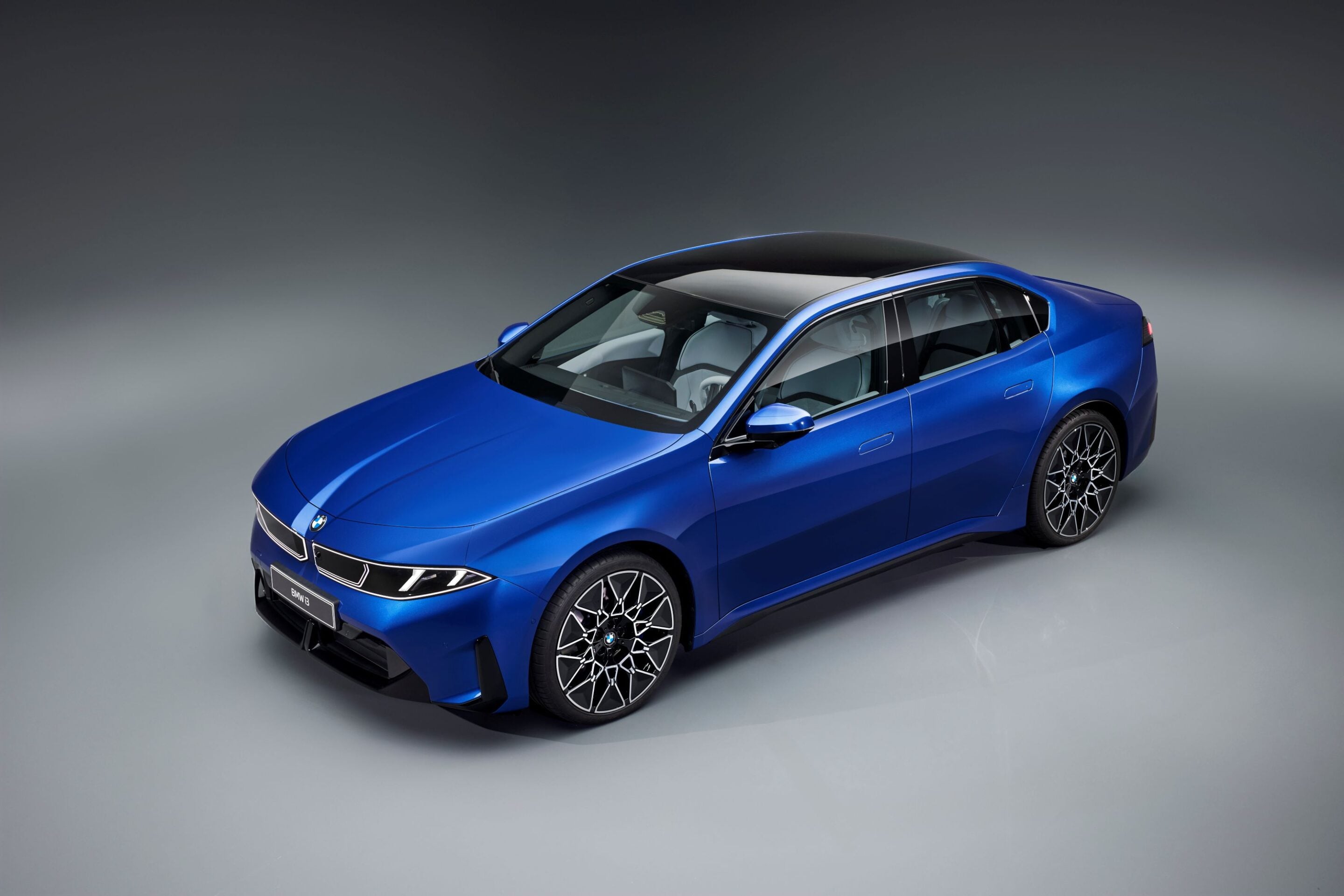
Under the skin, the i3 introduces BMW’s sixth-generation eDrive technology, including an 800-volt electrical system designed to improve both efficiency and charging performance. According to details reported by Auto Express, the i3 is capable of delivering up to 900km of driving range under WLTP testing, placing it among the longest-range electric sedans currently announced.
Charging capability is another headline figure. The i3 supports DC fast charging at rates of up to 400kW, with BMW claiming it can add around 400km of range in as little as 10 minutes under ideal conditions.
The launch model, badged i3 50 xDrive, uses a dual-motor setup with all-wheel drive. Total system output is rated at 345kW and 645Nm, positioning it firmly in performance sedan territory. BMW has also introduced a new electronic architecture centred around what it calls the “Heart of Joy” control unit, which manages power delivery, braking and handling responses with significantly faster processing speeds than previous systems.
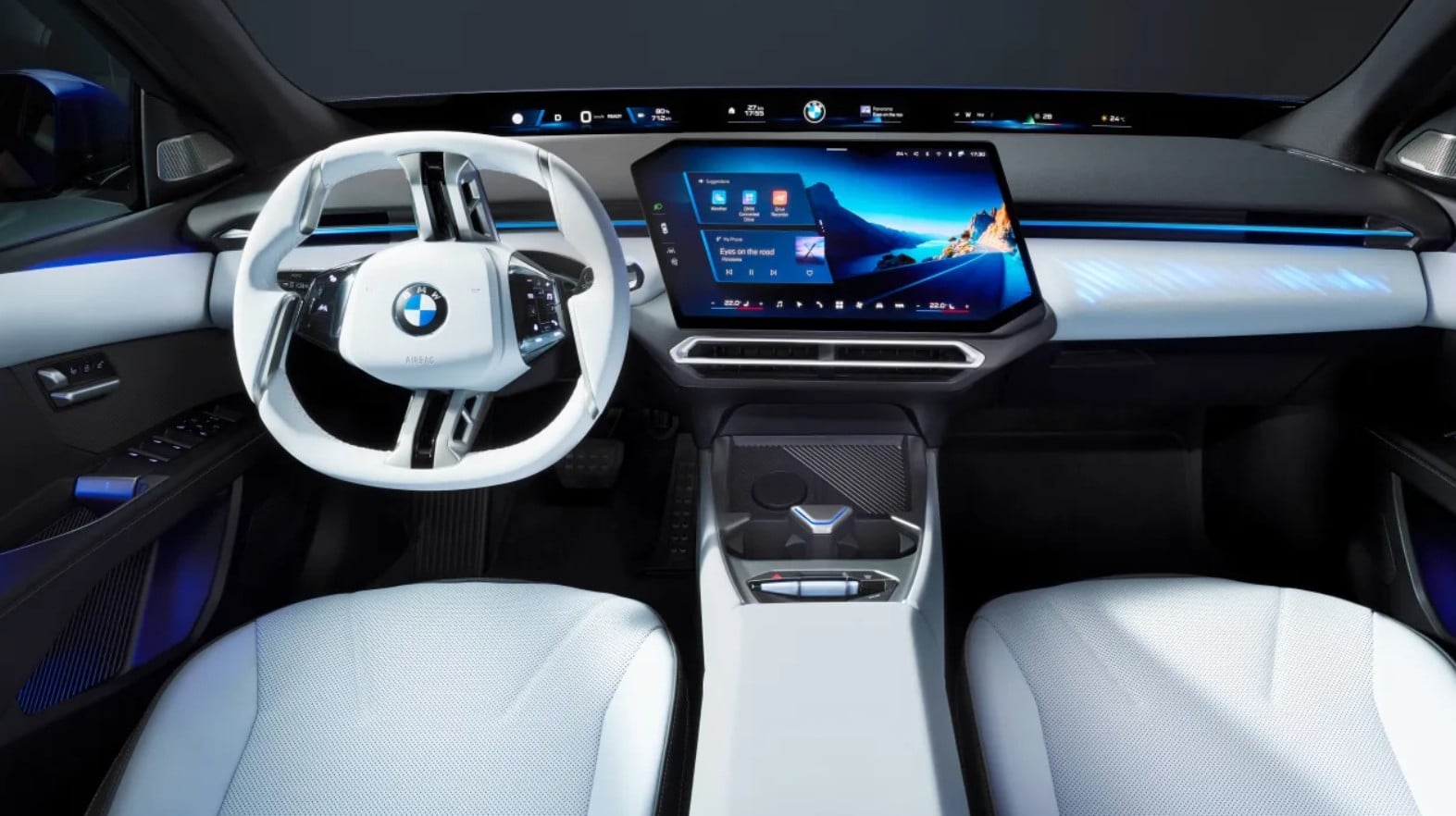
Inside, the i3 adopts BMW’s latest interface, including a wide panoramic display and a reworked driver-focused layout. The cabin has been designed to take advantage of the flat-floor EV platform, offering increased interior space compared with previous 3 Series models.
Production of the new i3 will take place at BMW’s Munich plant, which is currently being upgraded to support Neue Klasse vehicles. Manufacturing is scheduled to begin in August 2026, with the facility set to transition بالكامل to electric vehicle production by 2027.
Australian deliveries are expected to follow in early 2027, marking the first time a fully electric 3 Series will be offered locally.
US tuner Hennessey has revealed its next production vehicle. Dubbed the Goliath 700 ZR2, its new creation is based on the Chevrolet Silverado ZR2 truck but has received a comprehensive upgrade, including a supercharged 6.2-litre V8 engine making a massive 515kW of power (or 700 brake horsepower, hence the 700 in the name). Limited to just 100 units and factory-backed by Chevrolet, the Hennessey Goliath 700 is now available to order in the US.
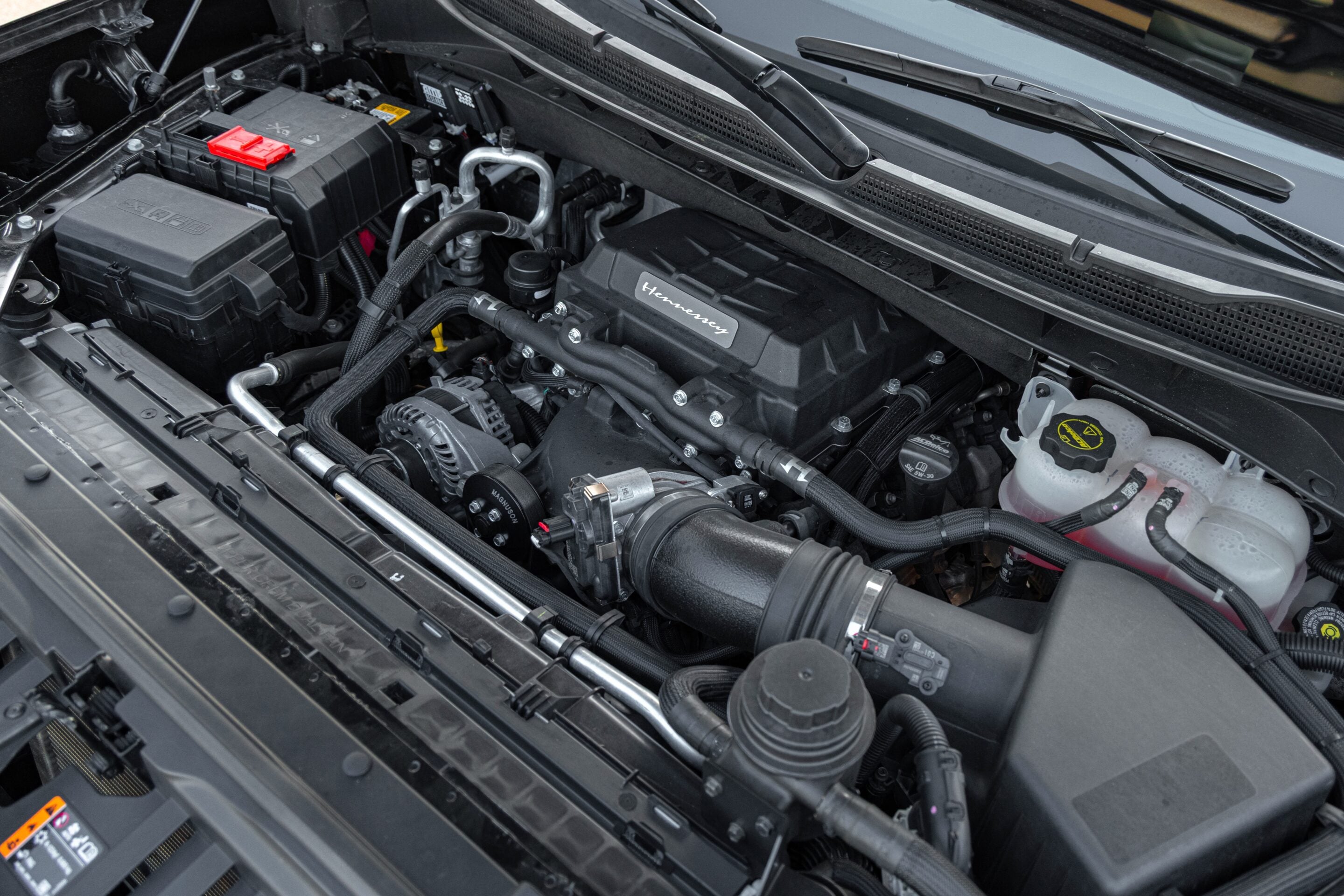
Centre of the Hennessey transformation is the 6.2-litre V8 engine with a twin-screw supercharger with air-to-water intercooling and Hennessey engine management calibration, which has boosted power by 66 per cent to 515kW and torque has climbed to 830Nm from the stock 624Nm. The added performance allows the Goliath 700 ZR2 to sprint to 97km/h (60mph) in just 4.2 seconds, or 1.4 seconds quicker than a stock Silverado.
Hennessey has also paid attention to the ZR2’s chassis to cope with the extra power, with upgraded BDS suspension and Multimatic DSSV shock absorbers now fitted to “improve control, stability and driver confidence”, according to Hennessey. There are also new 20-inch alloy off-road wheels with 35-inch off-road tyres and a stainless steel catback exhaust system with black exhaust tips.
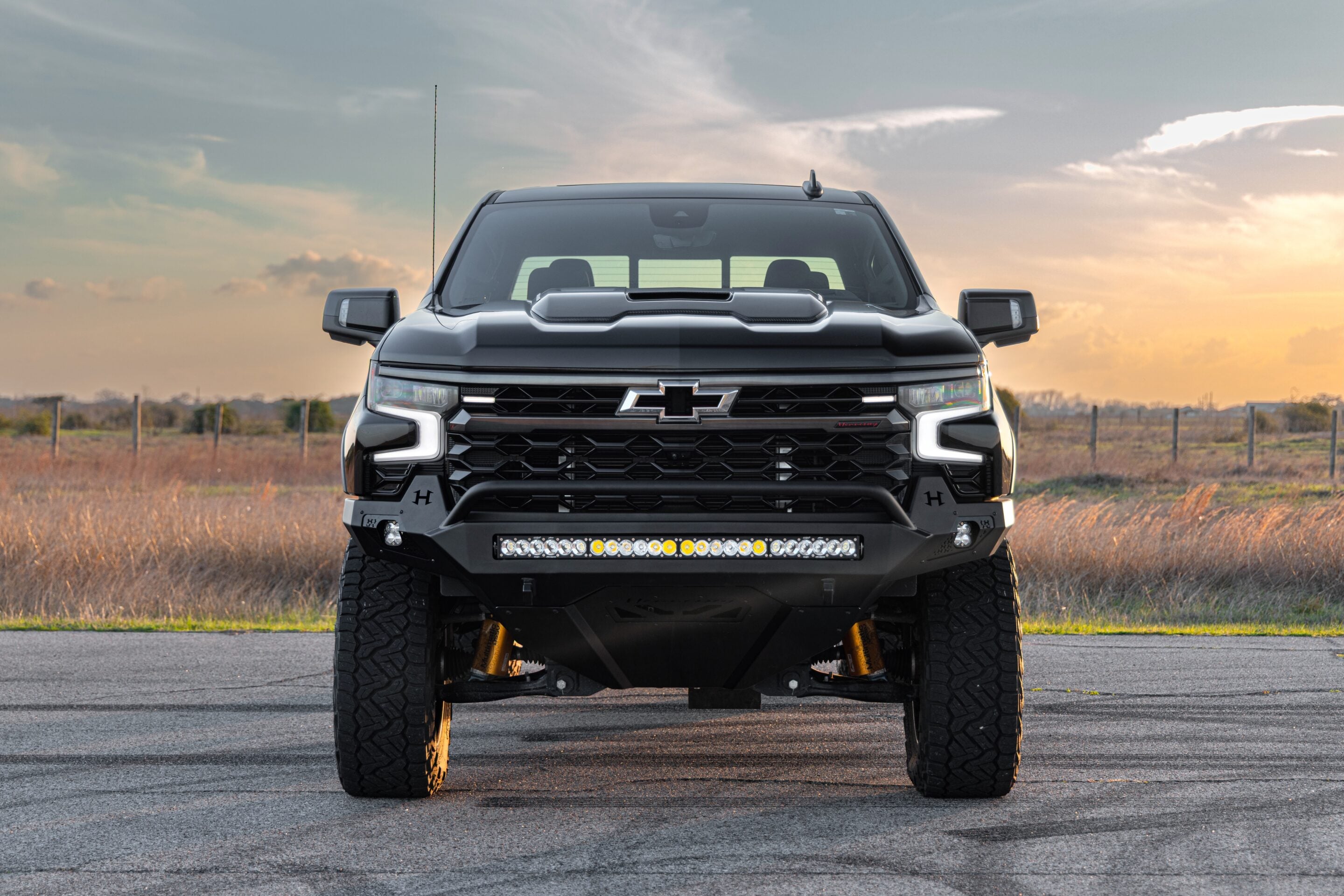
Other exterior upgrades for the Goliath 700 ZR2 include steel front and rear bumpers, a 40-inch integrated LED light bar, a skid plate, carbon fibre bonnet and tailgate appliques and, of course, Hennessey badging.
The interior of the Goliath 700 ZR2 also sees some changes, with branded embroidered floor mats and headrests featuring, as well as a numbered plaque.
The Hennessey transformation also includes professional installation, chassis dyno and road testing, electronic power running boards and because it’s factory backed, the standard three-year/36,000 mile Chevrolet warranty.
Alex Roys, President of Hennessey: “The Hennessey Goliath 700 ZR2 is designed for customers
who want extreme power and capability without compromising on usability and comfort. We deliver
performance dominance and heaps of presence by combining powertrain and chassis upgrades with
comprehensive exterior and interior styling enhancements. We’ve created a truck with purpose that feels just as confident on the highway as it does tackling challenging terrain.”
US pricing for the Goliath 700 ZR2 starts at $139,950 (A$197,000) and just 100 units will be produced.
A new apartment building in Melbourne is now Australia’s largest EV-enabled thanks to the installation of more than 250 EV charging points. NOX Energy and Federal Minister for Climate Change and Energy Chris Bowen launched Australia’s largest EV-enabled building at Sierra Hawthorn.
Access to charging points is one of the largest barriers to EV ownership in Australia, and this latest project gives hope for apartment dwellers who wish to own and run an electric vehicle.
Comprising 241 residential apartments and five commercial tenancies, the building now has NOX Energy power sockets to support EV charging across the building. As a result, every resident now has access to 10A/2.4kW EV charging directly from their allocated parking space.
The installation also includes 10 additional power socket units and a 22kW MSI charger for commercial tenants.
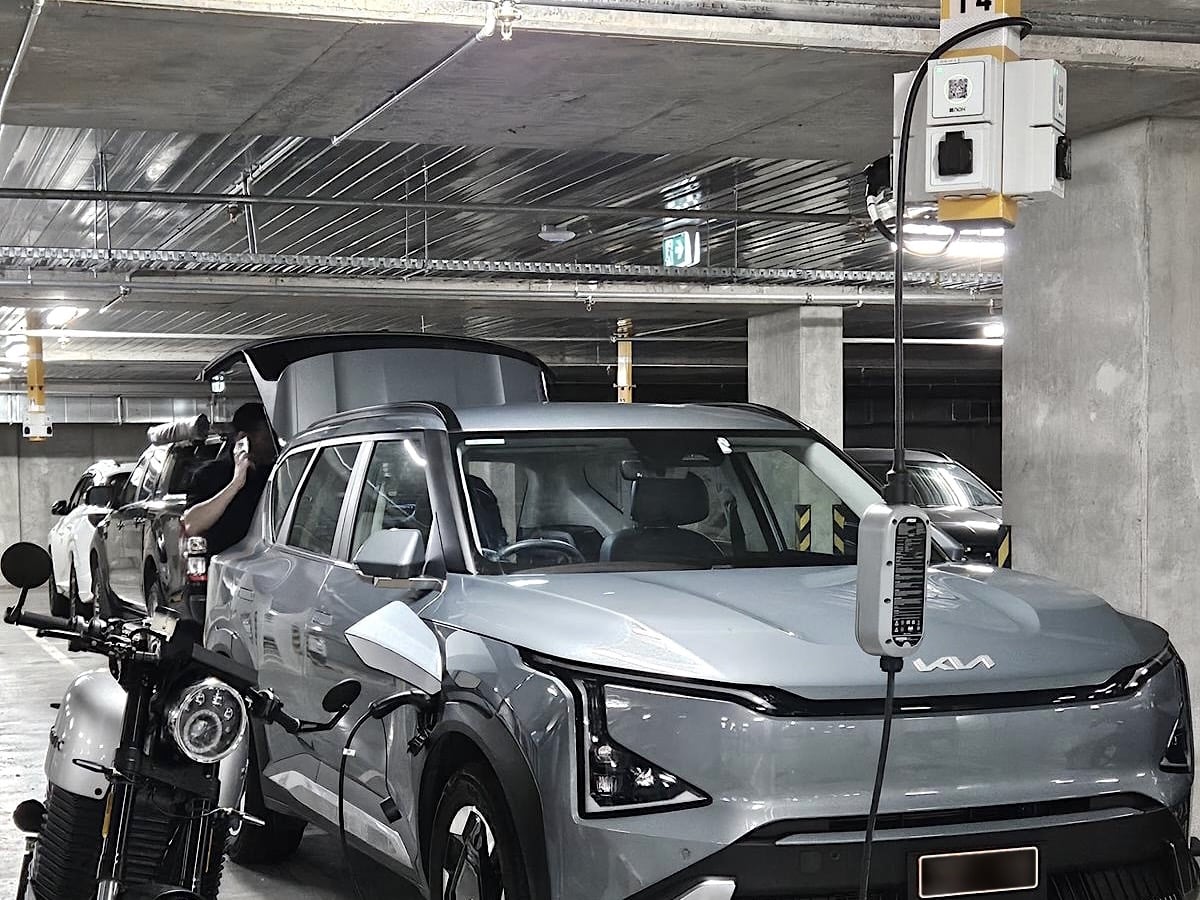
Each of the new charging points is estimated to save residents around $2000 per year in fuel costs compared with running a petrol vehicle, with the cost of the charge point estimated to be recovered within 12 months.
“Electric vehicles are cheaper to run, better for the environment and quieter on our streets, but for too many apartment residents charging has been a barrier,” Mr Bowen said. “The 251 EV chargers installed here make this the largest EV-enabled building in Australia and among the largest globally. Charging at home is the cheapest and easiest way to power an EV, and this rollout helps make that possible for more people.”
The installation is part of the “Accelerating EV Adoption: Unlocking EVs for Strata Residents” project, which supports the deployment of 2000 EV charging devices across Australian strata buildings. This project includes funding from the Australian Renewable Energy Agency (ARENA) through the Driving the Nation initiative, which aims to accelerate electric vehicle adoption nationwide.
A mooted new tax in the United States reflects a divisive argument currently taking shape in Australian politics – a road user charge for EV owners.
Currently, in Australia, owners of ICE vehicles pay 52.6 cents per litre in fuel excise, every time they fill their vehicles with diesel or petrol. The recognised average distance covered by Australians each year is generally accepted to be around the 13,000km to 14,000km mark. If they own a vehicle that uses 9.0L/100km, and they travel 14,000km, that means they’ve used 1260 litres of fuel. At the current rate, that equates to a fuel excise bill of $662.76.
If you’re driving an electric vehicle in Australia, you’ve paid no fuel excise or road user charge of any kind. That’s despite EVs using the same roads, and invariably weighing more than a comparable ICE vehicles in the same segment, and therefore leaving more wear on the road.

Regardless of the ideological stance taken, that’s unsustainable if sales of EVs get even close to what the government would like them to be in the next five to 10 years.
Given the hole that would leave in the budget, governments will be forced to find an alternative way, taking into account the fact that a large chunk of the fuel excise is directed back into the maintenance and running of the roads.
The state of Victoria tried to implement a road user tax in 2025, but it was overturned, effectively because the fuel excise – and any tax like it – is a federal issue, not state. One of the arguments consistently put forward against a road user tax is that it unfairly targets those who travel further to get to work, but that argument misses the basic fact that those drivers already pay more fuel excise if they travel a longer distance.
It would seem clear, then, that if sales of EVs were to reach even 20 percent of all new vehicles sales, let alone 30 or 40 percent, the federal government will have to find a way of plugging what will be a significant hole in the budget.
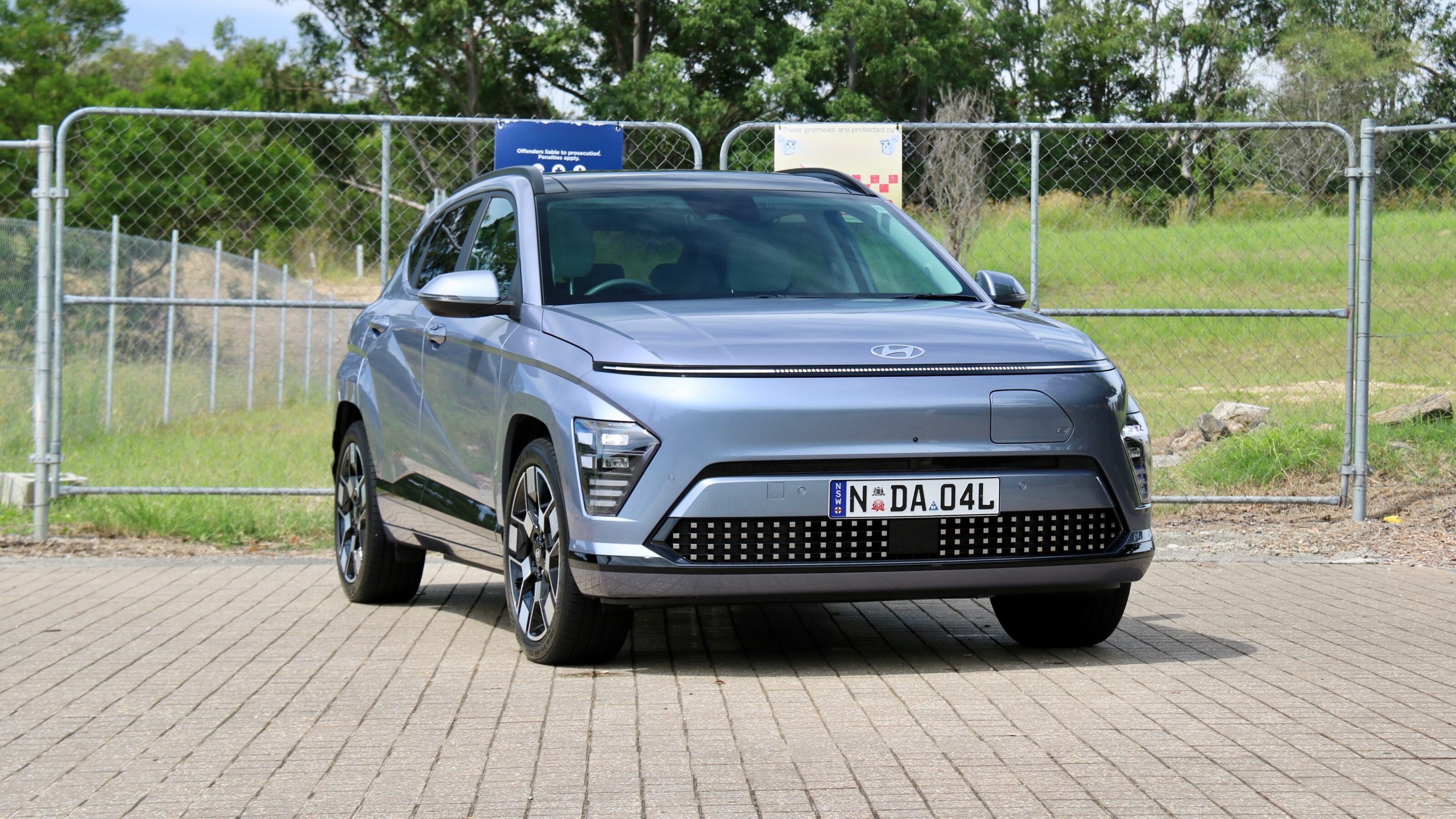
Politicians in the United States are starting to tackle the issue, something not yet broached federally in Australia. As reported by Reuters, chair of the House Transportation and Infrastructure Committee, Representative Sam Graves, said on Wednesday that he’d proposed a new fee for EV owners – $250 ($350AUD) for fully electric and $100 ($141AUD) for hybrids – to be paid annually.
Representative Graves said that his version of the bill would generate up to $550 billion USD to be used to fund highways and bridges, according to the report in Reuters. “We would like to get money from EVs,” Graves said. Some states in the US do charge fees for EVs to cover road repair costs, but Reuters reports that ‘most revenue for federally funded road repairs is collected through diesel and gasoline taxes’.
If sales of EVs grow steadily in Australia over the next five to ten years, politicians will need to confront an issue they seem currently unwilling to debate – and it might be the financial hole that tips them over the edge.
