
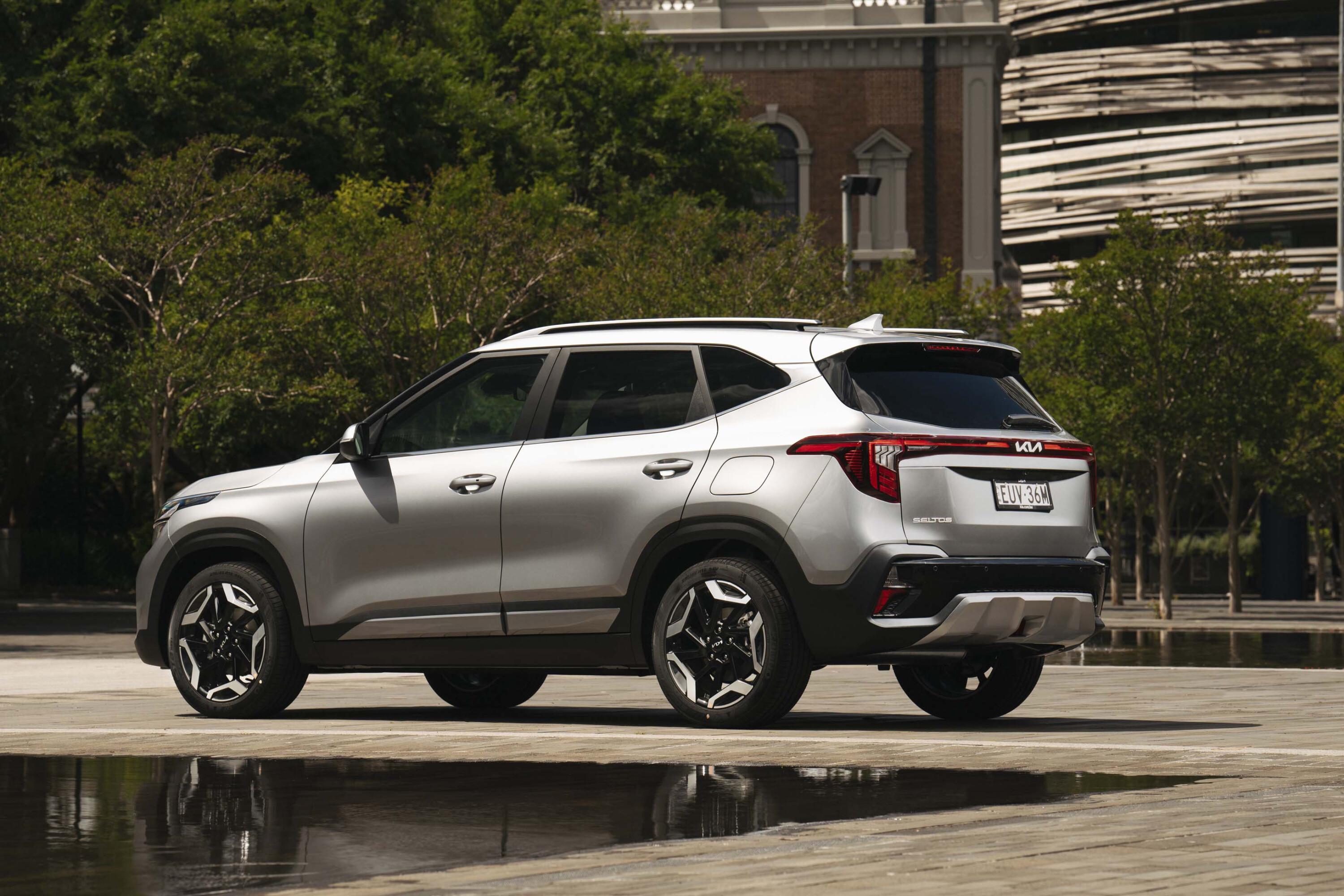
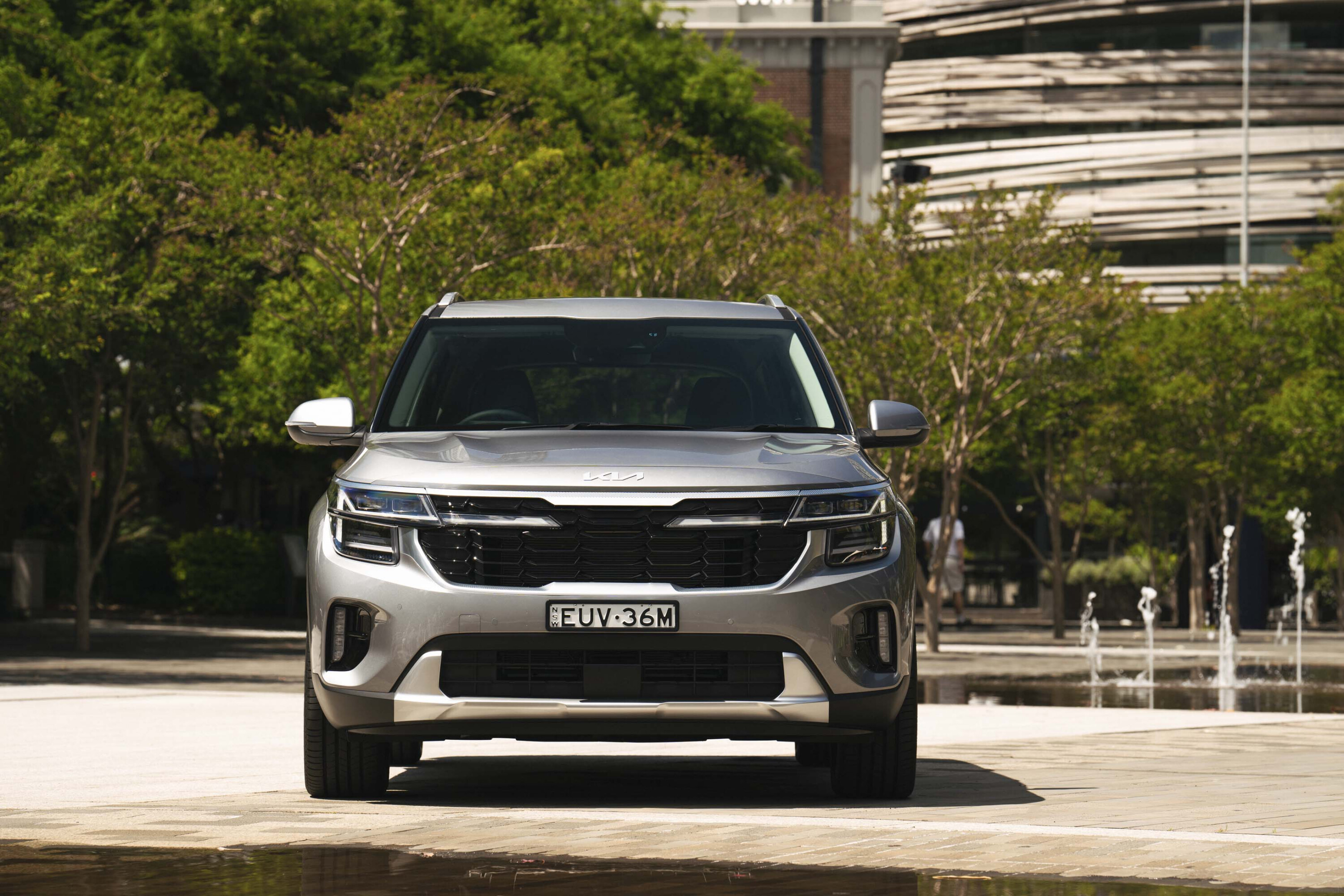
The Kia Seltos is a five-door, five-seat small SUV that drives well around town with good fundamental dynamics, bundled with generous cabin space, stylish looks and useful tech.
A facelift for the 2023 model year brought even fresher looks, the fitment of an improved conventional automatic transmission and new technology headlined by a fresh infotainment suite.
A carryover 2.0-litre naturally aspirated four-cylinder petrol engine matched to a continuously variable transmission (CVT) and front-wheel drive is standard on all variants, with the top two grades offered with the option of an updated 1.6-litre turbo-petrol engine driving all four wheels through a conventional automatic gearbox.
Sadly there are no hybrid or electrified variants, but real-world fuel economy is decent and all versions have Apple CarPlay and Android Auto connectivity. Kia’s seven-year warranty is one of the best available.
1
JUMP AHEAD
- Pricing
- What body styles are available for the Seltos?
- What features are standard in every Seltos?
- What key features do I get if I spend more?
- How safe is the Seltos?
- How comfortable and practical is the Seltos?
- How much boot space does the Seltos offer?
- I like driving, will I enjoy this car?
- Which Seltos engine uses the least fuel?
- What is the Seltos’s towing capacity?
- How long is the warranty & what are the Seltos’s servicing costs?
- Which version of the Seltos does Wheels recommend?
- What are the Seltos’s key rivals?
Pricing
| 2024 Kia Seltos pricing | |
|---|---|
| S 2.0 CVT FWD | $29,500 |
| Sport 2.0 CVT FWD | $32,700 |
| Sport+ 2.0 CVT FWD | $35,800 |
| GT-Line 2.0 CVT FWD | $41,500 |
| Sport+ 1.6T 8A AWD | $39,300 |
| GT-Line 1.6T 8A AWD | $44,900 |
| Prices exclude on-road costs | |
What body styles are available for the Kia Seltos?
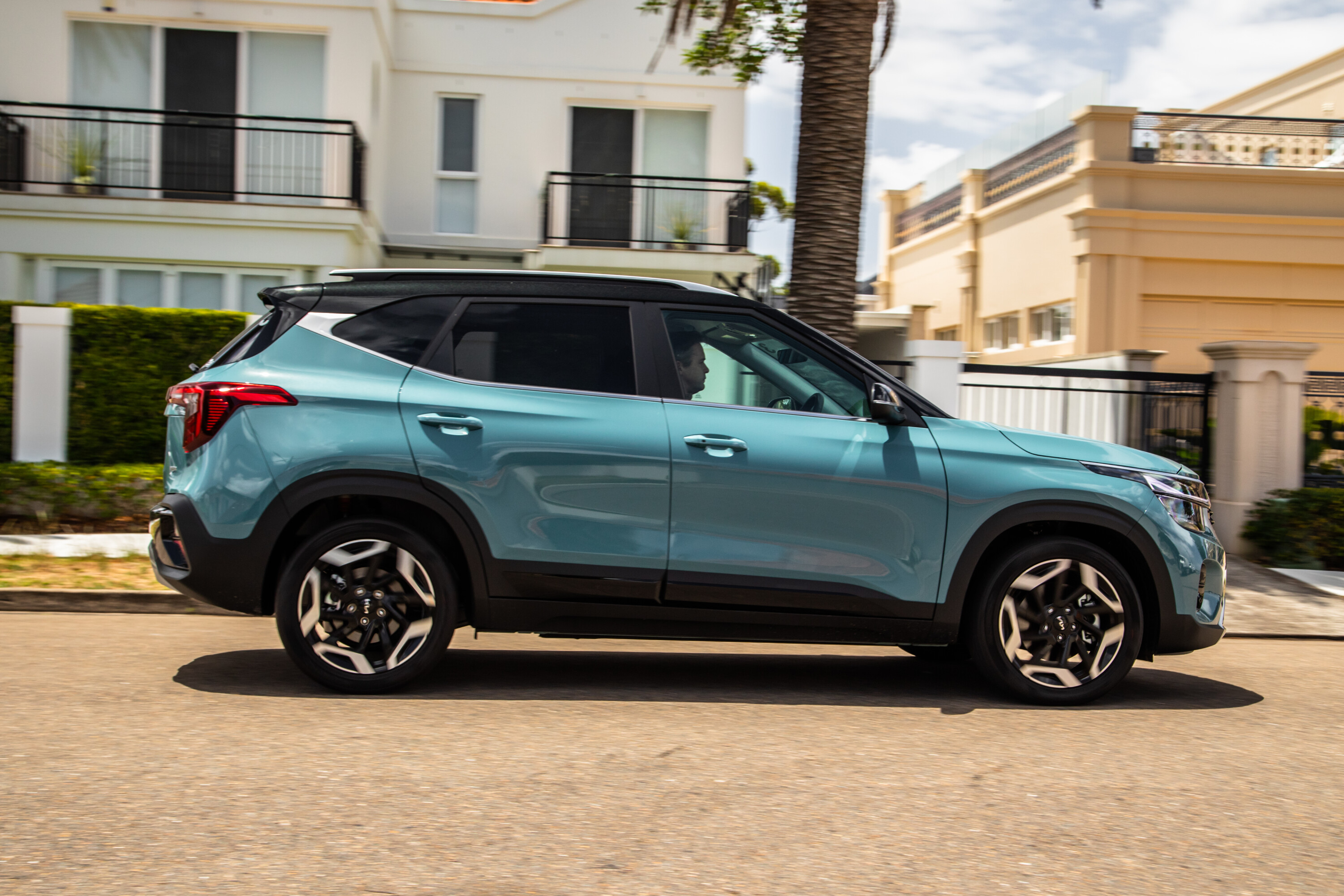
The Kia Seltos is sold as a five-door SUV only, and depending on the drivetrain option is either front-wheel drive or all-wheel drive.
It is classed as a small SUV in the mainstream segment and trades heavily on its keen value and usable technology suite.
1
What features are standard in every Kia Seltos?
The features listed below are standard in the entry-level model (Kia Seltos S) and will appear in higher-grade models, unless replaced by more premium equivalent features.
| 2024 Kia Seltos standard features | |
|---|---|
| 8.0-inch colour touchscreen infotainment system | Roof rails |
| 4.2-inch digital instrument cluster display | Rear spoiler |
| Wireless Apple CarPlay and Android Auto | Shark fin antenna |
| 16-inch alloy wheels | 12v power socket in front console |
| Six-speaker stereo | USB-A and USB-C ports in front console |
| Space-saver spare wheel | Two USB-C ports in second-row |
| Automatic halogen headlights w/ automatic high beam | Manual air conditioning |
| Halogen daytime running lights | Second-row air vents |
| Rear fog light | Manual handbrake |
| Matte black grille mesh | Cloth upholstery |
| Body-coloured door handles | Six-way manually-adjusted driver seat |
| Body-coloured, power-folding side mirrors | |
1
What key features do I get if I spend more?
The least costly version, the Seltos S, has cloth seats, an 8.0-inch touchscreen and 16-inch wheels, and comes with at least the standard features listed above.
The range predominantly utilises the carryover non-turbo 2.0-litre four-cylinder engine and CVT combination.
You can opt for the more powerful, more sophisticated, 1.6-litre turbocharged petrol unit with a superior conventional automatic transmission for a $3500 premium compared to the equivalent mid-range Sport+ and flagship GT-Line trims.
The turbocharged powertrain also benefits from all-wheel drive, providing more confident roadholding, and a noticeable step up in capability for unsealed ‘soft-road’ scenarios.
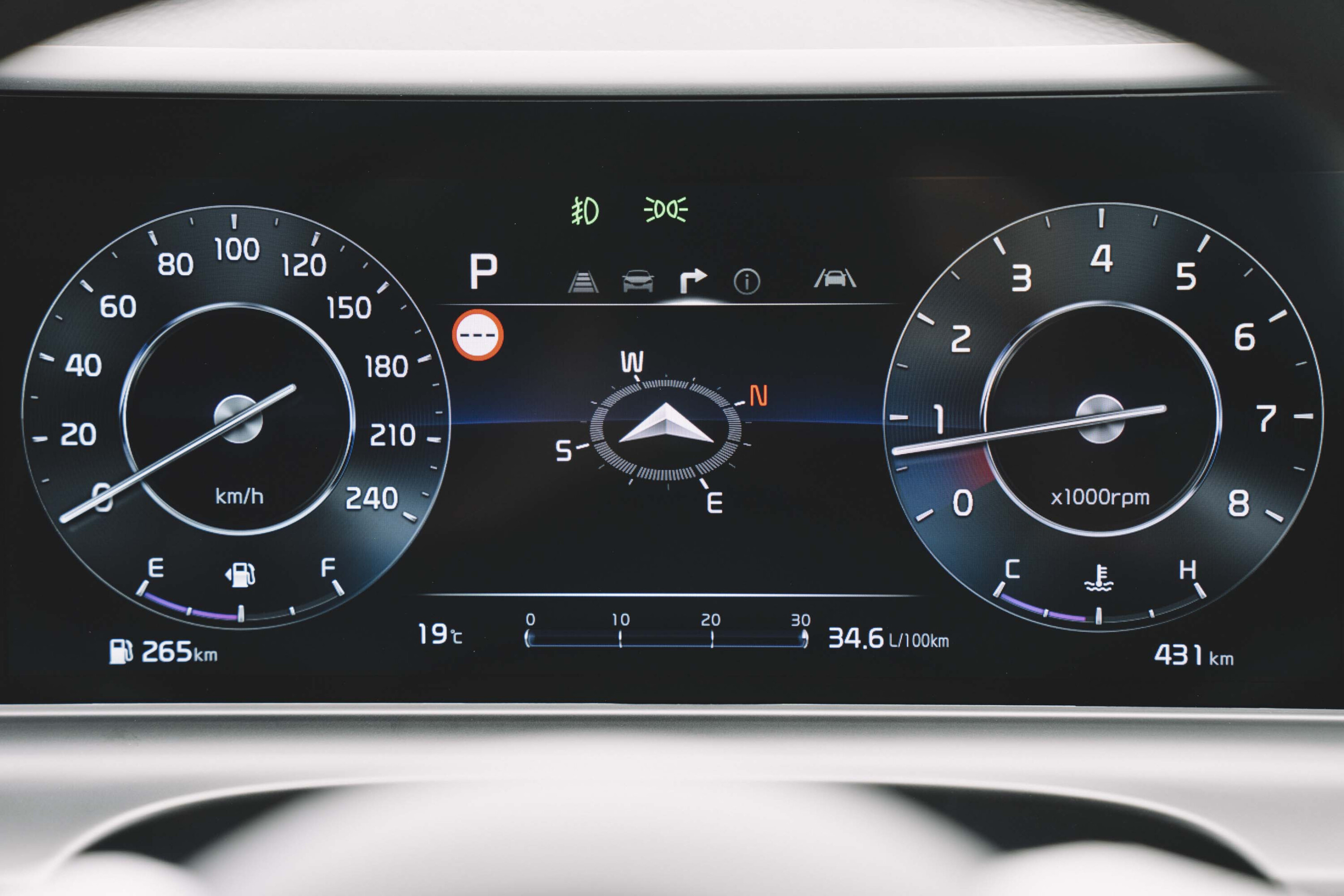
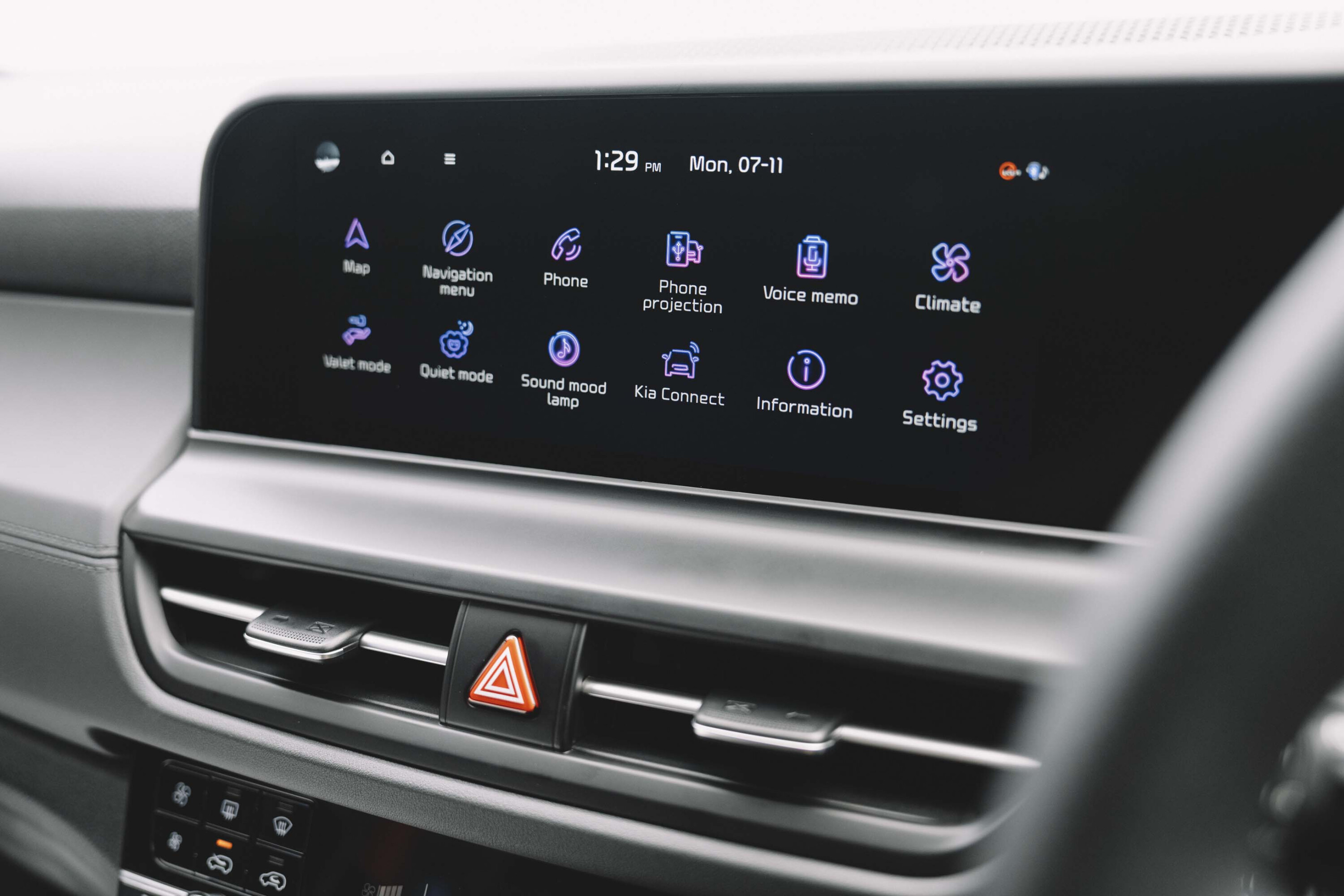
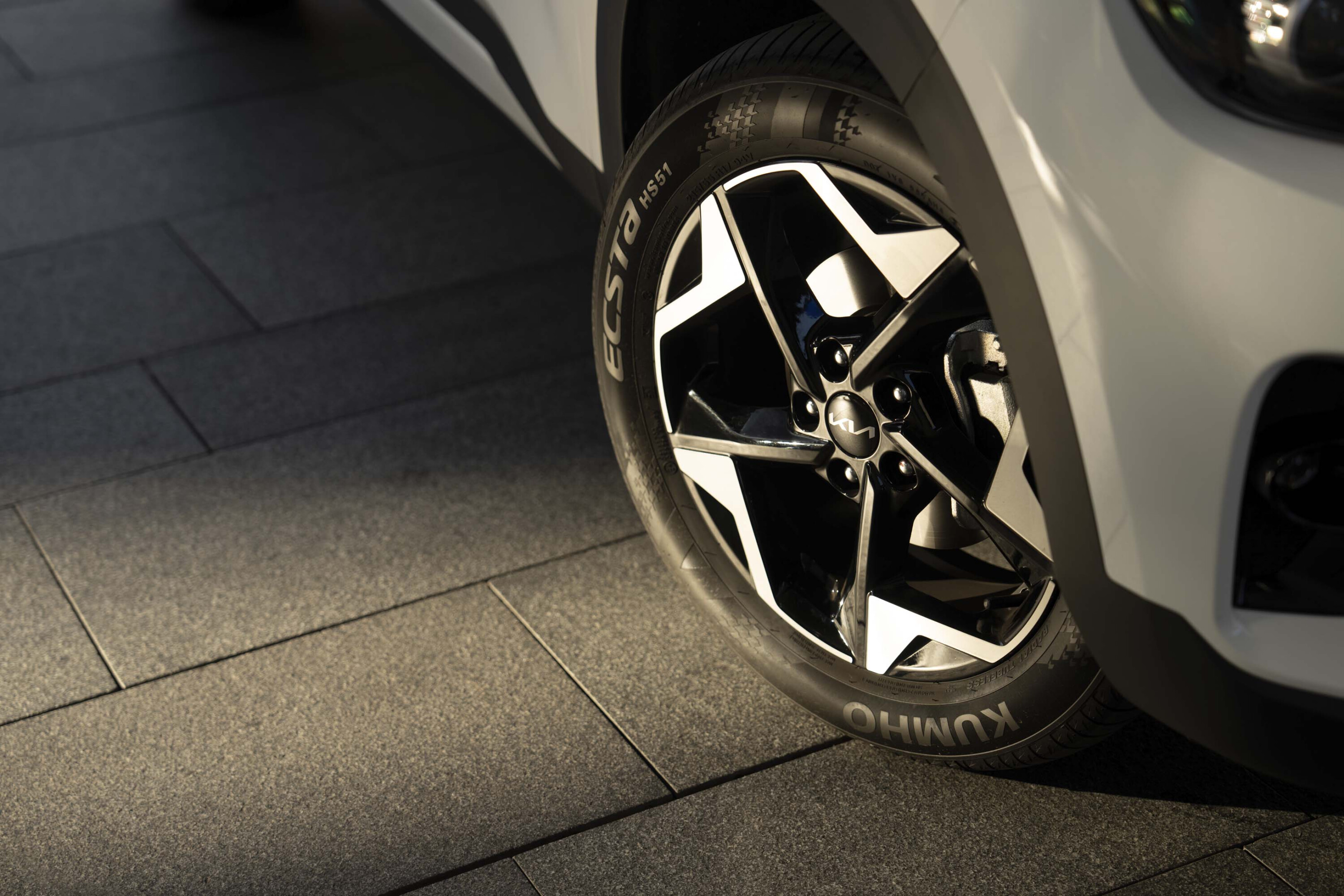
Upgrading to the Seltos Sport inches up the wheels to 17-inch alloys, adds niceties such as a full-size spare wheel, fancier projector-style headlights, climate control, and a larger dual 10.25-inch infotainment and instrument displays.
1
The Sport also brings
| 2024 Kia Seltos Sport features | |
|---|---|
| Dual 10.25-inch central infotainment and digital instrument displays | Halogen (projector-style) headlights |
| DAB+ digital radio, wired Apple CarPlay/Android Auto | Solar Glass windscreen and front doors |
| Satellite navigation | Sounds of Nature ambient audio |
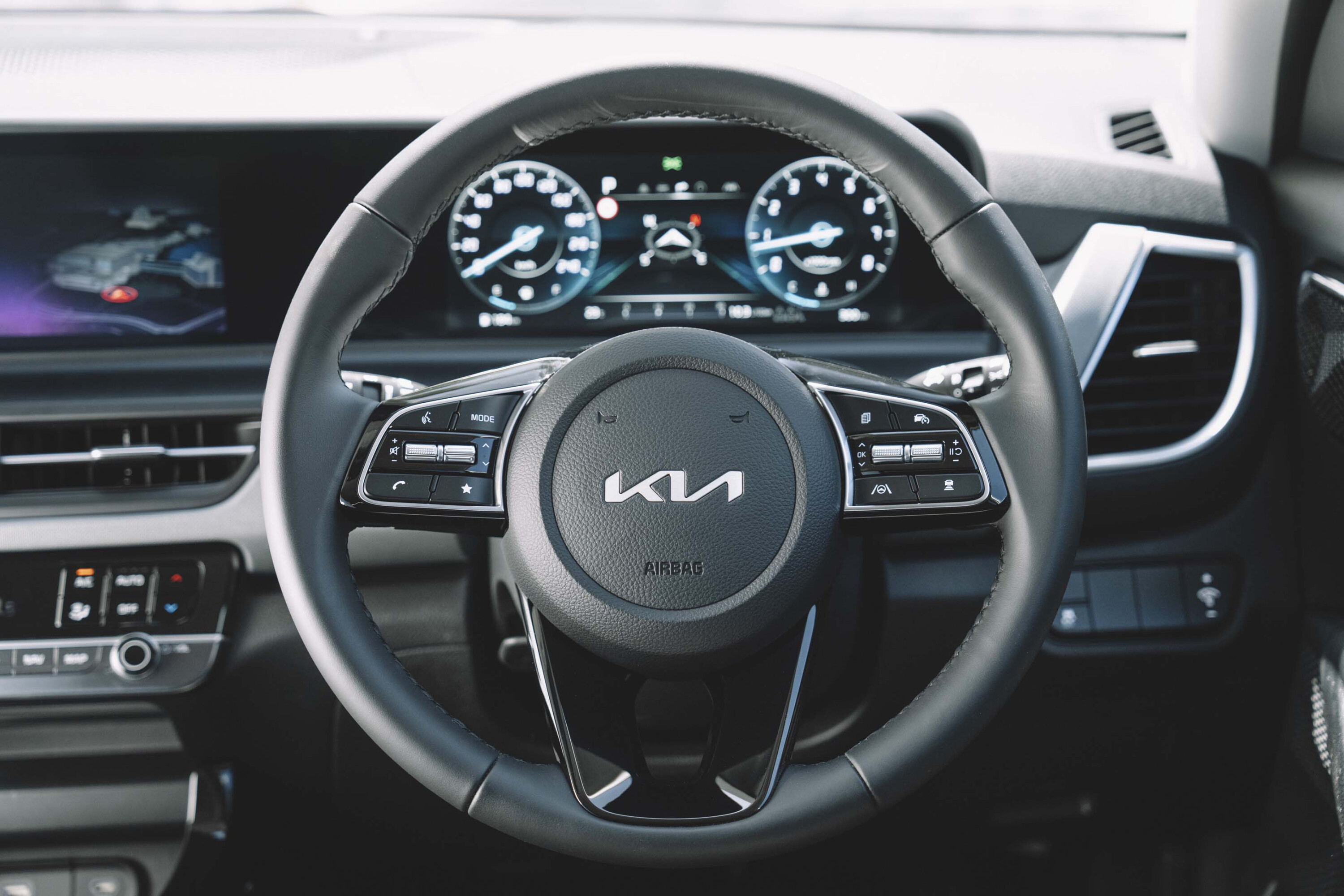
| Premium steering wheel and gear shifter | Climate control |
| 17-inch alloy wheels | One-touch driver window control |
Paying more again for a Sport+ gets you those features plus:
| 2024 Kia Seltos Sport+ features | |
|---|---|
| Heated side mirrors | Auto-dimming rear-view mirror |
| Privacy glass | LED interior lights |
| AEB cyclist avoidance and junction turning assist | Illuminated vanity mirrors |
| Adaptive cruise control | Front centre console armrest sliding function |
| Keyless entry and push button start | Rear centre armrest |
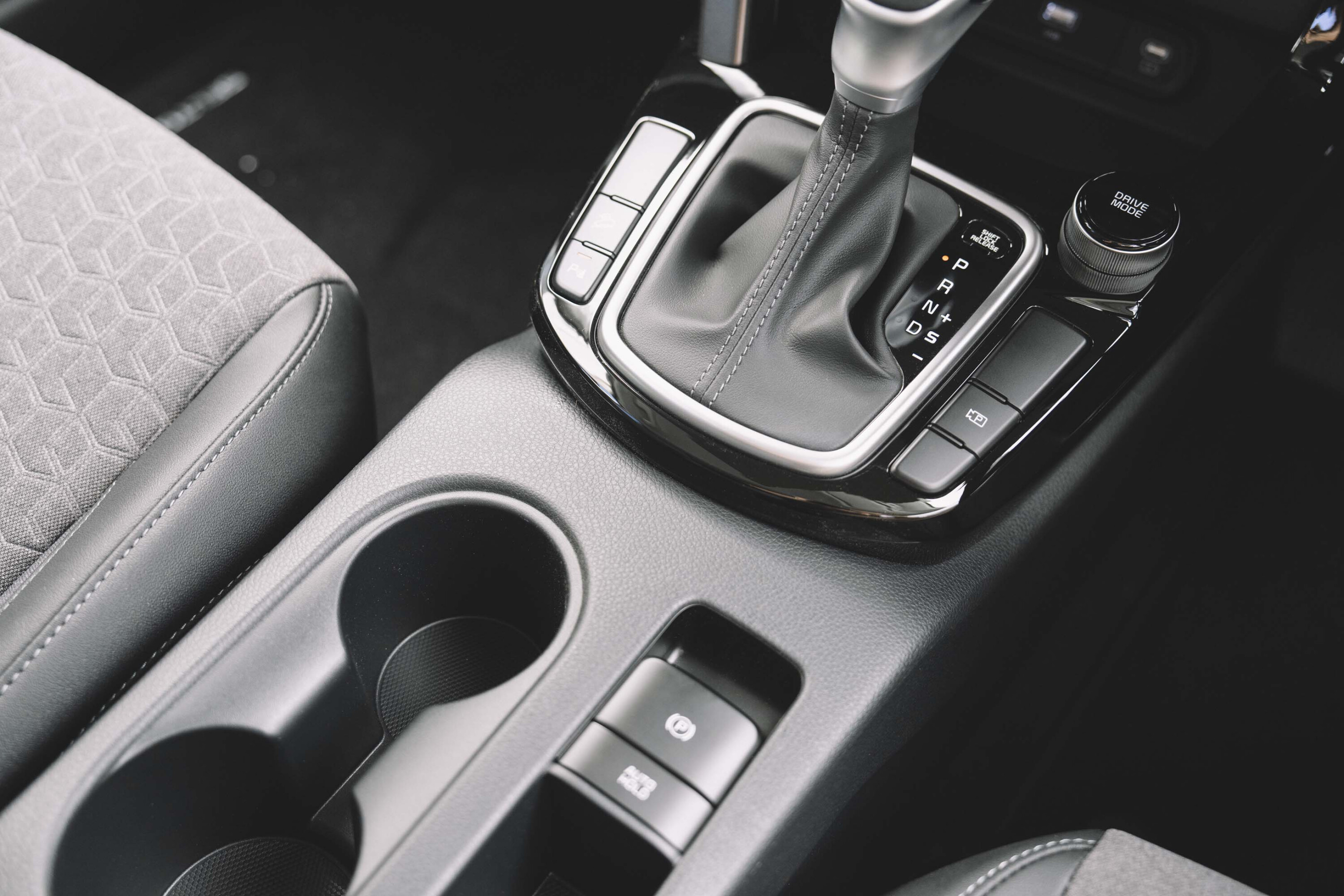
| Electric park brake w/ auto hold | Cloth and artificial leather upholstery |
1
The Seltos GT-Line is the most expensive trim grade and includes:
| 2024 Kia Seltos GT-Line features | |
|---|---|
| 18-inch alloy wheels | Wireless phone charger |
| LED headlights, DRLs, fog lights, positioning lights | Eight-speaker Bose premium sound stereo |
| LED rear tail lights | Heated, flat-bottom steering wheel |
| Premium gloss black grille mesh | Interior ambient lighting |
| Satin silver belt line | Parcel shelf |
| Tilt and slide sunroof (not available with two-tone paint) | Premium artificial leather upholstery |
| Power tailgate | Heated and ventilated front seats |
| Rain-sensing wipers | 10-way power adjustable driveru2019s seat w/ two-way lumbar support and two-position memory |
| Head-up display | |
1
How safe is the Kia Seltos?
Safety high points in a standard entry-level Seltos include autonomous emergency braking (AEB) with pedestrian detection and lane-keeping assist that helps steer the Seltos within the road markings.
The AEB can initiate a full emergency stop automatically from speeds up to 80km/h if the system senses you are in danger of driving into something. First, it sounds a warning; if you ignore that, it applies the brakes partially; and if you do not intervene it applies maximum braking. At speeds between 80 and 180km/h, it warns and brakes partially, but it will not brake as hard as possible on its own.
Also standard are a reversing camera and seatbelt warning for every seat – a simple but valuable feature for those with children old enough to unfasten their belts. High-beam assist, six airbags, rear cross-traffic alert, lane following assist, safe exit warning, front and rear parking sensors and the mandatory stability control complete an excellent standard package.
1
Stepping up to the Seltos Sport adds an in-car emergency eCall function to Kia’s connected services.
The Sport+ adds cyclist and junction (front cross-traffic) detection to the existing AEB system, plus adaptive cruise control with stop-and-go functionality, topped off by lead vehicle departure alert.
ANCAP rated the current-generation Kia Seltos at the maximum of five stars, though this is a carryover result from assessment of the pre-facelift Seltos conducted in 2019.
1
How comfortable and practical is the Kia Seltos?
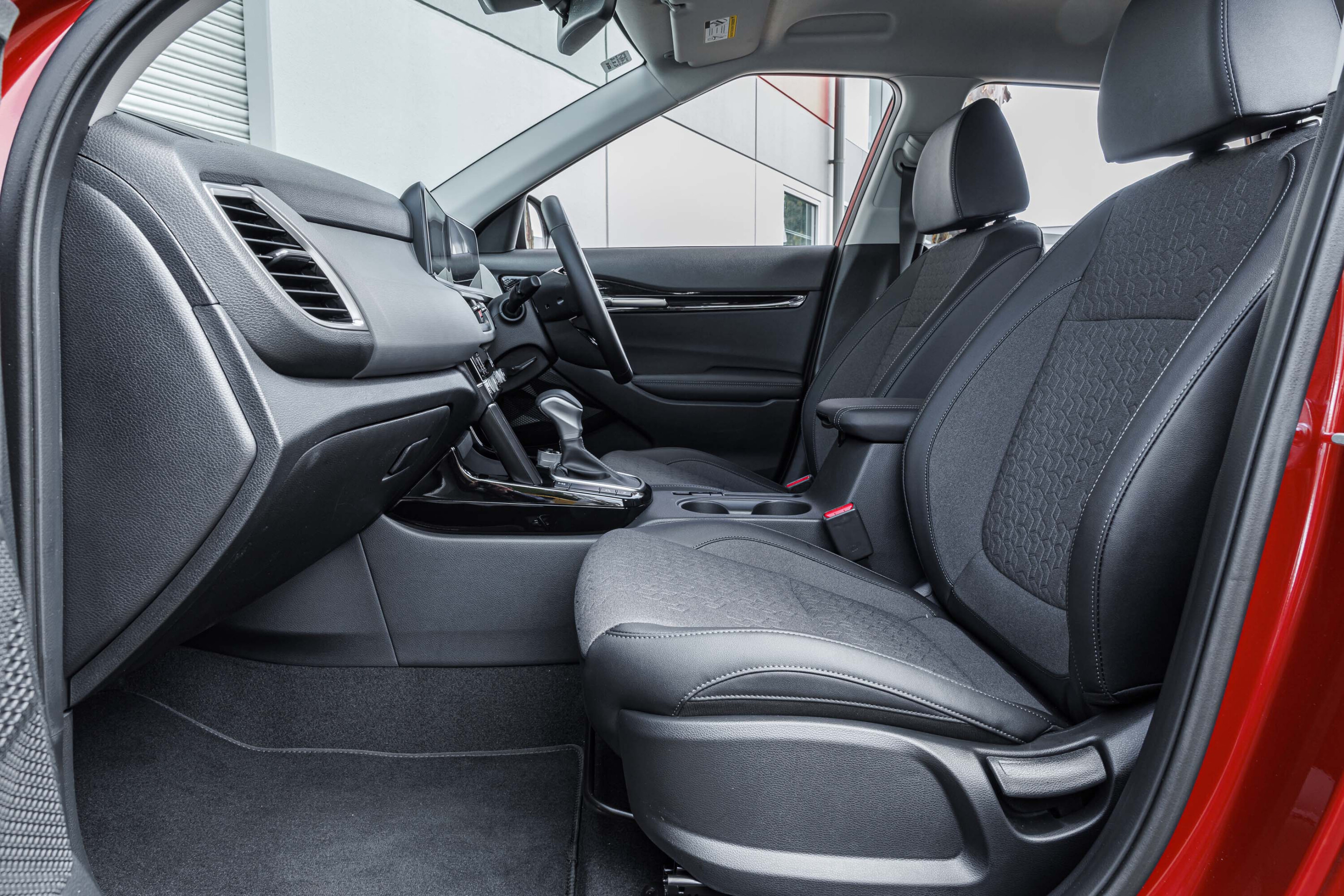
It is easy to get comfortable in the driver’s seat of a Seltos; you can adjust it manually in six dimensions in lower-grade variants.
The driver and front passenger seats in the flagship GT-Line respectively have 10-way and eight-way power adjustment.
You can also move the steering wheel further from you or bring it closer, and adjust it for tilt.
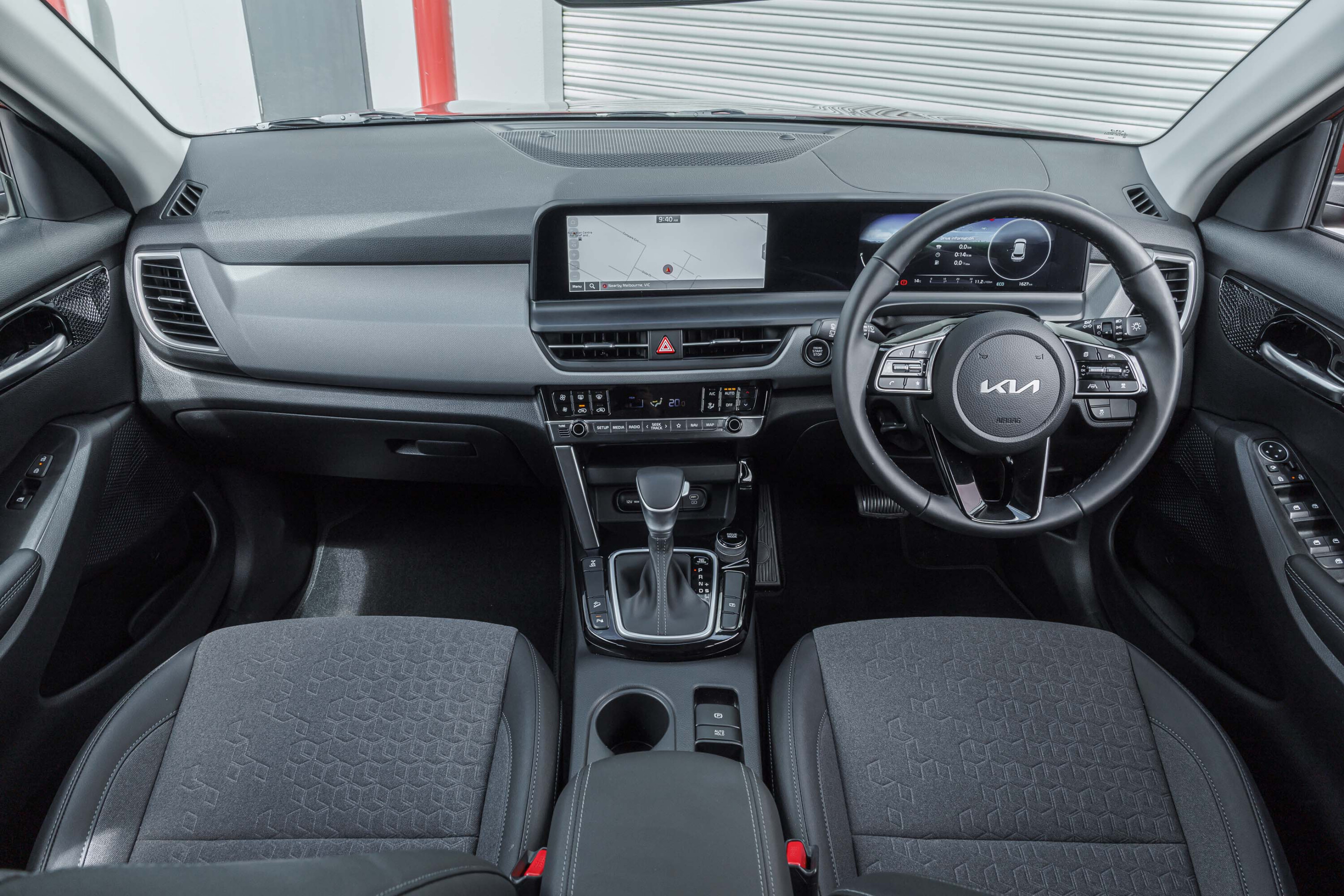
The Seltos cabin is deceptively roomy for its small footprint, with a great view of the road afforded by a largely upright glasshouse. Instruments and controls are laid out neatly and legibly in entry models but impressively morph into a dual 10.25-inch driver display and infotainment array in Sport trims and higher.
Visual and haptic responses of the operating system are good, and the monitors themselves display crisply and cleanly.
1
The interior is well-built and is finished using good-quality plastics, fabric and carpet — though it may not feel as ‘premium’ as some others in the segment.
A particular oddity to the Seltos is that the entry model’s simpler 8.0-inch infotainment screen can facilitate wireless Apple CarPlay and Android Auto, while stepping up to the dazzling twin 10.25-inch system requires a wired connection. A minor quirk, but something to be aware of.
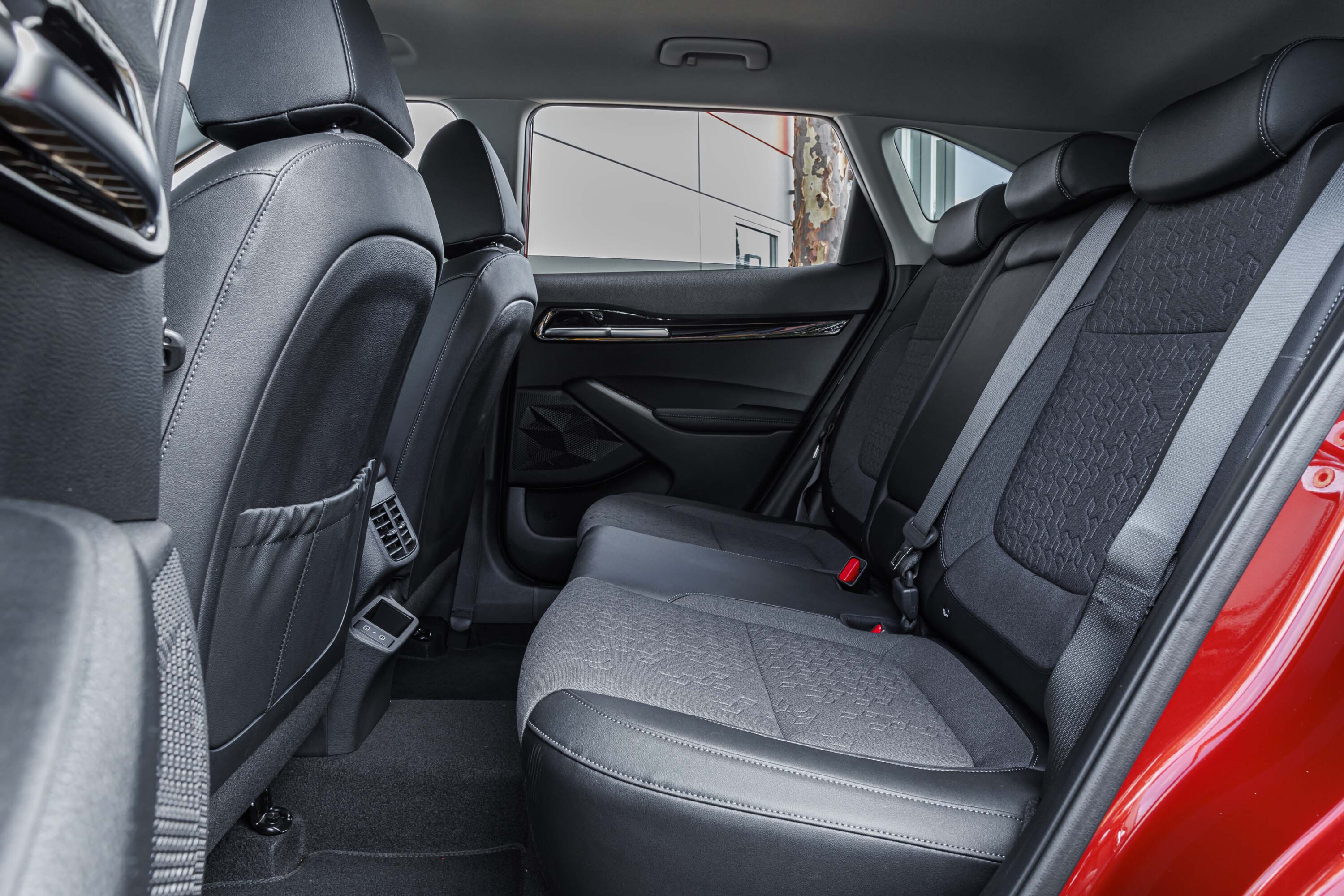
Rear seating in the Seltos is among the roomiest in its class and often feels more akin to that of larger vehicles.
1
The 60:40 split seat’s backrest adjusts for angle in seven steps.
The seats offer good back, under-thigh and lateral support, with enough headroom even for six-foot adults. The cushions are comfortable, and the leather and cloth trim options feel like they will wear well. The 60:40 split seat’s backrest adjusts for angle in seven steps.
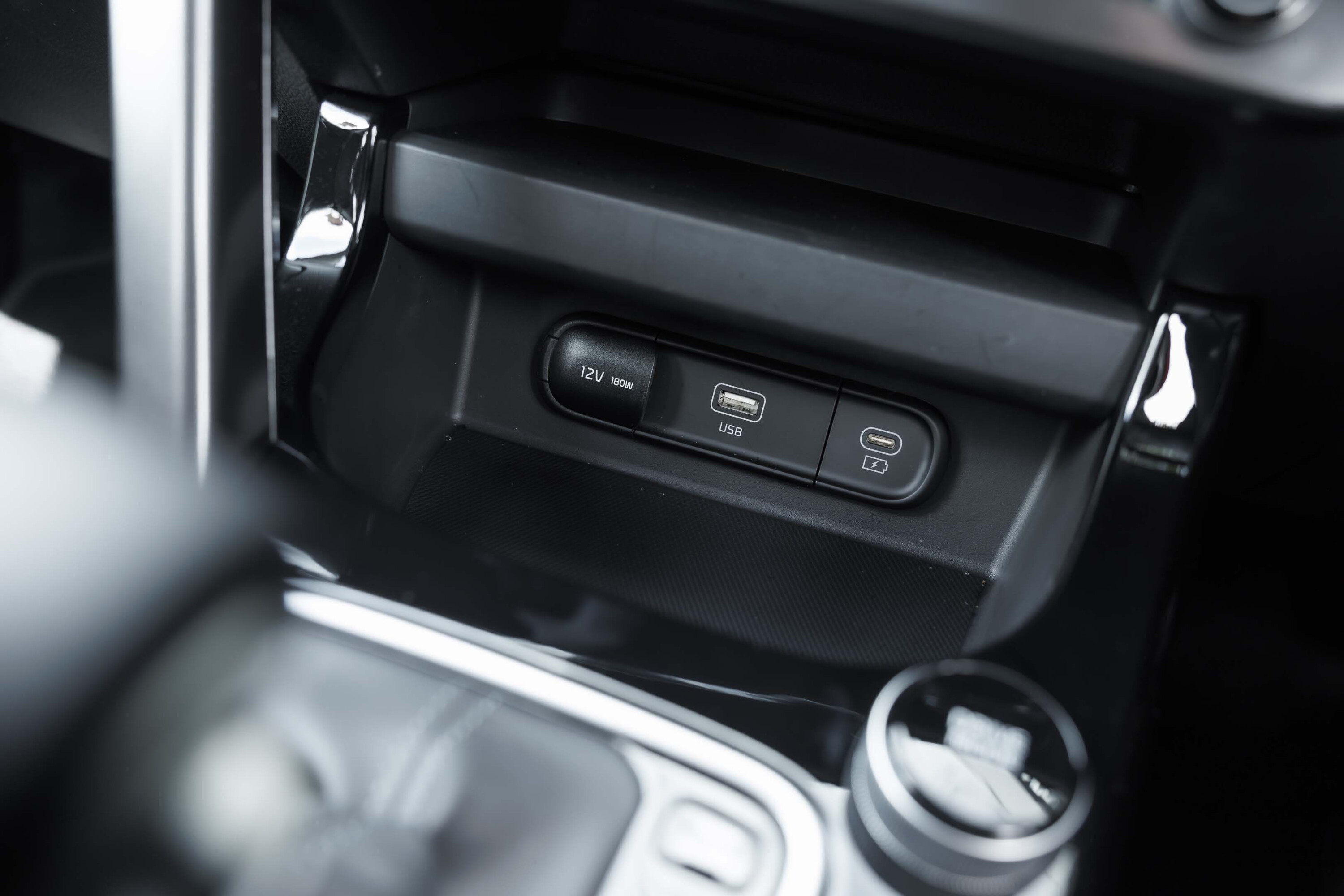
Features added in 2023 include rear air vents across the range (previously exclusive to top-shelf GT-Line), plus a USB-C port for the second row.
ISOFIX and top tether anchor points both feature in the second row for securing child seats, with added map pockets behind the front seats. Sport+ and GT-Line grades add a fold-down centre armrest with cup holders.
1
How much boot space does the Kia Seltos offer?
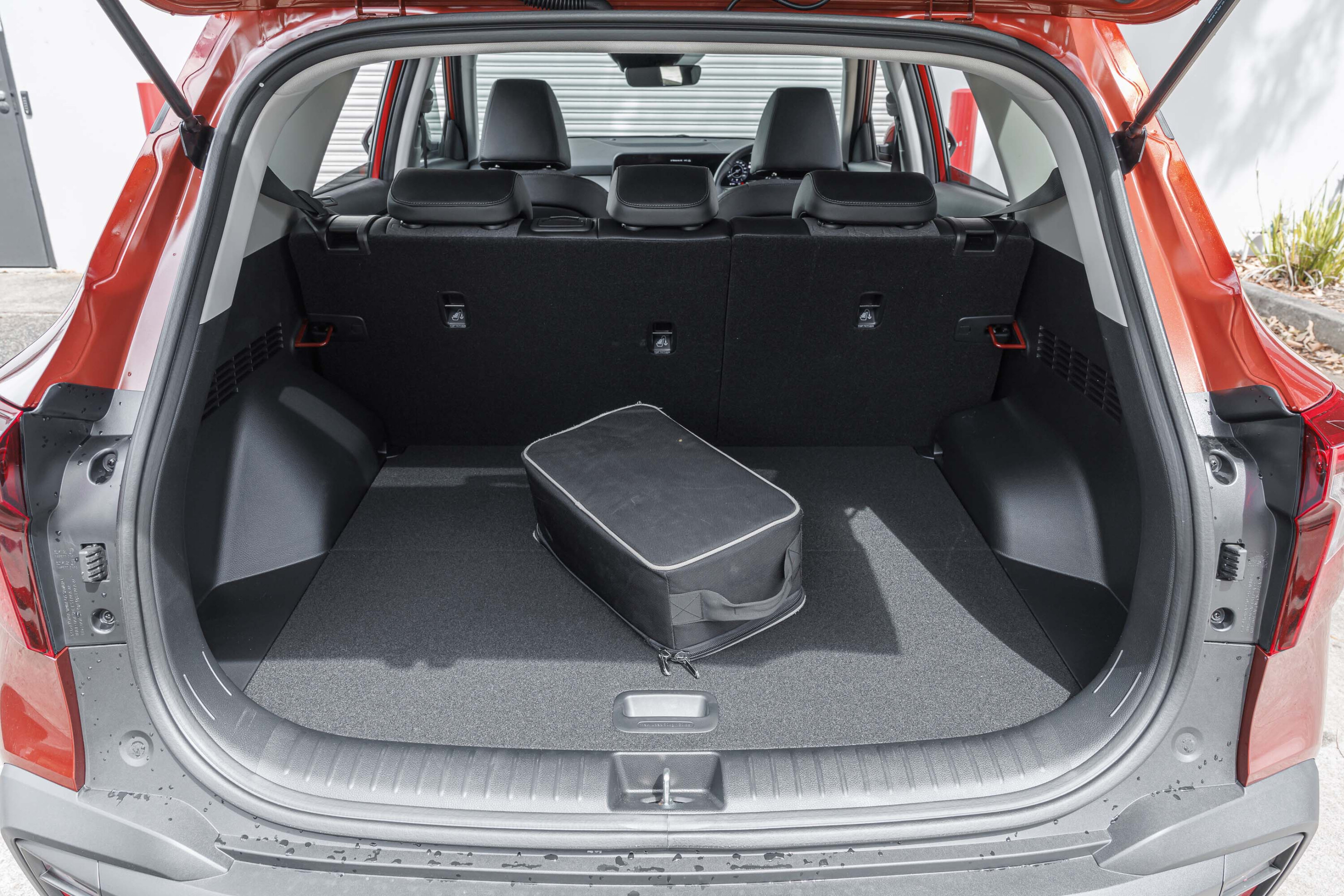
In the same way that Kia’s Seltos delivers segment-leading second-row space, the boot is similarly capacious, and one of the biggest in its class.
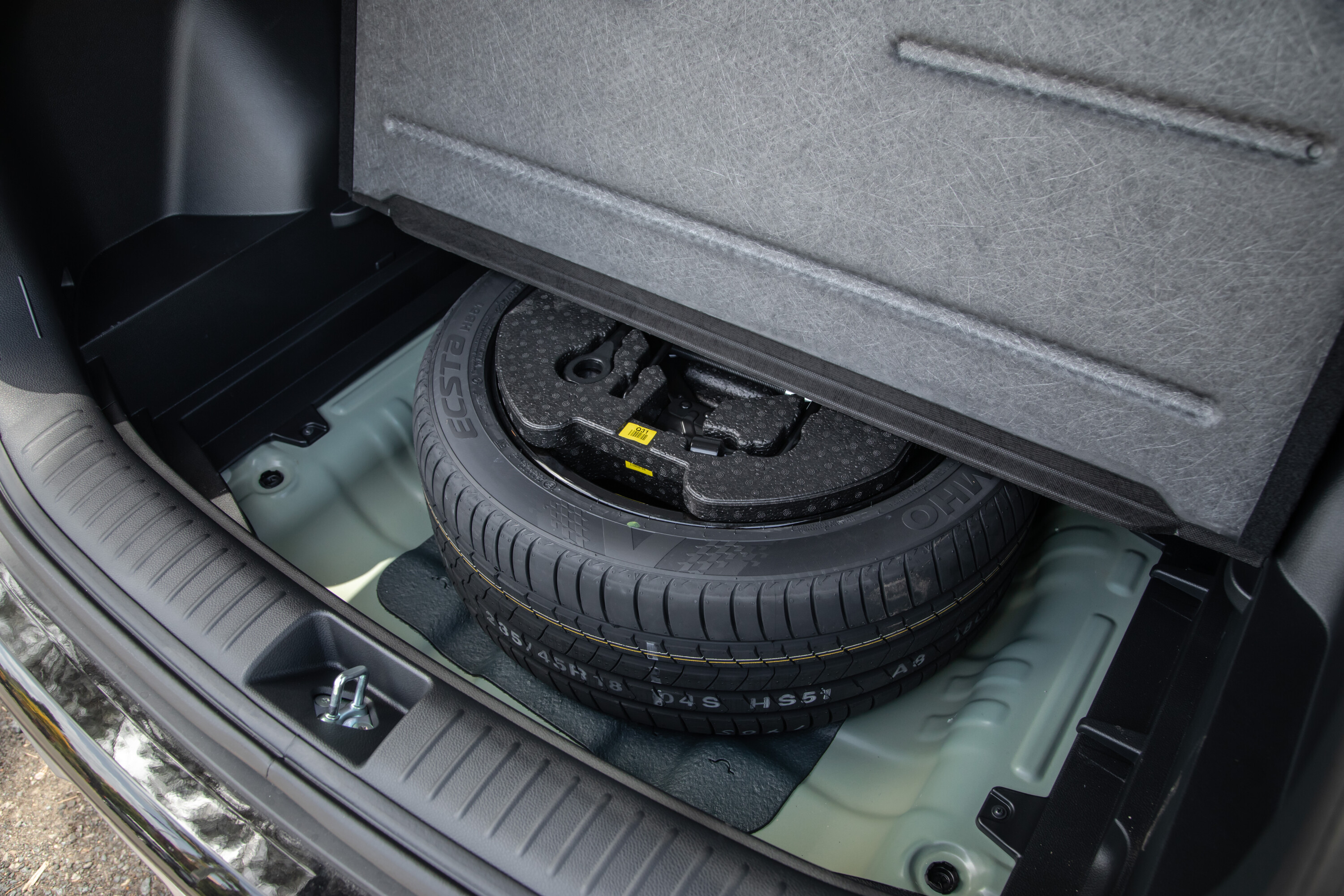
All variants except the Seltos S get a full-size spare wheel which eats into boot capacity only marginally, swinging in at 433L with the rear seats in place. The space-saver-equipped base variant ups this to 468L.
1
With the rear seats stowed, boot capacity swells to 1428L in the Seltos S and 1393L for all other variants.
Nissan’s new Qashqai has the Seltos bested in ultimate capacity with the rear seats folded (up to 1524L) but offers less boot space with all five seats in place.
A one-piece tailgate lifts upwards to reveal a large opening, which makes it easy to load bulky items.
2
I like driving – will I enjoy this car?
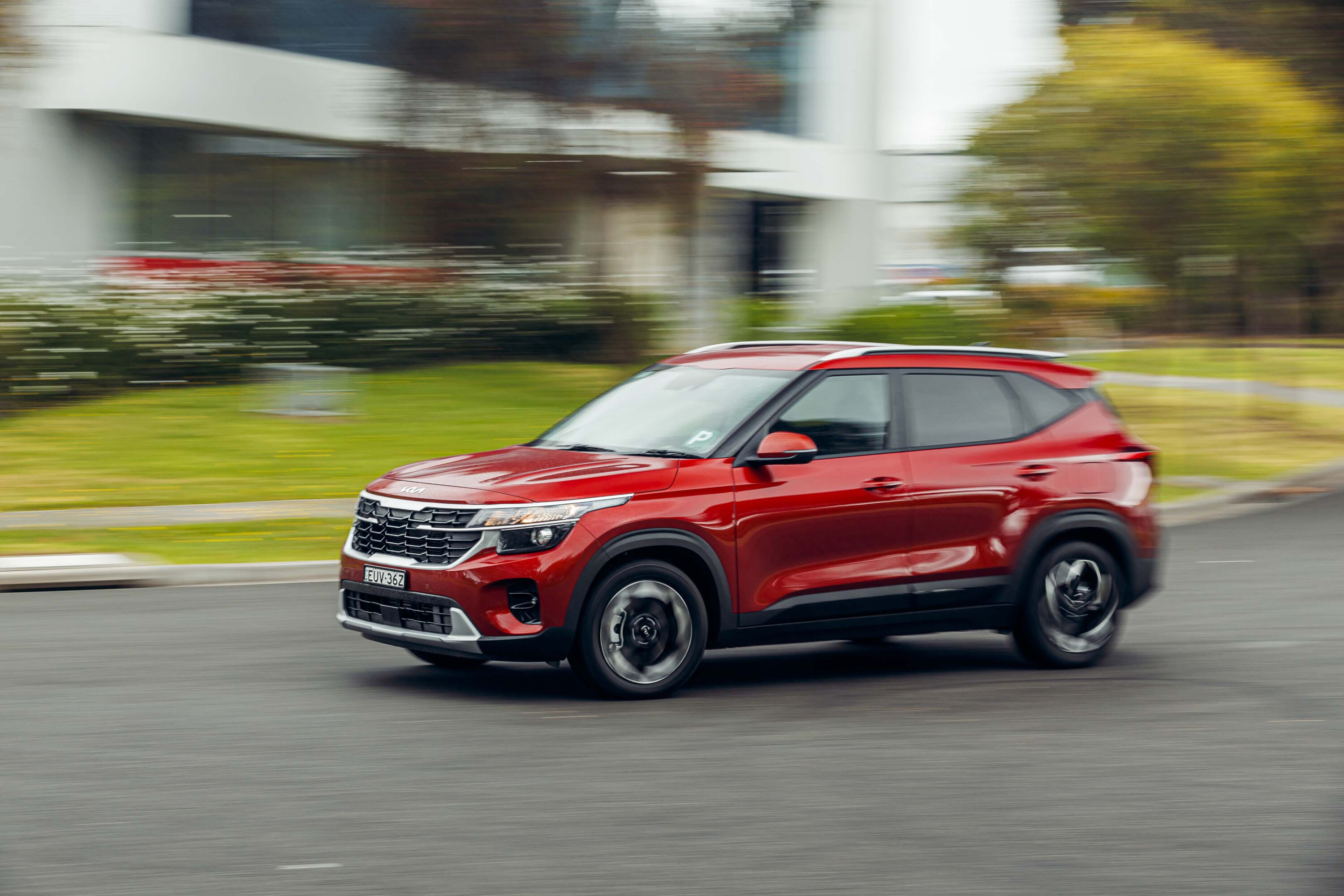
Yes. The Kia Seltos is a solid steerer within the small SUV segment, with fundamentally sound urban roadholding and dynamics.
Locally tuned suspension imbues the Seltos with confident ride and handling over a variety of Australian roads, with intuitive, linear steering.
The Seltos has a quite firm suspension set-up, which helps it respond quickly to steering inputs and corner with relatively little body roll. The firmness also prevents the body from bobbing on the springs after the car hits a big bump on the road.
1
All-wheel drive versions offer more stability in slippery conditions, such as on gravel or wet roads.
Even with AWD, most unibody SUVs are suited to only light off-road duty, such as snowy conditions or reasonably smooth dirt tracks.
New developments in the recent facelift include extra sound-absorbing material in the pillars, doors, under the carpet and in the wheel arches, helping further suppress any unwanted noise, vibrations and harshness.
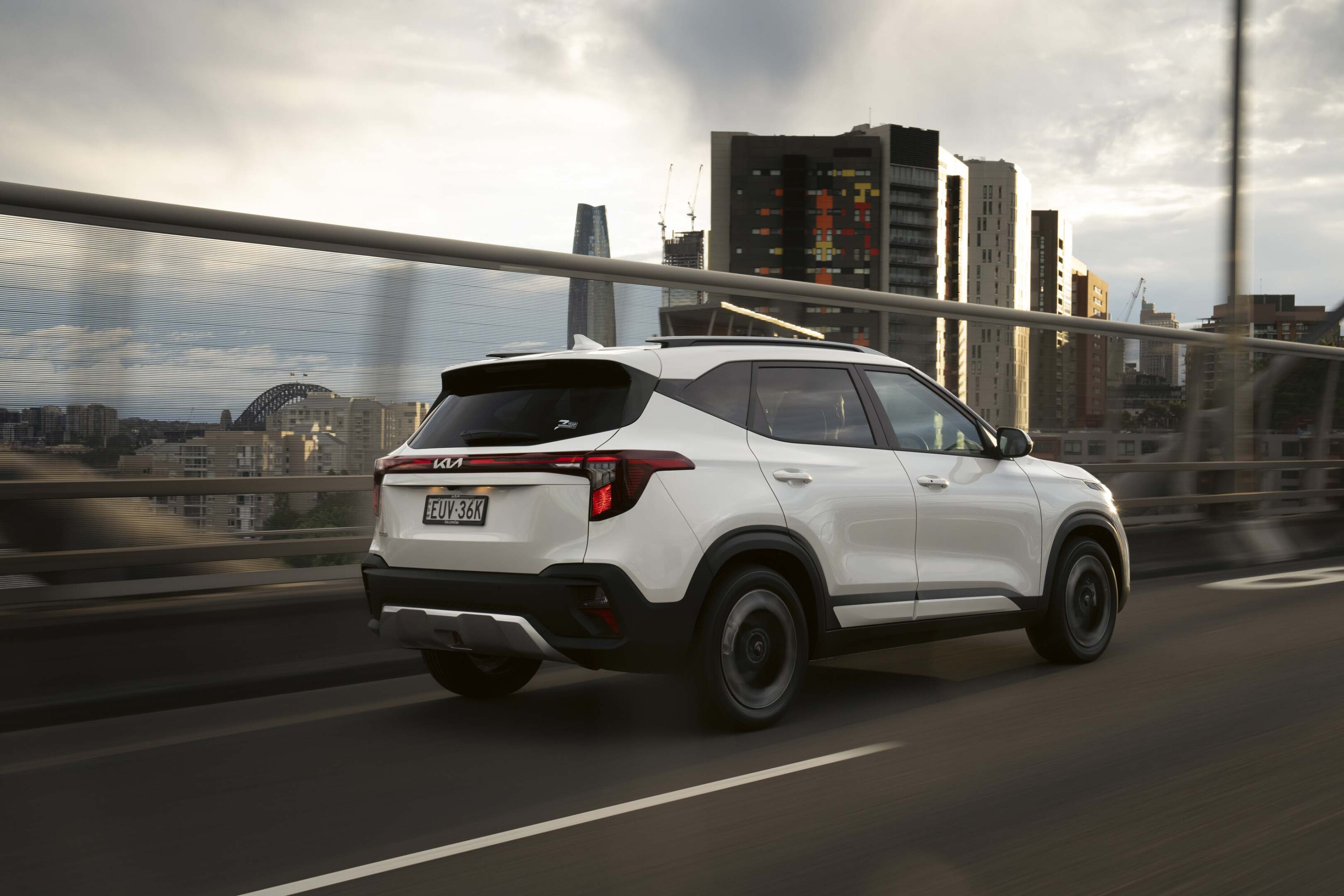
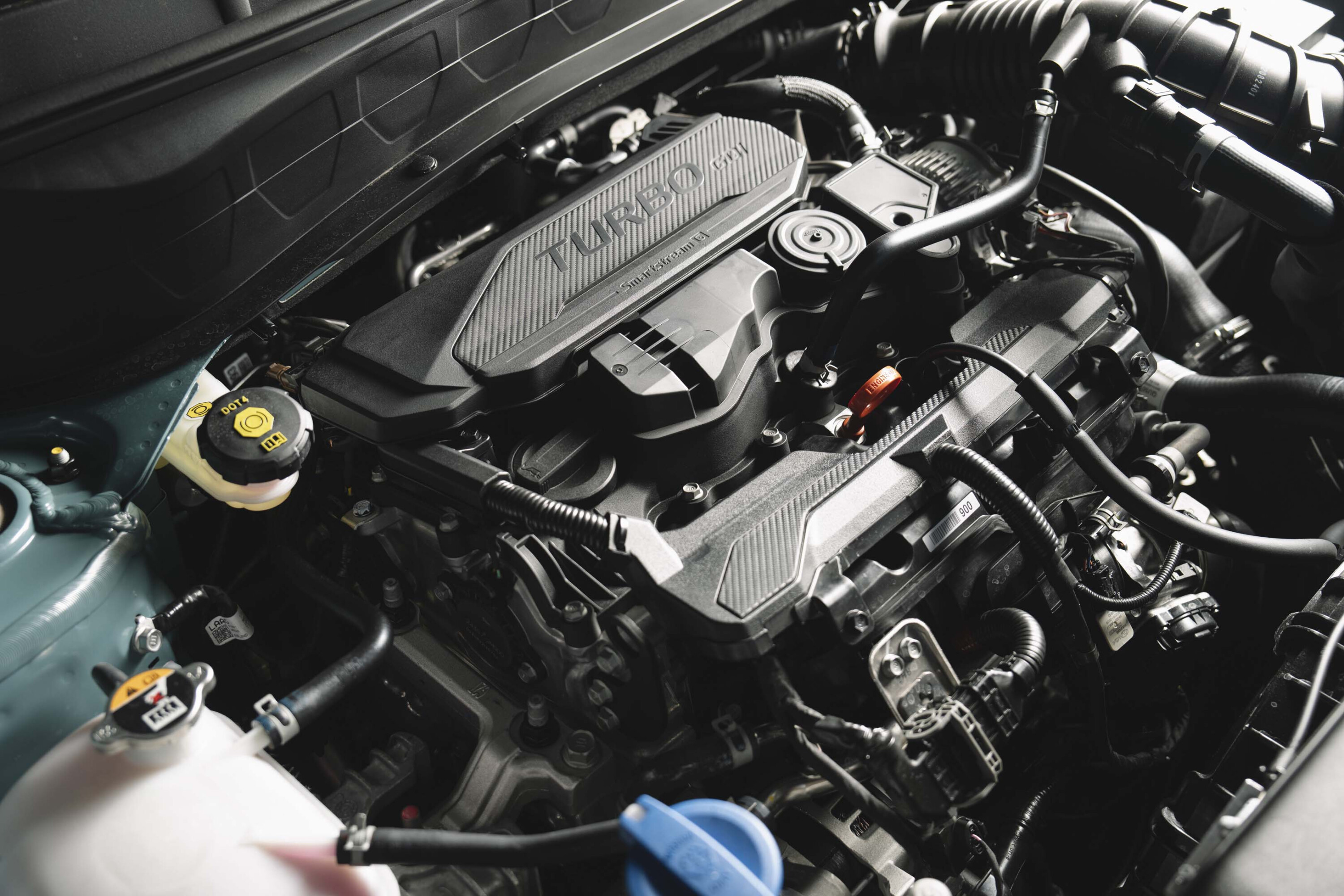
Headline powertrain changes for the most recent facelift centre on AWD Seltos variants, which now feature the 1.6-litre turbocharged four-cylinder lifted from the Hyundai i20 N and i30 N Line sedan, yielding 146kW (up 16kW) and 265Nm; matched to a conventional eight-speed automatic.
1
Not only is the new engine more sophisticated and powerful, but it’s also more efficient and has crisper in-gear response which aids overtaking ability.
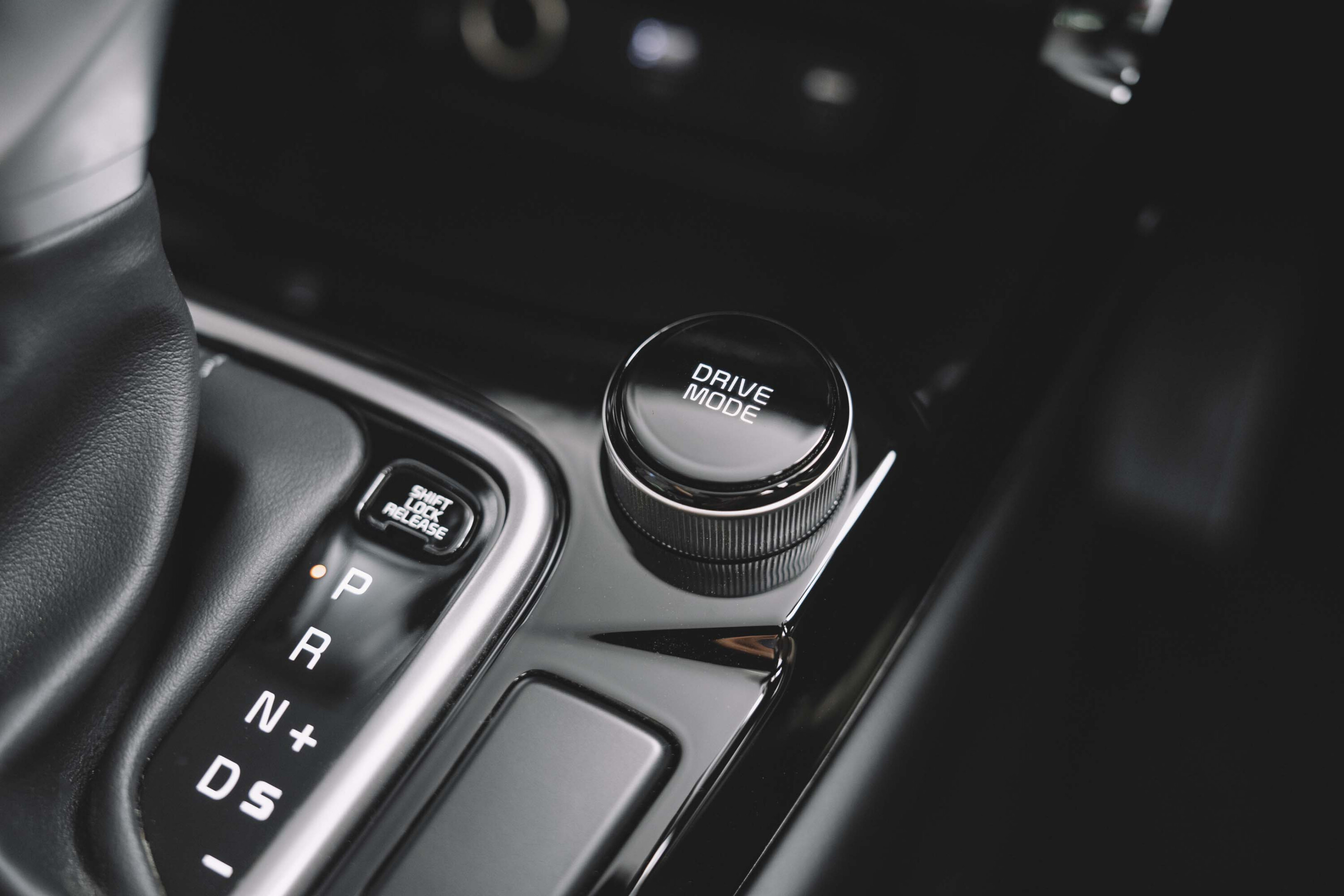
The new Aisin-sourced automatic is also a much smoother sailer than the old dual-clutch transmission which, at low speeds, could be clunky.
A naturally aspirated 2.0-litre four-cylinder returns for service in front-wheel drive Seltos variants, but is still a meritable unit despite its modest 110kW/180Nm outputs. It’s a smooth unit that will lazily and linearly surf its small wave of torque to the speed limit, making it deceptively well-matched to the small front-driven Seltos.
1
- What is a Powertrain or Drivetrain?
- Power vs torque
- Car suspension explained
- Automatic transmissions (‘gearboxes’) explained
- Chassis control systems explained
- Car vs Ute vs SUV: How the vehicle you buy should guide the way you drive
The 2.0-litre naturally aspirated engine uses the least fuel, at a claimed 6.9 litres/100km on the official test (city and country combined).
During the launch of the Kia Seltos in 2023, we registered an impressive 6.7L/100km.
All-wheel drive variants with the new turbocharged 1.6-litre petrol are less efficient at 7.4L/100km, with our real-world testing returning a figure of 8.7L/100km. Much of this is explained by the all-wheel drive vehicle’s extra 120kg of mass and double the number of driven wheels.
Paired with an eight-speed automatic gearbox and all-wheel-drive traction, the turbocharged Seltos possesses a noticeable advantage in pace and power, while the new conventional automatic transmission is a welcome step change in refinement.
1
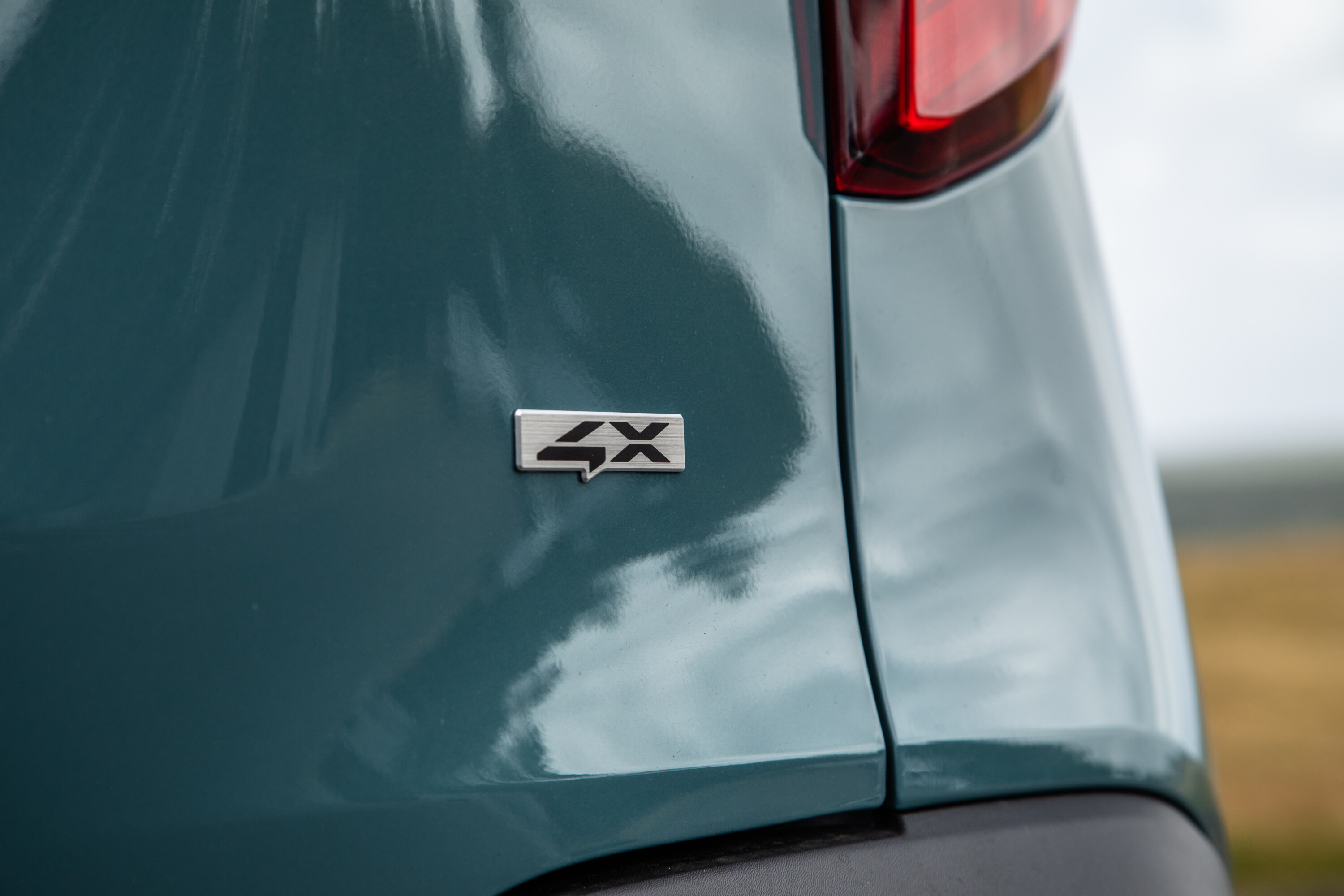
AWD Sport+ and GT-Line variants respectively cost $3500 and $3400 more than their FWD counterparts.
Apart from front-wheel drive and the 2.0-litre petrol engine being the exclusive configuration offered in an entry-level Seltos S, the main reason you might not choose the all-wheel drive turbocharged Seltos is that you want to pay less both up front and in ongoing fuel costs.
Front-drive variants sip less fuel than the equivalent AWD Sport+ and GT-Line, which respectively cost $3500 and $3400 more than their FWD counterparts.
1
What is the Kia Seltos’s towing capacity?
The Kia Seltos has a braked towing capacity of 1100kg for front-drive variants, swelling to a max braked capacity of 1250kg for all-wheel drive turbo variants, all with a max tow ball download of 130kg.
How long is the warranty and what are the Kia Seltos’s servicing costs?
The Kia Seltos comes with one of the industry’s longest factory warranties at seven years/unlimited kilometres.
Kia offers capped-price servicing for seven years, and roadside assistance for up to eight.
Kia Connect is complimentary for the first seven years, while the dealership will also make sure your satellite navigation system maps (if applicable) are kept updated for up to ten years.
1
Scheduled servicing runs annually, or every 15,000km for the 2.0-litre front-drive variants, with shorter 10,000km intervals for the all-wheel drive 1.6-litre turbo variants.
Both variants cost just over $2000 for five years of scheduled maintenance.
Which version of the Kia Seltos does Wheels recommend?
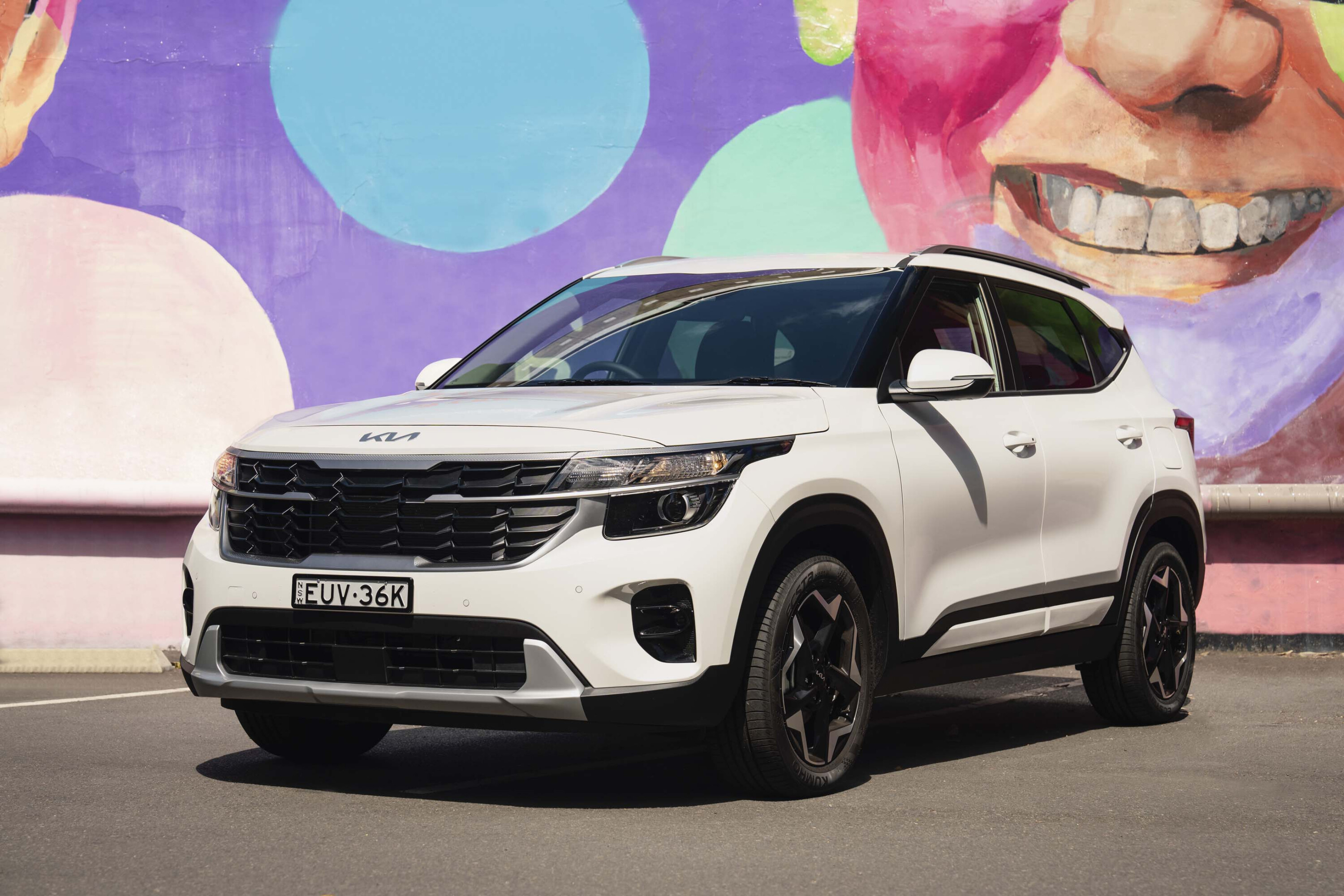
There are no real wrong answers in the Kia Seltos range as the comprehensive feature lists of lower models look very attractive for their asking prices.
A Seltos Sport looks particularly attractive at $32,700 before on-road costs, with 17-inch alloy wheels, that dazzling twin 10.25-inch digital screen array, DAB+ digital radio, satellite navigation and one-touch driver’s window control. It’s an affordable, competent city runabout with some of the most desired features as standard.
The Sport+, for just $3100 more, is also worth the extra spend, adding significant safety features like adaptive cruise control with stop-and-go capabilities, as well as cyclist and junction (forward cross-traffic) assistance to the existing AEB safety system. There’s also part-leatherette upholstery, driver attention alert, lead vehicle departure warning and push-button start.
1
Powertrain-wise, even the carryover 2.0-litre naturally aspirated front-driven package is still a worthy urban companion.
The all-wheel drive, turbocharged Seltos adds breadth to its inner-city talents with greater ‘soft-road’ ability over unsealed surfaces, confident roadholding in inclement weather, and a noticeable advantage in pace and overtaking ability.
What are the Kia Seltos’s key rivals?
ud83dudd3c Back to top
MORE
Everything Kia
More guides to help you choose the best car & tyres for your needs
- All tyre news & reviews
- Longest warranties & capped-price servicing period
- Buy new or used?
- Best cars for your teenager
- Must-have features for new drivers
- Active safety tech explained
- Australian road rules explained
- Does driving slower save fuel?
- Does my car need the pricier fuel?
- Help, I’ve used the wrong fuel!
- What is a hybrid car?
- How long do tyres last?
- What shoes should I wear to drive?
- What to do after buying a new car
- How much does LCT add to a car’s price?
- The ‘check engine’ light just came on…
- Is it illegal to drive too slowly in Oz?
- FWD v RWD v AWD – which is safer?
- How much can my large SUV tow?
The Toyota Corolla has long been among Australia’s most popular vehicles, but recent production delays and the rising popularity of SUVs saw it outside the top 10 sellers by the end of 2023, and the sixth most popular car in January 2024.
It’s a historical start to the year – one that hasn’t occurred in the last two-and-half decades of the Corolla’s existence, and one Toyota hopes won’t happen again.
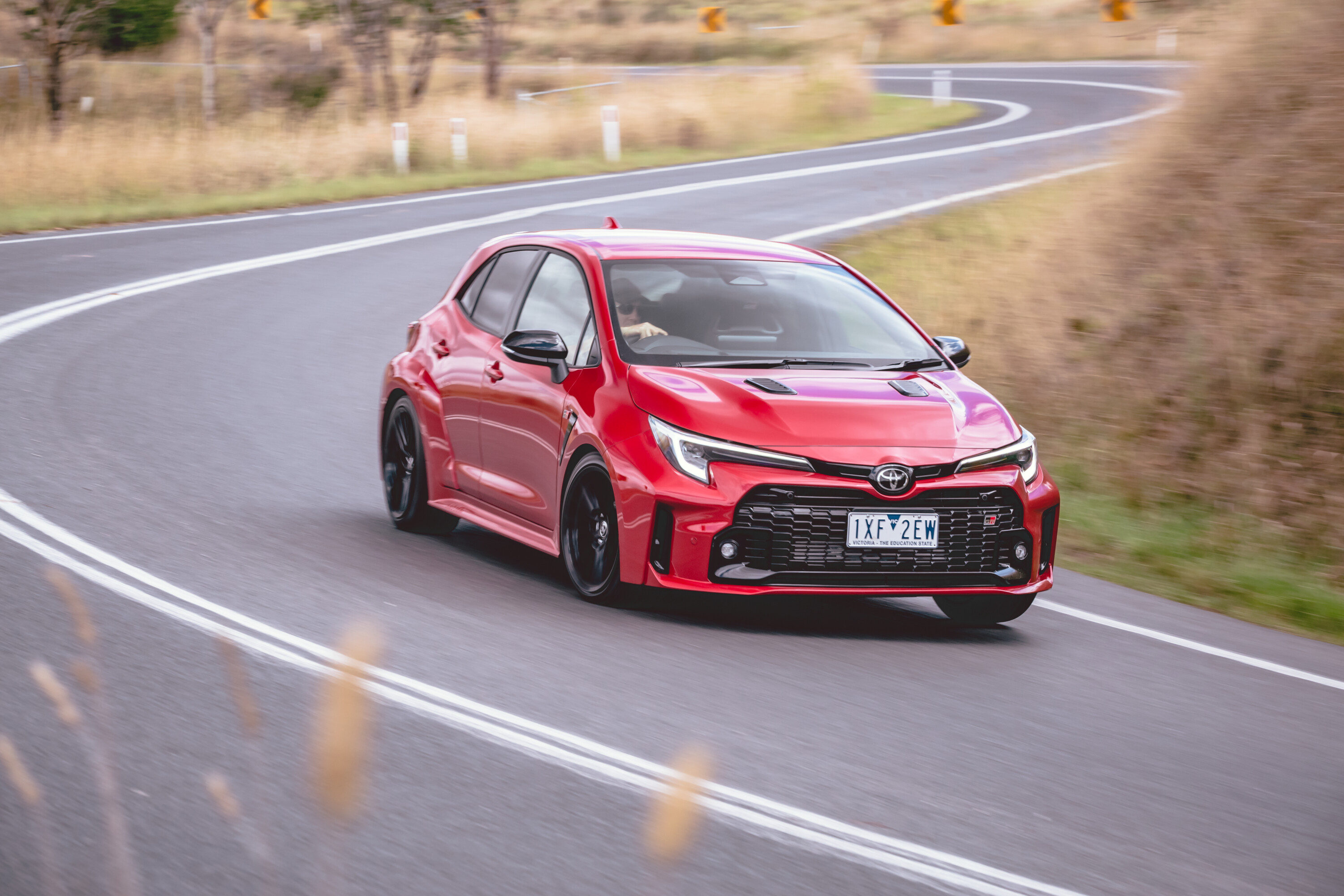
Despite the recent sales slump, the Toyota Corolla remains a reliable, safe, and efficient small car with space for four passengers and driver-pleasing dynamics.
Although the Corolla has climbed in price with its latest facelift, so have its myriad rivals. As such, it remains a worthy option with SX and ZR hybrid trims representing a good balance of affordability and specification, while the rally-bred GR gives real enthusiasts a Corolla to chew on.
1
JUMP AHEAD
- Pricing
- What body styles are available for the Corolla?
- What features are standard in every Corolla?
- What key features do I get if I spend more?
- How safe is the Toyota Corolla?
- How comfortable & practical is the Corolla?
- How much boot space does the Corolla offer?
- I like driving, will I enjoy this car?
- Which Corolla engine uses the least fuel?
- What is the Corolla’s towing capacity?
- How long is the warranty & what are the Corolla’s servicing costs?
- Which version of the Corolla does Wheels recommend?
- What are the Corolla’s key rivals?
- What might annoy me?
- What might I miss that similar cars have?
- What’s the infotainment system like?
- Where does Toyota make the Corolla?
- Are there plans to update the Corolla soon?
Pricing
| 2024 Toyota Corolla range pricing (before on-road costs) | |
|---|---|
| Ascent Sport petrol hatch | $28,130 |
| Ascent Sport hybrid hatch | $30,630 |
| Ascent Sport hybrid sedan | $31,180 |
| SX petrol hatch | $31,280 |
| SX petrol sedan | $31,280 |
| SX hybrid hatch | $33,780 |
| SX hybrid sedan | $33,780 |
| ZR petrol hatch | $35,120 |
| ZR petrol sedan | $36,620 |
| ZR hybrid hatch | $37,620 |
| ZR hybrid sedan | $39,120 |
| GR hatch | $62,300 |
| GR Morizo hatch | $77,800 |
1
What body styles are available for the Toyota Corolla?
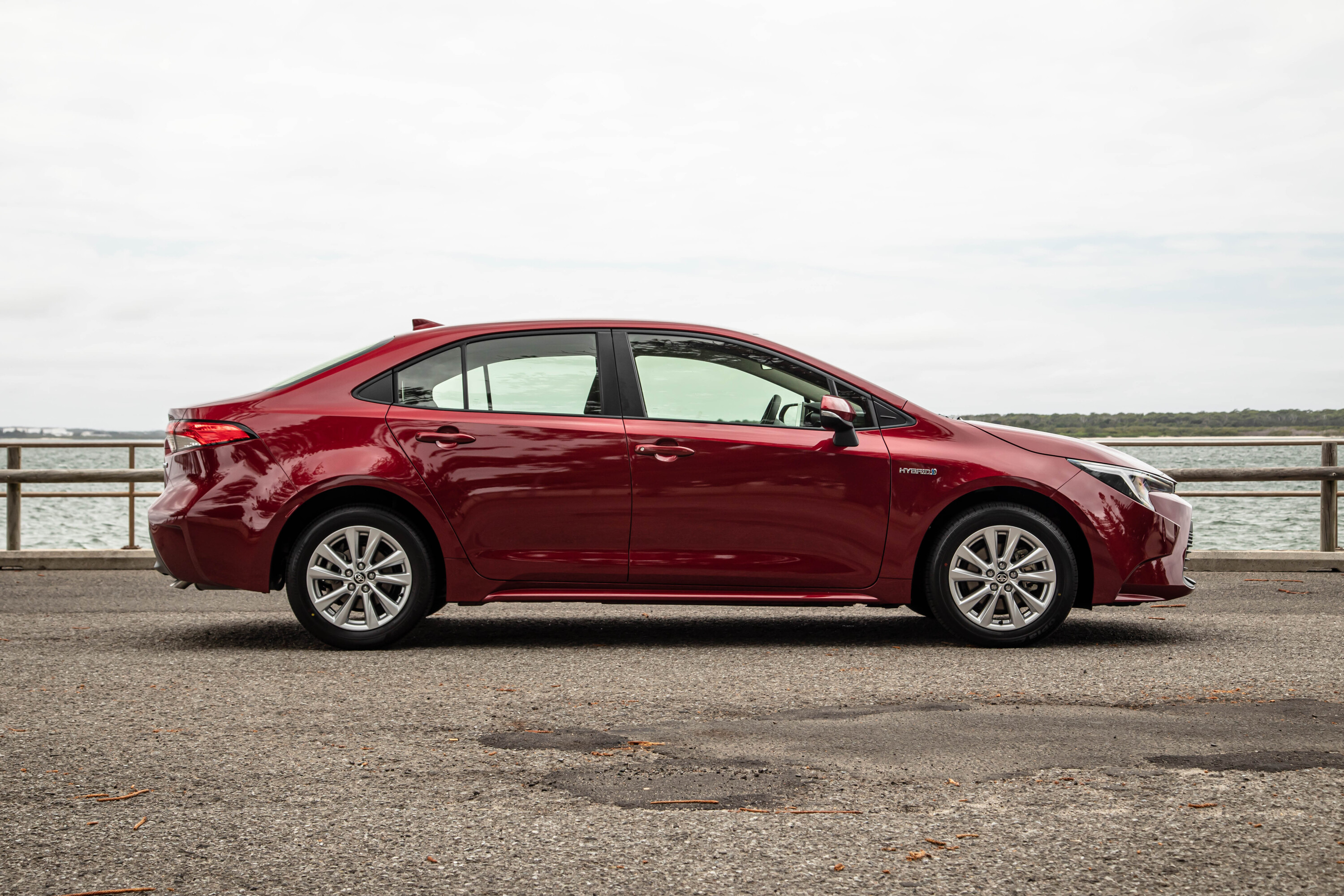
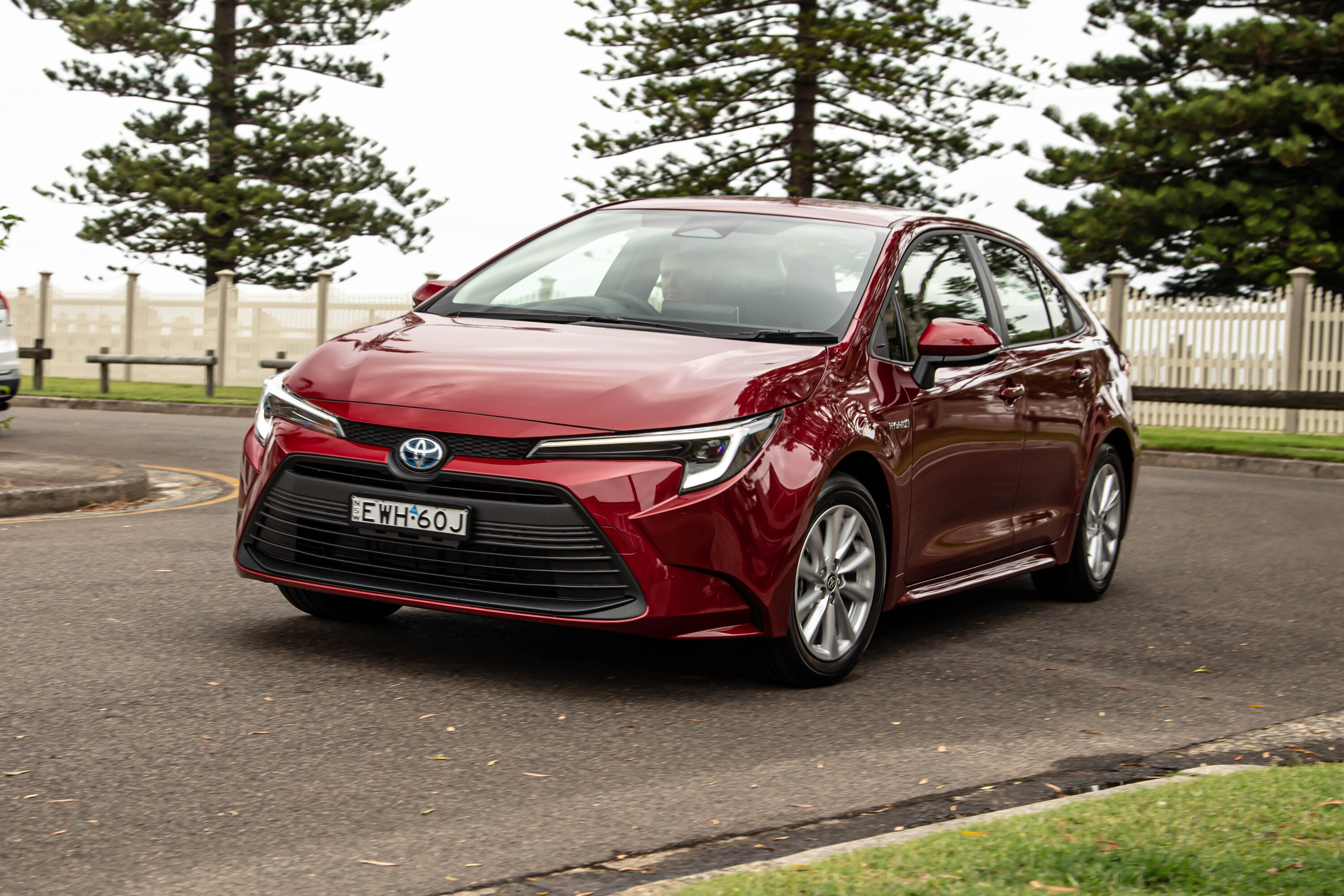
The Toyota Corolla is available in a more affordable five-door hatch, or the dearer four-door sedan body style.
Above the regular range sits the hardcore GR with a stiffer reinforced body shell.
1
What features are standard in every Toyota Corolla?
The features listed below are standard in the entry-level model and will appear in higher-grade models unless replaced by more premium equivalent features.
| 2024 Toyota Corolla Ascent Sport features | |
|---|---|
| 7.0-inch multi-information display | Satellite navigation (sedan only) |
| 1x USB port | AM/FM/DAB+ radio |
| Wireless Apple CarPlay and wired Android Auto | Six-speaker sound system |
| Push-button start (hybrid only) | Bi-beam LED headlights |
| Over-the-air software updates | Heated, power-folding side mirrors |
| Cloth upholstery | Manual air-conditioning (petrol) |
| 12 months of Toyota Connected Services | Dual-zone climate control (hybrid) |
| Polyurethane steering wheel | 60:40 split-fold rear seats and centre armrest |
| 16-inch alloy wheels | LED interior lighting |
| 8.0-inch infotainment system | 4x cup holders 4x bottle holders |
1
What key features do I get if I spend more?
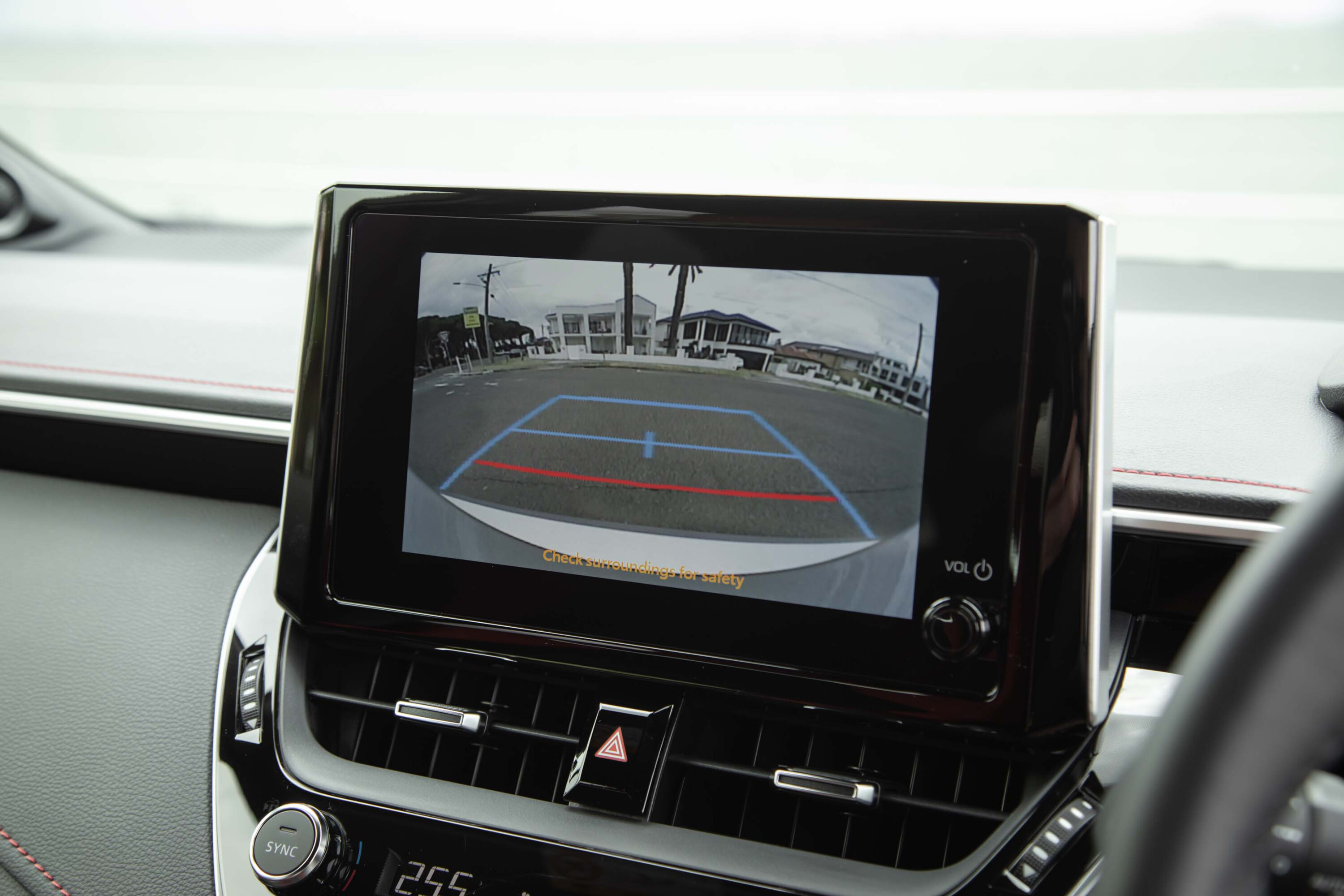
There are three core Corolla variants, and moving up to the $3150 more expensive SX trim is worth the money.
It brings more safety and convenience features that’ll add up to a better ownership experience.
1
Compared to the base petrol engine – which, for a naturally-aspirated four-banger is actually quite a peach – the new 103kW hybrid powertrain is $2500 well spent.
Over time you’ll recoup the extra outlay in lower fuel costs, too. The equation will change over time, but we estimate it’ll take 60,000km of ownership to offset the cost.
An optional convenience pack brings the following safety features to the Ascent Sport for $1000:
| 2024 Toyota Corolla Convenience pack |
|---|
| Rear cross-traffic alert |
| Front and rear parking sensors (hatch) |
| Blind-spot monitoring (sedan) |
The mid-spec Corolla SX adds:
| 2024 Toyota Corolla SX features | |
|---|---|
| Paddle shifters (petrol) | 16-inch alloy wheels (different design) |
| 1x USB-C fast-charge point | Rear privacy glass |
| Wireless phone charger | Satellite navigation |
| Leather-appointed steering wheel and shifter | Rear cross-traffic alert |
| Auto-dimming rear-view mirror | Front and rear parking sensors |
| 12 months of Toyota Connected Services with remote connect | |
1
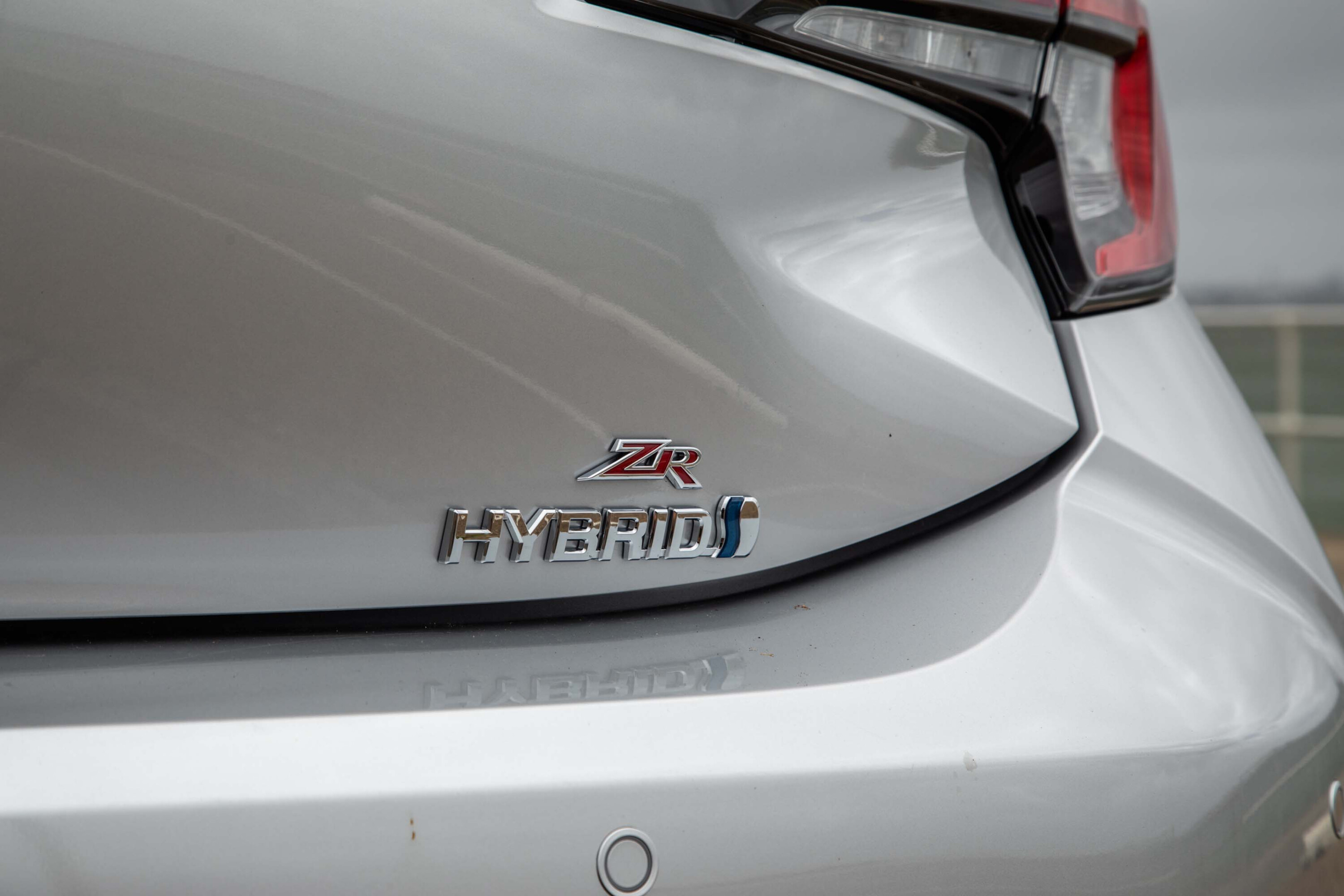
With a sporty look inside & out, the ZR is the top of the regular Corolla line.
| 2024 Toyota Corolla ZR adds | |
|---|---|
| 18-inch alloy wheels | ZR body kit |
| Dunlop Sport Maxx tyres | Premium LED headlights |
| Sports bucket seats with 8-way power adjust and lumbar for driver | Leather/ultrasuede upholstery |
| Heated front seats | 12.3-inch digital instrument cluster |
| Head-up display | 8-speaker JBL sound system |
1
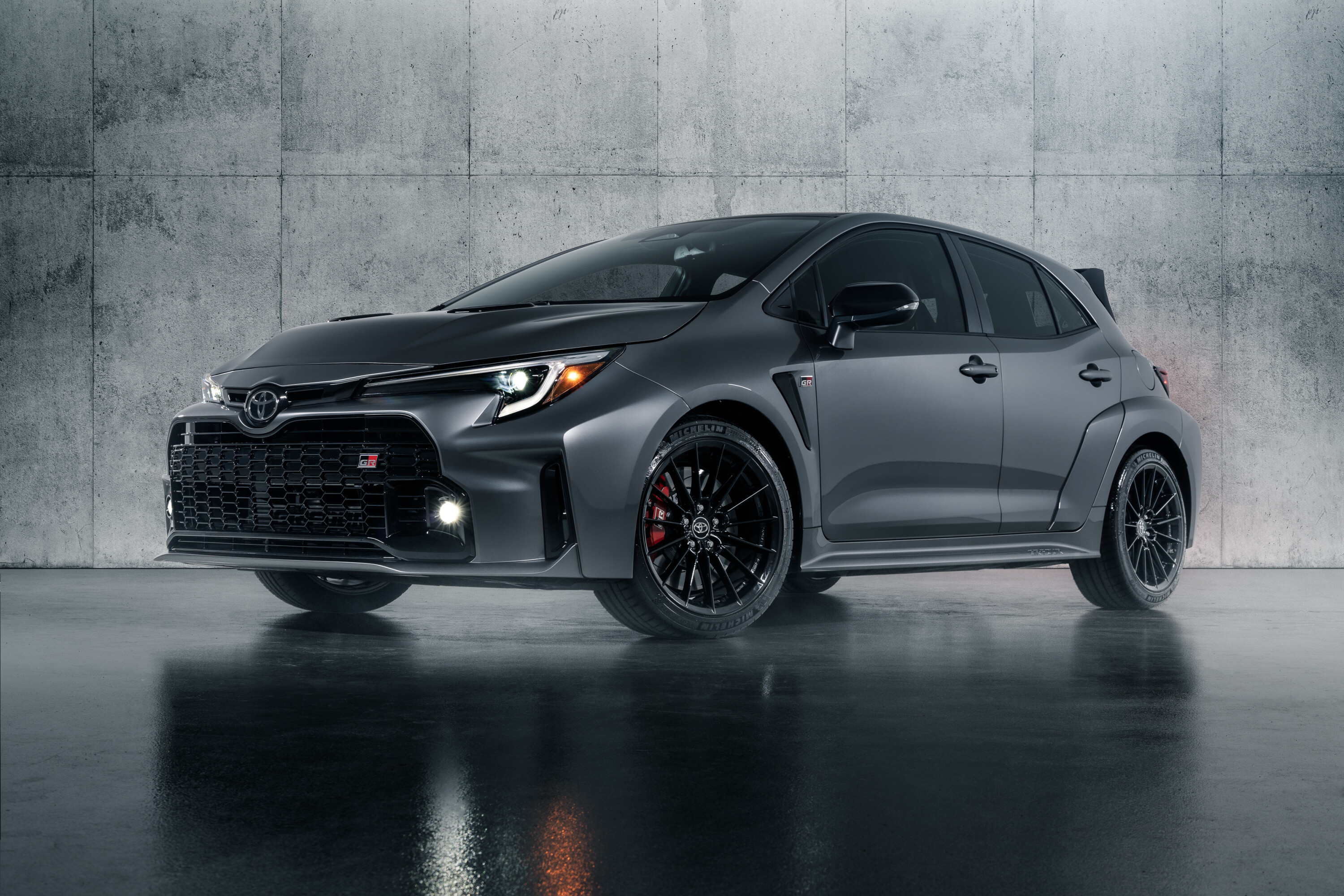
Not for the faint of heart, the 1.6-litre turbo-petrol three-cylinder GR Corolla is manual only, adding:
| 2024 Toyota GR Corolla specifications | |
|---|---|
| 18-inch cast Enkei alloy wheels | Heated steering wheel |
| Yokohama Advan tyres | u2018Brin Naubu2019 suedecloth upholstery |
| Front and rear torsen LSDs | Electronically controlled centre differential |
| Performance dampers | 349 more spot welds and 2.8-metres more structural adhesive |
| 221kW/370Nm 1.6-litre engine | 6-speed manual transmission with rev-matching |
How safe is the Toyota Corolla?
When tested by ANCAP in 2018, the Toyota Corolla was awarded five stars.
This rating applies to all models except the heavily re-engineered GR models, which are unrated.
| 2024 Toyota Corolla standard safety features | |
|---|---|
| Forward autonomous emergency braking (vehicle, pedestrian, cyclist, junction) | Seven airbags |
| Lane-keep assist | Adaptive cruise control |
| Lane departure warning | Traffic sign recognition |
| Rear seat belt reminder | Toyota connected services SOS functionality |
1
To get extra safety features including rear cross-traffic alert, blind-spot monitoring, and parking sensors, you’ll need to fit the convenience pack to the base Ascent Sport or splash out on a higher grade such as the SX.
How comfortable and practical is the Toyota Corolla?
The Toyota Corolla’s interior is comfortable and well-packaged – at least for front occupants – with some visual interest found further up the variant tree.
The Corolla’s isn’t the most spacious or cutting-edge cabin, but the materials will certainly stand the test of time.
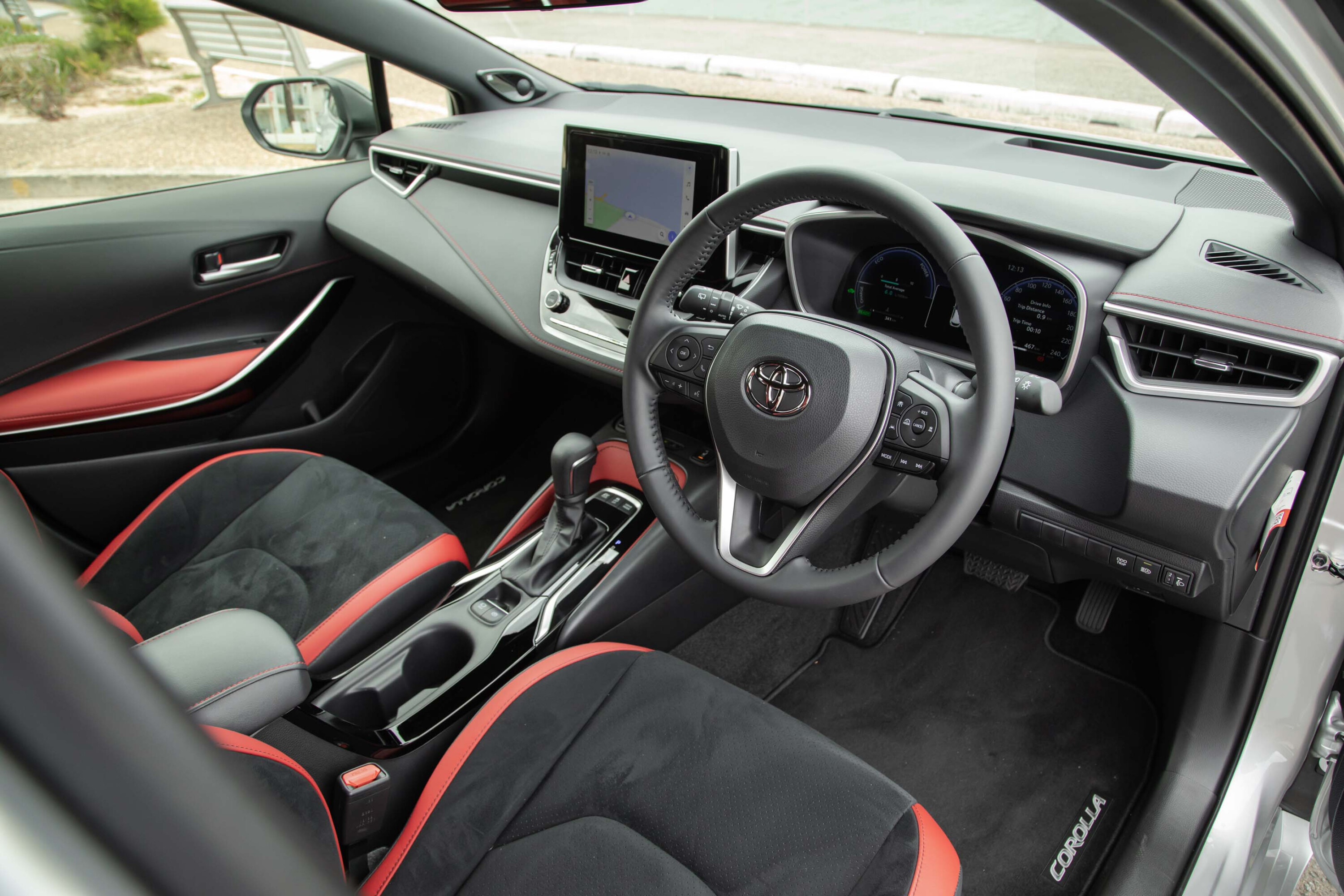
Skipping the fleet-focussed Ascent Sport is wise as the interior’s drowned in firm grey plastics. The core design is pleasing enough, though, with a shapely, contemporary dash that has pleasingly simple and intuitive controls.
In Ascent Sport guise, the manually adjusted seats are trimmed in hardy cloth, while the coarse polyurethane steering wheel and shifter are far from joyful. Walking up to the SX maintains a conservative colour palate, but the leather-wrapped control surfaces make for a big jump in perceived quality.
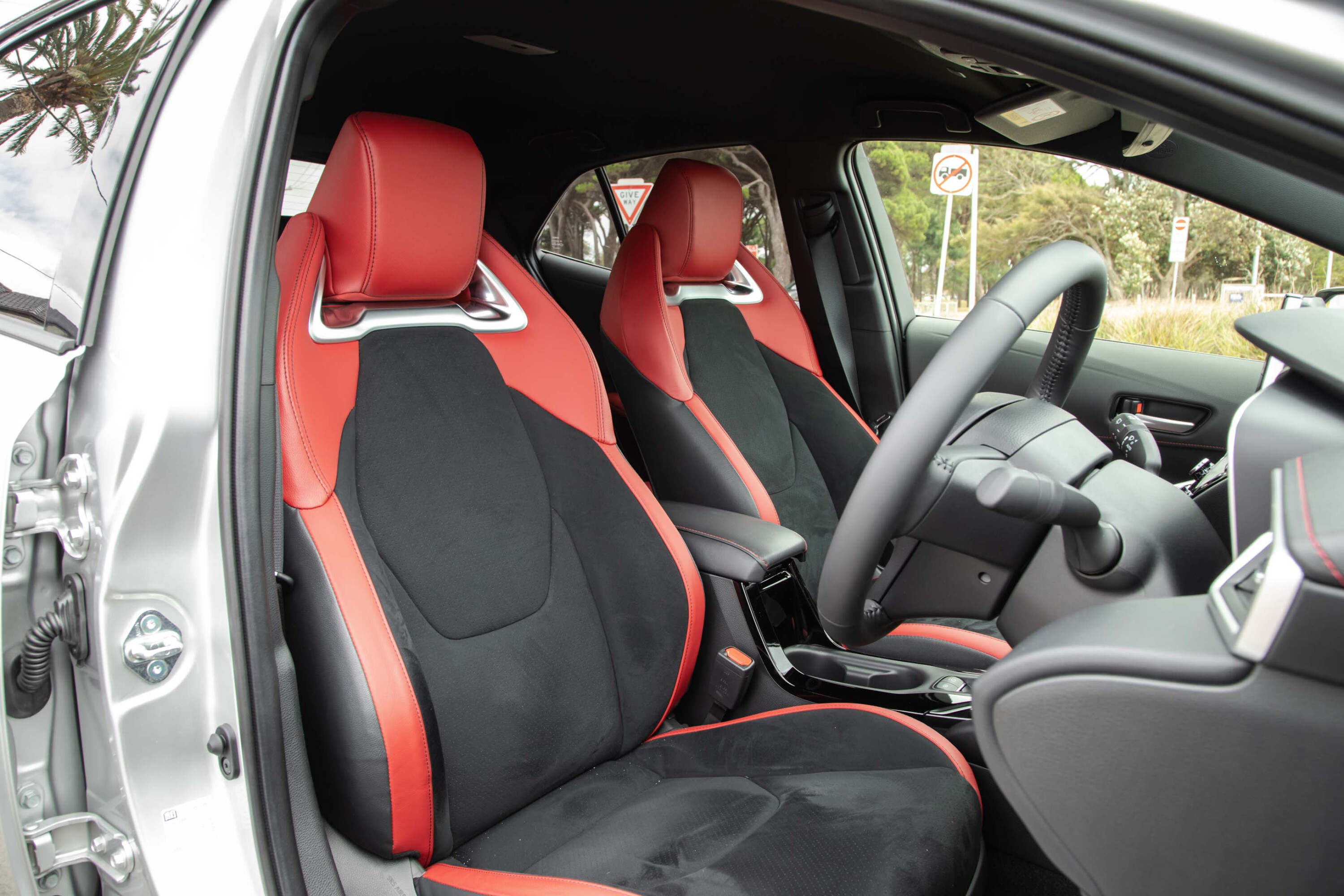
The top-spec ZR’s leatherette/Ultrasuede power-adjustable front seats are supremely comfortable, and the whole cabin gets a number of sporty styling.
With two-stage heating, the seats have almost everything you could want, though the passenger’s pew has no height adjustment.
2
In the pursuit of light weight, GR has removed some sound deadening from the most hardcore Corolla, so it’s much louder than, for example, a Golf R.
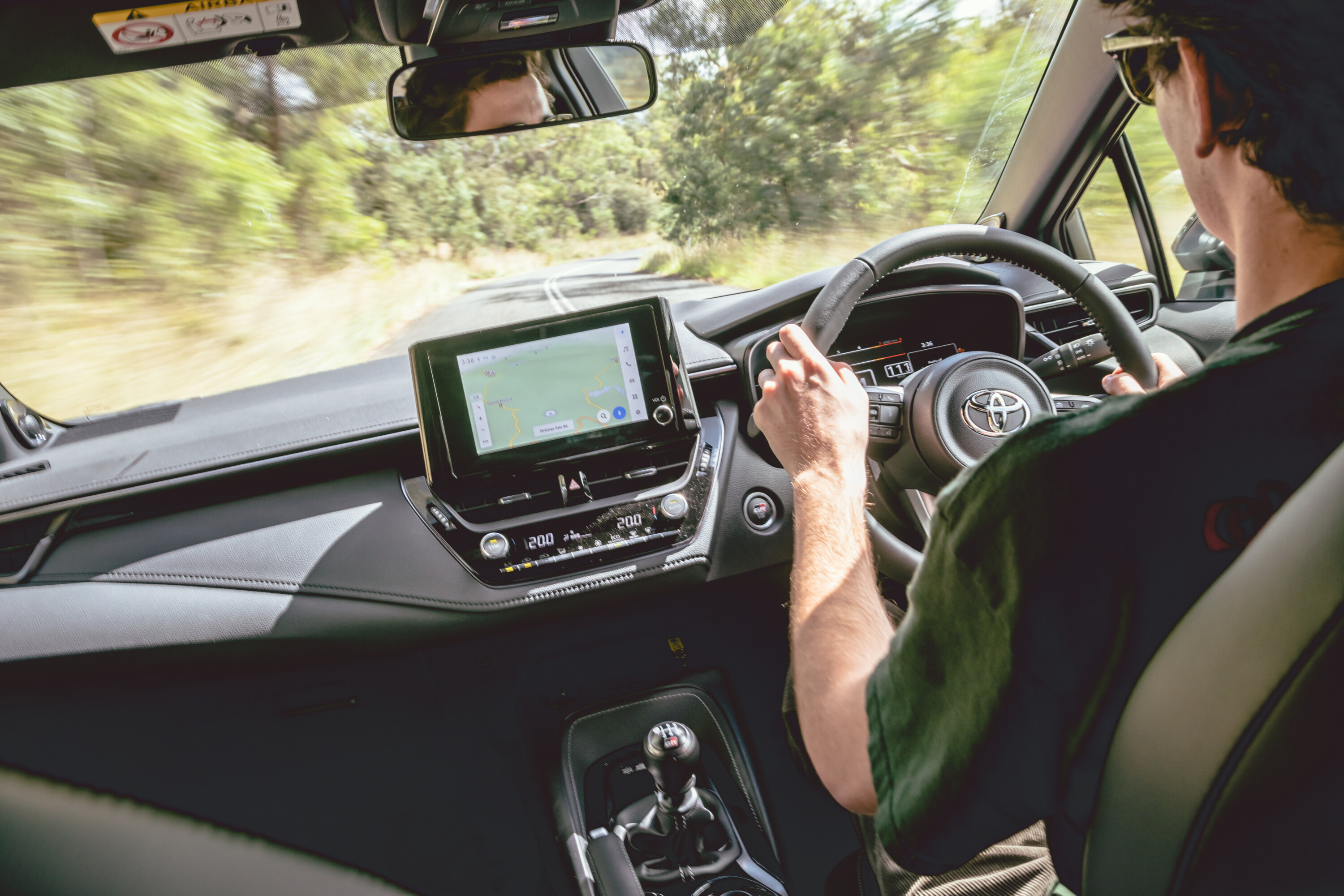
That said, the GR Corolla maintains much of the core car’s comfort and usability, even adding a heated steering wheel.
Toyota’s latest 8.0-inch touchscreen amps technology and is much nicer to use than the old unit. Apple CarPlay is wireless, though Android Auto is wired. It can be laggy at times, but the display and integration of connected services are generally good.
1
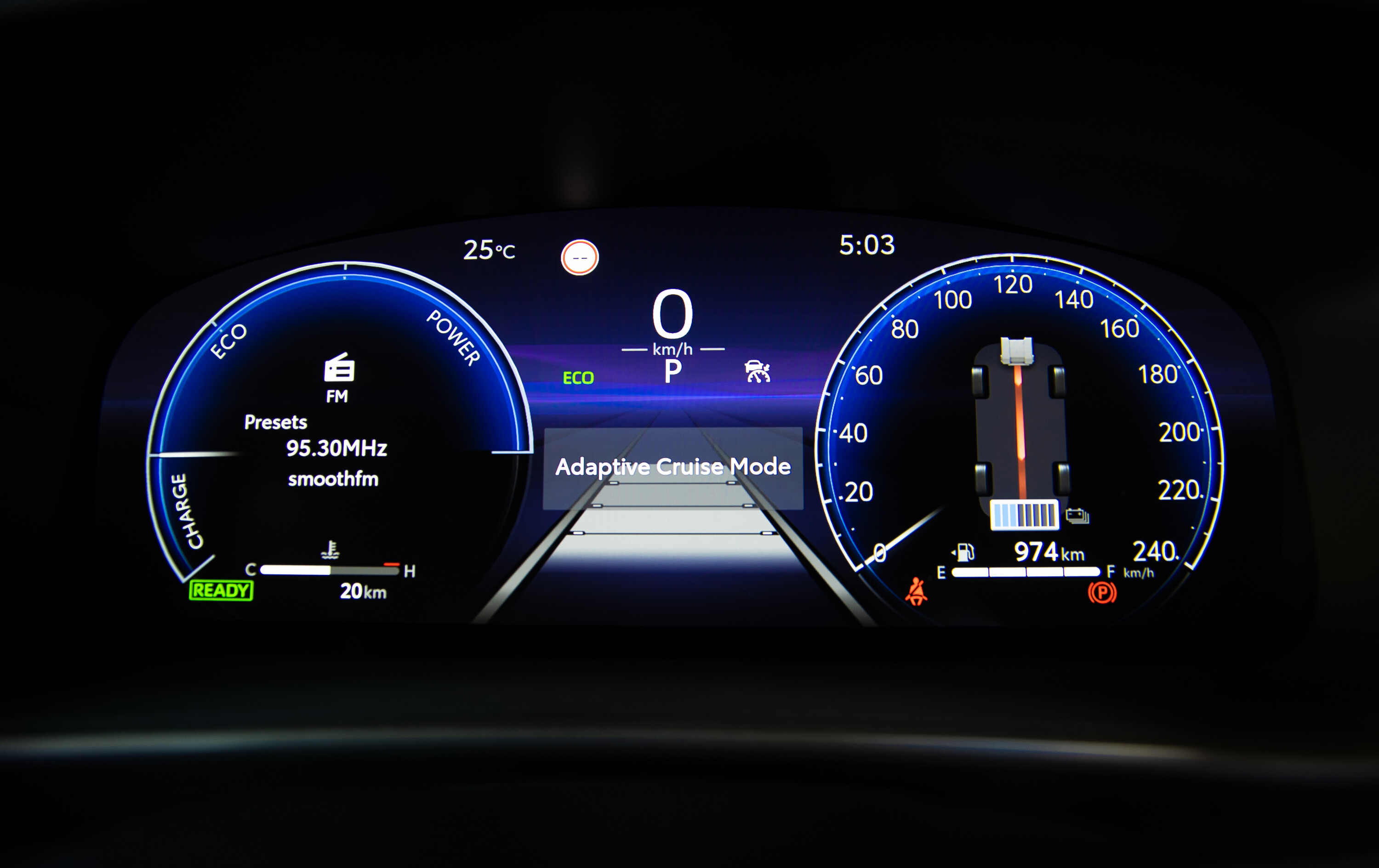
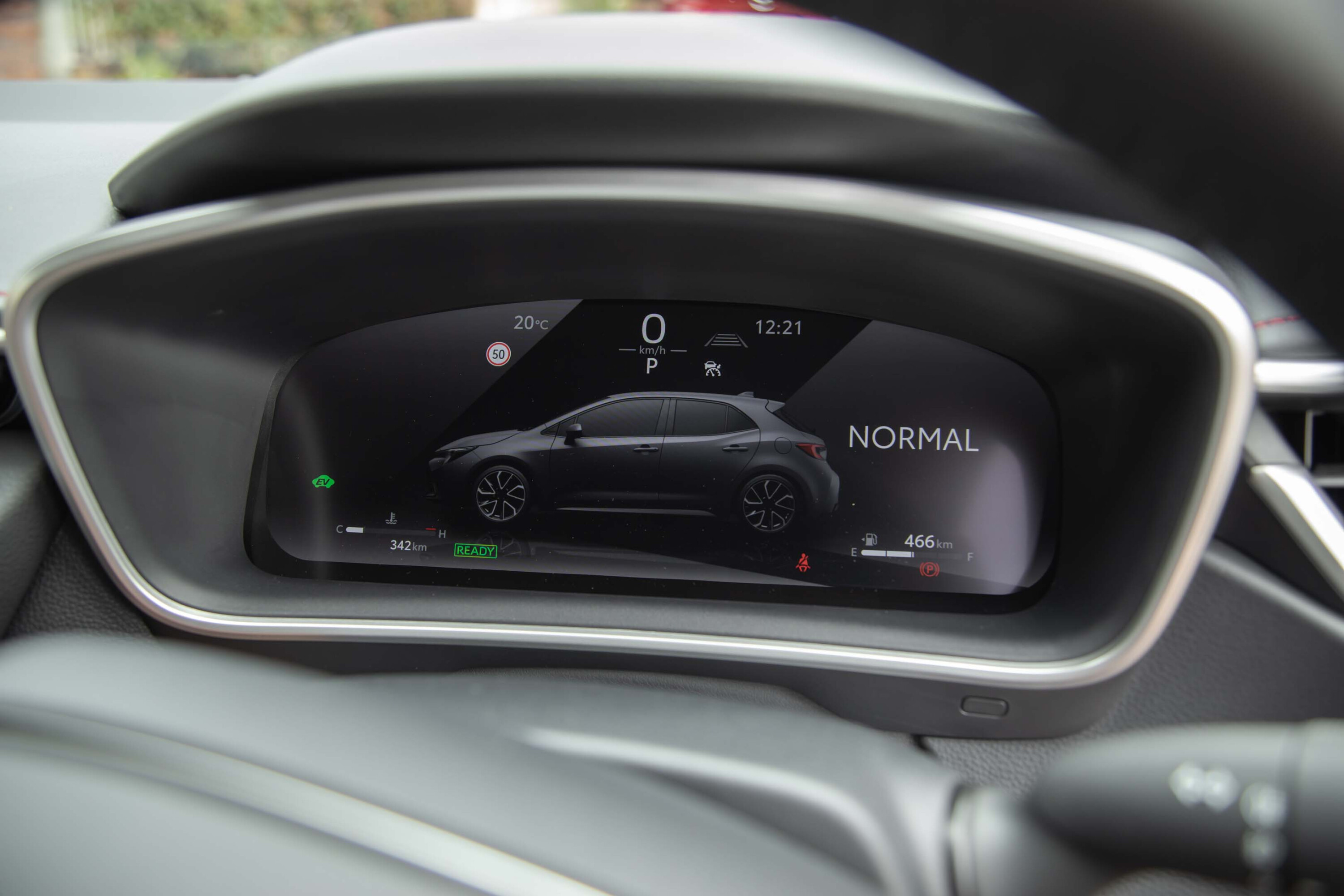
While the 7.0-inch digitised cluster in the Ascent Sport and SX is a step up from the old analogue dials, Toyota’s graphic design team could do with a crash course from some Apple engineers. The colours are dull and less sophisticated than rivals. Even the ZR’s 12.3-inch screen is lacking visual punch.
The hatch’s rear quarters are a little grim, especially for middle passengers. Of its competitor set, the Corolla hatch isn’t the most family-friendly small car.
There are niceties like a fold-down armrest and two door-mounted bottle holders across the range, though, and the sedan improves things with more legroom courtesy of a longer 2700mm wheelbase.
1
How much boot space does the Toyota Corolla offer?
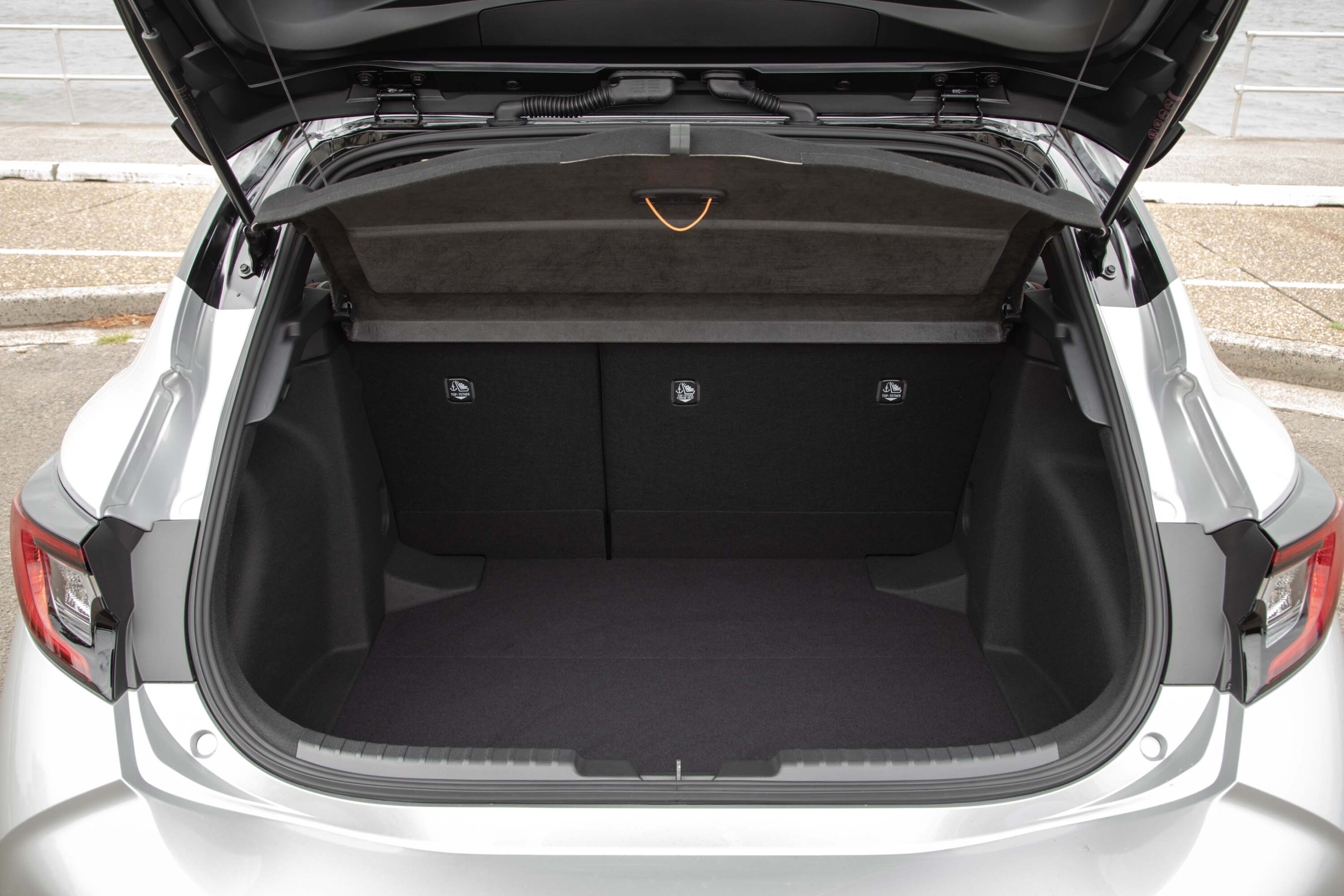
A range of boot sizes feature across the Corolla range depending on trim level and body style, but none are particularly spacious – a common complaint for this generation of Corolla.
The best is the 440L sedan, with a measly 217 litres in the five-door hatches.
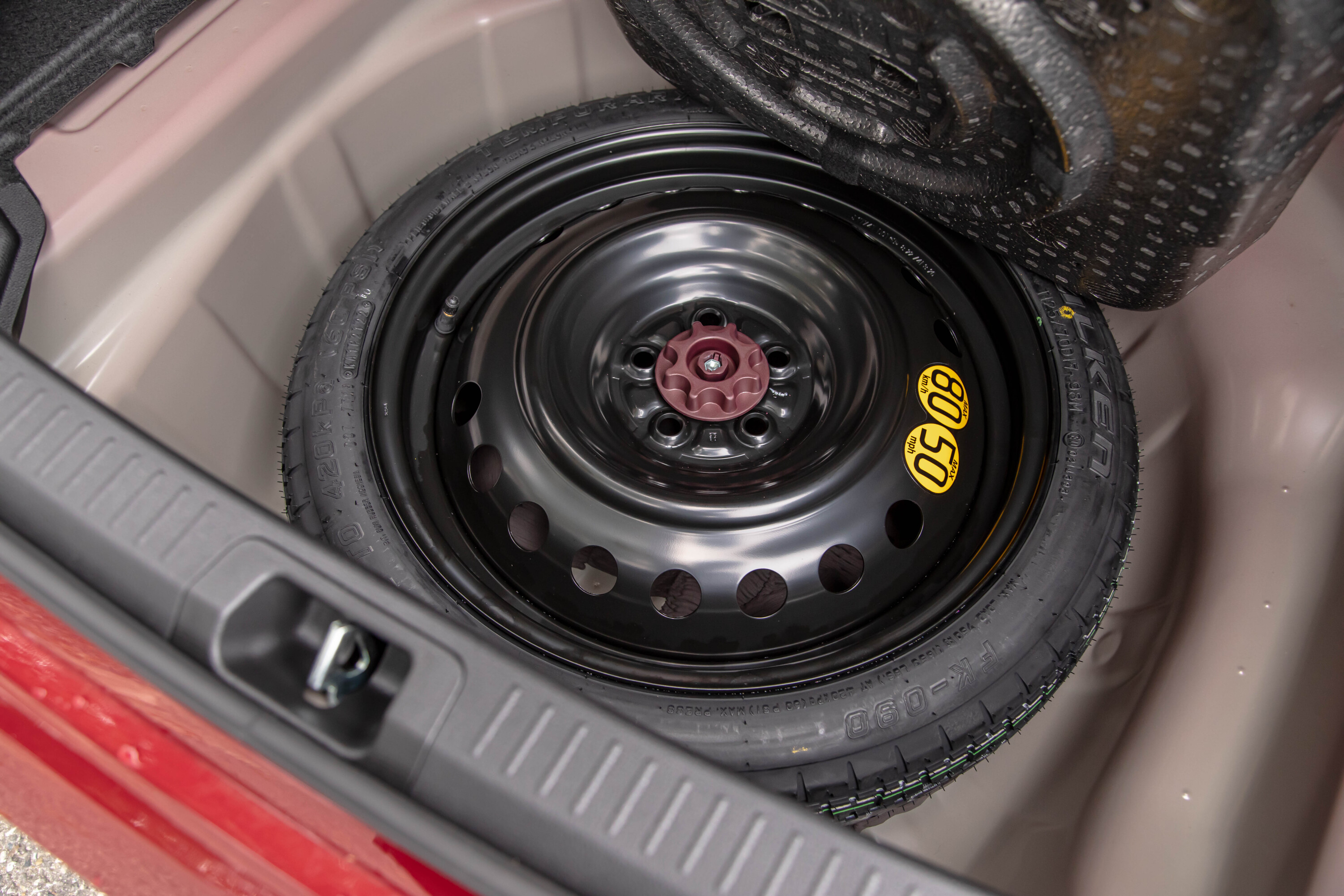
The ZR hybrid’s cargo area climbs to a more acceptable 333L, achieved by removing the space-saver spare tyre from under the boot floor and replacing it with a puncture repair kit.
1
I like driving, will I enjoy this car?
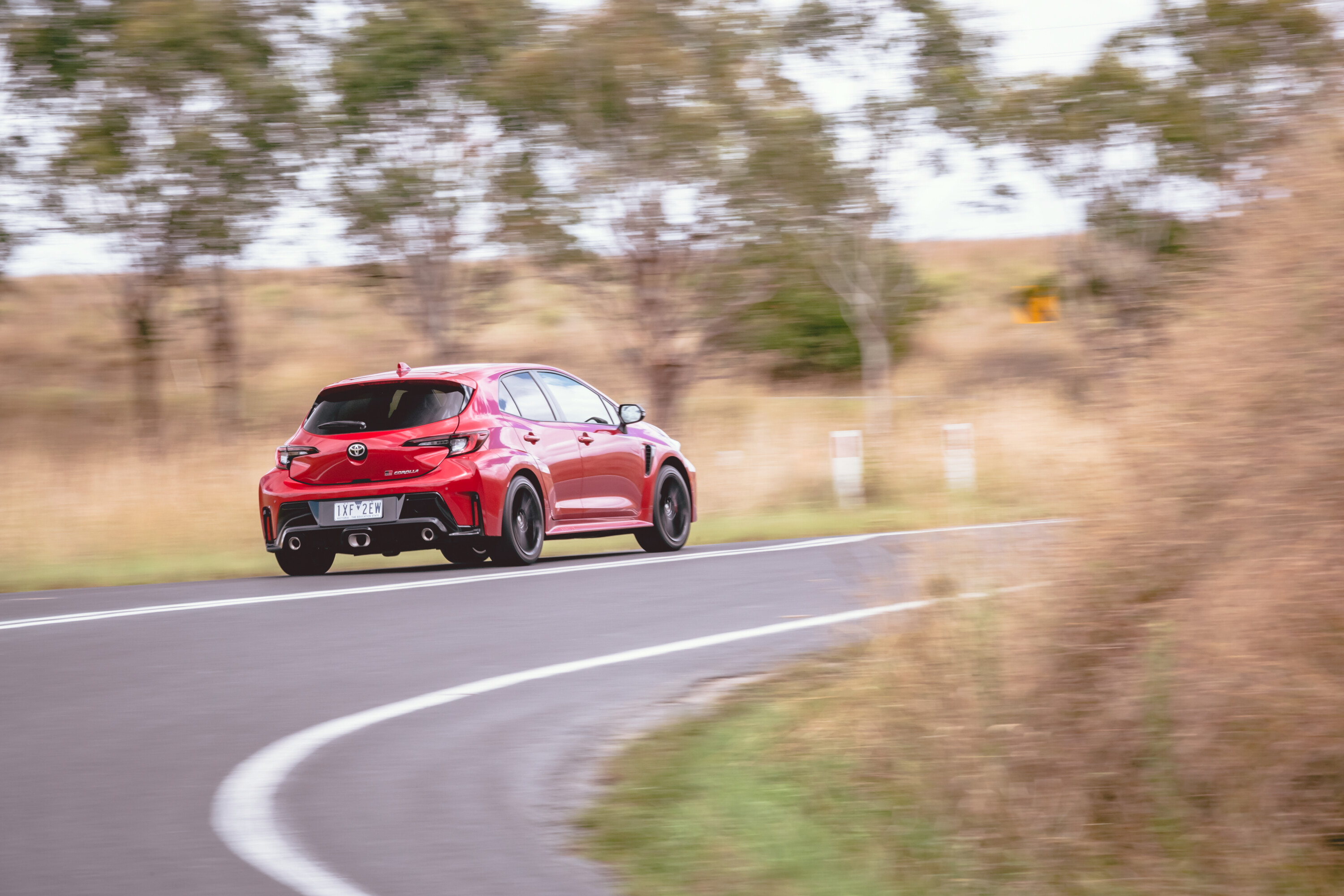
As far as small cars go, the Toyota Corolla is one of the more dynamic with good steering and an exploitable chassis across the range – the AWD GR is a true driver’s car.
There are two main ingredients in the Corolla’s polished chassis: its TNGA underpinnings which have revolutionised driving experience across much of the Toyota model range, and independent trailing-arm rear suspension that separates it from mainly torsion bar-equipped rivals.
It results in a car that rides smoothly in base trim on small 16-inch alloys and pillowy eco tyres but also provides adjustability and driving enjoyment in the sporty ZR with its bigger rims and stickier Dunlop rubber.
This also provides an excellent platform for the AWD GR Corolla, with its extra bracing and stiffer suspension bringing true driving joy and engagement to the Corolla range.
1
Powertrains offered on the Corolla are also good. Although a little old-school on paper, the 126kW/202Nm 2.0-litre ‘dynamic force’ petrol is revvy and responsive.
Things get a little loud under acceleration as the continuously variable transmission (CVT) flares engine revs (mid and top-spec cars get paddle shifters and simulated gear ratios), but the majority of the time it’s very liveable.
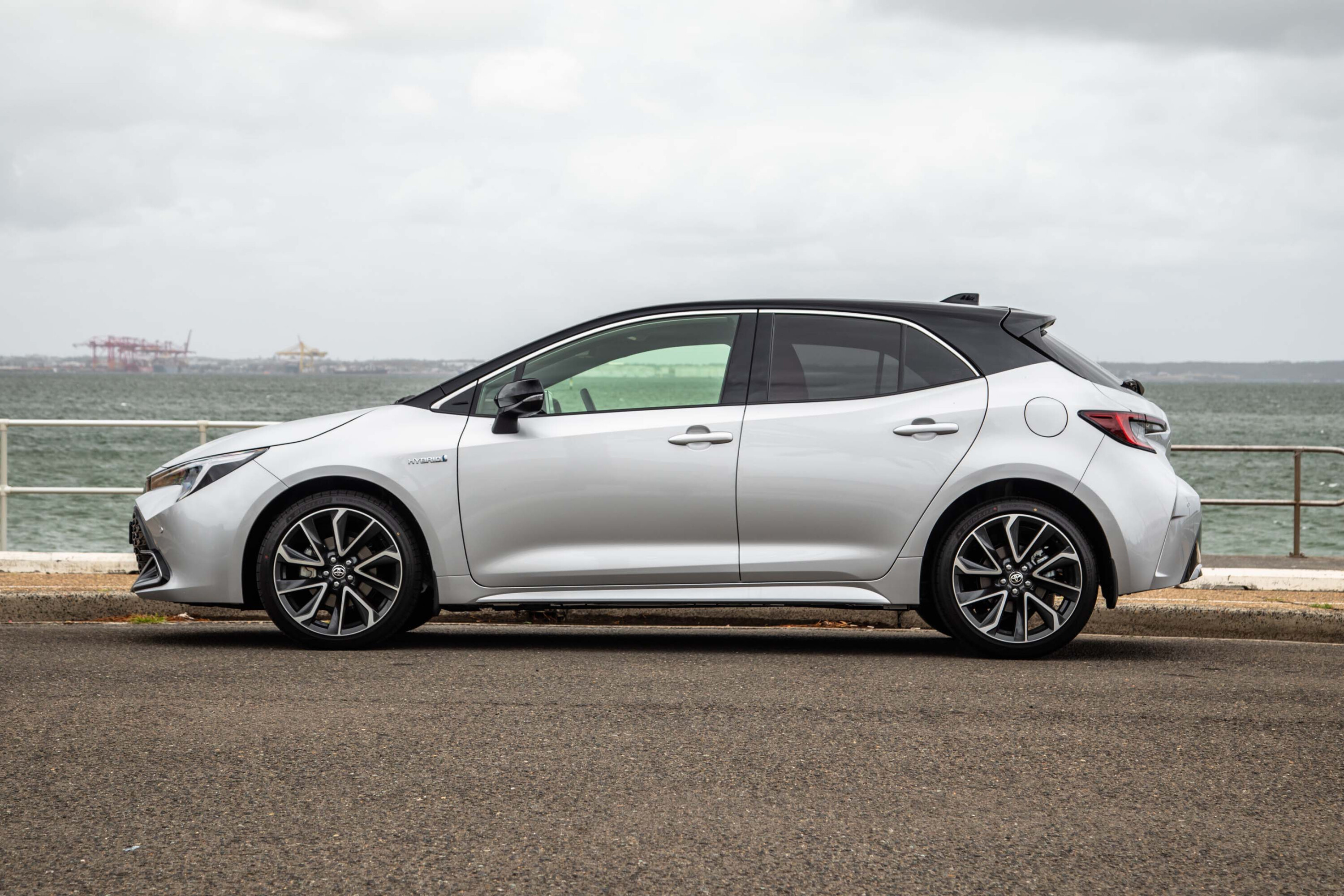
Replacing the previous 90kW 1.8-litre hybrid is a new 103kW system. Power is up thanks to more powerful motors and a switch from nickel-metal hydride to lithium-ion battery tech. It makes the petrol-electric Corolla even better; it remains our pick of the regular range.
1
The hybrid also gets a clever transmission, known as e-CVT, which features a dual-input planetary gear design – quite different to the widely adopted belt-drive/conical-pulley CVT found in your average city run-around.
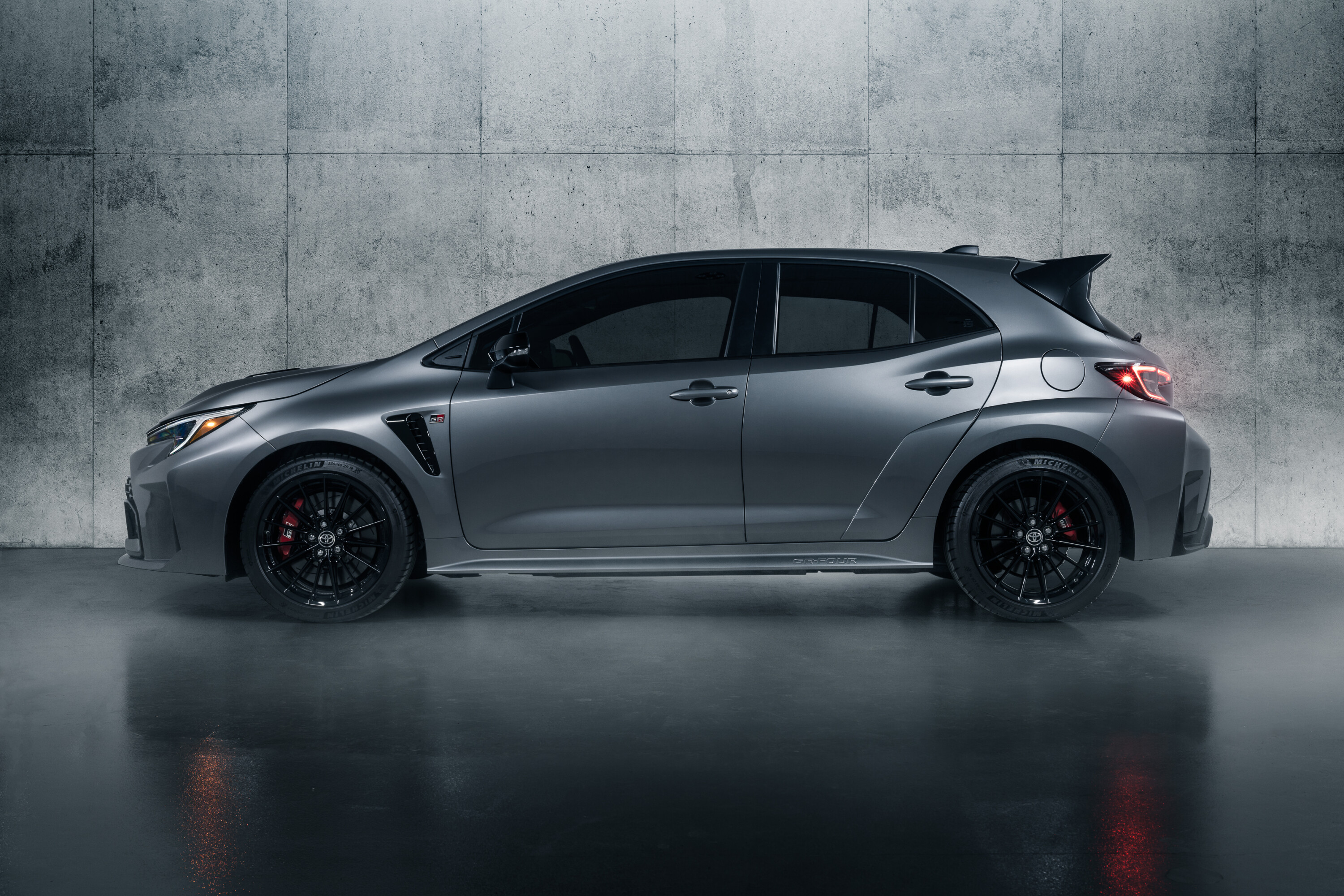
Above the cooking Corollas sits the scalded GR packing a 1.6-litre turbo-petrol three-cylinder developing a whopping 221kW. It’s an angry firecracker of a unit hooked up to a meaty and positive six-speed manual gearbox.
The GR Corolla’s suspension is firmer and its body stiffer, with genuine steering feedback and a sense of connection for the driver. Its all-wheel-drive system has adjustable torque splits and can send enough power to the rear wheels to make the GR Corolla slide around in slippery conditions.
If any of the terms in this section have left you scratching your head, these articles will help bring you up to speed!
- What is a Powertrain or Drivetrain?
- Power vs torque
- Car suspension explained
- Automatic transmissions (‘gearboxes’) explained
- Chassis control systems explained
- Car vs Ute vs SUV: How the vehicle you buy should guide the way you drive
If efficiency is what you desire from your small car, then look no further than the Corolla hybrid.
Despite becoming more powerful in 2023, the Corolla hatch’s ADR consumption dropped by 0.2L/100km – this comes down to a greater capacity lithium-ion battery and more powerful electric motors.
Compared to current competitors such as the Honda Civic E:HEV, the Corolla hybrid hatch’s 4.0L/100km ADR fuel consumption result is head and shoulders above rivals – the sedan goes even lower at 3.9L/100km.
Even the four-cylinder petrol engine, rated at 6.0L/100km, is relatively efficient for the class. At the bowser, the hybrid and petrol engines accept 91 RON and E10 blends.
What is the Toyota Corolla’s towing capacity?
If you’re looking for a tow car, there are better options.
But the Corolla petrol is certified to tow 450kg unbraked or 1300kg braked loads. The hybrid is not rated for towing.
How long is the warranty and what are the Toyota Corolla’s servicing costs?
The Toyota Corolla is covered by a five-year/unlimited-kilometre warranty. Keeping your servicing up to date at a Toyota dealer will see this extended to eight years for the hybrid powertrains.
Service pricing is capped for the first five years to just $205 per visit, for a 75,000km total of $1025. Maintenance is due every 12 months or 15,000km on regular Corollas.
The GR Corolla is a little more involved, needing to see a spanner every six months or 10,000km. It’ll cost you $1800 to maintain over three years or 60,000km.
1
Which version of the Toyota Corolla does Wheels recommend?
If you’re a budding Sebastien Loeb (or Ogier, for that matter), then you’ll fall in love with the focused GR Corolla – we certainly have at the Wheels office.
However, the best Corolla for most is the hybrid in a trim you can afford. The mid-spec SX is decently equipped for the price. With cheap servicing and limited fuel use, it’ll be a joy to own over an extended period. The flashier ZR is also a nice option with a bit more jazz – regardless, we recommend jumping above the Ascent Sport if you have the means.
1
What are the Toyota Corolla’s key rivals?
ud83dudd3c Back to topWhat might annoy me?
While the Corolla ticks many boxes and is unlikely to frustrate any owner, there are a few consistent gripes you’ve probably heard before.
Boot: small; rear seat: not exactly spacious; as good as Toyota’s CVT is, it’s also still a CVT; and the likelihood is, you’ll be waiting a while for a Corolla.
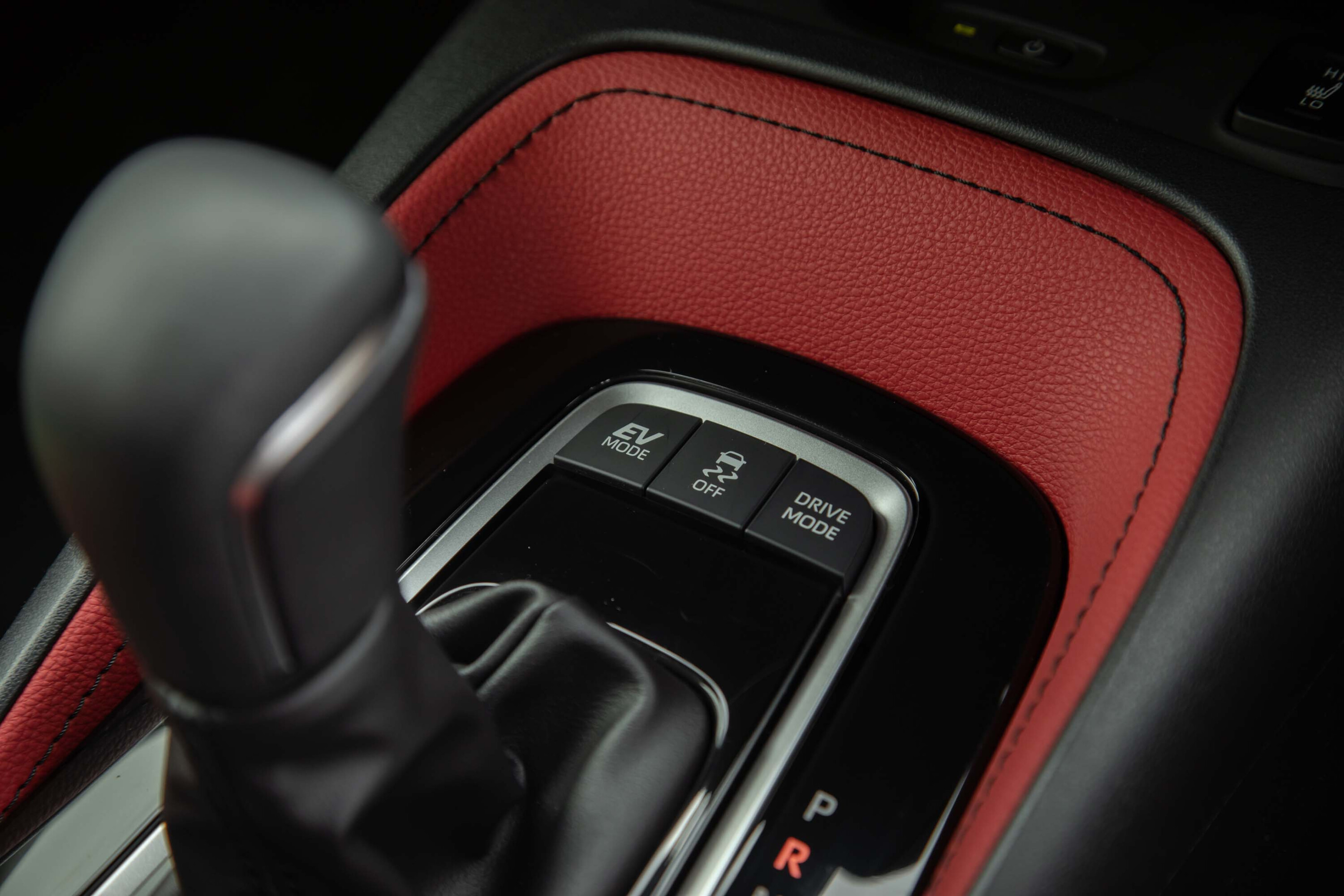
Less obvious annoyances include the hybrid’s slightly unnatural and granular brake feel as it balances regenerative with friction braking. Safety is also worth mentioning, as the five-year-old Corolla doesn’t have the same technology as some rivals, especially in base Ascent Sport trim without rear cross-traffic alert and rear parking sensors.
1
What might I miss that similar cars have?
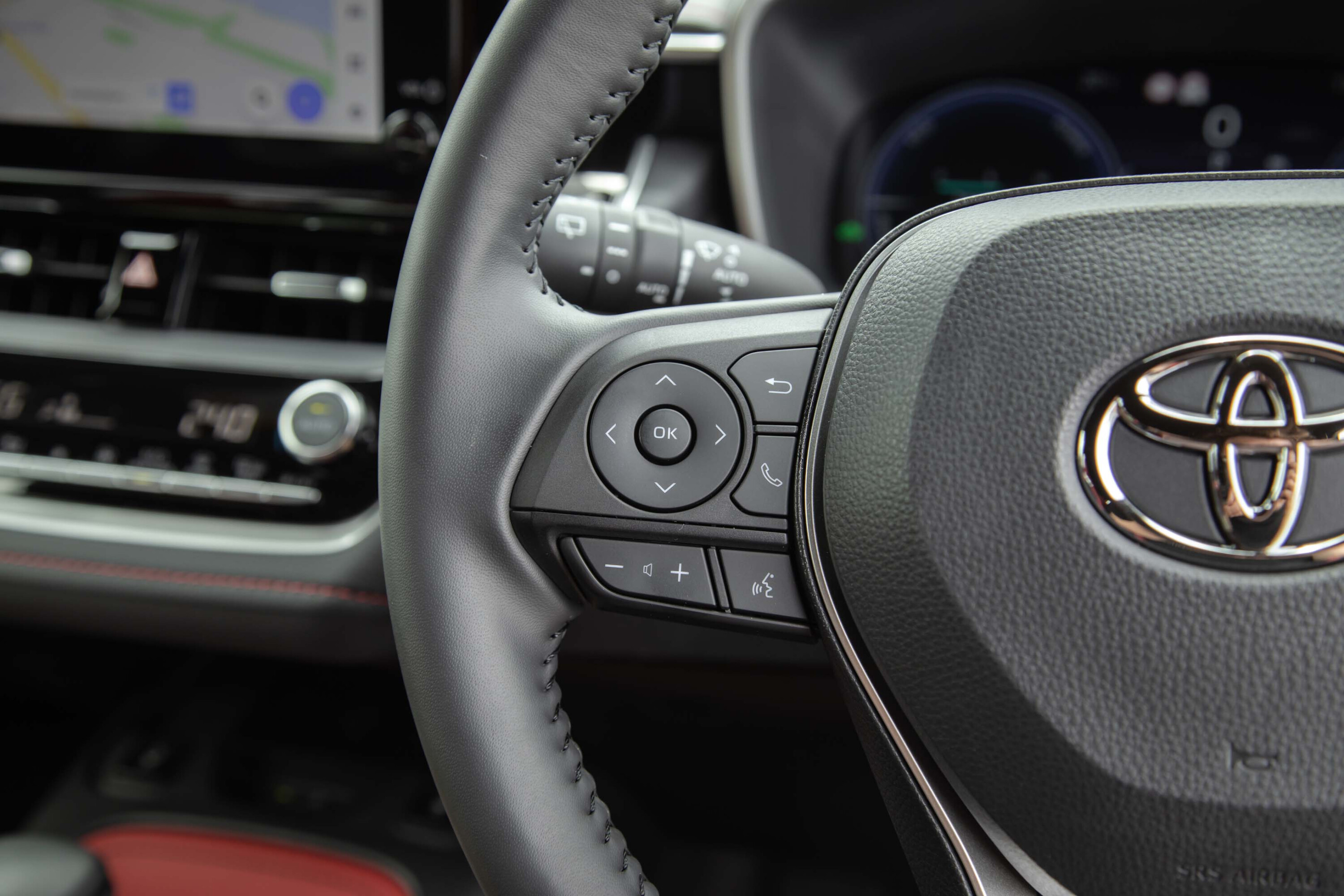
The Corolla range is endowed with good engines and a sporty option but at nearly $62K plus on-road costs, the hardcore GR flagship doesn’t come cheap and there is no other performance-oriented variant to bridge the gap.
Other brands, including Hyundai with N Line and Kia with its GT range, have enthusiasts on a budget better covered.
Toyota Australia doesn’t sell a Corolla wagon (Finland’s best-selling car in 2022) either, so the local range could be broader and more practical. The wagon role is instead filled by the Corolla Cross SUV.
1
What’s the infotainment system like?
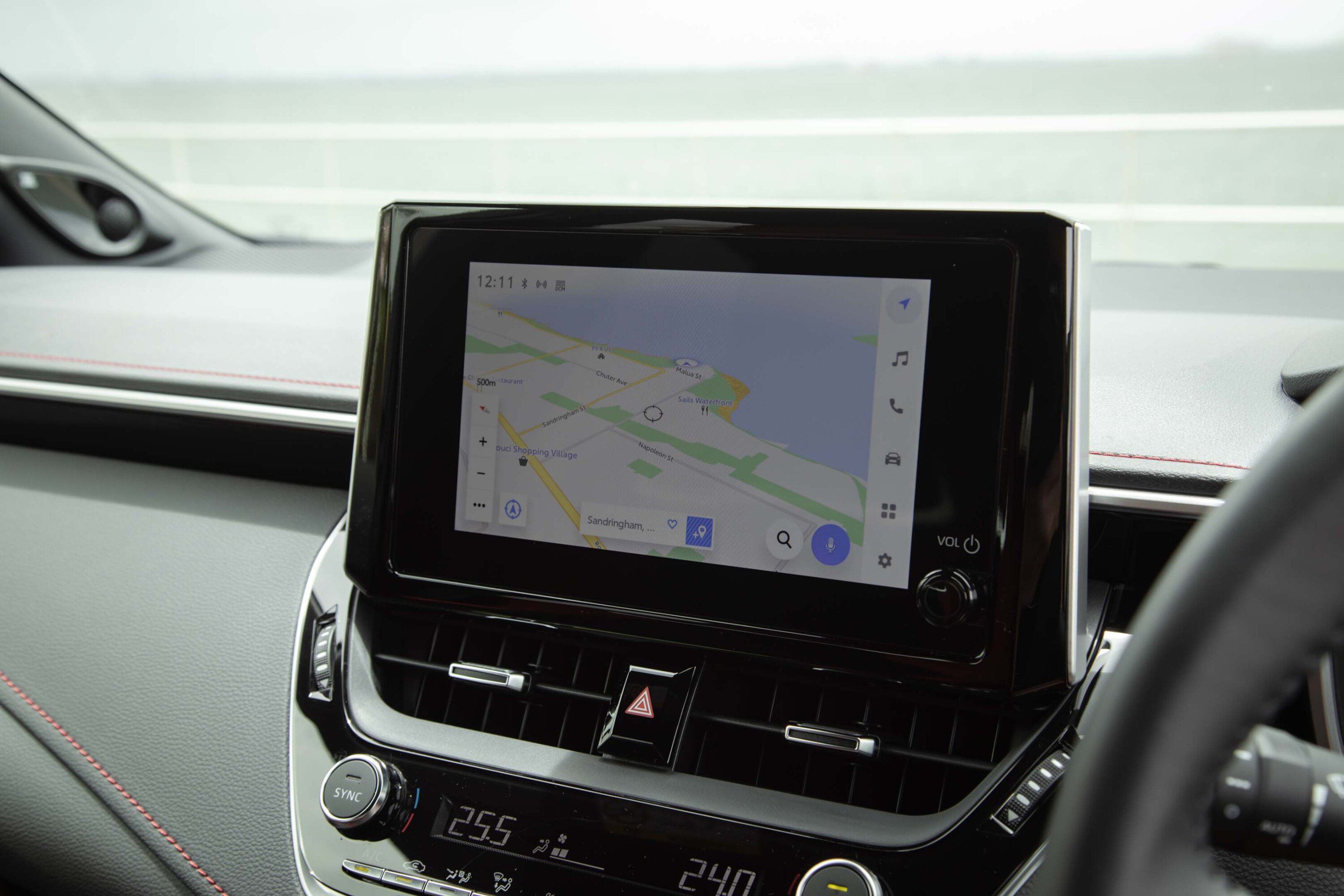
For the current model every Corolla gets an 8.0-inch touchscreen including the base model.
Japan gets a bigger 10.5-inch item that we see only in the Corolla Cross SUV, but the smaller interface is powered by similar hardware.
Though the handy shortcut buttons have been lost, the new navigation screen is brighter and more reminiscent of Google Maps, and there’s reliable wireless Apple CarPlay connectivity (though Android Auto remains wired).
1
Along with the new screen, a year’s subscription to Toyota Connect – a phone app that offers remote control features as well as telematics when things go awry that can call emergency services if needed – is included free.
From the SX and up, you get a more powerful connected services package that allows send-to-car navigation directions and additional user profile settings. The basic package is an ongoing cost of $9.95/month after the first year, and the more involved telematics are $12.50/month on top of that.
Where does Toyota make the Corolla?
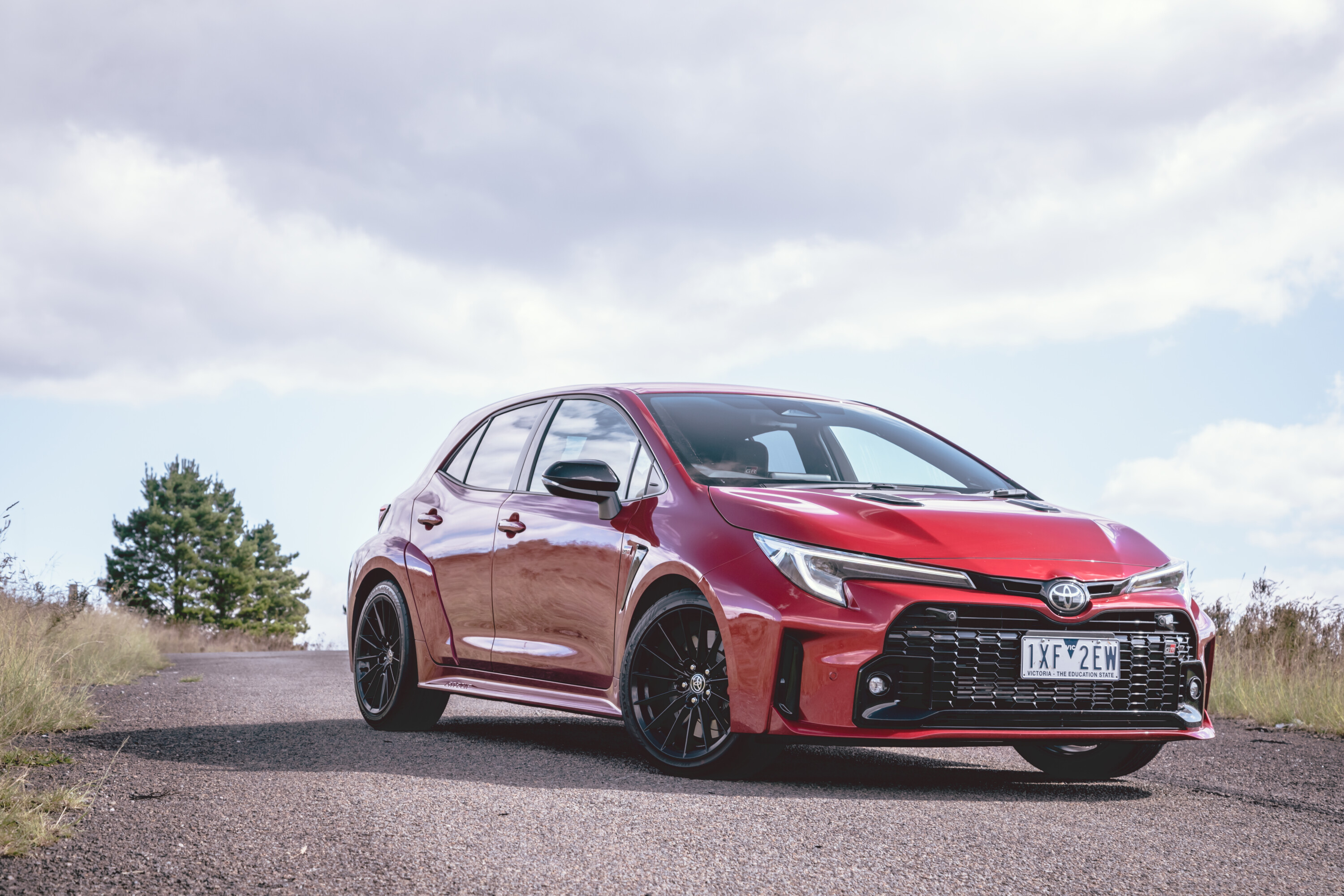
Australian-delivered Corollas are assembled in Toyota’s Japanese production facilities.
1
Are there plans to update the Corolla soon?
The Toyota Corolla range was given a mild update in 2022 for 2023, which has now carried over to the 2024 model year.
It has not received a major facelift in its life and is likely to continue in its current state for another three or four years, at which point it will be replaced by a new model.
More guides to help you choose the best car & tyres for your needs
- All tyre news & reviews
- Longest warranties & capped-price servicing period
- Buy new or used?
- Best cars for your teenager
- Must-have features for new drivers
- Active safety tech explained
- Australian road rules explained
- Does driving slower save fuel?
- Does my car need the pricier fuel?
- Help, I’ve used the wrong fuel!
- What is a hybrid car?
- How long do tyres last?
- What shoes should I wear to drive?
- What to do after buying a new car
- How much does LCT add to a car’s price?
- The ‘check engine’ light just came on…
- Is it illegal to drive too slowly in Oz?
- FWD v RWD v AWD – which is safer?
- How much can my large SUV tow?
New recall notices have been issued, affecting Toyota, Chery, Kia and Audi vehicles.
The details of each recall, as published, are posted below.
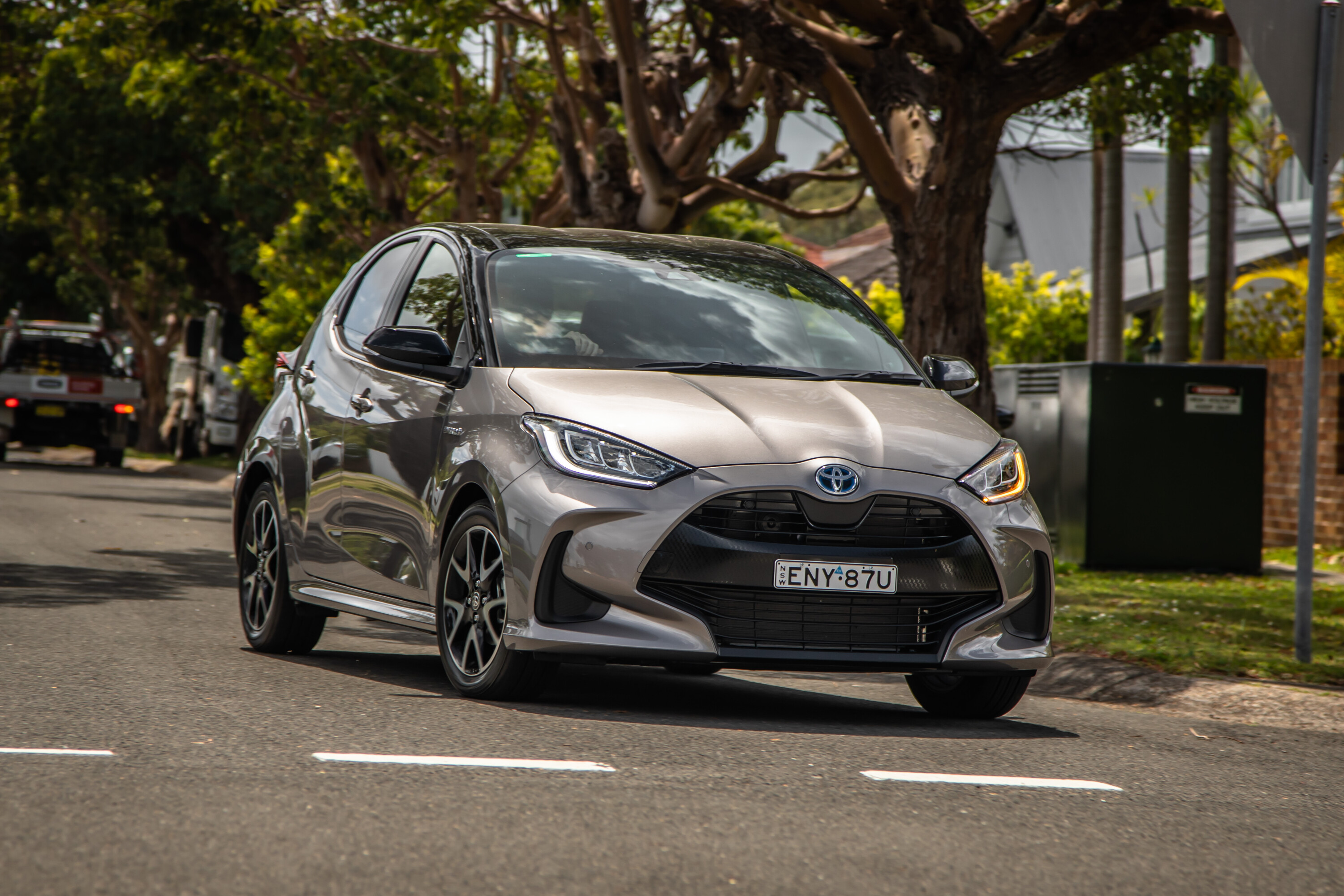
1
Recalls: 2020-23 Toyota Yaris
- Recall number: REC-005888
- Campaign number: YGGA0
- Original published date: 8 February 2024
- Year range: 2020 – 2023
- Affected units: 8815
- Variants: Yaris Ascent Sport 1.5L Petrol, Yaris Hybrid Ascent Sport 1.5L, Yaris Hybrid SX 1.5L, Yaris Hybrid ZR 1.5L, Yaris SX 1.5L Petrol, Yaris ZR 1.5L Petrol
- List of affected VINs (.csv file) [↗]
What are the defects?
Due to a durability issue, the front lower suspension arm may develop cracks and corrode when exposed to road snow melting agents. This could cause the suspension to collapse and detach from the vehicle. As a result, the vehicle may experience a sudden loss of steering control.
What are the hazards?
A loss of steering control could increase the risk of an accident causing injury or death to vehicle occupants and/or other road users.
What should consumers do?
Owners of affected vehicles will be contacted by Toyota in writing, and are asked to make an appointment to have the front lower suspension arm replaced, free of charge.
Supplier details
TOYOTA MOTOR CORPORATION AUSTRALIA LIMITED
Who should owners/operators contact for more information?
Toyota Recall Assist Support Line
- Contact phone: 1800 987 366
- Contact website: toyota.com.au/owners/service/online-service-booking [↗]
- Contact email: [email protected] [↗]
1
- Contact phone: 1800 987 366
- Contact website: toyota.com.au/owners/service/online-service-booking [↗]
- Contact email: [email protected] [↗]
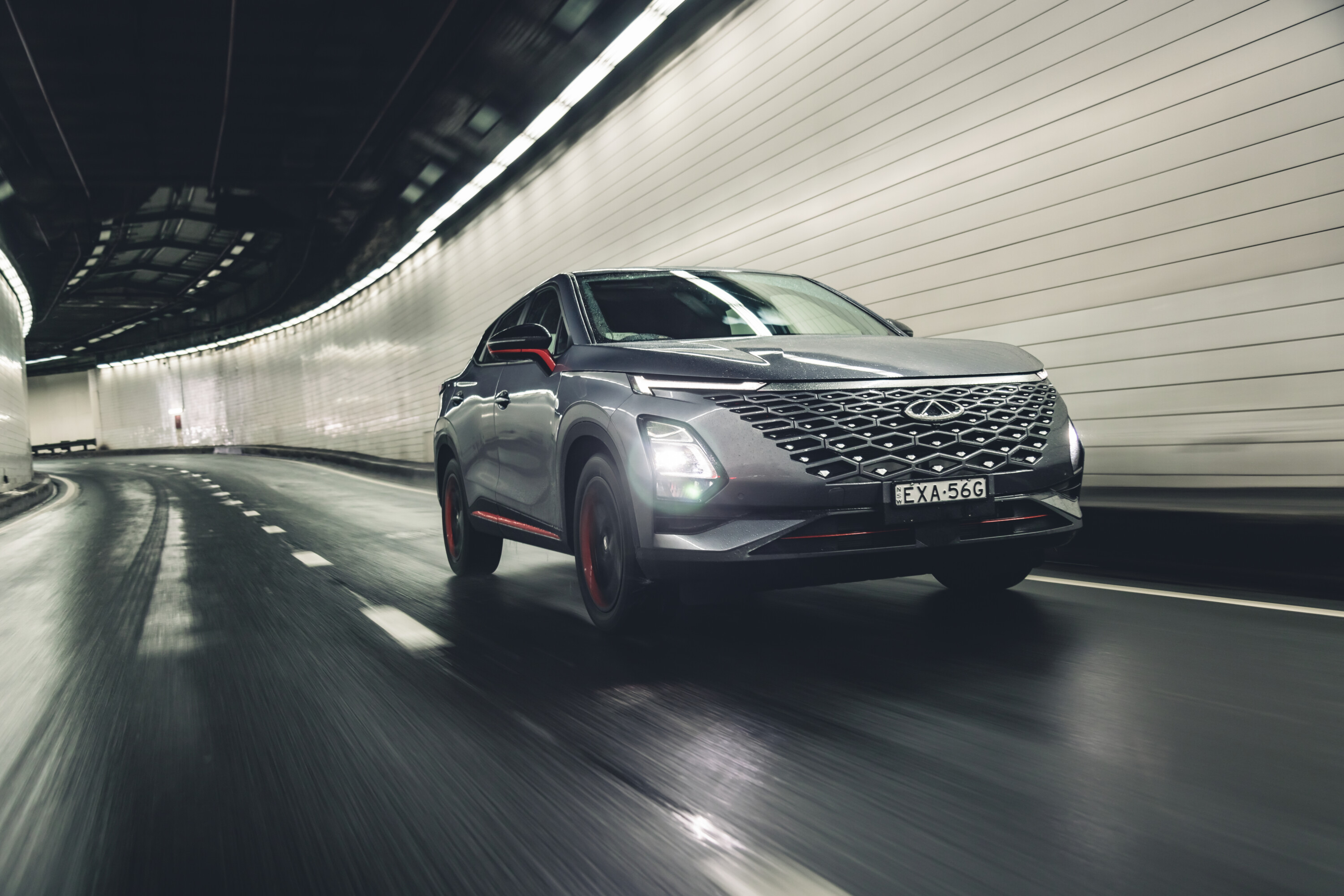
Recalls: 2022-23 Chery Omoda 5
- Recall number: REC-005891
- Campaign number: RCB-2401
- Original published date: 8 February 2024
- Year range: 2022 – 2023
- Affected units: 5901
- Variants: BX, EX
- List of affected VINs (.csv file) [↗]
What are the defects?
Due to a manufacturing defect, the bolt securing the brake pipe union may not have been tightened sufficiently. This could cause the brake fluid to leak and result in reduced braking performance.
What are the hazards?
A reduction in braking performance could increase the risk of an accident resulting in serious injury or death to the vehicle occupants, pedestrians and other road users.
What should consumers do?
Owners of affected vehicles can contact their nearest Chery dealership to request an inspection of the brake pipe union bolt and have the rectification if required completed, free of charge.
Supplier details
CHERY MOTOR AUSTRALIA PTY LTD
Who should owners/operators contact for more information?
Chery Motor Australia Customer Care Team
- Contact phone: 1800 424 379
- Contact website: cherymotor.com.au [↗]
- Contact email: [email protected] [↗]
1
- Contact phone: 1800 424 379
- Contact website: cherymotor.com.au [↗]
- Contact email: [email protected] [↗]
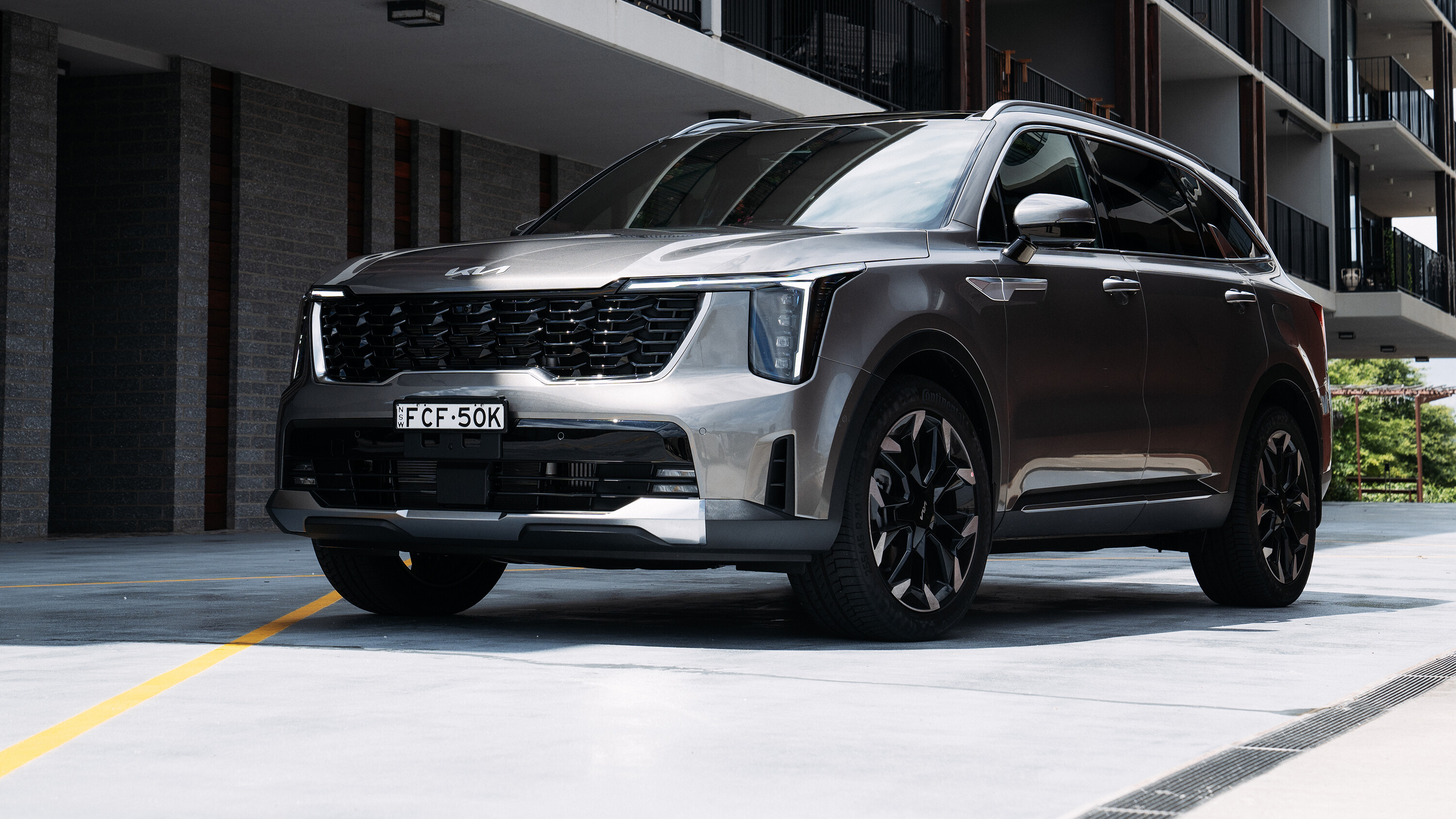
Recalls: 2023 Kia Sorento (MQ4 PE)
- Recall number: REC-005890
- Campaign number: A00043
- Original published date: 8 February 2024
- Year range: 2023
- Affected units: 1288
- Variants: All variants within this model
- List of affected VINs (.csv file) [↗]
What are the defects?
Due to a manufacturing defect, incorrect fuel consumption and emissions data has been provided on the fuel consumption label.
What are the hazards?
Vehicles do not comply with Australian Design Rule 81/02 – Fuel Consumption Labelling for Light Vehicles.
There is no safety hazard associated with this recall.
What should consumers do?
Kia Australia will contact owners of affected vehicles by mail. A replacement label with the correct information to affix to the vehicle will be supplied with the letter.
Supplier details
KIA AUSTRALIA PTY LTD
Who should owners/operators contact for more information?
Kia Customer Service
- Contact phone: 131 542
- Contact website: kia.com.au [↗]
- Contact email: [email protected] [↗]
1
- Contact phone: 131 542
- Contact website: kia.com.au [↗]
- Contact email: [email protected] [↗]
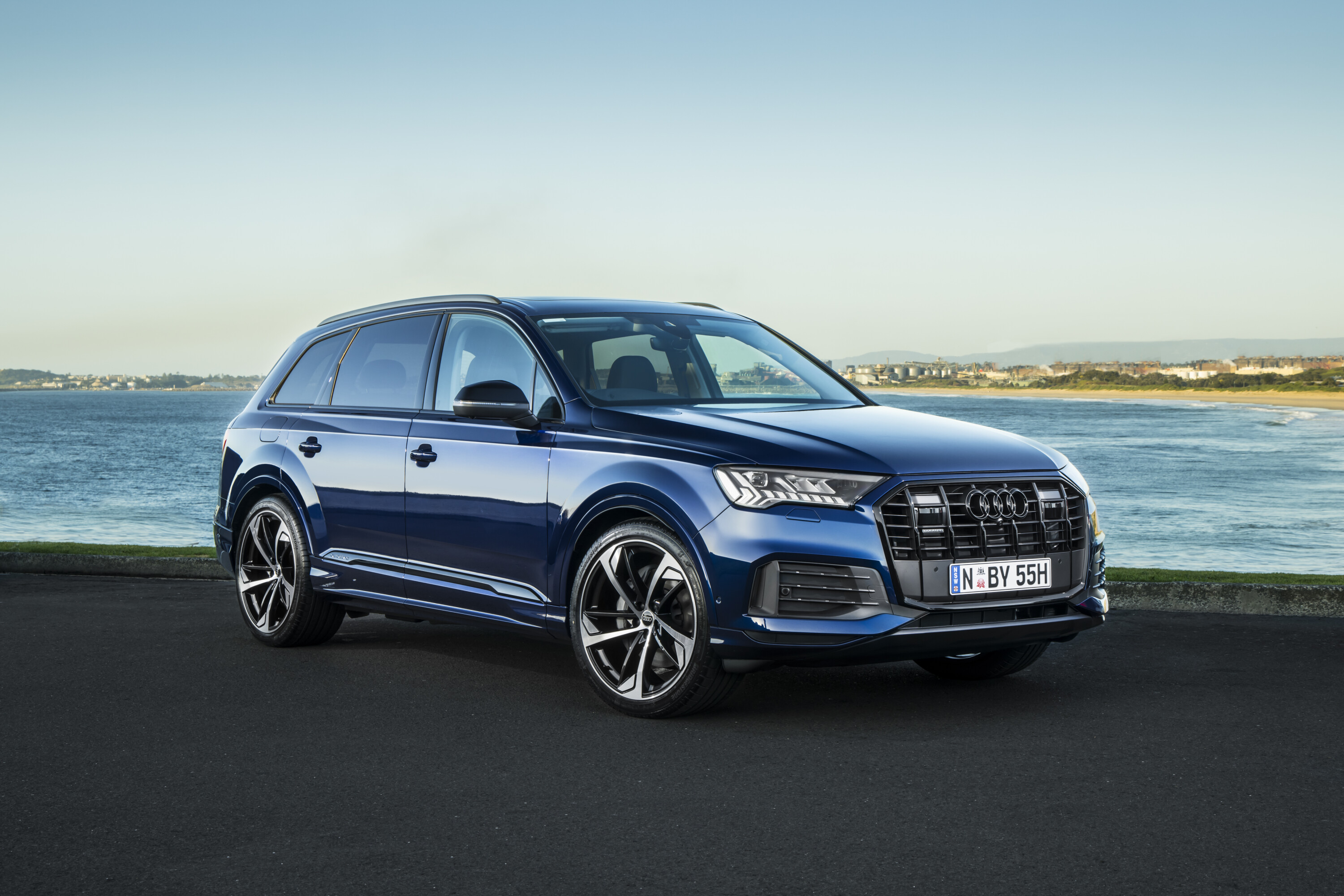
Recalls: 2023 Audi Q7 and Q8
- Recall number: REC-005898
- Campaign number: 69GA
- Original published date: 15 February 2024
- Year range: 2023
- Affected units: 82
- Variants: All variants within this model
- List of affected VINs (.csv file) [↗]
What are the defects?
Due to a manufacturing defect, the front passenger airbag may not have been installed correctly.
What are the hazards?
In the event of airbag deployment in an accident, the airbag may not provide sufficient protection for the front seat passenger which could increase the risk of injury or death.
What should consumers do?
Owners of affected vehicles will be contacted by Audi Australia Pty Ltd and are asked to arrange to have the work carried out free of charge with their nearest authorised Audi dealership.
Supplier details
Audi Australia Pty Ltd
Who should owners/operators contact for more information?
Audi Australia
- Contact phone: 1800 502 834
- Contact website: audi.com.au [↗]
- Contact email: [email protected] [↗]
- Contact phone: 1800 502 834
- Contact website: audi.com.au [↗]
- Contact email: [email protected] [↗]
More links to help you with your car recall
- What is a recall?
- What to do if your car is recalled
- Why a car recall isn’t all bad news
- What is a vehicle identification number (VIN)?
- All ANCAP & vehicle safety stories
Hey, we get it. With dozens of news and review stories published each week, it can be hard to keep up with all the latest in the automotive world.
Obviously we reckon every story we run is a banger, but if you’re looking for the highlights reel, this is it. Read on and click away!
These are the Top 40 cars to watch for in 2024!
Counting down the cars we’re anticipating, starting with 40 through to 31.
Kia Tasman spied alongside Ranger Raptor
With tough-looking rivals like the new Ford Ranger and Mitsubishi Triton in its sights, the first-ever Kia Tasman ute looks to square up.
2024 Toyota Prado: Australian line-up detailed
Off-road-focused Altitude variant to join five-strong all-new Prado line-up due in Australia around May or June; pricing to be confirmed.
Could this be the next Mazda CX-5?
Everything we know about the replacement for Mazda’s top-selling CX-5 midsize SUV, which promises similar size and value to the current model.
Power boost for new Skoda Octavia RS
Skoda updates popular Octavia liftback and wagon with a revised look, improved technology, and a power boost for the RS variant.
LONG TERM TEST: MG 4 electric hatch
MG’s new electric hatchback was one of the biggest (positive) surprises of 2023. We’re now going to find out what it’s like to own one for a few months.
Mazda CX-80 three-row SUV leaked
Patent images have revealed how the Mazda CX-80 large SUV will look ahead of its official debut in the coming months.
REVIEW: Four-cylinder hybrid AMG C63 S driven
Hybrid C63 is better in every objective way but can it escape the shadow of its V8 predecessor?
REVIEW: Plug-in hybrid Alfa Romeo Tonale first drive
Plug-in hybrid baby SUV heralds a fascinating new era for Alfa. But do you buy it?
Need to know: Australia’s new emissions standard
What options do we have for Australia’s upcoming fuel efficiency standards?
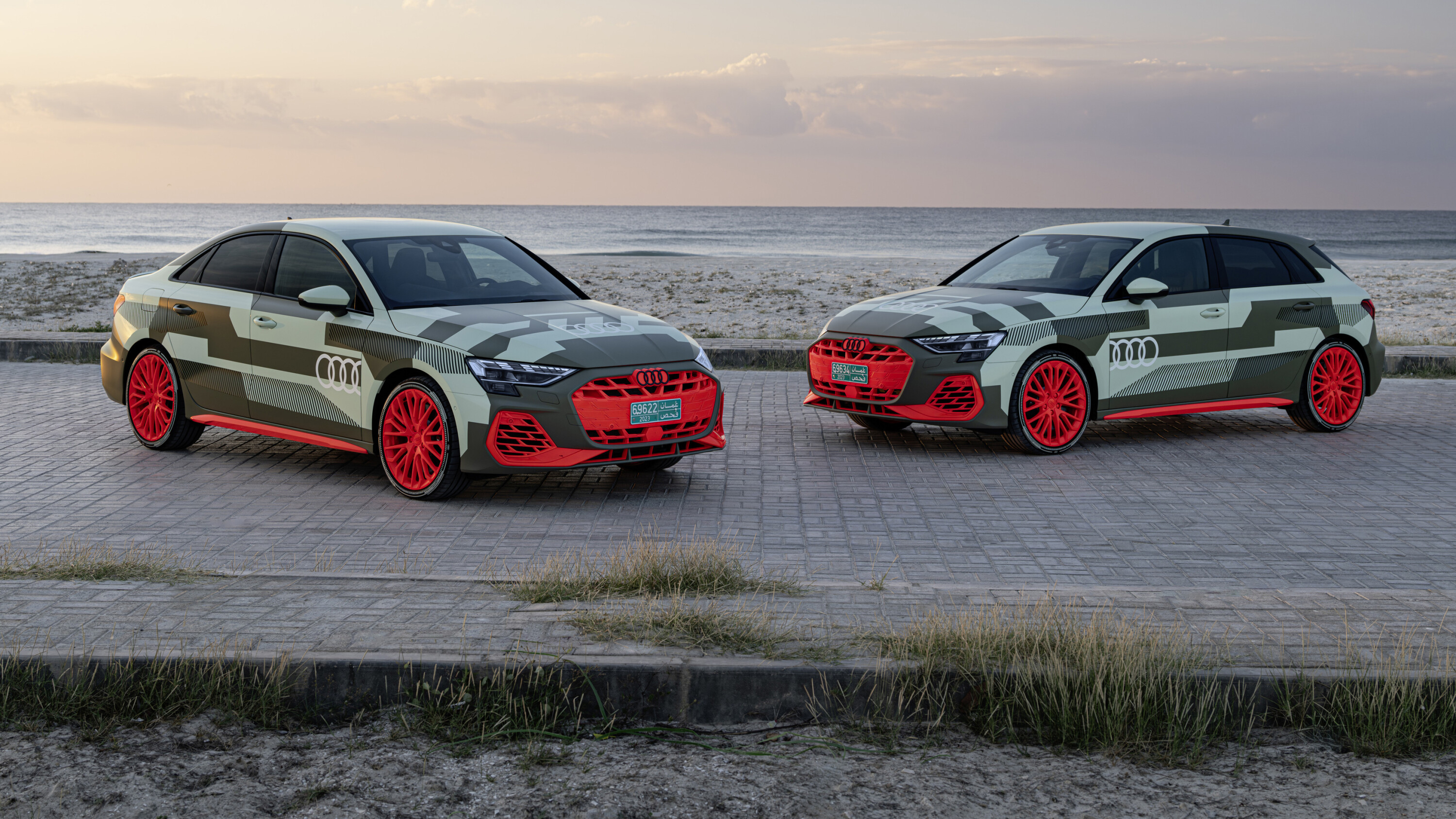
Revisions coming to the 2025 Audi S3 hot hatch and sedan have been detailed ahead of a full reveal in the coming weeks.
The mid-life update for the Audi S3 should make it more fun to drive with a new variable torque splitter borrowed from its RS3 big brother, along with larger brakes and revised suspension geometry.
Under the bonnet, the S3’s venerable 2.0-litre four-cylinder turbo EA888 engine will receive a slight power boost to align it with the related Volkswagen Golf R.
The many revisions announced should result in overall improved driving dynamics and enjoyment and include a new rear-biased drive mode, which should enable drivers to get the most out of the changes.
1
What’s new for the 2025 Audi S3?
Most of the revisions applied to the S3 are focused on handling and braking performance more than raw power.
“Torque Splitter”
The new S3 will feature the torque splitter from the more-powerful RS3 to increase agility and stability. It uses an electronically controlled multiple disc clutch on each drive shaft to enable active, fully variable torque distribution between the rear wheels. Torque distribution also varies depending on the drive mode selected.

1
Bigger brakes
Larger ventilated discs will be fitted to the front axle, now measuring 357mm in diameter and 34mm thick, for higher thermal capacity. The front brake calipers have been upgraded to twin-piston units.
Revised front suspension
A new pivot bearing will be fitted to the front McPherson strut axle, increasing negative camber, and the front wishbones have been stiffened.
Audi reports that the front camber has increased to nearly 1.5 degrees, more than double the current model, for improved steering response

1
‘Dynamic Plus’ drive mode
This new Audi drive select mode sends as much torque as possible to the rear axle and then the rear wheel on the outside of the curve, increasing controlled oversteer.
The engine and transmission have also been tuned specifically for the dynamic plus mode. Idle speed is increased by 200rpm to 1,300rpm, compared to the dynamic mode, to improve off-the-line performance, throttle response is more direct, and the transmission upshifts later and downshifts earlier.
Increased power to complement chassis enhancements.
Power for the 2025 Audi S3 will increase slightly from 228kW/400Nm to 245kW/420Nm, matching the most-powerful Mk8 Volkswagen Golf R.
Audi claims this reduces the 0-100 time by 0.1 seconds, to 4.7 seconds.
MORE
Everything Audi
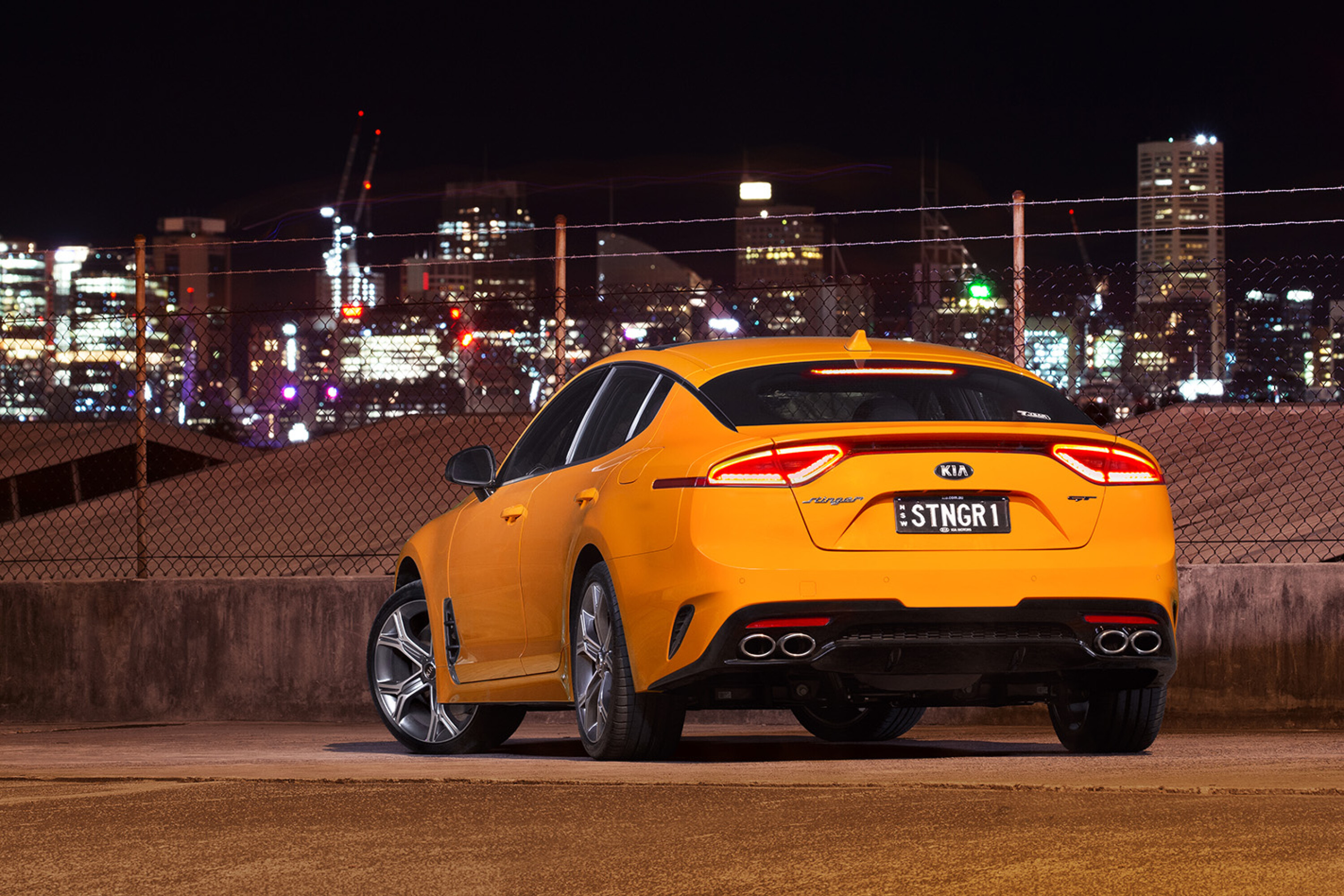
The now-discontinued Kia Stinger is due to eventually be replaced by a new all-electric sedan in 2026, according to a new report.
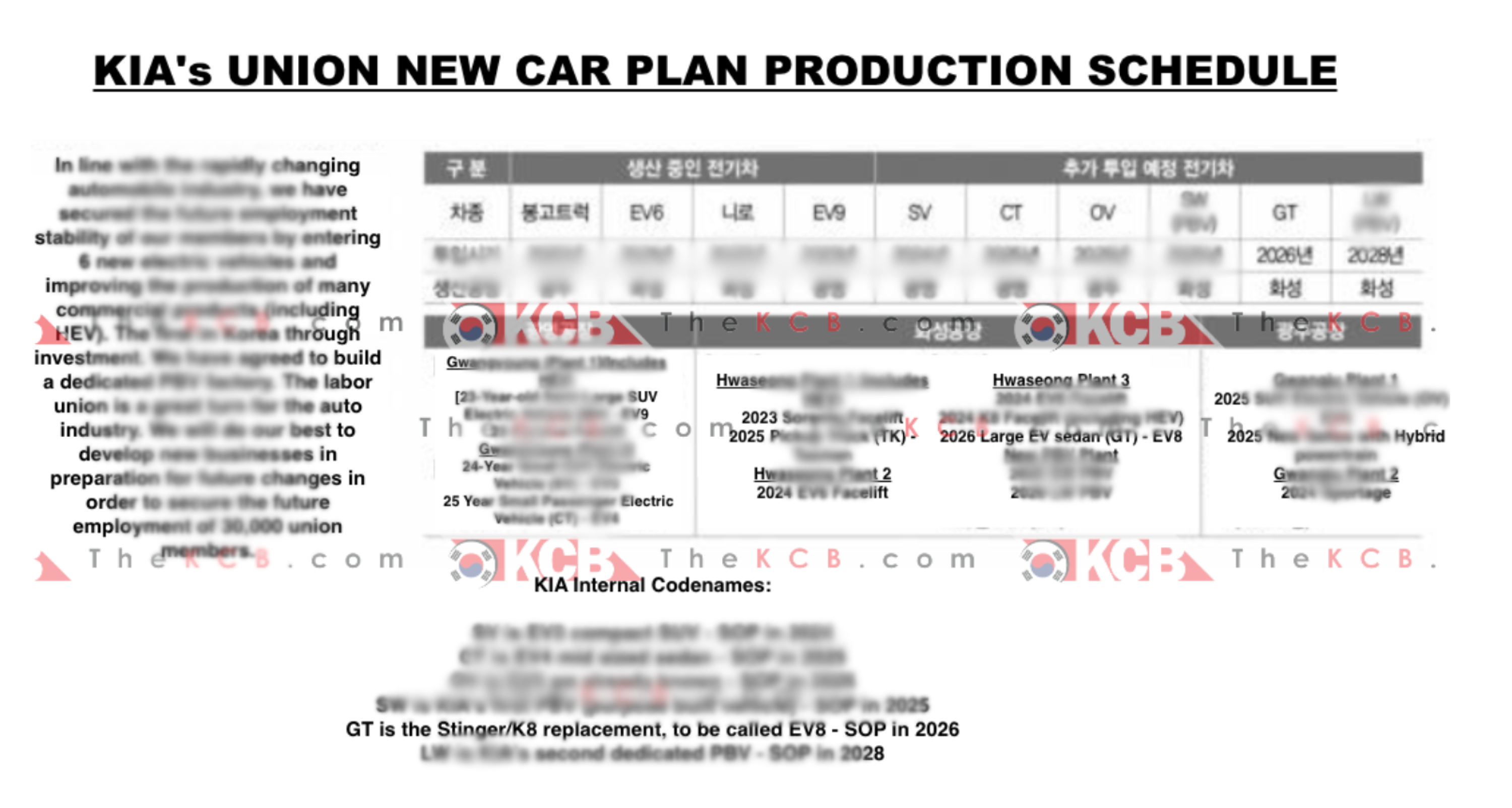
The Korean Car Blog [↗] has obtained a copy of a document called ‘Kia’s union new car production schedule’, which outlines model-by-model information about the Korean brand’s future models.
The Stinger will be indirectly replaced with a high-performance electric-powered sedan, which has been codenamed GT1.
The production model, expected to be named Kia EV8, will start production in 2026 in South Korea with up to 450kW of power.
1
The EV8 will be Kia’s first vehicle on the forthcoming eM platform, which will eventually replace the E-GMP architecture used for the Kia EV6, EV9, Hyundai Ioniq 5, Ioniq 6 and Genesis GV60.
eM will be a dedicated EV platform, one of two to be built under Hyundai Motor’s new Integrated Modular Architecture (IMA).
Kia will share this new platform with new Hyundai and Genesis models, with the Genesis GV90 upper-large electric SUV due in 2025 rumoured to be the first vehicle to use it.
1
Massive 113.2kWh battery likely to provide 700km-plus range
Hyundai Motor claims IMA will increase EV driving range by 50 per cent compared to current models.
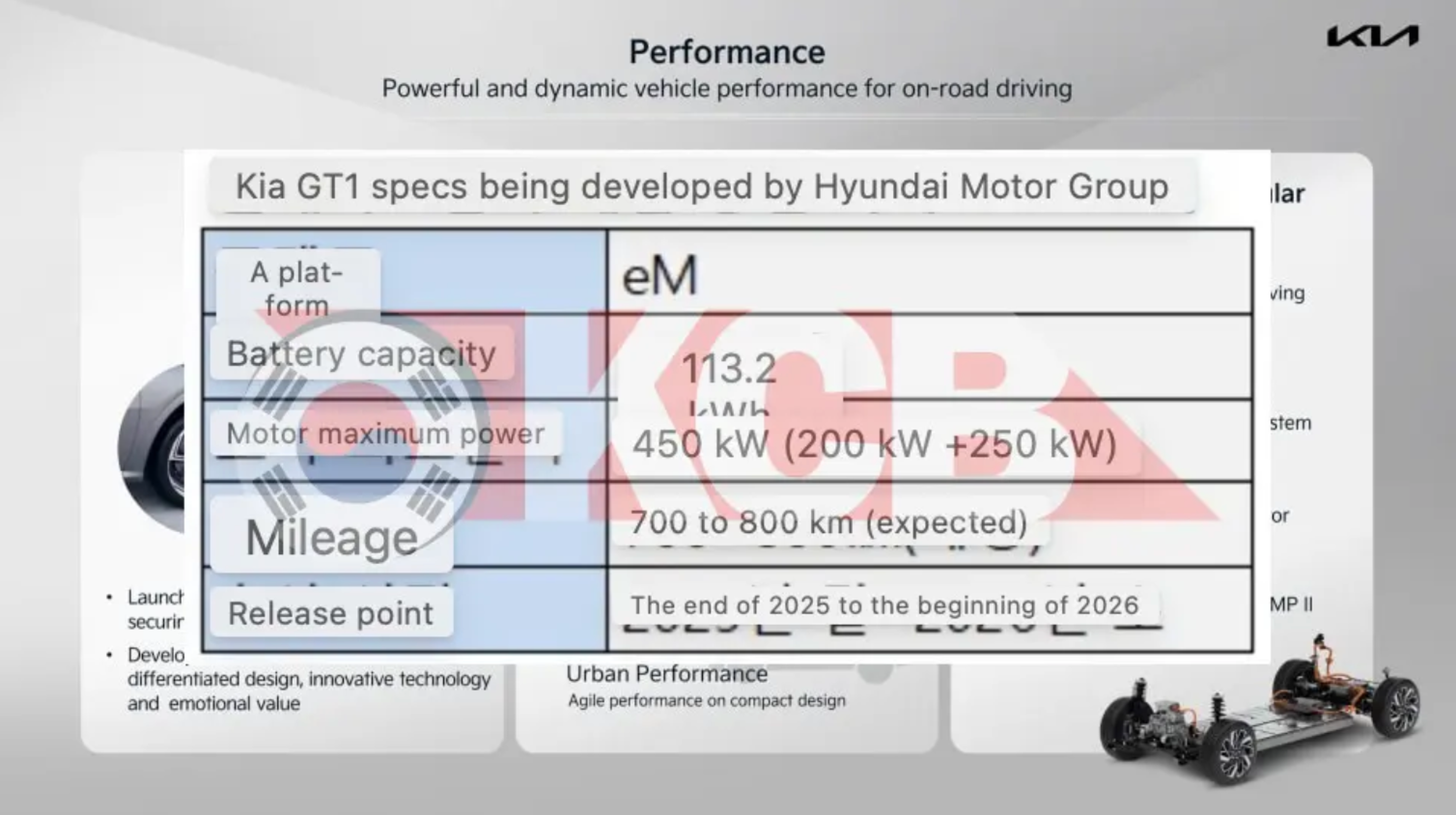
To this end, EV8 will reportedly feature a 113.2kWh battery, which will be the largest yet used by Kia (EV9 is 99.8kWh). This will provide a range of 700 to 800 kilometres, according to the document.
The battery will allow the top-spec EV8 to have plenty of power, in addition to a high driving range. The flagship model is set to offer a 450kW total system output, which will be provided by a 200kW front engine and a 250kW rear engine (EV6 GT currently has 430kW).
An entry-level model with a single rear 160kW electric motor and an AWD model with another 160kW motor in the front (for 320kW in total) will round out the range.
1
High performance electric Stinger replacement unlikely to come to Australia
The Kia Stinger sedan – which offered a 2.0-litre turbo-petrol or 3.3-litre twin-turbo V6 – built a devoted following in Australia, launching into a marketplace that home-grown rear-drive performance cars were deserting.
Sadly, an unnamed source told Carsales [↗] that the EV8 will be left-hand drive only, preventing it from being offered in Australia.
MORE
Everything Kia
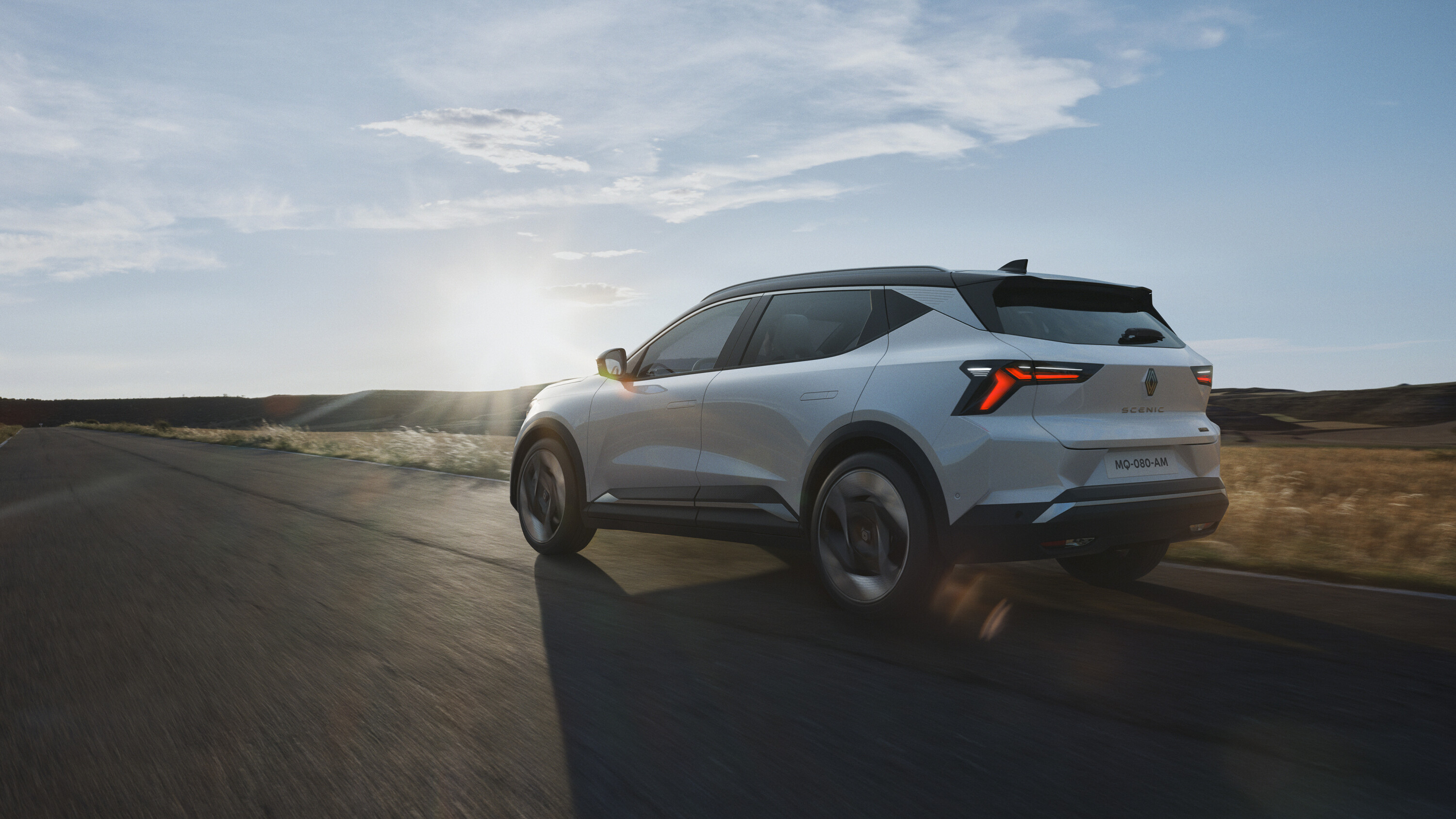
The Renault Scenic E-Tech – an electric SUV similar in size to the BYD Atto 3 – remains under consideration for Australia.
At the local launch of the smaller Megane E-Tech electric SUV this week, Renault Australia general manager Glen Sealey said the Scenic E-Tech is “under study” for Australia as it will be available in right-hand drive for the United Kingdom.
However, it will need to pass a business case, which would include what further investment is required to meet Australia’s unique design rules and how it could be positioned in the market.
“It has to meet the criteria of [whether] is it right for Renault to invest in terms of the ADRs here, does it represent the right mix for our [dealer] network, and then most importantly, does it represent value considering your brand equity to the customer. Is the customer going to pay for it and do they want it?,” said Sealey.
Compared to other markets, the Australian Design Rules require a child-seat top-tether anchor in the rear-middle position to retain a five-seat capacity, while the amount of tension required for each anchorage is more than the European standard.
First introduced in 1996 as a Megane-based small multi-purpose vehicle, the Scenic retained this body style across three generations until the last model ended production in 2022, with the nameplate now re-purposed for its fifth generation as an all-electric SUV.
1
The Scenic – and its Scenic RX4 four-wheel-drive derivative – was sold in Australia between 2001 and 2009.
Under the skin, the Scenic E-Tech is based on the same AmpR Medium platform (previously CMF-EV) as the Megane E-Tech and Nissan Ariya. It has a compact battery supplying up to 87kWh and an electric motor with up to 160kW.
Measuring a compact 4470 millimetres long, 1860mm wide and 1570mm tall, with a 2780mm wheelbase, the Scenic E-Tech is similar in size to the BYD Atto 3 small SUV rather than the larger Tesla Model Y, the world’s best-selling electric vehicle.

1
If introduced in Australia, the Scenic E-Tech would not replace the petrol-powered Koleos mid-size SUV, which is the brand’s most popular vehicle in Australia. It will remain available in Australia until at least the end of 2025, with further plans still to be confirmed.
“We will have an EV range and we will also have an ICE range [in Australia],” added Sealey.
However, Renault Australia has confirmed one potential successor for the Koleos won’t come to Australia.

1
The petrol-electric hybrid Renault Austral midsize SUV – based on the same CMF-C/D platform as the Nissan Qashqai, X-Trail and Mitsubishi Outlander – will not be coming here, despite it being sold in the United Kingdom.
“It’s a terrific car. But if you look at the pricing of Austral in Europe and the UK and you apply that to the Australian context and market, you’re not going to sell many,” said Sealey.
In Europe, the Spanish-built Austral starts from around $60,000 plus on-road costs with a direct conversion into Australian dollars – before a further five per cent import tariff, shipping costs, and further investment required to introduce it into the Australian market.
Renault Australia has not ruled out the Rafale flagship coupe SUV – which is related to the Austral and a rival to the $67,990 before on-roads Peugeot 408 hybrid – revealed for Europe in mid-2023.
At the time, a Renault Australia spokesperson said a business case would need to be analysed for the Rafale – which is planned to be sold in the United Kingdom – before a final decision is made.
The French brand plans to unveil the Renault Symboiz hybrid small SUV in the coming months. It will slot between the Captur and Arkana, making it unlikely to replace the much larger Koleos in Australia.
MORE
Everything Renault
A plug-in hybrid vehicle is a fiendishly complicated thing to get right. Think about it.
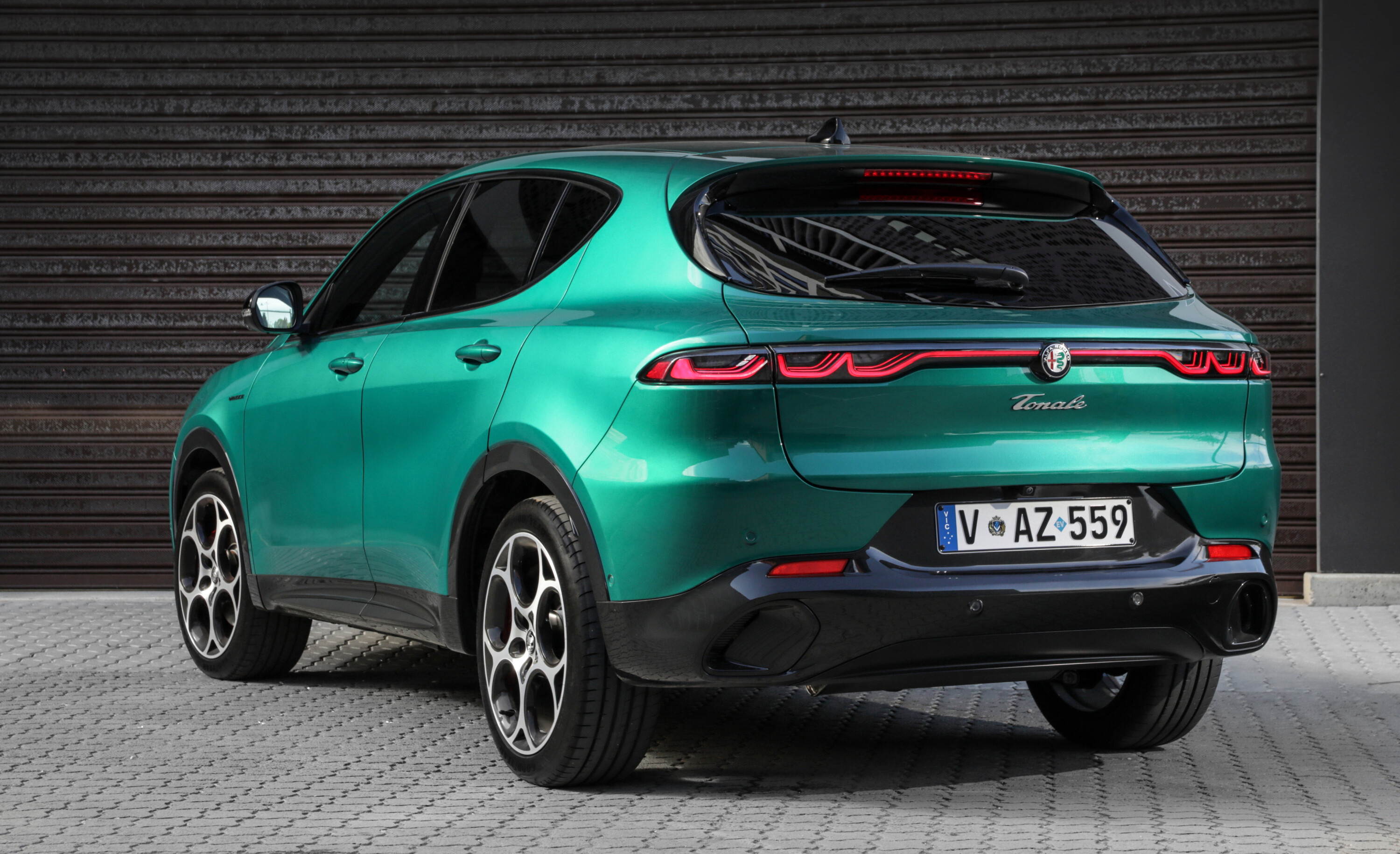
You need the best parts of an internal combustion engine vehicle, the best parts of an electric vehicle and then a whole extra entity that seamlessly blends the two. So now I’m going to ask a potentially rather loaded question: Would you trust Alfa Romeo to get all of that right?
That’s what the success or failure of Alfa Romeo’s Tonale Q4 boils down to, isn’t it? If we strip away all the peripheral flim-flam, it’s a question of trust. I think most of us would trust the Japanese to be able to manage that level of complexity, but there’s a gulf in trust that Alfa Romeo needs to be able to bridge before buyers will decide that the Tonale PHEV is a prudent place in which to park $77,500 of their hard-earned (excluding on-road costs).
Let’s take a look and see if this fascinating compact SUV can lay the foundations towards building those bridges.
1
JUMP AHEAD
- How much is it and what do I get?
- How do rivals compare on value?
- Interior comfort, space and storage
- What’s it like to drive?
- How is it on fuel?
- How safe is it?
- Warranty and running costs
- VERDICT
- Specifications
- Frequently asked questions
How much is it and what do I get?
Ah yes, that price. It’s a hurdle. Fully $21,000 more than the existing Tonale Veloce hybrid, the plug-in appears a non-starter from the get-go.
Right now you’re probably starting to do the mental maths in order to figure out whether the payback period for the PHEV arrives before the heat death of the universe. But before you get into that, there are some mitigating factors to consider.
Firstly, this is a very different beast to the regular hybrid. That gets a rather mealy-mouthed 118kW 1.5-litre petrol engine that drives the front wheels and results in a vehicle that occasionally struggles to get out of its own way.
1
Although the Q4’s engine is even smaller – a bambino 1.3-litre unit – hybridisation means that all four wheels are driven and the system output is a very healthy 208kW.
Then there’s the fact that in Alfa-land, not all Tonale Veloces are created equal. This plug-in variant also benefits from the otherwise optional Lusso pack as standard. This adds:
| Alfa Romeo Tonale Q4 Veloce Lusso pack | |
|---|---|
| Perforated black leather seats | Heated steering wheel |
| Embroidered Alfa Romeo logo | Heated washer nozzles |
| Eight-way electric front seat adjustment | PTC heater |
| Driver’s seat position memory | 14-speaker 465W Harman Kardon premium audio |
| Heated and ventilated front seats | Dark grey double stitching |
1
The Q4 Veloce PHEV also bundles the following equipment over and above the normal hybrid Tonale:
| Alfa Romeo Tonale Veloce PHEV features |
|---|
| Sunroof |
| Chromed exhaust tips |
| Elettro-Biscione logo on rear left window |
| Type 2 smart charging port and Mode 2 charging cable |
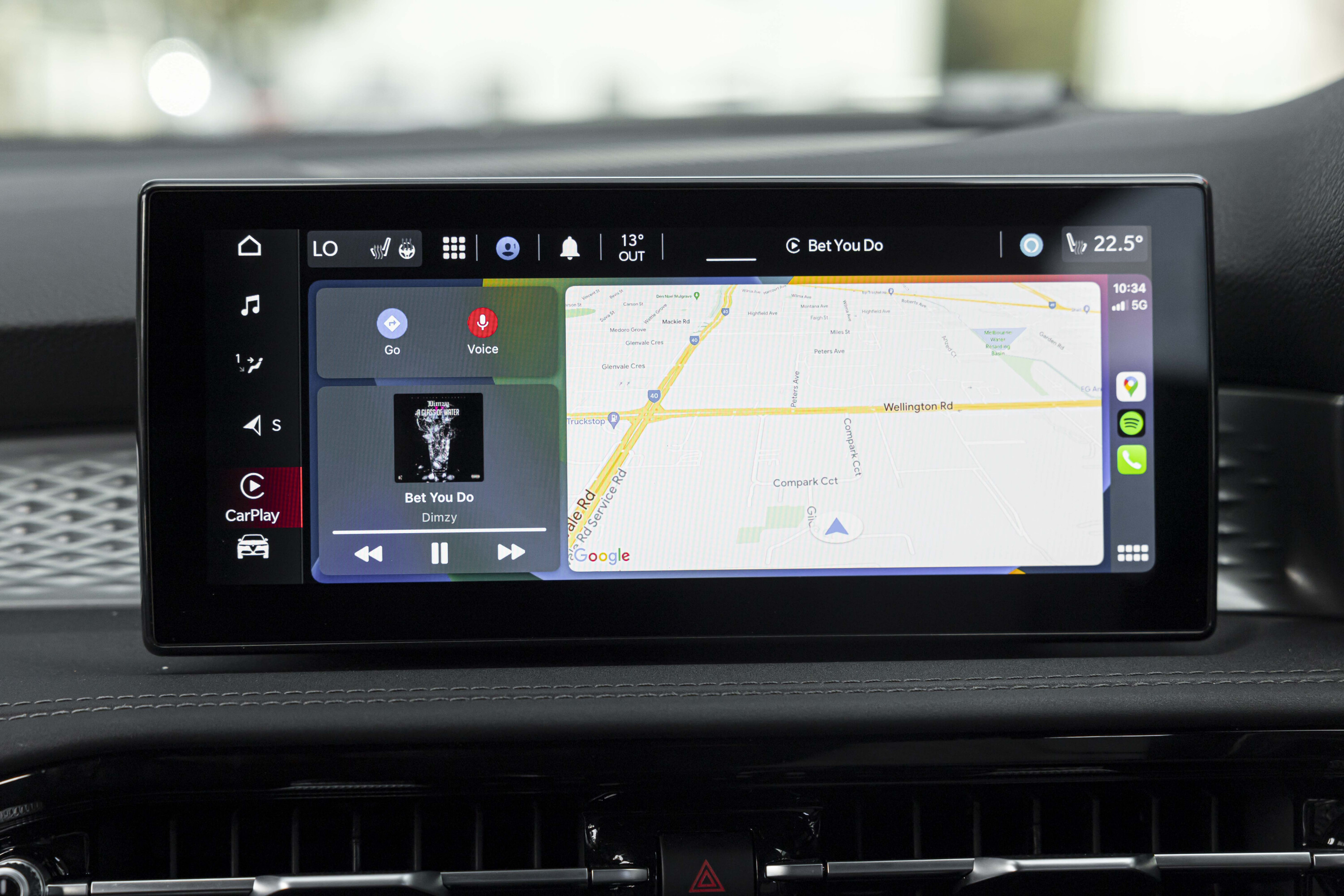
In case you weren’t aware of the full trim list that this builds upon, features common to both hybrid models include:
| Alfa Romeo Tonale Q4 Veloce equipment | |
|---|---|
| 19-inch diamond-cut alloy wheels | 12.3-inch TFT instrument cluster |
| Brembo brake calipers | 10.25-inch central touchscreen |
| 360u00b0 cameras with dynamic lines | Wireless charging pad |
| Adaptive cruise control | Road sign recognition |
| Auto-dimming external mirrors | Automatic full LED matrix headlights |
| Wireless Apple CarPlay and Android Auto | Aluminium pedal set |
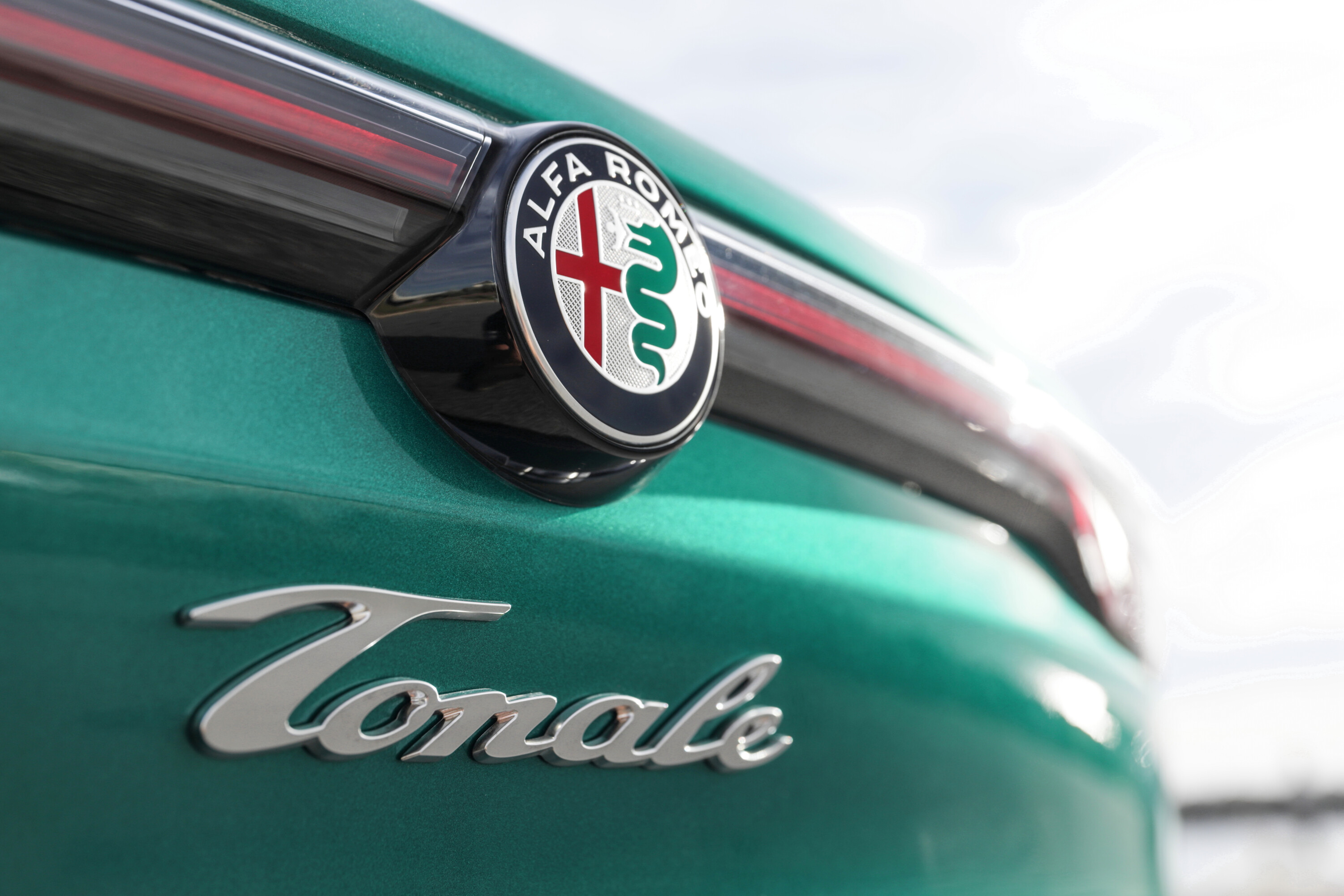
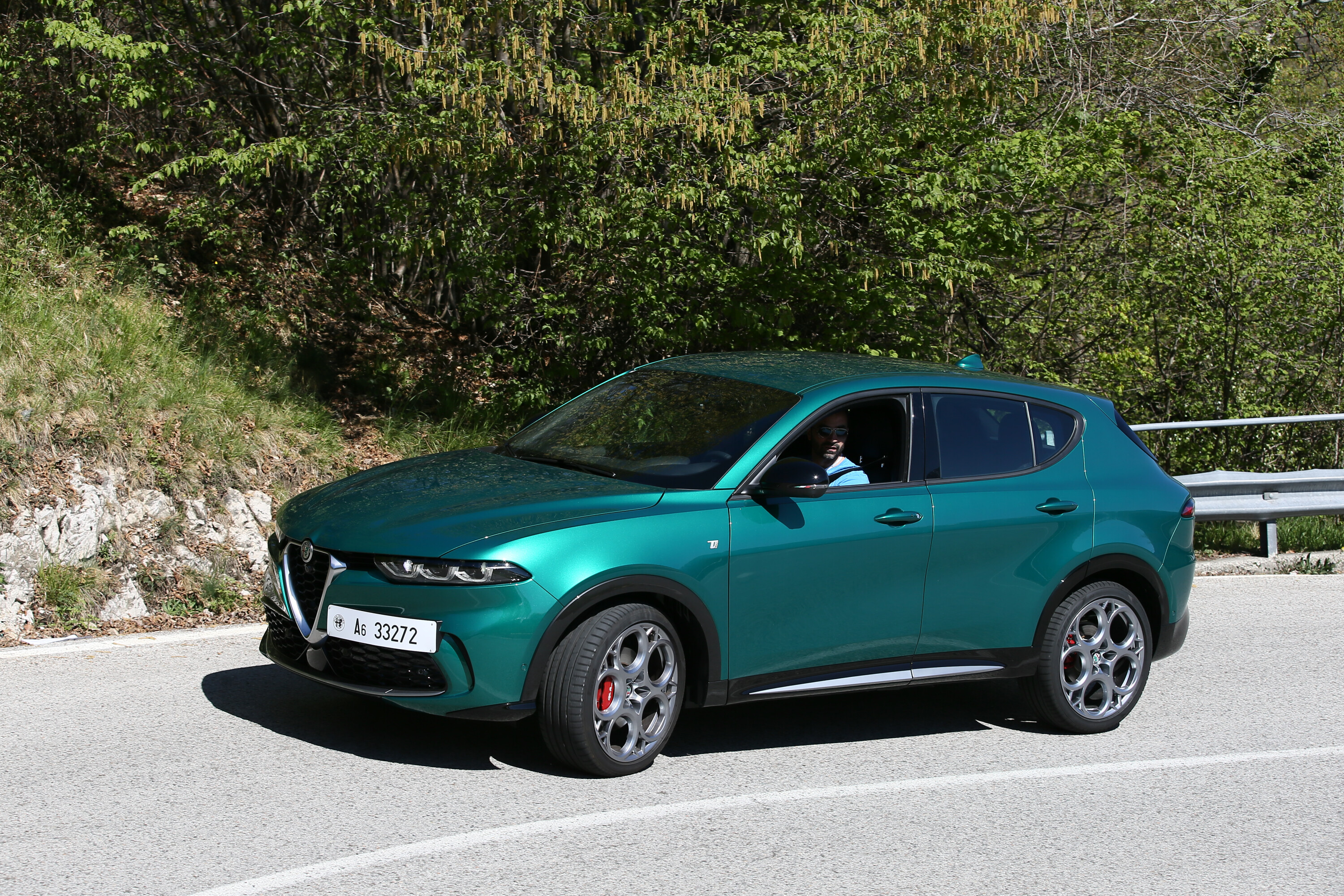
Alfa White is the only no-cost option paint finish available for the Tonale, with Alfa Red, Alfa Black (at some point somebody in the colour naming department ran out of imagination) complementing Vesuvio Grey and Misano Blue (all $1600 extra). Montreal Green tri-coat, a Veloce-exclusive paint finish, will set you back $2500 extra.
1
How do rivals compare on value?
In terms of size, price and badge equity, you’d expect the rival set to ostensibly comprise the Audi Q3, BMW X1, Mercedes-Benz GLA, Lexus UX and Volvo XC40; each relatively compact five-seat SUVs with desirable badges that measure between 4400 and 4600mm from stem to stern.
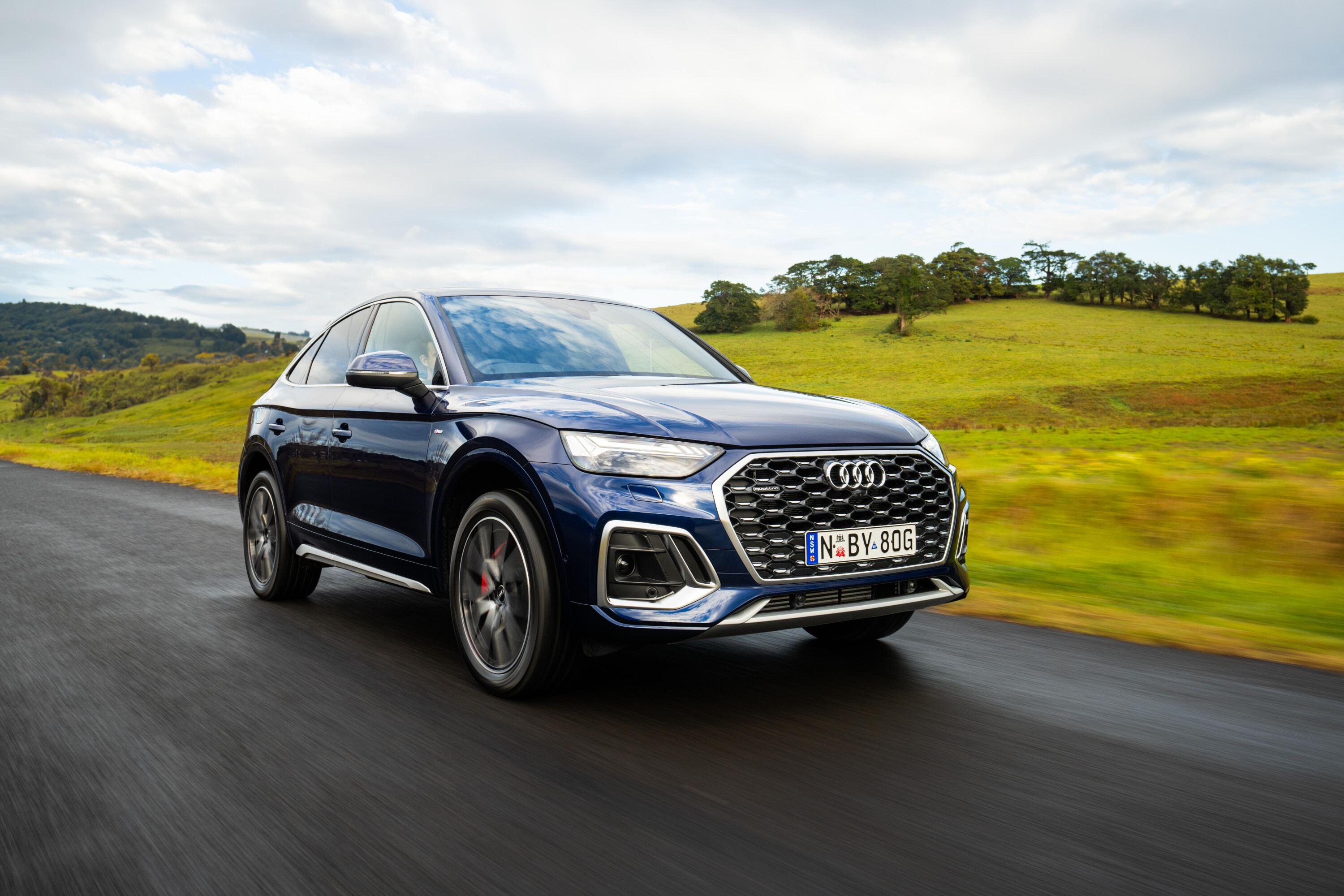
The more perceptive among you will already have noted the caveat here. None are available as plug-in hybrids. Hybrids, maybe; EVs possibly, but you generally have to step up a class into something the size of a BMW X3, a Range Rover Evoque or an Audi Q5 to be offered the option of a plug-in hybrid model.
Given these start well into the six-figure bracket, who’s to say the Tonale PHEV is in any way overpriced?
1
You’ll pay $72K for a Mitsubishi Outlander PHEV of a broadly equivalent trim level, so maybe the asking price isn’t quite the issue many of us originally thought it was. Time will tell.
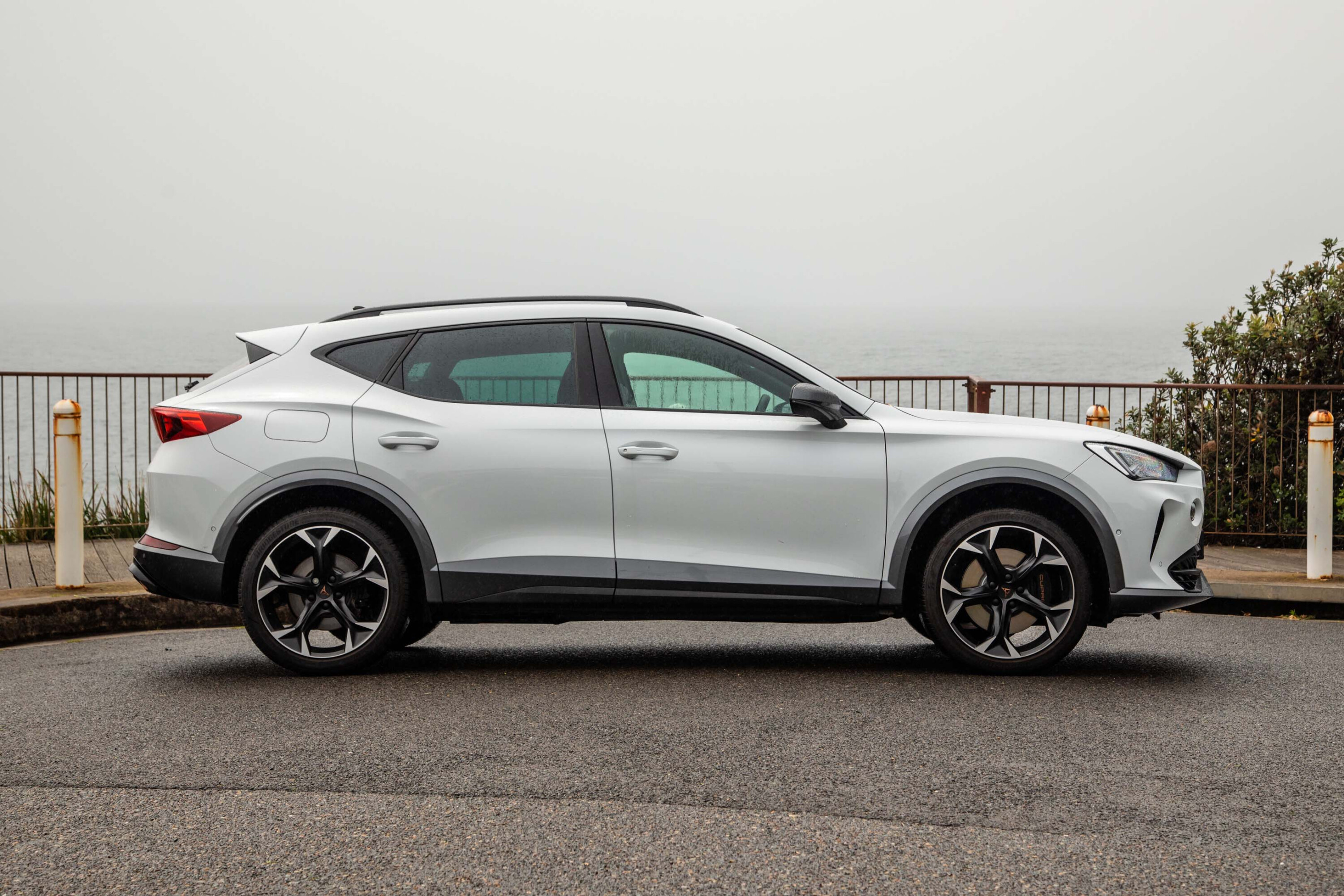
The most direct rival, on paper at least, is the $64,990 (excluding on-road costs) Cupra Formentor VZe. It’s neither as powerful nor as quick as the Alfa and sends drive exclusively through the front treads, but if you want a plug-in hybrid in this class, the Spanish car is an entirely credible and viable value pick.
An outlier in this group is probably the $81K Kia Sorento GT-Line PHEV, which appeals to a different audience than the Tonale. The Alfa’s more of a no kids yet/empty nester’s choice whereas the Korean seven-seater is resolutely family-oriented.
1
Interior comfort, space and storage
The Tonale is built on Stellantis‘ SCCS platform, a chassis that can be traced all the way back to the 2005 Fiat Grande Punto.
It also underpinned the likes of the Opel Corsa D and E, the Alfa MiTo, the Fiat 500X and even the Jeep Renegade. This version of the SCCS bones are stretched and broadened and dubbed ‘Small Wide 4×4 LWB’ and it sits under the Tonale, Jeep’s Compass and Commander as well as the Dodge Hornet and even the Ram Rampage ute.
Despite the chassis easing out the belt in two dimensions, the Tonale’s not a very big car. To give you some sense of scale, at 4528mm long, it’s 28mm longer than a BMW X1.
1
While the Alfa feels quite cosy up front, if you get your seat into the right position and try to climb behind, you’ll quickly come to realise that its 2637mm wheelbase is actually 30mm shorter than a Corolla‘s.
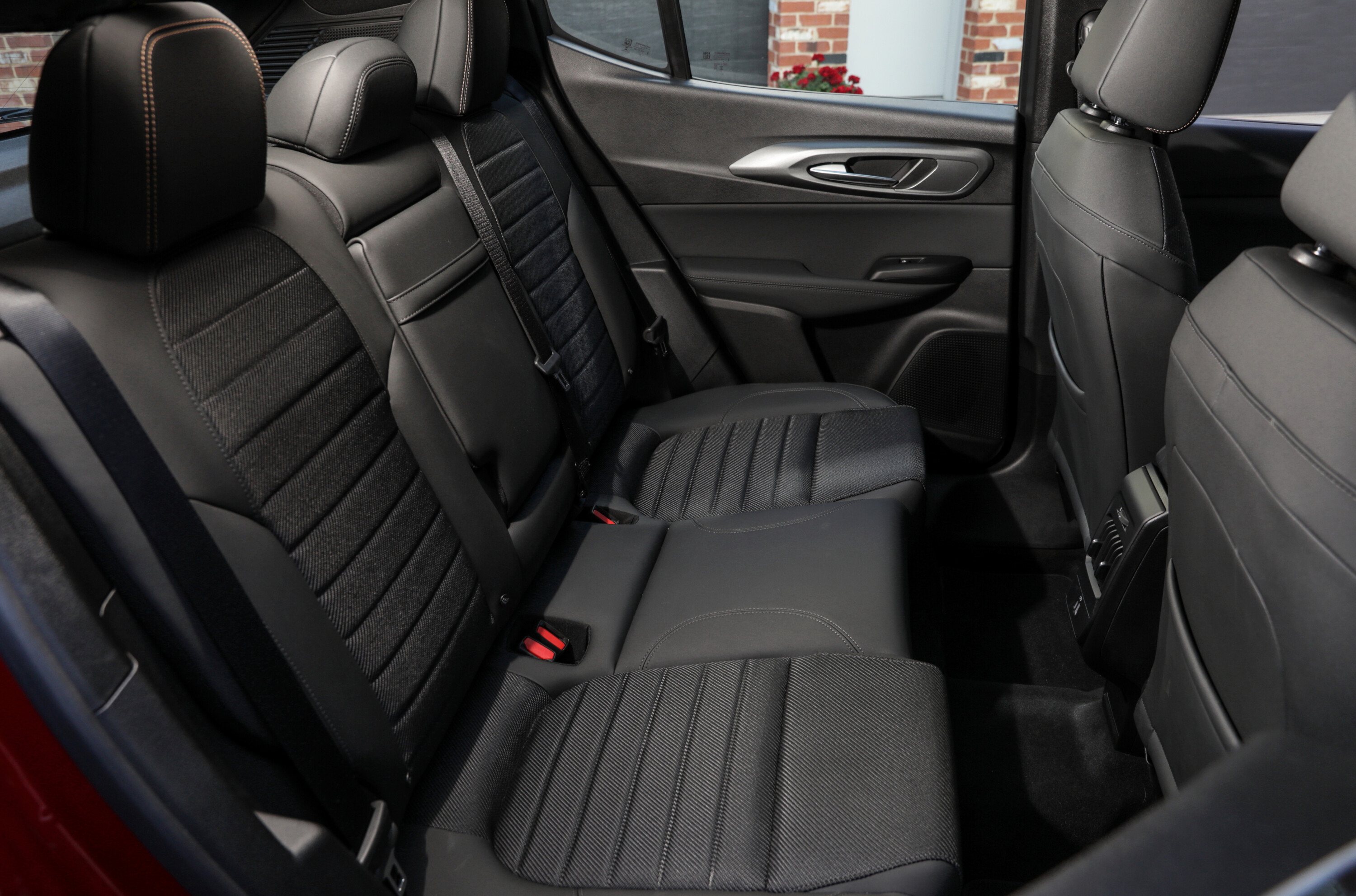
So it’s pretty squeezy back there. It’s not impractically tiny, and there are both USB-A and USB-C ports to fight over in the back as well as air vents, a retractable armrest and a through-load ski hatch. It just feels a little dark with the high window line and black leather trim.
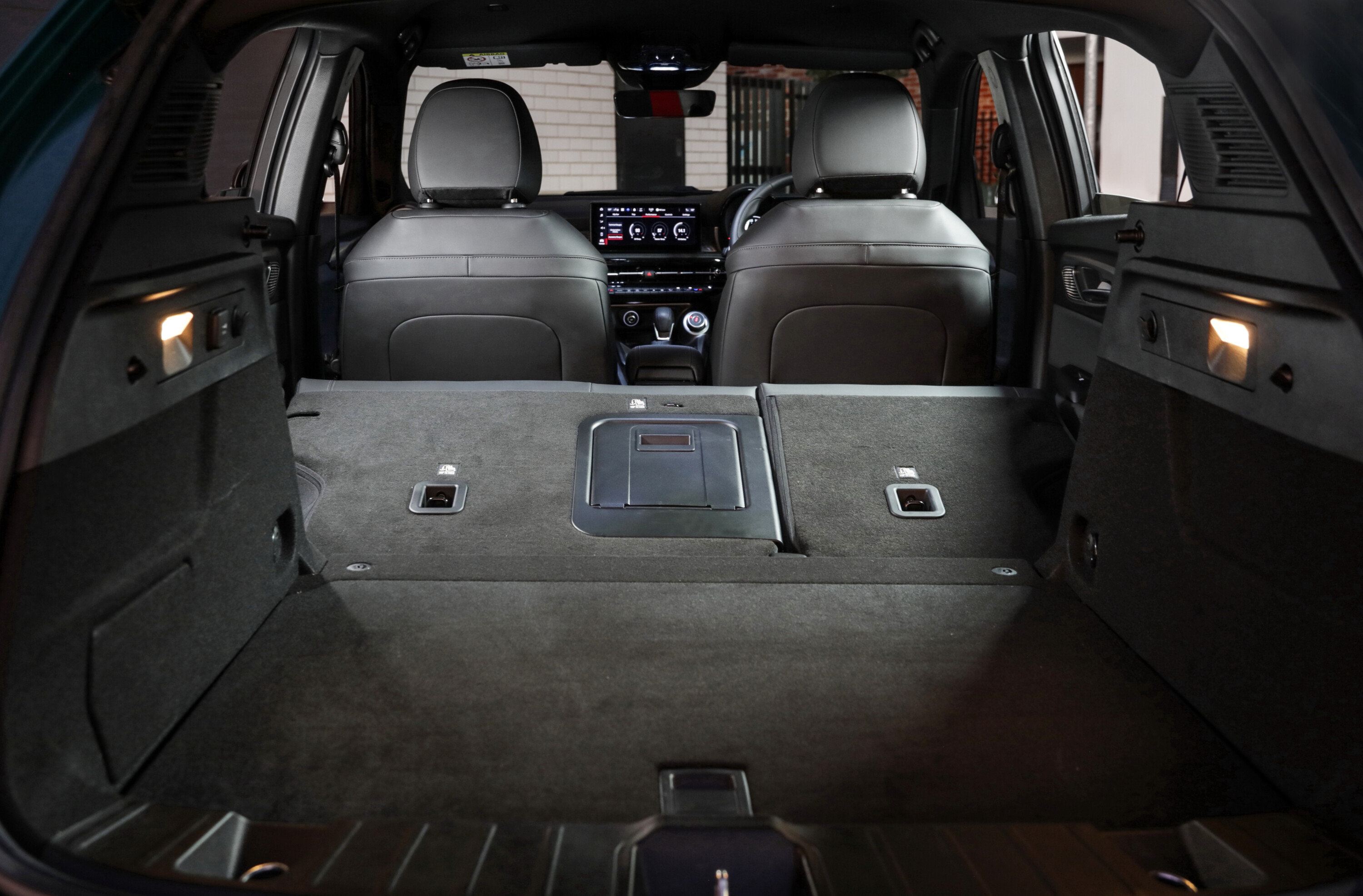
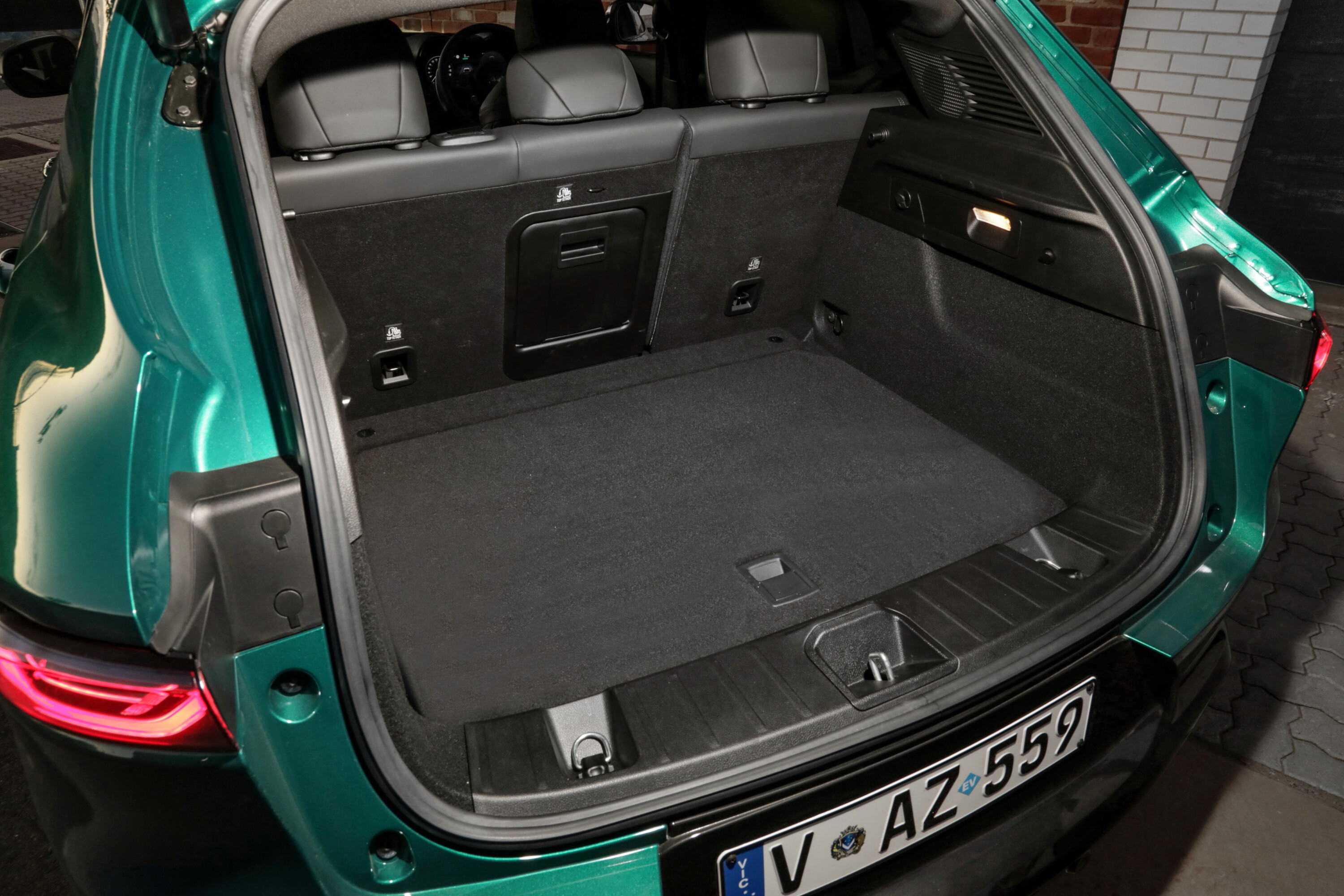
There’s also a penalty to pay for the all-wheel drive system and that’s a higher boot floor. This limits the storage space to 385 litres beneath the parcel shelf, although it extends to 1430 litres if you flip the 60:40 split rear bench down.
1
This vehicle is more about the front-seat occupants, however, and they’re well catered for.
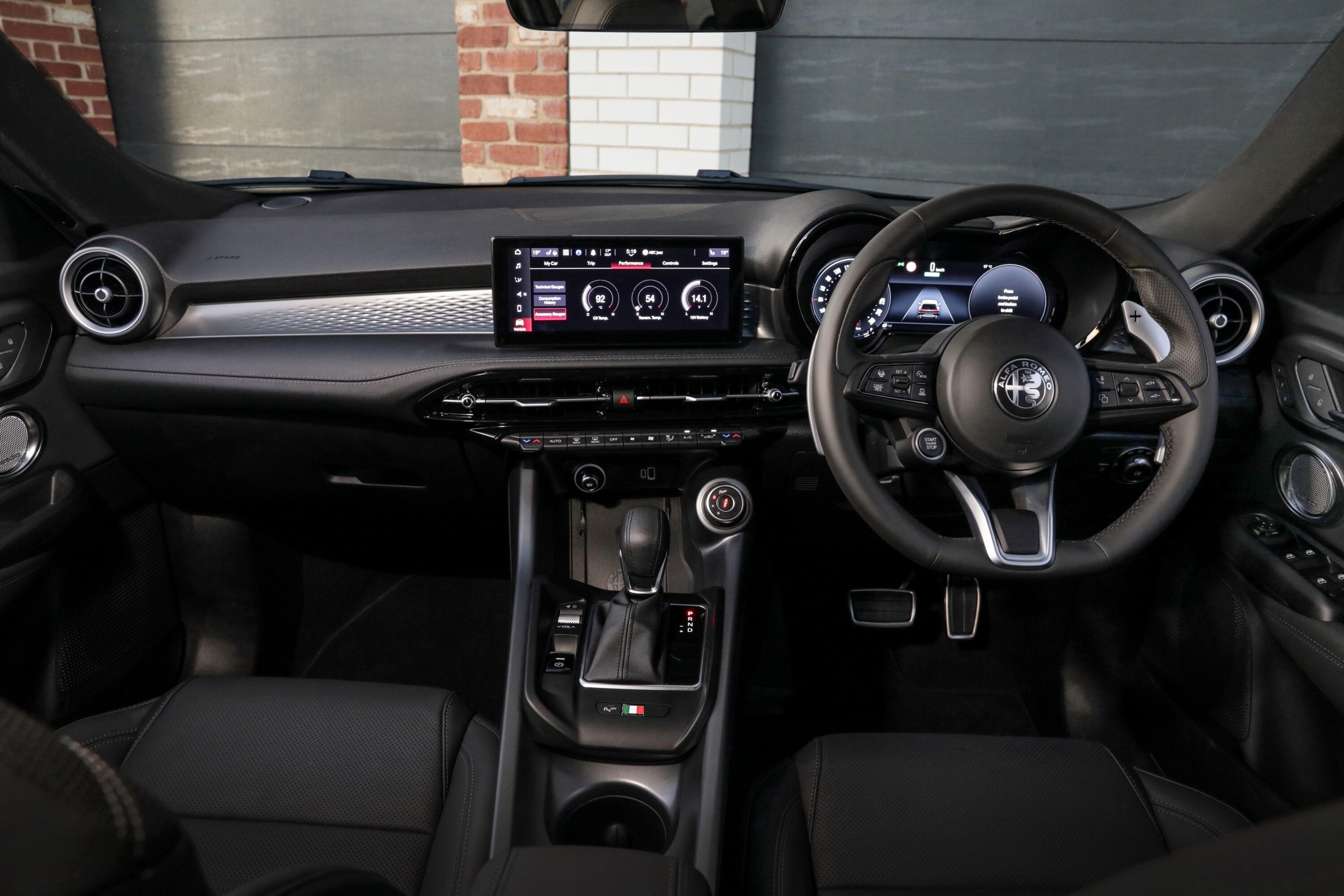
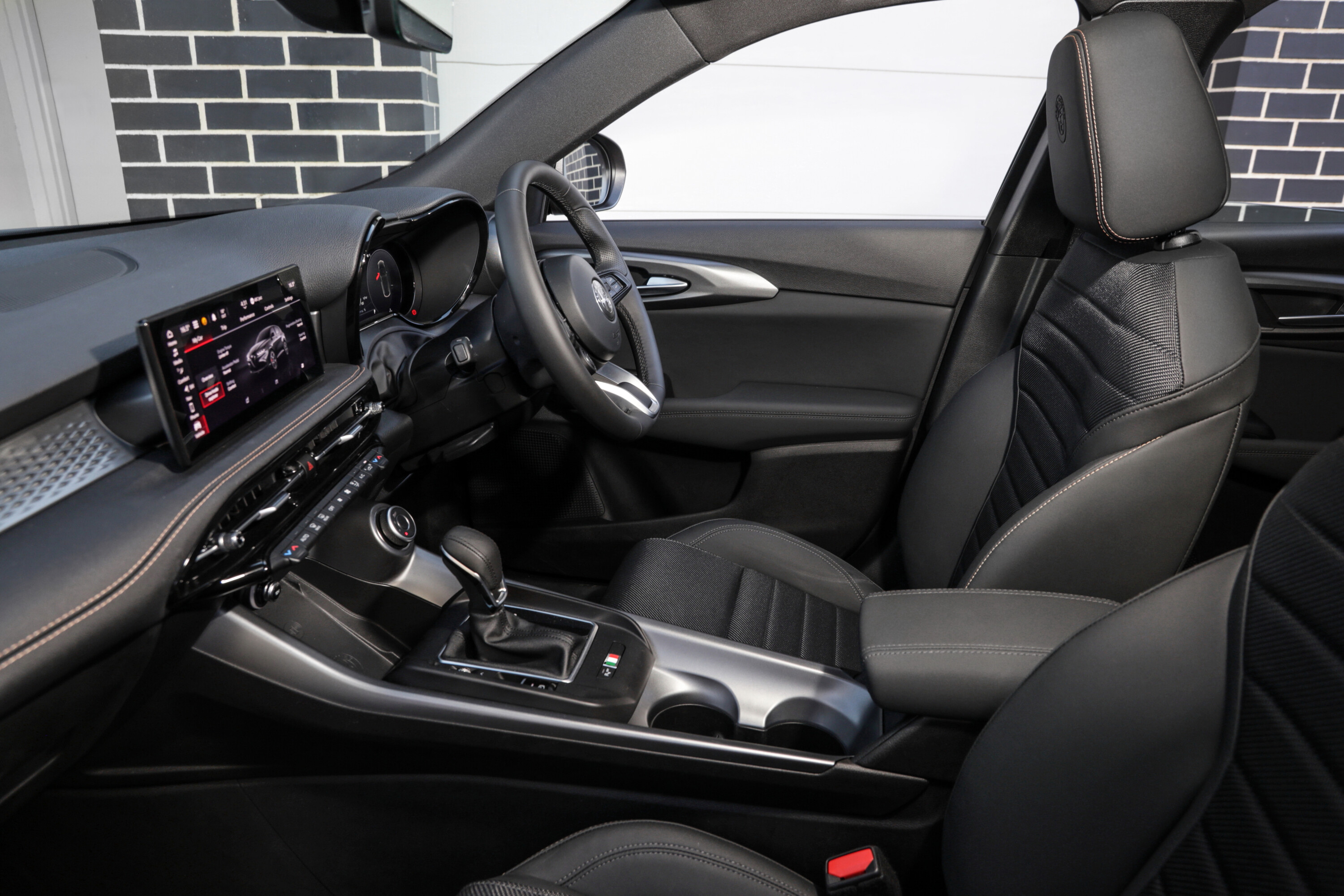
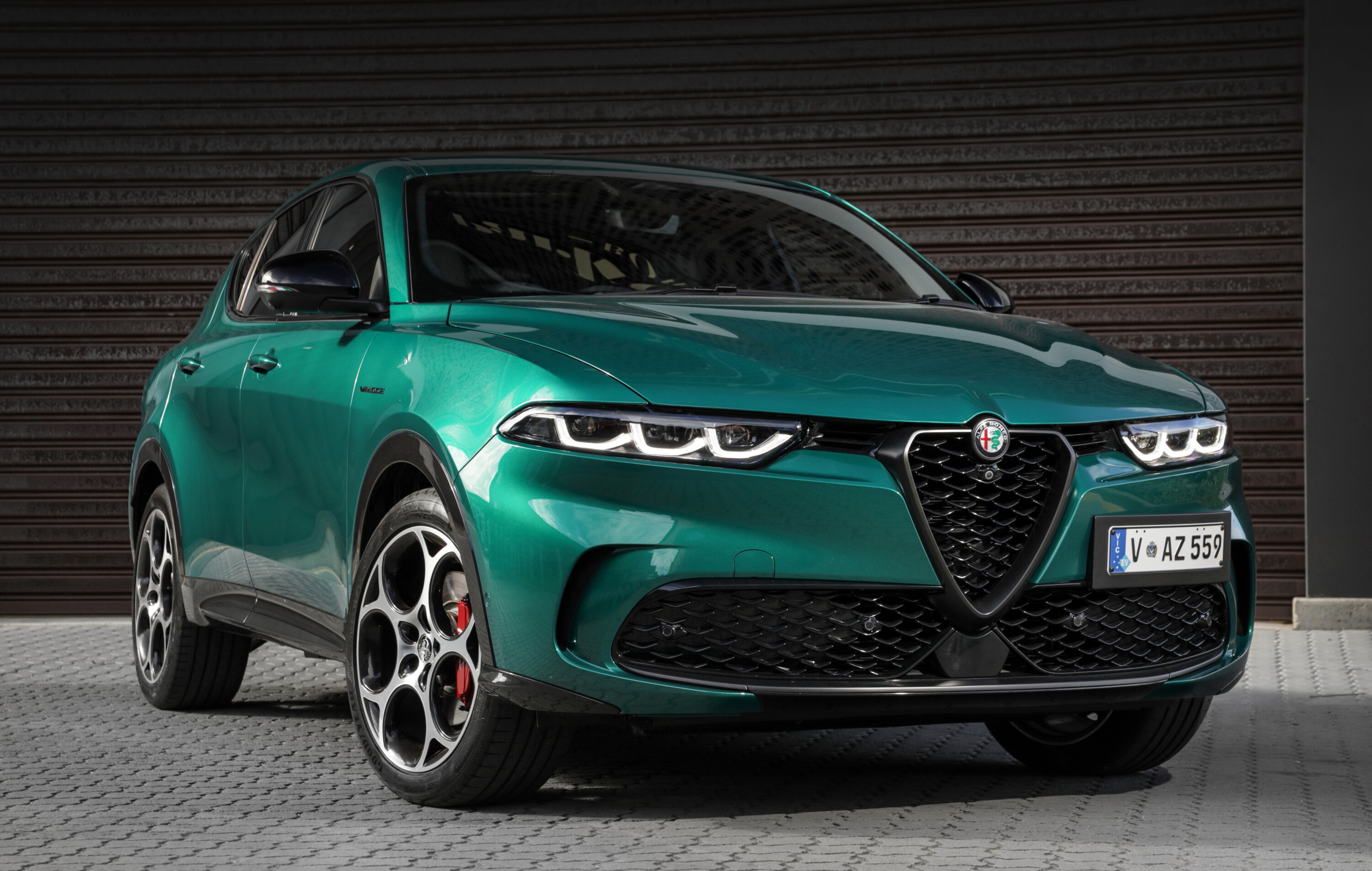
Its dash design is typically Alfa, with flared cowlings above the instrument pack and dashes of the Italian Tricolore contrasting with some very impressive quality finishes.
The sports seats deserve special mention, as they are supportive, they look great and they’re absolutely what you’d expect to find if you’d bought into the Alfa heritage.
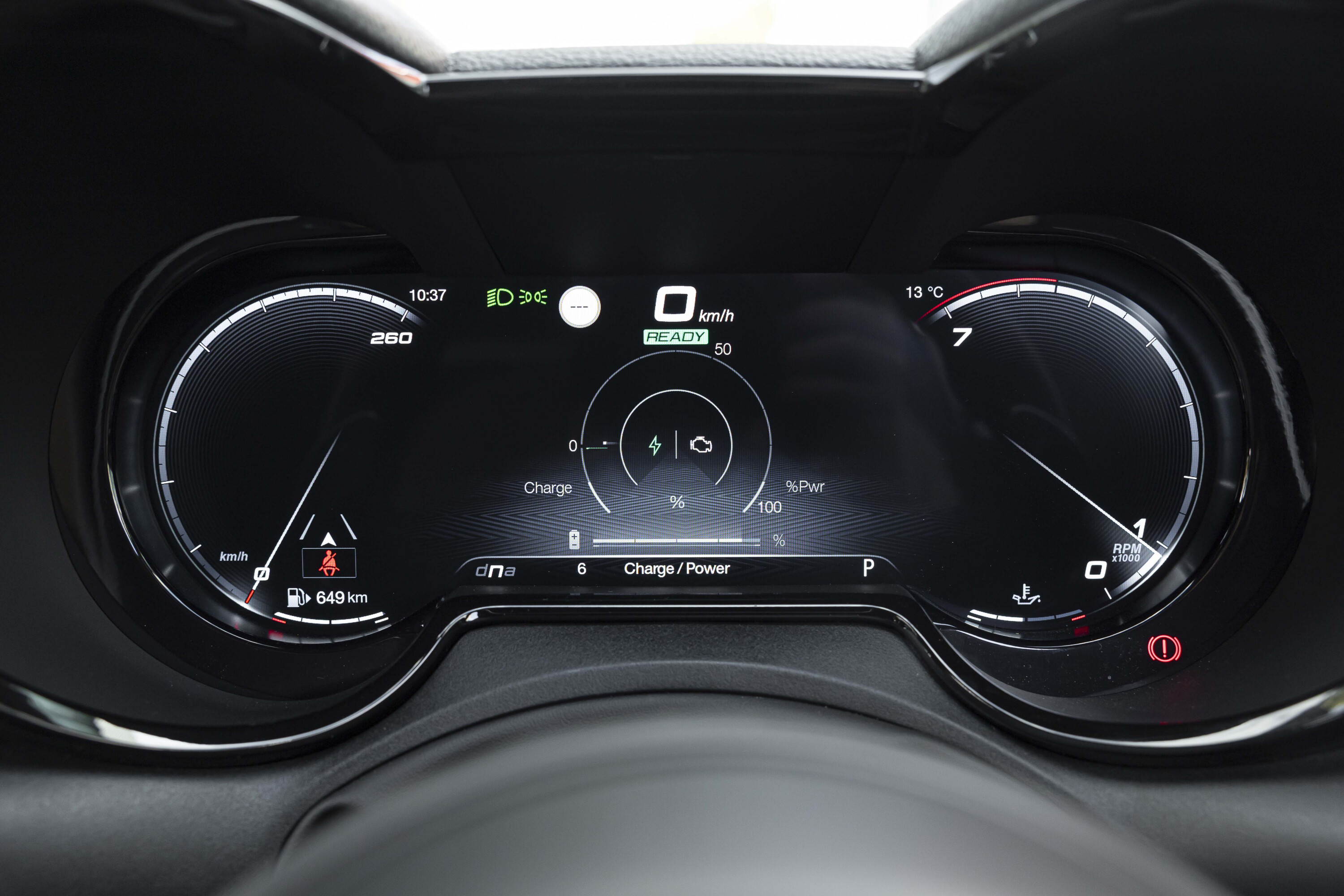
I’m not particularly sold on the instrument panel. In short, there’s a lot going on, with power meters and various other PHEV-specific gauges that are both unclear and broadly unhelpful even when you’ve taken the time to figure out what they’re trying to communicate.
1
I’m not convinced by the calibration of the DNA dial either. A plug-in hybrid should be able to very easily perform three functions: build charge in the battery, hold existing charge in the battery and absolutely rinse everything when you need full power.
Switching between those functions very clearly and easily ought to be the very first prerequisite when designing the user interface but with the Tonale, it’s all a little cryptic.
It’s not helped by the fact that the electronics in our test car were somewhat glitchy, rebooting the system spontaneously on occasion, freezing on others and constantly flashing messages that a phone was on the wireless charger which required a manual cleardown. Buyers in this class expect things to work and issues like this erode confidence.
1
What’s it like to drive?
The question I was asked more than any other after driving the Tonale PHEV was “Does it feel like an Alfa to drive?”
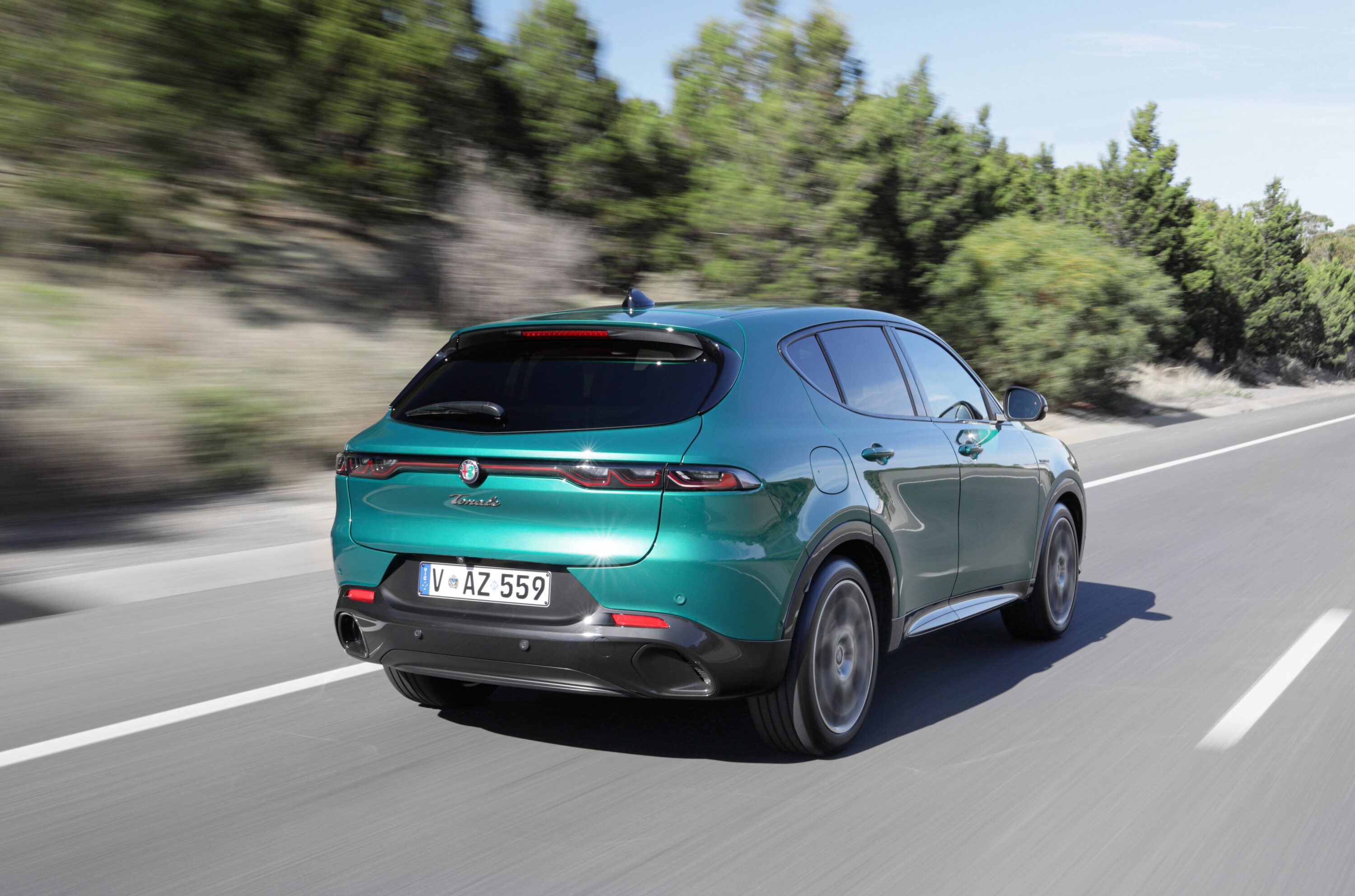
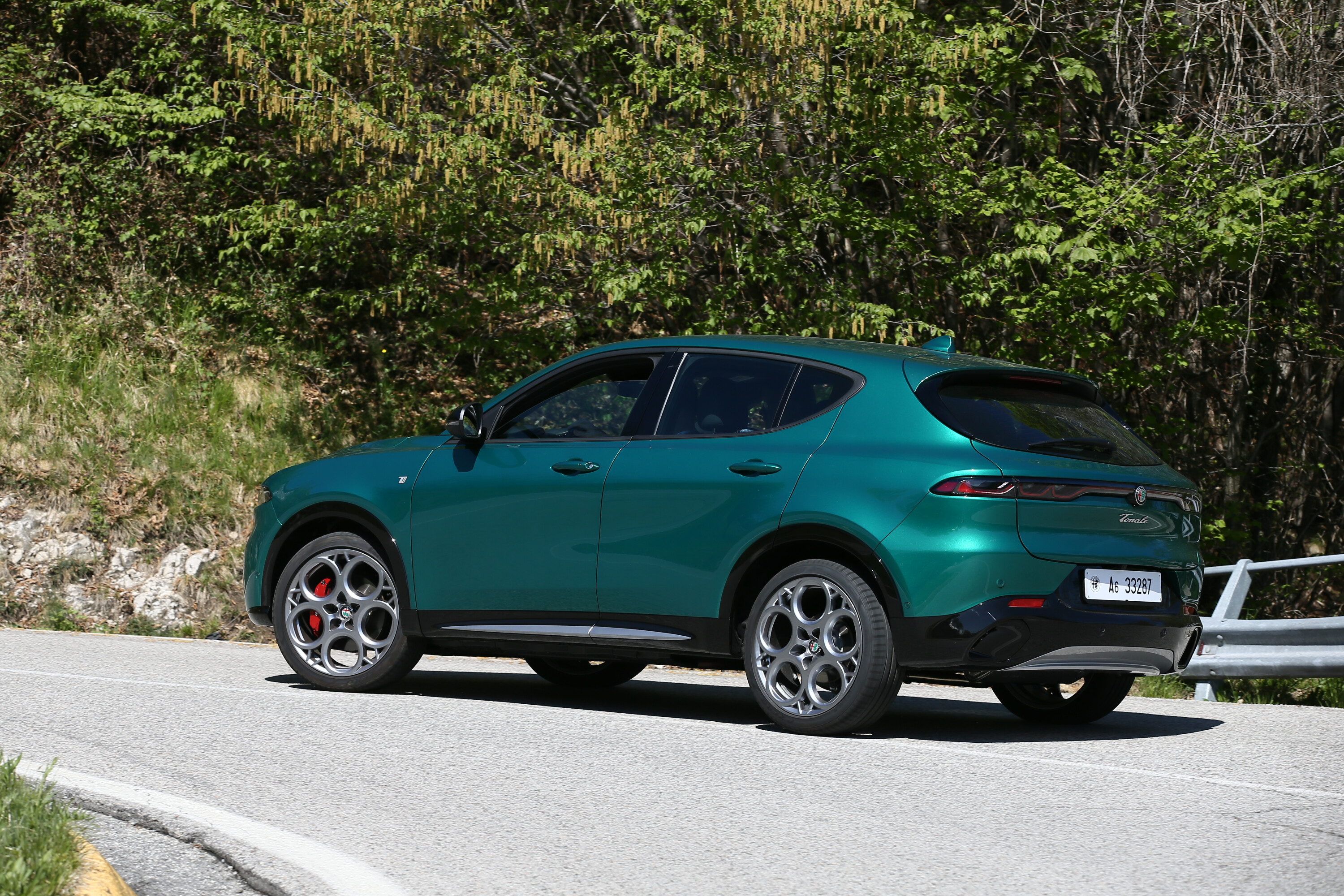
The answer to that is, annoyingly, ‘it depends’. Some elements of the Tonale’s genetics feel very Alfa. It rides tautly, which is why I’d counsel caution before ticking the options box for 20-inch alloys.
It certainly has some spirit if you switch the DNA mode dial to Dynamic and clog the throttle. The little 1.3-litre four sings its heart out and it’s all very invigorating. You could imagine zipping around the streets of Florence in one of these and feeling very pleased at having won the holiday hire car lottery.
1
All is not completely rosy, however. With both an engine and two motors plus a 15.5kWh battery pack to lug up the road, the Tonale Q4 is a heavy car.
Not heavy by the standards of EVs, but at 1835kg it weighs as much as, say, a Mercedes-Benz GLC 300. You’ll feel that heft the moment you throw it into a corner. Roll is generally well controlled, but the flip side is that the Tonale rapidly lapses into understeer, which the stability control system manfully tries to bring back into line.
The Tonale’s suspended front and rear on MacPherson struts, a rare layout for a car of this ilk, but it seems to work for a Porsche Cayman GT4. Another slight oddity is that despite being 320kg heavier than the regular hybrid, it uses smaller front brake discs (305x25mm versus 330x28mm).
1
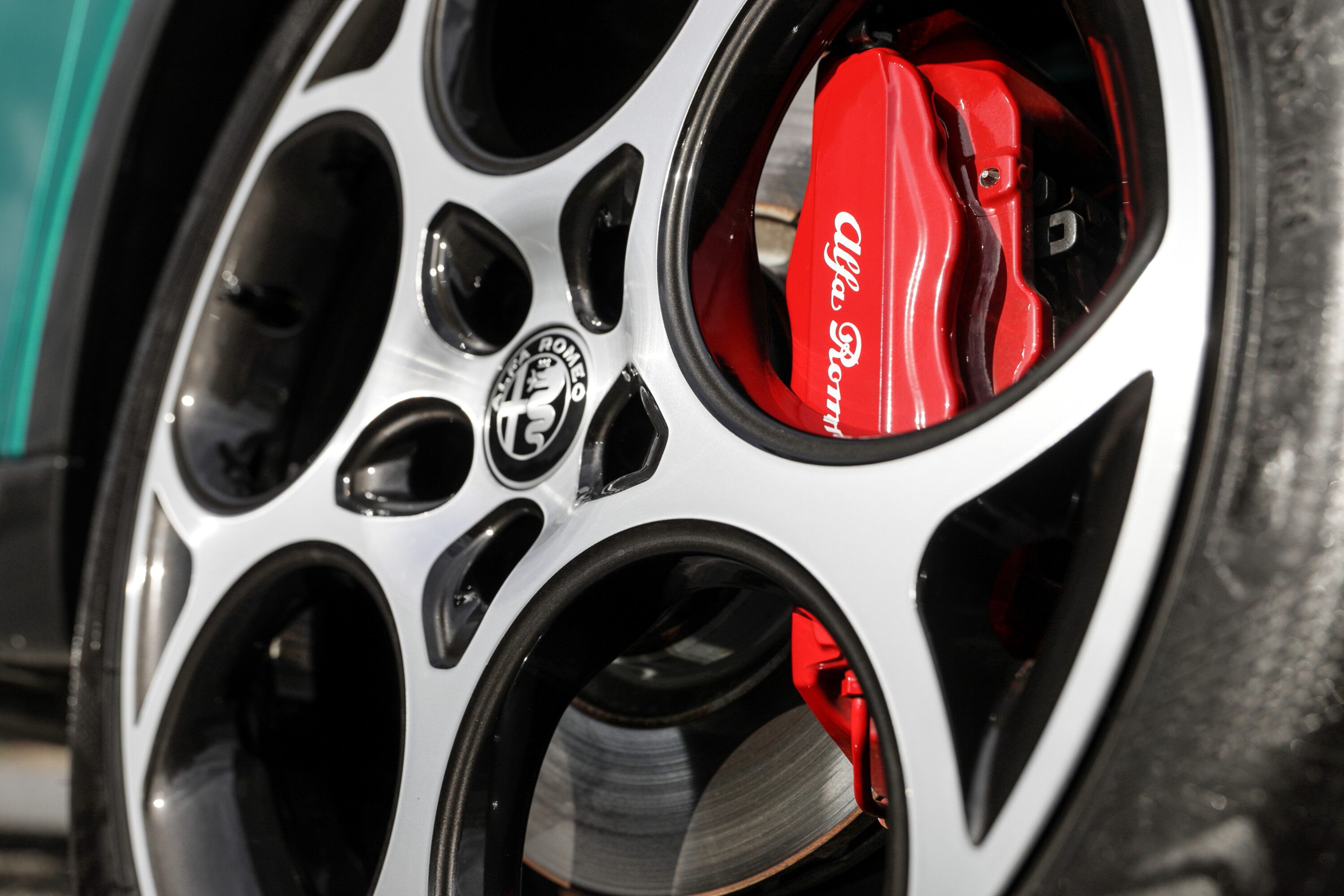
Part of the reasoning behind this is that regenerative braking takes up a percentage of deceleration duties, the other being that the regular hybrid uses a wholly basic single-piston floating caliper whereas the Q4 Veloce gets the meaty Brembo four-piston fixed items.
Any kind of typically Alfa-style ‘enthusiastic’ driving seems frowned upon. Tread on the brake pedal with any degree of brio and the car starts flashing its hazard lights as if you’ve performed some sort of socially reprehensible act.
The steering is also rather odd. If, like me, you grew up on a steady diet of Alfa Romeos, you expect decent steering. The Tonale’s is almost entirely devoid of feel when the vehicle is switched into its fuel-sipping Advance Efficiency mode. Granted, an early Corolla Sportivo is worse, but other than that, the only other steering system that I can think of that offers less feel is a vintage Atari Pole Position arcade game.
Things improve by twisting the dial into Dynamic. This brings some additional weight to the wheel, but not a great deal of detailed feedback.
1
You also get the option of switching the frequency-selective dampers into a softer mode, which helps improve grip a little on a twisty road. In this setup, the Tonale feels quite entertaining, but it’s still hard to mask all that weight.
The key issue that afflicts the Tonale Q4 is that you never quite know what the car’s doing beneath you. Pay attention, because this is like the science bit you find in shampoo commercials, but the drive system boils down to this:
Up front, there’s the 1.3-litre engine which, on its own, makes 132kW and 270Nm. That’s mated to a six-speed automatic transmission and it drives the front axle. So far so conventional.
At the back, there’s a 90kW electric motor that drives the rear axle, hence all-wheel drive. Software handles the coordination of front and back, shuffling charge in and out of the 15.5kWh CATL nickel-manganese-cobalt battery that sits beneath the centre tunnel and rear seat, adding 118kg to the car’s kerb weight.
1
The Tonale can therefore be front-drive, rear-drive, a mix of both and, by extension, petrol-driven, electrically powered or a blend of both.
It’s clear this is a car that’s going to reward you for getting to know it over an extended period, but with just a day at the controls, it’s not always intuitive or predictable that, in terms of handling, input A is going to invariably result in outcome B.
This erodes initial trust in the platform a little but, I’d like to restate that learning the dynamic complexities of the Tonale Q4 would be a fascinating and doubtless rewarding exercise.
What you’re never going to be able to learn your way around, though, is basic physics. If you are a genuinely keen driver, I’d be tempted to skip the Q4 PHEV. Buy something lighter and more agile and pocket the savings.
If any of the terms in this section have left you scratching your head, these articles will help bring you up to speed!
1
- What is a Powertrain or Drivetrain?
- Power vs torque
- Car suspension explained
- Automatic transmissions (‘gearboxes’) explained
- Chassis control systems explained
- Car vs Ute vs SUV: How the vehicle you buy should guide the way you drive
- What is the WLTP emissions and range test?
Read the press bumf that comes with the Tonale Q4 and fuel economy is a claimed 1.1-1.4L/100km. This is clearly nonsense in real-world conditions, but identifying the use case for those real-world conditions can be surprisingly tricky.
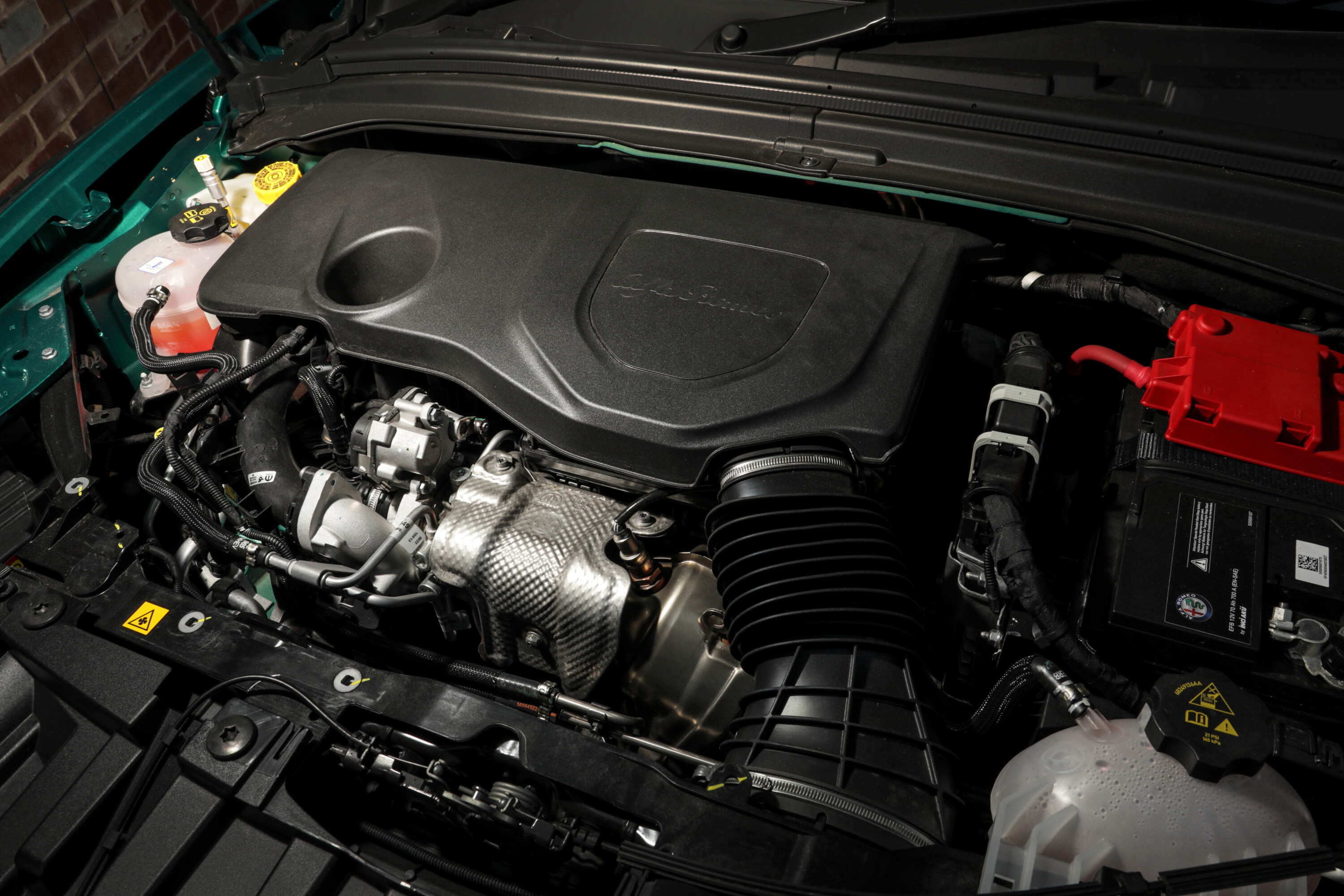
It’s easy to be overly cynical. The quoted range of the Tonale’s battery is 60km when fully charged, a process that, due to the battery’s modest size, can be accomplished overnight on a normal three-pin plug.
Fully expecting Alfa’s range claim to deliver 30-40km when driving the Tonale ‘normally’, I was surprised and delighted when a 40km backroads blat followed up with a 35km freeway drive resulted in the engine only coughing into life on the very last kilometre of my 75km round trip from work to home and back (and, annoyingly, when trying to reverse silently up my steep driveway).
1
That means that, for the vast majority of Aussies looking to use this car for their daily commute to work, petrol bills will, during the working week, probably amount to zero.
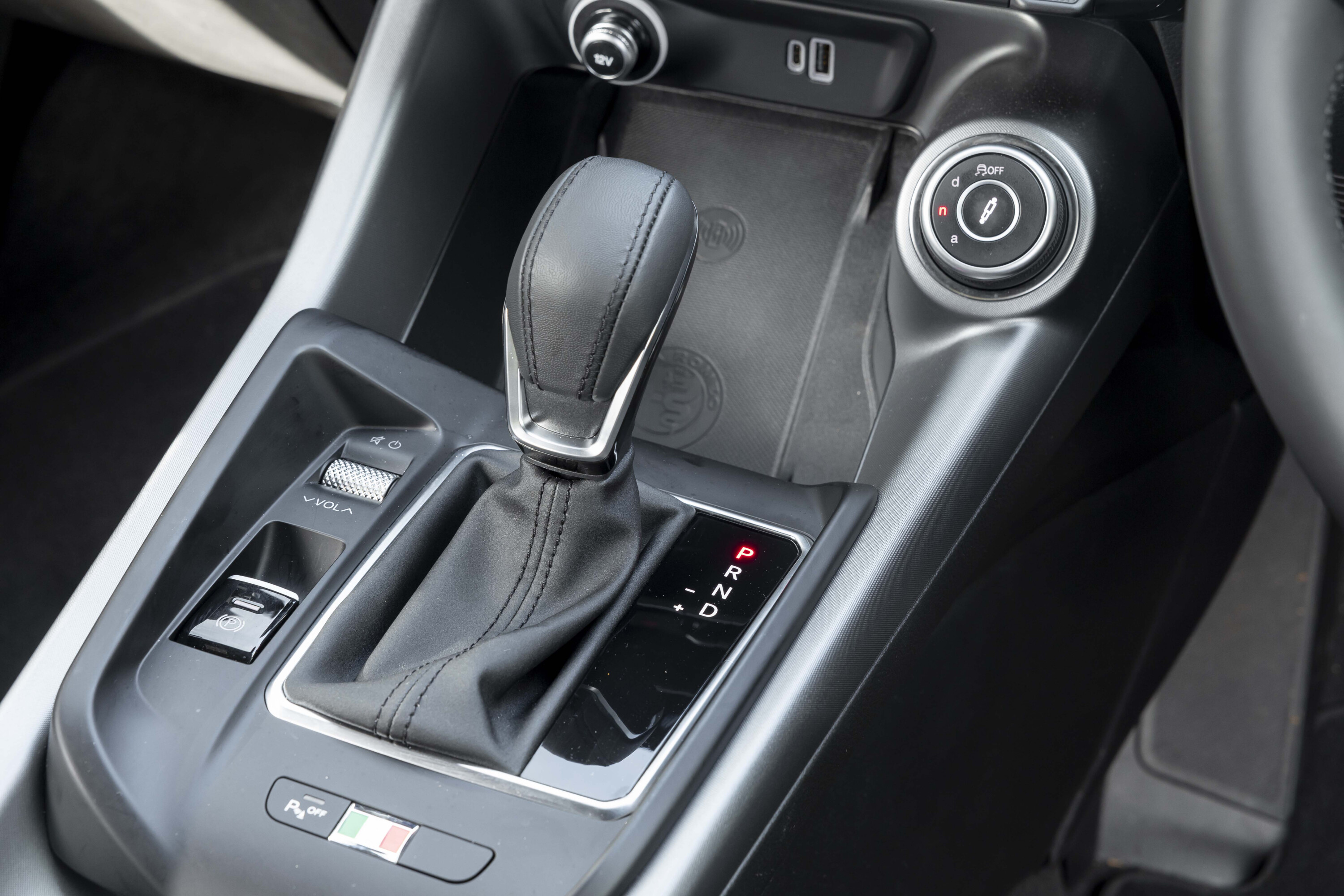
An obvious attraction of a plug-in hybrid is that during the weekend you’re not hampered by range anxiety, plotting charging points or any of that drudgery. Even when the battery’s depleted, you still have more than 530km of range from the petrol tank. That’s impressive.
1
How safe is it?
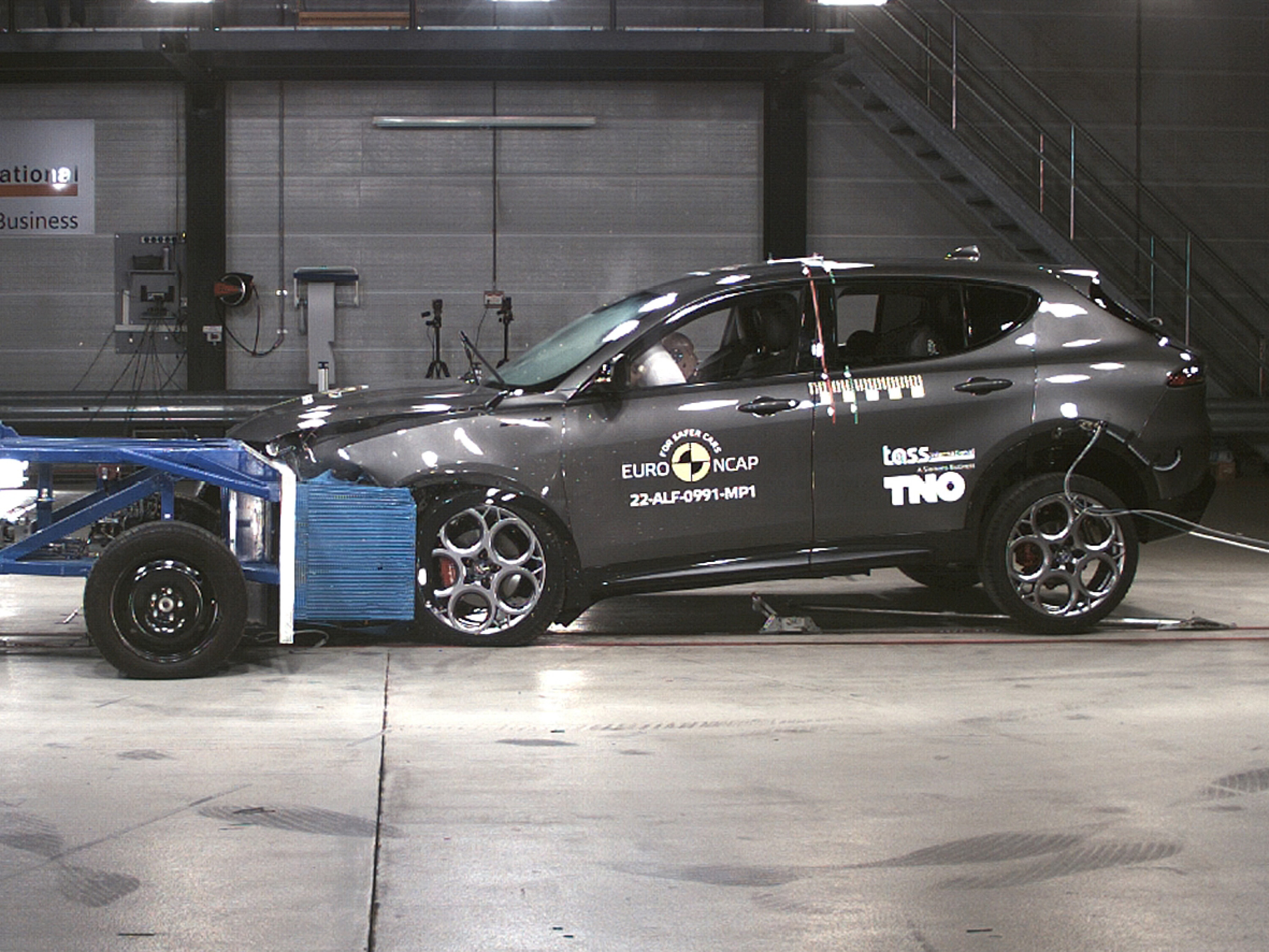
Equally impressive is the Tonale’s five-star Euro NCAP rating, which featured an 83 per cent score for adult occupant protection, 85 percent for safety assist systems, another 85 per cent for child occupant protection and 66 per cent for vulnerable road user protection.
The car has yet to be officially rated by ANCAP, although its mild hybrid sibling netted five stars in 2022, a rating that is valid until December 2028.
A long list of standard safety equipment comes with the Q4, some items of which are fitted to no other Tonale model.
| Alfa Romeo Tonale Q4 Veloce safety features | |
|---|---|
| 360u00b0 cameras with dynamic lines | Lane departure warning |
| Adaptive cruise control with traffic jam assist | Lane-keep assist |
| Auto emergency braking | Rear cross-traffic alert |
| Blind-spot montitoring | Rear seat reminder |
| Driver behaviour warning | Road sign recognition |
| Forward collision warning | Six airbags |
| Front, rear and side parking sensors | Speed limiter |
| Intelligent speed control | Vulnerable road user detection |
1
Warranty and running costs
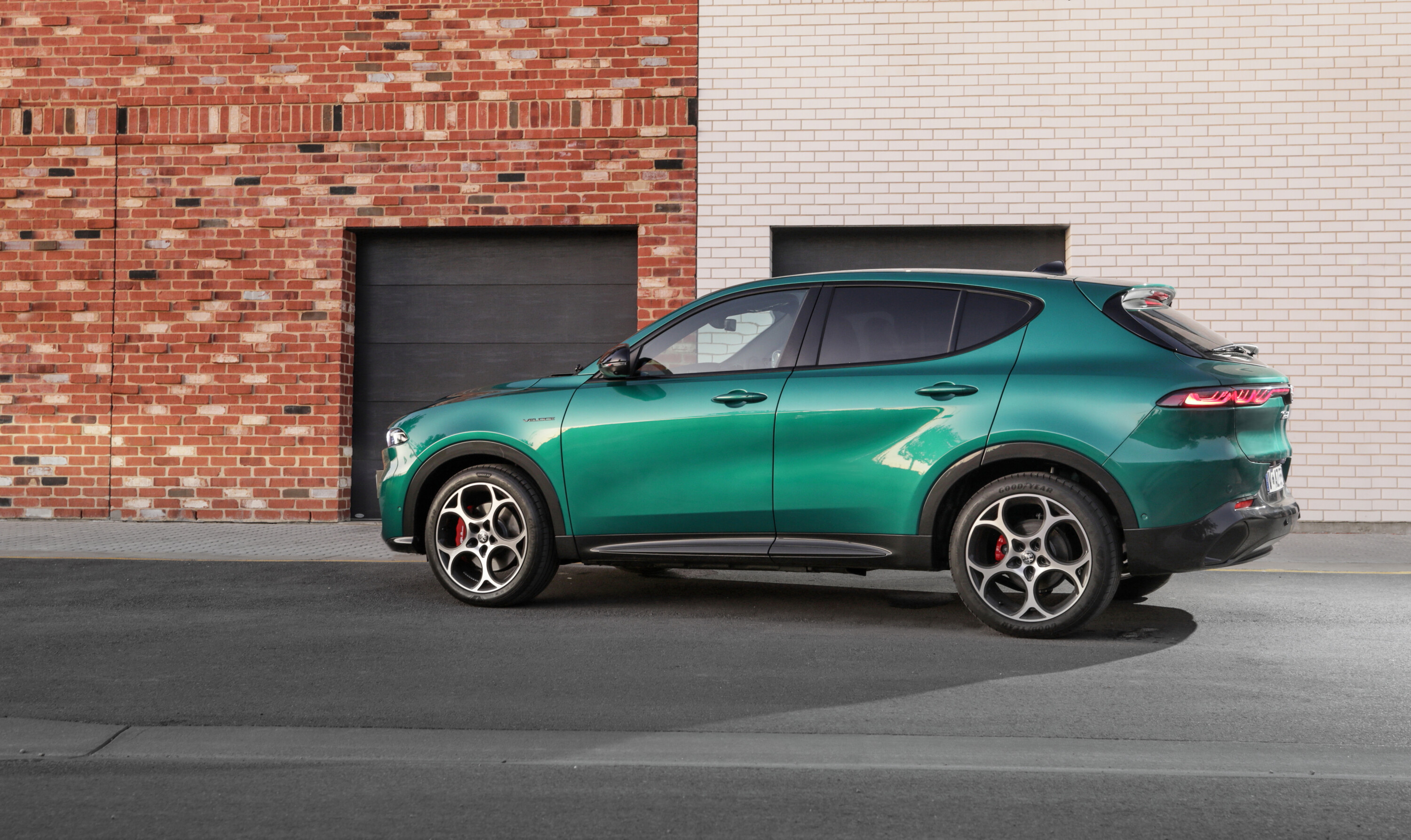
Like all new Alfa Romeos, the Tonale Q4 gets a five-year, unlimited-kilometre warranty backed up with a roadside assist package of the same duration. The battery’s covered by an eight-year/160,000km deal.
Service intervals are pitched at 15,000km or 12 months, whichever arrives first.
1
VERDICT
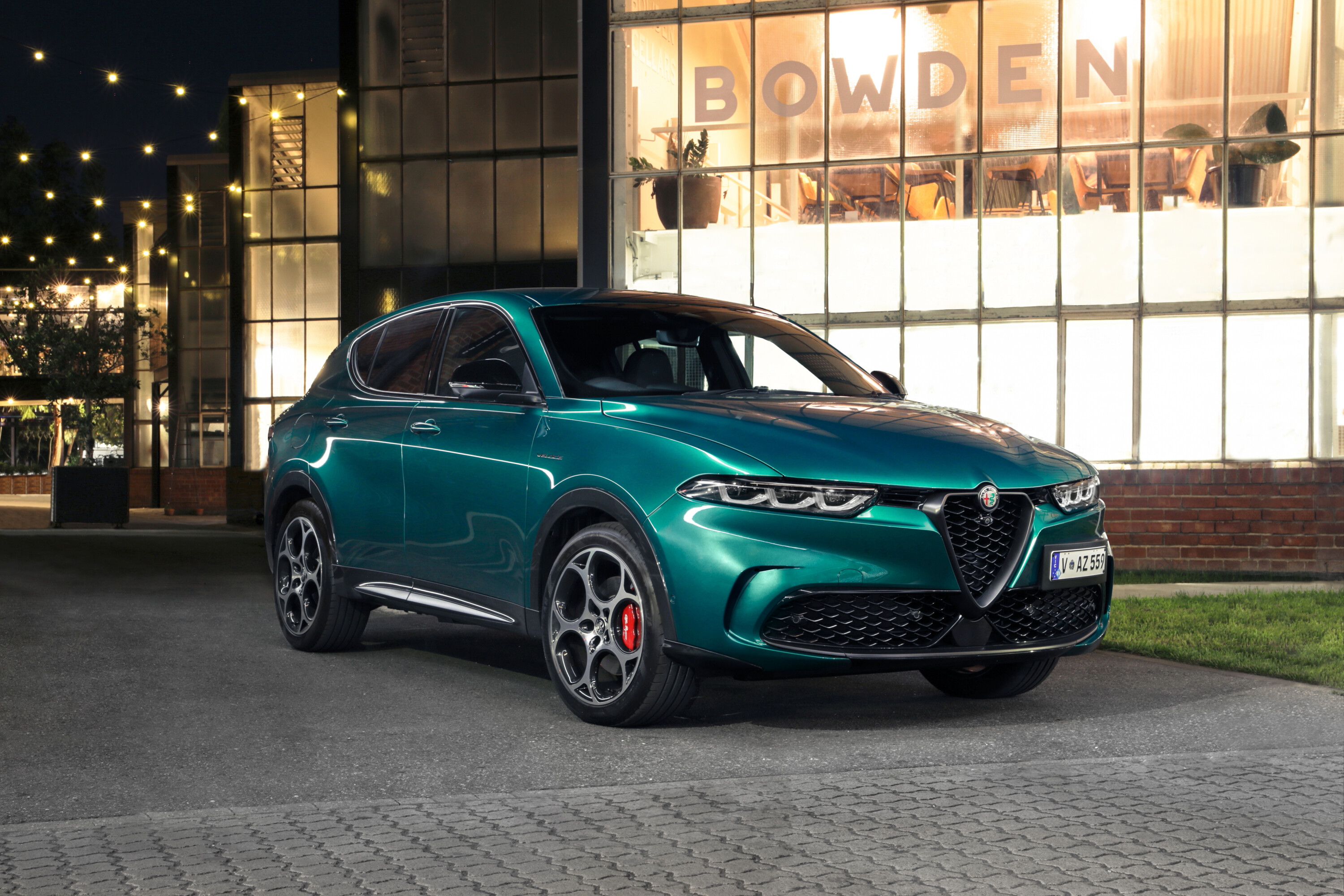
The Alfa Romeo Tonale Q4 emerges as a vehicle that is in parts fascinating, frustrating and admirable.
You will read many reviews that either proclaim it as a worthy vehicle of the Alfa tradition or one that doesn’t live up to the Alfa tradition. Ignore them. The Tonale is a car that needs to break with Alfa tradition. The old way hasn’t sold cars for forty years and, in order to earn some relevance, Alfa Romeo needs to be more of a mainstream player and less of a niche badge.
This is absolutely key to assessing this vehicle. Were it not for the firm ride quality and the largely predictable visual tropes inside, this could be a car from one of twenty different manufacturers.
1
Manufacturers who know how to build a solid, technologically-dense compact SUV that doesn’t feel built down to a price.
That, in itself, is a measure of success for Alfa and credit to the quality control procedures at the Pomigliano d’Arco plant in Naples.
It is a step in the right direction but the journey isn’t over yet and several niggles remain. The overarching question of what an Alfa Romeo is in 2024 is only partially answered here.
1
It’s no longer a car that appeals to a vanishing constituency of sentimental tragics who are willing to put up with abysmal build quality and a slipshod customer experience.
Mainstreaming Alfa won’t take the magic away, it ought to merely round out a previously patchy skillset.
Who does the Tonale Q4 suit? It’s somebody who can make the most of its plug-in capabilities and values the badge cachet. It’s no longer necessarily someone who wants to corner on the door handles.
The idea of making a left-field choice without being punished for it is a seductive one and it’s into this somewhat Volvo-shaped void that Alfa Romeo now finds itself sidling. We wish it all the very best.
MORE
Midsize SUVs
| Alfa Romeo Tonale Q4 Veloce specifications | |
|---|---|
| Body | Five seat, five-door compact SUV |
| Engine | 1332cc four-cylinder , dohc, 16v, turbo-petrol |
| Motor | 90kW rear mounted |
| Max system power | 208kW @ 5750rpm |
| Max torque | 270Nm @ 1850rpm |
| Transmission | 6-speed automatic |
| Weight | 1835kg |
| Economy | 1.1-1.4L/100km (NEDC) |
| 0-100km/h | 6.2sec (claimed) |
| Price | $77,500 + on-road costs |
| On sale | Now |
Frequently asked questions
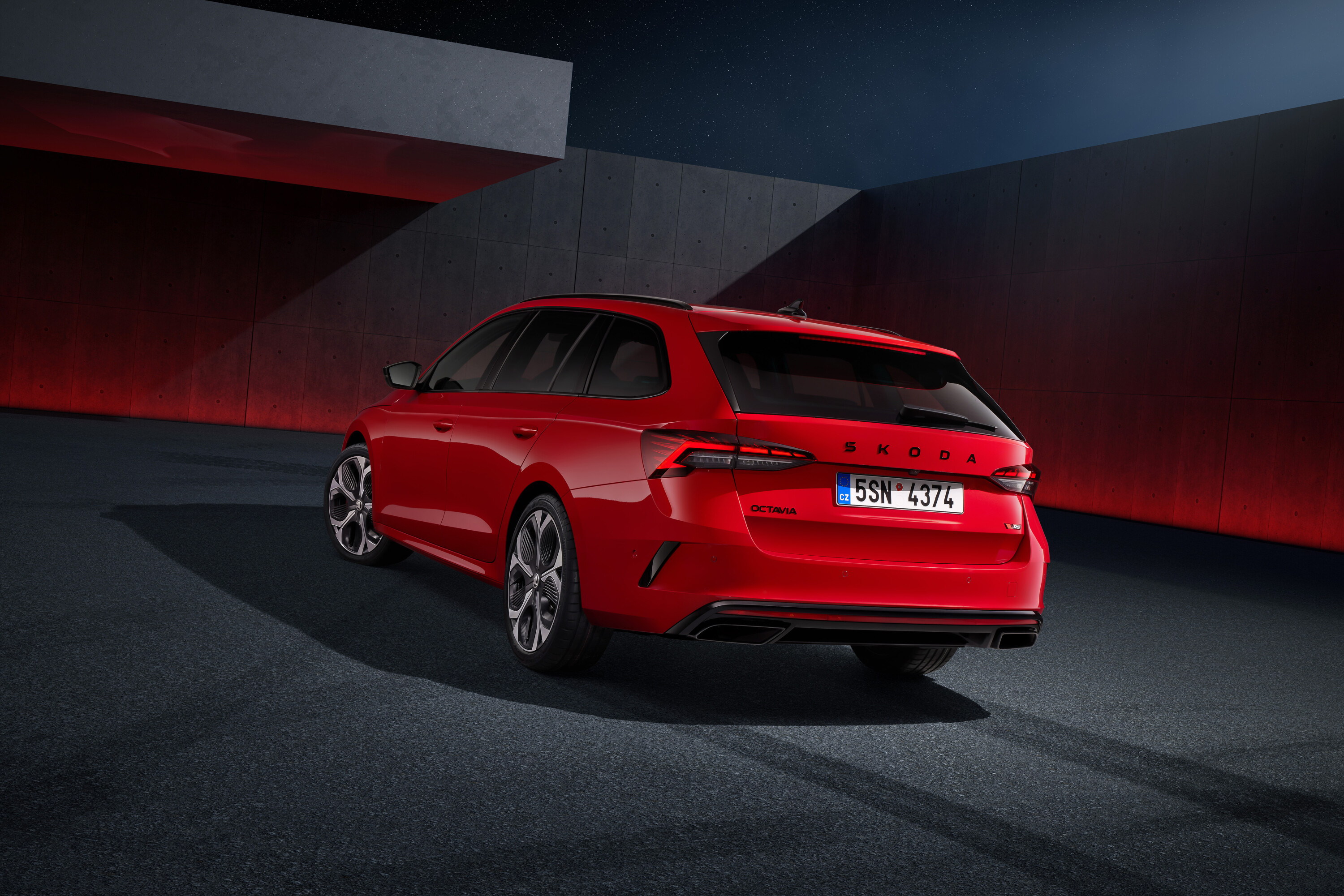
The facelifted 2025 Skoda Octavia has debuted with an updated look, added technology, and more power for the flagship RS variant.
Wheels has reached out to Skoda Australia for comment about local timing for the updated Octavia.
However, it will likely follow the facelifted Mk8.5 version of the heavily related Volkswagen Golf hatch, which is set to enter production for our market in Germany between October and December ahead of first arrivals due at the start of 2025. The Skoda Octavia is built in the Czech Republic.
1
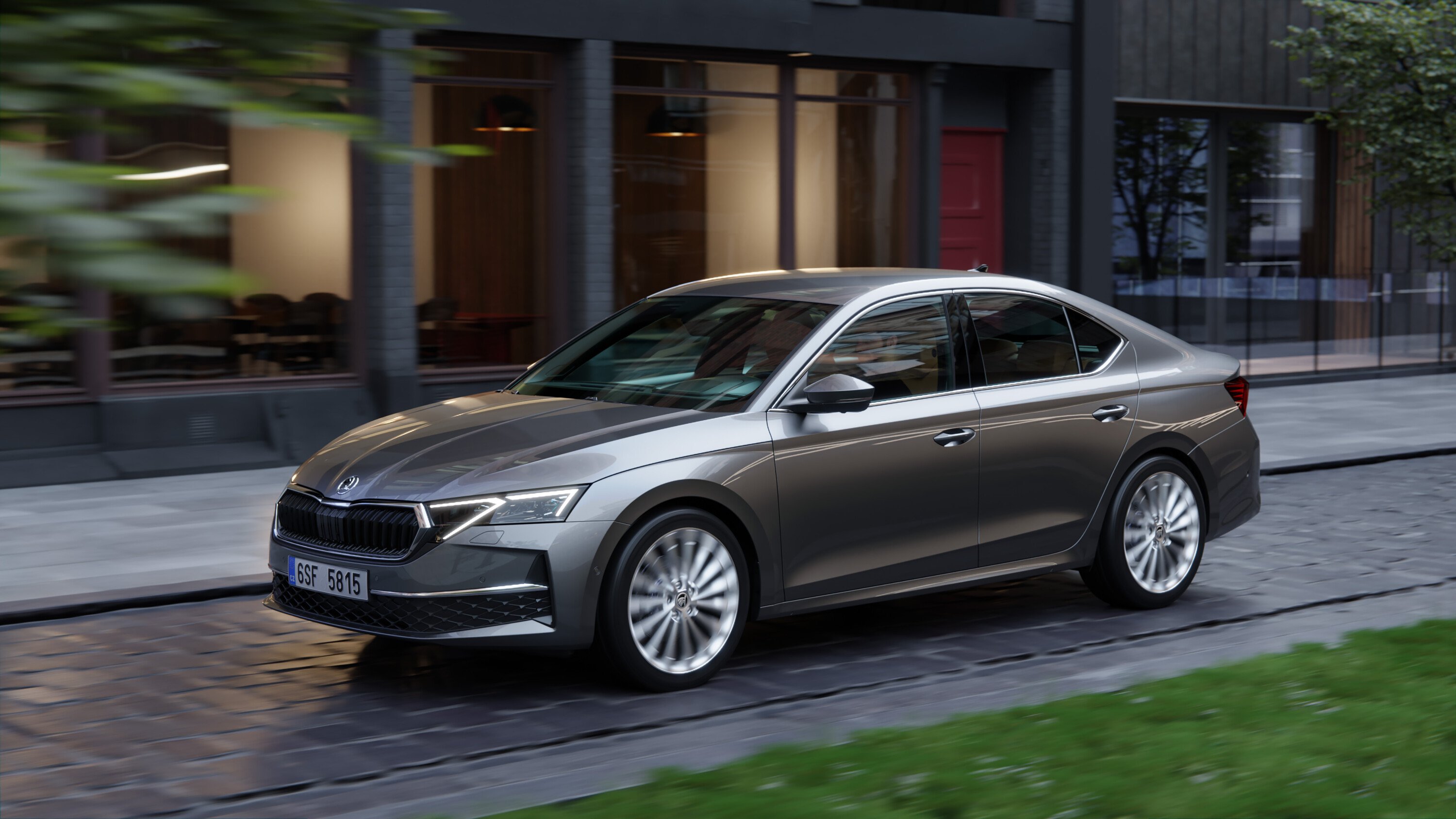
Exterior design changes include redesigned headlights with a new daytime running light signature extending outside the main light unit towards a reshaped grille.
It also features second-generation matrix LED technology, which increases the number of individual segments in the main beam from 12 to 36. The fog lamps have been deleted from the lower bumper and replaced with an ‘all-weather’ function for the headlamps.
The updated Octavia also sports revised front and rear bumpers that make the liftback and wagon nine millimetres longer than before, as well as updated tail-lights with animated indicators, new alloy wheel designs, and updated Skoda badging.
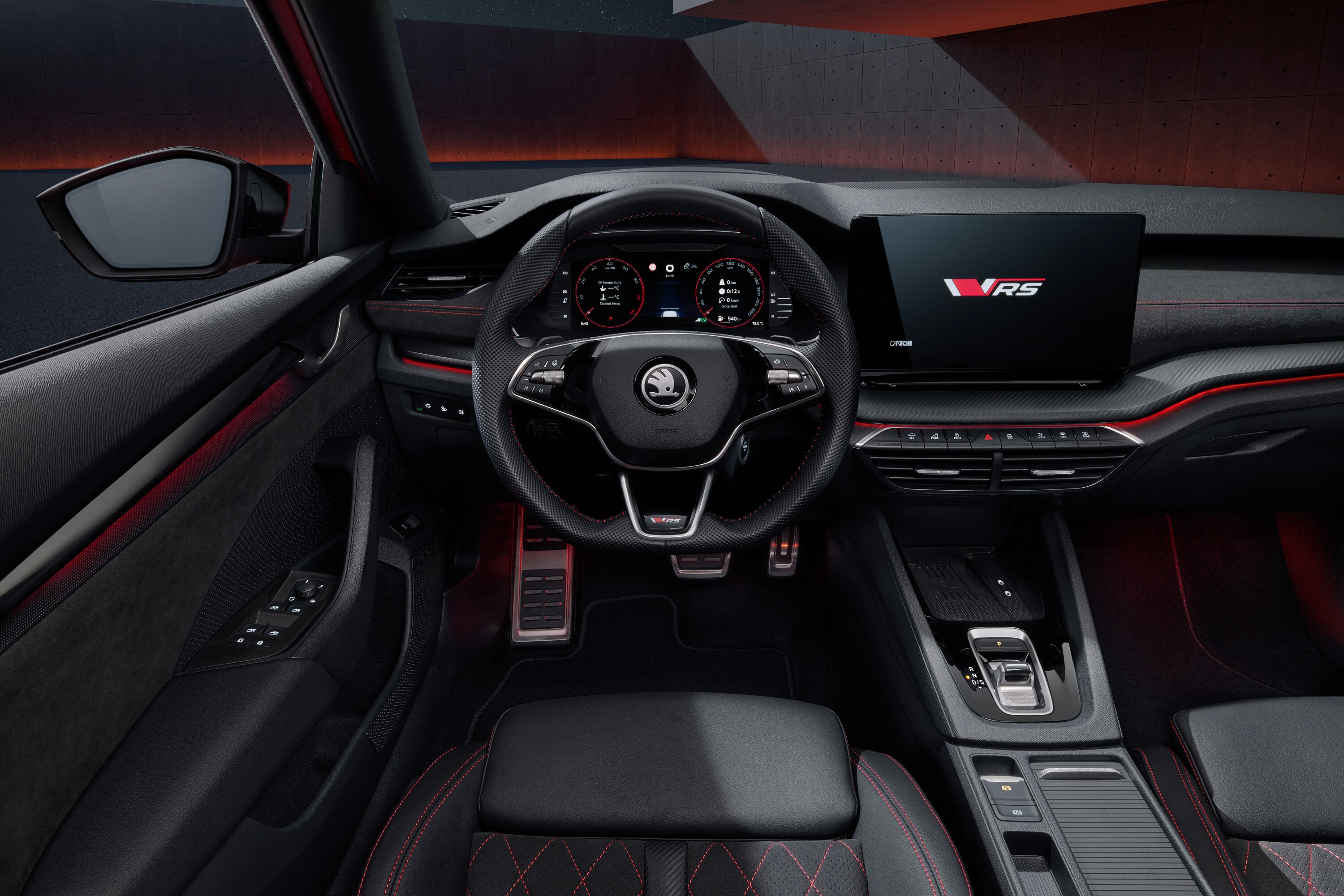
Inside, the Octavia receives an available 13-inch floating touchscreen – up from 10.0-inch in current models – running the brand’s latest infotainment system, which adds ChatGPT artificial intelligence within its built-in ‘Laura’ voice assistant.
1
The USB-C charge ports are now three times more powerful at 45 watts, while an improved keyless entry system can automatically lock and unlock the car when the driver is within 1.5 metres of the car while carrying the key.
The Octavia’s automatic parking system has been updated to also control acceleration and braking, while owners can control the vehicle in and out of parking spaces using a phone app in some markets.
It also has more sustainable materials and darkened interior trim, while its ‘simply clever’ features have been updated to include a new automatic retractable luggage compartment cover for the wagon, a dedicated storage box to hold rear passenger items, and the optional tablet holder can now be affixed to models with sports seats.
Updated active safety technology includes more advanced traffic sign recognition and more precise driver drowsiness detection which now monitors “information from various vehicle control units, such as lane assist” in addition to steering inputs.
1
Traffic sign recognition is currently unavailable in Australia – but this technology is making its first appearance in the facelifted VW Touareg due in April and could arrive in further vehicles from Volkswagen, Skoda and Cupra in due course.
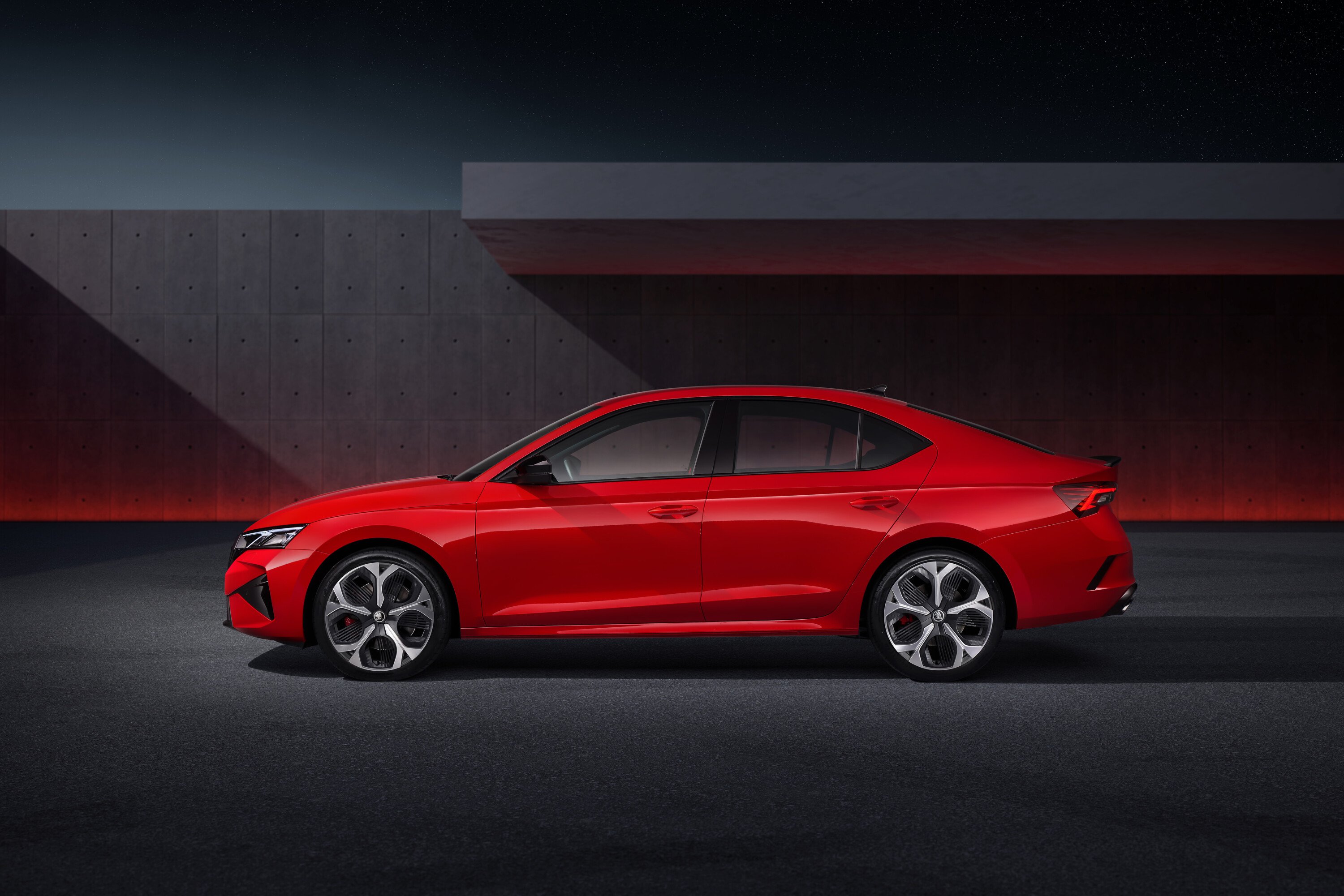
The Octavia RS receives a power bump in Europe, with outputs for the 2.0-litre ‘EA888’ turbo-petrol bumped from 180kW to 195kW. Torque remains at 370Nm.
Skoda has adopted an updated Atkinson engine cycle, known as the ‘Budack cycle’, for the 2.0-litre turbo-petrol which is said to improve efficiency.
1
The Octavia RS also has a new genuine sport exhaust with black tailpipes and improved engine software for improved sound by increasing revs at start-up and “more enjoyment” in the sport drive mode.
Mid-range Octavia variants fitted with a less-powerful version of the 2.0-litre turbo-petrol – which was available in Australia in 2021 in a limited-run variant – increases from 140kW to 150kW in Europe. Skoda Australia has no current plans to offer this powertrain.
The 2025 Skoda Octavia is expected to arrive in Australia in the first months of next year, with local details to be confirmed closer to its launch.
Skoda Australia recently launched a Sportline variant for the entry-level 110kW/250Nm 1.4-litre powertrain, which has the same $42,490 (liftback) or $43,990 (wagon) drive-away price as the Octavia 110TSI Style.
WATCH: Skoda Octavia RS review
MORE
Everything Skoda
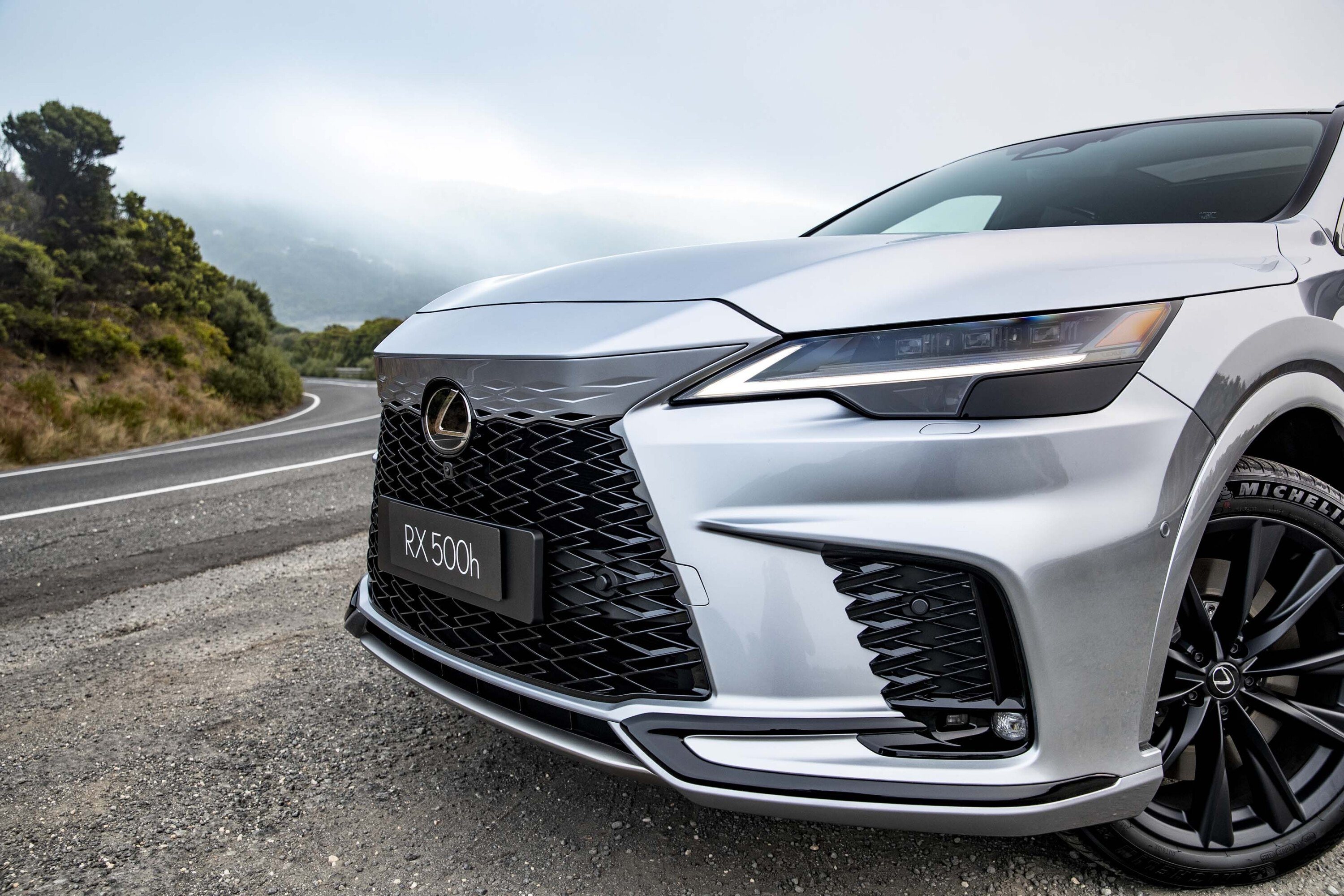
Introducing the Lexus RX 500h, the epitome of luxury and efficiency within the esteemed Lexus RX lineup.
As a distinguished member of the Lexus family, the 500h F Sport sits atop the RX line-up as the models most sporty variant, yet still as a hybrid.
In a competitive landscape filled with luxury SUVs, the RX 500h emerges as a true standout, if you’re not looking at insane performance figures.

1
Pricing and features
The range-topping Lexus RX 500h sits at an $7,700 premium to its one spot below sibling the 350h AWD Sports Luxury (including both the available enhancement packs) at $128,050 before on-road costs.
Powering the family SUV is a 2.4-litre turbo petrol engine producing 273kW. As we’re used to, Lexus doesn’t quote a combines torque figure however the petrol engine alone provides a commendable 460Nm– using a claimed 6.5L/100km.
The fifth-generation update saw dimensional growth in almost every direction. This means the current RX offers ample space, especially in the rear with 612L available.
1
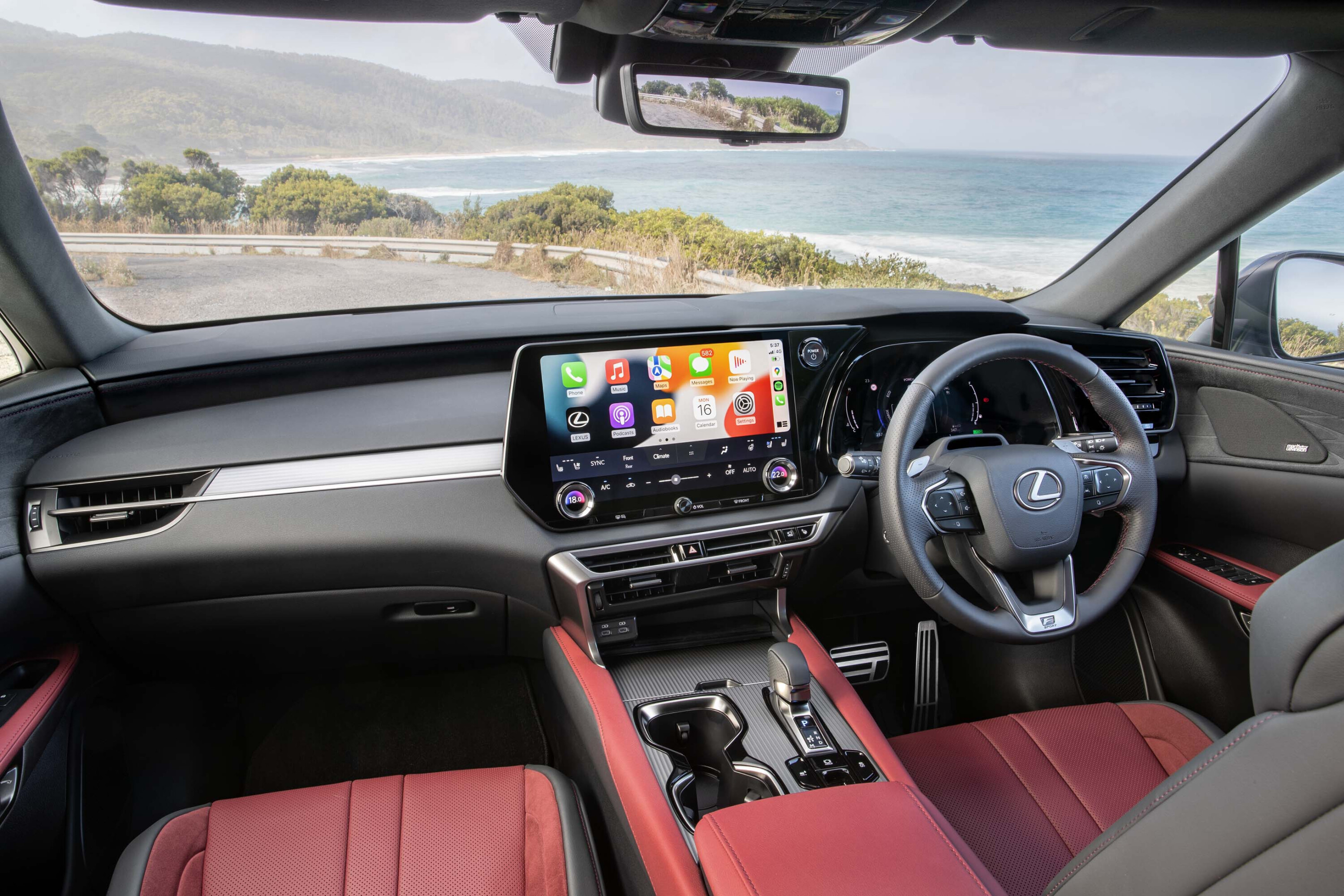
Spanning 14-inches, this infotainment screen ranks among the largest in its class. Powered by the brand’s latest user interface and software, the display is straightforward with a robust feature set and operates smoothly.
In addition to built-in navigation, the system offers wireless Apple CarPlay, wired Android Auto, DAB+ radio and a three-year subscription to Lexus Connected Services. This subscription grants owners access to emergency assistance, automatic collision notification, and remote functions via the Lexus Connected app.
Standard in the NX 500h F Sport you’ll get:
| 2-way power lumbar support for front seats | Head up display |
| 21-inch alloy wheels | Heated & ventilated rear outboard seats |
| 21-speaker mark levinson audio system | Heated steering wheel |
| 3 zone air conditioning | Leather accented seat trim |
| 8-way power adjustable front seats with memory | Leather accented shift knob |
| Active sound control | Panoramic roof |
| Adaptive high-beam | Panoramic view monitor |
| Adaptive variable suspension | Power back door with kick sensor |
| Black roof rails | Power folding rear seats |
| Cabin and door illumination | Rear privacy glass |
| Digital rear view mirror | Ventilated front seats |
| Easy-access entry (seat and steering wheel) | Wireless phone charger |
| F Sport grille, seats, bumpers and badging | Woodgrain ornamentation on steering wheel |

1
Safety
The RX 500h was awarded a five-star safety rating by ANCAP, covering all its variants following evaluation in 2022.
For adult occupant protection, it attained a score of 90%, with 89% for both child occupant protection and safety assist systems.
Featuring the Lexus Safety Sense package, the NX500h offers comprehensive safety features throughout its range, ensuring thorough protection.
2024 Lexus RX Safety System features:
- 8 SRS airbags
- Automatic High Beam
- Blind Spot Monitor
- Dynamic Radar Cruise Control
- Lane Departure Alert
- Lane Tracing Assist
- Pre-Collision Safety System
- Road Sign Assist
- Parking Support Brake
- Rear Cross Traffic Alert
- Safe Exit Assist
- Front and Rear Parking Sensors
- Driver Monitor Camera
- Tyre Pressure Warning System
- Rear Seat Reminder
1
Key rivals
With its sporty focus, the RX500h F Sport competes against other performance variants of the following competitors:
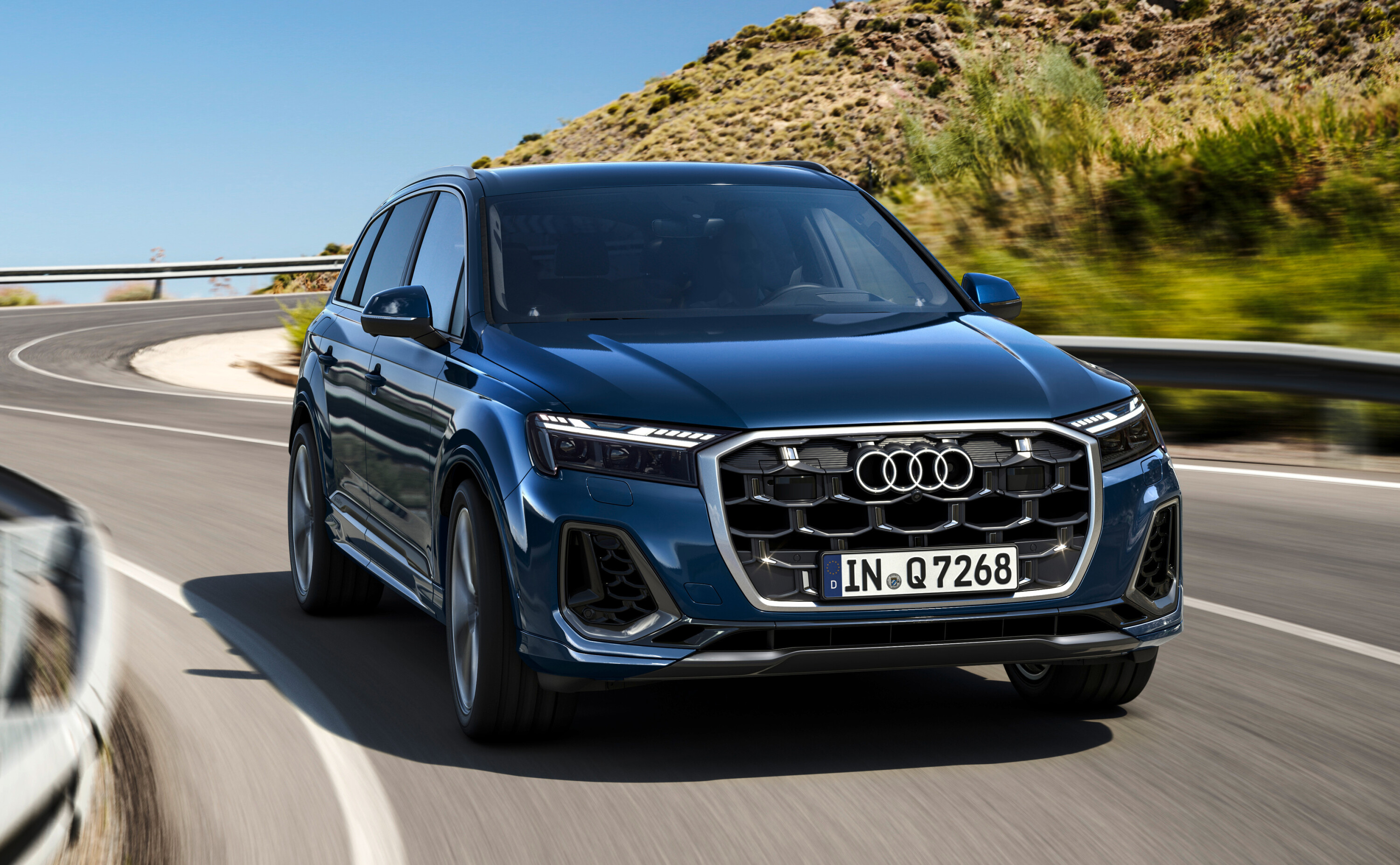
1
Should I put it on my shortlist?
In the world of luxury SUVs, there really is no shortage of options. Any box can be ticked from the super luxury to faster rivals. But the RX manages to tick all the boxes to some degree.
It’s a hugely refined offering that is even able to match the fuel economy of some hatchbacks.
Bit with that being said, ultimately the 350h offers much of the same. You’ll still get a heap of creature comfort features, the perks of a hybrid powertrain and a several thousand dollars back in your pocket.
MORE
Everything Lexus
MORE
SUV Buyers Guide
