November 2023: You saw the Iconic SP concept, but do you remember this one?
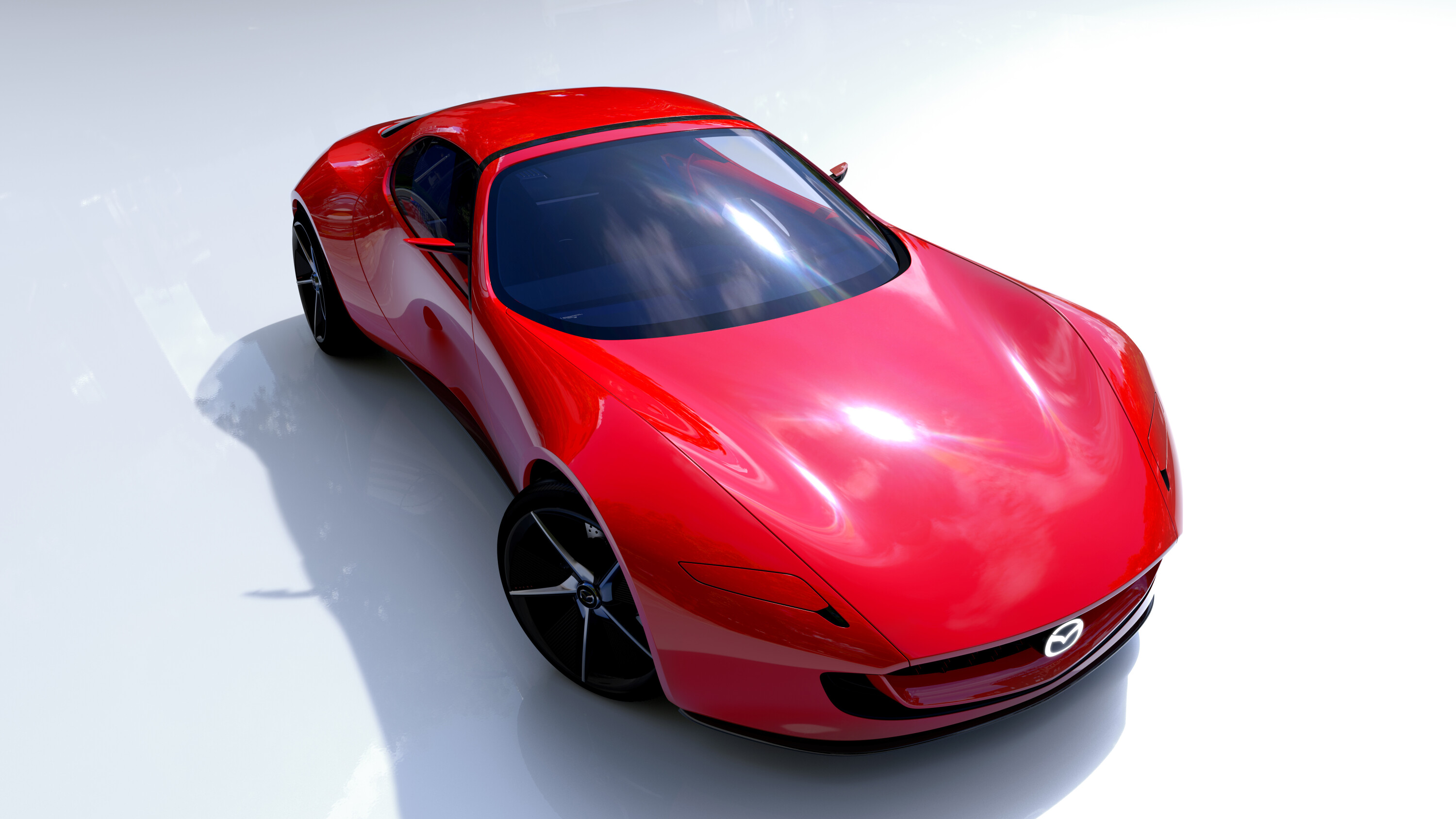
Last week’s unveiling of the new Mazda Iconic SP concept, a rotary-electric sports car that could preview the next MX-5 and a reborn RX-7, got us to thinking about the MX-5 Coupe that never really had a chance…
Learn about the Iconic SP’s RX-7 potential at the linked story here, and catch up on Wheels editor Andy Enright’s great MX-5 Coupe yarn below!
September 2021: Mazda’s forgotten MX-5 Roadster Coupe was culled before its time
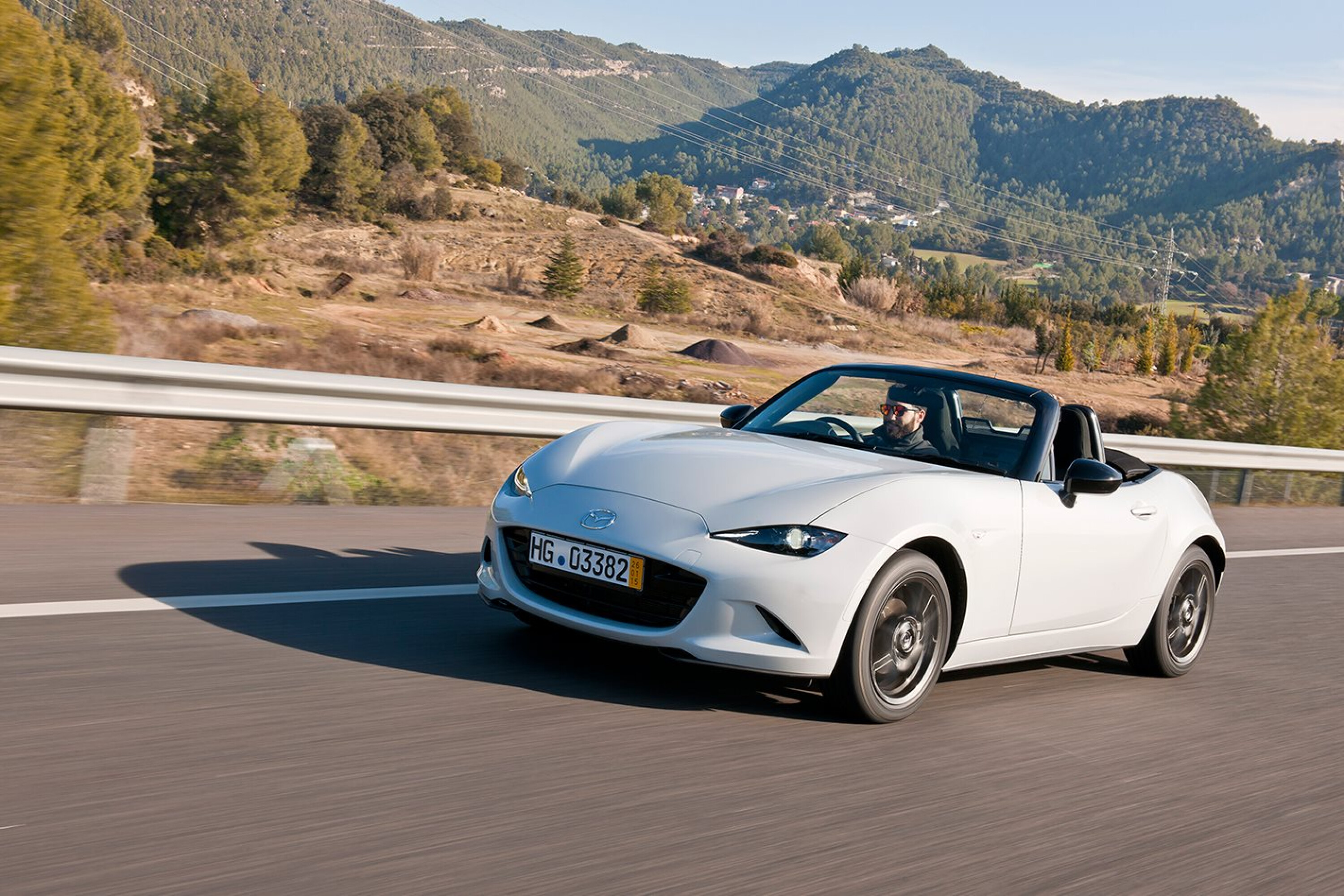
Okay so we might be stretching things somewhat describing the Mazda MX-5 Roadster Coupe as fast, but it’s such a rare beast that it has us intrigued.
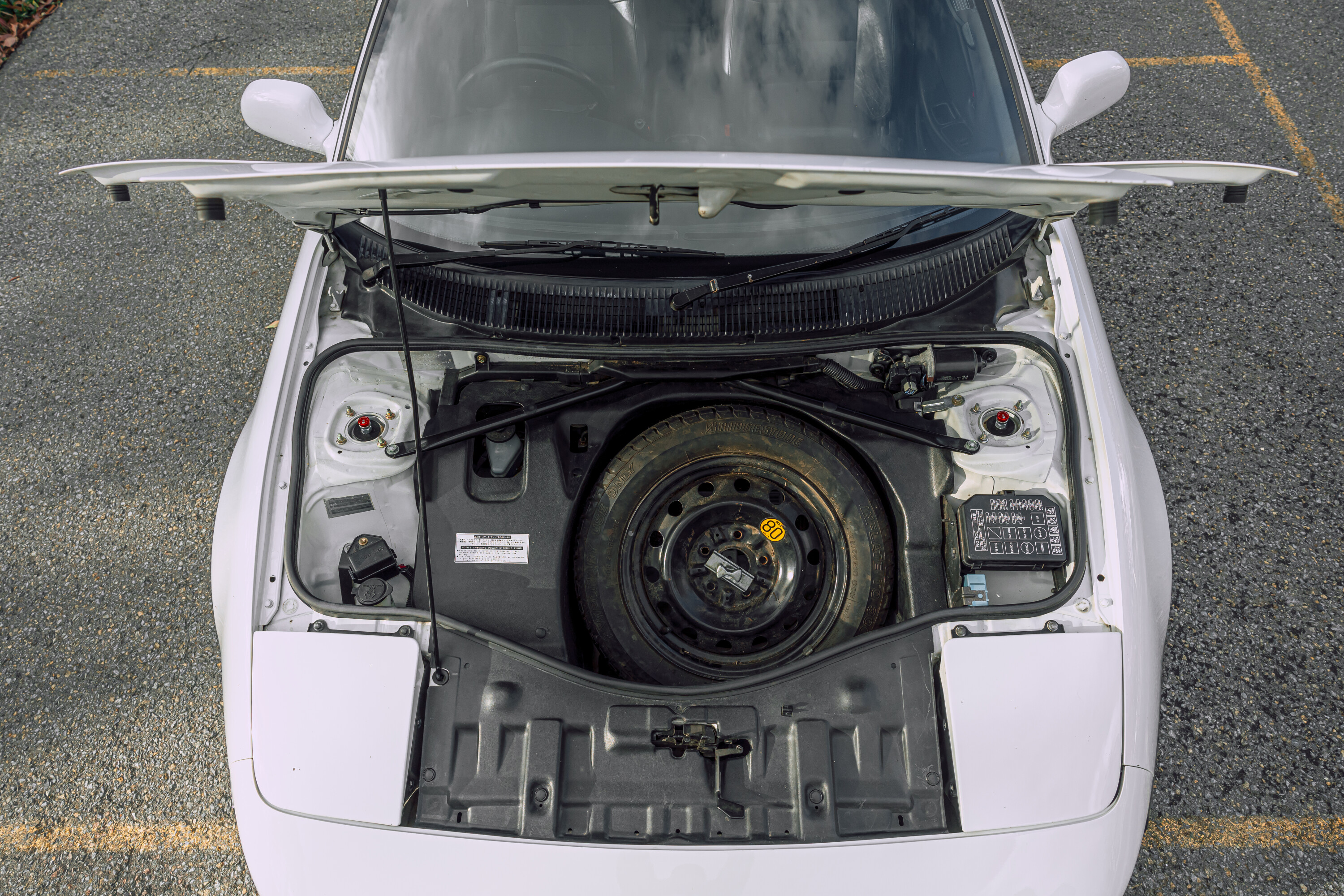
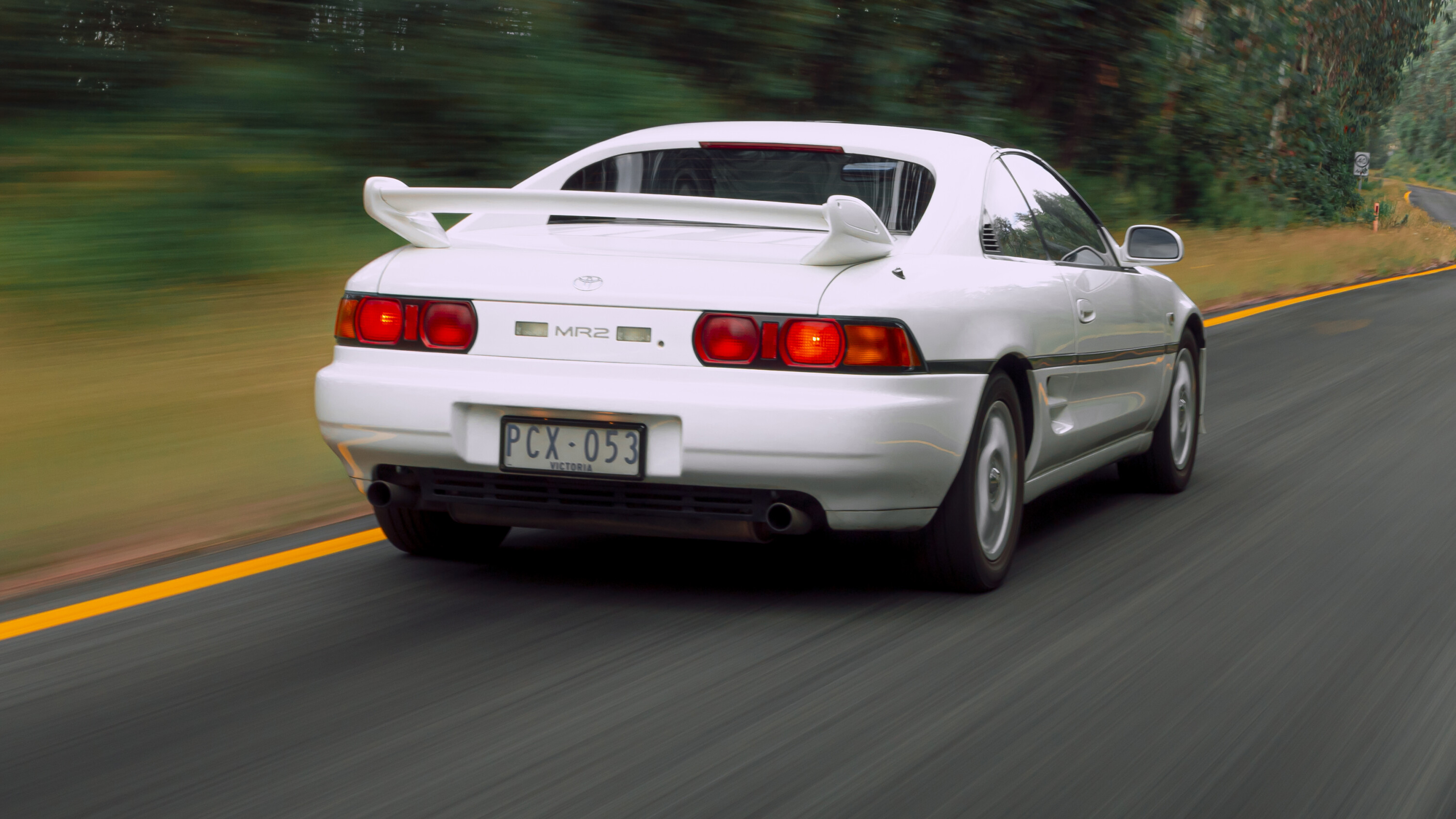
Taking the popular NB roadster as a base, Mazda Engineering and Technology supervised the design of a fixed-head coupe version. Only 179 examples were ever built, all sold through the Japanese domestic market, and they are now highly prized by collectors.
Four versions were made. The base model featured a 1.6-litre engine and accounted for 53 units. The Type E was the entry-level 1.8-litre model and was fitted with an automatic transmission as standard. Only 23 were ever built. Neither this model nor the base 1.6 are eligible for private import into Australia. No great loss.
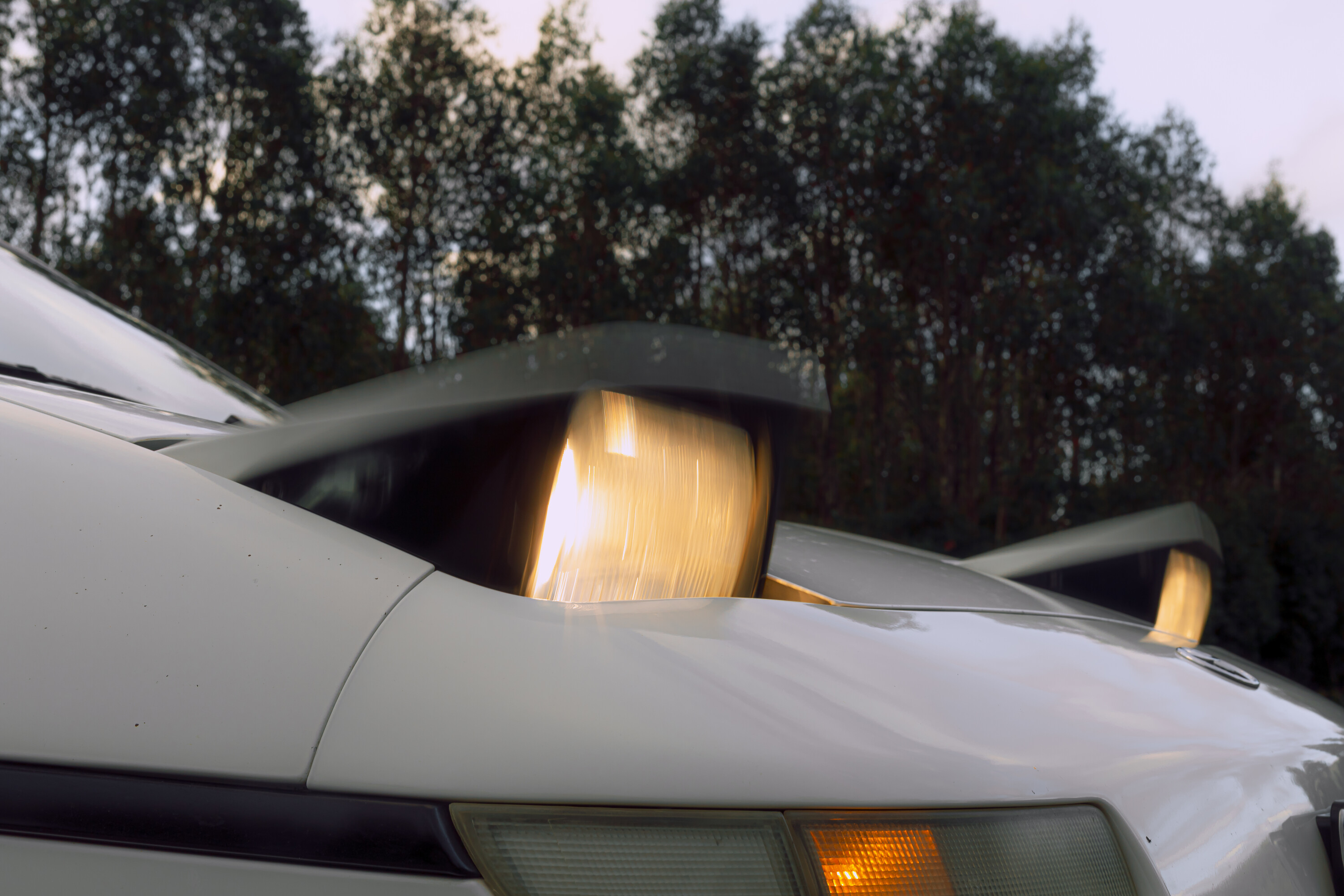
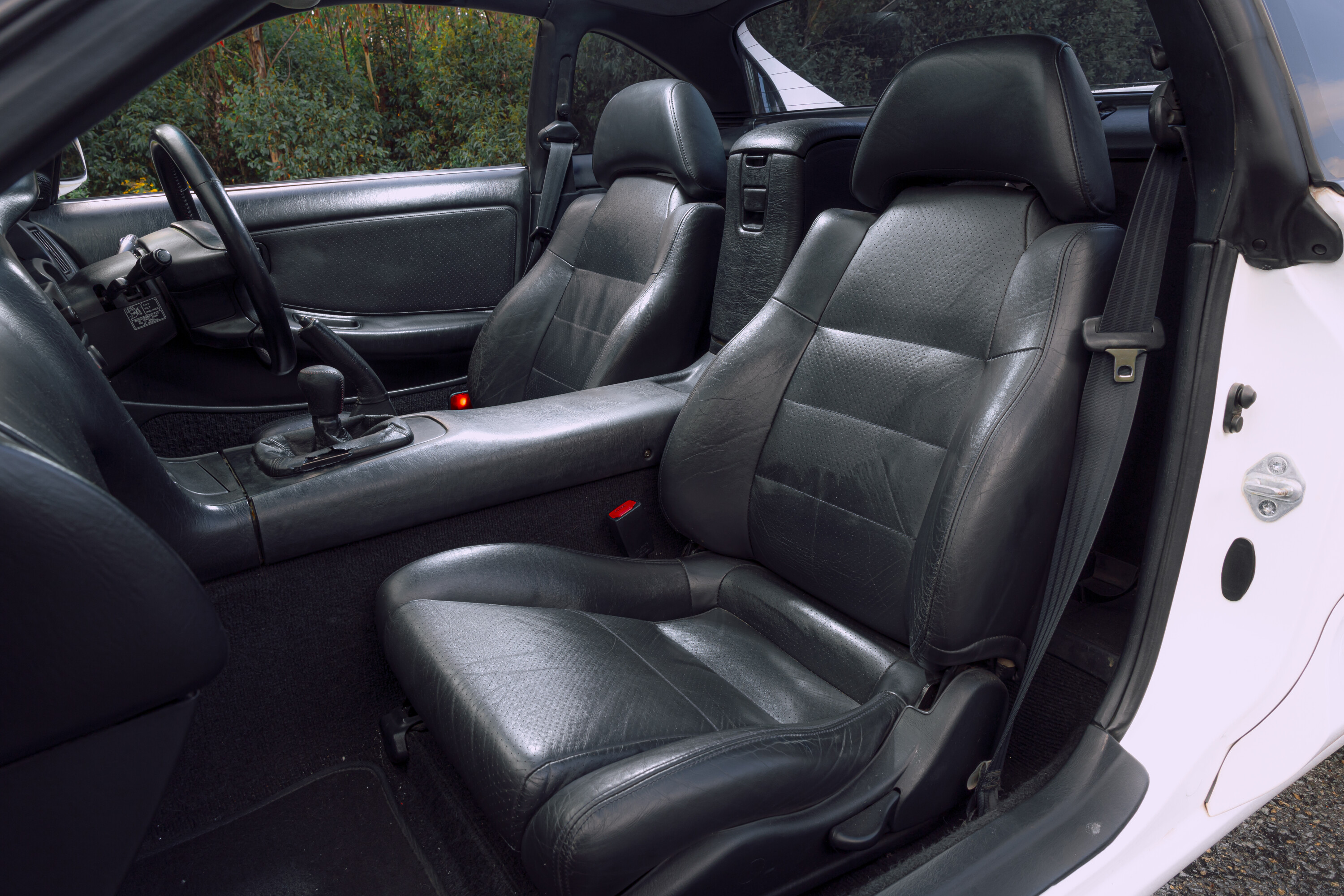
The more interesting models are the Type S and Type A sports models. These both feature the 118kW 1.8-litre engine mated to six-speed manuals and got Bilstein shocks with a front strut brace fitted. Now we’re talking. The Type S was offered in either red, white or silver and 63 examples left the Ujina 1 factory. The Type A got restyled lights, bumpers and fender flares, with 40 units being built between 2003 and late 2004. The gooby-eyed Type A remains a bit of an acquired taste.
Values? It’s not easy to put a price on a car with such a minuscule production run, but a Type S recently sold at auction in Australia for $40,250. Given that we’ve seen low mileage stock Mazda RX-8s fetch more than this of late, somebody got one heck of a bargain. Still, as is the case in any market, the value is what one person is prepared to pay.
1
It’s hard to know exactly how many remain in circulation, as a big draw was that the stiffer bodyshell made the Roadster Coupe a better fit for motorsport endeavours.
These cars are certainly extremely rare in Australia, with only two examples of the desirable Type S currently registered down under.
The fixed roof added a mere 10kg to the kerb weight of the MX-5, which means that a Type S will tip the scales at just 1080kg. Quite why Mazda insisted on calling it a Roadster Coupe when it was clearly just a coupe is anyone’s guess, but increasing the stiffness, refinement and, to this eye at least, the aesthetics of the NB MX-5 seems a recipe too good to be shared with just 179 owners.
Ultimately, Mazda realised that it was possible to make the MX-5 roadster, already a great car, into something more focused again. In the end it’s a real shame that the company never persevered with a more generous production run.
Mazda never managed to fulfil the planned 150-car run of Type E or 200 model allocation of Type A, although it’s possible that a fire that destroyed 8000 sq metres of the Ujina No. 1 plant in December 2004 forced Mazda to refocus on its core models.
It’s been a long, long time since we could rely on a dozen big international motor shows each year, with most brands now looking to their own events – keeping the spotlight all to themselves, if only for a night.
However, this week’s Japan Mobility Show – formerly the Tokyo Motor Show – has seen the country’s top brands pull out all the stops to unveil some tasty and evocative show cars.
Wheels had John Law on the ground in Tokyo for the event, and you can see his full wrap on the big reveals here, or check out the individual stories listed below.
2023 Japan Mobility Show: This year’s most significant reveals
Did you have a favourite reveal at the show? I confess I’m torn between a few, but that’s a good problem to have, compared to the alternative.
I’ve polled our team for their faves. Tell us which reveals you liked in the comments below!
8
Jez Spinks
Toyota EPU Concept
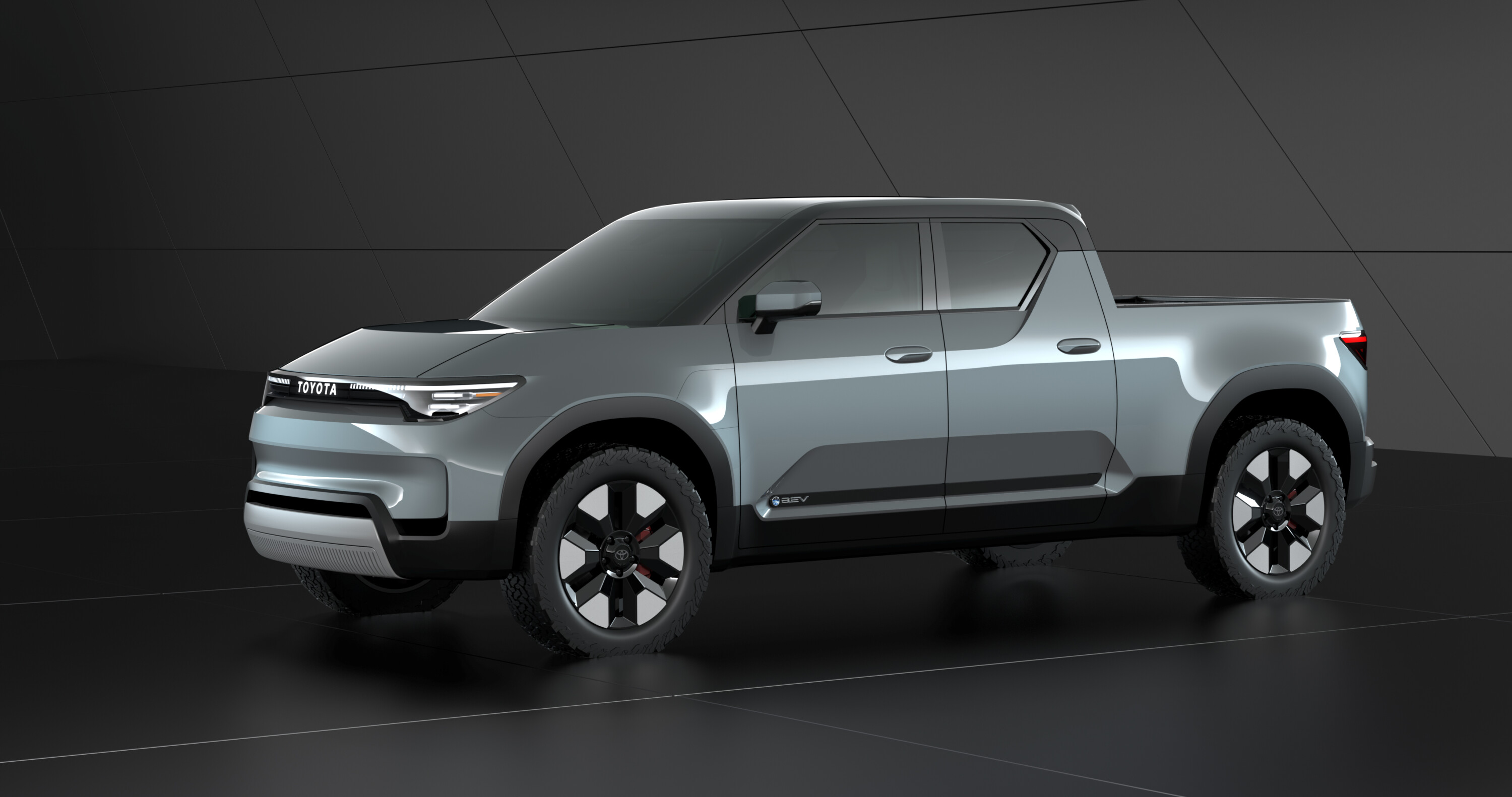
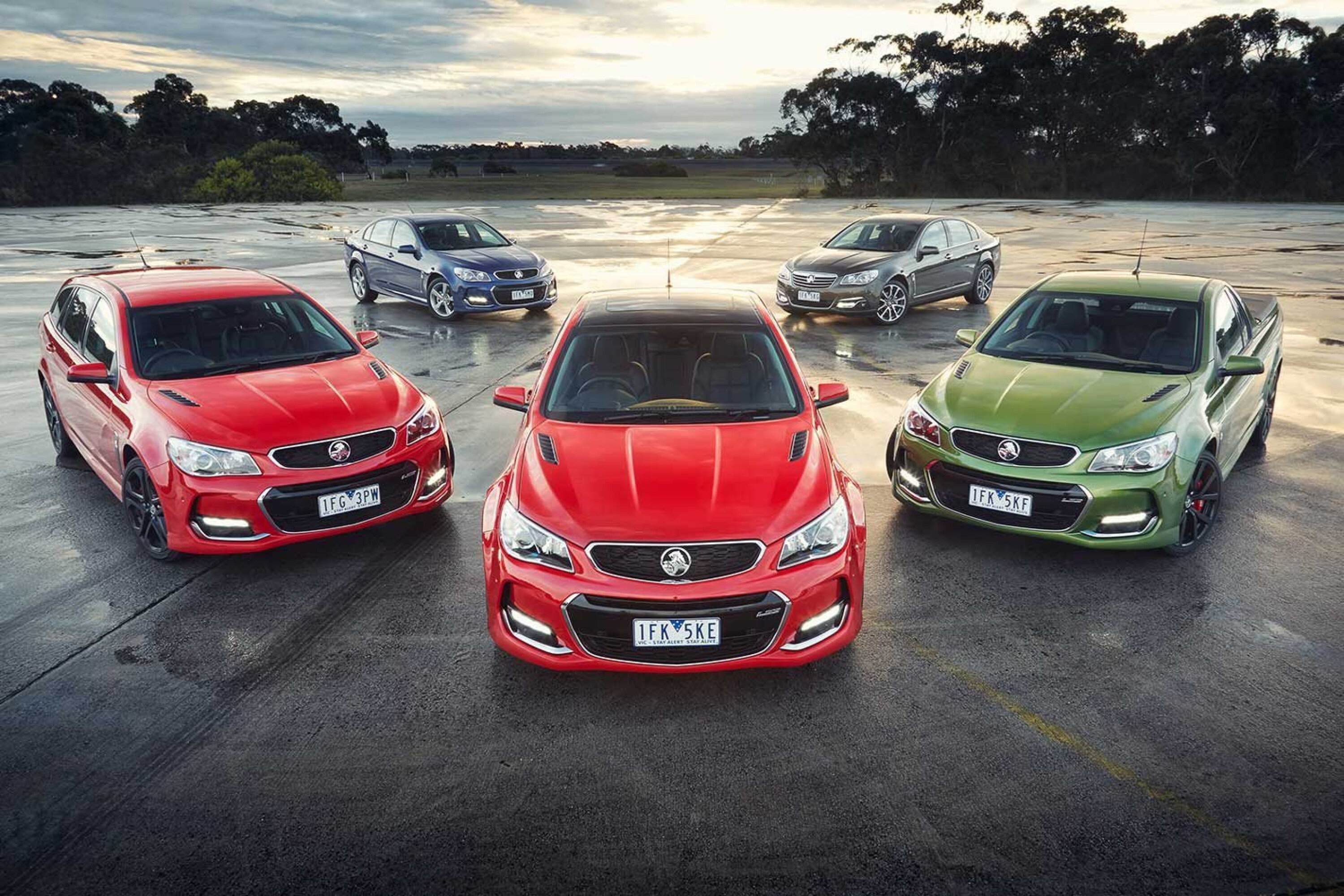
As vastly improved as some dual-cab utes have become, I still miss the car-based Falcon and Commodore utes. The Toyota EPU concept still looks more a HiLux, but it’s easy to imagine it being vastly better to drive. And with Ford and Hyundai seemingly determined to deny us the Maverick and Santa Cruz, respectively, then the other thing to love is that Toyota Australia has already put its hand up for a potential production version.
7
Mike Stevens
Toyota LandCruiser Se concept
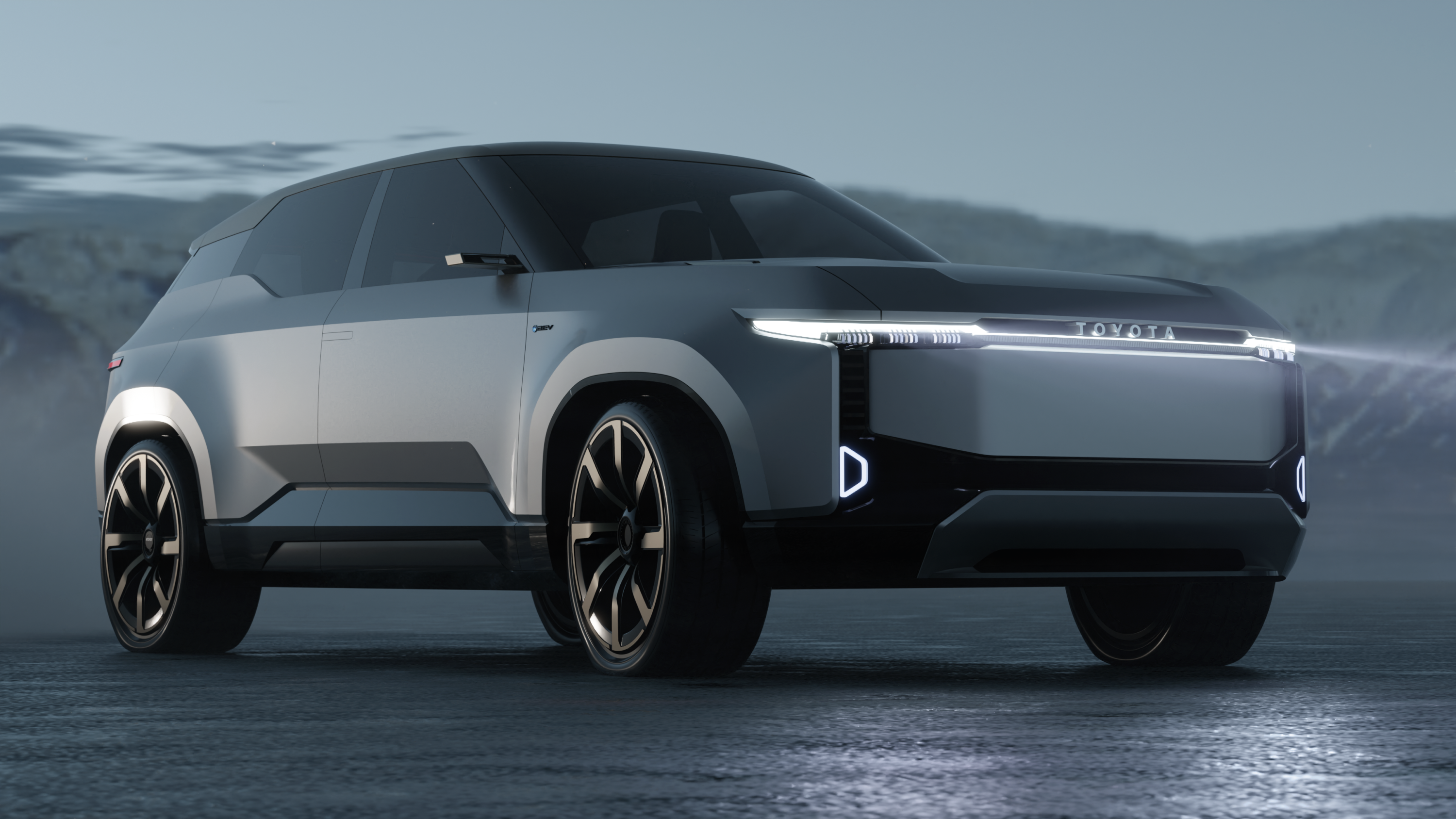
It feels odd to be favouring an SUV when a number of stylish sports models were revealed at the same event, but, well… here we are. I really feel Toyota has nailed this one, introducing a stylish and upmarket look that appears focused on the road, but could well prove as capable off-road as most buyers will need.
Naming it LandCruiser is, of course, the odd piece here. It has Kluger vibes more than anything else – but, perhaps Toyota has taken a tip from Ford, using a historic and iconic name for a new and largely unrelated electric vehicle. It seems to have worked for the Mach-E, if North American sales figures are anything to go by… [↗]
9
Andy Enright
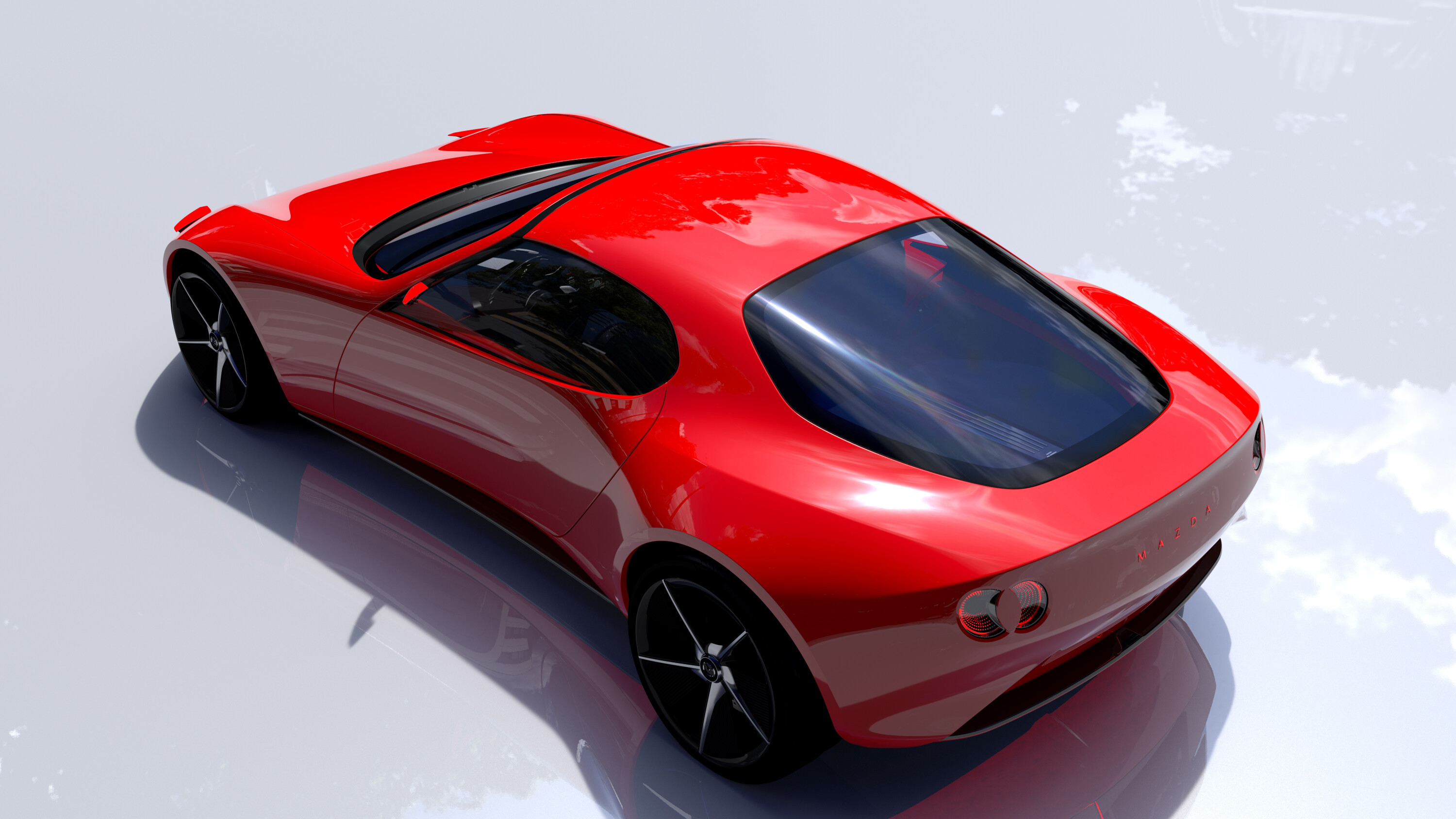
Mazda Iconic SP
It’s been a while since I saw a show car that created such an instant and tangible desire. The MX-5 and RX-7 are some of the most revered sporting nameplates, so Mazda has a huge responsibility not to stuff this up. Maybe the fancy doors can go, but otherwise this car needs to come to market looking as close to this as possible. Whether pedestrian crash legislation allows that is open to question.
4
John Law
Daihatsu Osanpo
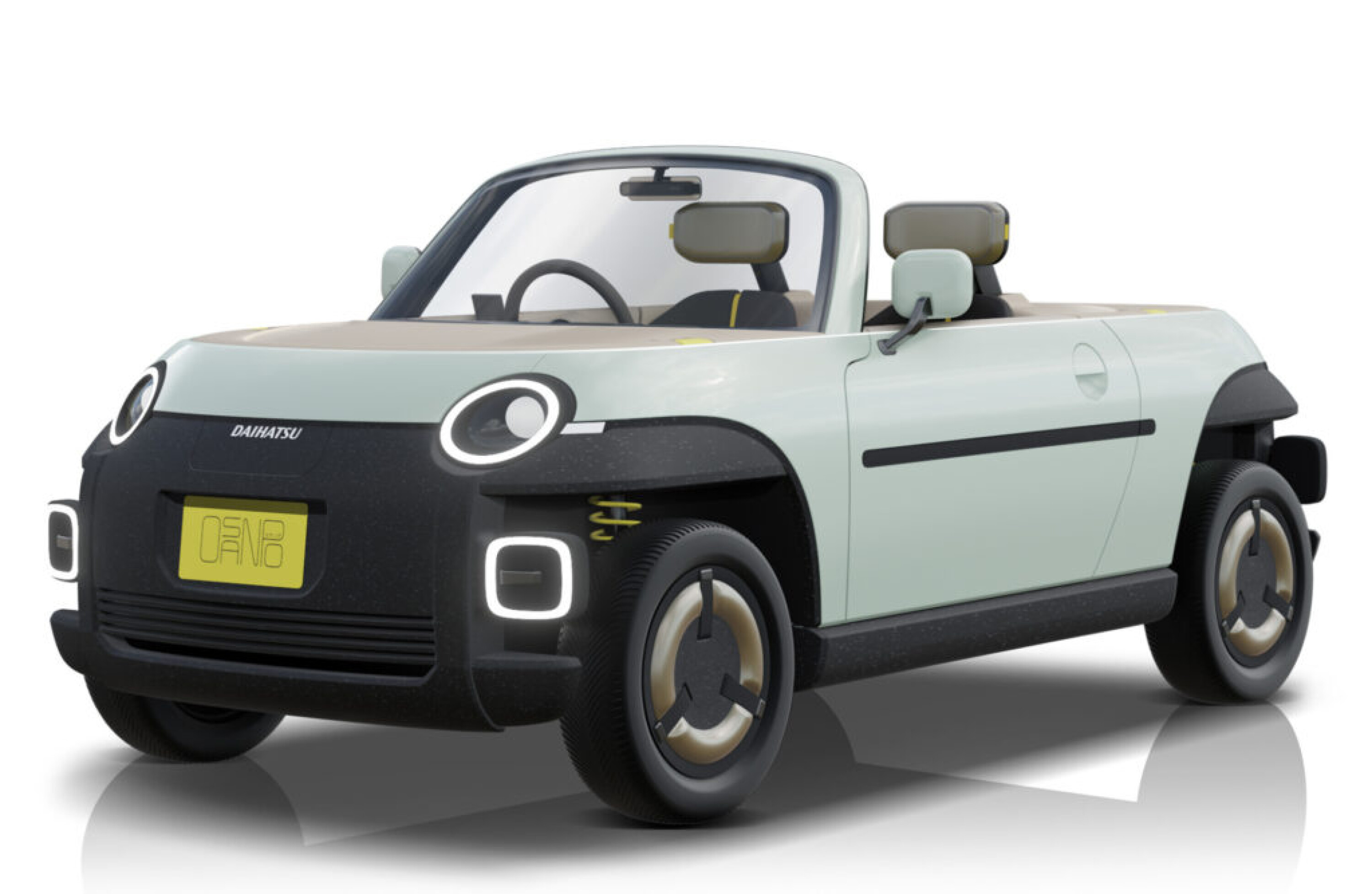
A lifted roadster with a funky Lotus-like cabin. I love the design freedom exercised here; who on earth asked for an electric open-top off-roader?
Almost certainly no one (and certainly no Australians) but that’s precisely why I love what Toyota’s micro-car subsidiary has come up with in the Osanpo.
1
Jordan Hickey
Mazda Iconic SP concept
For me, it’s a tough choice between Toyota’s EPU electric ute concept – a rival to the Ford Maverick and Hyundai Santa Cruz that would have great appeal locally – and the Mazda Iconic SP concept.
Mazda’s voila red concept prevails with its gorgeous look, pop-up headlights, and hybrid rotary range-extender powertrain.
If it reaches production, the signs point to a RX-7 revival – or at least a retro-inspired MX-5 ready for the electrified era. And if the NE MX-5, due around 2026, looks anything like this, I’m all for it.
1
Shana Zlotin
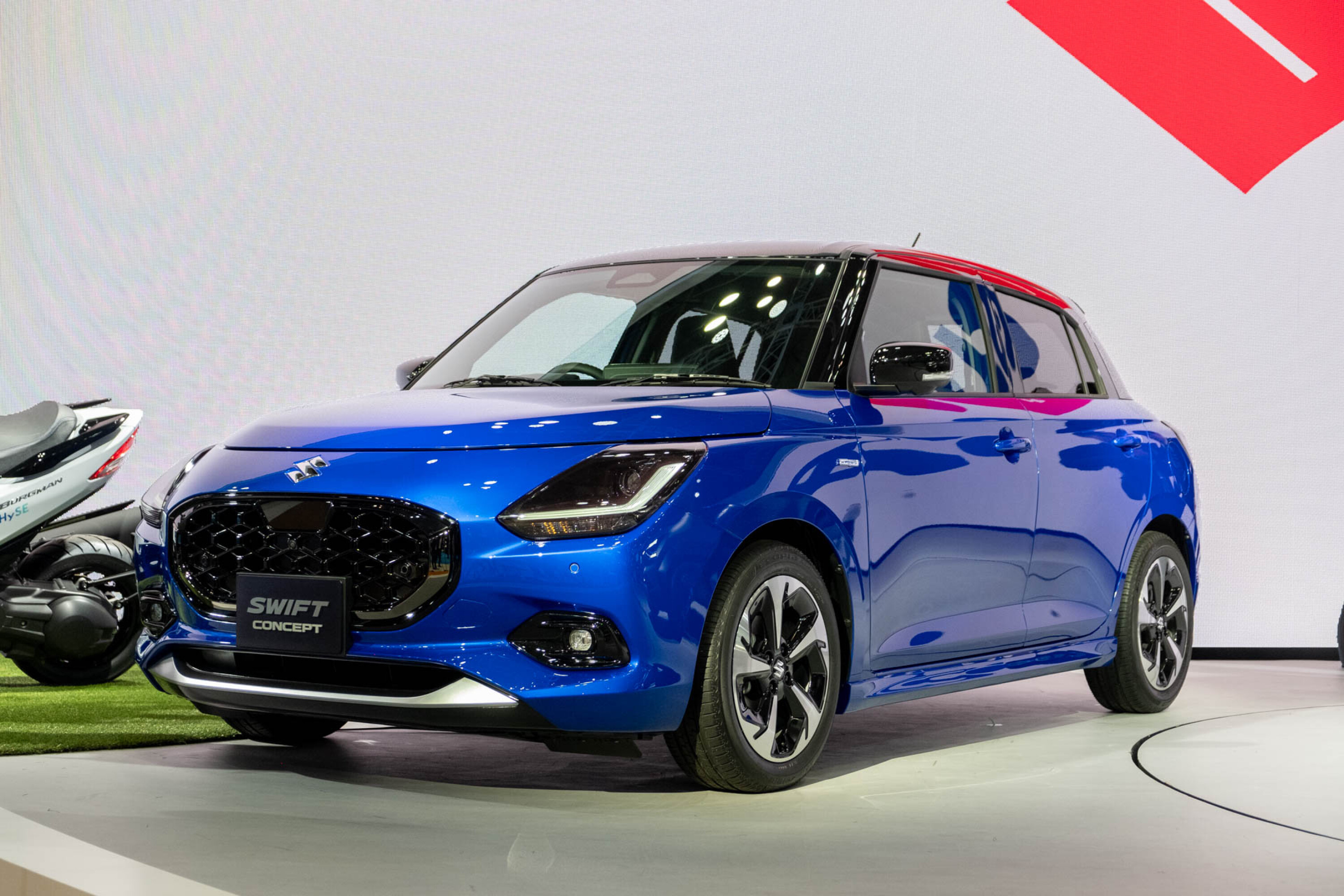
2024 Suzuki Swift ‘concept’.
The changes are subtle, so I guess if it ain’t broke, don’t fix it. It’s even regained its rear door handles.
Maybe the designers have tried to ‘fix’ it up in a previous generation and perhaps realised it was already perfect as is ? #longlivetheswift
5
Tim Robson
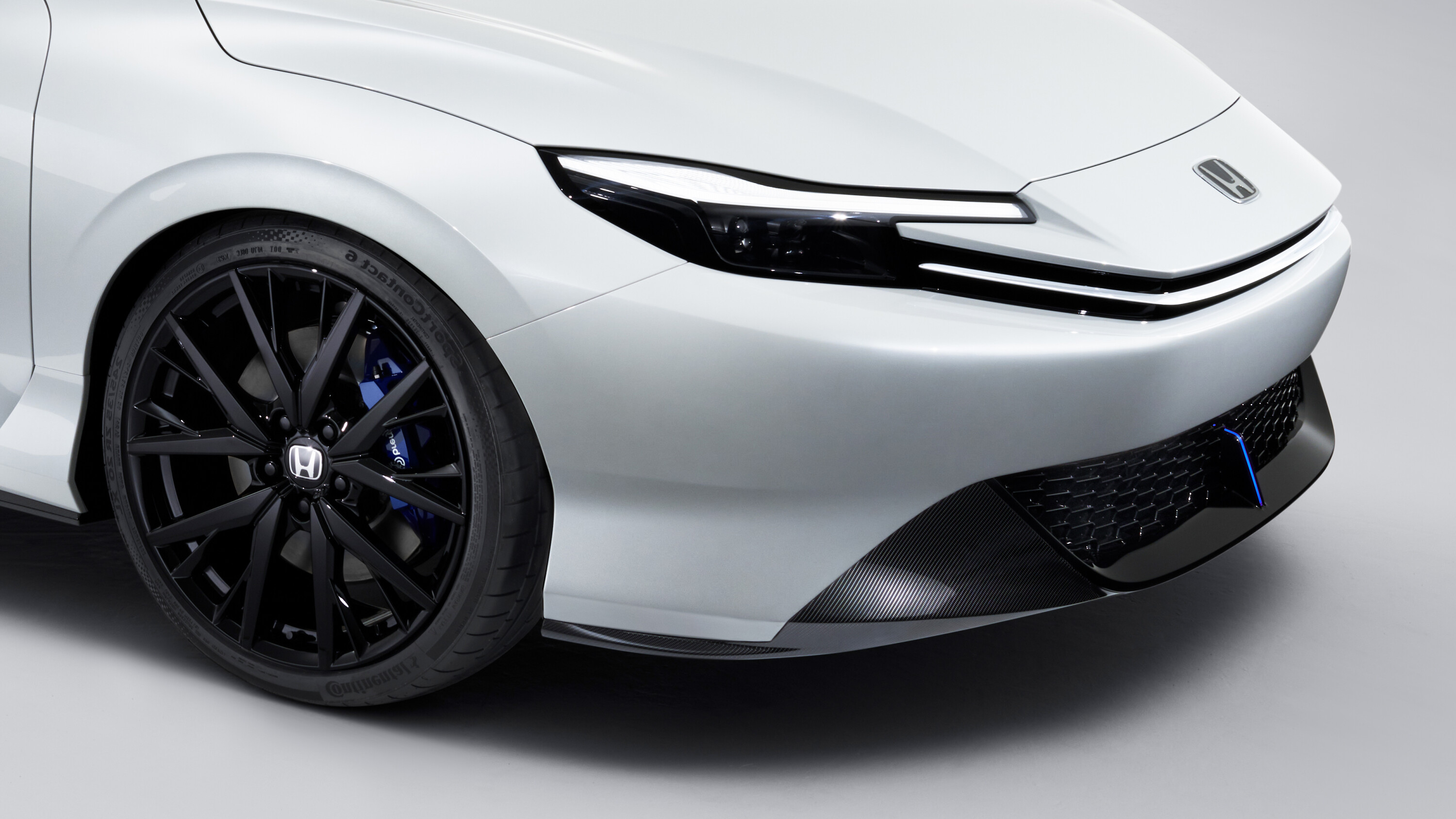
Honda Prelude
Honda has spent the last few years – Civic Type R notwithstanding – being the punchline of the joke. The new Prelude is a stunning return to design form for a company whose sedans and coupes defined an era of affordable, dependable and good looking cars. Is this the beginning of the crossover pushback?
1
Haitham Razagui
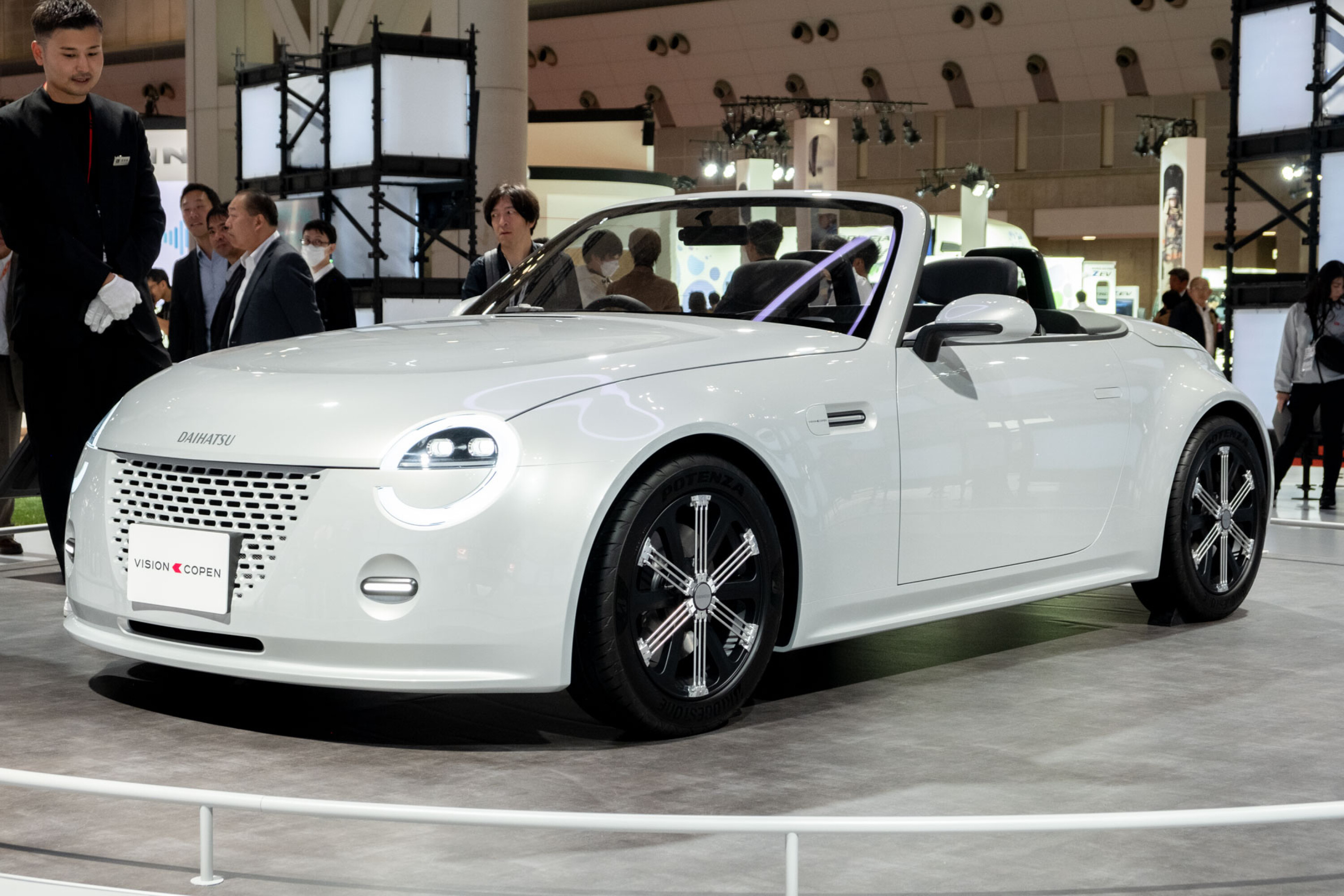
Daihatsu Vision Copen
Daihatsu reprising its Copen kei sports car was a highlight for me. Compared to the cute but dumpy early 2000s original the Vision Copen’s proportions are spectacular – just look at that wheelbase! It is also wins extra points for becoming rear-wheel drive and, unlike the original, probably big enough for me to fit into. Finally, just as the first-generation Copen spawned bodykits to make it look like a miniature Audi TT, I can immediately see people making this into a baby Bentley.
9
Tim McAlpine
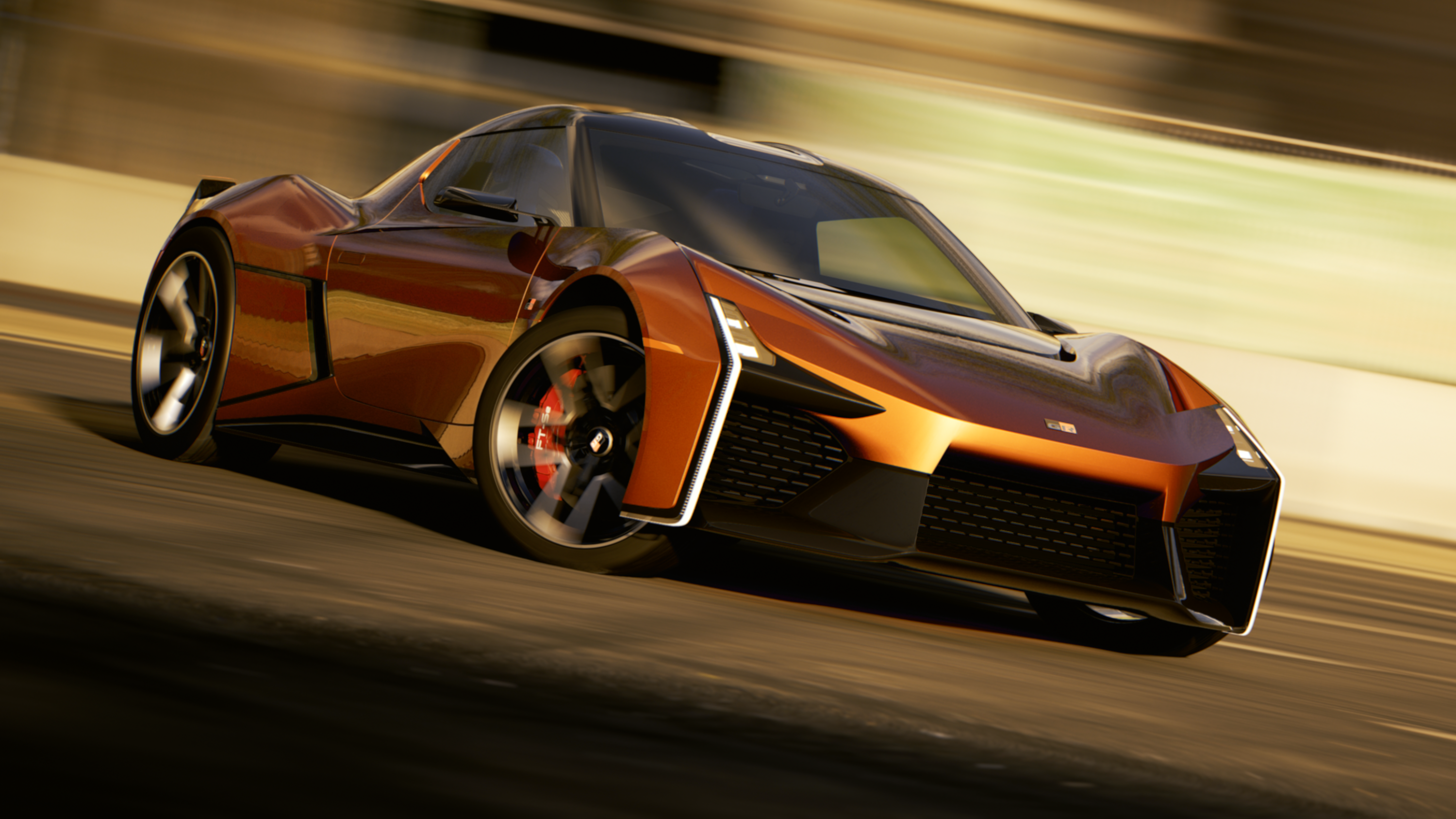
Subaru Sport vs Toyota FTSE Concept
The Sport concept could’ve been the highlight of the show and a great opportunity for Subaru to show its future-thinking pathway. However, personally, I think they have missed the mark trying to go extreme – but not quite far enough. Toyota,, on the other hand has shown Subaru how it’s done with an incredible-looking futuristic vehicle. Maybe it’s just the McLaren vibes winning me over, but its definitely my favourite from the Japan Mobility show.
*SP Rotary concept is a close second; a very clever concept from Mazda that will appeal to a large audience.
2023 Japan Mobility Show: This year’s most significant reveals
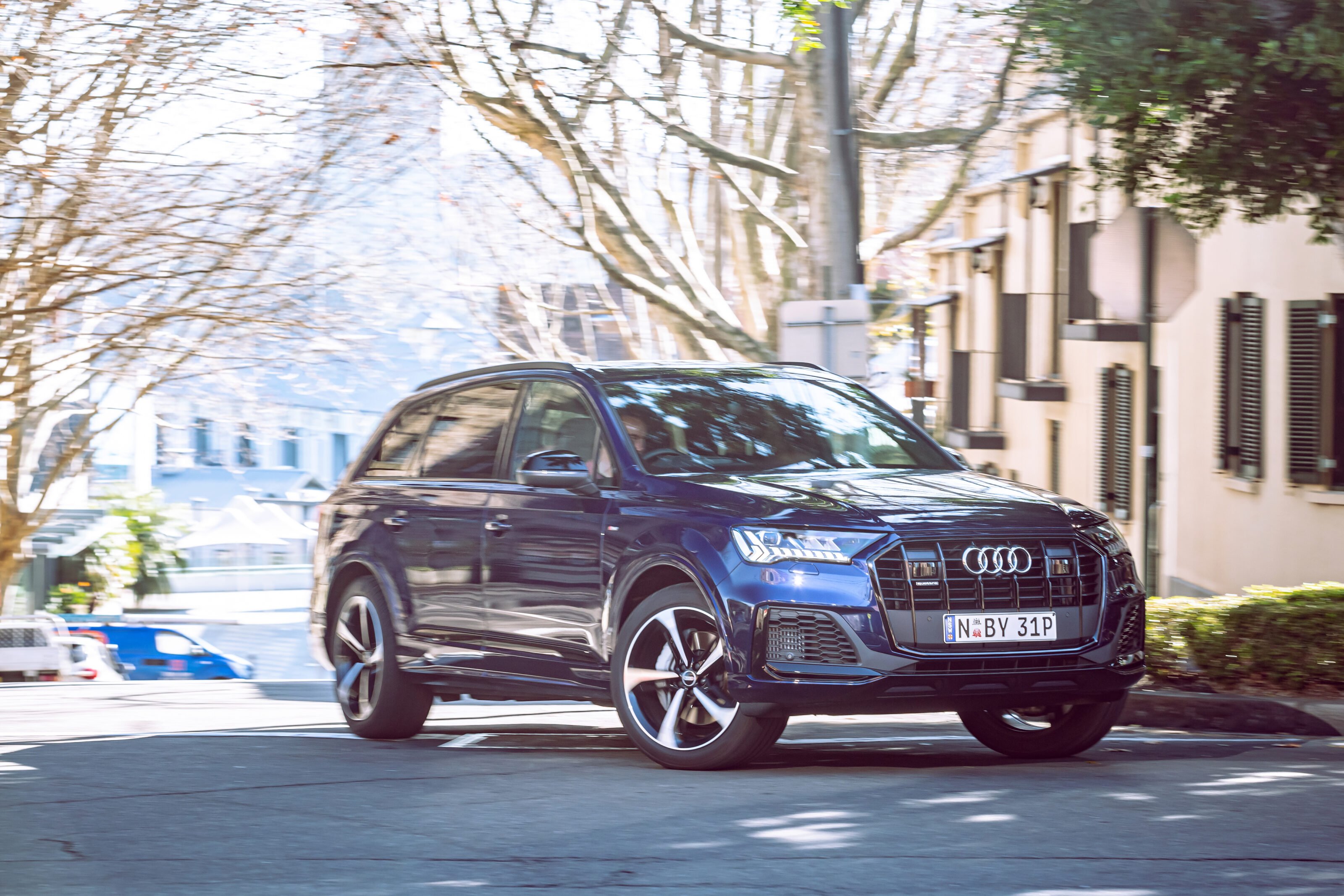
A successor to the seven-seat Audi Q7 large SUV could be the brand’s final all-new internal-combustion vehicle
With the German luxury brand promising to launch only battery-electric vehicles after 2026, the third-generation Q7 will likely remain on the MLB Evo platform.
The first-generation Q7’s 10-year lifespan suggests a similar timeframe for the current vehicle, which launched in 2015.
A major update in 2020 introduced exterior tweaks and an overhauled cabin similar to its newer Q8 coupe SUV sibling, with another revision expected to debut later this year.
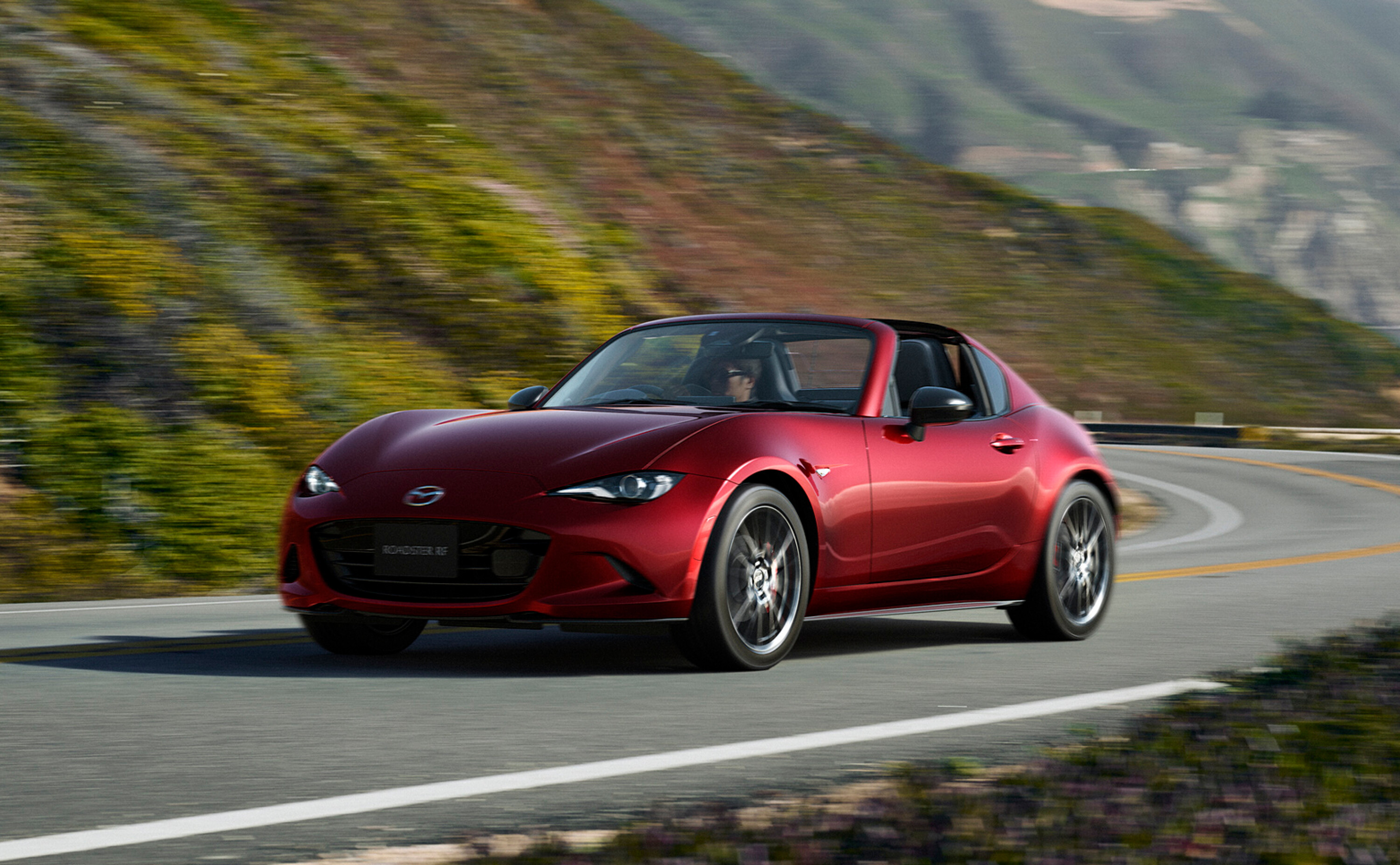
Although it might look similar, the MX-5 has been updated over the years, with an improved 2.0-litre engine, additional technology, new paint colours, special editions, and the deletion of the entry-level 1.5-litre engine.
So, what’s next for the iconic MX-5?
A senior Mazda executive has confirmed a next-generation MX-5 is on track for a circa-2026 launch.
“The MX-5 is an icon in the Mazda product lineup and we have a lot of promise with our current MX-5 owners spread all over the world, so we will continue our MX-5 in the future,” Mazda’s director and senior managing executive officer, Yasuhiro Aoyama, told Wheels.
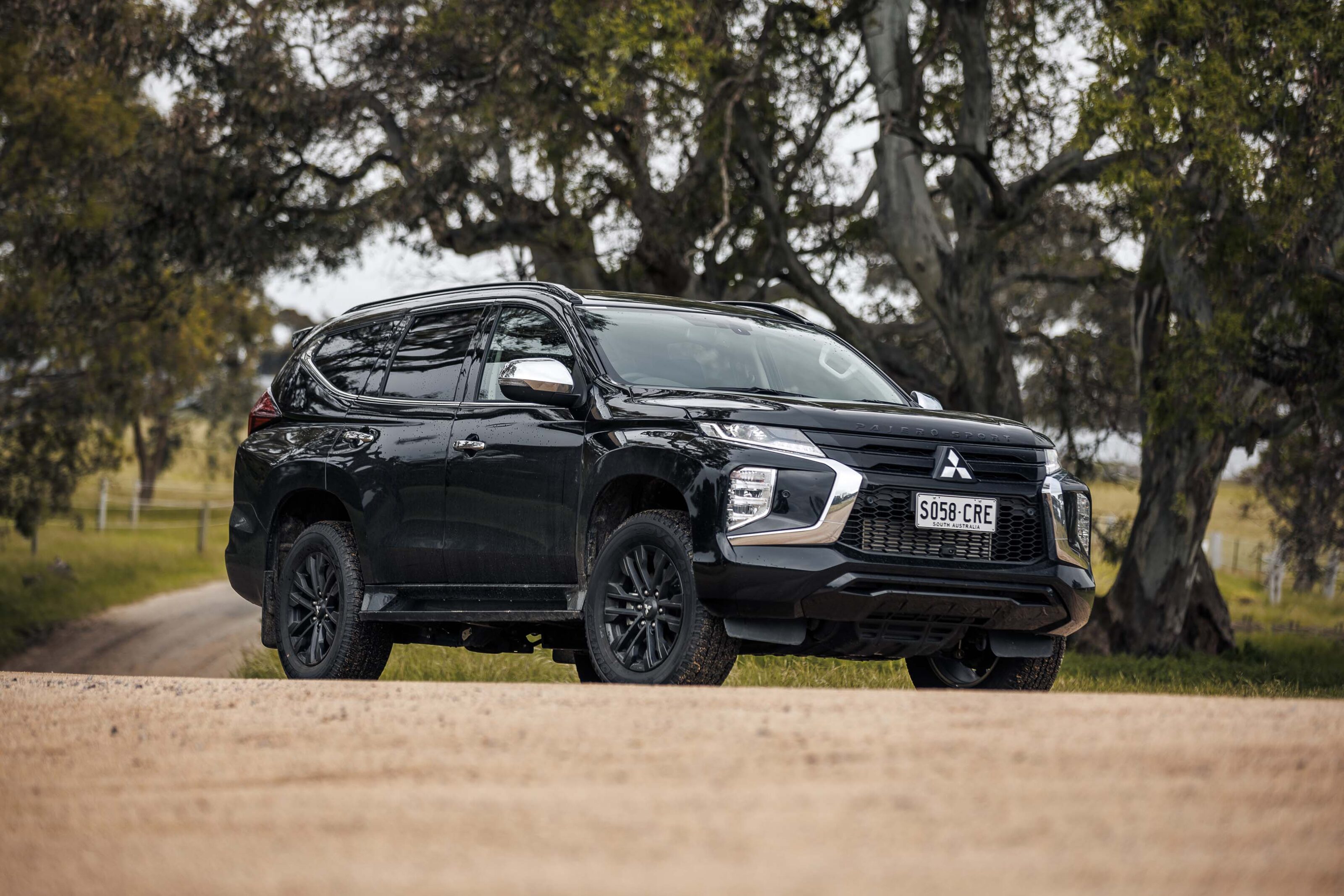
While the next-generation Triton ute has finally debuted, less is known about its SUV twin, the Mitsubishi Pajero Sport.
First launched in 2015, the current Pajero Sport – a nameplate new to Australia, replacing the Challenger – is expected to remain on sale for at least another 12 to 18 months.
The existing model is one of Australia’s most popular large SUVs, with affordable pricing compared to other body-on-frame vehicles, including the Toyota LandCruiser Prado, Isuzu MU-X and Ford Everest.
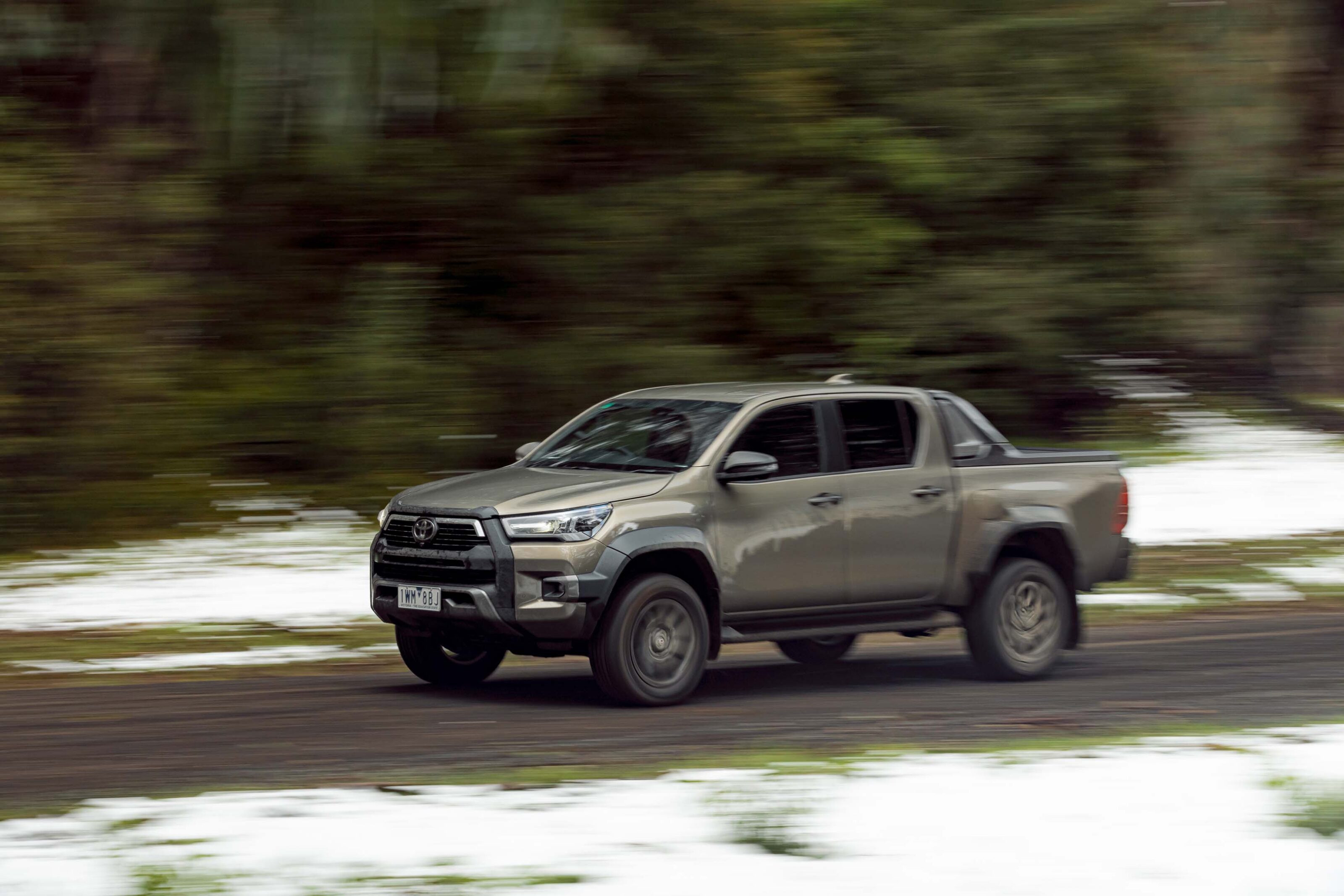
Australia’s top-selling vehicle is approaching the end of its current lifecycle.
The current Toyota HiLux was unveiled in Australia in 2015, reflecting its importance in the local market.
Launched with a brand-new 2.8-litre four-cylinder turbo-diesel, it was updated in 2020 with more power and a facelifted design.
And, despite competition from the latest Ford Ranger, Volkswagen Amarok, Isuzu D-Max and Mazda BT-50, life remains in the HiLux, with a widebody Rogue and flagship GR Sport joining the range in recent months.
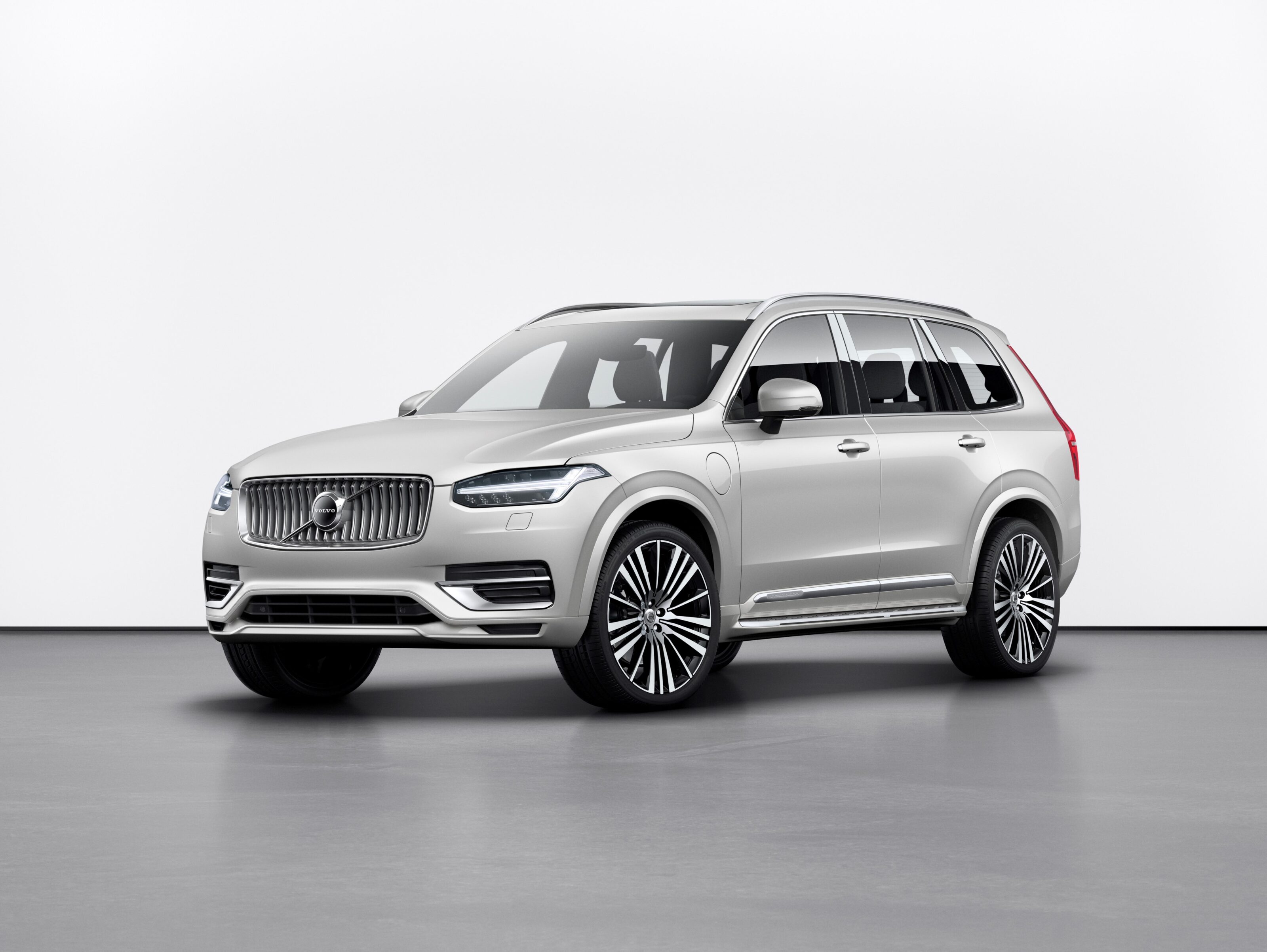
Therefore, the current Volvo XC90 – revealed in 2015 – looks to remain available until that date, following in the path of the first-generation model that was produced for over a decade.
It was recently updated with a Google-based infotainment system, and an improved plug-in hybrid system for the range-topping electrified variant.
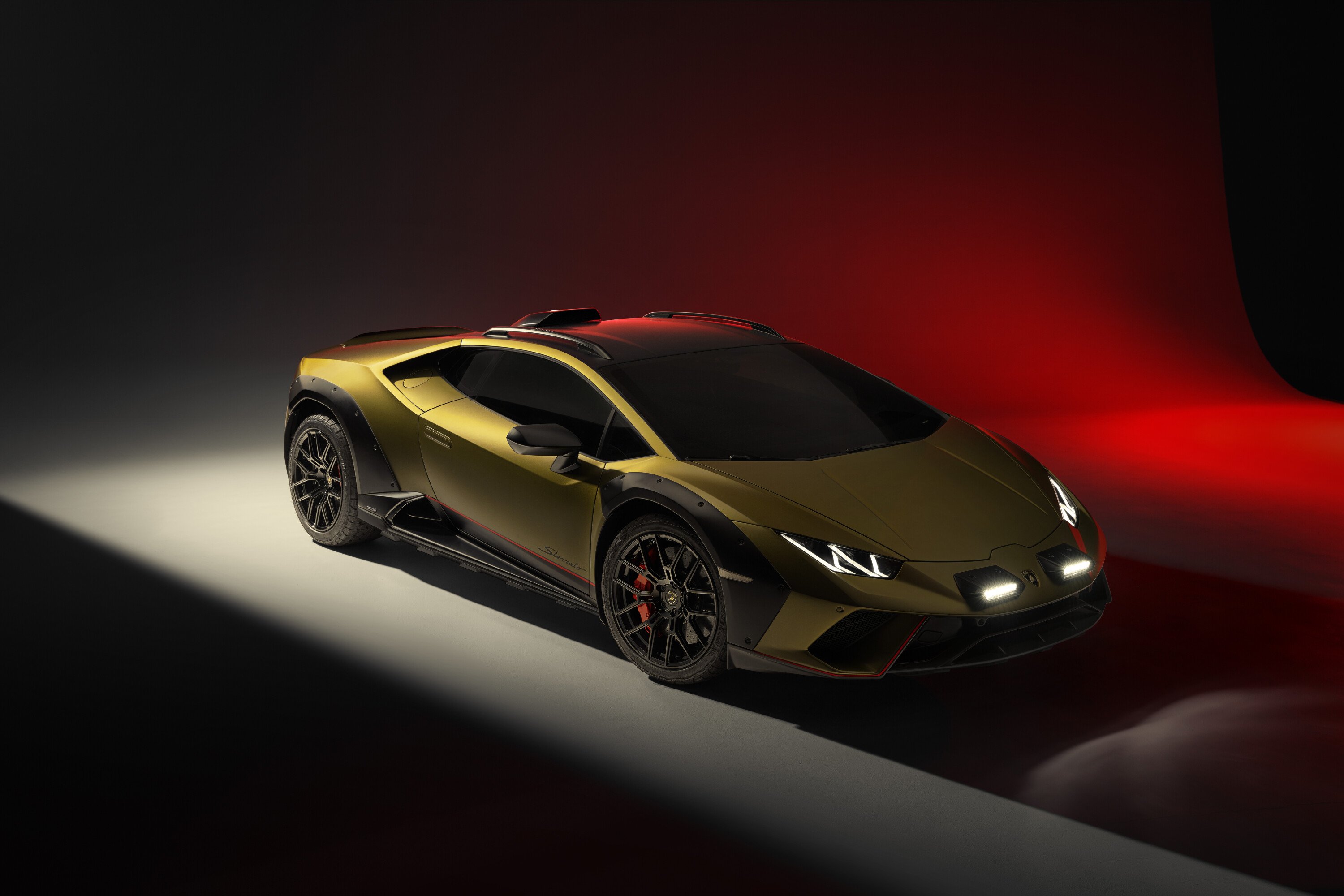
The Lamborghini Huracan is in its twilight phase and isn’t cheap, but the vocal and brawny V10 engine remains a superstar. It’s fantastic to drive, and the STO is next-level wild.
After half a dozen updates since the V10 debuted 20 years ago, the latest 5.2-litre iteration is good for a remarkable 470kW, but when the EU7 emission regulations strike later this decade, it will long have been replaced by a turbocharged 4.0-litre V8 developed and built-in-house specifically for the Huracan successor.
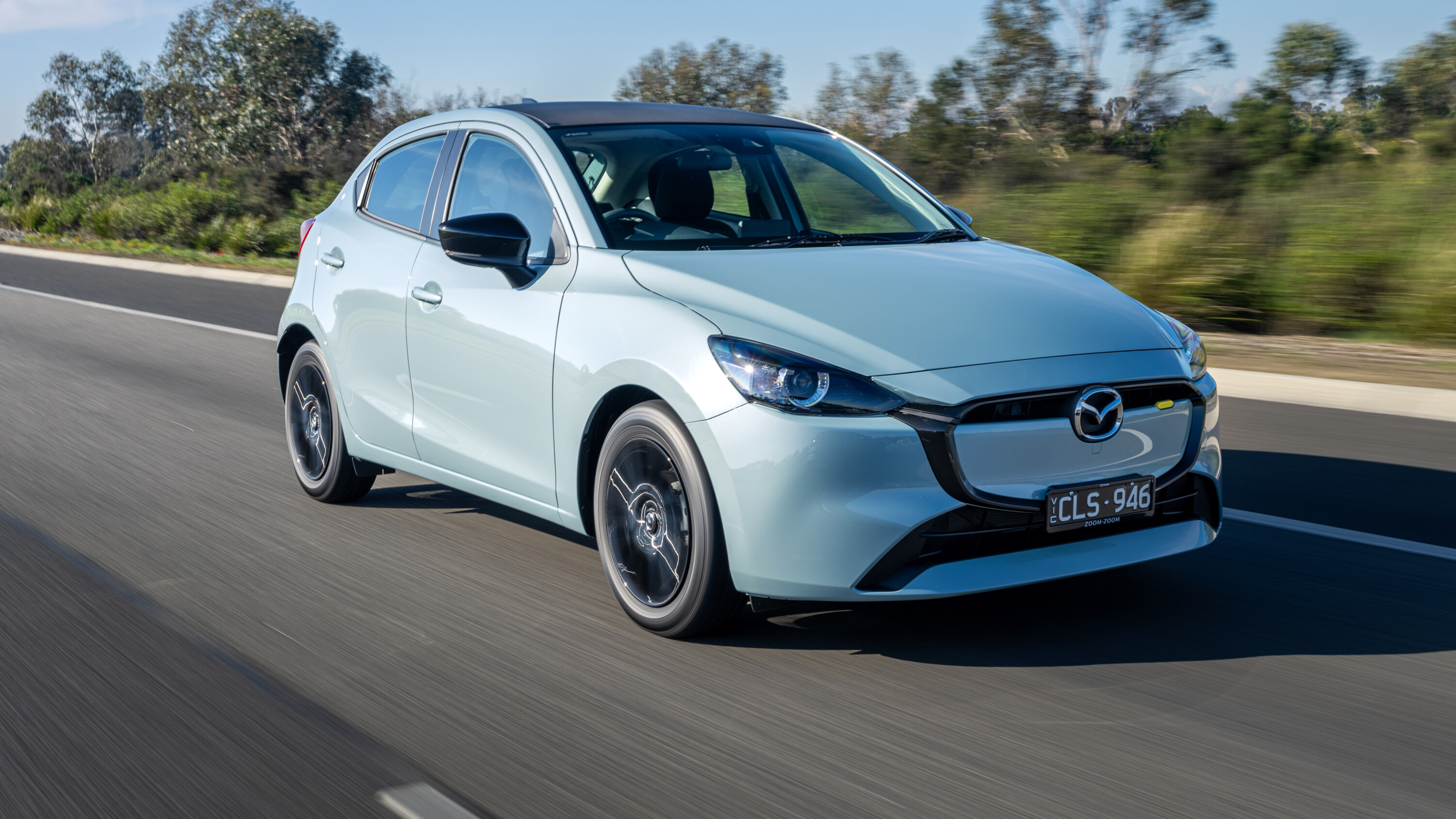
Previously cheap and cheerful, an update to the Mazda 2 in 2019 marked the end of the affordable base variant. It received a further update in mid-2023 with a revised design, including an EV-like closed-off front grille.
While sales have declined, it is still a popular option in the segment – but its previous success has been overtaken by the MG 3 and now-discontinued Suzuki Baleno.
To compensate, the 2014-era Mazda 2 includes a strong array of standard equipment, including all-important active safety technology and softer cabin materials.
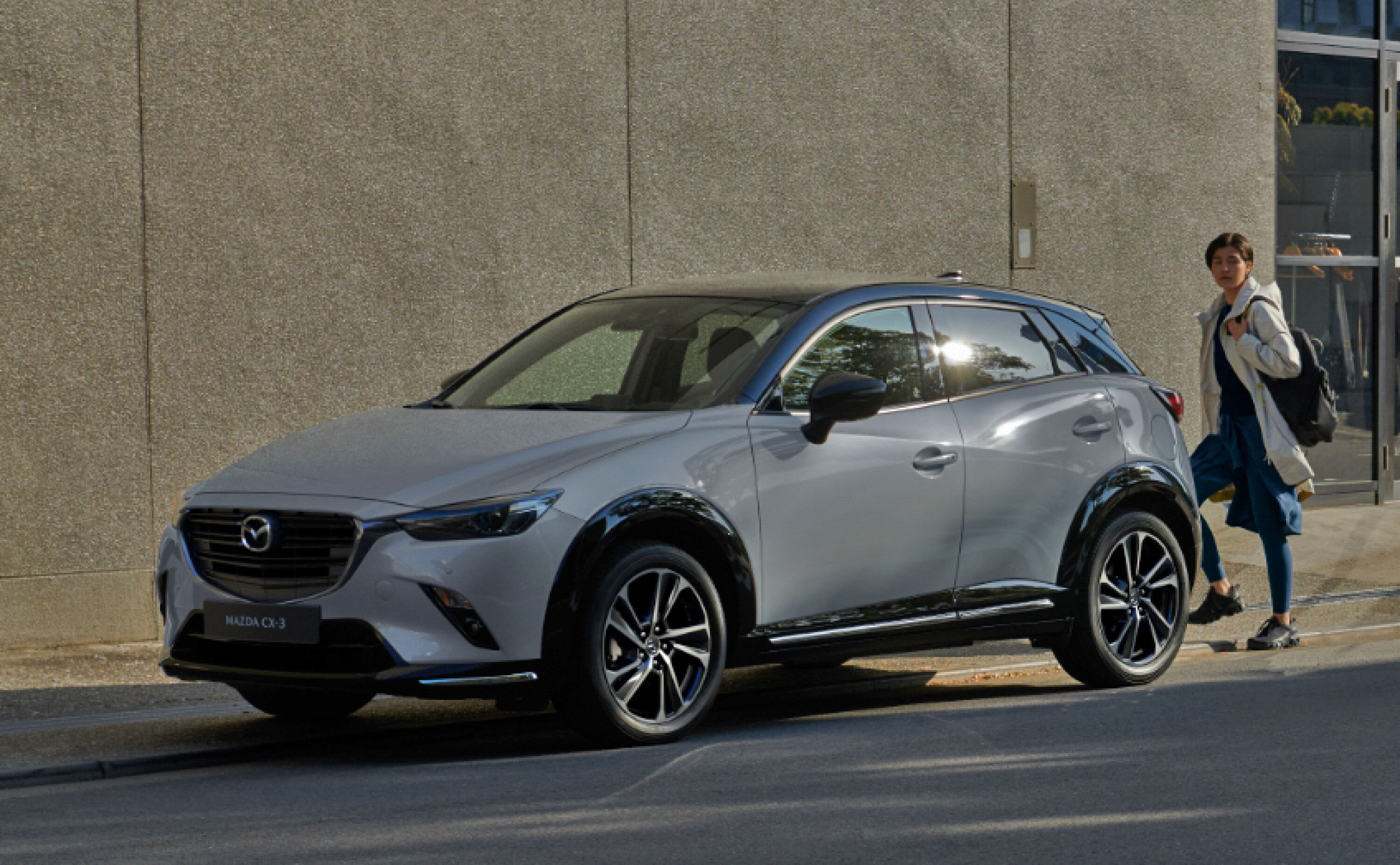
Based on the current Mazda 2 (above), the higher-riding Mazda CX-3 is one of Australia’s first light SUVs.
And its popularity hasn’t stagnated since it launched here in 2015, with the CX-3 still in first position, ahead of the Kia Stonic and Toyota Yaris Cross.
While there’s no word on a successor to the CX-3, it could arrive in the coming years, potentially adopting the CX-20 nameplate to reflect its connection to the Mazda 2 hatchback.
However, the CX-3’s future is uncertain with its recent discontinuation in the US and UK – although a brand-new Euro and Asia-focused model has potential, in line with a preference for smaller vehicles in those markets.
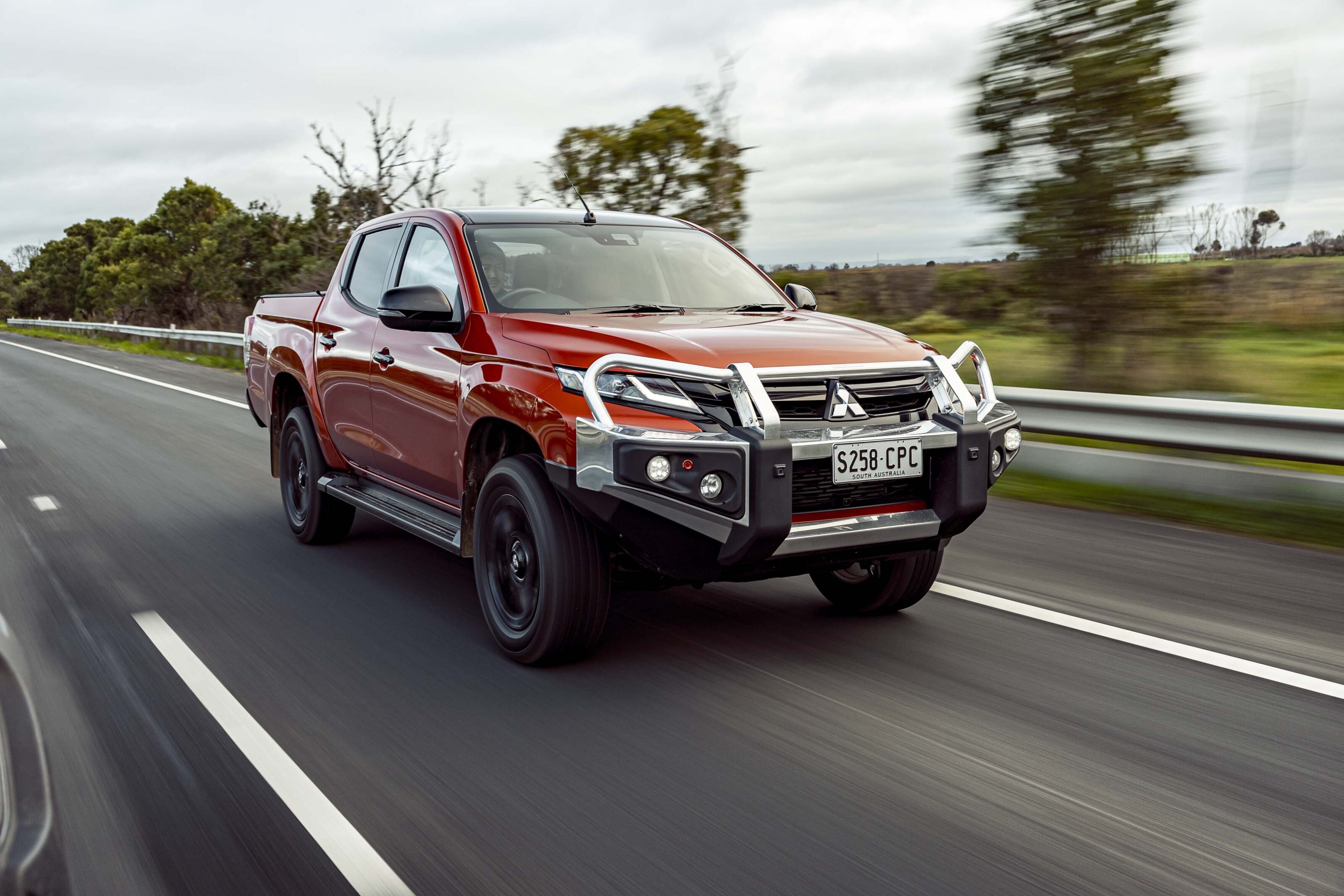
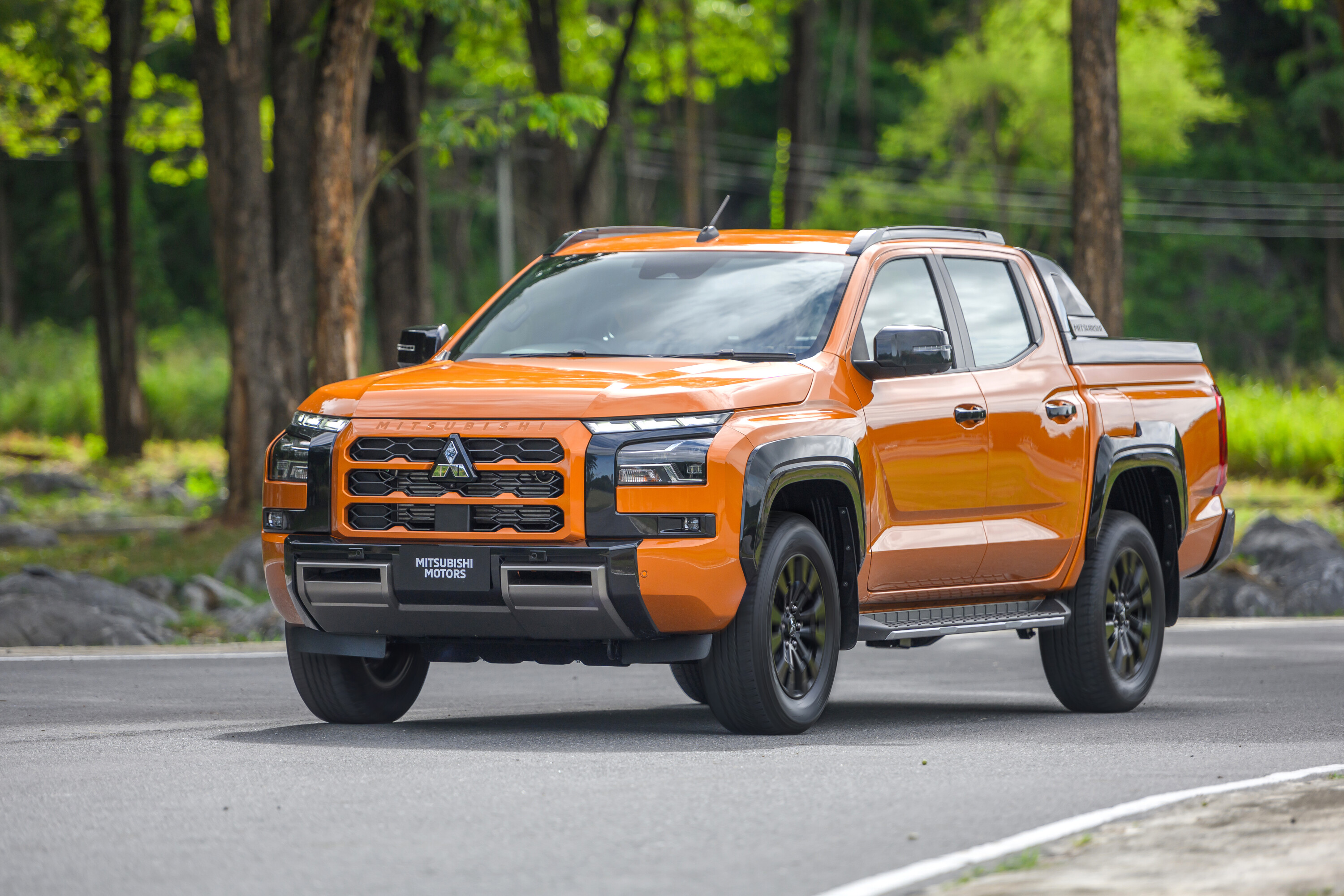
The next-generation Mitsubishi Triton is due in February 2024, with an updated twin-turbo diesel, new tech, and a larger body.
In the meantime, the current Triton remains on sale. It was recently updated for model-year 2023 with a new special edition, improved side-impact protection, and the return of Mitsubishi’s proprietary infotainment system on most variants.
In fact, the Triton received a comprehensive update in 2018, with its curvy predecessor replaced by the chunkier facelifted model, which gained a new Pajero Sport-inspired look, but the changes weren’t deep enough to be considered a new-generation vehicle.
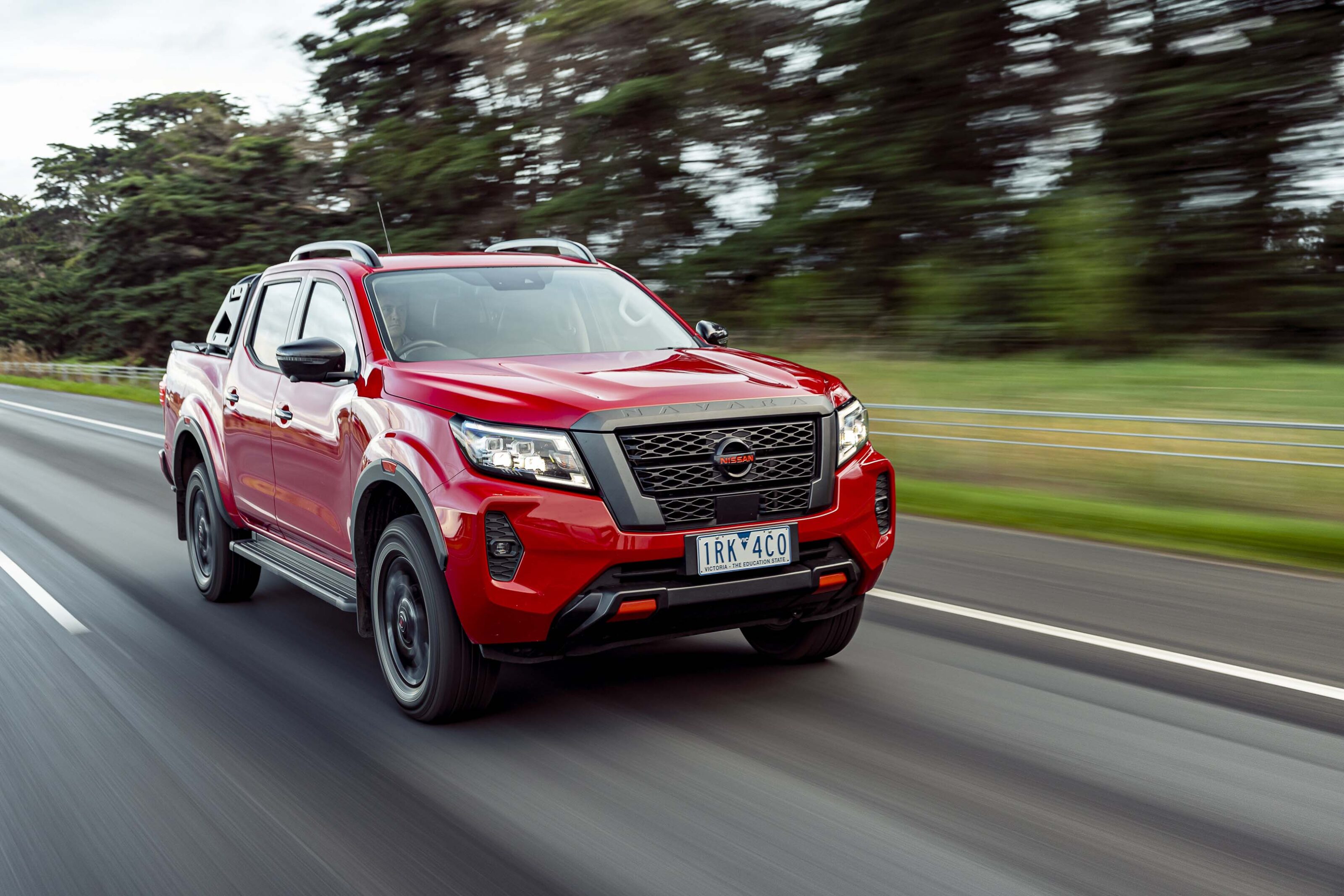
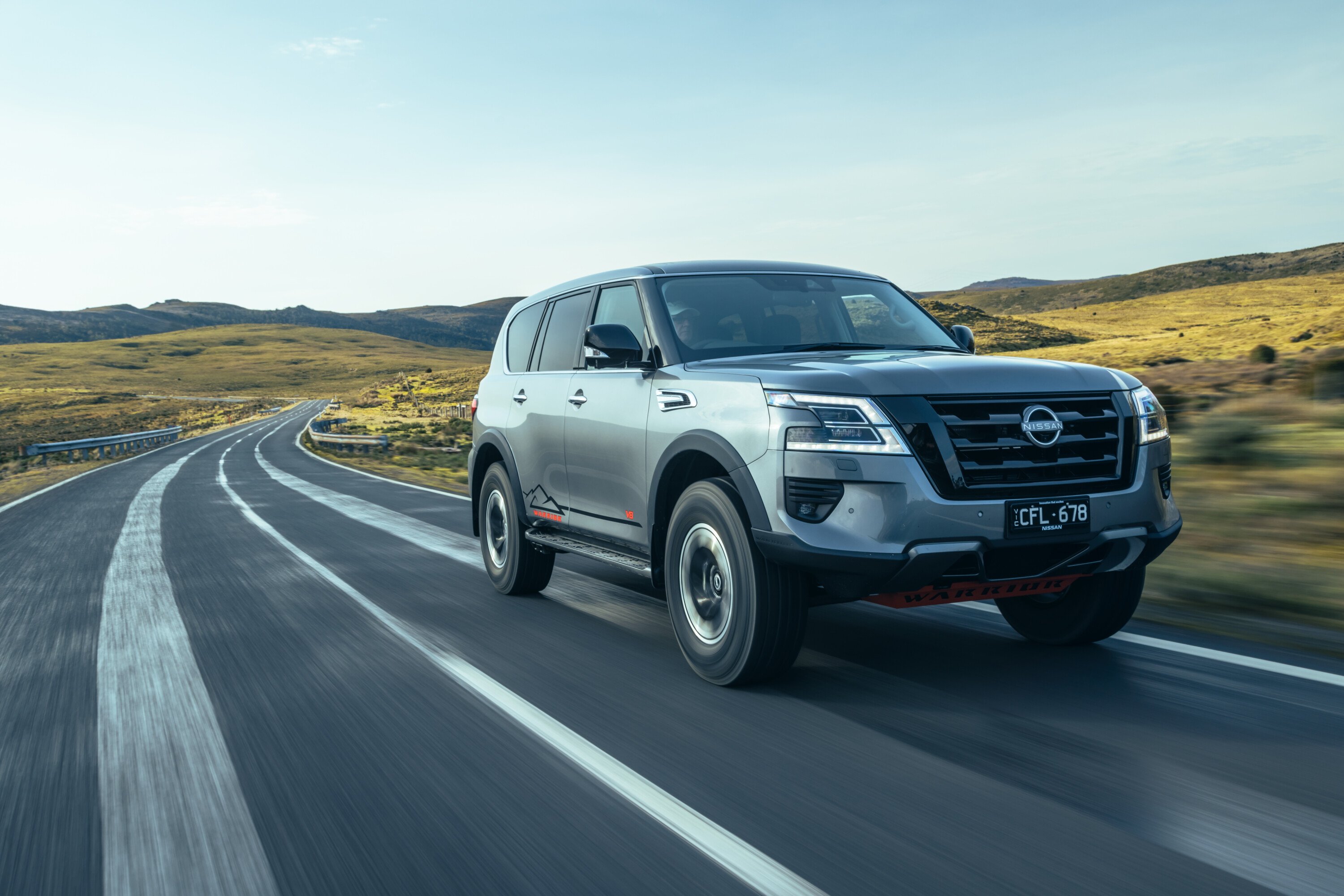
The current-generation Nissan Navara launched in 2014, replacing both the previous D40 model that survived for a decade and the even older D22 workhorse.
It received a facelift in early 2021, while Melbourne-based Premcar has fiddled with the range-topping Pro-4X (previously N-Trek), and now the entry-level SL, to create the factory-backed Warrior range.
A replacement to the Navara is due in 2024 or 2025, with an optional E-Power hybrid powertrain looking likely.
It will be underpinned by the same platform as the all-new Mitsubishi Triton, with the potential for a more hardcore successor to the off-road-focused Warrior line-up.
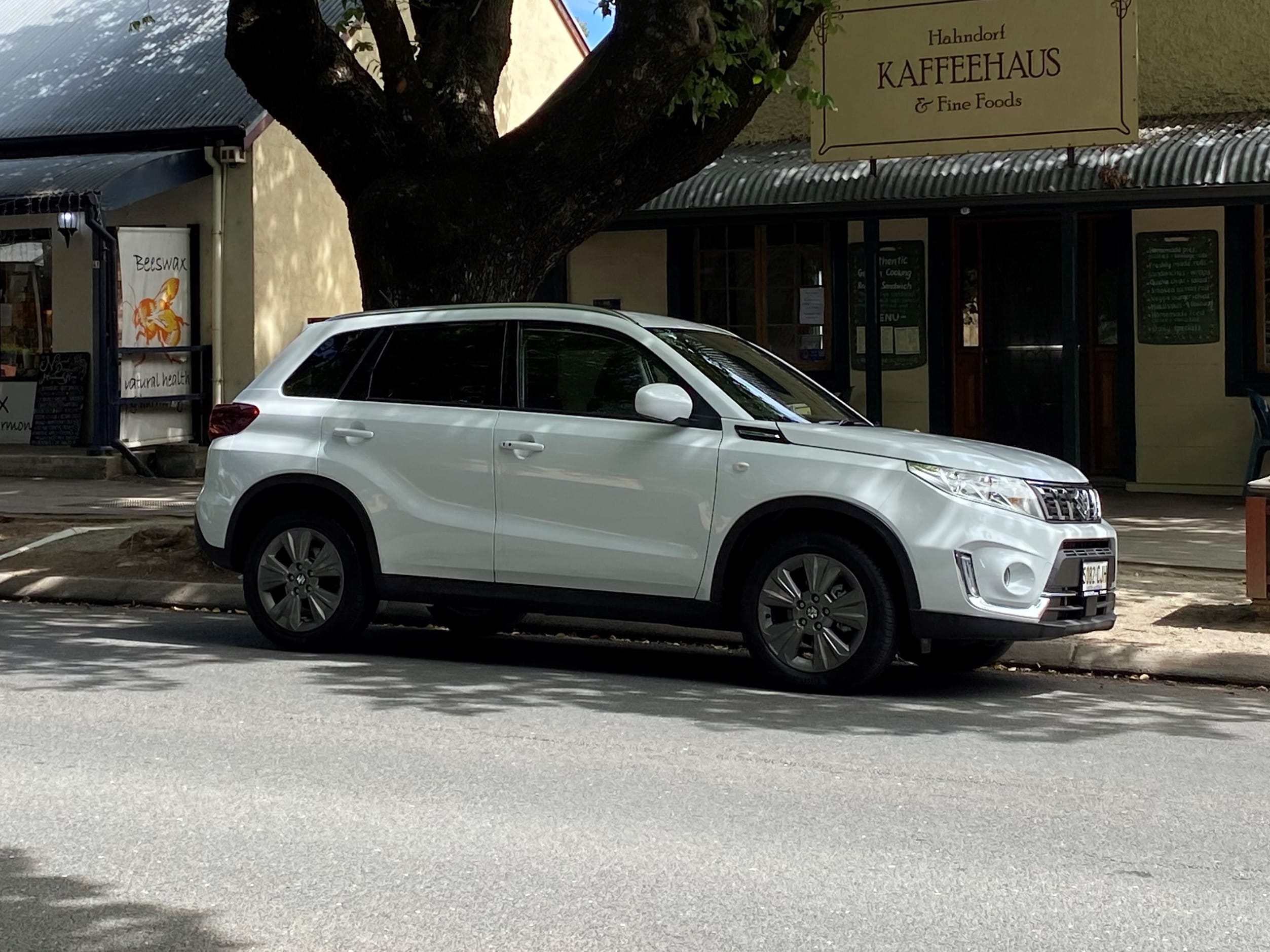
The Hungarian-built Suzuki Vitara launched in Australia in 2015, with no major changes to its design since.
An update, which debuted locally alongside the new Jimny in 2019, introduced a minor facelift and improved safety technology – but AEB remains unavailable on the base model.
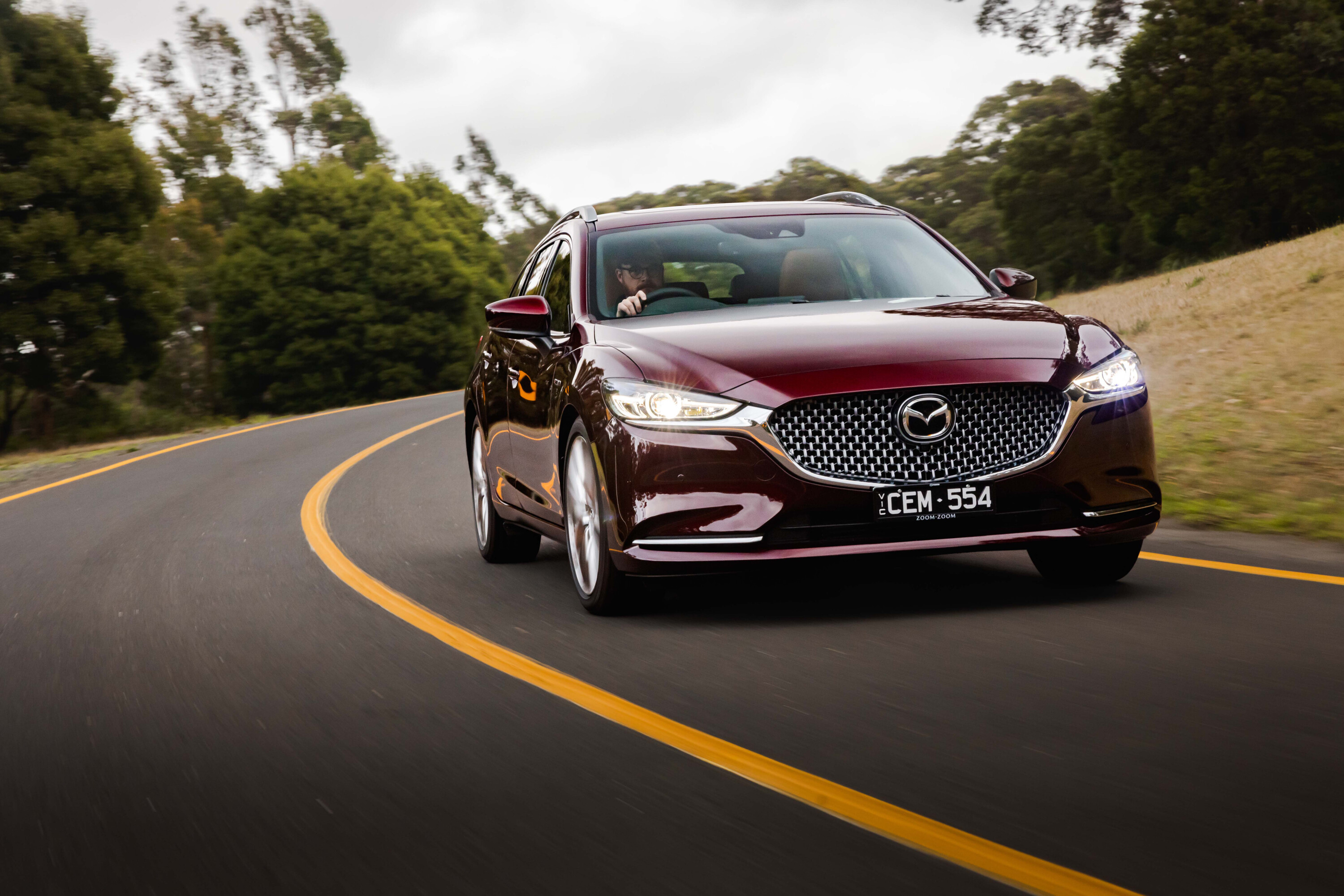
First launched in 2012, the third-generation Mazda 6 has retained its shape, with plans to replace it with a CX-60-based rear-drive model effectively scrapped.
However, the current 6 remains fresh, with two major facelifts in 2015 and 2018, respectively; a punchy turbocharged 2.5-litre four-cylinder from the CX-9; and the latest technology added throughout its lifecycle – although its dated infotainment system remains (now with wireless Apple CarPlay).
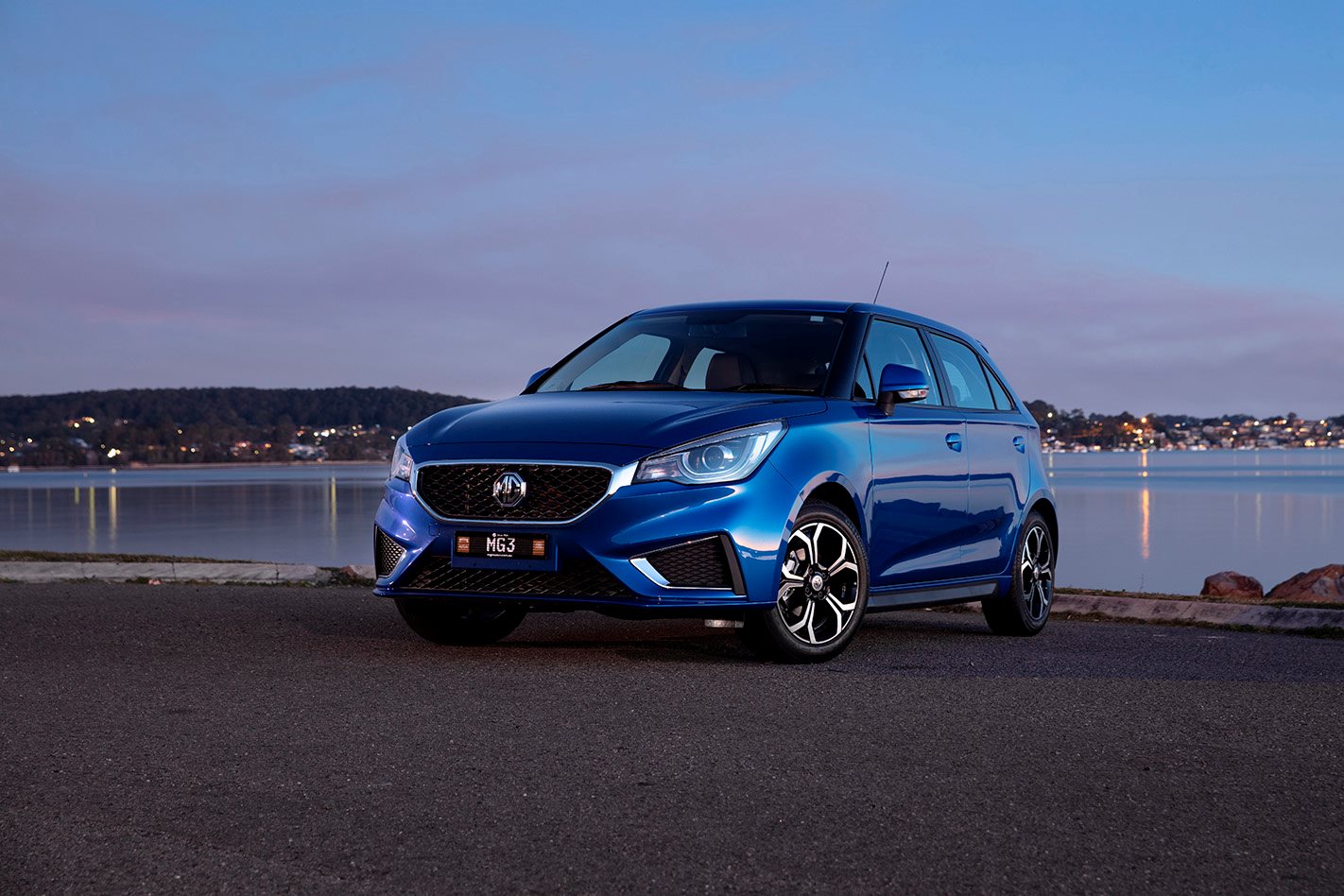
Known for its affordable pricing and long warranty, the MG 3 is one of Australia’s most popular vehicles.
However, it is far from being technologically advanced, with the 2011 vintage vehicle lacking potentially life-saving autonomous emergency braking, a six-speed automatic transmission (it has four gears), and a cleaner fuel-efficient engine.
An update in 2018 is mainly responsible for the MG 3’s local success, with the manual-only pre-facelift model replaced by a fresher-looking, automatic-only vehicle with Apple CarPlay compatibility (there’s still no Android Auto).
While its exterior and active safety tech have received a comprehensive update, the interior of the Patrol demonstrates its age.
Left-hand-drive examples have a semi-digital instrument cluster, a simplified centre stack, a larger infotainment system with Apple CarPlay and Android Auto, and a less-gaudy woodgrain look, but the right-hand-drive model looks like it hasn’t left the late 2000s.
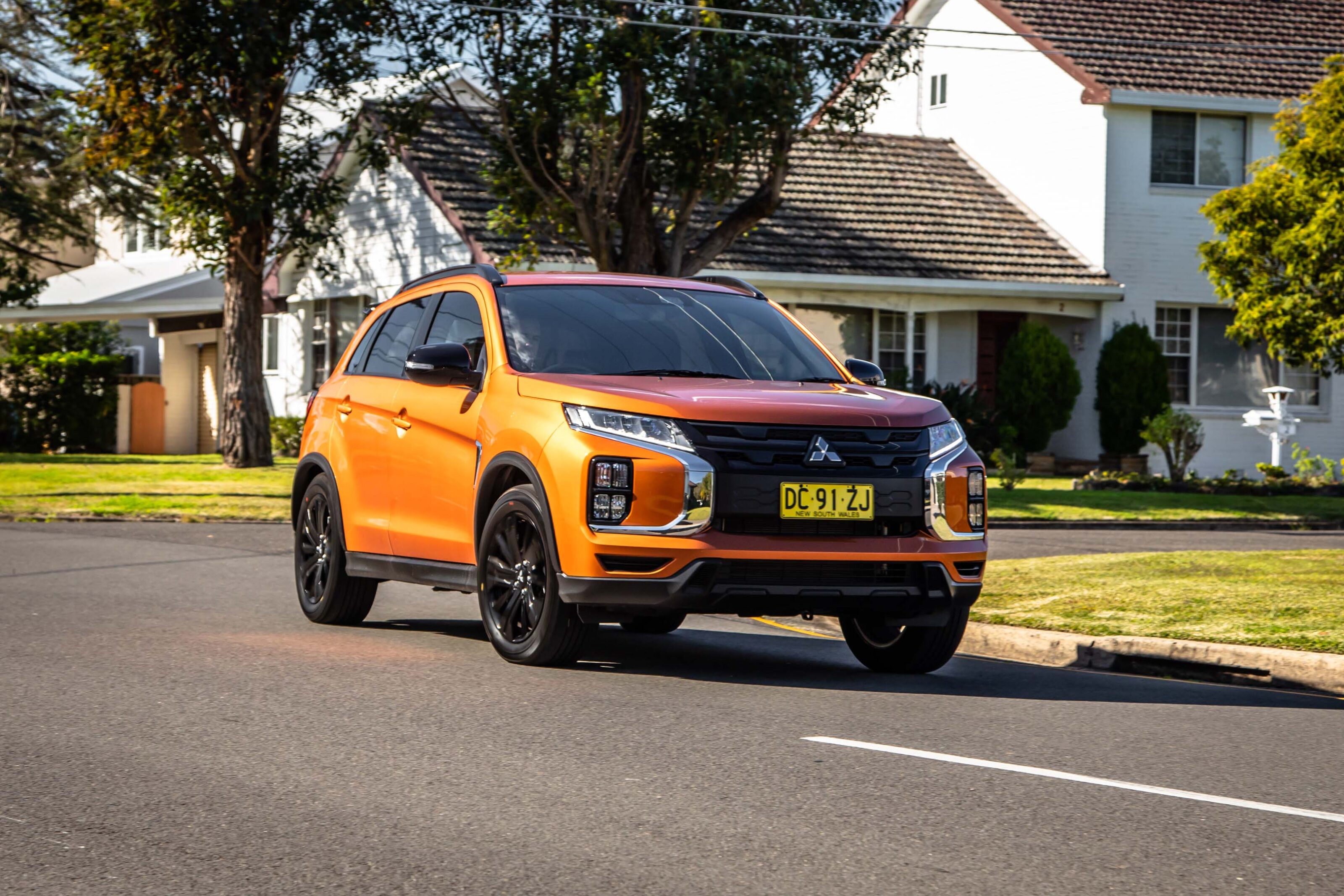
In production since 2010, the Mitsubishi ASX is now a few tiers above being merely “venerable”.
Think of it this way: the average production run of a car these days is about six years.
While it’s objectively now well behind the rest of its peers in terms of, well, everything, the car-buying public still can’t get enough of the humble ASX.
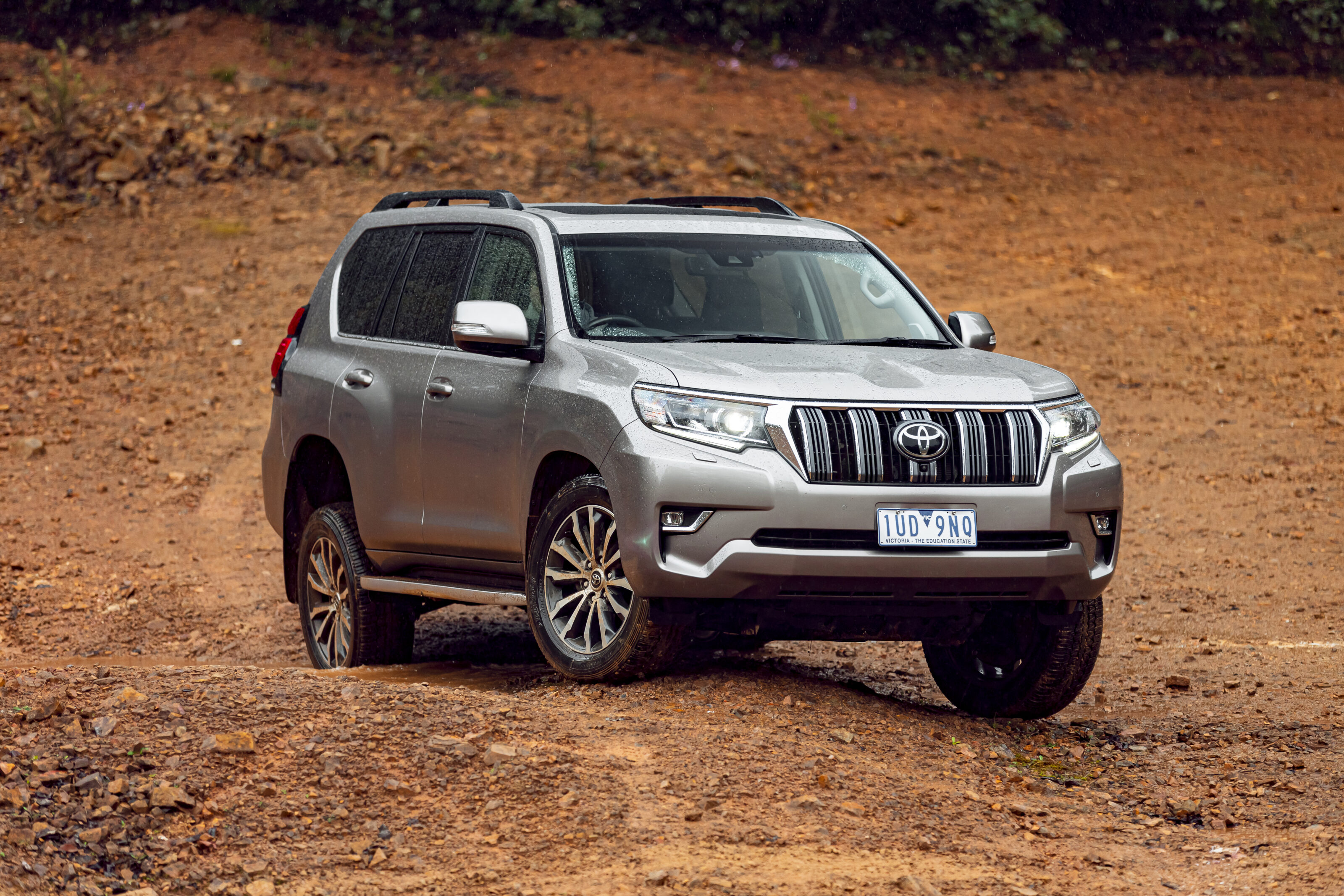
It might show its age, but the Toyota LandCruiser Prado remains as popular as ever.
In fact, it is the most popular large SUV in Australia – a title the off-roader has held since 2015 after being outsold by the previous-generation Jeep Grand Cherokee.
First launched in 2009, the Prado has received minor updates almost yearly, two major facelifts, and, in 2015, a 2.8-litre four-cylinder turbo-diesel borrowed from the HiLux.
The all-new Toyota Prado has debuted with a retro-inspired look, LandCruiser 300-derived TNGA-F underpinnings, a mild-hybrid diesel, a 3.5-tonne towing capacity, and more. It’s due here in mid-2024. Full details here.
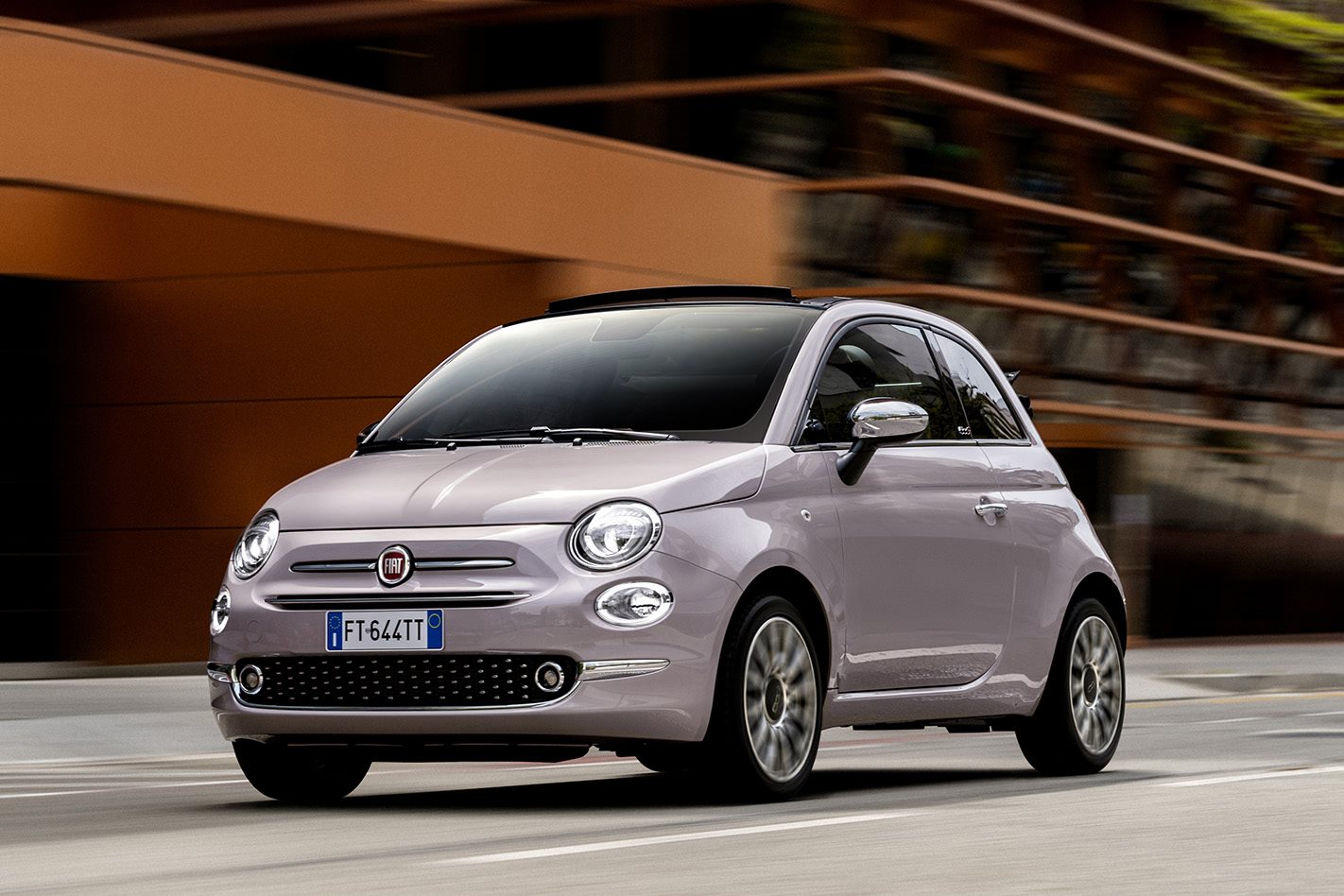
Would you believe the ever-perky Fiat 500 has been around since 2007?
A recent update freshens up the interior yet its packaging still leaves much to be desired for taller/larger occupants, but despite staying in production for more than twice as long as the average car, the 500 has hung onto its retro charm rather well.
It’s far from perfect, but it’s got heaps of personality, and we’ll be a little bit sad when it finally shuffles off this mortal coil – though at this rate, who knows when that might be.
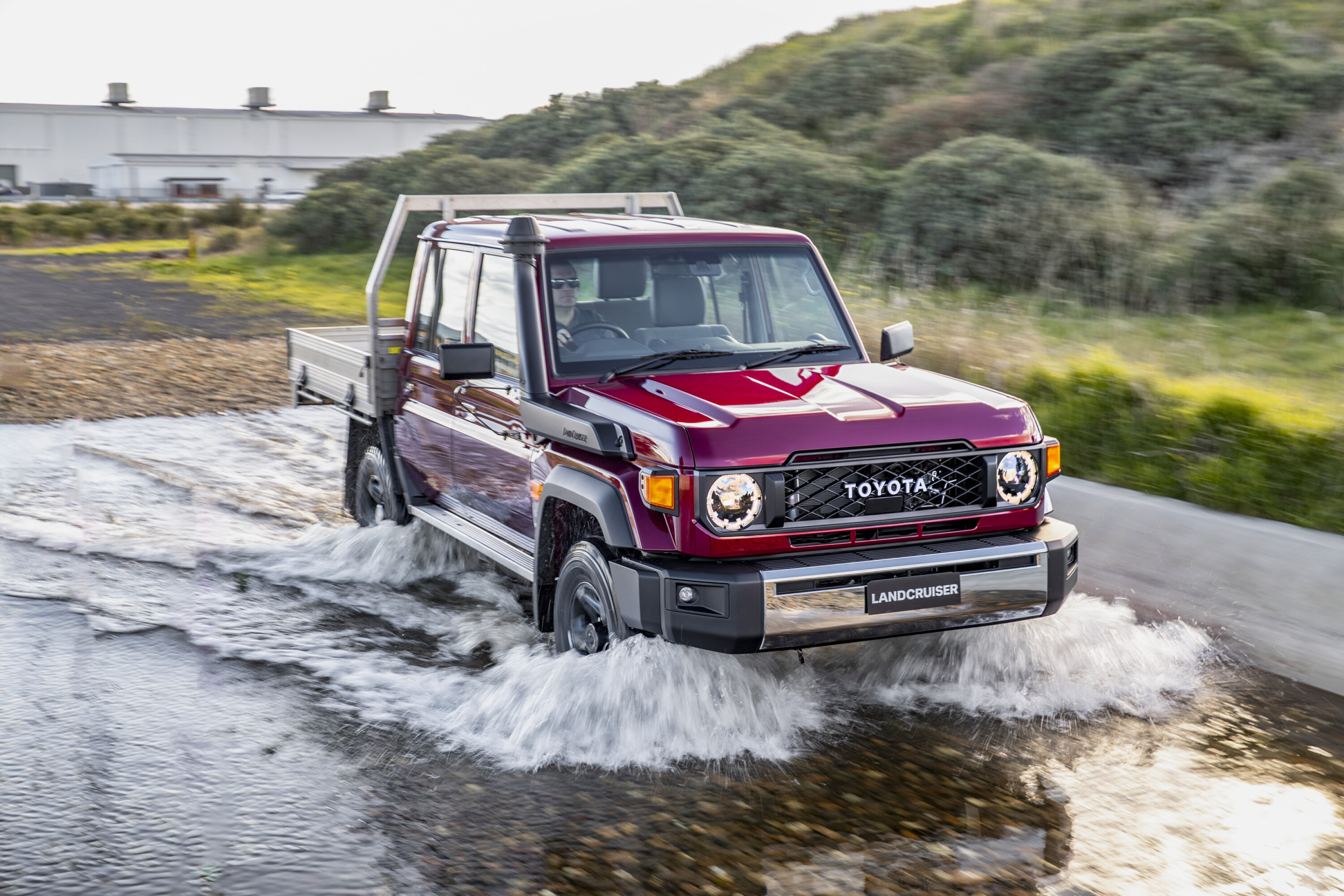
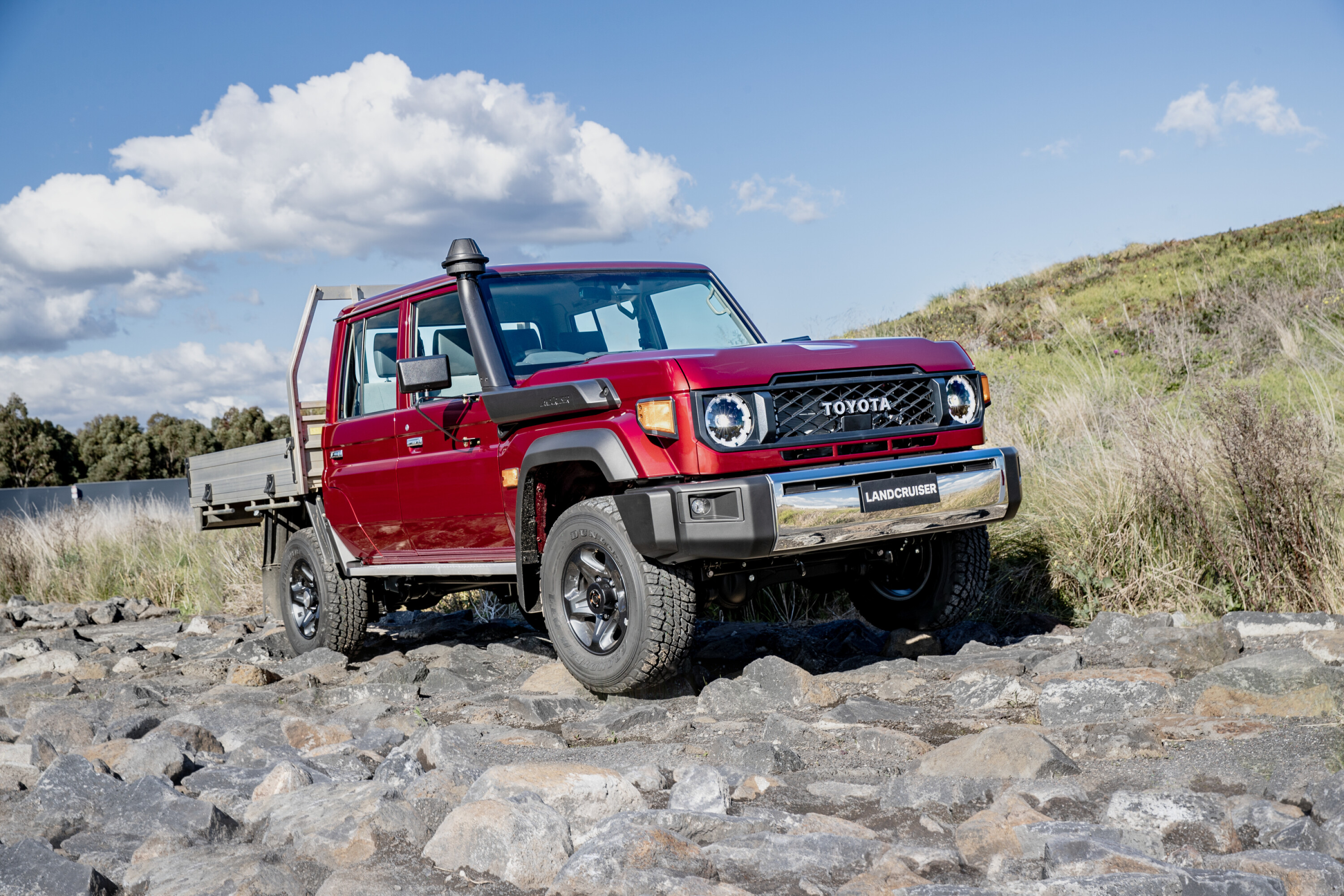
Toyota’s answer to the Land Rover Defender is a hit in the Aussie bush – mainly because it’s unkillable. It’s ancient though.
While the Toyota LandCruiser 70 Series with its single-turbo version of the brand’s 4.5-litre turbo-diesel V8, went on sale back in 2007, the model family it belongs to entered production way back in 1984. That explains the styling…
An updated version will launch in November 2023 with a 2.8-litre turbo-diesel four-cylinder from the HiLux matched to a six-speed auto. A $4100 premium has been applied to the carryover ‘1VD’ V8 and five-speed manual.
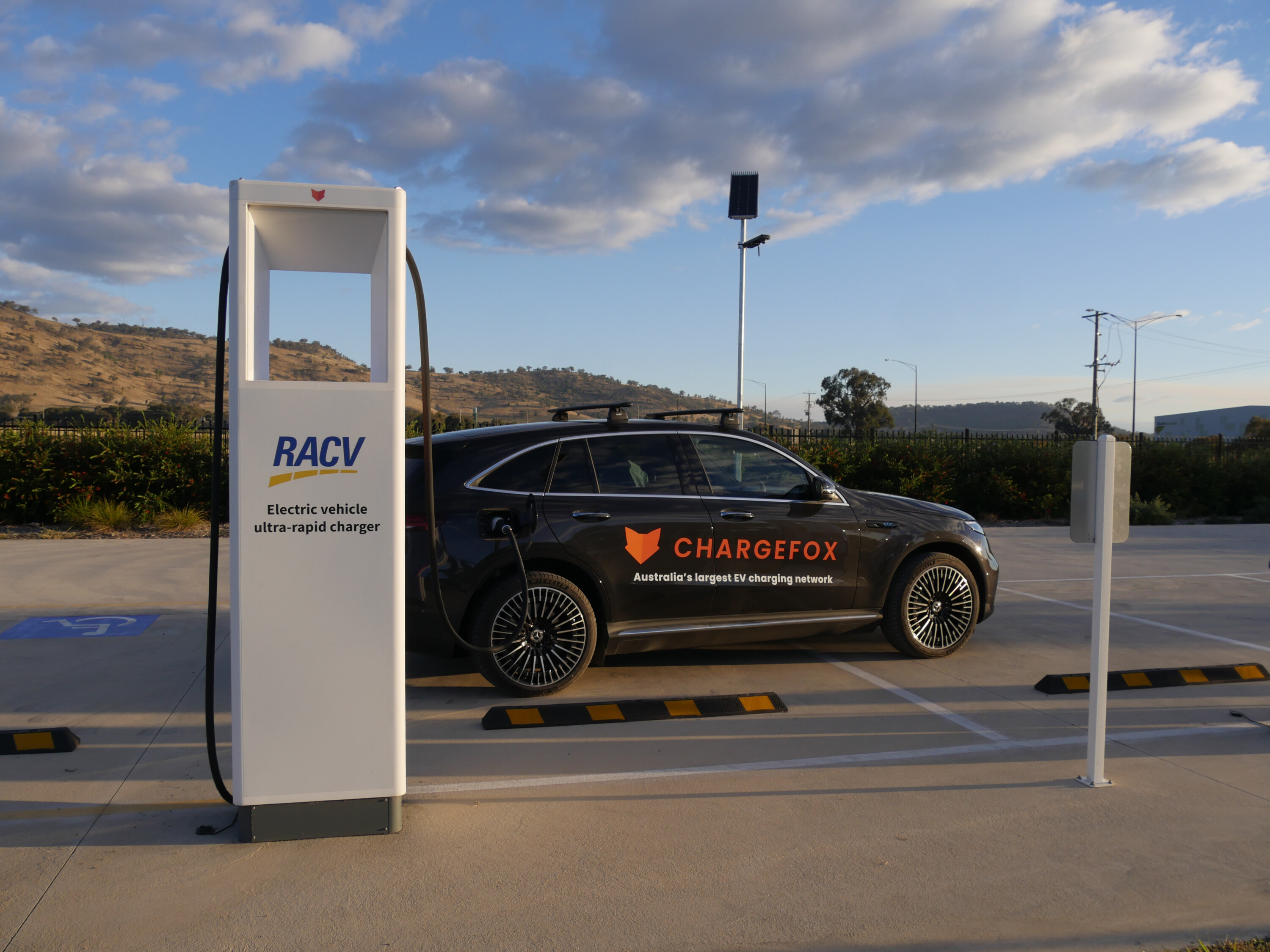
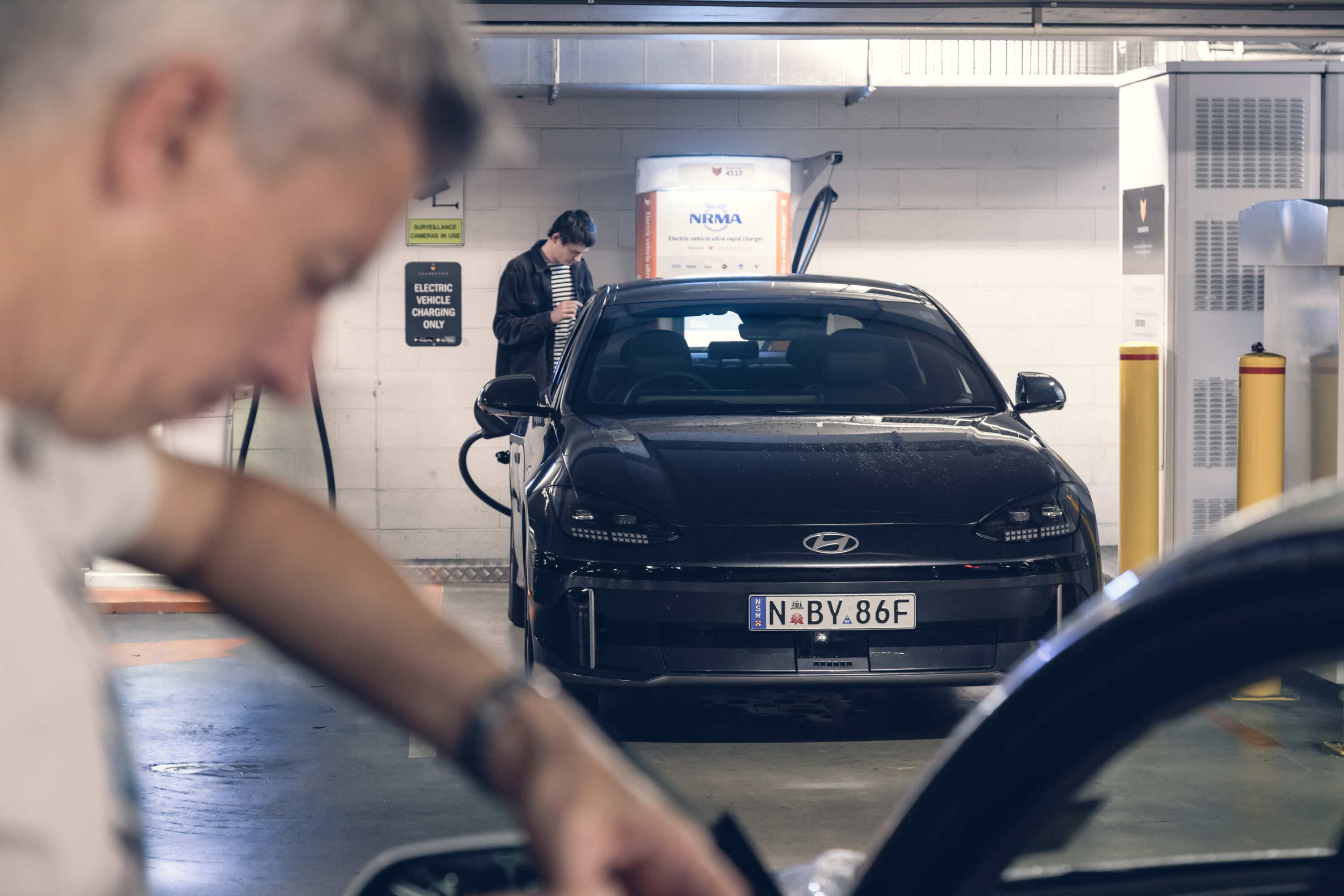
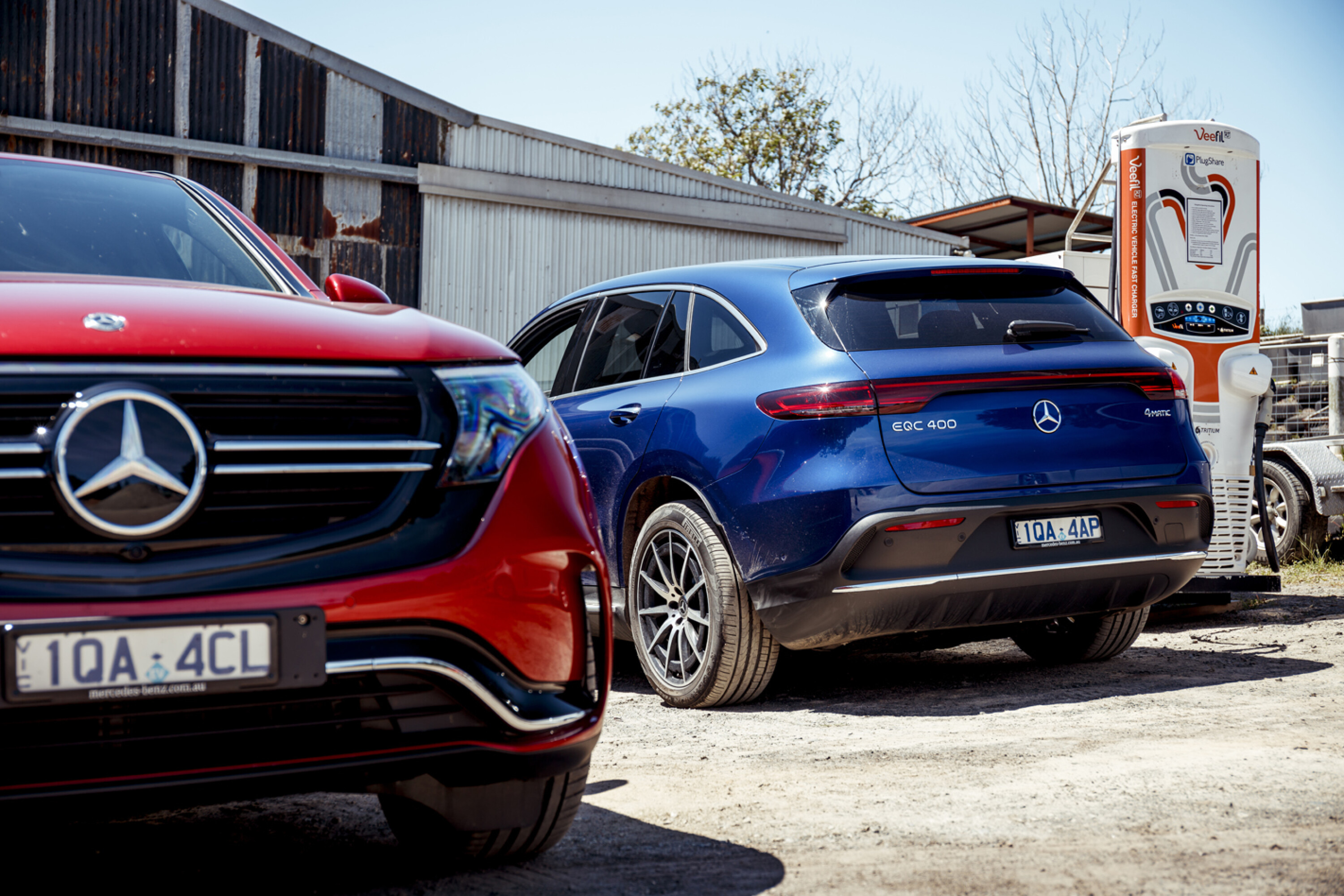
Obey the signs and rules u2013 parking while charging only
Queue orderly and consider using PlugShare
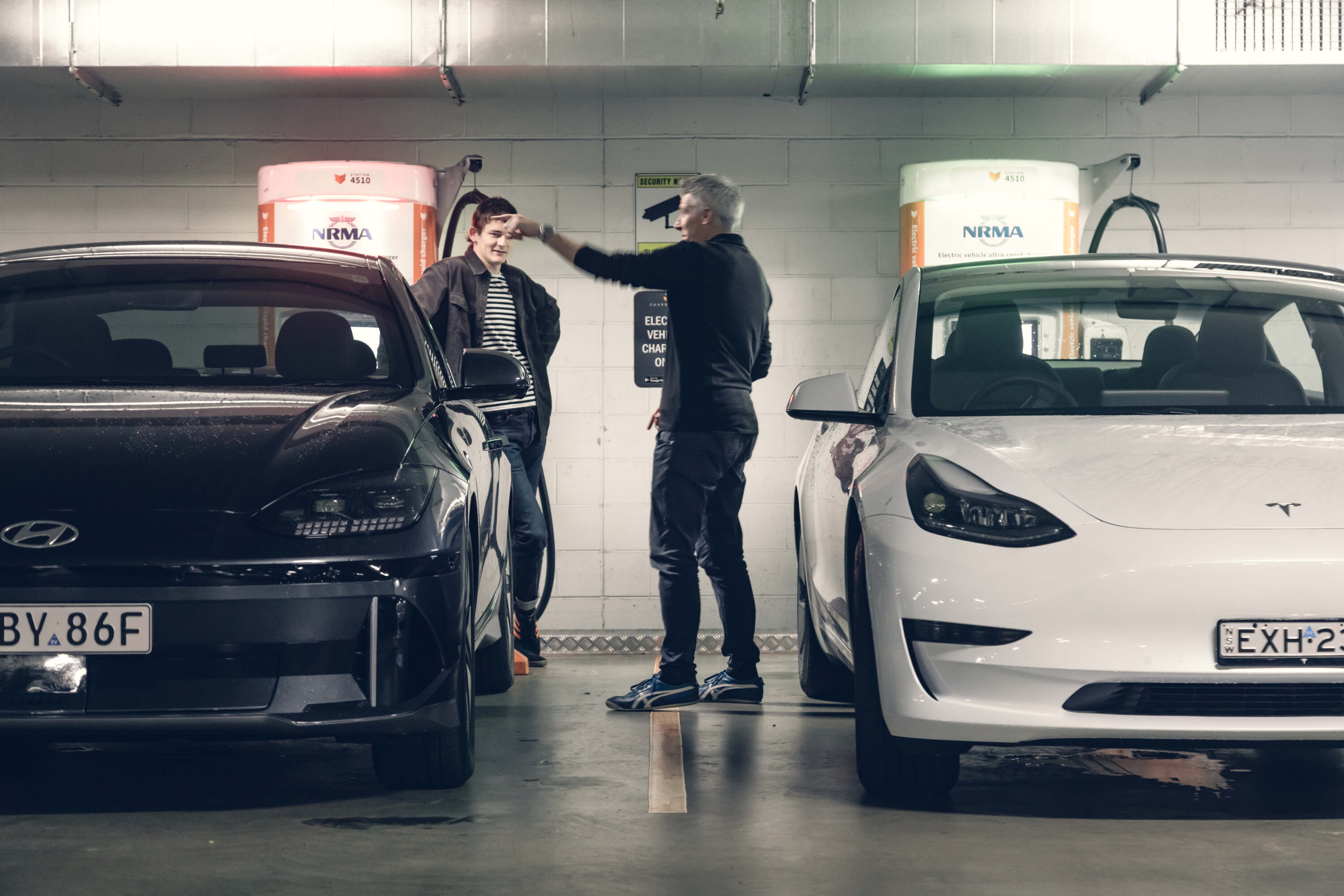
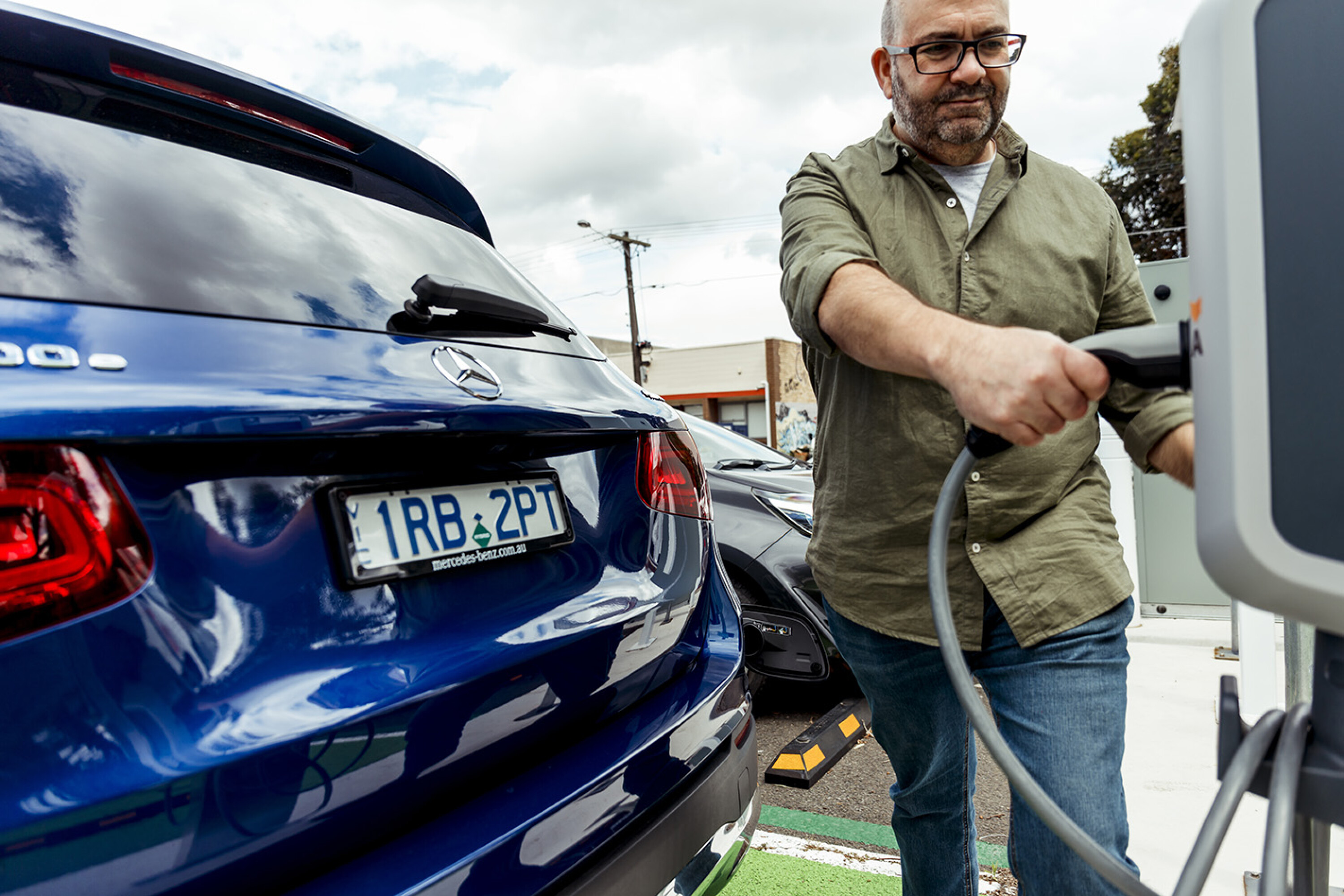
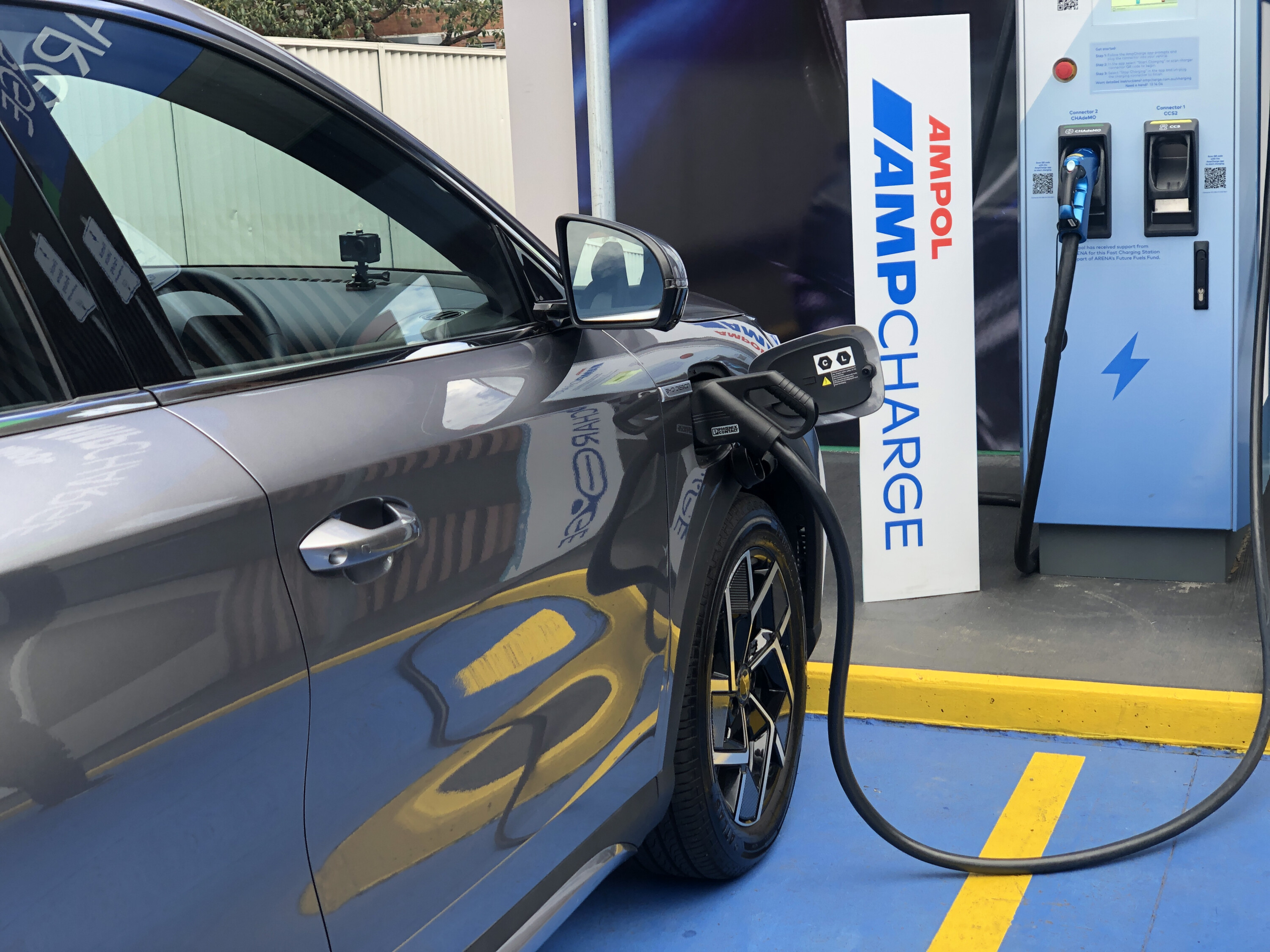
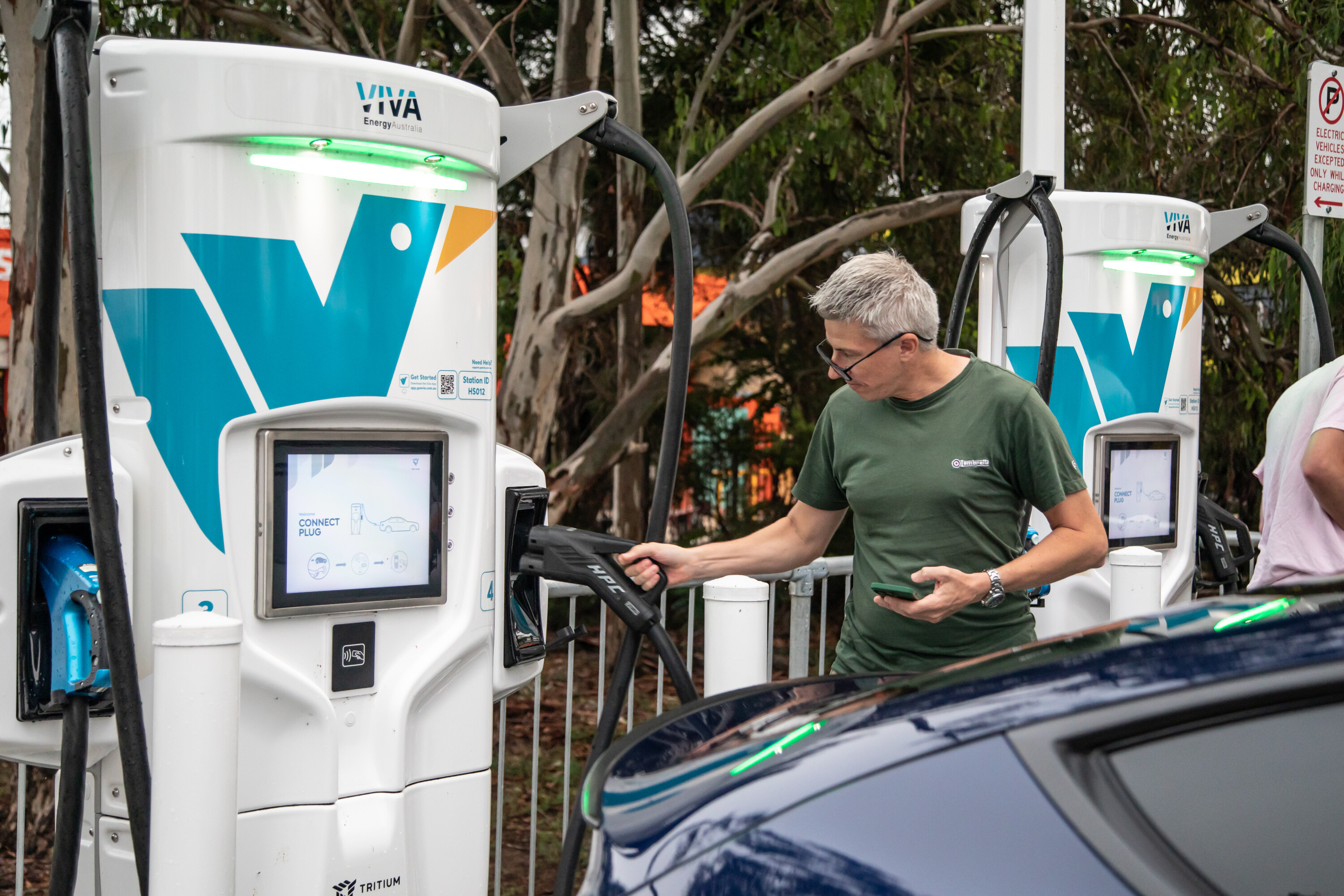
Public electric vehicle chargers are becoming busier, and proper etiquette is emerging as a pain point.
While EV owners should ideally charge at home, public charging is a must when driving on longer trips, while some cannot simply access a power plug at home.
Of course, EV charging stations are unfamiliar for many – it’s not as simple, nor as standardised as the traditional fuel pump.
Therefore, public chargers alongside key connecting roads and the few free-of-charge ones can become particularly busy, with a higher chance of queues forming during peak holiday periods.
This can all be frustrating for EV owners wanting to charge at a fully occupied public charging station – potentially causing angst, anger, and poor etiquette.
Internal combustion engine (ICE) vehicles must not be parked in a marked EV charging bay.
It is illegal in some states – including Queensland, New South Wales, Victoria, and the Australian Capital Territory – with penalties ranging from $369 to $3200 in fines at the time of publication.
Always park within the marked lines and in the spot closest to the charging station you’re using (use the wheel stops as a guide).
However, some model’s front-quarter wheel charging port position – including the BYD Atto 3, Ford Mustang Mach-E and Porsche Taycan – means some owners may need to angle the vehicle in order for the cable to reach and not touch the body.
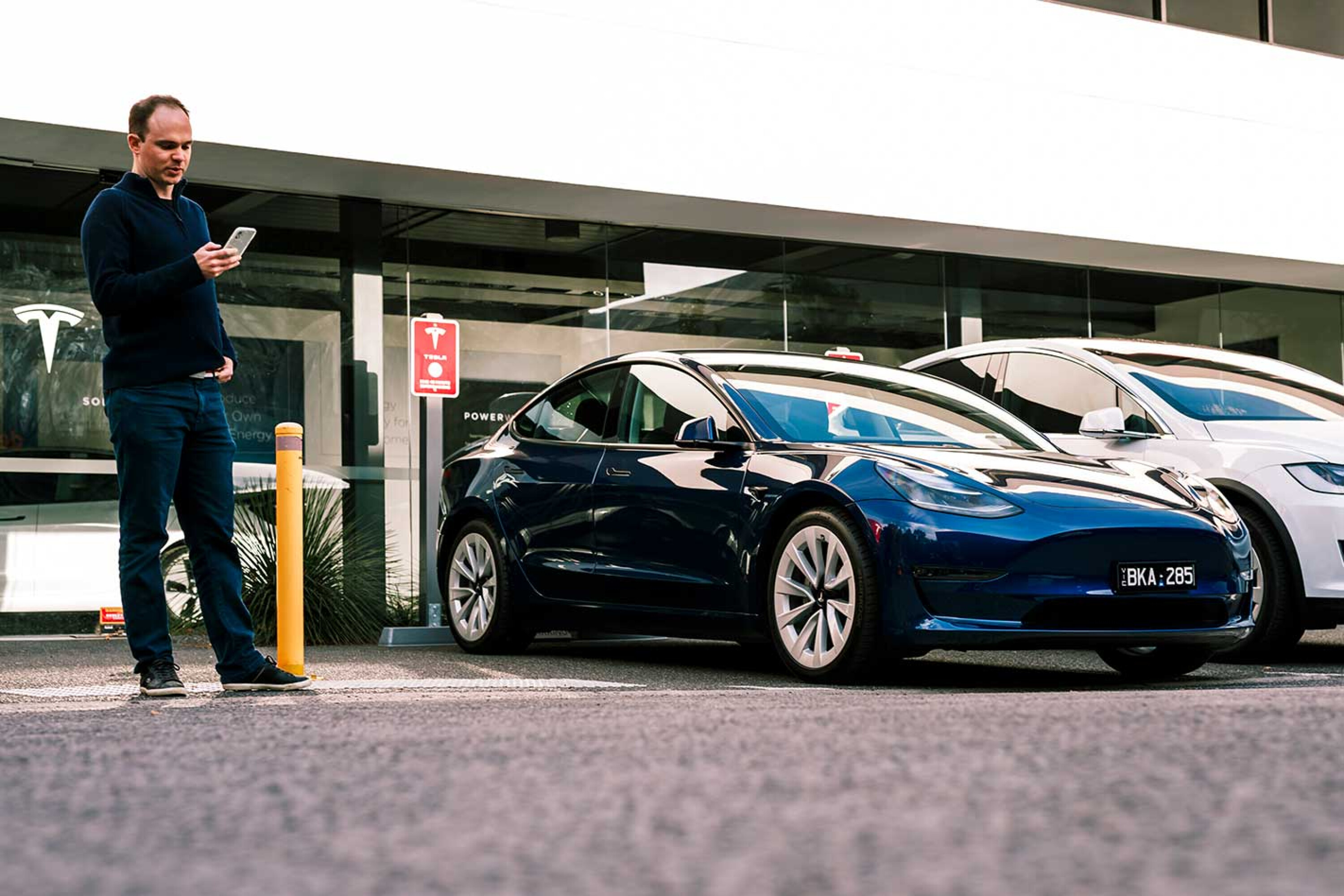
Likewise, EVs that don’t have a rear-left quarter positioned port will likely block other spaces when using an open Tesla Supercharger.
Therefore, it’s best to plug in at the outermost station (if available) to avoid blocking another EV from using a station and, potentially, confrontation.
Charging with a trailer?
Some charging stations are side-positioned and designed for EVs towing with a trailer. For example, most Tesla Supercharging sites offer at least one trailer-friendly stall.
But, for others, it is inevitable that the vehicle will be blocking adjacent bays or you may need to detach the trailer and place it nearby.
Plan your charging stops that have better trailer-friendly spaces in mind before going on a road trip (use PlugShare [↗]).
Don’t park in the marked charging bay thatu2019s reserved for other EVs
Don’t queue on PlugShare and drive off
Don’t push others to stop charging
Wait nearby
If a charging station is full, park nearby and wait patiently.
Consider facing the vehicle at the station and turn on your parking lights to signal your intention.
Avoid waiting in an open marked charging space since it may be reserved for EVs with the rarer CHadeMO fast charging port (again, obey the signs – parking while charging only).
Of course, there may not be nearby parking and you may be forced to park there – but be aware that another EV that can plug in has the right of way if they arrive.
Especially at busy EV charging locations, consider checking in using the PlugShare app [↗].
Press ‘waiting’ to enter a virtual queue. This will keep the line orderly, if every driver uses it.
But, you must be physically near your vehicle to actually be in the queue, so donot check-in on PlugShare and drive off.
When your electric car is charging, check in the location with the ‘charging now’ button and roughly specify how long you may take to let other PlugShare users know. There’s also a direct messaging feature with other users if needed.
Once you’ve stopped waiting or charging, remember to check out on PlugShare, too.
Therefore, charging providers, operators and carmakers also need to improve – but, ultimately, the onus is on EV and ICE vehicle owners to respect each other and follow etiquette rules.
Tools such as PlugShare [↗] help but, unfortunately, not every driver uses it (or wants to).
When it comes to EV charging, patience is key to your sanity.
Skoda has confirmed all the details of the fourth-generation Superb liftback and wagon, including that it will be released in Australia in early 2025.
2024 Subaru Forester teased & imagined
The new Forester may only been two weeks out from its big unveiling, but we couldn’t resist imagining how it might look.
VFACTS October 2023
The Australian new car market has posted its best October result ever, with sales records broken for the fourth month running, as supply continues to catch up with demand.
VIDEO: 2024 BMW iX2 first-look review
Following the release of Australian pricing in October, we’ve now had a good up-close look at the new BMW iX2 electric SUV.
I loved poring over the Greatest 70 as pulled together by Wheels. No doubt a tough task. I thought you were off to a flying start when I saw Australia’s own VF Commodore in amongst the greatest sedans. Couldn’t agree more; we have a late-2014 Evoke, bog standard and well and truely surplus to our needs now, but I just can’t bring myself to sell it.
Then I turned the pages and saw the Mazda MX-5 listed in amongst the greatest sports cars, I thought yes, two from two! We have a 2003 NB that puts a smile on my face each and every time I take it for a drive, particularly along a twisty road.
1
Moving onto 4x4s and I see the LandCruiser up in lights. We have an LC300 Sahara, a simply awesome vehicle for the big brown land.
At this stage I’m thinking this Wheels crew and I and are absolutely aligned. I never thought our 2018 Navara single-cab tray back would make the Ute list but it is a pretty handy workhorse.
Then I got to hot hatches and, what, no i30N? The N rounds out our little fleet of cars and it is an amazing little road rocket with such a depth of abilities, happy to potter about the suburbs in ‘normal’ then rip up a race track in ‘N Custom’. Truth be know it spends most of its time in N mode. What a cracker car.
I guess three out of five ain’t bad.
ud83dudede Editor Andy
i30N is one of the current best, but an all-timer list is a very high bar! – Ed
1
Brain gain
?️ James Bellingham, via email
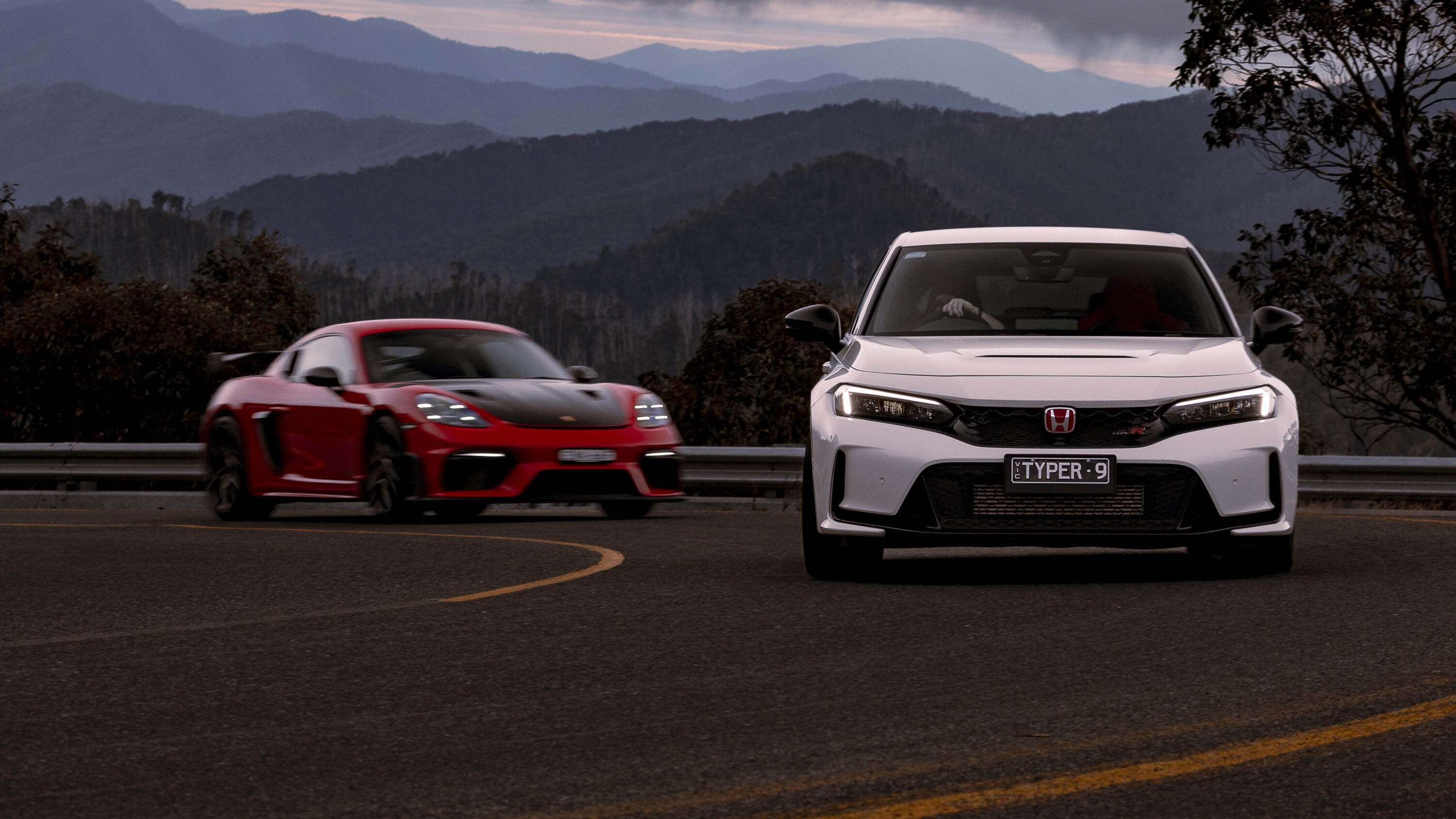
What a treat we got in the July issue of Wheels. The test of Civic Type R versus Porsche Cayman GT4 RS by Alex Inwood was just brilliant. It reminded me of the old-school Wheels drive stories in the best way possible, and Alex’s words really put me in the driver’s seat. Truth is, I’m never going to be in the position to buy that Porsche, but the Honda could be in my future. Given how good it is, I’d hardly be missing out.
1
Then we had the Ferrari 296 GTB feature by Andy Enright, which was very different but no less fascinating. I loved the gentle walk-through of how we got to where we are today, and the more I thought about Andy’s description of how supercars and hypercars split at the Porsche 959, the more it made sense. I’d never seen that timeline explained in that way before, and that sort of cerebral analysis is exactly why I love Wheels. Keep it up!
1
Save big bangers
?️ Sam Donnelly, via email
I’ve just been reading the Future issue of the Wheels 70th Anniversary and I’ve got an idea. I’ve grudgingly accepted that we’re transitioning to an electric future, but the thought of losing some great internal combustion engines physically hurts me.
My proposal is really simple. In order to preserve engines of Special Historical Value, I’d like every V12 and every normally aspirated engine that makes at least 350kW to be exempt from any ICE ban.
1
They can continue to be built in numbers no greater than they are today, and the small number of enthusiasts who are willing to pay for the privilege can juice them up on e-fuels. This way we can save the great engines from Ferrari, Lamborghini, Aston Martin, GMA and Porsche in perpetuity.
Their carbon burden will be paltry and could even be offset with a manufacturer credit scheme. It would be a shame to lose these engineering masterpieces forever.
ud83dudede Editor Andy
Has to be more sensible than some of the ideas coming out of Brussels. – Ed
1
Is the Giz a GOAT?
?️ Mauricio Ricci, via email
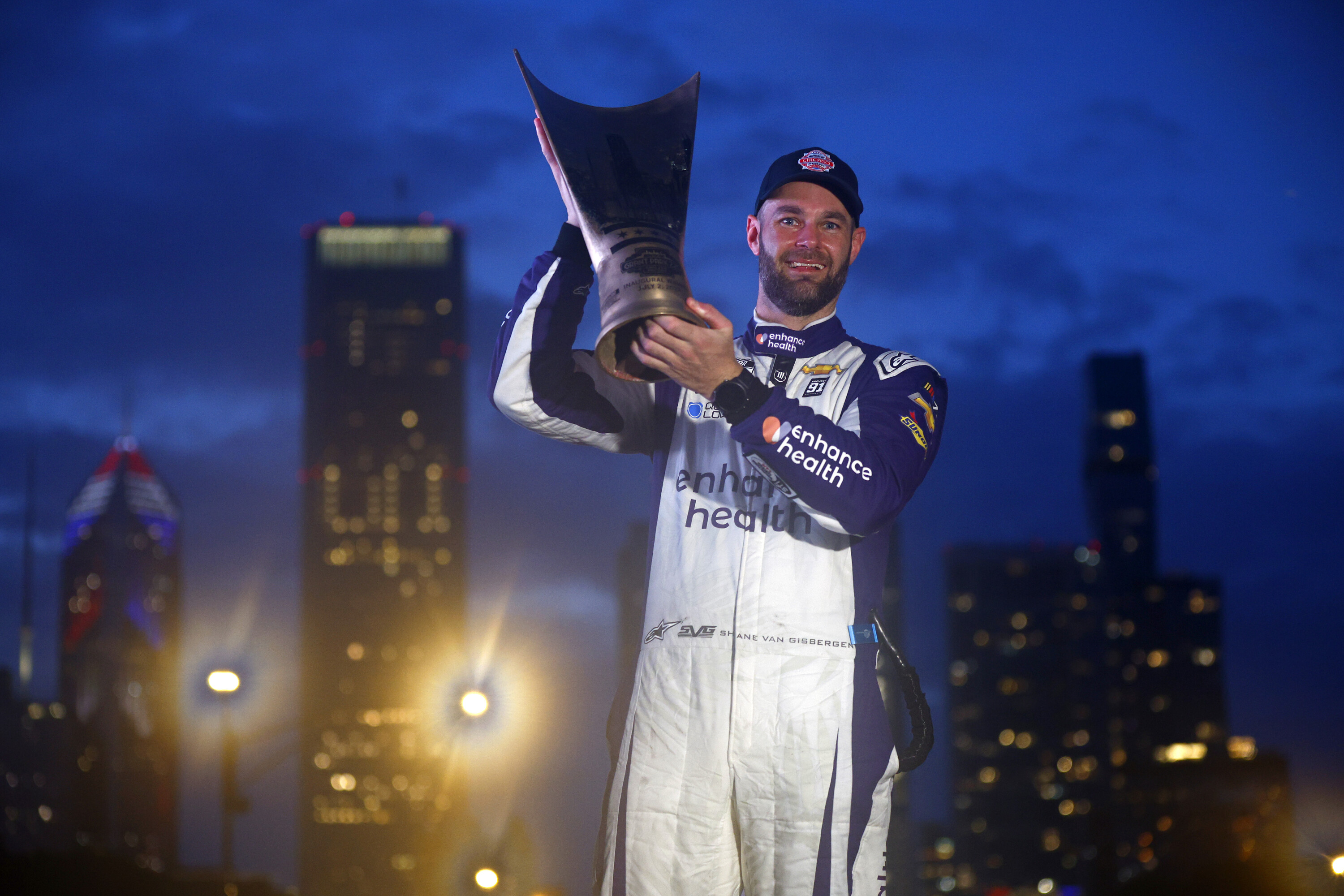
Tim Robson is onto something when he says that ‘Shane van Gisbergen is a once-in-a-generation race car driver’(‘Fast Track’, Wheels August).
Honestly, I think we don’t realise quite what a talent the guy is. When Autosport magazine compiled their list of the top 50 drivers on the planet at the end of last year, SvG ended up 10th on the list, behind Lando Norris (Formula 1), Will Power (IndyCar), Josef Newgarden (IndyCar), Stoffel Vandoorne (Formula E), George Russell (F1), Lewis Hamilton (F1), Kalle Rovanperä (WRC), Charles Leclerc (F1), and Max Verstappen (F1).
Where would you put him now that he’s shown NASCAR his stripes? Maybe fourth behind Verstappen, Hamilton and Rovanperä? Like Robbo says, once-in-a-generation.
ud83dudede Editor Andy
He’d need more than a one-off to make that definitive but the man has to be there or thereabouts.
1
Snoozy zed
?️ Paul Mabey, via Facebook
Please help me understand why Nissan is charging nearly 20 grand more for the Nismo version of the Z when it only has 11kW more than the standard car? I can sort of understand modest power upgrades with a normally aspirated engine (I’m looking at you, Mustang Dark Horse), but the big 3.0-litre turbo engine of the Nissan Z ought to be easy to wring another 30kW out of.
I don’t get it.
ud83dudede Editor Andy
It’s got a stack of extra performance kit in it, but the power uptick is surprisingly modest. Still, a GR Supra also packs a 3.0 turbo and makes 285kW so perhaps we should be thankful for what we have.
1
The Wheels question to you
The new Mitsubishi Triton: hit or miss?
I’m on board
This will be a very good ute at a competitive price. Updated engine makes competitive outputs, and unlike some European (German) rivals, it will be as reliable as an old blue heeler. u2013u00a0Paul Zennaro, via Facebook
I’ll pass
I think Mitsu has left a bit on the table with this. The styling looks okay but the engine is very outdated compared to its competition. Interior is mildly updated but fundamentally quite similar. u2013u00a0B. Zuehlke, via Facebook
Want to have your say? Keep it tight (no more than 200 words) and include your suburb if via email: [email protected]. You can also chime in on Facebook & Instagram.
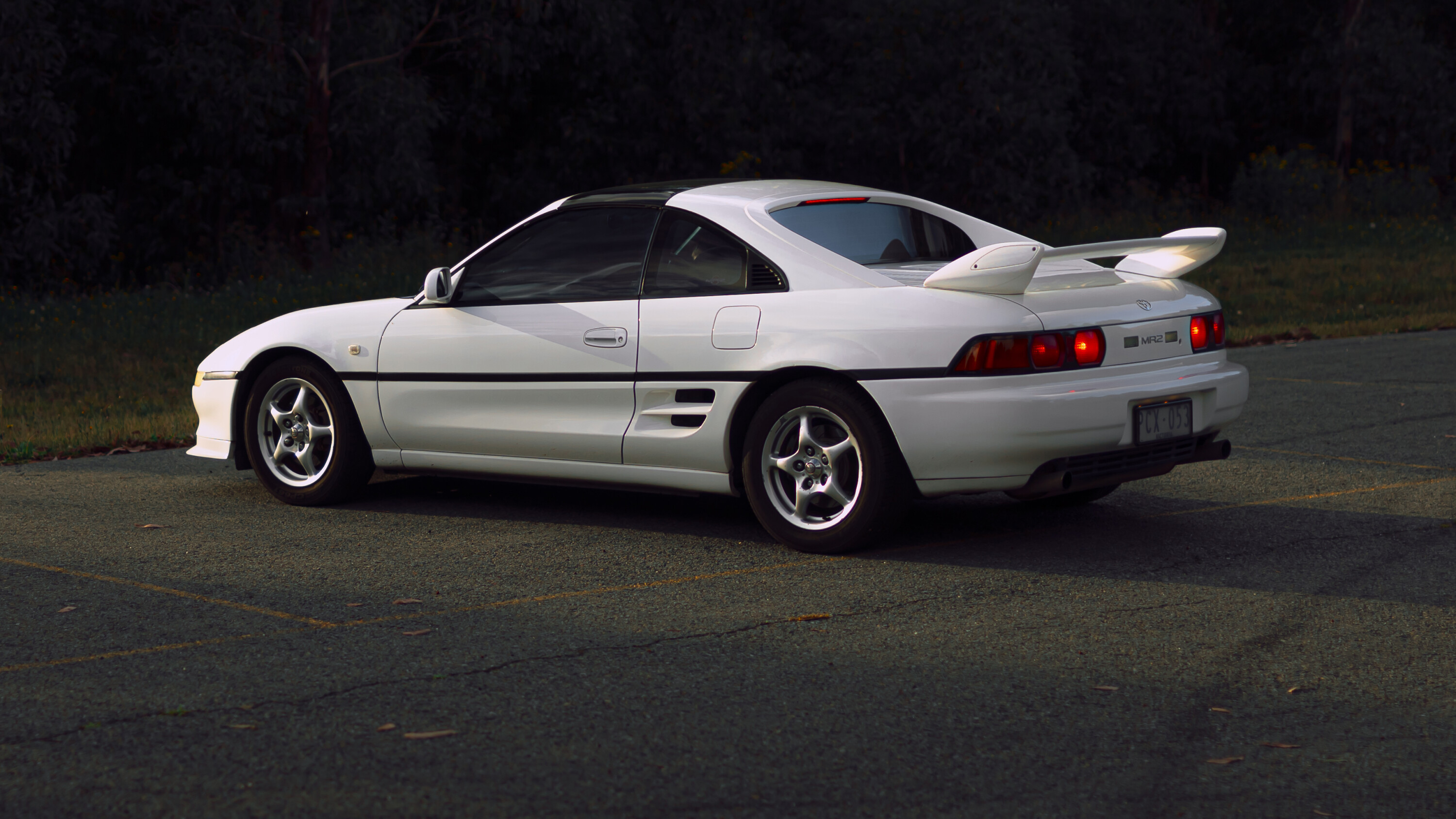
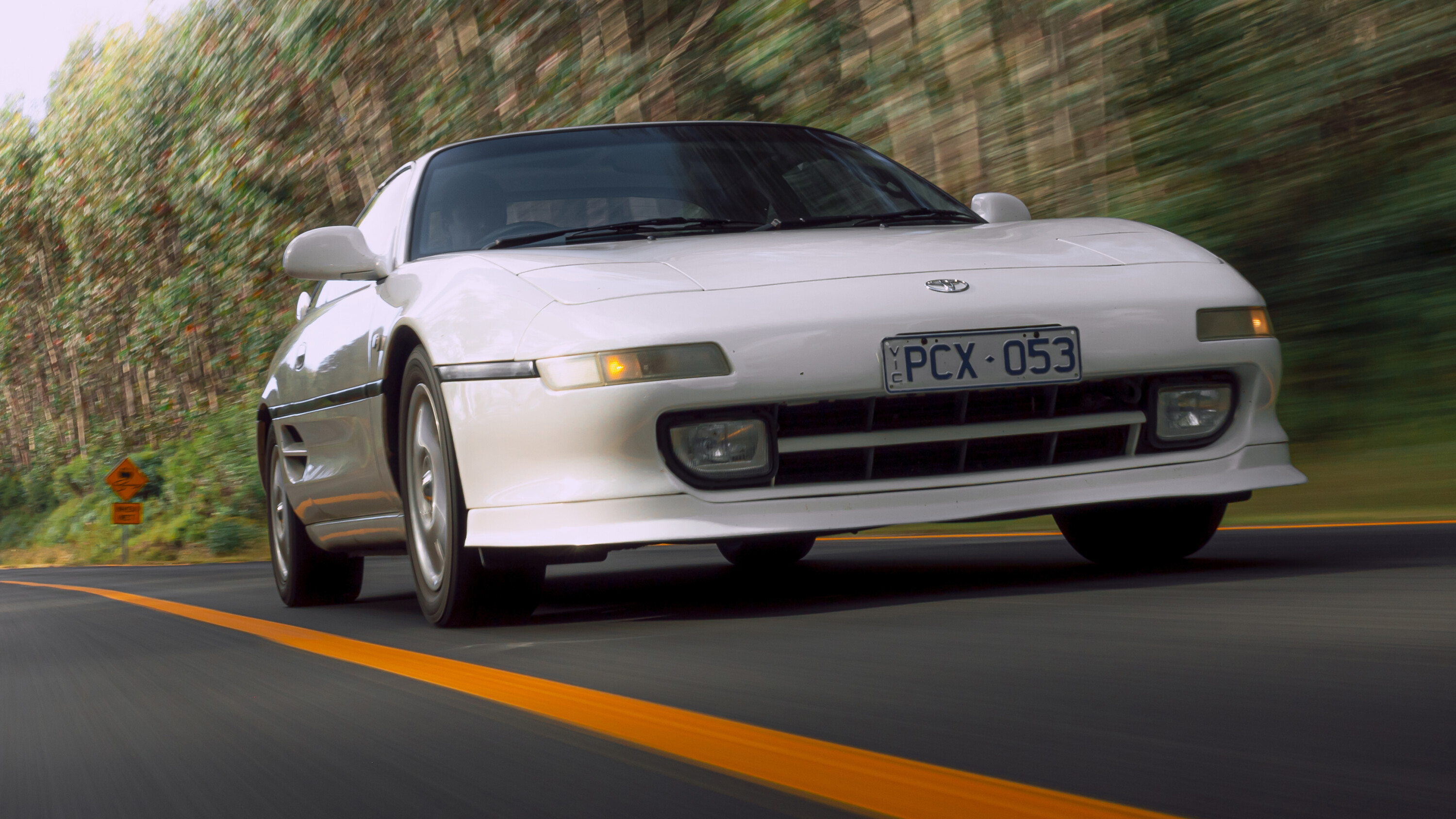
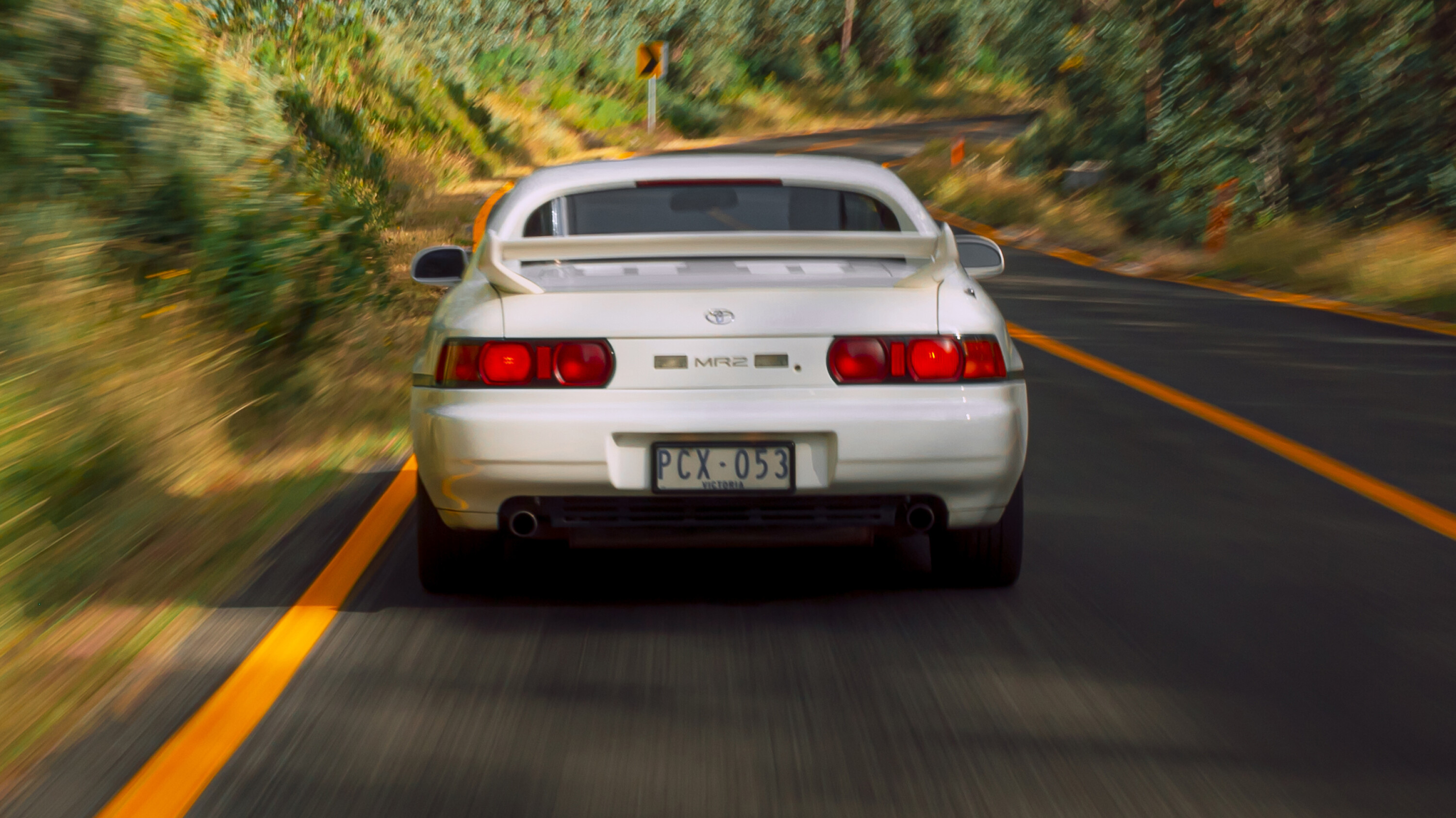
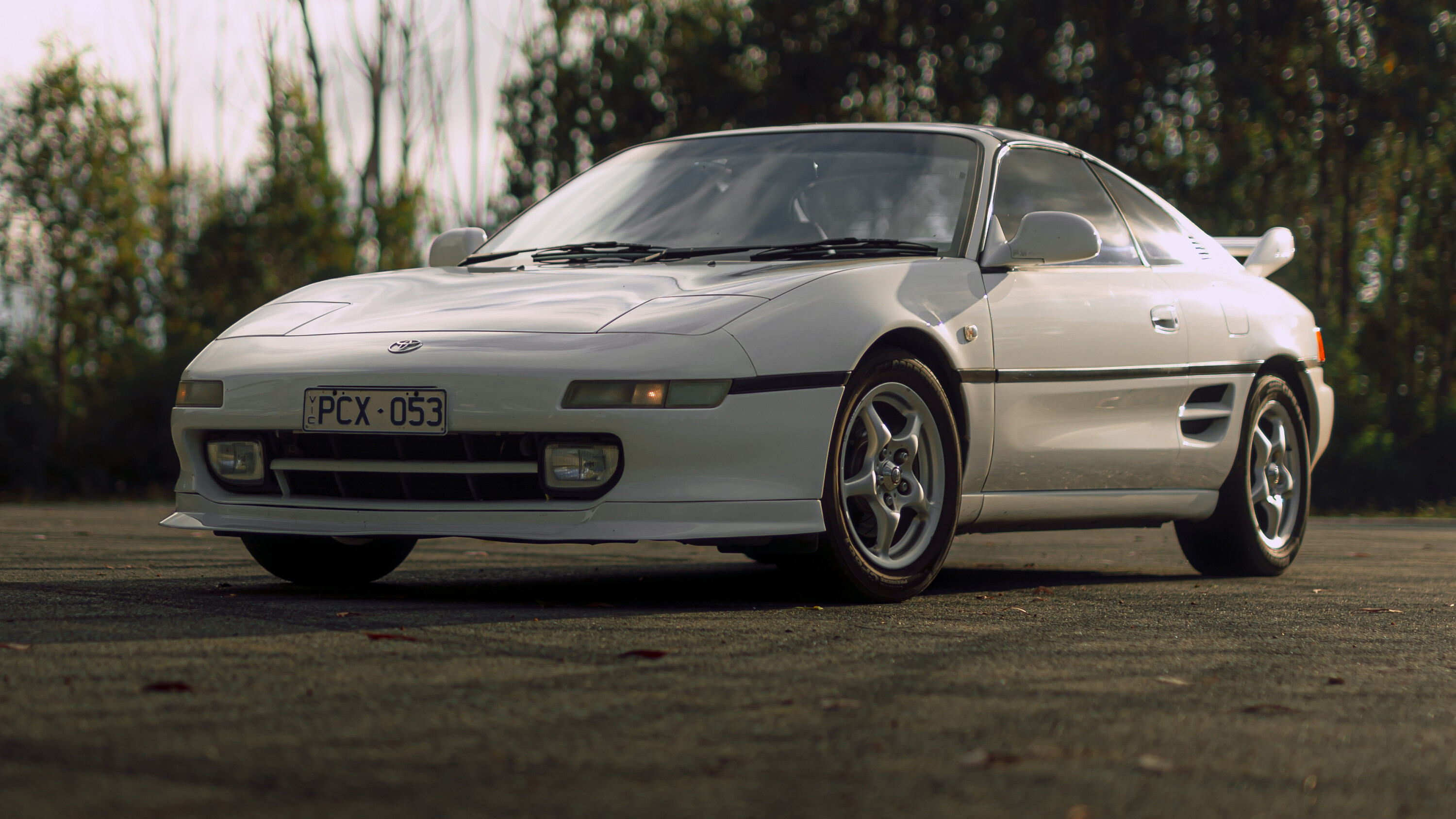
As screamer headlines went, ‘HOW TOYOTA SPOILT THE MR2’ is right up there.
Accompanied by a series of pictures of an SW20 MR2 spinning on track, the cover of CAR magazine’s May 1990 edition stuck the knife into Toyota’s box-fresh sportster with 100-point all caps.
In today’s torrent of clickbait, such a headline would barely raise an eyebrow. It’d likely elicit a Jeff Lebowski shrug of ‘that’s just your opinion, man’ before scrolling on. Back then it was enough to permanently cast a shadow over the SW20 MR2’s legacy. But was there any truth to it?
1
Toyota reacted
Stung by the criticism, it brought a Revision 2 version of the MR2 to market in January 1992.
The suspension was altered, wider tyres were specified and JDM models got the option of traction control and, for the Turbo, a viscous LSD.
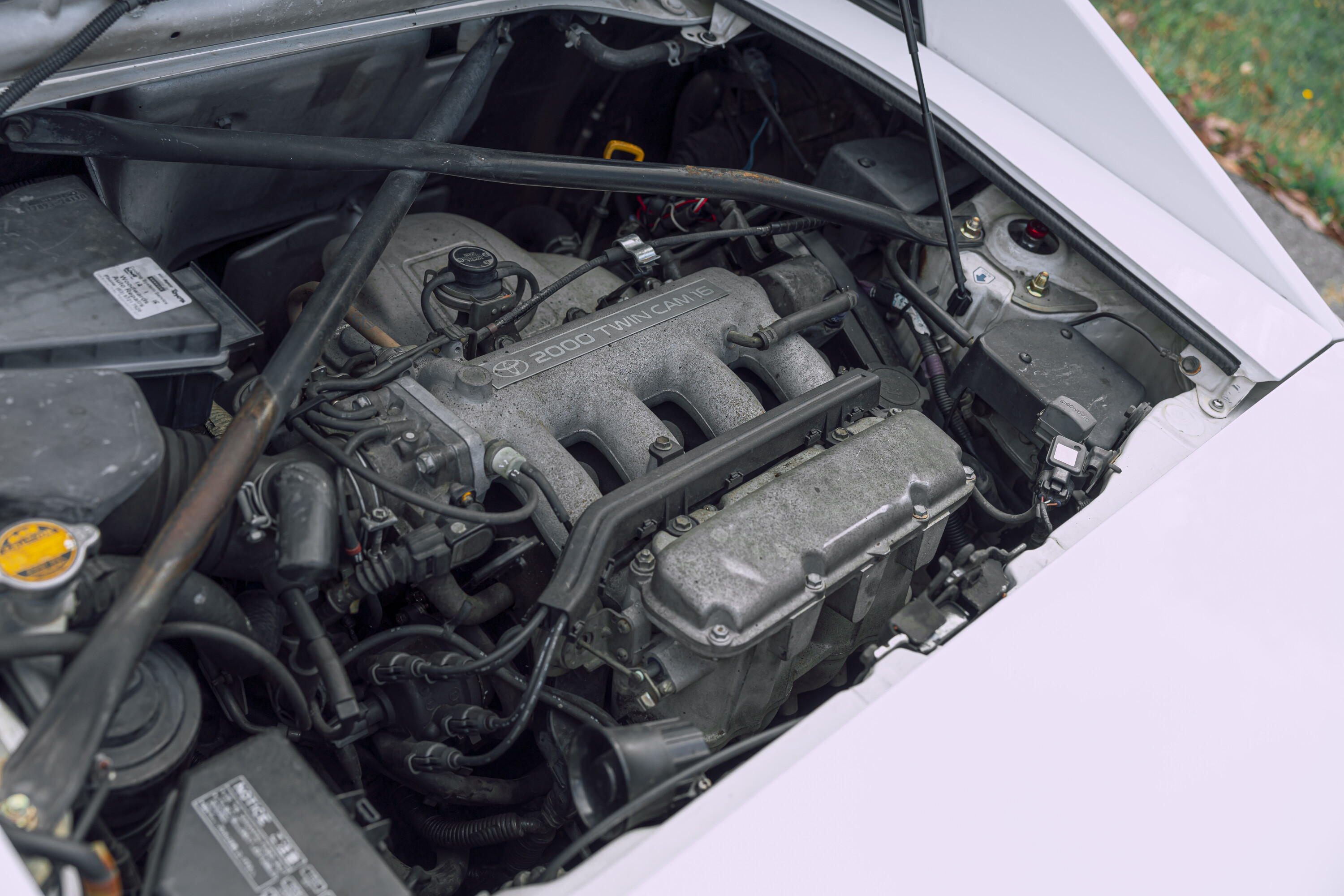
The turbocharged version was never officially imported to Australia. We had to make do with the atmo 3S-GE 2.0-litre four that had previously seen duty in the Celica SX. Subtly altered valve timing and compression had squeaked a few more kilowatts out of the 16-valve lump though, peak power rising by 14kW to 117kW at 6600rpm and peak torque climbing by 17Nm to a presentable 190Nm at 4800rpm.
1
Curiously, Toyota then undid much of that good work by saddling the five-speed manual transmission with a taller final drive.
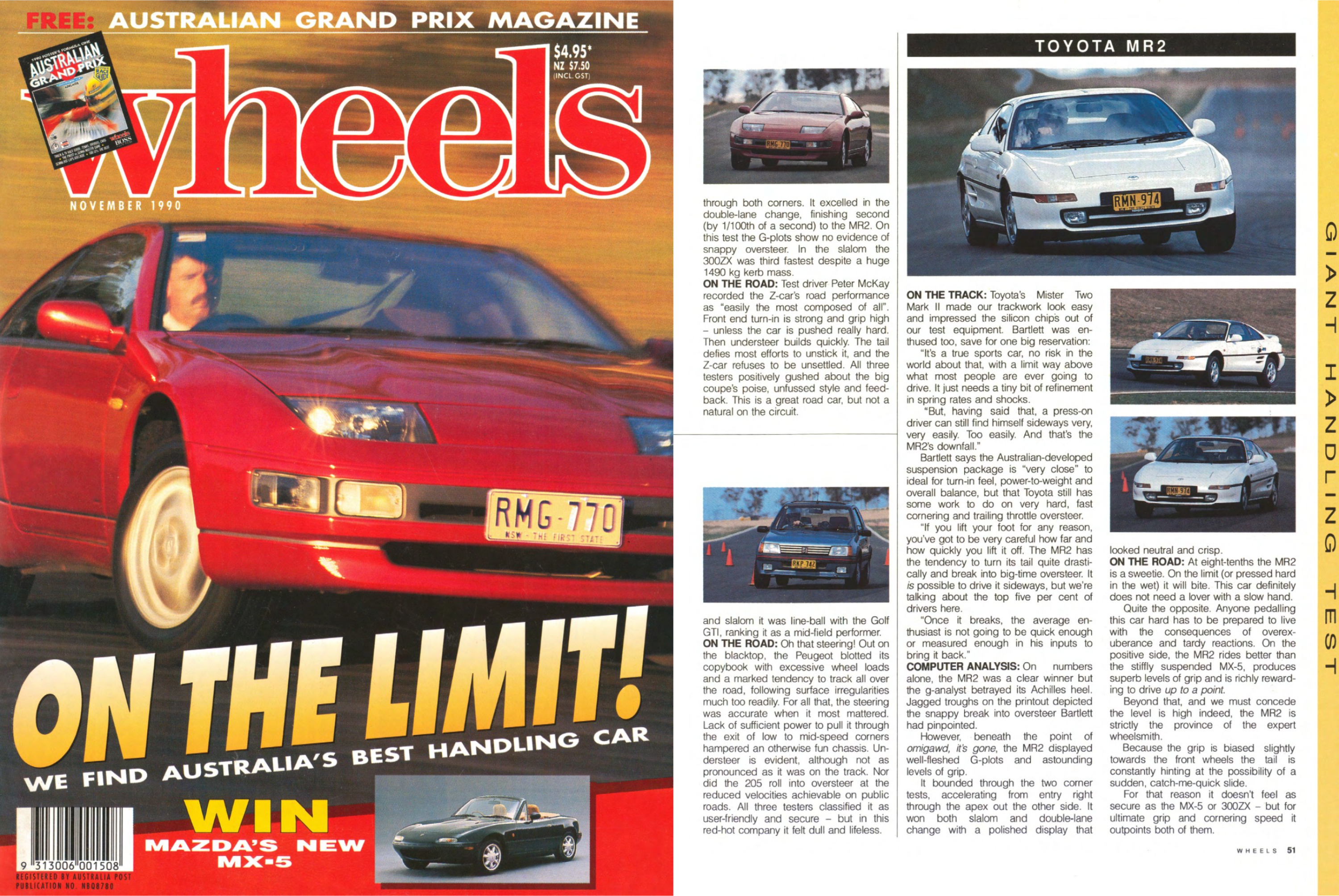
Wheels’ first taste of the SW20 in Australia came in March 1990 when Michael Stahl claimed it to be “easier to drive, significantly faster, stops harder, hangs on better and is more forgiving” than its predecessor. He did sound a note of caution, however, claiming that the Japanese press had found their home market Turbo version to be almost uncontrollable in the wet.
The very next month we decided to put Stahly’s initial assessment to the test. Mike McCarthy faced the MR2 against the Mazda MX-5, the Ford Capri Turbo and the Honda CRX and noted that the new Toyota “rides with controlled assurance while handling predictably, more progressively, with better directional stability than the original” ultimately handing the MR2 the crown as best sports car under $40,000. It certainly didn’t sound there as if Toyota had spoilt the MR2.
And then CAR magazine landed. After driving the MR2 at Castle Combe, the highly respected Gavin Green said in his eight-page piece “I have never had so many spins in a road car.
1
“It is possible to drive it sideways, but we’re talking the top five percent of drivers here” – Kevin Bartlett
Whereas the old car could be taken to the limit, and controlled quite neatly – both by the steering and the throttle – the new car is more vicious on the limit, far less controllable.”
CAR put the blame squarely on a perceived mismatch between the front and rear suspension stiffness, claiming that the rear was too soft in roll, overloading the outside tyre. Looking back, Green stands by the review. “I do recall having a conversation with Simon [Small, Toyota’s UK PR], and he wasn’t very happy.”
1
“My attitude back then – and it hasn’t changed – is that if you slag off a car, you have to be prepared to sit down in front of the MD, PR man, chief engineer etc. and cogently argue why you believe what you’ve written. Mere sensationalism is not acceptable.”
Some elements within Toyota already knew there might be an issue. Veteran US racer Dan Gurney was drafted to develop the SW20 and he recalls a test session at Willow Springs race track with chief engineer Kazutoshi Arima. “It was very windy.
“I was running the car pretty hard with Mr Arima in the passenger seat. We got off course at Turn Eight (twice) going over 120mph, with tumbleweeds blowing by and he never even flinched. It didn’t take long to find out that the rear end of the car was not very good. It was set up for [city driving] for the wife of one of the designers, which was too soft.
1
“The front and rear anti-roll bars were way too small, so we put on larger ones and balanced the car so it didn’t lean as much, making the car much better at high speed.”
Cue Arima trying to force these changes through at the eleventh hour, ultimately in vain.
In order to see if CAR’s limit-handling complaints had legs, Wheels strapped every piece of data collection gear possible to an MR2 in November 1990 as part of a handling test at Eastern Creek. The results were clear. “A press-on driver can still find himself sideways very, very easily. And that’s the MR2’s downfall,” said Kevin Bartlett.
“If you lift your foot for any reason, you’ve got to be very careful how far and how quickly you lift it off. The MR2 has the tendency to turn its tail quite drastically and break into big-time oversteer. It is possible to drive it sideways, but we’re talking about the top five percent of drivers here.
1
1
“Once it breaks the average enthusiast is not going to be quick enough or measured enough in his inputs to bring it back.”
Bartlett reckoned that at up to eight-tenths on road, the MR2 was a “a sweetie”, producing superb levels of grip and rich reward but only up to a point. Beyond that, he concluded, the MR2 is “strictly the province of the expert wheelsmith.” With exactly that behind the wheel, the MR2 aced the handling test, being the quickest and grippiest vehicle present.
So it was clear that the MR2 could reward a great driver, but had some set-up issues that were likely to pitch most of us into a ditch at some point. The fix came with the Rev2 and were far more extensive than just some chunkier anti-roll bars.
1
The suspension was the key recipient of alterations, with the caster angle revised, increasing trail, while upgraded bushes helped maintain camber angle under higher loads.
Yes, chunkier anti-roll bars were fitted front and rear, but the spring rates remained unchanged. The strut mounting points were moved for superior anti-dive effect, the dampers were retuned, the front tie-rod beefed up and rear toe increased by a few millimetres.
The rear-most lower suspension arm was lengthened by 90mm to help prevent toe-out under braking (or lift-off). If, after all that, the car still oversteered, drivers could rely on a quicker power steering system that saw a reduction in the overall ratio from 20.5:1 to 17.6:1.
1
Another issue with the steering in the Rev1 was that in lift-off scenarios, the electric power to the steering system could momentarily drop right when you needed it most.
In the Rev2, the ECU for the steering was networked to that of the engine, so if the driver turned the wheel quickly without any throttle actuation, the engine would boost the idle speed such that a loss of assistance couldn’t happen.
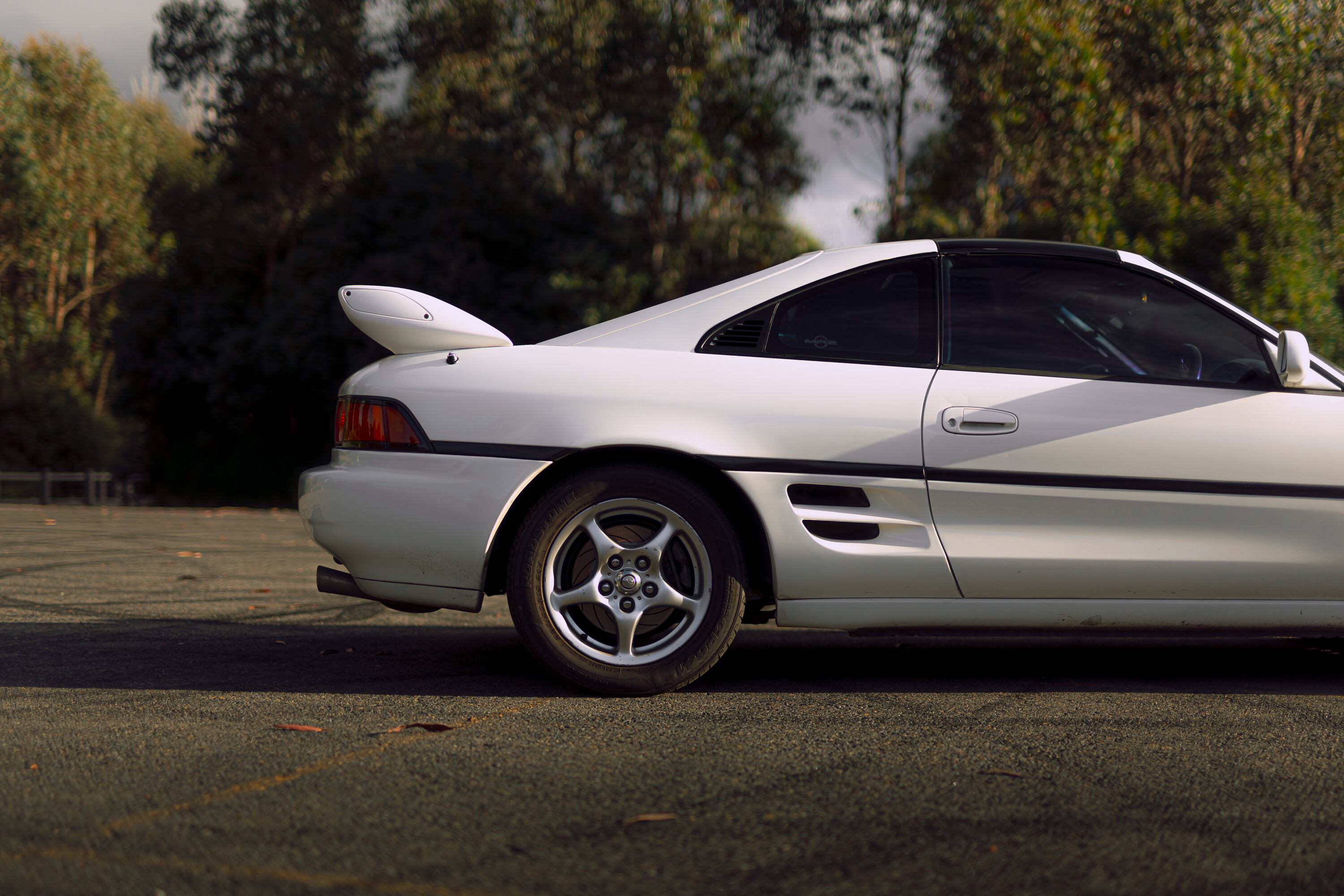
Bespoke 15-inch Yokohama AO22 tyres replaced the previous 14-inch Bridgestone rubber, with the rear treads widening from 205 to 225mm. Flat-faced five-spoke alloys replaced the more organically curved five-spokes of the Rev1 and the MR2’s aesthetic was also helped by the fact that the suspension changes dropped the ride height by 10mm.
1
Reviewers were instantly impressed by the Rev2.
Autocar and Motor claimed that “although it has to be remembered that the MR2 was never the treacherous beast it was often held out to be, now it is a pussy cat. You’d need to be a fool or extremely unlucky to spin the MR2 on a public road.”
Even CAR recognised that the car had been transformed, noting that “roadholding is strong and positioning the car cleanly to allow hard acceleration out of a curve produces pleasing neutrality, there’s no threat of a slide or a spin should you de-throttle, as was last year’s model’s nasty habit.”
The Toyota developed the highest G-forces through the measured corner and second highest cornering speed to the Porsche.
Johnson claimed that “through the fast stuff it’s very controllable and you can get it into a four-wheel drift very comfortably. Very neutral… Once you get it to its limit though, it lets go.
It gets to a point and then it’s all over, a bit like a Porsche 911. In a lot of cars, you have to put on a lot of lock just to get the attitude on the car before they go anywhere. The MR2 isn’t like that at all – it goes where you point it.”
1
Toyota continued tweaking the MR2 formula, having fixed the handling. The ‘facelift’ Rev3 was announced in November 1993, boosting power, fitting a passenger airbag and debuting the rounded ‘Kouki’ tail lights.
Power lifted to 129kW with updates to the fuel injection, intake, exhaust and valve gear. Two-stage gas dampers were fitted and the suspension geo was again fettled, with caster changes helping straightline stability.
This then allowed Toyota to, in effect, reverse the Rev2’s rear toe geometry, the suspension brackets altered to give 2mm less toe-in to help combat mid-corner understeer.
1
The Rev4 arrived in June 1996, with better ABS and an exhaust gas recirculation system which knocked the atmo 3S-GE back to 125kW in many markets.
The final iteration of the SW20, the Rev5 was interesting in that it introduced the 147kW BEAMS version of the 3S-GE.
Without the draw of a turbocharged version, the SW20 rather fizzled here in Australia. A 125kW MR2 Bathurst edition was launched for the domestic market which was 37kg lighter than standard due to featuring cloth seats, with no centre storage bin, no front fog lights, no power steering and cheaper seats yet still retailed at $49,990 in 1998, which was a round ten grand more than the 155kW, all-conquering, all-wheel-drive Subaru Impreza WRX.
1
Not surprising then that it came dead last in a Wheels comparo in March 1998, not because it was a poor car, but because it was overpriced and under-specced.
In many ways, the SW20’s reputation never recovered from CAR magazine’s cover. All but the knife-edge Rev1 cars are huge fun to drive, handle extremely well and reward a skilled hand at the wheel like few other comparable cars.
The Turbo defies the old adage of ‘fast, cheap, reliable – pick any two’. Those in the know are quite happy for the market at large to view the SW20 with an element of caution.
If you’ve got this far, do us a favour. Keep that under your hat, eh?
Fast facts: The editor’s choice
I owned a Rev2 GT Turbo imported from Japan, powered by the Yamaha-fettled 3S-GTE lump good for 163kW, which seemed a whole hill of excitement, but doesn’t seem quite so imposing today.
It also featured the JDM Bilstein dampers and optional traction control. The Rev3 lifted that output to 180kW, making the MR2 Turbo a quicker car than a Honda NSX, a Ferrari 348tb or a Toyota Supra RZ around Tsukuba, at least according to the occasionally erratic standards of Best Motoring.
Ultra-aerodynamic EVs donu2019t provide the best value-for-range, but Chinese made ones do
Bigger battery, longer range often means more expensive price
Long range EVs arenu2019t necessary for most Australians
Typically, a shorter driving range compared to traditional cars is a key perceived barrier to making the electric vehicle switch.
Yet, choosing a bigger battery for greater range often means a higher price tag – another key hurdle to EV adoption.
While EVs provide more than enough range for most Australians’ daily commuting needs, some also like to venture on interstate holiday road trips where longer driving range is only needed occasionally.
As with regular internal combustion engine (ICE) cars, the real-world range will likely be 10 to 20 per cent less, depending on a variety of factors detailed here.
Carmakers also generally recommend an everyday charging limit of 80 per cent for lithium-ion type batteries to maintain good health and avoid extended charging times, whereas lithium-iron-phosphate (LFP) cathodes are less susceptible to degradation if fully charged.
Top 10 best-value EVs, ranked by cost-for-range
If value-for-range is a priority, here’s the top new EV models in Australia that provide the best dollar per kilometre from a full charge.
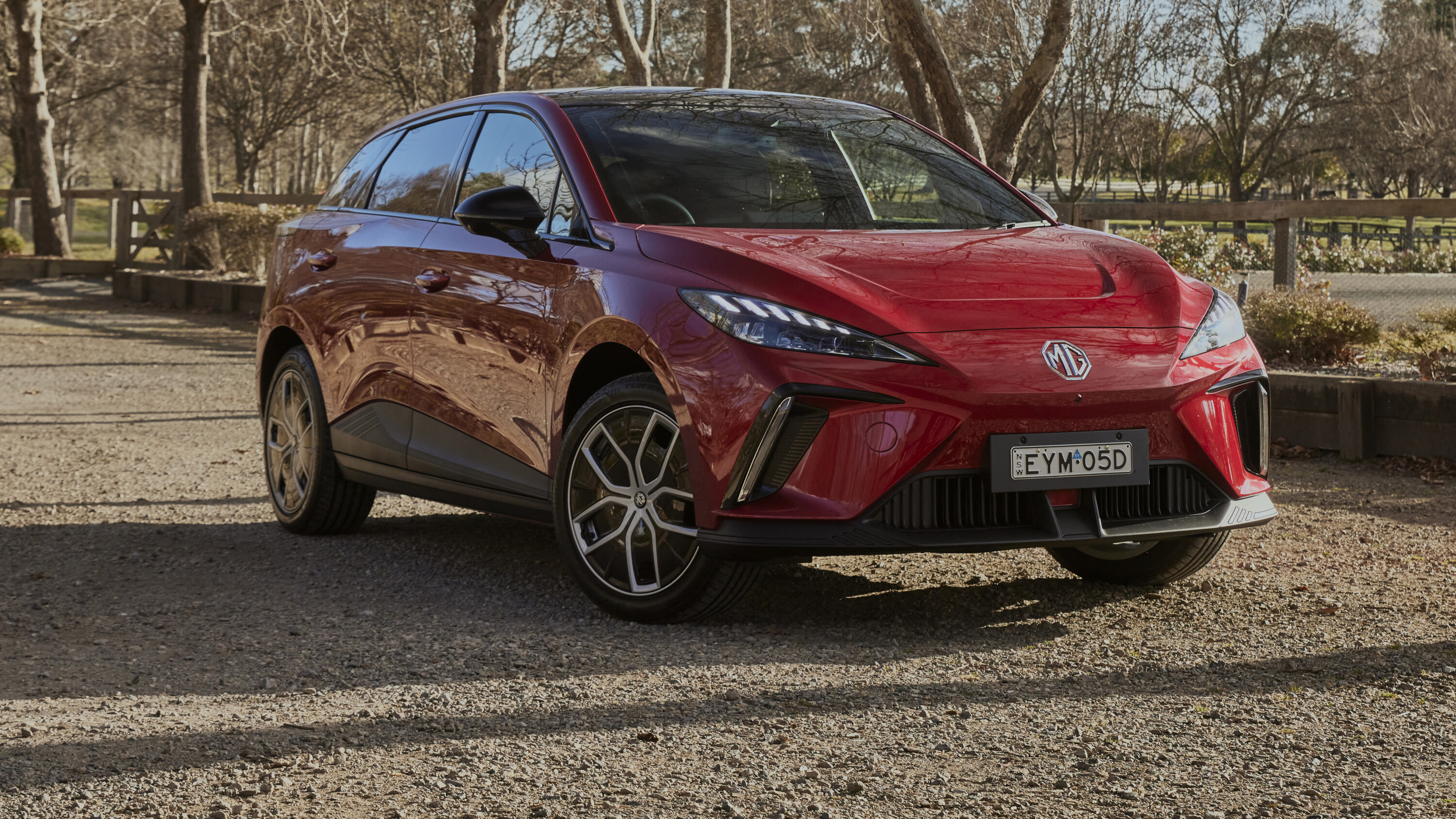
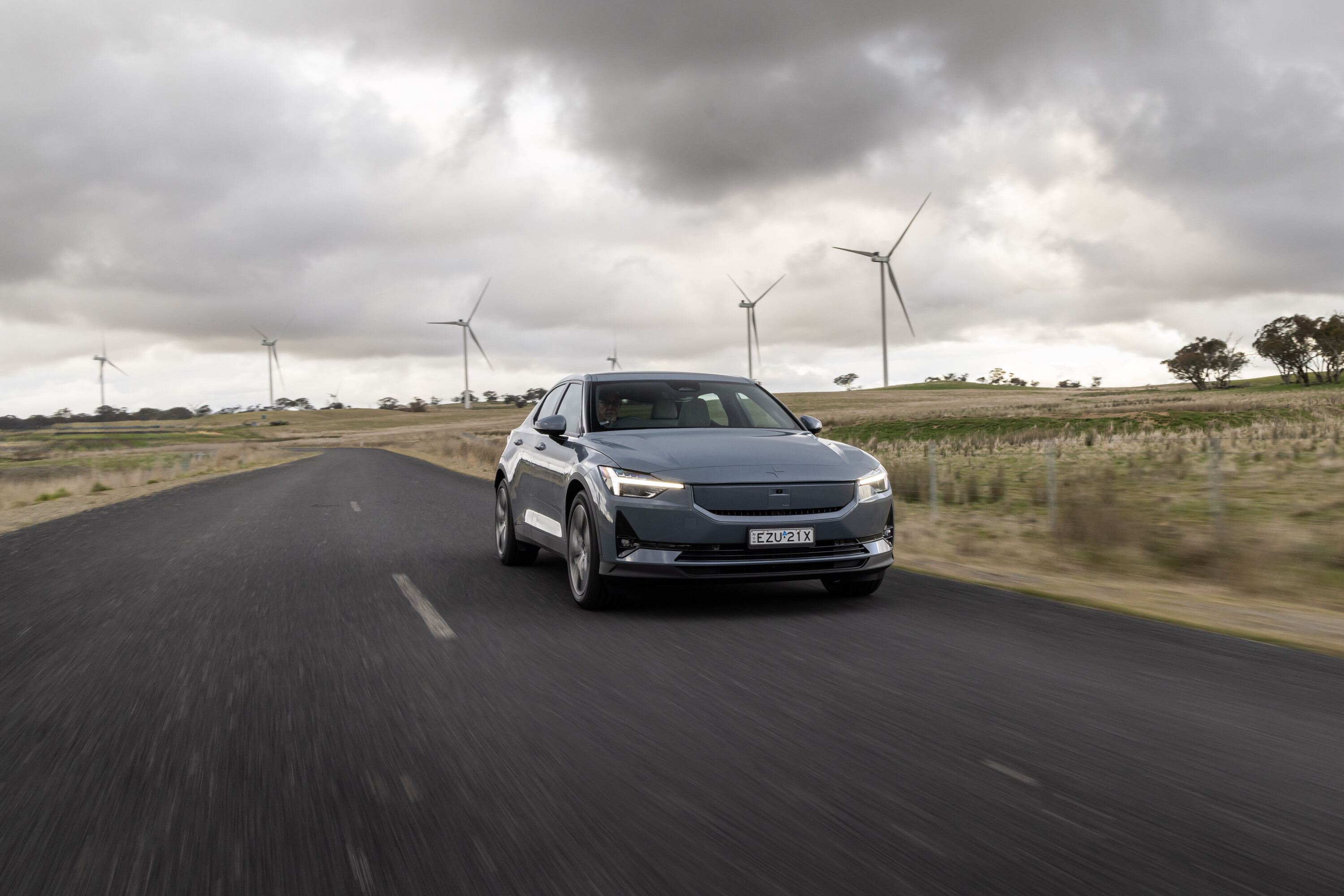
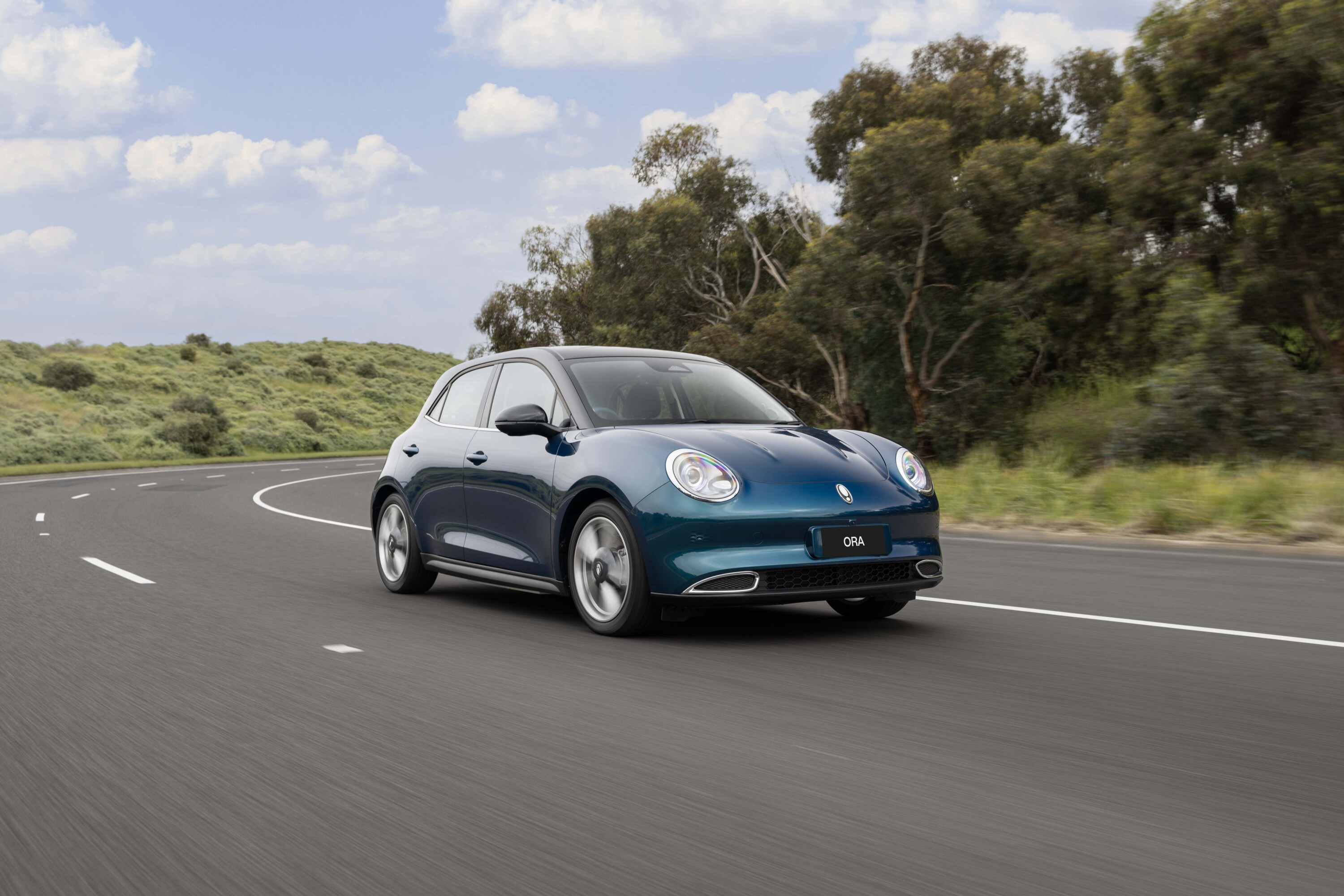
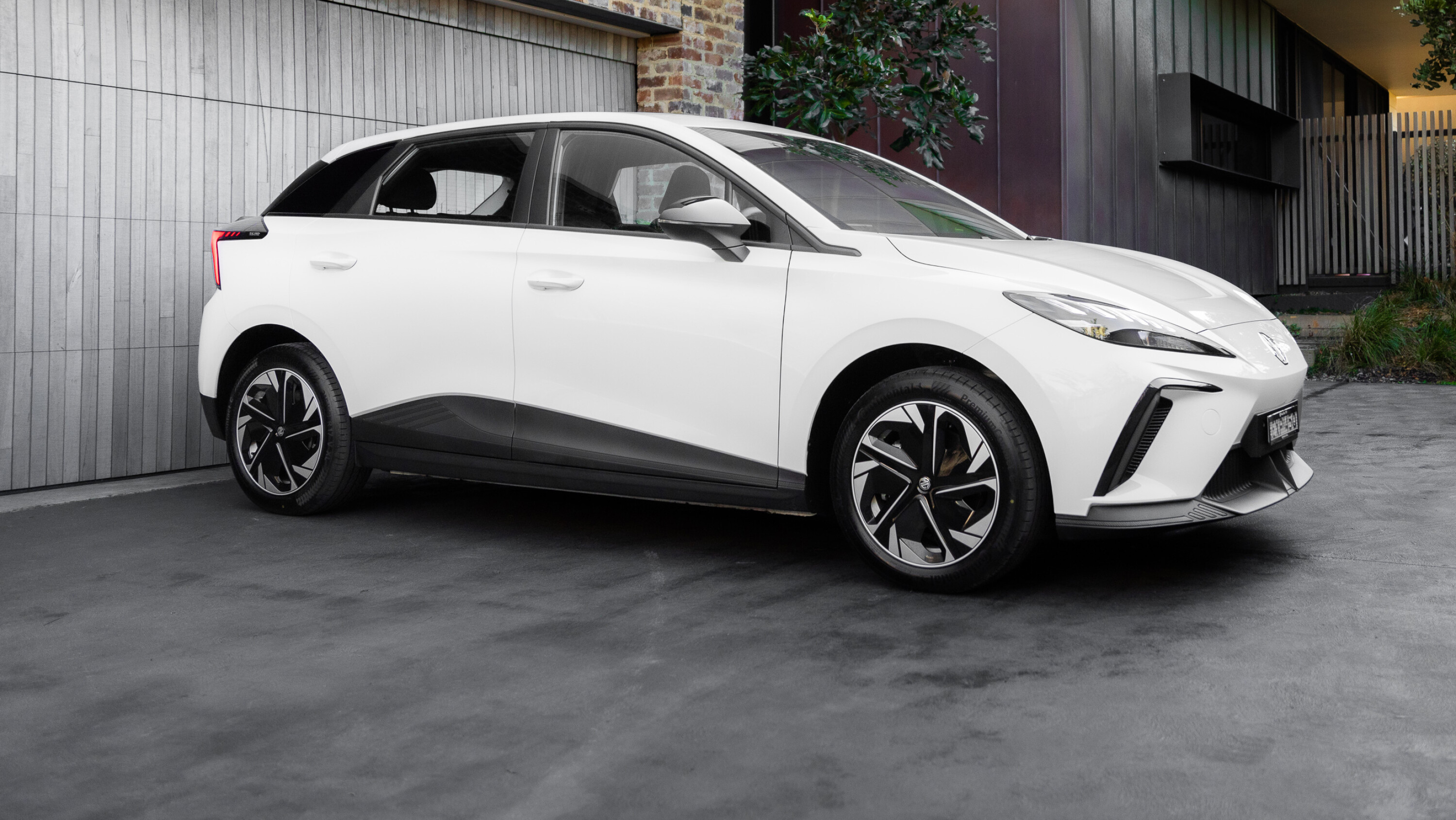
Notably, all models are made in China (read why that’s the case here) – and demonstrate that you don’t need to spend on high-end, large battery or ultra-aerodynamic EV to achieve the best value for range.
The figures below are accurate at the time of publication, ranked by cost per kilometre.
The list is calculated on the manufacturer’s suggested retail price – excluding mandatory on-road costs – and uses claimed combined WLTP range on a full 100 per cent charge (which isn’t recommended regularly for lithium-ion batteries).
You can find news and reviews for each of these models by visiting our Electric Cars page or clicking the link beneath each model.
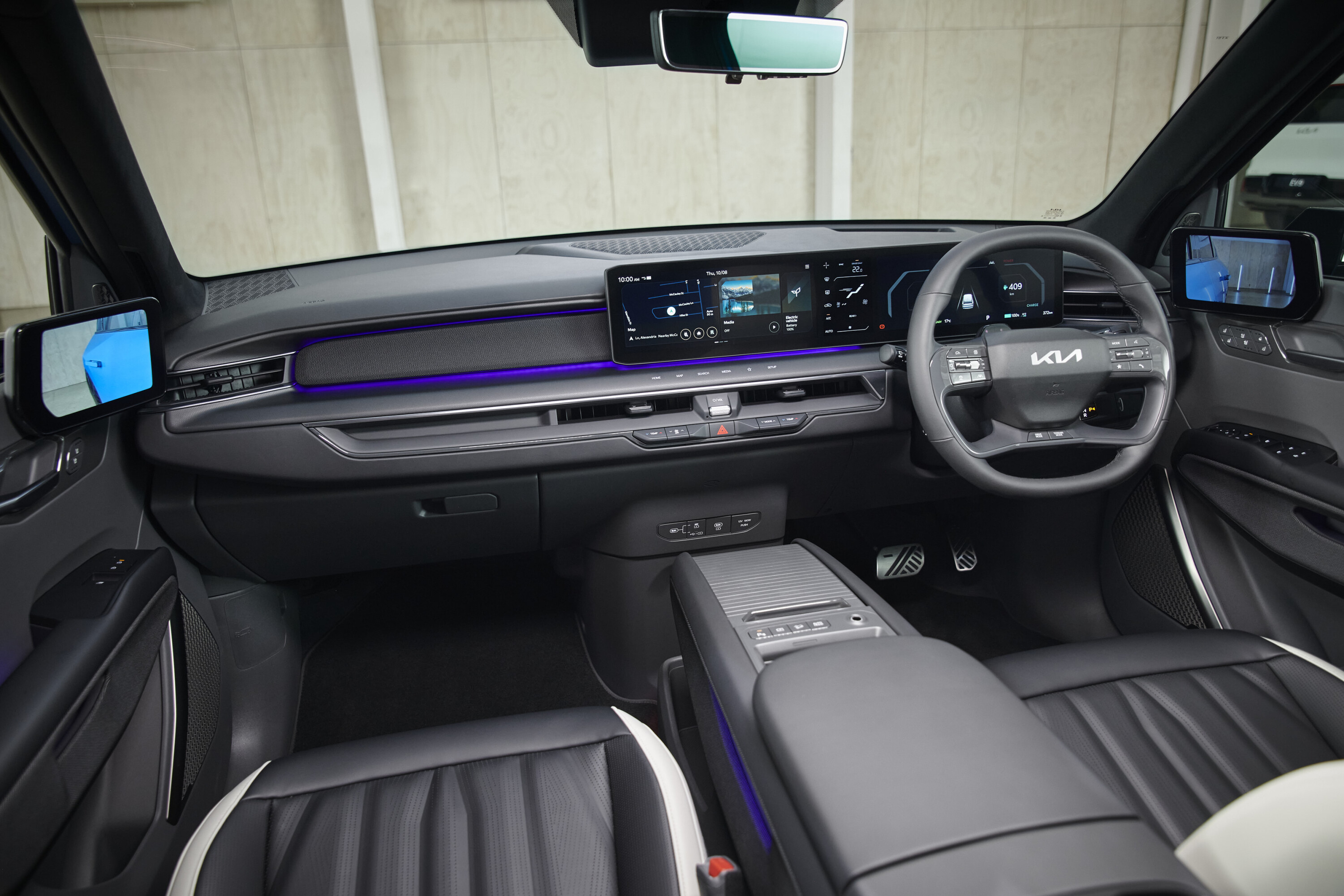
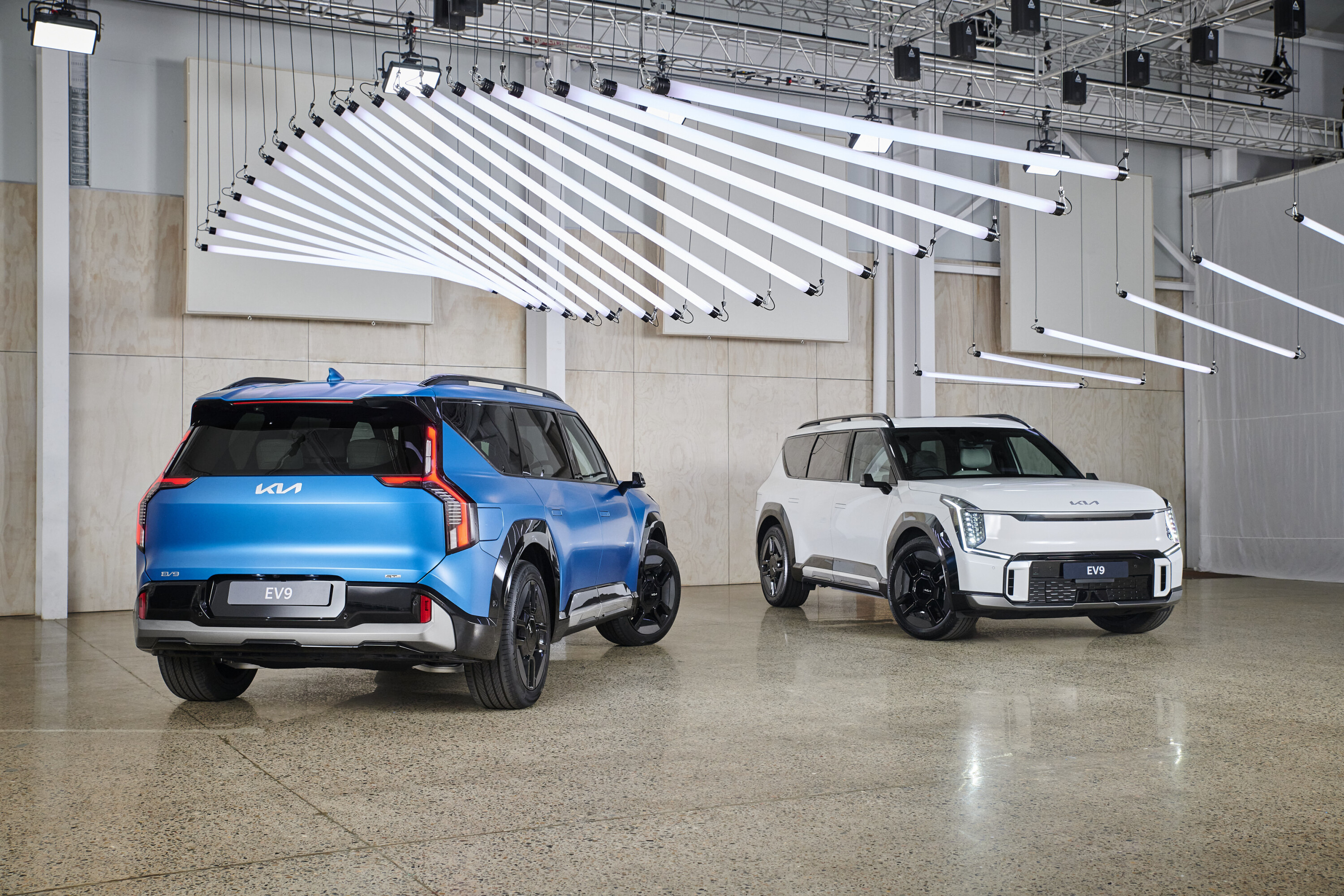
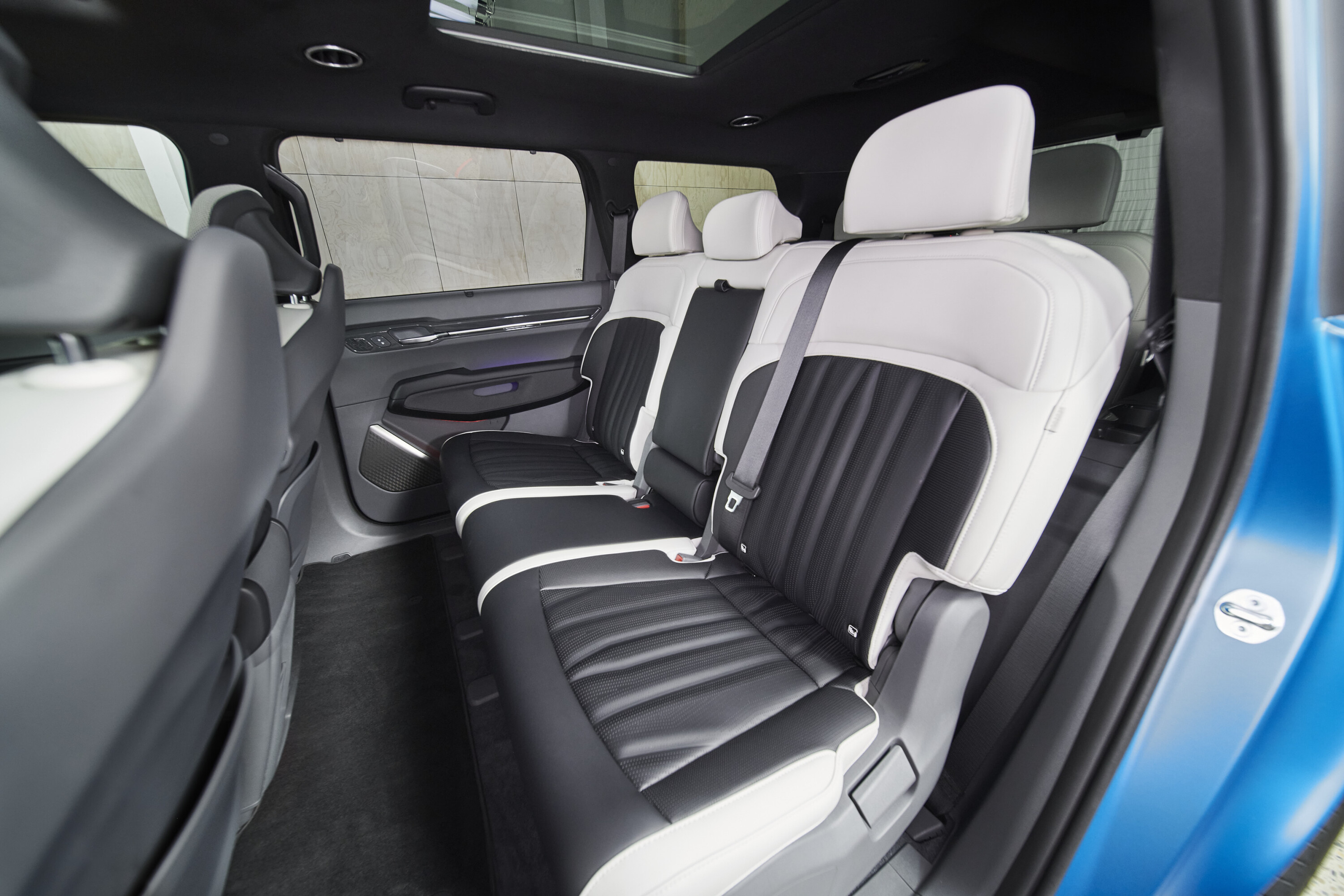
Australian details for the 2024 Kia EV9 have been confirmed.
The seven-seat, upper-large EV9 electric SUV will become Kia’s most-expensive vehicle in Australia, priced between $97,000 and $121,000 before on-road costs – surpassing the $99,590 EV6 GT.
Three trim levels will be available in Australia: Air RWD, Earth AWD and GT-Line AWD.
The base rear-drive Air will feature a 76.1kWh standard-range battery, while the Earth and GT-Line are fitted with the flagship 99.8kWh long-range battery.
Below: Read our first drive of the EV9
Kia’s massive EV9 is a unique thing, for Kia and the market alike, which could result in a surprise success – even at $100k a pop.
Story continues: EV9 pricing revealed
The Air RWD has a 443-kilometre driving range, a 512km range for the Earth, and a 505km range for the GT-Line.
The rear-drive 76.1kWh Air model features a single 160kW/350Nm electric motor, with an 8.2-second claimed 0-100km/h time. In dual-motor form, the EV9 has total combined outputs of 283kW and 700Nm and a 5.3-second 0-100km/h time for the GT-Line.
Premium paint is available for all three variants for an additional $1100.
1
“The initial shipment [of EV9] will be 200, which is effectively on the water now, and we’re very confident of getting good supply,” Kia Australia operations boss Damien Meredith told Wheels in October.
In terms of demand, Meredith said dealers “have been writing orders for a while already, there’s probably a couple hundred orders already”. Kia said it plans to supply around 100 units per month.
The EV9 is Kia Australia’s largest vehicle yet, in the absence of the Telluride and Mohave sold overseas, and it will debut its next-generation infotainment system and semi-autonomous highway driving tech locally.
Kia Connect will be standard-fit, with a new online store to debut in Australia for the EV9.
A local ride and handling tune was also completed for the EV9. Led by suspension guru Graeme Gambold, the program tweaked spring and damper settings to suit local conditions and preferences, as with the smaller EV6 and other internal-combustion Kia vehicles.
The Kia EV9 will face limited competition in Australia at launch.
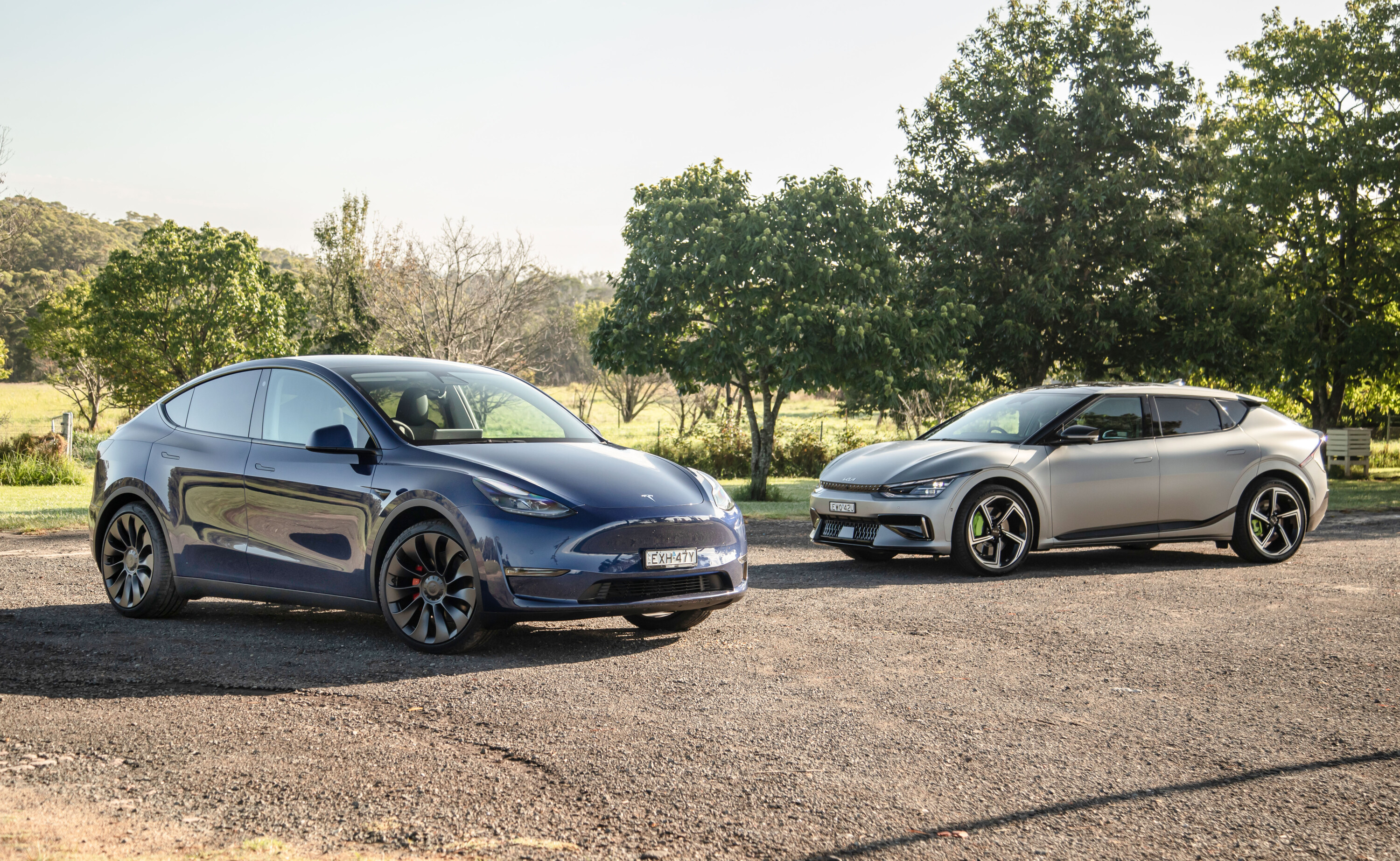
The smaller Mercedes-Benz EQB, and dearer EQS SUV, are the only three-row electric SUVs with no seven-seat Tesla Model Y and no right-hand-drive production for the latest Model X.
However, the EV9 will face off with its twin under-the-skin, the Hyundai Ioniq 7, which is due in Australia later in 2024. The Volvo EX90 is also due next year.
Ranger edges out HiLux to claim #1 sales spot for October
HiLux and Ranger have topped the monthly sales charts five times each in u201923
EV sales dipped month-on-month but are still up for the year
The Ford Ranger has topped the monthly sales charts for October, marking the fifth time this year Ford’s dual-cab has been Australia’s best-selling vehicle.
The Ford Ranger recorded 6215 sales last month, beating home its arch-rival the Toyota HiLux by 449 units, which notched up 5766 deliveries.
Interestingly, both the Ranger and HiLux have topped the monthly sales charts five times each so far in 2023.
Dual-cab utes filled all three spots on the podium for October, with the Isuzu D-Max taking third place with 3198 sales which was a remarkable 63.9 per cent increase compared to October last year.
Two Toyota SUVs completed the top five, with the RAV4 recording 2598 sales in fourth (down 19.4 per cent year-on-year) and the LandCruiser line-up taking out fifth with 2561 sales.
The results come in a market that saw 106,809 new vehicle sales in October, which was a 22.3 per cent increase over this time last year. Booming demand and improved supply also saw Aussie new vehicle sales roll past the one million marker for the first time ever in October.
1
As expected, dual-cab utes and large SUVs accounted for the bulk of sales and represented 38.3 per cent of the total market share.
It wasn’t good news in every segment, however. Electric vehicle sales softened in October to make up 5.7 per cent of the market which is down from eight per cent in September.
EV sales are still surging year-on-year, however, with electrified passenger vehicles up 100 per cent compared to this time last year, while electric SUVs are up almost 300 per cent.