
Famed race team and McLaren tuner Lanzante has revealed the designs for its seven McLaren LM 25 special editions, celebrating the number 59 McLaren F1 GTR which won at Le Mans in 1995, 25 years ago.
One of each of Mclaren’s current model range will be turned into an LM 25, which means Senna, Senna GTR, 725LT and Spider, 600LT and Spider, though the seventh is yet to be confirmed.
“On this day 25 years ago Lanzante ran the Ueno Clinic Le Mans 24hrs winning F1 GTR. To celebrate this victory, we are producing 7 LM 25 Editions,” Lanzante said on Instagram.
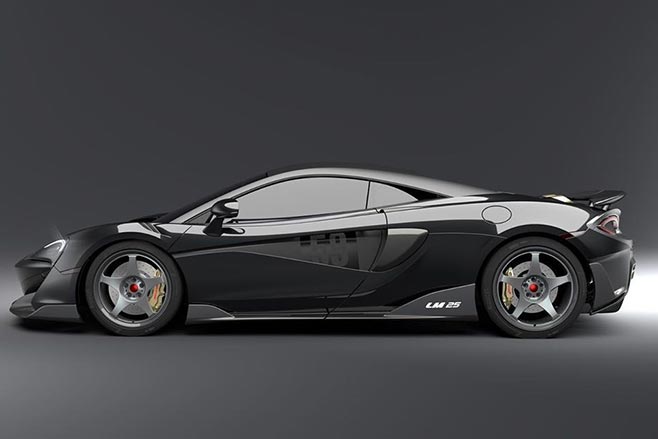
“All will be the optimal version of each McLaren model focusing on lightweight performance upgrades and styling cues from F1 GTR number 59.”
Each car will be painted in ‘Ueno Grey’ to match the colour of perhaps the most iconic F1 GTR, with number 59 worked into the paintwork and LM 25 badging marking the special nature of each individual car.
Each car’s mechanicals will remain mostly the same (expect a little bit of fiddling with outputs, though), while seats identical to those of the F1 GTR will be fitted to each, with the interior fitted out in Alcantara, carbon fibre, and gold coloured switches.
The brakes on each car will also be painted gold with red text as a nod to the Ueno car (below, middle).
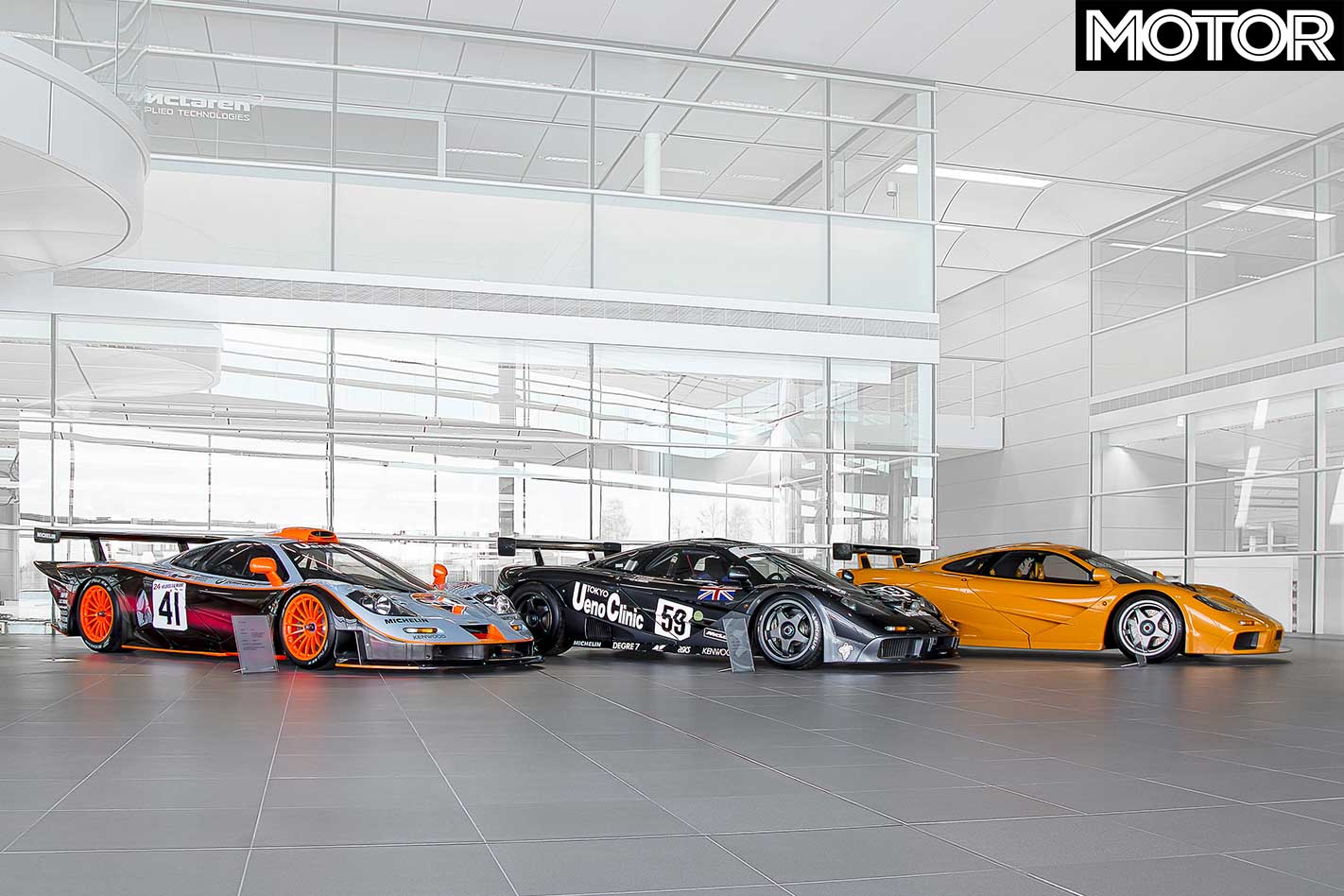
Tokyo Ueno Clinic, in case you were wondering, is… a, er. It’s a ‘gentleman’s’ surgery clinic specialising in, well. Gentleman bits.
That’ll be a fun conversation starter for the owners of these seven cars then.
Get your free weekly MOTOR report!
Australian dealerships will welcome the Aston Martin Vantage Roadster into showrooms for a tour of Australia prior to the commencement of local deliveries.
With customers to begin receiving their Vantage Roadsters in Q1 2021, the coming months will see the convertible V8 sports car make its way around the country for display and press purposes.
With the Vantage Roadster priced from $314,635 before on-roads, it’s just short of $15k more expensive than its coupe sibling, but with the same 375kW and 685Nm from its twin-turbo 4.0-litre V8, borrowed from AMG. The 8-speed ZF automatic gearbox is also the same.
Aston Martin Vantage manual driven
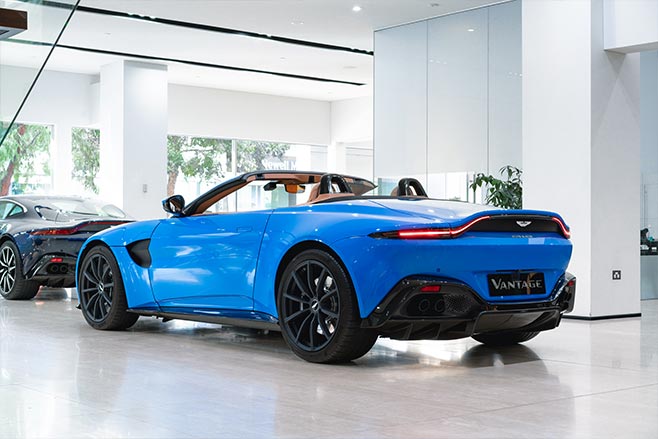
The Roadster is a tenth slower to 100km/h (with a 3.7sec claim) than its roofed sibling and can hit a top speed of 306km/h with the roof up. An extra 60kg over the coupe puts the Roadster at 1590kg.
Aston Martin’s 007 Edition Vantage inspired by The Living Daylights
As with the Coupe, the Roadster features adaptive damping, ‘dynamic’ torque vectoring, and an electronic rear differential, though the rear dampers and ESP software have been tweaked to better suit the Roadster.
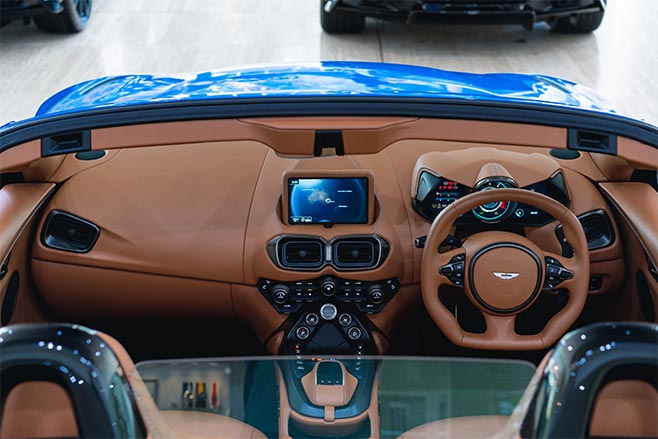
Former Aston Martin CEO Andy Palmer said upon the launch of the Vantage Roadster at the start of the year that it was built for those who believed true sports car driving is done without a roof.
“For many, driving with the roof down is the true definition of the sports car experience as it truly brings your senses to life.
“Vantage has always delivered the purest of thrills, but in Roadster form that adrenaline rush is set to go to the next level.”
Get your free weekly MOTOR report!
What’s on WhichCar TV this week?
All things utes!
This Sunday we’re looking at the utility vehicle. Come with us as we explore the rapidly expansive world of the ute.
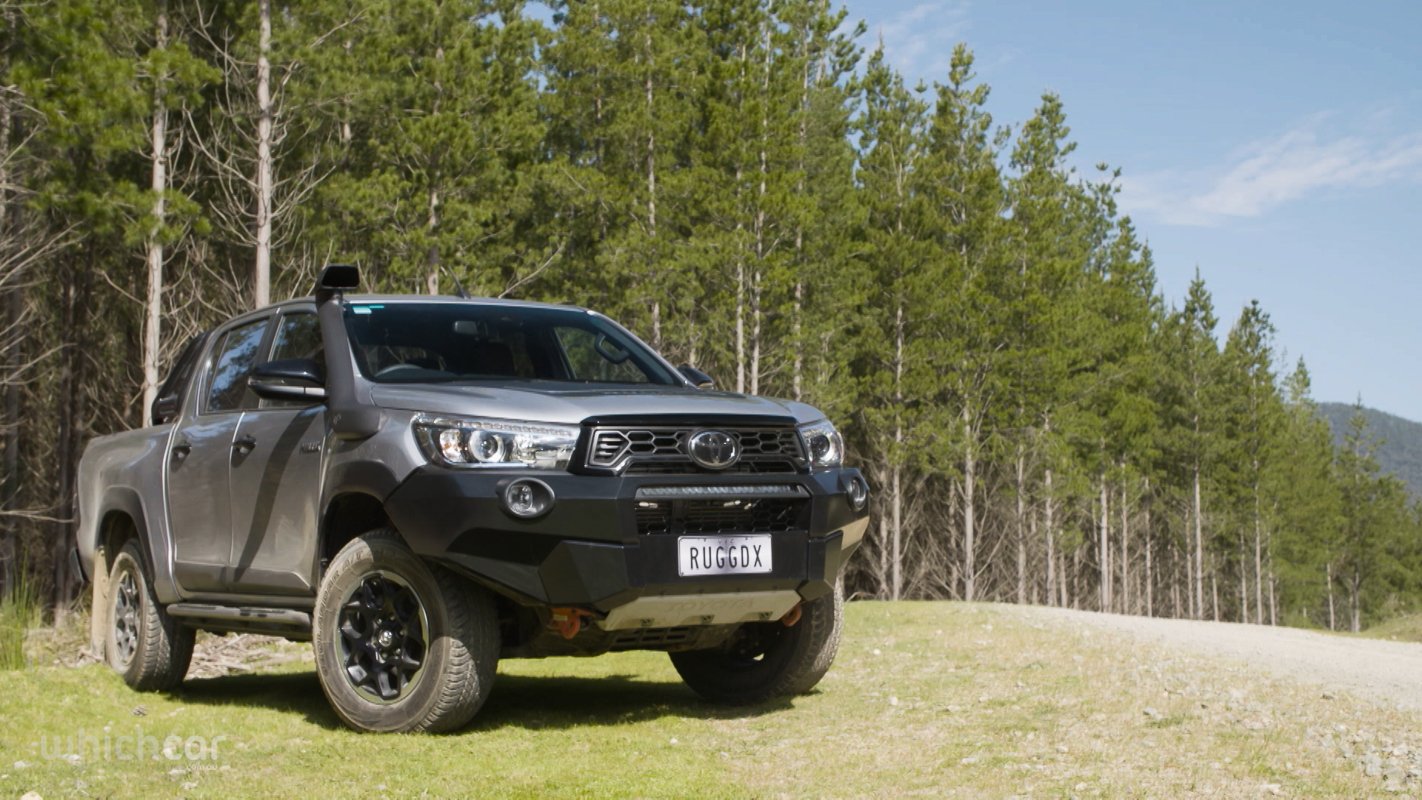
Australia’s best sellers
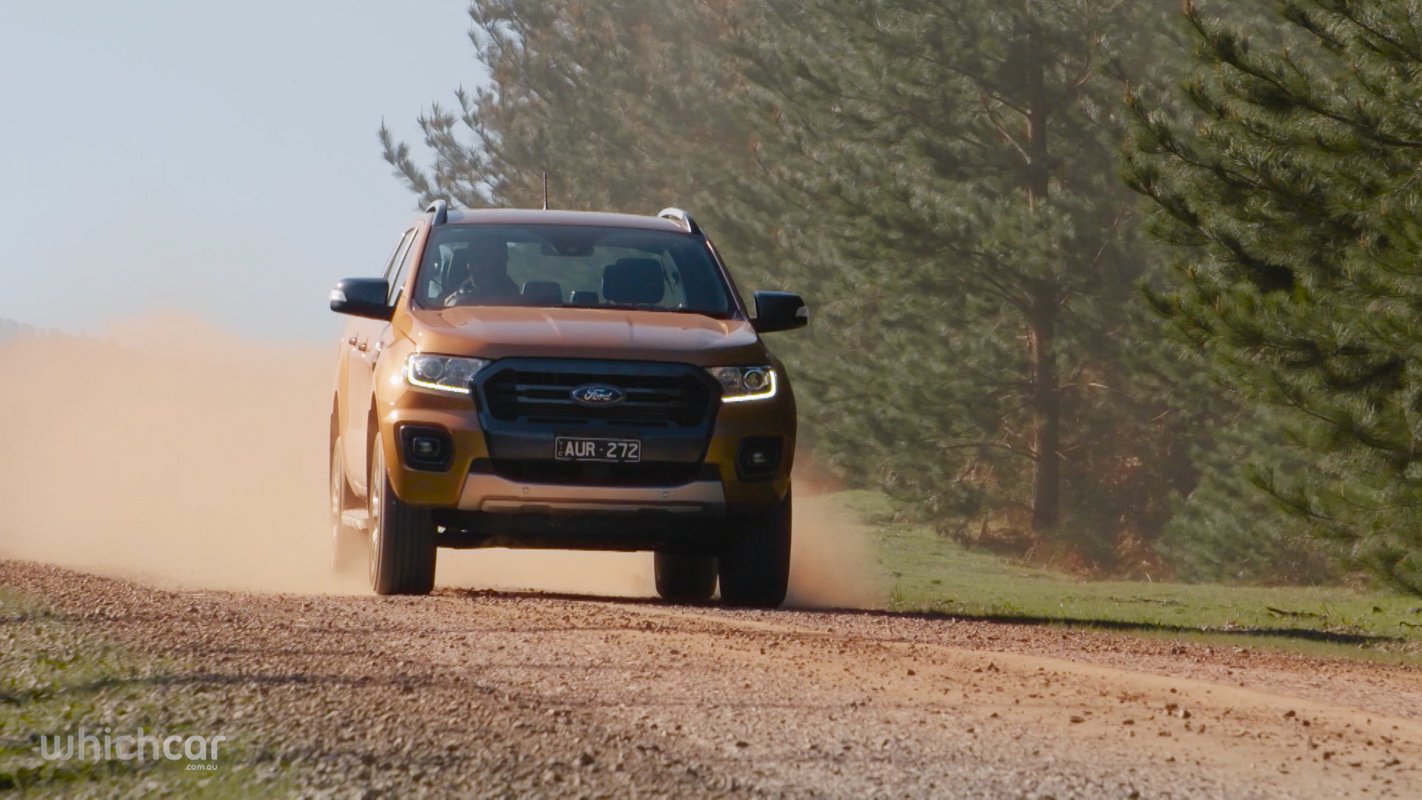
What better way to start the episode than by looking at the two utes that consistently top the national sales charts month after month. Tune in for an in-depth look at the Toyota Hilux and Ford Ranger.
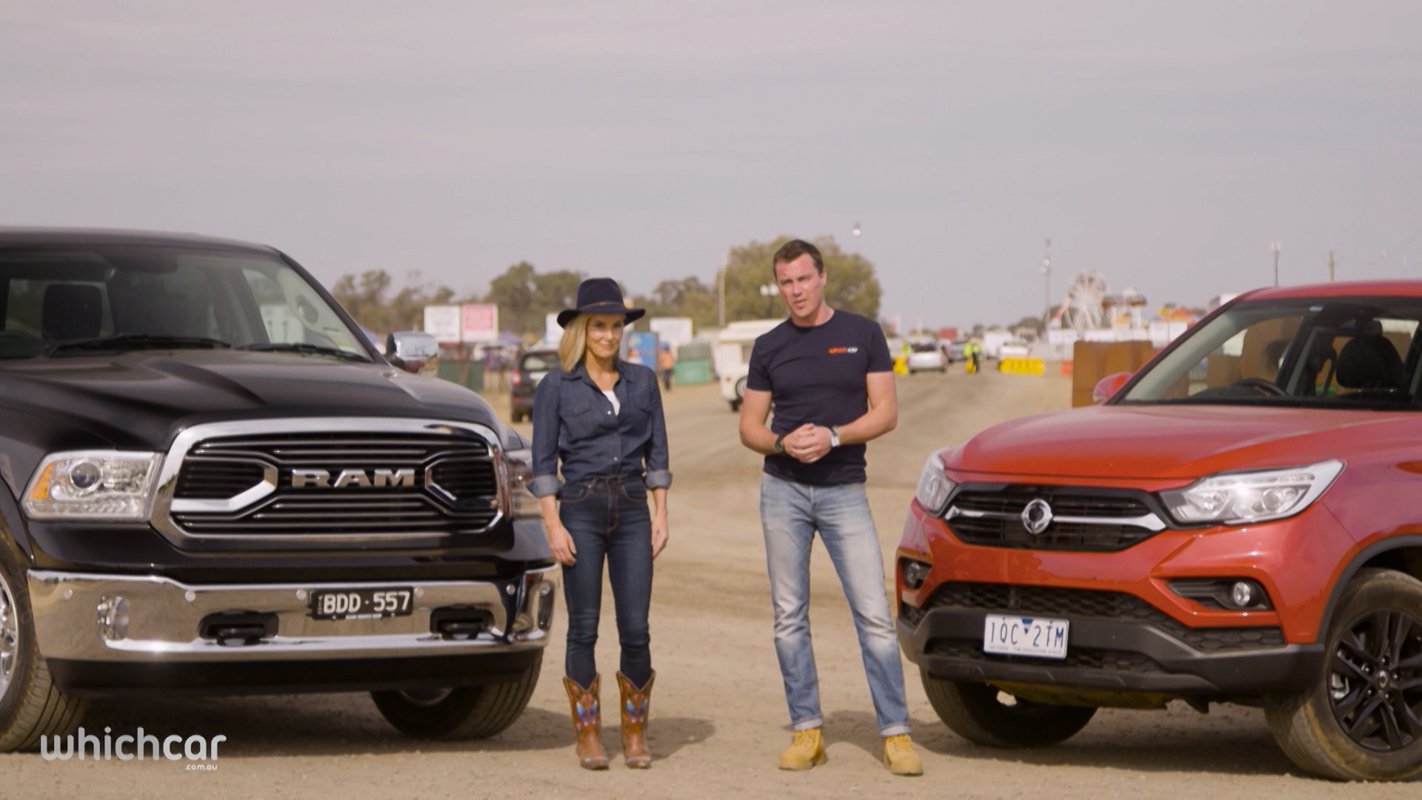
Deni ute muster
We visit the biggest ute gathering in the country to get its take on some unfamiliar entrants in to the ute class. How do the punters rate the gargantuan RAM 1500 and comparatively minuscule Chinese-built SsangYong Musso? Find out on Sunday!
Heavyweight hit-out
With the recent influx of American pick-up trucks invading Oz, we got hold of two front-runners to find out how they fare. How do the Chevrolet Silverado and RAM 1500 work in the real world? Let’s find out.
Ford Ranger Raptor at 4×4 of the Year
Eyeing-off the success of the F-150 Raptor over in the United States, Ford Australia couldn’t help but come up with a local solution. We took the Ford Ranger Raptor to our 4×4 of the Year event to see how it fared against the current crop of off-roaders.
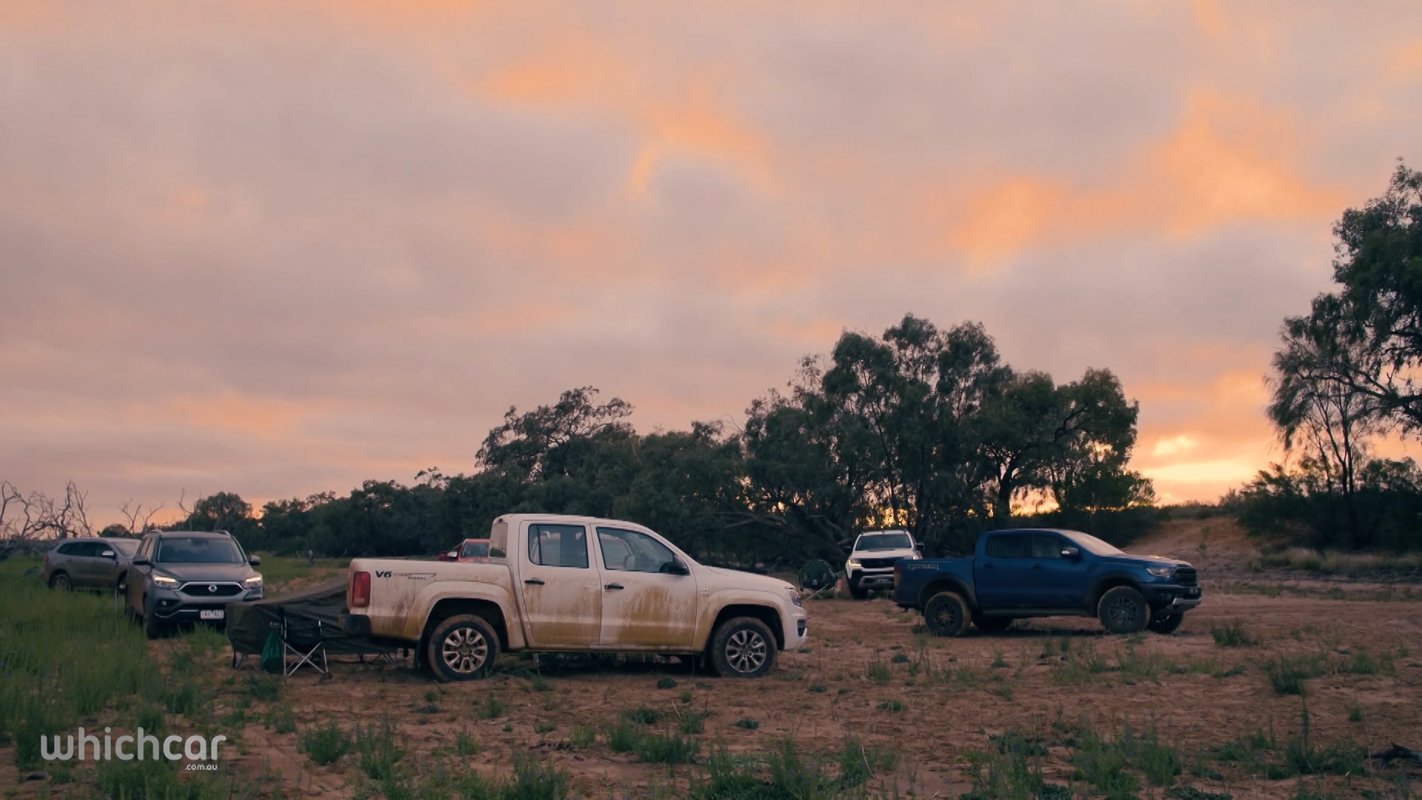
Built not bought
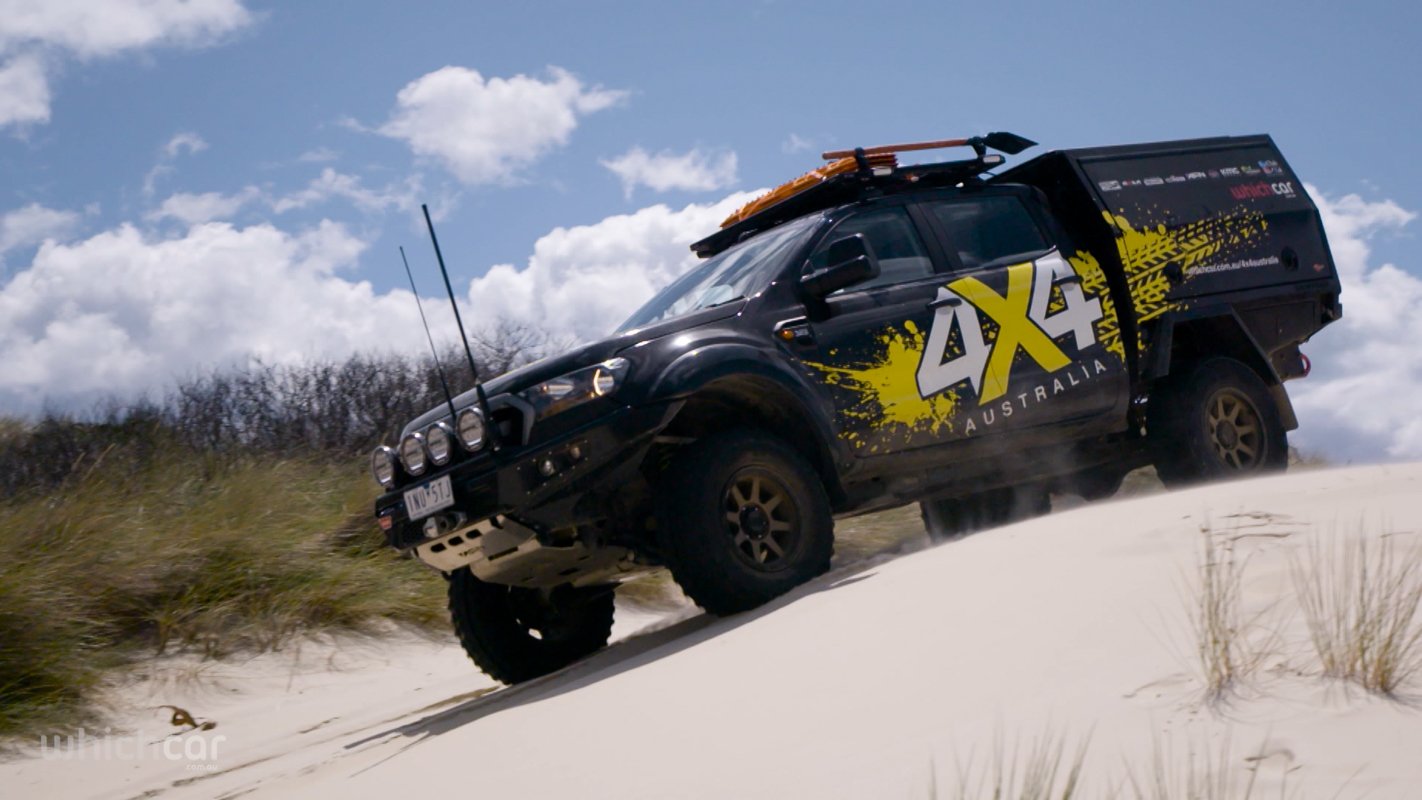
Mat goes over his Project Ranger build and explains what mods he’s done to make it an off-road hero.
WhichCar TV Season Two Episode 26
3:30pm Sunday August 23, Channel 10
WIN A TRIP TO THE MALDIVES WITH WHICHCAR
For season two, we’re also offering an amazing prize for our viewers. How does a trip to the Maldives sound? Pretty awesome, right?
The competition is open NOW so make sure you tune into WhichCar TV on Channel Ten at 4pm Sunday AEDT.
And, if for some reason you can’t (and it had better be a good reason!) then there’s a host of ways to catch up on the show, check out behind-the-scenes stuff and find out more about the cars Aussies want to buy.
For example, our weekly podcast, our Facebook page and our YouTube channel are standing by 24/7.
MISSED THE SHOW? Catch up at Ten Play
Despite the brief appearance from the Toyota RAV4 as the best-selling car in July 2020, utes continue to dominate the Australian new car sales charts as the most popular vehicles each month.
The top prize is usually traded tit-for-tat each month between the Ford Ranger and Toyota Hilux, but let’s round out the top five best sellers so far this year according to the VFACTs data pool.
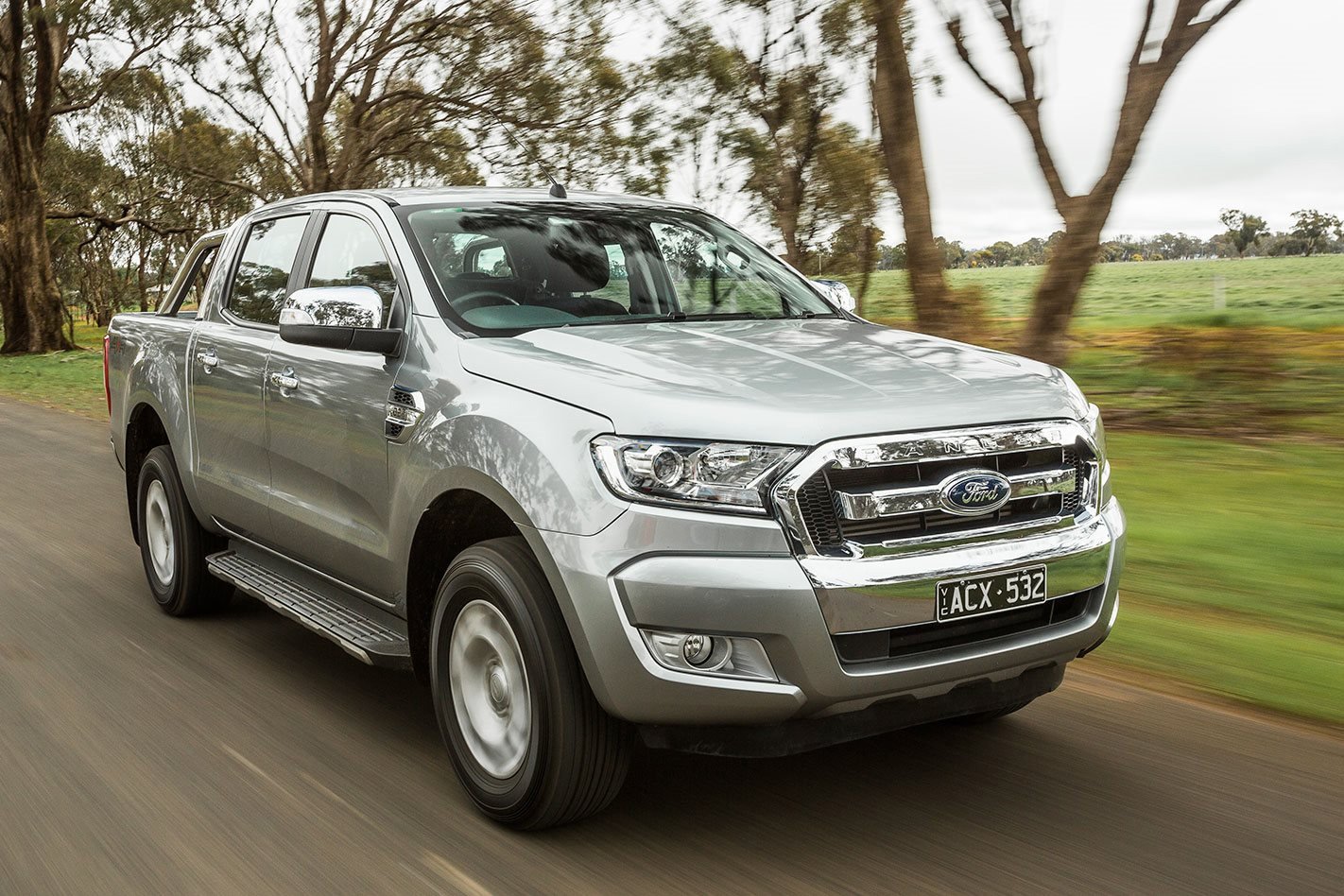
1. Ford Ranger
20,205 sold – Ford’s Ranger is a real Aussie success story post-local manufacturing demise. Designed and developed Down Under, the Ranger regularly notches up more sales than any other registering 20,205 sales to date in 2020.
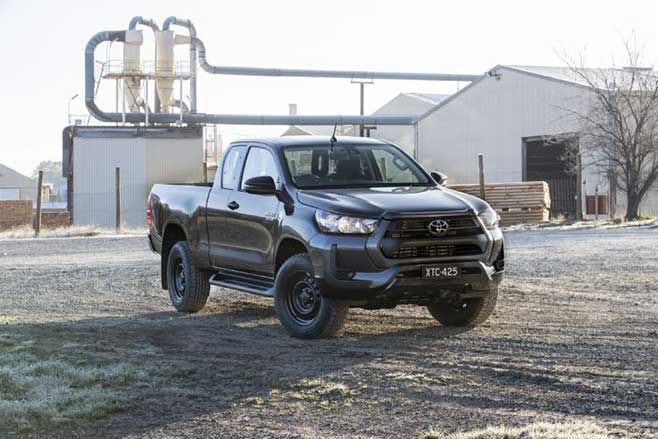
2. Toyota Hilux
19,327 – The Toyota Hilux is snapping at the Ford Ranger’s heels so far this year, and the outlook is looking bright with a raft of updates for the 2021 model year on the way. Hilux sales have also been limited by supply, so expect a surge when the new facelift arrives imminently.
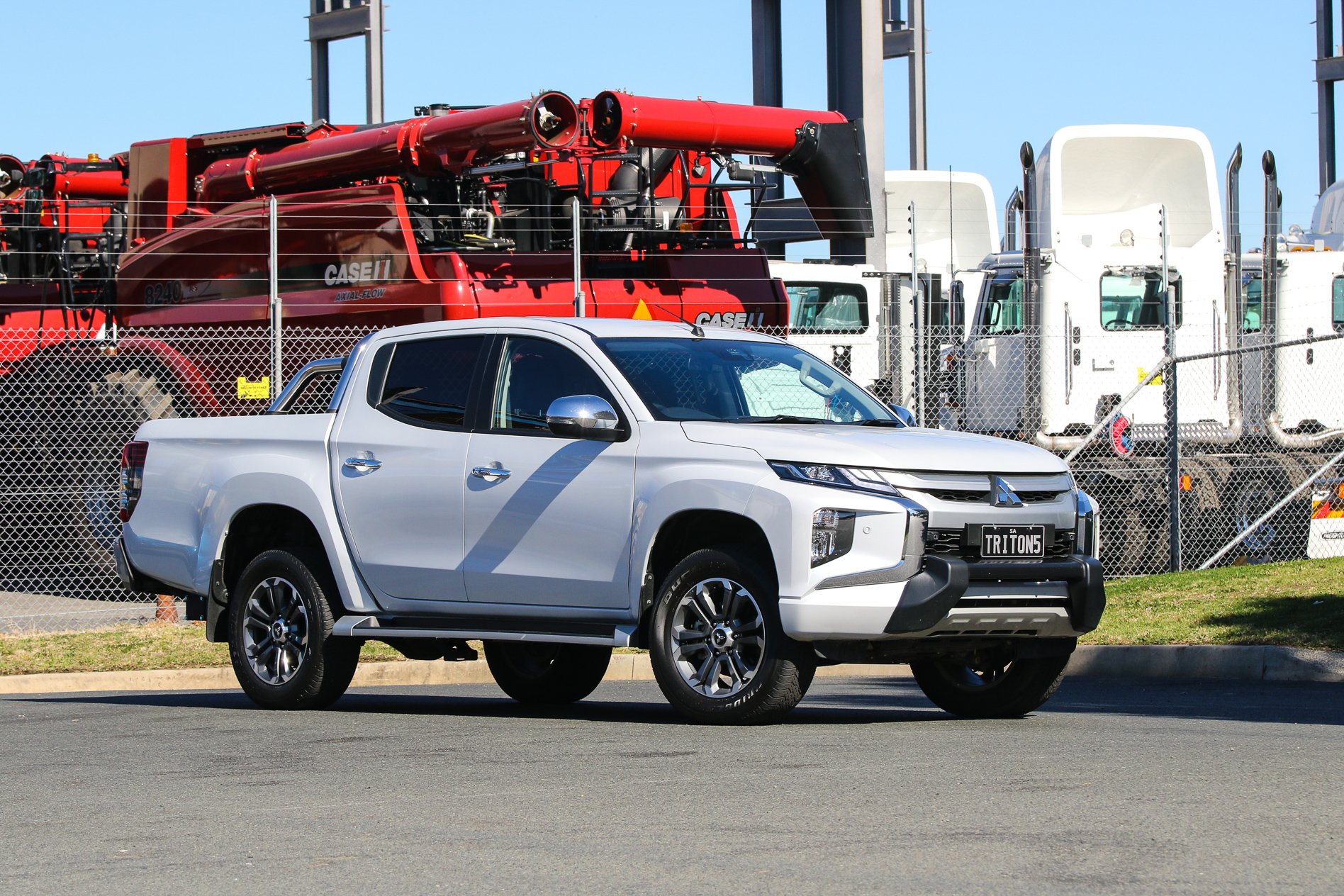
3. Mitusbishi Triton
9636 – Mitsubishi has successfully turned around a period of lacklustre sales after introducing the current generation Triton. While it’s not a headline-grabbing effort like the Toyota Hilux or Ford Ranger, the Mitsubishi Triton is a consistent performer for the Japanese carmaker in Australia, regularly appearing in the top ten selling cars each month.
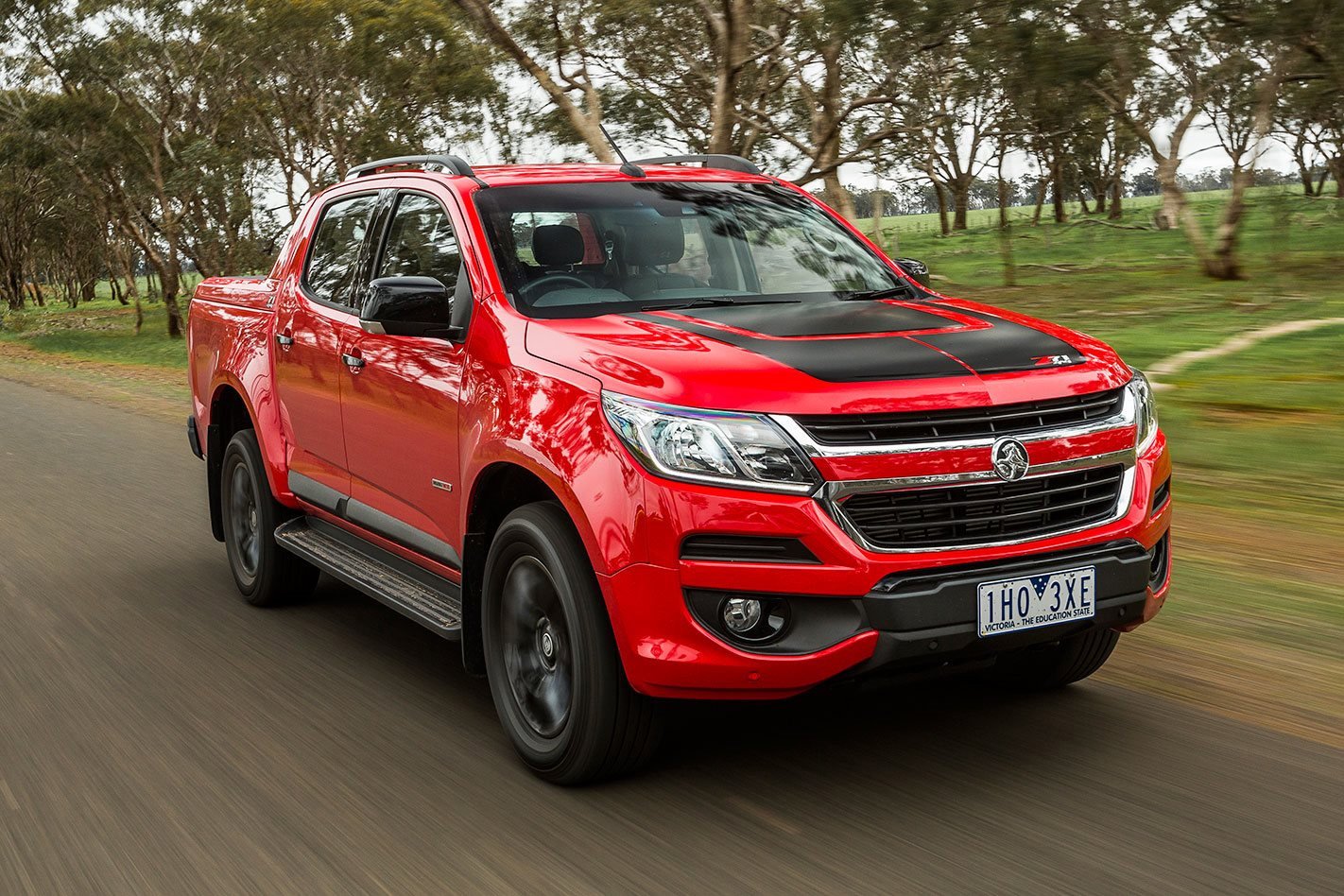
4. Holden Colorado
6357 – This is the last time you’ll see a Holden appearing in a top-5 sales chart in Australia. The Colorado spurred on a struggling Holden after local manufacturing ended in 2017 but the withdrawal of GM from Australia will see it drop off the sales charts towards the end of the year as Holden runs out its existing stock.
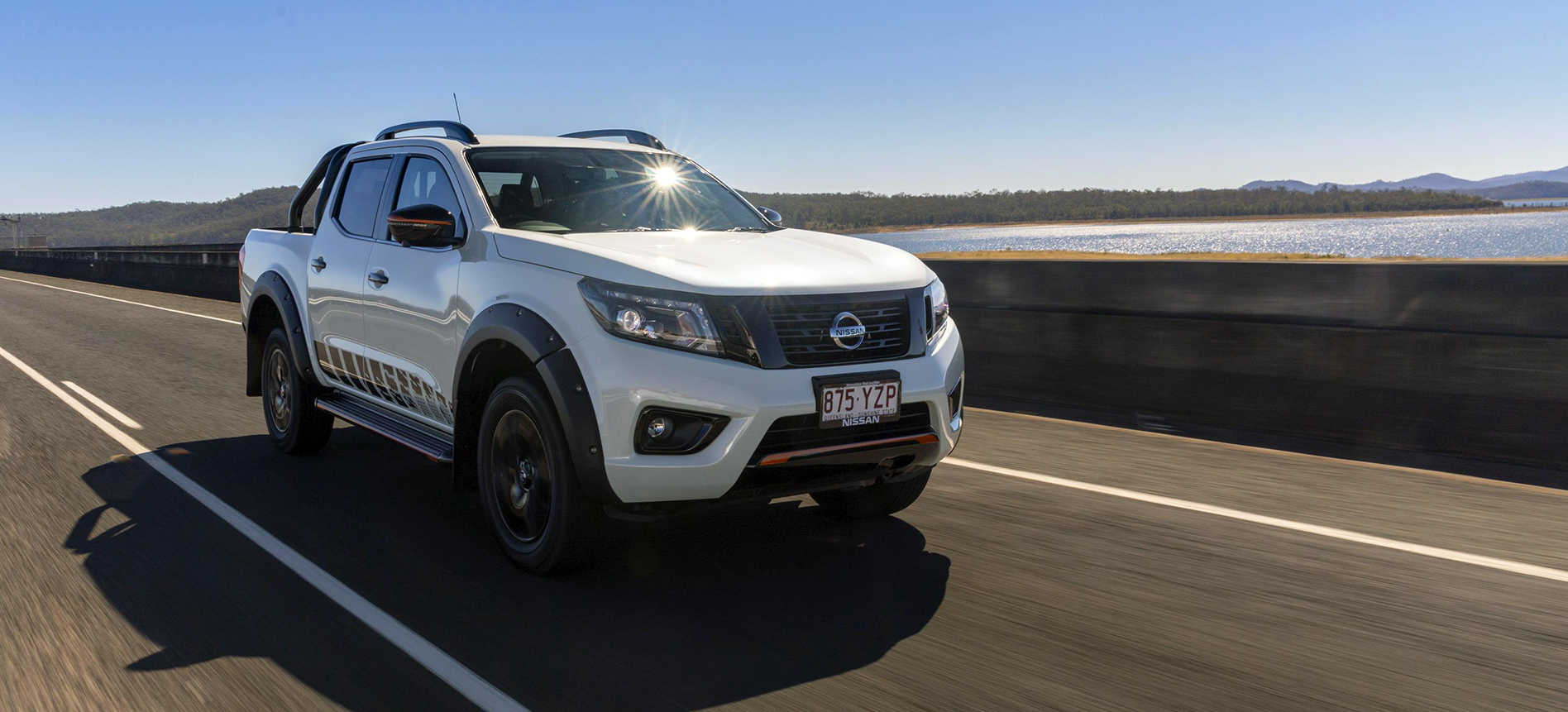
5. Nissan Navara
5222 – The Nissan Navara has amassed a cult following in Australia but it only exists in the minority. Recent updates to the Isuzu D-Max (which only trails Navara by 142 sales) could well see the Nissan Navara fall down the order.
Sales data gathered from VFACTS through July 2020.
Frank-Steffen Walliser is on a mission to create the hardest, angriest Porsche 911 GT3 to date.
In a conversation with Wheels earlier this year, Walliser, the man at the helm of Porsche’s sports car division, signalled his intention to make the 992 Turbo S a faster and rawer thing. That sentiment is only being amplified with the forthcoming 992 GT3.
Originally scheduled to be unveiled at the 2021 Geneva motor show, the cancellation of that event has meant that there’s now a more tentative Q1 launch date pencilled in for the GT3.
While Porsche isn’t focused on ladling a whole lot more power at the GT3, with company insiders merely saying it’ll have a slight bump in power to “more than 368kW”, most of the work has been dedicated to cutting weight, making the suspension even firmer and improving the vehicle’s aerodynamic effectiveness.
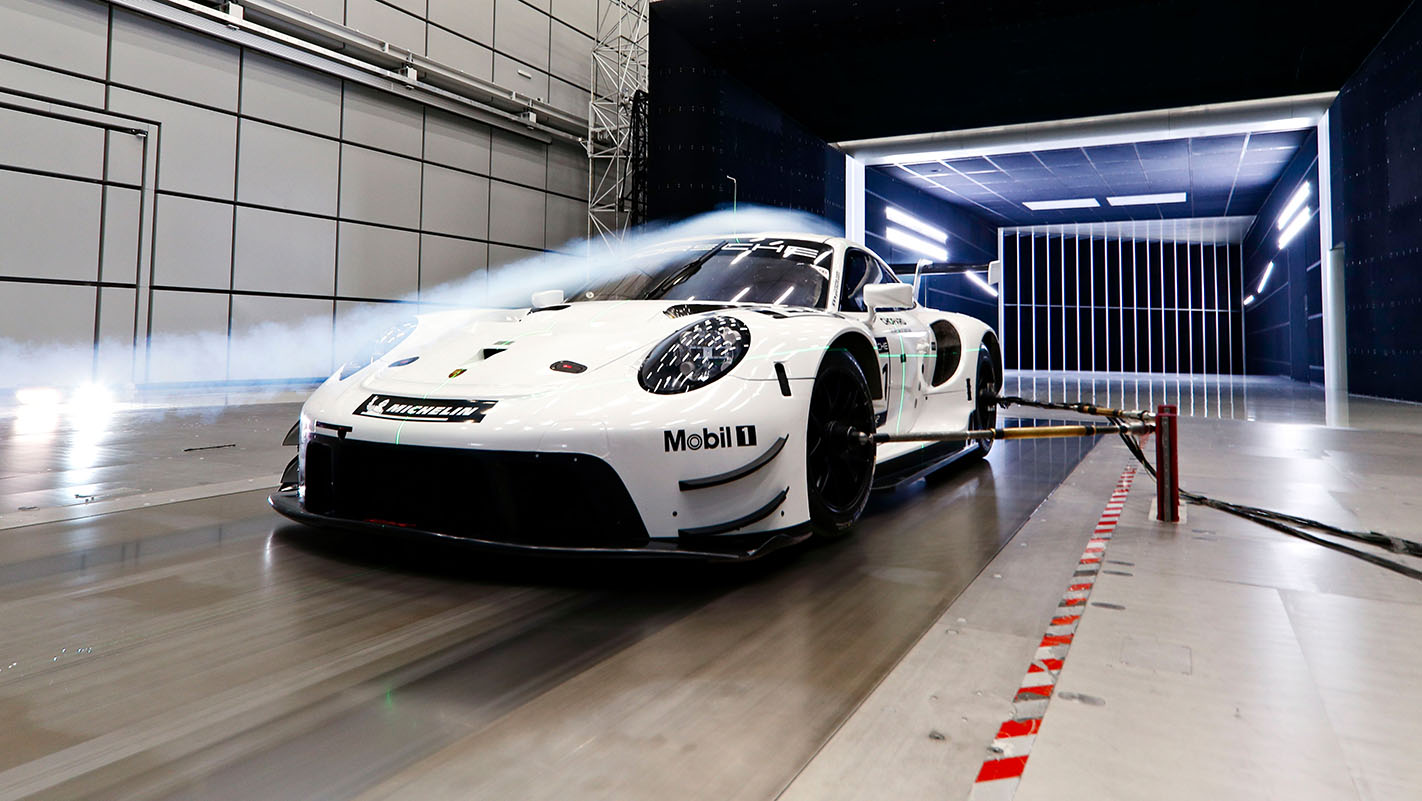
Running counter to some rumours, it’s confirmed that the GT3 will stay normally-aspirated – for the time being at least – and both a manual and a PDK twin-clutch transmission are being developed in parallel.
Porsche’s bean counters were very pleasantly surprised by demand for the 991 GT3 Touring model in particular, and Wheels understands that the 992 will build on that by offering both a manual and a PDK Touring version this time round.
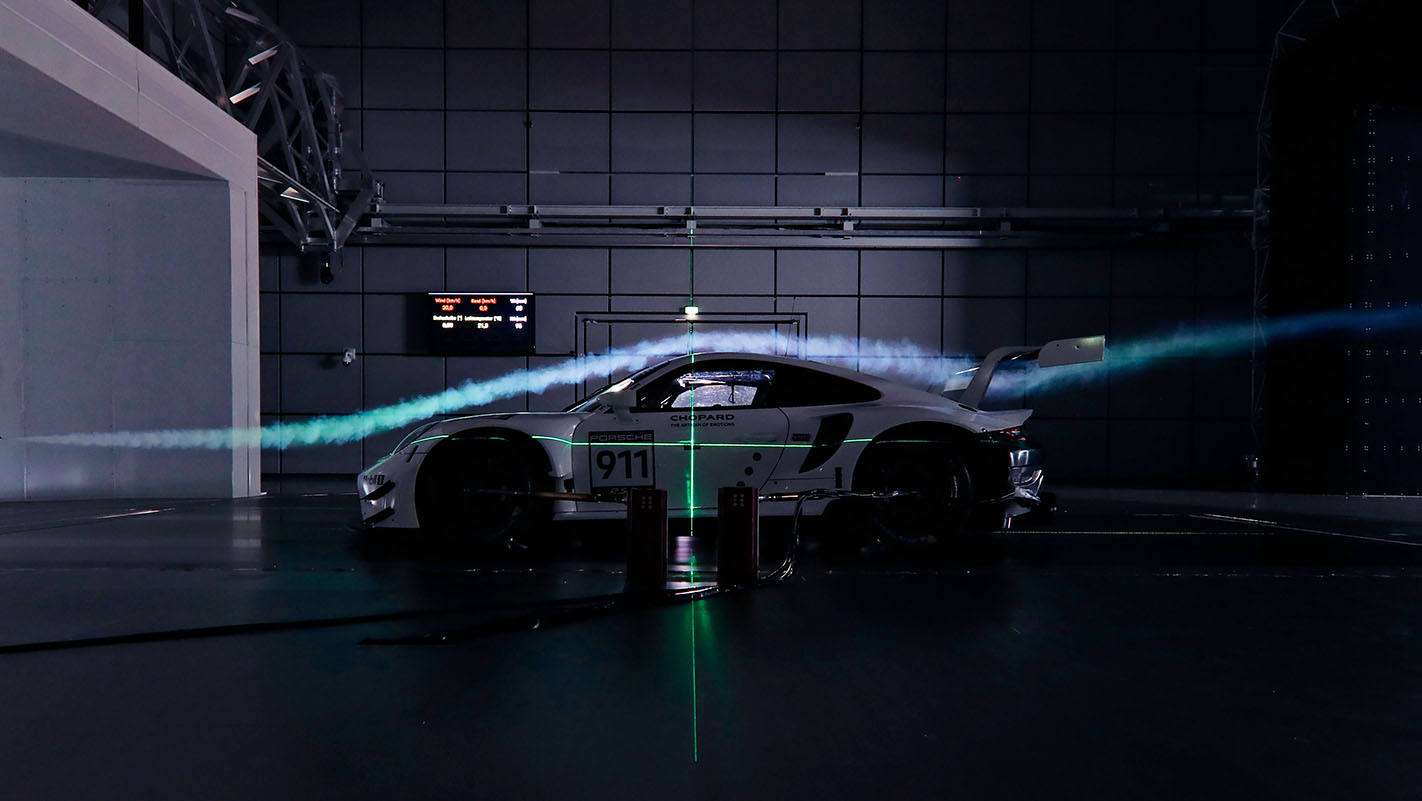
If you’re the sort of person who has been poring over the photographs shot through the fence at Brunnchen corner on the Nurburgring, you might well be aware that Porsche has been experimenting with a number of divergent aerodynamic packages for the 992 GT3.
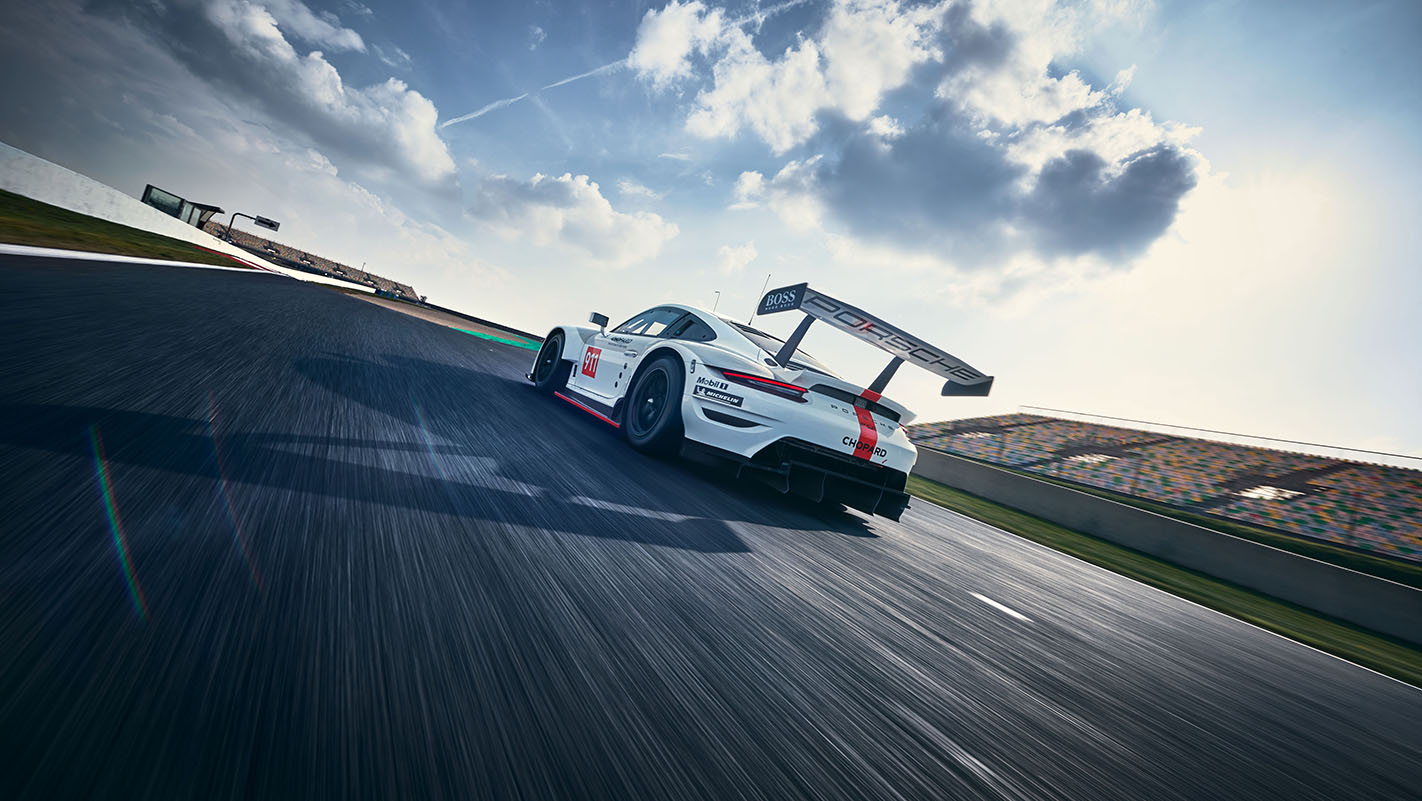
It looks as if Andreas Preuninger and the rest of the boffins in the GT division have settled on a radical solution for the rear wing. If the whispers are to be believed, the GT3 will be the first production Porsche to sport a swan-neck rear wing.

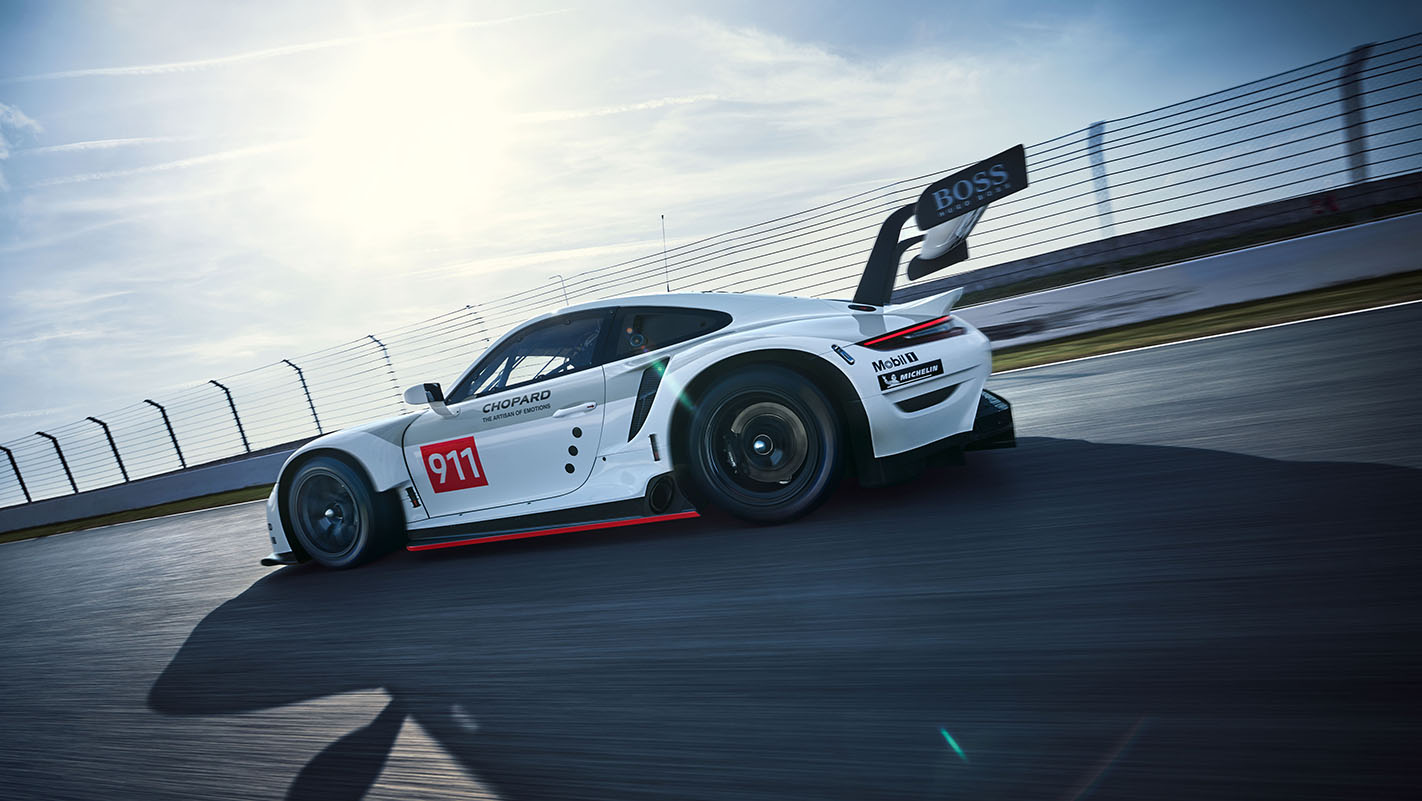
Unlike a conventional rear wing which uses posts mounted to its underside, the swan-neck (as seen on the 911 RSR racing car pictured) is top-mounted.
These wings came into being after an ATO rule change in 2009 limited the size of rear wings in sports car racing.
In order to recoup downforce from a wing smaller in both width and chord, both Audi and Acura debuted swan-necks.

These do away with the considerable flow separation around the mounts on the underside of the wing, which is the part of the device where the air has to be worked the hardest to create a low-pressure zone.
Aerodynamicists were finding that, especially with the car in a yaw moment, flow separation was causing these conventional rear wings to lose large degrees of effectiveness.
By fitting a swan-neck rear wing, they were able to claw back 16 percent of what was looking like a 34 percent loss of downforce through downsizing the wing.
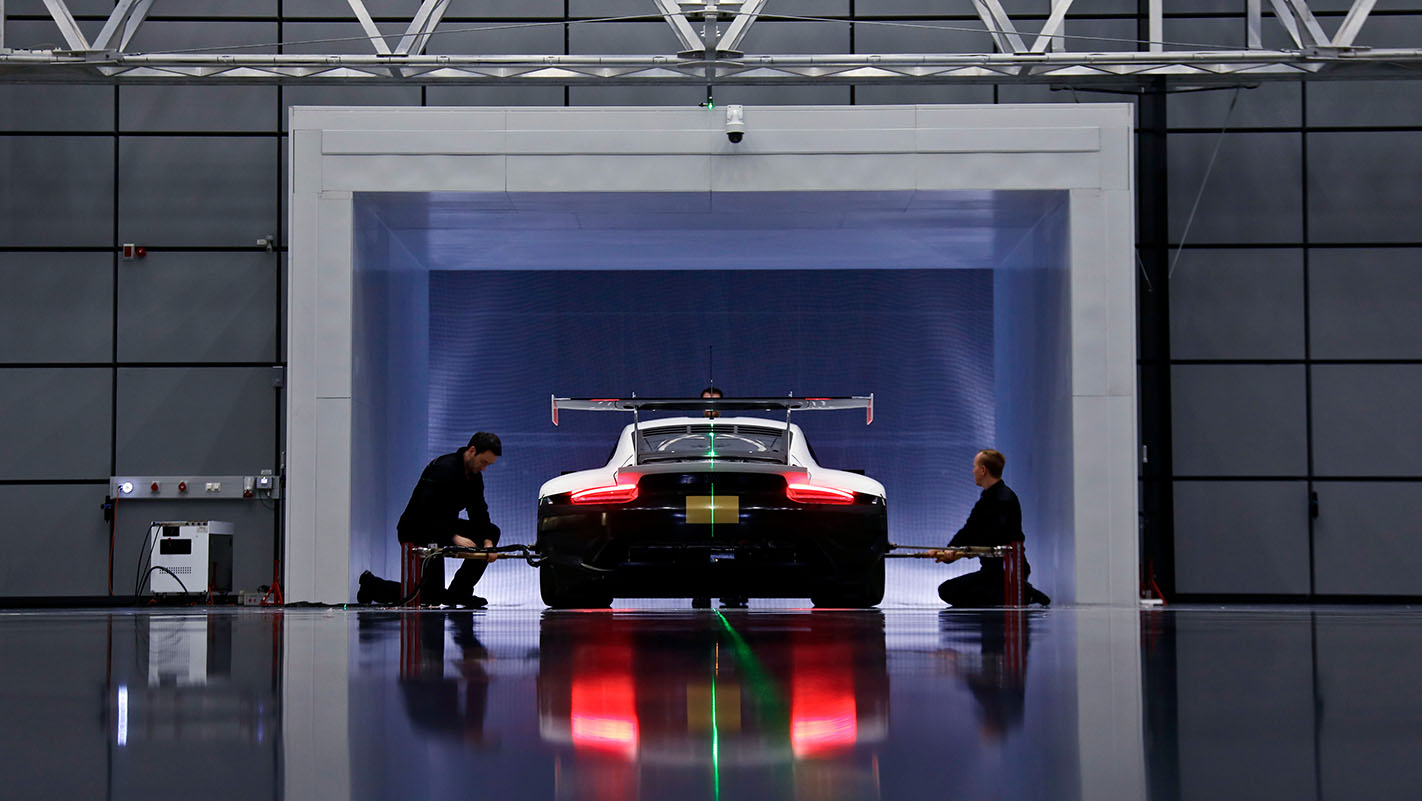
In other words, Porsche may well realise a downforce benefit of somewhere in the region of 16 percent by fitting the swan-neck.
We can’t say for certain, as Porsche’s wing design isn’t as aggressive as a typical LMP car’s aerofoil, but a gain of that amount would seem likely.
Indeed, 2021’s shaping up to be a busy year for Porsche with the 911 GTS, the Panamera facelift and Taycan Cross Turismo joining the headline-hogging GT3.
Coming on the back of COVID-enforced factory closures this year, Porsche is determined to catch up on lost time.
WHY A SWAN NECK?
Ever wondered why aircraft sling the engines under the wing instead of on top? That’s because on a plane, the top side of the wing is the important part, speeding the air, creating low pressure and thus lift. That area needs to be uninterrupted. Think of a racing car wing as an inverted aircraft wing and you begin to wonder why it took so long for items with unencumbered undersides to appear.
THE GT3 RECIPE
Since the Porsche 911 GT3 first appeared in 1999, it has followed a fairly predictable development path. Perhaps the only surprise was the deletion of a manual gearbox option for the 991 GT3, a decision which Porsche has subsequently reversed. With so much in common across generations, here are the five steps to making a GT3.
- Amp the aero… or at least give the impression: The 1999 996 GT3’s aerokit added precisely zero downforce. That has been rectified with successive generations.
- Raise revs: An operatic redline has long been a GT3 calling card. Petrol particulate filter legislation will provide a challenge with the forthcoming 992 GT3’s acoustics.
- Increase grip: The 992 GT3 looks to leverage an advantage with a serious uptick in both aerodynamic and mechanical grip. Time to get cracking with those Alonso neck exercises.
- Brake up: There’s nothing as focusing as a heroic late brake. The 992 Carrera S gets 350mm front discs. The 992 GT3 could wear the 420mm carbon rotors from the Turbo S.
- Look sharp: A 911 GT3 should look as if it’s just escaped from a VLN round at the ‘Ring. The 992 will continue some GT3 design tropes and introduce a few new ones all of its own.
General Motors has reacted to claims that the company is involved in illegal corporate practices with the establishment of the GMSV brand, calling them “absurd”.
The peak body representing new car dealers in Australia says questions need to be asked about General Motors’ eligibility to launch a new vehicle brand in Australia.
GM this week confirmed it will continue in Australia as GMSV (General Motors Specialty Vehicles), the new incarnation of the Holden Special Vehicles [HSV] brand that will continue to be run in partnership with Walkinshaw.
However, Australian Automotive Dealer Association CEO James Voortman said GM should be investigated for potential phoenixing, which involves the potentially illegal ‘rebirthing’ of a business, with one company being stripped of its assets and having them transferred into a new entity that is essentially the same business.
“GM has burned so much goodwill after taking so much from Australian taxpayers, yet here they are about to start another business,” Voortman said.
“The launch of GMSV poses many questions and it seems unthinkable that shortly after ruthlessly dismantling the Holden Dealer network GM can simply be allowed to launch a new brand,” he said.
“We know Senator Deborah O’ Neill has written to ASIC [Australian Securities and Investments Commission] asking them to investigate a potential phoenixing situation regarding GMSV.
“We also know that last year, only months before announcing it was dumping the Holden brand, General Motors changed its corporate structure.”
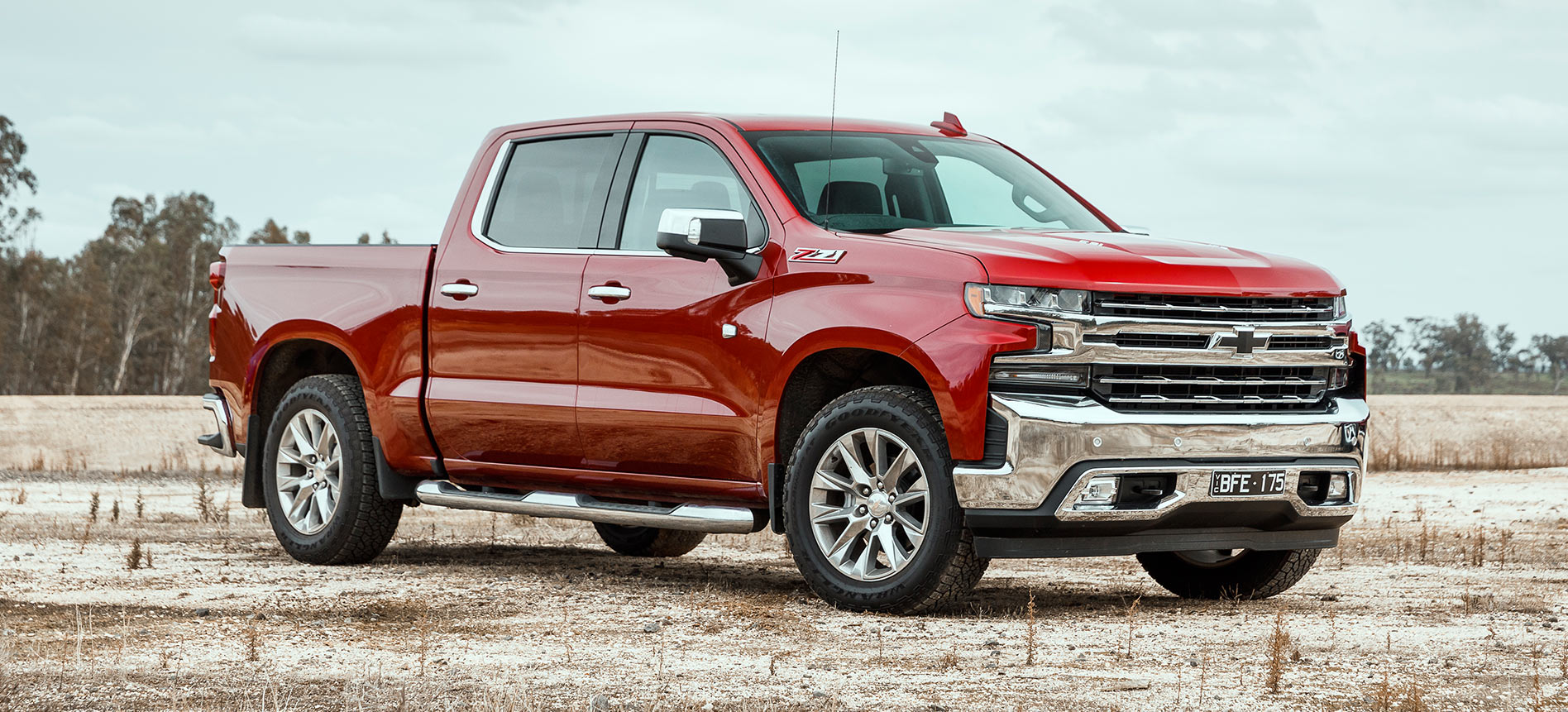
Senator O’Neill wrote to ASIC chairman James Shipton in June asking for an inquiry into “a potential phoenixing situation” which involved “the introduction into the Australian market of GM Special Vehicles while GM Holden has current large liabilities, particularly to its existing dealership network.”
The Labor Senator also wrote: “I also note that this could involve current directors of GM Holden moving to Registered GM Special Vehicles, a new company that will import and sell GM vehicles in a manner almost identical to GM Holden.”
But a GMSV spokesperson has told WhichCar that “any suggestion of phoenixing is simply absurd.”
“GMSV is a very different business which will compete in niche luxury and performance segments, not the mass market,” the spokesperson said.
“GM Holden flatly rejects the spurious allegations of phoenixing. It’s a shame some parties seem to be out to talk down a new business venture employing hundreds of Australians before it even begins.
“This new venture directly adds sales, marketing and aftersales roles to GM’s 200-strong presence in Australia, and indirectly supports over 150 skilled engineering and manufacturing jobs at our partner in Victoria.”
Voortman maintained it was important such questions were investigated
“After a decade of treating consumers, businesses and the Government with contempt, how can we have faith that GM will change its ways,” he said.
“It is important to get to the bottom of these issues as GM will have significant liabilities in Australia for many years to come.”
GMSV, which will commence operations later this year, will be run by Joanne Stogiannis, a 20-year veteran of the Holden brand. “I am thrilled to be leading a new automotive venture by GM in Australia,” said Ms Stogiannis in a statement.
“Sales of large US pick-ups have been growing consistently and I believe the ongoing strength of that segment will provide a very solid basis for us to build a successful long-term business.
“The plan to bring the stunning new mid-engine Corvette in RHD direct from the factory is an enormously exciting opportunity for local performance car enthusiasts.”
By 2025 1.9 million cars on Australian roads could be subscription cars. That’s 10 percent of the country’s current road fleet, and almost four times the 515,472 private vehicles sold in 2018.
That optimistic prediction by Forbes made in 2019 was always going to require a revolutionary shift in how Aussies view the ownership of their cars, which have long been seen as the second most significant purchase after the family home.
And it seems that shift may be happening sooner than expected, with the Covid-19 pandemic making people reassess their vehicle ownership requirements due to remote working arrangements and financial insecurity.
New research by vehicle subscription firm Carly has revealed 38 percent of Australians would consider subscribing to a car rather than purchasing or leasing a vehicle.

According to the report, the shift in consumer preferences towards flexible car access has risen by 18 percent compared to six months ago when the pandemic had yet to impact Australia’s economy.
Not surprisingly the survey found younger people were more likely to reject traditional ownership or leasing options in favour of subscribing to a car with 69 percent of Generation Z (18-24 years) indicated a preference for a no-strings-attached subscription option, followed by Millennials (25-34 years) at 50 percent.
Meanwhile, 47 percent of households with children would consider subscribing to, rather than purchasing, their next family car.
What is car subscription?
For car enthusiasts, the annual expenses of owning a special car are like any other part of a hobby or passion. But it’s a different story for people who view their car as a necessary appliance and prefer not to be bogged down by registration, insurance, finance and maintenance costs, as well as associated inconvenience and paperwork.

It’s the discerning but time-poor driver whom a number of vehicle brands and third-party providers are targeting with Netflix-style subscription services that allow you to swap your vehicle according to your lifestyle, without the commitment of ownership or finance contracts.
The format varies from brand to brand but each service revolves around the same principle. For a weekly, monthly or annual subscription, customers have access to a range of models.
If, for example, the subscriber is off to the snow for the weekend, they might request a large SUV to cart people and kit. Back home, a smaller passenger model may be more practical to live with for the daily commute, and for the odd summer weekend there could be a convertible or something a little more rewarding to drive.
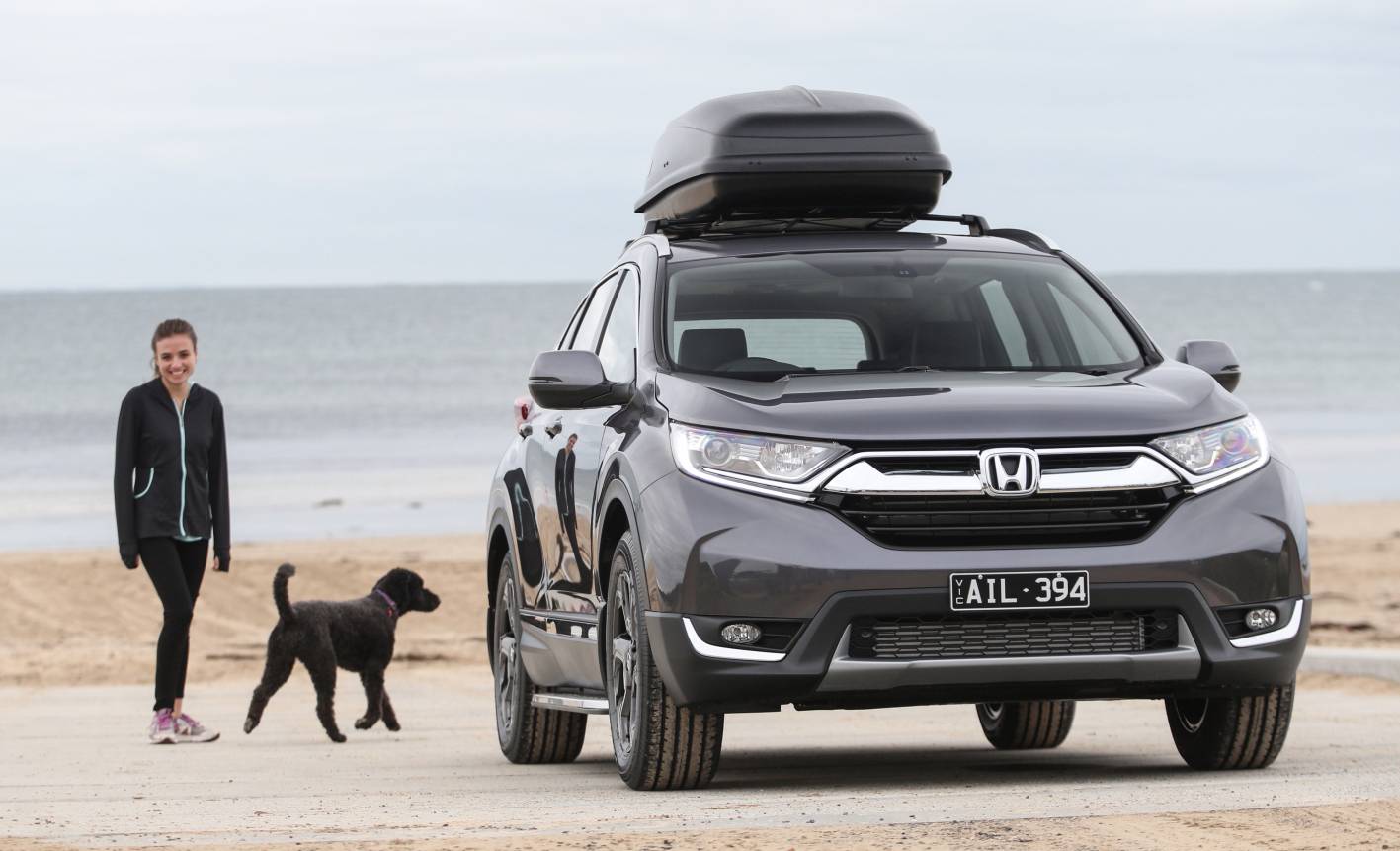
Not to be confused with car-sharing schemes that, for a membership fee, allow you to rent a vehicle when you need it, car subscription is a little like a mobile phone plan in which all costs are covered by one monthly payment but it allows you to change the handset whenever you like.
Of course, the service comes at a price, but for many users, the fee may be less than their ownership costs.
When all associated costs are factored in, including finance, registration, tax and maintenance, the subscription may be the most cost-effective solution, particularly if a customer is able to replace more than one car as part of the plan.
What does car subscription cost?
Car subscription is still in its infancy in Australia but there are already a few services such as Carly, FlexiGo and Carbar that offer affordable options using new and used cars from a wide variety of makes, models, sizes and powertrains, including electric vehicles.
Carly and Carbar compare their services to Netflix in that there are lock-in contracts and you can cancel at any time subject to a relatively brief notice period.
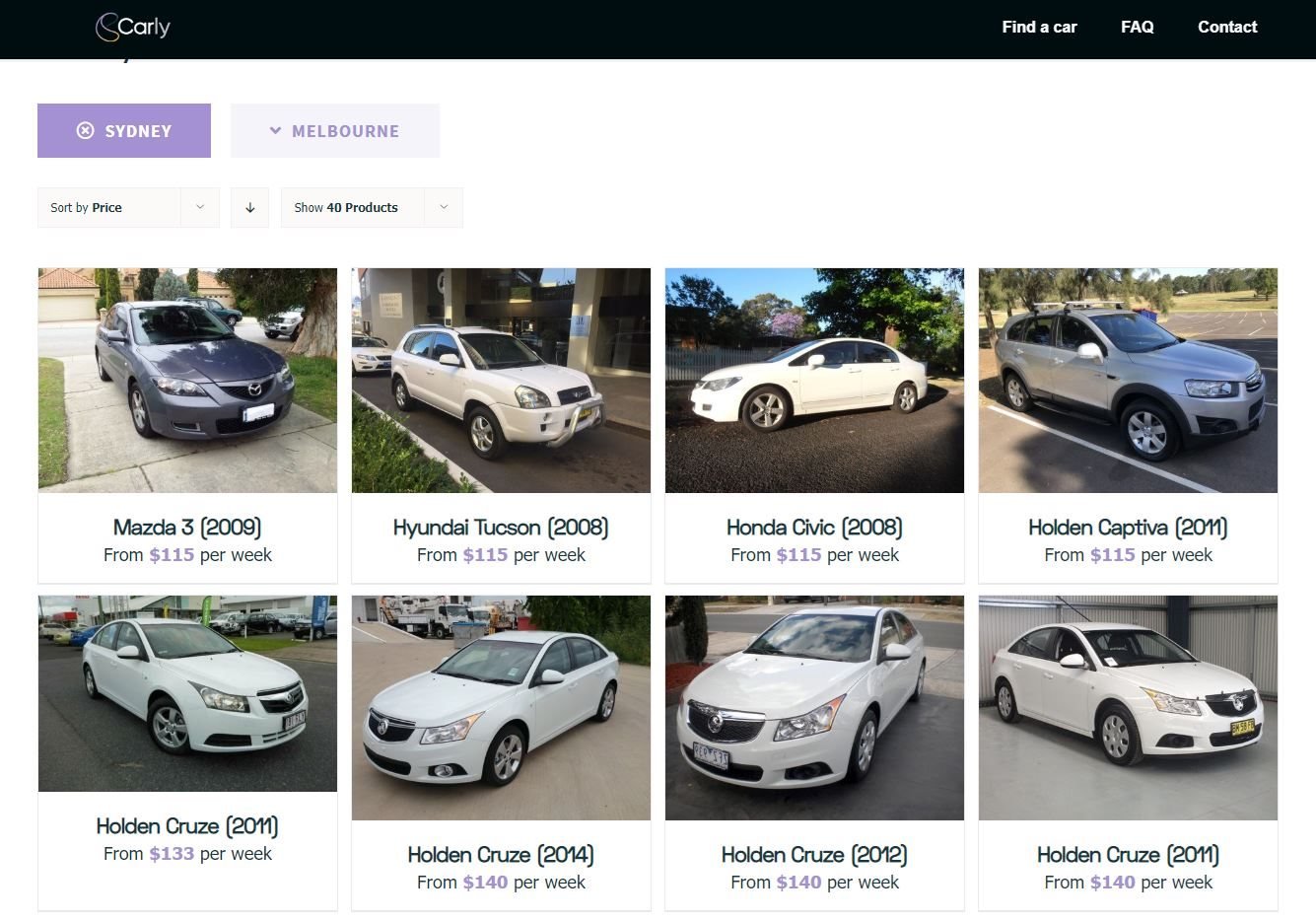
Using Carbar as an example, you can obtain a vehicle from as little as $139 a week, which will get you something like a base-spec 2015 Suzuki Swift GLX hatchback. Of course, that price goes up as you opt for something bigger, better and newer.
For example, want a new 2018 model year Mazda CX-5 with leather seats valued at $33,990? That would cost about $269 a week with an up-front fee of $1699 should you want to hang onto this car for the term of the subscription, which has no minimum term.
Alternatively, you can opt for a flexible Shift subscription, which will let you swap from the CX-5 to another vehicle every three months for $379 a week with a $2000 up-front fee. This is great if you really like that new car smell.

These prices include insurance (subject to liability excess), registration, roadside assistance and maintenance. And for many people, this would also include the cost of financing a vehicle, which in the case of a $30,000 unsecured loan would be about $155 a week over five years based on an 11.90% interest rate.
Manufacturers are also adopting the subscription model, though so far this is mostly confined to luxury brands. Audi will be one of the first to introduce the concept in Australia with its Audi on Demand service that from next year will provide subscribers with a selection of models to suit their lifestyle.
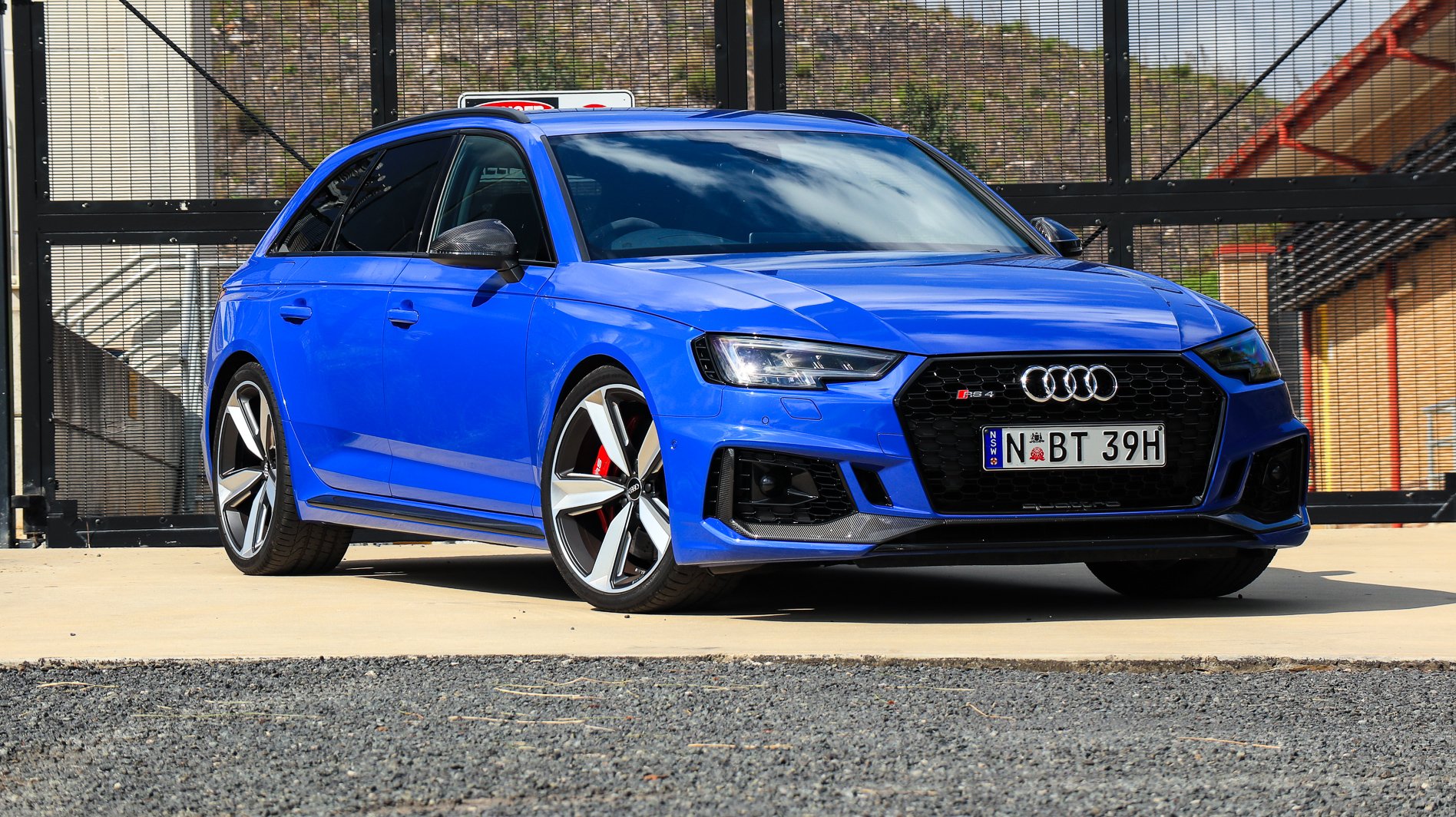
Other brands such as BMW, Mercedes-Benz, Porsche, Volvo and Lexus, which also have subscription services overseas, will look closely at how Audi fares in Australia before fully committing to the concept here.
Such subscription rates will cost anywhere from $1500 to $4000 a month, and even more for high-end sports cars. It’s hoped more mainstream brands such as Ford and Toyota will enter the market to offer more affordable options.
Car subscription pros
- Easy online shopping takes the footwork and stress out of buying a car. Some providers will even deliver it to you.
- Flexibility to change vehicles to suit lifestyle or different needs
- A single payment covers everything. No more forgetting to pay your rego or insurance bill.
- The ability to not pay for a car when you don’t need one, such as when travelling overseas.
- The promise that all cars, including used ones, will be in good shape.
- It allows you to try a model or type of vehicle before committing to buy one.
Car subscription cons
- Up-front payments when taking a subscription.
- Your subscription may include conditions such as limited kilometres and restrictions on additional drivers or using the vehicle for business.
- The weekly payment may factor in depreciation, meaning you’re paying for depreciation for a car you won’t own.
- Car manufacturer subscription will limit the type of vehicles on offer.
- As with renting a house, you can’t make any modifications to the vehicle.
- Car subscriptions may not be available in your area, particularly if you live outside the eastern states.
Interest in securing a used Holden Commodore, particularly an SS amongst the enthusiast tribe, has been steadily rising with both the demise of the Aussie Commodore in our rear-view, and the end of Holden as a brand on the horizon.
MOTOR has occasionally checked in with prices for various Commodore SS models over the last few years, but we decided it best to maintain a running guide for reference, which will be updated occasionally or when significant market changes are afoot.
We’re listing key generations of Commodore SS, with the criteria that cars must have fewer than 250,000km, as well as be roadworthy, registered, and mostly unmodified. That last point is ‘mostly’ because every SS built pre-2000 seems to be sitting on a set of Simmons or similar.
This guide is a snapshot of the asking prices of cars advertised in the used market at time of publish, as well as keeping a future track of how prices shift. It is not a definitive value guide, as the market generally shifts with availability and trends altering prices.
If you have your own experiences or anecdotes regarding the shifting prices, feel free to add a comment at the end of the article. Feedback is even welcome if you think we’ve made an incorrect call, but remember to keep it polite!
Holden VP Commodore SS prices
- Approx. $25,000 with 180,000km, in tidy (exterior) but worn (interior) condition
Holden VR Commodore SS prices
- Approx $22,000 with 185,000km, excellent condition with minor modification
Holden VS Commodore SS prices
- Approx $16,000 to $20k, tidy condition, unmodified, with 150-200,000km
Best budget used performance cars
Holden VT Commodore SS prices
At the time of writing, and in our previous notes from prior market investigations, VTs have been harder to judge and thus we’re refraining from providing a current guide as it would be pure speculation. However, there is one example for sale on Gumtree that’s asking $15k, with 170,000km, in manual, and has “been garage it’s hole life.”
Holden VX Commodore SS prices
- Approx $12,500 with 210,000km, mostly original and slightly worn
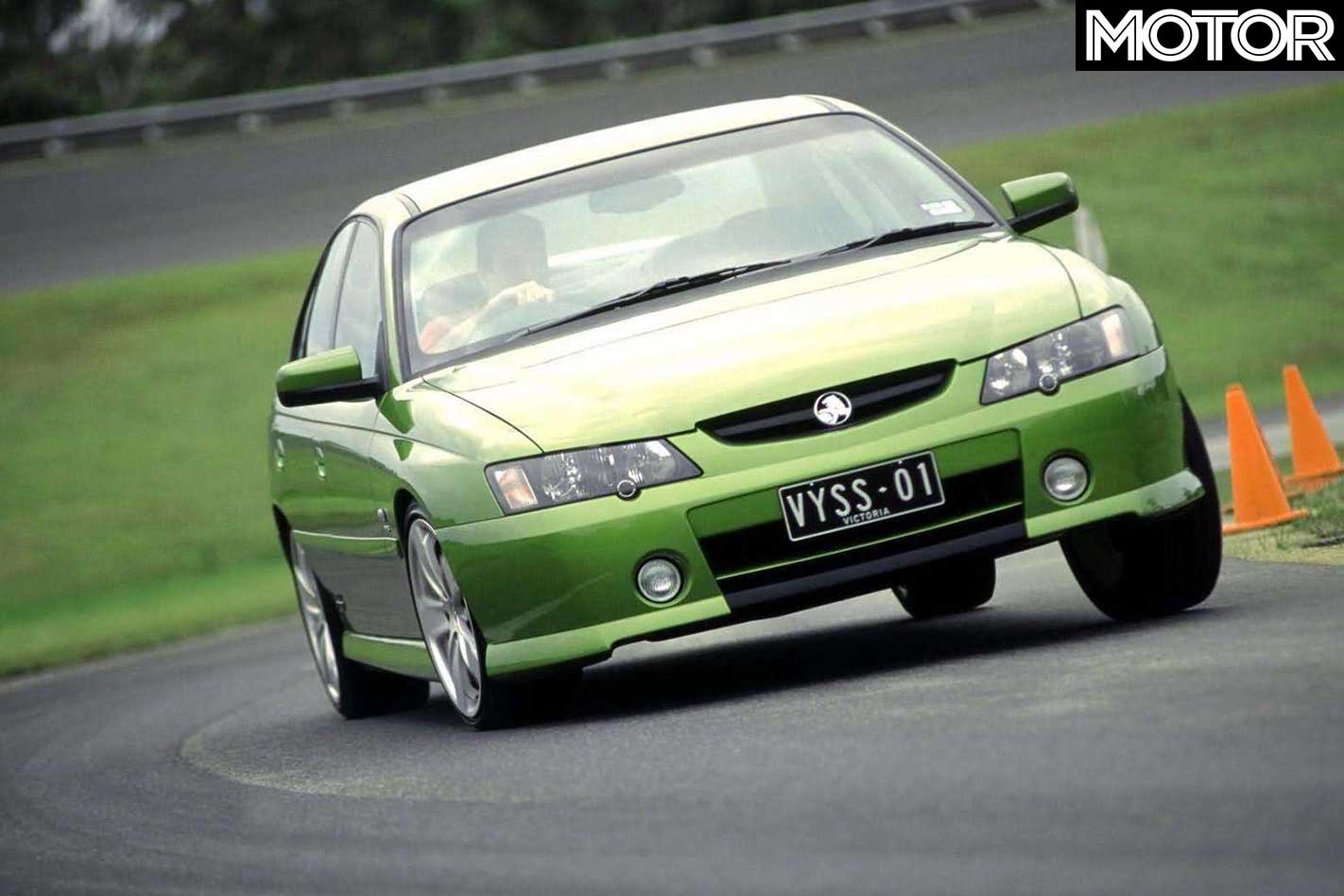
Holden VY Commodore SS prices
- $15-20,000 with approx. 200,000km in decent condition
Holden VZ Commodore SS prices
- $15,000 with 220,000km in worn but decent condition. Minor modifications.
2017: VE Commodore resale strengthens
Holden VE Commodore SS prices
- Around $20k for more than 150,000km, up to 30 for lower mileage
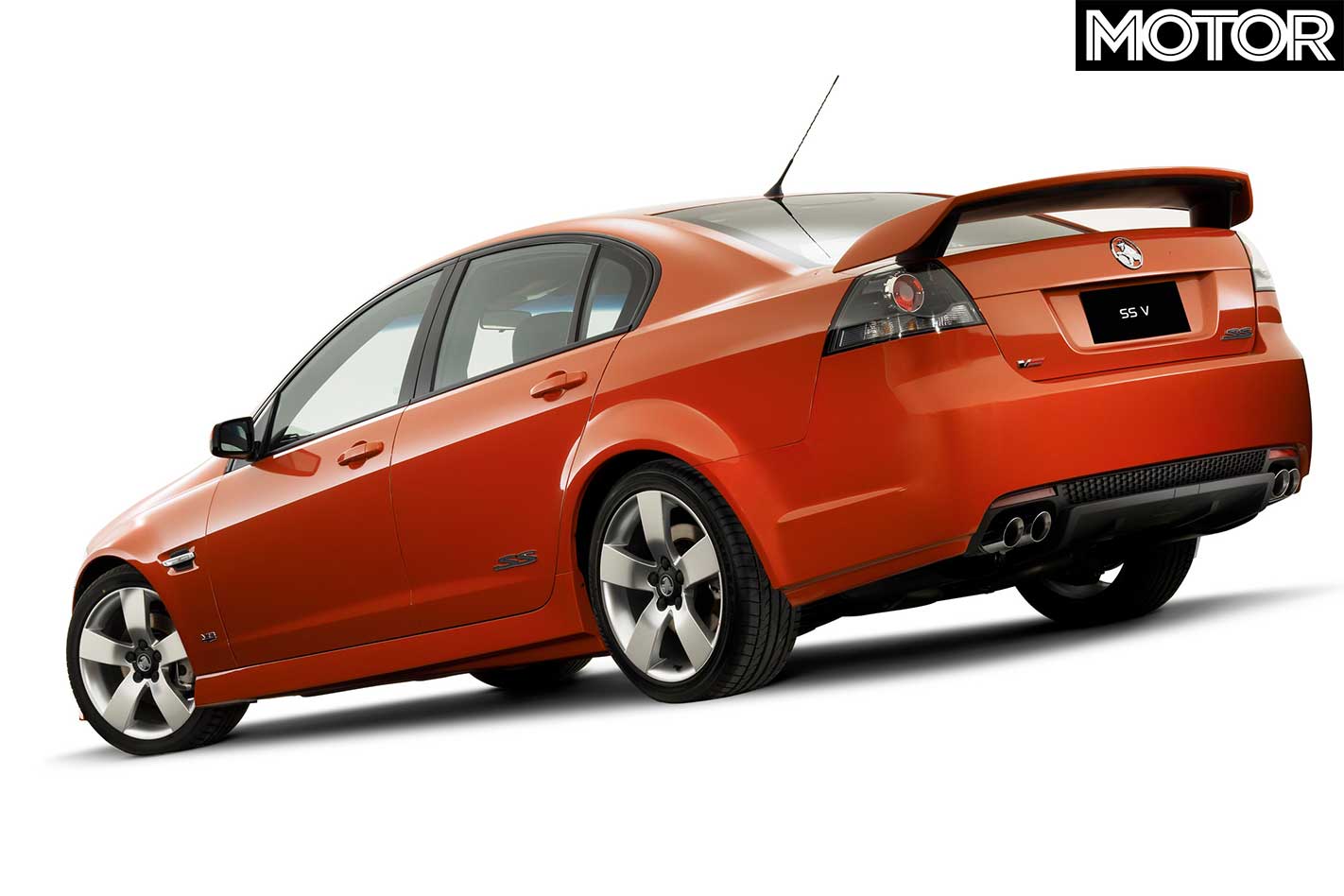
For more detailed advice, check out our specific buyer’s guide on the VE SS.
Holden VF Commodore SS prices
- As low as $30k for 2014 models, with around 50-100,000km
- As high as $90k for VFII Motorsport Editions with delivery mileage
Get your free weekly MOTOR report!
Hyundai’s luxury off-shoot Genesis will introduce the GV80 large luxury SUV in October, with a base price of $90,600 excluding on-road costs.
The local GV80 range will comprise four key variants and three engine options, while a host of other choices like front- or all-wheel drive, five or seven seats and a special Luxury package are available.
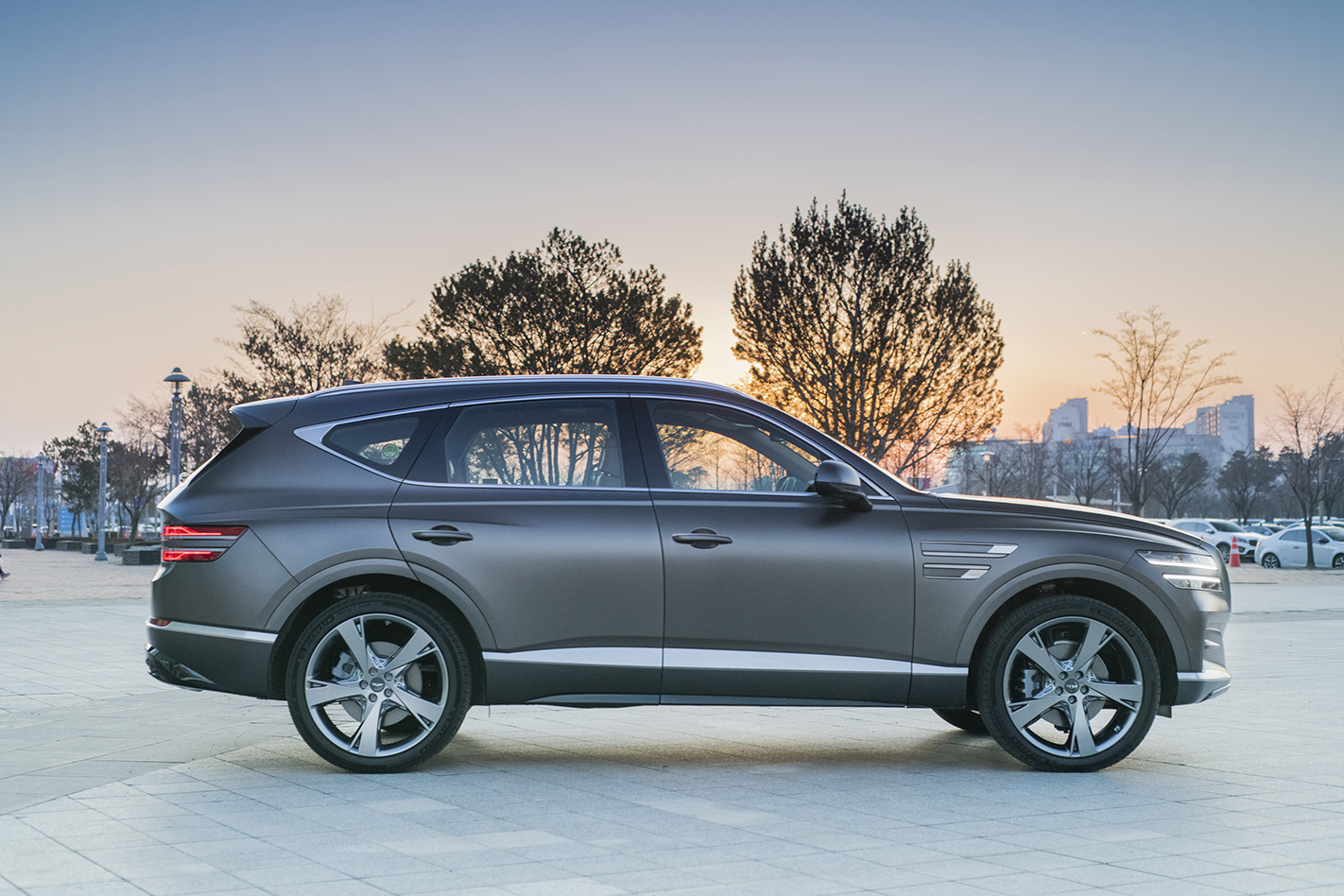
The line-up begins with the 2.5T ($90,600) which, as the name suggests, sports a 2.5-litre turbo four-cylinder engine that outputs a healthy 224kW and 422Nm to the rear wheels via an eight-speed transmission.
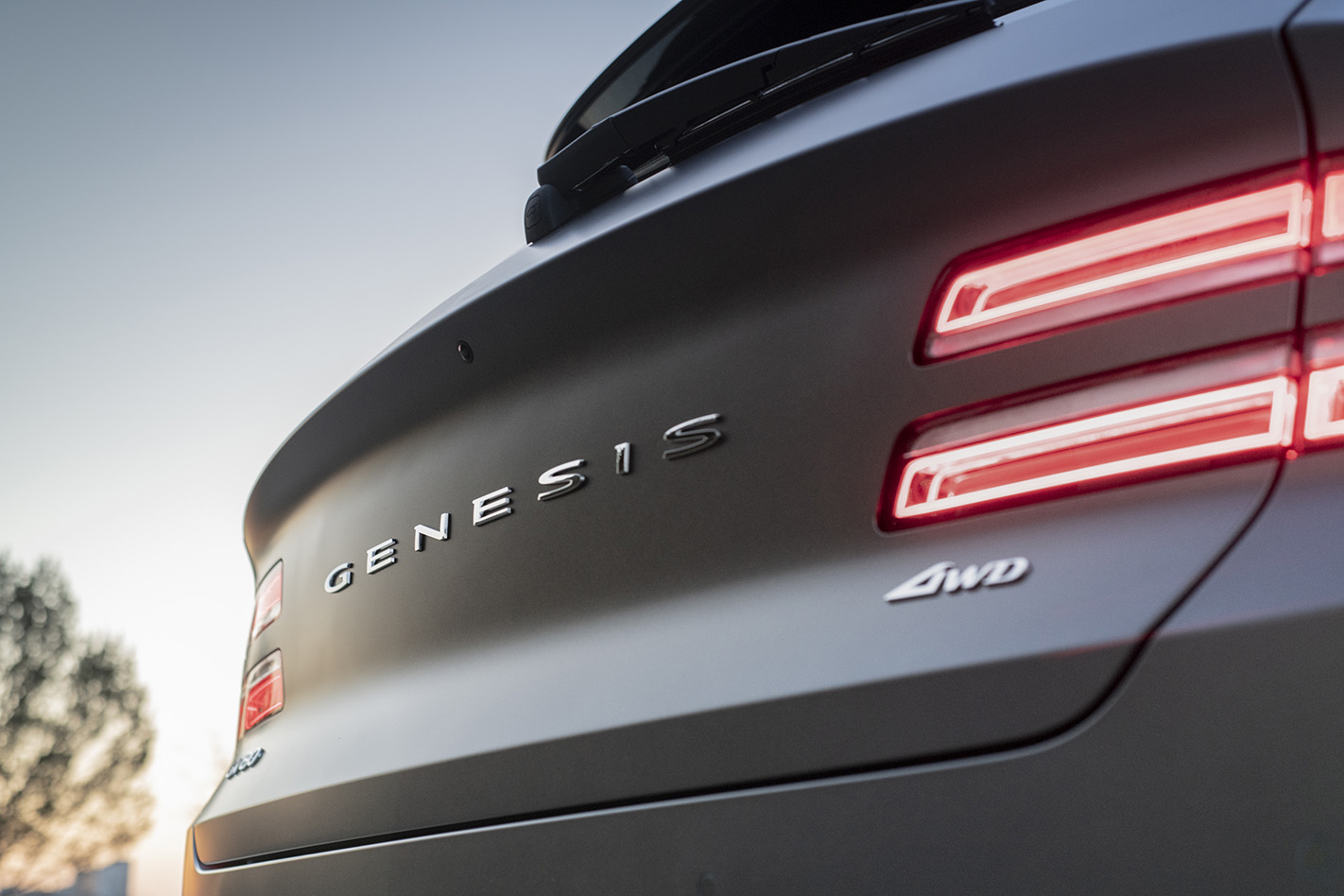
Standard equipment includes real leather and wood trim, ambient cabin lighting, a huge 14.5-inch infotainment system, panoramic sunroof, 20-inch wheels and an automatic boot release.
In terms of safety, all cars come equipped with 10 airbags, Forward Collision-Avoidance Assist system, Driver Attention Warning, Blind-Spot Collision Avoidance-Assist, active cruise control with smart stop and go function, and 3D surround-view camera.
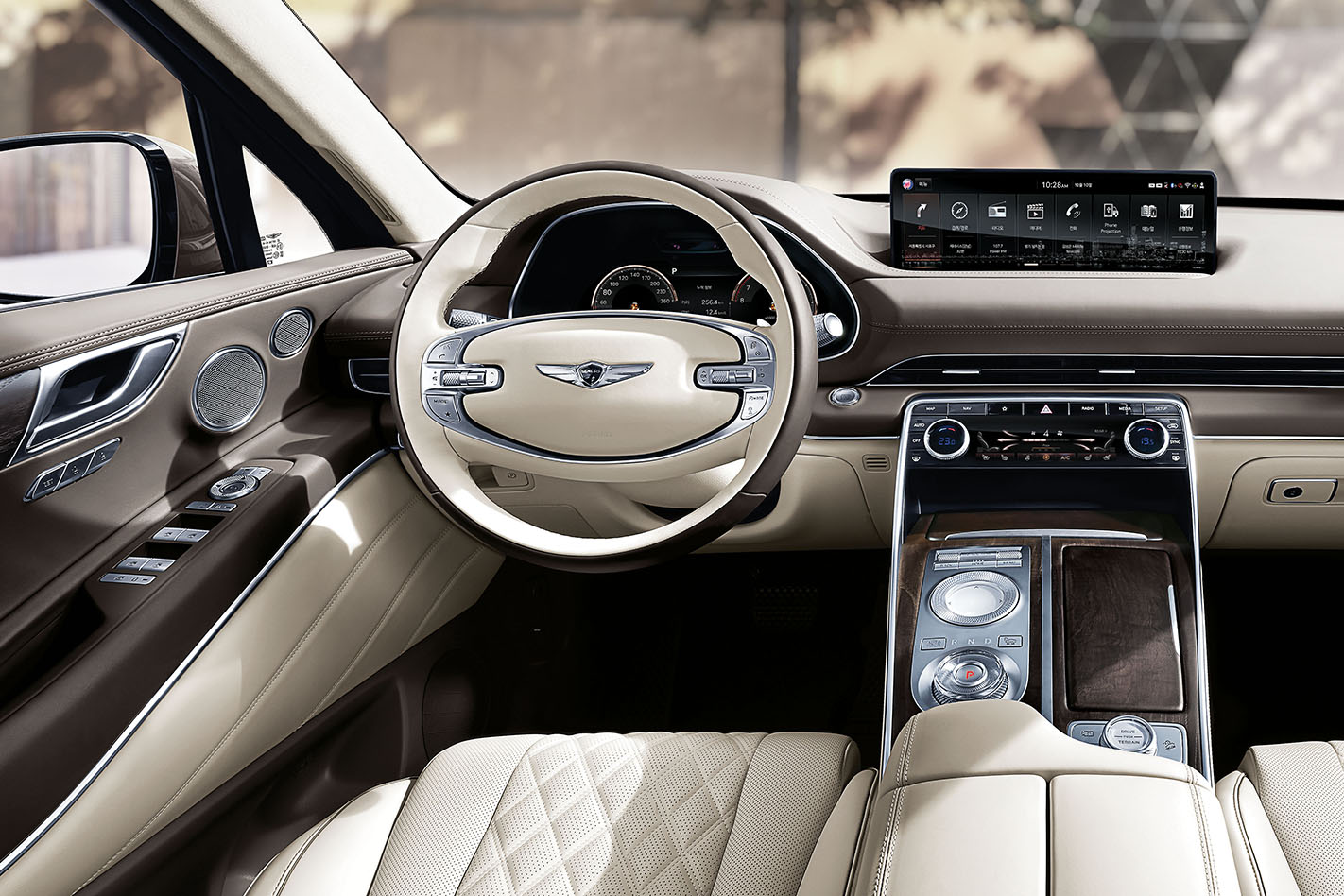
The next variant in the GV80 range equips all-wheel drive to the 2.5T to create the 2.5T AWD, which brings all-paw power to the GV80 for $95,600.
This variant also expands seating space inside to cater to seven passengers.
The GV80 3.0D is the third option which costs $103,600, bringing diesel power to the range using a 3.0-litre inline six-cylinder engine that produces 204kW and 588Nm.
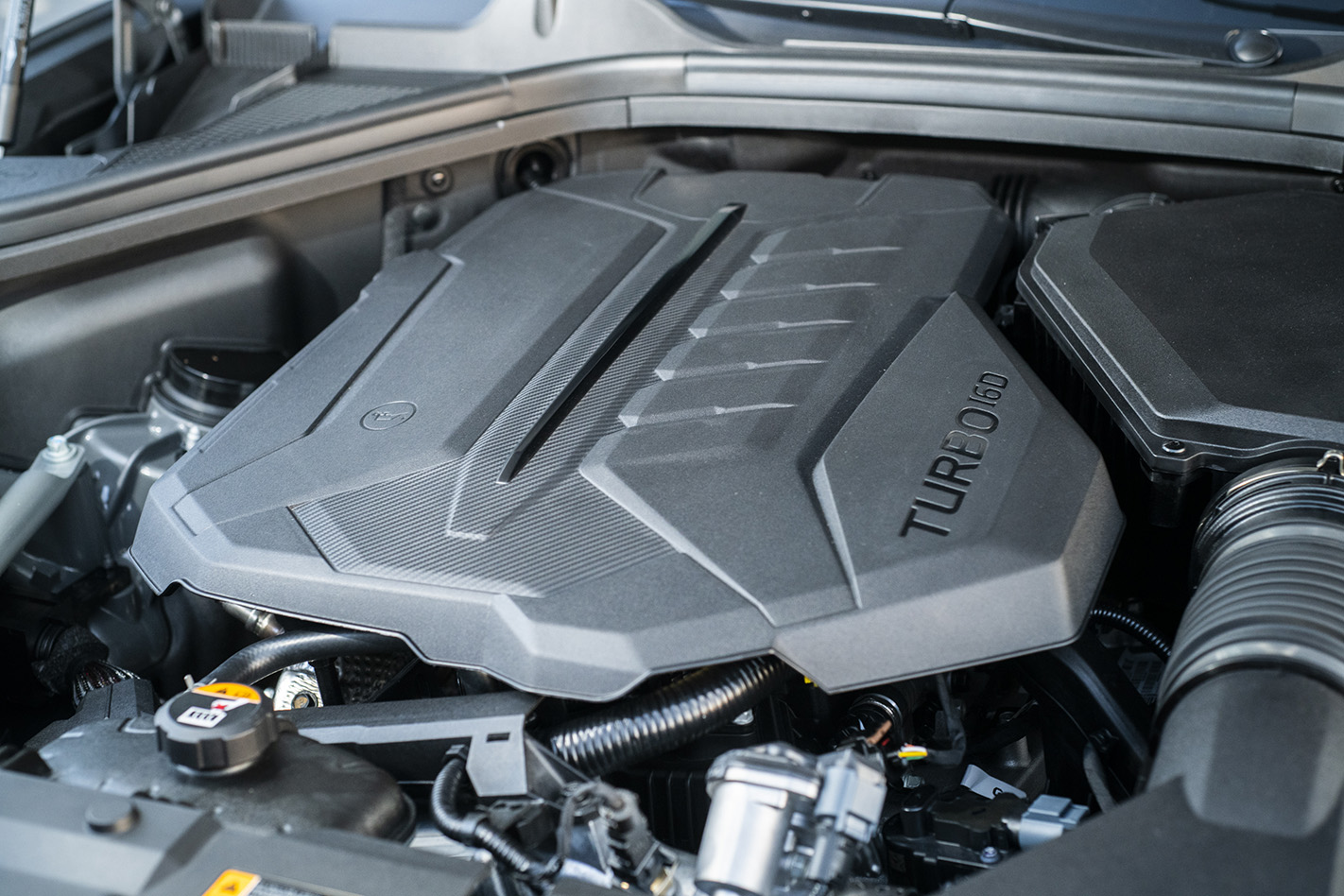
This spec also sends its power to all wheels and features seven seats, but also expands on the spec of the first two cars by equipping an adaptive suspension system that scans the road to prime the ride profile. The 3.0D also rolls on 22-inch wheels as standard.
The most expensive GV80 3.5T will cost $108,600 and uses an all-new 3.5-litre turbocharged six-cylinder engine to make a healthy 279kW and 530Nm.
It retains a similar specification to the 3.0D including seven seats and all-wheel drive.
If you’re looking for even fancier in your GV80 you can step up the spec of each variant with a $10,000 Luxury package.
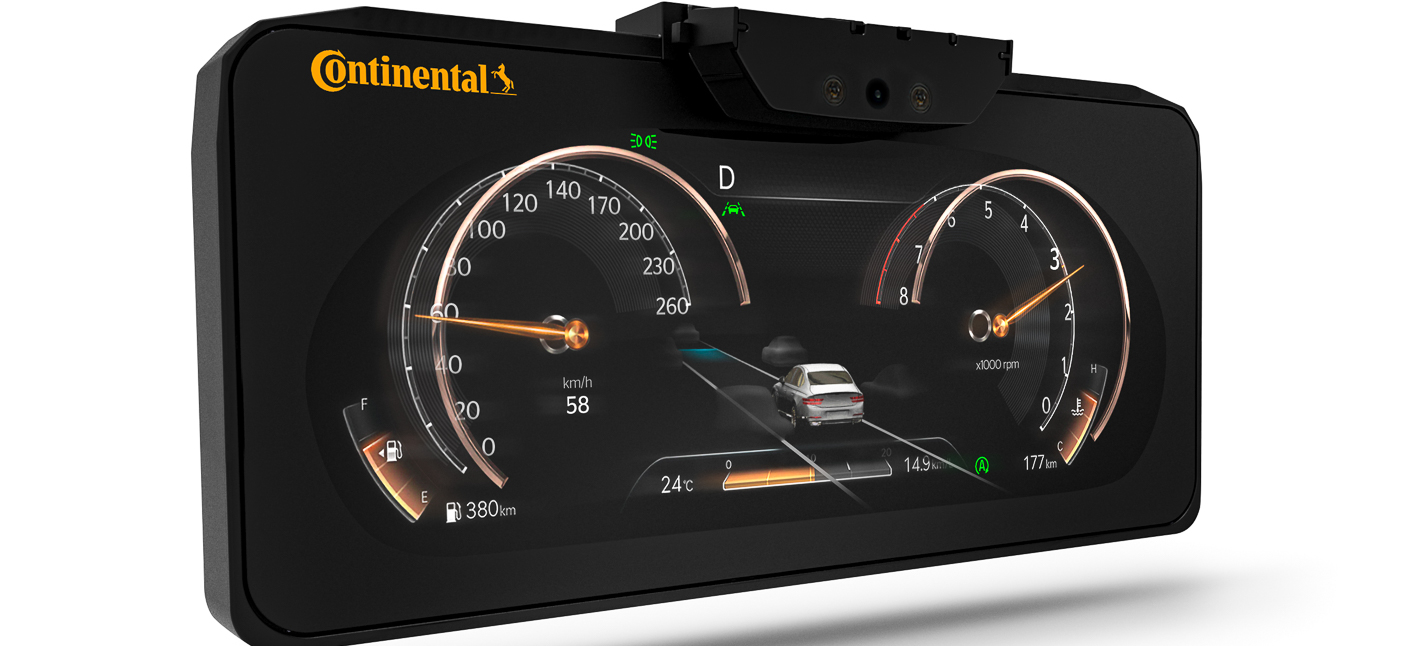
This includes a Nappa leather trim upgrade, a cool 12.3-inch 3D instrument cluster developed by Continental, three-zone climate control, soft close doors, driver’s seat massage function and additional Genesis Active Safety Control systems such as a driver’s attention monitor and reverse parking collision avoidance assistance.
In addition to a high-end product, Genesis is also set to offer an ‘effortless’ after-sales experience which includes five years (or 50,000kms, whichever comes first) of free servicing, five years of roadside assist, five years/unlimited-kilometre warranty and five years of a concierge service that will pick up your car and provide a Genesis loan car for scheduled maintenance and warranty issues.
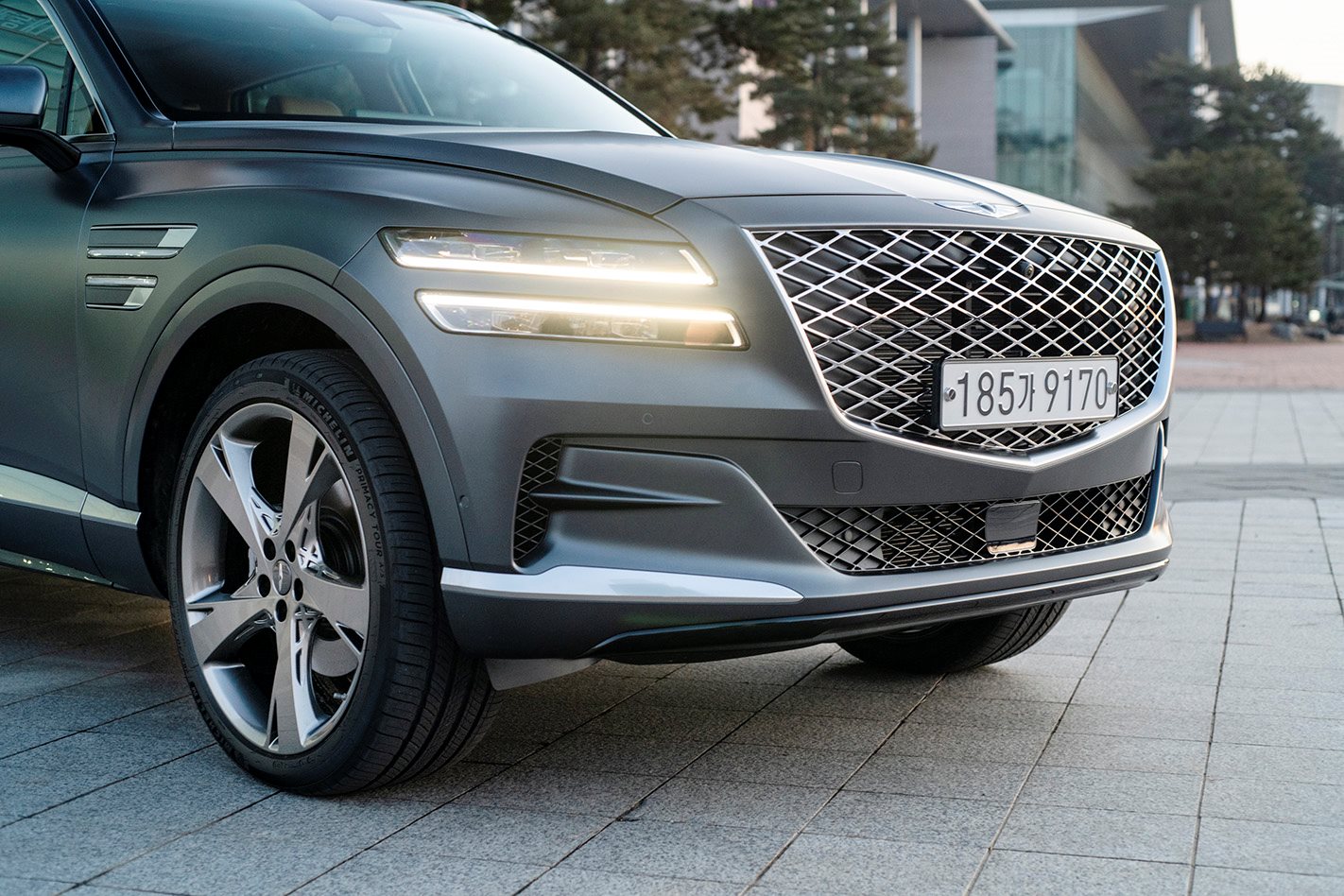
Genesis Motors Australia CEO Jun Heo said the brand is looking forward to offering its first SUV to the Australian market.
“As well as appreciating the Genesis pillars of desirable design, advanced technology, all-road capability and superior comfort, GV80 customers will be treated to the unprecedented luxury of the Genesis-To-You service, and convenient all-inclusive ownership experience,” he said.
The Genesis GV80 is now on display in the brand’s Sydney-based experience studio, while local deliveries are set to arrive in early October.
Genesis GV80 Australian pricing
- GV80 2.5T RWD – $90,600
- GV80 2.5T AWD – $95,600
- GV80 3.0D AWD – $103,600
- GV80 3.5T AWD – $108,600
In what appears to be an unusual pattern of car-buying, the used vehicle market has defied the 20 percent drop suffered by the Australian new-vehicle market brought about by Covid-19 restrictions.
Used vehicle prices rose to an all-time high in June and July as Australians sought to replace their vehicles but were either unwilling – or unable – to spend more on a brand new one in the face of rising job uncertainty.
According to a Moody’s Analytics Price Index report, costs for used vehicles increased by an average of 30.8 percent to the end of July since April lows, and are currently 16.2 percent higher than pre-pandemic prices in January.
Data suggests the prices for 2020 likely peaked in July but will remain high compared to 2019.
In real terms, according to Moody’s Analytics, if you were looking to spend $10,000 on an older Ford Ranger at the start of 2020, you would have paid an extra $1600 for the same vehicle in June and July.
Key drivers for the demand in affordable cars include the more people wishing to drive than use public transport and the pandemic’s impact on air travel, with buyers seeking reliable used cars to travel longer distances before the strict second-wave border closures.
However, the main reason goes back to before the pandemic when new car sales were progressively dropping since 2018.
“The slowdown in new vehicle sales that has occurred across Australia over the past 24 months has put considerably fewer [used] vehicles into circulation,” Moody’s Analytics senior economist Michael Brisson told the ABC.
He added that the used car market was going through the ‘substitution effect’ that occurs between new and used vehicles during periods of economic uncertainty.
“Under the assumption that new and used vehicles are perfect substitutes as a form of transportation, consumers will choose the less-expensive good, used vehicles,” he said.
“When consumers are nervous about their livelihood, vehicles become a way to get around more than a symbol of social class.”
Paradoxically, the demand for good low-mileage used cars had a positive impact on the new car market in June, with unsatisfied buyers taking another look at the new car market to find what they needed.
