
Autonomous Emergency Braking (AEB) is a form of automatic braking which stops your car if it senses you’re about to hit an object such as a vehicle stopped in front or in some cases people or cyclists on the road.
AEB has become more common across manufacturers as standard, or optional equipment as part of a wider safety package.
While it’s an excellent idea to buy a car with AEB it’s important to know that there are different kinds of systems with various capabilities.
For example, some systems will only slow the car to reduce the impact of a crash – look for words like ‘collision mitigation’ which only lessen the severity of an unavoidable accident rather than avoid an impact outright. Others are only effective up to lower speeds and often referred to as low speed or city braking.
When considering a car it’s important to check with the dealer or manufacturer to see what system it has, as this can vary between models and variants.
There are three main categories of autonomous emergency braking systems.
City Speed systems
These target city driving where crashes often occur at lower speeds but can cause debilitating injury such as whiplash. Typically, these systems look for the reflectivity of other vehicles and are not as sensitive to pedestrians or roadside objects.
Such systems use a laser sensor (usually mounted in the top of the windscreen) to detect obstacles. Because the laser’s range is limited there is less warning meaning it’s only effective at lower speeds and in some cases will lessen impact rather than come to complete stop. Depending on the system the maximum effective speed can be anywhere between 40 and 80km/h.
A disadvantage of laser sensors is they can be hindered by atmospheric conditions such as rain or fog.
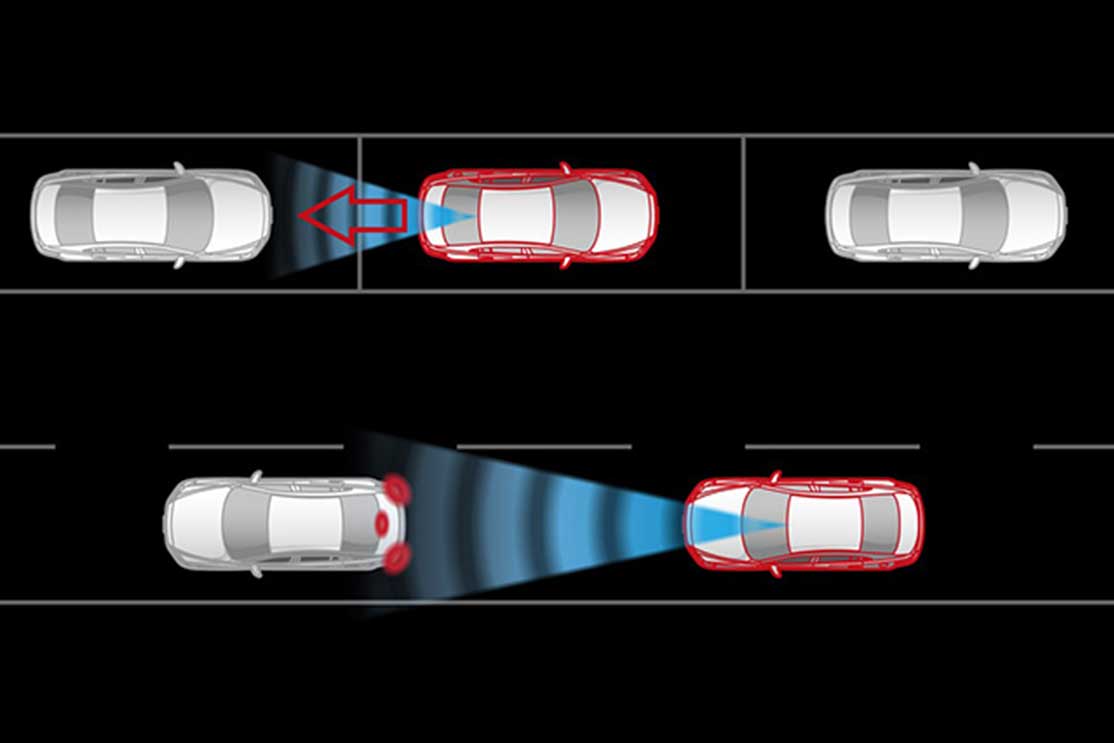
Highway Speed systems
These typically utilise long-range radar to scan further ahead of the vehicle (up to 200 metres) which allows for higher closing speeds. Another advantage of radar is it is less susceptible to interference from atmospheric conditions that can interfere with lasers.
Other systems, such as Subaru EyeSight, use a pair of stereoscopic cameras at the top of the windscreen and some sophisticated software to generate a three-dimensional picture of what’s on the road ahead of the car. The cameras can also detect smaller objects like people or when the car is straying out of its lane.
However, the cameras can be adversely affected by harsh weather or light conditions (such as when driving directly into the sun), wet roads or even a dirty windscreen in front of the lenses.
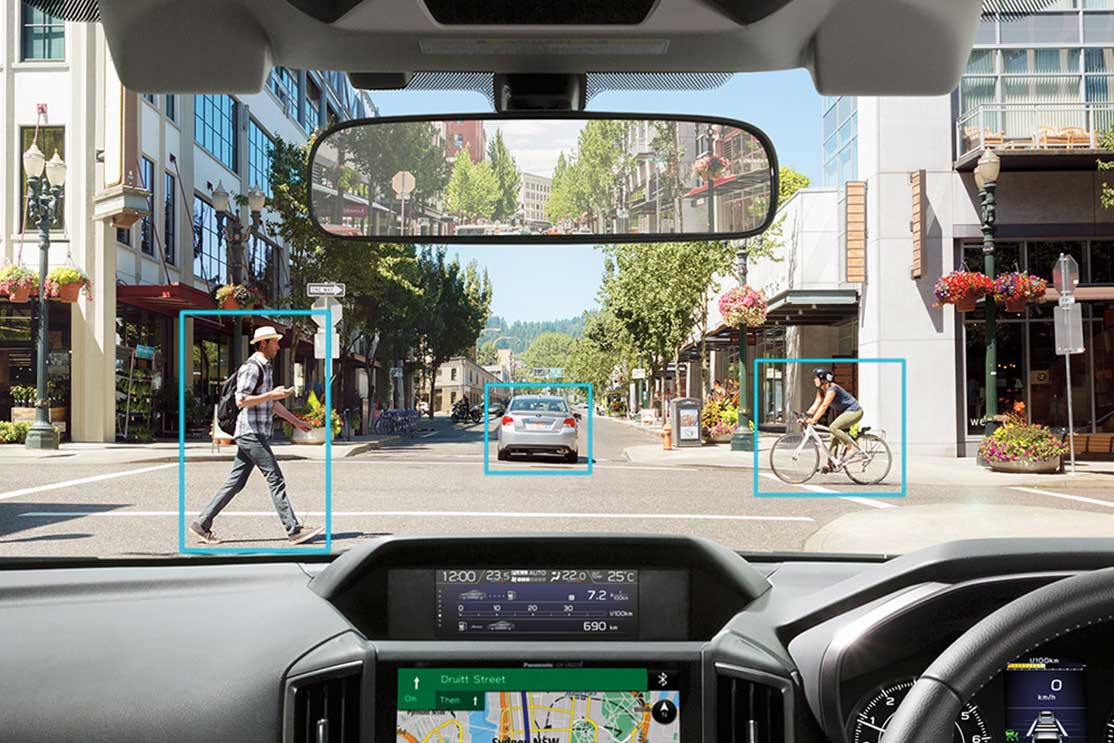
Pedestrian and cyclist detection systems
These versions use a camera(s) combined with radar to detect vulnerable road users through their shape and characteristics. The way in which pedestrians move relative to the path of the vehicle is calculated to determine whether they are in danger of being struck. Some high-end systems can work at speeds up to 210km/h and bring the car to a complete stop.
Reverse AEB
This works to prevent parking bingles by detecting an obstacle that you might not see, using the sensors that are used for the audible warnings to operate the brakes. It’s also good for preventing a minor collision should you accidentally put your foot on the accelerator while in reverse. Some vehicles use the same technology to prevent front-on parking mishaps.
Brand confusion
It can be difficult to know which models are fitted with AEB as each manufacturer has different, often confusing, names for the technology such as Audi’s ‘Pre Sense Plus or Volvo’s City Safety. So be sure to consult your car dealer or manufacturer for their systems work and which equipment is fitted in the model or variant of vehicle that you are considering.
Even with the most advanced AEB systems, nothing prevents a collision more than the Mk1 Eyeball so it’s important to treat the technology as a system of last resort rather than a substitute for being alert.
First, a trigger warning: this column touches on the male genitals. Wait, no, I’m not literally touching on some male genitals, I mean this column deals with the male genitals, and Teslas, and a new device that combines the two.
So if that’s the sort of thing that makes you phone the vicar, or write to the papers in outrage, then skip right over this page, and I won’t blame you. After all, if you wanted to read about a dick in a Tesla, you’d be on Elon Musk’s Twitter account.
For those still reading, I have one word for you: Automoblow.
In the words of the Automoblow website: “Enjoy satisfaction while your Tesla drives itself. The first sexual pleasure device for self-driving cars.” (More specifically, for the drivers of self-driving cars. Sadly, the cars have to pleasure themselves.)
It’s an automatic junk-fondler you can install in your Tesla to give you robotic happy endings while you drive.
“Spice up your daily commute or long road trip with a blowjob!” boasts the manufacturer. You think I’m making this up. I’m not. Google it, if you want it showing up in your search history.
Tesla’s Autopilot name banned in Germany
There are so many questions. Like: why Teslas? Are Tesla owners less likely to make it with an actual human, or are early adopters more turned on by robots than people? And: does it affect the range? How much power is this thing drawing? I suppose that probably depends how long it takes to, y’know, reach your destination. But you might want to factor that in, if you are using this thing on a long road trip, or you might run out of juice.
And: on your daily commute? Really? You better be commuting at four in the morning, or have the darkest window tint known to science, because believe me, from the driver’s seat of any SUV, I can see into your Model S, and I don’t need to see you reaching Insane Mode while I’m stuck next to you at the lights.
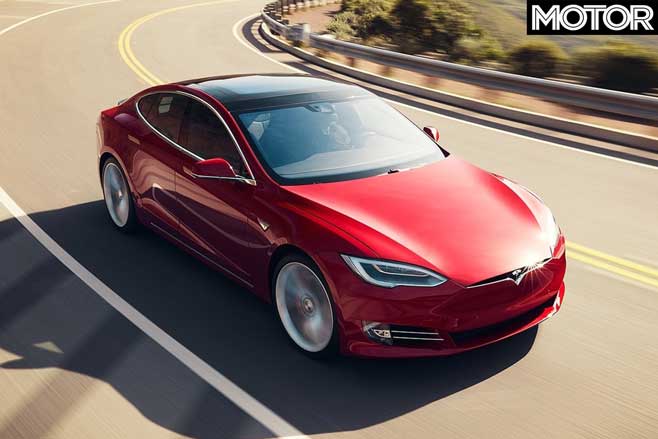
And not to sound naive, but: why do you need the car to be on Autopilot to get a blowjob? The “roadjob” is not a new concept, and drivers have managed to keep at least one eye on the road while receiving attention from the passenger seat for decades. Once we have truly autonomous cars – and right now, Tesla’s Autopilot is not really that – you won’t even need a machine, because you can, y’know, take care of things yourself.
I can hear the old fuddy-duddies tut-tutting: “It’s a safety issue because it takes two hands to unbutton your RM Williams.” Okay, but in-car handsy-ness is why tracksuit pants were invented in the first place. That, and all-you-can-eat pizza night, and I suppose to keep athletes warm. So, in the top three reasons tracksuits were invented. In fact, if you see a Tesla owner wearing trackies at this point, I’d be suspicious.
Some more cursed car accessories
And: can you even really call it a blowjob? I’m not going to describe exactly how this thing works – again, you can Google it if you really want to know – but I’m not sure that’s the word we’re looking for. I don’t know if there is a word for this. I don’t know if there should be.
And: how do you explain it to anyone who gets in the passenger seat? “What’s that thing?” “It, uh, it opens soft drink bottles… I mean, it’s a blood pressure gauge… would you believe, it polishes golf balls? Okay, okay, you’re riding in my mobile rub’n’tug. Sorry, Mum.”
And: can you tell if a Tesla has had one of these things installed in the past? Because I know at least one motoring journo I wouldn’t put it past, and I want to know if I need to wear a full-body hazmat suit the next time I get in a press car after him. Yick.
After decades of fighting the riptide of alternative energy transport and electric vehicles, the Australian federal government appears to be, at last, acknowledging the importance and inevitability of zero-emissions cars with crucial infrastructure support.Partnering with Origin Energy, the government’s Australian Renewable Energy Agency (ARENA) has announced a contribution of $838,000 to a $2.9m project that will supply, install and commission 150 electric vehicle smart chargers across various industries and applications.The goal of the trial is to better understand the usage and demand of residential, commercial and industrial EVs and, most importantly, how to accommodate a growing number of battery powered vehicles in the national grid.
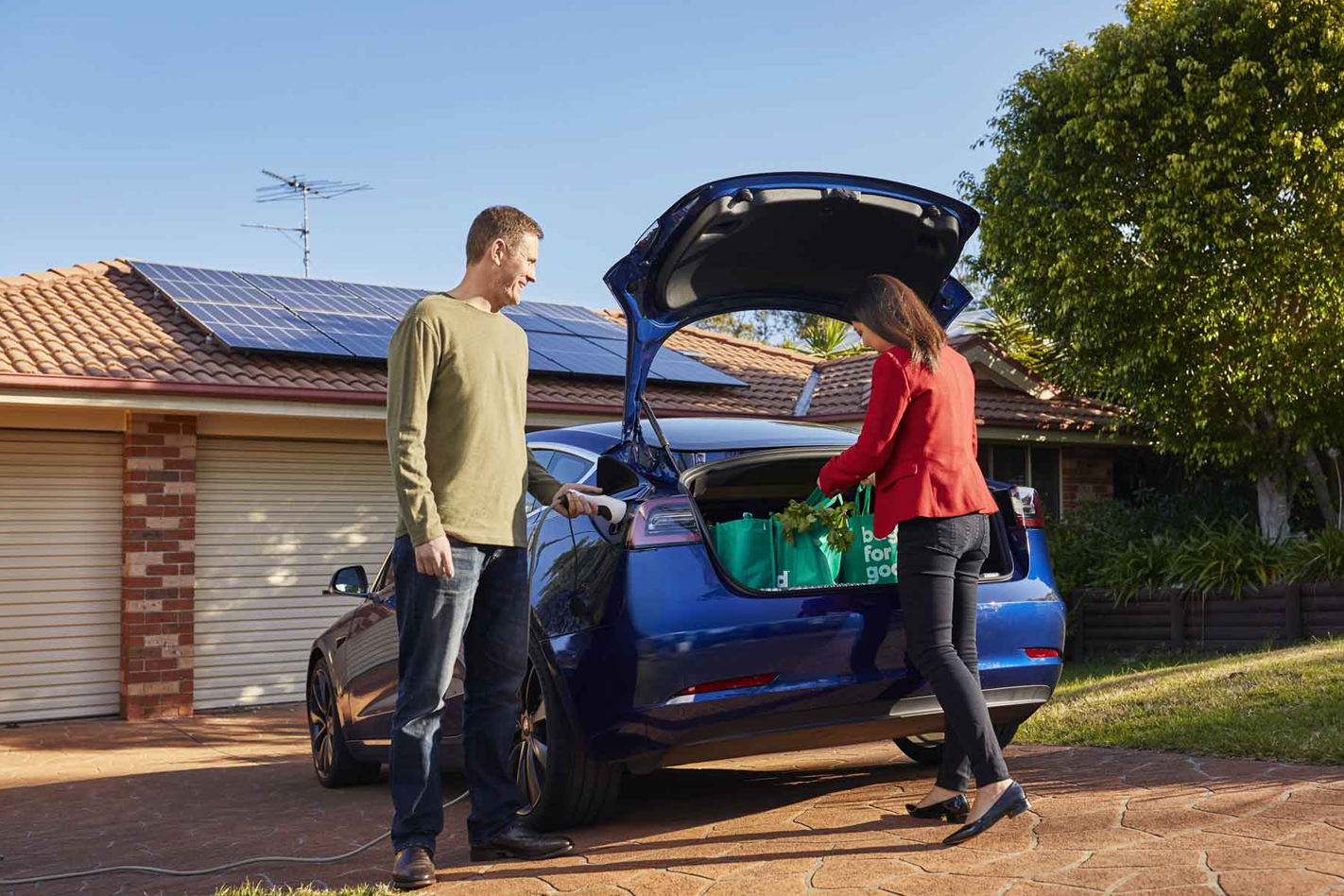
The NSW government has recently announced funding for public charging stations – albeit buried among paperwork – was a sneaky ‘distance charge’, which is not such good news for EV owners.While a massive $300m federal investment is paving the way for Australia to be a world leader in clean hydrogen production along with the potential for fuel-cell EVs.Read next: Massive hydrogen production investment for Australia Over in ACT, a separate trial is analysing how EVs themselves may be used to prevent blackouts by pumping power back into the grid if it’s subjected to high load.ARENA CEO Darren Miller said the smart charger trial and investigation will help better understand how people want to use EVs in Australia’s unique automotive climate, as well as solving the problems battery cars may cause for power distribution networks.“As the uptake of EVs increases, it will be important to efficiently manage the charging of vehicles, to avoid potentially costly impacts on peak demand, associated network charges and grid security issues,” he said.“Smart charging enables charging at times when demand is lowest and electricity is cheapest, which reduces the burden on the network and the cost to the customer.”
If you believe it’s Nurburgring lap records that drive natural selection in the front-drive hot hatch world, that’s okay. We too enjoy knowing lap times to the tenth and often squeeze on-board videos into the last minutes of our lunch break.
But we’re also wise to their role in marketing a brand. As cynical as that sounds when almost every hot hatch is signed off at the famous track, you can’t drive an actual ’Ring record car off the showroom floor in like-for-like guise – unless you bring your own semi slicks or roll cage.
The thing is, as far as car companies are concerned, the last hot hatch will be left standing on a different battleground. Like the one under our contenders here.
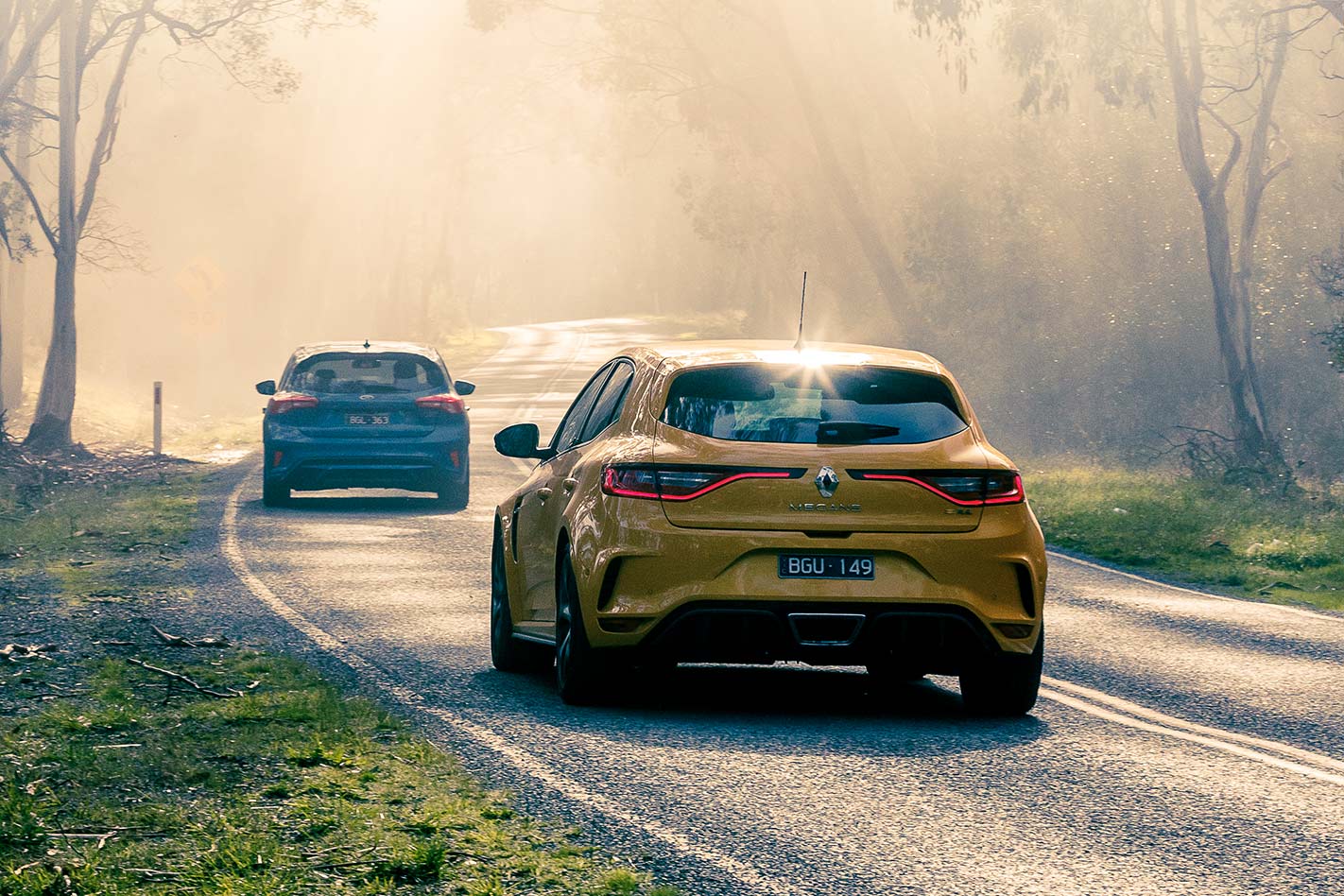
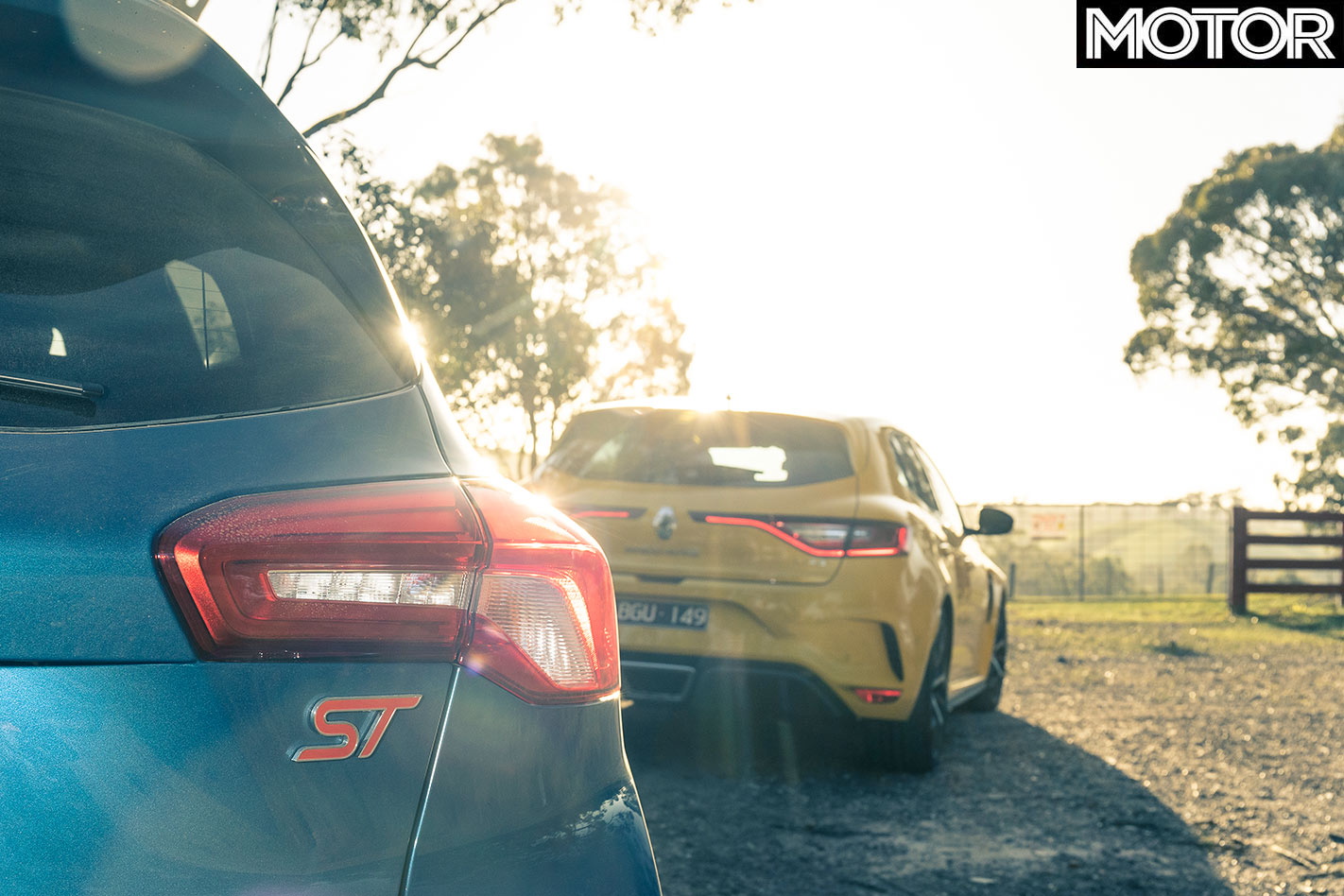
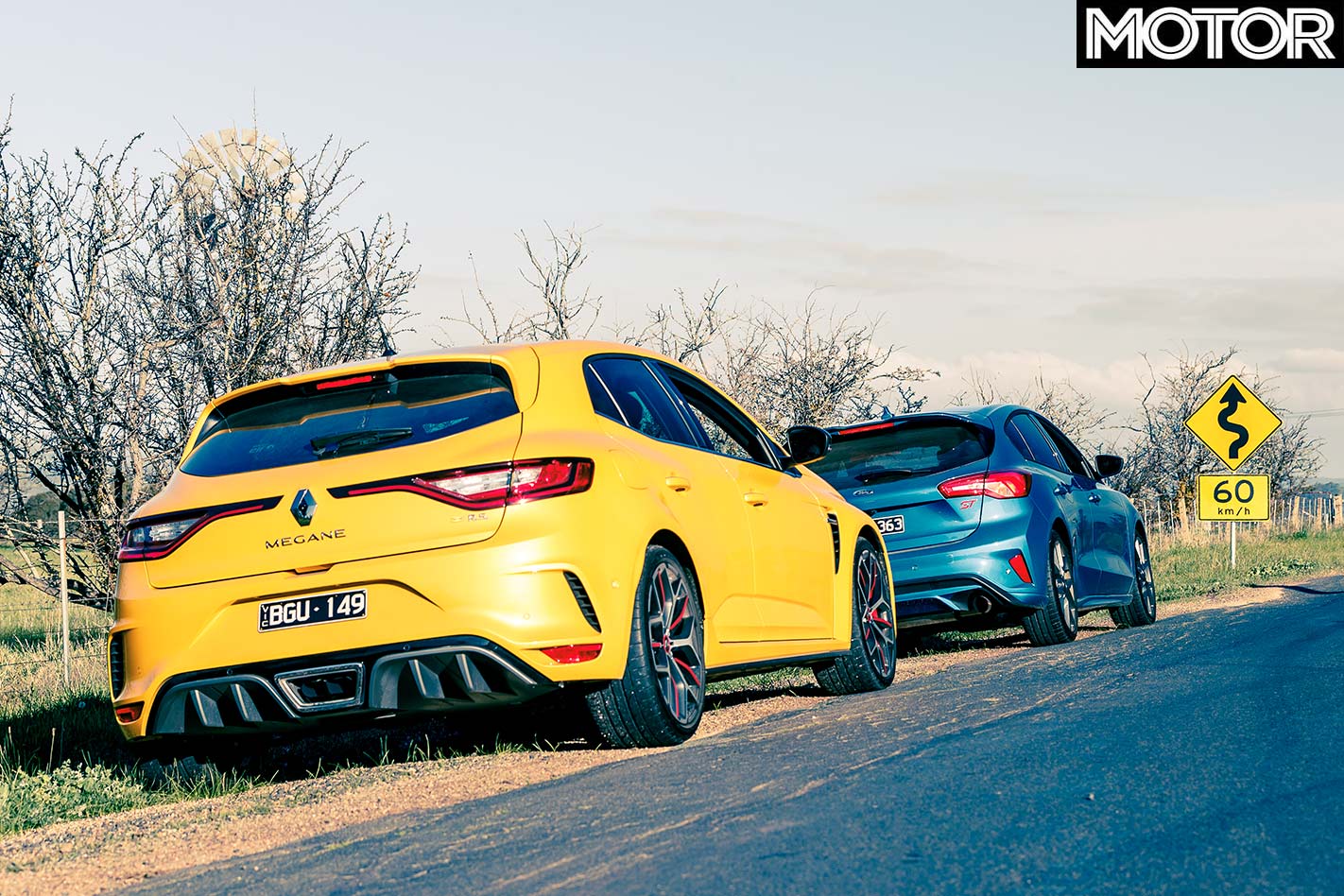
What makes them so special? Right now the Renault Megane RS and Ford Focus ST are the only hot front drivers with automatic transmissions. We’ve been told that when it comes to a manual or automatic, buyers choose the latter four out of five times. So while a Honda Civic Type R is probably the best front driver, or even hot hatch, you can buy, these two are what people will actually get for the next while.
Hyundai’s i30 N dual-clutch is coming… it keeps saying. Meanwhile the VW Golf GTI, for all intents and purposes, is awaiting its eighth generation. Renault’s Megane RS has used an Efficient Dual Clutch (EDC) since 2018 but Ford now wades into these waters with its first-ever automatic Focus ST.
Plenty of similarities between these two promise a blood bath. Four hundred and twenty Newtons apiece, for starters, through the front wheels. Along with front suspension built around trick limited slip differentials and specially engineered torque-steer-fighting mounting points.
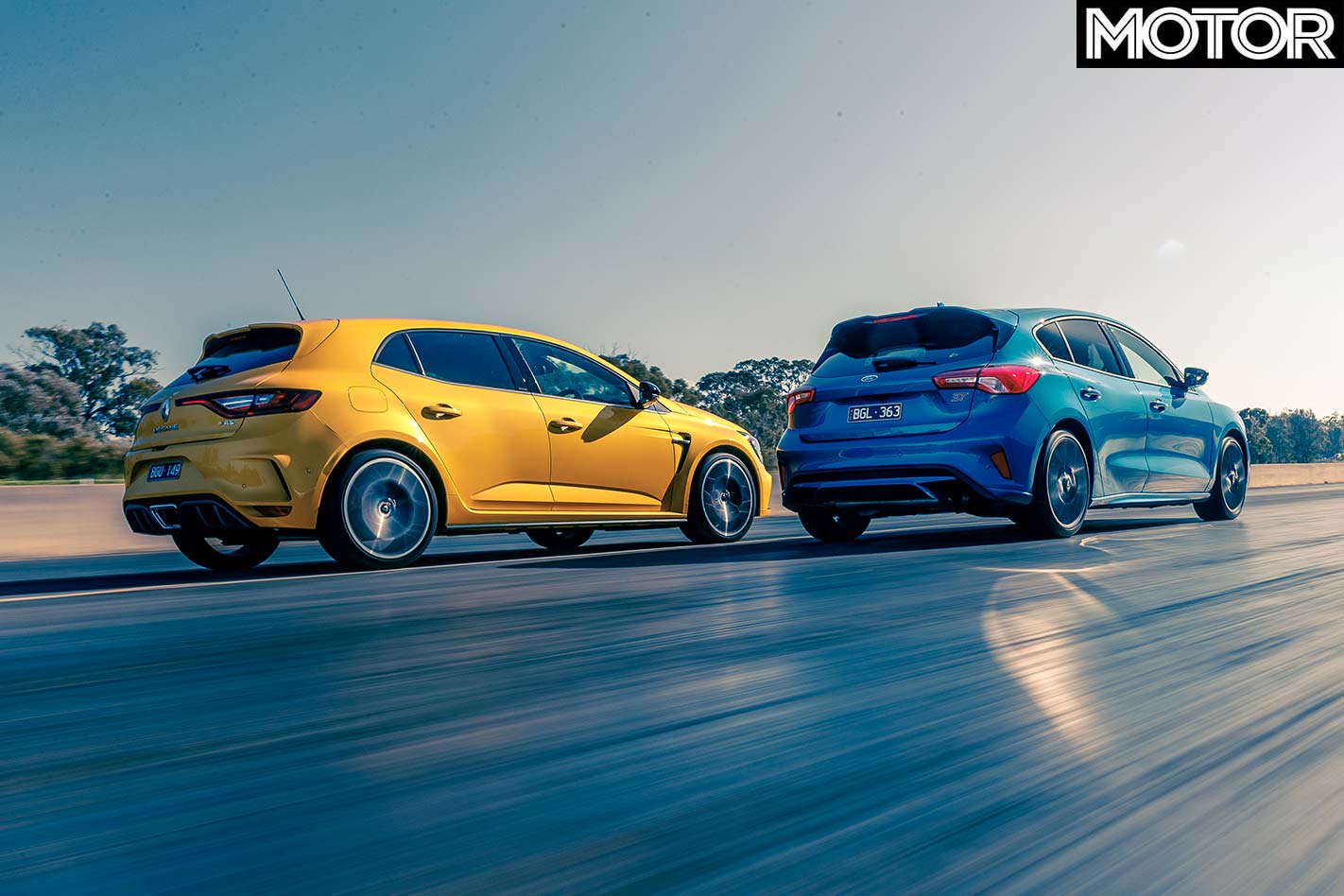
Both use inline-4s with twin-scroll turbochargers. Each seats five, has five doors and measures just under 4.4 metres long. Both ride on 19-inch wheels with specific performance rubber. And both have been sent from Europe to try satisfy a well-established Aussie penchant for front-drive hot hatches.
Given the Trophy’s birthplace in Dieppe is only hours from Paris, it’s no surprise it catches your eye with a sense of style and aggression that’s missing on the Focus. Its exclusive Renault Sport bodywork pumps guards to thrust tyre tracks 32mm and 37mm further out than the ST’s. That genuine rear diffuser, along with a ground-hugging front lip, also set off its heavily stylised LED lights.
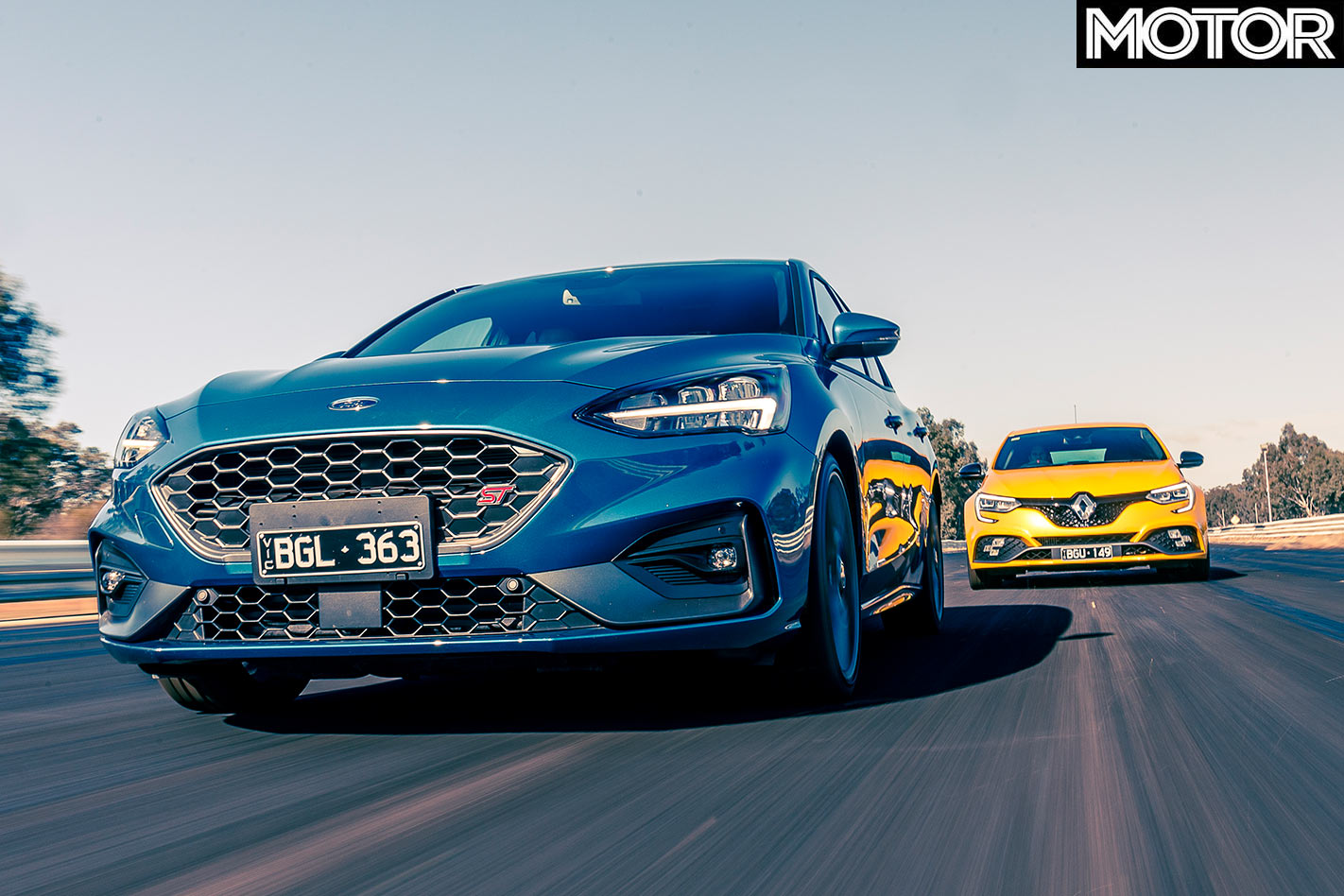
Designer fashion’s not cheap, though, and it doesn’t help that Renault could only supply the RS300 Trophy EDC. It tops the range at $55,990. For the cash, though, you get special design wheels, bi-material front brake discs, a lowered seating position and an active exhaust. It also squeezes 221kW/420Nm from its 1.8 litres.
You can buy a softer Sport chassis for $50,490 with the 205kW/390Nm RS280 EDC powertrain. And, honestly, it might have been the better pick on price. That is, however, until one learns that if you want a Torsen LSD in your six-speed dual-clutch Trophy (and you do), you can only get it with the stiffer Cup chassis. We’ll get to why that’s so important in a moment.
Our German-born ST, meanwhile, is fresh from an Australian launch and offers an automatic in the truest sense. It borrows an eight-speed torque converter from the ST-Line, but swaps in new gear ratios, minus one, to match its grunty 2.3 litre.
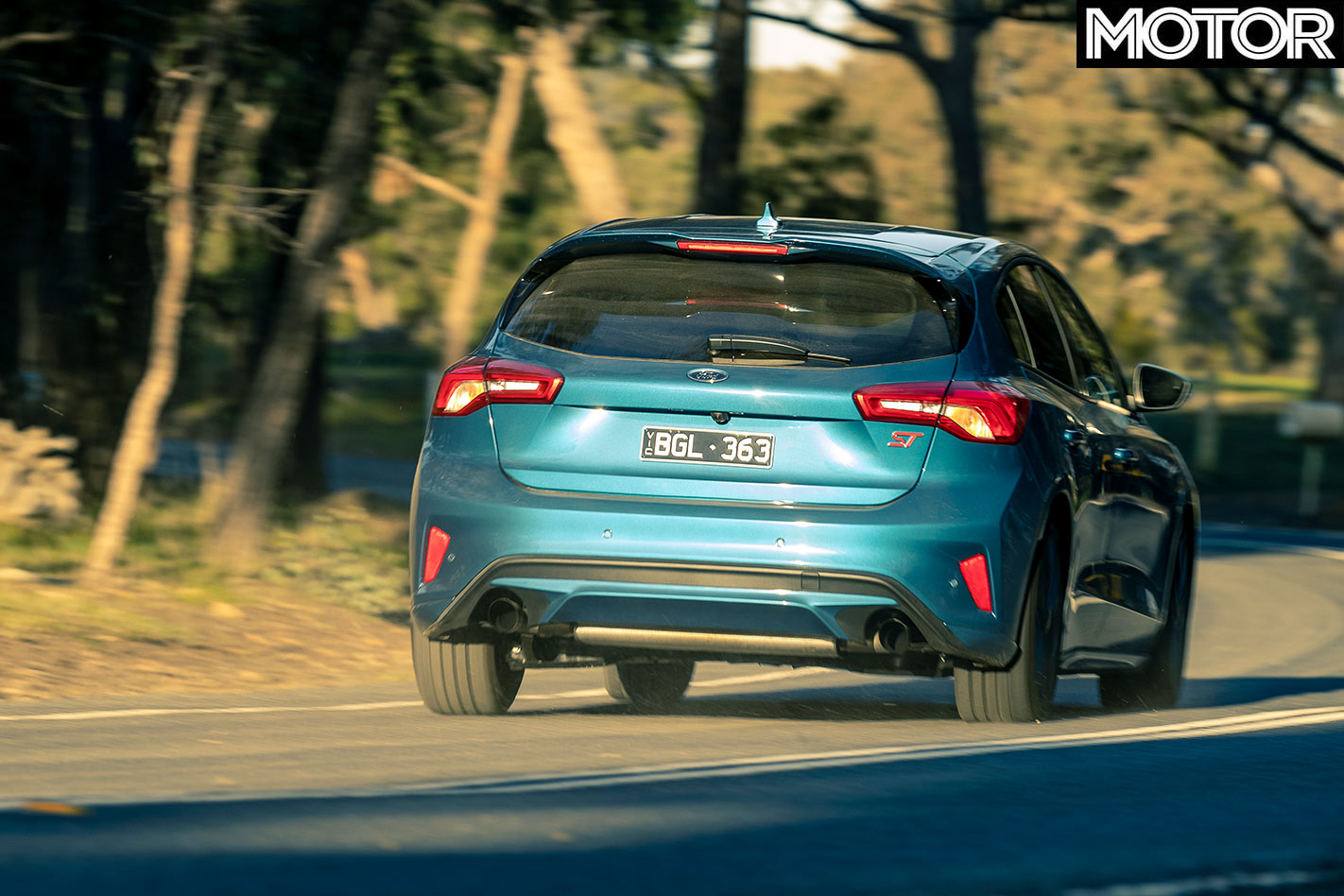
Ford admits it saved money by avoiding a dual-clutch transmission. So you’ll only need $44,690, or as much as the six-speed manual ST, to nab one. The real cost, though, is on the scales, where it adds 26kg; or also because it ditches the manual’s launch control software.
But the ST proves that’s no drama at Heathcote Raceway in dry, cool Victorian weather. After building up 2250rpm against the stall, it’s obvious it doesn’t need launch control to hit its 6.0sec 0-100km/h claim. The 235mm Michelin Pilot Sport 4 S tyres waste little time with wheelspin – often the problem with manual front-drivers – and the shift mapping in sport ESC dispatches the first two gears well before the 6625rpm redline.
By contrast Renault’s launch control system is less intuitive. After vital temperatures warm up, pull both paddles and three green lamps light up the dash. It next tries to contain the fury that hard-charging 1.8-litre unleashes on its wider 245mm Bridgestone Potenza S001s, but the revs hang in first gear for a moment too long.
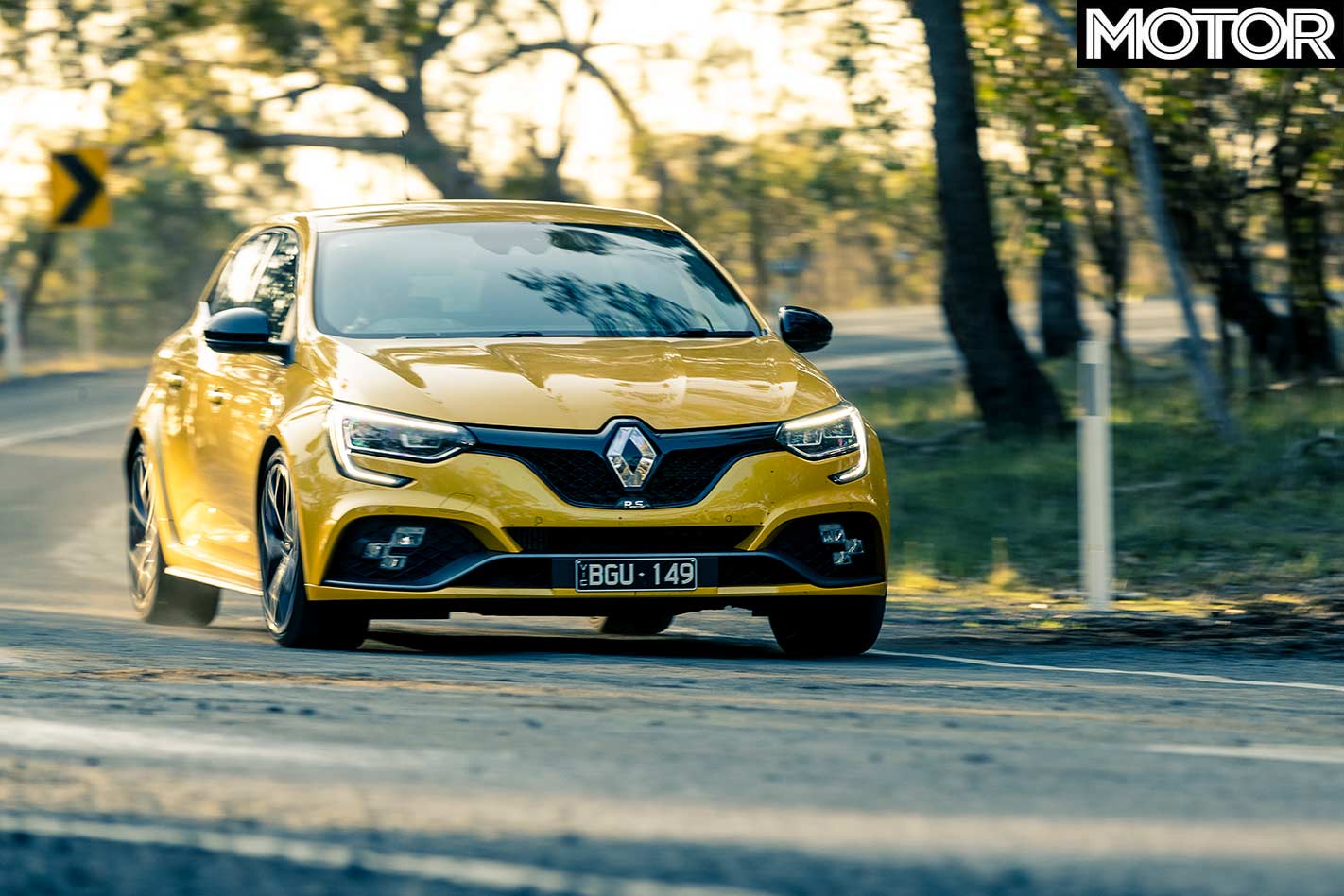
Upshifting knocks it out of this daze. But you must hold each gear until the 6875rpm cut-out or you risk falling out of the turbocharged powerband. And while these two are neck and neck up until 80km/h, after that it’s a wash in the Trophy’s favour. It just never lets up. It tags 100km/h in 5.90sec but only once you factor in its slick dual-clutch, a 100kg-plus advantage and 15 extra kilowatts can you grasp how hard the Trophy punches at the strip’s fast end. It storms across the 400m line in 13.92sec and 6.5km/h faster.
That shouldn’t take away from the ST’s potency, though. The automatic and electro-hydraulic LSD work excellently to find traction. Longer gearing in second might even see it match, or even beat, the Trophy or a manual ST to 100km/h from rest. There’s only a bit in it for shift speeds, as well.
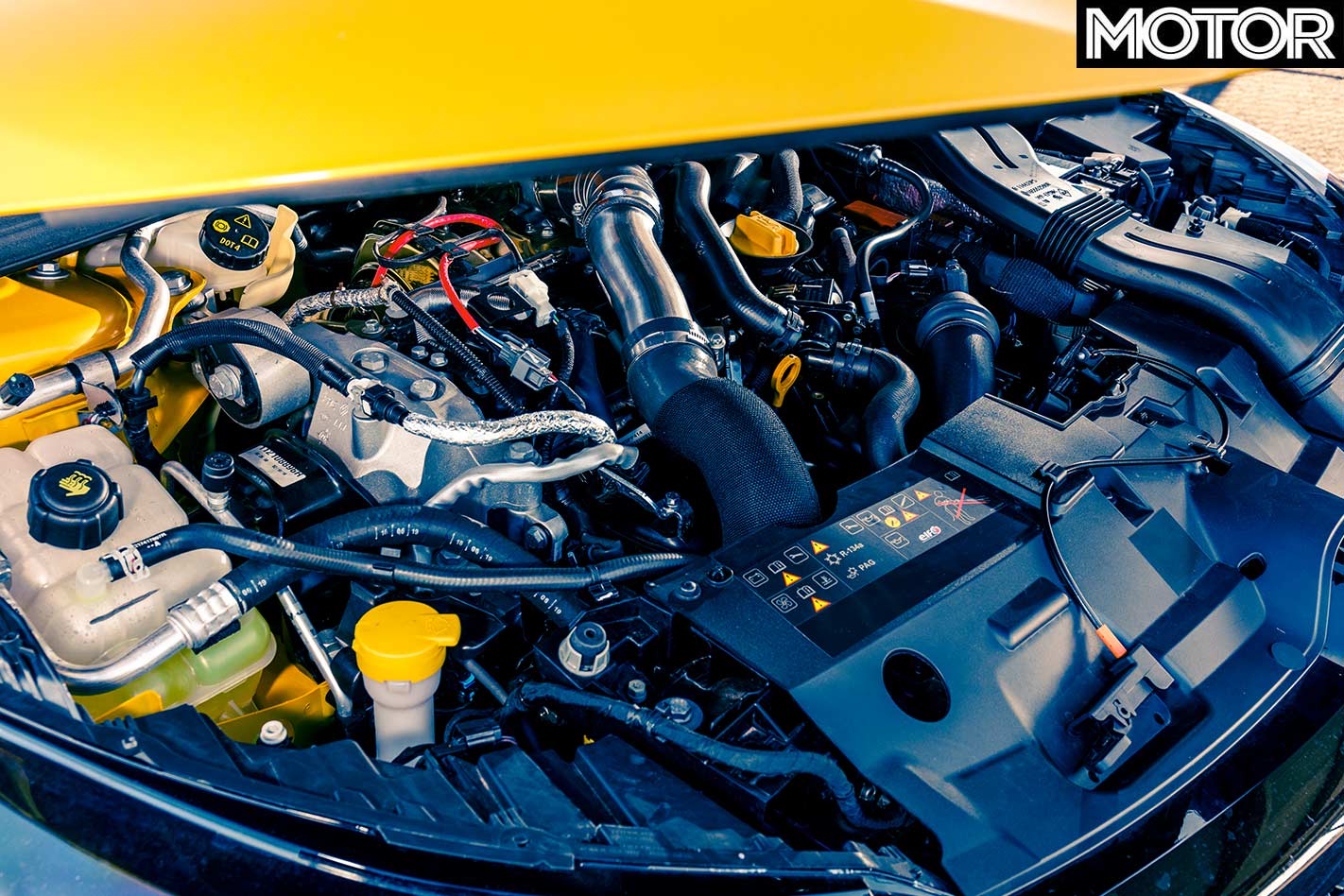
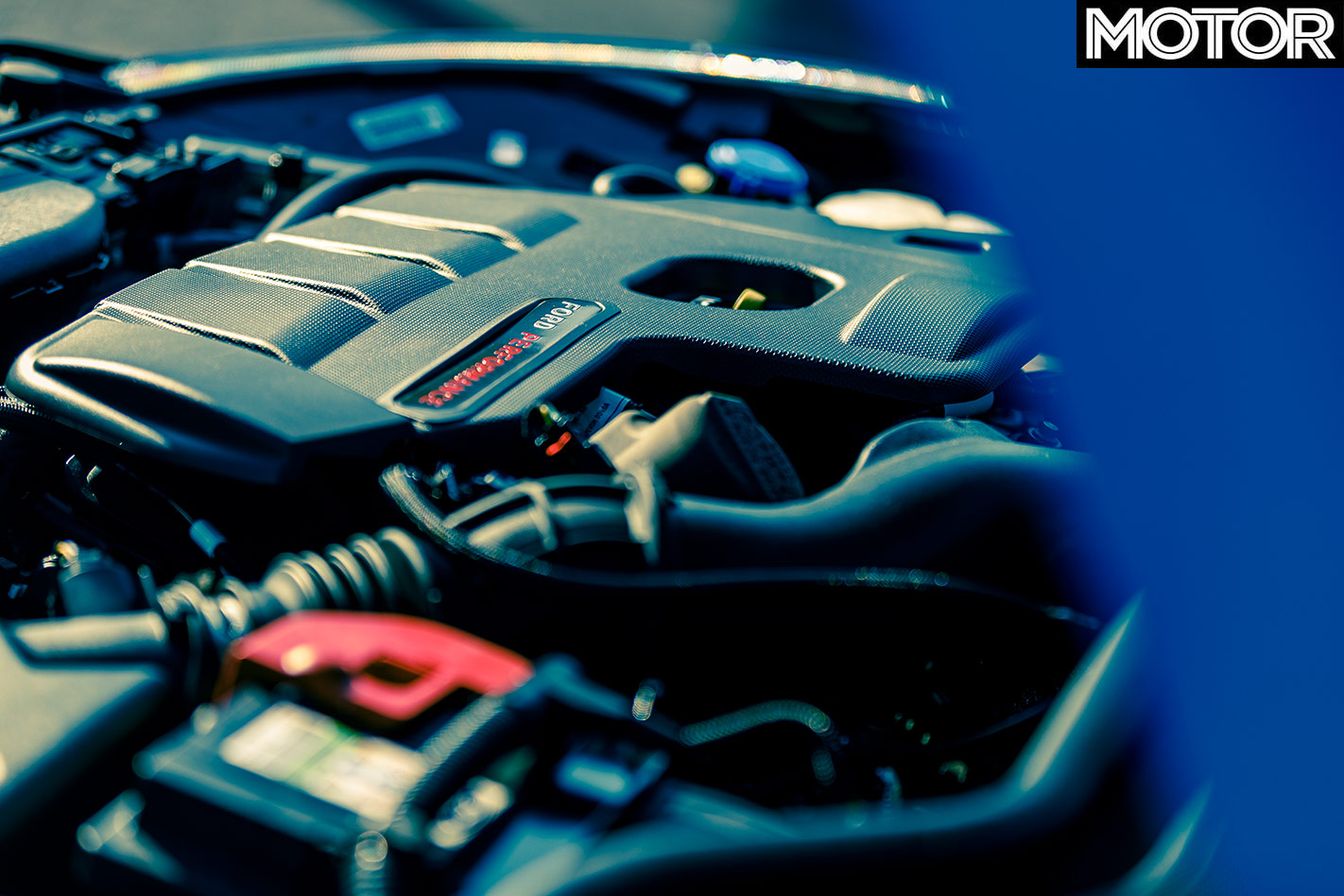
That long-stroke 2.3-litre dishes out good mid-range torque. It spreads its 420Nm across 3000-4000rpm and its ‘anti-lag’ tech – that keeps the throttle body open after you’ve lifted off – sharpens response. The sound generation device also blasts a decent, almost natural-sounding warble into the cabin and the engine mapping occasionally ignites fuel to squeeze out pops on the overrun.
But the Trophy’s 1.8-litre four is packed dense with more muscle. Its dual-entry intake, active exhaust and shorter stroke allow it to pull harder in its upper revs, while the Trophy’s special ceramic turbine wheel broadens torque delivery. It’s exotic, gives more and uses that snappier dual-clutch to fire a rifle-crack at the ST in its wake.
After the Trophy takes the drag strip we dash across country roads to assess our pair at cruising speeds. What’s obvious, though, is the Trophy’s Cup chassis has done it no favours. While drive-mode customisation can adjust everything from steering weight, powertrain response, exhaust noise and even the rear steering (which we’ll get to later), without adaptive damping the ride is one size fits all.
Uprated springs, dampers and a rear torsion beam set a high intensity and transmit everything that rolls under its Bridgestones. Hydraulic bump-stops, that Renault says are like ‘dampers within a damper’, slow down fast compressions and save it from crashy big wheel deflections. But we’d still warn passengers before big trips.
The ST features three-setting adaptive dampers and independent suspension all around. In Normal mode it reminds us of the Megane’s Sport chassis, where backing off the damping 20 per cent makes the ride more bearable than the Trophy by almost half. It’s still firm. Multi-link rear suspension adds a touch of sophistication and filters out imperfect roads with more finesse. Sport mode, however, stiffens the ST’s ride like it’s tipped concrete into the damper tubes, while Race mode is for the smoothest of racetracks only.
Ford says the electrical architecture in the Focus’s C2-platform doesn’t offer the ability to separate the ST’s systems into different modes. Weirdly, the steering wheel’s ‘S’ button can engage Sport, but only pressing ‘mode’ cycles out of it. For any fast driving, though, the damping needs to be amped for you to experience its potential.
It’s more willing to shift weight around in Sport mode and that complements a steering action which is wonderfully linear in how it weighs up or points into a corner. There’s simply no slack. Just point and the car responds. Or stab the brakes, lighten the rear and adjust your line. It’s balletic.
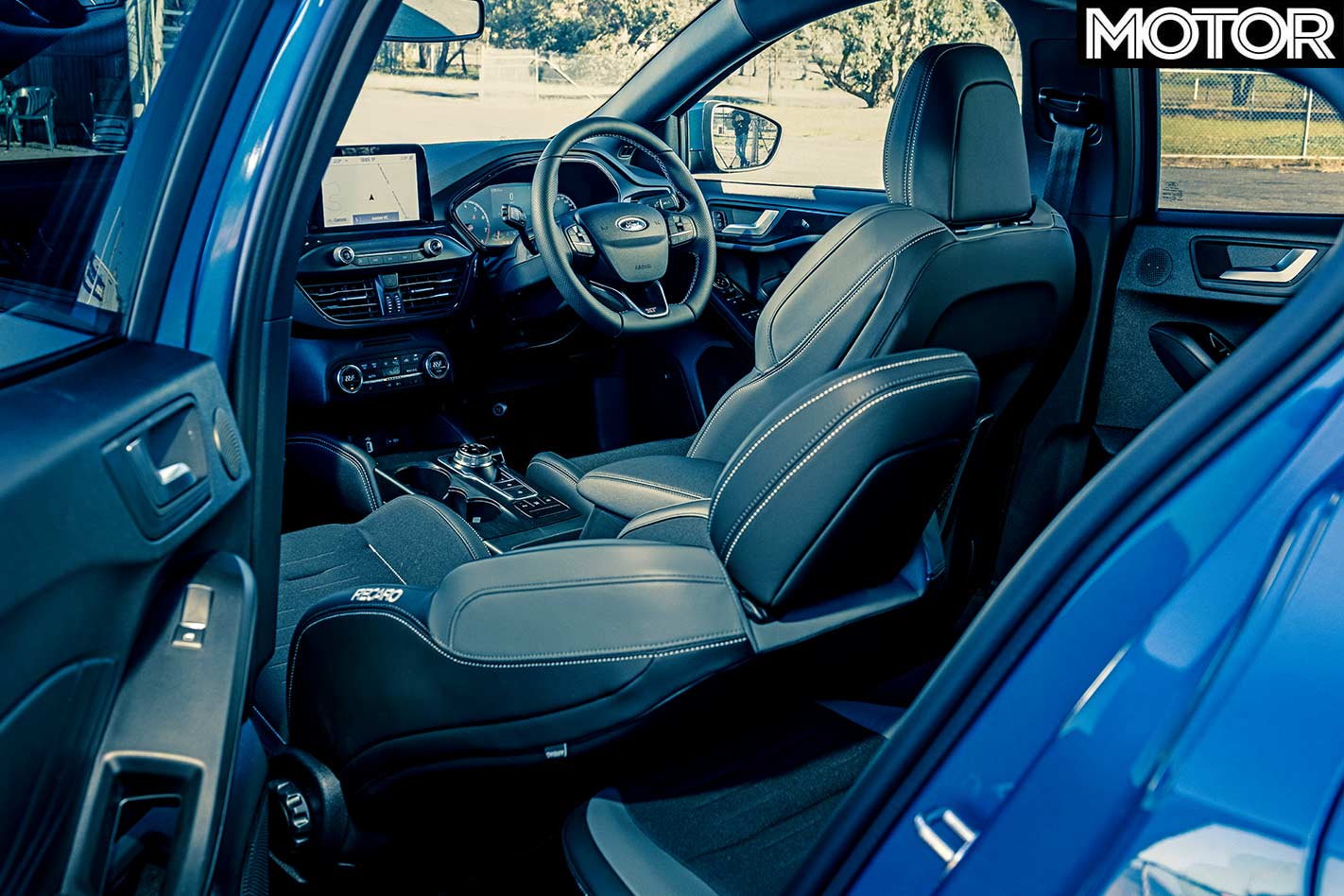
The Trophy is as athletic, but its laces feel tied together. While the steering is slightly more artificial in weight its quick ratio holds a tight grip of its chassis. It also summons tremendous grip on dry tarmac.
But its 4Control rear-steer system spoils any chance of finding a true, meaningful connection. When the rear wheels steer the opposite way to the fronts it becomes hard to predict. The Trophy can suddenly turn-in too fast, or delay letting go, requiring you to slow steering inputs or rush them.
Both cars find incredible traction under power. Drop the right pedal and the ST’s BorgWarner e-LSD turns that into explosive speed. Meanwhile, the Trophy’s mechanical unit relies on the fancy dual-axis front hubs, that split the knuckle’s steering and suspension duties, to sniff out grip.
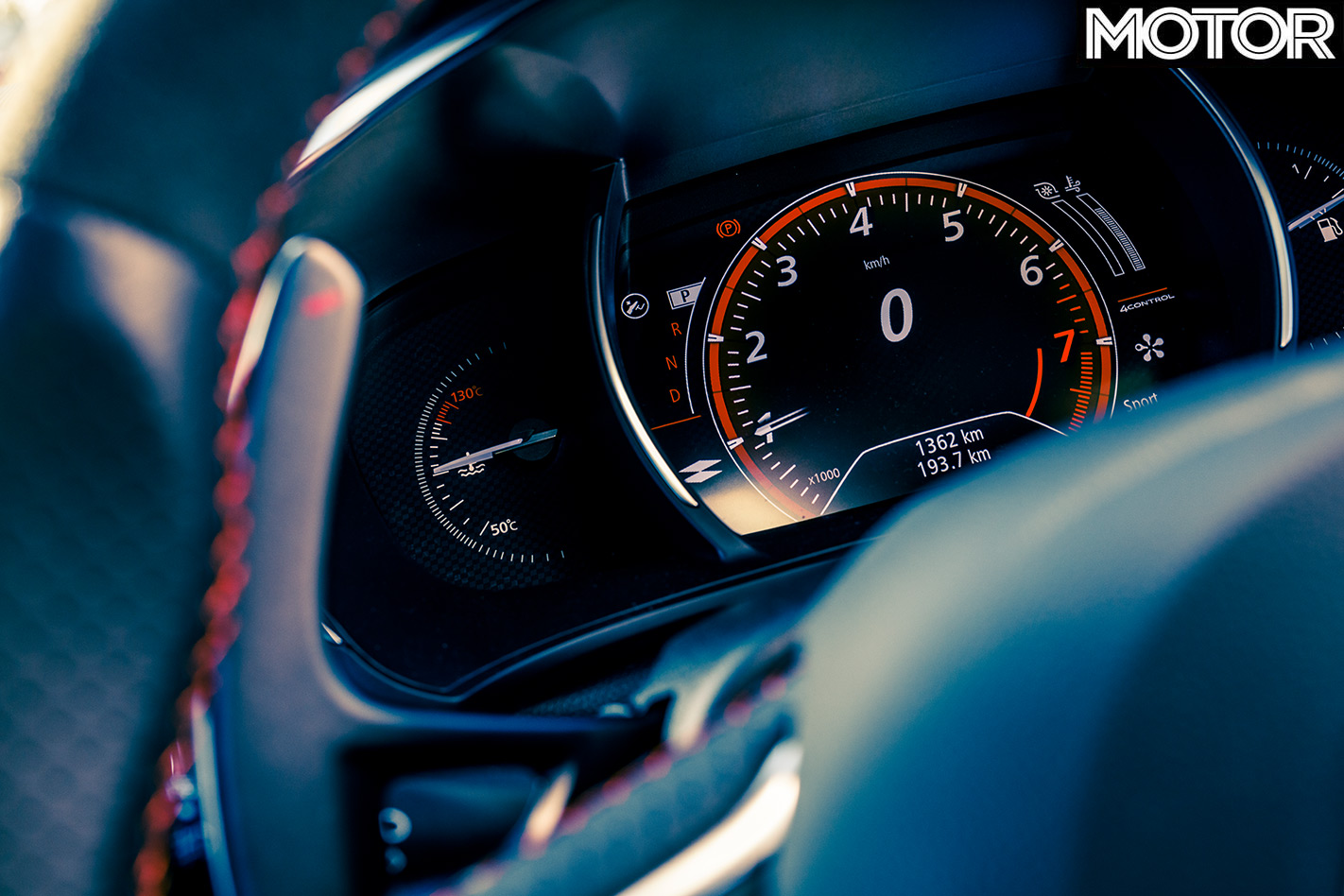
As you tear away there’s a whiff of torque steer about each system, with the ST’s special software making it more obvious. Yet in braking zones the ST trumps the Trophy on brake feel and power. And testing revealed the Trophy needed almost another two metres to stop from 100km/h.
Transmission-wise, the ST’s torque converter acquits itself well. It obeys downshifts under power, upshifts swiftly and is mapped well when left to its own devices. Only thing we’re unsure about is the new rotary gear selector dial that has taken the place of a traditional lever.
Then again, in the Trophy it’s just as easy to overshoot reverse into park with its lever and mounting its gorgeous metal shift paddles on the steering column is a worse mistake than leaving the ST’s as plastic.
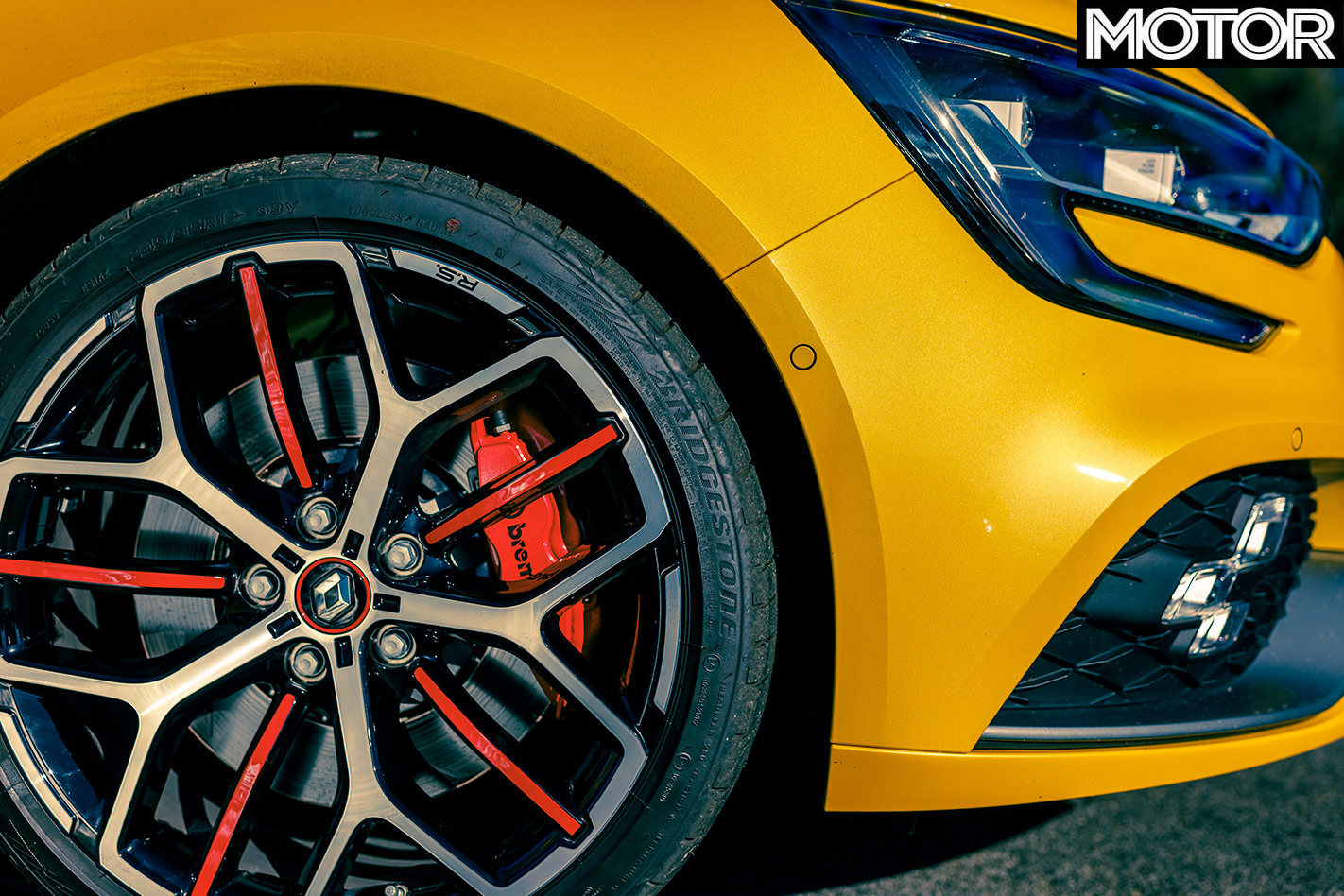
Their tacky feel hints Ford built the ST to a price. But it’s also obvious that money was spent well. The admittedly firm suspension has a sophisticated touch missing in the Trophy. The same goes for the steering, brakes and NVH. The auto is no deal breaker, either. In a way, the ST is what Renault wanted the Megane RS to be, a mature performance hatch with teeth only when it needs them.
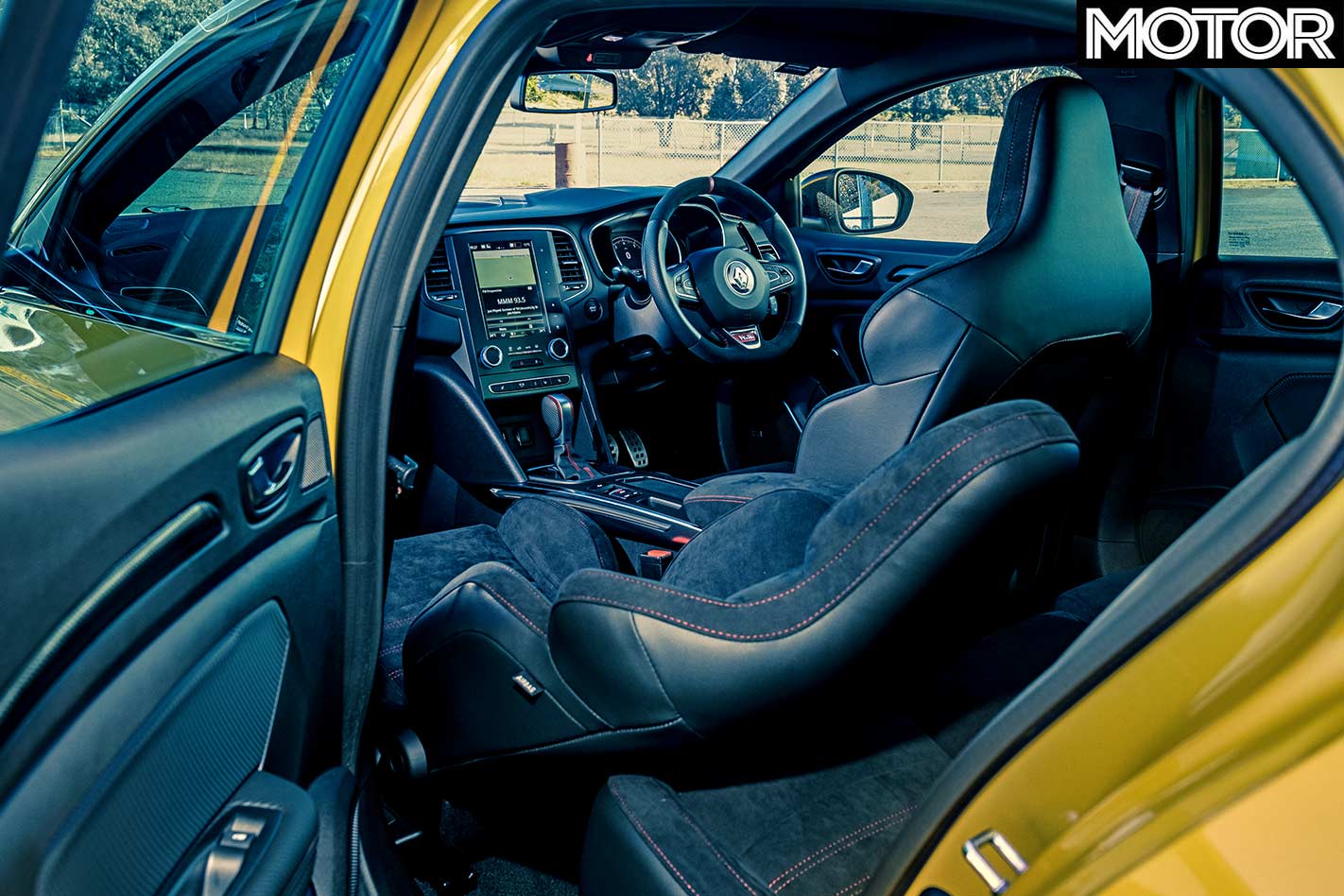
The Trophy, meanwhile, dominates in some ways. The powertrain is a small but furious fighter with the soundtrack and transmission to match. The front-end, too, is a class act offering tremendous levels of grip and response. It’s also a nice place to sit, with materials that echo its upmarket position.
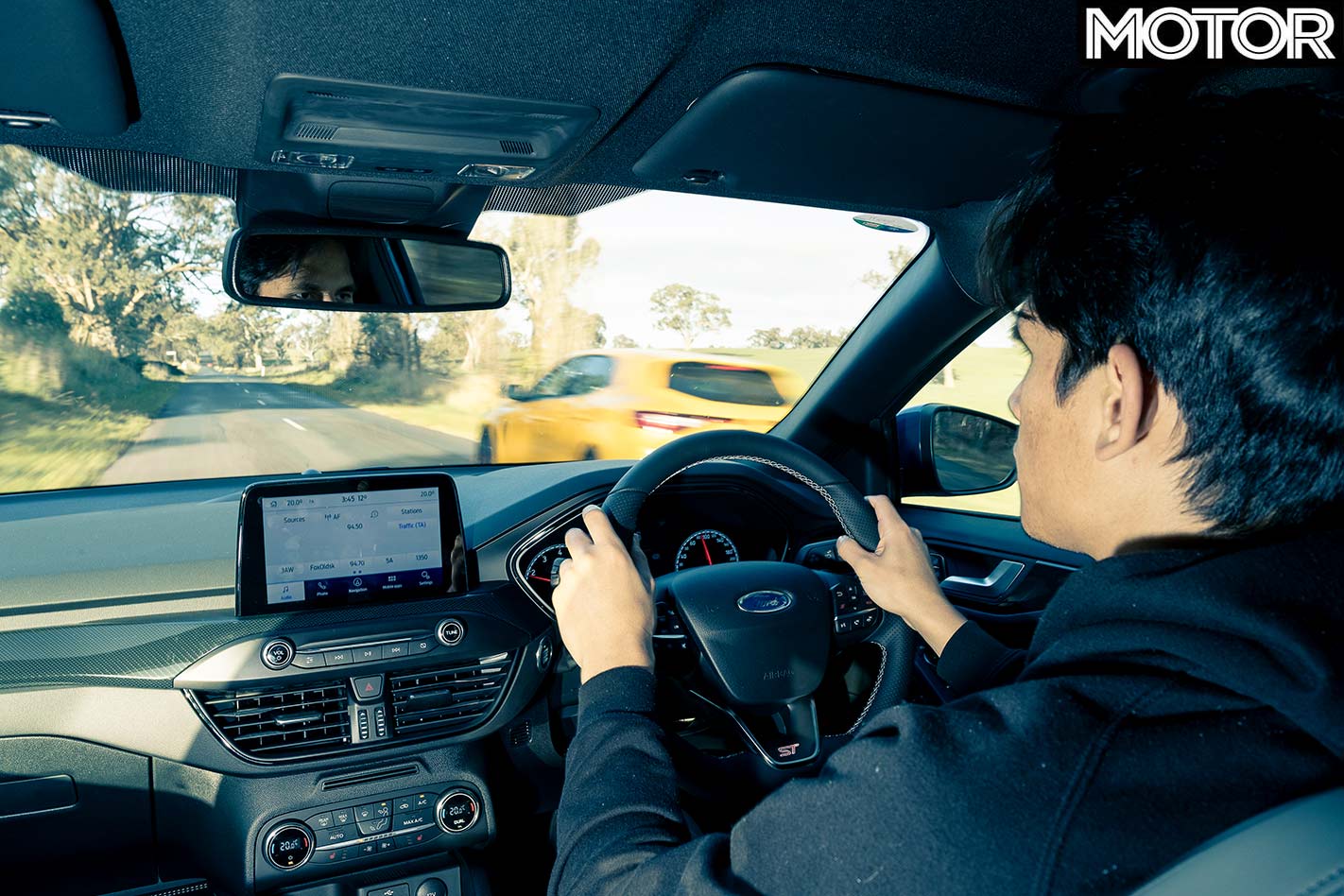
Ultimately the performance package falls short of an integrated whole. We know the Trophy had a reputation to uphold. And like before, it’s tough and pretty. It’s fancier feeling inside. We also love how the drivetrain feels race-bred. Unfortunately, though, its ride does too. While its handling is confused and it’s priced a little too far over its head.
Only Renault diehards will look past the Focus ST. It’s simply more well rounded. But it won’t be long until some new blood will challenge its good standing. Stay tuned.
| u00a0 | Ford Focus ST | Renault Megane RS300 |
| 0-10km/h | 0.54 | 0.52 |
| 0-20km/h | 1.1 | 1.15 |
| 0-30km/h | 1.63 | 1.7 |
| 0-40km/h | 2.12 | 2.17 |
| 0-50km/h | 2.65 | 2.72 |
| 0-60km/h | 3.21 | 3.27 |
| 0-70km/h | 3.78 | 3.84 |
| 0-80km/h | 4.42 | 4.41 |
| 0-90km/h | 5.18 | 5.09 |
| 0-100km/h | 5.97 | 5.9 |
| 0-110km/h | 6.83 | 6.64 |
| 0-120km/h | 7.74 | 7.49 |
| 0-130km/h | 8.77 | 8.46 |
| 0-140km/h | 9.77 | 9.67 |
| 0-150km/h | 11.44 | 10.82 |
| 0-160km/h | 13.07 | 12.12 |
| 0-170km/h | N/A | 13.57 |
| 0-400m | 14.09sec @ 165.7km/h | 13.92sec @ 172.2km/h |
| 80-120km/h | 3.31sec | 3.08sec |
| 100-0km/h | 33.83m | 35.72m |
| SPEED IN GEARS | u00a0 | u00a0 |
| 1st | 60km/h @ 6625rpm | 59km/h @ 6875rpm |
| 2nd | 93km/h @ 6625rpm | 92km/h @ 6875rpm |
| 3rd | 146km/h @ 6625rpm | 134km/h @ 6875rpm |
| 4th | 193km/h @ 6625rpm | 183km/h @ 6875rpm |
| 5th | 250km/h @ 5925rpm* | 238km/h @ 6875rpm* |
| 6th | 250km/h @ 4450rpm* | 260km/h @ 6120rpm* |
| 7th | 250km/h @ 3675rpm* | N/A |
For a new car, the Volkswagen T-Roc is pretty well seasoned. Perhaps ‘new to us’ would be a better description, as the T-Roc concept first appeared at the 2014 Geneva Show. It arrived in European dealers in 2017, but has taken another three years to finally make landfall here in Australia.
Volkswagen is adopting a toe in the water approach with this car, initially just offering a premium all-wheel drive 140kW version as driven here, but has backed it up with a more afford-ble 110kW front-driver as well. The importers haven’t given up hope of landing the 221kW R version of the Portuguese-built crossover either.
First impressions are promising. The design is cohesive and modern, with some interesting details like the daytime running lights that encircle the front air intakes and the chrome fly line that runs from the mirrors to the tail lights. There are some deft transitions from the setsquare design language to soft curves, such as where the chunky C-pillar morphs into the voluptuous rear wheel arches. It’s not gratuitously ‘coupe-SUV’ in its proportioning either. A 158mm ground clearance means that you’re probably not about to take it mud-plugging, but the Haldex-based all-wheel drive system offers additional capability in adverse weather conditions.
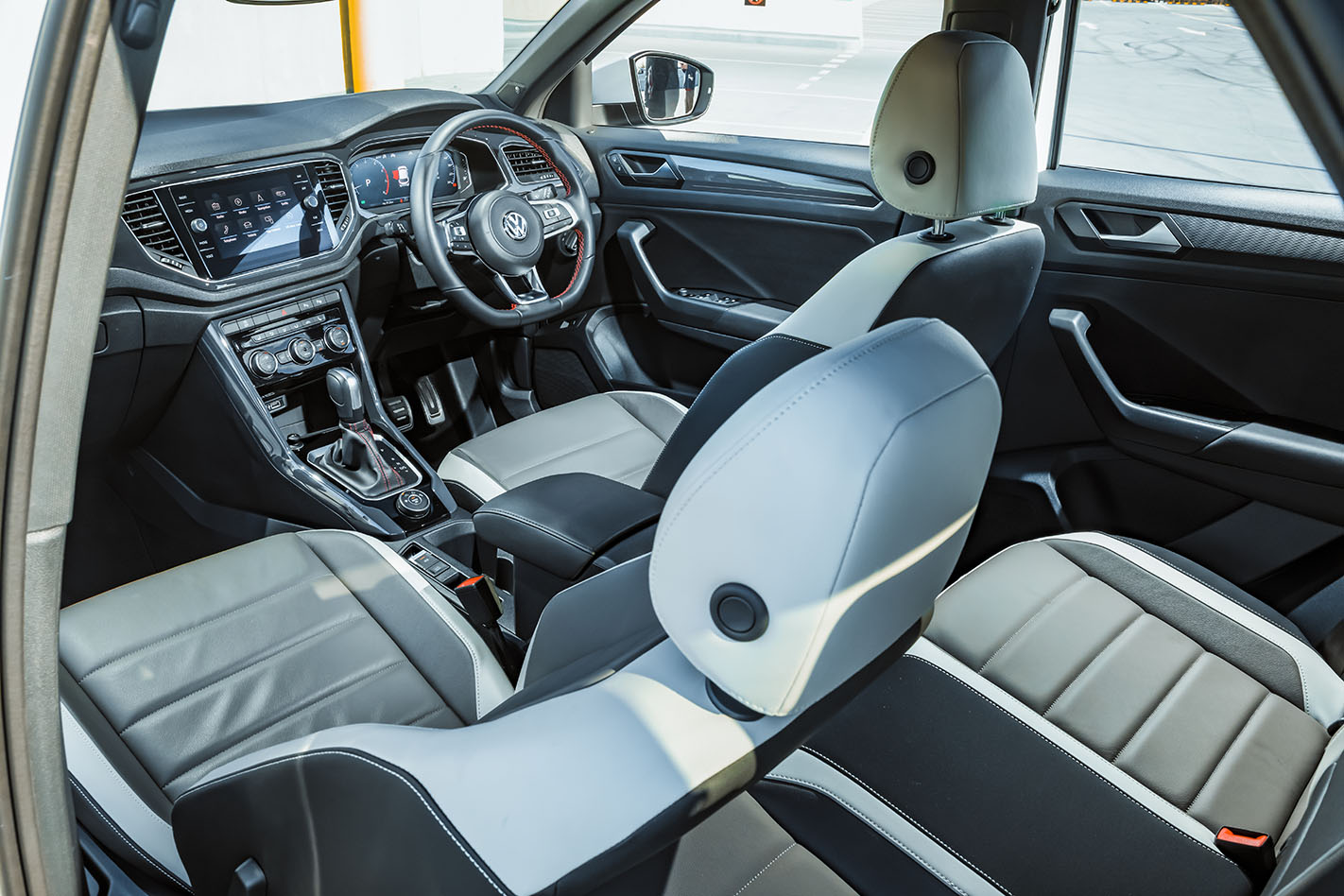
Step inside and some of the sheen is taken off the initial promise. The dash layout is neat, logical and fairly easy on the eye, but materials quality is, well I would say average but that would be paying it a compliment. Hard plastics abound, with only a few token soft touches. Granted, it looks ultra-durable but after stepping out of something like a Mazda CX-30, the T-Roc’s scratchy materials, flat pleather-look seats and hollow door slam sounds have you wondering what the margins on this $41K car must be like.
Look beyond the superficial, however, and there is substance here. The packaging is fundamentally good, with decent space up front and reasonable kneeroom and headroom (for a relatively compact crossover) in the rear. The 2596mm wheelbase is actually 41mm shorter than a Golf Mk7, so temper your expectations if you regularly carry long-legged adult passengers. Thoughtfully, the optional sunroof doesn’t impinge on rear passenger headroom, and as a result, there are bulging recesses in the headlining for taller passengers.

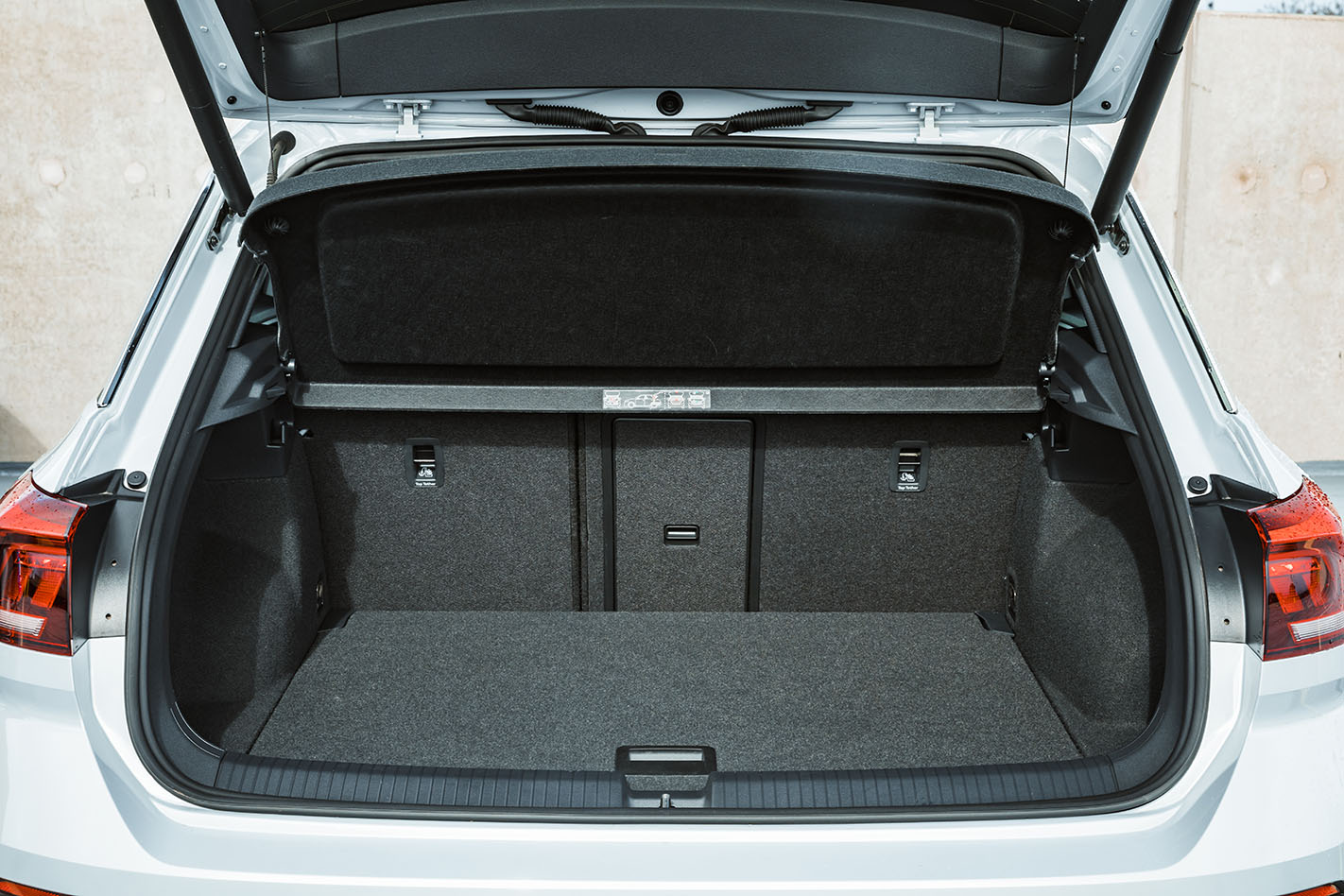
Making space for the all-wheel drive system on this model means that boot space is reduced a few litres to 392 litres to the parcel shelf with the seats in place. That compares to 380 litres for a Golf 7 or 381 litres for a Golf 8, so there is a modest practicality benefit in opting for a T-Roc.
At this point it ought to be mentioned that this press car is carrying a lot of options, most notable two packs that we’d imagine most owners would be tempted by. The $2000 Sound and Style package includes 19-inch alloy wheels, a 300W Beats stereo with an amp and sub-woofer setup along with, somewhat egregiously, adaptive dampers, more on which later.
There’s also a $3500 Luxury pack, which adds heated front seats, that panoramic glass roof, an electrically operated tailgate, and the not-100 percent leather Vienna ‘leather-appointed’ seat trim. Even with this little lot, there are some equipment items that you could reasonably expect to find on a car that’s nearing $50K before on roads. There’s no head-up display, no electric adjustment for any of the seats and no heated steering wheel. Wireless phone charger? Nope. Around-view parking monitor? Nope. Metallic paint is also a $600 option.
The key for the T-Roc is the classic Volkswagen flick-knife design, so you flick out the blade, look for the key slot and remember that this is 2020 and there’s no keyhole. New(ish) car, old key fob.
The 140kW/320Nm four-pot isn’t the most refined at idle, but it’s a fundamentally good engine. Pair it with the T-Roc’s all-wheel drive system as we did on a very wet and greasy day in the Dandenongs and you have a combination that’s capable of deploying almost all of that grunt out of tighter corners.
The seven-speed dual clutch ‘box is a willing participant and it’s helped by the fact that body control is very good indeed and there’s a slick Custom mode where you can specify damper rates, gearbox response, steering weight and so on. Besides that, it’s easy enough to shuttle between the two other drive modes that you’ll probably use – Comfort and Sport.
The adaptive dampers deliver a genuinely different feel. In Comfort mode they’re ideal for wafting along a freeway, whereas when amped up into Sport, they deliver a more nuanced read on what’s going on at the four tyre patches. Wheel control can be a little obnoxious over bigger potholes in Sport but, for the most part, it’s very well judged. The steering is crisp enough without adding weight via the drive modes and the brakes, which feel overservoed at first, soon become second nature with an instant reassurance as long as you’re tuned into the pedal modulation.
About as big a compliment as it’s possible to pay the T-Roc is that it feels very much like a Golf to drive. The all-wheel drive system is largely indolent, reluctant to entrain the rear axle unless absolutely necessary. In other words, it never feels rear-driven per se, but the capability to send up to 50 percent of drive to the rears means that the threshold at which traction control intervenes on wet roads is that much higher, and the steering feels cleaner as a result.
The engine has some genuine punch to it as well. Volkswagen claims 7.2 seconds to 100km/h for this 140kW version but it feels considerably quicker to me. Put it this way, if I were lined up at the lights next to the T-Roc in a Toyota 86, I don’t think I’d fancy my chances. With peak torque arriving between 1500 and 4800rpm, the 2.0-litre EA888 lump doesn’t require that many revs to get things ticking along either and the whole show’s done and dusted by 5500rpm, so don’t expect aural fireworks. Nevertheless, it’s a very impressive and flexible unit that just underscores what is a polished overall dynamic performance.
The T-Roc emerges as a likeable and fun crossover. The verve and composure in the way that it tackles a road may not be of value to some crossover buyers. We understand that. Should you prefer something that feels more luxurious and relaxed, Mazda has a vehicle called the CX-30 and should you require something bigger and cheaper, Kia has a Seltos waiting for you. These are both excellent choices. Where the T-Roc scores is in managing its compromises smartly. It’s wieldy and entertaining to drive, yet with the must-have adaptive dampers, can also be comfortable and relaxed. It feels pleasantly compact to thread down a road, but delivers decent practicality. It’s stylish without sacrificing utility at the altar of aesthetics.
In short, the Volkswagen T-Roc is a very good car, but it would be remiss of us not to note that it also feels what it is, namely a car that we first saw in 2016. So what took you so long?
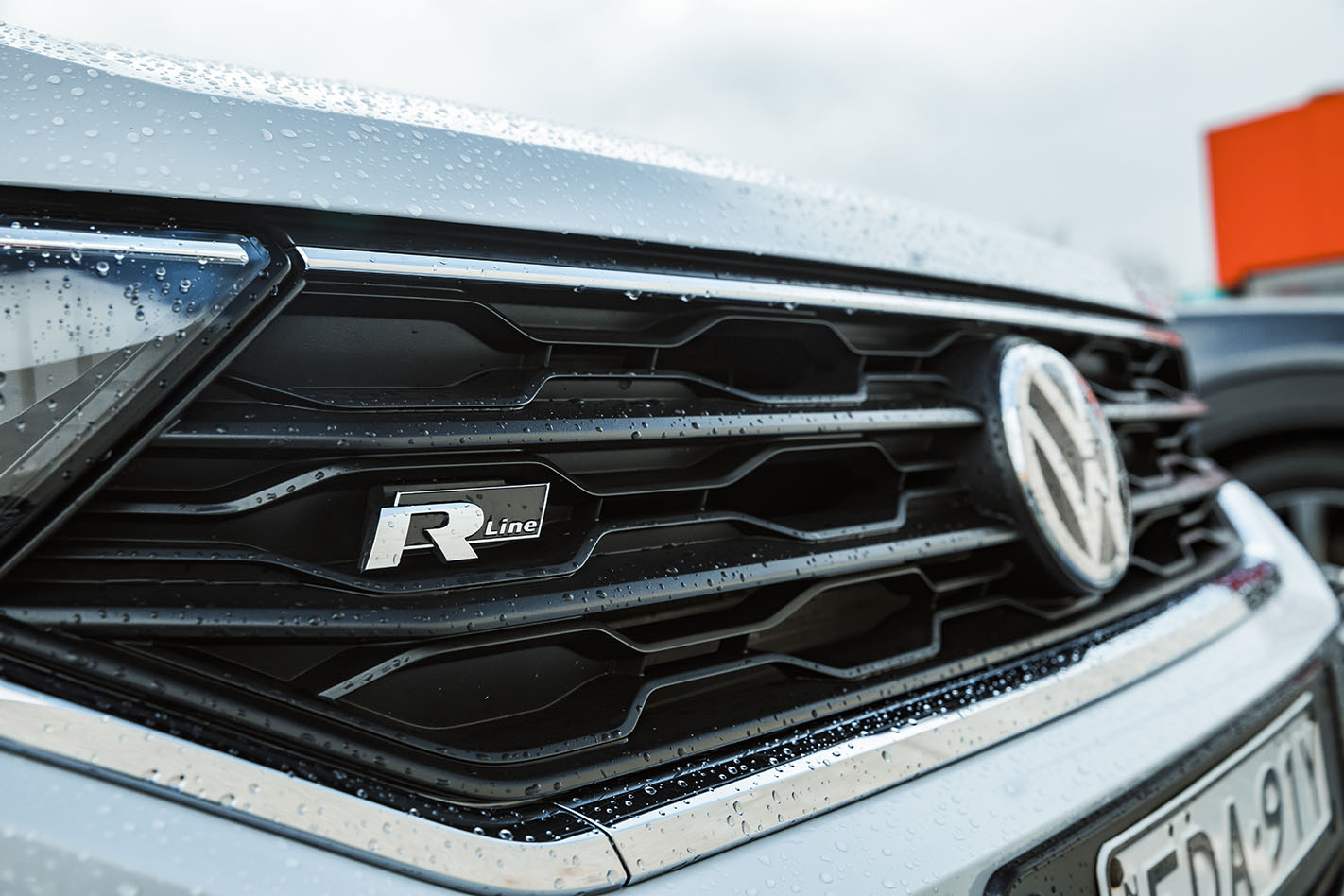
VOLKSWAGEN T-ROC 140TSI SPORT SPECS
Engine: 1984cc 4cyl, dohc, 16v, turbo
Max power: 140kW @ 4900-6000rpm
Max torque: 320Nm @ 1500-4800rpm
Transmission: seven-speed dual-clutch
Kerb weight: 1495kg
0-100km/h: 7.2sec (claimed)
Economy: 7.2L/100km (claimed)
Price: $40,490
On sale: Now
Like that scene in Lord of the Rings when they all get together and flash their weapons, the WhichCar Weekly founding members once again assemble at a sacred place and unsheathe their knowledge and wit, which is as sharp as any battle-axe.
It’s been too long since Andy, Dan and Scott pulled up a stool and chewed the fat, and this week’s episode is a lovely reunion. But WCW is not simply a social and the chaps are here to chat hard about serious car business.And what could be more serious than the successor to the McLaren F1!? In his 50th year as a car designer, auto engineering legend Gordon Murray has finally unveiled his 50th car and it’s called the GMA T.50.
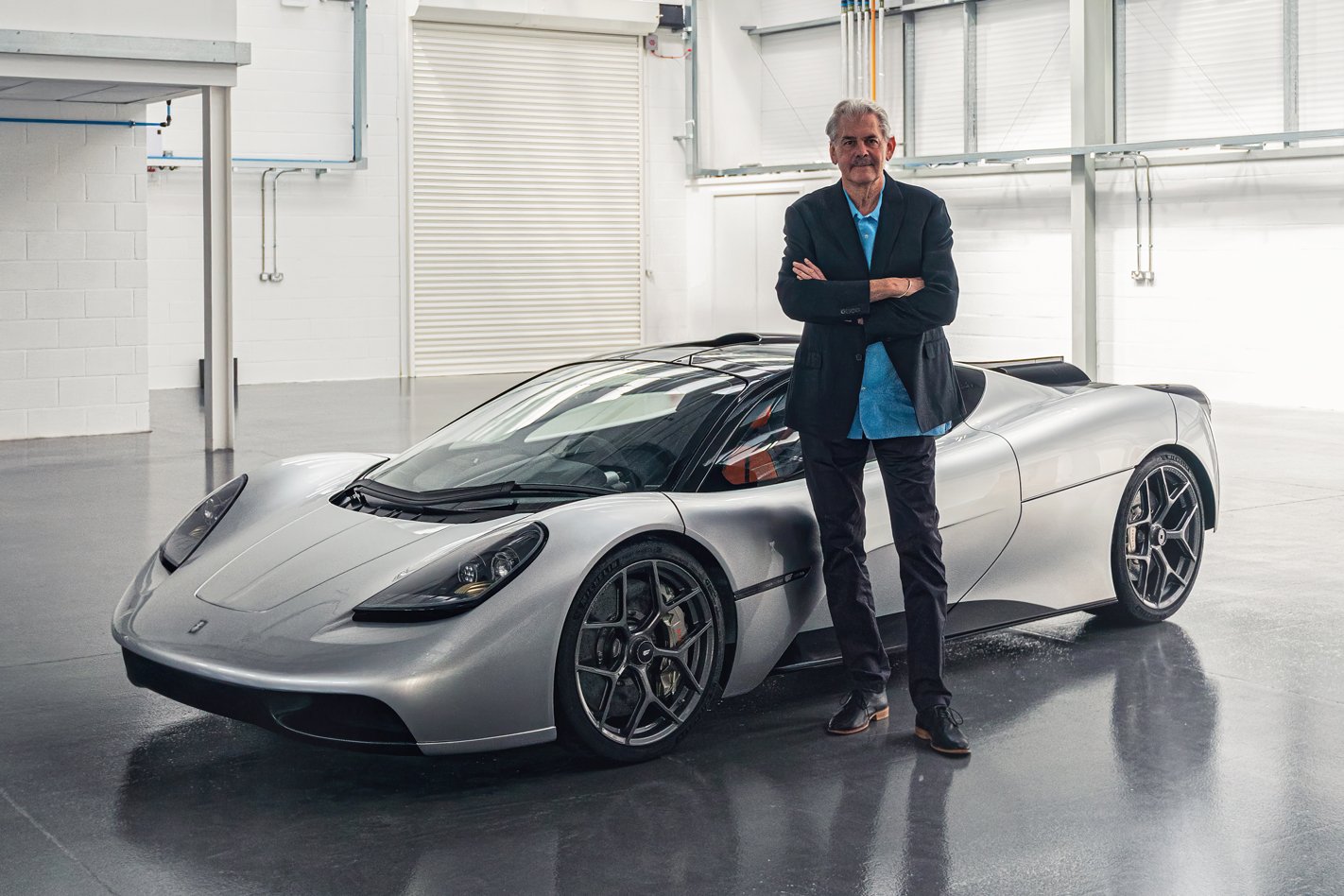
Is it really the significant machine many are claiming? Does it really break new ground once you strip away the astonishing numbers? And is it worth getting as excited as many are? Tune in to find out.But there is other significant news afoot this week with the announcement that Ford Australia has a new boss.The WCW team discusses what this might mean for the Blue Oval at a time when no car brand is having an easy time.Fresh CEO Andrew Birkic steps into the role as the previous custodian Kay Hart moves onto an executive role in Europe, but what this Ranger champion has planned for the company is only just starting to emerge.Will Ford transition into an SUV-only purveyor, or is it time to open the taps on Ford Performance in Australia. Honestly, like the pronunciation of Andrew’s surname, we don’t know either.You can find WhichCar Weekly on all manner of podcast apps including iTunes and Podbean. Please rate, subscribe and leave a review!If you want yet more WhichCar action whether it be behind the scenes insights or the very latest from the automotive front line, follow the day-to-day happenings of the WhichCar team on Facebook @whichcarau, or Twitter and Instagram @whichcarAnd if you really want to get involved, send us a question or auto anecdote of your own. We endeavour to answer all your messages.Listened to or watched the WhichCar weekly podcast? Help us out
- Leave a note in the comment section below
- Leave a review on Apple Podcasts/iTunes
- Subscribe to our podcast
We won’t blame you if the Bitter Vero name isn’t too familiar, but no doubt you recognise the shape of these unusual German luxury cars.
They were, of course, built in Australia as Holden Commodores and Statesmans before being shipped to Germany where they underwent the, um, bold restyling, a suspension retune and interior retrim.
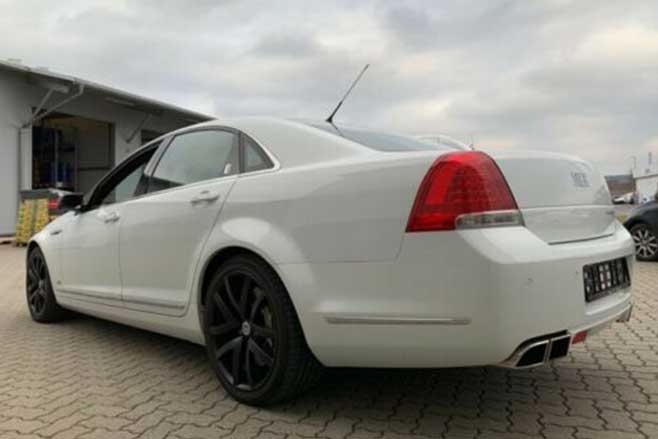
Not only that, both cars, a white Statesman-based Vero and dark blue Commodore SS-based Vero Sport, have essentially delivery mileage, showing just 159km and 150km respectively.
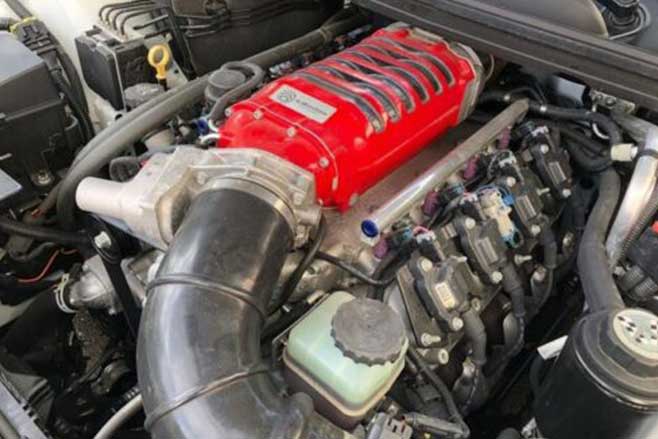
What’s more, the Vero sports a 404kW Walkinshaw-built supercharged L76 engine, as well as big brakes, a sunroof and DVD players in the rear to keep the kids happy when you’re hassling M5s on the autobahn.
The best news, however, is the price. When new Veros commanded astronomical price tags starting at €121,975, the equivalent of AUD$200,000 and enough to buy a Mercedes-Benz S65 AMG in Germany. No wonder few buyers were found.
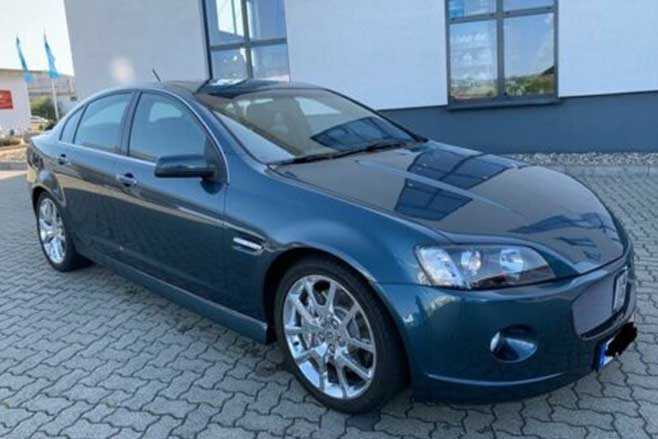
Of course, you’ll have to put up with the weird front-end styling, but you can’t see that from behind the wheel. If you want something unique for a European road trip that’s a constant reminder of home, look no further.
HUGE GALLERY ABOVE – CLICK THE PIC!
Looking for epic car fails or worst drivers on the internet? Maybe the ultimate funny fails? What about the best fail compilation?
You’ve come to exactly the right place!
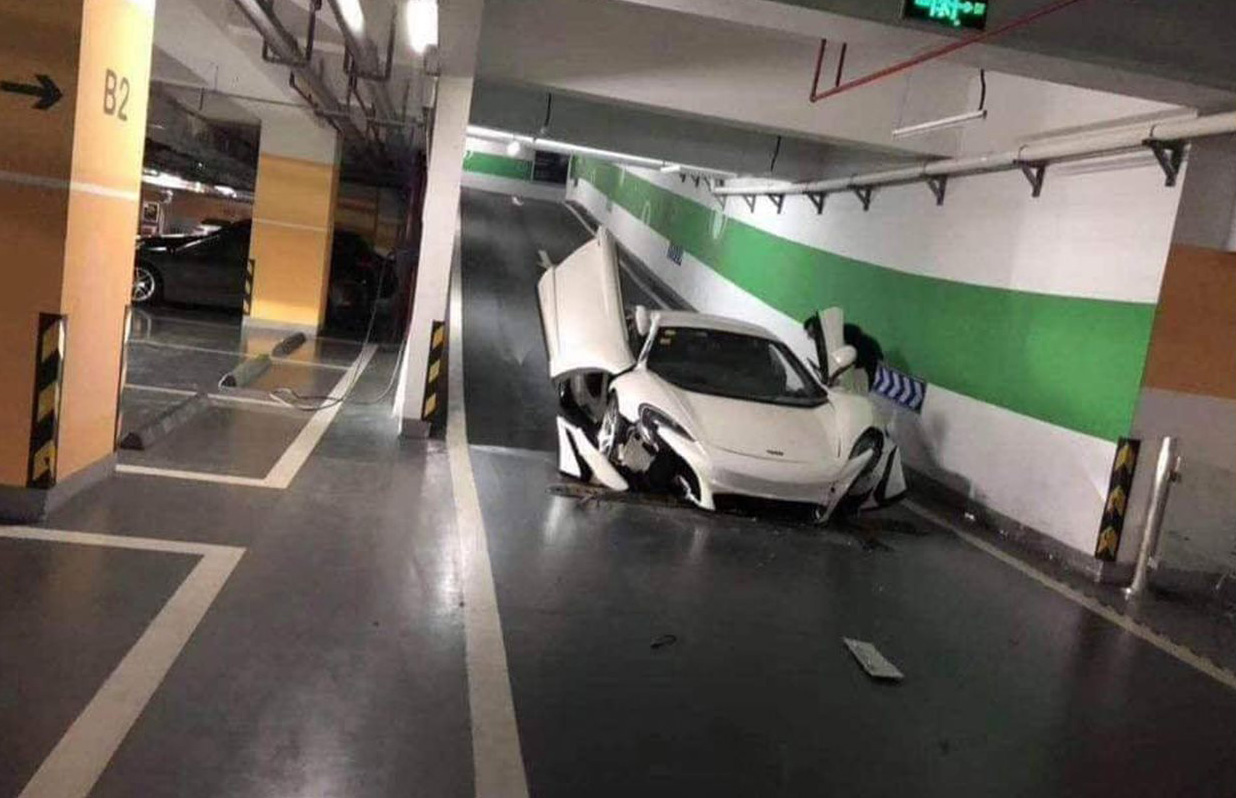
The automotive world is full of bumbling idiots doing the darnedest things – and these are the best we could find. Enjoy
Best turn the volume down for this one, the music is an equal fail.
It’s easy to be seduced by options that sex-up a car, but maintenance can be a killjoy. Here are 10 options that seemed like a good idea at the time.
1. BLACK PAINT
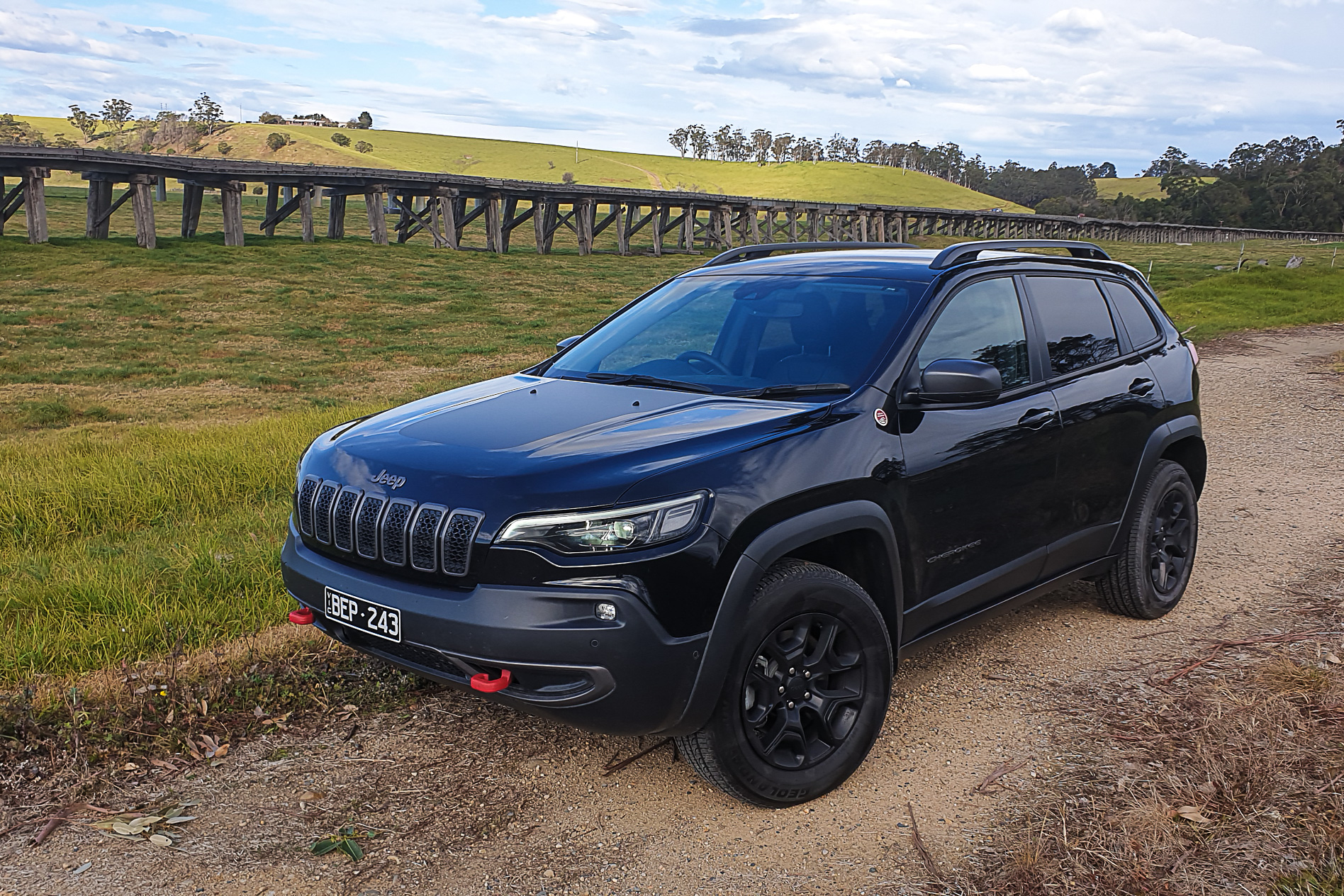
Black paint gets very hot and will heat up your car and any electronics left inside. It’s the hardest colour to keep clean, as it shows every particle of dust and every fingerprint. And, any scratch or dent will be enhanced by black paint. Word is, those who go black never go back… to black.
2. TOUCHSCREENS
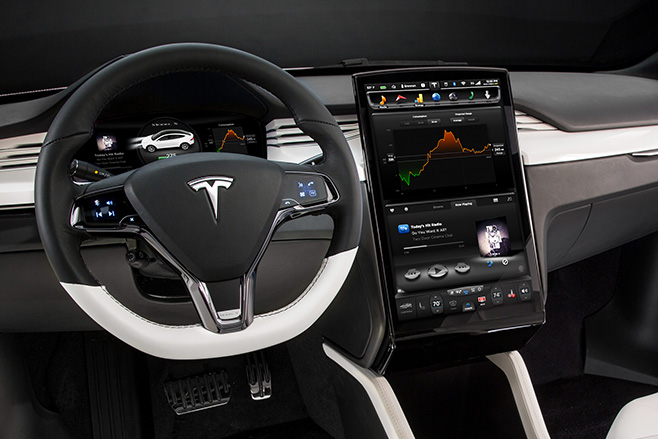
Anyone who has seen Tesla’s massive touchscreen knows how awesome it is. But using a touchscreen means a lot of random poking and fingerprints, and all that frustrated prodding takes its toll. Ford was stung by its foray into touchscreens when consumers reported slow response times and too much distraction compared to knobs and buttons. If your car is a short-termer, touch away. If you think your car is a keeper, stick with knobs.
3. PERFORATED SEATS

Perforations in leather and Alcantara may look sporty and luxurious, but it’s easy to forget the difficulty involved in a clean-up. Goop gets in the cracks, and when you clean them, cleaning goop gets in there too.
Never spray cleaner directly on the seat, instead, spray cleaner onto a soft brush and use the brush to apply the cleaner to the seat material. Stay away if you’ve got messy kids.
4. OVERSIZED WHEELS
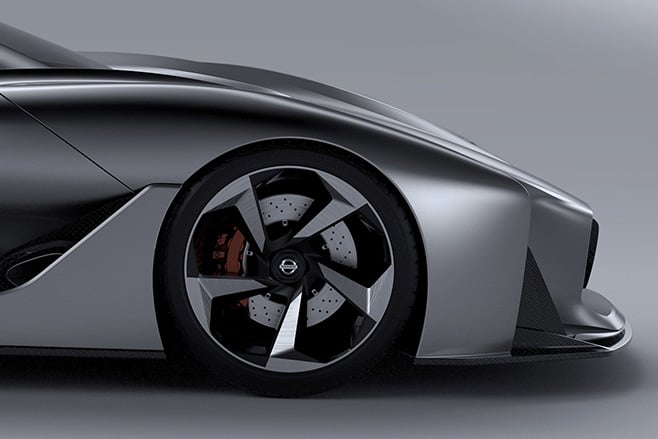
Most car designers visualise their cars with wheels that fill the arches because it makes a vehicle look sleek, sporty and boss. Unfortunately, bad things happen when a wheel fills the arch: the suspension is sometimes compromised (in extreme cases you can feel the wheel hit the arch on a bump); the ride is harder because there is less rubber and more bling; and you’re in more strife if you’re paying for a new set of tyres.
5. LIFT KITS
A ute looks bad-ass when it’s lifted five inches; the world looks tiny from up there and your vehicle looks like it eats nails for breakfast.
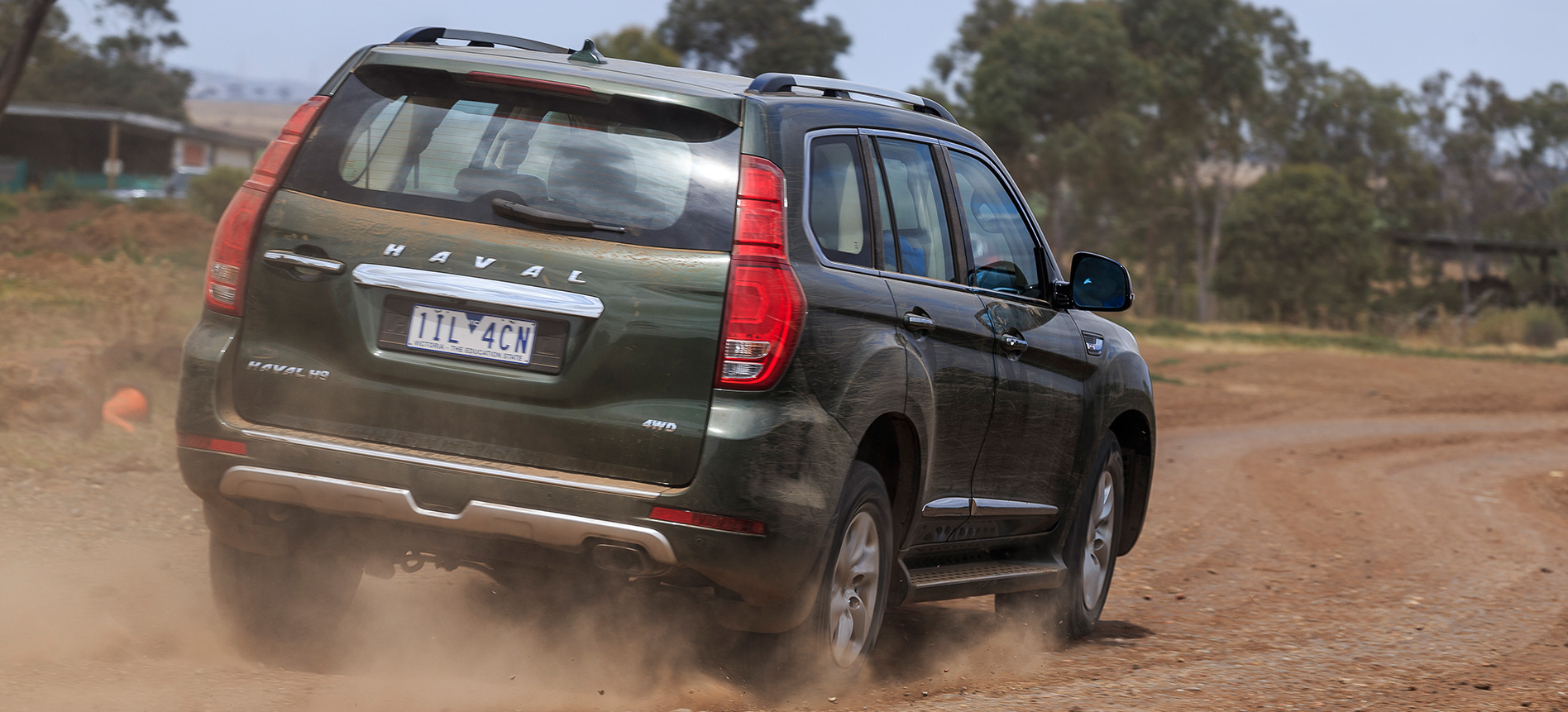
On the flipside, the brakes are compromised, any factory-installed safety sensors are almost useless because they’ve been jacked up, and your rear visibility is woeful. You’re also more likely to roll, so take it slow big boy.
6. OFF-ROAD TYRES
While we’re talking monster trucks, let’s address those chunky textured wheels. They look the biz and they are – when off-road. On-road, those deep treads pick up anything sharp they can find and the road noise is often annoying. Road kill will linger, and nails and glass will stick. Repairing those things also costs a bomb.
7. MATTE PAINT
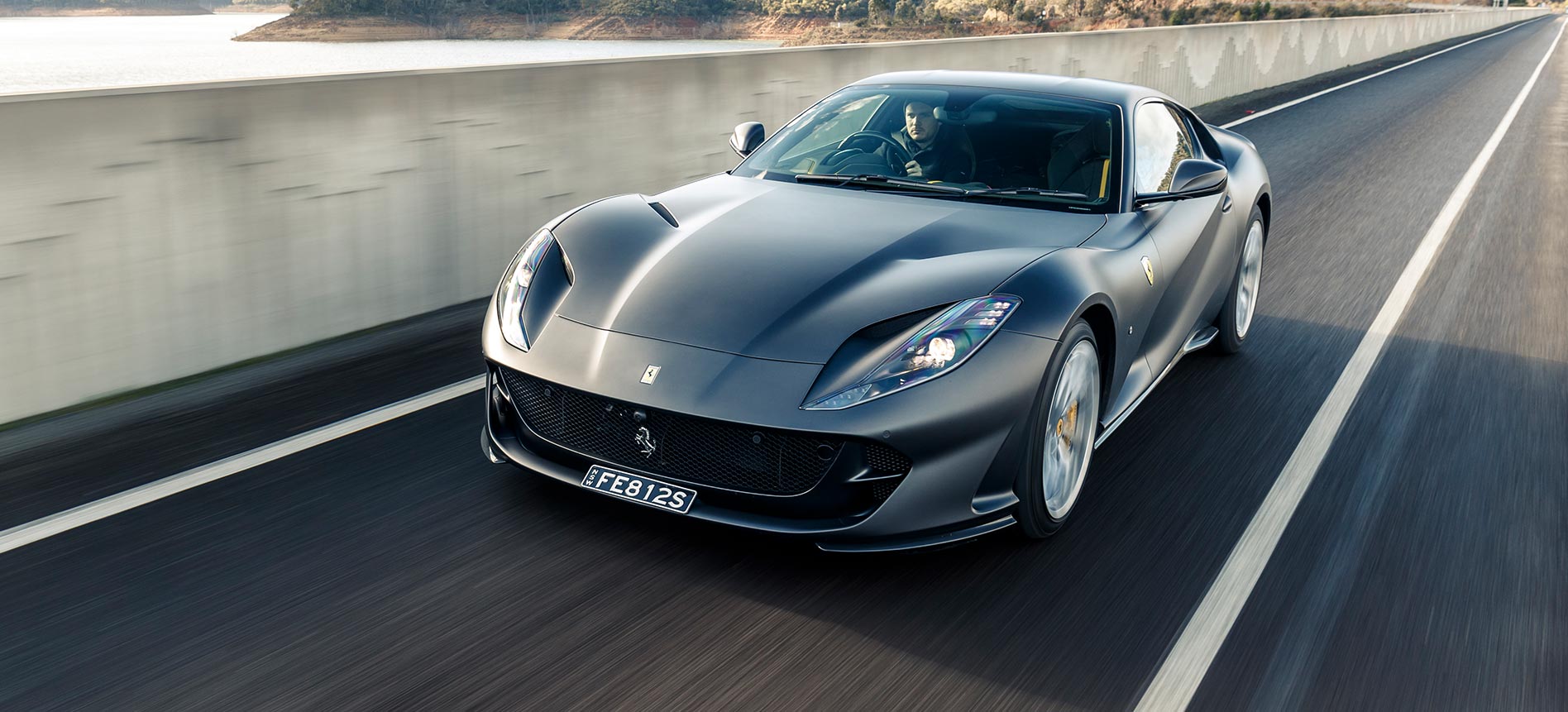
First used on concept cars to set them apart from the usual high-gloss finish, matte has become an expensive and eye-catching option. Unfortunately, it shows scratches and can even be damaged by an automatic car wash. You need to remove bird poo immediately, but don’t do it with your usual carwash kit.
You need microfibre towels, special mitts and a two-bucket cleaning system. You even need to quickly remove – wait for it – water spots. Turns out that hazy clear coat can be compromised by pretty much anything.
8. AEROKITS AND BODYKITS

Those flashy plastic covers that lower the front and rear of a car improve its aerodynamics at speed and can add a really cool look to a fairly ordinary vehicle. All great until you hit a gutter and crack the front. Cracked body plastic looks cheap and ruins the airflow over the car.
9. SEAT PIPING

The high-end look of contrast piping is seductive, but when the wrapping unravels and the plastic pipe sticks you in the arm a few years from now, all you can do is pay more money for more piping. It’s a vicious piping circle. So, don’t do it, unless the piping is a soft edge with no inner tube.
10. CARGO NETS AND OTHER “USEFUL” STORAGE THAT DOESN’T STOW
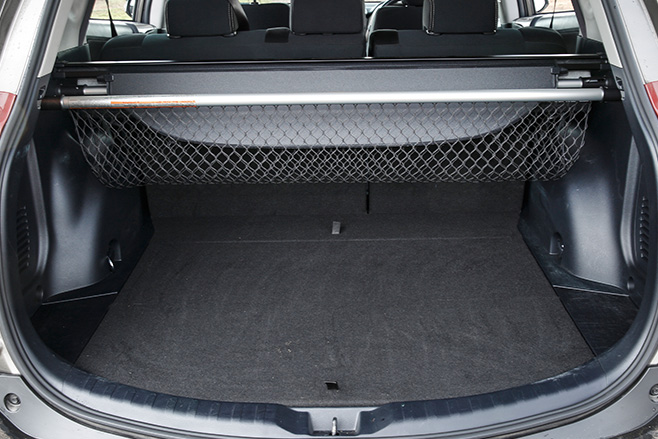
Horizontal blinds that roll out to hide your luggage are the worst. Where do you store those things when the car needs to be packed full? Enough said!
While the market is focused intently on SUVs and light commercial vehicles, small hatchbacks remain an important part of the Australian new car market.
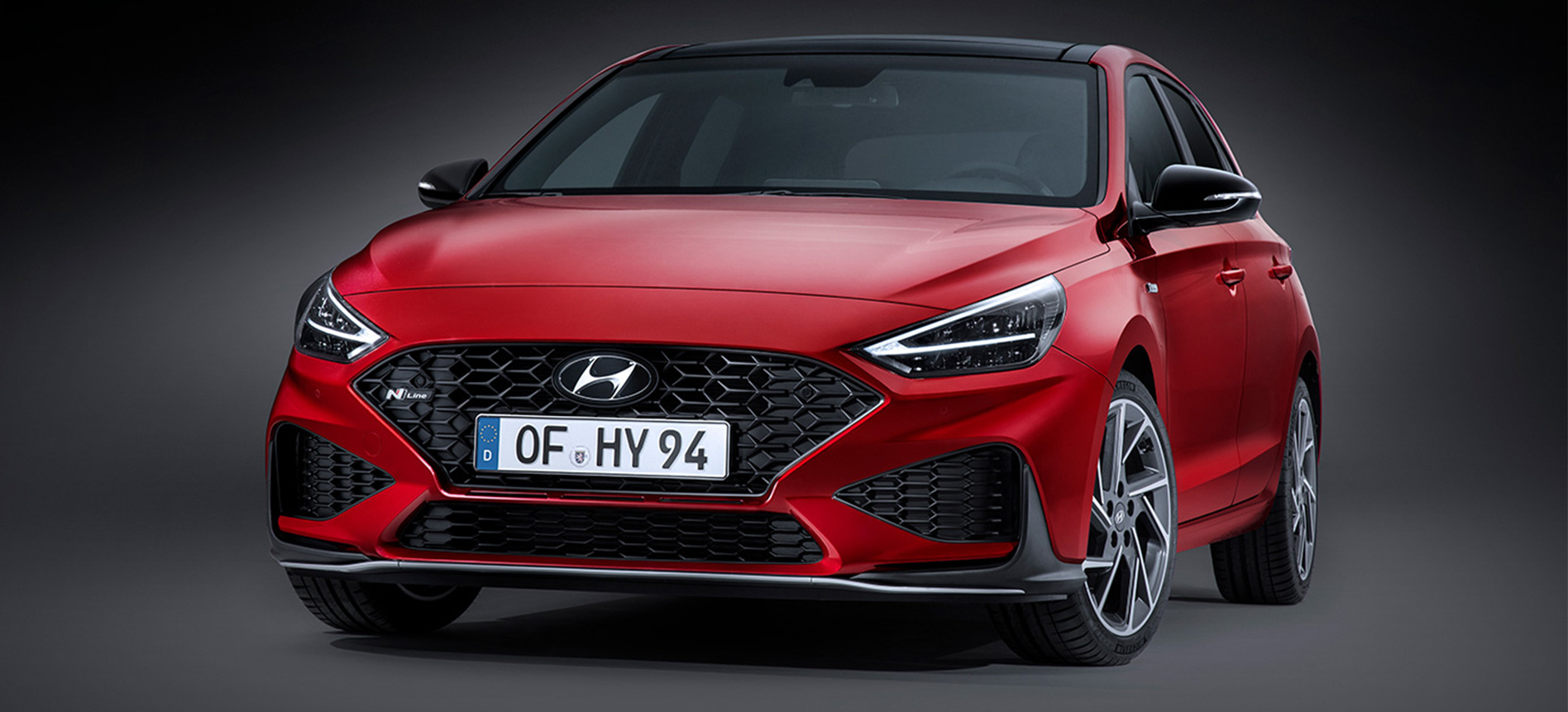
The Toyota Corolla is the undisputed king of the hill, regularly taking a quarter or more of the small passenger car segment each month. But the Hyundai i30 isn’t too far behind and the car itself is about to receive the largest overhaul since its introduction in 2016.
Do the changes to the i30 have what it takes to de-throne the sales success of the Toyota Corolla? We take a look at the on-paper specs ahead of the facelifted Hyundai i30’s arrival later this year.
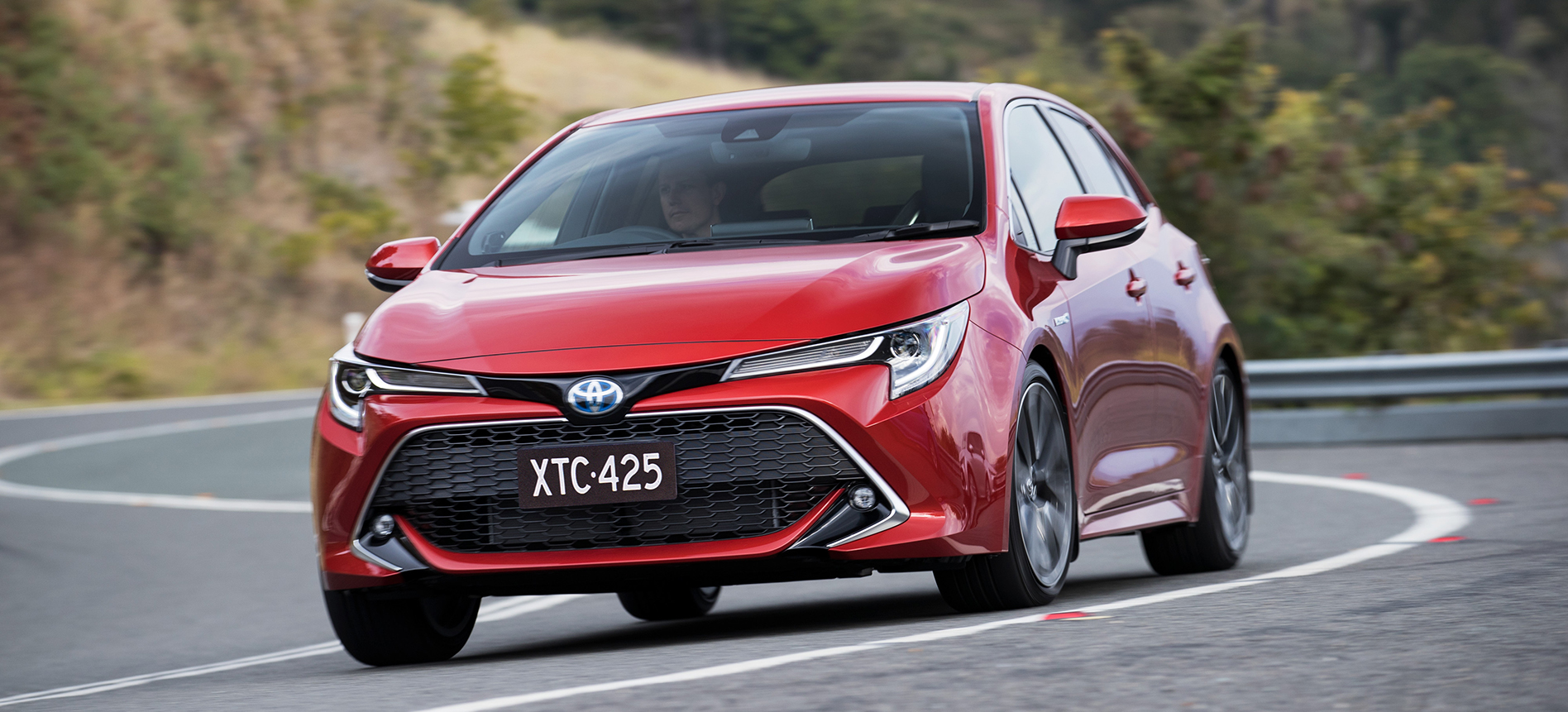
Equipment/Technology
The headline interior aspect of the facelift i30 small hatch is a pair of larger infotainment screens. The main central display is now a huge 10.25 inches, while the i30 receives a fully-digital instrument cluster for the first time which measures 7.0 inches in diameter.
Additionally, Android Auto/Apple CarPlay smartphone mirroring will be a wireless affair, while wireless phone charging is available too.
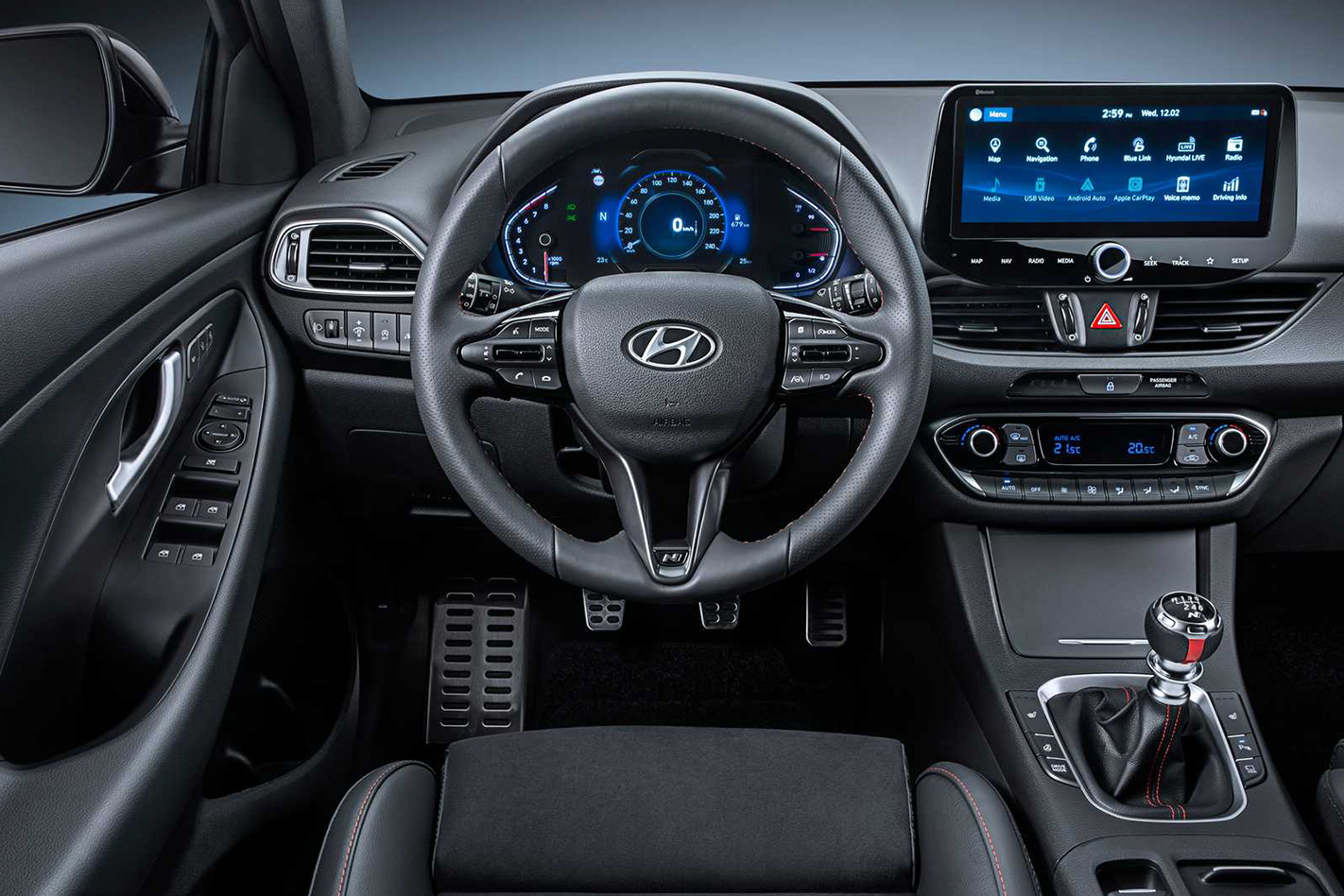
Some new driver assistance features will make their debut, such as a Lane Following Assist system that can guide the car within its lane on highways and Leading Vehicle Departure Alert which prompts the driver when the car ahead sets off from a stop.
More discerning details regarding the i30 facelift’s Australian specification will be available closer to the vehicle’s launch.
The last time Corolla received a running update was late in 2019 in which it received smartphone mirroring across the entire range, some safety updates and the range-topper Corolla ZR received an electrically-adjustable driver’s seat.
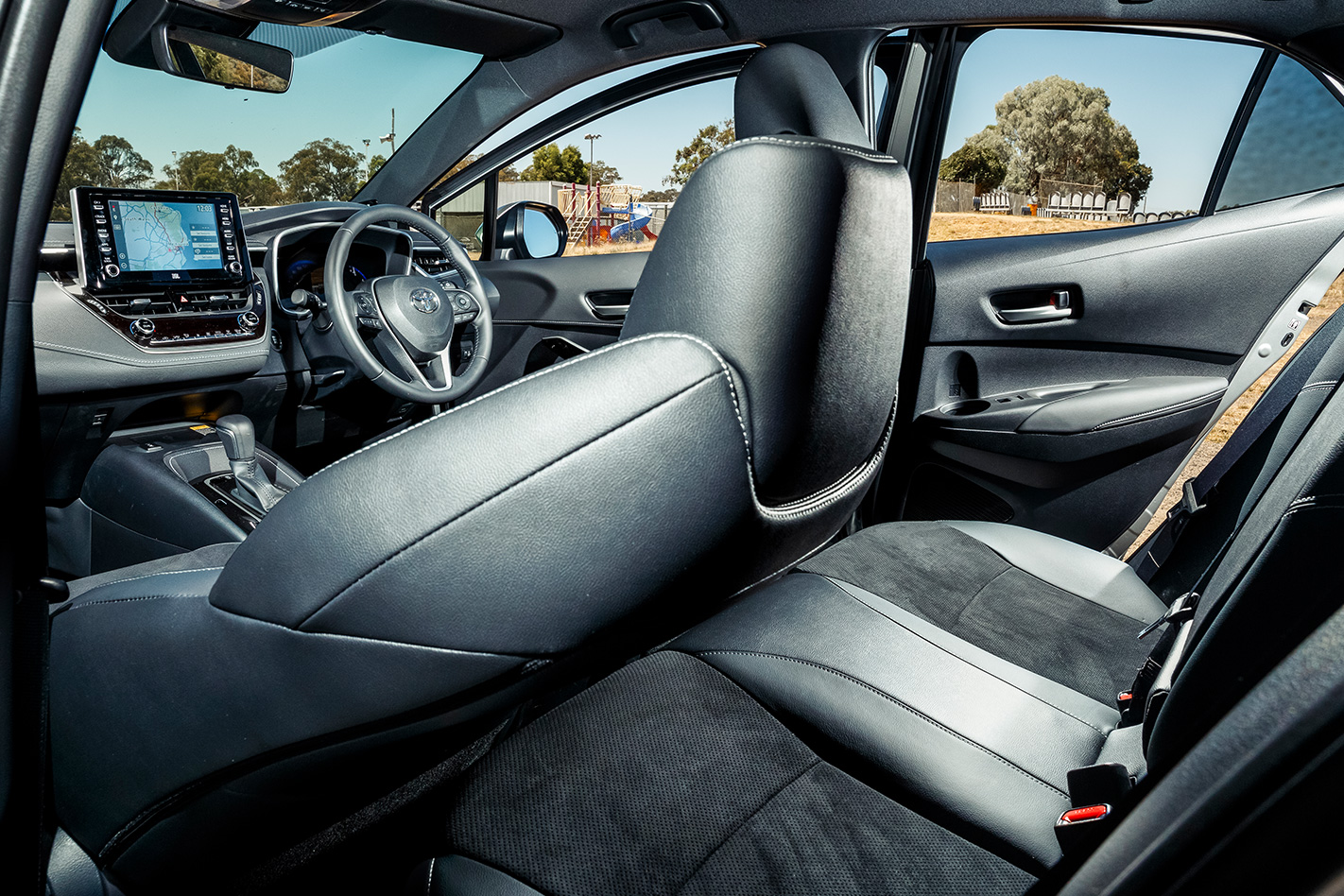
One area where the i30 overtakes the Corolla is infotainment, where the Corolla interior contains a small 8.0-inch infotainment screen and only receives a part-digital instrument cluster on higher specification models; fully old-school mechanical in lower specs.
The Corolla does receive active cruise control, a reverse camera and LED head- and tail-lights and auto high beam across all variants.
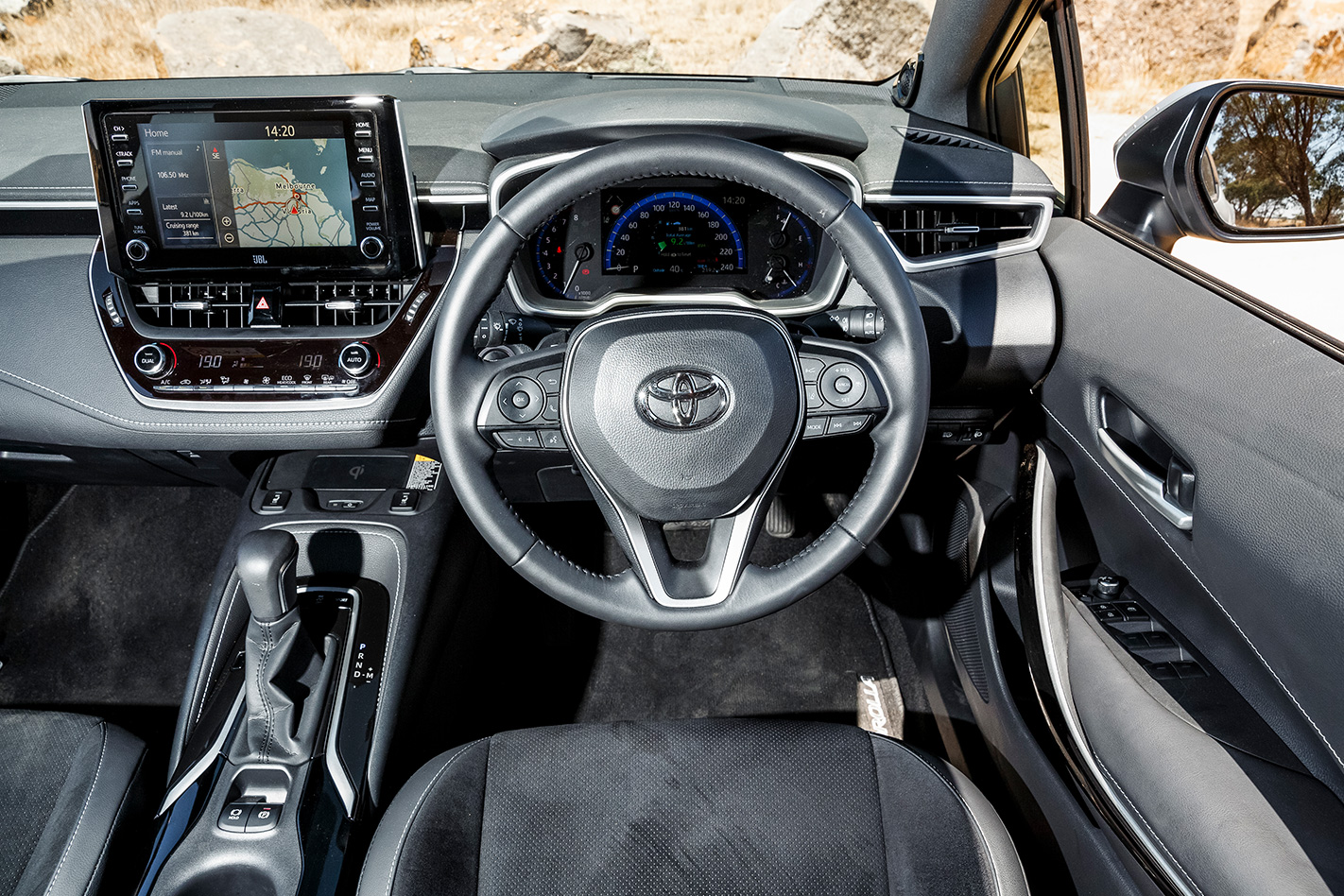
The i30 will need to match or better in terms of standard equipment in these areas in order to be competitive in a heavily value-focused segment.
Engines
Along with the i30 facelift presentation, Hyundai previewed a number of new engines that’ll feature under the bonnet. We’re not sure what engines we’ll get just yet but first, let’s detail the new offerings.
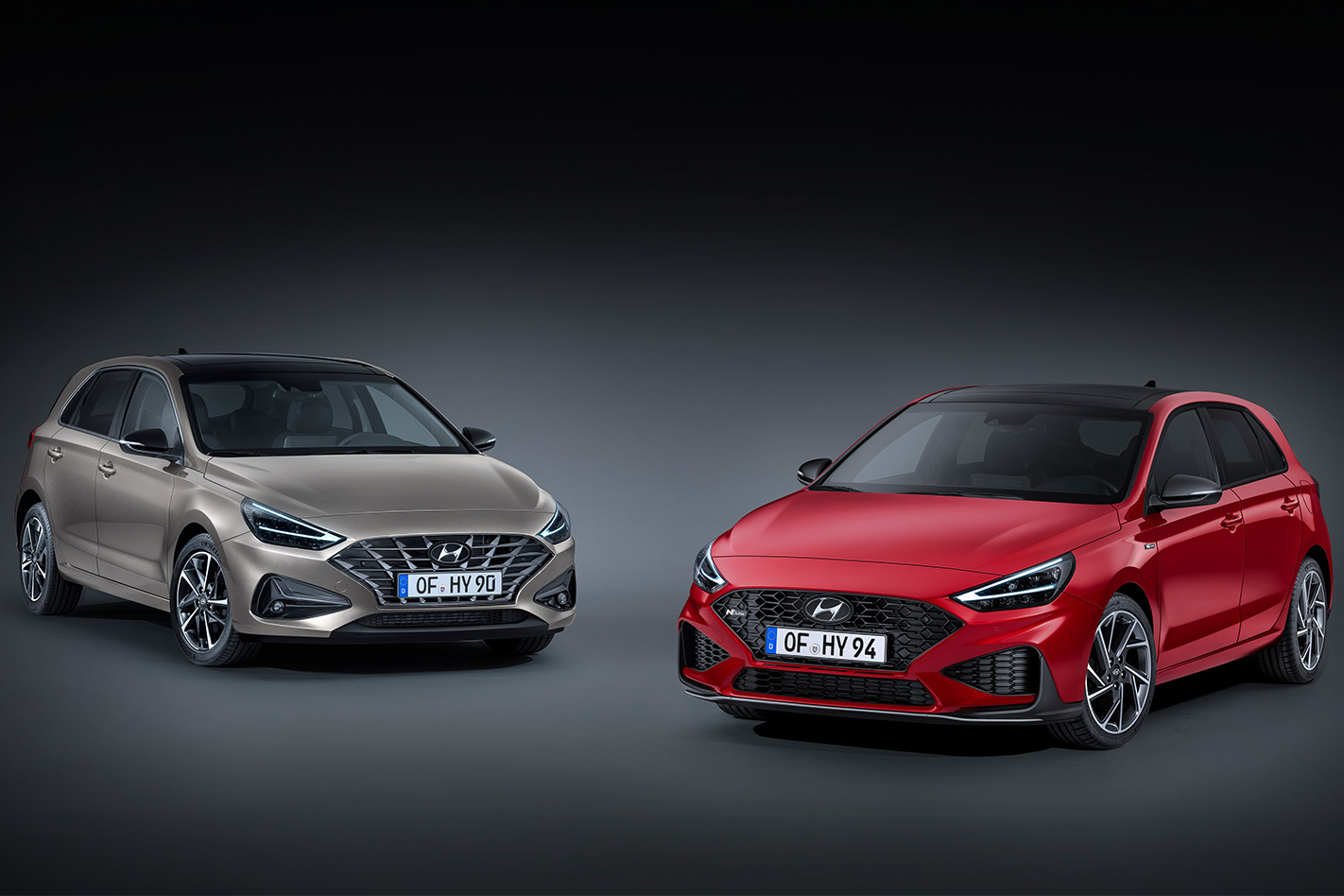
A newly-developed 1.5-litre naturally aspirated engine with 82kW, a 1.0-litre turbocharged unit with 88kW, a 1.6-litre diesel engine with 100kW and finally a 1.5-litre turbocharged engine with 118kW. Every engine but the naturally aspirated entry will come with 48-volt mild-hybrid technology.
We’re still unsure what Hyundai Australia will include with our Australian cars, but we wouldn’t rule out the reuse of the current 2.0-litre naturally-aspirated petrol and 1.6-litre turbocharged petrol engines.
Hyundai may be experimenting with mild-hybrid tech in its new engines, but Toyota does one better with its headline full hybrid engine which outputs 72kW from a 1.8-litre petrol/electric combination. That engine only consumes a mere 4.2 litres of fuel for every 100kms on a combined cycle.
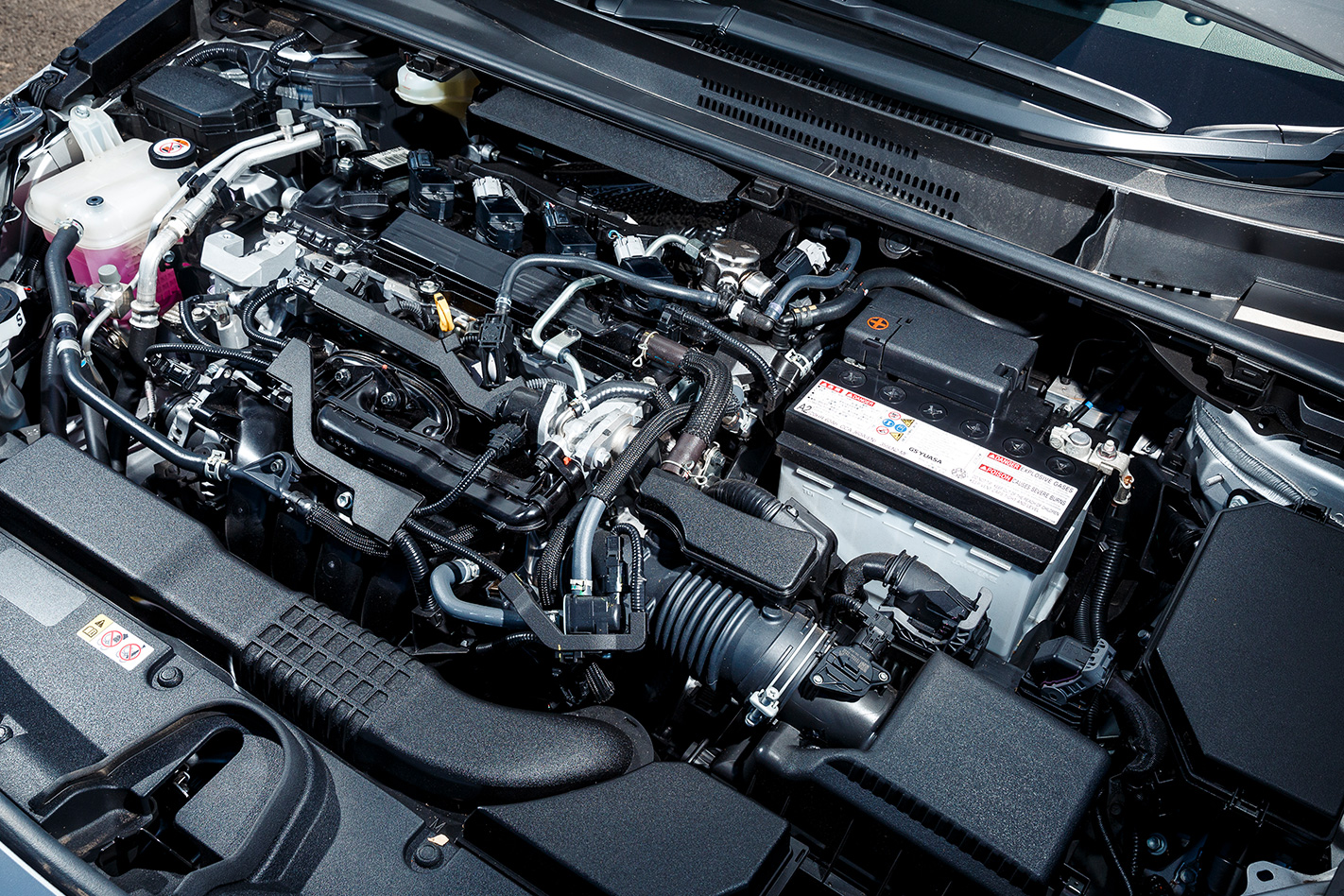
Every other Corolla uses a petrol 2.0-litre naturally-aspirated engine which can output 125kW.
It’s too soon to tell whether the new i30 or Corolla will have the upper hand in the engine stakes. It all depends on whether Hyundai will rely on its older engines or not.
Safety
Hyundai has boosted its safety tech in the i30 facelift, adding advanced safety items like Rear Collision avoidance Assist which will brake in reverse if it detects an accident as well as the items listed above such as Lane Following Assist.
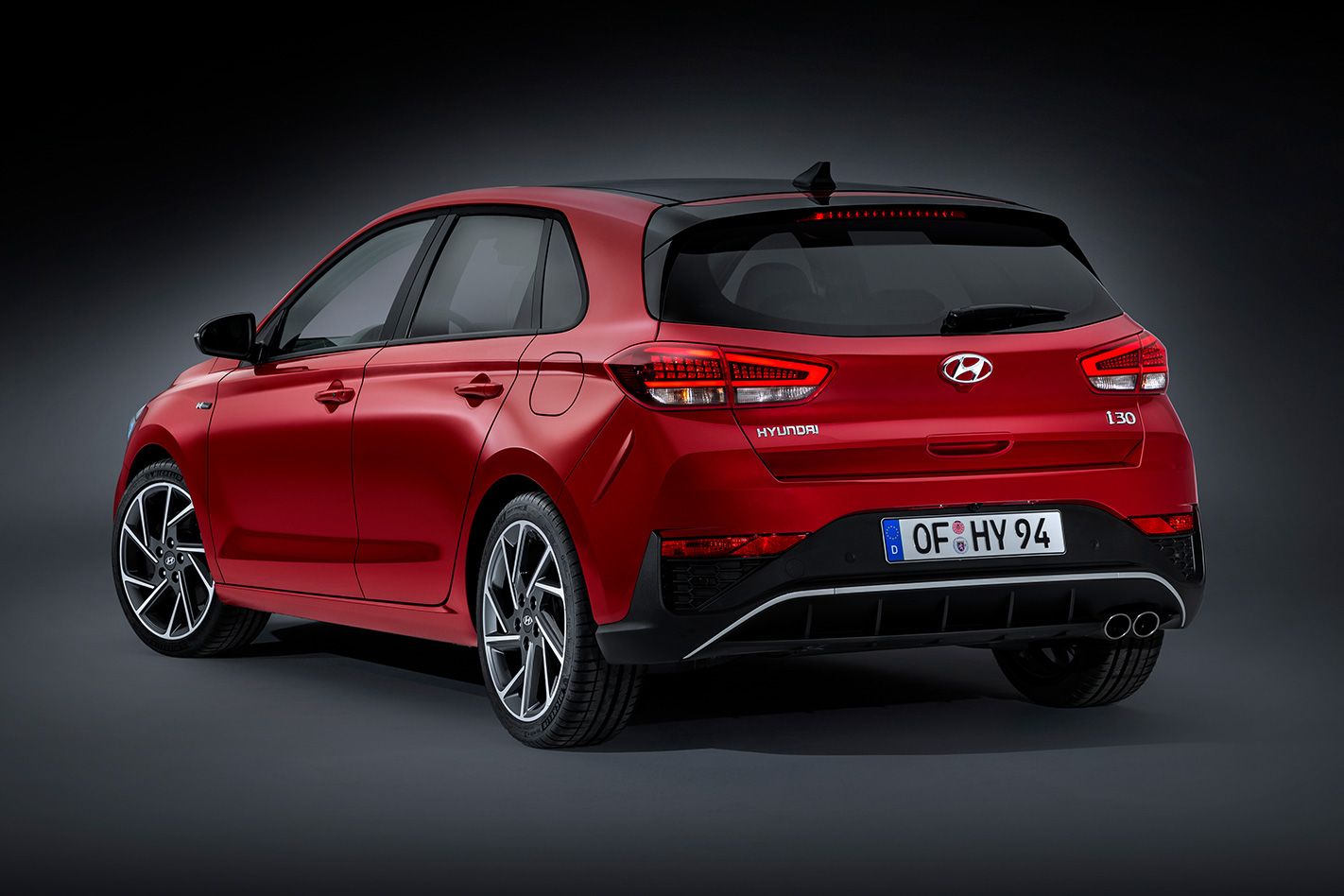
It will retain its seven airbags, reversing camera, rear parking sensors, auto-on headlights, while enhancements will enable its autonomous emergency braking to detect cyclists in front and objects in reverse.
The Hyundai i30 received a maximum ANCAP safety rating of five stars in 2017.
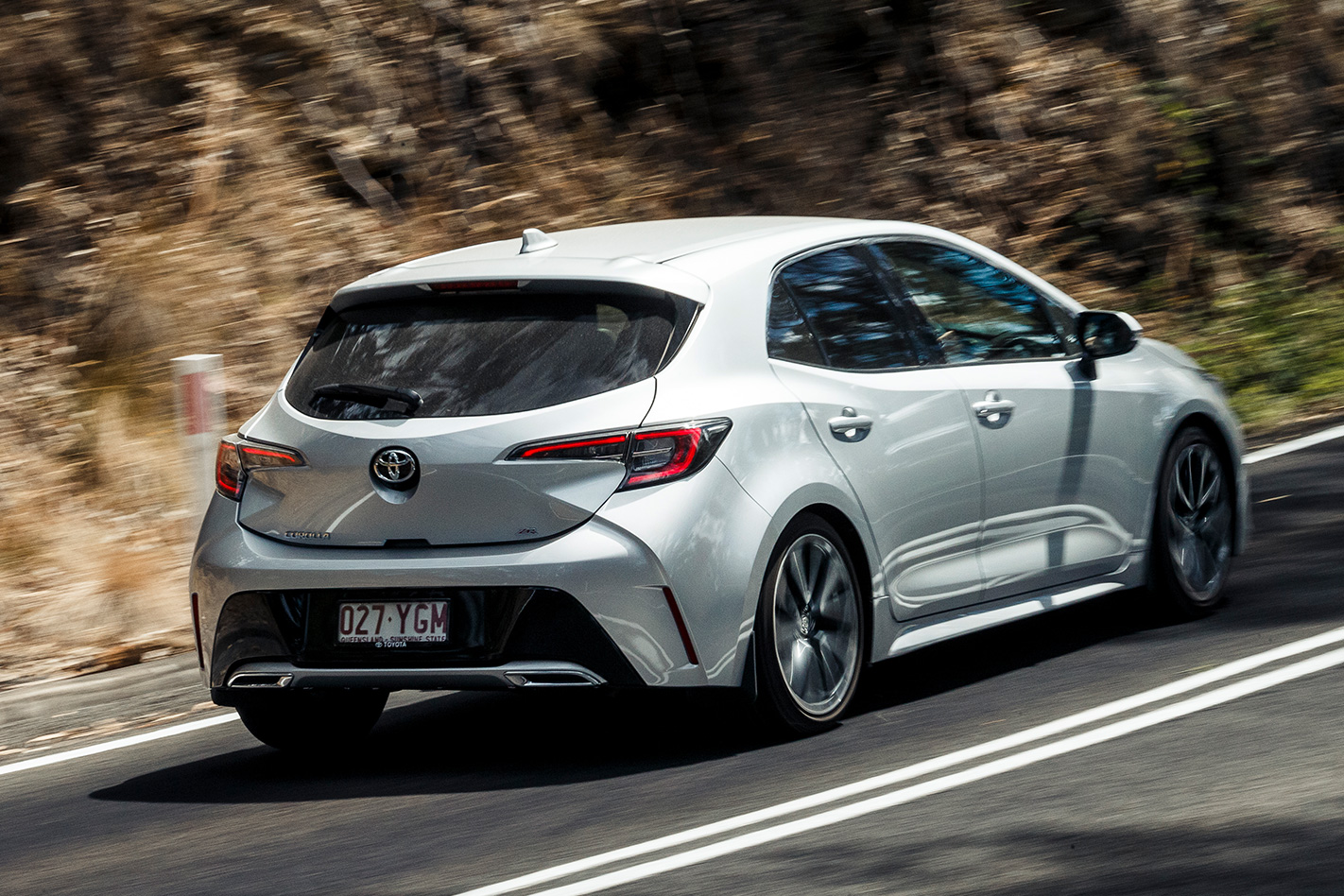
The Toyota Corolla also gets seven airbags as standard, a reversing camera, and rear parking sensors which all help it receive a five-star ANCAP safety rating.
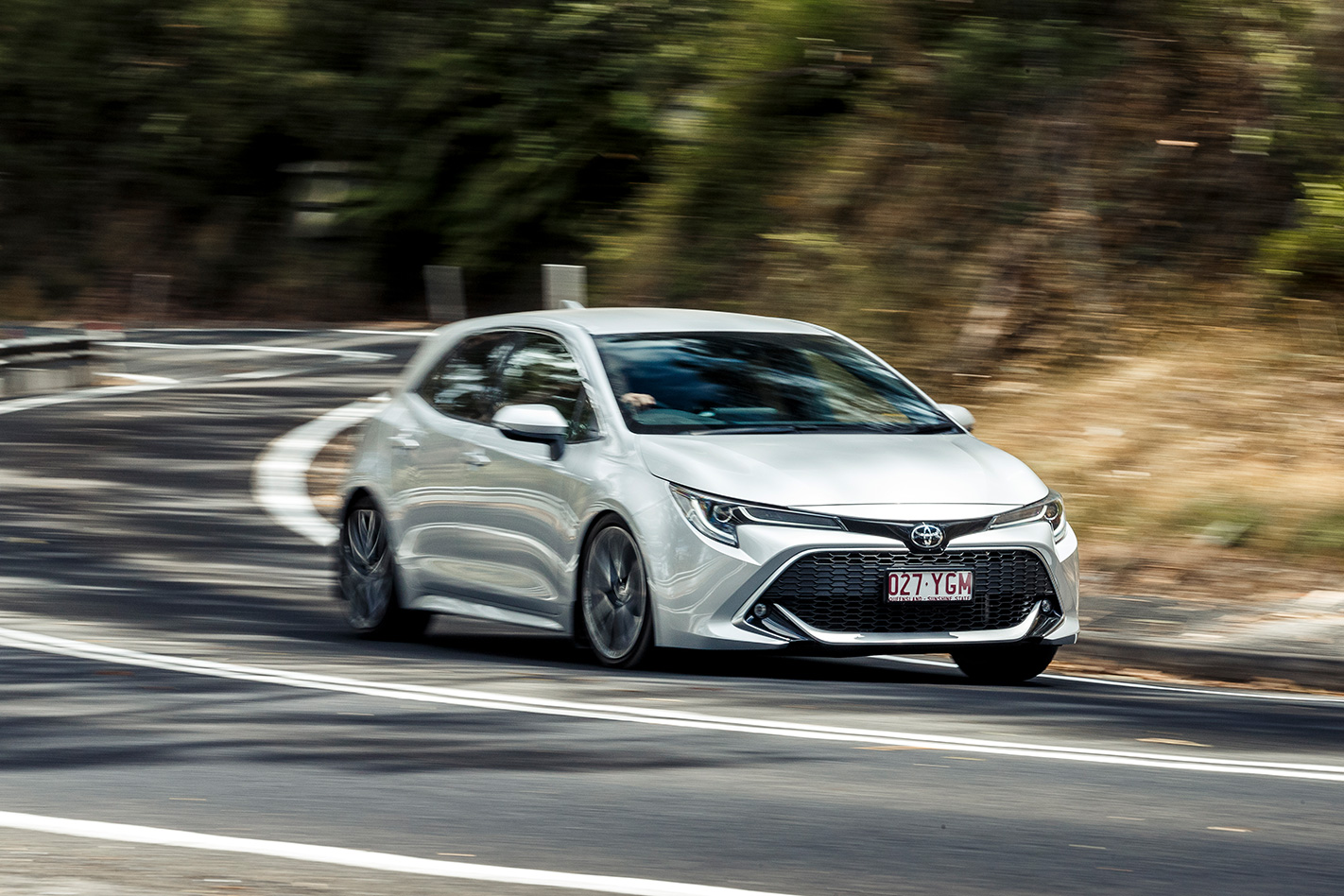
All Corollas have autonomous emergency braking, and other advanced driver assistance tech including lane departure alert, adaptive cruise control, and headlamps that dip automatically for oncoming drivers.
Storage
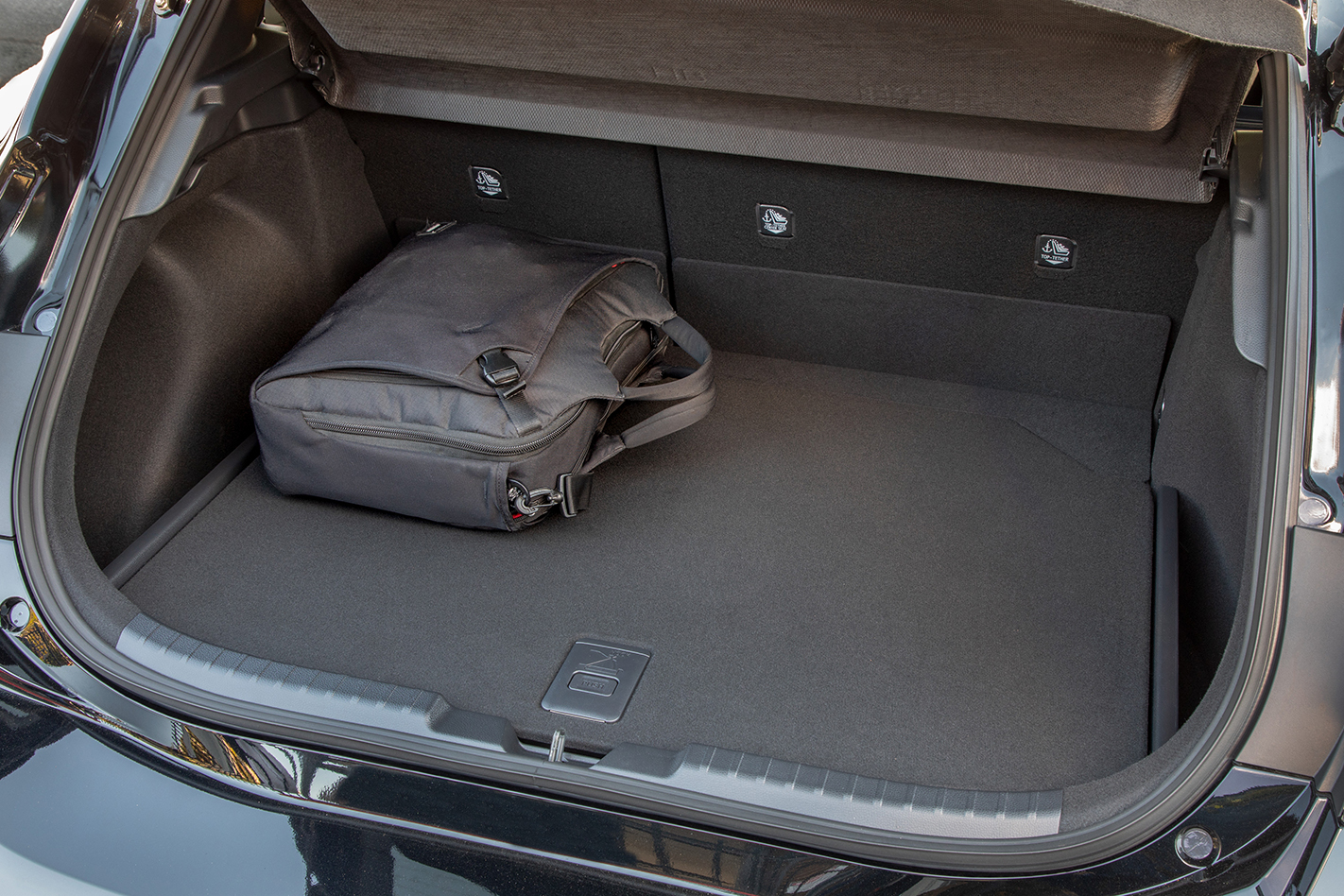
New i30s will still receive a generous amount of storage space, with large door bins for bottles and items and a neat cubby with lid in front of the shifter. No word is given on the incoming facelift’s boot size but, expect it to be the same as before, 395 litres.
This is a bit of a downfall area for the Toyota Corolla as it isn’t the most practical car in the segment. Non-hybrid Corollas get just 217 litres while hybrid versions get 333 litres because that variant does away with the spare wheel.
Ownership
Both cars are on equal footing in terms of warranty. The new Hyundai i30 will retain a five year/unlimited kilometre warranty.
Toyota also has a five year/unlimited kilometre warranty for its Corolla buyers.
While this is just a quick look at what we’re expecting from the Toyota Corolla-fighter, hopefully we won’t have to wait too long to put both of them together in real life for a look-in later this year.
If you were shopping for a small hatchback would you go after the new Hyundai i30 or opt for the tried-and-tested Toyota Corolla?
