
Motorsport has a long history of being associated with law breakers and outlaws – NASCAR is built on the empire of illegal alcohol smuggling – but these ten individuals and teams take things to a new level.
Pablo Escobar – Cocaine in the fuel tank
Ol’ Pablo doesn’t really need much introducing. However, to put his drug empire into context, at its peak, Pablo and mates were smuggling 15 tonnes of cocaine worth more than half a billion dollars into the United States every day. This required purchasing US$2500 worth of rubber bands each week just to wrap the stacks of cash the cartel was raking in.
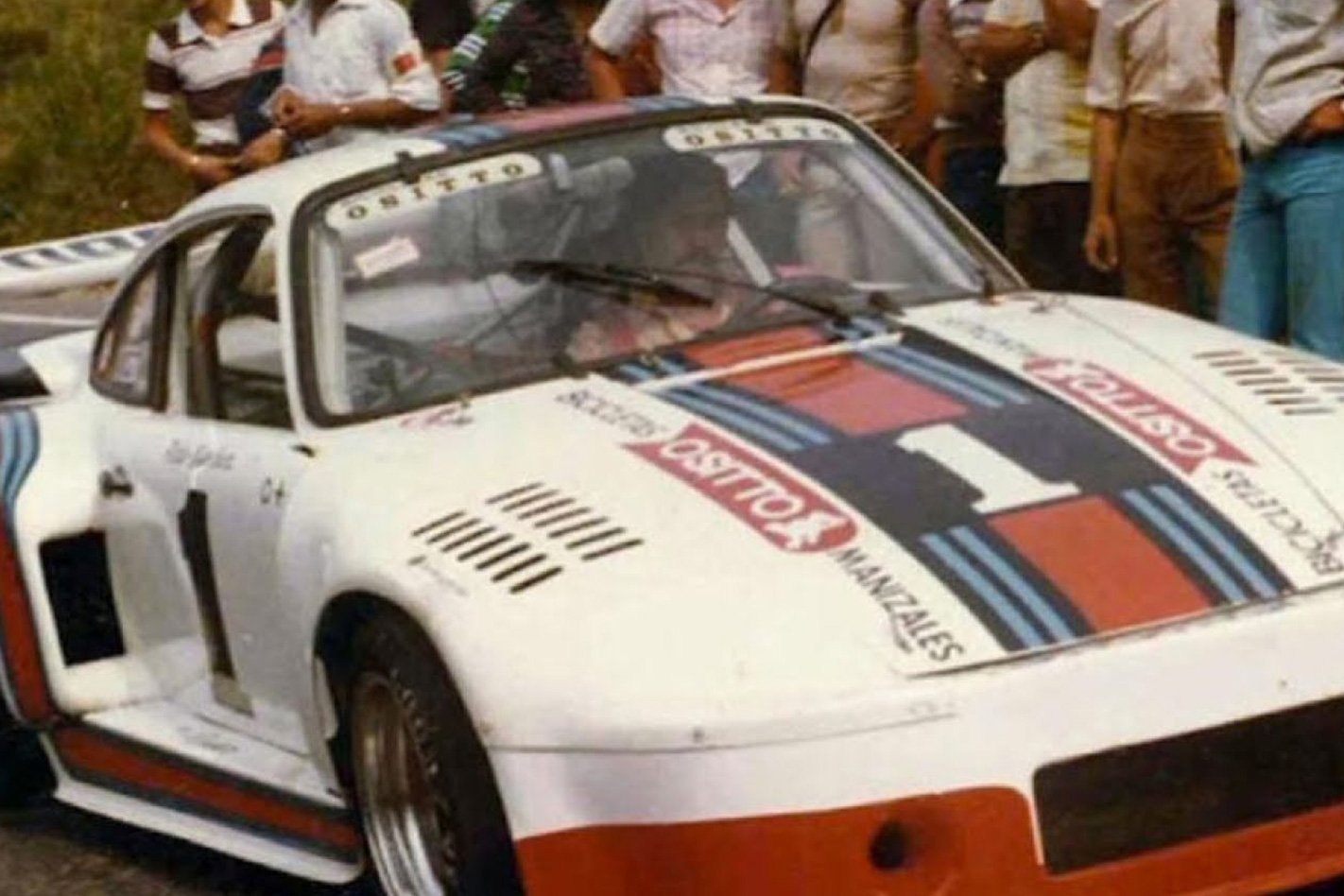
Turns out the world’s most famous drug kingpin also had a bit of oil running in his veins. Escobar started racing in a one-make Copa Renault 4 championship. The drug lord’s little Renault mysteriously had a clear advantage in a straight line compared to his rivals, and yet the stewards turned a blind eye. I wonder why…
Then Escobar decided he needed to step it up a level, buying a 1974 Porsche 911 RSR once raced by Emmerson Fittipaldi. This was modified with 935 slant nose bodywork, before Escobar’s day job caught up to him, ending his racing career.
IMSA in the ‘80s – A.K.A. The International Marijuana Smugglers Association
If you were competing in American sportscar racing in the 1980s, there was a good chance one of your competitors on the track was involved in drug smuggling.
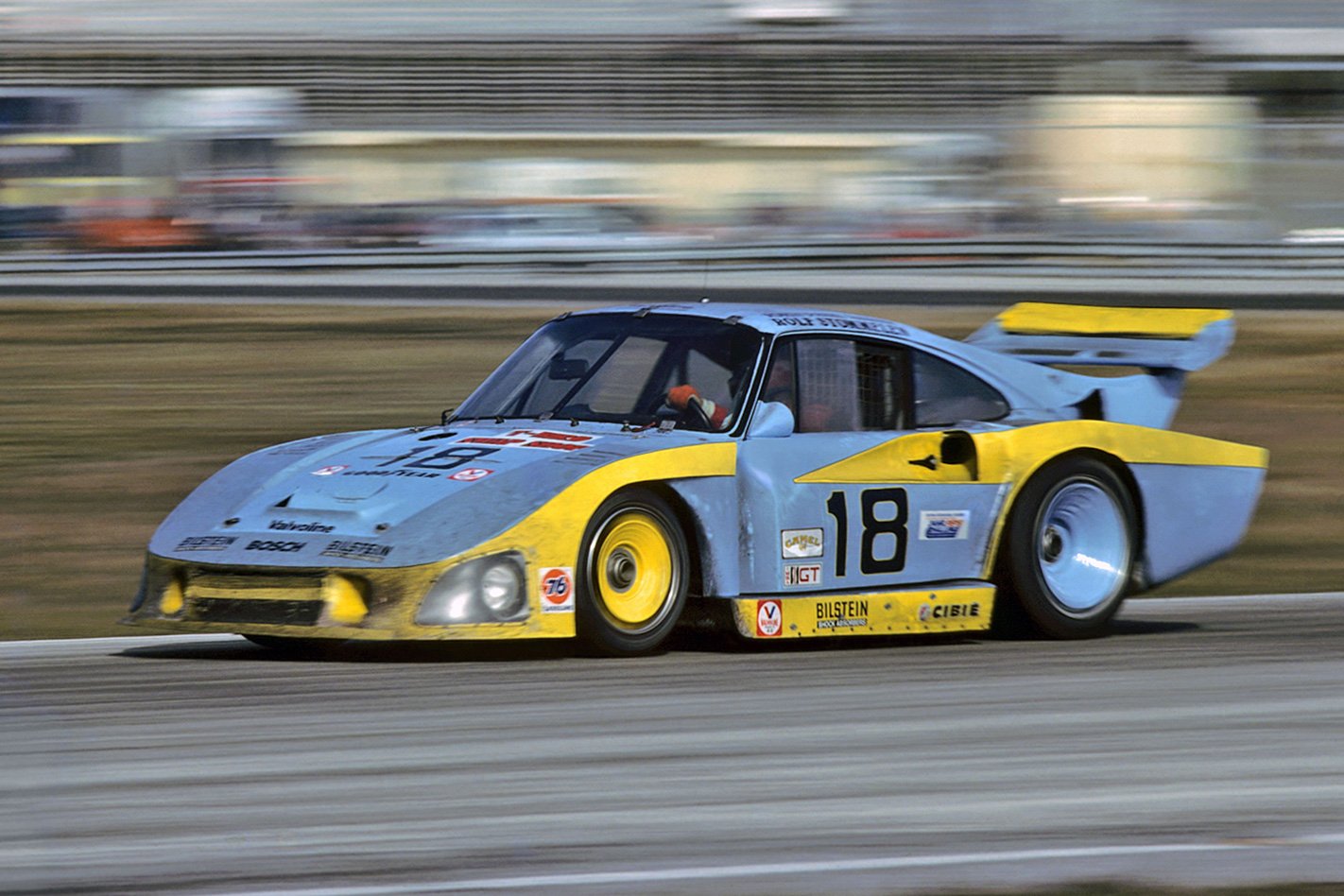
So many former competitors were eventually convicted of drug running that IMSA earned the nickname The International Marijuana Smugglers Association.
Randy Lanier won the 1984 IMSA championship as an independent team, beating factory efforts, seemingly without sponsors. This was because Lanier was funding the team through a sophisticated marijuana smuggling scheme that involved speed boats and a specially modified barge.
The ’84 champ was convicted to life without parole in ’88, but was eventually released in 2014 for reasons undisclosed under sealed motions.
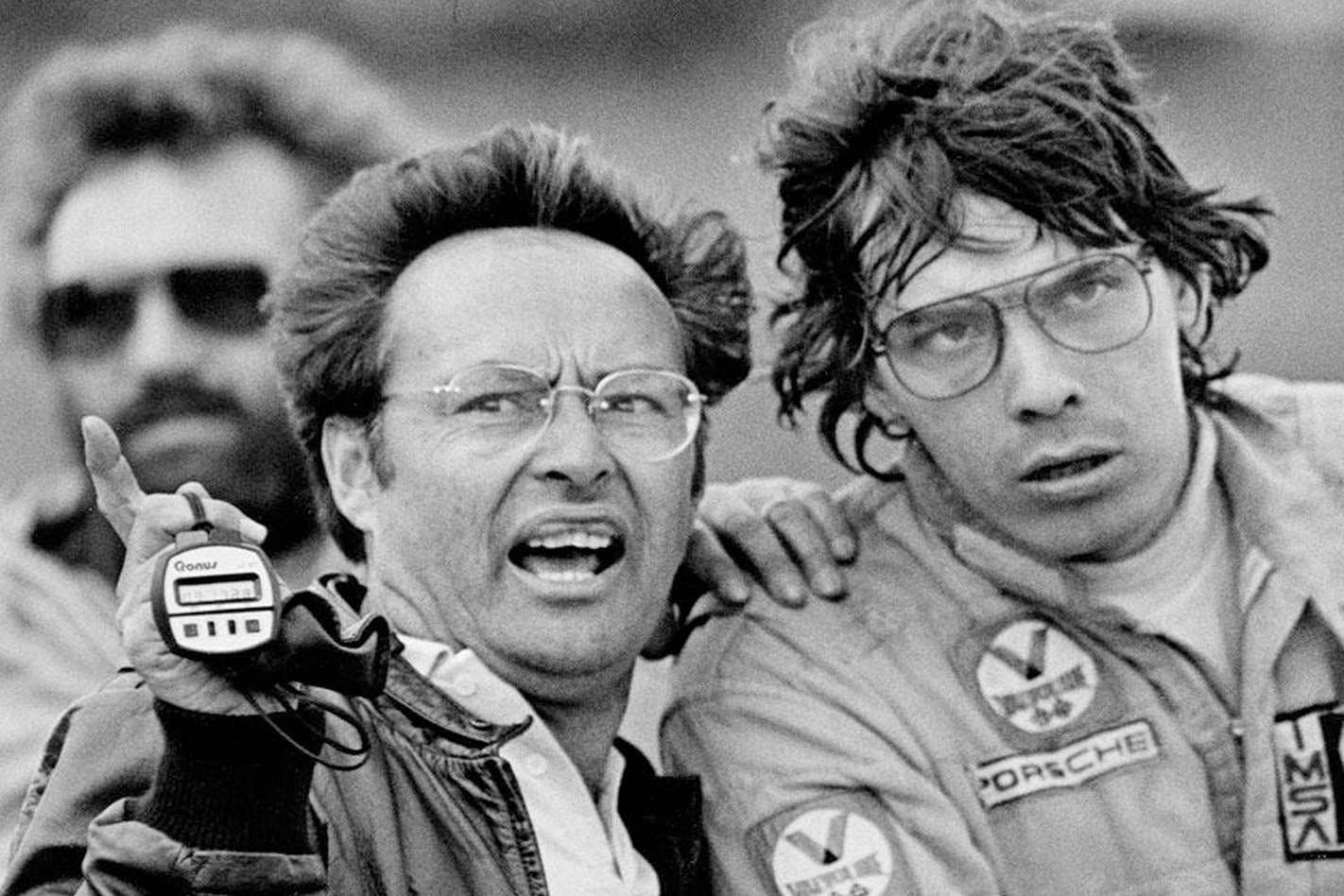
The Whittington Brothers, Don and Bill, are famous for winning the 1979 24 Hours of Le Mans outright in a Kremer K3 Porsche 935, alongside Klaus Ludwig. They too were involved in Lanier’s operation, and were eventually put in the slammer.
John Paul Sr was another IMSA champion that found himself on the wrong side of the law. Almost worthy of his own spot on this list, Paul Sr spent 15 years in prison for crimes varying from drug smuggling to shooting a Federal witness. In 2001 he disappeared on a boat while being sought for questioning by police over the disappearance of his ex-girlfriend. Where he is today remains unknown.
Robert Boston – Either the best dad ever, or the worst
Parents spending exorbitant amounts of money on their children’s racing careers is nothing new, but Robert Boston takes that mindset to the extreme.
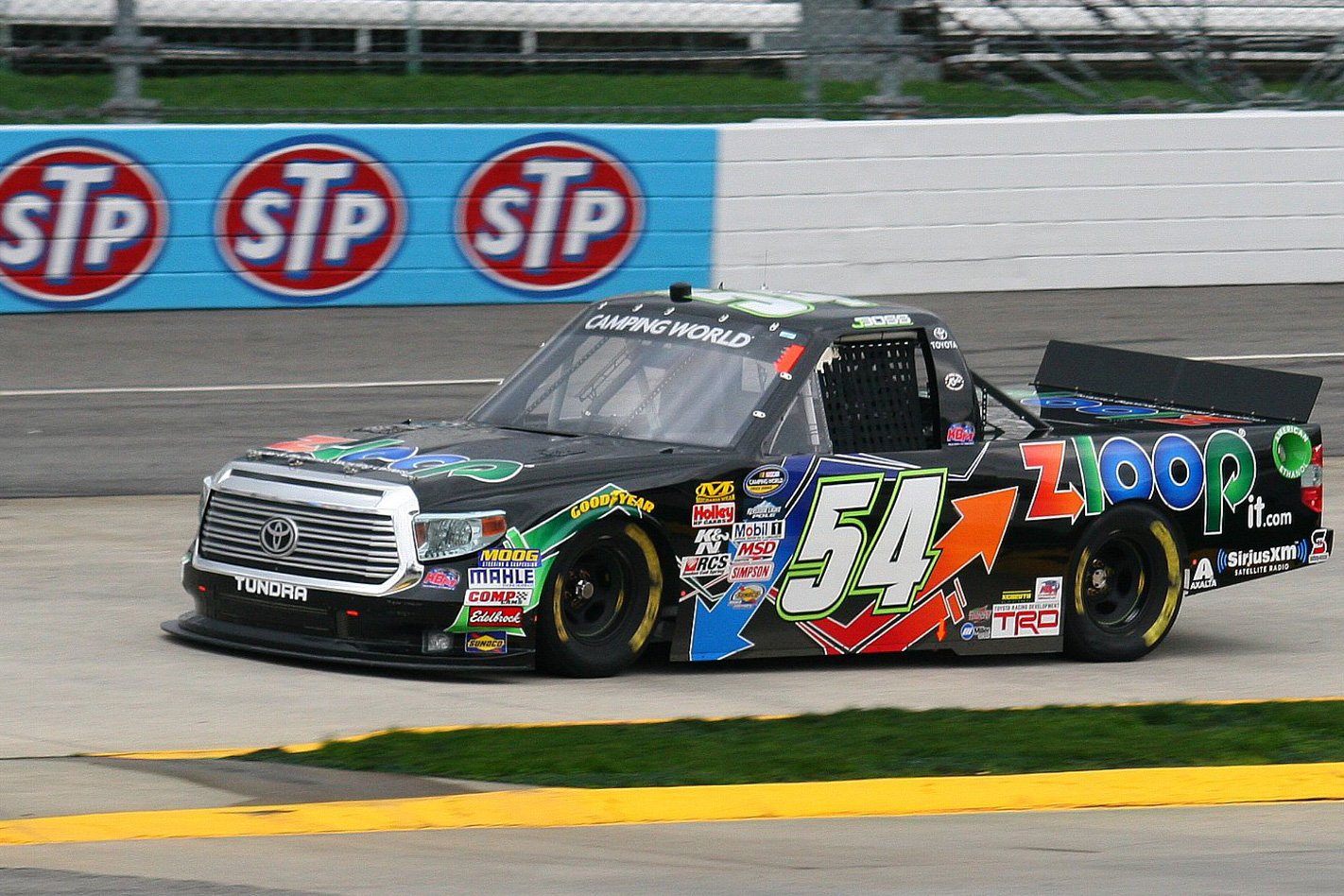
Boston was the co-founder of an electronics recycling business called Zloop. Boston started slinging million-dollar cheques to get his son Justin a drive for teams like Joe Gibbs Racing. Turns out, the teams should have asked where Boston was getting all that cash as he was defrauding his business partners to fund Justin’s racing career.
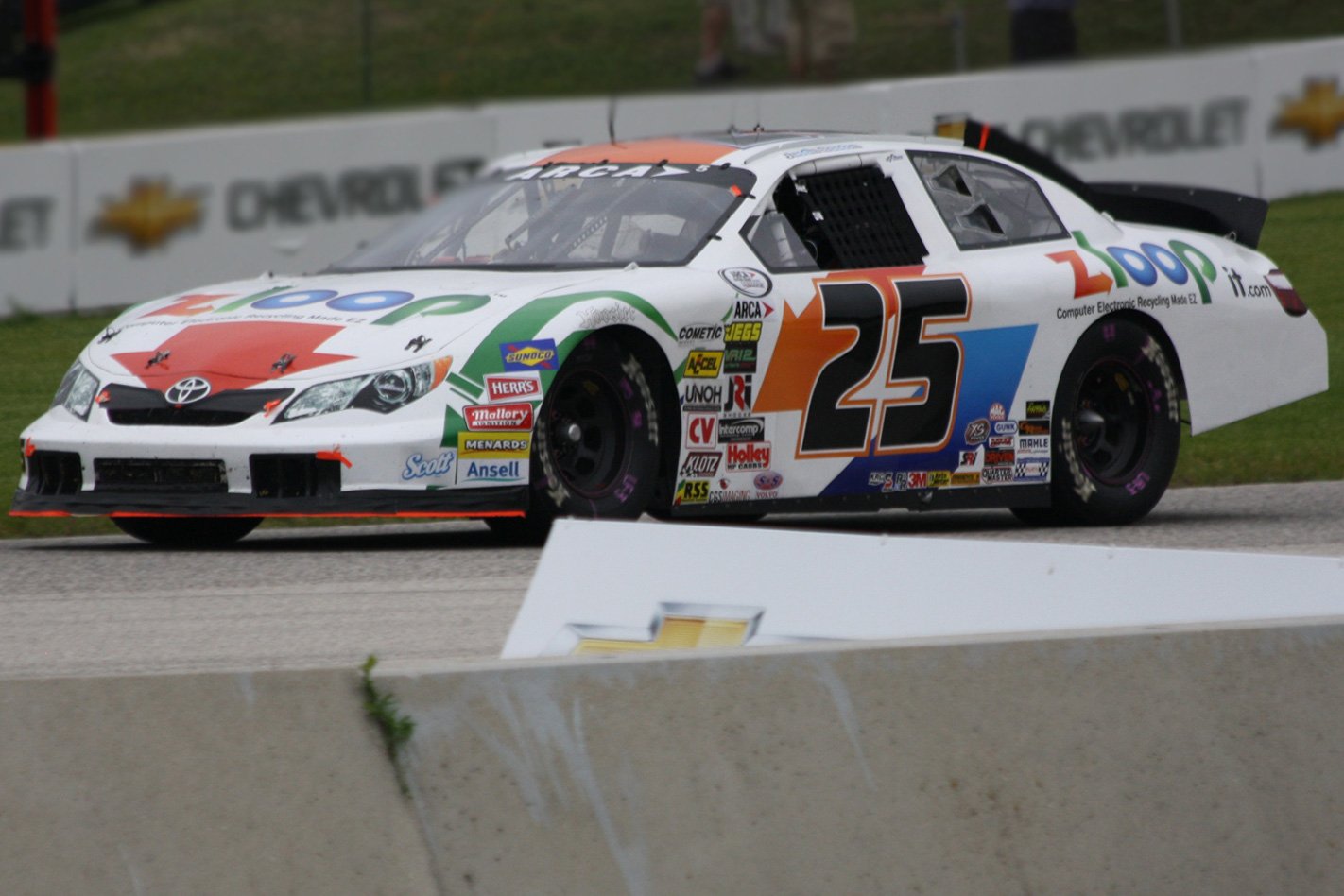
In 2018 Robert was sentenced to 10 years in prison for wire fraud, securities fraud and money laundering. Of Zloop’s US$33 million revenue, Boston spent $25 million on his son’s racing, at a rate upwards of $5 million a year.
Scott Tucker – A not so gentlemanly racer
Scott Tucker built an empire on the debts of others, and used it to fund a decidedly average racing career.
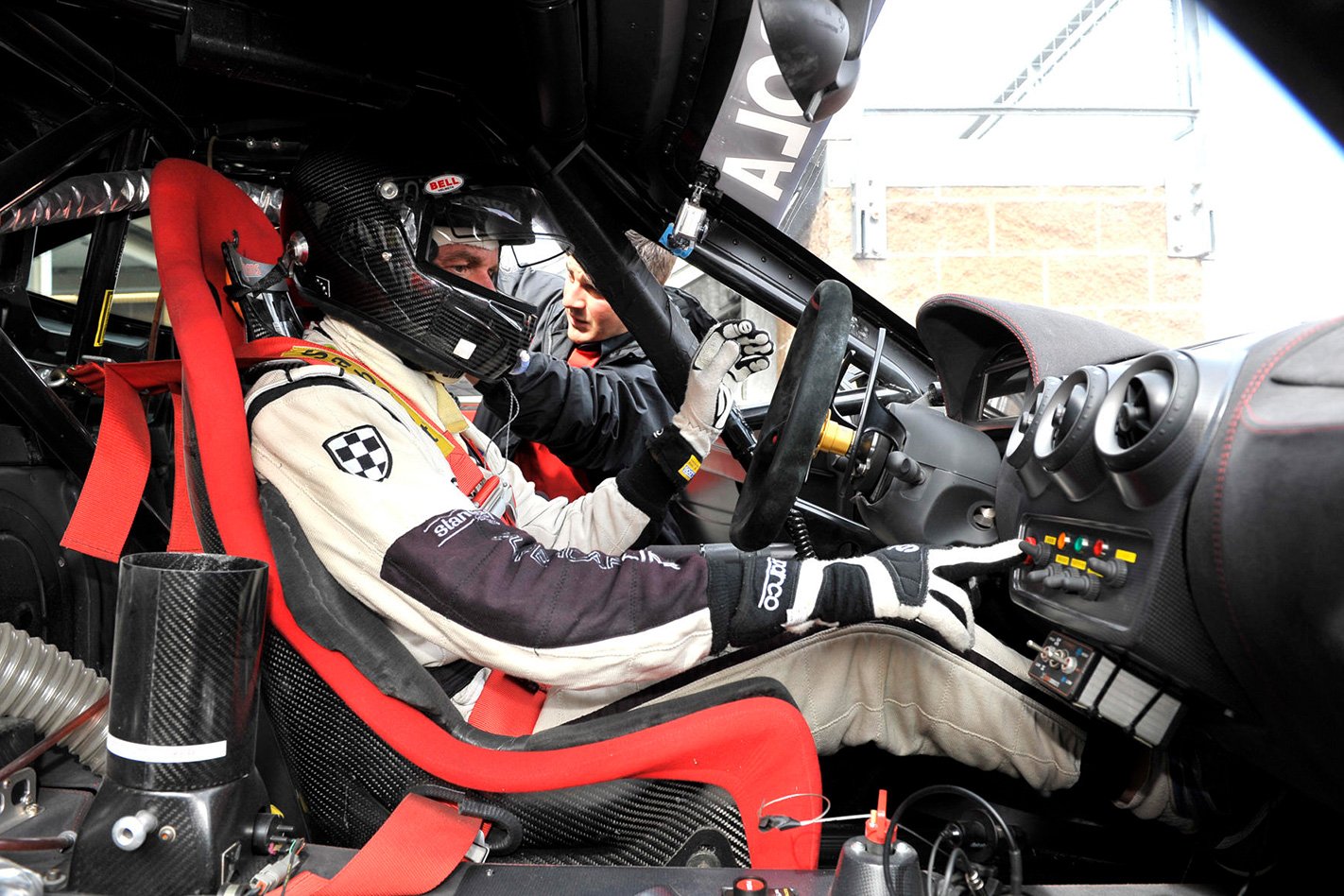
Tucker ran a payday loan scheme that took advantage of some of the most vulnerable members of society, with predatory lending that included interest rates of up to 700 percent.
It’s estimated Tucker personally profited to the tune of US$380 million from the scheme. He then used this to fund his vanity project of sportscar racing.
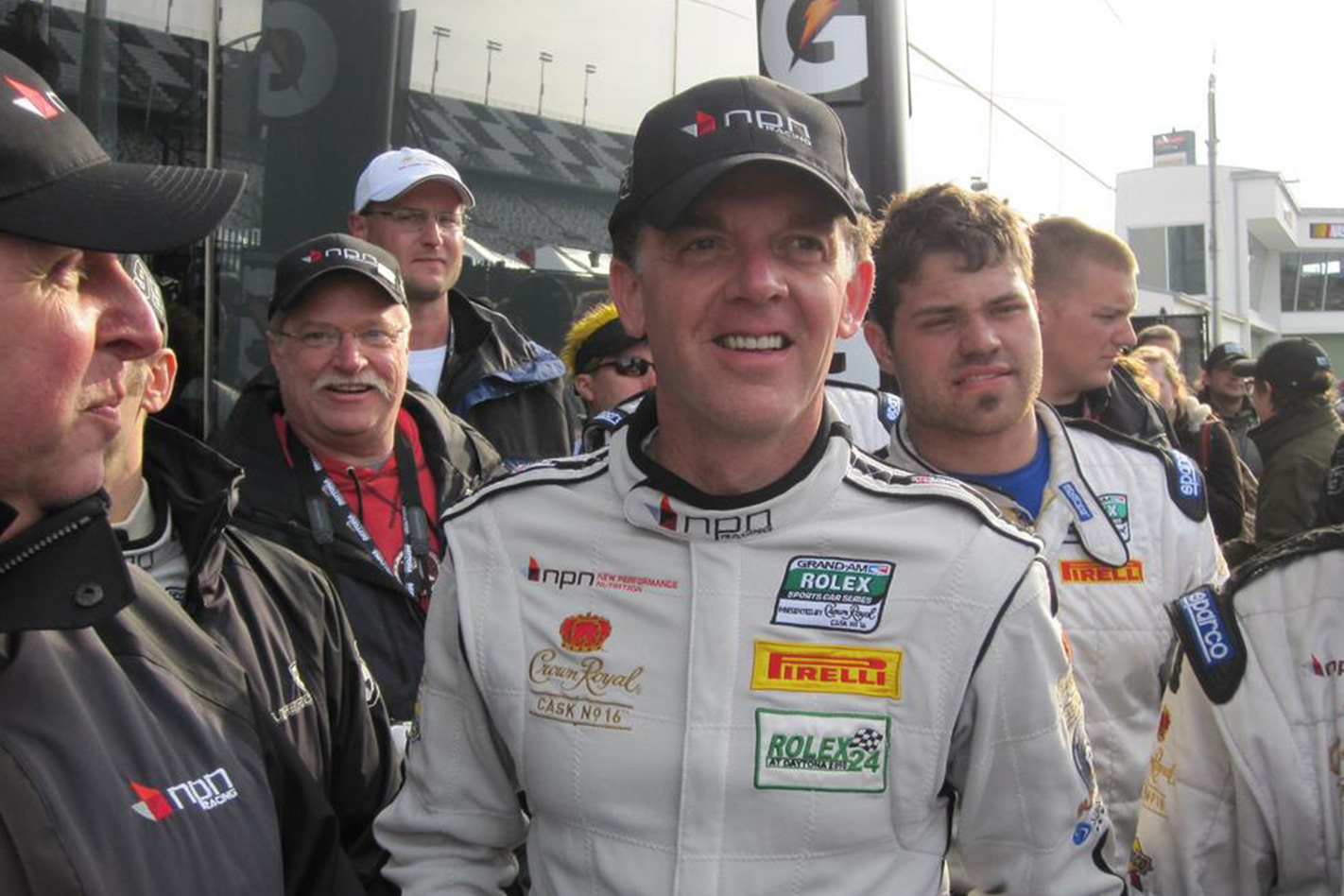
Tucker was sentenced to 16 years and 8 months in jail for racketeering, wire fraud, money laundering, and violations of the Truth In Lending Act.
James Munroe – The accountant that raced a McLaren
James Munroe decided to race in British GT in 1998, launching his campaign with much fanfare, and fielded a McLaren F1 GTR for the season.
Everything seemed to be going well, until a senior executive at the publisher McGraw-Hill noticed one of their accountants racing a multi-million-dollar car on TV.
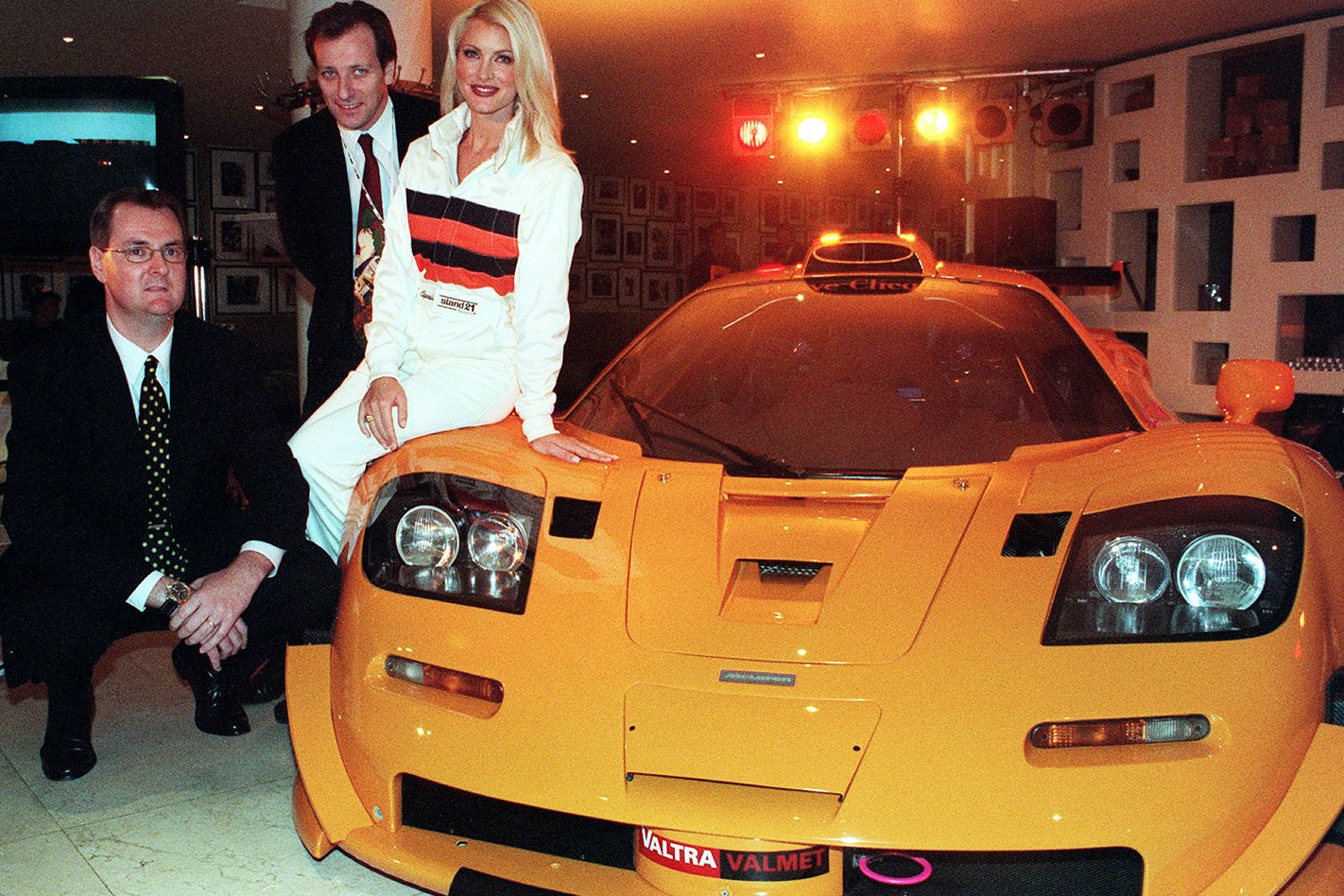
It turns out Munroe had embezzled almost $8 million from his employer, resulting in him spending time in jail.
Upon release, Munroe did it again, defrauding his new employer to fund a luxury lifestyle, while trying to sell a rags-to-riches story about his life.
Vic Lee Motorsport – There’s always cocaine in the race truck
Vic Lee Motorsport, run by the eponymous Victor “Vic” Lee, competed in the British Touring Car Championship in the ‘90s.
VLM earned a reputation for testing at Zandvoort in the Netherlands regularly, which was strange for a British team competing in a British championship.
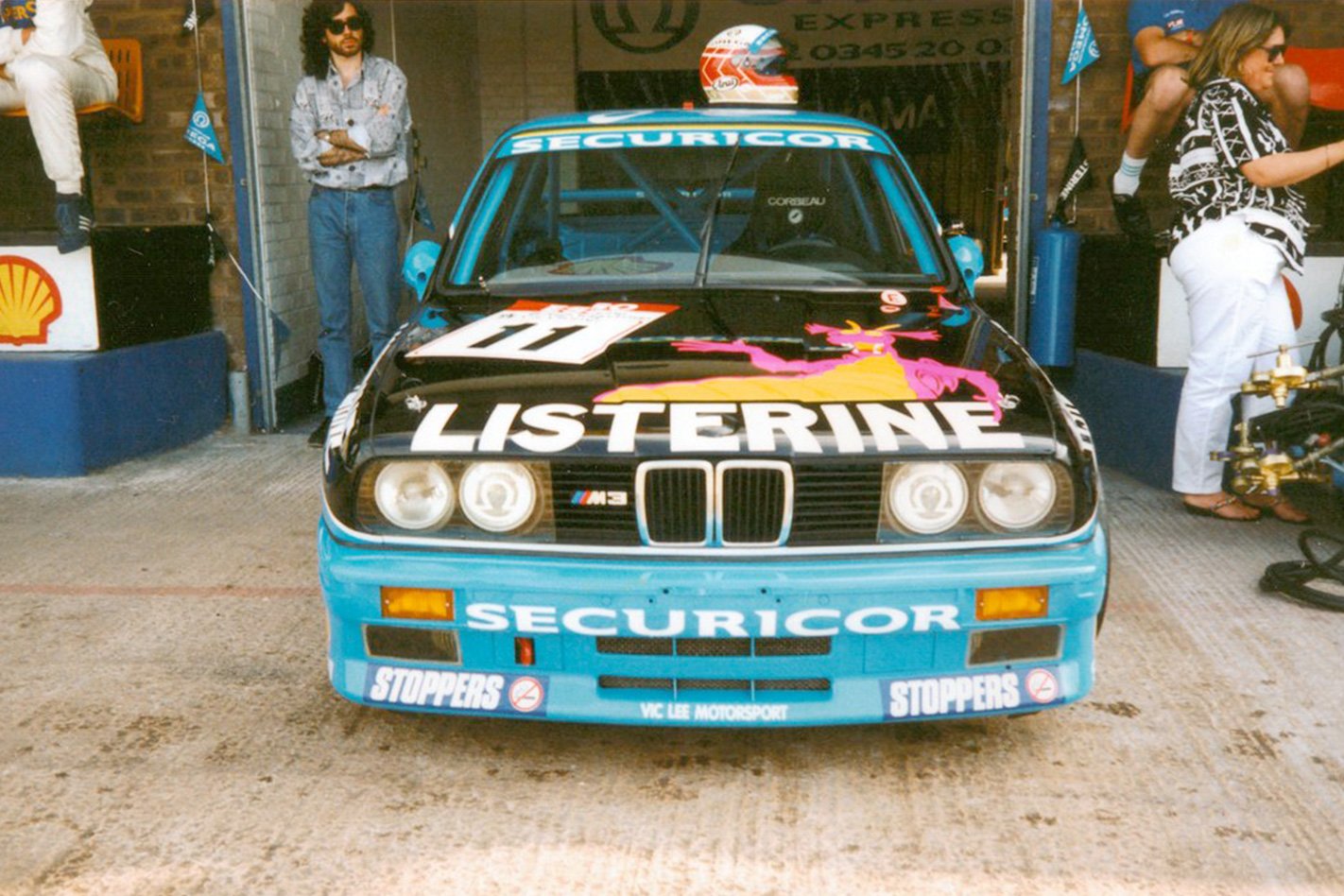
Turns out Vic Lee was using the team as a way to smuggle cocaine from the European mainland into the United Kingdom.
VLM would smuggle the cocaine by hiding it in nitrogen gas cylinders used to inflate tyres. The team would travel to the Netherlands, cut open the cylinders, fill them with bundles of cocaine, weld them shut, finish testing, and then return home.
In the end, Lee had smuggled almost $10 million worth of cocaine, earning himself a 12-year stint in jail.
Greg Loles – Jesus built my racing car (with stolen money)
The Farnbacher Loles racing team was on a roll in 2008. Fielding a Porsche in ALMS GT2 category, the squad were class champions that year, but by the end of the ’09 season they had disappeared.
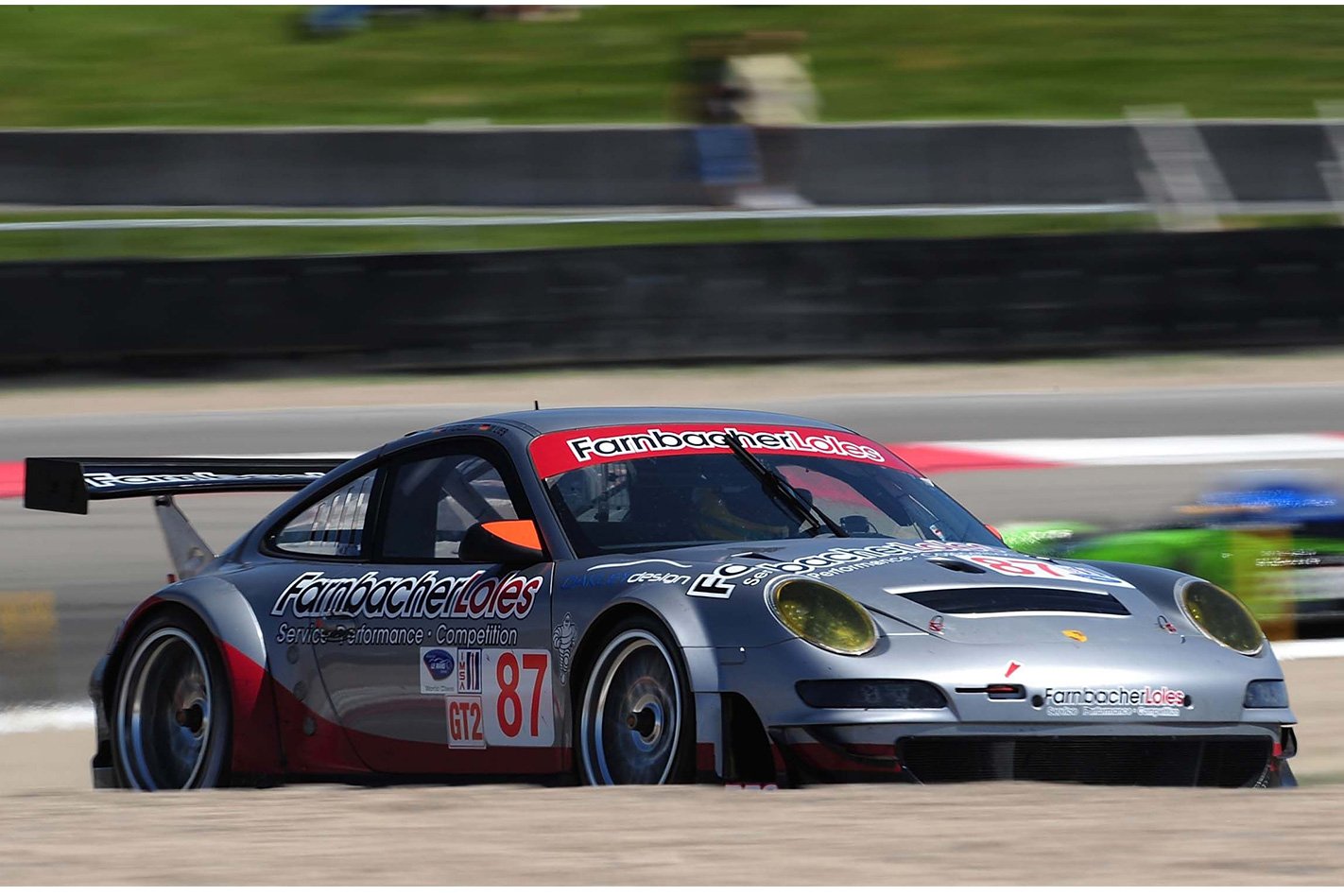
Turns out the team co-founder Greg Loles was thrown in jail for 25 years. His crime? Duping a church and its congregation into a ponzi scheme to the tune of $27 million.
Loles stole as much as $14 million from a single family, using the money to fund his racing team.
Assistant U.S. Attorney Michael S. McGarry was brutal in his assessment of Loles. “What he did wound up ruining lives like a cancer eats away from someone’s insides.”
Jeremy Mayfield – Fast racing, fast theft
A five-time winner in NASCAR’s top tier, Jeremy Mayfield was suspended indefinitely from the sport in 2009 for testing positive for methamphetamine.
But that’s not where it ends. A DEA investigation discovered over $100,000 worth of stolen goods at Mayfield’s home. Amongst the items was audio equipment reported stolen by Red Bull Racing, surface plates from Fitz Motorsports, and heavy machinery stolen from Lee Family Real Estate.
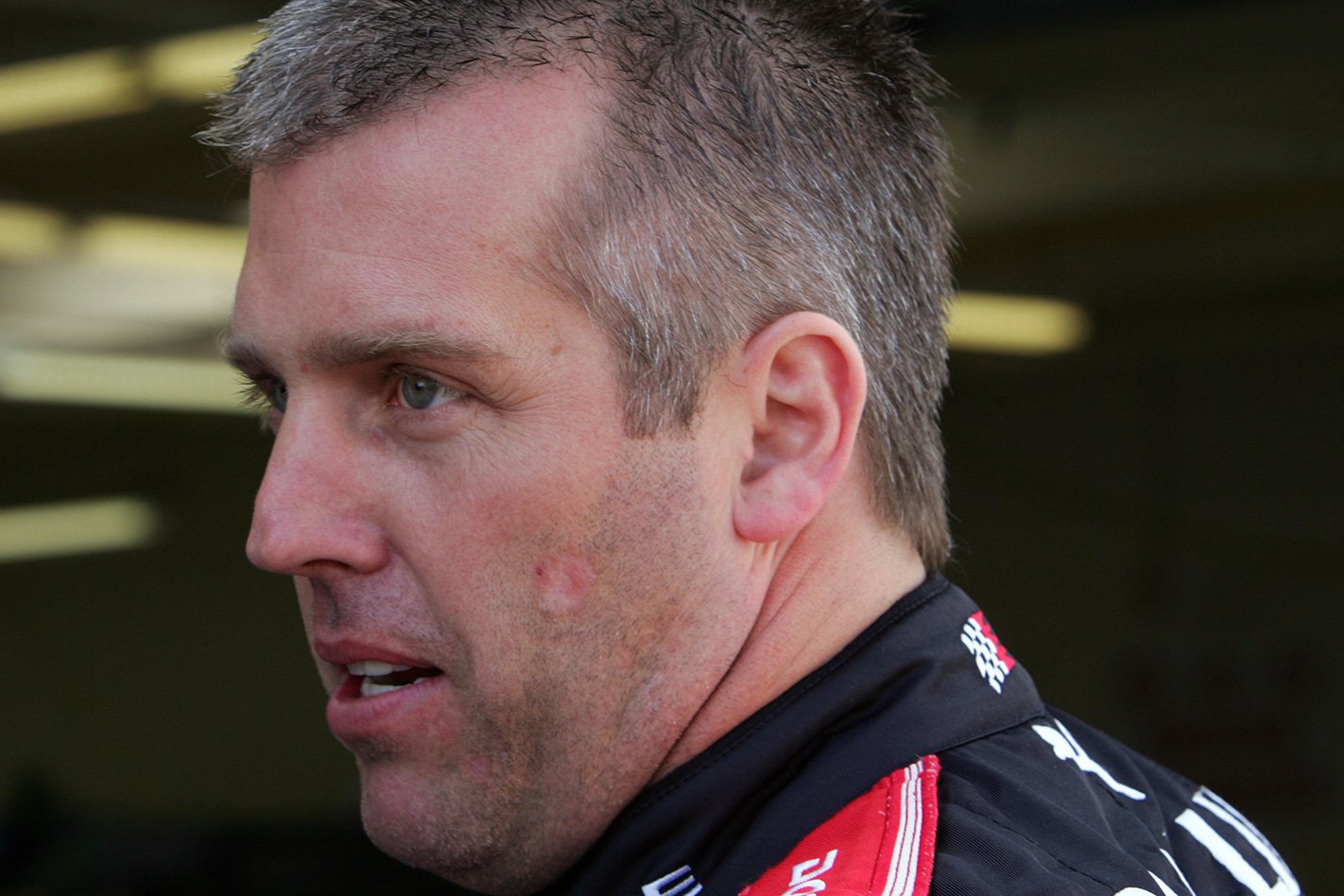
For a period, the former NASCAR driver was facing 14 years in jail, but a number of charges were dropped with Mayfield pleading to two counts of misdemeanour possession of stolen property and one count possession of drug paraphernalia in 2014.
L.W. Wright – A free drive in NASCAR
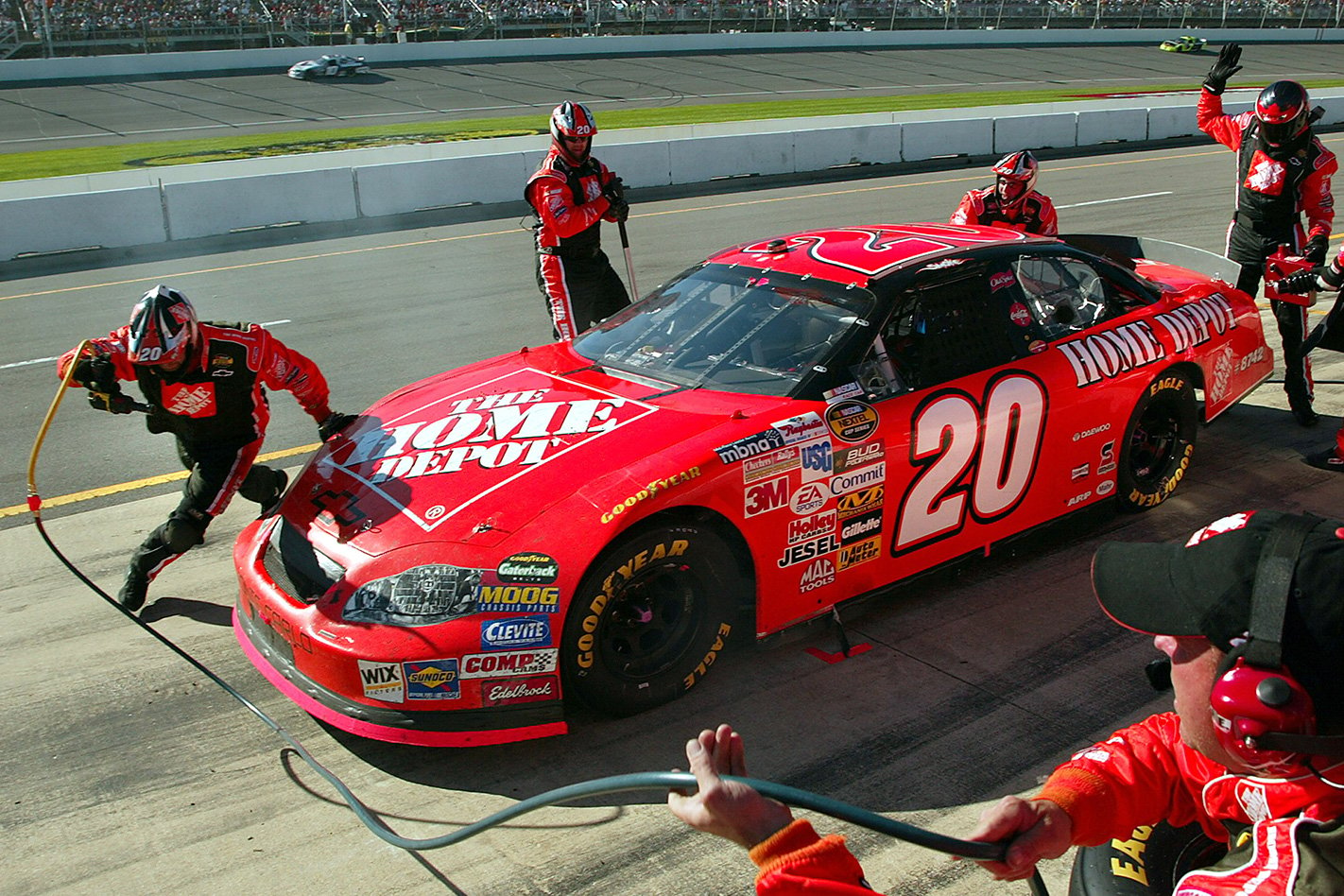
While everyone else funded their racing through crime, or used racing as a front, L.W. Wright turned the very act of racing into a crime.
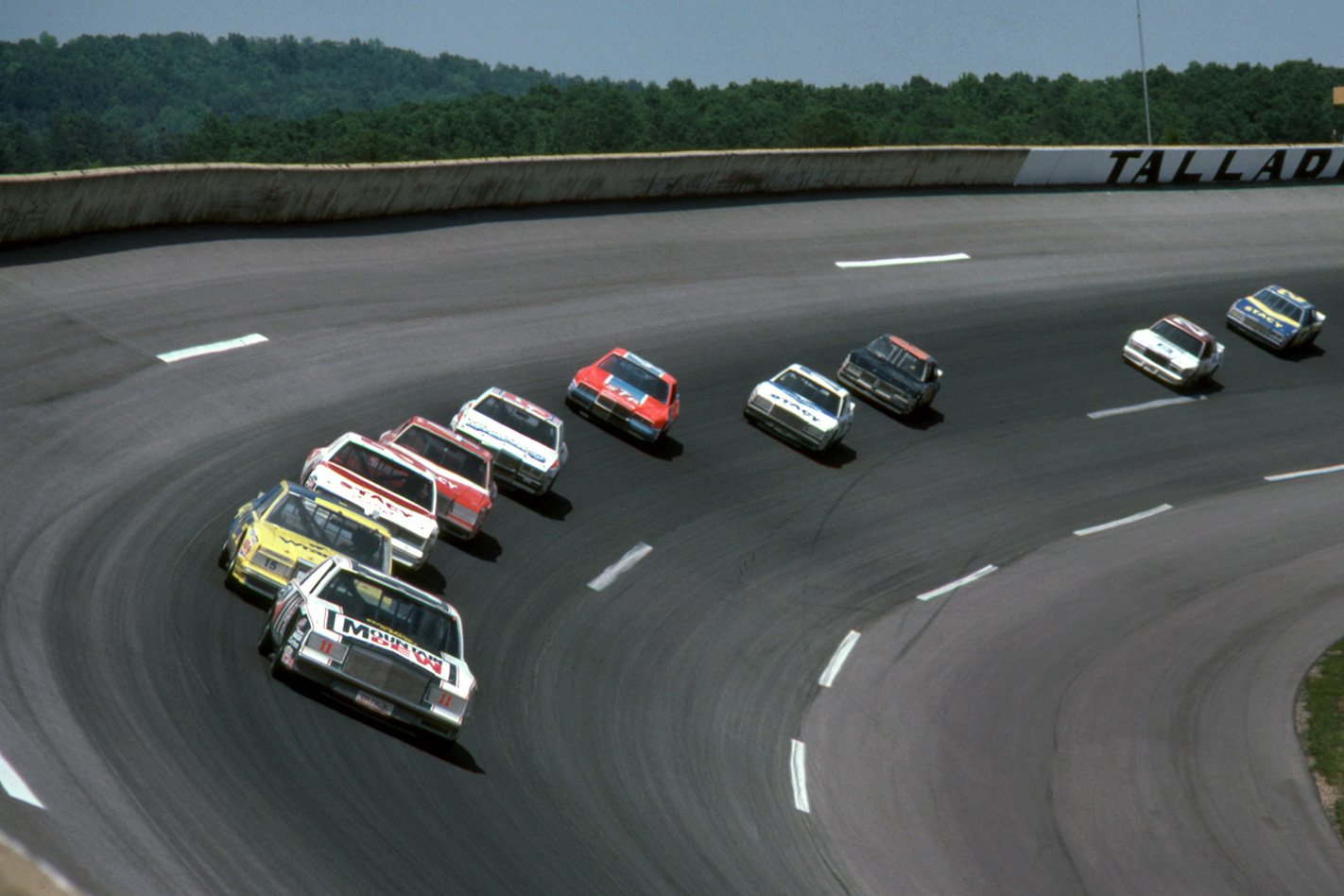
In 1982 a mystery driver from Nashville Tennessee wanted to compete at that year’s NASCAR Winston Cup race at Talladega. He was a 33-year-old named L.W. Wright, who claimed to have completed 43 races in NSASCAR’s premier category.
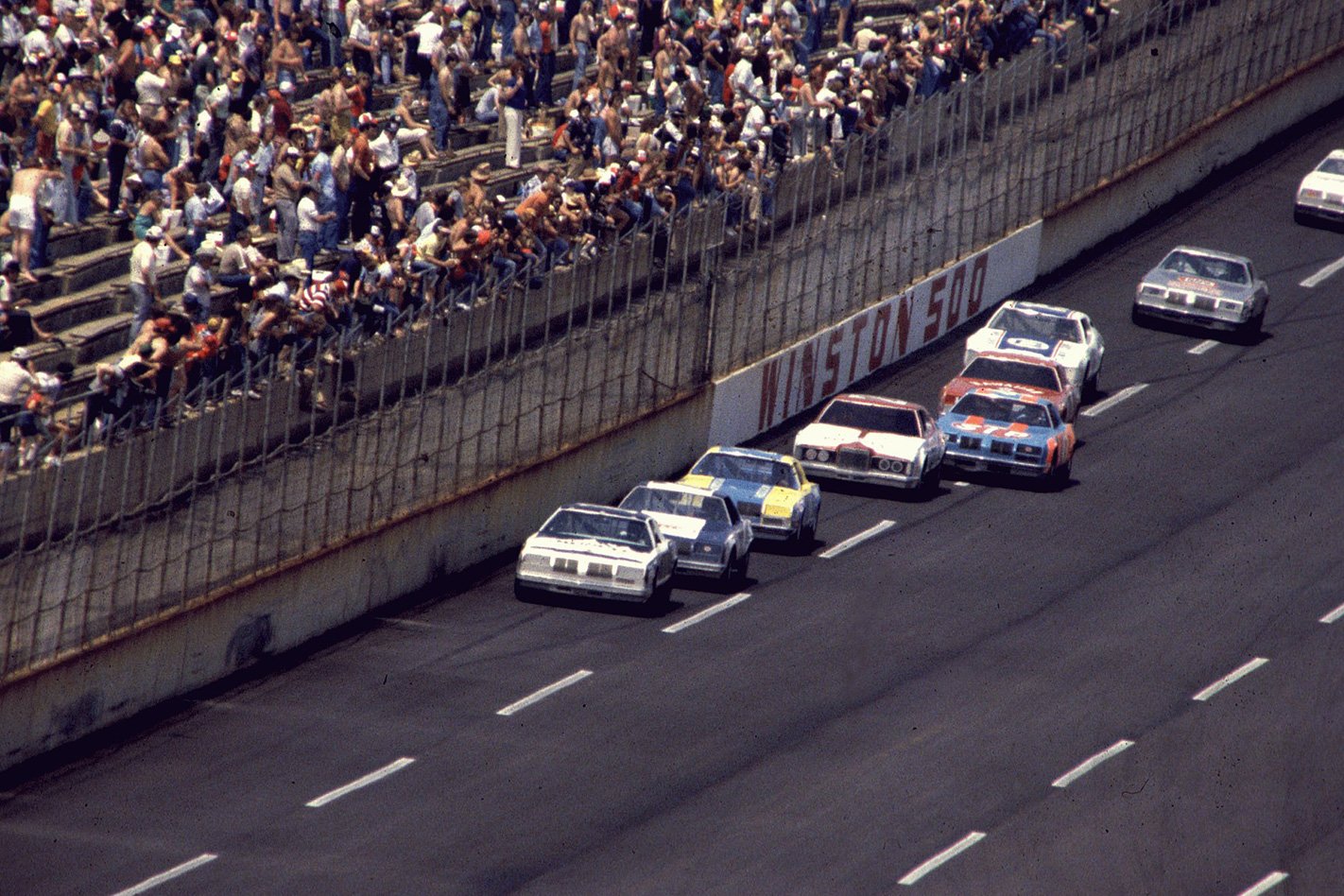
L.W. Wright wrote a number of cheques in order to secure a car and racing license before qualifying at 187mph for a race that saw a driver score pole at over 200mph for the first time. Mr Wright spun and crashed on his second lap, raising suspicions with the man who had sold him a car for $20,000, Bernie Terrell.
Turns out, L.W. Wright wasn’t the racing veteran he was made out to be. “He kept asking questions any driver should have known,” Terrel said.
L.W. Wright’s engine would expire by lap 13, but by the time the race ended, he was nowhere to be seen. All the cheques he had handed out to get himself into the race bounced, and multiple arrest warrants were issued.
Over 35 years later no one knows who L. W. Wright is, or where he is hiding out.
The highly anticipated V8 Ranger Raptor has likely hit an insurmountable roadblock, with Ford understood to have put the secret project on an indefinite hold.
Much to the dismay of enthusiasts around the country, it’s not an engineering issue that has prevented the high-performance ute from hitting the market, but instead budget constraints related to a COVID-19 drop in global revenues.
When Wheels first broke the news of the V8 Raptor project in January, the dual-cab halo remained a work-in-progress with the program not yet fully signed-off by Ford officially.
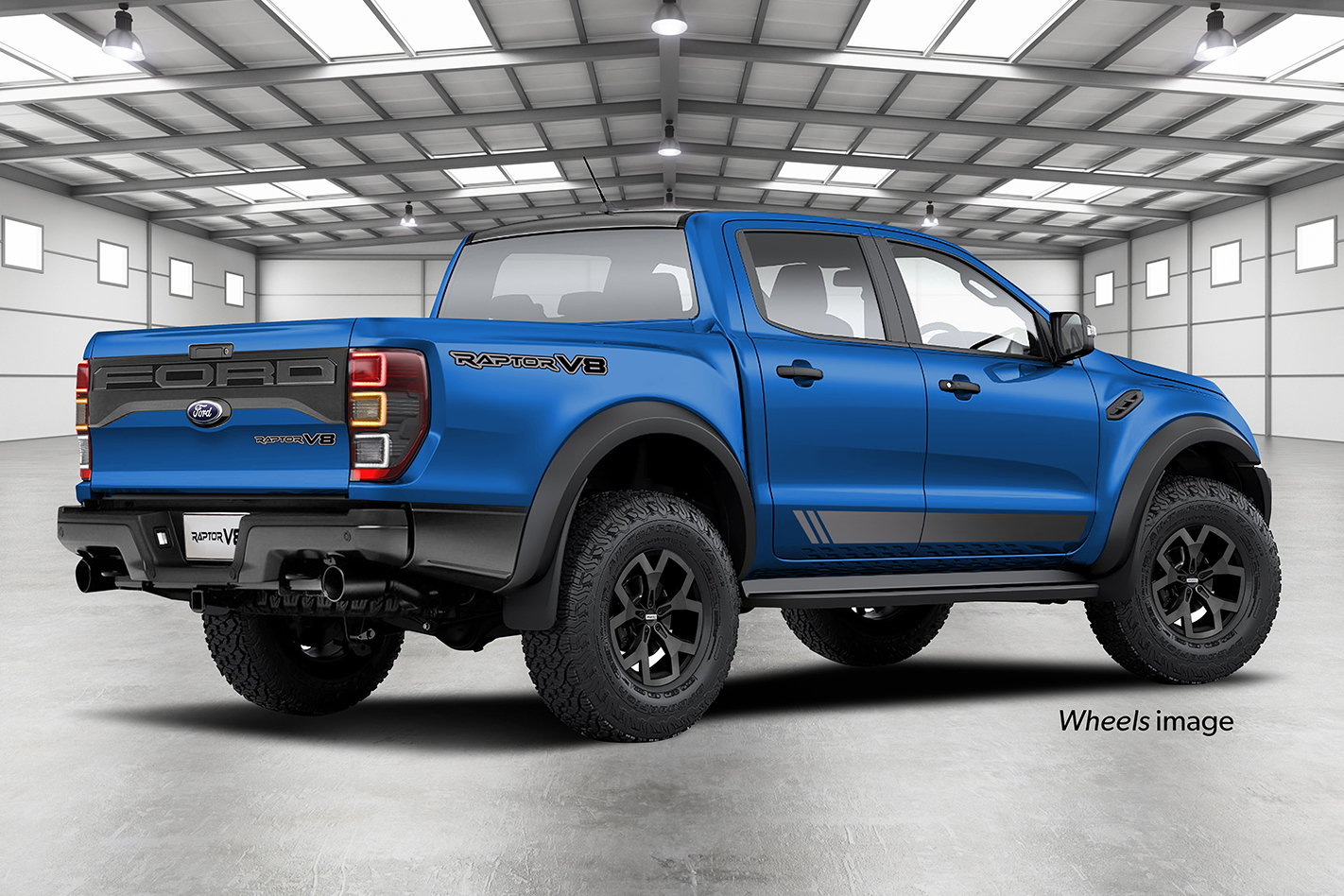
Wheels understands that Ford’s tightening financial restrictions, both locally and overseas, has resulted in that final sign-off now being withheld indefinitely.
There is a slim chance the Mustang-powered dual-cab could be revived if things change for the better in a rapid fashion, however that appears highly unlikely.
Premcar was the company chosen to take care of the V8 Raptor program, thanks in part to its strong links to the Blue Oval, as well as its impressive engineering ability.
Premcar was created following a management buyout of Prodrive Engineering in 2012, and is manned by many of the same people that developed the Miami supercharged V8 that powered the fastest Falcons in existence.
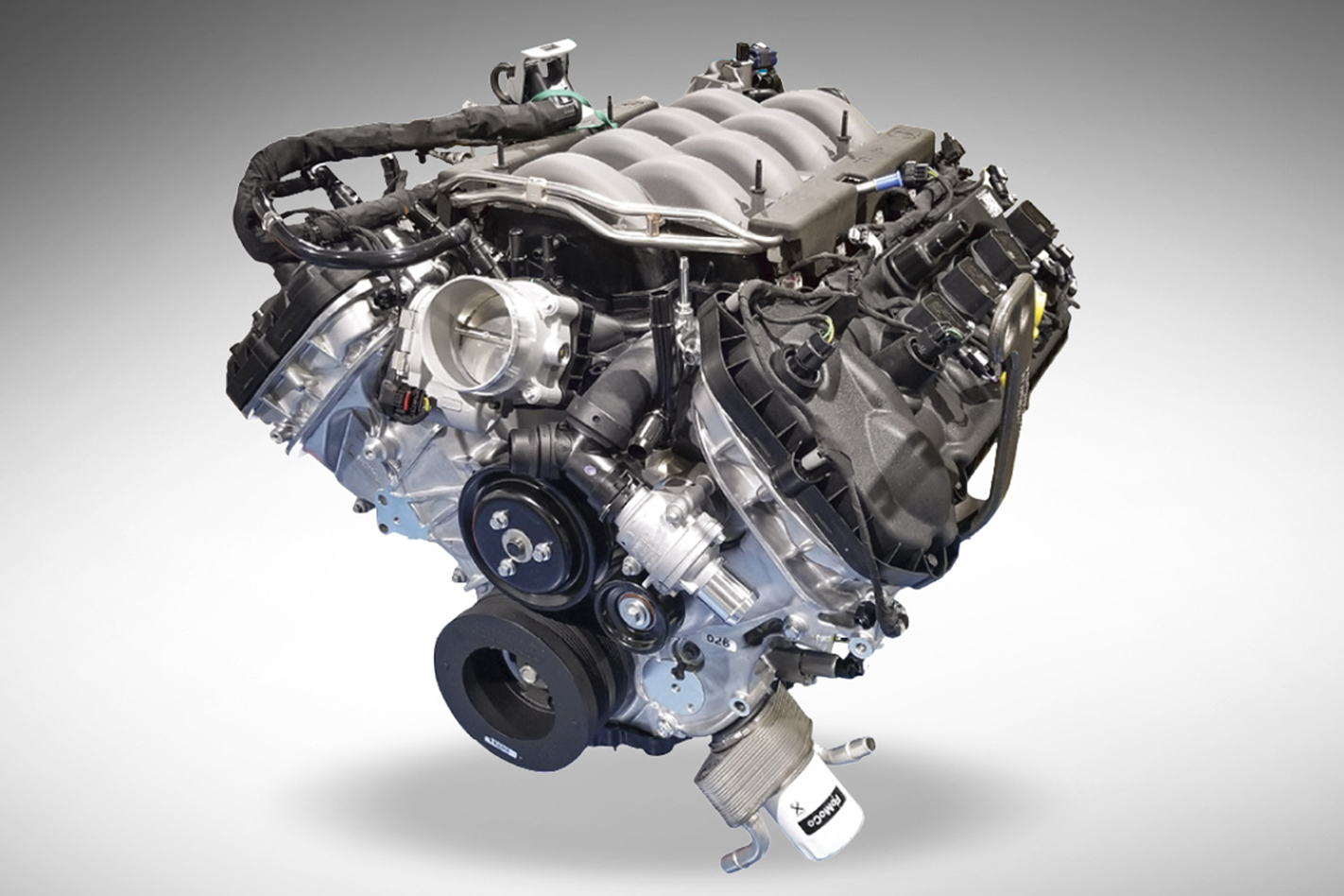
This would have been handy, as the Coyote engine that was slated to be fitted beneath the Ranger’s bonnet is the basis of the feted Miami V8.
It was understood that Ranger Raptors would be delivered to Ford’s facility in Campbellfield – where Herrod Performance built the 500 supercharged Mustang R-Specs – with the 2.0-litre diesel engine removed, to be replaced by the same 5.0-litre petrol V8 that is fitted to Mustang GT models.
With Ford’s final approval of the project now seemingly off the table, there is still a chance the public could be treated to the V8 dual-cab.
Premcar has the ability to build cars at its Epping facility, and is currently doing so with the Navara N-Trek Warrior.
The independent engineering firm also has the capacity to expand the facility to include an addition vehicle line.
Premcar declined to comment when contacted by Wheels.
Brabham Automotive has announced the first of its Brabham BT62 Competition supercars has been delivered to the UK, ready to begin its racing career in the Britcar Endurance Championship.
Brabham has been continuing production of the 522kW V8-powered supercar here in Australia, running its Adelaide facility “in a safe manner” and ensuring supply to keep building the 70 BT62s due to be completed.
The Competition version of the BT62 is the cheaper, stripped-out and track-focussed version, costing £750,000 (which is around $1.4 million) as opposed to the full £1.2m (approximately AUD$2.25m) for a BT62 with the lot.
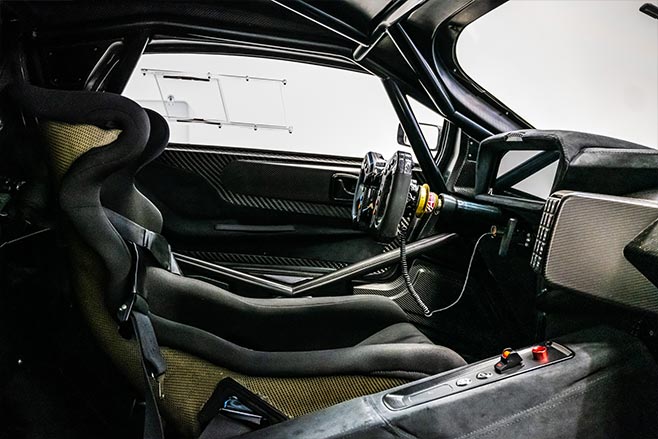
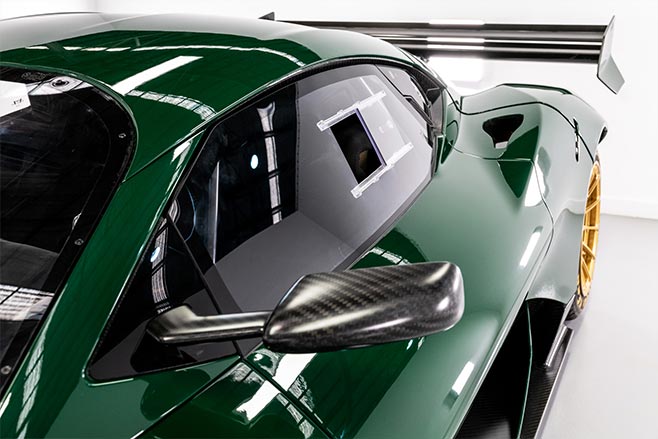
It still makes 522kW from its 5.4-litre V8, though with no interior trim, no paint, and no passenger seat. The Competition spec can be optioned to be road-legal, however, and can also be upgraded to full-spec later if customers wish.
The first-delivered Competition will be handled on track by Paul Bailey and Ross Wylie for Horsepower Racing, a UK outfit competing in this year’s Britcar Endurance Championship.
WATCH: BT62 takes on Bathurst with a lap record
“The growth of Brabham Automotive over the last couple of years is a testament to the up-front planning that we put in place operationally and the depth of infrastructure that we can call upon from the broader Fusion Capital group,” says Brabham Automotive CEO Dan Marks.
“This ensures that we can scale Brabham to meet demand and as future vehicle variants come online.
“The Brabham Automotive team is highly skilled and has shown great resilience in what has been a trying time for everybody around the world. We are extremely proud of what has been achieved.”
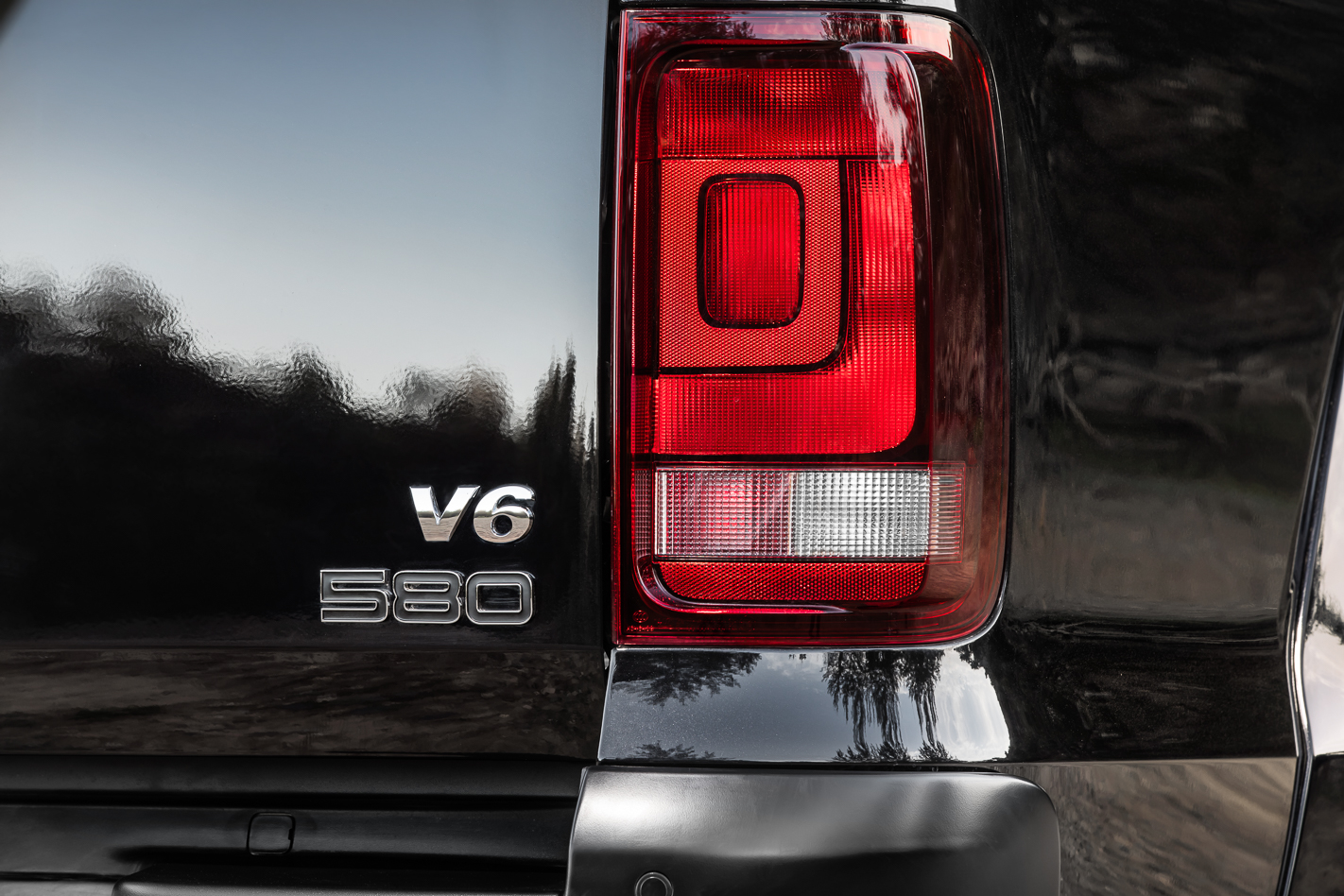
Are you finding your Amarok V6 dual-cab ute isn’t quite as special as you hoped it would be? Not quite as limited, nor as kitted-out as you’d imagined? Volkswagen reckons it can do one better with the new Amarok V6 580S limited edition which goes on sale in June.
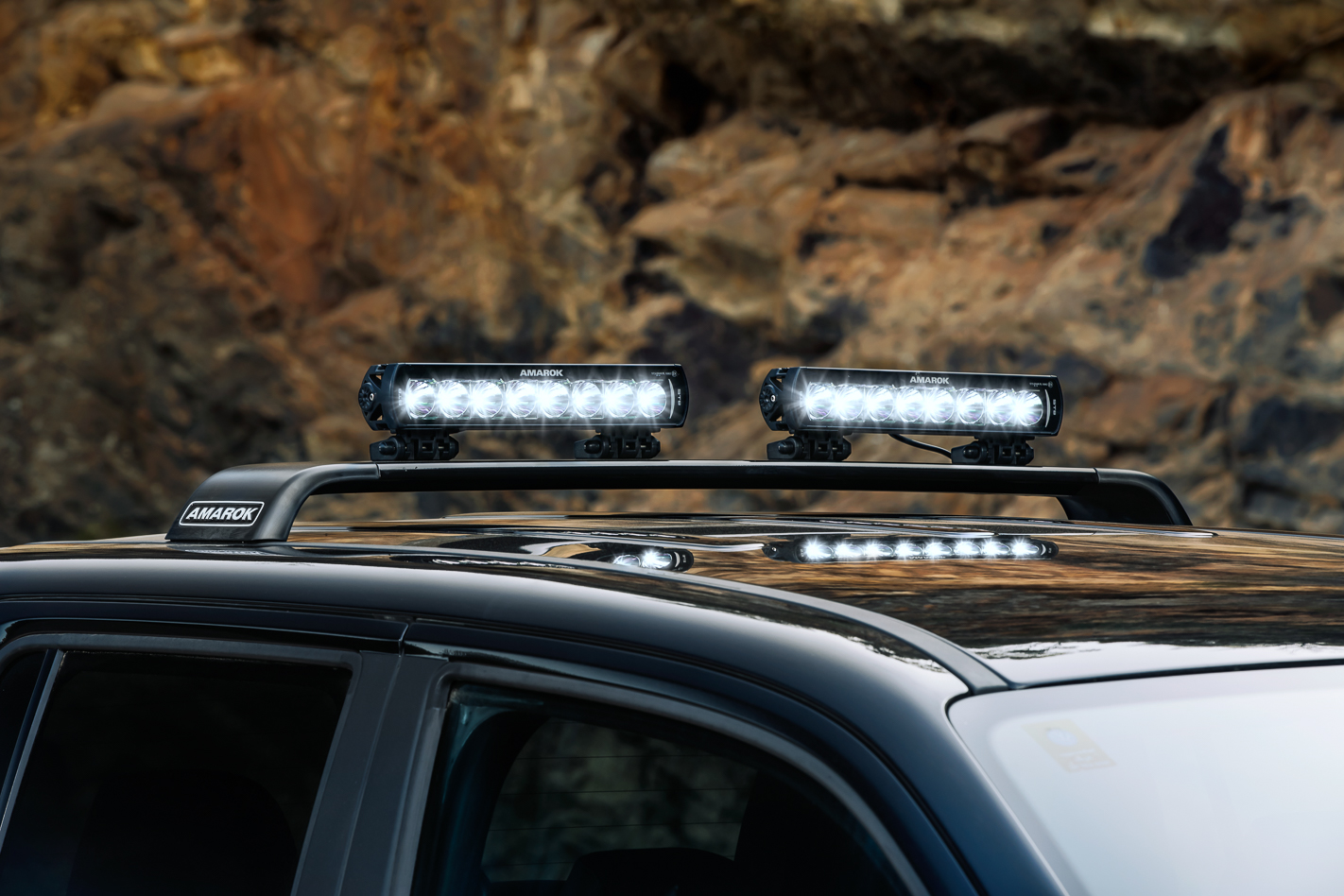
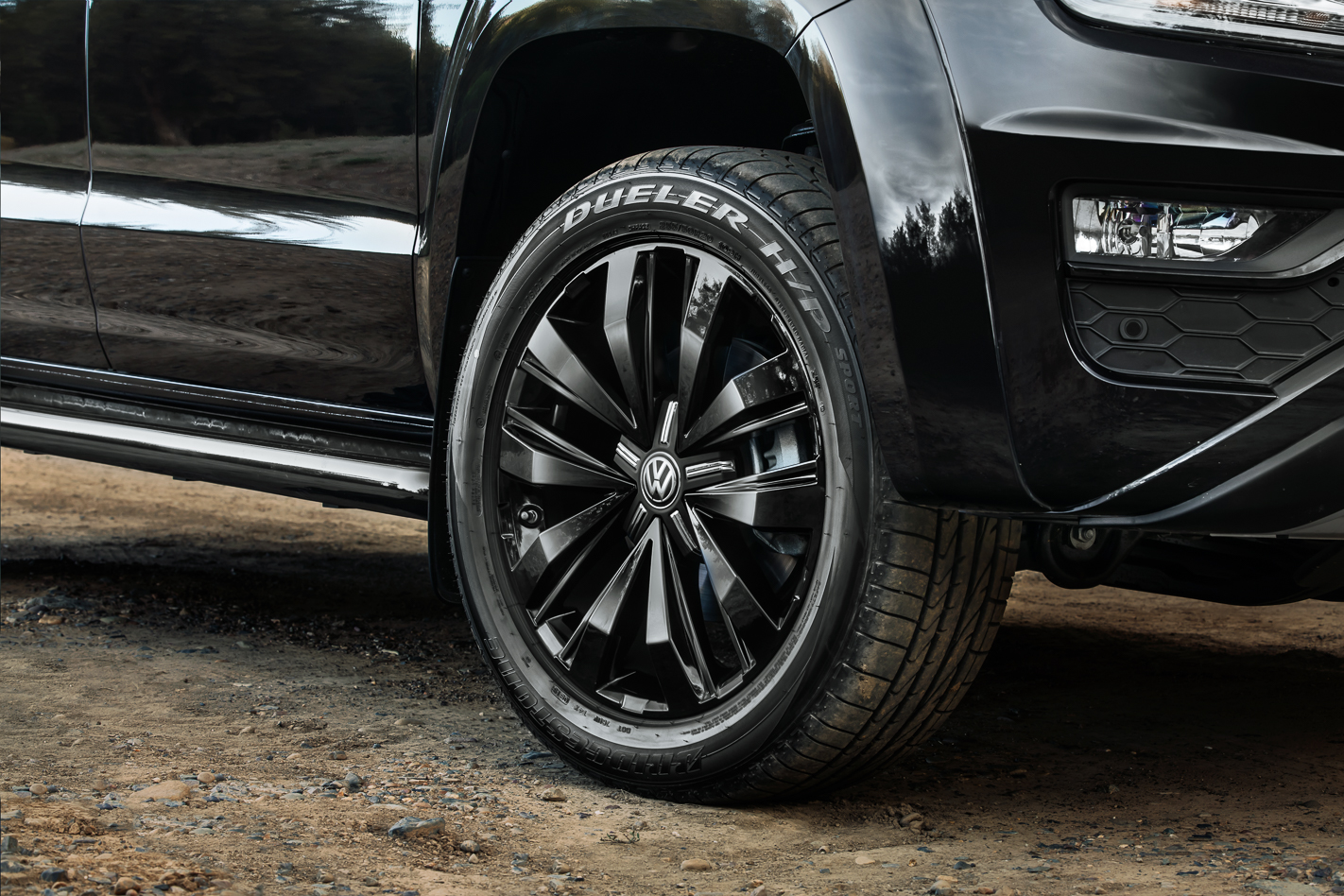
Featuring a number of new items to set it apart as something special such as a new body-coloured sports bar in the tray, two roof-mounted LED spotlights, new 20-inch black alloy wheels and a new Carbon Steel metallic paint colour, the new 580S packs equipment over and above the more expensive 580 Ultimate.
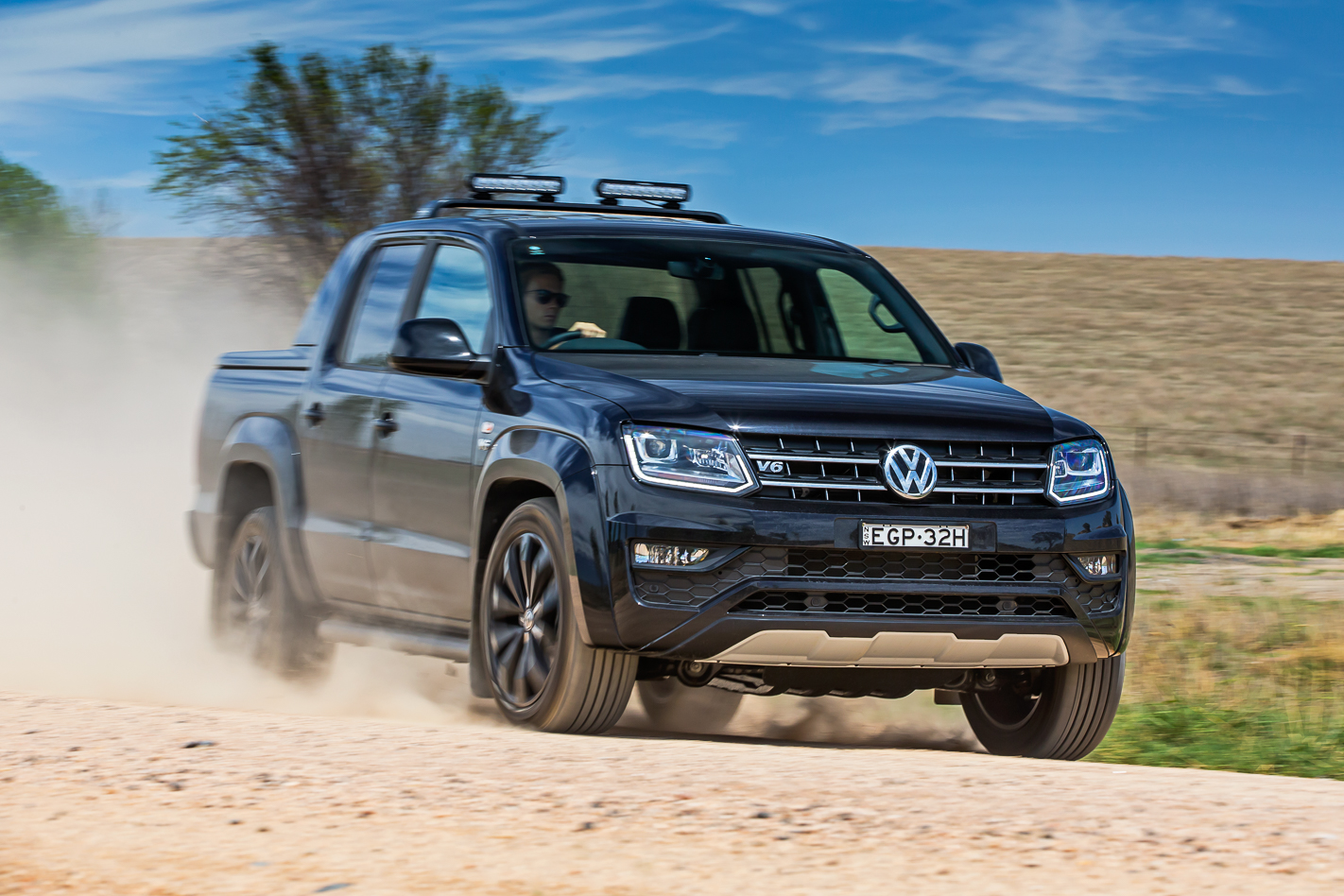
Two other colours are also available for the 580S, a Deep Black pearl effect and Candy White.
It’ll also equip a new ‘Art Velour’ seat trim, features a black headliner and pillar trim and VW has added heated front seats to the mix, too.
The same high-spec V6 powertrain will continue doing business in the 580S, meaning a 3.0-litre diesel V6 that can output 190kW/580Nm to a full-time 4×4 setup.
Volkswagen Australia’s national marketing manager, Nick Reid, is pleased to add another feather to the cap of one of Australia’s more popular dual-cab utes.
“One of the other aspects our customers have come to expect from the Amarok is just how well-kitted it is, in any spec,” Reid said.
“The Amarok V6 580S raises the bar yet again with a host of high-value special features that are not only practical, but lift the on-road presence of the most powerful ute in its class.”
It’s available now, like any other Amarok, across Volkswagen Australia’s national dealer network, but will also be an option for online customers of the brand’s new online buying portal.
Volkswagen Australia will only do 200 units.
A couple of years back, the global head of Kia Motors came to Australia for a series of meetings – and the local chief operating officer didn’t miss his chance to strike a deal.
Damien Meredith summoned his troops, cranked up the Xerox and hit global chief executive officer Ho Su Song right between the eyes with a comprehensive battle strategy to secure a line-up of new commercial vehicles to take on the Australian incumbents.
“We laid our cards on the table,” Meredith wryly said at the time.
Plans in place
And that plan has been in play for a number of years. Dimensions, sales volumes, demographic splits, sales projections, market trends and reams of other data will have winged its way to Kia HQ – and it won’t diminish until the first commercial vehicle hits the docks in Sydney.
It’s not just about the ubiquitous dual-cab 4×4 pick-up, either… Meredith has been around the sphere far too long not to play a longer game than that.
In fact, he’s confident that Kia can add 25 per cent to its annual sales number, projecting that the company could easily sell 20,000 4x4s and 4x2s here a year.
While the project hasn’t yet officially been given the green light, the message has been heard loud and clear back at home base. Car companies move in five-year cycles, though, so expecting a ute to simply pop into existence is not logical.
It’s not the actual product, either – it’s about finding a place to build them.
Factory spec
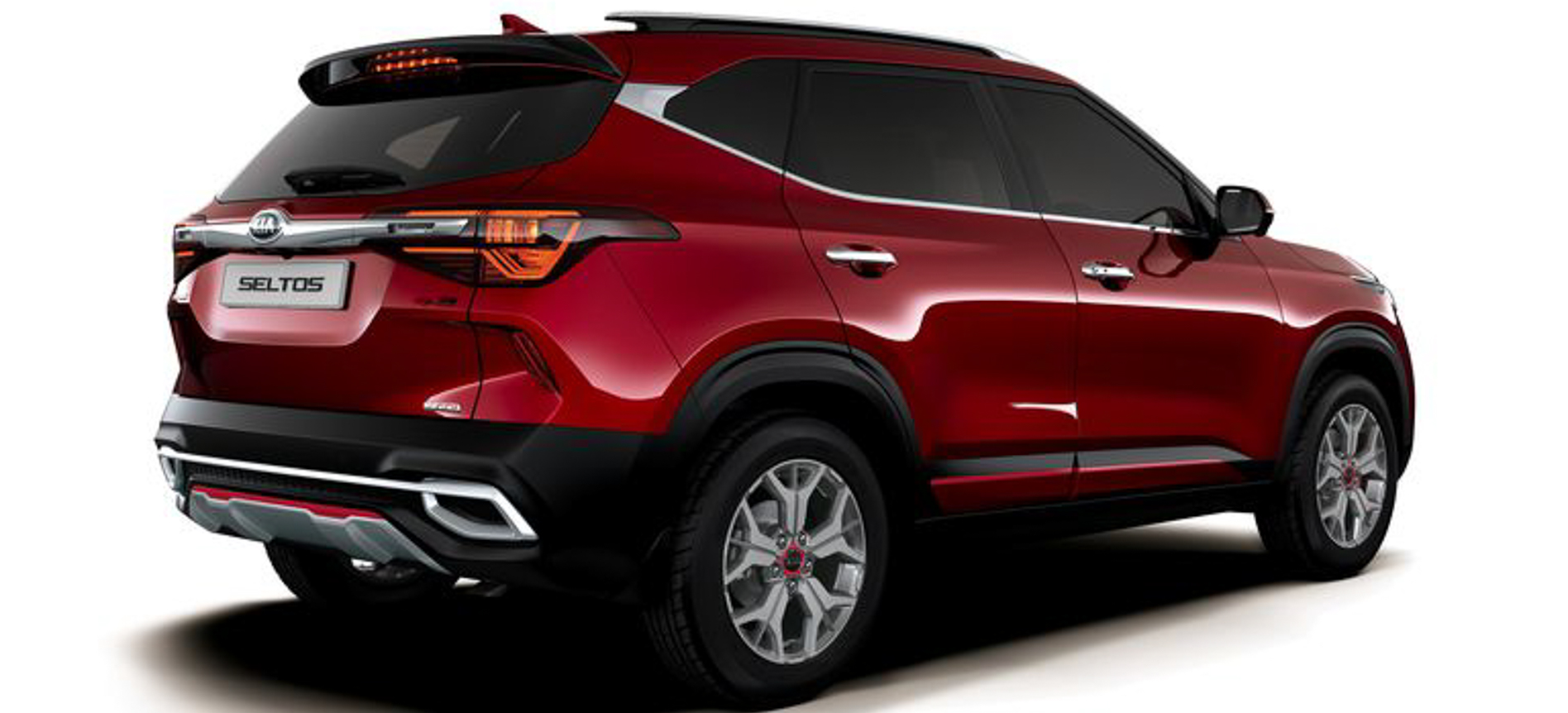
Globally, Kia plants are running at capacity – witness the supply issues with the popular Seltos SUV (below) as proof – and to have the best chance of success in Australia’s ruthless car market, the ute will need to come from a country where it can be built at a competitive price.
While Thailand is the first place that springs to mind – almost 100 per cent of utes sold here today are built there – it’s worth remembering that Korea also enjoys free-trade status with Australia.
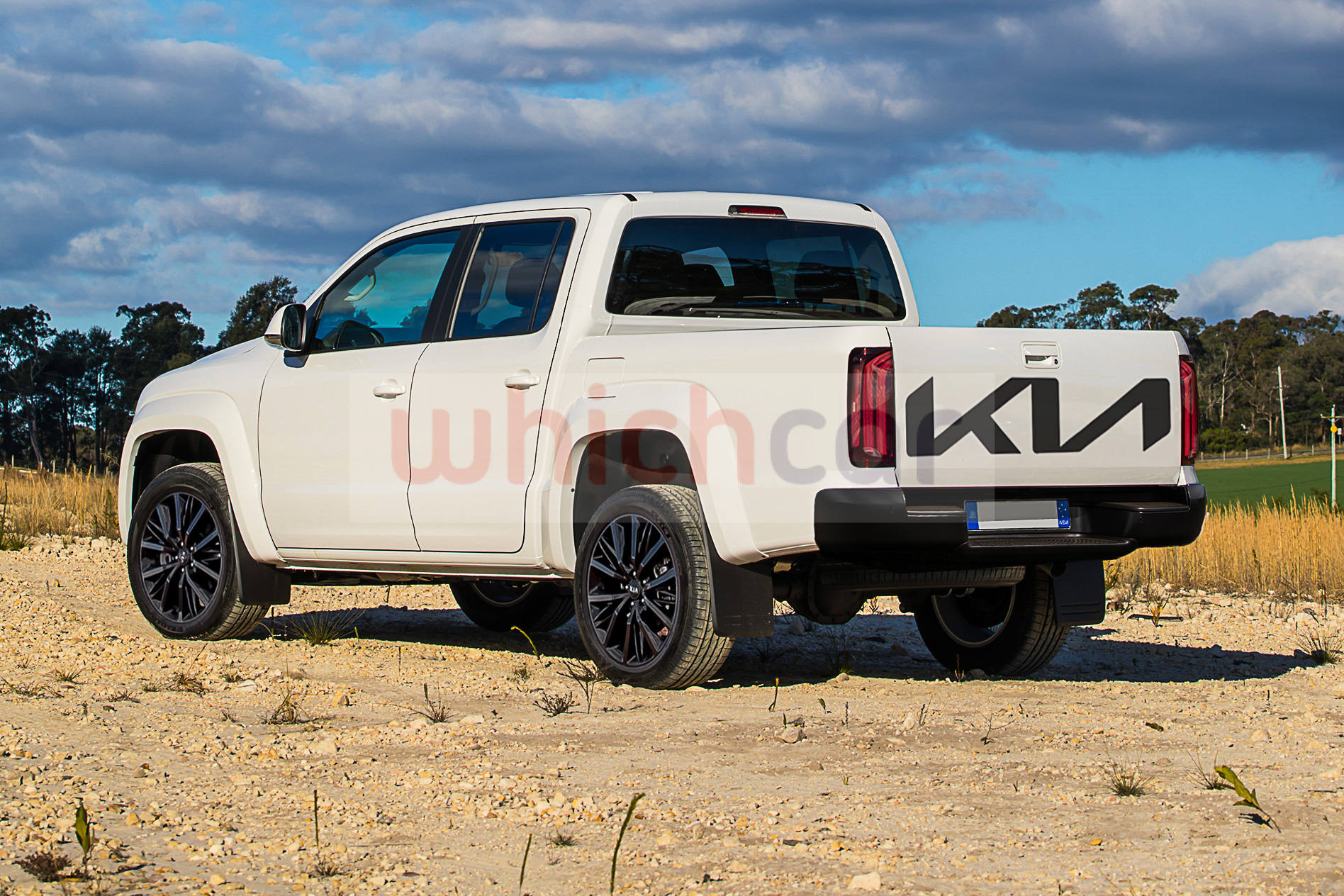
So what might a Kia dual-cab ute look like? WhichCar whipped up this rendering of what such a beast might look like.
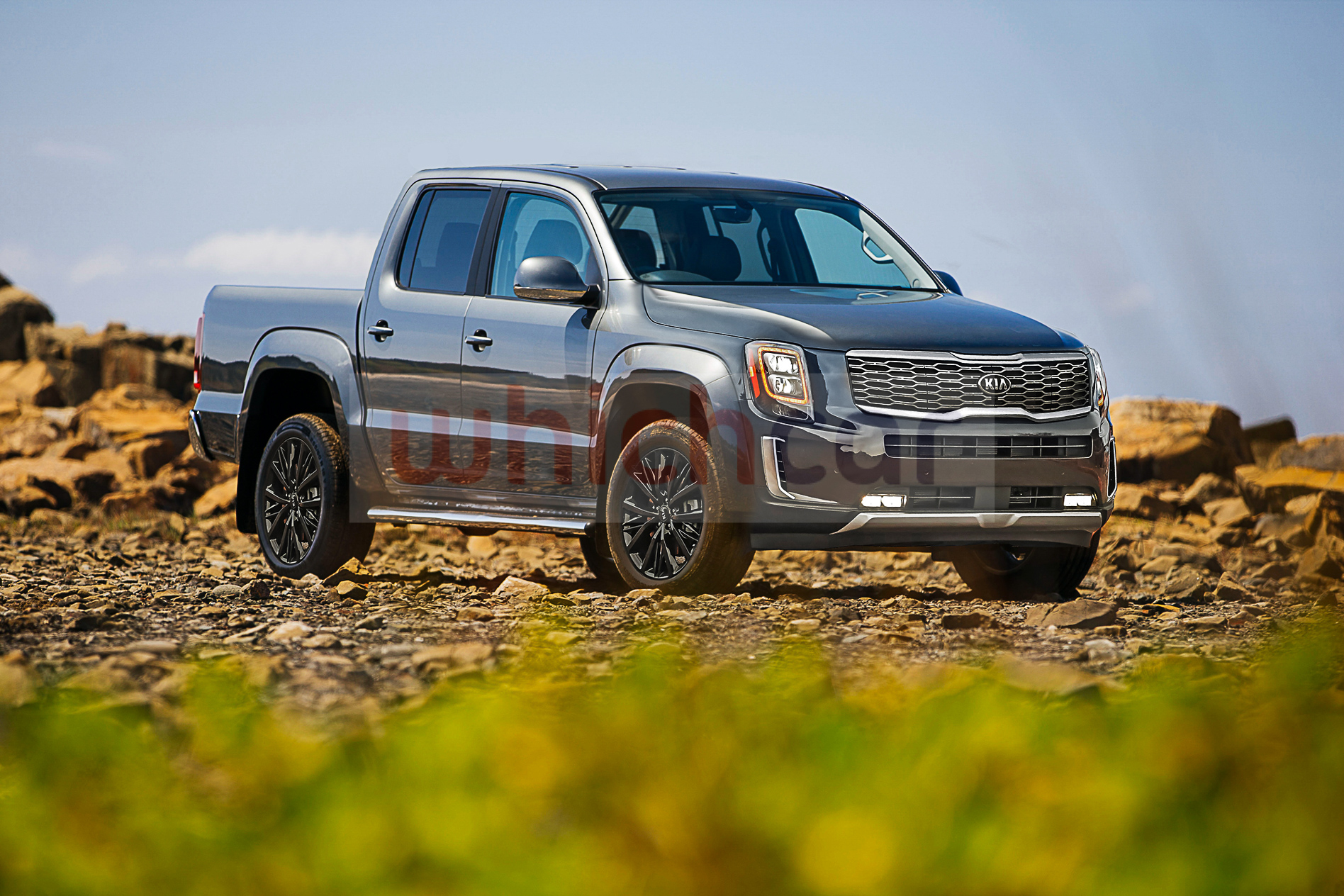
Taking his cues from the new Telluride large SUV, one of our image-aces Alex has fused the unique nose onto a sharply angular bodystyle, adding Kia’s new logo to the tailgate for good measure.
Power projections
While the automotive world will move away from internal combustion engines, it’s still a couple of decades away yet, and the Kia ute could potentially benefit from a product made in another part of its orbit.
The Genesis GV80 will lob Down Under next year packing a pretty special diesel under the bonnet, and one that could – potentially at least – form the basis of a potent pick-up powertrain should Kia get the green light from its parent company Hyundai.
With outputs of 204kW and 588Nm, it would shoot to the front of the ute power pack. The only engine that currently comes near it is the current Volkswagen Amarok’s Porsche-sourced six-potter, which makes 180kW and 550Nm or 580Nm in special tune.
Given that the Amarok will transform into a Ford Ranger-based dual-cab over the next few years, though, we reckon that 157kW and 500Nm will be its new normal.
It’s not a foregone conclusion that the Kia ute will get to use the Genesis-spec engine; if it can’t be factored into the spec for the right price, then it simply won’t happen.
It’s a similar story for those people thinking about a Kia Stinger engine in a ute… theoretically, anything is possible, and the success of trick-up utes from Ford, VW and Nissan will be factored into Kia’s thinking.
Sense and sensibility
Consider, though, that a pick-up (the industry’s term, not ours) has to serve many markets and spec levels, from a humble tradie 4×2 cab-chassis right through to a leather-bound, big-torque boulevard cruiser.
It also has to be built with future safety and emissions regulations in mind, and it will also need to offer competitive towing and payload figures to even get a look-in Down Under.
We’re very keen to see how the Kia ute story develops, that’s for sure.
As Australia stumbles blinking from COVID-19 lock-down, one of the first rays of light for motorsport is the resumption of track days in most states and territories.
It comes with its own long list of rules, but for operators like NSW’s Trackschool Trackday’s John Boston, it comes as a relief.
“Everything is good, ” he told WhichCar. “We’ve gotten the green light from everyone.”
Forced to shut down at the end of March, race tracks around the country have been silent, but under rules that allow for sport training to recommence, single-driver track practice can resume under strict COVID-19 social distancing rules.
“We can’t have any spectators, pit crew or even family and friends at our events at the moment,” confirmed Boston (below).
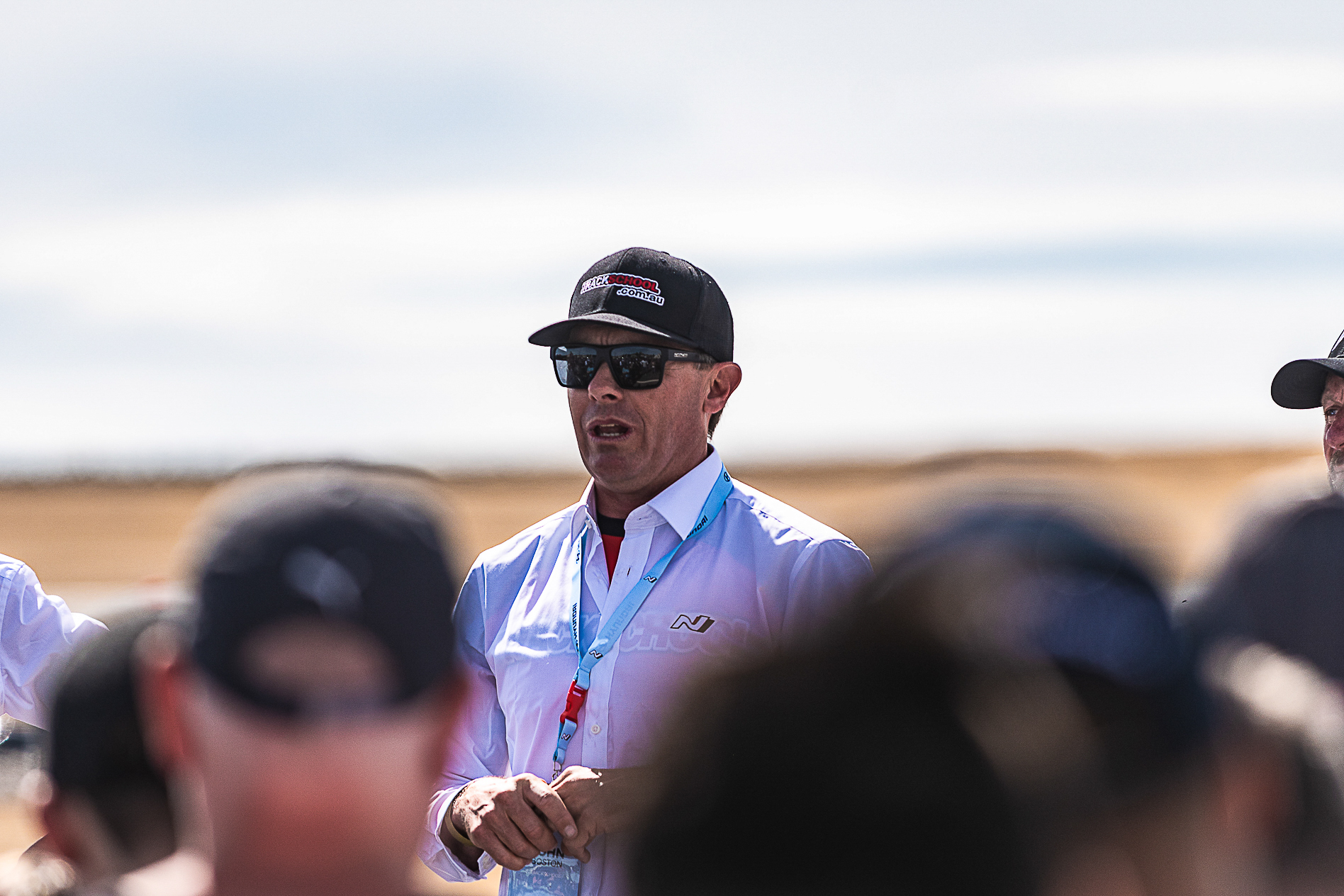
The school also can’t rent out its race cars, provide in-car instructors or even rent out helmets, while its vital pre-event briefing will be read out over a PA system, rather than done face-to-face.
“In between sessions we will be offering instruction and guidance to small groups in an outdoor setting with social distancing requirements in place,” said Boston.
“Our event sizes are small, and a significant part of our time is spent outdoors in the fresh air or in your own car.”
In place since May 11, the new rules allow any sport to commence outdoor training, as long as activities don’t cross over into competition.
All states and territories save for Queensland and Tasmania will be permitted to host so-called grass-roots racing events sanctioned by Motorsport Australia, which is the main governing body for the sport.
South Australian events were enabled from May 11, while Western Australia will be able to kick off from May 18. Victoria started on May 13, while NSW and the NT can start up on May 15.
The recommencement of competitive motorsport events is still in a state of flux, though some rallying events are accepting entries for events in July.
Everybody’s doing it. Professionals are doing it, kids are doing it, we’re doing it, and you’re probably doing it. Sim racing has become the new ‘normal’ for motorsports while the real thing is on hold in the midst of the COVID-19 pandemic, and in Australia that’s meant drivers competing in the Supercars series have taken to building their own sim racing setups, or getting their teams to do it for them.
Aside from a couple of relatively rudimentary initial setups (Rick Kelly’s involved a camping chair), the world of sim racing has become rather advanced over the many years since the first arcade-style rigs existed.
While there are sim wheels so basic most enthusiast gamers might question the point, there are also sim setups so complex the casual observer would wonder why you wouldn’t just buy a real car.
Want a sim for your lockdown blues? Demand is high
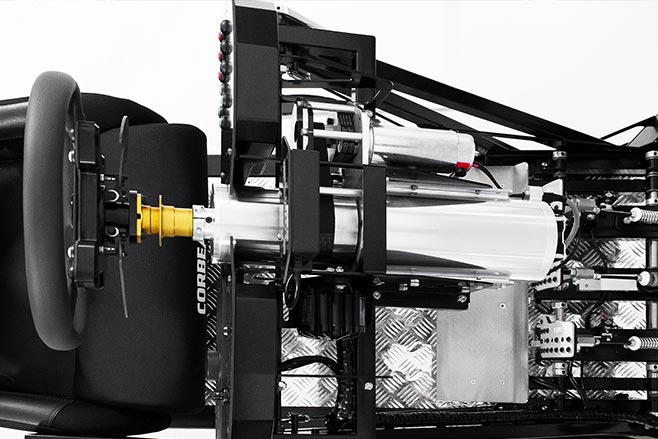
Pictured is that end of the scale, the CXC Motion Pro II. At USD$57,000 (more than AUD$87,000), the entry-level version is already the price of a decent sports car, but the top-spec version with all the options is more than USD$115,000 (AUD$176K). But why?
For a start, it’s not just a scaled-up version of your home rig. The motion of the wheel is driven differently in high-end sims, connected directly to the motor (direct drive, this is called) rather than via a belt or gear. Most basic force-feedback wheels are gear driven, which can be jerky and loud due to the transfer of torque.
The best sim racing wheels of 2020
Belt-driven force feedback is a better option, and likely in your home setup if it’s cost you a bit to gather, but direct drive is hailed as the ultimate.
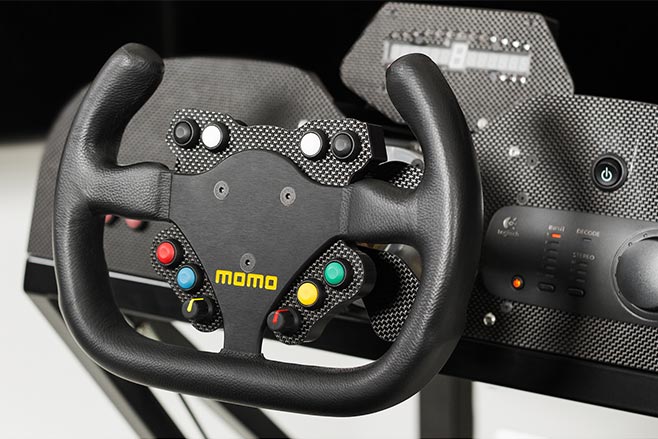
As with many high-end rigs, the seat is perhaps where the most obvious difference lies. Rather than a fixed unit, many professional simulators feature a pneumatic system underneath which move the seat in as close a mimic as possible to a real car.
Many simulator constructions move the entire seat, wheel, and screen combo, though the pictured CXC unit only moves the seat. While this means slight movements are independent of the wheel and pedals, CXC says a person’s kinaesthesia (a sense that your body has moved) is able to allow the body to adjust accordingly and lose none of the realism that a simulator should provide.
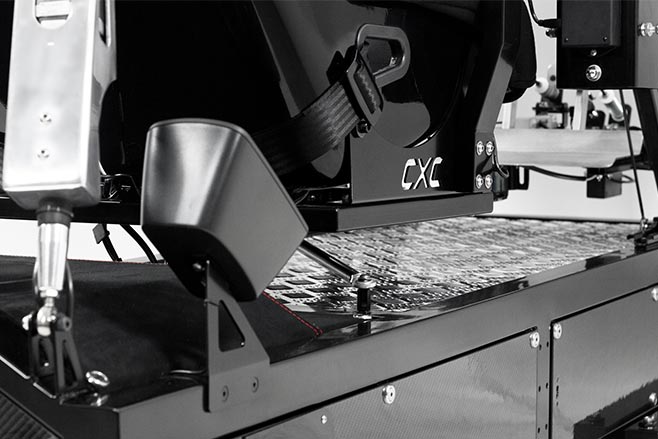
Why has CXC made this decision? It says moving only the seat rather than the entire setup allows much more rapid, accurate movements by the hydraulic lift due to the much lower weight being lifted by the system. These are the lengths some manufacturers go to in ensuring their system is as accurate as it can be, and the reason they cost as much as a sports car.
Five quick driving sim facts
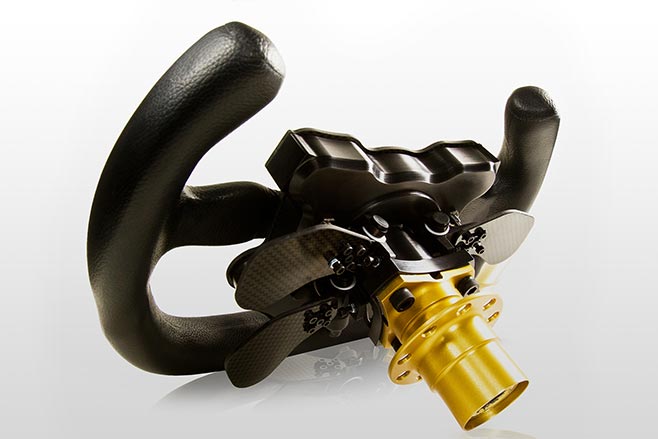
Interchangeable wheels
Unlike most simulators, the interfaces on high-end systems can be swapped out. Want to drive an F1 car one race and a Jaguar E-Type the next? Trade your race car wheel for a vintage version!
Screens or VR?
While most race in simulators with a screen or a wrap-around series of screens, products like the HTC Vive or Occulus Rift allow drivers to experience simming in proper virtual reality.
Vehicular variety
If driving gets a little repetitive (unlikely!) some high end sims can be used for other vehicle simulations, particularly interesting is the ability to fly aircraft with some models.
A driving game where going fast isn’t the point? Snowrunner reviewed
Weigh it up
CXC says a normal system would need to move about 170kg with the entire system, where its rig moves only the seat and driver, averaging about half that all up. Is the extra speed worth the discrepancy in movement?
Immerse yourself
Some more dedicated simulators also feature a ‘box’ around the seat and screen setup, and move the entire construction for full immersion into the sim, much like a miniature version of a ‘4D’ theme park film ride.
AN 18-year-old Canadian man could face jail time for dangerous driving after being clocked by police at a speed of 308km/h.
Noah Lauricella was at the wheel of his father’s Mercedes-AMG C63 at 10pm on Saturday night in Burlington, Ontario, when his speed was recorded by an Ontario Provincial Police (OPP) LIDAR device. Lauricella was accompanied by a 19-year-old passenger.
OPP Sergeant Terry Schmidt took to multiple social media accounts the following day to provide details of the incident.
“This is the fastest speed that I’ve ever heard of,” Schmidt said in a 14-minute Periscope video. “The driver was obviously taken off the road immediately. This is absolutely egregious. Driving your dad’s car, coming back from a cruise with your buddies and opening it up to see what it is capable of doing is beyond words.”
Local laws mean that anyone caught engaging in street racing or stunt driving is subject to an immediate seven-day licence suspension – and their car or bike is impounded for seven days, regardless of who owns the vehicle.
Under the same local laws, Lauricella faces fines of up to $10,000, licence suspension of up to two years and a maximum of six months in jail. And that’s if this is his first offence – second offences within 10 years can see suspensions of up to 10 years imposed.
On top off all that is a criminal charge of dangerous driving, which has a maximum penalty of up to 10 years in prison.
Ontario appears to have an ongoing problem with over-the-top speeding. “We have charged about 150 people with street racing since 1 May; that’s just in the Toronto region by the OPP,” Schmidt said. “We’re taking about 15 cars off the road each day for this exact offence – for street racing or stunt driving.”
In April, a Dodge Challenger Hellcat driver was charged after blowing a tyre at a seat-puckering 271km/h.
Ontario’s Highway Traffic Act talks about ‘races’, ‘contests’ and ‘stunts’. The most common definition of a stunt is any speed that is 50km/h more than the speed limit, but also includes lifting one or more tyres from the surface of the highway; losing traction; spinning in a circle; driving with a person in the boot of the vehicle; driving a motor vehicle while not sitting in the driver’s seat; preventing other vehicles from passing; and intentionally driving too close to another vehicle, pedestrian or fixed object.
The definition of a race or a contest is fairly straightforward, but applies to single as well as multiple vehicle incidents.
The Ontario Ministry of Transportation website also notes that the use of connected nitrous oxide systems while driving on a highway is prohibited.
While some in the media have suggested that the speedsters are taking advantage of quieter roads as the result of COVID-19, the problem goes back much further, with the OPP charging more than 300 people with street racing in both May 2018 and May 2019. Those figures only account for Ontario’s 400-series highway network, and doesn’t include local roads.
Skoda has taken another step in driving down the cost of ownership, with a four-year servicing package now available for its cars and SUVs that are older than 12 months or that have travelled more than 15,000km.
The new deal is now offered alongside the existing choices of three- and five-year packages that are available to customers buying a new Skoda from the six-model line-up, or a nearly new vehicle that hasn’t yet had its first 15,000km service.
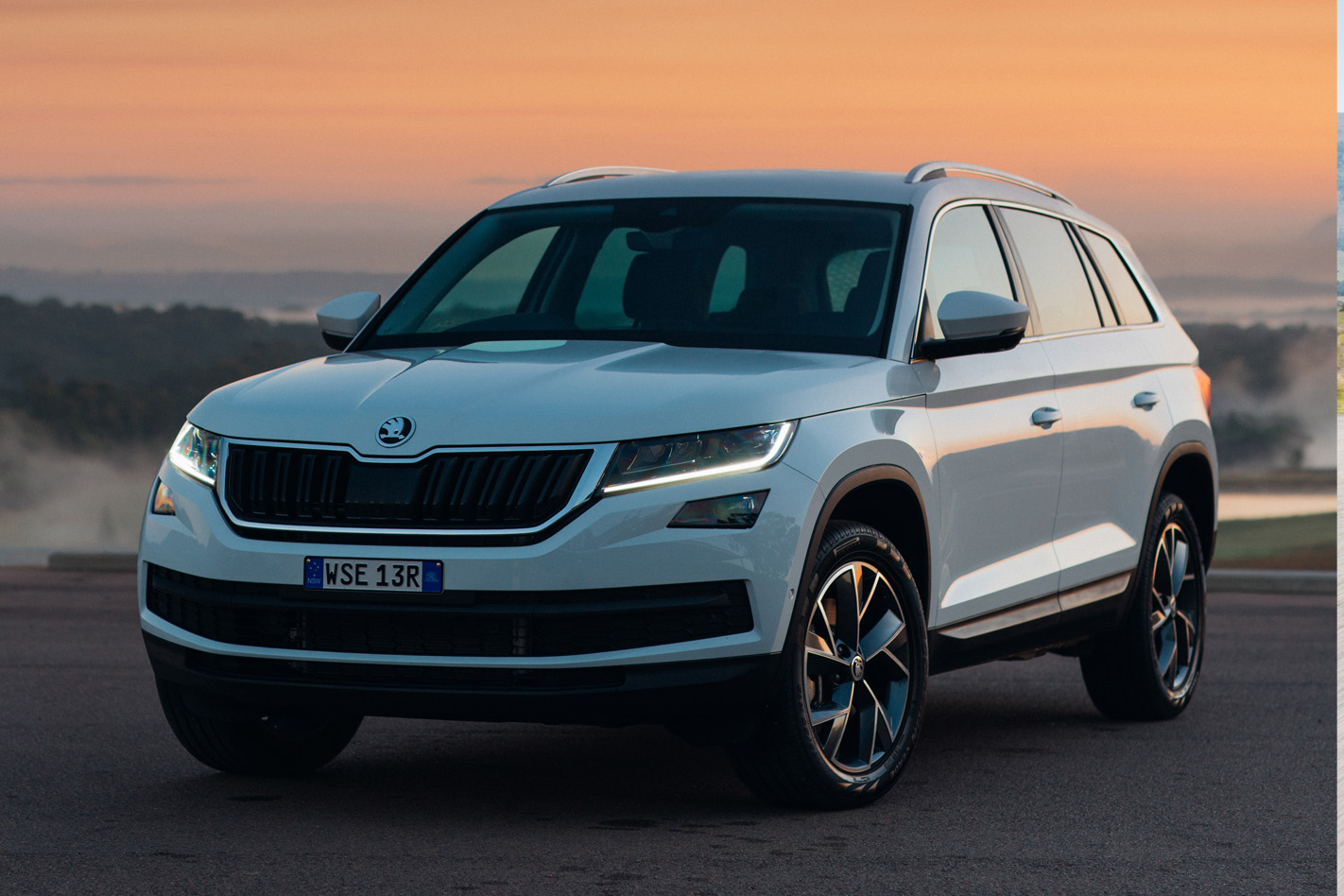
Costing between $1200 and $1600 depending on the model, the used car package covers all scheduled maintenance work for four years or 60,000km, and saves customers an average of 30 percent compared with a conventional servicing regime, according to Skoda.
The packs are also transferrable to a new owner if the customer chooses to sell their Skoda before all the appointments have been used.
MORE So just how often should you service your car?
Owners of small Rapid and Fabia hatchbacks will be charged $1200 for the plan, mid-sized vehicles Octavia and Karoq cost $1300 for the addition while the packages for the largest Superb and Kodiaq cost $1600.
Even the discontinued Yeti (below) is included for $1300.
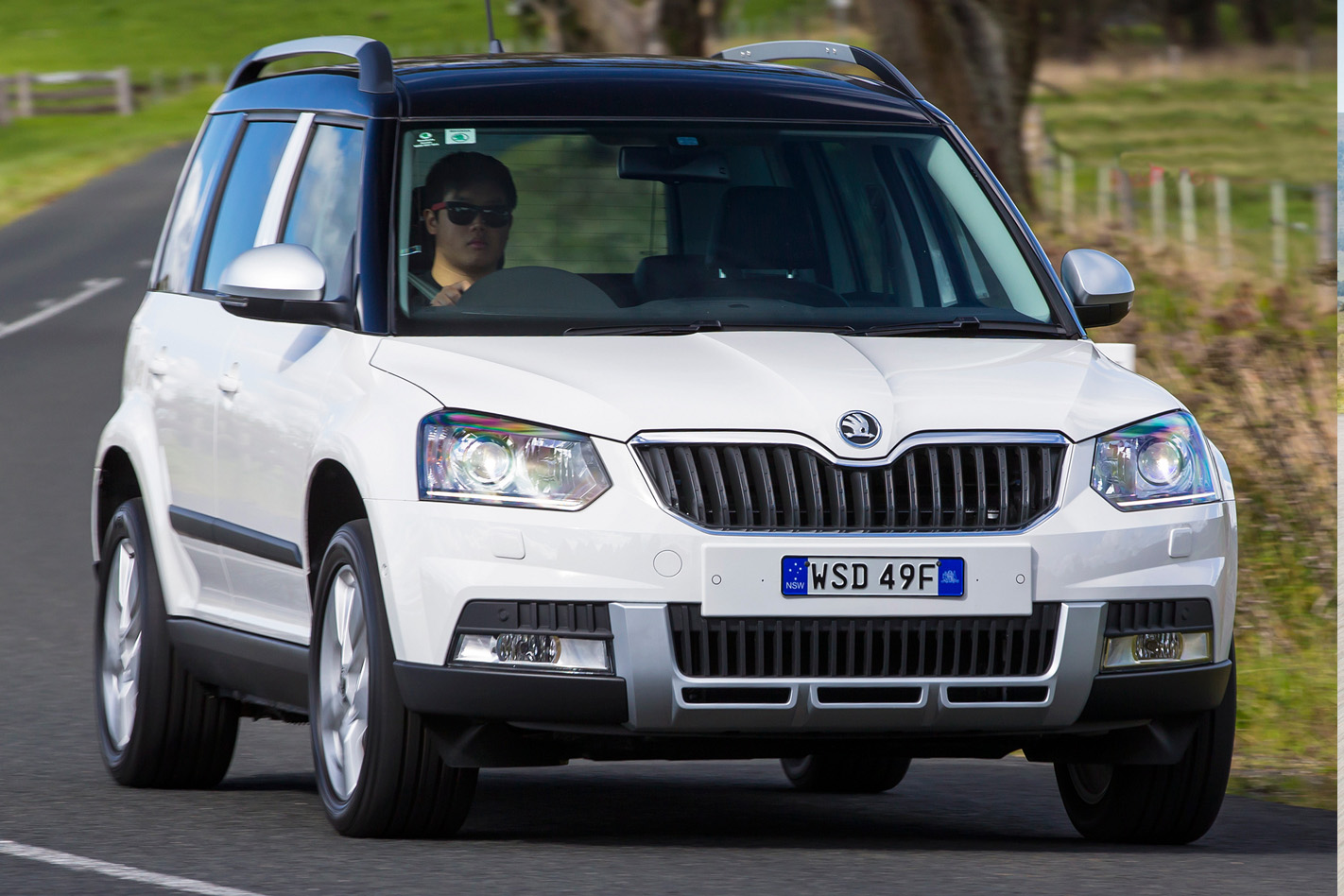
Skoda is expecting its new deal to be popular with more than half of all new car customers already bundling either the three- or five-year plans at the point of sale.
“In our biggest new product year since entering the Australian market in 2007, this latest cost of ownership innovation is another Skoda measure intended to make European motoring affordable to more people,” said Skoda Australia director Michael Irmer.
The freshly introduced package bolts onto the Czech company’s five-year warranty – the first of its kind introduced to Australia for a European brand.
Strong sailing
The company’s efforts to boost brand appeal and perceived value appear to be working, with Skoda sales resisting the general downward trend in 2019.
It was one of a handful to report some growth while almost all others took a negative slide.
And, COVID-crisis notwithstanding, fresh hardware that’s poised to launch over the next 12 months means Skoda has the potential to maintain its momentum.
Later this month the Superb Scout will land, bringing forth a go-anywhere wagon that packs luxury and car-like dynamics into SUV practicality, while in June, two spicier variants will re-launch the Karoq small SUV range.
A new Volkswagen Golf-rivalling Scala small hatchback rolls in a short time after, while a new baby Kamiq SUV rounds out July.
Following our story of other Japanese carmakers struggling this week, Nissan has emerged as a brand in need of a lifeline as it struggles for its future.
Reports from Bloomberg News state that the ailing Japanese manufacturer is going to make 300 billion yen (AUD$4.3 billion) in cuts, which will see one existing unnamed production line shut, as well as the death of the Datsun brand for a second time.
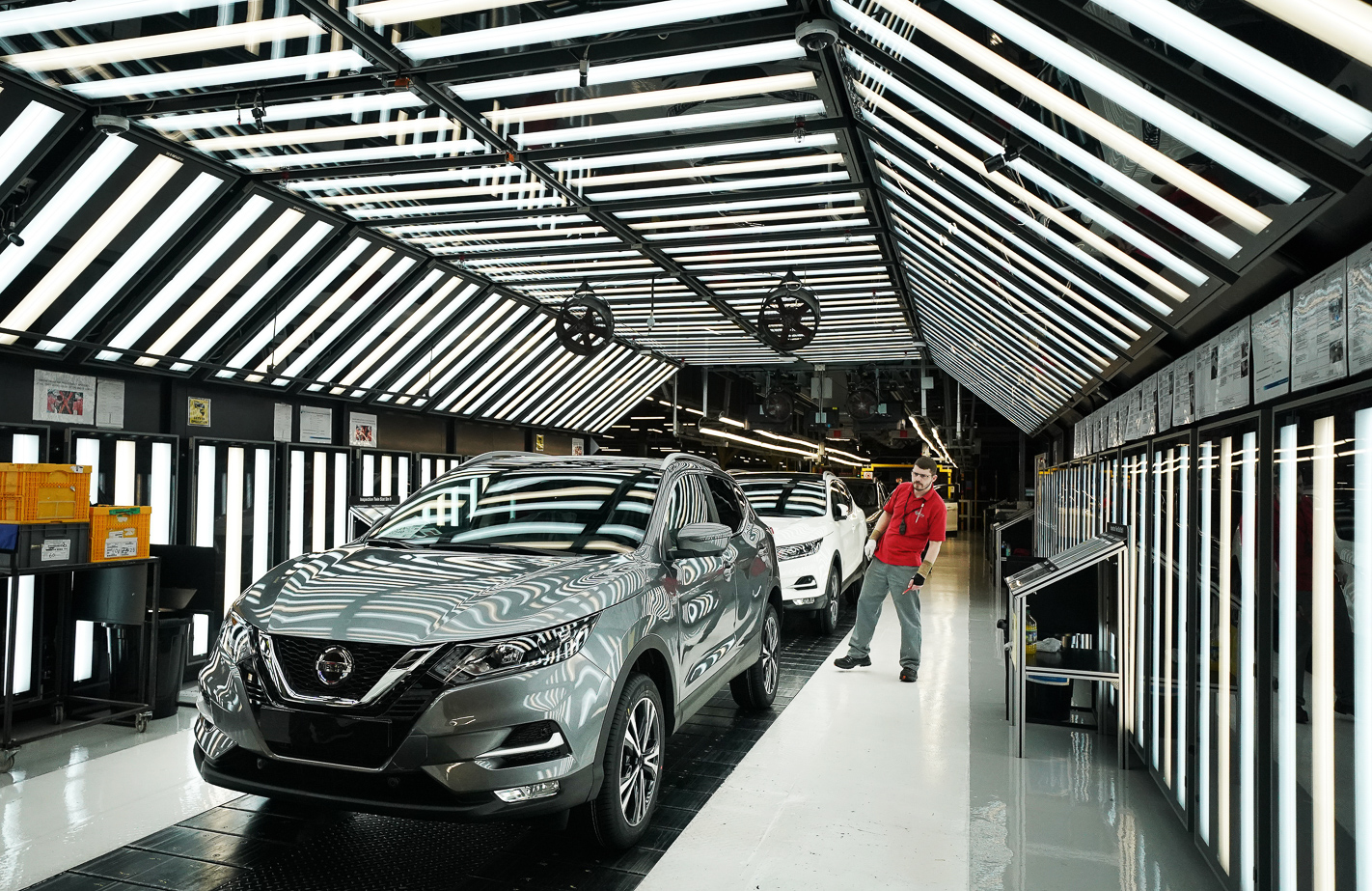
Research and development, marketing and other costs are set to be trimmed as well, in order to hit the reduced spending target which will be outlined as part of a three-year plan announcement on May 28.
Datsun as a brand was previously retired in 1986 but was revived in 2013 as a budget-focused entity for emerging markets like India, Russia and Indonesia.
It sold cars like the $10,000 Go which was largely based on the Micra, but included minimal niceties like infotainment to keep prices low.
The resurgent brand struggled in Asia in recent years, before Go factories in Indonesia were shuttered late last year before the closure of the nameplate yet again.
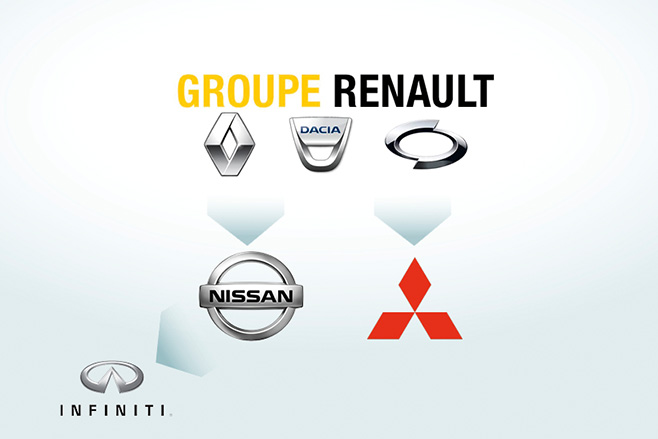
Nissan could potentially lean on Renault’s established budget sub-brand Dacia to supply cars in markets where the Nissan name is strong, but this is yet to be decided.
Nissan hasn’t had the most enjoyable past few years, with profits sliding for the past three years in a row, an ageing line-up and turmoil within its ranks due to the Carlos Ghosn scandal hurting its market standing.
Speaking of the great Ghosn escape, it’s been revealed that seven people will be charged in Turkey with aiding his escape to Lebanon, including four pilots and two flight attendants who work for a private Turkish airline that smuggled Ghosn out of Japan in a large box.
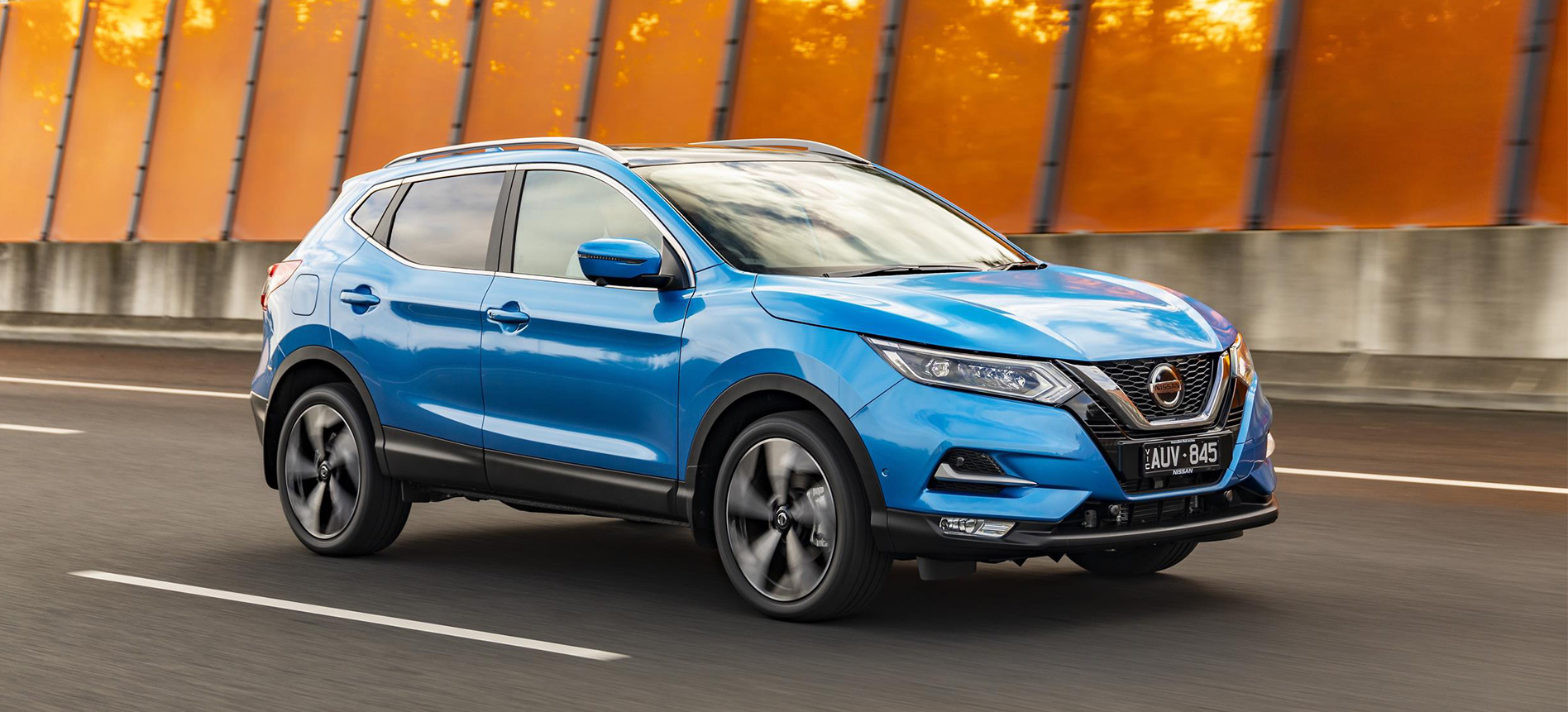
Nissan – along with other Japanse carmakers – has sought 500 billion yen (AUD$7.2 billion) in financing from Japanese lenders in order to weather the coronavirus crisis, but it’ll take more than money to set the brand on the straight and narrow for its future.
We’ll know more about the company’s plans late this month.
