
Ford’s Mustang R-Spec has hogged the headlines recently and with good reason.
A car with a five-year factory warranty and more power than a McLaren F1 for less than a hundred grand? No wonder the thing has sold out its 500-car production run in record time.
But that power figure comes with a couple of caveats.
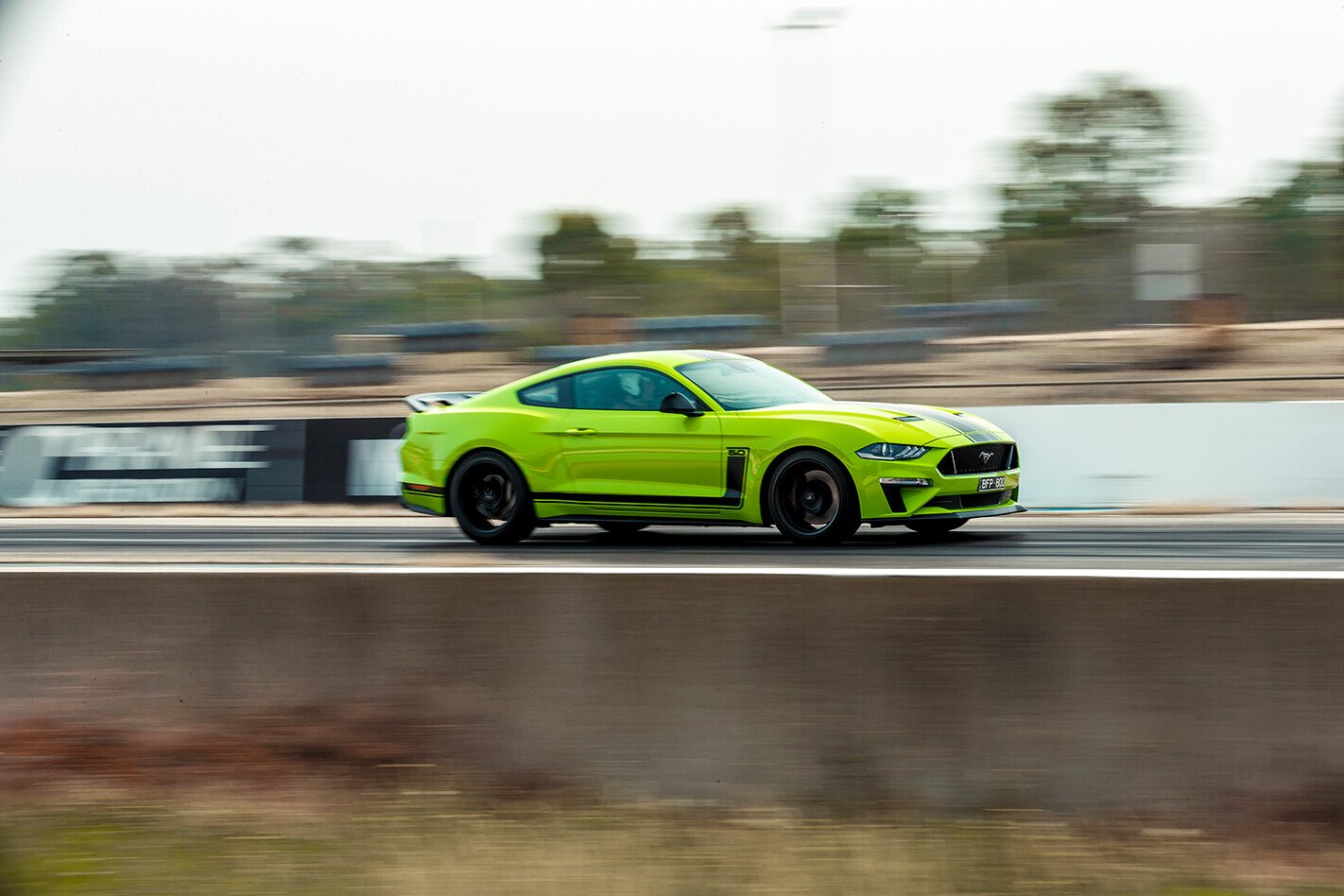
If you read our story on performance testing, you’ll realise that with great power comes great traction requirements, something the R-Spec struggles with.
Vehicle developer Rob Herrod mentioned to us that the ECU is also very protective if it detects engine overheating, a significant part of the reason why Wheels’ times were quicker than those of MOTOR’s (we tested on a day fully 11 degrees cooler).
But there was also another nugget of info that Rob dropped that pricked up our ears. He mentioned a supercharged car arriving at their shop from Western Australia, having ostensibly been fuelled on 98RON petrol.
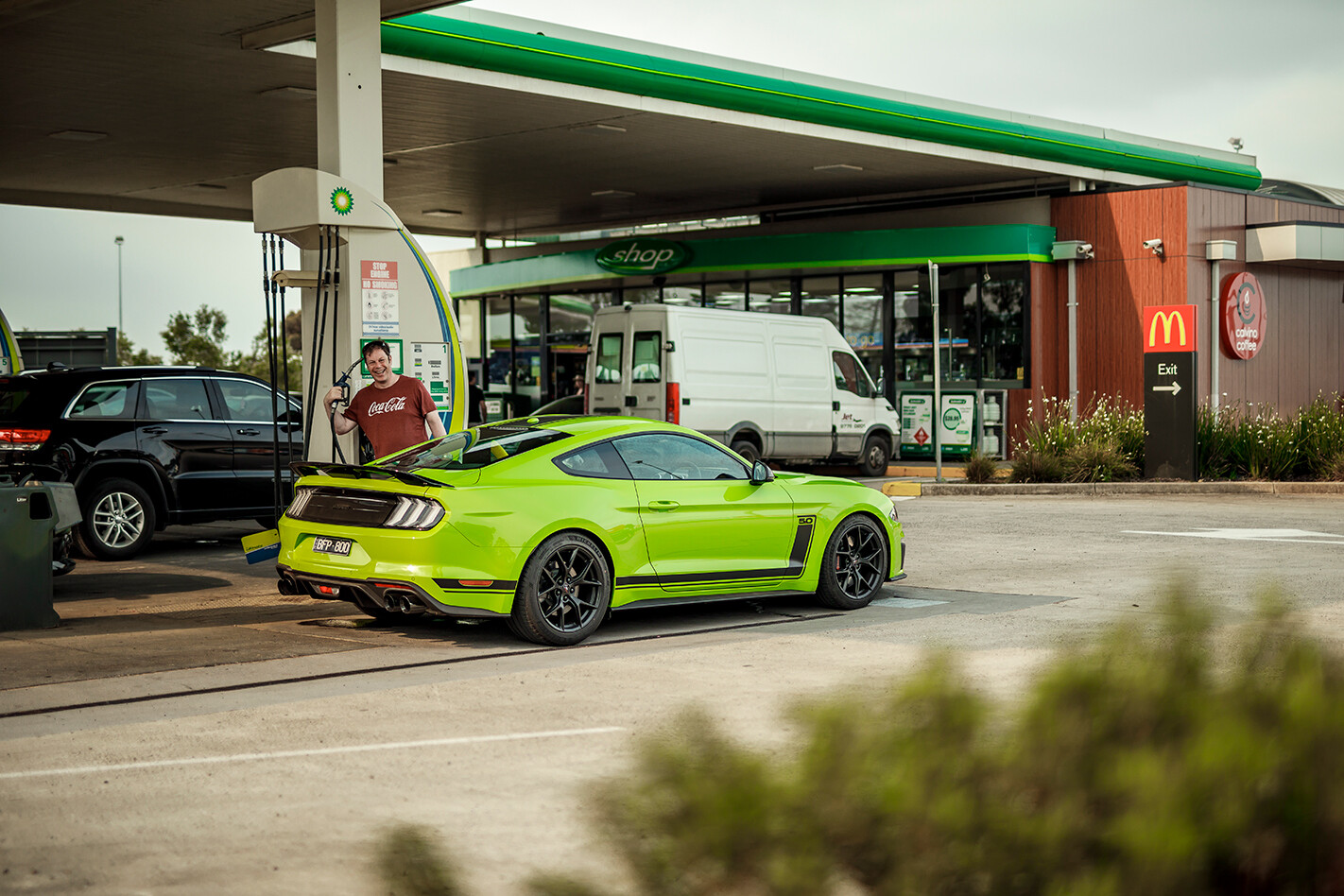
When it was put on Herrod Performance’s hub dyno, it was found to be a massive 100kW down on what it should have been making. A tank drain and a refill with Shell V-Power (Herrod’s preferred fuel) and the power figure was restored. We’ve heard stories before of fuel being out of spec, causing the car to default to a safe map, but this was something else.
It’s also the case that the R-Spec limits peak power in the first couple of gears. In the real world this isn’t too much of a problem because the torque band is so massive, you’ll probably be in third 90 percent of the time you’re driving it.
In other words, you need to slot a lot of the jigsaw in place to get the very best from a Mustang R-Spec. Do the ends justify the means? Damn right they do.
What stands out?
The Mazda CX-9 is a great-looking, comfortable, and well-built seven-seater that feels better to drive than any other big SUV near its price. Its turbo-petrol engine is economical and feels surprisingly sporty. The third row of seats will accept adults. All-wheel drive is available, and auto emergency braking is standard.Wheels magazine named the CX-9 its 2017 Car of the Year.
What might bug me?
Squeezing in luggage, with seven people on board. If you’re moving from the previous CX-9, you might miss its more generous boot space behind the third row. The current model is down 37 litres of cargo-swallowing space, to 230 litres.Banging your arm on the centre console. Depending on your size and posture, you may find its lid snags your elbow when you’re working the wheel.Driving under 80km/h on the space-saver spare until you can fix your full-sized flat tyre.The lack of a diesel option. Mazda has partly addressed this with the introduction of the seven-seat CX-8.
What body styles are there?
Five-door SUV-style wagon only.The Mazda CX-9 drives either its front wheels or (optionally) all four wheels.All-wheel-drive CX-9s use an on-demand AWD system. Most of the time it sends most of the engine’s power to the front wheels, to improve fuel economy. When the sensor-based, predictive, system thinks the front wheels are about to slip, it sends a greater proportion of power to the rear wheels.The CX-9 is classed as a large SUV, lower priced.
What features do all Mazda CX-9s have?
Adaptive cruise control, which can maintain a safe distance to the car in front – both at highway speeds and in city traffic. In traffic, it can keep pace with a vehicle ahead automatically, even through stops and starts.An infotainment system that you can operate from either a rotary controller or a colour touchscreen, with auxiliary and USB inputs, and AM, FM and Digital (DAB+) radio. The system syncs to your smartphone via Bluetooth or Apple Carplay/Android Auto.Satellite navigation, and three-zone air-conditioning (which lets you set different temperatures for each side of the front compartment and the second row).A reversing camera and rear parking sensors, which help you judge how far the bumper is from obstacles. Exterior mirrors that fold automatically after you lock the car.Leather wrap on the steering wheel and gear selector handle. Buttons on the steering wheel for operating the cruise control, the sound system and your phone.Daytime running lights, and long-lasting LED headlights and taillights. (The headlights are brighter than conventional halogen lights, and use less energy than xenon lights.)Automatic transmission.Aluminium alloy wheels (which unlike steel wheels don’t need plastic trim), and a space-saver steel spare wheel.Advanced driver assistance systems aimed at helping you avoid a crash. These comprise adaptive headlights, driver attention alert, forward obstruction warning, lane keep-assist, lane-departure warning, and autonomous emergency braking that works at highway speeds and can detect pedestrians at night.Six airbags. Anti-lock brakes, and electronic stability control – which helps you control a skidding car. (For the placement of airbags, and more on CX-9 safety systems, please open the “Safety” section below.)Every Mazda CX-9 carries a five-year, unlimited kilometre warranty.
Which engine uses least fuel, and why wouldn’t I choose it?
Only one engine is available in a CX-9, a 2.5-litre four-cylinder turbo petrol. On the official test it consumes as little as 8.4 litres/100km (city and country combined).In a real-world comparison of 10 popular seven-seaters conducted by Wheels magazine, a CX-9 Sport was at least 10 per cent more careful with fuel than any other petrol car, recording a test average of 11.6 litres/100km. (But it was not as frugal as the turbo-diesels.)All CX-9s use Mazda’s efficiency enhancing i-Stop and i-Eloop systems. The former saves fuel by shutting off the engine when you stop, and restarting it when you take your foot off the brake to drive away. The latter recovers energy during braking and stores it as electricity, which helps power the heating, lights and other functions.About September 2017, all CX-9s gained Mazda’s G-Vectoring Control, which automatically adjusts engine output, subtly, to improve steering.Every CX-9 drives through a six-speed conventional automatic gearbox.(Power outputs and all other Mazda CX-9 specifications are available from the Cars Covered menu, under the main image on this page.)
What key features do I get if I spend more?
The least costly CX-9, the Sport FWD, has cloth seat trim, a 7.0-inch touchscreen, 18-inch wheels, and drives the front wheels only.All-wheel drive is an extra-cost option, available on any CX-9.Spending more for a CX-9 Touring gets you a cabin trimmed in black leather and an 8.0-inch touchscreen. Both front seats are power-adjustable and heated. Headlights turn on automatically when it’s getting dark, and windscreen wipers operate automatically when it rains.Paying more again for a CX-9 GT brings front parking sensors, a hands-free tailgate with foot detection, the choice of black or beige leather trim, and keyless entry, which allows you to unlock the doors while the key remains safe in a pocket or bag. The driver’s seat can remember your position, which makes it easy to restore after a companion has driven the car, and you can heat the front and middle-row seats. There is a better sound system (with digital radio), a power-operated tailgate, a powered glass sunroof, and roll-up sunshades for the rear door windows. Traffic sign recognition helps you keep track of speed limits.In addition, a CX-9 GT’s wheels are two inches bigger, at 20 inches, and wrapped in lower-profile tyres that sharpen the steering.The CX-9 Azami brings Nappa leather upholstery and hand-crafted wooden trim, a 360-degree monitor that helps you avoid obstacles around your CX-9 while reversing, LED daytime running lights, windscreen de-icer, ventilated front seats, heated steering wheel, and a 7-inch LCD multi-information display between the gauges.
Does any upgrade have a down side?
The 20-inch wheels and tyres on the CX-9 GT and Azami reduce low-speed ride comfort slightly, compared with the 18-inch wheels and tyres fitted to the CX-9 Sport and Touring.Beige leather interior trim will show dirt and stains that wouldn’t be visible on the alternative black leather.The blind-spot monitoring system, while very useful, is not infallible and can be caught out in some circumstances. An example is when you’re indicating to turn a corner on a dual-lane road – the system can perceive this as an attempt to change lanes, and emit a warning beep.Choosing metallic paint will cost you about $250 extra. Of seven colours available, only the five mica shades come standard.
How comfortable is the CX-9?
The Mazda CX-9 is a superbly comfortable SUV, especially on the 18-inch wheels and tyres of Sport and Touring versions.Unlike many previous Mazdas, the CX-9 does a great job of shutting out tyre, suspension and wind noise. “It’s almost like driving with earmuffs on,” reviewer Byron Mathioudakis wrote after piloting a CX-9 Sport in company with nine other seven-seaters. (And Mazda has since added more and better insulation, in September 2017 and again in September 2018.)The cabin feels wide and welcoming, with abundant storage and a lovely steering wheel that’s adjustable for height and reach. Slim roof pillars promote good vision out.Seats in the front and second rows remain very comfortable over long drives. The powered front seats in all but the CX-9 Sport aid comfort by making it easy to micro-adjust your position until it is just right.The third-row seats are roomier than most of the CX-9’s rivals and will accommodate two average-sized adults comfortably over moderate distances. Legroom is helped by the slightly sliding the second row forward. The wide rear door opening means you don’t need to be a contortionist to climb in or out of the third-row seats.The quality of plastics, textiles and carpets is high in all variants, and the presentation of the instruments and controls is both classy and logical.
What about safety in a Mazda CX-9?
A strong body structure with side-impact door beams, six airbags, seat belt warnings front and rear, a reversing camera, and rear parking sensors, form a fine safety basis in the CX-9.Every version builds on this with autonomous emergency braking, a blind-spot monitor, and a reverse cross-traffic alert. And there is roll stability control, and trailer stability assist.The airbags are directly in front of the driver and front passenger (two); alongside the driver and front passenger, to protect at chest level from side crashes (two); and a curtain airbag extending down each side of the car, protecting at head level from side crashes (two).The head-level curtain airbags stretch past all three rows of seats.Mazda calls the CX-9’s standard auto-braking Smart City Brake Support [Forward/Reverse]. The camera-based system works at speeds under 80km/h to warn you of an obstacle in front of the car – typically a slower vehicle, but pedestrians are recognised also. If you ignore the warning, it brakes the car automatically.High-speed autonomous emergency braking that operates at speeds up to 160km/h, relying on radar and camera sensors. These sensors also provide input for two lane-keeping aids (Lane departure warning, and Lane-keep assist), which warn you, and can provide corrective steering input, if you have begun to drift out of your lane on the highway (perhaps from fatigue or distraction).A driver attention alert monitors your steering for signs you are falling asleep. Finally, active multi-element LED headlights dim automatically only a part of the high beam for oncoming drivers – the part that might dazzle them – leaving you with better illumination to either side.The standard blind-spot monitor uses radar sensors to check behind you for vehicles in adjacent lanes on the highway. Mazda says it looks not only near your rear corners but also for cars overhauling you swiftly from up to 50 metres behind, warning you to avoid changing lanes if it concludes there is danger.The reverse cross-traffic alert helps you back safely out of a driveway or parking space, telling you if a jogger, cyclist or other vehicle is about to cross your path.Roll stability control lessens the chance of a rollover, and trailer stability assistance acts to minimise trailer sway. Both work by adjusting engine power and braking.The Australasian New Car Assessment Program (ANCAP) awarded the Mazda CX-9 its maximum five stars for safety, in July 2016.
I like driving – will I enjoy this car?
The Mazda CX-9 is the best handling large SUV available near its price, and a genuinely good drive in spite of its high weight and centre of mass.Its greatest strengths are a suspension that blends comfort brilliantly with handling, and slick and accurate steering.All-wheel-drive versions feel noticeably more planted than the front-drive versions, and the steering and handling of a CX-9 feels subtly crisper on the 20-inch tyres worn by the GT and Azami.The petrol turbo engine responds strongly from low speeds and pulls with plenty of guts and a throaty note into the upper reaches. It’s a sporty engine that teams well with the six-speed automatic to give the CX-9 a surprising turn of speed. The big Mazda overtakes very well.If you exploit the acceleration and handling, you might find the brake pedal a bit squishy – it takes a good shove to deliver full stopping power.While AWD CX-9s will be more effective than front-drive versions on loose-surfaced, muddy or snowy roads, no CX-9 has the low-gearing, tall ground clearance or underbody protection required for tackling very rough tracks or other off-road challenges.
How is life in the rear seats?
The CX-9’s ability to accommodate five people in the back in spacious comfort is as impressive as its handling and speed.The firmly cushioned second row delivers a good view over the front seats and out of the side windows, and there’s plenty of headroom. In Touring, GT and Azami versions, the central fold-down armrest has a handy storage bin and a USB port built in.The second seat row slides fore and aft to adjust how legroom is apportioned between it and the third row, and its backrest angle is adjustable.The third row provides usable accommodation for adults, rather than being a kids-only proposition. However, there are no air-vents or reading lights, and headroom is not especially generous.There are mounting points for two Isofix child seats in the second row, or for up to three non-Isofix seats secured using the seatbelts and three top-tether points in the roof. In the third row, there are two top tethers, allowing installation of two non-Isofix child seats.
How is it for carrying stuff?
As in every seven-seater, the third row of seats displaces cargo when upright. With seven people on board, you have less room in the cargo bay than you would have in, say, a medium SUV that seated five.In the CX-9, there’s 230 litres of luggage space behind the third row (37 litres less than the superseded CX-9), which is slightly less than you get in Mazda’s light hatchback, the Mazda2. Likely not enough to swallow big kids’ bikes, a big pram, or a week’s worth of holiday luggage.In five-seater mode, however, with the 50/50 third-row backrests folded flat, there’s a substantial 810 litres, which really is a family-sized cargo hold.And in van mode, with both the third and (60/40) second rows folded away, there’s a capacious 1641 litres of space – enough to accommodate big pieces of furniture.
Where does Mazda make the CX-9?
The Mazda CX-9 is manufactured in Japan.
What might I miss that similar cars have?
Mainly lower fuel consumption from a turbo-diesel engine, and consequently a longer highway range between fills. The Kia Sorento, Hyundai Santa Fe, Skoda Kodiaq and Ford Endura are among large SUVs offering this, and Kia also offers the Carnival people mover as a diesel.Mazda is also introduced its own diesel seven-seater in July 2018, the CX-8, which is a little smaller than the CX-9 but bigger than the CX-5.Among other popular seven seaters that you might consider are the Toyota Kluger and Nissan Pathfinder, Peugeot 5008, and the Holden Acadia.
I like this car, but I can’t choose which version. Can you help?
The all-wheel-drive Mazda CX-9 Touring is our pick of the line-up. The Touring represents a happy middle ground of equipment versus cost (and ride comfort, thanks to its 18-inch wheels and tyres), and the AWD noticeably aids handling and slippery-surface traction.
Are there plans to update the CX-9 soon?
The current, second-generation Mazda CX-9 was launched in Australia in July 2016.About September 2017 the CX-9 received a subtle upgrade for the 2018 model year, adding sound insulation and introducing Mazda’s G-Vectoring Control – designed to improve steering feel. The third-row seat gained a second child-seat anchor. More broadly effective, camera-based, auto braking replaced the original laser-based system, extending its operating ceiling from 30km/h to 80km/h.Another update in September 2018 added the advanced active safety, that was only available in the Azami, across the range and introduced Apple CarPlay/Android Auto to the Mazda SUV range. The Azami LE was also added to the top of the range, bringing premium Nappa leather and handcrafted wooden trim to the Azami spec.Mazda deleted the Azami LE from the range for the 2020 model year and added its Nappa leather seats and wood grain to the Azami. Both the Azami and GT gained a power-operated tailgate.
If you were glad to discover the EcoBoost became the more powerful Ford Mustang 2.3L ‘High Performance’ then you’ll be glad to know Roush has already come up with an easy way to extract more power from the four-pot Pony.
The stock 2.3L pulls 236kW and 448Nm from its engine, shared with the Focus RS, but with a Roush Performance Pac the Mustang gains 25kW and 50Nm, for a total 261kW/498Nm. Focus, eat your heart out.
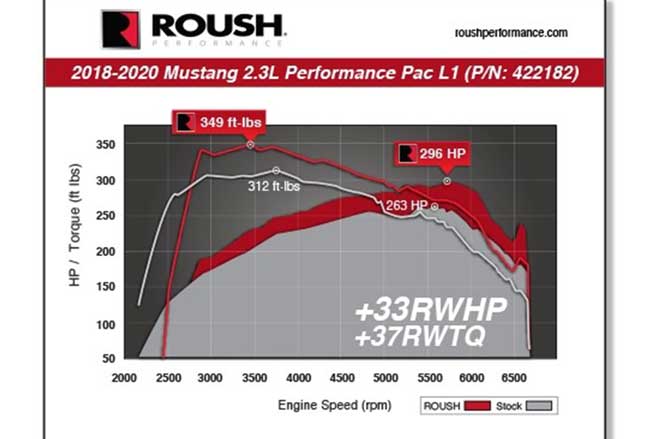
Roush achieves the power up though a conceptually simple method – an intake upgrade. Okay so it’s a little more complex than that, there’s a tune involved so chances are it’s not something you can do as a home job.
Enter Melbourne-based workshop Mustang Motorsport, which can install and tune the Roush Performance Pac.
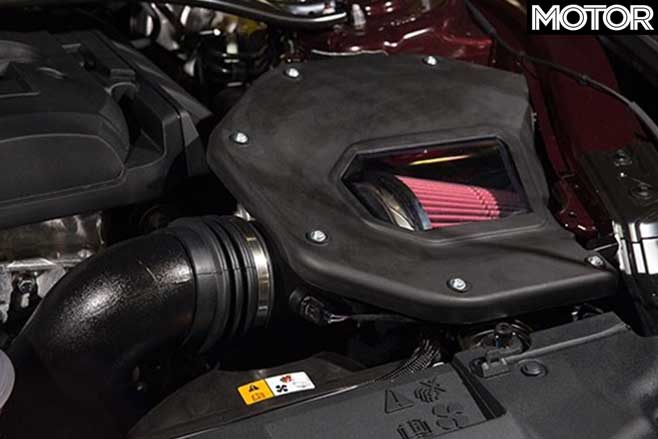
Roush also offers a second level of the kit, which includes a dual-exit axle-back exhaust. Mustang Motorsport doesn’t offer this, as Aussie cars already get a dual-exit exhaust, so the intake upgrade and tune is the only change that will make a difference.
In the US, the Performance Pac level 1 costs USD$935, which converts to AUD$1415. Mustang Motorsport doesn’t have a publicly listed price, but parts and installation could vary for different variations of four-cylinder Mustangs.
It’s clear the new Hyundai Veloster Turbo is a very different beast from the moment you hit the start button. The engine wakes with a growl and stutters into an unsettled idle, like it’s struggling to get going.
It’s a display of attitude and intention way beyond anything offered by the first Veloster. That was a strange car, the very definition of ‘fine’. It wasn’t bad, a little expensive, but in Turbo guise moderately quick both in a straight line and through corners. Trouble is, no-one aspires to ‘fine’.
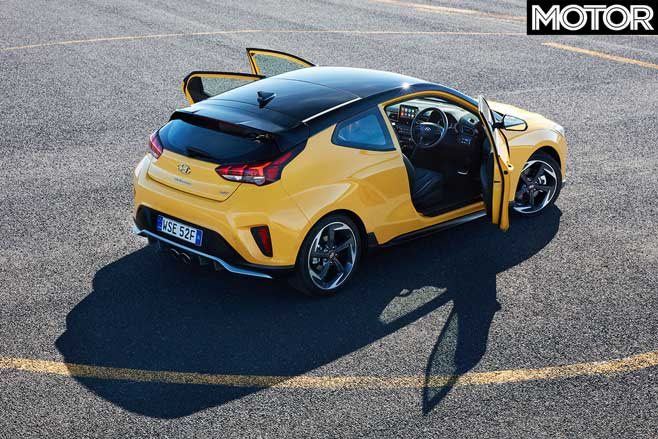
The 1.6-litre turbo four had decent grunt but was uninspiring and the chassis typified Hyundai’s pre-N dynamic mindset: safe, sensible understeer at the limit. Off the record, certain Hyundai personnel admitted its shortcomings and promised the next one would be much better. This is where we find out.
Sitting on the PD platform that underpins the latest i30 gives the new Veloster a good headstart, though many of the component parts have carried over. The engine still produces 150kW at 6000rpm with a wide torque band of 265Nm from 1500-4500rpm, and an extra 10Nm at 2000-4000rpm on overboost at full throttle.
The choice of six-speed manual or seven-speed dual-clutch still applies, the rolling stock remains 18 by 7.5-inch wheels wrapped in 225/40 tyres, and the brakes are quite modest (305mm vented front discs, 262mm solid rears).
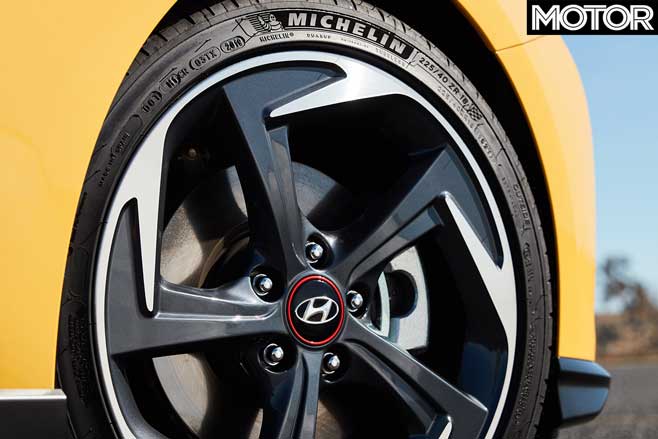
There are some crucial differences though, chiefly the installation of a multi-link rear suspension set-up in place of the previous car’s torsion beam which, combined with a 27.6 per cent stiffer body shell, gave Hyundai’s talented local chassis development team more tools to work with.
It took the evaluation of 15 front and 28 rear damper iterations before the sweet spot was found, but it was worth it. The Veloster Turbo has one of the finest ride/handling balances in recent memory, its passive suspension set-up beautifully compliant without sacrificing accuracy.
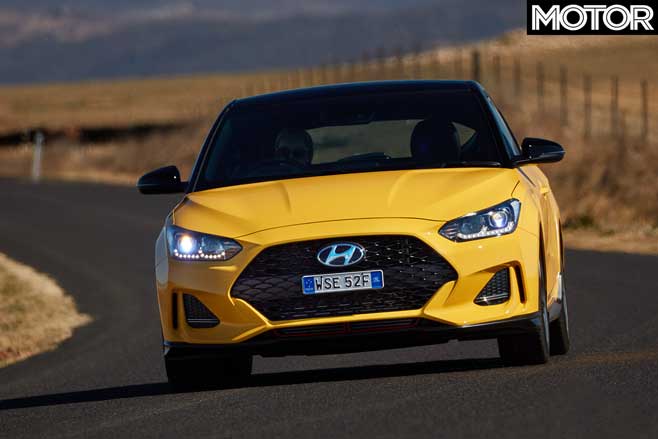
A couple of corners is all it takes to realise the new Veloster is a much more appealing performance proposition than its predecessor. No longer is the front-end the fuse that kills the fun; it turns in crisply, the tyres offer decent grip, and the pivot point now feels to be towards the centre of the car rather than a metre forward of the front bumper. Nicely calibrated ESP, too. Long story short, it’s much more enjoyable to drive.
To manage expectations, it’s not going to raise the hairs on the back of your neck. Keen drivers would be well advised to spend a little extra on an i30 N, but for what the Veloster Turbo is meant to be – a quirky warm hatch for those who want something different – it now has the capacity to raise a smile.
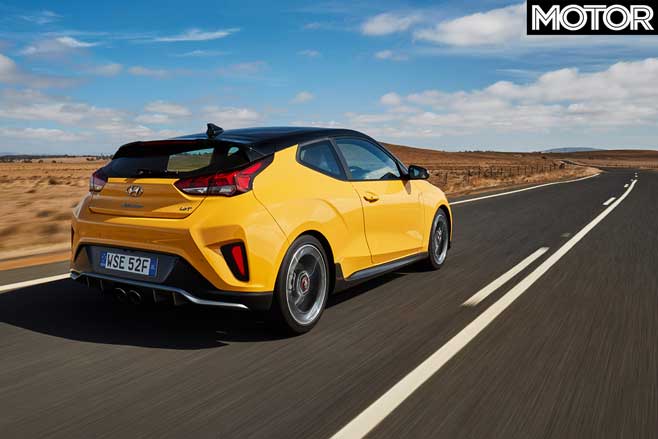
You’ll pay a premium to stand out, however; the Veloster Turbo starts at $35,490 for the base six-speed manual, rising to $38,990 for the Premium (dual-clutch adds $3500), while the identically-powered i30 N-Line can be yours from $26,490.
That said, the Veloster drives better, with lighter steering and a smoother ride, a funkier interior and plenty of kit as standard, including an 8.0-inch infotainment touchscreen with smartphone mirroring, sat-nav, premium audio, lovely thin-rimmed sports steering wheel and SmartSense active safety (forward collision warning, blind-spot warning, lane assist and rear cross-traffic alert).
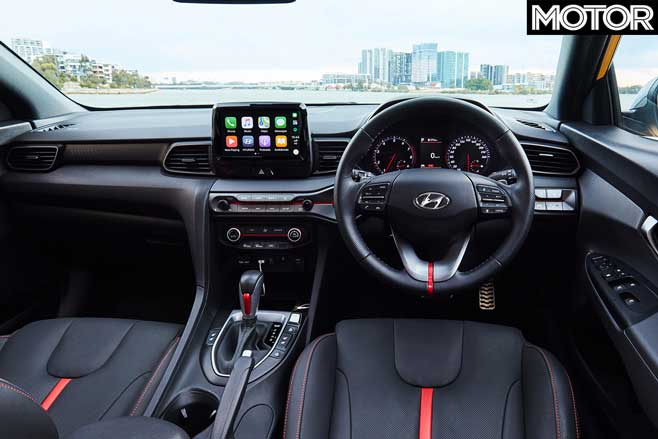
Stepping up to the Premium adds leather seats – the fronts heated and cooled – heated steering wheel, wireless phone charging, head-up display and sunroof. You either love or hate the asymmetrical door design, and the larger driver’s door can be awkwardly heavy.
The Veloster Turbo has never been for hardcore enthusiasts; it’s for those who want something more ‘exotic’ than an everyday hatch. The difference is now they’re rewarded with a genuinely good car. There are faults – the clutch is too light and lacks feel, the gearbox could be slicker and the engine is still a bit ho-hum – but it’s fun to drive quickly, with excellent everyday manners. Now, about that Veloster N…
HYUNDAI VELOSTER TURBO SPECS
- Engine: 1591cc inline-4cyl, DOHC, 16v, turbo
- Power: 150kW @ 6000rpm
- Torque: 265Nm @ 1500-4500rpm
- Weight: 1270kg
- 0-100km/h: 7.0sec (est)
- Price: $35,490
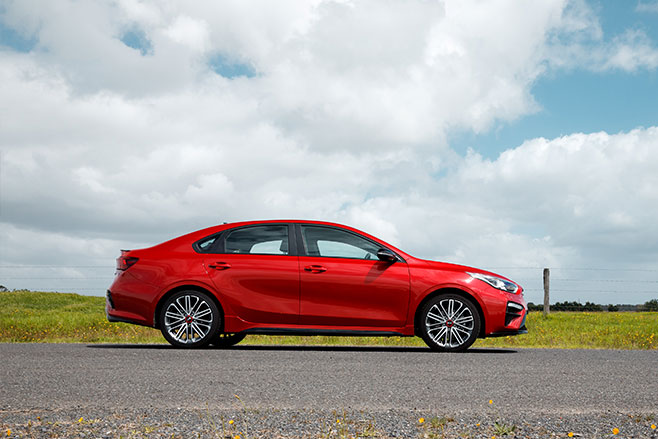
There’s a lot to like about Kia’s Cerato GT, picking up where the characterful ProCeed GT took off. However unlike its frequently forgotten three-door predecessor, the Cerato GT boasts broader appeal thanks to its more conventional and palatable sedan body layout and the availability of an automatic transmission.
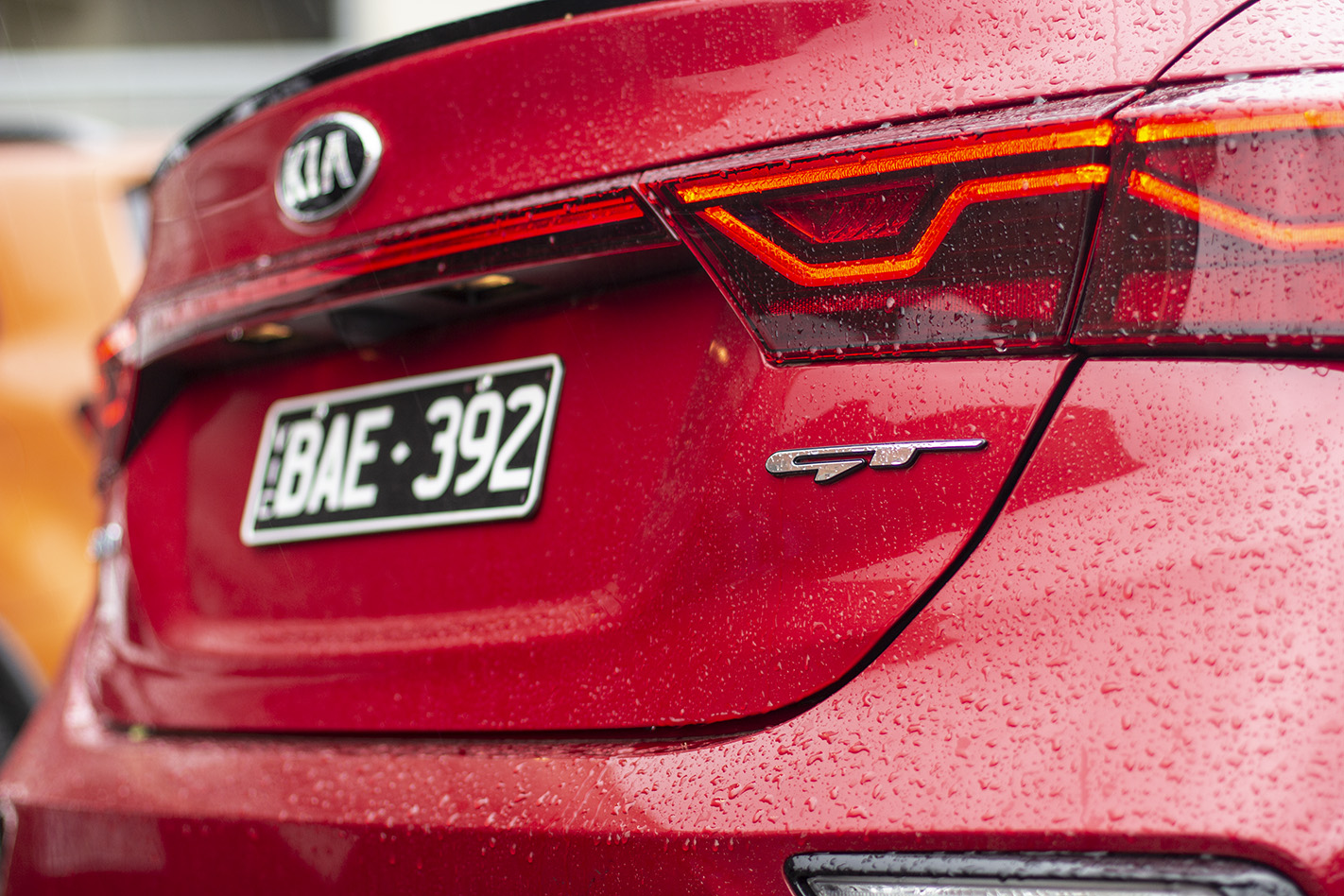
It still gains all the goodies such as the exclusive multi-link suspension out back, upgraded suspension components, bigger sporty brakes, Michelin tyres and that same characterful 1.6lt turbo offering unmatched 150kW within its class.
Those are solid on-paper credentials, particularly if you’re fond of the occasional spirited drive. Is it the perfect daily driver for enthusiasts? The WhichCar team are definitely keen drivers, so maybe a few months with the Cerato GT will be a good thing, no?
After picking it up, initial impressions are promising thanks to its punchy powerplant offering an addictive torque delivery and a surprisingly unstressed overtaking ability on the road. That seven-speed dual-clutch automatic, which we reckon most buyers would be gravitating to, is also a sweet unit.
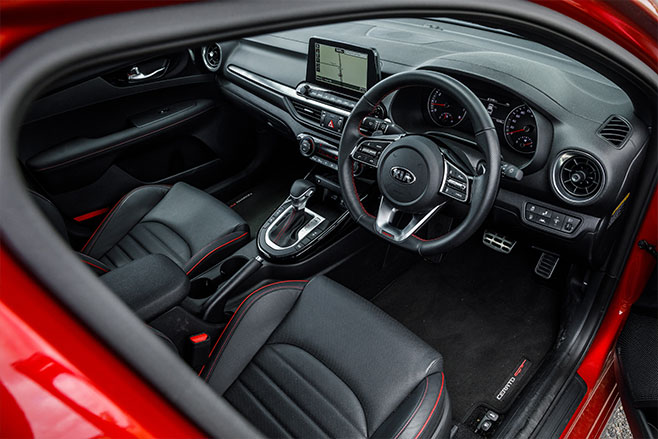
But beyond the mechanicals, the GT’s cabin is positively overflowing with gear. The abundance of dark leather sets a good tone as you enter the cabin and settle into the power-adjusted driver’s seat (which is also heated AND cooled), there’s dual-zone climate control, an eight-speaker JBL sound system and a big 8.0-inch touchscreen with Apple CarPlay and Android Auto smartphone mirroring. A good start then – let’s see how it goes!
Update 1 – Christmas duty
There are few better times during the year to put a long-termer to the test than the Christmas break. For one, the WhichCar office winds down and even the workaholic journos are forced to go home and take time off. That means no workday commute – every drive, then, isn’t going to be a routine one.
Secondly, the roads are quiet. There’s no school traffic, no commuters, tradies are taking holidays and once all the holidaymakers and their Jaycos have hit the highway, city streets are blissfully depopulated. Driving around town turns from being a soul-sucking exercise, to giving almost zen-like solitude. Thus, it’s perfect for focusing on the car.
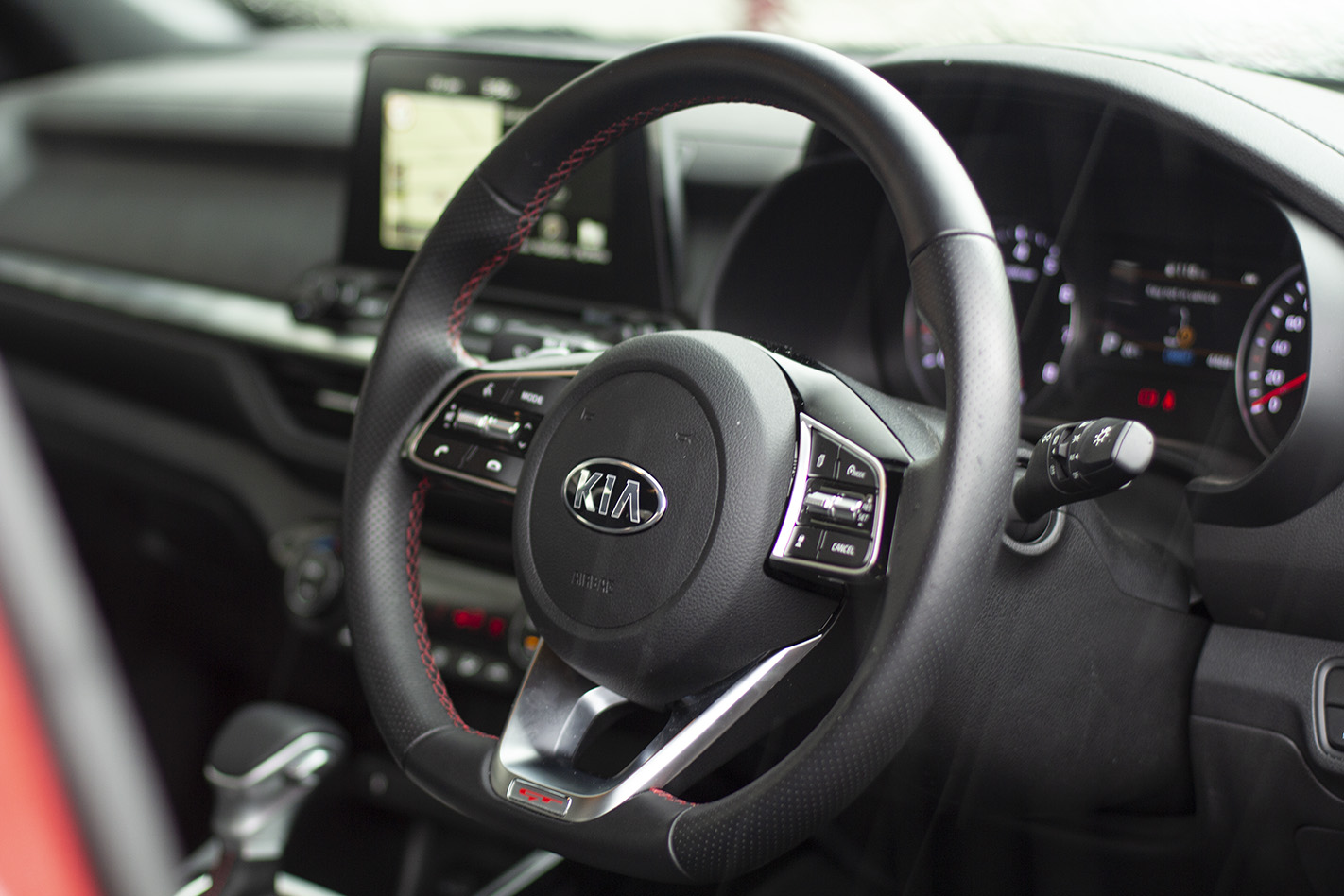
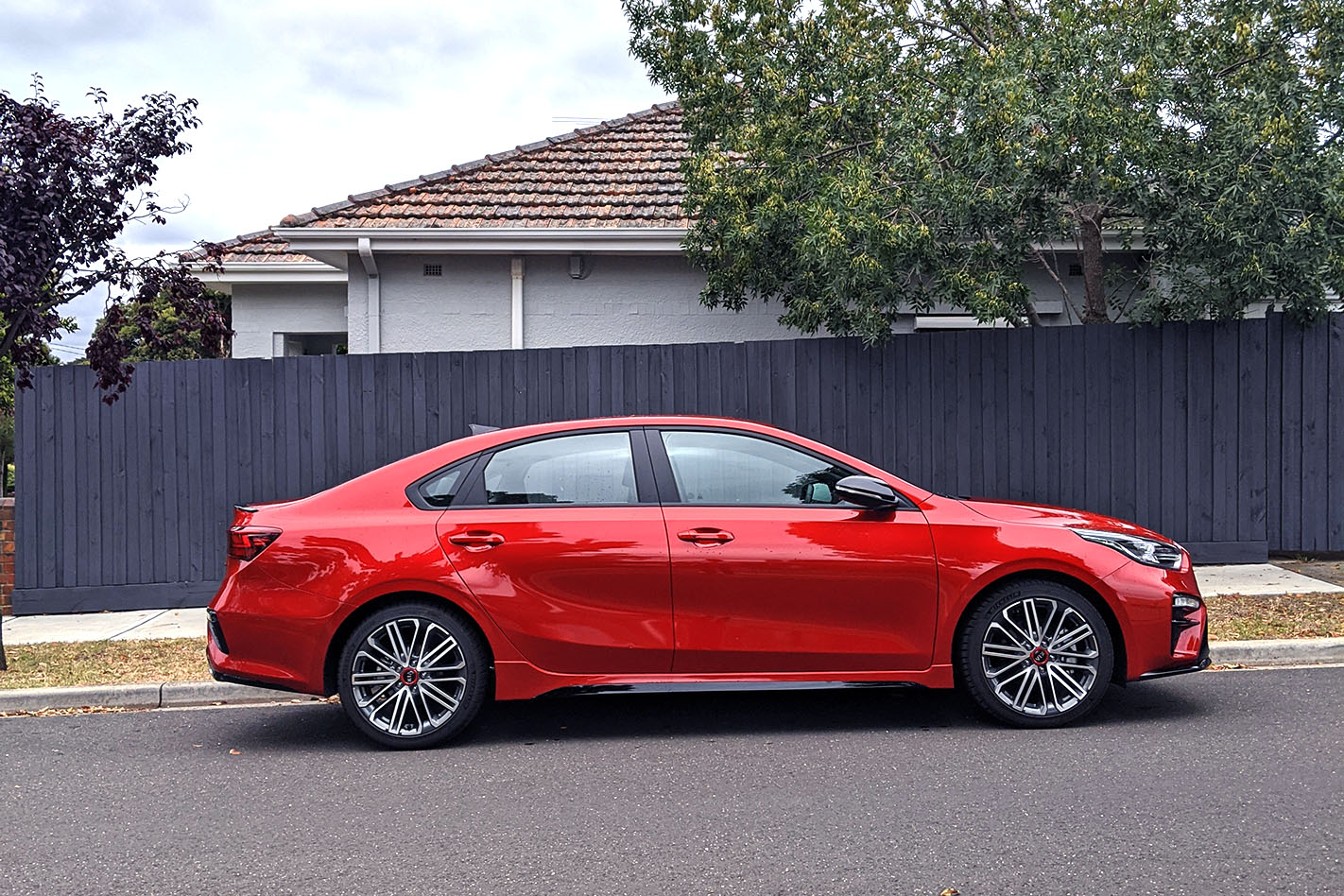
Now there might be plenty of black pleather to imply an air of opulence to the Cerato GT’s cabin, but there are more hard plastics in the interior than most of its Japanese rivals. However fit and finish is more than agreeable. Given the tech and comfort you find inside combined with its cache of go-fast bits and prodigious power, the Cerato GT might have you thinking its MSRP would be closer to $40,000, not its actual list price of $32,990.
It’s an attractive value-filled proposition for a sleek and mature-looking compact sedan, and I grew quite close with ‘BAE-392’, over the holiday break.
In those two work-free weeks, Christmas ‘BAE’ (apologies for resurrecting such antiquated slang) did everything from navigating its way around inner-city Melbourne, to ferrying family and friends on road trips out of town to the beach.
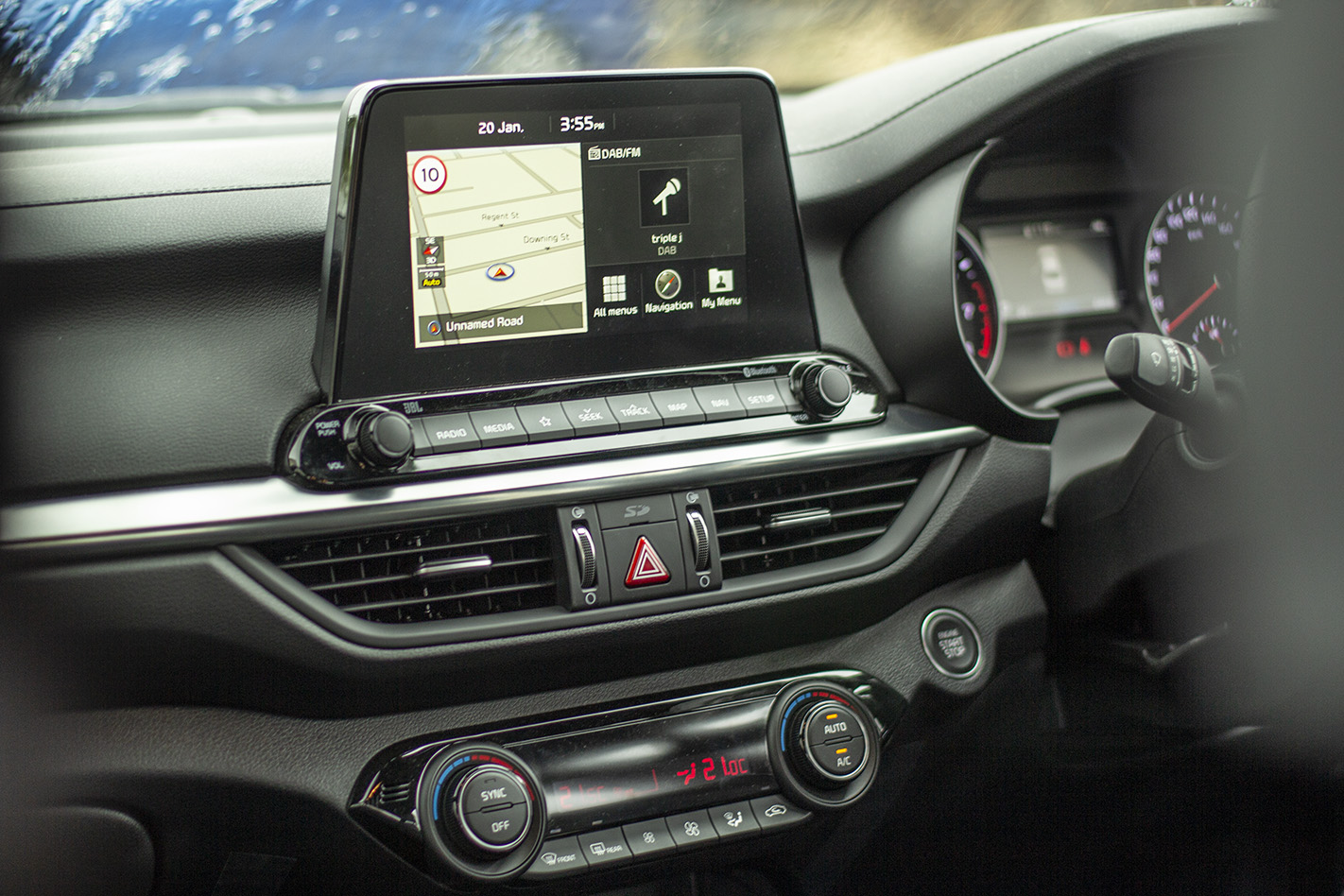
It displayed an impressive breadth of talent with accurate and pleasantly communicative (if anything, a little light) steering, a distinctive engine and gearbox combo, and four-door practicality backed up by a simply massive 502lt boot! Carting a sleighs-worth of presents to Christmas lunch is well within BAE’s capability.
It was a graceful reminder as to how sublime to live with, a well-equipped sedan can be – a bigger car feels almost wasteful by comparison. However, there is an elephant in the room. The biggest shock we uncovered is, well… its shocks.
The GT, like all Kias sold here, benefits from a locally-tuned suspension, but it’s wildly over-damped for everyday around-town driving duties. Both bump and rebound damping is unforgivingly firm over imperfections in which other rivals would glide over.
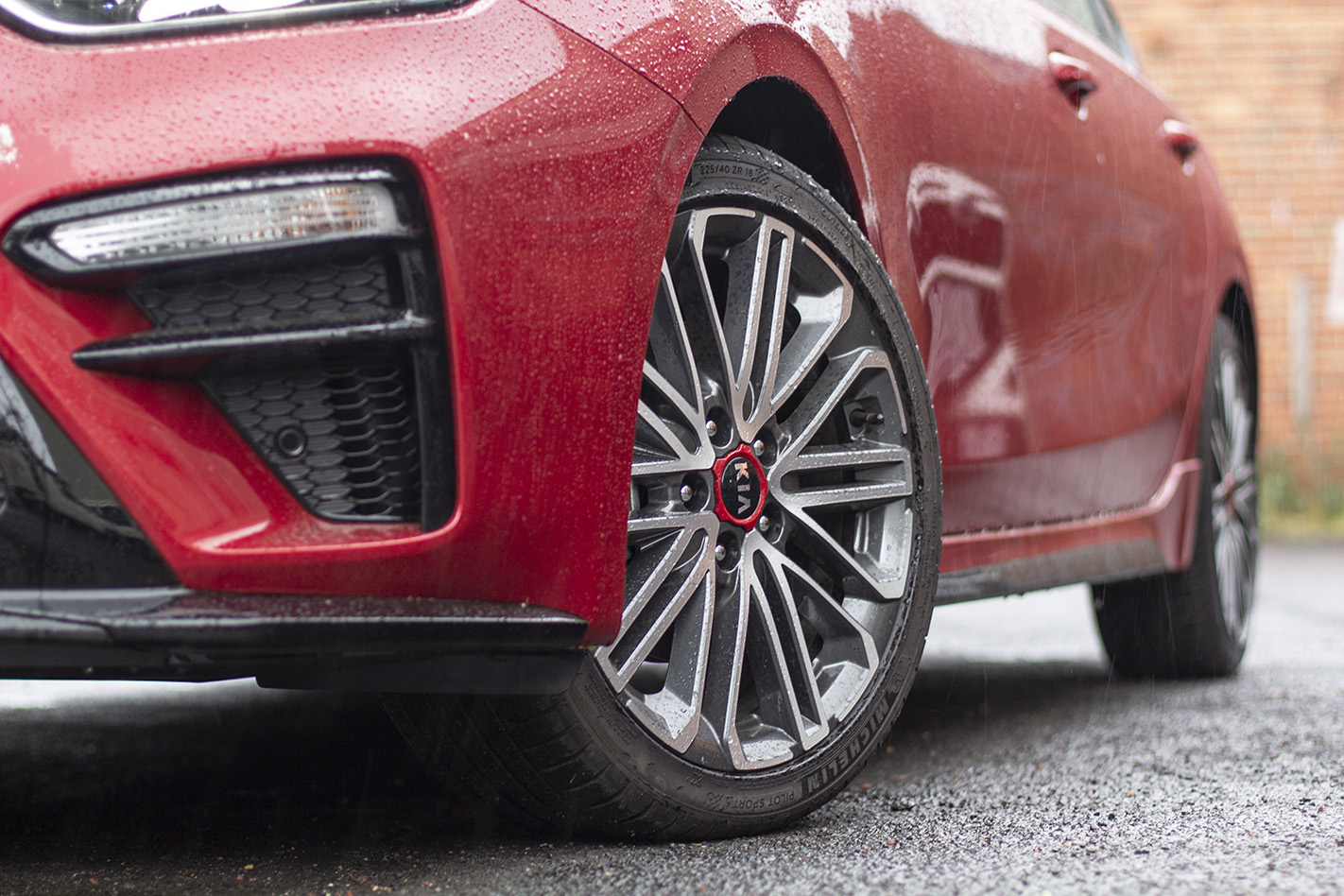
It’s not unliveable in most cases, but those with a low-tolerance for rough-riding suspension may want to steer clear.
Does that firmness justify itself once you leave town and point the nose toward some twisties? You’ll have to find out in the next update, as Christmas BAE gets drafted into duty when my racecar decided it didn’t want to get out of bed for a trip to the mountains.
Update 2 – substitute hero
One moment, the turbocharged engine was humming along smoothly while warming up one morning; then I heard it skip a beat, then nothing. It had stalled itself.
I turn the key once more, it cranks slightly longer than usual, lets out one gasp of life, and then stalls again.
Damn…
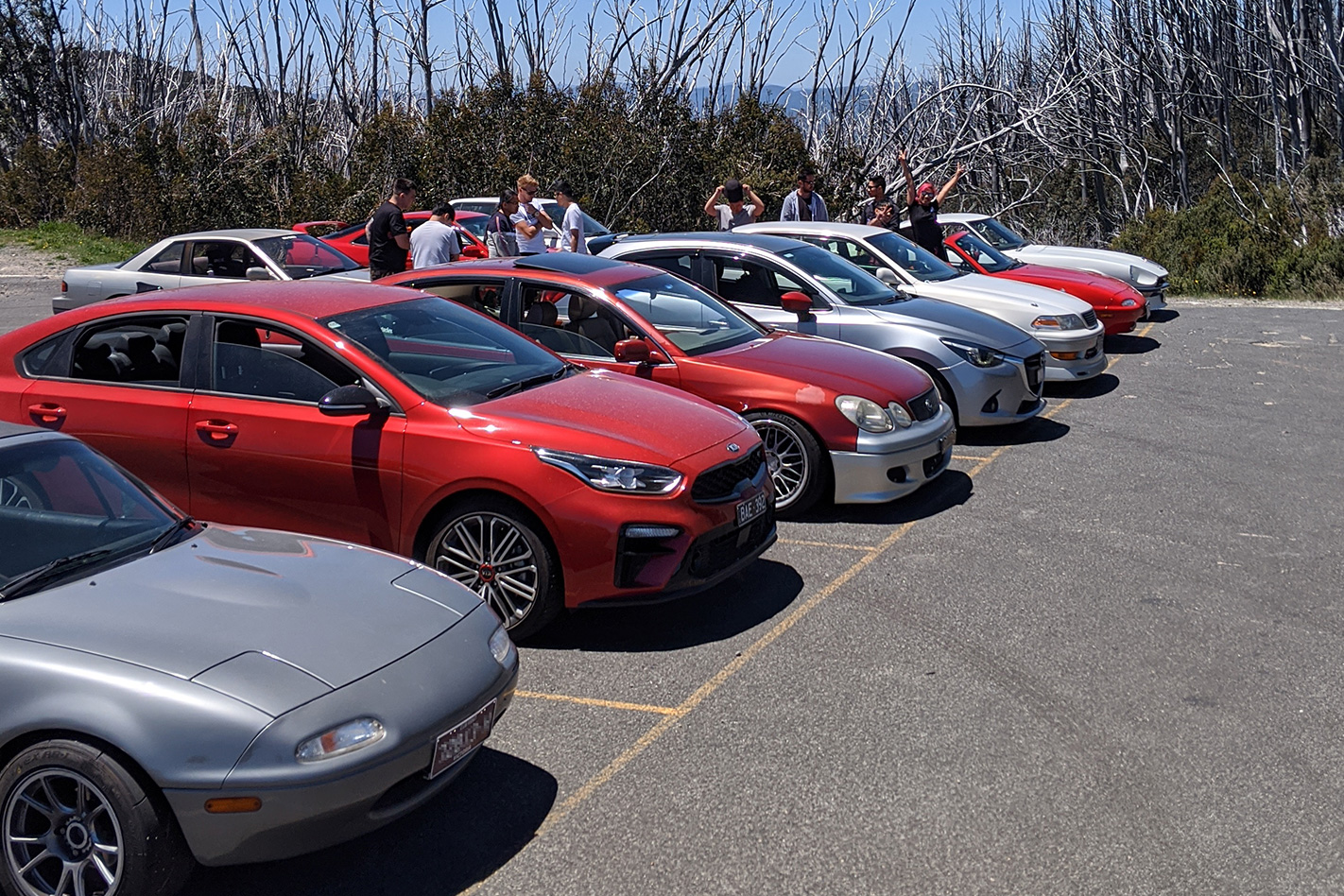
It was late in the Christmas break, and some friends had organised a large gathering of modified Japanese sports cars for an end of year drive in the hills.
It wasn’t the Kia that was stalling. It was my (fickle) twin-turbocharged 1994 Nissan Skyline.
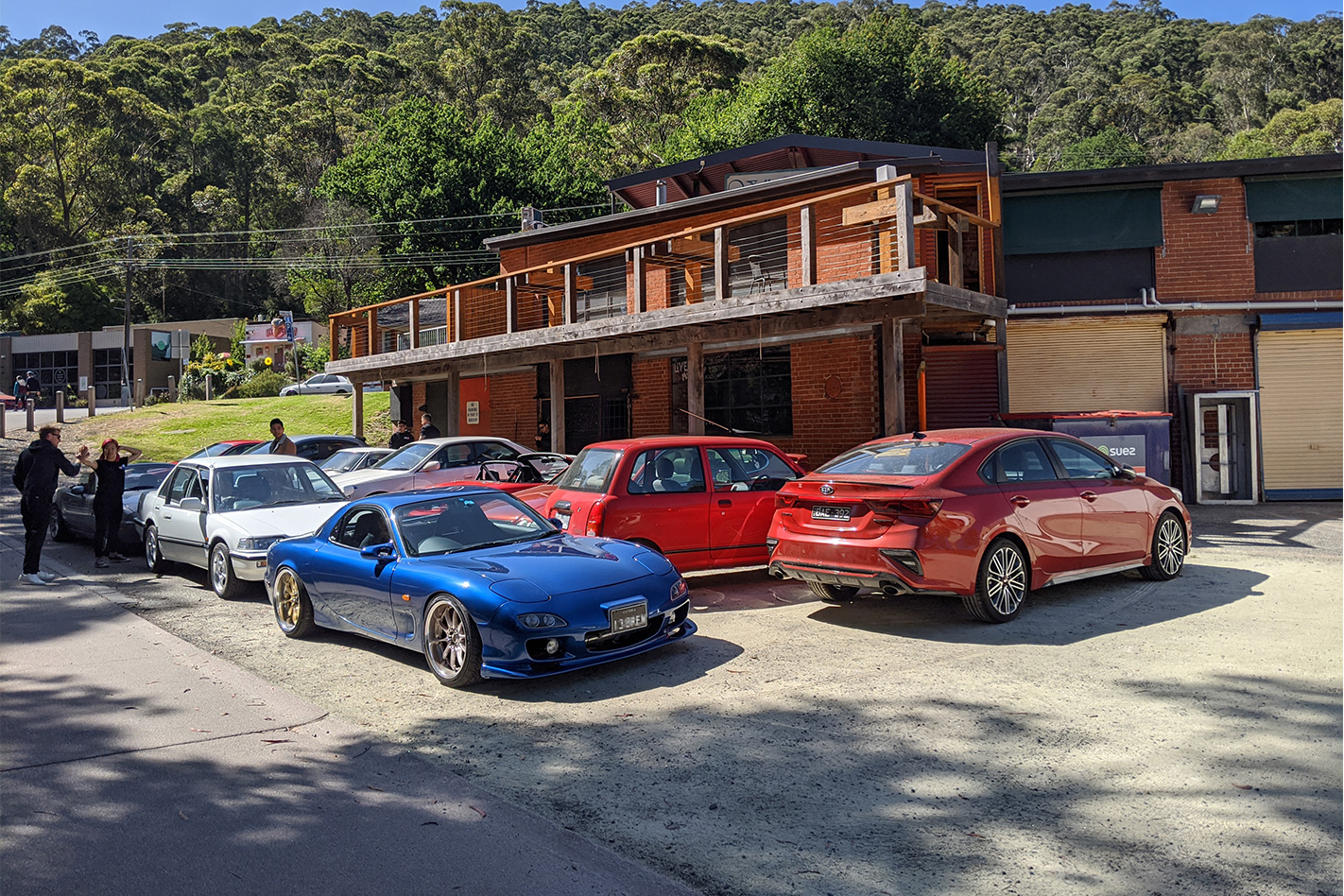
Already running late for the rendezvous, I decided to push the old Nissan back in the garage and swap keys for the trusty Cerato GT. It – naturally – started up without fuss so I pointed the nose to the hills and headed off.
Arriving at outer-suburbs servo, the Kia stuck out more than a little against the growing fleet of hi-po Japanese sports machines. It was by far and away the newest car there; one of the few from this side of the millennium.
At the next bowser over a worked FD-generation Mazda RX-7 pulled up, with that lumpy rotary sounding like it was barely idling at low-revs. Its owner delicately mixed together the a concoction of engine oil and petrol. Me? I just topped the Cerato up with petrol and bought some brekky and a coffee.
The Kia got some quizzical reactions – as did my distinct lack of Skyline, but deep-down it was quite nice to have a car that didn’t require constant monitoring and anxiety, and in truth – I was truly curious as to how a reasonably-priced Korean modern sports-flavoured sedan could hold its own with some of Japan’s most-loved.
We covered hundreds of kilometres that day: up through Warburton, then Reefton, with a brief jaunt up Lake Mountain, then across to Marysville and back through Healesville.
While the Cerato GT’s firm and harsh chassis tuning was a glaring hindrance in urban settings, the zesty Korean came alive on an open windy road. The tautness of the chassis yielded high levels of composure through lateral forces, and the – in other cases – harsh ride communicated road surface and camber changes beyond expectation.
The steering isn’t quite as well weighted as I’d like, but it’s perfectly accurate and gave you no shortage of confidence to carry pace. And carry pace it can.
The mid-range torque provided by that sweet 1.6-litre turbocharged unit, coupled with the dual-clutch transmission made for a massively engaging experience, illustrating real performance substance behind its arguably compromised daily ride. Even its front-drive configuration allowed for a bit of fun if you head into a corner hot-headed.
Surprisingly to me, the Cerato GT kept well in-stead with its esteemed Japanese company, even drawing the eye of a weekend sports bike rider who was left wondering how the little Kia kept up with the fire-breathing Mark II Toyota up Lake Mountain.
The Kia Cerato GT is still perhaps a little too focused for many drivers in everyday scenarios, but it offers real sporting merit and an attractive duality for the performance enthusiast who might only have one garage space.
Will it be fastest outright around a track? Probably not. And it’s not always comfortable in everyday driving conditions either. But while some may call it compromised on both fronts; the Cerato GT offers an impressive breadth of talent in its ability to carry five adults with ease in its welcoming and well-equipped cabin, and that magical little whisper in your head that says ‘take the long way home’.
And take the long way home, I did.
Update 3 – cabin fever
by Daniel Gardner
By an unusual and poorly planned set of circumstances, I recently found myself in Mildura when, in actual fact, I needed to be in the WhichCar office in Melbourne, which represents a geographic displacement of approximately 575km.
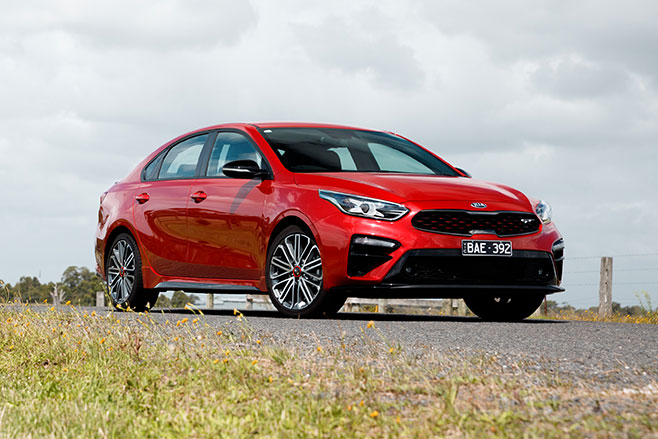
Luckily, the WhichCar long-term review Kia Cerato GT was on hand to shrink that gap and get me back to productivity as quickly as its turbo 1.6-litre four-pot would allow.
The previous days had been spent at the wheel of a supercharged Camaro ZL1 competing in Street Machine’s Drag Challenge and, honestly, the thought of spending a few hours alone in a relatively quiet, comfortable South Korean sedan was weirdly inviting.
So it was early the next morning that I threw my helmet and tyre-smoked clothes into the Kia’s boot and hit the road.
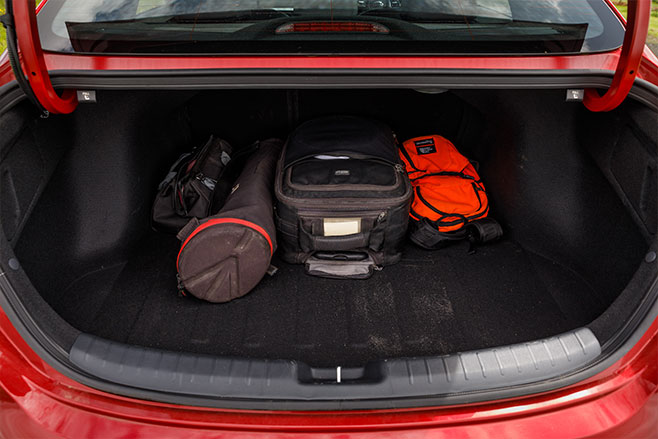
It always surprises me how quickly the relatively bustling and built-up Mildura turns to flat Australian outback when you head south out of town. But despite the relatively monotonous drive, the gradual shift in colour outside the car from rust-red to green like litmus paper is strangely soothing.
A small sedan might not seem like the ideal company for such a long day trip, but small cars punch way above their weight these days and the Cerato is no exception.
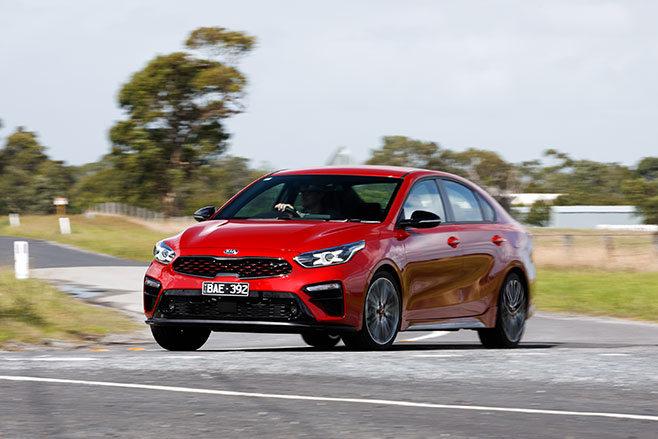
For a start, a few driving assistance features that I might ordinarily switch off for negotiating fun roads were left on. Active lane departure warning and assistance is a welcome inclusion when you’re spending up to eight hours at the wheel by yourself.
Active cruise control is also at its absolute best when travelling largely deserted roads and only occasionally encounter other motorists. The Kia system is very effective at locking on to a car ahead and following it obediently – almost as effective as the 150kW petrol engine is at blasting past them as soon as the road is clear.
And that was very much the theme of the day onboard the Mildura–Melbourne Express. With vast expanses of open road, the little GT skimmed along with vitality and felt delightfully out of place among the roo-bar-armed large SUVs and monstrous B-doubles, but certainly not out of its depth.
But there was a character trait of the Cerato that I was not looking forward to on an extended tenure at the helm. As previous custodian Affat identified, the sportier GT’s suspension “bump and rebound is unforgivingly firm”.
Yes, the ride is firm and dislikes imperfections with the chassis preferring the twistier road over the arrow-straight stretches I was facing. However, a little jostle and action is actually not unwelcome when you have to spend an entire day in a car.
The Cerato’s ride is not brutally stiff and devoid of suppleness, like a school teacher you grew to like and respect, it’s firm and fair.
Over many hours, the lively nature of the chassis keeps the driver alert and engaged, and it’s complemented by a comfortable but poised driving position. I dare say the risk of ‘five-second blinks’ or ‘unscheduled eye-resting’ would have been far higher had I been thrown the keys to a BMW 7 Series in Mildura.
A few pit stops along the way mitigated the risk of driver drowsiness as well as allowing a refuel. Officially, the Cerato GT needs fewer than 7.0-litres of petrol to go 100km – frugal at the best of times – but that figure plummets into the fives when cruising at freeway speeds.
As the miles ticked along, the seat heater that had thawed out a chilly Mildura dawn was flicked over to cooling as the outside temperature climbed, the digital radio lost signal and was re-tuned to good old country analogue, and the cabin remained quiet and comfortable.
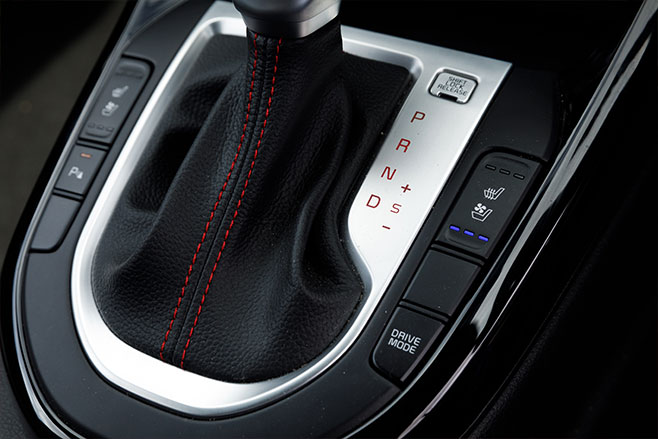
With hours to ponder it, the Kia brought back fond memories of a previous Hyundai i30 SR (now the i30 N-line) long term test car I once had the pleasure of. Not surprising as the pair share many excellent common features such as multi-link rear suspension, a snappy dual-clutch automatic transmission with seven ratios and beautifully weighted steering.
More miles passed and I found myself pondering the incredible job Kia has pulled off introducing the red-blooded rear-drive high-performance Stinger and now a convincing driver’s hatch/sedan pair. With its long legs for cruising and commendable dynamics when the road gets bendy, the Cerato GT transcends the ‘warm-hatch’ realm into something more impressive and grown-up.
As the high-rise skyline of Melbourne grew from distant castellated horizon to envelop the Cerato, the timer clocked up just over seven hours. A respectable run by any standard, but particularly satisfactory given the absence of a co-pilot.
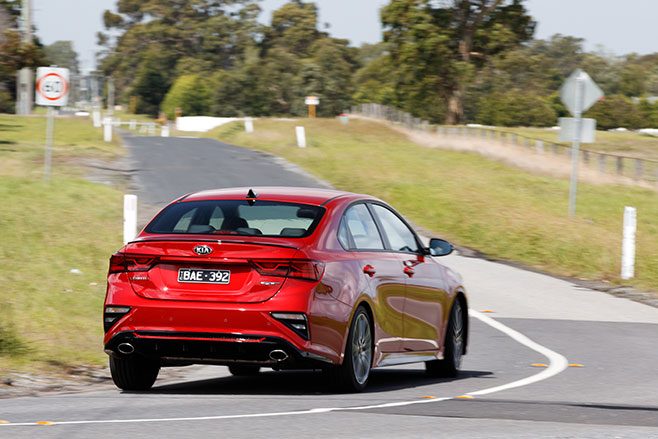
On the contrary, the Kia had been the perfect companion offering just the right balance of comfort, driver support and entertainment. It might be hard to believe that after a few days blasting down drag strips in a 477kW muscle car, seven hours in a $32,000 South Korean sedan could be rewarding, soothing or fun, but it was all of those in one neat little package.
The Mazda CX-8 seven-seat SUV, which was introduced a diesel alternative to the CX-9, has gained two new specification grades, and a city-friendly petrol option that sees entry-level pricing drop below $40,000.
Adding a petrol option to the CX-8 range should increase its popularity, but don’t expect as much power as the turbocharged CX-9; with the CX-8 sharing the naturally aspirated 140kW/252Nm Skyactiv-G 2.5L that’s also found under the bonnet of some CX-5 and Mazda 6 variants.
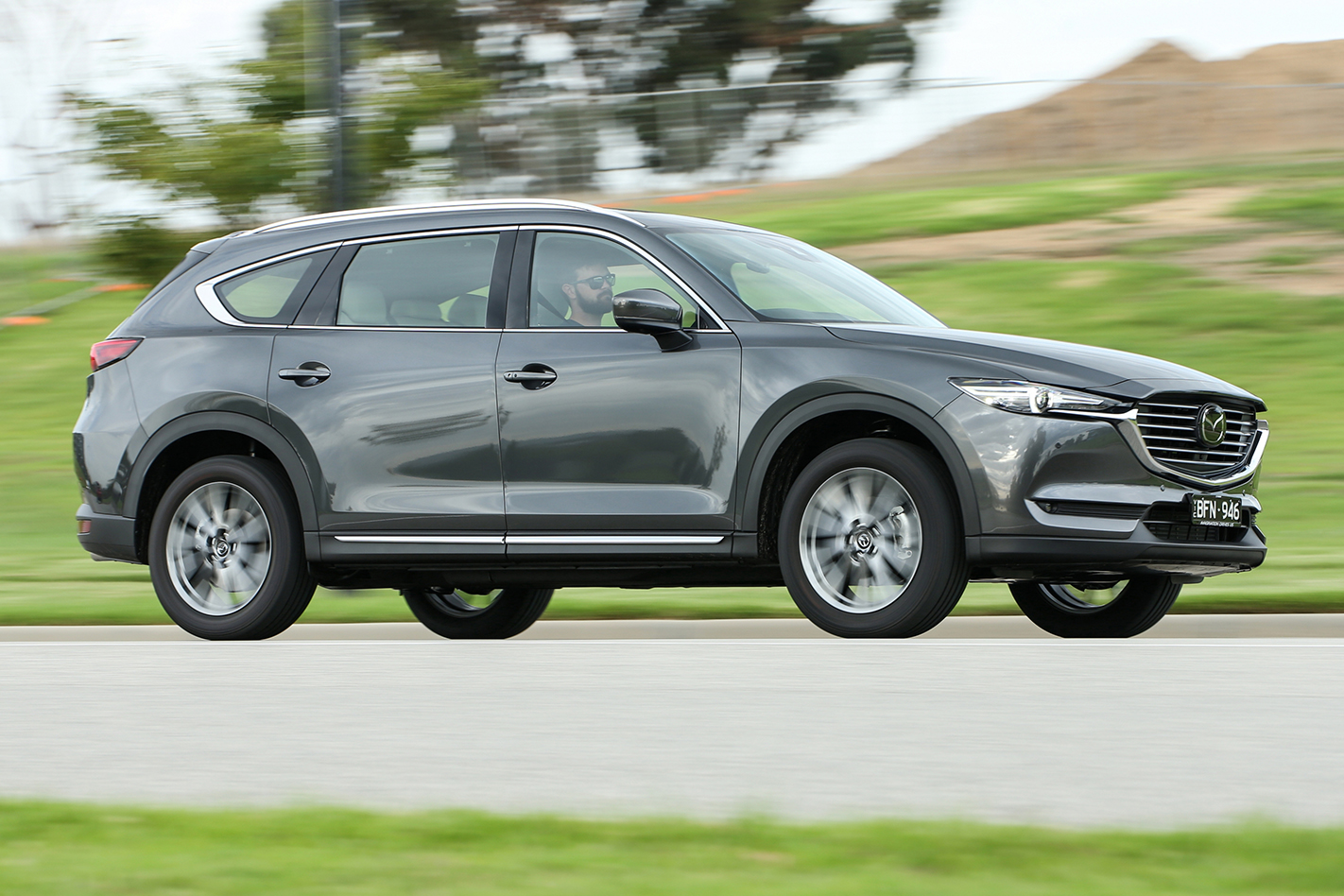
Available with front-wheel-drive only, the petrol CX-8 has a combined fuel economy rating of 8.5L/100km, which is actually a fraction more than the heavier front-drive CX-9’s 8.4L/100km.
Sweetening the deal for the CX-8 though is the fact that the new engine has made the retail price of a three-row Mazda even more affordable. As well as costing $6500 less than the entry-level CX-9 Sport FWD ($46,420), the CX-8 Sport FWD will bring decent change from a Skoda Kodiaq 132 TSI ($42,990), and Toyota Kluger GX and Peugeot 508 Allure that each retail for $44,490.
The 2020 CX-8 range also gains new mid-spec Touring and GT variants available with both the petrol FWD and 2.2-litre twin-turbo diesel AWD powertrains with the latter attracting a $4000 premium.
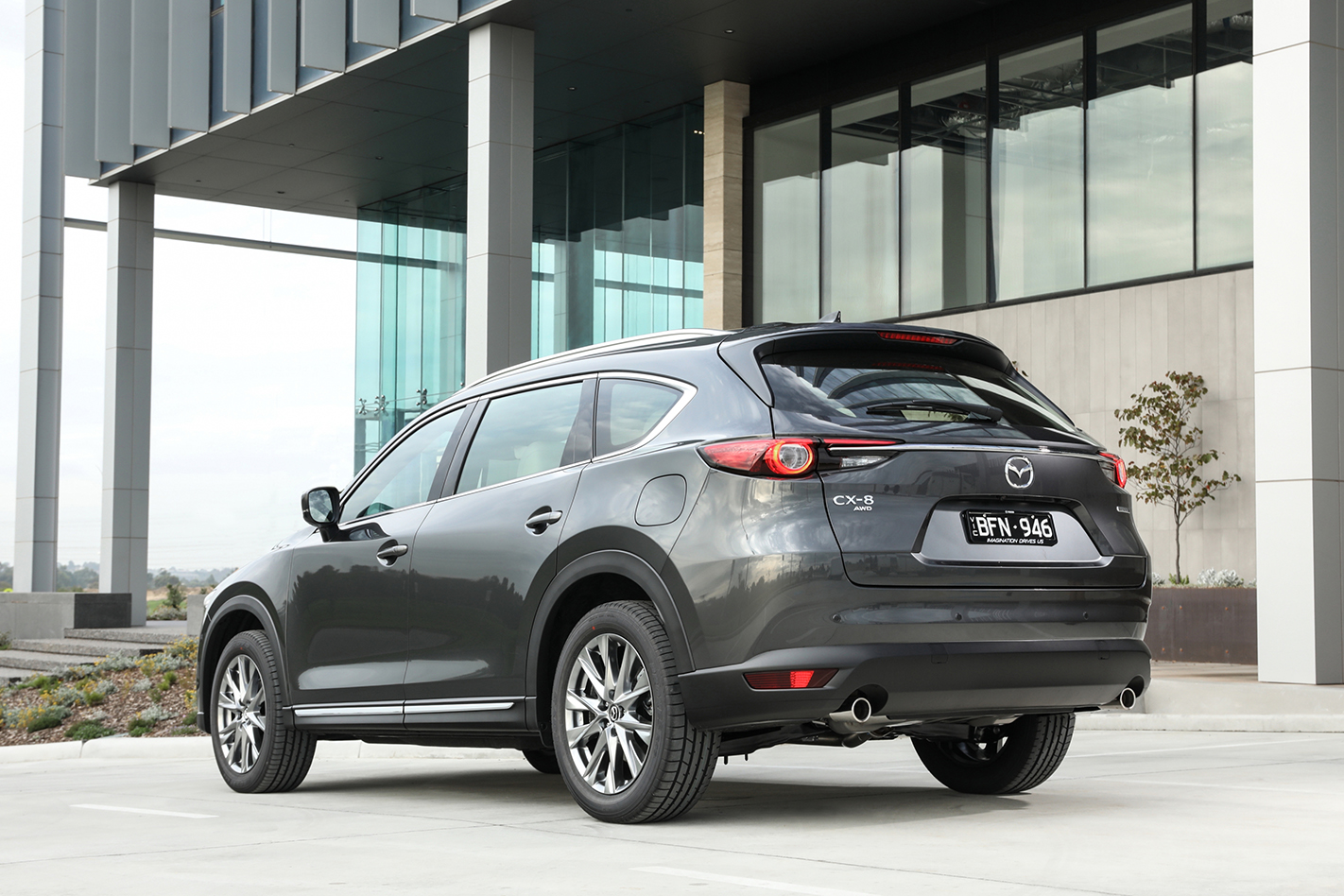
In the past buying a top-level CX-8 was an all-or-nothing affair, with a $20,000 difference between the entry-level Sport and Asaki range-topper, which makes the mid-spec options a welcome addition to Mazda showrooms.
The CX-8 Touring brings a few additional features such as black-leather trim, front parking sensors, and one-touch switch to lower second-row cushions for easier third-row access.
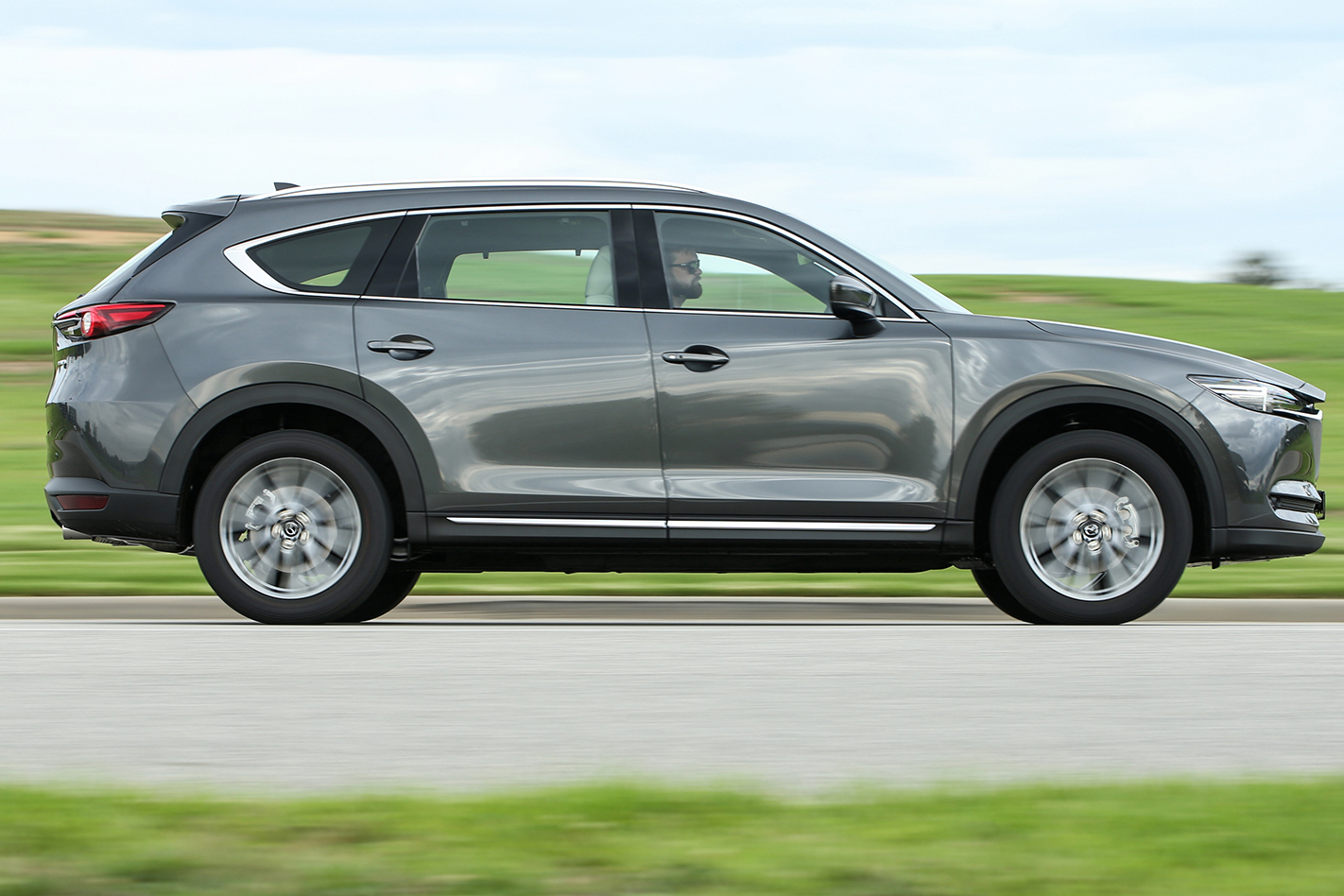
The GT brings a few more extras, including a BOSE premium sound system, sunroof, remote-operated power tailgate, third-row USB ports, and bigger 19-inch alloys.
The entire line-up benefits from advanced autonomous emergency braking with nighttime pedestrian protection, a bigger 8.0-inch infotainment screen, and Android Auto/Apple CarPlay smartphone pairing.
According to Mazda, the 2020 CX-8 is also a little quieter with NVH enhanced by adding more damping material to the roof to reduce noise penetrating the cabin on rainy days.
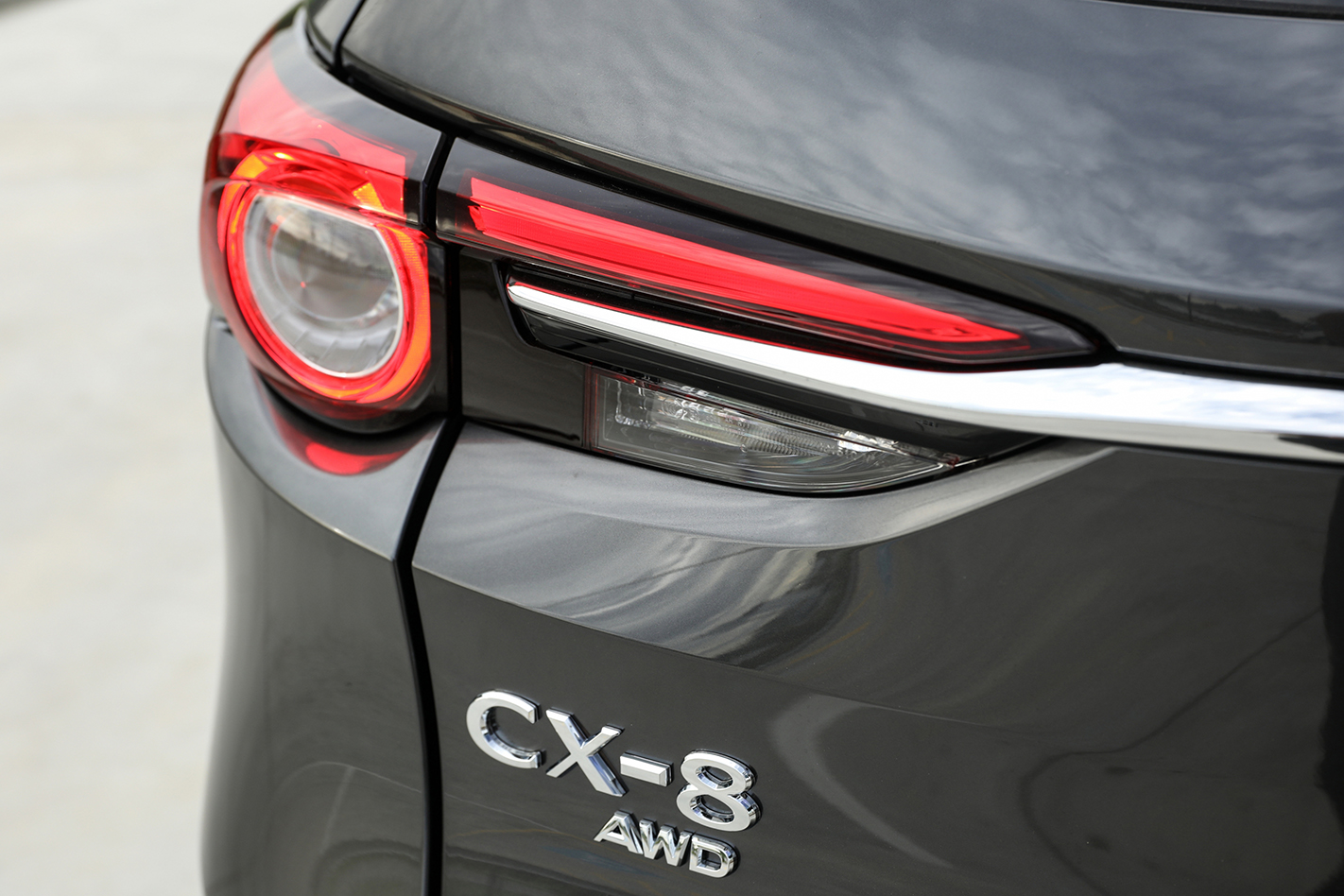
And you’ll know you have a 2020 model thanks to the fresh key fob and new generation nameplate badging.
Now available in Mazda showrooms, the revamped CX-8 range should see it gain some ground against the CX-9 which outsold it 7168 to 2551 in 2019.
2020 Mazda CX-8 retail pricing
- CX-8 Sport FWD petrol – $39,910
- CX-8 Sport AWD diesel – $46,910
- CX-8 Touring FWD petrol – $46,590
- CX-8 Touring AWD diesel – $53,590
- CX-8 GT FWD petrol – $57,900
- CX-8 GT AWD diesel – $61,900
- CX-8 Asaki FWD petrol – $61,440
- CX-8 Asaki AWD diesel – $65,440
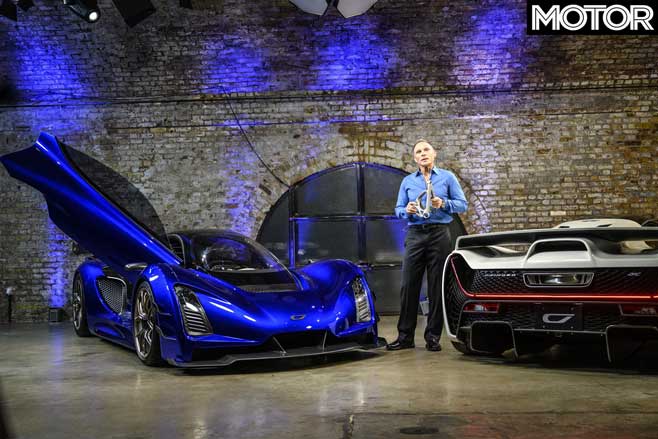
Okay, sure, the Czinger 21C sounds like either a menu item offered up by the Colonel, or a new strain of some Eastern European virus, but when you read its specs sheet you might find yourself intrigued.
Note: Czinger Vehicles released more details on the 21C on March 11, and this article has been updated to reflect the extra information.
So let’s look at the headline numbers, according to California-based Czinger Vehicles. And yes, it’s pronounced the same as ‘zinger’, Czinger being taken from founder Kevin Czinger’s name.
Power is drawn from a mid-mounted, twin-turbo (each 73mm), flat-plane crank 2.9-litre V8 with at its disposal. That engine’s peak power? That comes at 10,500rpm, before the 21C (for the 21st Century) redlines at 11,000rpm. Yes please.
Czinger says the engine was “in-house developed,” and claims it’s now the most ‘power-dense’ engine in the world. Further specs released by Czinger detail its 84x65mm bore and stroke, a 9.5:1 compression ratio, and full flex-fuel capability.
It’s also got an ‘axial flux’ electric motor at each front wheel for a total output of 932kW.
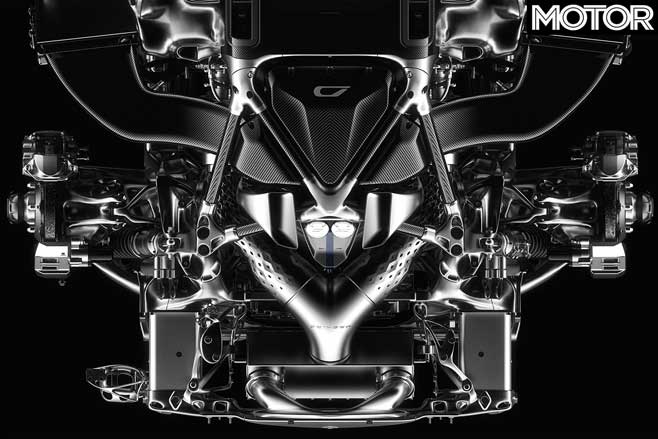
Czinger also developed a bespoke method of engine cooling (called Thermal Syphoning) best suited to the 21C, due to its compact nature. Essentially, the process involves pulling cool air from below the engine and ducting it upwards to push hot air (particularly from the turbos and headers) outwards through the decklid.
Still (even as of the mid-March info update) no torque figure has been claimed but we imagine it’d boast plenty, given its 0-100km/h claim is just 1.9 seconds. A 1250kg kerb weight surely helps this, as well as the design being “rooted in aerodynamic efficiency.”
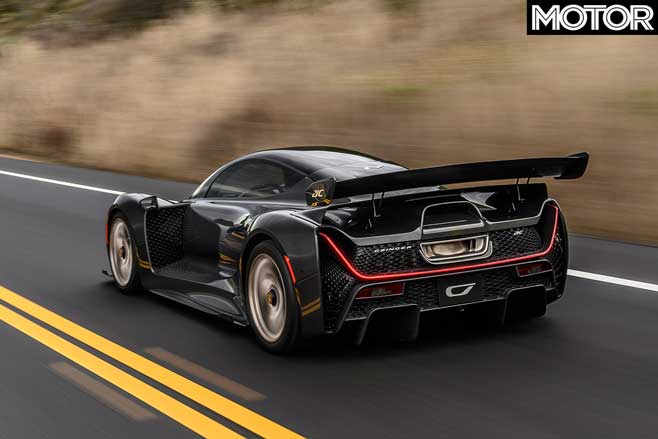
In total, the 21C weighs 1250kg and with its 1250 horsepower can run to 300km/h – and back to 0km/h – in just 15 seconds. But wait, the same exercise to 400km/h is said to take 29 seconds. That’s a full 13 seconds faster than the Bugatti Chiron is able to do the same.
Czinger claims the top speed of the 21C is 432km/h.
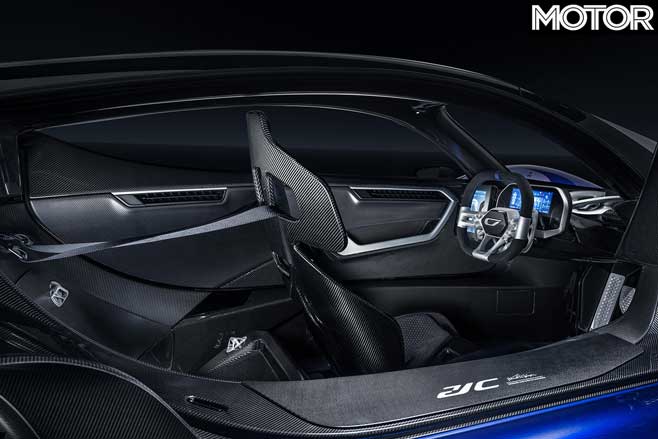
And if 1250kg sounds too much for you? Czinger will offer a track-focused version called the 21C Lightweight with 32kg shaved off its kerb weight.
Only 80 will be built across both versions.
Details of the updated Honda Civic Type R’s Australian range are yet to be confirmed, though one thing seems certain, Aussies won’t be getting the stealthier ‘Sport Line’ version that was announced in its European line-up.
Headlining the Sport Line variant is the fitment of a low-deck rear wing, rather than the standard Civic Type R’s functional, but highly divisive ‘high-level wing’.
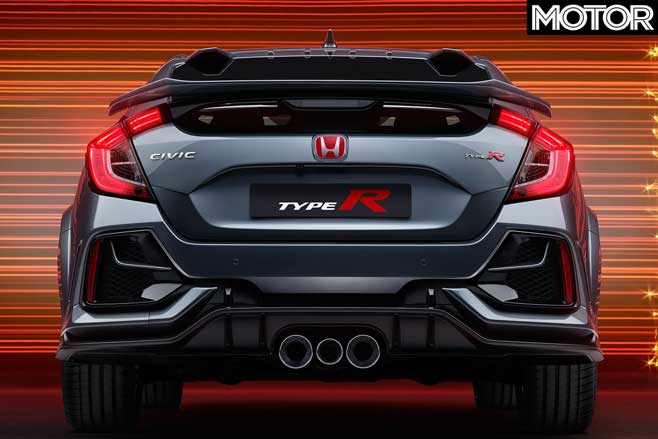
Other changes on the Sport Line include smaller 19-inch wheels, black front bucket seats, additional soundproofing materials around the boot and tailgate, and a grey accent line around the lower edge of the car, replacing the standard car’s red.
Aside from the exterior changes and added soundproofing, the Sport Line will come equipped with the same drivetrain and chassis, and updated tweaks that are featured on the updated Civic Type R.
The low-wing variant was first hinted at last year when a prototype was spotted doing the rounds at the Nürburgring together with another yellow prototype that would later turn out to be the track-focused Civic Type R Limited Edition.
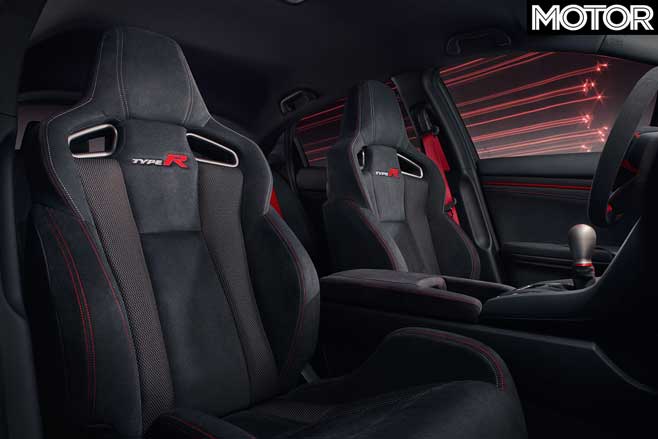
While the Civic Type R would go on to take a number of lap records around the world, win two back-to-back Bang for Your Buck titles, and become our 2018 Performance Car of the Year, its outlandish looks have been a point of contention.
Honda has stated that the Civic Type is a “true downforce car”, however downforce generation is correlated to speed, and that rear wing might be a tad excessive for those who fancy a Civic Type R for the road rather than track duties.
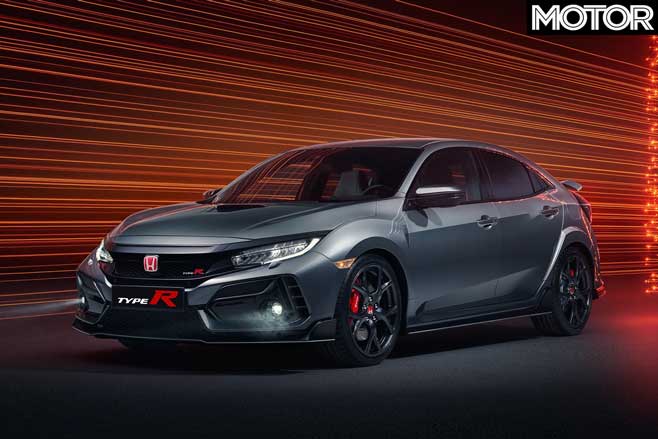
Honda states that the Civic Type R Sport Line is meant to retain “the sporting pedigree and outstanding driving dynamics” with “more discreet styling and a more refined ride”. Could this be the Civic Type R many hot hatch fans here have been waiting for?
Sadly we will never know as Honda Australia has confirmed with MOTOR that the Sport Line is only available for the European market. What do you think? Is there a market for a more subtle, low-key Civic Type R?
Five F-bomb expletives and one very well-flicked ‘F-you’bird in a trailer lasting well under two minutes would be pretty good going for the latest Scorsese/De Niro mobster film; the fact that this is actually a preview for a documentary series about the world of Formula 1 racing makes that tally truly outstanding.
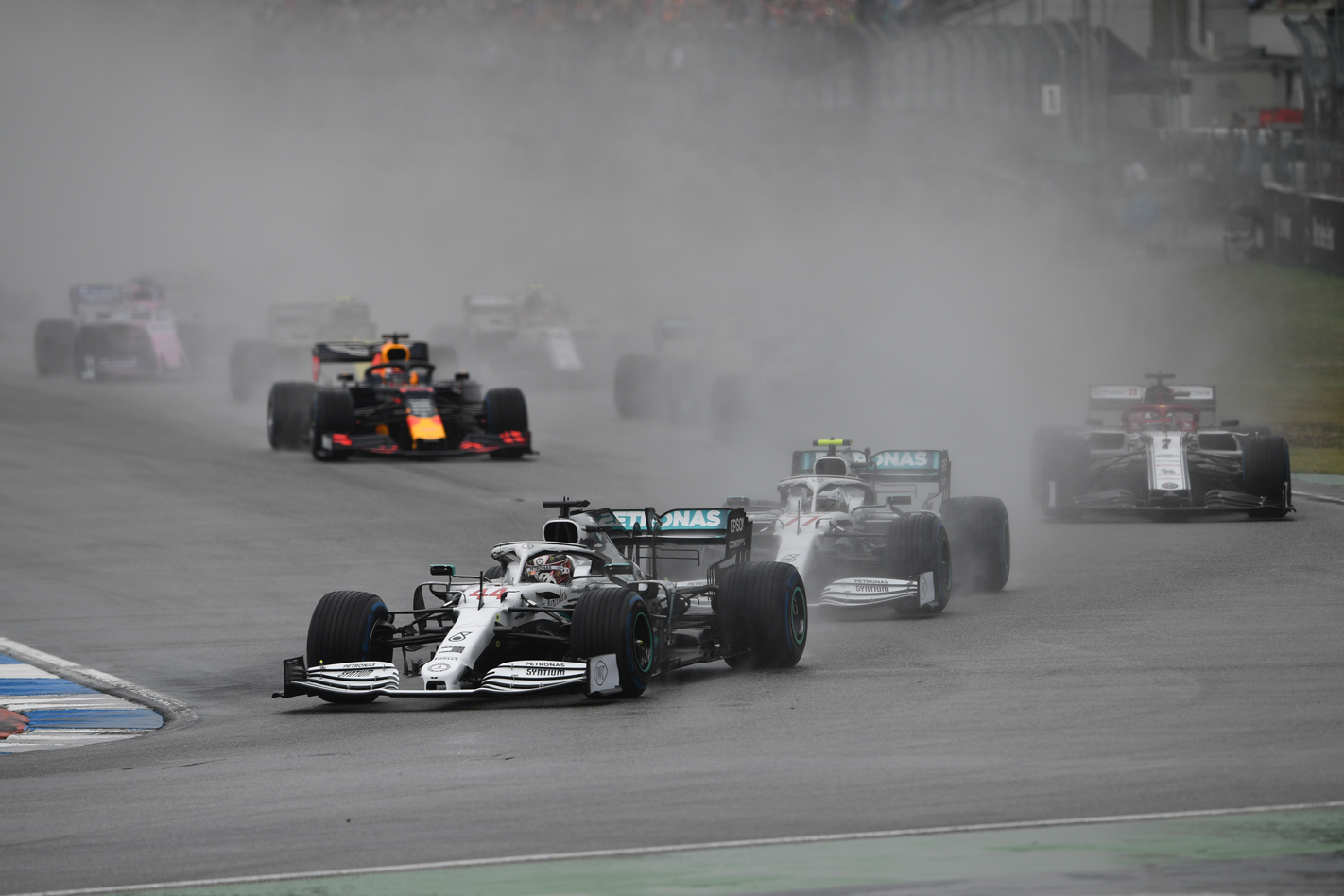
Yes, it’s fair to say that around the Wheels office, we’re just a little amped about the February 28 launch of Season 2 of Drive to Survive, Netflix’s exceptional series that lifts the veil of the world’s premier motorsport category.
Executive-produced by Academy Award winner James Gay-Rees (Senna, Amy) and Paul Martin (Diego Maradona), the 10-episode first season managed that rare feat of capturing the attention of viewers who previously had no real interest in watching supremely brave and talented young men banging wheels at over 300km/h. Suddenly everyone from our mums to the office cleaning staff were saying, “Oooh, Drive to Survive! Yes, I love that series; it’s amazing!”
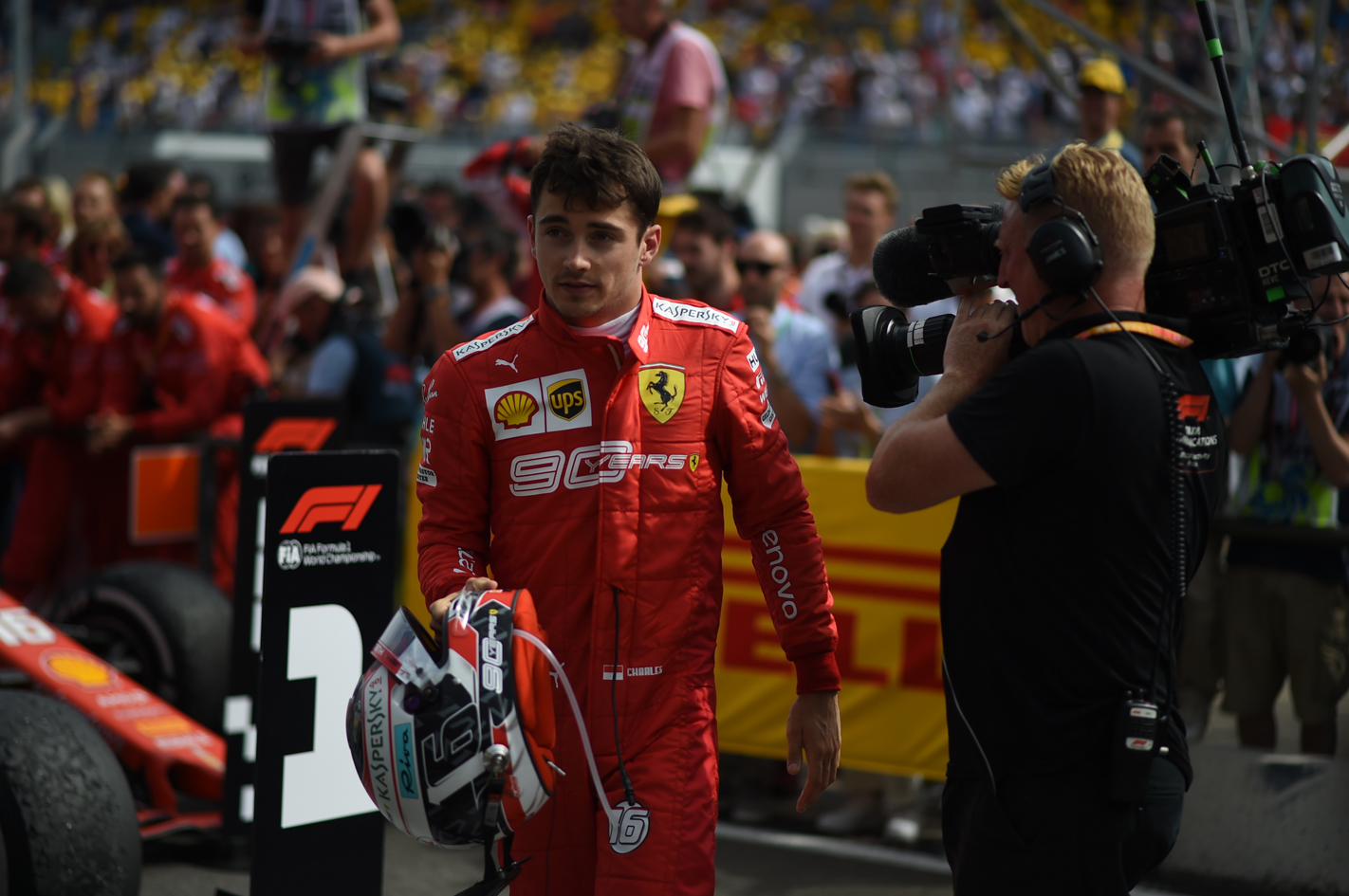
So what do we know about Season 2? Well, apart from the fact it contains a liberal splash of non-PG-rated language, the trailer doesn’t reveal a vast amount of detail about the specific story threads that the series explores. But what is hugely exciting is that this time around, the fortunes of all 10 teams are followed. Both Mercedes and Ferrari gave generous access to the filmmakers, so expect them to feature heavily.
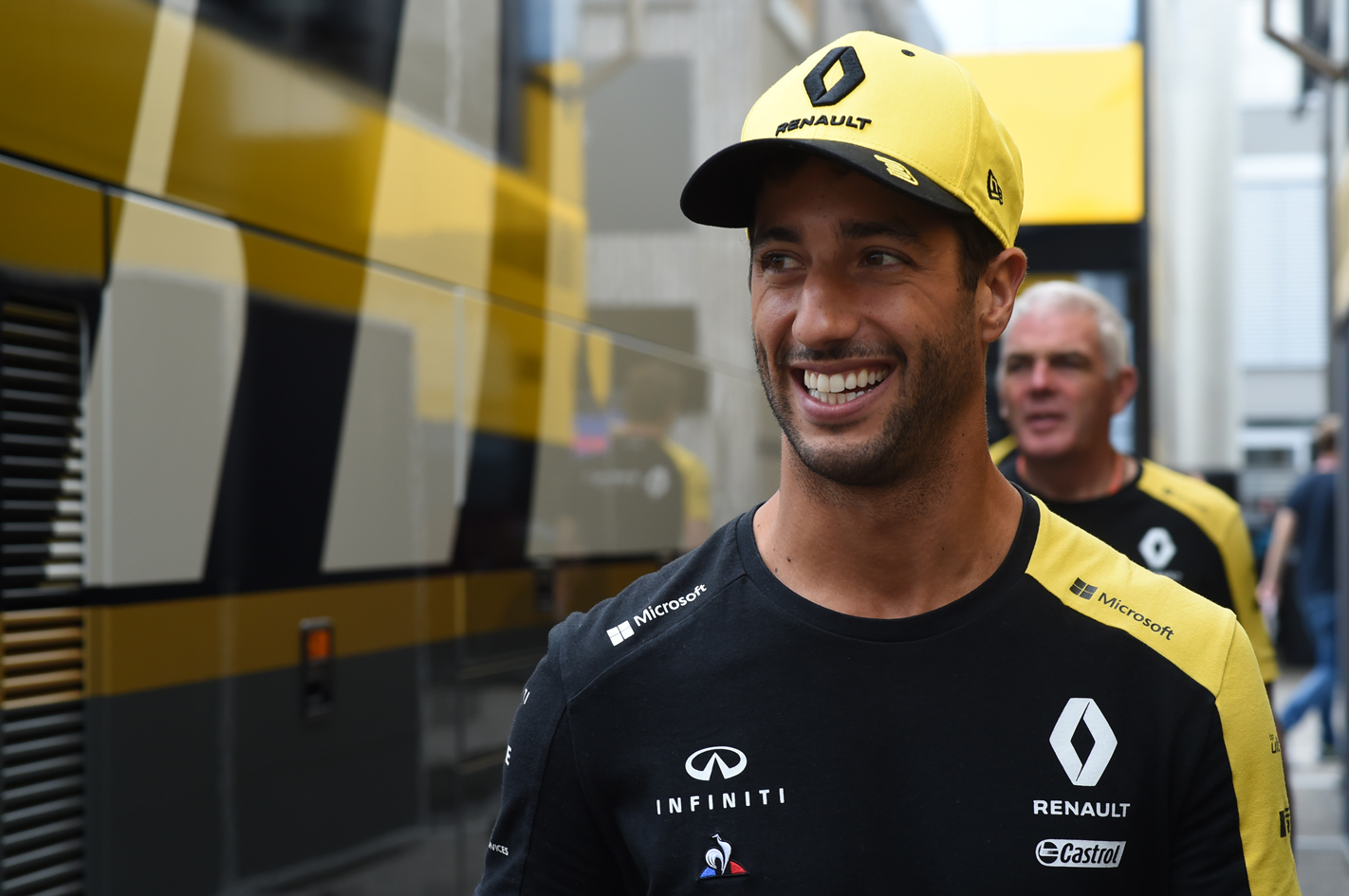
It’s also clear that the 2019 fortunes – or lack thereof – of our own Dan Ricciardo are explored, in what was an even tougher season for the Renault team than anyone but the most ardent naysayers predicted. Spoiler alert – no innersoles of Dan’s race boots were turned soggy in the making of the second season of DTS. The poor bloke must be parched; not a single shoey in all of 2019, not even a podium.
We also know that drivers Lewis Hamilton, Valtteri Bottas, Sebastian Vettel and Kimi Raikkonen will feature for the first time. Also, the 2019 season of rookie peddlers Lando Norris, Alexander Albon and George Russell is laid bare, which will make for a fascinating insight.
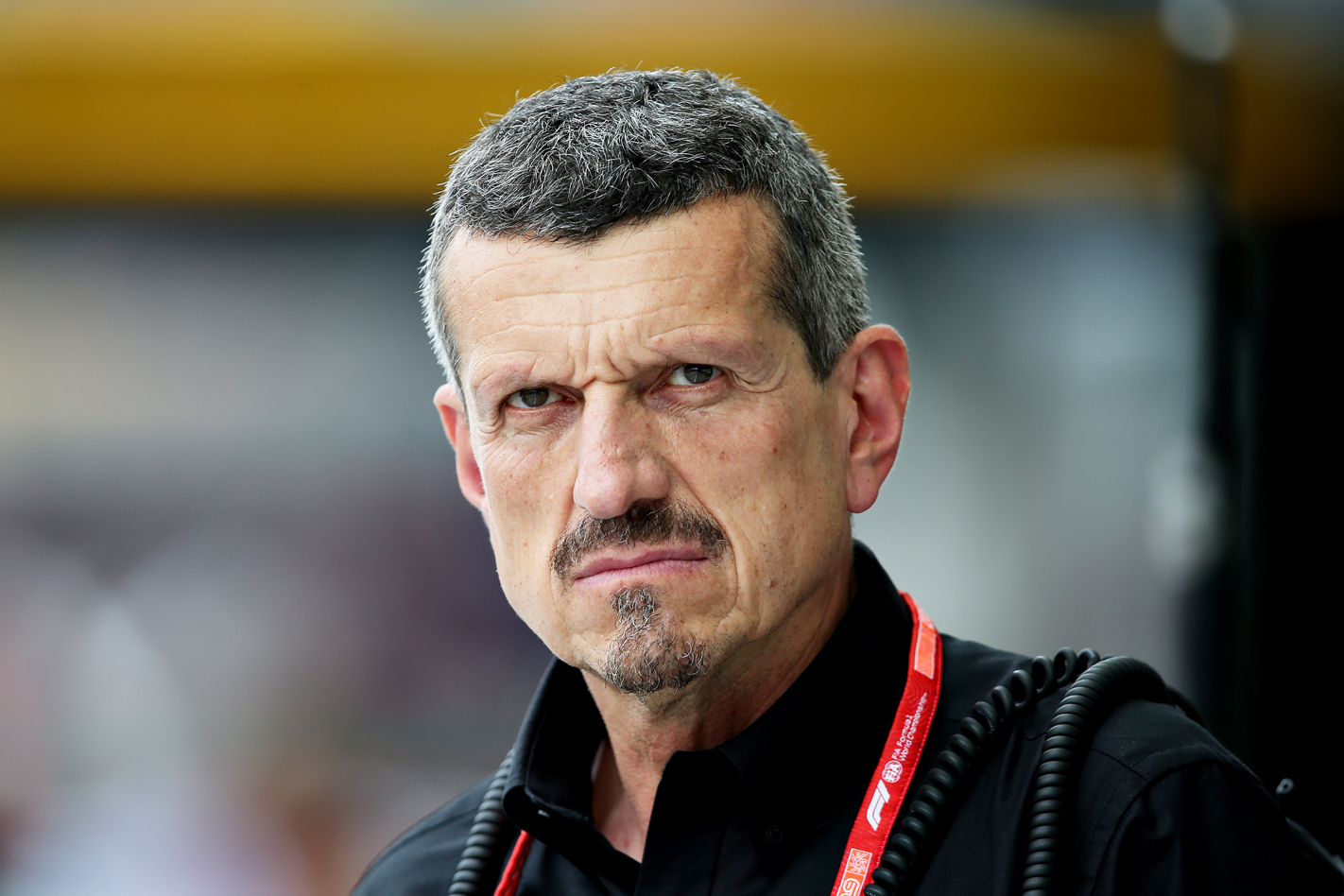
Oh, and let’s not forget the breakout star of Season 1, Haas team principal Guenther Steiner. In an episode entitled ‘Boiling Point’, the fruity German boss turns the screen blue as he demonstrates his exceptional command of the English swearing dictionary as the team disintegrates at the 10th round at Silverstone.
But for a real fly-on-the-Carrara-marble-wall moment, check out the domestic breakfast chat between Red Bull team boss Christian Horner and his wife, Spice Girl Geri Halliwell: “Who’s your favourite driver, darling?” she inquires beseechingly.
“The one who’s winning races…” he fires back tersely.
Wrong answer, Christian. You mean the one who’s winning f___ing races…
Formula 1: Drive to Survive Season 2 launches on Netflix on February 28.
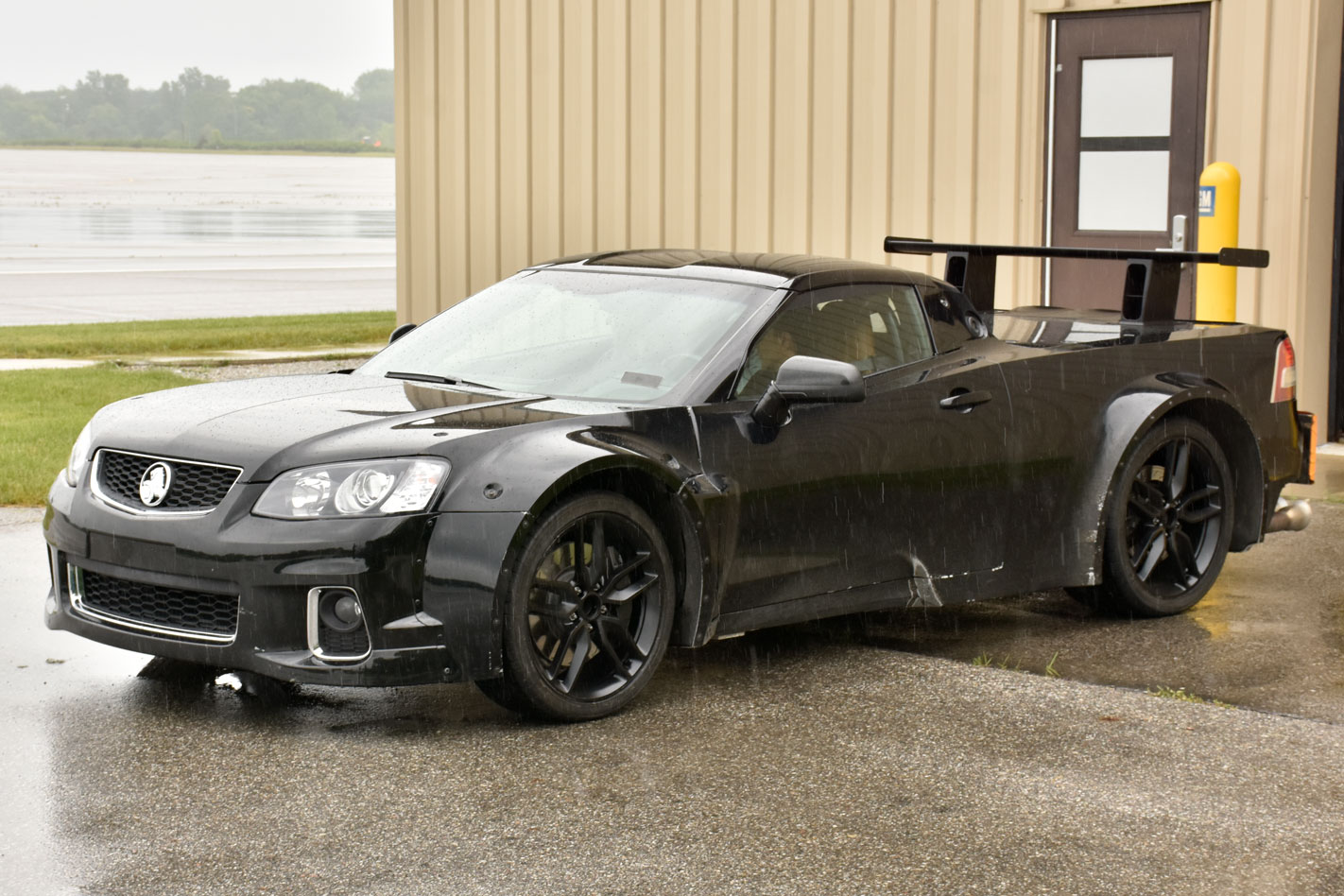
Blackjack is an intriguing card game of skill and chance. A rather apt name, then, for the Holden ute testing mule that helped spawn the most radical rethink in Corvette history.
Built using a VE Holden SS-V ute – well, parts of one – Blackjack was created in 2013 to help GM wrap its head around how to engineer a mid-engined performance car.
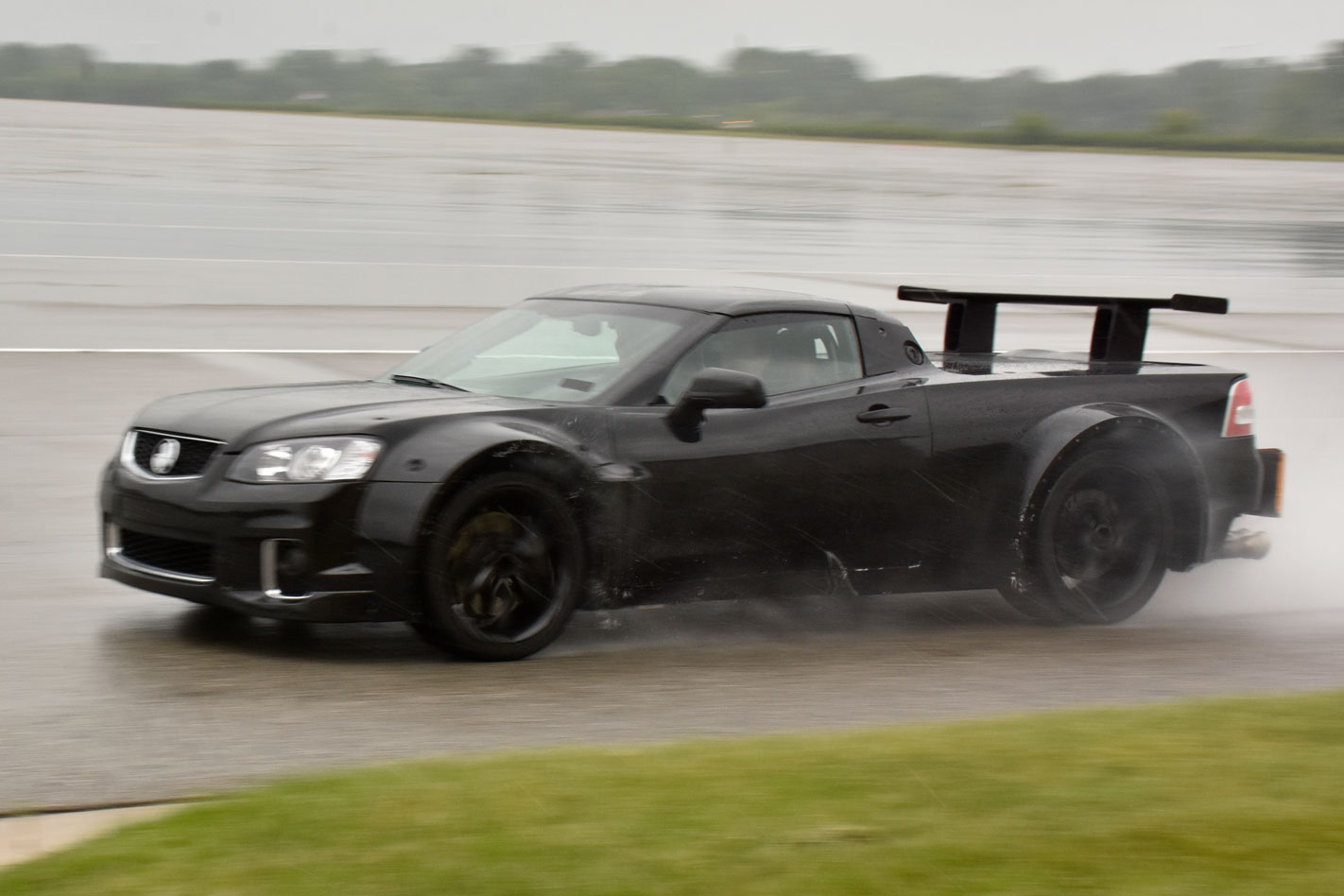
The result is arguably the coolest Holden ute ever created. Stretched, flexed and bewinged, its V8 engine is housed in an extended tray and those flared arches concealed wider tracks. The fuel filler has been moved to the B-pillar.
The cab-section is from a C7 Corvette (the Holden nose and rear end were simply grafted on) and inside, Blackjack’s cabin is test-mule crude. Although Blackjack still retained a functioning wiper, taillights, a horn and a working demister… you know, to be street legal.
Beyond acting as an early test bed for the powertrain, Blackjack’s key role was in developing the Corvette’s new aluminium structure and the set-up of its multi-link rear suspension.
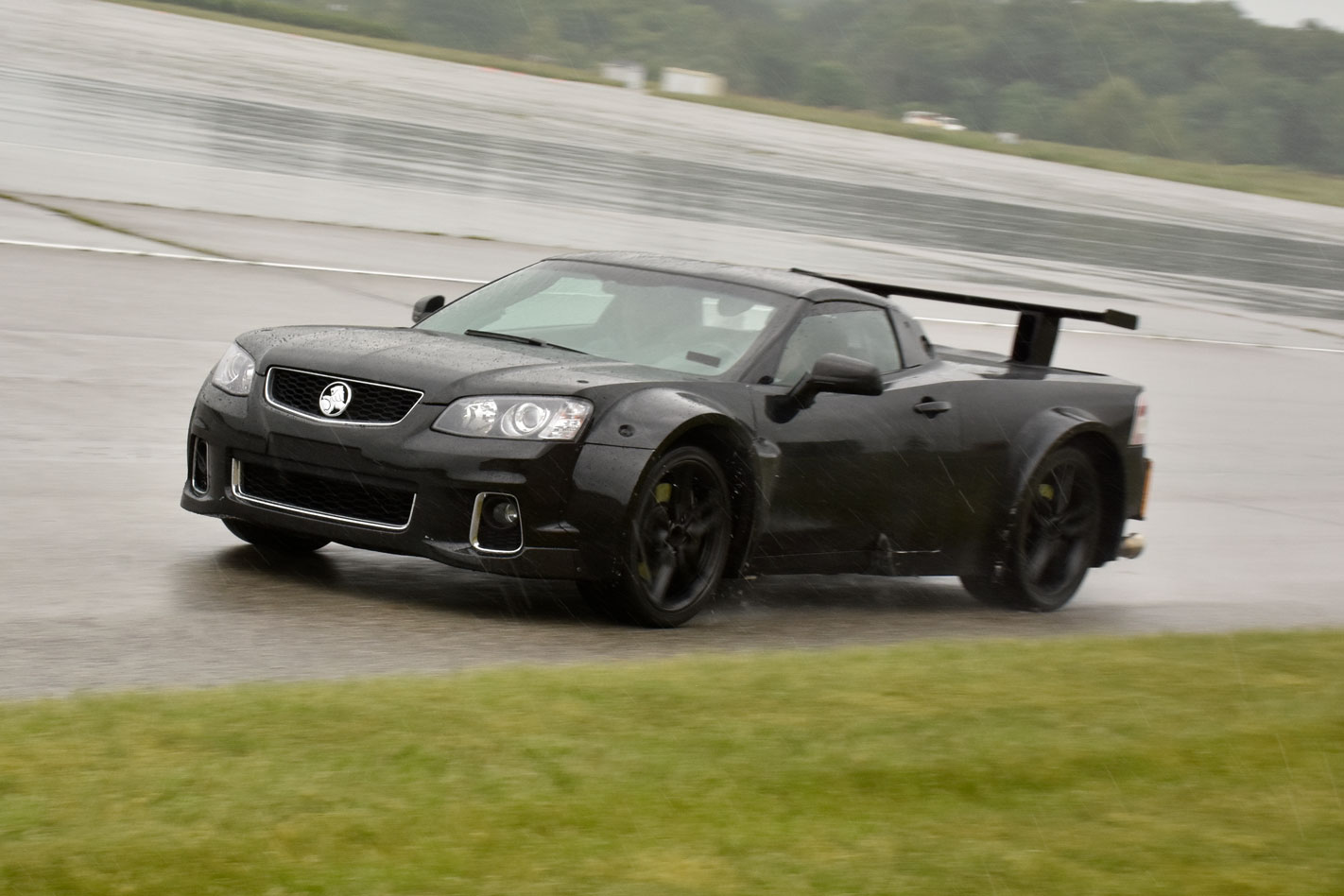
Interestingly, that enormous rear wing isn’t there for downforce but is actually inverted to create lift as the engineers fine-tuned Blackjack’s aero balance and pitch during suspension testing.
Blackjack’s gearbox is actually a Porsche PDK. Eventually this would morph into the C8’s eight-speed Tremec, which “took as long as designing the rest of the car” to get right, according to the mid-engine Corvette’s chief engineer, Tadge Juechter.
As you can imagine, secrecy around the project was paramount. To keep Blackjack away from prying eyes, spotters were deployed to identify spy helicopters when engineers dared let the ute-based mash-up see the light of day.
If the spotters raised the alarm, Blackjack would scarper back to its top-secret garage, known as ‘The Lair’.
Of course other test mules were built, but they’re all considerably more Corvette-like in form and function. The Aussie ute-based creation stands as the obscure unicorn, and wonderfully, it still exists.
The C8 Corvette, the car in which Blackjack was so instrumental in developing, is still currently slated to arrive on Aussie shores.
However, when exactly that will be has been muddied by the news of Holden’s closure.
