
It has been three years since the large American-sourced Acadia SUV was confirmed to arrive in Australia rebranded as a Holden, with the big SUV finally launching Down Under 12 months ago.
Expectations were high for the Acadia, set to join the market at a time when Holden needed a large SUV hero.
Time then for Wheels to put the finger on the sales pulse to determine how things have progressed.
The data in this article comes from the most recent full month sales report by VFACTS in September.
Monthly figures provide a narrow perspective on a car’s sales. Instead, we will focus on year-to-date (YTD) for the first nine months of the year.
Year-to-date Holden has registered 2209 Acadias, making up 2.8 percent of the large SUV under $70,000 market, which accounts for 79,508 new vehicle sales so far in 2019, or 9.8 percent of the total market.
By the end of 2018 the Acadia had registered 625 sales, with 292 of those coming in December alone.
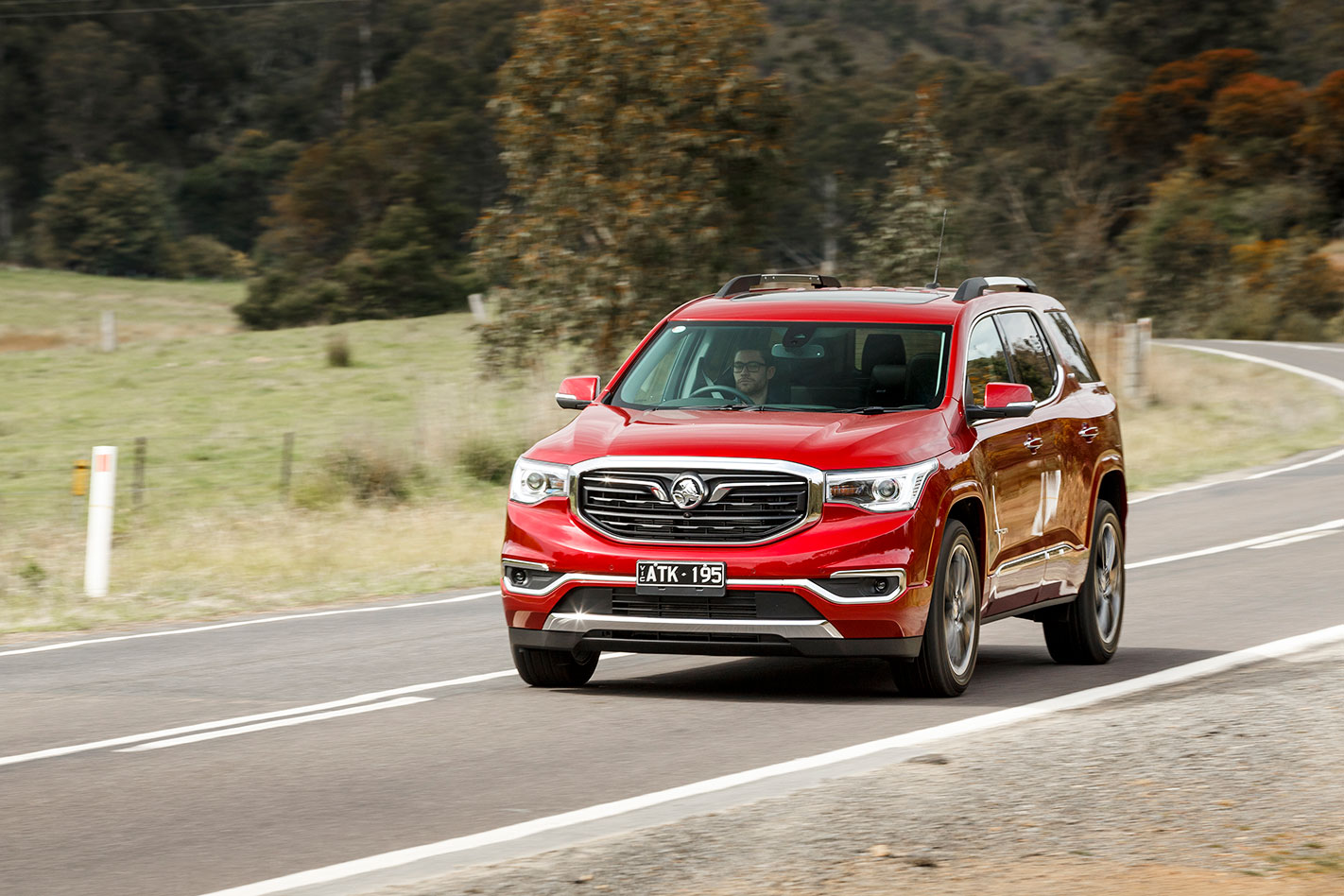
In its last full year on sale, 2018, the seven-seat Captiva had 5100 registrations, down from 9588 in 2017 when it was fourth in class.
The best-selling vehicle in this class is the Toyota Prado, which has registered 14,228 year-to-date, while the Acadia’s 2209 sales means it sits in 12th in class.
Second is the Kluger, which is the more relevant rival to the Acadia, with 8057 registrations so far in 2019.
Sales figures for rivals such as the Mazda CX-9 and Hyundai Santa Fe also significantly outstrip the Acadia, with 5538 and 4548 registrations respectively.
If Holden was hoping to come into the large SUV market with the Acadia to turn around its spiralling sales trend, things have gone poorly in the first 12 months.
However, Holden has faced challenges with introducing the Acadia, namely trying to introduce a new nameplate into a segment which includes recognisable stalwarts like Prado, Kluger, and CX-9. A Holden insider described the situation to Wheels as akin to trying to introduce a new cola brand while competing against the likes of Coca-Cola and Pepsi.
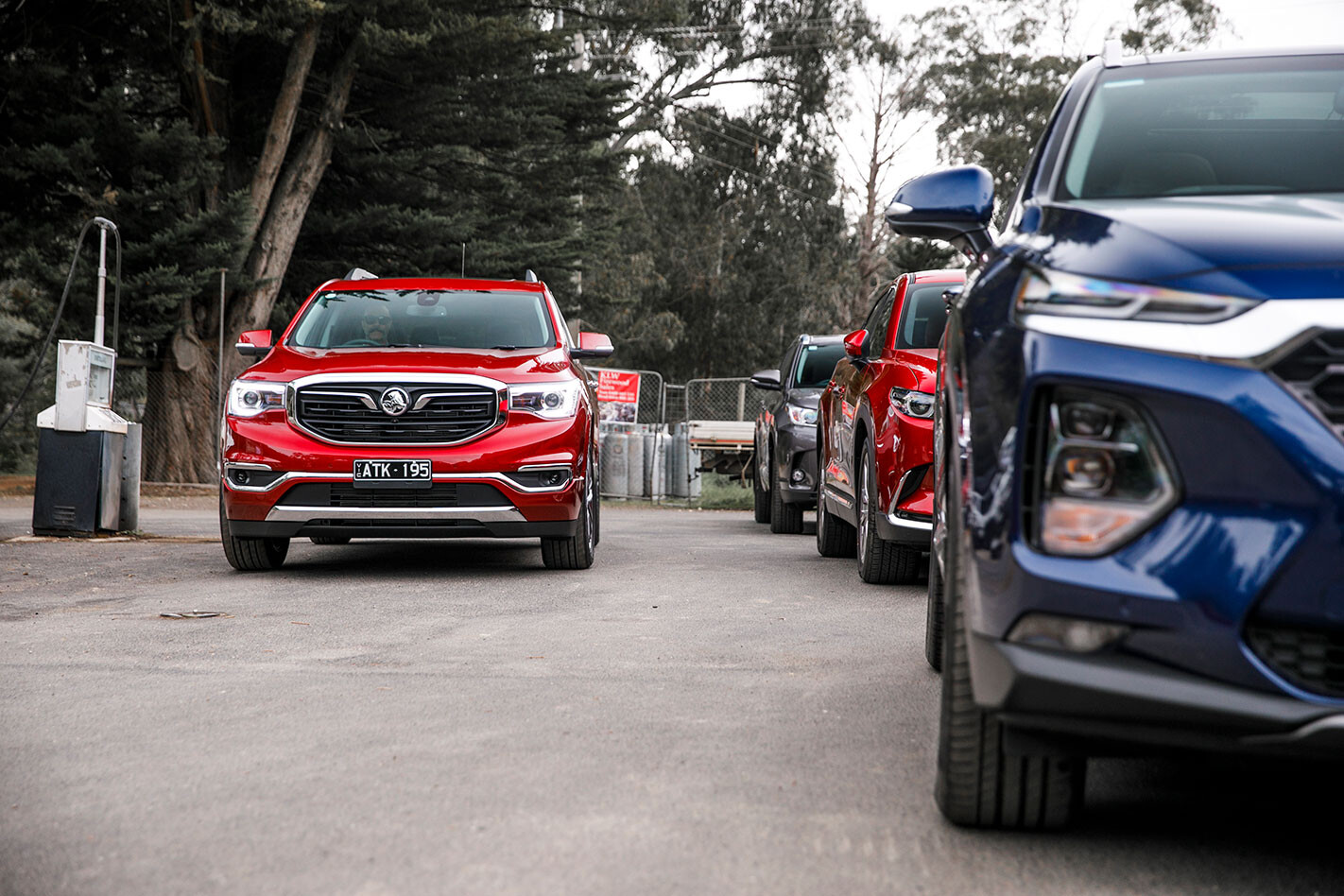
Within Holden’s stables the Acadia has been outsold so far this year by the Trax (3706), Equinox (4005), Commodore (4639), Colorado (13,593), and Astra (3771)
While the Acadia might not be living up to expectations, Holden has an unsung hero with its Trailblazer SUV. YTD the 4×4 SUV has notched 2089 registrations, a growth of 7.5 percent year-on-year. The only other Holden to grow its sales figures is the Equinox, which is up 10.6 percent compared to the same point last year.
Another issue is the fact that private buyer numbers have fallen, particularly in the Large SUV segment, hurting Holden’s strategy of targeting families.
It should be noted that the Large SUV under $70,000 segment has decreased 8.5 percent year-to-date in 2019. In 2018 it fell 0.5 percent, following a two percent drop in 2017.
This has hurt the Acadia’s competitors as well, with Kluger, CX-9 and Santa Fe registrations shrinking by 27.5 percent, 11.1 percent, and 18.6 percent year-on-year. Only the dominant Prado has survived unscathed, dropping just 0.1 percent in the same period.
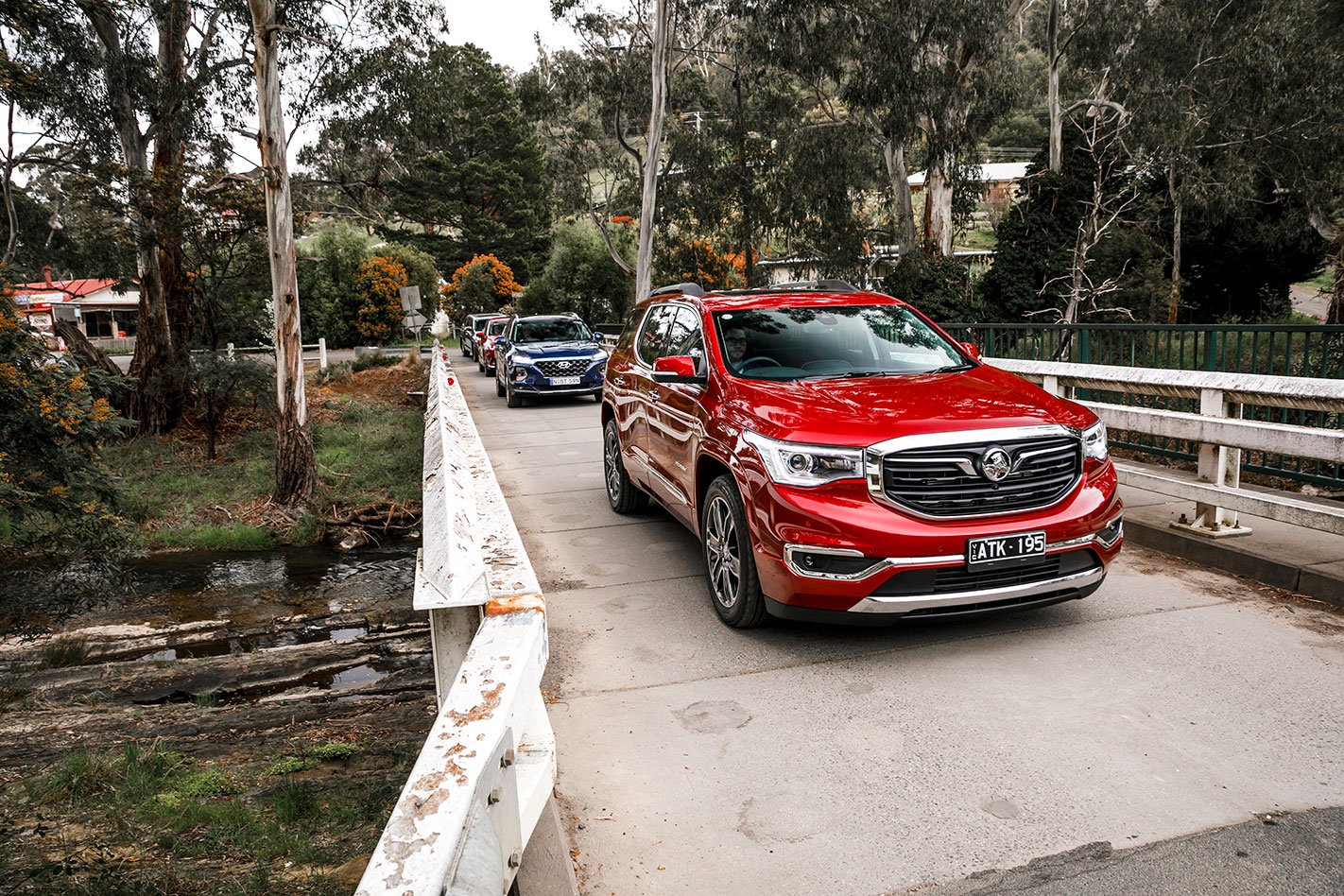
“The Acadia’s position is improving as more people get to know about the vehicle, get the opportunity to test drive it, and simply become aware of the nameplate,” a Holden spokesperson told Wheels.
The GMC Acadia was updated in North America early this year; however Australia will miss out on the visual changes, and new 2.0-litre turbocharged four-cylinder petrol engine. However, that’s because the nine-speed gearbox, larger 8.0-inch infotainment screen, and digital instrument cluster now being sold in the US is already fitted to Australian examples.
Australian Acadias are sold exclusively with a 231kW/367Nm 3.6-litre naturally-aspirated petrol V6. Wheels was told at the launch of the Acadia last year that Holden didn’t have the budget to bring both the new four-cylinder and V6 Down Under.
Production of the Acadia in the US is reported to have been affected by a strike by 46,000 United Automobile Workers (UAW) members that work for General Motors. The strike has lasted several weeks, with picket lines across 55 of GM’s North American plants.
Can you believe it’s been 45 years since the Volkswagen Golf first rolled out? Today the WhichCar Weekly team discusses the great, great, great, great, great-grandchild of that original 1974 model.
The eighth-generation Golf brings a whole heap of new features including far more electrification options, but Scotty thinks he has the most interesting Mk8 morsel.
Returning to the WCW studio, Dave ‘Bocconcini’ Bonnici weighs in with the most interesting machines that have just made their debut at the Tokyo Motor Show. Among the fascinating fresh hardware there were a few standouts including Mitsubishi’s Mi-Tech concept and the Mazda MX-30. Hit play to find out the common theme at Japan’s biggest show of 2019.
Later, we chat about why Scott is still reeking of tortured tyres and all the fun the MOTOR team had at this year’s Performance Car of the Year or, P-COTY as its friends refer to it.
Scott won’t tell us which of the ten models took out Australia’s most coveted performance car award, but he did explain the process that decides the victor. He says it’s hard work but he’s not getting any sympathy from Dan and Dave.
If you’re on the go, you can find WhichCar Weekly on all manner of podcast apps including iTunes and Podbean. Please rate, subscribe and leave a review! You can also follow the day-to-day happenings of the WhichCar team on Facebook, Twitter and Instagram @whichcarau.
Listened to the show? Help us out:
- Leave a note in the comment section below.
- Leave a review on Apple Podcasts/iTunes
- Subscribe to our podcast
Mazda’s head of R&D and chief of design have both confirmed it is still their dream to build a rotary-powered halo sports car.
Rumours that Mazda is working on a rotary-powered successor to the RX-7 and RX-8 have been circulating for years and reached fever pitch in 2015 when the company revealed the RX-9 concept car.
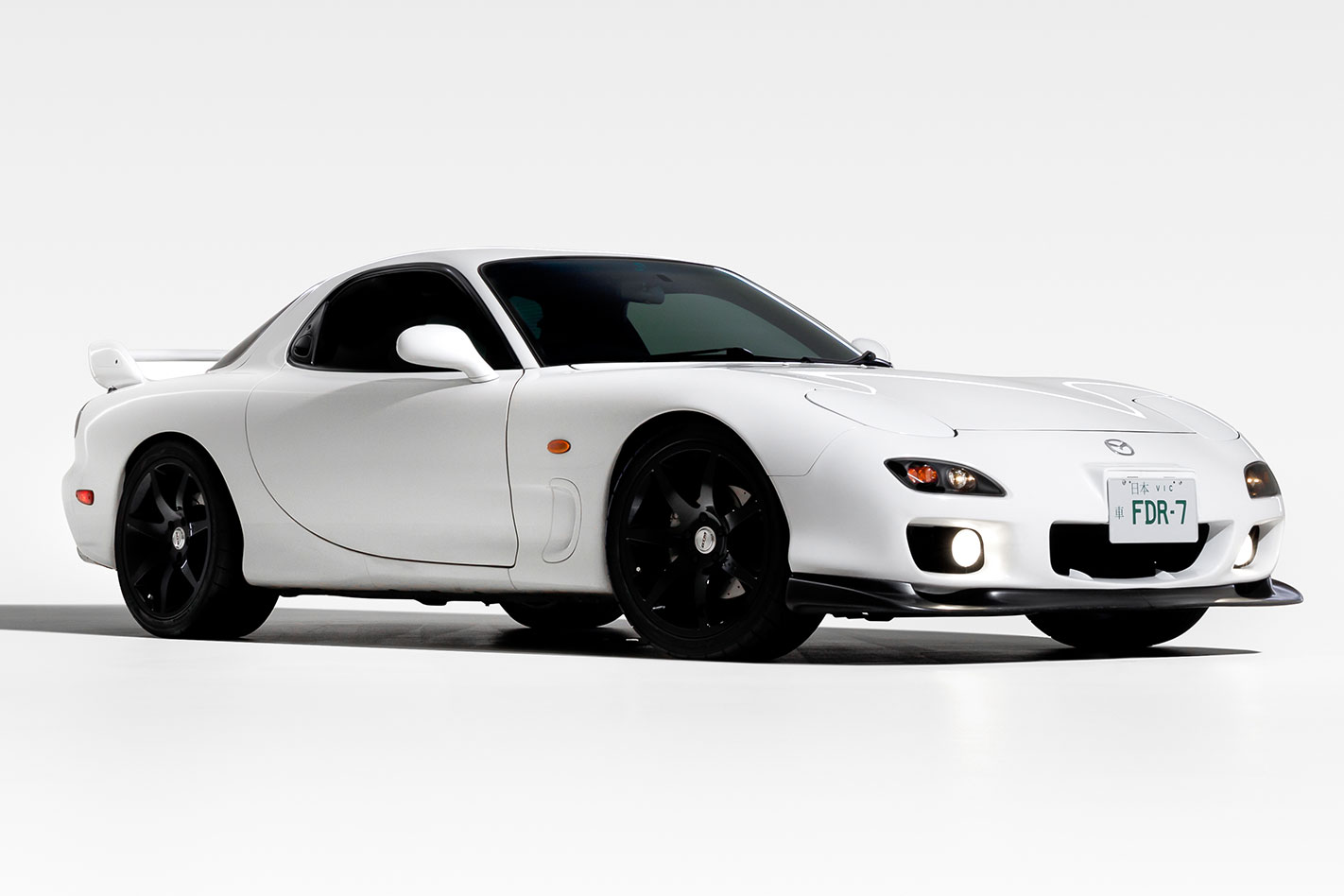
We’ve had scant news since then, though speaking to Wheels at the Tokyo motor show, both Ichiro Hirose and Ikuo Maeda, who head up Mazda’s R&D and design divisions, revealed that project is “still our dream”.
Maeda-san expanded further, saying Mazda is in a “race against time” to make the new sports car happen.
When pressed about when we might see the new sports car, Maeda replied: “It’s a difficult question but we never give up on that dream. It’s [been] too long, huh?
“I understand the clock is ticking and the environment can change. We have to see if the future environment will accept a sports car with open arms. So we understand we are racing against time.”
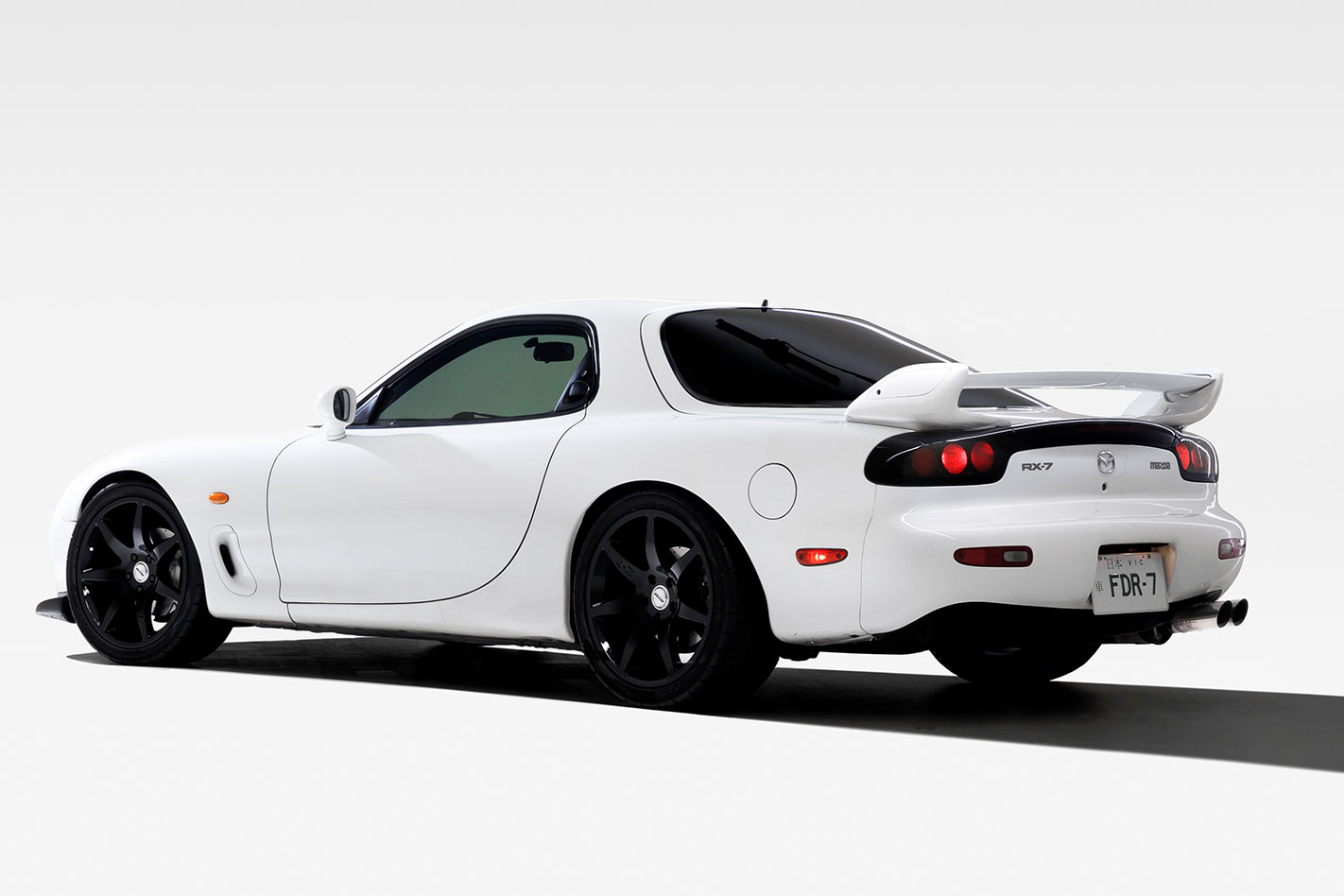
There’s further evidence that Mazda hasn’t given up on the project too. Japanese publication Motor Magazine recently reported that the sports car will be built on a bespoke platform, and a patent application surfaced last month for a new chassis design with double-wishbone suspension.
The issue, of course, is cost. Creating a standalone sports car, especially one on a bespoke platform, is prohibitively expensive for small mainstream manufacturers ‑ though Maeda believes the passion from Mazda’s sports car fans is a powerful weapon when it comes to getting the project signed-off by the board.
“There are still many fans of sports cars, so I think [the way forward is] understanding these voices and understanding the determination of these sports car fans, and then turning that into power to push for the new sports car,” he said.
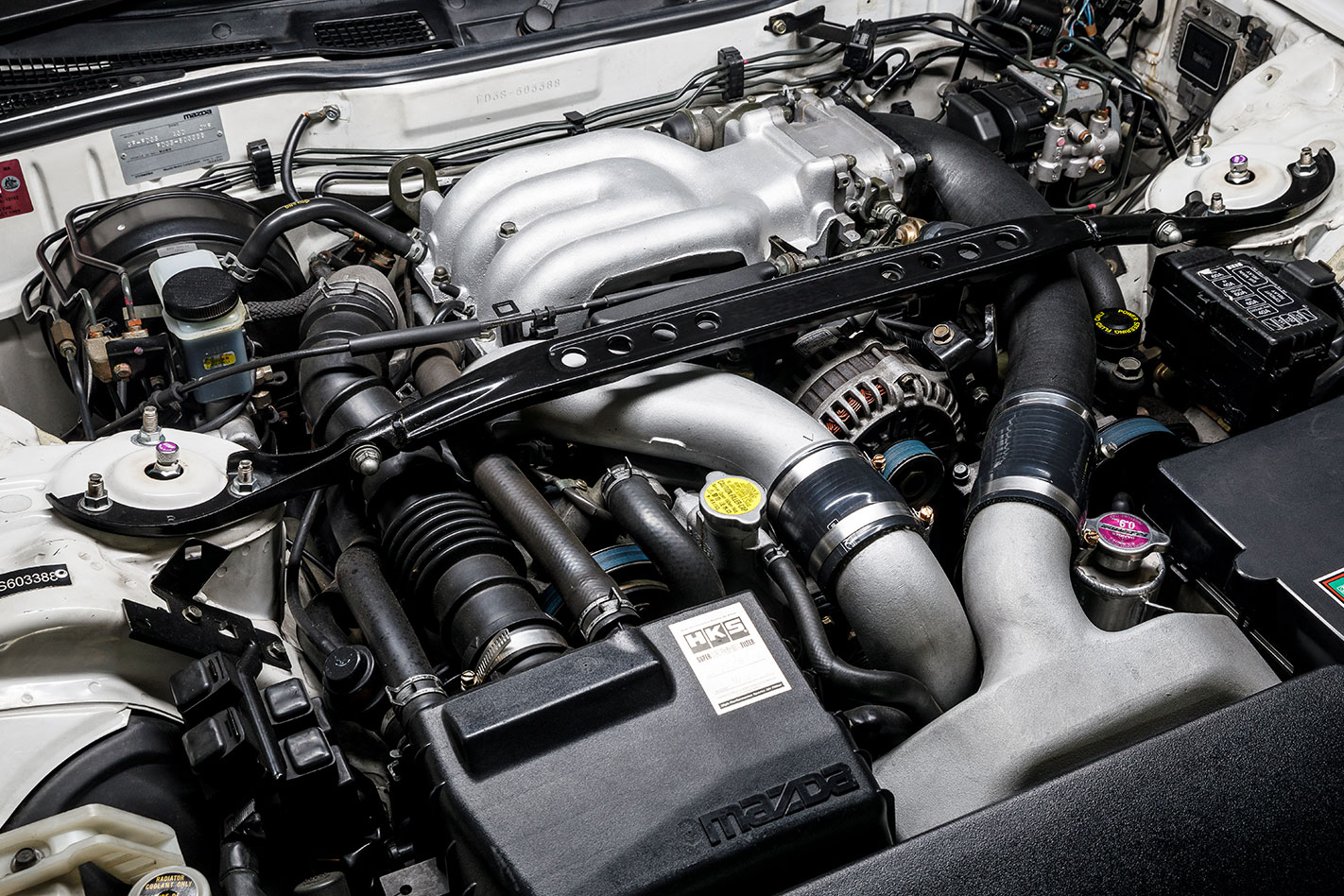
One possible avenue is a joint venture, similar to the deals struck between Toyota and Subaru, and Toyota and BMW, to produce the 86/BRZ and Supra/Z4, though Maeda denied that Mazda has approached any other brands.
“We currently do not have such plans at all…” he said. “[But] I think we probably need to explore various different ways to actually realise it, because what’s important is actually offering the sports car to market.”
And as for the likelihood of any potential sports car being offered down under?
“We all dream about the opportunity for a rotary sports car,” said Mazda Australia boss Vinesh Bhindi. “If Mazda Corporation ever make one, yes, we would be absolutely fighting to be at the front of the queue to get it in Australia.”
Amidst Teslas and Taycans butting heads, the Nissan Leaf has been quietly offering middle-of-the-road commuter tepidness and reinforcing its status as the world’s best-selling EV.
With electric cars making their way into the performance car conversation, Nissan is stepping up its EV game with the development of a new high-power twin-motor drivetrain for its next-generation all-electric models.
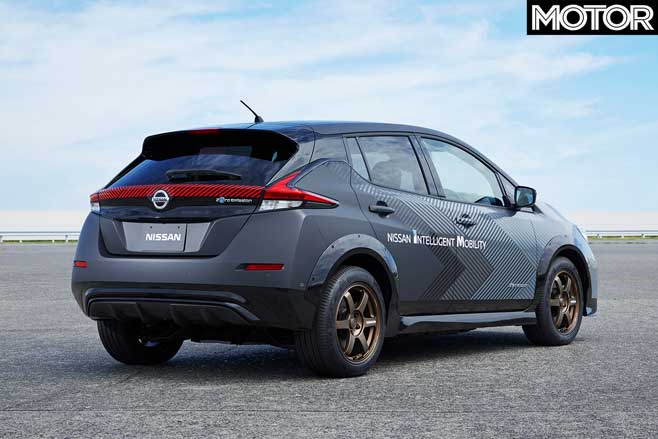
Strapped beneath an extended-range Leaf e+, the twin-motor drivetrain boasts a power output of 227kW and 680Nm of torque. More than double the standard Leaf’s 110kW/320NM claim and surpasses the 213kW/380Nm outputs of a Volkswagen Golf R.
With a motor for the front and rear axle each, the EV test car now has AWD traction and brake torque vectoring, which Nissan says is able to deliver improved ride comfort and stability during accelerating and braking.
Of course, the twin-motor system will do more than lessen the risk of an upset stomach on the school run, but Nissan doesn’t care to mention any firm performance numbers or how much range it could get out of the Leaf’s 62kWh battery pack. The standard 110kW Leaf dispenses 100km/h in 7.2sec with a 380km range.
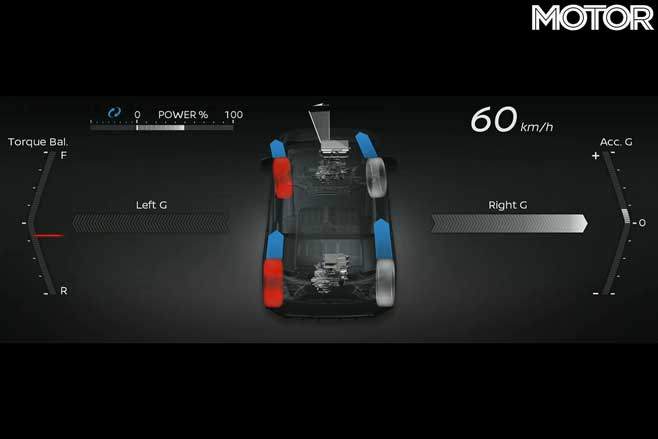
As exciting as the prospect of a new Nissan hot hatch sounds, all-electric or not, for now the EV test car is only a work-in-progress preview of what Nissan has in store for its future all-electric models.
“Soon, Nissan will launch a next-generation EV that will be a true breakthrough,” said Takao Asami, Nissan’s senior vice president for research and engineering.
“The new electric-drive four-wheel-control technology integrates Nissan’s electric propulsion and 4WD control technologies with our chassis control technology to achieve a huge leap in acceleration, cornering, braking performance, on par with the latest sports cars.”
Dutch carmaker Donkervoort isn’t often in the public spotlight, primarily because its sports cars are very specialised and, let’s be honest, its name isn’t that sexy.
But the latest car to be revealed by the brand is a strong reason to pay attention, as the Donkervoort D8 GTO-JD70 is its most powerful model yet.
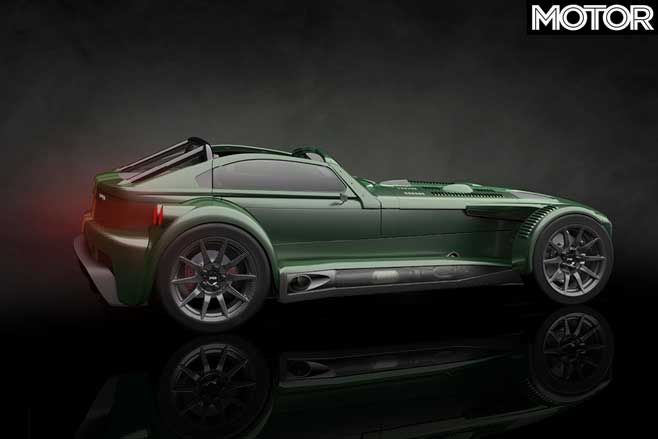
With a 305kW turbocharged inline-five from Audi (think RS3 and TT RS), the sub-700kg Dutch sports car is a proper rocket. A 520Nm peak torque figure helps deliver 1.02G from a standing start.
On top of that, Donkervoort claims the JD70 can handle 2.0G of lateral force when cornering on its standard tyres.
Even better, it’s fitted with a short-shift 5-speed manual, and it’s rear drive. Keep your pants on, purists.
So, why this limited edition pocket rocket? Well, it’s Donkervoort’s birthday. Not the brand, but the man. Joop Donkervoort has turned 70, and so 70 units of the D8 GTO-JD70 will be built in honour of his life so far.
“The JD70 has moved beyond the normal measures for acceleration, braking and cornering so we’re using G forces now. The car is a pure driver’s machine like nothing else on the market,” says Donkervoort managing director (and son of Joop) Denis Donkervoort.
“The JD70 is the distillation of everything we know and everything we’ve learned on the road and the racetrack, from track days and from customer talks and, of course, from Joop’s own ideas on what a supercar should be to its driver.”
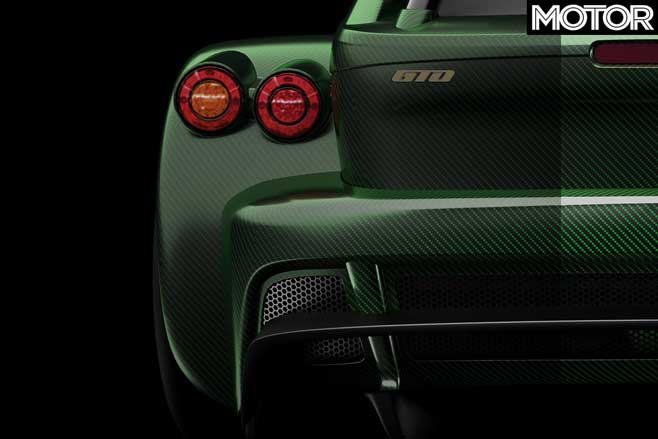
“My father built Donkervoort from nothing to what it is today and he deserves a tribute from us on his birthday,” Donkervoort says.
“We will build just one JD70 for each of Joop Donkervoort’s birthdays (so far) and they’ll be the most emotionally engaging sports cars in the world.”
The Donkervoort D8 GTO-JD70 will be priced from €163,636 before taxes, which converts to AUD$266,514.
Another year passes, and another raft of features get crammed into the increasingly high-tech cars that are making motoring safer and more connected.
But as more gear is packed into even the most basic of four-wheeled transport, other features are being quietly shelved, adding to the graveyard of once-loved items that include CD players, pop-up headlights, ashtrays and wind-up windows.
Here are some of the things your next new car may miss out on.
Owner’s manual
A few hundred pages of OTT warnings and blatantly common sense instructions is hardly engaging reading when you’d rather be out testing your new set of wheels.

Many people never open the chunky owner’s manual that typically takes up a sizeable slice of your car’s glovebox.
Which is why carmakers are turning to digital owner’s manuals housed within the infotainment screen.
If you can’t find the boot release or don’t know how to change that hot pink ambient lighting, simply search for the topic on the screen and obey those instructions.
Removing the owner’s manual also keeps beancounters and engineers happier: less weight and less cost.
Key
Most new cars rely on buttons to start and stop them, with sensors detecting when the key is inside the car.
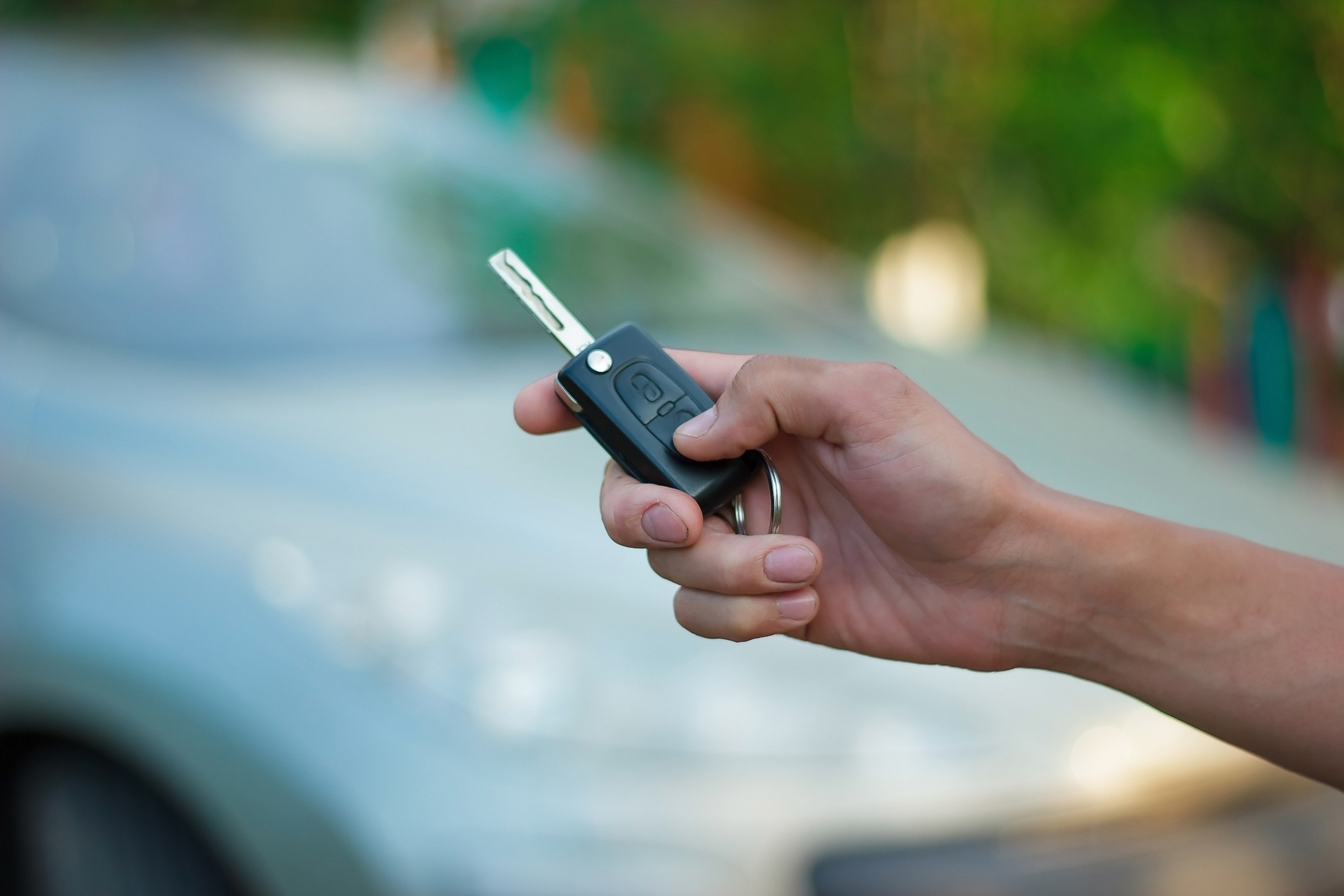
But the key is on borrowed time, with carmakers shifting to credit card-sized alternatives or utilising the near-field communication or Bluetooth functionality of smartphones.
As well as the reduced cost it’s one less (expensive) thing to worry about losing.
Just don’t go dropping your phone…
Read: What safety equipment should I expect in my new car
Leather
The vegan movement is real – and no more obvious in its outcome than on the interiors of cars.
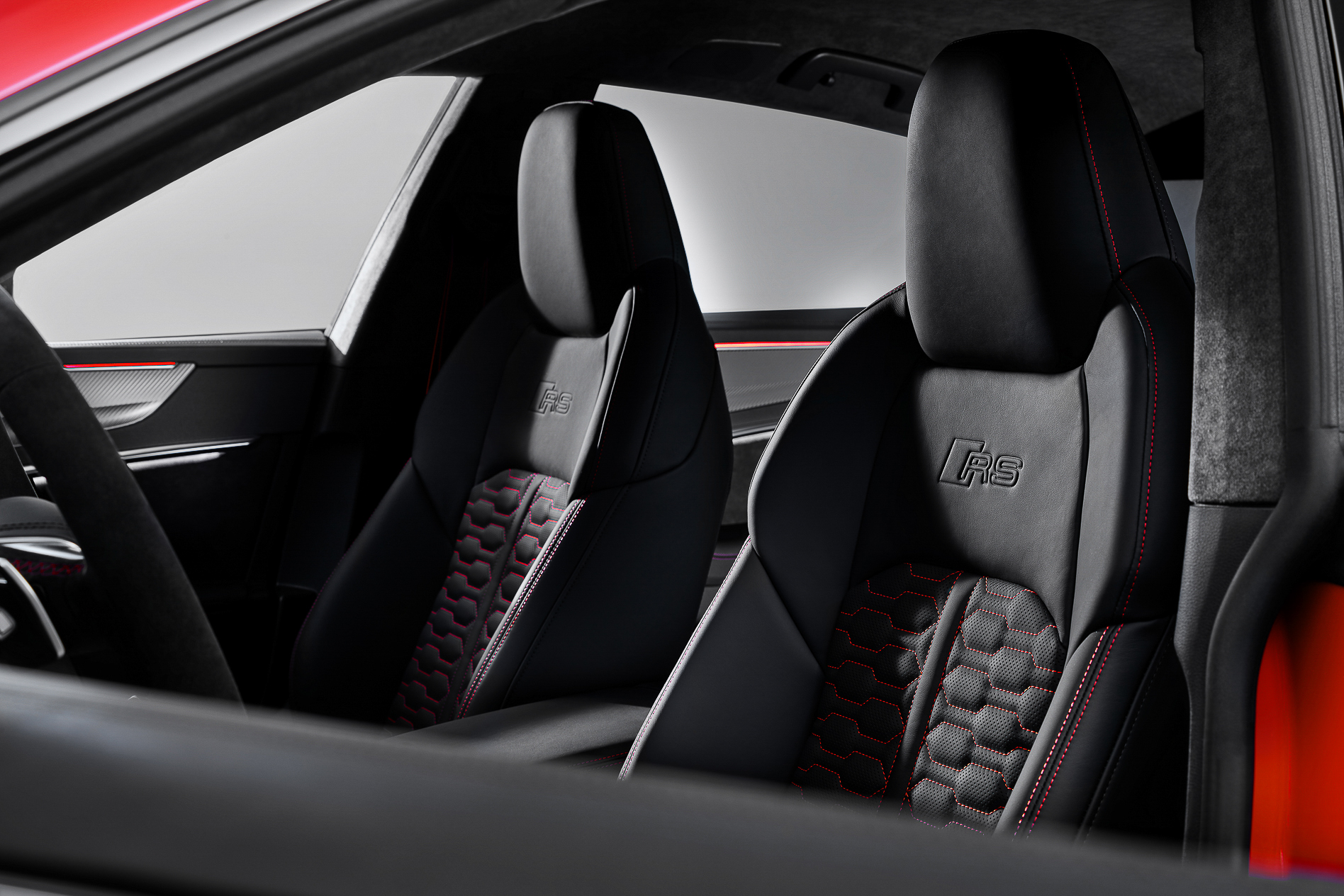
While carmakers work on glues that eschew animal products in their composition, other brands are ramping up their efforts with non-leather finishes.
Many, including Tesla, opt for a fake leather that happens to look quite fake.
Others go for something more modern with elements of wetsuit material or netting.
The key is giving buyers the option of having non-leather interiors – whether they look like leather or not.
Buttons
BMW set the gold standard for removing buttons with its controversial 7-Series of 2001.
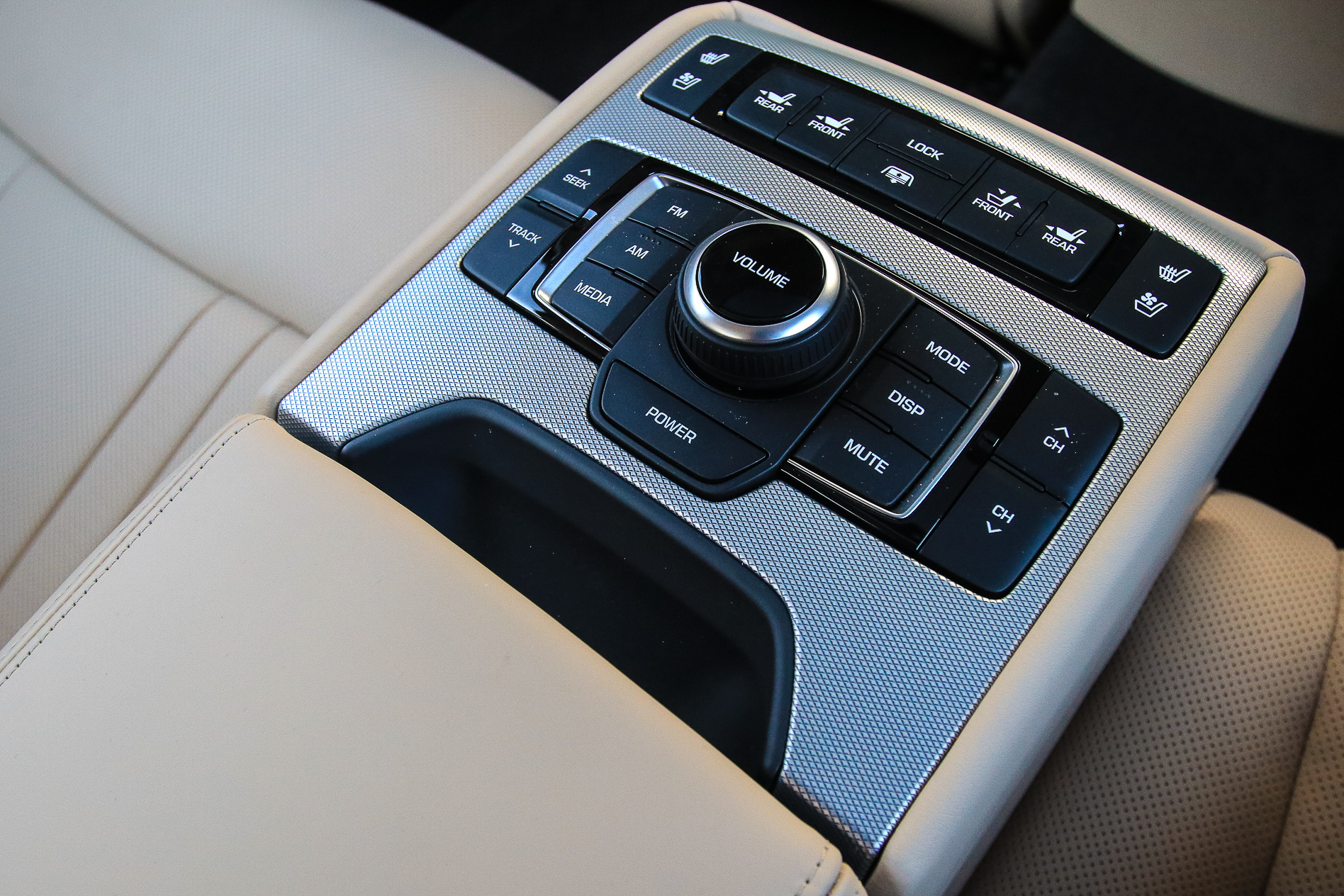
The introduction of the iDrive controller shelved dozens of those pesky pushy things.
For the next decade or so BMW slowly reintroduced many of those buttons.
Others – including Honda and Toyota with their formerly frustrating infotainment systems – have followed suit in returning to the button.
But the humble push button appears to have a finite lifespan, with carmakers increasingly finding more clever ways to lean on screens.
And Jaguar Land Rover is working on hologram-like displays that will team with gesture control to allow mid-air selections and swipes.
Spare tyres
In many cars the spare tyre has been confined to history, replaced by near-useless repair kits that might (slowly) get you somewhere nearby.
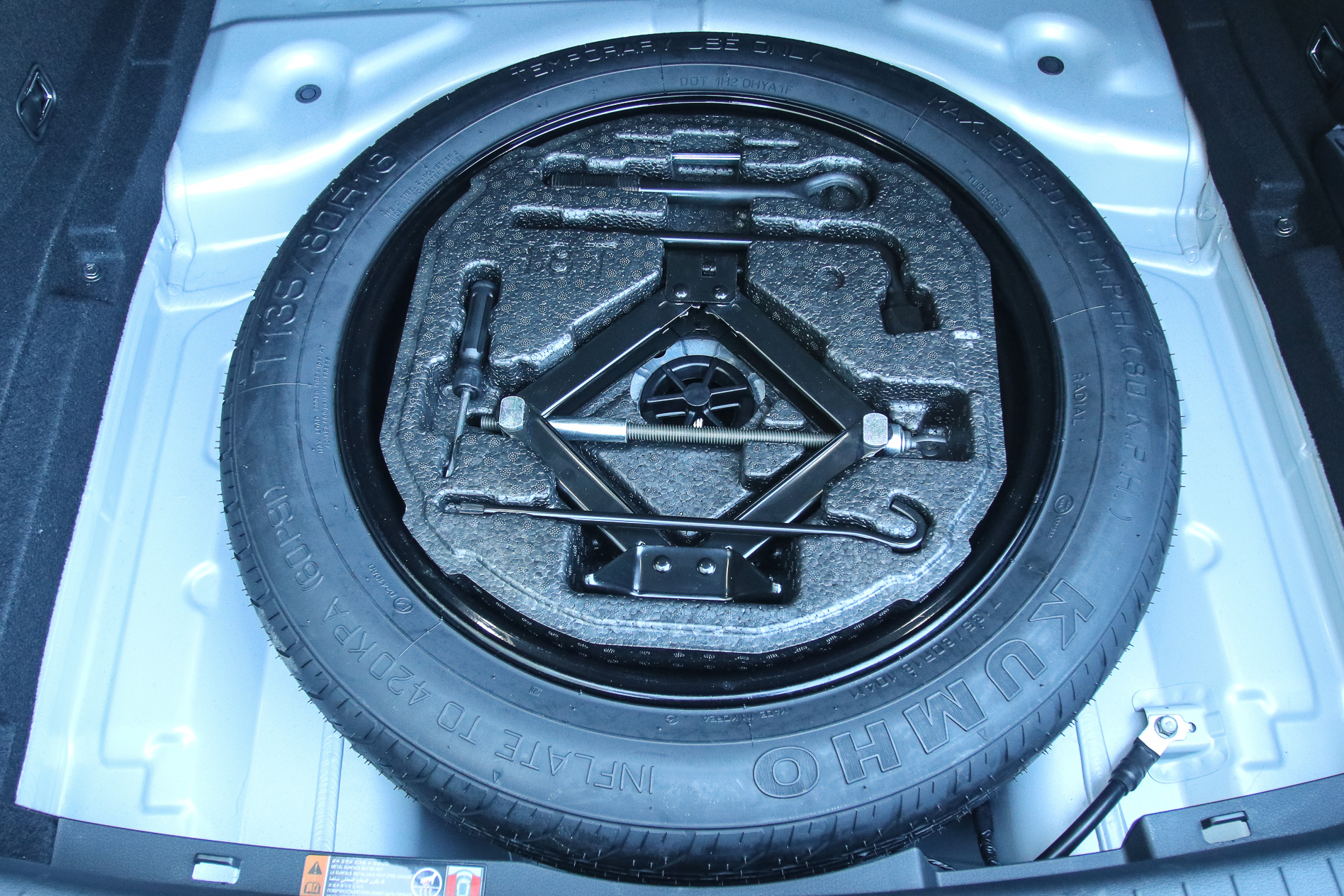
Others simply slice the spare in half for something annoyingly dorky when you do get a puncture.
But the push towards weight and space-saving means spares are increasingly on borrowed time… but there are alternatives in the works.
An engine
The 2020s is shaping up to be the decade of electricity for cars, with more turning to the tech to reduce – or completely eliminate – fuel use.
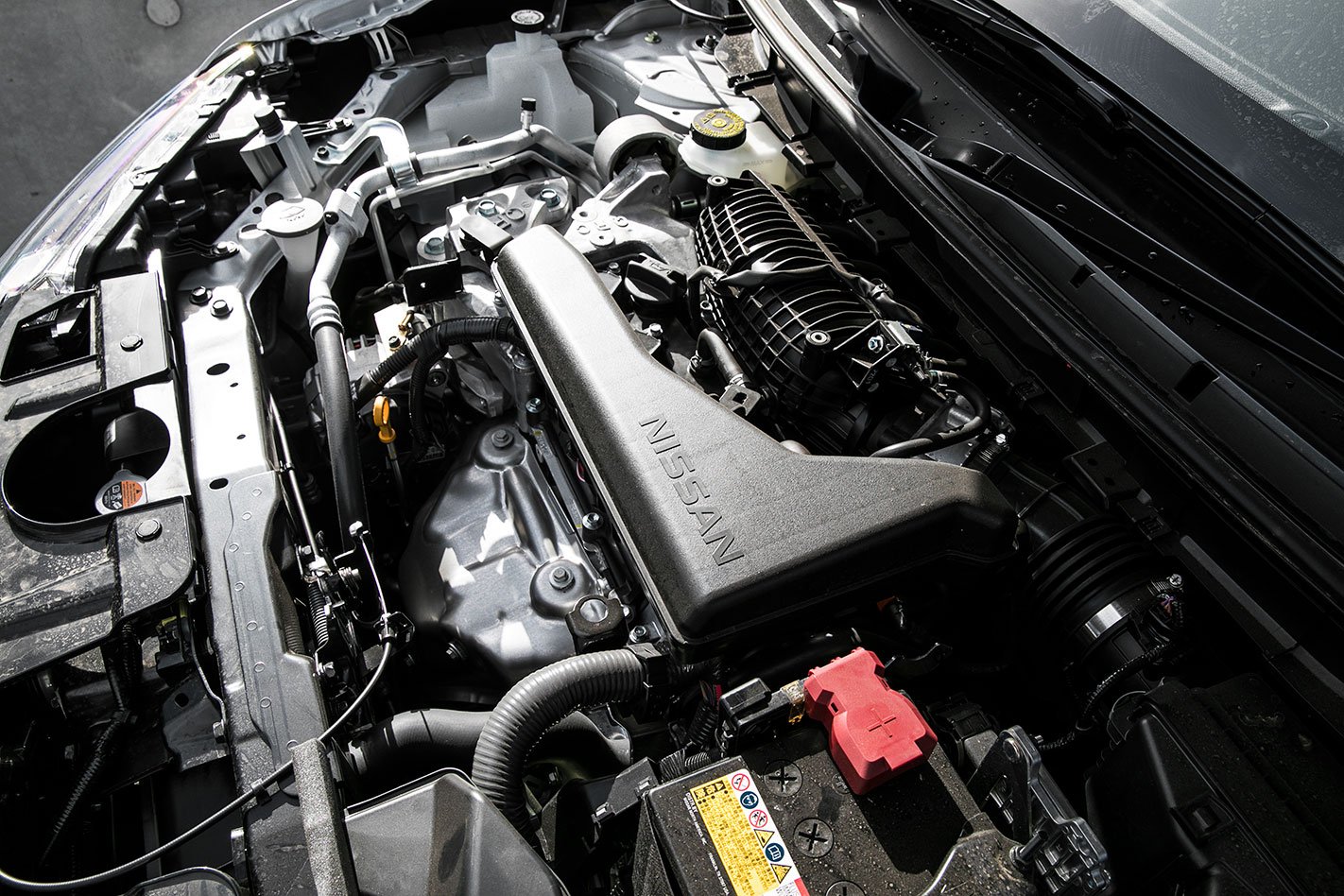
Fast forward 100 years and it’s difficult to see the internal combustion engine playing a meaningful role in everyday transport.
The question is when they’ll be phased out.
Toyota predicts internal combustion engines will be killed off by 2050 and a Mercedes-Benz exec recently said it had largely stopped development of petrol and diesel engines to focus on electric.
Somewhere around 2040 or 2050 seems to be a logical guess for the death of the ICE, assuming the world’s increasingly erratic governments don’t do something unpredictably Trump-ish to change the automotive landscape.
Exterior mirrors
Honda and Audi already sell cars that replace wing mirrors with cameras to give a view of what’s going on behind you.
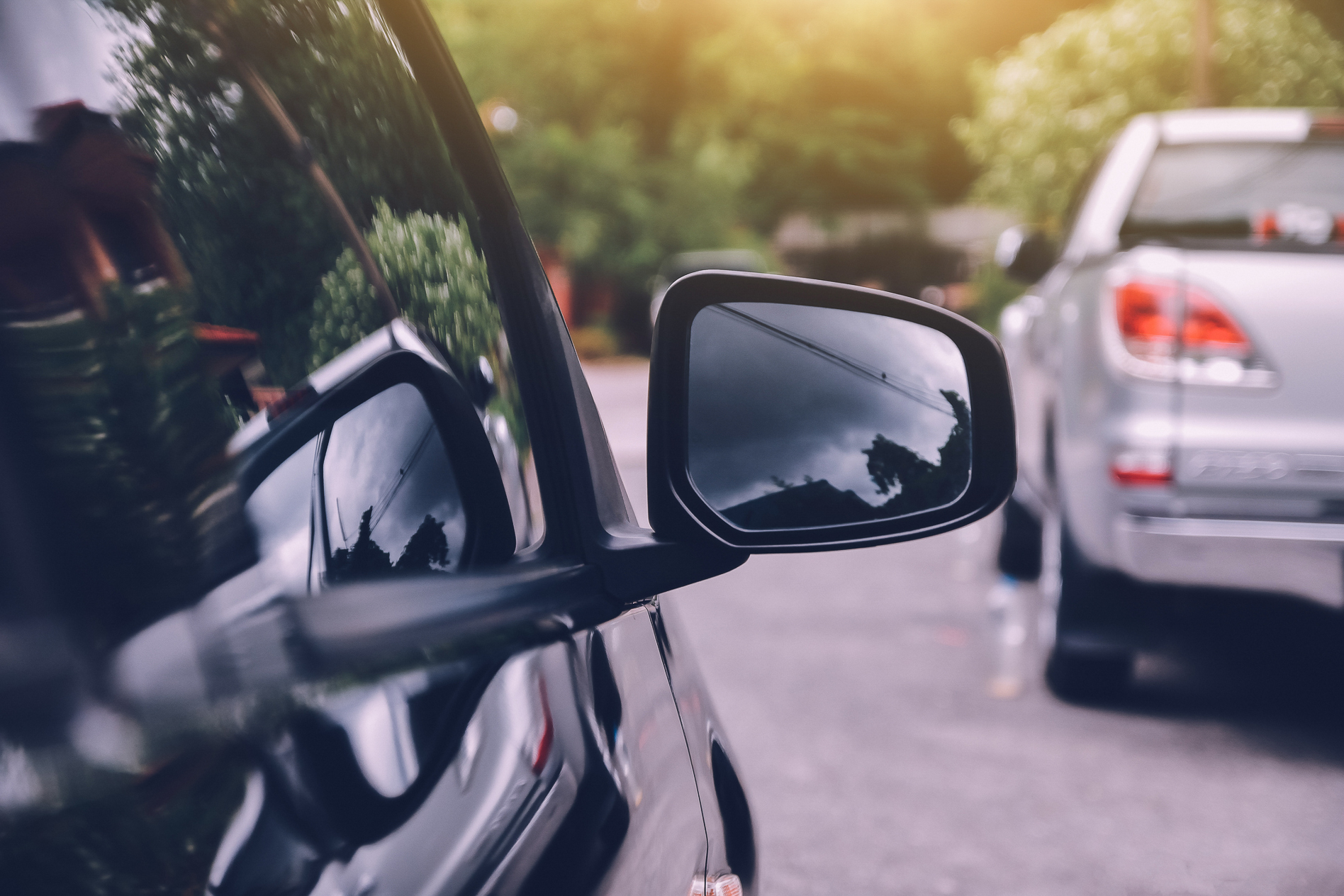
As well as less aerodynamic drag – Honda estimates it will improve efficiency by as much as 3.8 percent – there are advantages with the field of vision and styling.
Longer-term, the simple reflective patch of glass is likely to go the way of the dodo as carmakers embrace modern tech.
AM radio
Buy a Tesla and it’ll reward you with one of the most radical infotainment systems in the business, all controlled via a touchscreen that dominates the dashboard.
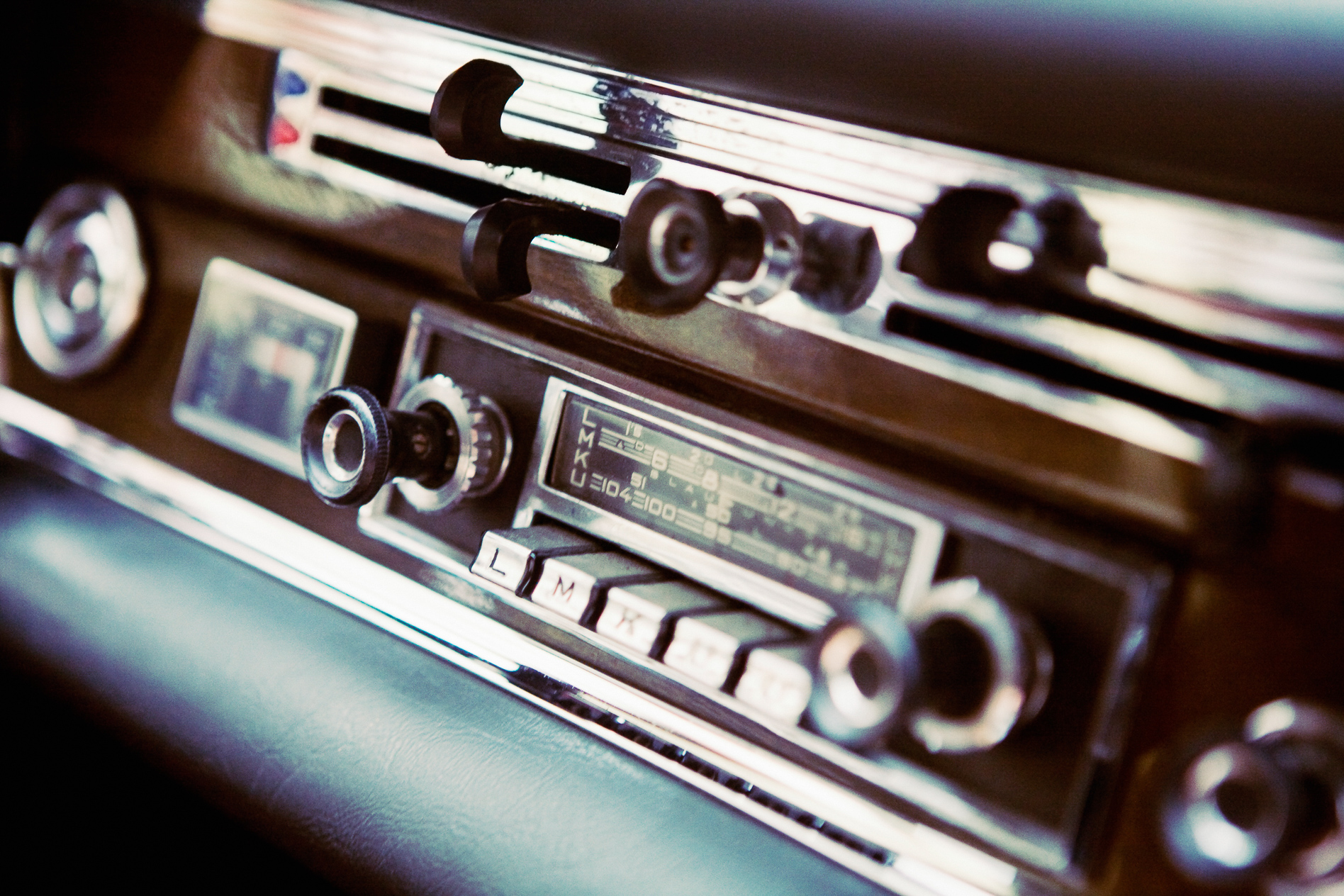
But the latest Teslas don’t get an AM radio tuner.
The sensitivities to unwanted feedback due to the operation of the electric motors mean Tesla decided against an AM tuner, instead directing owners to the onboard music streaming to access digital alternatives.
It’s a trend flowing through to other electric cars, although some – including the Nissan Leaf – shield their AM antennae well enough to include an AM receiver.
What’s something in your current car that you would miss the most if it wasn’t offered in your next ride? Tell us in the comments below!
No sound, sorry, but you can feel the pain of the owners
Doing live TV isn’t easy at the best of times, and morning TV is especially fraught, as reporters try their best to keep energy levels up.
Reporter Angel Cardenas, from Sacramento TV station KMAX, took things to a new – and horrifying – level this week, though, when he covered the opening of the Sacramento Auto Show.
Cardenas – obviously not a classic car guy – horrified onlookers as he leapt on the boot of one Ford Thunderbird, smashed the door of another into a third one and jumped on the bonnet of a Ford Explorer SUV.
The Ford’s bonnet is even heard to crinkle as Cardenas slides over it.
A wife of one Thunderbird owner is heard yelling “you’d better leave your number!” while the anchors in the KMAX studio were visibly shocked.
The fallout was swift and unmerciful, with the station firing Cardenas after complaints from car owners and show organisers.
For his part, Cardenas claimed that the door hit move was staged, but acknowledges he “crossed a line”.
“My intentions were to never disrespect the owners of the vehicles, though it seemed that way,” he said in a social post. “It was a really dumb choice on my part. I’ll be reaching out to them to offer my sincere apology (sic).”
We’ve got mates in the Street Machine office that would love to see Cardenas locked in a small room and fed nothing but pineapple and anchovy pizza for a week for such sacrilege, so his termination from his Good Day Sacramento gig is probably not that bad an option.
Norfolk Island is an odd little place. There’s one set of traffic lights on the Australian external territory, albeit only about 80km of road, the speed limit is 50km/h pretty much everywhere, and you have to give way to cows.
But there’s also one Porsche, the only one on the island, and it’s a 964 911 Targa owned by a man named Duncan Sanderson.
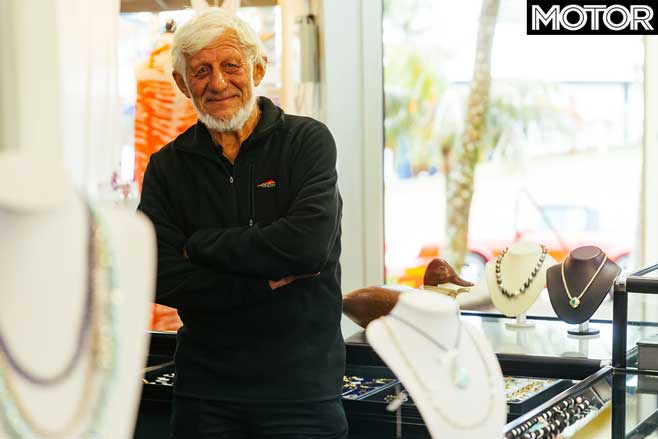
He bought it from a Japanese auction site, even though he had originally set out to find a delivery vehicle for the jewellery business he and his wife run.
“I happened to notice that the auction was selling various Porsches. Of course, it’s a sports car I’ve always dreamt of, ever since I was a young child,” he says.
“You can imagine how my wife reacted… but when the 911 actually arrived and she laid eyes on it, she was as ecstatic as I was.”
“The Porsche was finally hoisted ashore by crane; I held my breath as I watched it dangle over the sea,” the 75-year-old says.
That was 22 years ago.
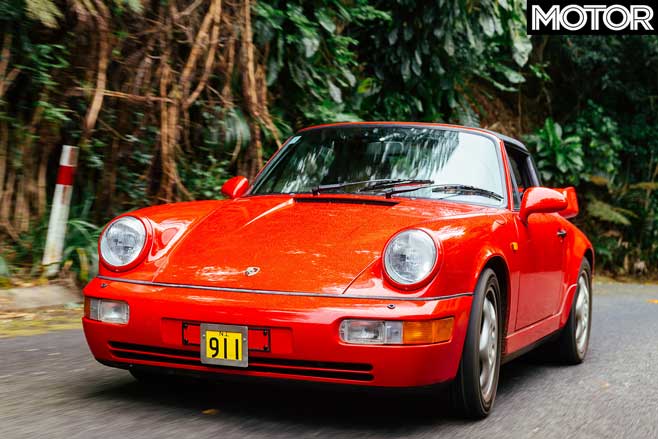
While it would seem the Porsche isn’t the ideal delivery car, Sanderson says it actually worked out alright for him and his wife.
“It turns out that the Porsche was the best thing that could have happened to our business. There’s no communications strategy, however well thought-out, that could have matched the Porsche.
“The Targa and its large rear wing were a real magnet for passers-by. People would constantly come into our shop and ask about the Porsche – which, of course, I’d always park right in front of the door.”

It seems the other residents of Norfolk Island (of which there are less than 2000) have become rather used to seeing Sanderson and his 911, though he says the island might not be the best place to take the car right to its ragged edge.
“You have to be a bit creative on Norfolk Island. Sometimes I wish there was a bit of motorway in the middle of it, so I could really let the Porsche fly. But I’m getting older, and these days I really just enjoy my time with the car. The thing is, every drive in a Porsche is unique, so I’m constantly rediscovering my 911 and the place I call home.”
“People know that I sometimes like to drive a bit quicker, but I haven’t got any speeding tickets so far. You have to keep an eye out for the cows though, as they can suddenly appear out of nowhere.”
He’ll be right, as long as he remembers to give way.
The upcoming BMW M3 has caused a massive stir on BMW forums overnight, as the incoming super-sedanu2019s spy pictures seem to have given away the design of its front end.The apparent new design could turn Bimmer purists right off.
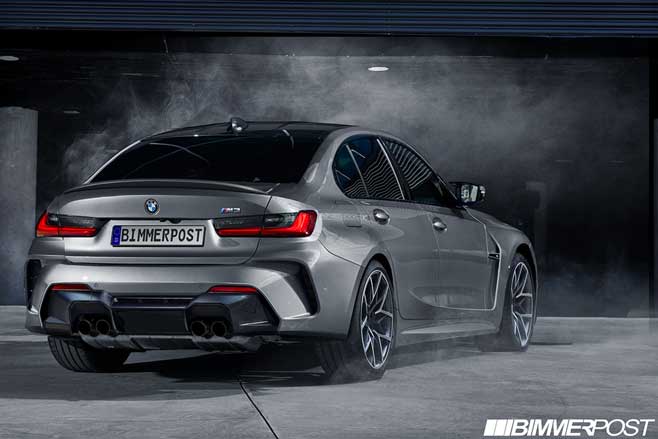
Popular BMW forum Bimmerpost has created renderings based on the visible lines underneath the new M3’s camouflage, and it seems to check out. It looks like the next M3 and reportedly M4 are going to share a tall, elongated grille that’s more ‘ribcage’ than ‘kidney’.
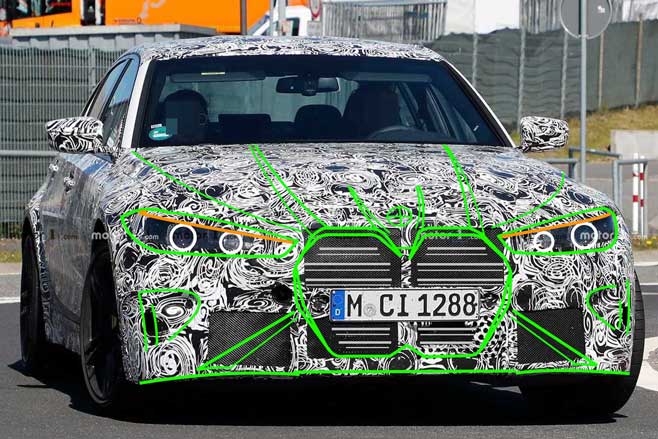
The reasoning? Visible underneath the camo is a fairly obvious set of grille slats, and they travel all the way down under the number plate. Almost to the bottom of the bumper, in fact.
The fact this grille exists was all but confirmed by spy shots from within BMW’s production facility, posted by another forum user.
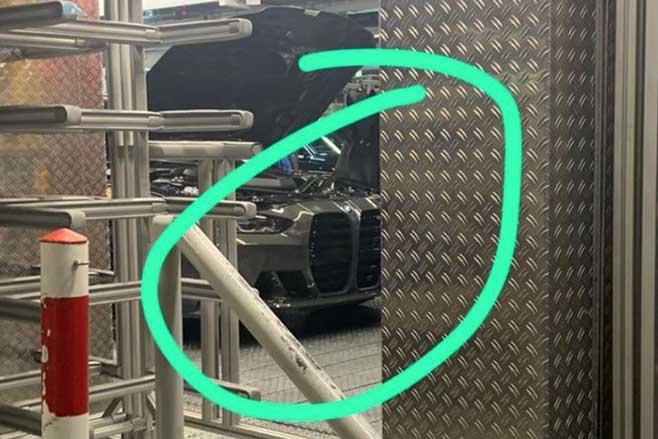
Though there’s no way to definitely confirm the grille belongs to the M3/M4, it looks an awful lot like the lines visible on the camouflaged M3 test car spotted at the Nürburgring.
The only hole that could be poked in this theory is that in the following video there’s another test mule, seemingly also an M3, which features camouflage that seems to be modelled over a more traditional grille.
Alternatively, BMW could be using the 3 Series to test the front-end of its next 4 Series, which is likely to receive the big-grille treatment based on the naming of the brand’s latest design exercise, the BMW Concept 4.
But, if the next 3 Series is to go for the ‘ribcage’ design, the estimation made by Bimmerpost also includes styling changes to the bonnet which lines from the bumper, meaning it won’t be as simple as swapping in the bumper from a different spec for those who aren’t into the new look.
MOTOR contacted BMW for comment on the next M3, but the brand’s local arm was unable to make an official statement.
UPDATE, 06/02/20: New leaks show more 4 Series details
Though likely not M4-specific, a new leak via @wilcoblok on Instagram shows more detail from the next 4 Series in what appears to be pre-production form.
The grill features a less prominent split down the middle, though it’s still a huge step up from the size of the previous version’s snout.
https://www.instagram.com/p/B8MqX5iH5bD/?utm_source=ig_embed&utm_campaign=loading
The tail light is also exposed in one photo, looking a little bit ‘Lexus’. We’re expecting to see the new 3 and 4 Series in about a month at the Geneva Motor Show.
https://www.instagram.com/p/B8MtOtpni8t/?utm_source=ig_embed&utm_campaign=loading
Australia is at risk of becoming a “dumping ground” for inefficient and polluting cars without a national policy regarding carbon dioxide emissions.
According to adjunct professor at the University of Technology Sydney, Robin Smit, the Government’s current plan of sitting back and relying on the measures already in place in Europe and America to reduce our road transport emissions isn’t working. In fact, real-world emissions rates are likely to have been increasing since 2015.
“I think mandatory emissions standards should really be adopted in Australia as soon as possible to prevent Australia from becoming a dumping ground for less fuel-efficient vehicles,” Smit said.
Simply relying on the car industry to improve the CO2 emissions and efficiency of its cars could also be a mistake. Because of this, Australia might end up receiving models with less ‘eco’ technology given there is currently no combined national framework to reduce CO2 emissions from road transport.
“I believe there is a real misconception out there that we don’t have to do anything because people think ‘it will go down anyway’.
“There is no incentive for the car companies to sell lower-emitting vehicles here. At the moment the manufacturers are allowed to sell anything they like with little restrictions,” Smit said
That’s the takeaway from a recent analysis by Transport Energy/Emission Research (TER), written by Professor Smit. However, the impetus for the study was to highlight the growing discrepancy between quoted and real-world consumption and emissions figures.
According to Smit, the way in which testing is currently conducted doesn’t allow enough for real-world factors; hence the figures assigned to a car can be inaccurate.
“The laboratory-based methods used to rate consumption and C02 emissions don’t return real-world figures … the testing conditions are often vastly different to reality,” Smit said
When asked if he was surprised with the disparity between quoted and real-world figures, the answer was a resounding “no”. In fact, in the past four years, manufacturers have become increasingly adept at gaming the NEDC test, so what looks like a gentle downward trend in Australian average emissions is, in the real world, a sharp uptick. The difference between lab and real world figures stood at around 10 percent in 2014, accelerating to a gulf of around 40 percent now.
“Overseas this is a very well-known issue, to the extent that in Europe they want to change their official tests to WLTP, so the problems with NEDC records will be somewhat addressed.
“In the US they have also added new real-world test cycles. So internationally there has been a lot of effort to address the discrepancies,” Smit said.
Figures recorded by the Australian Bureau of Statistics (ABS) show that to June 30, 2018 there are 19 million motor vehicles on Australian roads.
For the 12 months previous, it’s estimated that those cars travelled and estimated 255 million kilometres, a rise of 74 million from the 181 million recorded in 2000 (NSW motorists drove the furthest at 74,566 million kilometres). Interestingly, total kilometres travelled are consistently growing in line with population growth.
Overall C02 emissions from road transport have increased by 31 percent from 2000-2017, and now accounts for as much as 22 percent of all recorded emissions.
On top of the misguiding figures, Smit cites a change in buyer behaviour for the increases.
“What the statistical analysis suggests is that there has been a progressive increase in vehicle weight and a shift to four-wheel-drive vehicles. Both have a negative impact on CO2 emission rates. And this is particularly so for diesel cars and SUVs.
“There is a misconception around diesel cars; people think they’re good for the environment because they are more efficient and they have a good CO2 emission rate. But they are actually 10 percent higher on a grammes-per kilometre basis compared to petrol vehicles on average, Smit said.”
However, according to Smit, the changes in engine design, namely shifting to lower cylinder counts and capacities with turbocharging, have aided fuel and emissions reductions. A shift from manual transmissions to CVTs has also helped.
“All that has had beneficial impacts on official CO2 emissions rates and somewhat offsets the increase due to excess weight and more four-wheel-drive vehicles,” Smit said.
With little to no sanction on high emitting vehicles, Australia could easily find itself the sink for low unit cost, obsolete engine technologies.
