
Over a year since the last Aussie-built car rolled off the production line, Labor has proposed a $57 million fund to restart local manufacturing.
It’s part of the Australian Labor Party’s electric vehicle policy, which aims to have 50 percent of cars sold in 2030 powered by electricity.
If elected, an ALP government would use the money to fund a research and development initiative to develop an electric car industry in Australia, focusing on creating EV design and manufacturing jobs in Australia.
Ford, Toyota, and Holden each have design studios in Australia, however all shuttered their factories in recent years.
Both Holden and Ford have proving grounds in Victoria, which still operate and are used to develop vehicles for the global market.
Labor’s Innovation, Industry, Science and Research spokesman Kim Carr said it was important for Australian jobs to be generated in the electric car sector.
The truth about electric vehicles
“You’ve got to have government leadership to be able to take advantage of those new business opportunities that are emerging,” he added.
“We’ve got to make sure that Australia is part of that.
“We’ve got to make sure that there are blue collar opportunities in terms of meeting the challenges of climate change.”
Mr Carr stated the multi-billion-dollar electric vehicle strategy (which includes the $57 million fund) would be paid for by Labor’s plan to “close tax loopholes”.
New electric cars arriving in Australia in 2019
The Liberal National Party has rebuked Labor’s EV policy, with Prime Minister Scott Morrison describing it as a “war on the weekend”, with Small and Family Business Minister Michaelia Cash falsely claiming that 2030 target would result in the death of dual-cab utes.
“We are going to stand by our tradies and we are going to save their utes,” she said last month.
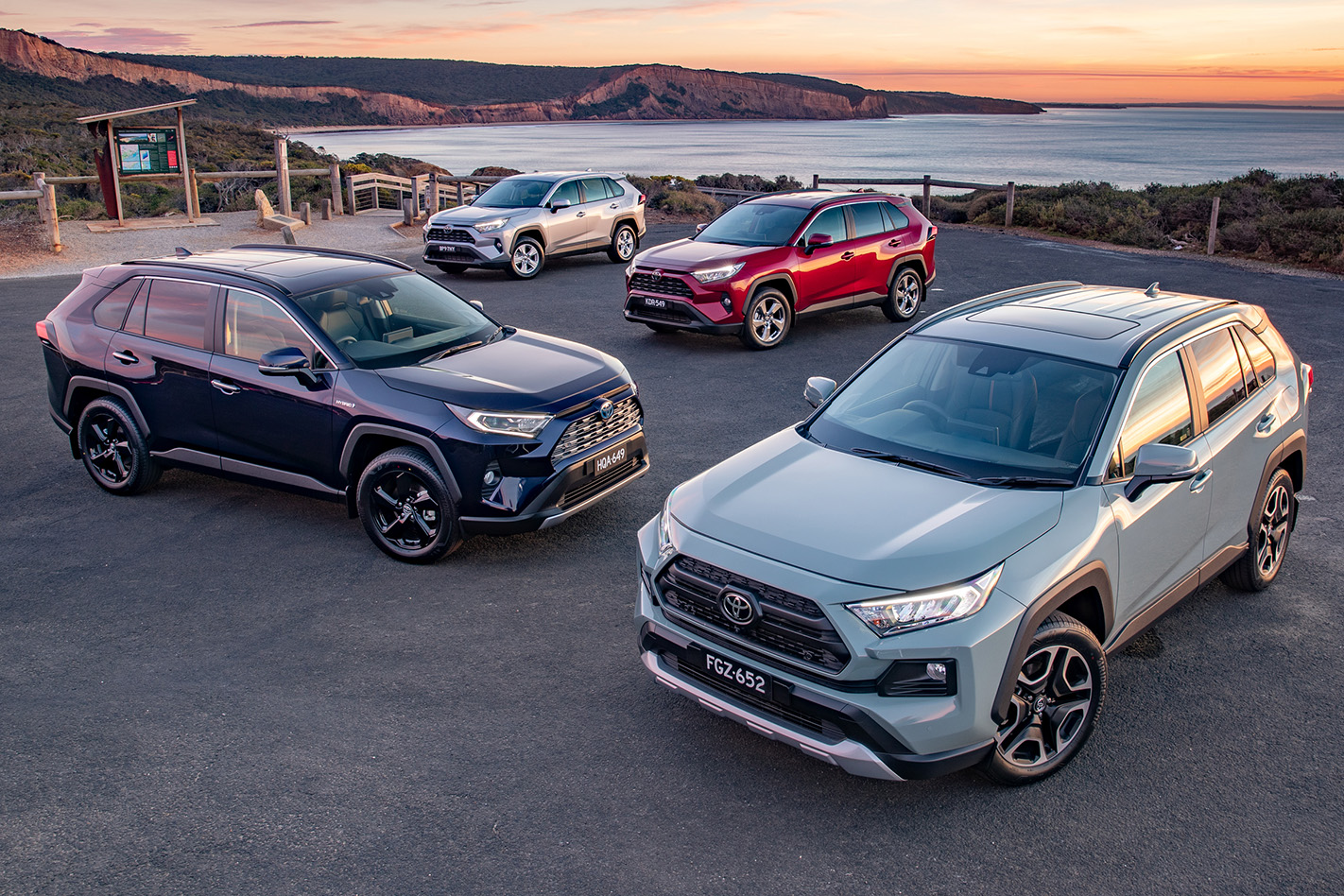
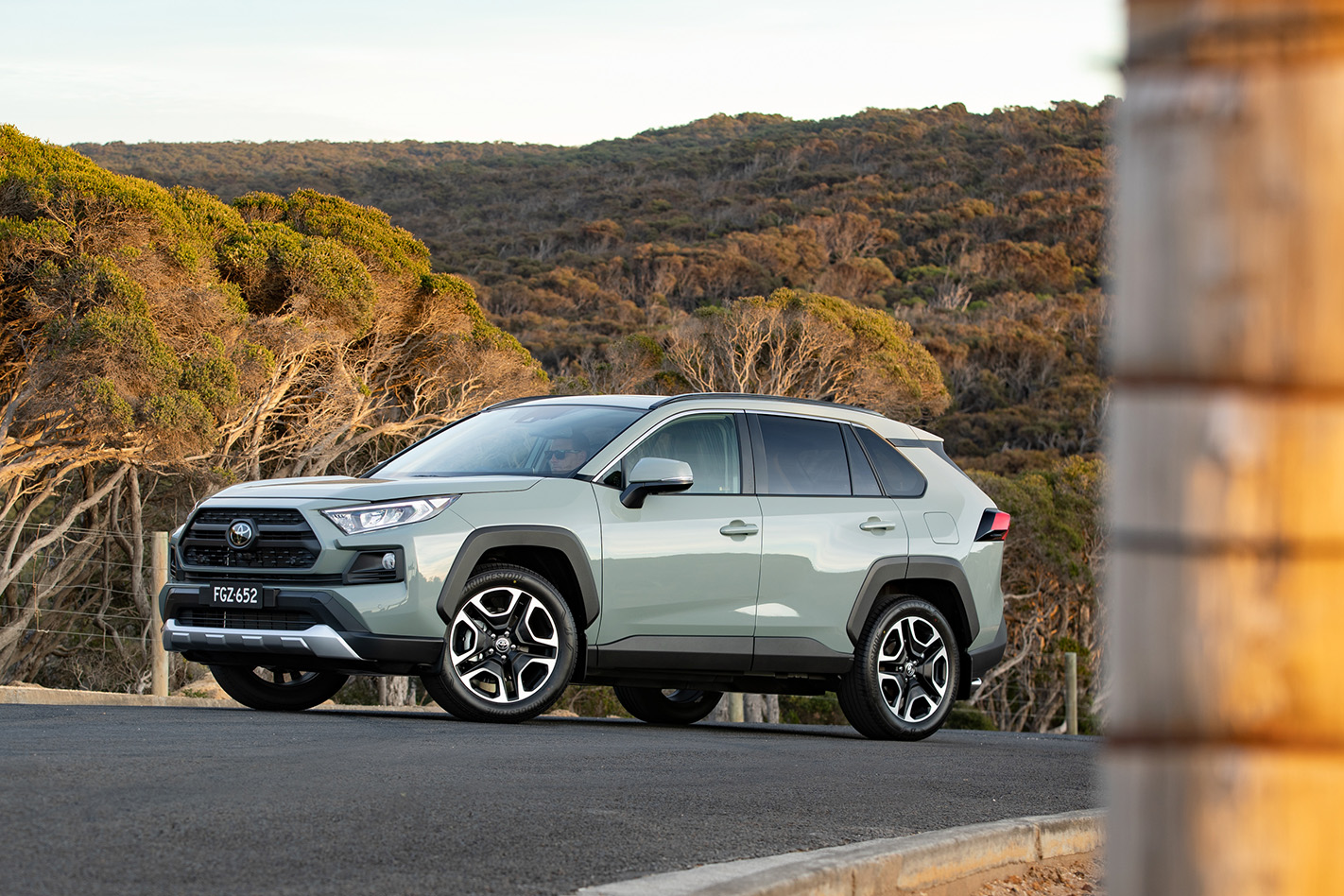
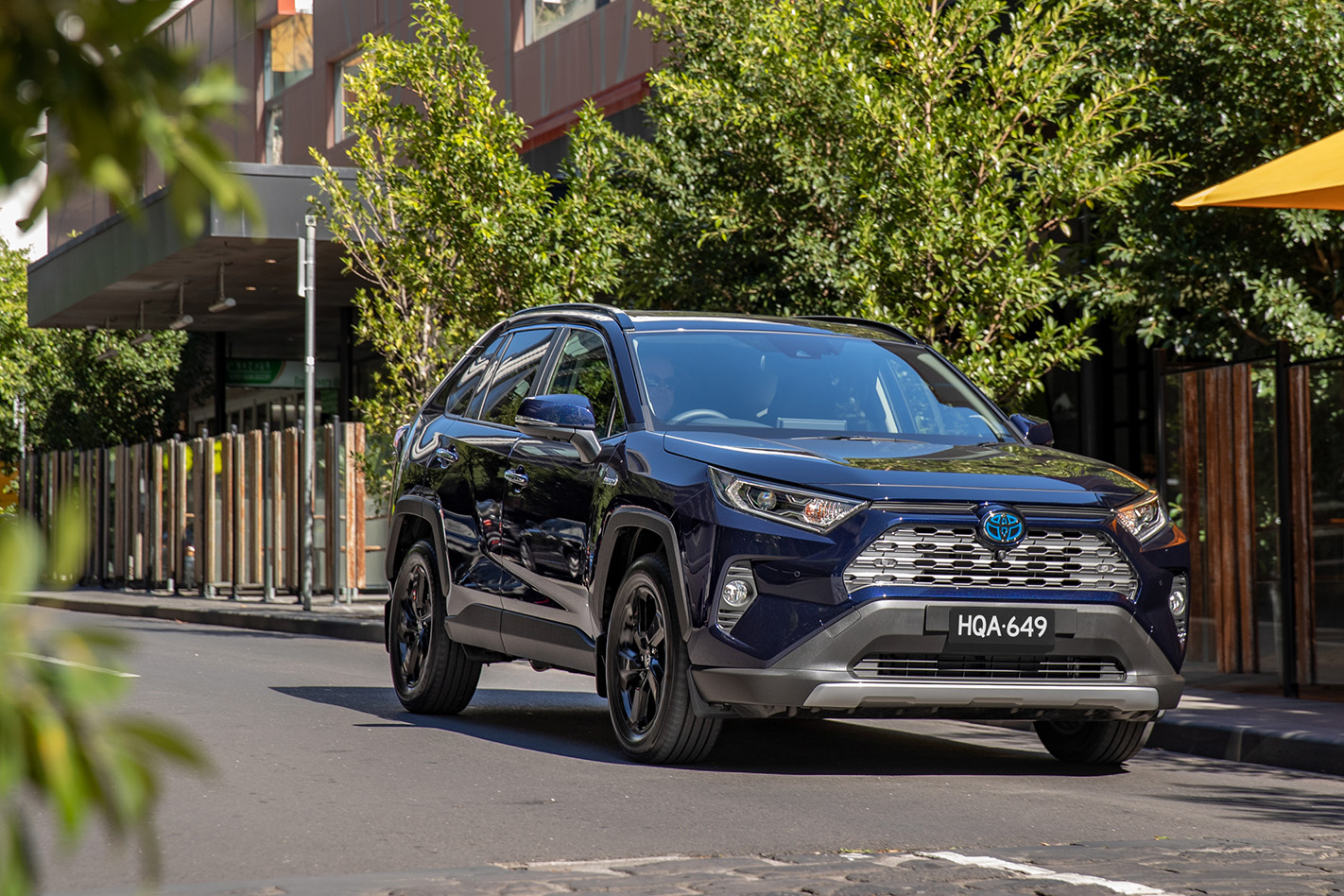
Toyota’s fifth-generation RAV4 mid-size SUV has arrived in Australia, with a range of 11 individual variants spanning from $30,640 for the entry-level GX 2WD petrol manual, right up to $47,140 for the RAV4 Edge AWD flagship.
The Toyota RAV4 range structure consists of four grades, GX, GXL, Cruiser and Edge, with three engines spread between them. The mainstay motor is a 127kW/203Nm 2.0-litre naturally-aspirated petrol four-cylinder, borrowed from the Corolla, which is available with a six-speed manual or CVT automatic in the GX grade, and a CVT by default in the GXL and Cruiser 2WD variants.
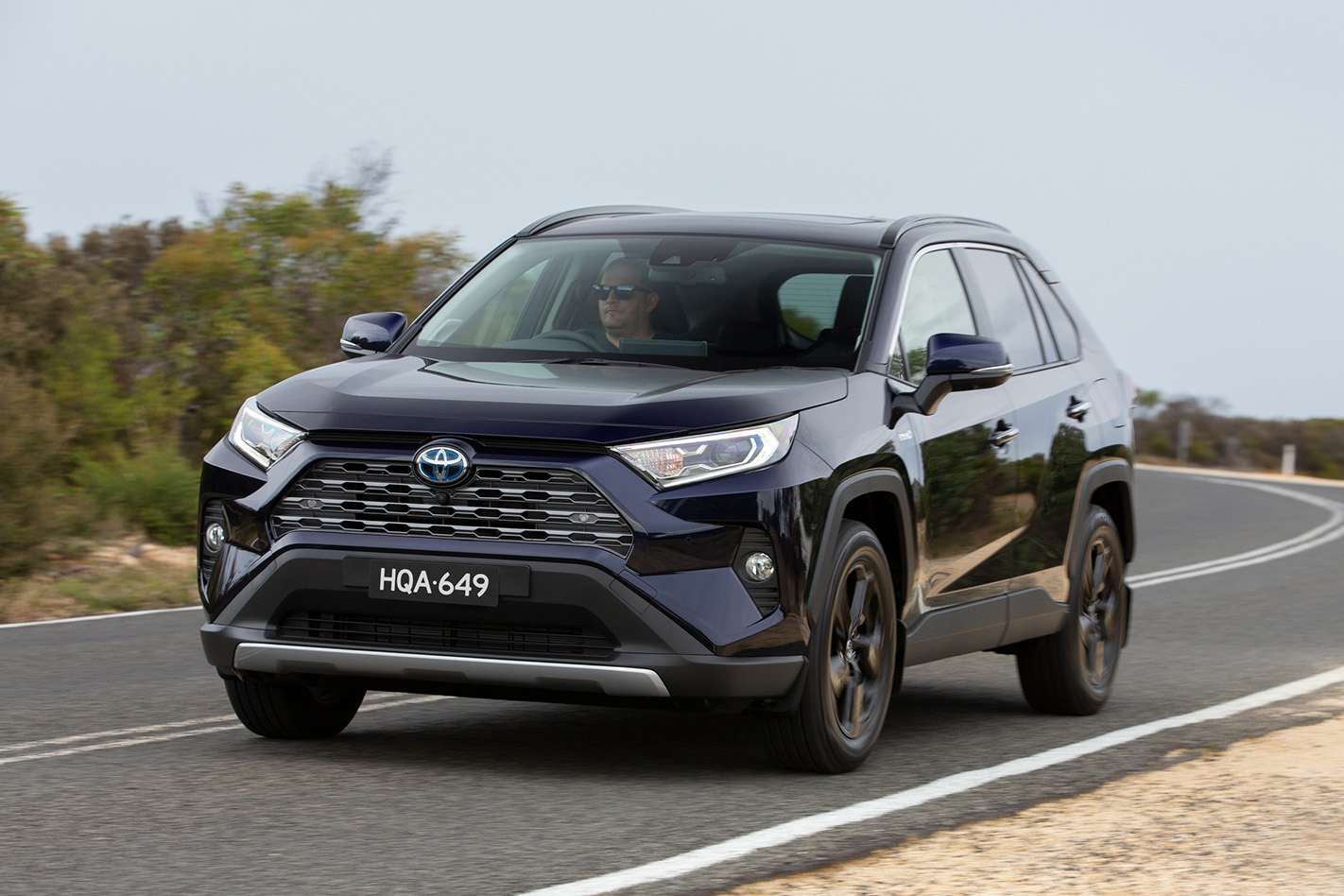
Available only in front-wheel drive form, the 2.0-litre petrol consumes a claimed 6.5 L/100km on the combined cycle with the CVT auto, and 6.8 L/100km with the manual.
The GX, GXL and Cruiser are all available with a hybrid powertrain as well, which marries a 2.5-litre petrol/electric engine with your choice of front-wheel drive, or an electric all-wheel drive setup that powers the rear wheels via a dedicated electric motor. In front-drive form the combo makes 160kW, with the AWD providing 163kW, while claimed average fuel consumption comes in at 4.7 L/100km and 4.8 L/100km respectively.
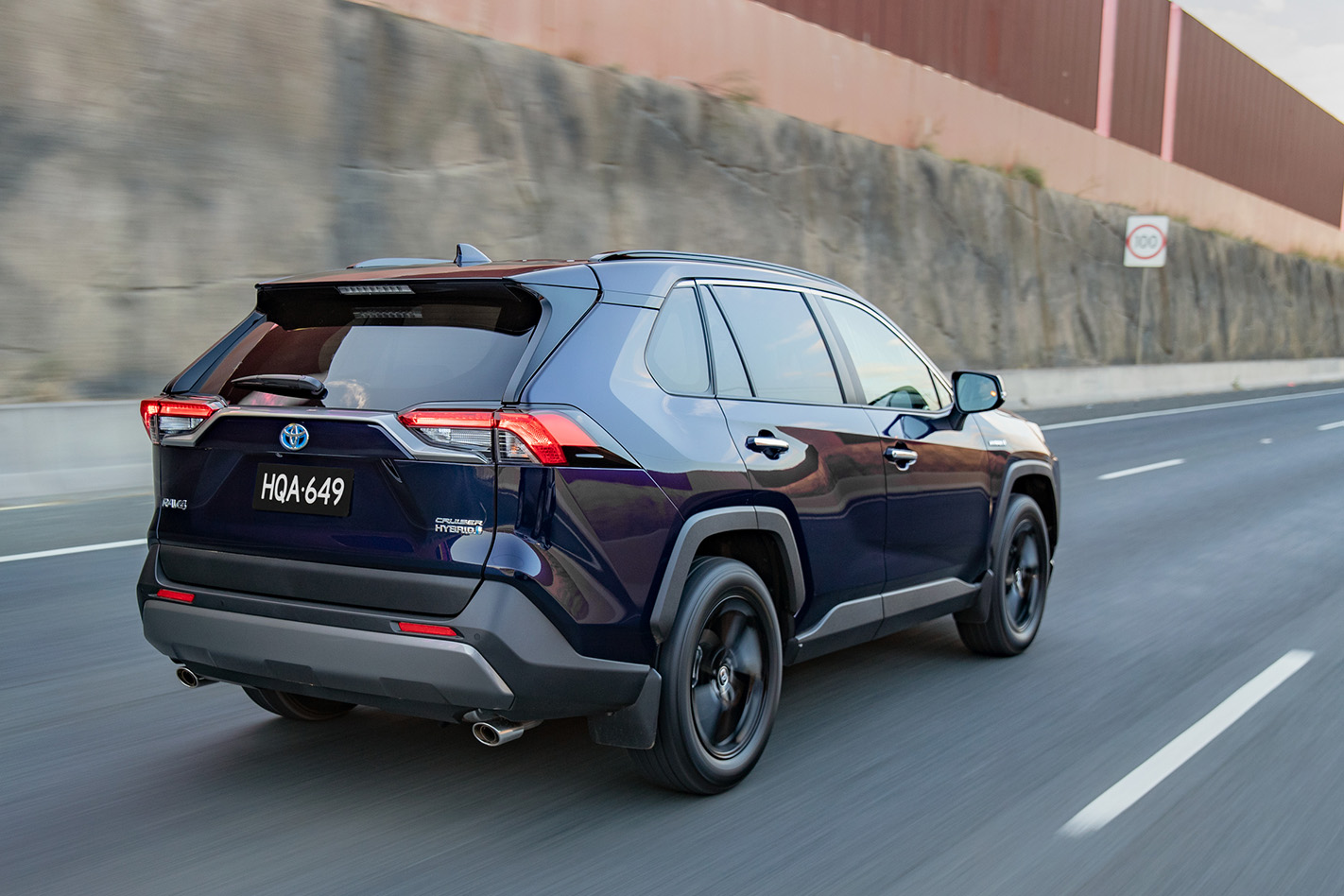
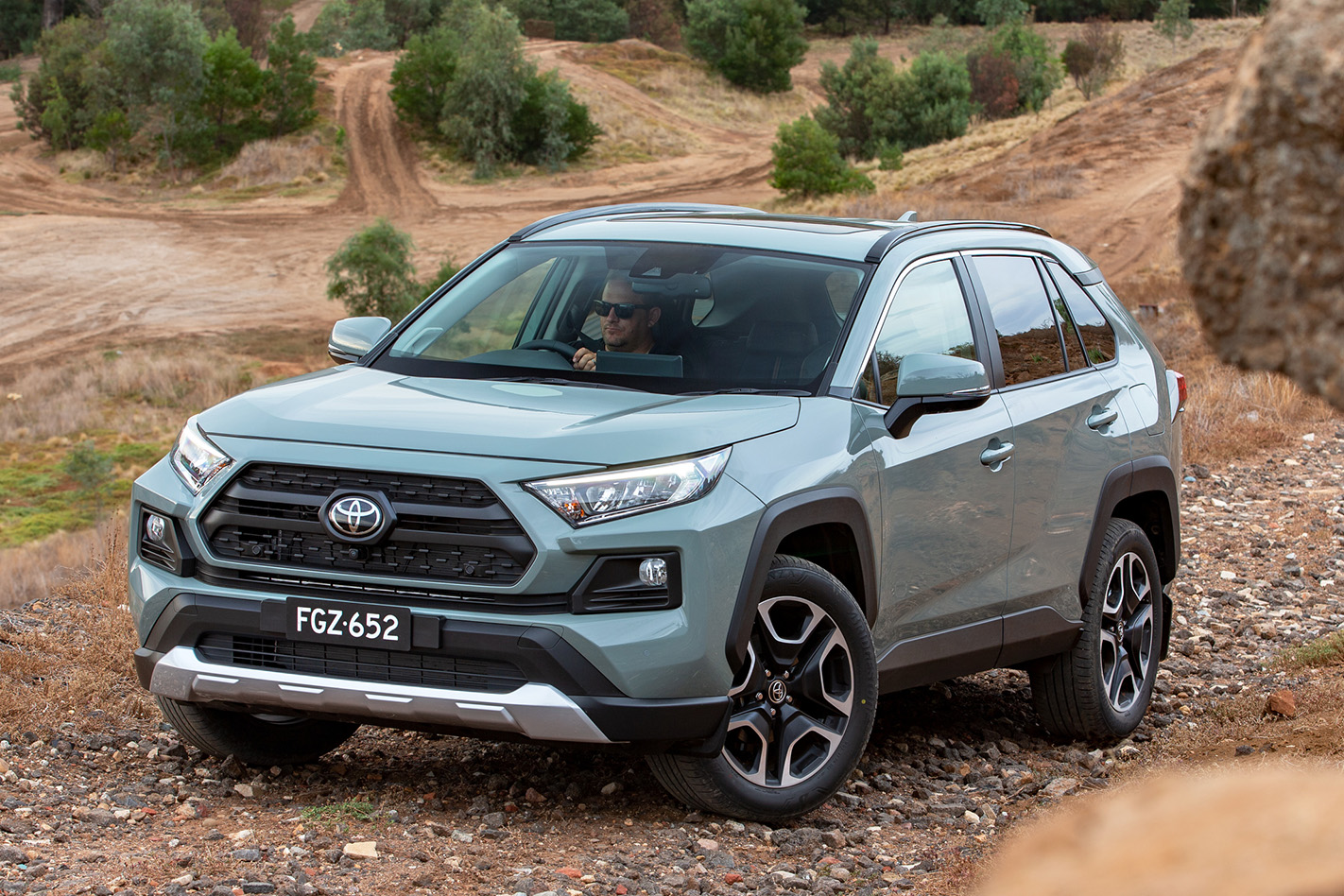
At the top of the powertrain hierarchy lives the RAV4 Edge’s 2.5-litre petrol, which comes paired exclusively with a mechanical all-wheel drive and eight-speed conventional automatic. Boasting direct- and port-injection along with variable valve timing, it generates 152kW and 243Nm and drinks a claimed average of 7.3 L/100km of petrol on average.
The Edge’s AWD driveline also boasts a number of terrain modes, allowing the engine/transmission performance and traction control calibration to be tailored to mud, sand, rock, dirt and snow, should you wish to get your RAV4’s wheels dirty.
FEATURES
All models boast an 8-inch infotainment touchscreen atop the dashboard, while the Cruiser and Edge gain an additional 7-inch screen that replaces the conventional instrument panel in the GX and GXL.
Bluetooth phone and media streaming is standard on all models too, though smartphone mirroring via Apple CarPlay or Android Auto remains off the menu for all RAV4s until a running update arrives toward the end of this year. Thankfully, mirroring will be available as a retrofit for cars sold between now and then.
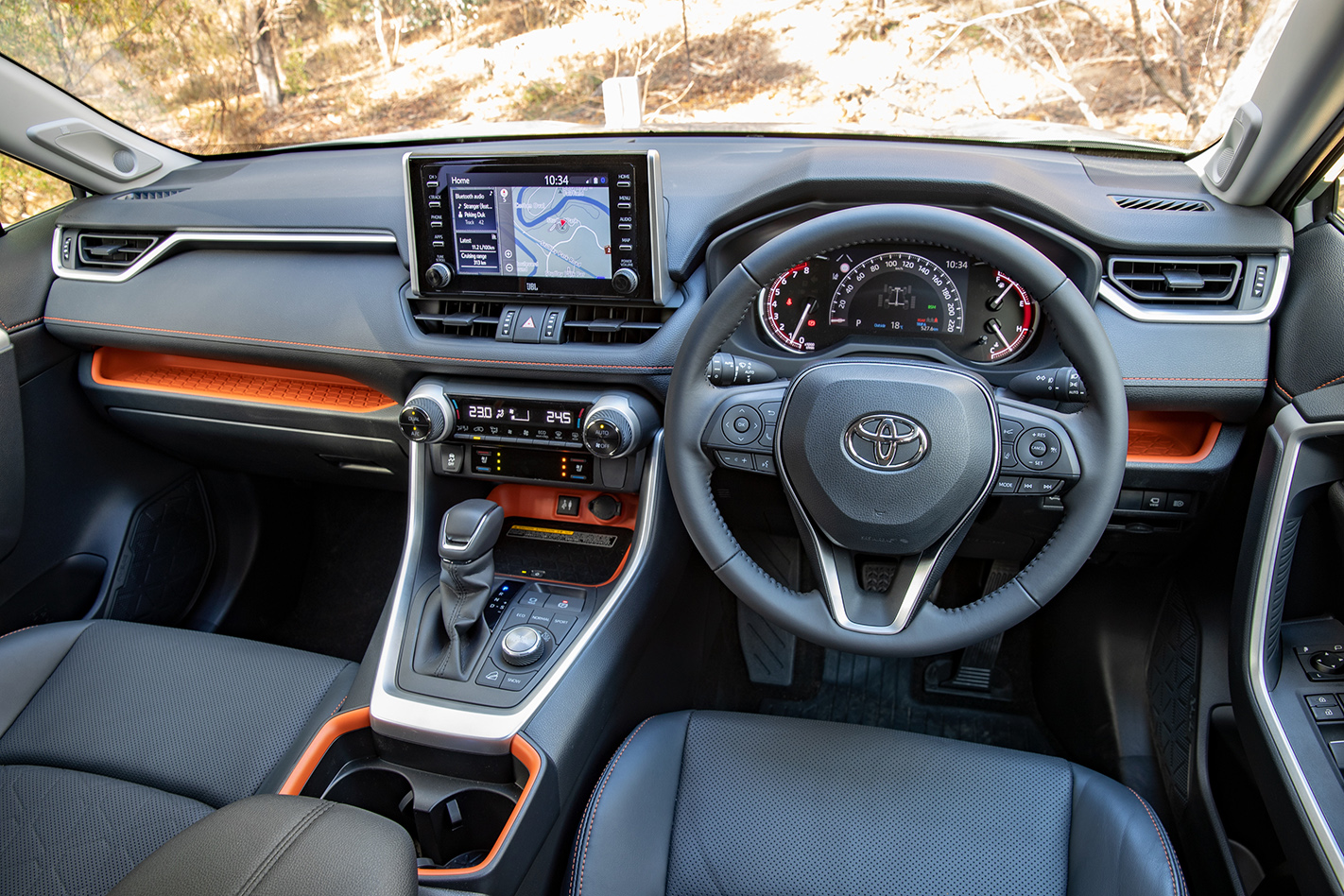
The base model GX makes do with manual air conditioning, with dual-zone climate control on all other models. All bar GX also receive a wireless phone charger at the base of the centre stack, while audio gear comprises a six-speaker setup on GX and GXL, and a nine-speaker JBL stereo on Cruiser and Edge.
And while the GX and GXL make do with cloth upholstery and manually-adjusted seats (the latter with more premium embossed fabric), the Cruiser flaunts heated front seats with 10-way electric adjustability for the driver. The Edge goes a step further, offering heated AND cooled for both front seats in addition to a power-adjustable driver’s seat.
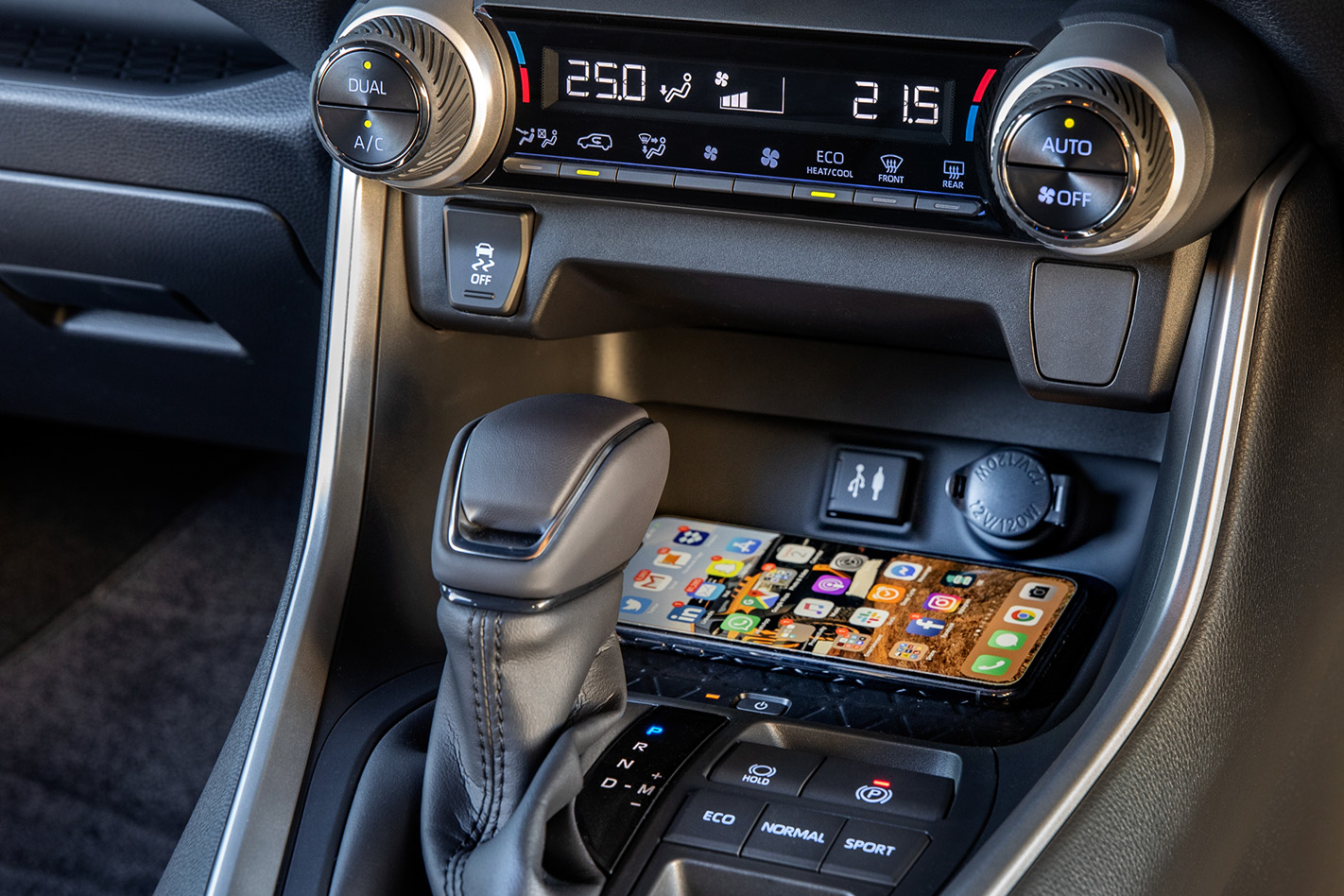
Both the Cruiser get leathery upholstery, but the Edge’s is a synthetic type for a more hard-wearing interior. The base model GX has a bare urethane steering wheel, while all others receive a leather-wrapped wheel and other softer touchpoints.
While the RAV4 has grown up, it’s also grown out. It’s fractionally shorter overall, but its wheelbase gets stretched by 30mm, and the track – the distance between the left and right wheels – has been increased by 25mm at the front and 55mm at the rear.
That means there’s a bigger box for passengers to sit in, and it’s those in the back that benefit the most. There’s 40mm more space between the driver and front passenger, and backseaters will enjoy an extra 49mm of footwell length compared to the outgoing RAV4.
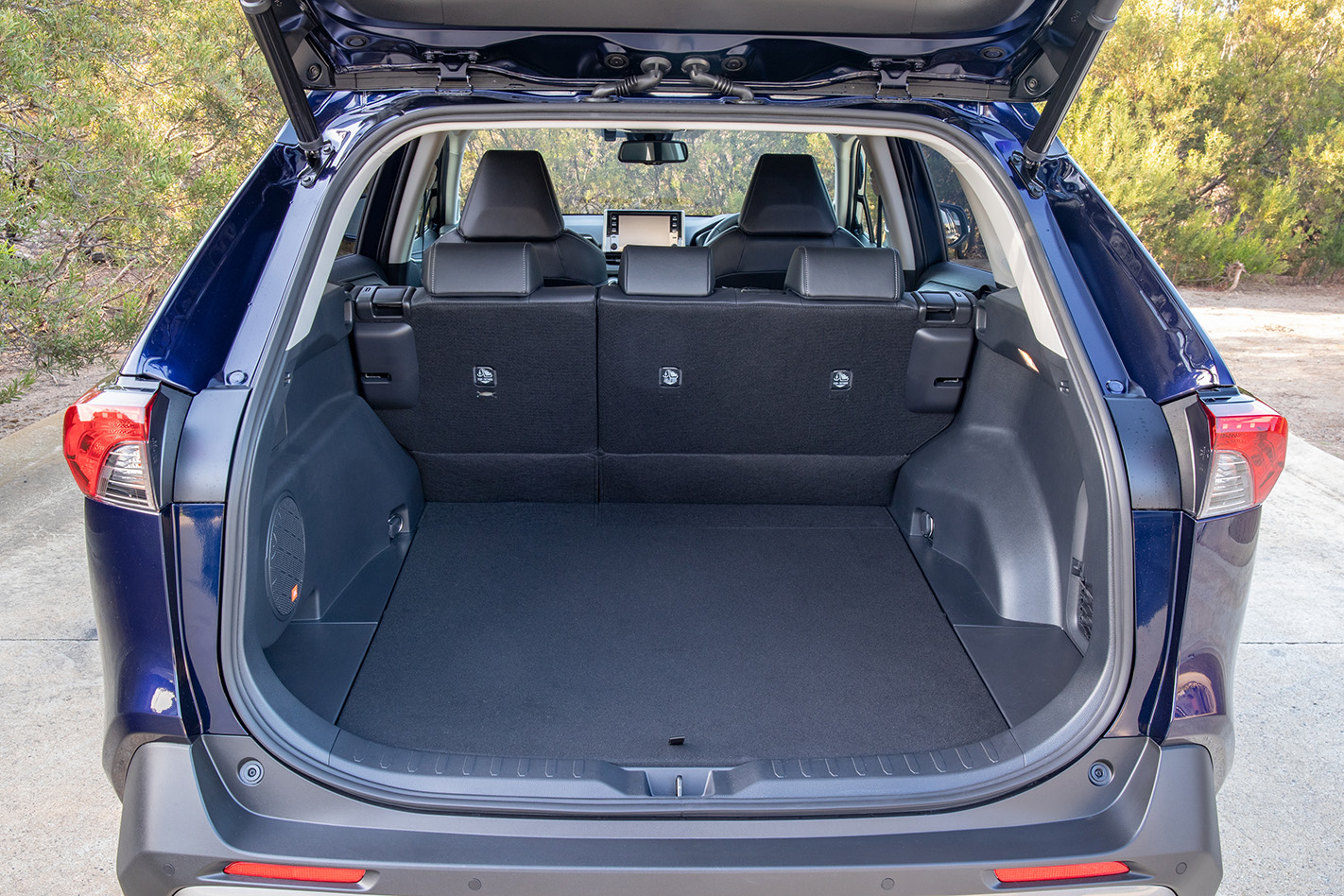
That dimensional growth also results in a 65mm longer and 50mm wider cargo area, giving a 580-litre seats-up luggage capacity that Toyota claims is class-leading. Decline the option of a full-size spare wheel, and a false floor gives even more stowage space underneath.
In fact, the only dimension that decreases is roof height, now 30mm closer to the deck, but that’s countered by slightly lower seating positions to help preserve headroom.
SAFETY
Active cruise control, collision detection and AEB standard on all cars, along with seven airbags, a rear-view camera, lane-departure warning, blind-spot monitoring, rear cross-traffic alert, front and rear parking sensors, speed sign recognition and auto high beam.
There are some subtle differences across the range, though. The active cruise control in the base GX is capable of detecting and following other traffic at speeds above 40km/h, but disables itself when the car drops below that speed.
All other models get a different system that can operate all the way down to 0km/h, allowing stop-start traffic jams to be negotiated with cruise control taking care of your speed and separation to traffic.
The more advanced active cruise control also brings lane-keep assist, which helps steer the car to keep it within lane markings when cruise control is switched on. That system isn’t available for the GX, given its different cruise control fit-out.
Meanwhile the range-crowing Cruiser and Edge models gain a top-down camera view to aid parking manoeuvres.
PRICING
The 2019 Toyota RAV4 range is on sale now, with retail pricing as follows:
- GX petrol manual 2WD – $30,640
- GX petrol auto 2WD – $32,640
- GX hybrid auto 2WD – $35,140
- GX hybrid auto AWD – $38,140
- GXL petrol auto 2WD – $35,640
- GXL hybrid auto 2WD – $38,140
- GXL hybrid auto AWD – $41,140
- Cruiser petrol auto 2WD – $39,140
- Cruiser hybrid auto 2WD – $41,640
- Cruiser hybrid auto AWD – $44,640
- Edge petrol auto AWD – $47,140
In 2017, Google started a war. It announced a new generation of in-car infotainment, one based on Google’s Android operating system called Android Automotive that could see the death ofApple CarPlay and the rise of Google as the preferred developer of in-car infotainment operating systems.
So far, its confirmed partners include Volvo, Audi and Fiat Chrysler, with the first car to debut the system to be Volvo’s Polestar 2 EV, as seen at Geneva Motor Show earlier this year and slated to arrive in Australia in 2021 as a rival for the incoming Tesla Model 3.
Android Automotive, explained here and here, would no longer be like Apple CarPLay or Android Auto, a mirrored version of your phone, but an integrated infotainment system inside the car that would arrive as a template, letting automakers mould it to their own needs.It’s designed to be a system that would preclude you from ever reaching for your phone while driving ever again.
And if you use Google products including (deep breath) YouTube, Gmail, Maps, Google Photos, Chrome, ChromeCast, Drive, Google Flights, Docs, Sheets, Slides, Waze, Google Pay, Google Contacts, Google Calendar, Google Drive, Google Plus, Google Play, Google Home, or even Wear OS and Blogger, it could form a system that would know you better than you probably know yourself.
Off the back of the news that Google will allow third-party app developers to get their hands on Android Automotive, the tech giant revealed more details overnight at its enormous tech conference, Google I/O 2019, that may shake Apple to its core.
Android Automotive: a deeper view
Uncluttered and simple to use, Android Automotive is designed to appear like a smartphone. It’s best illustrated here on this web-based version of the Polestar 2’s Android Automotive operating system, the first example of Android Automotive we’ve seen.
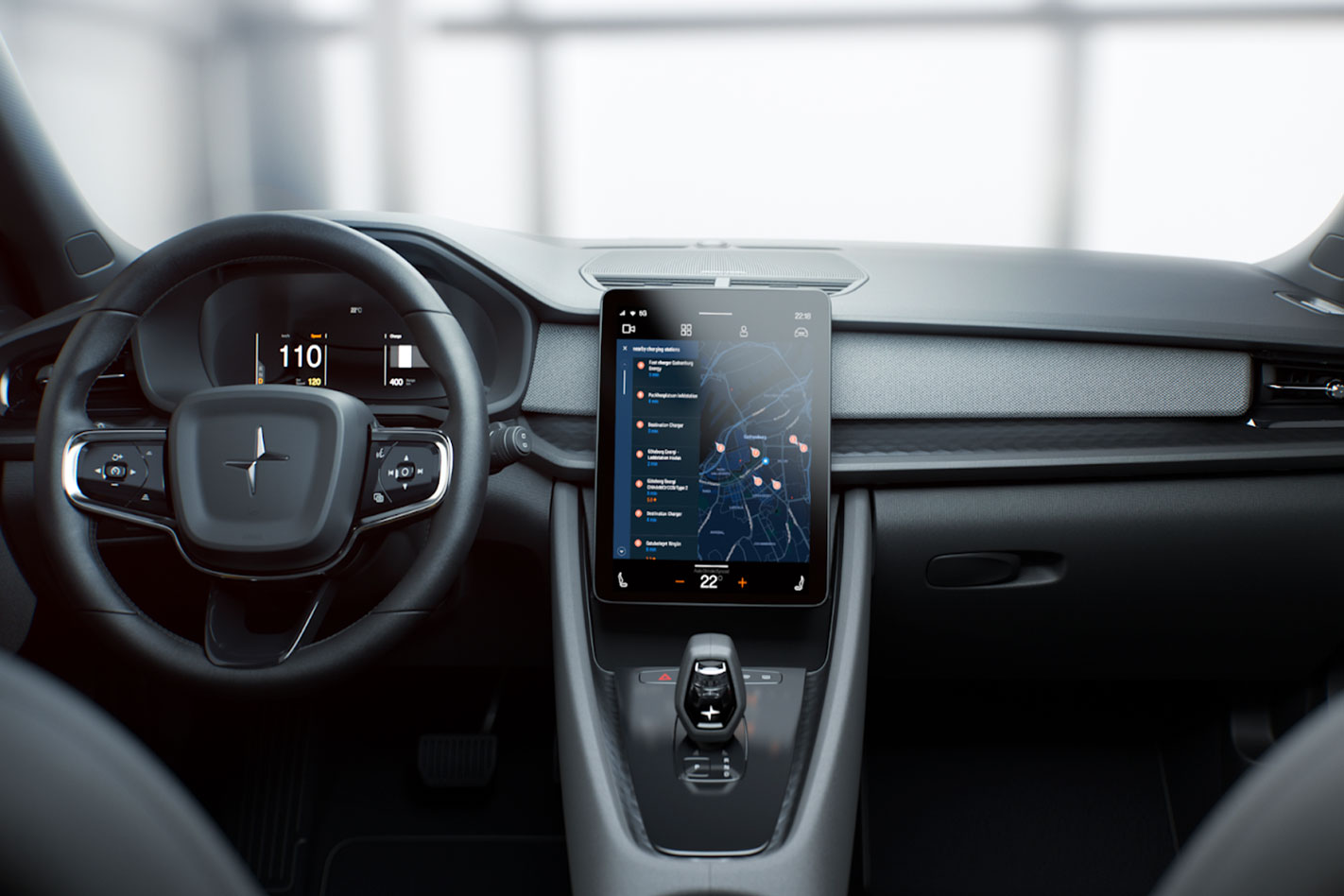
As shown in the Polestar 2, Google’s operating system will do away with keys and key fobs altogether (except for in emergencies), and instead, use Bluetooth to sense the car’s owner on approach via a paired phone. Of course, this is not a new technology and it’s something that has been in development for car sharing and mobility solutions for some time. It’s also been a feature that Tesla has had in play for years now.However, this could be among the first smartphone keyless entry systems to appear in a mainstream manufacturer car – and curiously, could be one that is exclusive to Android, forcing Apple users to make the switch (though, that is unclear).
What does that mean for security in the case your phone is stolen? Presumably, Google will borrow something like Tesla’s PIN to Drive feature that asks users to enter a security password/PIN before the car will start.
Android Auto is much more than just a navigation or entertainment system. Users will be able to communicate with Google Assistant (more on that below) for hands-free commands, pull real-time data from traffic, control climate systems and view cameras.
In the case of the electric Polestar 2, it will also show battery range and charge information – using Maps, it will even estimate how much range you need to get to your destination and where you can stop to charge along the way.
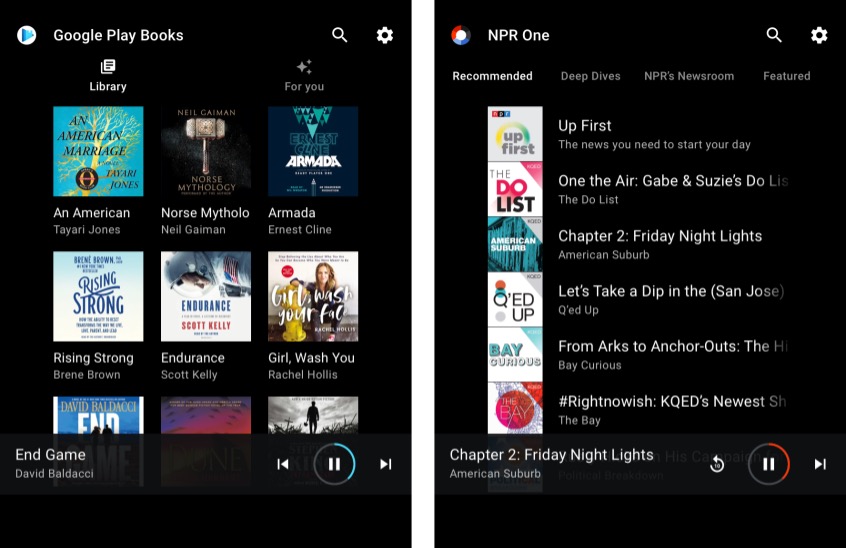
Like Tesla, Android Automotive OS will update its software over the air, so there’s no need to worry about bug fixes or app updates. Google has confirmed that you don’t need to be logged into a Google account to use Android Automotive, and many system apps won’t need a data connection via phone, either.
Google Assistant to replace Android Auto Phone App
Google dropped a brand new Android Auto update just yesterday that incorporates a sleek new design overhaul, but it also announced Google Assistant’s ‘Driving Mode’… which kind of renders its Android Auto phone app obsolete, with no more developments or updates to be made.
Fear not, though; this is actually great news for those who don’t have a car enabled with Android Auto. And for those that do, the in-car Android Auto integration with Google Assistant will be improved.
On some cars like Mercedes-Benz Me Connect-equipped cars like the A-Class, or Hyundais with Blue Link (like the Kona), Google Assistant’s voice activation will work with some of the car’s HVAC controls.
Google Assistant will soon be able to do much more, including activating navigation via Google Maps or Waze, and will automatically launch on your Android phone when connected to Bluetooth or with a simple “OK, Google. Let’s Drive!”
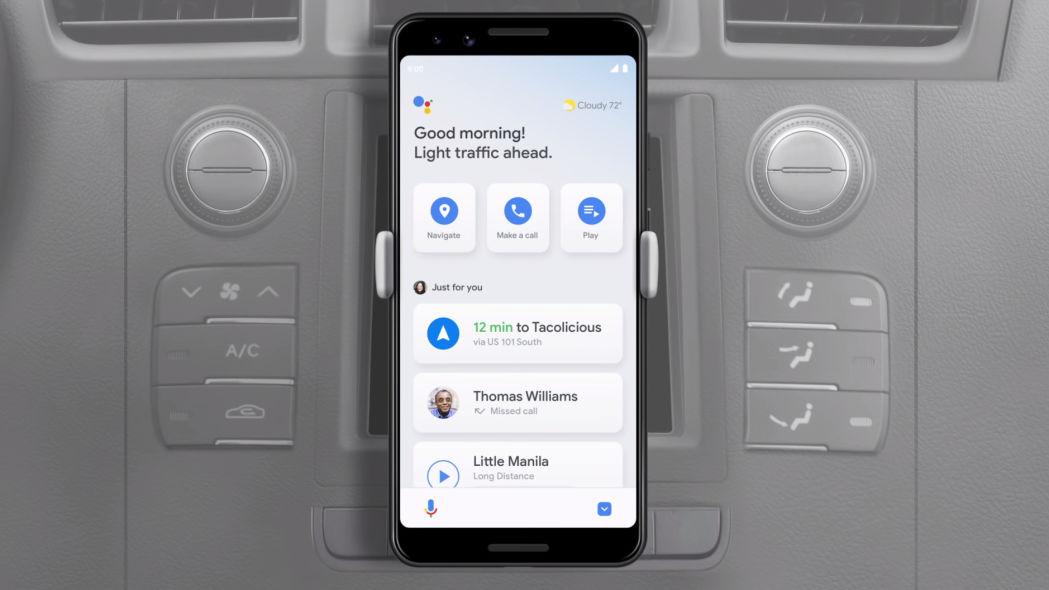
Like Android Auto (and, to be fair, Apple CarPlay), you can also ask it to call or text people in your phone book. Google also says its Assistant will also be able to suggest songs to listen to. Whether it will be able to tell if it’s an ‘Eye of the Tiger’ or ‘Thank You, Next’ kind of day just by your driving style is still unknown. Scarily, the technology for that level of intelligence (if you’re an emotional driver) is actually here…
For those that have a connected home that operates via Google’s home apps, a Google Assistant-integrated car might one day have the ability to remotely control your home or office air-conditioning, check your security system, spy on your neighbours, turn your lights on, heat up something in your microwave, order dinner to be delivered and feed your pet… all via a simple “OK, Google!”
Google Car Sequel?
Waymo, Google’s infamous self-driving car project is still out there driving around Arizona, but Android Automotive proves that the company is certainly not done with this space. The difference is that this time, it’s letting the companies with decades of manufacturing experience take the lead on the moving parts.
While Google hasn’t suggested it will use Android Automotive to pursue autonomous vehicle technology, it certainly has the means to. If you take Android Automotive’s integrated technology and throw in with Google’s already-existing visual recognition tech like Google Lens and Google Photo, road knowledge from Google Street View and Waze; and the advanced AI/machine learning from Google Assistant, it makes for a pretty compelling argument that it could create a more refined Waymo project… if it wanted to.
Now, before we all put on our tin foil driving hats, consider the pros – Google may be a mega information superpower conglomerate, but who would you rather give your driving data to? A giant company who already has access to your photos, digital footprint, emails and private internet searches, and who is under immense pressure to get data protection, privacy, security and the nuts and bolts of an operating system right… or an industry we can’t always trust to truthfully report its own fuel consumption figures correctly?
In the grand scheme of things, this move by Google leaves car makers to concentrate on the things they know best – making cars.
Could this be a hit or miss? Is Google borrowing a bit too much from Tesla? As always, tell us how you feel about Google’s automotive domination in the comments below.
APRIL’S VFACTS figures reveal expensive sports car sales are creeping back to 2018 levels, despite being heavily shaken by economic uncertainty at the start of the year.
After three slow months, sports cars are bouncing back, with cars over $80K down on last year’s monthly result by a much smaller amount.
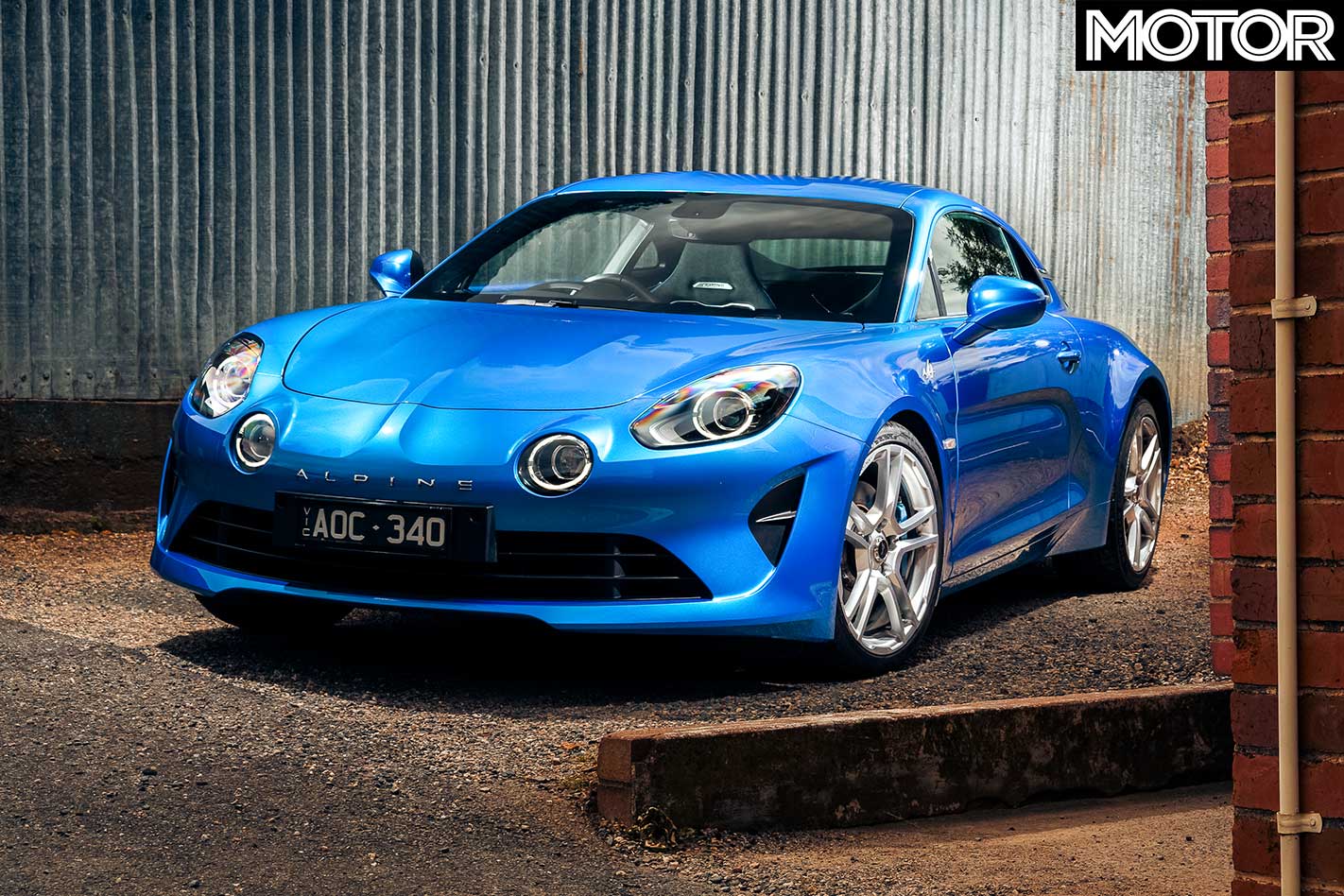
Market share of total passenger car sales has also returned to normal levels, with the aforementioned segments claiming back the 0.1 per cent they lost since last year. Overall, they command a 0.5 per cent and 0.2 per cent slice of the pie year to date.
More sales in April helped drive the adjustment for sports cars over $200K, with 155 sales trumping the 137 in April last year. Fresh 992 generation 911s are contributing, along with BMW’s new 8 Series, but it’s very promising for a segment that you’d expect to be hit hardest by economic uncertainty.
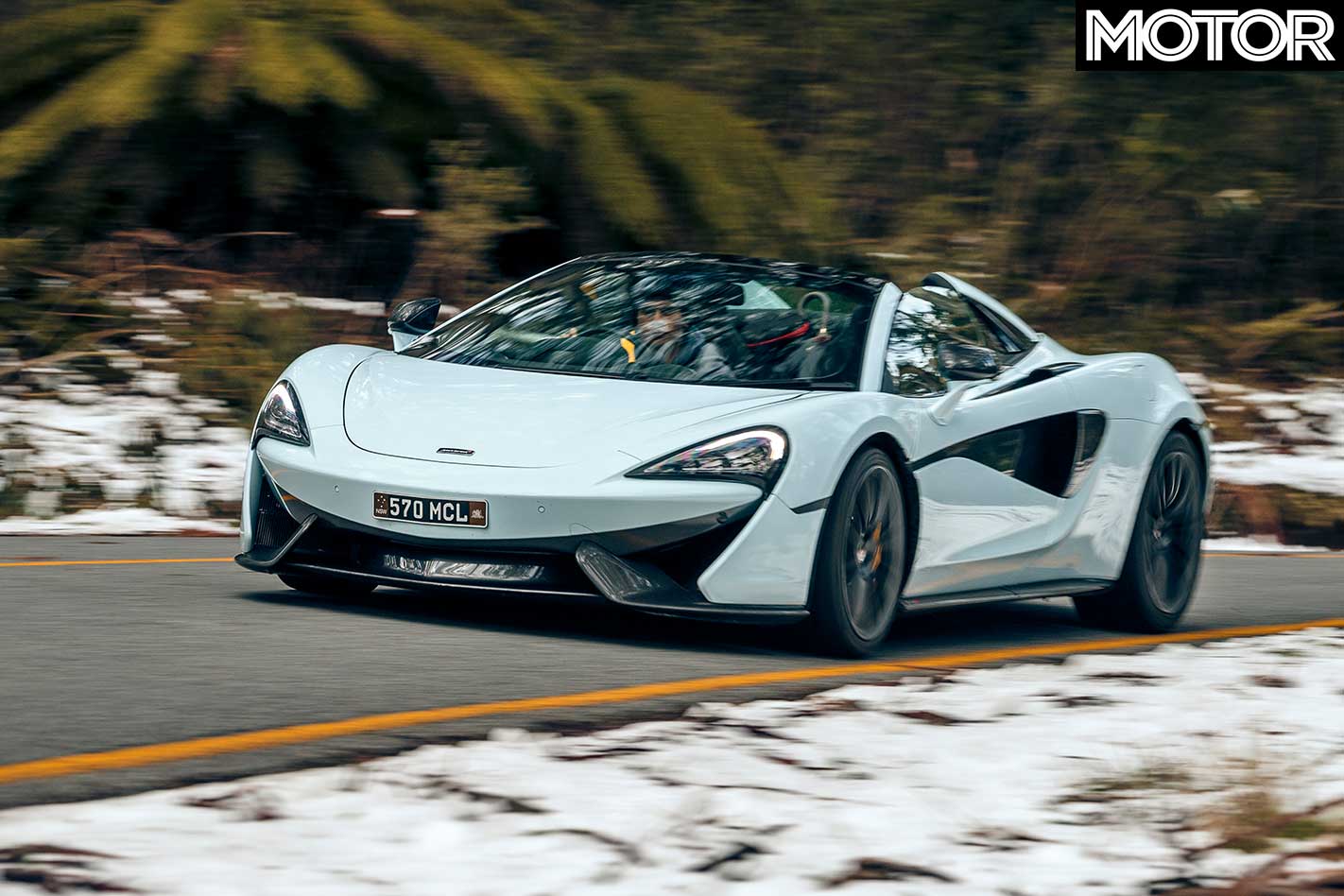
Only in January Lamborghini was down 80 per cent, McLaren -40 per cent, and Aston Martin -69 per cent on YTD figures. Those brands recovered in April with Lamborghini up to -46 per cent, Aston Martin -16 per cent, and McLaren breaking even on its April YTD sales. Ferrari, too, only trails last year’s sales by 4.9 per cent. And the latter three brands don’t have an SUV in sight… yet.
Sports car sales between $80K-$200K for April beat last year’s month, with 432 playing 427, and you can thank the arrival of the Alpine A110, new BMW Z4, Lotus Exige 410 Sport and Mercedes-AMG’s updated C43 and C63.
But it wasn’t great news for Sports car sales under $80K, that fell by 31 per cent compared to last year’s year to date sales. Overall, the passenger car market fell by 16.1 per cent by the same measure, along with the SUV segment down 4.6 per cent, and the total market down 8.1 per cent with 344,088 sales made so far this year.
*This market originally stated that the total market had sold 75,559 cars this year. This was incorrect and has been updated appropriately.
New to Wheels Car of the Year?
Read the COTY 101.
CAMRYS have been innovative (1983 original), insipid (2002), and occasionally even incognito (Holden Apollo anybody?). But mostly, Camrys have been inoffensive. For today’s eighth generation, we can also add improved. Vastly so.

Replacing its Altona-built predecessor, this latest version of Toyota’s US-market-focused mid-sizer is a ground-up redesign that aims to address past foibles, mostly related to comfort and refinement.
What’s surprising is how monumentally competitive the Camry remains, even though it’s now out of Japan (again), with heaps more standard safety (including AEB, adaptive cruise control, lane-departure warning and auto high beams), backed up by a substantially stronger body and quieter cabin. All from a staggering $27,490. For that we’d put up with a plastic wheel, hard materials and monochromatic trim.And only $2300 extra for the (more highly specified) hybrids that slash fuel consumption. Value be thy name.

For all that, we can thank the snappily titled ‘Toyota New Global Architecture’, resulting in a longer, wider and lower platform, ushering in manifold packaging benefits, comfier seating, a better driving position, greater vision, higher quality fittings … the list goes on.
Carryover engines abound, with a revised 2.5-litre four-cylinder atmo and six-speed torque converter auto combo providing totally sufficient acceleration and that almost unburstable feel Camrys are renowned for.
Better still is the hybrid version, bringing more forceful responses, especially in the mid-range, where the electric motor’s contribution is most appreciated. Toyota has also tuned the CVT for smoother, more ‘normal’ operation (though low-speed brake modulation still feels weird).

Together, a combined average of 4.2L/100km is possible. Astonishing efficiency from such a large sedan. Plus, its boot is no longer compromised by battery packs. Progress.
So, where’s the ‘but’? Well, it’s coming, though also noteworthy is just how planted the four-cylinder Camrys are when driven hard, with a composure and control hitherto alien to the species. A relaxing ride adds to the Toyota’s dynamic prowess. Oddly artificial steering aside, no longer is it a poor cousin to better mid-sizers like the Mazda 6, Ford Mondeo and Volkswagen Passat.
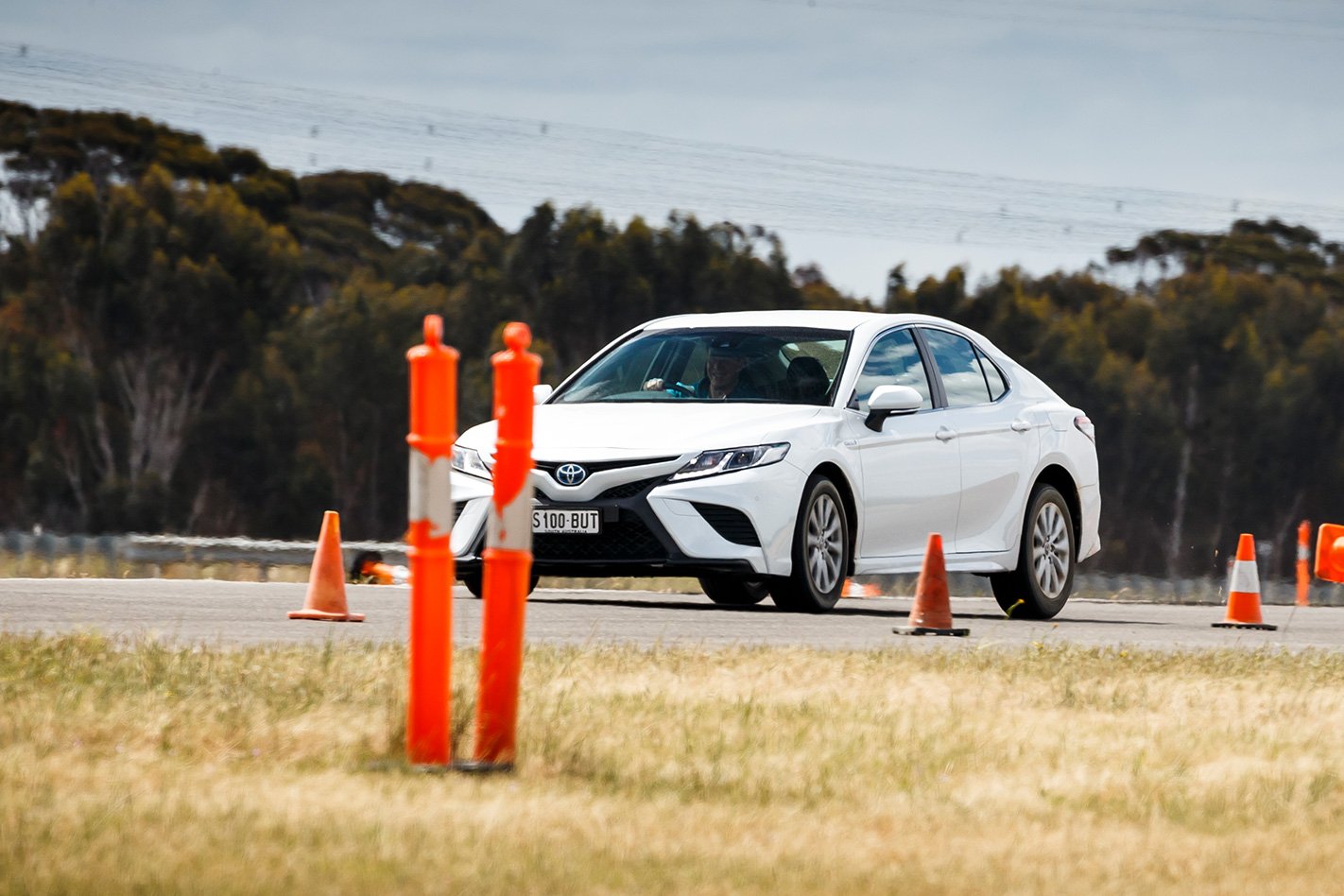
After all that – here comes the but – the V6 is a disappointment, seeming barely any quicker, despite offering more power for the price than anything else on the market. Plus, the handling is a little nose-heavier and the ride seems stiffer than the others, and it isn’t as economical.
As it turns out, the Camry is probably the most complete new-gen Toyota yet, promising a rounded and competent family car package in ways that the series hasn’t managed in decades.
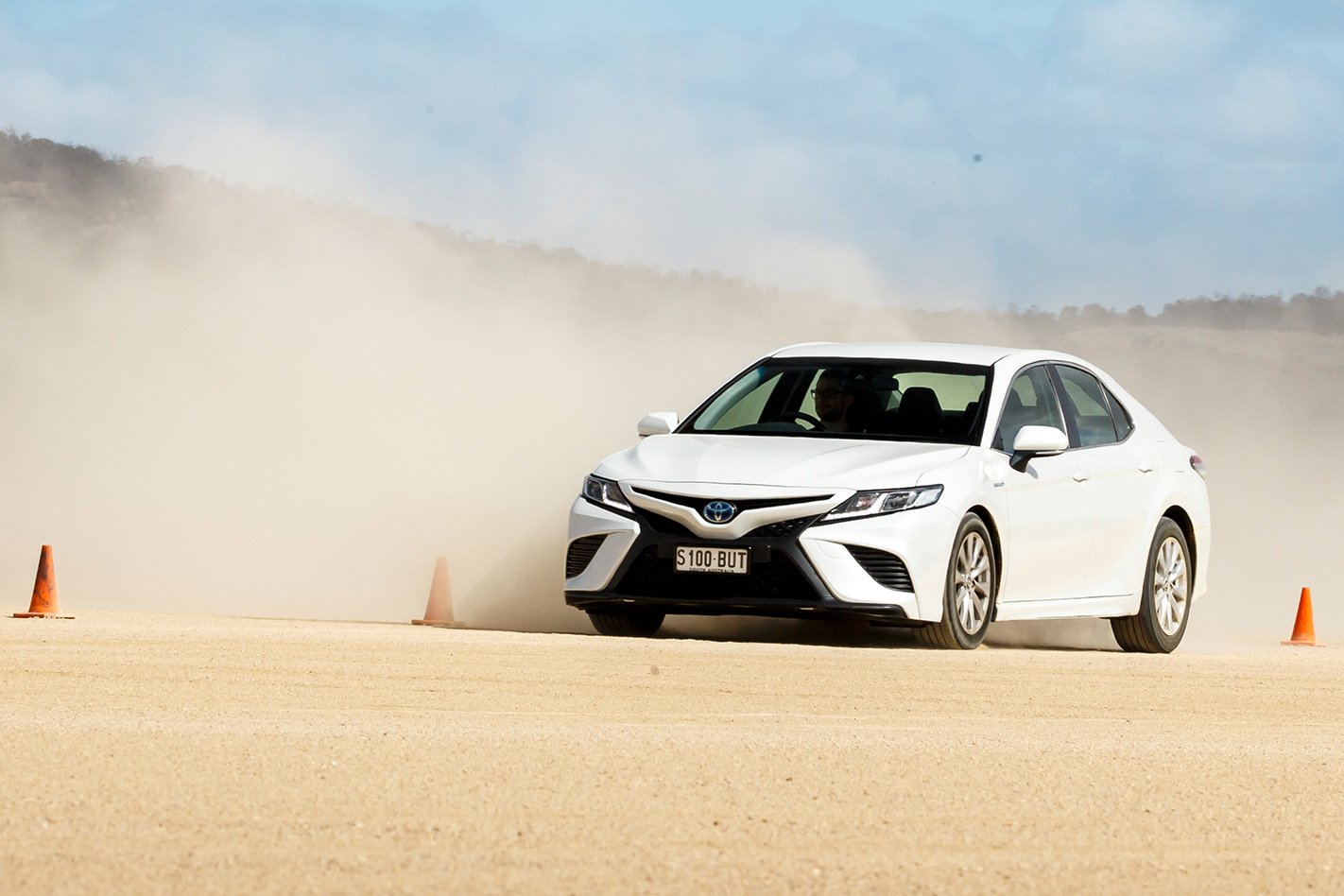
While it doesn’t fundamentally push class boundaries, and has a crummy three-year warranty that’s out of step with much of the industry, the 2019 Camry’s high value and excellent hybrid economy means it can add impressive to its CV.
Road deaths are up almost 50 percent year-to-date in Victoria, with one of the state’s top cops describing the trend as a “collective brain fade”.
As of midnight on May 6, 113 people have lost their lives in Victoria during the 2019 calendar year. At the same point last year that figure was 76 – an increase of 48.7 percent.
Some of the drastic percentage increase can be attributed to 2018’s road deaths, which were the lowest in over a decade – 213 people lost their lives on the state’s roads last year.
However, when compared to current trends, this year’s mortality rate on Victorian roads remains an outlier.

The five year average from 2014-2018 for the same period is 89 deaths, almost 27 percent lower than this year’s figure. The highest single year figure during that period prior to 2019 was 100 deaths, recorded in 2016.
The largest increase in deaths this year comes from males, with 86 fatalities compared to 51 in 2018, marking a 69 percent increase.
Rural Victoria has also suffered, with 72 deaths so far this year compared to 39 last year, an increase of 85 percent. Melbourne has seen 41 drivers die on the roads so far in 2019, an increase of 11 percent compared to last year.
This trend continues when fatalities are considered in terms of the level of urbanisation at the crash site. A total of 70 deaths have occurred YTD on rural roads (up 63 percent) compared to 31 deaths in urban environments (up 24 percent).
Of this year’s road deaths, 18 were people who weren’t wearing a seat belt, while it has been found that those that died in a car crash were more likely to have drugs instead of alcohol in their system.
The drastic rise in road deaths comes amidst a flurry of blitzes from Victoria Police. It was announced in March that 300 police shifts would be added statewide during a 10-week crackdown funded by the TAC. This week VicPol announced a ‘Slow Down, Move Over’ campaign which aims to crack down on the laws that require drivers to slow to 40km/h if they see an emergency vehicle with its lights flashing.
Victoria Police Assistant Commissioner Stephen Leane pondered if the state’s drivers are suffering a “collective brain fade”, and “all just need to think about it” during a discussion with Melbourne radio station 3AW.
Assistant Commissioner Leane also claimed Victoria’s reputation as one of the safest places in the world to drive was being challenged.
Victoria’s record low road toll in 2018 equated to 3.3 deaths per 100,000 residents (using 2017 population data). Using the five-year average between 2013 and 2017 of 258 deaths per year, this average rises to 4.0 deaths per 100,000 residents. The national average is 4.6 when using the 1144 deaths that occurred on Aussie roads in 2018.
For comparison, Germany’s road mortality rate is 4.0 per 100,000 residents, as is Denmark’s. Netherlands stands at 3.8, United Kingdom 3.1, Sweden 2.8, Norway 2.7, and Switzerland 2.7.
In response to the road toll, an emergency summit has been called for May 31, which will include representatives from the TAC, VicRoads, Victoria Police, Monash University Accident Research Centre, RACV, Road Trauma Support Services Victoria and motorcycle and cycling advocates.
FORMULA 1 world champion Jenson Button has driven a Honda Civic Type R to a new benchmark time at Mount Panorama during a secret test day over the Easter long weekend.
With a time of 2:35.2017, Button and Honda have set a yardstick for all other hot hatch manufacturers to measure themselves against. However, calling it a record breaking lap would be inaccurate, as no front-drive production car has officially attempted a record before.
Button was flown to Australia in secrecy, and given a single task – to pedal the Civic Type R as fast as possible around the country’s most prestigious circuit. The 6.213-kilometre Mount Panorama circuit uses public roads, includes 23 corners and rises 174-metres with gradients as steep as 16 percent.
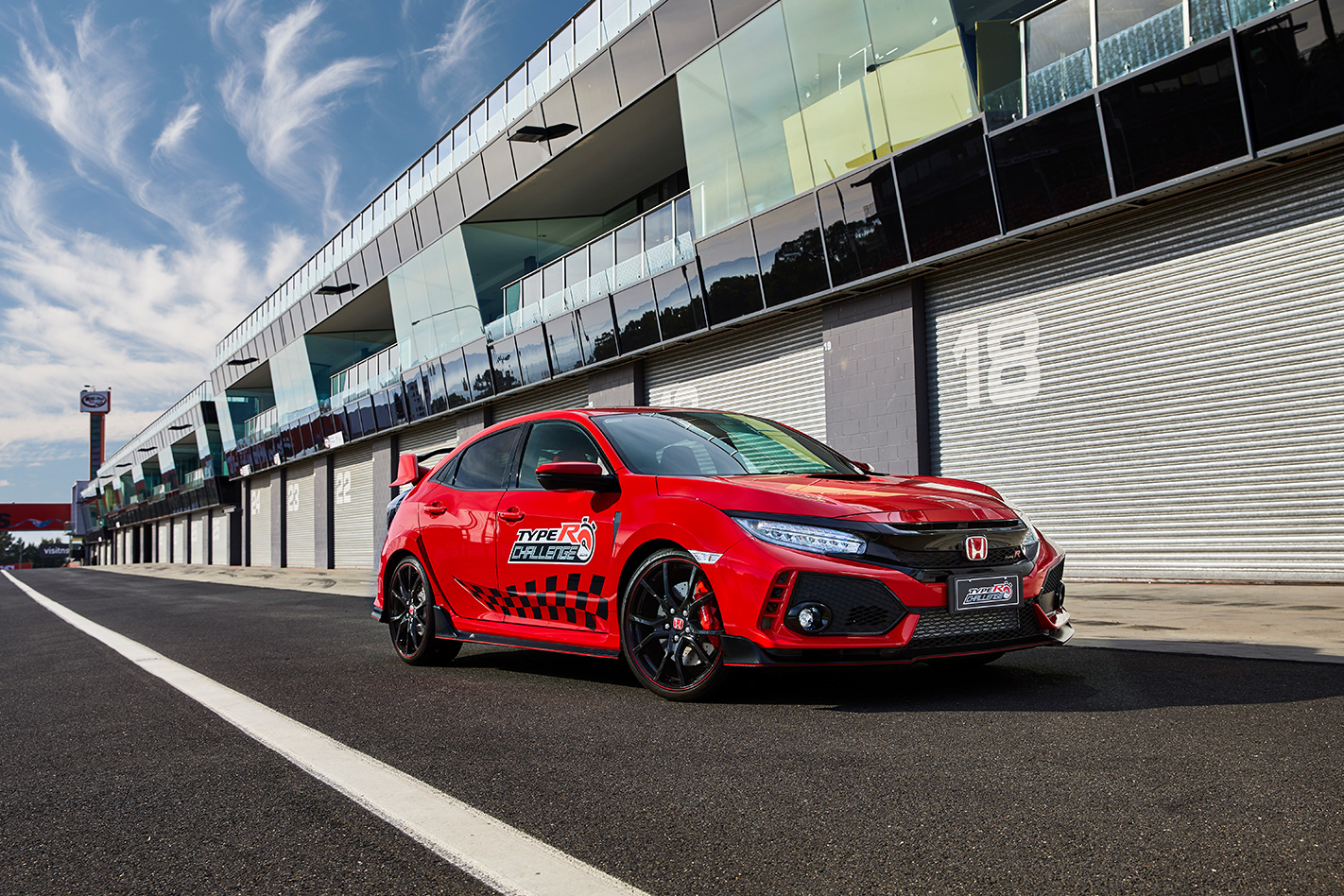
The Type R used for the lap was identical to what can be bought in showrooms around Australia for $51,990. Honda says the car was in completely stock trim – including the Continental SportContact 6 tyres.
Honda’s hot hatch hero is powered by a 2.0-litre turbocharged four-cylinder that sends 228kW and 400Nm to the front wheels via a six-speed manual transmission. The official kerb weight is 1393kg.
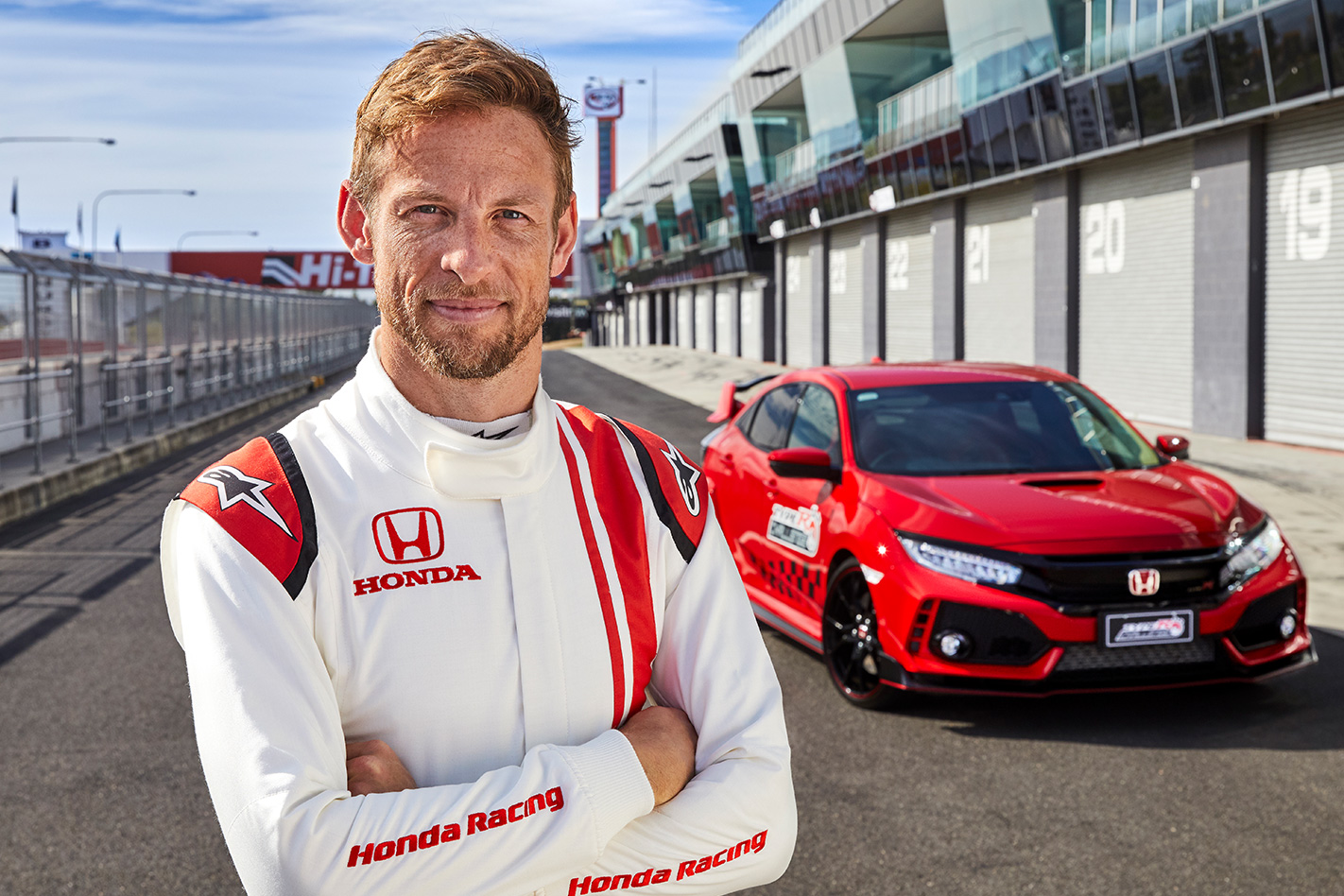
Putting the stock Type R’s time into perspective, it would have been good enough to qualify second in class for this year’s Bathurst 6 Hour, held the day prior to the record attempt.
Button completed just 14 laps of the circuit, spread across a one hour session in the morning, and a 10 minute session in the afternoon.
“Anything you drive around Mount Panorama is pretty amazing. Up across the top of the mountain, the Type R is so fast through there, so once I got into a rhythm and got used to the speed you can carry, it was really good fun,” the 2009 Formula 1 champion said.
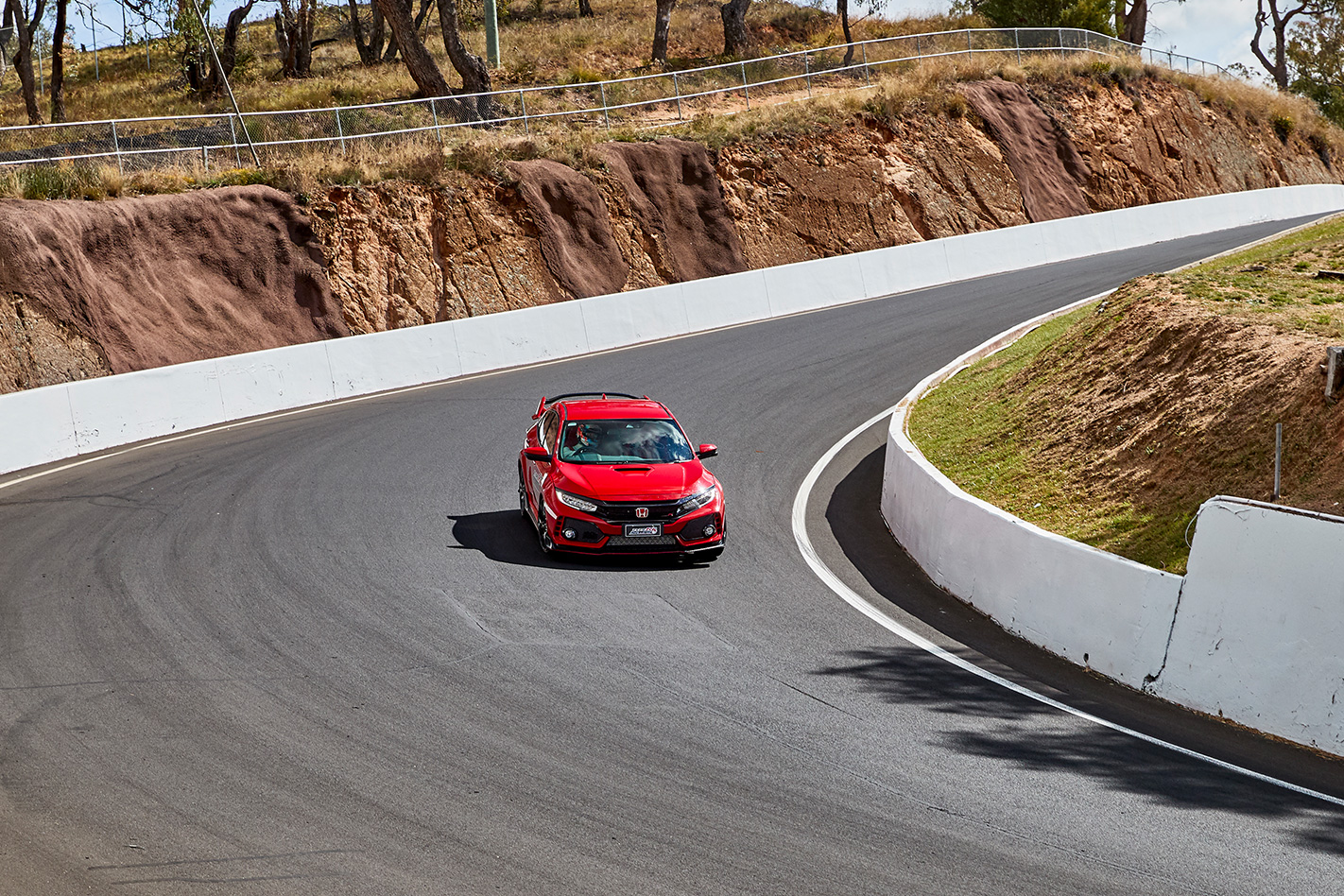
“I think if it was cooler you could go a bit quicker, but I do feel like I got everything out of the car.”
The official outright production car record at Mount Panorama is a 2:16.5, set by Bernd Schneider in a Mercedes-AMG GT R in 2017.
Fittingly, Button also holds the unofficial outright quickest lap of Mount Panorama, setting a 1:48.8 time in a 2008-spec McLaren MP4-23 wearing 2011-spec Pirelli tyres during a sponsor event.
Brabham’s BT62 cut an unofficial 1:58.69 during demonstration laps at this year’s Bathurst 12 Hour, making it the quickest tin-top to lap the circuit, while Christopher Mies holds the outright official record at 1:59.291 set in a derestricted Audi R8 GT3 during the Challenge Bathurst event last year.
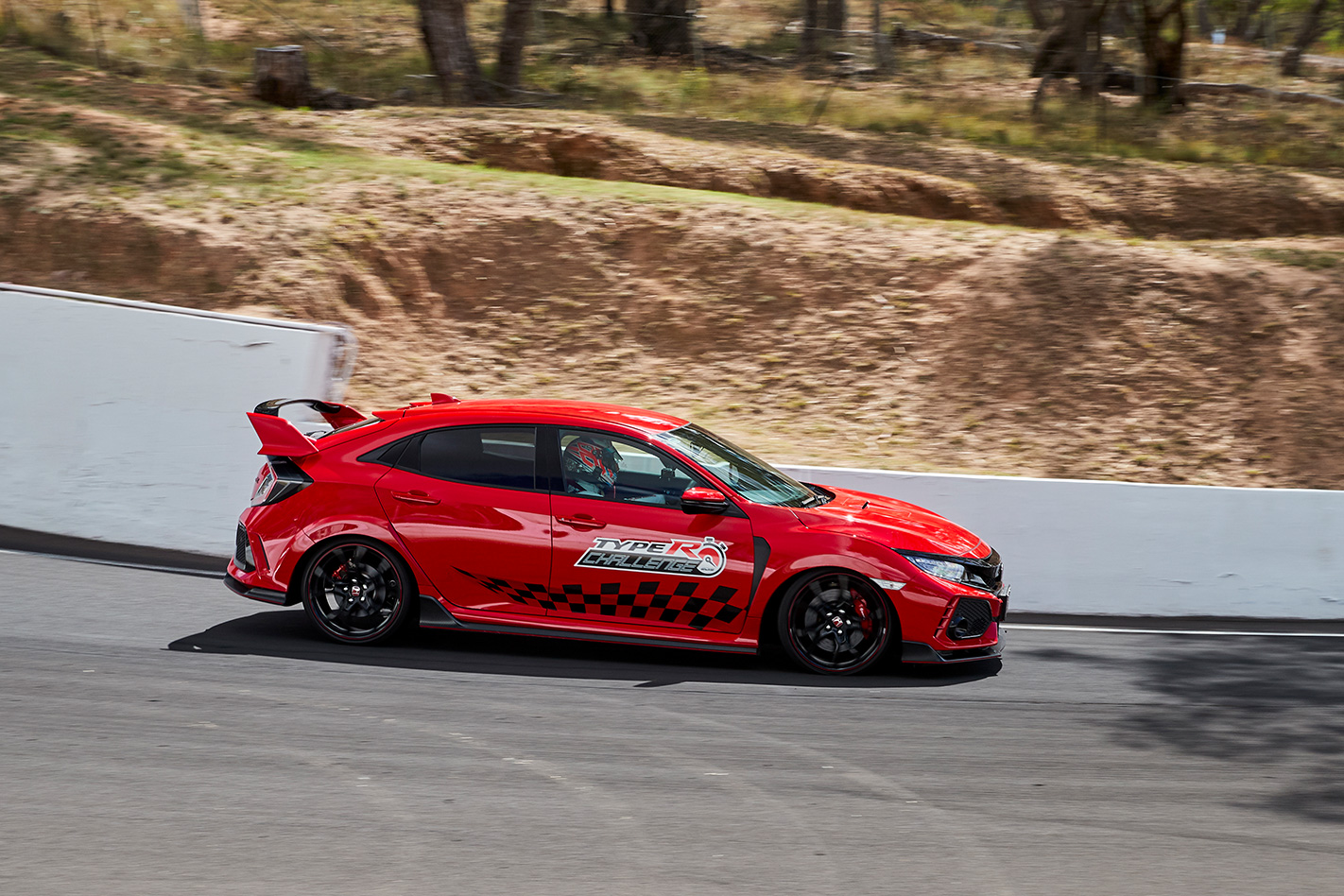
The Group 3E Series Production car record (ostensibly the racing production car category) of 2:25.802 was set by Chaz Mostert during the Bathurst 6 Hour in 2017 with a Ford Focus RS.
Button’s mission was part of Honda Australia’s year-long 50th birthday bash, and is the first leg of the Type R Challenge set outside Europe.
The Type R Challenge has seen the Japanese hot hatch flown to some of the world’s finest tracks to have a lash at various records. It has had five previous legs, with Button also setting a front-drive production car record at the Hungaroring grand prix circuit with a time of 2:10.19.
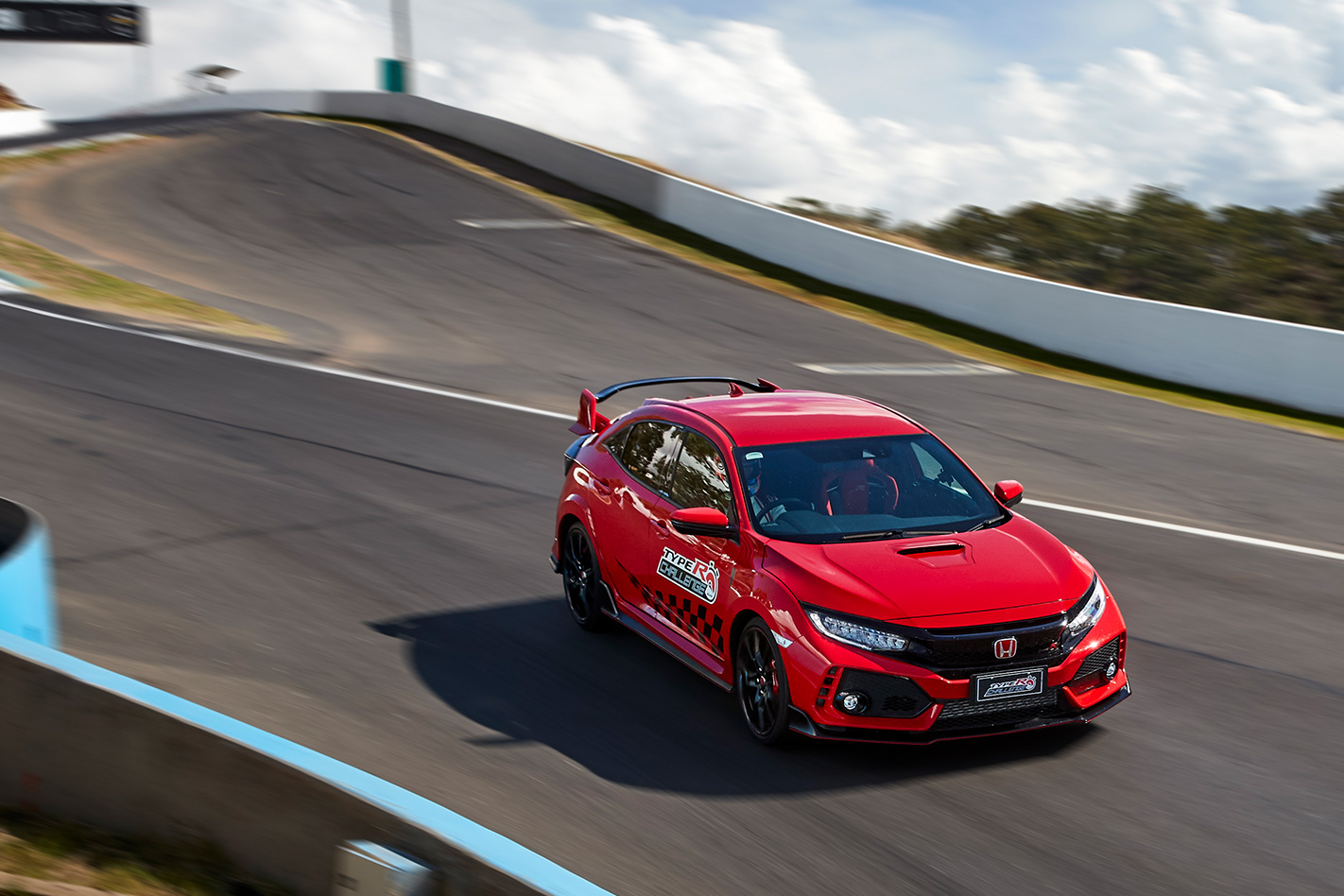
Our sister magazine Motor awarded the Civic Type R its coveted Performance Car of the Year title in 2018. During testing, with Supercars driver David Reynolds at the wheel, the hot hatch set a new benchmark time at Winton, “comfortably burying previous efforts in any production front-drive car”.
While Honda has laid down the gauntlet, it’s time for other manufacturer’s to step up to the plate. Your move, Hyundai.
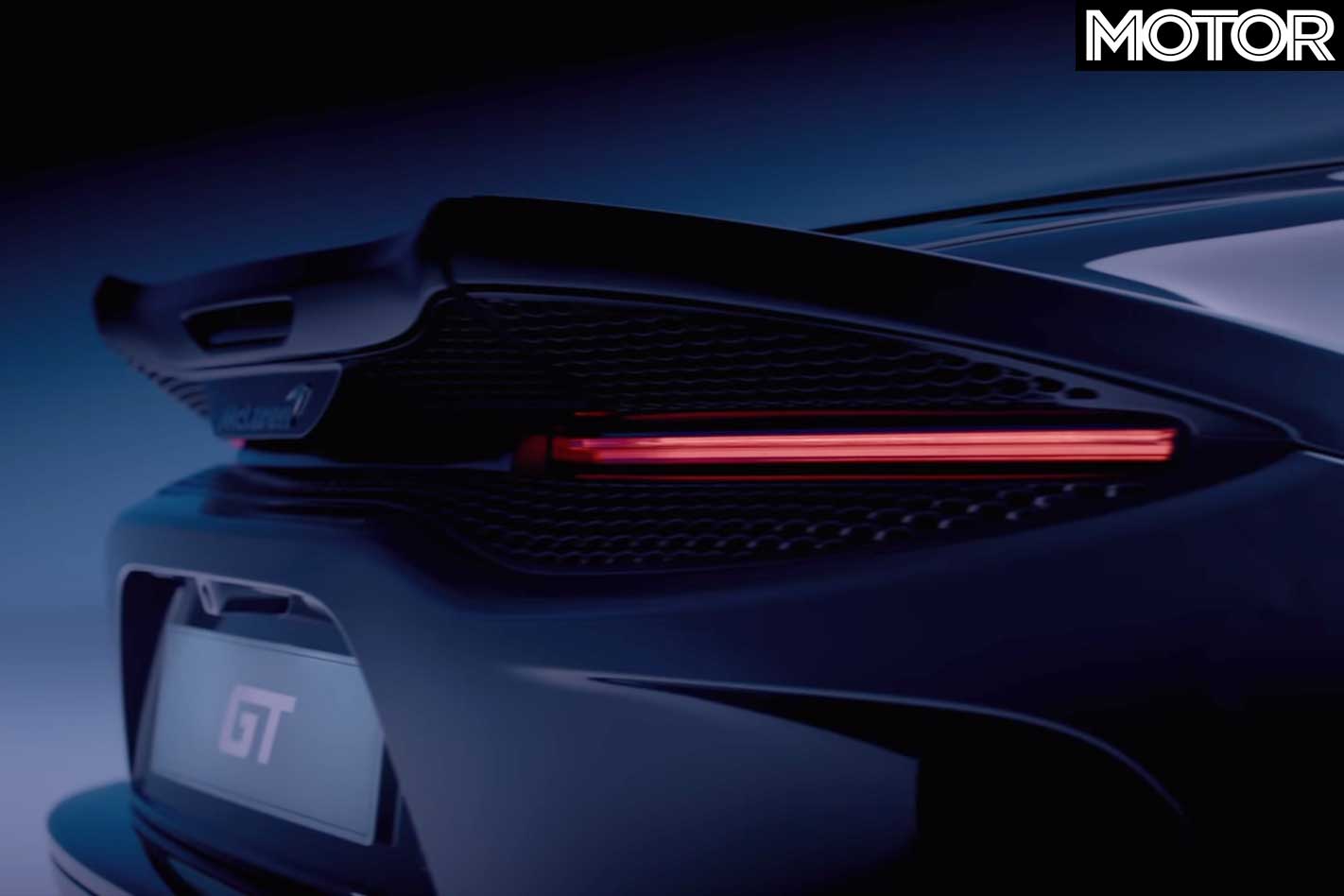
Footage of the anticipated new McLaren GT has surfaced overnight, teasing what will take the brand into waters traditionally inhabited by Aston Martin and Bentley.
The video, found on the brand’s YouTube channel, offered a close-up of the GT’s details ahead of its official reveal in a week’s time.
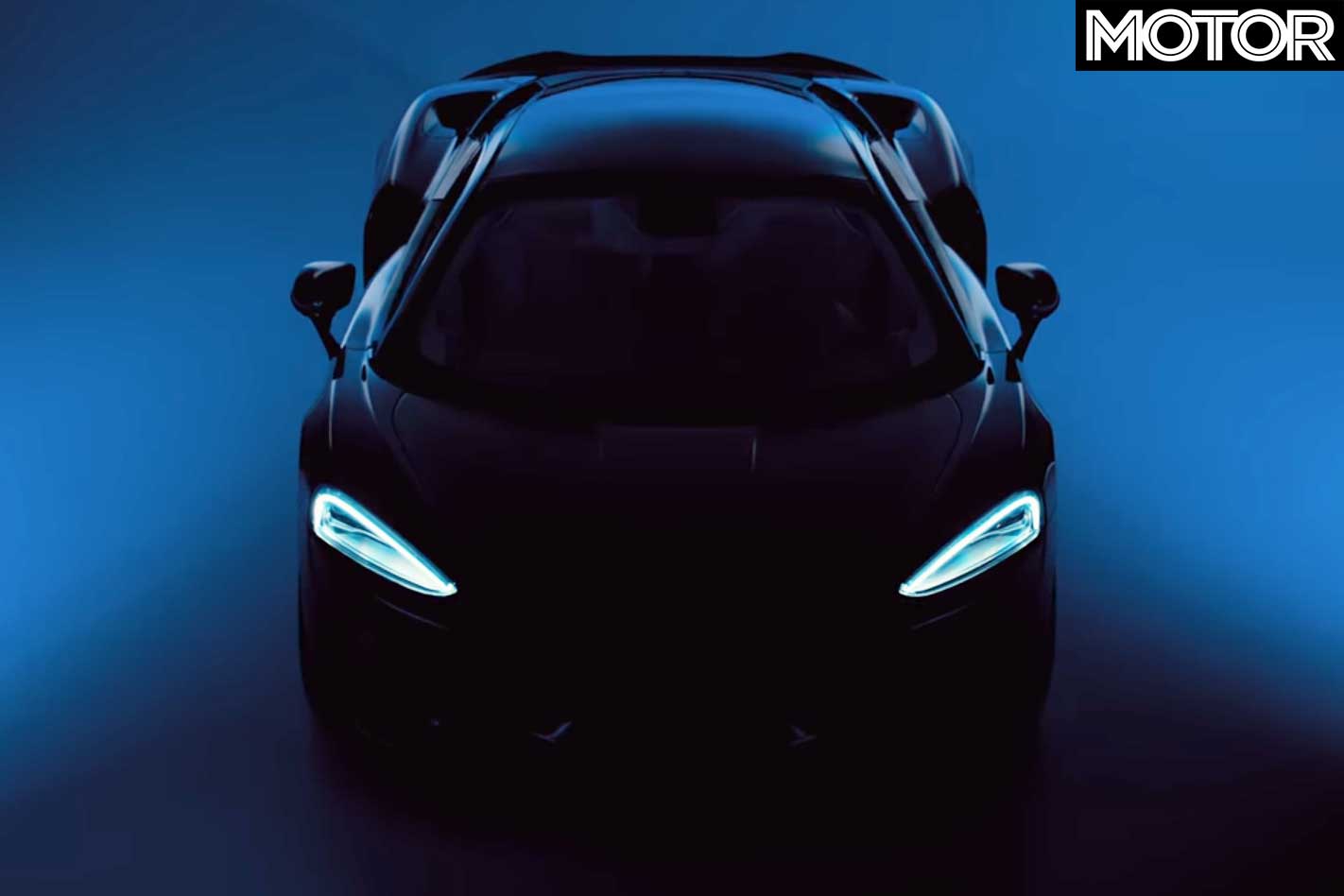
Pegged to be its first supercar focused on long-distance touring rather than lap times, it’ll be a standalone new variant that will, as the video implied, “combine continent-crossing ride comfort with the thrills of a superlight performance car.”
After all, this is the car McLaren drove from Spain to England with a full load of luggage as part of its development. So, mark up the DB11 and Continental GT as its rivals, then.
It’s reported that it’ll weigh less than 1500kg and be based around the 720S. So there’s no doubt the GT will be covered in the performance stakes.
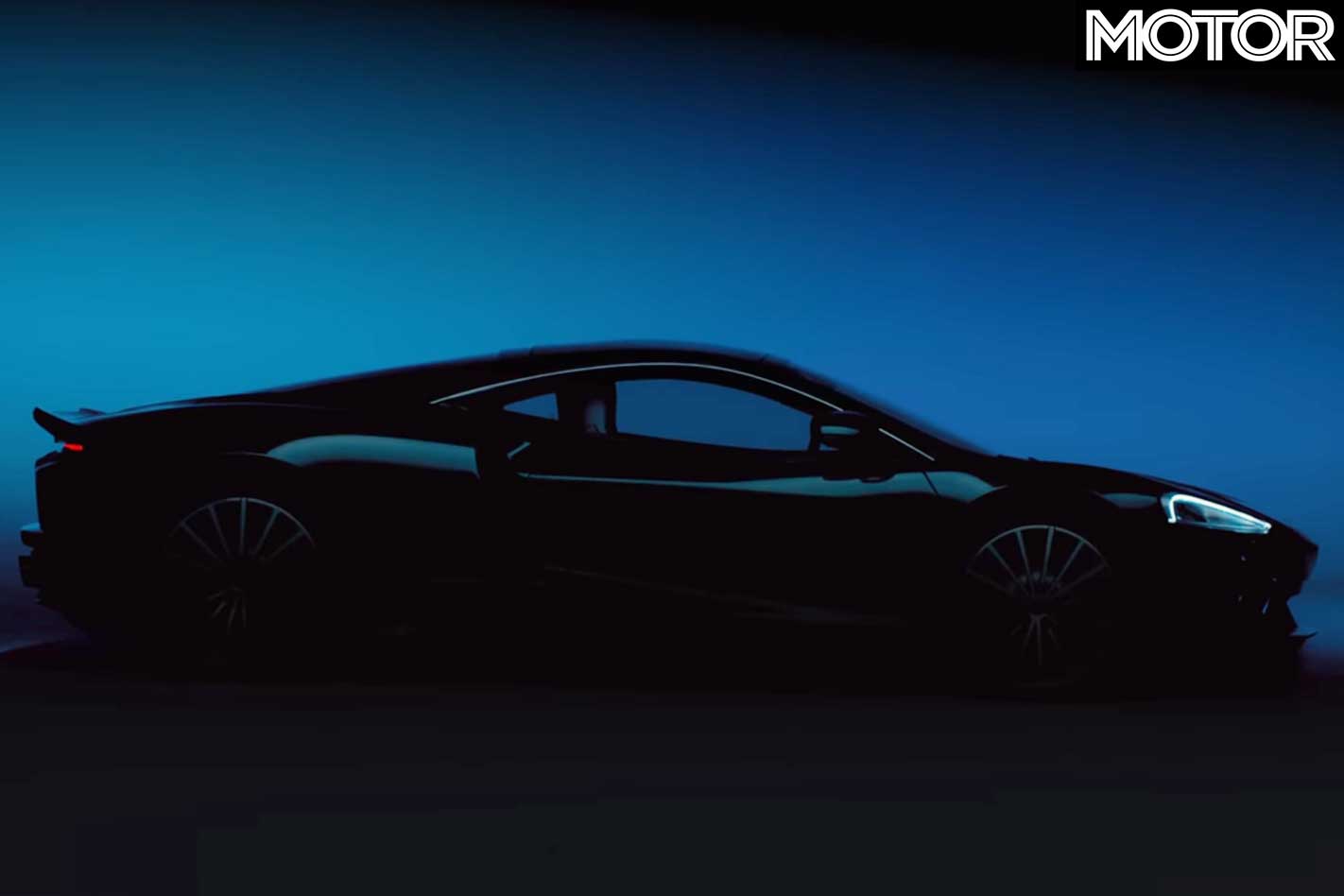
But while the GT’s darkly-lit silhouette reveals a higher gradient on its rear roof, curiosity surrounds how it’ll match the aforementioned in practicality and comfort. We’re struggling to picture sliding a golf bag between it and the engine.
Still, McLaren is talking some serious game about this car, implying it won’t let “tradition” hold it back. Apparently, 70 per cent of its parts will be new, including every single body panel, Top Gear reports.
The desire to build a grand touring supercar breaks new ground for Woking, but we can imagine why it might feel to do so.
Aston Martin’s recent push into the supercar market with the Valkyrie, 003 and then Vanquish in 2022 is an example of eroding brand segmentation in the luxury world.
Stay tuned to see what McLaren has for us on May 15.
BY MOST conventional standards, getting slapped with an A$853m fine will probably ruin your day.
But Porsche is not a conventional car company. For the 2016 financial year, it was the most profitable car brand in the world, recording profits of $6.22 billion or, to put that figure into perspective, more than twice what PSA Peugeot Citroen paid for the entire Vauxhall/Opel brand.
In 2017 that crept up to $6.61bn, while for 2018 it dipped slightly to $5.59bn.
In other words, if we take last year’s profits as a benchmark, Porsche makes A$15.3m a day, every day of the year. The Dieselgate fine imposed by a Stuttgart court yesterday for a “negligent breach of duty” relating to its use of diesel engines with emissions-test-cheating software and the damages derived against Porsche for the “economic benefit” it derived from its illegal NOx claims represents 55.7 days earnings.
Porsche would theoretically have to operate until February 24th before the till started chiming again. Porsche SE Group’s total assets totalled $52.9 billion as of 31 December 2018. So the fine for Zuffenhausen’s cheating actually amounts to a 1.6 percent slice of the company. Or three years’ LMP1 racing budget. Hardly debilitating, is it?
Five alternatives to a family SUV
Porsche withdrew all diesel engines from sale in 2018 and is not appealing the ruling. It also draws attention to the fact that it was supplied with diesel engines by its parent company and had no part in the insertion of emissions defeat devices as it “never developed and produced diesel engines”.
Viewed through that lens, perhaps it feels hard done by. Glass half full? Porsche has dodged a bullet.
You’ve seen what the 2019 BMW X3M and X4M look like, heard their muscly on-paper credentials, and now we know much they’re going to cost.
BMW Australia has confirmed local pricing and specification on these mighty mini-trucks ahead their August arrival, shunning Europe’s four-car range for a streamlined two-car Competition-only line-up.
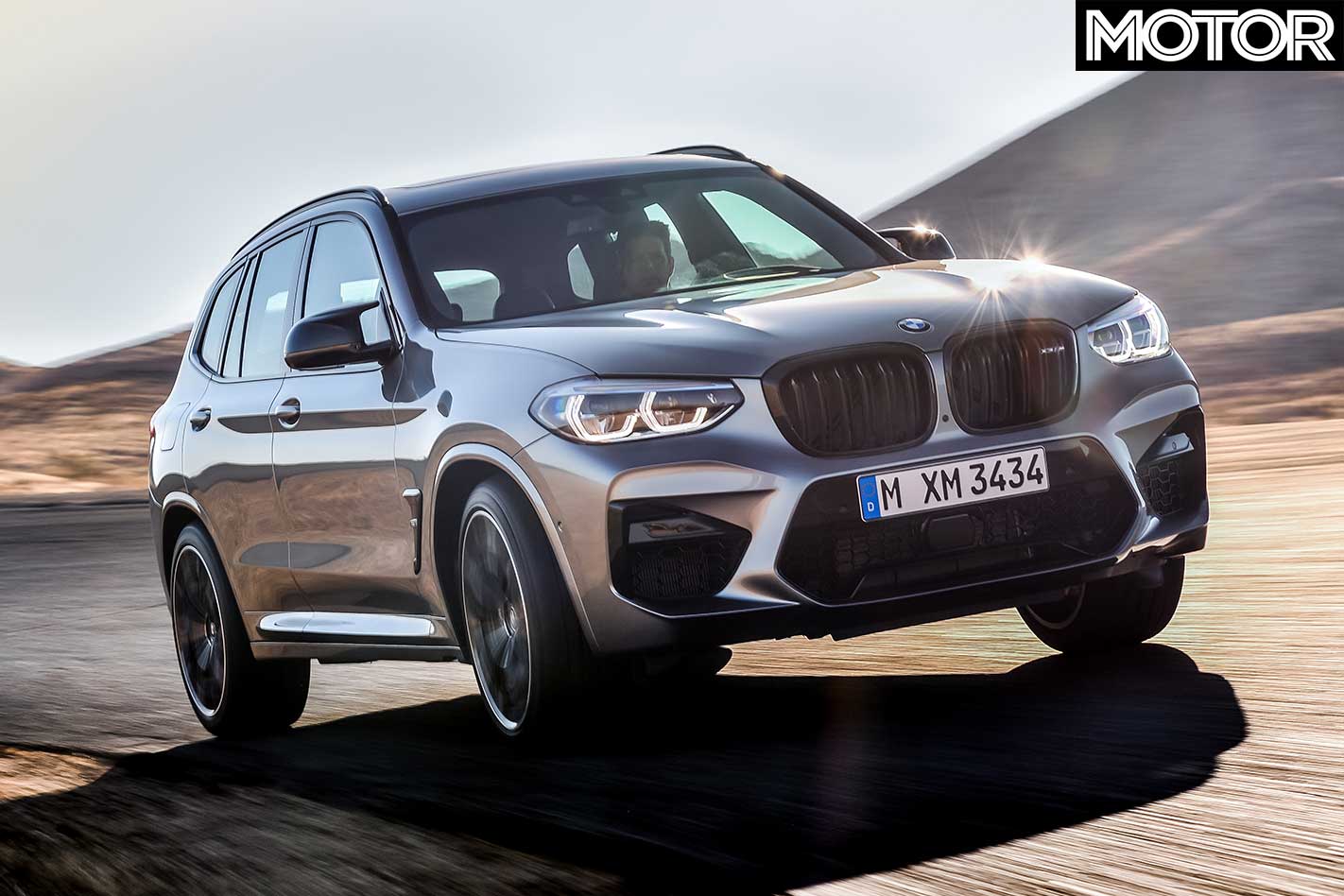
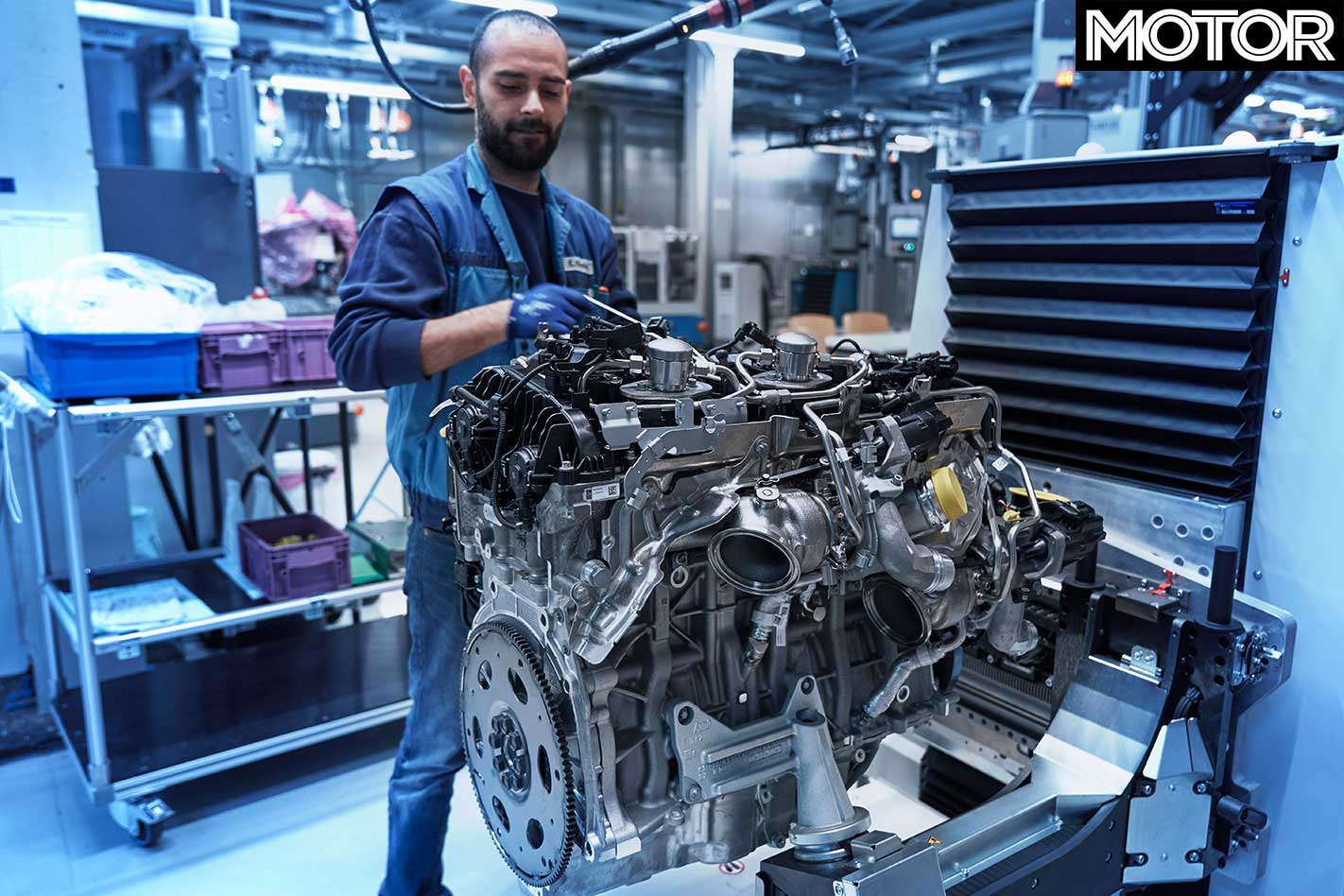
That’s right, our X3Ms and X4Ms will be only the fittest, using the Competition’s upgraded S58 engine. They find another 22kW from BMW’s new M-spec 3.0-litre twin-turbo six and hold the torque peak 350rpm longer, meaning they’ll deliver 375kW at 7200rpm and 600Nm from 2600rpm to 5950rpm.
Using an eight-speed automatic and all-wheel drive system, the Competitions are one tenths faster than the standard cars, delivering 0-100km/h sprints in 4.1sec. That’s equal to the current M3 Competition’s claimed time, if you’re wondering, even though they’re 410kg heavier at 1970kg.
Price wise, it seems BMW paid close attention to their competition. The arrangement under cuts the Mercedes-AMG GLC 63 S and Coupe by $6630 respectively.
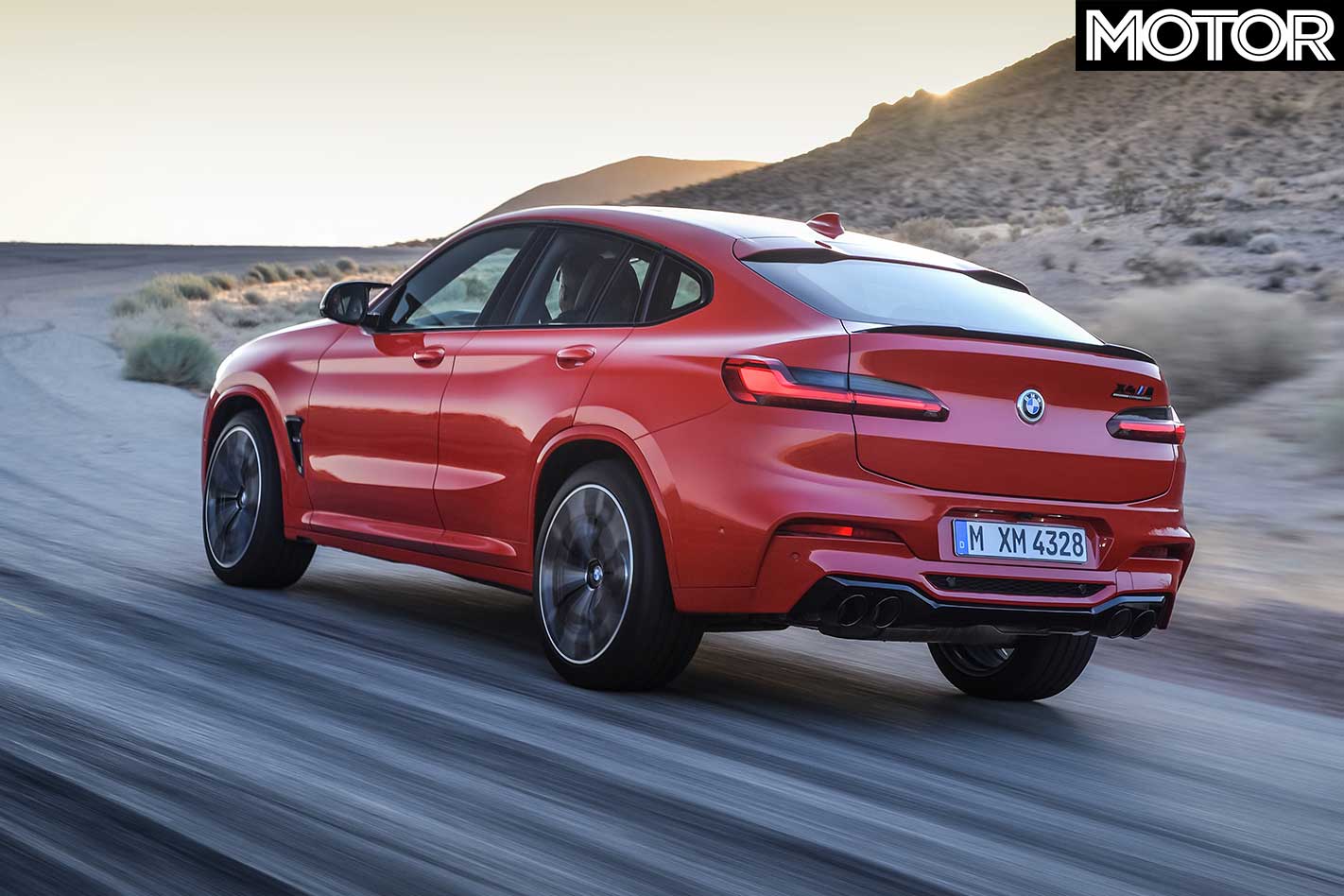
The X3 M competition starts at $157,900 and the X4M charges another $7K for its sloped-roof silhouette at $164,900.
As for what else Competitions score above standard spec, their wheels measure 21-inch instead of the regular 20-inches. Tyre width is the same, though, spanning 255mm wide up front and 265mm out back.
BMW Oz has also thrown on an M Sport Exhaust as standard, giving us the first sample of the new M3’s engine soundtrack through their quad-tip exhaust arrangement.
Competitions make do with specifically tuned adaptive damping and huge 395mm front brake discs. They’re clamped by four-piston calipers while the rear comprises 370mm discs with single calipers.
Meanwhile, inside, are special M Sport seats with badging. Then Competitions also score gloss black on the front grille, side vents and mirror caps. The X4M also gets rear lip spoiler on its boot.
Got a dog? About 550 litres of boot space in the X3M and 525 in the X4M become 1600L and 1430L respectively when you fold the rear chairs.
Current known options are priced as follows:
- Steering wheel heating: $500
- Acoustic glazing: $500
- Sun protection glazing: $800
- Front and rear seat heating: $700
- Active seat ventilation: $1,600
- TV function: $2,250
- Apple CarPlay: $623
- BMW Gesture Control: $450
