
The 2019 Porsche Macan S has landed with a new engine, sharper handling and more technology to boost its appeal as the brand’s best-seller. And we’ve driven it.
Leading the updates is its new single-turbo 3.0-litre V6. It differs to the old twin-turbo unit by housing a twin-scroll turbocharger in its vee, fattening its angle to 90 degrees and flipping the cylinder head’s intake ports within the valley.
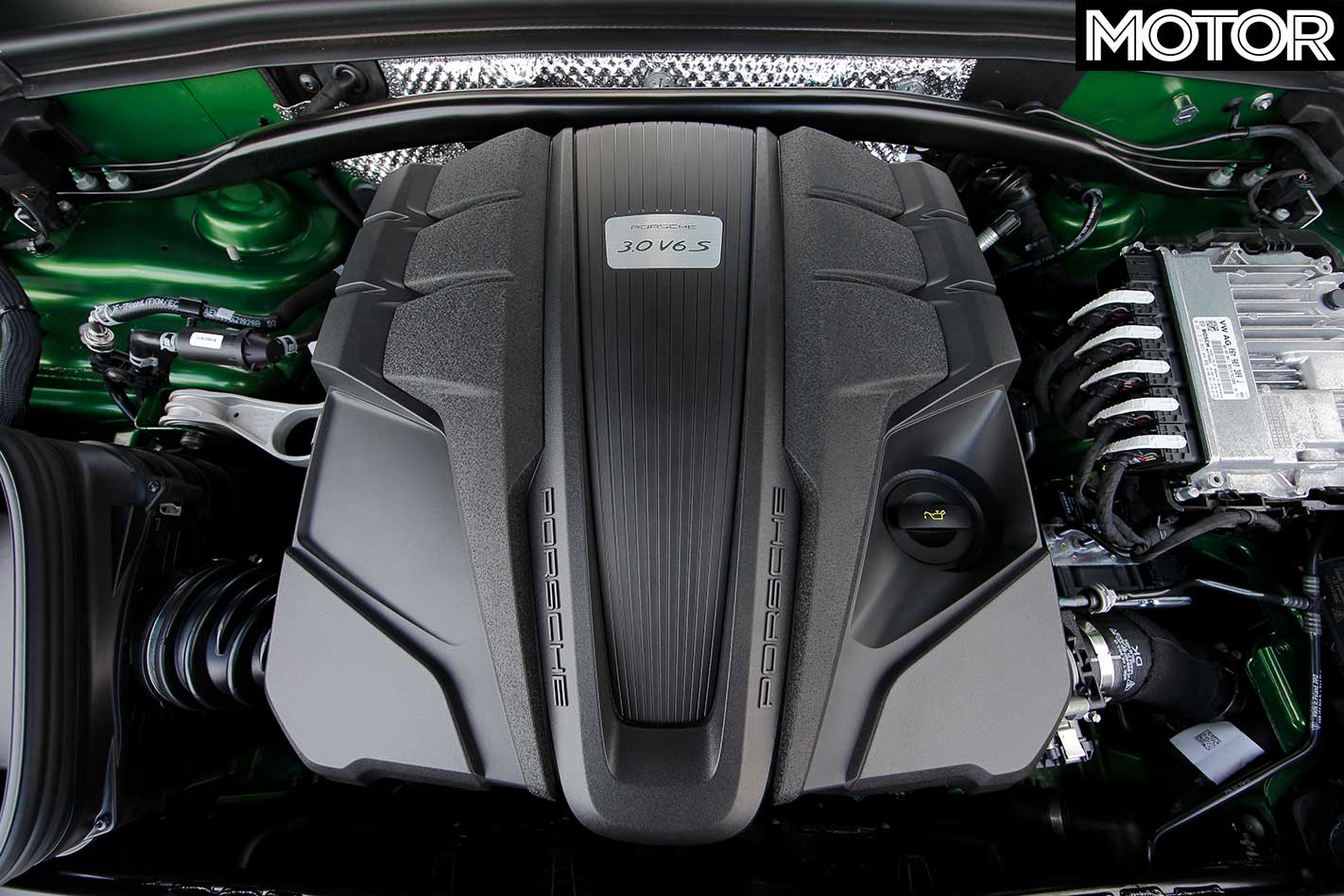
Its tech specs are identical to the Audi SQ5’s and S4’s engine, with a bore of 84.5mm, stroke of 89mm, and compression ratio of 11.2:1. Porsche says its engineers lead the development project, but Audi had the platforms ready for the engine first.
The firewall and the wind screen’s plenum have been redesigned to fit it in. More importantly, it produces 260kW and 480Nm, up 10kW and 20Nm on the old S, but 20Nm down on its cousin from Ingolstadt that doesn’t have one.
Understandably, it’s different in character to the old oversquare twin-turbo six. While the old engine liked to rev, soaring to a 6900rpm redline, the new six prefers to surf its fat mid-range then fizz out before the 6500rpm ceiling.
This tractable surge of acceleration suits the car’s more practical, urban-dwelling concept, but that’s not to say that it’s suited only to those environments. Porsche likes to boast the Macan is the ‘sportscar’ of its segment, and while that’s a ridiculous idea, it’s not entirely untrue.
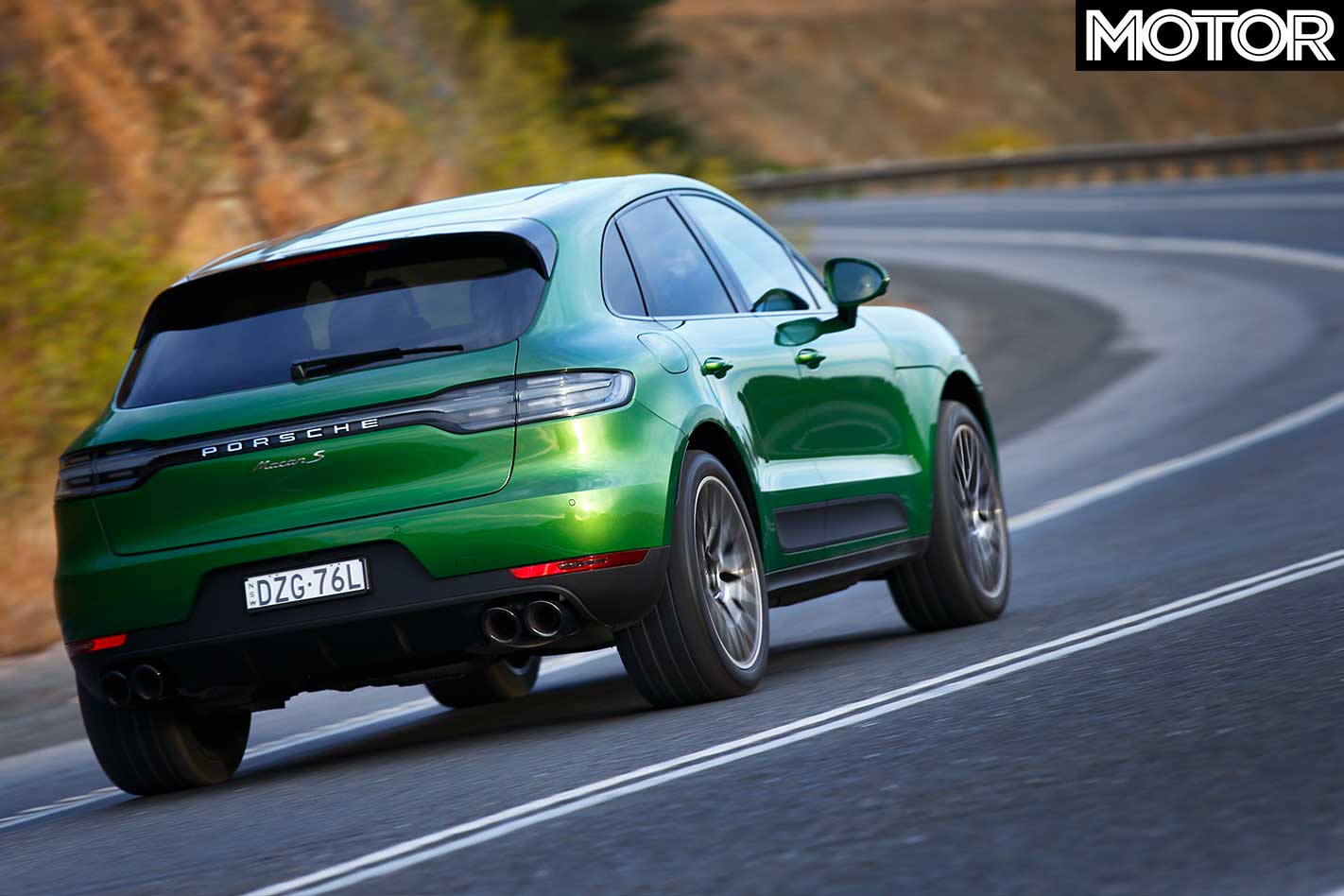
On one hand, you’re perched so high that there’s no mistaking its SUV DNA. But then it holds the road with the lateral stability and grip of a well-sorted hot-hatch, before adding the turn-in and front-end response you’d find in something typically rear-driven.
There are things at work only Porsche’s engineers know the secrets behind. Its dampers and springs are retuned and its multi-plate centre clutch, updated for 2019, prefers to drive the wide 295mm rear tyres. The fixed-ratio steering is positive and fluid, making it easy to manoeuvre at low speeds, but then assured and scalpel sharp at higher speeds.
New aluminium damper supports dropped unsprung weight until bigger front brakes, up from 350mm to 360mm discs, add as much as they saved. Its kerb weight without driver remains at 1865kg, and it hauls down its mass well through a lightened brake pedal that acts on a shortened lever arm.
Three-mode adaptive damping is now standard and for the large part the ride is comfortable. It absorbs mid-corner undulations with amazing stability and the primary ride is always well-judged while being tolerable at all times. It’s only the secondary ride, over the finer stuff, that suffers.
Upgrading to 21-inch wheels from the stock 20s will only worsen the problem, as you’d expect with a smaller sidewall, and while air suspension is available, the fact it never really settles down on either wheel suggests damping is not the problem.
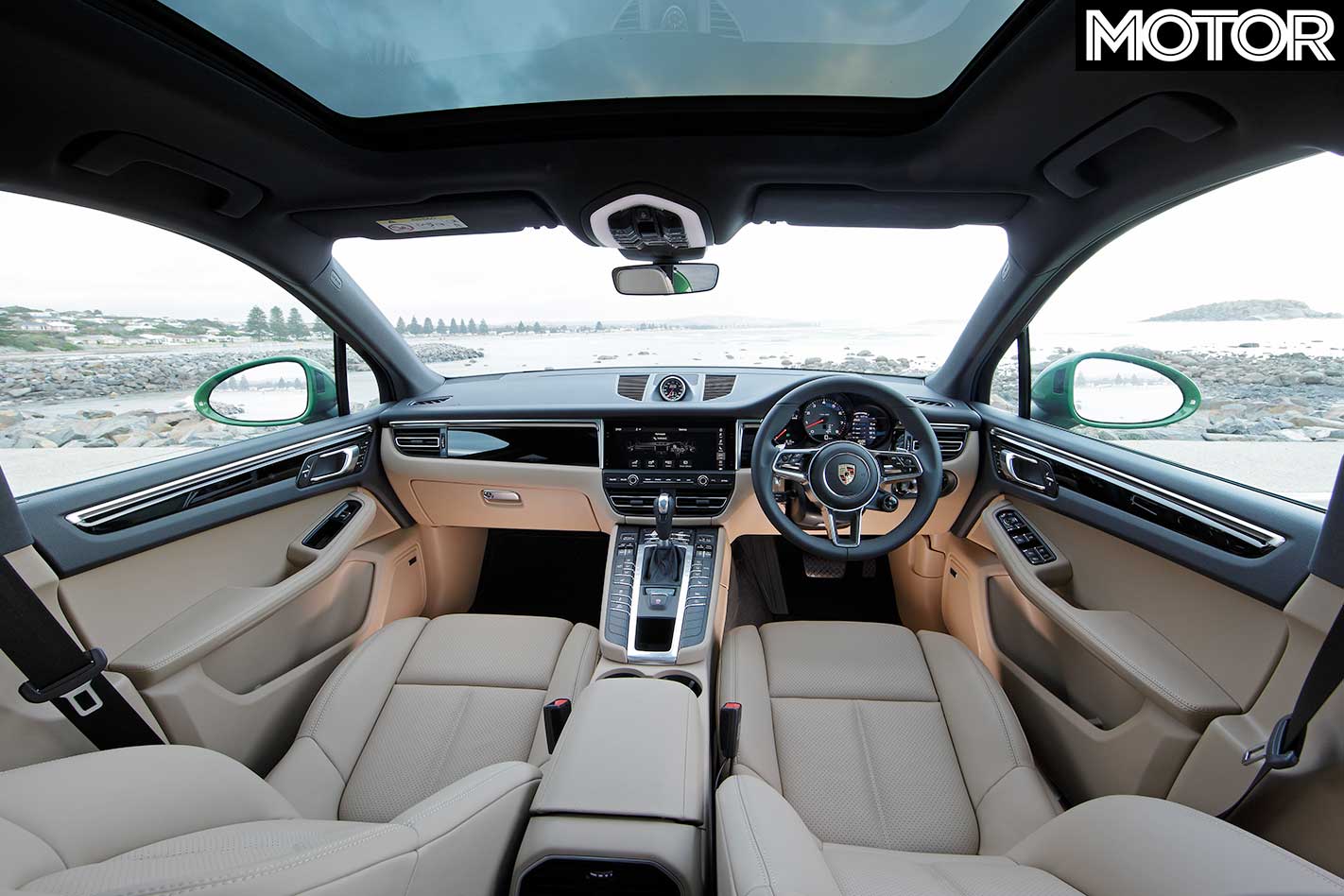
Inside, the S gets aluminium door sills and a Piano Black finish on top of the base model, whereas both cars score a larger 10.9-inch infotainment screen. A bigger effort has been made to deaden road noise and improve fit and finish. But we think softer front seats would go a long way to improving its touring comfort.
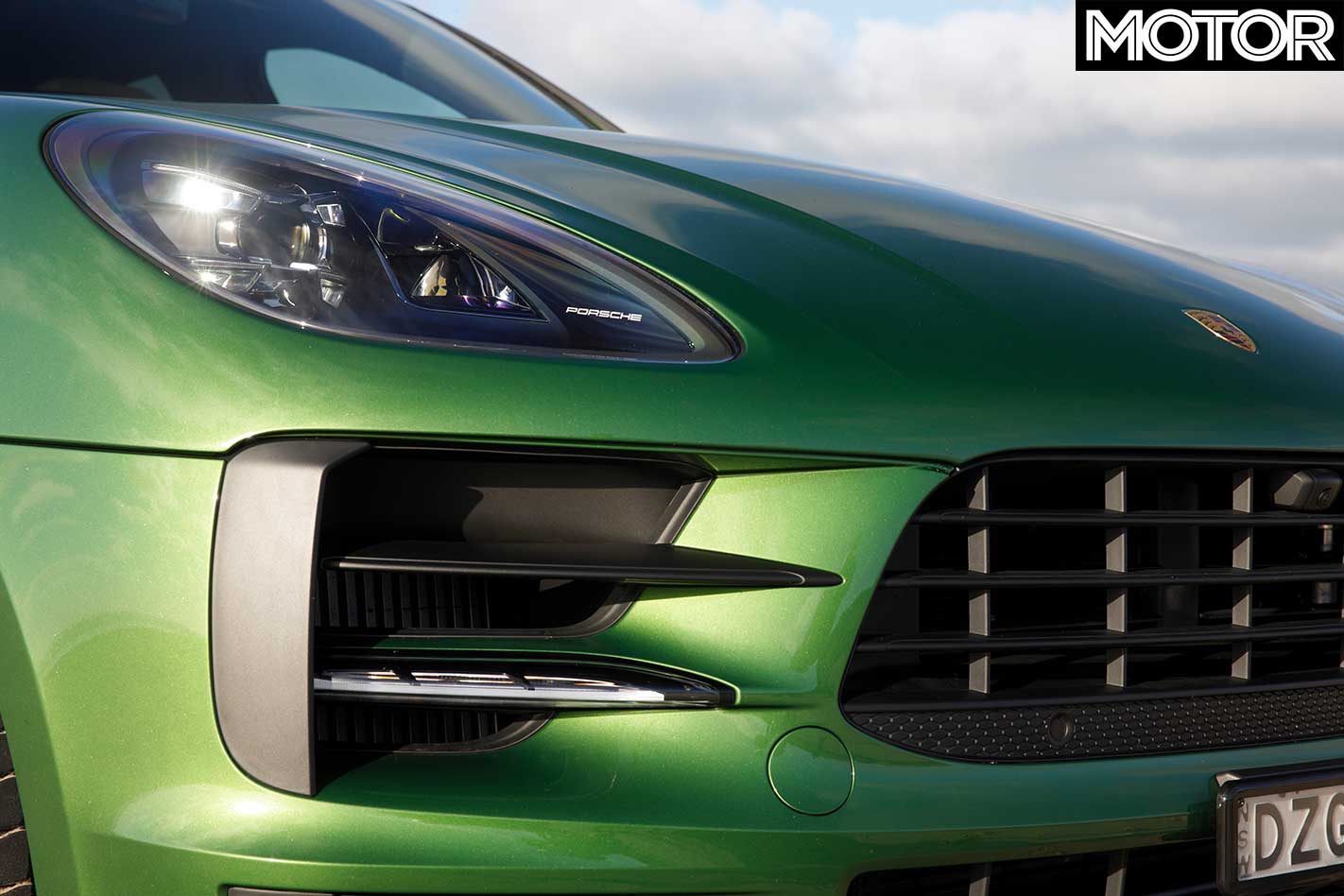
More obvious changes have been made to its exterior, where new LED headlights peek through its clamshell bonnet. The front bumper’s cleaned up its grille design, with new vertical slats, and hides an active radiator curtain that closes when needed to aid warm-up.
Porsche has linked the brake lights with a single lighting strip, like most of its models, and employed braking LEDs in the same four-point style of the front Daytime Running Lights. All this freshens the exterior ever so slightly, so if you want to really make a statement, there are paint finishes like Mamba Green metallic and Miami Blue.
You’ll need $97,500 (excluding on-roads) to snag the Macan S. Or $1600 more than you needed for the pre-facelift model and $17,100 more than the base four-cylinder car. But it’ll be worth it. It’s slightly better looking now, more powerful and better riding.
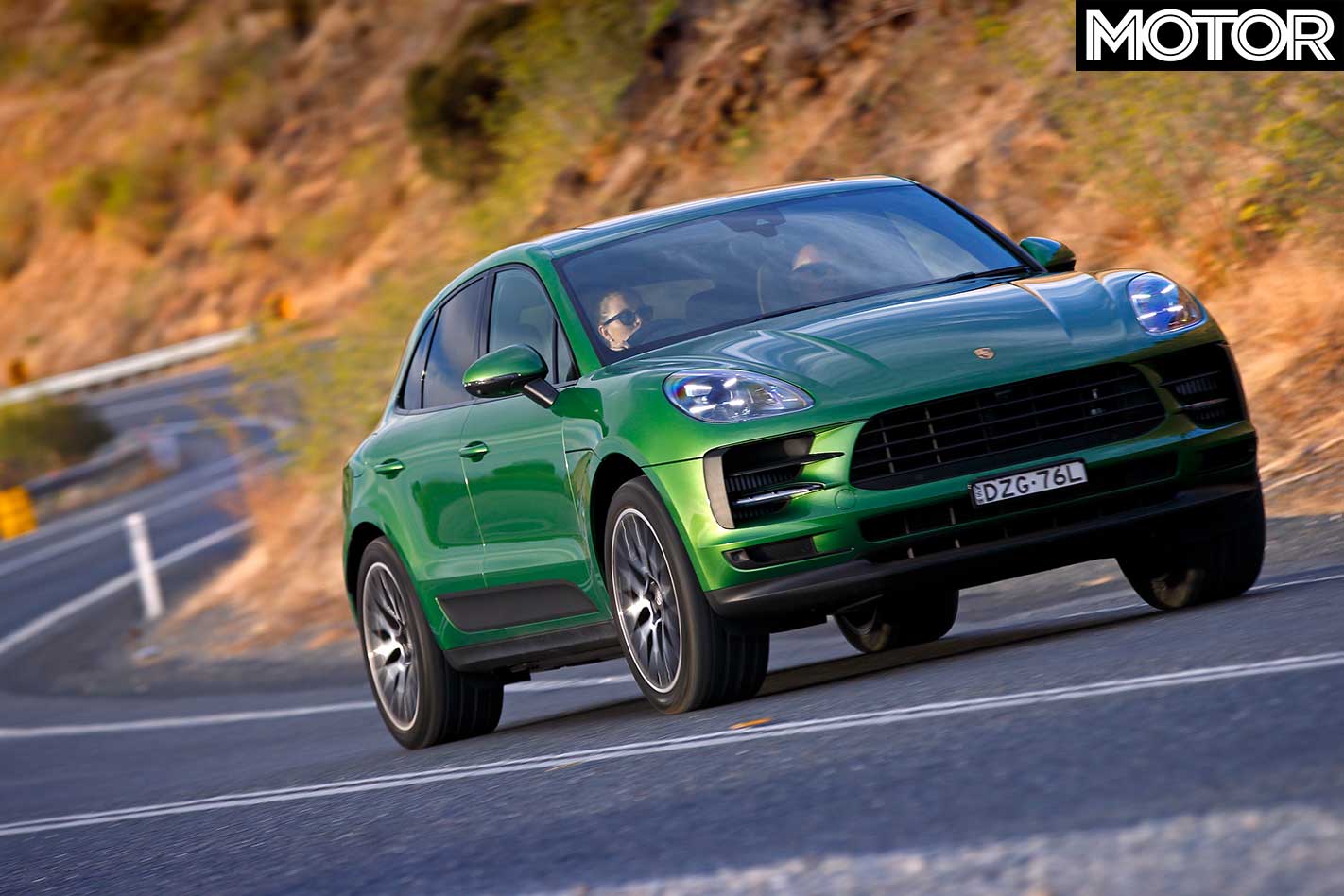
And there are few rivals that can touch it. A BMW X4 M40i? Too remote. The AMG GLC 43? Dunno, we haven’t driven it, but we can imagine it’d be too wooden. And as for its test-tube cousin, the SQ5? Nowhere near as cohesive and complete.
If we were shopping with our money for something practical, fast and luxurious, we’d buy a wagon. Enter the Audi S4 Avant. But if you ever needed proof an SUV can offer involving a drive, this is it. Bring on the Turbo.
2019 PORSCHE MACAN S SPECS Engine: 2995cc V6, turbo, DOHC, 24v Drivetrain: seven-speed dual clutch, all-wheel drive Power: 260kW @ 5400-6500rpm Torque: 480Nm @ 1360-4800rpm Weight: 1865kg 0-100km/h: 5.1sec (claimed) Top speed: 254km/h (claimed) Price: $97,500
Rating: 4 out of 5 stars
Mercedes-AMG has announced details of the new GLE 53, which will take the place of the current GLE 43 in local showrooms in the fourth quarter of this year. It’ll pack more power, more technology, and a box-fresh high-performance inline-six hybrid engine into the five-seat, five-door SUV.
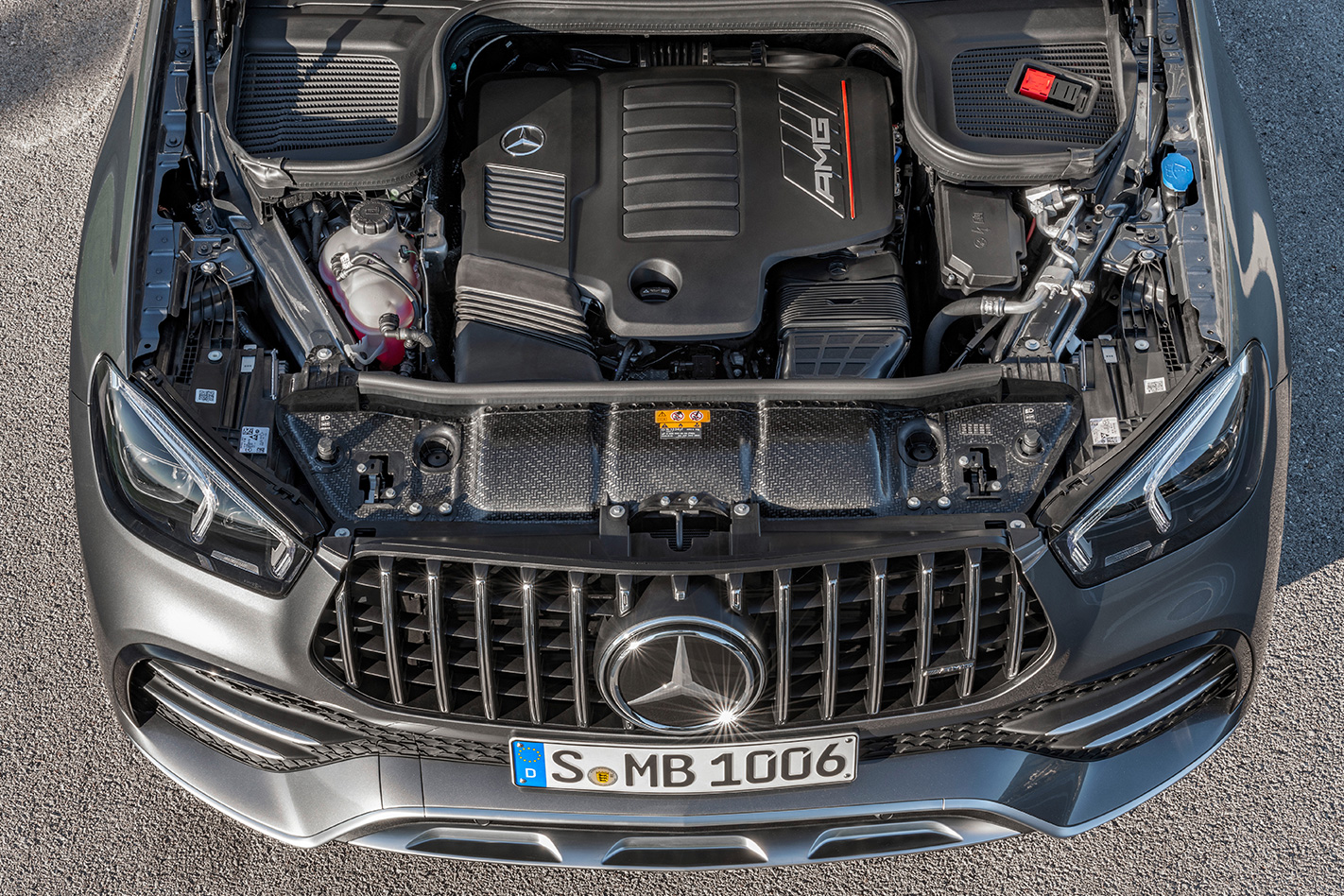
The new engine – borrowed from the Mercedes-AMG E53 – might have the same cylinder count and 3.0-litre displacement as the GLE 43’s twin-turbo V6, but its inline-six configuration also brings a myriad of other improvements.
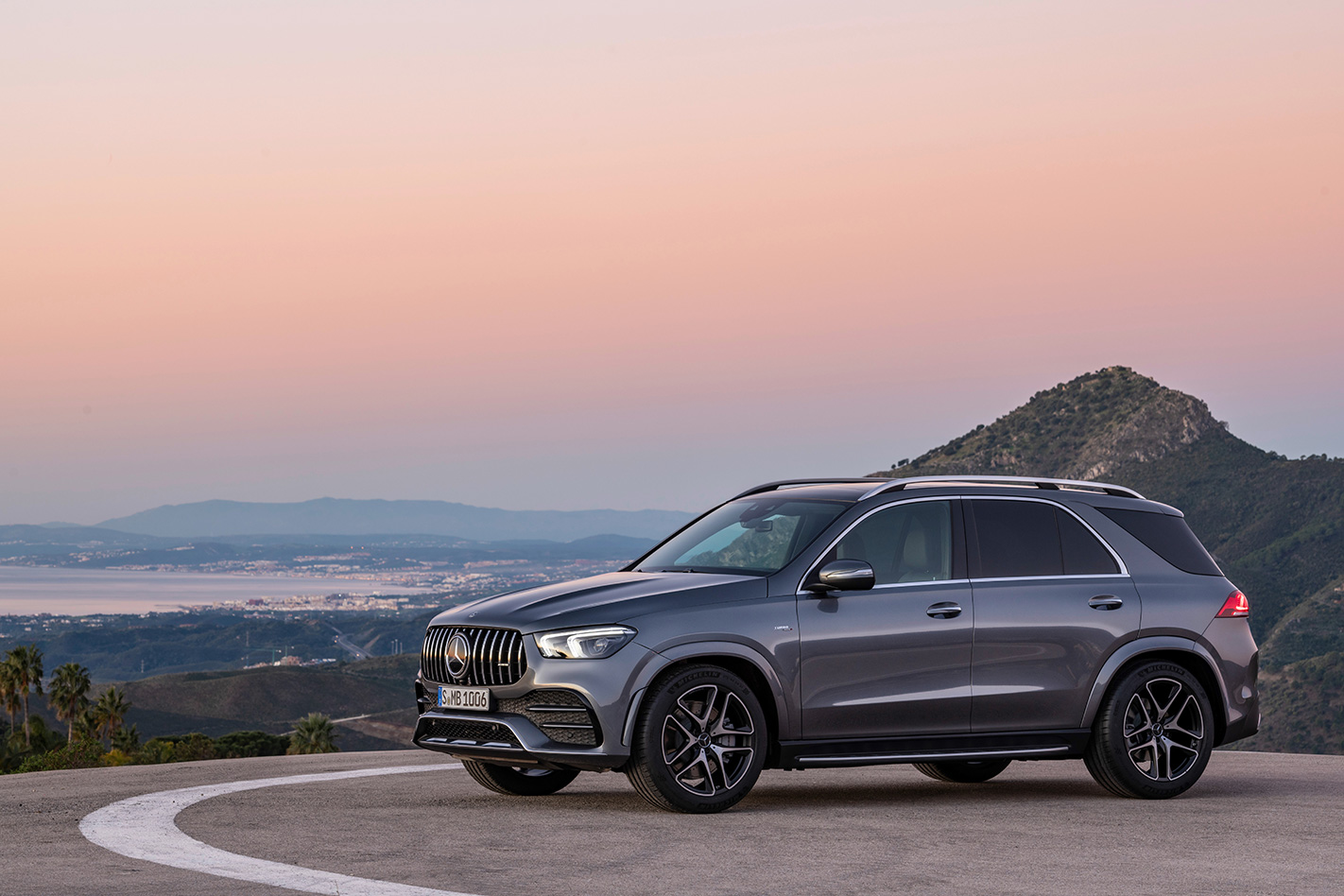
With raw outputs of 320kW and 520Nm from the engine alone, the GLE 53’s powertrain also packs an additional 16kW/250Nm punch courtesy of a combined generator/motor that’s sandwiched between the engine and the transmission.
That motor also brings efficiency enhancements by unlocking a mild hybrid capability and eliminates harsh engine starts from the auto stop-start feature by replacing the starter motor entirely.
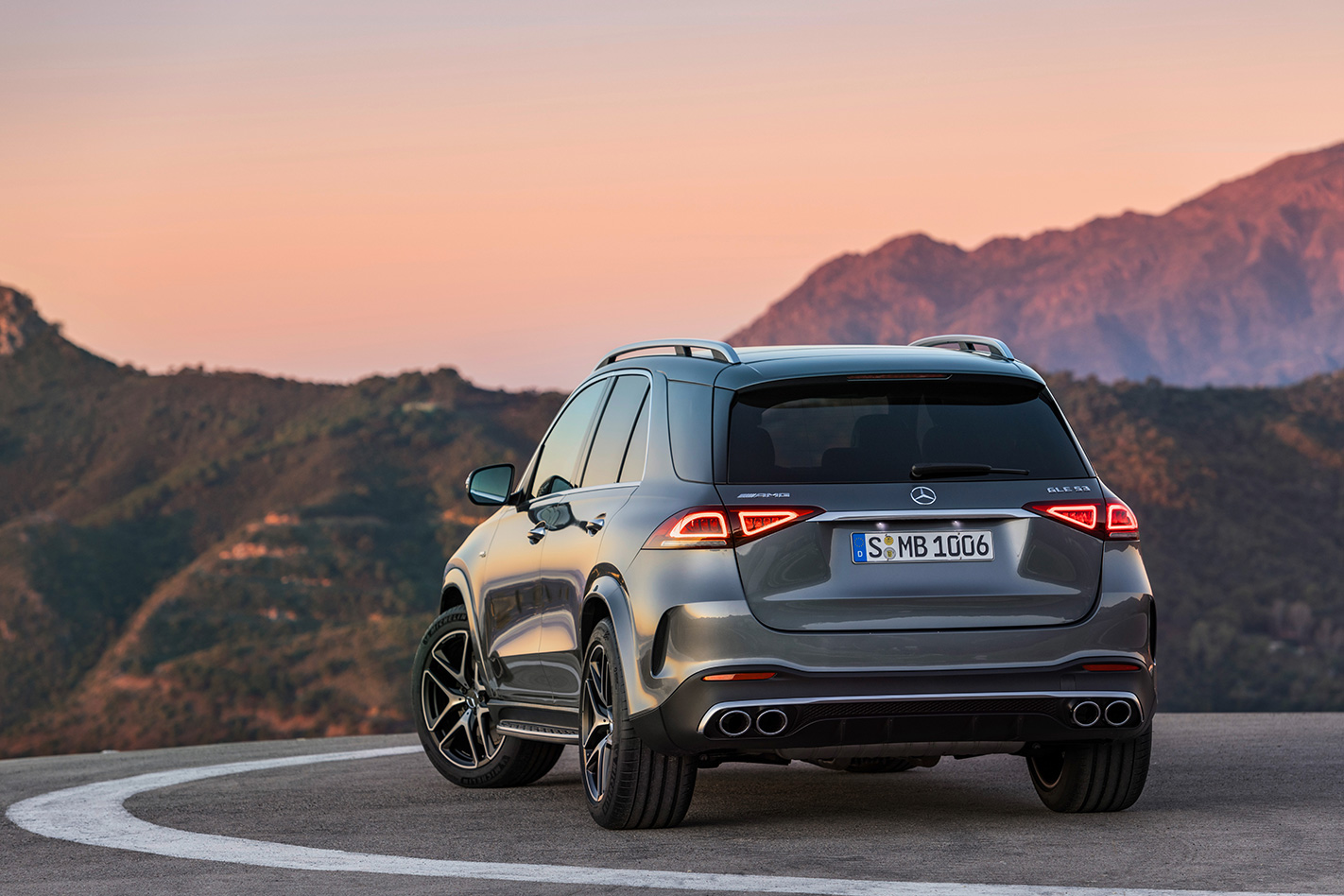
The straight six features even more electro-enhanced tech by virtue of its electrically-assisted turbo, which works to eliminate low-rpm throttle lag. The end result of this is a 0-100km/h sprint in 5.3 seconds, and an electronically-limited top speed of 250km/h.
Power goes to all four wheels via a rear-biased AWD driveline and a nine-speed automatic transmission, with five drive modes available – Comfort, Sport and Sport+, plus the offroad-oriented Trail and Sand.
AMG Active Ride Control is the default suspension for the GLE 53, which is fancy-speak for hardware that rejects conventional springs and dampers in favour of air suspension and adaptive shock absorbers.
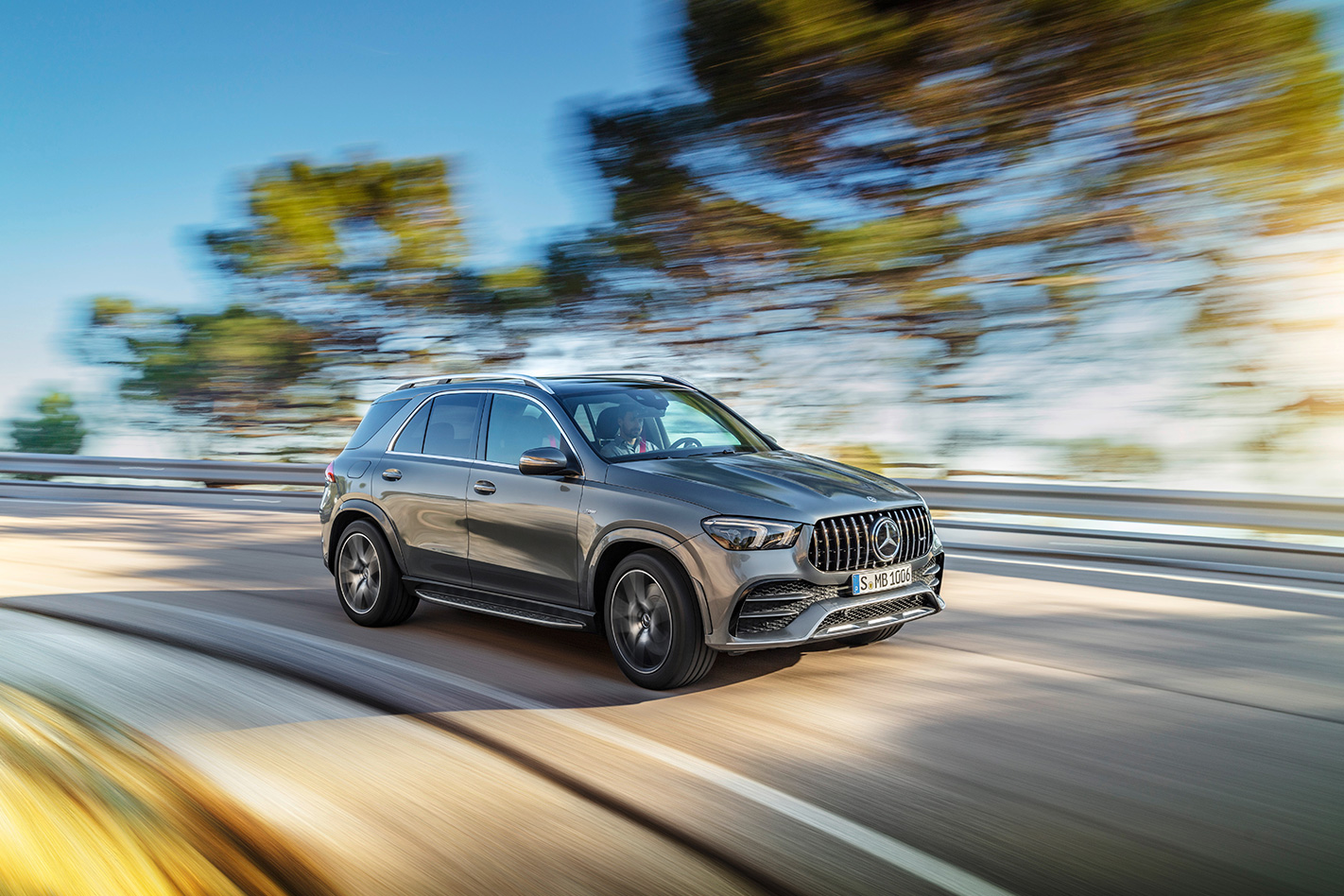
The behaviour of the springs and dampers varies depending on whether the drive mode selector is set to Comfort, Sport or Sport+, with the GLE 53’s air suspension sinking 15mm lower in Sport and Sport+ modes, and automatically lowering by the same amount in Comfort mode when travelling faster than 120km/h.
The suspension is also self-levelling, and is able to jack itself up by 55mm to clear taller obstacles. Meanwhile, active roll stabilisation is also standard on the GLE 53, using electro-mechanical actuators on the front and rear suspension to quell body roll in corners.
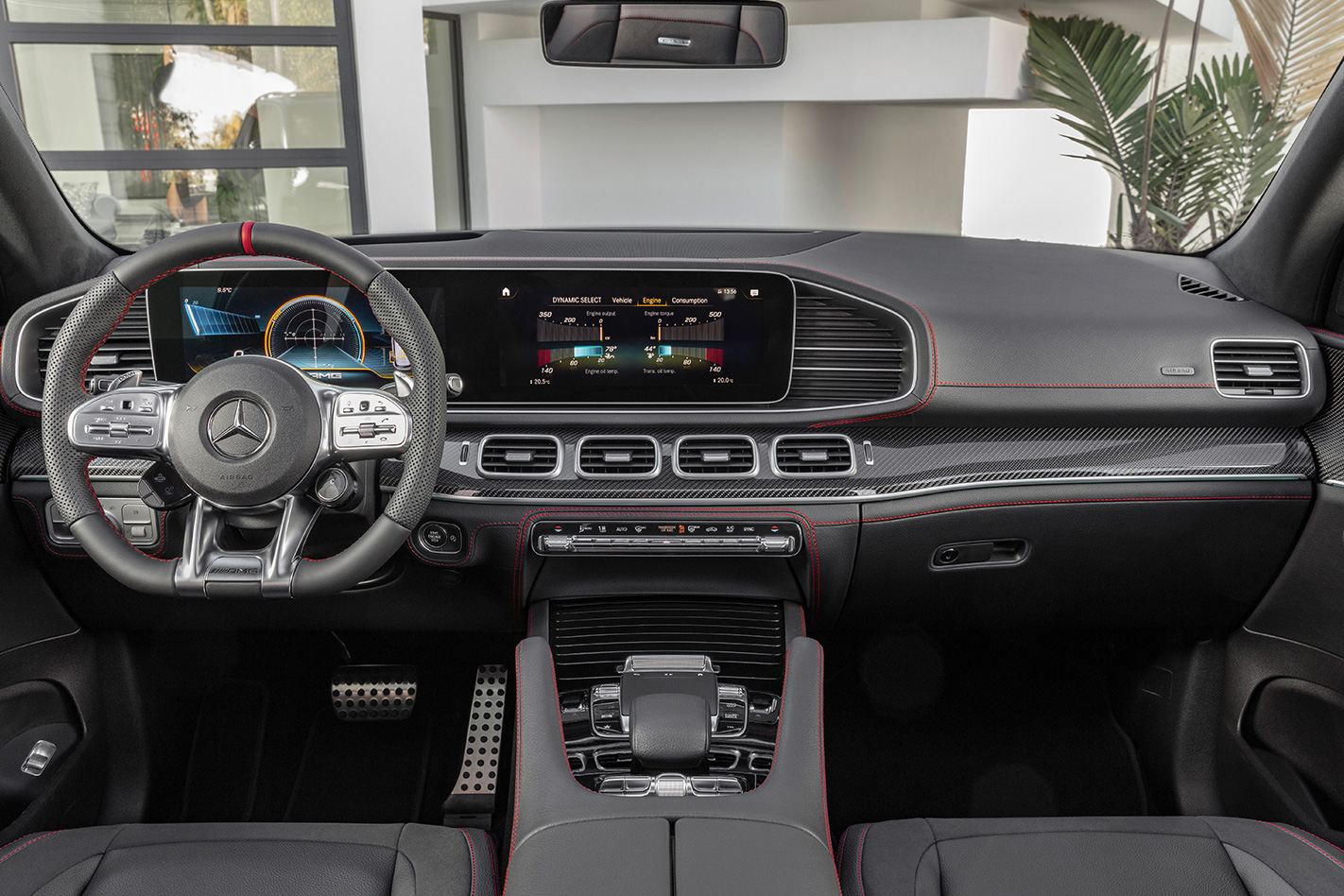
Further handling enhancement comes by way of variable ratio steering, which couples an AMG-specific steering calibration with variable power assistance to provide a more engaging feel through the wheel.
Externally, the biggest clue that you’re looking at the GLE 53 is its massive grille, with AMG’s signature 15 vertical strips denoting that it is, in AMG chief Tobias Moers’ own words, a “fully-fledged member of the AMG family”.
Inside, Benz’s MBUX infotainment system forms a new centrepiece of the cabin, along with a flat-bottomed, leather-clad sports steering wheel. That infotainment also boasts the same ‘AMG Track Pace’ feature that’s offered in sportier AMGs like the C63 S and E63, and offers live coaching when driver’s elect to take their GLE 53 onto a race circuit.
Expect the GLE 53 to arrive in Australian showrooms in the final quarter of 2019, and while precise pricing and specifications are still yet to be announced we expect it to land somewhere in the vicinity of the current GLE 43’s $134,700 retail sticker.
It’s set to be a big 2020 for Skoda, as it prepares to launch a pair of key products into the Australian marketplace.
Alongside the all-new Scala hatchback, the Kamiq small SUV will give Skoda its third SUV alongside its large Kodiaq and mid-sized Karoq.
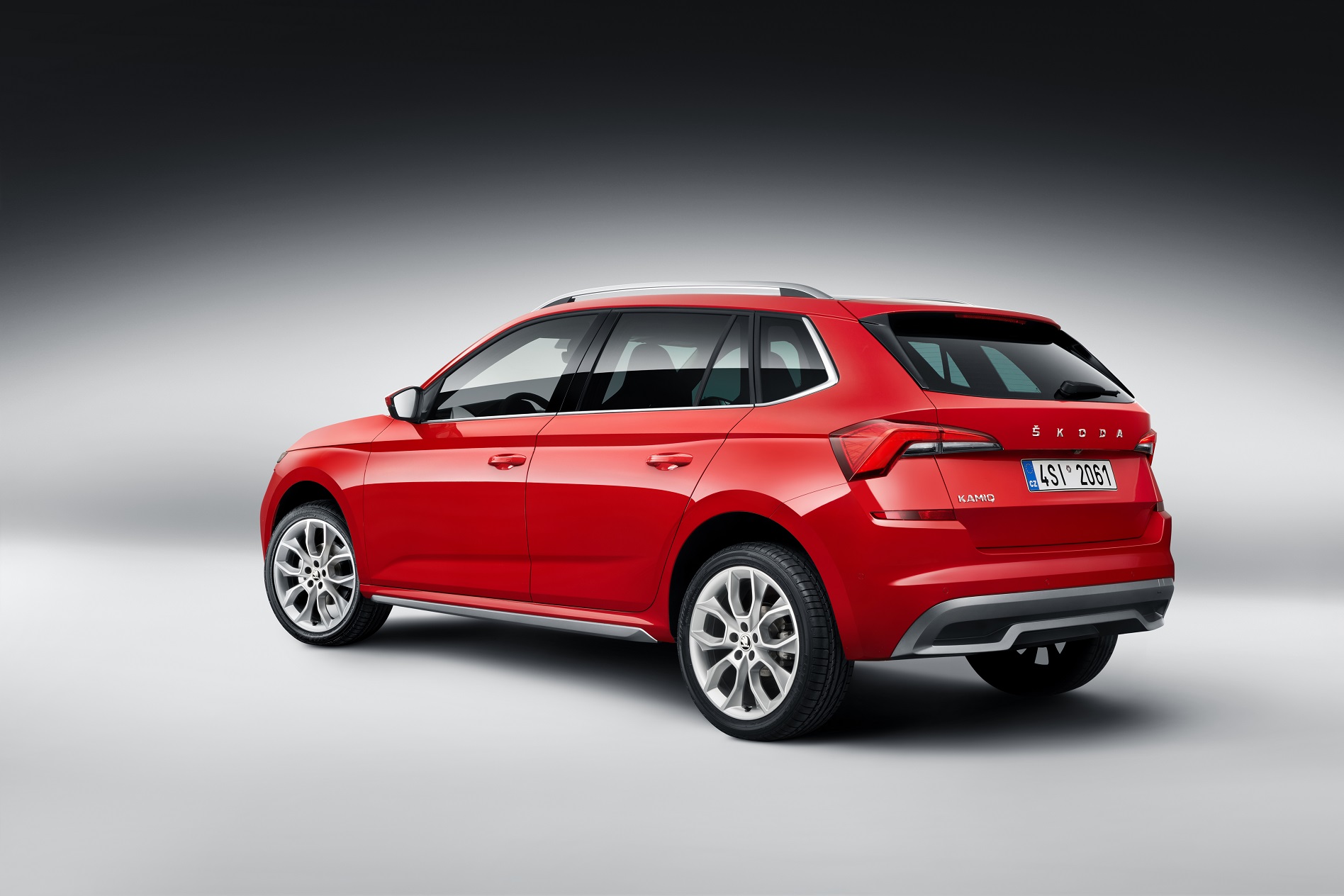
No real surprises when it comes to the spec and design of the Kamiq – we have a little while to wait until final details of the Mazda CX-3/Mitsubishi ASX/Hyundai Kona rival are revealed, but we know it’ll be built on the same underbits as the Volkswagen Polo hatchback and forthcoming T-Cross SUV.
That means the five-seat SUV will be front-wheel-drive only, and will offer at least a 1.5-litre three-cylinder turbocharged petrol engine for the Aussie market.
The overseas press release also details other engines, including a 1.0-litre three-cylinder petrol engine as well as a 1.6-litre diesel.
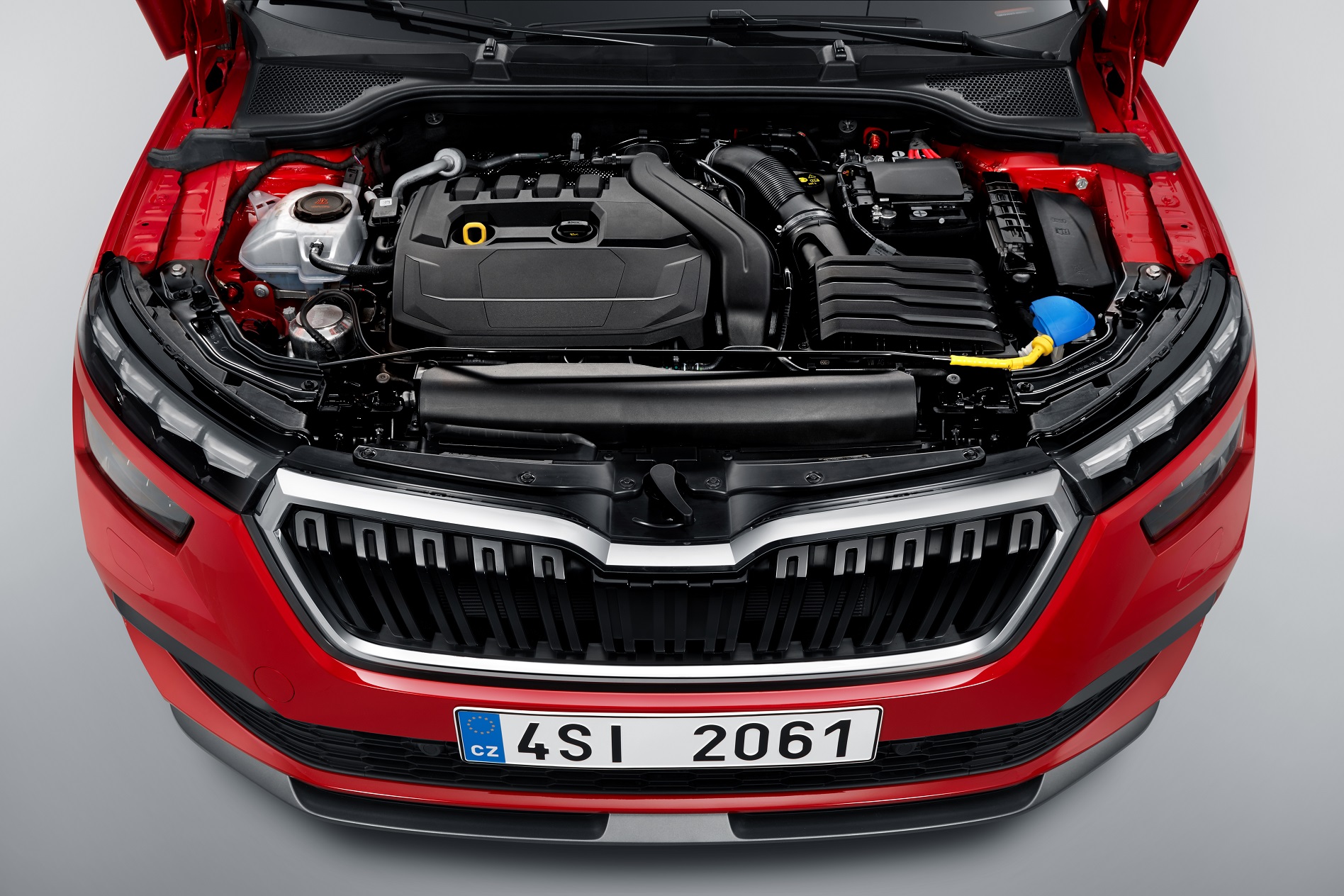
The local arm of the company has said that the Kamiq is due to land around March or April of 2020, but specs and pricing are not yet confirmed. One issue it will have is around the fitment of what are known as petrol particulate filters (PPF); all of the engines listed by Skoda are fitted with the device which is designed to bring petrol engines up to Euro 6 emissions standards.
Skoda has indicated that it has no PPF-equipped engines “in the pipeline” at present, as it awaits news of a potential change to the standard of petrol being brought to Australia (which you can read about at WhichCar soon).
Otherwise, the Kamiq bears a lot of resemblance to Skoda’s Vision X concept that debuted this time last year in Geneva. LED lighting on higher grades will feature heavily, while the Kamiq’s profile looks similar to that of the more squared-off Karoq.
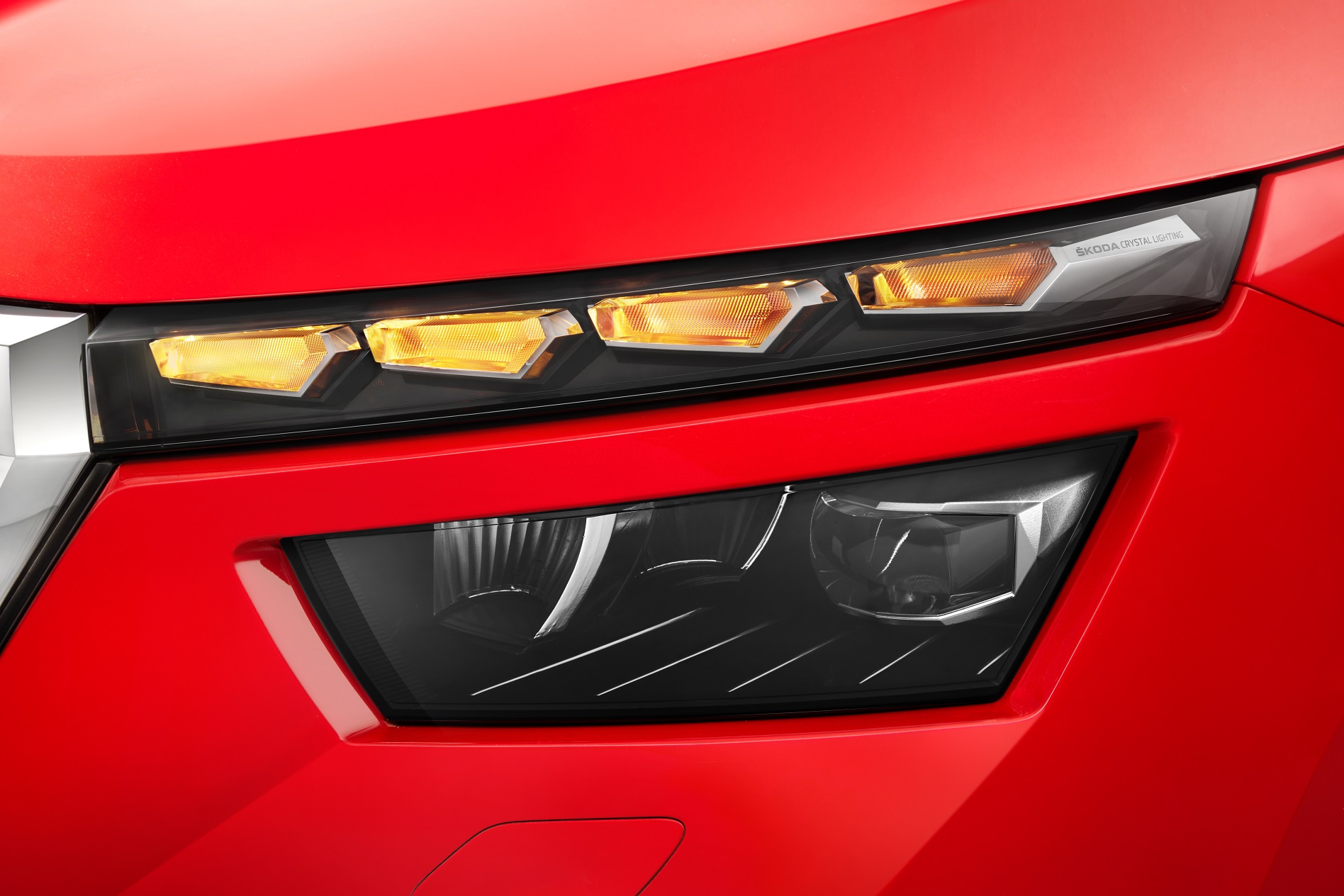
The Kamiq sits 36mm higher off the ground than the similarly sized Scala hatchback, but conversely, it can then be dropped back down by 10mm via the use of optional adaptive dampers. Its seats are also mounted higher in the car than the Scala.
Inside, the Skoda Kamiq has 400 litres of boot space with the seats up, and 1395 litres when the seats are folded down. A digital dash will be an option on upper-grade cars (we’d guess by way of an optional Tech Pack), while the Kamiq will be stacked with safety equipment.
AEB with pedestrian detect and lane keep assist are standard across the board, according to Skoda, while driver aids like adaptive cruise control, rear cross-traffic alert and side assist will be optional.
Outside, the Kamiq will pick up the very clever door bumper system from the Kodiaq, which extends a small plastic guard to protect the outside edge of the door from bumps and knocks.
You’ll see the Kamiq in March or April next year.
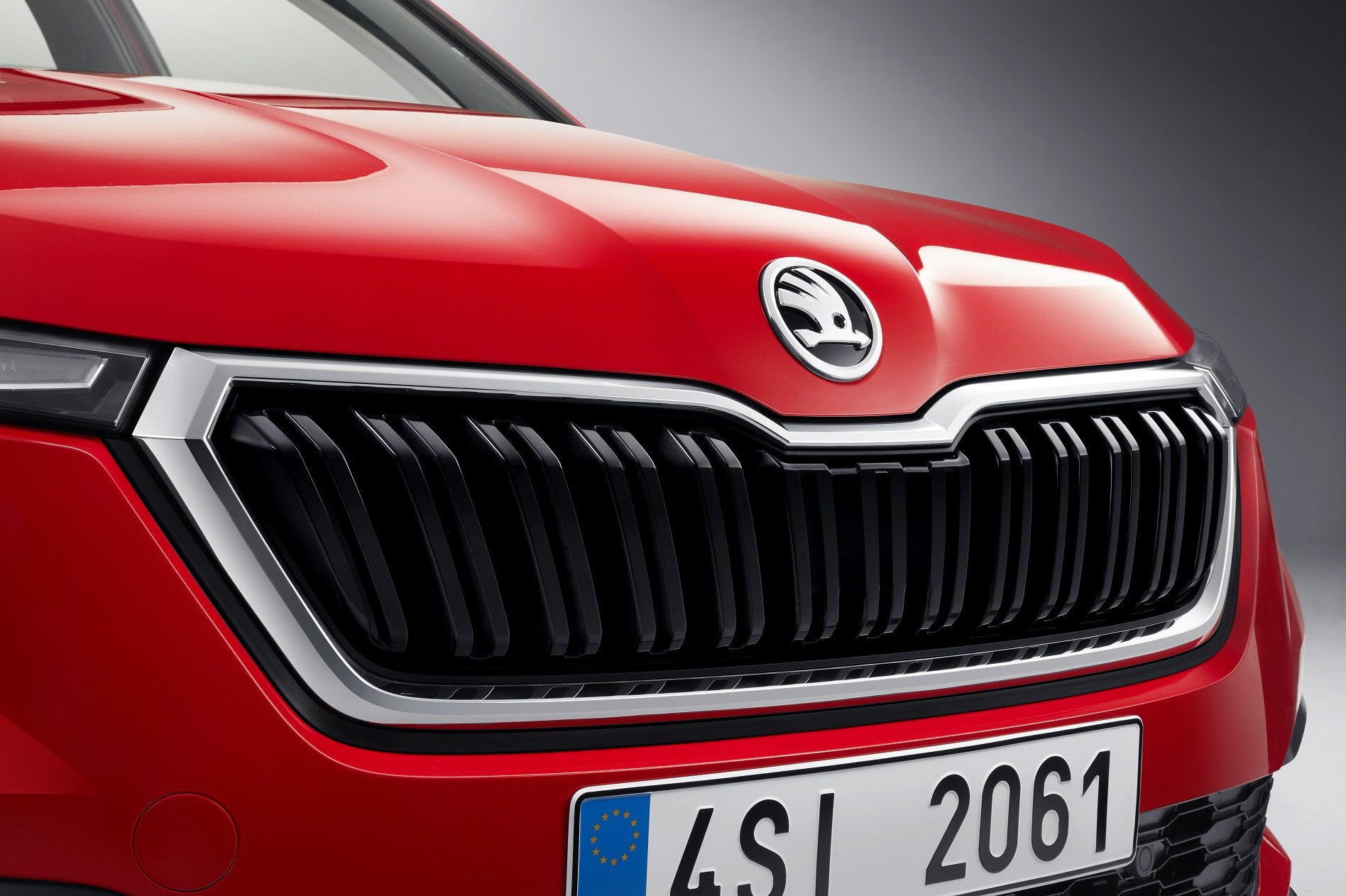
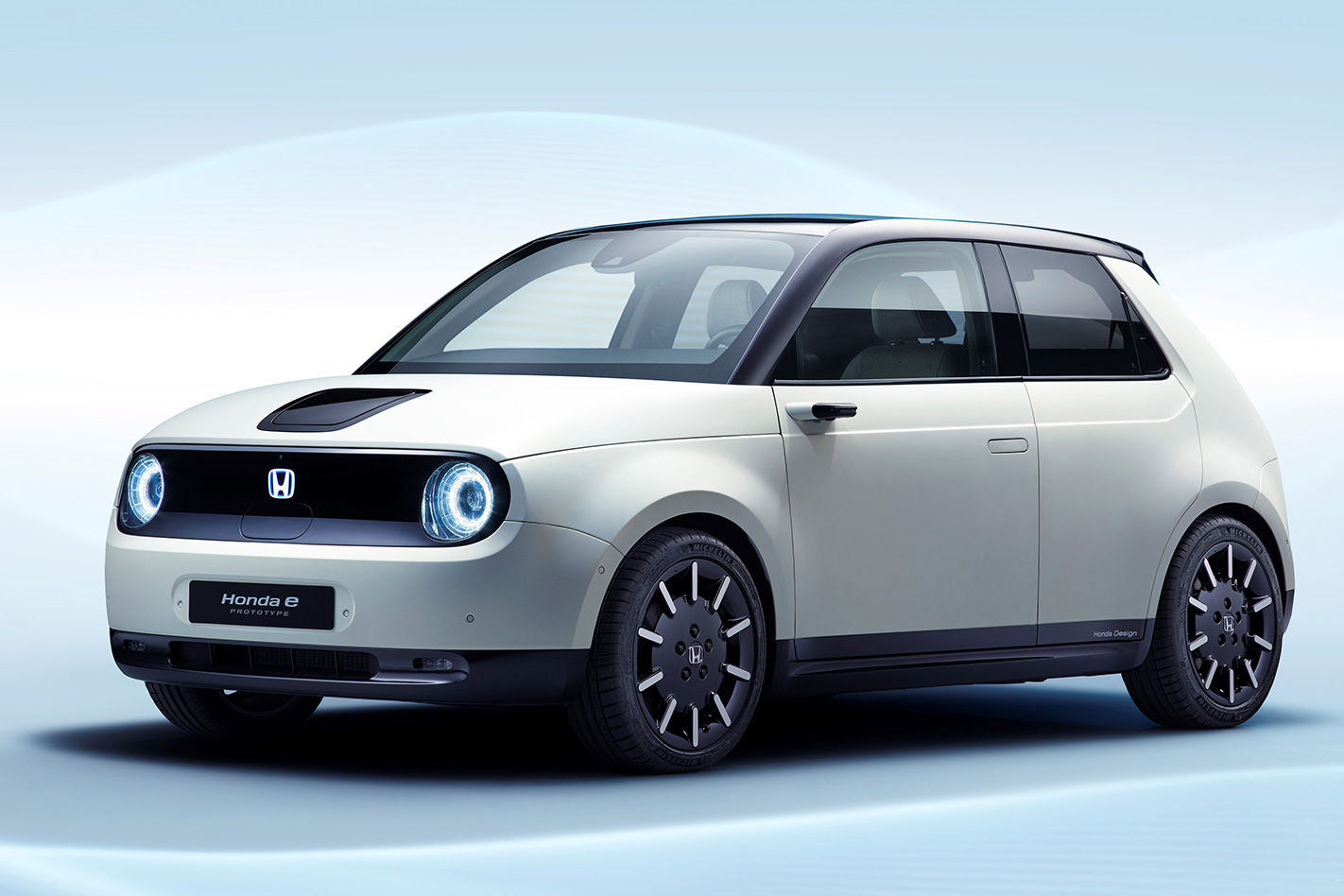
HONDA has taken the wraps off its (almost ready) production incarnation of 2017’s Urban EV concept, debuting the Honda e Prototype.
Set to be shown at Geneva Motor Show, Honda’s latest concept now sports four traditional doors (losing the rear suicide doors in the process), and it has unfortunately lost some of the finer details of the Urban EV’s retro touch. Not to worry though, it still looks like the e Prototype retains the Urban EV’s signature blend of retro and futuristic styling on the interior and exterior.
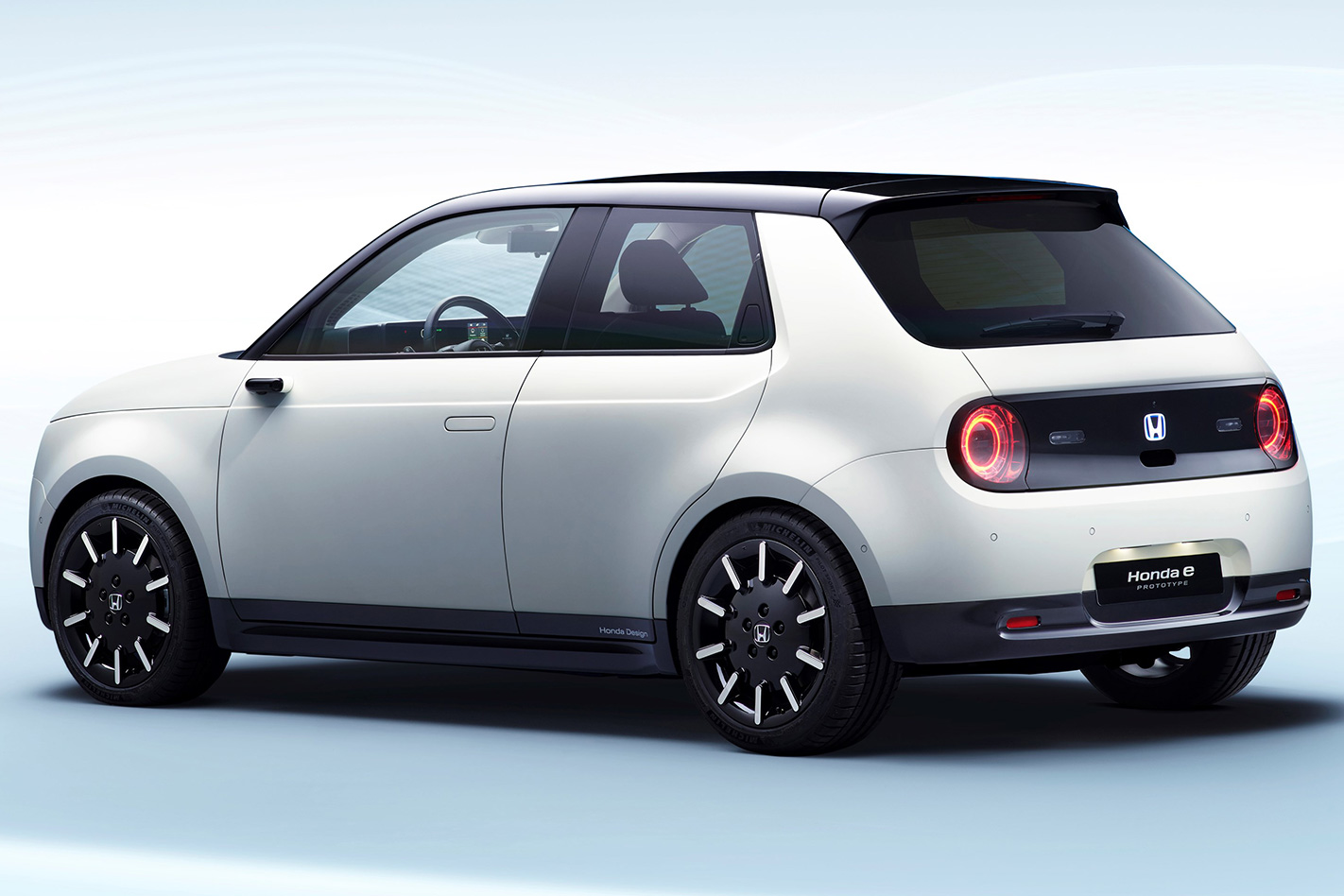
The bonnet cut line appears to taper down in comparison to the Urban EV concept, and we’ve lost the body-coloured roof and Alpina-esque wheels.
But the windscreen sits flush within the thin A-pillar to reduce wind noise and aid outward vision, and it gets pop-out door handles and compact cameras replacing traditional side view mirrors.
A big black square sits proudly on the bonnet, which pops up at the press of the key to provide a charging port. The e Prototype will deliver a range of 200km and will be able to be charged to 80 per cent capacity in a short 30 minutes – ideal for everyday urban environments.
Details are scarce on its performance as yet, but it seems Honda is keen to illustrate the e Prototype’s dynamic ability with its rear-wheel-drive platform and wide stance.
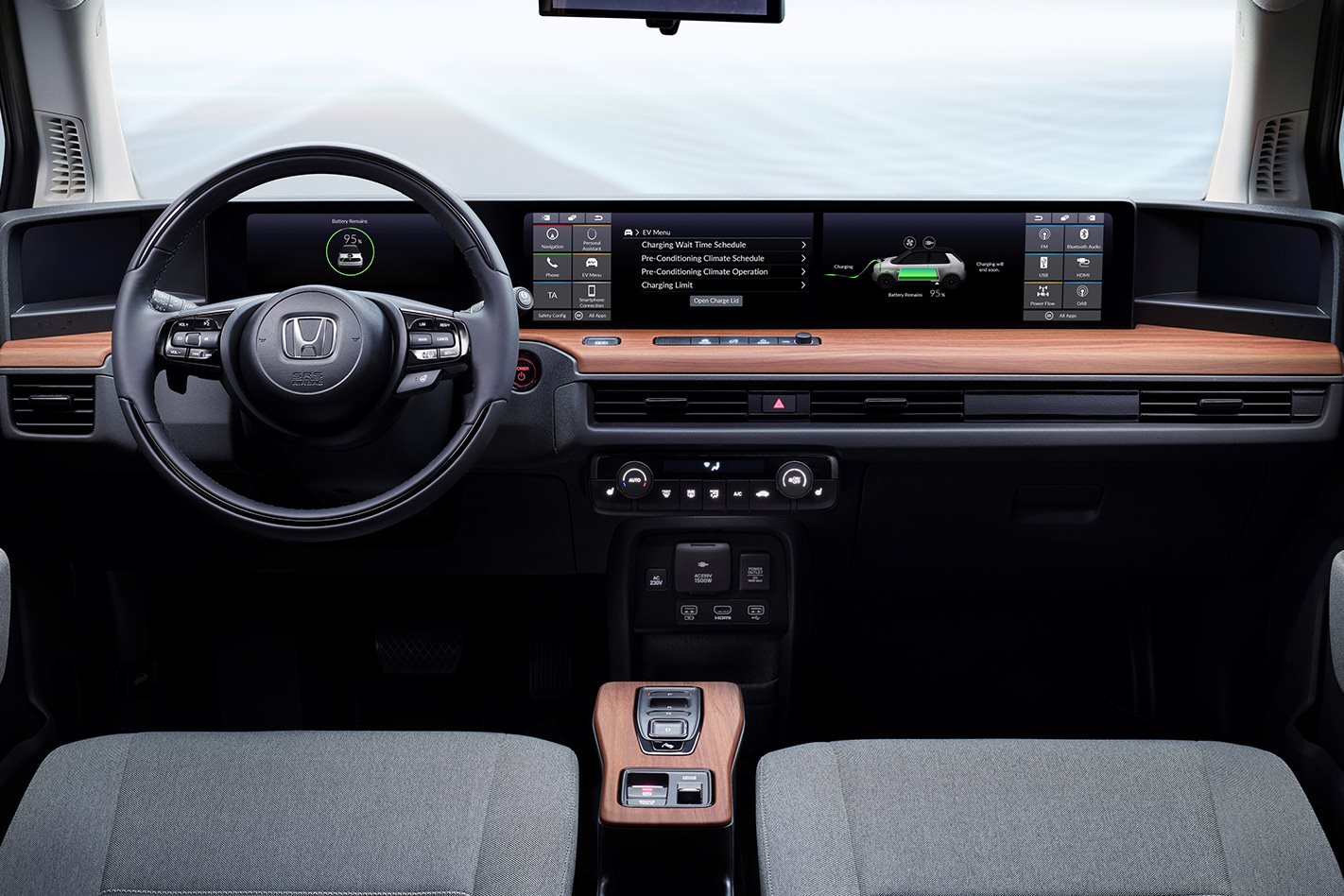
Appearing to mimic the eco-friendly interior touches of the BMW i3, the cabin features a thin wood-style veneer and a recycled polyester seat material, but most noticeably the interior is dominated by a bank of six screens set up in a desk-like fashion. The two most outer screens house the rear vision displays, while the inner three comprise a digital instrument cluster, as well as two infotainment screens.
The e Prototype also includes a digital rear view camera in place of a conventional mirror.
Honda’s first foray into compact EVs will go into production later this year, first in Europe, then followed by other markets, according to Honda.
On the whole, it seems as though the quirky nature of the Urban EV concept is here to stay, minus a few knock-out design features.
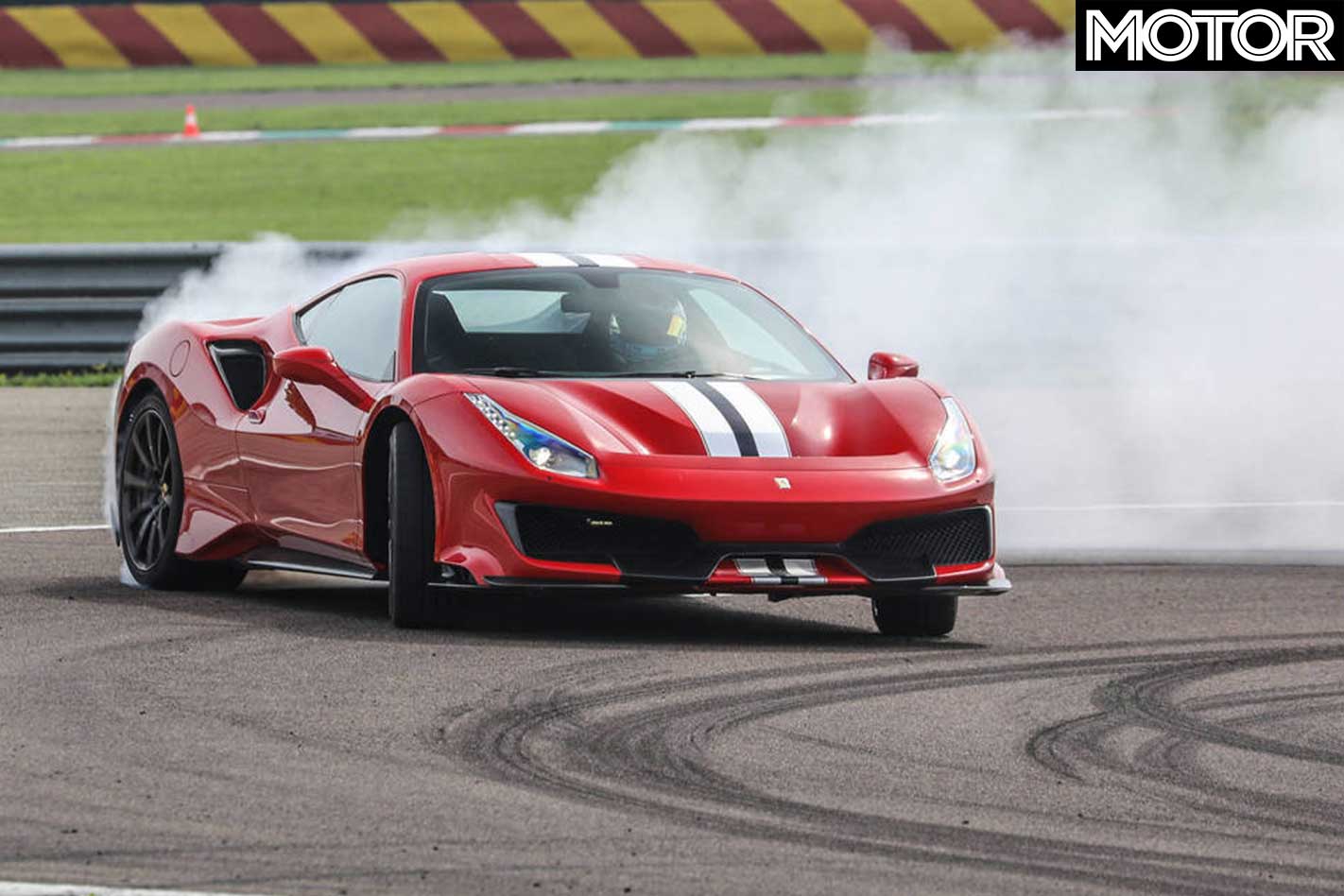
Ferrari has confirmed that it will introduce a second mid-engine platform alongside the architecture that underpins the 488, paving the way for a more affordable model and a possible return of the iconic Dino nameplate.
The Italian supercar maker divides its cars into two ranges, with front-engined cars like the 812 Superfast, Portofino and GTC 4Lusso forming the GT division, while the mid-engined Ferrari 488 family is firmly in the Sports camp.
Ferrari’s senior vice president of commercial and marketing, Enrico Galliera confirmed that the storied carmaker will add five new models or variants to the roster for 2019.
“Five will come in 2019, which is probably the biggest effort,” he told WhichCar. “It’s the start of the new generation of product.
“There’s not a lot I can say because we prefer to announce the product when it’s arriving, but the first one will be announced in Geneva, which is in two weeks time so is very close.”
The Geneva debut is expected to be a McLaren 720-rivalling V8-powered mid-engined monster, sporting both turbocharging and hybrid technology for a set of Hollywood numbers; power is expected to top 600kW and torque up to 1000Nm. It could also roll on a new architecture, with Galliera confirming that “in the future we have two mid-rear engine products.”
Galliera said that all five of the 2019 launches will be “different concepts”, and not merely made-over versions of current cars.
“Some of them are replacing existing product, some of them are not so,” he said. “Already in 2019 you will see some products that are existing in the product range, and another thing that I can say is that we will nurture both the GT segment, and the sports segment.”
This means that Ferrari, despite increased pressures on emission targets, looks set to keep the iconic V12 engine.
“The V12 is part of the heritage of the company,” he declared. “It will remain one of the potential elements that we can use in our model of the future together with the V8 and future with the V6.
“So the technology we are going to have V12, V8, V6 turbo. Hybrid will give us the possibility to have a platform that we can mix to achieve emissions targets.”
He also underlined Ferrari’s position as a luxury brand, saying while the brand will work on bringing new customers into the fold, he doesn’t believe there’s a need to chase a lower price point.
“We are developing some products that are designed to give the same emotion as a Ferrari,” he said. “So it is a sports car but with this design that it is more elegant that is more for everyday driving in order to attract those people that maybe are not considering to buy a Ferrari, because they are not willing to have a highly sporty car. So in a way, we are trying to have an offer that is capturing both opportunities.”
He quickly added that he was not talking about the long-discussed crossover vehicle that Ferrari currently calls Project Purosangue.
“This is something that we are working to,” he confirmed, “but is not going to come in the coming two-to-three years. It’s something more long-term.”
Details are scarce around the notion of a Ferrari SUV or crossover, but educated guessing can forecast a front-engined four-door, using a combination of regular rear-wheel-drive and electric front-drive.
While the lengthy platform under the GTC 4Lusso looks like a logical fit, we’d suggest that Ferrari will emphasise livability aspects like interior space and bumper clearance, rather than a high-riding, off-road capable SUV in the traditional sense.
The first Ferrari launch of 2019 happens at the Geneva Motor Show in early March.
A new Ferrari 488-based sports car will make its public debut at the 2019 Geneva Motor Show.
Known by the code F142MFL, F142M being the 488 and FL meaning FaceLift, the as-yet unnamed updated 488 will feature significantly revised styling front and rear and a new interior to bring it in line with Ferrari’s more recent products such as the 812 Superfast, GTC4 Lusso and Portofino.
https://www.instagram.com/p/BuYRVRFhP2m/?utm_source=ig_embed&utm_medium=loading
It’s a last hurrah for Ferrari’s conventional mid-engined sports car range, a model line which dates back more than 40 years to the 308. Maranello’s next-generation of sports cars will split in two, with a more upmarket V8 hybrid – codenamed F173 – delivering LaFerrari-style performance and a cheaper V6-engined model aimed at delivering maximum driving enjoyment rather than out-and-out performance.
According to well-connected members of the FerrariChat community, the F142MFL’s name has a number followed by an Italian word. The steering wheel is from the 812 and there’s a new dash, which would allow Ferrari to install features like its passenger display and latest infotainment.
Mechanically it will close mirror the specification of the Pista, including the 530kW/770Nm 3.9-litre twin-turbo V8 and the latest iteration of Ferrari’s dynamics systems, including adaptive dampers, electronically-controlled differential and Side Slip Control ESC. It’s not yet clear whether the 812’s all-wheel steering will be included.
The reveal of the F142MFL will be the first launch of what promises to be an extremely busy year for Maranello. Its all-new F173 performance king will appear in May, the F142MFL Spider in August and the 812 Spider in November.
On top of this, a fifth model is rumoured to appear in July, but whether that’s the baby V6 sports car or the Purosangue not-an-SUV, we’ll have to wait and see. Stay tuned for full details of the F142MFL as we receive them.
The road from Melbourne to Adelaide is never going to rank on anyone’s ‘greatest drives’ list. When the highlight is a giant, crazy-eyed Koala you know attractions are few and far between. Meanwhile, most other motorists delight in that Aussie road trip tradition – driving 10km/h below the speed limit only to channel their inner Lewis Hamilton at the first sight of an overtaking lane.
Regardless of whether it’s your final destination, The Bend Motorsport Park is well worth a visit to break up the tedium. It’s a petrolhead oasis, offering good food (salad! At a racetrack!), a lobby full of drool-worthy exotics and historically important racecars, not to mention the lure of the world’s second-longest permanent racetrack.
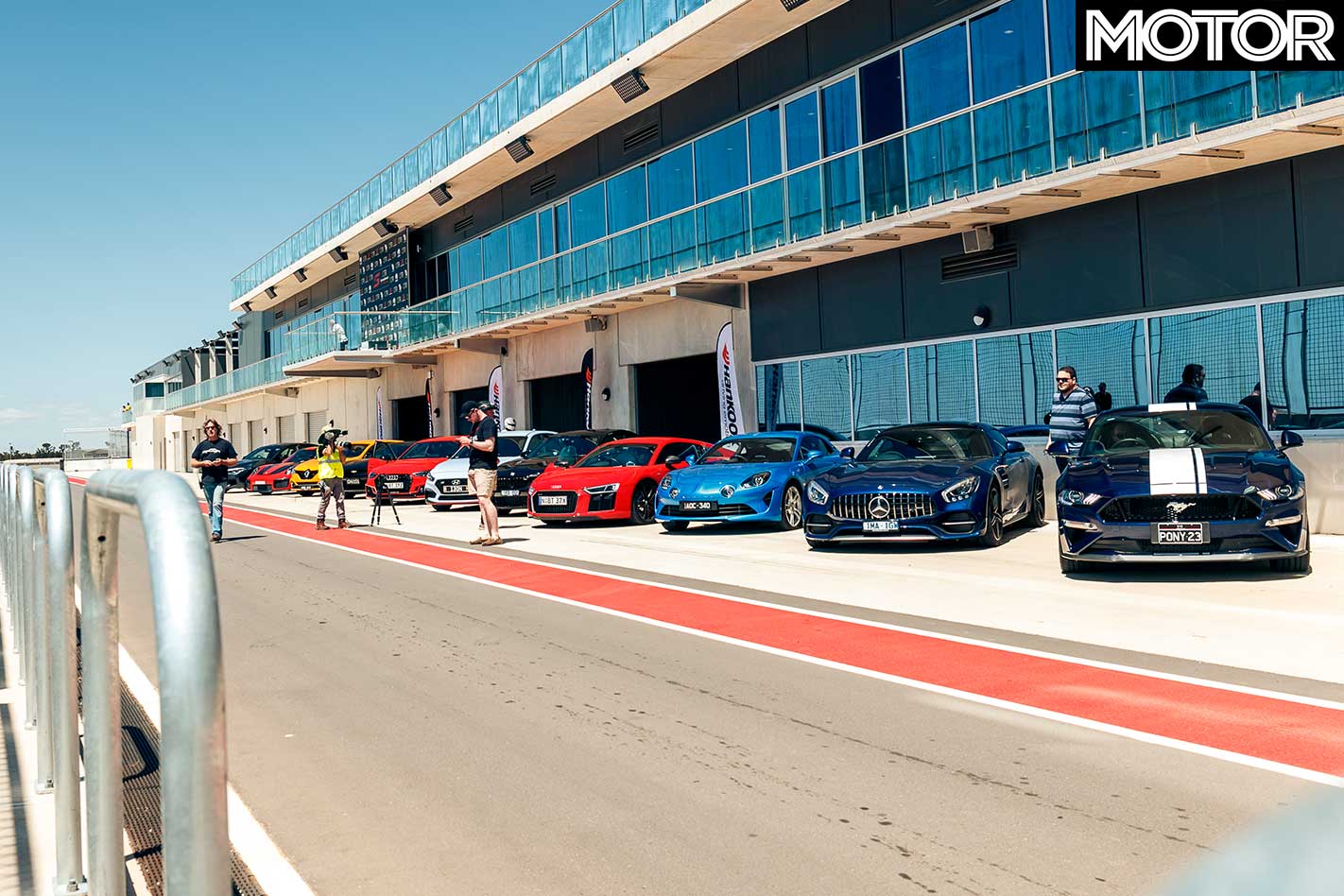
The International circuit, used by Supercars, was also tempting thanks to its super-quick, triple-apex sweeper and gnarly, uphill, blind-exit right. In the end, though, the West Circuit offered everything we needed.
At 3.41km it’s 410m longer than our traditional Winton test track and its 12 turns (four left and eight right) range from an acute hairpin to a top-of-fourth-gear kink with decent elevation change and a variety of cambers thrown in for good measure.
Bar the big stop at the end of the 1km straight, it’s not super tough on brakes and its freshly laid surface is relatively easy on rubber, with only the M5’s rear tyres showing significant wear – but more on that later. All in all, the perfect production car playground, leaving the only question as which car to tackle it in first?
The sensible approach is to start at the slow end of town and gradually increase the pace. Trouble is, PCOTY rookie Rick wants to do the same and has commandeered the hot hatches, so what to choose?
The M5 has the surety of all-wheel drive, but best to leave the tyres and brakes fresh for Rick. The GT2 RS won’t have any such durability issues, but 515kW is a bit much first thing in the morning. The RS4? Ah, the Mustang.
The previous-gen ’Stang was a bit soft to be a track star, yet had enough grip, grunt and brakes to be a lot of fun – in the dry, anyway. Select Track mode and the MY18 is a much sharper tool. The MagneRide dampers stiffen, the steering weights up and the transmission is set to maximum attack, the revs barely dropping as the 5.0-litre V8 snarls through gear after gear.
There’s not a whole lot of feedback from either end of the chassis, but the adaptive suspension and Michelin rubber combine to offer much sharper responses and greater predictability. This new Mustang is much more interested in grip than slip, requiring real commitment to hang its tail out in the time-honoured muscle-car style. It’s fun… briefly.
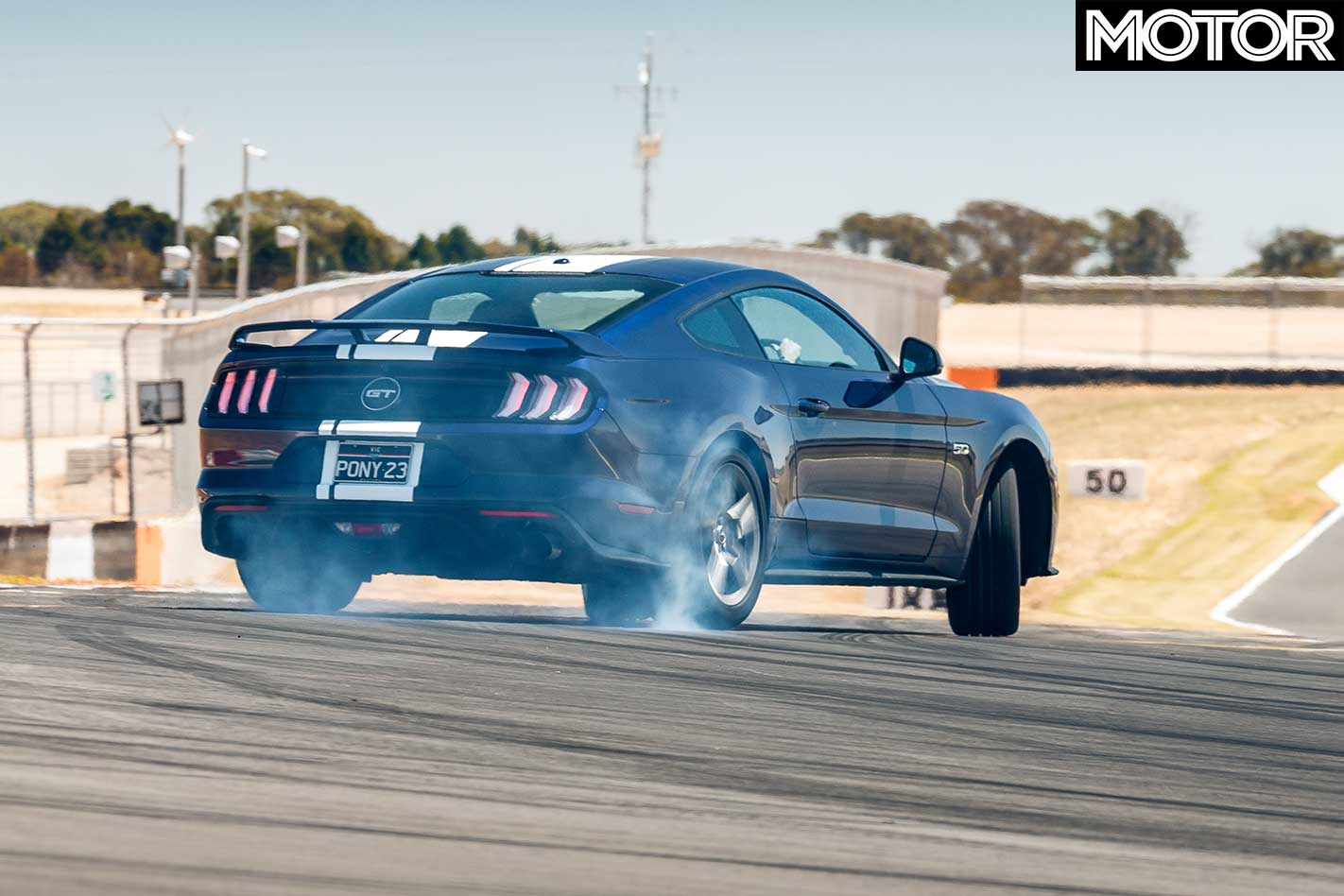
Sadly, the Mustang can’t even complete two flying laps before the gearbox overheats, cutting power and refusing any shifts. This lack of stamina is a serious shortcoming for a car that many owners will expect to be able to use on track.
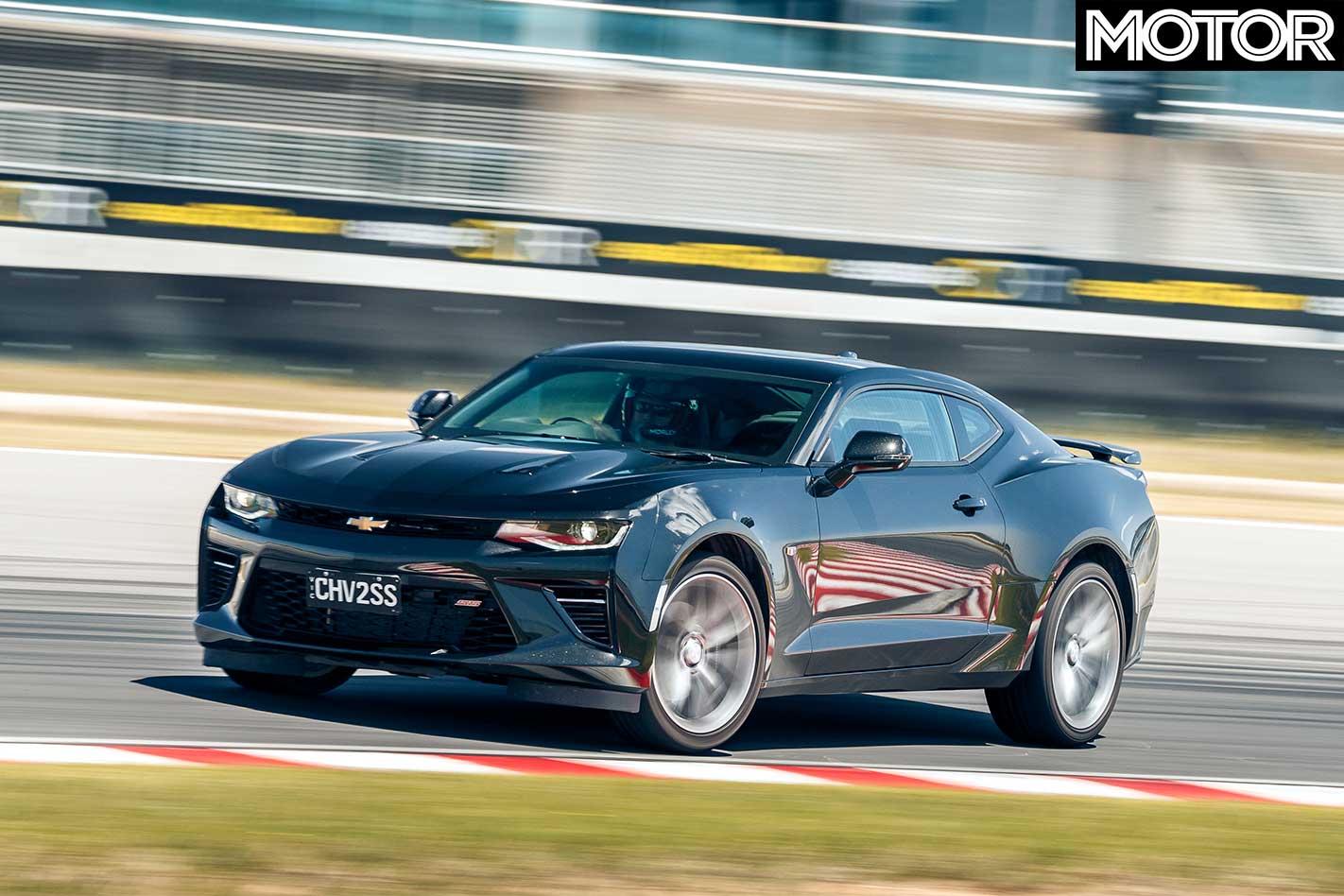
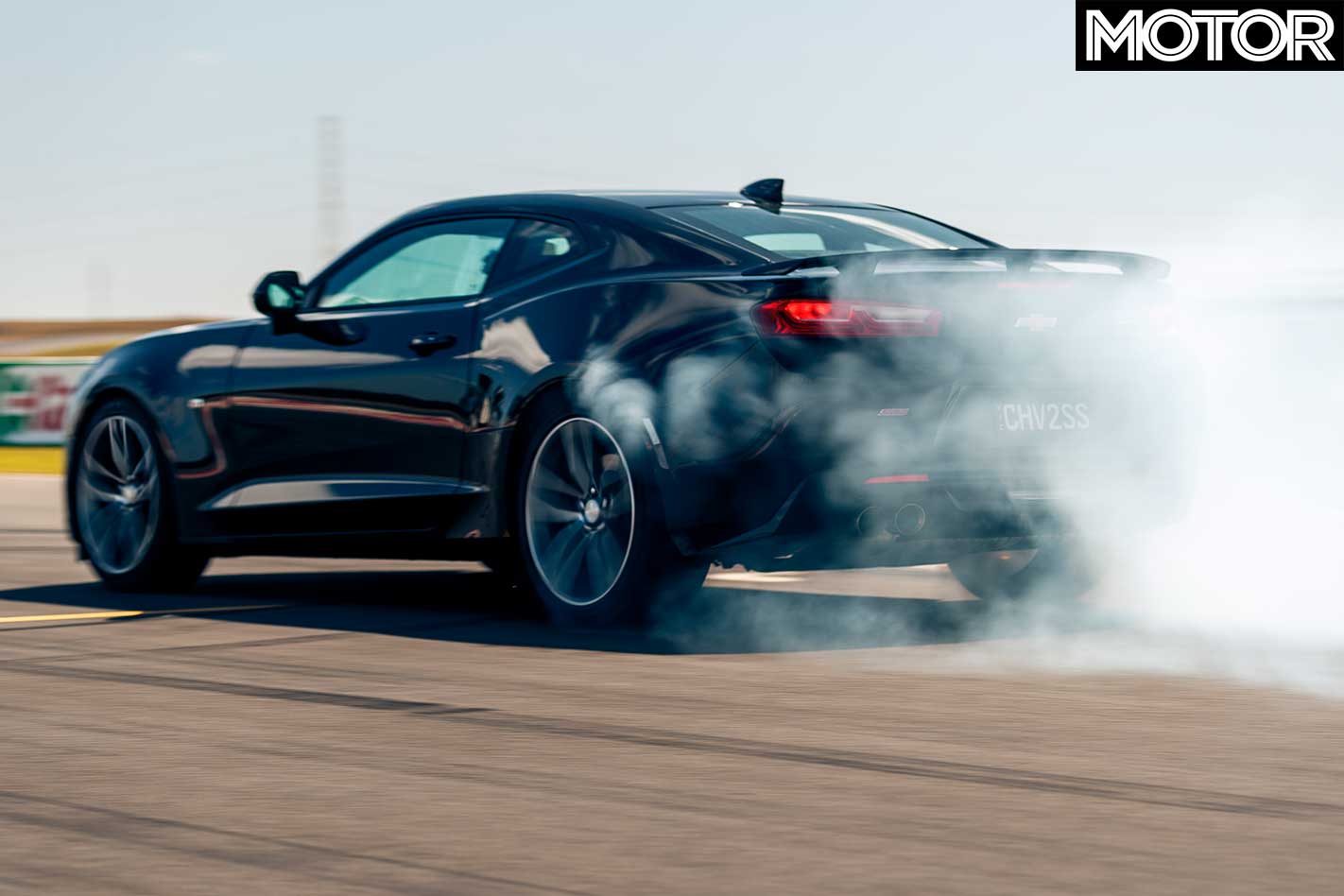
Transmission woes prove to be the Camaro’s Achilles’ Heel on track, too, albeit for a different reason. Unlike its Blue Oval rival, the Chevy will complete lap after lap without complaint, but its eight-speed auto’s steadfast refusal to downshift is an ugly fly in an otherwise tasty soup.
Manual requests are routinely ignored and left to its own devices the gearbox will only select the right gear once you’ve applied throttle on corner exit. It’s a shame as the Camaro is otherwise very enjoyable. It feels bigger, heavier and softer than the Mustang, but its greater adjustability – via brakes or throttle – makes it arguably more fun. Love the engine, too.
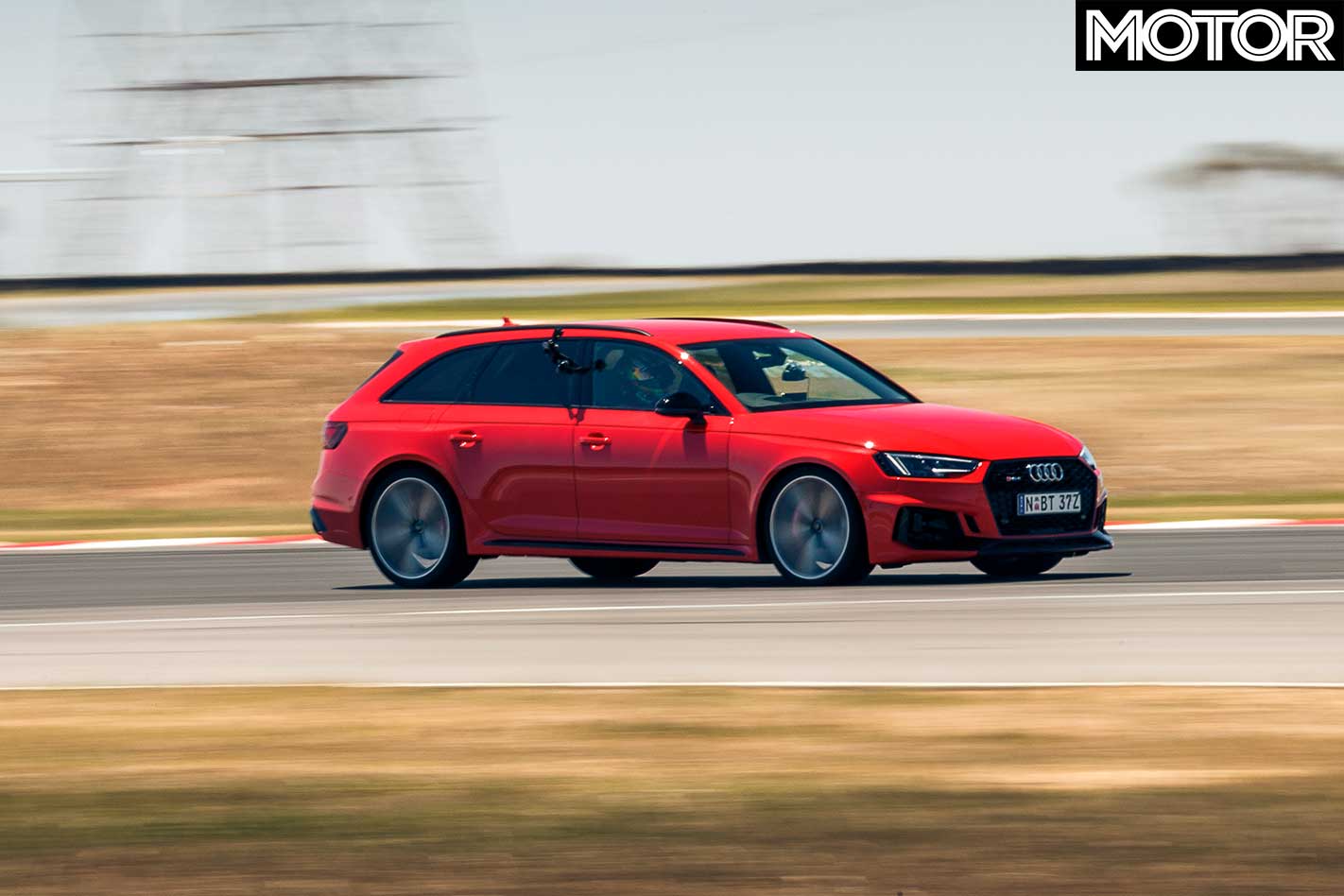
The RS4 is not at home on a racetrack. The extra suspension compliance that makes it such an effective road car works against it here; even in Dynamic mode it rolls significantly and this fast family hauler doesn’t have the tyres or the brakes to effectively rein in its weight. Likewise, that torquey twin-turbo V6 continues to deliver effortless pace, but feels 500rpm short of the real deal on track.
Up to a certain point the RS4 is enjoyable; it’s happy to adjust its balance on corner entry and the diffs shuffle power around beautifully, however, it ultimately starts to run out of ideas just when you want it to come alive.
Unlike the Hyundai, which absolutely loves the track. The Bend’s fast, flowing nature exposes its lack of top-end grunt – the straight feels v-e-r-y long – but the i30 N goes where you want it to go and does what you want it to do.
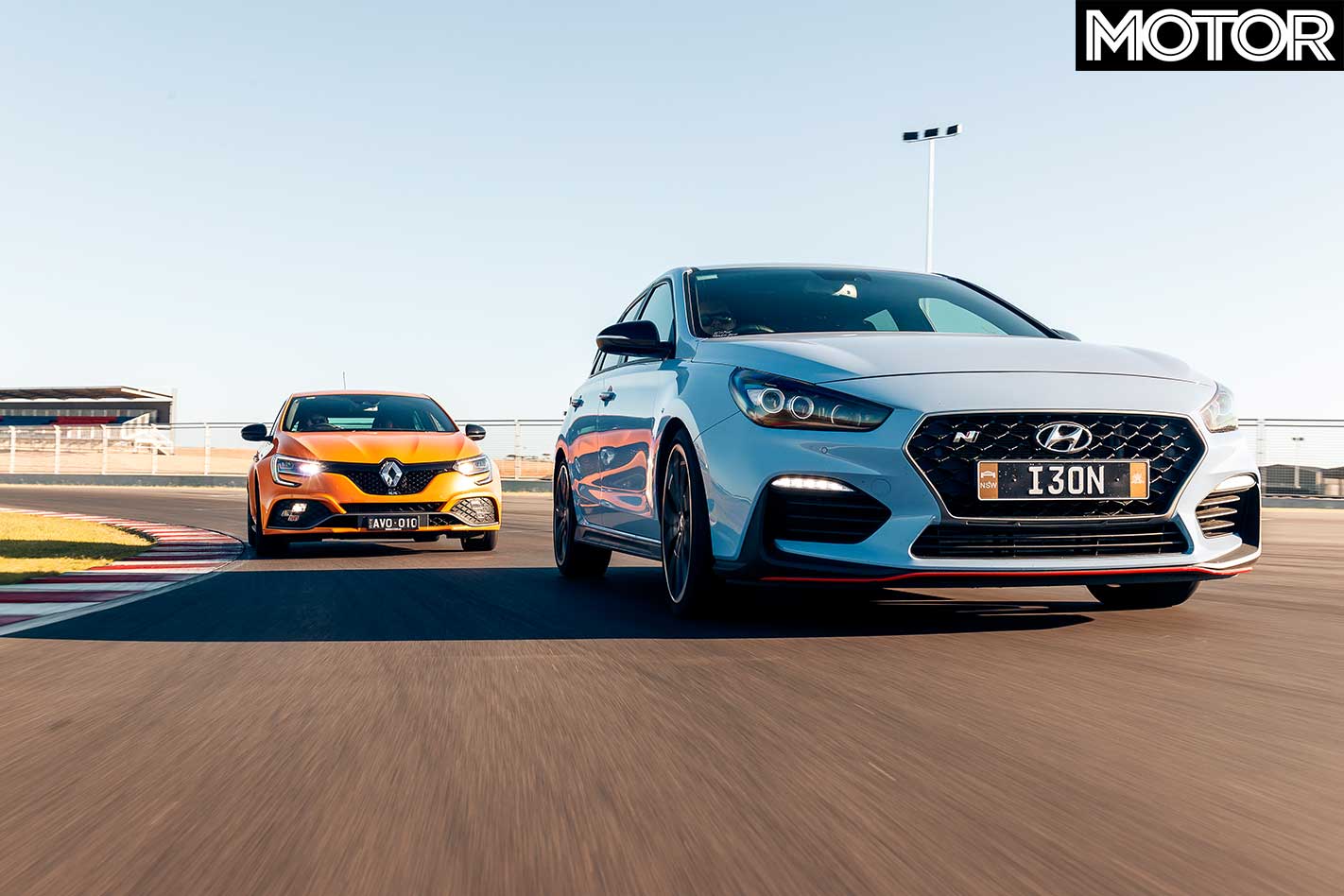
It’s not overly adjustable, particularly in the stiffest damper setting, which has this hot hatch hopping even on The Bend’s dead-level surface, but you’re having too much fun going as quickly as possible to really care. Get the line right and the turn five kink can be taken flat at 170km/h, yet if you do stuff it up the i30 isn’t going to spit you off in spite.
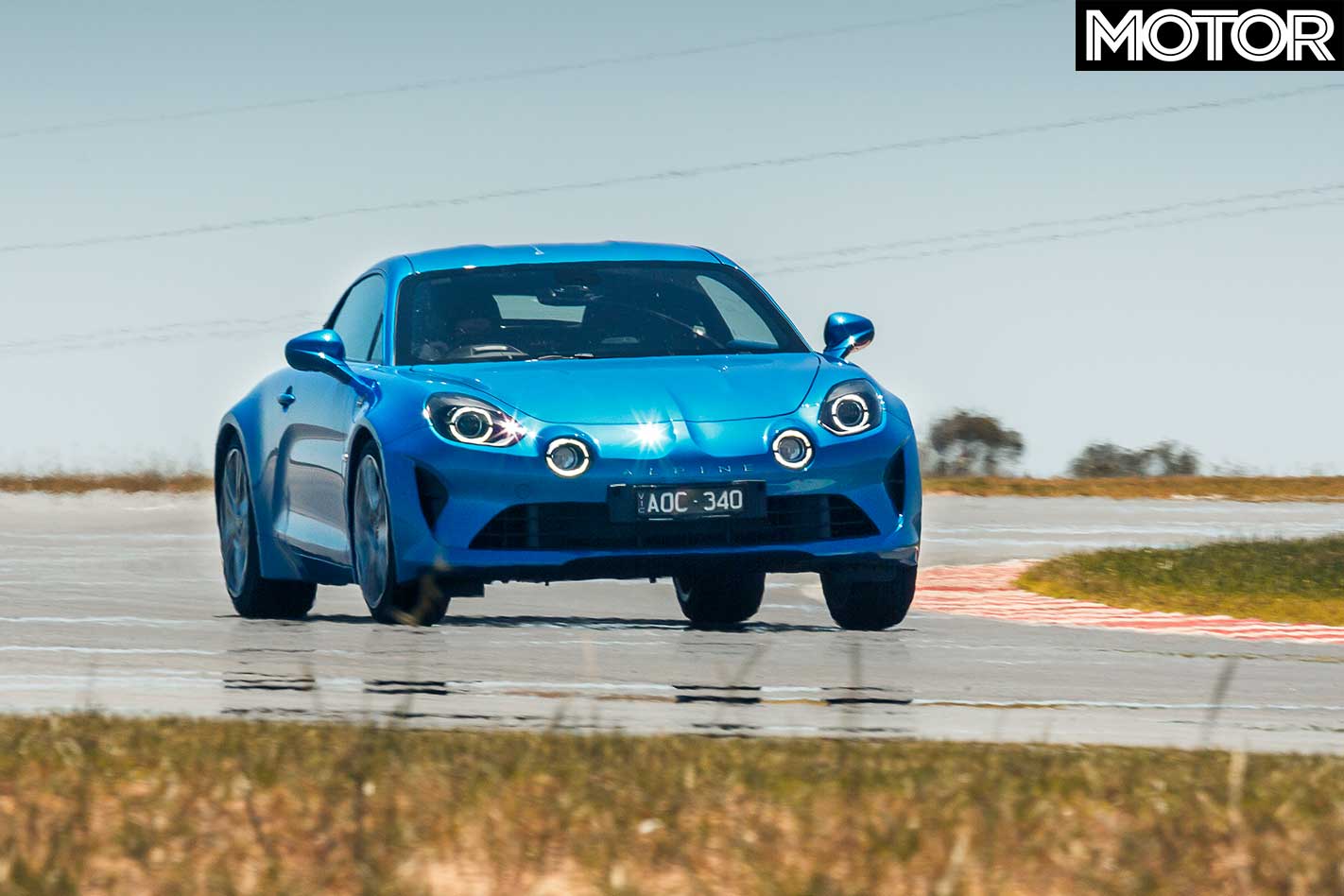
The Alpine is not quite so forgiving. Rick returned from his laps swearing, having had the A110 slide sideways big time through the kink at high speed. It seems Alpine’s engineers have attempted to replicate its iconic predecessor’s rear-engined dynamics, as the A110 is incredibly sensitive to pitch. Too much throttle lifts the nose and generates power understeer, while trail-braking is to be avoided unless you’re happy to drive on the lock-stops.
At the absolute limit it’s a handful, but drive purely for fun and the A110 is a riot. It sounds brilliant, is faster than you think and needs only the slightest provocation to traverse every corner in a glorious arc of oversteer. Best of all, because it’s so light, tyre and brake wear are virtually non-existent.
Renault’s more traditional challenger, the Megane RS280, feels more at home on track, but it still lacks the magic of its predecessor. The chassis displays remarkable composure at speed, its grip and accuracy making nailing apexes easy. However, the engine feels breathless at the top end, there’s little evidence of the Megane’s traditional adjustability and the much-vaunted bi-material brakes give up way too easily. Very disappointing indeed.
Disappointing certainly isn’t the right word for the M2 Competition. Amazing is much closer to the mark. The standard M2 is great on track, but feels to have M-car grip without M-car grunt. The twin-turbo S55 re-balances the ledger beautifully, while the optional brakes also impress with their resistance to fade.
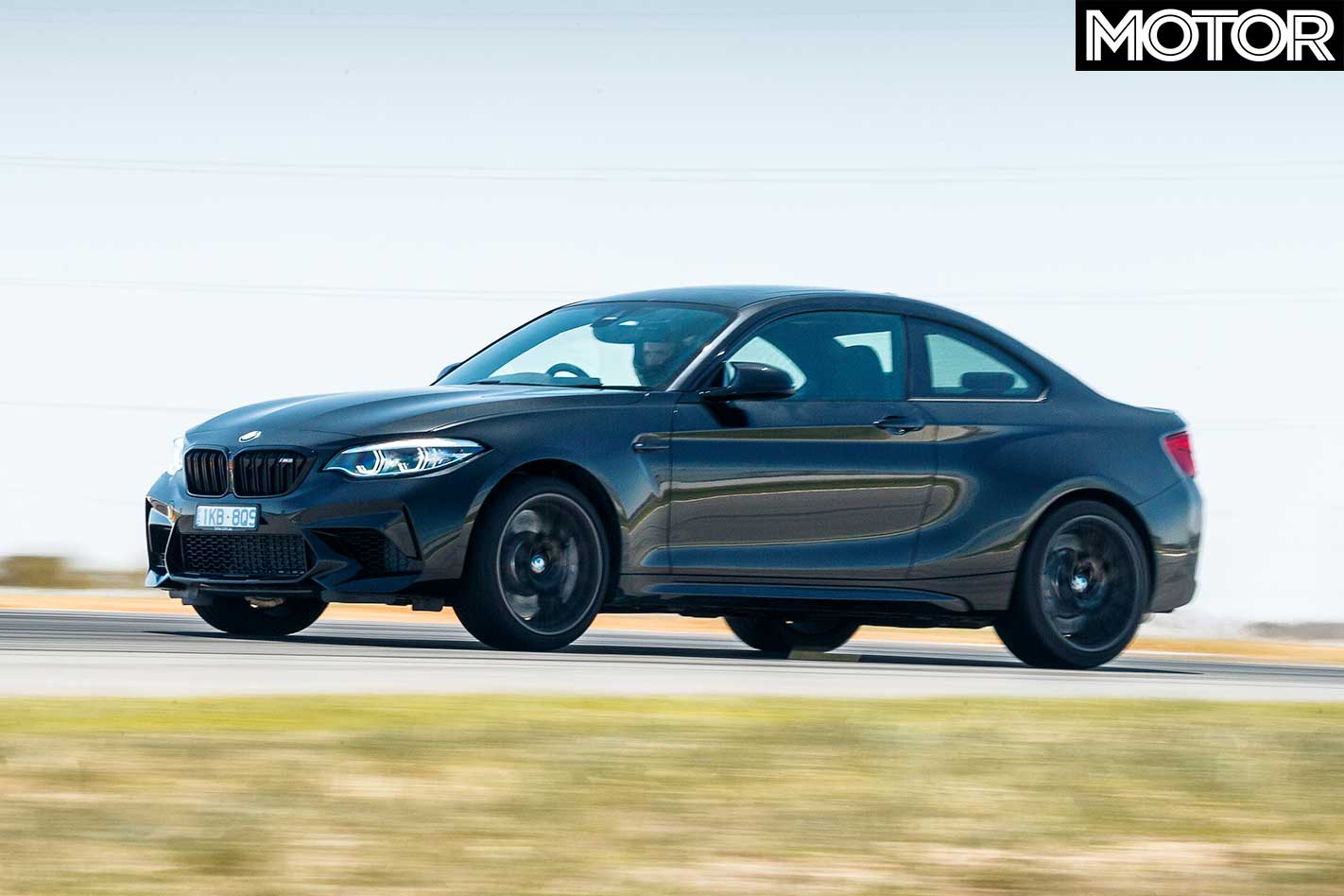
Perhaps most surprising, though, is the M2 Comp’s communication and cohesiveness. Want to drive a neat, tidy lap? The baby Beemer has the grip and accuracy to oblige, but if you want to set the tyres on fire at 100km/h it’s more than up for that, too. In short, it gives you options, while also sounding great and being bloody quick.
Perhaps it’s not surprising that despite two extra driven wheels and another 158kW, the M5 Competition could only beat its little brother by 0.2sec. What is surprising is how much more of a handful this super sedan is at the limit.
Combine a chassis that’s extremely eager to rotate on corner entry with an all-wheel drive system that feels to artificially promote oversteer and the result is a constant flurry of steering corrections to keep the beast pointing in the intended direction, all while accelerating at warp speed.
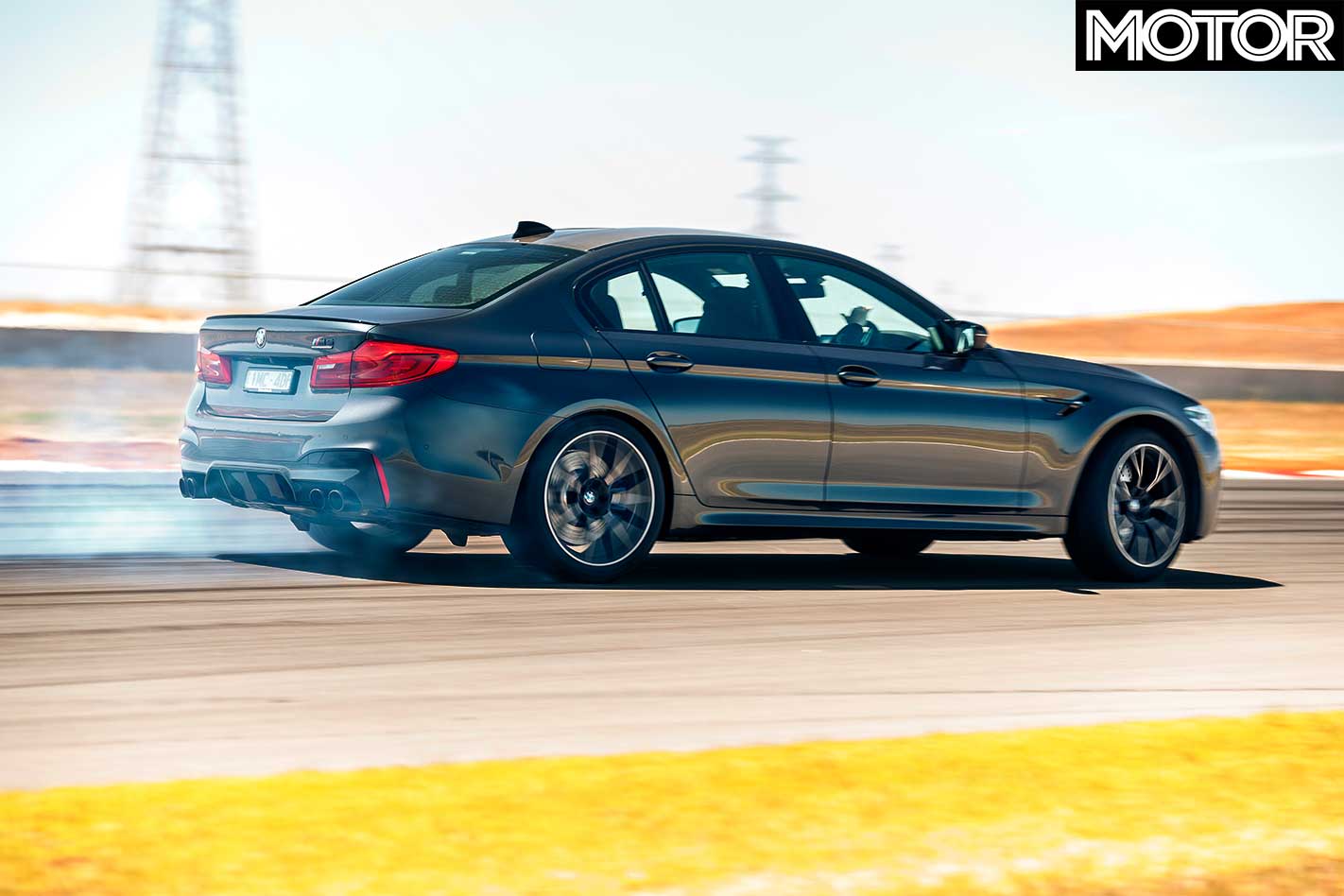
The straight-line pace of the M5 is phenomenal, but the soundtrack is weird, the steering vague and in 4WD Sport it feels like it’s trying too hard to entertain. Of course, if it’s entertainment you want, simply select 2WD and revel in what must be the world’s easiest car to powerslide. Childish, yes, but a right laugh.
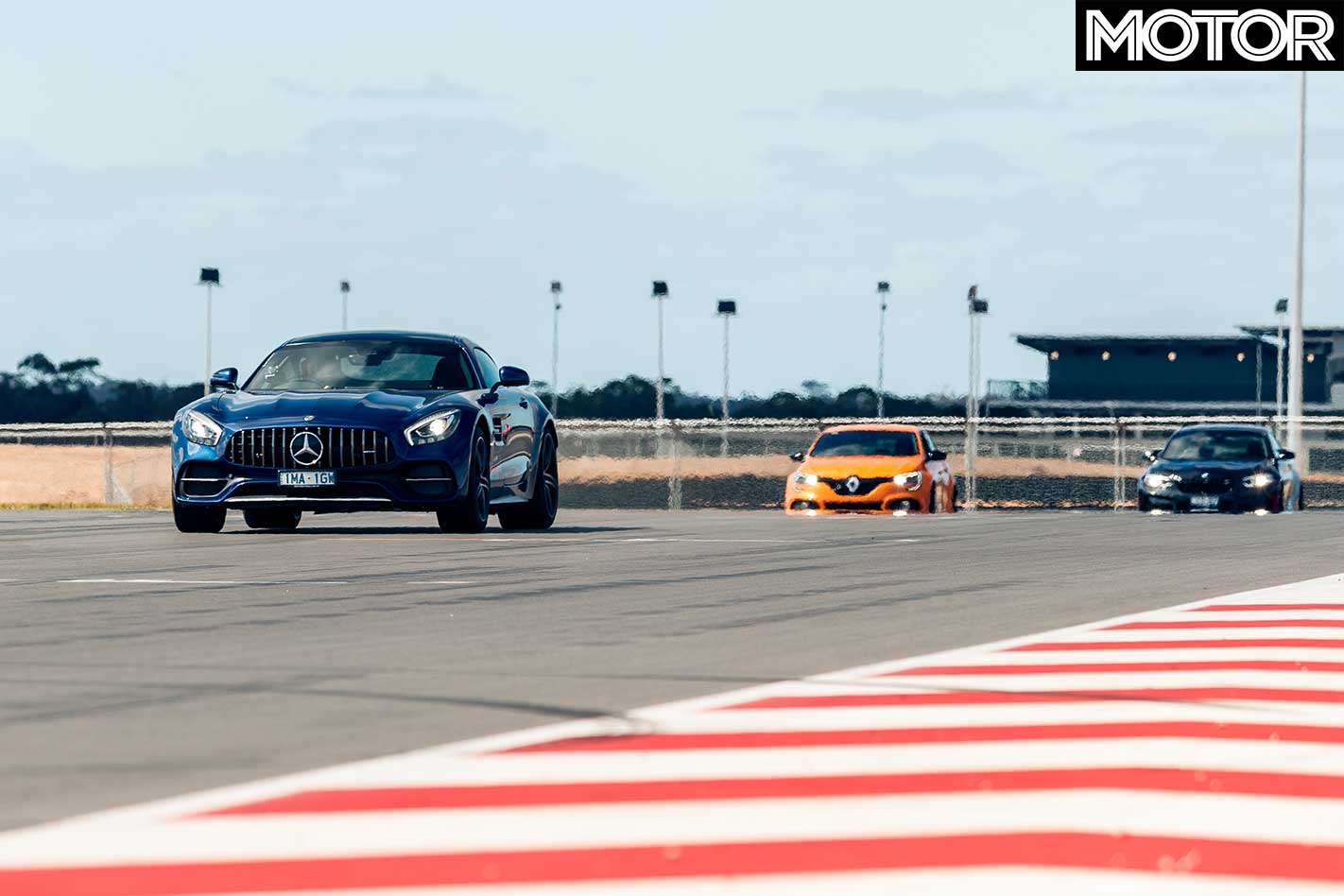
There’s nothing funny about the AMG GT C; it is a very serious sports car that comes into its own at the track. With proper temperature in its giant Michelin Cup 2 tyres and no bumps to worry about, it feels a lot more cohesive than on the road.
Right at the limit the edginess returns, which is not ideal as you’re going at a fearsome lick, but in general there’s so much tyre supporting the chassis that you can make full use of the insane powertrain. Driving a GT C flat-out is a physical, breathtaking experience, the lateral and longitudinal g-forces blending with the sensory assault of its speed and soundtrack.
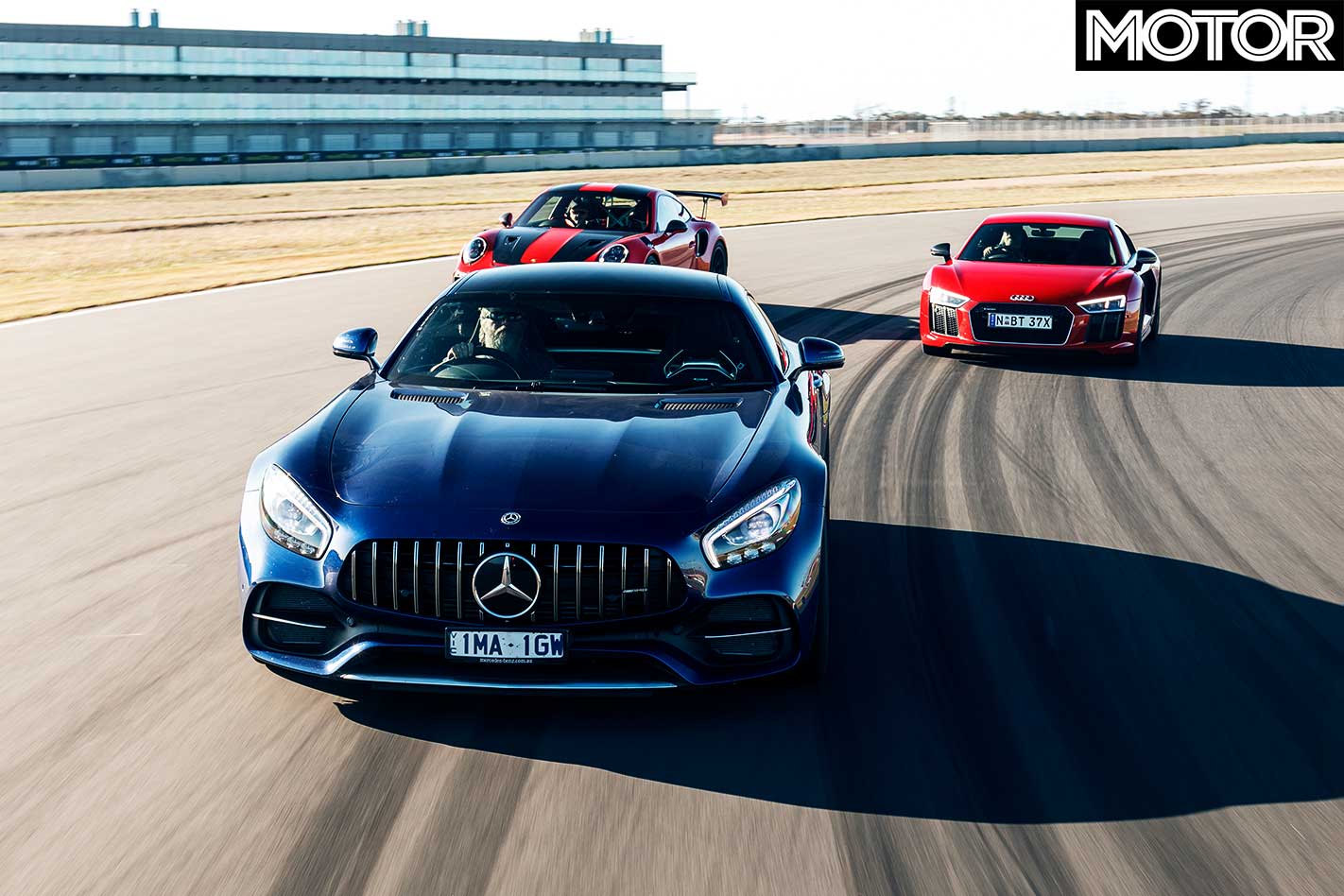
Whereas the AMG is a brute, the R8 RWS is much more delicate. As you’d expect, Audi’s supercar is capable of tremendous speed, cornering flat with fantastic brakes, beautiful steering and a drivetrain to die for. It all feels fantastic, until you overstep the limit, at which point you suddenly and vividly remember the 5.2-litre V10 behind you and the relatively sensible tyre specification.
Personally, this makes me love it even more. If you want to extract the absolute best out of this supercar, you have to bring your A-game. Clumsy inputs are punished, but get it right by carrying the perfect amount of brake pressure to the apex and exiting with a quarter-turn of opposite lock and you’ll wonder if driving can get any better than this.
But it can. It will surprise no one that the GT2 RS was an absolute monster on track. It simply blew everything else away, clocking a time 3.3sec clear of the second-placed AMG GT C, itself an absolutely ball-tearing performance car.
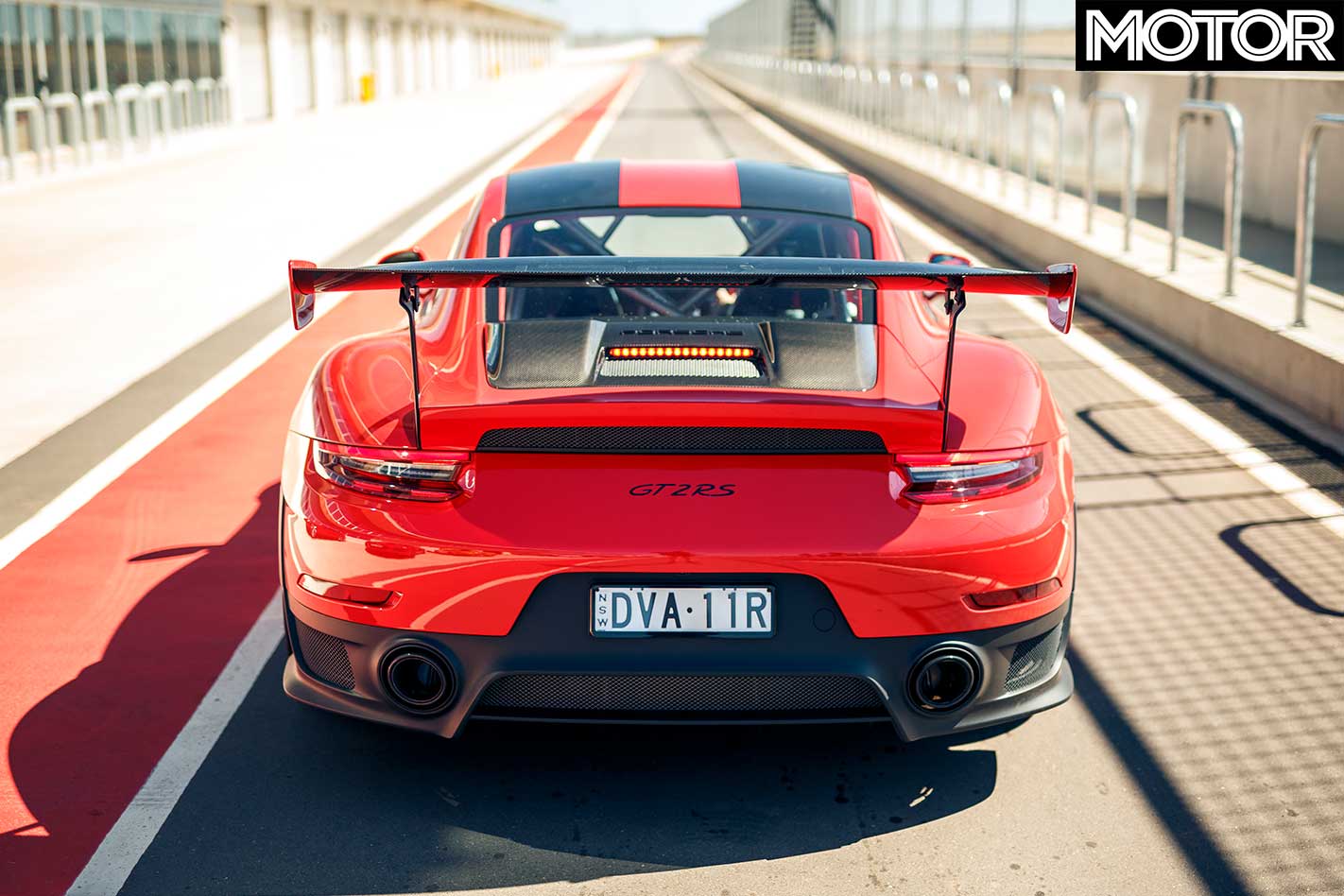
Its straight-line speed is astonishing, clocking 270km/h down the main straight (20km/h quicker than the M5, for example) with no hint of slowing, yet you can confidently brake as late as in any other car.
Lateral grip is outrageous, its precision unmatched and still it will complete lap after lap after lap without breaking a sweat. Unlike the wide-eyed driver. The only chink in its armour comes on the tricky braking approach to the hairpin, where a change in surface triggers the ABS and lengthens the braking distance quite dramatically.
Undoubtedly the 911’s greatest attribute, though, is its user-friendliness. The intimidating nature of its looks, sound and speed are at complete odds with its benign nature at the limit. A hefty helping of steering slides the rear, at which point 750Nm start eviscerating those 325mm-wide Michelins. It still requires respect, for at smaller slip angles the GT2 will happily oversteer while accelerating at a fearsome rate, but it shouldn’t be this easy to drift a 500kW-plus 911. I need a lie down.
3.41km of Pure Adrenaline
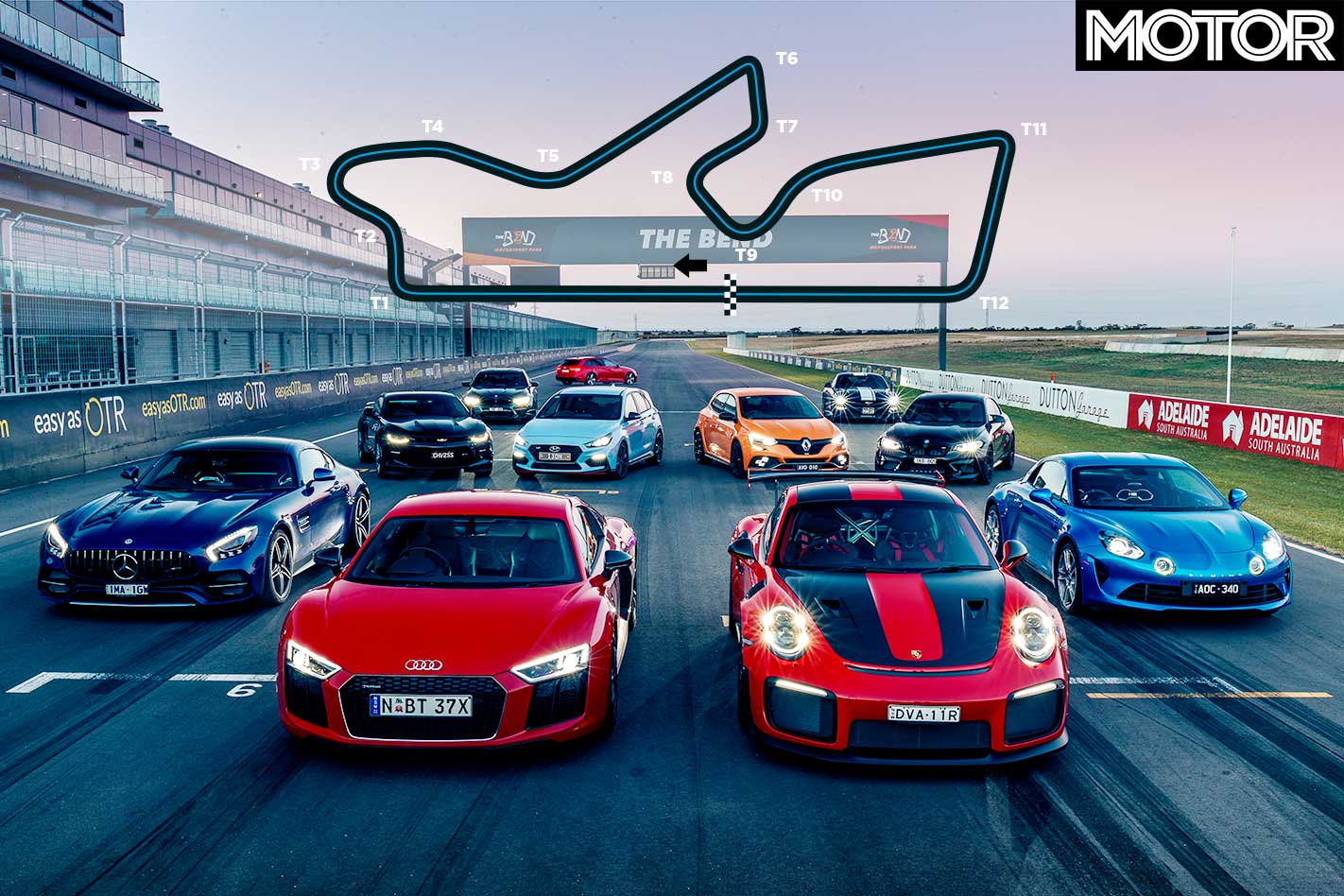
The Bend’s West Circuit is probably its easiest configuration, but that doesn’t make it easy. Picking the appropriate braking marker for T1 is crucial as you’re arriving at around 215km/h in the i30 N and about 270km/h in the GT2 RS.
There are a number of lines through T2 and T3 and it’s a perfect place to hang the tail out. T4 is just an acceleration zone, T5 requires a dab of brake and rewards the brave before approaching the hairpin at high speed.
At this point the Supercars turn left but we hook around and rejoin the main track via the tricky off-camber T7. T8 is blind on exit and the long T9 requires patience to ensure a good run over the T10 crest down to the tight T11. T12 looks tighter than it is and it’s important to carry as much speed as possible down that long main straight.
West Circuit Lap times
| Rank | Vehicle | Lap time |
| 1 | Porsche 911 GT2 RS | 1min 24.0sec |
| 2 | Mercedes-AMG GT C | 1min 27.3sec |
| 3 | Audi R8 RWS | 1min 28.5sec |
| 4 | BMW M5 Competition | 1min 30.8sec |
| 5 | BMW M2 Competition | 1min 31.0sec |
| 6 | Chevrolet Camaro 2SS | 1min 32.3sec |
| =7 | Audi RS4 Avant | 1min 34.0sec |
| =7 | Ford Mustang GT | 1min 34.0sec |
| 9 | Alpine A110 | 1min 35.2sec |
| 10 | Renault Megane RS280 | 1min 36.3sec |
| 11 | Hyundai i30 N | 1min 37.3sec |
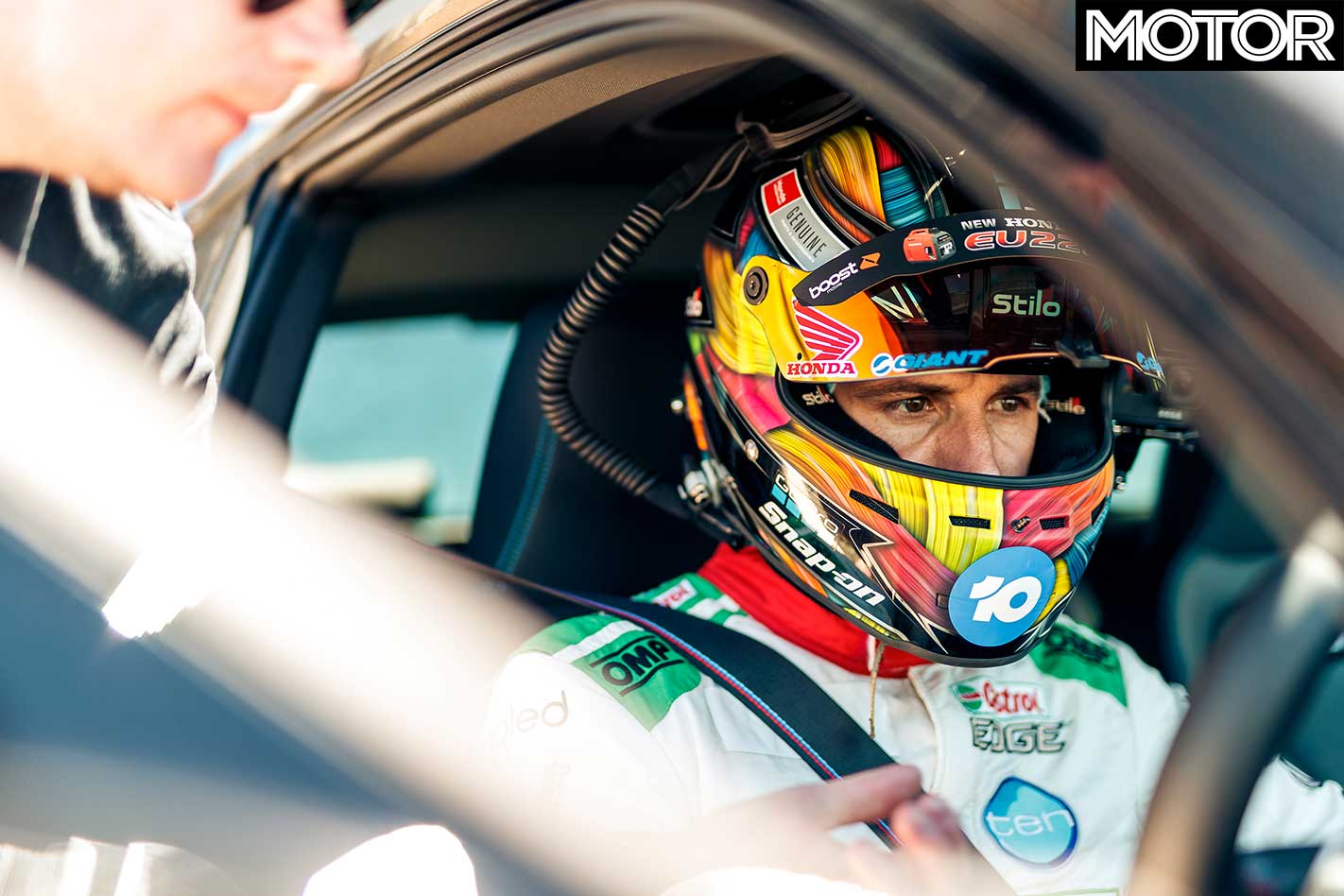
Rick Kelly’s track thoughts
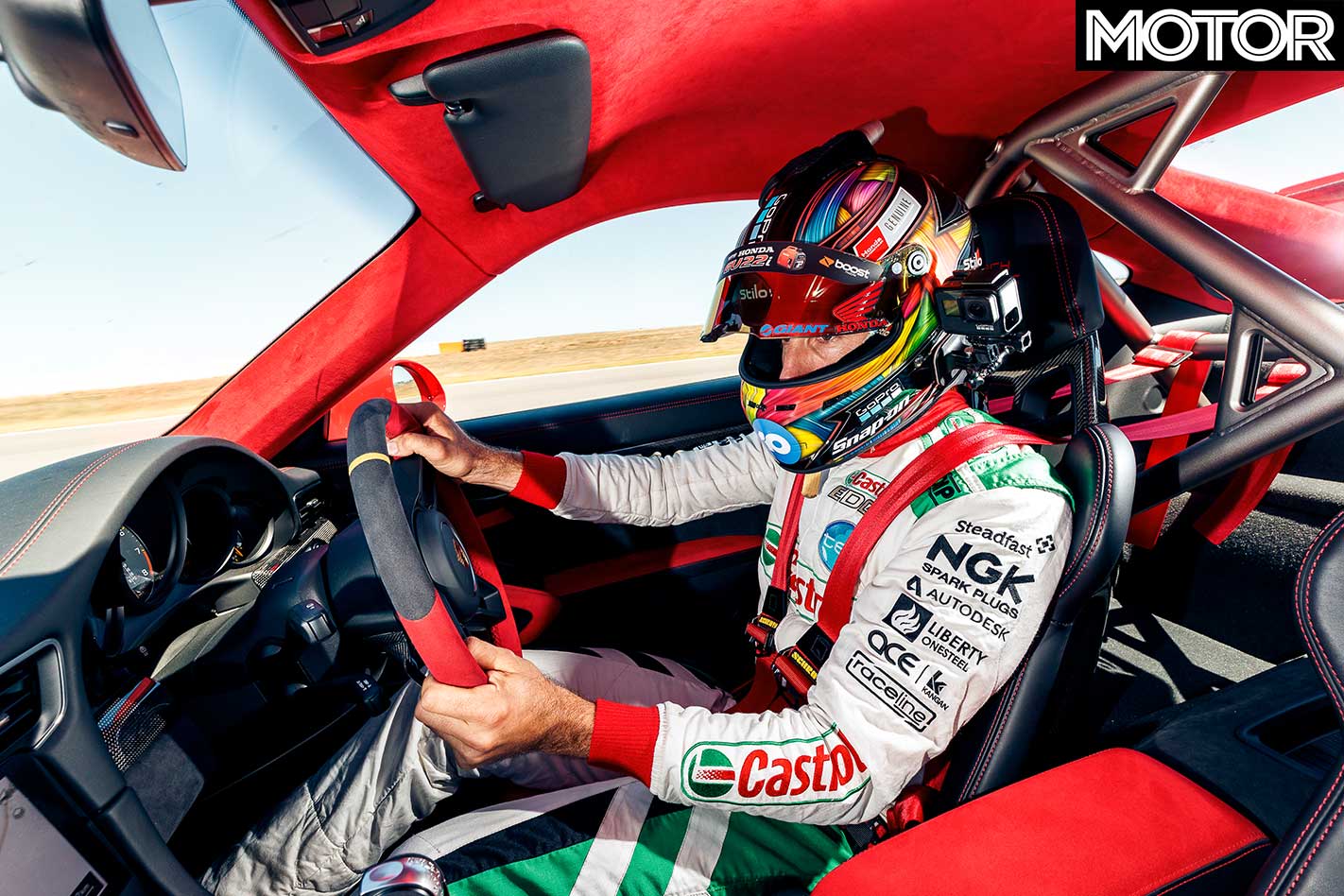
01 – Porsche 911 GT2 RS “Jeez, this thing’s got a lot of grunt.It feels like a racecar on a road tyre. Like a Supercar, on a wet tyre, on a dry track. It just wants a race tyre underneath it. It made me smile”
02 – Mercedes-AMG GT C “If I could change one thing, it would be to quicken the steering so when the rear does do something you weren’t expecting, you can correct it quickly. It’s a car you have to respect due to its power”
03 – Audi R8 RWS “It’s so fast, and there’s not a lot of grip in the middle of the corner, so it forces you to work at it to get the best outcome. It’s got a beautiful engine/gearbox and hearing that V10 behind your left ear is special”
04 – BMW M5 Competition “It’s big and luxurious, but it goes places, fast! Sounds incredible and the shifts are super precise. It’s the entry/heavy turning phase in slower corners it struggles with; I think that’s simply the weight”
05 – BMW M2 Competition “What a little monster! You get some understeer, but then you stand on the throttle and it’s got enough grunt to power slide on exit. Nicely balanced, easy to control a slide. Just a whole heap of fun”
06 – Chevrolet Camaro 2SS “A typical, big, American muscle car with a heap of noise and big V8 power. I found the steering too heavy; corrections were difficult at times. Gearbox downshifts also not quick enough into corners”
07 – Audi RS4 Avant “Fair bit of body roll and a lot of entry/mid-corner understeer, which you end up waiting for before you can get on the throttle. It feels like too much of a road car to perform well on track. It sounds incredible”
08 – Ford Mustang GT “It has a nice, firm brake pedal and brakes well, but it produces more entry and mid-corner understeer than the Camaro, and has a lot less throttle oversteer. It’s enjoyable, predictable and feels really nice”
09 – Alpine A110 “You’d expect quite a consistent balance, but on track, it can produce some pretty difficult situations in terms of car control due to entry oversteer. Engine and power were really sweet, as was the gearbox on upshifts”
10 – Renault Megane RS280 “All the controls are well suited to track-day use – steering weight, pedal layout and gearing. Suffered from understeer; no real oversteer to speak of. Nice, consistent balance without any nasty traits”
11 – Hyundai i30 N “It feels like a nice, little, stiff car, but the compound of the tyre felt hard and, as a result, you don’t get the braking grip you want. It also resulted in quite heavy understeer, or what I call, shudder understeer… you can feel the vibration through the car”
At the Drags
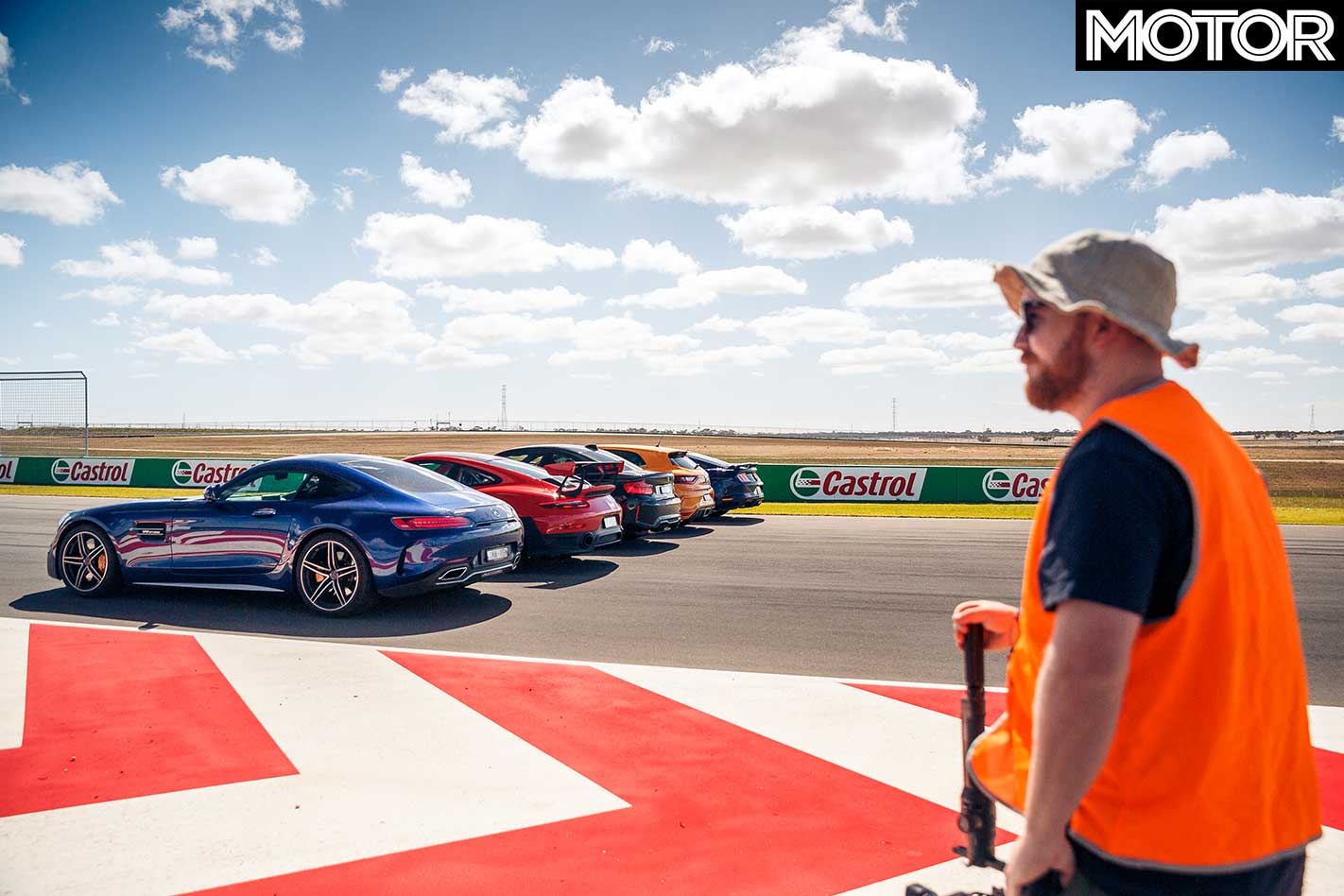
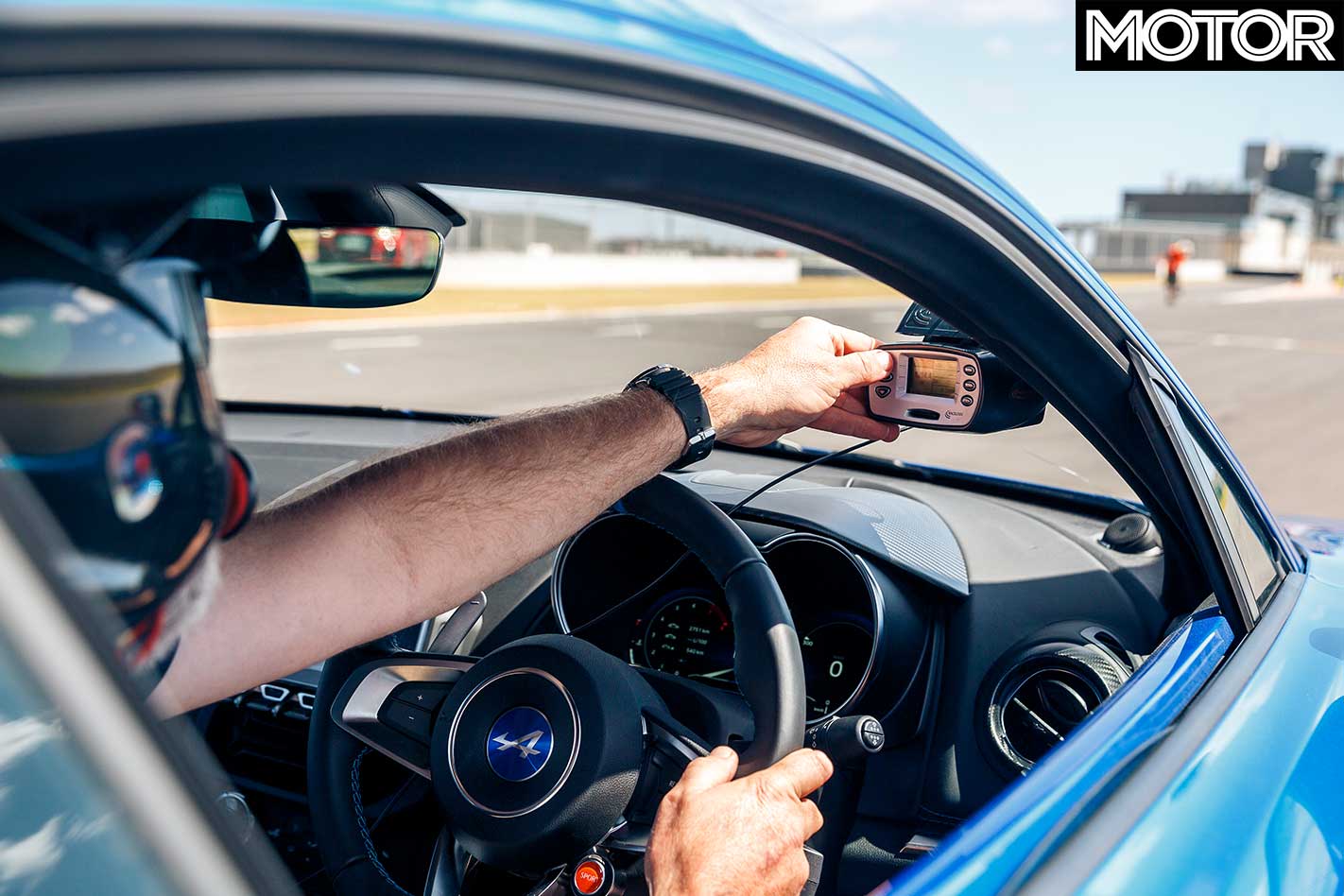
For most of the year we test on an unprepped dragstrip, valiantly searching for skerricks of leftover VHT among the hard-baked layers of discarded rubber. A warm, freshly laid racetrack is like superglue in comparison, hence the 11 sets of impressive numbers before you.
The Alpine is easily the least powerful car on test, but with just 1103kg to propel the A110 is surprisingly potent, shooting to 100km/h in 4.79sec and maintaining its momentum to clock a 12.90sec quarter mile at 179.84km/h.
It runs the far more powerful M2 Competition close, the baby Beemer managing 4.5sec to 100km/h before stretching its advantage over the quarter with a 12.52sec effort at 182.57km/h. Those figures aren’t much quicker than the standard M2, but the S55 sounds and feels stronger. Braking isn’t a strong point, however, its 36.61m 100-0km/h stop the longest of the whole field and two metres longer than the Alpine.
The Camaro makes a strong bang-for-your-bucks case. For $20K less than the M2 it offers very similar pace. It trails by a couple of tenths to 100km/h (4.73sec) and over 400m (12.72sec), but its 186.35km/h means it’s running the BMW down. Impressive brakes, too, with a remarkable 32.45m 100-0km/h stop.
But when it comes to value, the Mustang is king. Our test car is heavily optioned, but there’s no reason a standard V8 auto couldn’t manage 4.65sec 0-100km/h and a 12.64sec quarter mile at 188.91km/h. Shorter ratios give it a roll-on acceleration advantage over the Camaro, dispatching 80-120km/h in 2.3sec rather than 2.5sec, but it also impresses by stopping from 100-0km/h in 33.86m.
You could throw a blanket over the hot hatches. The Renault has the edge to 100km/h, its 5.98sec bettering the Hyundai’s 6.25sec, but just 0.07sec separate the two at 400m (Renault 14.22sec; Hyundai 14.29sec) with the Megane carrying just 2km/h more speed.
From 80-120km/h the two are identical at 3.7sec, while the Megane stops six centimetres shorter than the i30 N from 100km/h (33.71m vs 33.77m). Given the Hyundai’s lower price, it’s a good result.
At this point driver skill takes a back seat, the remaining five cars relying on launch control. The RS4 Avant couldn’t be easier, its twin-turbo V6 and all-wheel drive making it effortlessly the quickest car so far with 0-100km/h in 3.87sec and a 12.02sec quarter mile. Still, its 187.25km/h trap speed can’t match the Mustang, nor can its 2.4sec effort from 80-120km/h.
Strange as it may seem given the numbers, the M5 Competition’s launch control wouldn’t play ball. Its 3.78sec 0-100km/h is fairly ballistic, but well short of its 3.3sec claim, and subsequently 11.53sec is a couple of tenths shy of its ultimate potential, too. Nonetheless, a 203.09km/h trap speed and 80-120km/h in 1.8sec illustrates just how ludicrously fast this Bavarian monster is. Braking is strong for a near two-tonne car at 34.59m, though the RS4 bests it at 34.28m.
Undoubtedly the surprise packet of the whole field is the Audi R8 V10 RWS. With just two-wheel drive and the less powerful of Audi’s two V10 tunes it has no right to clock 0-100km/h in 3.57sec (0.13sec quicker than its claim). From there it only gets quicker, rocketing through 400m in 11.35sec at an incredible 206.87km/h. Overtaking from 80-120km/h matches the M5 at 1.8sec, while 100-0km/h requires just 31.24m.
The AMG GT C feels faster, but isn’t. Not that 0-100km/h in 3.66sec and an 11.55sec quarter mile at 204.34km/h is anything to sneeze at. Its carbon brakes also take time to build temperature, resulting in a 35.33m 100-0km/h stop, while less opportune gearing is responsible for the 2.1sec 80-120km/h time. Anything capable of these numbers is well into the realms of insanity.
Which means the Porsche 911 GT2 RS needs to be locked up, Hannibal Lecter style. On the one hand the ultimate Porker disappointed, missing its 0-100km/h claim by 0.33sec, more than any other car bar the M5. On the other hand, it still blew the field away with a 3.13sec time, despite plenty of wheelspin off the line.
The rest of the numbers are just laughable, the GT2 RS existing on a different performance plane. Its 10.63sec quarter mile at 220.85km/h makes it the quickest car we’ve ever tested – as in, ever ever – while its 1.5sec 80-120km/h time is also a benchmark, as is the 30.12m stop from 100-0km/h. That’s the ‘Performance’ criteria nailed, then.
Drag time results
| Rank | Vehicle | 0-400m |
| 1 | Porsche 911 GT2 RS | 10.63sec @ 220.85km/h |
| 2 | Audi R8 RWS | 11.36sec @ 206.87km/h |
| 3 | BMW M5 Competition | 11.53sec @ 203.09km/h |
| 4 | Mercedes-AMG GT C | 11.55sec @ 204.34km/h |
| 5 | Audi RS4 Avant | 12.02sec @ 187.25km/h |
| 6 | BMW M2 Competition | 12.52sec @ 182.57km/h |
| 7 | Ford GT Mustang | 12.64sec @ 188.91km/h |
| 8 | Chevrolet Camaro 2SS | 12.72sec @ 186.35km/h |
| 9 | Alpine A110 | 12.90sec @ 179.84km/h |
| 10 | Renault Megane RS280 | 14.22sec @ 166.02km/h |
| 11 | Hyundai i30 N | 14.29sec @ 164.26km/h |
LAST week Wheels obtained photos of what we thought was the next generation 2021 Ford Ranger.
One week later, Ford Motor Company has indirectly added fuel to the fire by sending a cease and desist letter to an American outlet which shared our story, Jalopnik.
Normally, spy shots, rumours and leaks are left-alone or downplayed by manufacturers – which makes sense. Why would a car company want to give credit to a leak of their upcoming model, especially if it is still speculation?
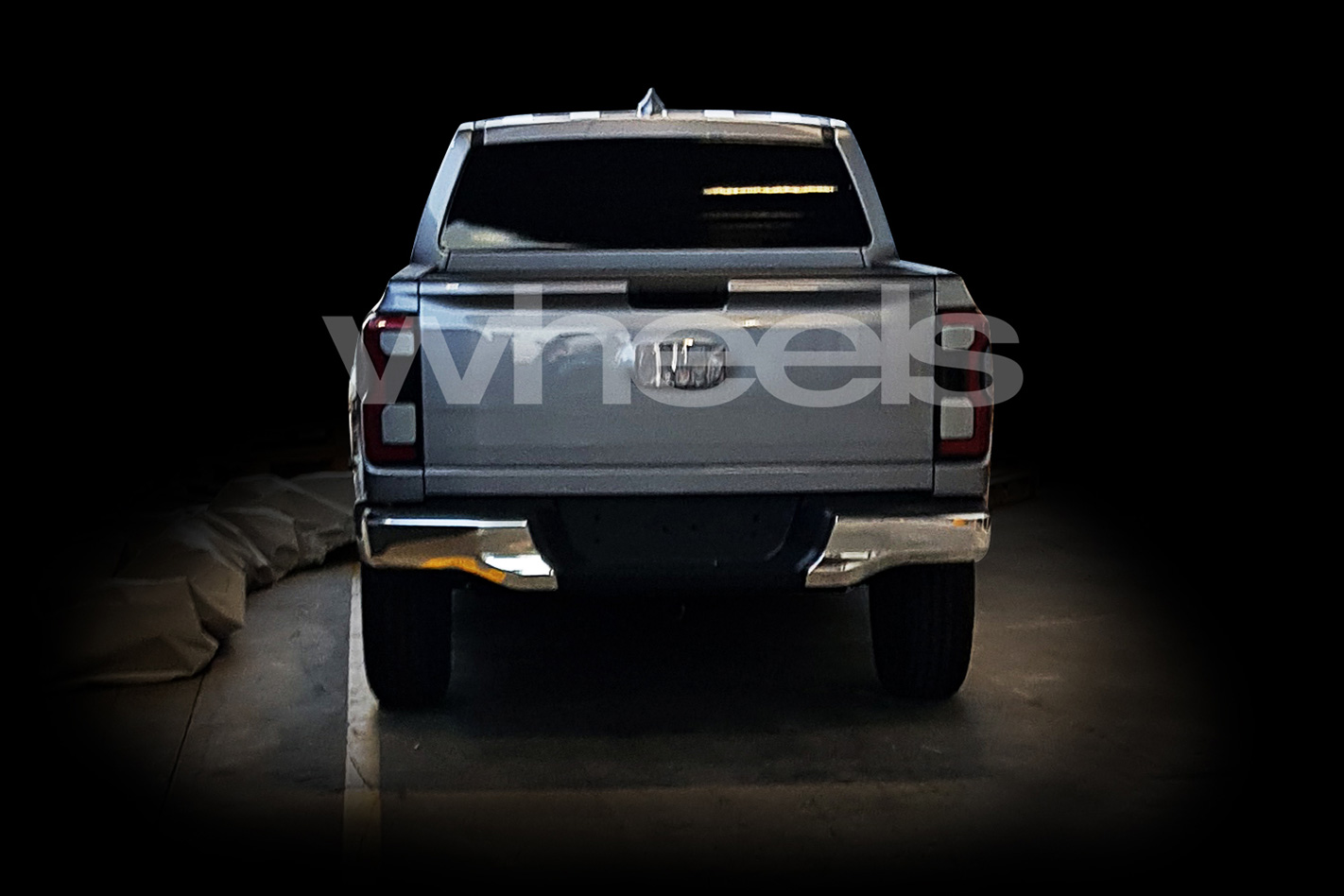
While we here at Wheels HQ were confident that what we saw last week was in fact a Ford product, it had remained unconfirmed by the Blue Oval. Until now.
While there’s a slim chance it may not be the Ranger specifically, we’re happy in our deduction that what we spied will be the forthcoming Ford Ranger. The timing, suspected dimensions, and location strongly suggest it’s a Ranger, which is designed and developed in Australia.
Ford US’s legal team inadvertently confirmed that it is indeed a Blue Oval product, signalling the design language of upcoming pick-ups/dual-cab utes, by sending Jalopnik’s Editor, Patrick George a sternly worded letter:
Dear Mr. George,We are outside counsel to Ford Motor Company (“Ford”), which asked us to contact Jalopnik and ask for its voluntary agreement to take down copyrighted images of a Ford automobile, which are displayed at the following URL:Attached is a screenshot on which the photos have been circled. Ford did not authorize release of the photos, which Ford has strong reason to believe were released in violation of a non-disclosure agreement.Please let me know if there is anything else that you need in order to consider this request. Ford asks Jalopnik to remove the photos as soon as possible and by no later than February 25, 2019.Thank you for your attention to this matter.Best regards,REDACTED | Attorney
We’ve not been contacted by Ford US nor Ford Australia about the images we shared, and subsequently won’t be taking down any photos. Wheels isn’t engaged in any non-disclosure agreement in regards to the images and although the letter may look scary, it does actually ask for “voluntary” compliance with their requests.
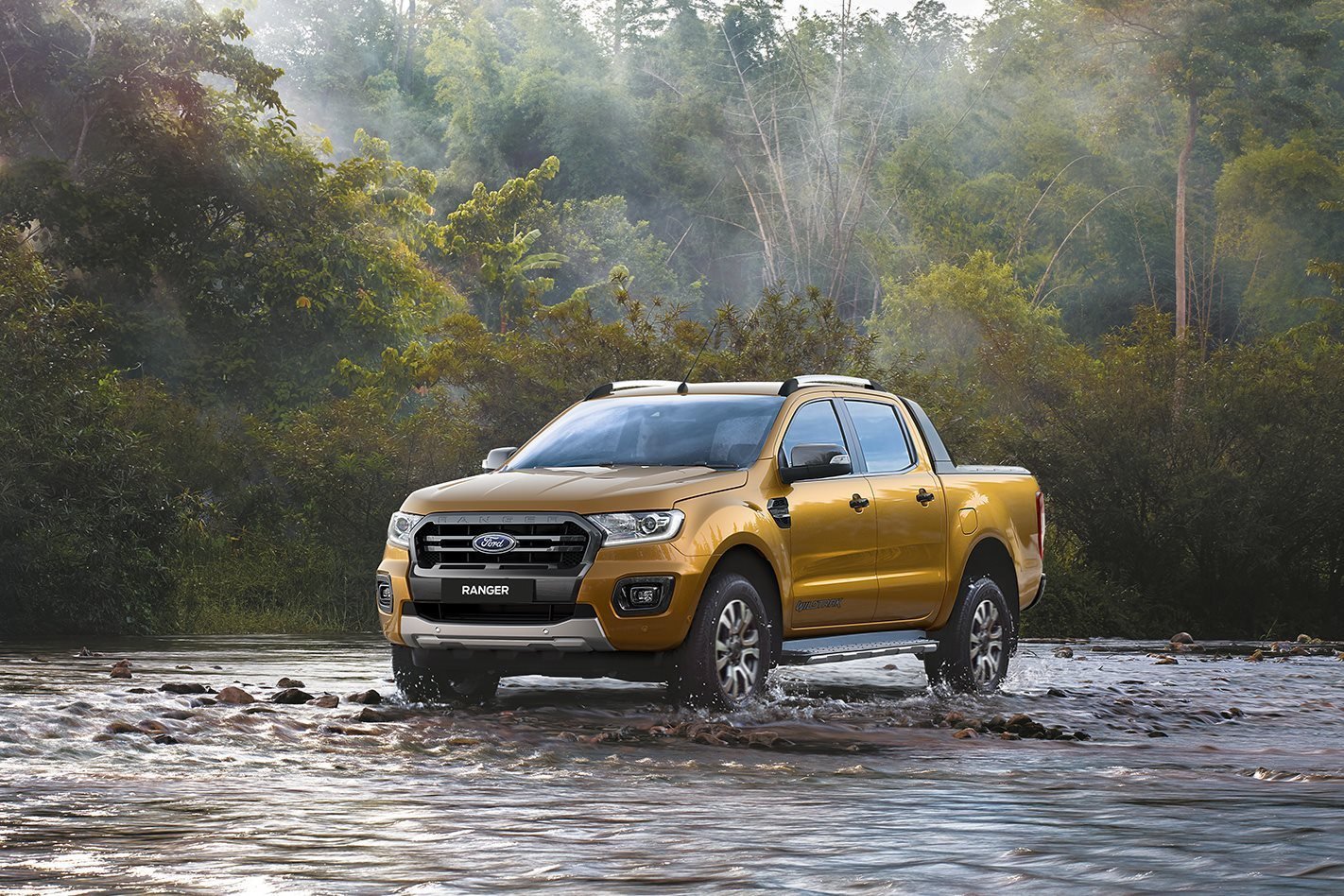
We look forward to official word about the next-generation Ford Ranger in due course, but that won’t stop Wheels from continuing to report on any information that we uncover.
The Bugatti Type 57 SC Atlantic, of which four were built between 1936 and 1938, is expected to make a comeback.
But of course, it won’t be as it was in the ‘30s.
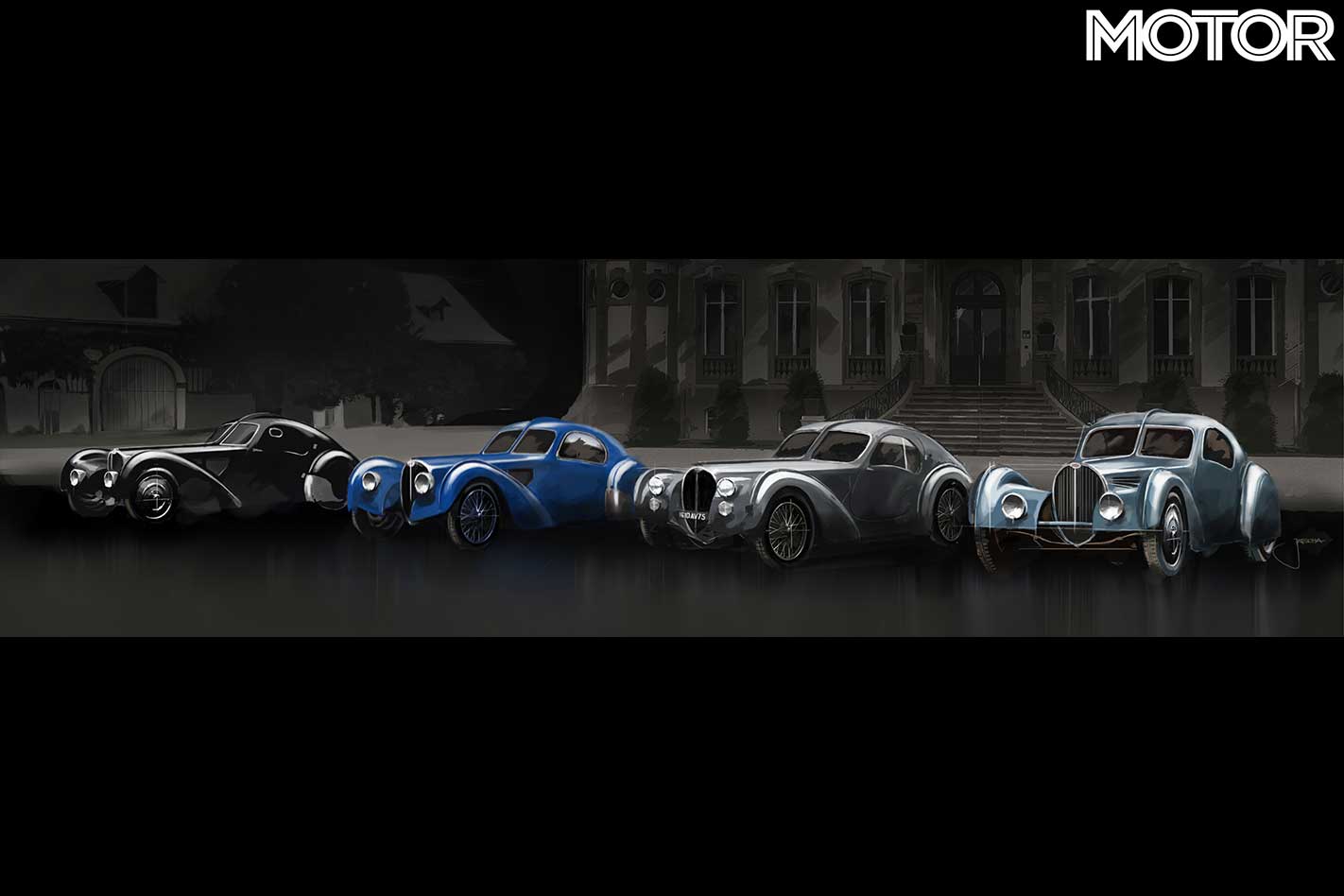
For the last several days, Bugatti has been teasing something Atlantic-related by reviving imagery and stories of the iconic Bugatti model, but only now has it begun revealing why.
A modern interpretation of the Bugatti 57 SC Atlantic is expected to make a debut soon, likely in the form of a one-off given the wording chosen by Bugatti staff in interview snippets.
Posted on Bugatti’s Facebook page are two clips featuring Bugatti’s deign bosses talking about the Atlantic, and what it might look like if they were to design it again for the present.
“Any modern interpretation of the 57SC Atlantic would definitely keep the Atlantic’s dorsal seem [sic],” one post from the company says, with the previous post featuring Bugatti deputy design director Etienne Salomé talking more about actually designing it.
“When the team and myself started to design this car, we really wondered: ‘What if Jean [Bugatti] would still be there? How would he translate the timeless beauty and the elegance of his own private Atlantic, onto a modern day Bugatti?’”
That ‘private Atlantic’ has an intriguing story, with Bugatti no longer knowing the whereabouts of ‘La Voiture Noire’ or in English, ‘the Black Car’.
The other three Type 57 SC Atlantics survive, one a greyish blue model built for British banker Victor Rothschild, one a now-restored car once destroyed in a crash, and the last to be built was ‘the Pope Atlantic’, built for a man named R.B. Pope. That car, finished in blue, is now owned by Ralph Lauren.
The company can’t be sure “whether Jean Bugatti sold [La Voiture Noire] to a racing driver among his friends or whether it was moved to a safer region of France when the German army invaded Alsace,” but says the latter is more likely.
What we can be sure of is that its spiritual successor is on the horizon. Stay tuned for more.
Jaguar has added a brace of new R-Dynamic variants to its XE luxo sedan range, bringing a significant dose of technology borrowed from its I-Pace and F-Type siblings, wrapped up in a more athletic look.
Priced from $65,670 before on-road costs, the R-Dynamic SE is positioned about the middle of the XE range, which now extends to 13 variants, offering a more ‘performance-focused’ option, says Jaguar. The more generously equipped HSE kicks off from $71,940.
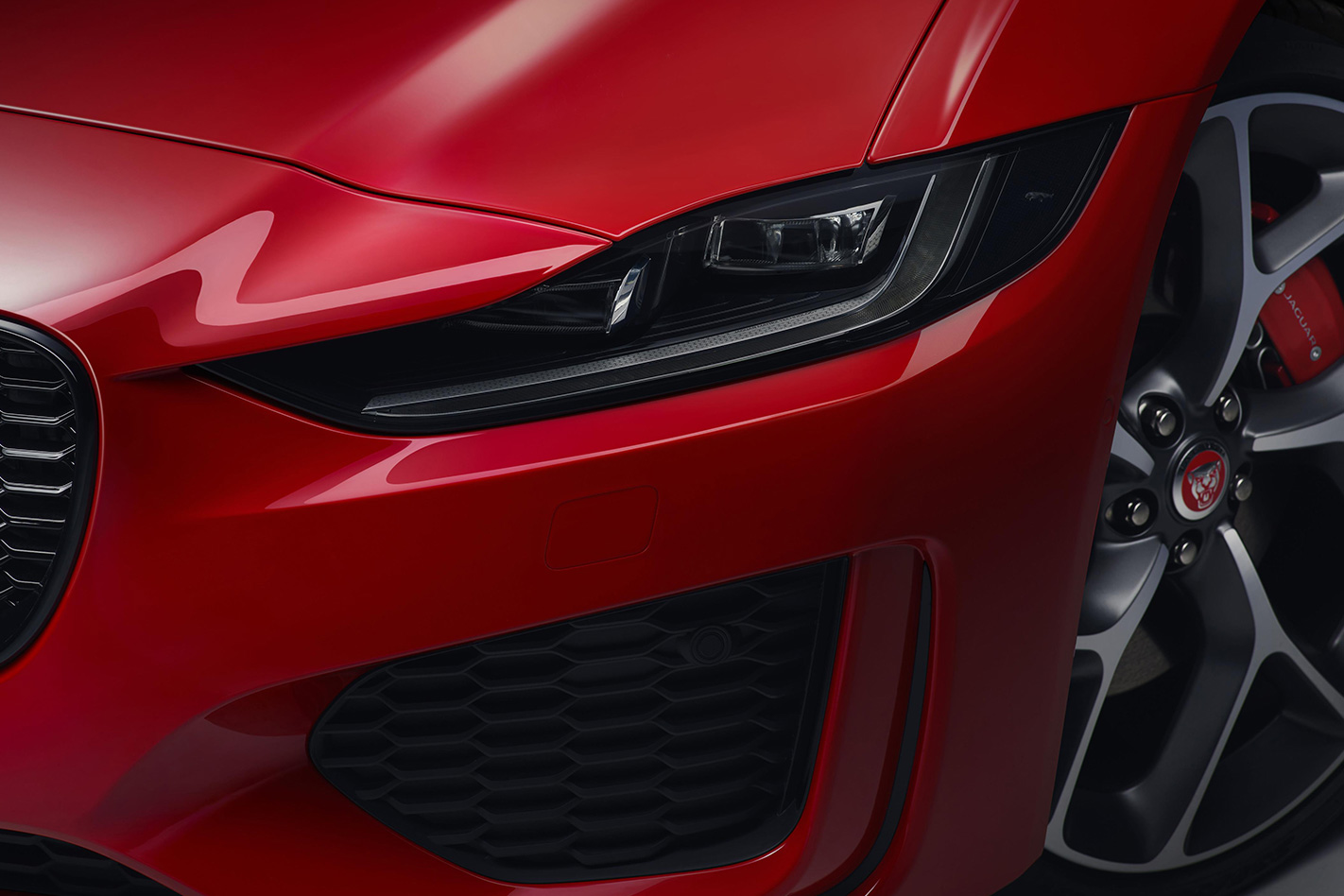
Aesthetically, the mid-sized executive sedan has been treated to a significant update, with a new bodykit featuring a revised front bumper with larger vents and a more purposeful looking rear valence that houses twin tailpipes.
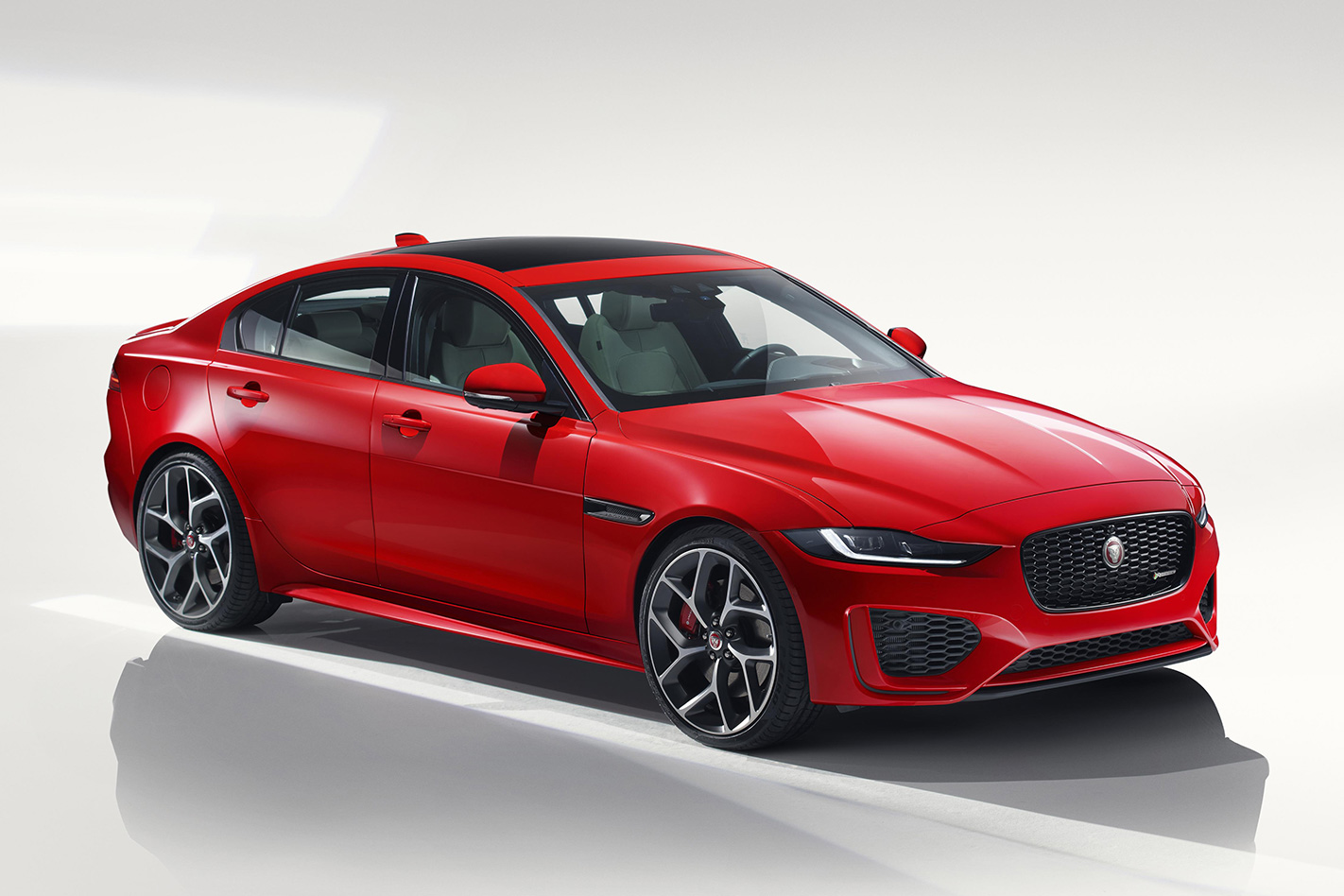
Full LED headlights and new tail-light clusters complement the exterior changes, along with 18-inch wheels, while the HSE rolls on 19s.
Inside, there are more significant changes to both visual and technological features. Interiors are ‘all-new’ according to Jaguar and adopt finer quality materials such as soft-touch and premium veneers, while storage options have been boosted.
A revised centre console adopts the Sportshift gear selector and Jaguardrive Control switchgear from the F-Type sportscar, while the all-electric I-Pace SUV lends the updated XE its extensive digital displays.
Optionally replacing conventional gauges, the instrument cluster can now be upgraded to a customisable 12.3-inch digital screen, complemented by another pair of Touch Pro Duo screens in the HSE for adjusting climate and comfort settings, as well as the now enhanced entertainment systems.
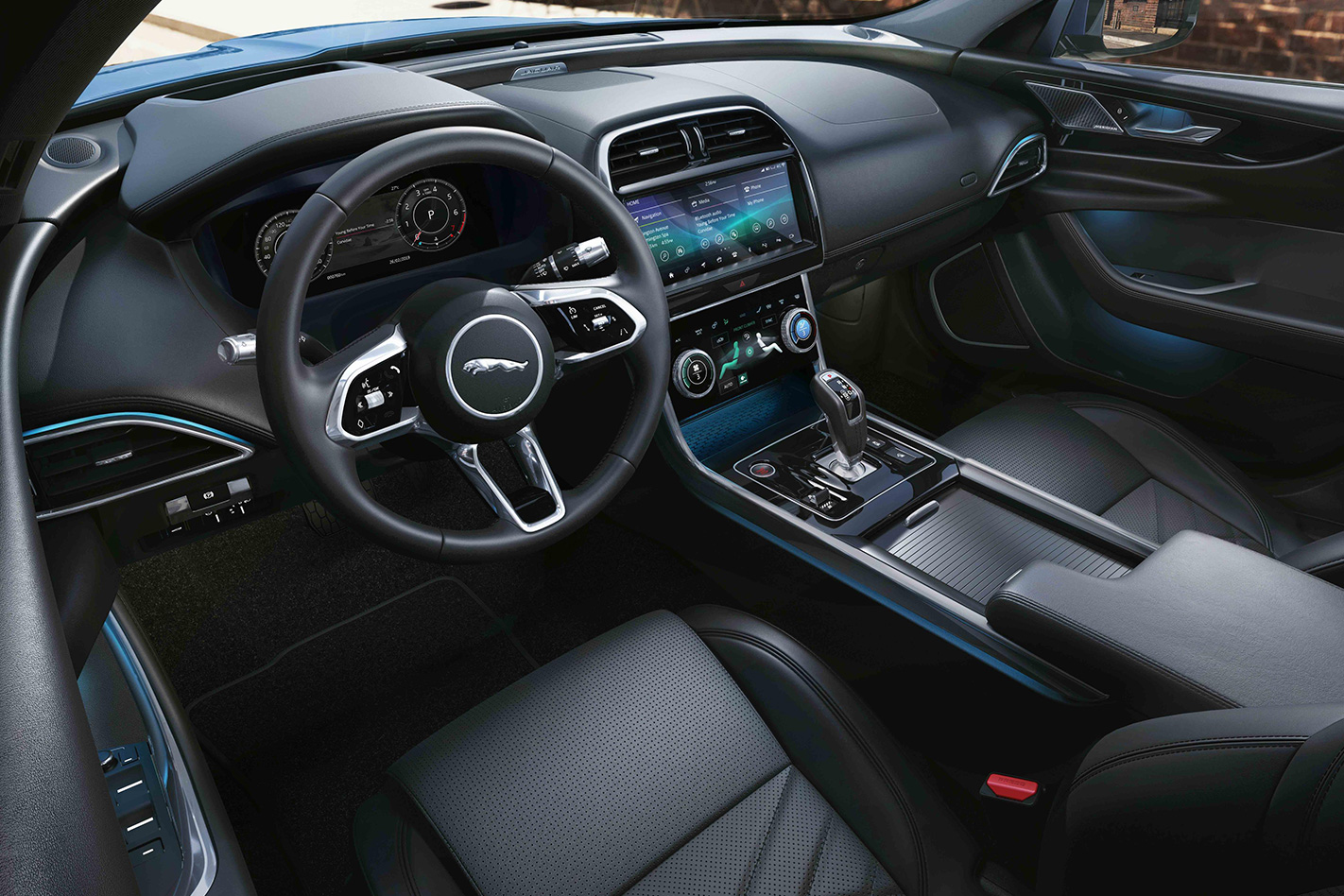
There’s more I-Pace technology lifted for the steering wheel, which shares the same hidden-until-lit graphics and tactile switches, broadening the control options for the driver. Android Auto/Apple Carplay, wireless device charging and digital radio are also included in the deal.
Also enhancing driver assistance and safety is a new Clearsight rear-view mirror, which uses a rear-facing camera for an unobscured view of the road behind the car, and a high-definition, multi-colour head-up display are also available optionally.
Opt for the more expensive HSE and owners will get even more safety systems including blind-spot monitoring, adaptive cruise control and autonomous emergency braking that works at high speeds as well as lower about-town speed.
Other HSE extras include a high-end Meridian sound system, electric steering column adjustment and electric front seats with 18-way electric adjustment.
Power comes courtesy of the same 2.0-litre turbo Ingenium engine that powers other 30t variants in the line-up and sends 221kW and 400Nm to the rear wheels via an eight-speed automatic transmission as standard. Zero to 100km/h acceleration takes 5.9 seconds.
