
IN THE DAYS before forensic data analysis and NASA-spec simulators, drivers needed time-tempered experience to be fast in F1. Technology is making it possible to get quicker faster, but as this countdown shows, the presence of teenage drivers in F1 isn’t a 21st-century phenomenon.
12. Sebastian Vettel

Debut Grand Prix: USA, 2007 Age: 19 years, 11 months, 14 days. The pointy-fingered winning machine was still a teenager when he stood in for BMW’s injured Robert Kubica at Indianapolis, finishing in the points in the process.
11. Esteban Ocon
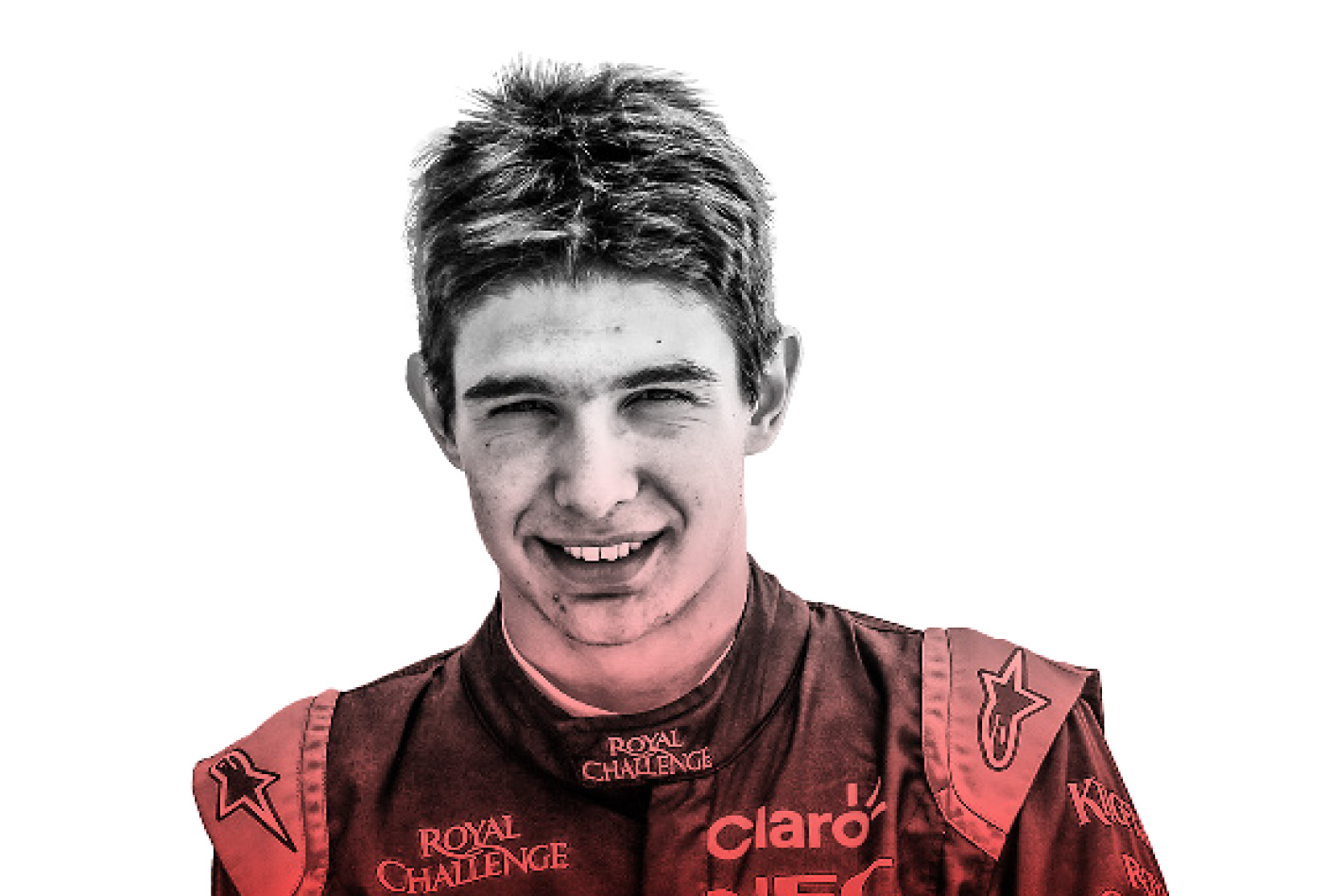
Debut Grand Prix: Belgium, 2016 Age: 19 years, 11 months, 11 days. To put the Force India driver’s youthfulness in context, F1’s current oldest driver, Kimi Raikkonen, was nearly 17 when Ocon was born.
10. Chris Amon
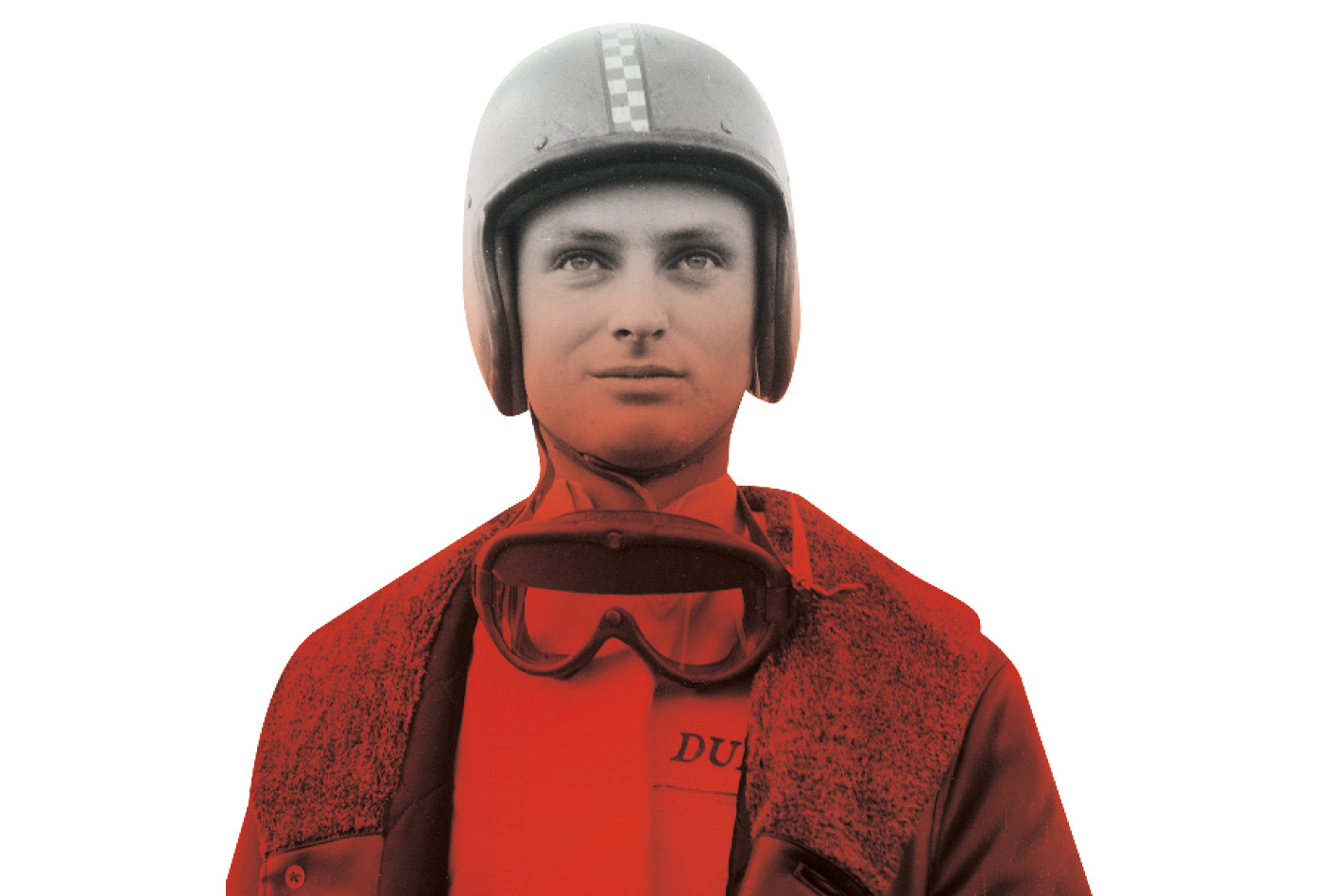
Debut Grand Prix: Belgium, 1963 Age: 19 years, 10 months, 20 days. Can you imagine a more intimidating F1 debut than the old Spa circuit, in the wet? Amon retired after an oil fire. Considered one of the sport’s unluckiest drivers, many reckon Amon had the talent to be a world champion.
9. Daniil Kvyat

Debut Grand Prix: Australia, 2014 Age: 19 years, 10 months, 18 days. Toro Rosso driver Kvyat graduated to Red Bull in 2015 when Vettel upped sticks to Ferrari, but was demoted back to the junior squad mid-season in 2016 after a run of crashes and poor form. Still one of F1’s youngest drivers to score a podium, he’ll return to racing duties in 2019 with the team he started at.
8. Esteban Tuero
Debut Grand Prix: Australia, 1998 Age: 19 years, 10 months, 14 days. Argentine Tuero didn’t exactly ‘do an Alonso’ when he too debuted for Minardi as a 19-year-old. The Faenza team reportedly planned to run him for a second year before he unexpectedly announced his retirement.
7. Fernando Alonso
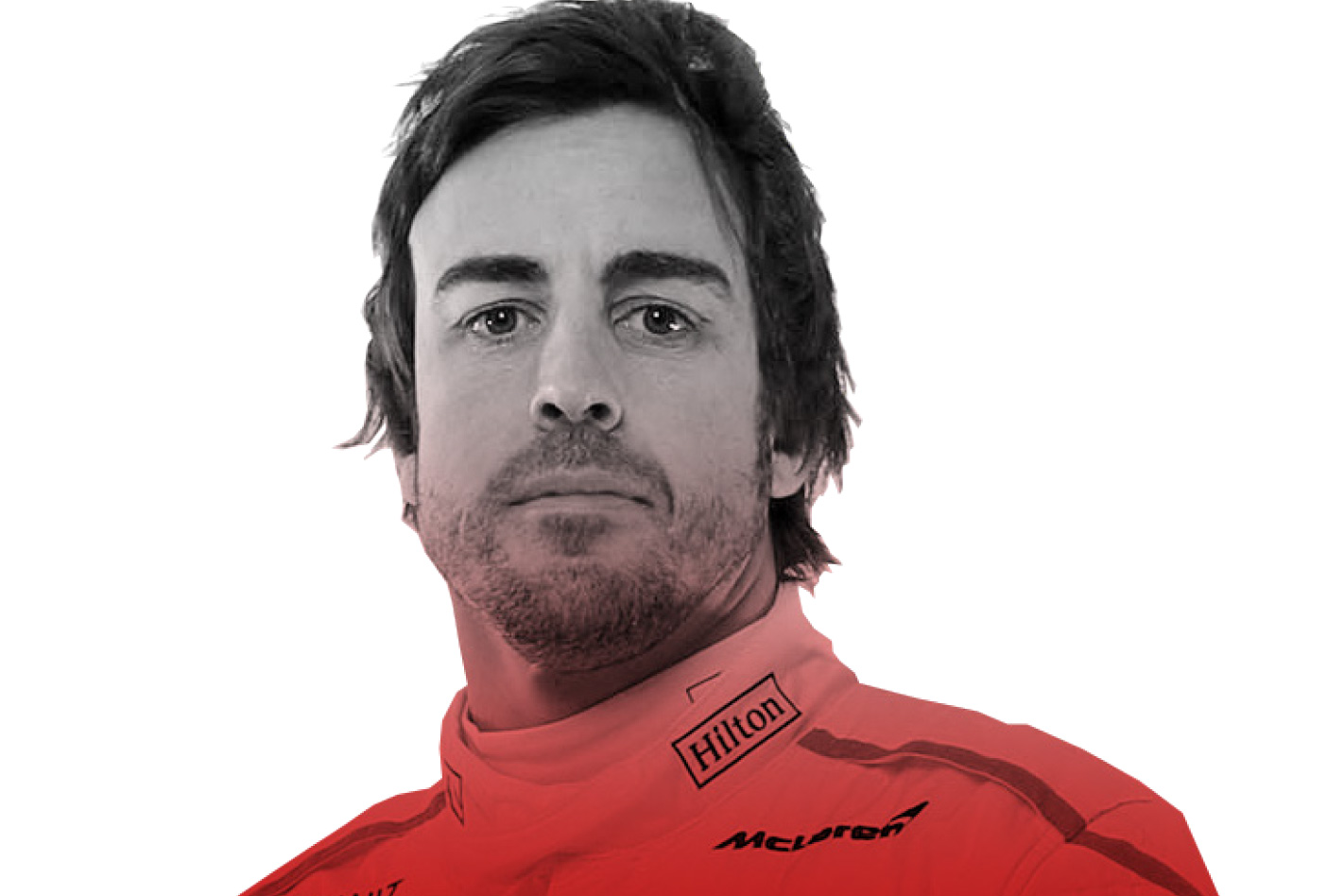
Debut Grand Prix: Australia, 2001 Age: 19 years, seven months, four days. Lando Norris will sit in the recently vacated McLaren left by the combative Spaniard. Already testing F1 cars at the turn of the millennium, Alonso turned heads by wringing fine results from an underdog Minardi in his debut season. Seventeen years later, he’s off.
6. Ricardo Rodriguez
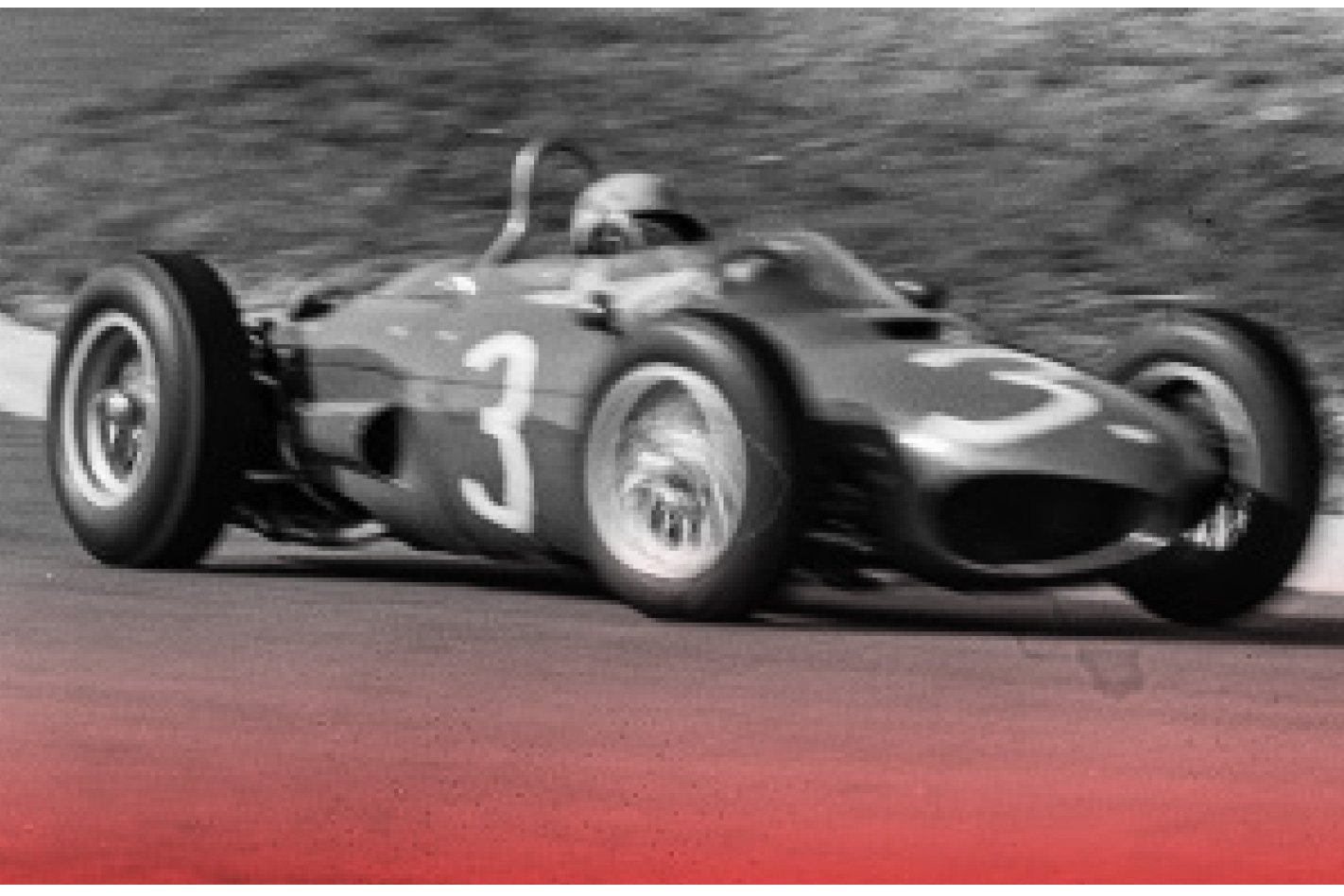
Debut Grand Prix: Italy, 1961 Age: 19 years, six months, 27 days. One of the tragedies of motorsport’s most lethal years, Rodriguez lost his life aged only 20 in a crash at his home Grand Prix in Mexico. The younger brother of fellow F1 hero Pedro, Ricardo remains the youngest Ferrari driver in history.
5. Mike Thackwell
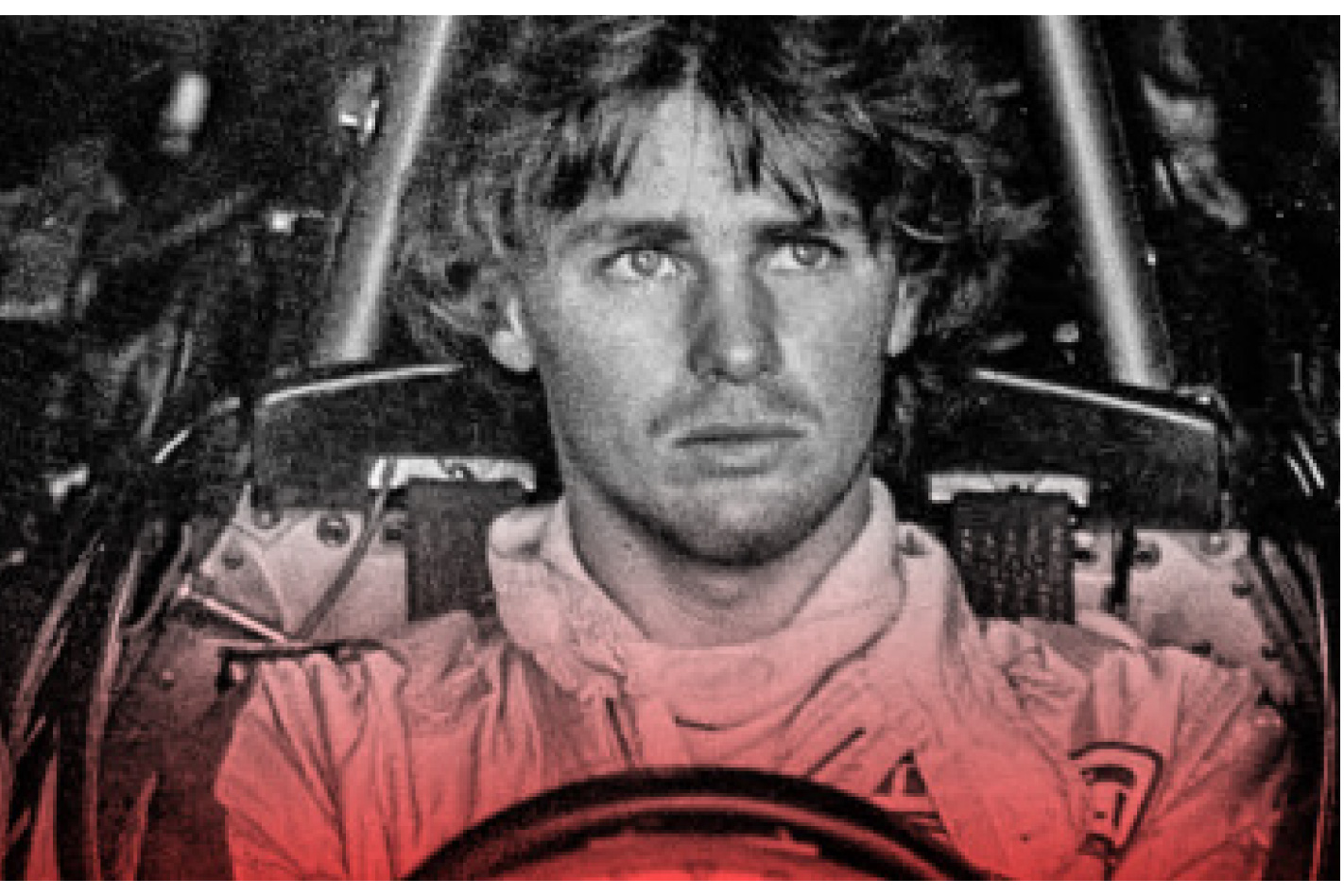
Debut Grand Prix: Canada, 1980 Age: 19 years, five months, 29 days. So precocious was Kiwi driver Thackwell’s talent that he was still a teenager when he got his first F1 break, but Lady Luck never allowed him more than a handful of GP drives. He was still in his twenties when he walked away from F1.
4. Lando Norris
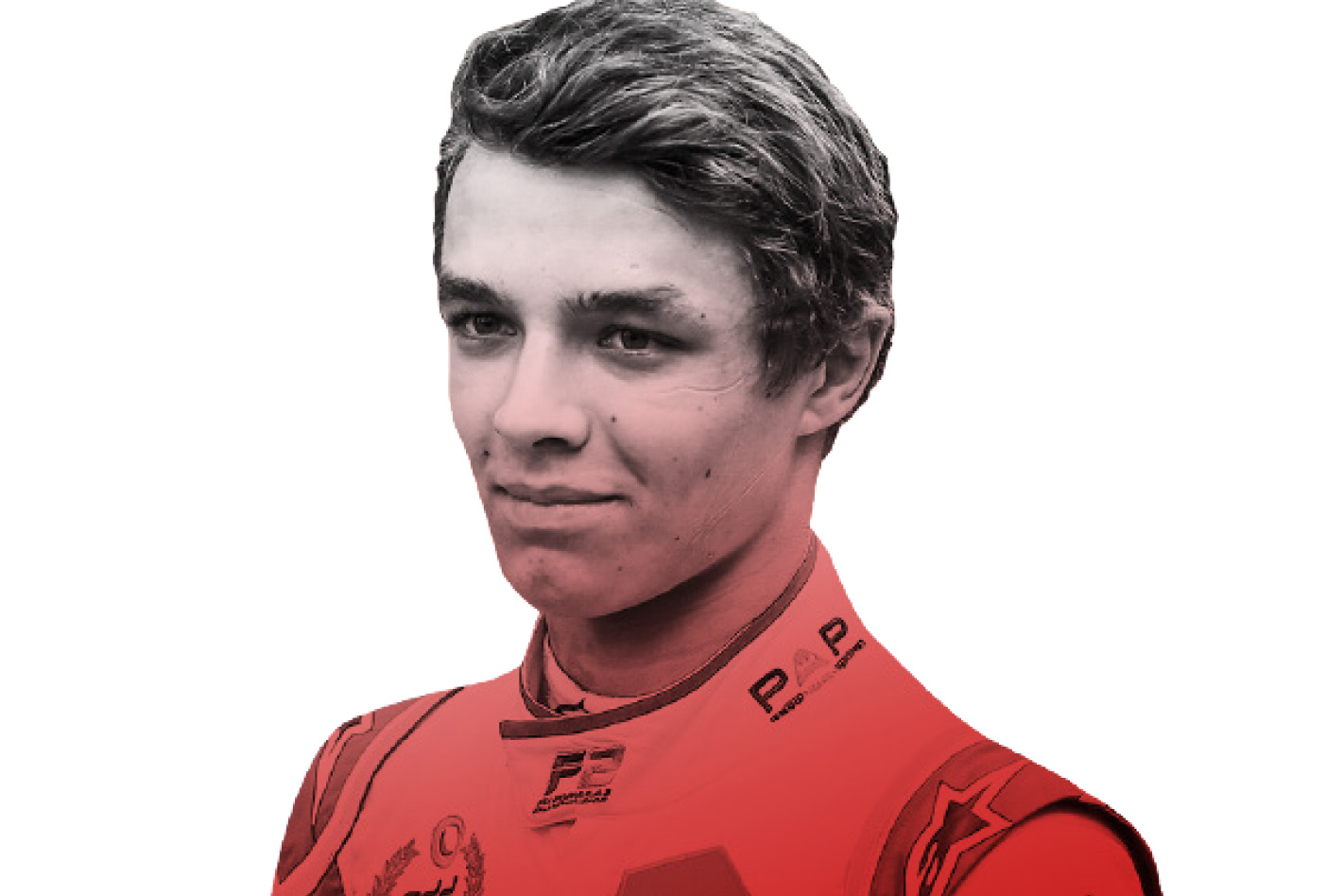
Debut Grand Prix: Australia, 2019 Age: 19 years, four months, four days. A protege of McLaren CEO Zak Brown, the Bristol-born 18-year-old has a glittering record in racing’s lower echelons, with titles in Formula Renault and F3. He’ll be 19 when he makes his GP debut – the previous youngest Brit to start a Grand Prix was Jenson Button at 20. For now he’s tussling for the F2 title with Mercedes junior driver George Russell (who joins Williams next year). Alonso’s retirement has catapulted him into F1 early, but McLaren will need to make a huge leap this winter if Norris is to be at the sharp end in 2019.
3. Jaime Alguersuari

Debut Grand Prix: Hungary, 2009 Age: 19 years, four months, three days. A member of the Red Bull young driver academy from the age of 15, but lost his Toro Rosso seat in musical chairs before 2012. Many felt he deserved more time in F1.
2. Lance Stroll
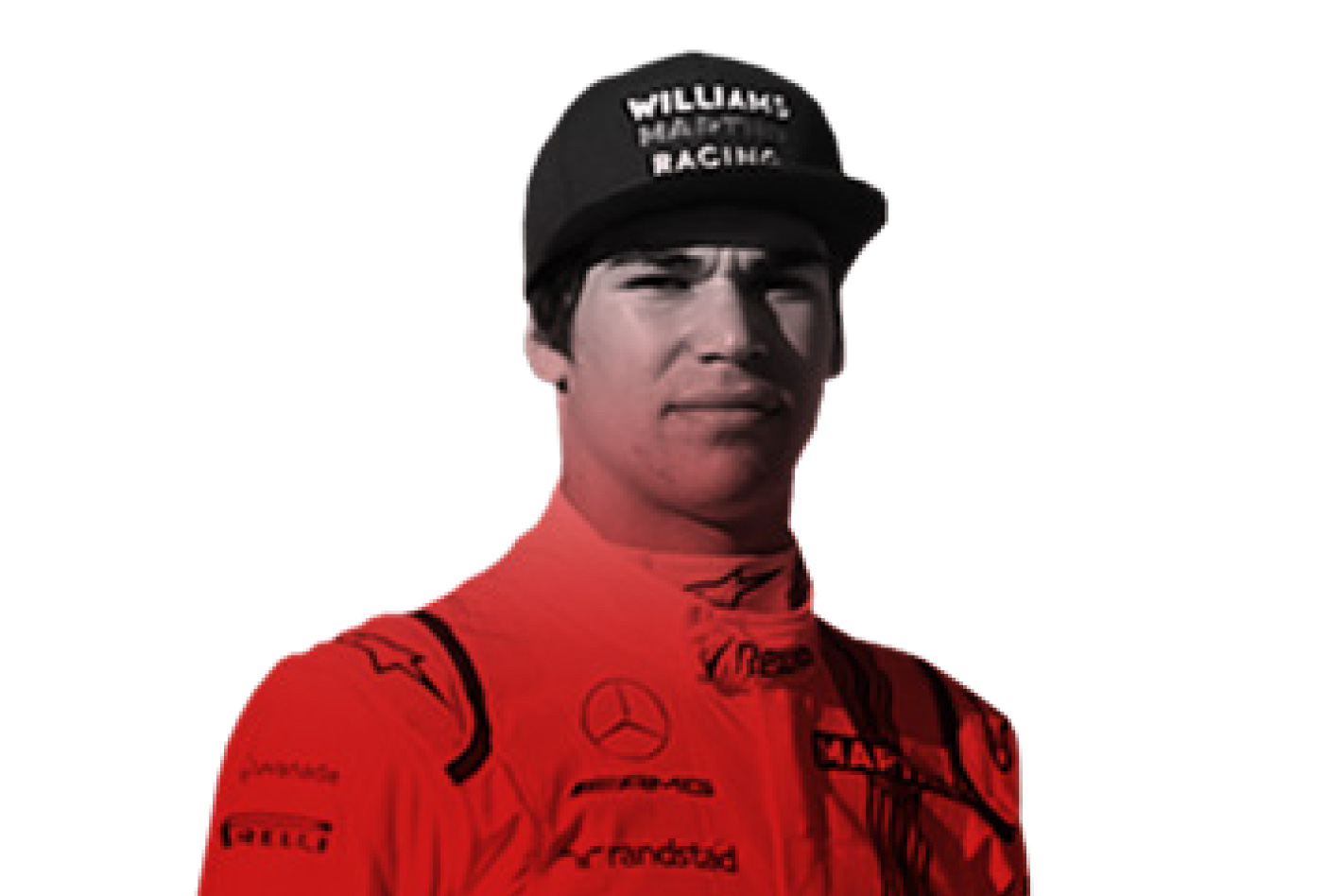
Debut Grand Prix: Australia, 2017 Age: 18 years, four months, 26 days. Like Norris, a wealthy background has greased the wheels of Stroll’s F1 career but he has an enviable record in junior formulaE, including titles in F4 and F3. He was initially spotted by a Ferrari talent scout.
1. Max Verstappen

Debut Grand Prix: Australia, 2015 Age: 17 years, five months, 15 days. The youngest of F1’s early starters: super-aggressive Verstappen is the sport’s only 17-year-old driver to date. He’d already raced in 14 GPs by the time he passed his road-car driving test.
On the surface, it all looks like a beautifully executed, surreally perfect sunny day with seven of the world’s most desirable cars and an amazing array of the most style-aware judges in Australia. And for the most part, the 2019 WhichCar Style Award is just that – a celebration of the very best examples of automotive design from around the world.
The Award – which we preview here – features cars from Alfa Romeo, Range Rover, Alpine, Audi, Jaguar, Ford and Toyota – and we’ll announce the winner at the 2019 Australian Motoring Awards on January 30.
Of course, underneath the elegant black swan gliding majestically across unruffled waters is a pair of legs furiously paddling as fast as possible… and so it is with any awards judging process.
We sent our own Aiden Taylor in behind the scenes to not just get a low-down on the cars and the judging process, but he also reveals the far less stylish side of the Style Awards!
Apparently if you can’t be with the one you love, you love the one you’re with. Except when it comes to cars, though. Instead of buying, for example, a BMW M2 Competition for a just-on six-figure sum, why not snare a quartet of rear-wheel drive offerings instead?

Here we’ve chosen not just four different powertrains – naturally-aspirated four, inline turbo-six, atmo flat-six and V8 – but very distinct and distinguished characters.
One is best as a daily driver, the other for a track-attack, another for a sunny day on a tight mountain pass and then one to demolish cross-country kays. That’s a lot of ability for just on a hunge.
1. 2013 Subaru BRZ – $15k
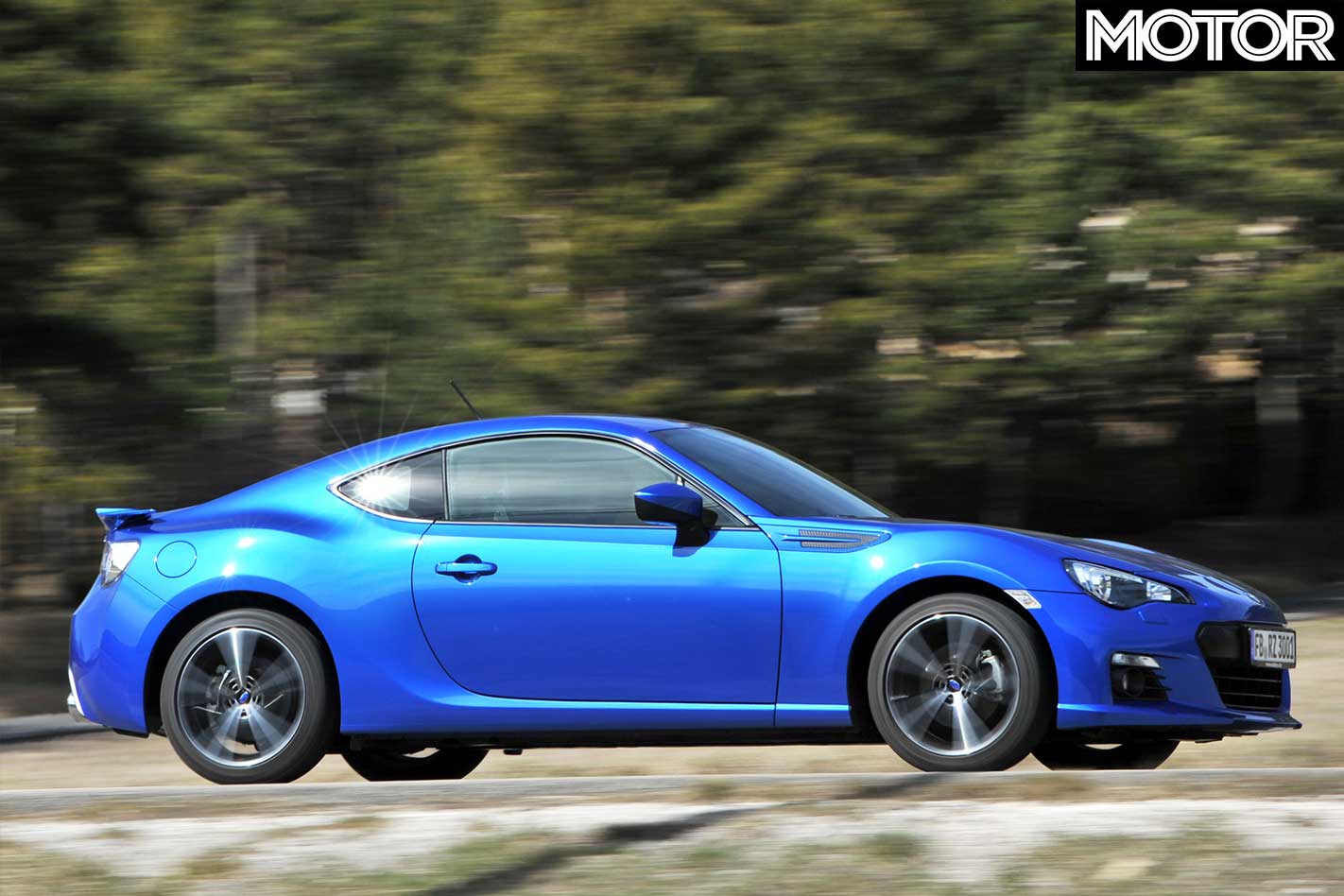
We’ve only chosen the BRZ here, and not its Toyota 86 near-twin, because it was specified right in between the latter’s GT and GTS model grades. So you scored the better interior and 17-inch tyres, without leather and heated seats, basically. Anyway, these five-year-old coupes are now ducking under $15K, and that’s so good.
The 147kW 2.0-litre boxer four might not be the best daily, but it’s rev-happy and the delightful six-speed manual is perfectly suited to keeping the tacho needle in a flutter. Superb steering and chassis balance are BRZ/86 hallmarks – fit a set of great tyres and go for laps for days knowing that, being a Toyobaru, it won’t go wrong.
2. 2013 BMW M135i – $25k
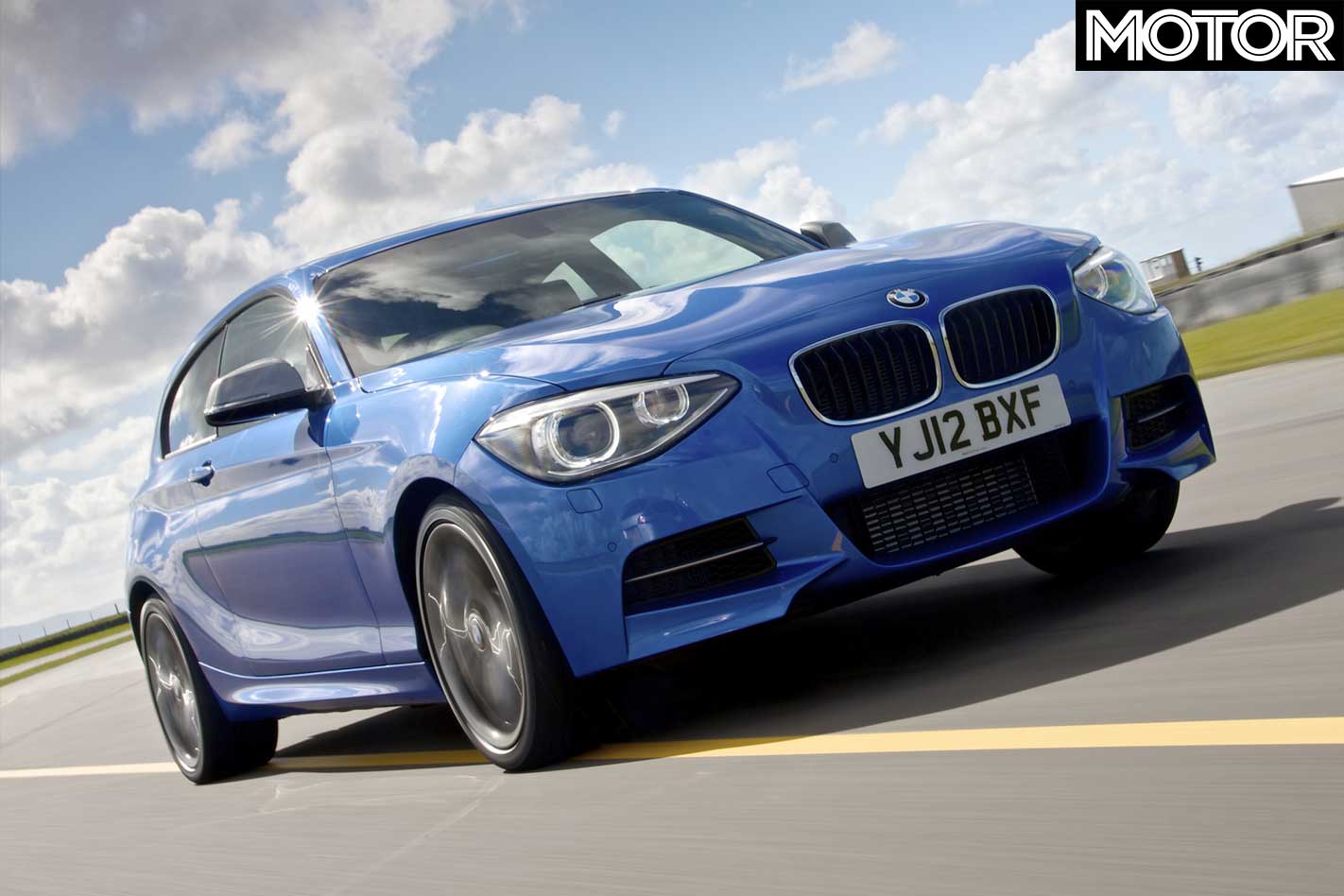
Meet one of the best all-rounders for this money. Even the eight-speed automatic (though we’d still choose manual) is a fine fit with the 3.0-litre turbo six-cylinder that made 235kW at 5800rpm and 450Nm from 1250rpm all the way until 5000rpm. Yep, we know, in a hot hatchback that weighs 1445kg, or about VS Commodore mass…Especially with optional adaptive suspension, and ideally with the circa-$5K-optional limited-slip diff, an M135i can be both hugely fast and enormously fun on a twisting country road. Yet with modern infotainment, relaxed urban manners, comfortable seats and badge-snob credibility, it is the rear-driver that’s all things to everyone.
3. 2006 Porsche 987 Boxster S – $30k
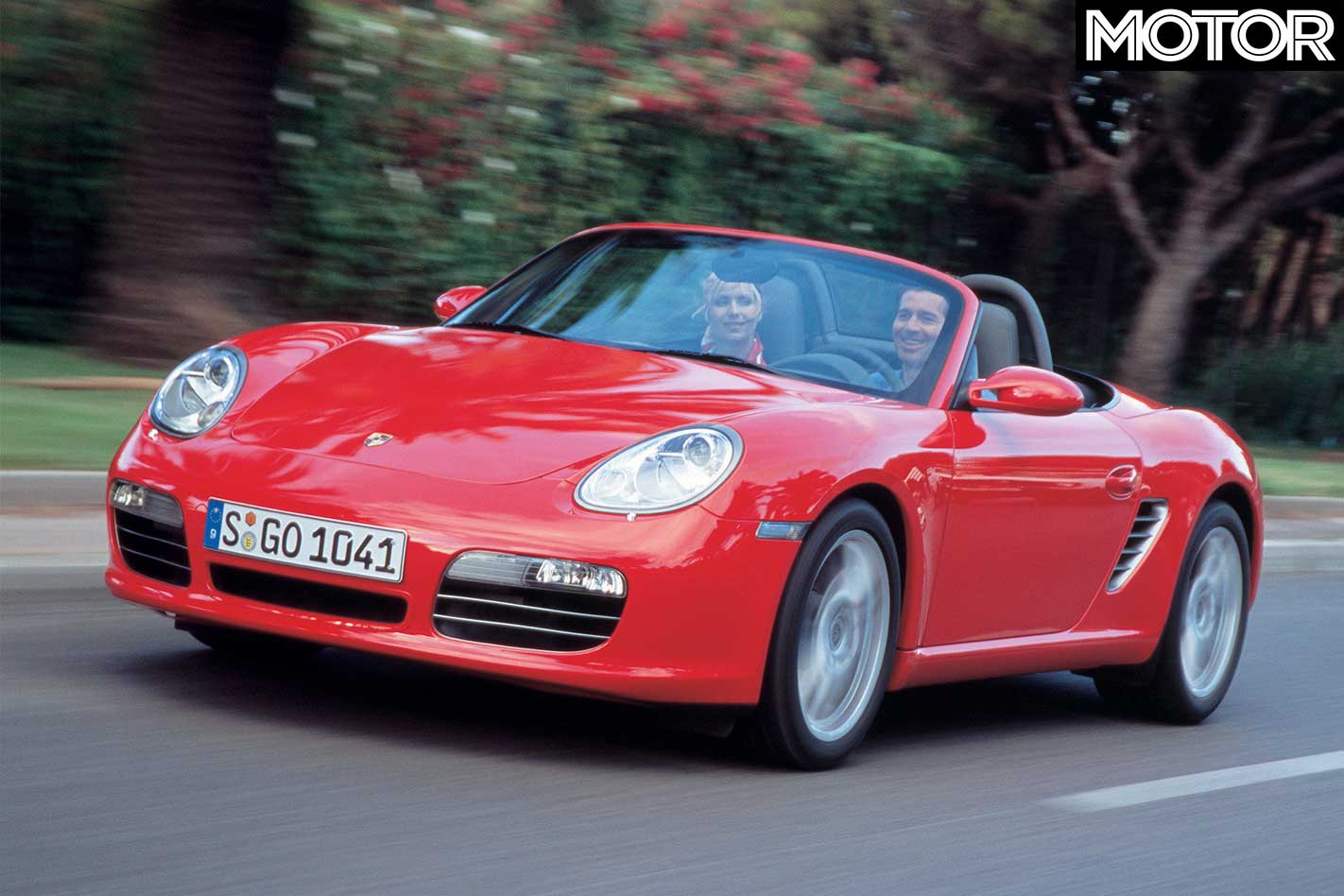
Steering perfection. Superb mid-engined balance. A Porsche boxer six with 206kW at 6200rpm and 320Nm from 4700rpm until 6000rpm, good for a 5.5sec 0-100km/h in a 1420kg roadster bodystyle. All for $30K. And that’s all you need to know, right?Not only can you get the 987 generation of compact German rear-driver in base five-speed manual form for Polo GTI money, but this S version with the better six-speed manual is quick enough to dispatch with any similarly priced hot hatch in a straight line or through corners. As affordable weekend indulgences go, it doesn’t get any better.
4. 2007 Mercedes-Benz E63 AMG – $30k
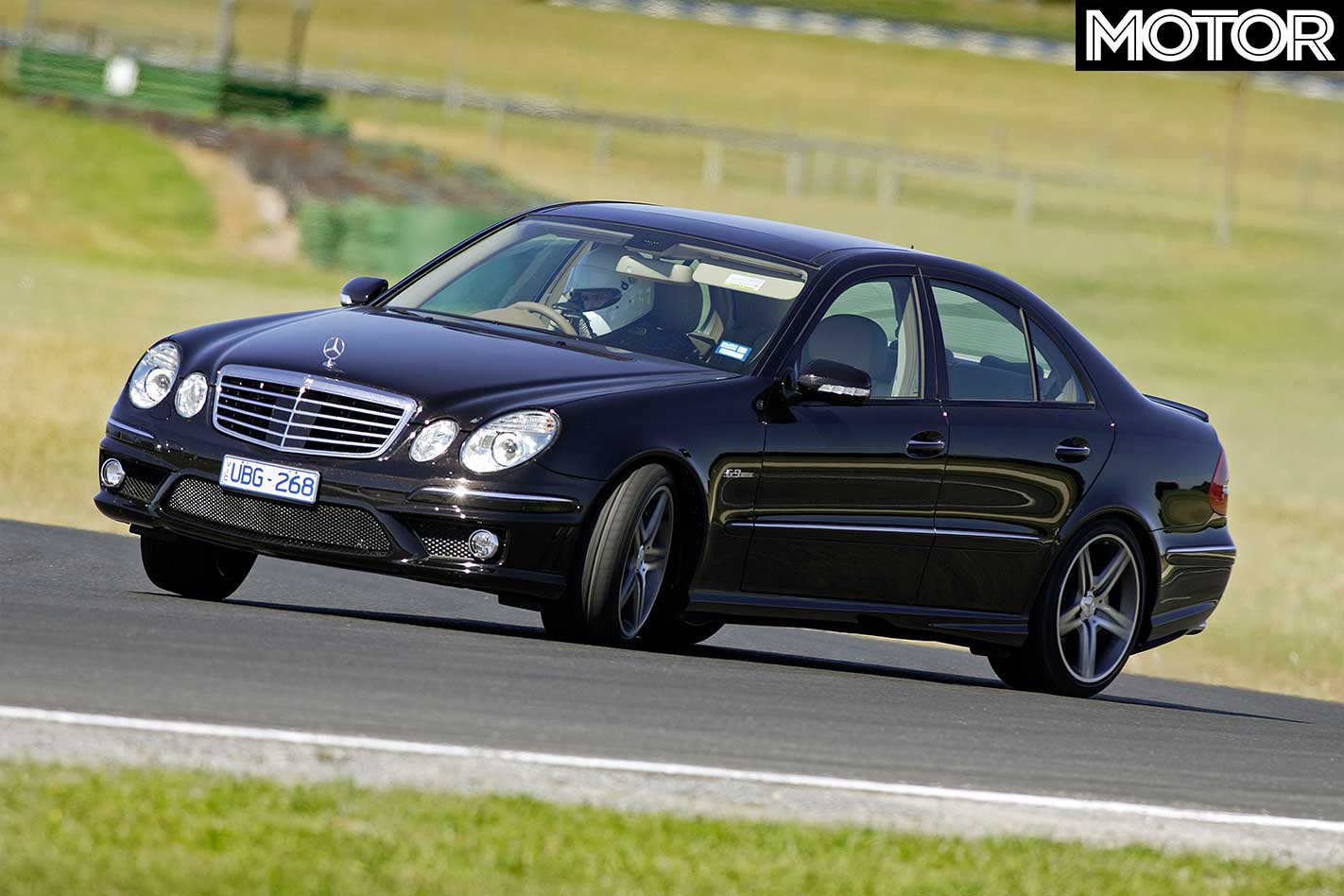
Take all of the above, flip it and reverse it. The quickest car of this quartet is this 4.5sec 0-100km/h, 6.2-litre V8-engined brute that weighs 1840kg, with 378kW at 6800rpm and 630Nm at 5200rpm. And even a decade ago it had a seven-speed auto.It couldn’t be any more different to the petite boxer Boxster, yet these days an example from the same year starts at $30K. It sounds good, rides well, is stacked with the usual Benz leathery luxury and will comfortably seat five.
HQ to Bourke and back – April 1972
HOLDEN’s failure to win COTY with the HQ didn’t prevent us from acquiring a long-term Kingswood, carefully optioned by us, for what we called a ‘Wheels consumer test’.
The highlight of our time with DBQ-714 was a marathon drive from Sydney to Bourke and back. Our intention was not to break speed records, or set a high average speed, but rather to see if it was possible to drive 1000 miles in a day, with enough time for lunch and photography. After departing at 4am, we returned to Sydney just before midnight, 1098 miles (1768km) later.
Our HQ had sporting pretensions. Except it didn’t drive that way. It had a wide-ratio gearbox, a slow-revving, inefficient six, low-geared (4.3 turns) and heavy manual steering, and notoriously soft suspension.
The wonderful (before speed limits) Bells Line of Road over the Blue Mountains instantly exposed the HQ’s handling flaws: body float, strong understeer and vague steering. I wrote: “Pleasant to drive slowly but requires a firm hand and big heart to push hard … The basic stability of the HQ is excellent – the problem is simply that the car doesn’t like shifting off line.”
Even by the standards of 45 years ago, neither the performance nor economy were outstanding. Still, we praised the excellent ride comfort, forward visibility (compare the HQ’s thin windscreen pillars with those of today’s Commodore), fine bucket seats, body solidity, superb dust sealing and terrific flow-through ventilation.
Yet it took six years and major suspension corrections before Wheels truly appreciated Holden’s beautiful HQ-HZ range.
VL Director vs Europe – December 1986
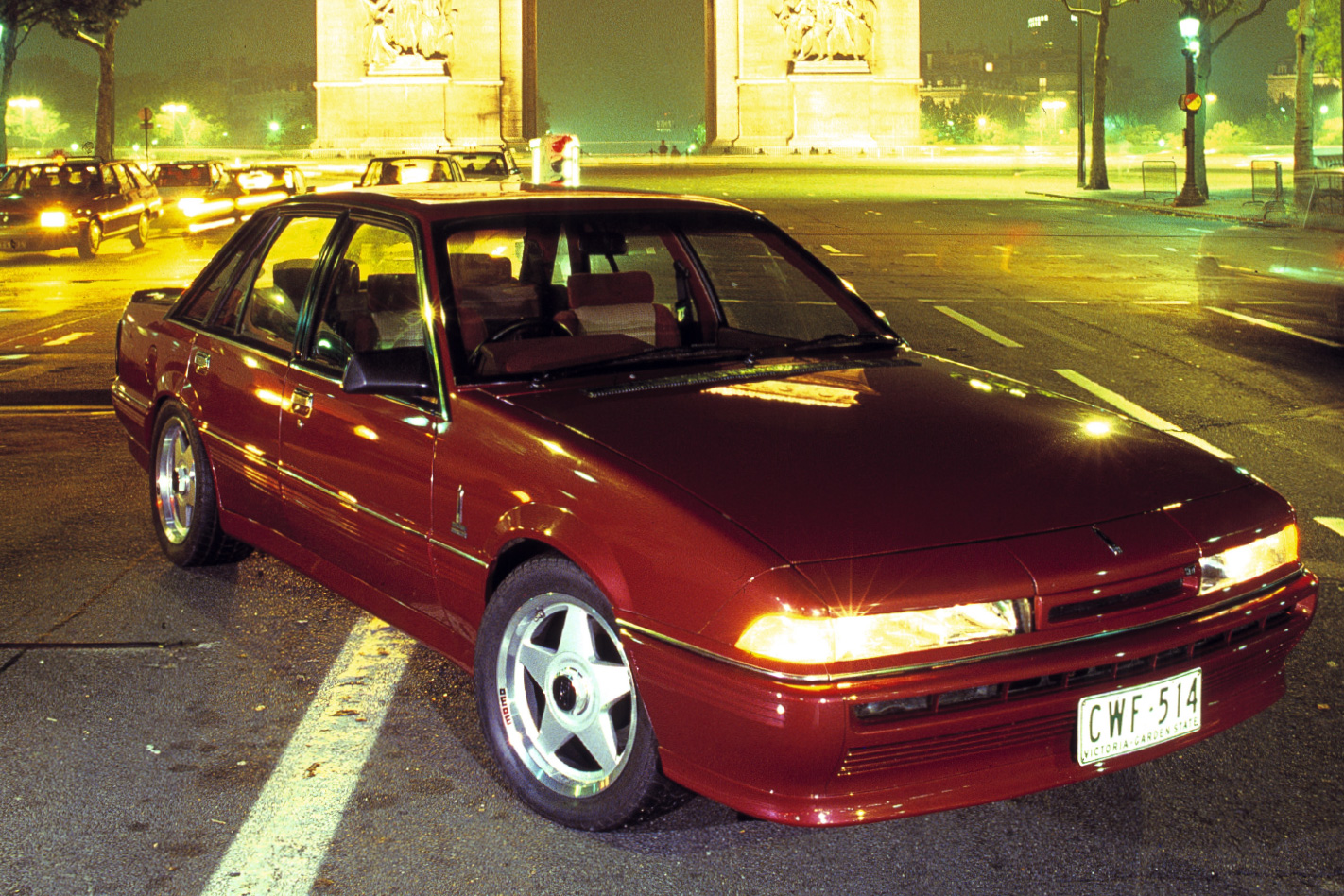
THAT THE HDT Calais Director was named after “an indifferent French Port,” in Robbo’s words, did not fully explain why it graced the cover of Wheels December 1986 with the Eiffel Tower looming in the background. But what an incredible image.
Wheels had shipped HDT’s ultimate performance version of the VL Commodore V8 to the UK, via France, to test “The long-held view that Brock’s Commodore could take on the Europeans.”
With a Ford Sierra Cosworth RS500 and a Mercedes-Benz 190E 2.3-16 involved, the line-up represented the contemporary World Touring Car Championship in road-going form – a precursor to Bathurst ’87 – except with an E28 BMW M5, not an E30 M3.
The cars were vastly different. “Relying on a large, lazy engine for its performance, the Calais Director was both the thirstiest and the most flexible,” Robbo observed.
Despite the immense effort invested in transporting Australia’s Finest across the globe, Wheels was far from parochial:
“It doesn’t feel as quick as the Ford or BMW,” said Wheels contributor Gavin Green. “It’s heavy, more difficult to move off line, the brakes are spongy and it understeers.”
The Director’s “styling, ride and handling all reflect a long history of adding-on to a design which basically is now nearly a decade old,” said Robbo, adding that its “shortcomings are the most obvious.” “The stopwatch doesn’t lie,” he concluded. “Europe, it seemed, had rolled back the Aussie invasion.” Holden’s best wasn’t quite world class, but there was still time.
Trial by torture for the VN Commodore – October 1988
‘OUR TOUGHEST ever road test’ wasn’t devised on a whim. Rather, October 1988’s 21,000km, VN Commodore versus EA Falcon cover story went in search of the answer to one burning question:
“We needed to know whether, after 10 years of playing second fiddle not only to the Falcon but also the indelible memory of the immortal Kingswood, the new VN was good enough, tough enough and really big enough to put Holden back in the winner’s circle,” wrote Wheels’ technical editor, Mike McCarthy.
Emerging from the brink of bankruptcy, Holden had developed a VL successor that put an Opel Omega/Senator body on a stretched and widened version of the old car’s platform. And clearly, Joe Public wanted answers. “Break the bastards! That’s what the man said when he learned Wheels was testing the VN Commodore and EA Falcon,” Micmac relayed.
The trip took in a huge, C-shaped loop, inland from Southport in Brisbane, then south via Birdsville, and skirting Broken Hill to Sydney via the ACT.
When the red dust settled, Micmac had this to say: “We tried … but the bastards wouldn’t break. We gave ’em heaps, flogged ’em through the dirt, stone-washed their bellies and muscled ’em through the mud. Though bruised here and battered there, they took everything we and the outback threw at them. We can’t think of many other standard models we’d try to drive so far, so fast, so hard with such confidence.
“They really are built for Australia … but one is better than the other.” The VN.
HSV SV5000 in Europe – June 1990
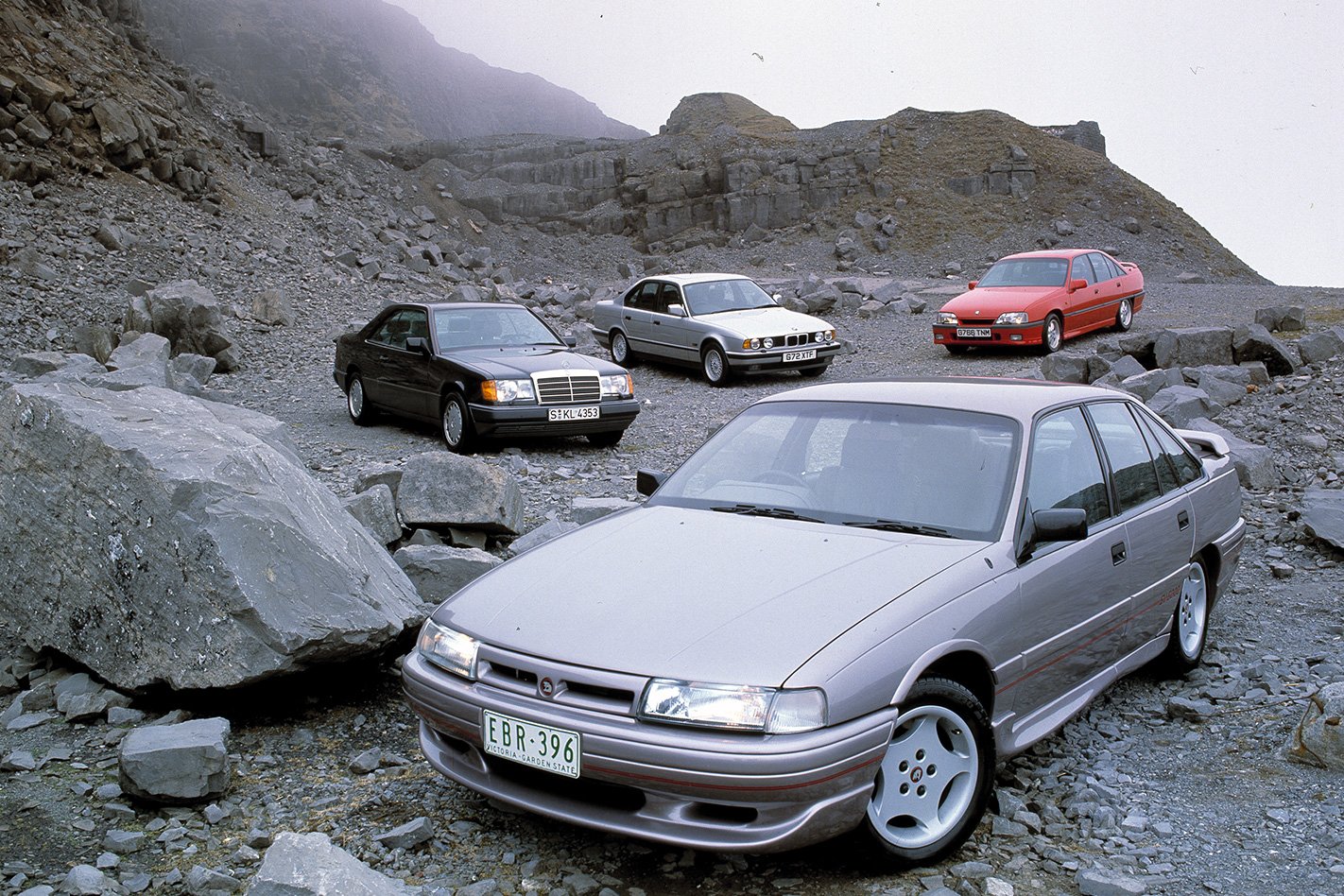
YOU DIDN’T have to read to the end to get the gist.
Wheels’ second instalment of An Aussie Abroad revealed on the opening spread that “Australia’s SV5000 out-performed three sweet Europeans. But the raw lump from Down Under lacked a little refinement.”
A familiar conclusion, perhaps, and certainly a parallel for the Aussie character itself – rough, yet endearing – and that’s how HSV’s SV5000 had charmed us up to that point.
For our June 1990 cover story, we made for the Mother Country with something to prove. As author Robbo put it, “when you have the hottest V8 automatic to come out of Australia, the temptation is overpowering. Not just to compare it with Europe’s best – but to do it on their turf.”
The cast included sports/luxury sedan cornerstones from BMW (E34 535i) and Mercedes-Benz (W124 300CE-24), while a Vauxhall Carlton GSi provided the Pommy context for our (Opel-derived) Commodore.
Things got off to a good start. “European high-tech is no substitute for Australian cubic inches,” Robbo exclaimed.
The SV5000 blew its rivals away down the standing 400m, laying down a 15.3sec time. “None has an answer for the immediate acceleration of the Commodore, the product of instant torque from a rumbling V8”.
The fact the SV5000 was not considered the dynamic standout was no surprise. But the conclusion still rings true in today’s VFII Commodore. Mused Robbo: “If I wanted to drive any of these cars for pure pleasure over a demanding road I’d have no hesitation in choosing the fearless Commodore. Refinement and finesse can sometimes go too far.”
VT SS to the US – July 1998
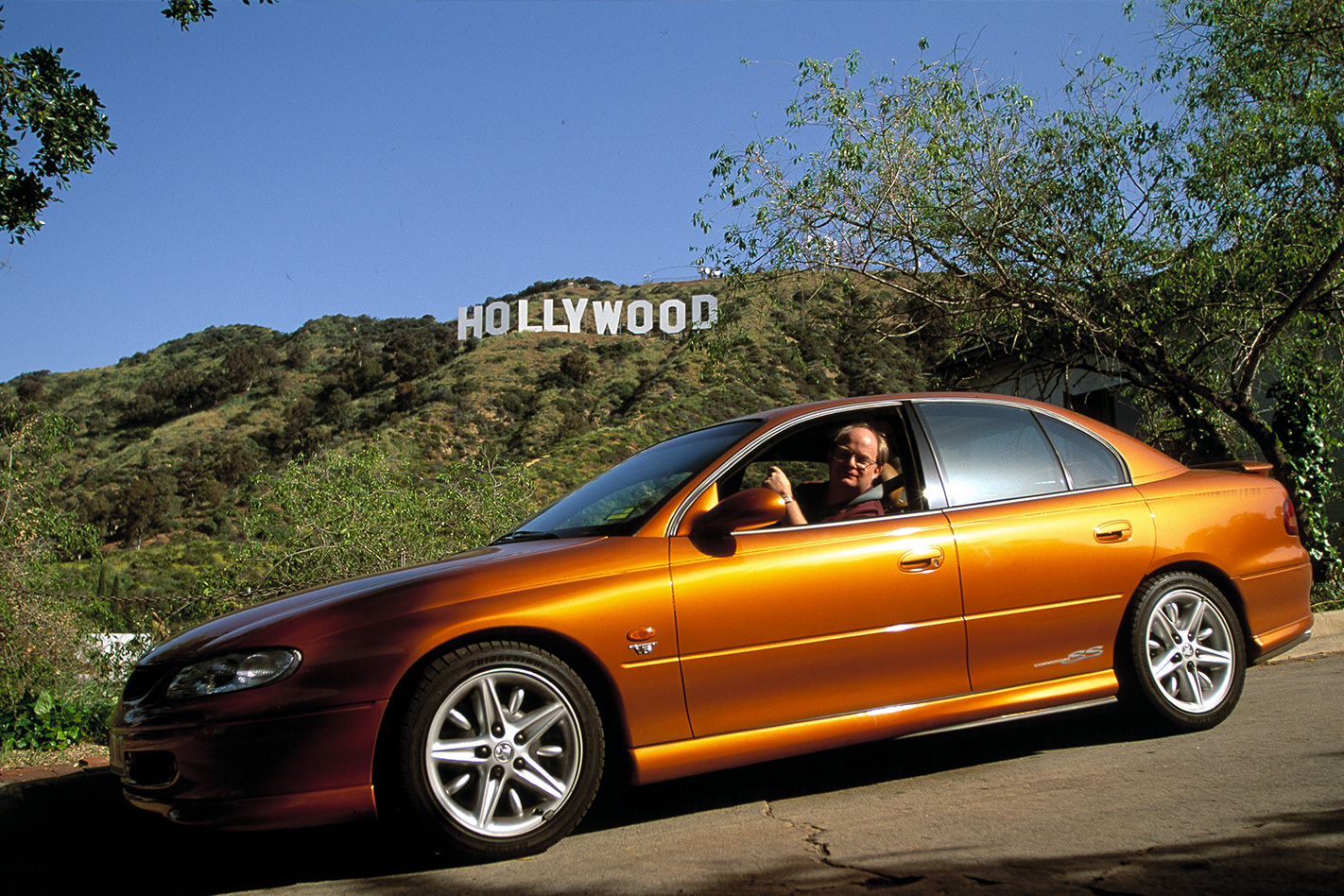
‘THE young lady was eyeballing the car … “It’s a family car but it’s not like the sort of family cars you usually see. It’s sportier like a [Pontiac] Grand Prix, only better looking. I don’t care much for four-doors but I’d buy one of those.” Maybe there is a market for Holdens in the States.’
The subtext had shifted by the late-’90s, and ‘Wheels Takes on the World Part III.’ The message wasn’t so much ‘we can build a better car than them’ but more precisely, ‘we can design and build a competitive car for them.’
And so Wheels July 1998’s LA to New York epic was born, aboard a one-of-a-kind supercharged VT Commodore SS.
The young waitress knew her cars. “If there’s an American version of the supercharged Commodore SS, Pontiac’s [front-drive] Grand Prix GTP would certainly be it,” wrote long-time Wheels correspondent Bob Hall.
According to the Road & Track in LA, VT’s ride/handling compromise was “quite nice”, with a “tautness that keeps everything under control during spirited driving. Around town and on the freeway, the ride is supple and nicely damped when going over culverts and bumps.”
Yep, Aussie engineers already knew that an absorbent ride and good body and wheel control were not mutually exclusive, though it wasn’t until later that GM discovered and tapped its antipodean talent for the global good.
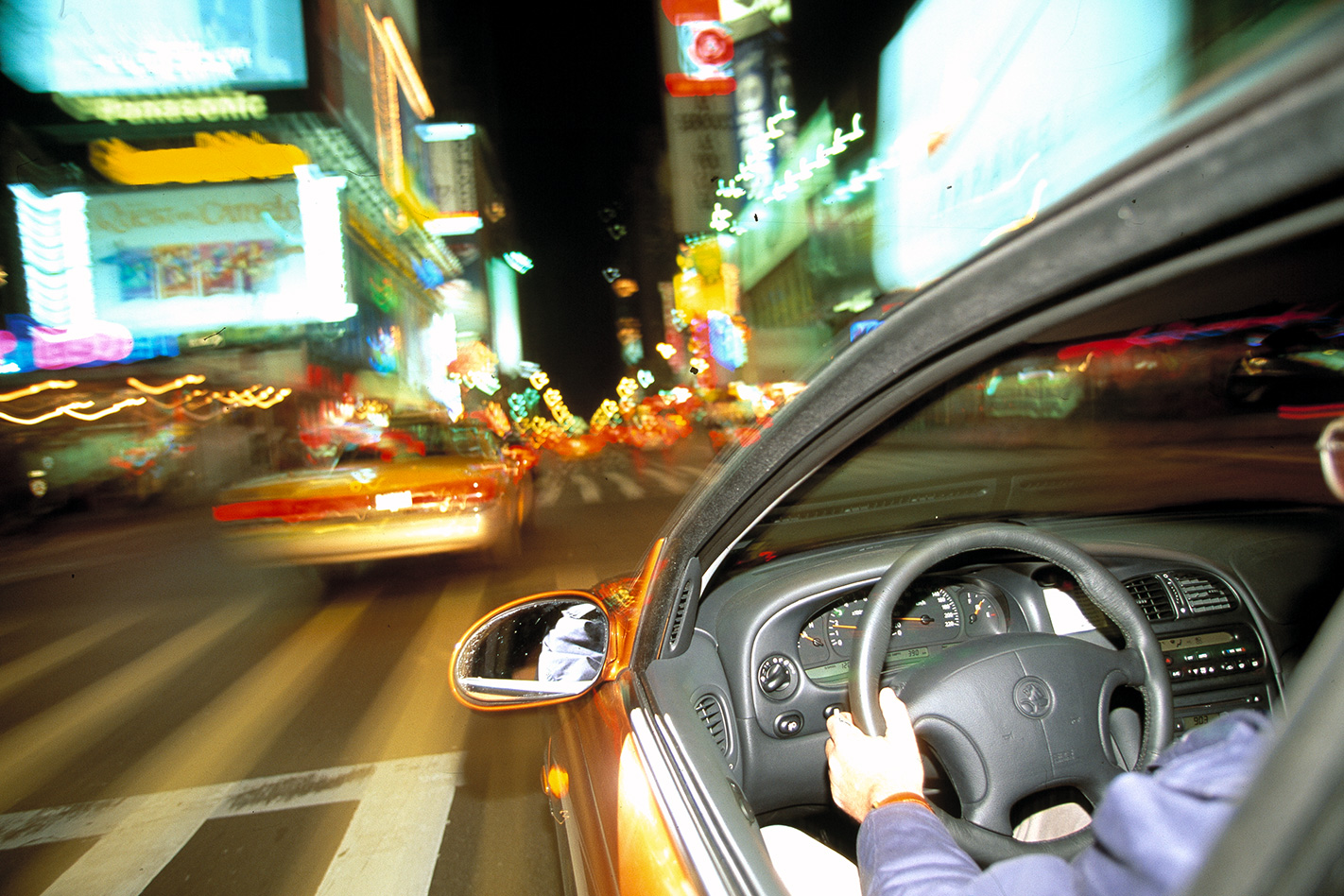
In New York, praise was delivered with a thick Brooklyn accent. “Hey buddy, what kinda car is that?” “A Holden Commodore.” “Yeah? From Australia? I’ve never seen one. Man it looks really great! They oughta sell it here.”
But in the United States it would nonetheless remain a “forbidden pleasure. Victoria’s Secret, if you will.”
VE Range to Broken Hill – September 2006
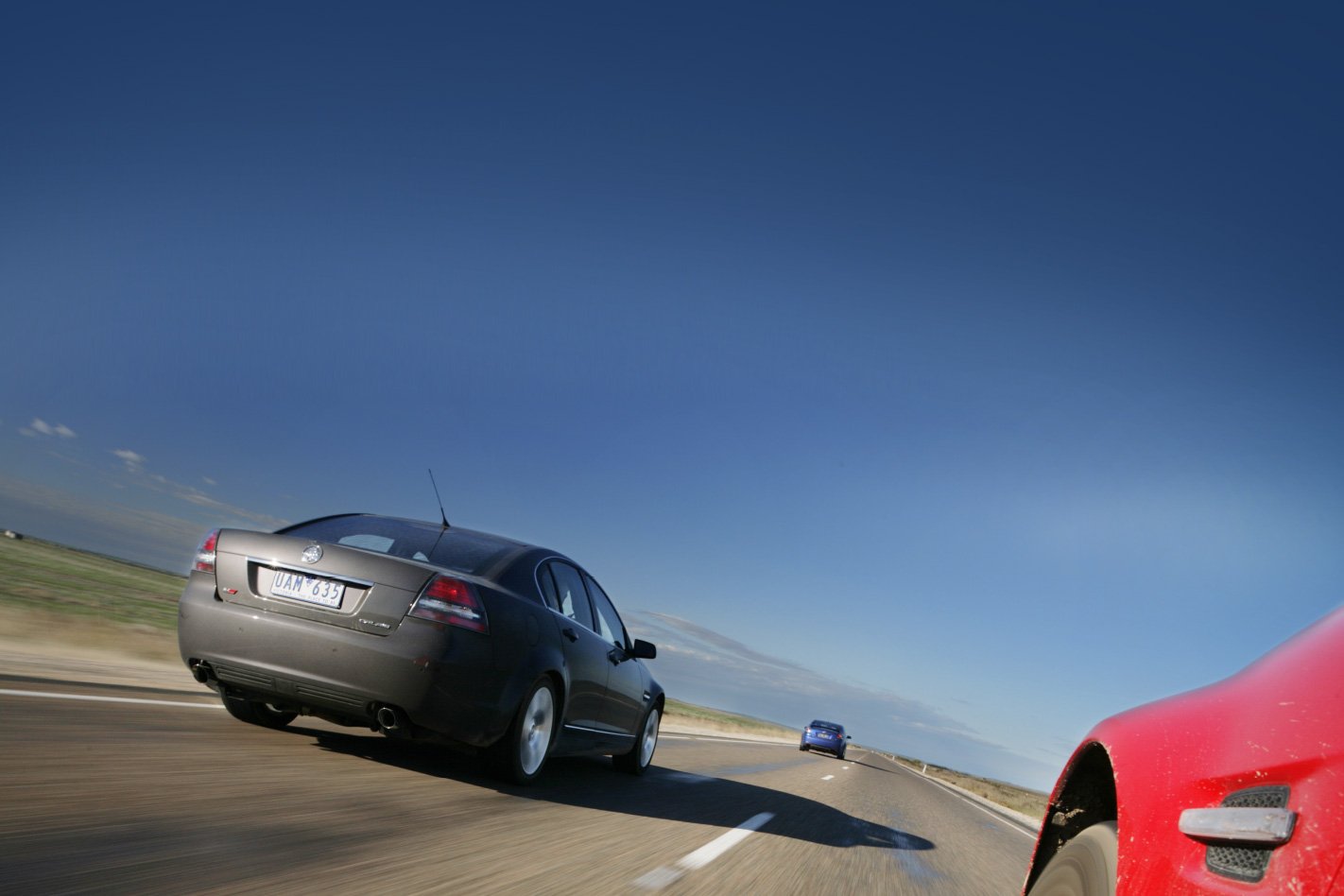
It’s impossible to comprehend now, but back when we tackled our VE drive 12 years ago, there were no smartphones and social media was barely in its infancy. As far as we knew, not a single image of our pre-launch VE thrash was uploaded onto the web. Hell, I wasn’t even on Facebook.
With only Thomas Wielecki’s fastidious attention to photographic detail holding up progress, Robbo, Carey and myself flogged a red Commodore Omega, a grey Calais V V6, and a blue SS-V from Lang Lang to Salmon Street, Port Melbourne, via Broken Hill in NSW and Holden’s Elizabeth factory in South Australia. Five big days and 3300 unforgettable kays.
A bunch of highlights remain etched in my memory about that trip. Like hammering into Broken Hill in darkness, myself bringing up the rear in the SS-V at more than 160km/h trying to keep the other VEs’ tail-lights in view. Or the indicated 223km/h we managed to squeeze out of the four-speed-auto Omega on a closed road in outback South Australia. And Thomas and yours truly rocking out to a disco radio station as we neared Adelaide’s outskirts. Stupidly, I’d packed only two CDs (remember those?) – Lenny Kravitz’s ‘Mama Said’ and Franz Ferdinand’s first album – and by day four we were thoroughly jack of both.
Any issues we had with those early VEs – patchy drivetrain refinement, tyre roar from the 19s, and the V8’s lack of burble – were gradually exorcised over the years. But so has the luxury of being able to ‘escape’ from the world. No phone reception, no video crew, no web deadlines. Just us, three unreleased VEs and Australia’s vastness.
Let it not be said that 2018 was a quiet year at WhichCar.com.au. Over the course of 12 months, our army of expert journalists published an incredible 685 new car reviews.
Some cars we were happy to give back, others we struggled to hand over the keys and, in a handful of cases, returning the car was so traumatic that the author bought one of their own.
It’s fascinating to see the articles you – our readers – found most interesting and useful. Just one passenger car review featured among nine SUV and ute stories in the top ten. Here are the most popular car reviews of 2018.
With more than 24,000 sets of eyes reading our number-one review, the Mitsubishi Outlander generated a significant amount of attention. And the Japanese go-anywhere SUV is not just popular on our web pages.
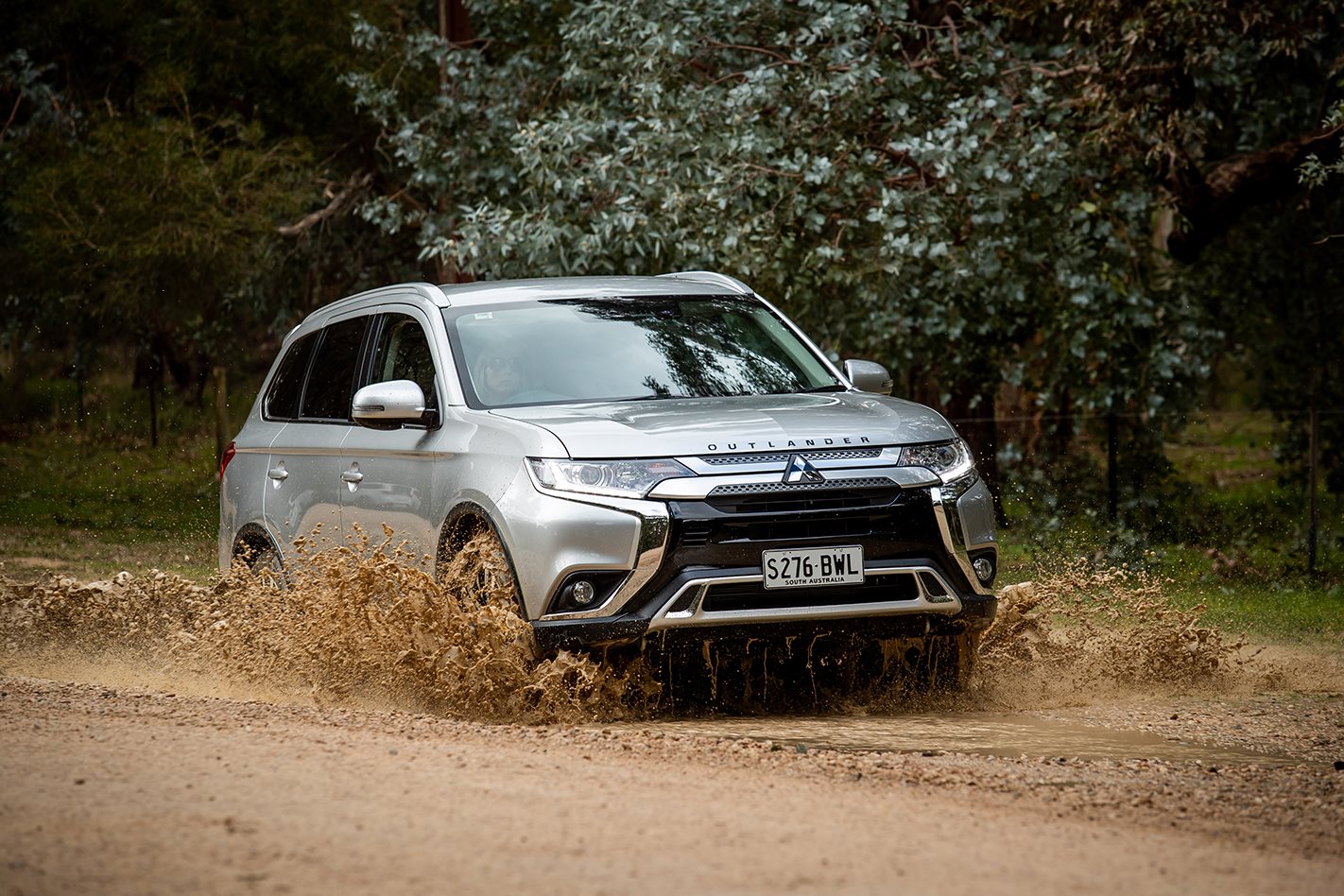
As one of the few mid-sized models to offer seven seats and some compelling value deals, the model is popular with buyers too and ranks eighth in overall mid-sized SUV sales this year.
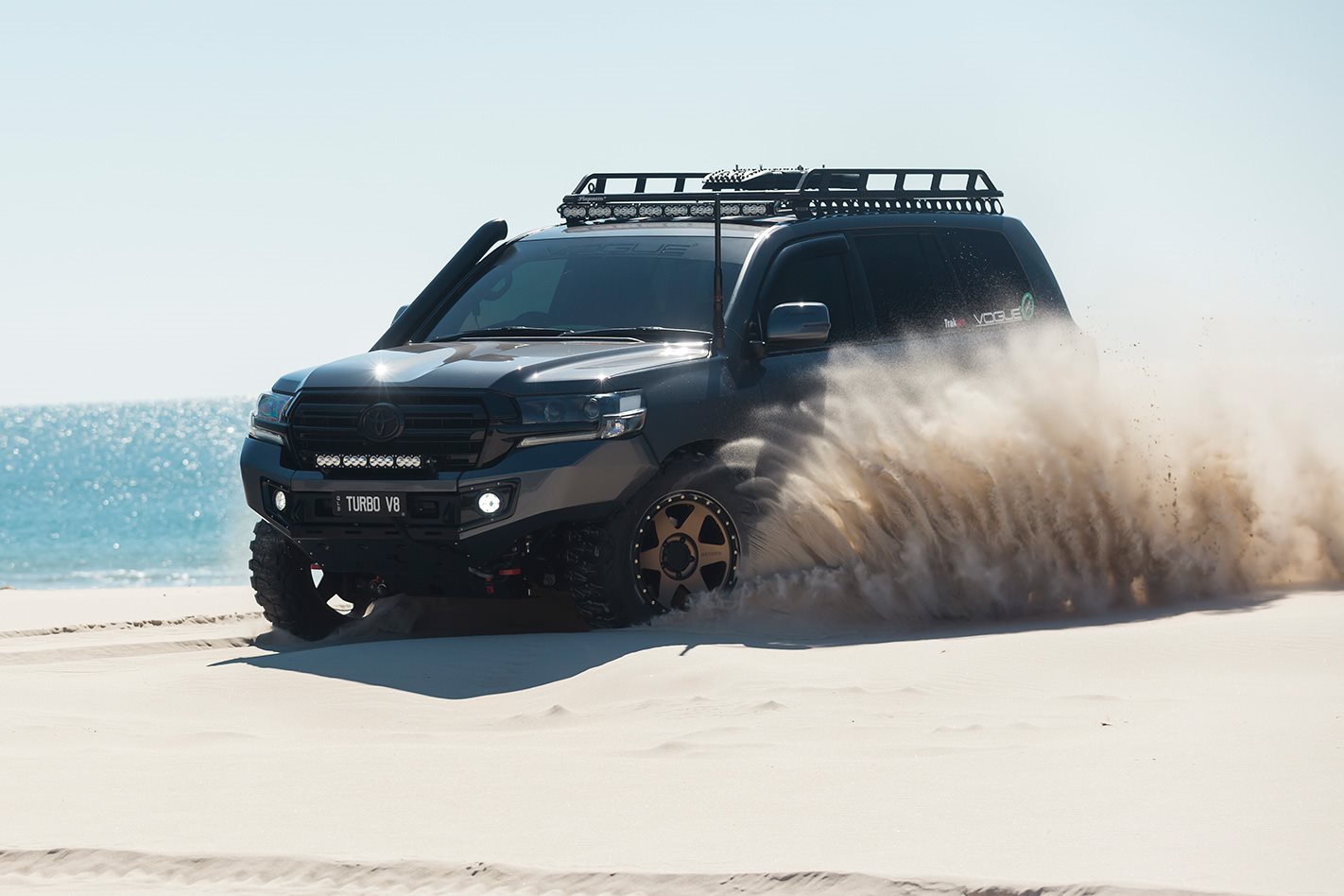
Second and third places are occupied by the universally popular Toyota Landcruiser. When 4×4 got its hands on a mean looking customised version of the 200 Series, you flocked to see its intimidating front end, heavily modified chassis and tuned turbo V8.
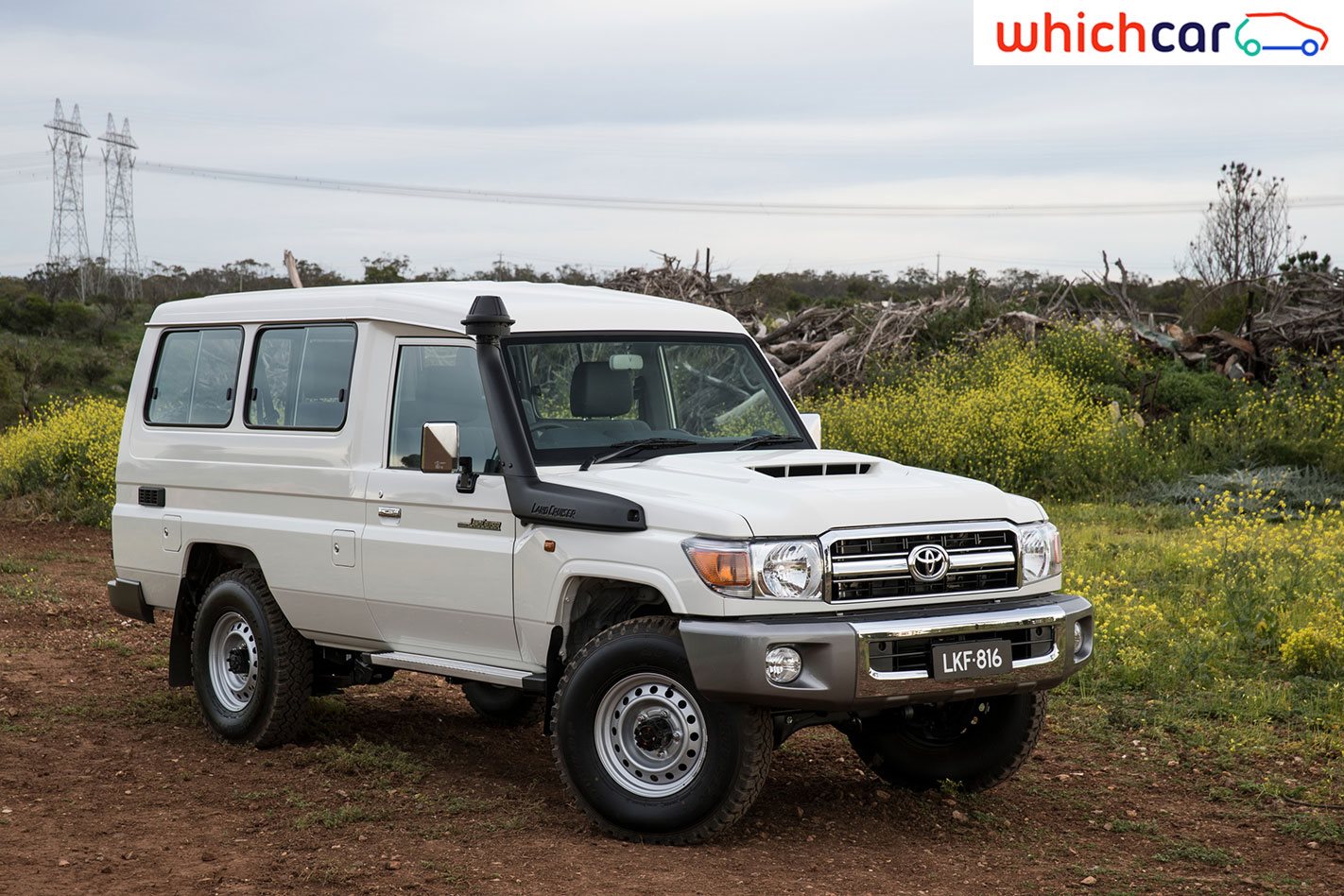
And it’s the same story for the venerable Toyota LandCruiser 70 Series, which sits in third place. Its core design has remained essentially unchanged for decades, but that doesn’t stop Australians admiring and buying the boxy Landcruiser in droves. Could it be the most Australian car that isn’t actually Australian?
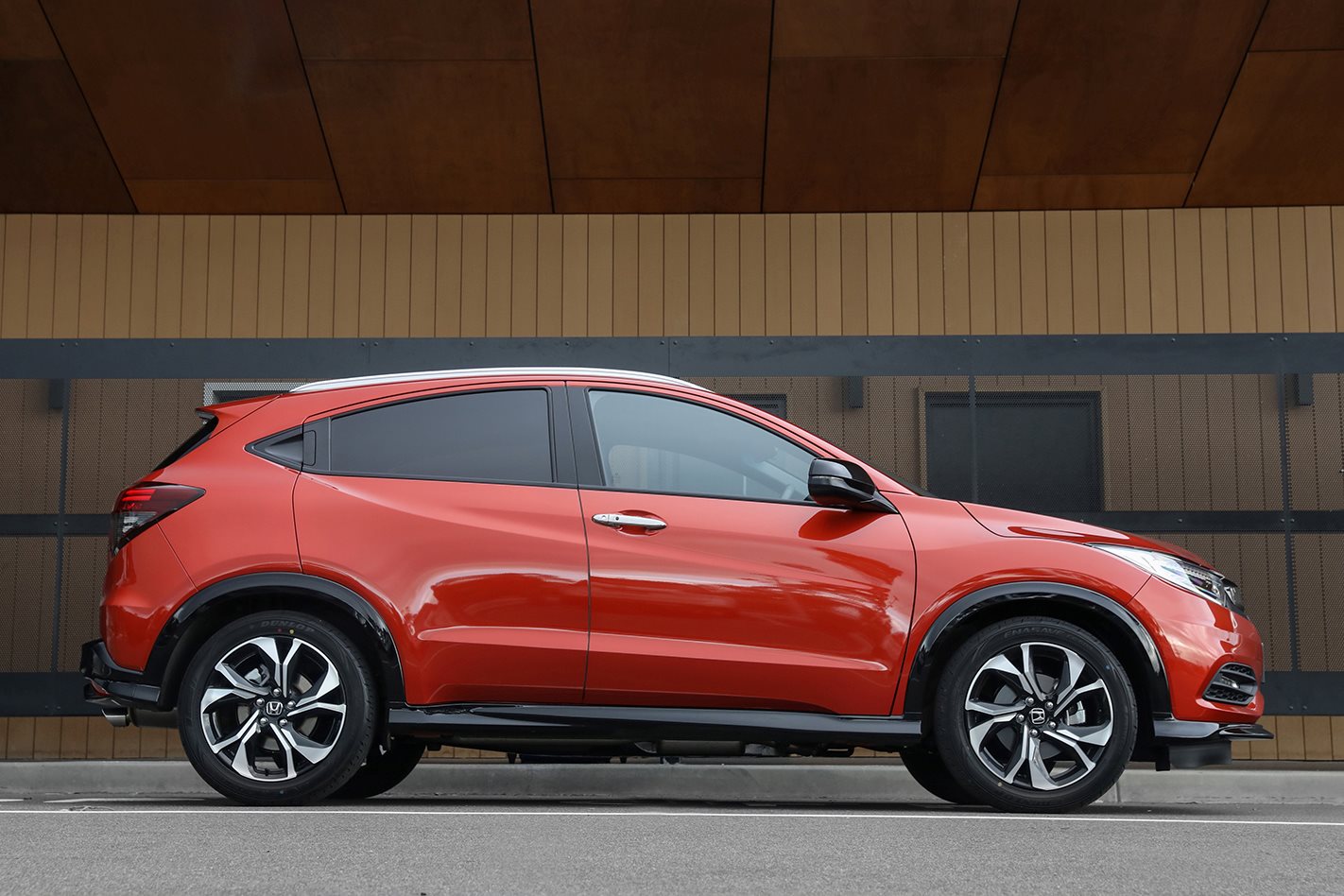
After a period of lacklustre sales and ailing popularity, Honda needed a saviour model and it got it in 2015 in the form of the Honda HR-V small SUV. Sustained strong sales and interest in the little high-rider since its launch has kept a steady stream of readers coming to this range review ever since, placing it in fourth position.
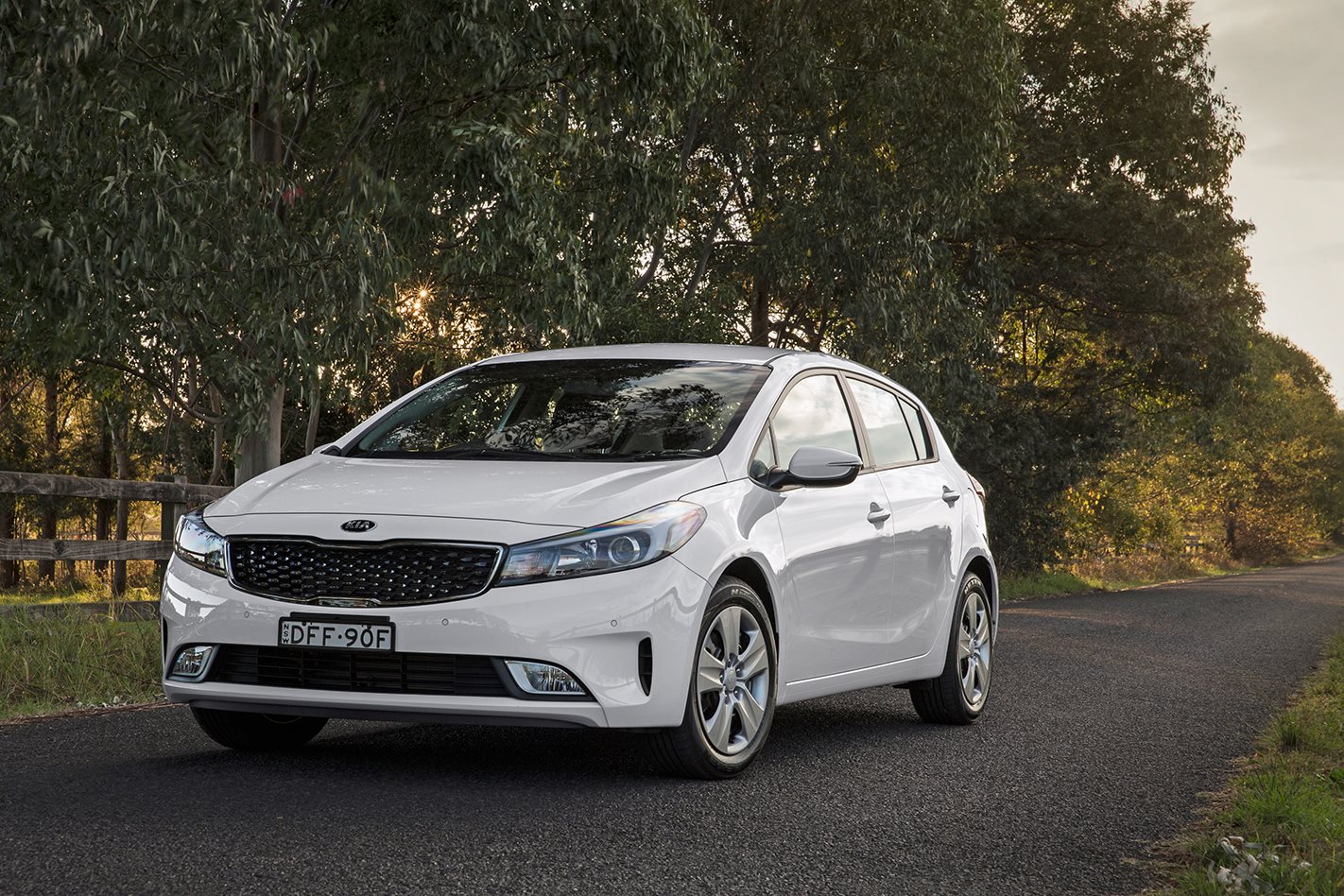
It might be ranked fifth, but our Kia Cerato range review is the only one in the top ten to feature a passenger model. Australians love the small hatchback and sedan from South Korea for its familiar nameplate, dependability and value package.
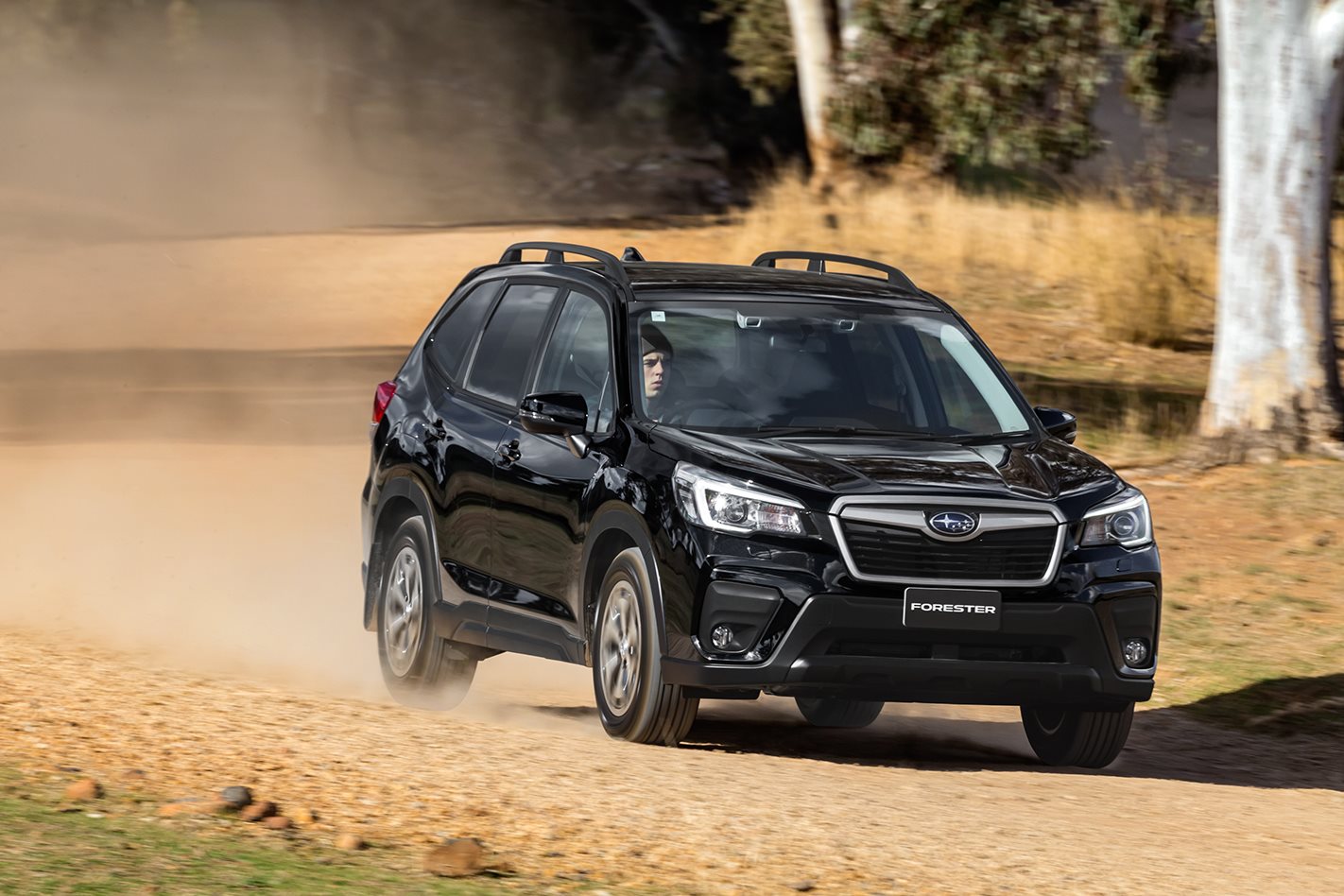
Can you believe the first Subarus available in Australia were sold out of farm machinery retailers? Since then, the Japanese brand has come a long way and part of its popularity is thanks to the most off-road focused model of its portfolio – the Subaru Forester.
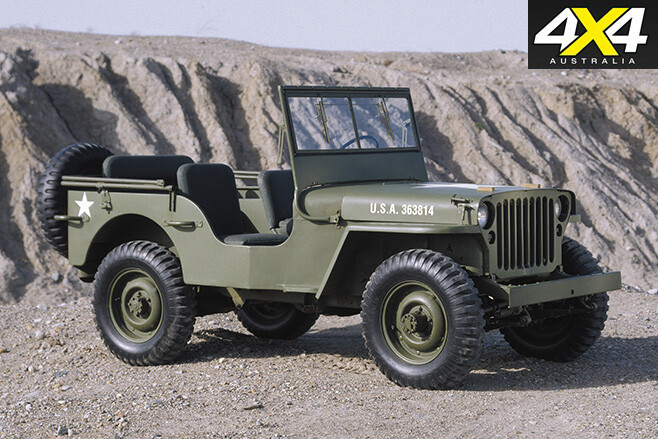
Even though a look back at the best four-wheel drives of the ages was published in 2015, it continues to be one of our most popular reviews and was the seventh most viewed in 2018. Have a browse of the most influential all-terrain vehicles and see which ones you would add to that list from the new hardware that’s emerged in the ensuing three years.
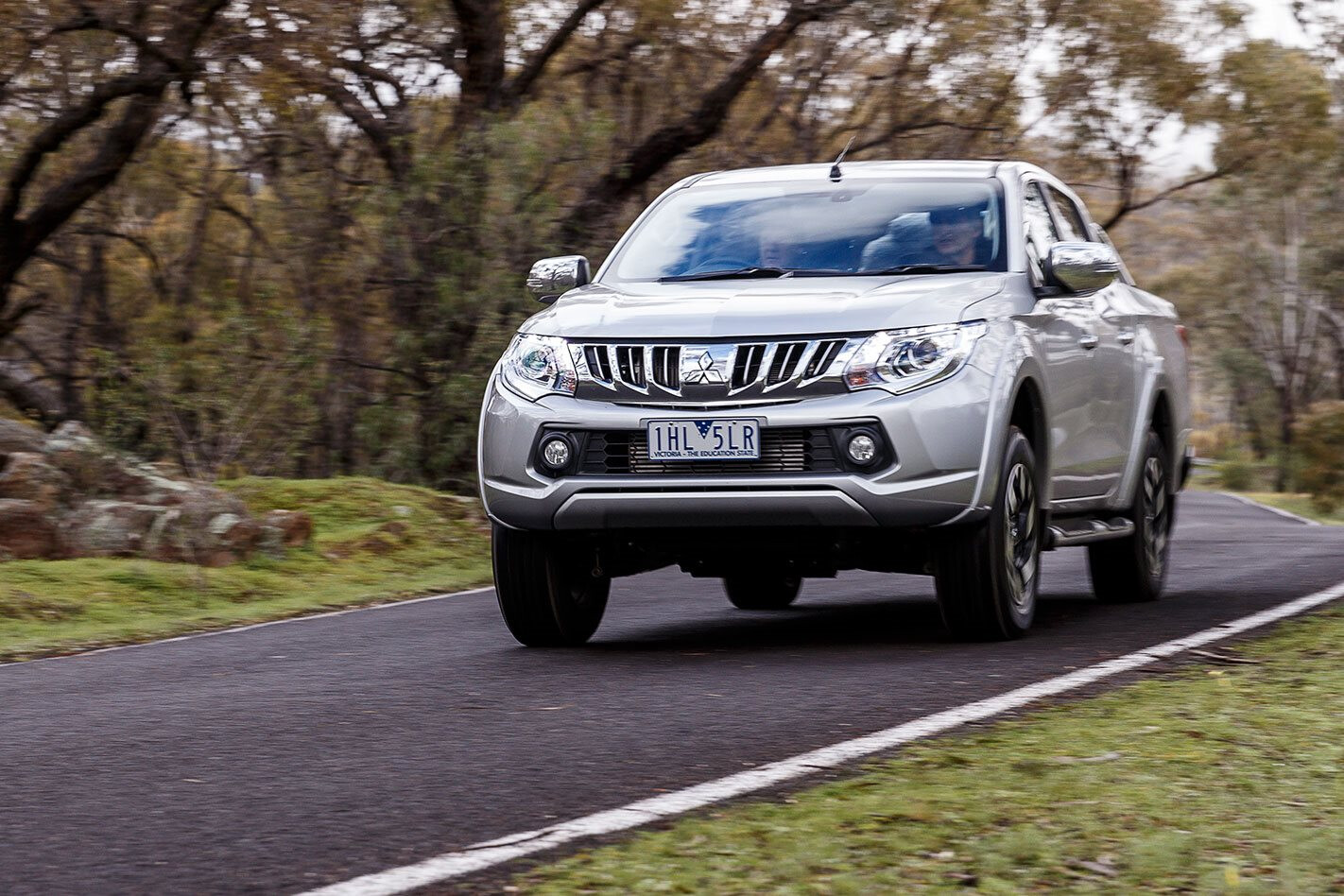
Another Mitsubishi review is placed eighth, highlighting the strong Australian audience for the Japanese brand. The Mitsubishi Triton continues to offer a comprehensively well rounded one-tonne ute that acts as the tradie’s workhorse in the week and family wagon on the weekend.
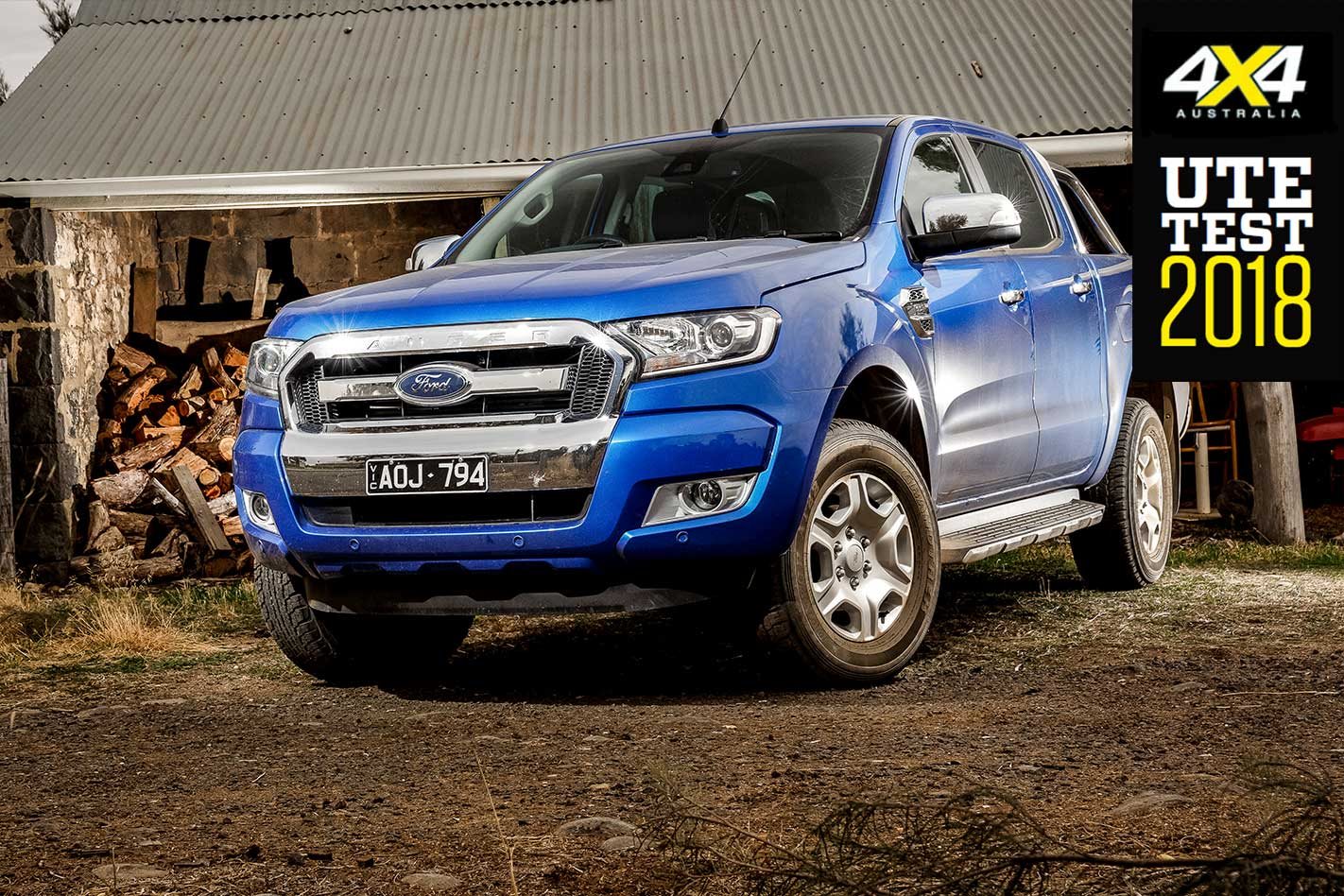
In the depths of winter and in response to unprecedented demand for dual-cab utes, we arranged a one-tonner mega test that brought together nine dual-cab ute models from all price ranges and brand representatives. Read which one reigned king of the hill here and you might be surprised at the results.
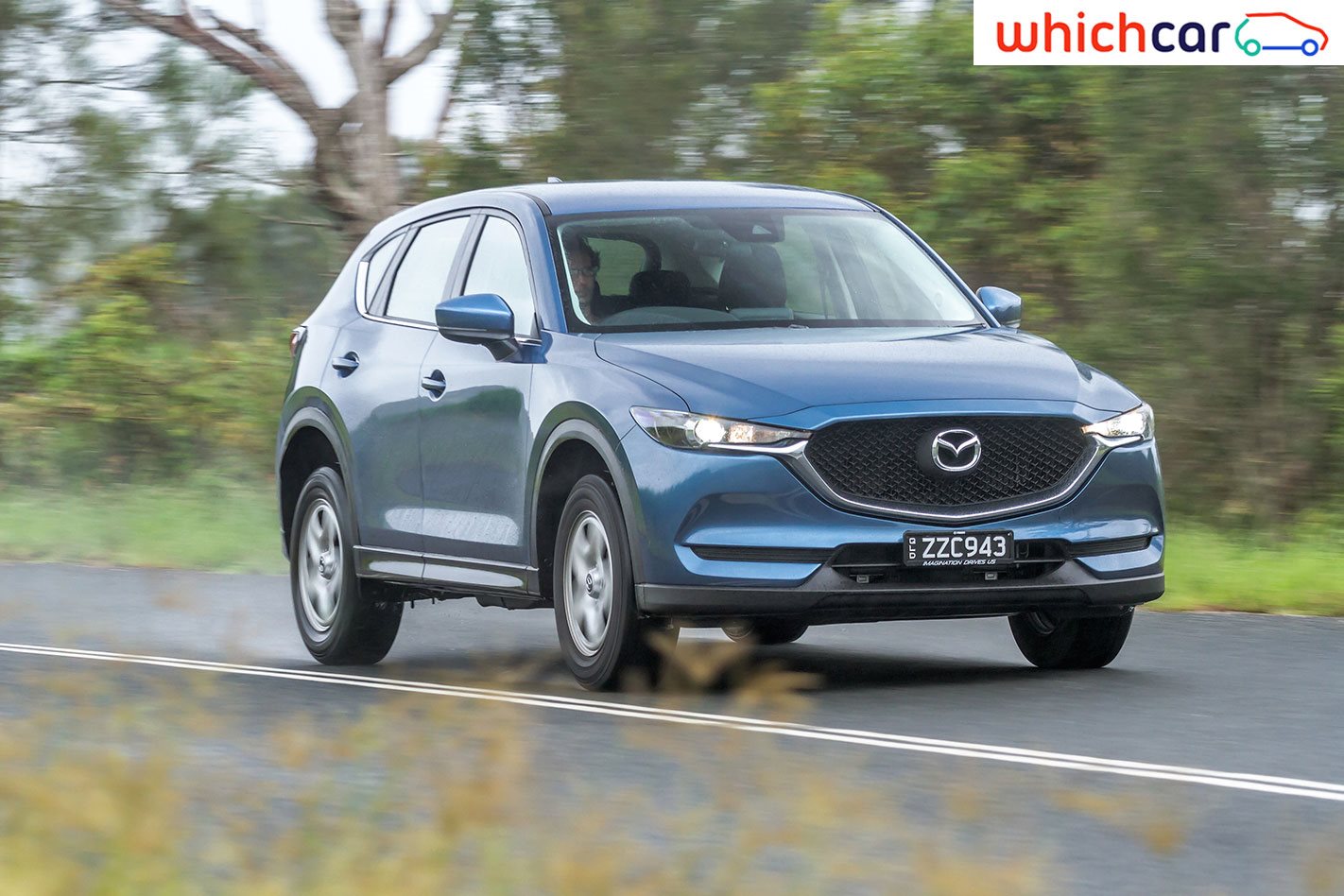
Speaking of popular brands, Mazda is somewhat of an anomaly in Australia with an incredibly high number of sales per capita when compared with other global regions – including its native Japan. It should come as no surprise that its second best seller made it into the top ten reviews of 2018, with this Mazda CX-5 range review.
Fresh from a drive earlier this week with Ferrari’s new entry-level model, the Ferrari Portofino, we couldn’t help but share more images and thoughts in our gallery.
Click on the image gallery above to view more photos and our impressions of the 2019 Ferrari Portofino
If you’re reading this, you, like us, are an endangered species. The walls are closing in on driving enthusiasts on every side, with every effort being made to thin our ranks.
One of the leading causes of extinction is habitat destruction; countless roads around the country have had speed limits slashed from 100 to 80 or even 60km/h, making yesterday’s cautious motorist today’s miscreant.
Thankfully, some carmakers are still on the side of the enthusiast and that’s cause for celebration.
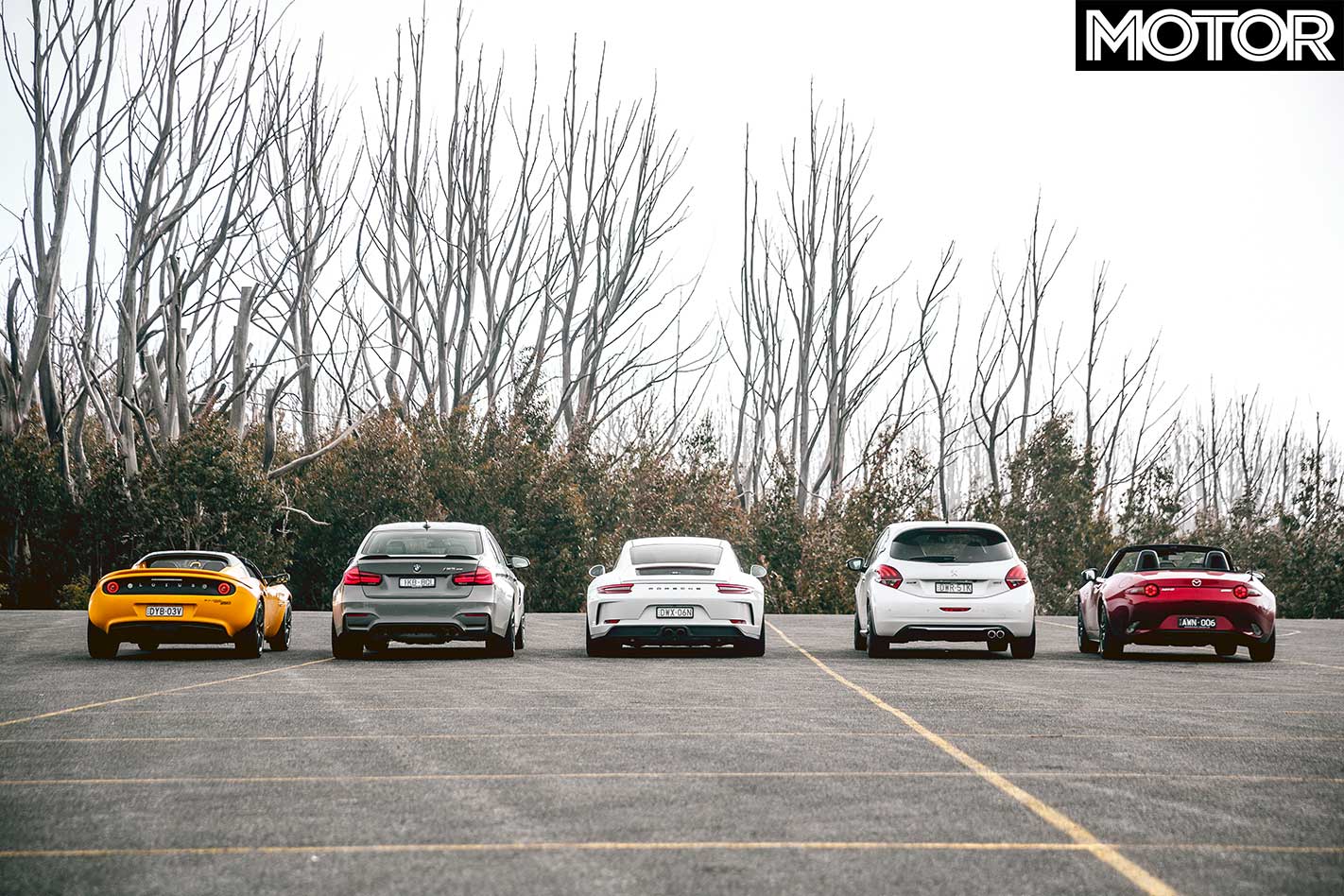
The five disparate cars gathered here are linked by a common goal: the desire to entertain the driver to the fullest extent. Market and segment positioning dictates each go about it a different way and over the coming pages you’ll read about these differing approaches.
This is not a comparison test – though perhaps one car will achieve its goal more successfully than the others – but a chance to enjoy these machines while we still can on one of Victoria’s best driving roads, the hillclimb to the Lake Mountain Alpine Resort.
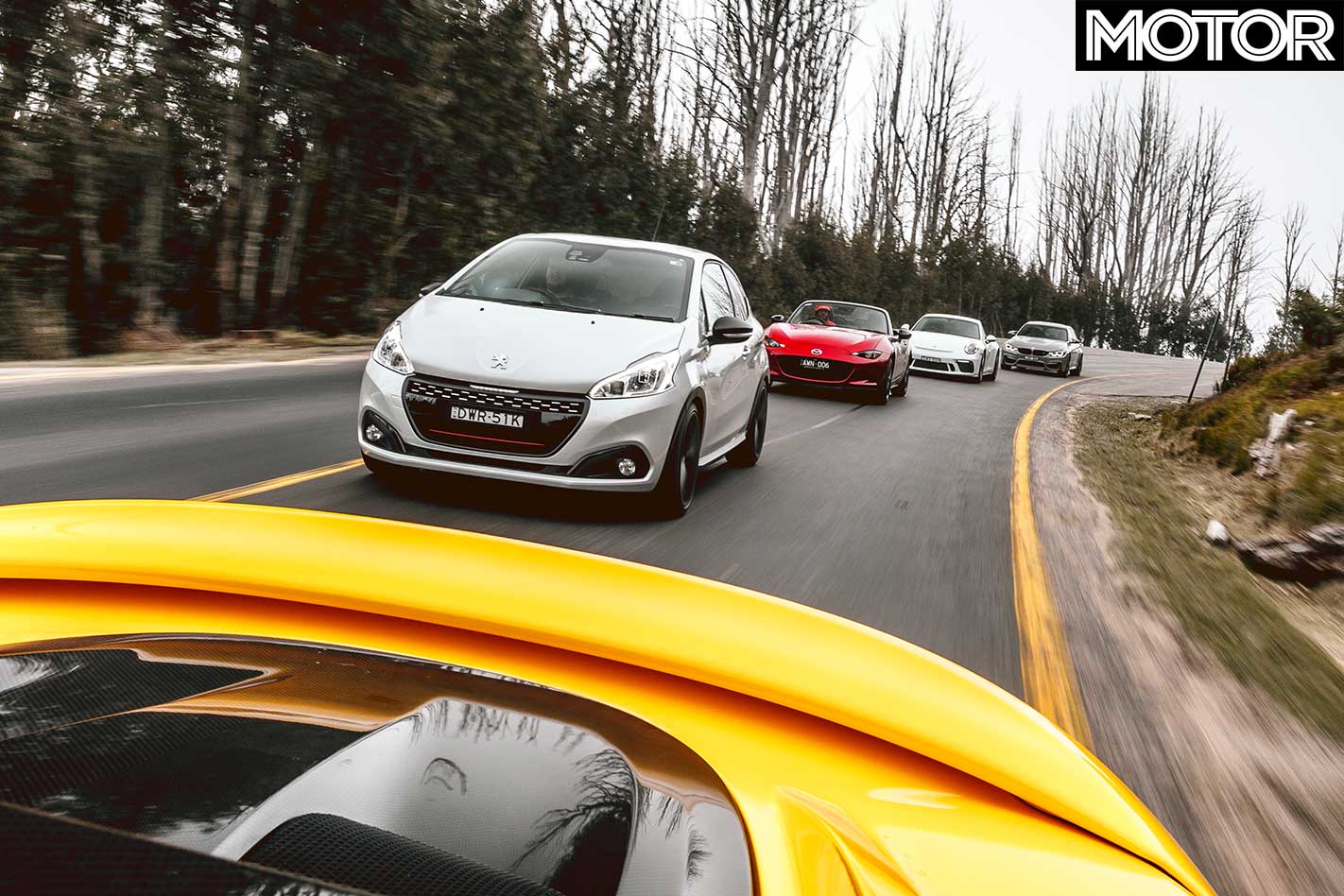
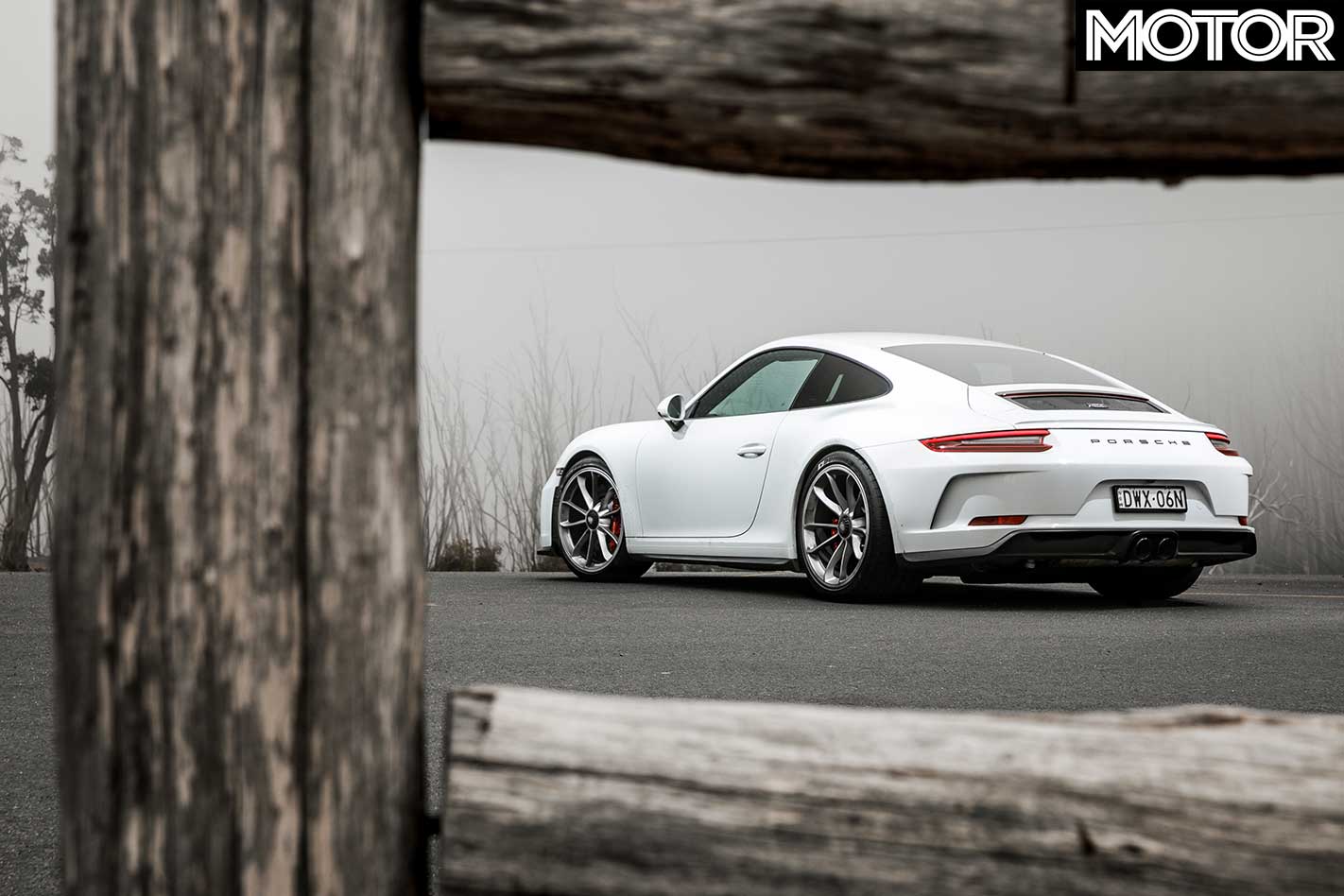
Representing the elite end of town is the Porsche 911 GT3 Touring. Even amongst its driver-focused siblings, the Touring prioritises fun above all else. Essentially a 911 R by another name, the Touring forgoes the conspicuous wings typical of the GT3, but retains the razor-sharp handling and screaming atmo engine. Oh, did we mention it only comes in manual?
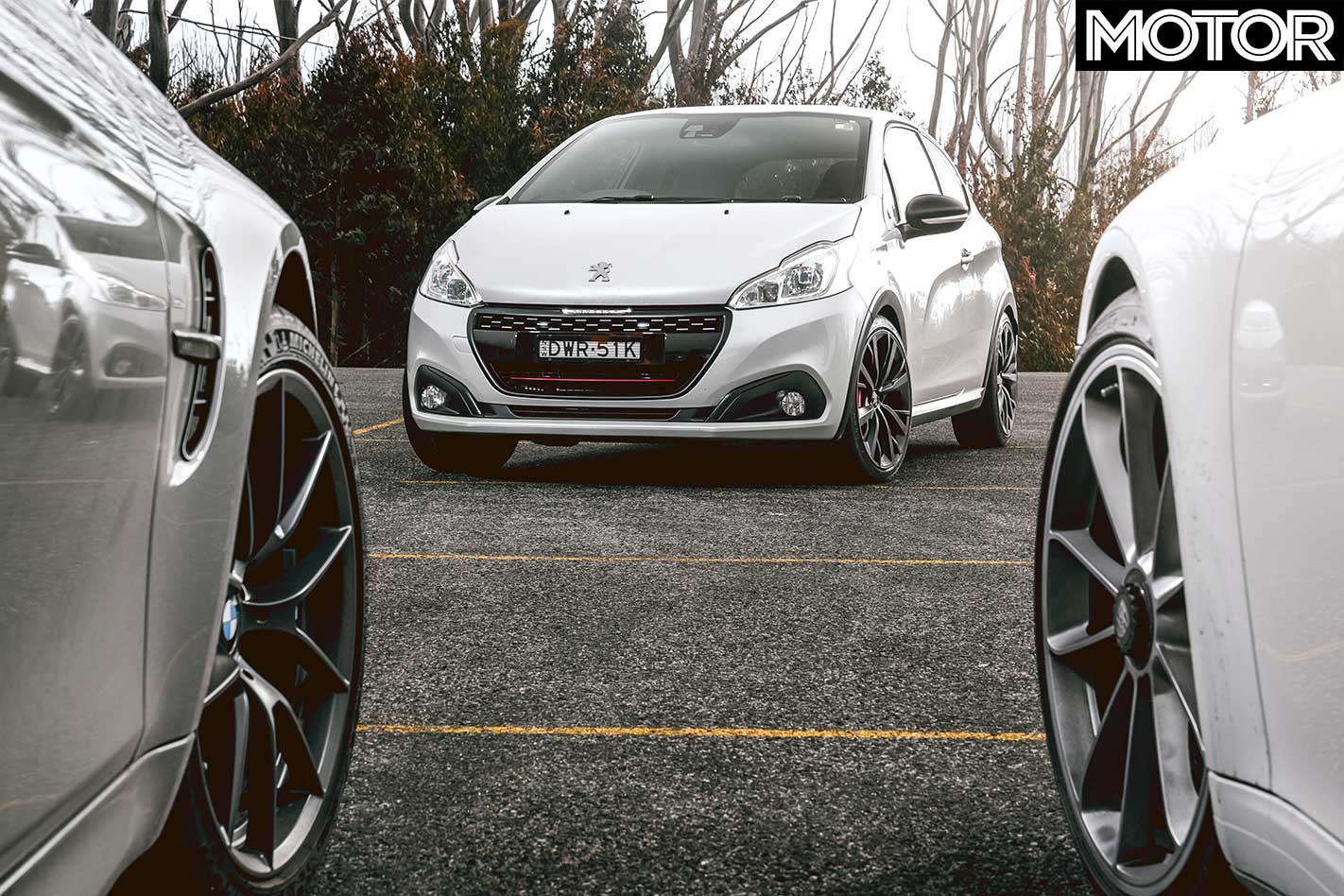
The same is true of the Peugeot 208 GTi Edition Definitive. As the name suggests, this is the final version of the feisty Pug, which has enjoyed a healthy fettling from Peugeot Sport consisting of more power, a limited-slip diff, revised suspension and more. It may sit at the other end of the price scale to the GT3, but it’s equally hardcore in its own way.
Driver’s Cars: 208 GTi Edition Definitive
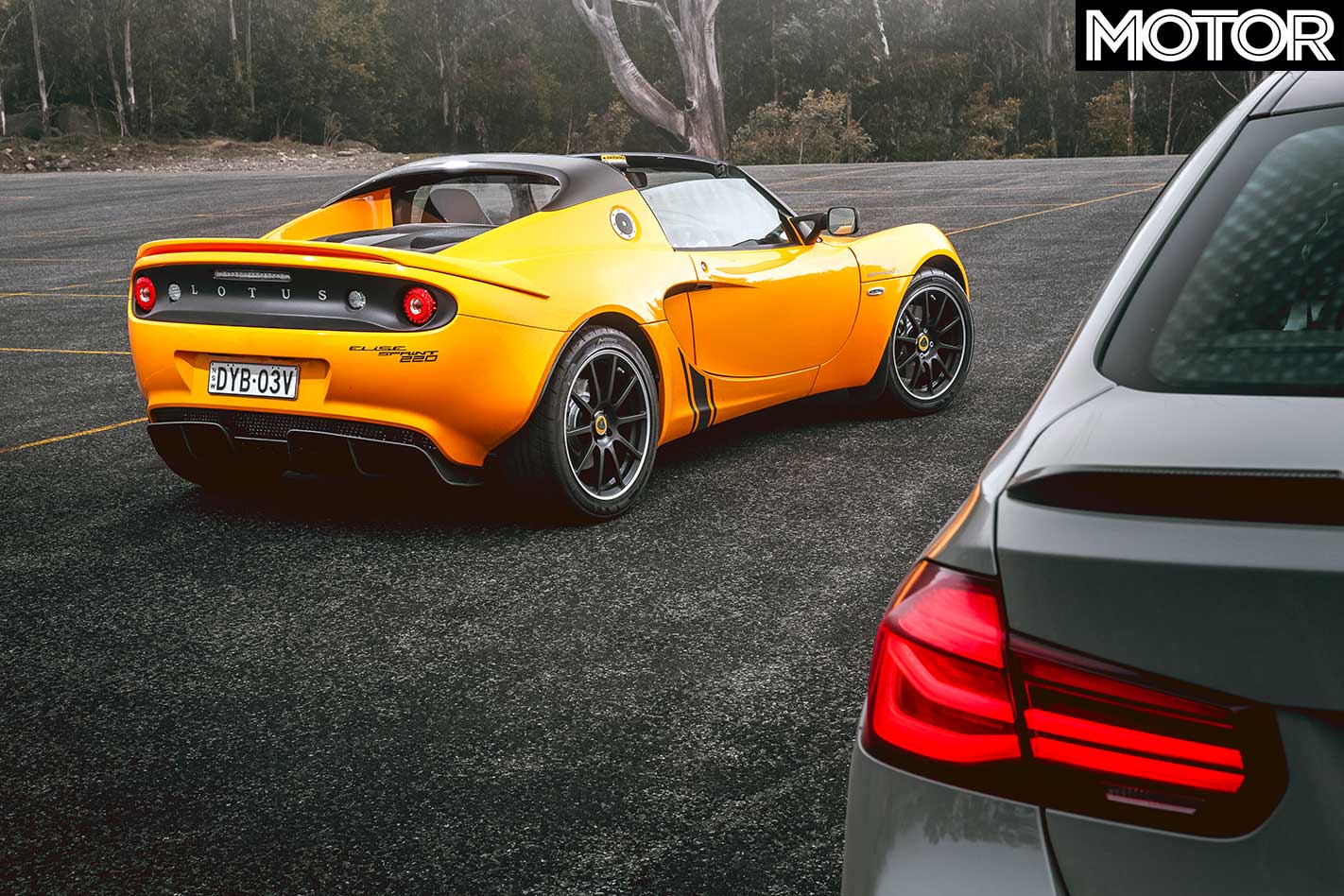
When it comes to hardcore, however, Lotus almost needs its own sealed section. The Elise may have grown slightly longer, wider and heavier over the past two decades, but at 904kg it’s still an automotive waif with an interior as Spartan as the front garden of Troy. In Sprint 220 guise it’s even lighter, yet still motivated by a supercharged 1.8-litre four-cylinder.
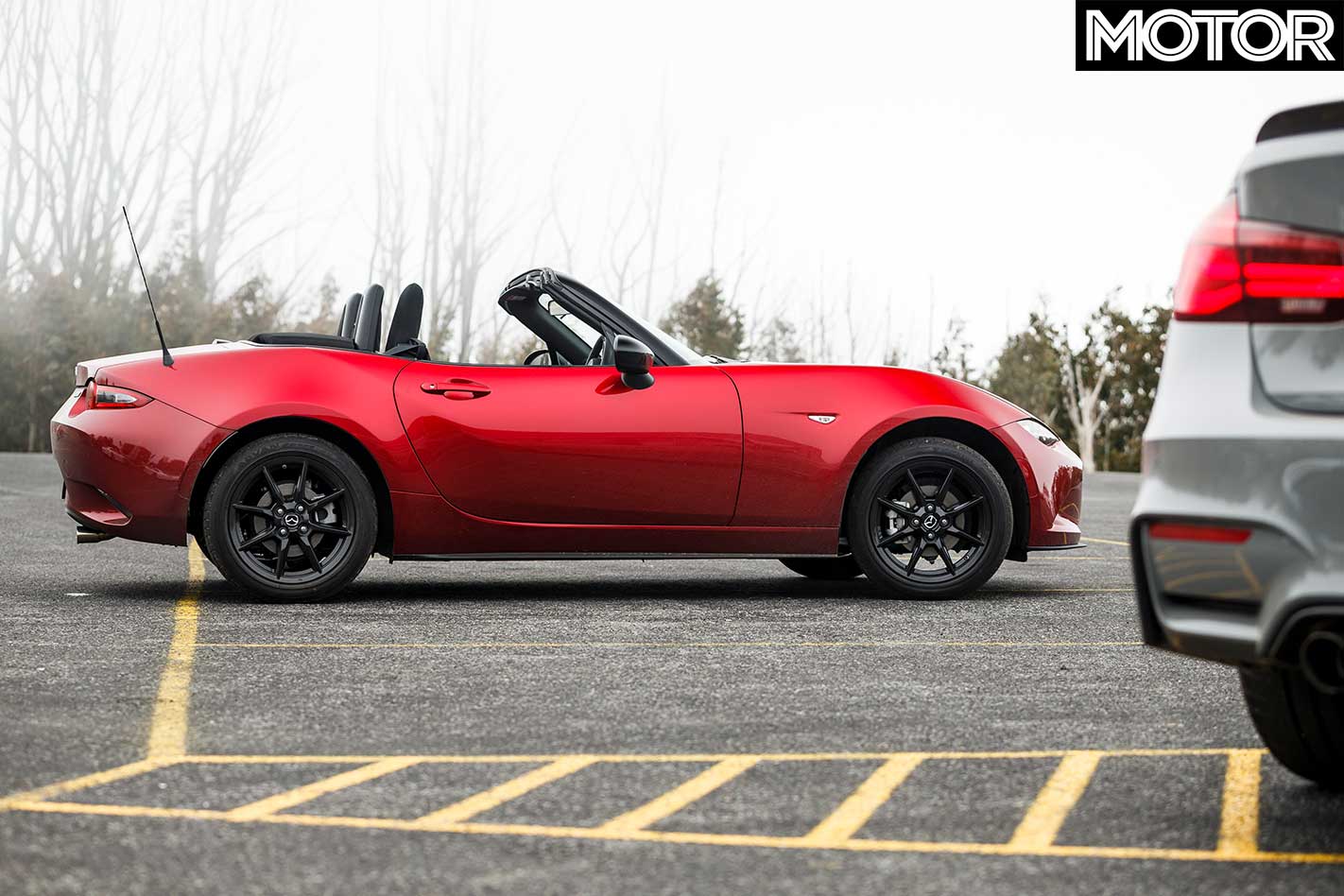
Aiming to prove that power isn’t necessarily a prerequisite for a good time is the Mazda MX-5, here in back-to-basics, updated 1.5-litre guise. While the substantial revisions to the 2.0-litre captured all the headlines, its little brother enjoys an extra 1kW/2Nm (steady on!) and, more importantly, telescopic adjustment for the steering wheel, improving driver comfort.
But if it’s comfort you want, step inside the BMW M3 CS and enjoy its heated leather seats. Despite the inclusion of a few luxuries, the CS clearly states its intent with staggered wheels wrapped in hardcore Michelin Pilot Sport Cup 2 tyres.
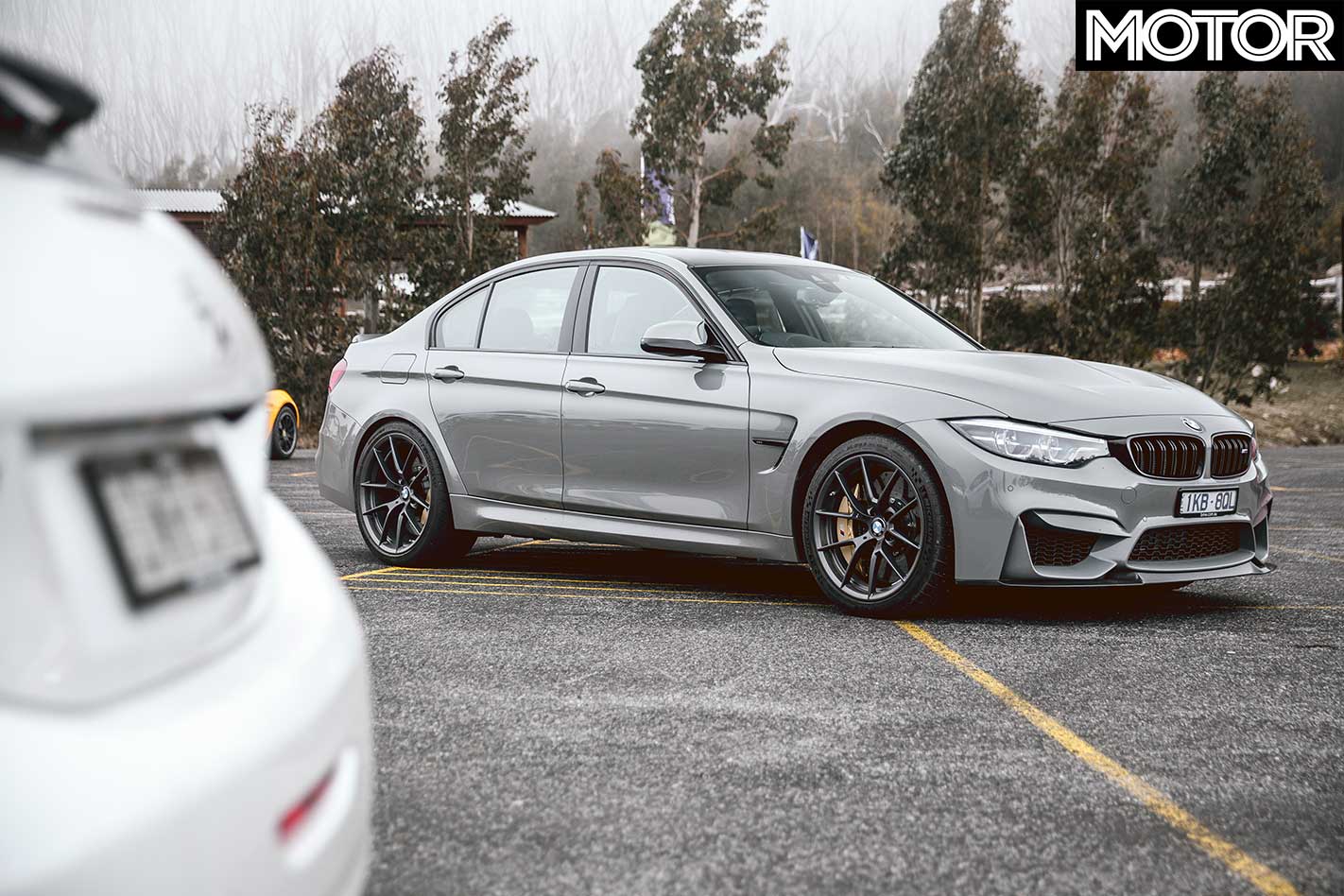
Shining brightly behind those rims on this example are golden calipers, signifying carbon-ceramic brakes. Add to this a pared-back interior and extra grunt from the 3.0-litre twin-turbo six and this is as focused as four-doors get.
Enough talk, let’s drive.
Hi WhichCar
I’m ready to buy my first car, and I want it to last as long as possible, so I want a new car. My Dad reads Wheels, and he says I should buy a new Toyota Corolla because they’re reliable and fun to drive. I really don’t care whether a car is fun or not, and to be honest I really like the look of the Toyota CH-R baby SUV. I am also thinking I should look at the Jeep Renegade. The way a car looks is important, but I don’t want to miss out on features. What do you recommend?
Karlie, Williamstown, Victoria
Looks are quite subjective so it’s difficult to advise you on what we think looks good. For example, like your dad, we really like the look of the Toyota Corolla. So let’s look at the cars you’ve mentioned starting with the Toyota C-HR. The good news is the C-HR shares a lot of mechanical bits with the Corolla so you’ll have that reliability, and it’s very well equipped with plenty of active-safety features. It’s a better car than the Jeep Renegade in many ways – if you really want a Jeep perhaps take a look at the Jeep Compass which is a newer, has more features and better engines without costing too much more. And, if we say so ourselves, it looks pretty good too.
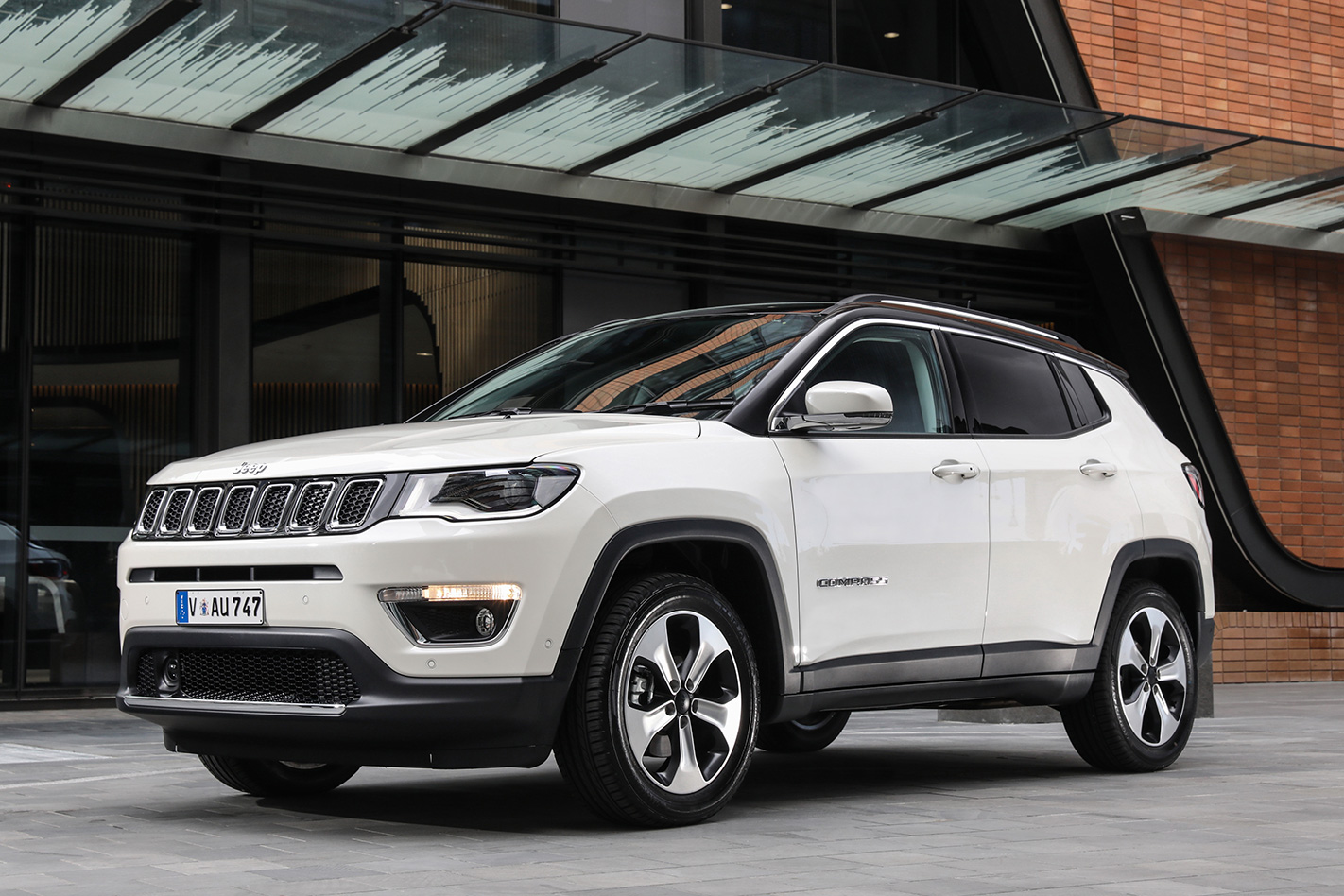
That said, the Toyota C-HR is the best choice of the three and still turns heads more than a year since arriving on the scene.
WhichCar Recommends: Toyota C-HR
Need help to choose a new car? We’re here to help. Email us at [email protected]
Dear WhichCar
After six years of faithful service, I’m looking to retire my Suzuki S-Cross in favour of something a little more sporty. I really like the Ford Mustang but my budget won’t stretch to the GT and I’m also considering the Toyota 86 or Subaru BRZ but what’s the difference!? It also has to be manual. Please help.
Lisa, Northcote Victoria
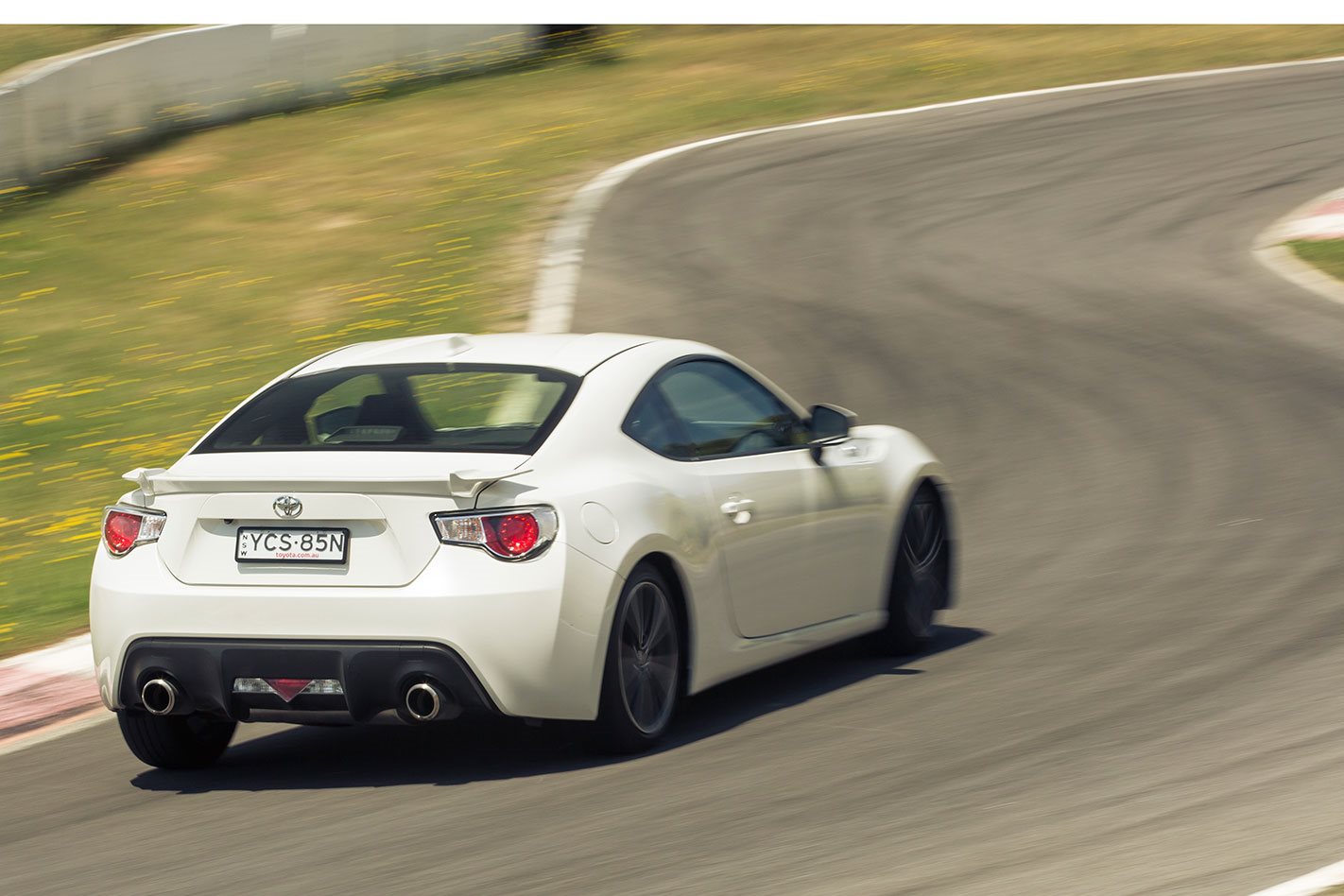
Even more affordable are the Toyota 86 and Subaru BRZ coupes. Both offer a serious amount of fun for your cash. You’re not alone in finding it hard to identify the differences as the cars were developed in unison and are largely identical – especially mechanically. A few exterior details set the pair apart visually. Small suspension differences impart subtly different dynamic qualities, but really it’s a matter of taste rather than any real performance advantage. At the time of launch, both models were in high demand and waiting lists were extensive but, while both are still popular, there is little to no wait now.
The Mustang EcoBoost is easy to recommend but you might go a little green every time you line up next to a GT at the lights so it’s down to the smaller Japanese sports coupes. Toyota sold about four 86s for every BRZ so if it were our money we would go for the Subaru with the added exclusivity certainly worth the extra $2000 starting price.
WhichCar Recommends: Subaru BRZ
Need help to choose a new car? We’re here to help. Email us at [email protected]
Dear WhichCar.
I am the proud owner of a 1999 Toyota Corolla which has never let me down but my son has convinced me to upgrade to something a little newer and safer. It’s been a while since I was in a car showroom and, as an older driver, I find the idea a little daunting at best. If it were up to me I would probably replace it with another Corolla if it is still available, but maybe you can suggest some alternatives? I don’t drive far or fast and I certainly don’t need anything bigger for just myself, weekly groceries and a cavoodle.
Robyn, Clayton
The venerable Toyota Corolla is indeed still available Robyn and it has come a long way in 20 years. The new-generation model has just launched and it is packed with features the designers of your model could only have dreamt of, including autonomous emergency braking, lots of comfort features and the latest in safety systems so your son will approve.
Even though it is still called the Corolla, like all vehicles, it has increased in size and if you need to fit it in a small garage for example, you might consider a smaller option such as the Yaris.
But the most important piece of advice we can offer applies to anyone looking to upgrade a vehicle they have owned for many years. Don’t just drive the new version of your model, drive as many alternatives and rivals in the same segment as you can. In the ensuing two decades, ALL vehicles have improved immeasurably and if you only drive the new Corolla you’ll have no idea how it compares with many good new cars.
If you can, find time to drive the Hyundai i30, Kia Cerato, Volkswagen Golf, Mazda 3, Citroen C3, Holden Barina, Ford Focus, Renault Clio and Skoda Rapid – or at least a selection to give you a better understanding what modern cars can offer. And if, after all that, you find the Toyota is still the one for you, then congratulations. We think it has never been better.
