
Porsche’s 70th birthday sees the marque in ruder health than ever before. Wheels celebrates the company’s seven decades of engineering excellence forged on road and track.
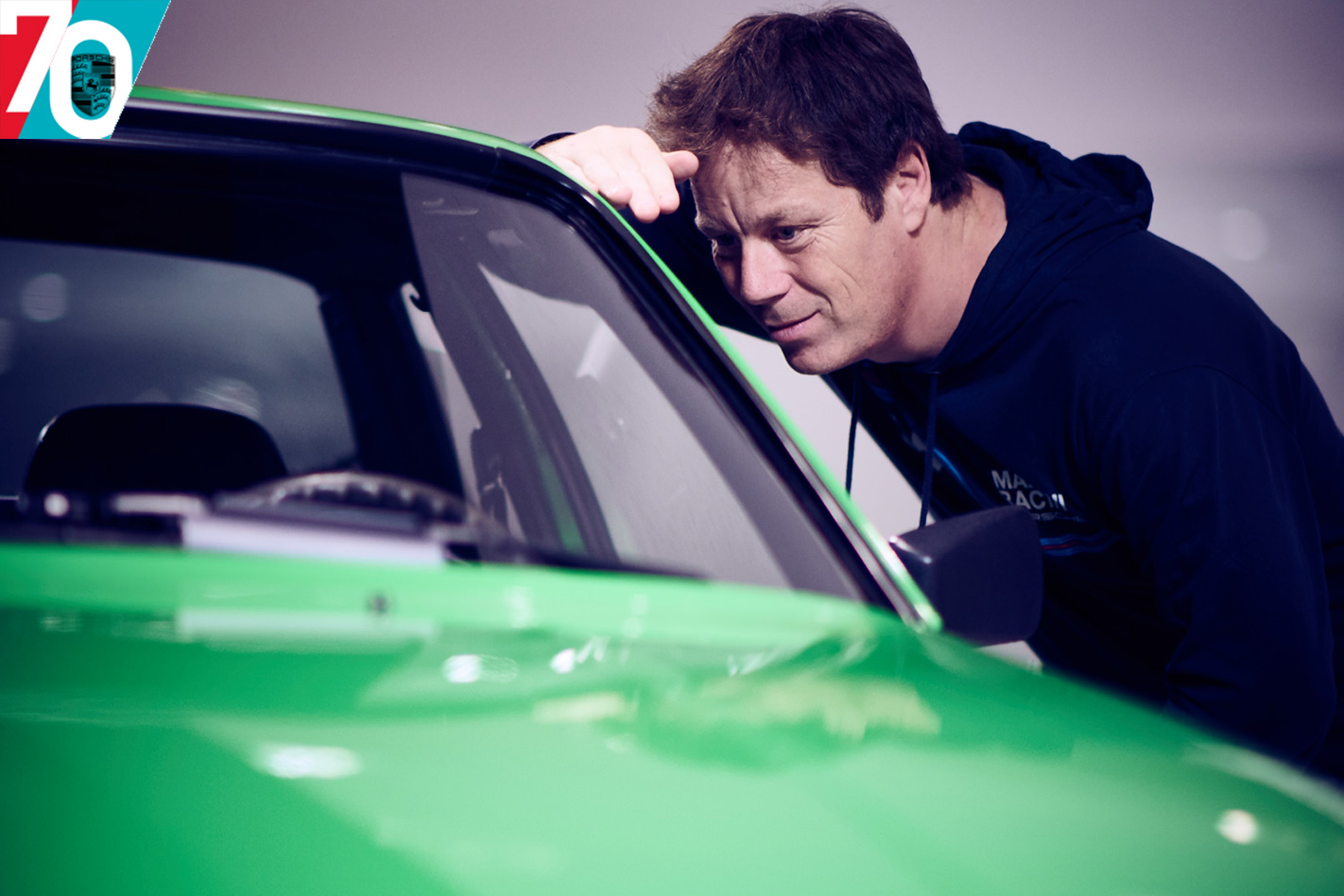
I wasn’t much of a supercar guy when I was young. I didn’t lust after them; I was more into racing and dirt bikes, but I did have one poster on my bedroom wall – a silver Porsche 959, which might have had a female next to it as well.
Porsches really started to interest me in my late teenage years, but I didn’t own one until 2009 when I bought my 997 Turbo S. It’s been my daily ever since, which is nice in Europe because you can actually drive cars pretty hard here. I own a few Porsches now, mainly 911s, and I’m very precious about them. I don’t track them and I don’t even like to drive them in the rain!
They’re subtle; that’s what I love about Porsches. Some say they’re cold, a bit generic, a bit tough, but they’ve got this timeless styling and the performance way exceeds how understated they are. Racing them is a real honour. There aren’t many teams you can drive for that have the owner’s name above the garage door and there’s this history that comes through. The cars are built to go racing and that means no weakness, building racing parts and over-speccing things to last 35 hours that also make their way into road production.
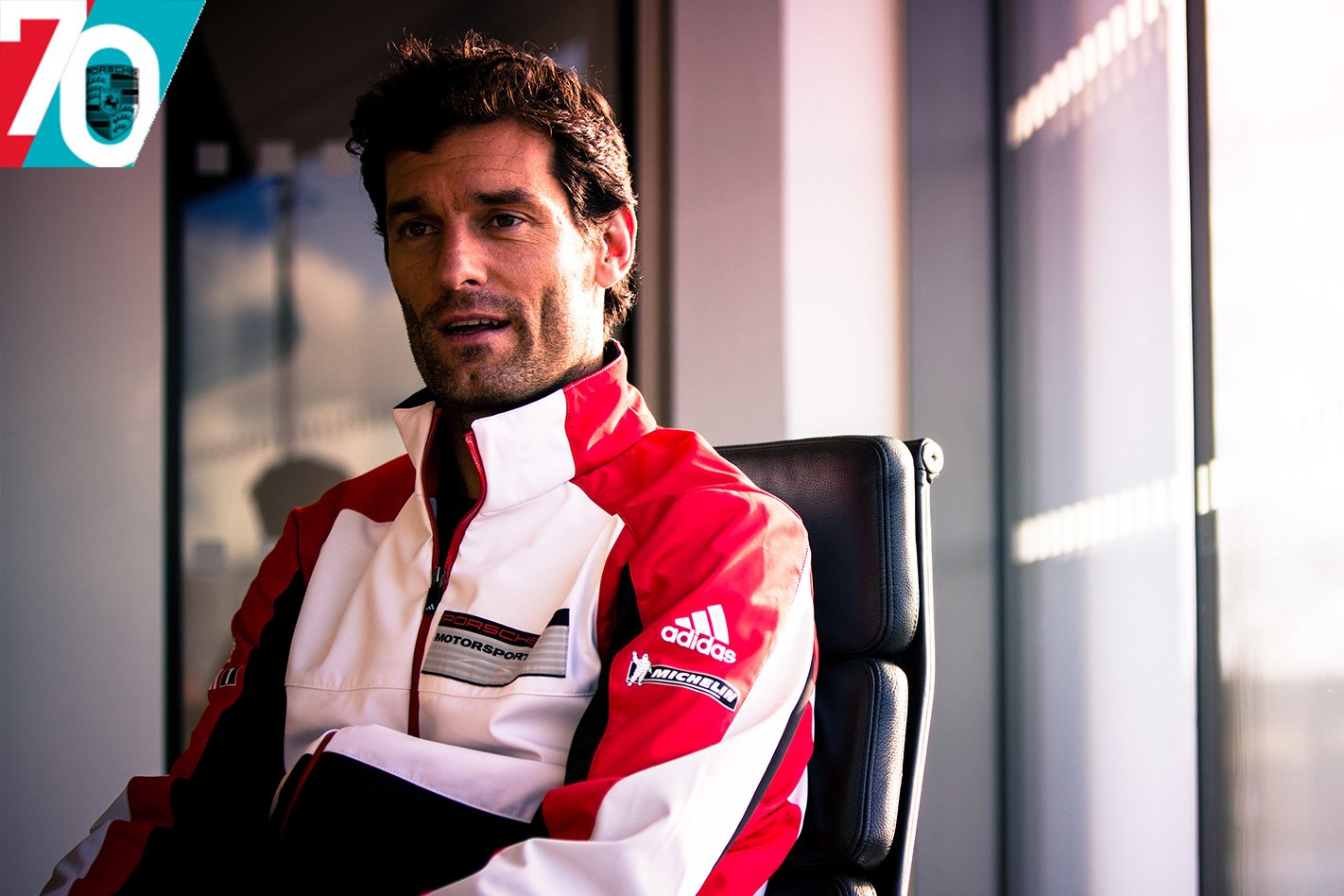
It’s very different driving for Porsche to what I experienced in Formula 1. It was like a big family; the drivers all got on and the team liked to remind us of all the Porsche legends that came before us, like Ickx, Bell and Stuck. It was a big responsibility, though, and we had to win. Porsche doesn’t finish second very well.
Operationally, Porsche is the best in the world, no question. They are meticulous and ultimately we won a lot of races through operational procedures, even beating other German teams like Audi. Sometimes we just didn’t have the outright speed but we wore the opposition down through the pit-stops and through lots of things that frankly, they just weren’t as prepared for.
My favourite Porsche racer is the 917. It’s Porsche’s first Le Mans winner and I’ve been lucky enough to drive one. It was very raw and not the biggest car, and the last words from the engineer before I took off were “Mark, your legs are part of the crash structure”, so that was interesting. I own a 918 Spyder, and even painted it in unique colours like the Salzburg 917, and I’ve raced the 919 as well, so those three cars are very special.
I enjoy developing Porsche’s new GT cars, as well as Mission E, and I’m not only helping with things like damping and ESC tunes, but making sure we have no compromises. No other sportscar has as wide an envelope as a Porsche and you can’t just underestimate that. It comes from 70 years of trial and error. That’s what makes them pretty spectacular.
Garage evolution
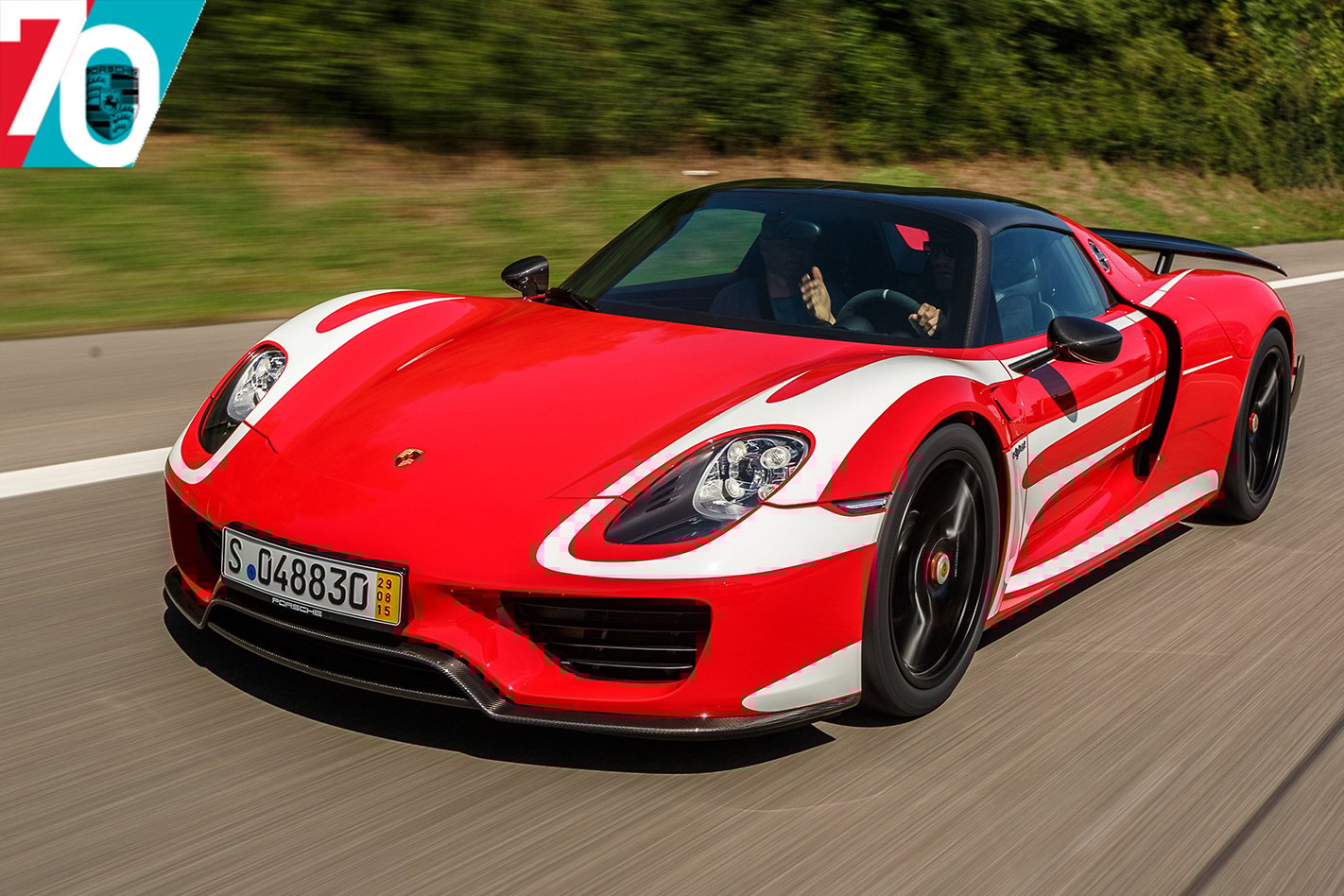
Webber’s personal collection of Porsches is extensive, spanning from a 1954 356 cabriolet to a 918 Spyder (shown above) painted in Salzburg livery to match the 1970 Le Mans-winning 917. The remainder are 911s, including: 997 GT3 RS 4.0, 997 GT2, 997 Turbo S, 991 GT3 RS, 911 R, 991 Turbo S Exclusive, 991.2 GT2 RS, and one other he asked to keep secret. Unlike Rohrl’s collection, Webber’s Porsches aren’t housed in one location, with the Aussie storing them “in different places” around the world.
As HSV braces to unleash the Chevrolet Camaro here are the vital facts on the V8 rear-driver poised to invade the Ford Mustang’s turf.
Platform
It’s good news the Camaro is based on General Motor’s state-of-the-art Alpha vehicle platform. The front-engine rear-drive architecture debuted in 2013 underneath the Cadillac ATS sedan before making it to the larger CTS sedan in 2014. Both have produced performance sedans lauded by American press.
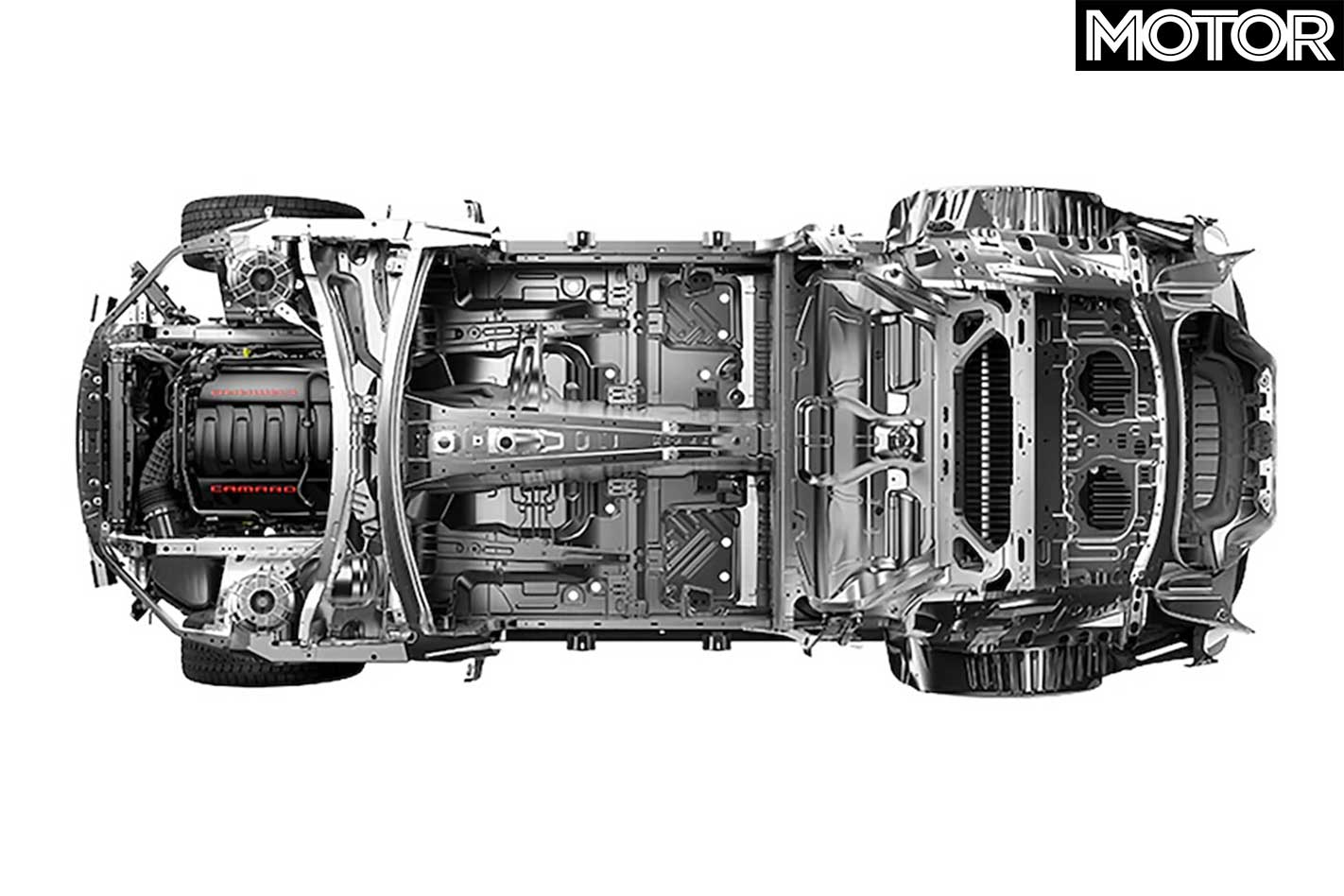
If you’re wondering where the Commodore comes into it, well, it doesn’t. The previous generation Camaro was based on the Zeta platform, developed by Holden for the VE/VF Commodore. But the all-new sixth-generation adopted the Alpha platform in 2016. Chevrolet claims the new chassis is 28 per cent stiffer and helped the V8-powered SS drop 101kg.
Engine
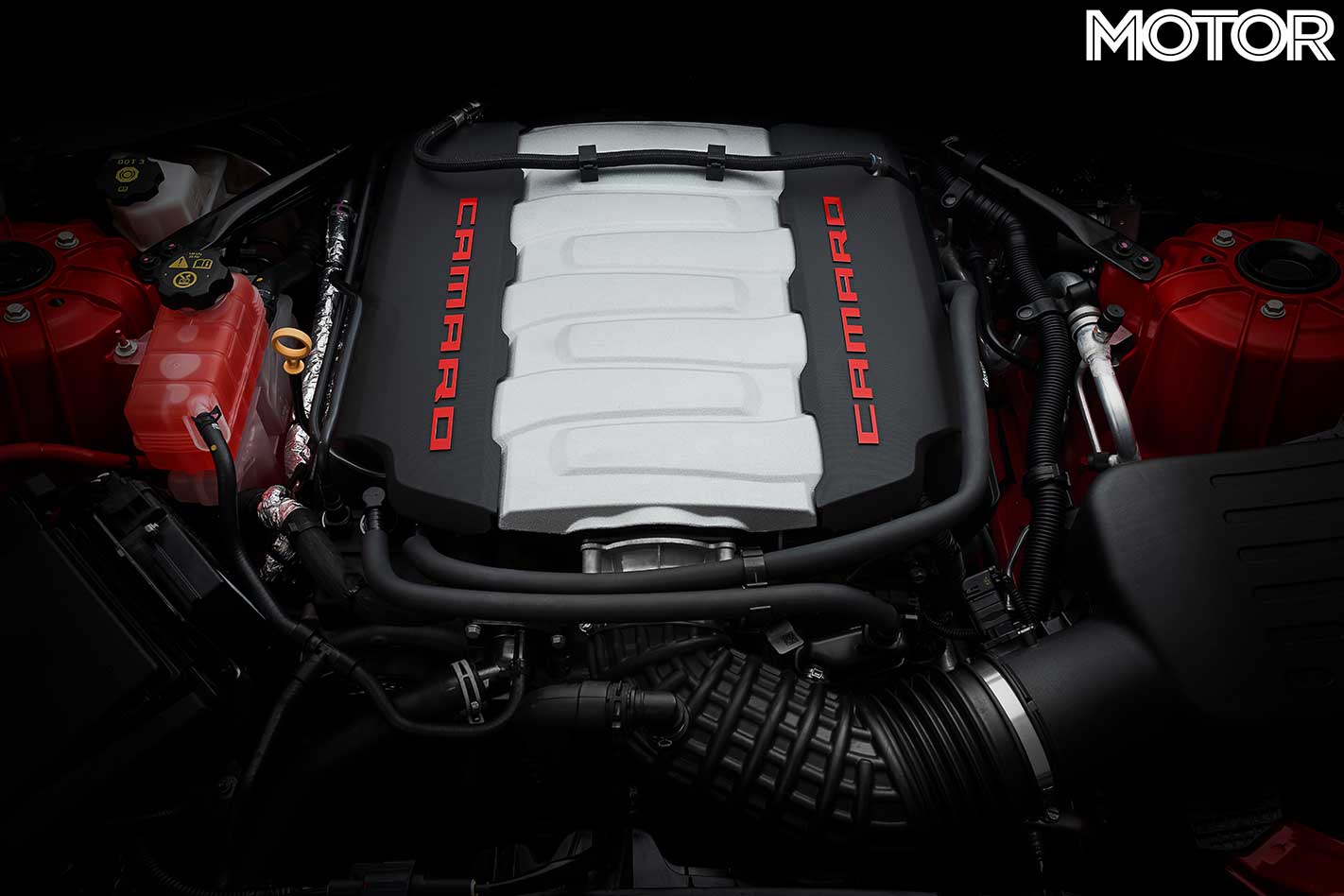
It’s powered by a small block V8 unlike you’ve ever known. The Chevrolet 6.2-litre LT1 shares its basic architecture with the VFII generation Commodore’s LS3 but new technologies make it completely different.
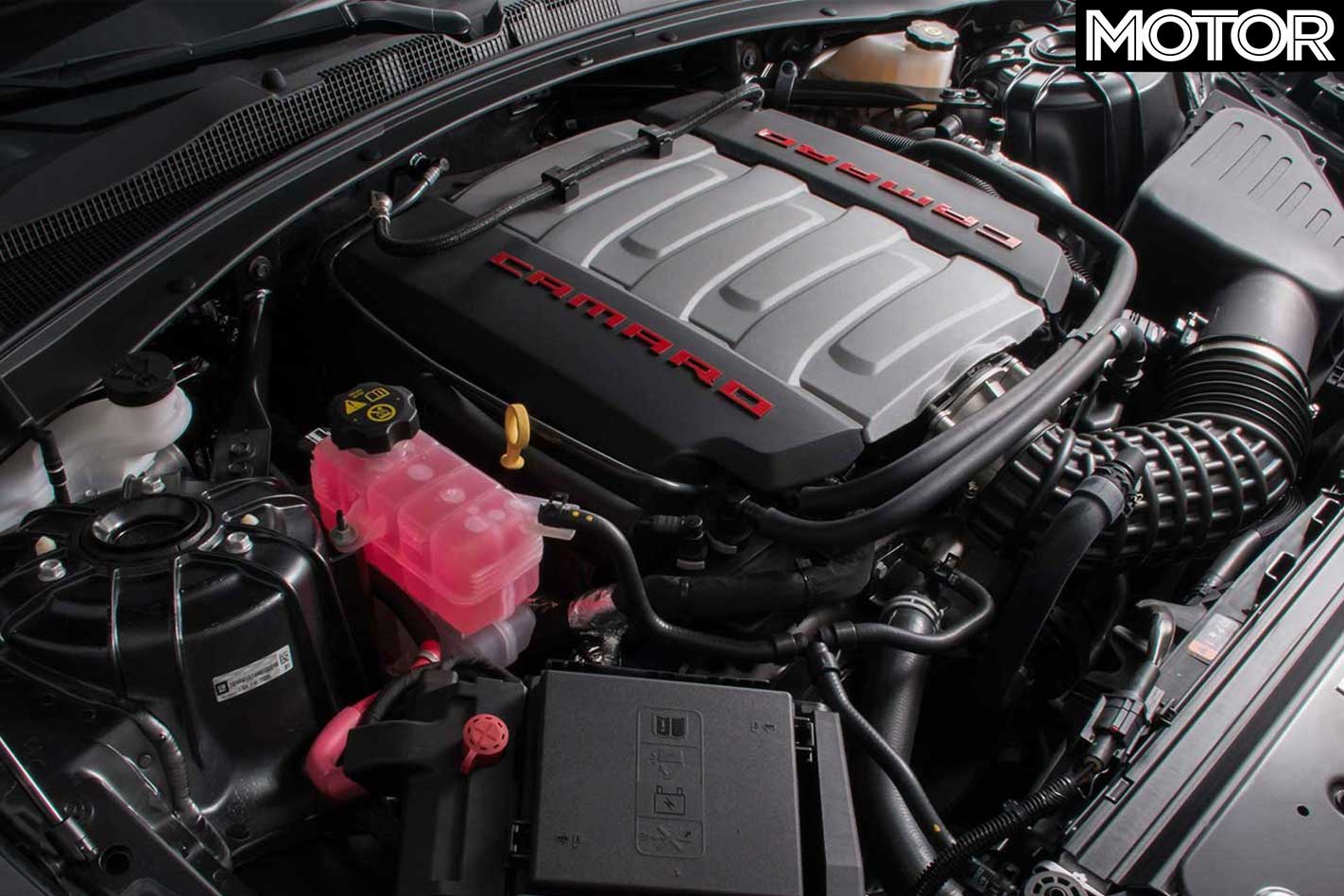
It uses pushrod valves but now employs variable cam timing, direct injection and cylinder deactivation. The cylinder heads and rotating assembly are redesigned, along with the aluminium cylinder block. New pistons help achieve an 11.5:1 compression ratio.
The engine name ‘LT1’ has been around since 1970 but this fifth-generation engine was first bolted into the 2014 Corvette. It makes 339kW and 617Nm in the Camaro SS. It is paired to GM’s 8L45 eight-speed automatic in Australia. It also comes with a Tremec six-speed manual transmission in America.
Specification
Our Camaro is known as a 2SS variant in The States. The SS means it gets a V8. The 2 means it is equipped with premium equipment.
Over a 1SS it scores Bose sound, aluminium door accents, interior mood lighting, eight-way power memory front seats, illuminated sill plates, a heated steering wheel, universal garage remote, wireless phone charging and rear sensors.
Prefer HSV optioned something other than a sunroof and automatic transmission as standard? Bad luck, they’re compulsory. Australian Design Rules only accepts European compliance regulations so HSV chose an Argentinian left-hand drive car because it had the most parts compatible with ADRs. This saved development costs.
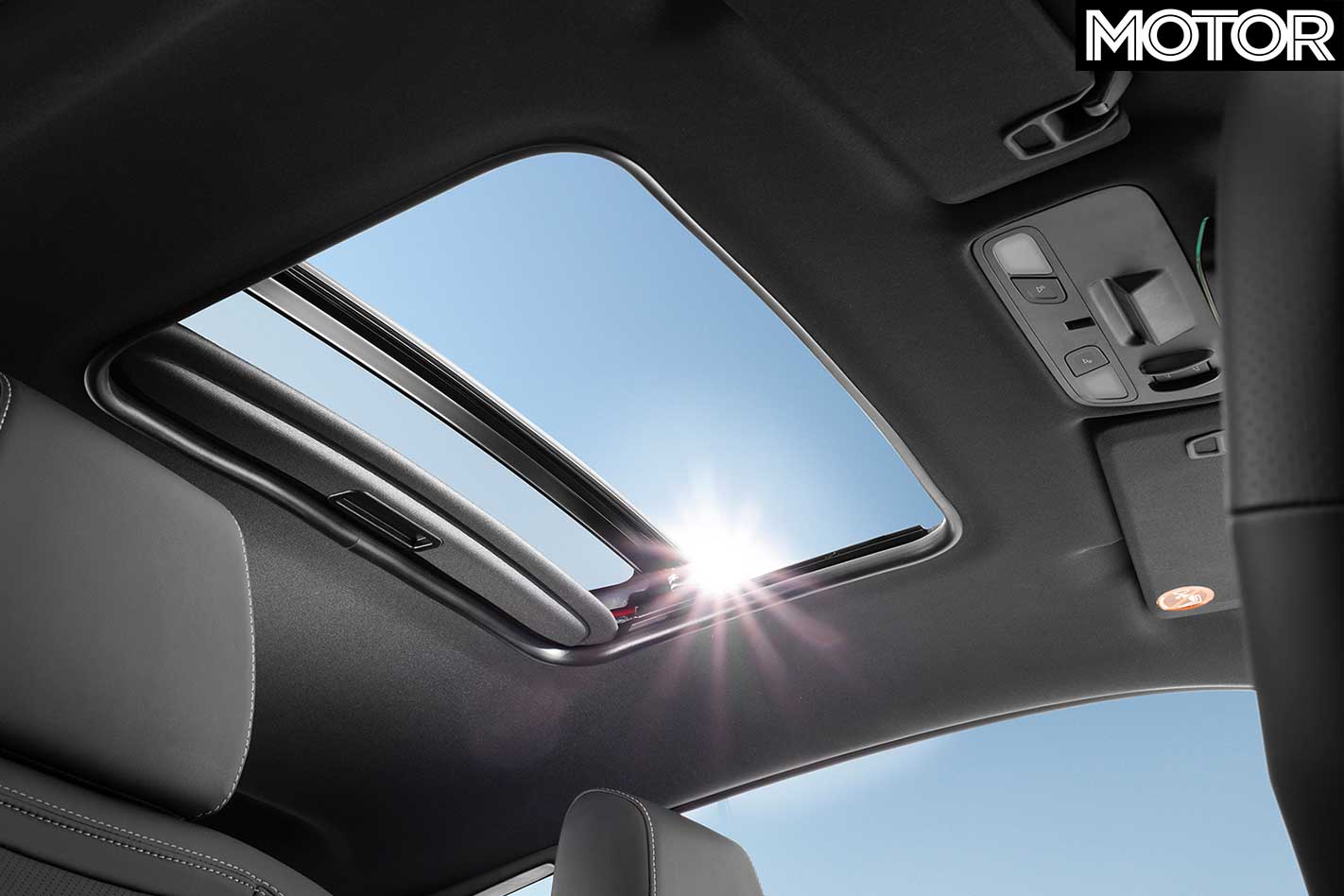
You’d be spoiled for choice of options in America. There you can get dealer fitted six-piston front brakes with slotted rotors and new pads, performance air intakes, lowering kits, strut towers, factory fitted magnetic ride control, ‘performance’ non-1LE suspension.
The American-only 1LE package adds magnetic dampers tuned to FE4 spec, Recaros seats, an ‘electronic’ LSD, wider ‘summer only’ tyres, six-piston Brembos with two-piece front rotors and a unique front splitter and rear-spoiler.
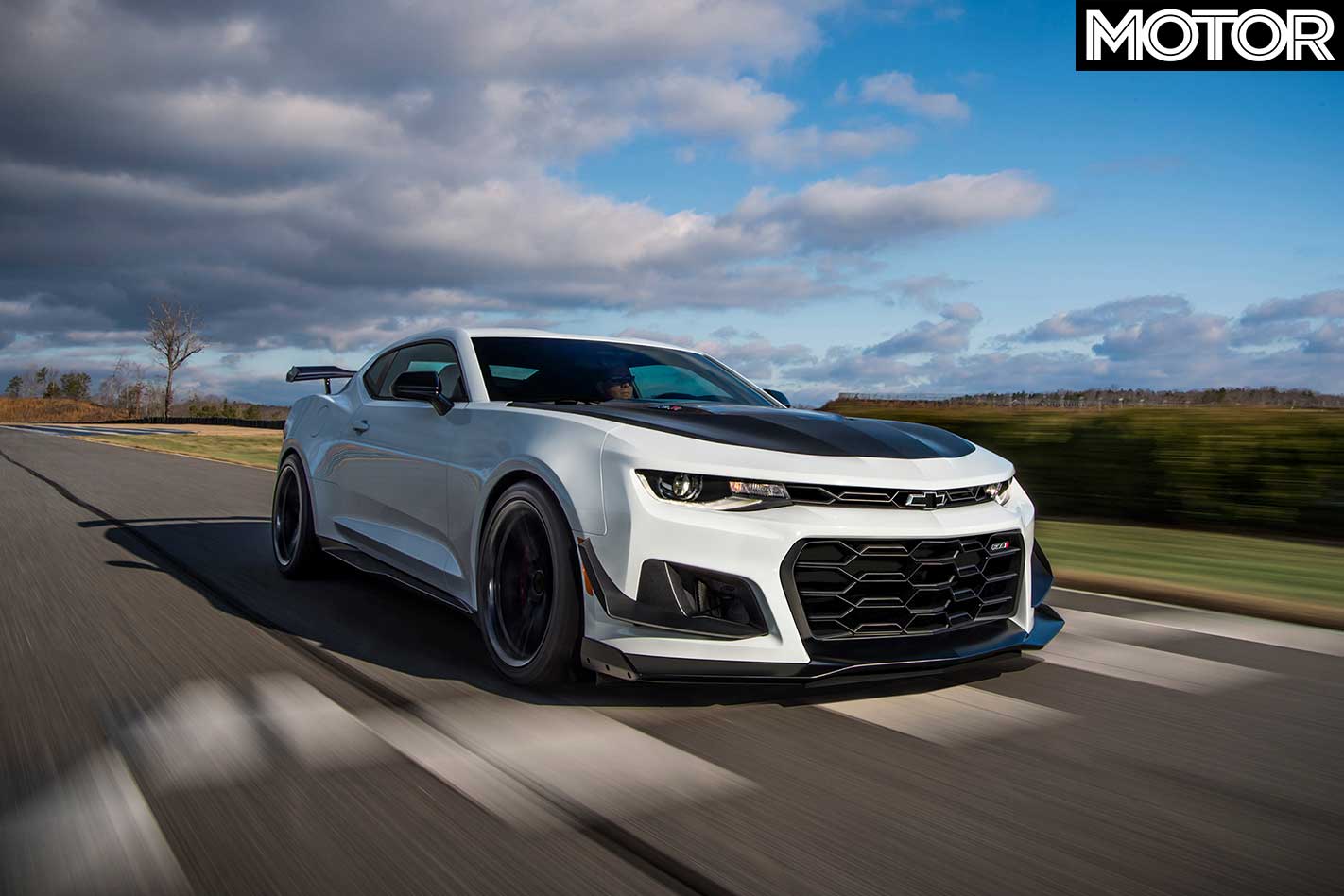
Beyond this, a ZL1 builds upon this with DSSV dampers, angrier aero, even wider tyres and 485kW/881Nm LT4 engine.
Safety
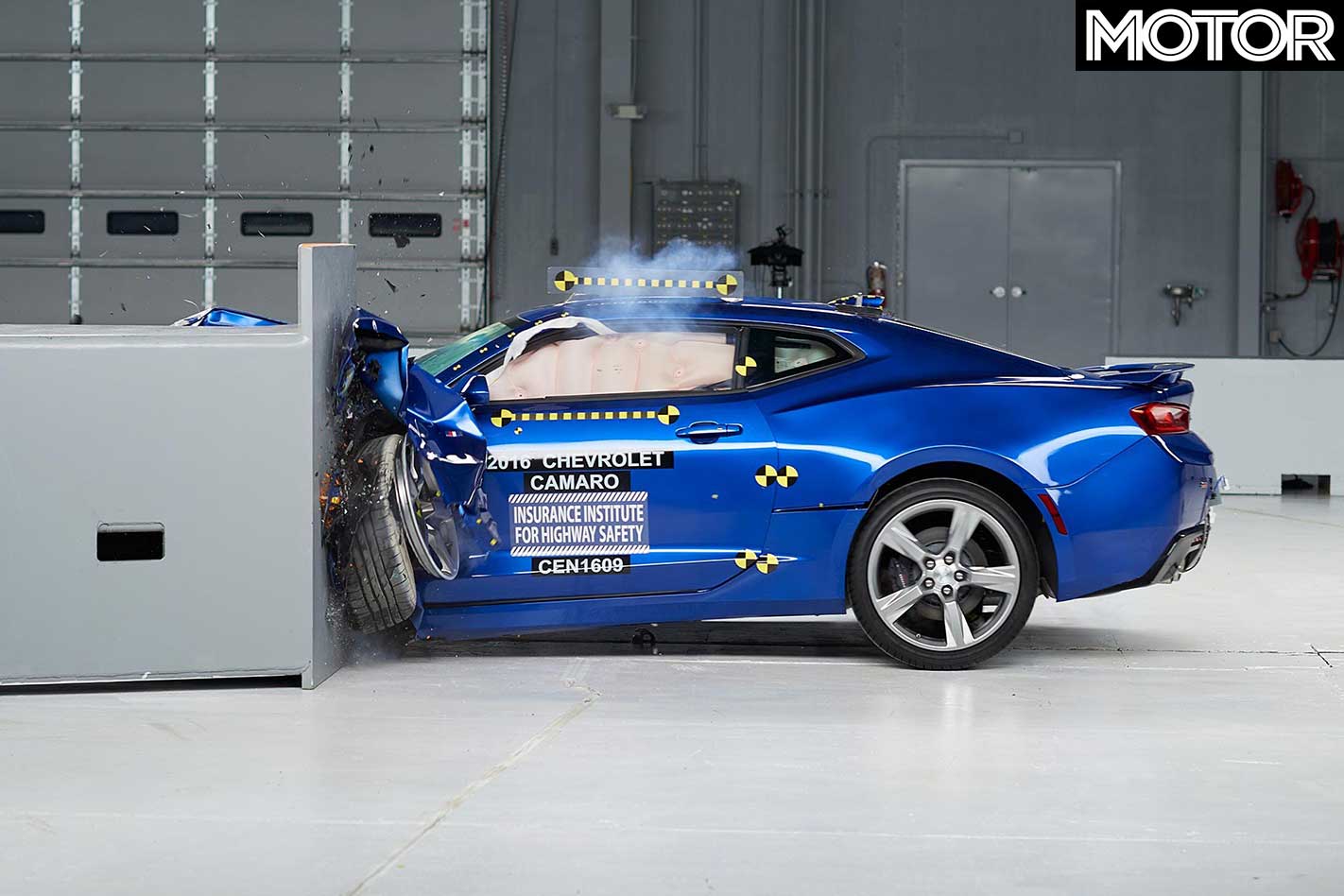
Without radar cruise control on any Camaro, and therefore Auto Emergency Braking, HSV decided against ANCAP testing. Managing director Tim Jackson said the AU$1m cost to do it was another contributor, about one-tenth of the project cost. He is happy with local ADR crash test results.
Local manufacturing
It will never match the Falcon or Commodore’s scale of manufacturing, but HSV currently has 51 people producing three to six cars a day. Both figures will increase with demand.
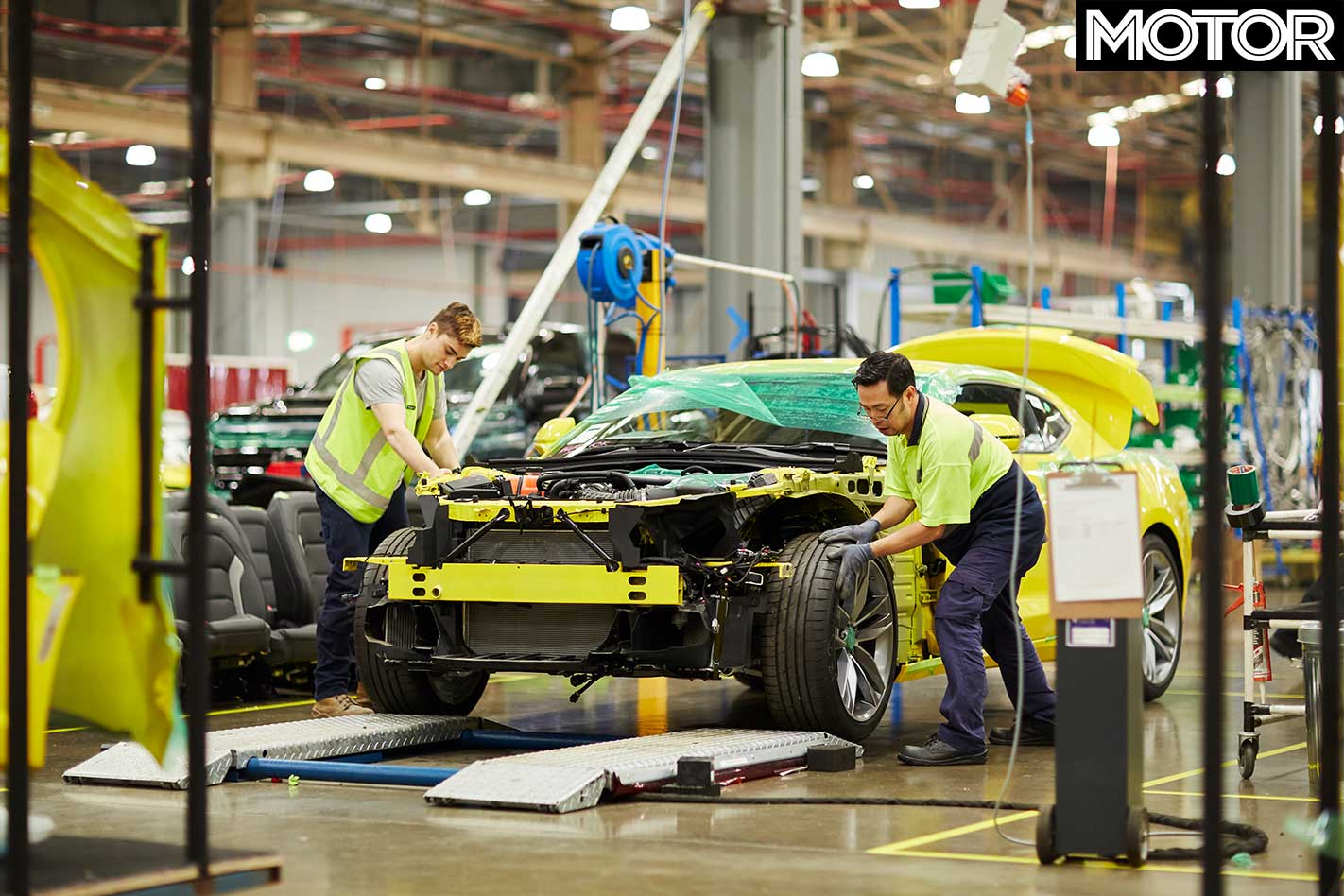
It takes 357 parts to convert one to right-hand drive, almost three times as many needed to transform a Commodore into a HSV. This has retained three quarters of HSV’s local supplier base.
Meanwhile, engineering and development have benefited from new in-house testing rigs for steering, suspension, and seat belt validation.
WHAT IS IT
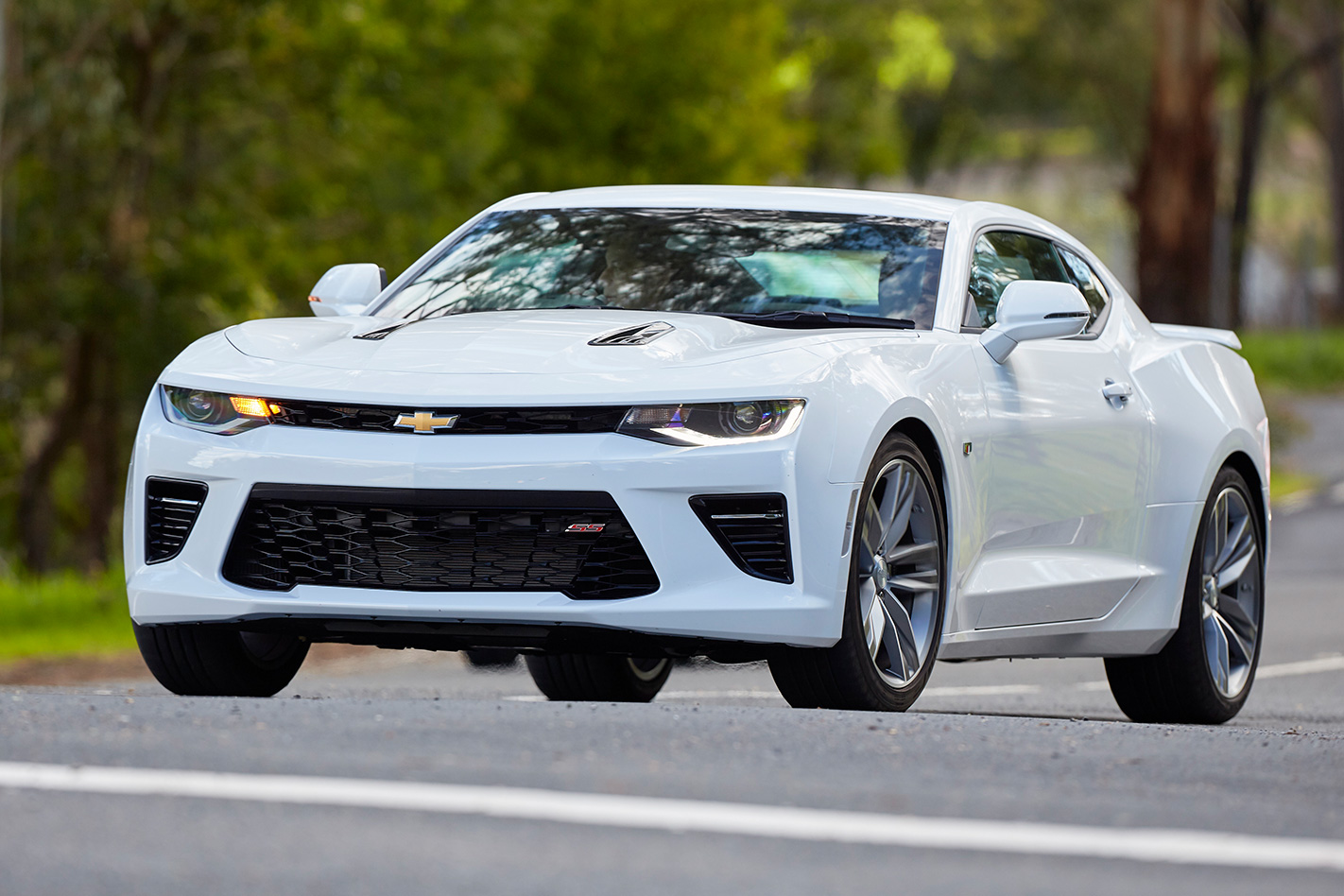
The Camaro is the yin to the Mustang’s yang. You can’t consider one without the other, but while Ford has racked up huge sales by importing an official RHD pony car, the Camaro has missed out on RHD markets. Until now. HSV re-engineers the Camaro 2SS for the Australian market and brings you a tempting, if somewhat expensive, alternative.
WHY WE’RE TESTING IT
This car has been rumoured for years. Holden never officially grasped the opportunity and now a revitalised HSV has jumped in feet first. We couldn’t wait to see whether the Camaro could justify its circa-$20K price premium over the market-leading Mustang.
MAIN RIVALS
Audi S5; BMW M2; Ford Mustang GT; Kia Stinger GT; Mercedes C43 AMG coupe; Nissan 370Z Nismo
THE WHEELS VERDICT
Want more muscle than a Mustang with a chassis that’s next-level? You’ll need to be quick and get your deposit down for the right-hand-drive Chevrolet Camaro. It’s charismatic, decently equipped, very capable and, at $85,990, there’s not a lot else to touch it. The right-hook engineering from HSV is appropriately diligent, but there is the odd quirk and the interior packaging is poor. Chances are, however, that you won’t care when you wring out that 6.2-litre LT1 V8. The Camaro will doubtless remain a niche contender but we’re more than glad that nothing material’s been lost in translation.
PLUS: Charisma; soundtrack; body control; RHD switch is very classy; sleek styling; engine and transmission calibration MINUS: Lack of space; no HUD; looks expensive versus Mustang GT; no manual option (yet); lacks some MY19 features
THE WHEELS REVIEW
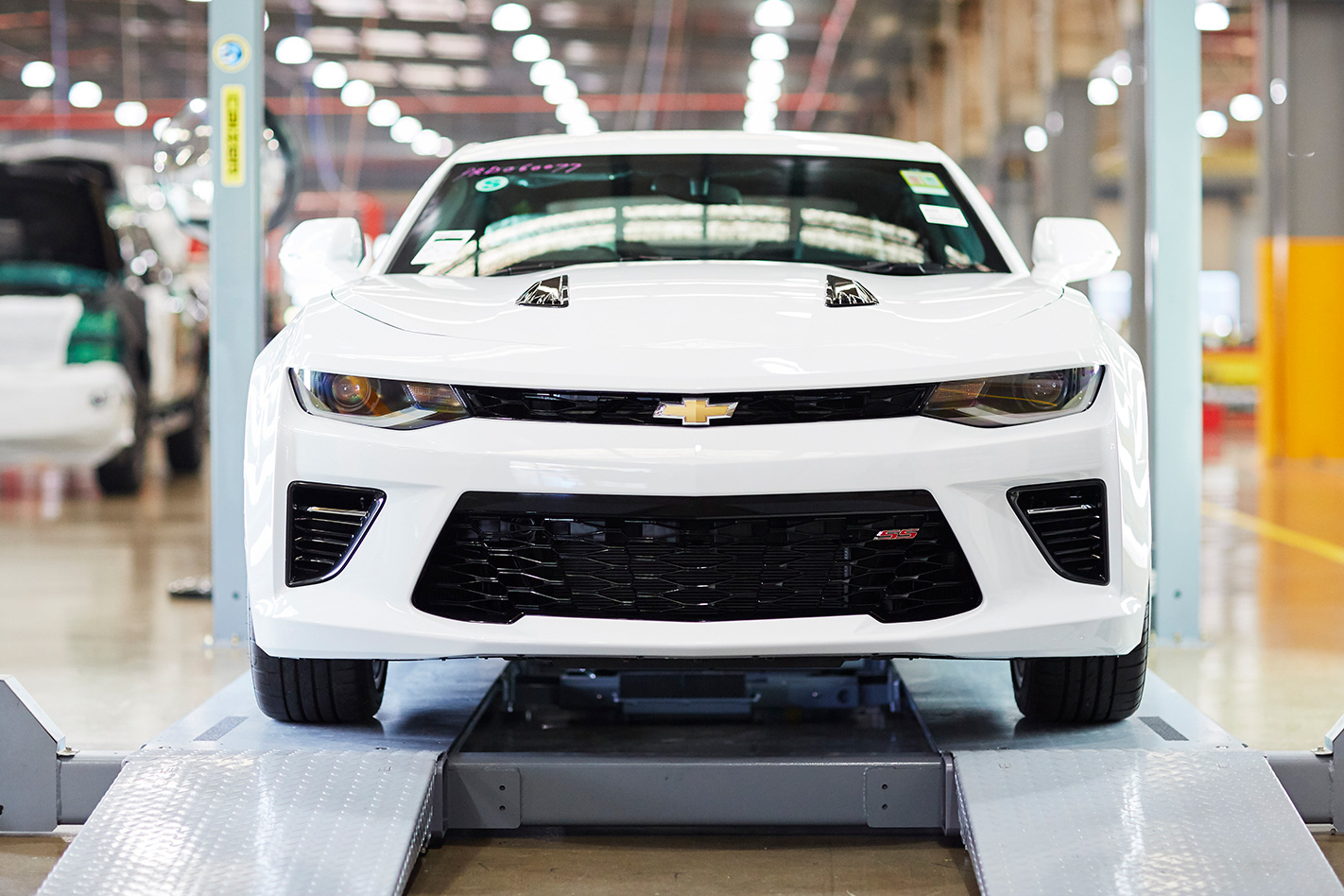
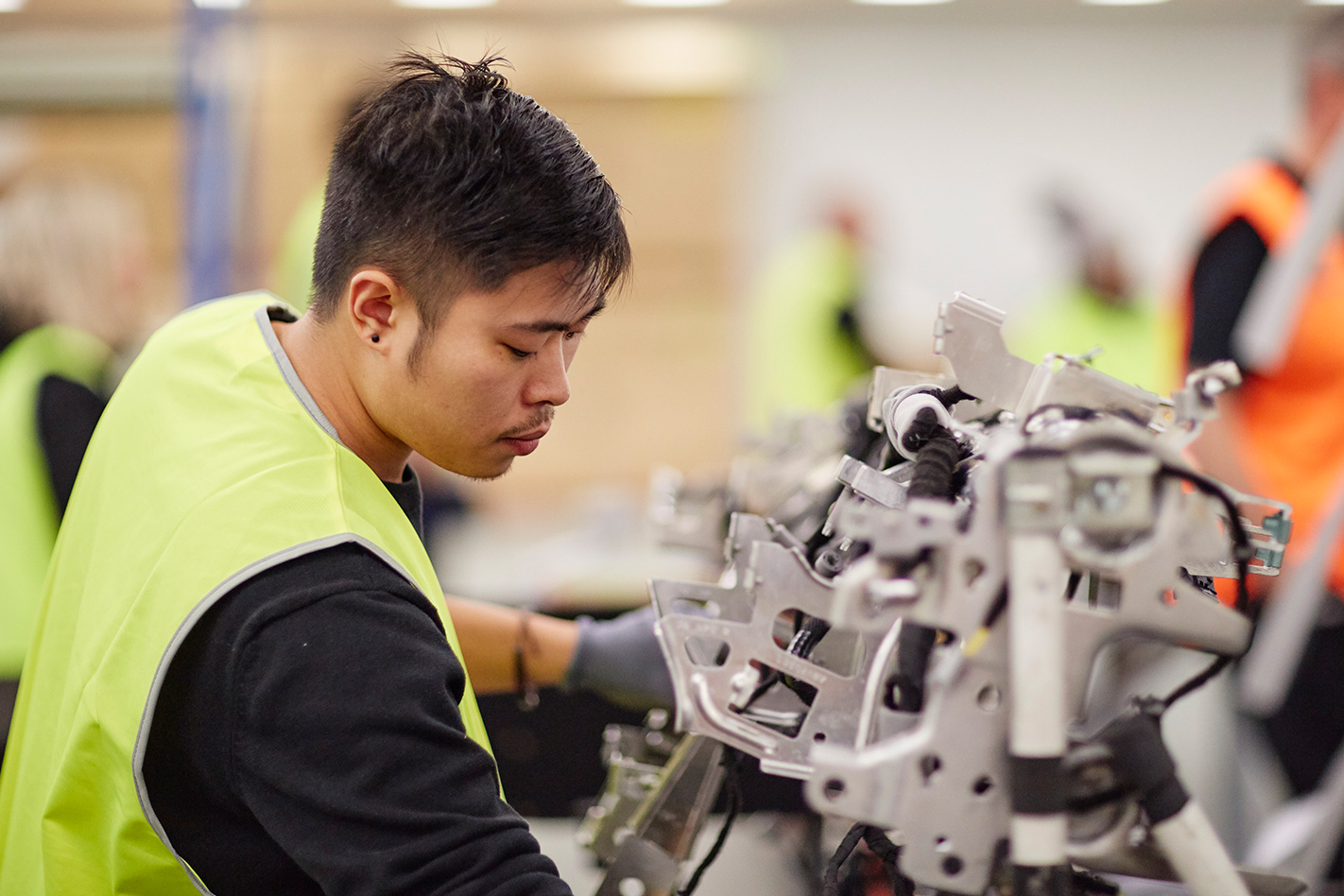
HSV prefers to call it ‘re-engineering’ rather than ‘converting’ when discussing the process of switching the Chevrolet Camaro’s steering wheel from the left to the right-hand side of the car. Well of course it would. The image of right-hand-drive conversions isn’t all that savoury. It’s redolent of backstreet bodgers and chancers inflicting all kinds of half-baked workarounds and Rube Goldberg solutions. To see a Camaro being stripped back to its shell at HSV’s brand new Clayton works, with the only parts left in it being front and rear glass, rear suspension assembly, fuel tank and differential is to see genuine re-engineering at work. In fact, more man hours go into the Camaro strip, fit and rebuild process than went into many of HSV’s Commodore-based creations. That goes some way to explaining that $85,990 price.
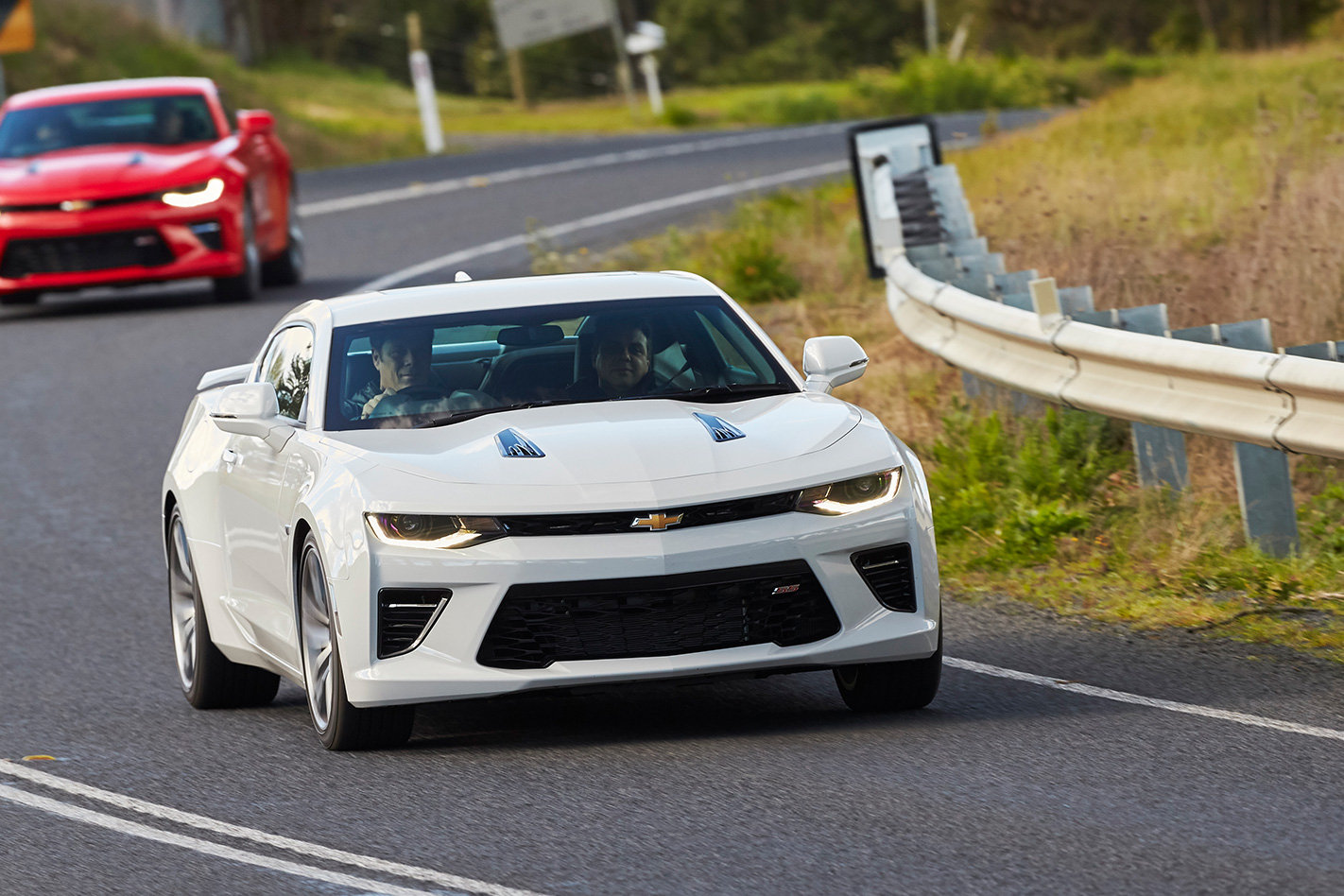
That’s all very well, but you’re probably here because you want answers to two very specific questions. Firstly, how does the right-hook Camaro drive and secondly, is it worth that $20K premium over a Mustang GT? The former is certainly an easier issue to address than the latter. If you’ve driven a Mustang GT, loved the V8 but found the rest of the package a bit thud and blunder, the Camaro could be just the ticket. It feels tauter and more focused than the Ford and that right-hand drive job? In terms of fit and finish it’s tough to pick.
If you really know your Camaros inside out, you’ll notice that, like the Mustang, the centre armrest is still in its left-hook configuration, with the cupholders on the driver’s side and the cushioned armrest extending forward for the passenger. There’s a stack of wiring and other electronics housed beneath here and remanufacturing this assembly would have been cost-prohibitive. You might also register a barely noticeable indent atop the instrument binnacle instead of a head-up display. The windscreen features a clear plastic reflecting insert in the laminate on the left-hand side of the windscreen to focus the image, and there was no way HSV could get the HUD to focus clearly on the right-hand side of the screen without it, so Aussie Camaros do without. Everything else feels painstakingly immaculate and HSV has gone out of its way to improve the standard car in terms of panel fit and customer delivery condition.
Fire one up and there’s a sharp bark of revs from the 6.2-litre LT1 V8. Direct fuel injection, no power steering pump (the LT1 is designed for electrically assisted steering systems), oil spray piston cooling, a completely redesigned pop-up dome piston design, forged rods, splayed spark plugs and a reversed valve layout make this a very different engine to the LS3 that many Aussies are very familiar with. It’s a great engine, but one that’s subtly different in feel to an LS3, preferring to get a few revs on the board and rewarding the driver with an angry metallic timbre as you crest 5000rpm. The peak power figure of 339kW arrives at a heady 6000rpm and peak torque of 617Nm will need you to wind the needle round to 4600rpm to plunder, so the Camaro can feel a little lethargic if you catch it off the boil.
This rewards a certain style of driving. Yes, it will happily burble around in Tour mode at 2000rpm, but the Camaro demands drivers. It’s a car that really enjoys being pounded, harassed, bullied and manhandled through corners. To do this, you’ll need to switch the car into Track mode which amps up the throttle and shift maps, emboldens the bi-modal exhaust (which also features a decidedly unstealthy Stealth mode), eases back the stability control and reduces steering assistance. It’s only the latter that’s a little questionable, Sport mode offering a slightly less gluey feel, but Track is a mode that can and should be used by keen drivers on road. It’s just a shame that we miss out on the trick magnetorheological dampers that are available in the US. The dampers would have added an unwanted layer of electronic/software complexity to HSV’s engineering workload, plus they aren’t offered as standard on the specification of Camaro HSV takes, which is tailored for Argentina.
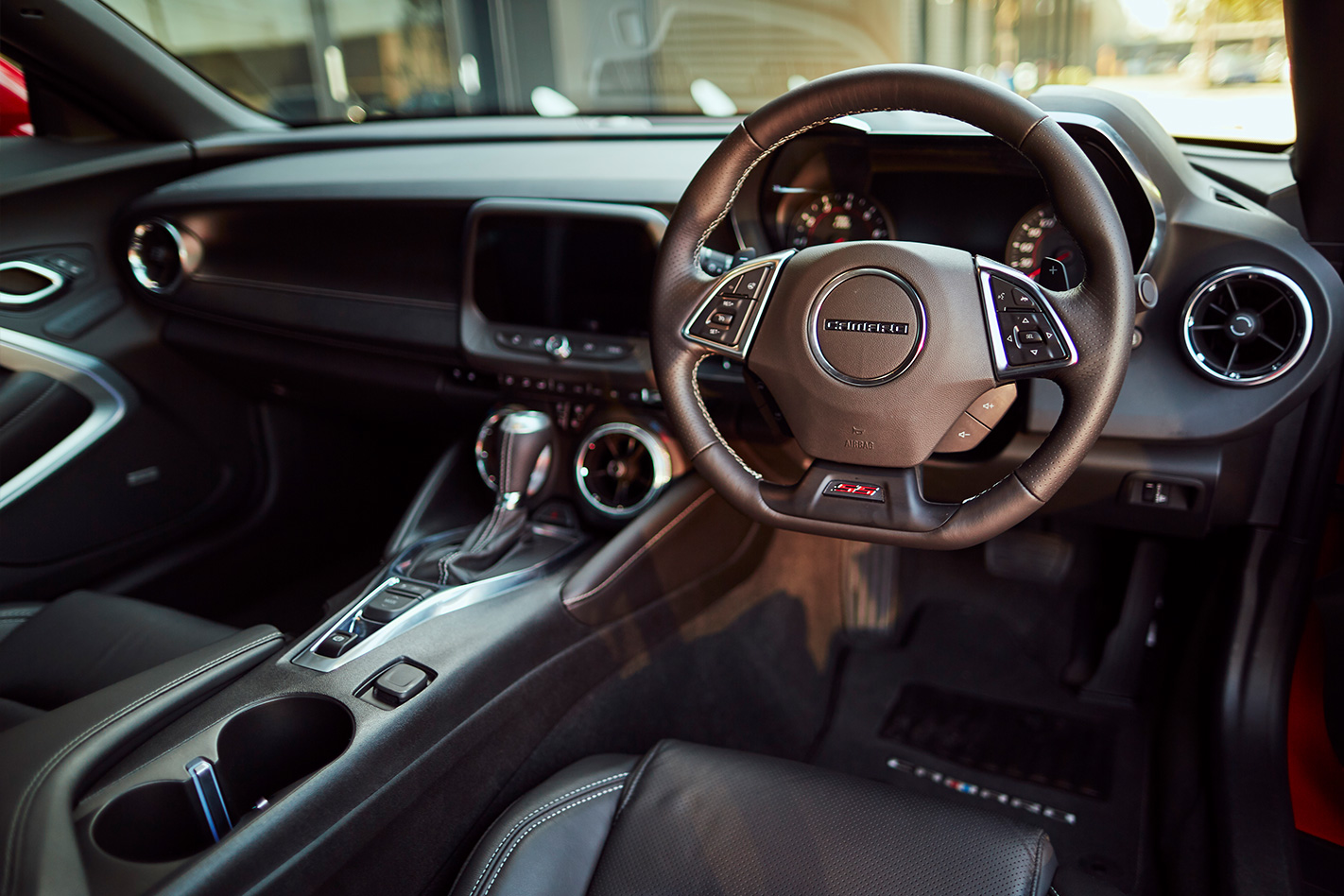
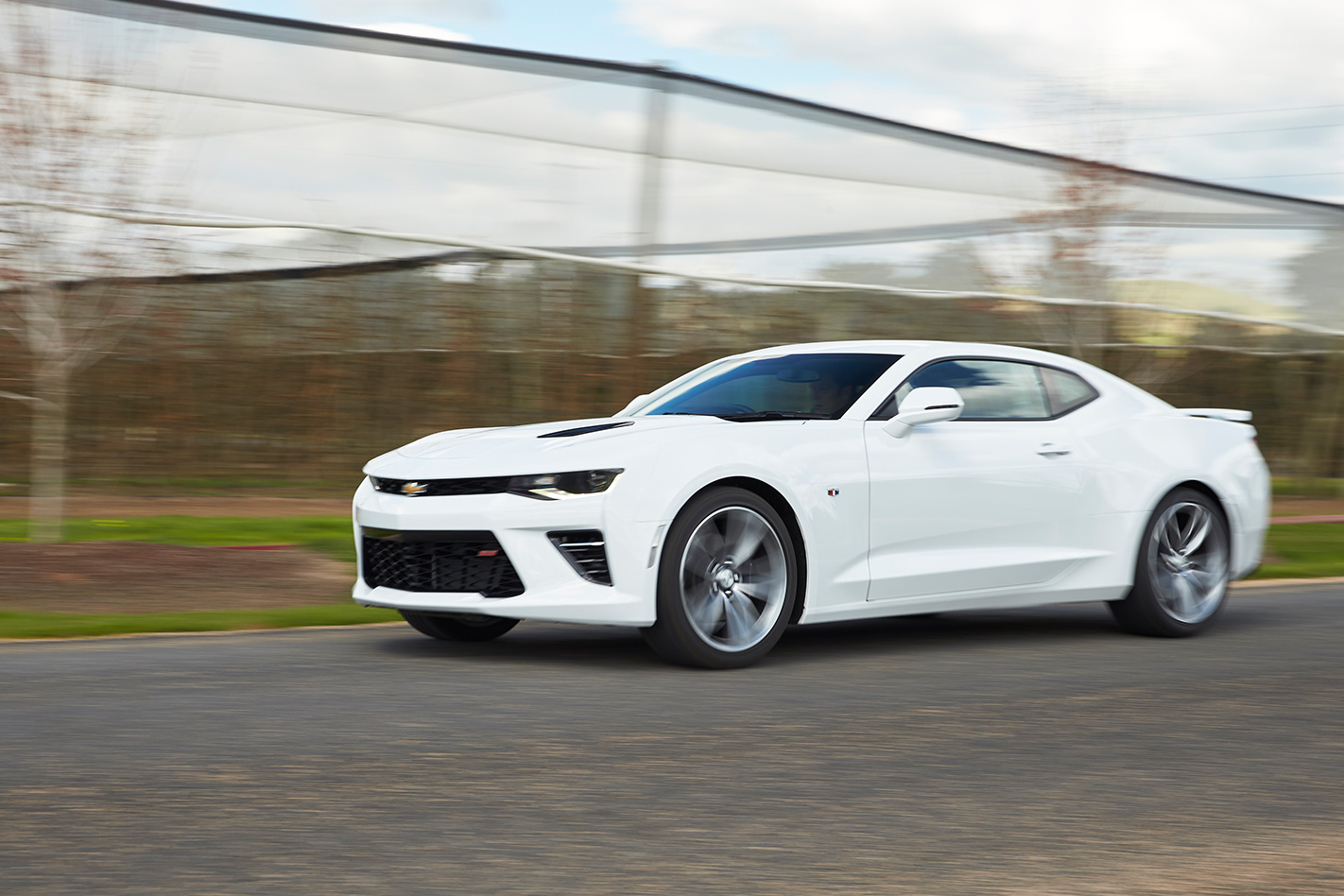
Tipping the scales at 1710kg, the Camaro manages a power-to-weight ratio of 198kW per tonne, which means it’s respectably rapid. It’s not M4/RS5/C63 super sedan quick, but it’s enough to give it the nod on the 190kW/tonne ten-speed Mustang GT. Traction off the line is helped by the hefty rear 275/35 ZR20 Goodyear Eagle run flats, 100km/h disappearing in around 4.5 seconds. The 8L90 transmission does a good job of punching through the ratios with some verve in Track mode, and there’s a pair of stubby wheel-mounted paddle shifters should you prefer to wring the thing out yourself.
With only four RHD pre-production cars in existence at the time of the road drive and HSV’s managing director parked in the passenger seat, we didn’t really get the opportunity to explore the more expressive side of the Camaro’s handling envelope, but it does come with a standard limited-slip diff and the stability control system goes all the way to zero. Ride quality is supple and combines with very good body control. It’s not hard to imagine how the supercharged ZL1 versions of this car managed those seemingly implausible Nurburgring lap times. In the hands of Car and Driver magazine, the atmo Camaro V8 SS in 1LE trim ran a faster lap around Virginia International Raceway than an Audi R8 V10 Plus. Four-pot Brembo front calipers do a good job of stopping the Camaro, and because its balance is so good and its 2811mm wheelbase relatively long (about 90mm more generous than a Mustang), the Chevrolet can be trail-braked aggressively into corners before tipping into yaw. In Sport, the stability control system can be a little over-eager to join the party, the dash light often flashing furiously with only moderate throttle openings on corner exit. At some points this manifested itself in a strange pivoting feel, the overly officious ESC almost acting like torque vectoring by braking.

The equipment level of these Argentinian-spec Camaros (chosen because they’re closest to our requirements in terms of details such as lights, standard equipment and emissions) is very good. You get eight-way adjustable driver’s seat, 6-way passenger chairs, heating and ventilation for the front seats, a heated steering wheel, a Bose nine-speaker stereo, MyLink with Apple CarPlay and Android Auto, dual zone climate control, wireless phone charging and a glass sunroof. It’s not all perfect, though. Packaging leaves a lot to be desired, with visibility out of the car poor and little useable interior storage. The door bins are minuscule, the wireless phone charger behind your left elbow, the cup holders are uncomfortable to rest your elbow on and the boot has a tiny, awkwardly shaped aperture to post things through. The sunroof (a feature HSV didn’t actually want and which adds nearly $2k to their invoice price from Chevrolet) robs you of a few centimetres of much-needed headroom, the central air vents blow straight onto the gear shifter and rear legroom is paltry. Then there’s the fact that with no head-up display, you’re forced to read an analogue speedometer that rises in 30km/h increments. The tiny gap between 90 and 120km/h means that it’s hard to gauge at a glance whether you’re travelling at 100 or 106km/h, which is enough – in Victoria at least – to earn you a ticket. We also miss out on the 2019 model year updates which introduce the ten-speed auto, launch control and line lock, an updated infotainment system, forward collision alert, a rear view camera system and a facelift of questionable visual appeal. HSV has crash-tested four Camaros to verify engineering and for ADR purposes, but the car is not being submitted to ANCAP for crash testing. With no form of AEB it would probably return a fairly unspectacular score in any case.
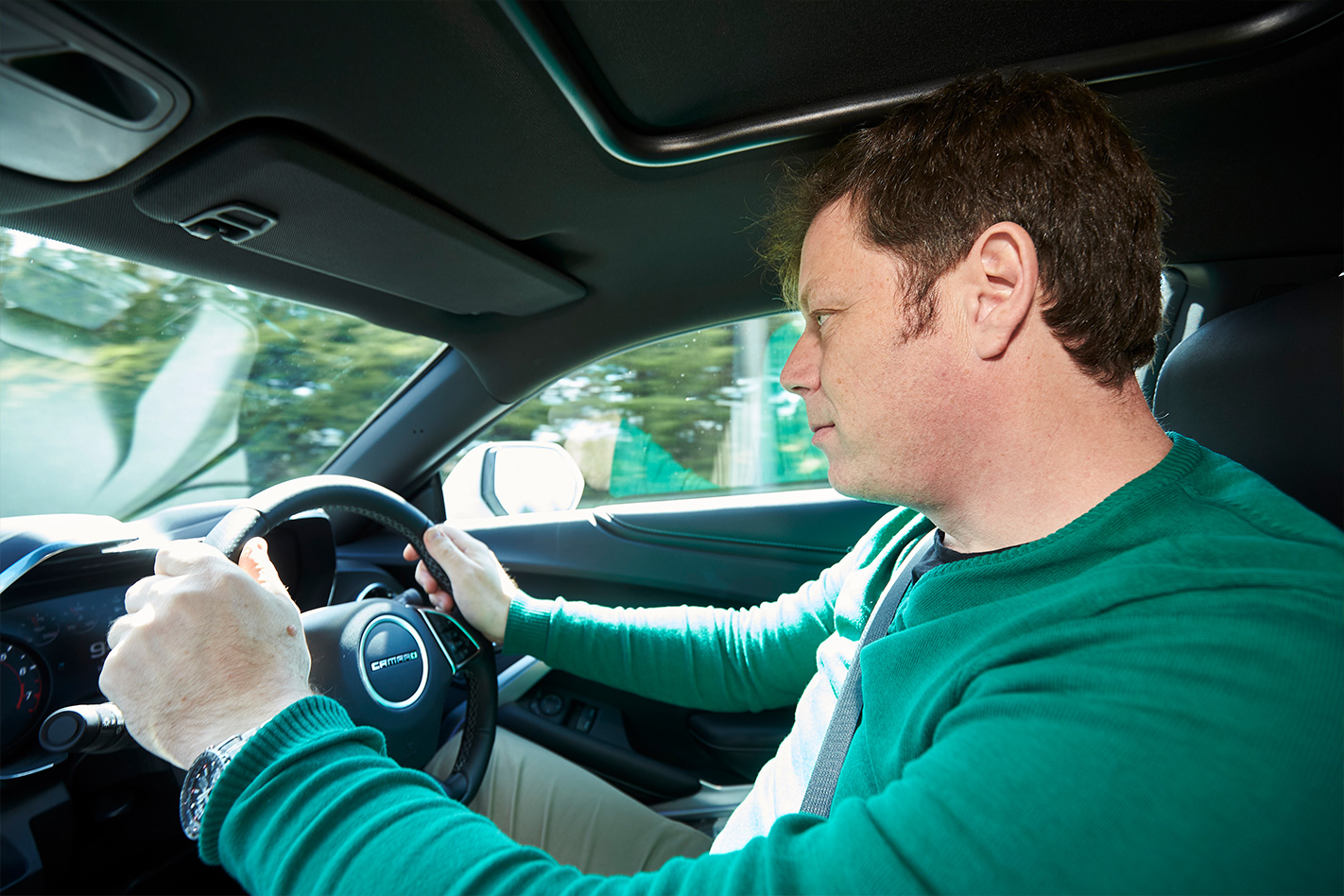
So, onto the nagging question of whether an $85,990 Chevrolet Camaro makes any kind of sense in a market where Ford is still shovelling Mustangs out of its dealers like crazy, a car that is also offered with a manual gearbox and in convertible guise, remember. The only person who can really answer that question is you. HSV will point to the fact that Camaro sales figures will only ever peak at 1000 units per year against the ubiquitous Mustang’s 7000 or more. That buys an element of exclusivity, but where the Camaro really scores is in feeling like a driver’s car rather than an unreconstructed muscle car. There’s genuine talent in its chassis tuning that feels a level beyond the Mustang, and the LT1 engine’s significant torque advantage means that, in the absence of a RHD Shelby offering, the Chevrolet scores notable bragging rights. That’ll be enough for some. If or when the long-rumoured supercharged Camaro starts rolling from HSV’s Clayton plant in right-hand-drive guise, it’ll put a 485kW-sized hole in that debate.
SPECS
Model: Chevrolet Camaro 2SS Engine: 6162cc, V8, ohv, 16v Max Power: 339kW @ 6000rpm Max Torque: 617Nm @ 4600rpm Transmission: 8-speed automatic Weight: 1710kg 0-100km/h: 4.5 sec (est) Fuel economy: 11.5L/100km (claimed) Price: $85,990 On sale: Now
WHAT IS IT?
An updated version of AMG’s entry-level C-Class, now with more power from its V6 engine and lots of small, but important, changes inside and out.
WHY WE’RE TESTING IT
As much as we like the V8 brawn of AMG’s hugely exciting C63, its blinkered thrill-seeking isn’t easy to live with every day. The C43, however, has dialled back the extroversion to a more liveable level. The question is, has AMG been able to restrain itself for this update, or is this more powerful C43 too focused for its own good?
MAIN RIVALS
Audi S4/S5, BMW 340i/440i
THE WHEELS REVIEW
WE ALL have that one hyperactive mate with no off switch, right? In vehicular terms, that mate is a Mercedes-AMG C63. While they’re great for a laugh most of the time, there are days when they (and the C63) need to be hosed down.
Luckily, Affalterbach offers an alternative called the Mercedes-AMG C43. It’s a fast C-Class that’s more suitable for everyday use, with a level of performance that can be explored and enjoyed without regular visits to a racetrack.
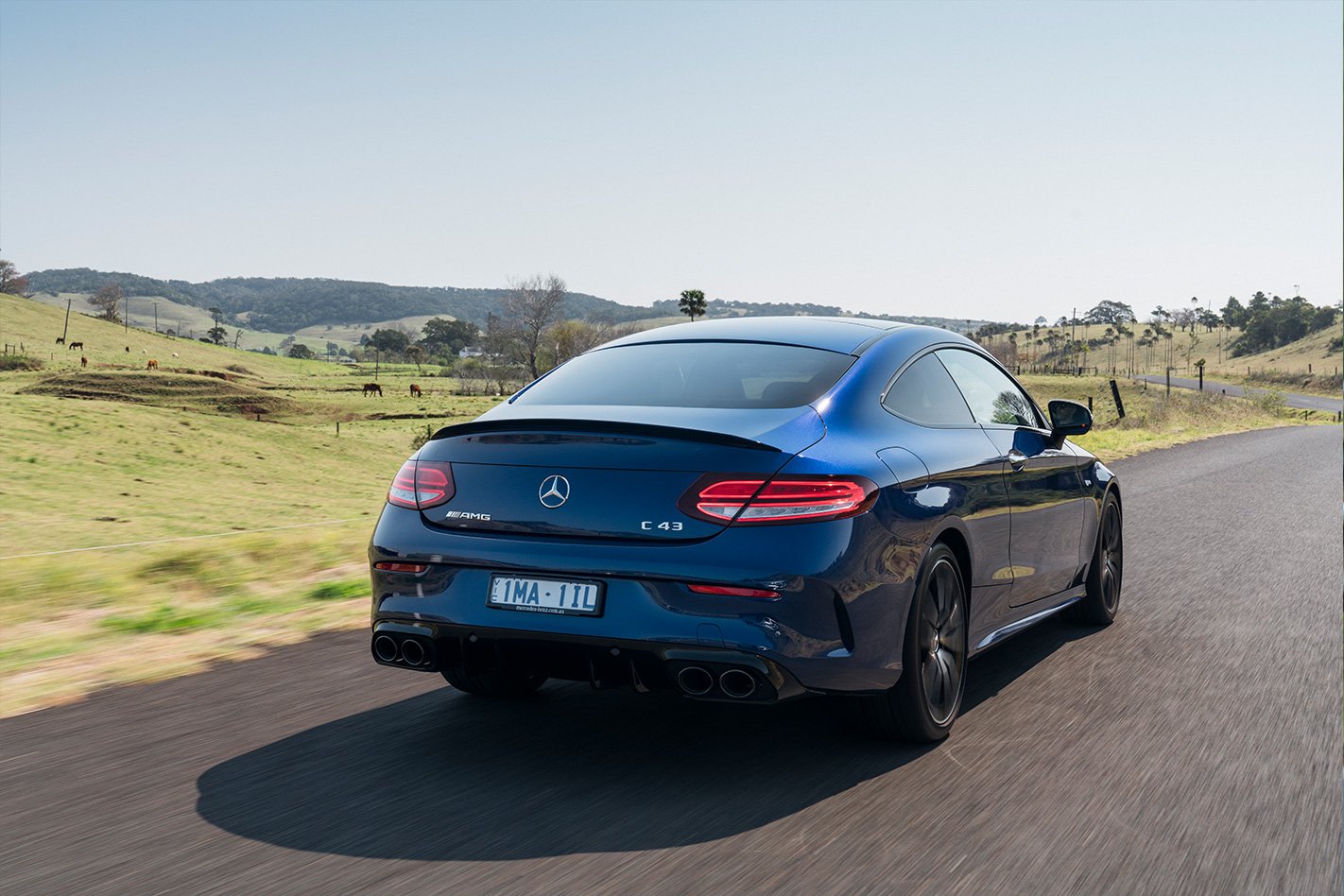
For 2019, the C43 has been updated as part of the most comprehensive C-Class facelift to date. The 3.0-litre V6 found in all four C43 shapes (sedan, wagon, coupe and cabriolet) is now fed more boost by larger turbos taken from the E43, lifting its peak power from 270 to 287kW. Torque remains the same at 520Nm, as does its sharp 0-100km/h performance of less than 5.0sec for all body styles.
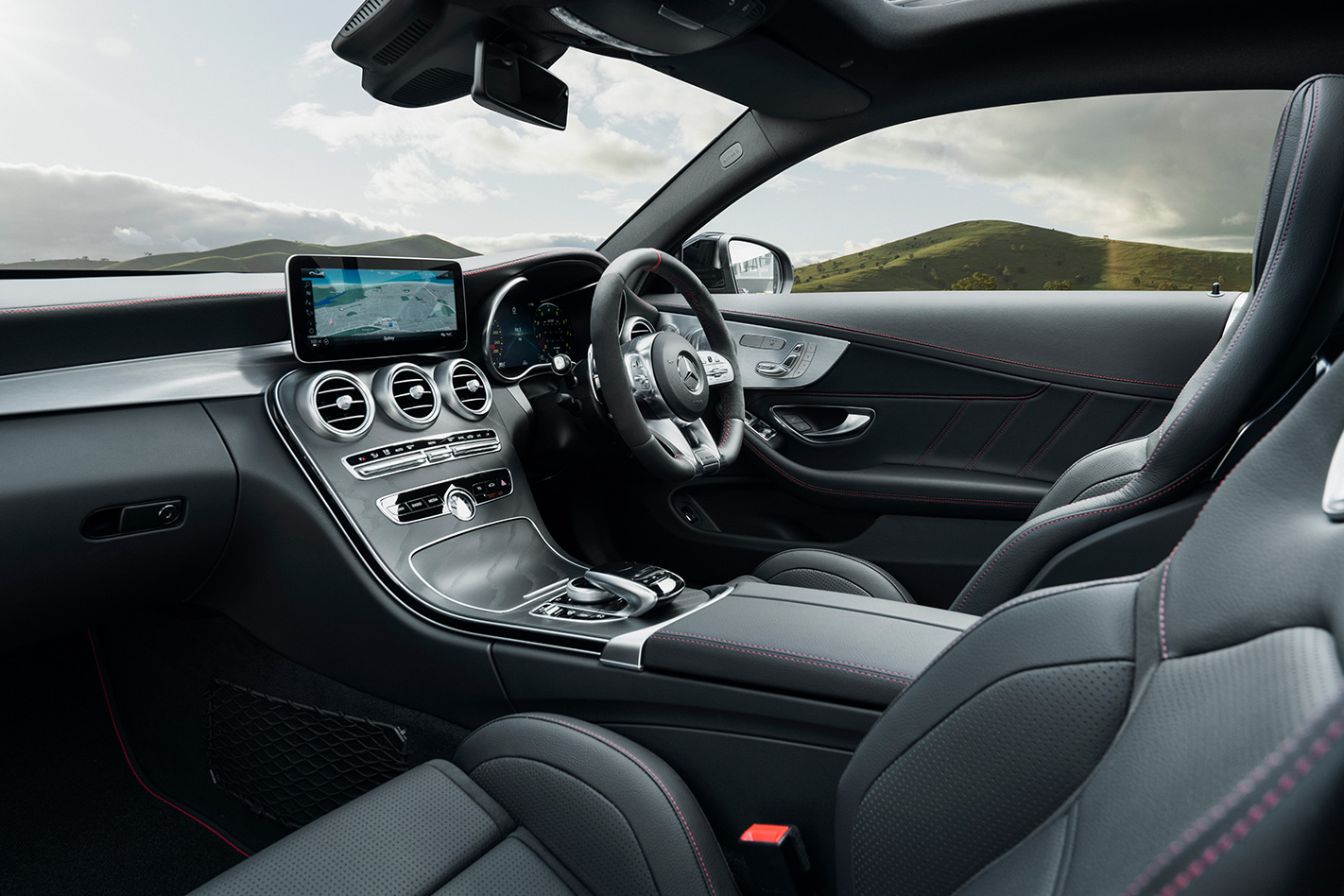
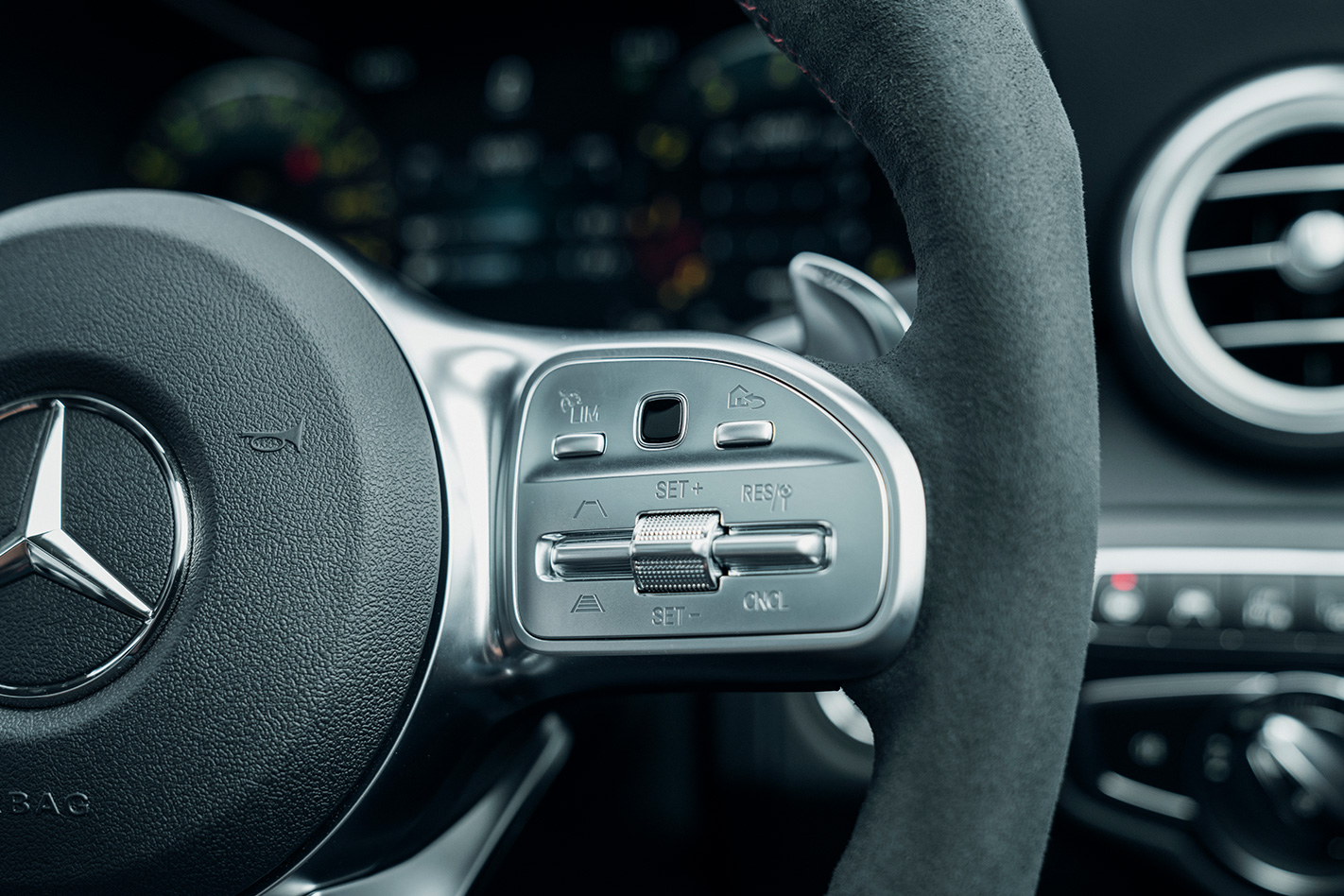
A bi-modal performance exhaust is now available as an individual option for $2300 and as part of a $5400 package that also adds performance seats and microfibre trim for the new AMG steering wheel. The V6 opens up into a throaty growl as it revs, with loud cracks on upshift and a burbling overrun when in the sportier drive modes, without fully reaching the C63’s level of V8 boisterousness.
The C43’s other major point of difference is its all-wheel-drive system, which is fixed to send 61 percent of torque to the rear and 39 to the front, whereas the C63 is rear-drive only. Grip is in ready supply, and the C43 feels resolutely composed on a fast road.
Subtle adjustments have been made by AMG to the tune of the C43’s adaptive suspension, though the car’s overall feel isn’t dramatically altered. The difference in ride quality between its Comfort, Sport and Sport+ modes is noticeable, but less pronounced than the step changes of the adaptive suspension now available in regular C-Class models. At its softest the C43 retains some of its AMG attitude and agility, but its comfort is generally acceptable for a sporting car.
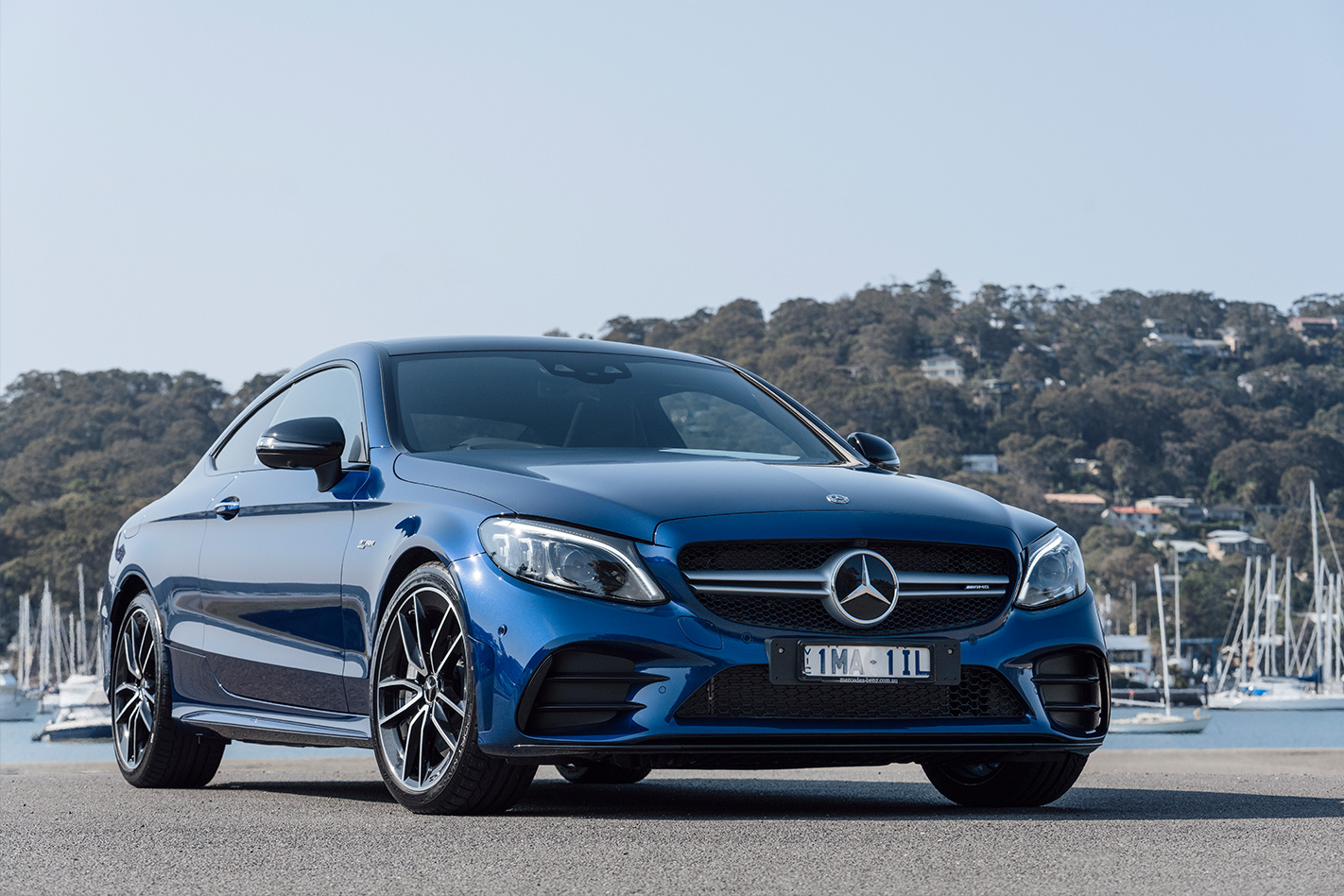
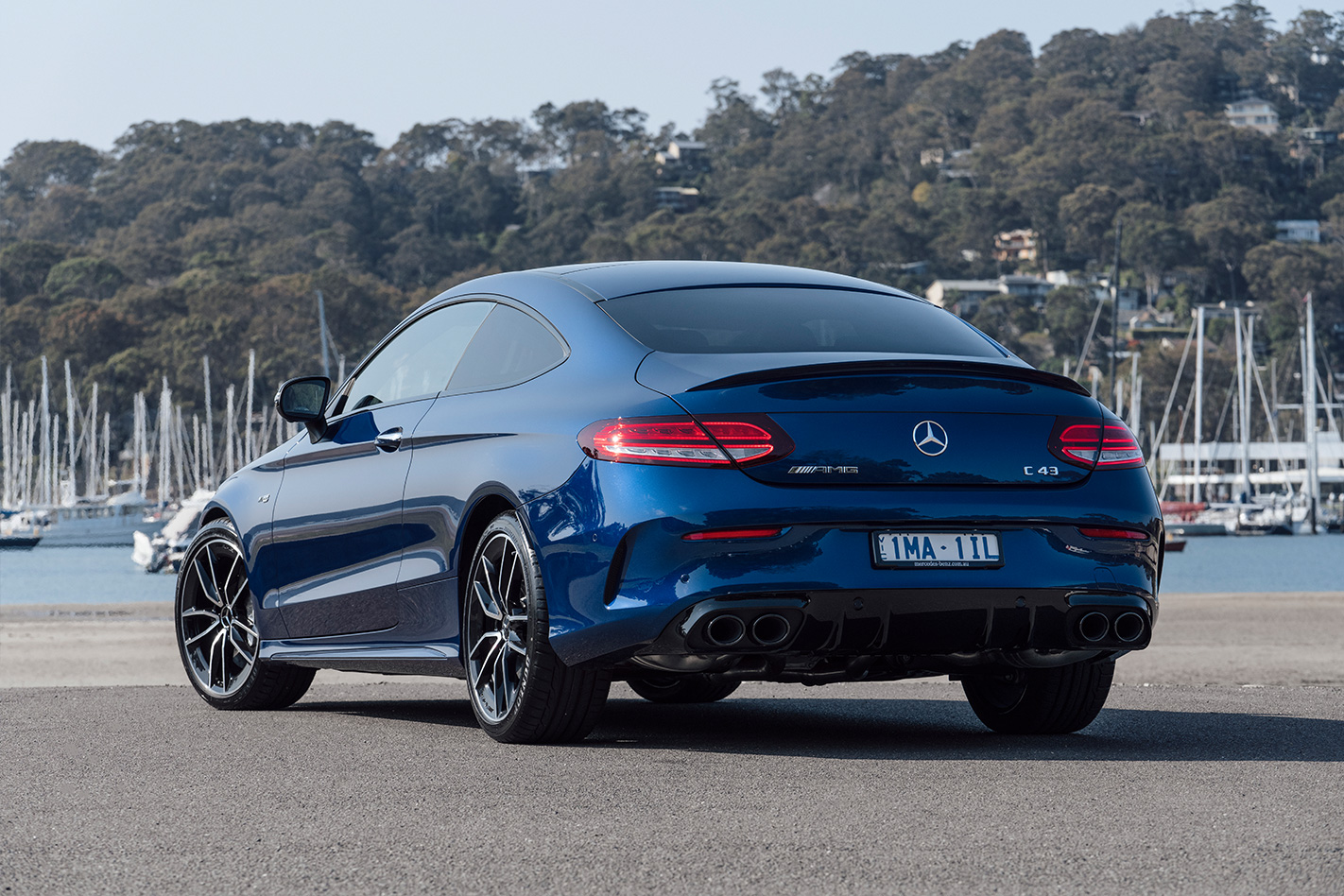
To make it easier to identify, the C43 now has a distinctive twin-louvre grille that’s specific to AMG’s 43-badged models and 19-inch wheels with a unique, aerodynamically optimised design. Multibeam LED headlights with a range of up to 650 metres are standard, as is AMG’s Night package, which blacks-out exterior design elements. A re-profiled front bumper includes aero aids at each corner that guide air around the wheels for efficiency. New LED taillights are also fitted.
Interior improvements include a range of infotainment and driver assistance upgrades, though Benz’s advanced MBUX interface hasn’t made its way to C-Class as yet. The instrument cluster is now a 12.3-inch digital screen with a customisable AMG mode, supported by a second large display above the centre console. Safety technology is extensive, with all active systems included as standard, including a 360-degree camera, AEB, adaptive cruise control, parking assist, evasive steering assist and traffic-jam assist.
Pricing starts at $107,900 for the sedan through to $124,900 for the cabrio, making C43 a full $50K and change more affordable than an equivalent C63. It’s an appealing proposition; closer to being compatible with Australia’s speed limits, while still plenty fast enough to put a grin on your face. The C43’s grown-up brand of performance was already a discerning choice, now made more compelling for 2019.
THE WHEELS VERDICT
Updates to the AMG C43 for 2019 keep the performance halfway house feeling fresh. A mild power bump of 17kW is good for bragging rights, but more useful are the technology gains inside, including up-to-date safety and a classy digital instrument display. It’s a good-looking and likeable package with enough performance to bring excitement on a fast road without the need for a racetrack.
PLUS: Strong engine performance and traction, more distinctive styling than before MINUS: Comfort ride could be plusher; misses out on state of the art MBUX infotainment
SPECS
Model: 2019 Mercedes-AMG C43 Coupe Engine: 2996cc V6, dohc, 24v, turbo Max power: 287kW @ 6100rpm Max torque: 520Nm @ 2500-5000rpm Transmission: 9-speed automatic Weight: 1615kg 0-100km/h: 4.7sec Fuel economy: 9.4L/100km Price: $111,900 On sale: Now
The Chevrolet Camaro is a fast, proper rear-drive V8 performance car that looks good, is easy to drive and feels solidly built. It might struggle to rein in a Ford Mustang GT when compared dollar for dollar, but if you’re after a sharp handling muscle car with presence then you’re in the right place.
It invades Australia from The States in MY18 2SS form. The ‘SS’ means a new generation 6.2-litre V8 hides in its bonnet while the ‘2’ means it’s fitted with premium interior equipment.
Despite this, more than 400 people have told HSV they want one sight unseen. In showrooms, they’ll discover custom made parts on everything above the centre stack’s HVAC buttons. HSV has also widened the original passenger footwell for the driver, swapped the sole electric power seat to the right side, laid new wiring looms, and modified the firewall.
But you wouldn’t suspect all this when you sit in one. The interior feels and looks factory built. The dash panels fit snug. The air conditioning and heating obey commands, even if our pilot cars had some gurgle due to be silenced for production, and all the screens function as they should.
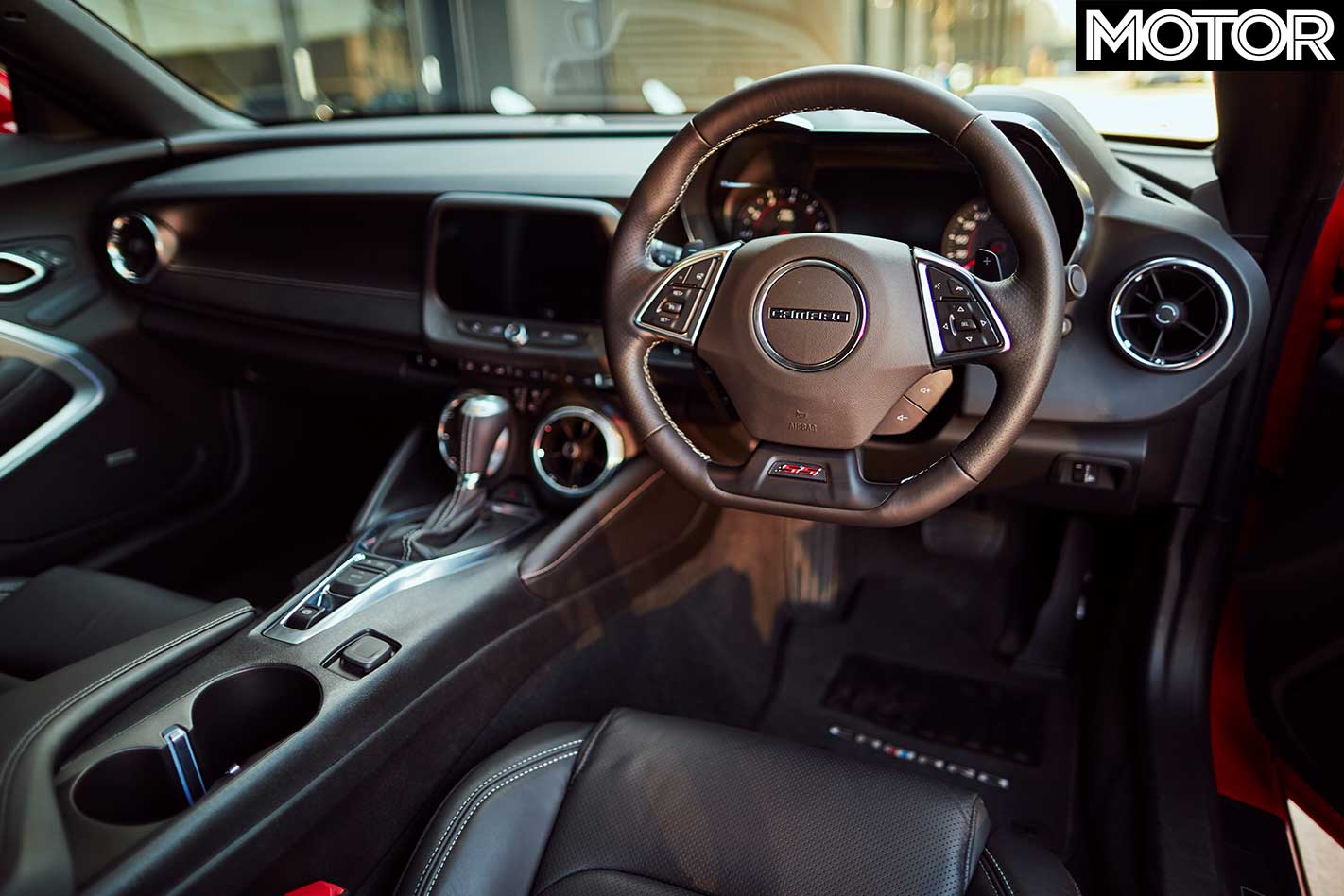
It’s cosy inside. The sixth-generation Camaro is smaller in every way to the fifth-generation and skinnier than a Mustang or VF Commodore (just). The back seats almost press against the front seats and it’s easy to touch elbows with a passenger.
Good ergonomics persist, though. The seat lowers far enough and the steering wheel pulls out and lifts high. The pedal stagger is set perfectly and there’s enough room down there for a footrest.
Prod the starter button and its LT1 V8 rouses to life with a vicious bark that gurgles like a small-block ought to. The bi-modal exhaust’s noise is more seductive outside than it is inside, but the bark comes close to matching the car’s bite.
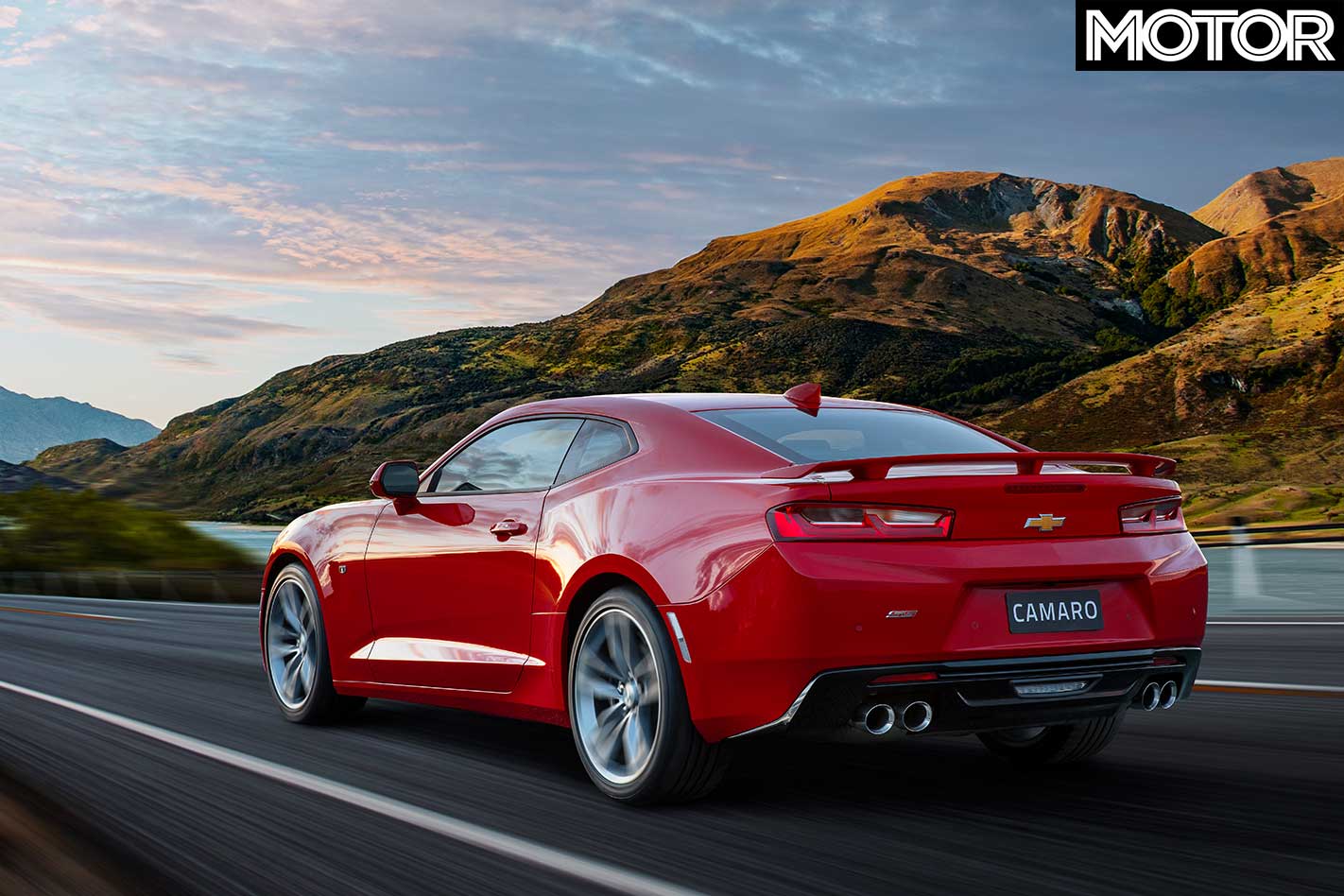
In Europe a 2SS is claimed to hit 100km/h in just 4.4 seconds; a believable fact when you flex your right ankle. The Camaro squats gently and blasts forward. Its V8 pulls through its mid-range smoothly, hitting its torque peak at 4400rpm fast before delivering all its power at 6000rpm.
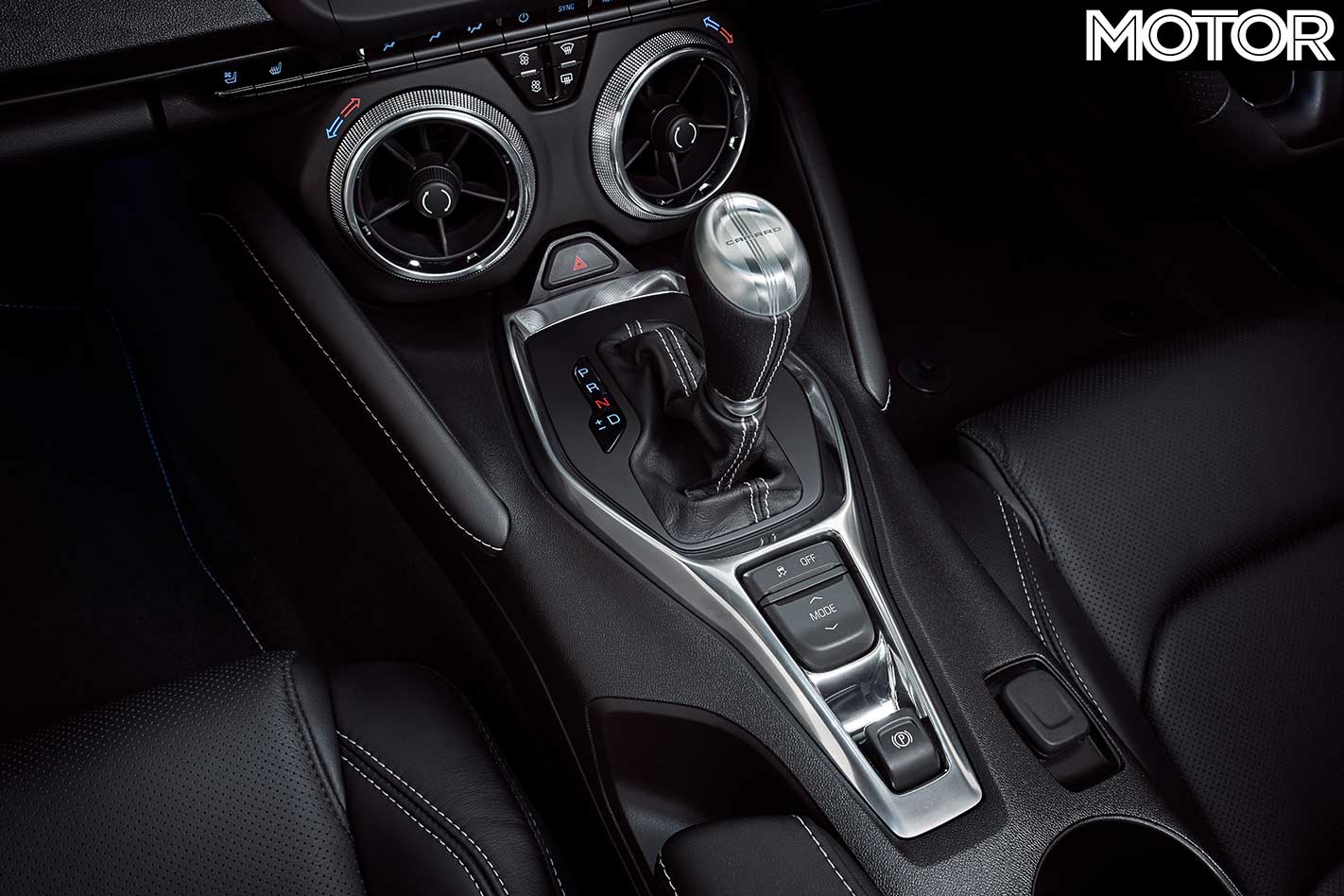
Once you reach 6400rpm the GM 8L45 eight-speed transmission will grab next gear. The changes are quick. But the urgency vanishes when you pluck a paddle early, as upshifts take twice as long in manual mode.
There’s more to this engine than impressive figures, however. While it shares a basic architecture with an LS3 it debuts new cylinder heads and an overhauled rotating assembly. Direct injection also allowed engineers to ratchet up its compression ratio.
Desperate to sip less fuel, it shuts four cylinders off during cruising. You won’t feel them switch, but you will notice the throttle pedal soften at cruising speeds.
AFM, as it’s called for Active Fuel Management, endures in all Tour, Sport, Track or Snow/Ice drive modes that change the stability, throttle and transmission maps. The exhaust and steering can be set separately.
The suspension would also change with the modes if Aussies scored the magnetic dampers optional in America. But they haven’t been fitted to the Argentinian core vehicle HSV starts with on the production line. Why Argentina? It offers the most Australian compliant parts and is why each car here has an automatic and sunroof.
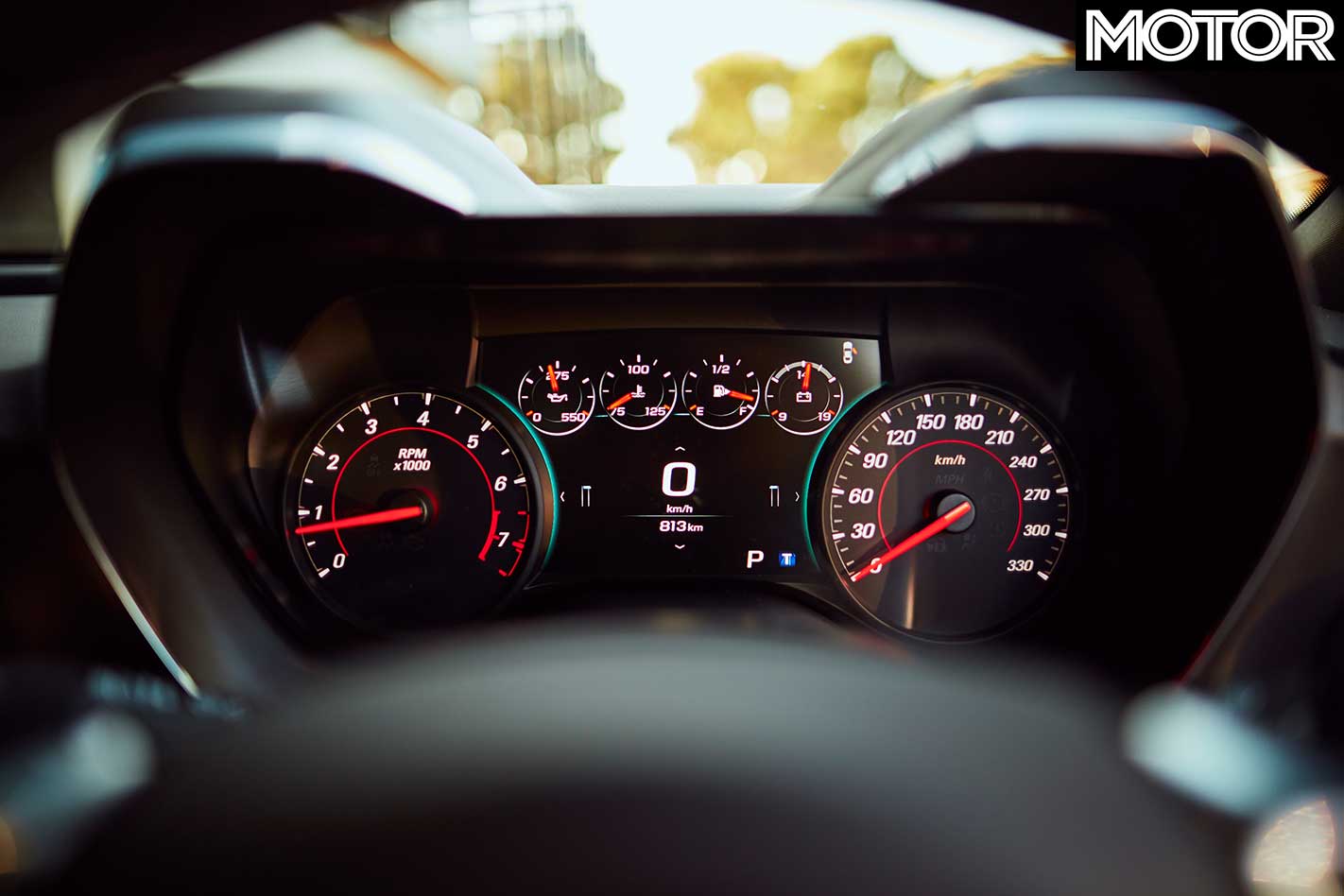
Our planned test route was short with only a few challenging corners, but it was enough to demonstrate the Camaro’s sharp and friendly handling. It feels wieldier than any Commodore while sitting flat and stable. You have a great sense of grip at each axle and the front-end responds keenly without upsetting the car’s poise.
While the original steering rack mechanisms are cased in a new housing, the wheel is a good size and lines up straight with the column and driver’s seat. The front wheels also track true off centre and with good accuracy. The ratio quickens too fast when you reach a quarter turn of lock, but at least the heavy weighting feels appropriate once you’re hooking in.
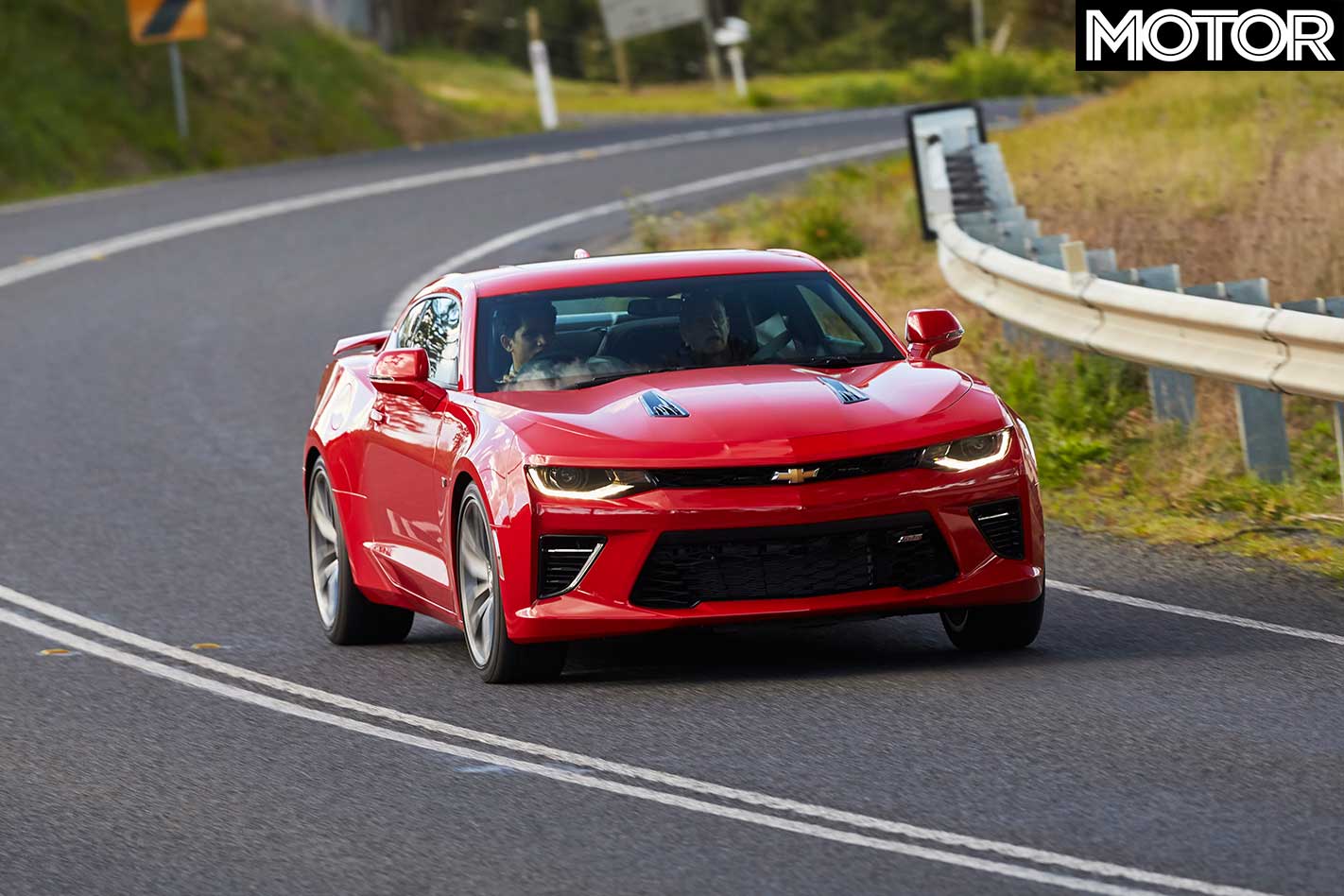
Ride comfort sits somewhere between a Holden Commodore SS-V Redline and HSV GTSR W1 on firmness. It’s bearable, but adaptive damping would help inject more compliance into the mix. The suspension lets small vibrations creep into the cabin over gnarled surfaces and its 20-inch wheels bounce over potholes.
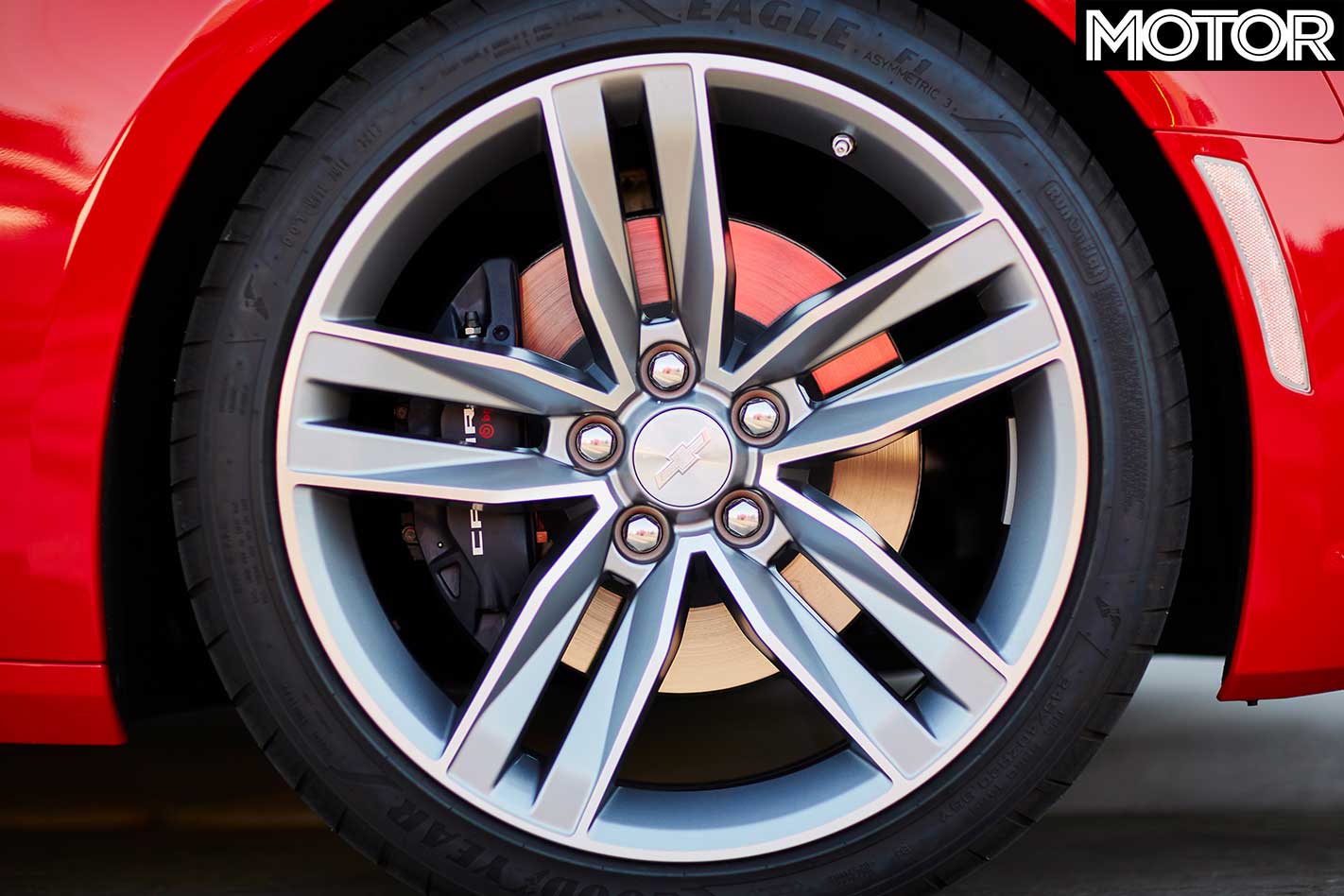
The brakes comprise four-piston Brembo calipers that clamp front 345mm and 339mm rear discs, so they’re strong, but we’d prefer more finesse and feedback. They sit within 20-inch Goodyear Asymmetric 3s measuring 245mm wide up front and 275mm wide out back. We’re salivating to explore their limits more and you can bet a more aggressive road test is on the cards with full acceleration testing.
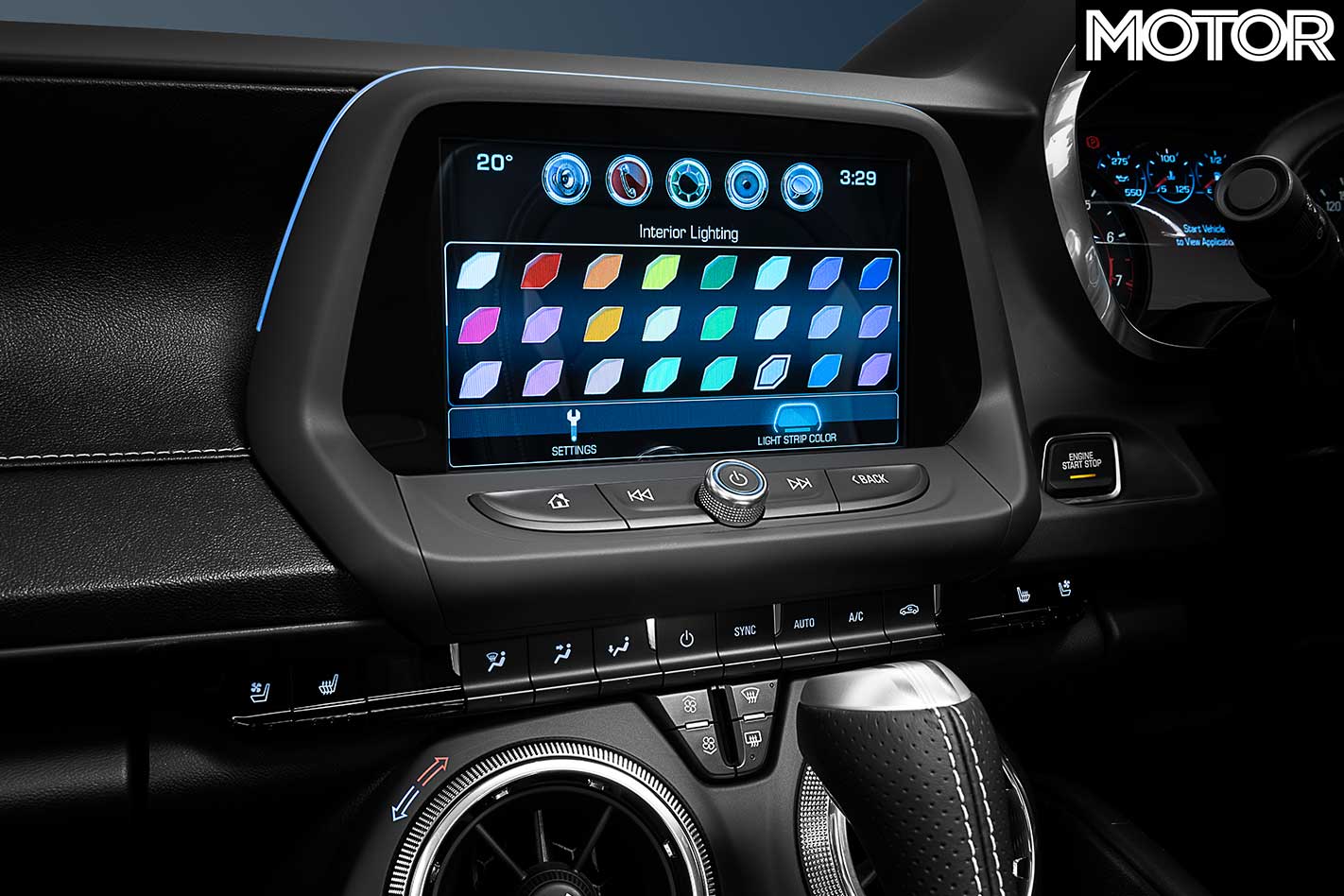
HSV has given it the best possible chance when that time comes, as the local conversion takes nothing from its original package. There’s plenty of standard equipment, including Apple CarPlay on the awkwardly tilted centre screen and wireless phone charging, though a relatively quiet exhaust and one-dimensional ride on passive suspension leave it vulnerable against the Mustang. Comparing them is a bit apples to oranges stuff, though, even if the two are direct rivals back home.
If the measure of a muscle car is how it makes you feel, then it has some great ingredients. The handling promises to be special and that engine is refined yet powerful. It might be a while before HSV rolls up its sleeves to do its own special edition, however, there’s nothing here to turn starved GM fans off. This is a V8 rear driver with an LSD for under $100K. That calls for celebration.
HSV’s venture at the very least is a small victory for local manufacturing. It keeps supplier chains open, production lines running, and injects excitement back into select Holden dealers. And something about that feels better than anything you’ll find on a spec sheet.
2018 CHEVROLET CAMARO 2SS SPECS: Engine: 6162cc V8, OHV, 16v Power: 339kW @ 6000rpm Torque: 617Nm @ 4600rpm Compression ratio: 11.5:1 Combined fuel consumption: 11.1L/100km (claimed) L/W/H/WB: 4784mm/1897mm/1340mm/2811mm 0-100km/h: 4.4sec (claimed US spec) Weight: 1710kg Price: $85,990
Rating: 4.0 out of 5 stars
If you’re of the mindset that simplicity and power-to-weight trumps a long specs sheet and big figures, we may have found the vehicle for you – a Mini Moke with a Suzuki GSX-R1000 engine.
The seller says it’s making 138kW, and that it revs to 14,500rpm. That’s something that’s piqued our interest, though we expect the torque figure wouldn’t impress.
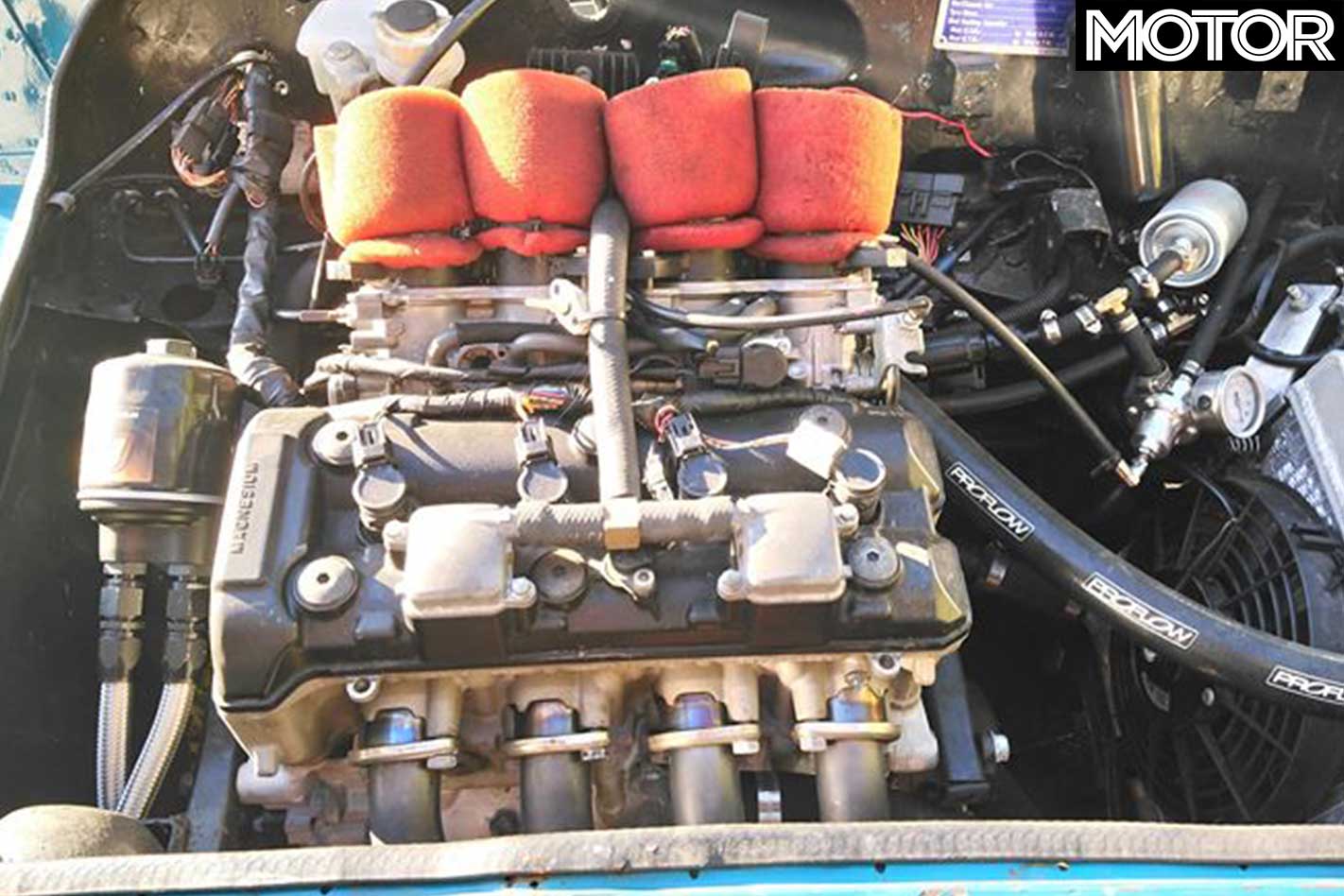
“Sad to see it go but a new project is at hand,” he begins.
“This little Moke has a gen-2 GSX-R1000 engine, a chain driven differential, and 6-speed sequential gearbox stick shift. [It’s on] custom wheels and street legal semi slicks.”
The listing says it has a GSX-R digital dash, controls, and led indicators. Unfortunately, in true online ad style, there aren’t many pictures of the car and none of the interior. We do get to see the engine though.
It’s also sporting quad throttle bodies, has eight injectors, and a custom fuel system. The seller adds it has a 2.5-inch exhaust.
“The paint needs attention but the body is pretty much rust-free, it is a galvanised ‘81 Californian body.
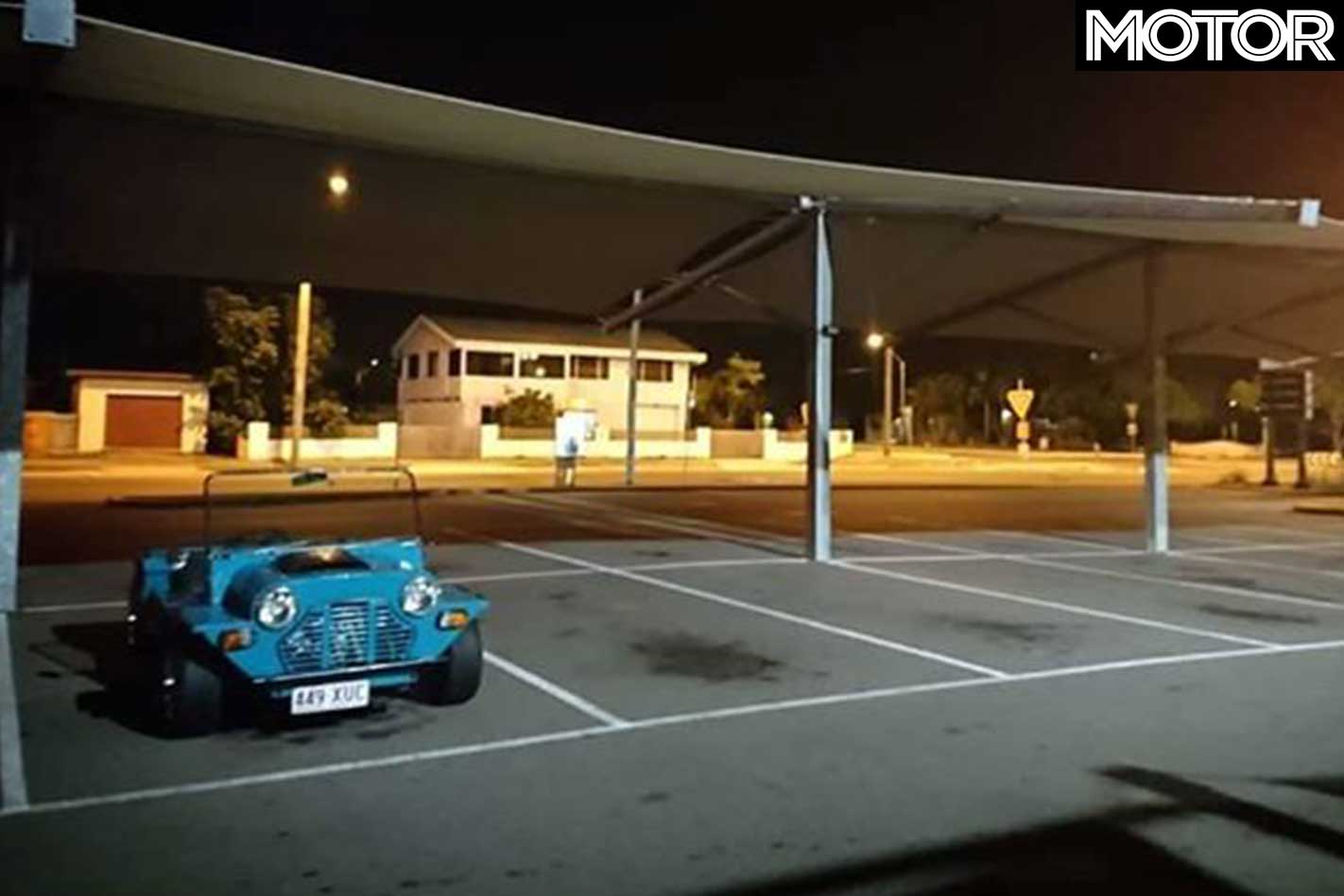
Being from coastal Queensland, the words ‘pretty much’ are no surprise.
“This is legal on QLD roads – I have had the modification plate done so this can be registered.”
The seller finishes his listing on a point that we don’t think is really a big ‘plus’ for the car.
“This thing will kill you.”
Yikes… Buyer beware, we guess.
You can check out the post here.
INTRODUCTION
The Volkswagen Amarok Ultimate 580 is the German brand’s entrant into the fast-growing premium 4×4 dual-cab ute market, up against the Ford Range Raptor, Toyota Hilux Rugged X, HSV Colorado SportsCat+ and upcoming Mercedes-Benz X-class X350d.
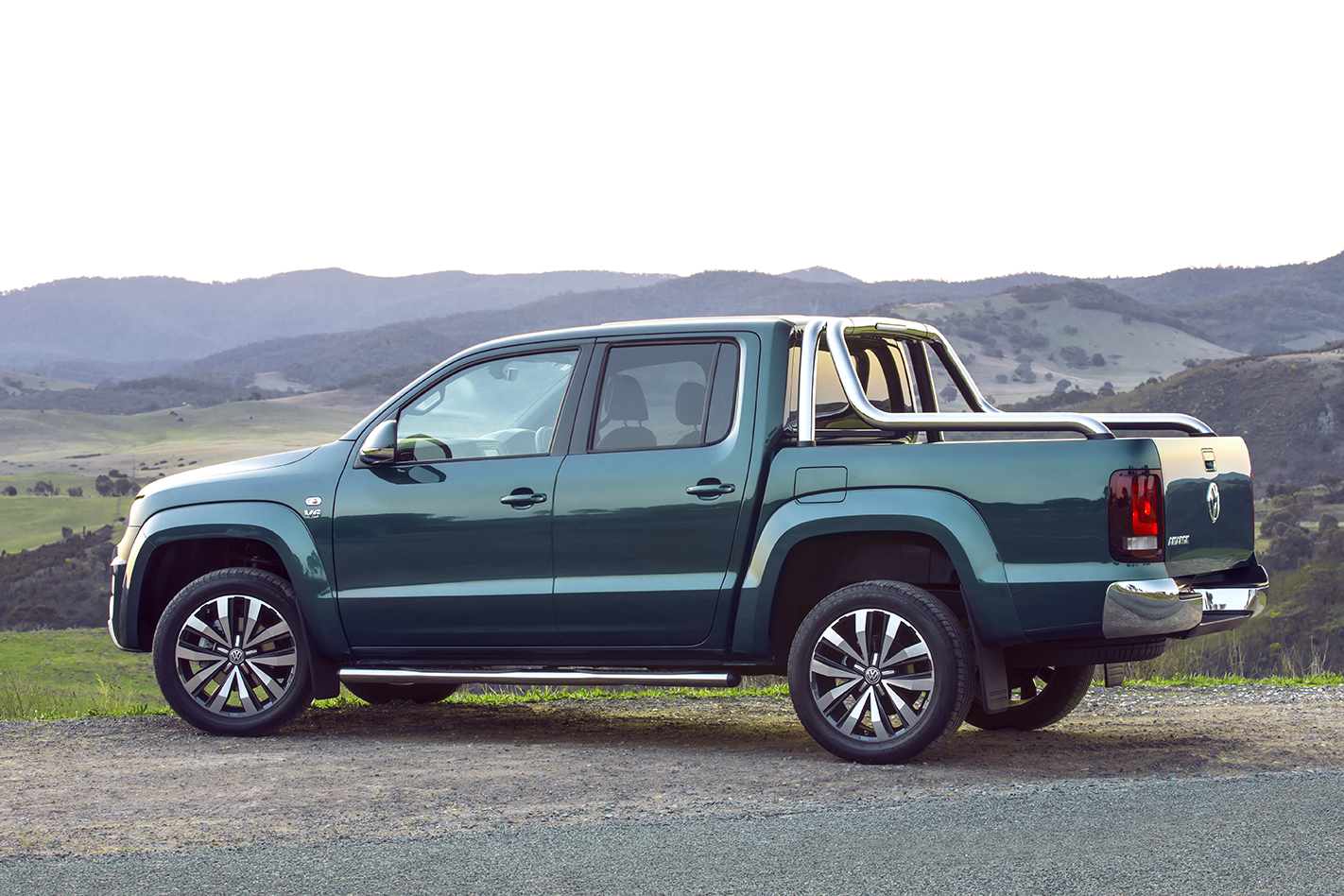
The Amarok Ultimate 580, as its moniker suggests, is powered by a turbo-diesel V6 engine that produces 190kW of power and a heady 580Nm of torque, with Volkswagen pitching this uber-quick workhorse as a ‘performance vehicle’.
The Amarok was already the most powerful dual-cab ute on the market in its 165kW/550Nm (TDI550) form, and this new engine – available in Ultimate only at this stage – puts it even further ahead its competitors in the outright grunt stakes.
The TDI550 continues as the standard powerplant in all other Amarok V6 models, including the soon-to-arrive base-spec Core V6 (available end of October, with an expected sub-$50k price).
VALUE
At $71,990, the Volkswagen Amarok Ultimate 580 sits at the top end of the dual-cab market pricing-wise, with only Ford Ranger Raptor ($74,490), and upcoming Benz X-Class X350d (expected to be around $80k) for company.
It’s a fair chunk of cash but, as you’d expect, the Ultimate is loaded with a very high level of standard equipment, reflected in the fact the only option is metallic paint, at $610.
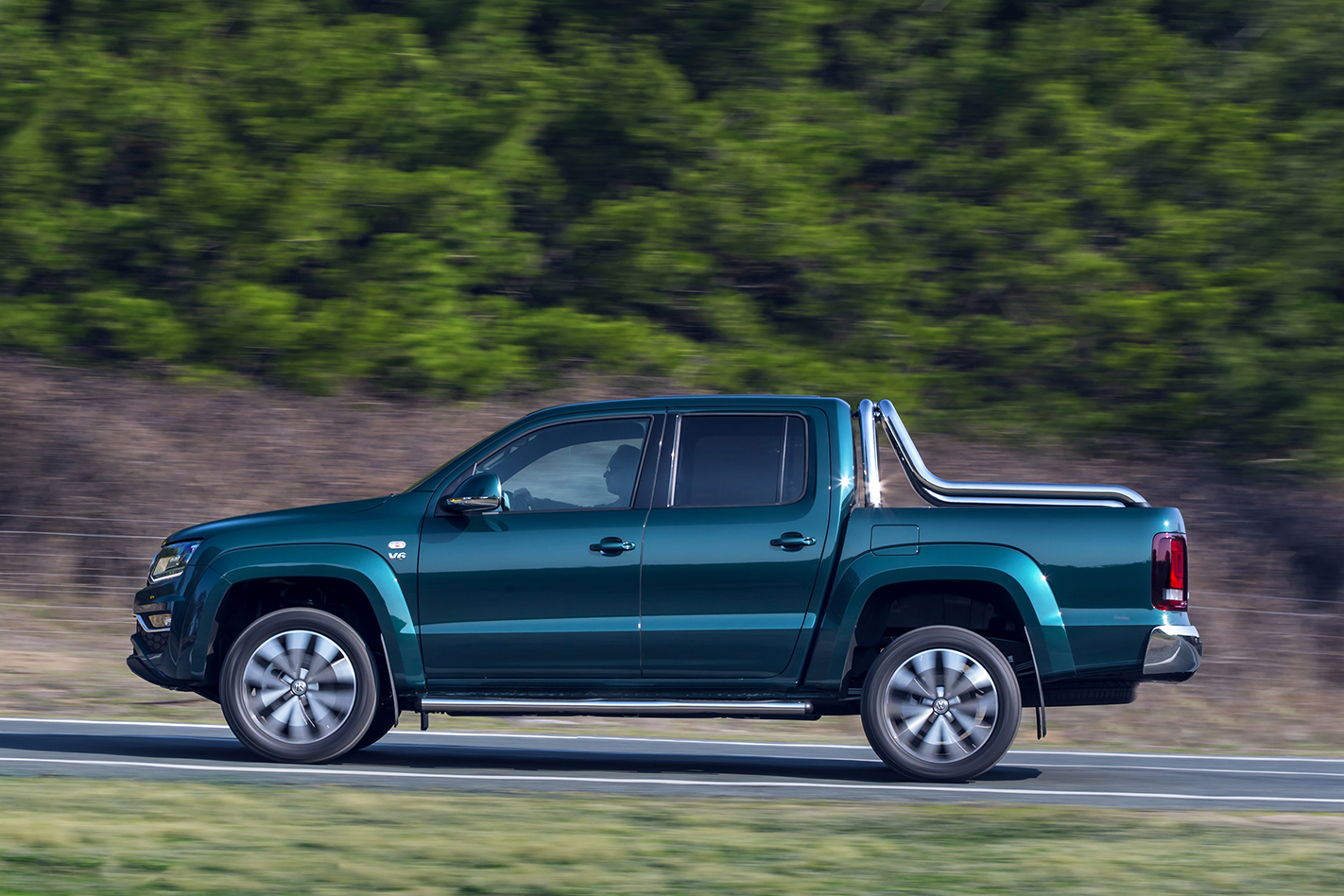
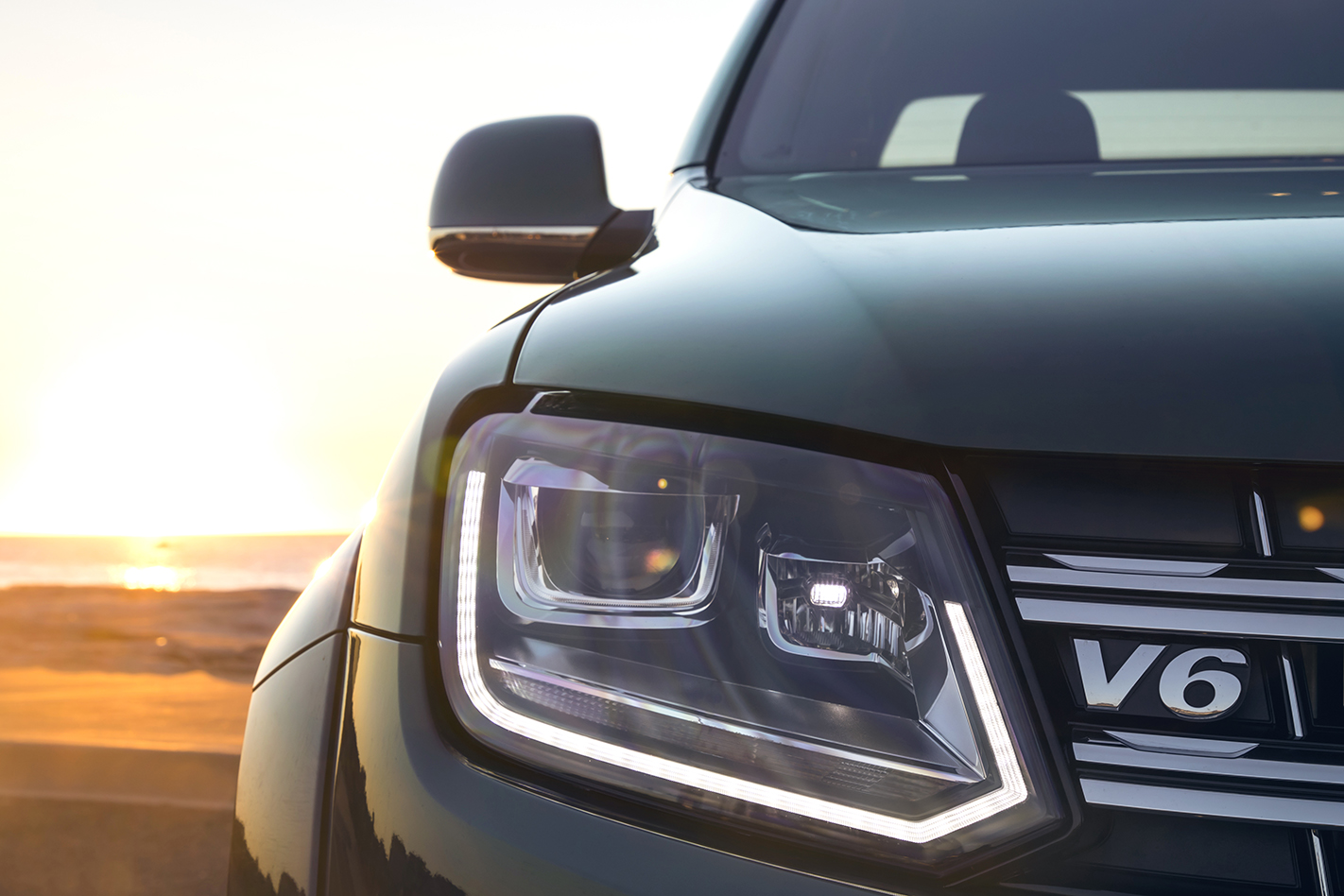
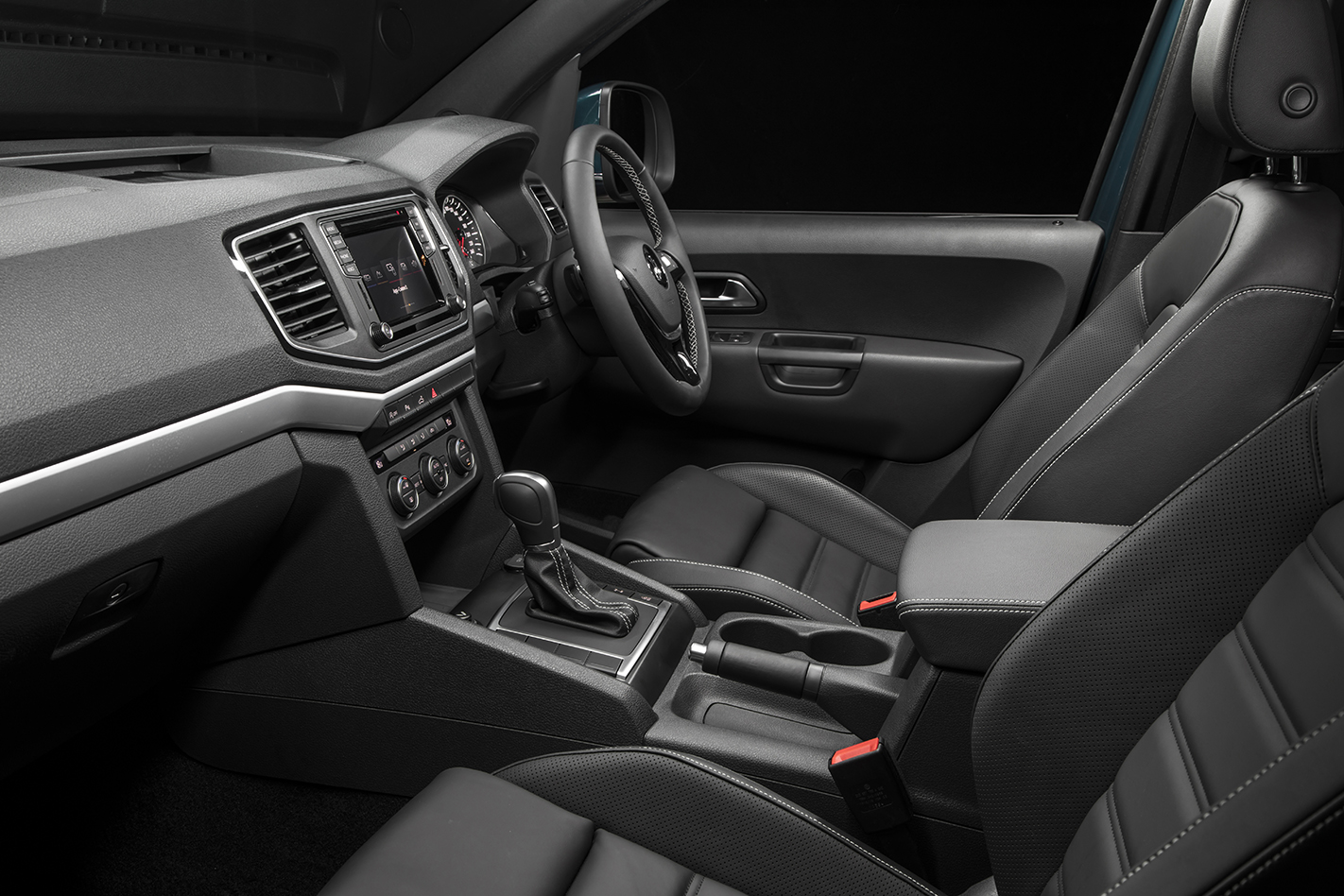
On top of that monster V6 engine (unique in this segment until the X350d arrives), other Ultimate 580-only kit includes 20-inch alloy wheels, Nappa leather 14-way electric adjust seats in black, a black roof lining and a different styling treatment for the front end.
Even with the boost in outputs, the Ultimate 580 actually requires less diesel than the previous TDI550; VW claims a combined average fuel consumption figure of 8.9L/100km (down from 9L/100kkm). This is higher than the rest of its class, (Ranger Raptor uses 8.2L/100km; Colorado SportsCat+ 8.7L/100km) but the performance trade-off balances that out.
A slight disappointment is the vehicle’s three-year warranty; Ford’s recently updated Ranger now offers a five-year warranty, as do some others (Isuzu, for example) in this market segment.
STANDARD FEATURES
The Ultimate 580 is fully featured; metallic paint (including the model-specific Peacock Green) the only option for this model. Headlights are Bi-xenon, accompanied by LED Daylight Run Lights (DRL) and the fog lights include a cornering function to aid night-time illumination.
The easy-to-use DiscoverMedia infotainment system features GPS, two SD card slots, App-Connect (via USB) for Apple CarPlay and Android Auto and pumps the tunes via six speakers. The 6.33-inch colour screen, though, is small compared to others in this class.
The Amarok is one of the few dual-cab utes that run four disc brakes (the majority in this class still use drums at the rear), and is currently the only ute (aside from Mitsubishi’s Super-Select equipped Triton) that offers constant four-wheel drive on-road – a real boon.
Front and rear parking sensors are standard, as is a rear-view camera, along with a tyre pressure monitor system.
SIZE
The Ultimate 580 measures 5254mm long, 2228mm wide (with side mirrors extended) and 1878mm in height. So yeah, it’s big; the largest in this class, in fact, with Ford Ranger only slightly longer (5398mm) but narrower and not as tall.
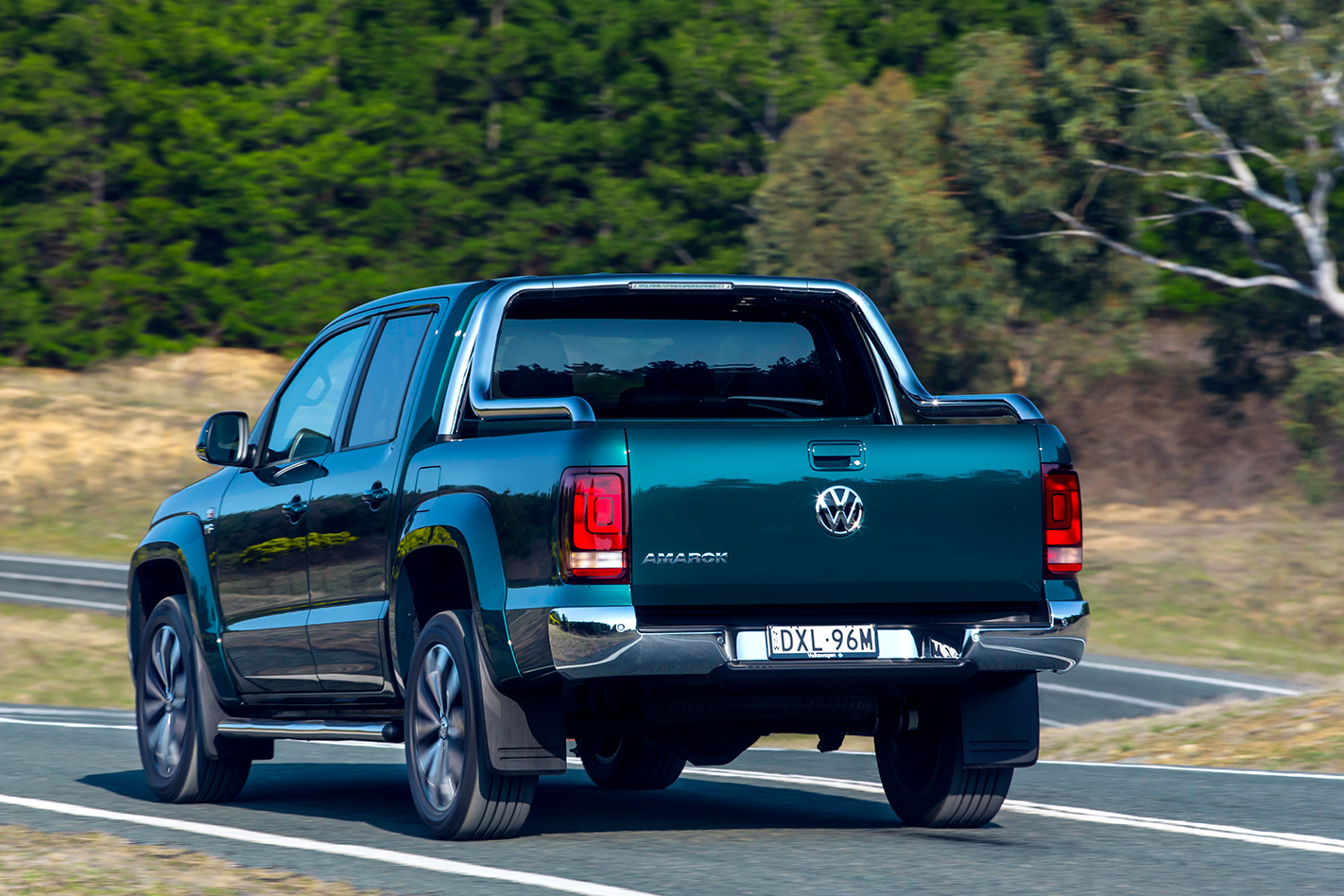
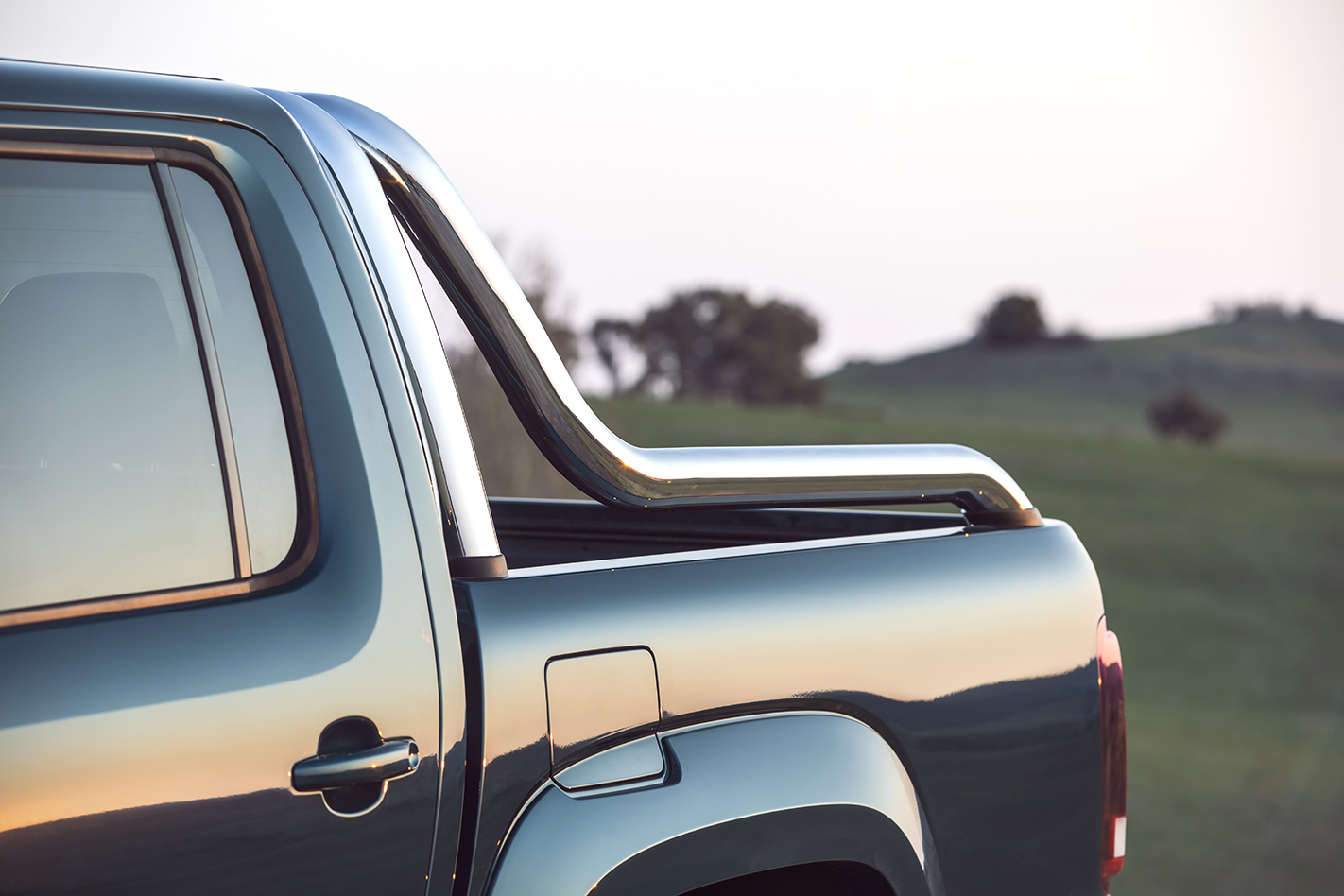
The rear cargo tray is massive, measuring 1620mm wide (best in class), 1555mm in length and 508mm deep, but with a welcome low loading height for easy accessibility when wrestling gear into it, which is secured via four floor-mounted tie-down points.
The Ultimate 580’s impressive girth accounts for its spacious interior, with the rear seats fitting three burly blokes quite comfortably (again, best in class here), although leg-room is a bit tighter, losing out to class-leader Ford Ranger’s longer cabin.
SAFETY
The Ultimate 580 has a five-star ANCAP safety rating. The driver and front passenger get front and side airbags but, ridiculously, rear passengers get none – a major oversight, and in stark contrast to the majority of its competitors.
For family buyers, this could be a deal-breaker. The Ultimate TDI580 also does without Auto Emergency Braking (AEB) which is, again, a standard feature on some, but not all, competitors. This leaves the Ultimate 580 (and all Amaroks) sitting mid-field in terms of safety.
COMFORT
The driver and front passenger seats offer ample comfort, thanks largely to the 14-way adjustable – and very supportive seats. As mentioned, rear passengers have plenty of room in terms of width, and the seats are well bolstered for plenty of support.
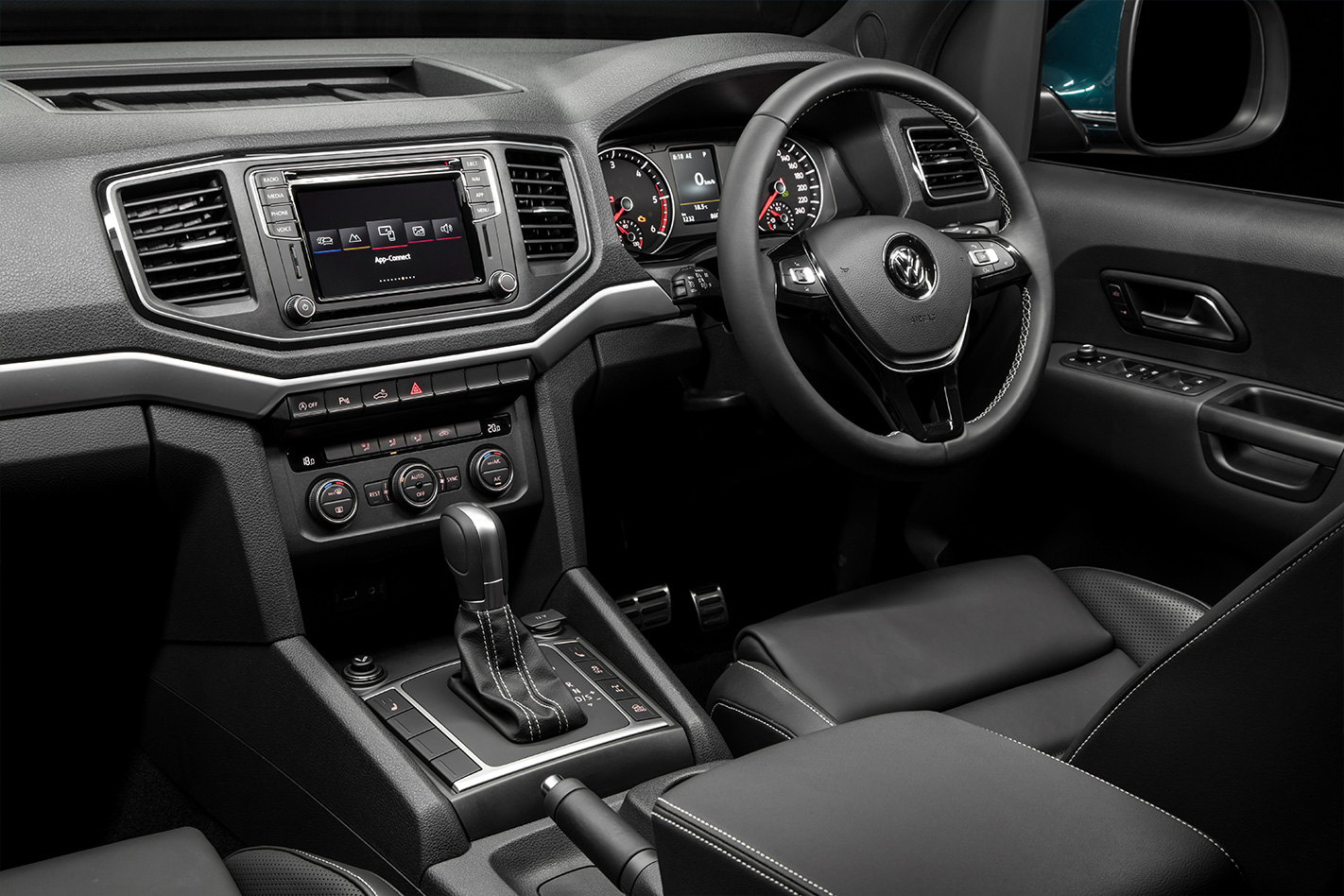
Leg-room, although not class-leading, is still ample for most adults (up to 180cm). The rear seating, as with all dual-cab utes, is more upright than a sedan or wagon, but not uncomfortably so. The dual-zone aircon keeps temps under control, while road- and engine-noise is impressively muted.
Cabin finish, for a top-tier model, is good; only let down slightly by the use of hard plastics in some areas. With its load-carrying DNA and those low-profile tyres on 20-inch wheels, the Amarok rides quite firmly, but is still a step up from most in its class, with the exception of Ford’s Ranger and Benz’s X250d.
ON THE ROAD
Trundling around urban areas, the Ultimate belies its size with impressive manoeuvrability, in part thanks to its light steering. Get out on the open roads and, for a dual-cab ute, it goes – and goes very well.
The fact you’re driving a 2244kg, high-riding vehicle, with its inherent body-roll is never forgotten, but when you’re punting along a winding road, VW’s 4MOTION constant four-wheel drive system’s ability to apply all that grunt to the road, the four-wheel disc brakes’ to reign it all in, and the well-calibrated eight-speed auto, do a decent job of muting those negatives.
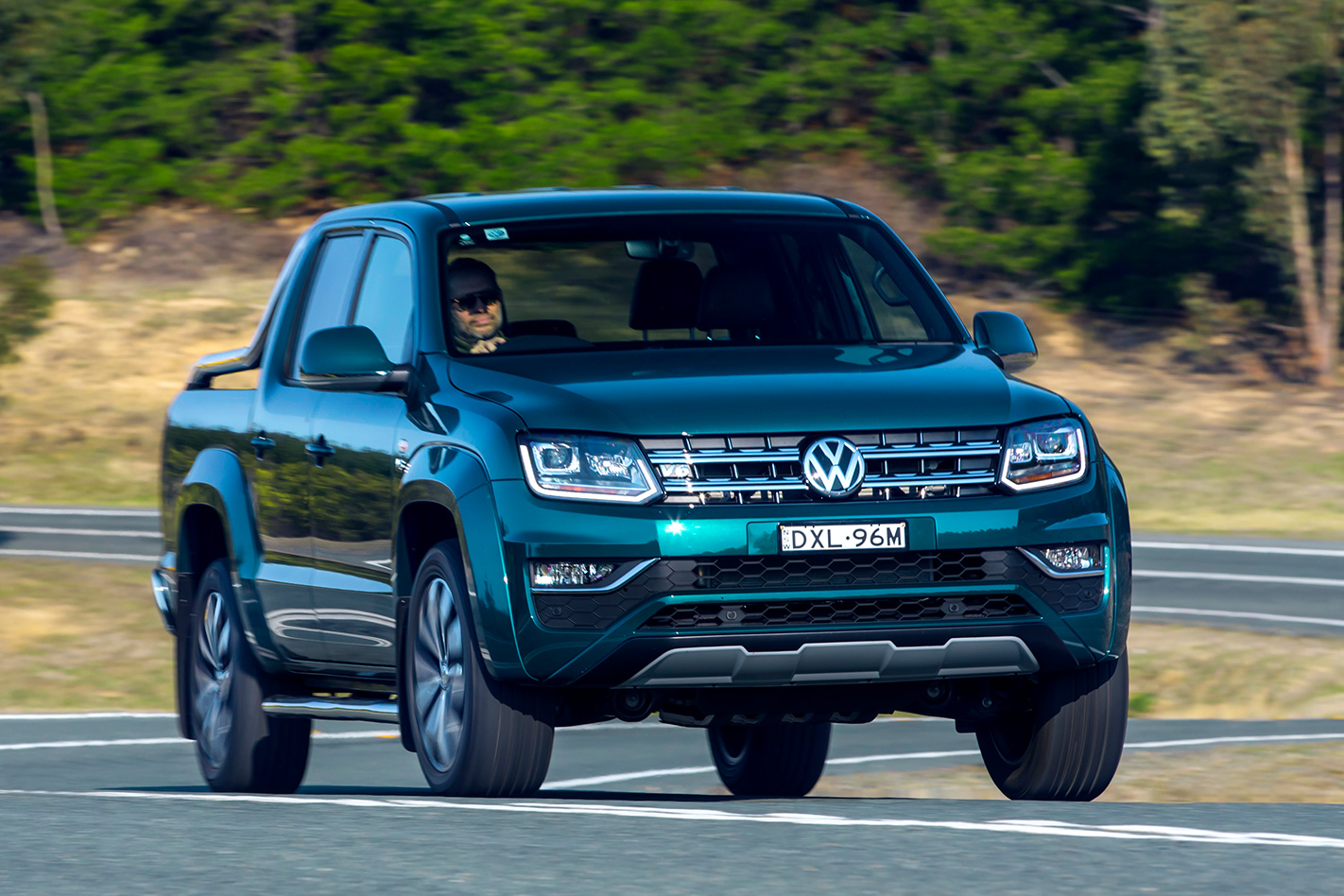
The V6 engine’s trick feature is ‘overboost’ that – put simply – offers around a 10-second lift in power output when the accelerator pedal goes past 70 percent of its extension, pushing power output to 200kW for that period.
With a 0-100km/h claimed time of 7.3 seconds the Ultimate 580 is the quickest in its class, and its roll-on/overtaking acceleration is equally as impressive (and class leading). The result is an on-road experience that is, in short, plenty of fun.
VERDICT
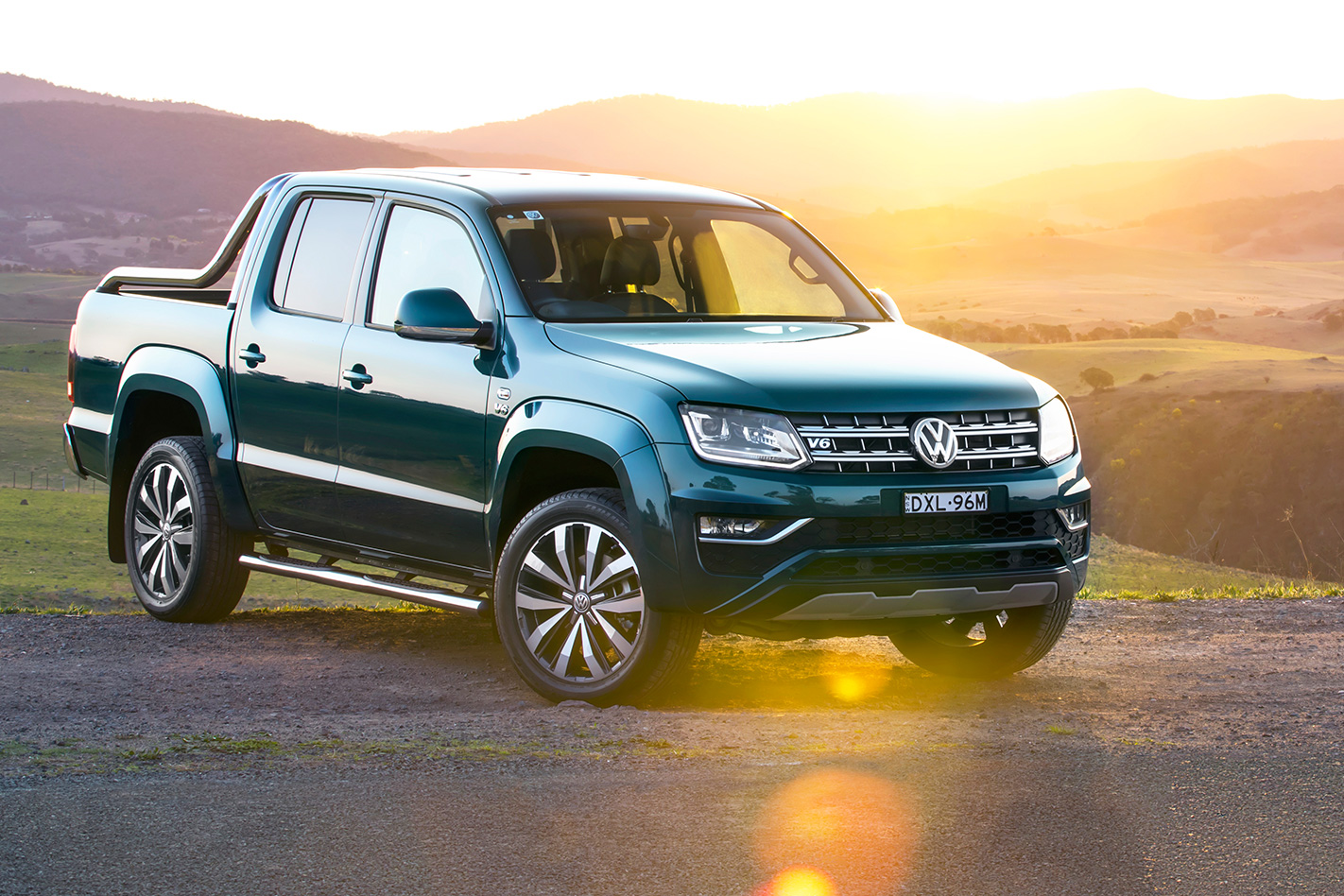
The Volkswagen Amarok Ultimate 580 meets the premium performance ute criteria easily, barring that big miss of no rear passenger airbags. The impressive on-road performance is matched by its off-road capability, along with a 3500kg tow rating, meaning it meets all the needs of today’s dual-cab ute buyer, who is after that ‘do everything’ vehicle.
MORE: Volkswagen Amarok Range Review MORE: Volkswagen Amarok Specs, Range & Price
GM’s Mustang rival is just around the corner for the Land Down Under, and at midnight tonight we can tell you exactly what it’s like to drive HSV’s right-hooked 2018 Chevrolet Camaro 2SS.
But before then, it’s worth arming yourself with all the information you’ll need to know to grasp what this car is going to mean for you, Australia, HSV, and even the Ford Mustang.
The review from our first drive on Aussie soil will fill in the rest. Stay tuned, and hook into some Camaro research below.
What’s the US-spec Camaro like?
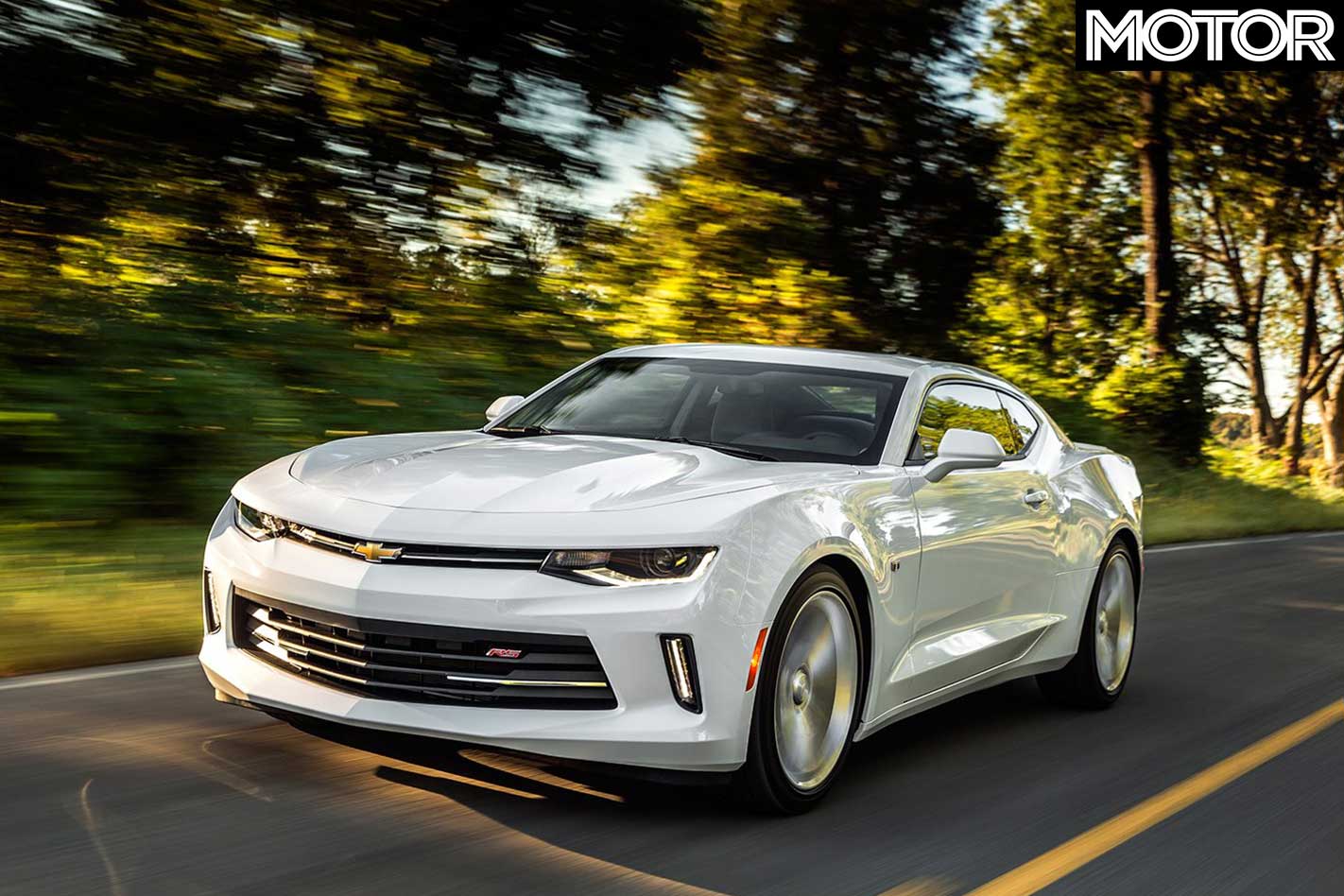
Glad you asked, because in 2016 we had one of our US correspondents drive the car which will be the base for the first batch of cars to be right-hook converted here by HSV.
Brian Makse drove the range of MY16 cars, and suggested the Mustang is in for a hard fight. On top of that, our friends at Wheels sampled the Camaro and Mustang back to back in the US and gave it to the Camaro “by a nose”.
We’ll see if that holds up here in Oz.
MOTOR breaks the news that Camaro is Australia-bound
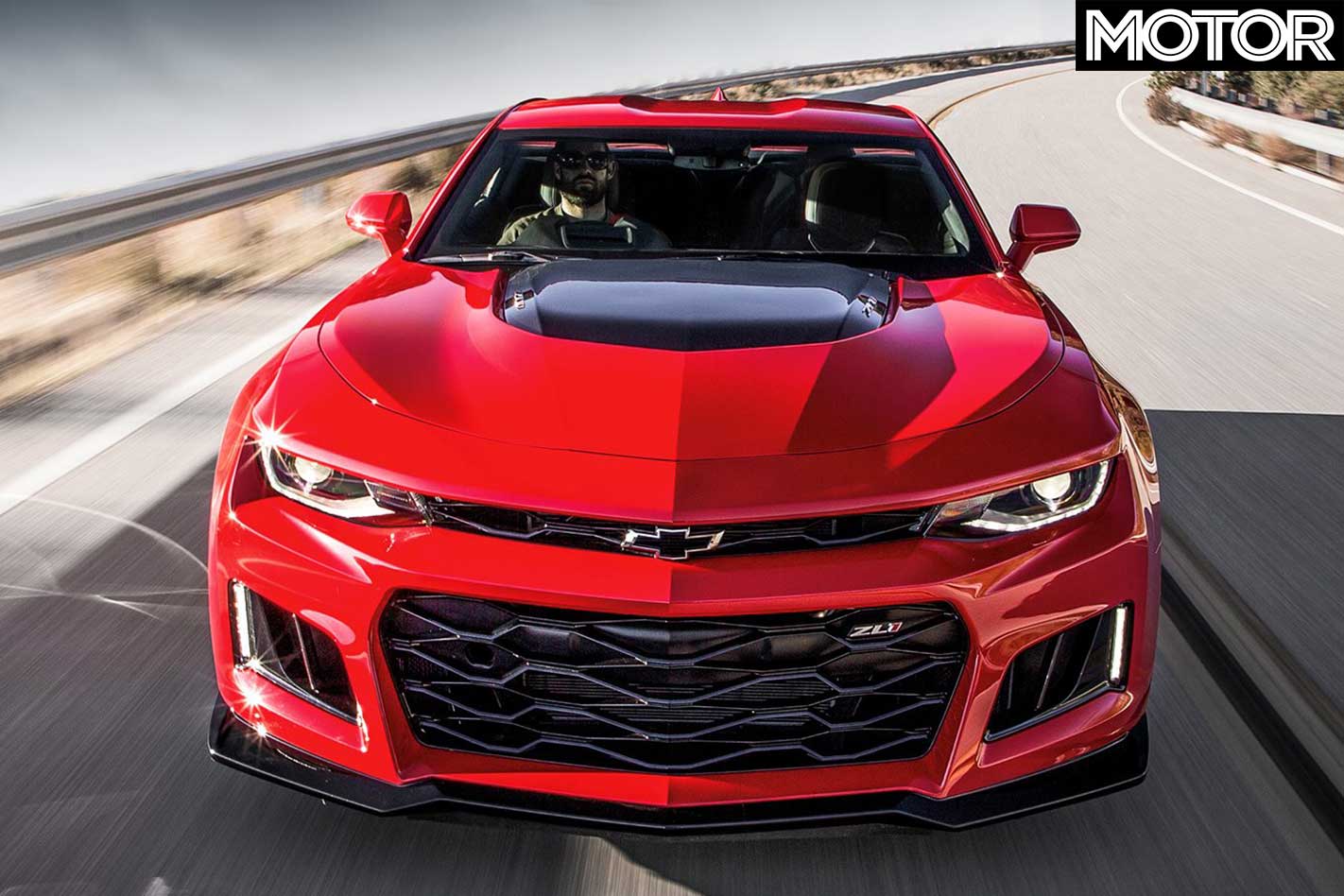
Almost a year ago, the Camaro was on the cover of the October 2017 issue of MOTOR Magazine. Why? Because we’d discovered HSV was planning to convert them to RHD and sell them here.
HSV ended up admitting we were right in an official announcement a couple of months later.
HSV’s specs confirmed in mid-2018
After plenty of speculation by various punters and outlets, it was confirmed in August this year that the local Camaro would be the 2SS with its 6.2-litre LT1 making 339kW and 617Nm – a figure to match the US-spec SS.
Whether the HSV-fettled 2SS will match Chevrolet’s 4.0-second 0-100km/h sprint is yet to be confirmed.
HSV confirms pricing for the Camaro
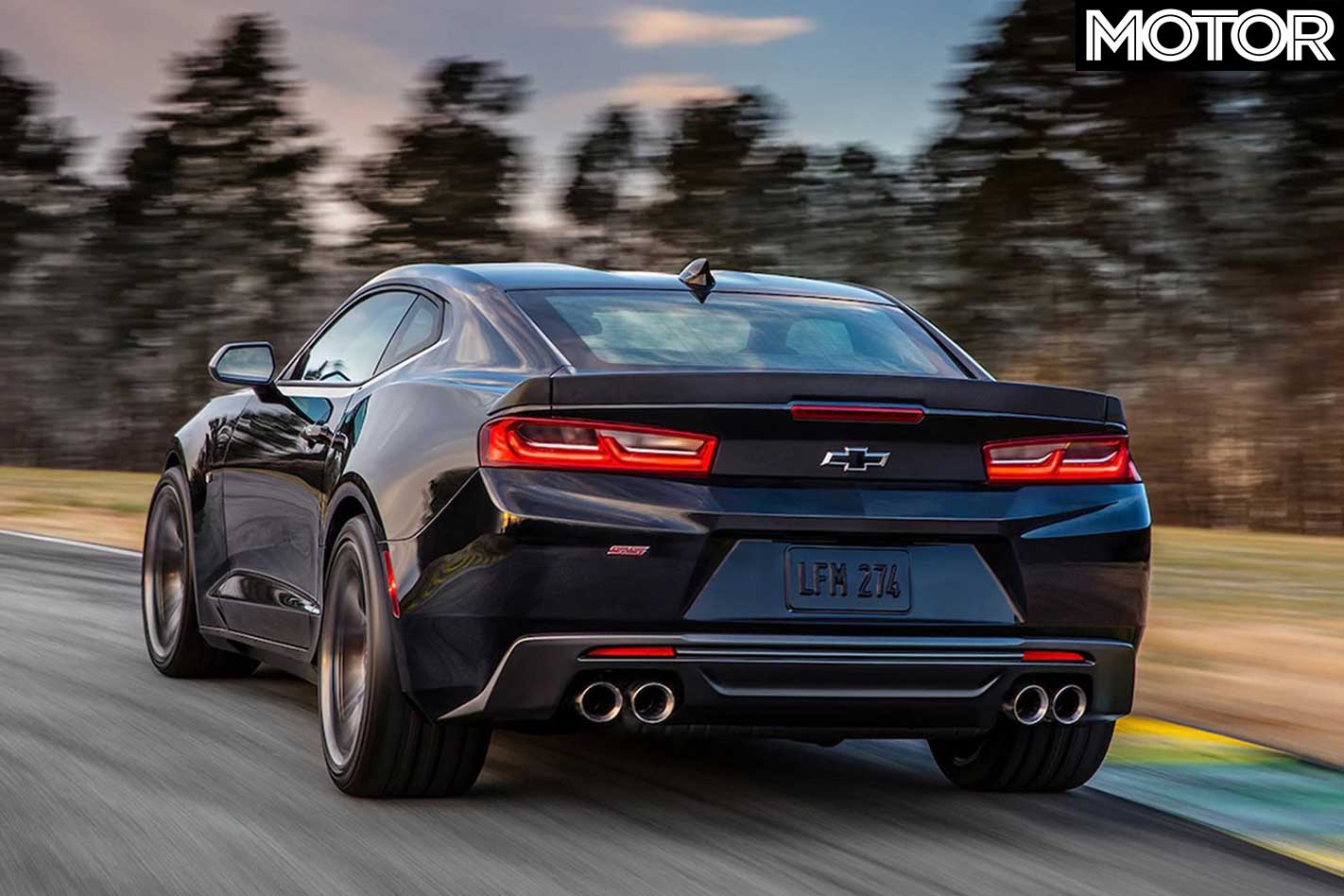
At $85,990 plus on-road costs, the 2018 Camaro is going to have to prove its worth as a Mustang rival, since it’s almost $20,000 pricier than a similarly spec-ed 10-speed auto Mustang GT.
Our friends at Wheels did break down the numbers behind its pricing as we broke the story, and suddenly $86,000 doesn’t seem like such a stretch.
Local tuners hard at work in preparation for Camaro
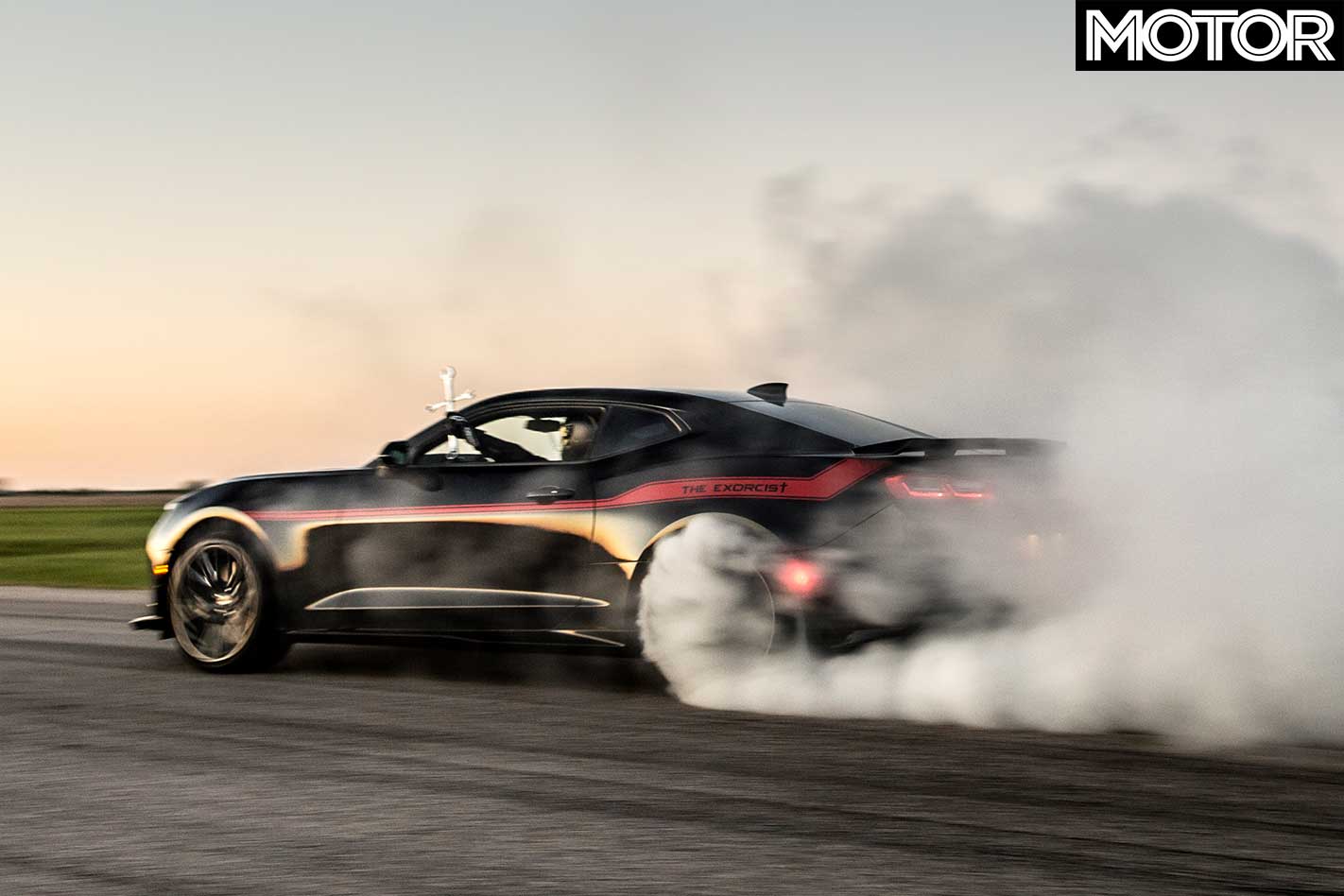
If you’ve picked up a current issue of MOTOR, you’ll know that there are plenty of faster and wilder versions of the Camaro set to appear on Aussie roads, with local tuners being given the rights to build some of America’s most potent Mustang-maulers.
MOTOR Editor Dylan Campbell’s latest column should give you a clue, and a good reason to get excited for our review to go live at midnight…
Hyundai has revealed its highly-anticipated second ‘N Performance’ model, the 2019 Hyundai i30 Fastback N.
The primary difference between the Hyundai i30 N hatch and the Fastback is the body style, as many of its other key features are shared.
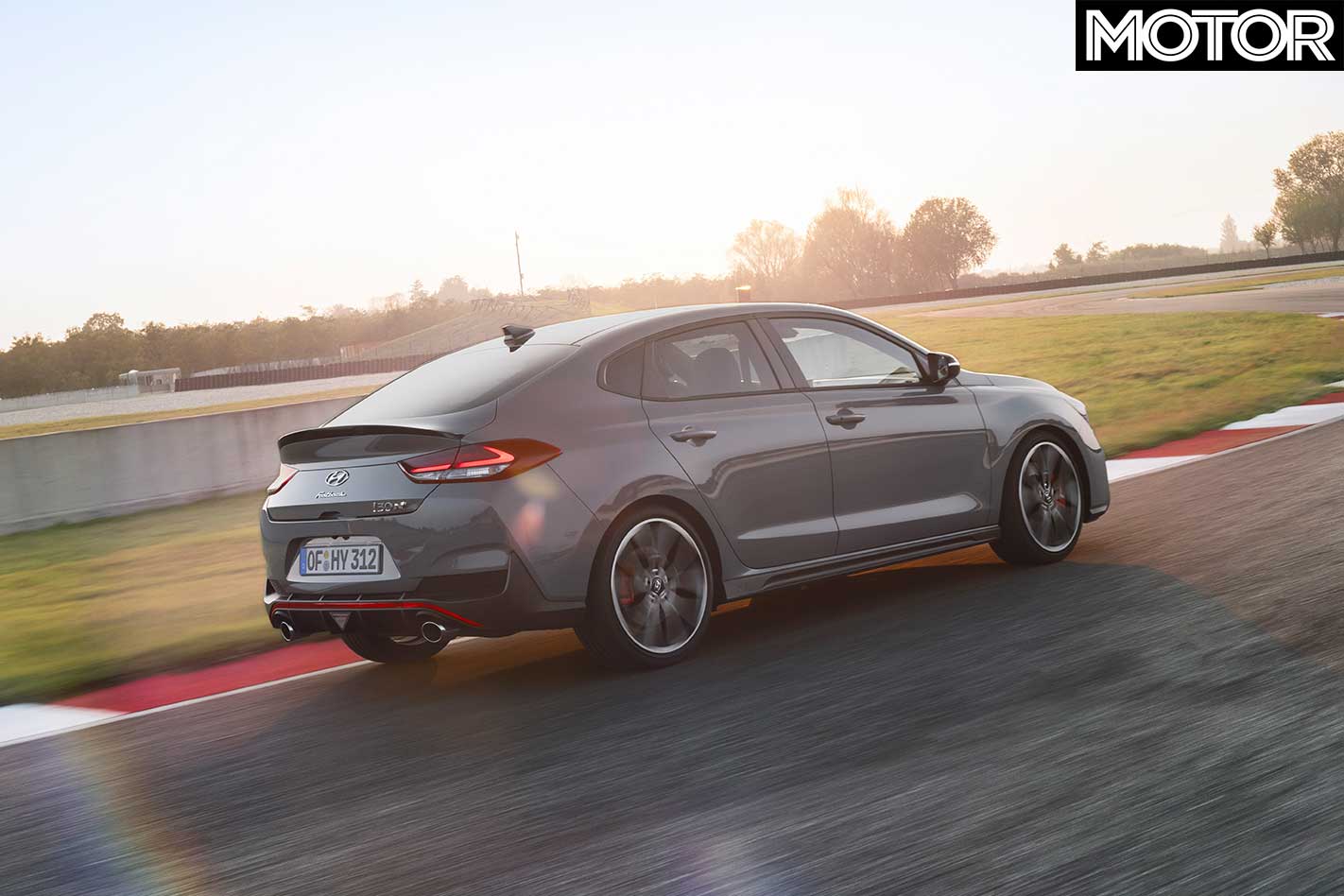
Hyundai claims the Fastback N will match the hatch for a run to 100km/h, which Hyundai says will take 6.1 seconds. A 6-speed manual gearbox is the only option for shifting, as with the hatch.
Though the press announcement from Hyundai doesn’t mention a limited-slip differential for the Fastback N, it’s expected the car will be equipped with one just as its hatch sibling is.
In terms of the exterior design, the car is primarily the same as the hatch from the front to about halfway along the car, where the differences between the Fastback and hatch become obvious.
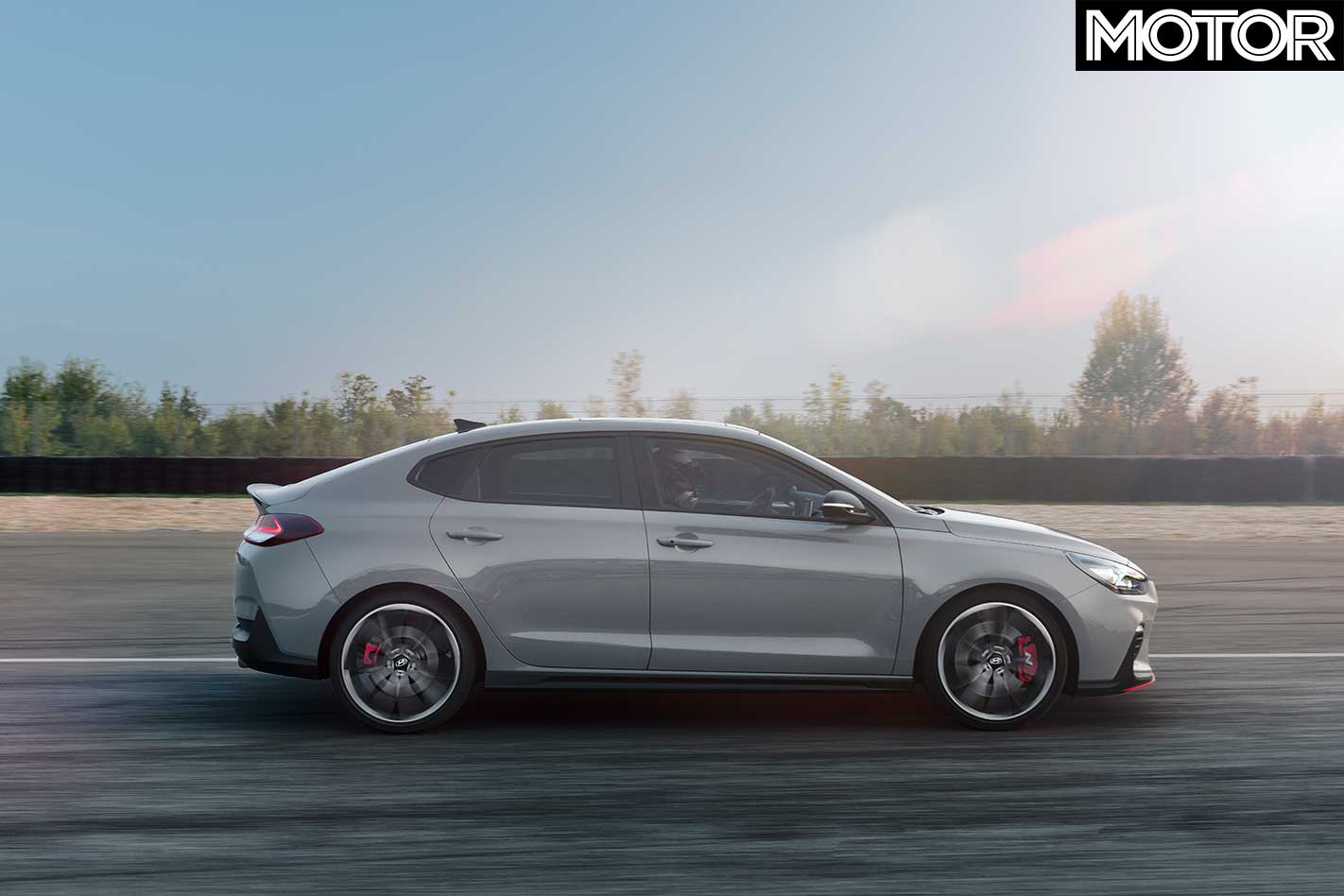
The N grille, and N front and rear bumpers are shared with the hatch, though the use of lip-spoiler along with its other rear design features looks decidedly European.
Inside, the Fastback is much the same as the hatch, though with a differently-shaped rear luggage compartment due to the liftback body-style.
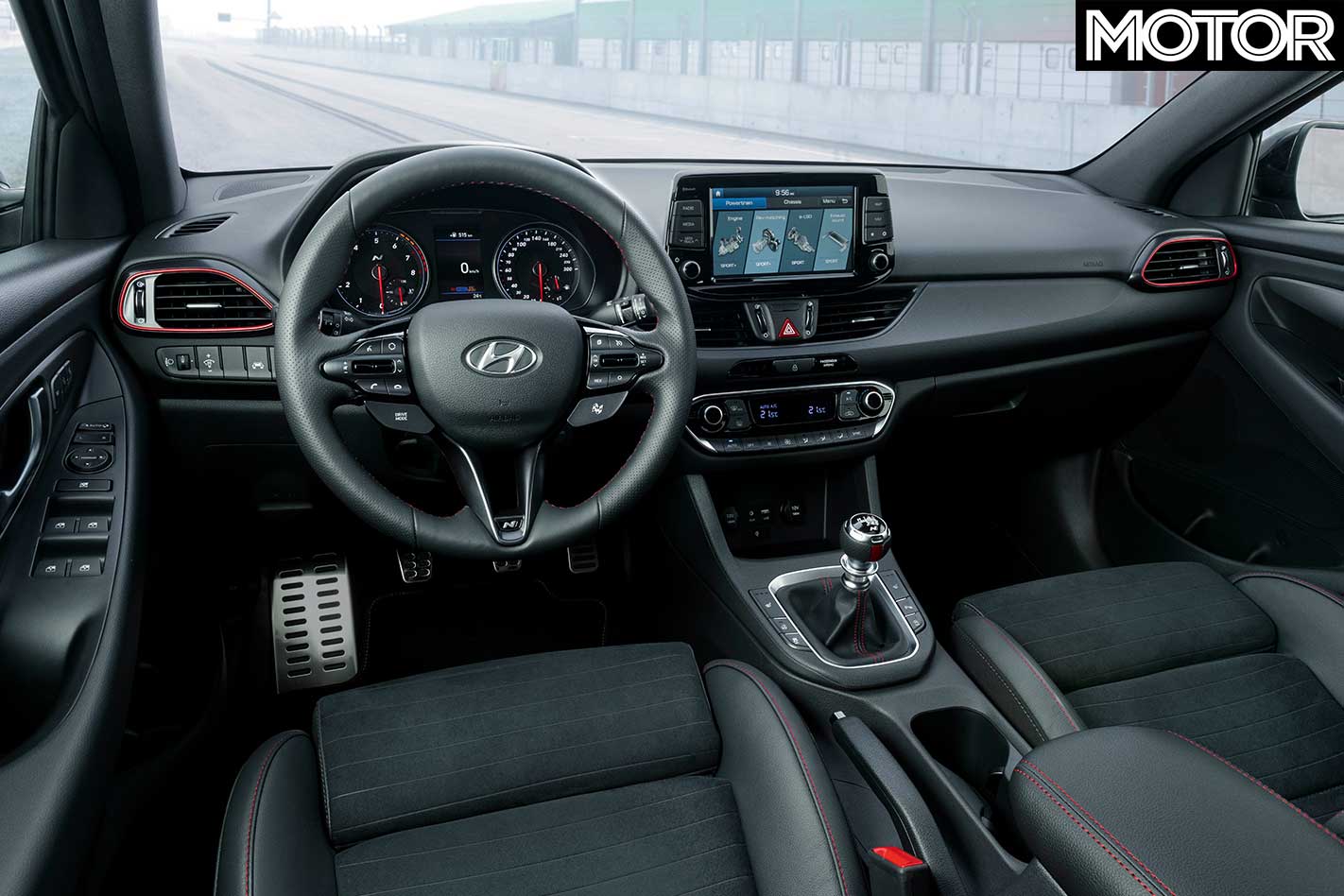
Hyundai Australia says local pricing and specifications for the Fastback N will be confirmed prior to the vehicle’s local launch, which is expected to be held during the first quarter of 2019.
Porsche’s 70th birthday sees the marque in ruder health than ever before. Wheels celebrates the company’s seven decades of engineering excellence forged on road and track.
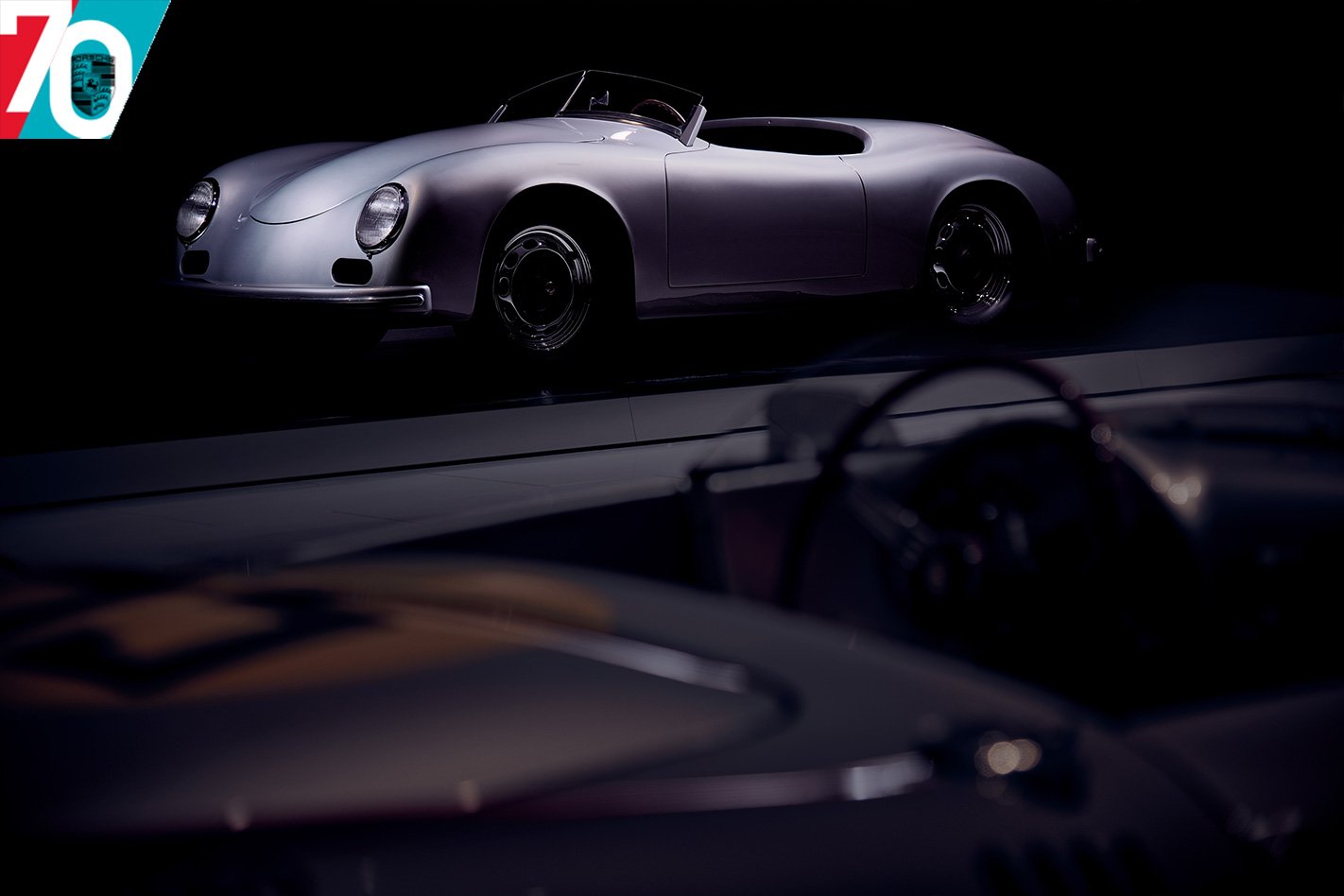
IT’S EASY to get overwhelmed at the Porsche Museum. The public have left the building and we’re led from the foyer through a labyrinthine series of elevators and corridors, all finished in unadorned white, to a set of double doors. Our guide swipes her fob on the wall and there’s a momentary pause. The doors swing open and there right before us is a plain black Beetle. Behind it is a 1939 Type 64 body, and peeking through a far set of stairs are racing 911 RSRs and 936s. A Paris Dakar 911 and a race 944 to the left, the second 356 ever built to the right. For a moment, I’m a bit overloaded and just gawp, head swivelling in disbelief.
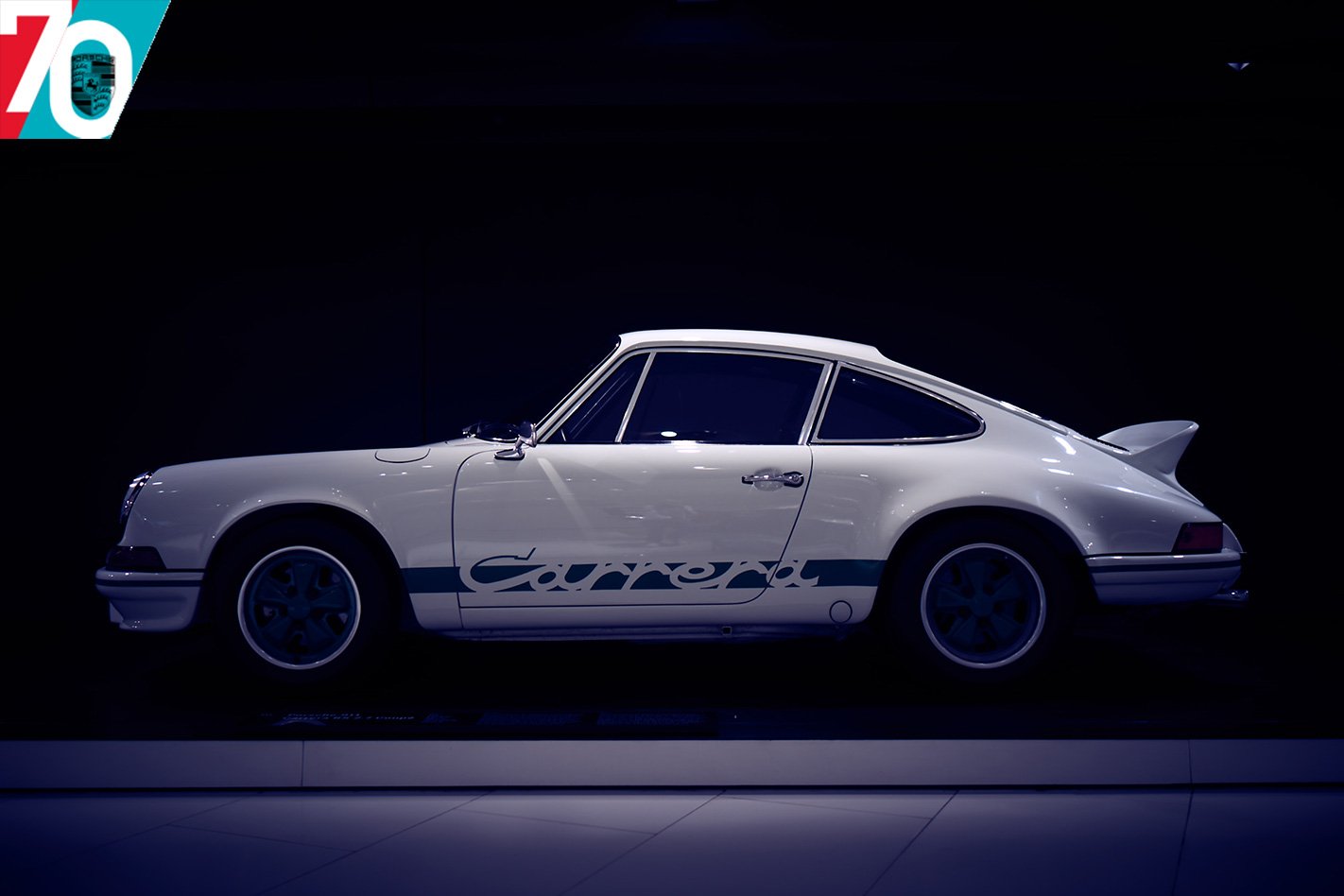
Photographer Jahn’s a regular here and he’s straight into it, but I need a moment. Our guide asks if we’re okay and then leaves. They genuinely have left us alone in here with these priceless cars. Kid, meet candy store. There’s a certain flow to the 80 cars on show, starting with the earliest and spiralling up three levels to the most recent, represented by the current production car range, the 918 Spyder hypercar and the 919 Le Mans winner.
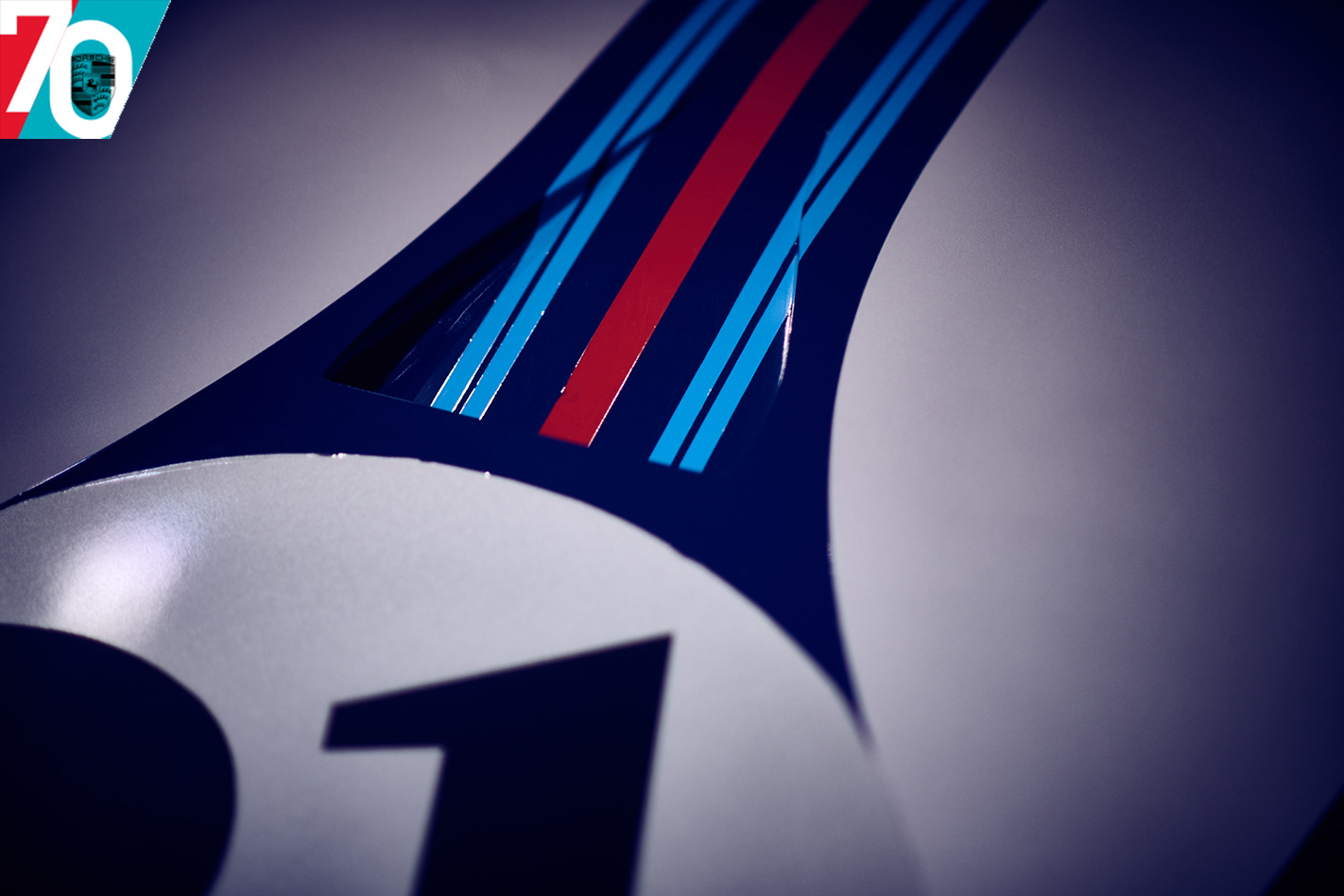
My footsteps ring out on the white marble floor tiles as I walk to the front of the museum and look out. Daylight is fading at the picture windows and lights blink on in the apartment blocks of this eastern suburb of Stuttgart. Commuters head home on the dual carriageway. I’m watching them while sitting on the rear tyre of Alain Prost’s McLaren MP4/2C F1 car, powered by Porsche. I look into the cockpit, keen to see what The Professor would see out of the car. Just one gauge, marked to 12,000rpm, a Personal steering wheel and a burnished gear lever at his right hand. It smells slightly funky, some biological top notes among the oil and rubber.
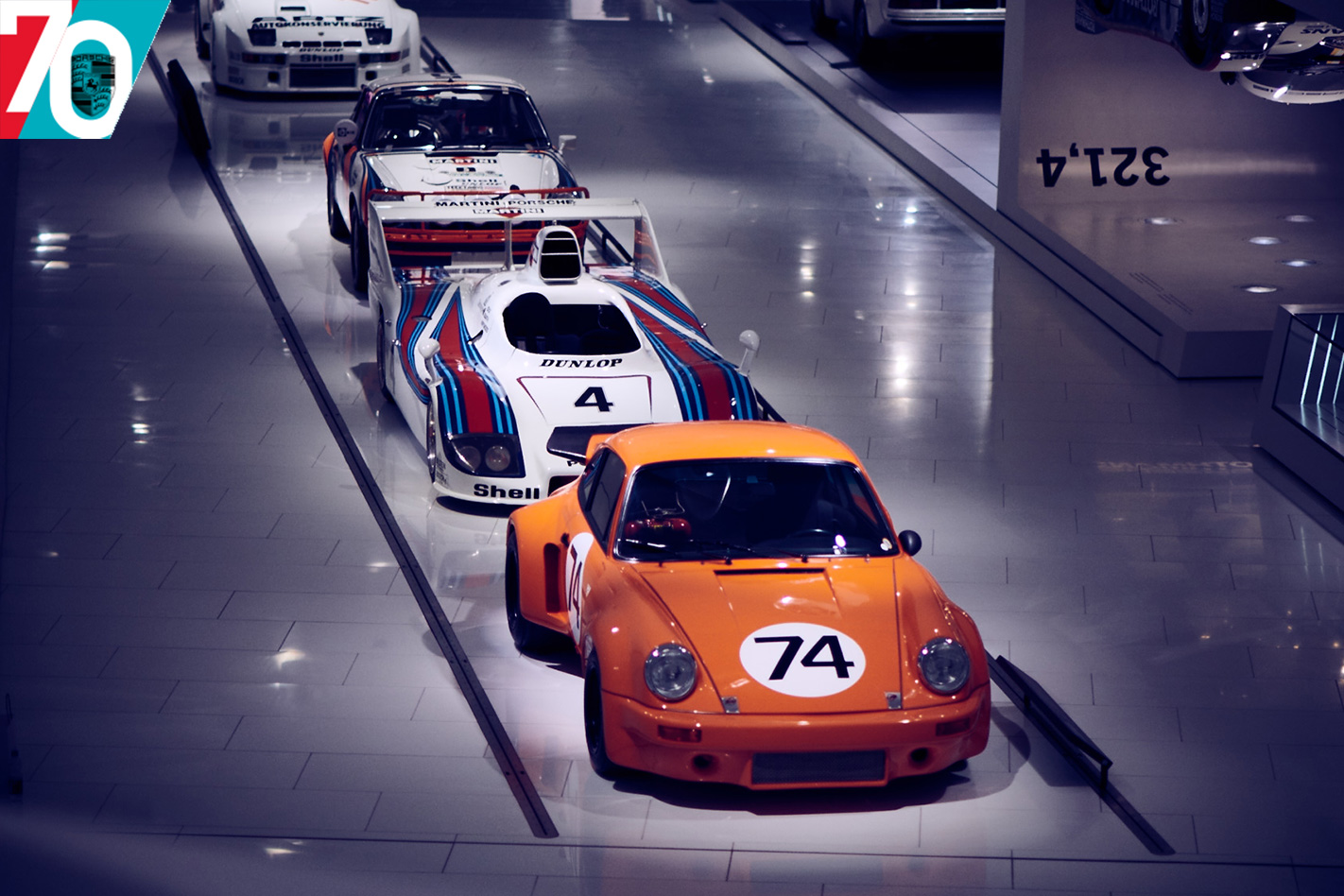
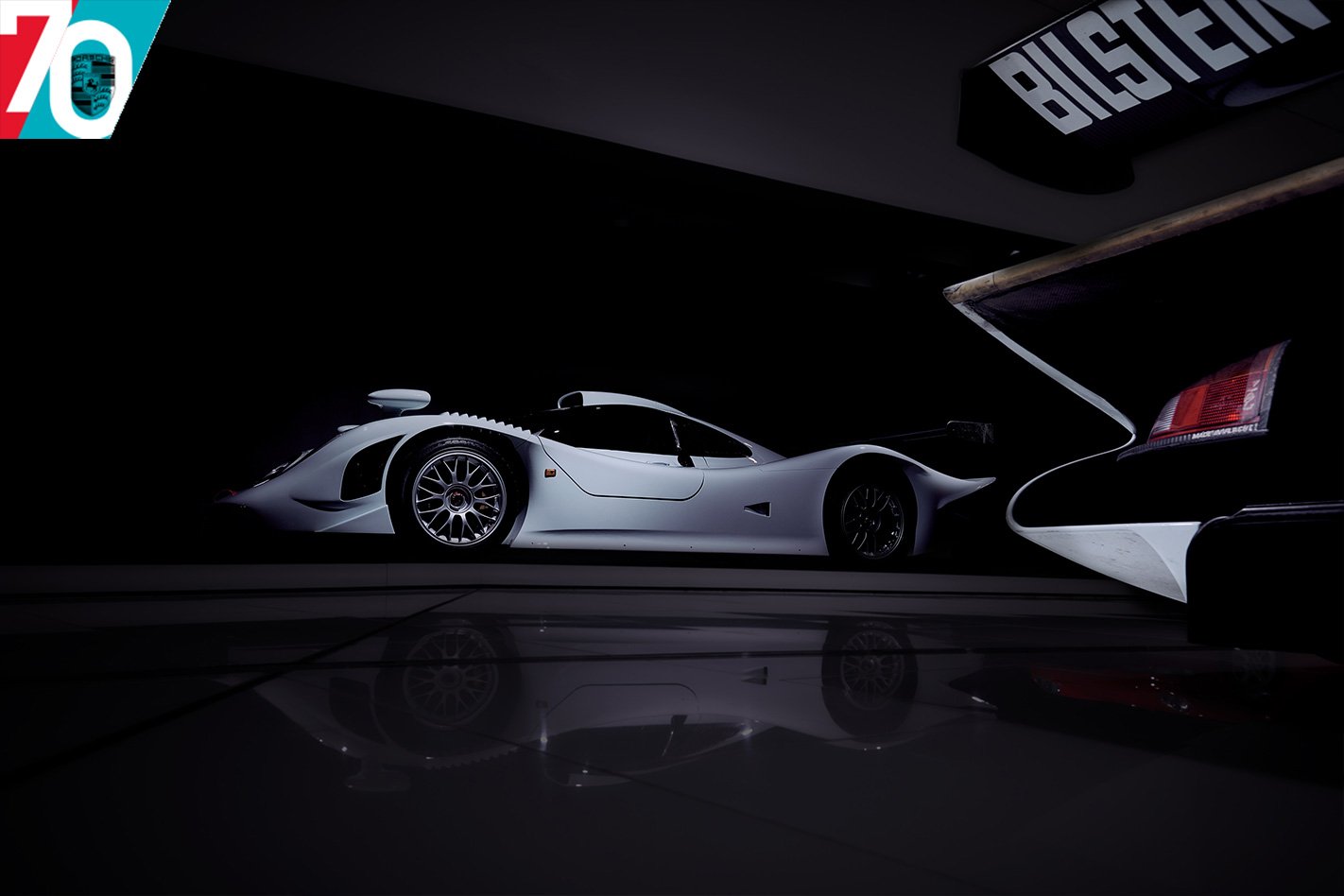
Start walking clockwise and you’ll tick back in time through Porsche’s competition cars. The 919 looks like some giant carbon sarcophagus, pure function, awesome in its purposeful ugliness. The RS Spyder is its antithesis, all primary colours and open cockpit. The brake dust from the 911 GT1 is still baked hard onto the louvres on its front wheel arches. It’s been there for 20 years since this car raced at Le Mans, deposited there by Bob Wollek on the big braking zones at Arnage and Mulsanne.
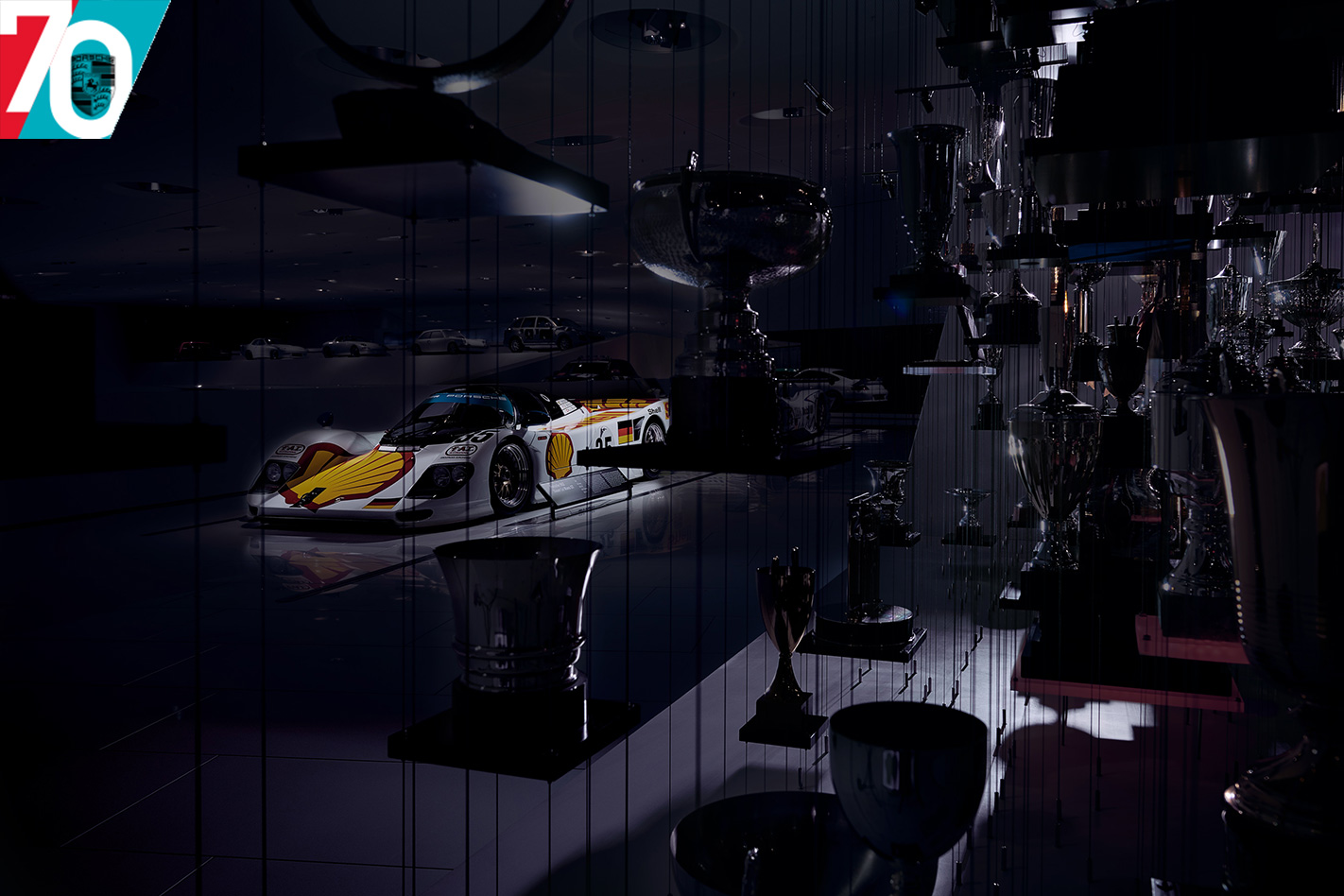
Underscoring Porsche’s competition success is a vast forest of trophies suspended on wires. There’s the dainty little opal headscarf for the Paris Dakar, the big bowl of the Mille Miglia and there in the centre is the trophy awarded to Le Mans 24 Hour winners. I feel compelled to touch it, this thing lifted by Carroll Shelby, Bruce McLaren, Jacky Ickx, Derek Bell, Graham Hill and countless other legends of the sport. The engraved panel only runs to Mike Hawthorn’s win in 1955, but the names prior to that include Nuvolari, Veyron and Barnato.
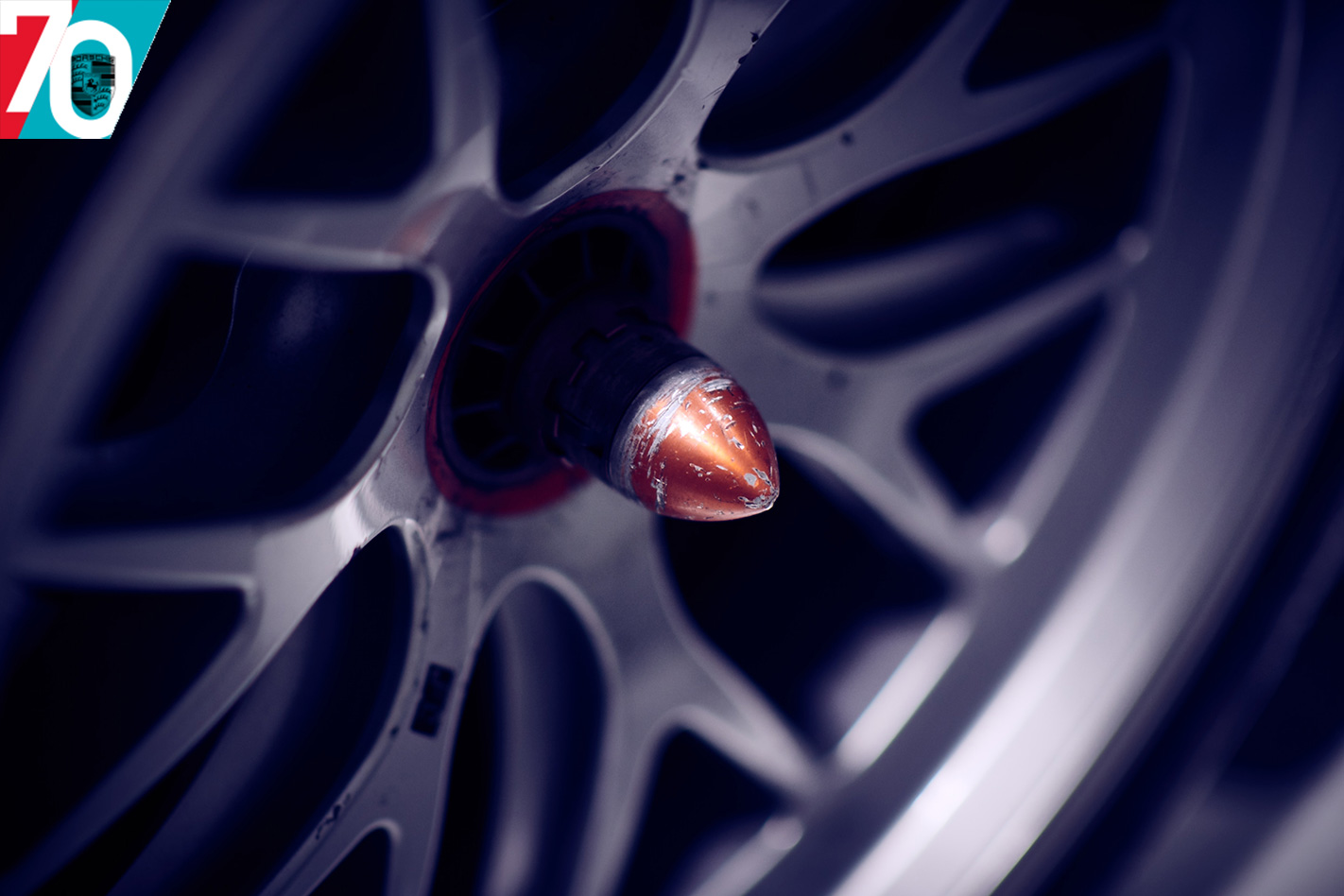
Just opposite is a 956 mounted upside down, illustrating the fact that this car makes enough downforce at 321.4km/h to stick it to the ceiling. Theoretically. There’s Bjorn Waldegard’s Safari Rally 911 SC, complete with dings in the front bar that tell of some unfortunate creature meeting its maker. The casually knotted bungee holding the first aid kit in place on the parcel shelf is but one charmingly human aspect to these cars. Look inside the 1962 Typ 804, Porsche’s only fully in-house Formula 1 car, and you can see the light scratches on the gear lever caused by Dan Gurney’s wedding ring as he piloted the car about the pits.
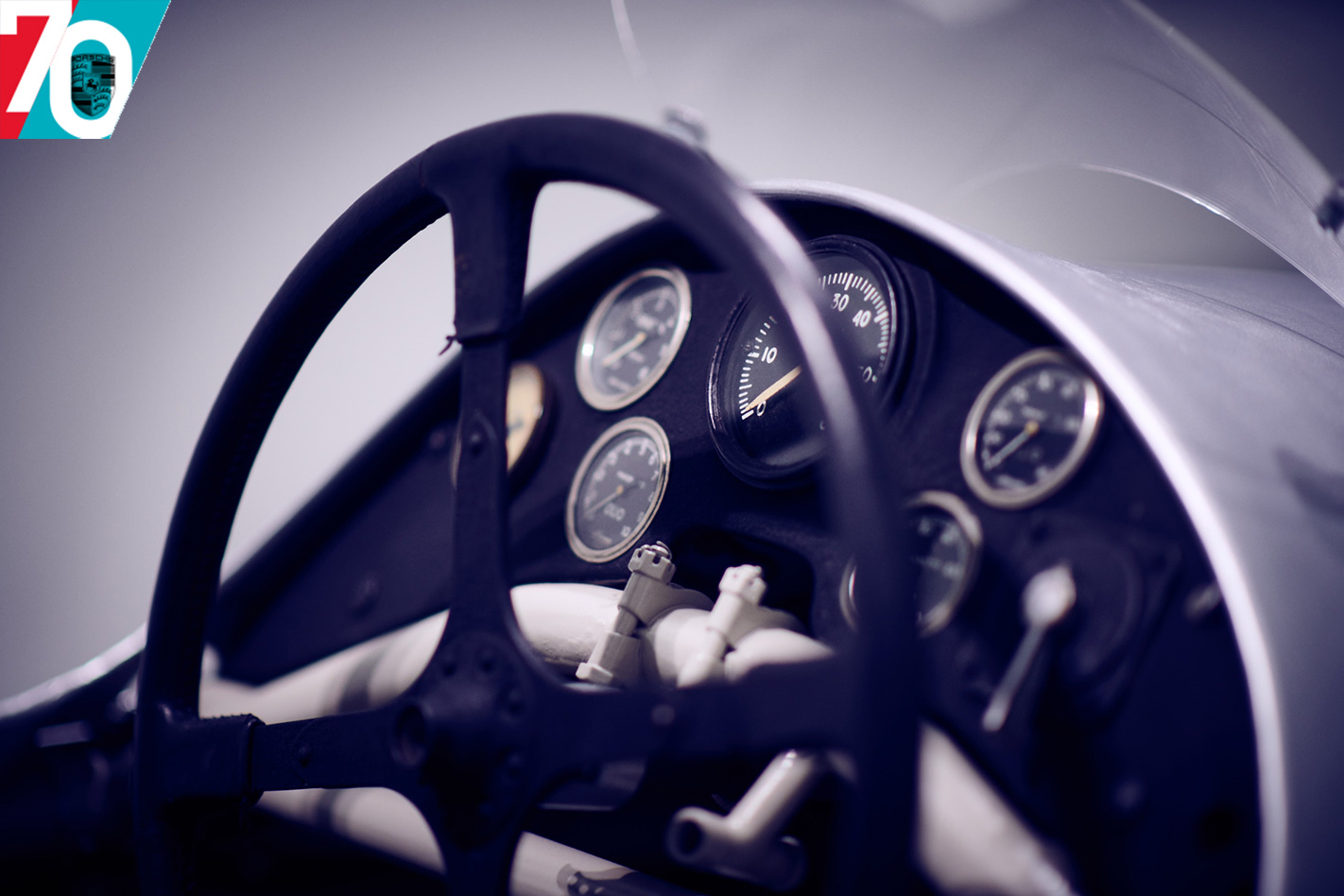
The big-ticket racers like the 956, the 917 and the achingly beautiful 908 are all well documented. A more fascinating aspect of the museum is the weird and wonderful, the cars that never made production or were one-off gifts. The very first 911 Turbo was a present to Louise Piech for her 70th birthday. You have to stop for a moment to let that one sink in. This one-off, narrow-body 911 Turbo, the archetypal scary road car of the 1970s was given to a 70-year-old woman as a birthday gift? Likewise one of only two eight-cylinder 914s ever built is on display, a gift to Ferry Porsche on his 60th. With 221kW at its elbow, this little thing, built in 1969, must have been seriously rapid, its output only being eclipsed by the introduction of the 3.3-litre turbo version of the 911.
There are cars here that are like trick questions for Porsche fans. The Porsche 968 Club Sport Cabriolet, for example. Or how about the 1981 911 Turbo 4×4 Cabriolet. Yep, this G-series is the first rear-engined Porsche with all-wheel drive as well as being the first 911 cabriolet. Finished in pearl white with pearl white leather, it used a shortened 928 prop shaft to bring torque to an adapted 911 Turbo diff on the front axle. This engineering study proved an evolutionary dead end, a pearl white elephant, but it’s utterly intriguing nevertheless.
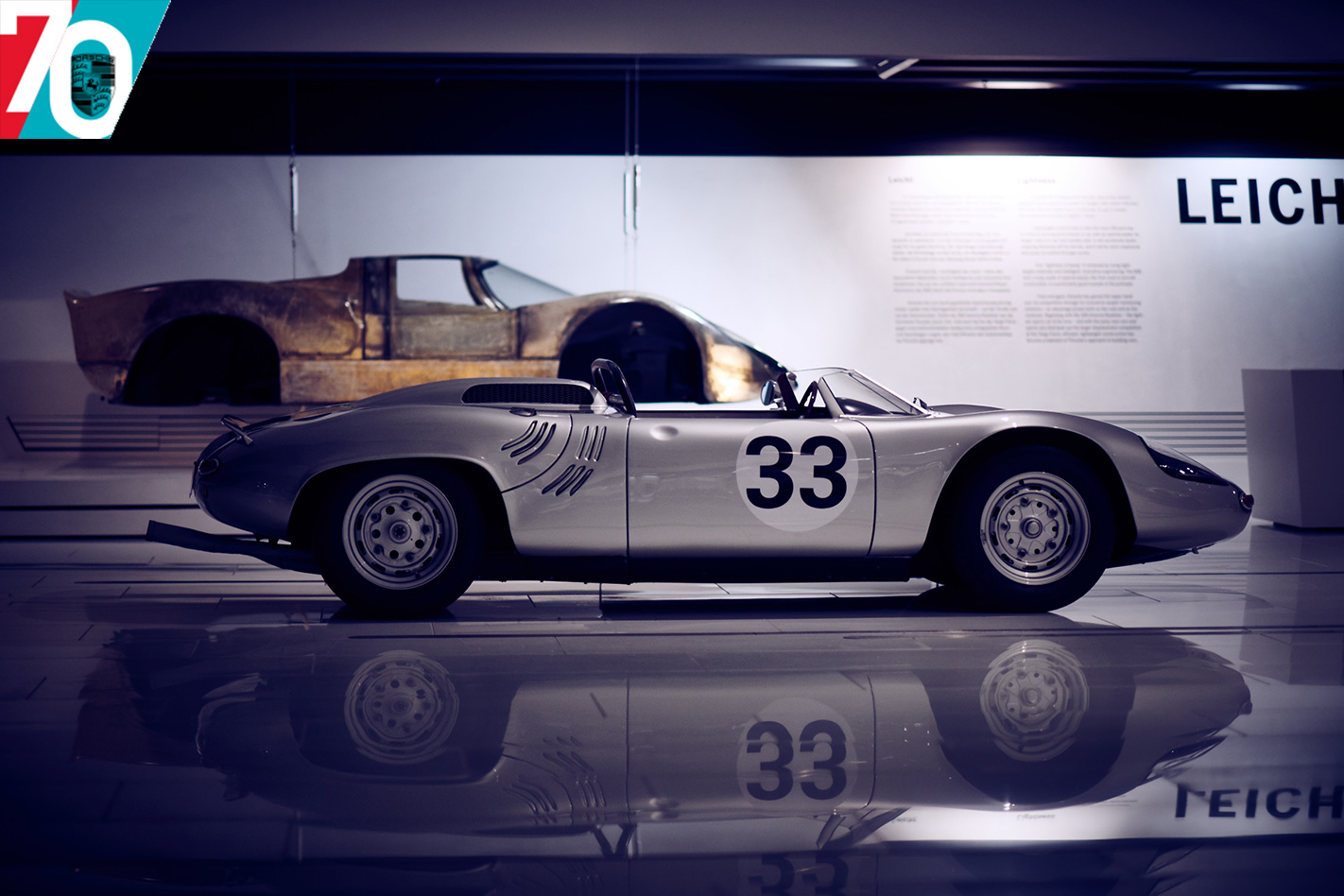
There’s so much here to stop you in your tracks. I don’t know a great deal about Rolf Stommelen, but I know that in 1968, this unbelievably brave German gent strapped himself into a 909 Bergspyder hillclimbing car that weighed 384kg, thanks to its thin plastic shell, beryllium brake discs and aluminium frame, which appeared to have the crashworthiness of a bathtub. The tiny eight-cylinder 1981cc engine behind his head made 202kW for a power-to-weight figure of 526kW/tonne, better than something like a Bugatti Veyron Super Sport.
Behind the Bergspyder is the 917 PA Spyder, a giant white receptacle for a normally aspirated flat-16 engine, the driver propped ahead of it seemingly as an afterthought. Unsurprisingly, this one never made it beyond the test facility at Weissach. Running on a mezzanine above is the ugly mug’s ball, a series of five cars that were never going to win any beauty contests. The Porsche 915 Pininfarina Holzmodell is probably the most ungainly; a 1969 attempt to build a long-wheelbase 911 sedan. Think of it as the Panamera’s great grandad.
Next to it is the rough-edged and strangely proportioned 924 Weltrekordwagen, an abortive attempt to set a world mark of 250km/h for 10,000 miles. The 984 Prototyp is the forerunner to the Boxster, although this bug-eyed 1984 design study possessed none of the elegance and drama of Grant Larson’s Boxster Concept that debuted in Detroit in 1993. The decline in the US dollar and subsequent collapse of Porsche sales did for the 984.
For all the glamour here, my eye is drawn to possibly the cheapest car in the museum; a simple green 924. I walk around the thing and suddenly I’m a nine-year old kid in Marina di Massa, Italy, repeatedly pestering the local dealer for a brochure. He stonewalled me every time. Visiting the showroom for yet another try, I noticed he’d gone out back and left the carousel of glossy brochures unattended. I grabbed one and ran, but only managed to run fill tilt into the plate glass window in my haste to escape. As I came round with the dealer principal and his receptionist clucking over me, I finally got to keep my brochure. Every visitor will have their own personal Porsche memories, even if not all will be clouded by concussion, but that’s part of the charm of this place. For a moment, you’re a child again, filled with giddy wonder. I’m not going to spoil all the surprises because, if you’re one of us, you need to make the pilgrimage to this slightly scruffy suburb of Stuttgart once in your life.
We finally turn to leave, departing via the workshop in the basement, where we spot a 935, the 959 Paris Dakar winner and the 2708 IndyCar all awaiting a bit of restorative TLC from Porsche’s master technicians. We step outside into the cold night air, the massive factory opposite having sent so many of these cars around the world and then welcomed them back into retirement, back home here in Zuffenhausen once circumstance and serendipity had rendered them too valuable to drive.
I’m not sure how I feel about embalming them in perpetuity. It saddens me a little that their days of fuel and fury are behind them. We get into our taxi as a camouflaged Mission-E supercar slinks across the yard in the factory behind us. It’s as silent as a tomb in the museum but across the road Porsche is busy building a new history.
