
There is powerful magic about the Renault Clio V6. Not the sort of magic that comes from being simply wonderful to drive. Or loaded with standard equipment. Or even being a super-collectible piece of machinery. (In fact, the little Renault is not even all of those things.) Nope, the Clio V6 is – corny though it may sound – simply righteous.
This feature was originally published in a previous MOTOR issue
If you get cars – and I mean REALLY GET cars – then the Clio’s combination of bare-faced cheek and bloody-minded purity cannot be ignored.
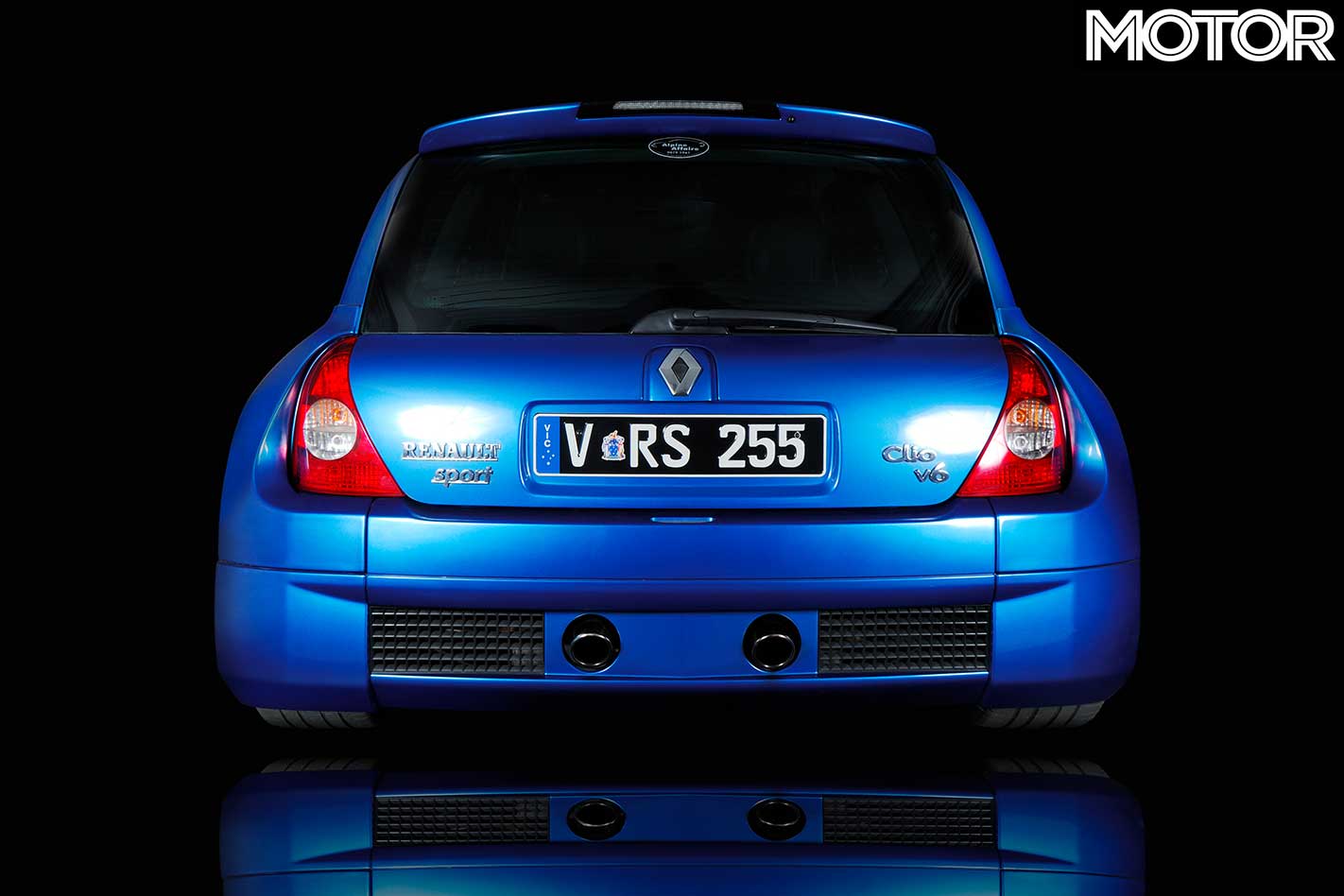
Sporty versions of the Clio have been around for a long time now. In fact, there was even a Clio Williams as far back as 1993 (although the Williams F1 team had precisely nothing to do with the thing) and factory souped-up Clios have been around as long as the model itself (the first Clio hit Europe in 1990).
But in every case, the modifications were based around the car’s original basic layout; that is, a front-wheel-drive platform with a four-cylinder engine mounted east-west. But in 2001, that changed in a big way.
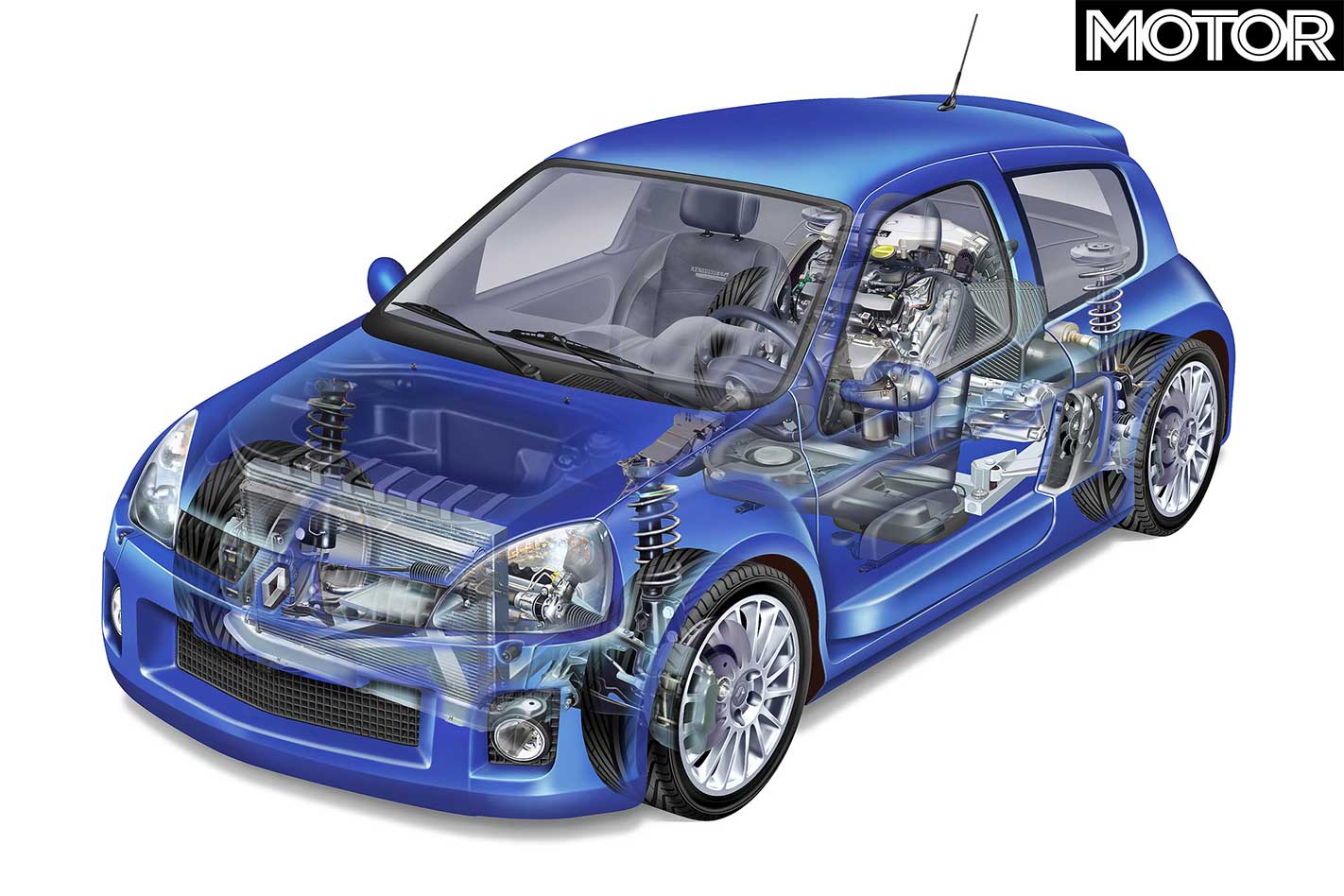
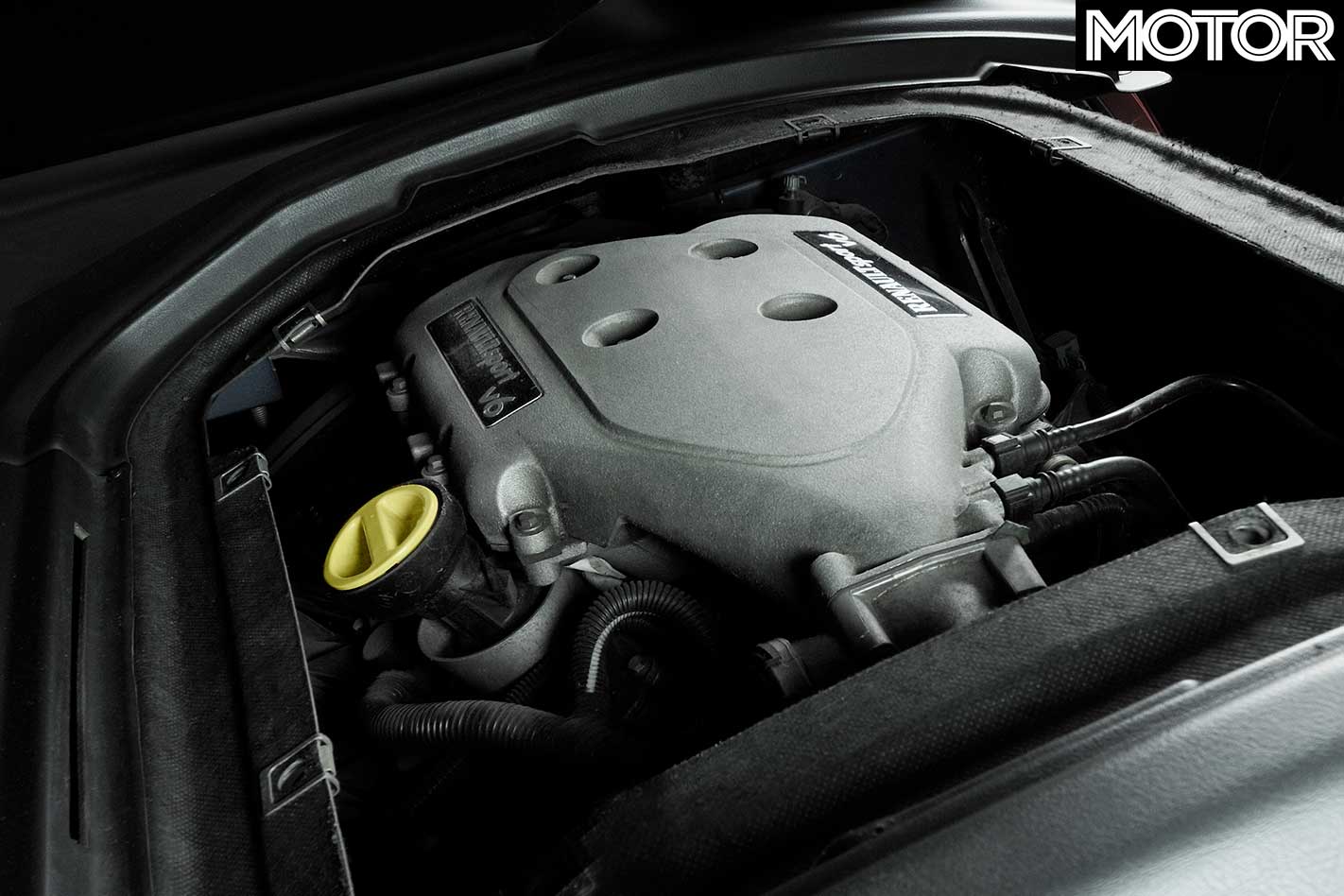
Out went the four-banger and in went a V6 borrowed from the Renault Laguna big-car. Okay, so plenty of car-makers have plonked big engines in small cares to make hot hatches, but in this case, the fitment of the V6 was much more involved.
See, rather than bolt the three-litre vee under the Clio’s bonnet, the grand plan called for the motor to be mid-mounted. Add a six-speed transaxle and it was just a natural progression to turn the thing from front to rear-wheel-drive. See what I mean by ‘righteous’?
You might also recognise the concept from the Renault 5 Turbo of two decades earlier and there’s a striking similarity between the two both visually and philosophically.
Renault Sport was involved in the Clio project but due to the fact that the thing just didn’t fit with normal Clio production, the V6 was actually built in Sweden by TWR.
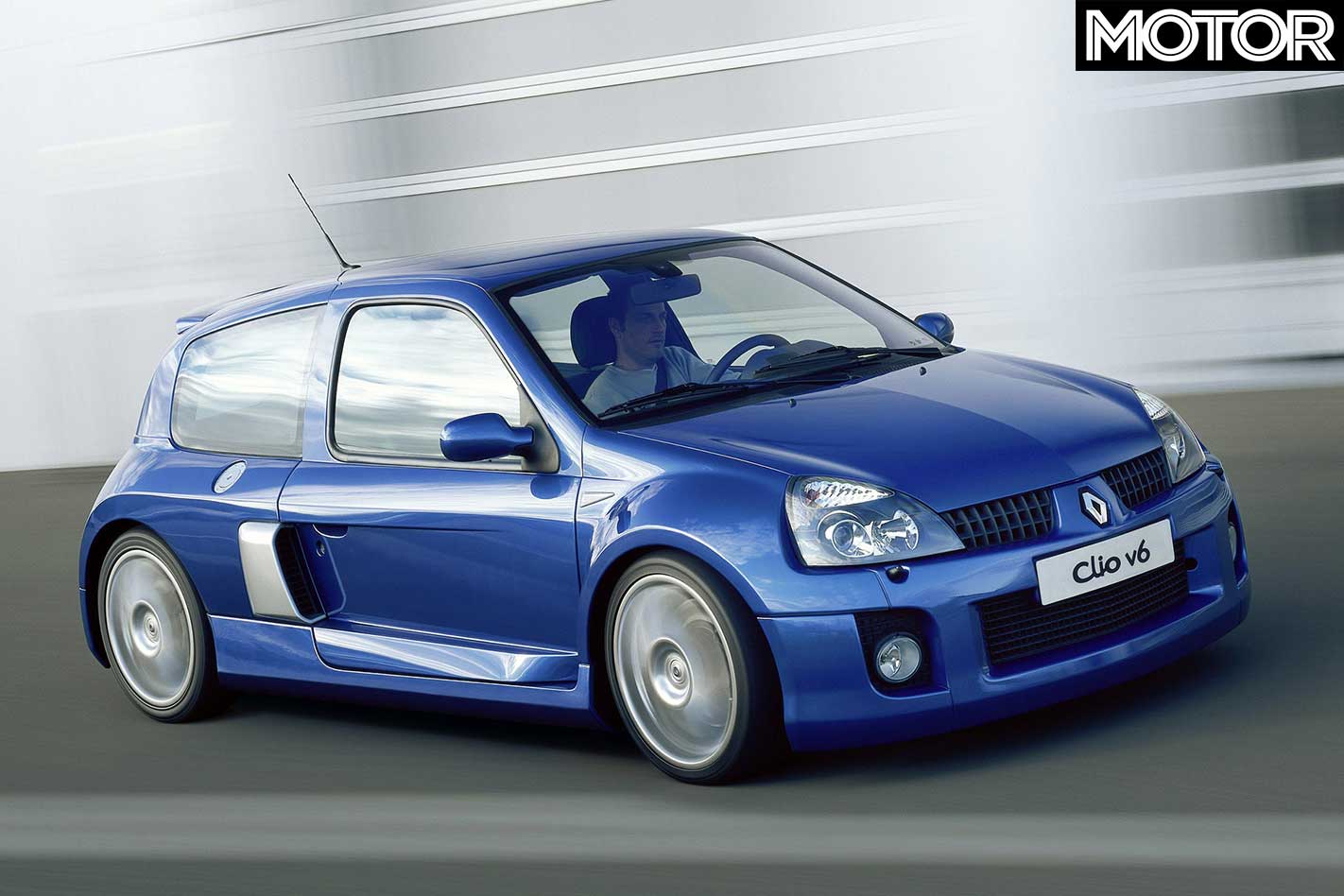
The Walkinshaw operation was much better placed to tackle the enormous amount of work involved in this switcheroo and it really did involve a lot of cutting of the stock Clio bodyshell. In fact, the change was so extensive that a lot of strength had to be put back into the shell, and that resulted in a kerb weight a full 300kg higher than a Clio Sport 172 (which was the hottest ‘conventional’ Clio at the time).
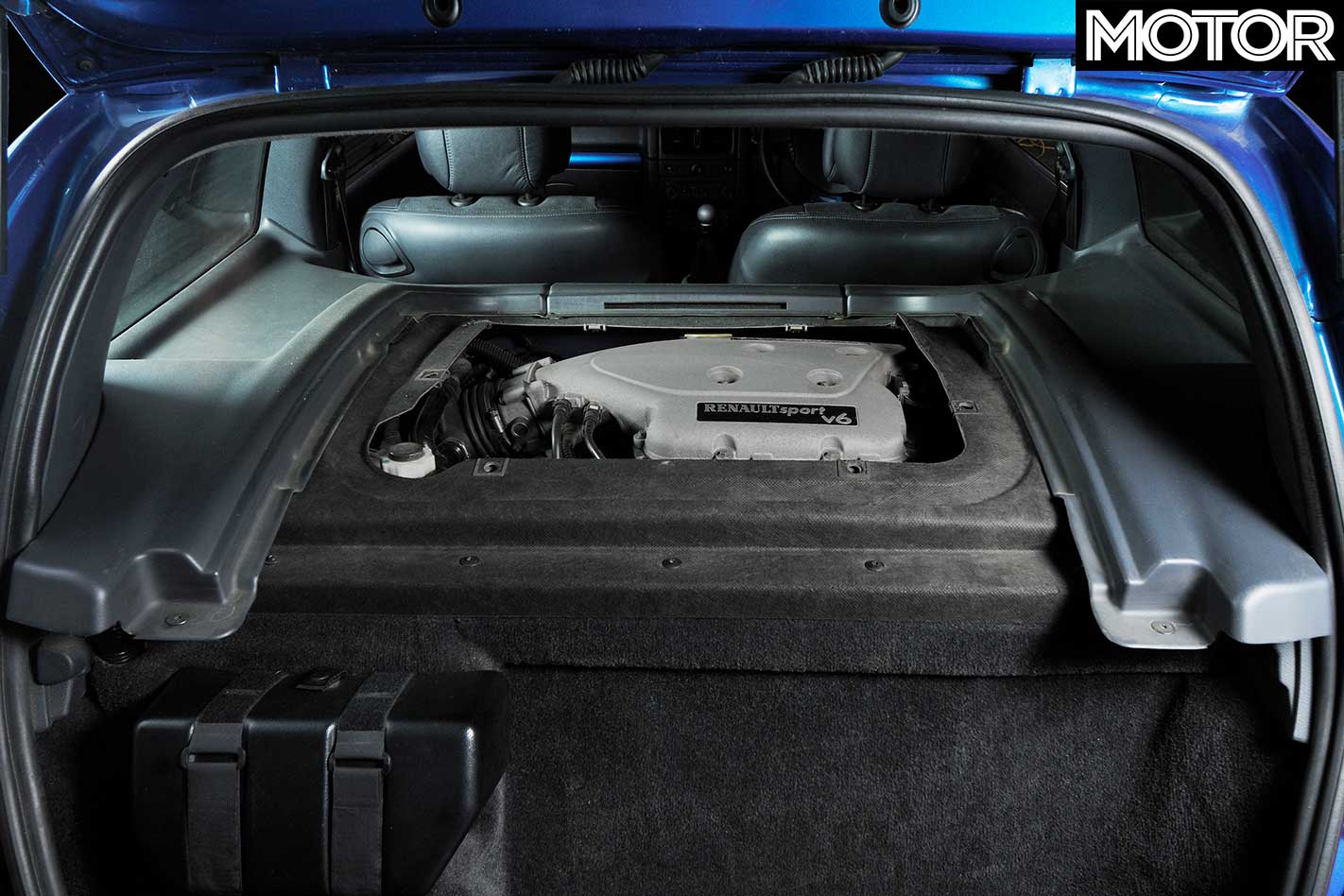
You also lost the rear seat although there was a small luggage space up front where the motor once lived (there was also an even smaller space under the hatch, behind the engine) and despite being based on a Clio, fuel consumption was around the 12 litres per 100km mark.
The wide bodywork at the rear made the car more difficult to park and the super wide rear track, combined with the racier steering set-up, meant the turning circle was gargantuan. Then again, anybody who bought a Clio V6 as a shopping car deserved everything they got.
But for all that it was purer than the driven snow, the driving reality didn’t quite add up. This was down to two things. Firstly, that the 169kW of the lightly tuned Laguna V6 didn’t, once you took into account the extra 300kg it was lugging around) amount to startling acceleration.
Secondly, the ‘other’ performance Clio, the 172 Cup was so good, it was almost as quick as the big fella. And when testing at the time showed the V6 could scramble to 100km/h in about 6.3 seconds and the Clio Cup only took an extra half a second or so to do the same, the pragmatists started to consider the V6 as a bit superfluous.
What should have been a completely neutral chassis also showed up a little understeer at the limit, too. All things considered, the Clio V6 just didn’t have enough mongrel in it to totally compensate for the fact that it was an expensive two-seater rather than the practical, almost-as-fast four-seater it owed its existence to.
Renault’s response was of the classic variety; for 2003 and with a facelift to give the car the appearance of the latest Clio (at the front anyway) it simply upped the engine ante and stuck more horsepower into the thing.
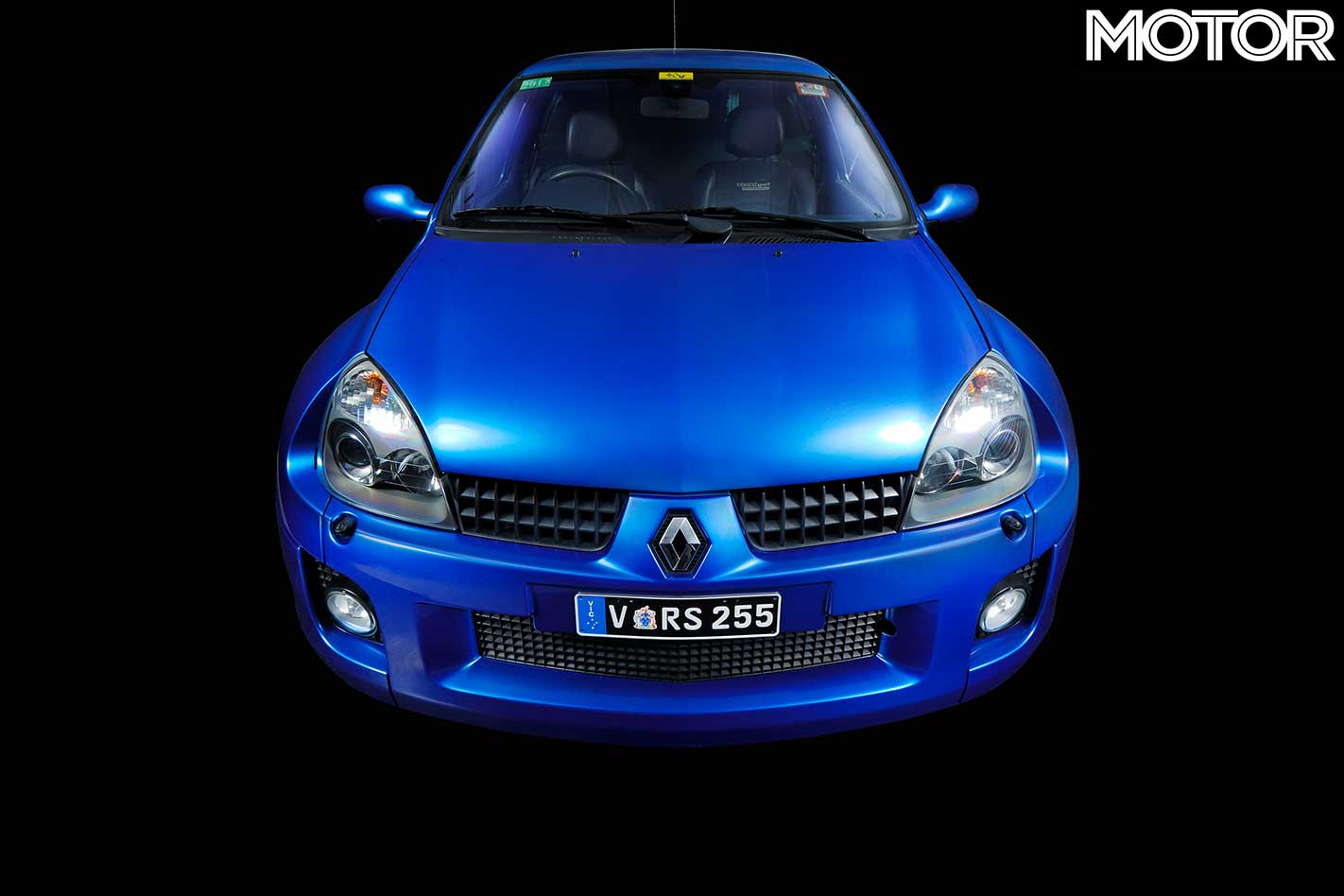
Now the three-litre engine made 188kW but, if anything, the understeer was made worse by the thing carrying a bigger stick. Oh, and it was even heavier, too, but the extra urge finally got its 0-100 time under six seconds. Just.
It was also at this time that production moved from Sweden to the spiritual home of fast Renaults, Renault Sport in Dieppe, France. But that couldn’t save the concept, either, and with the public convinced that the V6 was an overpriced understatement, the model was dropped from the line-up in 2005.
In 2012, of course, that judgment is a harsh one and completely ignored the fact that here was, more or less, a Group B rally car for the road. Okay, it was years behind the Renault 5 Turbo (and Group B rallying itself) and that raises another of the V6’s problems: It was never a homologation car for racing purposes.
It’s a bit like Aussie muscle cars: The Bathurst heroes of the 1960s and early 70s are seen as the real deal. Why? Because they were the cars that ACTUALLY raced at Bathurst according to the homologation rules of the day. What you bought in the showroom was what Brock, Moffat, Grice and Harvey bounced off each other on the weekends. Later model stuff just can’t match that.
The same – sort of – thing applies to the Clio V6, but for our money, none of that alters that fact that it’s still special. Very special. Powerful magic indeed.
Buying one
Never imported into Australia by Renault, your only hope of finding one already here is to look for a private import. This, however, could take a large chunk of the rest of your life.
So that means, you’re better off importing your own. Again, though, that throws up a few problems, not the least of which is that the Clio V6 is not old enough to be registered as a left-hand-drive car in most Aussie States.
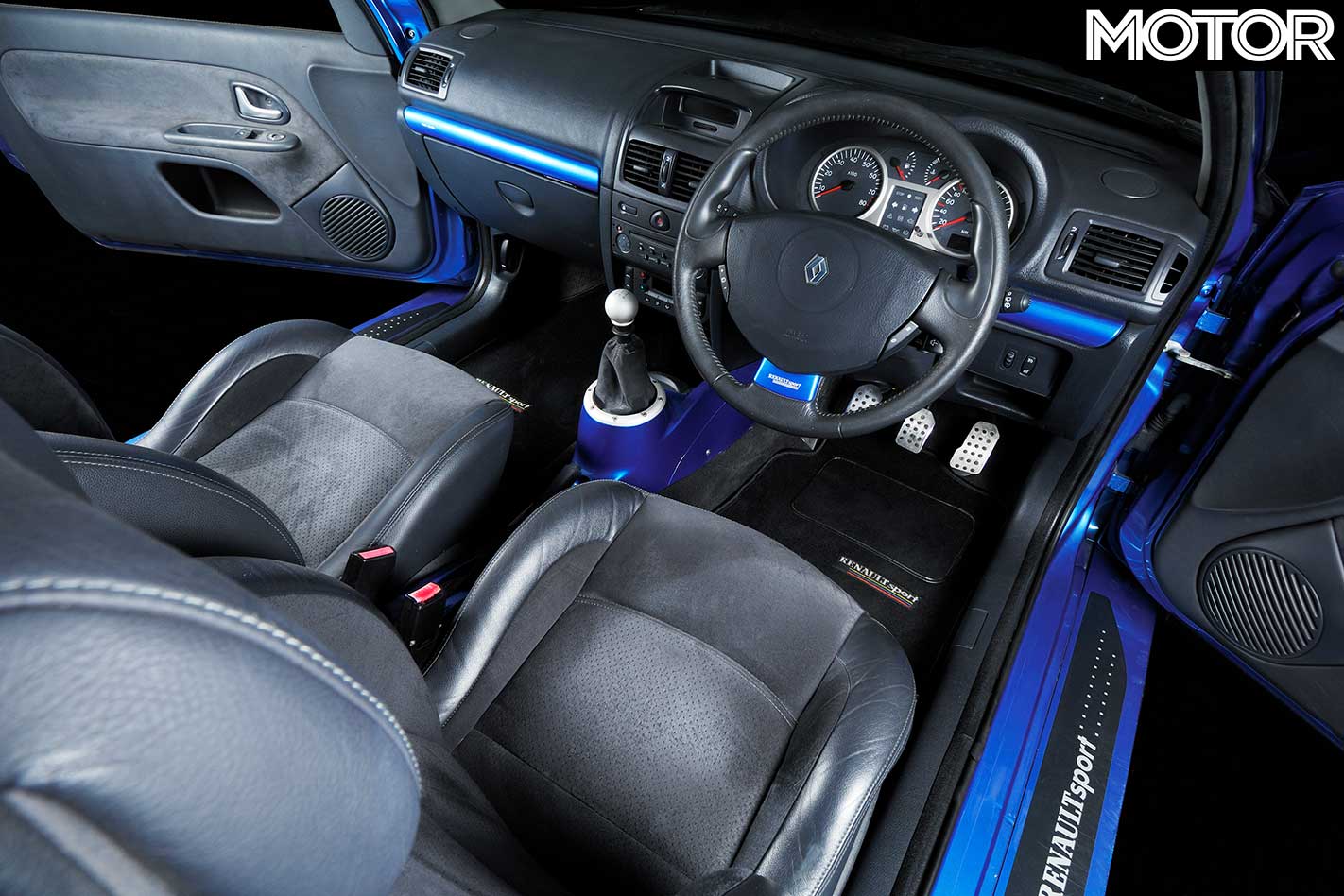
Shop around, though, and you will discover that despite being a small-volume car, Renault did, in fact, bother to make the Clio V6 in right-hand-drive. This, then, is the go, since it will be a lot simpler than buying a left-hooker and converting it.
The car was popular in Britain (which also happens to be a right-hand-drive market…Yay for the commonwealth) so Pommy websites are probably the best place to start.
Five before (vee-) Six
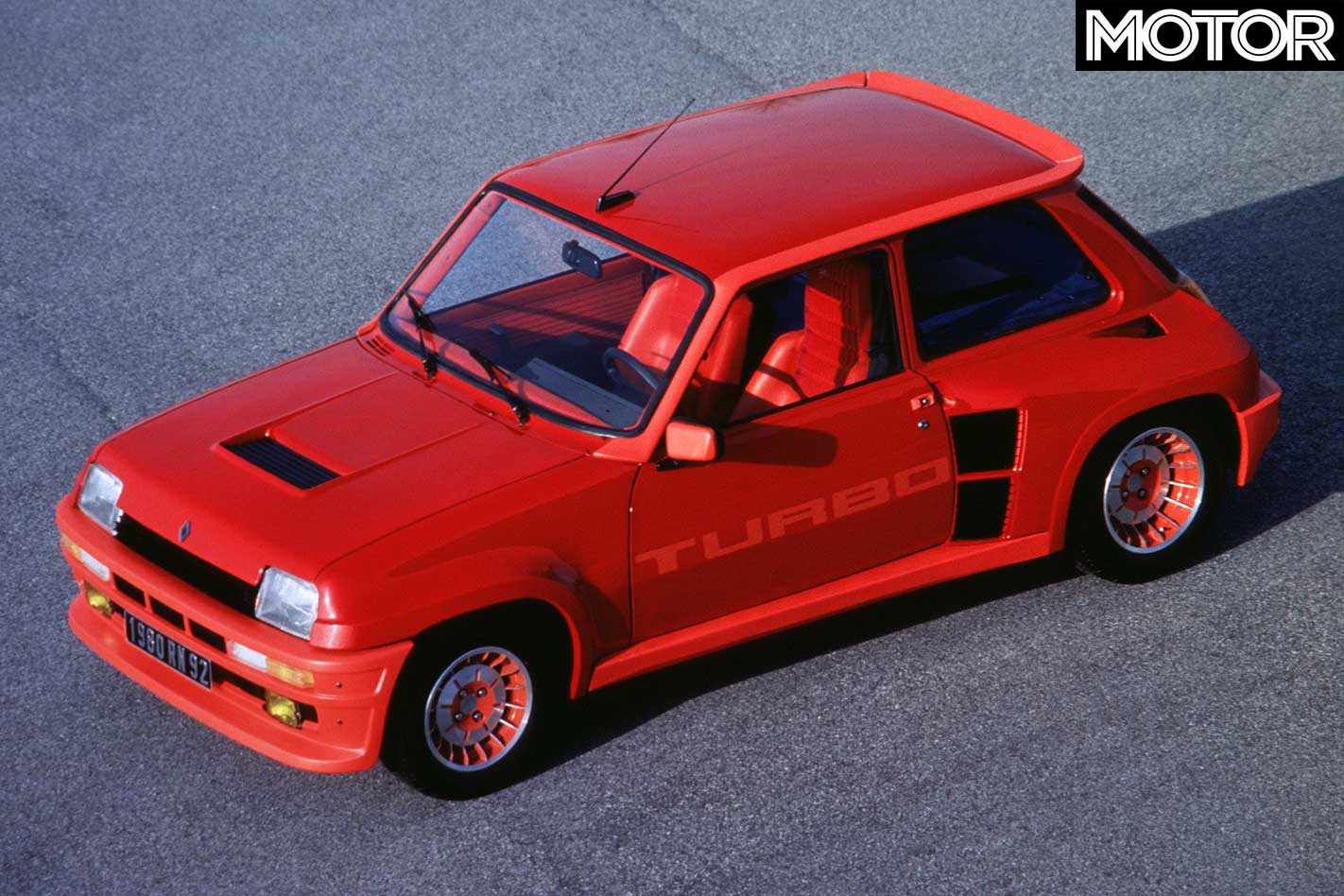
If the Clio V6 has any debt of gratitude to pay, then it’s to the Renault 5 Turbo that it owes it. The little R5 Turbo was Renault’s homologation car for the early 1980s, an era which eventually led to Group B in 1982 and gave us some of the most ferocious (and dangerous) rally cars ever to send gravel flying.
Two versions of the Renault 5 were made, the first variant making up the homologation and road-car build and the second version being road cars only. Either version will get to 100 in about 6.6 seconds and that’s from just 1.4 litres (and a dirty big snail, of course). In its final `Maxi’ competition form, the pundits reckoned the little 1.4 was putting out north of 250kW.
Eventually, the four-wheel-drive Group B cars outclassed the rear-drive Renault, but not before it established itself as a giant-killer by winning the Monte Carlo Rally on its first attempt in 1981 with Jean Ragnotti at the helm.
WHAT IS IT?
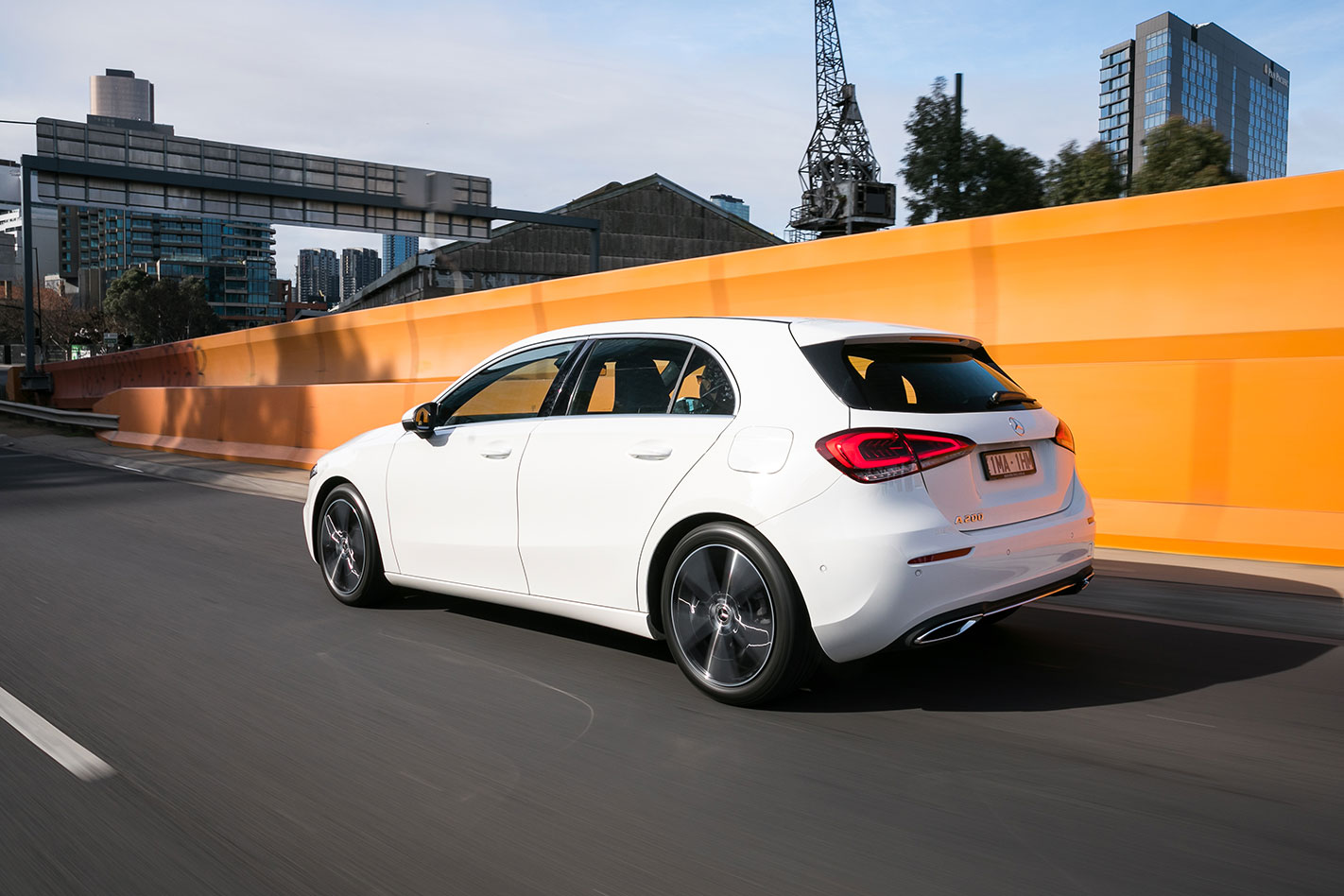
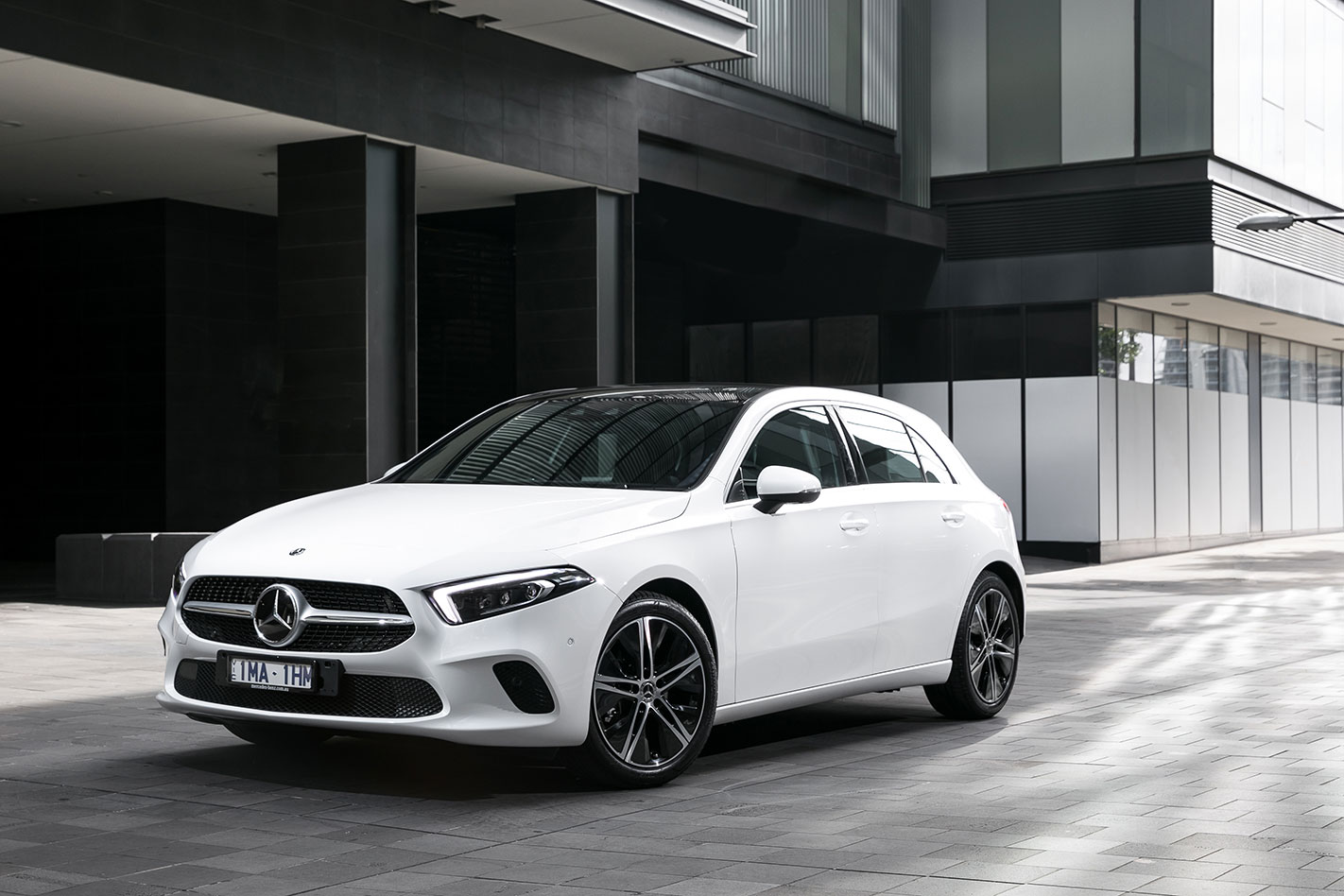
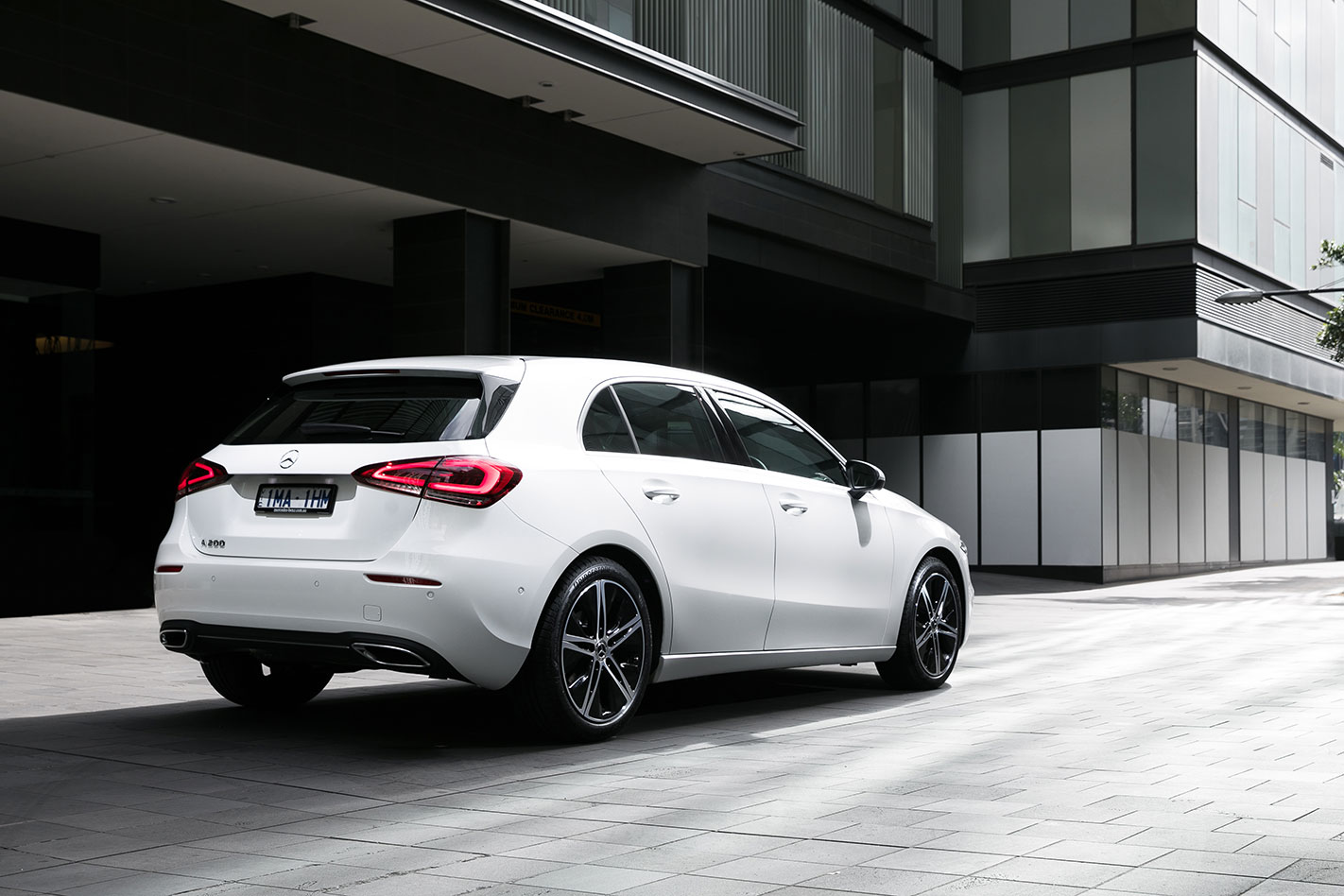
This is the fourth-generation of the Mercedes-Benz A-Class hatchback, which has now arrived in Australia a little more than three months after its international launch. At the moment, the A200 is all local buyers can get their hands on from the range, but more variants will fatten the line-up later this year and into 2019.
WHY WE’RE TESTING IT
The modern-day baby Benz is the German brand’s most affordable offering, but that hasn’t stopped Stuttgart from throwing its most advanced technology at it. This is our first chance to try it in Oz, not to mention investigate the A200’s all-new engine and practical design developments. Better get to it, then…
MAIN RIVALS
Audi A3, BMW 1 Series, Lexus CT, Infiniti Q30, Volvo V40, Volkswagen Golf
THE WHEELS VERDICT
The A200 is a strong initial showing for Merc’s fourth-gen hatchback range. It’s a good package with the tools to retain existing owners looking to update and lure new customers to the brand, not least of which is its gorgeous, premium interior and cutting edge user interface. It has showroom appeal that more expensive cars can’t match, let alone immediate rivals. For enthusiastic drivers, however, it leaves the door open for more potent variants to really knock our socks off.
PLUS: Interior glamour and technology; gearbox performance; functional improvements MINUS: Loud cabin; hard, flat seats; dash squeaks in vehicles tested
THE WHEELS REVIEW
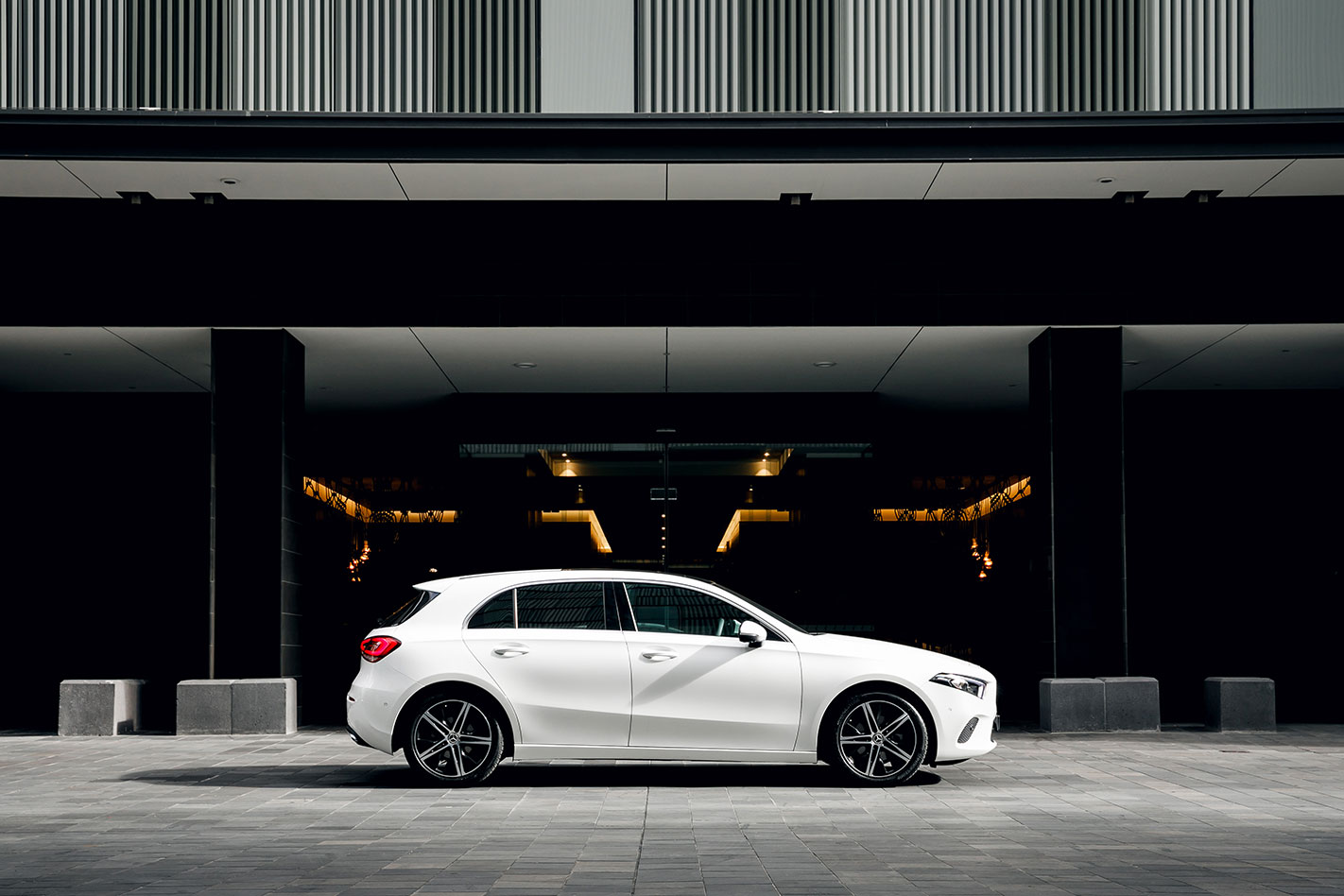
AUSTRALIA, there’s a new A-Class in town. For now, just one – the A200 – and it brings sizzling showroom allure in a glamorous, high-tech cabin that makes the rest of the premium compact segment look wilted and old fashioned.
Its interior experience is dominated by an ultra-sharp widescreen display panel that replaces the traditional instrument cluster and central screen setup as the vessel for Merc’s ground-breaking MBUX interface. A raised centre console places a new touchpad controller closer to the driver’s fingertips, but MBUX can also be operated with voice commands in a more natural way than anything before it. Simply call out ‘Hey Mercedes’ followed by an instruction, such as ‘close the sunblind’ or ‘change to previous station’ and the system complies.
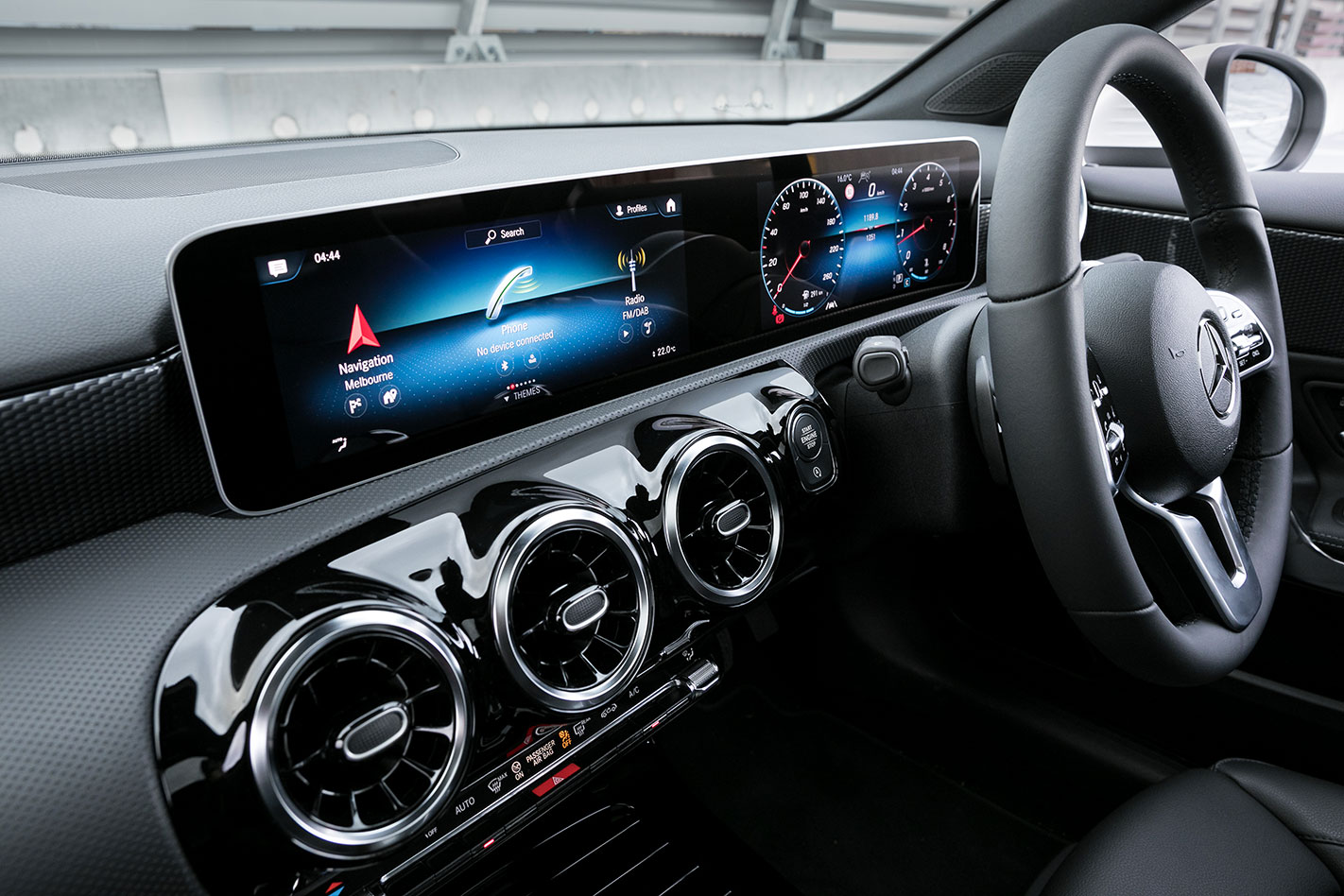
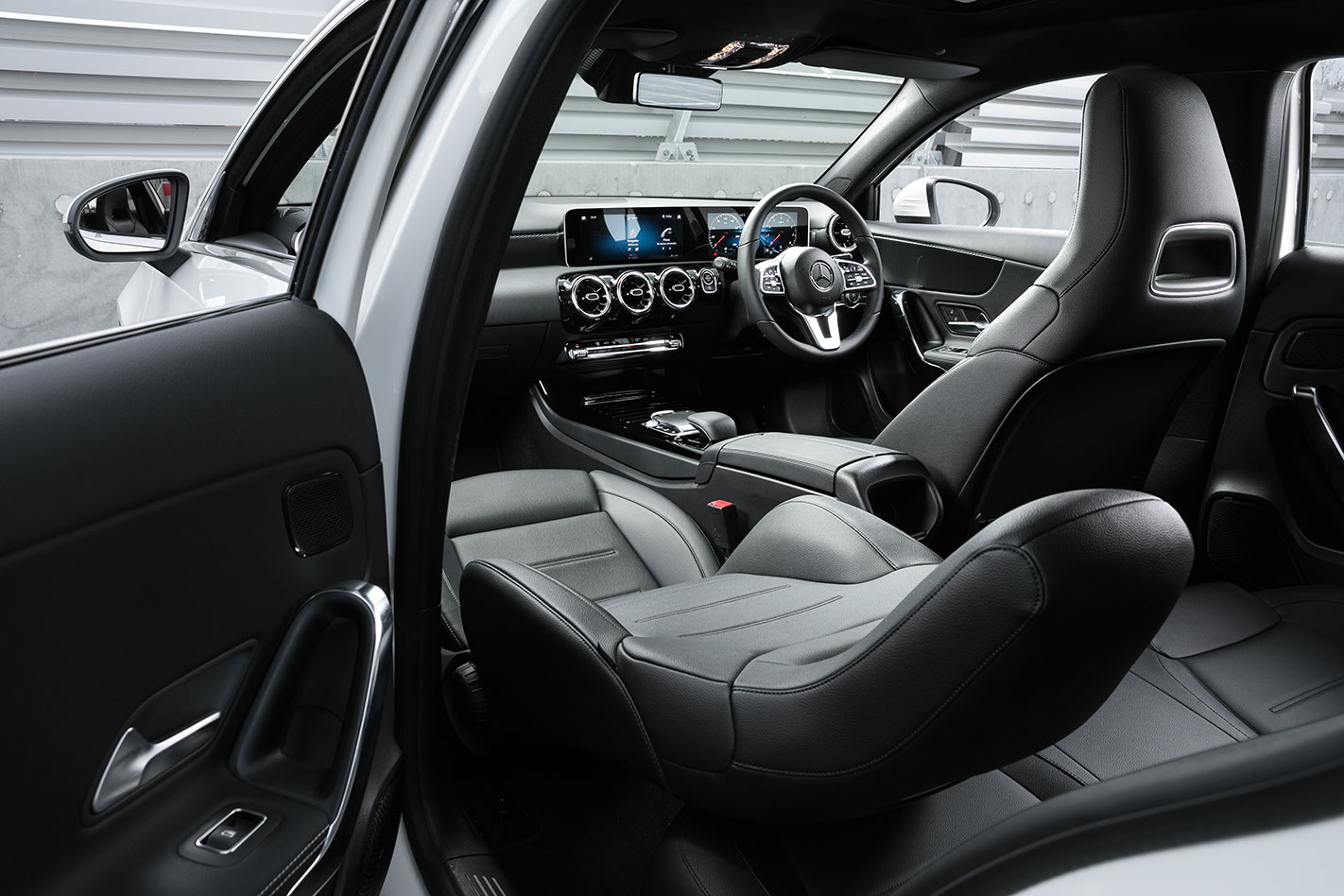
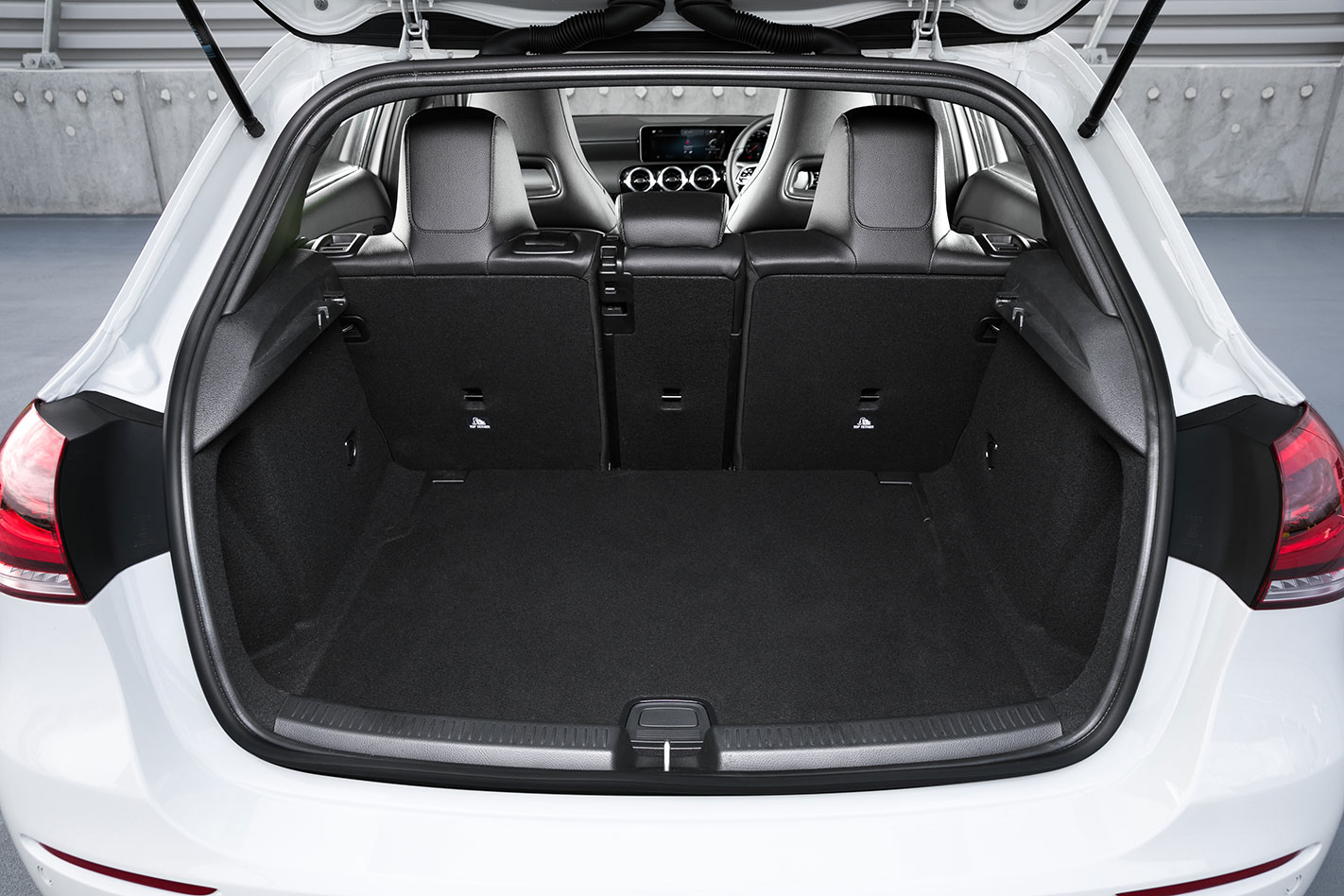
The slickness of the A-Class’s versatile and user-friendly digital side will alone win over customers, but there’s more to this fourth-gen makeover than just electrickery. The body is 16mm wider and significantly longer; 120mm overall, with 30mm added to its wheelbase. A slight 7mm bump to the roofline above the rear doors sounds insignificant, but reshaped windows make a marked difference to outward vision for both rear-seat passengers and the driver. Back door and boot apertures are also bigger, making it easier to get people and things in to and out of the rear seats and cargo area.
There’s a maturity to this generation of hatch that was missing in its youthful but flawed predecessor. The debutant A200 shapes up as a sensible, connected tool for urban singles and couples, with the image and savvy to make it all that a lot of buyers will desire. That is to say, the A200’s driving performance could be largely academic for many interested parties, provided it does what it’s told and doesn’t dramatically drop the ball. And on those fronts, it delivers.
The engine is a 1.3-litre four-cylinder co-developed with Renault, though built by and exclusive to Mercedes-Benz for the time being. It produces 120kW and 250Nm, which feels surprisingly sufficient when paired to the snappy gearing of its excellent Getrag seven-speed dual-clutch transmission. The A200 has decent off the line nip and feels brisker in initial acceleration than its 8.0sec to 100km/h might suggest. It can sound a little thrashy when really strung out, but for the most part the efforts Benz has made toward improving engine refinement have worked. It’s also more efficient than the old 1.6L, with claimed economy of 5.7L/100km.
In the suburban domain that will be the A200’s primary proving ground it does nothing to offend. The steering is fairly fluid, albeit without any particular feeling of connectedness. The overall impression is less sporty and perhaps a bit more grown-up than the outgoing car. Three suspension setups include two that ride on a torsion beam rear-end, which has been introduced to save weight, space and cost. The base car, at $47,200, has regular Comfort springs, while Lowered Comfort coils are bundled into an AMG Line exterior package ($1990) and drop ride height by 15mm. The passive damper tune does a good job of keeping body movement under control, though there’s some fussiness to the ride on patchy bitumen.
A third configuration brings adaptive dampers and an independent rear end as part of a $3190 AMG Exclusive option pack, which also adds two-tone seats and dual-zone climate control. Its Comfort and Sport damper settings give the A200 more bandwidth, and the desirable rear suspension layout assists the front-end with a little more turn-in eagerness. There’s just enough about the A200 for keen drivers to enjoy, but the door is firmly wedged open for the upcoming 4Matic variants, especially the AMG A35 and A45, to really thrill us.
What hampers some of the A200’s long distance potential are hard, flat seats and loud tyre roar on country roads at speed, though there is less wind noise than before. Also of concern were dashboard rattles in two vehicles driven at the local launch, though it’s unknown whether those early cars had been taken apart and reassembled prior for training purposes.
Come October the 165kW/350Nm 2.0-litre A250 will also be here, at which point both it and the A200 will be available with S-Class levels of driver assistance technology as seen overseas. Following that is an entry-level A180 in early 2019, around the same time as an MBUX upgrade for Australia that will draw in information from online. The A-Class rollout is a multi-part play by Mercedes that will continue to up the ante and turn the heat on every premium compact competitor. The A200 already has a lot going for it, and it’s just getting started.
SPECS
Model: Mercedes-Benz A200 Engine: 1332cc 4cyl, dohc, 16v, turbo Max power: 120kW @ 5500rpm Max torque: 250Nm @ 1620rpm Transmission: 7-speed dual-clutch Weight: 1375kg 0-100km/h: 8.0sec (claimed) Economy: 5.7L/100km (EU) Price: $47,200 On sale: Now
HDT’s retro-inspired creations always become talking points among fans of classic Aussie Commodores, especially with the promise of modern driving abilities.
The latest creation from the former race team is this, a VFII Redline built to resemble a VL Commodore Group A SS Plus Pack.
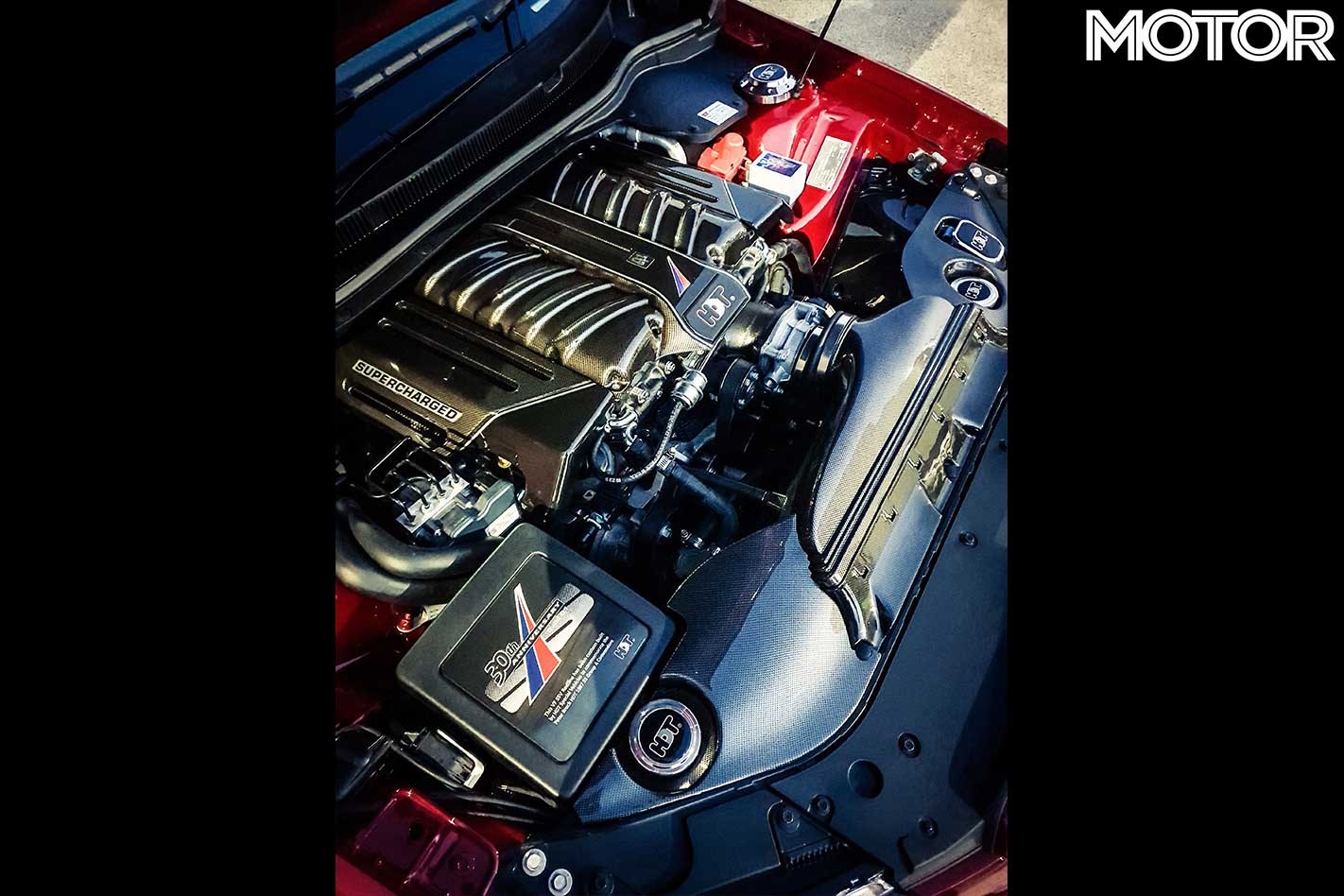
It’s sporting its original engine and a manual gearbox with a few modifications that allow it to now produce 650kW and a massive 1000Nm of torque.
The man now in charge of HDT – since 2007, in fact – is Peter Champion, a well-known HDT die-hard and friend to the late Peter Brock.
“This customer wanted me to build him a VL Group A on a brand new VF SS Redline, the last of the Australian made Commodores,” Champion tells MOTOR.

“It’s been in the making near on a year. The customer wanted a massive supercharged engine in it so we pulled it out from the car and while the engine was out we sent it to the paint shop. We stripped it out and painted it in the old HDT Permanent Red just like the VL Group A from 1986 and ’87.
“The engine was also stripped down and had the pistons, crank, rod… everything changed out. It was a 6.2, but it’s now a 6.8-litre with a twin-throttle body Edelbrock supercharger.”
There’s probably one question on your mind right now, if you’re familiar with the VL Group A Plus and a particular controversial feature of that car. The answer, dear MOTOR reader, is yes. It does have one.
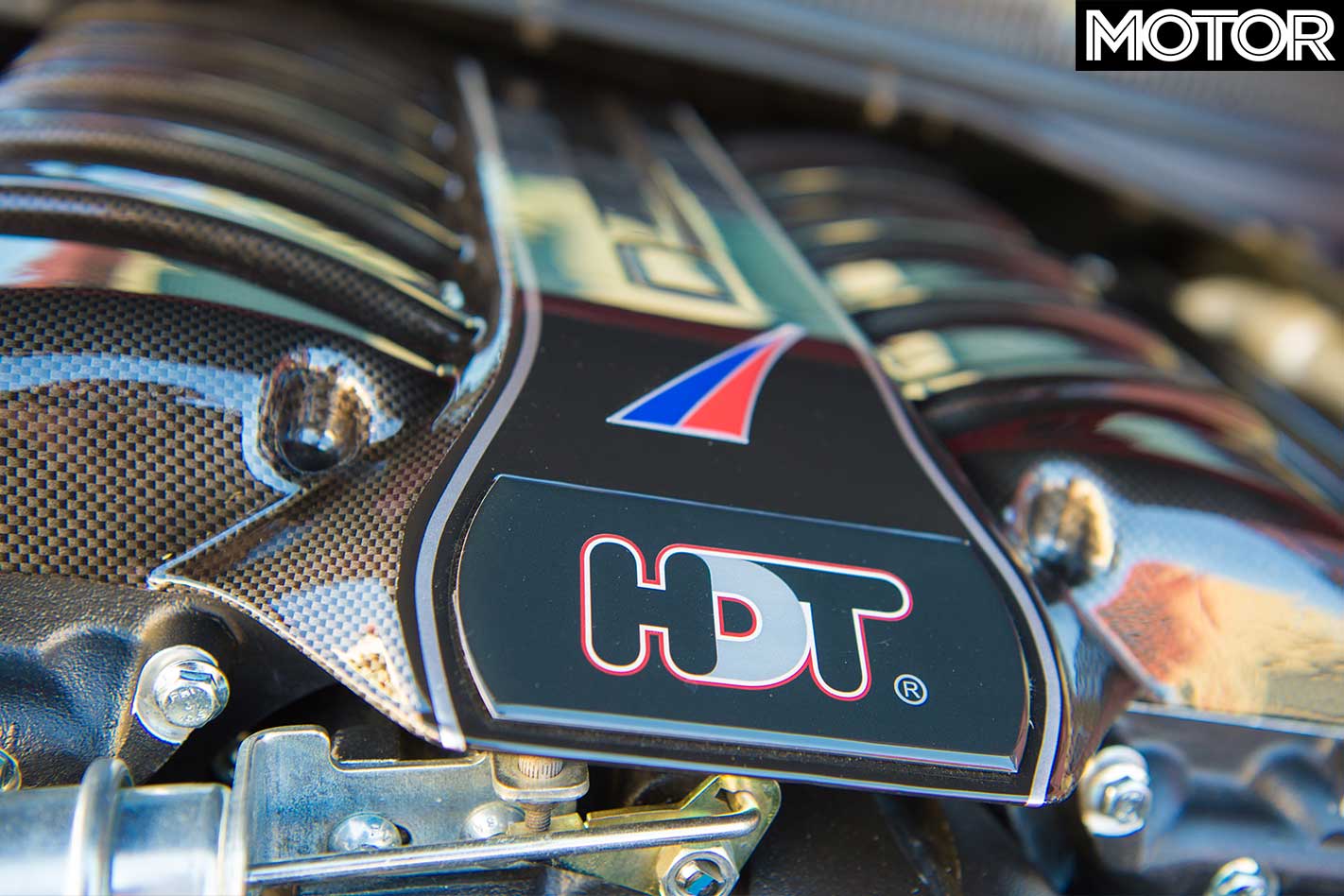
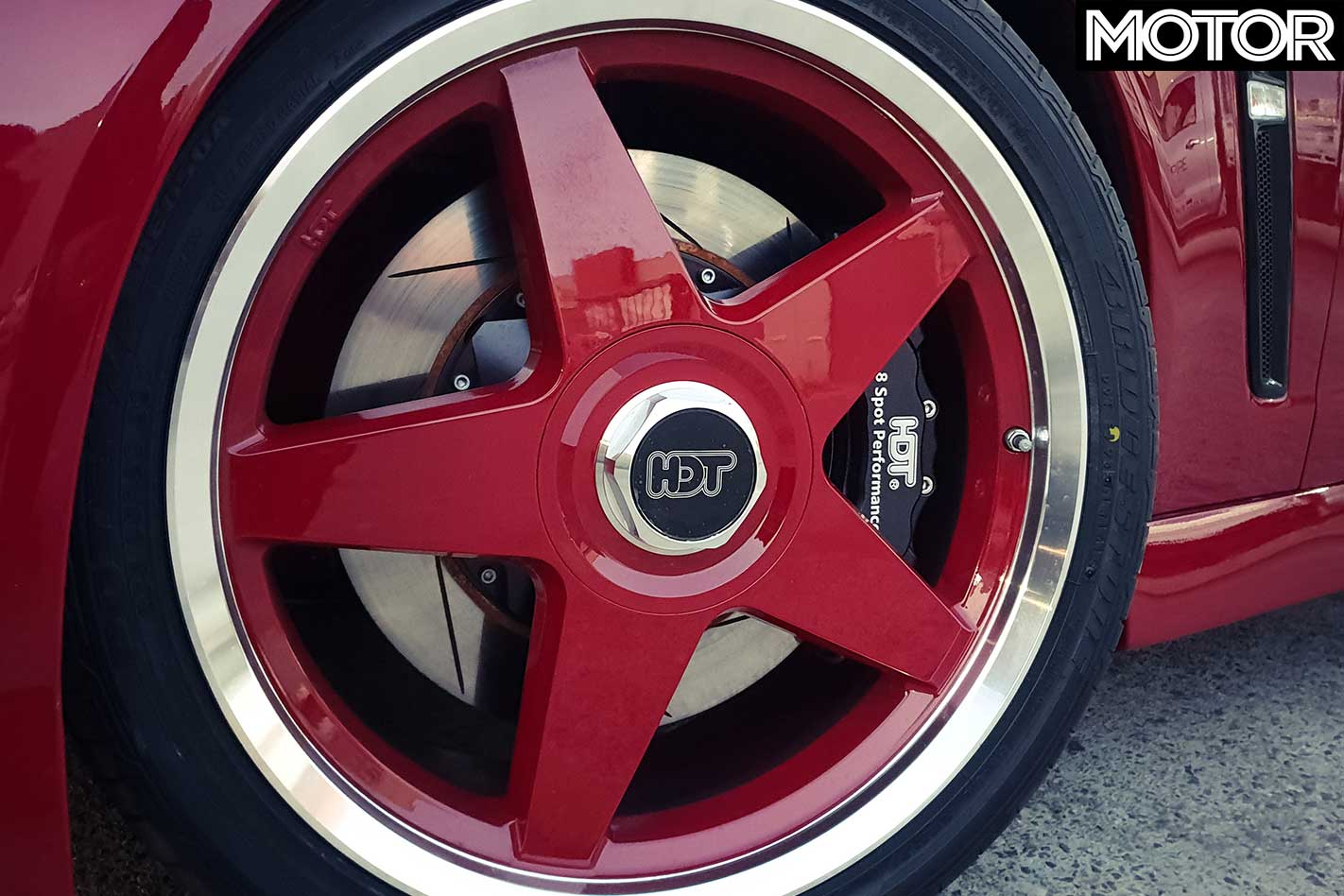
“We couldn’t have a Group A Plus Pack without fitting a polariser! We had some polarisers from when we were doing the VE cars, so we fitted that, plus it’s got our adjustable coilovers with Bilstein shocks and eight-piston brakes at the fronts, with colour-coded MOMOs.
“We think we’ve done pretty well with it, and judging by the reactions after a photo of it went up on Monday, we’ve had the phone ringing off the hook seeing if we want to build [more of] them.”
It’s also got a properly-molded hood with a vent, rather than a ‘bolt-on’ scoop.
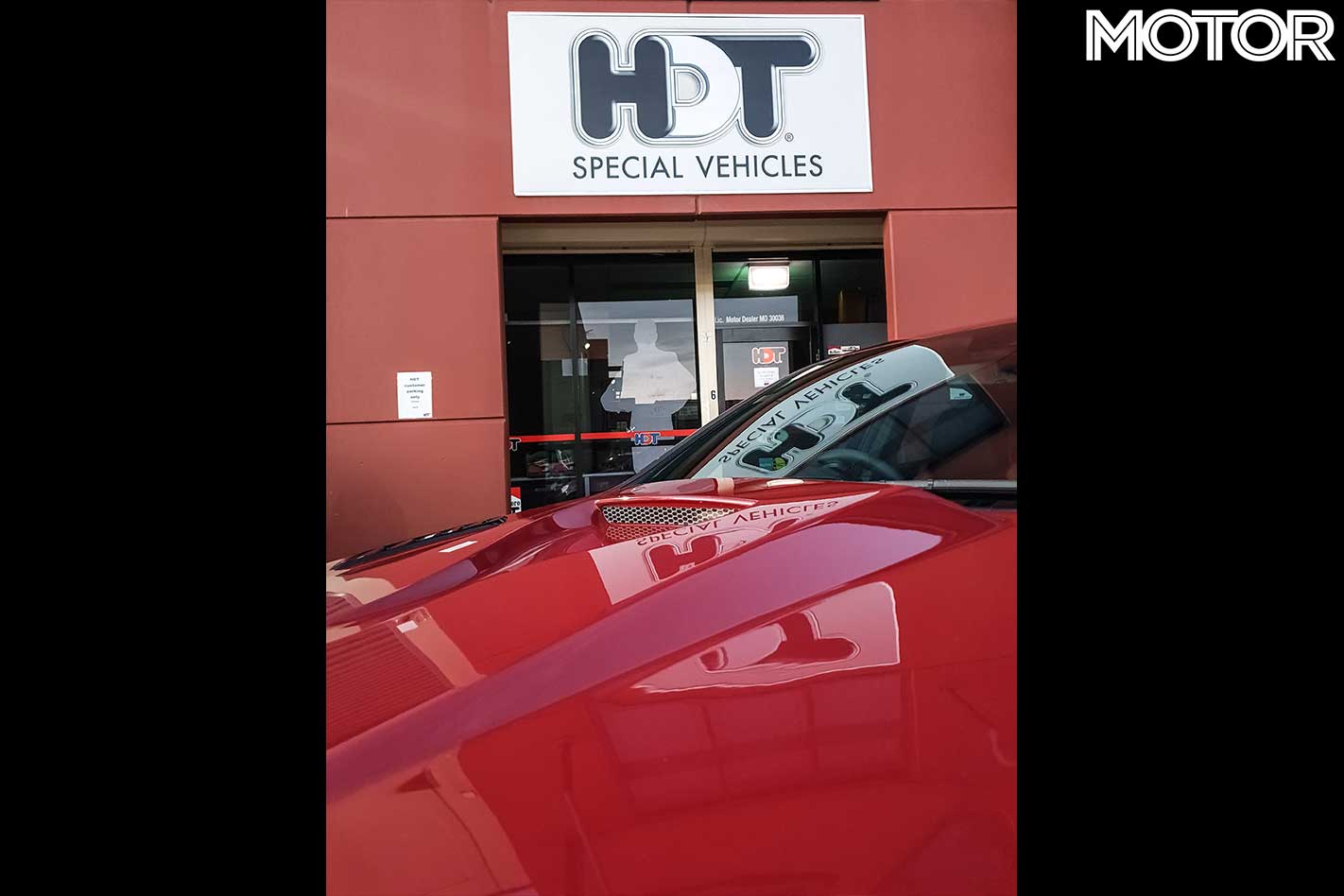
Champion also says he had to use a rather cheeky tactic to get the right fit for the rear wing.
“I could probably say I hired a car, brought it down [to Yepoon, HDT HQ] and wrapped the boot so we couldn’t damage it, then used it to build a mould of the rear wing for the retro series.
“We didn’t damage the car, but I’d better not say which hire company it was. The Holden dealer in Rocky was kind enough to loan us a car to finish up the fit.”
But Champion says building more isn’t out of the question, it’s just not likely there’ll be another quite like this.
“I was originally going to build five, and it’s been so hard that if I had the orders for a heap, I’d look at doing them in-house.”
“But let’s see where we go. If there’s enough interest and enough people who want one, we’d probably do the other four. Probably not to the specification of this one, something more like 400kW.”
Champion’s final comment regarding the car is that, despite its power, it’s very easy to drive… as long as you know what you’re doing.
BMW Australia has removed the standard BMW M5 from its range to leave the new BMW M5 Competition as the sole M5 available to buyers.
Australians’ love of higher-spec cars is cited as the reason for this move, where BMW Australia sees only a small percentage of sales for the standard specifications – as do most premium manufacturers.
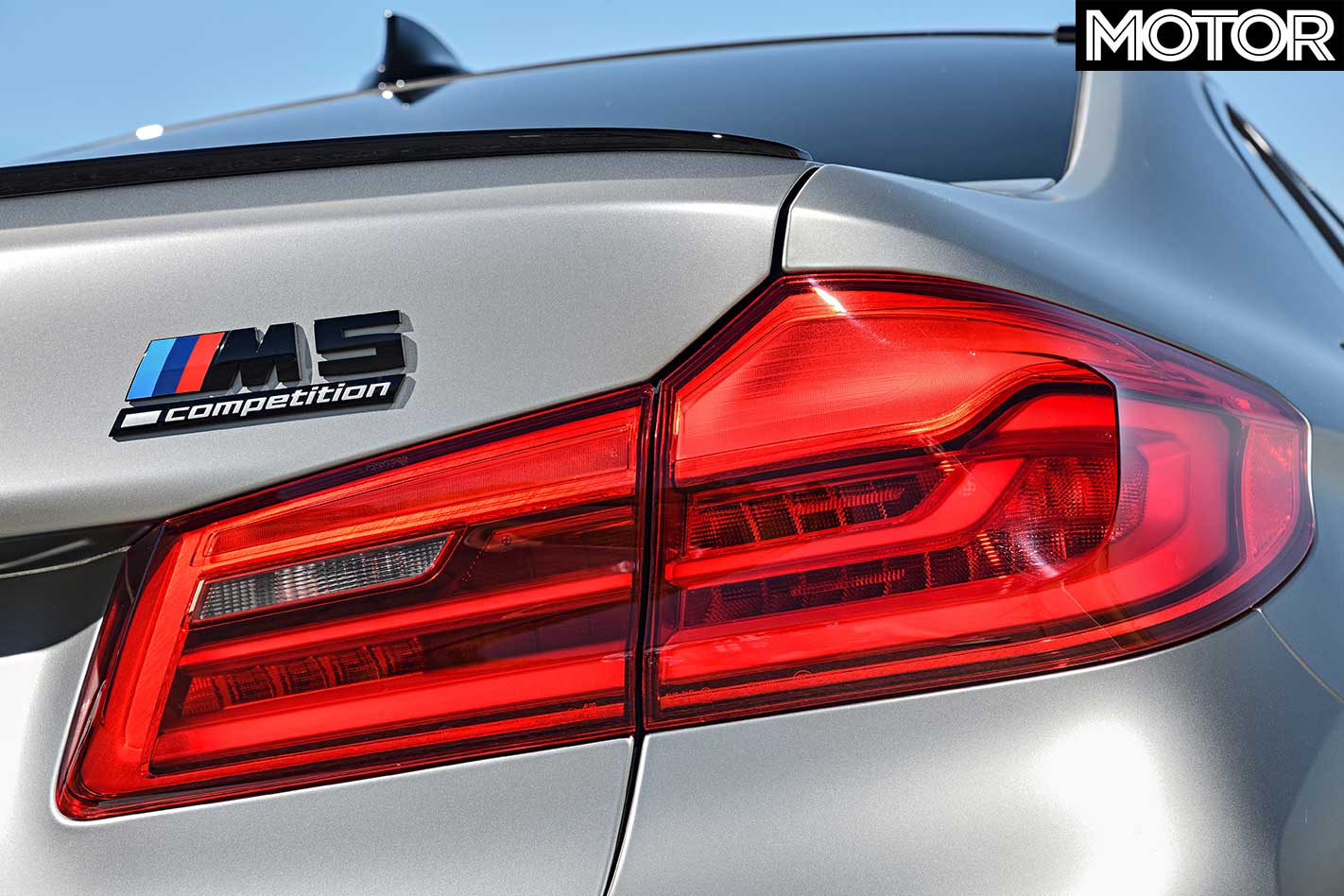
“The decision was taken to import the M5 Competition from its start of production and make this the focus point going forward,” A BMW Australia spokesperson tells MOTOR.
“That’s another way of saying yes, it will be the only M5 available on the Australian market from this point, with all 50 of the Launch Edition batch already sold.”
The Launch Edition was announced almost immediately after the new M5 was officially confirmed for Australia, itself a special edition of the M5 priced at the standard car’s value.
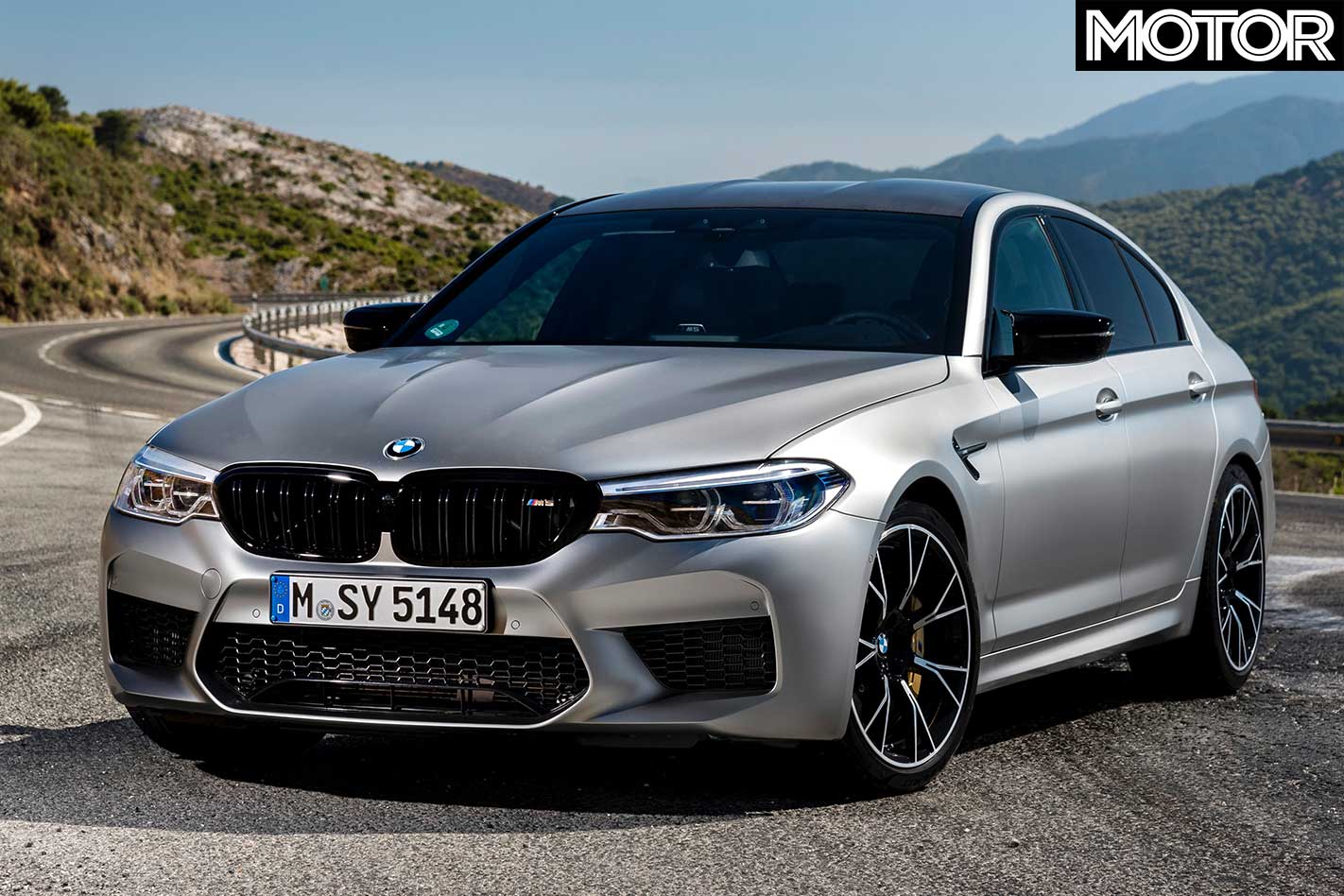
“BMW wanted to get the immediate impact of the Launch Edition from launch, at an unprecedented price under $200K for the performance, specification and depth of ability on offer.”
The reasoning here seems to be that if BMW Australia had waited for the Competition to be announced before taking customer orders, excitement for the model would have died down somewhat before the books opened.
Customers who were set on the Compeition would likely have known to wait for its almost-inevitable arrival.
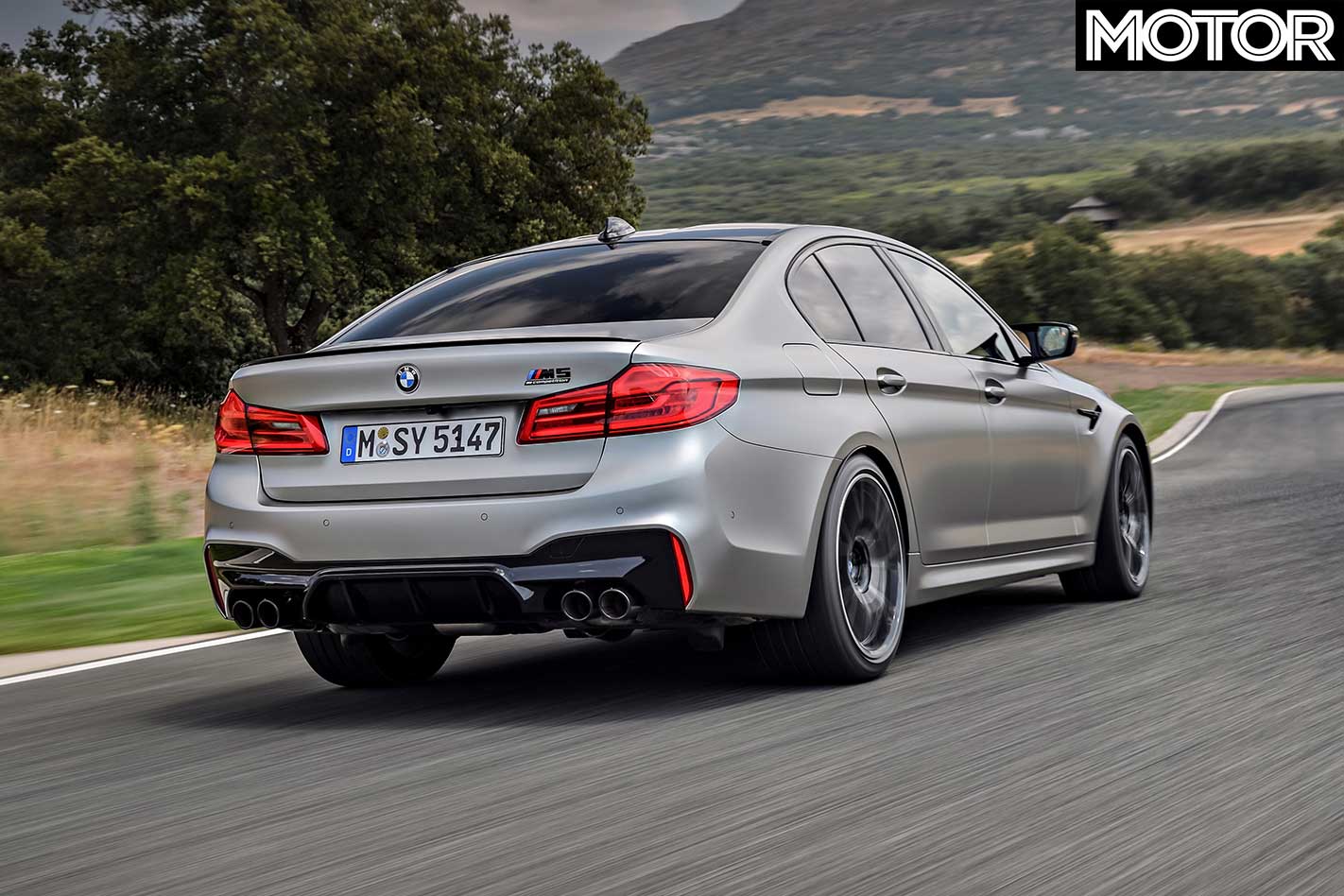
“For the previous-gen M5 Competition Package, as well as the M3 and M4 Competitions, the take rate has exceeded 80 per cent,” the BMW spokesperson says.
“So there is a precedent in this market from our perspective – we haven’t offered the ‘standard’ 317kW M3/M4 for a few months now as a result.”
The second-generation BMW X4 will arrive in Australia with four powertrain choices and a scrolling standard-features list.
Priced from $76,900, the coupe-styled X4 is slated to arrive within the next three months with four X-Drive (all-wheel-drive) variants, including the frisky six-cylinder turbo M40i M Performance flagship.
The X4 shares powertrains with the X3 SUV on which it’s based, including its eight-speed automatic transmission with paddle shifters for when some manual shifting takes your fancy.
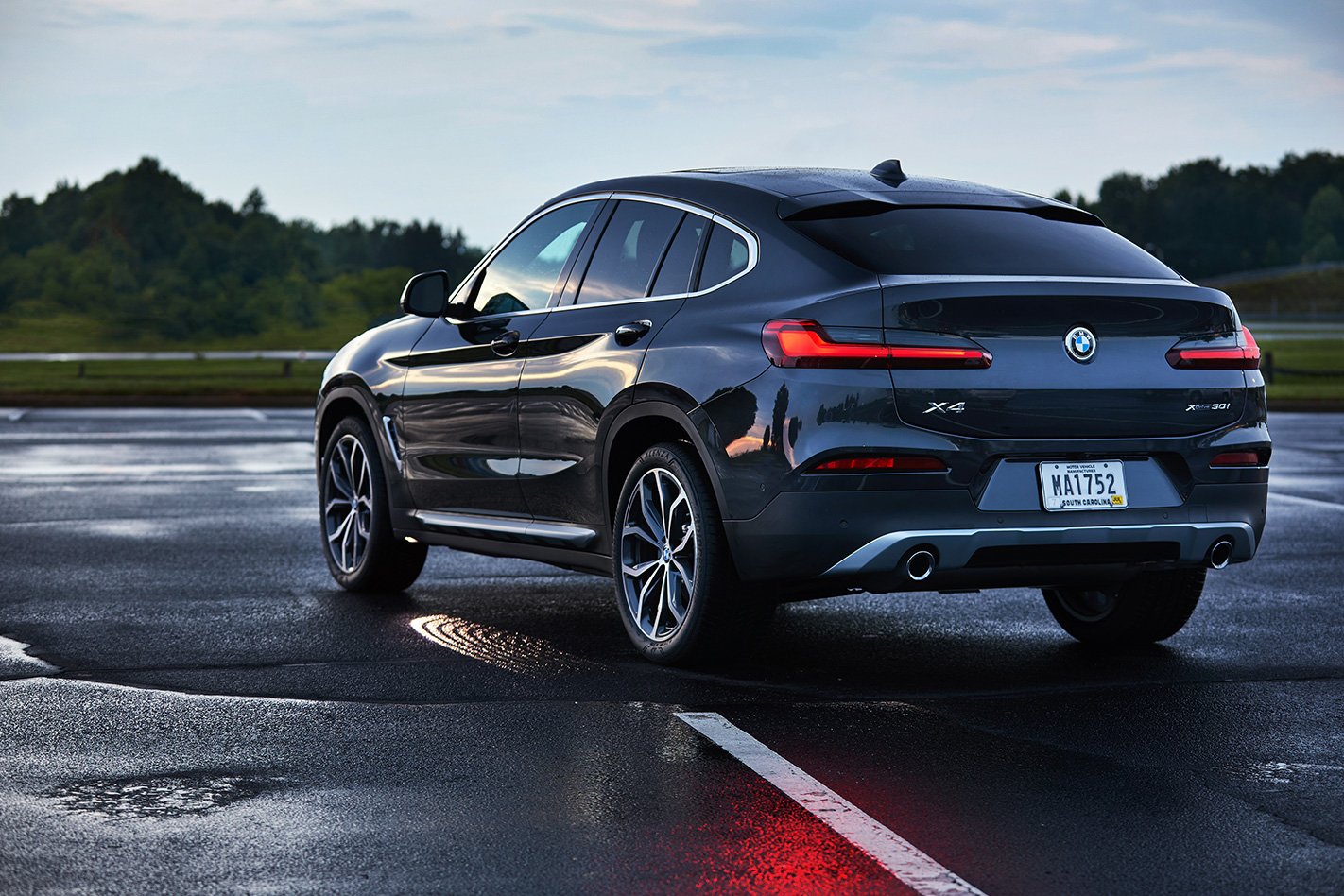
The range kicks off with the X4 xDrive20i M Sport, powered by a 135kW/290Nm 2.0-litre four-cylinder turbocharged petrol engine, which is capable of reaching 100km/h from a standing start in 8.3 seconds (fuel consumption figures for this and the other powertrains is yet to be confirmed).
The complementary M Sport package the entry-level X4 has a decent standard features list that includes:
- BMW Connected Drive infotainment
- 10.25-inch colour touch display
- Navigation system Professional
- Real-Time Traffic Information
- Intelligent Emergency Call
- Remote services
- DAB+ digital radio tuner
- Six-speaker stereo system
- head-up display
- ‘Driving Assistant’ with autonomous emergency braking and lane departure warning
- Automated parking
- Surround-view camera
- LED headlights, tail-lights, fog-lights and DRLs
- Anti-dazzle interior and door mirrors
- Front sports seats with power adjustment
- Combination cloth and Vernasca leather upholstery
- Three-zone climate control
- Powered tailgate
- 19-inch alloy wheels
- Adaptive suspension.
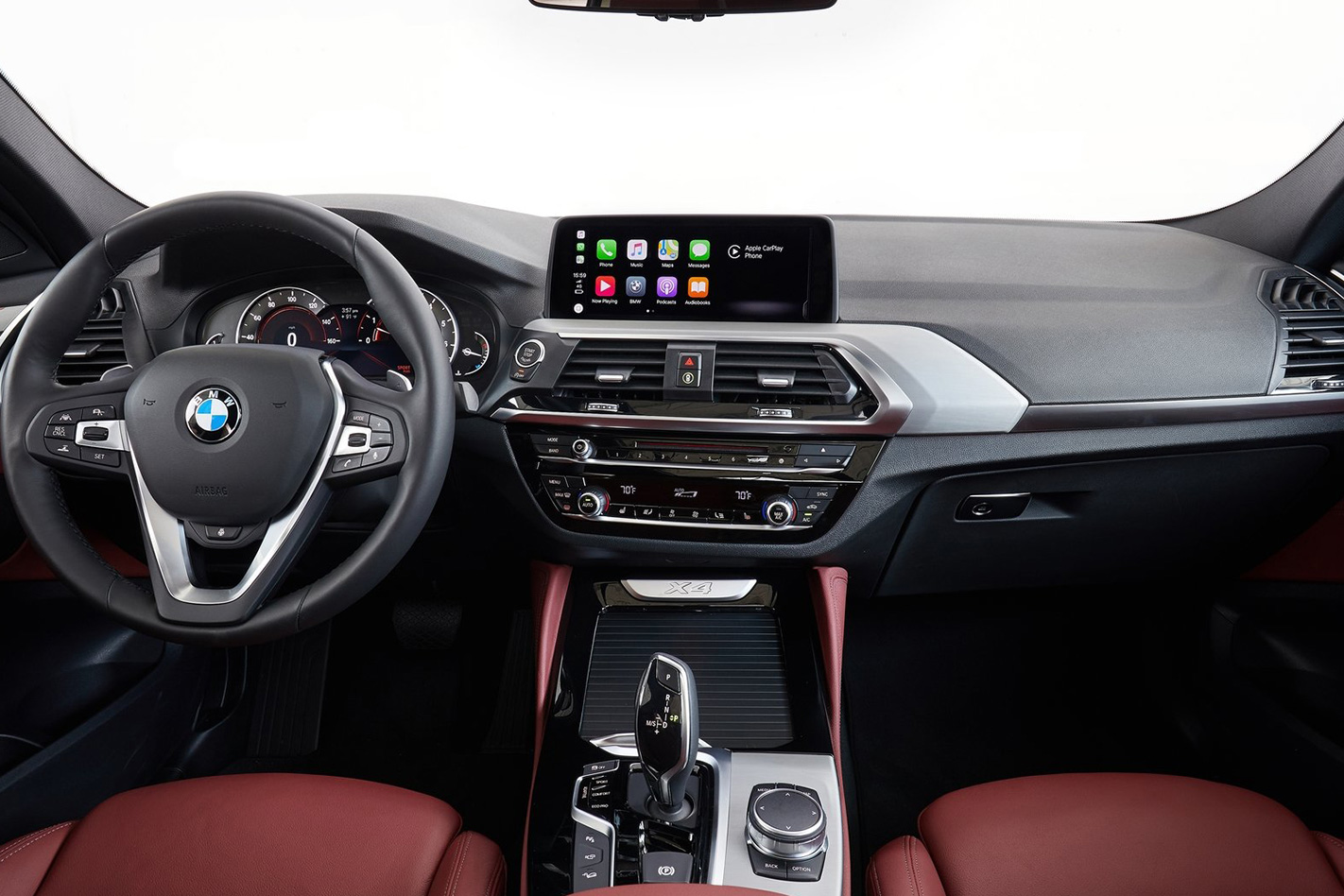
The X4 xDrive 20d brings all that but with a gutsier 2.0-litre four-cylinder turbo-diesel that produces 140kW/400Nm. The oil-burner attracts a premium of $3000, while shaving 0.3 seconds from the 0-100km/h time.
Paying $83,900 for the xDrive30i brings more power from the 2.0-litre petrol – 185kW/350Nm to be exact, which pushes the 4.75m long X4 from 0-100km/h in a brisk 6.3-seconds. In addition to the entry version, you also get:
- Eight-speed sports transmission
- Vernasca leather upholstery
- Smart keyless entry
- 12.3-inch multi-function digital instrument display
- M Sport brakes
- Active Cruise Control with Stop&Go function
- Lane keeping assist with side collision warning
- Adaptive LED headlights with High-beam Assistant and BMW Selective Beam
- 20-inch BMW M light alloy wheels.
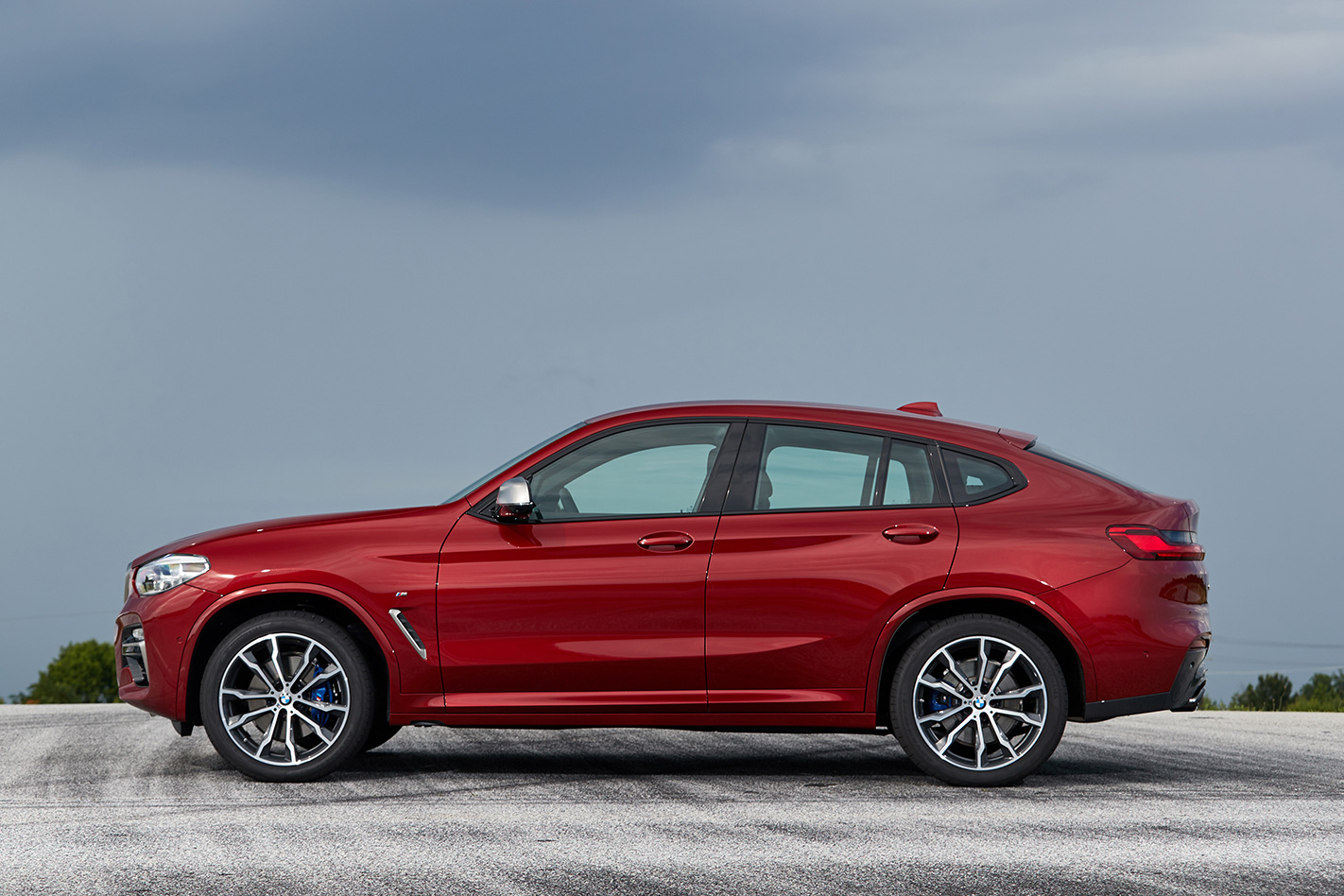
Sitting at the top of the range, M40i M Performance is the quickest X4 to date, with 4.8-second 0-100km/h acceleration that’s neck-and-neck with the X3 M40i, which shares the same 265kW/500Nm straight-six turbo and M Sport rear differential.
Priced from $109,900, the M40i M Performance brings even more features over and above the 30i including:
- Sports tuned adaptive suspension
- Cerium grey exterior design elements
- 21-inch BMW M light alloy wheels
- Panoramic glass sunroof
- 16-speaker harman/kardon surround sound system
- Interior ambient lighting
- Poplar grain fine-wood interior trim
- Front seat heaters
- Front-seat lumbar support
- 24/7 concierge services via BMW’s ConnectedDrive call centre.
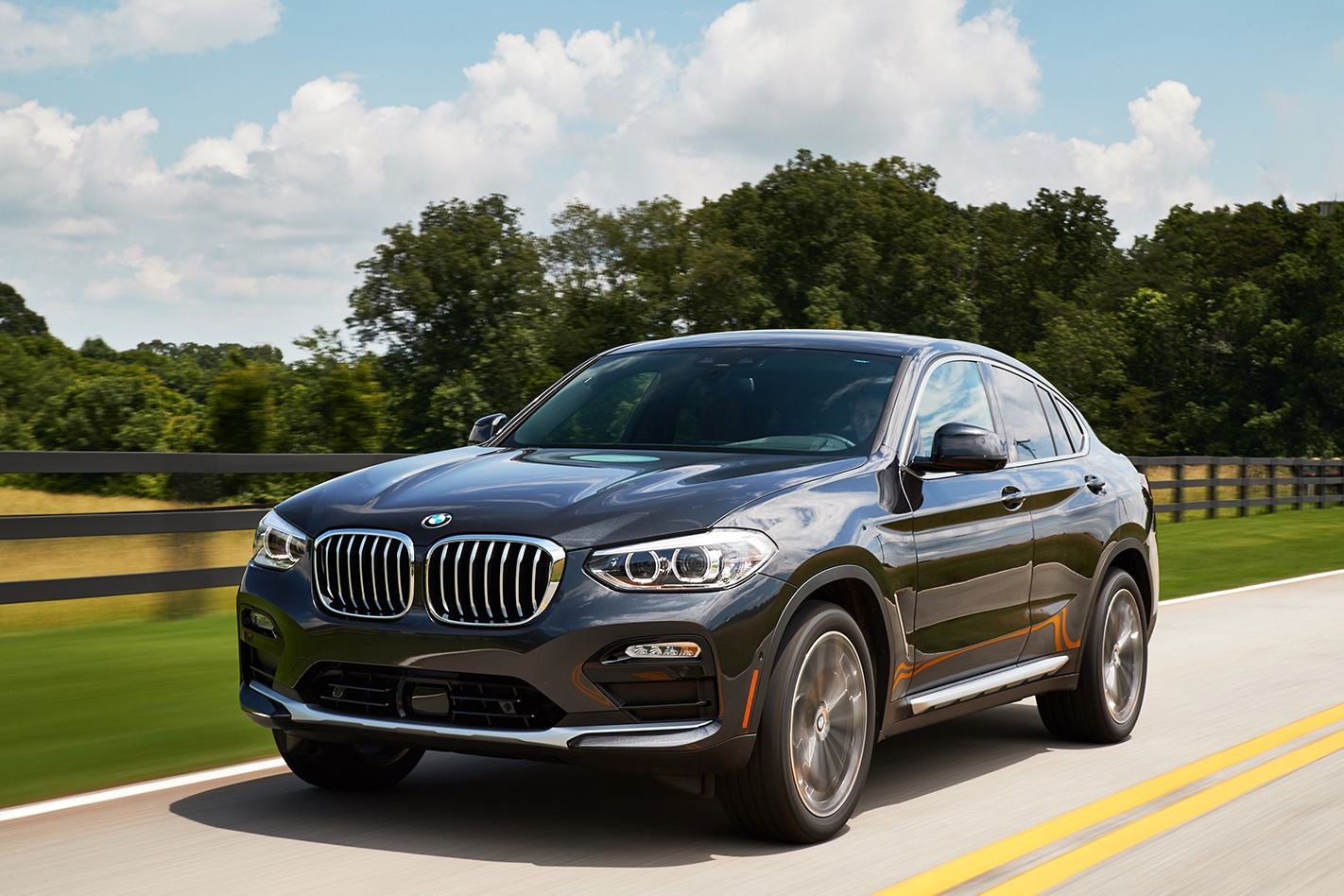
A range of option packages are available for the X4 range, including the $2000 Innovations pack for the xDrive20i and 20d that brings smart keyless entry, high-beam assist, adaptive LED headlights, wireless phone charging and the 12.3-inch multi-function instrument display.
Alternatively, you can up-spec the xDrive 20i and 20d with the $2800 Enhance Package that adds 20-inch alloy wheels, Vernasca leather upholstery, M Sport brakes, smart keyless entry, Driving Assistant Plus active safety, adaptive LED headlights with high-beam assist and the 12.3-inch multi-function instrument display.
Meanwhile the $2800 Comfort package brings interior enhancements to all variants except the M40i, including a choice of woodgrain interior trims, ambient lighting, lumbar support for driver and passenger, front-seat heaters and a 12-speaker HiFi system.
2019 BMW X4 pricing
- X4 xDrive20i M Sport – $76,900
- X4 xDrive20d M Sport – $79,900
- X4 xDrive30i M Sport – $83,900
- X4 M40i M Performance – $109,900
Porsche Motorsport has revealed in a couple of Tweets it’s planning to run a new Cayman GT4 Clubsport as a course car during Rally Germany this month.
The rally-spec Cayman is fitted with four rally-style lights across the bonnet, as well as having roll cage and other race features such as tow straps, bonnet pins, and a flat underbody.
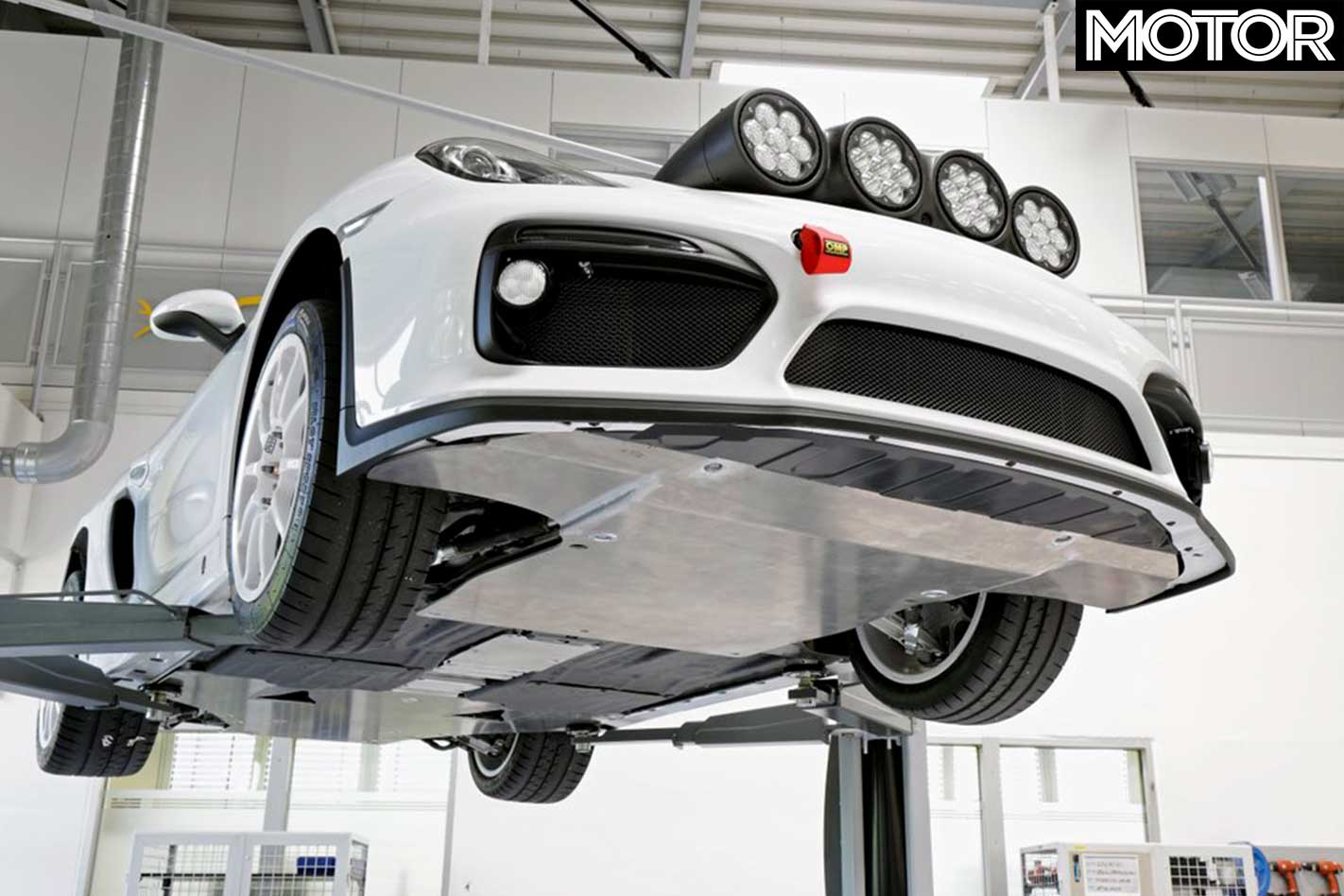
The car will hit the gravel later this month at Rally Germany, where Porsche Motorsport will gauge interest in the car. Given some reactions we’ve seen online (some from our own staff), we’re optimistic.
“Porsche is testing a concept study based on the current Cayman GT4 Clubsport as a course car at Rallye Deutschland from 16-19 August.
“The driver of the rallye study will be Romain Dumas.”
If Dumas’ name sounds familiar, it could be because he was the driver of the fully electric Volkswagen ID R which took to the hill climb at Pikes Peak earlier this year, when he smashed the outright record.
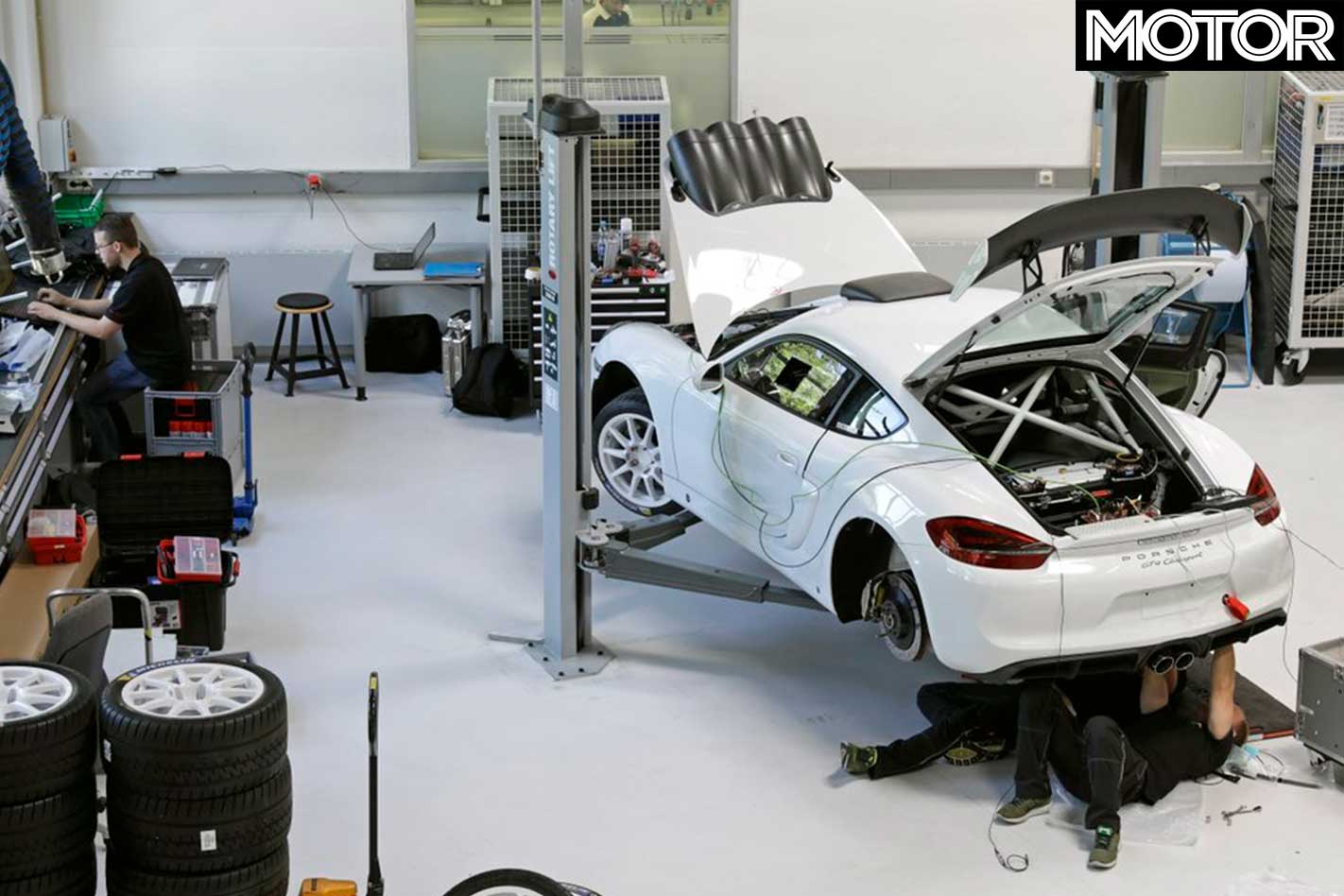
Porsche says it’s considering turning the car into a proper model, if feedback points to that as a good idea. It seems a likely scenario.
“The Cayman GT4 Clubsport is just a concept car for rallyes. At the German WRC round Rallye Deutschland we will collect feedback from the rallye scene.
“The decision if a similar car based on a future model could be developed will be made later in the year.”
Given Porsche’s readiness to announce the car and that it’s considering developing a proper rally version of the Cayman, we wouldn’t be surprised to see it happen.
Ninety percent of Australians who took part in a MOTOR poll in July 2018 rated themselves as seven out of 10 or better when it comes to safe driving. But a subsequent poll released by Finder.com.au suggests we’re a nation of bad drivers – and liars.
In the 2018 Safe Driver Poll conducted by Finder, more than 62 percent of the 1800 drivers questioned admitted to driving dangerously. Extrapolate this percentage across licensed Australians, and it suggests there are 10.9 million bad drivers on our roads.
The most common risky habits people admitted to were: 25 percent have used a phone while driving, 38 percent have eaten takeaway food whilst driving, 10 percent of Australians have driven with their knees, and five percent remember having a microsleep behind the wheel.
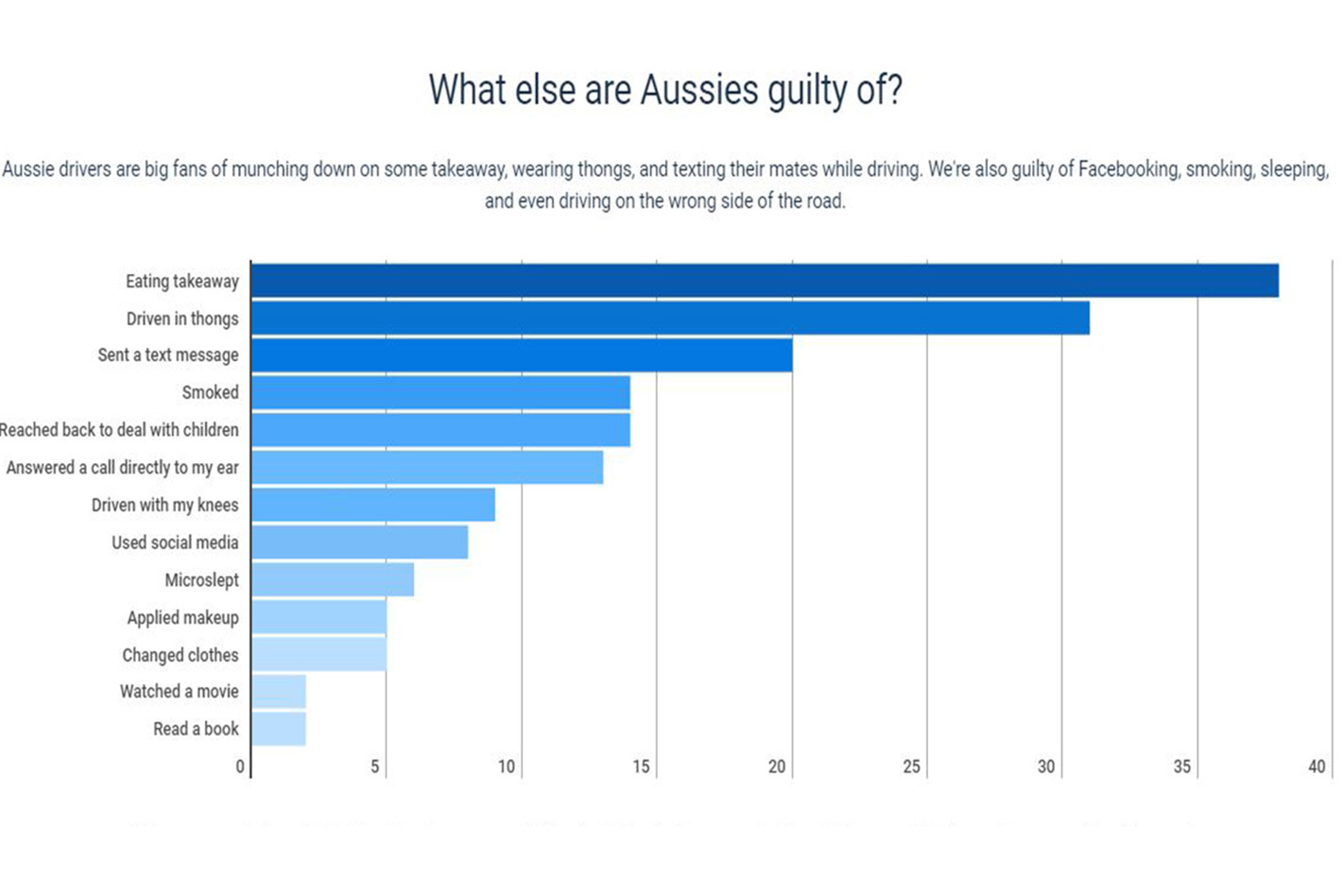
The poll says that Victorians and West Australians are the riskiest motorists, with 64 percent distracting themselves while driving. Those from New South Wales and South Australia claim to be the safest – but not by much – with 60 percent admitting to bad driving habits.
Across the country, one third of us wear thongs while operating a vehicle. Western Australians are the biggest fans of this technique with 37 percent copping to it.
One of the most talked about dangerous driving habits, using a mobile phone while driving, is still a big distraction for a large portion of Australians. Twenty percent of drivers have sent text messages while on the road, compared to 13 percent answering calls to their ear.
Generation Y was found to be the riskiest drivers, with 80 percent admitting to reckless behaviour. Baby Boomers are the safest of all, with 59 percent reporting they had never done anything risky behind the wheel.
As for the battle of the sexes, females are more likely to eat food while driving and drive in thongs or inappropriate footwear.
What bad habits do you admit to doing when driving? Tell us below.
DUAL-CAB utes (and their various iterations) are now Australia’s third most popular vehicle group after small cars and medium SUVs. The Toyota Hilux tussles with Ford’s locally developed Ranger for the title of this nation’s best-seller, and within the next few years, Korea and France will most likely field their own contenders.
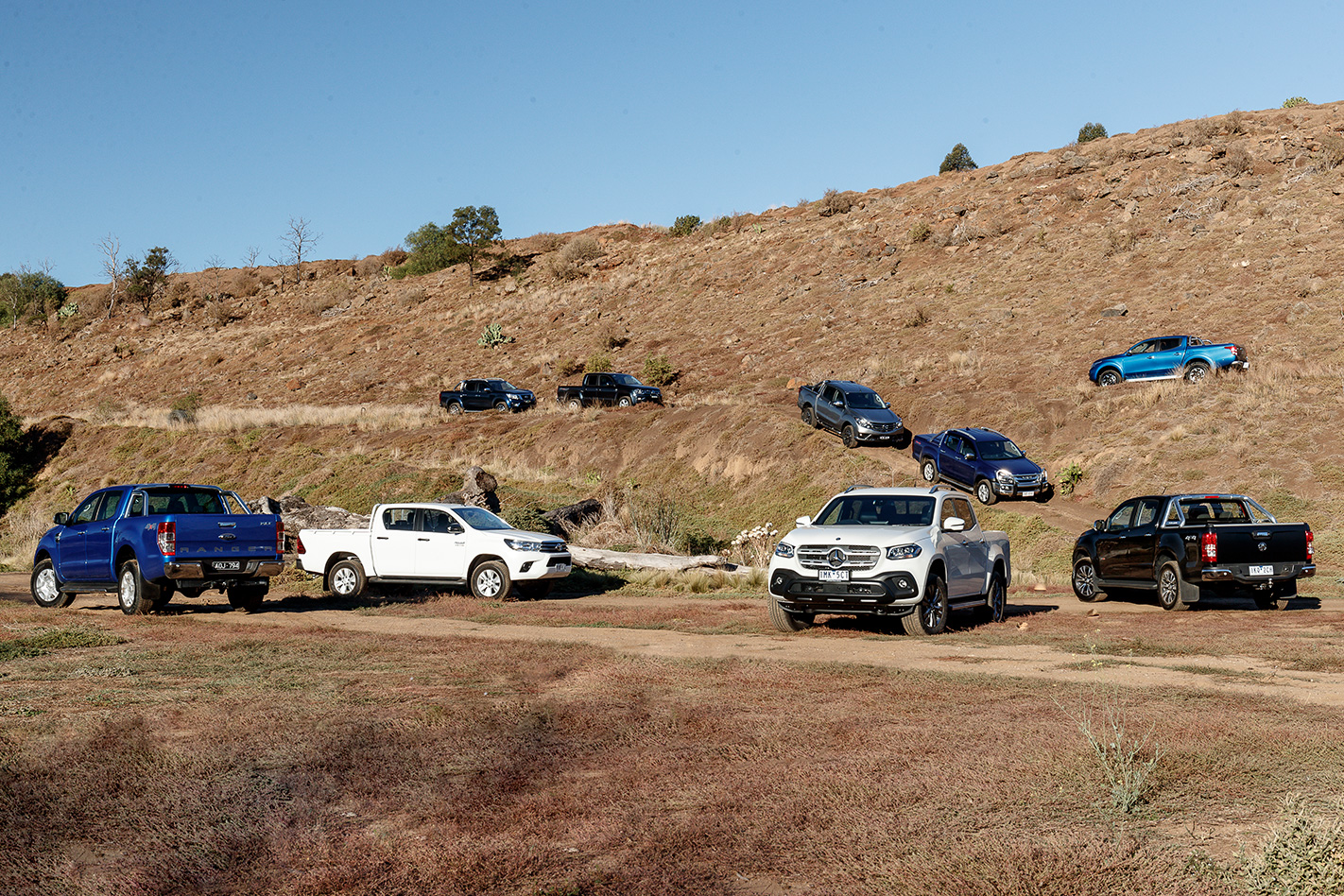
With the Mercedes-Benz X-Class entering the fray and BMW openly contemplating following suit, their relevance, as well as popularity, will continue to soar. But with ‘The Best or Nothing’ three-pointed-star brand blazing an upward trajectory for the genre, has the dual-cab ute actually evolved in terms of dynamics, comfort, refinement and finesse?
We’ve chosen a mid-spec X250d Progressive Dual Cab 4Matic auto (meaning four doors, five seats and 4×4) from $57,800, as well as eight corresponding competitors (mostly) skirting the low-to-mid $50K mark, to see whether the Germans’ re-engineering of the Nissan Navara really has moved the game on.
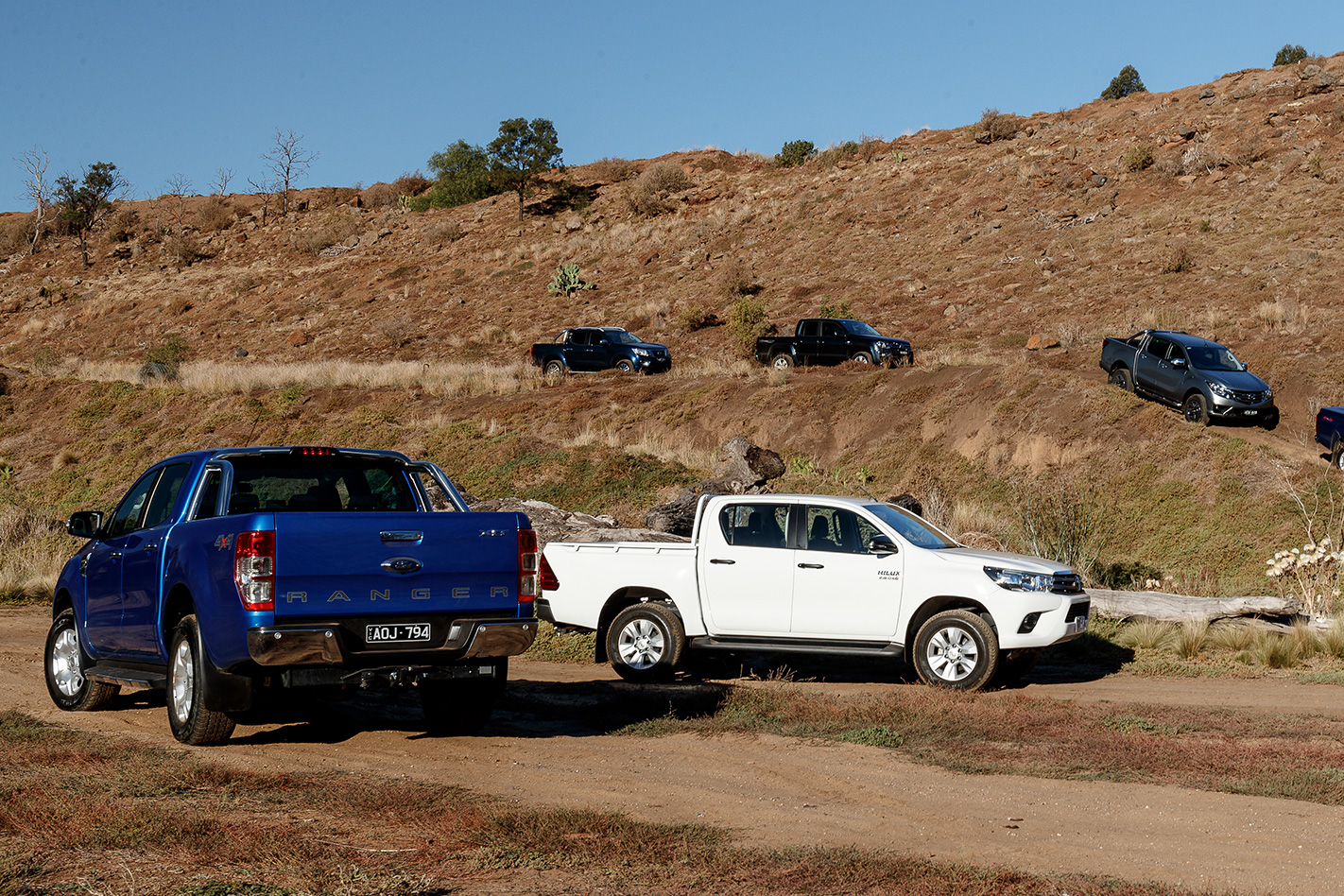
Sadly, we’re a few months out from the Ranger’s facelift, so we’ve had to make do with an MY18 XLT, but there’s been a host of refreshed or revised rivals since we last certified this crew (May 2016), including Holden’s RG Series II Colorado (essentially a top-to-tail overhaul of the disappointing 2012-era original that finished second-last two years ago), and refinements for the Nissan Navara, Isuzu D-Max, Mazda BT-50, Mitsubishi Triton (the segment’s bronze medallist sales-wise) and Volkswagen Amarok. At the time of writing, the latter was the only dual-cab offering a V6 diesel. Can Wolfsburg repeat its 2016 Megatest victory?
Only the Hilux has remained pretty much unaltered since launching three years ago. A mid-fielder last time, will the Toyota keep up? Frustratingly, the $56,440 Double Cab as requested wasn’t available, so we ended up with a $48,560 SR (not including its optional alloys) – still $560 exxier than the flagship Triton Exceed. No wonder Mitsubishi sells so many of them.
Australians seeking a weekday workhorse-cum-weekend plaything no longer have the luxury of shunning these body-on-frame technological dinosaurs for the far more sophisticated, car-based Holden Commodore and Ford Falcon utes. In the past, from a Wheels point of view at least, no imported utility had a hope in hell of matching our homegrown heroes on bitumen. Now, given the jack-of-all-trades expectations of this vehicle type, they’ll need to do more than just look tough and carry stuff.
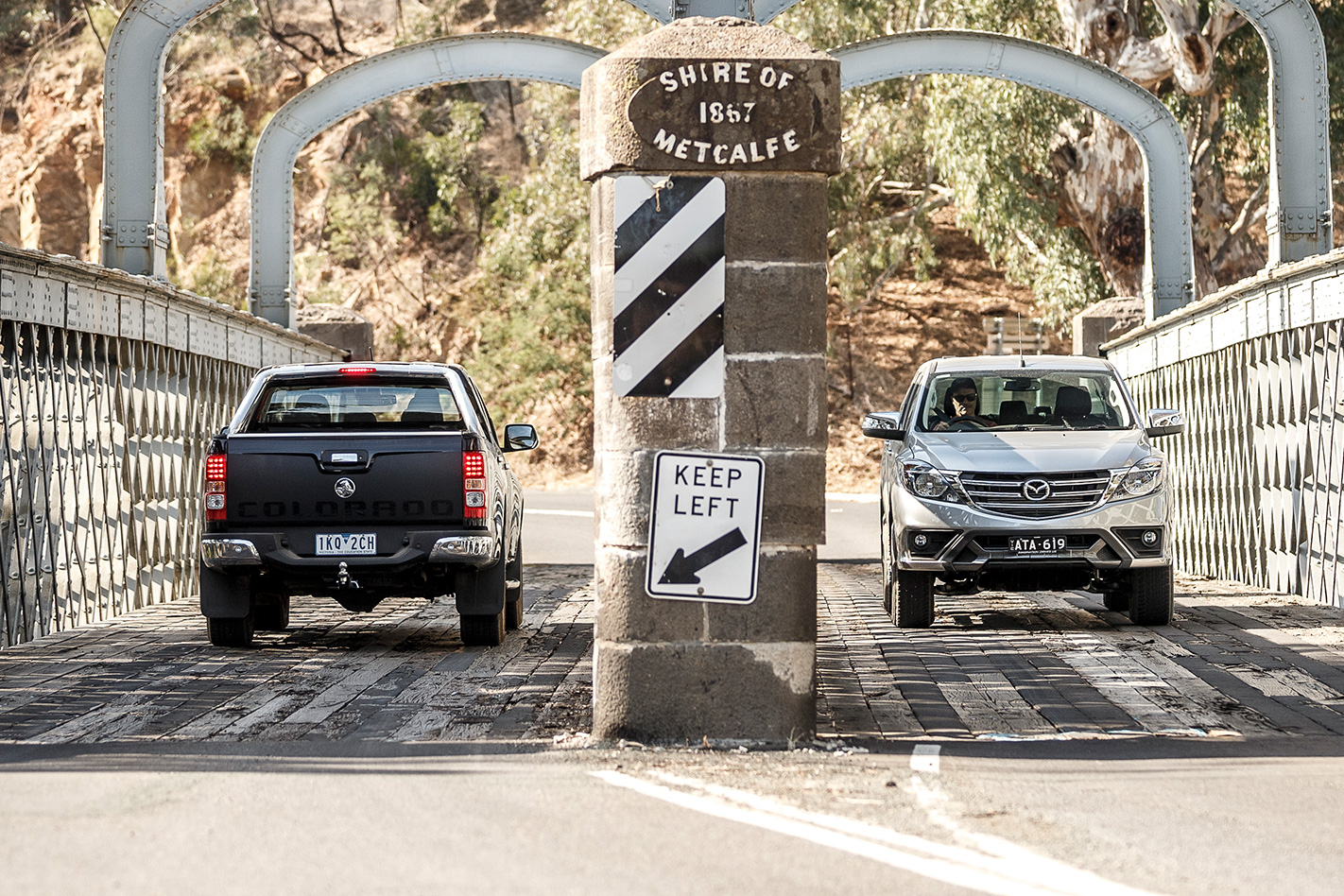
With all this in mind, we’ve put the latest batch of dual-cab 4×4 utes through our Megatest regime, plus load and off-road tests.
Taking the rough with the smooth
As Wheels has done in the past, we paired up with off-road obsessives 4×4 Australia to obtain the definitive opinion on how these dual-cabs handle the rough stuff, as well as substantial payloads – in this case 900kg+, made up of 650kg in the tub, a driver, two passengers and towbars/bullbars where fitted.
The Melbourne 4×4 Training and Proving Ground near Werribee provided the bush-bashing backdrop of every conceivable variation.
Want to know the winner?
Take me to the winning dual-cab ute!
The Contenders
Ford Ranger XLT
Continuous improvements make the only truly Australian-conceived ute world class
Holden Colorado LTZ
Colorado raises its game right when Holden needs a hero
Isuzu D-Max LS-T
Rough ’n’ ready appeal pales when polished rivals are better at going bush too
Mazda BT-50 GT
Still in the fight, but ultimately overshadowed by its high-flying fraternal twin
Mercedes-Benz X250d
Arrives carrying great expectations; delivers only a modest load
Mitsubishi Triton Exceed
A strong and likeable mid-fielder where consistency and value are king
Nissan Navara ST-X
Tough and reliable aren’t enough as Navara wilts on price, spec and comfort
Toyota Hilux SR+
Unbreakable? Possibly. Unloveable? Sadly, yes, as mediocrity is allowed to prevail
Volkswagen Amarok V6 Sportline
Quiet achiever doesn’t have youth on its side, but still shows how it should be done
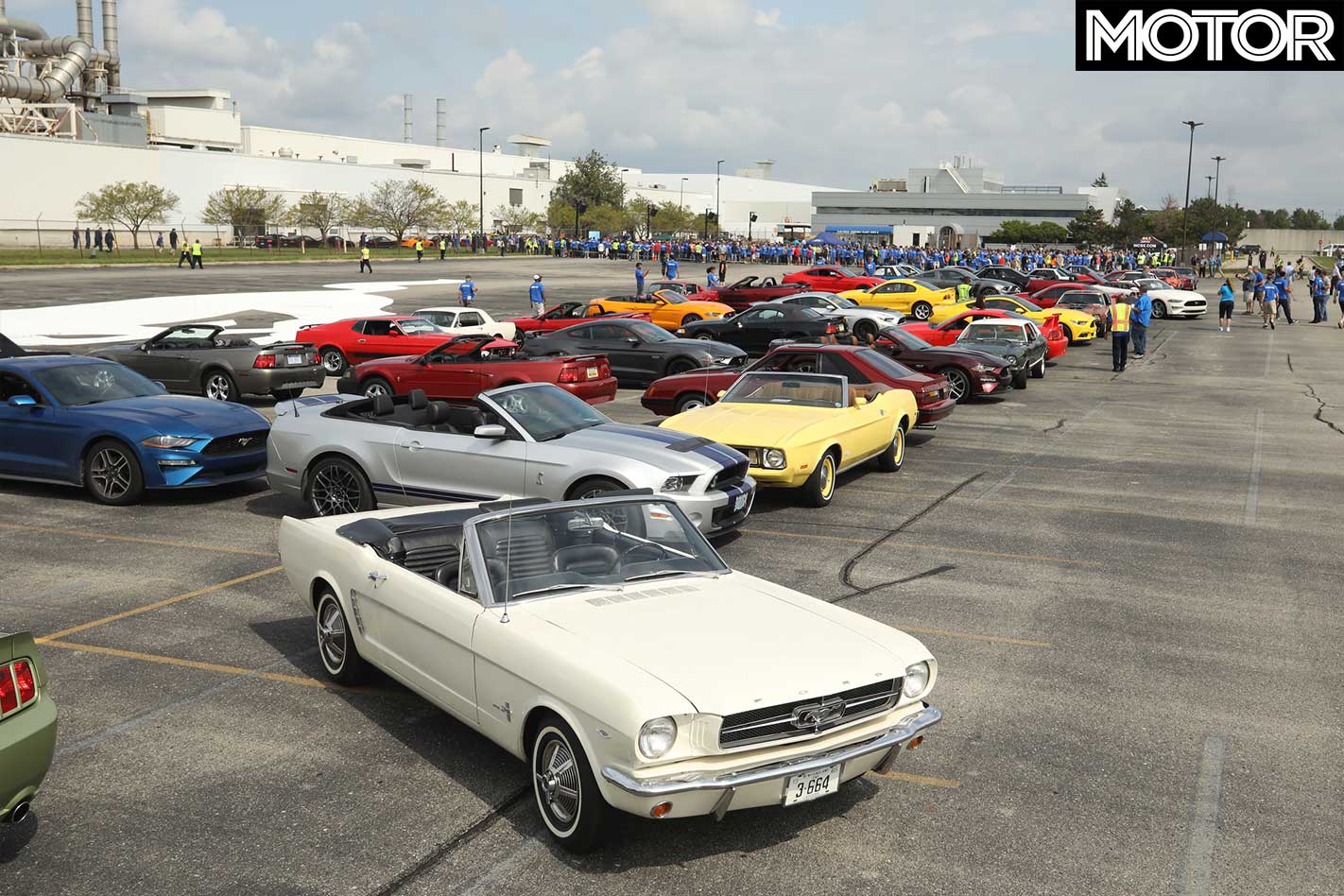
Ford has officially announced the ten-millionth Ford Mustang as having been completed this week after rumours of the car’s prior existence surfaced this week.
Matching the first Ford Mustang to be built with a VIN (001, of course) and the millionth Mustang built in 1966, the 10,000,000th Mustang is a Wimbledon White convertible, with a V8. Or, as Ford puts it, ‘a 2019 Wimbledon White GT V8 six-speed manual convertible’.
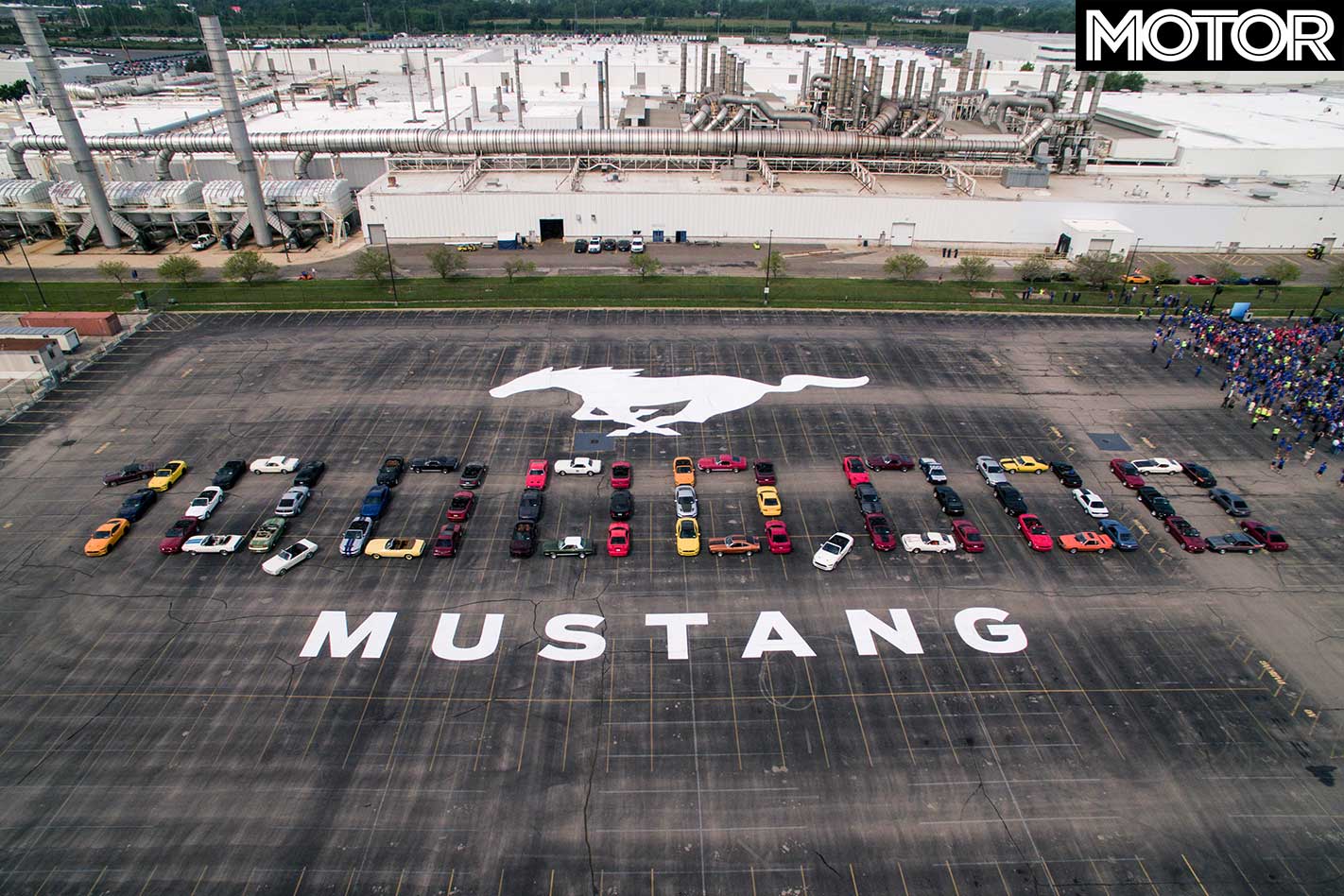
While the first ‘Stang was equipped with a 3-speed auto, Ford decided to go with a manual for this convertible, something you can’t do here in Australia.
The car itself surfaced on Instagram when shots from Mustang fan and journalist Evan J. Smith claimed it had already been built. It turns out he was right, the car was already constructed days (at least) before Ford announced it.
Celebrations at Ford HQ in Dearborn and its Flat Rock plant, both in Michigan, saw Mustang fans bring generations of cars along to revel in the excitement. A WWII Mustang fighter plane display was also on the cards.
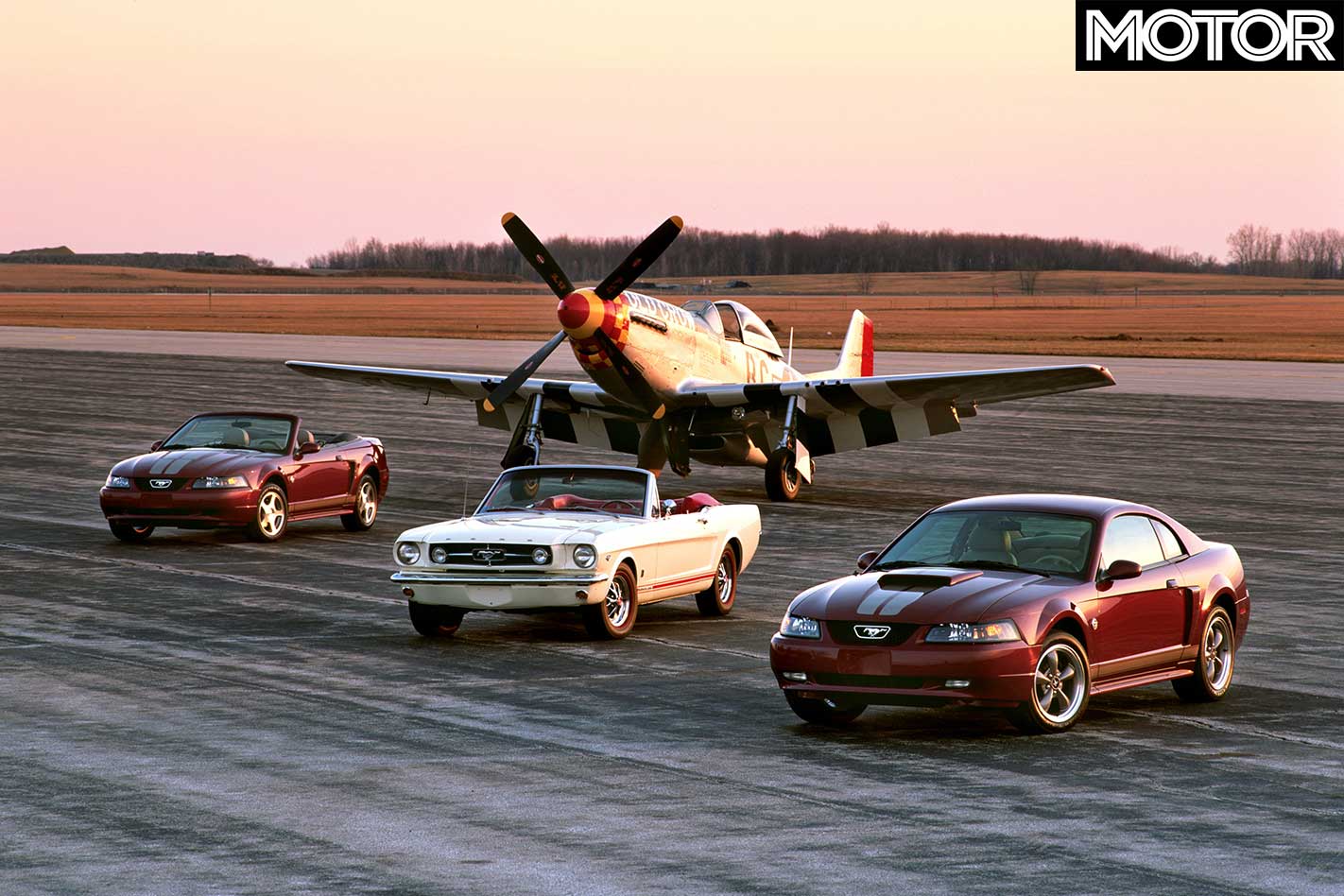
Ford president of global markets Jim Farley says the Mustang is perhaps the company’s most important car today, at least in terms of the emotion and passion Ford fans feel.
“Mustang is the heart and soul of this company and a favourite around the world,” says Farley.
“I get the same thrill seeing a Mustang roll down a street in Detroit, London, or Beijing that I felt when I bought my first car – a 1966 Mustang coupe that I drove across the country as a teenager.
“Mustang is a smile-maker in any language.”
The Ford Mustang has remained Australia’s most popular sports car since it debuted here in the current generation, with its recent refresh and upgrade set to be seen on Aussie roads more frequently.
WHAT IS IT
Toyota’s 12th-generation small hatchback
WHY ARE WE TESTING IT
It’s the Corolla! The world’s best-selling car is now back and virtually everything about it is different, and it’s now in Australia. Testing this car is simply non-negotiable.
MAIN RIVALS
Hyundai i30, Honda Civic, Volkswagen Golf, Mazda 3, Peugeot 308, Kia Cerato, Subaru Impreza.
THE WHEELS VERDICT
Toyota has succeeded in boosting the driver appeal of its ultra-popular small car, and it’s a promising sign that the automaker is making efforts to shed its whitegoods image. However, it’s brought compromises on the inside that may be deal-breakers for buyers that demand versatility from their Corolla.
Plus: Attractive styling, good blend of ride and handling, capable 2.0-litre petrol and innovative CVT Minus: Rear seat space sorely lacking, boot space trails segment rivals significantly, hybrid lacks punch
THE WHEELS REVIEW
FEW CARS are as important as the Toyota Corolla. More than 40 million have been sold worldwide since the first generation made its debut back in 1966, with Aussies buying a hefty 1.4 million of that total. Its demure image belies its significance to the bottom line of the world’s largest car manufacturer, and if you average out the sales figures a Corolla is sold somewhere in the world roughly every 30 seconds.
The history of the Corolla in this country is almost unique. Australia is one of few markets to have enjoyed every generation of Toyota’s small car since its debut, and now there’s a new one. Launching locally this week, the twelfth-generation Corolla hatch has a hell of a job on its hands.
For one, it needs to rectify the issues of its predecessor – a car that was competent in almost every objective regard, but far from segment-leading. The Corolla, content to merely follow the market for generation after generation, now needs to take the initiative. The days of Toyota resting regally on its laurels are well and truly over, and its long-term survival depends on a change in strategy.
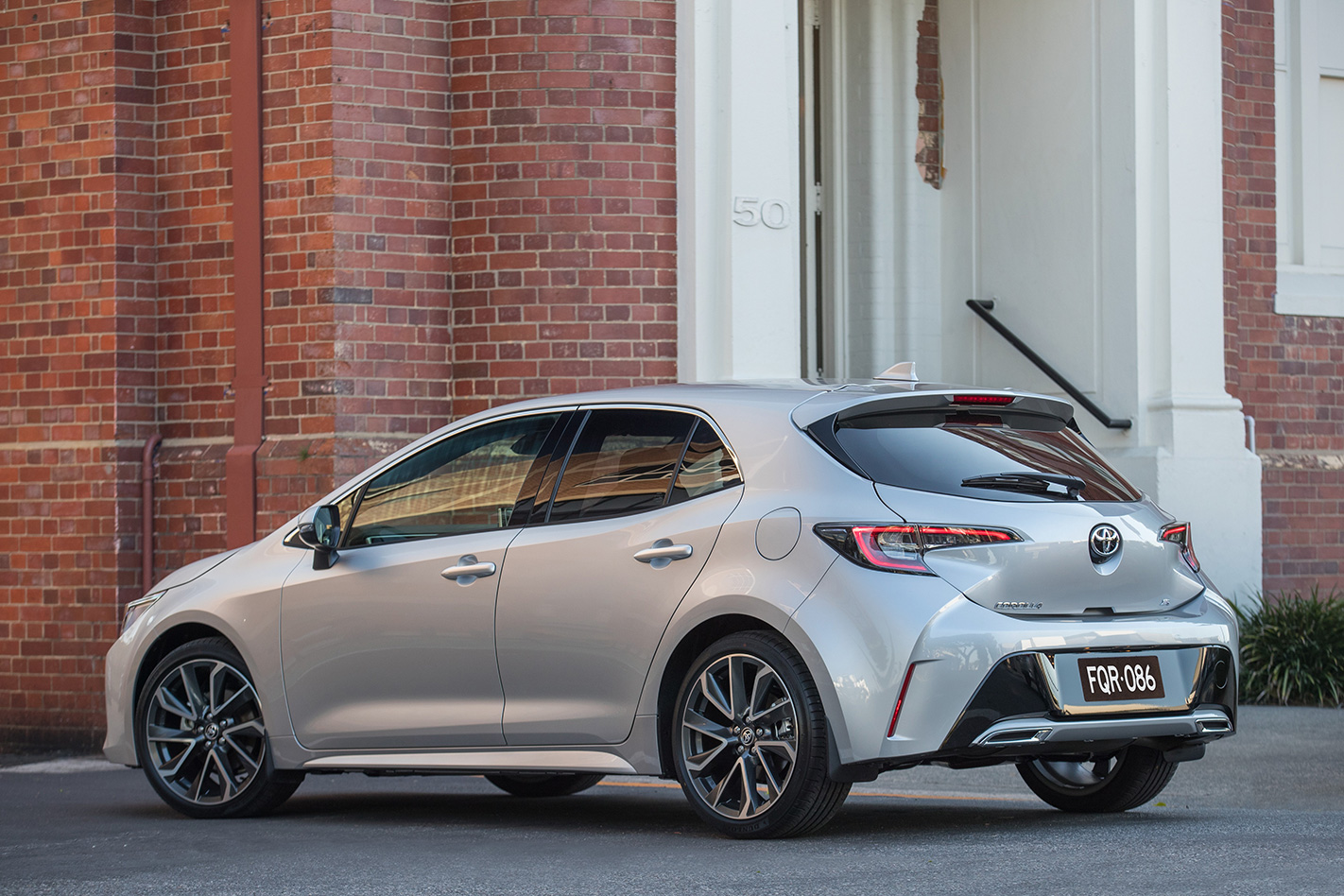
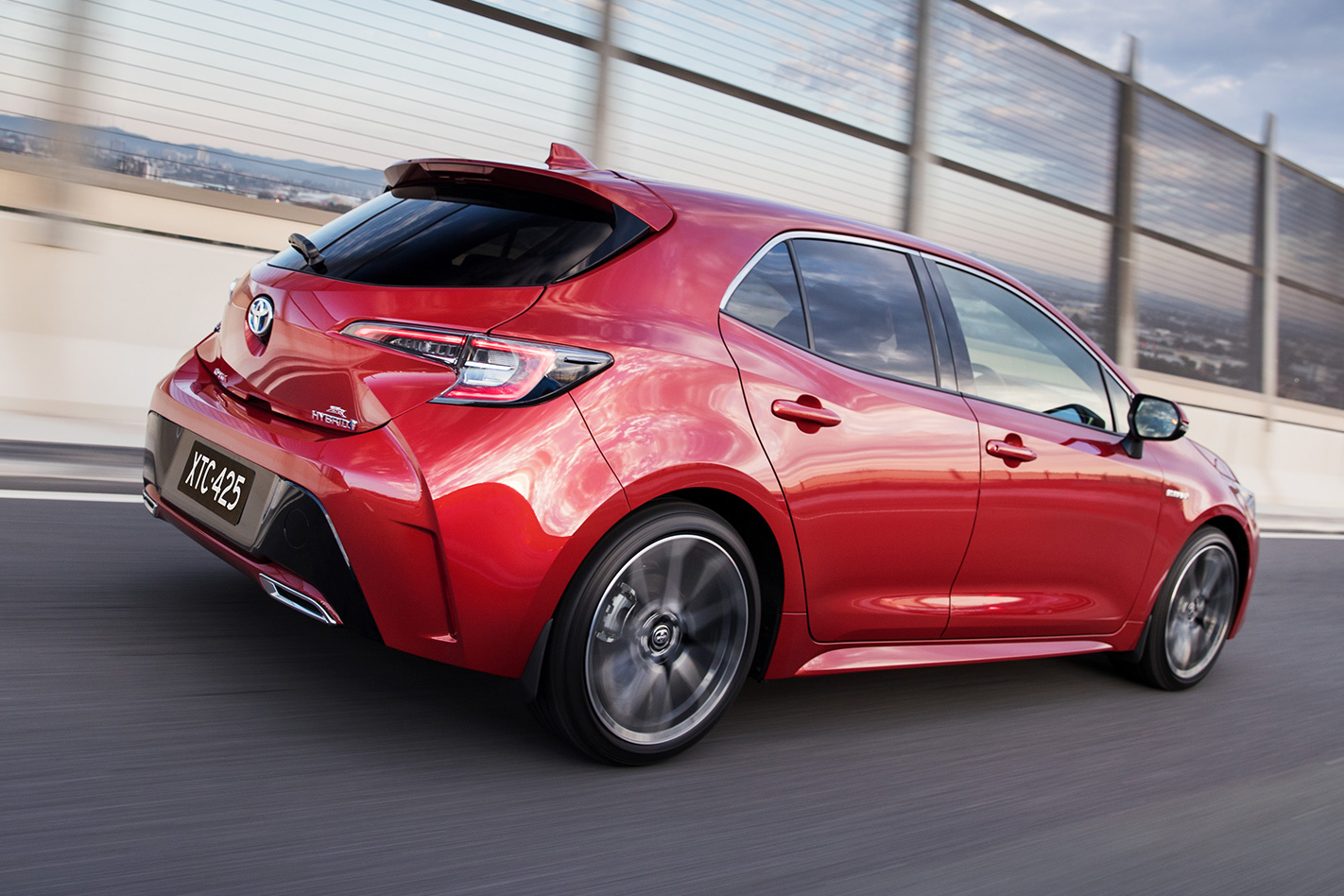
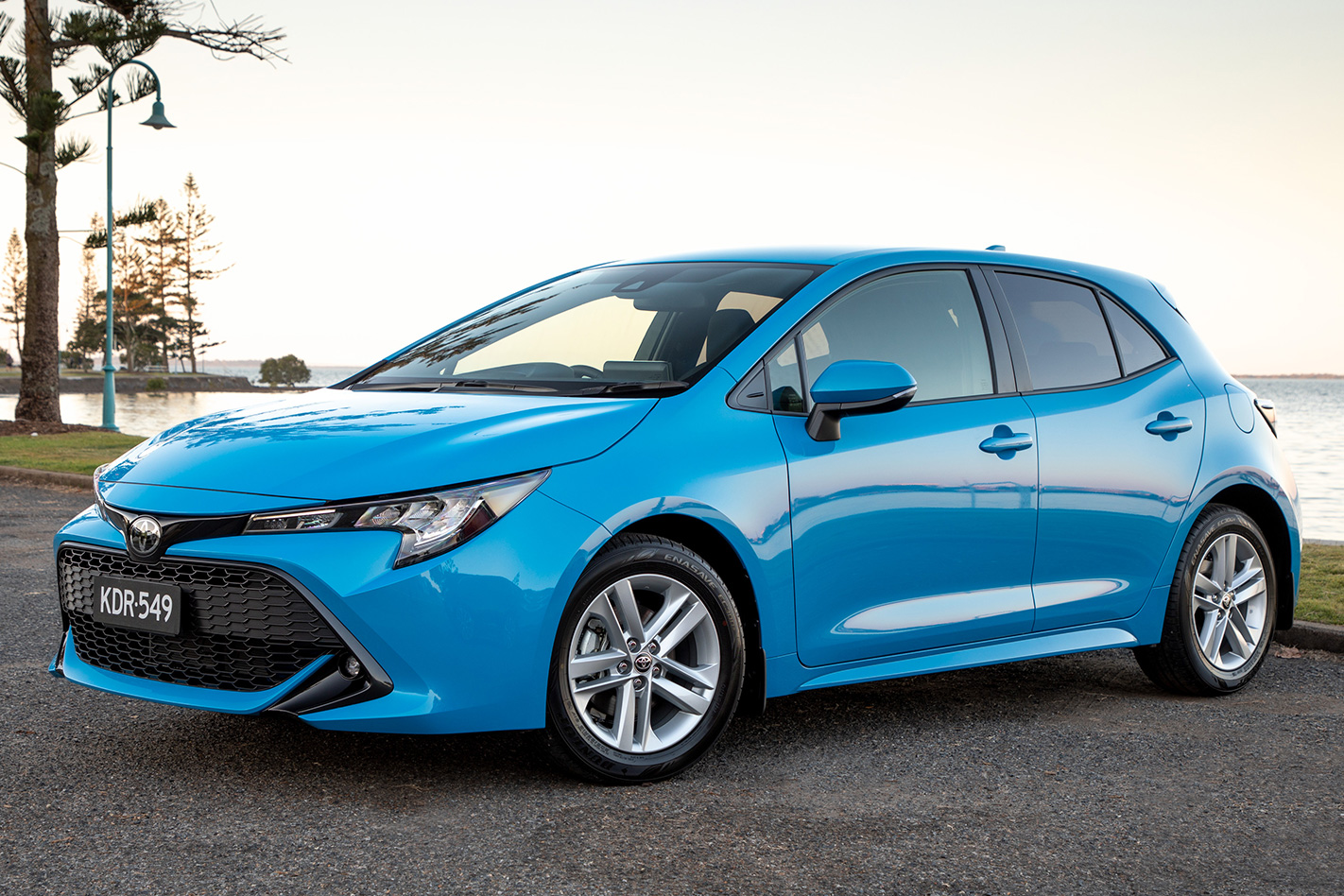
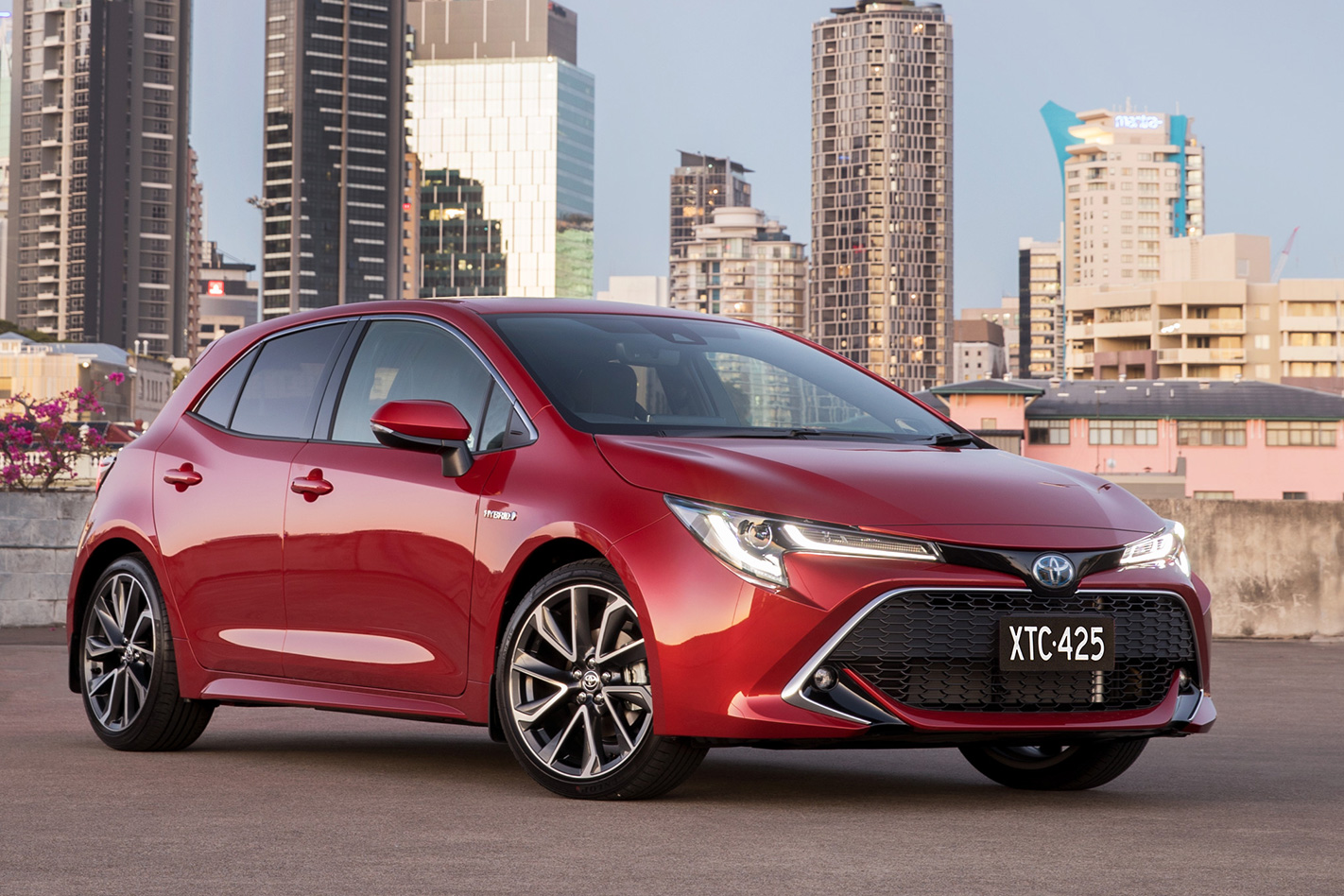
Longer, wider and with a chopped height compared to before, the new Corolla adopts a sportier posture over its four wheels – 16-inchers on the base Ascent Sport and SX, 18-inch on the range-topping ZR. A trimmed front overhang, lengthened rear overhang and 40mm longer wheelbase also contribute to its improved stance.
Underpinnning it all is Toyota’s TNGA scalable platform – specifically the GA-C derivative that’s designed to form the foundations for Toyota’s transverse-engined C-segment product portfolio. We’re already familiar with it via the C-HR and new-gen Prius, and it’s proven itself as a capable chassis in both. As far as foundations go, the GA-C architecture is rock-solid: it brings a 60 percent improvement in body rigidity and also unlocks a proper multi-link rear suspension for the humble Corolla, both key hints that Toyota wants to imbue its small hatch with a considerably greater amount of sporting zeal.
The base Ascent Sport (that’s right, there’s no more boggo Ascent grade) comes with a six-speed manual with downshift rev-matching, but for the rest of the three-model range a CVT is the default gearbox, no matter whether your choose petrol or hybrid power. Mercifully, Toyota is conscious of the CVT’s, erm, reputation for sluggish response and rubber-band shift feel, and has engineered a solution in the form of a torque-converter enhanced CVT with a mechanical ‘launch gear’. Only available with the 2.0-litre engine, the idea here is to sharpen up that initial take-off from standstill, while also giving a more urgent response to sudden demands for acceleration. It’s no gimmick either – it works a treat.
So literally right from the get-go, the tone for Toyota’s new Corolla is set. More alert and responsive, more finely honed as a driving experience, it’s totally at odds with the anodyne character of the previous generation.
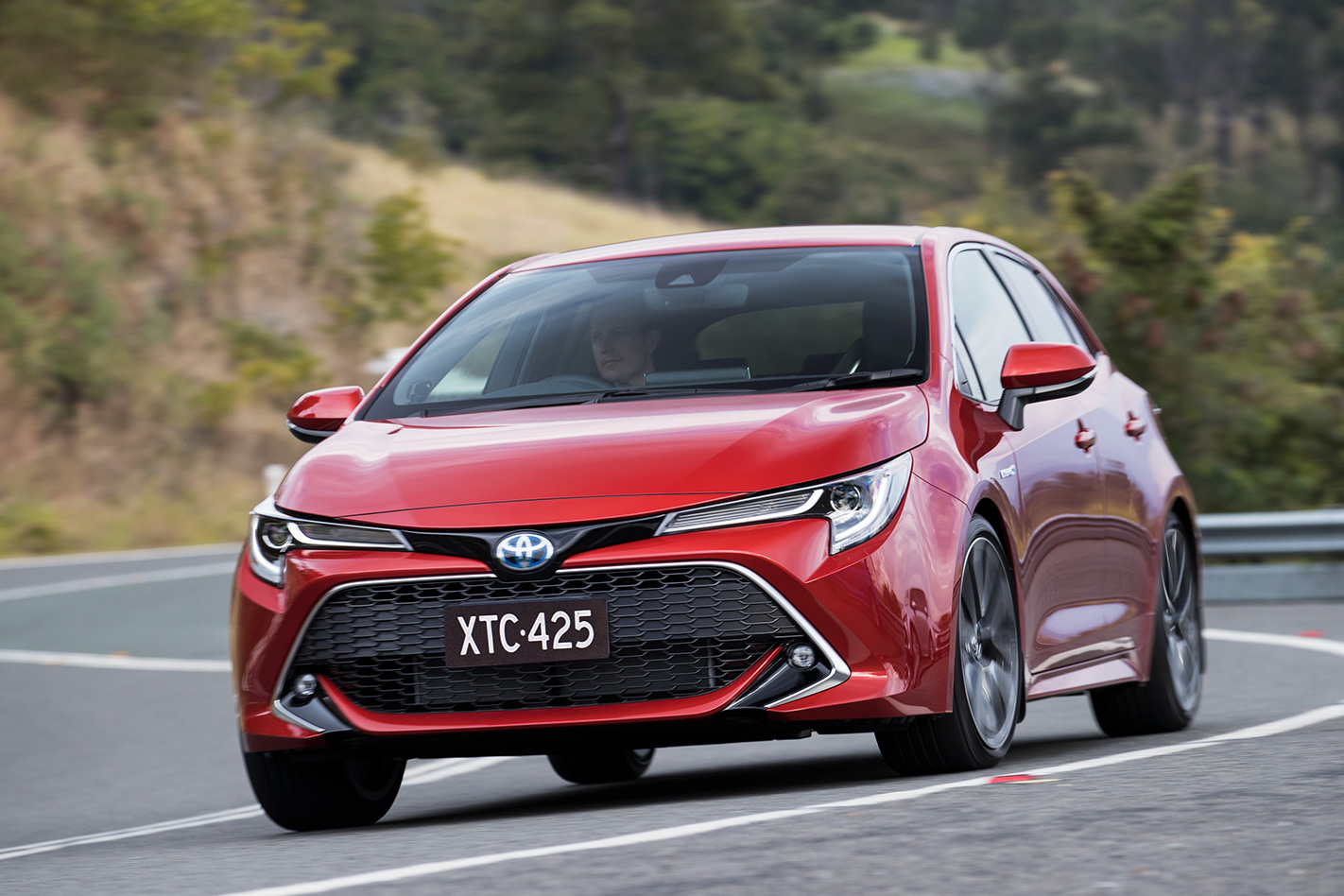
As for the chassis, it’s easily one of the best to sit beneath a Corolla. The front end remains a MacPherson strut design but with brand new geometry, spring rates and damper rates, with the electric power steering hardware also coming in for revisions to boost feel and responsiveness. The rear multi-link suspension is a massive advantage over the old car’s torsion beam rear (the outgoing Corolla hybrid used a double-wishbone rear end that’s different from the new car), offering better comfort and handling.
The suspension’s tune matches Australian roads perfectly, delivering outstanding pliancy over rough ground and keen cornering when faced with a winding road, with the standard-issue brake torque vectoring helping to enhance performance on the latter. If we had to ballpark its on-road behaviour, the new Corolla neatly occupies the middle ground between the sharp Mazda 3 and the cushy Volkswagen Golf.
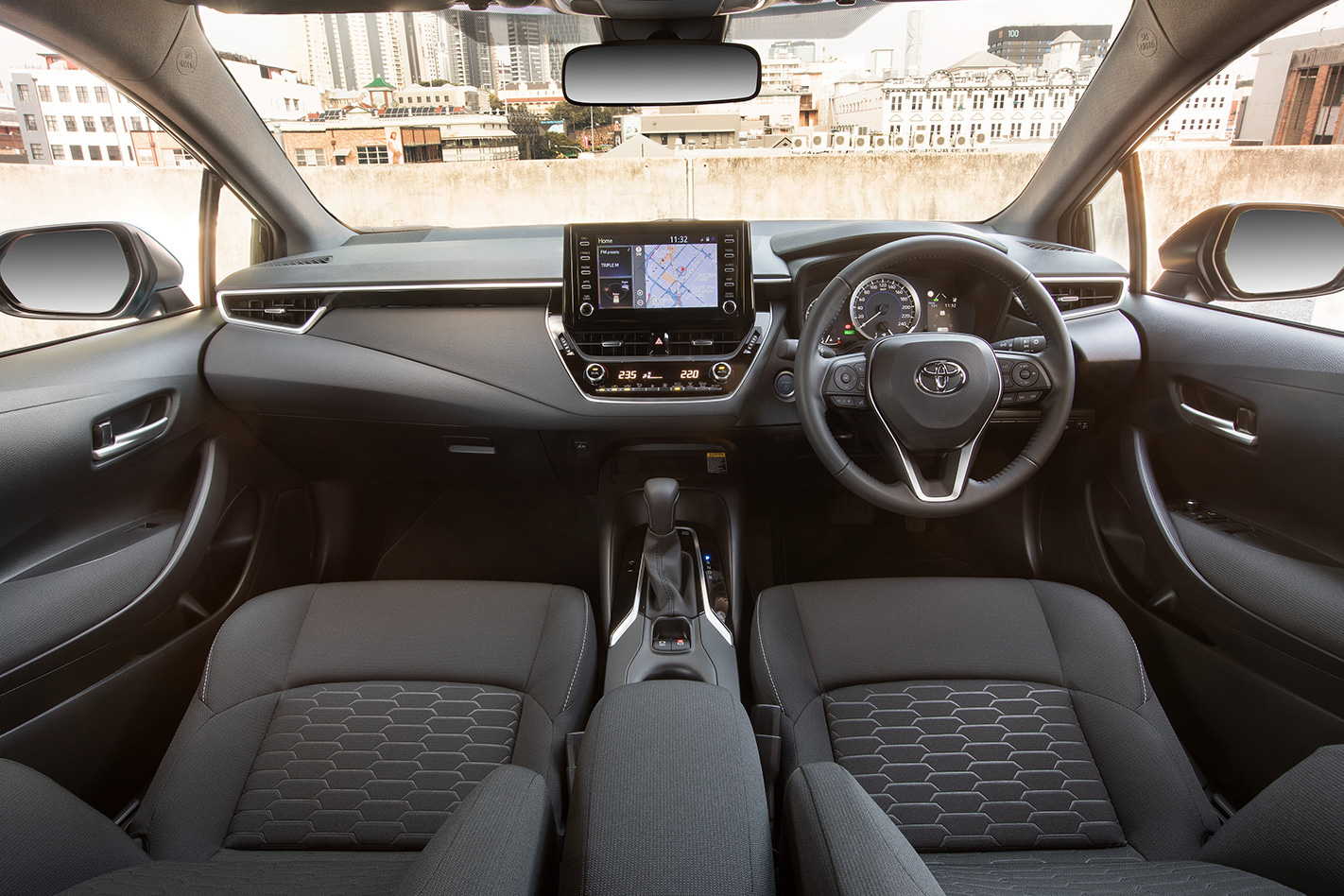
The interior, however, returns a mixed report card. The design of it is attractive – especially so in the ZR grade with real(!) contrast-stitching on the soft-touch dashboard, more plush plastics throughout, and racy-looking and body-hugging sports seats – and the infotainment package is more easy to navigate and faster to respond than the woeful headunit of the old car. There’s also cool stuff like wireless phone charging in the SX and ZR, a head-up display and electronic instrument panel in the ZR, and climate control and keyless entry in every variant bar non-hybrid Ascent Sports.
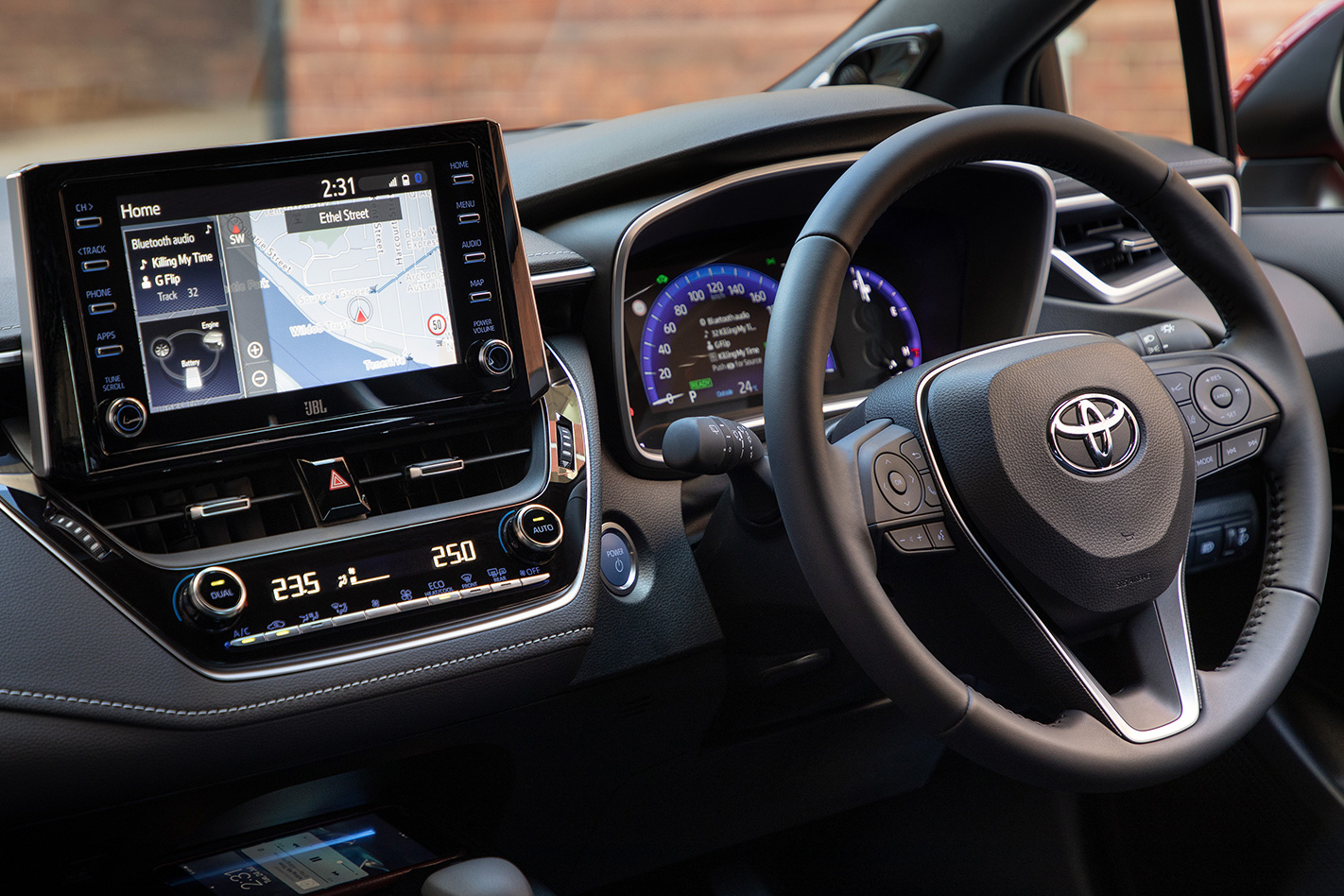
But the absence of satellite navigation in the Ascent Sport stings a little given its $22,870 price point (it’s available as a $1000 option), and there’s no Android Auto or Apple CarPlay smartphone mirroring available to get around that shortfall. Furthermore, while Toyota’s infotainment package may be dramatically improved, it still lags behind market leaders like the Golf.
Comfort and space is great in the front seats, but the story gets worse as you move behind the B-pillar. Despite a 40mm wheelbase stretch there’s a shortage of leg and headroom, and the scalloped-out headlining and plunging lines of the rear door aperture give the back seat a claustrophobic feel that’s not too dissimilar to the outgoing Mercedes-Benz A-Class. And while the ZR grade boasts a pair of rear seat air vents, they’re absent in Ascent Sport and SX.

But those complaints pale in comparison to our issues with the Corolla’s boot space. The ZR hybrid, thanks to its tyre inflation kit, gets a 333 litre seats-up boot capacity that’s already around 20L under what most rivals offer, but the cargo volume of every other variant is slashed to a mere 217L thanks to the need to package a spare wheel beneath the boot floor (full-size for petrols, space-saver for Ascent Sport and SX hybrids).
And that’s a shame, because those practical considerations rub some of the sheen off the 12th-gen Corolla’s otherwise outstanding handling, ride comfort and drivetrain proficiency, and robbed it of some of its versatility. The deletion of the Ascent grade also sees the price of entry rise up, but Toyota isn’t especially concerned – according to the company, most buyers of the old Corolla were driving off with an Ascent Sport grade anyway.
Will the more compact internal dimensions hobble the new Corolla’s appeal? We’ll put the range through a more thorough wringer soon to find out.
SPECS
Model: Toyota Corolla SX 2.0L CVT Engine: 1987cc, 4cyl, dohc, 16v Max Power: 125kW @ 6600rpm Max Torque: 200Nm @ 4400 to 4800rpm Transmission: CVT Weight: 1360kg 0-100km/h: 9.0 sec (estimated) Fuel economy: 6.0L/100km Price: $26,870 On sale: Now
MORE: Toyota Corolla Range Review MORE: Toyota Corolla Specs, Range & Price
