
McLaren’s new 600 Longtail is cool, but race specialists Lazante revealed something over the weekend to blow it out of the water.
It chose the Goodwood Festival of Speed to debut its one-off McLaren P1 GT, itself a tribute to the F1 GT which is perhaps the rarest McLaren ever built for the road.

Starting with the P1 GTR, McLaren’s track-only P1, and the backing of a very wealthy customer, Lazante has extended the GTR’s body from the rear axles back and furnished its interior with a few frills.
That means it retains the twin-turbo V8 hybrid powertrain tucked underneath the GTR, complete with 735kW, while the aerodynamics have been redesigned around the new fixed rear wing. The active unit was reportedly ditched to save weight.
The interior doesn’t resemble Fernando Alonso’s office now that the cabin’s adorned with carpet, leather sports bucket seats, and leather upholstery. There’s also a unique U-shaped steering wheel, similar to the LM’s item, its customer has requested.

The UK-based firm holds a special relationship with McLaren since it won the 1995 Le Mans 24 Hour with an F1 GTR. It reaffirmed the link more recently when it built a road going version of the P1 GTR called the LM. Like the original, it was faster than the track-only car it was based on.
While Lazante aren’t trying to qualify a racing P1 for any specific race regulations, like the original F1 longtail GT did for McLaren, this P1 GT maintains a spiritual tribute in its details. That special green hue, four exhaust tips, extended roof snorkel, huge front splitter, and louvered vents in the front guards are all nods to the original F1 GT.
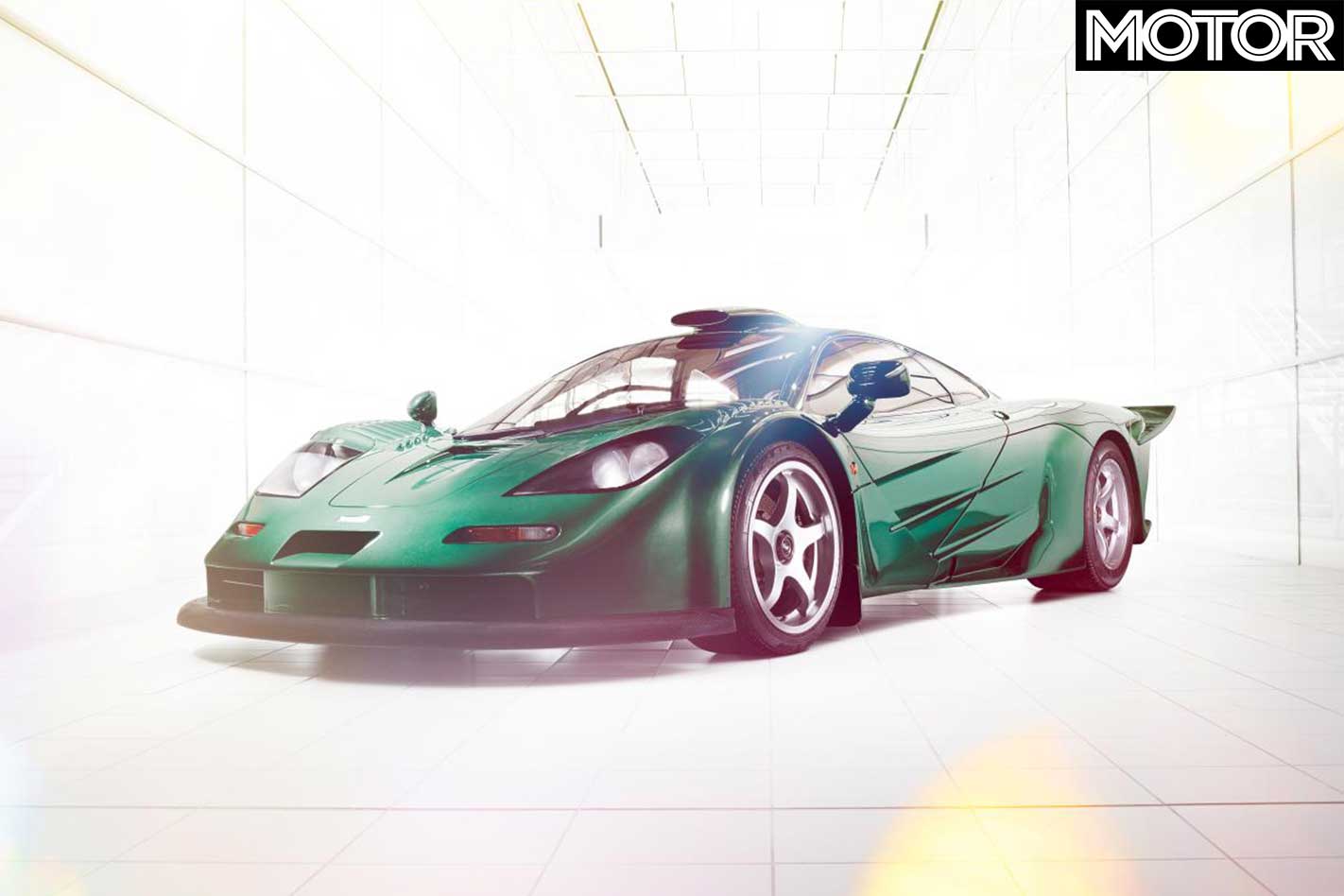
This P1 GT will be a one-off unless anyone else steps forward with the desire, and cash, to have Lazante repeat the build. They’ll need a fair bit, too, around AUD$900K, for the conversion. Or more if your GTR isn’t already converted for road use. Oh, and then you’ll need a P1 GTR, which Lazante will reportedly source and convert for AUD$3.56m.
Lazante says it’ll cap production at 13, more than four times the three McLaren F1 GTs built.

AUTOMOTIVE superlatives don’t get much sexier than “fastest”, but it’s a word fraught with danger. To claim your car is the fastest is to spur your rivals on to prove you wrong, yet Nissan’s vice president of design Alfonso Albaisa has made the bold prediction that the next-generation GT-R will be “the fastest super sports car in the world”.
Strong words, especially as they put the Porsche 911 GT2 RS, Mercedes-AMG GT R and Audi R8 V10 Plus right in the next Nissan GT-R’s crosshairs. Nissan’s spoiling for a fight.
Albaisa made the claim in an interview with Autocar at the Goodwood Festival of Speed, where the adventurous Nissan GT-R50 by Italdesign (pictured) made its first public appearance. By the way, if you were thinking that the Italdesign-penned riff on the R35 GT-R held any clues about how its successor will look, Albaisa says that won’t be the case: the next GT-R “has to be its own special car”.
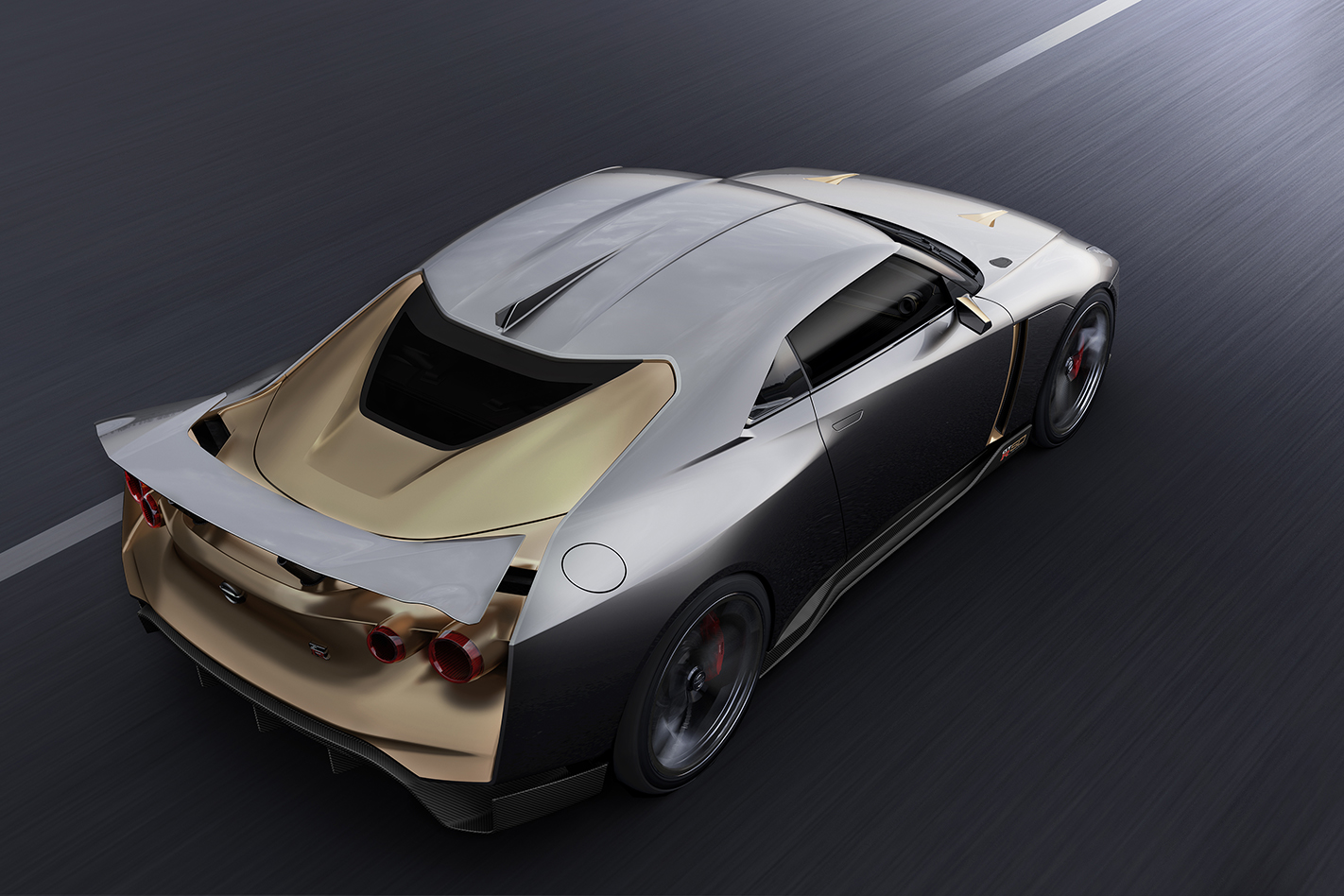
What is clear at this early stage, is that it won’t be built on an evolution of the current GT-R’s bespoke platform: an all-new architecture is in the works.
“Whether we go to a lot of electrification or none at all, we can achieve a lot power-wise. But we are definitely making a new platform and our goal is clear: GT-R has to be the quickest car of its kind.”
“It has to play the advanced technology game, but that doesn’t mean it has to be electric.”
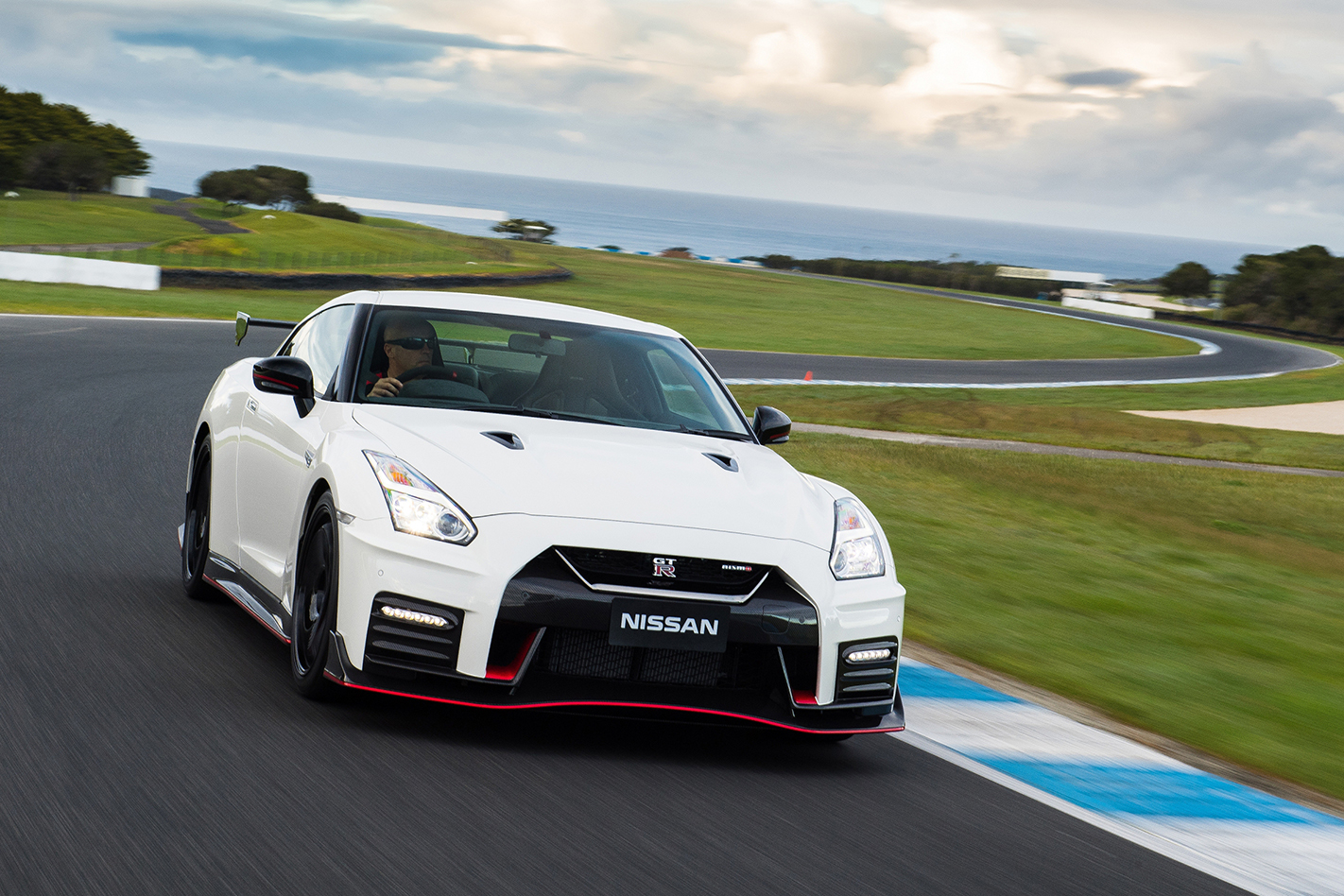
For Nissan to up the ante on the existing GT-R Nismo’s prodigious pace, it would either need to boost power or reduce weight – or both. Hybridisation would certainly achieve the former, but at a penalty to the latter.
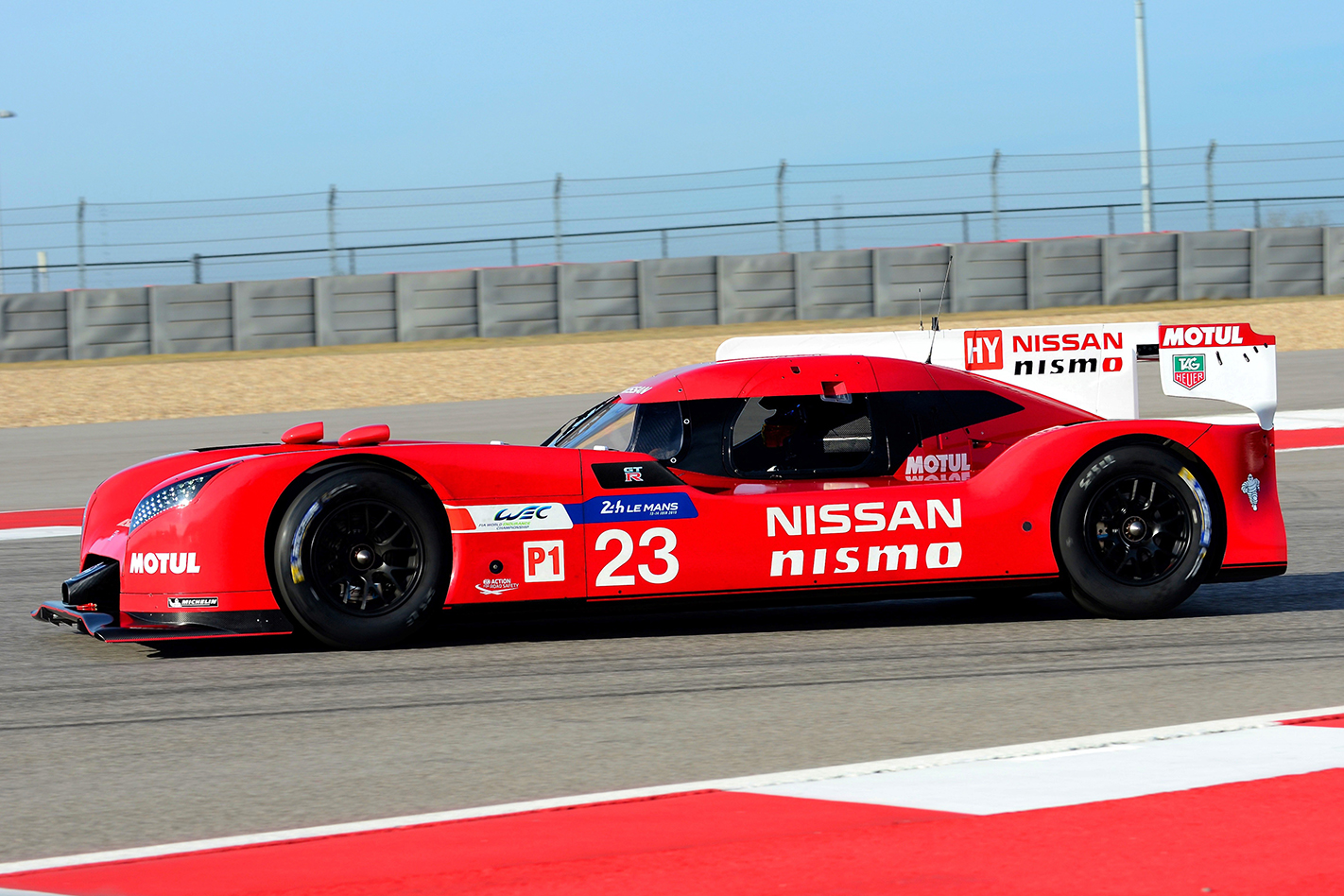
Nissan experimented with a hybrid-heavy V6 turbo powertrain with its unorthodox front-wheel drive GT-R LM Nismo Le Mans prototype (below), but the ill-fated racer was plagued by reliability issues and quickly retired. It was also an attempt at gaming Le Mans rules that favoured FWD vehicles, so drawing parallels between its highly specialised 3.0-litre twin-turbo VRX30A V6 and Nissan’s future road-going sports car is difficult.
“It doesn’t care what every other supercar in the world is doing, it simply says: ‘I’m a GT-R, I’m a brick, catch me,’” Albaisa said of the current model. “When I review sketches for the new car, I say that a lot: ‘less wing, more brick’.”
Since its inception, the Audi TT has been regarded by its parent company as a pure sports car.
This review was originally published in MOTOR’s May 2003 issue
In this instance, ‘pure’ was applied with typical Teutonic single-mindedness, and meant there would be no ‘automatic transmission’ option box to tick on your TT order form. Until now. Continued success for the three-year-old model in markets like Japan and the US, in particular, hinged on the availability of a self-shifter.
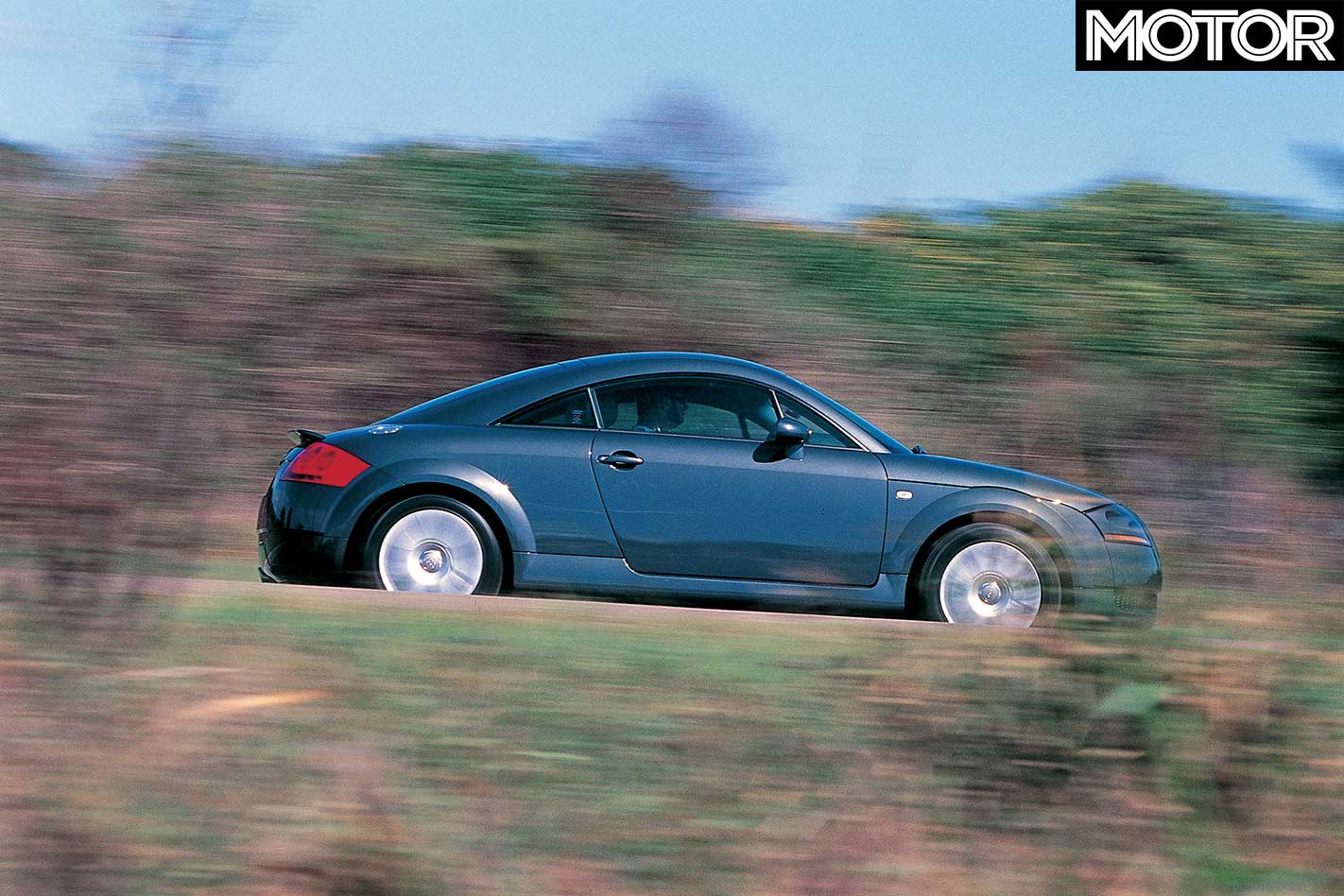
The sweet little four-potter makes 132kW, and its torque value of 235Nm is deemed the maximum that the Audi-designed and -built gearbox can deal with. Pushing out about 9psi, the engine is eager to whang the redline at the merest whiff of throttle.
The twin-clutch (for smoother shifts) gearbox has three modes; Drive (der!), Sport and Manual, with the expected improvement in shift speed and quality in the Sport setting. But this box of planetary gears and electronic sensors has a few more tricks at its disposal, chief among them being a switch under the throttle pedal that, when you flatten it, instantly drops the box back two cogs, engages its fastest shifting program and holds gears to the redline in all modes.
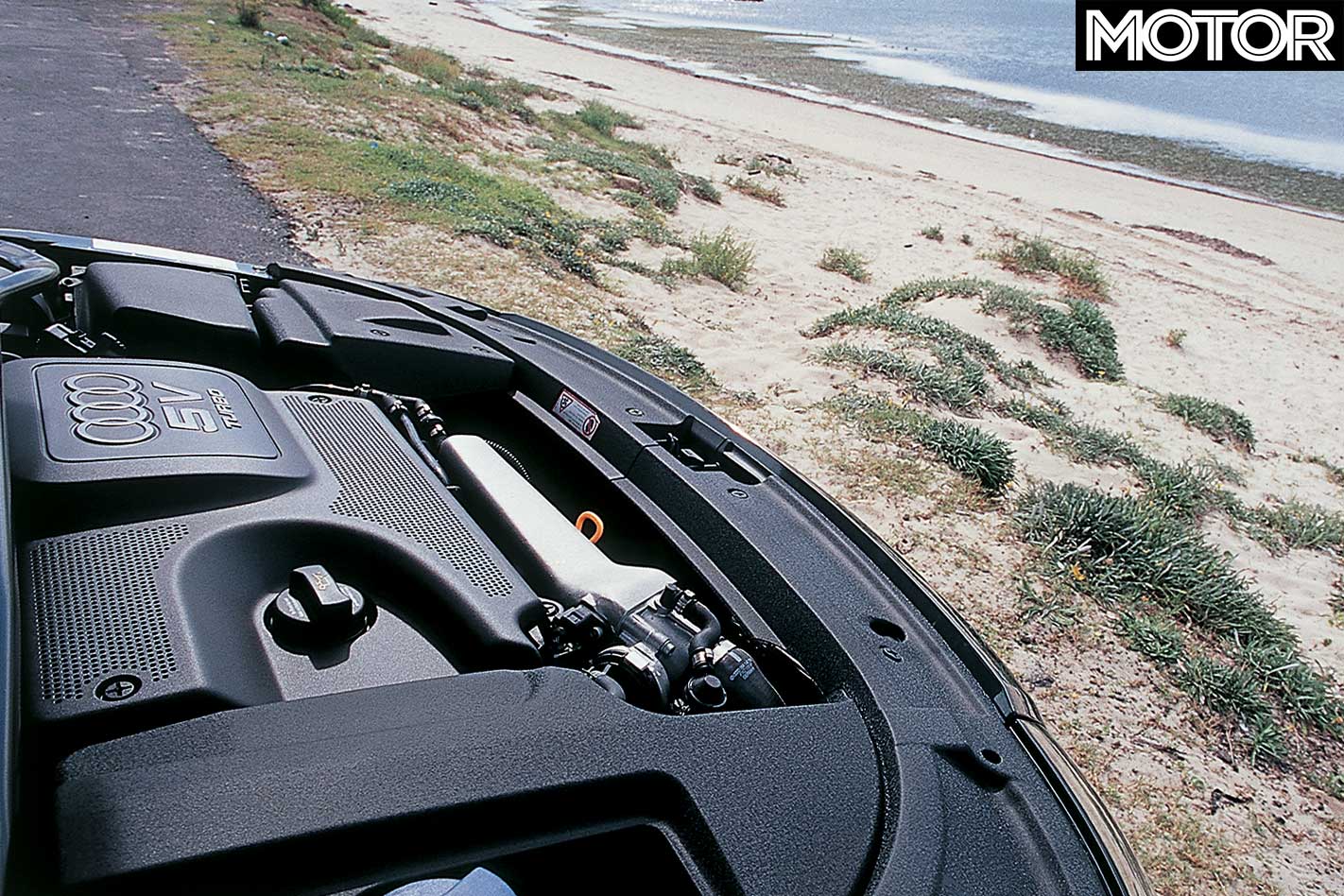
The only problem with this innovation is if you don’t quite hold full throttle when trying an overtake manoeuvre, for example, the box will short-shift at the most inconvenient time possible, with the added disadvantage of the low-capacity turbo falling off-boost, further slowing much-needed progress.
The gearbox also shares the infuriating trait of many of its ilk of taking over shift duties from the driver whenever it damn well pleases when ‘Manual’ is selected.
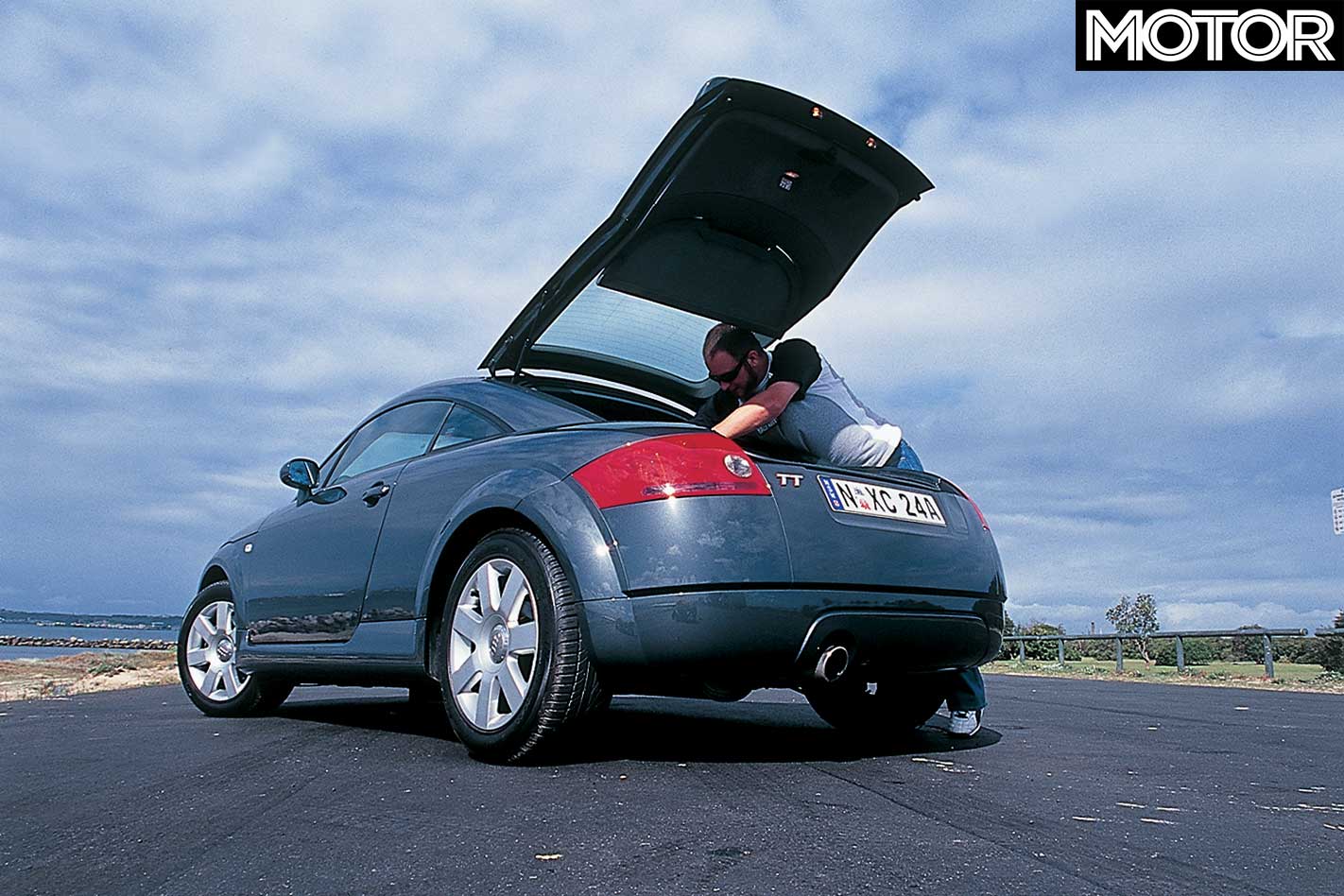
While slotting itself back into first idling at the traffic lights is fine, its reluctance to yield control when diving through the twisty stuff only encourages you to ignore the up/down toggles on the steering wheel spokes, stick it in ‘Sport’ and get on with enjoying the taut, if somewhat soulless, TT chassis and steering.
There’s no doubt Audi would be silly to continue to ignore the need for an auto TT. As it sits, though, the driver is obliged to learn the gearbox’s idiosyncrasies, not the other way around. Put it in ‘S’, say we, and get on with it.
FAST FACTS 2003 Audi TT Engine: 1.8-litre, 20-valve DOHC turbo inline four Power: 132kW Weight: 1280kg Drive: front-wheel Price: $74,100 (Coupe)
The Bang For Your Bucks testing regime isn’t easy. Invariably one or more of the contestants each year fails to reach the finish unscathed and this year that dubious honour goes to the Infiniti Q50 Red Sport.
This track review was carried out in conjunction with MOTOR’s Bang For Your Bucks 2018
Whilst all the necessary data for it to compete was gathered, not every judge had a chance to sample the Infiniti in a representative state.
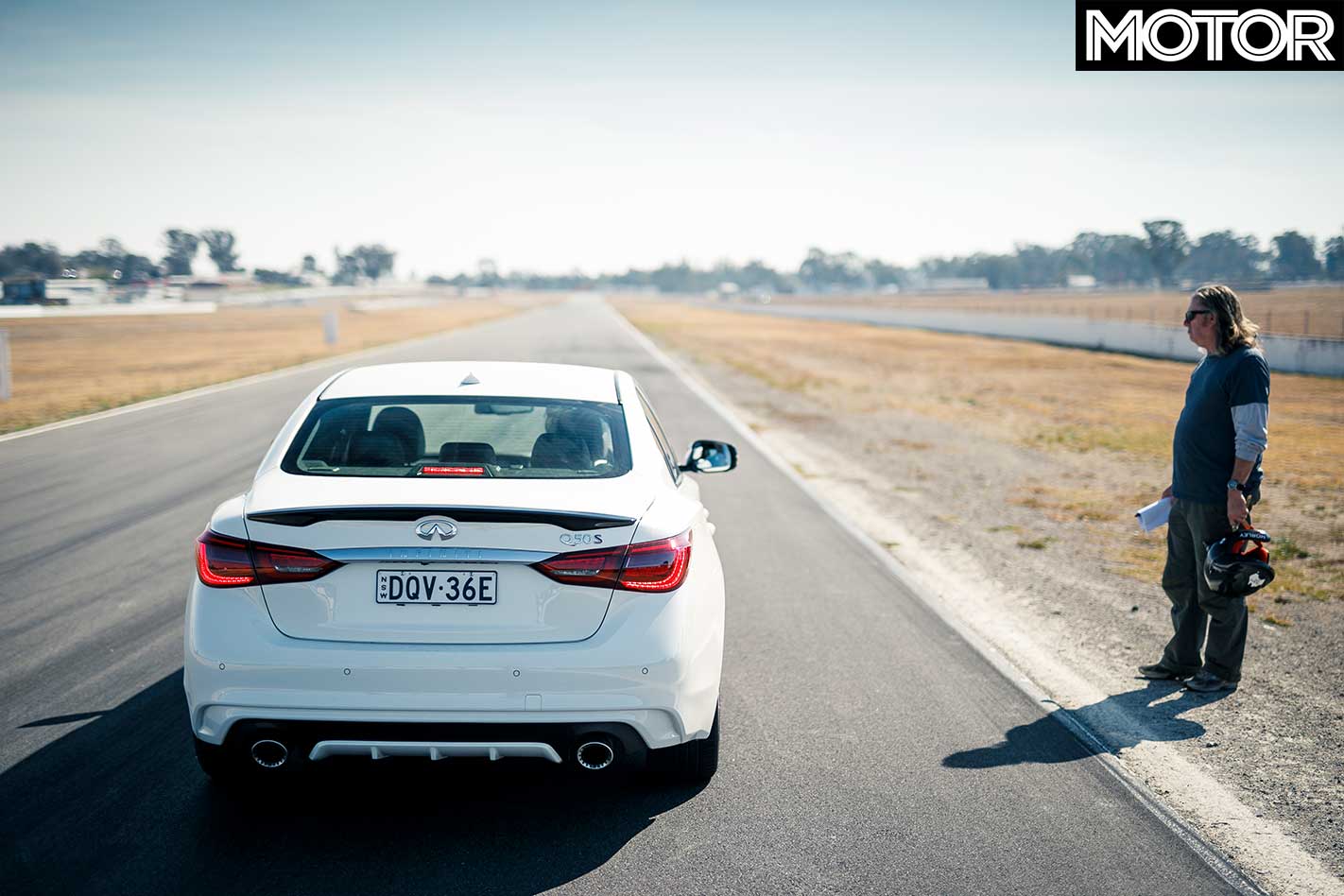
As it turns out, it wouldn’t have made any difference. Plug the numbers into the formula and the Infiniti would have finished 15th out of 15 regardless. In a straight line the Q50 acquitted itself well, the 298kW/475Nm 3.0-litre twin-turbo six propelling it to 100km/h in 4.89sec and 13 seconds dead over the quarter mile at an impressive 179.58km/h – second only to the Audi RS3 in both instances. Likewise its 2.8sec 80-120km/h effort.
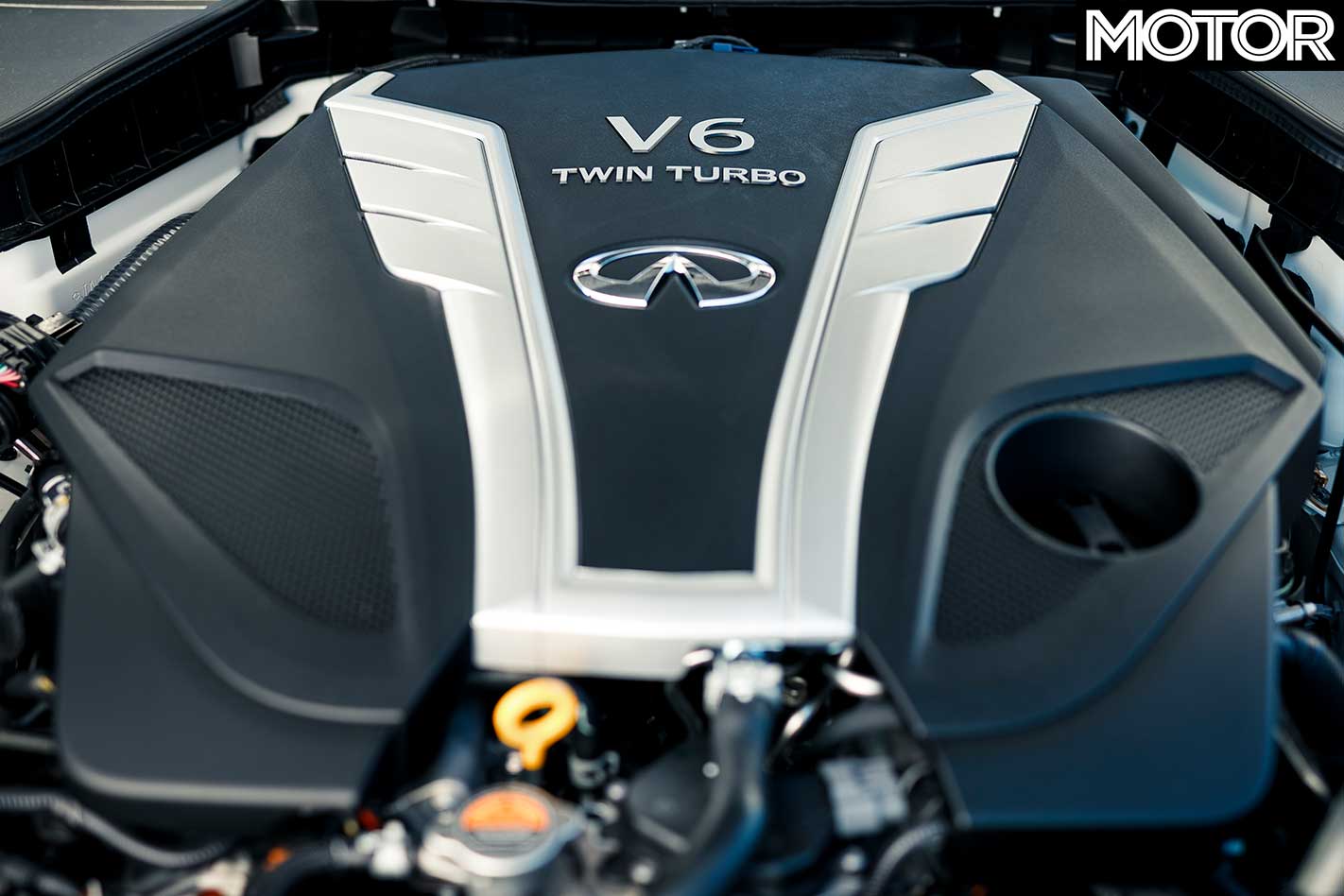
The Infiniti’s struggles start when you reach a corner. Despite its accelerative prowess, the Q50 managed only the 12th fastest lap time, wedged between the Subaru BRZ tS and eco-tyred Toyota 86 Performance Pack, two cars with half the power and torque. Finding the culprit wasn’t difficult, as the Infiniti’s average apex speed was a mere 74.94km/h, easily the worst in the field.
This lack of grip costs the Q50 against the clock, but of more concern from behind the wheel is its wayward behaviour when driven quickly. Up to around six-tenths it’s fairly benign, though, even at this pace, ESP intervention is frequent. Begin to push the envelope and the experience becomes increasingly erratic.
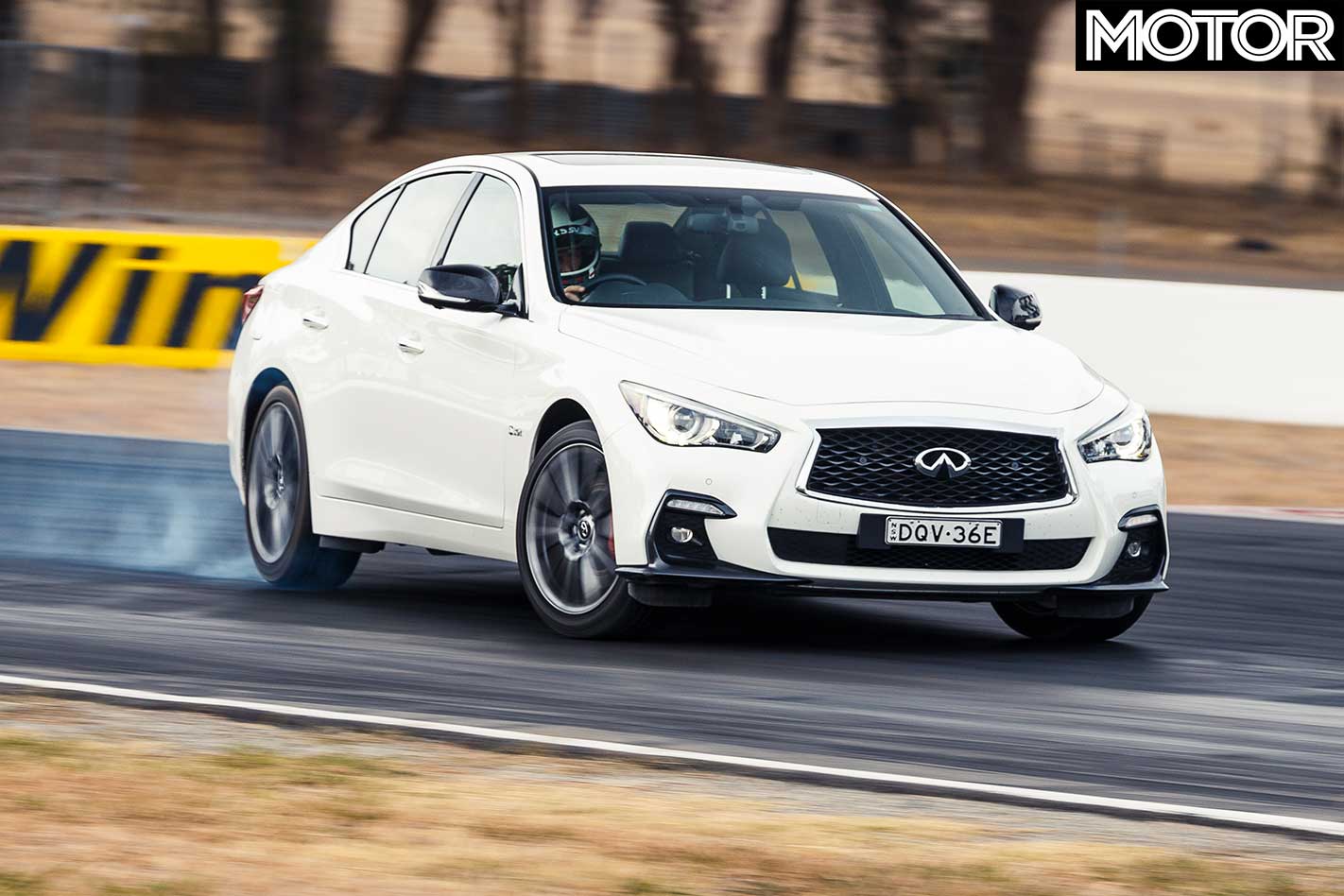
ESP continues to intervene under power, yet appears to ignore lateral movement. It’s difficult to predict what it’s going to do next and it’s not overly keen to communicate any clues. Infiniti’s controversial by-wire steering doesn’t help – Morley described it thus: “if great steering is watching the footy live at the MCG, this is reading about it in the paper two days later” – constantly seeming a step behind your current input.
Even if no Q50 Red Sport ever sees a racetrack (which is very likely) its chassis is far too unresolved for a machine that purports to be a performance car. At first glance the Infiniti appears to offer far greater Bang For Your Buck than its immediate rivals (a similarly priced Audi A4 musters 185kW/370Nm, for instance), but the mechanically similar Kia Stinger is quicker and more resolved for $30K less.
Infiniti Q50 Red Sport BFYB 2018 Results – 15th place

0-100km/h: 4.89sec (2nd) 0-400m: 13.00sec @ 179.58km/h (2nd) Lap Time: 1:42.20sec (12th) Price: $79,900 Bang Index: 123.4 Bucks Index: 62.9 BFYB Index: 96.2
Judges’ Comments
Warren Luff – 15th “Definitely a car that’s not suited to being on a racetrack and it lost brakes after one lap. The electronics are all trying to fight you and the seatbelt is trying to choke you. The gearbox is about as intuitive as much as I am a clairvoyant. The thing’s got good power and it still makes an alright lap time, but it’s not something that rewards you when you drive it on the limit. Nor is it a car that you feel like driving on the limit. So yeah, it’s interesting…”
David Morley – 15th “Me no understand…”
Dylan Campbell – 15th “Let the power and lovely interior materials distract you… from everything else”
Scott Newman – 15th “An impressive engine that needs something else to propel”
Louis Cordony – 15th “Unforgettable for all the wrong reasons”
FAST FACTS 2018 Infiniti Q50 Red Sport
BODY: 4-door, 5-seat sedan DRIVE: rear-wheel ENGINE: 2997cc V6, DOHC, 24v, twin-turbo BORE/STROKE: 86.0mm x 86.0mm COMPRESSION RATIO: 10.3:1 POWER: 298kW @ 6400rpm TORQUE: 475Nm @ 5200rpm WEIGHT: 1784kg POWER-TO-WEIGHT: 167kW/tonne TRANSMISSION: 7-speed automatic SUSPENSION: A-arms, adaptive dampers, anti-roll bar (f); multi-links, coil springs, adaptive dampers, anti-roll bar (r) BRAKES: 355mm ventilated discs, 4-piston calipers (f); 314mm ventilated discs, 2-piston calipers (r) WHEELS: 19.0 x 9.0-inch (f/r) TYRES: Dunlop SP Sport Maxx CTT 245/40 R19 (f/r) PRICE: $79,900
Bang For Your Bucks 2018
 The Contenders, Judges & Criteria
15 of the hottest new fast cars under $100K roll up to take on our famous formula. Which will be number 1?
WHAT IS IT?
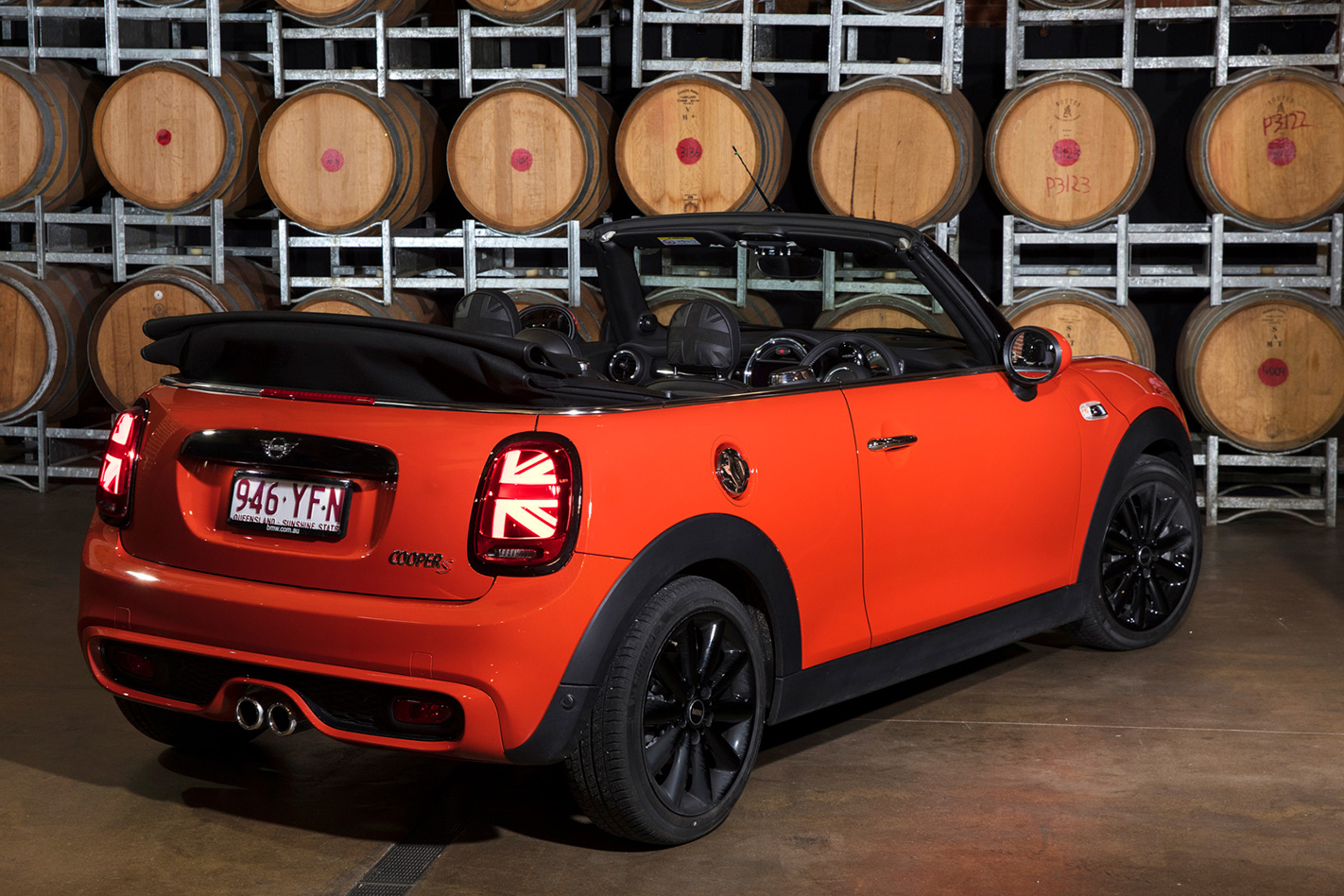
Mini has introduced a tech-focused update to its Cooper range that sharpens up the official fuel use figures – under pressure from new Euro-driven fuel economy standards – and adds a layer of connectivity to make it the most advanced version of the British drop-top.
WHY WE’RE DRIVING IT
The focus on exhaust emissions hasn’t changed the performance of the F57-based turbocharged 2.0-litre Cooper S, but an extra gear ratio and a new wet-clutch gearbox linked to the front wheels has the potential to tip a bit more of the traditional Mini DNA into the brand.
MAIN RIVALS
Audi A3 Cabriolet, Fiat Abarth 124 Spider, Mazda MX-5
THE WHEELS VERDICT
Dumping the six-speed auto in favour of a more performance-focused seven-speed dual clutch version adds an extra element of fun to what already is an enjoyable package. The loss of rivals such as the Holden Cascada and the Volkswagen Golf Cabriolet make it a go-to destination for sun-loving drivers. However, after ripping almost $5K out of the drop-top’s price at launch in 2016, the price of joining Mini’s open-air club has crept higher.
LIKES: Timeless styling; balance and dynamic poise; rapid-fire gearbox; reversing camera now standard DISLIKES: Poor roof-up rear vision; lack of rear legroom; interior ergonomics; expensive options
THE WHEELS REVIEW

A STRAW poll of Mini owners told BMW that in the main, they’re pretty happy with the way this modern-day interpretation of the last-millenium motoring icon looks. So, for this significant update ahead of tough new Euro emissions regulations due in a few months’ time, much of how the Mini Cooper Cabrio’s looks has been left alone. Instead, the focus has been on under-skin changes.
This includes enhancements to the heart of the Cooper S range, the turbo 2.0-litre that still makes the same 141kW/280Nm for the same 7.1-second 0-100km/h sprint benchmark, but improves fuel economy by 0.1L/100km to 5.7L/100km. That was brought about by measures including shaving 8kg of weight over the nose via a split cooling system that helps with lowering emissions generated during cold starts, and a lighter crankshaft.
Outside, there’s more funky LED headlights and Union Jack-patterned LED tail-lamps, and inside the Cabriolet gains the same tech-focused interior makeover as the 110kg lighter hatchbacked version, including a centre armrest that interferes with enthusiastic driving if it is left down. Of note, though, is that the Cabrio-specific Always Open timer introduced in the previous generation remains, logging how long you drive the rag-top with the roof stowed.
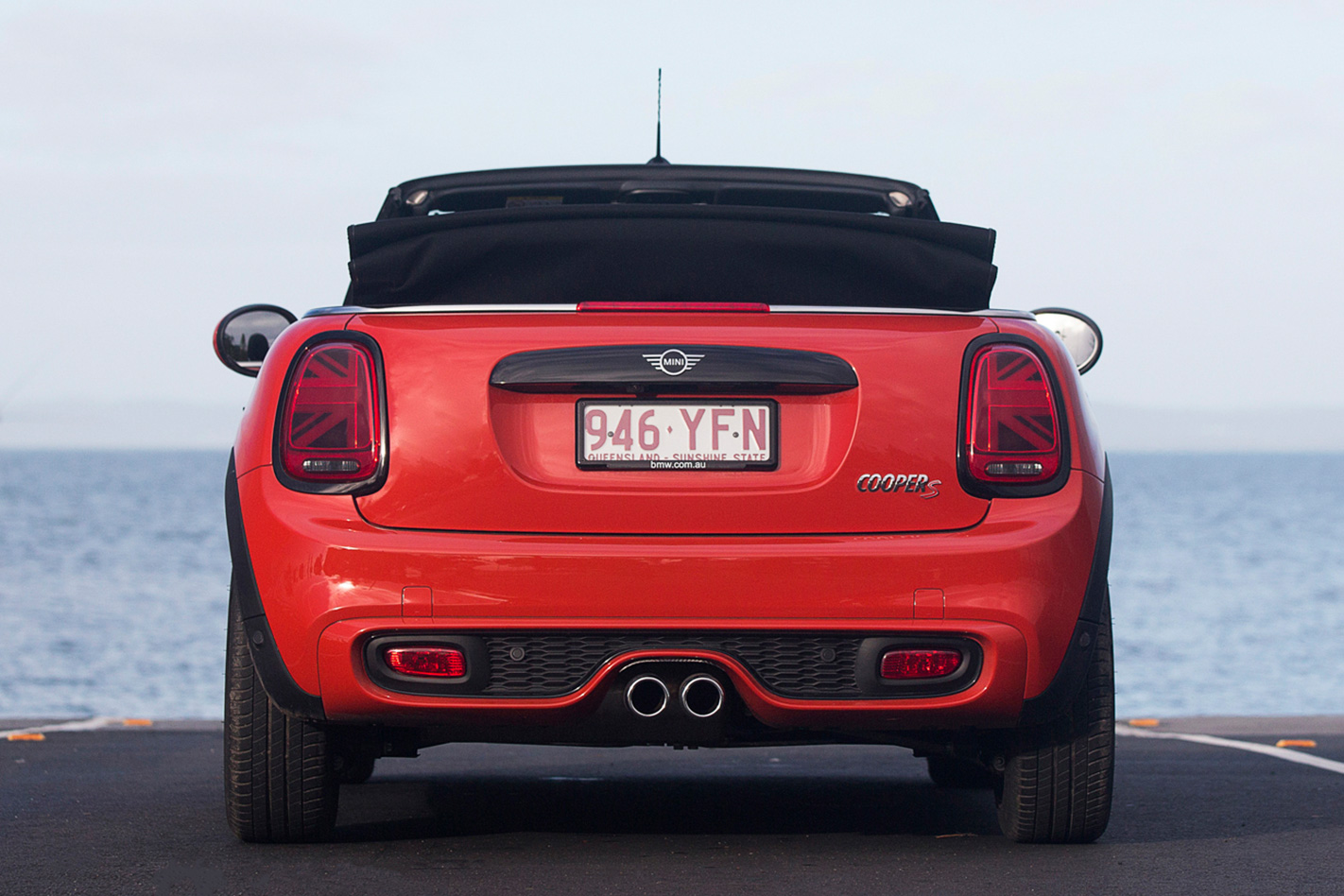
But integral to this change is bumping the previous version’s six-speed torque converter automatic for a sharper, smoother seven-speed dual-clutch auto with gears cut shorter than for entry-level Cooper. It also retains the electronic diff lock that helps with carving corners by dragging the brakes on an unloaded wheel to help rotate the car.
Those last two points are a recipe for more driver enjoyment. And that’s exactly what the Cooper S Cabriolet delivers.
It may only be a sliver of time faster than the car it replaces, but the dual-clutcher in the Cabrio adds a whole new level of engagement. Rapid fast in its changes, obeying the Cooper S’s default steering wheel-mounted paddle shifters up to a point (gears will automatically shift up slightly early as the large tacho needle sweeps towards the redline) and introducing a symphony of crackling overrun under a trailing throttle in Sport mode, the DCT gearbox does what the displaced six-speeder struggled to do – make the decision to walk past the six-speed manual and get an automatic Mini Cabriolet a whole lot less painful.

Mini has resisted the trend to introduce neck warmers that draught hot air from the seatback, which meant our roof-down drive of the Cooper S Cabriolet in wet conditions west of Brisbane was a pretty cool experience even with the heaters on full blast (we also didn’t have the optional fold-out windbreak fitted across the back seats that minimises the amount of breeze swirling through the cabin). But with a warm, sunny day, the appeal is sure to increase exponentially.
The extra lard that the Cabriolet carries for extra rigidity and strengthening doesn’t appear to take any of the shine off the experience compared with the 50kg lighter Cooper S five-door – the least-Mini Cooper in the now more simplified line-up – we also drove at the facelifted model’s launch. However, roof-down there is a little of that subtle lack of body control and shudder over rougher sections of road that the Cabriolet form can’t disguise.

That said, the Mini’s driveability still makes it deliciously engaging. Grip from the 205/45 R17 Hankook Ventus rubber is good, and the tied-down, wheel-at-each-corner layout leaves the soft-top sitting flat through corners. Kludgy use of the throttle will induce a small bit of wheelspin while launching out of tight corners, but the electronic diff will quickly haul things back into line.
In a straight line, with the exhausts howling and the rush of wind filling the cabin, the rapid-fire dual-clutch auto makes the Cabriolet feel much quicker than it is.
As always, Mini has an exhaustive list of options that will allow users to individualise their rides. Metallic paint is an $800 option, while a decent Harman Kardon 12-speaker stereo – this car is more about lifestyle, remember – is part of a $2200 package that pitches in voice control recognition, a head-up driver’s display and a couple of RFID tags that will alert you via a smartphone if you leave behind whatever they’re attached to.
However, this update is more about the virtual connectivity than the substance of how the 2018 Mini Cooper S Cabriolet drives.

Likewise, the new dual-clutch transmission is more about helping Mini to meet new emissions targets than it is about improving the driving experience.
That it does improve the experience is a bonus.
SPECS Model: 2018 Mini Cooper S Convertible Engine: 1998cc 4cyl, dohc, 16v, turbo Max power: 141kW @ 5000-6000rpm Max torque: 280Nm @ 1350-4600rpm Transmission: 7-speed dual-clutch, FWD L/W/H/WB: 3850/1727/1415/2495mm Weight: 1390kg 0-100km/h: 7.1sec (claimed) Fuel economy: 5.7L/100km Price: $47,900 On sale: Now
POLESTAR, Volvo’s nascent electric offshoot, will bring its first purely-electric model to the Australian market in 2019 with at least 560km of single-charge range and a sizable 300kW output.
Speaking to UK outlet Autocar at the Goodwood Festival of Speed over the weekend, Polestar chief operating officer Jonathan Goodman described the 560km range of entry-level Polestar 2s as “the lower ‘bookend’ of our showroom range”. As far as baseline range figures go in the world of electric cars, it’s a number that should quell any notion of ‘range anxiety’.
Unlike the limited-production Polestar 1 performance car that has already been revealed, the Polestar 2’s generous range and healthy power output is expected to generate significant mainstream appeal. “It should give us as much access to the volume end of the EV market as we need,” continued Goodman.
It will differ heavily from the Polestar 1. Polestar’s first product is built off a shortened version of Volvo’s SPA architecture, which also underpins the S90, XC90, S60 and XC60, though augments the steel floorpan with carbon-fibre structures and carbon bodywork. And while it produces a prodigious 440kW and 1000Nm in power and torque, it achieves that through a petrol-electric hybrid setup that mates a 2.0-litre turbo and supercharged four-cylinder with a pair of electric motors.
With the petrol engine switched off the Polestar 1 has 160kW of purely-electric power and achieves just 150km of range before requiring the engine to be fired up, so its credentials as an eco-warrior are not quite as impressive as its performance stats. That’s where the Polestar 2 – and its companion Polestar 3 – will come in.
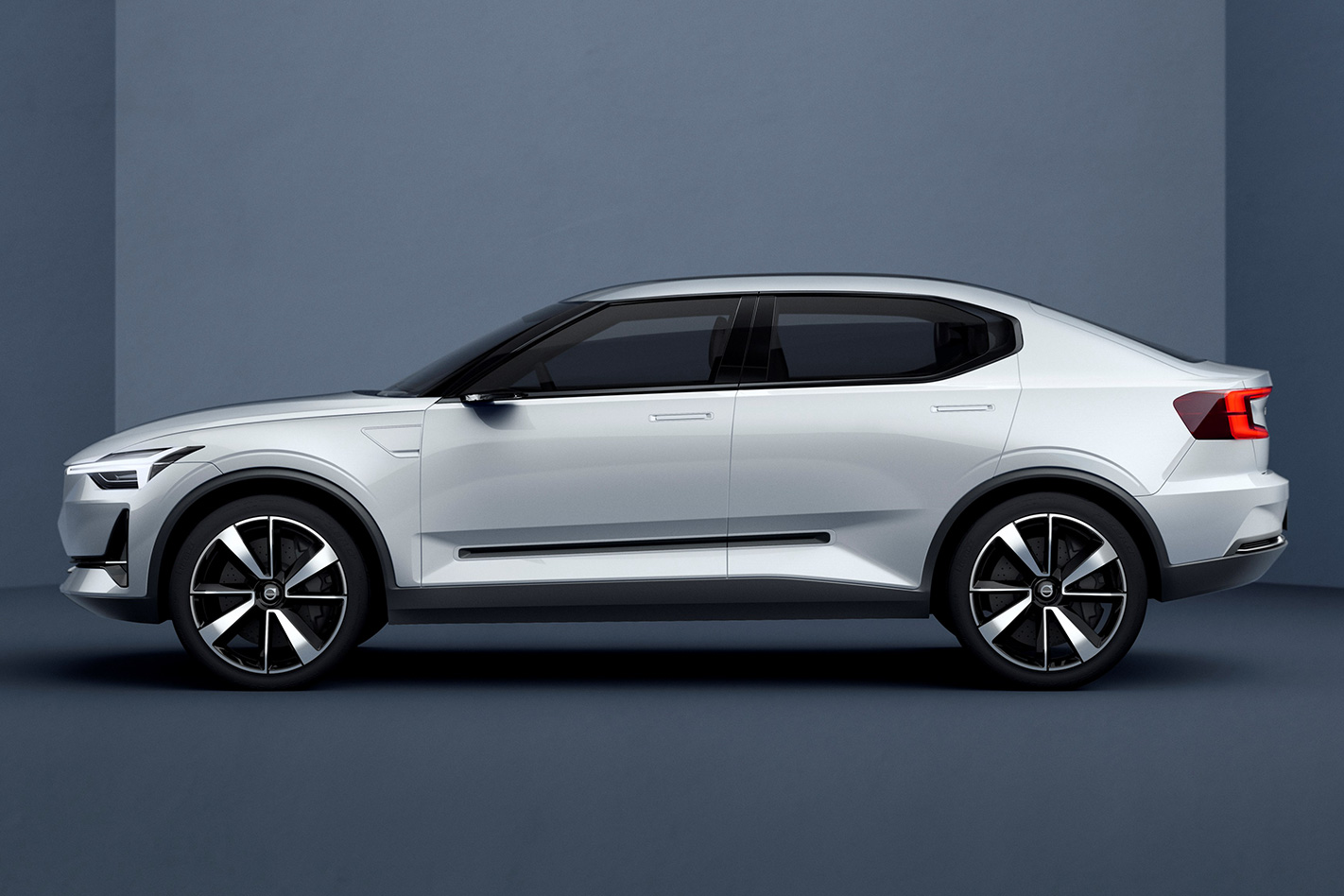
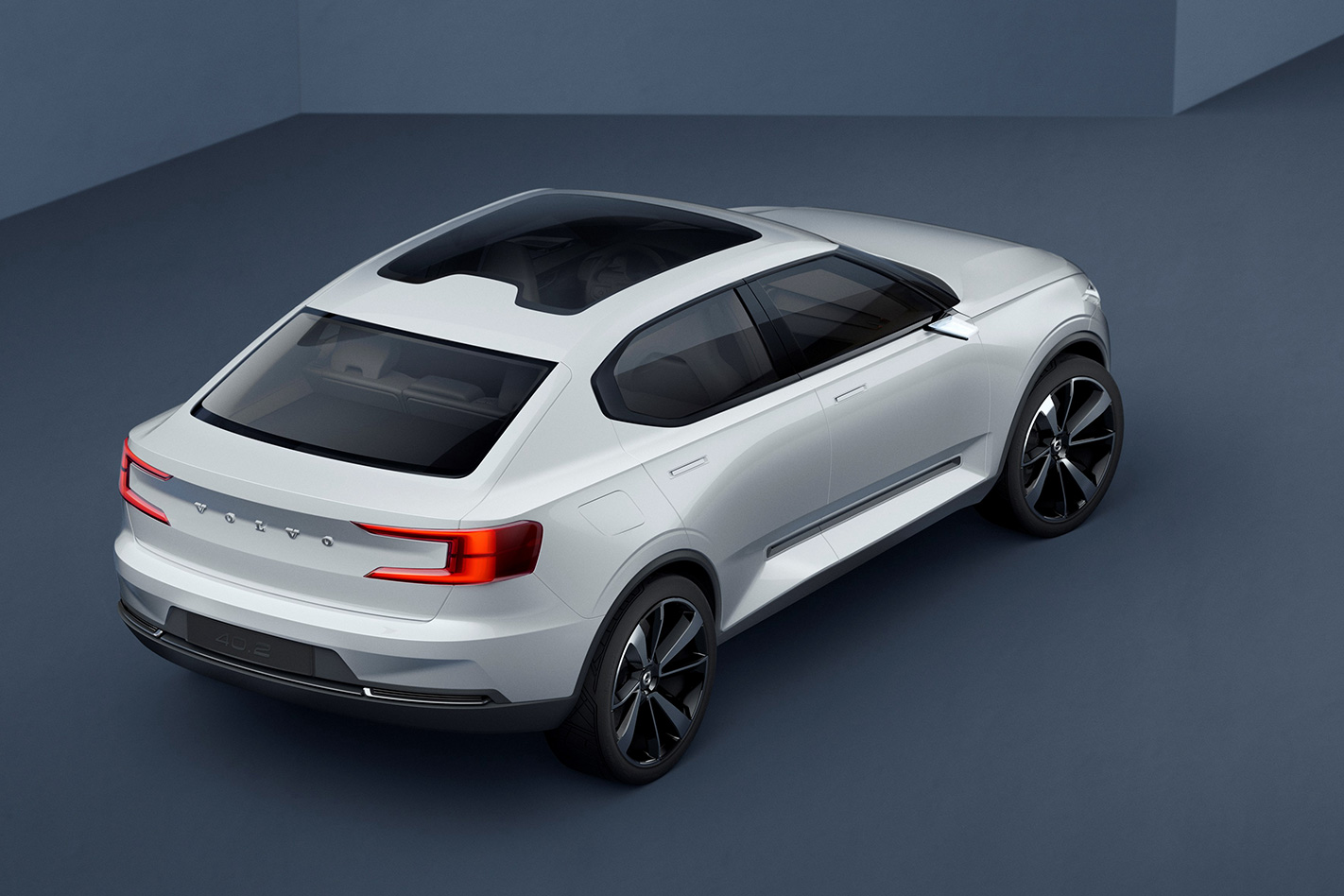
The design of the 2 is yet to be revealed, though it’s believed that the three-box compact sedan revealed as Volvo’s Concept 40.2 in 2016 (pictured) is the inspiration for Polestar’s mass-market EV. Built on Volvo’s CMA platform which currently underpins the XC40 – and will be used by every other future Volvo model positioned beneath the XC60 and S60 – its bones are wholly different to the SPA-platformed Polestar 1.
The Polestar 3 will follow the 2 and is expected to take the form of an SUV, though given Volvo’s own XC40 will soon add a purely electric variant to its ranks, it’s unclear exactly how Polestar’s battery-powered crossover will differentiate itself.
What’s clear though, is that Polestar won’t go down the avenue of overtly announcing the electrified nature of its cars through design.
“EV owners will come from all walks of life,” Goodman said. “So it’s a mistake to assume that, because the cars are electric, you have to make them quirky or futuristic.”
“Other brands may be doing that, but, if we’re looking at a market worth 30m cars within seven years, it isn’t going to be niche – it’s going to be mainstream. So you just design a great-looking car, not one with a big blue flash down the side.”
The company won’t be pitching itself to a certain type of buyer either. Tech-obsessed early adopters may be driving much of the uptake in EVs right now, but Goodman doesn’t intend to target that crowd.
“Electric cars will be just as appealing to young executives as they are to London retirees,” he said. “It’s a new market, and purchase intentions will vary. So we’ve got to be a welcoming brand that’s not geeky, cliquey or judgmental.”
THE Goodwood Festival of Speed has been run and done for another year, with the grounds of Lord March’s country estate being packed solid with a cornucopia of droolworthy metal.
As we have become accustomed to over the event’s 25-year history, the 2018 Festival of Speed featured some of the best racing and road-faring metal in the world being pushed to the limit by motorsport legends up Goodwood’s famous driveway – and some cars being pushed well beyond.
If you couldn’t plonk yourself on the couch and watch the livestream this weekend – or didn’t have enough spare change for a flight to the UK to see it all in person – here’s everything you missed.
Two racing Porsches shunted into each other
See the monumental muck-up as the two racers collide in a bizarre fashion.
If you ever feel bad about a mistake you’ve made while at work, just remember that someone crashed a Porsche 991.2 GT3 Cup Car into the back of a 969/C Group C race car… after the finish line.
This incredibly awkward moment arose on Sunday at Goodwood during a parade of Porsche race cars to celebrate the brand’s 70th anniversary.
The GT3 Cup Car approached the finish line with some serious pace, and the 969/C already significantly slowed. As the gap rapidly closed, the GT3 driver realised too late, hit the brakes, and slammed the rear of the Group C car. Whoops
A Lexus RC F GT3 burnt to the ground
Let’s all take a moment to shed a tear for a lost racecar. We’re not sure why, but this Lexus RC F GT3 decided to immolate itself in the Goodwood paddock. Tragic, but thankfully driver Scott Pruitt was able to exit the vehicle safely and was uninjured. Shame about that vertical-format video though.
Liam Doran’s Pikes Peak car ripped itself apart
On the list of ‘Things you don’t want to happen while driving your Pikes Peak Ford RS200’, having your rear bodywork disintegrate at speed is pretty high up.
But that’s exactly what happened to Liam Doran as he made his way up the Goodwood hillclimb. Thankfully, despite the spectacular destruction of bodywork, Doran was able to avoid a significant shunt, brushing the hay bales before coming to a rest.
Does the name ring a bell? Doran is the same driver who had his FIA racing licence revoked after he punched cars, got involved in a brawl, and then tried to hide from police underneath a parked vehicle at the Gatebil festival in Norway in 2016.
Roborace completed a run without a driver, and didn’t crash into a wall
While Siemens’ autonomous Mustang demo didn’t go, er, terribly smoothly on day one of the event, Roborace proved that not all self-driving vehicles are created equal.
The self-driving race car made the first fully-autonomous hillclimb in the event’s history, relying completely on artificial intelligence, not GPS data, to do so, and looking much more confident than the wobbly Pony Car. Welcome to the future.
The Volkswagen I.D. R blitzed the field
Fresh from decimating the outright Pikes Peak record, Romain Dumas and the Volkswagen I.D. R attempted a much shorter hillclimb at Goodwood.
And with a time of 43.86 seconds, Dumas and the I.D. R easily reset the electric record for the driveway, while also besting every other competitor in this year’s shootout.
The I.D. R is now the third-quickest car at Goodwood, behind the Gould-Cosworth GR51 that was steered by Graeme Wight, and Nick Heidfeld in a McLaren-Mercedes MP4/13 which recorded a scorching 41.6-second time in 1999.
Porsche’s 919 Evo was present during the event, but the brand refrained from a record attempt. However, driver Neel Jani nevertheless completed a 49.86 second run on a ‘parade’ lap, good enough to be comfortably inside the top 10 during this year’s shootout.
NIO EP9 crushed combustion race cars in the hillclimb
Speaking of electric cars crushing the opposition, the NIO EP9 was the second-quickest car for the weekend, beating a bevy of combustion-powered race cars.
Peter Dumbreck was at the wheel of the 1000kW fully-electric hypercar, which was shod with slick tyres for the run (outlawing it from competing in the Supercar shootout for road-legal cars), recording a time of 44.32 seconds.
That’s quicker than the 46.43 seconds time put down by twice European hillclimb champion Joerg Weidinger in his 3.5-litre Judd V8-powered BMW E36 M3 hillclimb car.
Drifting, 1959 style
While professional drifters are now a mainstay of the features bill at Goodwood, Grant Williams took the crown as this year’s sideways king thanks to his thoroughly loose antics in a 1959 BTCC Jaguar Mk1.
Williams hustled the 59-year-old Jaguar up the hill, and was sideway at almost every corner. Old dog, new tricks.
The Goodwood hay bales strike again
It wouldn’t be a Goodwood Festival of Speed without drivers punching million-dollar race cars into the hay bales which line the circuit.
Both Rod Jolley in a 1958 Lister-Jaguar ‘Monzanapolis’, and former professional wrestler Bill Goldberg in a Toyota Tundra NASCAR truck, found themselves falling foul of the hay bales.
Thankfully the hay is slightly more forgiving than concrete.
All. Of. The. Burnouts.
- Watch this video of a Ferrari 488 GTE ripping a huge skid away from the start line
- Or see the new Aston Martin DBS Superleggera doing the exact same thing
- McLaren Senna rips up the tarmac on the Goodwood hillclimb
- McLaren also had their new 600LT ripping donuts in front of Goodwood House
- Kenny Brack tears it up in a $40 million plus Shelby Cobra Daytona Coupe
And unlike Summernats, it’s a pretty diverse field that lays down rubber at Goodwood. Le Mans GT racers, F1 cars, multi-million dollar classics, and brand-new supercars all got into the tyre-frying action – including one particularly spirited burnout performed by Bruno Senna in a McLaren Senna.
You all know the guy (or girl) and it could even be you or me (yes, definitely me).
We will only buy cars with manual transmissions, which these days can sometimes feel like saying you’re into a weird niche of porn given everyone else has gone vanilla (automatics, snore).
Stick-grabbing jokes aside, the used car classifieds can throw up some wonderful oddballs from yesteryear perfect for the sort of weirdo who wants a manual with, for example, a convertible roof and a sub-five-metre-long body, plus maybe a dollop of woodgrain and chrome on the side.
So here’s to some of the coolest five- and six-speed DIY-shifters around.
2008 Aston Martin V8 Vantage manual
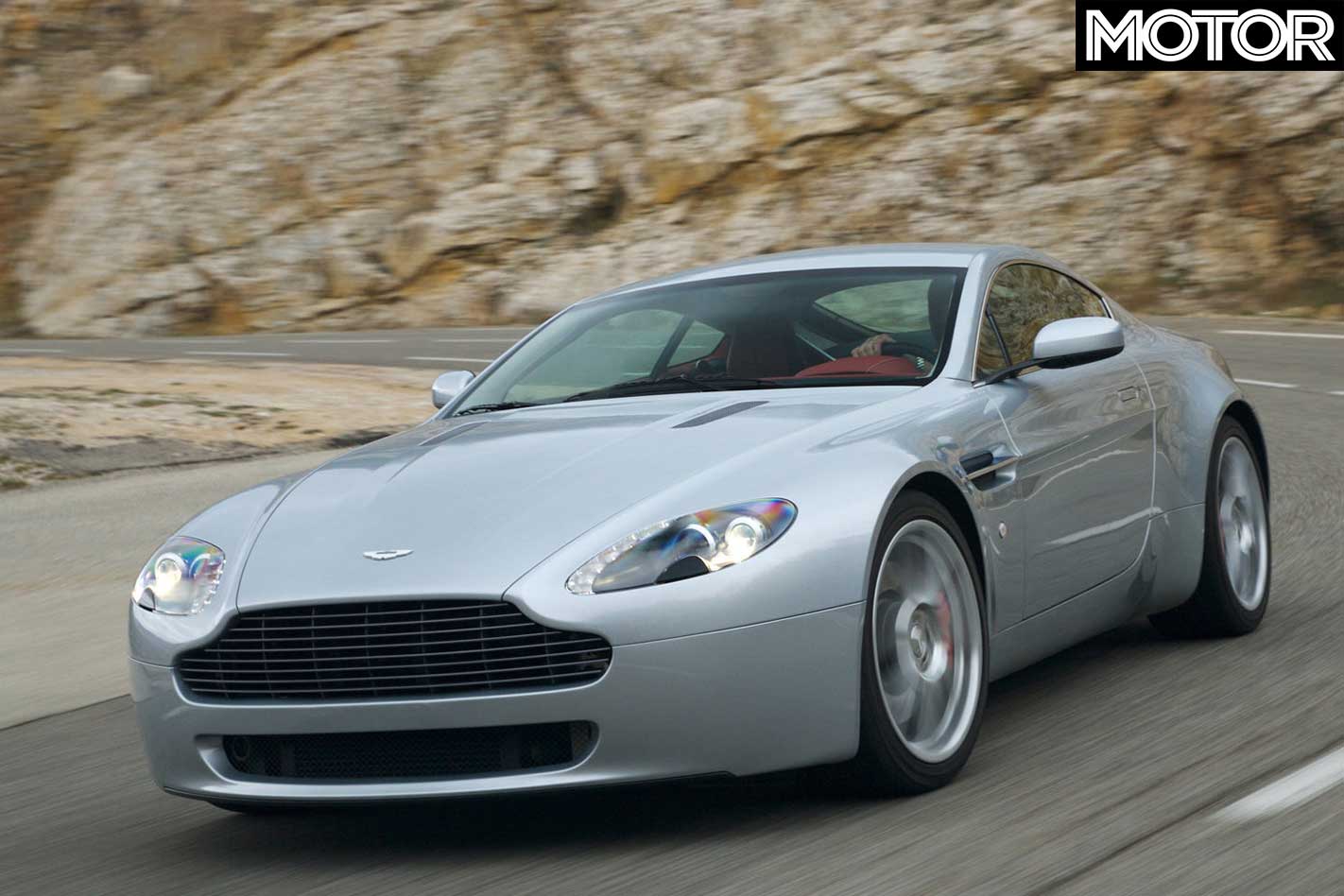
Nothing exceptional about a coupe with a manual, is there? Sure, but just look at the decade-old V8 Vantage and absorb one of the most beautiful vehicles in the world all for the same price as a brand new BMW M2.
It’s rear-wheel drive, produces 283kW at 7300rpm thanks to a sonorous 4.3-litre naturally aspirated V8 and gets from zero to 100km/h in 5.0 seconds. So it’s a hot, brisk and (relatively) cheap manual.
1994 Audi RS2 Avant
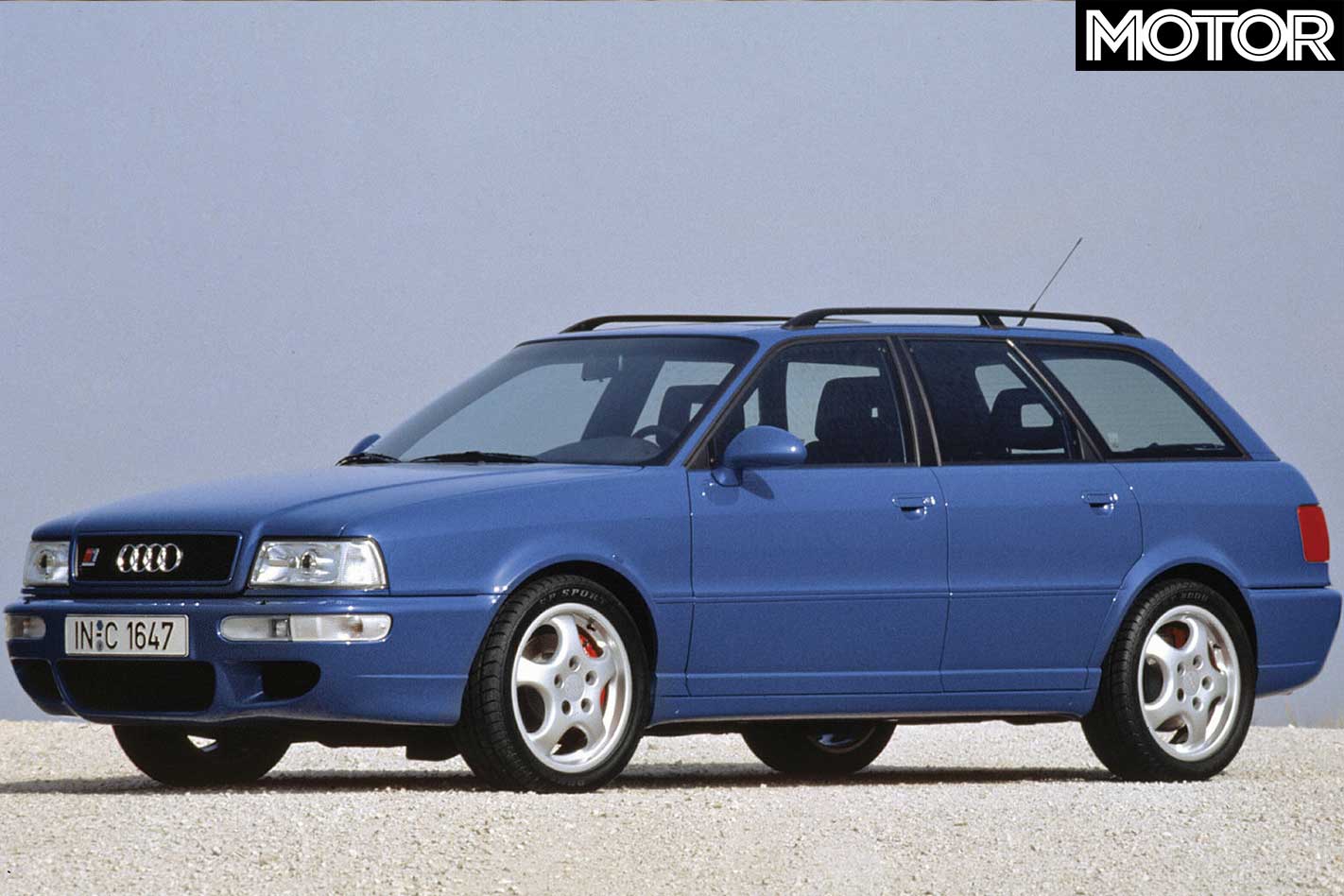
Think of a German compact about the same size as today’s Audi A3. Then add a wagon back to it, an all-wheel drive system that’s an evolution of the rally-winning Audi Quattro, brakes and wheels from Porsche, plus a crazy-for-the-time 235kW/410Nm 2.2-litre turbo five-cylinder engine with power delivered like a big-boost WRX, and you have this (very) limited-run RS2 Avant; worth about $80K today.
2004 BMW 645Ci Convertible
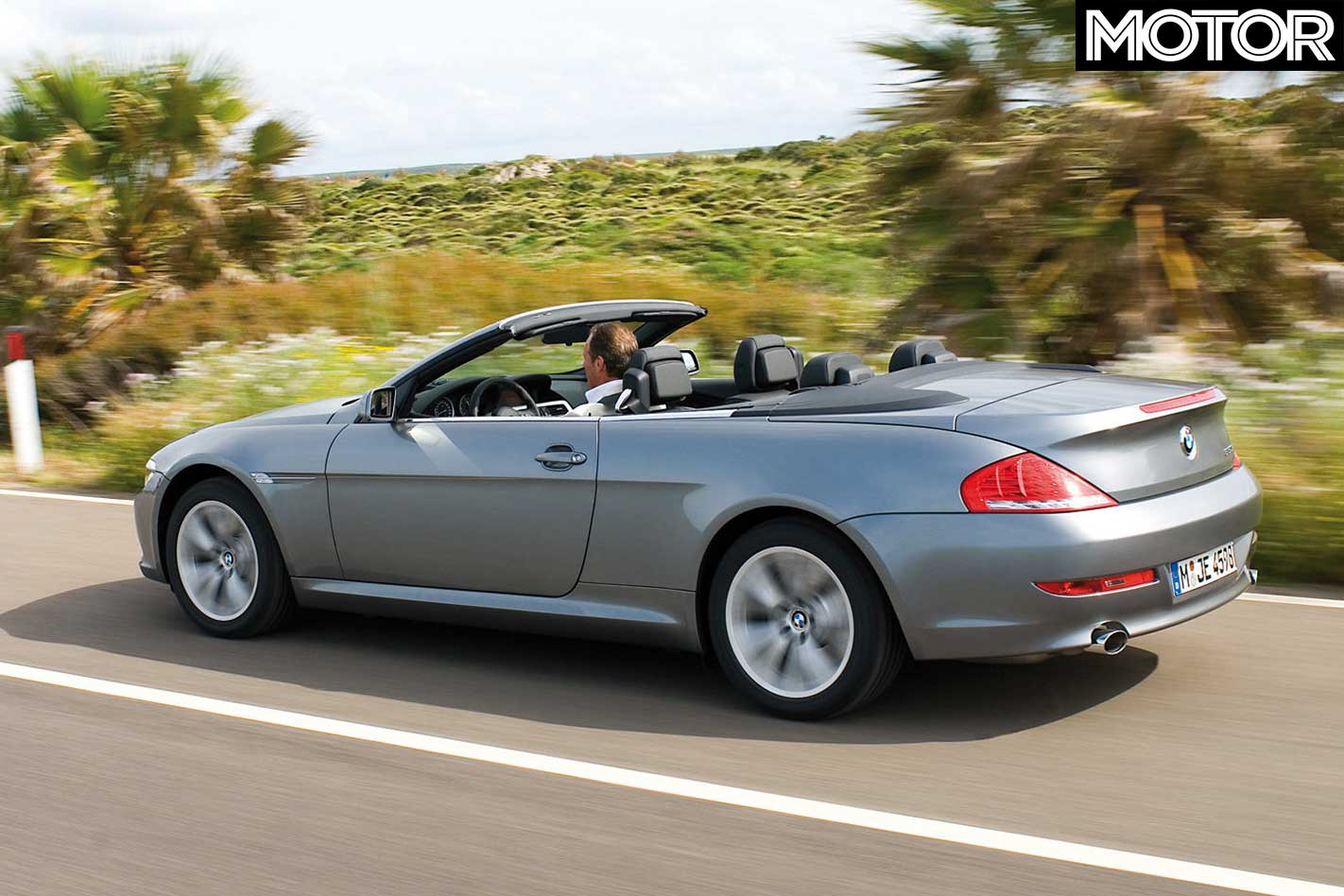
Let’s note upfront that this 6 Series costs less than $40,000 today. Now we have your attention, because this long (4820mm), heavy (1815kg), four-seat proper Bavarian drop-top melds a six-speed manual with a 245kW/450Nm 4.4-litre naturally aspirated V8 engine that will cover 0-100km/h in 6.1sec.
Sure, an M6 coupe is almost this cheap, but (boo and hiss) the V10 M is a dreaded single-clutch auto-only.
2008 Dodge Viper SRT-10
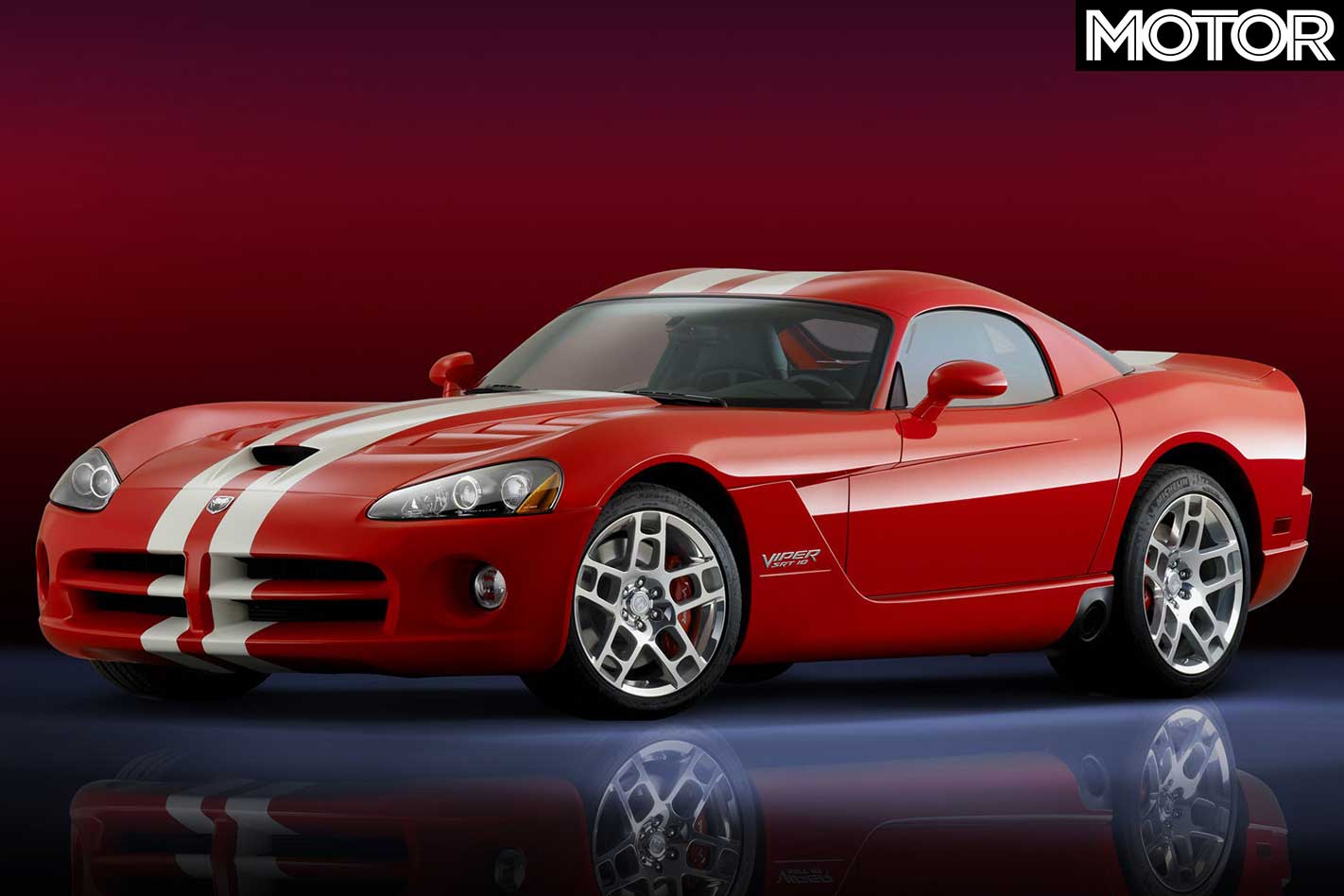
There are plenty of ‘yes, but’ moments with this 8.4-litre naturally aspirated V10 manual pumping 447kW/760Nm to the rear wheels.
Yes, it’s a decade-old Dodge that had to be converted to right-hook, yet still costs deep into six figures. But a similarly priced Audi R8 V10 makes ‘only’ 386kW/530Nm from a piddly 5.2 litres. Yes, it’s probably big and imprecise to steer and will fall apart. But, but… 8.4L V10 man.
2017 HSV Senator 30 Years
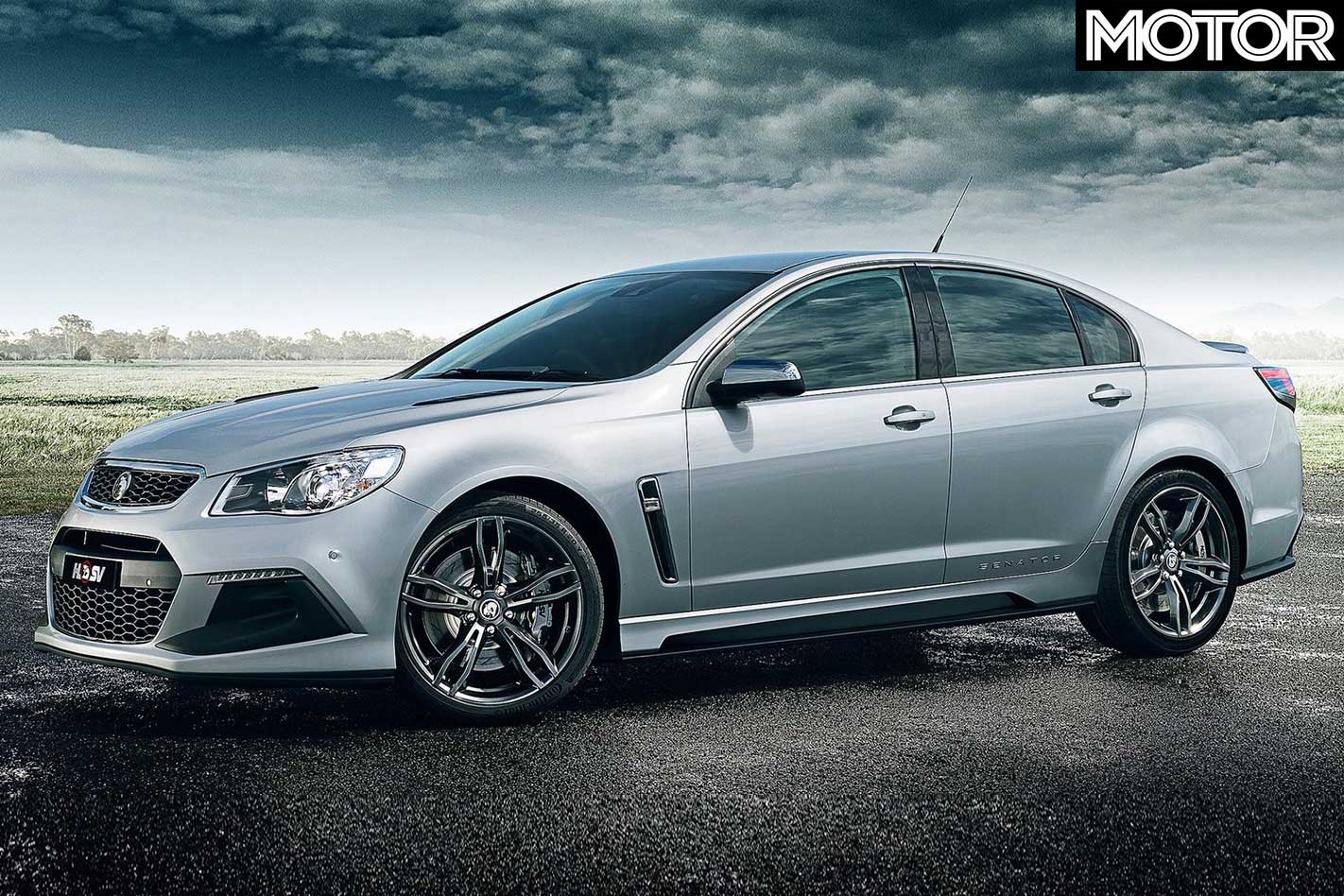
How utterly, incredibly awesome is it that Holden Special Vehicles (HSV) produced a luxury-oriented, spoiler-less Senator sedan right to the end with a manual.
With a 410kW/691Nm 6.2-litre supercharged V8 engine, flawless adaptive dampers, multi-spoke wheels and chrome mirror caps, this is the classiest model grade within a range that isn’t exactly known for class. And it will be worth heaps in the future.
If MOTOR had to run for a government seat, we’d campaign that driving joy be democratised for all citizens, no matter how big your bank account.
Everyone should be able to experience those feelings. You know them. The fizz when your organs strain against cornering forces. The chill as the howl of a tuned intake or exhaust prickles the back of your neck. The excitement when you nail a corner with a kiss of opposite lock.
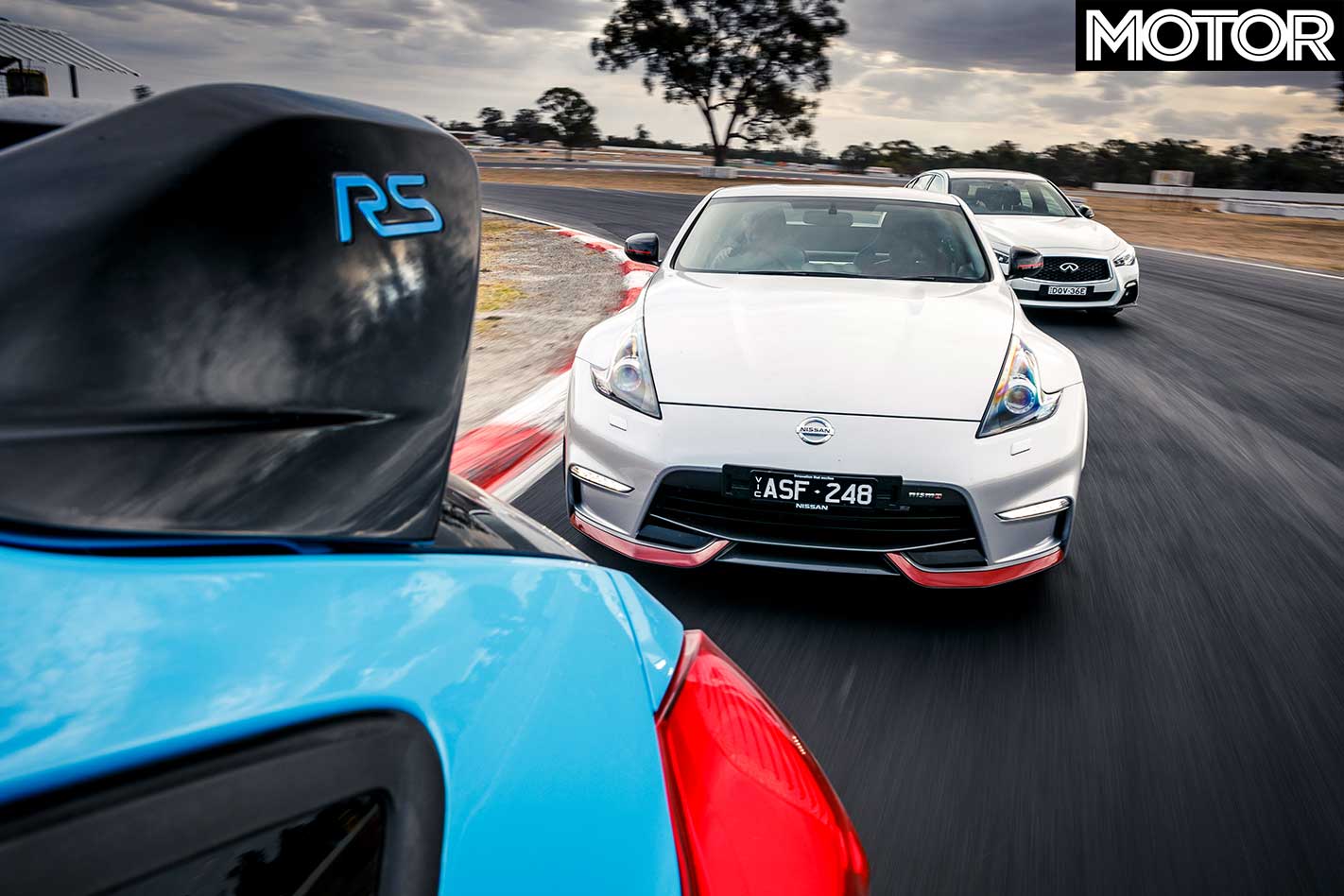
Using the magical formula, which we’ll explain later, it pitted cars from different points on price and performance spectrums against each other on a level field. Our maiden run tested everything from a Porsche 911 Turbo to a Ford Capri, but crowned a Mitsubishi Lancer GSR as our first cut-price king. The operation was a success.
Since then, we’ve used it to sniff out the best performance bargains available year after year. In 1995 it was Nissan’s sweet handling 200SX that dominated before BMW took its only win with its punchy 328i in 1996.
As time ticked on we’ve crowned repeat champions that readers have come to respect as much as other manufacturers have envied. Subaru has notched five victories, with Ford and Volkswagen in tow on four wins each, and Holden trailing with a well-earned three.
The GM-subsidiary won’t get a chance to bag another this year, though, as it didn’t get back to us about its new German-made Commodore. It’s our only missing invitee. Either way, 2018 would have always garnered an exclusively foreign line-up.
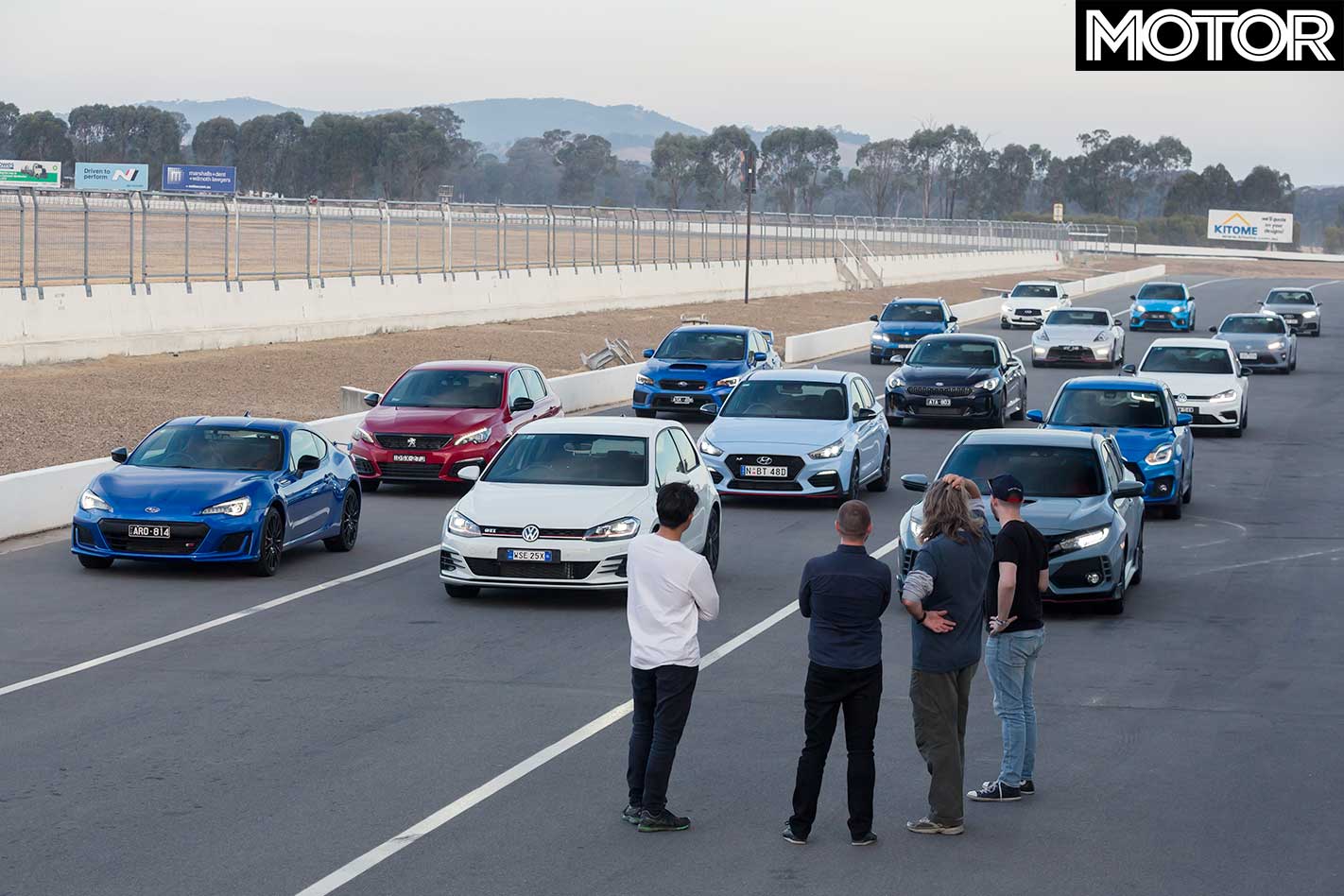
Not to the detriment of conflict, though, as a cheque inked with five figures has attracted no less than 15 hard-charging chariots under our imposed price ceiling of $100,000.
Subaru’s WRX STI is back in updated form. At its core it remains the same boxer four, but six-piston front brakes and fine suspension tweaks around new 19-inch wheels hope to thrust the winged terror back into the winner’s circle.
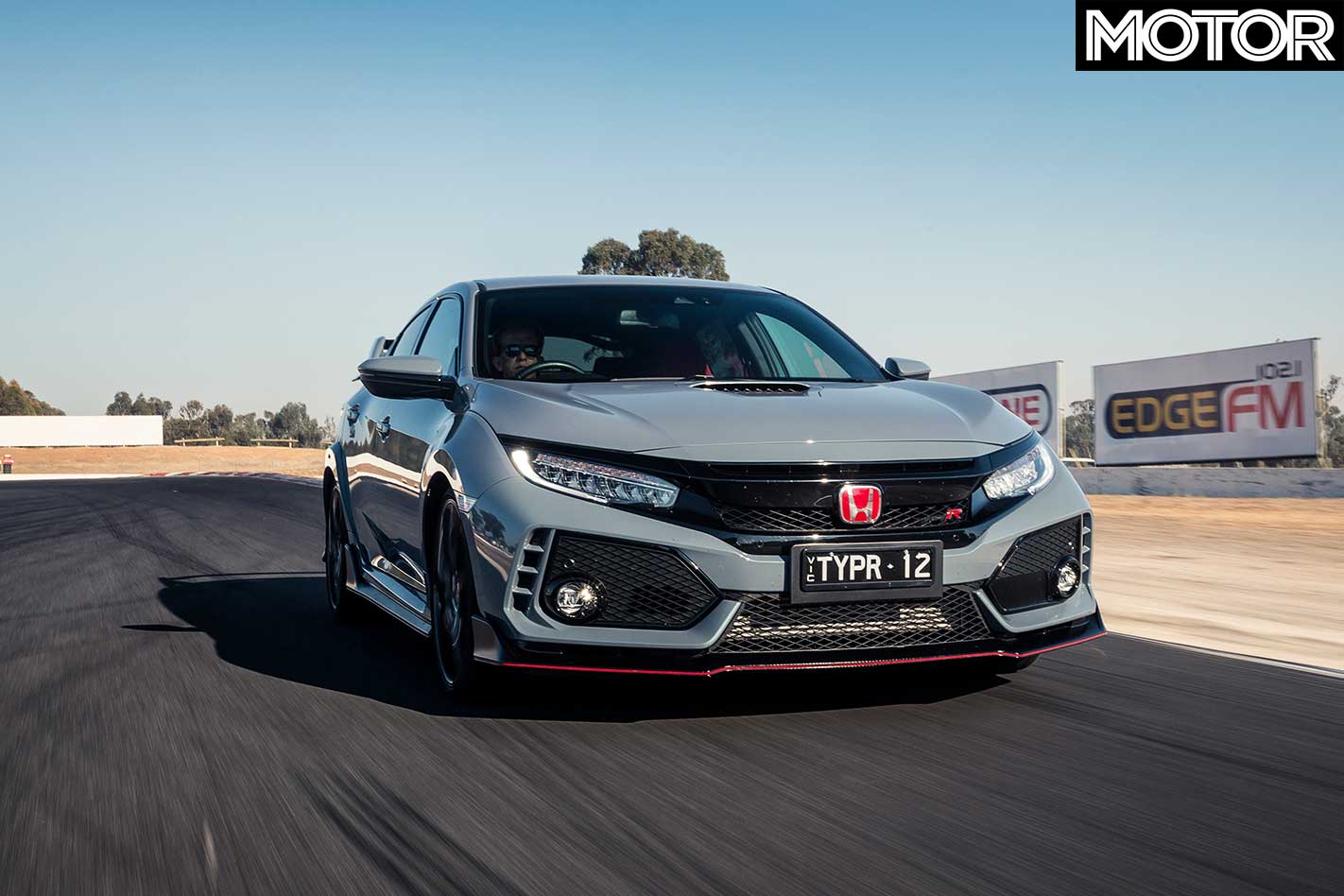
It’s been six years since Honda battled here, but it fixes high hopes on its Civic Type R, glowing from a Performance Car of the Year win. Underpinned by a high-revving 2.0-litre turbo four and finely honed front-wheel drive chassis for $51,990, its specification looks just as threatening here.
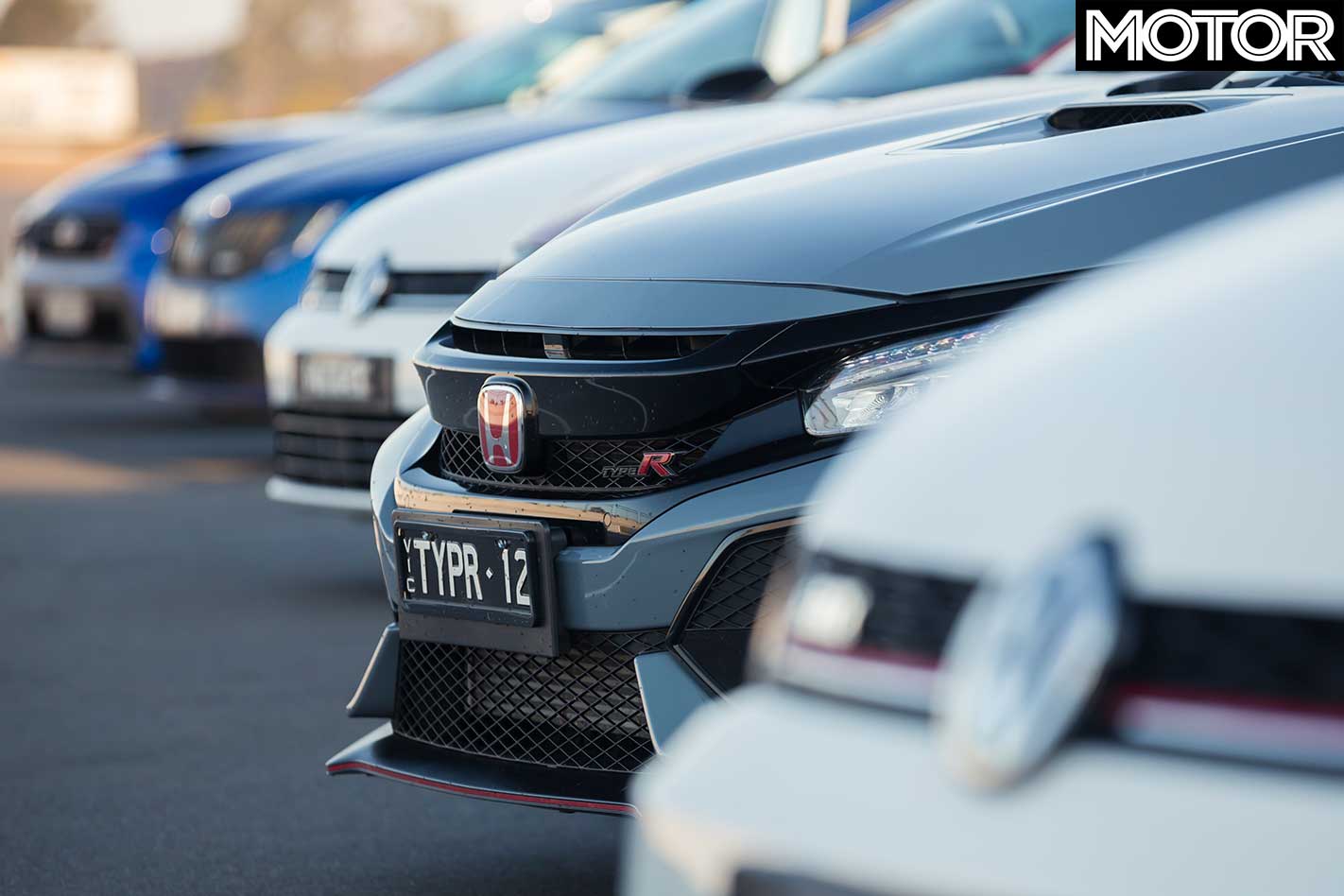
Hyundai also looks dangerously capable of bagging its first win after arming the i30 N with a slew of racetrack-ready gear. Its 2.0-litre turbo four, with overboost, is linked to a trick locking front differential. It also claws the road with reinforced suspension, brakes, and adaptive dampers. And to top it all off it’ll wade into battle a tenner less than $40K.
These potential threats must have spooked Volkswagen a little. The brand’s recently slashed the entry point into its Golf GTI and R ranges, birthing the GTI Original and R Grid Edition.
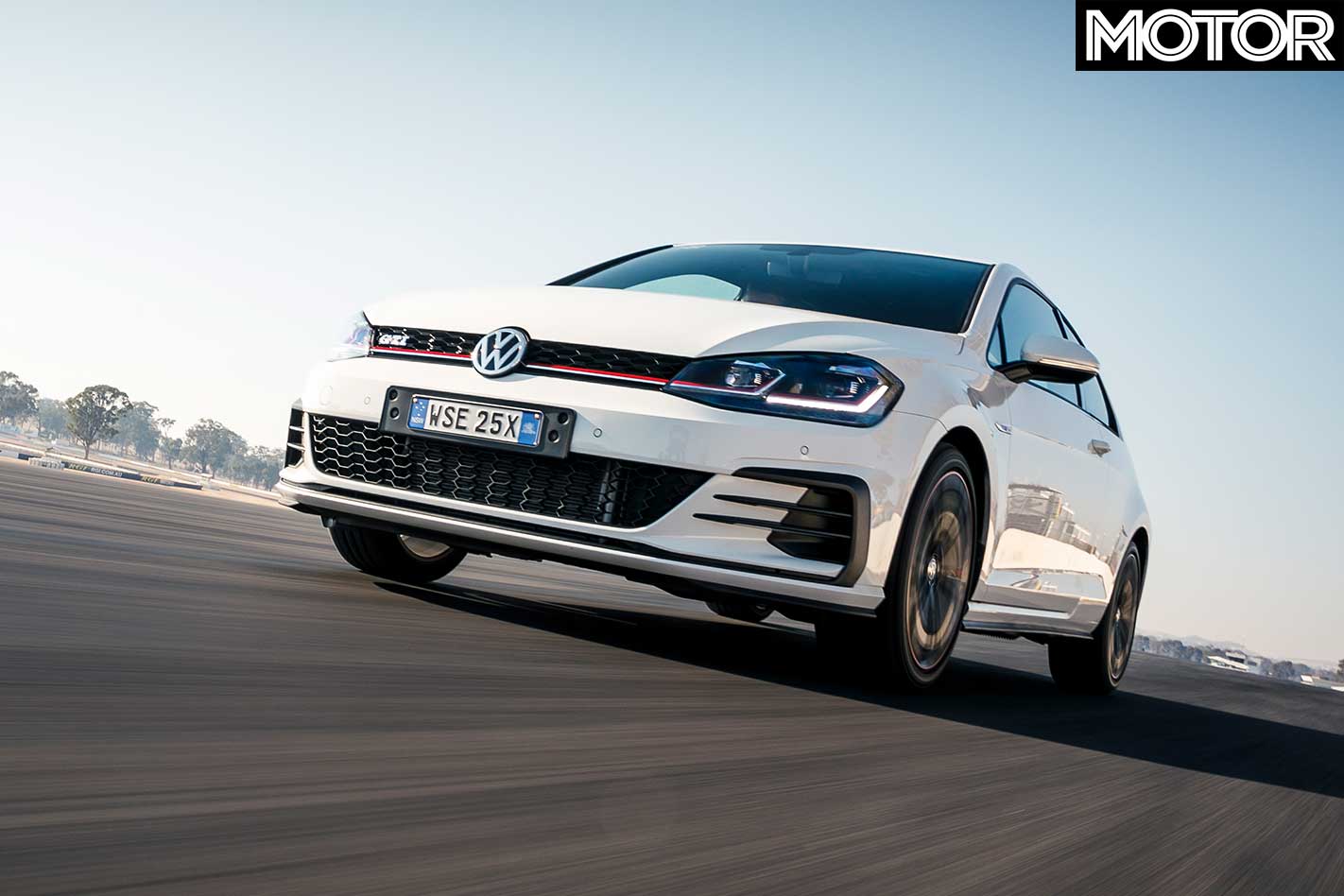
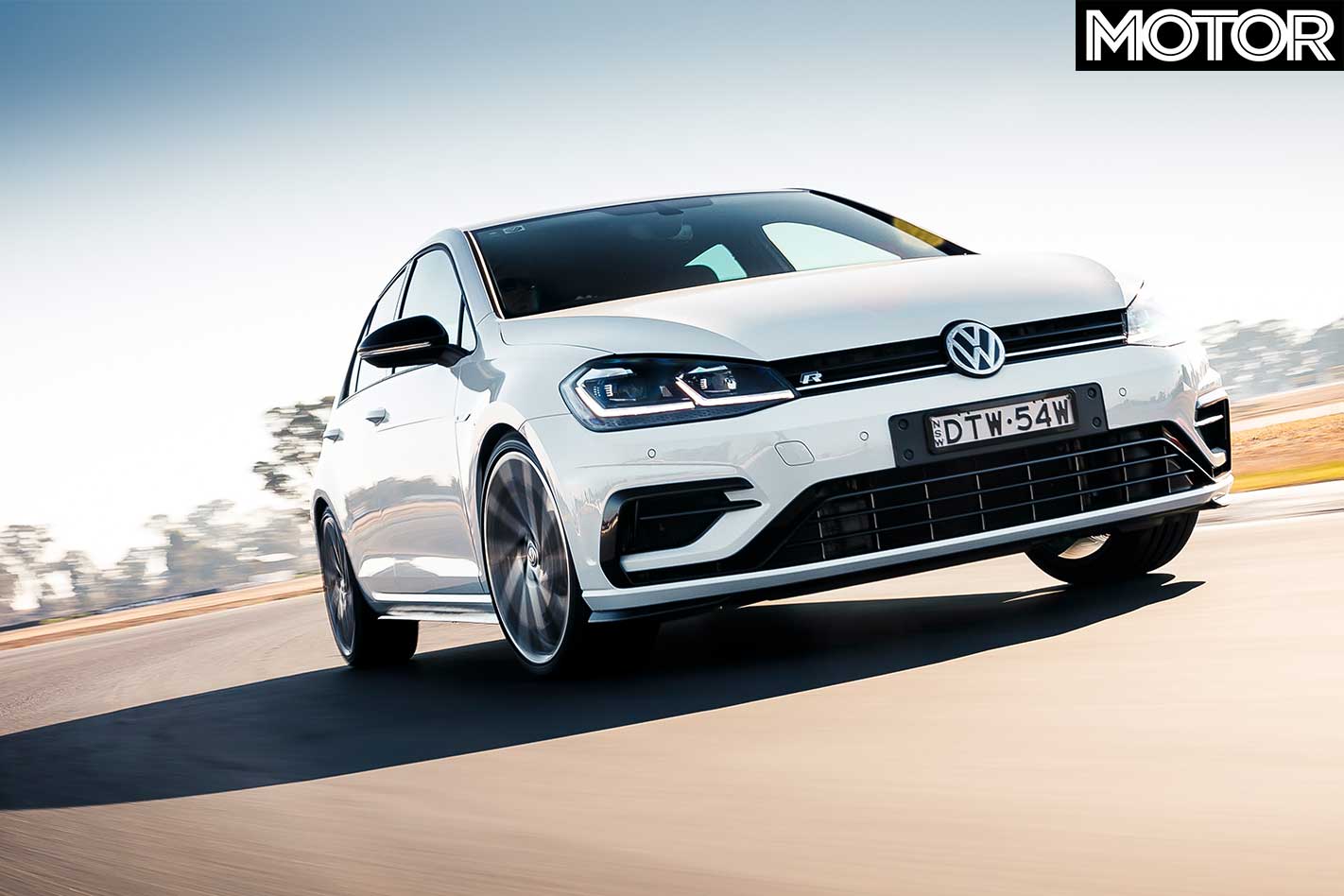
The Original pinches the three-door body shell and passive suspension from European markets to carve $4K from a five-door GTI’s price, while the Grid Edition prefers to drop numerous luxuries to keep five doors, adaptive suspension and a 213kW turbo four backed by all-wheel drive. Sure, a six-speed manual transmission in both will cost them precious tenths at the drag strip, but will shave at least $2000 from their price tags.
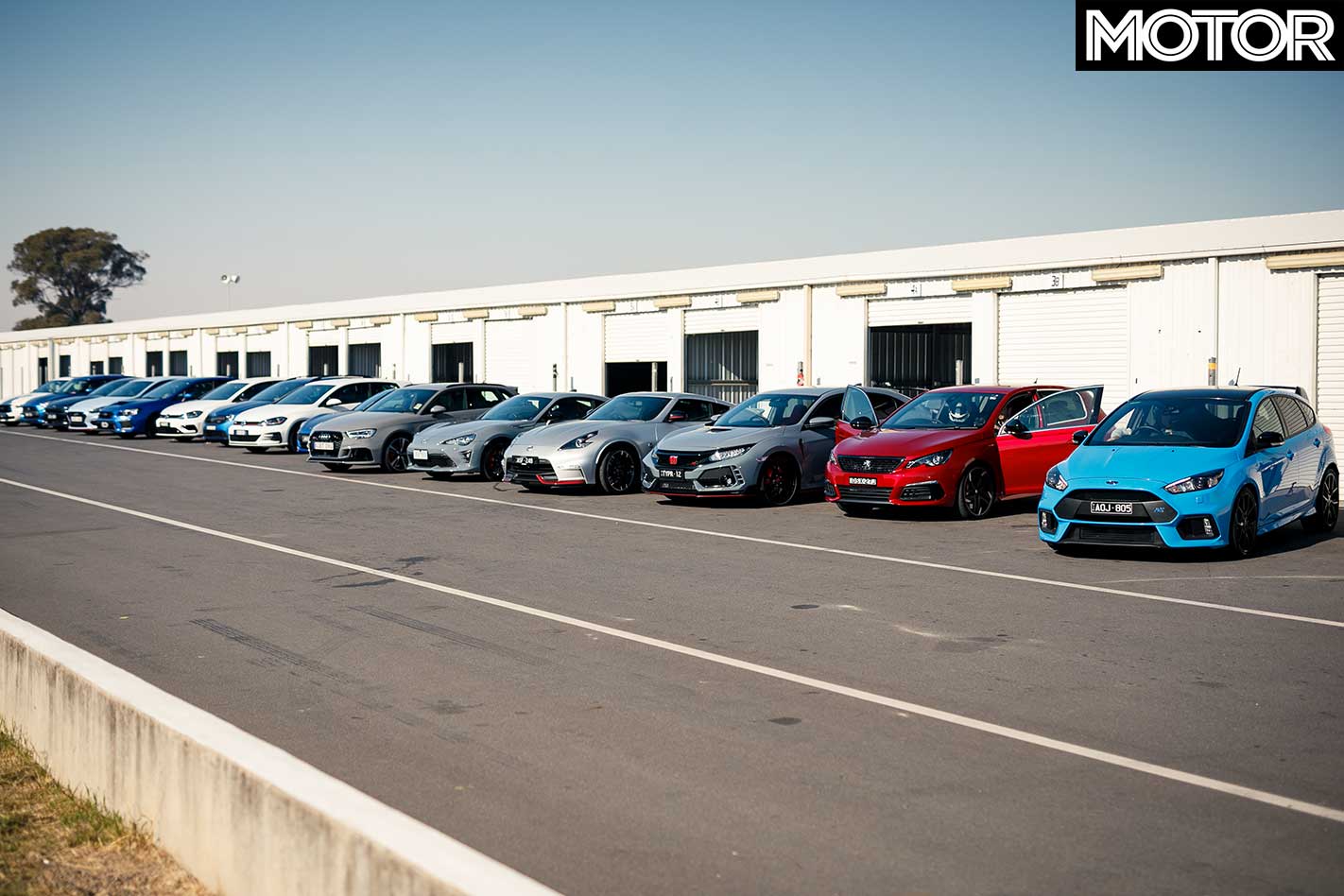
Europe’s hot shots continue coming with Peugeot, which has lopped a substantial amount from the 308 GTi 270’s price to nab a guernsey this year.
Thankfully, its mechanicals are untouched. It still has massive brakes with floating discs, fat Michelin tyres, and a teeny 1.6-litre turbo four that pulls with the urge of a much larger capacity engine. They’re all packed into its remarkably light five-door body shell for $45,990.
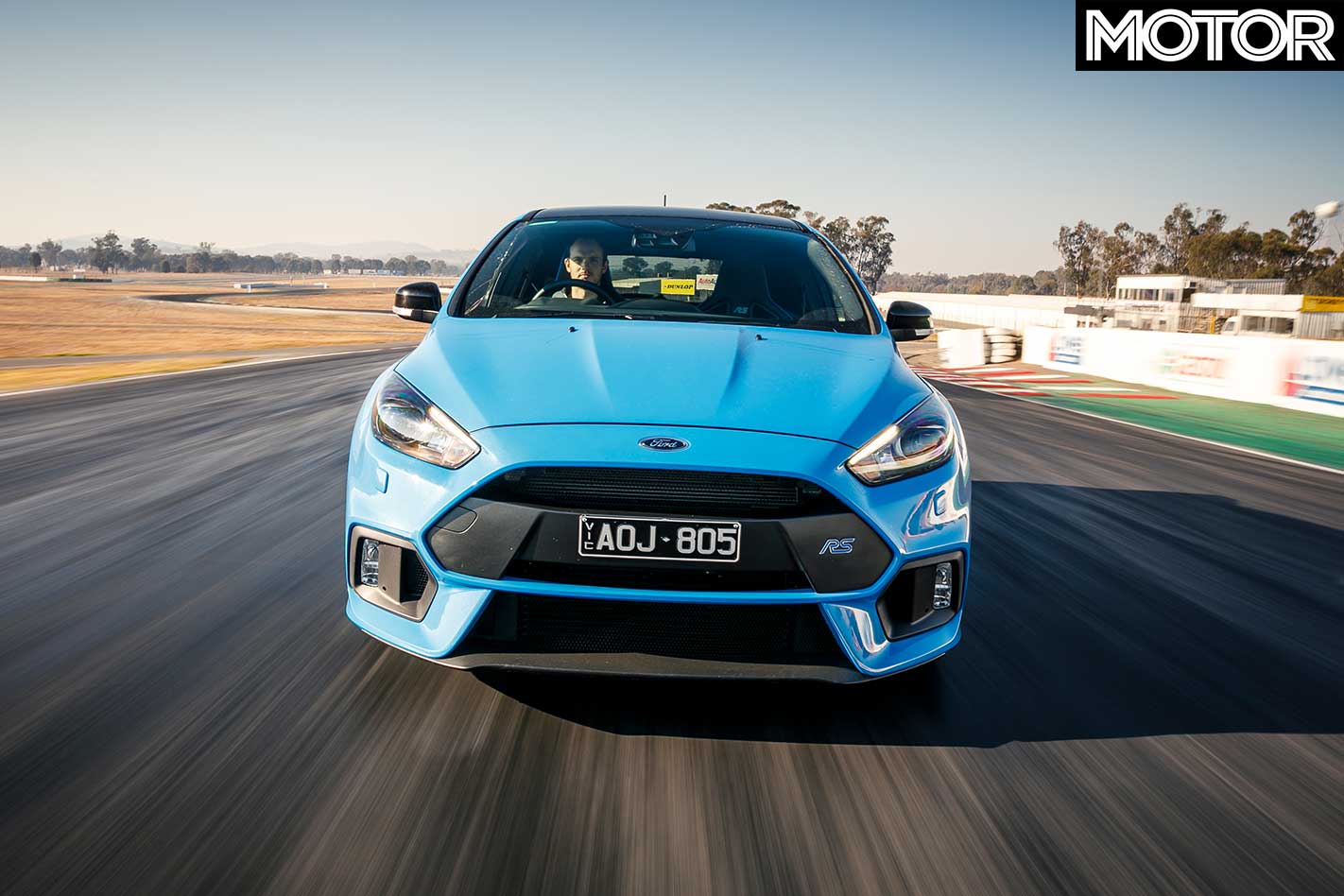
Ford is back to defend its title with a grippier Focus RS. It’s called the Limited Edition, because only 500 are coming here before this generation is laid to rest – which will be sad. But a limited-slip differential from Quaife is bolted into its nose to reap more from Michelin Pilot Sport Cup 2s wrapped around lightweight forged wheels. They’ll complement its alarmingly capable suspension and beefy 2.3-litre turbo four.
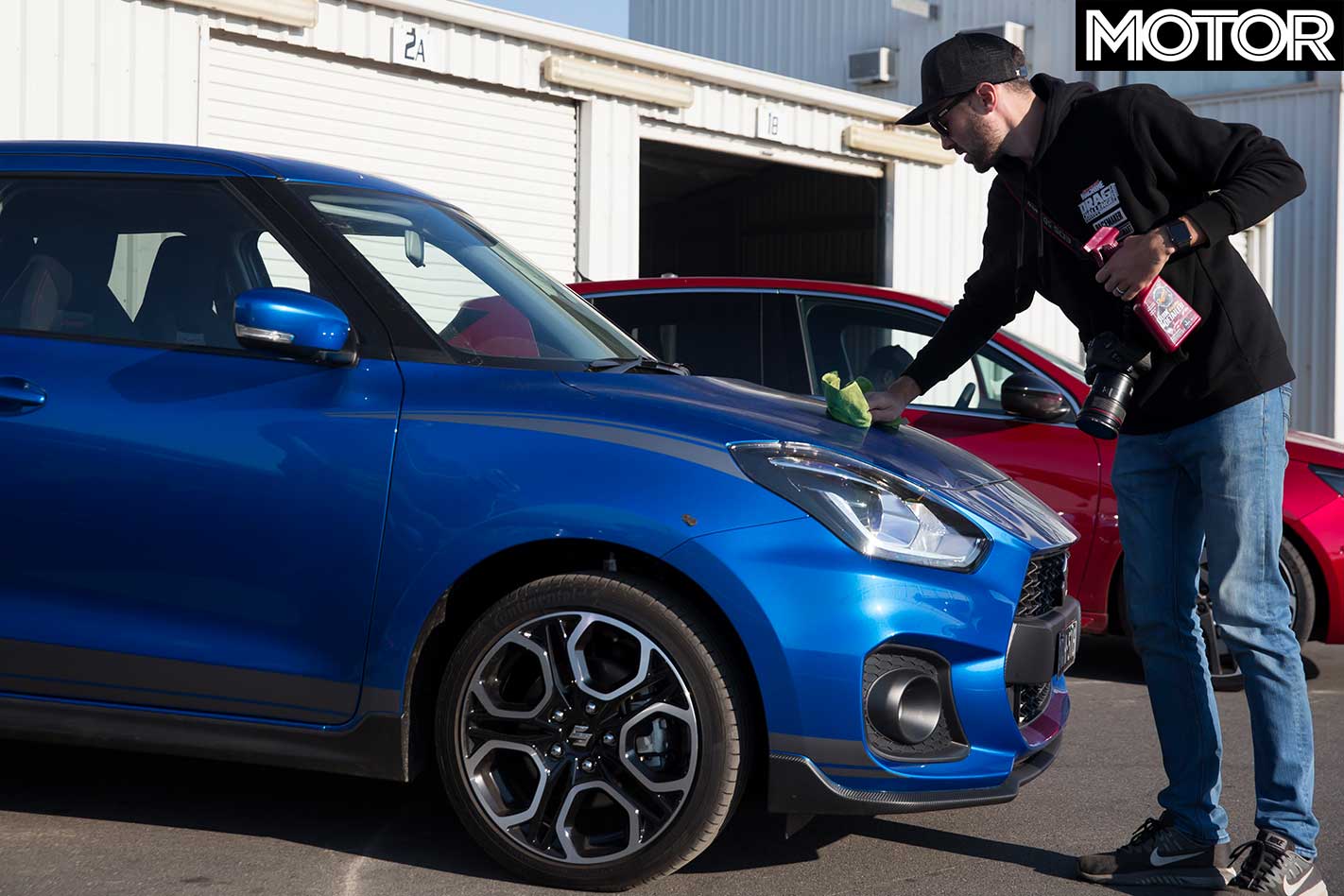
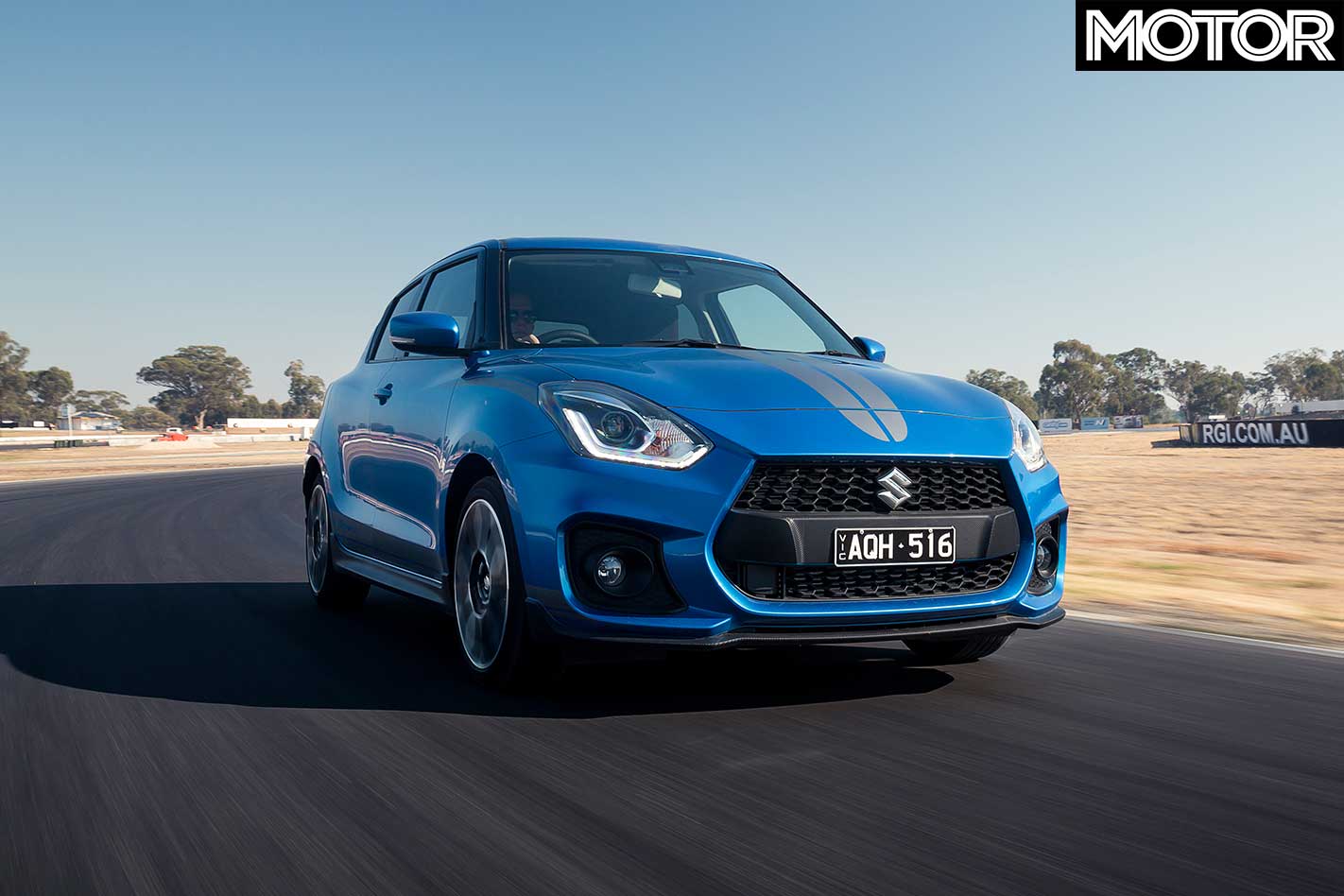
Suzuki’s new Swift Sport is an ankle-biter by comparison, but don’t overlook it. Half of the past decade’s winners wielded a cheap, light, front-drive formula. The Swift should prove an expert in this field, using a turbocharger to downsize its engine capacity to 1.4-litres. Power’s barely changed, but torque has swollen – an upgrade only amplified by an 80kg weight drop.
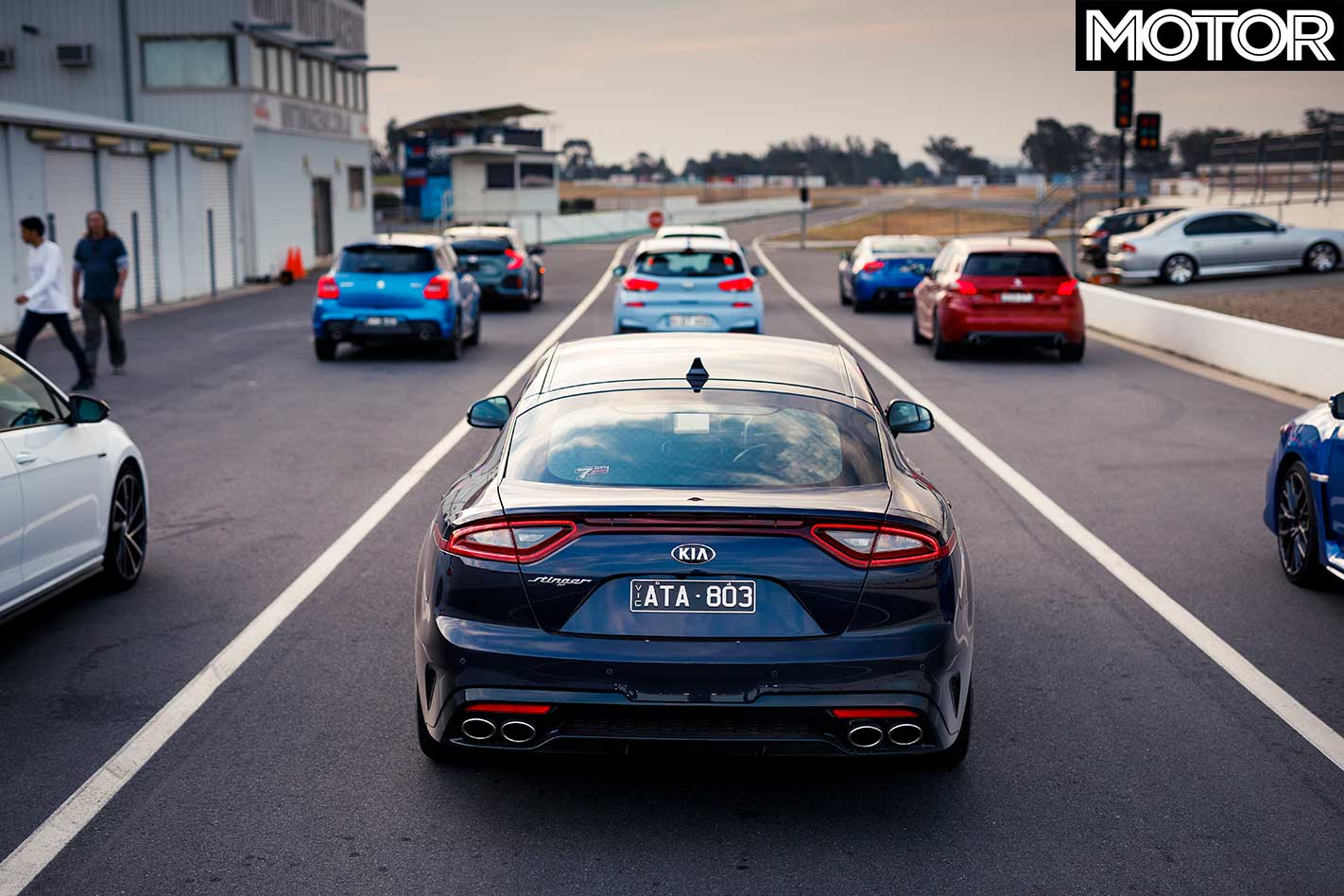
The next dark-horse wears a more swooping profile. The Kia Stinger couldn’t dazzle our judges at the last PCOTY, however, its 3.3-litre twin-turbo V6, drilling down its drivetrain to the rear axle, promises to shine in this company.
We’ve shunned the range-topping GT for the thriftier 330S variant, saving $7000 in the process. While this keeps crucial Brembo brakes and a rear LSD on its spec list, it riskily trades the price cut for the omission of staggered rubber and stiffer adaptive suspension.
The Korean finds similar company next to Infiniti’s Q50 Red Sport. It’s more powerful and a touch smaller, but lacks sport-orientated rubber or a locking differential. We know it well – after all it’s MOTOR’s very own long-termer – and suspect its twin-turbo V6 might help overcome dynamic disadvantages.
Not a worry, because Nissan has landed its 370Z in Nismo spec to balance out that concern. The badge doesn’t signify just a new bumper and trim as this Fairlady features trickier dampers and wider rubber. Power rises slightly, but new Recaros put you in command of a hydraulic steering rack and grippy, traditional rear-drive chassis.
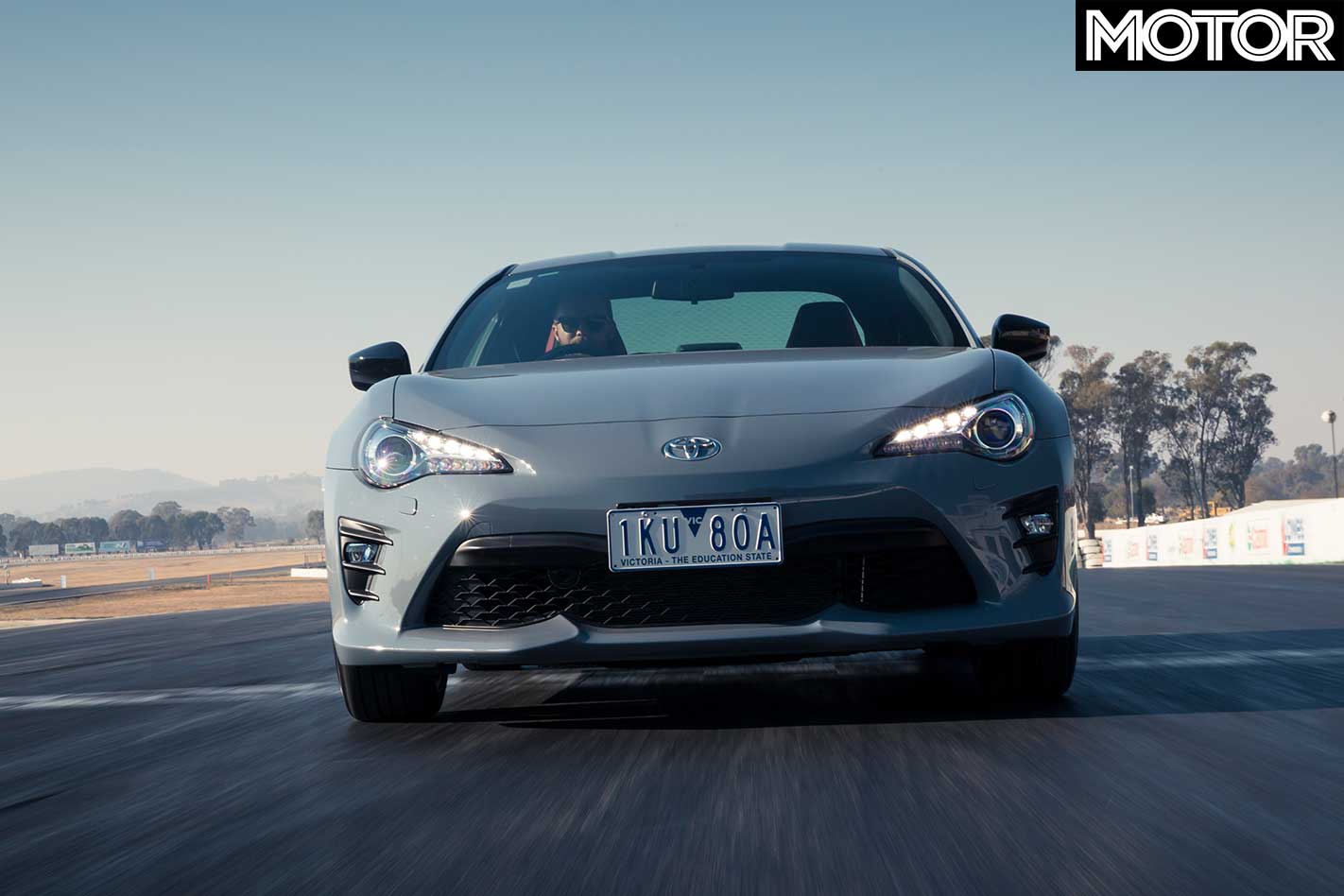
The Subaru and Toyota 86/BRZ duo return for the second year in a row. Building upon extensive 2017 tweaks –which failed to make a meaningful impact last year – their makers have sourced Brembo brakes and Sachs dampers. While Toyota offers them within an optional Performance Pack, Subaru sharpens their impact on its range-topping BRZ tS. Extra chassis tweaks and Michelin Pilot Sport 4 tyres should transform it into the fastest factory 86/BRZ yet on sale in Oz, as well as the most expensive at a smidge under $40K.
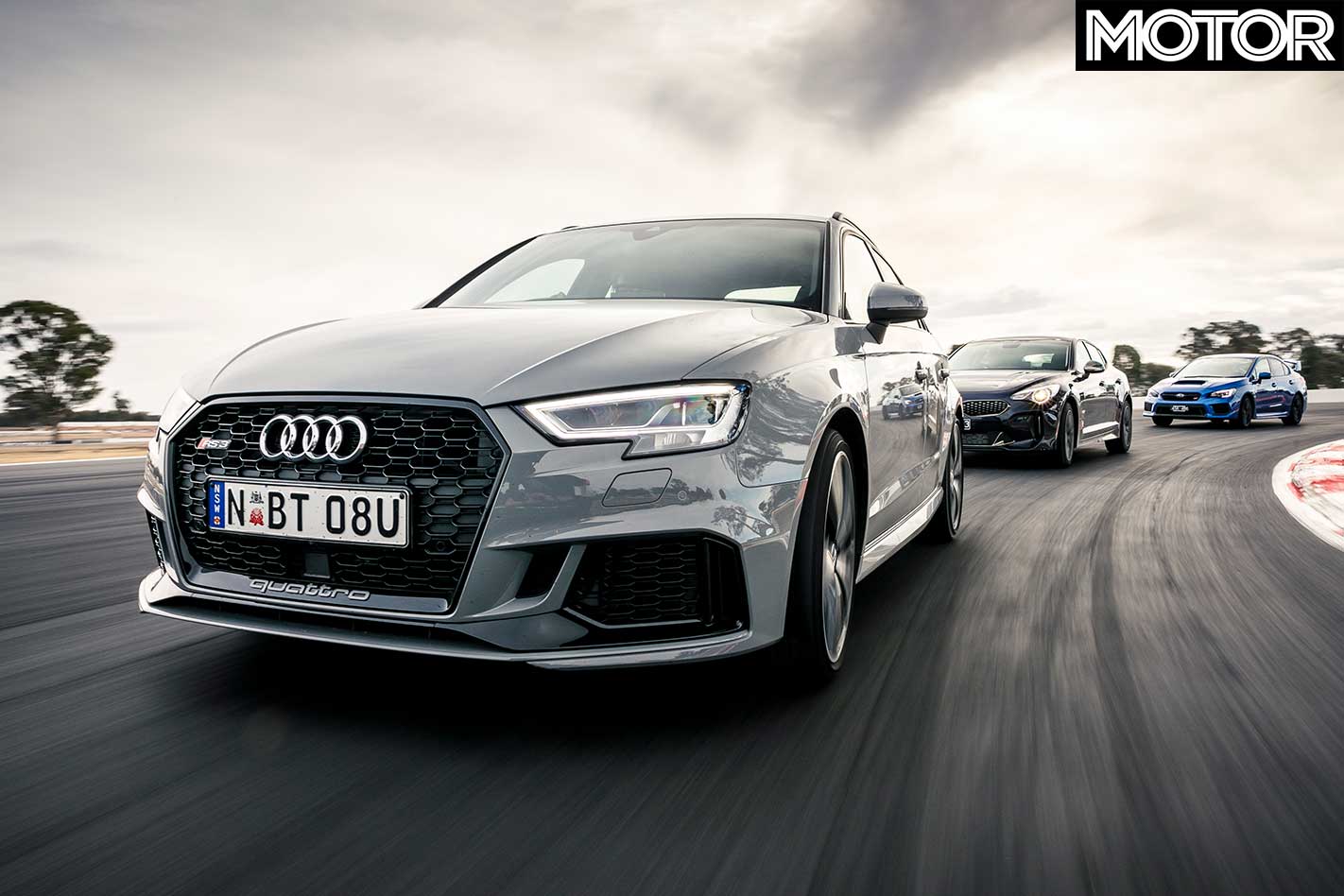
Volkswagen’s cousins in Ingolstadt and Czech Republic aren’t sitting this out, either. Audi has slotted its alloy turbo five-cylinder into the RS3 ‘Sportback’. Married with a Performance Pack, which features wider front boots, this ground-bound jet should hold the pressure on newcomers. Even if it’s the most expensive here.
Last year injected into the mix an Octavia sedan with VW’s hot GTI 2.0-litre four and a locking front differential. But this year we’re changing tack by choosing a wagon in standard 169kW trim. The loss in performance should be redeemed by its big drop in price, which is set at $42,890.
Our gladiators have been summoned to Winton Raceway again, as it’s a safe place to extract the data we’ll punch into the BFYB formula. It doesn’t hand any car an advantage in layout, either, as the track’s tight corners punctuated by straights focuses evenly on a car’s chassis and powertrain.
Warren Luff is back, too. His freakish repeatability and outright speed go without saying, but he’ll also keep our judges humble and focused on adding worth in the form of a subjective score. Which, importantly, also lets a car shine in ways our satellite-tracked VBOX timing equipment can’t measure.
Our platoon of gun snappers will document it all, and back at base we’ll carefully feed the data into The Formula, something refined and worshipped by us for 24 years – mainly because it works. No-one else can back up an award to Australia’s best value performance car with rock-solid arithmetic quite like this.
Here’s the skinny on its workings: it’ll award a score for how a car ranks against the field’s average performance in each discipline. These scores are added and weighted as per the table above. That total is then married to a price score, which combine to anoint each car with an index. This is then used to accordingly rank the field outright. Got it? Good.
Oh, and don’t expect a round-two next month like recent years. We’ve lobbed all 15 cars into one issue to give you a more comprehensive and simplistic coverage on the fight for outright honours. So, let’s get away with Bang for 2018…
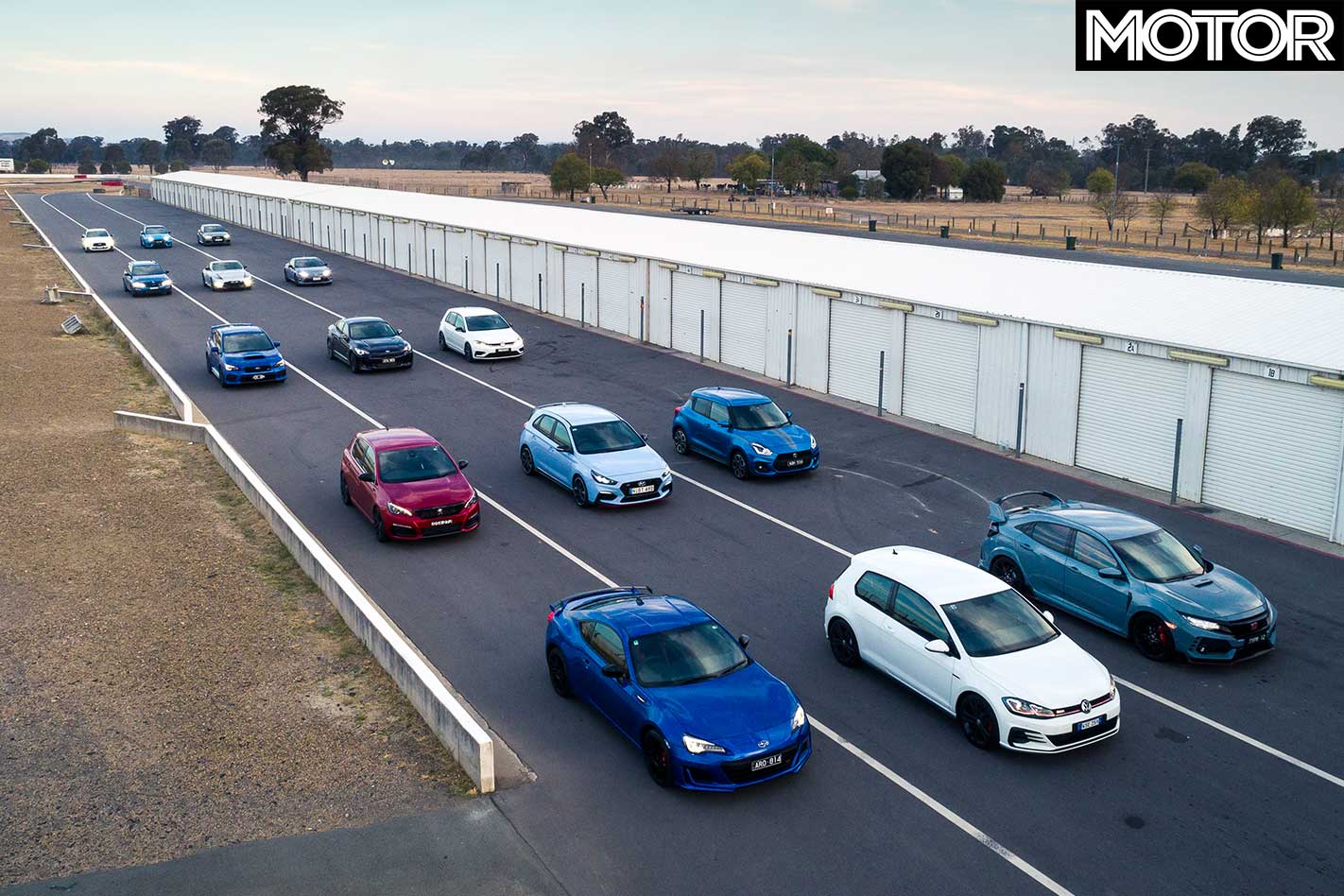
Bang For Your Bucks 2018: The Contenders
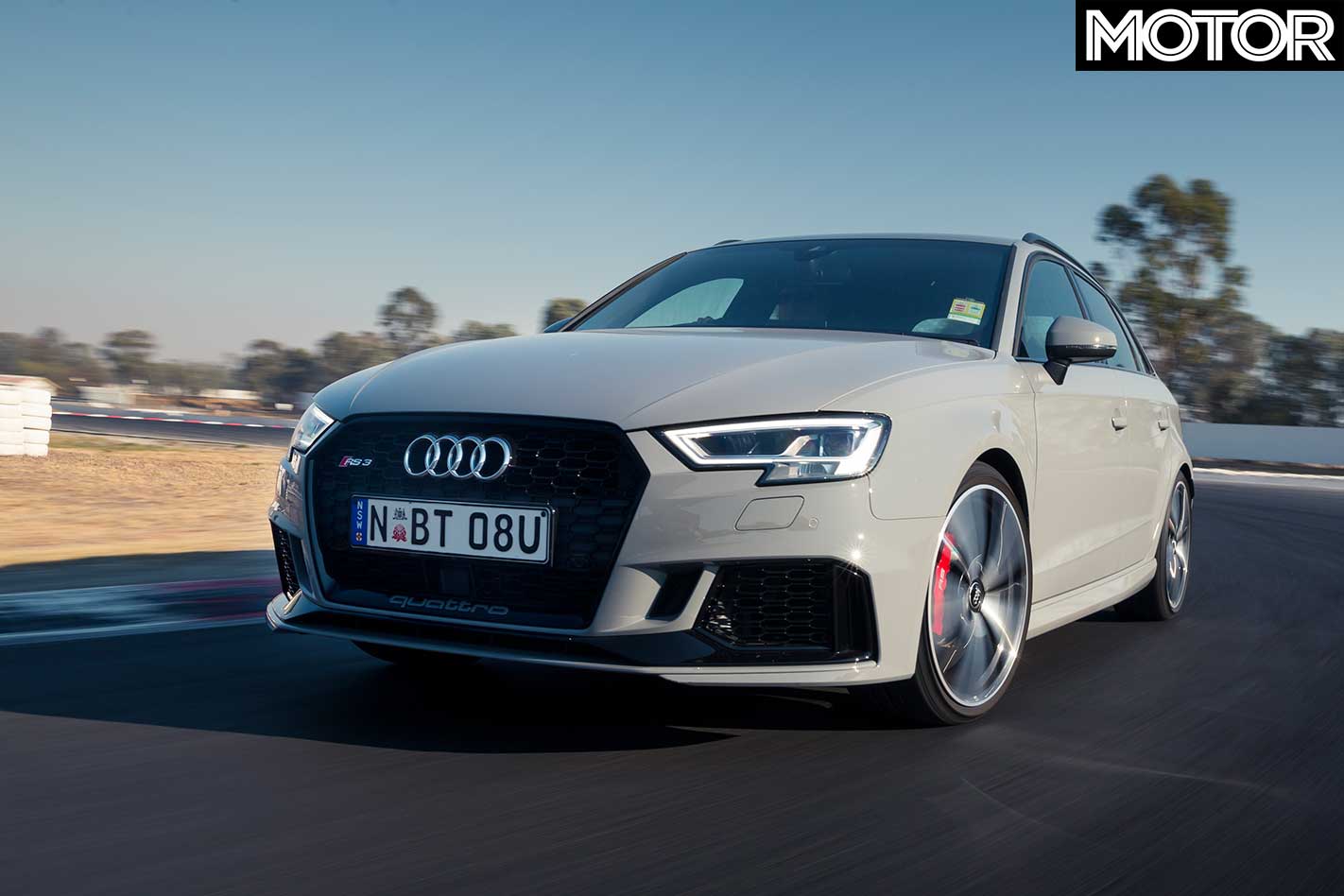
Audi RS3 Sportback – Read the track review Alloy turbo 2.5-litre five good for 294kW/480Nm and 100km/h in 4.1sec
Ford Focus RS Limited Edition – Read the track review Faster, grippier, but at $56,990 can the reigning champ offset a $6K price hike?
Honda Civic Type R – Read the track review VTEC, turbo and 228kW/400Nm makes it the most powerful front-driver
Hyundai i30 N – Read the track review Competitively priced at $39,990 considering its 202kW package
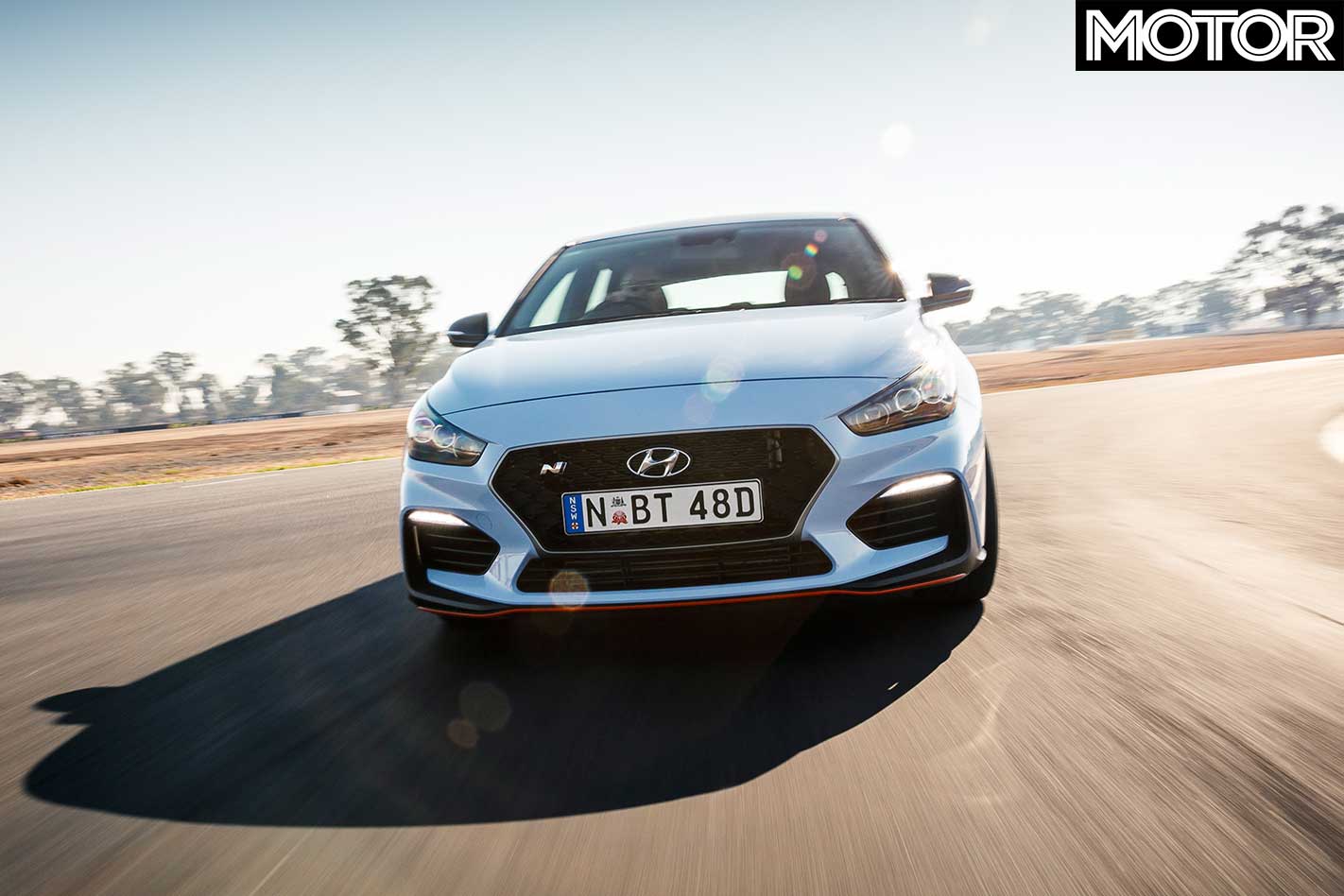
Infiniti Q50 Red Sport – Read the track review Laden with safety tech; contrasted by a boosted 298kW and 475Nm V6
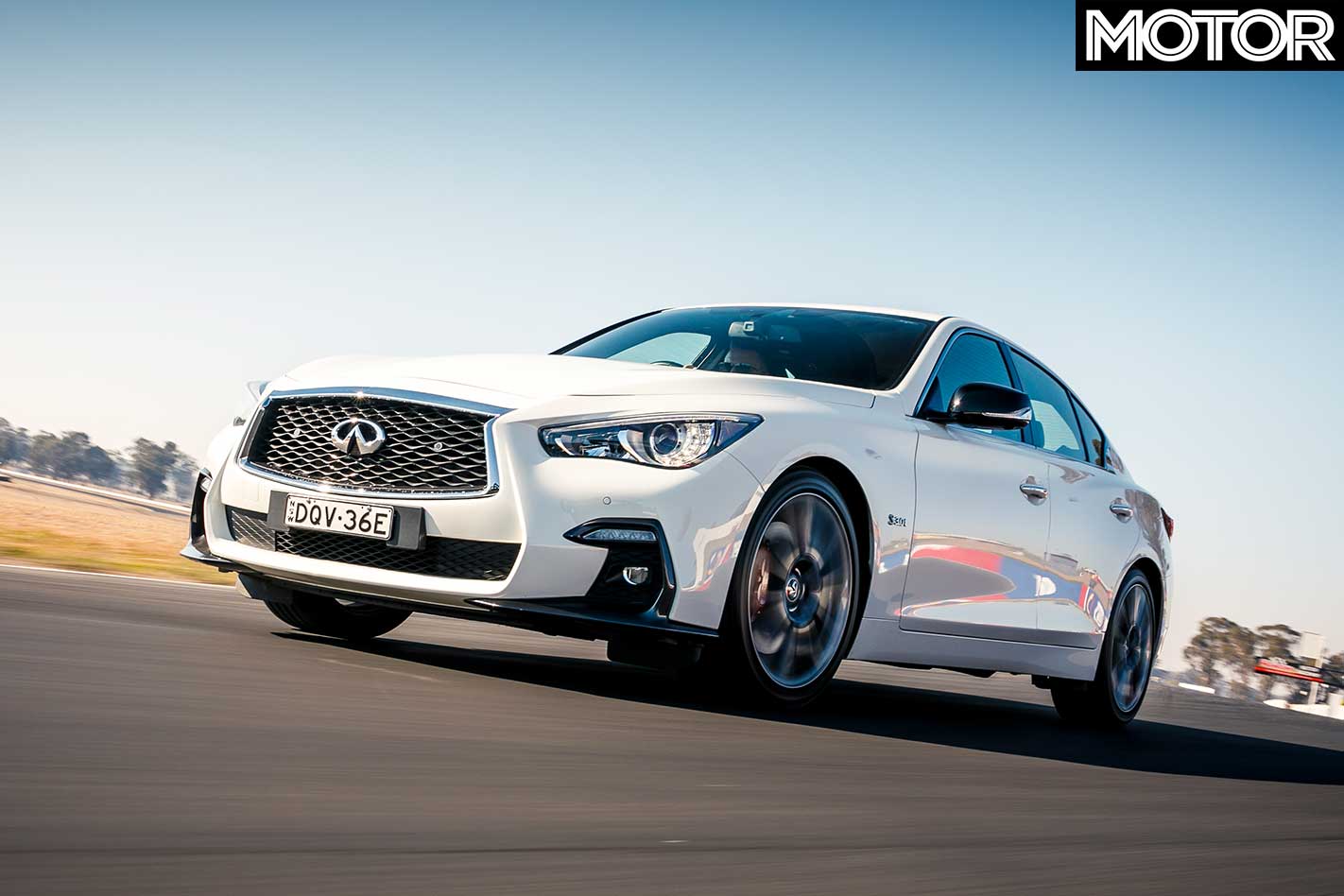
Kia Stinger 330S – Read the track review Base-buy V6 Stinger banking on 272kW/510Nm and rear-drive skills
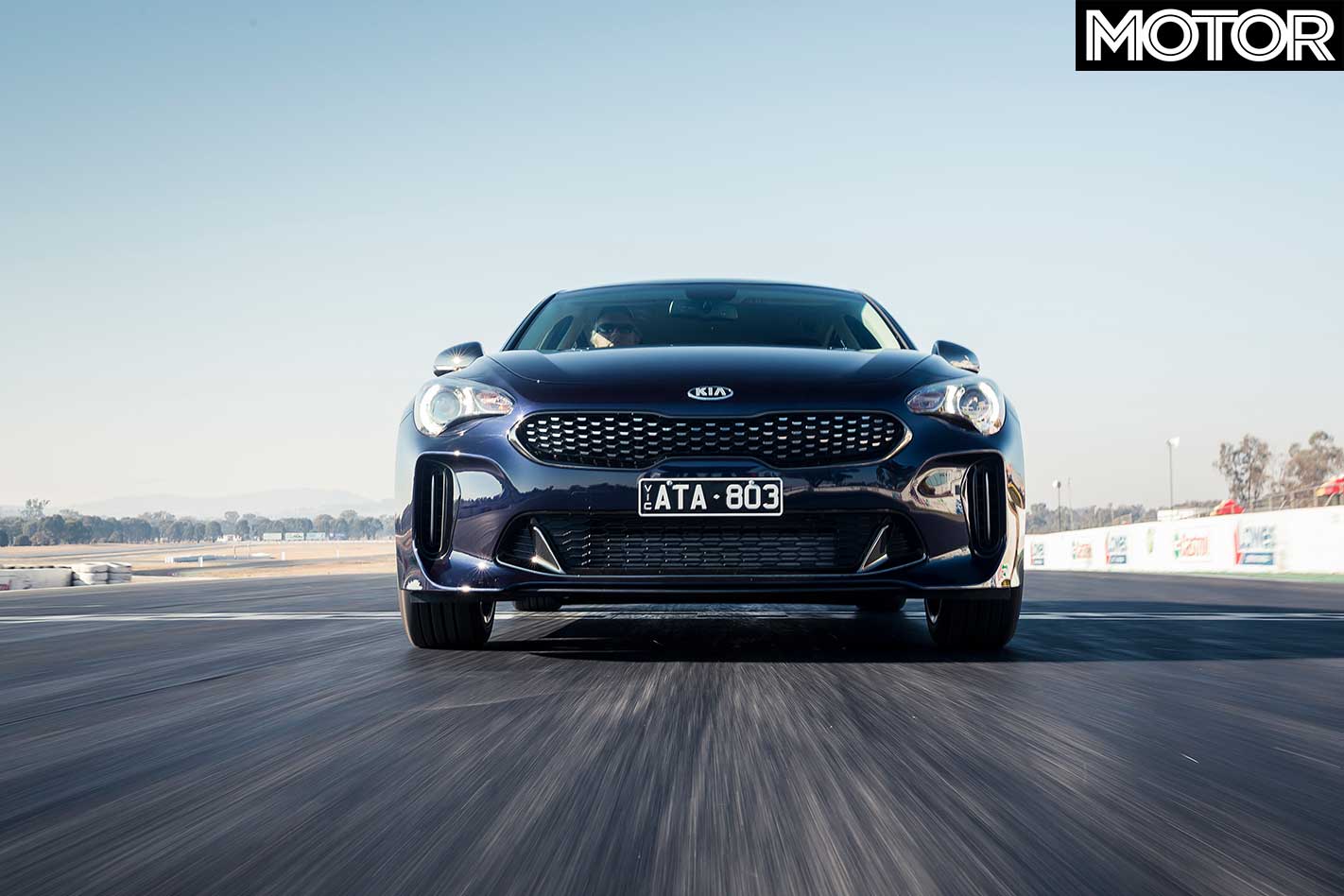
Nissan 370Z Nismo – Read the track review Aging icon enters BFYB again thanks to delayed arrival of Nismo variant
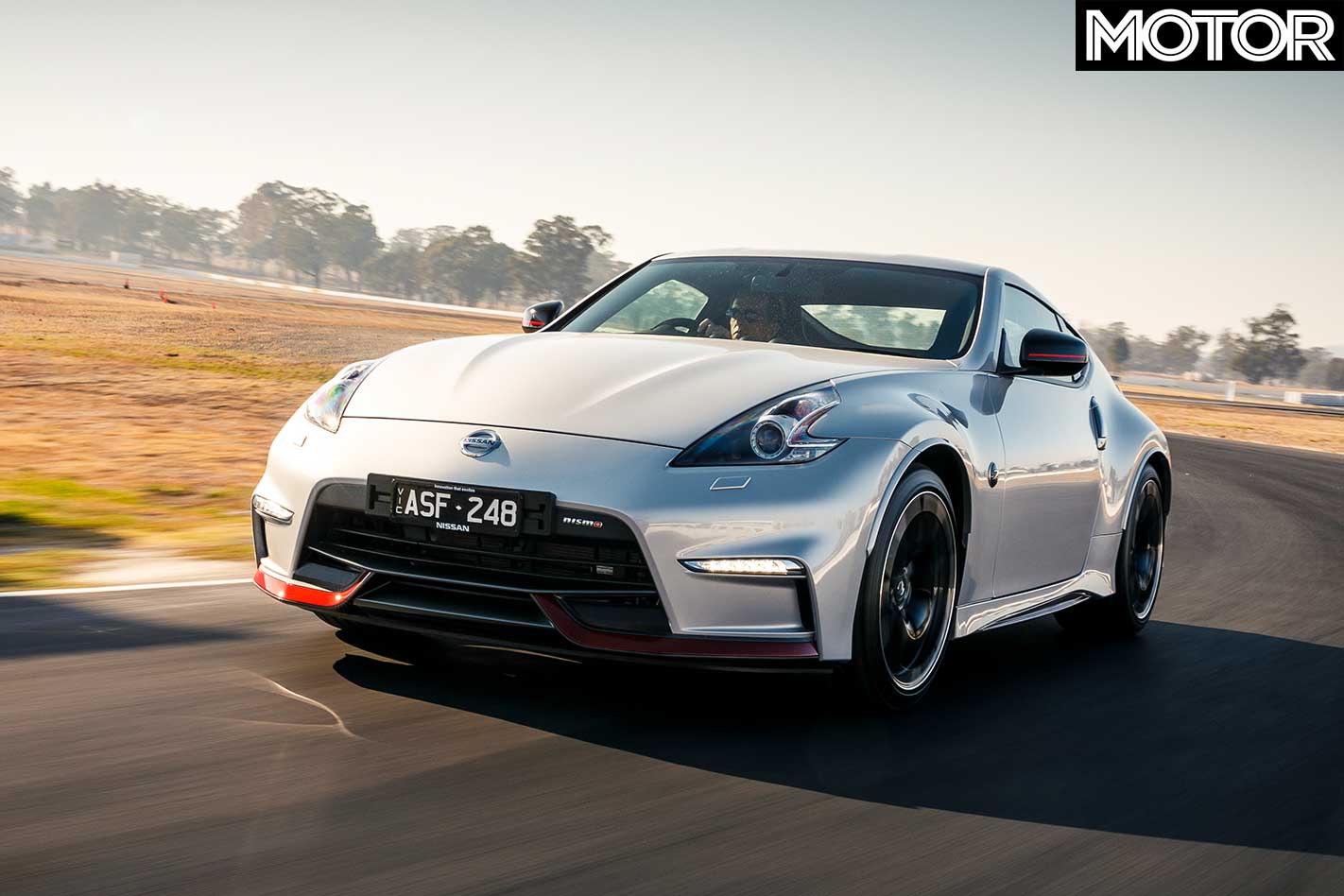
Peugeot 308 GTi 270 – Read the track review Fit as ever with 200kW/330Nm to lug along 1205kg. Cheaper, too
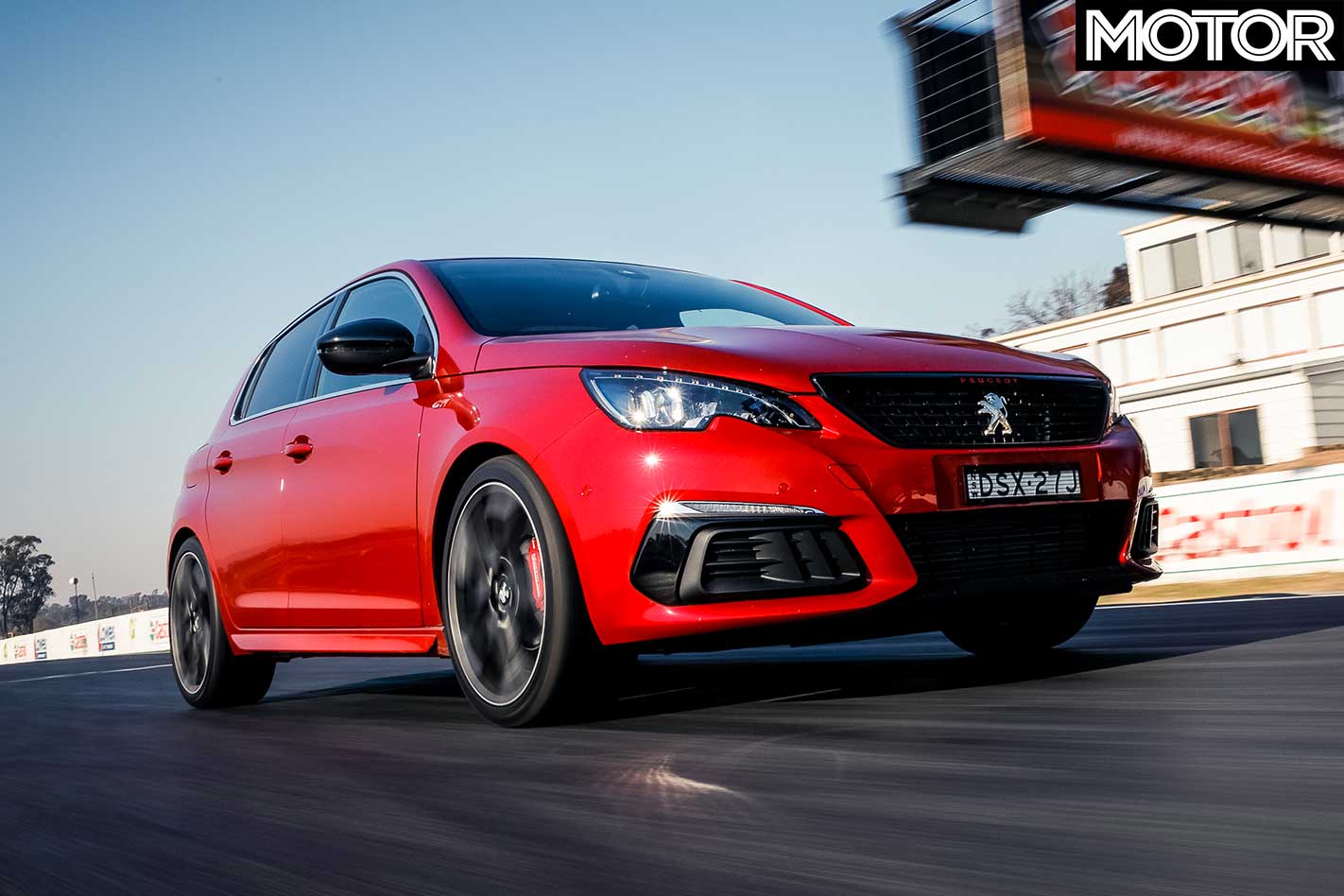
Skoda Octavia RS Wagon – Read the track review The fast Octavia’s back in dog-hauling form and standard 169kW spec
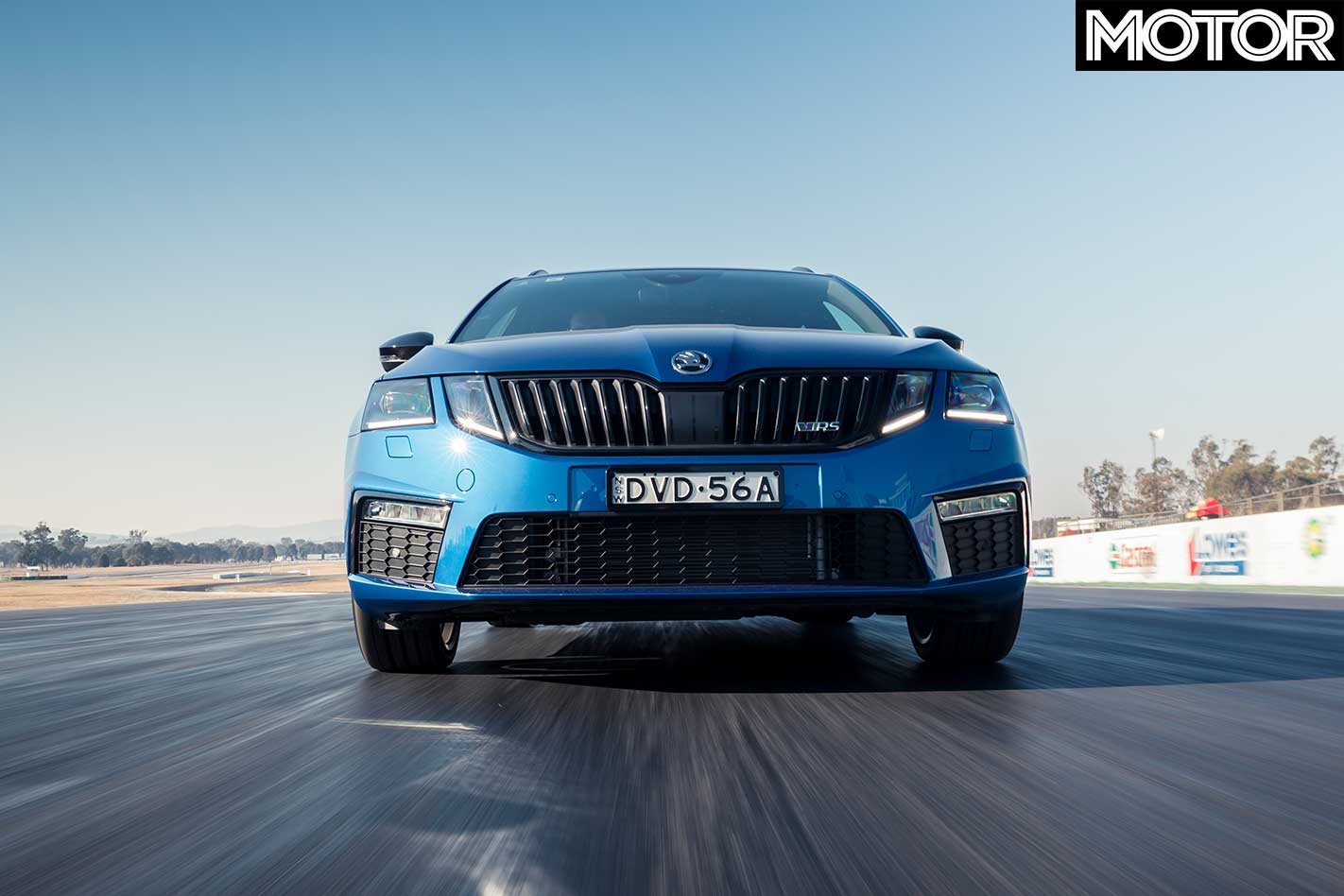
Subaru BRZ tS – Read the track review FHI’s bit the bullet and gave the BRZ more grip, but no more power
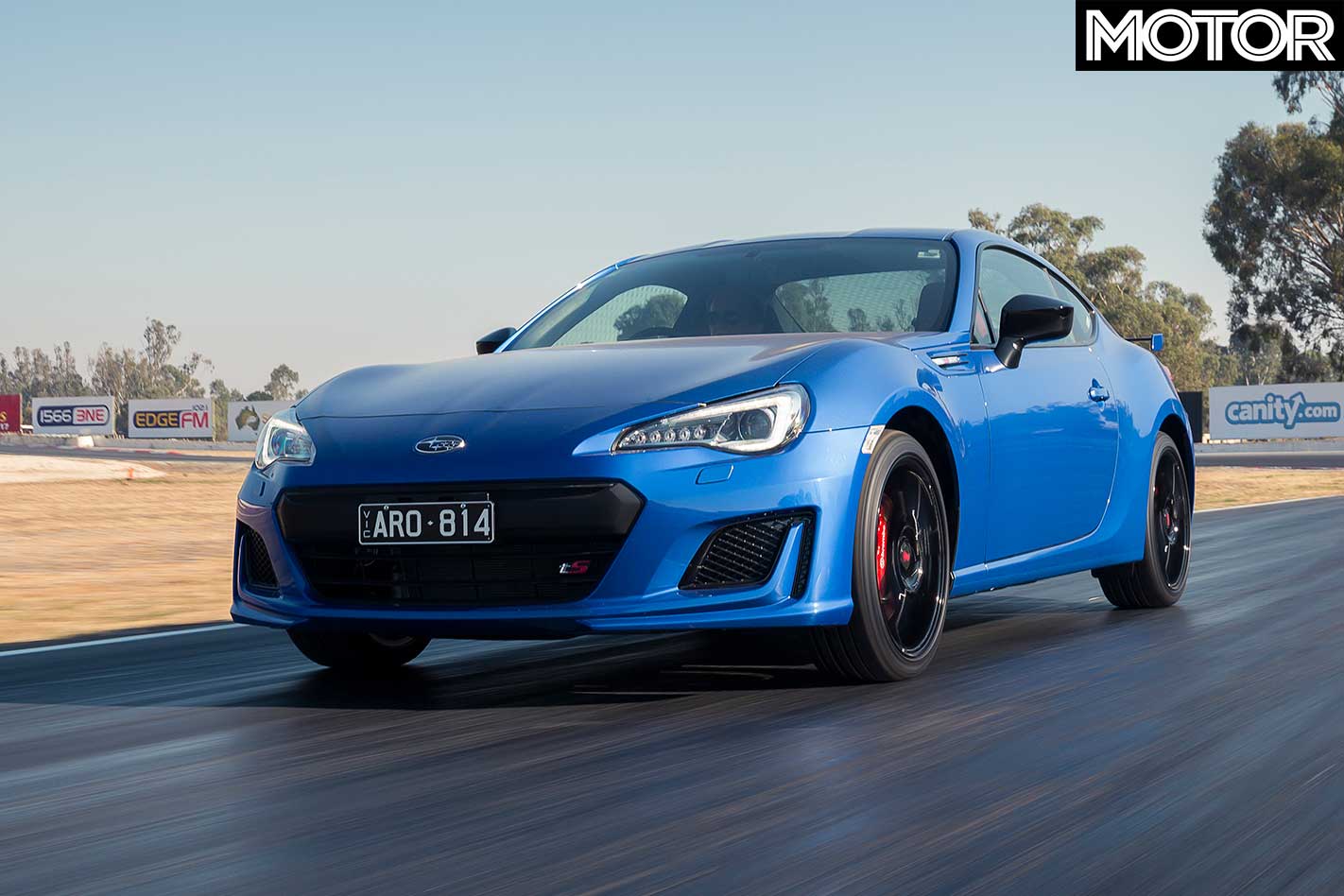
Subaru WRX STI – Read the track review Burbling 227kW/407Nm 2.5-litre boxer bolstered by new brakes
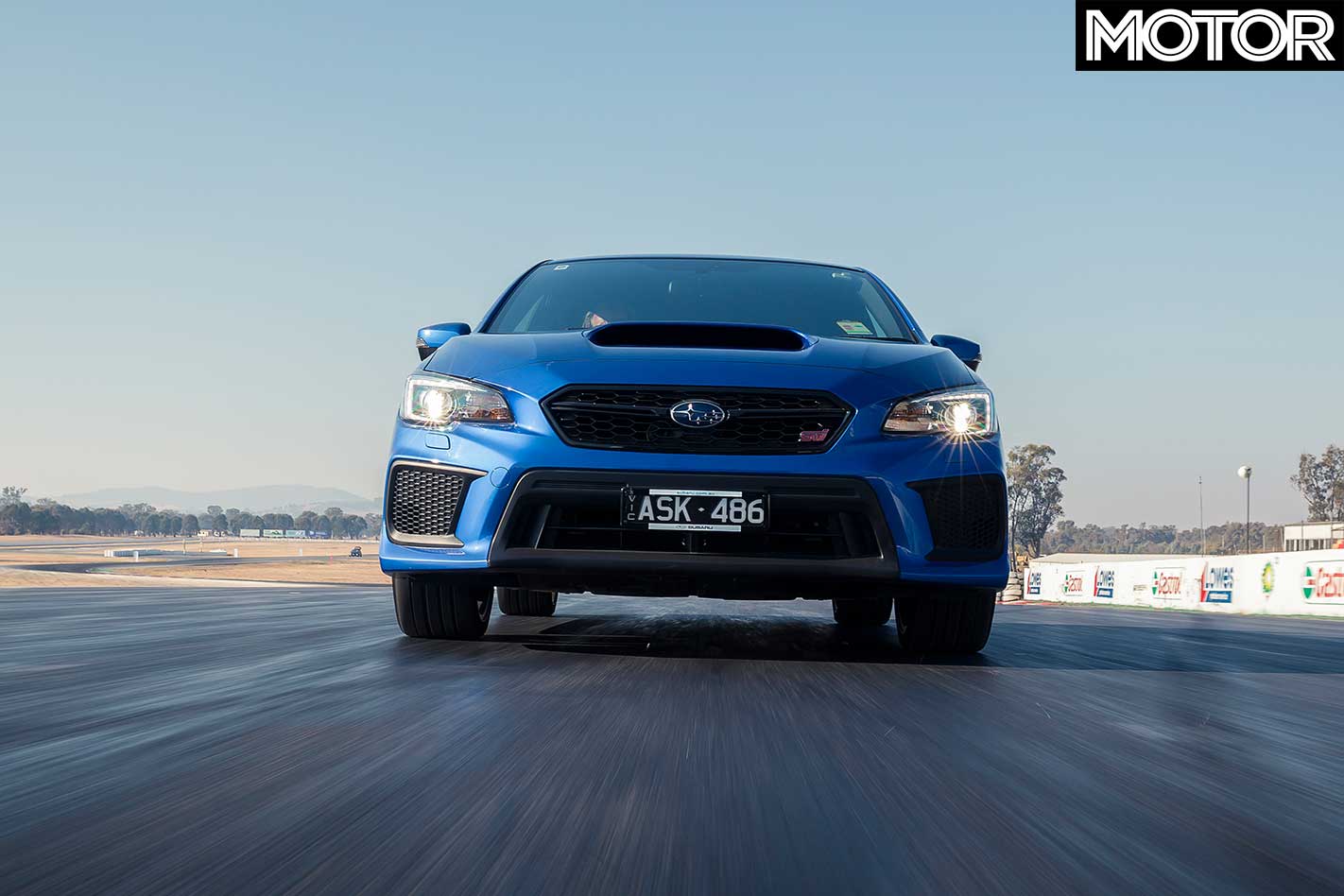
Suzuki Swift Sport – Read the track review Our cheapest rig is also the lightest. Now more powerful with 103kW/270Nm
Toyota 86 GTS Performance Pack – Read the track review Trick dampers, bigger brakes, and slippery ol’ Michelin Primacys for $39K
VW Golf GTI Original – Read the track review El-cheapo GTI shuns five doors and adaptive dampers
VW Golf R Grid Edition – Read the track review Less trinkets, but no less performance from this ever-green performance hero
Bang For Your Bucks 2018: The Judges
David Morley Fashion-dodger, car horder, BFYB veteran and the event’s repository of wisdom
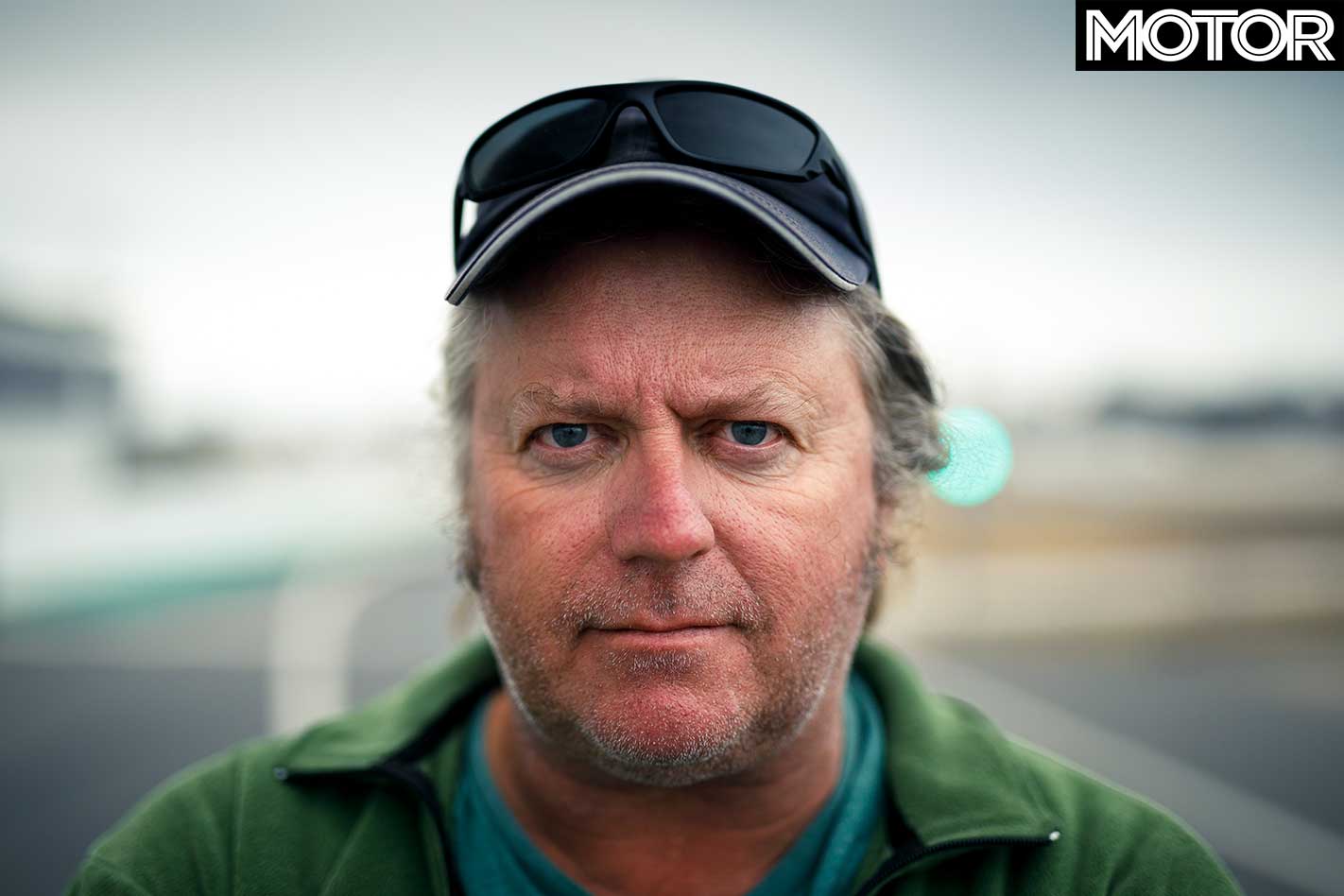
Dylan Campbell The Final Word on all things, helmet trend setter, chief organiser and oversteer lover

Louis Cordony Self-appointed fashion expert, tyre checker, young gun of the judging group
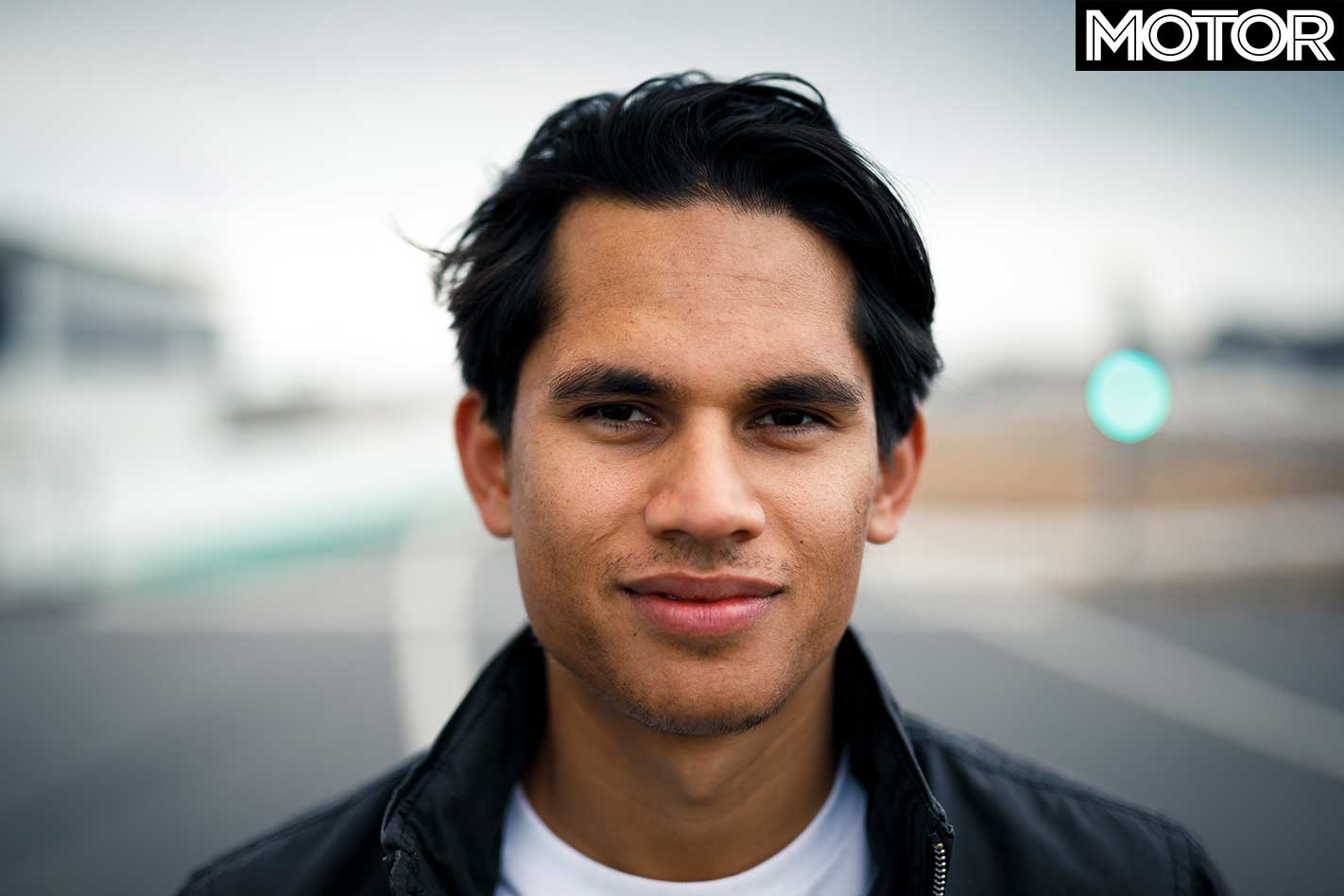
Warren Luff Bathurst podiums doughnut purveyor and lap time extraordinaire
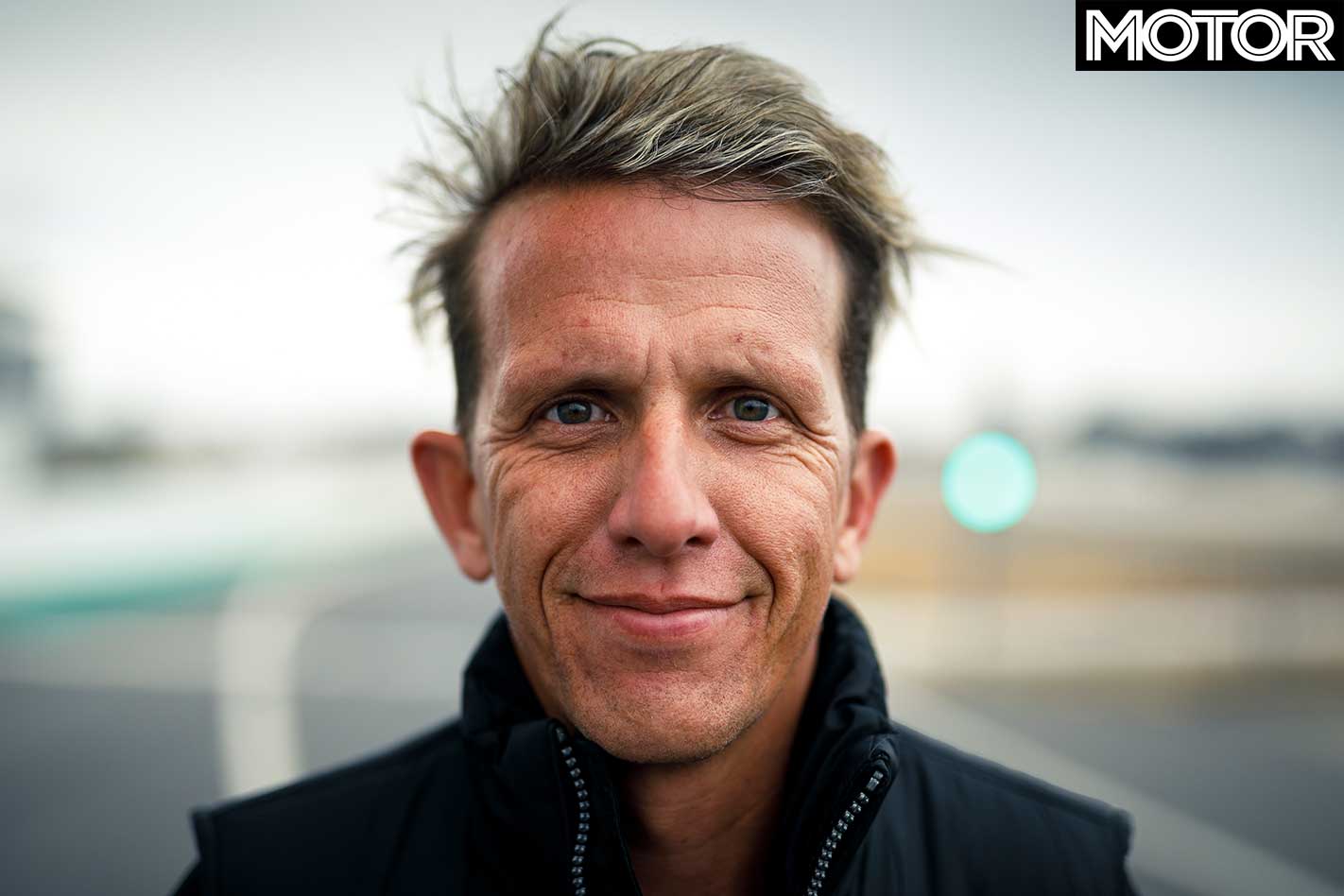
Scott Newman Tyre punisher, Chief of Silly Sounds, logistics expert and fall-back acceleration tester
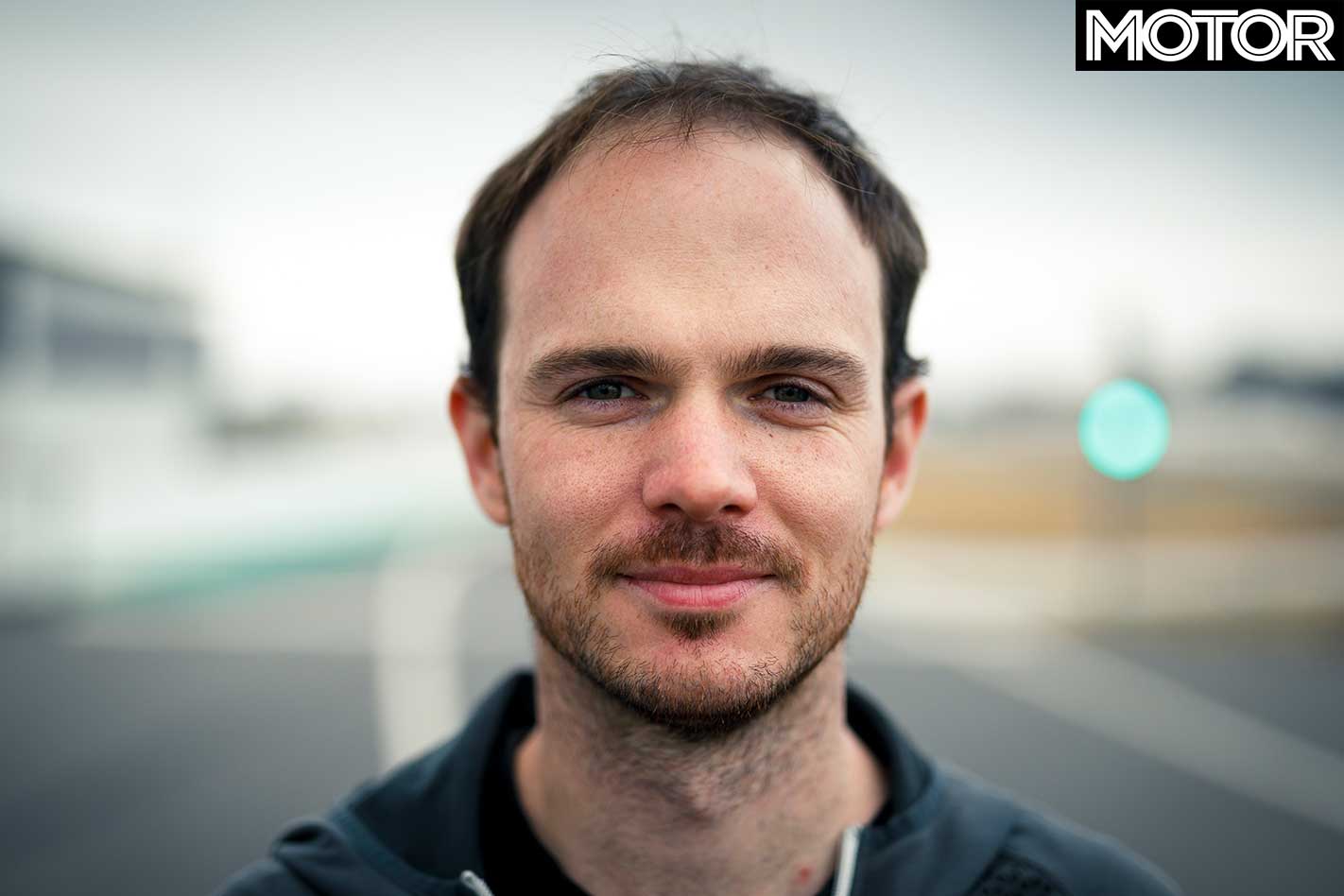
| HOW WE CALCULATE THE “BANG”u00a0 | |
| Lap time (overall performance) | 25% |
| Judgesu2019 ranking (subjective) | 20% |
| 0-400m (acceleration) | 10% |
| 0-100km/h (acceleration) | 10% |
| 100-0km/h (braking) | 10% |
| Average corner speeds (grip) | 10% |
| 80-120km/h (overtaking ability) | 5% |
| 400m terminal speed (power) | 5% |
| Lap maximum speed (power) | 5% |
MCLAREN has released Australian pricing for its latest addition to the Sports Series family, and if you’re in the market for a 600LT you’ll be asked to stump $455,000 before on-road costs – and the almost endless customisations list.
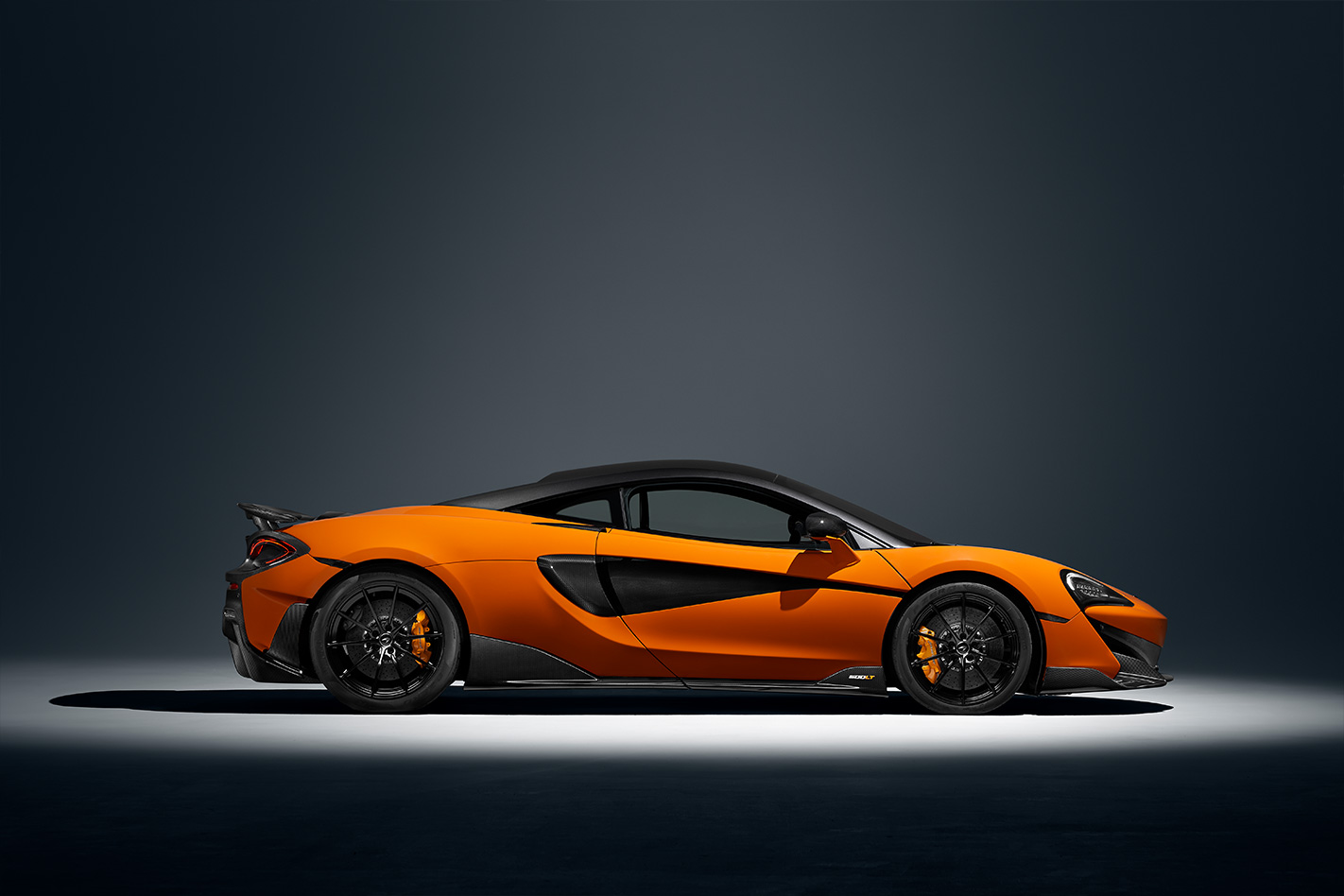
That represents a $60,000 premium over the 570S, which forms the basis of the new 600LT, but includes a host of mods for the extra cash, including a power-up to 441kW/620Nm and a crash diet that slims the kerb weight down to 1356kg.
Pricing positions the mighty Mac significantly cheaper than the $645,700 Porsche 911 GT2 RS but at a premium over its more affordable GT3 RS sibling, which kicks off at $416,500.
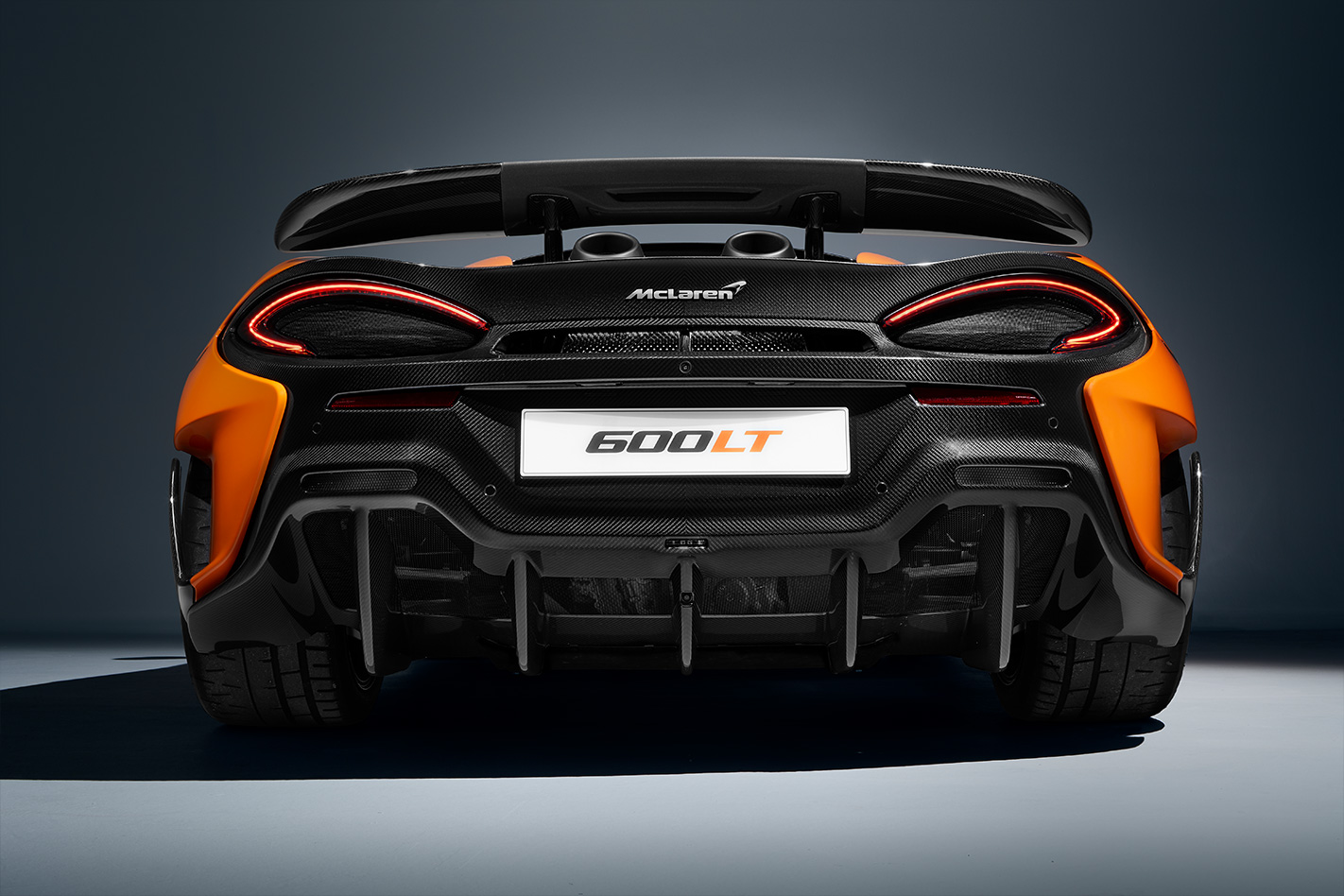
Fans of the McLaren may also be cross-shopping other high-achieving supercars including the $348,711 Mercedes-AMG GT R, Lamborghini’s $483,866 Huracan Performante or the Ferrari 488 Pista which has already effectively sold out in Australia.
Announcement of the 600LT’s pricing follows its first public outing at the Goodwood Festival of Speed over the weekend, where the fittest variant of the McLaren Sports Series demonstrated its ability to accelerate to 100km/h from zero in 2.9 seconds and some serious corner carving ability.
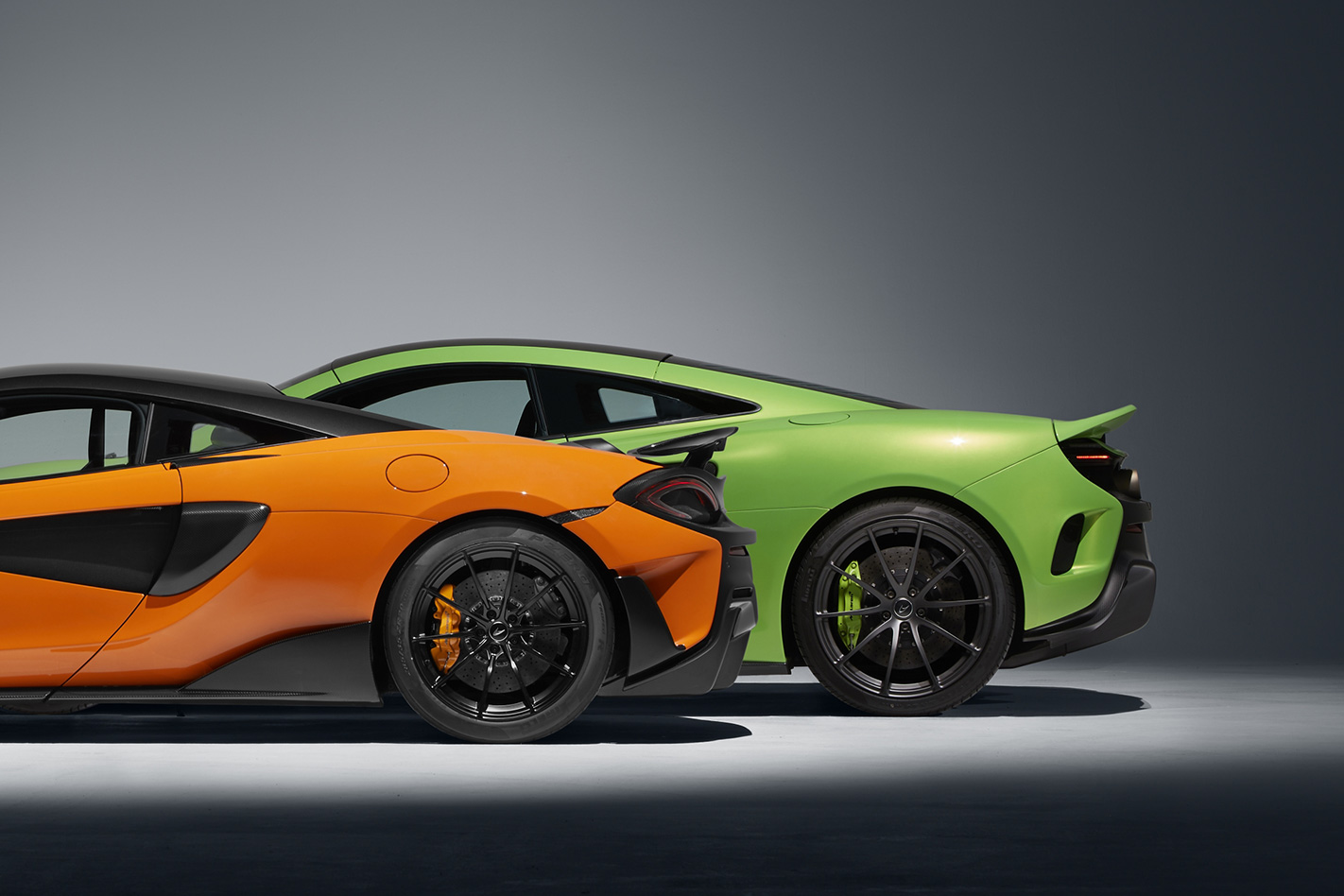
Some deft power oversteer and a little shameless tyre-slaughtering doughnut action kept the crowds happy under the English summer sun.
It added agility is thanks to a combination of lighter and stiffer suspension components and brakes pinched from its 720S sister and the liberal use of cabrbonfibre body components. It also has a pair of top-exit exhausts for, well, why not?
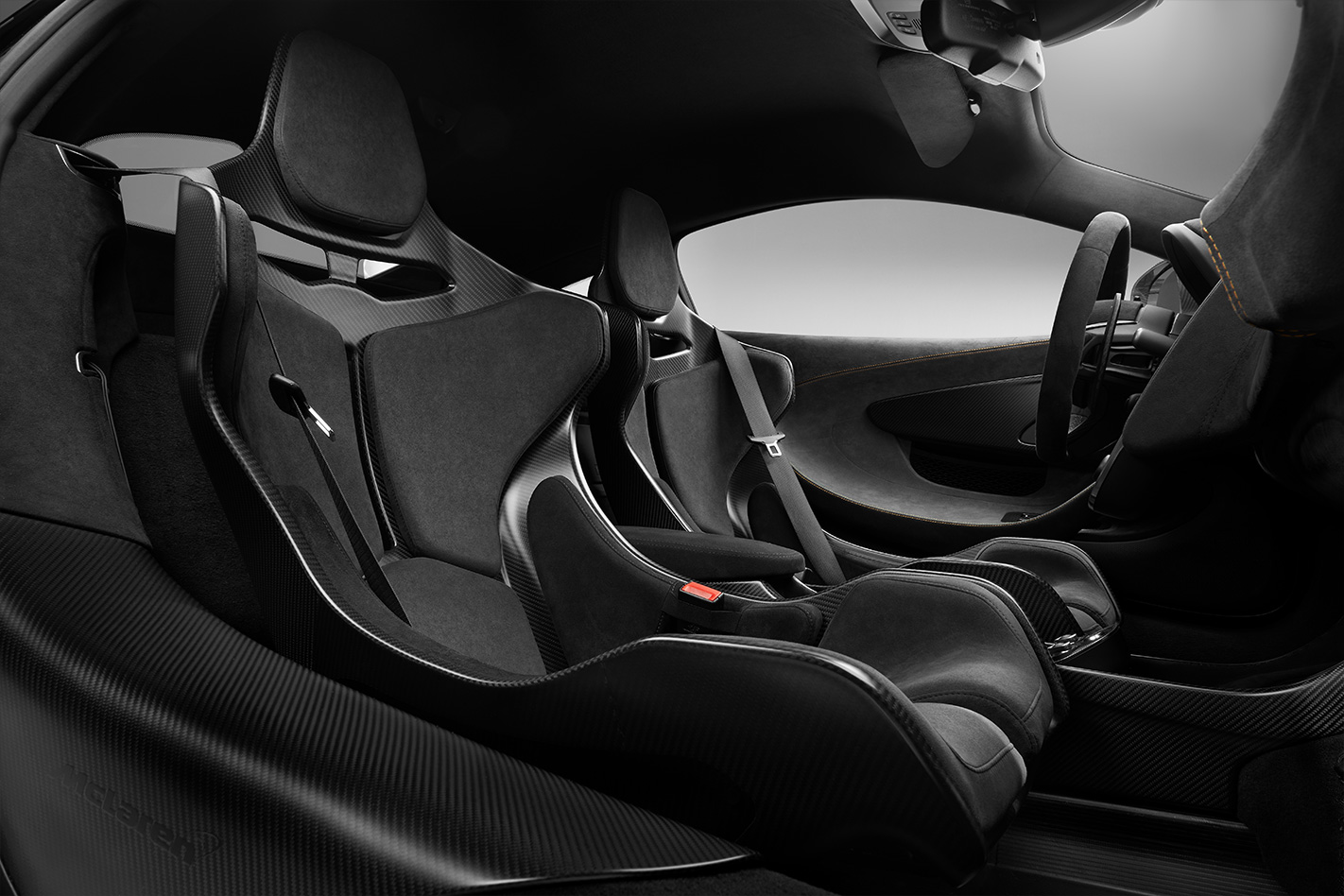
Customers that feel their Longtail is still a little too flabby can opt for the MSO Clubsport pack which trims even more weight with the inclusion of lighter carbonfibre seats, steering wheel, display housings and gear shift paddles. Go for the MSO Clubsport Pro pack and you’ll get a six-point harness.
