
A FRESH-LOOK Audi A4 will arrive in Australia early next year, featuring a facelifted front end and the addition of a variant called the “S line competition” that provides “additional dynamic highlights”.
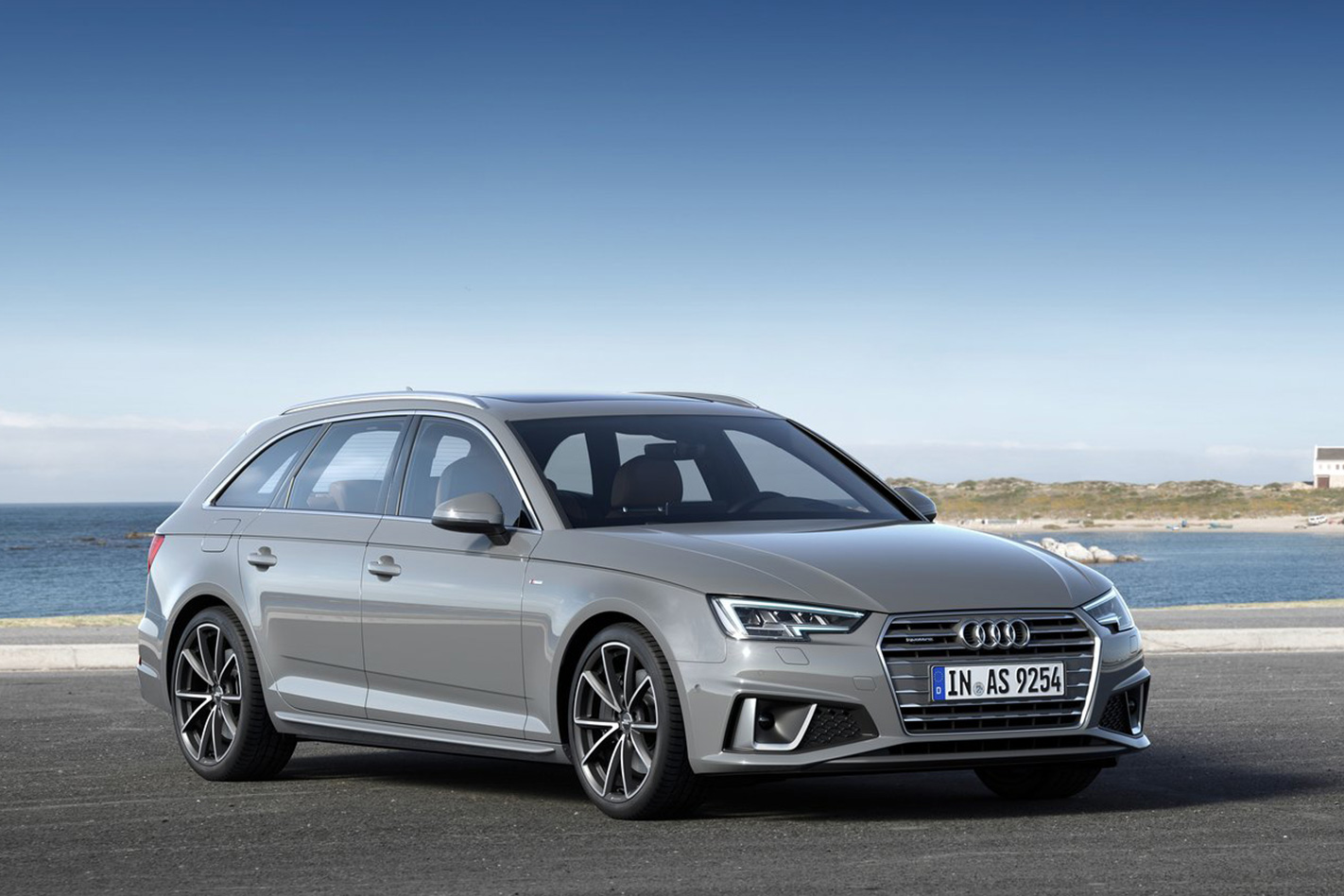
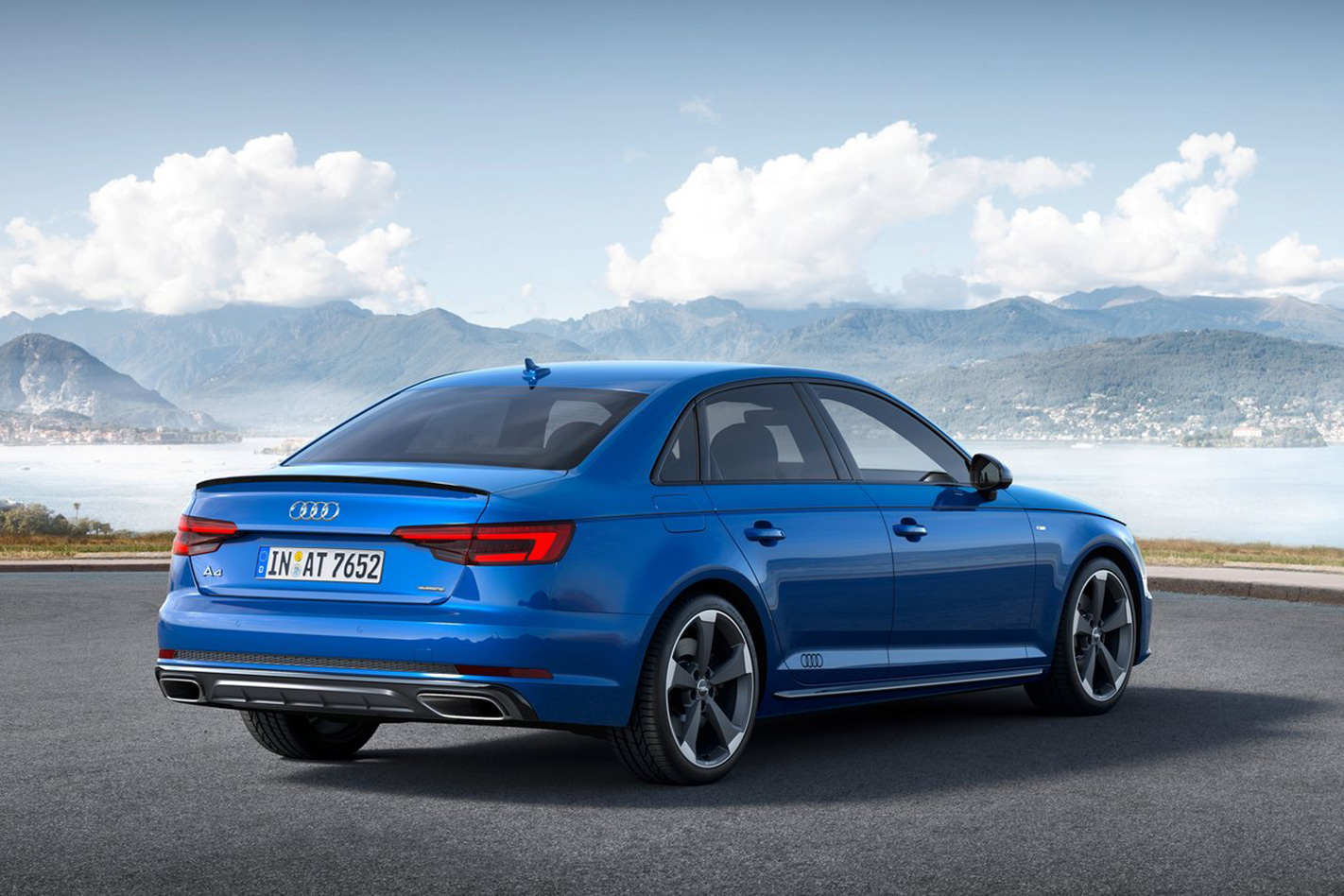
According to Audi, the S line competition package includes “a host of exclusive new features – the blade in the front bumper and the stone-chip guard strip in Selenite Silver, an RS rear spoiler on the A4 Avant (wagon) and, among other things, the new Turbo Blue paint finish”.
As well, the new variant has the Audi logo stamped in either silver or black – the original Audi Quattro featured the four rings prominently on the front doors – 19-inch Audi Sport wheels, red brake calipers, a sports suspension system (with no further details provided) and LED headlights.
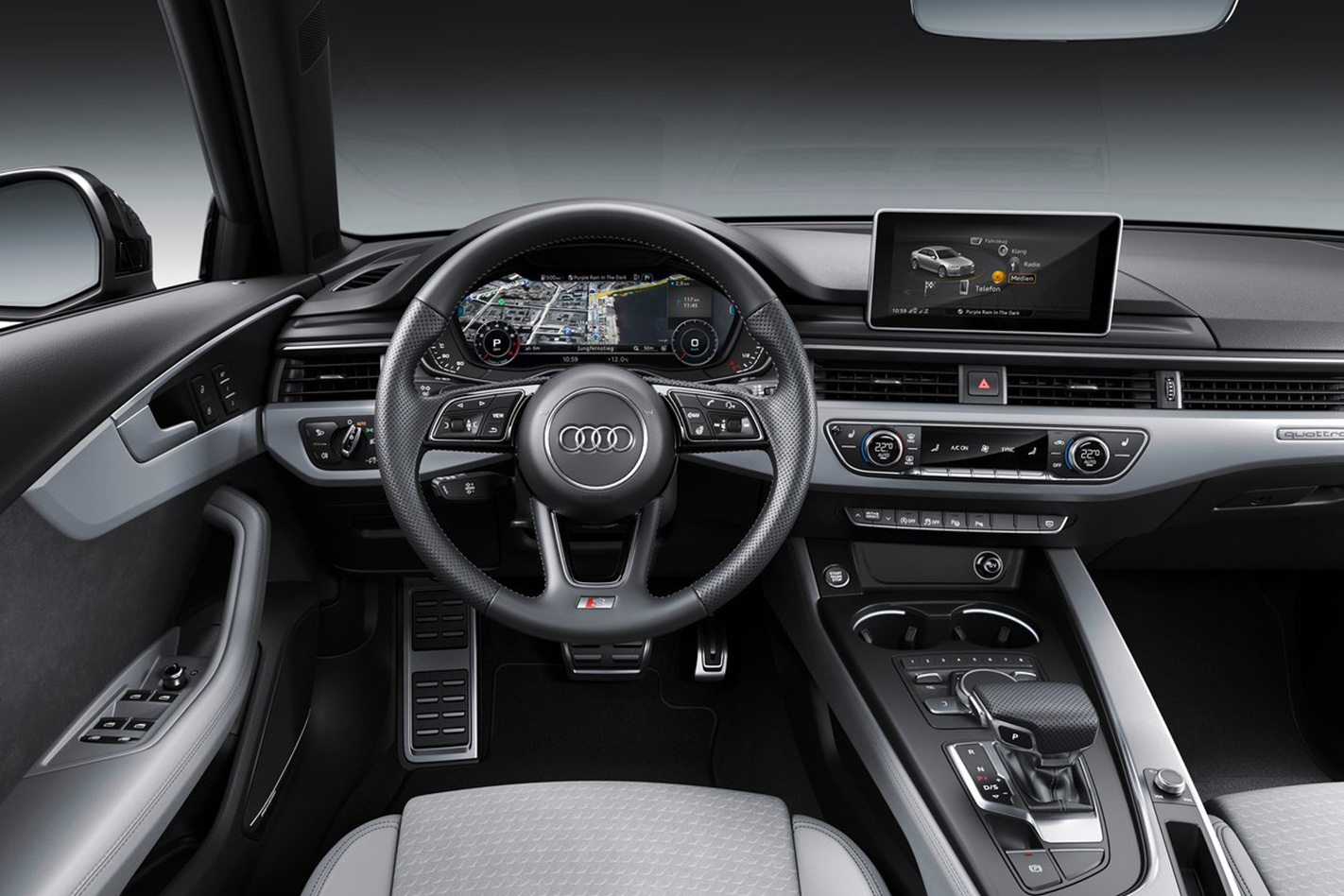
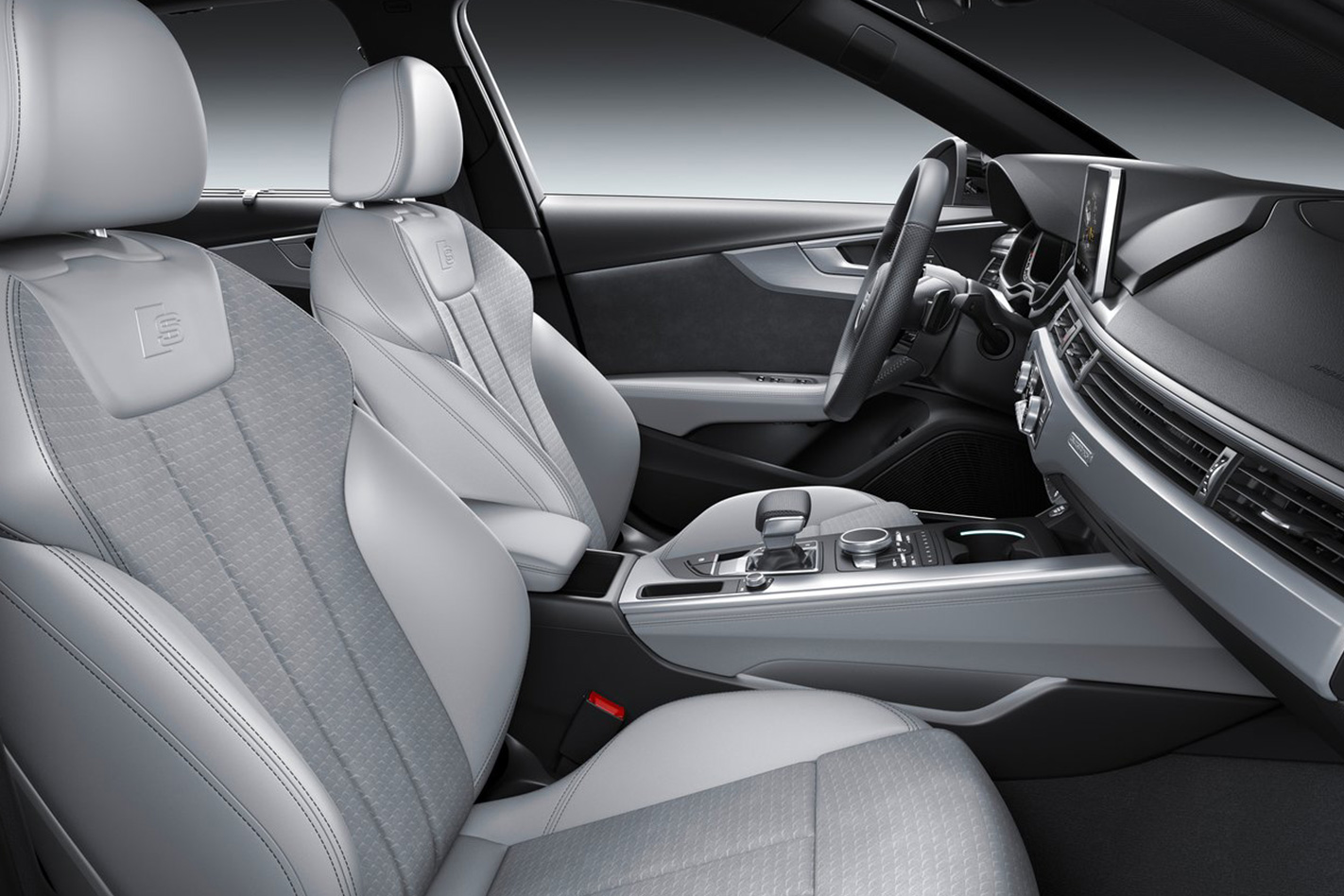
Inside, there’s RS-style carbonfibre trim, a three-spoke sports steering wheel, and black leather-trimmed sports seats. Don’t like black? European customers can order them as R Sport equivalents in Magma Red “or in other colours”.
The boggo A4 sedan and Avant will receive redesigned front and rear bumpers – the front air dam houses a different grille design and larger air intakes, while the rear has a smaller diffuser – and a set of different-look wheels. On the S Line models, round exhaust tips are now trapezoidal.
According to Audi, the front air intakes’ “pronounced wedge-shaped design makes them even more eye-catching. A U-shaped clip separates the exterior and the interior area, which is finished off with a honeycomb grille.”
And in a trick borrowed from rival BMW, separate openings in the air inlets guide a portion of the airflow into the wheel housings, where it flows past the wheels to minimise drag.
No details are provided about changes made to the A4’s interior.
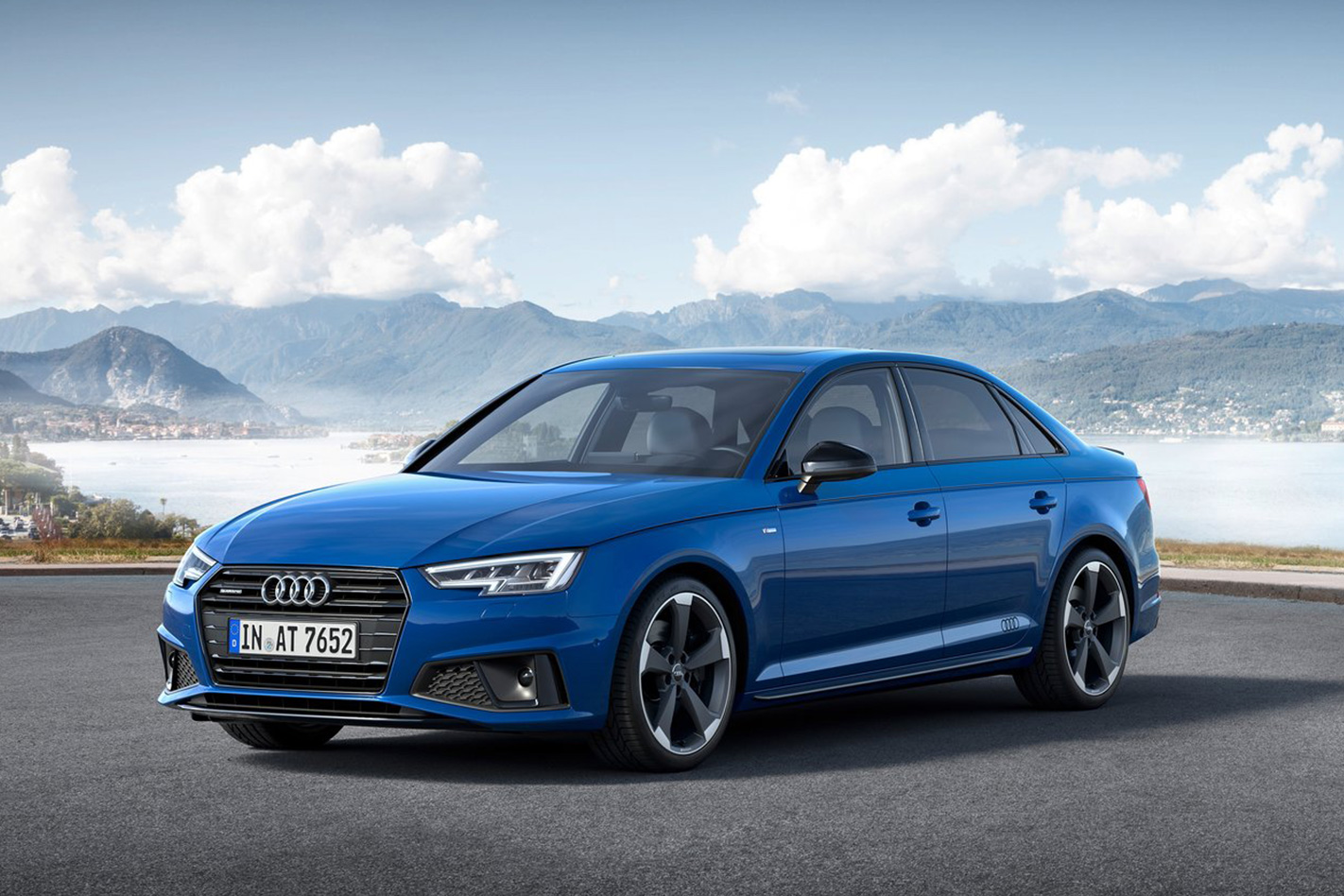
The Audi A4 will soon meet some stiff competition in the showroom, with the BMW 3 Series due to introduce an all-new model early next year, and the sharp-looking Volvo S60 hot on its heels. It will also arrive after Mercedes-Benz updates the C-Class with fresh looks and possibly a 1.5-litre hybrid version that displaces the entry-level C200.
Last week we looked at the end of financial year sale (EOFYS) deals across every new sports car brand in the country.
But to find further savings of between $10,000 and $100,000 – yes, that’s right – off advertised deals, we must look at demonstrator vehicles.
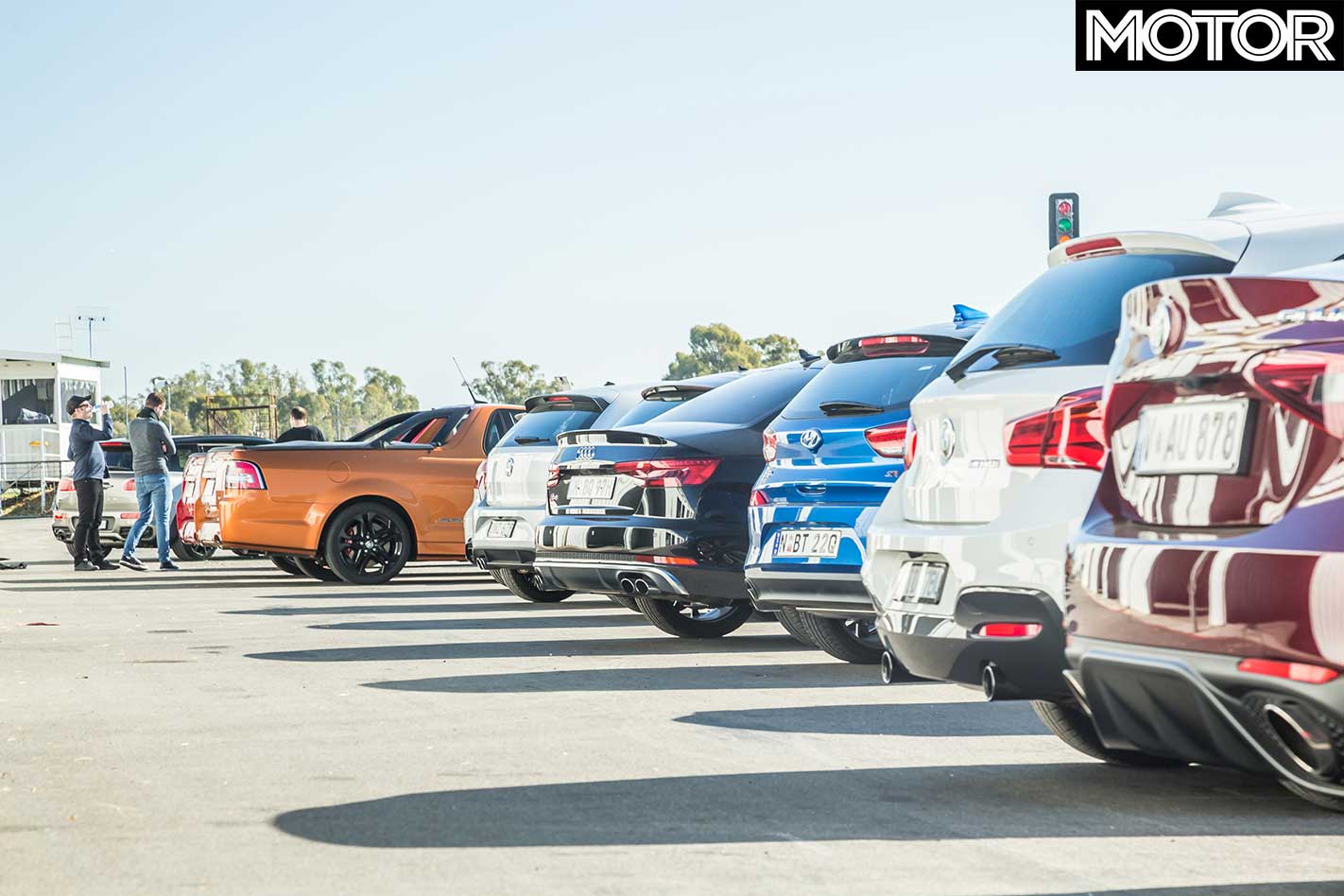
And, drumroll please, the winner for the largest amount saved off a recommended retail price is the Mercedes-AMG S63 Coupe/Cabriolet with a recommended retail price of $414,426/$444,426 plus on-road costs. We found multiple examples with between 2500km and 4800km showing for $274,990 to $349,990 driveaway – a mammoth $140K-plus saving.
Large luxury cars get hit hard and immediately with the depreciation stick. A duo of Maserati Quattroporte GTS GranSport examples have 4300km showing and their $345,990 (plus orc) stickers cut to between $279,888 and 279,990 driveaway – a huge $70K-plus off.
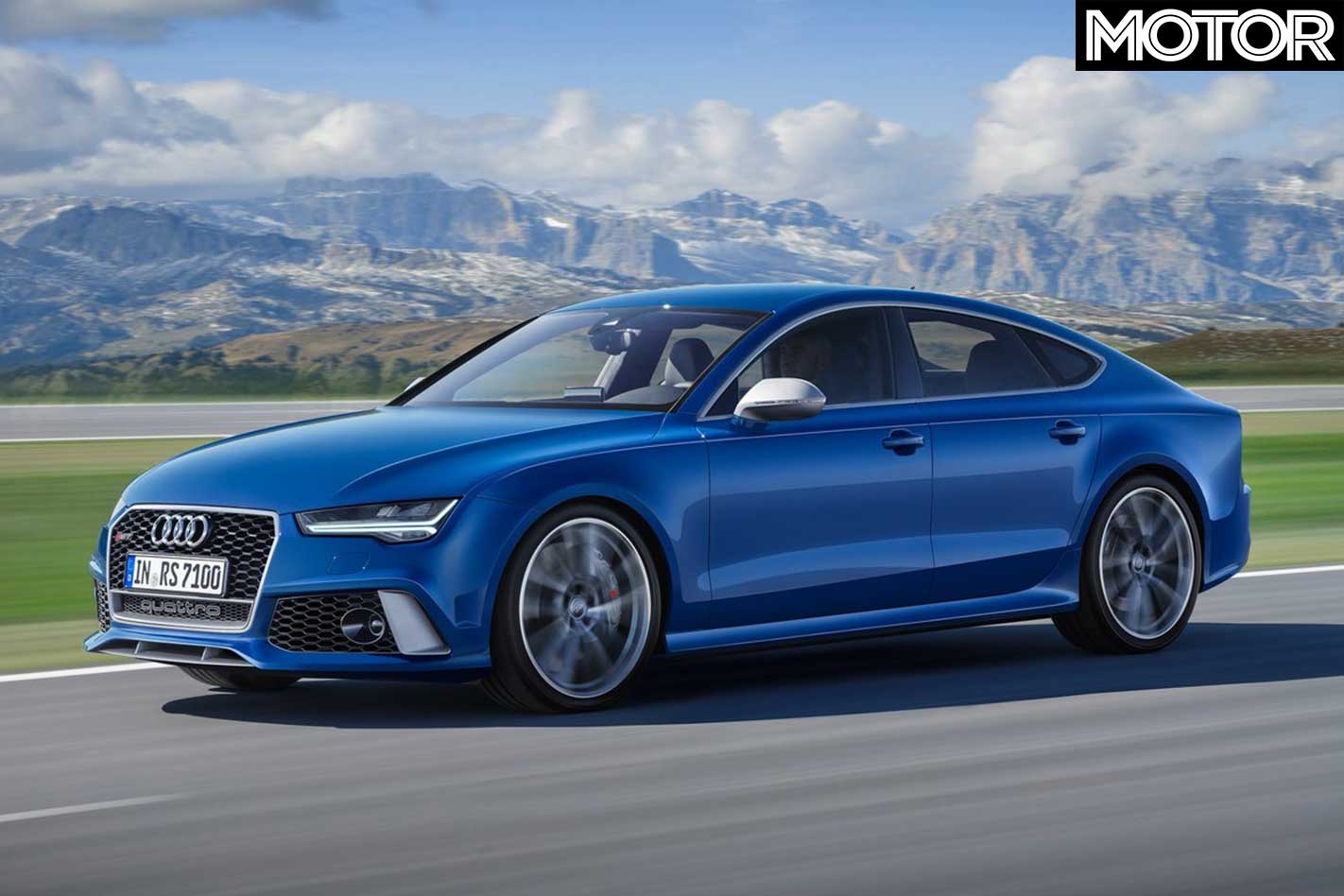
Next up is the ballistic and brilliant Audi RS7 Performance at $257,426 (plus orc) new, chopped to between $199,990 and $214,688 driveaway with just 2100km or 50km showing. That’s a $60K-plus discount.
Where to go from here? Well, large semi-luxury cars feel the pain too. Take the burly and likeable Lexus GS F – down from $153,351 (plus orc) to between $129,990 and $137,770 driveaway, a $25K-plus saving for examples that have travelled 900km to 2500km. Its rival, the Mercedes-AMG E43, has fallen to the same degree – from $159,611 (plus orc) to between $136,800 and $144,800 driveaway and each with 4900km showing.
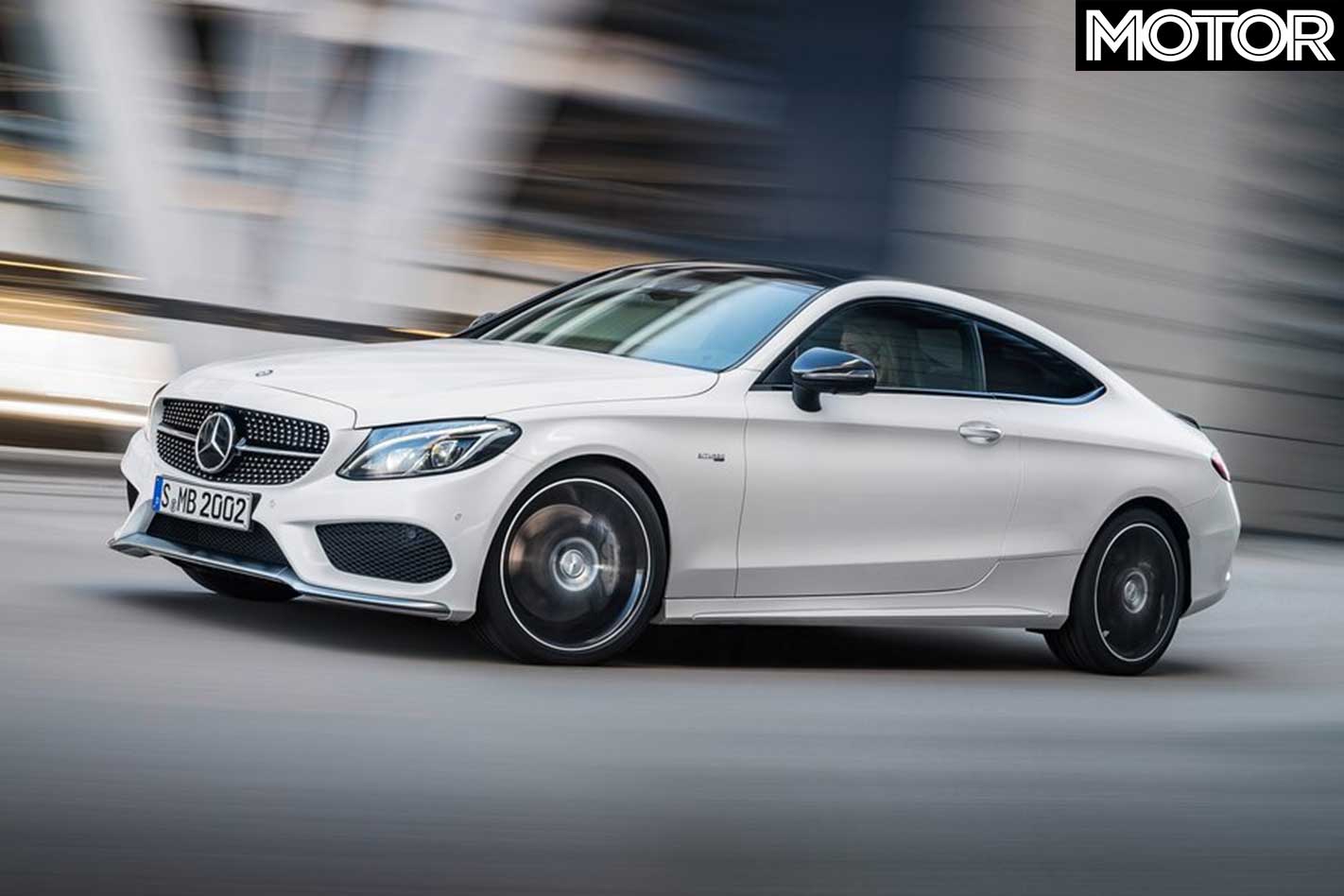
Speaking of which, its sibling the C43 has been cut from $102,611 (plus orc) to between $94,990 and $98,888 driveaway with 2000km to 2300km showing for an effective $10K discount once on-roads are levelled.
And still on AMGs, the GLA45 represents the most sizeable discount of the turbo-four compact performance models, down from $89,211 (plus orc) to between $77,900 and $78,990 driveaway with 3400km to 4300km – or $15K saved.
A rival to the C43, the BMW 340i costs $89,900 (plus orc) new, but multiple examples can be seen for between $75,990 and $79,990 driveaway with 3600km showing – for $15K-plus off. The Volvo S60 Polestar, as a classic depreciator, moves from $89,702 (plus orc) new to between $75,880 and $79,880 driveaway with just 1000km showing; likewise $15K-plus off.
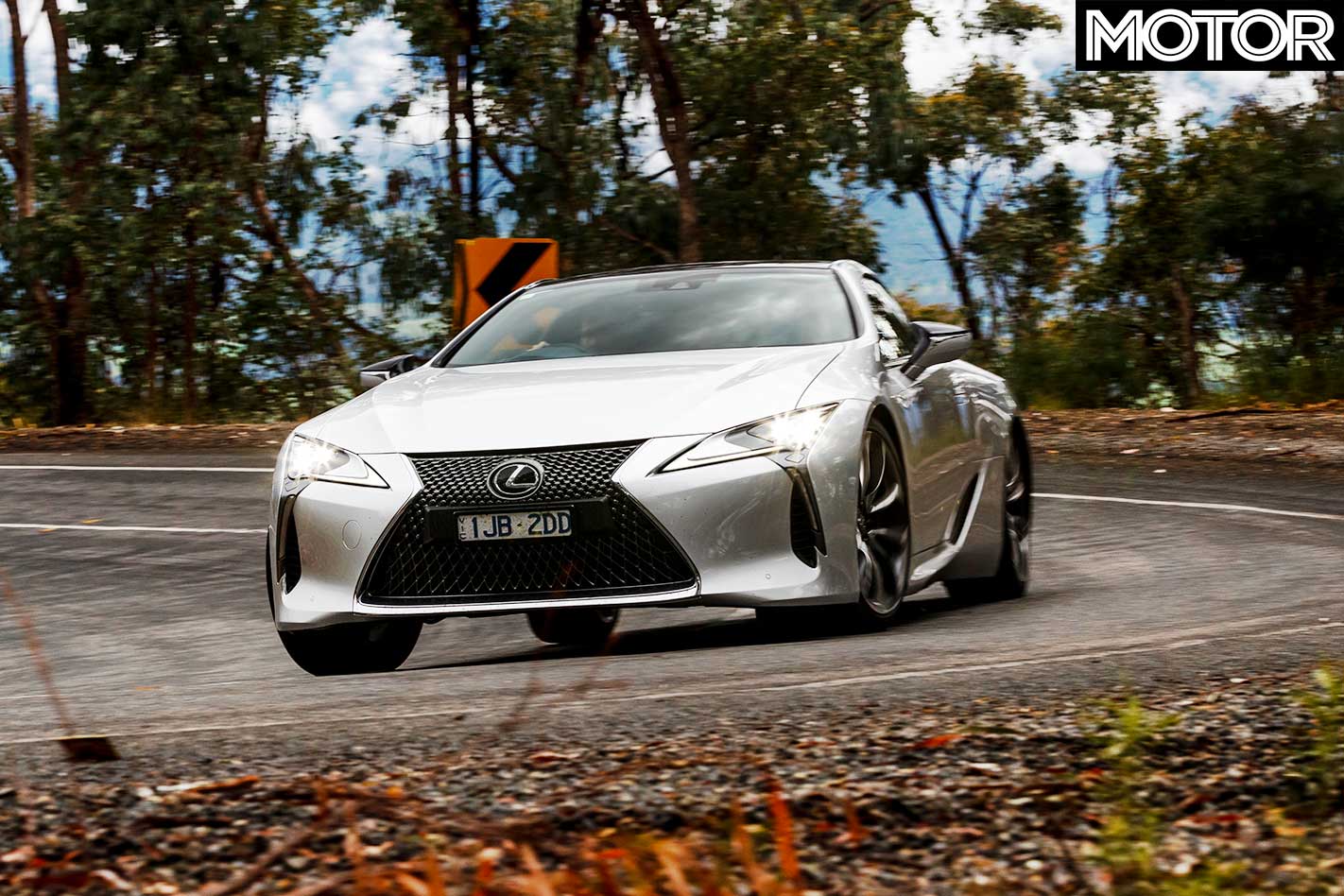
But it isn’t just four-door medium-to-large cars that are down. Enter the sexy Lexus LC500, falling from $190,000 (plus orc) to $179,990 driveaway, $15K off, and with 2300km showing. There’s the excellent Jaguar F-Type 221kW 2.0-litre rear-driver, making a move from $107,012 (plus orc) down $10K to $99,990 driveaway with 1600km showing.
The fun but flawed and otherwise overpriced Infiniti Q60 Red Sport shifts from $88,900 (plus orc) to about where it should be new – $72,990 to $78,888 driveaway with 2000km or a brand-spankers 11km showing, for a $15K discount. And the Audi TTS coupe, at $100,855 (plus orc) new, falls $10K-plus to $89,890 driveaway after 2100km.
Its sibling, the TT Sport quattro, likewise moves down $10K from $77,355 plus orc to between $69,680 and $69,985 driveaway after 2700km or 3000km. And its BMW rival, the brilliant 230i at $63,000 (plus orc), falls around $15K to between $49,990 and $56,990 driveaway with 3900km on the clock.

But of course these are all $50K-plus machines.
It may not be a hot hatchback, or save the most around, but if you want among the largest per centage discounts in the market then look to the 1.6-litre turbo Holden Astra RS manual. This sweet warm hatch goes from $26,240 (plus orc) to between $18,950 and $19,990 driveaway with 3200km or just 17km showing. That’s circa-$10K off on a $25K-plus model…
Having just spent another hectic 48 hours with the crew that run this fine, family magazine, I’m once again astounded by the cultural gulf that exists between me and them, despite being separated by just a single generation.
I’m not saying the little tackers don’t love their cars; they’re all good drivers, involved in organised motorsport and they all own interesting vehicles. None of which explains Dylan’s cannon-ball stack-hat, but anyway… And the MOTOR crew are the best of the bunch; plenty of your new-age online publishing specialists have never owned a car despite being paid to tell you why your own choice is so flawed.
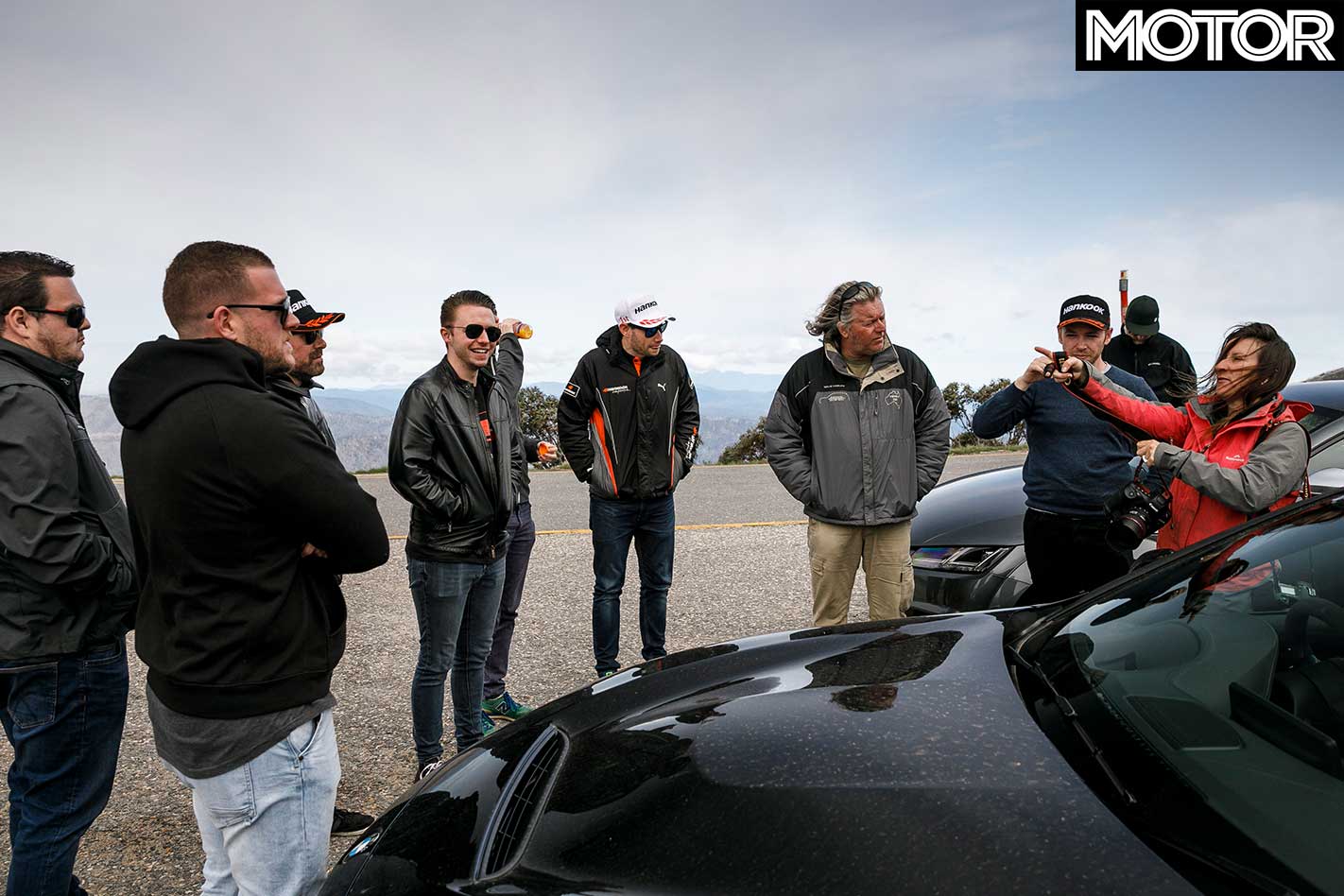
Once that’s out of the way, human conversation can start, but even then, it’ll kick off on the topic of who has the newest phone and why it’s sooo much better than last week’s model. The other night, it was young Louis who was king of the kids with a brand-newie.
“Why’d ya buy that one?” the others wanted to know.
“See here,” Louis explained, “the screen is full length so it’s w-a-y better for watching vids.”
At this point, I decided to inject a bit of common sense into the debate. “Yeah, but who in their right mind would choose to watch a video on a mobile phone?”.
Dylan almost fell off his chair, laughing fit to soil his baggy-ass duds. Between guffaws, Dylan explained the new reality: “I watch whole, feature-length films on my phone.” He’s nearly crying now. The garlic bread said nothing.
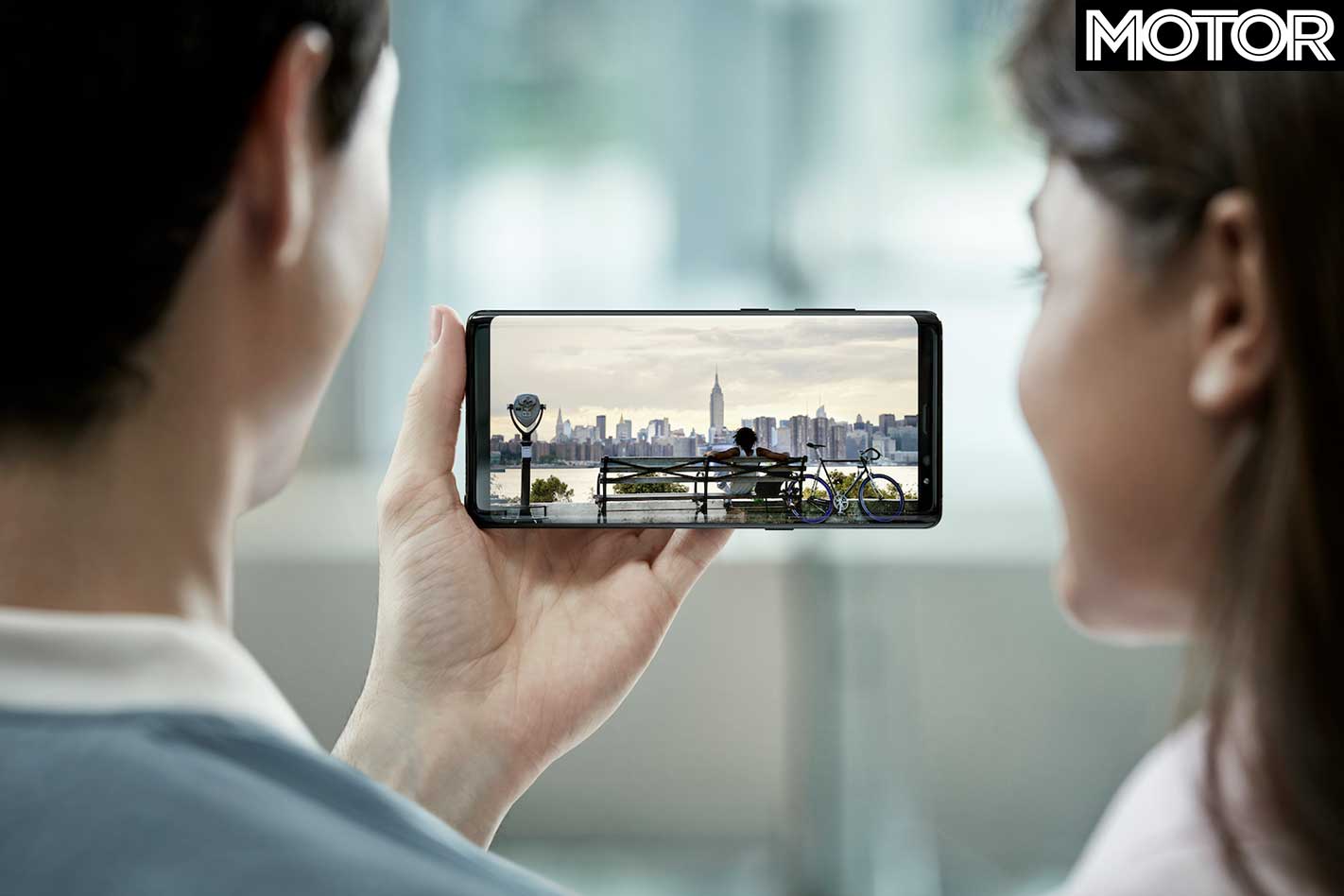
Now, I don’t know what Dean Semmler or Cecil B thinks about somebody watching their visual epics on a screen that fits in the pocket of yer poop-catchers, but I’m pretty sure I know what I think about it. From where I sit, it’s the equivalent of buying a McLaren P1, but only ever driving it on an indoor go-kart track.
Which leads me to the second observation I have of all this. Once the inevitable phone comparison has wrapped up, the thumbs get busy again as everybody finds their favourite car-crash vid and shares it around the table. Which made me realise that much of Gen Y’s exposure to car culture is of the virtual variety.
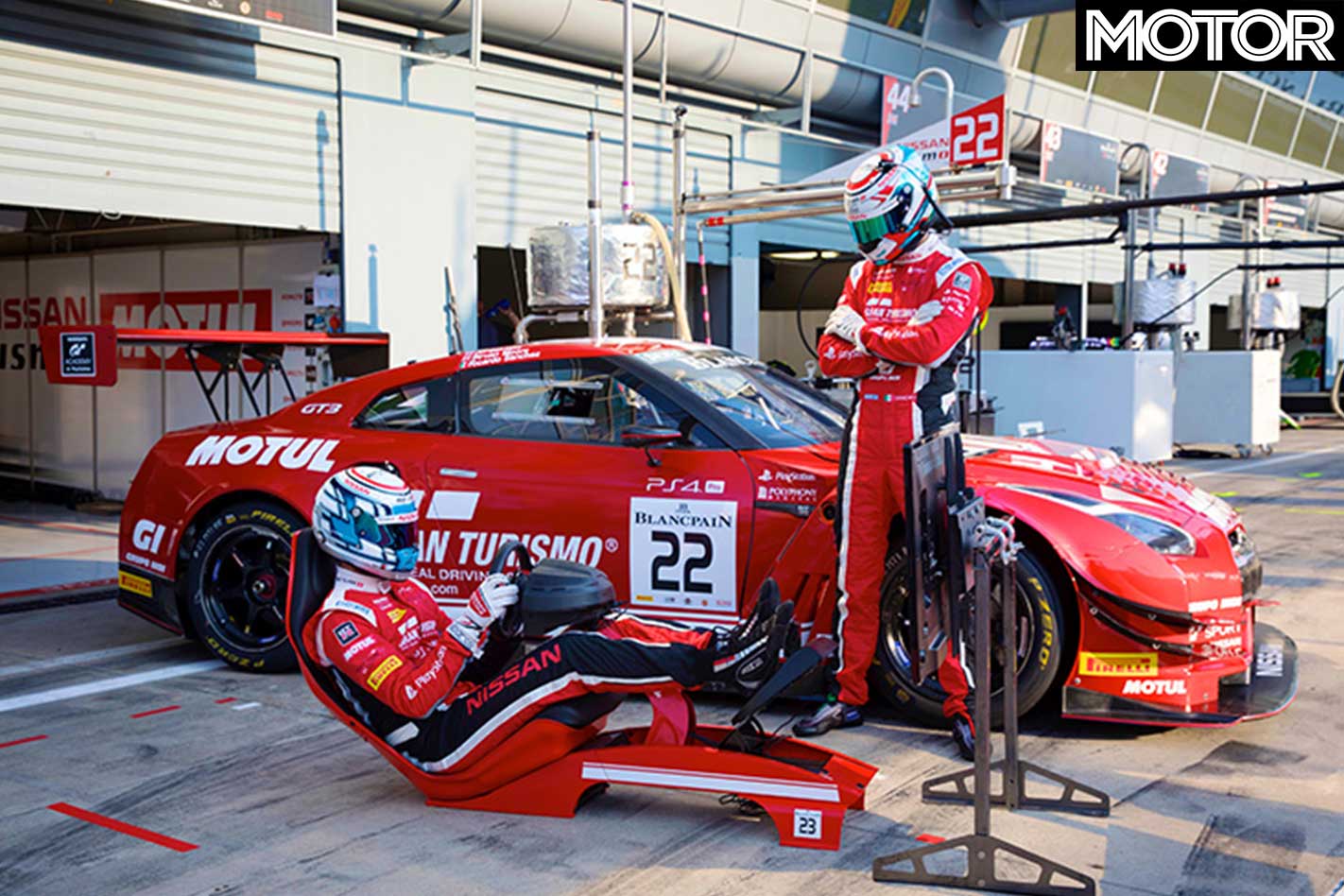
Part of the reason they love cars is because they can get a dose of them any place, any time (Telstra willing). Their phones can take them to virtual places in virtual cars and all they have to do is top up their accounts and ignore the garlic bread.
And therein lies the proof of that cultural divide I mentioned. For me, it’s entirely the other way around. The magic of the motor car is that it can take me to see the real thing. It can go where mobile phones can’t.
In a world where new tech is all angled at enabling us to stay at home and cop a digitised version of reality, the car – my car – is the odd man out, offering me the chance to see things in full-colour, wide-screen, Dolby-Plus 3D reality. And I’ll take that any day.
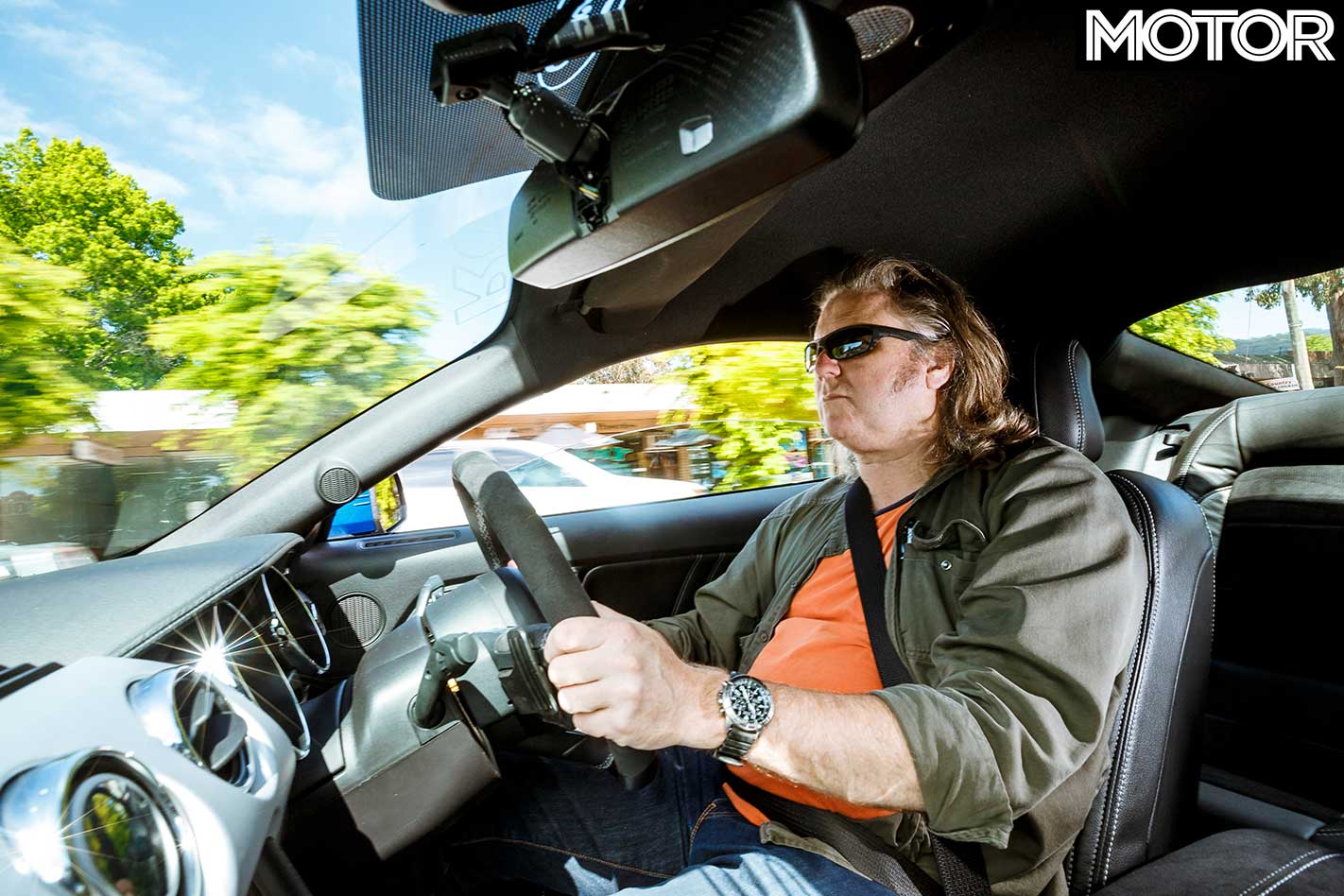
Not that any of this bothers the youngsters at my table right now. In fact, I’m just a dinosaur for even suggesting that we ditch the appliances and drive a thousand kays to see a real motor race at some stinky old mountain somewhere near some dump called Bathurst.
A few years back, I innocently asked a group of kids calling themselves motoring journalists what a meme was. “Oh man,” sneered the least likeable of them, “Where have you been for the last 20 years?” The response was obvious: “Road-testing cars. How ’bout you?”.
Pass the garlic bread.
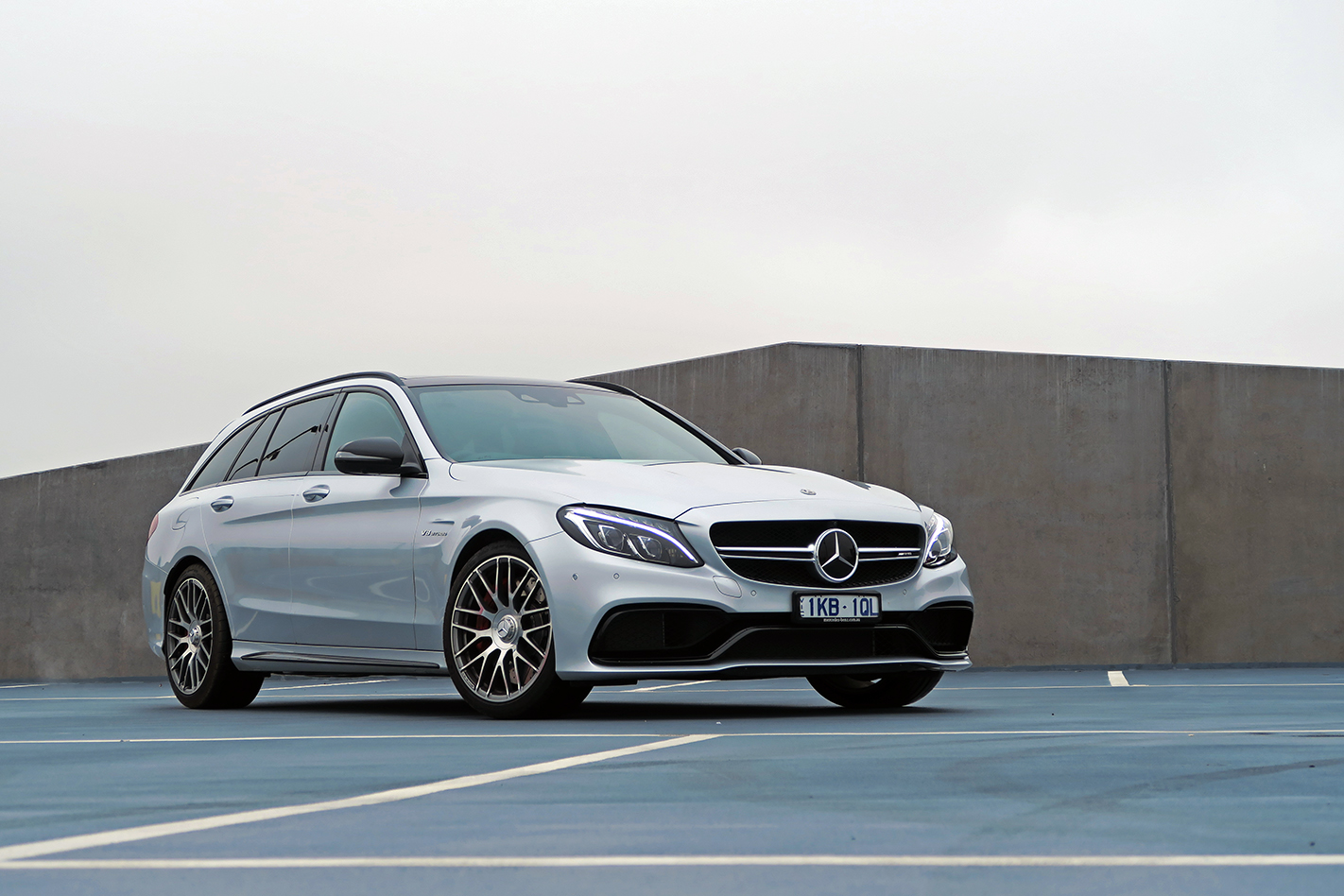
The C63 S Estate is the pinnacle of C-Class power aimed directly at the hardcore driving enthusiast that refuses to compromise on practicality. We took the ultra-wagon for a weekend blast out of the city to see if it has the edge over increasingly accomplished SUVs and other hi-po boot-boosted options.
TELL ME ABOUT THIS CAR
It’s fair to say that with the rise of SUVs in Australia, wagons are far from a volume seller, and the high-performance wagon offerings from premium brands are an even smaller niche.
If you’re after a mid-sized car with a little more practicality than a sedan and want the uncompromised performance of a pedigree, the realm of autobahn blasting wagons offers something SUVs can’t quite compete with – if you have the budget to match.
They might have minute customer bases, but these massively powerful models with generous boots are celebrated performance heroes of their respective brands and there is a number of choices if you fit the profile.
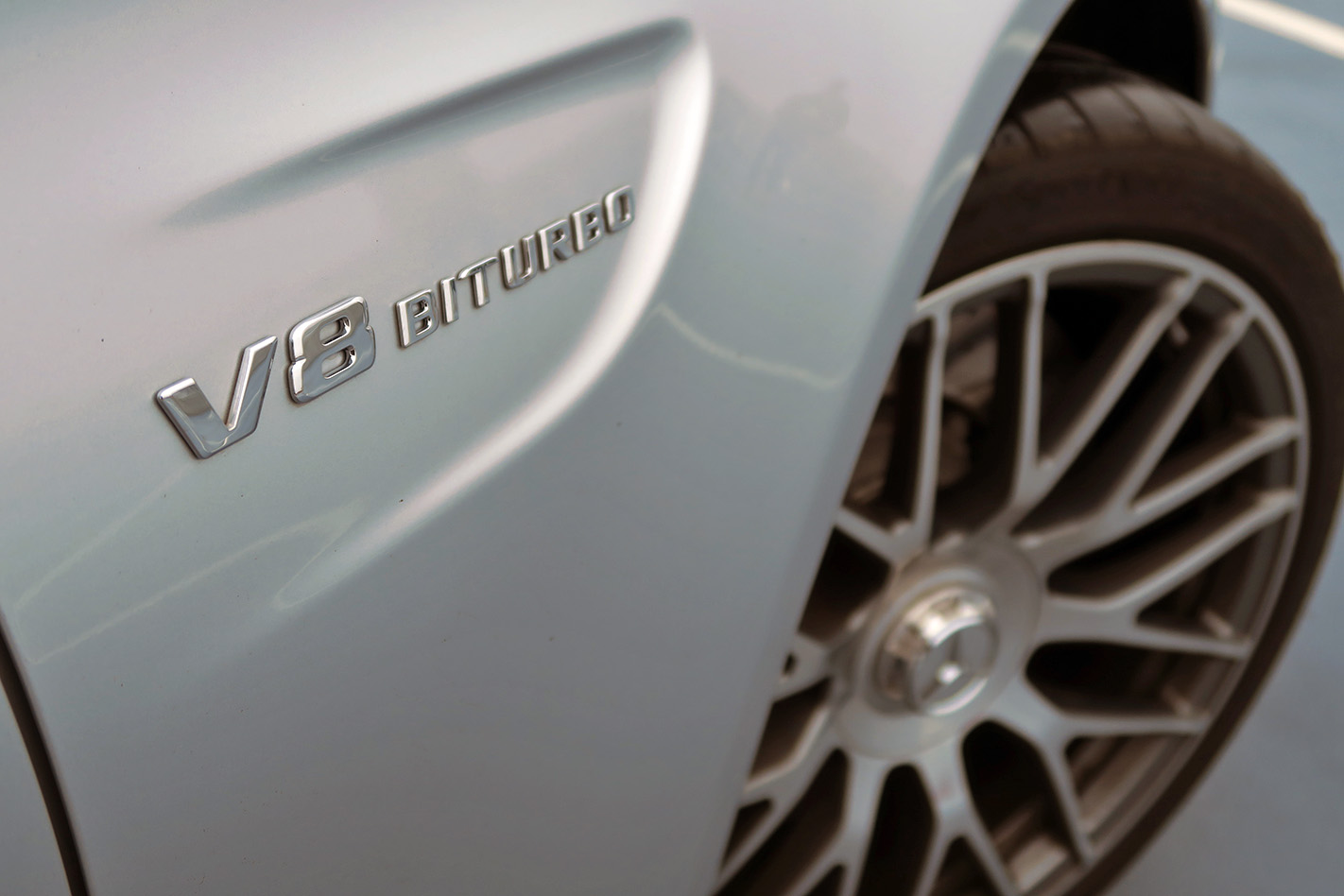
Sharing all of the major mechanical bits of its coupe and sedan siblings, the Mercedes-AMG C63 S Estate offers brutal twin turbocharged V8 performance with the soundtrack to match, wrapped up in an elegant wagon body, for families that simply refuse to give into the SUV tsunami.
STRENGTHS
- At the heart of the C63 S, the 4.0-litre turbocharged V8 coupled to a seven-speed automatic transmission is a technical masterpiece delivering monstrous power and torque across the rev-range. The noise it produces is as eye-opening as the claimed 0-100km/h acceleration of 4.1 seconds and defies the practical appearance of a wagon. One observer commented that “a wagon shouldn’t sound like that”.
- In full auto mode the transmission is spookily intuitive and manages gear selection perfectly, especially when switched to the required driving mode. There’s comfort, eco, sport, sport plus and race to choose from. It even has a cruising function where it disconnects from the engine to save fuel.
- With a low centre of gravity, handling and road-holding is excellent. Right from the first turn of the wheel, the Mercedes imparts a sense of confidence and encourages the driver to get involved with positive steering response, a body that’s highly resistant to roll and impressive stability.
- Only on a track is it possible to detect that the Estate has anything different going on at the back compared with the sedan. The sophisticated suspension set up controls body movement even during fast cornering and only your destroyed groceries will indicate that you came home via the scenic route.
- Bizarrely, the rear-wheel drive set up actually offers impressive traction on slippery unsurfaced roads. Manoeuvring out of a steep muddy driveway forced the clever traction control to divide braking and power, preventing the car from getting stuck in a manner more commonly associated with four-wheel drives.
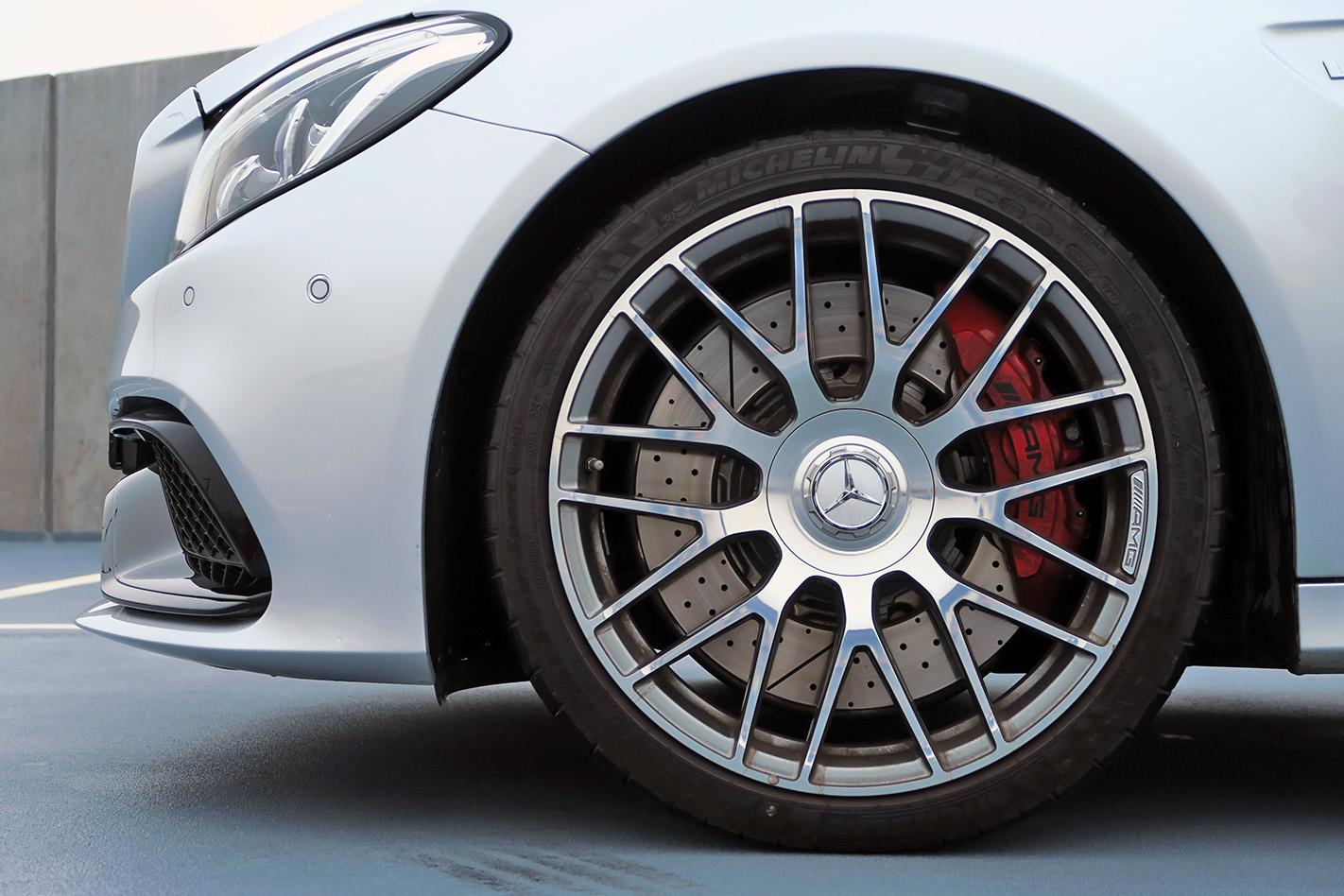
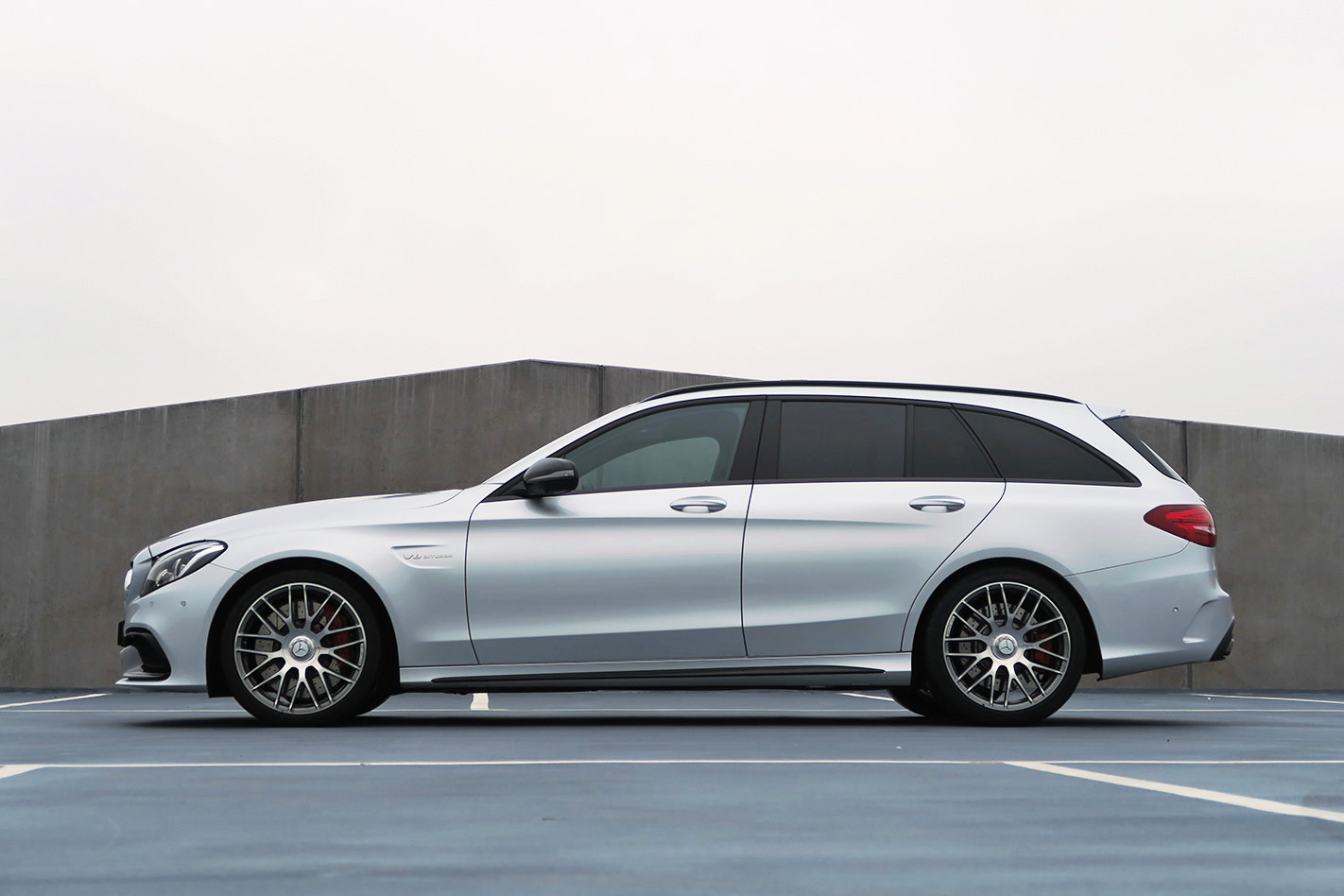
- Styling manages to strike a balance of sophisticated and refined without playing too much to the performance hero card. The Merc has an aggressive stance on the road but doesn’t have to resort to vulgar design tricks to earn respect. Four square tail-pipes, razor front splitter and clean, arch-filling 19-inch wheels speak the AMG language without having to embarrass anyone at the traffic lights.
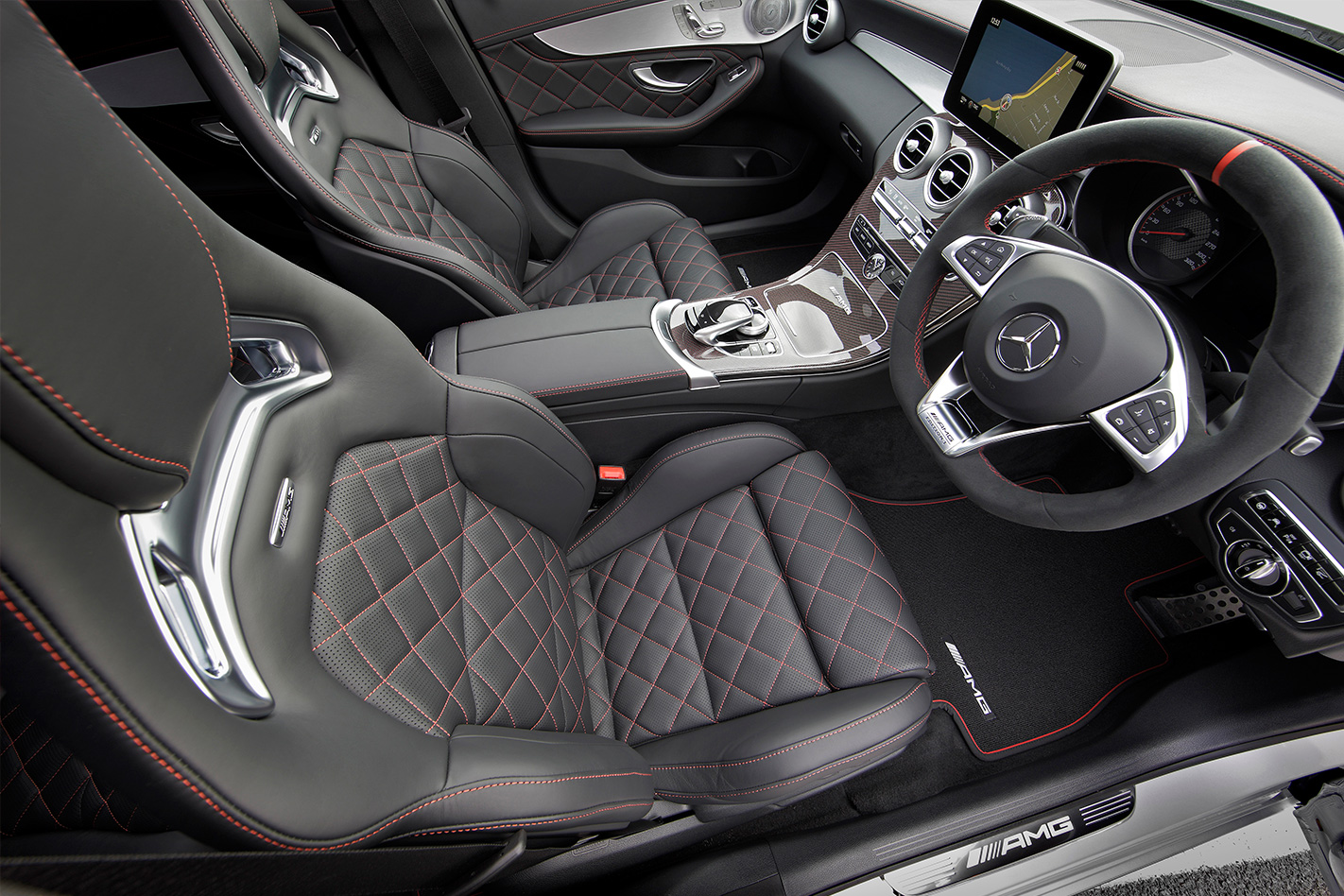
- On the inside, the AMG continues its statement of intent with unapologetically deep bucket seats complete with silver harness slots, integrated headrest and electric adjustment for the ultimate balance of comfort and support. Finding the ideal driving position takes seconds and every touch-point screams quality and style.
- A 490-litre boot is a decent size even when compared with vehicles in the mid-sized SUV segment. Electrically folding rear seats boost that capacity to 1510 litres for a very practical load area.
- $159,711 is a lot of cash for a mid-sized wagon but, in addition to the hammer-blow of performance, the C63 S adds a long list of equipment as part of the deal. A 360-degree camera with parking radar all round, Nappa leather, bigger AMG brakes, LED headlights with clever adaptive beams, keyless entry and start, cool ambient lighting and Burmester surround sound system with 13 speakers, nine-channel DSP amplifier and 590-watt output to name a few highlights.
WEAKNESSES
- Fuel consumption can get on the thirsty side and is easy to push far beyond the claimed average of 8.7L/100km.
- Unfortunately, the excellent MBUX information and entertainment system has not yet found its way into the C-Class and the ageing Comand approach remains with too many sub-menus, tabs and screens to navigate.
- Steering wheel paddles are a little stiff to operate occasionally causing a gear swap to be missed and there’s no manual selection possible with a central selector lever (it’s mounted to the steering column) which means changing gears is harder in tight turns with the wheel locked over. The position of the gear selector may also irk some owners but it’s easy to get used to.
- While the V6-powered C43 gets four-wheel drive for optimum traction, the more powerful C63 V8 is limited to rear-wheel drive. While this undoubtedly offers a more thrilling and purist’s experience when possible, it severely limits how much of the bountiful performance can be used day-to-day, especially if the roads are wet.
- Regardless of the suspension mode that’s selected, the C63 S ride is always stiff. For those used to sporty cars it is completely acceptable, but a customer expecting something limo-like from Mercedes may be disappointed. It’s especially obvious in the second row, where uprated springs to cope with the heavier body translate to a firm ride for rear occupants.
ANY RIVALS I SHOULD CONSIDER
Audi offers the RS4, which unlike the less potent S4 sedan and S5 equivalent coupe is only available in Avant wagon form. It’s powered by a strong twin turbo V6 petrol that produces power comparable with the Mercedes but can’t quite match the holler of a V8. It does however, send power to the road via the quattro four-wheel drive system for better traction whether the road is wet or dry.
If you want something with a propeller badge, the Alpina B3 S Touring brings M3 levels of power but with a big boot. With a straight six engine, the BMW-based option also misses out on a V8 but it does offer a level of exclusivity that only a brand as new as Alpina is to the Australia can afford.
The succession of new Aston Martin models continues with the introduction of the halo DB – the 2019 Aston Martin DBS Superleggera.
Named using two of the Gaydon firm’s previous badges, the DBS Superleggera is set to be a ‘super-GT’ flagship for Aston.
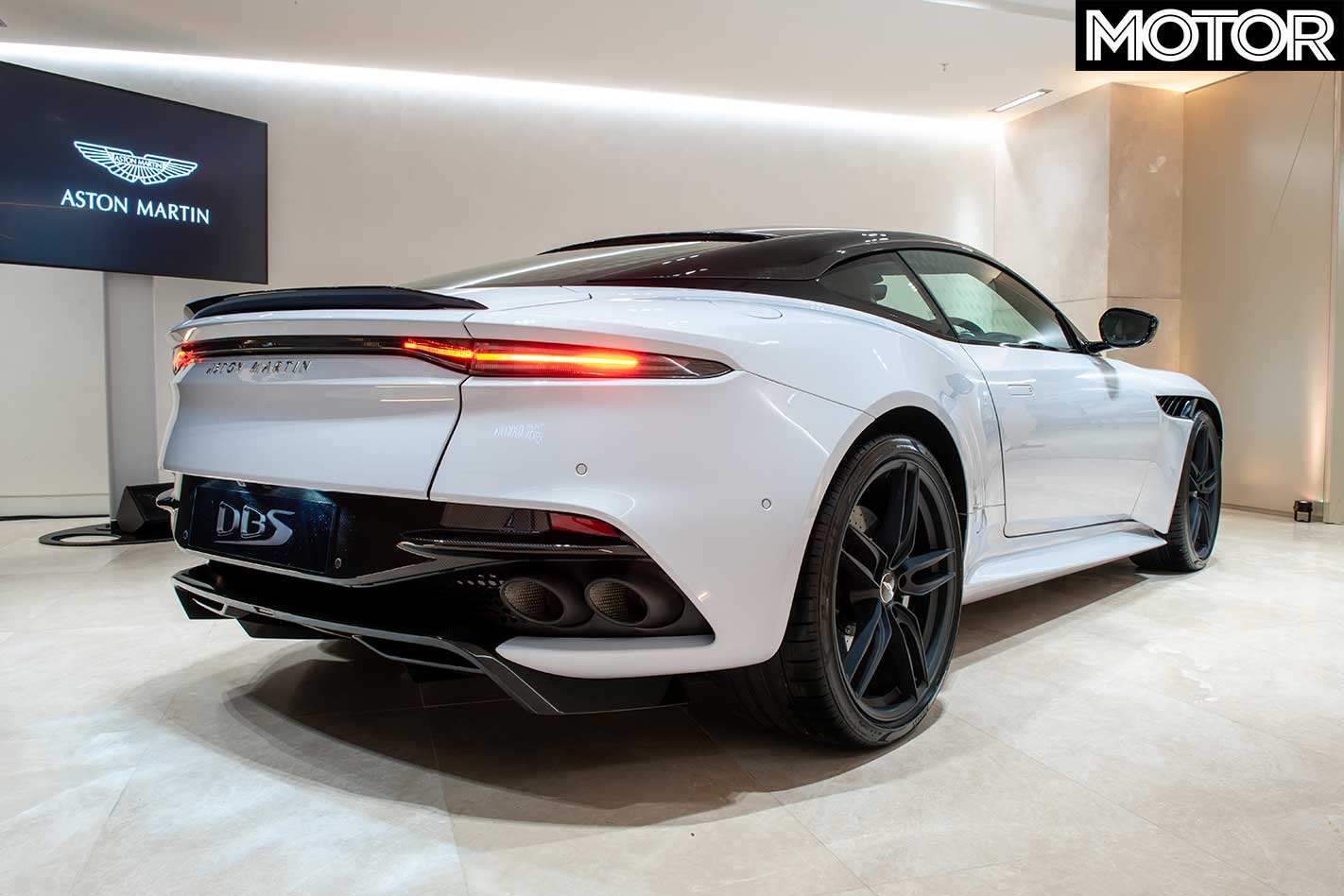
The DBS name returns for the first time since 2012, continuing a nameplate that first debuted on an Aston Martin in 1967. ‘Superleggera’ refers to the Italian coachbuilder, Touring, which applied its lightweight construction methods to early Astons such as the DB4.
As its design would suggest, the DBS shares a platform with the DB11, as well as the bonded aluminium structure, but its body panels are carbon fibre and therefore 72kg lighter than on the DB11.
All up, the aptly-named Superleggera saves 77kg, down to 1693kg from 1770. Not only is it more ‘leggera’, it’s also more ‘super’.The twin-turbo 5.0-litre V12 – set as low and far back in the engine bay as possible – makes a massive 533kW at 6500rpm, quite a jump from the 447kW made in the DB11, and torque tops out at a huge 900Nm, available all the way from 1800rpm to 5000rpm.
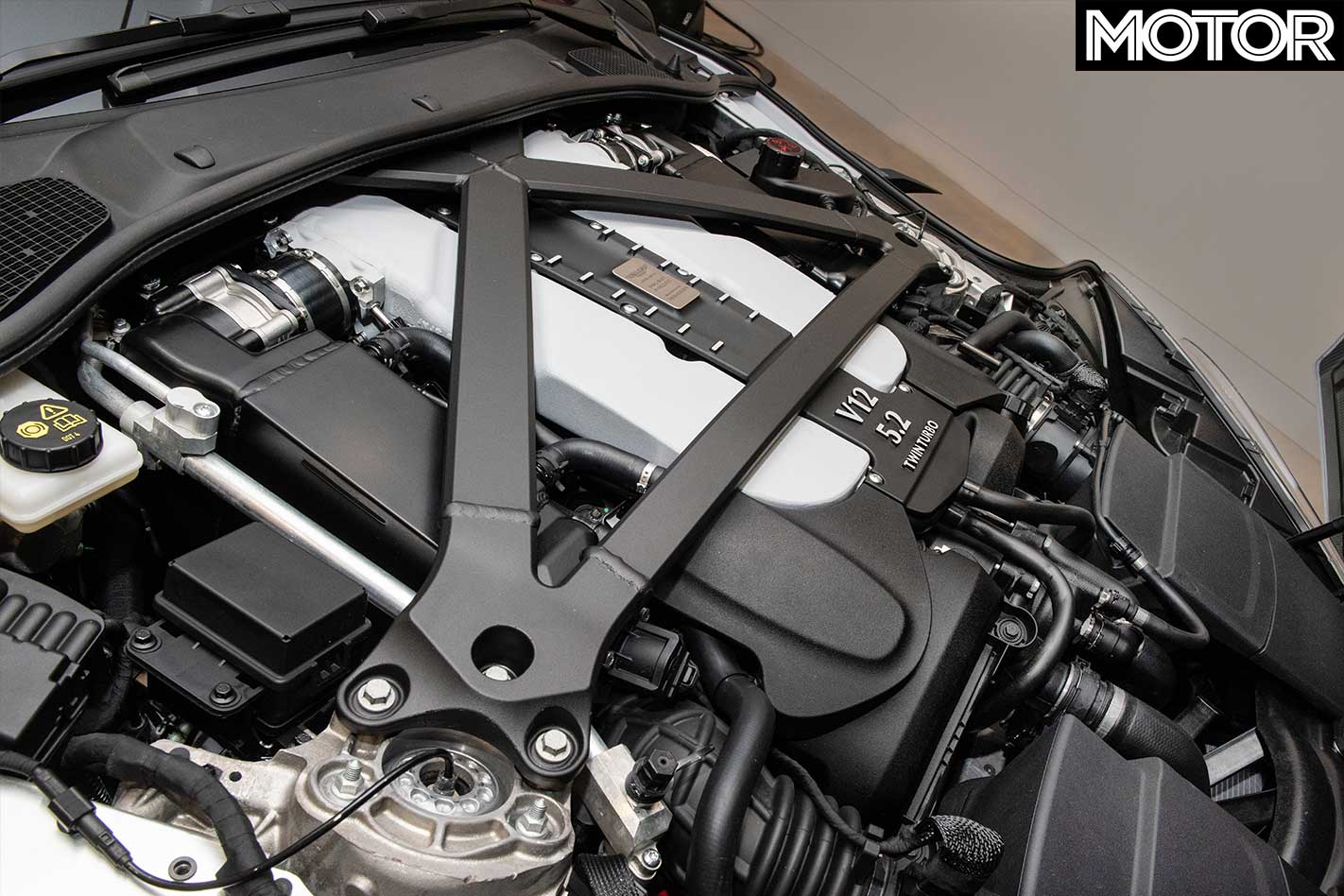
A new ZF 8-speed automatic has a shorter final drive than the DB11. This means a 0-100km/h sprint in a brisk 3.4 seconds, and to 160km/h in 6.4 seconds. It’ll then soldier on to a top speed nudging 340km/h.
Helping this happen is a body that employs some advanced aero, including air passages inside the bodywork.
A huge double-diffuser, inspired by Formula 1, as well as the ‘curlicue’ found behind the front wheels, and the ‘Aeroblade II’ ducts in the bootlid all help the DBS to produce an impressive 180kg at its top speed.
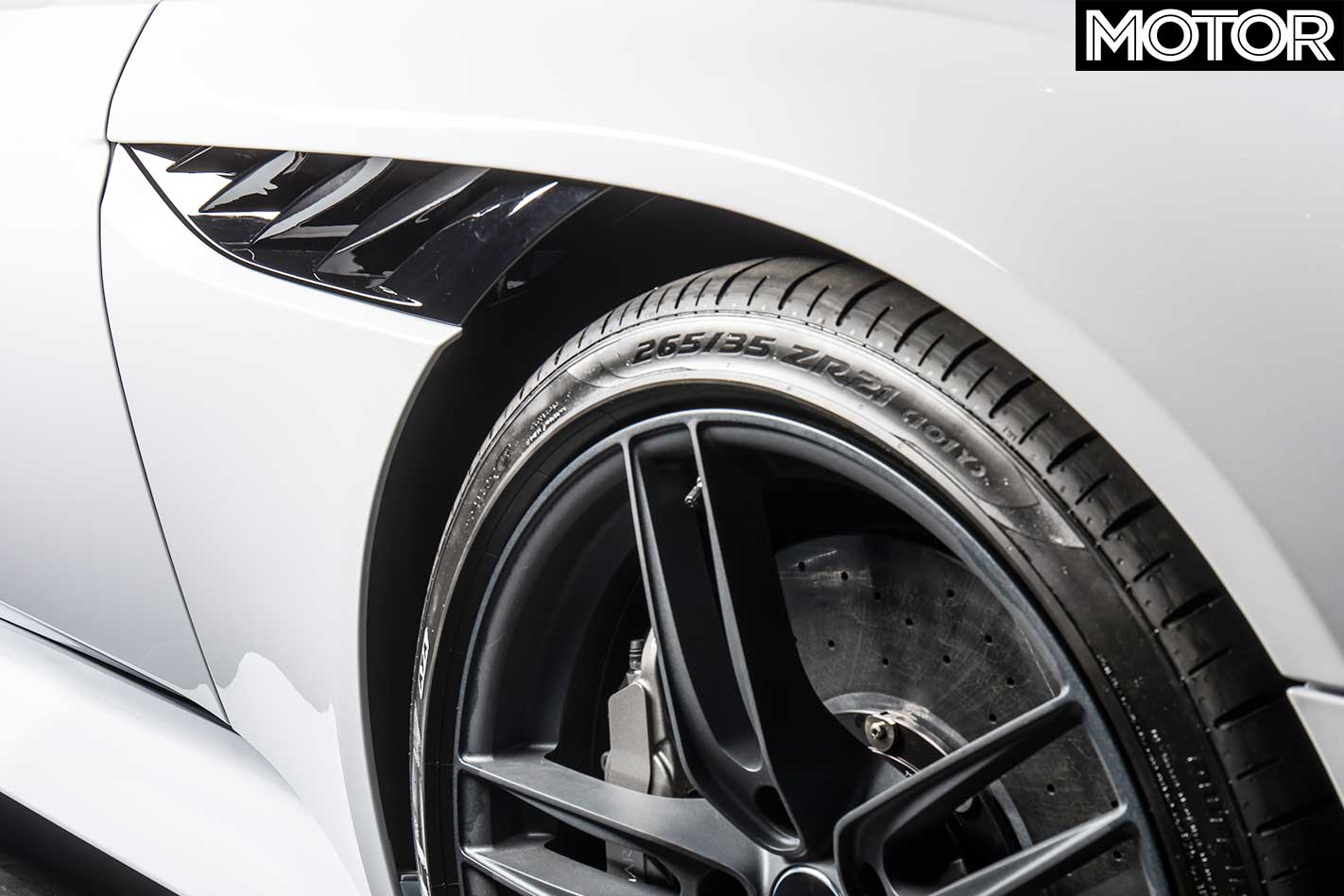
It’s also almost perfectly balanced, with 51 per cent of its weight leaning on the front wheels.
While the specs are impressive across the board, the people who designed and engineered the car offer more subjective perspectives on the DBS.
Aston’s chief engineer Max Szwaj says the DBS is “faster, lighter, more potent, and more sophisticated. DBS Superleggera is a formidable and fabulous machine.”
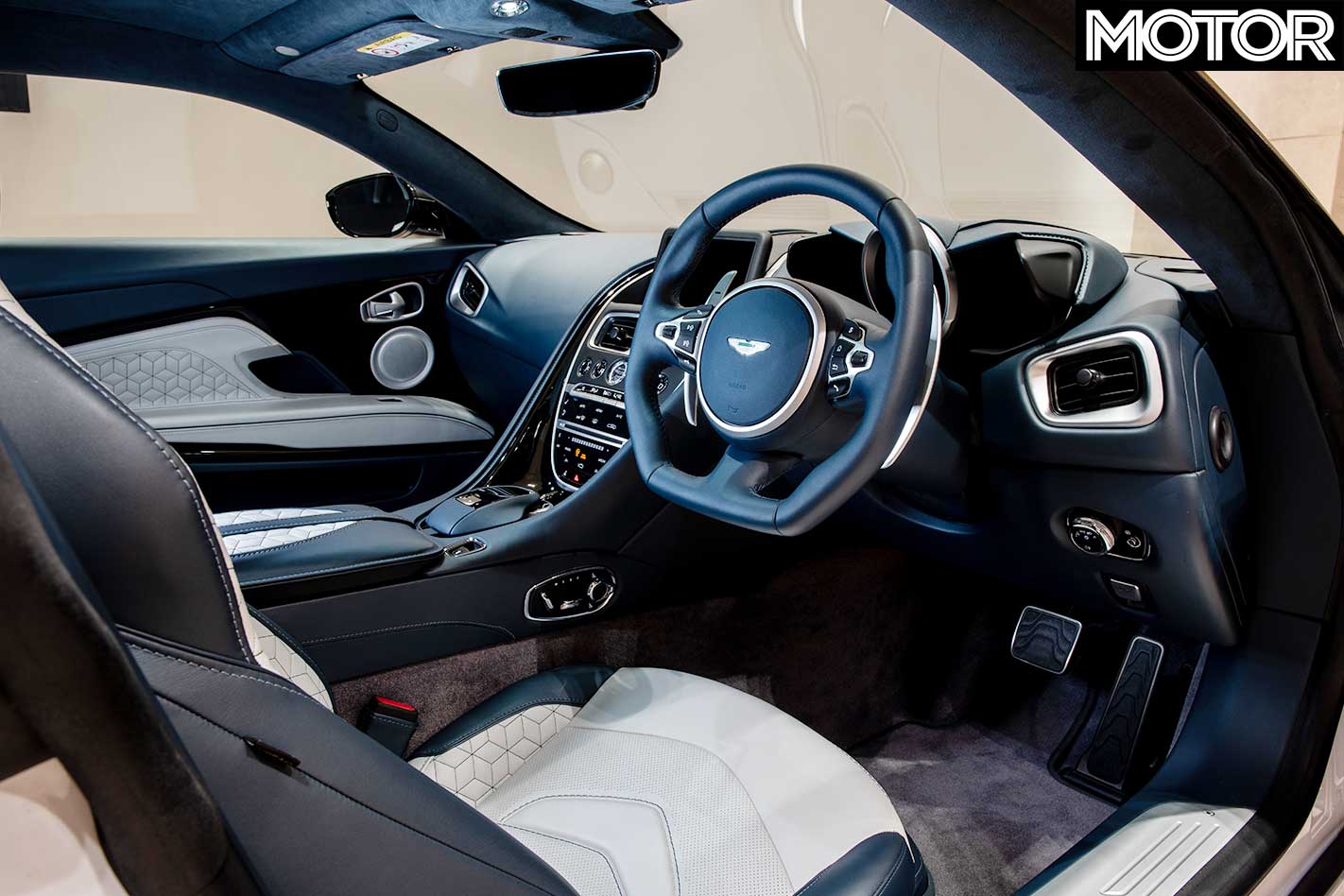
Chief dynamics engineer and former Lotus man Matt Becker adds that he’s ‘blown away’ every time he drives the DBS.
“It’s explosively quick if you floor the throttle, but has that relentless, effortless delivery that only a big turbocharged V12 can deliver.
“While we wanted to create a very, very fast car, it was crucial that it didn’t terrify less experienced drivers.
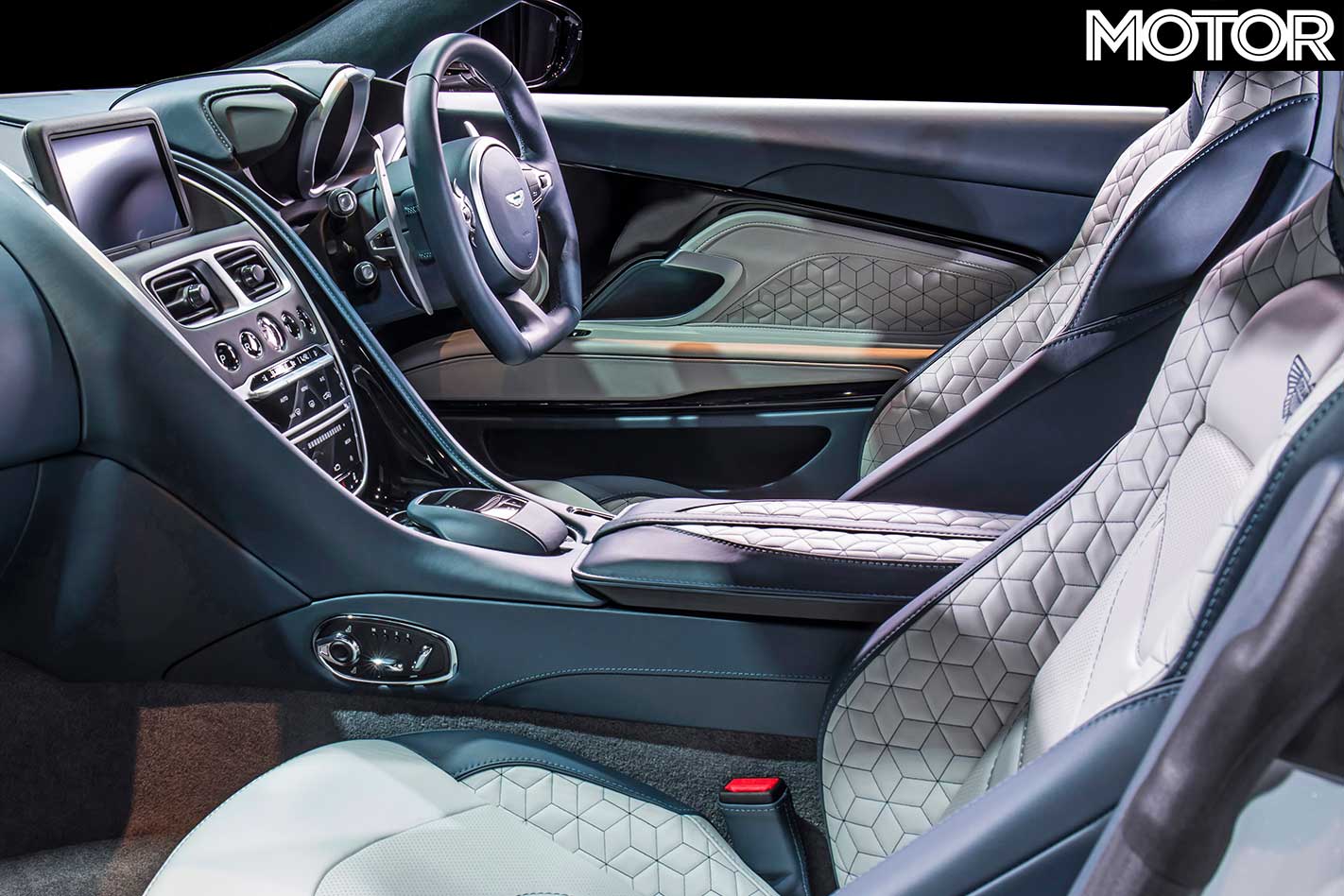
“To this end we’ve honed the dynamics so that it’s agile and connected, but also linear and progressive as you work towards its limits.”
Aston’s local presence says the DBS Superleggera will be priced from $517,000 plus on-roads, and that customer deliveries are set to commence late this year or in early 2019.
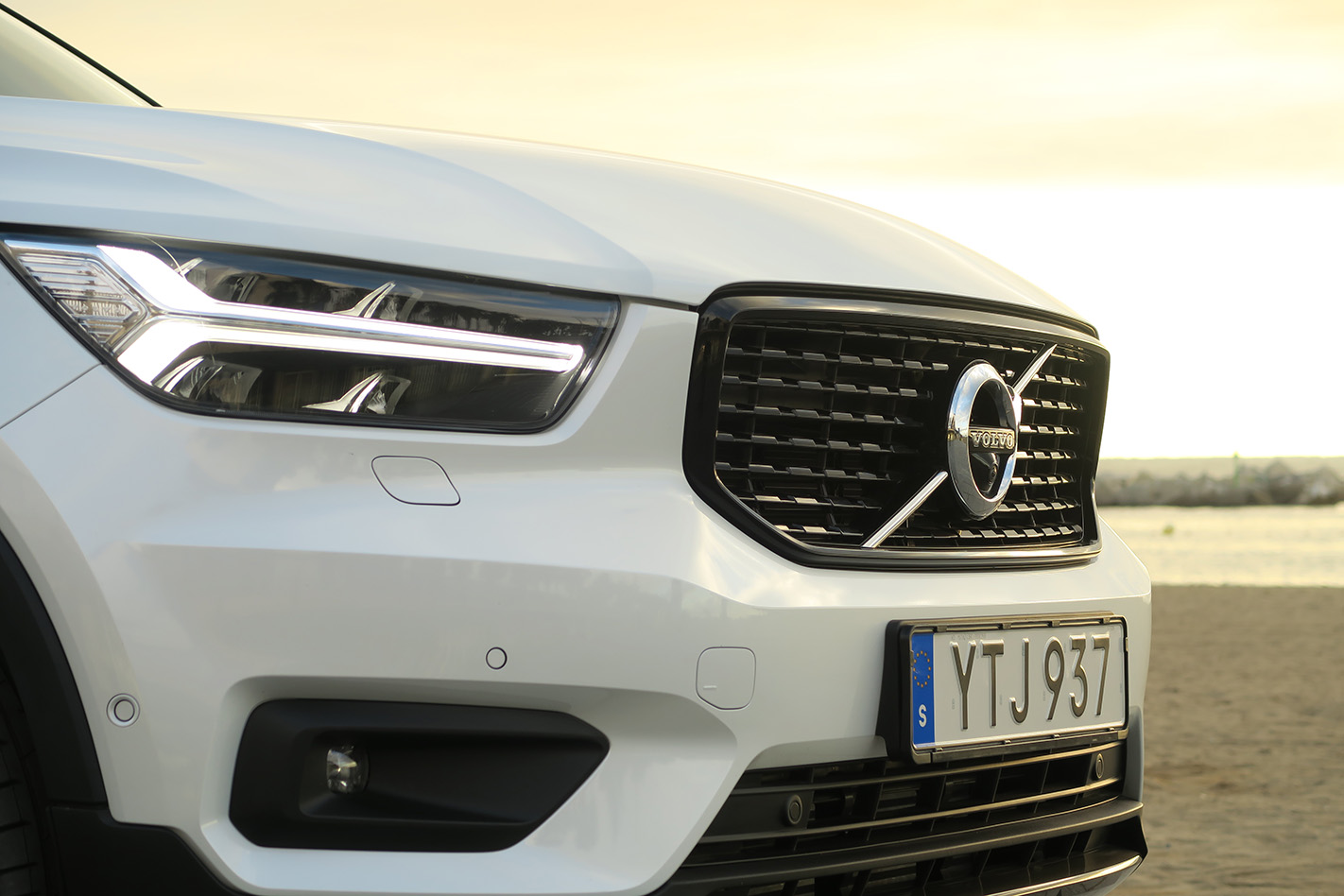
Volvo Australia has confirmed it will drop the diesel-engined XC40 D4 from its line-up after mere months on sale – and it could eventually replace it with an all-electric alternative.
The T5 Momentum entry-level variant will also disappear, with two lower-output petrol T4 models to replace it and the diesels in the XC40 model hierarchy. A base-spec T4 Momentum will open the range, while a new specification grade will be introduced in the form of the T4 Inscription. Meanwhile, the current XC40 T5 R-Design range-topper will carry over as the most expensive model in the family.
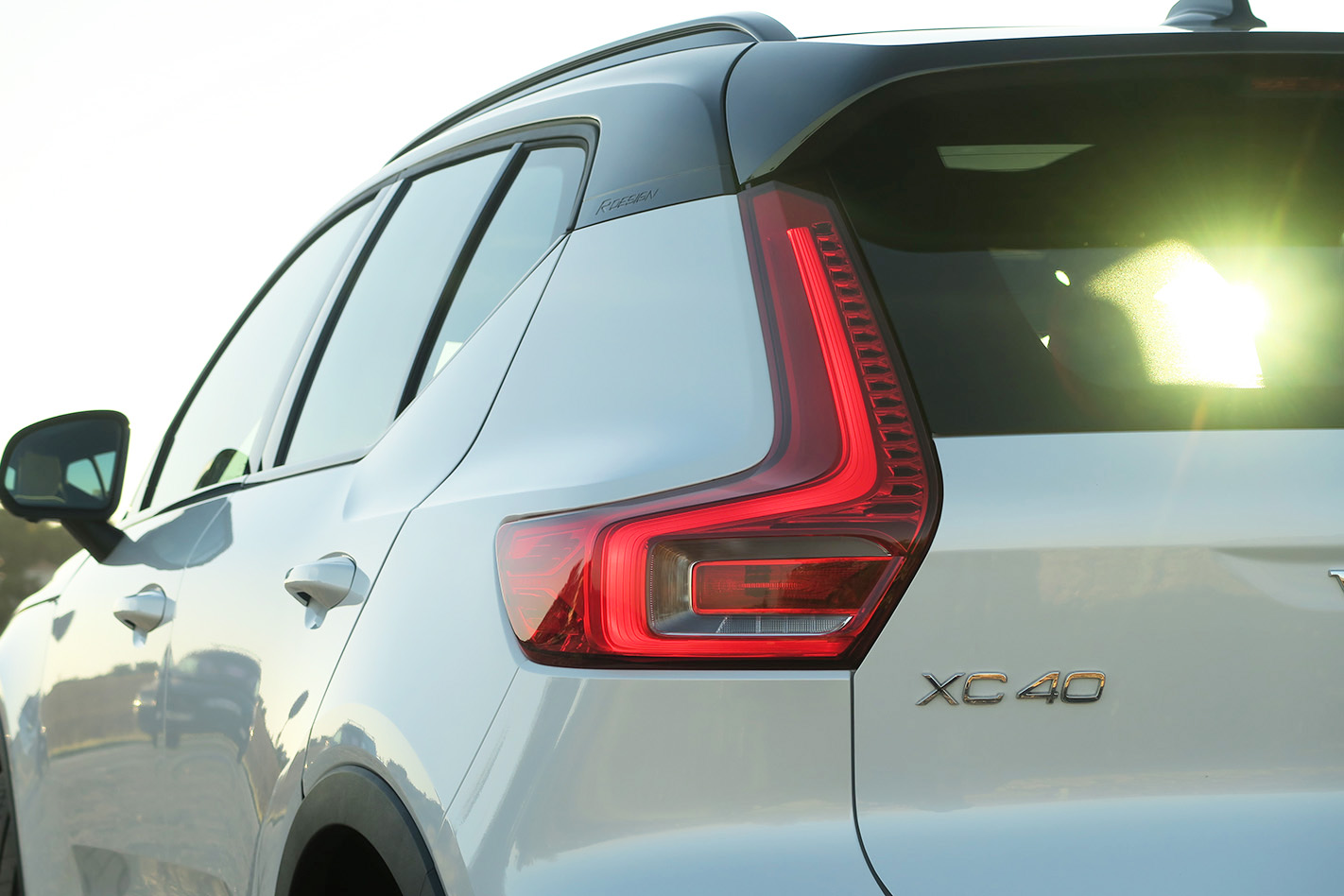
Local specifications and pricing have yet to be confirmed, but in Europe the T4 variants come powered by a 140kW/300Nm 2.0-litre turbo petrol four-cylinder. For Australia, the T4 Momentum will be offered strictly in front wheel-drive form, while the T4 Inscription will take power to all four wheels.
With less power and half the number of driven wheels it’s safe to assume that the T4 Momentum will retail for significantly less than the current entrypoint, the T5 Momentum, though just how much of a discount it will wear is still yet to be announced.
With a fully-electric XC40 confirmed to be in the pipeline as Volvo’s first all-electric model, there’s the potential for an electron-burning variant to slot in Down Under as a replacement for the departing diesel. Speaking to Wheels, Volvo Australia’s PR manage Greg Bosnich said the brand was committed to an electrically-enhanced long-term outlook.
“Electrification is our future,” Bosnich said when asked about local potential for the electric XC40.
“When the XC40 battery-electric vehicle is available we will definitely consider it for our market.”
A three-cylinder petrol is also expected to surface in the near future.
So far, the XC40 has proved to be a success for the Swedish company’s local operation. The full initial allocation sold out just two months since local deliveries began, and prospective buyers are now facing waiting lists of at least four months until more cars arrive.
Strong global interest in Volvo’s first compact SUV is a key reason behind the supply shortage, though Volvo Australia is working with Sweden to secure enough cars to meet demand.
TELL ME ABOUT THIS CAR
The D5 is the more powerful of two 2.0-litre turbocharged diesel options in the Volvo XC60 range, with its twin turbos helping it produce 173kW/480Nm, giving it considerably more pep than the D4’s 140kW/400Nm.
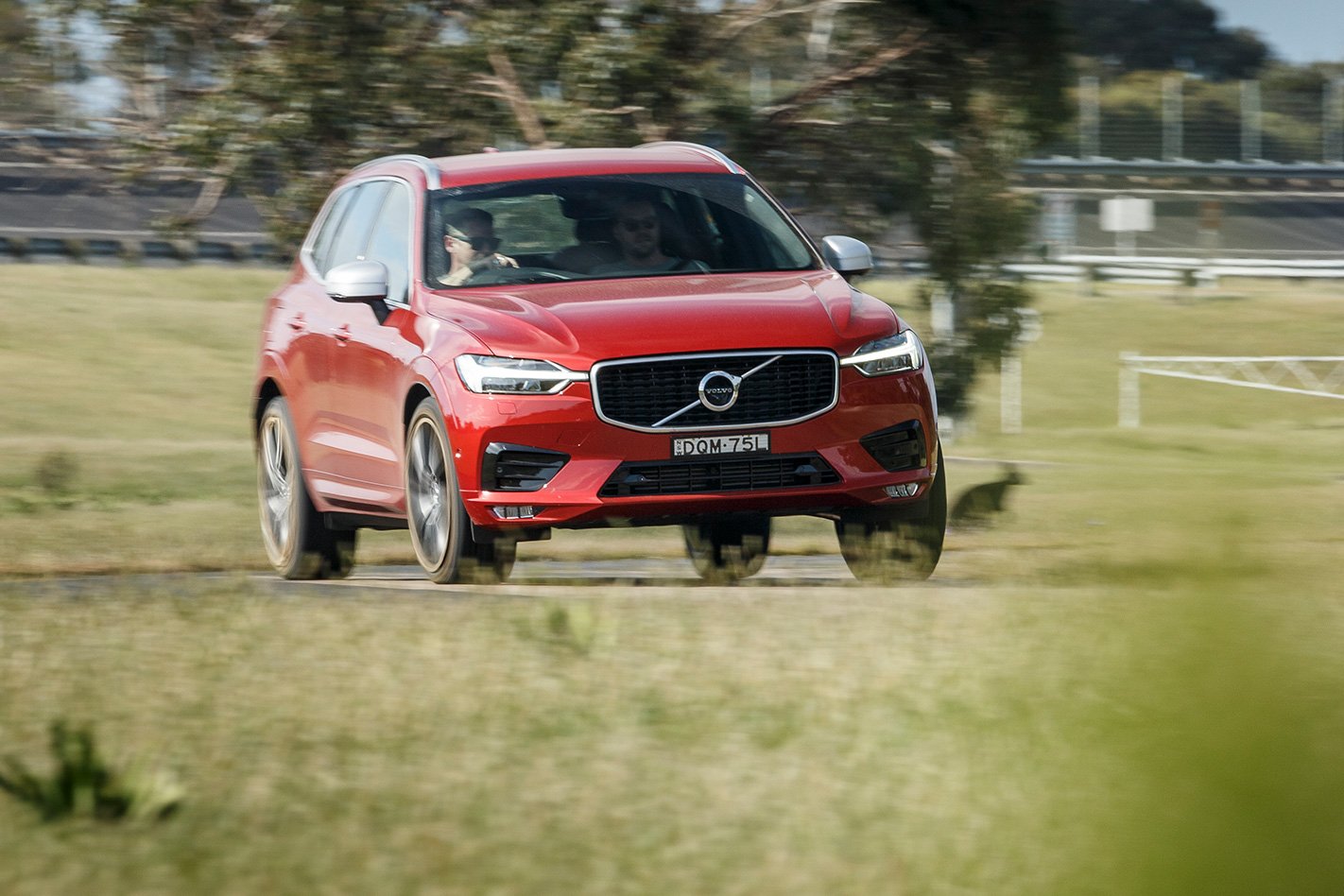
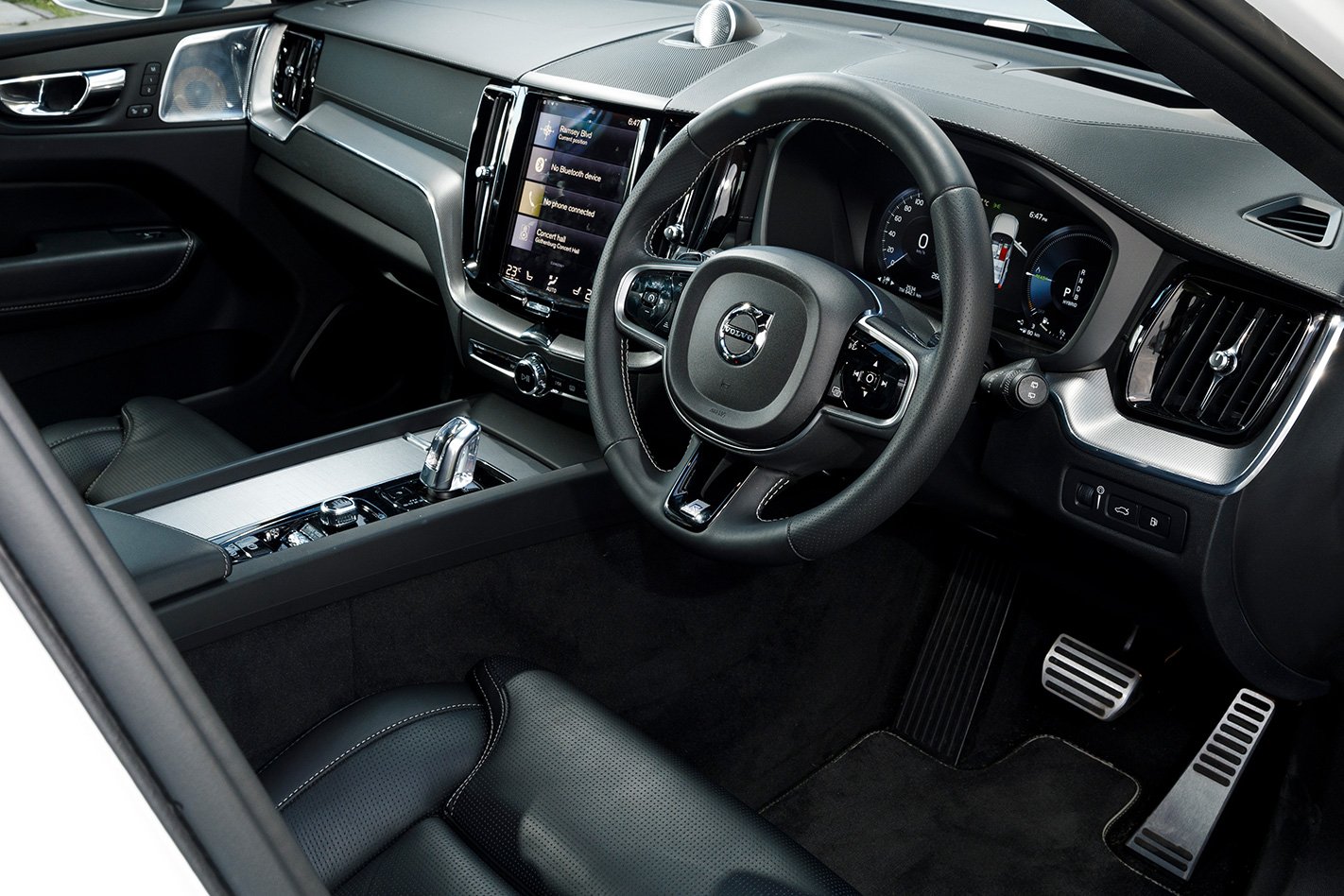
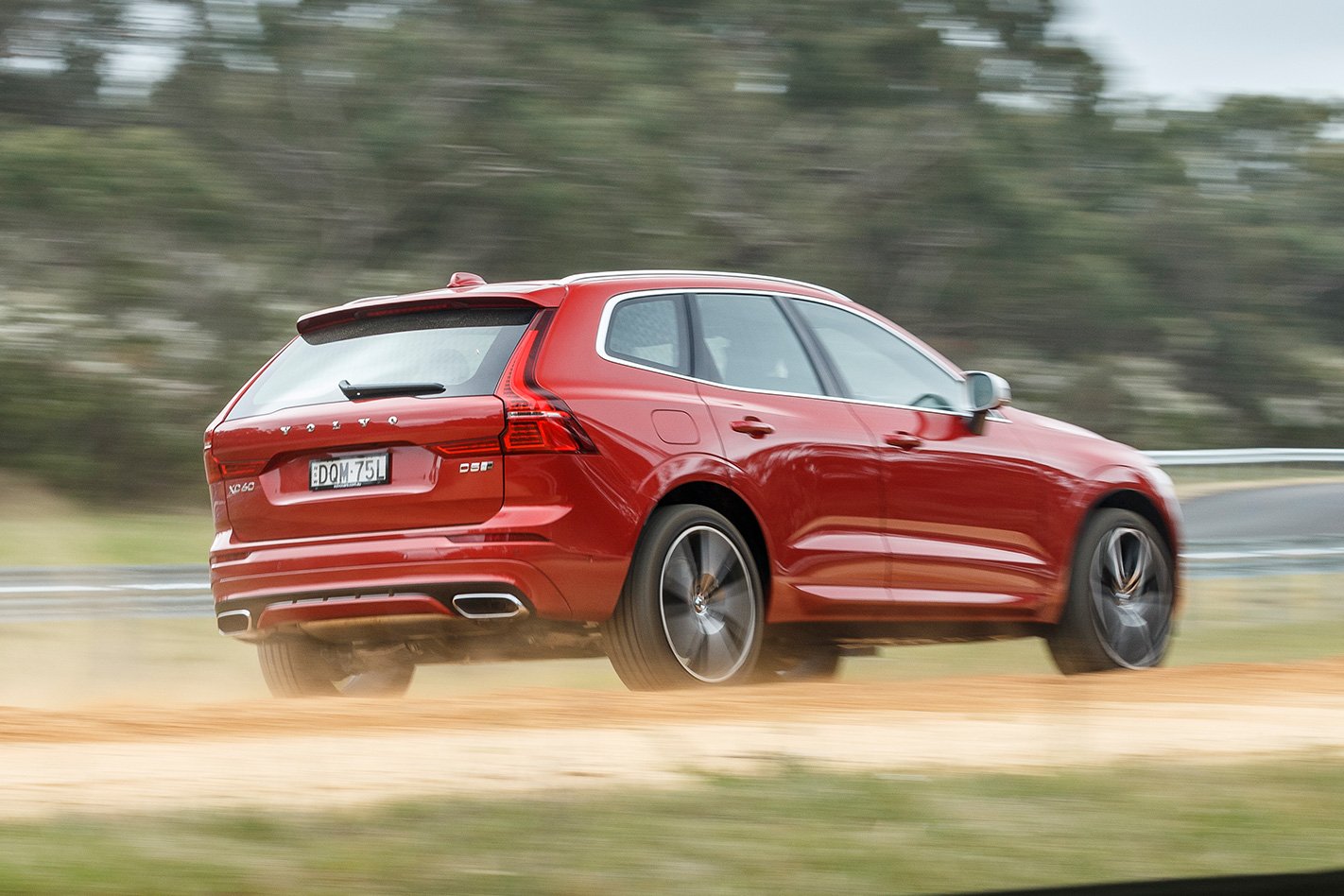
The all-wheel-drive D5 is only available in the top-spec R-Design trim, which comes standard with 21-inch alloy wheels, dual integrated tail pipes, R-Design leather sports steering wheel with paddle shifters, digital radio, satellite navigation, head-up display, and contoured leather seats.
The D5 R-Design retails for $73,990, about $7000 more than the mid-spec D4 Inscription, and $3000 less than the similarly equipped turbo-petrol T6 R-Design.
STRENGTHS
- Apart from some inevitable turbo lag, the twin-turbo D5 has plenty of shove, with excellent, head-tilting acceleration, particularly in the Dynamic driving mode. It sits comfortably at higher speeds, with plenty of power in reserve to make quick overtaking a doddle.
- The extra power and performance doesn’t come at the expense of fuel economy. The D5’s official combined fuel consumption figure is a measly 5.6L/100km. Our real-world driving – which included urban, freeway and country driving, and the mother of Melbourne Friday night traffic jams – saw that stretch to a still-respectable 7.5L/100km according to the on-board computer.
- R-Design XC60s come with Pilot Assist and BLIS active safety as standard. Pilot Assist takes care of semi-autonomous steering, acceleration, and braking on well-marked roads up to 130 km/h, while BLIS takes over the steering to evade a head-on collision should the driver stray into the wrong lane.
- It’s very safe, even for a Volvo, having received the highest Euro NCAP crash test rating in 2017 with “almost-perfect 98 percent” for the way it protected adults in a simulated crash. And its autonomous emergency braking scored maximum points in Euro NCAP low-speed tests “typical of city driving”, with collisions avoided at all test speeds.
- The control and infotainment system has multiple layers and modes via the swipe-and-push 12.3-inch portrait touchscreen. It’s is a little confusing at first, but once you’re accustomed you’ll find it is a decent mix of functionality and design. Most vehicle and climate control settings can only be operated via the screen, but it’s only on pretty rough roads where you’ll be wishing there were more physical buttons.
- Boot space is 505 litres, which is about average for a medium SUV, but the wide opening helps fit bulky loads.
WEAKNESSES
- The XC60 is deceptively wide for a medium SUV which can make it difficult to park within the lines. Helping you, however, is a 360-degree camera view. There’s also an automated parking assistant.
- The steering on the XC60 can feel a little disconnected. It’s accurate and consistently-geared but doesn’t offer much in the way of feedback.
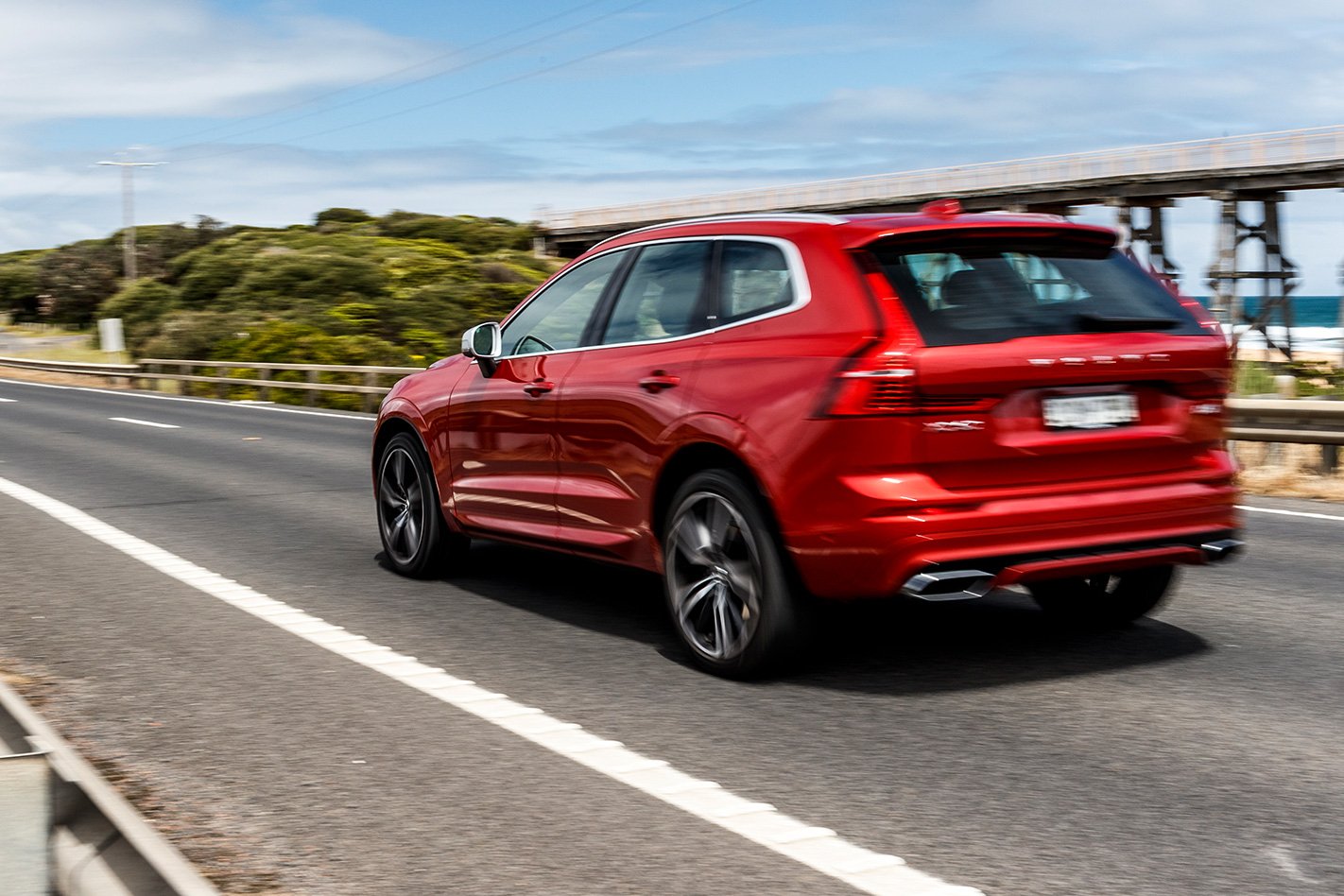
ARE THERE ANY RIVALS I SHOULD CONSIDER?
The Volvo XC60 D5 R-Design finds itself up against formidable European rivals, though if the number of awards the second-generation XC60 has received since its 2017 launch (including the coveted Wheels Car of the Year) are any guide, you can feel confident it has most of the competition covered.
The D5 represents excellent value against comparatively priced, but mostly less-powerful 2.0-litre turbodiesel rivals including the Audi Q5 2.0 TDI quattro Sport, BMW X3 xDrive 20d, Jaguar F-Pace 20d Prestige, Land Rover Discovery Sport SD4 HSE and Mercedes-Benz GLC250d.
ALFA ROMEO is new to the SUV game, but it leaps out of the starting blocks with a midsize crossover that sits smack-bang on the boundary between a sporty passenger car and a high-riding wagon. Result? A sports utility vehicle that skews heavily toward the ‘sports’ side of the equation, while still boasting plenty of ‘utility’.
WHAT IS IT?

Based on Alfa’s lauded Georgio platform, the Stelvio shares much of its inner architecture with the Giulia sedan family. That’s very much a good thing, given how delightful that car is to drive, and it endows the Stelvio with a degree of athleticism that is difficult to find elsewhere in the SUV segment. Available initially in Australia in base diesel and petrol configurations – all with automatics and AWD – the Stelvio range will expand later this year when a high-output petrol Stelvio Ti arrives, followed by the hardcore Stelvio Quadrifoglio.
Prices start at $65,900 for the base variant petrol and $67,900 for the entry-level diesel, and tops out at $78,900 for the Stelvio Ti. Pricing for the Quadrifoglio flagship is yet to be announced.
WHY WE’RE TESTING IT
The Stelvio is Alfa Romeo’s first effort at an SUV – with buyers continuing to migrate toward high-riding wagons, the Stelvio is thus a critical model for the Italian automaker’s commercial success.
Its success hinges on the Stelvio’s ability to deliver the performance, driving enjoyment and premium feel that Australia’s discerning buyers demand, wrapped up in competitive quality and style.
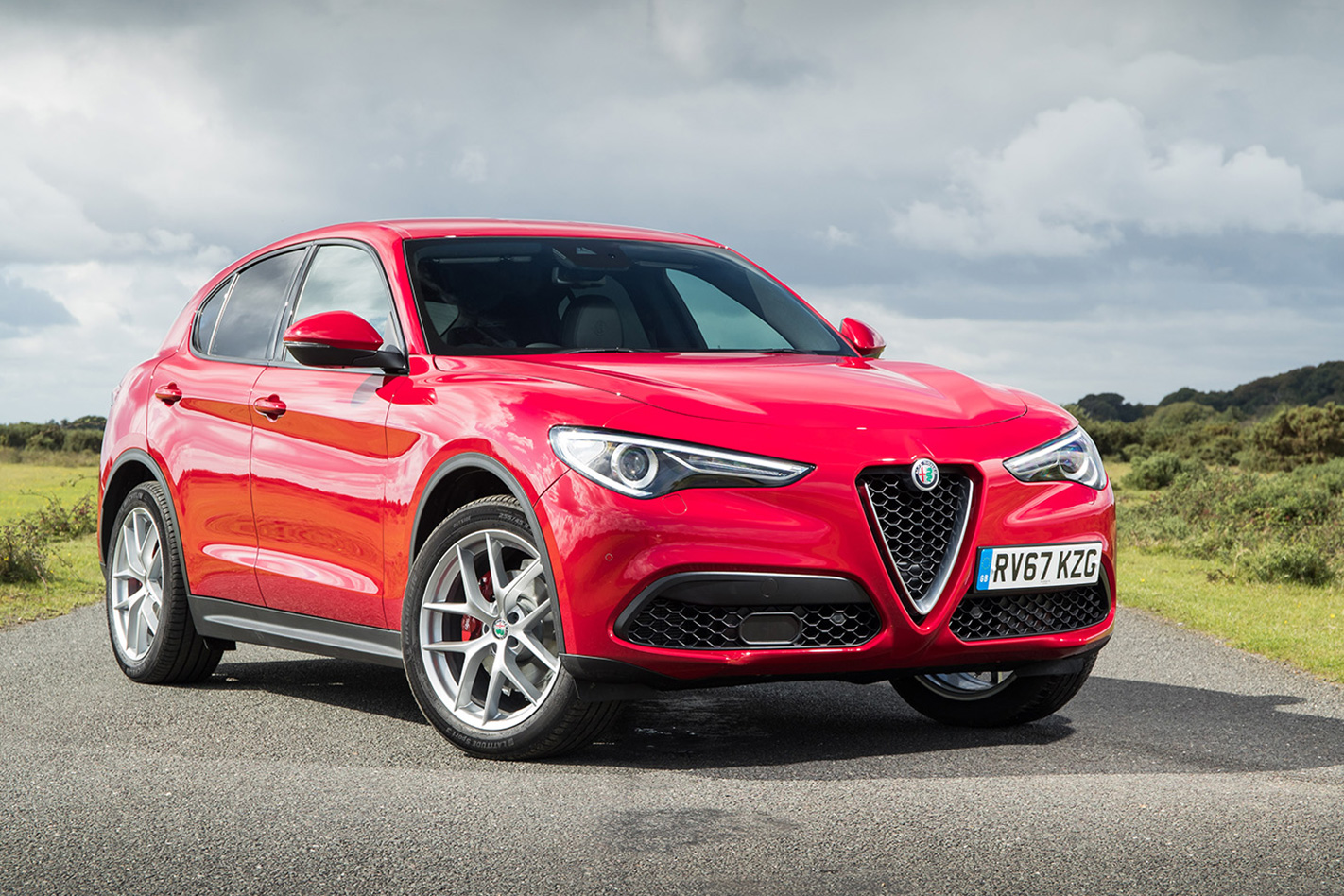
MAIN RIVALS
Mercedes-Benz GLC-Class, BMW X3, Audi Q5, Lexus NX, Jaguar F-Pace
THE WHEELS VERDICT
Alfa’s Stelvio deserves kudos for proving that SUVs can be just as dynamic and enjoyable behind the wheel as a lower-slung sedan and, even at the lowest end of its range, provides ample substance for keen drivers. There are some packaging compromises – most notably in the boot – but Alfa Romeo has still managed to endow its first SUV with a healthy amount of usability nevertheless. Light on its feet and with class-leading agility, it’s the perfect medicine for driving enthusiasts who see SUVs as dull, boring and not worthy of their attention.
PLUS: Class-leading driving dynamics; sharp styling; value for money MINUS: Cheap cabin plastics; smallish boot; grabby brakes
THE WHEELS REVIEW
IT’S NOT enough to just be sexy anymore. Looks count for nought if the fundamentals aren’t right, which is why it’s so pleasing that Alfa’s first effort at a tall wagon is not only easy on the eyes, but satisfies other more meaningful criteria as well.
Constructed on top of the Giulia’s capable Giorgio platform and swinging for the likes of BMW’s X3, Benz’s GLC, Audi’s Q5 and Jag’s F-Pace, the Stelvio is now on our shores in entry-level 148kW petrol and 154kW diesel guise. The range will be bolstered later this year with the arrival of a 206kW petrol Stelvio Ti mid-ranger, followed by the AMG-chasing twin-turbo V6-powered Stelvio Quadrifoglio, but right now it’s the base petrol and diesel that you can drive out of an Alfa showroom.
Those entry points can also be optioned to First Edition spec for a $6K premium: a limited-series grade that adds fancier trimmings along with luxe features including heated sports leather seats, a panoramic glass sunroof, heated steering wheel and Koni dampers all round.
Our first local drive was at the wheel of First Edition cars, so it’s important to note that the base suspension grade wasn’t on hand to test. There are three types of suspension offered in the Stelvio: base with Koni dampers on the rear, a mid-spec that puts Konis in all four corners, and an electronically adjustable adaptive damper setup. We’ll sample the base and high-spec hardware in due course.
Why are we so hung up on suspensions? Because at our first taste of the Stelvio overseas in Northern Ireland, there were some question marks over the rear-end’s ability to contain big vertical movements over lumpy tarmac. Alfa’s selection of equally challenging mountain roads for the Stelvio’s local launch indicates they’re confident those issues have been tamed.
And, whipped hard across the full length of Victoria’s Reefton Spur, the Stelvio First Edition shows big promise as an SUV that’s sportier than most. Its crisp and direct steering is undoubtedly the highlight for drivers, with the fastest rack ratio in its class and keen turn-in from just off centre. Roadholding is also outstanding, with the Stelvio’s four Pirelli Scorpions providing ample traction and the suspension proving highly resistant to both roll and understeer – a 50:50 weight distribution definitely helps with the latter.
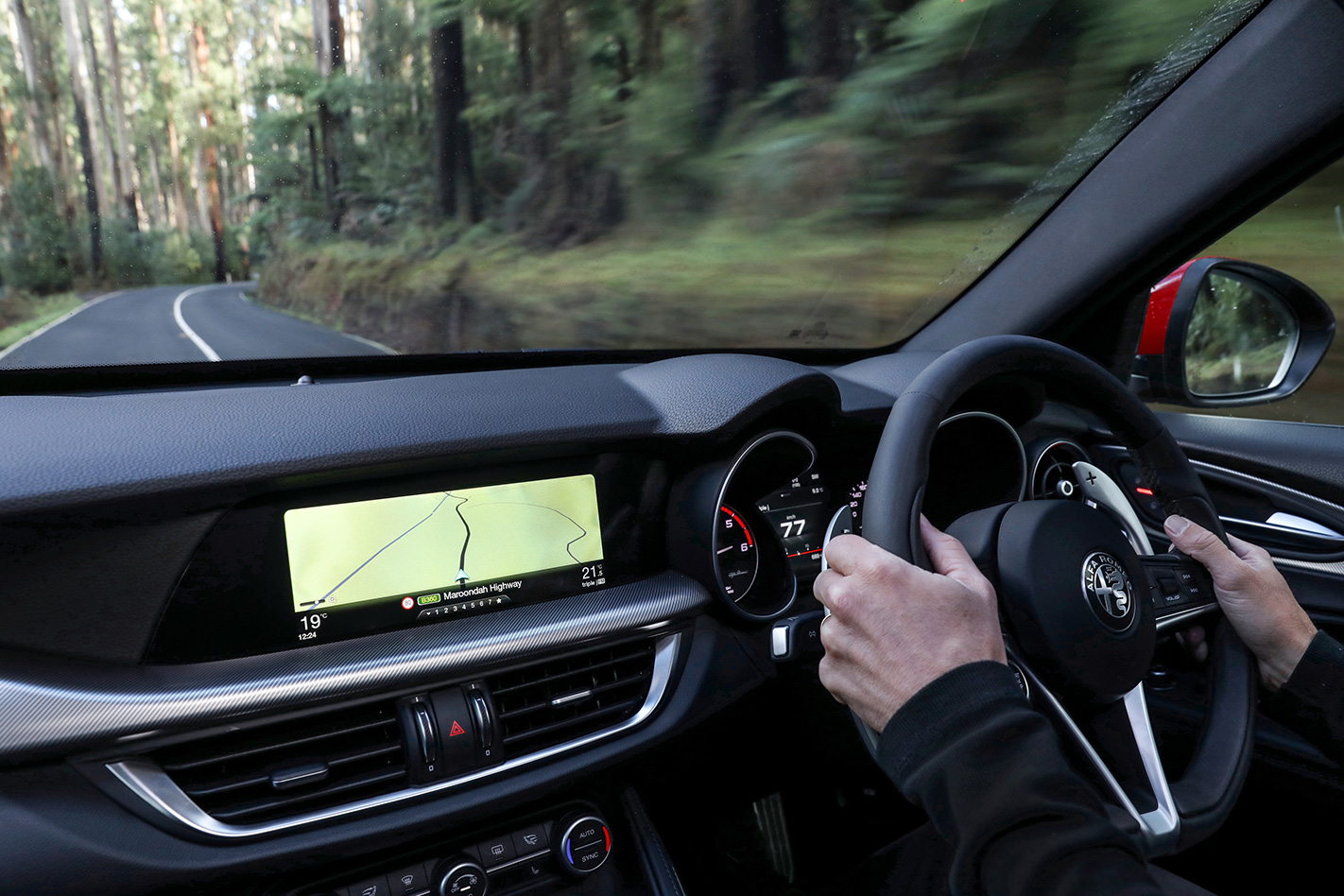
That performance and balance combines with a chassis that’s also the lightest out of all mid-size SUVs. Tipping the scales at 1619kg in petrol form (add a single kilo for the diesel’s weight), the Stelvio is far from porcine – and works in the base 148kW/330Nm petrol’s favour, given its somewhat modest power output. The result is a 0-100km/h sprint of 7.2 seconds, giving the petrol Stelvio near-hot hatch acceleration. Hop into the 154kW/470Nm 2.2-litre Stelvio diesel, and the zero-to-hundred falls to a Golf GTI-rivalling 6.6 seconds.
A lot of that straight-line competence can be attributed to the eight-speed automatic, which sends power to all four wheels as standard – there will be no two-wheel-drive Stelvio variants in Australia. Gearshifts are snappy and the auto works well when left to its own devices, while traction under power is difficult to breach. It’s a shame about the sensitive brake-by-wire system, with snatchy engagement taking some getting used to.
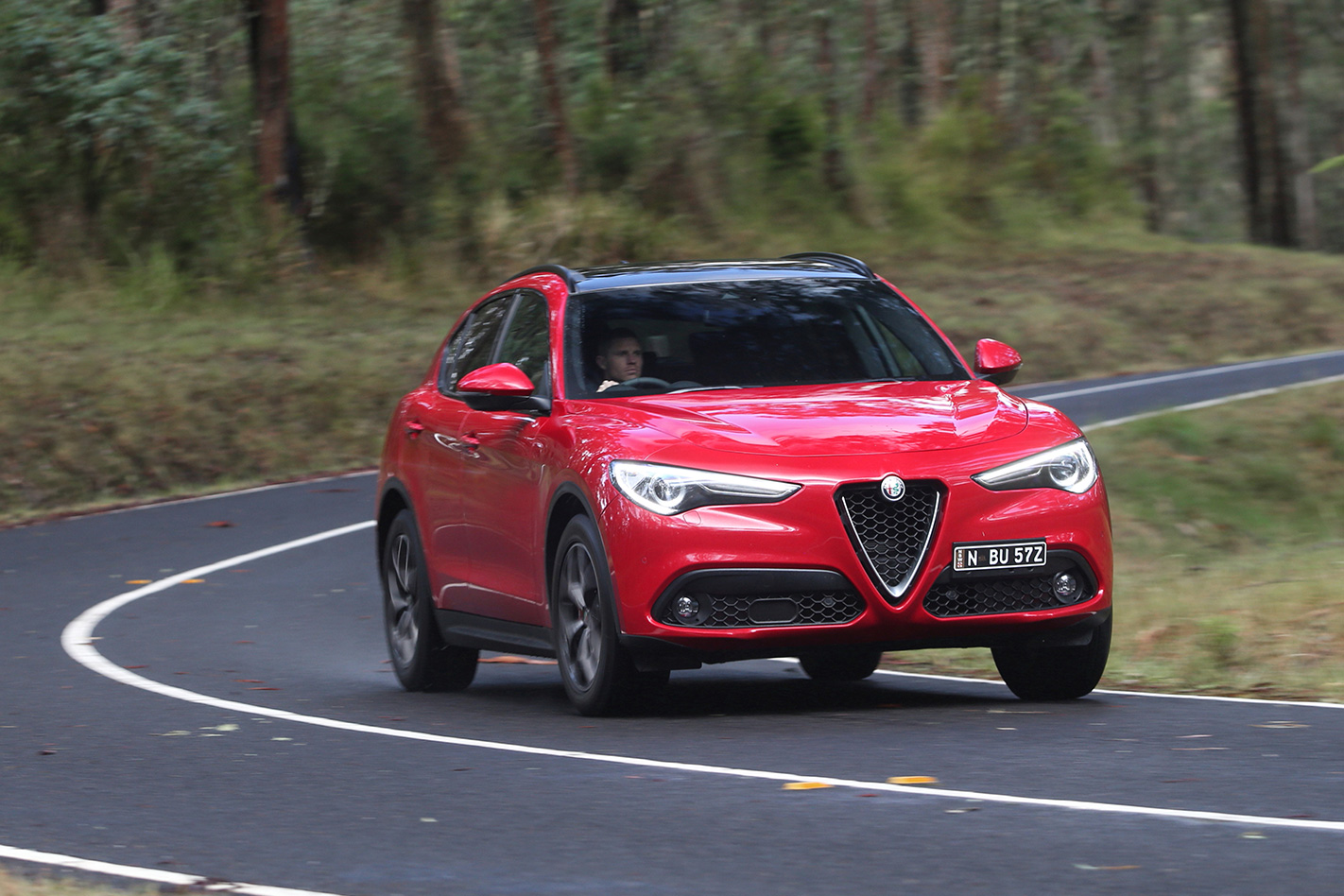
It’s fantastic news for keen drivers, but on-road performance is arguably secondary in the SUV segment. Comfort and versatility are paramount, and the Stelvio’s report card in these areas isn’t quite as impressive as its credentials as a driver’s car.
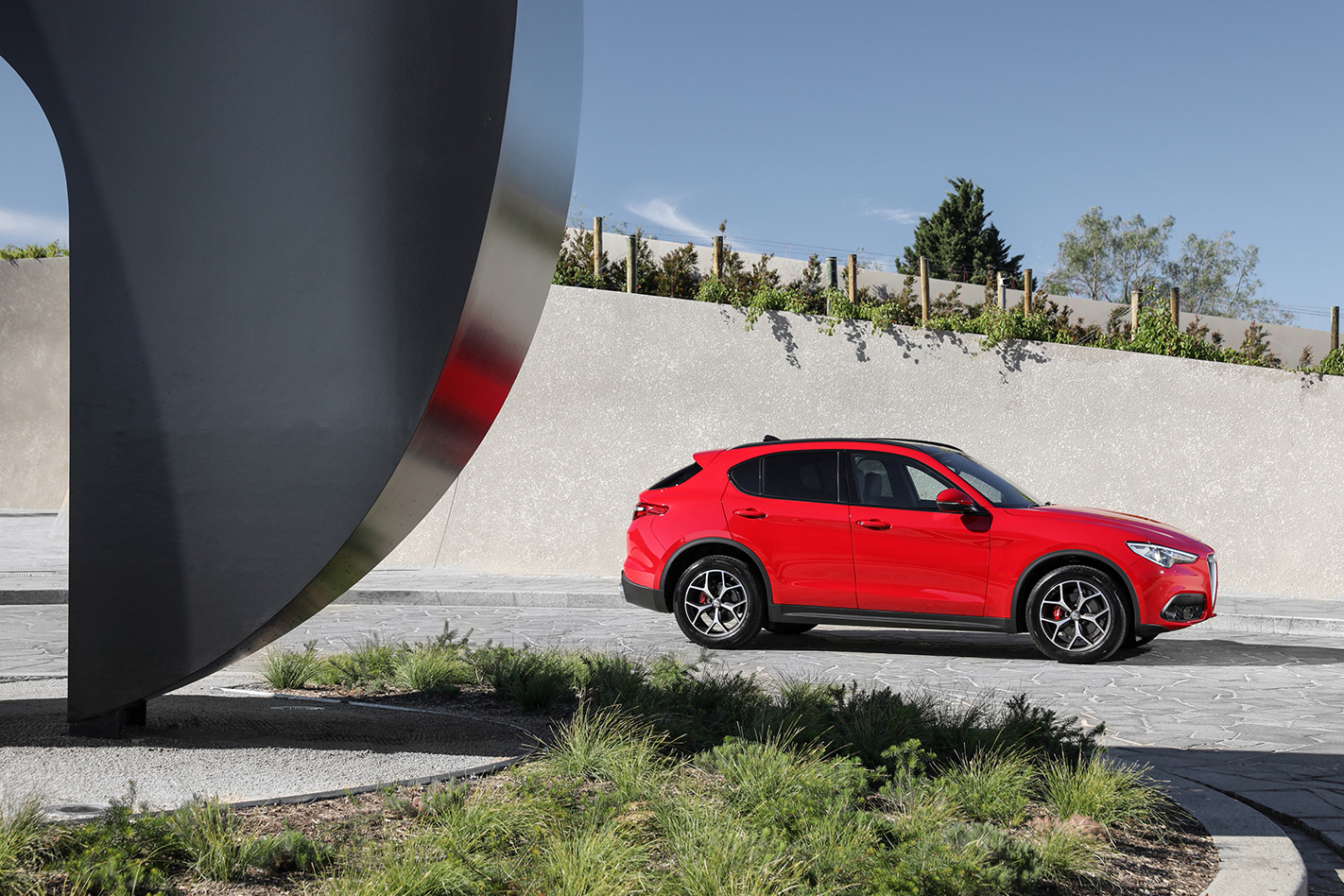
Some of that comes down to its form factor. Unlike its chief rivals, the Stelvio doesn’t have a traditional SUV wagon body. Its turret terminates at the C-pillar with no side glass aft of the rear doors, giving it a profile that’s more akin to a supersized hatchback than a medium SUV. Even so, its 525-litre seats-up boot capacity is actually ahead of competitors such as the Mercedes GLC (505 litres), Volvo XC60 (490 litres) and Porsche Macan (500 litres), though the Jaguar F-Pace’s 650-litre capacity truly puts it in the shade, as do the BMW X3 and Audi Q5’s 550-litre boots.
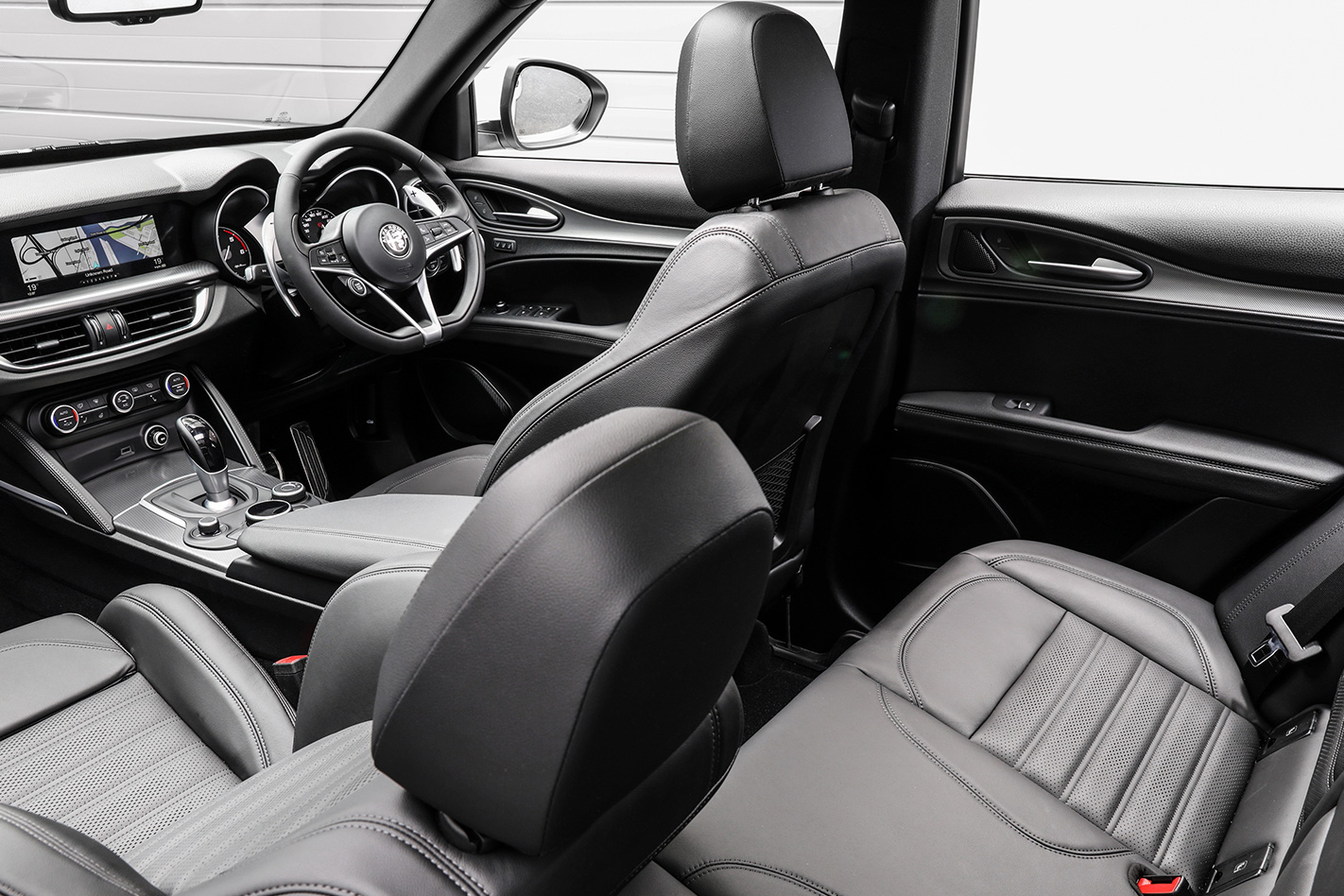
Note that you’ll only get the 525-litre capacity if you’re okay with an inflator kit rather than a dedicated space-saver spare tyre. Opt for the spare, and luggage space shrinks to 499 litres due to the loss of some underfloor storage space.
Comfort-wise, the seats are nicely contoured at the front and mounted low for a sportscar-like feel, while the rears offer plenty of legroom and are canted back for a better long-distance posture – though are also fairly firm in their cushioning. Like its Giulia cousin, there are also some shortfalls in the Stelvio’s cabin quality – some better quality plastic textures and finishes would go a long way to lifting the interior’s ambience.
There are better people carriers around, but does that diminish the svelte Stelvio’s appeal? It might for the more pragmatically minded among us, but there’s no denying the Stelvio holds the upper hand when it comes to driving engagement. Few SUVs feel as sporty at this end of the price spectrum, and it’s little surprise that the Stelvio Quadrifoglio holds the record of ‘fastest SUV’ around the Nurburgring Nordschliefe. It also happens to look pretty fetching in the metal, and for a great many people that still counts for a lot.
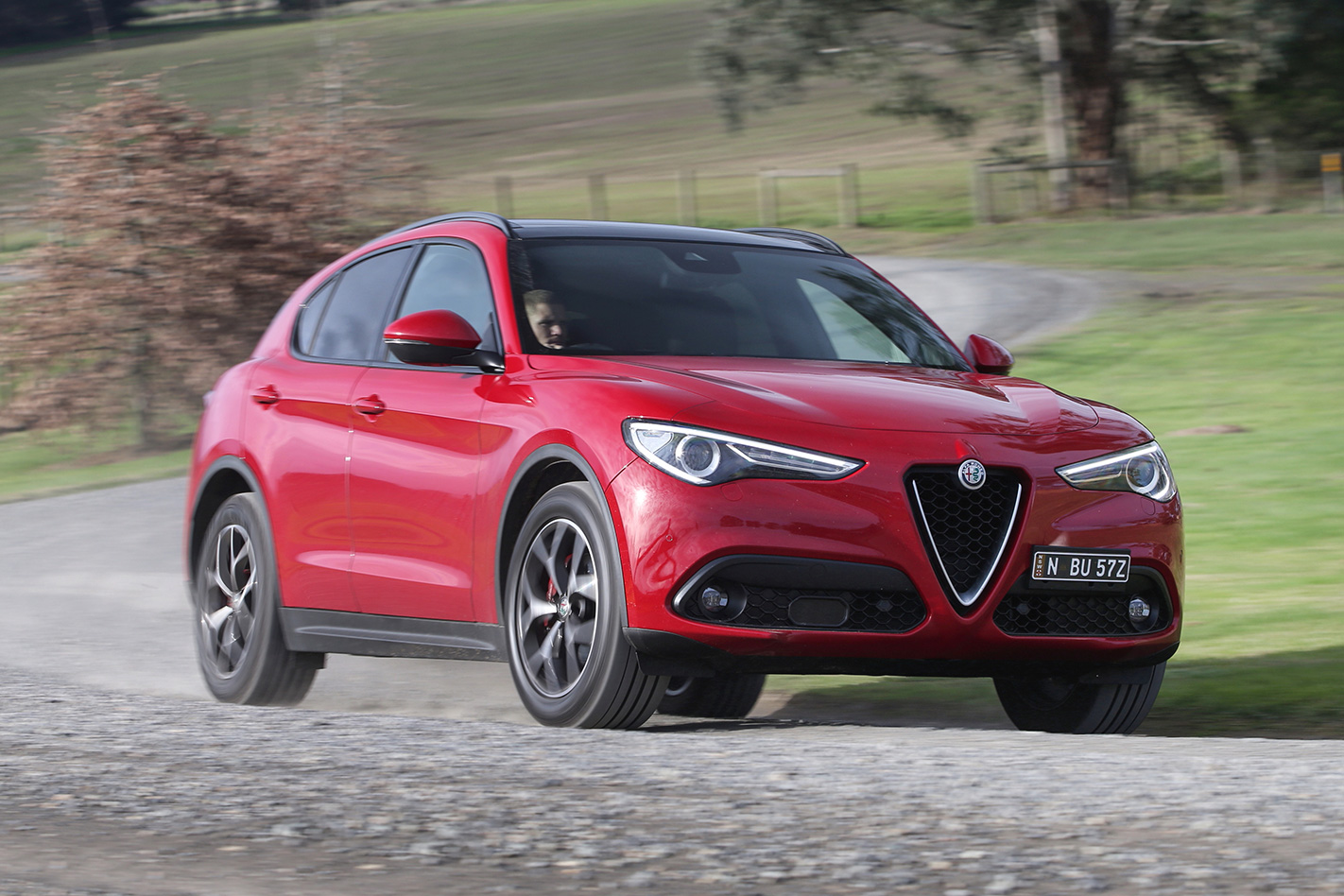
SPECS Model: Alfa Romeo Stelvio First Edition petrol Engine: 1995cc 4cyl, dohc, 16v, turbo Max power: 148kW @ 4500rpm Max torque: 330Nm @ 1750rpm Transmission: 8-speed automatic, AWD Weight: 1619kg 0-100km/h: 7.2sec Fuel economy: 7.0L/100km Price: $71,900
A recall relating to faulty cruise control systems on Fiat Chrysler vehicles has rolled out in Australia, with almost 3000 Jeep Cherokees affected.
Jeep’s parent company, Fiat Chrysler Automobiles, has already recalled almost 5 million Chrysler, Dodge, Jeep and Ram products in the US after the country’s roads safety watchdog warned owners not to use the vehicles’ cruise control system.
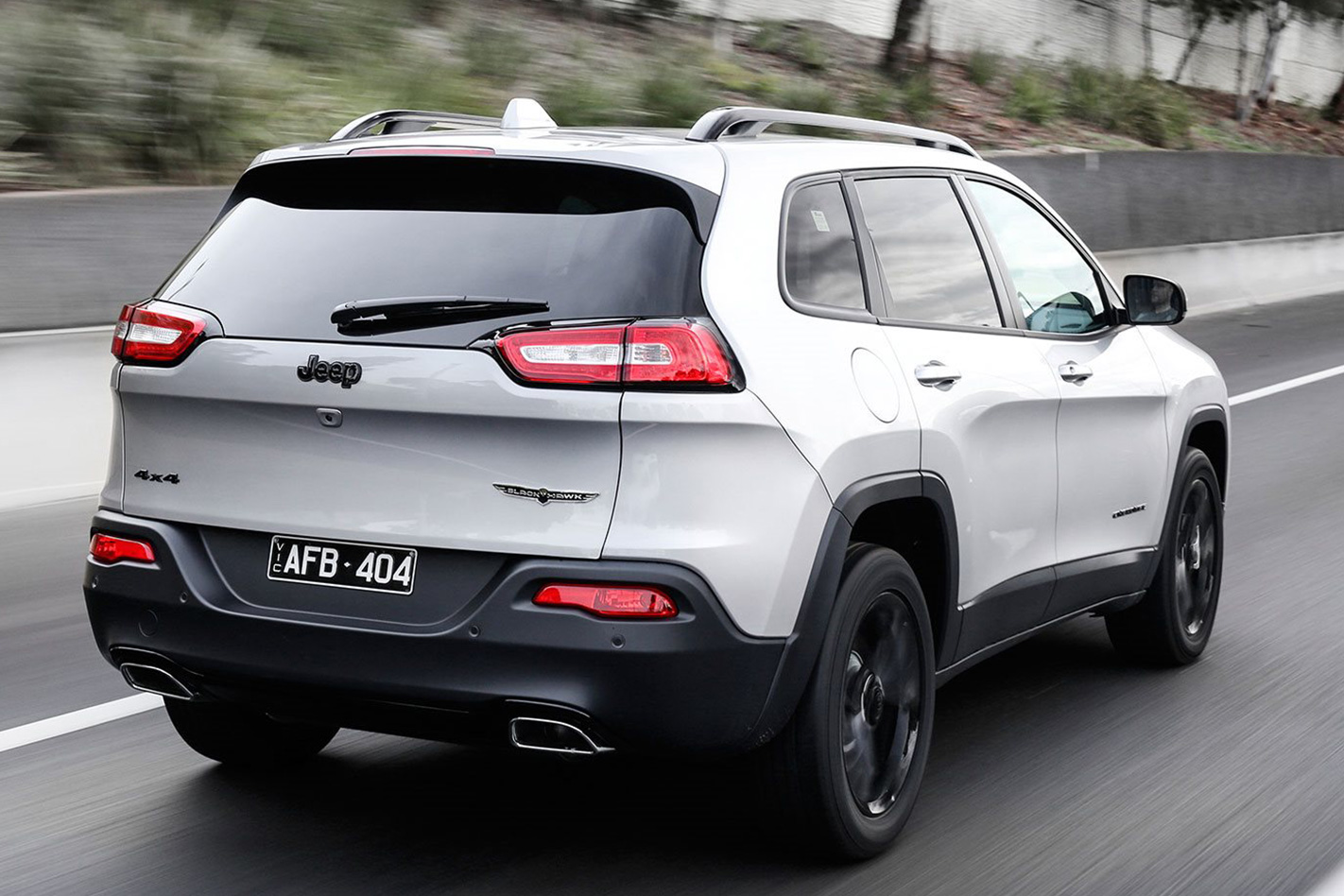
The warning was issued after fears were aired that the system fitted to petrol-engined vehicles using automatic transmissions could lock on the cruise control if a short circuit happened while the vehicle was accelerating uphill.
FCA said owners could override the system by using the brakes to bring the vehicle to a stop, or by flicking the transmission into neutral. Cruise control would also cancel once the stopped car was shifted into the transmission Park position.
Australia’s recall relates to petrol versions of the Cherokee fitted with an automatic transmission and sold between 2014 and 2018. It is believed the recall may also scoop up versions of the Chrysler 300, Jeep Grand Cherokee, and Jeep Wrangler. Fiat Chrysler Australia was asked for comment on the likelihood of the local recall expanding to include these models.
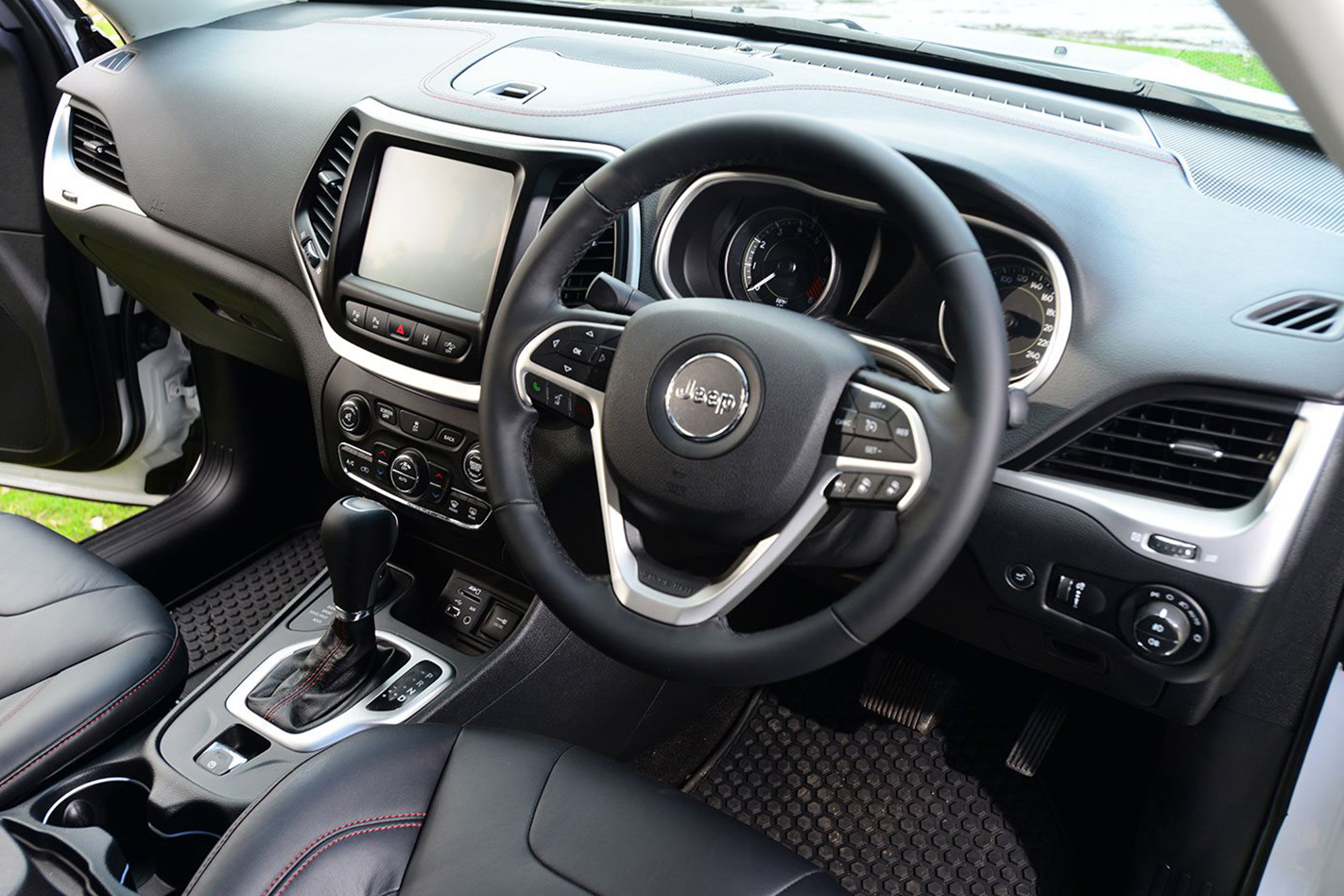
The Australian recall accounts for about a third of the Cherokees that Jeep sold during the recall period.
FCA said it was not aware of any injuries in the US caused by the fault, which was first identified in late May.
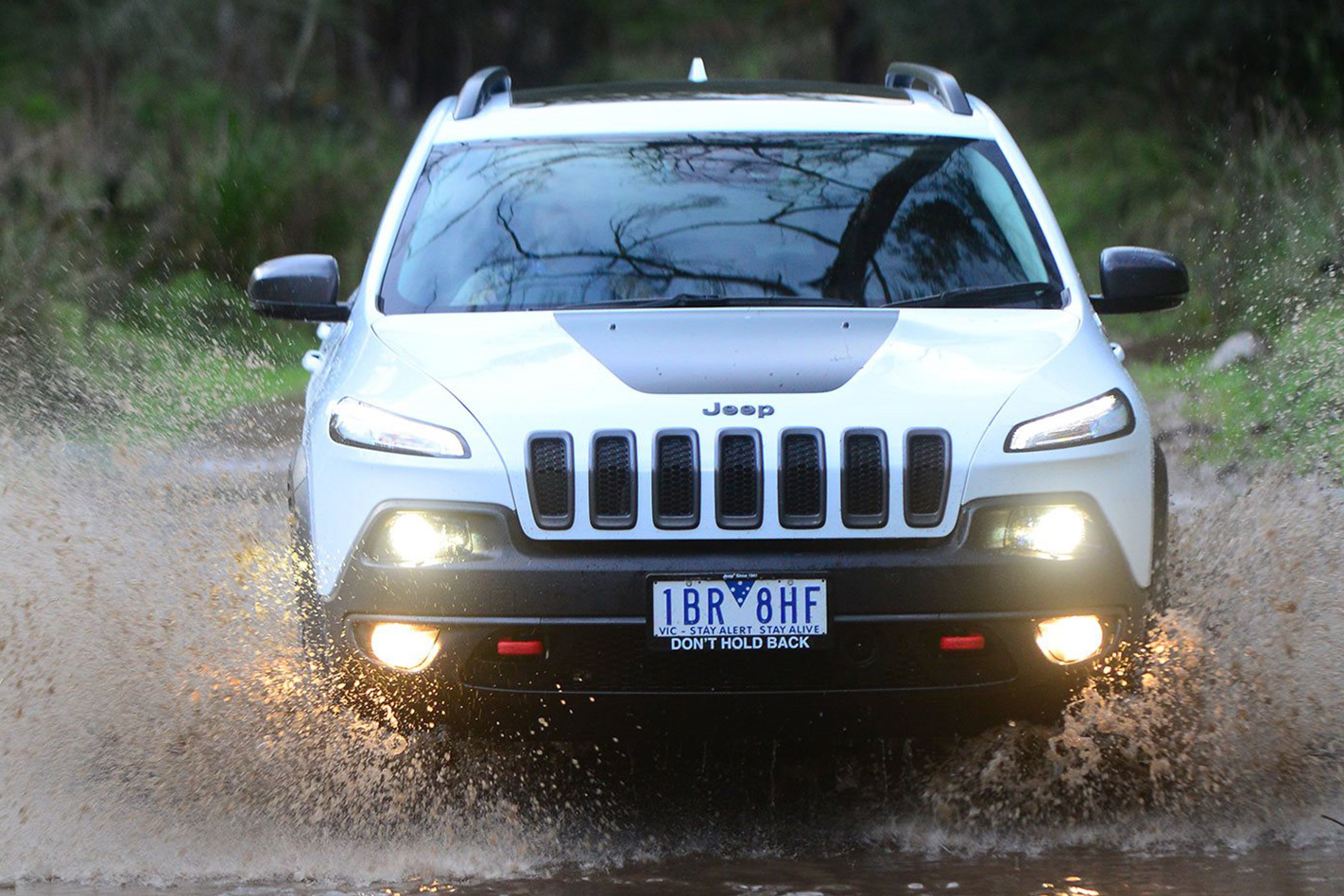
If the Jeep Grand Cherokee is added to the recall, it scoops up Fiat Chrysler Australia’s biggest selling model that accounts for roughly three out of every five sales for the brand. However, the large SUV class leans heavily towards more fuel-efficient diesel-engined models, limiting the number of Grand Cherokees likely to be added to the recall campaign.
AUDI’S mighty R8 V10 supercar may have to relinquish its status as the company’s power champion to an SUV, if reports of a 500kW RS Q8 are true.
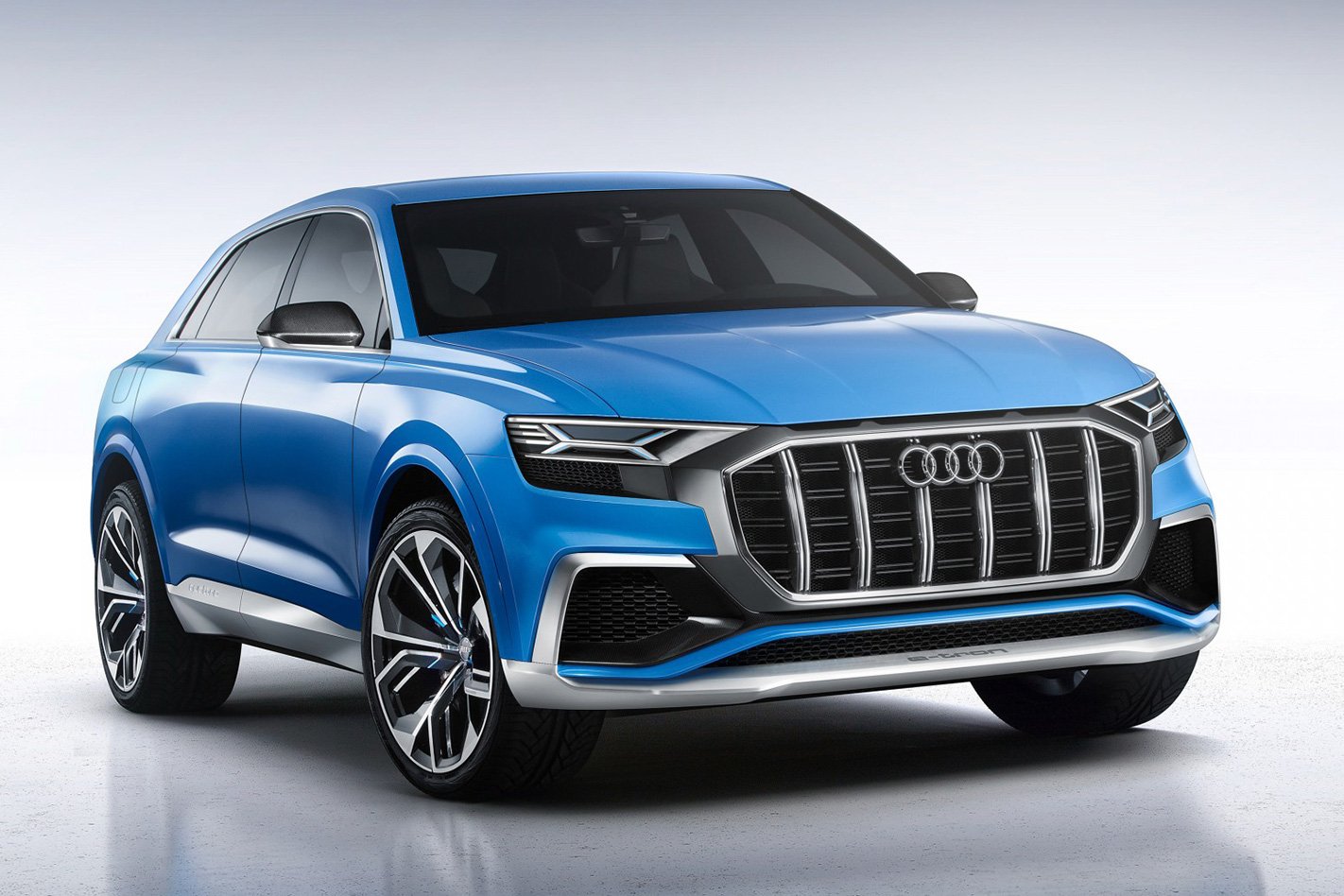
According to British publication Autocar, the Audi Sport division is developing a potent RS version of the freshly launched Q8 that will borrow the hyperbolic petrol-electric drivetrain from Porsche’s Panamera Turbo S E-Hybrid, donating more power than any road-going Audi has packed to date.
With a turbocharged 4.0-litre V8 coupled to an electric motor, the rumoured RS Q8 will deliver in the region of 500kW and 850Nm, which trumps the R8 V10 Plus’ best efforts by 51kW and 290Nm, and comes close to the company’s current torque champ, the 900Nm V8 turbo diesel of the SQ7.
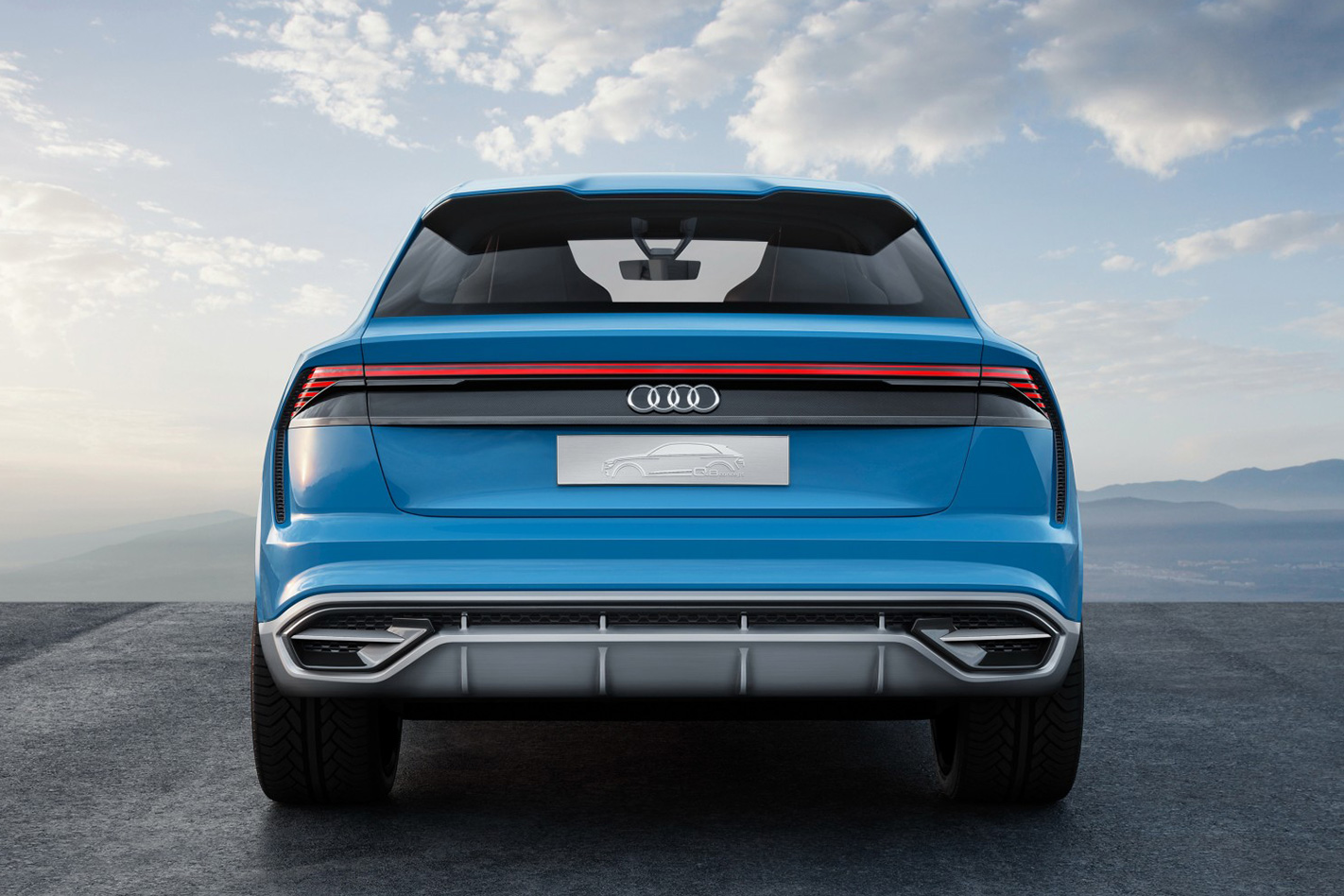
Audi is yet to confirm any official details regarding an RS Q8, but the company has previously indicated it will expand the Audi Sport family beyond the current range of S, RS and R8 models. An RS Q8 would be only the second RS-badged SUV, following in the (narrower) tracks of the RSQ3.
A prototype Q8 has been spotted in testing with camouflage cladding disguising its bumpers, though the underlying surfacing appears to resemble the RS Q8 concept revealed last year. A set of large-bore twin oval tailpipes are another classic RS family fingerprint.
In the super SUV arena, a 500kW club-swinging Audi would cause headaches for all the key players including the 478kW Lamborghini Urus, Bentley’s 447kW Bentayga and the 430kW GLE63 from Mercedes-AMG, but with a plug-in powertrain it will likely dominate in the efficiency stakes as well.
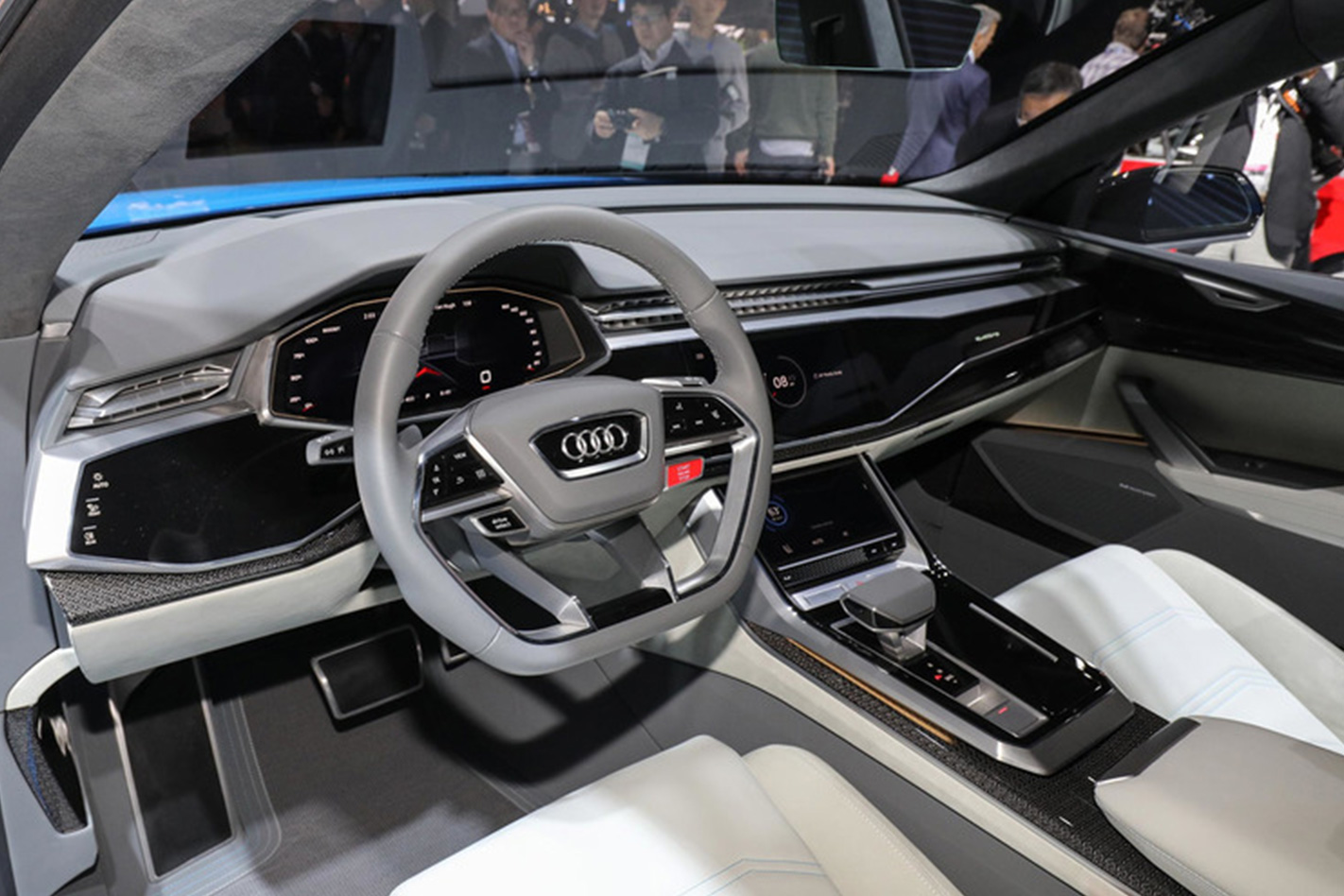
Speaking of efficiency, until Ferrari and Aston Martin show their SUV hand, the only contender that will be able to touch the RS Q8 for power will be the 522kW 868Nm Jeep Grand Cherokee Trackhawk, which returns an average of 16.8 litres per 100km.
When under the shell of the Porsche, the twin-turbo-electric combo can shoot the Panamera Turbo S E-Hybrid to 100km/h in just 3.4 seconds and uses a virtually teetotal 2.9 litres per 100km. Exact figures for an Audi interpretation are unlikely to deviate greatly unless the Stuttgart engineers make significant modifications.
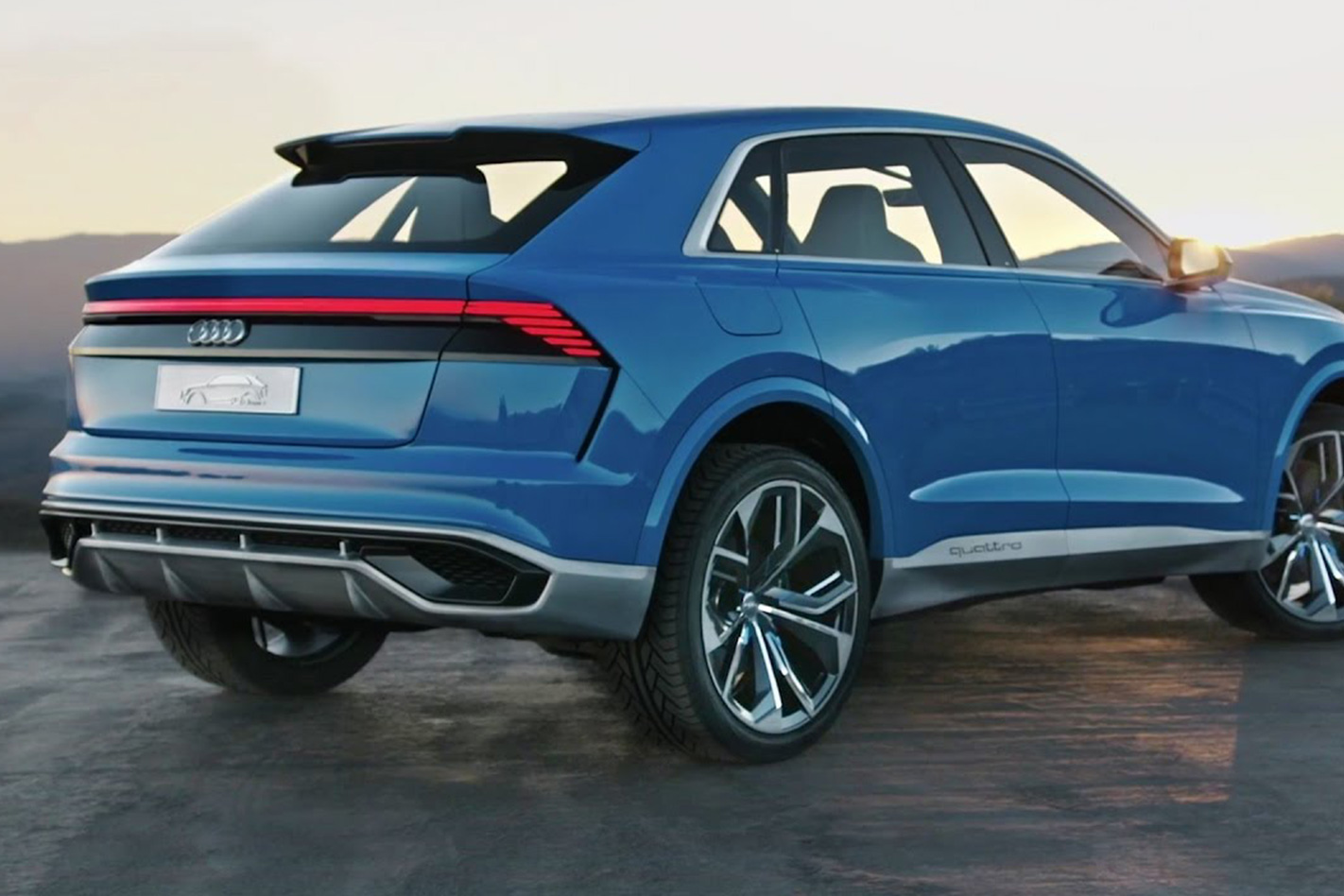
The reports follow separate spy shots of a supposed SQ8, which has rolled out in public wearing no disguise at all. Like the RS Q8, details are thin on the ground, but the SQ8 is likely to get a pumped version of the 2.9-litre twin-turbo V6 that’s under the bonnet of the S4 and RS4, leaving V8 power to be exclusive to its RS sibling.
Another possibility is a high-performance diesel SQ8, following the trend set by the original SQ5, which was only available in Australia with a V6 diesel before transitioning to turbo petrol V6 power.
