
Despite its efforts to make the brand more appealing, 95 out of 100 offerings from Golfsburg are dead boring.
This review was originally published in MOTOR’s February 2005 issue
Until now, that is. VW will officially launch its Polo GTI in September ’05, but MOTOR has scored a sneak preview.
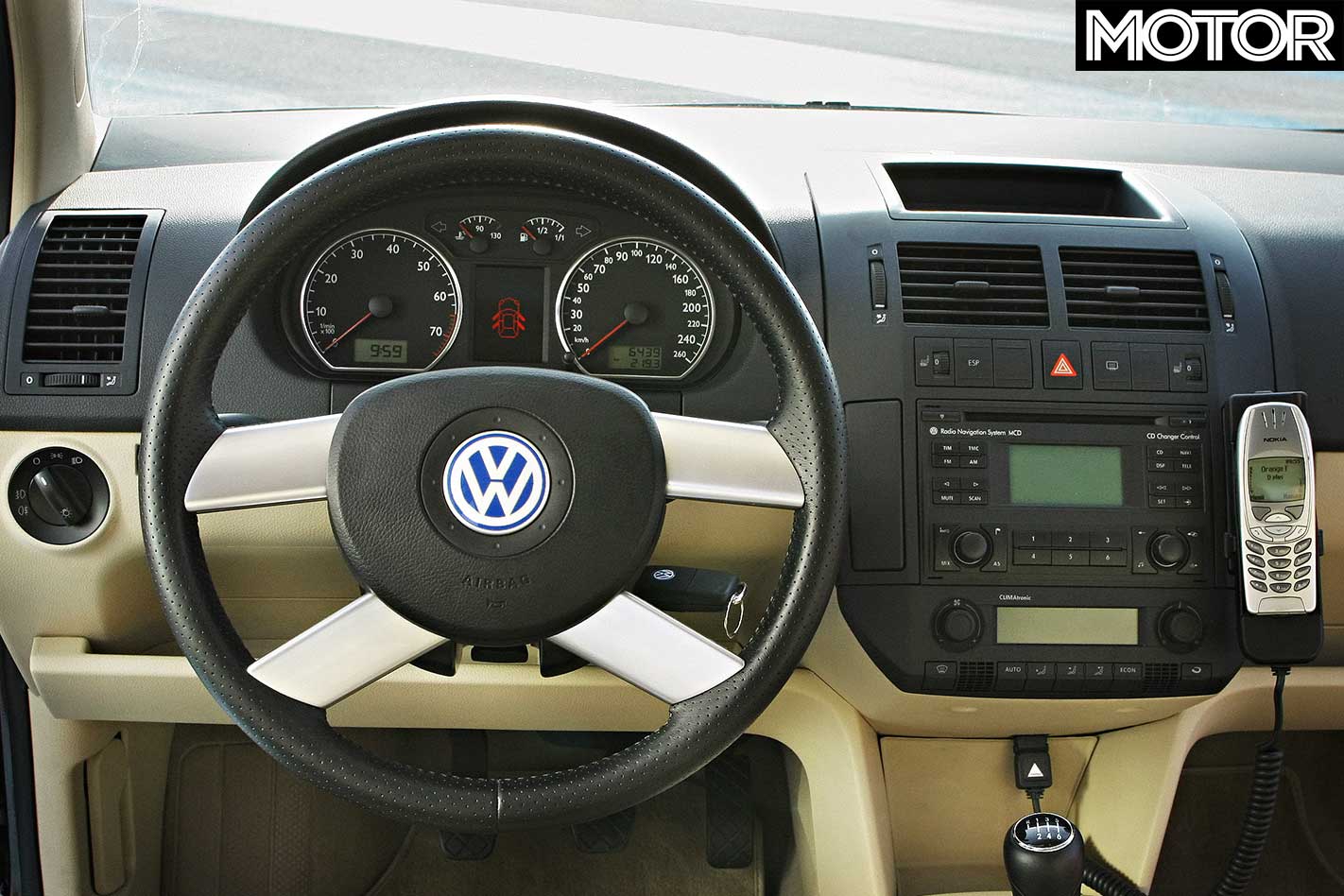
Our pre-production test car wasn’t yet wearing its new clothes, but what you can expect to see is a more contoured V-shaped front with a slimmer grille, new headlights, flanks with a more pronounced profile and a mildly modified rear end. GTI cues are likely to include red and black accents, flared sills and wheel arches, a roof-mounted spoiler, dual exhaust pipes and a deeper rear apron.
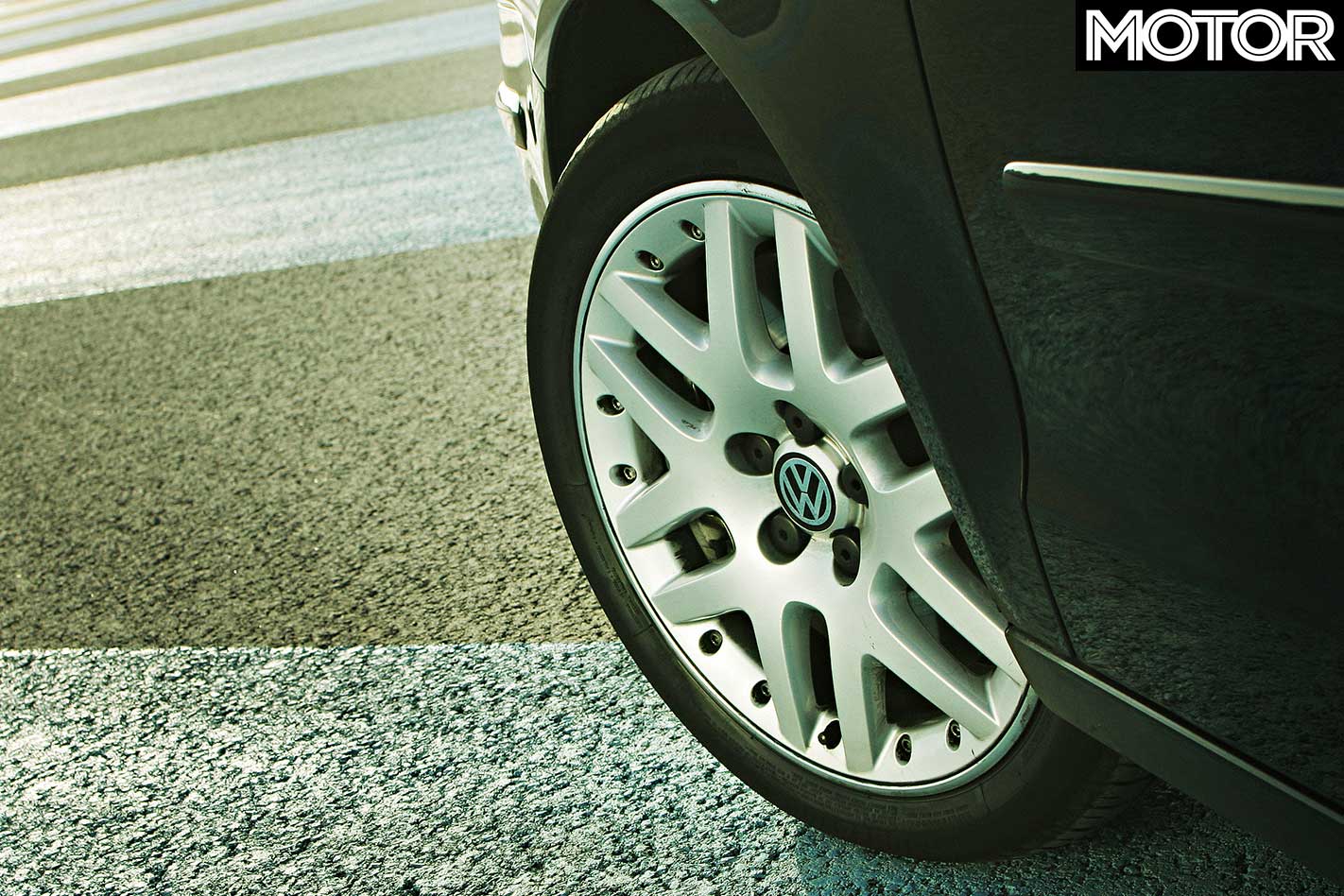
Also part of the package will be lowered suspension with tauter springs and dampers, thicker anti-roll bars and 12-spoke alloys shod with 205/45 R16 tyres. Inside, you can expect sports seats, and various chrome accents. All Polo GTIs come standard with ESP, a six-speed gearbox, power steering, central locking and electric windows.
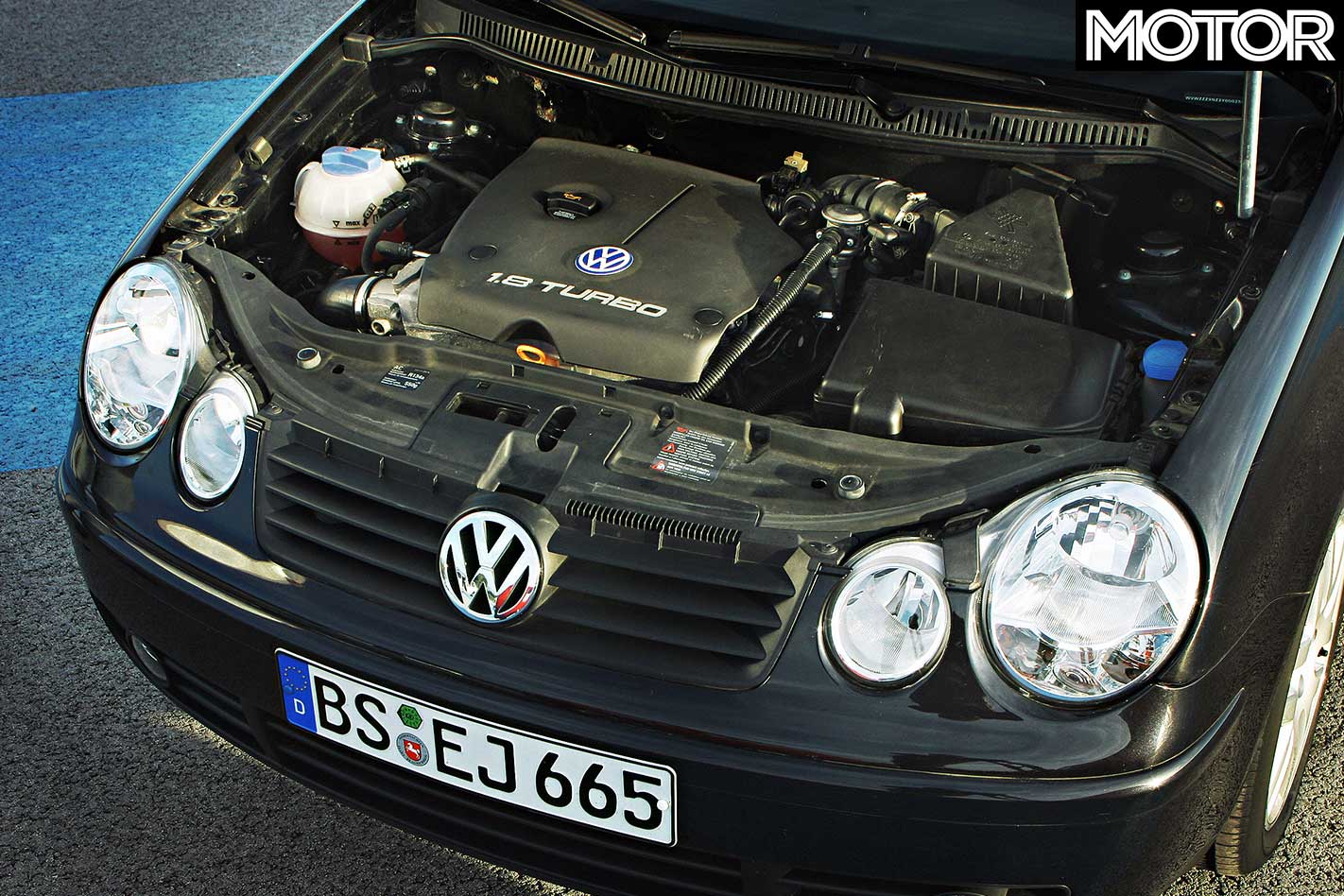
Like the 147kW Golf GTI, the go-faster Polo can be had with three or five doors.
According to VW’s spin doctors, the ‘new’ GTI philosophy is all about sharper controls, effortless acceleration and plenty of bottom-end torque. Start the engine of the 110kW Polo (or that of the hotter 132kW version), and you’ll discover what they mean. Calm and composed, the artificially-aspirated 20-valver idles with the acoustic presence of James Earl Jones.
Blip the throttle and there’s a mix of appetite-whetting intake growl, subdued turbocharger whine and brief wastegate chatter. The throttle response is instant, the clutch is light and the shift action is short and sharp.
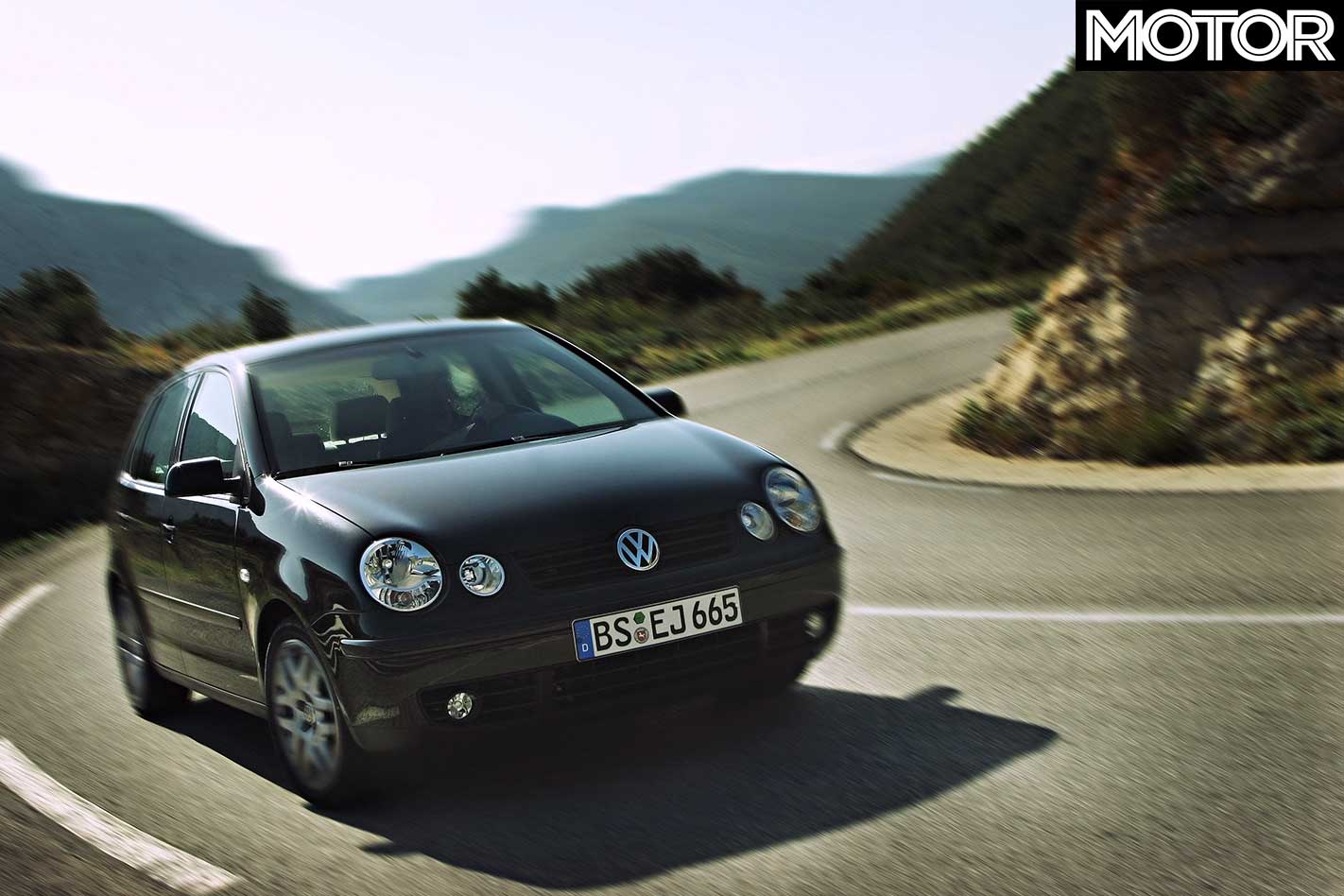
Mid-corner balance has been greatly improved and, thanks to thicker anti-roll bars the Polo GTI offers a neutral, less twitchy cornering attitude than previous models. It won’t cock a wheel when pushed and nor does it demonstrate the same level of adhesion as a Sport Clio. But in terms of overall inspiration, the GTI is more switched on than any other Polo so far foisted onto the public, and that’s not damning it with faint praise.
The intuitive blend of torque flow and steering angle makes for a level of smoothness rare for a car of this price and size.
On the track at Le Castellet, we pushed Bridgestone’s stock up by peeling rubber until the sun set and the track was closed. In this extreme environment, the Polo GTI would have performed better if its tyres had had stiffer sidewalls and less generous slip angles. It could also have done with more attentive and more potent brakes.
While sub-standard deceleration from high speed is less of an issue on public roads, the pedal feels spongy under pressure, and the stopping distances increase the hotter the brakes get. Different tyres and more aggressive pads should sort that, though.
The warmed-up compact beams itself from 0-100km/h in 8.3 seconds. Don’t think it’s sufficiently GTI-like? Then pay the premium for the 132kW edition, which clips 0.8 seconds off the acceleration time and boosts the maximum speed to 225km/h.
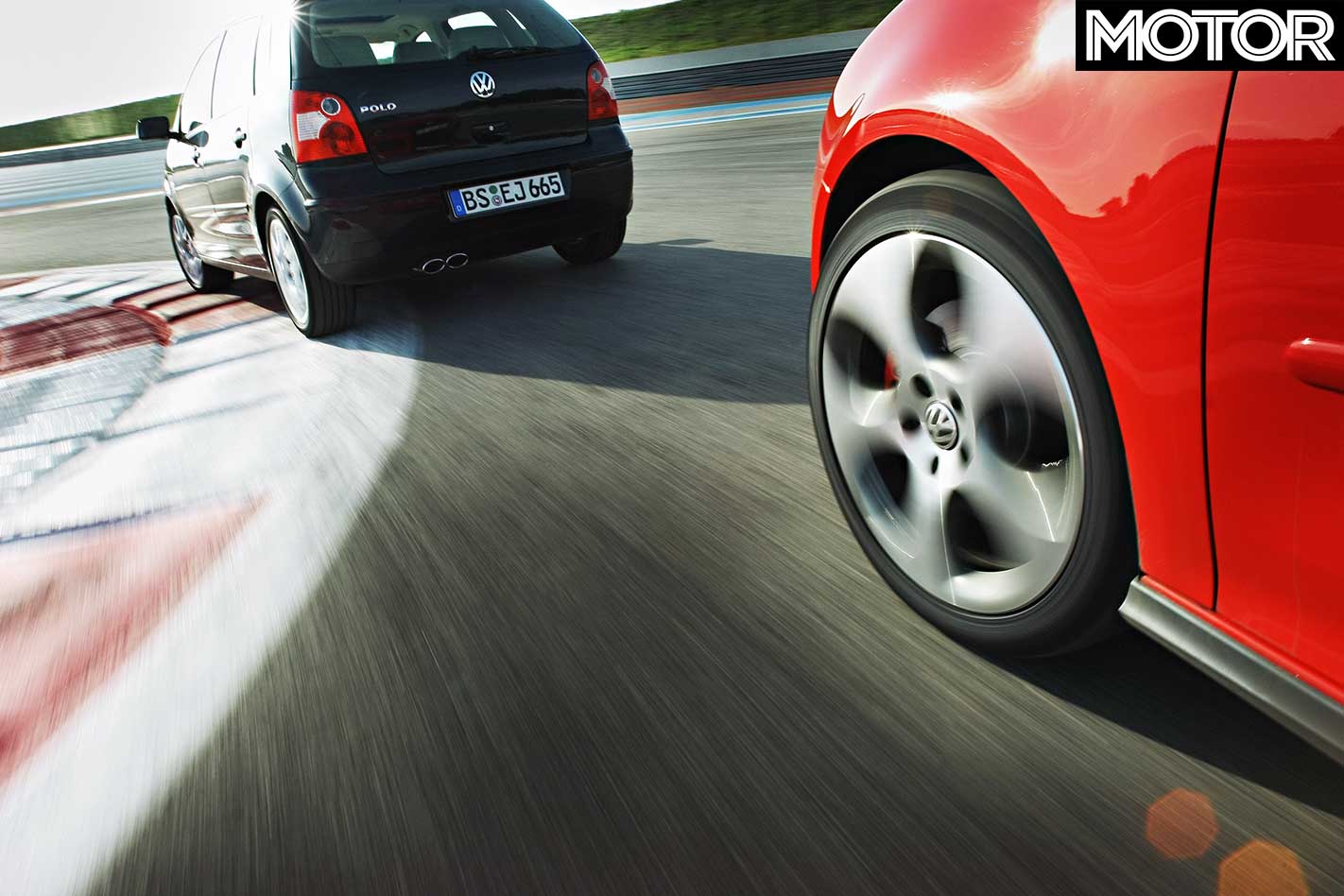
The bigger and heavier Golf GTI struggles to match these acceleration numbers. And while the Golf is faster overall, it’s the Polo GTI which best mimics the principle of the original GTI.
Although it is a latecomer to the segment, the Polo GTI’s mission is to take the fight to the MINI Cooper S, the Peugeot 206 GTi (both regular GTi and 180) and Renault’s Sport Clio and quite possibly even Volkswagen’s own Golf GTI. Pricing hasn’t been confirmed, but the Polo GTI is tipped to be priced in the mid-$30s.
FAST FACTS Volkswagen Polo GTI Engine: 1.8-litre DOHC 20-valve, inline turbo four-cylinder Power: 110kW Weight: 998kg Drive: front-wheel Price: $34,500 (est)
Lovers of fast wagons will be able to add Audi’s 2018 RS4 Avant to their garage for $152,900.
On sale now, the fourth-generation RS4 Avant is a descendent of Audi’s most iconic fast wagon, the RS2, and brings the badge back to turbocharged V6 power after two generations of naturally-aspirated V8s.
Propelled by a 2.9-litre twin-turbo V6, the RS4 Avant sends 331kW and 600Nm to all four wheels via Audi’s quattro AWD system. Peak torque is available from 1900rpm all the way through to 5000rpm, and helps launch the wagon from standstill to 100km/h in 4.1 seconds.
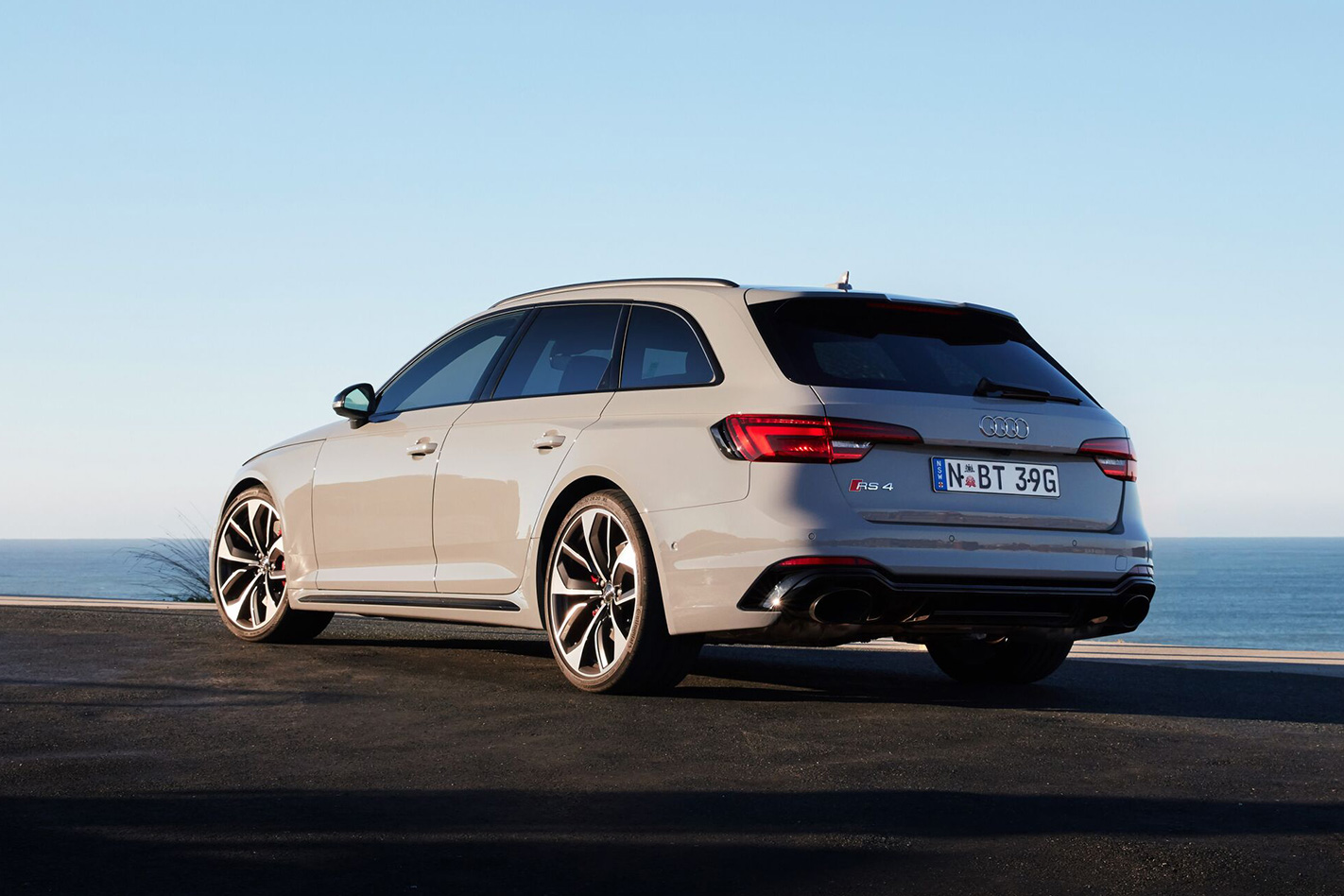
Audi claims the ADR combined fuel consumption for the RS4 is 8.9L/100km.
An eight-speed automatic gearbox is the sole transmission on offer and torque is split 40:60 front to rear by default, though up to 85 percent can be sent to the rear axle during what Audi dubs ‘dynamic driving’.
The new RS4 is longer, wider, and lower than its predecessor, with subtly pumped bodywork drawing inspiration from the famous Audi 90 quattro IMSA GTO race cars and giving it a wider stance than regular A4 wagons.
As standard the RS4 Avant rolls on 20-inch wheels which are offered in three different designs, with the exterior appearance packages available in gloss black, carbon, and matte aluminium.
A five-link suspension replaces the trapezoidal-link front end of the previous-gen car, with Dynamic Ride Control offered as standard. Ceramic brakes and an RS-specific steering tune are also available as cost options.
Inside, RS sport seats with honeycomb stitching and Nappa leather are standard, along with a flat-bottomed RS sport steering wheel. Audi’s virtual cockpit display replaces traditional analogue instruments, and in the RS4 features unique RS ‘pages’ and graphics which provide extra information on tyre pressure, torque distribution and g-forces, along with shift lights for when you’re driving hard in manual mode. A Bang & Olufsen 3D sound system is also installed from the factory.
The standard equipment list will also be slightly fatter for Australian RS4 buyers, with all locally-delivered cars to be equipped with the traction-enhancing quattro sport rear differential, a louder sports exhaust and adaptive dampers as standard.
The list of safety features will also be thick, with crash-avoiding technology like active lane assist, adaptive cruise control with traffic jam assist, an exit warning system that prevents ‘dooring’ accidents, rear cross traffic assist, blind spot assist, front and rear collision detection and a 360 degree camera.
Five option packages will be offered, with four focusing on exterior and interior styling and one adding slightly more technology to the already feature-rich RS4.
The “Carbon and Matte Aluminium Styling Package”, “Carbon and Black Styling Package” and “Gloss Black Styling Package are all fairly self explanatory, dressing up trim pieces on the front spoiler, side sills, front grille, rear diffuser, mirror housings and roof rails in different material finishes. The RS Design Package spruces up the interior, bringing red contrast stitching and Alcantara/Nappa leather upholstery to the seats, steering wheel and door cards.
The Technik Package brings a colour head-up display for the driver, along with Audi’s adaptive Matrix LED headlamps and a wireless phone charging pad.
PRICING
The 2018 Audi RS4 is available now, with pricing as follows:
- Audi RS4 Avant – $152,900
- Carbon and Matte Aluminium Styling Package – $10,900
- Carbon and Black Styling Package – $11,900
- Gloss Black Styling Package – $1000
- RS Design Package – $ 3300
- Technik Package – $ 3900
- Carbon ceramic brakes – $11,900
- Dynamic Steering – $2210
Bugatti has announced the 100th unit of its Chiron hypercar has been built and sold.
For AUD$4,417,000.
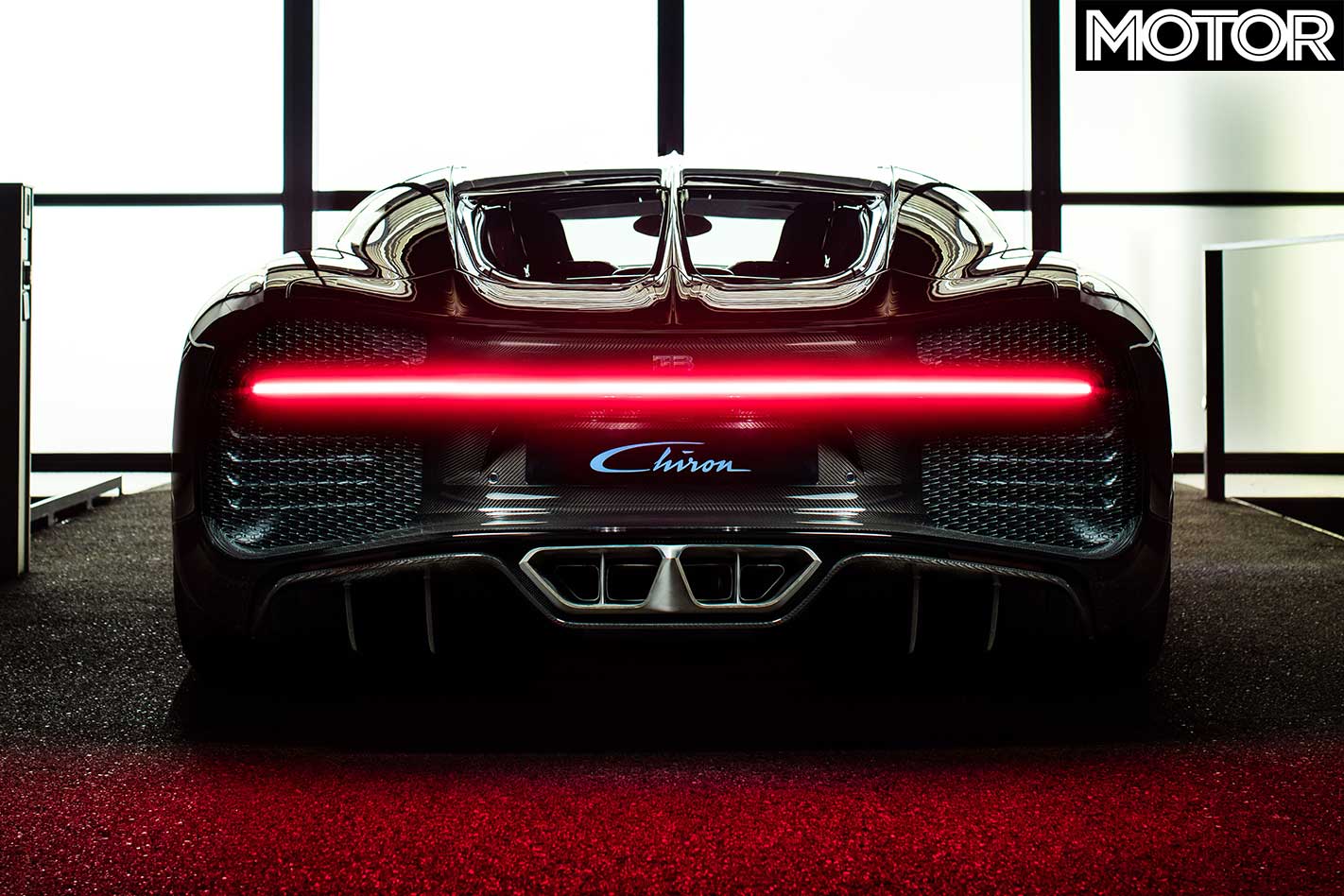
Given we’d expect one to cost roughly AUD$3.6 million here, the hundredth car costs around a hefty 123% of the standard price. A big deal when we’re talking big numbers.
The car itself is ‘especially attractive’ according to Bugatti president Stephan Winkelmann.
“I find the 100th Chiron especially pleasing,” says Winkelmann.
“It is dynamic and elegant in equal measure. This car shows that Bugatti produces highly individualized masterpieces of automobile craftsmanship that are simply unparalleled.”
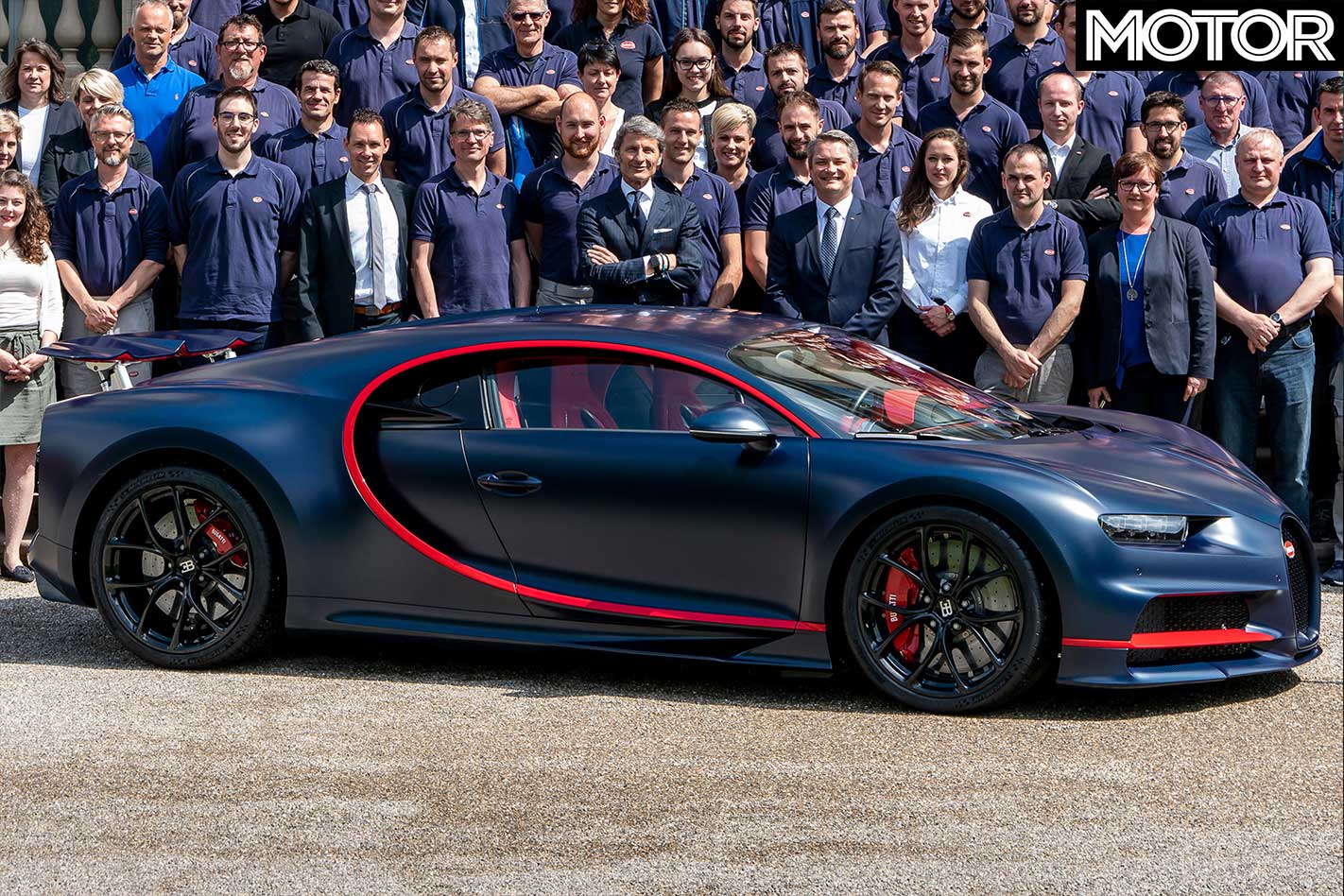
Bound for the Arabian Peninsula, the heavily individualised car features a dark blue carbon finished in matte, the only one of its kind, with an ‘Italian Red’ side line curved around the door.
The primary colour inside is red, matching the exterior accent.
Under the skin, its 1103kW/1600Nm 8.0-litre W16 engine remains standard, allowing it to hit 100km/h in 2.5 seconds, 200km/h in 6.5, and 300km/h in just 13.6 seconds.
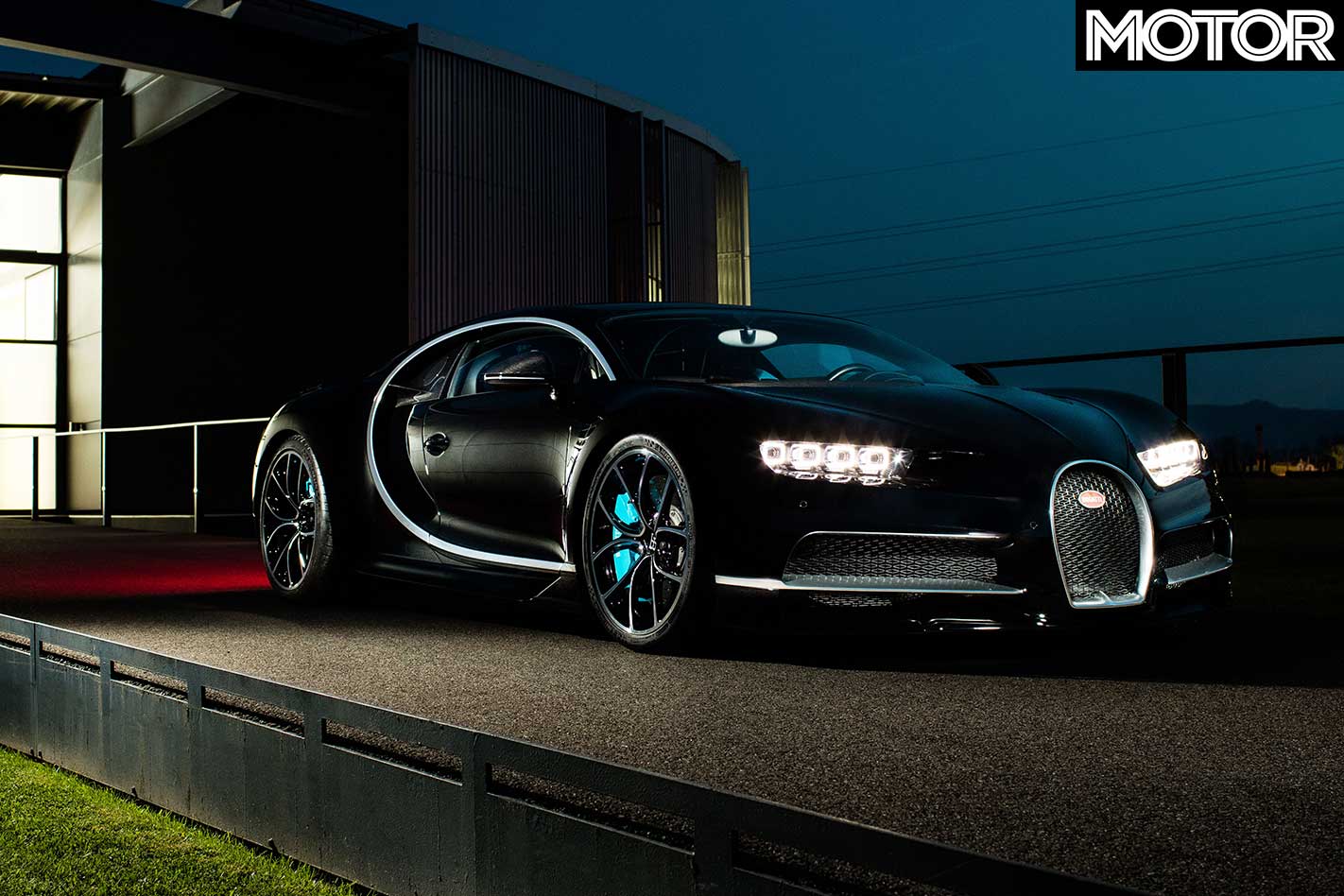
It’ll also, as proven by one Juan Pablo Montoya, able to launch from a stand-still to 400km/h, and then slow back to a stop in just 41.96 seconds.
This 100th vehicle is approximately the 30th Chiron to be delivered in 2018, after Bugatti delivered the first 70 units of Chiron throughout 2017.
The French high-performance brand says 70 cars per year is its normal rate of production, given it takes approximately two months to produce one in the Molsheim plant.
AUSTRALIA’S advertising watchdog says its okay to produce a television commercial showing a car performing a tyre-slaying burnout – as long as the world’s fastest man, Usain Bolt, is in the frame.
Ad Standards, the agency that polices the industry, received a complaint about an Optus TV commercial that featured Bolt, a multiple Olympics gold medal-winning sprinter and the survivor of at least two BMW M3-based crashes, standing in front of a Chevrolet Camaro bagging up the rear wheels to produce clouds of yellow smoke.
“The unsafe driving shows a burnout that is that close to the person that In reality if this happened on the street it would result in a unsafe driving charge and confiscation of the car,” the complaint to the watchdog said.
“Singtel Optus Pty Ltd is committed to ethical practice in its advertising and appreciates all consumer feedback,” the ad’s owner said in its response to the complaint.
“While Optus regrets that the complainant has interpreted the advertisement as depicting unsafe or dangerous behaviour related to motor vehicles, we believe that the ‘Live at the Speed of Bolt’ advertisement is fully compliant with the Australian Association of National Advertisers Code of Ethics.”
The ASB agreed, indicating there’s one set of nanny-esque standards for car companies, and another slightly looser set for everyone else.
“The [Ad Standards review] panel noted the advertiser’s response that this scene was shown in the context of other absurd, hyperbolic imagery and reasonable drivers would be aware that the advertisement does not simulate a real driving experience,” it said.
“Further, the stunt was performed by a professional in a controlled environment. The panel considered that many of the scenes in the advertisement use CGI and it is evident that in this scene Usain Bolt is not standing near the car doing a burnout and his image has been superimposed.
“The panel considered that the advertisement was not depicting or encouraging people to stand near vehicles performing burnouts,” it said.
The panel then considered the vehicle doing a burnout and concluded: “The vehicle does not look like an everyday car performing an illegal activity, rather the combination of the yellow smoke and the hot-rod style car creates the impression that this is being performed in a controlled environment.
“The panel acknowledged that this behaviour on a public road would be illegal, however on private property or at an organised event this behaviour is not illegal and would not be considered by the majority of the community to be unsafe.
It said the ad was “clearly presenting unrealistic and exaggerated scenes” that were not “contrary to prevailing community standards on health and safety regarding water safety”. Except it wasn’t on water. Oops.
Several carmakers have already fallen foul of the voluntary code of practice established for the industry by the Federal Chamber of Automotive Industries, and relating specifically to vehicle advertising.
These include Toyota for showing the LandCruiser off-roader driving through floodwater, a Holden Colorado that did not properly fix a recovery chain, and a driver sitting in a Hyundai while it was on the back of a flatbed tow truck.
Even Wheels has fallen offside with the watchdog, pinged after someone grumbled that our high-speed run in a Bentley Continental in central Australia in 2016 was more ad than editorial.
Lexus was even infamously pinged last year for calling its new LC500 a “beast” in its TV advertising. That, and driving it a little too quickly.
Likewise, BMW was last year asked to pull an ad for its i3 electric car after Ad Standards said a drag race between it and a tyre-smoking US-styled muscle car was not on. The i3 won, by the way.
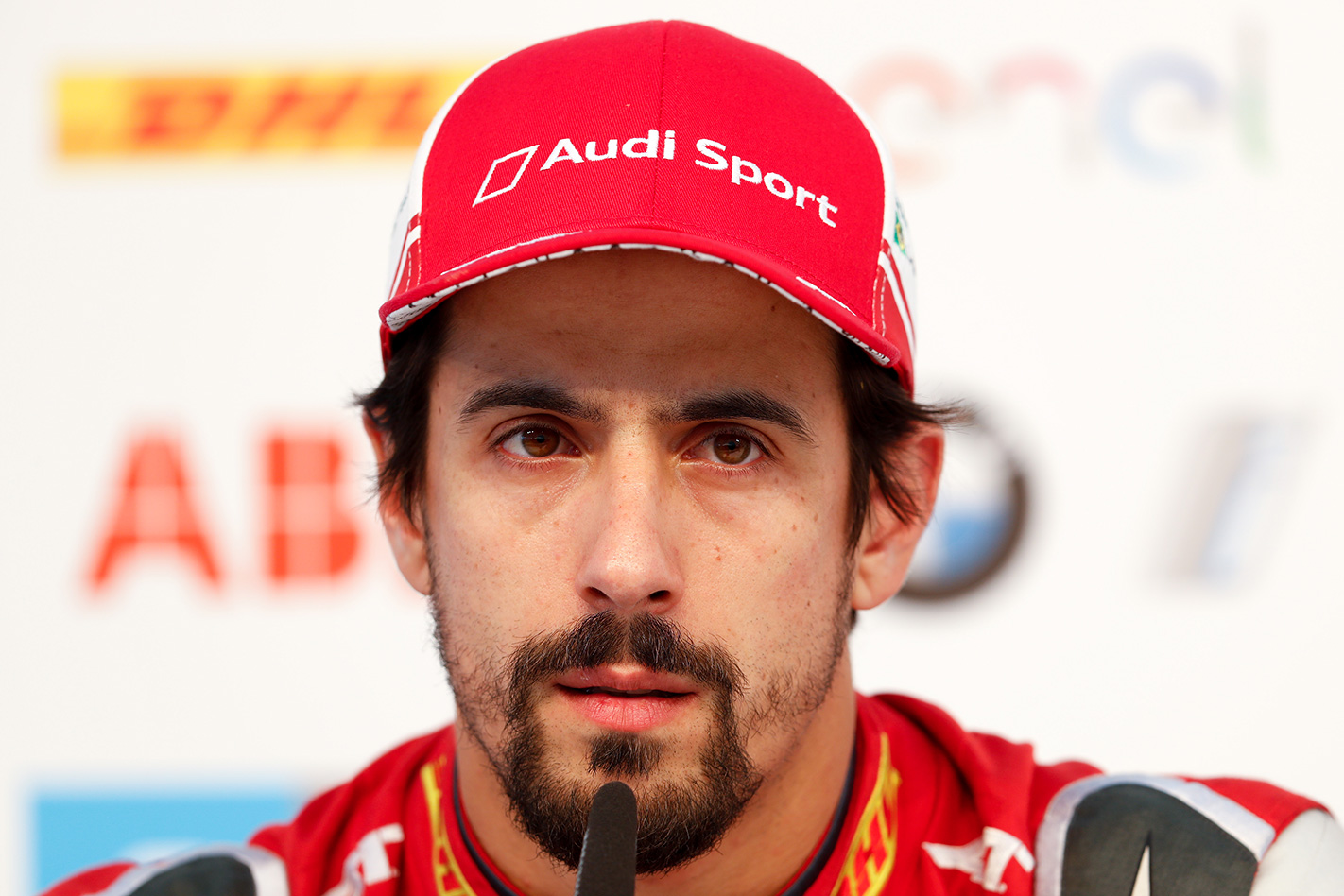
IN a shock move, Roborace CEO Lucas di Grassi has confirmed human drivers will compete in the series, which was originally conceived as the world’s first motorsport category to involve purely-autonomous race cars.
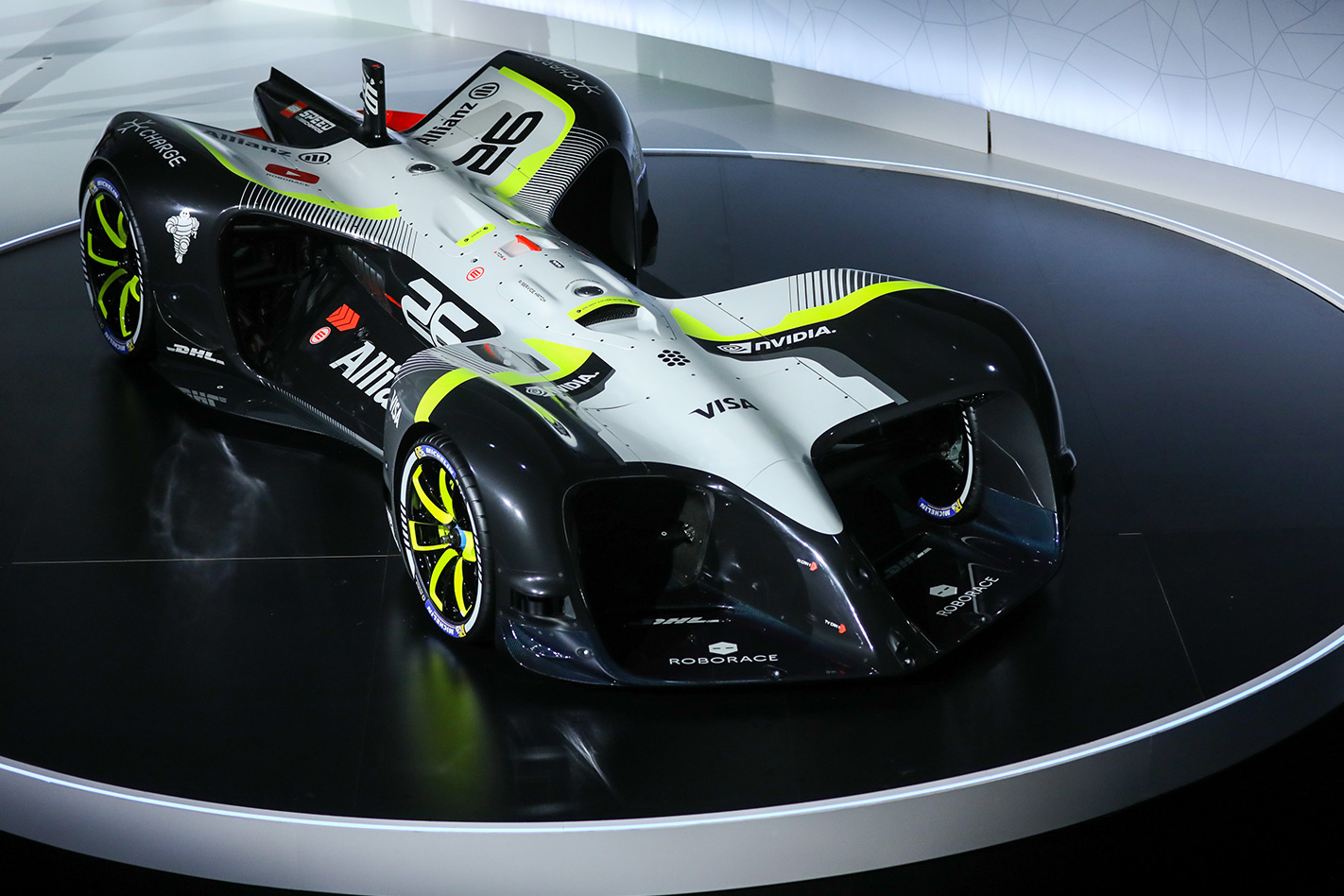
Speaking to media at the Formula E Berlin ePrix, where he competed as an Audi Sport factory racing driver, di Grassi confirmed that the Roborace formula will be tweaked to involve human drivers.
Roborace was originally designed as a category where autonomous race cars compete against each other without human input, but di Grassi says for the series to remain relevant – and interesting enough for spectators – human drivers will be involved in the competition, at least partially.
When asked by Wheels how he envisages Roborace and traditional motorsport intersecting, di Grassi said human racing drivers will be integral to the futuristic series, which will feature as a support category to Formula E next year.
“Everybody talks about Roborace as if it is a race of autonomous cars. I am changing this to Roborace being a race which combines humans and the skills of the machine,” he explained.
“Roborace follows the same philosophy of when we created Formula E, which is the market will tend to go more and more toward autonomous cars as the future comes. Some people say five years, some say 10, some say 15 – but there is a normal understanding that this is the way forward.
“So we wanted to create a motorsport series in which these technologies can be tested, and the human can teach these technologies – top quality human drivers – and these technologies can be proved in a controlled environment without anyone being hurt or run over.”
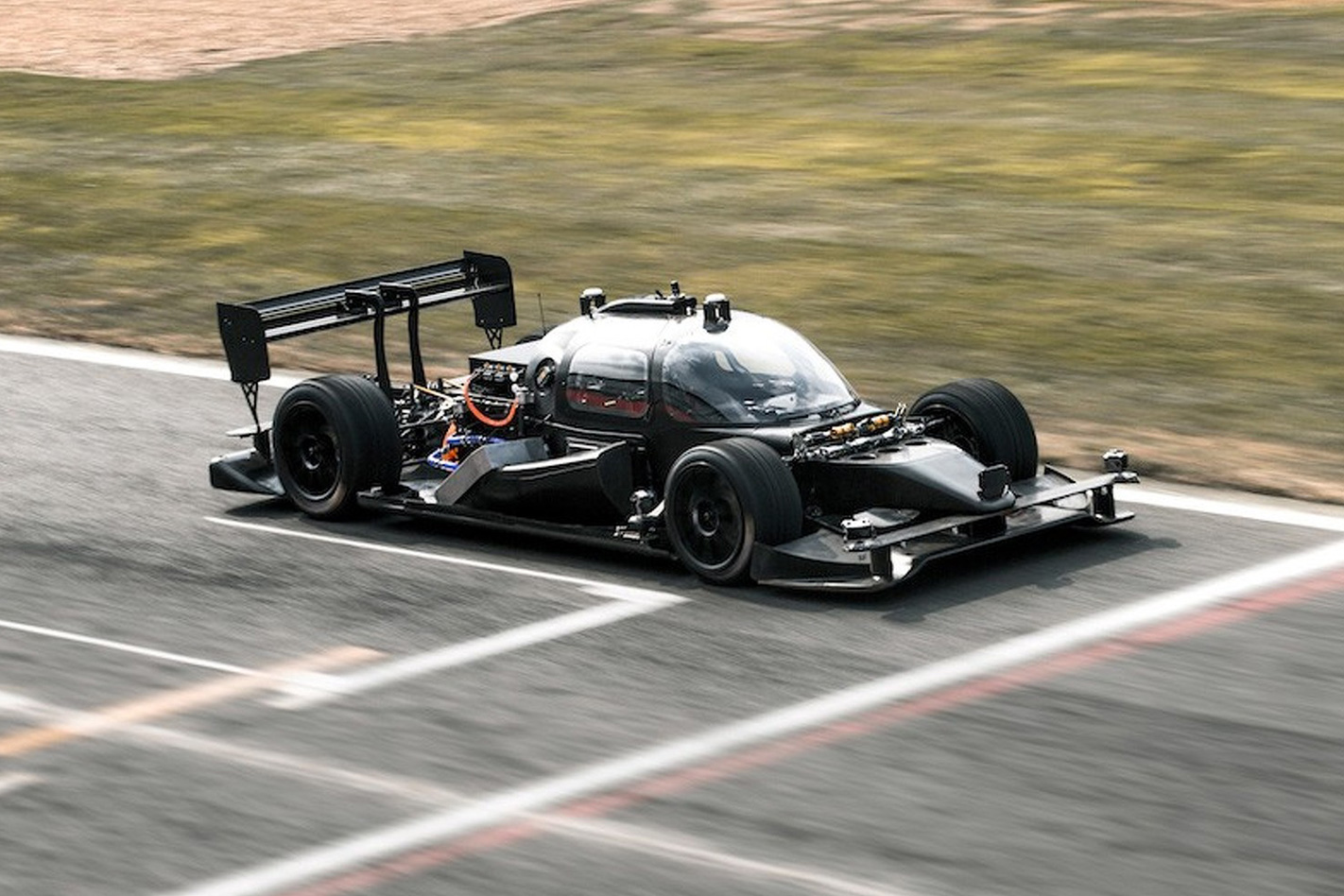
Further explaining his concept, di Grassi says Roborace events will initially involve four cars – known as Devbots – which will be driven by a human until a mid-race pit stop, when the on-board computers take over.
“Roborace will not only be the car driving itself in autonomous mode,” he said. “It will be the human driving it in the beginning, then the human jumping out in the pit stop, and the car finishing the race by itself.
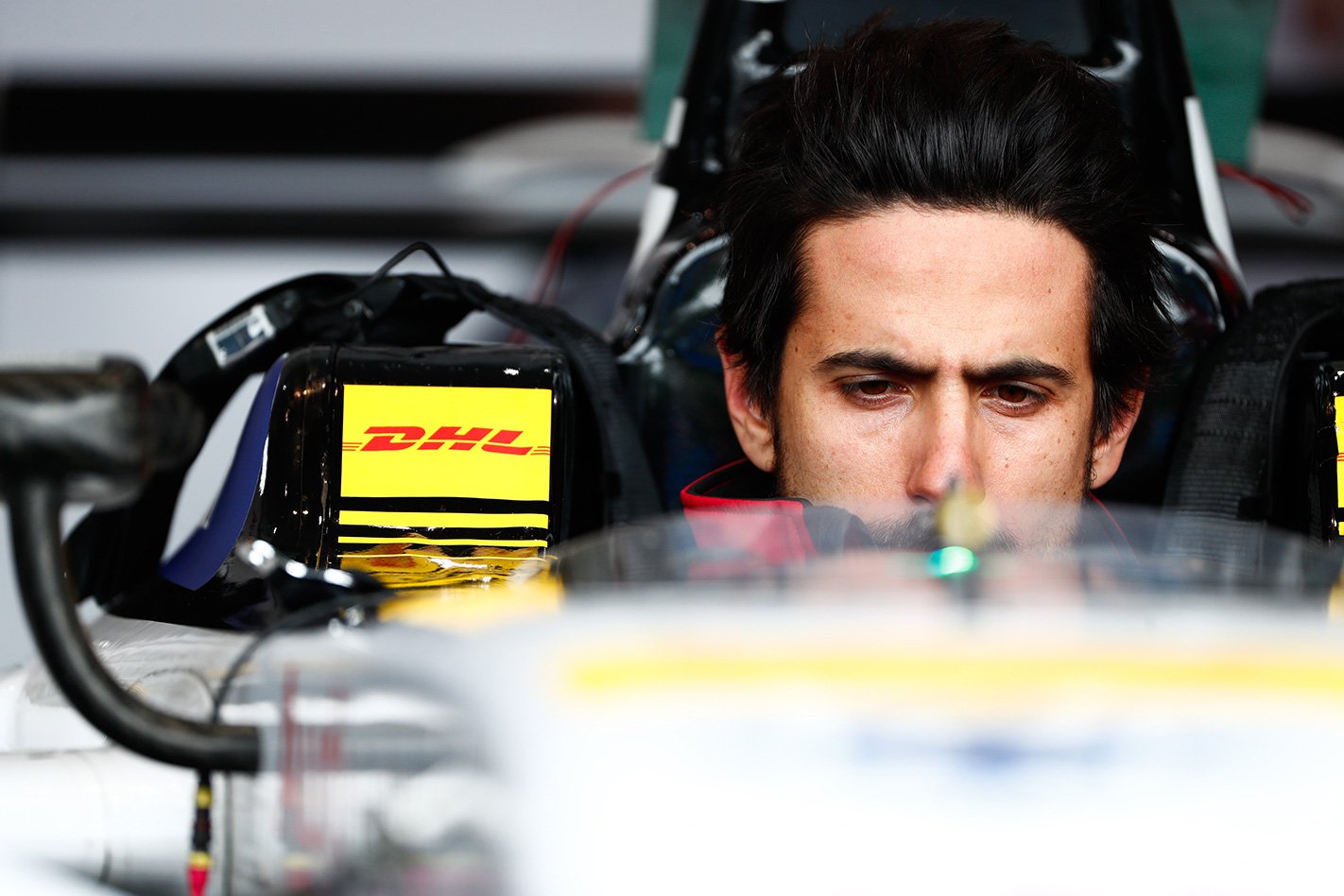
“The human will teach the machine during the beginning of the race, and then the machine driving by itself using what it learned from the human before.”
Devbots are stripped down racecars currently used in ‘Human vs Machine’ promo runs where celebrity drivers compete against the self-driving technology built into the vehicle.
Starting life as an LMP3 chassis, Devbots are fully-electric and capable of producing 800kW, with four Formula E motors sending power to both the front and rear axles in a 50:50 split.
Last year Roborace revealed the design for its Robocar, which is slated as the first fully-autonomous race car, and lacks a cockpit for the driver (unlike the Devbots). Di Grassi says the Robocar will still undergo development “in parallel” with the new vision for the series.
“Originally it was just going to be the Robocars competing against each other, but I think at the human stage where we are it is super important that there is a symbiosis between human and machine that grows together,” he added. “There is a lot the human can teach the machine, and this is very important.”
The first official Roborace event will take place in 2019, involving four Devbots.
They are five sports cars available in Australia right now. Walk in, hand over cash, and then drive home.
The only caveat is that these fast-five total $9.1 million – or an average of $1.82m each. None are brand new, either, but some have been discounted to sell.
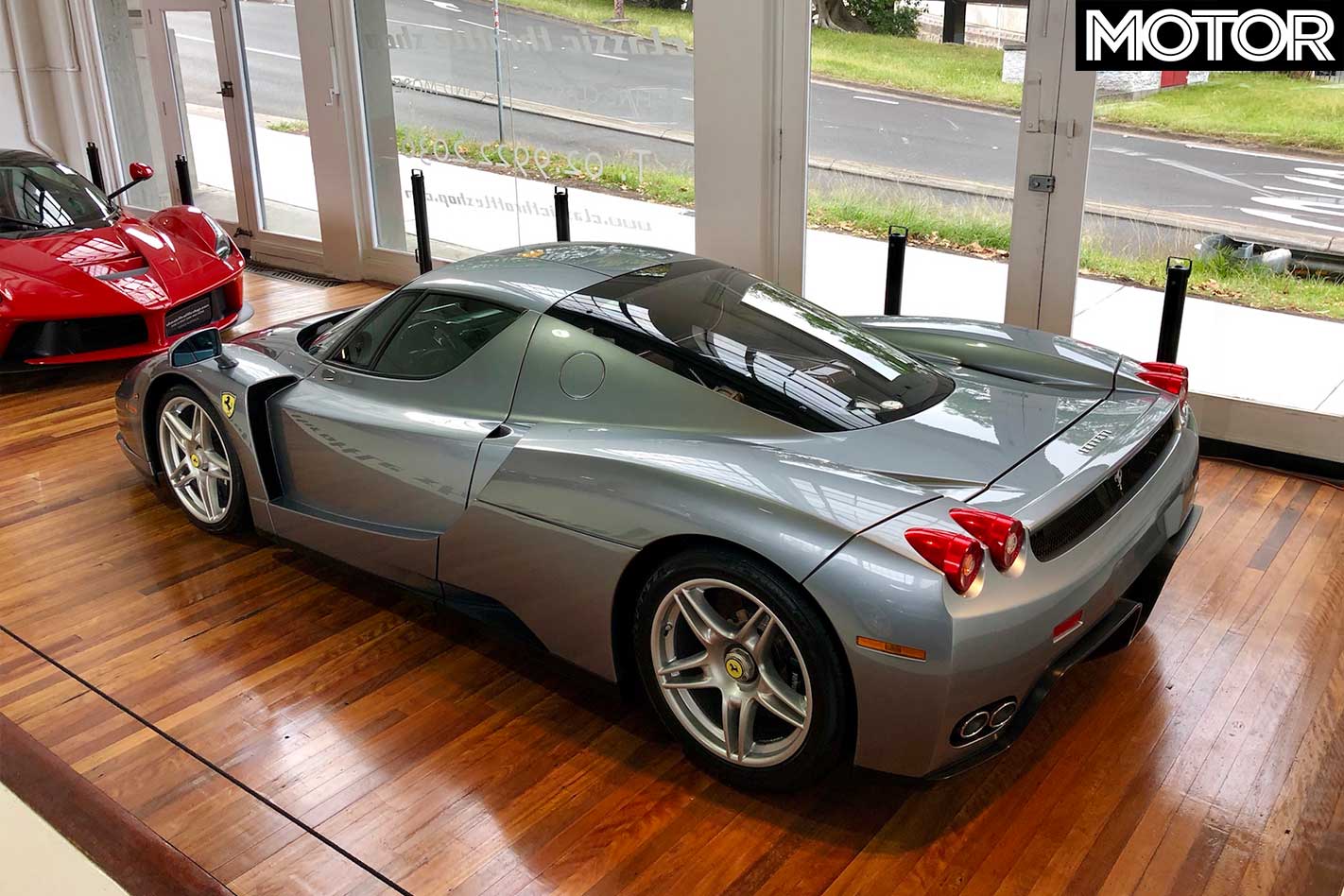
MOTOR has previously reported that a 2004 Ferrari Enzo was available to buy right now, and for a staggering (deep breath) $3.988m no less. Only since our first encounter last month with this example, the Grigio Titanio-silver supercar with 4060km on the clock has been shifted from Lorbek Luxury Cars in Melbourne to Classic Throttle Shop in Sydney.
Following the F50 as a 399-unit, Formula 1-inspired flagship with a mid-mounted 6.0-litre naturally aspirated V12 engine developing 486kW at 7800rpm, the 3.6-second 0-100km/h and carbonfibre-bodied supercar remains unmatched as the priciest car advertised locally.
Meanwhile, although produced in the same year, an example of the ultra-rare Porsche Carrera GT is advertised for less than half the price of the Enzo – $1.5m.
With only 1270 units made, this silver example was imported to Australia in 2015, has just 766km on the clock and currently resides at the Gosford Car Museum outside of Sydney – where it went to auction in September 2017 but was passed in for an undisclosed sum.
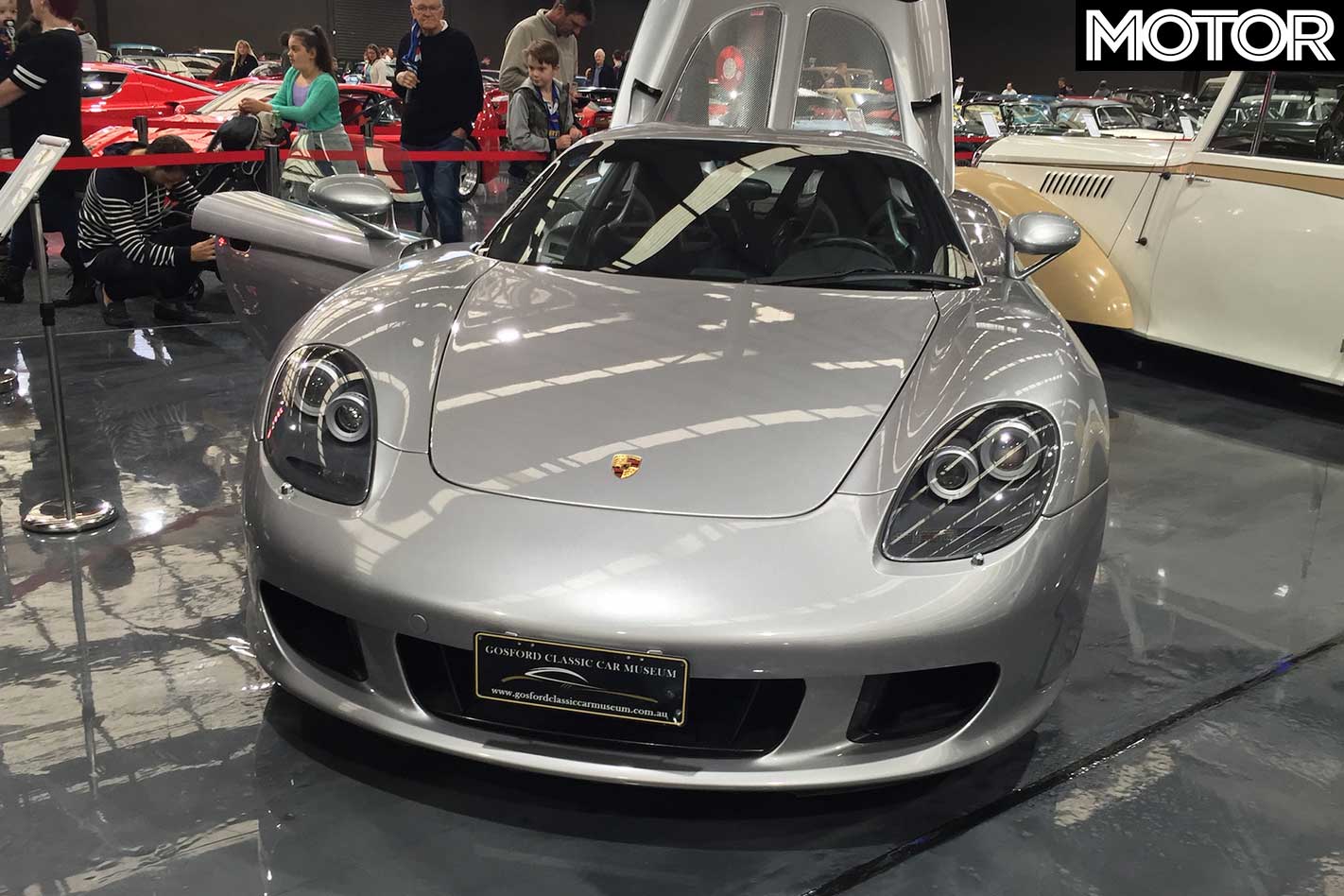
You lose two cylinders to the Fazz but none of that naturally aspirated sweetness, with the 5.7-litre V10 making 450kW at a screaming 8000rpm, good for 0-100km/h in 3.9sec.
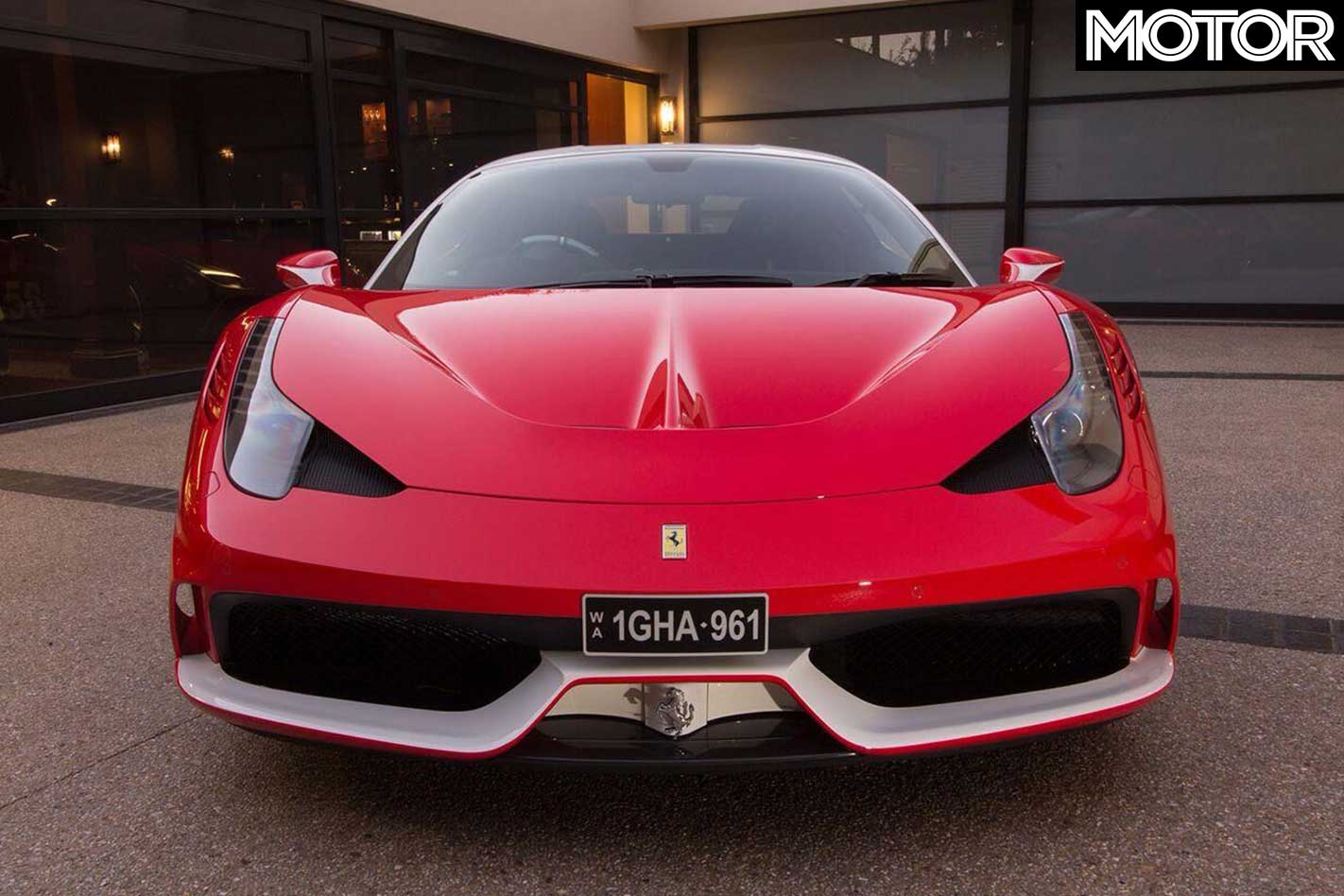
But for the same coin, you could also have a newer Ferrari and one of the greatest supercars ever, a 458 Speciale in one-off Ross Scuderia red-on-silver up for grabs in Western Australia.
The stripped-out special(e) delivered an Enzo/GT-rivalling 445kW at an extraordinarily high 9000rpm, with the 4.5-litre naturally aspirated V8 pushing the rear-wheel drive two-door from 0-100km/h in 3.0sec flat. Will it sell for $1.5m though? Time will tell…
Rounding out the costliest vehicles on sale are a duo of disparate supercars from very different eras. Enter the 2011 Lexus LFA with a 4.8-litre naturally aspirated V10 engine making 412kW at 8700rpm and showing a (be still our beating hearts…) 9500rpm redline.
There’s a $1.2m pricetag for a white example that is build 232 of 500 and with just 3260km on the clock, or $990,000 for the same colour that is build 177 with 26,426km showing.
Considering only 10 LFAs entered the country, that’s 20 per cent of all available Lexus supercars on the market right now. Plus, a little bit of consumer advice comes in right about now, too, because the price has dropped from $1.075m by $85,000 for the high-kay version.
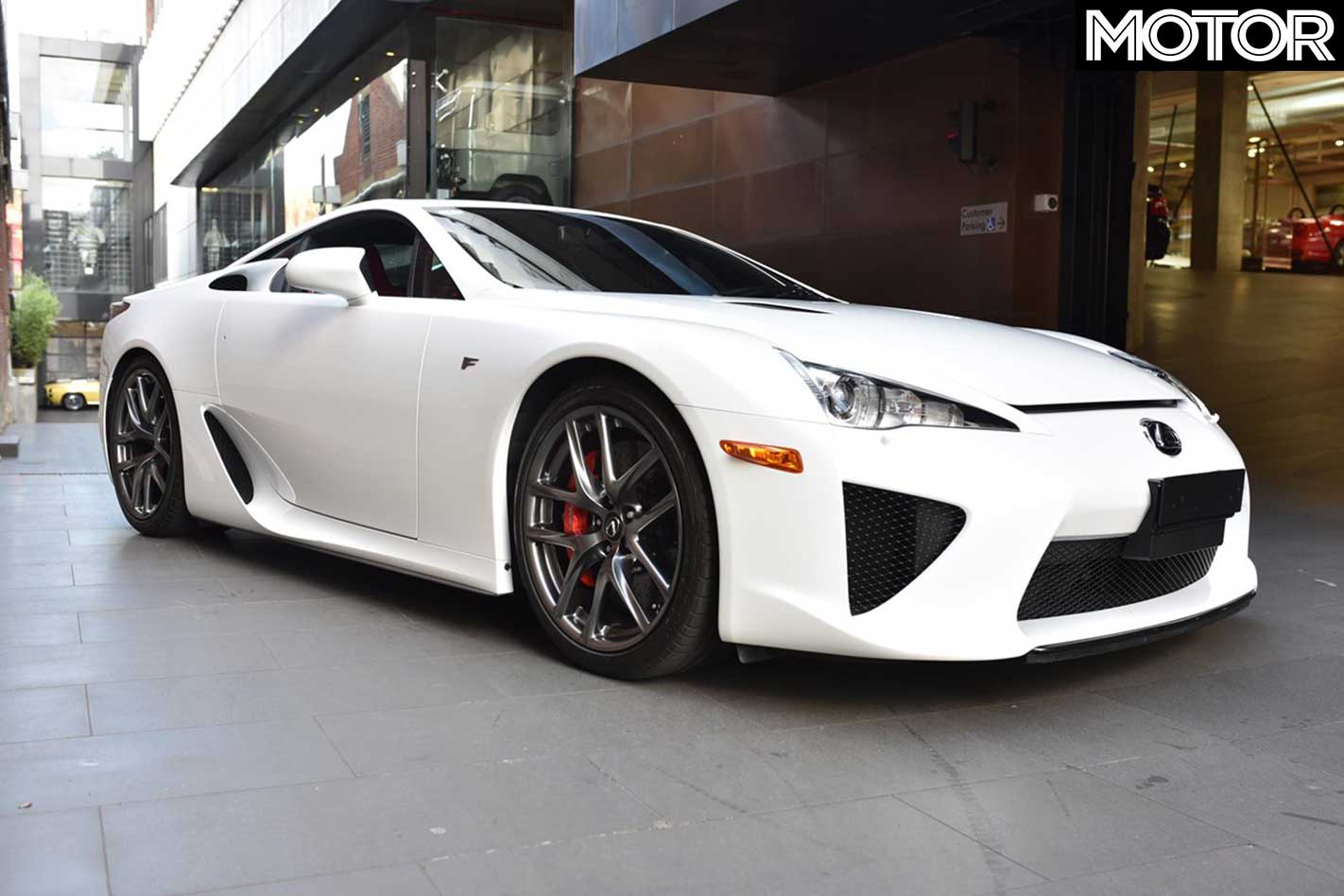
The LFA was priced from $700,000 new, so maybe the market isn’t willing to pay up for Lexus’ most daring car ever.
And do you notice a theme yet? Yes, petrol-sucking naturally aspirated engines rule here – with one exception, in the form of the 1993 Jaguar XJ220.
What is similar to other supercars here is that the a 3.5-litre turbocharged V6 is proving hard to shift for its $900,000 selling tag.
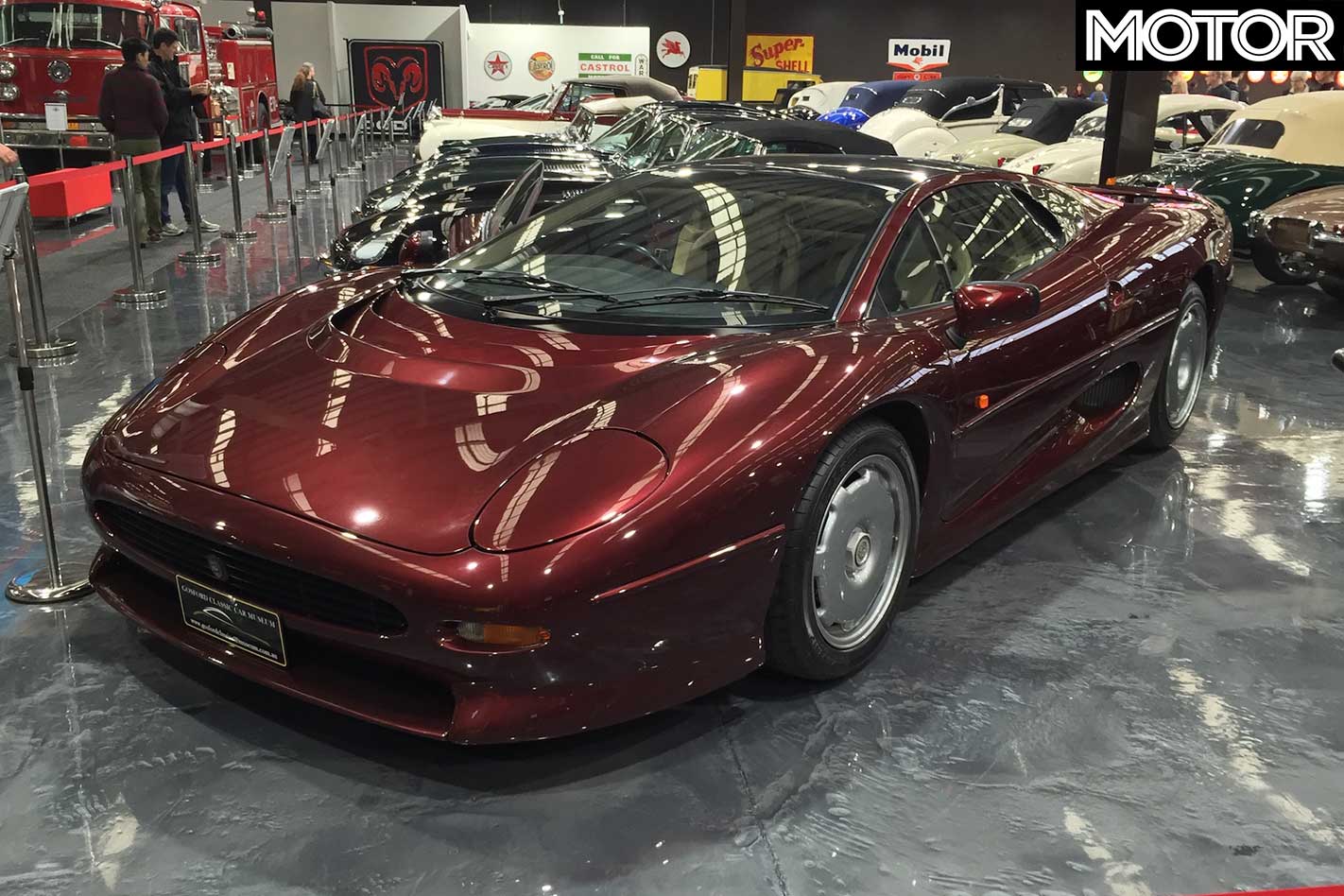
As with the Carrera GT, the Gosford Car Museum’s near-new XJ220 – with just 920km on the clock and one of only 69 produced in right-hand drive – didn’t sell at last year’s auction either. Betraying its luxurious deep red/cream leather combination, the 404kW (at 7000rpm) supercar was once the fastest car in the world.
But given it still hasn’t sold, property still seems stronger than supercars in Sydney.
SELF-DRIVING cars will only be safer when they don’t need to hand control back to a human, the most comprehensive study yet of the technology suggests.
As long as they do, self-driving cars can never reduce the road toll to zero, the Organisation for Economic Co-operation and Development study, compiled by its International Transport Forum and released overnight, has warned.
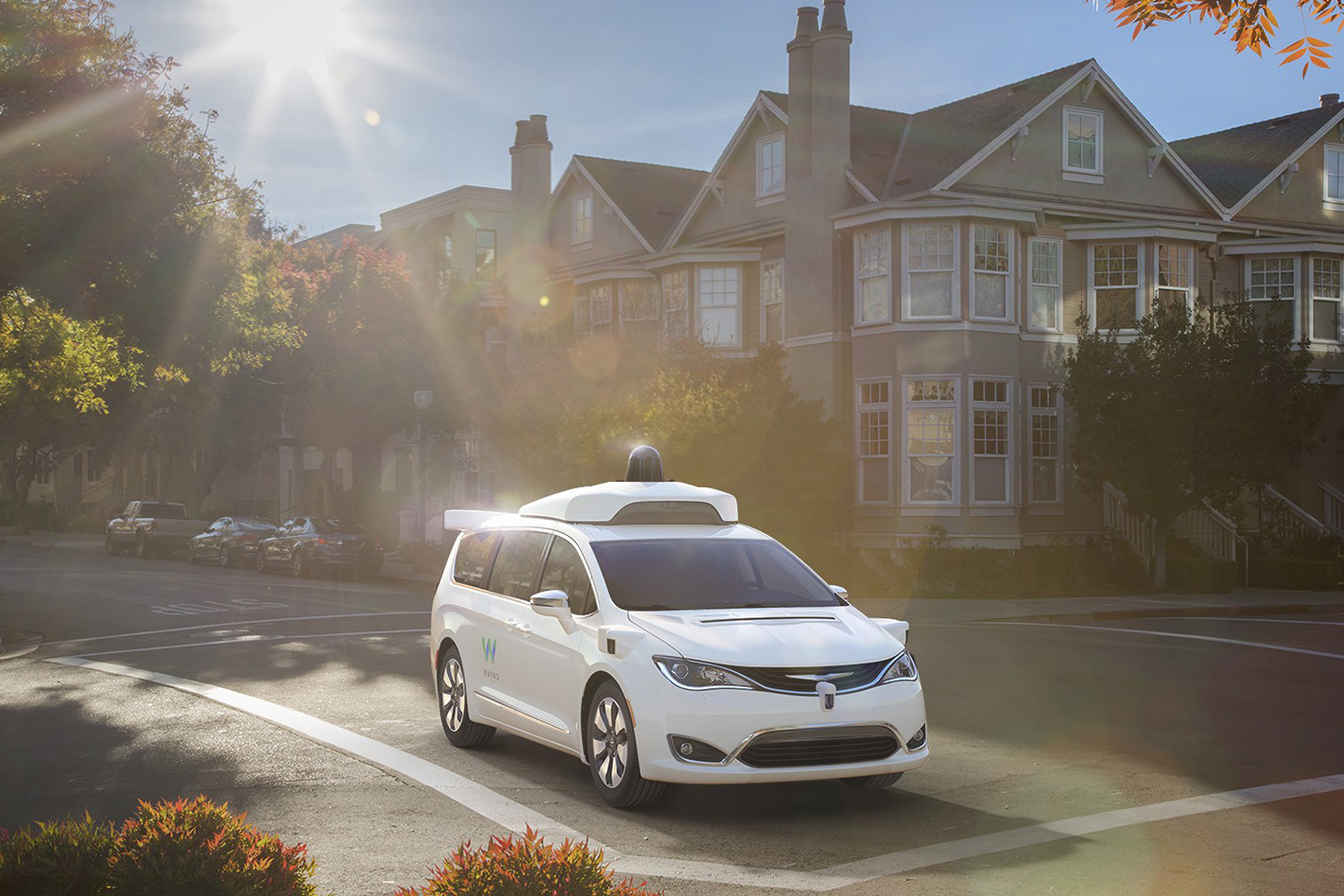
Instead of spruiking the zero road toll mantra, the OECD study suggests a more realistic scenario is saying they will help reduce the number of deaths and significant injuries on our roads.
“Claims of a more than 90 percent reduction in road traffic deaths resulting from automation eliminating crashes linked to human error are untested,” the study says. “It seems likely that the number of road casualties will decrease with automation, but crashes will not disappear.
“In certain circumstances, more crashes may occur among ‘average’ drivers that are not prone to risky behaviour. This is particularly likely in circumstances where drivers must take over from automated driving in emergency situations,” it said.
The OECD said the lack of experience and data on self-driving cars made an assessment of the safety benefits of the technology difficult to judge.
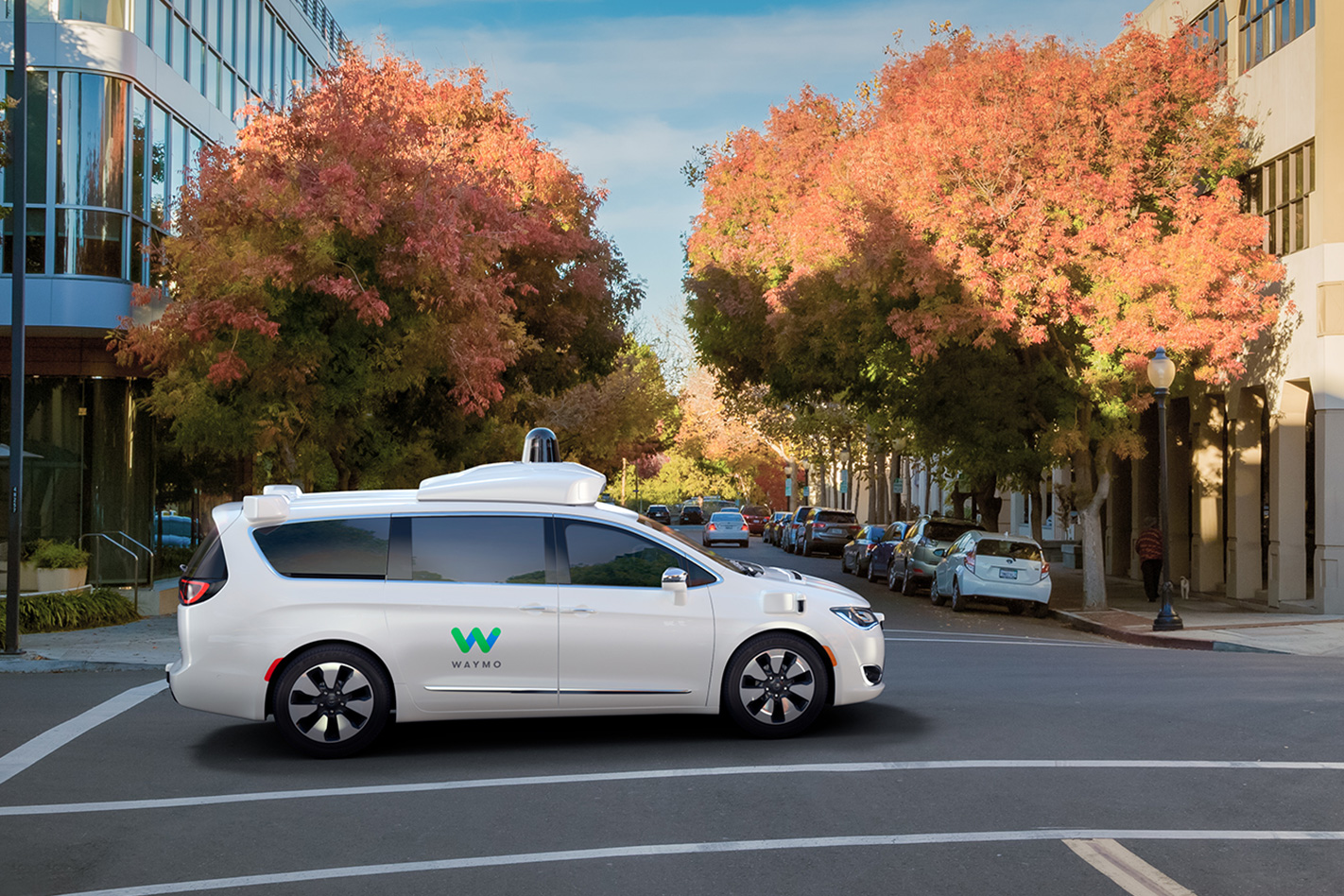
“It is further complicated by the lack of a common framework for such a safety performance assessment and by rapid changes in its object: a self-driving car is, after all, a combined hardware and software system whose critical performance characteristics can change radically with software upgrades,” it said.
“Vehicle automation strategies that keep humans involved in the driving task seem risky. A shared responsibility for driving among both automated systems and humans may not render decision making simpler, but more complex. Thus, the risk of unintended consequences that would make driving less safe, not more, could increase.”
In the OECD’s view, humans retained “an advantage” over single-sensor autonomous systems in many of the driving situations investigated. It said sharing the driving task between humans and robots had “so far confounded efforts to ensure safety”. Instead, carmakers should aim to avoid machine-to-human handovers, or at least limit the handovers to when there was a high risk of death or serious injury.
The report also notes that passengers in autonomous cars will need to know just how foolproof the autonomous system developed for the vehicles were, suggesting the current five-level rating system that ranks from partial driver assistance to full automation won’t work for “non-technical audiences” – or most people.
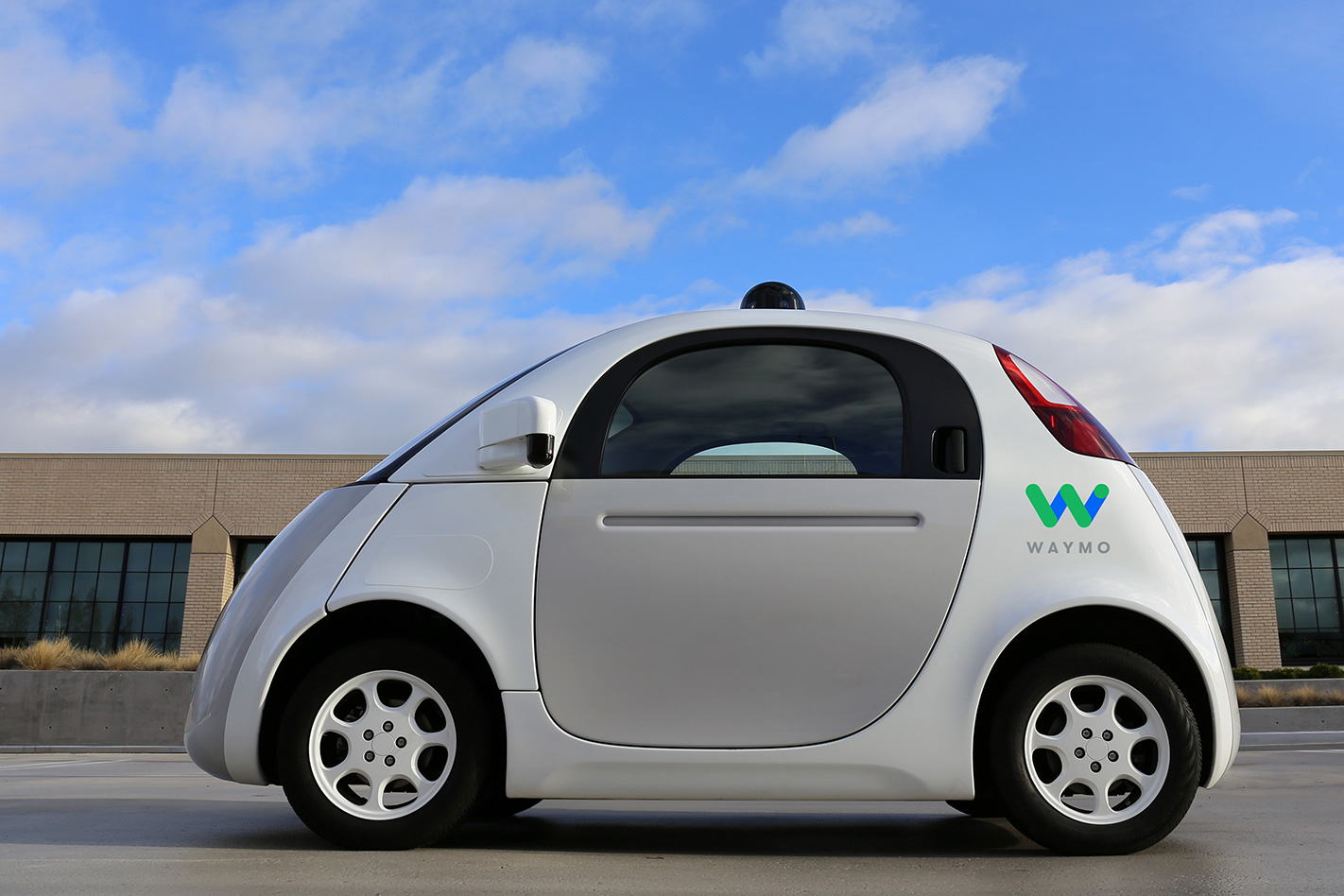
The report also hints that because they will need to be more cautious while painting a digital picture of the world – and potential hazards – around them, autonomous cars will likely need to move much slower than the ones with a human behind the wheel, especially if cyclists and pedestrians come into the mix.
One solution, it hints, is to ban human-driven cars from autonomous-only zones.
Can’t beat cubes, sixes are for softies who can’t handle a V8 and only milk and juice come in two litres.
This feature was originally published in MOTOR’s February 2005 issue
Four, six or eight, it’s either born or bred. And we’re in such a golden era of performance road cars that small capacities, turbos and tricky technology can belt on the door of a big-banger V8.
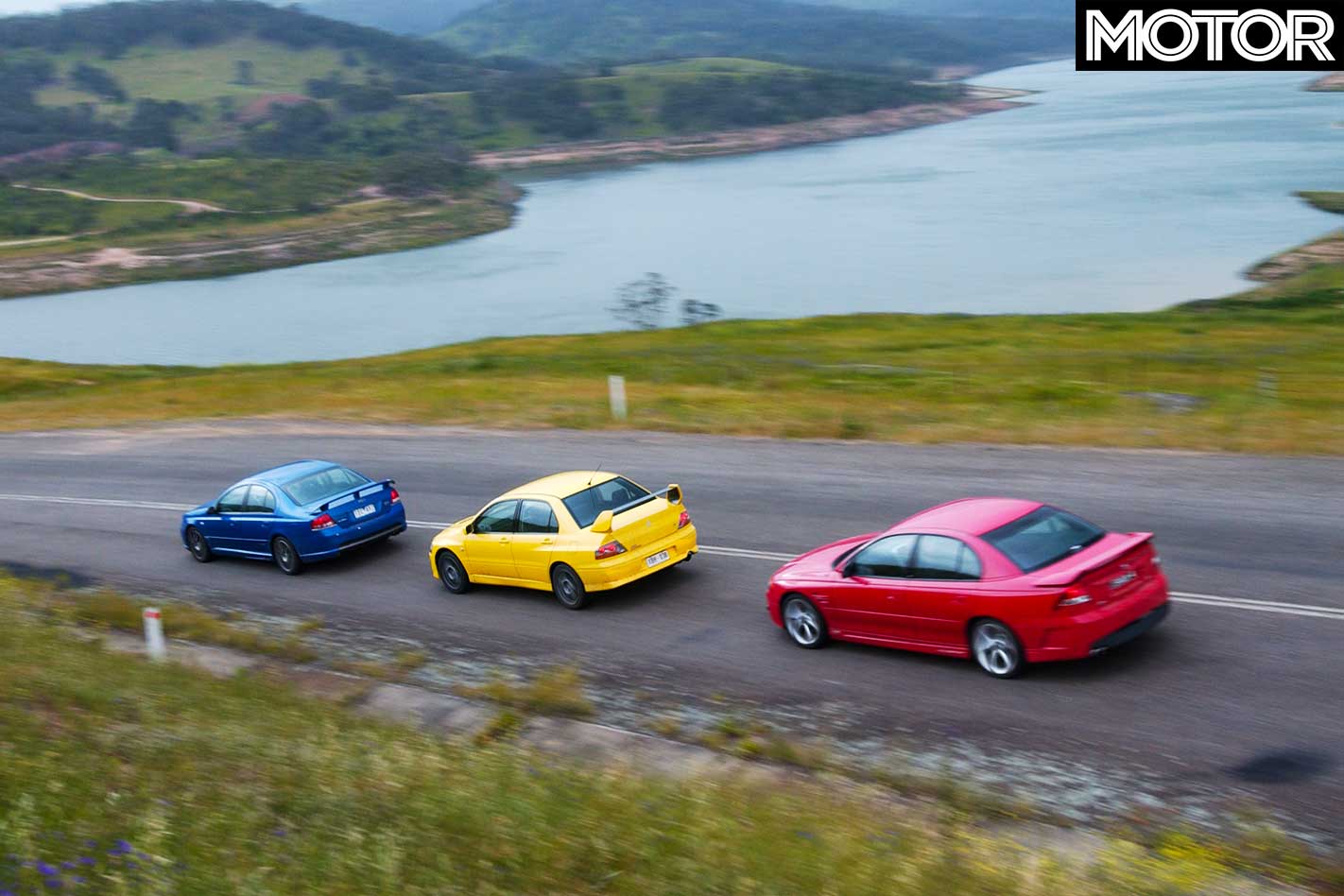
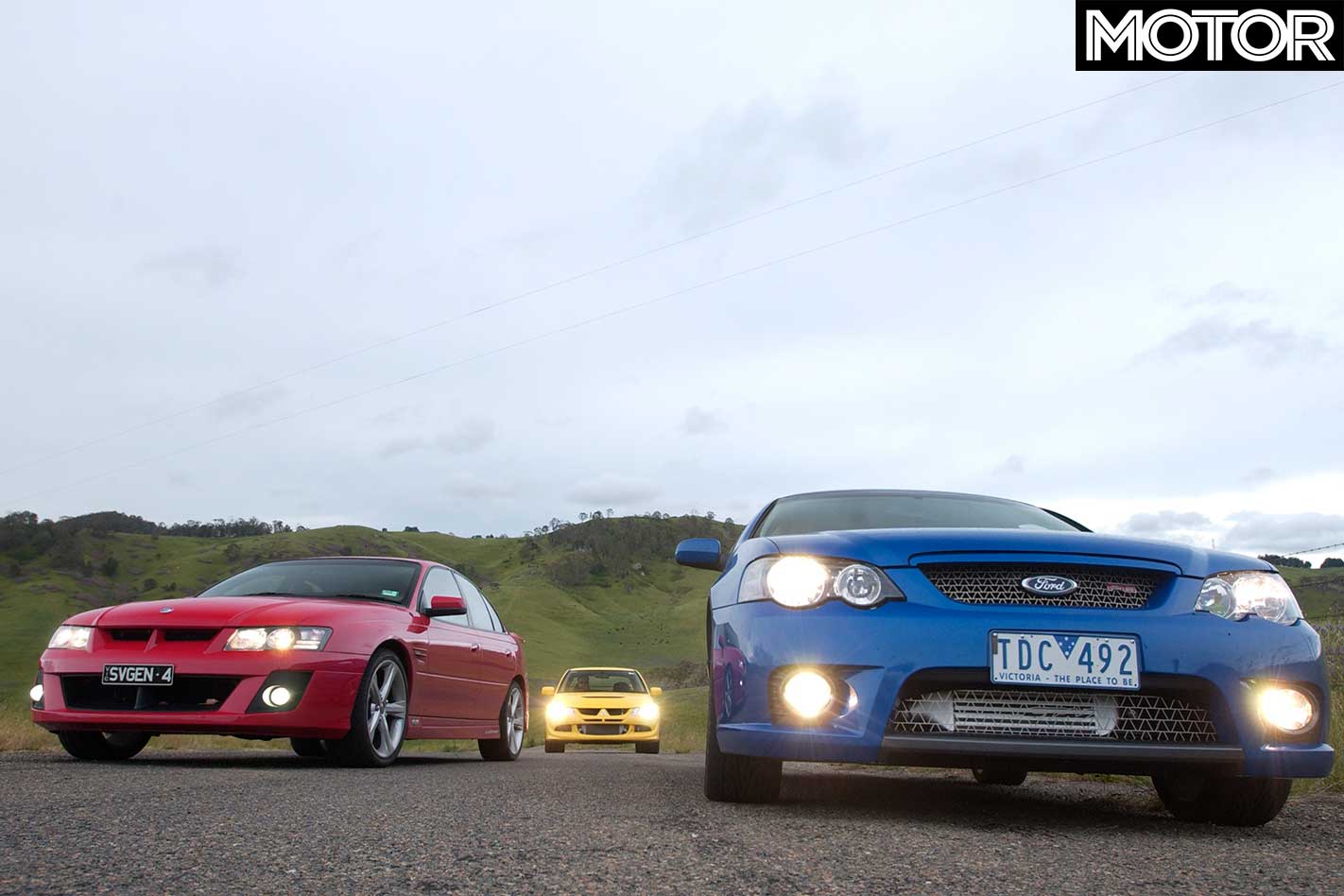
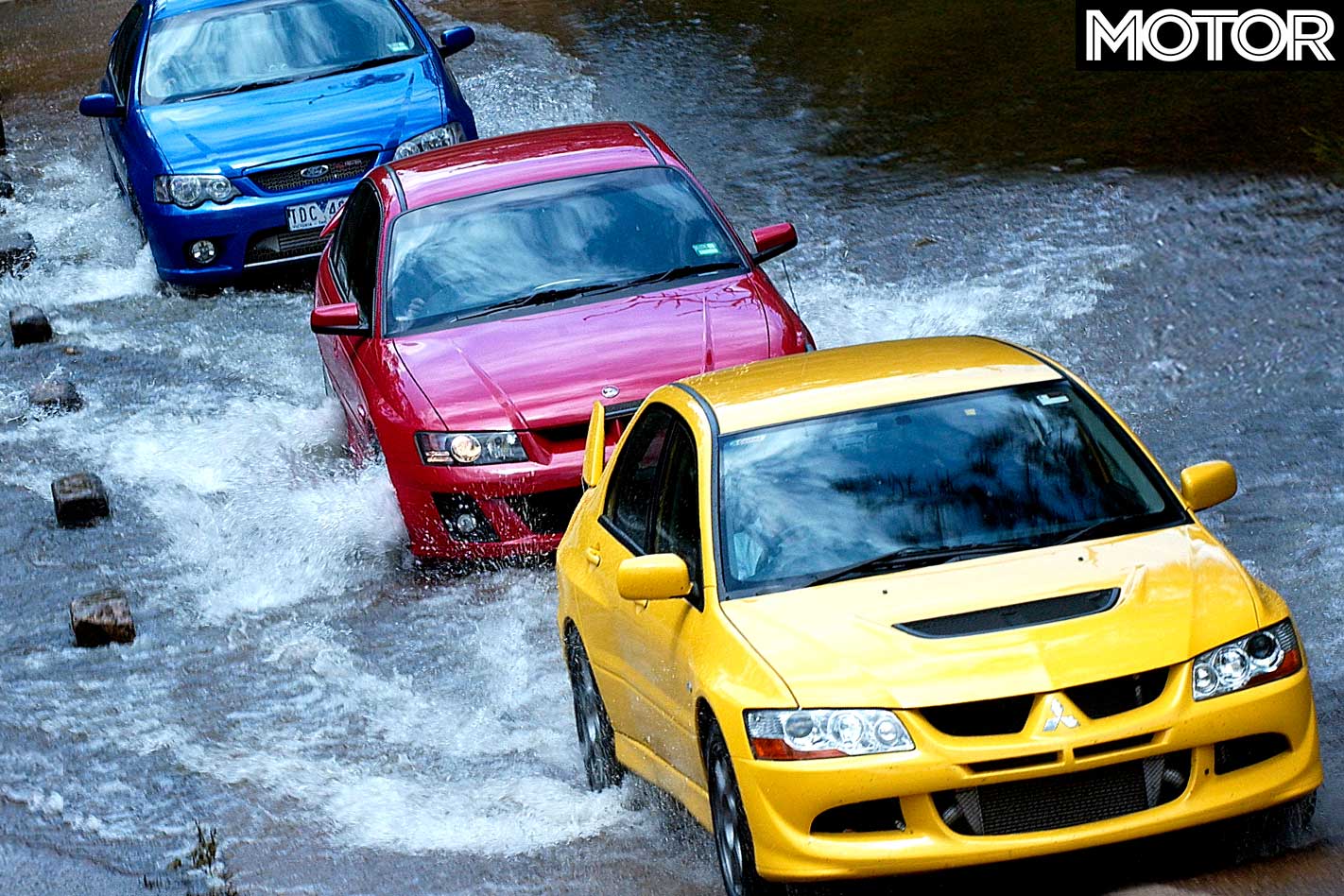
Each contender is the current king of its crop: Mitsubishi’s Lancer Evolution VIII, FPV’s F6 Typhoon and HSV’s ClubSport. Two-litre versus four-litre versus six-litre, numerically neat in capacity and price. At $59,850, the FPV is the bargain of the group, the ClubSport is $2000 more, while the EVO adds another $140, making the current Bang For Your Bucks champ the most expensive here.
On paper, the Lancer’s not that impressive: more than 100kW down on the HSV, and, though, it’s 226kg lighter, it still has the weakest weight-to-power ratio. No, the EVO makes up for its four-cylinder deficiencies with tricky diffs channelling all-wheel drive through rubber that’s almost as wide as those on the big Aussies.
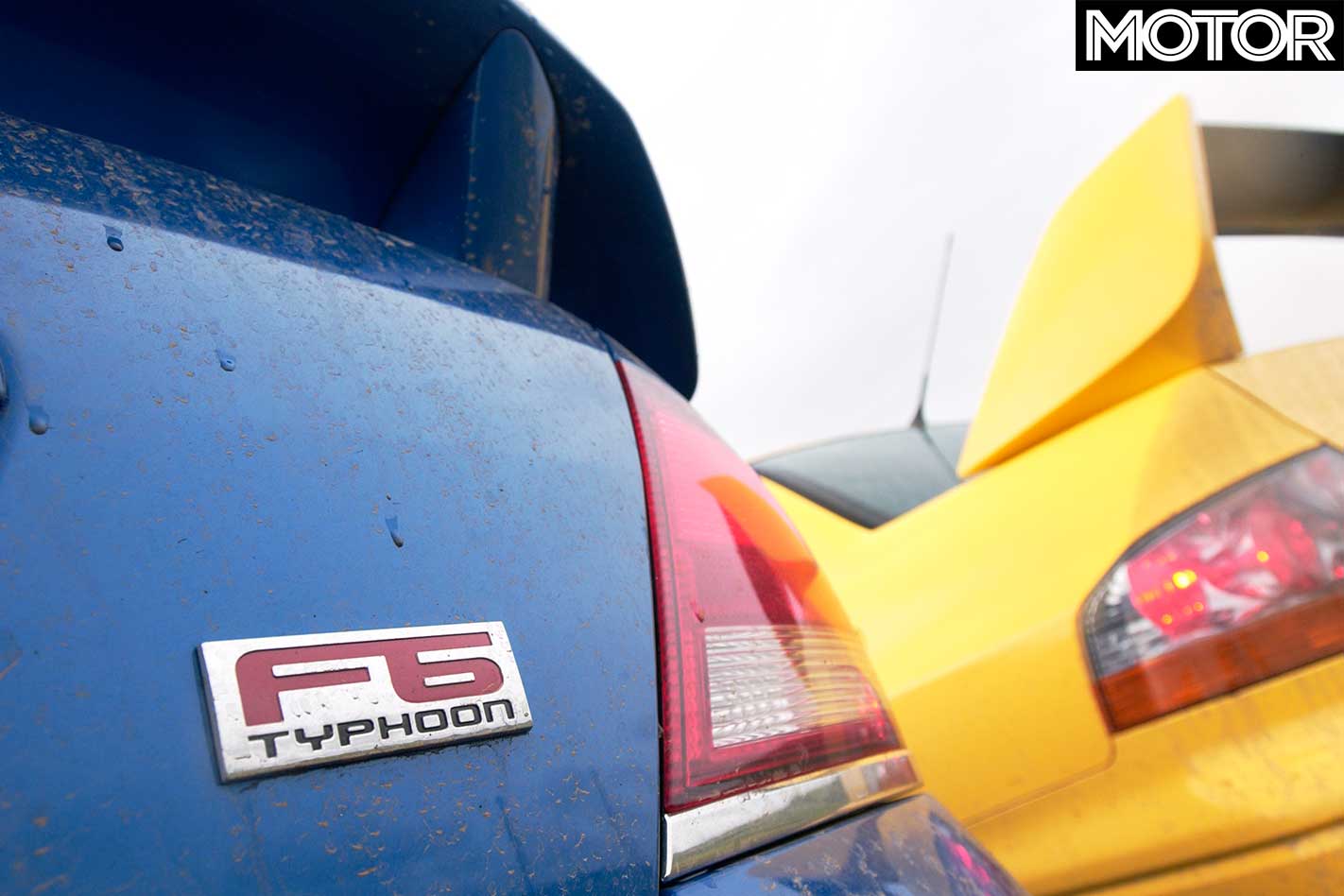
FPV’s F6 Typhoon sits in the middle ground with power. Over the donor XR6 Turbo, the more powerful, better-geared, torque-topping F6 should up the ante.
The HSV is the big daddy and the archetypal Aussie muscle car: biggest engine, most power, largest brakes, and the largest wheels – who needs the R8 spec?
Round 1 – Quarter-mile
Light weight, all-wheel drive and an ECU-limited 5000rpm launch rockets the EVO off the line: it gets to 100km/h in 5.4 seconds, 0.4 faster than the HSV and one second clear of the FPV. The Evolution passes the quarter-mile mark 0.8 seconds ahead of the Ford – and it’s still pulling away.
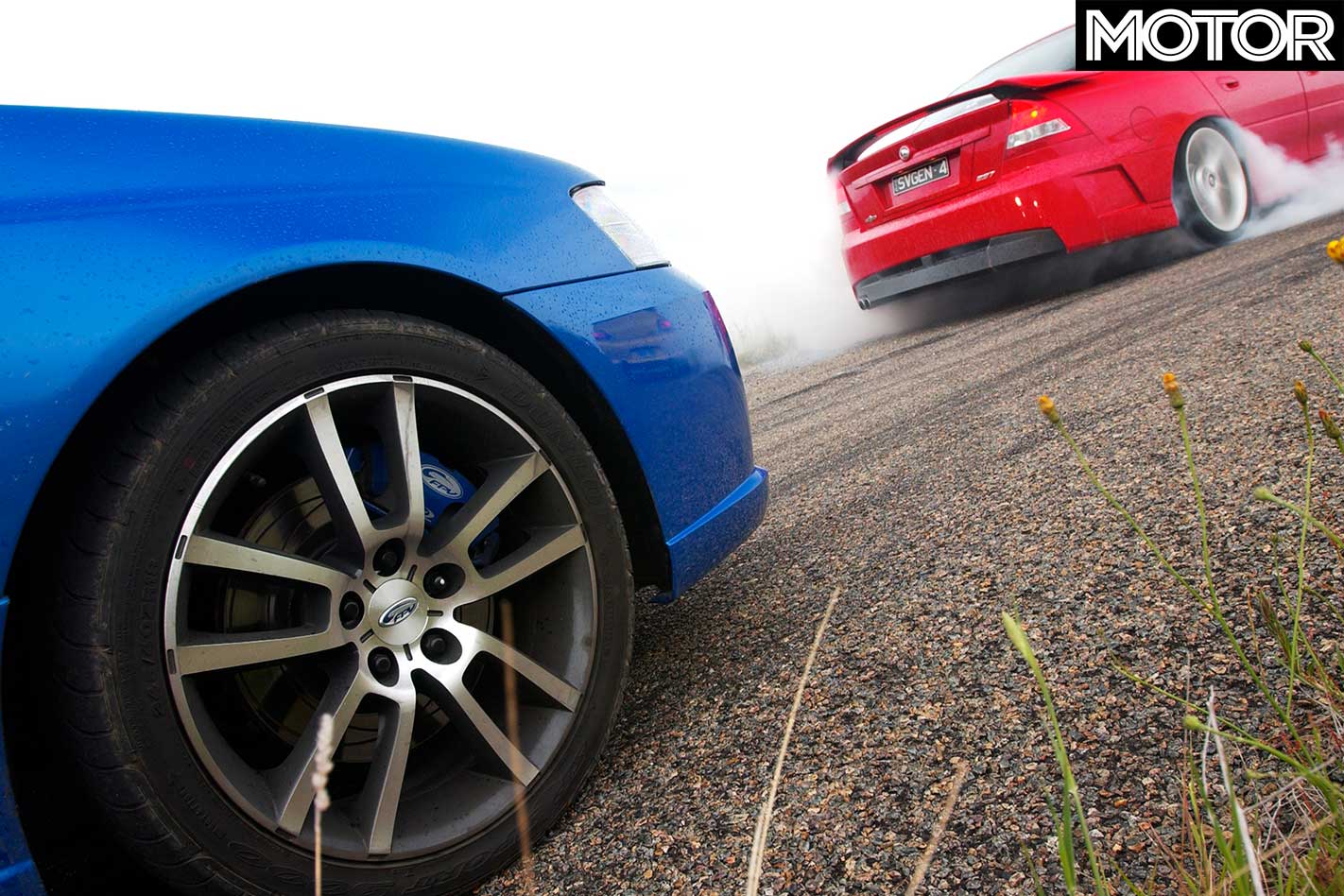
The Typhoon needs careful throttle modulation to balance between bogging and wheelspin. But the Typhoon’s figures aren’t super fast, making it the slowest of the group over the quarter by six-tenths.
The ClubSport loves the strip: dial up around 3500rpm, but launch revs aren’t too important because power and torque is everywhere. It takes until third gear to start reeling in the Mitsubishi and even though, at the quarter-mile finish line, it’s pulling 8km/h more, it’s still 0.2 behind.
Drags score: Evo VIII – 3 ClubSport – 2 Typhoon – 1
Round 2 – Street start
The rolling start is more real-world relevant, as it eliminates the Lancer’s all-wheel-drive jump.
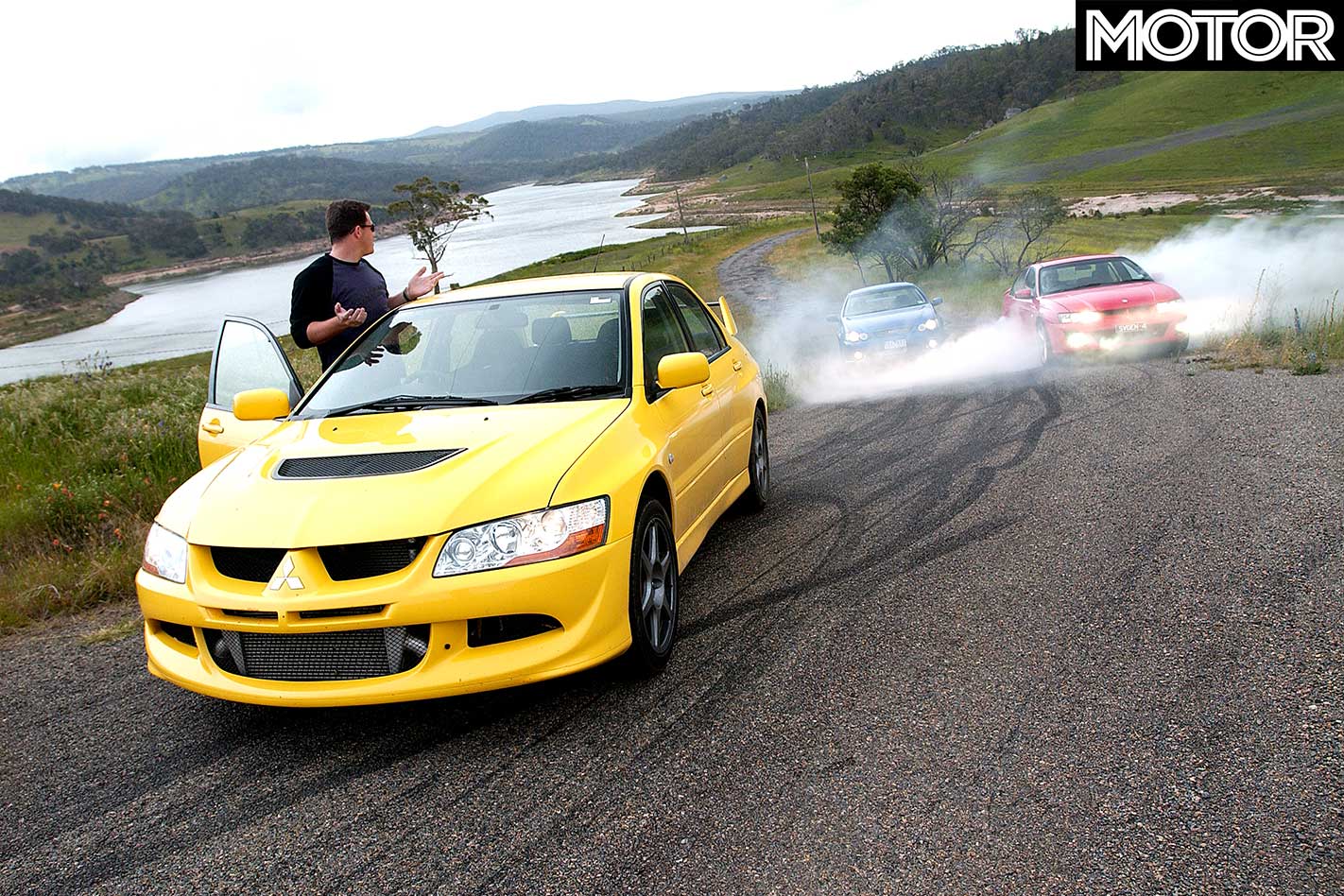
From 20km/h, the ClubSport’s instant response gets it half-a-car ahead, but once both turbos come on boost, they surge back. After first, second, third and fourth gear, there’s not even one car-length between all three with the Clubbie and EVO rubbing door-handles as the Typhoon starts to fade.
While the Typhoon’s peak mid-range is fractionally stronger than the Clubbie, it doesn’t carry its pace to redline. The whistle and choof of the turbo working at 9psi is there, and there’s urge from 2500rpm, but full boost takes until 4000rpm and by 5000rpm it’s losing both boost and breath. Gearing’s the main difference: in second gear, the Lancer does 104km/h, the Typhoon 106km/h, while the Clubbie reaches a high 116km/h.
How three so mechanically different engines and cars can produce such similar performance is remarkable and changes the rolling start order slightly.
Rolling-start score: ClubSport – 3 (tied) Evo VIII – 3 (tied) Typhoon – 2
Round 3 – Specs
It’s easy to see where the $60,000 goes in an EVO. As a purpose-built performance four-cylinder, the Evolution VIII’s money drips from the drivetrain and, err… not the interior.
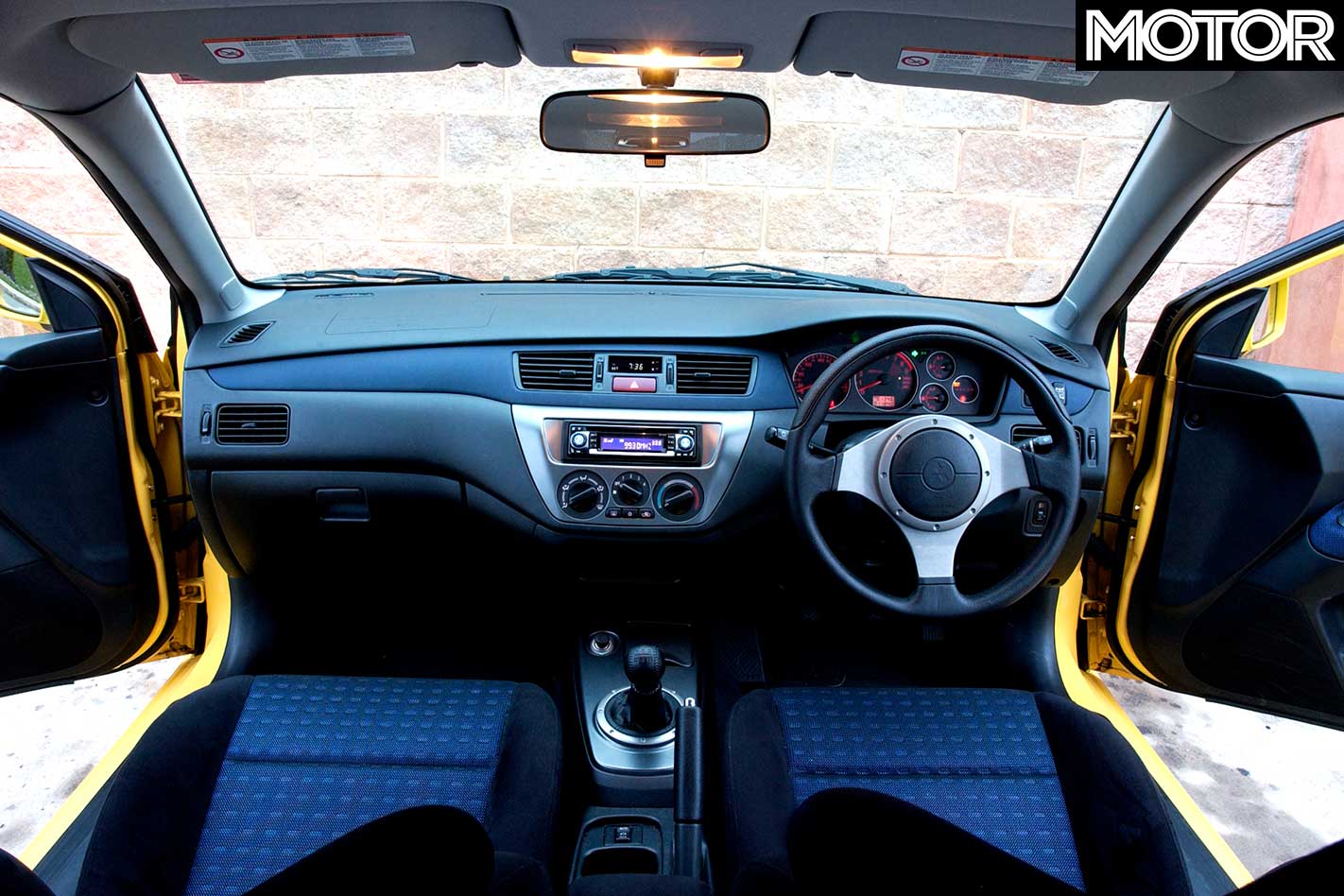
There are manual Recaro seats that hug like a bear, basic air-con and a single CD player. The only one lacking cruise control, it gets the modern basics of central locking, power windows, mirrors and steering. What’s lost in frills is gained in thrills: the diff control button and intercooler water spray are there for a reason.
The pedals are spot-on and the shifter’s like something from a Daytona machine: light, a little clunky but quick. There’s a 260km/h speedo, 7600rpm limiter, and despite the left-hand indicators, it’s superb.
On 17s, it has the smallest wheels here, but the EVO’s suspension and ride is as firm as the FPV’s on 18s and the HSV’s 19s. We’ll get to the trade-off in a moment.
If it weren’t for the small Typhoon plaque near the six-speed shifter, you’d be doing well to spot it as FPV’s hot six. The small boost gauge is the other clue, but without any numbered scaling, it’s largely pointless. As is that stupid start button that’s infected another car.
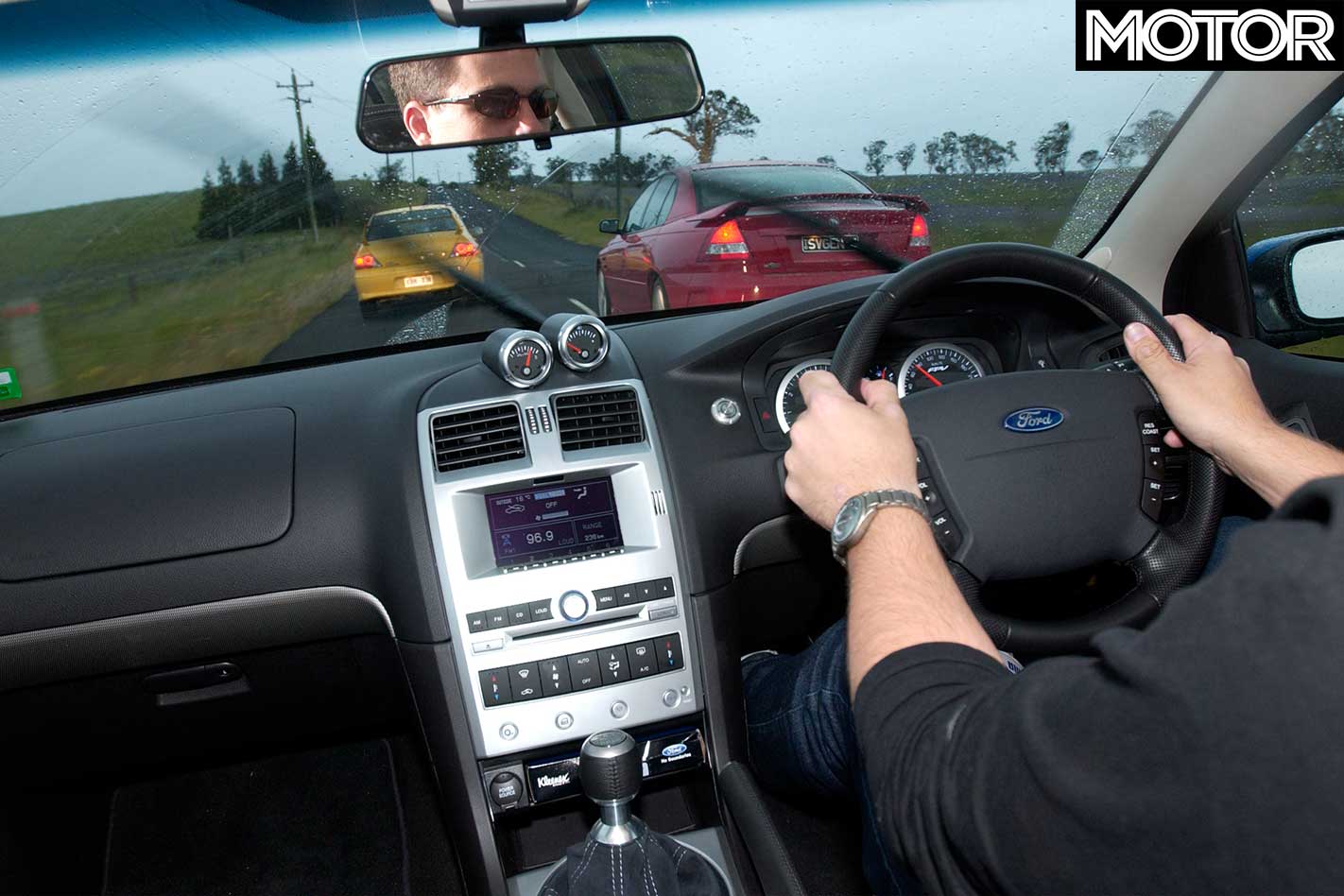
Some tips FPV: either develop a proximity key, or move the button to the right to make starting a one-handed operation and eliminate the spring-loaded ‘starting’ position from the key.
That aside, it’s all good inside the Typhoon. The alcantara-insert electric-height-adjustable seats get our vote with the best mix of support and comfort, while the extras include dual-zone climate control, auto headlights, trip computer, traction control and a central locking button: the latter lacking in Commodores.
There are stereo and cruise controls on the Ford’s steering wheel and while the shift action is marginally better than the HSV, it’s only noticeable back-to-back. The worst problem, though, is the clutch pedal: it sits higher than the brake and its friction point is awkwardly high, in the top few centimetres of pedal travel.
The speedo runs to 270km/h, and the 8000rpm tacho, still lacking a redline, is harsh-limited at 5900rpm, with an irritating chime around 5700rpm that can’t be silenced.
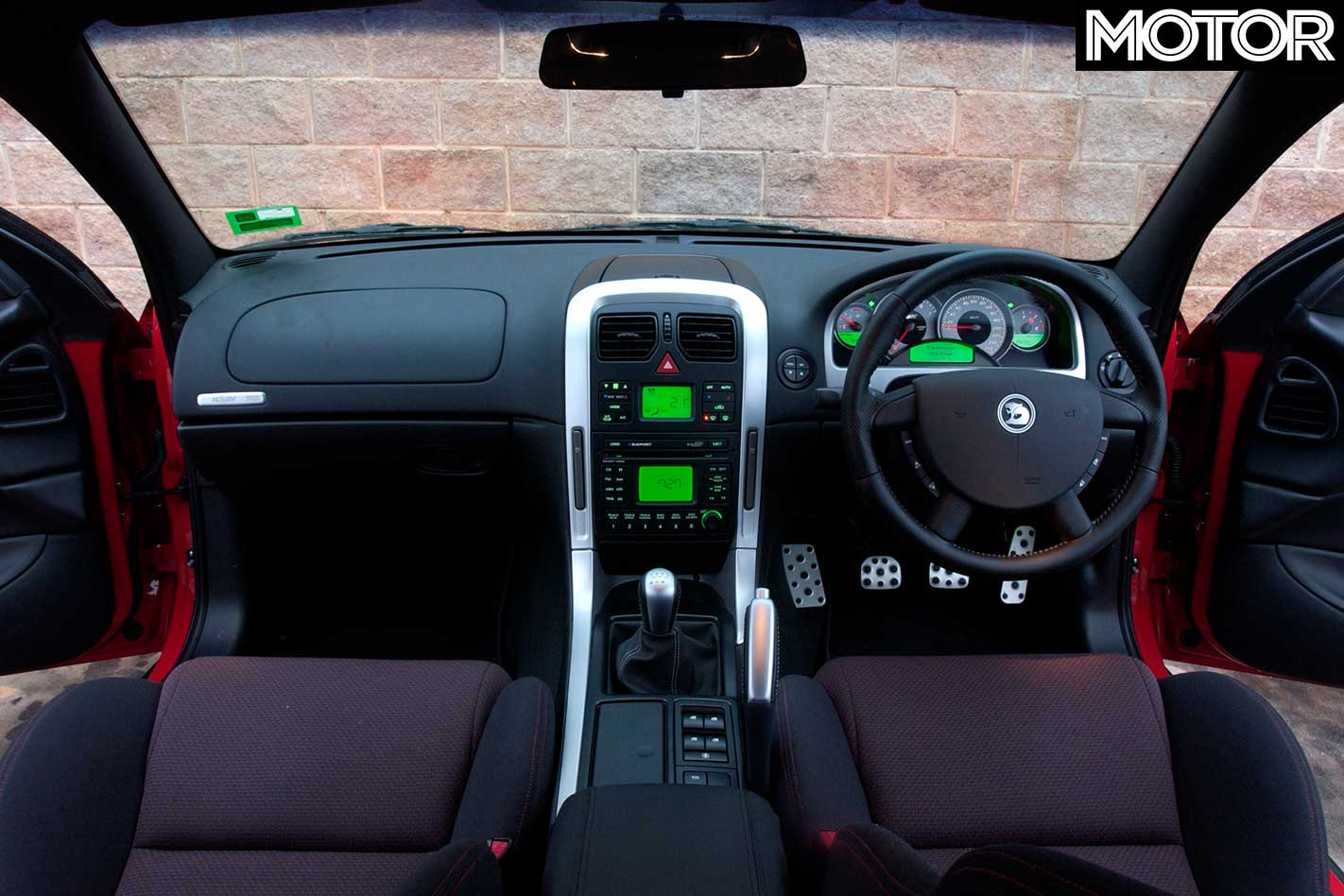
The ClubSport also has a chime but it’s not as loud. And with a 6600rpm limit on a seven-grand tacho, it sits alongside a 260km/h speedo. Electric height-adjustable seats are spongy and comfy. But they sit too high and don’t offer as much lateral support. And the steering wheel needs to be 10 percent smaller in diameter.
In addition to Typhoon’s equipment, the Clubbie adds… not much. Almost identical in spec, the only Z series identifier is the handy storage console atop the dash. How about an LS2 6.0-litre badge somewhere inside?
Interior score: Typhoon – 3 (tied) ClubSport – 3 (tied) Evo VIII – 1.
Round 4 – Hardware
All similar tough stuff here. Mitsubishi shows FPV how to do a front mounted intercooler. Yes, it may be silver, but Typhoon’s intercooler still looks undersized, offset and like it was pulled from another car.
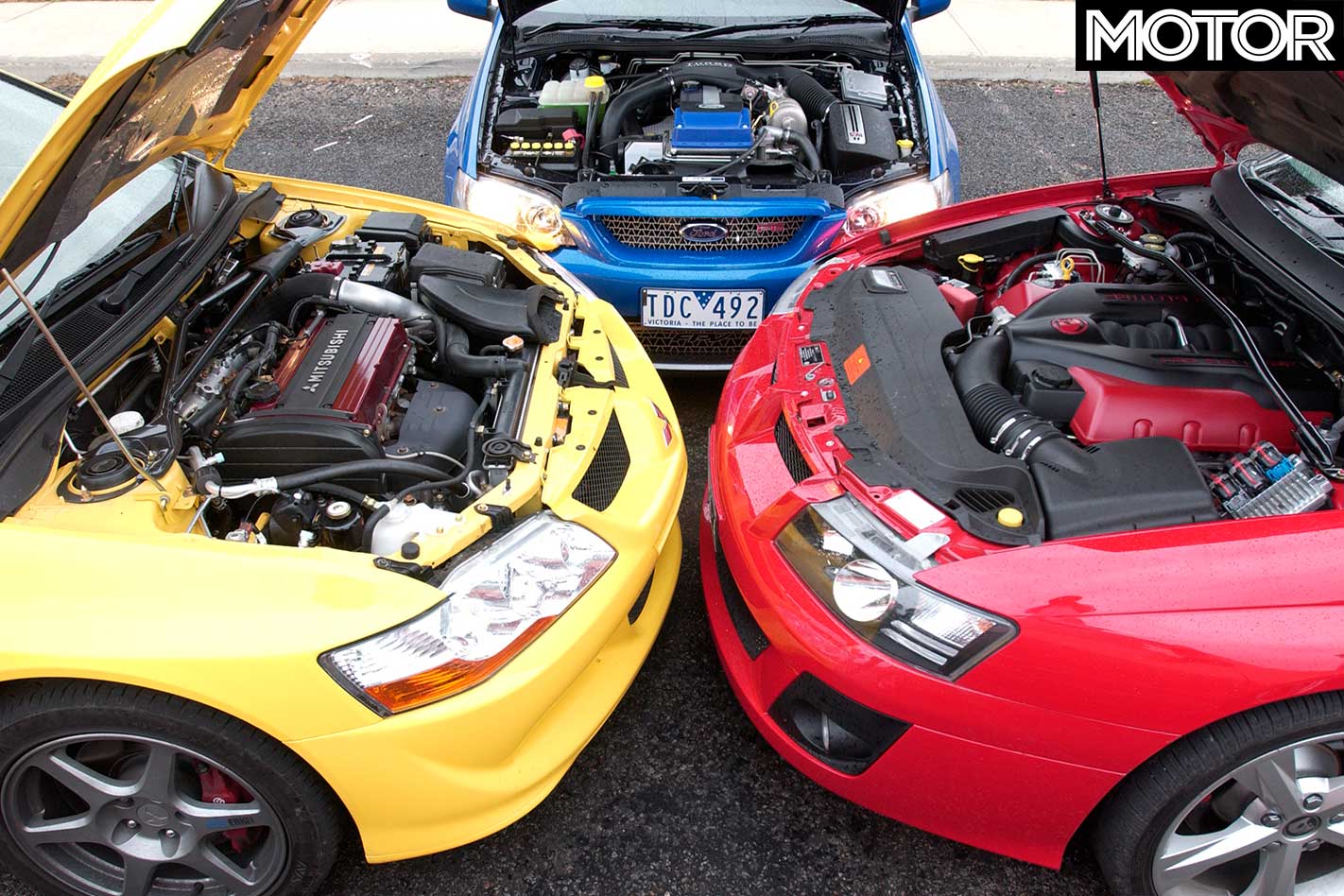
Brakes are similar in spec but offer different performance. The Evolution runs the smallest front rotors, but it’s the only one to carry Brembo four-piston calipers as standard and will cop a hammering.
They’re consistent, progressive, bullishly effective and with ABS and all-wheel drive, the most effective brake package here by far. But they’re not the best: the ClubSport’s set-up offer better progression, better feel and almost equal the Lancer’s stopping power, sinking the nose into the ground with the largest diameter rotors here, front and rear.
Around town they have better feel than the EVO, and when worked hard they remain surprisingly resistant to fade. Now can HSV please make the brake pedal closer to the throttle for easier heel-and-toe downshifts?
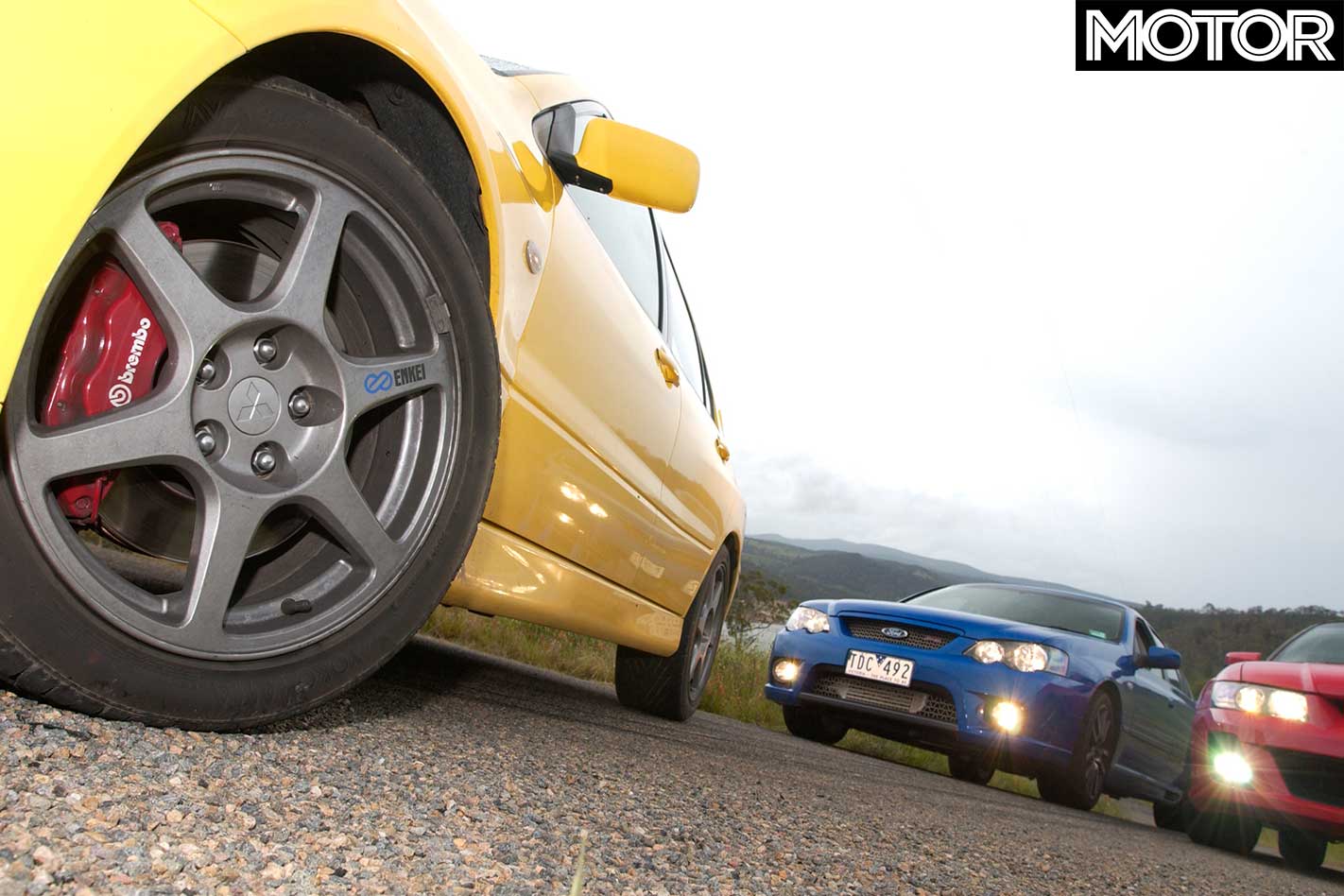
The Typhoon? Good. Very good. Its PBR calipers almost have the retardation of the HSV, but there’s not as much feel or progression and they vary with differing levels of vacuum. And they were the first to fade – 1715kg tends to do that. Don’t get us wrong, the F6’s standard brakes are very good, but in this company its weaknesses are exposed.
Equipment Score: Evo VIII – 3 (tied) ClubSport – 3 (tied) Typhoon – 2.
Round 5 – The mountain pass
A real road is possibly the most relevant test. The Z series ClubSport has good turn-in, and its chassis understeers less than VYs.
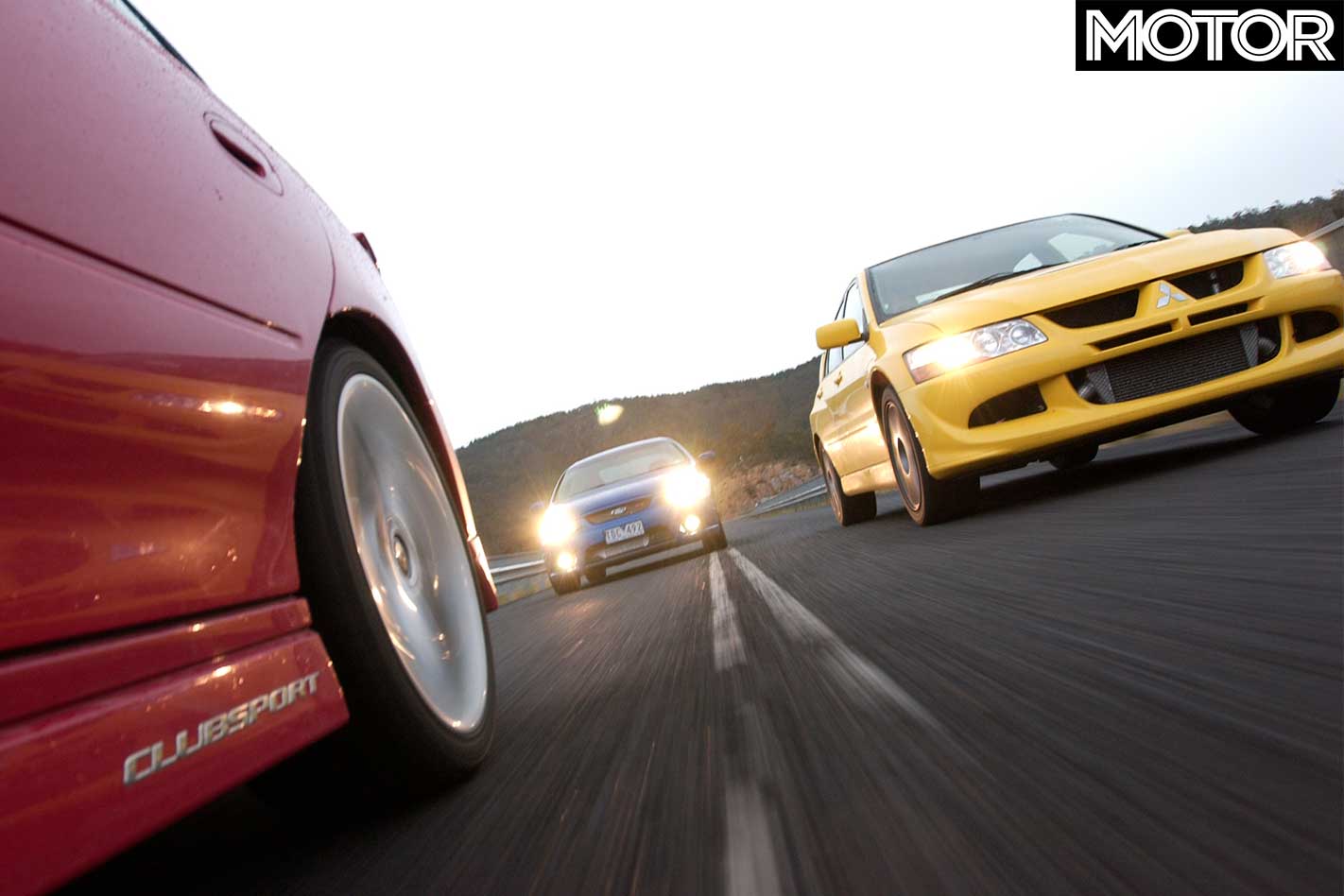
It rolls in corners but it’s also soft enough to soak up bumps. It’s well balanced, tied down with a trace of push on entry, neutral mid-corner and lairy slides on exit if you’re up for it. Its engine gargles its intentions from 2500rpm, growls from three, clears its throat with a kick at four-grand and blasts out to the limiter like rolling thunder. There’s a massive spread of linear shove on tap, and it’s never caught wanting – except for a swifter shifter.
But there are two problems: hit a dip at speed and the suspension bottoms out, sending a nasty thunk through the chassis. The other is the front tyres, which tend to fold under when pushed hard. Blame the chassis, blame the trade-off in good ride, but on the nose-heavy HSV, it will literally scrub the tyre size off the sidewall.
Typhoon goes one better: the ride is similar even though it’s on 18s, the shocks feel firmer, and though the steering isn’t as sharp as the Clubbie, the chassis sure is. It doesn’t roll like the HSV and it works both the front and rear tyres evenly with a sweet balance. It’s more eager to change direction, more responsive to fine inputs and works its suspension more effectively and efficiently.
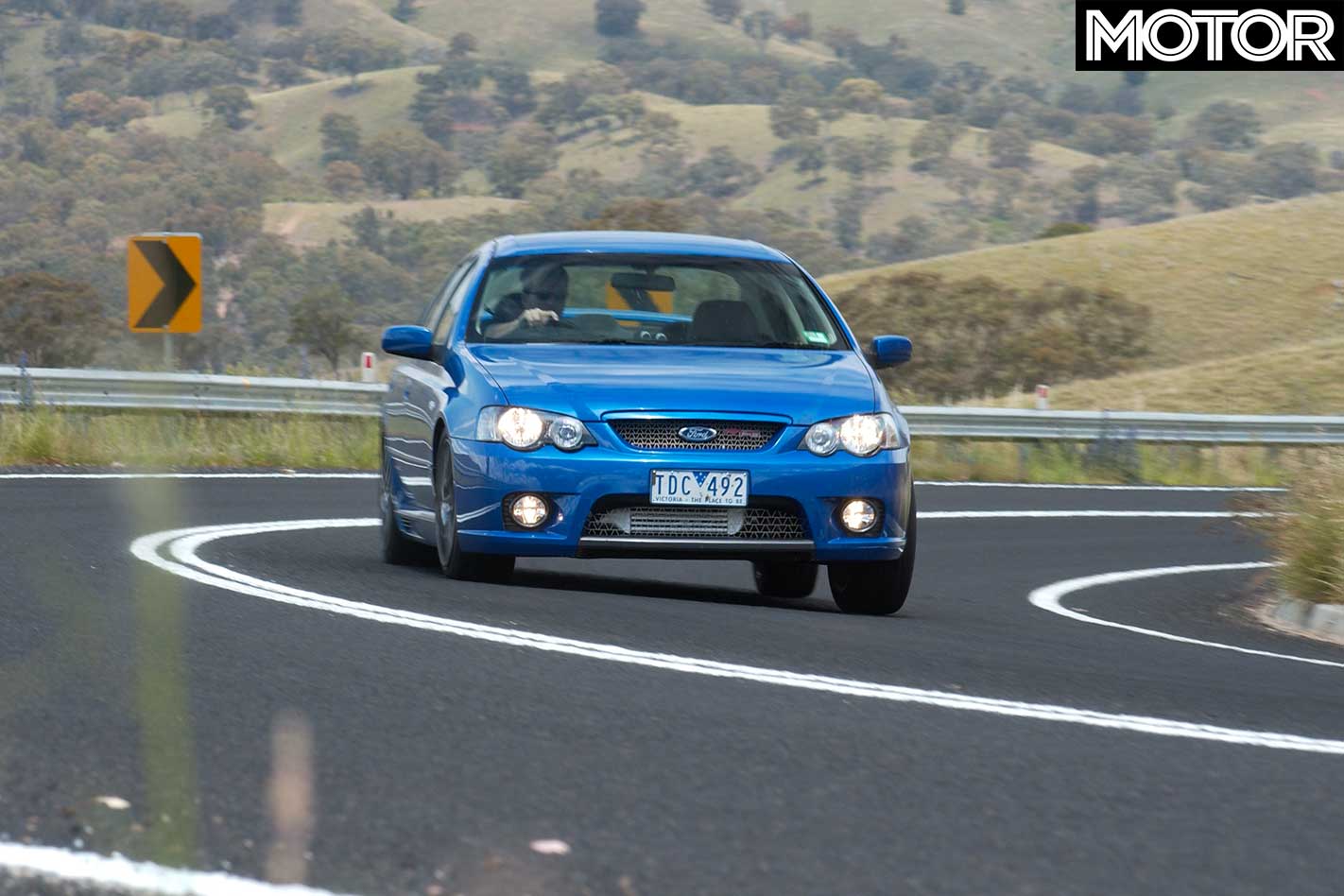
The turbo six has neither the immediate response of the HSV’s V8 nor the turbo lag of the Lancer’s four. Its 4.0-litre grunts from corners while the turbo takes a second to spool. This actually makes the power delivery smoother (and wheelspin a tougher ask) than the instant torque of the HSV.
F6 gets its speed from its mountain of mid-range urge: but too low or too high revs and the F6 is caught out. It’s developing boost from 2000rpm, but it’s not until just under 4000rpm that it winds up like a turbine.
It just doesn’t have the top end of the HSV or EVO. But it doesn’t need to bounce the limiter, either – shift into third at 5500rpm and it drops back to the meat of its torque at 4000rpm. It feels fast, but it’s quieter than the booming V8 or harsh Mitsubishi.
Then the yellow flash looms. Evolution VIII is made for winding roads, and compared to the two Aussies, the VIII is in another world of performance and speed.
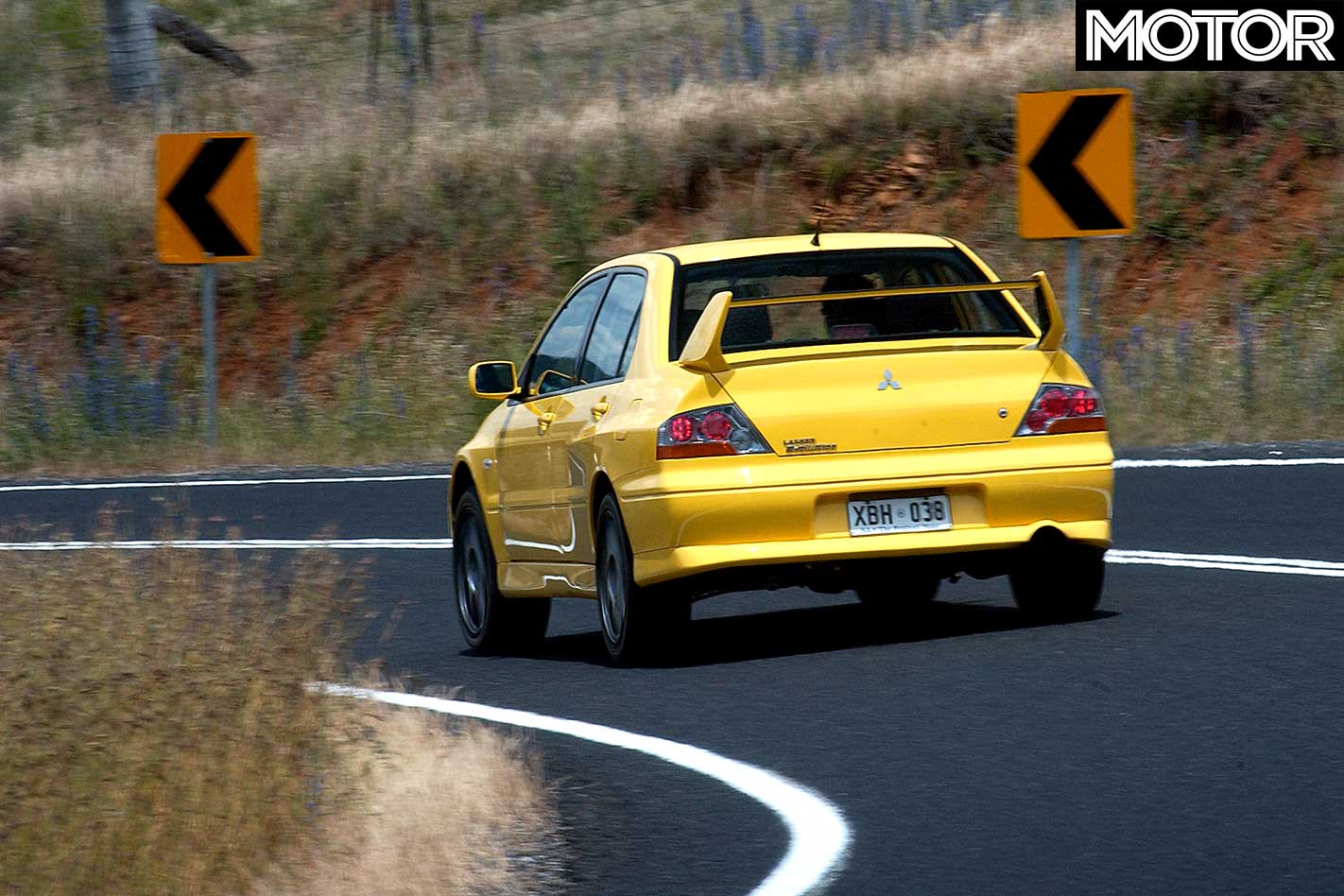
It’s hunkered down, tighter, tauter, frantic and frenetic, like a mongoose on speed looking for a cobra to tease. The steering is the sharpest here by a mile, rarely needing more than a quarter of a turn, and you simply throw it at any corner with the insurance and assurance of the massive traction of all-wheel drive. It’s twitchy and darty but never nervous.
It’ll eat the other two for entrée under brakes. Its chassis is so reactive, it feels like it rear-steers into the corner, with amazing grip like it’s being swung from the apex. Any trace of understeer is banished with the centre diff proportioning drive to the rear with the smallest oversteer drift as it blasts out of the corners.
Bury the pedal a car length earlier than the Aussie cars and it just blasts away, while the slick shifter punches through the gears with the feeling it’s pivoting from a point rather than passing through a gate.
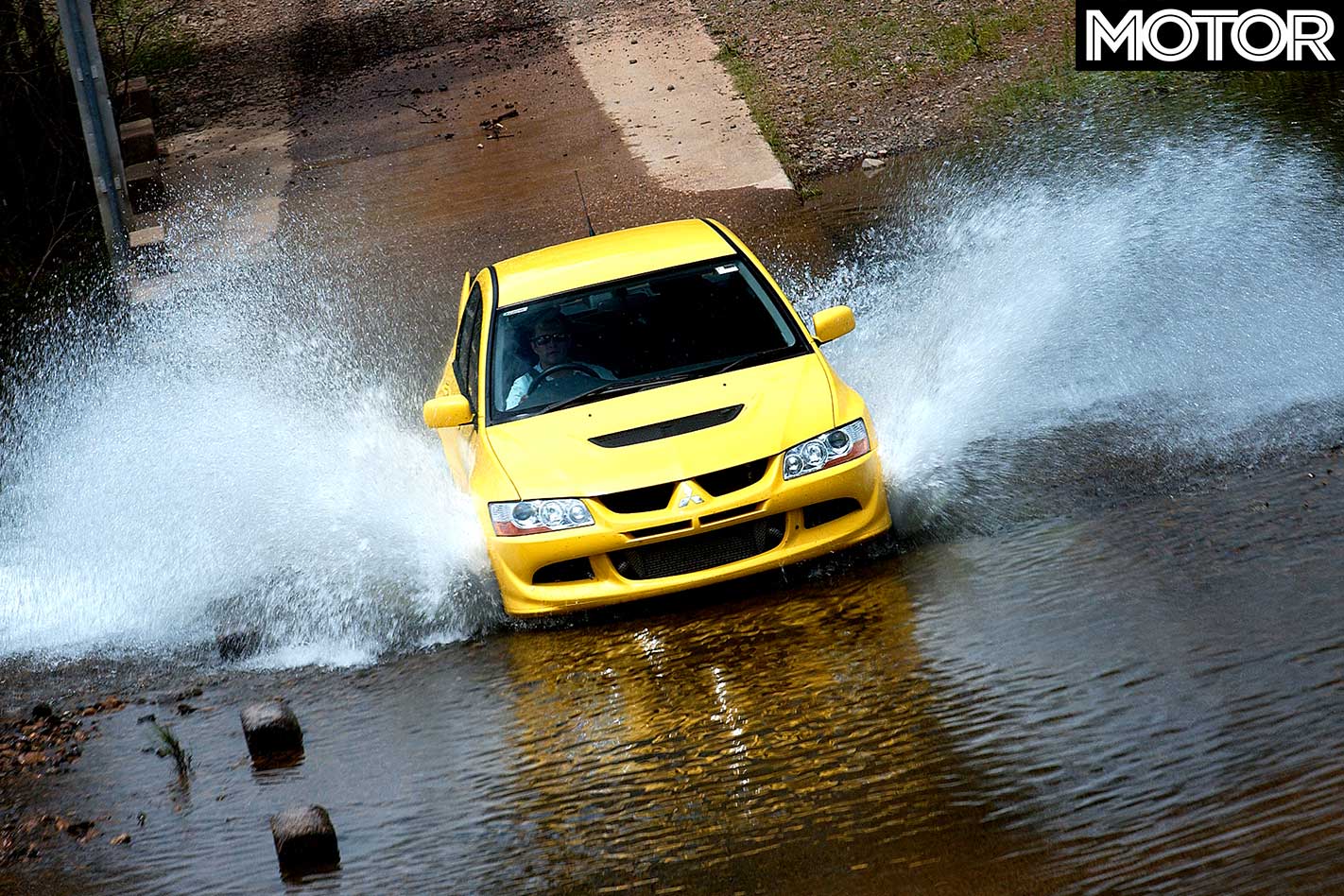
But it’s heavily reliant on its turbo: two-litres of engine isn’t much when you’re against engines with two and three times its capacity and it’s often caught off guard, off-boost and off pace. Under 4000rpm, it’s painfully doughy, a problem the turbo Typhoon overcomes with its two additional litres and cylinders.
But the Lancer’s turbo lag was no big surprise. What did catch us out was its top-end whack. From 4000rpm to the 7600rpm limiter, there’s a fantastic rush of top-end power.
The Lancer’s slower speed than the Clubbie over the quarter-mile needs clarification: our performance times were tested on a 36 degree day. On a cooler 15 degree day for the photo shoot, the result was more favourable to the turbos.
Evolution does feel quicker than the FPV, but it doesn’t feel like it has the HSV’s measure. The fact it does is the most impressive part.
Mountain pass score: Evo VIII – 3 Typhoon – 2 Clubsport – 1
Round 6 – Cruise
When the volume turns down, it’s easier to reflect on the daily viability of each weapon. Though our driving was hard, it’s relative. The Typhoon was the thirstiest, slurping 19.9L/100km. The Lancer was best with 16.5L/100km, but the HSV (17.9L/100km) uses its 75 litre tank to offer the longest range of 420km. In comparison, the Mitsubishi’s 55-litre tank has the fuel light flicking on at a paltry 330km.
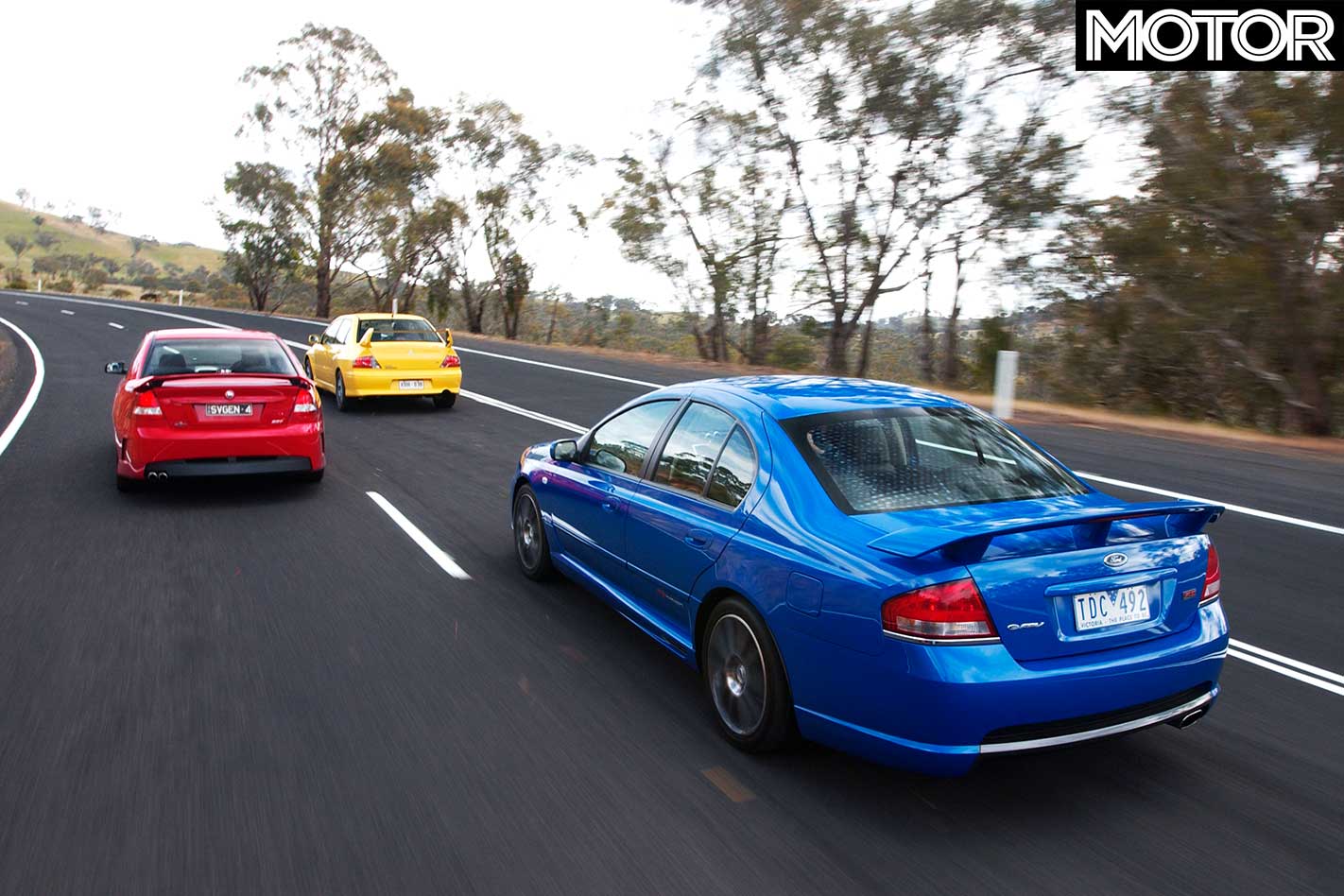
In sixth gear at 100km/h, the HSV’s the cruiser: on just 1600rpm, against Typhoon’s 1950rpm, and the VIII’s 2600rpm in fifth. With the Clubbie’s instant response, for daily comfort, it’s an easy round win.
Road cruiser score: Clubsport – 3 Typhoon – 2 Evo VIII – 1
The scorecard is done. The ClubSport’s 15 points edges out the Evolution VIII’s 14 and Typhoon’s 12. The FPV is very good, but it has more minor issues than the others, and you’re left with the feeling that there’s more potential, and that FPV’s being PC by not making it faster than its own V8 GT.
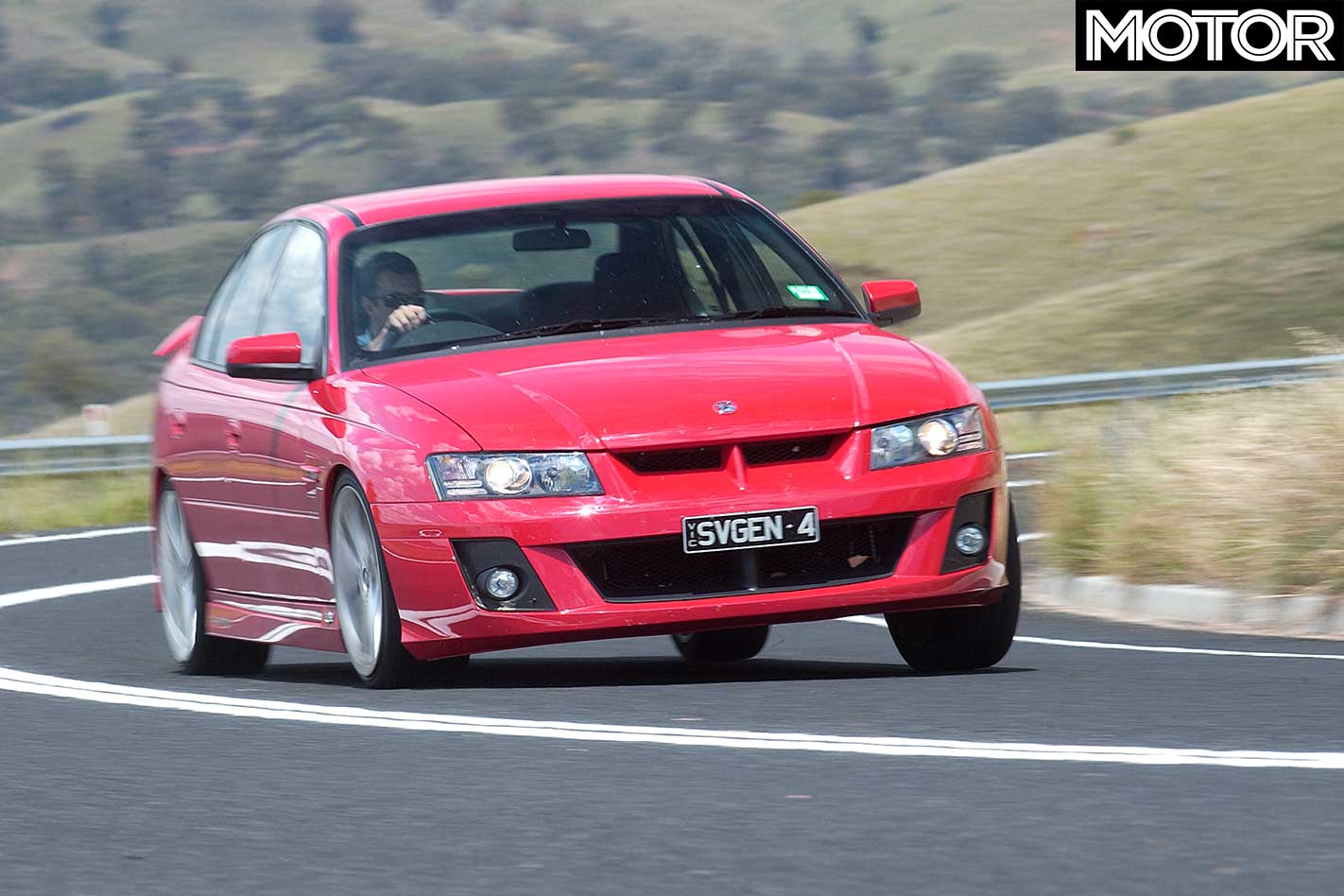
The Lancer is pure speed. That it’s comparable to the 6.0-litre ClubSport, faster in some ways, is proof that two-litres, turbo and technology is a titanic combination. It makes no excuses but it is compromised in equipment and comfort.
Which crowns HSV’s 6.0-litre ClubSport. It feels, sounds and, most of the time, is the fastest. It has all the equipment and comfort of the F6 and the speed of the Evolution. While there are grumbles, they’re minor. The Mitsubishi has its moments, but the ClubSport is always on. When it comes down to forking out 60 grand for a performance sedan, the HSV ClubSport chalks up a win for the V8.
Fast Figures
| (km/h)u00a0 | Clubsport | Evo VIII | Typhoon |
| 0-10 | 0.47sec | 0.34sec | 0.55sec |
| 0-20 | 1.02sec | 0.64sec | 1.13sec |
| 0-30 | 1.56sec | 0.94sec | 1.71sec |
| 0-40 | 2.08sec | 1.36sec | 2.25sec |
| 0-50 | 2.58sec | 1.80sec | 2.74sec |
| 0-60 | 3.06sec | 2.31sec | 3.22sec |
| 0-70 | 3.63sec | 3.22sec | 4.10sec |
| 0-80 | 4.52sec | 3.88sec | 4.86sec |
| 0-90 | 5.09sec | 4.59sec | 5.57sec |
| 0-100 | 5.83sec | 5.41sec | 6.40sec |
| 0-110 | 6.73sec | 6.78sec | 7.71sec |
| 0-120 | 7.86sec | 7.76sec | 8.76sec |
| 0-130 | 8.89sec | 8.87sec | 9.90sec |
| 0-400m | 14.01sec @ 169.1km/h | 13.84sec @ 161.2km/h | 14.64sec @ 159.9km/h |
Fast Facts
| u00a0 | 2005u00a0HSV Clubsport | 2005 FPV F6 Typhoon | 2005 Mitsubishi Lancer Evolution VIII |
| DRIVE | rear-wheel | rear-wheel | all-wheel |
| ENGINE | front-mounted, 6.0-litre, 16-valve, pushrod V8 | front-mounted 4.0-litre, DOHC 24-valve turbo six | front-mounted 2.0-litre, DOHC, 16-valve, intercooled turbo four |
| BORE/STROKE | 101.6mm x 92.0mm | 92.3mm x 99.3mm | 85.0mm x 88.0mm |
| COMPRESSION | 10.9:1 | 8.7:1 | 8.8:1 |
| POWER | 297kW @ 6000rpm | 270kW @ 5250rpm | 195kW @ 6000rpm |
| TORQUE | 530Nm @ 4400rpm | 550Nm @ 2000-4250rpm | 355Nm @ 3500rpm |
| WEIGHT | 1696kg | 1715kg | 1470kg |
| POWER/WEIGHT | 175kW/tonne | 157kW/tonne | 133kW/tonne |
| TRANSMISSION | 6-speed manual | 6-speed manual | 5-speed manual, ACD, Super AYC |
| SUSPENSION (f) | MacPherson struts, coil springs, anti-roll bar | double wishbones, coil springs, anti-roll bar | MacPherson struts, coil springs, anti-roll bar |
| SUSPENSION (r) | semi-trailing arms, coil springs, anti-roll bar | Control Blade IRS, coil springs, anti-roll bar | multi-link, coil springs, anti-roll bar |
| L/W/H | 4890/1842/1450mm | 4944/1864/1435mm | 4490/1770/1450mm |
| WHEELBASE | 2788mm | 2829mm | 2625mm |
| TRACKS | 1558mm (f); 1574mm (r) | 1560mm (f); 1575mm (r) | 1515mm (f), 1515mm (r) |
| BRAKES (f) | 330mm ventilated & grooved discs, two-piston calipers | 325mm ventilated & grooved discs, two-piston calipers | 323mm ventilated discs, four-piston calipers |
| BRAKES (r) | 315mm ventilated & grooved discs, two-piston calipersu00a0 | 303mm solid discs, single-piston calipers | 305mm ventilated discs, two-piston calipers |
| FUEL | 75 litres, PULP | 68 litres, PULP | 55 litres, PULP |
| WHEELS | 19 x 8.0-inch (f/r) | 18 x 8.0-inchu00a0(f/r) | 17 x 8.0-inchu00a0(f/r) |
| TYRE SIZES | 245/35 ZR19u00a0(f/r) | 245/40 ZR18 (f/r) | 235/45 ZR17u00a0(f/r) |
| TYRE | Pirelli PZero Rosso | Dunlop SP Sport 9000 | Yokohama AVS Sport |
| PRICE | $61,850u00a0 | $58,950 | $61,990 |
| PROS | Brakes; noise; powerband | handling; price | top-end rush; on-limit grip and balance |
| CONS | pedal placement; no door-lock button | pointless boost gauge; irritating starter button | left-hand indicator stalk; bus-like turning circle |
Gone Clubbing Why the ClubSport R8 pack needs one more option
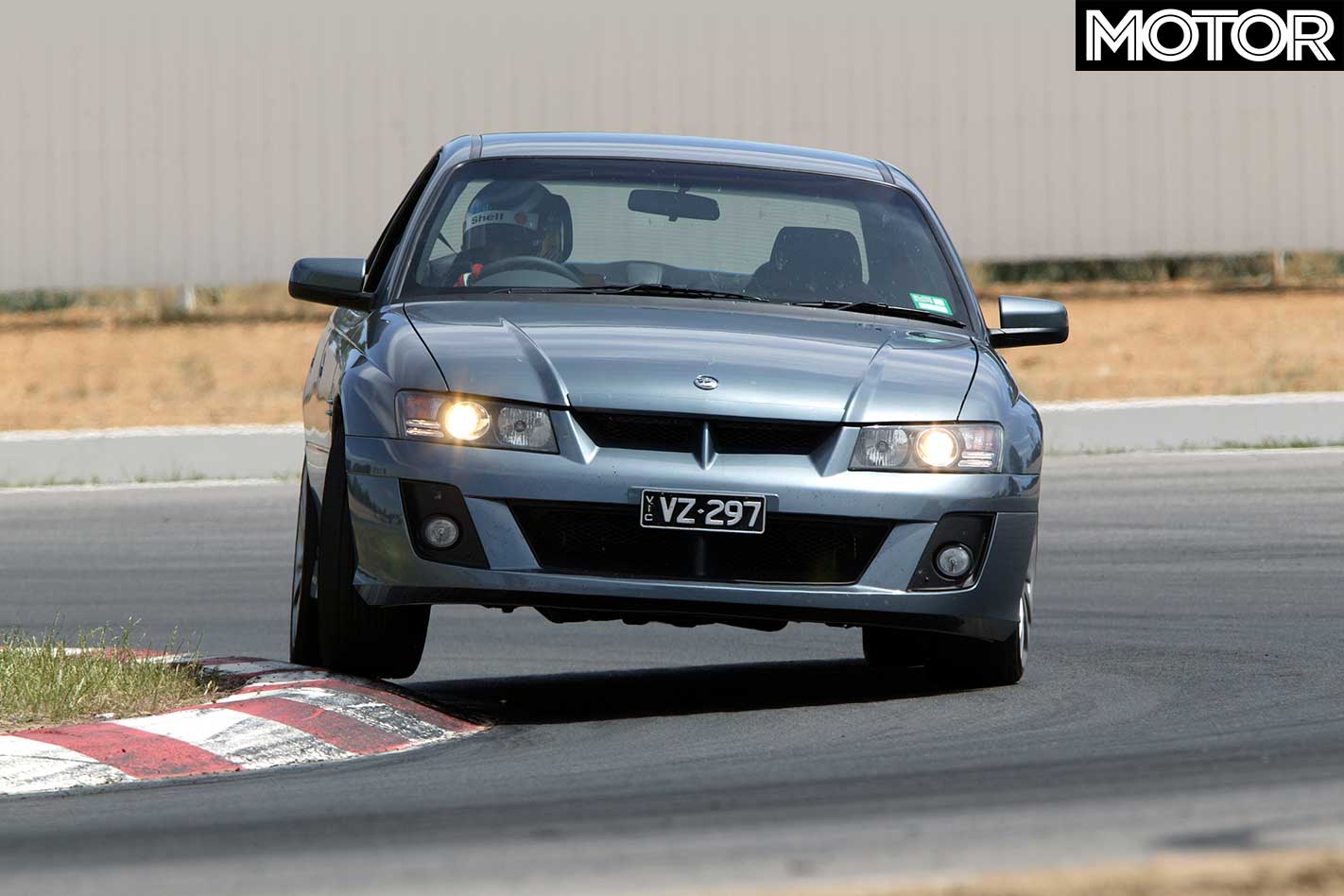
Considering the LS2 6.0-litre ClubSport is just a $1650 increase over the LS1 version, it’s still a great buy. But does it need the R8 pack?
For $70,990, a not inconsiderable increase, the R8 adds leather, gauges, sportier suspension, larger brakes and different design 19s. But what it really needs is grippier tyres.
The 19-inch Pirelli PZero Rossos fitted to the ClubSport are great for the road: they have minimal noise, good ride and wear characteristics. But when pushed hard on the track, their soft sidewalls tend to fold under – to the point where it actually scrubs off the brand and size markings.
A set of R-compound tyres, like Michelin’s track-spec Pilot Sport Cups, would offer the kind of grip and durability a part-time track racer like the ClubSport deserves, and they would be a perfect complement to the existing options list.
Boost an XR6T? Typhoon’s biggest threat comes from Ford’s own XR6T
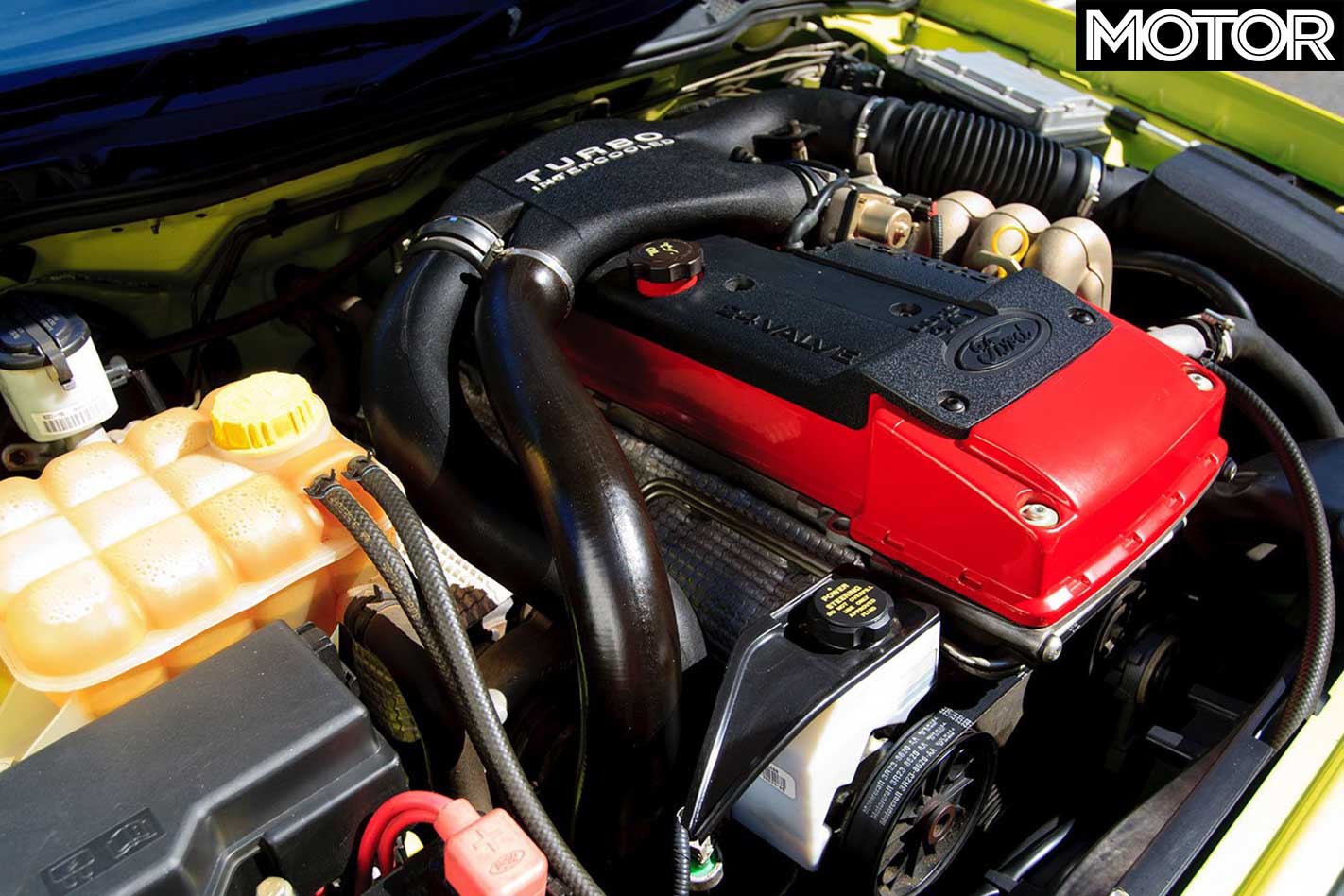
FPV’s Typhoon is $13,385 more expensive than a Ford XR6 Turbo manual, but is it that much better? Keeping in mind our F6 times were done on a hot day, our 0-100km/h of 6.40secs and 0-400m of 14.6@160km/h are still a fair way off our best XR6T times of 5.91 and a 14.1@162km/h.
And the Turbo XR6 is the target of aftermarket tuners keen for even more. The APS Phase 1 kit, for around $2500, drops times down to 5.3 and 13.6@178km/h.
The Phase 2 kit, at $5650, drops it again to 5.2 and 13.3. Yes, there are issues of increased stress, warranty and reliability, but the point is there’s lots more speed to be had.
C&V Performance fitted a Phase 2 kit to its auto XR6T and took it to Western Sydney Dragway. On street tyres, the orange beasty turned in a 0-100km/h in 4.9 and an official quarter-mile of 12.8@178km/h. That’s substantially faster than a Typhoon, $7000 cheaper and shows how much potential is hidden in Ford’s 4.0-litre turbo six.
Fear this Evo! With 302kW, the FQ400 is the God of speed’s gift to Evolution
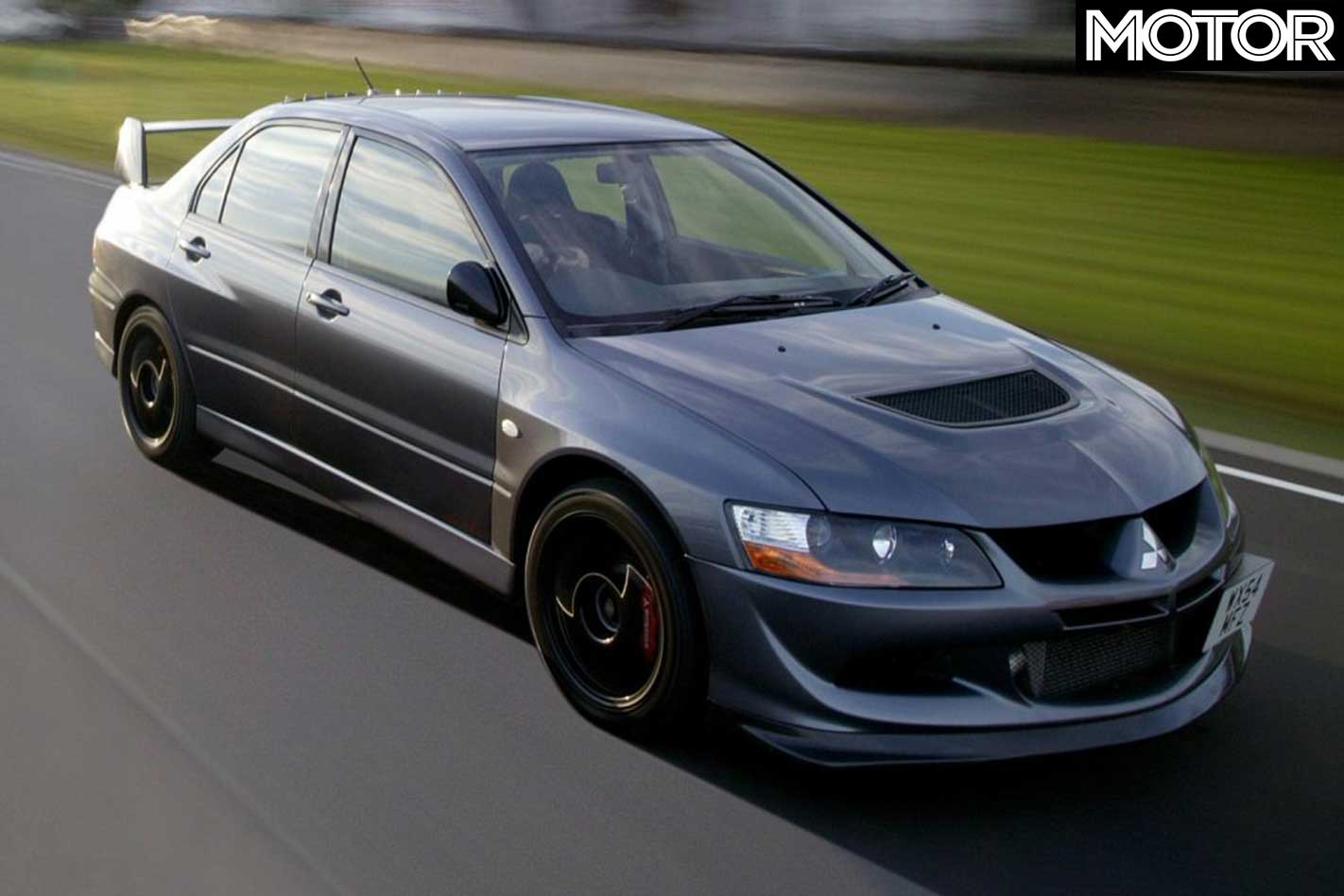
With 302kW, the UK-built Mitsubishi Lancer MR Evolution VIII FQ400 is the fastest car ever released by a volume manufacturer. Zero-to-100km/h arrives in just 3.6 seconds. The 2.0-litre turbo engine runs a larger turbo, stainless exhaust manifold, forged pistons and conrods, metal head gasket and larger injectors, controlled by a MoTeC ECU for a mighty 481Nm.
Underneath is Bilstein suspension and six-piston monobloc calipers on 343mm discs. There’s a PIAA lights and wiper upgrade, carbon fibre chin splitter, Ralliart aero mirrors and shark tooth vortex generators on the rear window. It even comes with a driver training course.
It can be ordered through UK Mitsubishi Ralliart dealers with a three-year/60,000km warranty, but it doesn’t come cheap. Its £45,000UK price converts to around $115,000AUS. Gulp.
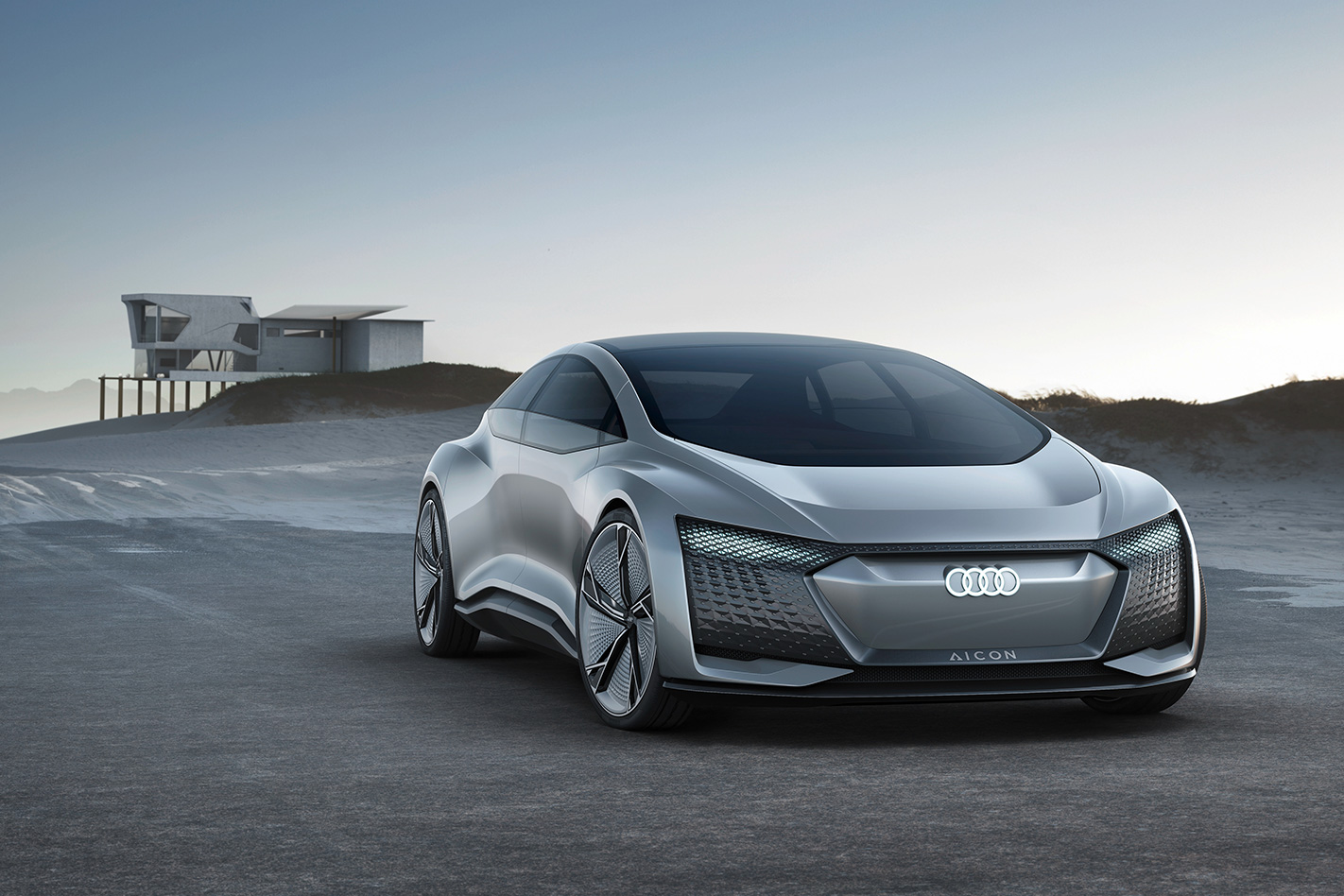
AUDI has confirmed its e-tron GT concept car will be the sportiest electric vehicle it will offer, squashing rumours that a battery-powered R8 variant will join it.
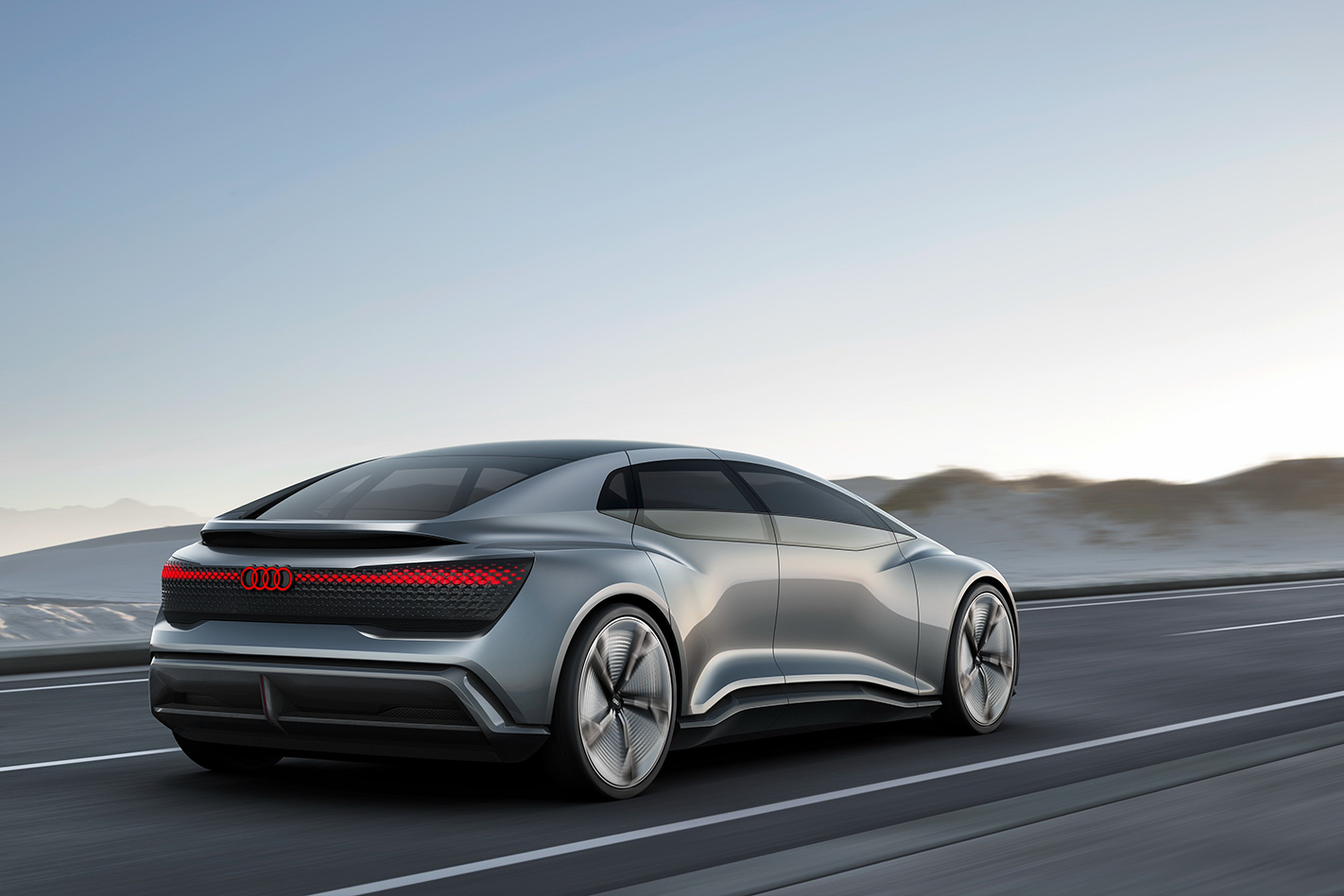
Speaking to Australian media, Peter Oberndorfer, Audi’s Head of Product and Technology Communications, said the e-tron GT will become the brand’s flagship electric vehicle for enthusiasts.
“We will have very sporty battery electric cars,” he said. “With electricity you will have no shortage of power and acceleration, which fits surprisingly well for sporty cars.”
Oberndorfer confirmed the e-tron GT will be a sedan, and offer plenty for those wanting high performance and zero emissions in the one package.
The former DTM racer turned exec was careful to distinguish between the e-tron GT having a “sporty feel” and being defined as a ‘sports car’.
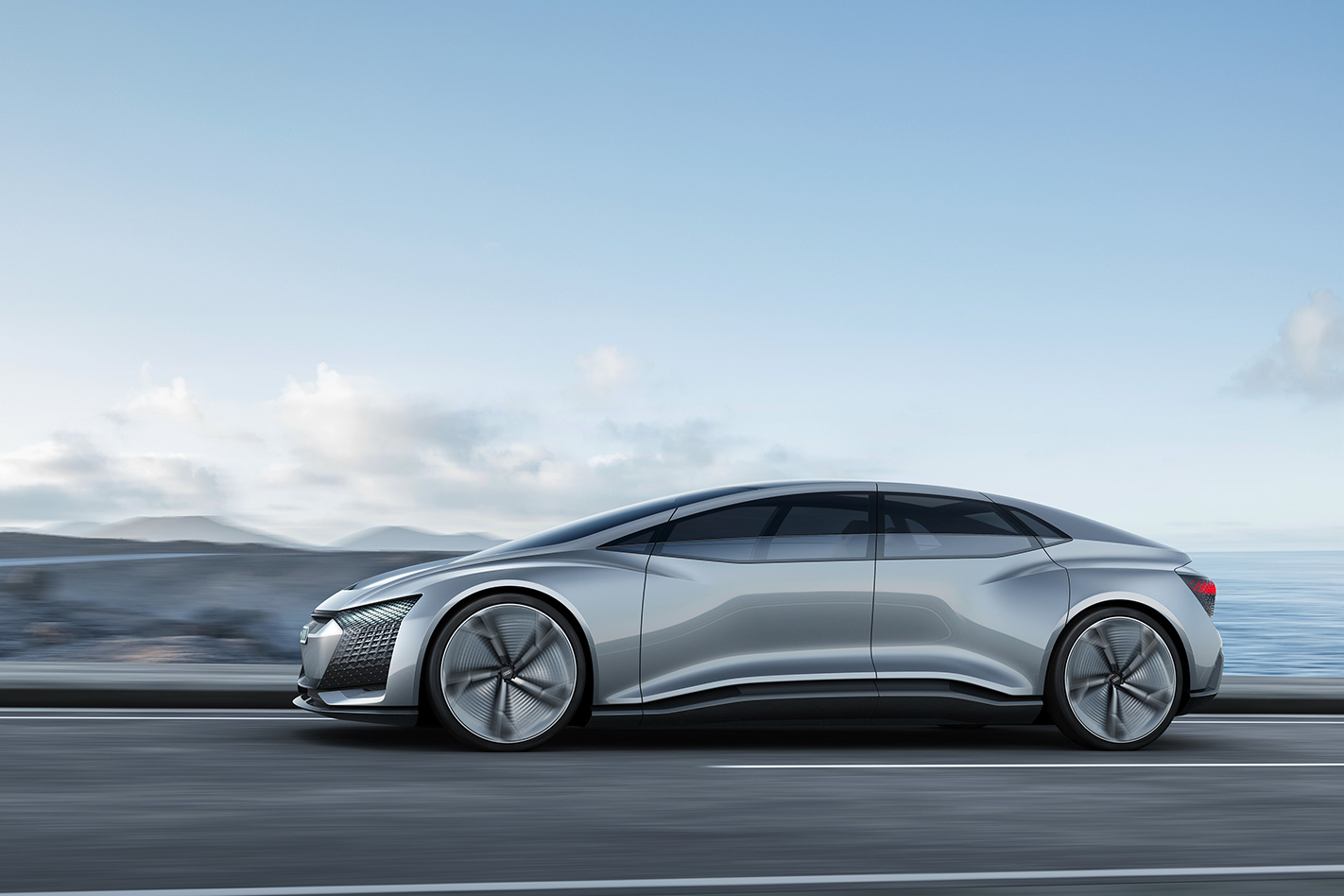
“It is a four-door car, which won’t be a successor to the R8,” he explained. “It will be a very sporty four-door car, and we will have very sporty electric cars in our line-up.”
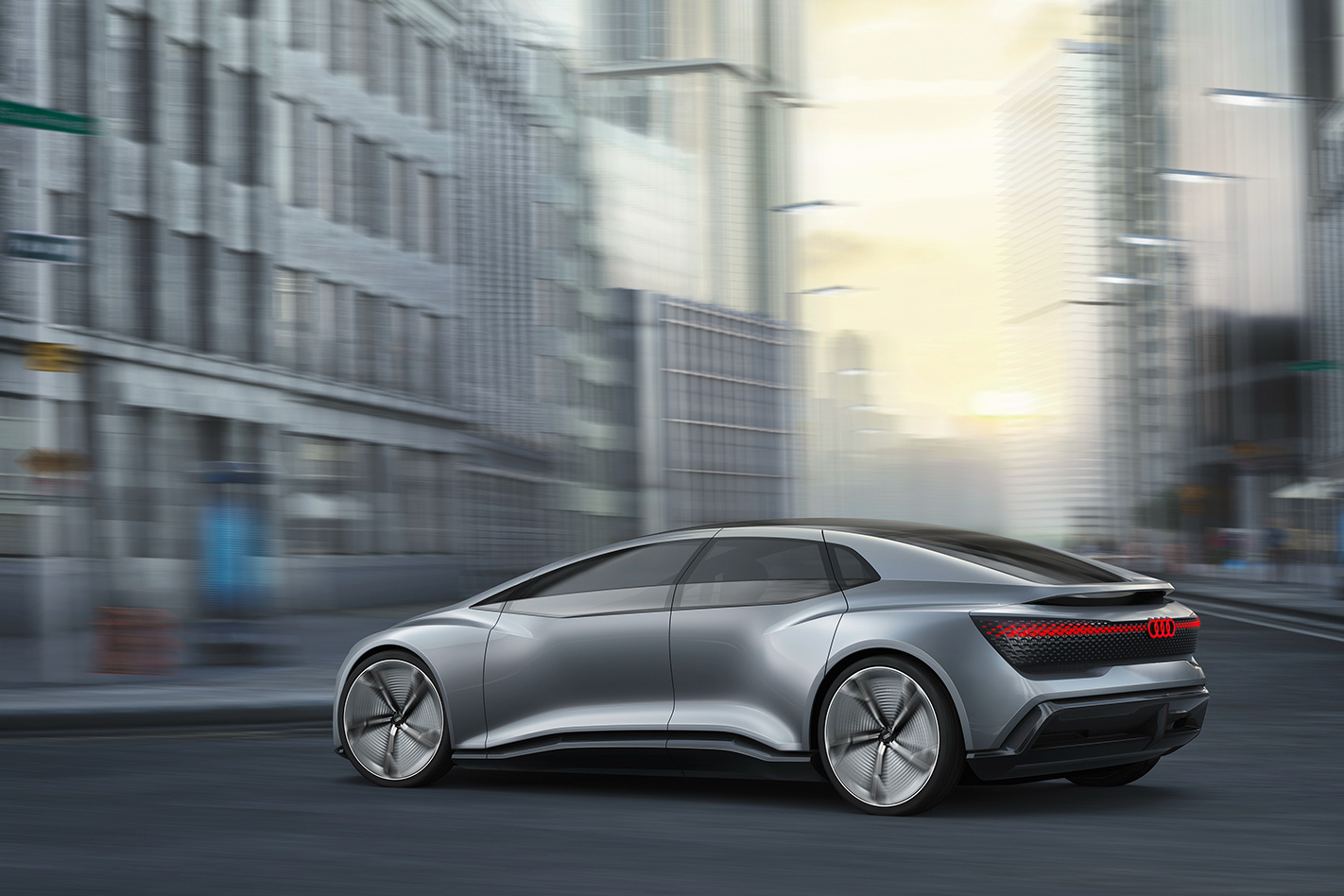
While the e-tron GT name has not been locked in, Oberndorfer confirmed the Tesla Model S rival is due for production in three years’ time, and Wheels understands it will share its platform with the Porsche Mission E. He added that the design of battery electric vehicles will play into the e-tron GT’s sportiness.
“Electric cars have a very good balance because the batteries are between the axles and very low, so this is all good,” Oberndorfer explained.
“The e-tron GT is still three years away, but you will be surprised at what we can do.”
While pressed on the possibility of Audi developing an all-electric supercar – like that of Croatian manufacturer Rimac – Oberndorfer stated the weight and power of battery technology was the major road block.
“We will consider everything, but I think we need a little bit more battery development, because sport cars should be light,” he said. “If you want to go very fast you need a lot of battery, and don’t want to spend three days going from the Nurburgring to Munich.”
“For real sports cars, we still need a little bit of development with batteries and surrounding [technology] – then you could think about it,” Oberndorfer said, echoing words said by McLaren’s chief operating officer Jens Ludman earlier this year who revealed battery tech would need to improve by 250 percent before an all-electric supercar would become feasible.
While Audi continues to invest in electric technologies, Oberndorfer explained there were limitations in what could be achieved with present-day lithium-ion technology, stating solid-state batteries offered the most potential for future high-power electric vehicles.
“I think lithium-ion batteries will develop in some stages, but not very significantly,” he added.
“Our development boss is talking about solid state batteries which are still a few years away, but they will come. We could do sports cars now, but it will be an advantage if they are developed when the batteries are getting lighter and requiring less space.
“There will be some progress with lithium-ion, but I think the real progress will become solid-state, or something similar. We are looking at it very closely.”
BMW plans to leave no stone unturned (literally) in the development of the fourth-generation X5.
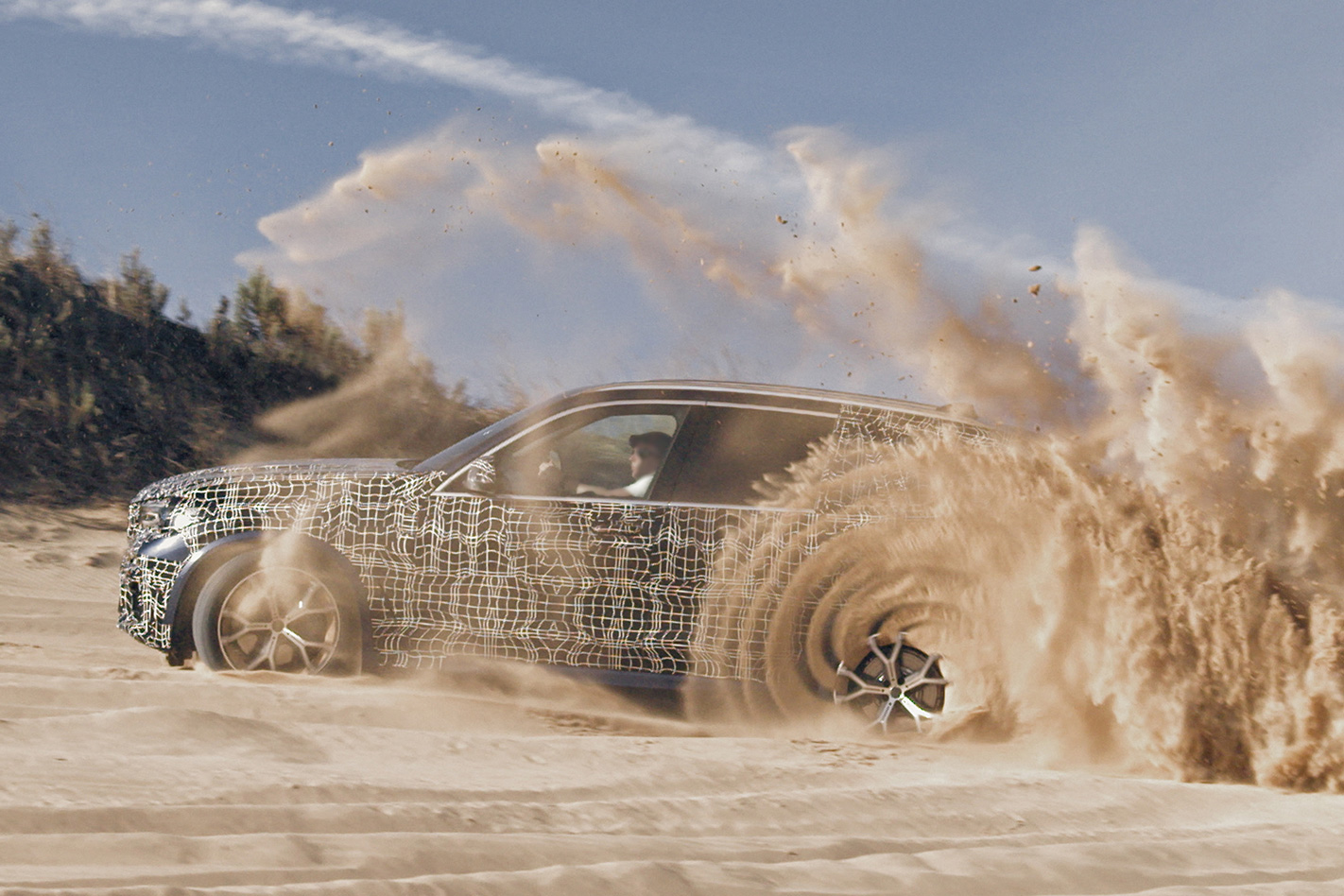
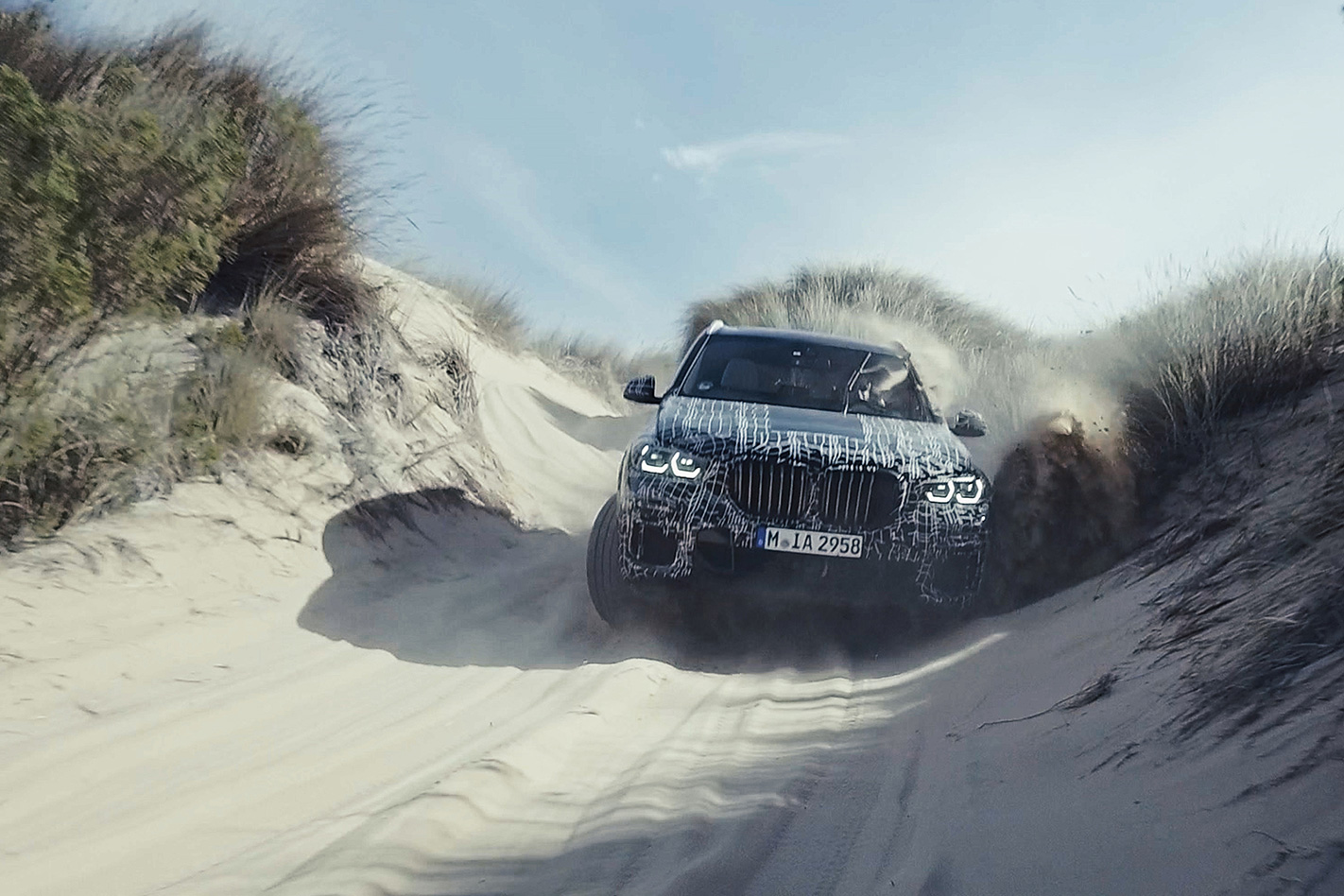
Pictured doing jumps, climbing mountain ranges and dune bashing, BMW’s next large SUV is closing out the end of its development phase ahead of a late-2018 global launch. Though more commonly seen crawling through more affluent suburbs rather than leaping over dirt trails, the company is keen to emphasize that the next-gen X5 will still boast commendable off-road credentials.
Tested to its limits all over the globe in as many different environments as possible, the X5’s development programme will not only test its versatility in every kind of terrain and climate, but also validate its on-road capabilities on the world’s most demanding race track, the Nurburgring Nordschleife.
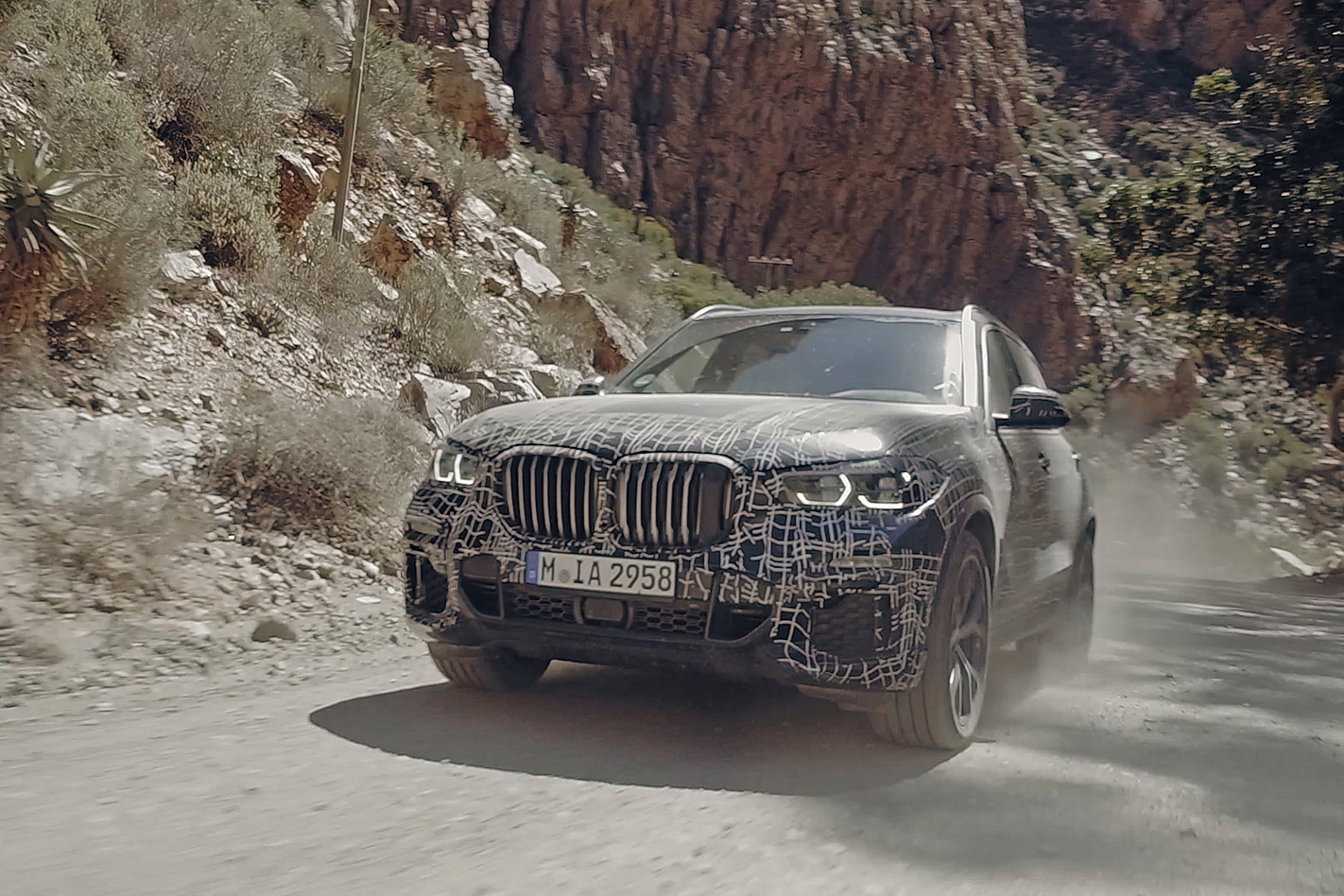
Expected to launch toward the end of the year, the G05-designated X5 will introduce a new suspension and chassis system which BMW describes as a first for its SUVs, and “virtually unique within the competitive field”. Set to be introduced to the X5 for the first time, Adaptive M Suspension Professional and Integral Active Steering will no doubt ensure that the X5 is as capable on the road as it is off the beaten track.
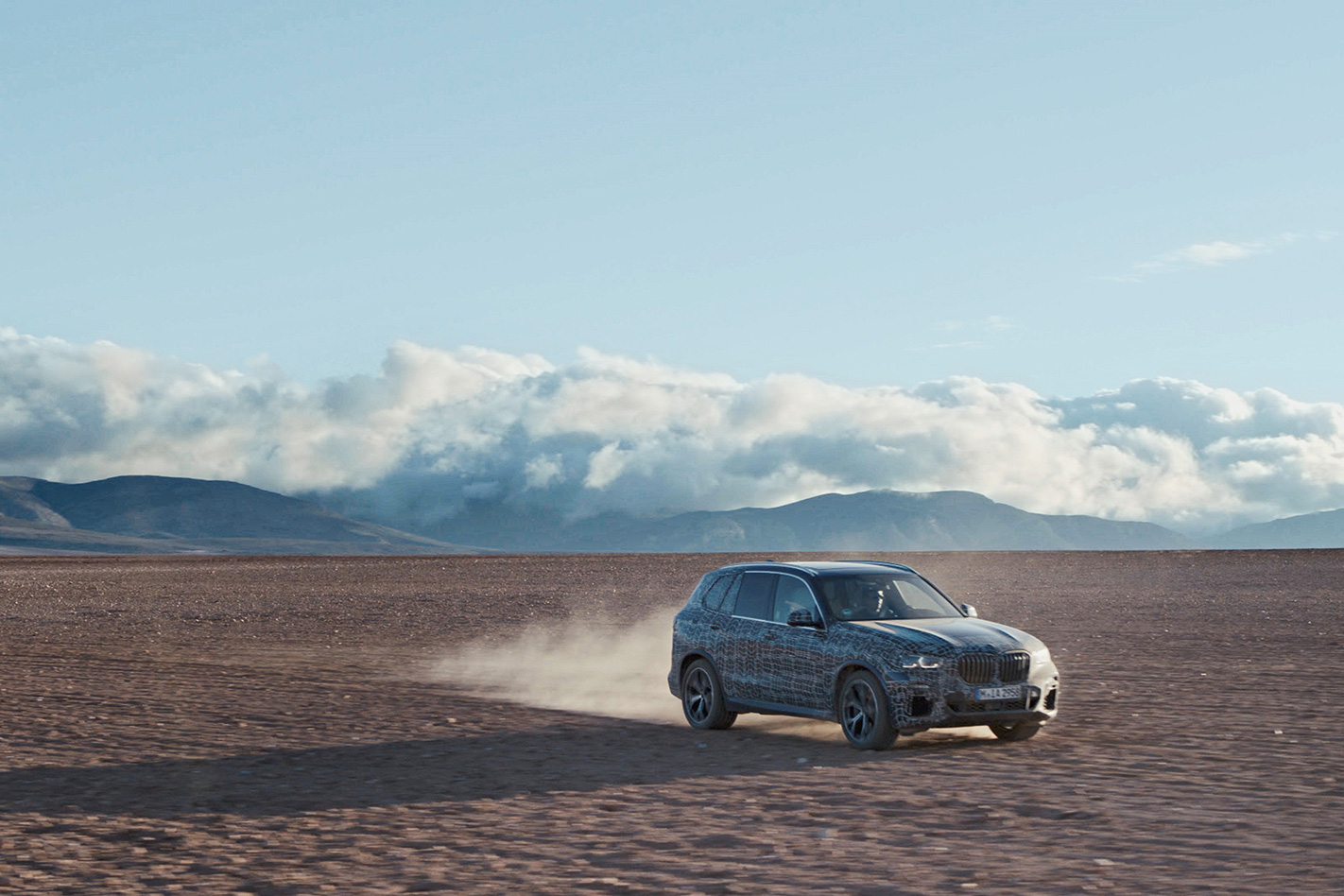
Claimed to balance both ride comfort and off-road ability (and able to change between ride set-ups at the press of a button), the development of the X5 has taken engineers from a winter test centre in Arjeplog, Sweden to gravel tracks in South Africa and to the scorching heat of desert dunes in the USA.
Usually the life cycle of BMW’s X models lasts an average of six years; however BMW will retire the current F15 generation after just five years in showrooms. The rush to bring the G05 X5 to market probably owes something to the current car’s now 12 year-old basic chassis, which itself was derived from the E70 X5.
“The new BMW X5 meets the very highest demands with regard to agility, precision, control and comfort” said BMW in a statement.
