
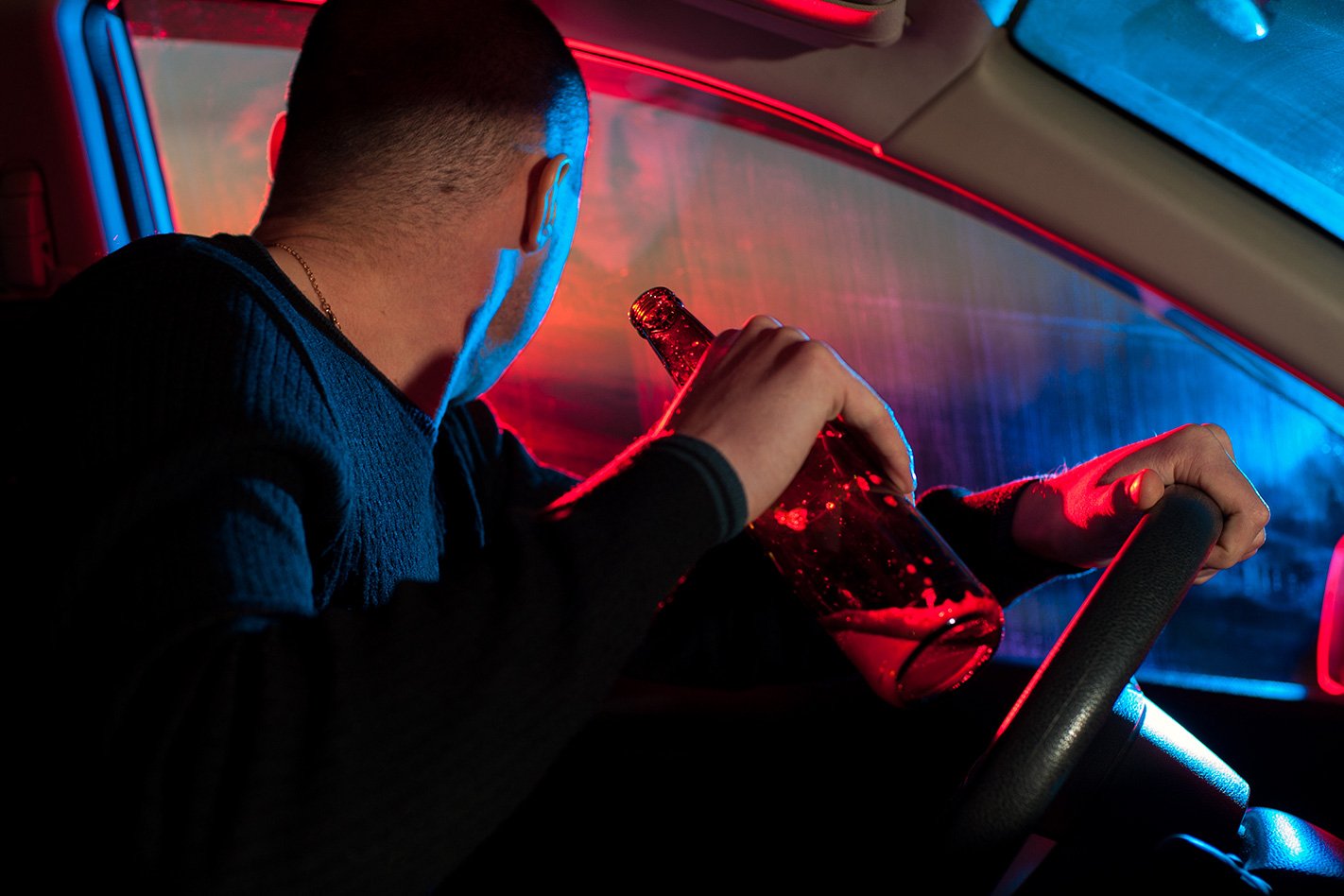
BOOZED-UP and drug-affected drivers face losing their licence on the spot as part of the upcoming roll-out of the harshest penalties in Australia.
The new laws come into effect in Victoria from the end of this month. Under the new guidelines, drivers found to be over .05 will automatically lose their licence, as well as book themselves in a drink driver behaviour change program. Oh, and they’ll also have to fit an alcohol interlocker to their daily drivers for at least six months after reclaiming the right to drive.
Drivers caught behind the wheel in Victoria with traces of illegal drugs in their system already lose their licence immediately for three months. However, this will be extended to six months under the new regulations. They will also need to complete a drug driver behaviour change program at their own cost before reclaiming their licence.
The type of course drivers will need to complete will depend on the severity of the offence. VicRoads, which oversees the licensing system in Victoria, says the courses are up to 12 hours long, and split over several days.
It says the programs include “alcohol screening and assessment, [and] motivational and behaviour change techniques to address the underlying causes of drink and/or drug driving”.
Drivers caught before April 30, 2018 and not due to get their license back before April 2019 will also need to complete a program.
Regulation changes that came into effect from January 31 this year also mean Victorian license holders caught drink driving interstate face the same punishment as if they’d been caught in their home state.
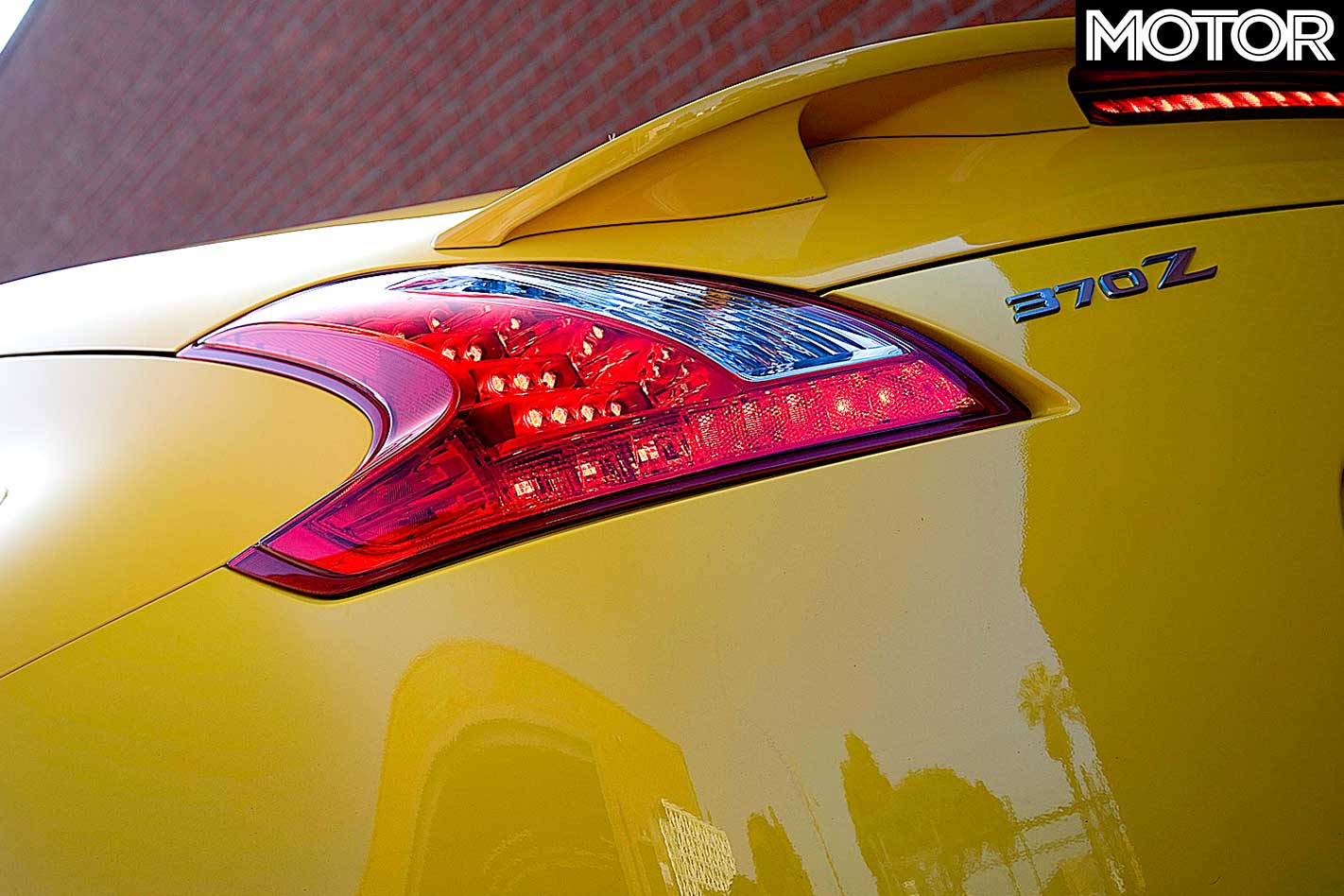
To be perfectly honest, the new 370Z doesn’t look all that different to the outgoing 350.
This feature was first published in MOTOR magazine’s February 2009 issue.
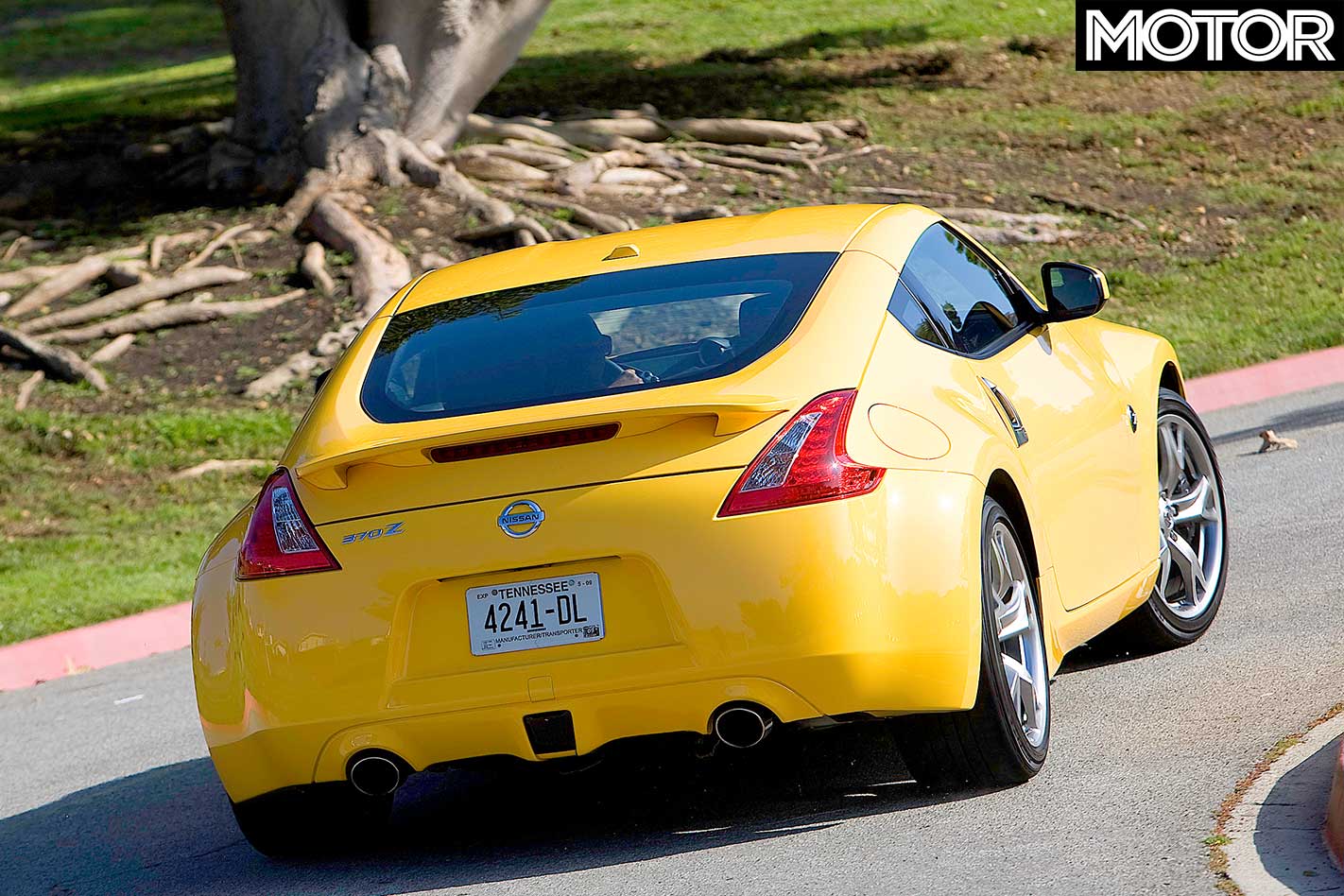
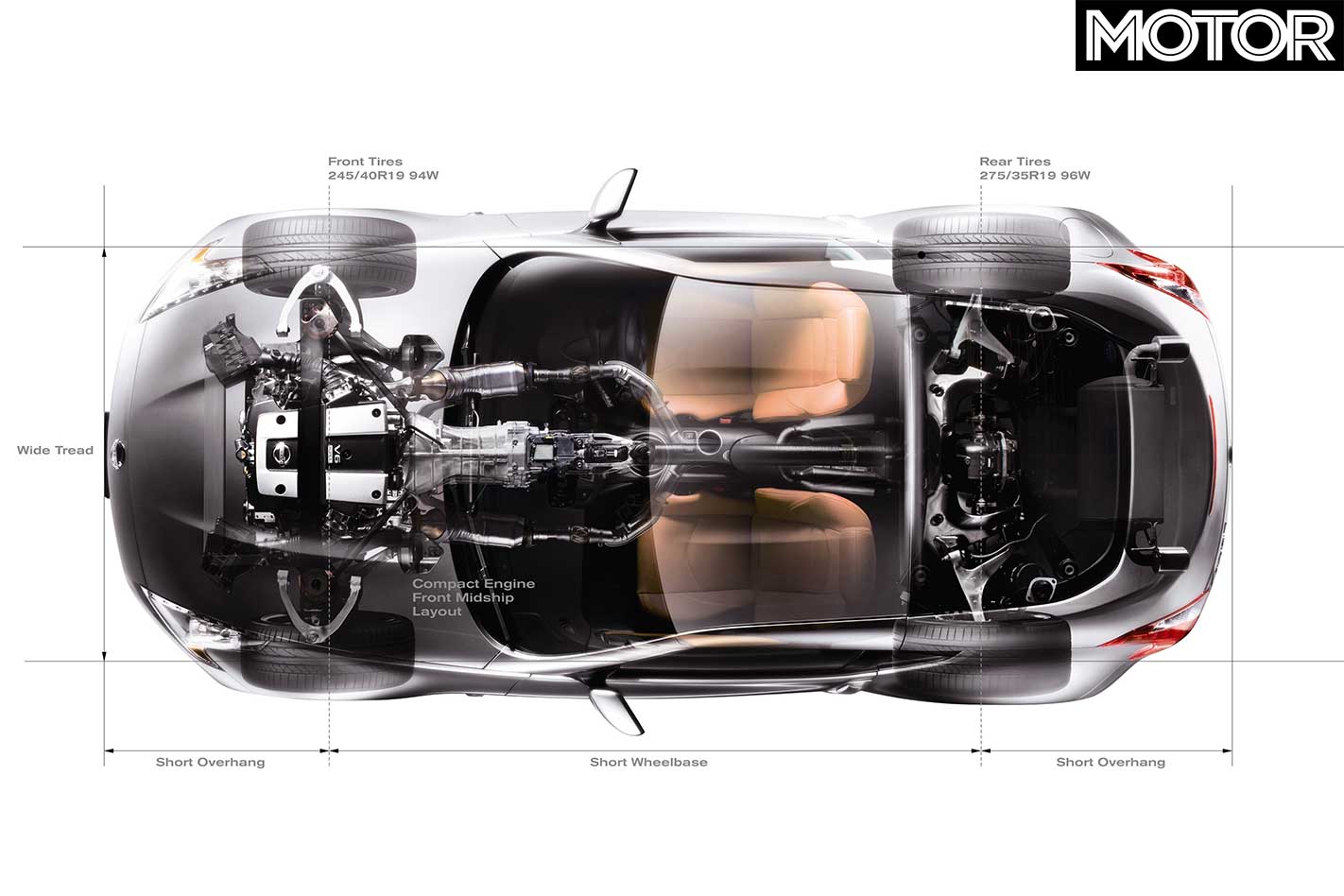
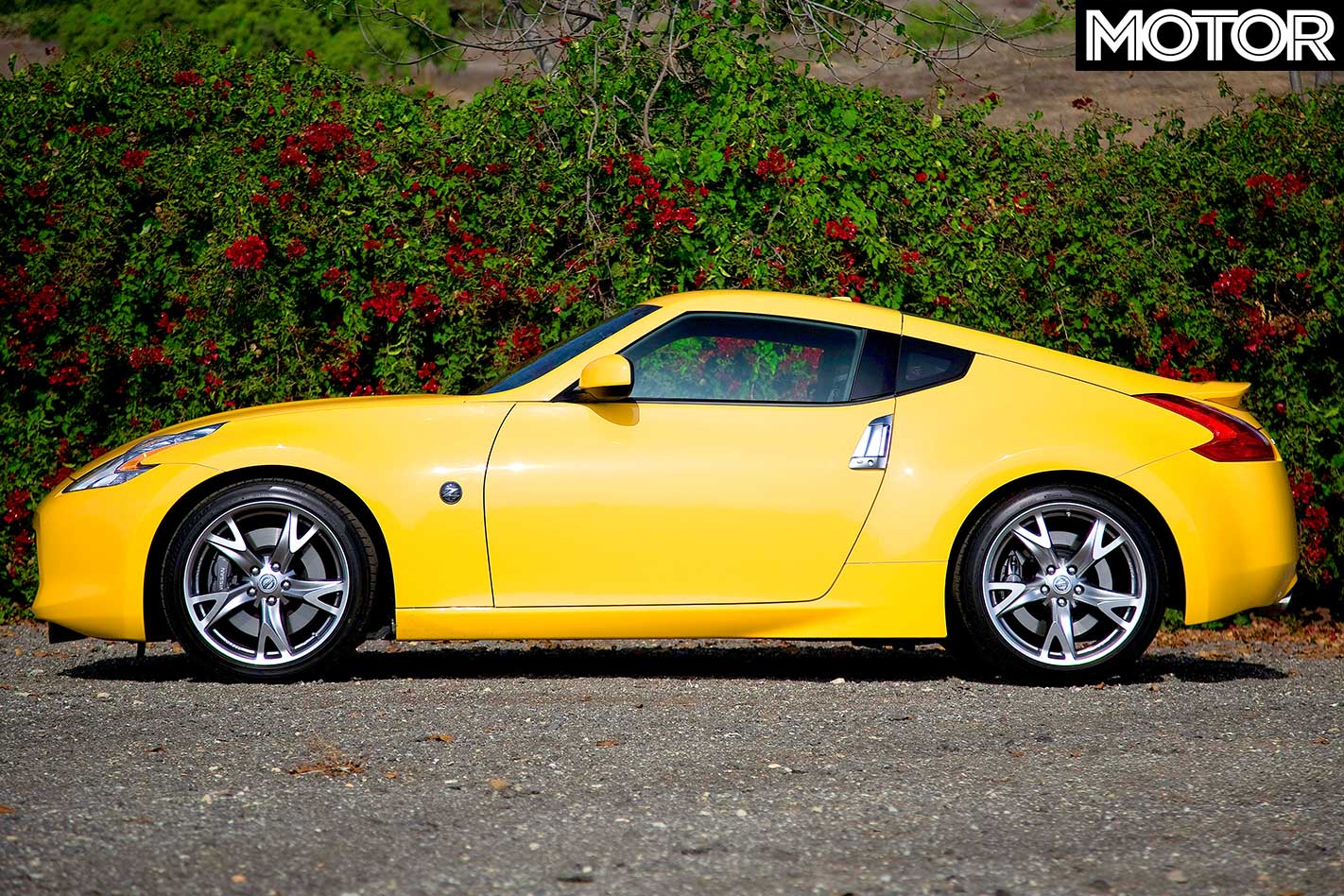
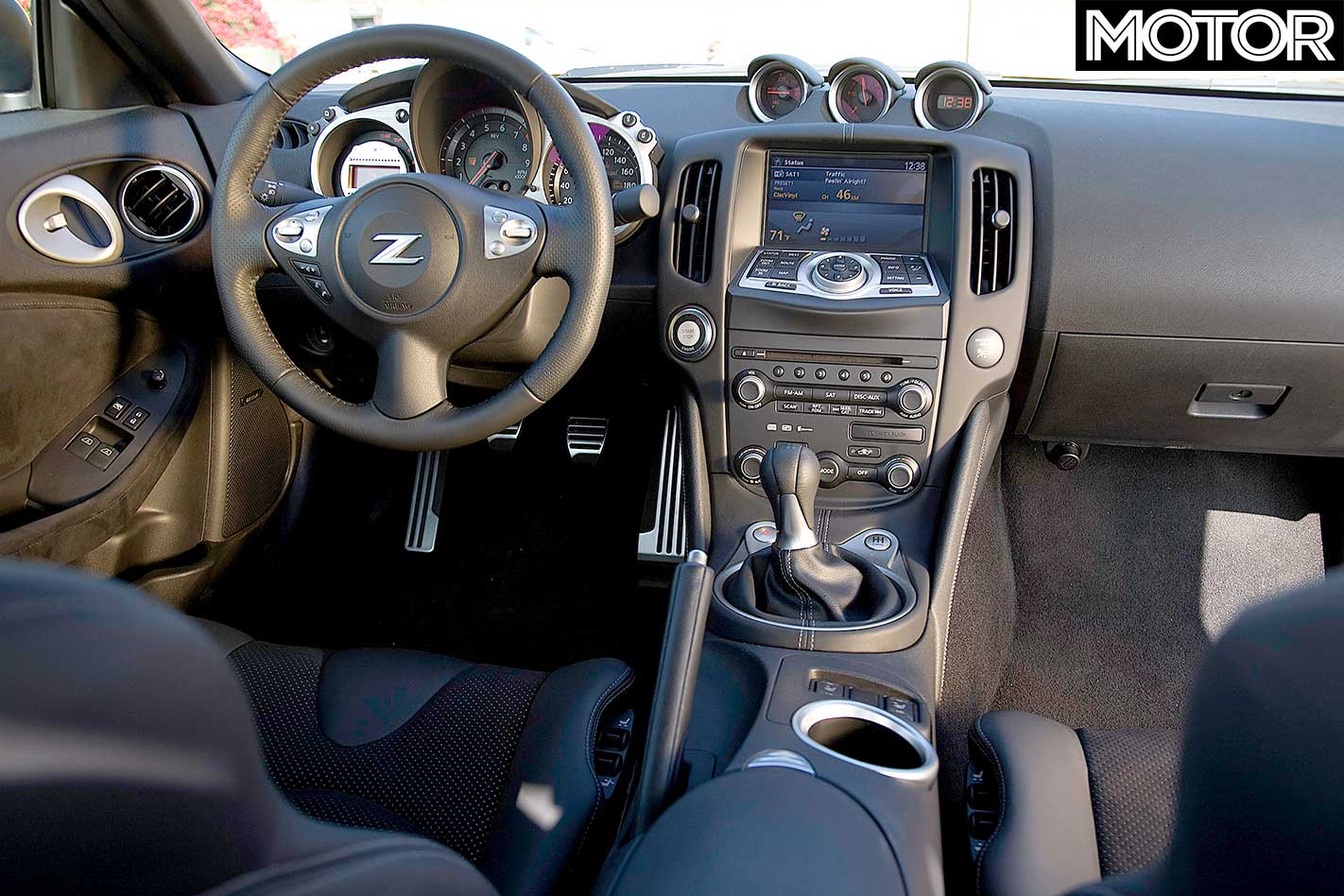
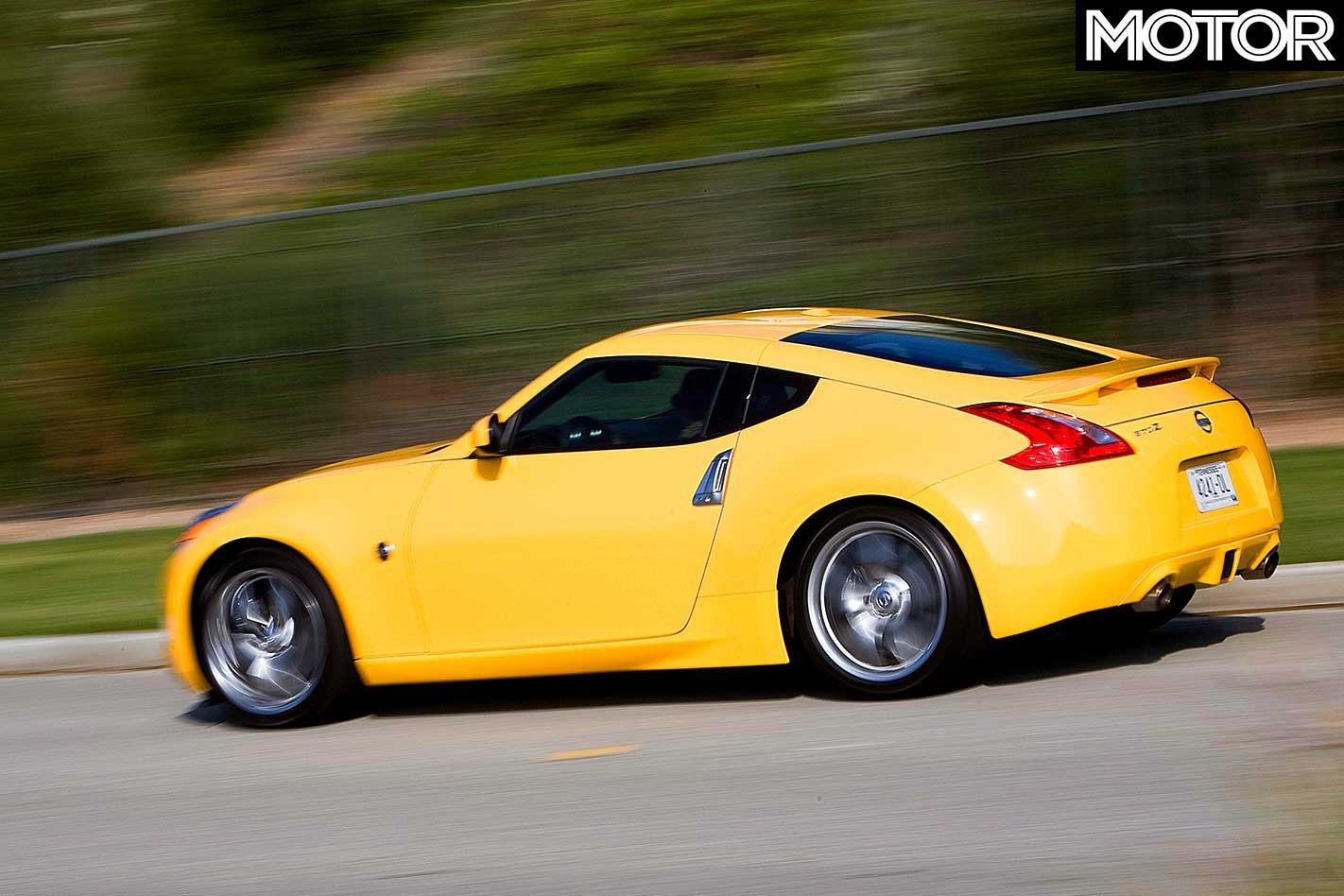
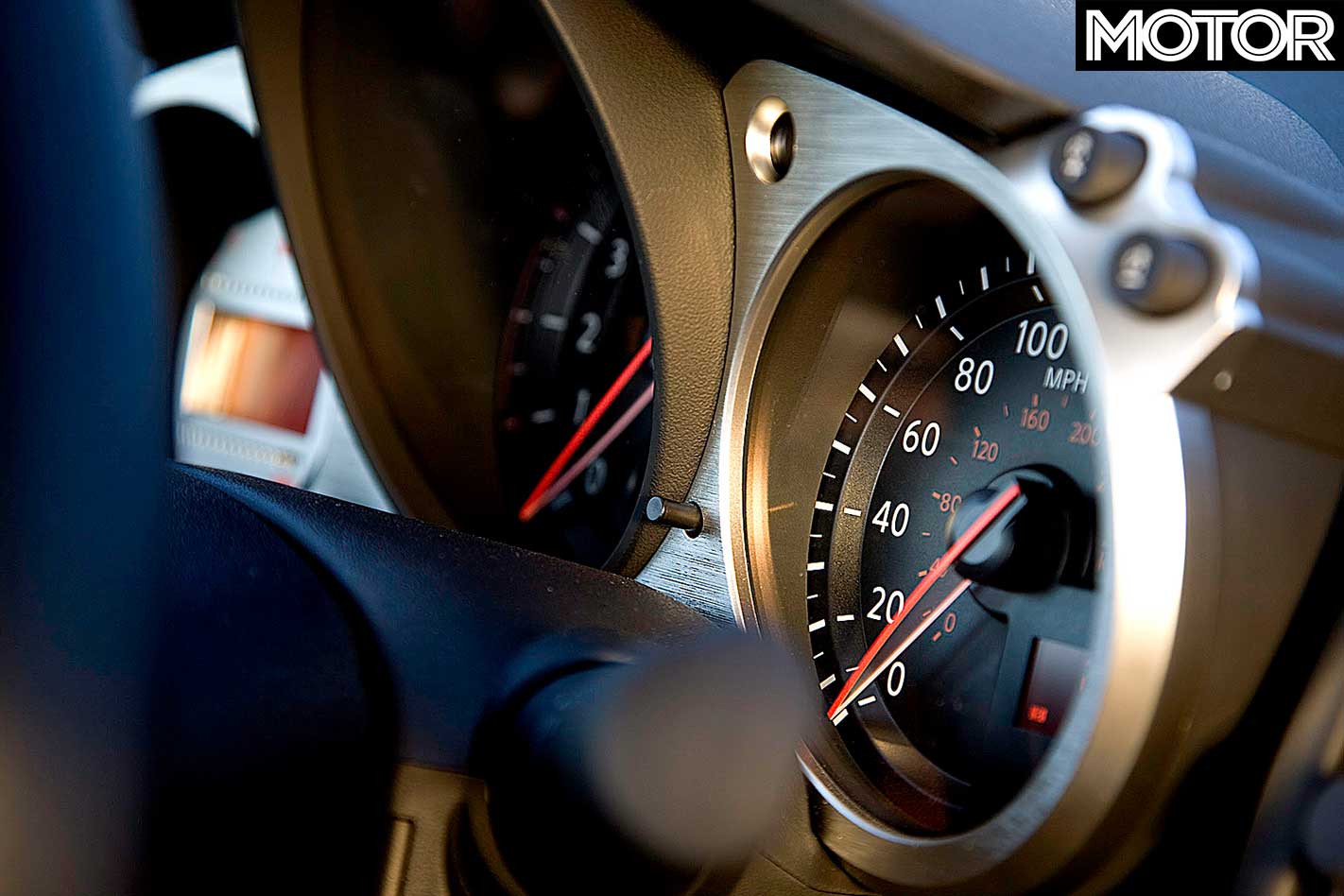
The fifth-generation 350Z took the Zed concept in a whole new direction and yet, essentially, it stuck true to core traditions as a well-balanced, satisfying and engaging sportster, and blossoming via running revisions throughout its lifetime.Thankfully, the all-new 370Z continues the evolution by offering up much of the same, only more. And then some.
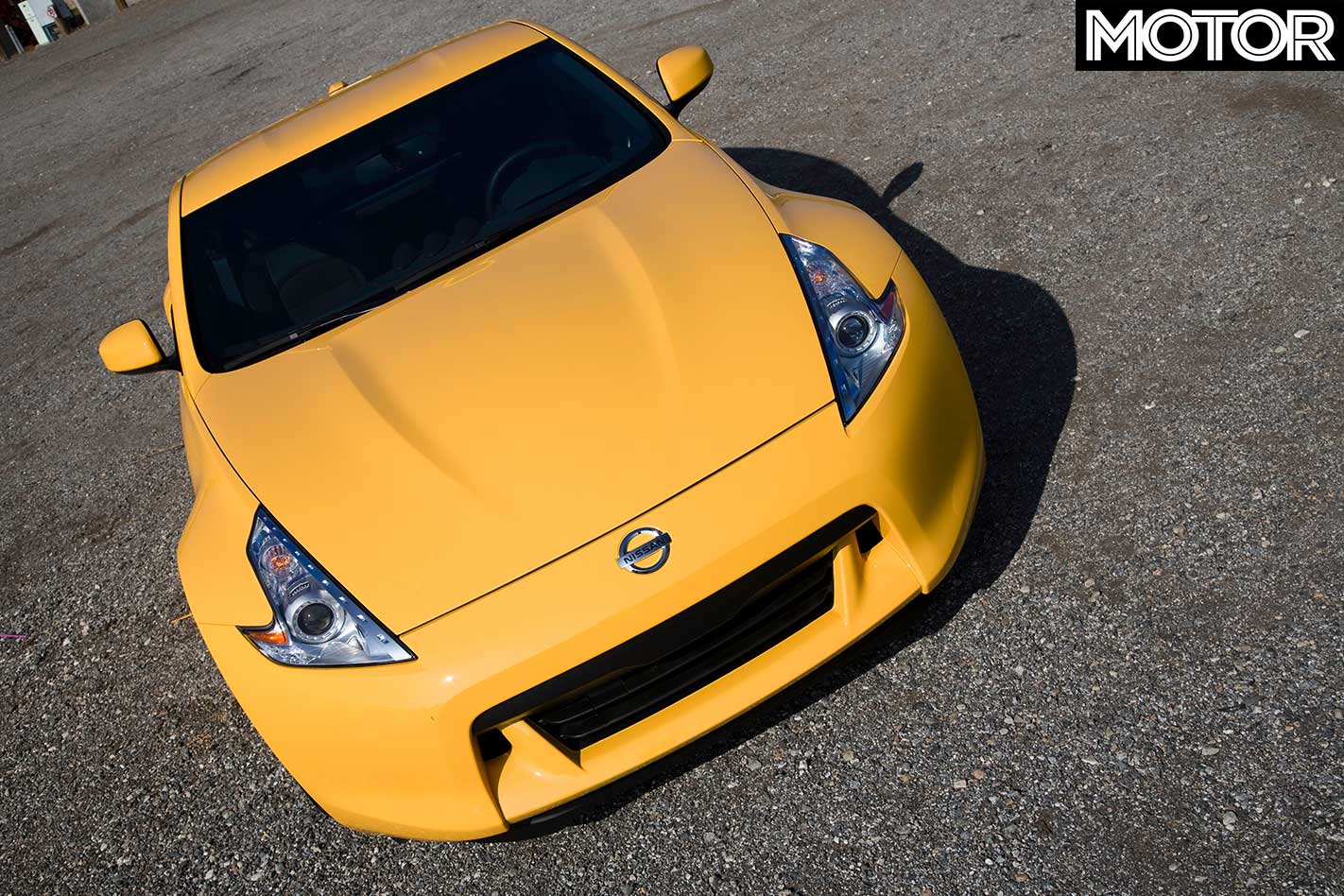
MOTORING’S collective brainpower figured out how to offer automated throttle-blipping during down-changes eons ago. The theory is straighforward enough: it’s a computer-controlled function that overrides the throttle, matching the engine rpm to the gearbox’s input-shaft speed on downchanges under deceleration.
All automatically, with no unsettling jolts or compression lock-up under brakes. With a drive-by-wire throttle and an automated two-pedal gearbox, it’s an impressive bit of number-crunching. But the 370Z’s new Synchro Rev Control is more like black magic.
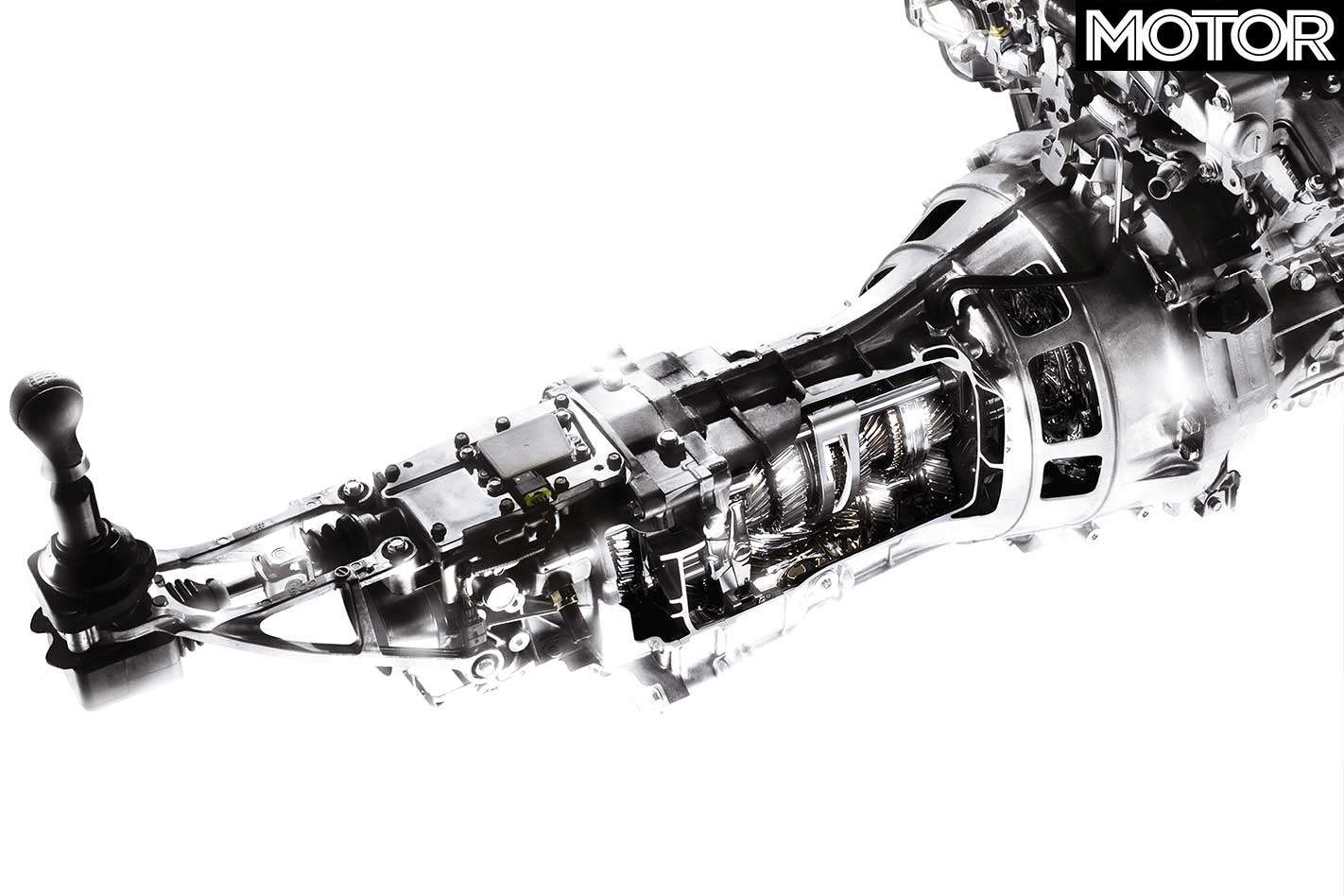
Here’s the tricky bit. How does it know what you want, instantaneously? Like which of four ratios you’ll choose from fourth? Or if you want to overtake in second? Or engine brake in fifth? Does it work? You betchya.
But exactly how it works is something Nissan isn’t too forthcoming about. Does it improve the driving experience? Well, that’s debatable. While it removes the need to heel-and-toe, it also removes the want… Thankfully, you can switch it off.
Likes: More power; better handling; improved interior quality Dislikes: No steering reach adjustment; it’s still no lightweight Rating: 9 out of 10 stars
It is certain that the tireless John Farnham wasn’t musing about second-tier sports sedans when he belted out the timeless Pressure Down. But should you want to set the wheels in motion with a sports sedan purchase then taking the boost pressure down (ahem) is wise.
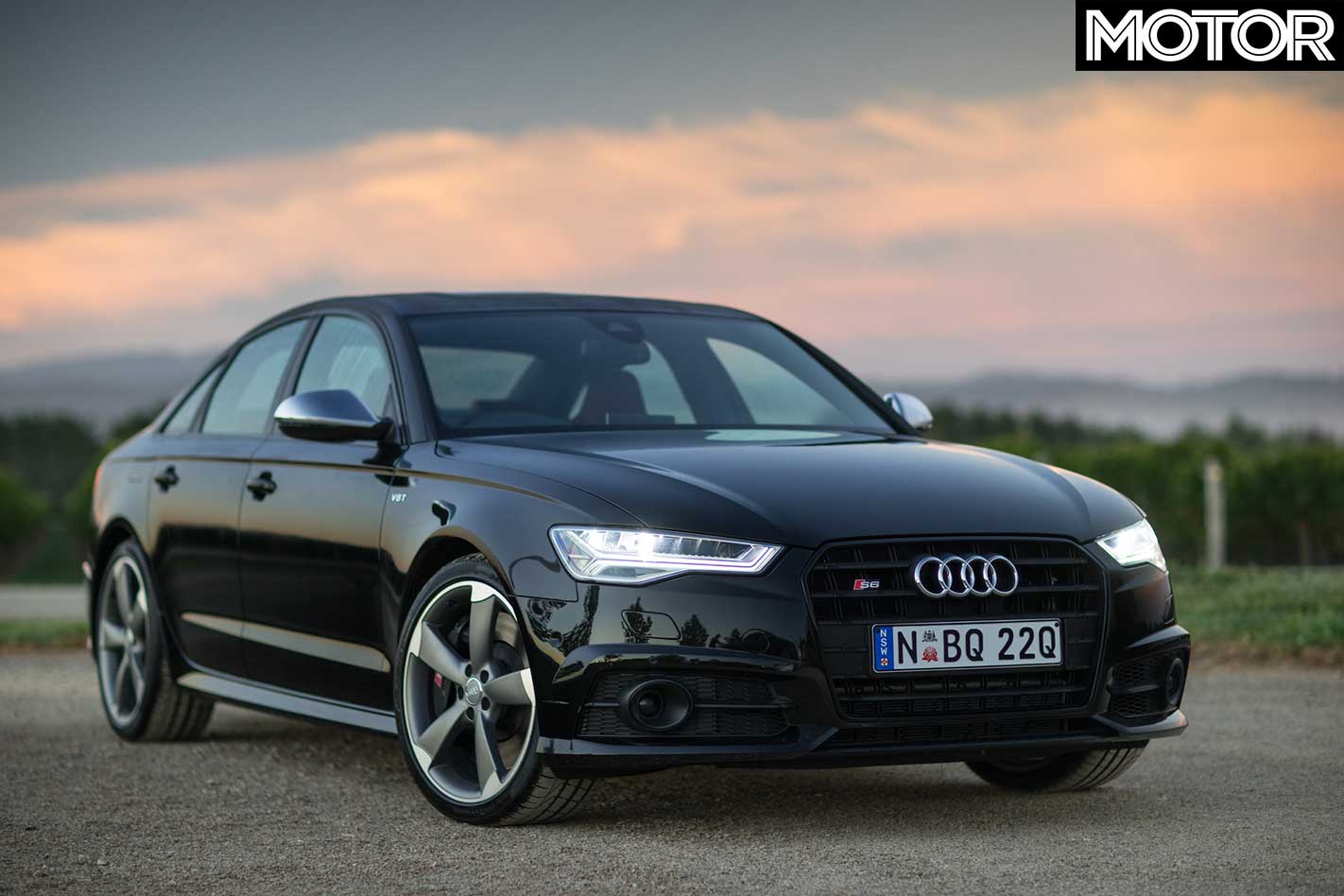
Everyone wants an Audi RS6 Avant, but barely anybody bought an S6 sedan.
Sure, ditching the ‘R’ part of the badge trades some of the aggression, but a 4.0-litre twin-turbocharged V8 engine with 331kW and 550Nm can do plenty of talking and walking. Or, more accurately, sprinting from standstill to 100km/h in 4.4 seconds (seven-tenths slower than big brother).
The Audi doesn’t win the ultimate second-tier sports sedan depreciation award, however. That (dis)honour goes to the Jaguar XF S, the current generation of which has plummeted like a British teabag into boiling water.
A current-generation 30d S with a 221kW/700Nm 3.0-litre turbo-diesel V6 engine asked $116,950 plus on-road costs brand new, but we found a one-year-old, 2017 example with 8200km on the clock priced at $69,900 plus on-roads.
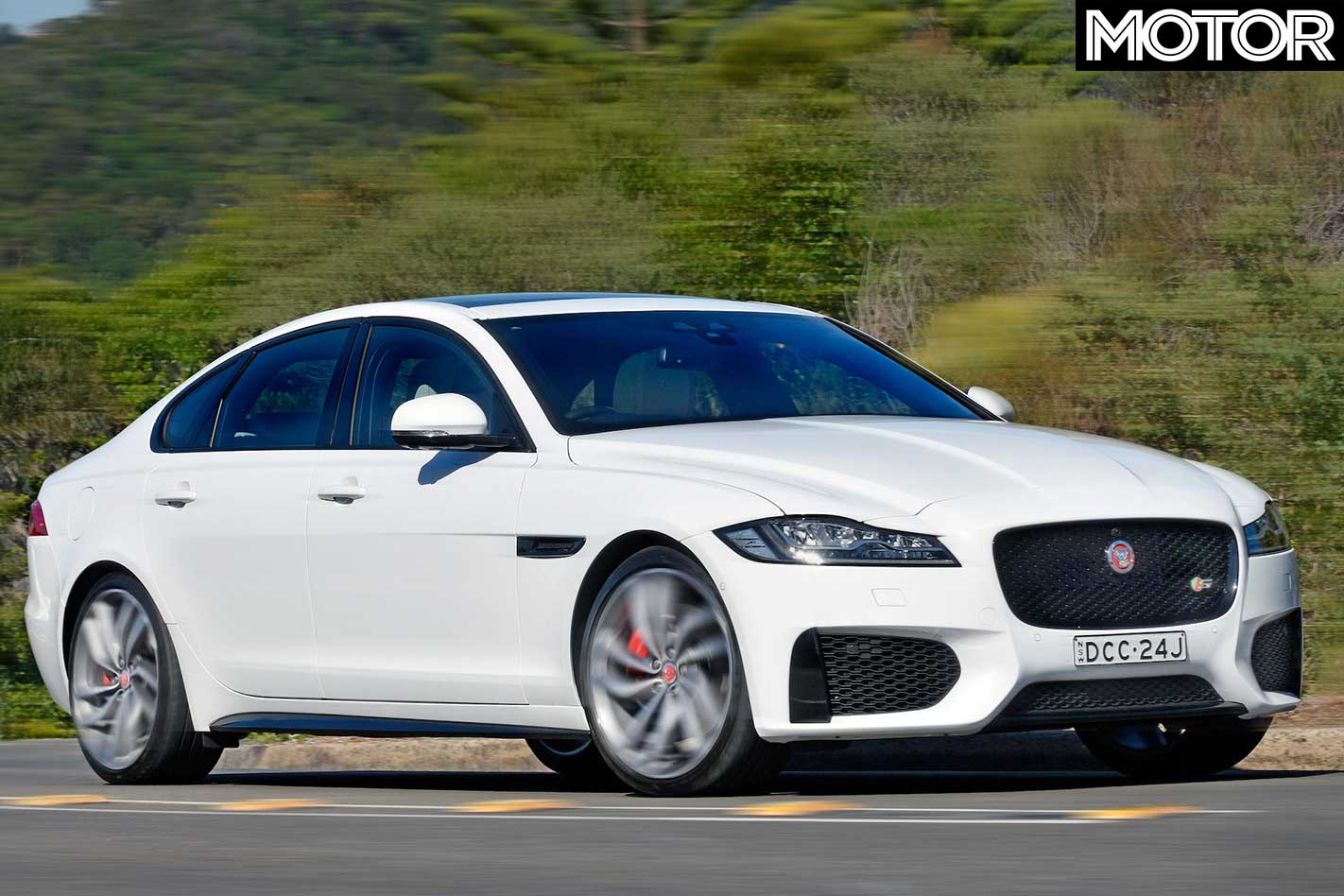
And if diesel won’t do, the 30t S packs a 280kW/480Nm 3.0-litre supercharged V6 engine in the large sedan for a 5.3sec 0-100km/h. It started at $124,450 plus on-road costs, but we found a two-year-old example with 7200km on the clock for $79,900 plus on-roads.
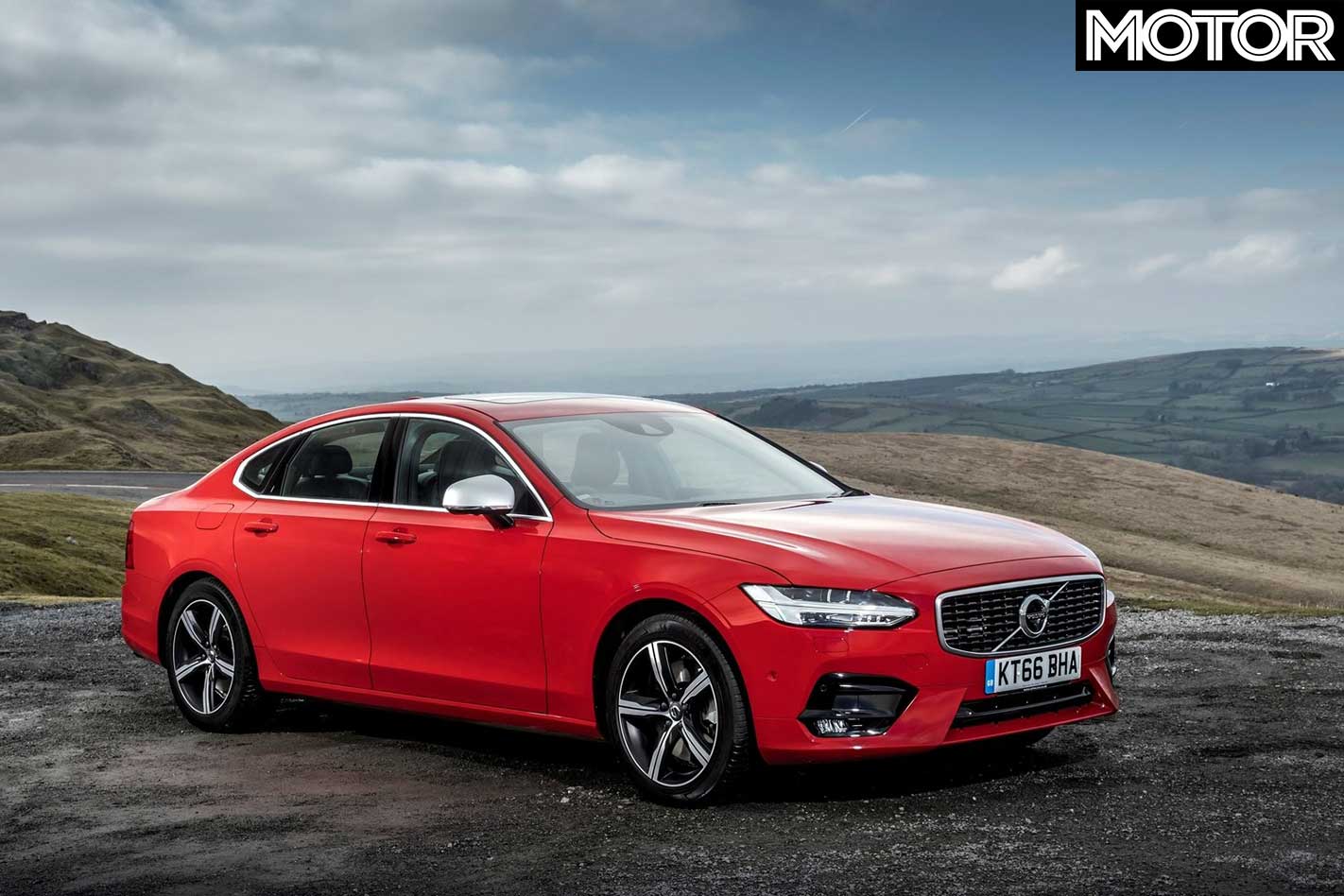
Volvo is a depreciation demon as well, and even if its new S90 T6 R-Design isn’t a sports sedan in the true sense of the word, its 5.9sec 0-100km/h isn’t bad from a 235kW/400Nm 2.0-litre turbocharged and supercharged four-cylinder driving all four wheels.
For that exact pricetag, you could also get a three-year-old Mercedes-Benz E400 with a 245kW/480Nm 3.0-litre turbo V6 petrol and 5.3sec 0-100km/h, but with 59,000km showing. That means the tri-star second-tier product has lost less than half its $129,040 plus on-road costs original ask over three calendars, easing some of that original-owner pressure…
Can’t wait to see the final score? Jump to the verdict now
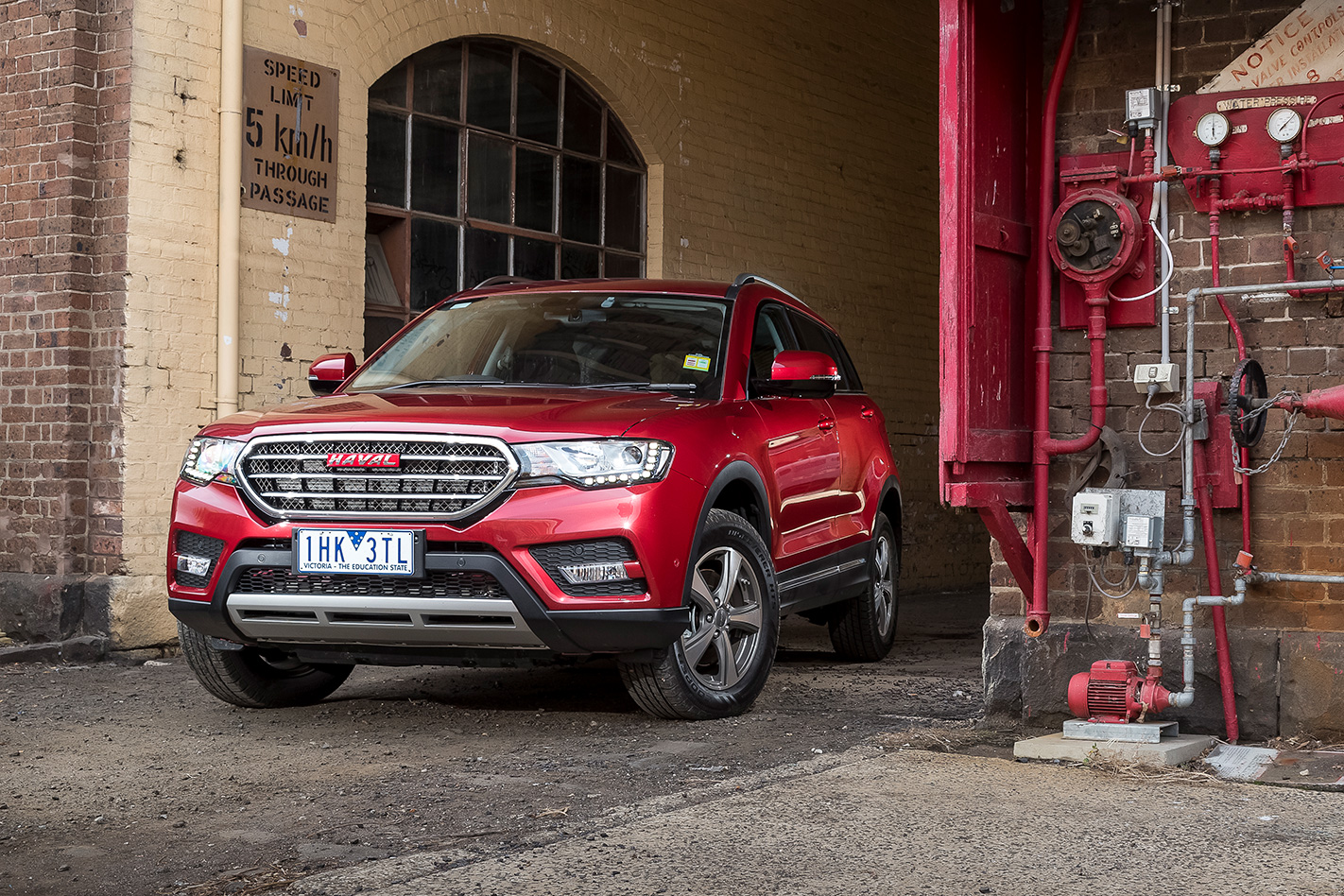
WITH the weight of expectation riding on its elevated shoulders, we approached the Haval H6 wide-eyed and full of beans. As the biggest-selling SUV in China (580,000 in 2016) and the first Chinese-brand car to ever feature in a Wheels comparison test, it marks a historic moment in motoring.
This ‘premium’ SUV from the Great Wall empire is no bargain-basement knock-off. Sure, the glasshouse looks a little Range Rover Evoque-esque, but it succeeds in yielding more kit for your coin than its rivals, and the H6 carries a promising mechanical spec.
Packing a powerful 145kW/315Nm 2.0-litre turbo-petrol four tied to a Getrag six-speed dual-clutch ’box, plus enough cabin acreage to rival a warehouse, the H6 Premium brings sufficient spec-sheet swagger to make its $30K driveaway sticker temptingly persuasive.
But it doesn’t take much digging to reveal the H6’s true colours. Beneath its wafer-thin upmarket veneer hides the bones of a much older Great Wall SUV dating back to 2011. And while the H6’s acceptably refined engine and reasonable seat comfort give it some semblance of respectability, it has so many rough edges it’s virtually saw-toothed.
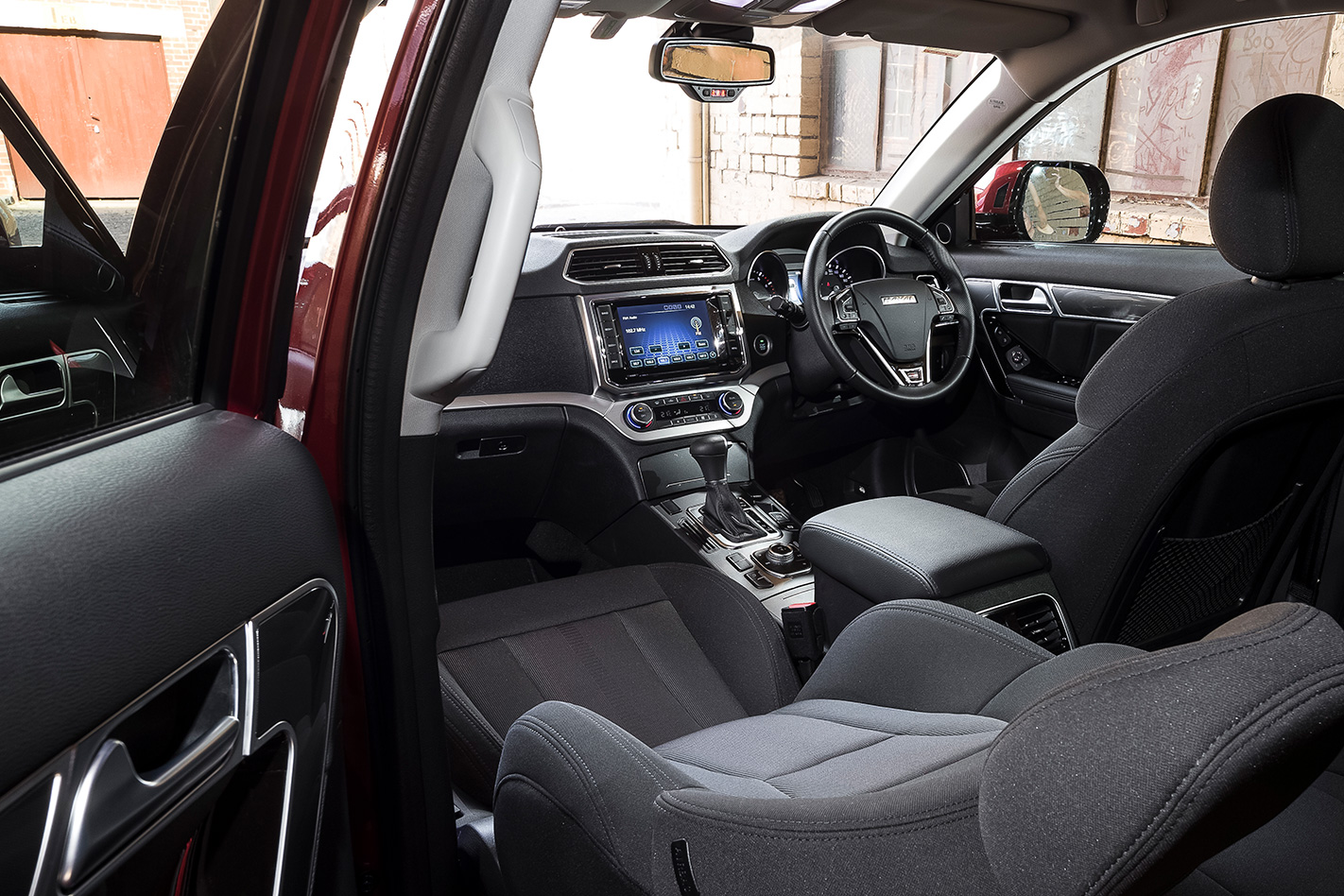
The H6’s interior works on a superficial level – much like its ride quality on relatively smooth roads – until you start poking and prodding its switchgear, exposing an inconsistent lack of quality and attention to detail.
Its cheap touchscreen disperses a rainbow of colour from your finger every time you press it, while shuffling through Standard, Sport or ‘Economic’ drive modes (to alter steering weight, transmission and throttle calibrations) is accompanied by a microwave-like ‘ding’. And another one five seconds later! But only if you’re doing less than 100km/h. Above that speed, the Haval locks you out of any drive-mode selection, and into an unsettling ride that’s barely contained by its judicious ESC system.
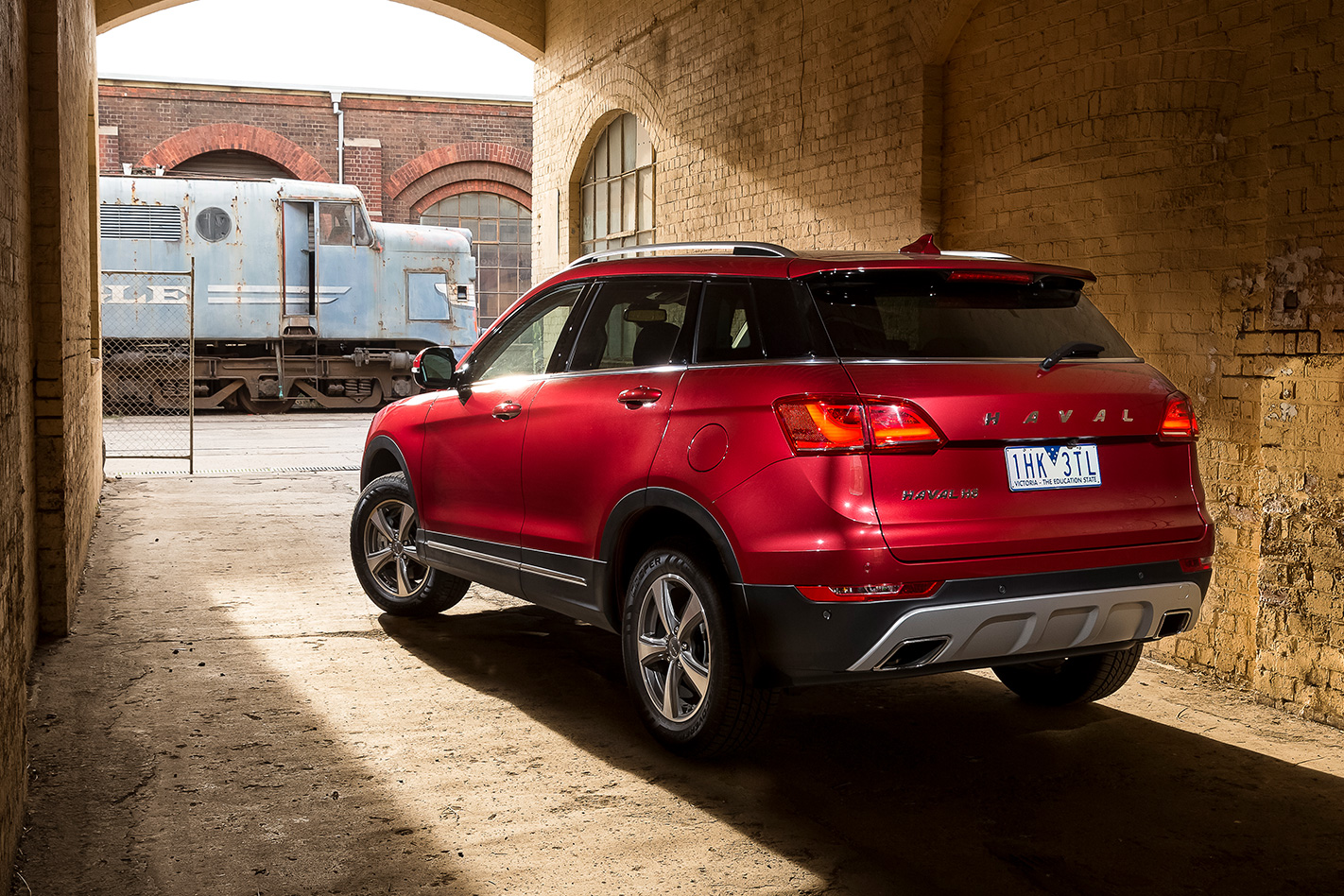
Aspects of the H6’s dynamics are a reminder of what HQ-HX Holdens used to drive like. Turn in well before a corner to account for front-end lean and steering vagueness, then moderate throttle inputs to limit plough understeer. Except that the Haval isn’t as predictable as a pre-RTS Kingswood, with little cohesion between its front and rear ends.
Get your trajectory wrong and you’re more likely to startle oncoming traffic than the inside of a corner, and any sudden steering movements are greeted with severe intervention from its ESC that lasts several seconds. That the hazard lights switch on every time you brake and steer at the same time speaks volumes about the H6’s handling shortcomings.
The steering is disconnected and oddly weighted, like two bags of sand suspended from either end of a rope, each fighting to point the H6 straight. In overly hefty Sport mode, it’s even worse. On a bumpy surface, the H6’s suspension and steering each shimmy to the beat of a different Tina Turner hit, equally flummoxed by what to do, and when you want to pull up, the wooden-feeling brakes offer neither decent retardation or confidence.
And the list goes on. The Haval’s thirst for fuel is the least of its problems, given that we’ve driven prototypes that feel eons closer to engineering sign-off than this. All the lounging cabin space and warranty coverage in the world have little chance of salvaging a car with the active-safety handicap of a Haval H6.
SCORE: 2/10 HAVAL H6 PREMIUM SPECS
Model: 2018 Haval H6 Premium Engine: 1967cc 4cyl, dohc, 16v, turbo Max Power: 145kW @ 5200rpm Max Torque: 315Nm @ 2000rpm Transmission: 6-speed dual clutch Weight: 1715kg 0-100km: 10.0sec Fuel economy: 13.3L/100km (tested) Price: $29,990 On sale: Now
Medium SUV Megatest – Full coverage
Medium SUV Megatest Results
2018 Haval H6 Premium
Score 2/10
2018 Mitsubishi Outlander LS
Score 5/10
2018 Toyota RAV4 GXL
Score 6/10
2018 Hyundai Tucson Active X
Score 6.5/10
2018 Kia Sportage SLi
Score 7/10
2018 Subaru Forester 2.5i-L
Score 7.5/10
2018 Ford Escape Trend
Score 7.5/10
2018 Volkswagen Tiguan Trendline
Score 8/10
2018 Mazda CX-5 Maxx Sport
Score 8/10
Skoda’s Yeti-replacing Karoq medium SUV is set to arrive in Australia in September with a starting price of about $30,000.
The Czech-badged Volkswagen Tiguan and Mazda CX-5 rival will initially arrive with a single variant, the 110TSI, powered by a 110kW turbocharged petrol engine sending drive to the front wheels.
It was initially thought this would be the same 1.4-litre engine as used in the Skoda Octavia but there is talk it could be a whole new block. Skoda Australia is yet to confirm the Karoq’s full Australian specifications.
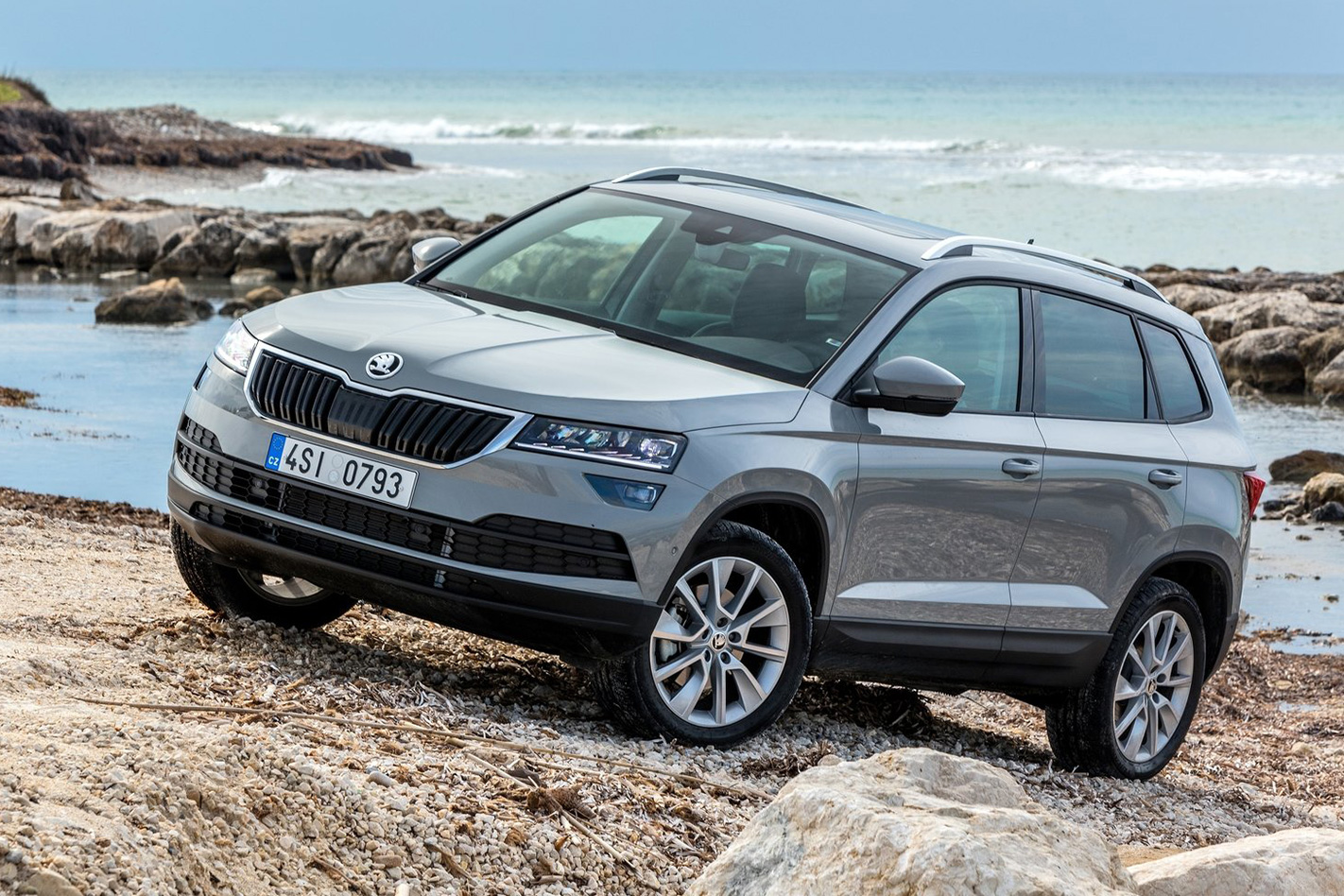
A 110TDI diesel will arrive early in 2019 along with all-wheel-drive options for each variant.
The anticipated $30,000 entry-level pricing should put it right in the mix against its medium-SUV competitors, but expect a pretty long options list if you want to take full advantage of the Karoq’s new kit, which includes the Czech-brand’s latest infotainment system and a 12.3-inch customisable digital driver’s display similar to Audi’s Virtual Cockpit – making it the first Skoda to feature a customisable electronic instrument panel
Advanced driver assistance tech will include auto braking, active cruise control, blind-spot detection and lane keeping assist.
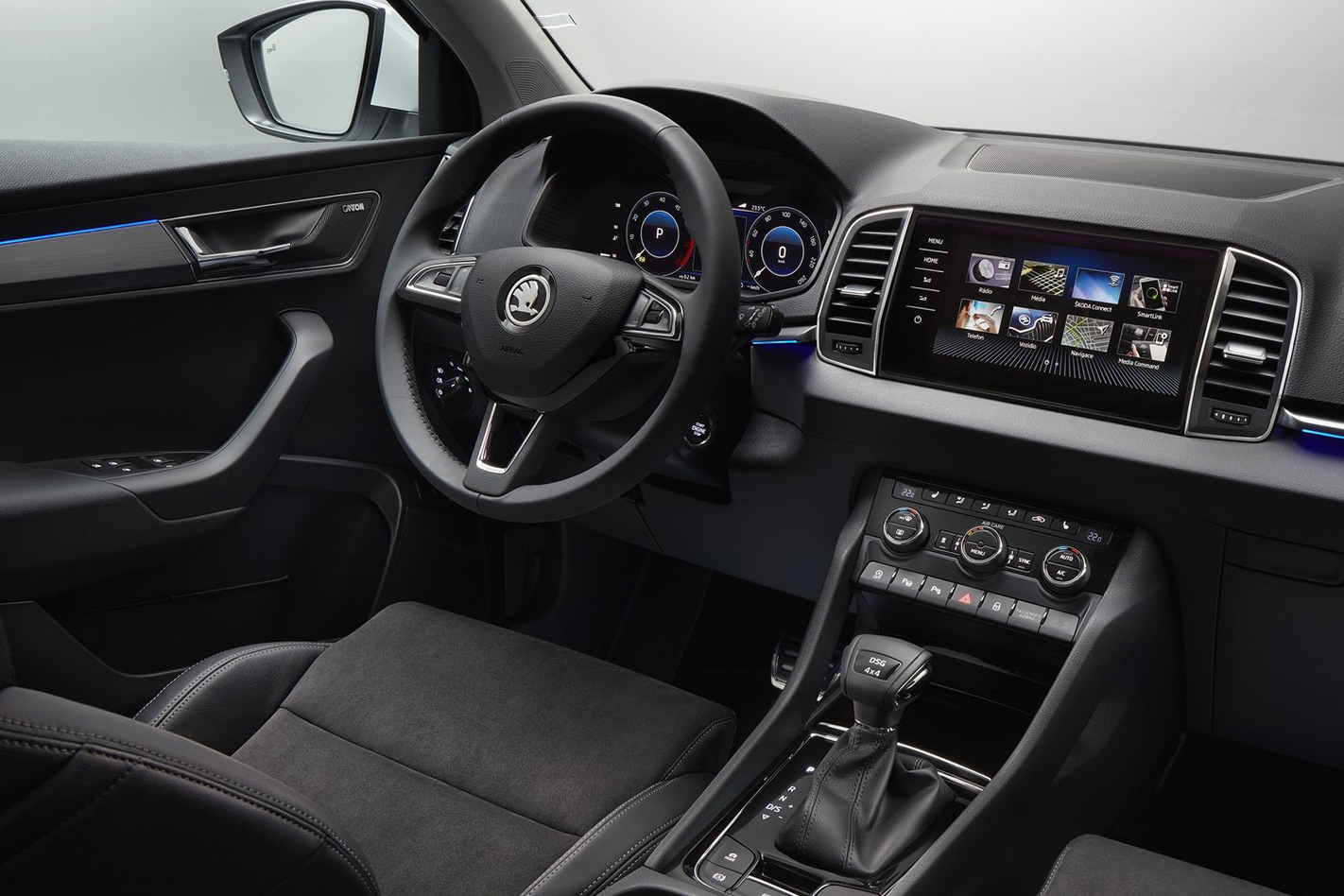
Other available features include a wireless smartphone charging pad, heated steering wheel, hands-free tailgate, full LED lighting, heated front and rear seats and 19-inch alloy wheels.
The five-seater Karoq has a large 521-litre boot capacity, which expands to 1630 litres with the rear seats folded. With optional VarioFlex seating installed the rear seats can be easily removed to extend load capacity to a van-like 1810 litres.
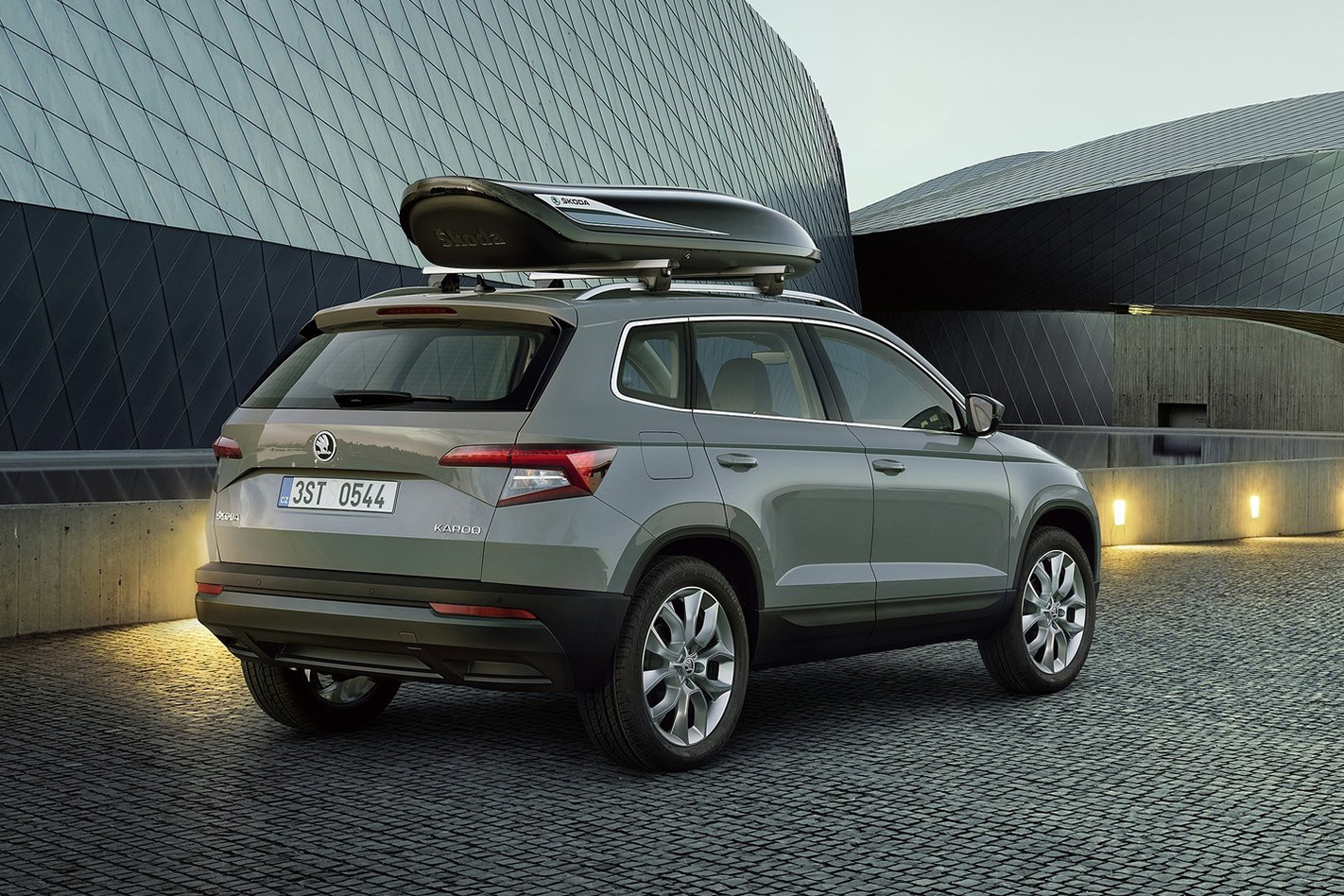
Unlike the Yeti, the Karoq features more conventional SUV styling that complements its Kodiak big brother.
Someone picked a good day to show up at the Nürburgring.
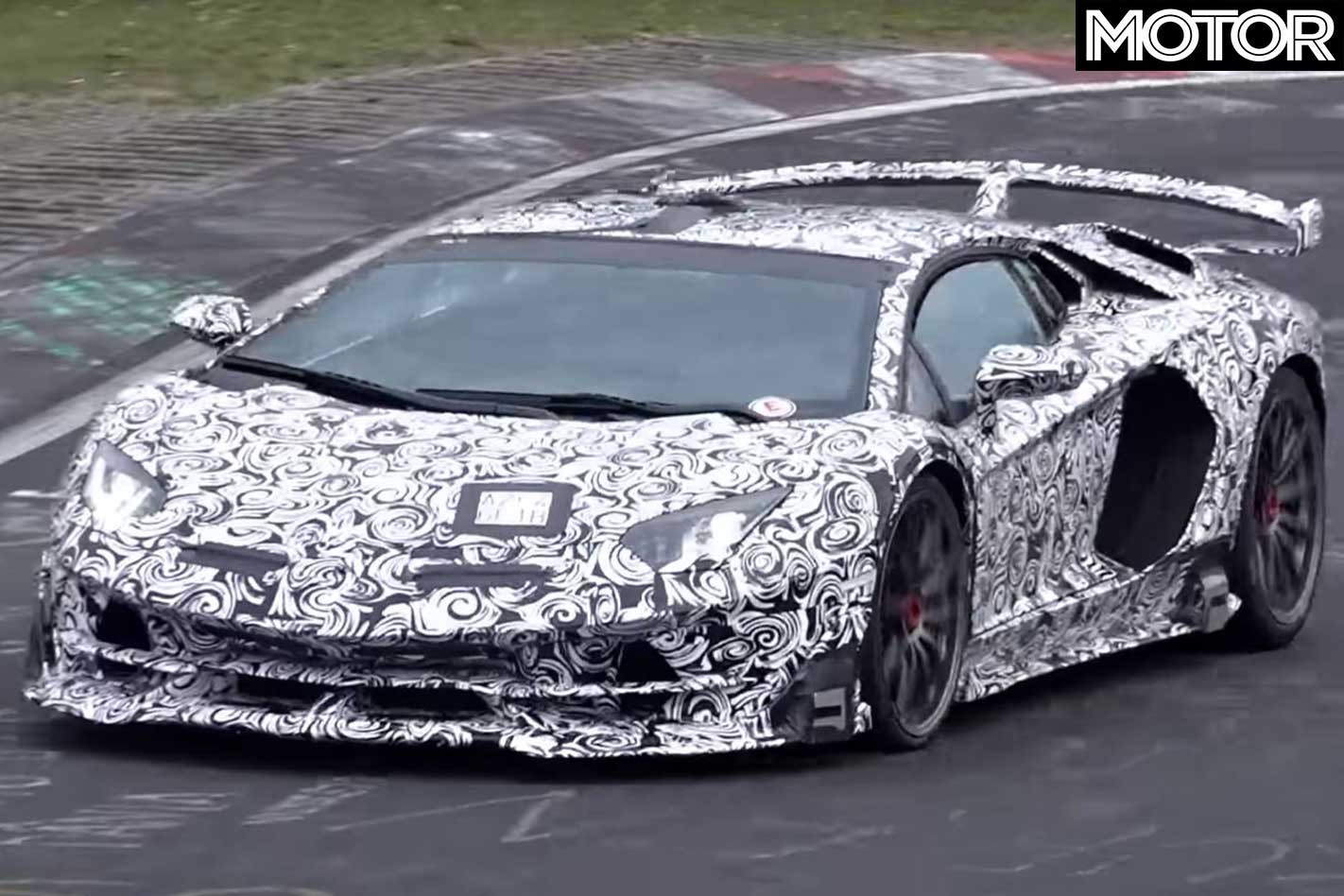
While the likes of Lamborghini, Ferrari, and AMG tested yet-to-be-released metal at the infamous track, YouTuber EMS Nordschleife TV was trackside to film a few passes of camouflaged performance monsters.
Straight away, we see the next Aventador being put through its paces, a car likely to be called the Aventador SVJ in a nod to the ‘Super Veloce Jota’ badge bestowed on a limited run of hardcore Lambo Miuras.
At one point the ‘Vette also overtakes a Volkswagen Golf GTI which looks to be booking it. We’re interested to see what VW is up to on that front.
Speaking of odd cars to see out at a test day, the Jaguar XJR575 Race Taxi was getting a little bit sideways through a few bends. No complaints from us though!
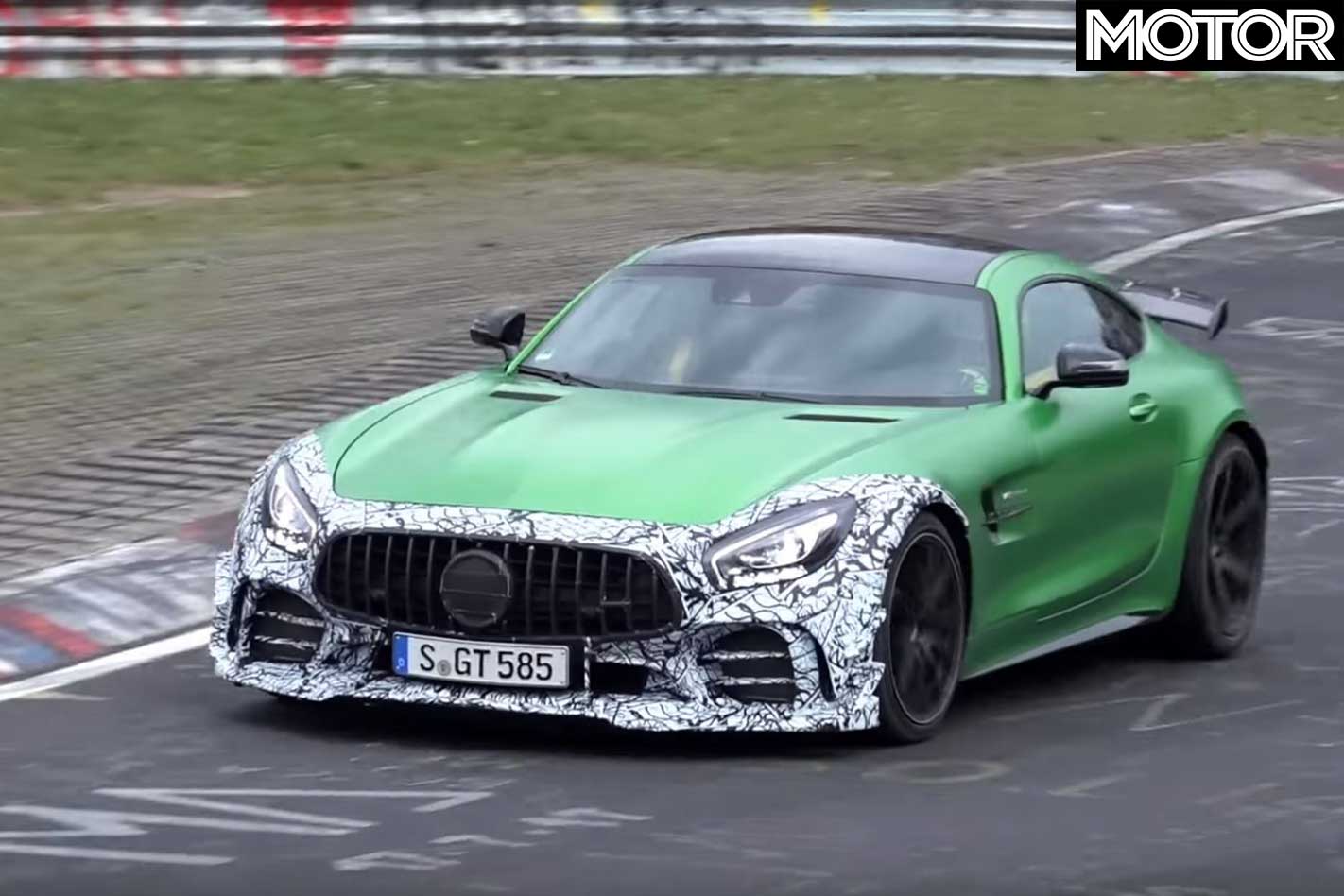
Mercedes-AMG was, however, testing something new. A more hardcore GT, likely a step-up from the GT R, though we’re not sure what it’ll be called.
The next BMW Z4 was spotted, as was its Toyota Supra sibling. It’d be interesting to put them side-by-side to how they compare visually, without camo of course.
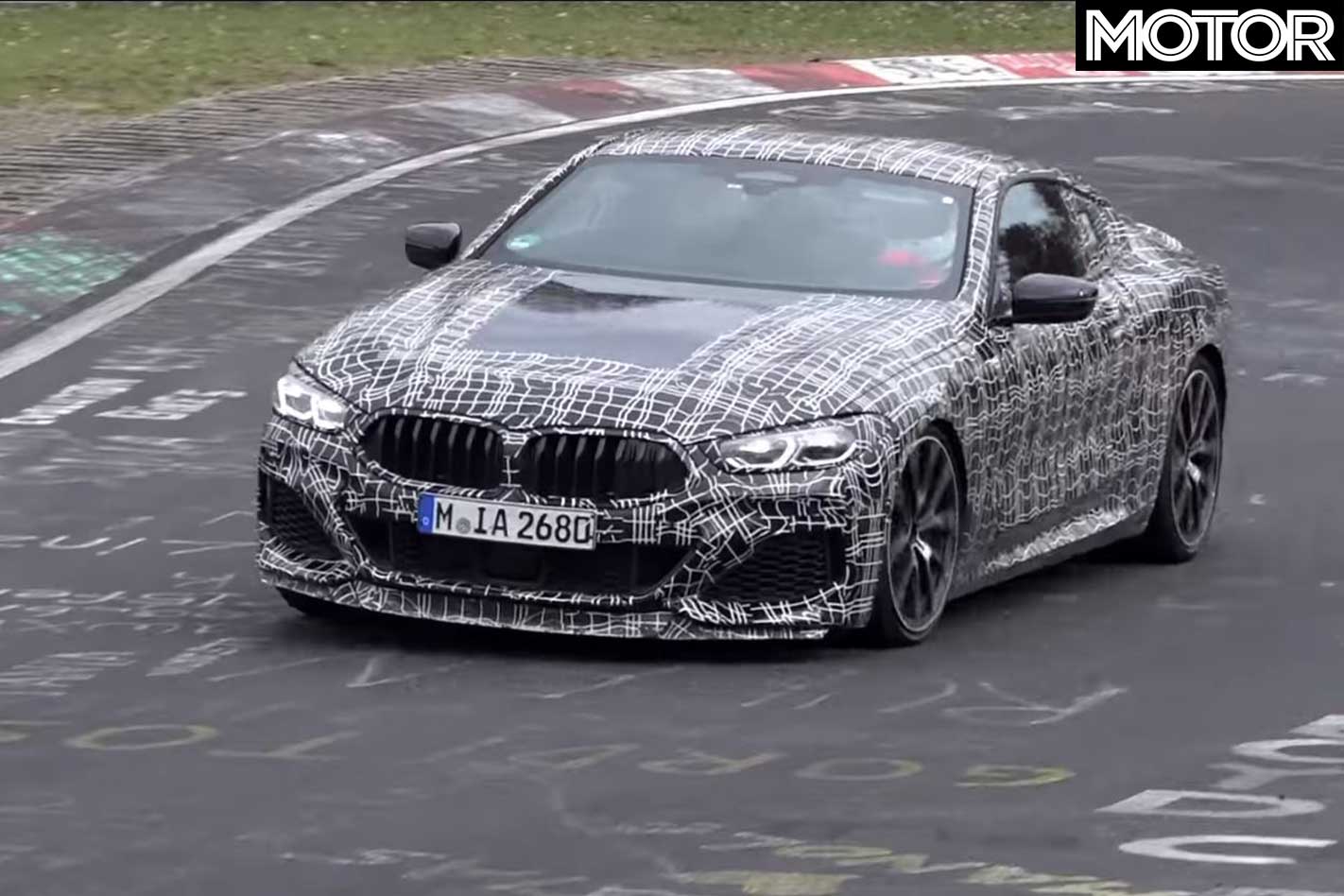
BMW also has the upcoming 8 Series, likely the M8, out for a spin. It sounds good, too.
As there were still more cars present, unmentioned by us here, we reckon it’s worth watching the clip for yourself.
TWENTY seventeen was a breakthrough year for medium SUVs. Though the car-buying public has adored them for more than a decade – inversely proportional to the cooling of affection for large cars – as reviewers, we’ve been patiently waiting for a truly great example of the breed to emerge.
In the latter months Honda’s new-generation CR-V arrived, Holden’s desperately needed Equinox touched down, Jeep’s long-overdue Compass replacement lobbed and the all-new Peugeot 3008 that was crowned 2017 European Car of the Year made it to Oz. All are yet to face the comparison test wringer, but Australia’s favourite SUV – the Mazda CX-5 – received a round of significant updates that prompted this nine-car collection of affordable mid-sized metal, which also includes the still young Volkswagen Tiguan and Ford’s revamped and rebranded Escape.
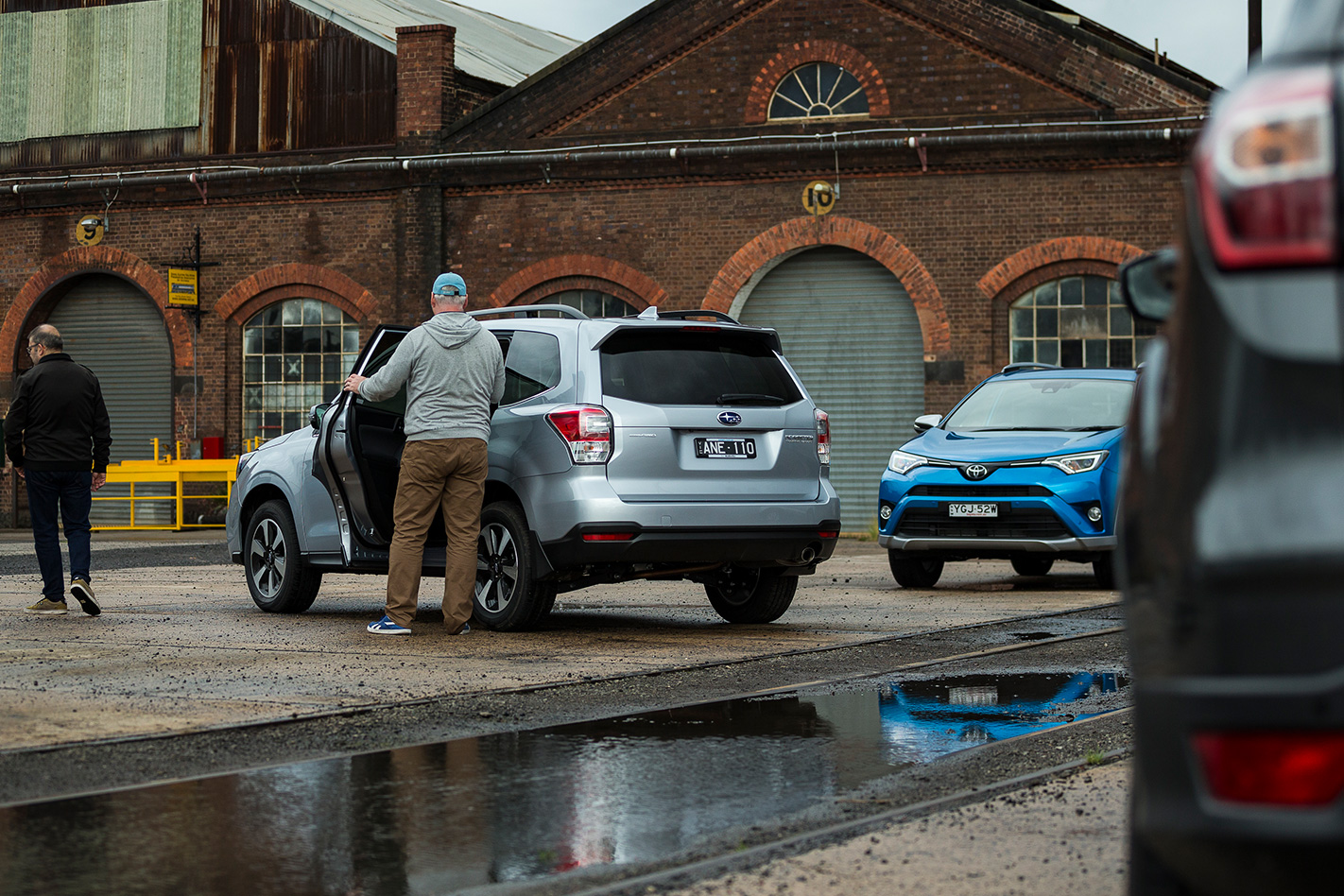
Critics may have roasted the Hyundai Tucson City when it launched here back in 2005, but two-wheel-drive SUVs are no longer the exception to the rule. And so it goes here – $30-35K front-drive mid-sizers spanning the Haval H6 Premium ($29,990) to Toyota RAV4 GXL ($35,390).
Now, we could’ve asked for a loaded Haval H6 Lux on 19-inch wheels or a base RAV4 GX wearing steel 17s, but neither would’ve quite fit the bill. Driven by the superb value of Ford’s front-drive Escape Trend ($32,990) and Mazda’s 2.0-litre CX-5 Maxx Sport ($34,390), the brief was ‘low-to-mid spec, early 30s’.
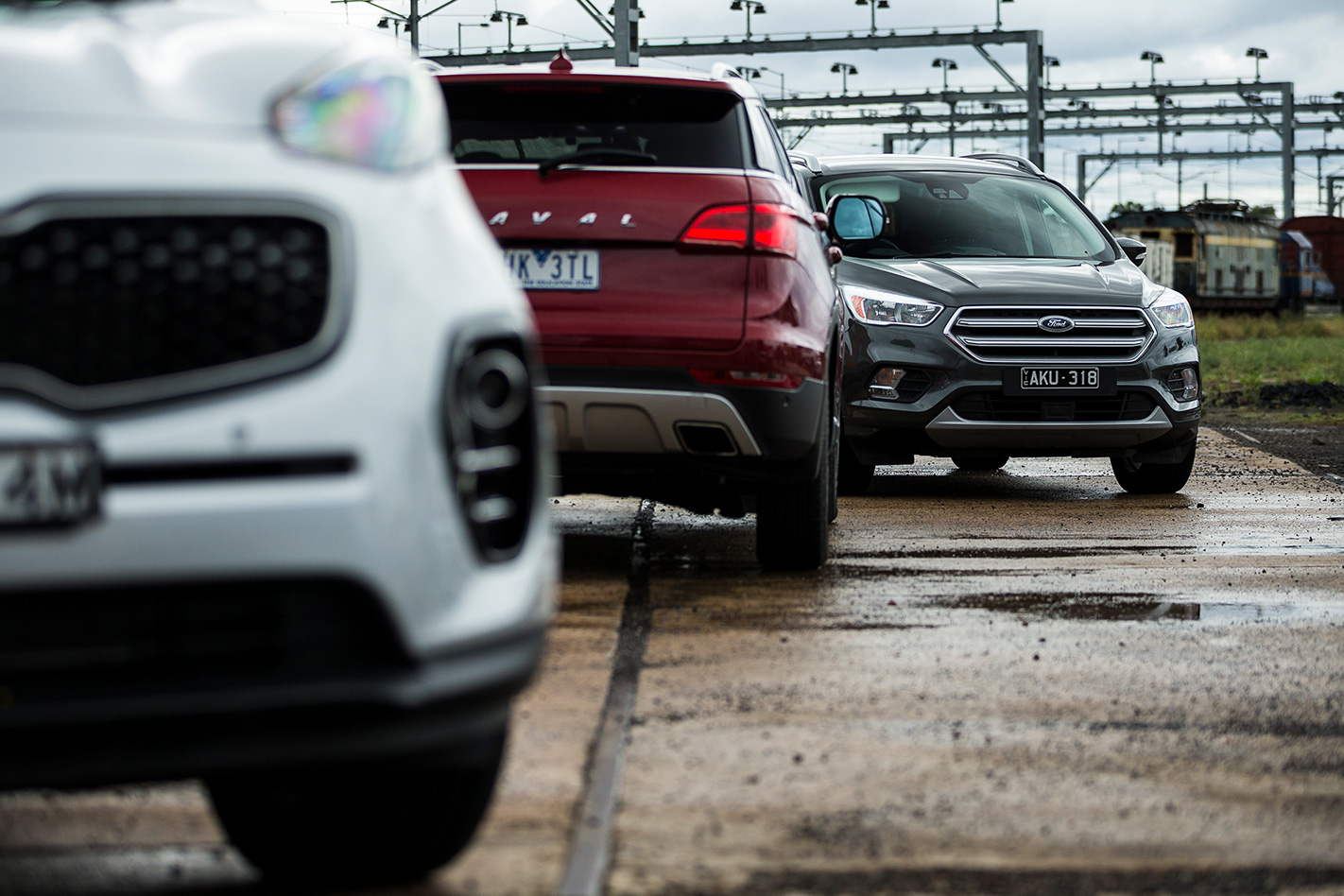
That also includes the Hyundai Tucson Active X ($33,650, now with GDi engine), Kia Sportage SLi ($34,690), Mitsubishi Outlander LS Safety Pack ($32,000), Subaru Forester 2.5i-L ($33,240, exclusively with AWD) and Volkswagen Tiguan 110TSI Trendline DSG ($34,490).
Just one eligible car failed to make the grid – the otherwise unfancied front-drive Renault Koleos Zen – while Nissan’s closely related X-Trail had a facelift imminent and wasn’t available in time. Question is, can Subaru’s superb-riding, former Megatest winner, the Forester 2.5i-L, be toppled from its exalted perch?
Medium SUV Megatest Results
2018 Haval H6 Premium
Score 2/10
2018 Mitsubishi Outlander LS
Score 5/10
2018 Toyota RAV4 GXL
Score 6/10
2018 Hyundai Tucson Active X
Score 6.5/10
2018 Kia Sportage SLi
Score 7/10
2018 Subaru Forester 2.5i-L
Score 7.5/10
2018 Ford Escape Trend
Score 7.5/10
2018 Volkswagen Tiguan Trendline
Score 8/10
2018 Mazda CX-5 Maxx Sport
Score 8/10
A FEDERAL senator who has previously hooked into Australia’s speed limits for being too low has now taken the government to task over car import tariffs he says are locking buyers out of owning safer cars.
Liberal Democrats Senator David Leyonhjelm said the import duties forced on some car brands, but not others, were “costing lives on Australian roads”. He called for “an end to the punishing layers of taxation” which he claimed was discouraging people from upgrading their cars to new ones.
Of note, he said, was what the tariffs were doing to a former Australian-made favourite, the Holden Commodore, which was now soured from Germany, a country that did not have a free trade agreement with Australia.
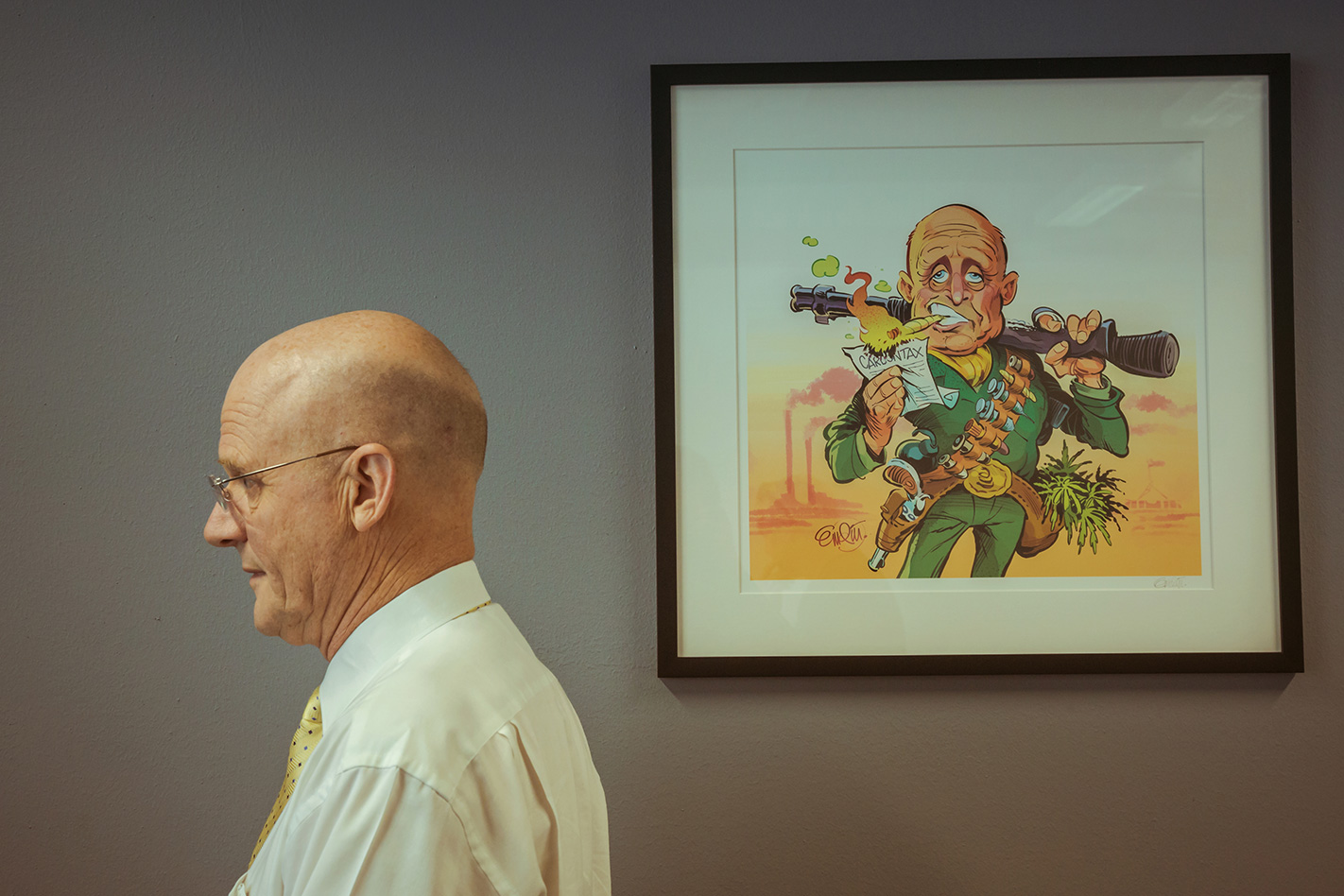
“Then there’s the luxury car tax, which imposes a 33 percent tax on the value of new cars over $65,000. This adds more than $6000 to the price of a basic LandCruiser, and more than $120,000 to a top-of-the line BMW.
Leyonhjelm laid the blame with both federal and state governments for the layers of taxes that were applied to new car purchases.
“Now add the GST, then state duties of around three percent on top of that. This is quadruple taxation: a tax on a tax on a tax on a tax,” he said. “It’s a good thing Australians love their cars so much because they are paying through the nose for them.”
The senator’s home state of Tasmania has the oldest fleet with an average age at 12.8 years, while the Northern Territory had the youngest fleet with an average age of 9.2 years.
Leyonhjelm said Australia’s ageing car parc was in part due to taxes discouraging people from buying new vehicles, while new vehicle sales were propped up by “government-imposed quotas on used car imports” – a reference to the government’s failed bid to introduce more relaxed grey import duties.
“The Coalition is intimidated by the manufacturers and their dealerships who sell new cars into Australia, and is now threatening to make used car import arrangements even more restrictive,” he said. “The end result is an average car age of 10 years in Australia, and old cars are less safe and emit more pollution.
Australia is currently in talks with the European Union over a free trade agreement that is expected to remove both car import tariffs and the Luxury Car Tax, the latter of which is argued to be a false tariff under international trade framework.
Free trade agreements are already in place with other countries that export cars to Australia, including China, South Korea, Thailand and the US.
Of the record 288,324 vehicles imported to Australia over the first three months of 2018, more than 220,000 have come from countries that have a FTA with Australia.
HERBERT Diess has replaced Matthias Mueller as chairman of Volkswagen Group as part of sweeping changes made to the German car maker’s structure in the wake of Dieselgate.
VW’s management board overnight confirmed Diess’ appointment, saying that Mueller had stepped down from the top spot “by mutual agreement, effective immediately”. The change at the top comes after the car maker’s management board met to discuss how the 80-year-old brand would meet the future challenges it had set itself.
“Matthias Mueller (pictured, below) has done outstanding work for the Volkswagen Group,” supervisory board chairman Hans Dieter Potsch said. “He assumed the chairmanship of the board of management in the fall of 2015 when the company faced the greatest challenge in its history.
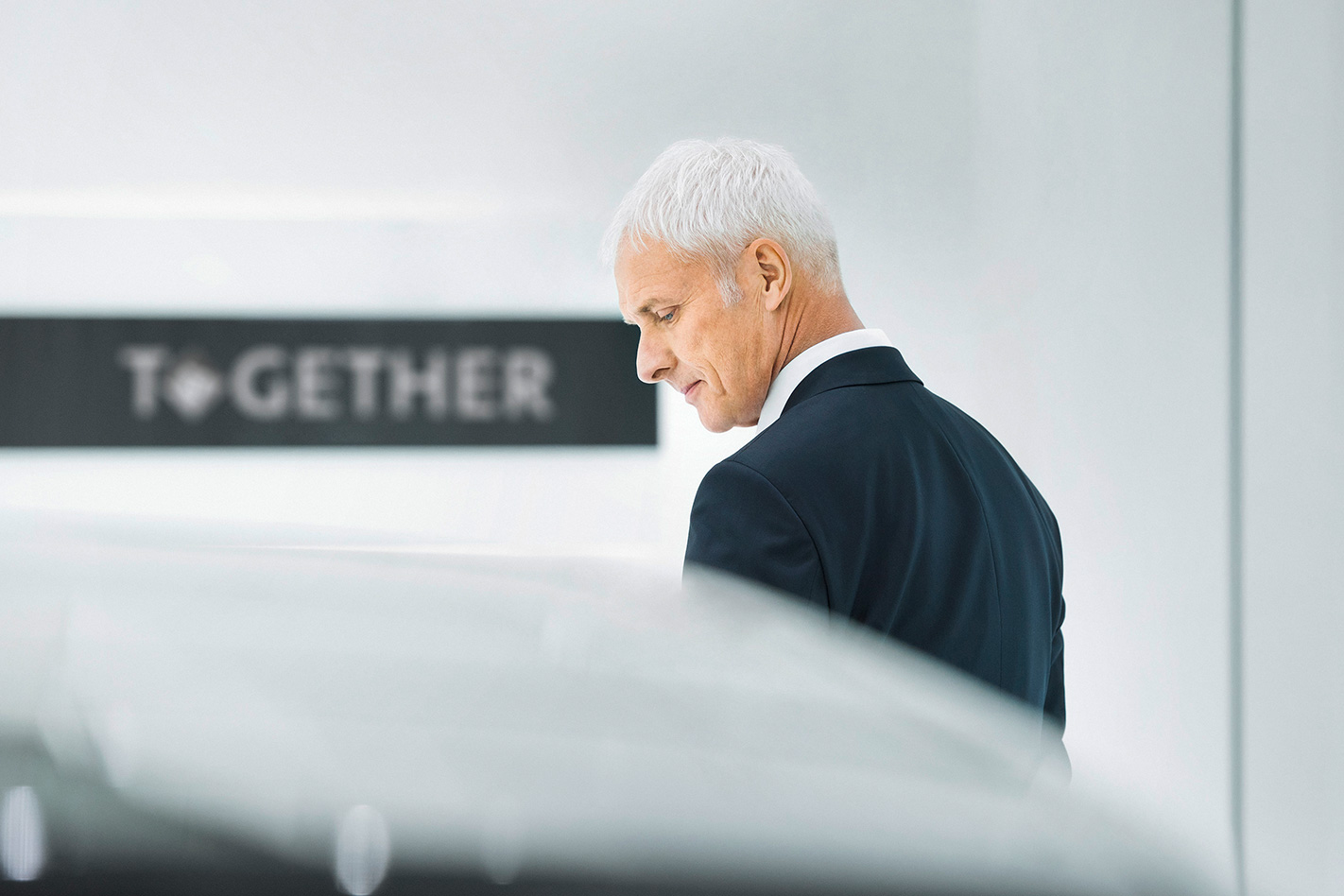
The group will hold a press conference early this evening Australian time to formally announce the appointment.
As part of the change, Volkswagen’s car division will evolve into distinct product streams: Volume, Premium and Super Premium. Diess, a former BMW research and development executive, will oversee group development and research, and vehicle connectivity.
“The Volkswagen Group’s goal is, and remains, to align the company and its brands with future needs, to safeguard its position among the leaders of the international automotive industry with innovativeness and profitability and to be instrumental in shaping tomorrow’s personal mobility with the strength of our group brands,” Potsch said.
“Herbert Diess is the right manager to do that. In realigning the Volkswagen brand, he has demonstrated to impressive effect the speed and rigor with which he can implement radical transformation processes. This accomplishment makes him predestined to fully implement our Strategy 2025 in the decisive years that are now to follow.”
Mueller had attracted criticism for his slow pace of change after Volkswagen announced in the wake of Dieselgate that it would transition itself to focus on electric cars and “mobility solutions provider”, focusing a large part of its efforts on how people would move around cities in the future.
In other moves, Audi chief Rupert Stadler will become responsible for group sales, and Porsche chief Oliver Blume takes on the role responsible for group production. Blume will also take a seat on Volkswagen Group’s management board.
Blume’s appointment to VW’s management board comes a decade after Porsche attempted to swallow the Volkswagen Group in a spectacular, secret coup that then sports car brand chairman Wendelin Wiedeking and chief strategist Holger Harter almost pulled off – before it all collapsed spectacularly.
It’s amazing what you can find on the internet.
There’s been plenty of conversation about the Holden Commodore switching to a 2.0-litre turbocharged four-cylinder for the latest ZB generation, however, it turns out the concept of a turbo four-pot Commodore has been around for 25 years.
An article written by retired 42-year Holden veteran, Neil Pogson, for the Holden Retirees’ Club archive details how close Holden came to offering the VP Commodore with a 2.3-litre turbocharged four-cylinder sourced from Saab.
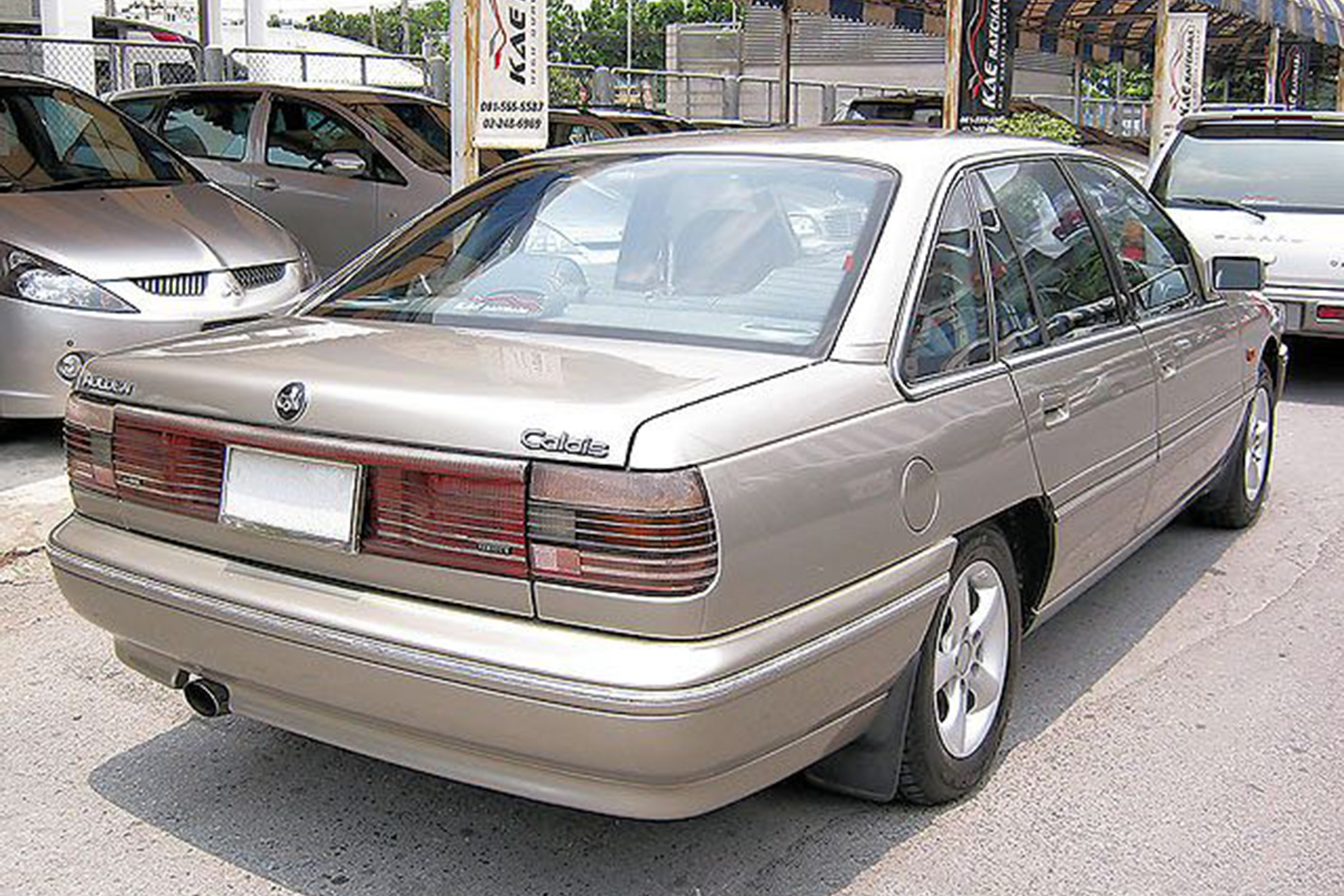
South-East Asian nations placed punitive taxes on vehicles with large engines, forcing Holden to replace the local 3.8-litre Buick V6 with either GM’s Family II 2.0-litre four-cylinder of an Opel-sourced 2.6-litre straight-six, neither of which was deemed ideally suitable.
Styling changes were also required, which Holden managed by fitting the Caprice front-end and boot to the standard Calais (these changes made it to production), but of more importance was a competitive engine. GM owned 50 per cent of Saab so the Swedish firm was contacted and agreed to adapt its transverse turbocharged four for the Commodore’s north-south installation.
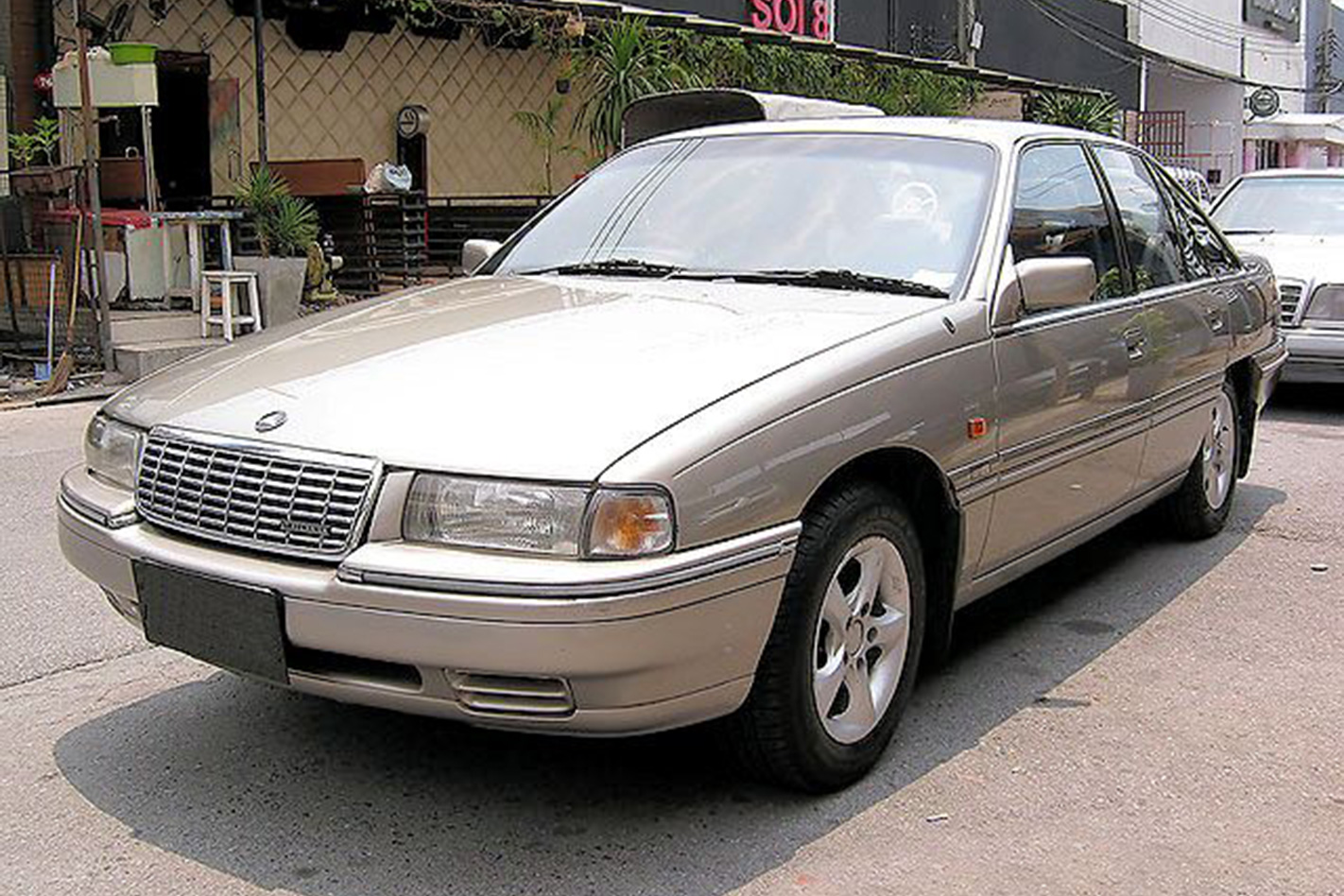
Even allowing for the torque limitations of the Hydramatic auto gearbox the Saab four-pot was capable of 150kW/300Nm, well in excess of the 127kW/293Nm produced by the Buick V6 at the time. Unfortunately, GM internal politics killed the project and the mules were crushed, but to find out more you’ll have to read Pogson’s story!
