
What stands out?
The Skoda Superb is all about the amount of room it manages to squeeze into an upper-medium-sized car for an everyday medium-car price. All versions come with automatic emergency braking.
What might bug me?
Trying to fit large items under the boot lid in tight or low-roofed parking spaces. While Skoda calls the ‘notchback’ Superb a sedan, it’s actually a ‘liftback’, meaning it has a tailgate that incorporates the boot section and rear window into a single unit, which isn’t as easy to lift as a normal boot.Having to rotate the wheels often to prevent the extra wear on the front tyres fitted to the front-wheel-drive 162TSI turbo-petrol and 140TDI turbo-diesel models. While they offer strong performance, it can be all too much for the front tyres, especially when accelerating hard over bumps or on slippery surfaces.Feeling uncomfortable in the front seats on long drives, especially if you have broad shoulders. For such a spacious vehicle, the standard front seats are rather narrow. Anyone with a larger frame may find they lack sufficient support for proper long-distance comfort.
What body styles are there?
A four-door ‘liftback’ sedan and a five-door wagon.The Skoda Superb is either front- or all-wheel drive and is classed as a medium-sized car.
What features do all versions have?
Adaptive cruise control, which automatically maintains a safe distance from vehicles ahead on the highway. It also works at slow speeds including when stopping and starting in traffic jams.In-car entertainment and technology includes an 9.2-inch colour touchscreen with satellite navigation, plus Bluetooth phone connectivity and audio streaming, Apple CarPlay and Android Auto smartphone mirroring.A reversing camera, and rear parking sensors (which help you judge how far the bumpers are from obstacles).Advanced driver assistance including automatic emergency braking, lane keep assist, blind spot monitoring, rear-cross traffic alert and driver fatigue detection.Emergency Assist which stops the car and flashes the hazard lights if it senses the driver is unresponsive.A hill-holder, which operates the brakes automatically to make uphill starts easier.Three-zone climate control, so that the driver, front and rear passengers can have different temperatures. Rear air vents.Part leather height-adjustable front seats, leather-rimmed steering wheel, chilled glovebox and front storage compartment to help keep food and drinks fresh, footrests for rear-seat passengers, removable rubbish bins in the front door pockets and even built-in, mould-resistant umbrellas in each front door.Rain-sensing wipers with heated washer jets, electrically adjustable and heated side mirrors, heat-insulating tinted glass and remote central locking.Daytime running lights, illuminated by extremely long-lived LEDs, dusk-sensing headlights, an auto-dimming rear-view mirror.Wheels made from an alloy of aluminium, which are lighter than steel wheels and don’t need plastic trim caps. A tyre pressure monitor, which warns you if a tyre has lost air (this can give you extra time to get a slow puncture seen to).An idle-stop system (often called ‘stop/start’) switches the engine off automatically when stopped in traffic or at lights, depending on the gradient of the road and the demands of the air-conditioner.Nine airbags. Anti-lock brakes, and electronic stability control – which helps you control a skidding car. (For the placement of airbags, and more on Superb safety systems, please open the Safety section below.)Every Skoda Superb carries a five-year, unlimited kilometre warranty.
Which engine uses least fuel, and why wouldn’t I choose it?
The Australian Skoda range has three 2.0-litre four-cylinder engine choices including the 140 TDI turbo-diesel, and 162TSI and 206TSI turbo petrols. The 140TDI is the most economical, with an official fuel consumption rate of just 4.8 litres/100km.The 162TSI and 206TSI are also reasonably frugal considering their power output –6.4 litres/100km and 7.3 litres/100km respectively.The front-wheel-drive 140TDI diesel and 162TSI petrol are slightly different propositions, with the diesel afeeling a little lacklustre compared to the petrol engine.The Superb 206TSI 4×4 offers excellent performance and its four-wheel-drive setup ensures all that power is transferred to the road, unlike the 162TSI and, to a lesser extent, the 140TDI, which have issues with maintaining traction through the front wheels only. All three engines are coupled with a six-speed automatic transmission.
What key features do I get if I spend more?
The least costly 162 TSI, and the 140TDI models differ by their engines, with the turbo diesel engine costing around $4000 extra. Both feature 18-inch alloy wheels and eight-speaker sound system.Another additional cost is between the sedan and wagon body shapes, with the latter attracting a $1700 premium.Upgrading to the Superb 206TSI brings all-wheel drive and a more powerful 206kW version of the base model’s 2.0-litre turbo-petrol four-cylinder engine, as well as standard 19-inch alloy wheels, LED interior ambient lighting and keyless entry and start.The drive is enhanced too, with Driving Mode Selection (offering Comfort, Normal and Sport settings for the transmission, steering and accelerator tuning), steering-wheel gearshift paddles and sports suspension (that lowers the Superb’s ride height by 15mm).The 206TSI Sportline has all that plus has more athletic exterior trim, including rear spoiler, chrome exhaust and black grille.Handling is also improved with adaptive chassis control (which adjusts suspension and steering settings to suit different driving conditions), sports seats, flat-bottomed leather sports steering wheel with silver stitching, foot-swipe boot opener, premium Canton 12-speaker sound system, automatic park assist, power-adjusted passenger seats and heated rear seats.The Sportline has a unique colour option called Dragon Skin – a distinctive gold metallic – which attracts a $1700 premium.‘Image’, ‘Tech’ and ‘Comfort’ option packages give the 162TSI and 140TDI some of the handling and comfort enhancements featured in the 206 TSI models. Other options are available across the range including electric sunroof and premium paint.
Does any upgrade have a down side?
How comfortable is it?
If you’re riding in the back seat of a Superb, then very much so. It’s enormous. A stadium-like view over the front buckets combines with superior cushion and shoulder support, and separate rear-seat temperature control, to make the back row the best seat(s) in the house. No wonder the Superb has been put into service the world over as an executive carry-all.Thing is, unless you’ve ticked the Tech Pack option, thereby gaining Adaptive Chassis Control, the Superb’s rough-road ride quality isn’t up to the limousine-like ambience of its rear seat. It’s all a bit patchy and not quite in sync, with persistent tyre noise on coarse surfaces. There are more comfortable and controlled rides on offer in the Superb’s price class.And when you move to the front row, it takes another step down the ladder. While the Superb’s Alcantara-trimmed front seats look great, they offer significantly inferior comfort to those fitted to the closely related Volkswagen Passat. Firmly padded, with short cushions and a lack of back support, the standard front buckets are at odds with the Superb’s otherwise beautifully presented interior.Best tick the Comfort Pack option box if you’re a princess-and-the-pea type.
What about safety?
All Superb models boast a very high level of safety, including automatic emergency braking which became standard equipment across the range for the 2018 model year along with lane keeping assist, side blind spot monitoring and rear-cross traffic alert.As well as a nine airbags and an anti-skid braking system, the Superb will sound audible and visible warning that the car in front is too close. It can also bring the car to a complete stop if it thinks an accident is about to occur. That said, if the driver applies steering direction and accelerates, the system responds to the commands and will release the brakes.If the car detects the driver is unresponsive, Emergency Assist brings a car to a stop and flashes the hazard lights.This ‘City EB’ function also has some clever behind-the-scenes features. When the Front Assist detects that a vehicle is quickly approaching, the brake pads are brought into contact with the brake discs and the sensitivity of the Brake Assist function is increased. This ‘primes’ the braking system for a possible emergency stop. Emergency Assist also brings a car to a stop and flashes the hazard lights if the car detects the driver is unresponsive,The rear camera makes reversing and parking much safer, and there are audible sensors front and rear.Superb’s chief driver safety aid is called ‘Multi Collision Brake’, a system that automatically initiates braking if the car has had an accident in an attempt to prevent a subsequent collision.There are nine airbags: two directly ahead of the front-seat occupants, a driver’s knee airbag, two to protect front occupants against side impacts, two for the rear occupants, and a curtain airbag down each side to guard all occupants against head injuries.Every Superb has electronic stability control, which can help maintain control if the car loses grip on a slippery surface. All new cars must have this feature.(To see a list of the safety features on any model, select the car and look under the features tab. Safety-related features are listed in red.)The European New Car Assessment Program (NCAP) awarded the Superb its maximum five stars for crash safety. The front-wheel-drive models received a five-star ANCAP rating in March 2016 (the four-wheel-drive models are yet to be tested).
I like driving – will I enjoy this car?
If you head straight to the top, then very much so – the Superb 206TSI 4×4 is a real wolf-in-sheep’s-clothing, using its elegantly handsome shape to disguise the 206kW engine and all-wheel-drive system borrowed from Volkswagen’s high-performance Golf R.And it gets even better if you tick the Tech Pack option, seeing it includes Adaptive Chassis Control (ACC) for superior suspension suppleness and sophistication. With ACC, you can select Comfort for motorway cruising or Sport for tenacious handling on smooth, twisty roads.The front-drive 162TSI petrol and 140TDI diesel are slightly different propositions. The decidedly muscular petrol – the same engine, incidentally, as featured in a VW Golf GTI – offers breathtaking performance for the price, but without the traction of its more-powerful all-wheel drive sibling, it often struggles to transfer its power to the road. And it isn’t as well-sorted in terms of ride and handling either – neither of which can match the highs of its engine and transmission.The diesel also has its occasional traction issues, but its lazier personality better suits the front-drive Superb’s suspension tune. It’s an effortless mile-eater and is exceptionally economical. That said, that also applies to both petrol models.
How is life in the rear seats?
The Superb is a more comfortable car in the rear than it is at the front. It’s very spacious, with a great view over the front seats and the rear seat has excellent cushion and shoulder support.Back seat passengers also get their own separate temperature control with separate air vents.
How is it for carrying stuff?
The best there is. Skoda claims a cavernous luggage capacity of 625 litres for the boot in the ‘liftback’ sedan (with a 16-inch space-saver spare wheel beneath), which is better than anything even vaguely similar in size, and a gargantuan 1760 litres with the rear backrests folded.The handsome wagon elevates this cargo-carrying canniness to an even greater level, with 660 litres below the luggage cover, and 1950 litres with the rear seat folded flat.The rear-seat backrest in both bodystyles is split 60:40, so it’s quite adaptable for all sorts of longer loads while still carrying three or four people. Each load area offers shopping-bag hooks, load restraint hooks, and luggage net and a 12-volt outlet.
Where is it made?
At Skoda’s Kvasiny plant in the Czech Republic.
Are there any rivals I should consider?
Depending what you’re after, the Superb has several key competitors in the medium and large car categories.Key sedan and rivals include its Volkswagen Passat cousin, Holden Commodore, Mazda 6, Ford Mondeo and Subaru Outback.
I like this car, but I can’t choose which version. Can you help?
Our reviewers like the Superb 206TSI sedan with the more powerful petrol engine. It has Volkswagen Golf R power, excellent four-wheel-drive grip and handling qualities and a lot of equipment.The wagon is also a good choice if you’re after that additional practicality.
Are there plans to update this model soon?
The third-generation Skoda Superb was launched in 2015 and arrived in Australia in March 2016.The 206TSI Sportline model was added to the range in February 2017. It featured additional equipment and sporty exterior trim, but no extra performance over the standard 206TSI model.In September 2017 the Superb range received additional equipment for the 2018 model year, including automatic emergency braking as standard.A mid-life facelift isn’t expected until at least 2020.
Australian roads can be pretty convincing that as a country we’re special. Except, not in a this-German-Autobahn-is-great kind of way.
That’s because Hyundai has revealed the i30 N’s chassis has been uniquely tuned for local conditions, making us the sole market to receive special treatment.
The news comes as a shock after we heard Albert Biermann, the i30 N’s project leader and N brand boss, previously insist there will be a single suspension tune.
A visit to Australia changed Biermann’s hard stance, though, as Hyundai Australia’s senior product planner and test driver Andrew Tuitahi explains…
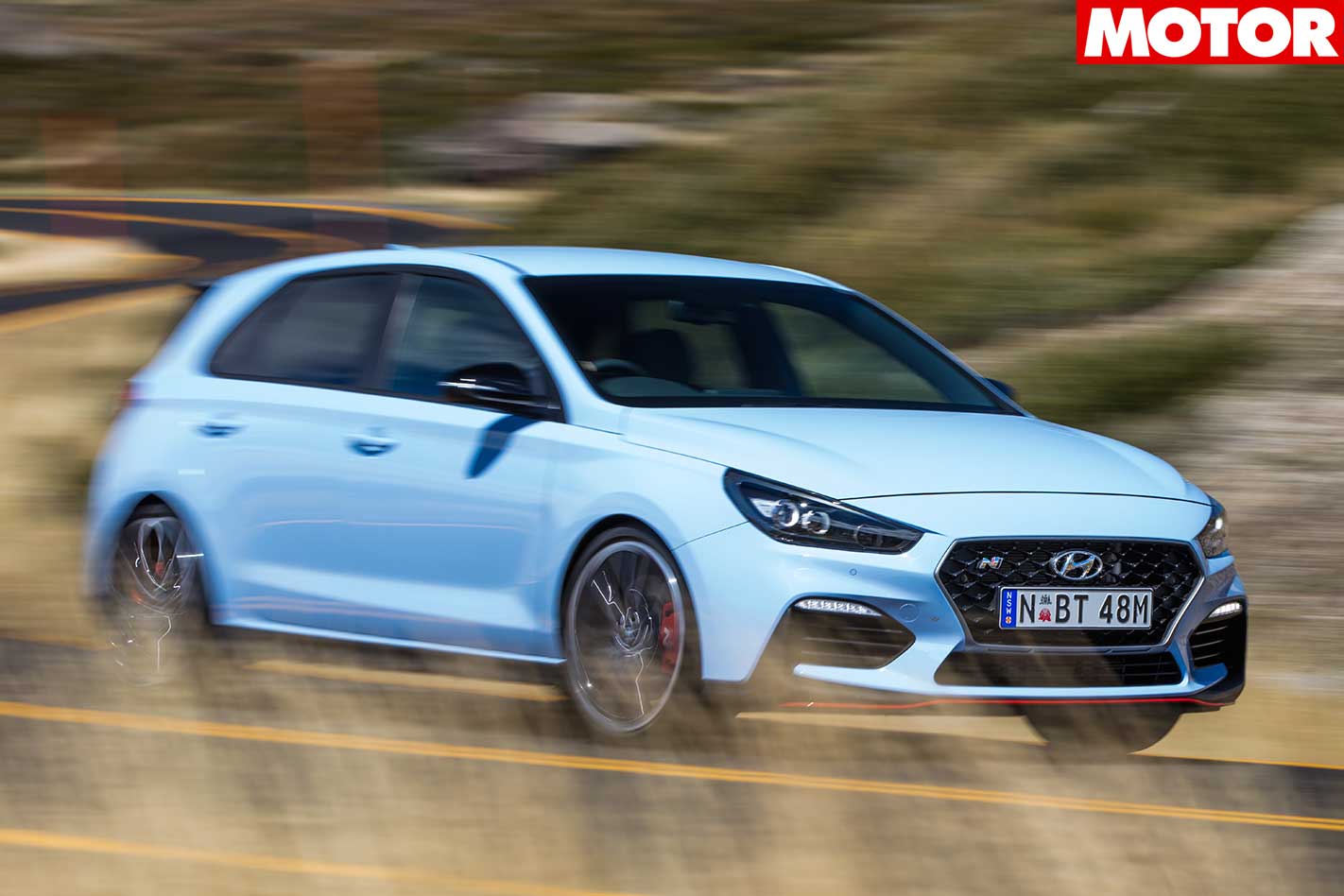
“Originally Albert suggested there would be one global tune and there would be no need to have any individual market changes,” he tells MOTOR.
“Mr Biermman visited for several reasons but one of them was to check out our local environment.
“So we introduced him to a couple examples of our finest worst roads. [The car] was either a little bit uncomfortable or struggled to perform the way it does on roads in Europe.”
But was the boss man a bit touchy about proposed changes to his baby?
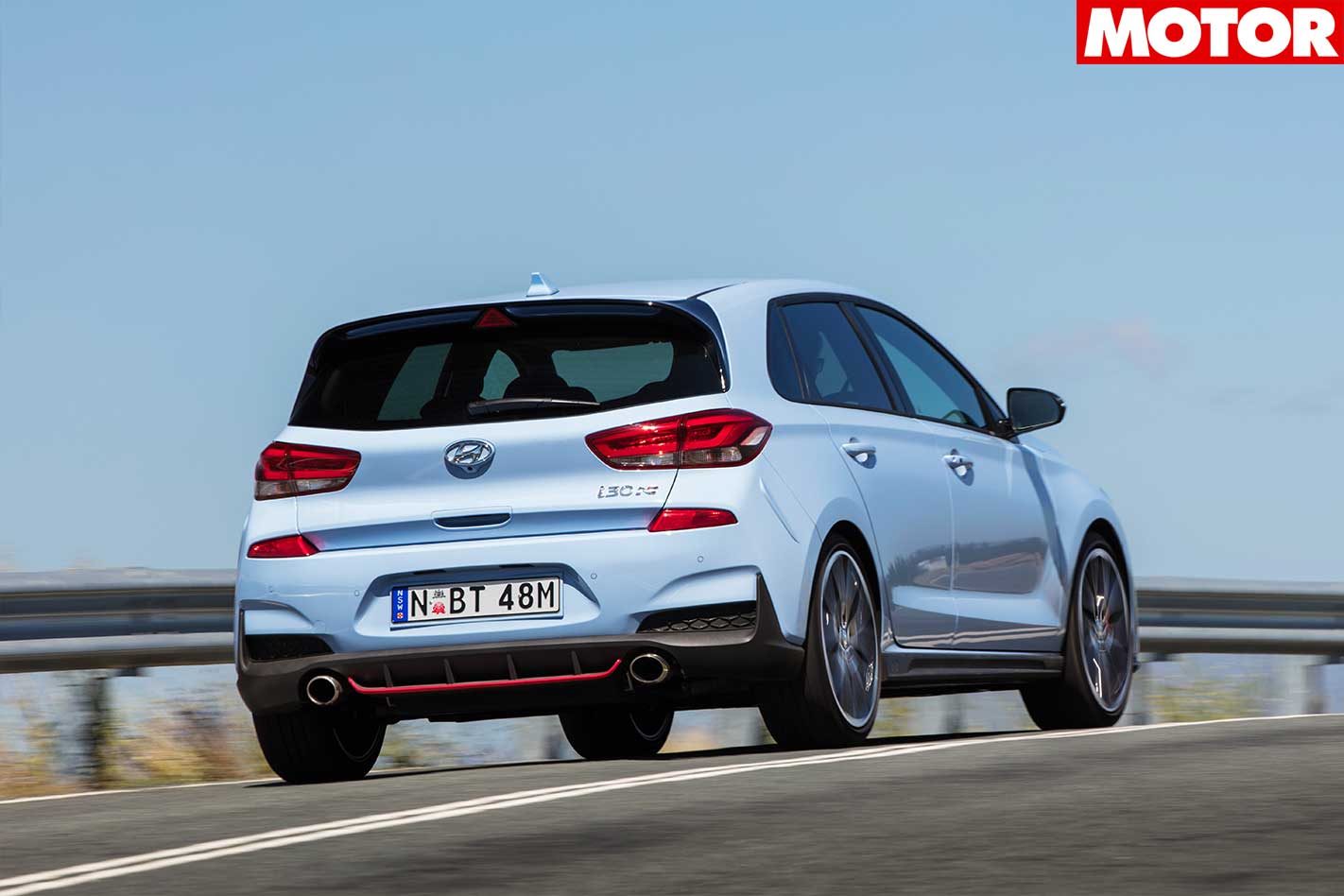
“I think he understood immediately the point we were making,” Tuitahi adds, “but we also consider it was reasonably late in terms of the production timeline.”
“Ultimately he was very accomodating, the European team welcomed the joint tuning session with open arms and we were over there very quickly.”
Tuitahi was the sole Australian employee sent over to Hyundai’s Nurburgring test centre with ideas on what needed to be changed.
Using the worst German roads he could find, he devised a chassis tune he could bring back to Australia for testing.
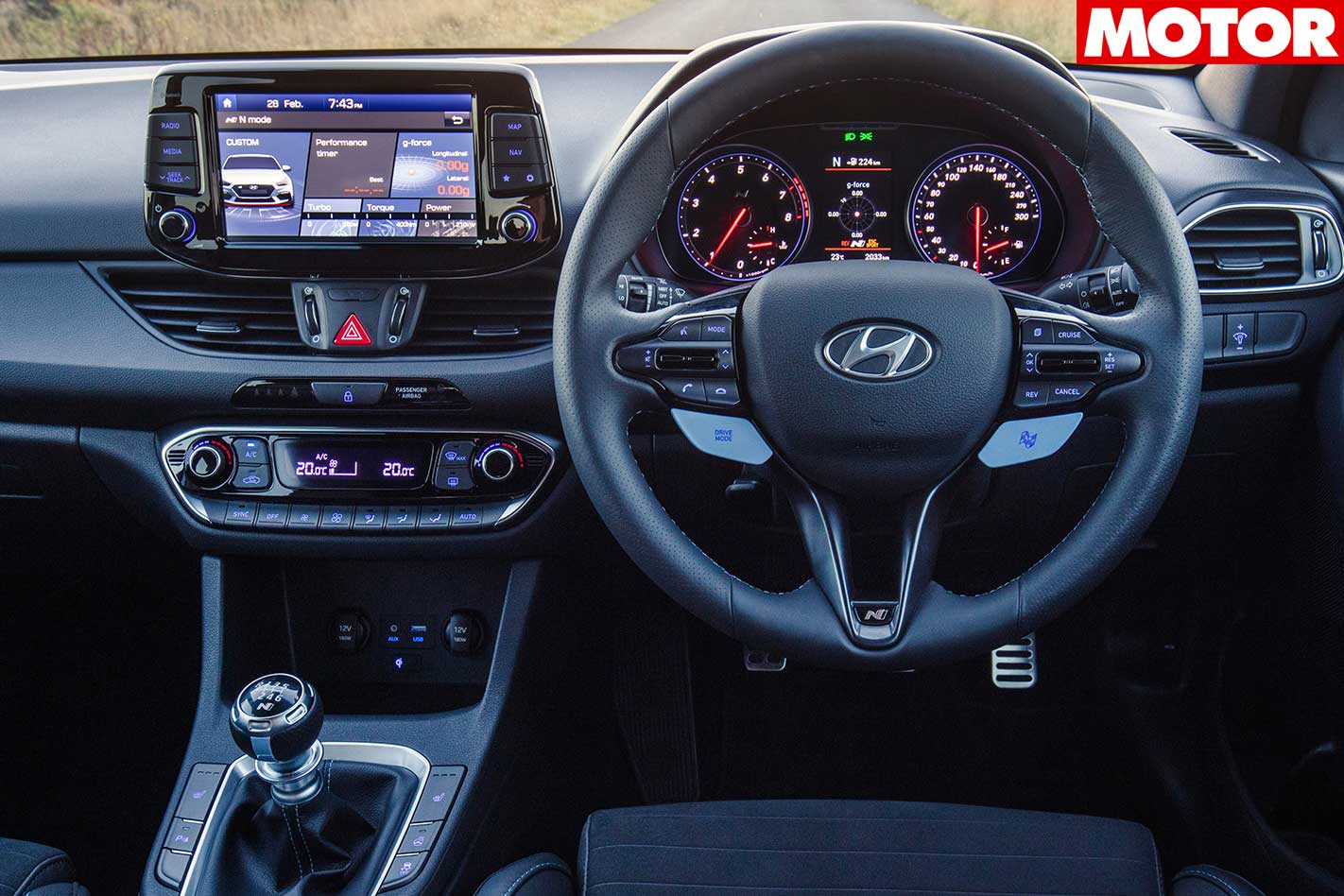
The i30 N uses three-mode adaptive dampers designed by Mando for Genesis luxury sedans.
After tweaking the damper valving and software on roads surrounding Tuitahi’s NSW home, he returned to Germany for final tweaks and Biermann’s sign-off drive.
So what’s different? He says it’s hard to make a blanket statement as adaptive dampers have such a large tuning window. “Generally I would say a little bit softer, and the damping force is a little more linear.”
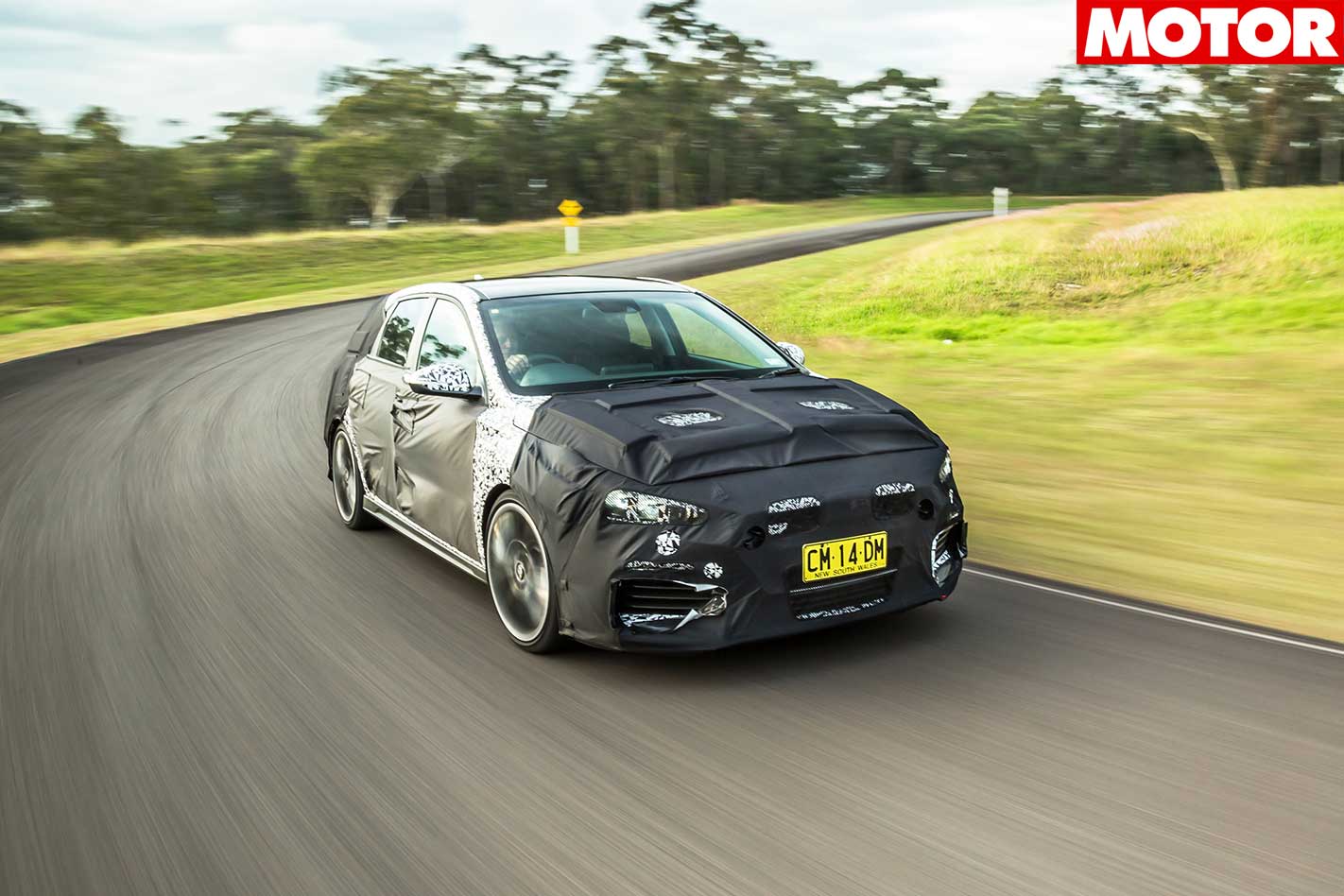
As far as mechanical changes go, the damper internals in Australian cars are different, but other suspension hard parts (springs, bushes, stabiliser bars, strut bars) are carried over.
“Really what we’re trying to do as a goal, is we’re thinking about aggressive driving on a rough road, we’re just trying to allow the car to breathe a little more. Let the wheels fall away from the body and absorb the impacts a little better.”
Biermann signed off on the Australian damper tune in August last year with a drive around the Nuburgring.
Local tuning has benfitted Hyundai Motor Corporation’s vehicles, but after discovering the i30 N to drive well during our international first drive the question is whether local efforts will improve or worsen a great product.
Stay tuned for our verdict next Thursday.
HYUNDAI has revealed that owners of its brand-new i30 N hot hatch can take their cars to track day events without risking their warranty being voided. Such is the Korean automaker’s faith in the durability and performance of its first-ever ‘N’ car.
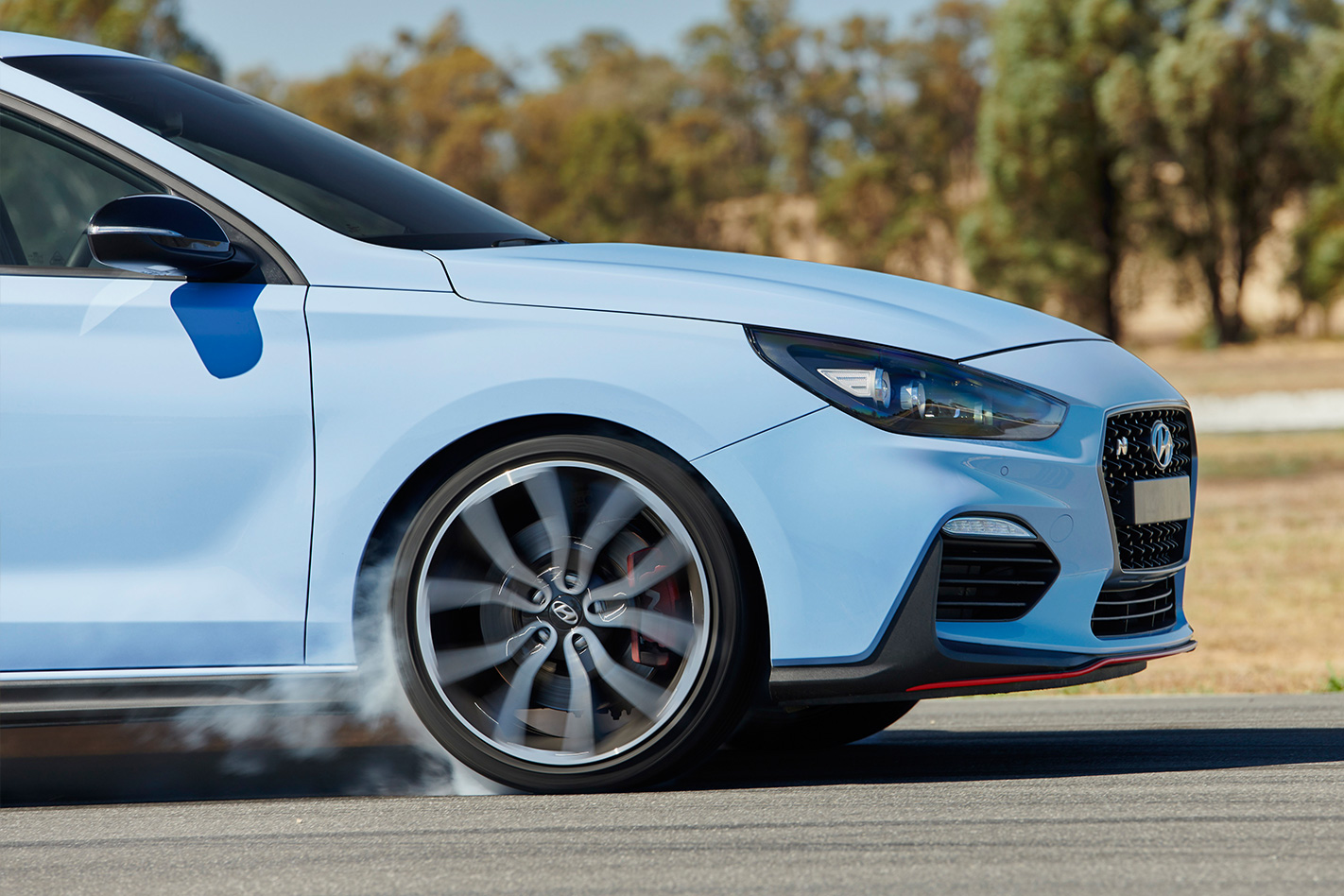
That means guilt-free track excursions for the full length of Hyundai’s standard five-year, unlimited-kilometre warranty, as long as the events entered are non-competitive – in other words, not an actual race. Hyundai doesn’t even mind if you fit stickier track day tyres either – something most track junkies are bound to do once the standard Pirelli P-Zero HNs are smoked.
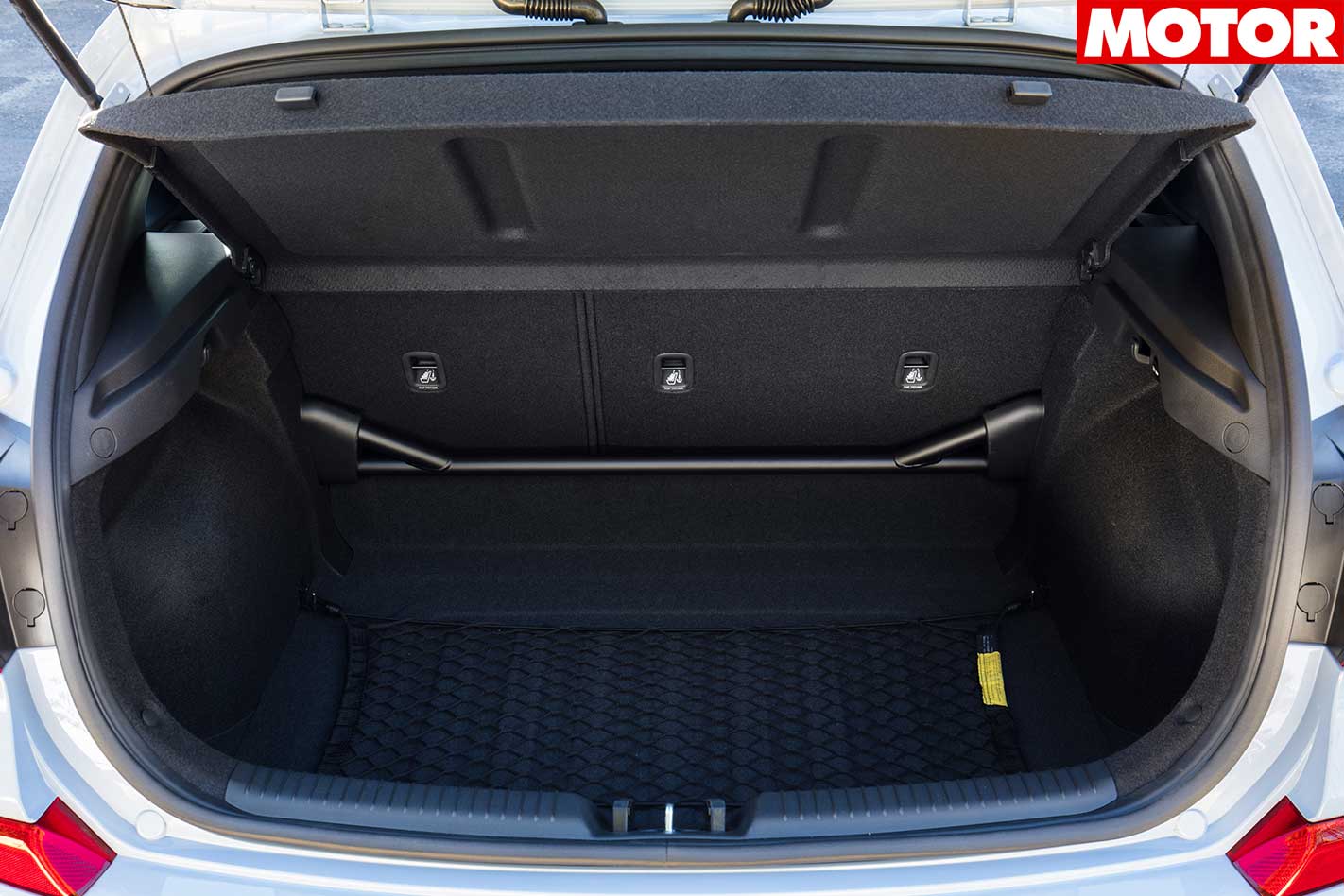
“Hot weather durability testing was carried out in Australia over the summer of 2016-17 as part of i30N N’s global development program, with a number of mechanical and electronic systems verified,” Hyundai Australia senior product planning manager Andrew Tuitahi said. “This is a car that is very familiar with our country already.”
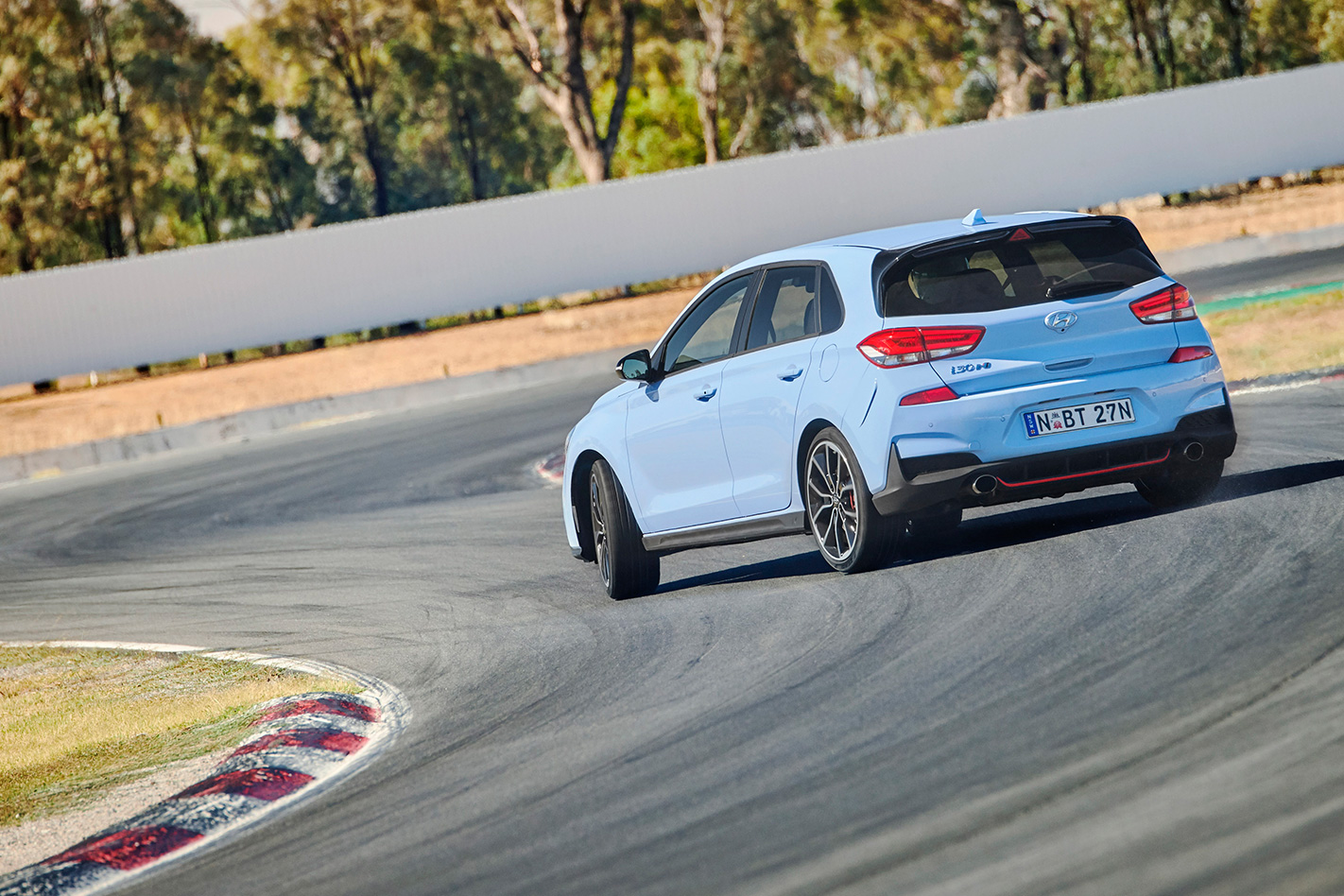
Producing a stout 202kW and 353Nm (378Nm with overboost), the i30 N is Hyundai’s first tilt at entering the hardcore hot hatch segment, currently populated by the likes of the Volkswagen Golf R, Honda Civic Type R, Ford Focus RS and Peugeot 308 GTi. Unlike those cars, the bulk of which are priced above the $50K mark, the i30 N is priced from an ultra-sharp $39,990.
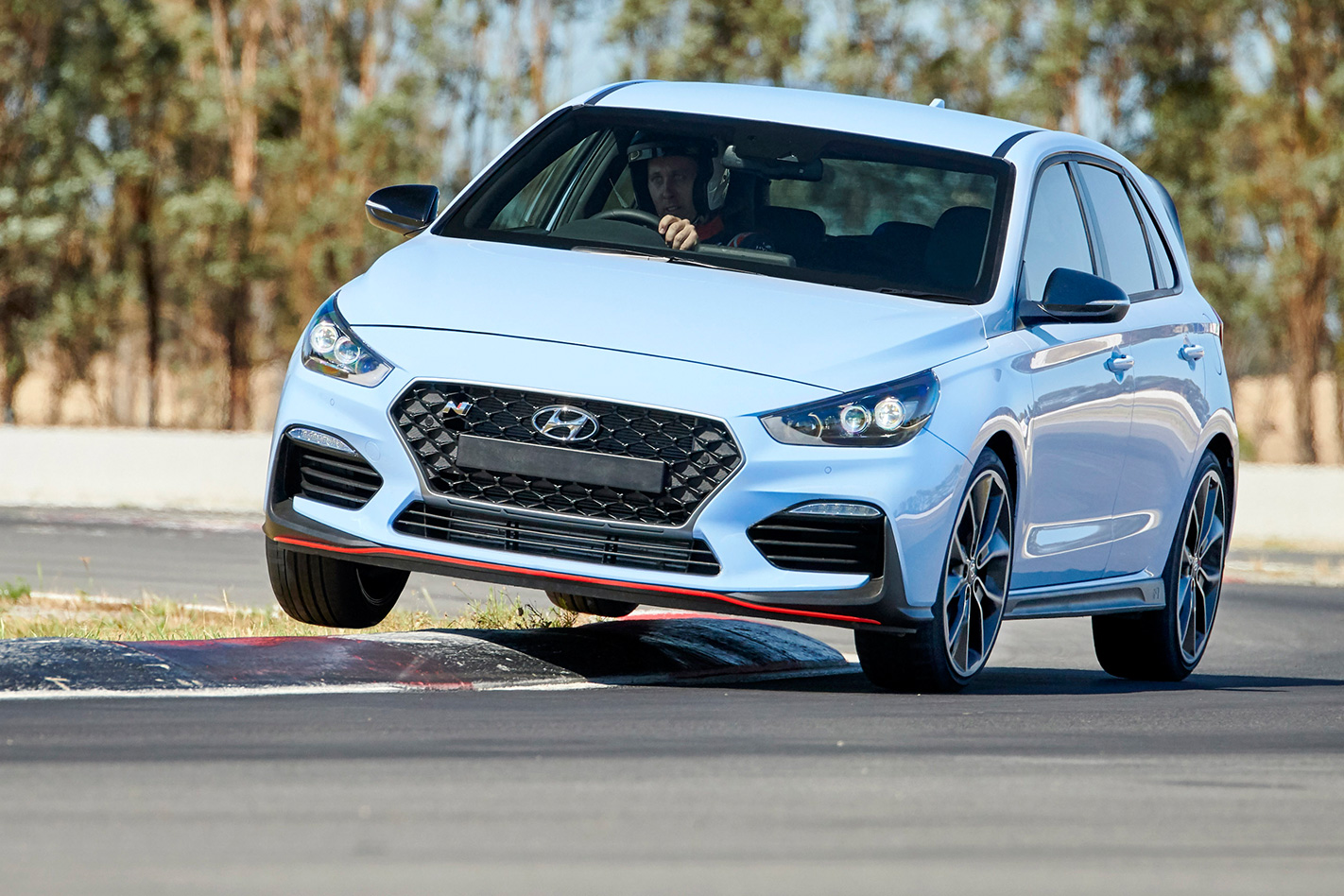
The only glaring omission is an automatic option for the i30 N, though that’ll come later in the car’s life cycle.
LAWYERS representing Volkswagen owners launching a class action against the car maker over Dieselgate claim the company has conceded its cars would not have passed Australia’s emissions testing standards had they not contained a cheat mode.
Maurice Blackburn, the legal firm fighting the case on behalf of disgruntled owners, said on Friday that almost 100,000 versions of VW’s EA189 1.6-litre and 2.0-litre engines sold here and affected by the Dieselgate scandal failed the required emissions standards tests unless they were operating in cheat mode – known internally as the “customer” or “comfort” mode.
The trial – which includes separate court action from Australia’s consumer watchdog, the Australian Competition and Consumer Commission – enters its closing submission phase today. Volkswagen has denied it has broken any Australian laws relating to the scandal.
According to Maurice Blackburn, the legal firm behind the class action claiming VW misled owners, the car maker’s closing address on Friday “conceded on the major point that only its test mode was able to pass Australia’s emissions testing standards”.
Class action principal Jason Geisker said Friday’s alleged admission was a major bombshell and a pivotal point in the trial. “This belated concession was only wrested from the company after sustained pressure and in the face of overwhelming evidence put before the court against VW on this issue,” he said.
“This entire Dieselgate scandal, as it impacts on Australian consumers, could and should have been resolved a long time ago. Australian motorists deserve far better from VW.”
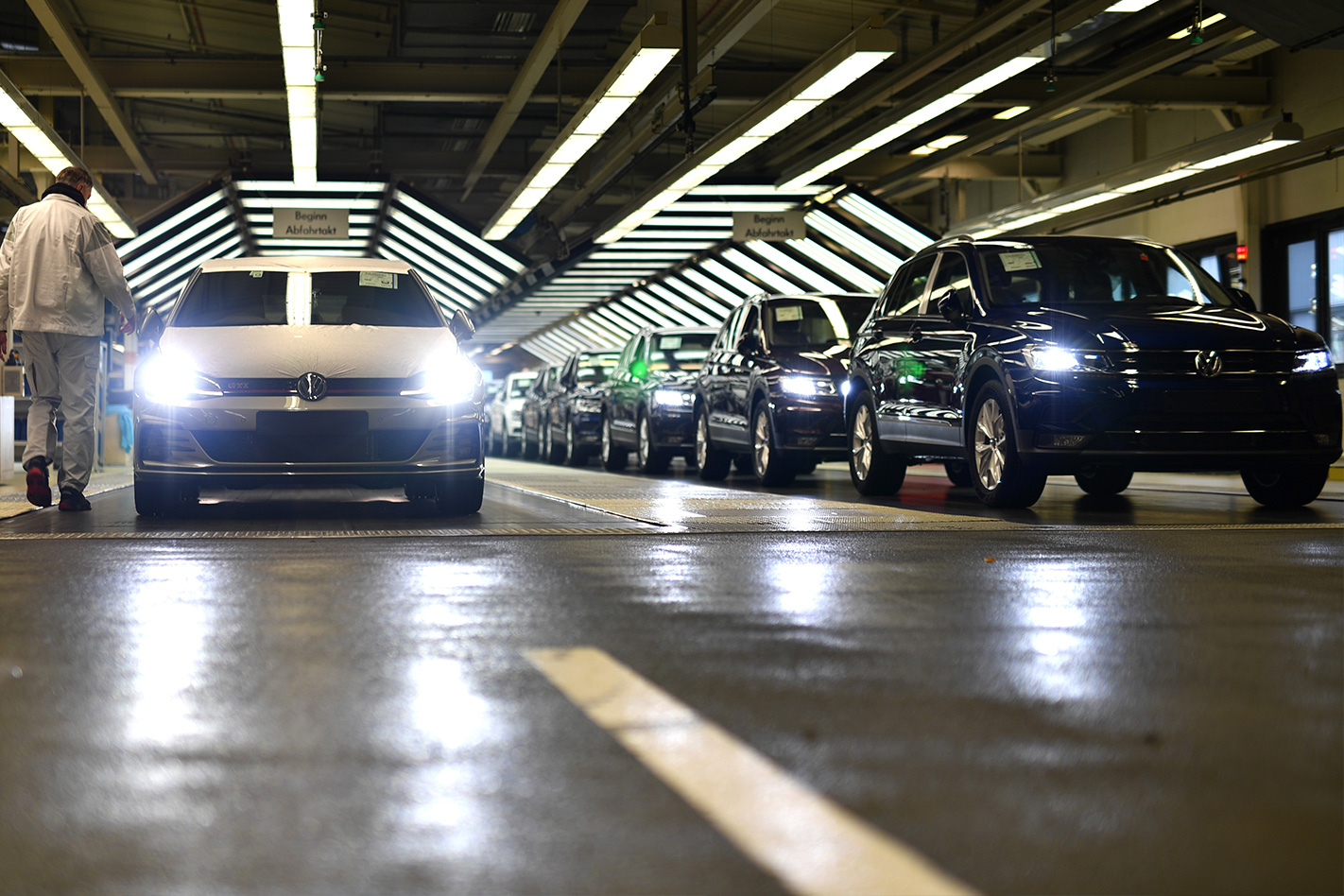
Volkswagen Group Australia has consistently denied the class action’s claims. “Volkswagen maintains its defence that all affected vehicles complied with Australian vehicle standards and continue to do so,” it said in a statement.
“The stage one trial is the first step in the case and the determination of the questions in stage one will not determine the case finally. Stage two has been set down for 9 September 2019.
“Volkswagen has not conceded anything which fundamentally alters its vigorous defence of the proceedings.”
The car maker faced further scrutiny last week after the Australian Automobile Association, the group representing motoring groups such as the RACQ, NRMA and the RACV, claimed the car maker’s fixes for the emissions cheats increased fuel use by up to 14 percent, and did not affect the vehicles’ noxious emissions.
Volkswagen Group Australia managing director Michael Bartsch dismissed the study, claiming that “major flaws render the tests wholly unfit”, including “substantial variations” in the pre- and post-recall tests.
The class action against Volkswagen is split into two parts. The first, which ends today, will help the court decide if Australian Audi, Skoda and Volkswagen owners should be compensated by Volkswagen Group Australia, similar to what the company has had to do to customers in North America and Europe.
The final part of the trial will take place in September and is expected to seek answers to questions including why the defeat device was installed, and how Volkswagen Group Australia’s fix that it has made to the recalled cars affects fuel economy and performance.
Mitsubishi has released a limited-edition Triton 4×4 pick-up in response to similar up-spec offerings from rivals offering equipment upgrades and aesthetic enhancements.
The Blackline is based on the GLS 4×4 Double Cab, and brings a number of design changes that are in keeping with its name, including black 17-inch alloy wheels, a black mesh front grille, black door mirrors, black exterior door-handles and Blackline decals.
The special edition also shares a couple of extra features taken from the range-topping Triton Exceed, such as a rear diff’ lock, smart keyless entry and push button start.
Powered by Mitsubishi’s 133kW/430Nm 2.4-litre four-cylinder turbo-diesel engine, the Triton Blackline is priced at $43,490 for the six-speed manual and $45,990 for the five-speed auto, which represents a modest $1990 premium over the normal GLS.
It is available in three hues; Black, Starlight and Titanium.
The Triton Blackline follows similarly upgraded special edition dual-cab rivals that have hit the market in recent times, including the Holden Colorado LSX, Toyota HiLux 50th Anniversary Edition and Nissan Navara N-Sport.
2018 Mitsubishi Triton Double Cab pick-up pricing
- GLX 4×2 auto – $35,500
- GLX 4×4 man – $36,500
- GLX 4×4 auto – $39,000
- GLX+ 4×4 man – $37,500
- GLX+ 4×4 auto – $40,000
- GLS 4×4 man – $41,500
- GLS 4×4 auto – $44,000
- Blackline 4×4 man – $43,490
- Blackline 4×4 auto – $45,990
- Exceed 4×4 auto – $48,000
MORE: Mitsubishi Triton Range Review MORE: Mitsubishi Triton Specs, Range & Price
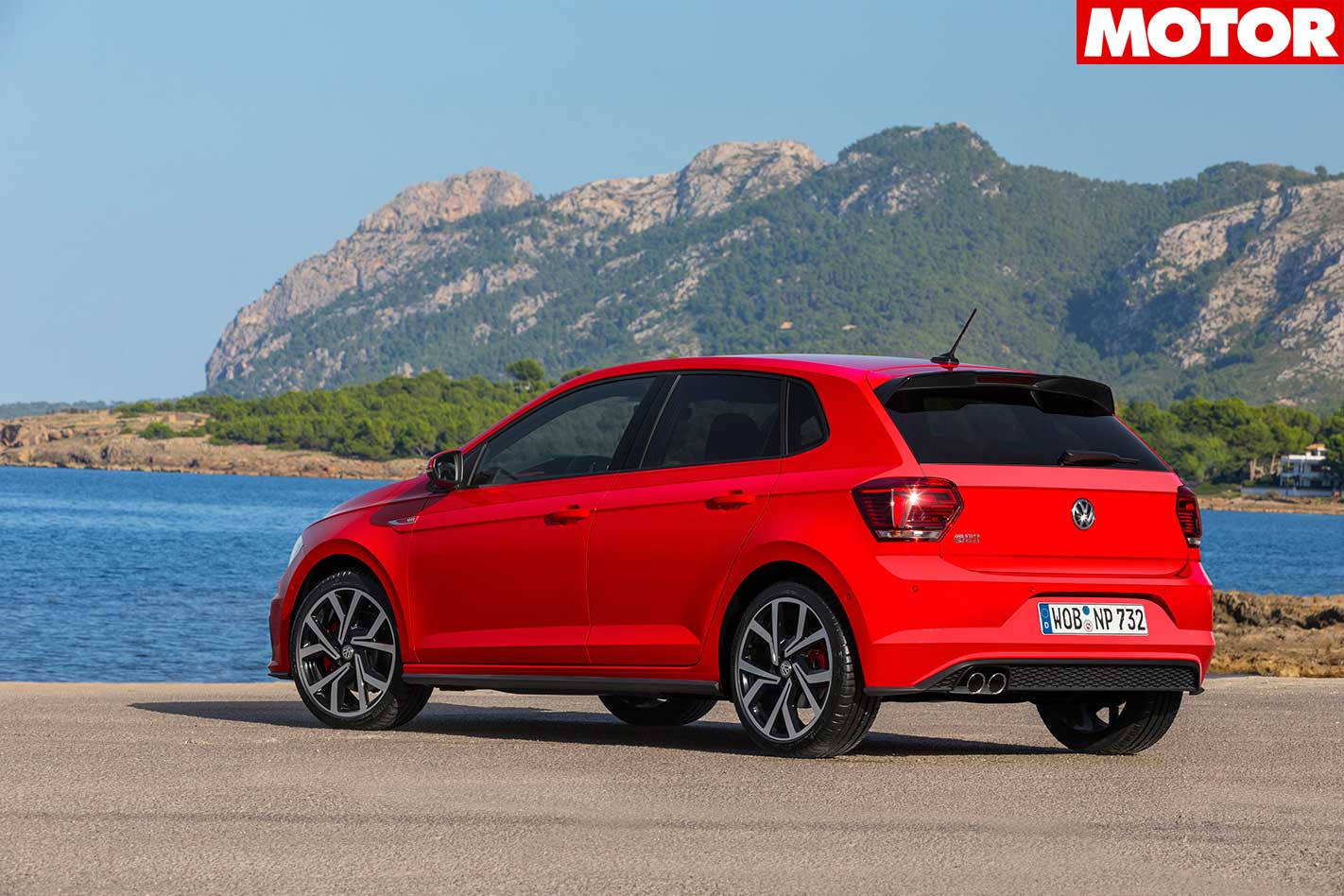
Volkswagen has revealed local pricing and specs for the next-gen Polo GTI.
First of all, only one gearbox will be available in Australia for the foreseeable future… and it isn’t the one you get to shift yourself.
The DSG-only Polo GTI is coming to Australia priced at $30,990, which sets it at $1000 more than its predecessor.
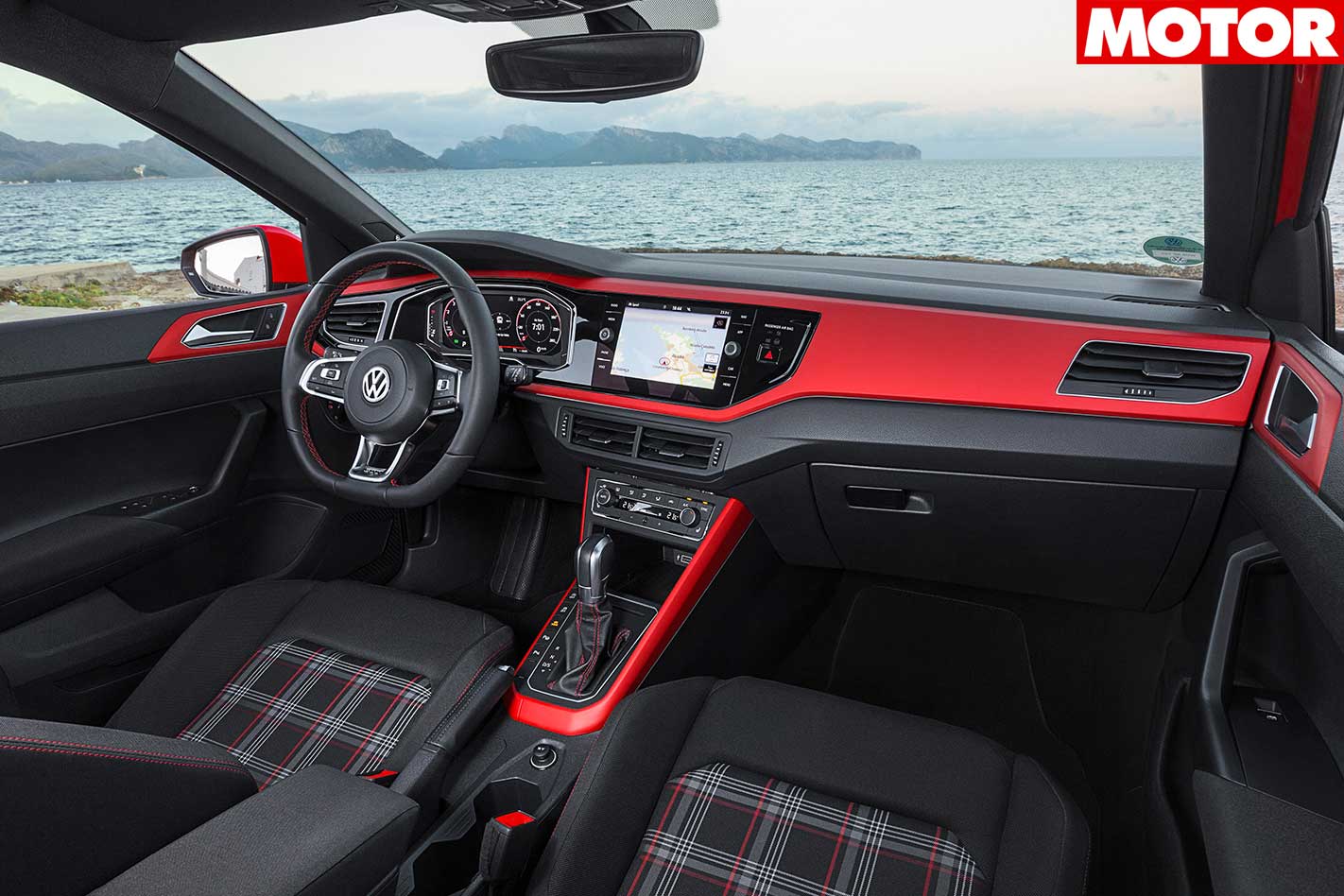
This essentially leaves the Swift Sport and Peugeot 208 GTi as the only ways to get into a manual mini hot hatch for less than $30K.
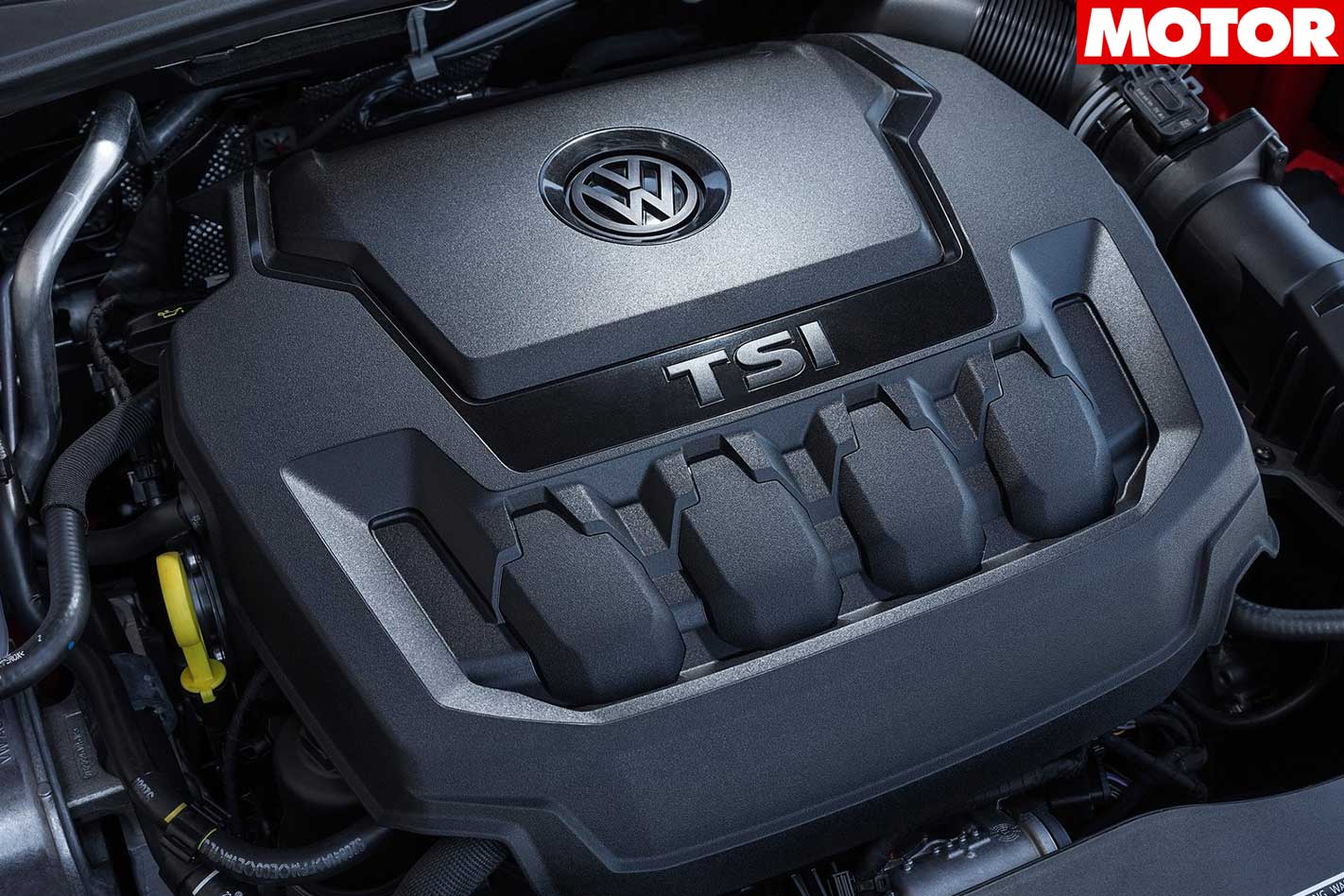
But it’s not all bad, the Polo GTI scores a few extra kiloWatts to bring things up to 147kW/320Nm, which VW Australia points out is as powerful and torquier than a Mk5 Golf GTI.
A driver assistance pack is available for $1400, which includes adaptive cruise control, blind spot monitor with rear traffic alert, park assist and ‘proactive occupant protection’ which tenses the seatbelts in situations where an impact is imminent.
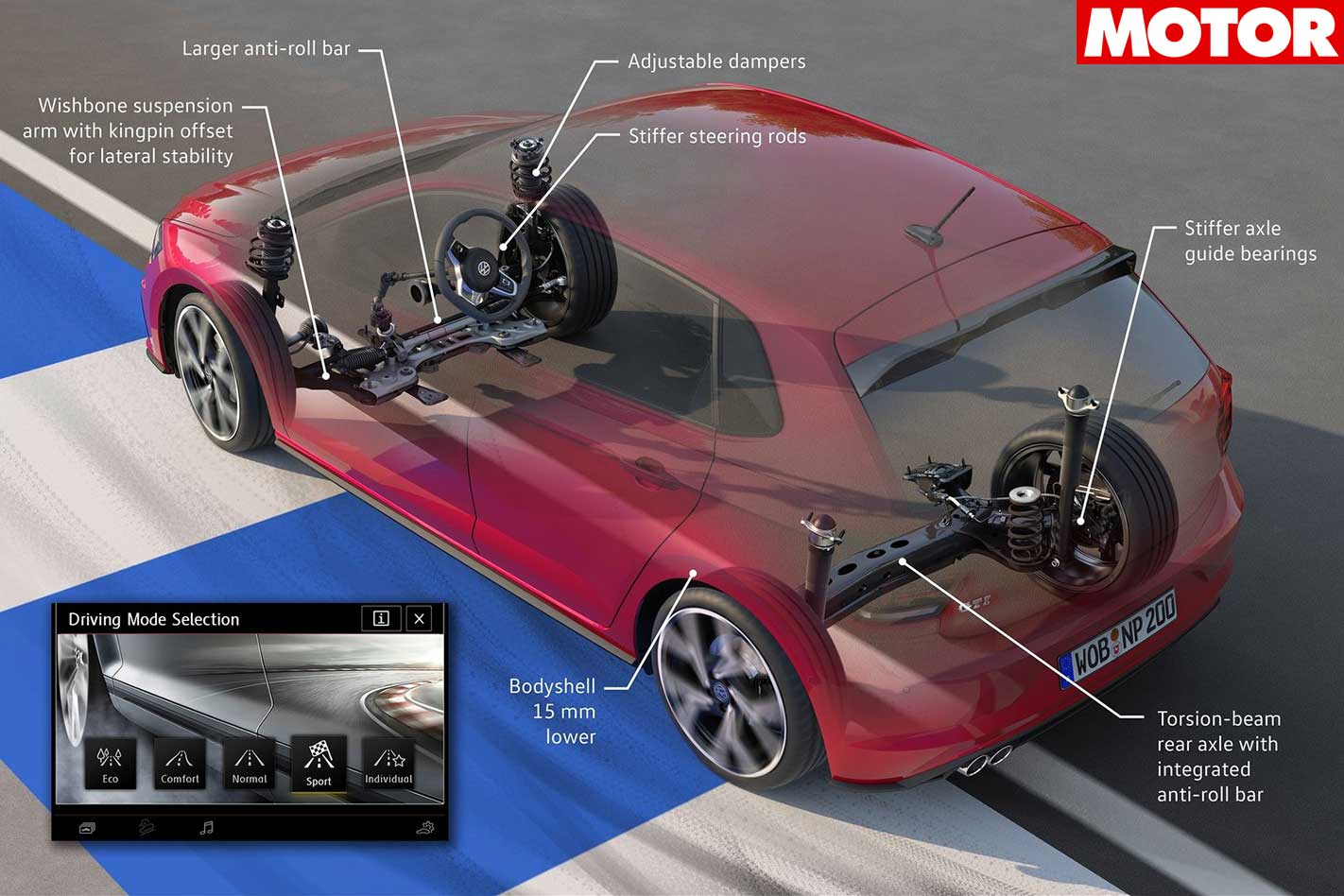
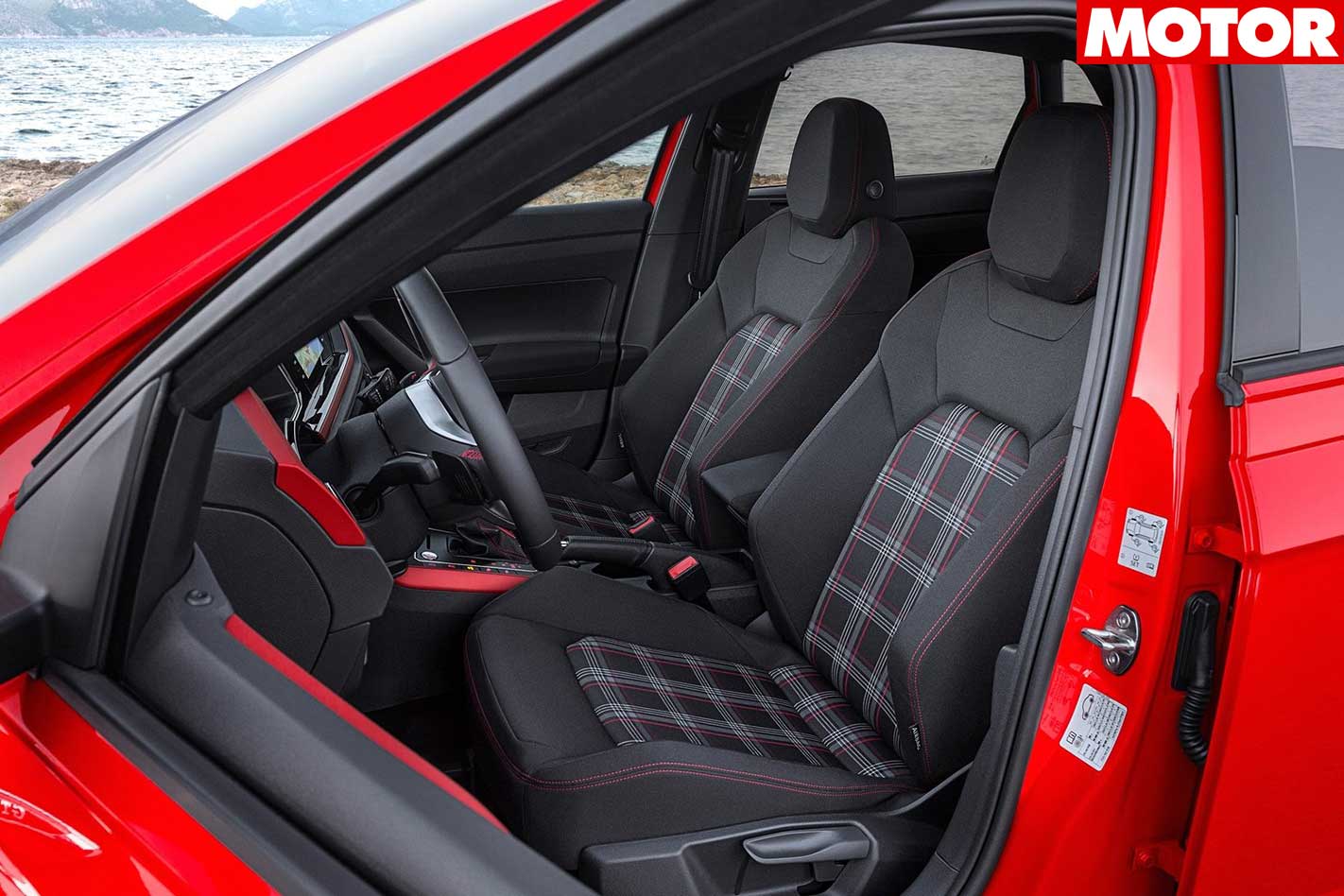
Lastly, the luxury pack costs $3900, and adds ‘Art Velour’ microfleece upholstery, heated front seats, LED headlights, 18-inch alloys rather than the 17s, and a panoramic sunroof.
“The verities that distinguish the Golf GTI and Golf R segue into this, the most potent Polo to date,” says Bartsch.
“The Polo 6 GTI is yet another of our hot hatches to embody the Volkswagen formula of doing everything well.”
The Polo GTI is available from August.
MERCEDES-AMG’s first hybrid model to carry the performance badge teams an electric motor with a new generation of straight six engines.
WHAT IS IT?
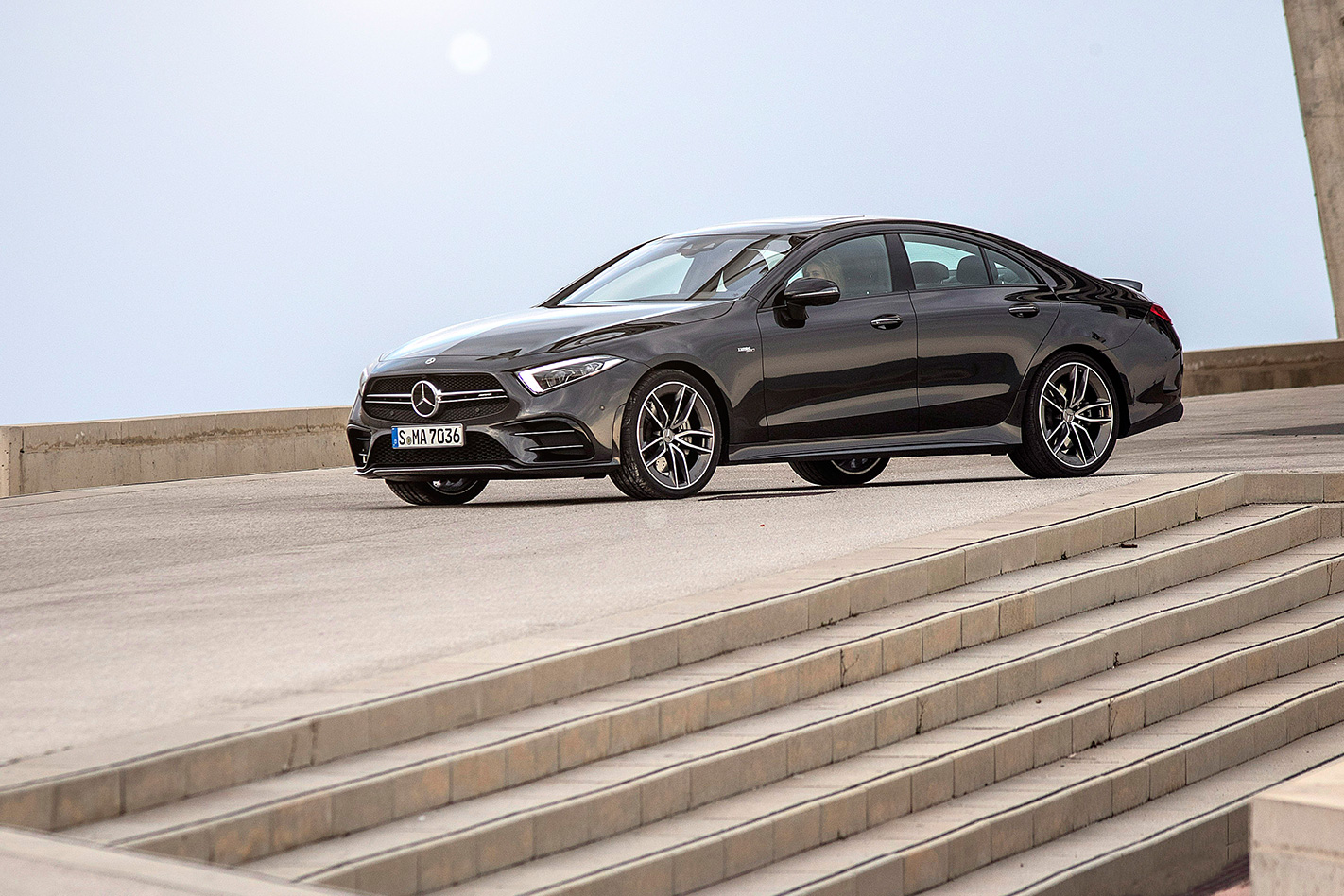
Described by one AMG representative as a ‘soft landing into the brand’, the Mercedes-AMG CLS53 is an aesthetically enhanced, coupe-like alternative to the more conventional E43 sedan, with a moderate, rather than ballistic, level of performance and a focus on technology. This third-gen model introduces a range of firsts for AMG, including an electrified drivetrain based around a fresh inline six-cylinder engine.
Australia has a stronghold as one of AMG’s most significant markets, and this is our first opportunity to sample the third-gen CLS and all that it brings to the table for the performance car brand. It’s a sign of things to come from Affalterbach’s looming inline six-cylinder vehicle range, and sets a tone for future Mercedes-Benz and AMG products in terms of design and technology.
MAIN RIVALS
Audi S7 Sportback, BMW 640i Gran Coupe
THE WHEELS VERDICT
If you only associate the AMG brand with raw, hard-edged V8 sedans and, to an extent, the absence of refinement, then the Mercedes-AMG CLS53 will be a surprise. It is a much more relaxed and sophisticated AMG than that. Affalterbach’s first electrified drivetrain is a success from a comfort and economy perspective, and delivers enough punch to pass as a performance engine in the context of this grand tourer. When the CLS53 arrives in Oz with AMG’s Performance exhaust, it should be even better.
THE WHEELS REVIEW
BACK in 2004 Mercedes-Benz released a trendsetting cat among unsuspecting pigeons. It was the first CLS, the original four-door coupe, and it became a prototype for followers such as the Audi A7 Sportback and BMW 6 Series Gran Coupe. Think style-driven fastbacks with price premiums on top of the three-box sedans that gave them their platforms.
Stuttgart’s niche CLS has never been a breakaway sales success, but Benz has used the exclusive E-Class alternative as an entry point for selected high-end technologies such as its Multibeam LED headlights. The just-launched, third-generation CLS presents a spread of firsts from the base model up, and is at its most innovative in flagship AMG guise.
The CLS53 is the debutant of an incoming range of 53-badged AMGs, all of which will feature Affalterbach’s first electrified powertrain based around a freshly developed 3.0-litre inline six-cylinder engine that produces 320kW and 520Nm without battery assistance. A large, traditional turbocharger feeds boost from mid-range onwards, while a small electric turbine fills in the gap from idle. Combined, the powertrain delivers a fulsome 520Nm thump of peak torque from 1800 to 5800rpm.
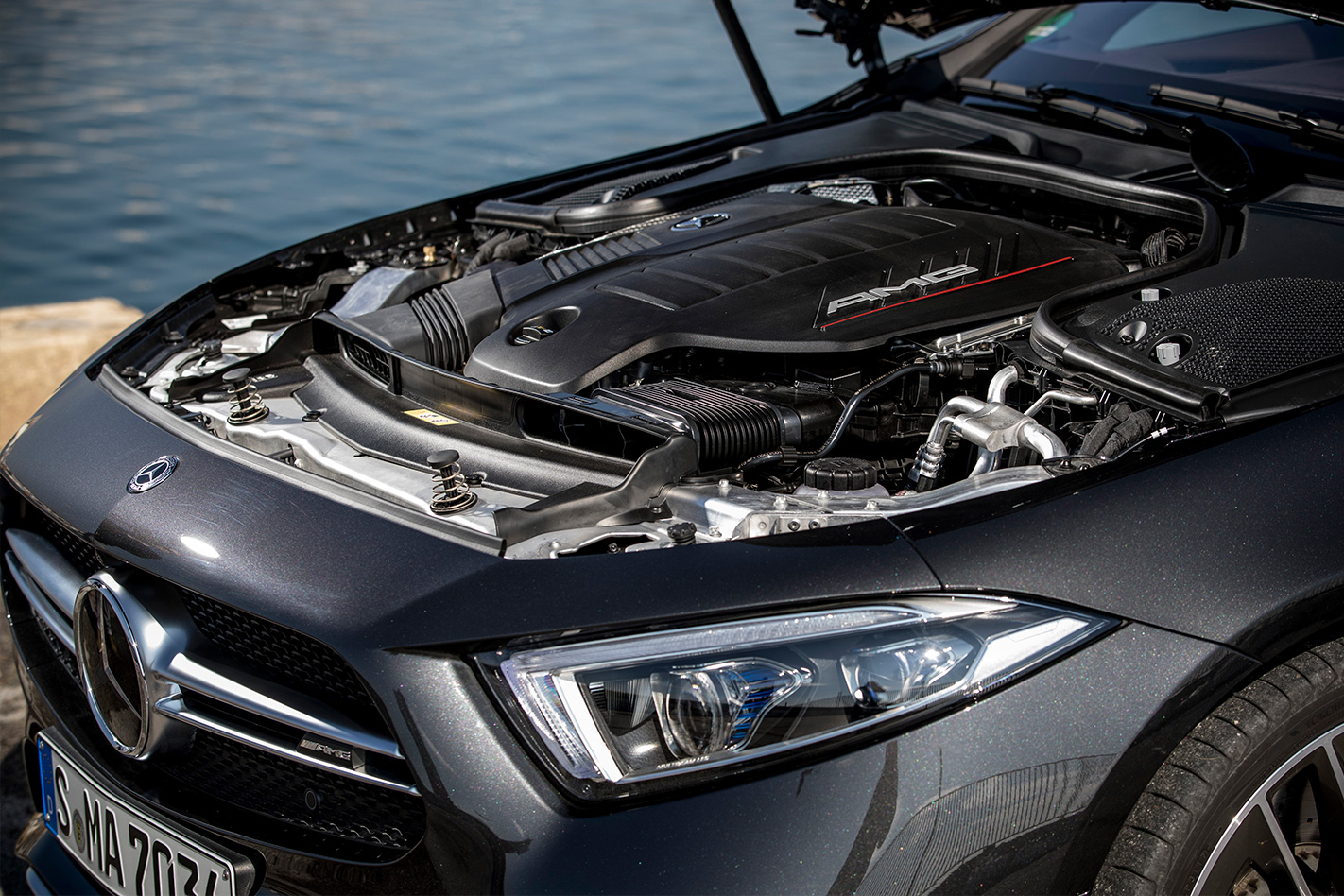
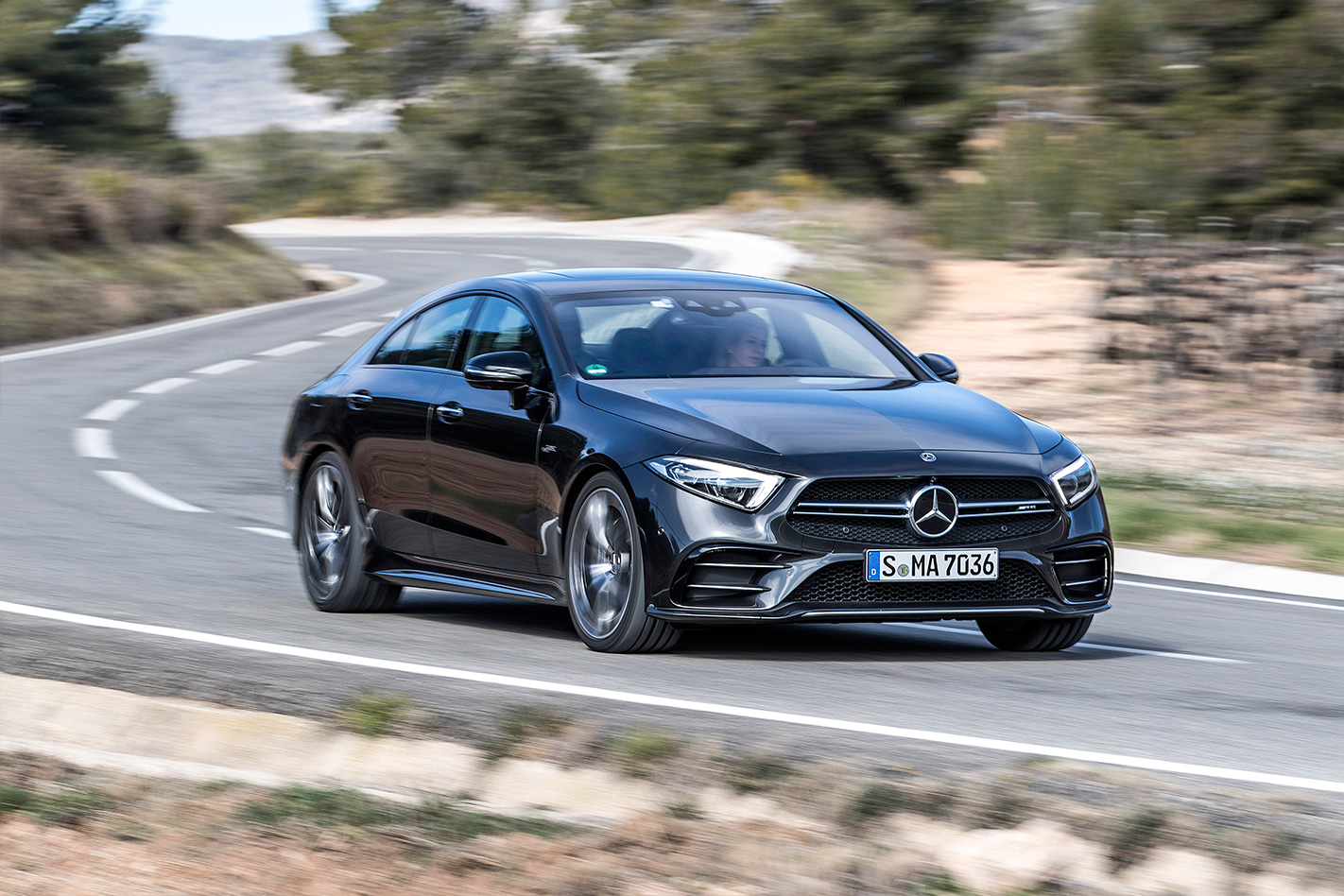
From a design perspective, CLS is the first Mercedes to enter the market with designer Gorden Wagener’s forward tilting, shark nose silhouette and triangular headlight design that will define the next A-Class, and others. The CLS’s body is longer, lower and wider than the E-Class it shares underpinnings with, and has a more pronounced bonnet extension after Wagener moved its A-pillars and windscreen backwards.
AMG has had a go once before at making a sporty handler out of this large, mid-range performance car in creating the E43. Both it and the CLS53 sit on an MRA foundation and identical 2939mm wheelbase, though AMG says nothing has been carried over in the evolution to CLS53. Adaptive air suspension is standard, but the 140kg heavier CLS gets different mounting points, revised bushings and unique calibrations for each of its drive modes.
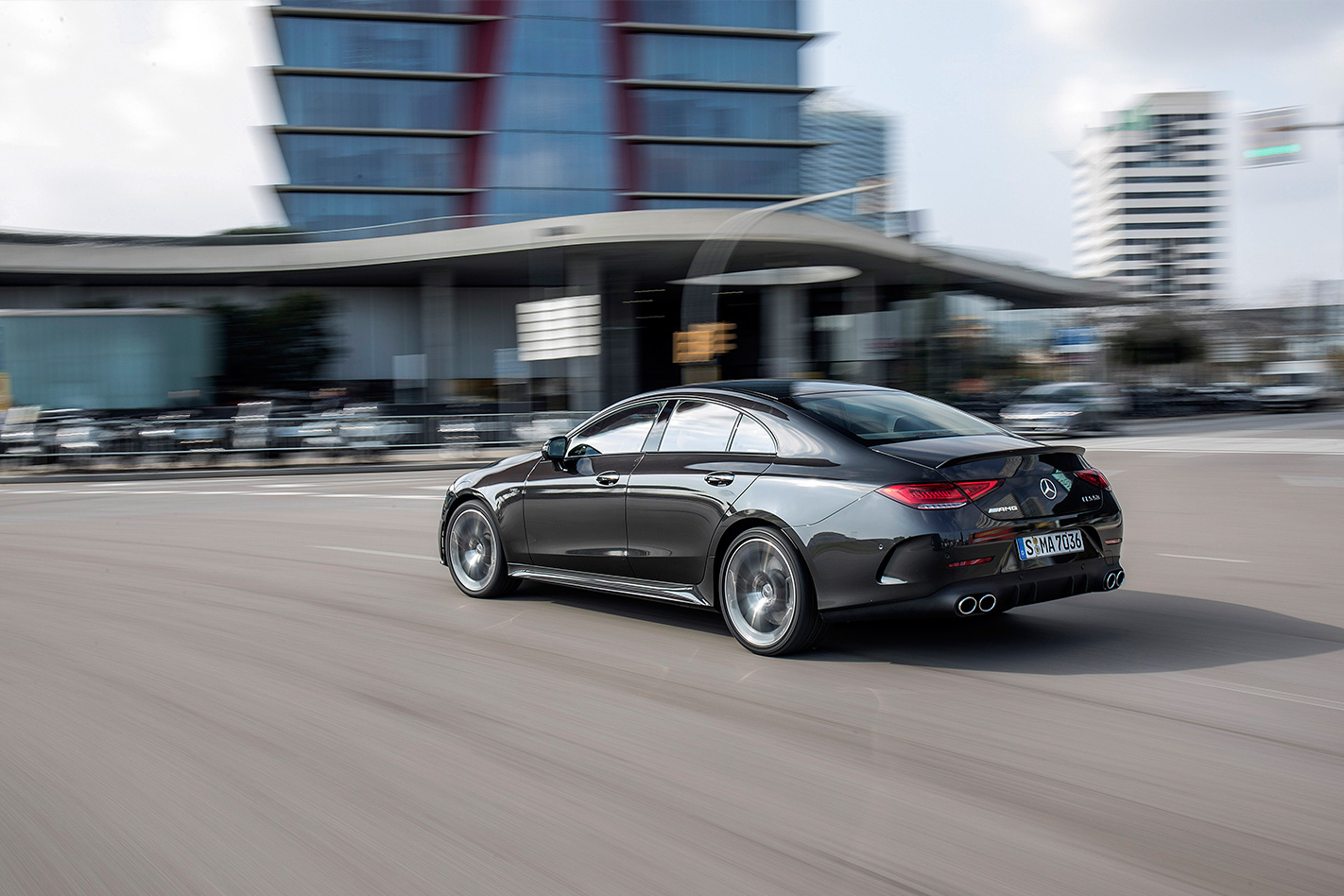
Back-to-back with a CLS450 powered by the same inline six, sans AMG’s electric compressor, the CLS53 revealed itself as a markedly more confident car when driven into corners quickly. It is a heavy machine, but better tyres (in this case Advans) make a significant difference to the 1905kg car’s willingness to turn in. The steering itself is crisp and more responsive with AMG’s fettled variable ratio tune, and the 53’s brakes are stronger and resist fade for longer, though everything is worked hard when pushing on.
Unlike lesser models, the CLS53 has variable all-wheel drive called 4Matic+, which can send up to 100 percent of torque to the rear wheels, and it does a fair impression of a rear-driver when encouraged. Power delivery, though, is a little different to expected. The smooth six and its twin turbines deliver big torque low down, but it takes a split second to build up rather than firing out of the blocks with the immediate shove of a plug-in hybrid or full EV drivetrain. Acceleration is rapid at 4.5sec to 100km/h, and it feels quick, but the advantage of EQ Boost will almost certainly be in the fuel figures rather than outright performance. Claimed economy is 8.7L/100km.
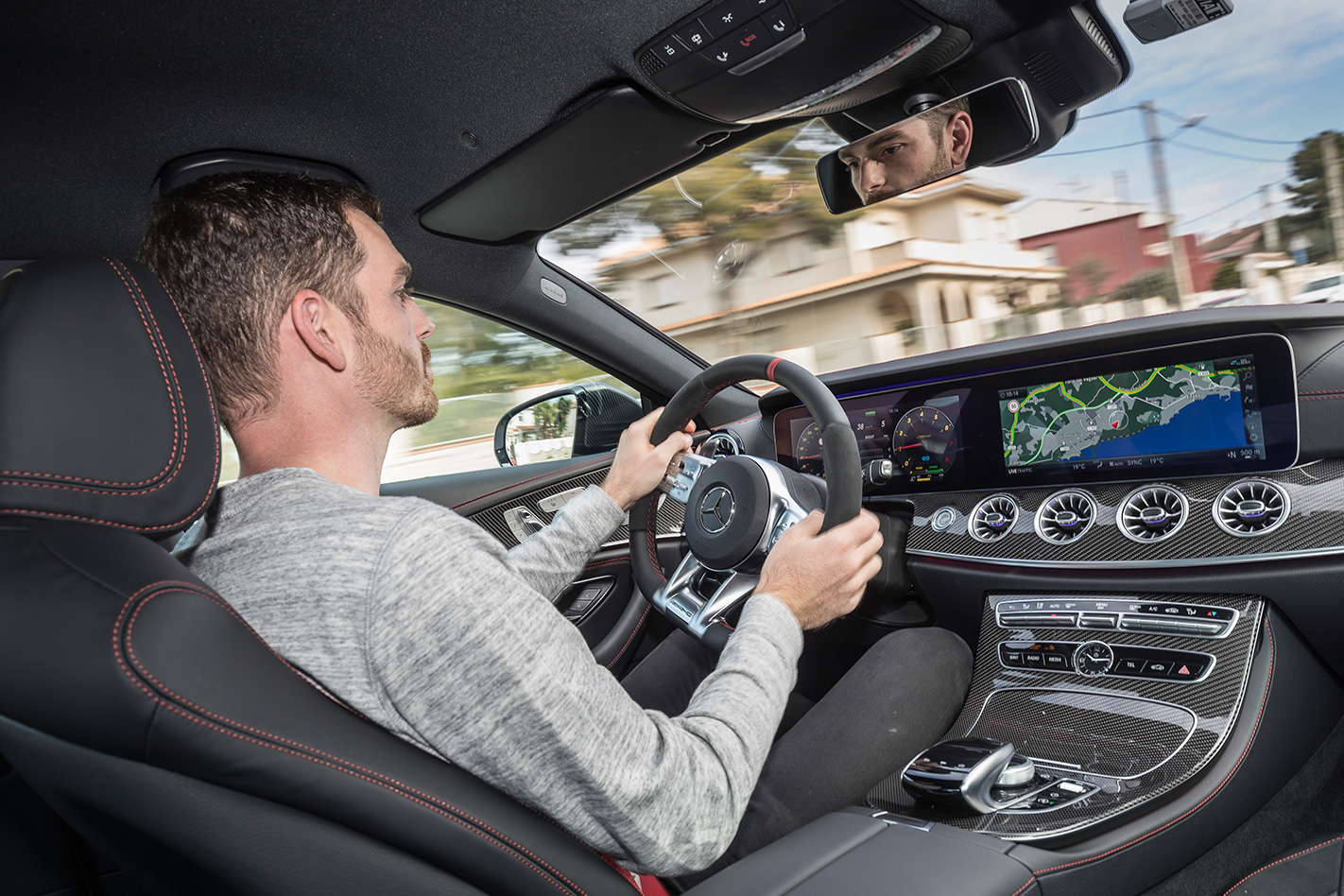
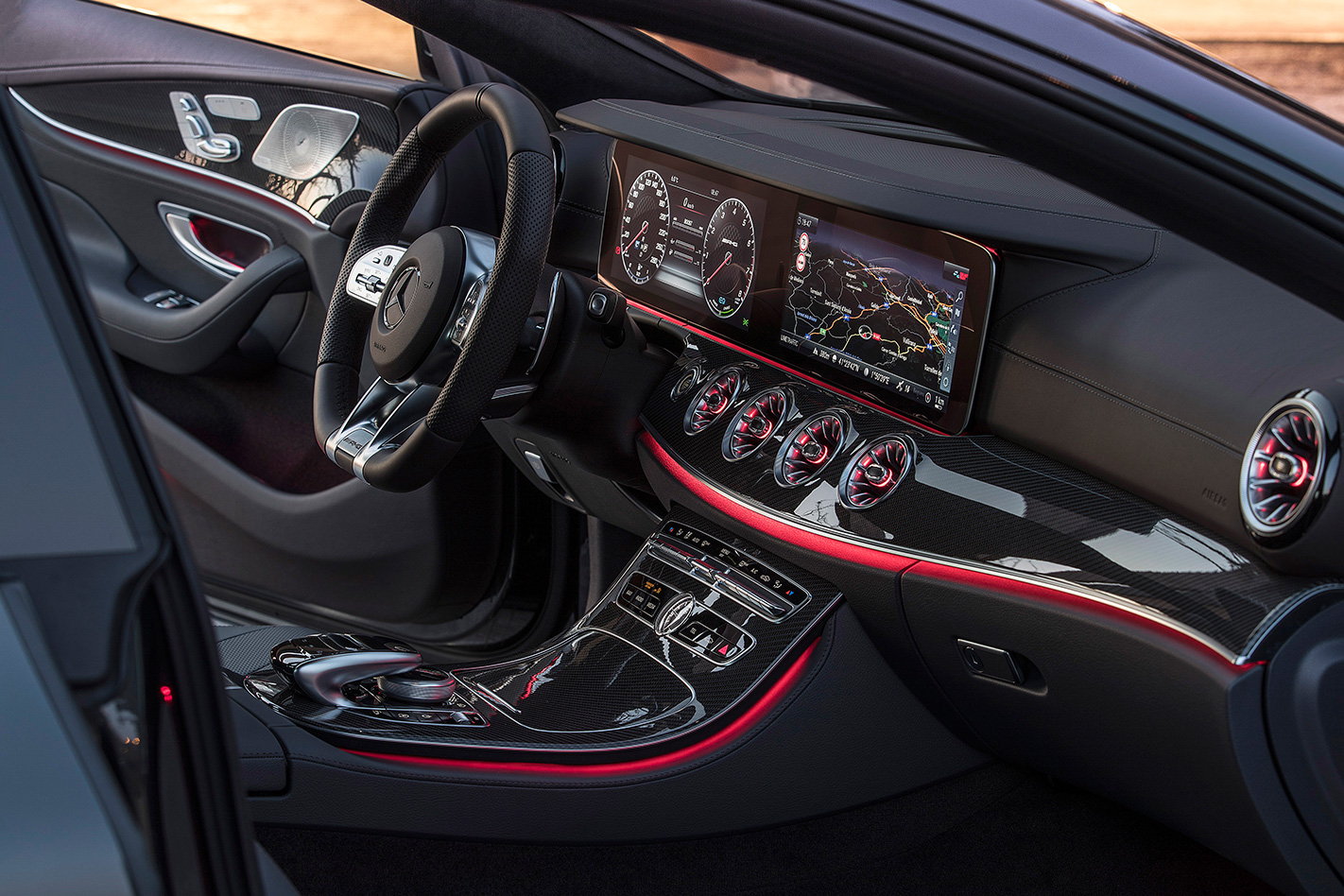
Those speakers are everywhere – including in the roof – in CLS53 models optioned with the premium Burmester stereo. Much of what makes the E-Class coupe so desirable inside features successfully in the CLS53, with a selection of original pieces such as the AMG Performance steering wheel and coloured LEDs illuminating the turbine air vents in what is set to become a Mercedes-Benz signature. Seats with active bolsters that move to support occupants during cornering will be standard in Oz. Elsewhere, red stitching, carbonfibre and Alcantara tick all the right AMG boxes.
Affalterbach has an interesting car on its hands. There is no CLS63 in the pipeline – that spot has been taken by AMG’s standalone GT 4-Door – so the measured CLS53 is it as far as a range flagship. It’s one of the most refined AMGs of recent times, and will give the brand something else to offer customers when it arrives in Oz late this year priced from $179,990. But who is it for? AMG says it’s not the customer looking for ultimate Nurburgring thrills. The CLS53 has to perform at a track day, but also double as a grand tourer. It’s a progressive AMG that brings electricity to the party, but there’s traditional Mercedes-Benz flavour lurking beneath this one’s designer suit.
Model: 2018 Mercedes-AMG CLS53 Engine: 2999cc inline six-cylinder, 24v, turbo, electric motor Max power: 320kW @ 6100rpm Max torque: 520Nm @ 1800-5800rpm Transmission: 9-speed automatic Kerb weight: 1905kg Fuel economy: 8.7L/100km (EU) 0-100km/h: 4.5sec (claimed) Price: $179,900 On sale: Q4 2018
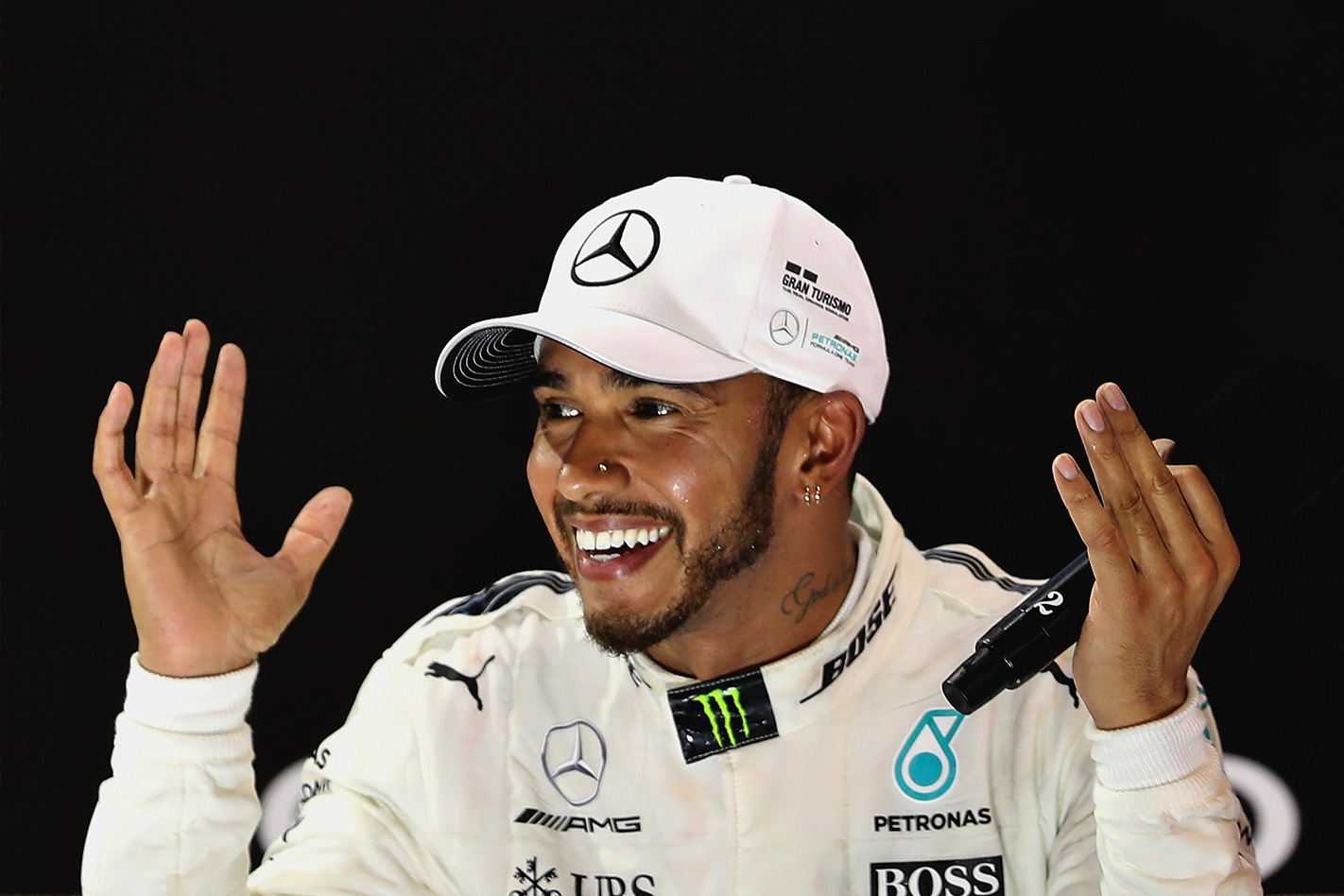
LEWIS Hamilton is reportedly on the verge of signing a contract that will guarantee his place at the Mercedes-AMG Formula 1 team to the end of the 2020 season, and earn him a place among the list of highest-paid sports stars.
The contract is rumoured to be worth £40 million, or $A72 million, a year. That is before taking into account personal sponsorship from the likes of Tommy Hilfiger – Hamilton became a spokesperson for the clothing brand earlier this year

This means Hamilton’s $72 million pay packet would be the largest base salary of any athlete in the world.
The New York Post said Hamilton’s current F1 contract was worth $A49 million a year, with the Briton earning an extra $A10 million through personal endorsements.
If Hamilton’s personal sponsorships remain unchanged, he will likely add $A82 million to his bank account in 2018. That’s more than $9000 an hour, every hour of every day.
The second-highest paid F1 driver is fellow four-time drivers’ champion winner Sebastian Vettel, who reportedly earned just less than $A50 million a year ($A49 million salary, $A648,000 sponsorships). Vettel’s contract with Ferrari also runs until 2020.
Australia’s Daniel Ricciardo reportedly brought home $A10.45 million in 2017, after claiming his fifth grand prix victory. Ricciardo’s current contract is rumoured to have a relatively humble base salary, with most of the West Australian’s income coming through performance-related bonuses.
Ricciardo is out of contract at the end of the year, and is one of the key players in this year’s F1 silly season.
Golfer Jason Day is Australia’s highest paid sports star, with an $A18.29 million paycheck, helped by a multimillion-dollar sponsorship with sports brand Nike.
Craig Lowndes is often touted as the highest-paid Supercars driver, with a speculated annual income of $2 million, with most coming via personal sponsorships and endorsements.
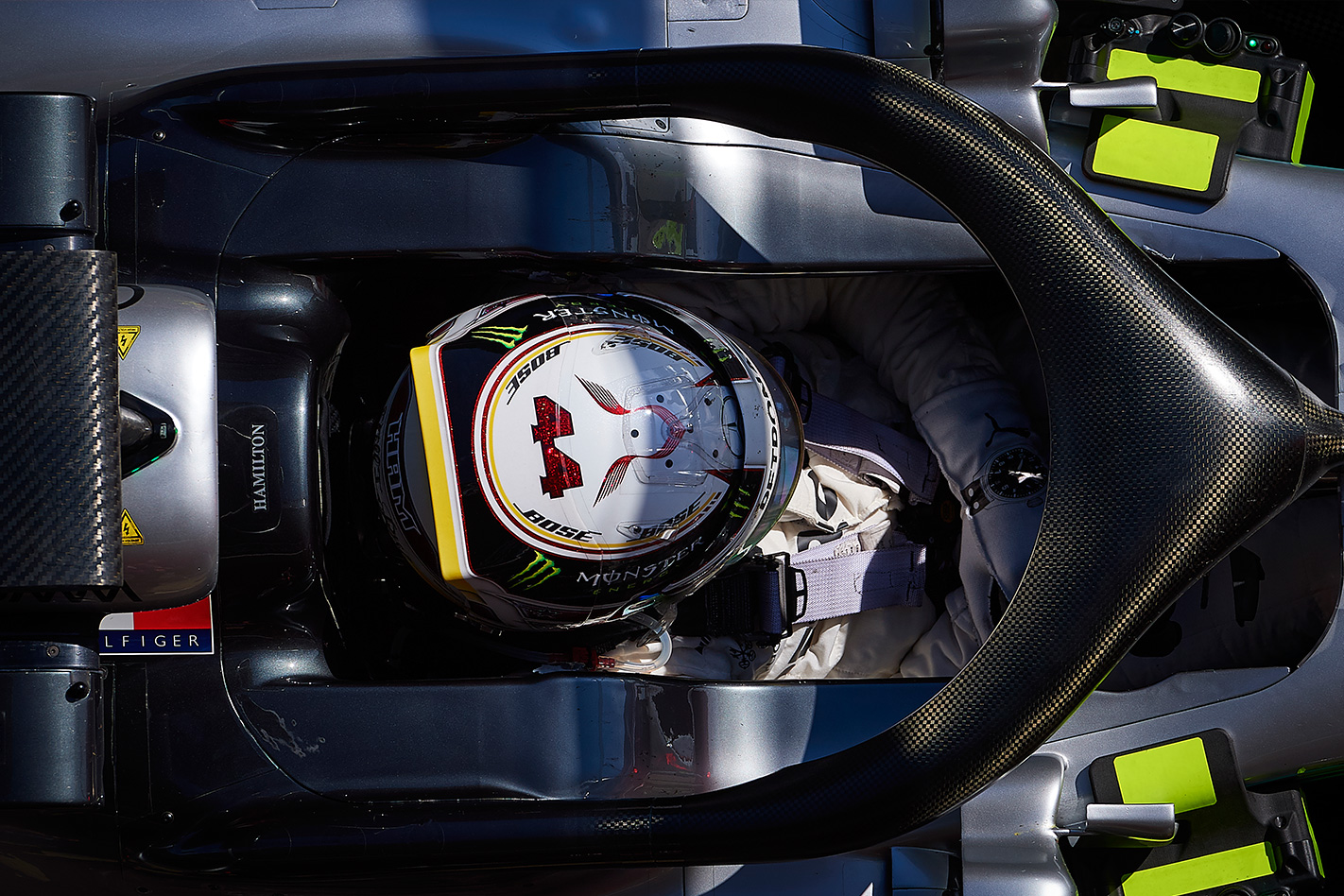
“It doesn’t feel like the start of the final chapter, and I don’t feel as though I am about to embark on my last contract,” Hamilton said. “I am not sure how I will feel in two or three years’ time but I am back here in March for my 12th season and I am so excited.
“I don’t know where it comes from – this feeling of just wanting to excel – but I really, really, more than anything currently in my life, want to excel next weekend.
“I want to arrive in Melbourne fit. I want to hit my target weight. I want to kill it through practice, get pole position and I want to win the race convincingly,” he said.
“I don’t know how long this feeling is going to last when I go into a new season, but as long as I am still feeling like this I will keep going.”
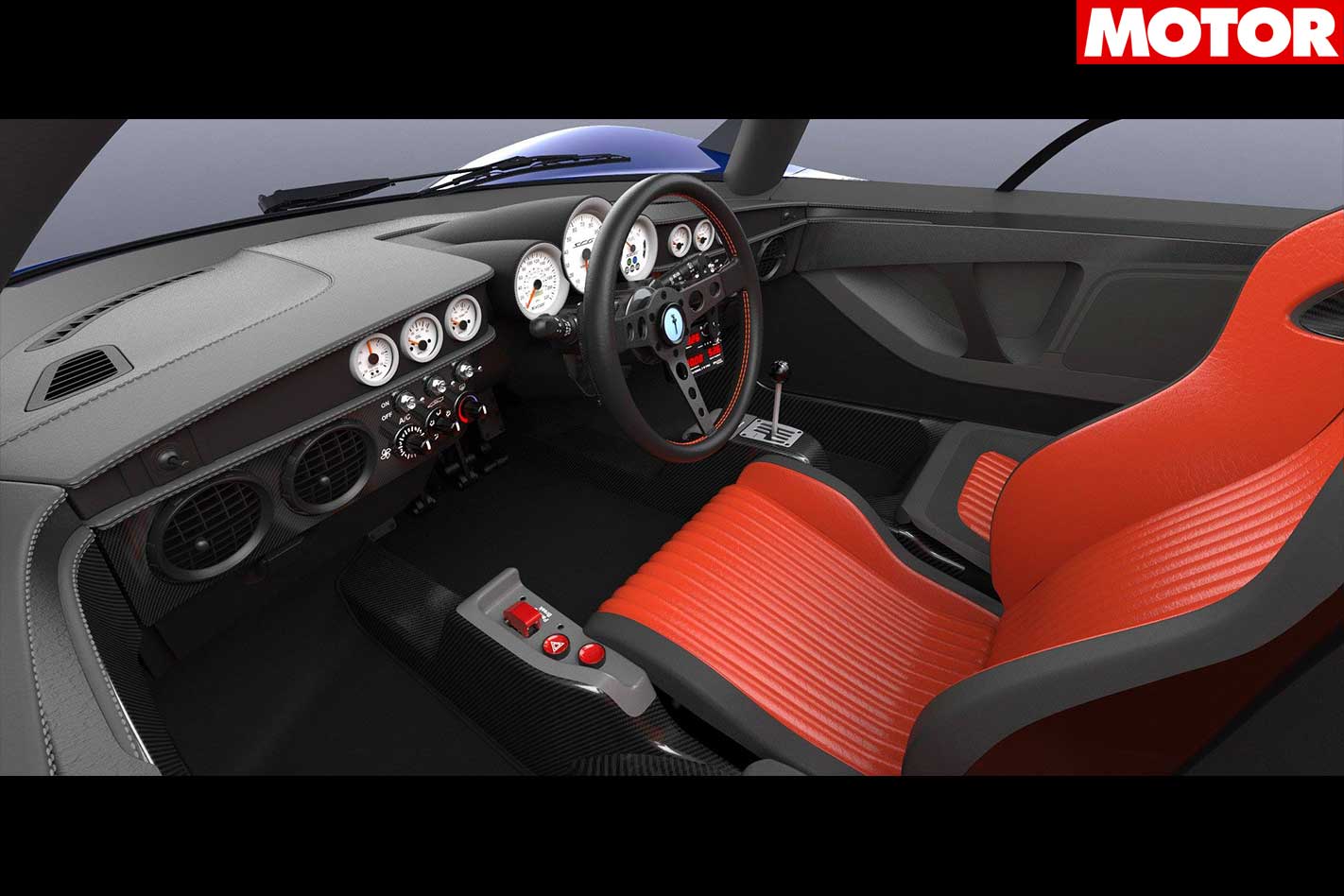
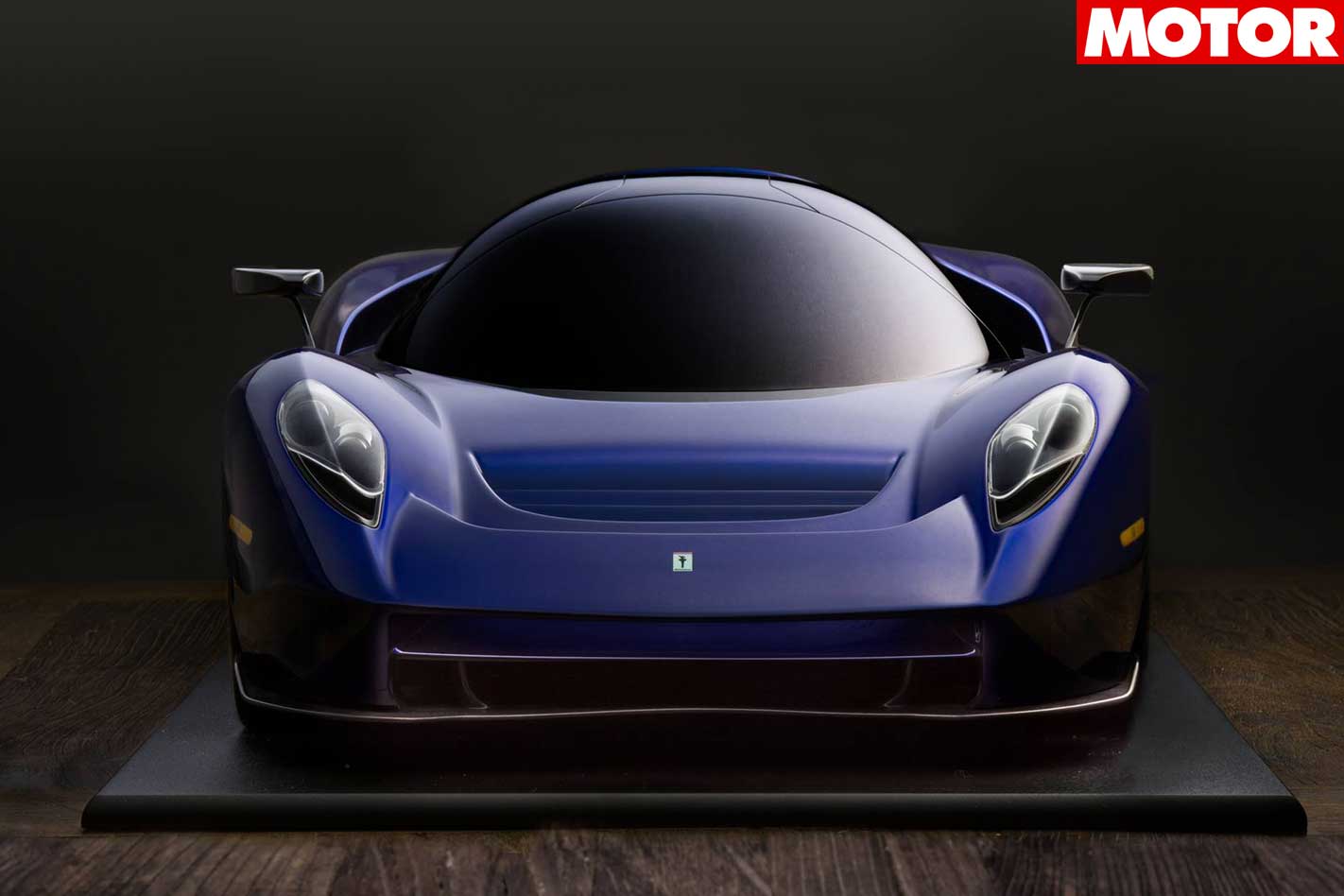
The next project to be realised by the US-based car maker Scuderia Cameron Glickenhaus is the SCG004S, which was originally to be a twin-turbo V8-powered supercar.
Now plans have changed, but mostly in the engine bay.
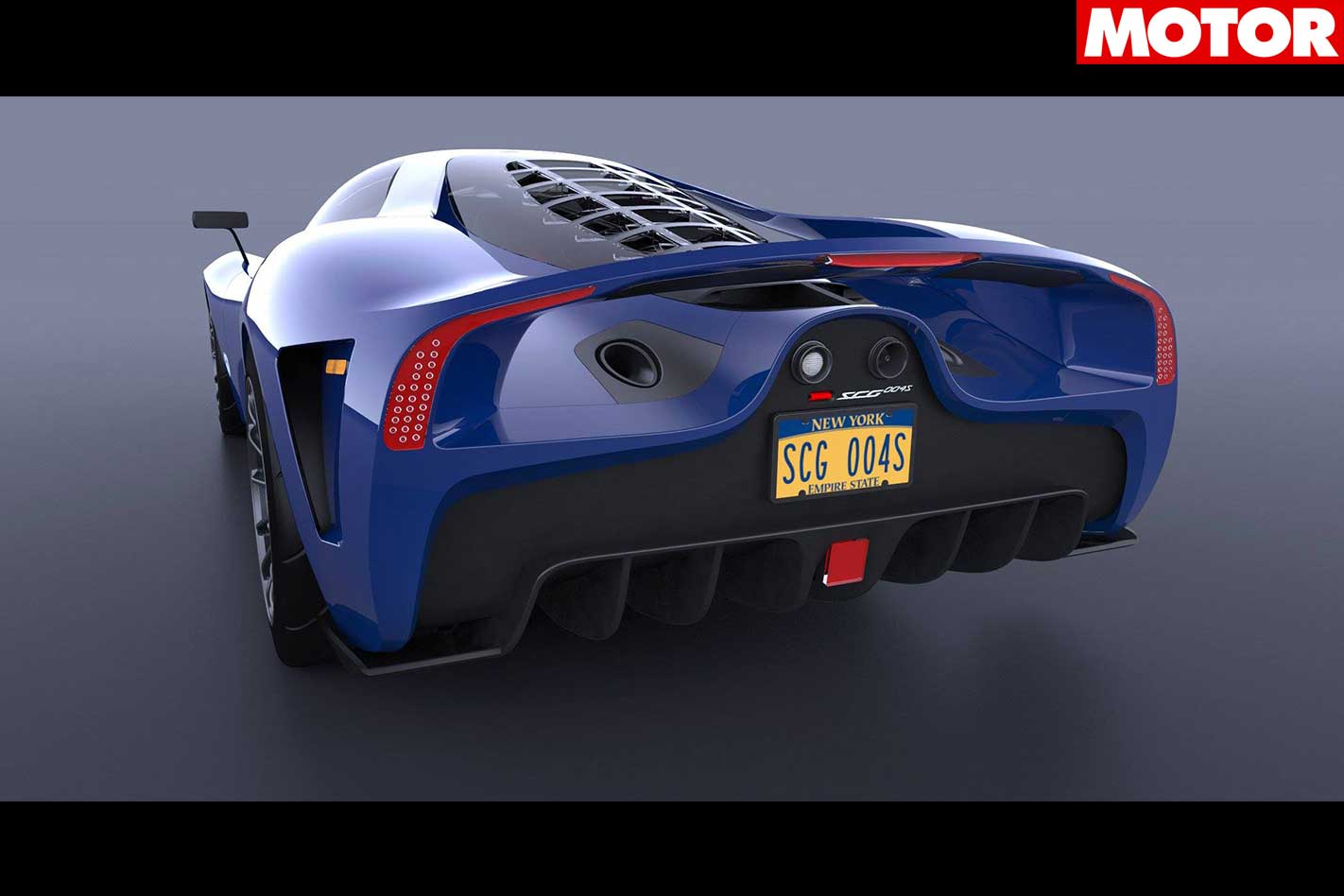
The company’s founder, film producer James Glickenhaus, told UK publication Autocar that the change had been decided upon because it would mean the engine was lighter, as well as being “practically bulletproof.”
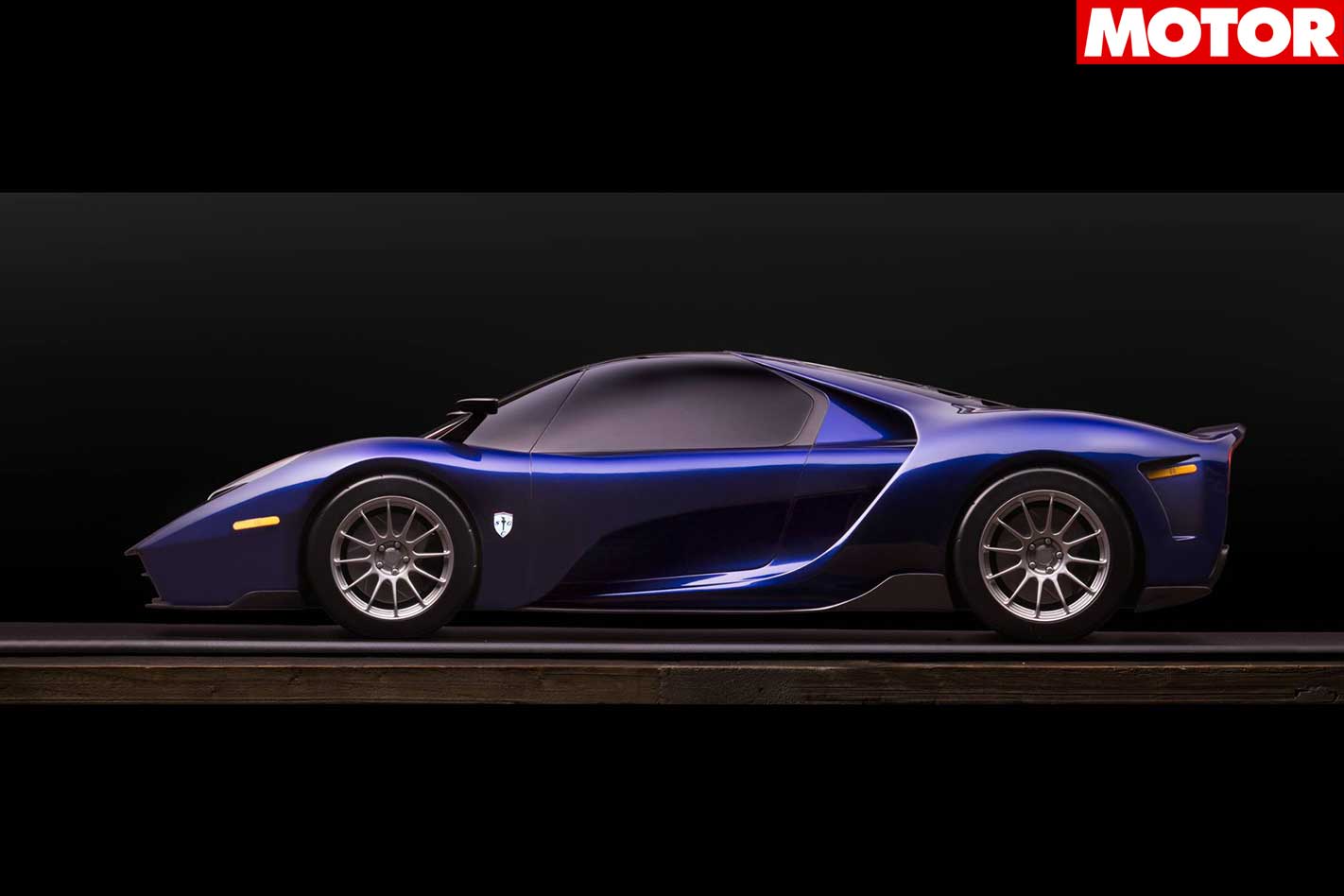
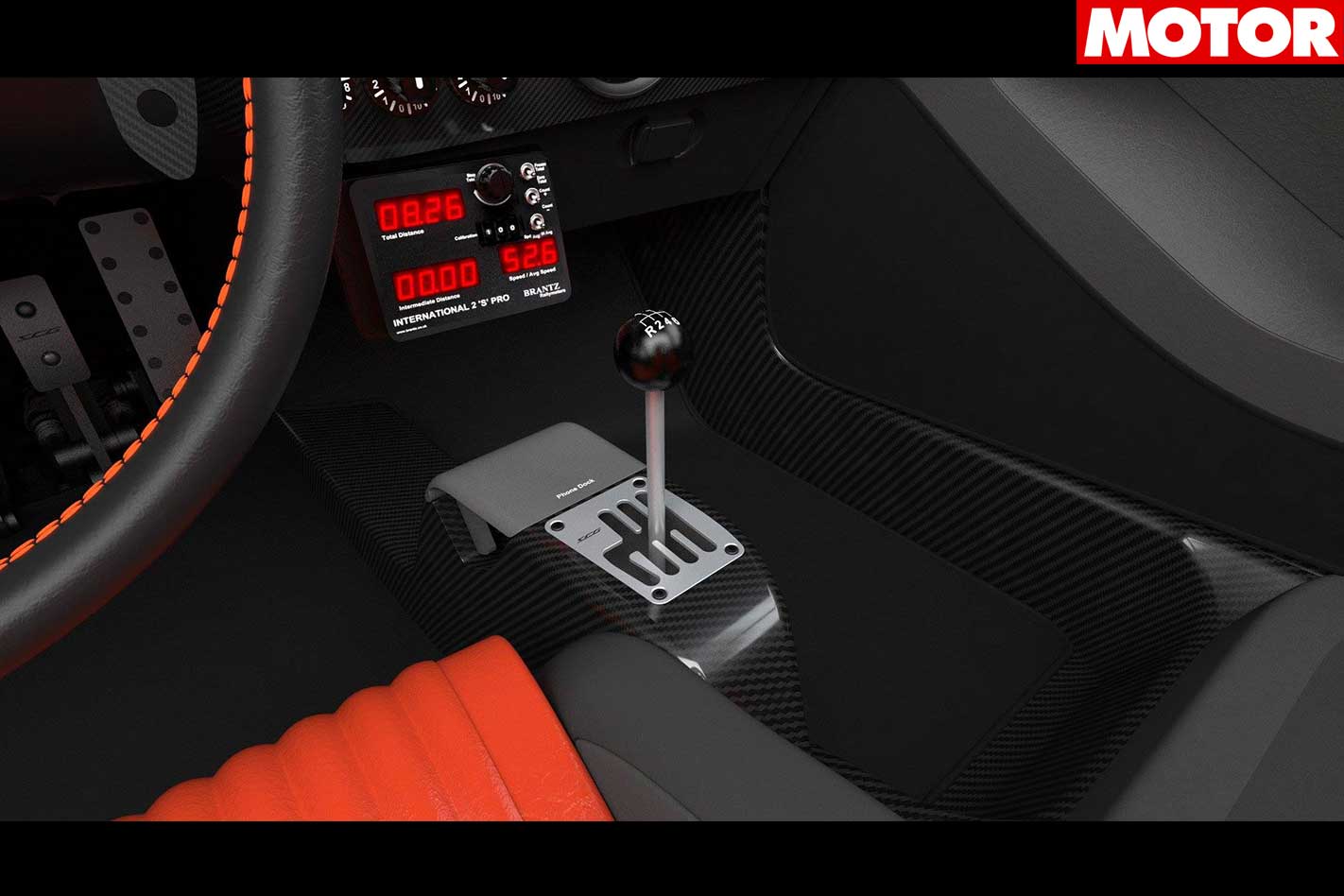
The car will retain its three-seated layout with the driver sitting in the middle McLaren F1-style, as with all of SCG’s cars,and will retain its 6-speed manual gearbox which was to feature in the V8 version.
Scuderia Cameron Glickenhaus also now has permission from the US Government to manufacture its vehicles in low production, meaning a maximum of 325 units can be built each year.
SCG will continue to race the SCG003C, which last year won the SP-X class and came 19th overall in the 24 Hours of Nürburgring.
Pricing for the SCG004S has previously been reported to be in the USD$400,000 (AUD$518,520) ballpark, which appears to still be the case.
THE current crop of autonomous cars are bad for the environment, a recent study into the technology from the University of Michigan has found.
The study, carried out by the university’s Centre for Sustainable Systems found the added weight and aerodynamic drag created by autonomous cars were “significant contributors to their lifetime energy use and greenhouse gas emissions”.
However, trade that off against all the fuel savings that an autonomous cars are expected to make, and over their lifetime the energy use and greenhouse gas emissions improve by around nine percent over conventional cars, it says.
“Our findings highlight the need to focus on energy efficiency when designing autonomous vehicles so that the full environmental benefits of this emerging, transformative technology can be realised,” the Ford-sponsored study’s co-author, Gregory Keoleian, said.
“We hope this work contributes to a more sustainable mobility ecosystem.”
The study takes into account the extra computing power that Level Four self-driving cars – the ones capable of operating without a driver behind the wheel in most circumstances – need to read the world around them, as well as the aerodynamic drag from all the sensors they need to mount up high to make a virtual map of the world around them.
Of note, though, the study found that the efficiency of autonomous electric vehicles far outshone their petrol-engined equivalents by up to 40 percent. This was largely put down to all the extra weight that the internal combustion engined versions of the cars had to move, dramatically sapping fuel efficiency.
In terms of added weight and energy use, the average scenario used in the study called out the 200 watt onboard computer system as the biggest contributor to greenhouse emissions, contributing to up to 45 percent of the vehicle’s weight, using 80 percent of the power, and contributing to 43 percent of the emissions.
Another significant drain was the wireless connection used to update the data needed for the mapping software to check where the vehicle was in the physical world.
“…If the onboard computers require a lot more power than the 200 watts modeled in this study, the net emissions reductions are eliminated,” the study noted. It also said the electronic sensors needed for autonomous cars had to shrink even smaller than today’s bulky components to gain the most environmental benefits.
