
What stands out?
The Ford Mondeo steers very nicely, rides very comfortably, and makes a superbly accomplished touring car. The mid-sized hatchback and wagon have roomy interiors and appealing entertainment features. You can have a powerful , turbocharged, petrol engine or a fuel-saving diesel. A sophisticated active safety suite includes auto braking.
What might bug me?
If you purchase a diesel Mondeo, negotiating stop-start traffic. Mondeo diesels use a dual-clutch automatic gearbox, and these cannot match the fluid, elastic take-off from rest that you experience in a conventional or CVT automatic. (Petrol Mondeos have a conventional auto.)
What body styles are there?
Five-door hatchback and five-door wagon. (The hatchback looks like a fastback sedan, but its boot lid hinges from above the rear window, like a hatchback’s. This body style is sometimes described as a liftback.)Mondeo Trend and Ambiente wagons use load-levelling suspension, which acts to prevent the rear of the car from sinking when you’re carrying a lot of stuff.The Ford Mondeo drives its front wheels, and it is classed as a medium car, lower priced.
What features do all Mondeos have?
Dual-zone climate control, which lets you set different temperatures for each side of the cabin.Cruise control, with a speed limiter. Paddle shifters and leather on the steering wheel.Long-lasting LED tail lights. Front foglights, and daytime running lights.Ford’s SYNC3 multimedia system, with an 8.0-inch colour touchscreen, a digital radio, satellite navigation, voice control, and Bluetooth for phone calls and audio streaming. Inputs for USB, RCA, and SD cards. Support for Apple CarPlay and Android Auto, which allow you to display some apps from compatible smartphones on the touchscreen and control them from there.A reversing camera, and parking sensors front and rear. (The sensors give you an audible indication of how far the bumpers are from obstacles.)Wheels made from an alloy of aluminium, which are usually lighter and better looking than the traditional steel wheels with plastic covers. A full-sized spare wheel and tyre.Electronic stability control, which can help you control a skidding car. All new cars must have this feature.Seven airbags: two directly in front of the driver and front passenger; one alongside each front occupant to protect the upper body; a curtain airbag down each side protecting the heads of front and rear occupants; and a knee protection airbag for the driver.Every Ford Mondeo carries a three-year, 100,000 kilometre warranty.
Which engine uses least fuel, and why wouldn’t I choose it?
The 2.0-litre four-cylinder turbo-diesel in TDCi Mondeos uses least fuel, consuming no more than 5.3L/100km on the official test (city and country combined). This engine accelerates the car effortlessly from low speeds.The diesel uses stop-start technology to save fuel in the city. It shuts down automatically when you stop, and starts again when you press the accelerator to drive away.One reason you might not choose a diesel is that it is not suited to predominantly short trips around town. Mondeo diesels use an exhaust particulate filter as part of the emissions control system, and they need regular highway runs to keep the filter clean.Another is that both of the 2.0-litre four-cylinder turbo petrol engines feel smoother than the diesel, sound nicer, and cost less. Mondeos with petrol engines also feel nearly as effortless when you first press the accelerator, while sustaining more go than the diesels should you hold your foot down.Neither petrol engine consumes more than 8.5 litres/100km on the test cycle. The less powerful of them comes with the least costly Mondeo, the Ambiente Hatch, and uses only slightly less. The more powerful powers the Trend and Titanium, and generates about 20 per cent more oomph.However, in real world use if you enjoy their considerable thrust, the turbo petrols get a bit thirsty. A Mondeo Titanium turbo petrol averaged 11.2 litres/100km over a Wheels magazine comparison test of 10 popular sedans, only marginally less than a Holden Commodore SV6.Every Ford Mondeo has a six-speed automatic gearbox. The petrol fuelled cars get a conventional auto, while diesels use a dual-clutch auto. (The petrol autos will feel smoother and easier in stop-start traffic, while the dual-clutch autos offer quicker gear shifts).
What key features do I get if I spend more?
Step past the Mondeo Ambiente and spend more for a Trend and you get the more powerful of the petrol engines (or the same diesel). You also get a bunch of extra equipment.Seats in a Trend are trimmed partly in leather, and both front seats are heated and power-adjustable – with the adjustment extending to support for your lower back. The driver’s seat also remembers your adjustments (so that you can restore your preferred settings easily after a companion has driven the car).There is a smart key, which lets you unlock and start the car without removing the key from your bag or pocket. Puddle lamps illuminate the ground under the doors.Windscreen wipers operate automatically when it rains. Headlights come on automatically when it’s dark, and switch from high to low beam when they sense oncoming traffic.Wheel diameter grows an inch to 18 inches, and the tyre sidewalls shrink correspondingly. That sharpens steering response marginally and helps the car look faster, an effect augmented by twin exhaust tailpipes.Adaptive cruise control maintains a safe distance from vehicles ahead of you on the highway.Active safety aids introduced on the Mondeo Trend include city-speed automatic emergency braking (with pedestrian detection), lane departure warning, lane-keep assist, and a driver fatigue alert. (For more on these systems, please open the Safety section below.)Spend more again on a Mondeo Titanium and you get, in addition, adaptive suspension, which lets you adjust the way the car rides – from firmly (for best handling) to relatively softly (for best comfort). Wheels are an inch bigger again at 19 inches, and body skirts produce a racier shape. Extra bright, long-lasting LED headlights swivel to illuminate the road when you’re driving around bends.There is full leather trim, and the front and rear seats are heated. Power adjustment for the driver extends to the height and reach of the steering wheel. There is a sunroof, and the tailgate is power-operated.A blind spot alert warns when changing lanes that a vehicle is alongside your Mondeo Titanium. Active park assist can steer the car into parking spaces.
Does any upgrade have a down side?
While all Mondeos ride very comfortably, the smoothest ride comes in the least expensive of them, the Mondeo Ambient. Trends and Titaniums are not quite as good at city speeds, although there is not a lot in it. The lower profile tyres on these cars have less rubber and air cushioning the wheels from the road. Titaniums have the lowest tyre profile of the three, but their adaptive suspension compensates to some extent.In a Mondeo Ambient wagon, you can choose a petrol engine or a diesel. In Trend and Titanium wagons, your only choice is the diesel – which means you also get the dual-clutch transmission. The front body skirt on Mondeo Titaniums may scrape when entering very steep driveways.Of eight colours available, only one, Frozen White, comes without extra cost. The others add about $450.
How comfortable is the Mondeo?
The Ford Mondeo is perhaps the most comfortable of all lower-priced medium sedans – indeed, it rides at least as smoothly as many bigger luxury cars. It is also quiet, and makes a supremely accomplished long-distance touring car.Your driving position is easily tailored – especially in versions with powered seat adjustment – and the front seats are very comfortable for long periods. The rear seat offers excellent space and support.Above 60km/h, the slight low-speed ride sharpness of the Titanium is no longer perceptible, and its adaptive dampers add an extra layer of polish to the way the car soaks up road imperfections.The Mondeo’s interior plastics do not reach the very high standard set by the car in most other respects. However, the cabin is nicely designed, with a high level of features. Audio, air-conditioning and other controls are neatly and intuitively arranged.
What about safety in a Ford Mondeo?
Even the least costly Mondeo, the Ambiente, brings you stability control, seven airbags, a reversing camera, and front and rear parking sensors.All Mondeos also have inflating rear outer seatbelts, said to spread the load from a collision across five-times the body area used by a normal seatbelt.And all have Ford’s MyKey, which allows you to limit certain car properties – such as top speed and sound-system volume – before lending the car to others. (For example, to your newly licensed teenager.)Active safety in a Mondeo takes a dramatic step up in the Trend, and a further small step in the Titanium.Both have automatic emergency braking that works at speeds below 40km/h, under the title Pre-Collision Assist with Pedestrian Detection. It warns you of obstacles in front of the car, and applies the brakes autonomously if you do not react. The obstacle typically will be a slower vehicle, but the radar-and-camera based system also monitors pedestrians on either side of the road.A related system warns that you are drifting distractedly into an adjacent lane, and will gently apply corrective steering if you do not respond smartly. A driver impairment monitor alerts you if it detects signs that you are falling asleep.The Mondeo Titanium adds to this a blind-spot monitor, which flashes a light at one corner of the exterior mirror if another vehicle is out of view alongside you.The Australasian New Car Assessment Program (ANCAP) awarded the Ford Mondeo its maximum five stars for safety, in March 2015.
I like driving – will I enjoy this car?
The Ford Mondeo is a brilliant drive – you will love it. As well as being a comfortable and refined family touring car, the Mondeo is built to please the person behind the wheel.The Mondeo’s steering is smooth and linear in its response, and gives you a reassuring and rewarding sense of connection with the front wheels and the road.On a country drive, the Mondeo’s wonderfully well-judged blend of handling with comfort allows it to involve you without being demanding or tiring.In city driving, precise steering helps it feel smaller than it is.In its Sport mode, the Mondeo Titanium responds more immediately and precisely to your steering than Trend and Ambiente versions, thanks to lower profile tyres and the adaptive suspension’s superior control of body movement.Enthusiastic drivers will prefer the petrol engines over the diesel for their extra power, smoother delivery and broader operating range. However, the diesel’s effortless low-speed urge brings you very relaxing (and fuel-efficient) cruising.There is no manual gearbox option in the Mondeo, but paddle shifters put you in command of gear selection for sporty driving, which adds to the fun.
How is life in the rear seats?
The sculpted rear seat in Mondeos offers excellent support under the thighs and during brisk cornering. The backrest angle is just right, and because the Mondeo is a generously sized, well-packaged medium car, there is ample head, shoulder and foot room. Forward vision is good.Trend and Titanium versions offer a fold-down centre rear armrest, and dedicated air-conditioning vents for rear passengers.
How is it for carrying stuff?
The Mondeo has a huge cargo area. The hatchback, at 458 litres, has almost as much cargo space as the wagon if you load them to the parcel shelf, although there is a bigger difference when they’re laden to the roof.A ski port allows long, skinny items to protrude forward from the cargo area, and the backrests split-fold 60-40.With the rear seats folded flat, the hatchback can swallow 1356 litres of luggage and the wagon 1585 litres.The wagon has a large and easily loaded tailgate aperture. On Mondeo Titaniums, a power operated tailgate adds convenience.Mondeo Trend and Ambiente wagons use load-levelling suspension, which acts to preserve the flat stance of a lightly laden car when you are carrying a lot of cargo, or towing.The hatchback is just as easy to load as the wagon, meaning it is easier than most sedans.
Where does Ford make the Mondeo?
The Ford Mondeo is made in Spain.
What might I miss that similar cars have?
A higher standard of finish inside. The interior trim of Mondeos is okay, but the plastic parts are not as nice as those in a Volkswagen Passat, for example.A more generous warranty, such as that of the Hyundai Sonata (five years), or the Kia Optima (seven years).Another car worth considering is the Mazda6, which arguably has a smoother and more satisfying turbo-diesel engine. The Mazda is almost as enjoyable in the corners, and rides nearly as comfortably as the Ford.Among other medium cars you might consider are the new Holden Commodore, Toyota Camry and the Subaru Liberty.
I like this car, but I can’t choose which version. Can you help?
Our reviewers recommend the Mondeo Trend, in either petrol or diesel form. It strikes a terrific balance of value, comfort and safety, and the interior finish is a good fit with the price point.The petrol engine is a nicer engine than the diesel, but it also uses more fuel. The easy-going diesel is very economical.
Are there plans to update the Mondeo soon?
The current MD series Ford Mondeo arrived in 2015. From about September 2016 Ford’s superior SYNC3 device connectivity suite replaced SYNC2, and brought support for smartphone mirroring via Apple CarPlay and Android Auto. About May 2017 Ford increased wheelrim diameters an inch at each trim level (except for the Ambiente wagon, which was already on 17s). Expect a mid-life-update by 2020.
Let me start by saying this yarn is absolutely, 100 per cent, dead-set, honest-injun, swear-on-a-stack-of-bibles true. It has to be, because you just couldn’t make it up.
A mate of mine of several years, whose name shall remain Andy, is a bit of a gear-head. Always has been, even long before I knew him (as in, don’t blame me). And back in those dim days (as in, before I knew him) Andy finally got rid of the succession of wheezy, four-cylinder dungers that his fiscal circumstances had forced upon him, and lashed out on a proper car.
We’re talking an XE Falcon, complete with a rear louvre (remember them?), alloy wheels and a set of those too-cool factory driving lights. Okay, so it had the smaller of the available six-cylinder engines, the 3.3-litre version (not even Andy’s old man could afford an XE V8 back then) but the manual gearbox made up for that.

Anyway, Andy drove that XE like any kid would back in the late ’80s, meaning that, after about two years of being flogged mercilessly, the thing needed a bit of a birthday. The tyres were bald from too many skids, the speakers had all blown up from having Status Quo blasted through them at anvil-factory volume levels and the gearbox was making some pretty crunchy noises from too many muffed race shifts.
The speakers were an easy fix and Andy got a new set of Bob Jane All-Rounders for his birthday. Two problems fixed right there. But the gearbox? That was a different matter and one that was going to involve a fair bit of money changing hands.
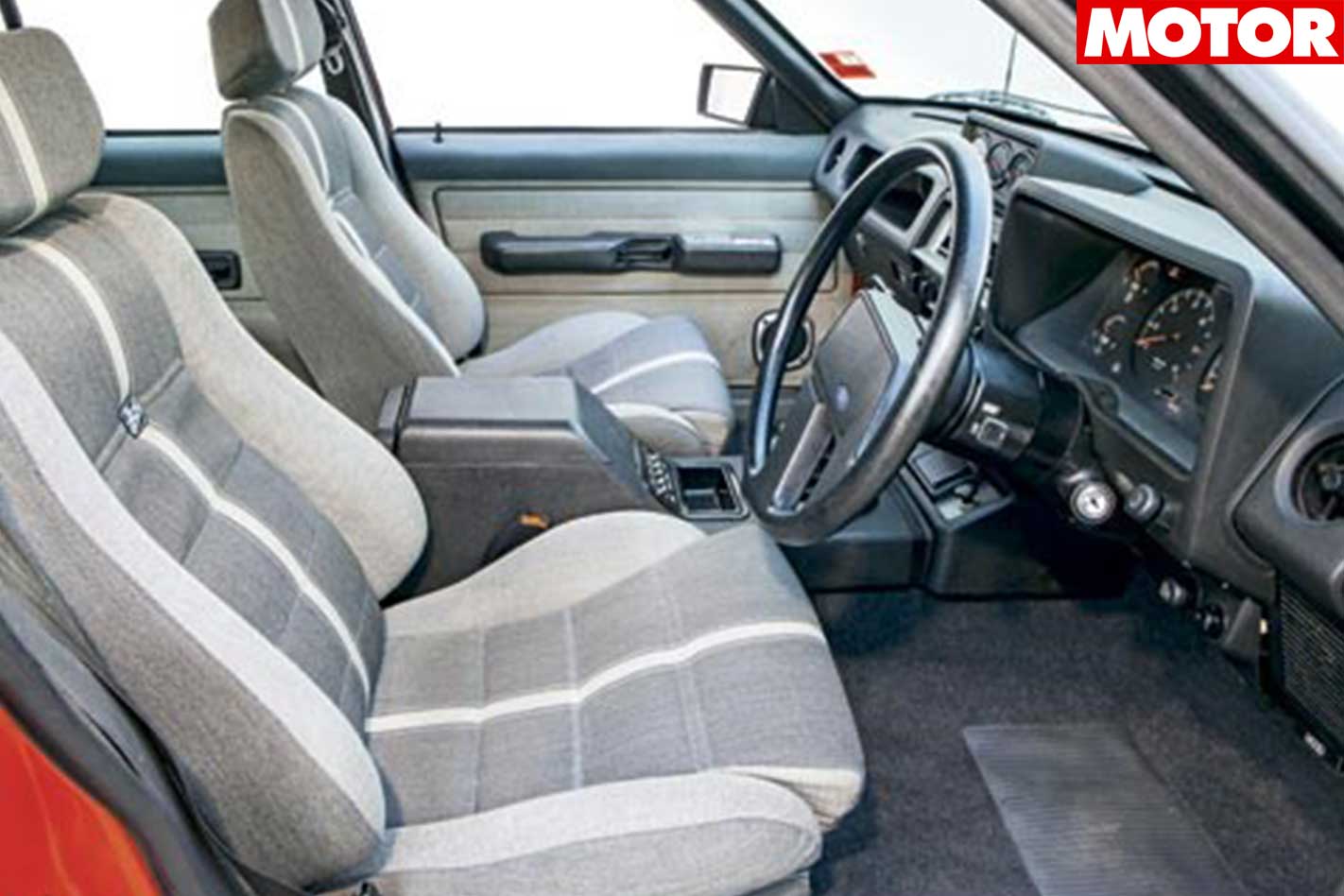
So, a deal was done and Andy’s mate put the Falc up on stands and started removing the tired old box. The broad plan was to find a second-hand gearbox from either a wrecking yard (as they were still called back then) or from a dead car in somebody’s backyard.
So, with the carked-it gearbox out on the ground, Andy’s mate started ringing around to find a replacement manual. The first decision, however, was to determine whether Andy wanted to spend the extra on a five-speed gearbox or save a few bob and put a four-speed in the XE. And the conversation went something like this:
Andy: Ah, no point going stupid. Just bung another four-speed back in it. I don’t need a five-speed.
Andy’s mate (after a fairly lengthy silence): Er, mate, the box I took out WAS a five-speed.
Andy: more silence.
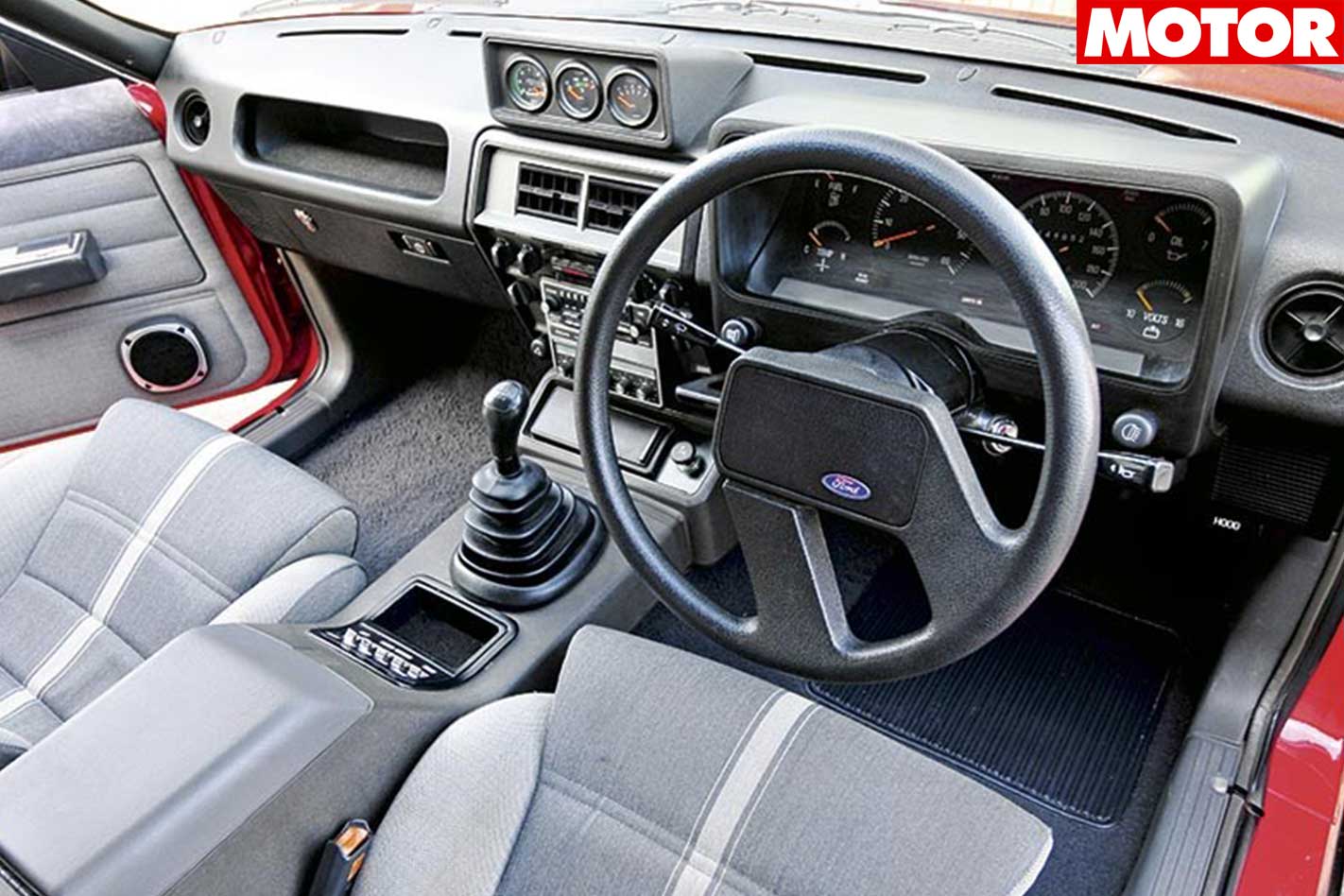
Yep, our genius had been driving around in a five-speed Falcon for something like two years, never having reached for fifth gear. To this day, Andy blames that mongrel redback-spider gear-knob (which, of course, lacked the embossed shift-pattern that the stock knob would have had).
Me? I blame the Brandivino. Andy drives an automatic these days. But he’s not sure if it’s a five or six-speed.
In an attempt to marry its past (cool driver’s cars) and its future (electrically-powered mobility) BMW has injected some sportiness into its i3 EV.
The ingredients are there for an entertaining drive: super-stiff carbon construction, a low centre of gravity, light weight and plenty of instant electric torque being delivered to the rear wheels.
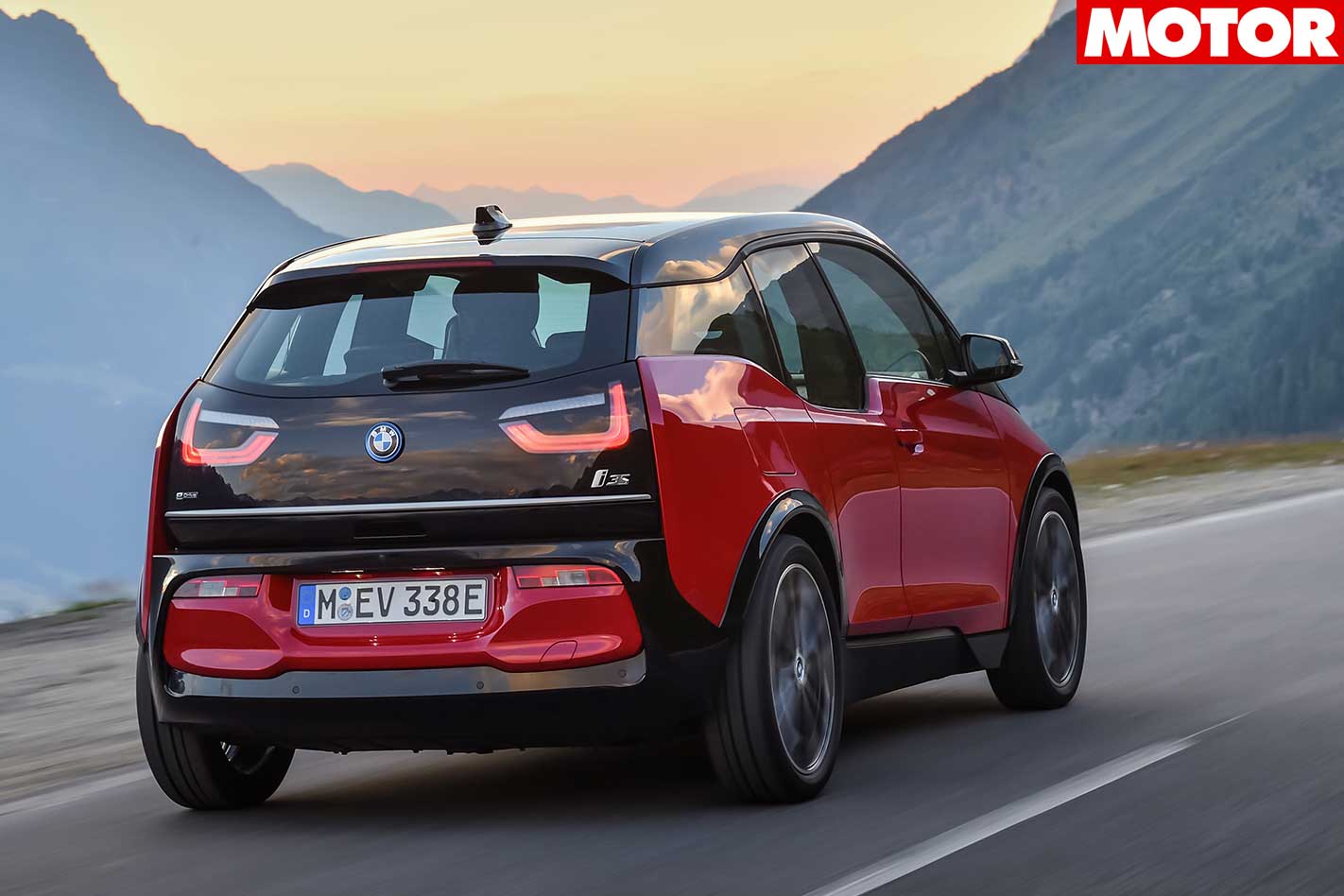
Whereas the standard i3 wears 19 x 5.0-inch rims and 155/70 tyres front and rear, the S uses staggered rims (20 x 5.5 front; 20 x 6.0-inch rear) and tyres (175/55 front; 195/50 rear).
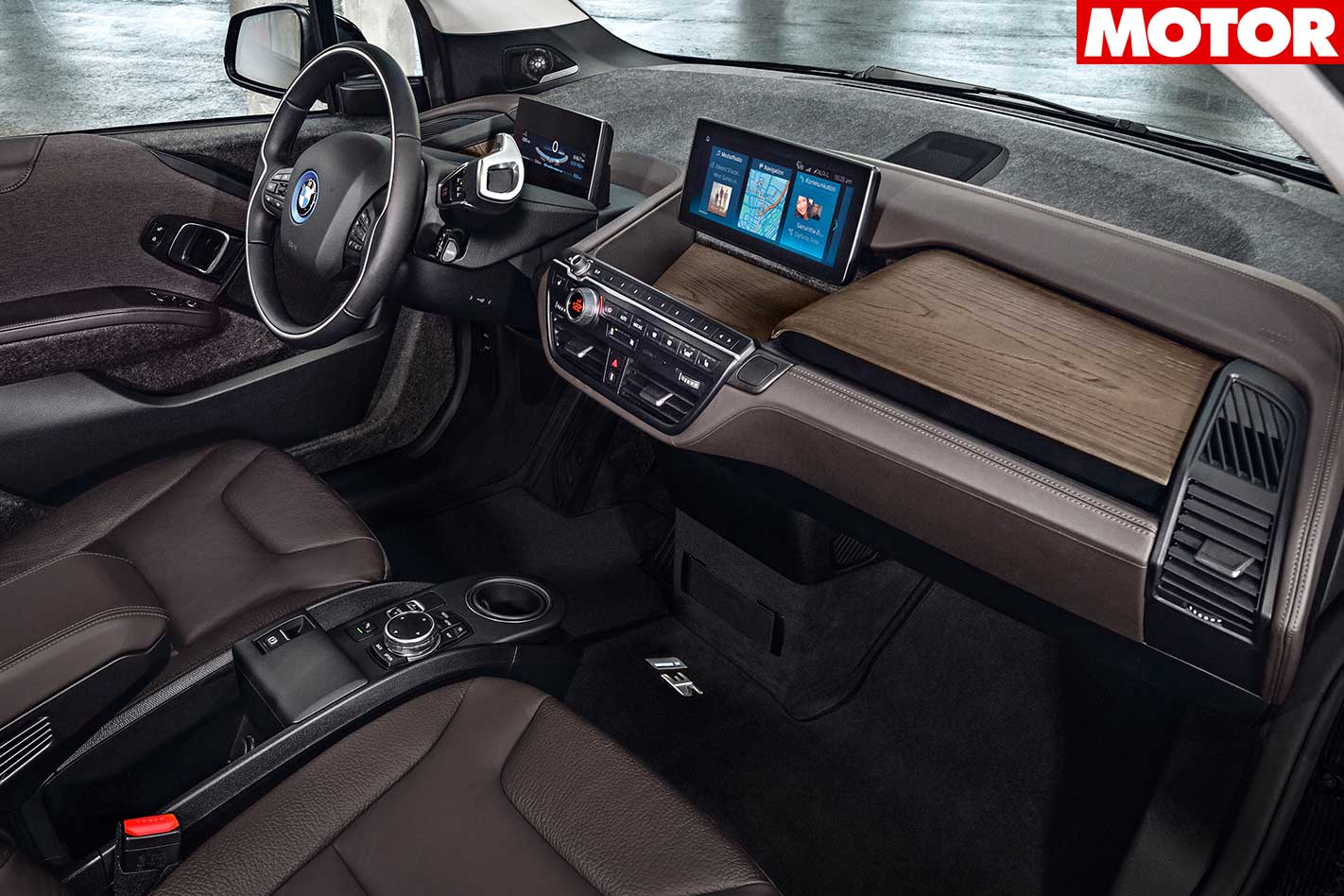
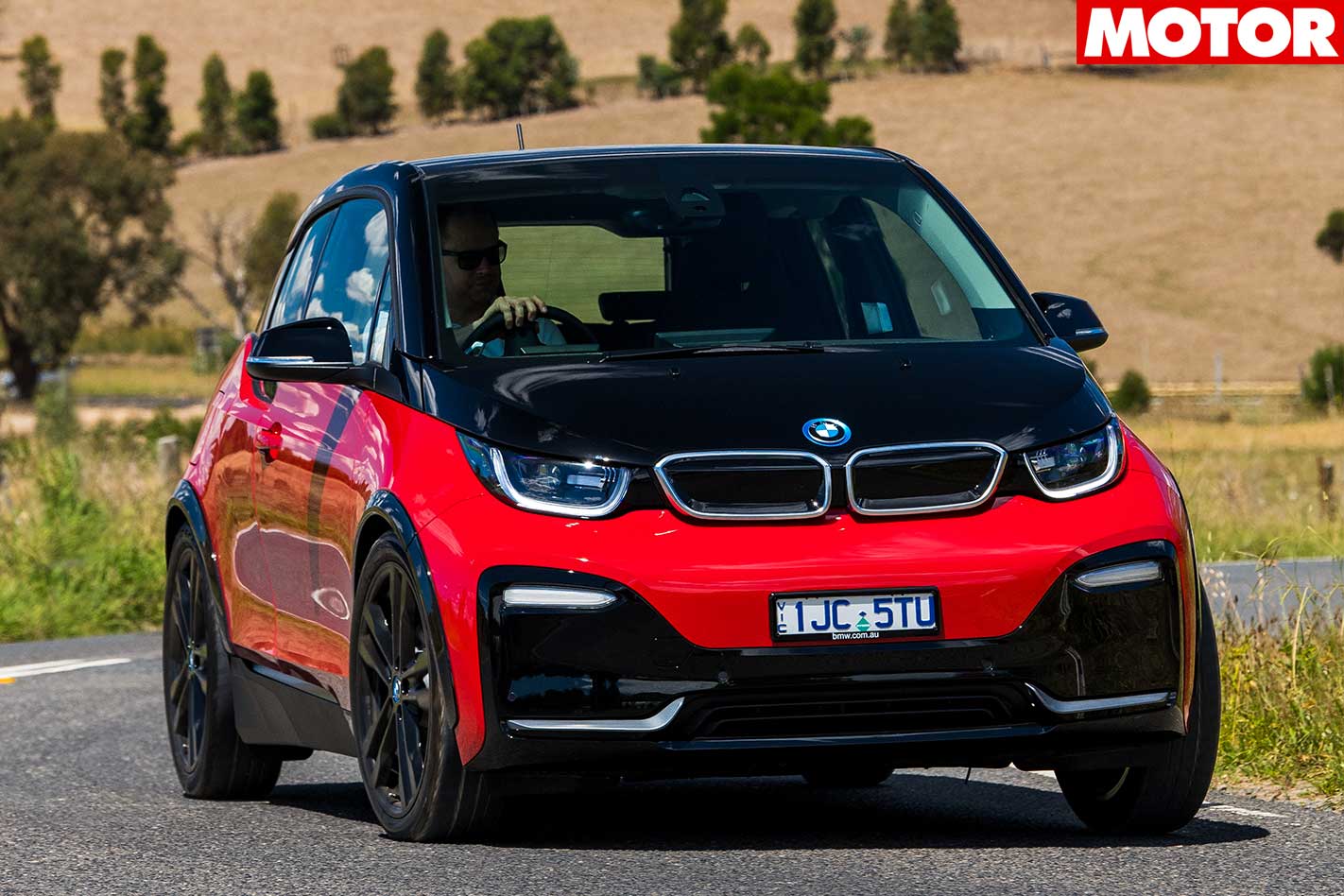
At almost $70K and with a 200km real-world range, the i3 remains essentially an expensive curiosity, but its abilities are well suited to its intended urban use and the S is well worth the $1200 premium.
2018 BMW i3S SPECS: Engine: Electric Motor Power: 135kW Torque: 270Nm Weight: 1265kg 0-100km/h: 6.9sec Price: $69,900
Audi is working on a fully synthetic fuel that could allow us to continue using our beloved combustion engines, as an alternative to impending electrification.
What is it?
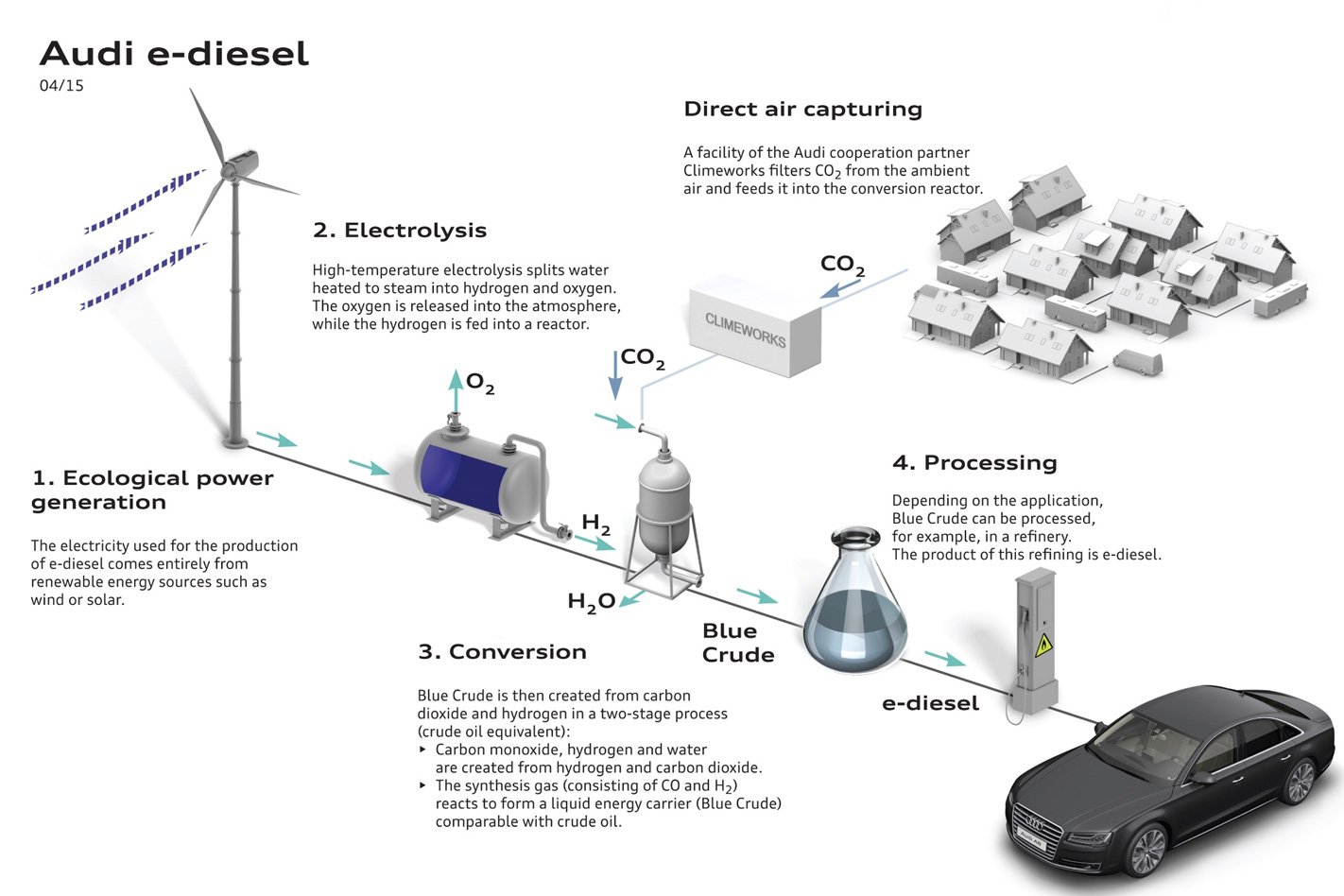
Audi’s latest exploration of combustion engine fuels that don’t rely on petrochemicals sucked from the ground. A pilot factory is being constructed in Switzerland that will produce up to 400,000 litres of e-diesel per year using nothing but renewable energy and water.
How does it work?
When complete, the industrial lab in Laufenburg will use electricity from a neighbouring hydroelectric power station to split water into hydrogen and oxygen. In the second stage of processing, the hydrogen is combined with CO2 that is either extracted from the atmosphere or waste from other industrial processes instead of being released to the environment as a greenhouse gas.
Why does it matter?
Until now, it was largely assumed the only way to break a vehicle’s dependence on fossil fuels was through electrification, but Audi’s completely synthetic fuel allows the continued use of combustion engines without drilling for oil.
Not only does a man-made diesel fuel shake free the shackles of crude oil, the production method is also carbon neutral, which presents the possibility of a diesel-burning Audi with a carbon footprint of zero.
Like any new technology, the first drops of Audimade fuel will be very expensive, but as the operation is upscaled and optimised, the likelihood of finding e-diesel at a bowser increases.
Clever path maize
Audi has already explored the potential of other synthetic fuels. A pilot factory in France and a newer site in Leipzig are turning cornderived glucose into ‘e-benzin’ or synthetic petrol without the need for oil, while other previous projects have created e-gas synthetic methane and e-ethanol.
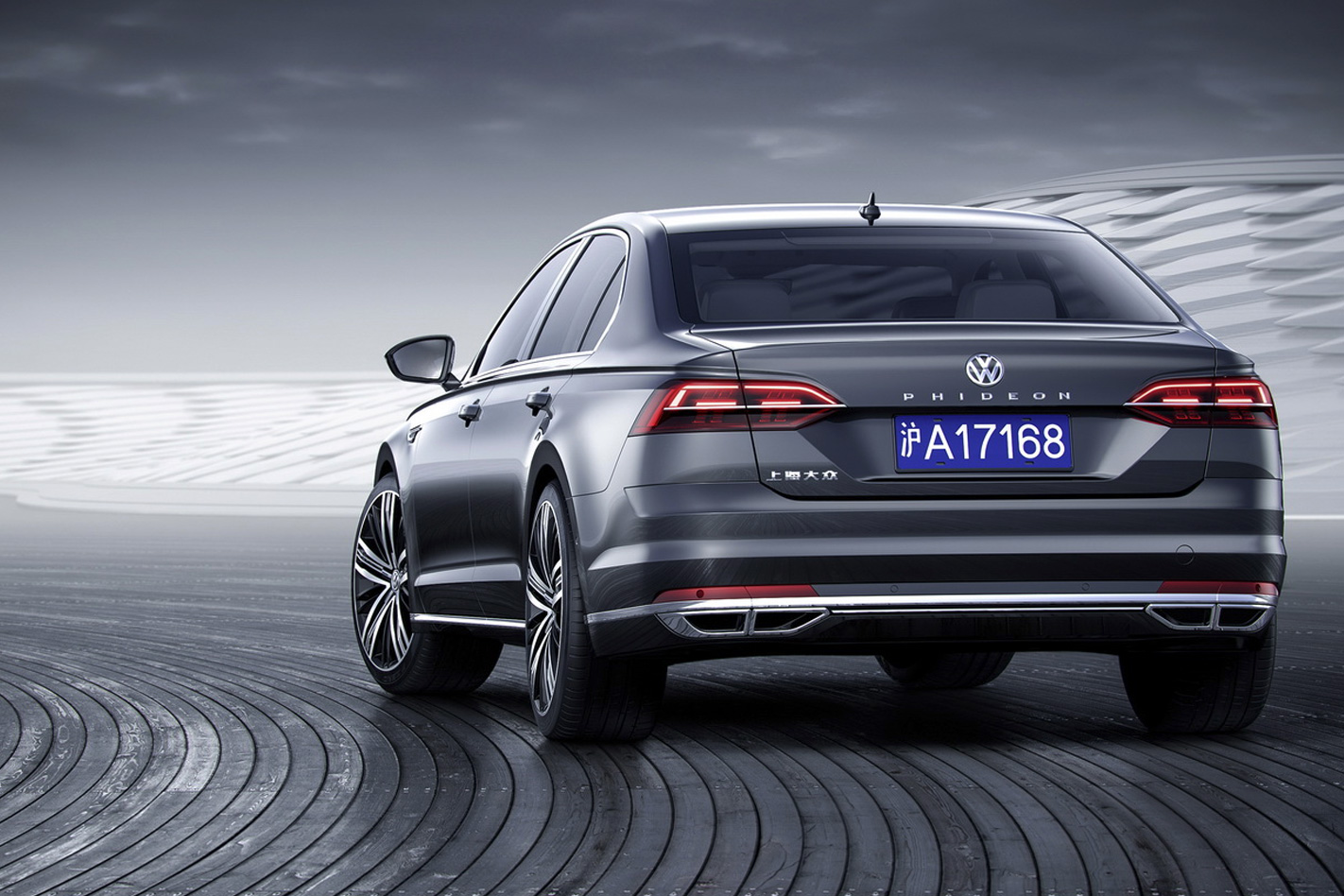
China looms over the global automotive industry like the Death Star over some tiny moon sucked, like so many others, into a slavish orbit by the pull of its wealth.
Media coverage of the car industry might focus on electric and autonomous vehicles – EVs and AVs – but China remains the real story.
China is the world’s largest consumer of cars by a huge and growing margin. And like the Death Star and Darth Vader, one person is in charge. The world’s biggest car market is not a free market but a command economy. President Xi Jinping (or one of his minions) can and occasionally does dent the huge growth and profits the Western carmakers have seen in China with the stroke of a pen and the imposition of a new tax or regulation.
The cooperation between carmakers, cities and regulators required to make autonomy actually work is hard to achieve in the democratic West. Xi could simply order it, and give China a huge lead there too. Chinese-made self-driving cars might not be an appealing vision of our motoring future. But it wouldn’t be a bad bet.
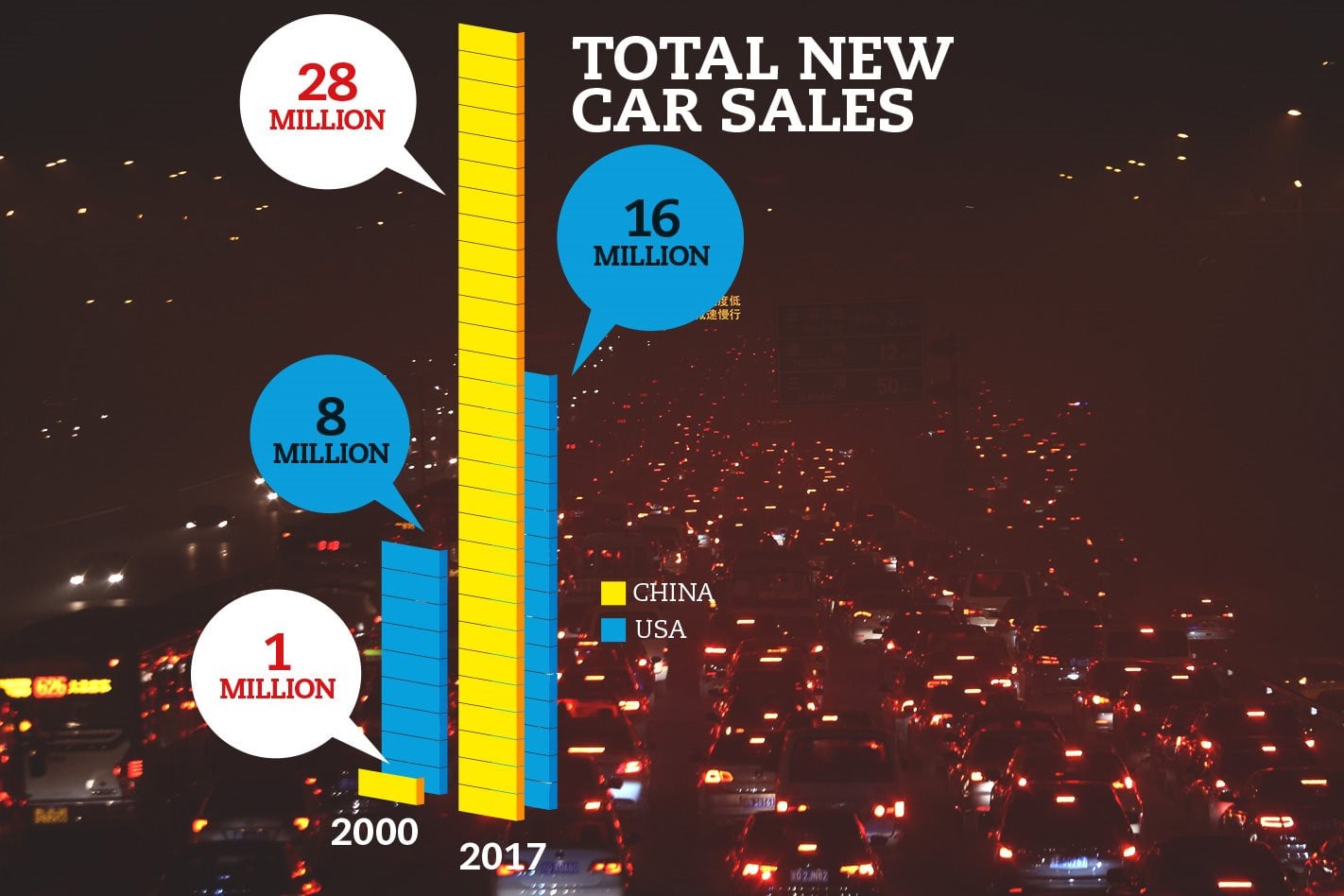
So how big is China? In 2000, around a million cars were sold there. By 2017, that figure had risen to 28 million. China overtook the United States in new-car sales in 2009 and now exceeds its nearest rival by around 12 million sales each year, despite America’s impressive post-crash recovery.
Jaguar, however, dodged another bunch of taxes by starting to build its cars in China and saw sales leap 300 percent. You make money here at the pleasure of the government, and good luck with that business plan.
The big winners have been General Motors and Volkswagen, both of which invested in China when only the government was buying cars and annual sales were about the same as Lichtenstein’s. To avoid punitive taxes, foreign carmakers must build their cars in China in 50-50 joint ventures with local companies and with certain combinations of components made locally from scratch, the (clever) idea being that the local firms learn from the foreigners, and the foreigners have to invest heavily and can’t just up sticks when they get tired of the madness.
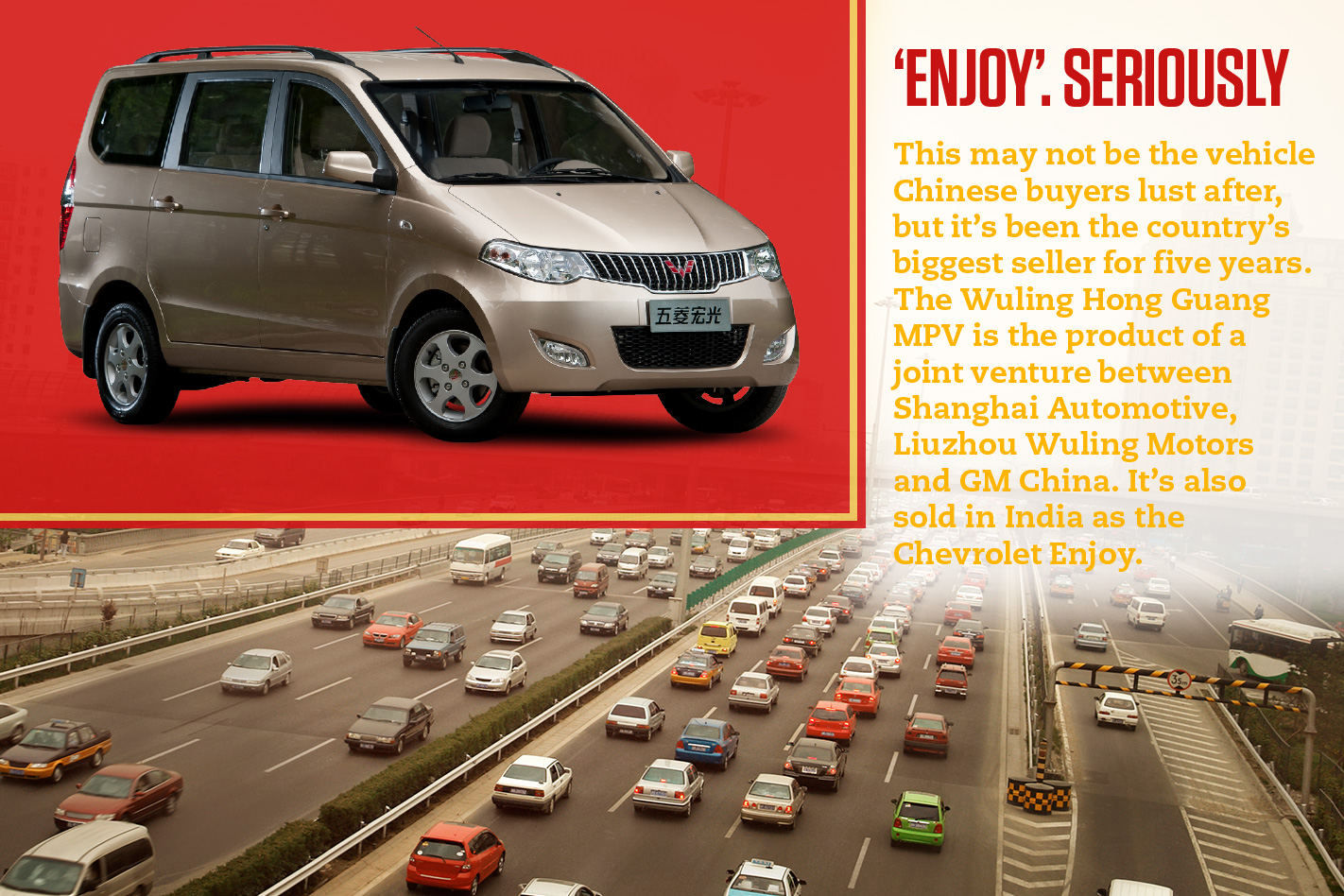
So what do Chinese buyers want? Nobody really wants a Wuling Hong Guang, but this shitbox mini seven-seater has been China’s biggest seller for five years for its low price-per-pew. The rest of the top ten is a mixture of compact saloons based on old GM or VW Jetta platforms (three of the latter alone) or compact SUVs from local brands like Haval. It’s SUVs that Chinese buyers actually want, growing from less than five percent of sales a decade ago to 40 percent now and 60 percent by 2020.
Until its sub-boom in SUV sales, China didn’t have much impact on cars we can buy here. Mass-market Chinese cars were either unique to China, like the Hong Guang, or repurposed last-gen Western models like those Jettas. The premium carmakers sold their standard ranges, plus some local-market oddities like the long-wheelbase 3 Series: cheap labour means some buyers can afford a chauffeur but not a 5 Series.
For a while, the Western carmakers worried that their Chinese partners, engorged with profit and having learnt how to make quality cars through the joint ventures, might launch an assault on their home markets as the Japanese and Koreans did. That hasn’t happened at scale, despite Chinese government encouragement.
Firstly, Chinese cars made without Western help remain sub-standard, as one independent tear-down analysis proved. And secondly, Chinese carmakers just aren’t that excited about the often flat traditional markets when their own is forecast to take off again as mass car ownership expands inland, away from the rich coastal belt.

Direct Chinese involvement in Western markets is more likely to come from the purchase of weaker Western brands – Geely has bought Volvo and Lotus – or from a state-backed doping program that ensures Chinese firms win the race to full autonomy.
Because of its scale, China is the world’s biggest buyer of EVs, but their high price and a limited charging network means the government is easing back on the targets it had set, and it’s wise enough not to clamp down on sales of conventionally powered cars just as millions of its citizens become able to afford them.
China’s emissions will continue to grow, its increasing EV sales being massively offset by its SUV surge.
Sitting atop the Mazda MX-5 family tree is the RF GT Limited Edition, which brings flash alloy wheels, improved brakes and suspension, and new, more supportive seats to the party.
Tell me about this car:
With a driveaway price of $55,790 the RF GT Limited Edition is circa $8000 more expensive than a ‘regular’ hardtop GT. The limited-run special edition has extra goodies for improved handling and looks, but there are no changes to the 2.0-litre naturally aspirated four-cylinder engine. Only a six-speed manual gearbox is offered in the LE, for maximum driver engagement.
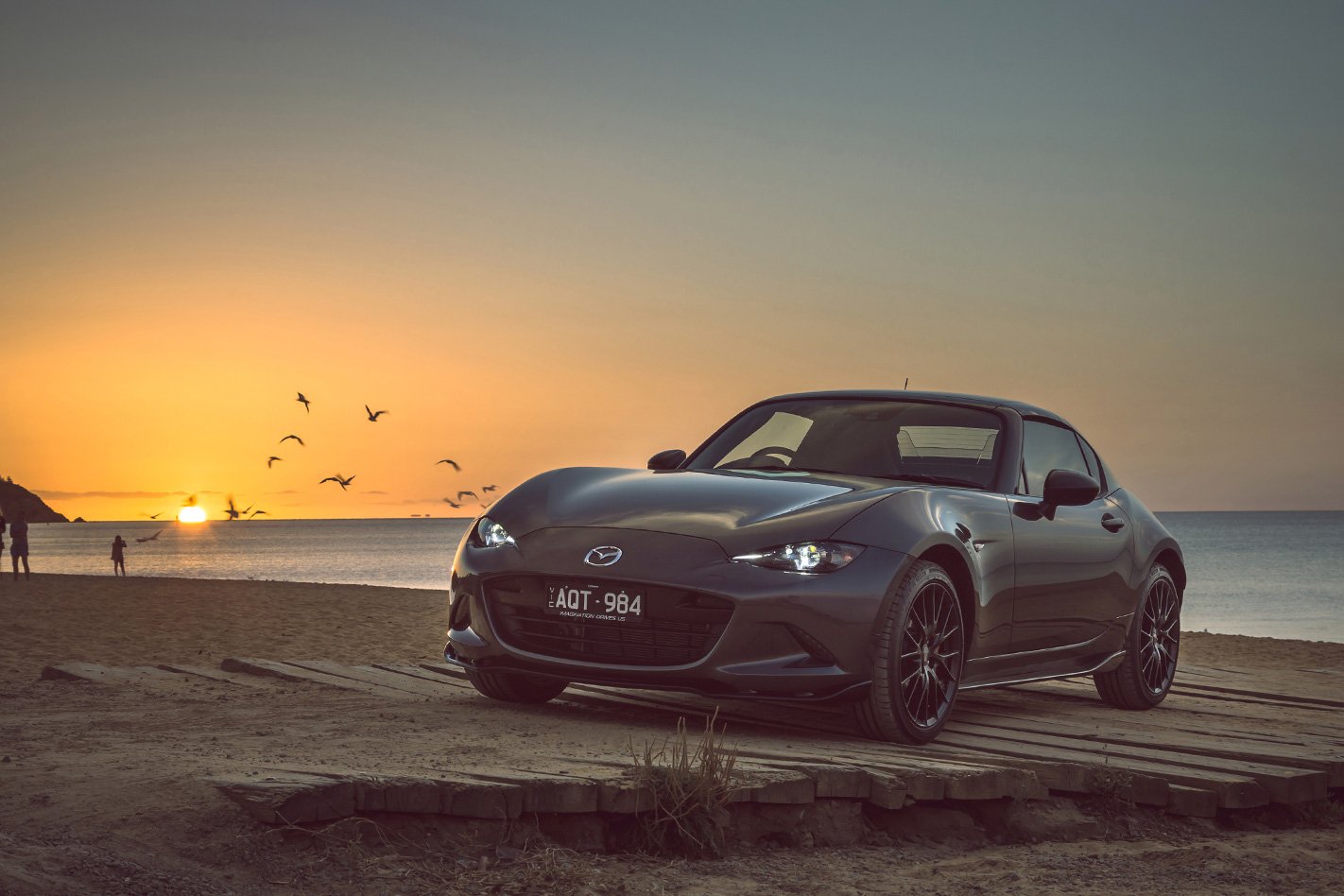
Each Limited Edition comes with lightweight 17-inch BBS alloy wheels, a Brembo brake package, Bilstein shock absorbers with revised springs, a more aerodynamic body styling kit, a strut tower brace and a pair of Recaro seats.
Strengths
- Exclusivity: Just 110 of the Limited Editions will be sold in Australia, so if you want to stand out from the crowd, you’ll want to get in quick. The Kuroi bodykit and BBS alloys improve what is an already good-looking car.
- Recaro seats: Trimmed in leather and Alcantara, the Recaro bucket seats are an improvement over the standard pews of the regular RF GT. The seats hug you, without feeling too snug, while a re-profiled base gifts a small amount of extra headroom to taller occupants.
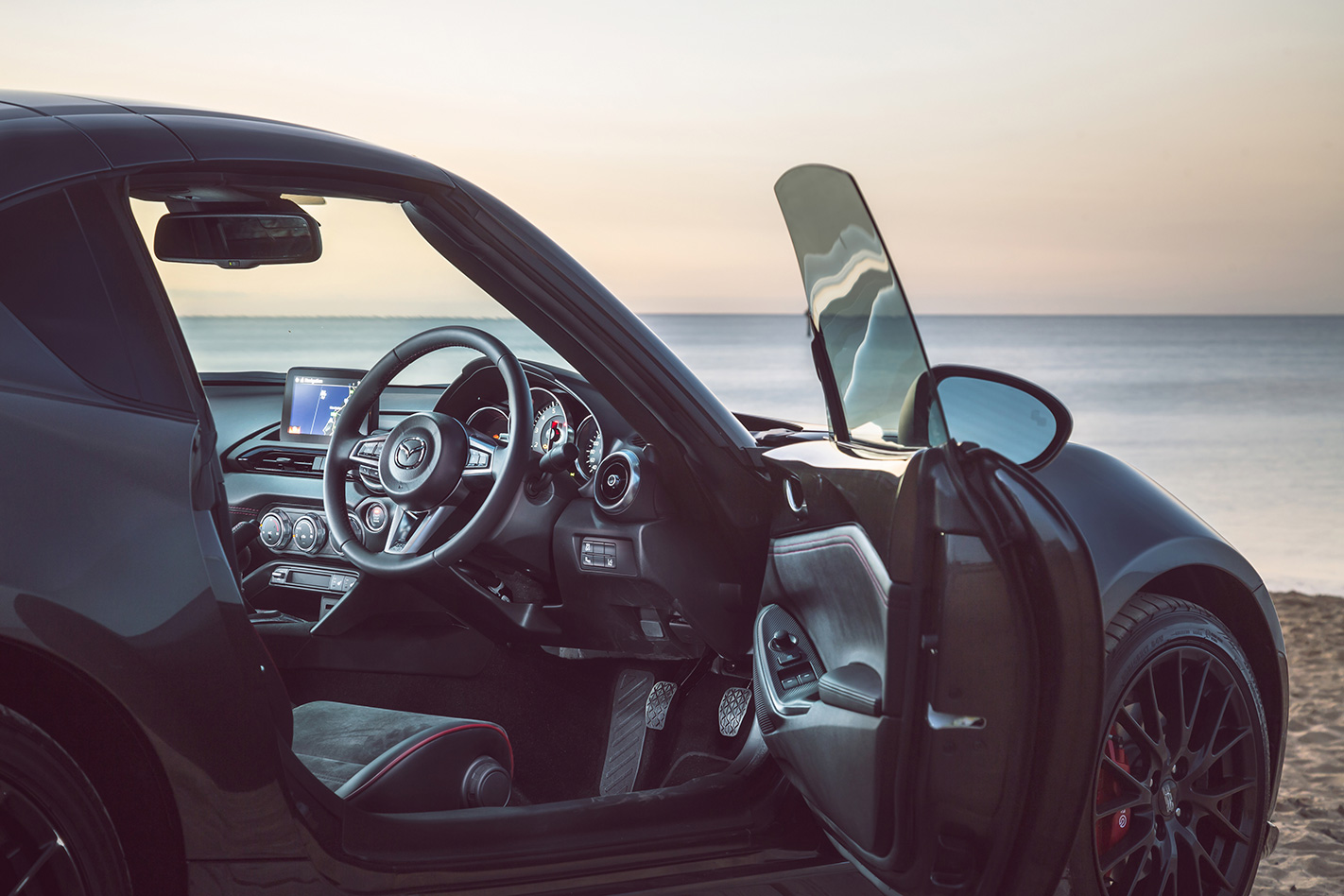
- Dynamic prowess: The RF’s retractable hardtop adds 47kg of weight when compared to the standard soft-top MX-5. However it is hardly noticeable, with the RF GT Limited Edition retaining all the iconic dynamic attributes which made the MX-5 a Wheels Car of the Year winner. While the suspension is stiffer than its run-of-the-mill siblings thanks to the Bilstein dampers and a thicker front anti-roll bar, the Limited Edition remains compliant and planted on bumpy roads.
Weaknesses
- Hefty premium: Some owners may prefer to spend the extra $8000 cost of the RF GT Limited Edition in other areas. You can get plenty of fuel, and some aftermarket goodies for that kind of money.
- Cabin refinement: Tyre roar intrudes into the cabin in the RF, even with the roof closed, and there is some wind noise around the joins at highway speeds.
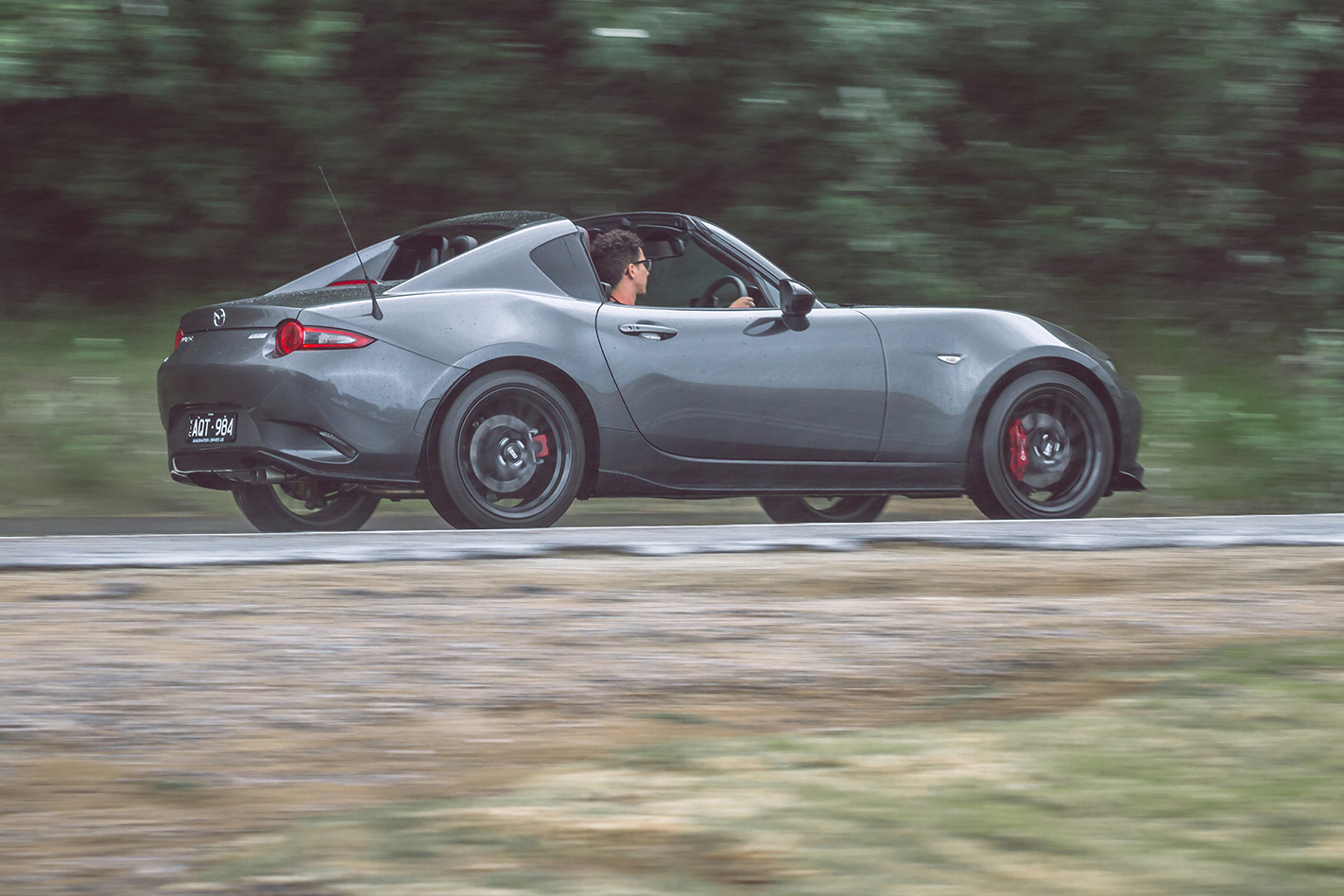
- Blind spots: The trick folding metal roof looks great, but the rear buttresses are bulky, and can obstruct the outward rear view from within the RF GT Limited Edition.
- Lack of reverse camera: Despite all the additions, the RF GT Limited Edition still lacks a reversing camera as standard. Thankfully its diminutive stature means parking is a breeze, but the rear buttresses can be obstructive when squeezing into a tight spot.
- Cabin size: Drivers over six-feet tall may feel a tad claustrophobic in the cabin with the roof closed. Lucky the roof can be opened in a flash.
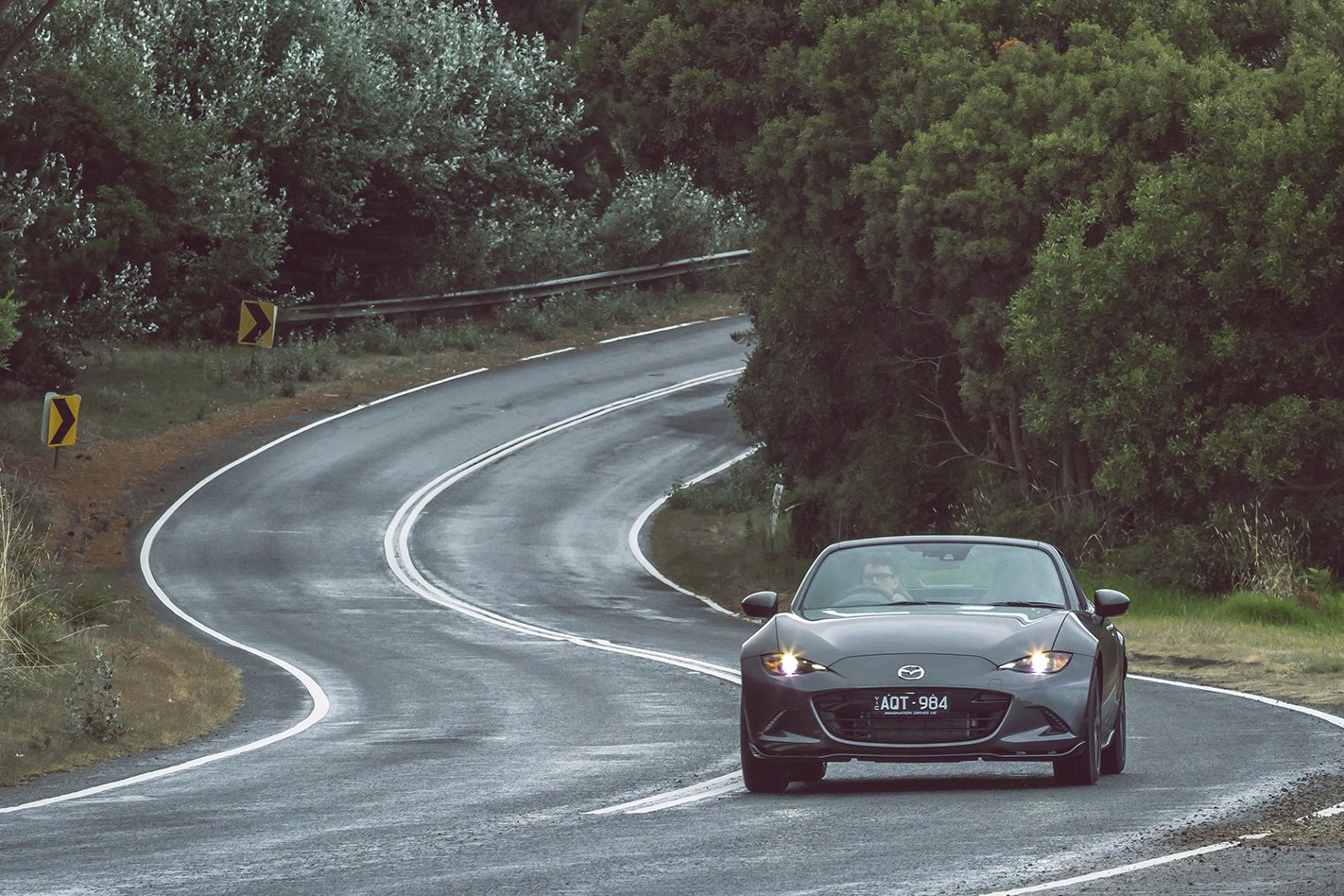
Any rivals I should consider?
Abarth 124 Spider, BMW 220i Convertible, Ford Mustang EcoBoost Convertible, Nissan 370Z Roadster
Motorshows are, for car lovers and especially children, magical places.
I still remember my first.
Driven by my father from Bathurst. we burst onto the pavilion floor in Sydney barely able to contain our excitement, our eyes wide and heads swivelling as we tried to decide which direction to charge in first.
- Editor’s Letter: Australia hates the car enthusiast
- Editor’s letter: The Future
- Editor’s Letter: An automotive origin story
The crowd was no matter; after all, these were people like us. And how quickly a queue moves when the promise of sitting in and actually touching a Ferrari, Porsche or the latest Australian concept lies at the other end. Magical, truly.
And that’s just the miserly Australian motorshow, which no longer exists of course.
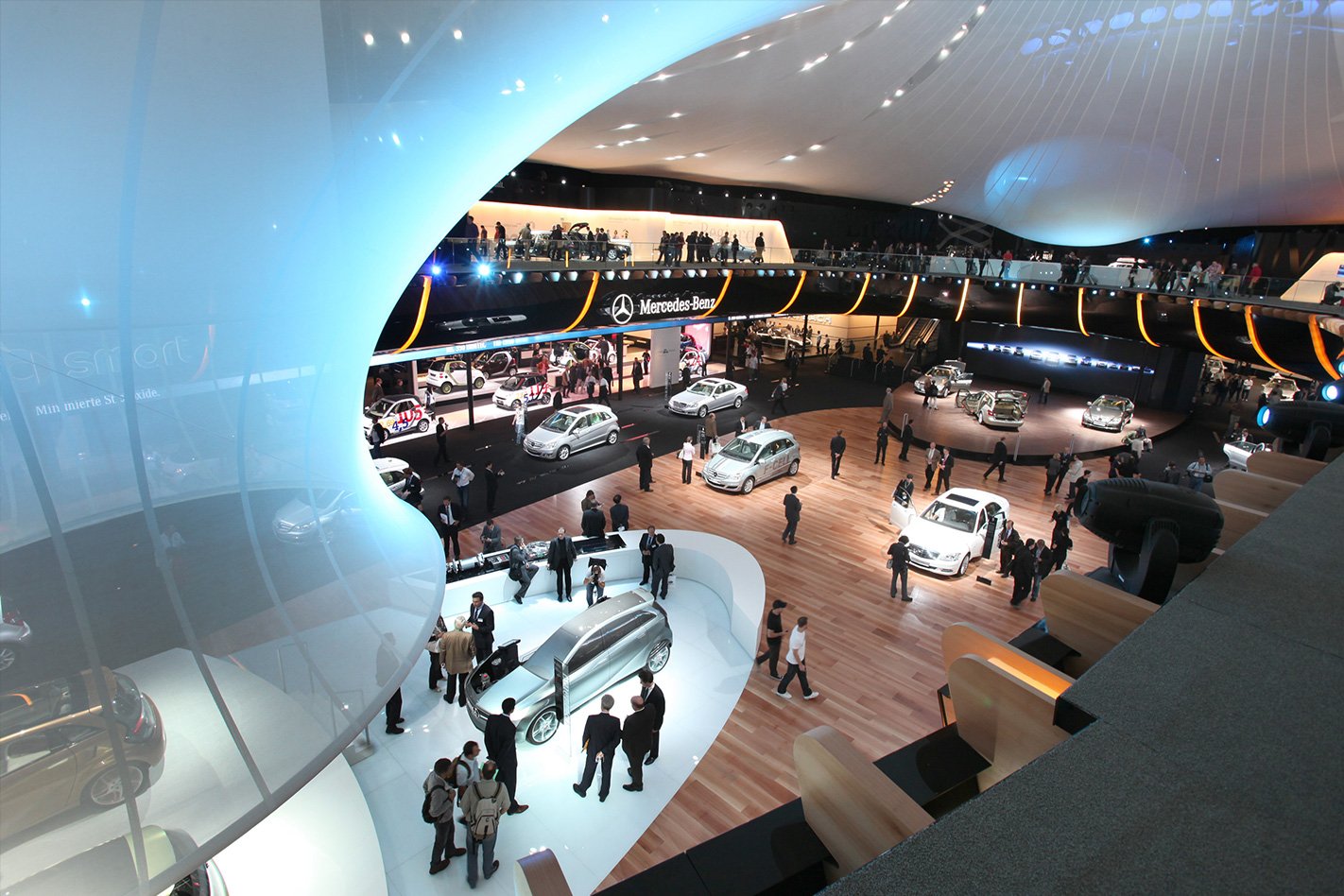
It’s the Americans, however, who best embrace a motorshow’s theatrical side. Detroit is the first show of the year and historically one of the strongest, not just for the new metal shown, but the way it’s presented. Back in 1992, Jeep delivered the then-new Cherokee to Cobo Hall by driving it up the front steps and deliberately smashing it through a plate glass window.

With my boots on the frozen ground at this year’s event, I was stunned at how small the show felt, at how insignificant the reveals seemed and at how many manufacturers had decided not to attend. Ferrari? Nope. McLaren, Lamborghini, Porsche? No-shows. Even Mazda and Jaguar Land Rover were missing.
Tellingly, the big three didn’t even hold a press conference at the show itself, preferring instead to reveal their news in the days prior. I left the show pondering the nagging thought that Detroit may be slipping inexorably towards irrelevance, at least in its current format.
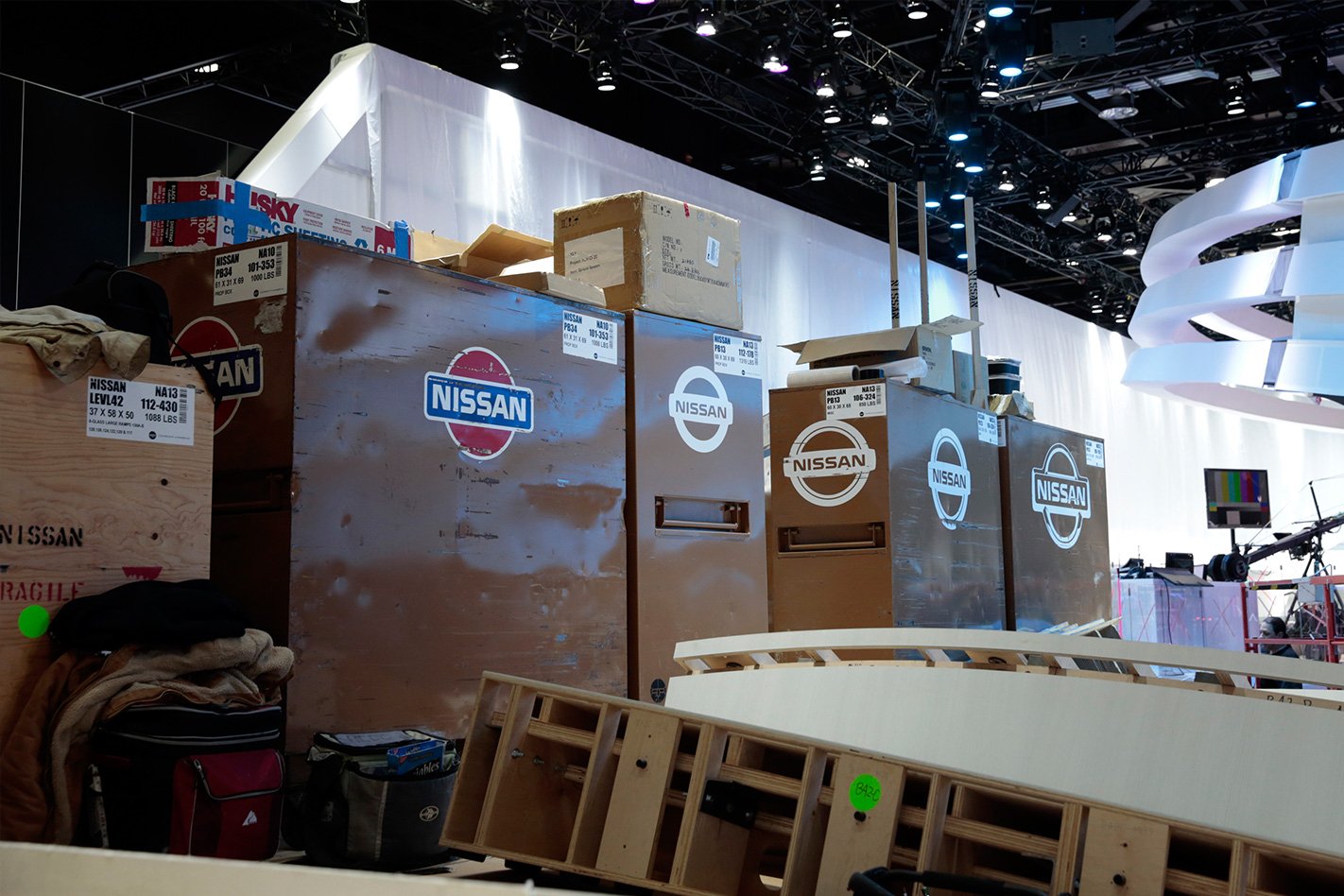
Conversely, younger conventions like the Consumer Electronics Show in Las Vegas are going from strength to strength, as manufacturers infatuated by connectivity and technology seek to spruik their products and services to a new audience.
Held the week before Detroit, the scale of CES dwarfs that of even the largest motorshows and, despite showing products as diverse as TVs and drones, to washing machines and massage chairs, manages to capture some of the sentiment I felt in Sydney all those years ago. Next to its hustle and optimism, Detroit felt like an antiquity operating at half speed.
It did not, I noted as I walked out the door and slipped on the ice, feel magical at all. So what does the motorshow of the future look like? The glitz, glamour and crowds of CES has to be close.
Death by drip-feed
The information age really does reveal itself as a double-edged sword when it comes to motorshows.
It’s become rare indeed for a manufacturer to whip the cover off anything truly new inside the pavilion; instead car makers tend to drip-feed teaser images in the weeks prior, often to the point that when the hanky finally does come off, the assembled crowd claps politely, yawns a little, and mumbles, “yeah … seeeen it.”
CHINESE-owned British brand MG has launched what it calls a premium SUV in Australia, for not much money.
WHAT IS IT?
It’s another SUV from the reborn British brand, joining the MG GS in Australian showrooms in the wake of a renewed sales push for the brand. The MG ZS sells in Australia in both 1.5-litre Soul and turbo 1.0-litre Essence specification, costing from $20,990 and $23,990 respectively.
WHY WE’RE DRIVING IT
Chinese brands are now deeply embedded in the Australian new-car market. Expectations of new products has run low based on past experiences, but could the sharp-looking, well priced ZS change that?
Haval H2, Ford EcoSport, Holden Trax, Hyundai Kona, Jeep Renegade, Mazda CX-3, Nissan Juke, Renault Captur, Suzuki S-Cross
THE WHEELS VERDICT
A sharp price always means a few corners will need to be cut to get there, and that shows up in the MG ZS. It’s a tough call in a segment where value for money, not necessarily price, is a key driver.
THE WHEELS REVIEW
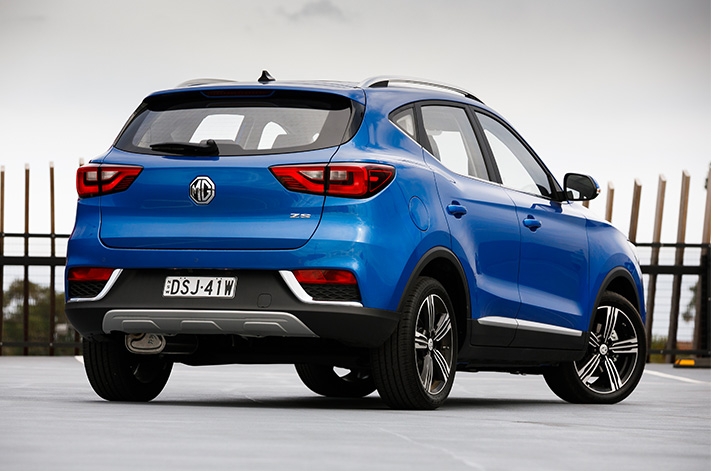
THE MG ZS was designed and engineered in Britain. What the fine print doesn’t say is that it all happened inside the Birmingham-based outpost of its parent company, Chinese car-making giant SAIC, which gained the badge after it picked over the bones of the failed MG Rover Group that collapsed spectacularly in 2005. One of SAIC’s prizes was the MG brand.
This version of the MG ZS is very different to the old one. The original was a decade-old four-door sports sedan that had endured more tarting-up than an ageing rock star preparing for a farewell tour. It has now evolved into an eminently more marketable product for its new owner; a compact SUV.
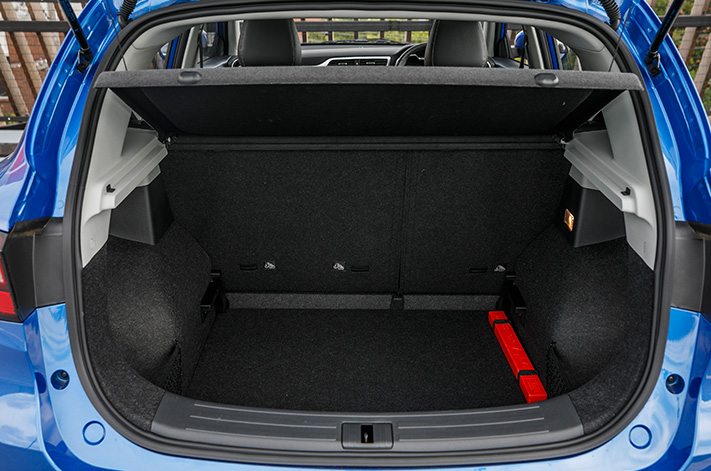
Inside plays equally safe. Our Essence test car had nicely shaped, but narrow, seats trimmed in vegan leather, much of the surfaces where a hand or elbow fell were soft (even if the shades of black, and textures, didn’t quite match), legroom for the rear seats is generous, and at 359 litres up to the load space cover (or 422 litres if you go higher), the boot is huge (it also has a false floor that can sit higher to yield hidden storage around the space-saver spare wheel). A massive panoramic sunroof protected by a woven screen lets in plenty of light on a cloudy day, and heat on a sunny one – the single-zone climate control struggles with all that glass.
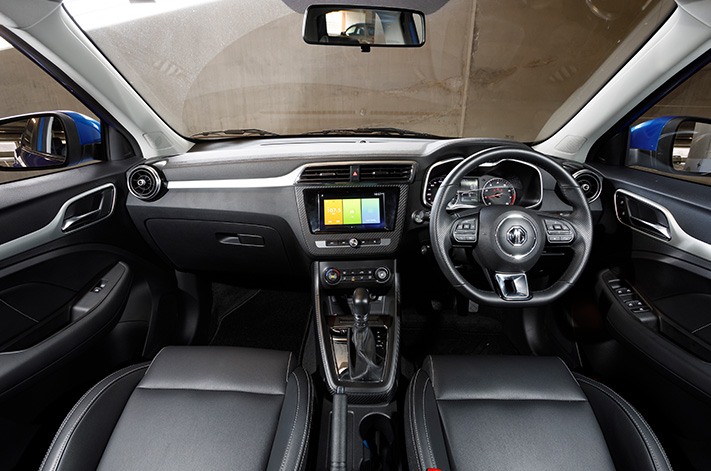
Analogue instruments are split by a monochrome screen that smacks of decade-old Volkswagen via its arched digital fuel gauge. A large 8.0-inch colour touchscreen hosting Apple CarPlay (the only way you get sat-nav), a reversing camera and car settings sits low in the middle of the dash, below the air vents, in an era of automotive design that now tries to get things up and into the driver’s line of sight. The centre console has decent small-item storage, but there are no covers over anything, with the small glovebox the only way you can keep things hidden from prying eyes.
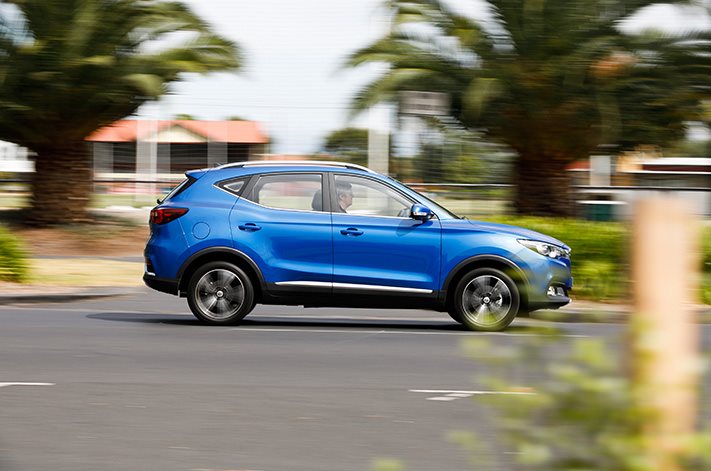
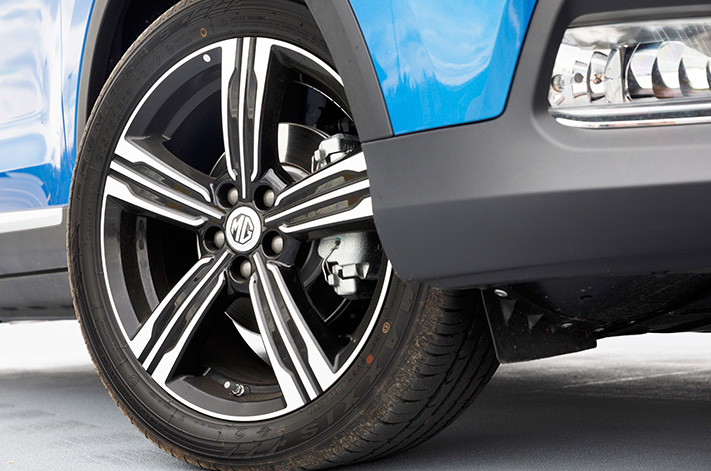
Here’s a surprise, though; chuck the ZS into a corner and the 215/50 R17 alloys wrapped in Maxxis rubber will hang on like a limpet with just a little bit of tyre squeal, a hint of understeer and a generous amount of body roll. Try the same thing on a loose surface, and the ZS will dissolve into lift-off oversteer for a split second before the electronic stability control slams the door shut on the fun.
The ZS has earned a four-star ANCAP crash rating, largely because it failed to meet the minimal threshold needed to pass the frontal offset crash test that mimics one of the most common types of crashes, but also because it misses out on much of the driver-assist technology such as automatic emergency braking and lane-keeping functions. Otherwise, the ZS achieved an occupant protection score that was on par with competitors.
The MG ZS tries hard in a segment that hasn’t really had room for mediocrity since the Mazda CX-3 came in and smoked most of the previous benchmarks. Yes, the Chinese-born Brit is cheap, but against the competition it also feels it.
SPECS
Model: MG ZS Essence Engine: 999cc 3cyl, dohc, 12v, turbo Max power: 82kW @ 5200rpm Max torque: 160Nm @ 1800-4700rpm Transmission: 6-speed dual-clutch Weight: 1245kg 0-100km/h: n/a Economy: 6.7L/100km Price: $23,990 On sale: Now
IN 1952, a talented engineer and racer founded a company that would become legendary for combining lightweight, coupe bodies with proprietary mechanical parts, to create truly world-beating sports and racing cars.
Colin Chapman and Lotus? Nope – wrong side of the English Channel.
Jean Ru00e9du00e9lu00e9 (1922-2007) was the son of a Renault concessionaire in Dieppe, France.In 1950 he started rallying in a Renault 4CV (aka 750) which, after constant development, in 1954 carried him to class victories in the Mille Miglia, the Liège-Rome-Liège, the Tour de France Automobile and the Coupe des Alpes.
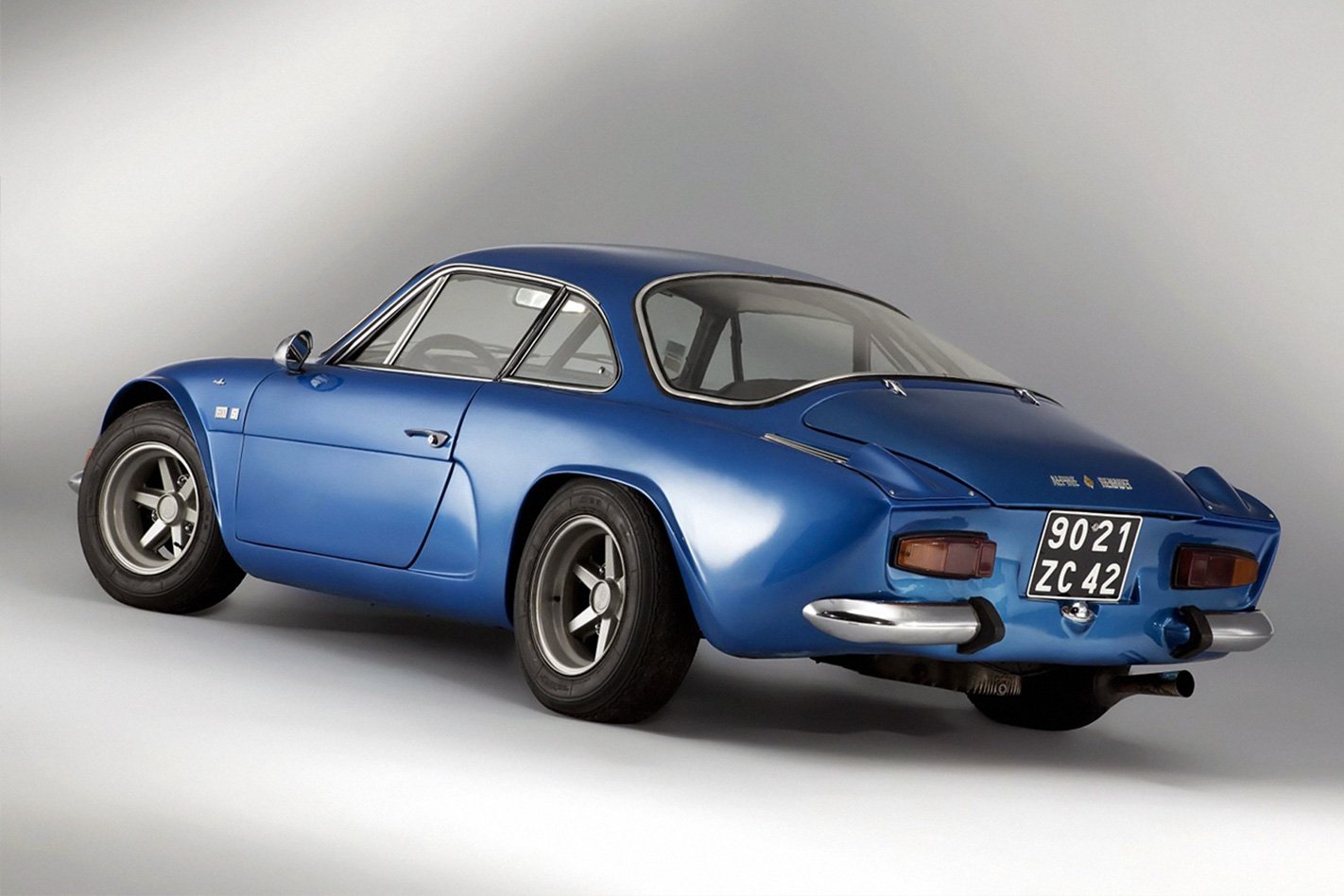
Renault’s new-for-’62 sedan, the rear-engined R8, prompted a further evolution: the landmark Alpine A110, launched at that year’s Paris show. The tiny, low-slung 2+2 coupe had almost Ferrari-like sex appeal, despite its sourcing of proprietary trim parts from Citroen and Simca, as well as the R8.
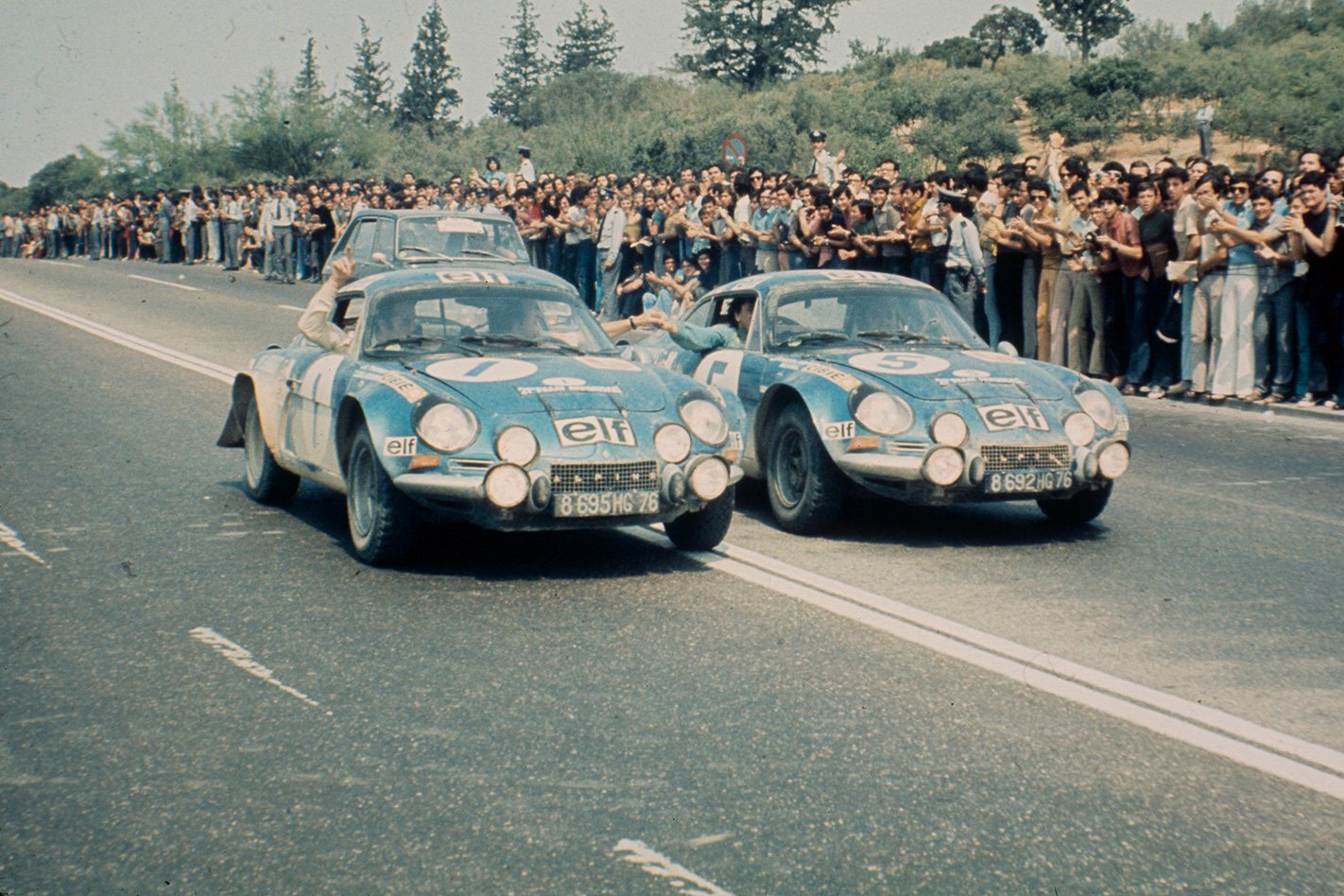
The A110’s steel monotube backbone chassis and fibreglass monocoque barely burdened them, with comical kerb weights of just 565-750kg. On a 2100mm wheelbase, and with the engine longitudinally aft of the swing-axle rear suspension, the A110s were a handful; but in the right hands, A110s were soon storming to outright victories in major rallies. After snaring the top two places in the 1971 Monte Carlo Rally, a podium sweep followed in 1973 – en route to an inaugural World Rally Championship win.
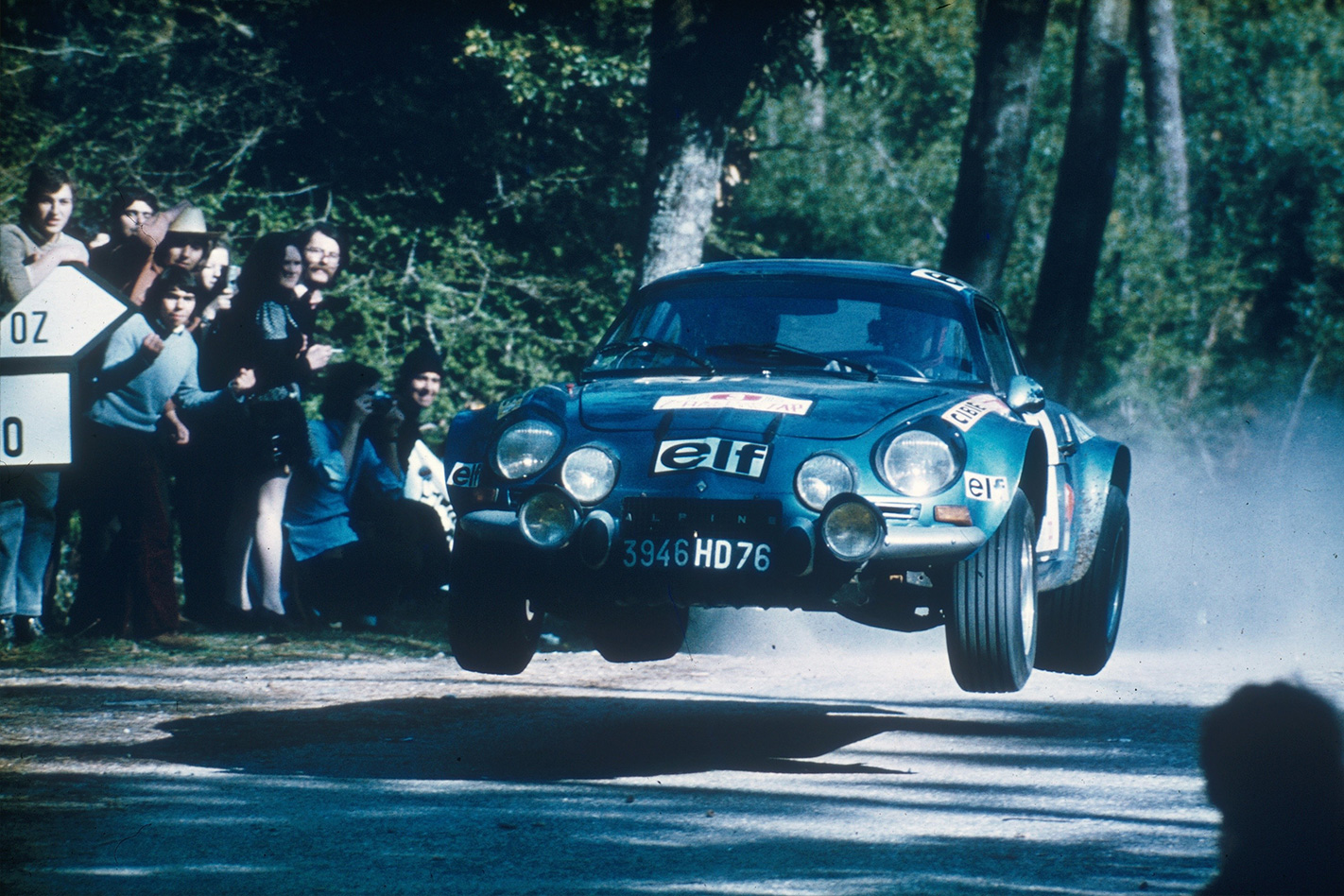
Powered by Renault
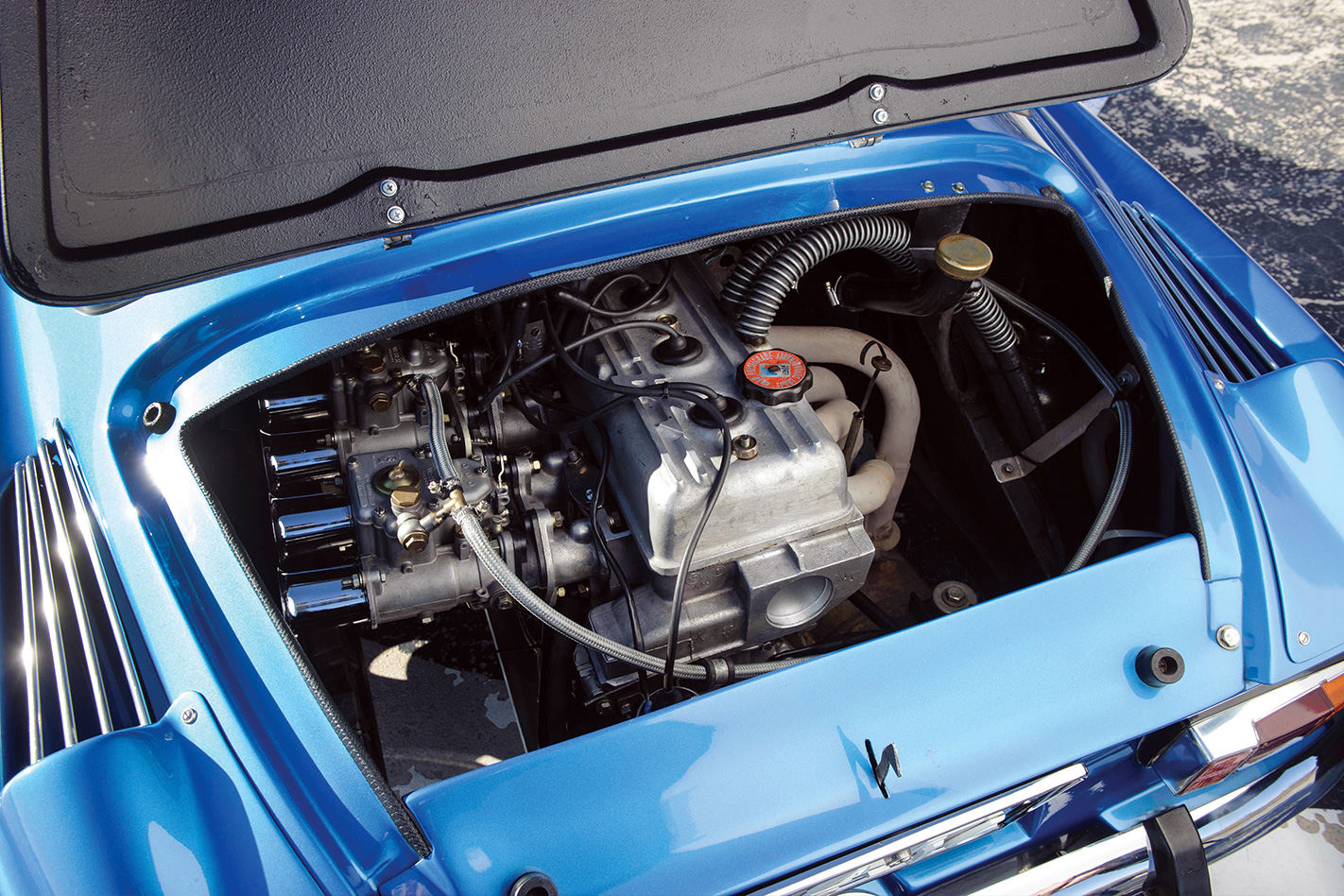
Renault’s ‘C1C’ five-bearing, four-cylinder engine (1962) featured a cast-iron block with a high, side-mounted camshaft operating short pushrods. Capacities (and outputs) climbed from 956cc (41kW), 1108cc (49kW, or twin-carb Gordini 71kW) to 1296cc (89kW). New A110 ‘1600’ models took Renault 16TS’s 1565cc all-alloy unit; the 1600 S (1970-’73) pictured made 103kW at 6000rpm and 145Nm at 5000rpm, giving 0-100km/h in about 7.0 seconds.
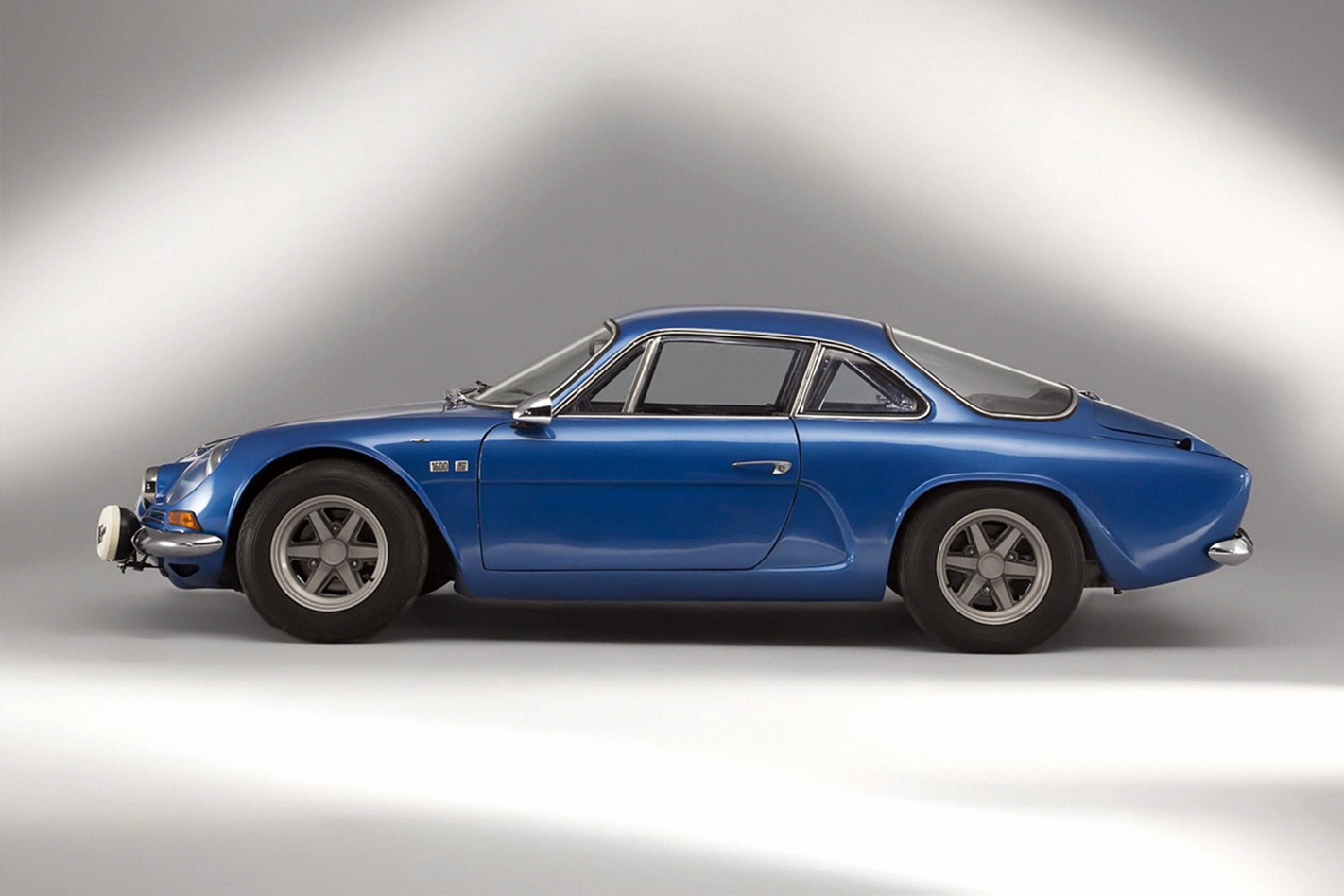
Like its predecessors, the A110 used a steel backbone chassis, with front wishbones and coil springs and rear swing axles with coil springs, topped by a very rigid fibreglass monocoque body, comprising bonded top and bottom halves. Four-wheel discs sat inside 13-inch alloys. Dimensions were diminutive – wheelbase 2100mm, overall length 3850mm – and a sub-750kg kerb weight made for entertaining handling.
Snug but fit
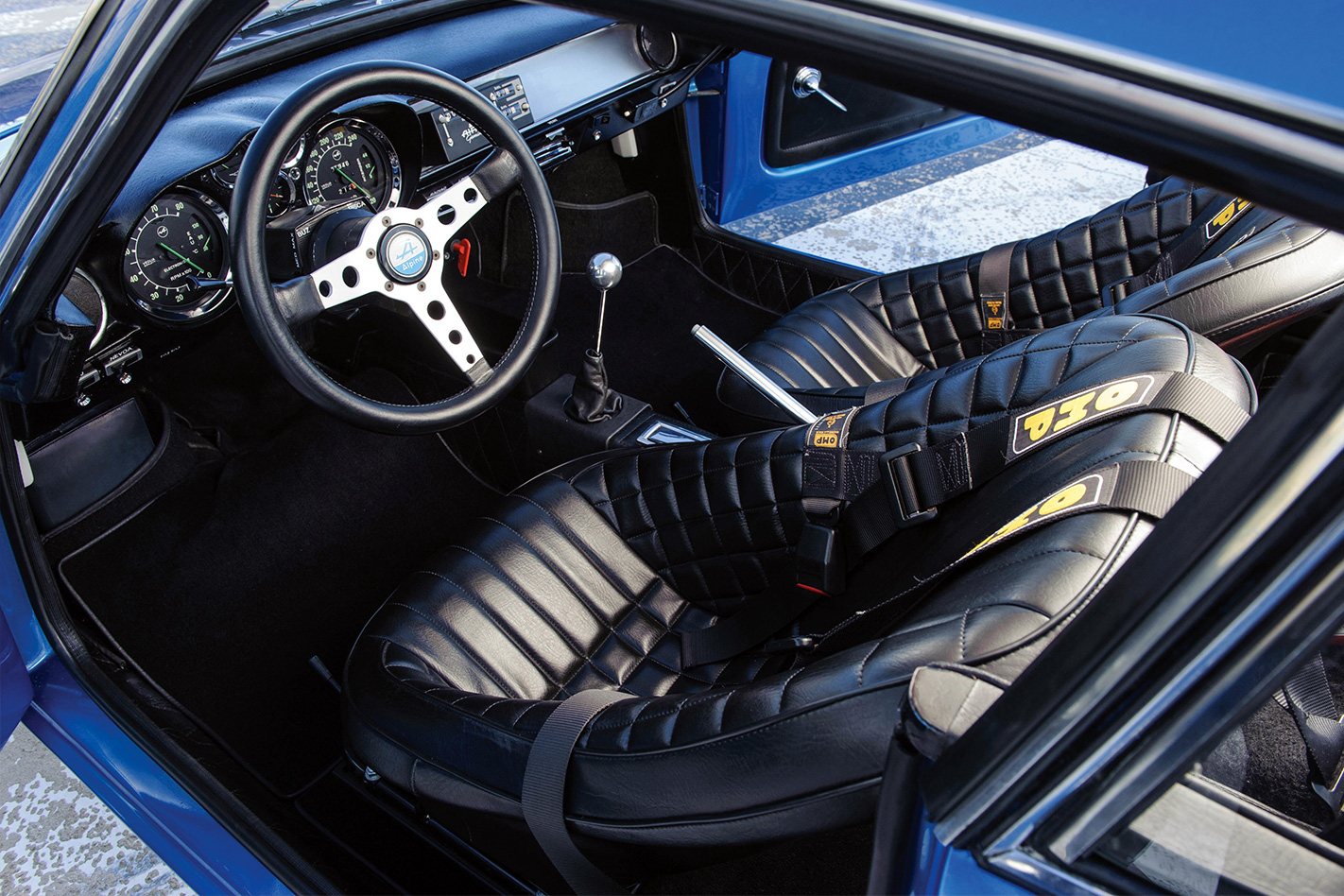
Despite the A110’s tiny size, including a roof height of just 1130mm, two small adults and two small kids could still fit inside (albeit, minus proper seats for the latter). Driving position was low and tight, with deep one-piece buckets, intrusive wheelarches, offset pedals (only ever in left-hand drive), and a fixed steering wheel ahead of a handsome and comprehensive Veglia instrument cluster. Diamond-stitched black vinyl upholstery was functional and attractive.
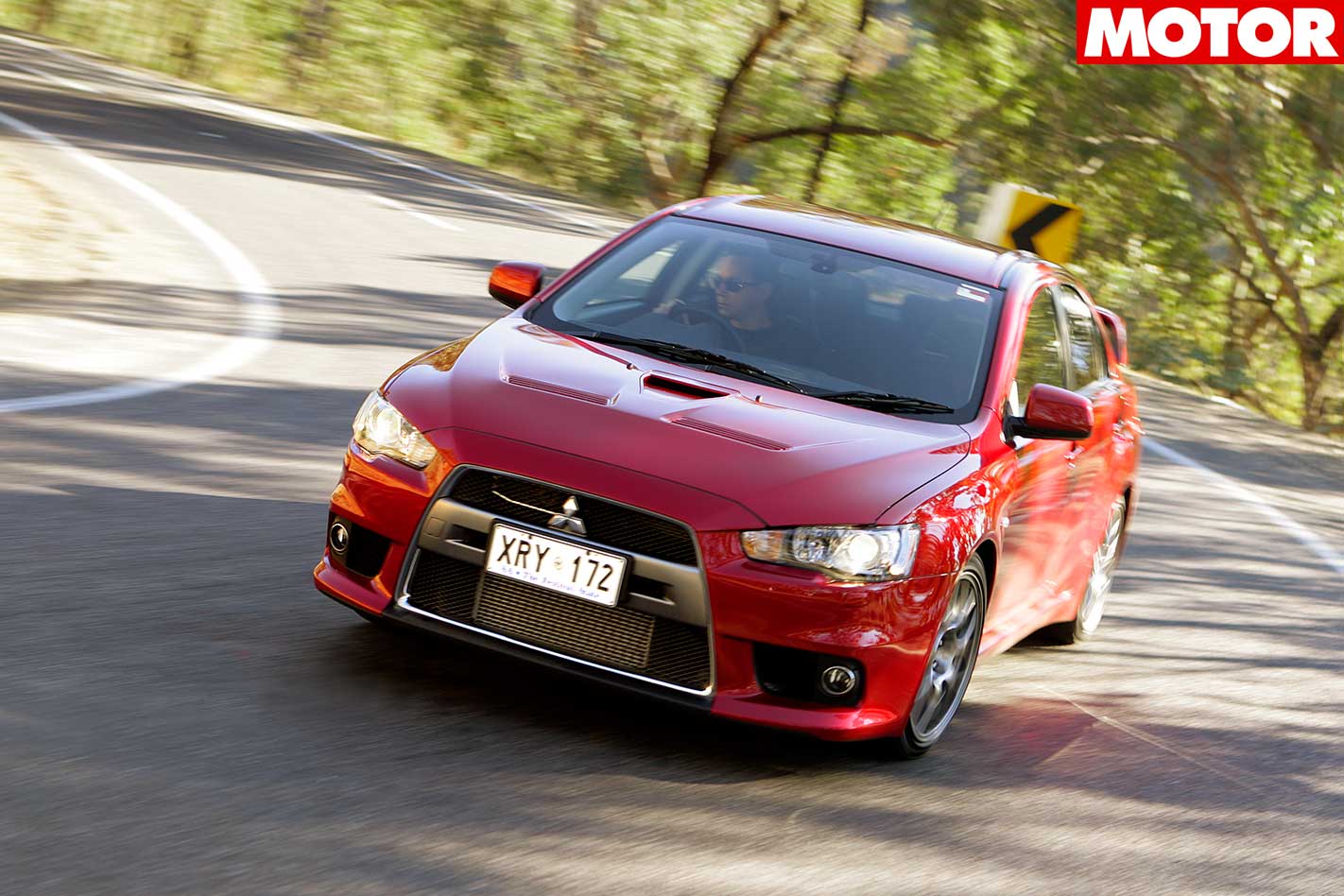
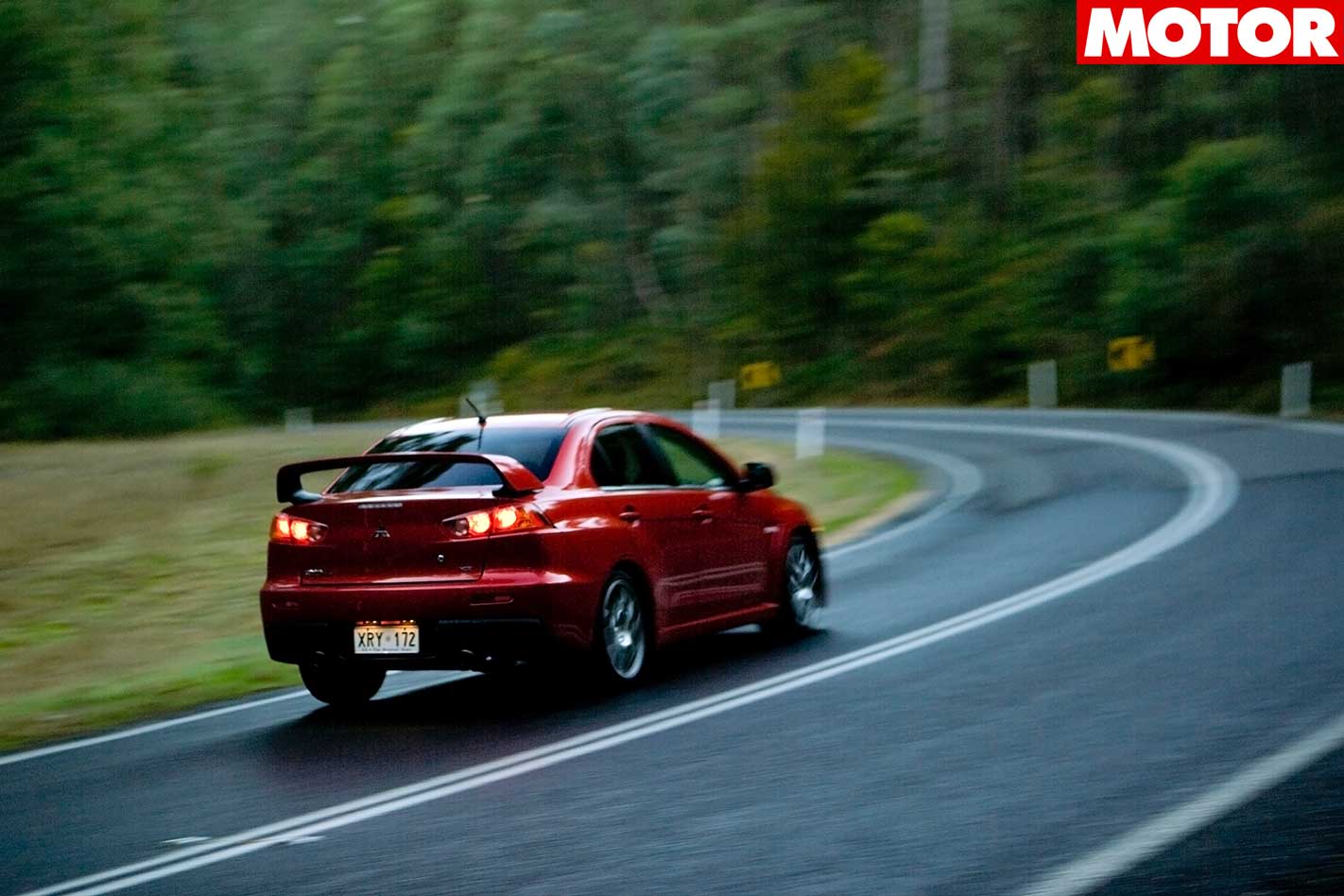
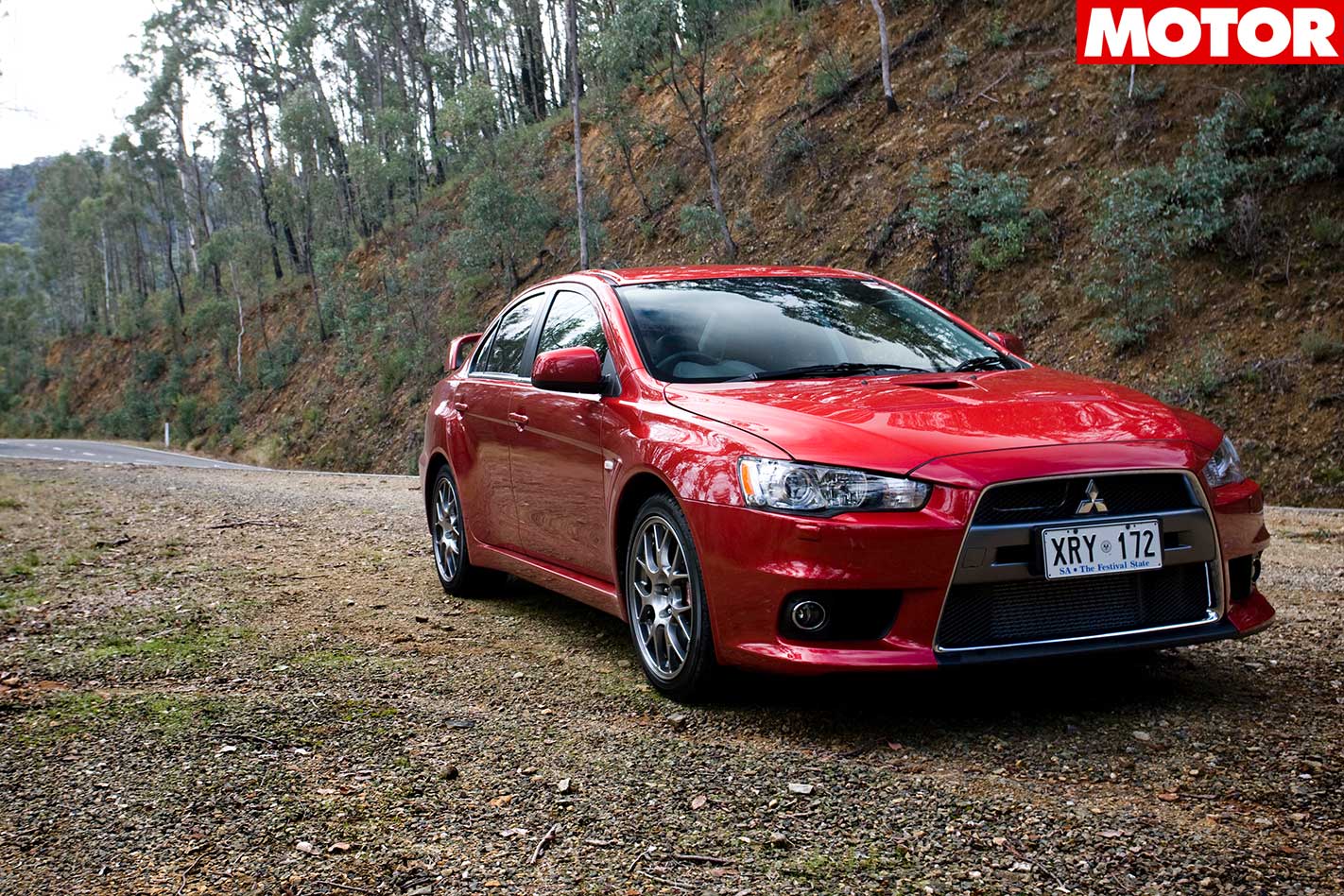
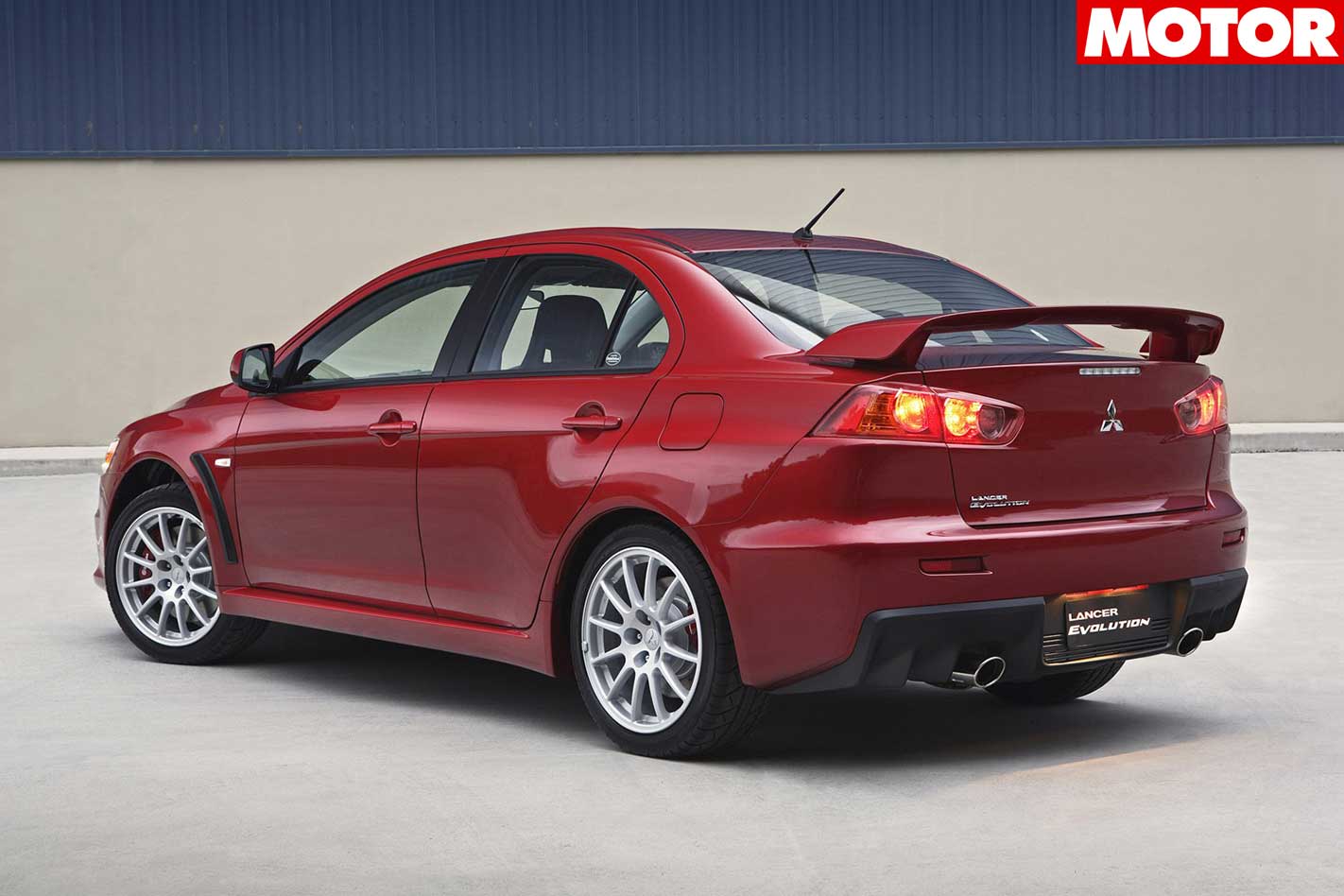
Evolution by name, but revolution by nature. The Evo X, the fourth generation of Mitsubishi’s 16-year-young Lancer Evolution lineage, is the most widely revamped in the iconic Evolution’s history.
This review was first published in MOTOR magazine’s August 2008 issue.
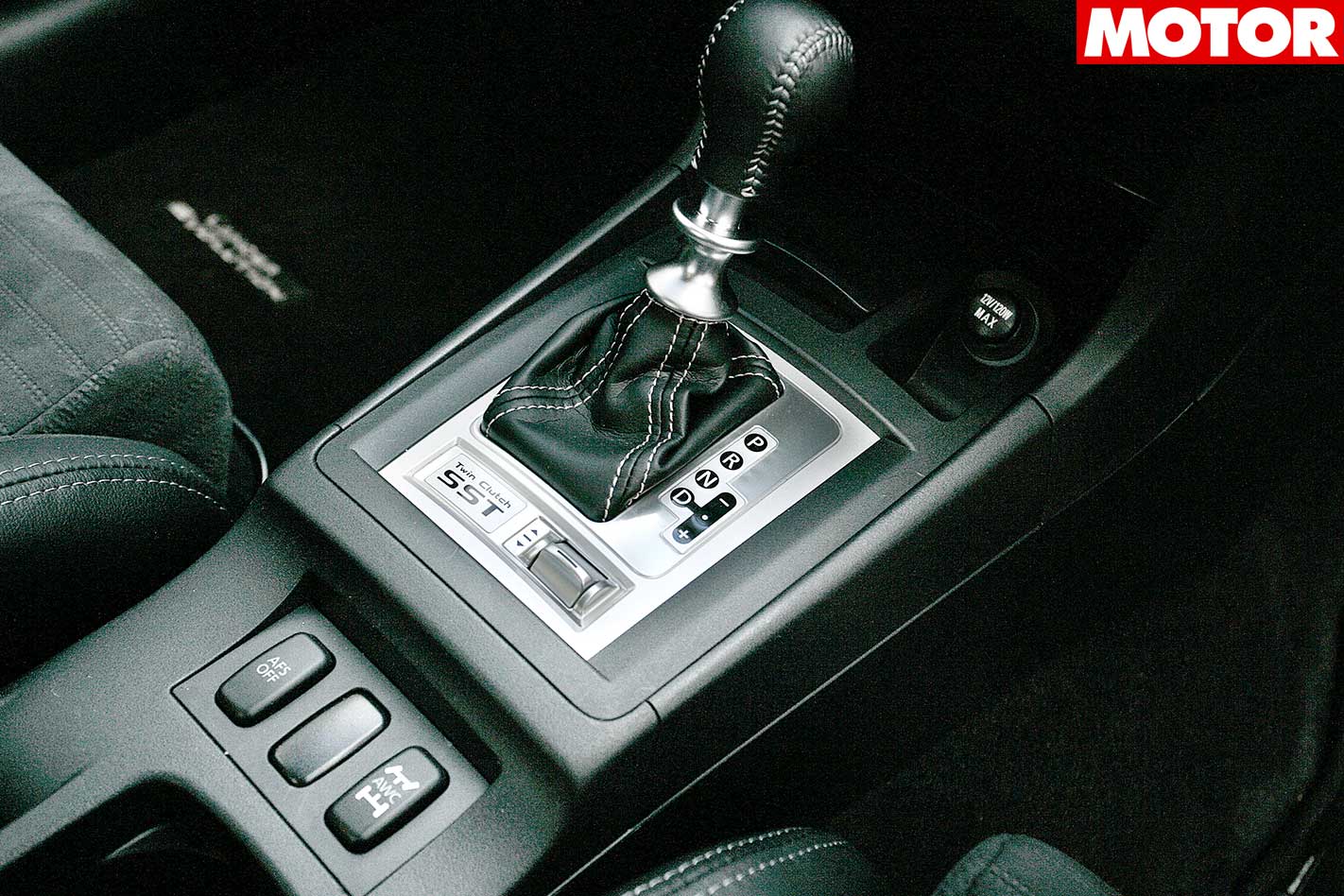
It’s a whole new platform, carries a bold new look inside and out, and has more smarts packed into what must be one of the world’s brainiest electro-mechanical handling packages. Also, there’s an entirely new engine and oh-so-now twin-clutch manual gearbox on offer.
The essence of the road-going Evo’s charm has been that of an underdog injected with enough steroids to outrun the greyhounds. And if the experience rattled your brains or made your kidneys ache during the daily commute, well harden the hell up.
So what, then, if the philosophy changed? What if Evo’s new bag of tricks wasn’t just focused on head-kicking, but also on other motoring niceties? It’d be a revolution all right, but for different reasons.
On a bright June morning at Victoria’s Winton Raceway, Mitsubishi Australia staff are explaining the philosophy behind the newest Lancer Evolution to a throng of Aussie journos. They’re using words like “broadened appeal”, “premium position”, and the ominous “boy-racer grows up”. The words hang a little uncomfortably in the air.
Then, the price is also announced: $71,690. Eyebrows shoot skywards. And before the trainspotters start punching keys in fury, the Evo 6.5 Tommi Makinen Edition (TME), first offered in Oz for $80K (subsequently discounted) was a low-volume weapon imported through, and badged, Ralliart. The Evo X is a volume-selling main-game prospect for Mitsubishi.
Right here you might expect the doomsayer to put the boot in, concluding that the new boy is a bloated, soft, pale and pricey imitation of a real Evo, and start crying for the lost glory of the good old days.
Nope. Y’see, Evo has long been a one-dimensional vehicle, and that’s not enough in a world that now expects a multi-faceted performance car. Even Evo’s big trick isn’t what it used to be. Back 10 years ago, the second-generation (IV-thru-6.5) Evo — like its rallying rival Impreza WRX STi — cemented its giant-killing reputation on a formula based largely on poke and all-paw agility.
Besides, the hottie Lancer was making natural progress towards a finer all round result since day one: Gen One was an explosion, Gen Two converted energy to handling ability, while Gen Three focused on a more engaging driving experience. Oh they became quicker, for sure, but this always had priority over improving issues about cheapness and harshness. Clearly a more refined and well-rounded head-kicker that ticks more boxes across the board was order of the day for Evo’s fourth reinvention.
Another revolution is the range available. Below the twin-clutch-only MR is a conventional five-speed manual base model with a less well-endowed handling and brake package for $59,490, undercutting the MR by a cool $12,200. With two major mechanical options (TC-SST at $5000, the MR’s Performance Package handling kit at $5500) and the budget, race-only RS also available (through Ralliart), there’s effectively a choice of five different Evo models representing a price spread of $30K.
Founded on a new platform shared with the regular Lancer (and Outlander), the X’s body structure is far more rigid (up 39 percent on torsion and 64 percent on bending) than old Evo IX, thanks to more extensive use of high and super high-tensile steel and some seam welding. The revised inverted-strut front and multi-link rear suspension has stiffer crossmembers and lots of lightweight forged aluminium bits within the new geometry set up. There’s also a 30mm extension in track width.
But despite aluminium for the roof, bonnet, front guards and rear wing, the MR tips the scales at 1625kg, 155 kilos heftier than the previous model.
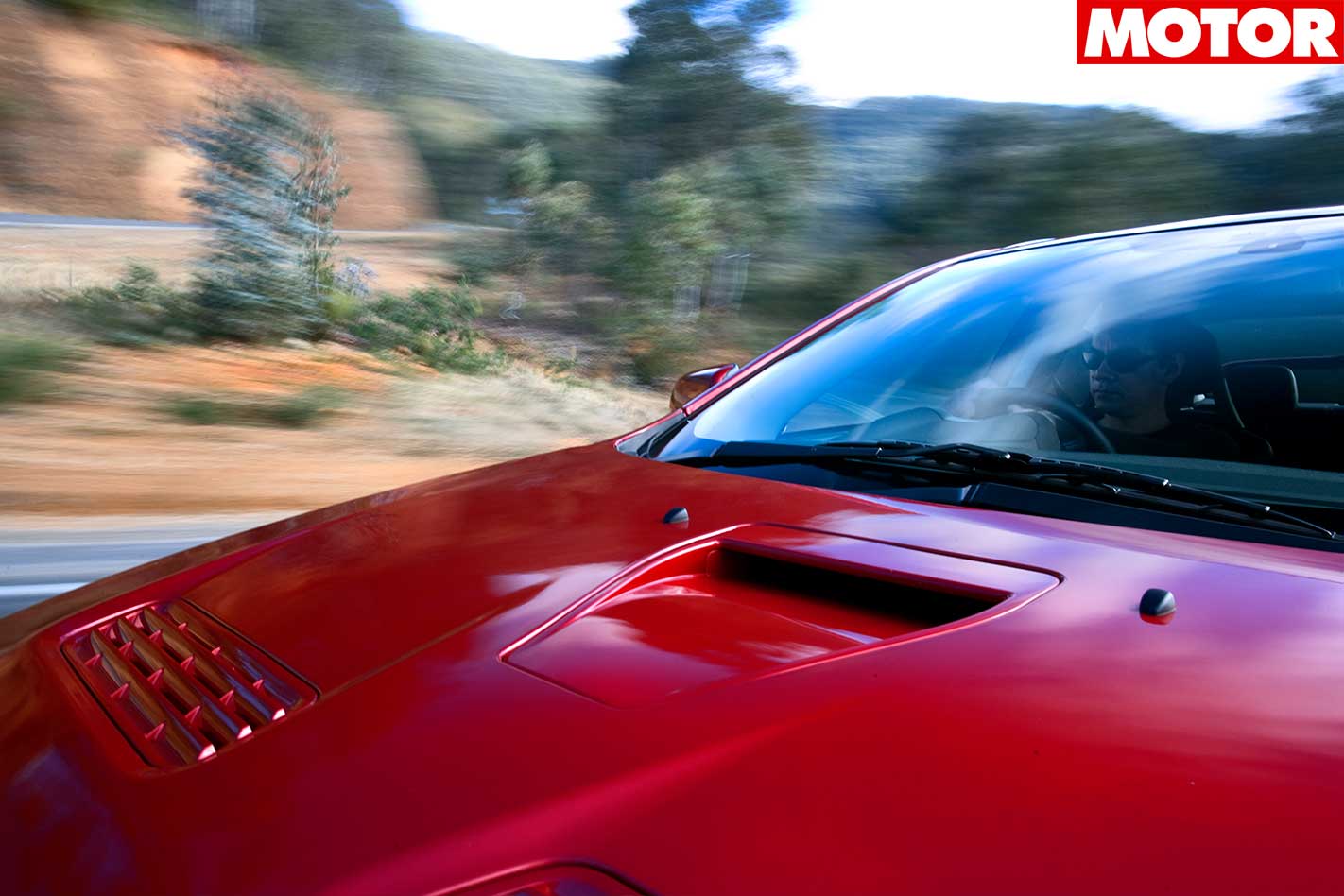
Sure, the Evo X is quick, but it’s not devastating. Mitsubishi Australia kindly loaned us the previous Evo IX for some back-to-back blats; perhaps a little regretfully once the tyre smoke cleared. The old girl nailed 3.17sec to 60 kays and 5.60 to 100km/h, respectively three-tenths and one-tenth quicker than the X.
The Aussie MR has no launch control, so standing on the gas off-the-mark perhaps wasn’t doing it favours against the IX’s brisk clutch-dumping getaways. More telling is the IX’s superior in-gear acceleration; its 3.1sec third-gear 80-120km/h time a full six-tenths quicker than the X.
That’s a little surprising given that the all-new, all-alloy MIVEC-equipped 4B11 2.0-litre turbo four’s 217kW (at 6500rpm) and 366Nm (at 3500rpm) out-punches the old 4G63 engine by 12kW and 11Nm, according to official figures. And, as you may expect, the new donk comes with an encyclopaedic list of engineering improvements for what should be a more responsive and energetic new engine.
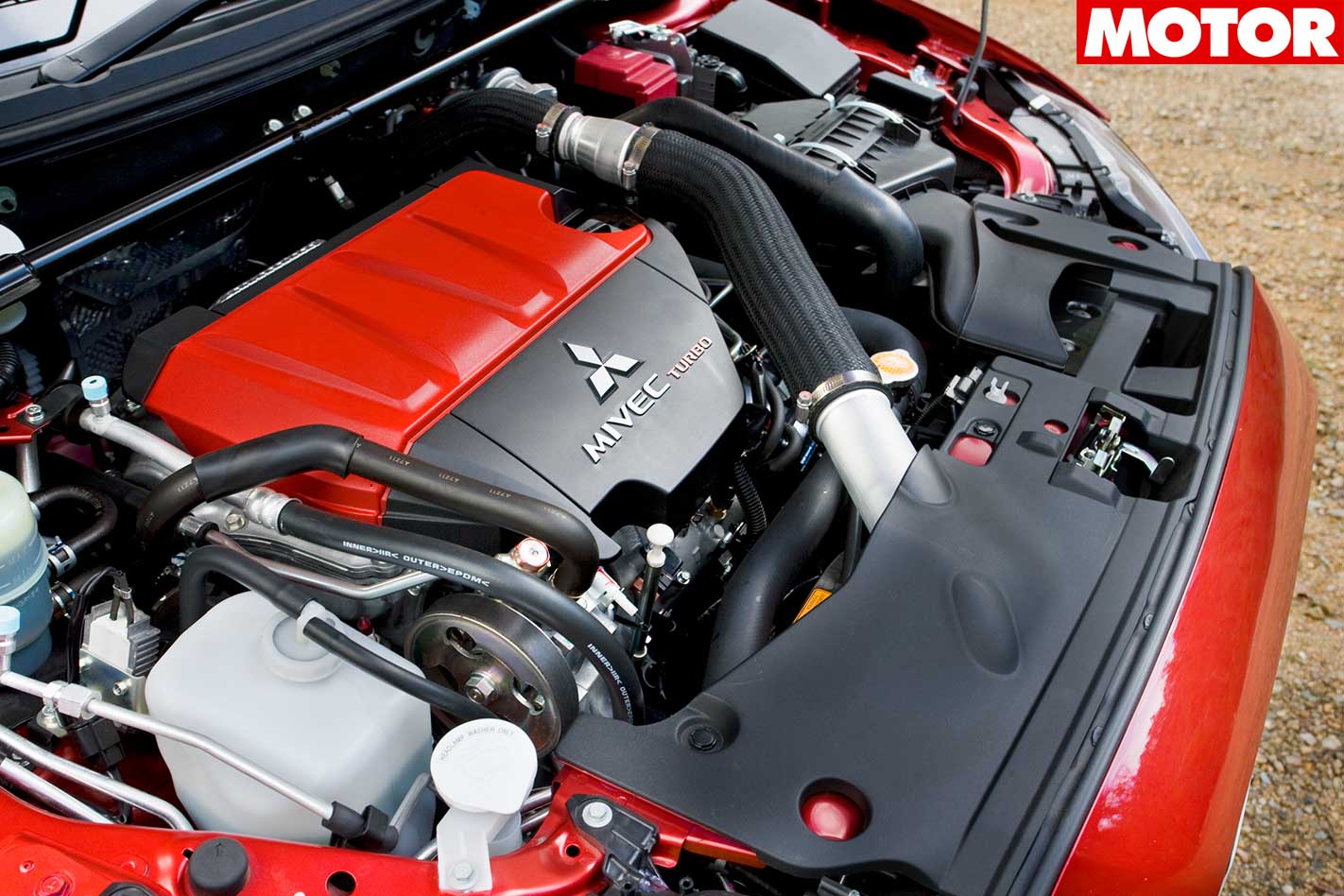
Perhaps current emission regulations, which ultimately killed off the 4G63 architecture, are to blame. The new engine passes with flying colours but, as Team Mitsubishi Ralliart boss Alan Heaphy suggests, Australian emissions regulations have strangled the 4B11’s potential below 3000rpm. He also reckons a bit of fettling back at the workshop has already lifted power to around 300kW from the new engine.
More to come in future? Of course. But for now, 366Nm is well short of rival STi’s 407Nm, let alone the Japanese Evo X which already pumps out a far gutsier 422Nm…
“The X has lost a bit of that Evo killer punch,” reckons MOTOR’s resident hot shoe Warren Luff. But despite that, he punted the new boy around Winton for a 1:40.5 best, trailing the IX by a scant three-tenths over a full lap.
The twin-clutch system is a pretty handy companion on the track. In its most focused program (of three), Super-Sport mode, upchanges are crisp and instant with every snick of the lush magnesium gear paddles, while downchanges are slightly tardy and require precise timing to prevent upsetting the rear on turn-in.
And turn-in it does, almost as sharp and eager as its predecessor. In the mid-corner, though, you can tell the Evo’s energy is drained by the extra weight. It tends to lean hard on the outside front tyre; pushing on simply induces understeer, a combined result of a little more body-roll and shifting mass than you’d expect from Evo experience.
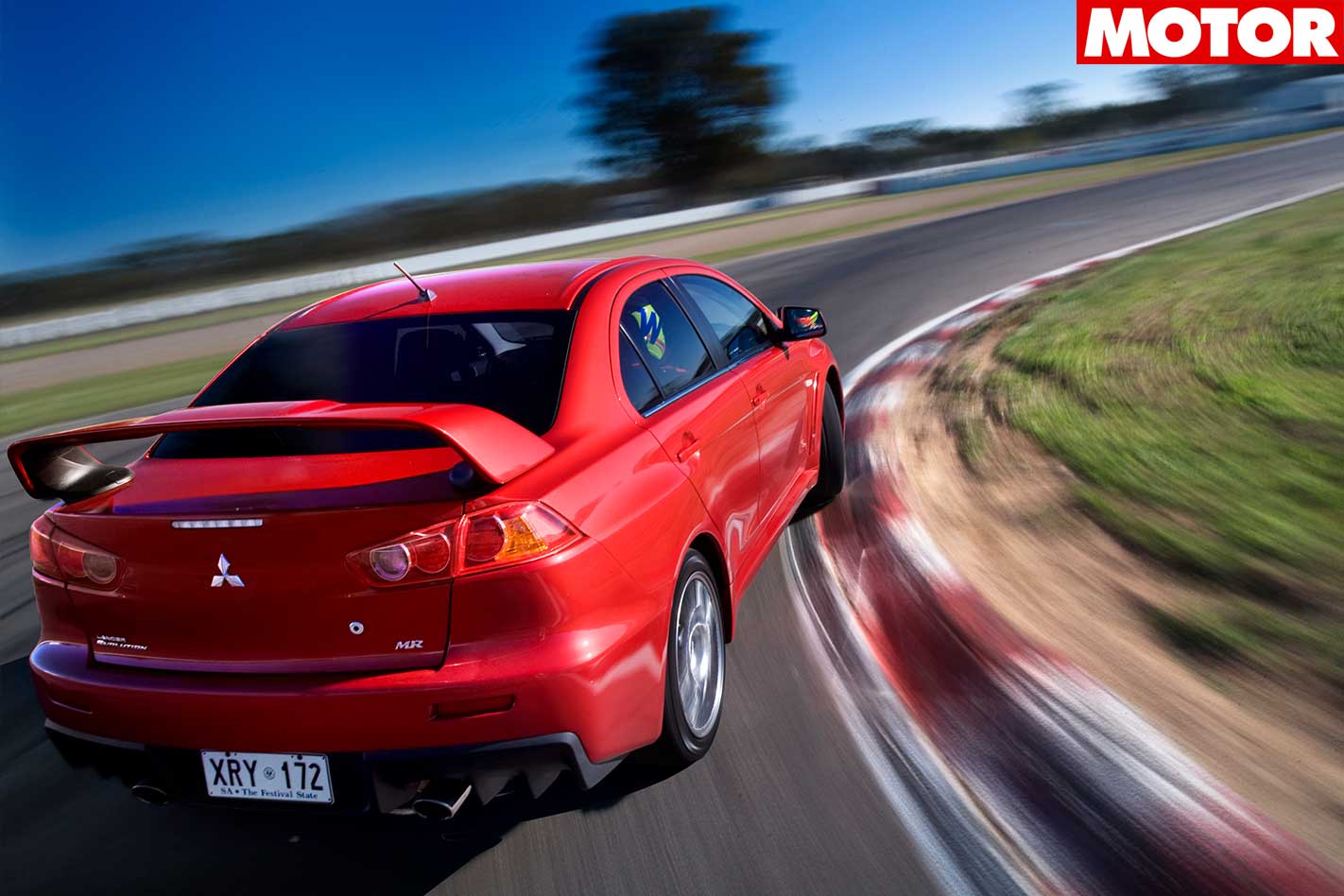
It works by having its Hal-like brain gather all the inputs from all the systems and deliver them back enough binary data, in quick time, to keep the car perfectly planted. And the part it plays in Evo’s manic cat-claws-to-carpet roadholding is impressive. Mitsubishi’s catchphrase for this is “ingeniously brutal”. Which kind of rings true for the whole Evo X package.
The only downside is that the chassis isn’t as playful as the last generation. It just grips and goes, and regardless of which Tarmac/Gravel/Snow ACD setting you choose it takes mammoth stupidity to get the car into desirable types of oversteer. The rear end stays glued to the hotmix, even on a wet Winton skidpan.
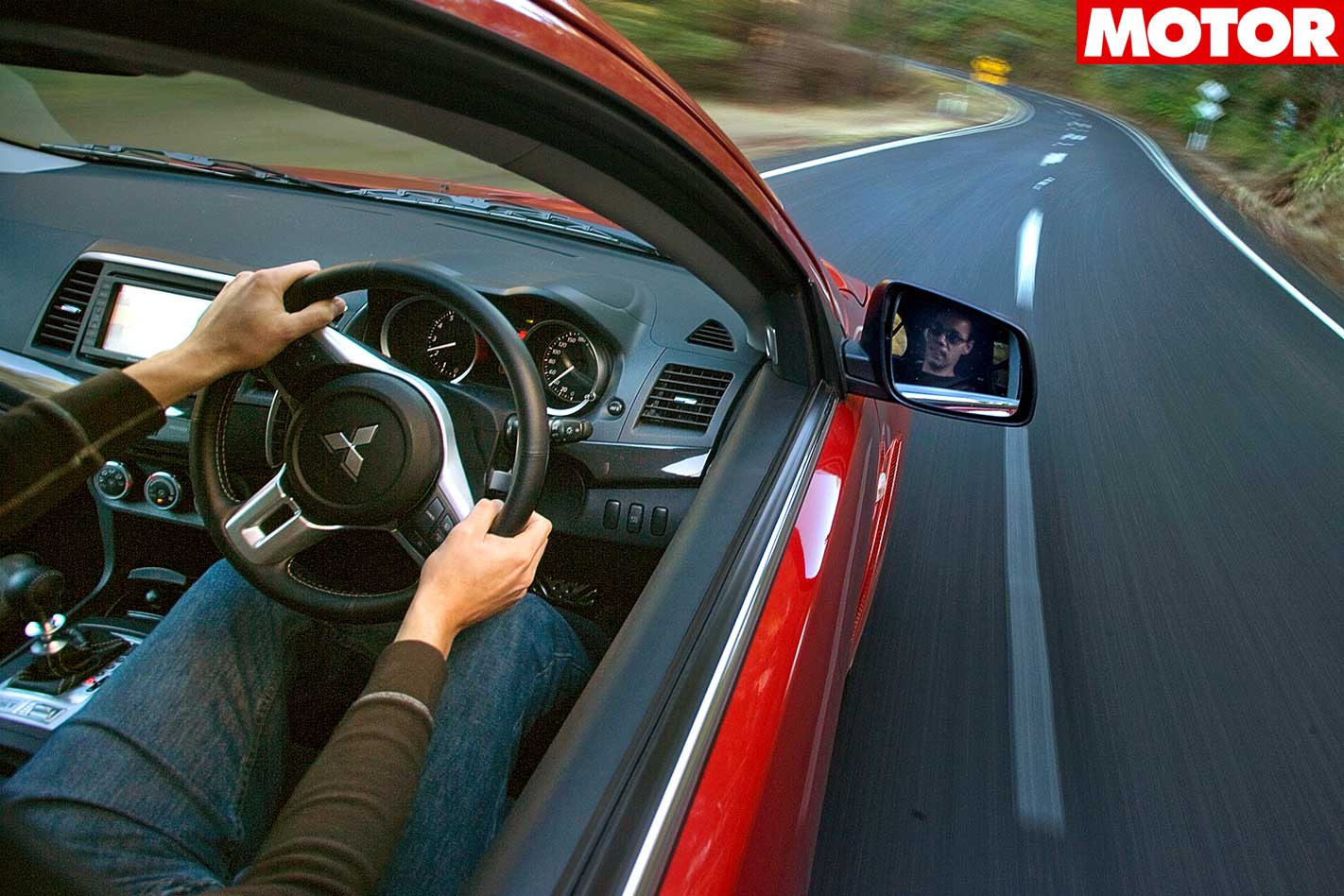
If the Evo X knuckles down in a workmanlike fashion on track — call it a seven out of 10 experience — it becomes more lively and engaging the instant you throw it down a challenging piece of open road.
The Bilstein shocks and Eibach springs are excellent, seemingly perfectly matched and offering a blend of iron-clad real-world roadholding and ride compliance that’s simply light years better than any previous Evo. It’s superbly supple — by Evo standards, anyway — over bumps and road imperfections, with exceptional wheel control that’s no doubt aided by the MR’s lightweight rims and brakes.
And for all its cleverdickery, the S-AWC system goes about crunching its ones and zeros underneath completely unobtrusively, as if guiding the Evo along a twisty road like a gigantic Hand of God.
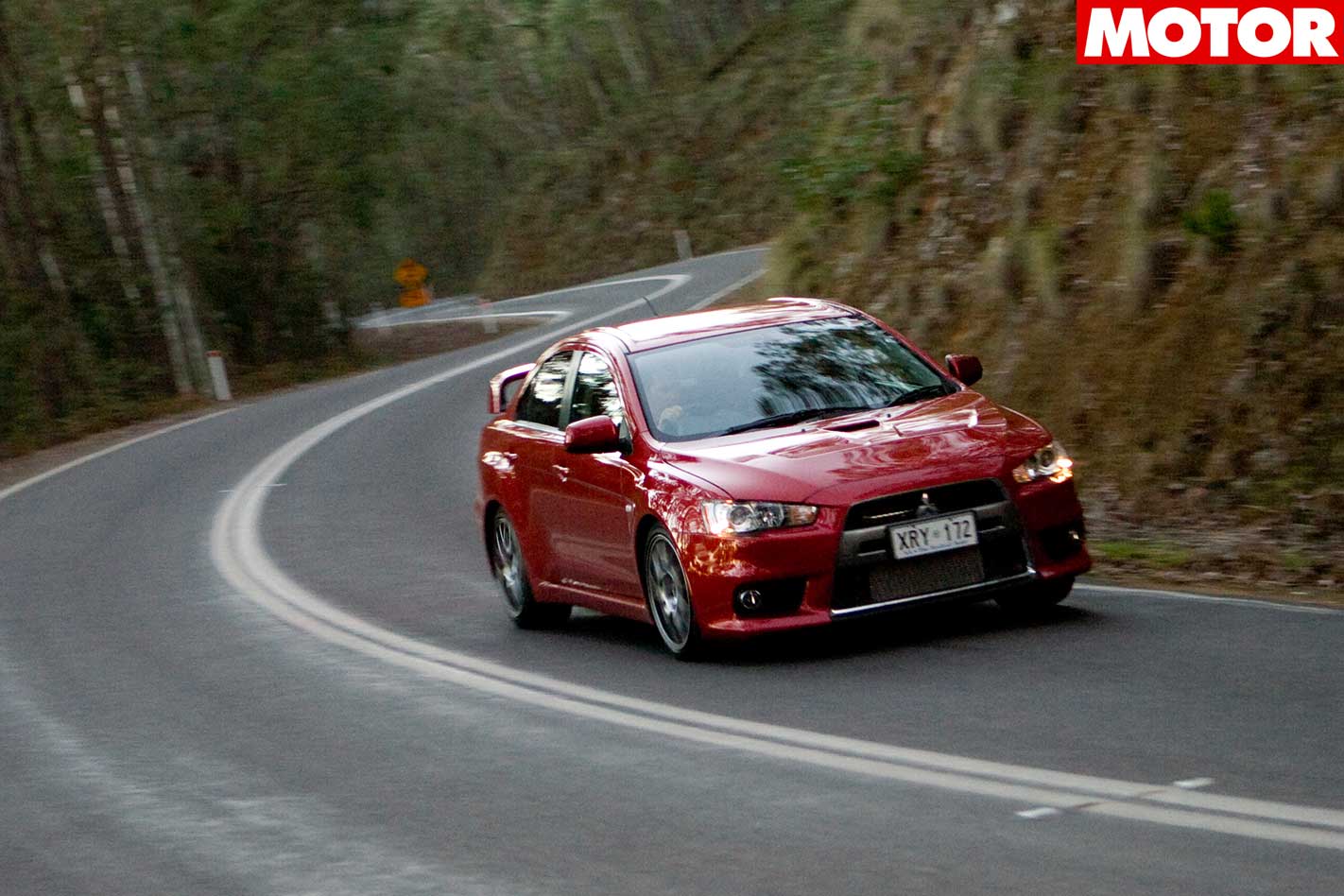
If there are any gripes it’s the lack of torquey mid-range shove, which would not only add some needed sparkle to the chassis on exiting a corner, but also make overtaking less of a chore than it is (but again we’ll reserve final judgement on that until we get a car with more clicks on it).
Also, with the near-seamless shifting available from the TC-SST, the slick magnesium paddles should really be on the tiller, where you can reach them with half a turn of lock, and not the steering column, where you can’t.
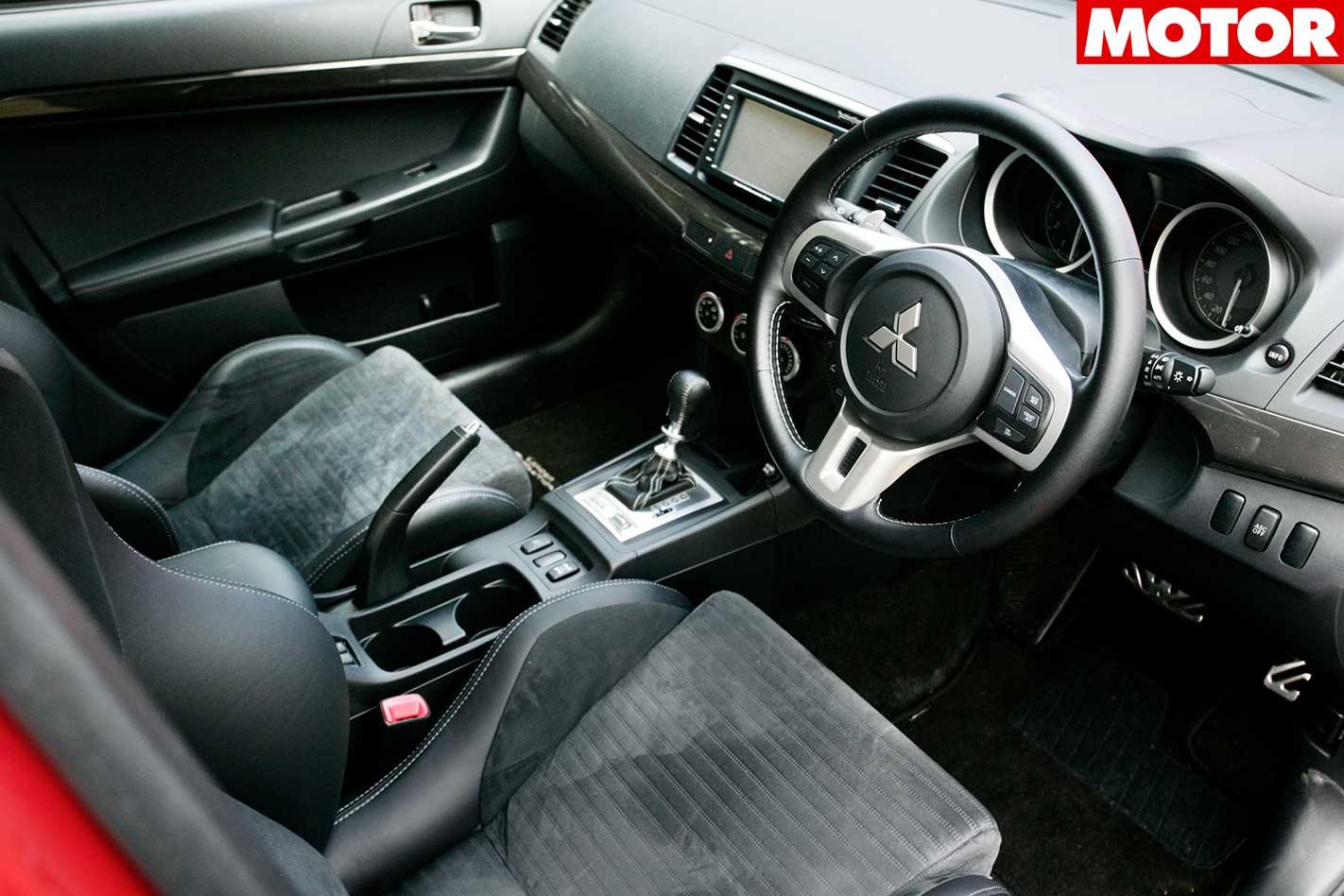
The satnav, though, is rudimentary and, in country Victoria at least, bloody hopeless. For a larger Lancer it’s still intimate and cosy room-wise, the general design and layout is neat, classy and – unlike its rival STi – nicely understated.
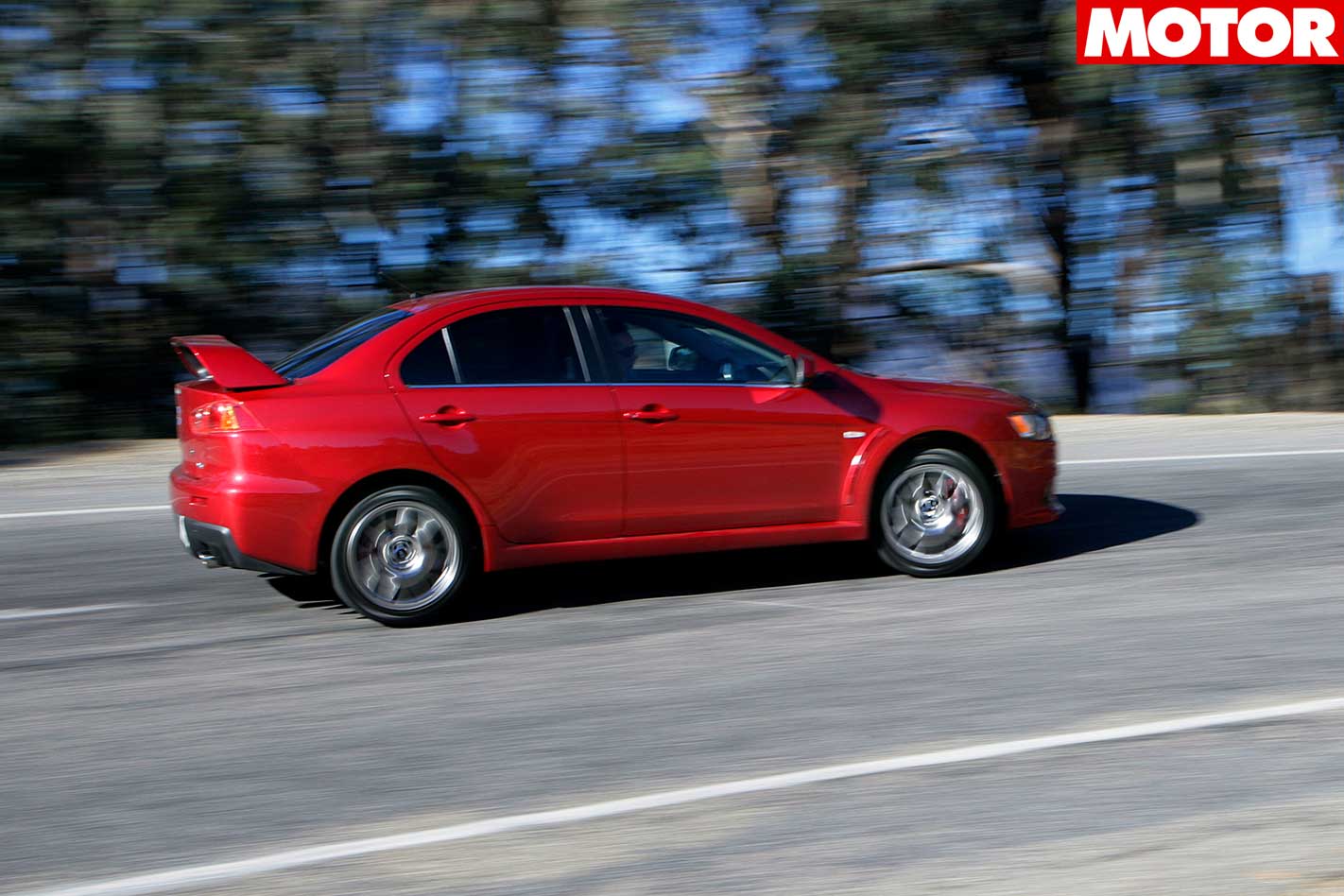
Likewise the exterior. The X has lost some of its banzai aggressiveness from concept to production, but for my money it beats the pigdog Subaru hands down.
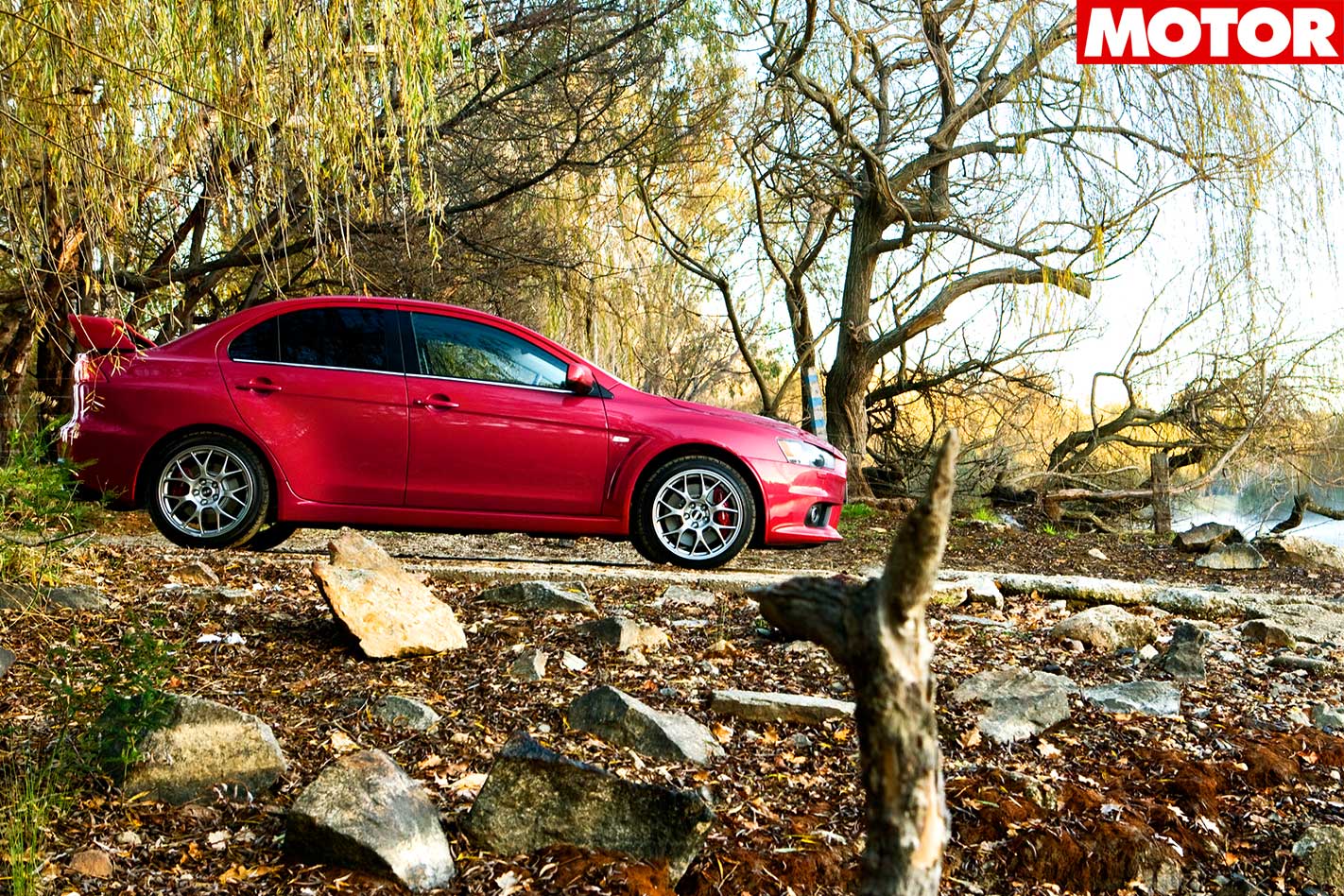
Bar a bit of tyre rumble on country roads, it’s quiet, relatively refined and effortless in clocking up serious kays, and the smart-shifting twin-clutch is useable and polished enough for day-to-day conditions. That it remains a focused driver’s jigger with far fewer real-world compromises largely outweighs the deficit of a few tenths of a second on the stopwatch.
Mission accomplished. X, truly, hits the spot.
Gear Jumping
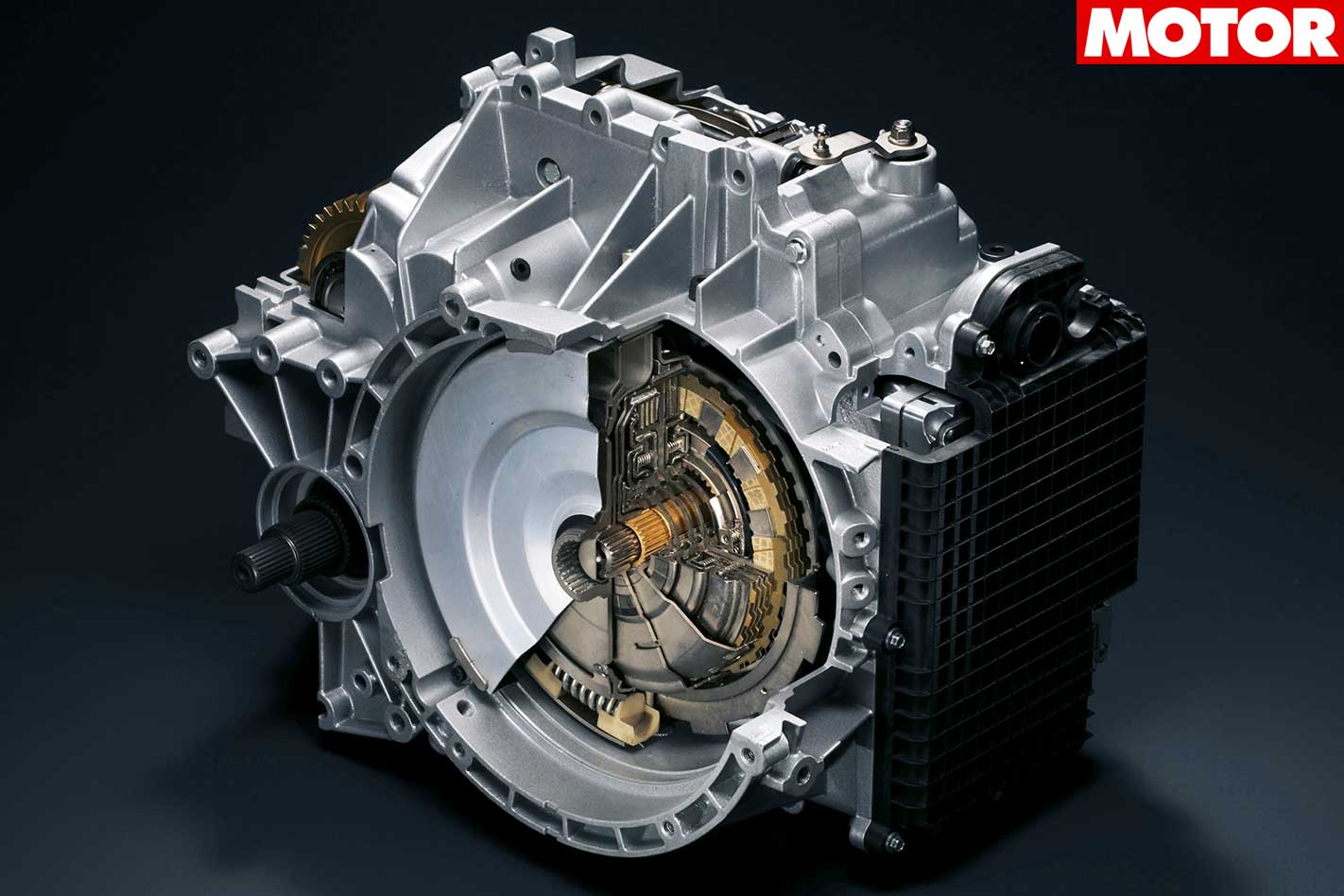
Among the various systems, basic engineering principals remain – two clutches, two parallel shafts (one for odd ratios, the other for even ratios), offering both automatic and manual modes, and the advantage of near-seamless gearchanges via ‘preselected’ up and downshifted ratios.
Still, not all dual-clutch systems are created equal. Some systems, such as that in the new Nissan GT-R, seem capable of only shifting up and down through adjacent ratios, or ‘sequentially’. Mitsubishi’s TC-SST, though, can jump ratios – for example, from sixth to third instantly.
According to Mitsubishi’s Robert Chadwick, TC-SST can preselect two ratios per shaft – four ratio options – at any time; preparing for any driving requirement. He also reckons that while most dual-clutch systems share this capability, some don’t use it. With big-output engines such as the GT-R’s, a big dose of torque (say, from sixth-to-third) could destroy the gearbox. Which is why, in some high-torque applications, the gearbox shuffles through the ratios instead, offering a more progressive torque feed both through the gearbox itself and rest of the driveline.
Model Range
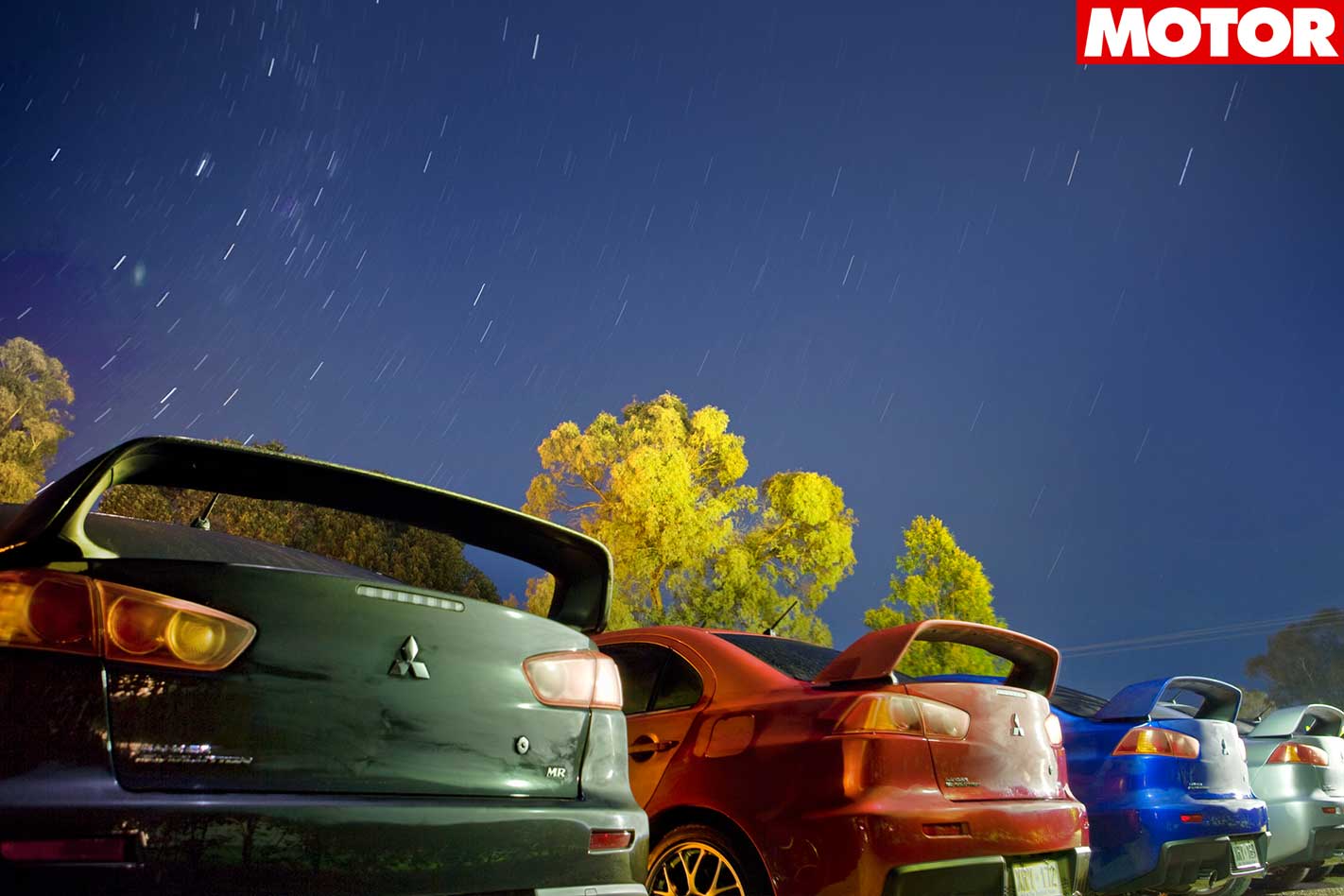
It also cops niceties such as leather combination trim, heated seats, auto-levelling HID headlights, MCS in-dash display with satnav etc. The base Evolution comes in five-speed manual form, with cloth trim, cast Enkei 18-inch rims, regular four- and two-piston Brembos and sport suspension, yet offers identical engine and driveline hardware/software specs. It’s $59,490 — $12,200 cheaper than the MR — undercutting its Impreza STi arch rival by $500.
Here the fun begins. There are two major options for the base model. Fancy the MR’s tricky TC-SST gearbox? No problem; it’s a $5000 option. Or would you prefer a more purist driver’s combination of MR’s Performance Package handling and braking with a conventional five-speed cog-swapper? At $5500, the PP kit is also optional, its $64,990 ask matching STi Spec R’s price to the dollar.
Add the stripped-out, lightweight RS version that Ralliart is importing in limited numbers for the bargain basement $41,900 price and there’s essentially a five-model range spanning the best part of $30K. And that’s even before you consider the WRX-rivalling, little brother, the 177kW Lancer Ralliart due to land in Oz in October.
My other car is really RS
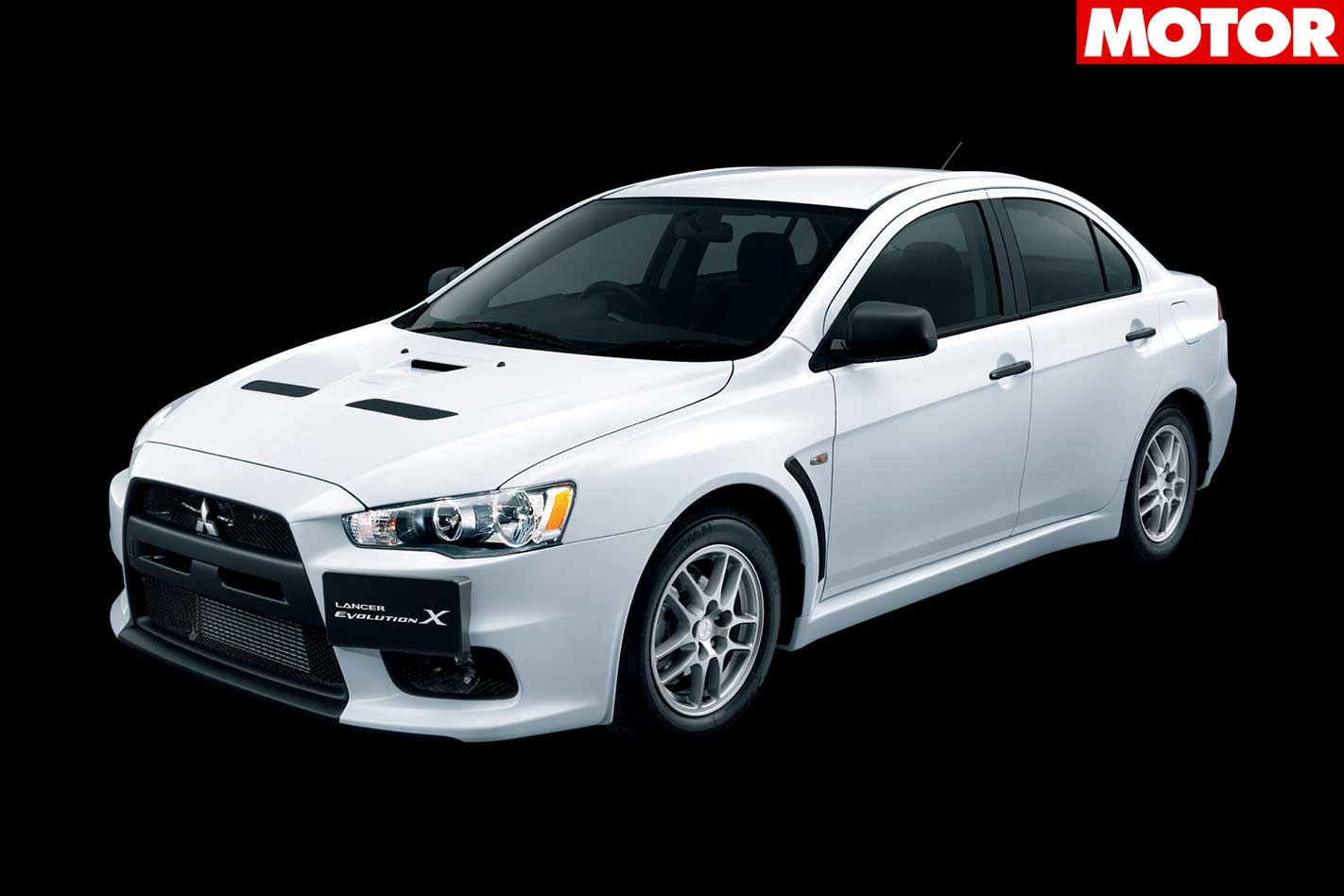
Team Mitsubishi Ralliart is bringing in a small number of bare bones, ready to modify and/or abuse RS versions for a cheap-as-chips price of $41,900 (plus GST) — some $30K cheaper than the MR. But it’s no steel-rimmed Bangkok taxi.
Instead, the RS shares the same mechanical package as the base Evo, but substitutes the rear AYC differential for a motorsport homologation-friendly mechanical differential.
“It comes with the same 18-inch Enkeis and Brembos,” says TMR boss Alan Heaphy. “If someone wants to go gravel rallying, they can always sell these parts to help fund the conversion (to smaller rally brakes and 15-inch rally wheels).”
Bar rudimentary interior appointments (no radio, air-con, basic front bucket seats, etc), it looks and drives exactly like its more expensive brethren right off the showroom floor. The RS is offered in LHD and RHD, in red or white only. There’s no warranty, and it’s eligible for rally permit registration only.
Fast Facts
Fast Times 0-100km/h: 5.71sec Top speed: 242km/h (claimed)
Likes: Vastly more comfortable and liveable; broader range Dislikes: Lack of mid-range punch; not as playful as predecessors Rating: 7.5 out of 10 stars
