
IF YOU were planning to bet against Mercedes-AMG scoring a fifth-straight Formula 1 drivers’ and constructors’ championship in 2018 you might want to reconsider in light of the first week of testing at Circuit de Barcelona-Catalunya in Spain.
Defending champion Lewis Hamilton sailed to the top of the timesheets in the afternoon of the final day, with a 1:19.333 lap.
Hamilton’s time was half a second quicker than anyone else, and nine-tenths of a second quicker than third-fastest Sebastian Vettel’s best time.
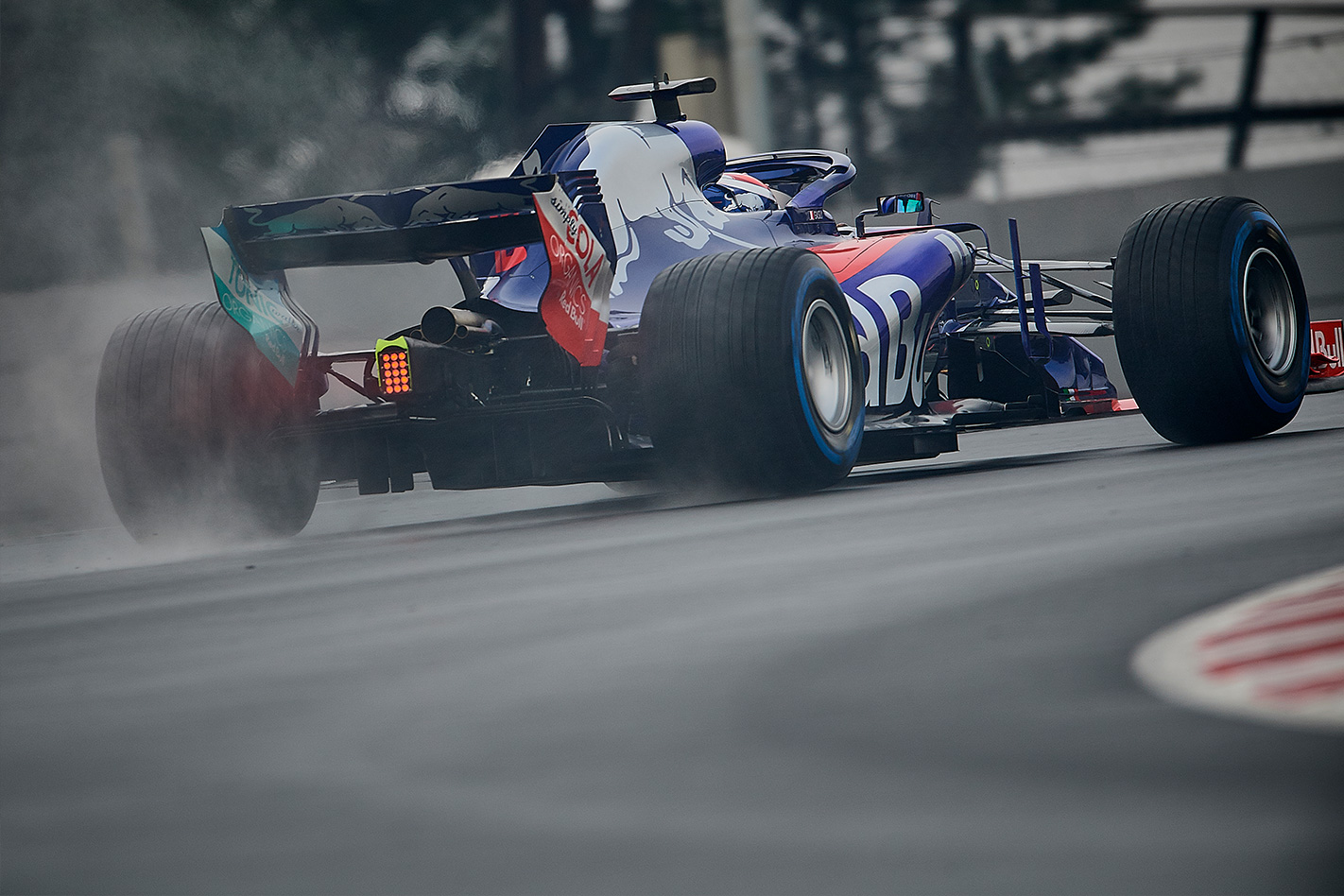
McLaren will be looking at Scuderia Toro Rosso with a degree of frustration. The two teams swapped power-units during the off-season, with McLaren scoring Renault units, and Toro Rosso being lumped with previously notoriously unreliable and underpowered Honda engines.
However, Toro Rosso and Honda have seemingly gotten along famously during the first test, putting in more laps across the four-days than McLaren was ever able to achieve during pre-season testing with the Japanese power units.
Many teams were forced to run a truncated testing schedule, as sub-zero temperatures saw the track uncharacteristically covered in snow for the beginning of day three. While this resulted in some spectacular photography, it also meant just one timed lap was completed all day.
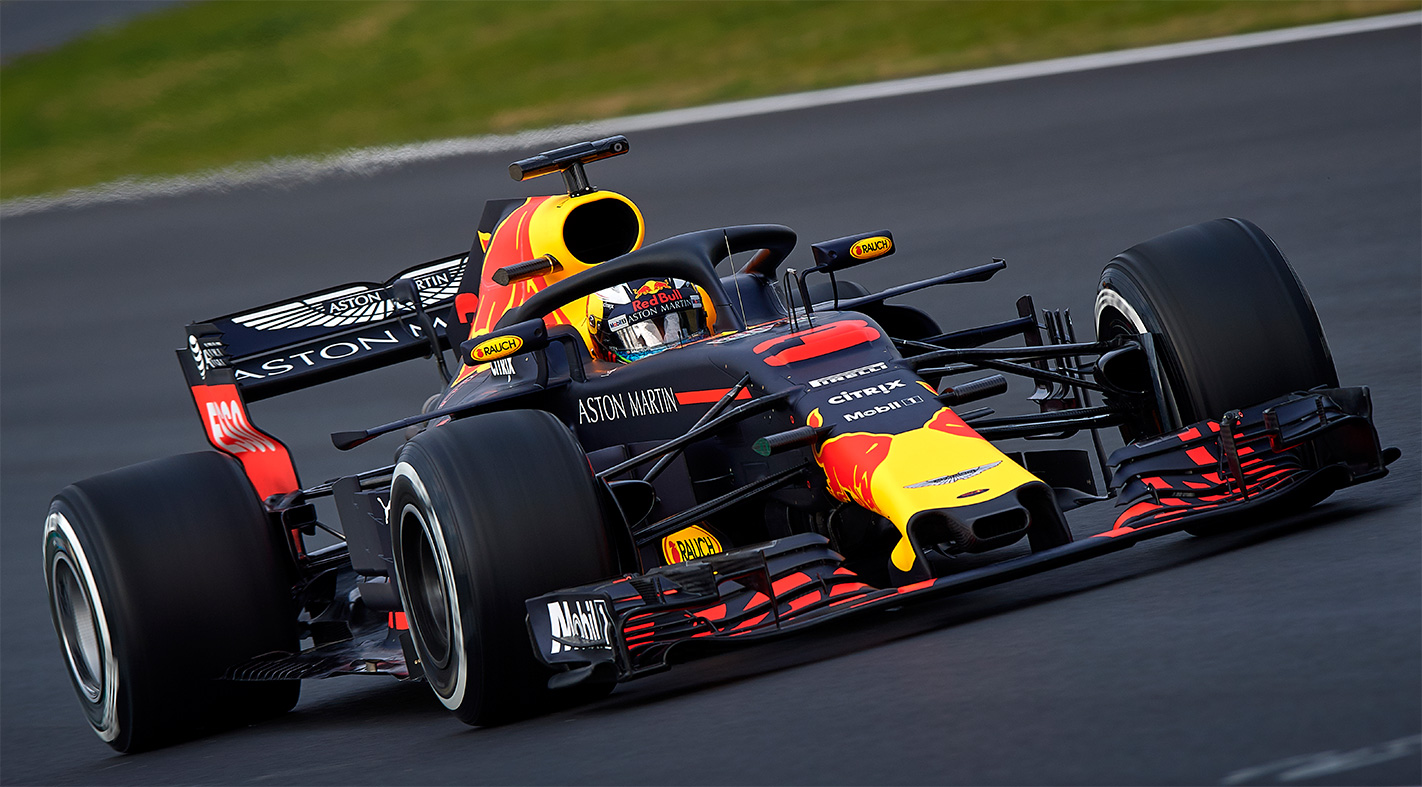
Red Bull and Daniel Ricciardo started the pre-season strong, topping the first day, however the Aussie was scheduled to drive on day three, and didn’t complete a timed lap.
The strangest incident occurred on the first day, with Fernando Alonso spinning off the track when the right rear rubber decided to part ways with the rim at the final corner.
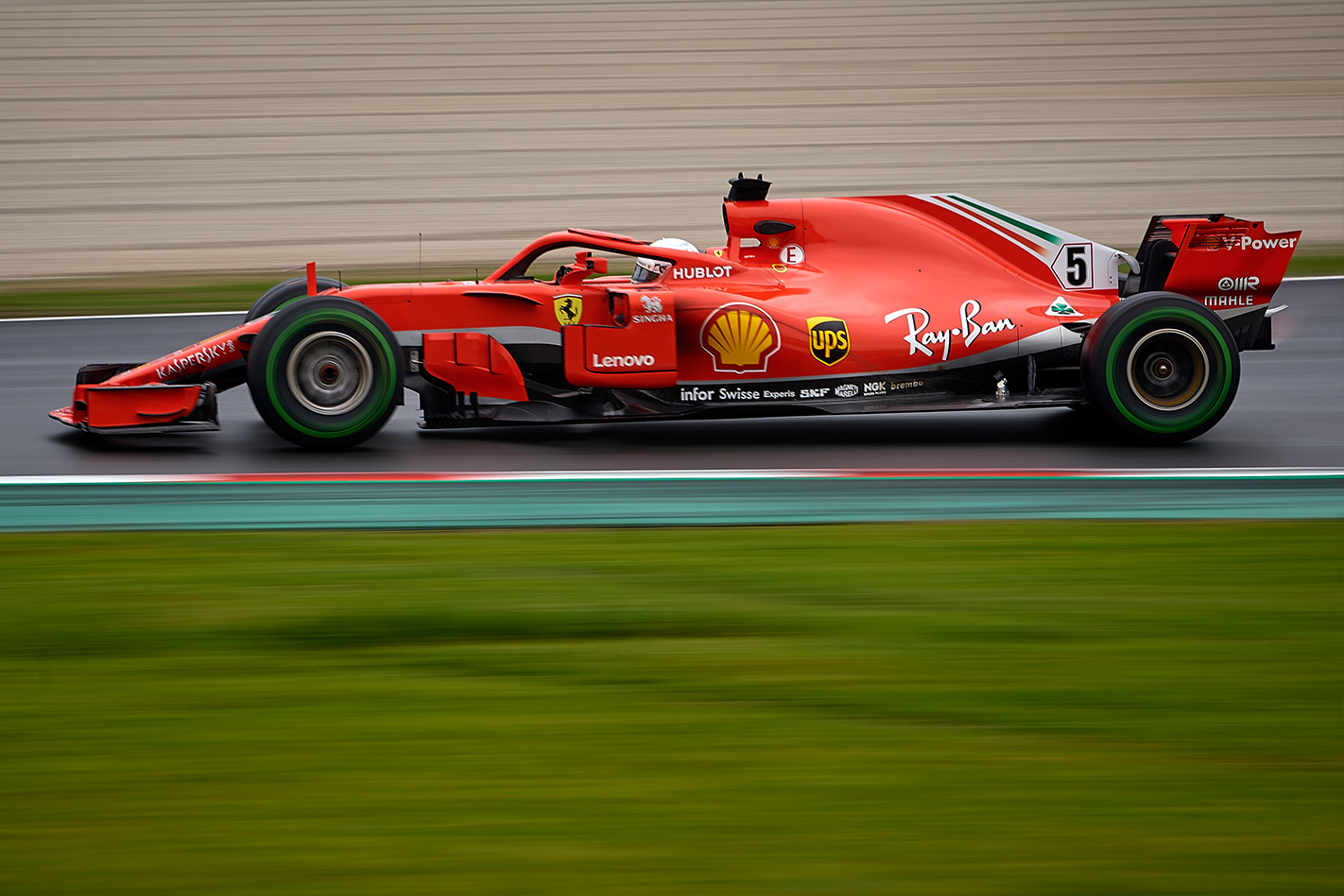
Ferrari again seems to be the most likely to challenge Mercedes in the 2018 F1 championship fight, with both Kimi Raikkonen and Sebastian Vettel consistently in the fastest runners on track.
However, the Mercedes team seems to have nailed its latest power-unit, which is all-new, where every other squad are running evolutions of their 2017 engines. It’s rumoured the Mercedes unit now produces in excess of 745kW in race trim.
The Formula 1 paddock will have the weekend to reset before starting the second pre-season test on Tuesday.
Is James Glickenhaus set to become the Steve Fossett of the auto world?
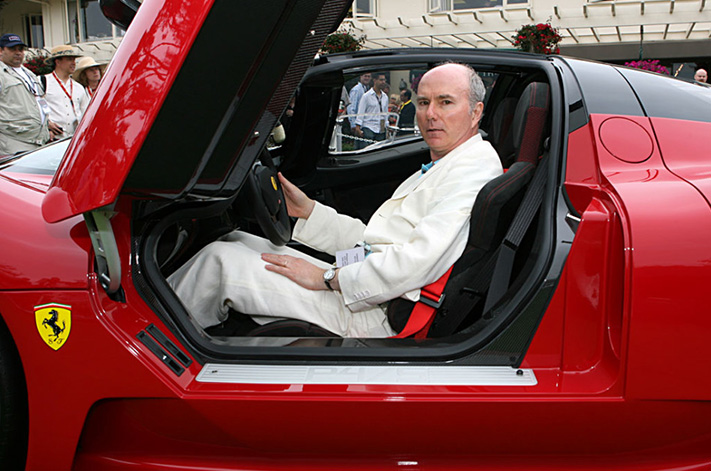
Not content with developing his own one-off Ferrari hypercar, the director of Scuderia Cameron Glickenhaus (SCG) has a new toy to play with. Jim bought Steve McQueen’s original Hurst ‘Baja Boot’ at an auction in 2010, and with the car came a gold mine of spares and technical drawings.
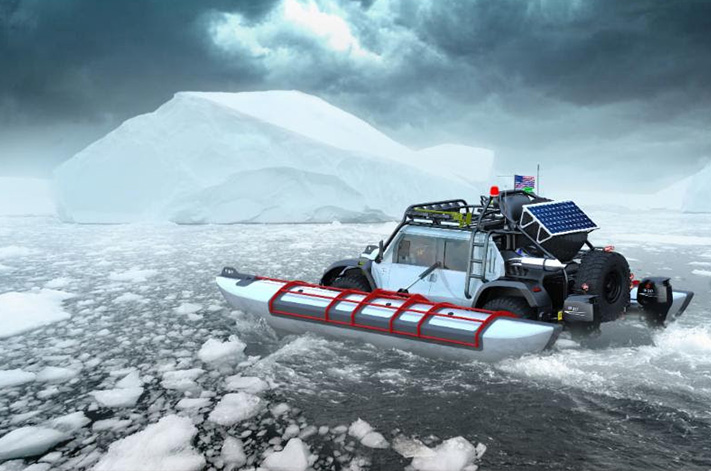
It probably hasn’t escaped you that there’s a significant obstacle in undertaking that drive called the Bering Strait, 82 kilometres of icy sea that separates Cape Dezhnev, Russia from Cape Prince of Wales, Alaska. Glick plans to drive west from the Big Apple, amphibiously across the Bering Sea, down the Road of Bones, across the Trans-Siberian Highway through Beijing, Moscow, St. Petersburg and then on to Paris.
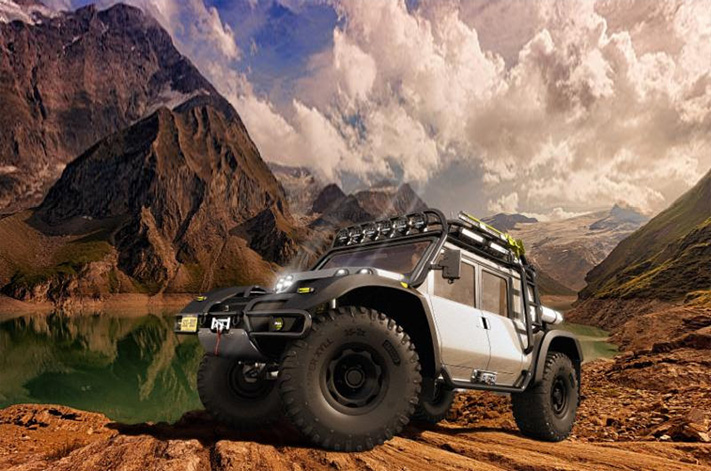
Glickenhaus is looking to build a limited production run of 25 Boots in two- and four-door guises from $125k. Power will come from a naturally aspirated V8 engine, although the company hasn’t announced who its partner is here. We know it’s not Ford, but other than that, his lips are sealed. With over 500mm of suspension travel it’ll be able to make mincemeat of just about any other off the shelf 4×4 you can think of, although SCG will also offer the car in a rear-drive form which, frankly, sounds like ridiculous fun.
What is it?
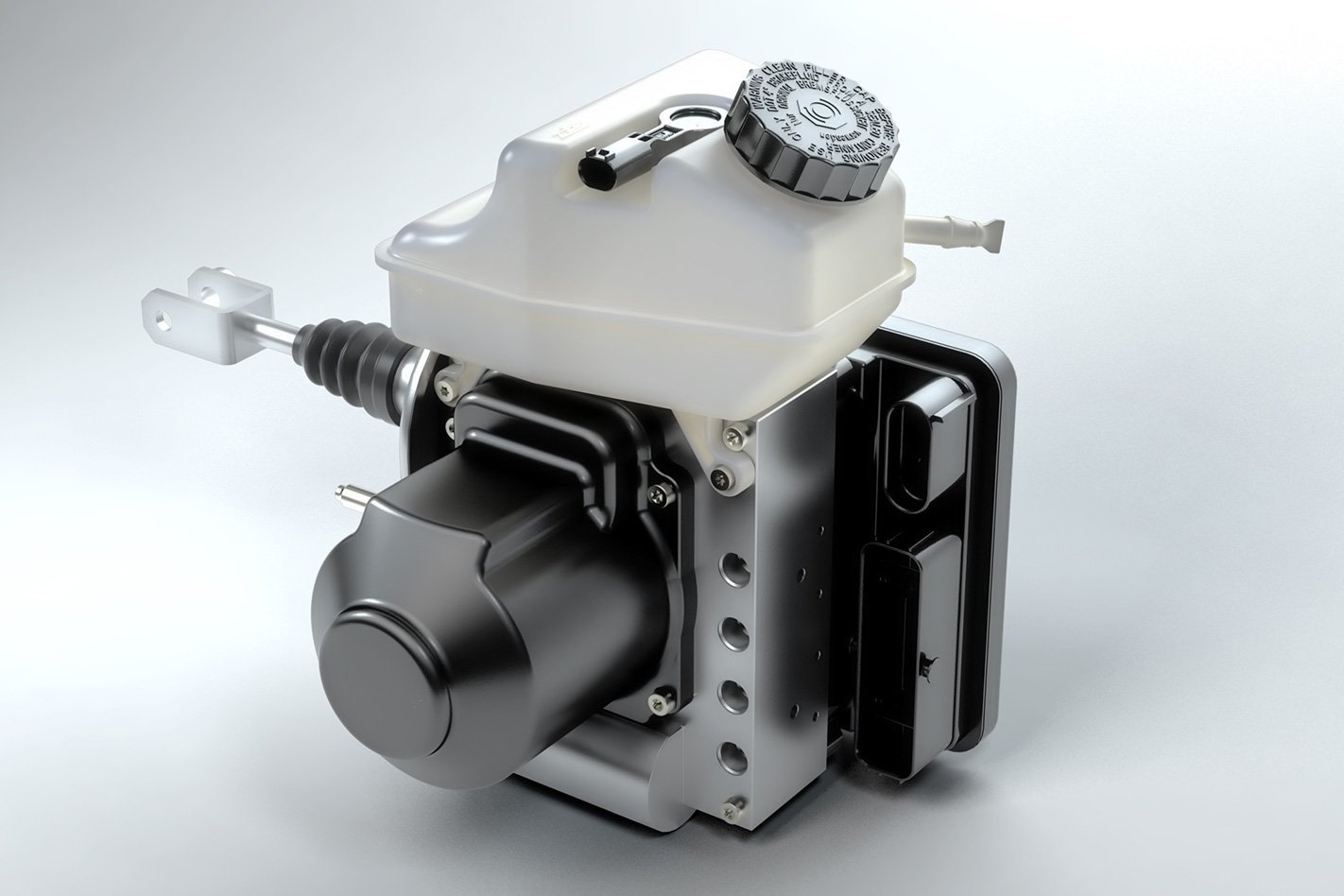
An evolution of traditional vehicle braking systems that has remained fundamentally unchanged for decades.
Multiple system components are consolidated into a single unit for weight-saving, miniaturisation and faster brake response times.
- Explained: GKN Tungsten-carbide coated brakes
- Explained: V2X Vehicle-to-everything communication
- Explained: Lift flexible wishbone suspension
How does it work?
A traditional system requires a master cylinder, vacuum servo and pump for boosting brake force, and ESC controller, but the Continental solution replaces the vacuum booster’s role with an integrated hydraulic pump and reduces system complexity to just one component.
Like a traditional master cylinder system, the brake pedal is still directly connected to the MK C1 unit for fail-safe redundancy. Instead of the pedal pressure directly modulating brake force, the unit uses a travel sensor, which sends a signal to the pump to alter braking performance electronically under changing conditions.
Why does it matter?
With fewer separate components, the system saves four kilograms over traditional approaches and is more compact allowing better vehicle packaging, but the advantages extend into performance benefits, says Alfa.
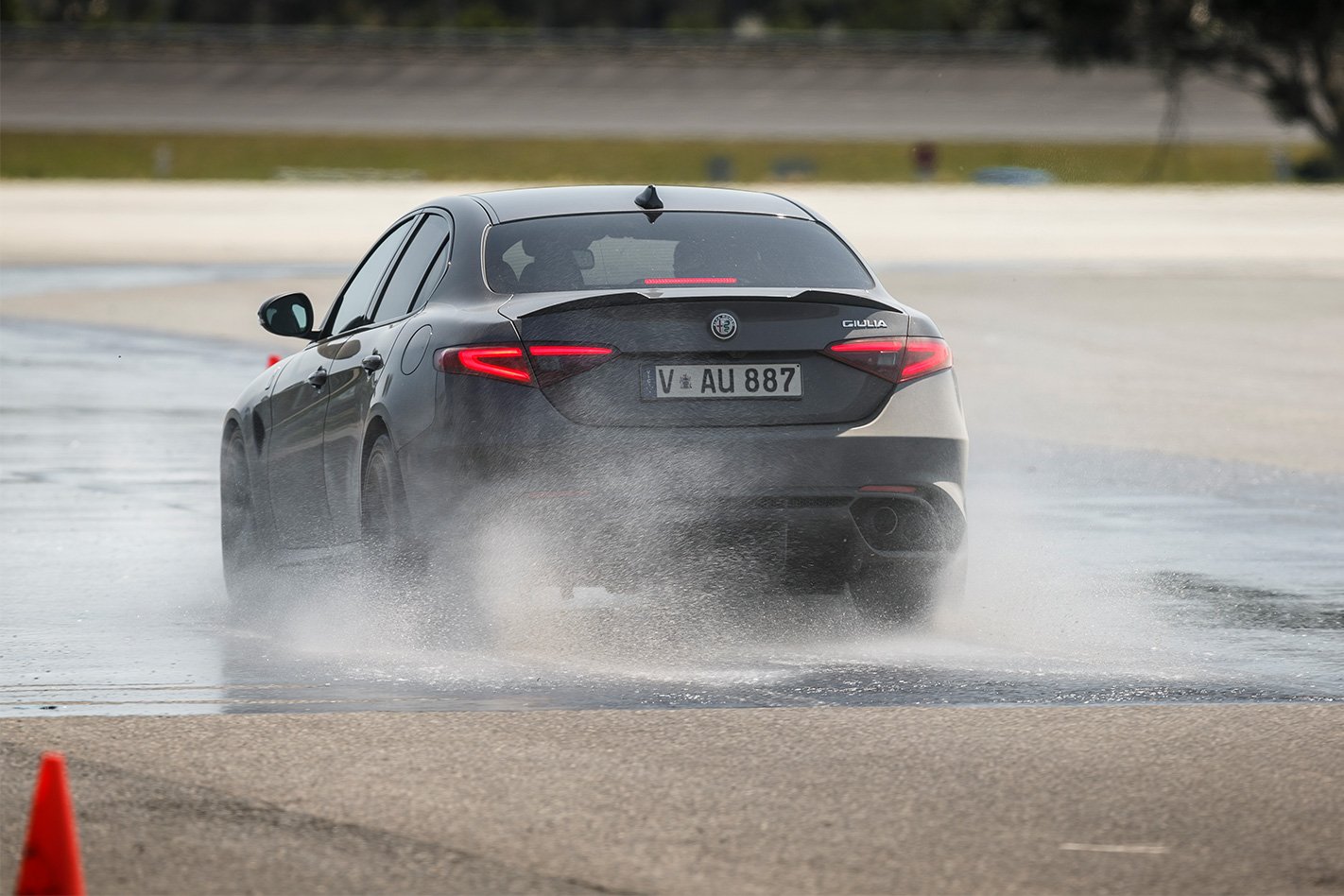
With a powerful brushless motor controlling brake force, a 100 bar per second pressure gradient is far faster than vacuum assisted systems, while response times are as little as 10ms, which reduces stopping distances.
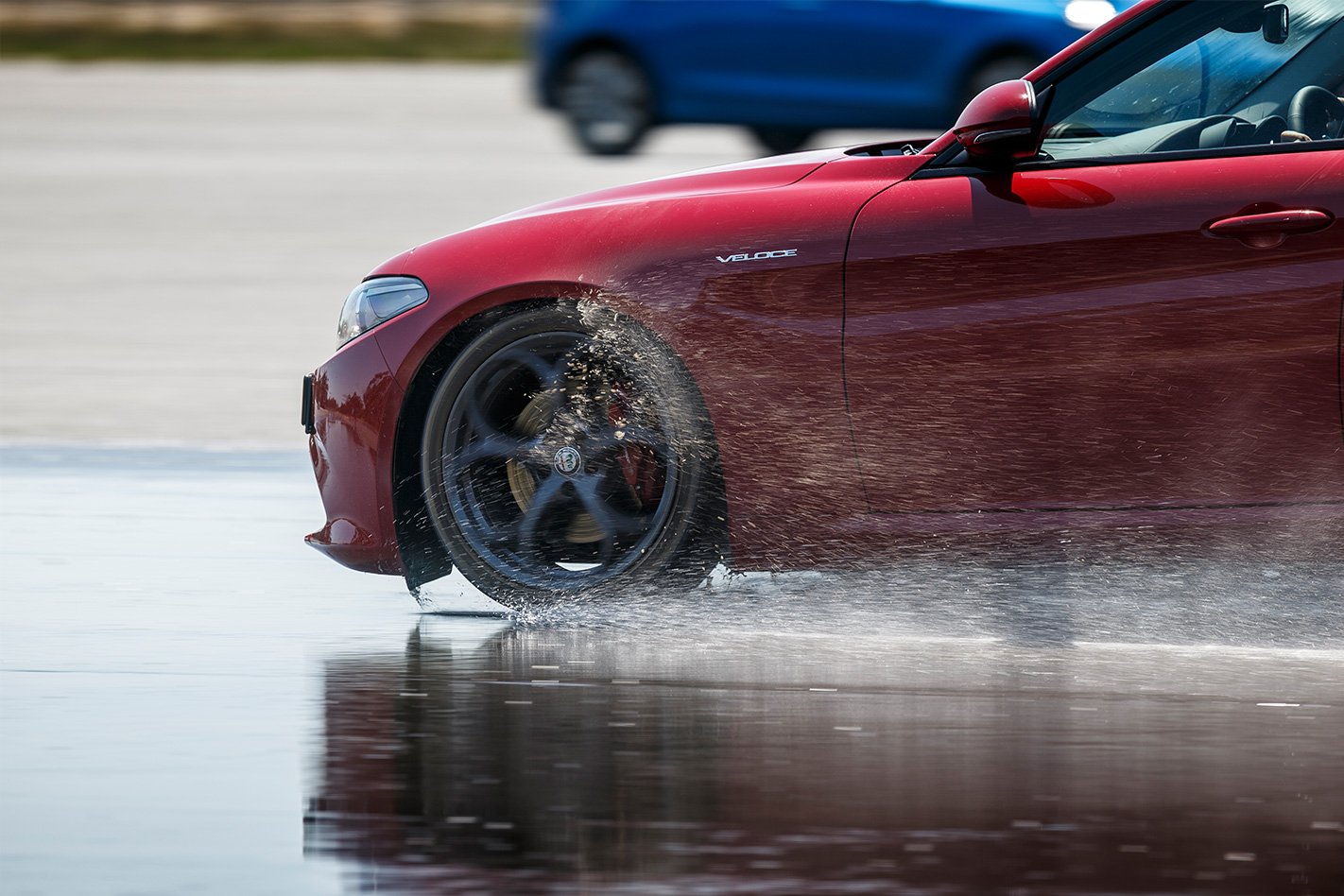
Finally, the faster acting system is better suited for integration into emerging automated systems. By removing mechanical functions and separate components, a vehicle equipped with AEB can apply brakes faster in an emergency system when milliseconds count.
Regen for the next-gen
So-called ‘brake by wire’ systems are also allowing more efficient regenerative braking as electrification becomes more widespread in the automotive landscape.
zJust as the more sophisticated electronics allow more controlled braking performance, the system enables more controlled generation of electricity for charging vehicle batteries. The net result is EVs and hybrids that go further on a single charge.
A mid-size Volvo SUV with 300kW/640Nm is like one of those movie characters. You know the ones: a regular Joe or Jane with a humdrum job who turns into a kick-arse crime fighter in their spare time.
It’s an unexpected turn of events. We wouldn’t normally spend much time with the Volvo XC60 as traditionally there hasn’t been a performance bolt in its body, but those outputs and the fact our sister mag Wheels crowned it their 2018 Car of the Year suggested it might be worth a closer look.

The internal combustion engine provides 235kW/400Nm with the remaining 65kW/240Nm added by the e-motors. Just as the XC60 T8 is a car of two power sources, it’s also a car of two distinct personalities.

Inside, the dash is dominated by the 9.0-inch vertical touchscreen which, by and large, works intuitively.
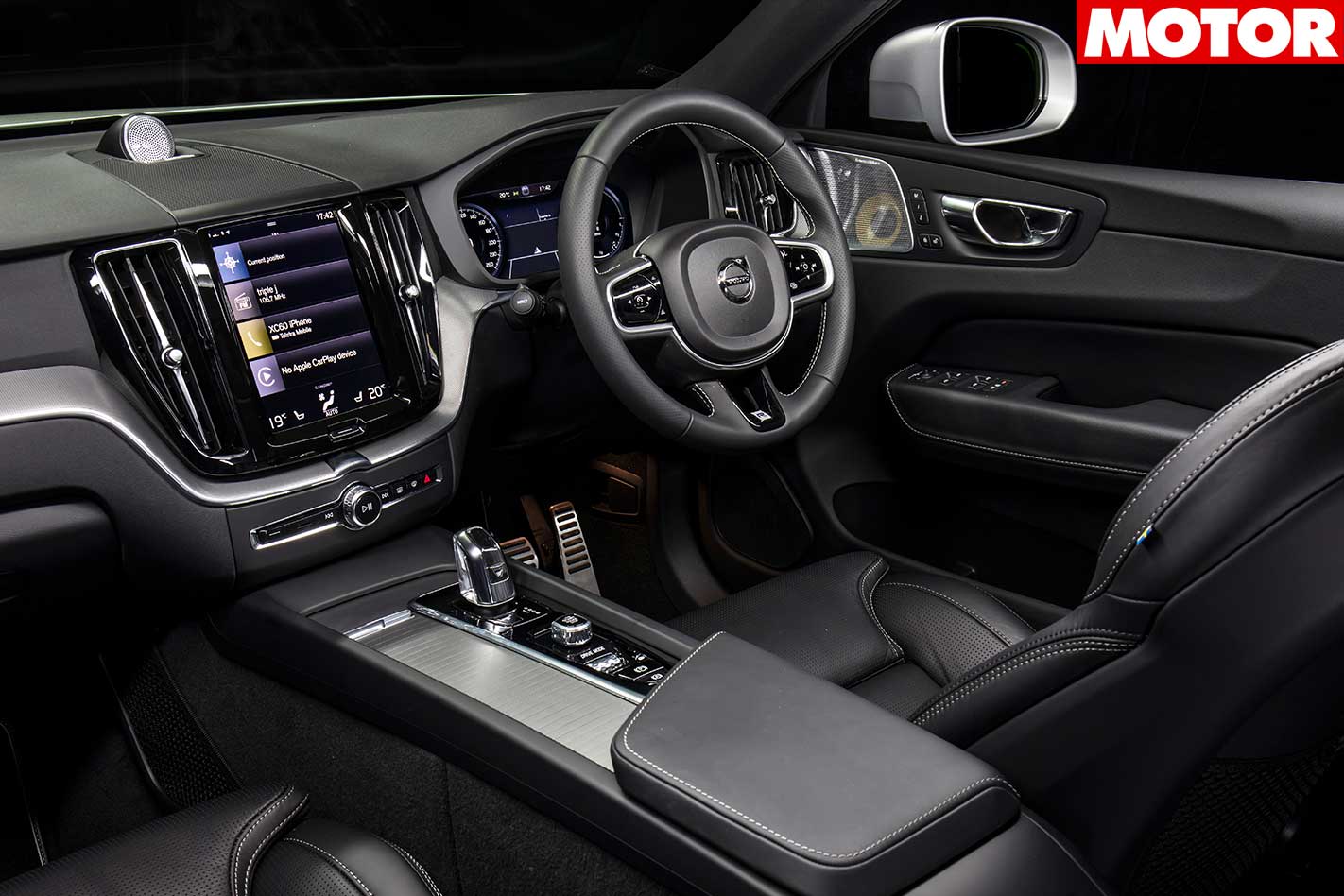
Early plug-in hybrids had an electric-only range about as long as the average driveway, but the XC60 can complete around 40km of engine-off driving. The switch between the two power sources isn’t completely seamless and there’s some torque steer under hard acceleration, but switching to ‘Power’ mode (Volvo-speak for Sport) changes the experience dramatically.

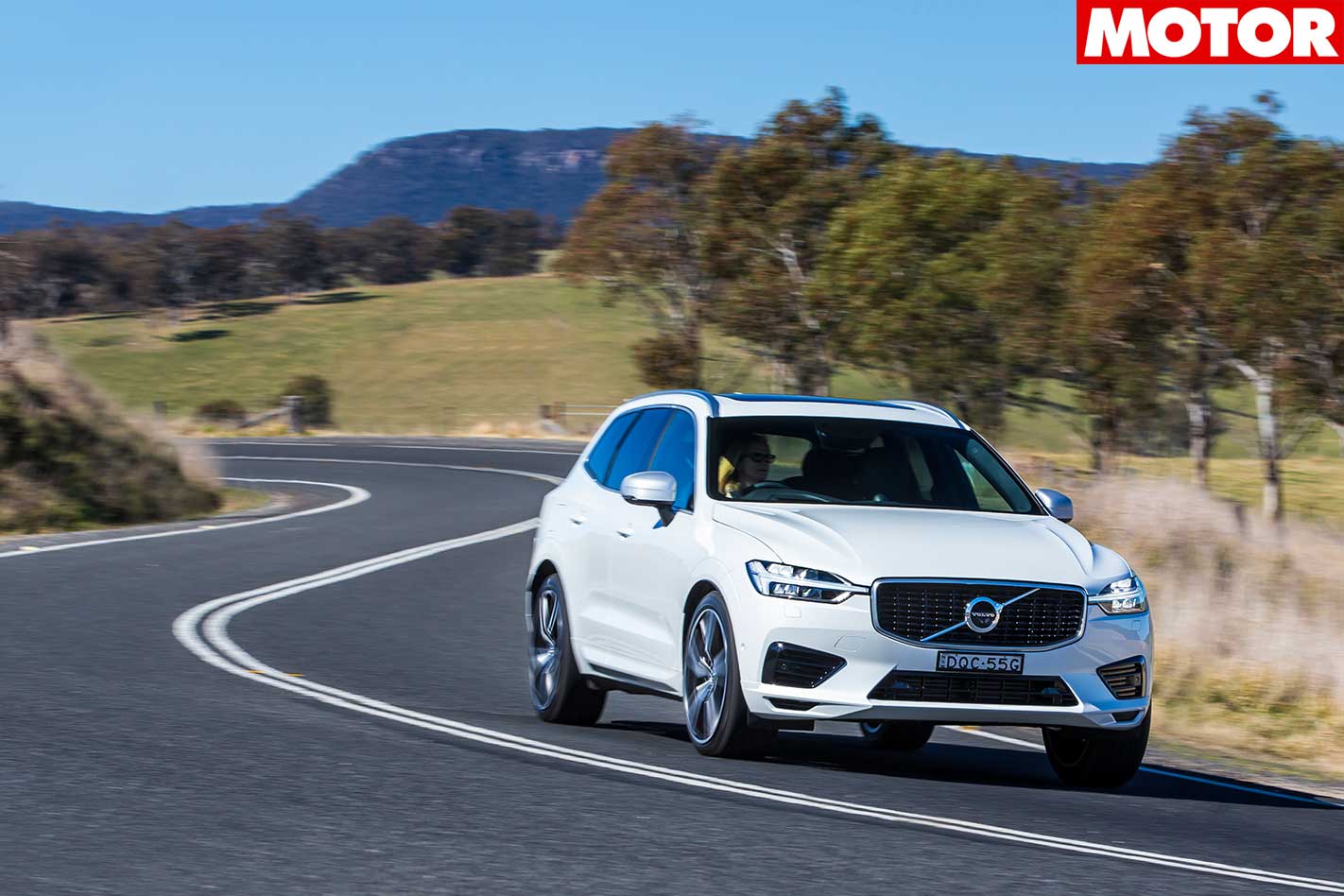
Nonetheless, the XC60 T8 is impressive and this powertrain in a smaller, lighter S60 sedan could give the likes of the Audi S4 and Mercedes-AMG C43 a surprise.
Like: Potent powertrain; surprising handling Dislike: Complex; heavy; image Star Rating: 3.5 out of 5 stars
HOLDEN and Volkswagen had declined to issue voluntary recalls to replace Takata airbags in their products because both did not believe they were yet a danger to owners, Australia’s consumer watchdog claims.
ACCC chairman Rod Sims said car makers including Ford, Holden, Mercedes-Benz and Volkswagen had all initially baulked at the idea of issuing a voluntary recall to replace the potentially dangerous airbags.
Sims said Ford and Mercedes eventually agreed to take part in the recall, but Holden and Volkswagen had maintained their position. Holden stated their inflators had a thicker steel base, while Volkswagen cited differences in geometry. Both claimed the propellant in the airbags meant they were not a danger to owners.
This week’s mandatory recall means that the two brands are now counted among the 860,000 extra Takata fixes detailed in Wednesday’s announcement. Under the terms of the recall, both now have until July 1 to provide the information that owners will need to check if the car in the driveway is one of the affected vehicles.
“One of the reasons we went with the compulsory recall is that we can get information out of the [car] manufacturers that we need,” Sims told Wheels. “That extra 860,000 airbags are the ones that the manufacturer didn’t want to recall back then [when the voluntary recall program was launched] because they don’t think the cause is sufficient enough to be a problem.”
However, Sims said the fundamental flaws in the design of the recalled airbags rendered that argument redundant.
Holden told Wheels about 333,000 of its cars were affected by the recall.
“We are developing our plan in response to the recall. The recall notice calls for a progressive series of recalls, and our plan will reflect this,” it said in a statement.
“Holden has never had any Takata ‘alpha’ airbag inflators in our portfolio of vehicles.
Holden will contact customers directly at an appropriate time if their car is being recalled.”
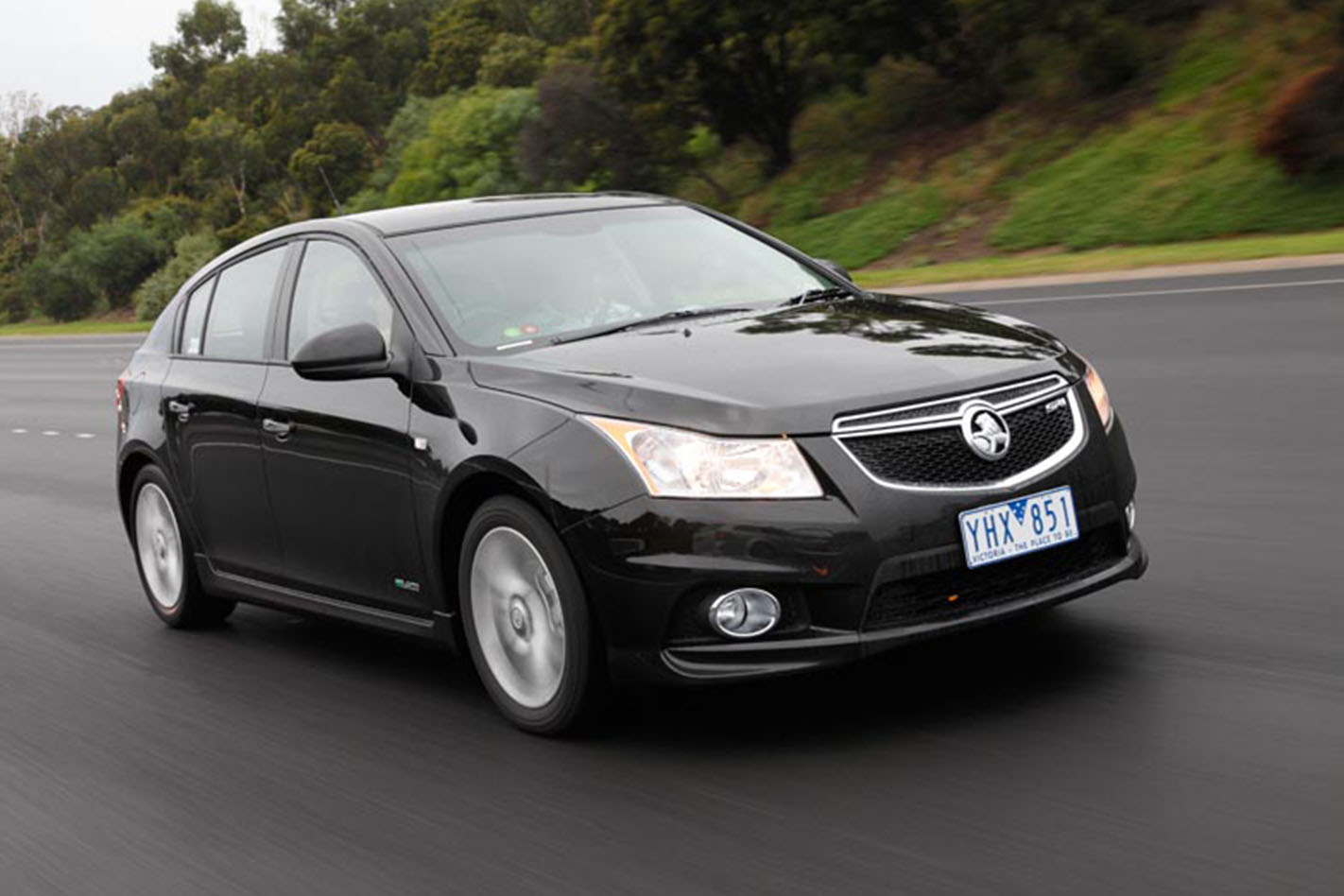
Cars include the Holden Astra (built between 2005-17), the Trax (2013-18); the Barina (2012-18), the Australian-made Cruze (2010-16), the Cascada (2015-17), and the Cascada (2014). The Barina will need to have replacement airbags already fitted to cars flowing into showrooms by the end of this year or risk having the ACCC ban it from sale.
The mandatory recall has also scooped up other brands sold by Holden, including the short-lived Opel Mokka (2014) and Zafira (2013), and the Saab 9-3 (2006-11) and 9-5 (2006-11).
Volkswagen, meanwhile, said its airbag fix for 106,804 vehicles would be rolled out “over the next three years”.
“Owners can be assured that no Volkswagen vehicle is fitted with an airbag from the alpha population,” it said in reference to the more dangerous type of Takata airbag that has a one in two chance of failing.
“For vehicles fitted with a frontal Takata airbag which are less than six years old, the ACCC and the Australian Government have stated that there is no immediate known risk with the airbag, but there will be in the future.
“For vehicles fitted with a frontal Takata airbag more than six years old, the ACCC and the Australian Government have stated that there is a risk of injury or death in the event of rupture of the airbag inflator.
“No new or current model Volkswagen variant is affected.”
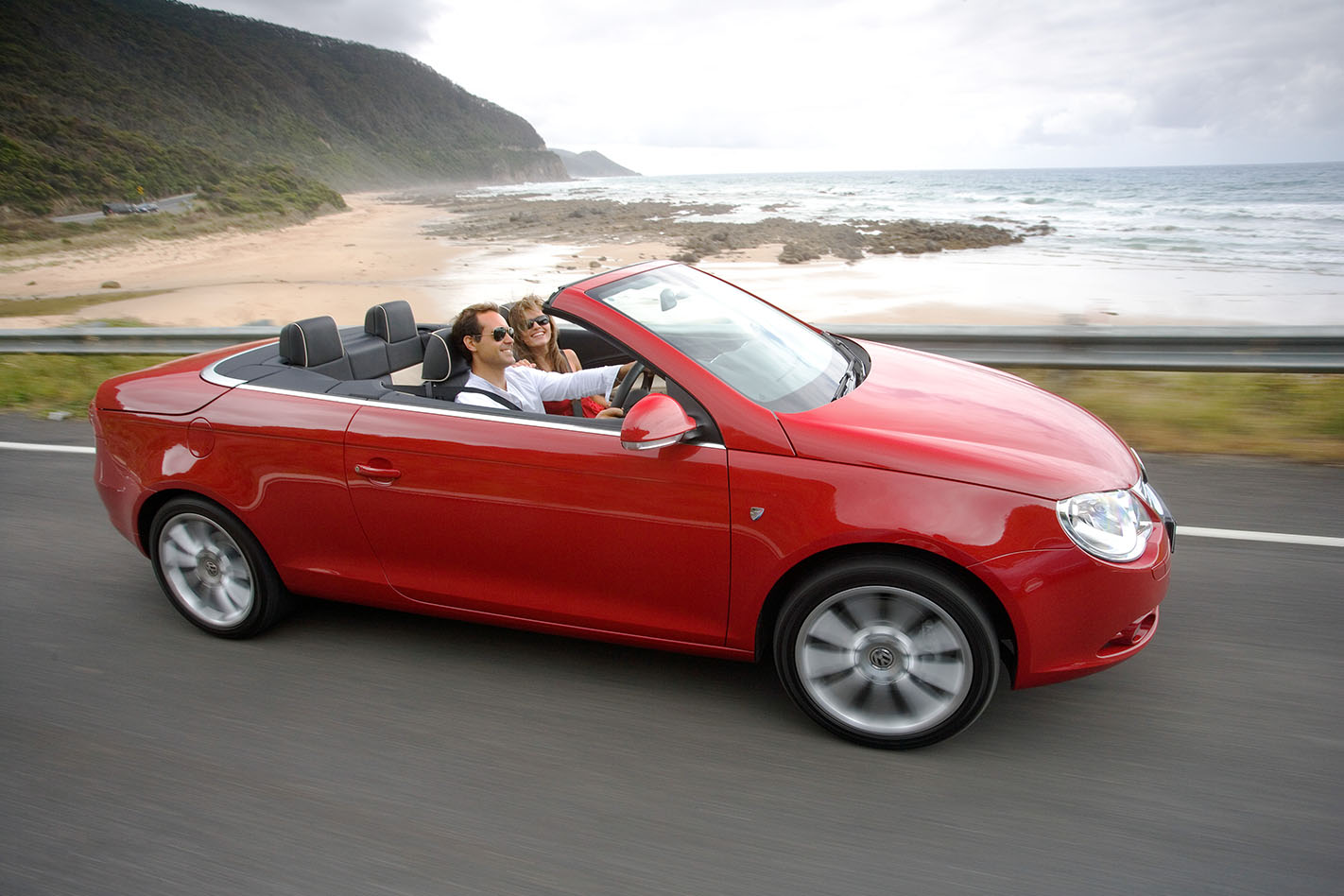
More than 35,800 airbags fitted to the VW Golf Mk VI hatch built between 2009-13 are now scooped up in the recall. Other vehicles include the Golf Mk VI cabriolet (2012-15), Passat (B6 built in 2010, B7 built from 2011-15), Polo (A4 built between 2007-09, A5 built between 2010-14), the CC (2009-16), the Eos (2010-14) and Up (2013-14).
Another 28,930 VW-badged vans are also included.
Both Holden and Volkswagen declined to say why they had initially declined to take part in the voluntary recall.
A hard top version of the convertible Abarth 124 Spider is due to debut at the Geneva Motor Show, the Italian brand has revealed.
Fitted with the same turbo 1.4-litre four pot as the current 124, the GT will still produce 125kW/250Nm for a 0-100km/h sprint of 6.8 seconds.
It comes with the option of 6-speed manual or 6-speed automatic sports gearbox, as the standard car does, and comes with a more vocal Monza exhaust as standard.
The Monza can change the path of the exhaust gas according to engine rpm, which Abarth says “generates a satisfying, deep roar.”
But the main difference the GT bears is, of course, its hard top roof.
Abarth says it weighs just 16kg, and that it actually improves the “torsional rigidity of the car.”
“Importantly, it can be removed and refitted in a few easy steps.
“This means being able to switch from open-air thrills to the bold grand-tourer-style, which has always been a key part of the DNA of the Abarth brand, in a few minutes.”
Abarth will also debut a new version of the 695, called Rivale.
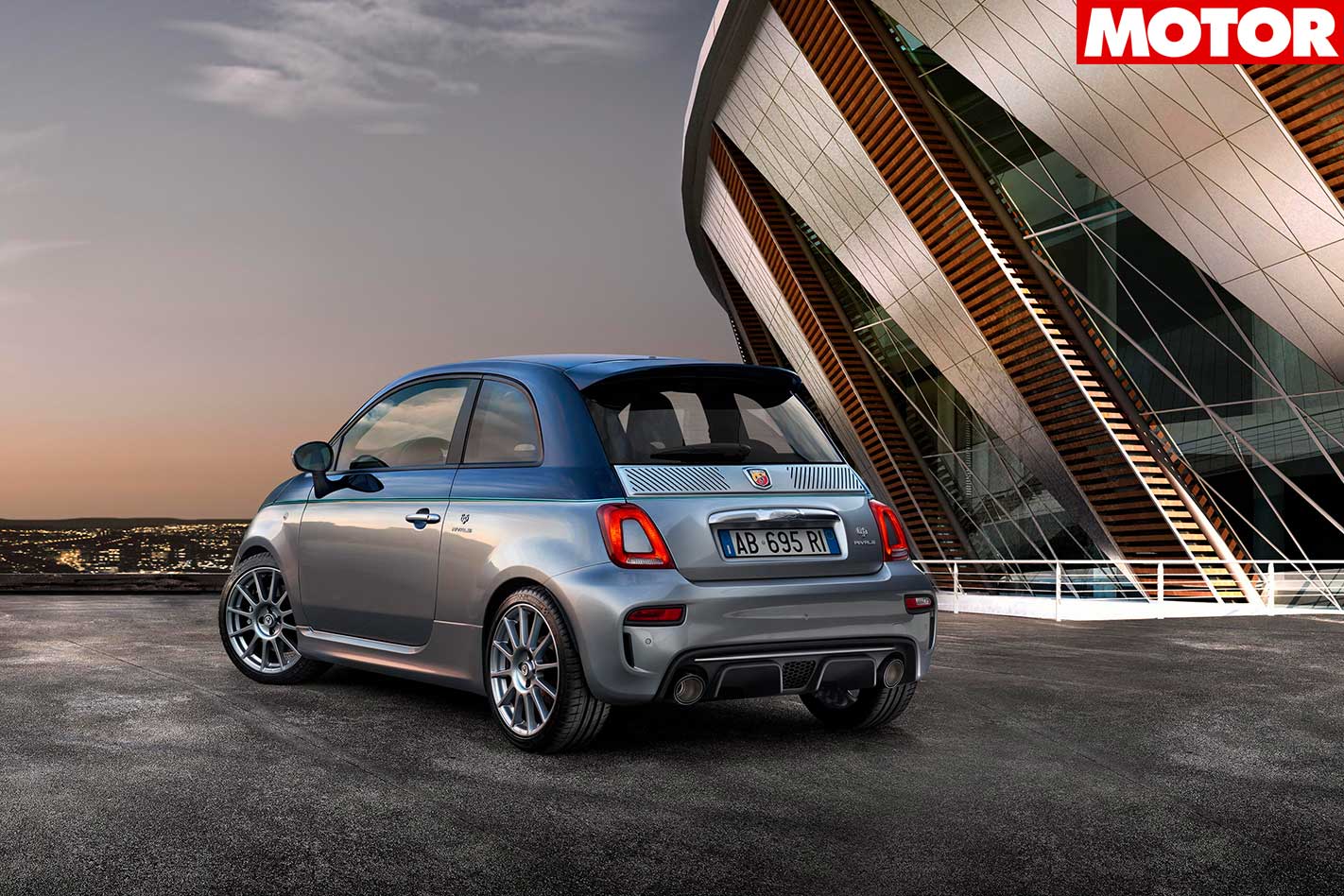
It has the same 1.4-litre turbo engine as the likes of the 595C Competizione, with 132kW and 250Nm.
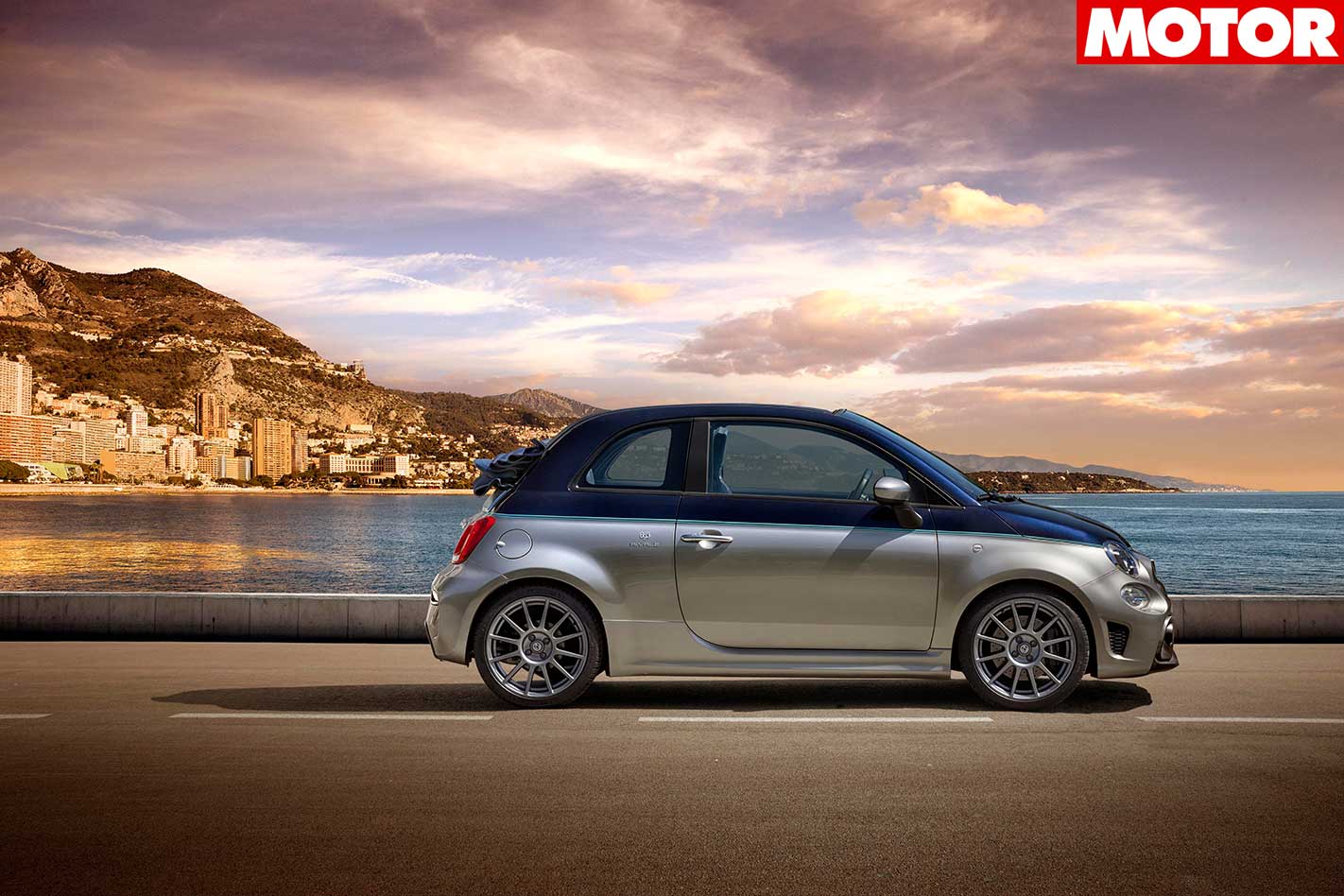
Primarily a styling edition, the Akrapović exhaust and Koni suspension system with adjustable damping are the features enthusiasts are most likely to appreciate.
Alfa Romeo has announced it will debut two more special edition cars at the Geneva Motor Show, the 4C Coupé Competizione and the 4C Spider Italia.
Both cars will be limited to 108 units each, just as the ‘NRING’ Stelvio Q and Giulia QV special editions, and each will be focused on a different outcome.
The Competizione, as you might have guessed, will be a tougher-looking version of the 4C Coupe, styled to seem more at home on the track than a standard 4C.
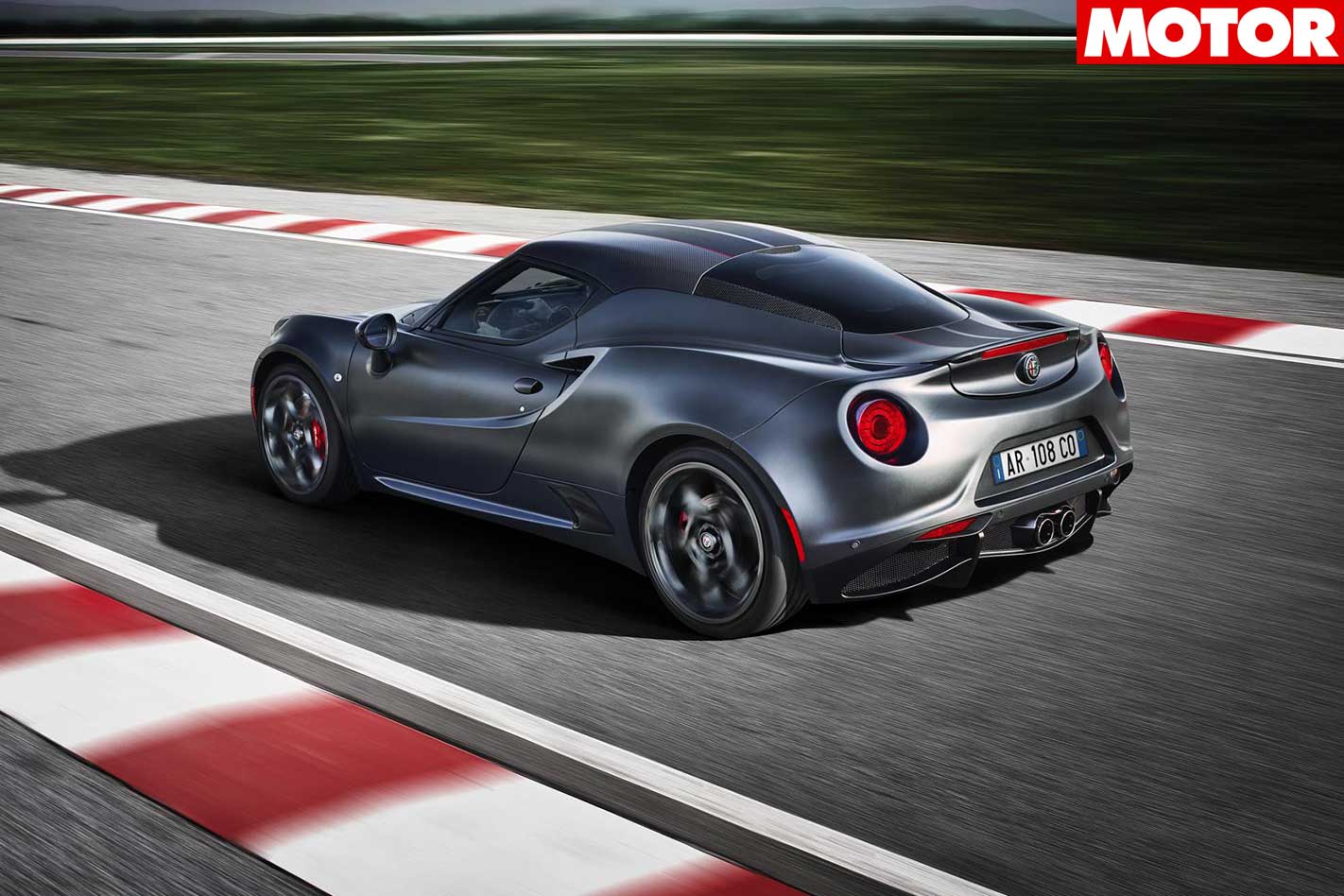
Dark-finish five-spoke wheels (18-inch fronts, 19 rears) with red brake callipers add to the look, while an Akrapovic exhaust allows the Competizione to be audibly differentiated from regular 4Cs.
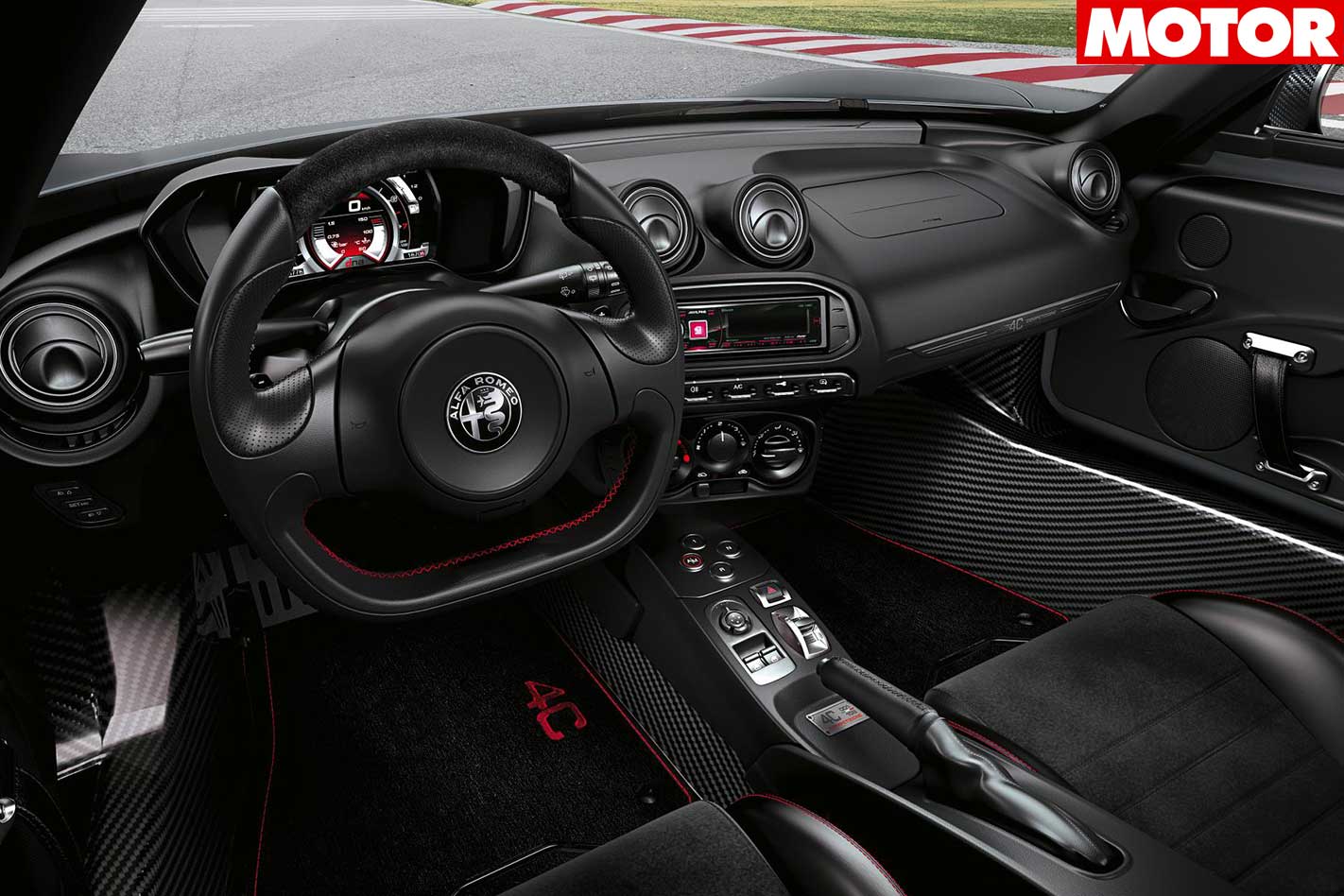
Inside the Competizione, leather and microfiber seats with red stitching, a racing steering wheel, and a numbered badge on the central tunnel indicate the limited nature of the car.
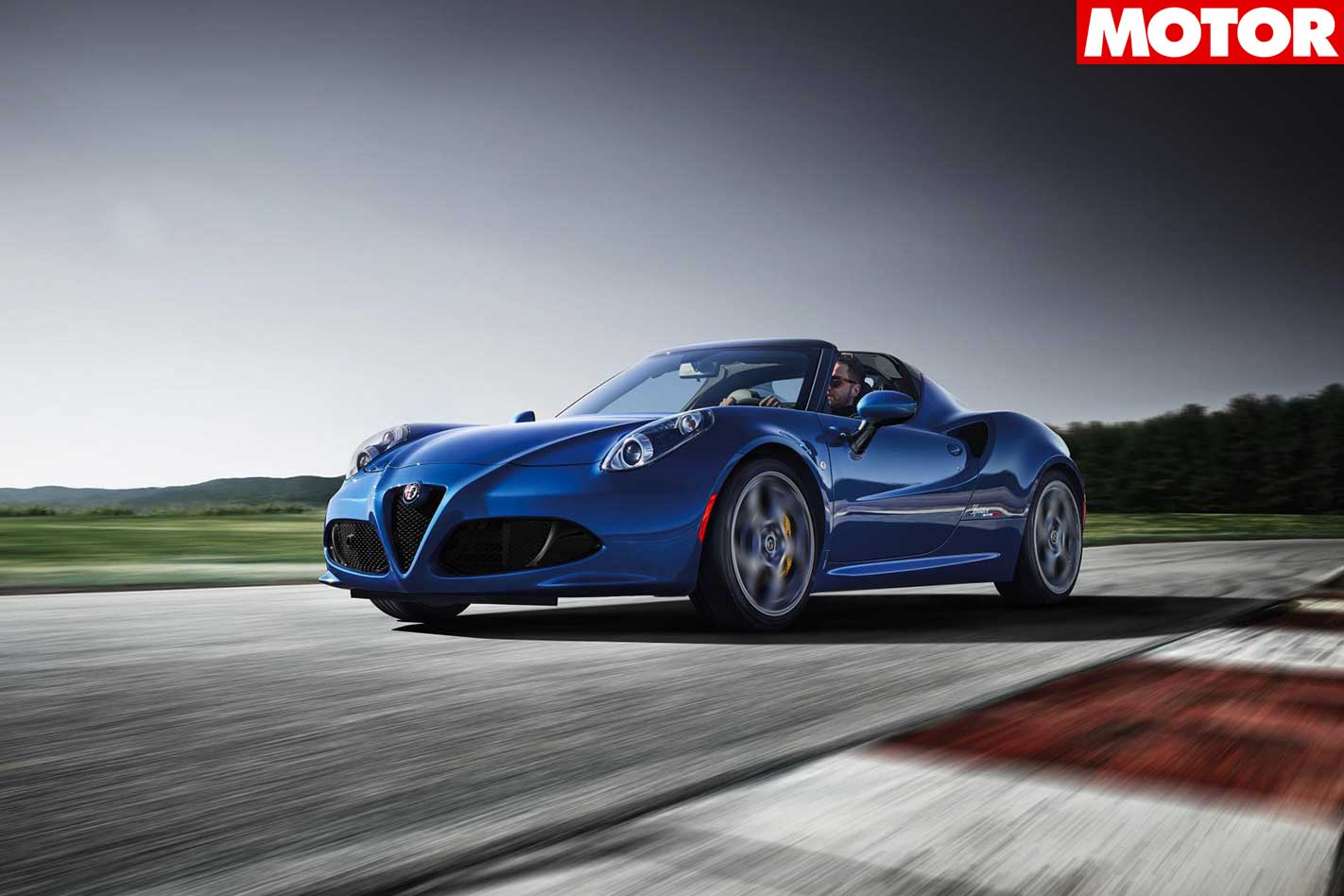
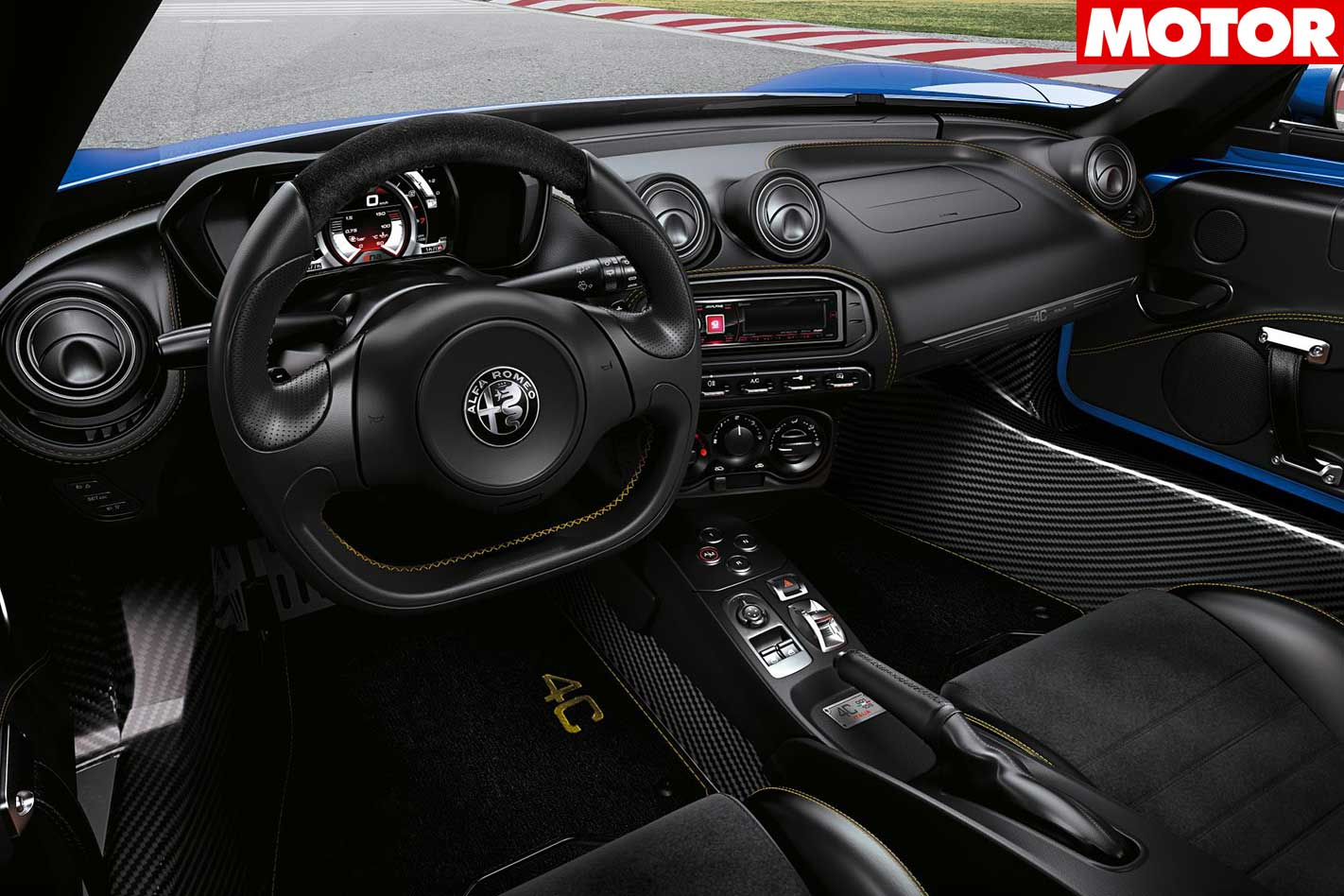
Instead of racing seats and a steering wheel, the Italia scores an Alpine premium Hi-Fi system, and sports a Misano Blue paint finish.
As with the NRING special editions, Alfa Romeo Australia is yet to confirm whether any of the 4C special editions will make it to Australia.
A new option for the £750,000 (AUD$1.33m) McLaren Senna, a Carbon Theme designed by McLaren Special Operations…
…and it costs “a little under” £300,000, or about AUD$530,000. All up, the car costs £1,050,000, or $1,864,800.
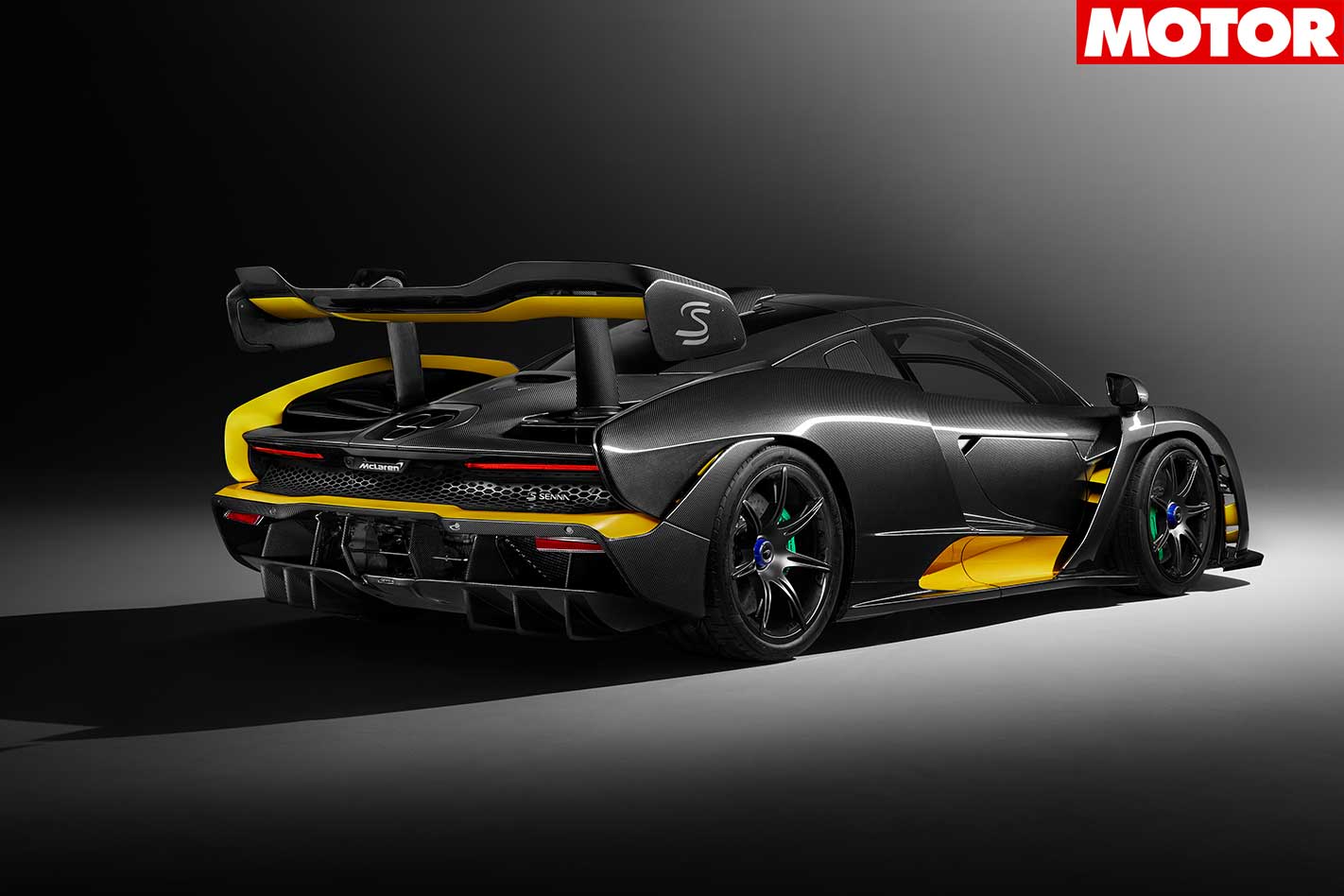
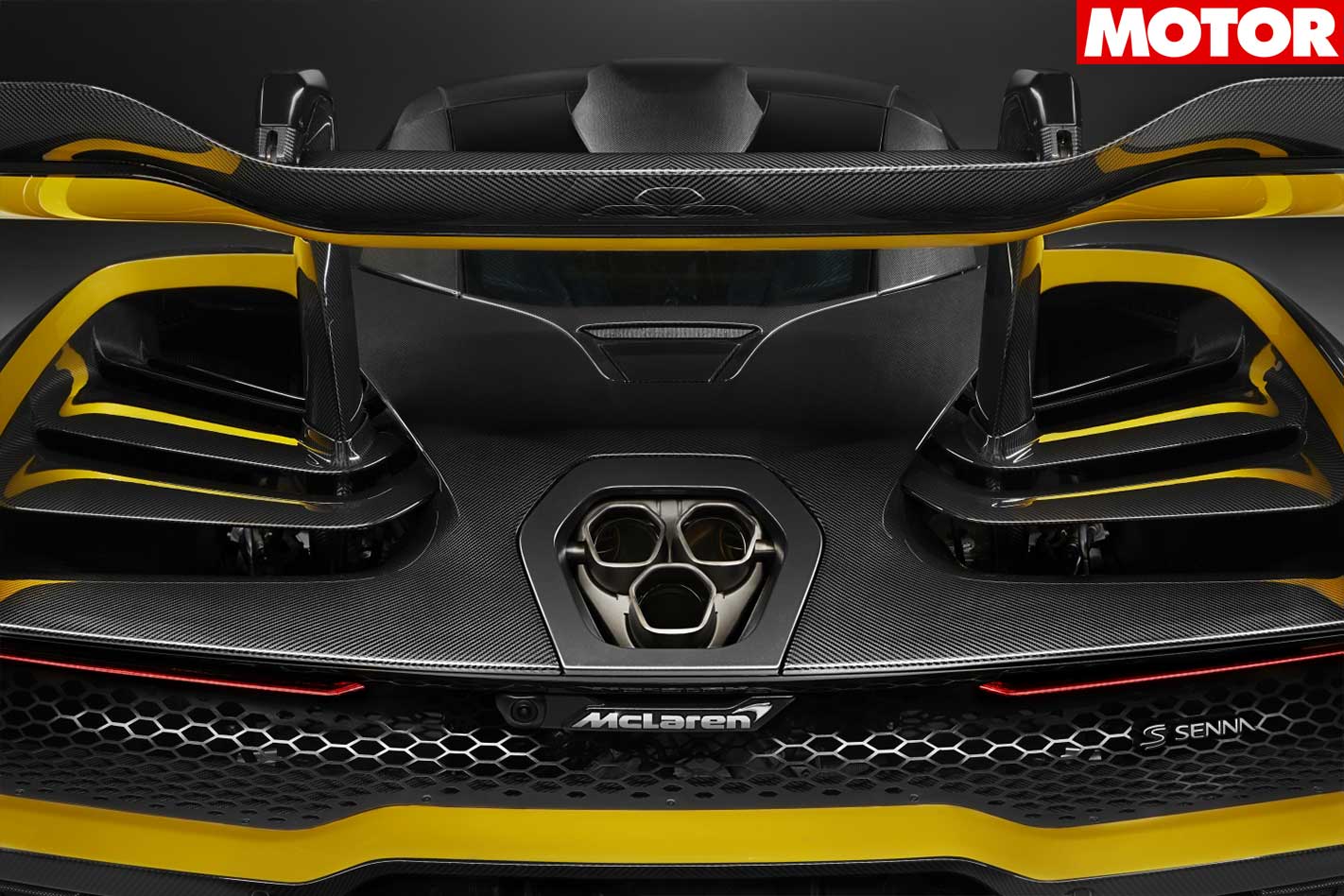
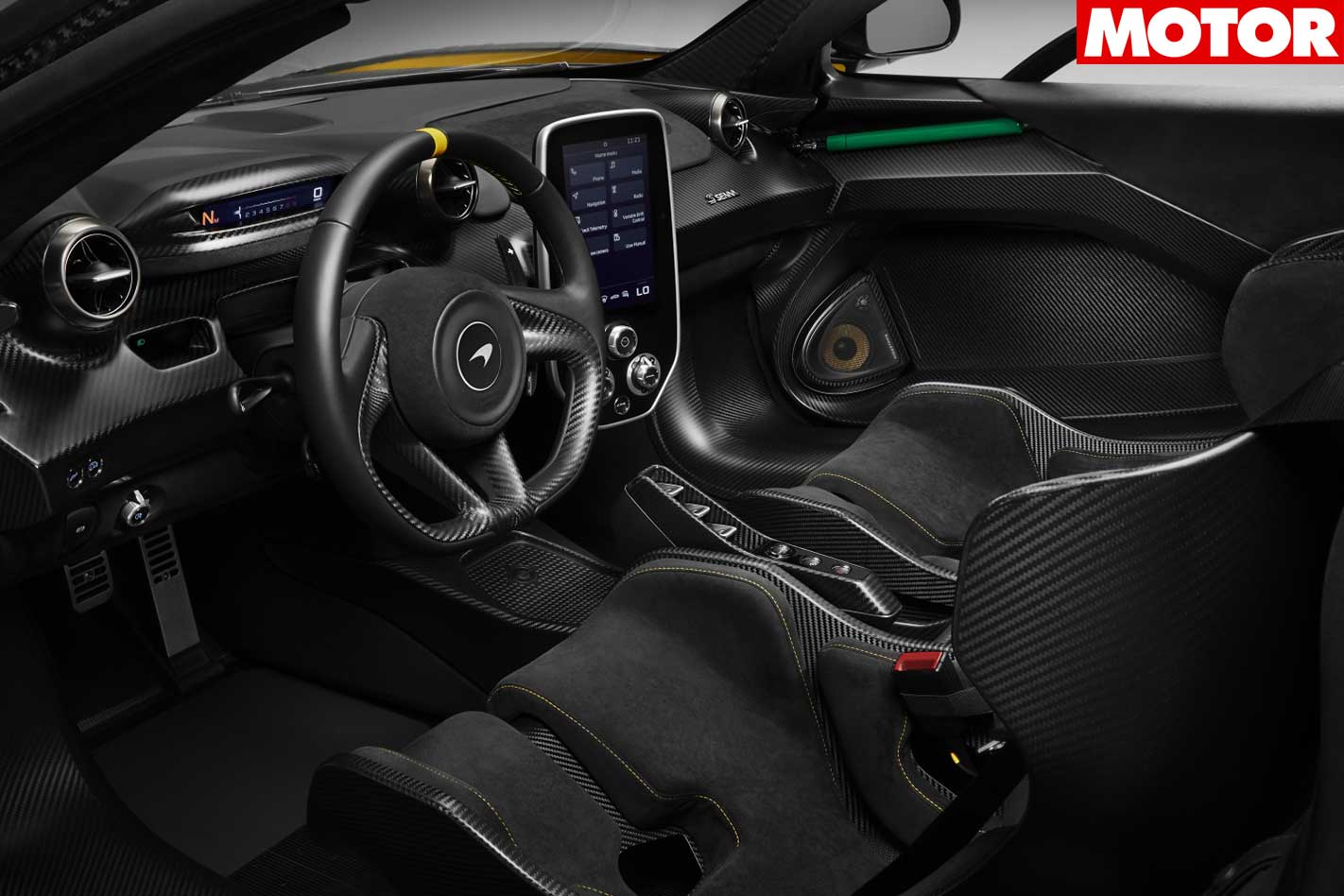
Most notably different due to its ‘Visual Carbon Fibre exterior,’ the Carbon Theme is made up of 67 parts, which takes 1000 hours for MSO to create.
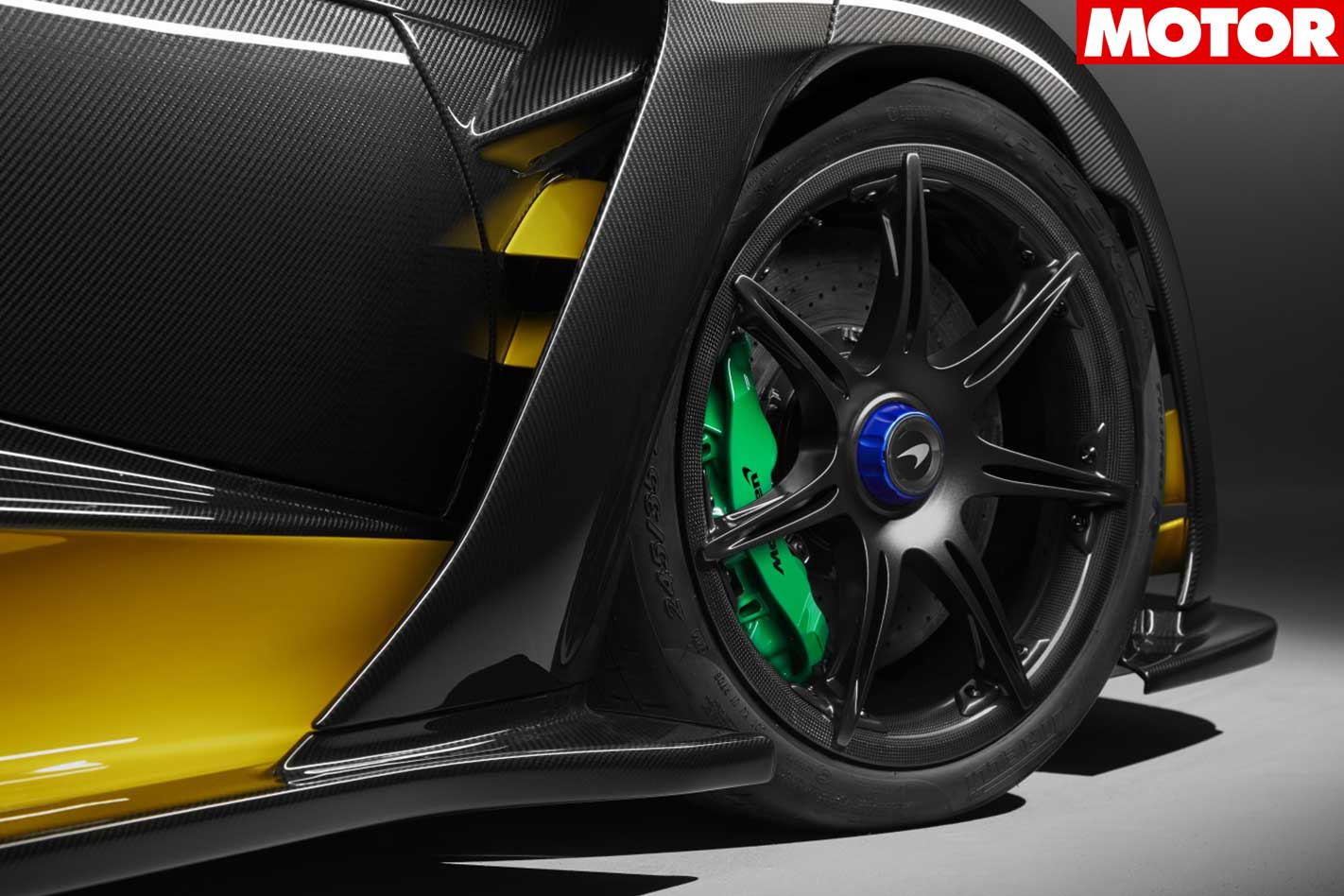
In addition to the changes made to the Senna’s body, MSO is set to introduce a new wheel option for the car, made from a forged aluminium and carbon fibre hybrid rim, weighing 7.5kg without a tyre, or around 10 per cent less than the standard Senna wheel.
“The McLaren Senna customers in the process of specifying their own, personalised cars are almost without exception commissioning an elevated level of MSO content, so we are definitely appealing to our target audience,” Ali says.
“The McLaren Senna Carbon Theme by MSO at the Geneva Motor Show is exactly the kind of project we thrive on delivering and once customers have had the opportunity to view it in person, I would not be at all surprised to see a rise in expressions of interest for MSO Visual Carbon Fibre cars similar to this one.”
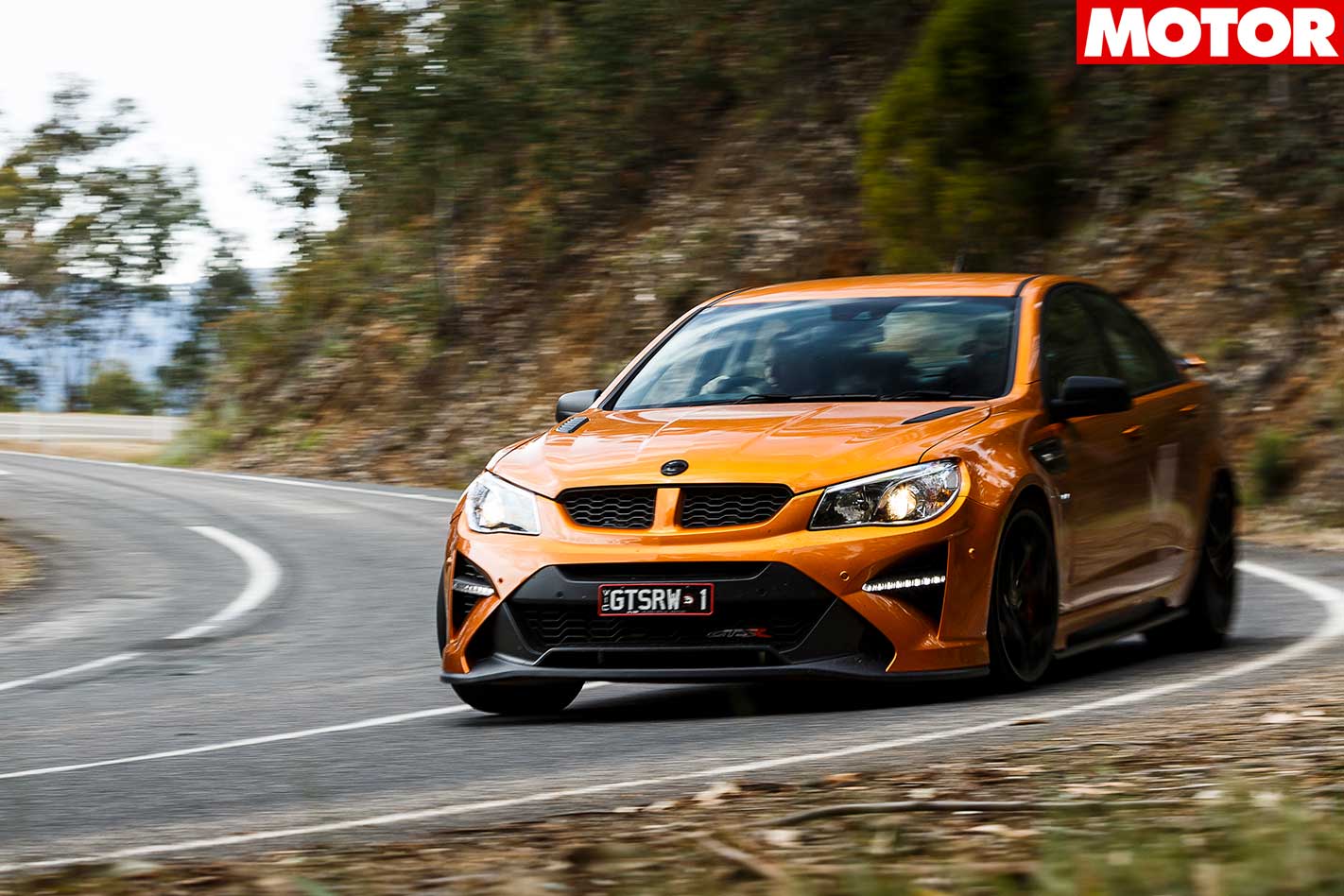
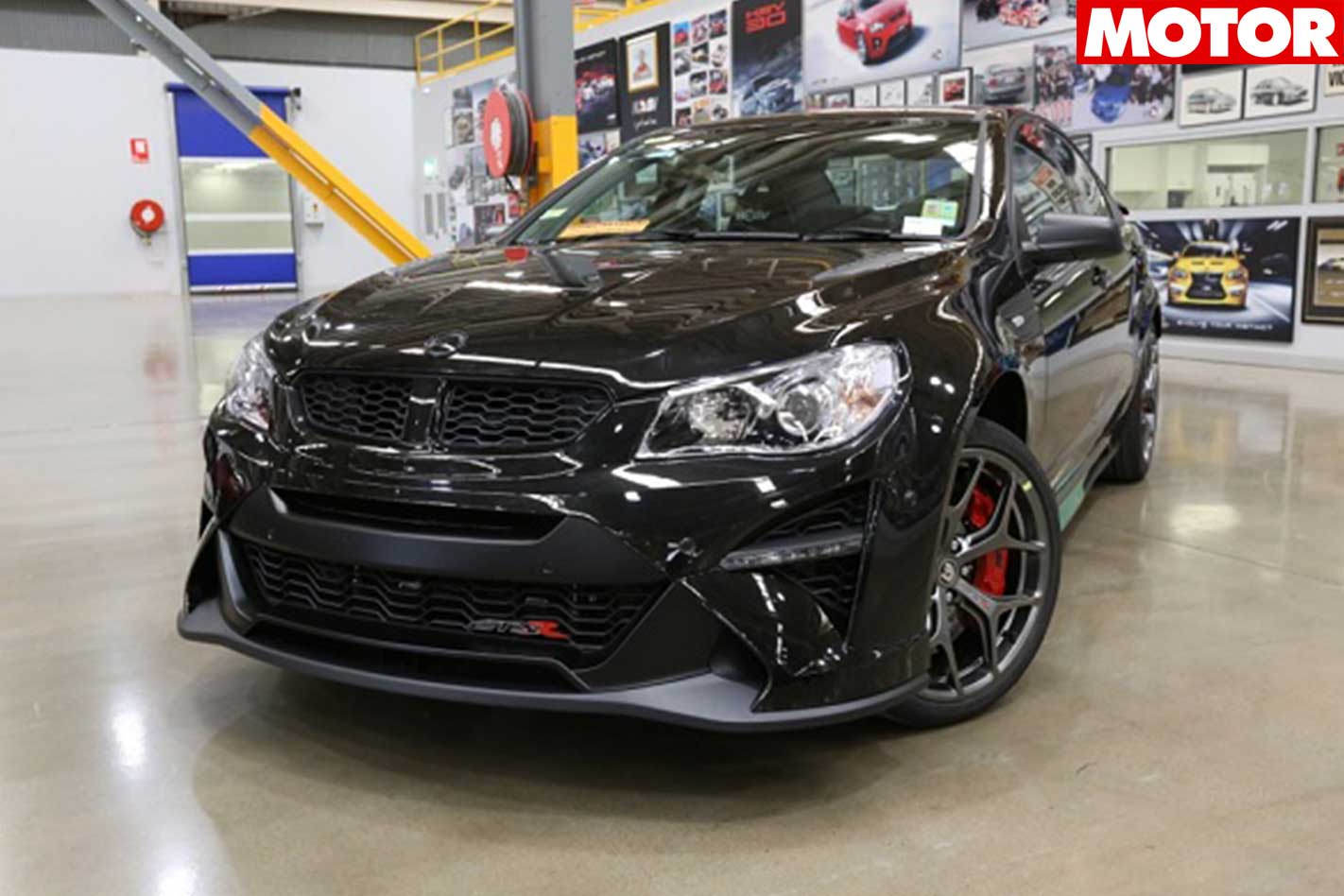
Manheim Auctions has announced it will auction the last cars built by HSV, as well as the GTSR W1 used by media which became MOTOR’s PCOTY car.
The three cars will cross the block at the Altona North auction site in Melbourne on Saturday, March 17, at 2pm.
The two GTSRs to be part of the event are the very last of the HSV GTSR sedans, and the final GTSR Maloo ute built.
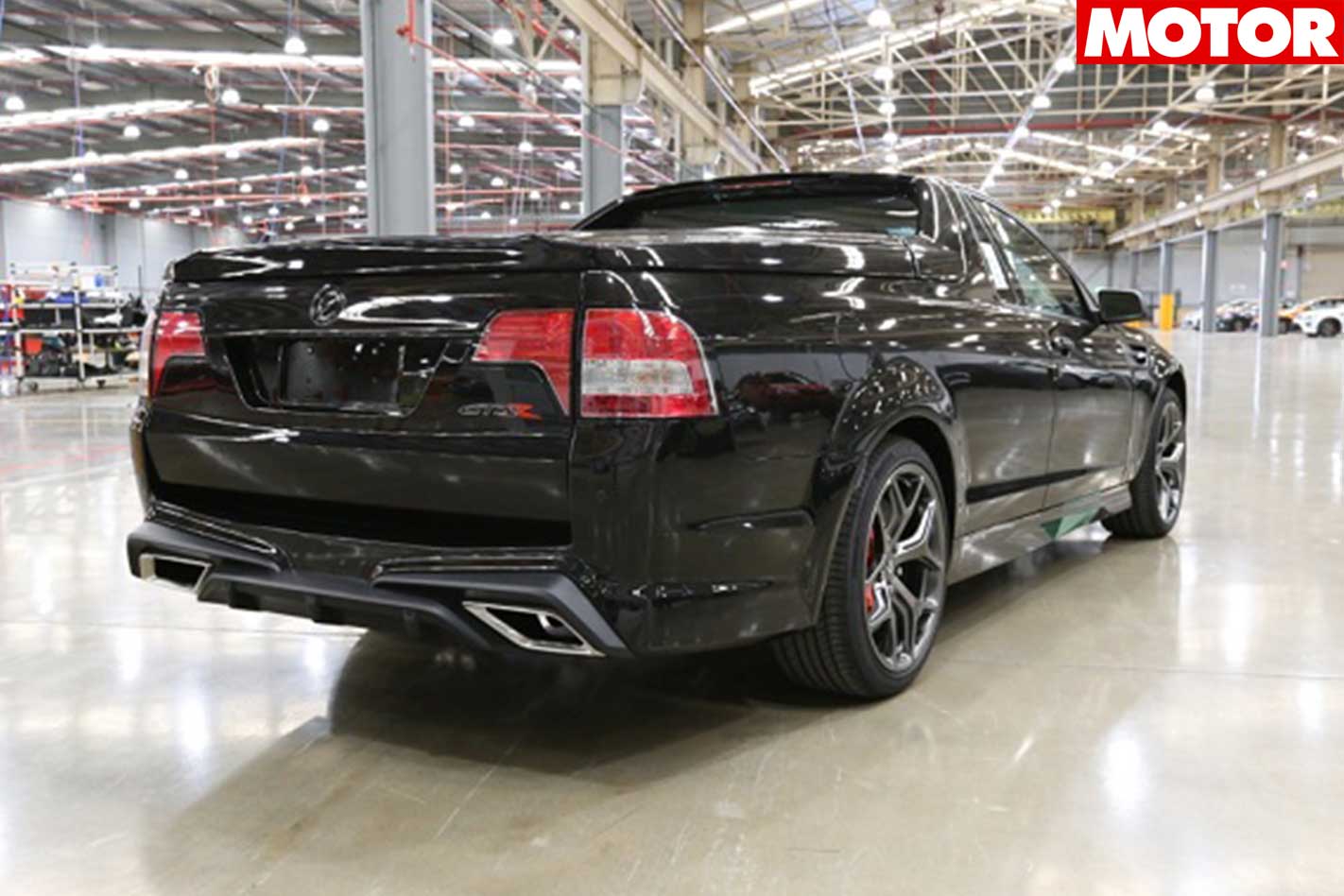
During the W1’s time at PCOTY 2018, we put Bathurst 1000 winner David Reynolds in the driver’s seat both on track and road, adding MOTOR’s own element to the story of what is likely the most photographed W1 in the world.
“We are very excited and very proud to be working with HSV to conduct such a special auction which will see these iconic vehicles offered to the public.
“Clearly HSV has a proud and long history in the Australian automotive industry so we want to make sure the public sale of these special vehicles generates the interest HSV truly deserves.
“At the conclusion of our regular auction which commences at 10am, visitors can be part of a moment in Australian automotive history, with the HSV auction set to start at 2pm.”
IT WAS one of the most saddening automotive revelations of 2017. Not only did the awe-inspiring HSV GTSR W1 mark the end of homegrown V8 muscle sedan production in spectacular fashion, but we learned that the pilot car gracing the cover of Wheels in May had been condemned to the crusher.
But in a startling about turn, Manheim Auctions has today announced that the car, along with the final GTSR sedan and GTSR Maloo Ute, had not only been spared an untimely death, but will be offered for sale to the public.
In a short release today, the vehicle auction specialist confirmed “vehicles include the last built GTSR Sedan, the last built GTSR Maloo Ute and the press test pilot GTSR W1 which has been extensively featured in press reviews”.
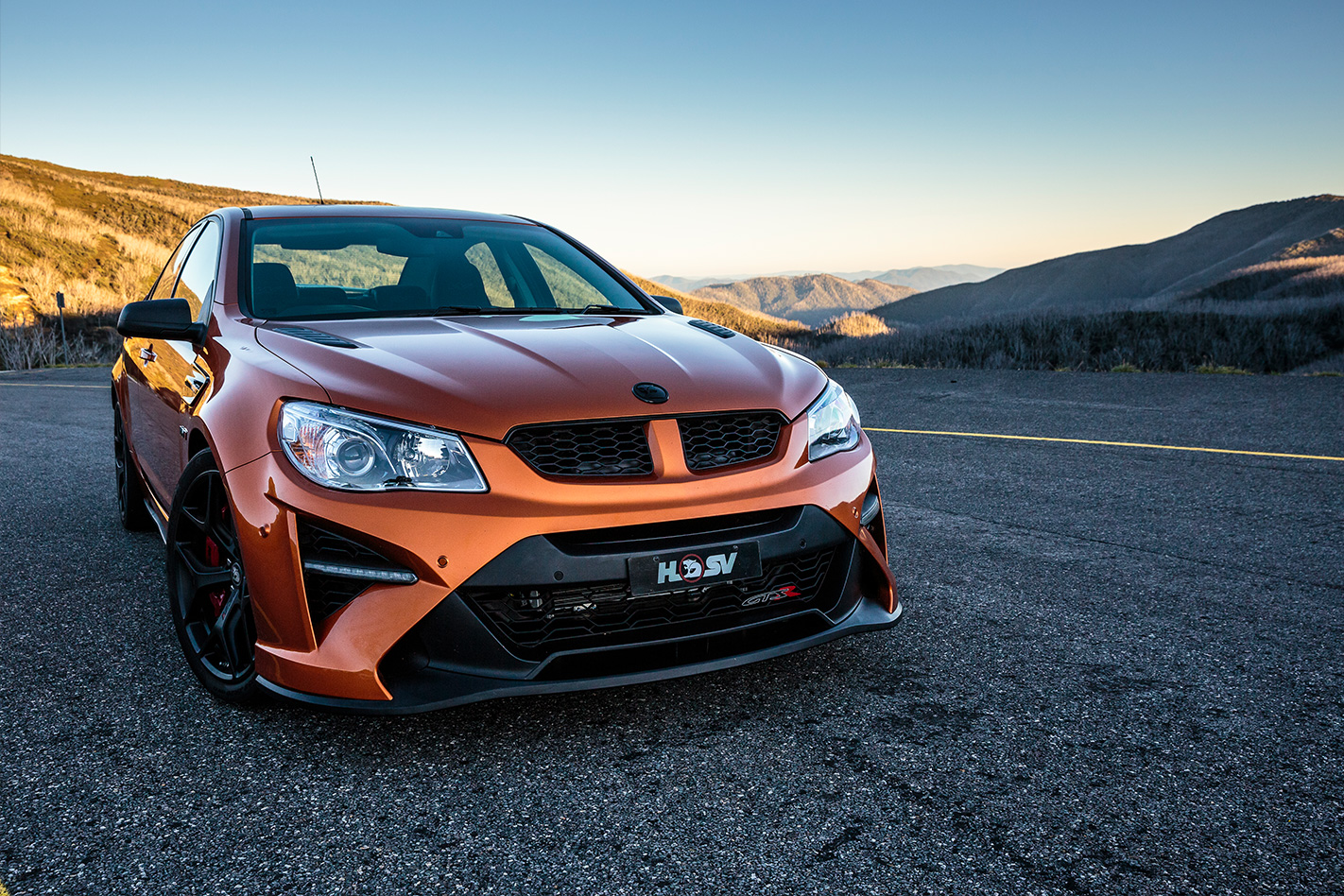
HSV marketing general manager Damon Paull explained that GTSR W1 number-one had been built as a fully registerable example from the start, and would not be subject to state-by-state rules that require some pre-production prototypes to be destroyed if they are built before homologation of a model.
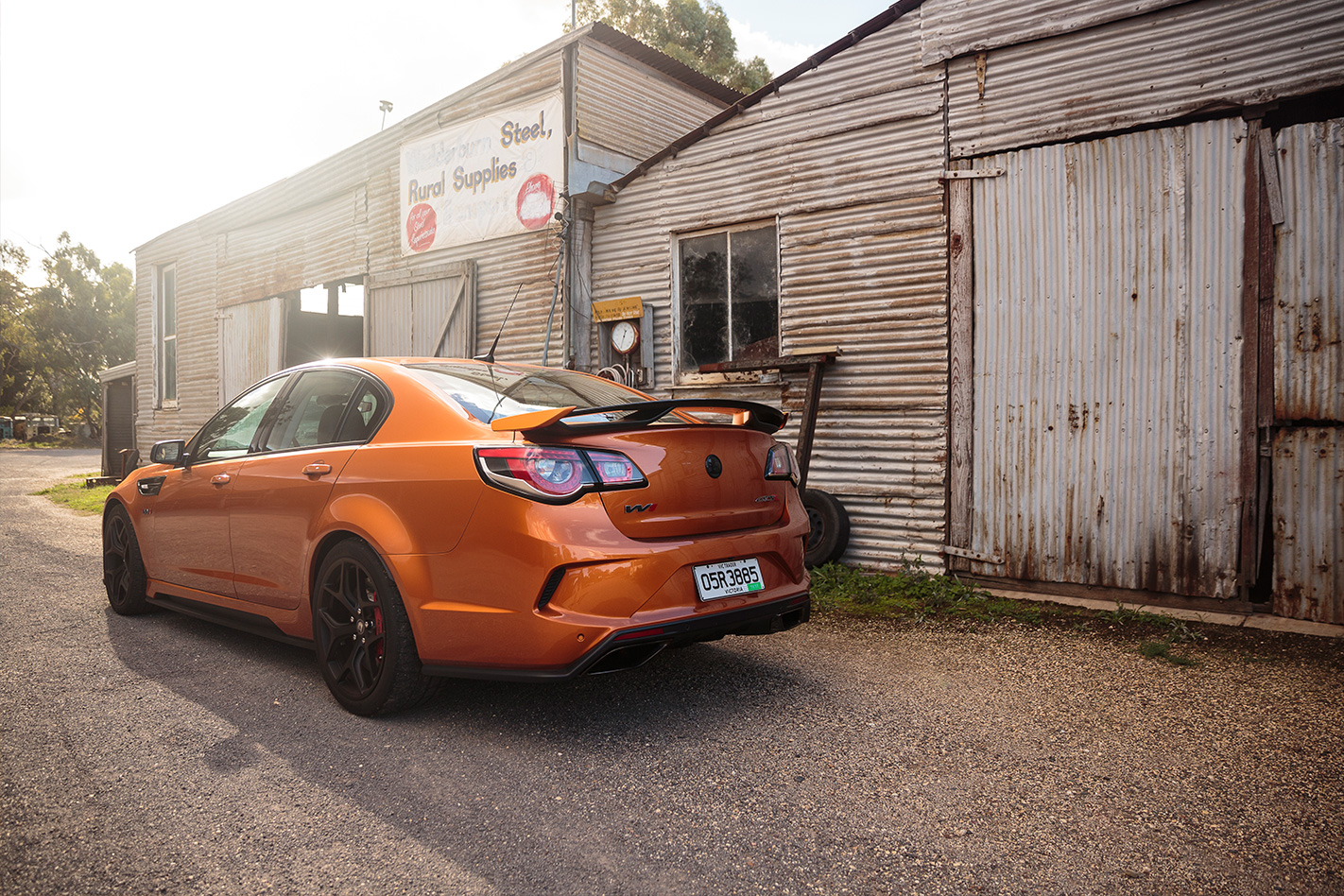
“This was built as a saleable pilot. Whilst it was never part of the 275 regular production vehicles for Australia.”
It is understood that HSV will retain its own pair of GTSRs for posterity but had decided to auction the very first “To give those fans an opportunity to purchase that part of Australian automotive history,” said Paull.
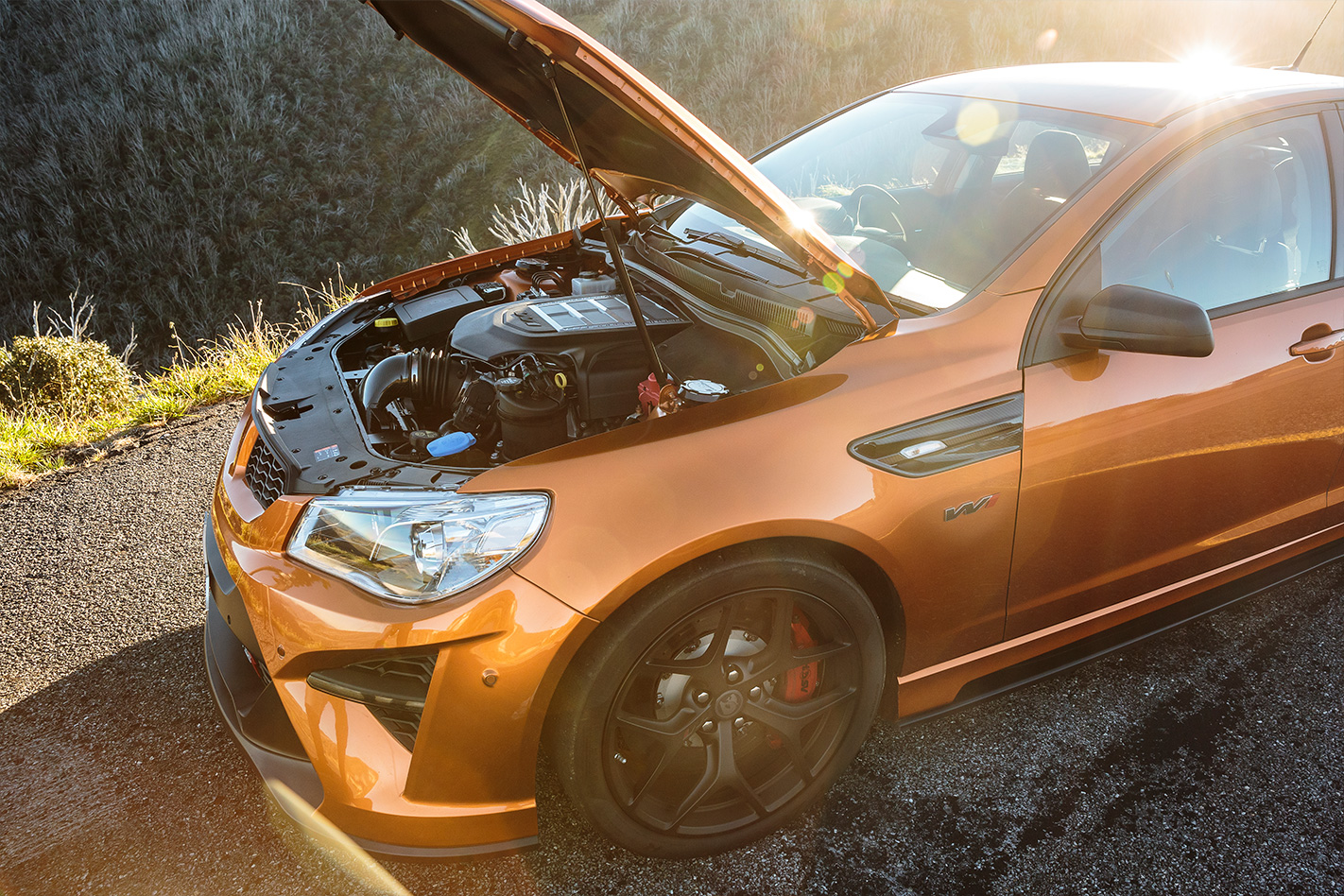
“In terms of what it will go for, I simply don’t know. There’s certainly going to be a strong level of interest we would expect.”
In September last year, W1 number 110 sold privately for $280,000 – $110,000 more than the original owner would have paid for the car and, given the provenance of the very first example, this insanely rare and desirable car is likely to break even more records.
