
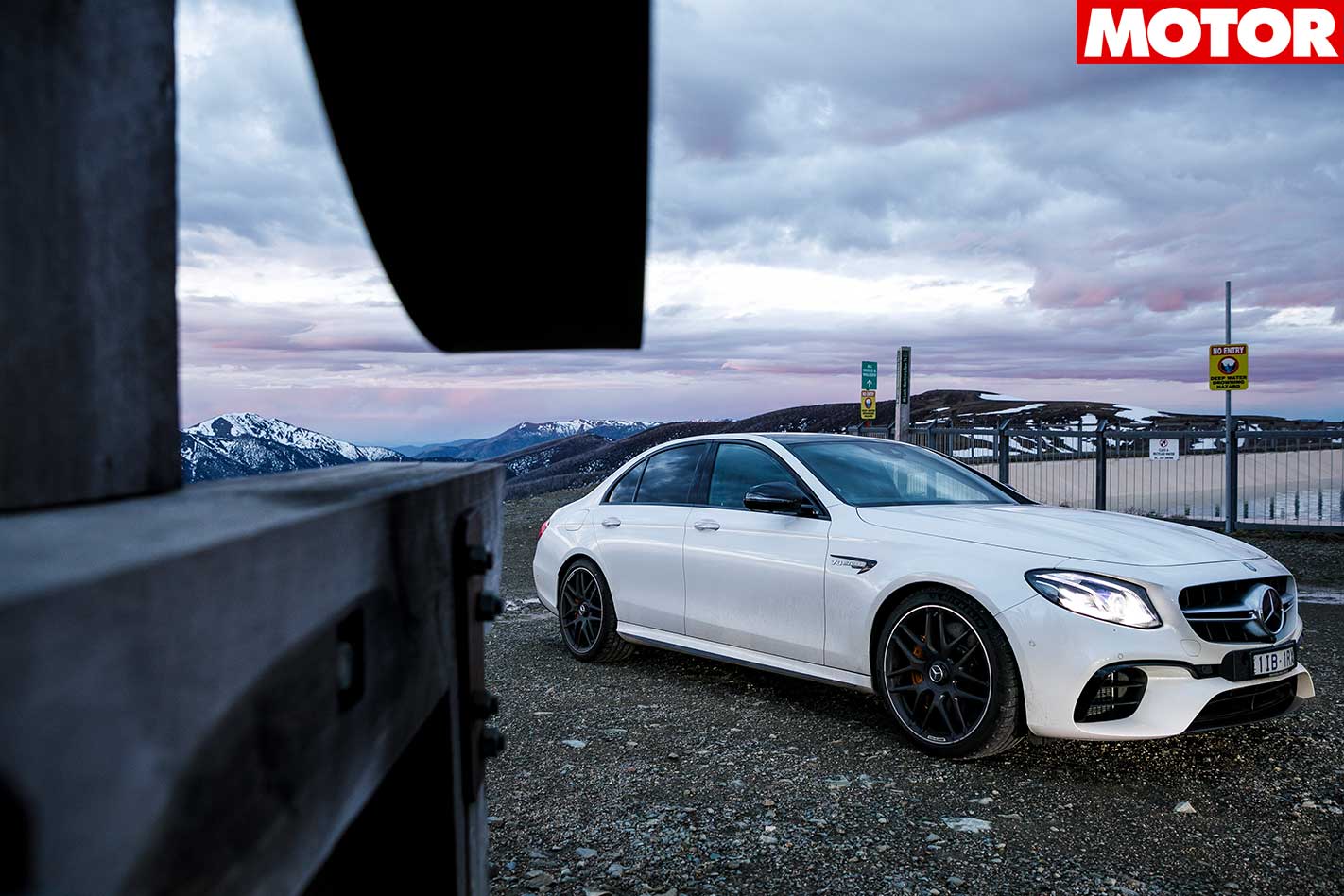
OUR ROUND-table discussion at the end of PCOTY threw up one very interesting question when it came to the Mercedes-AMG E63 S: What exactly is this car for?
To which, boss-man DC gave the perfect answer: What isn’t it for? What the hell couldn’t you do with it?
Okay, so on a track, there’s going to be a limit to how many laps you can do before the tyres melt. Fair enough, but given that it’s the best part of two tonnes and it’s packing 850Nm of brutality, that should come as no real surprise.
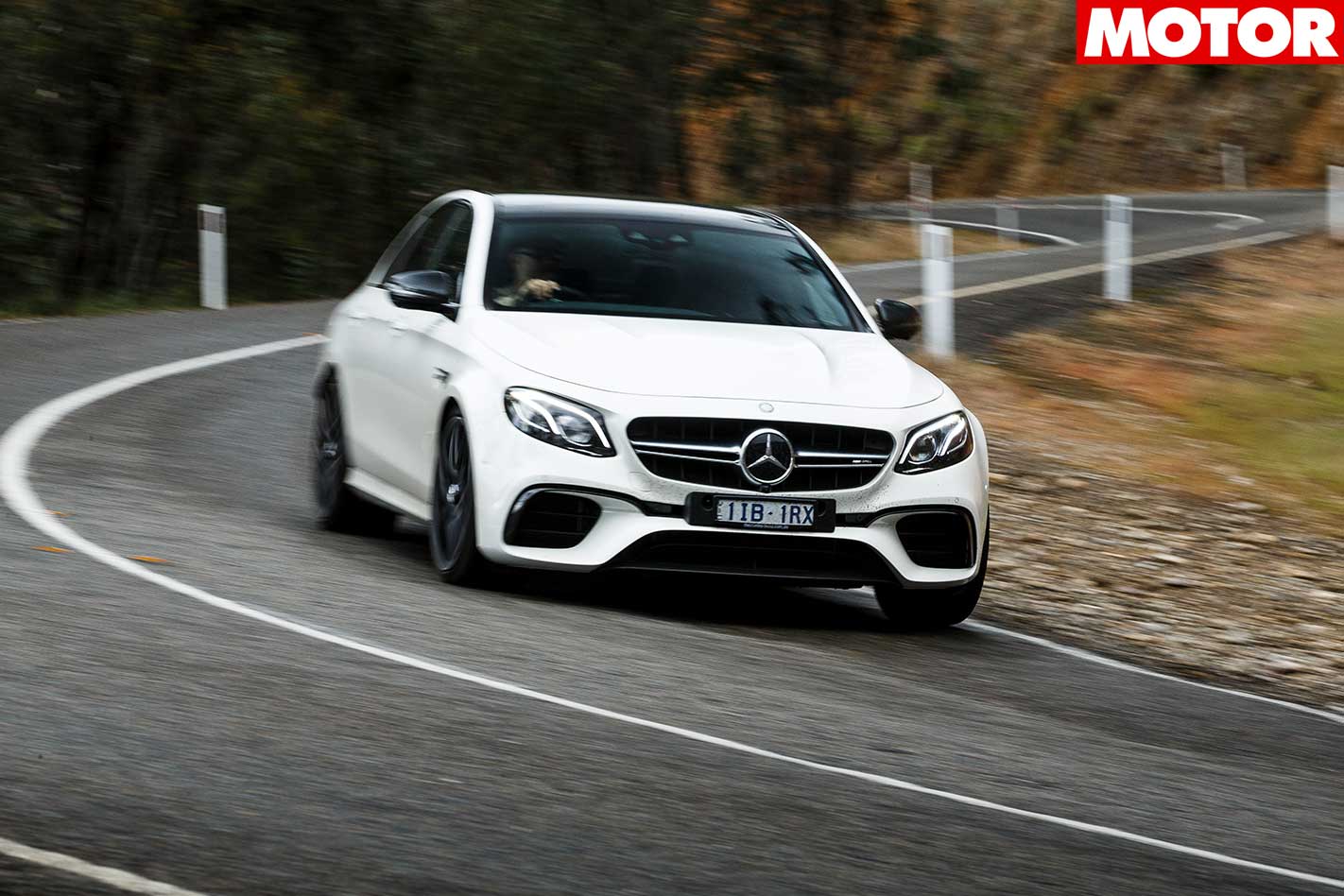
Rarely – if ever, now I think about it – have I driven a road-legal motor vehicle with a same degree of relentlessness in both the depth and the delivery of its horsepower. You think you’re going fast? You think you’re up it for the rent? Then squeeze that gas pedal a bit harder, pal, and feel the dead cow smack you between the shoulder blades even harder.
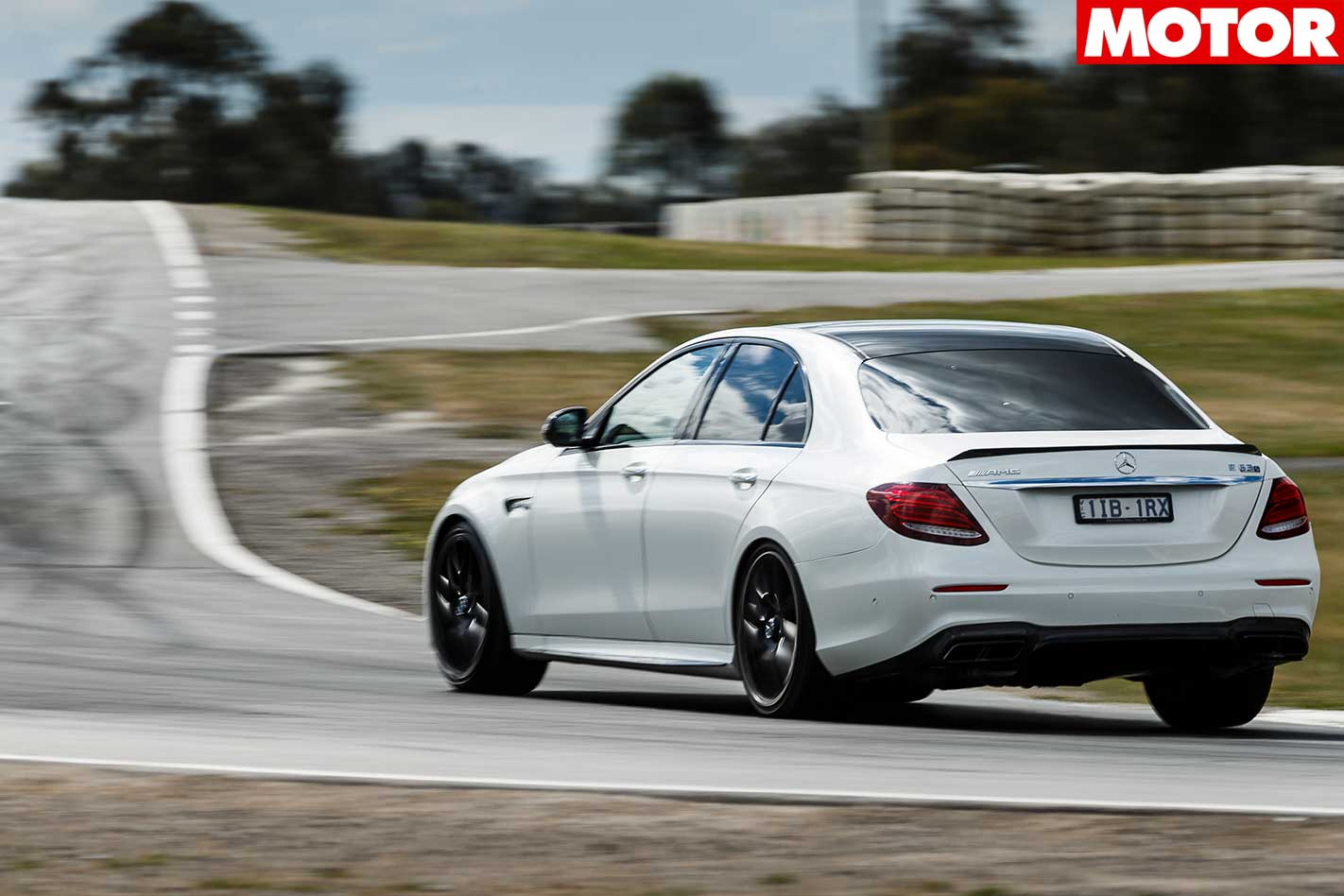
Bald numbers? How about 3.4sec to 100km/h and 11.2sec across the quarter. But even that doesn’t tell you the whole story. Because with the addition of all-wheel drive for this latest version, the AMG has fixed its previous major shortcoming, but created another it can’t do much about.
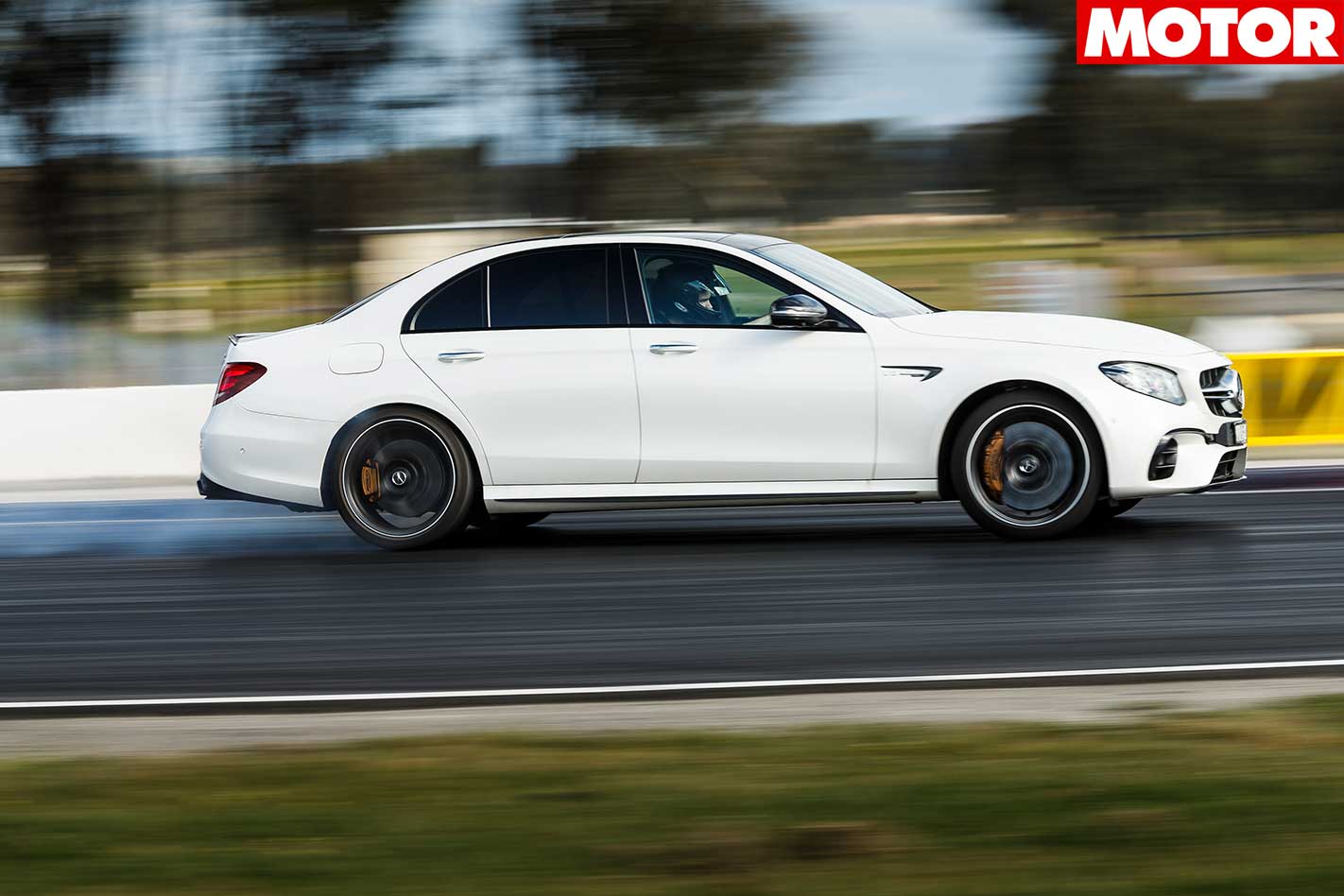
This doesn’t alter the fact that you won’t find yourself in many situations where there is sufficient road to get the pedal all the way to the Axminster. And when it’s not transferring your fears from ‘traction’ to ‘looming bend’ the all-wheel drive system mostly just works away, quietly and all but imperceptibly in the background.
It doesn’t make a fuss, it doesn’t spoil the steering and it certainly doesn’t detract from the overall experience. Quite the opposite, and if you want to know what the thing would be like without the calming influence of all-paw traction, you can slip it into drift mode for a few, terrifying seconds and see for yourself just how wild it can be.
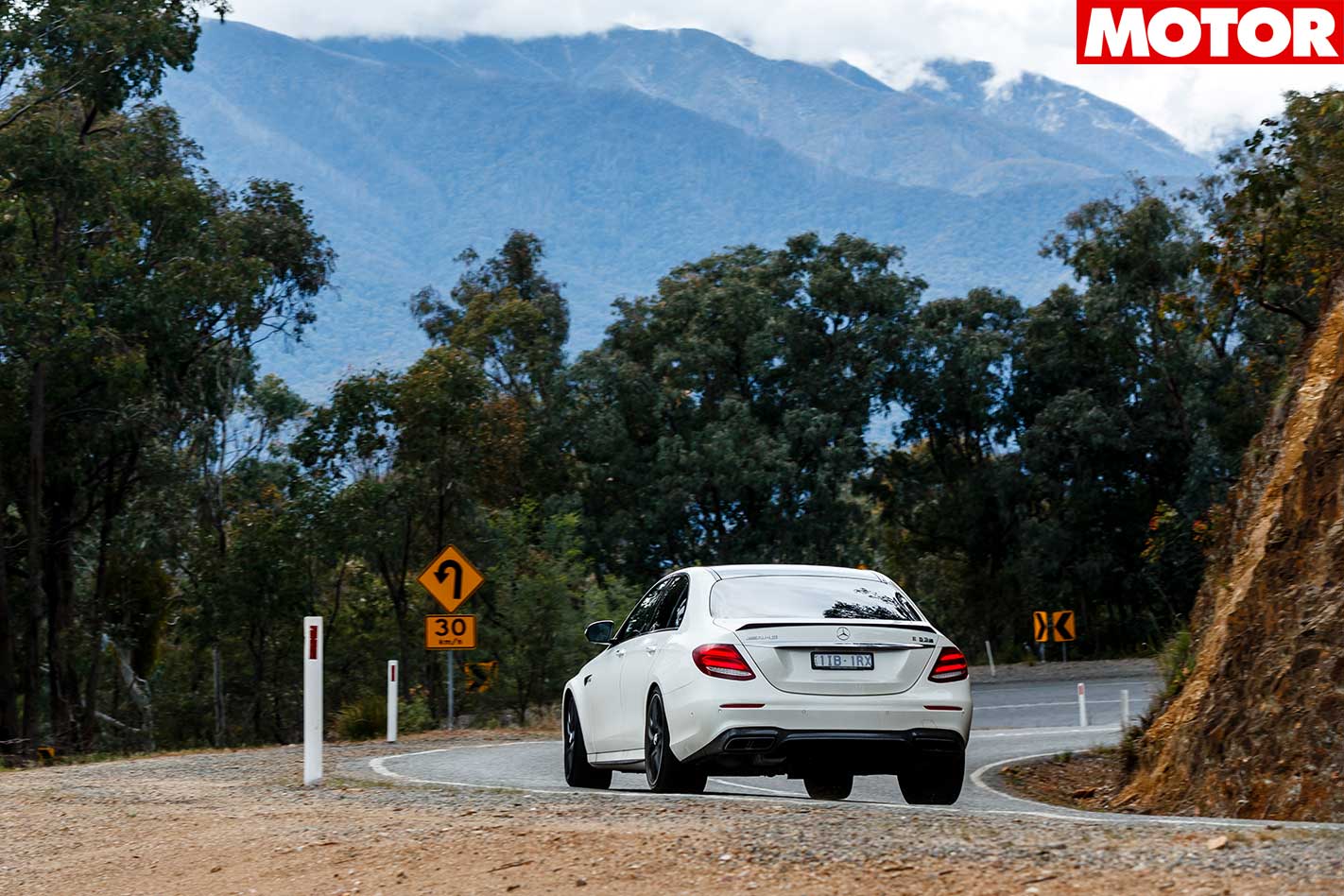
Hell, the AMG even works in the wet where the Michelins grip up quickly and give you plenty of feedback on what’s going on under them. But if the all-wheel drive doesn’t manage to ruin the party, neither does anything else.
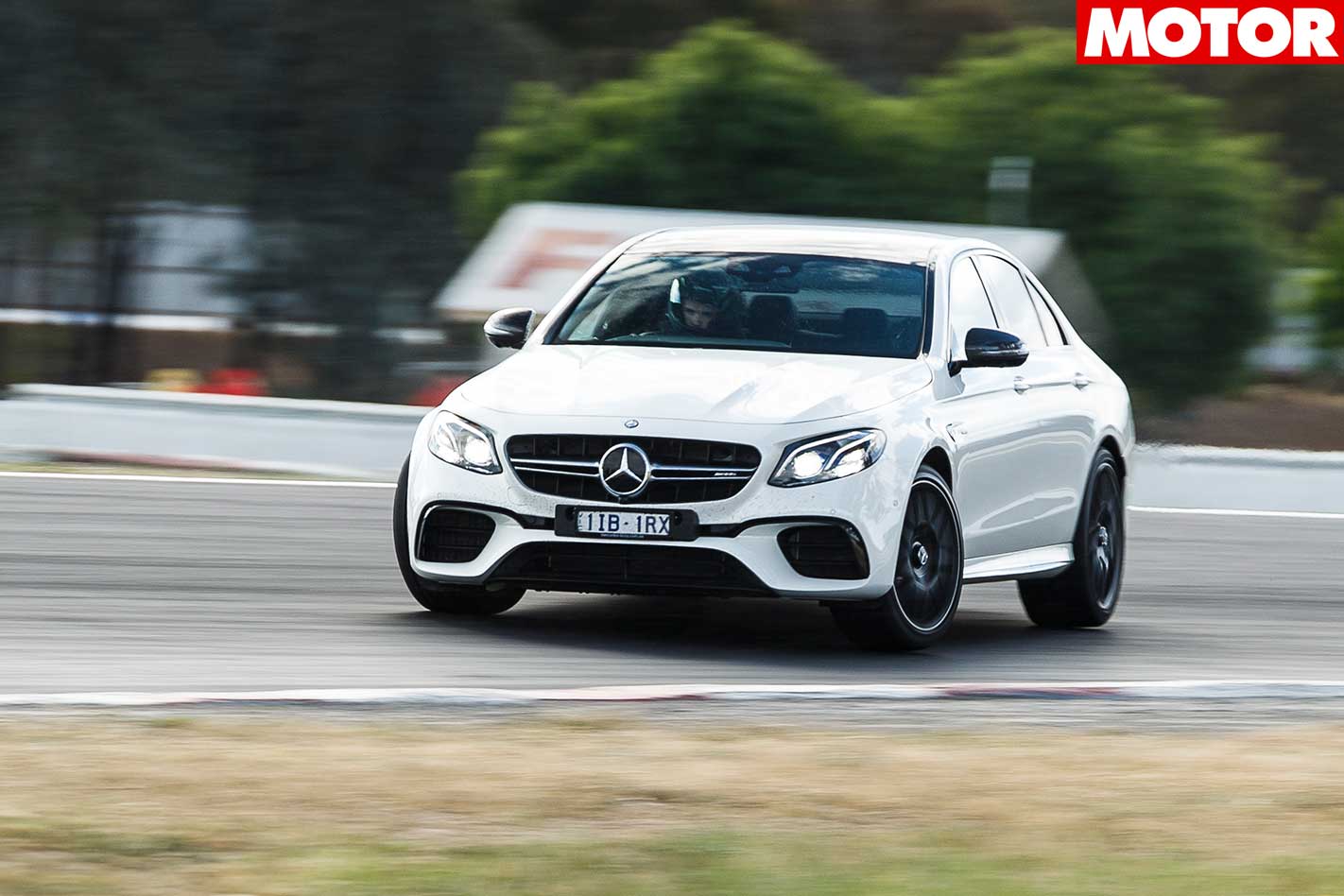
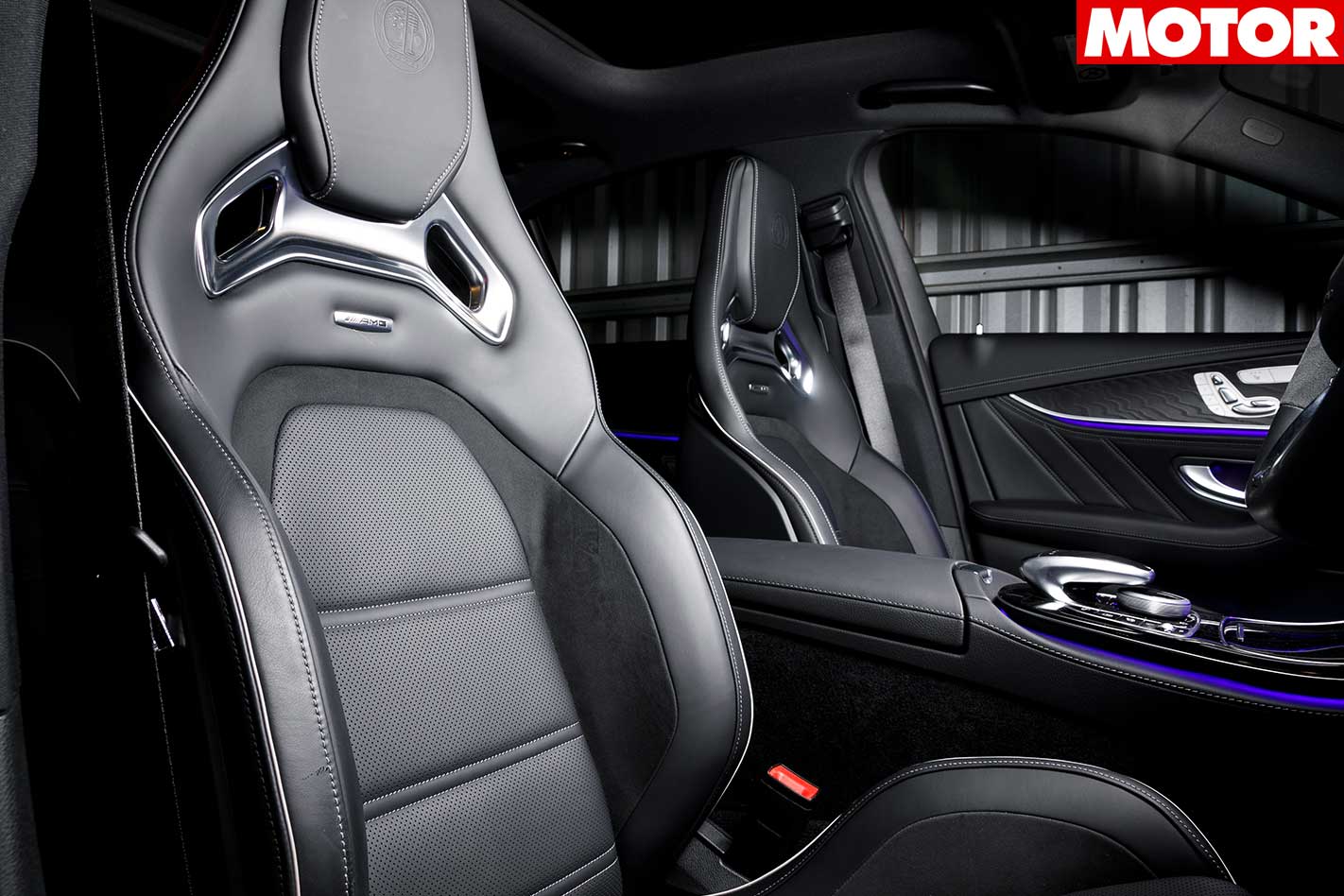
The big, broad E-Class-derived animated dashboard won’t be to everybody’s liking, and neither does the column-shifted gearbox scream sporty. But the seats are lovely, the build quality superb and the fit and finish about as good as it gets.
The active exhaust is a perfect example: you can switch it to ‘shut-up’ mode, but why the hell would you?
And don’t forget to say hi to the Anti-Nuke Treaty people for me.
2018 MERCEDES-AMG E63 S SPECS: Body: 4-door, 5-seat sedan Drive: all-wheel Engine: 3982cc V8, DOHC, 32v, twin-turbo Bore/Stroke: 83.0 x 92.0mm Compression ratio: 8.6:1 Power: 450kW @ 5750-6500rpm Torque: 850Nm @ 2500-4500rpm Power/Weight: 230kW/tonne Transmission: 9-speed automatic Kerb weight: 1955kg Suspension: multi-links, air springs, adaptive dampers, anti-roll bar (f/r) Brakes: 390mm ventilated/driled discs, 6-piston calipers (f); 360mm ventilated/drilled discs, single-piston calipers (r) Wheels: 20.0 x 9.5-inch (f); 20.0 x 10.0-inch (r) Tyres Sizes: 265/35 ZR20 (f); 295/30 ZR20 (r) Tyres: Michelin Pilot Sport 4 S Price: $239,611
0-100km/h: 3.4sec (2nd) 0-400m: 11.28sec @ 203.72km/h (2nd)
Morley – 3rd I’m scratching my head to recall another engine that humbled me so. Have mercy!
Campbell – 2nd The best AMG I’ve ever driven, eclipses even GT. Soul of a smaller car, that V8 – love it.
Newman – 2nd The new benchmark super sedan, but don’t love it like the old one – not yet, anyway.
Robson – 2nd Not so much a car as a ground-bound ballistic missile. Like punting a locomotive.
Reynolds – =4th Awesome inside, powerful engine, soft feel – would be a great car for touring.
JUDGES’ SCOREBOARD
| u00a0 | Campbell | Morley | Newman | Reynolds | Robson | Total |
| Performance | 9.5 | 10 | 10 | 10 | 9 | 48.5 |
| Dynamics | 9 | 7 | 9 | 7 | 9 | 41 |
| Accessibility | 9 | 9 | 9 | 7 | 8 | 42 |
| Liveability | 6.5 | 6 | 8 | 10 | 9 | 39.5 |
| Value | 6 | 5 | 7.5 | 6 | 7 | 31.5 |
| X-Factor | 9 | 8 | 7.5 | 7 | 7 | 38.5 |
| Total | 49 | 45 | 51 | 47 | 49 | 241 |
THE 2018 F1 regulations remain largely unchanged from 2017, save for the newly mandated halo safety device.
Last year’s championship was the first season of all-new regulations which transformed F1 cars into wider, longer beasts. The end result was every current Grand Prix circuit bar one having its lap record smashed (Monza’s record remains intact thanks to a sodden qualifying session).
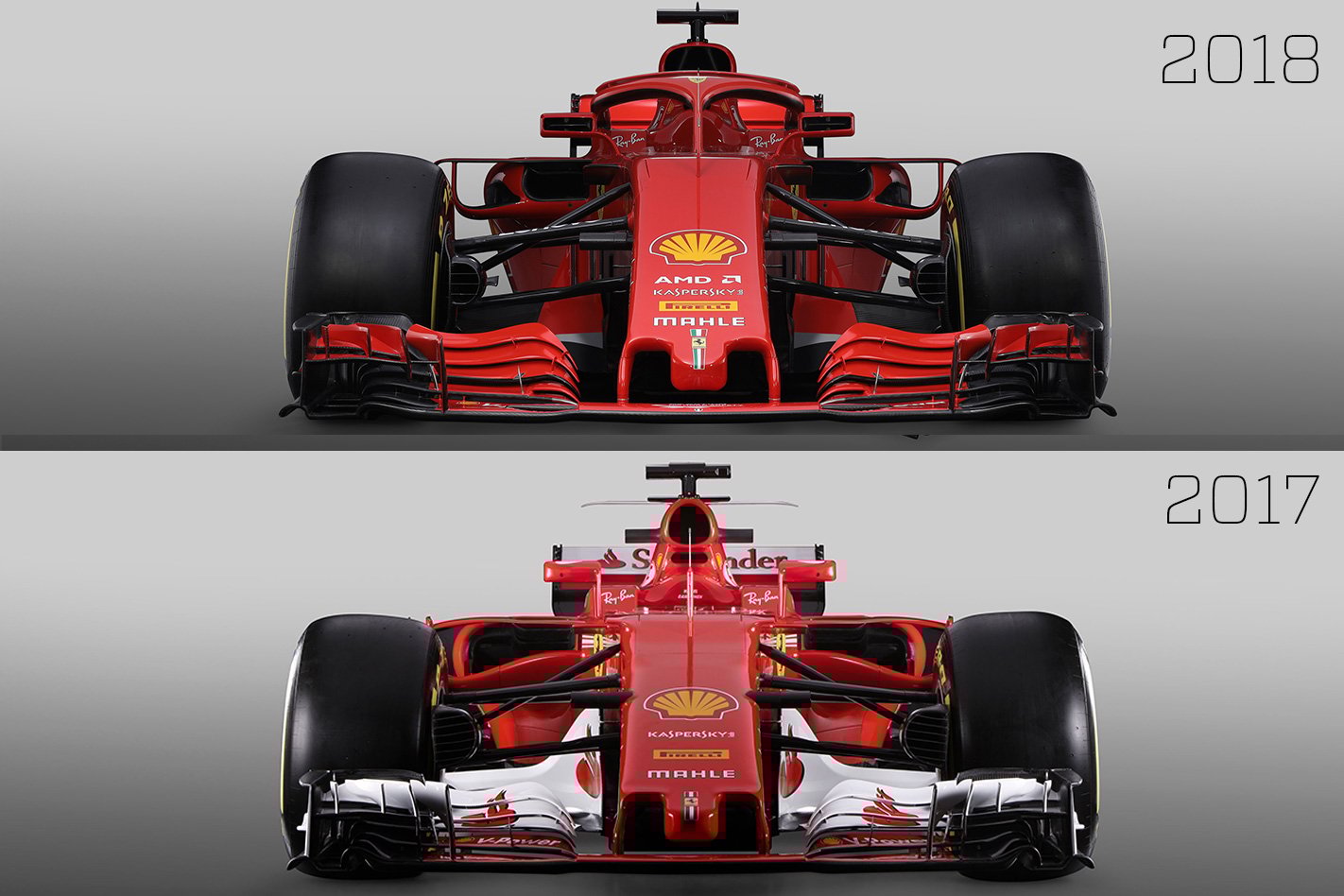
Despite the rulebook remaining largely unchanged, it’s still worth looking at the 2017 and 2018 F1 challengers side by side to look at how the teams have developed their current designs to make cars even faster.
To illustrate this, let’s compare Ferrari’s 2017 SF70H and 2018 SF71H F1.
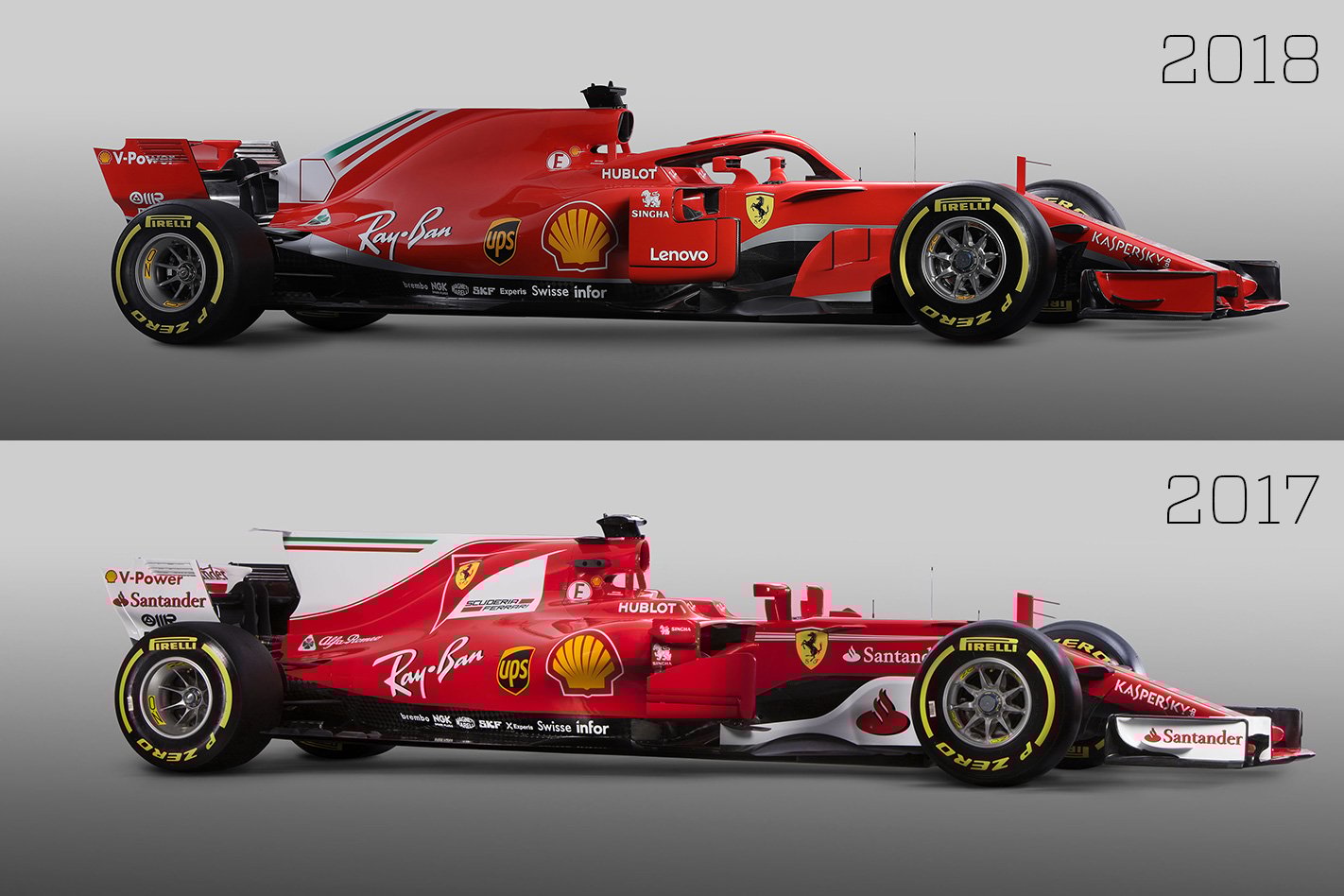
Exhaust-blown monkey-seat devices have been outlawed for 2017, however Ferrari has continued to develop aerodynamics at the far rear of the car, introducing a T-Wing-esque device which sits atop the exhaust, but behind the rear wing mounts.
Maranello’s engineers have worked heavily on the sidepod and forward barge board design, with that section of the car expected to be subject to intense development this year.
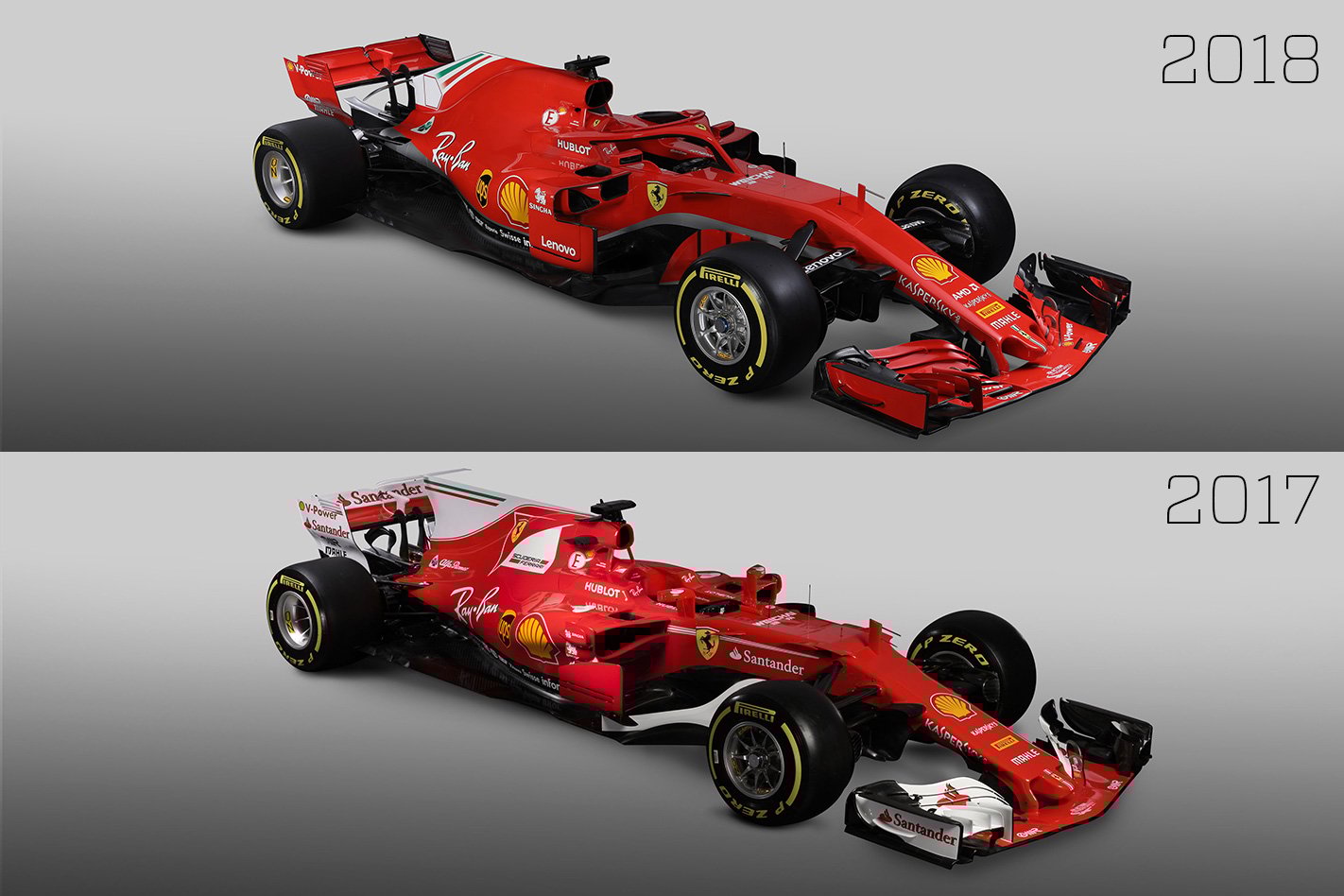
Even the wing mirrors aren’t safe from being transformed into an aerodynamic device in F1, with the SF71H sporting wind-tunnel designed mirror housings.
At the nose of the car, the front wing mount has followed a design similar to what McLaren pioneered with a number of air vents integrated into the mounting.
Pre-season testing begins this week in Spain, and you can be sure each F1 team will be trying to sneak a peek at each other’s creations ahead of the first Grand Prix, in Melbourne on March 25.
Three classic Italian sports cars all formerly owned by rockstars, are ready to go under the hammer at the next Goodwood Members’ Meeting auction.
Even better is that you only need around $250,000 to find yourself sitting in one of these machines…
So let’s get stuck in. Oh, and we’ve used Aussie dollars for the estimates to make this a little easier.
1967 Lamborghini 400 GT 2+2 – Sir Paul McCartney $720,000 – 890,000
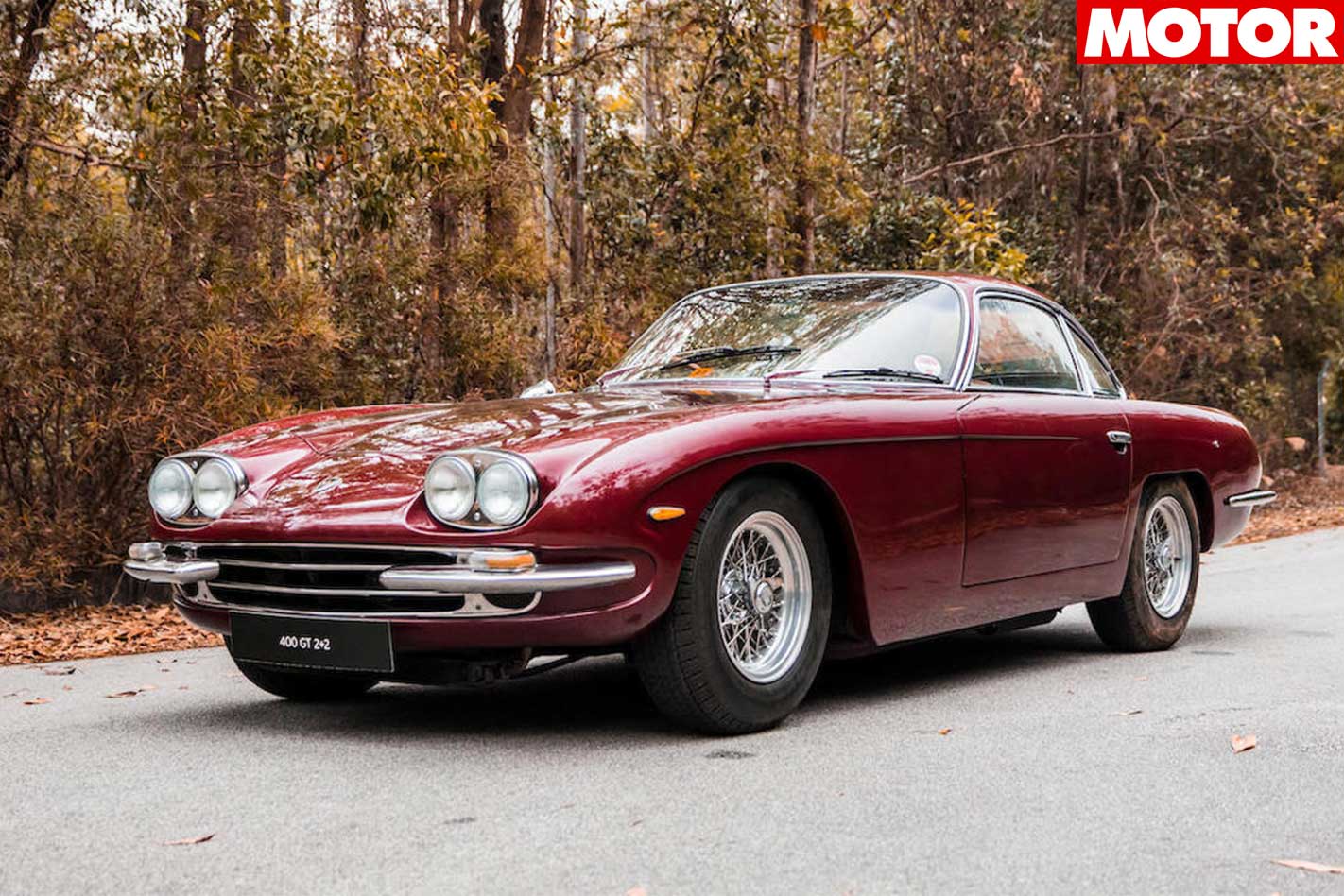
Paul McCartney was enough of a fan to buy one new, meaning he got to experience first-hand the helter skelter that is an atmo Italian V12 in its prime.
Let it be known that this one makes for an especially tempting offer, having been owned for some time by Sir Paul, and being reportedly one of four imported into the UK.
Any money you drop into this car would be quite easy to get back, we’d say.
1974 Ferrari Dino 246 GT Spider – Nick Mason $670,000 – 760,000

This Dino is sporting a 2.4-litre V6 that’s only travelled 52,871 miles, so it should still run like hell.
1991 Lamborghini Diablo – Sir Rod Stewart $210,000 – 250,000
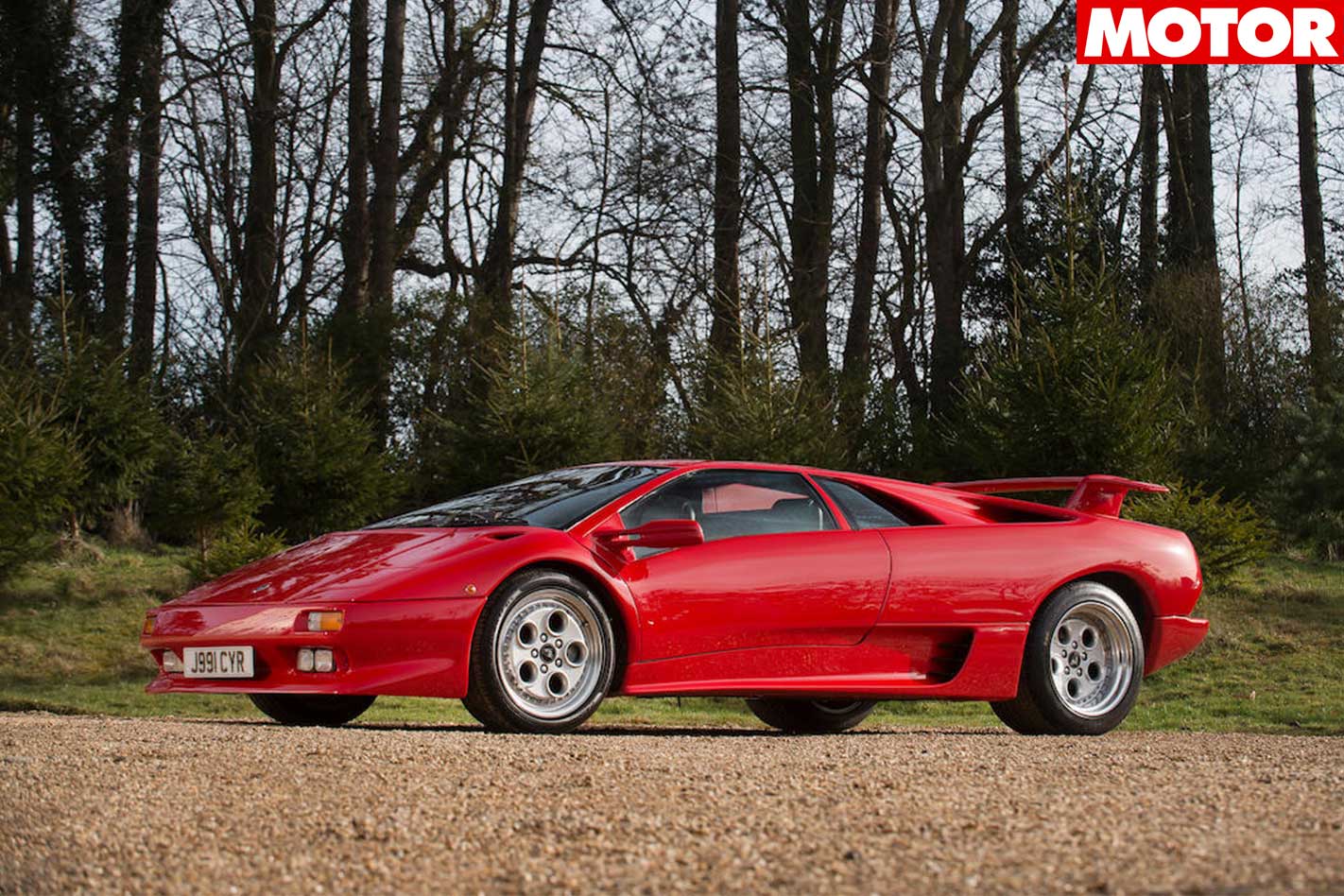
Since its first drive with Stewart it’s only travelled 27,000 miles and, stay with me here, has been recently refreshed at a cost of £27,500 ($49,000).
So, do you think it’s sexy? Rod does.
IT seems like a simple question, but it’s caused plenty of lost productivity in the Wheels office – what is the ultimate three car garage for $250,000.
The rules were simple, what three new cars would you fill a hypothetical three bay garage with, using just a quarter of a million dollars.
Below is a selection of answers from the Wheels team, let us know how you would blow the budget.
Andy Enright – Deputy Editor
- Alfa Romeo Giulia Quadrifoglio: $143,900
- Volvo XC60 T5 Momentum: $62,990
- Toyota 86 GT: $31,440
- Leftover cash: $11,670

Ryan Lewis – Online Editor
- BMW 330i Touring: $75,000
- Toyota HiAce LWB Crew: $38,570
- Lotus Exige Sport manual: $134,500
- Leftover cash: $1930 for something optional on the BMW

But we’re talking about right now, so instead my daily driver and family runabout would be a BMW 330i Touring, because wagons are brilliant and I don’t have the budget for an Alpina B3 S Touring. A Toyota HiAce LWB Crew is my oddball, do-anything utility hack with seating for five and enough room to throw a pile of bikes in the back and get out of the city.
My weekend warrior would then be the bone-jarringly raw Lotus Exige S. If there’d been another $10K in the kitty I’d have had a Porsche Cayman S manual instead, but I’m liking this spread of one German, one Japanese and one Briton in my three car garage.
Tony O’Kane – Senior Journalist
- Nissan GT-R Premium: $189,000
- Ford Transit Custom SWB: $39,690
- Mazda2 Genki: $20,690
- Leftover cash: $620 – enough for 222 Happy Meals
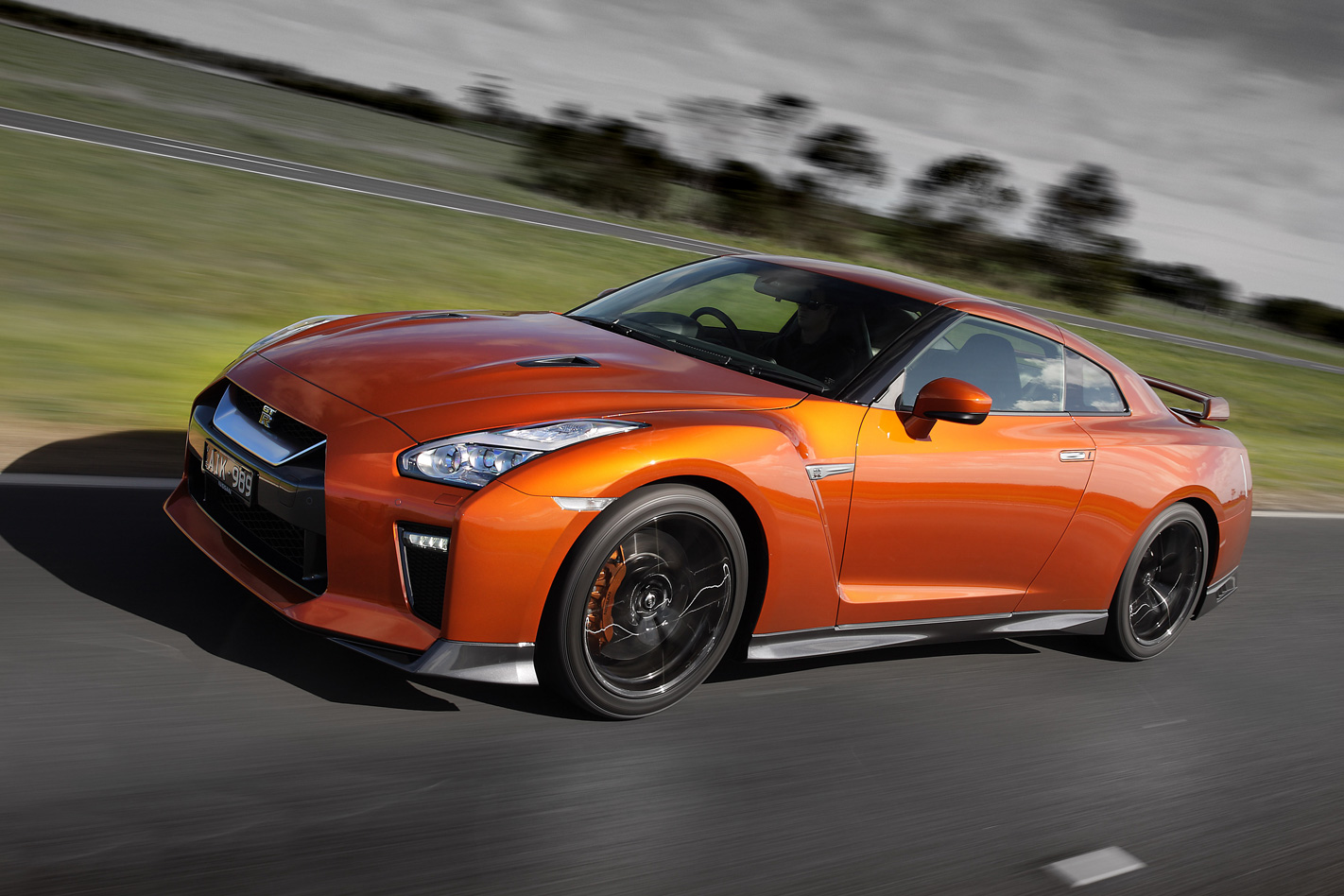
As a millennial, I’m going to need a side hustle if I’m ever to afford a home – let alone the maintenance bill of my newly-acquired GT-R. That’s where the Transit comes in – it’s the perfect tool for my new business of selling artisanal smashed-avocado cronuts to other millenials at music festivals.
What, you think I’d drive my Transit Custom food truck to the shops or park my GT-R at the train station? Hell no. The Mazda2 is the cheapest rig in my hyphothetical garage, and as such it’s the one that will get the most use. It’s frugal so I can save my petrol money for the thirsty Nissan, yet in manual form it still has plenty to offer a keen drive. Good cheap fun, and the Genki spec has enough toys to keep me happy.
Barry Park – Senior Journalist
- Porsche Cayman S manual: $145,500
- Audi RS3 Sportback: $80,611
- Suzuki Swift Sport: $25,490
- Leftover cash: -$1601

The RS3 Sportback is there because I know I’ll occasionally need to have more than two people in the car at the same time, so it’s a great sounding, hard driving, shallow and tokenistic nod to that. And the Swift?
That’s there because the kids from time to time will want to borrow one of my cars that I’ll have to fuel, insure, and service out of my own pocket because that’s what dads have to do. That’s the only key I’ll toss ’em.
Daniel Gardner – Senior Journalist
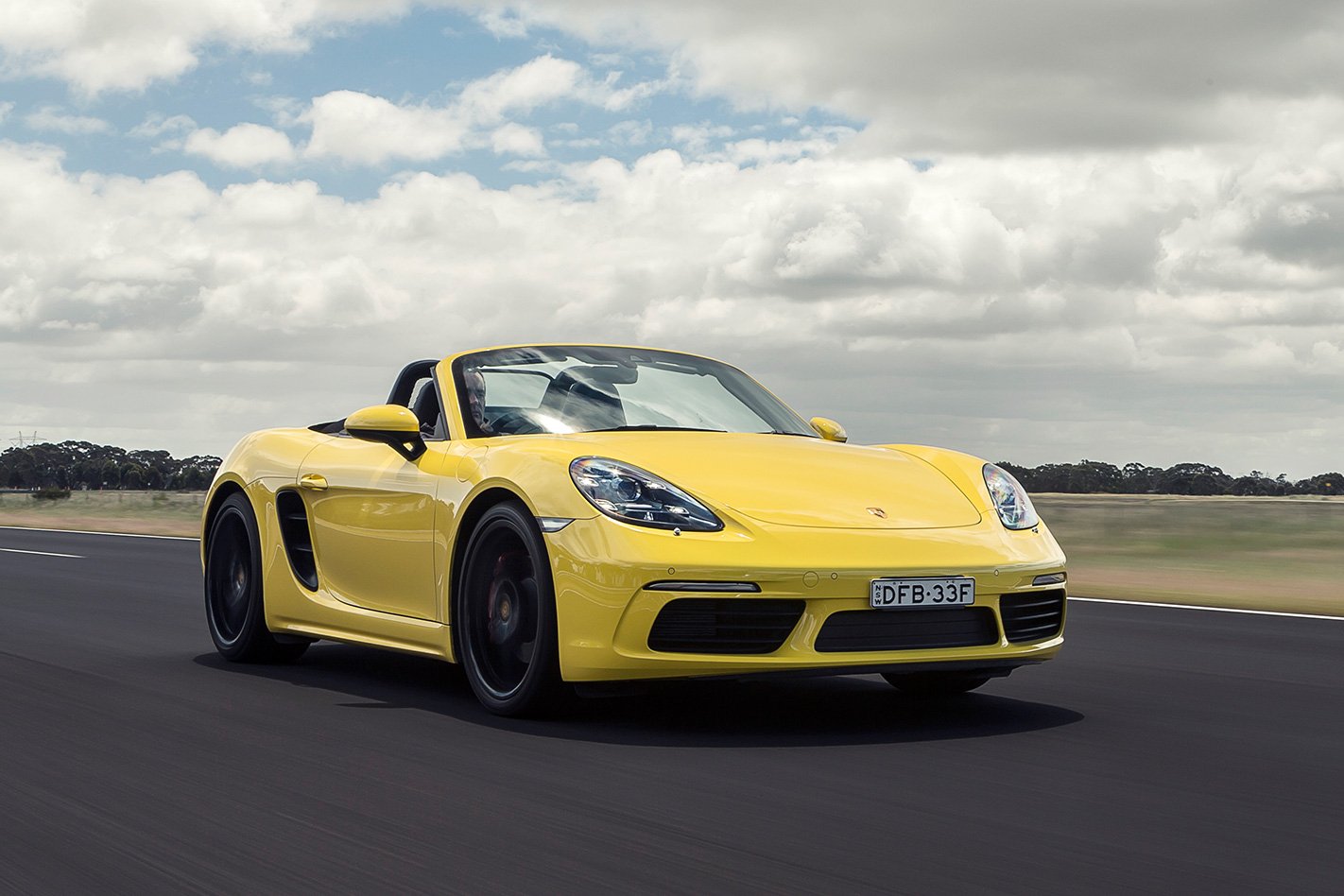
- Porsche Boxster manual: $118,100
- Audi S4 Avant: $102,611
- Ford Ranger XL single cab: $29,190
- Leftover cash: $99.
Ash Westerman – Senior Journalist
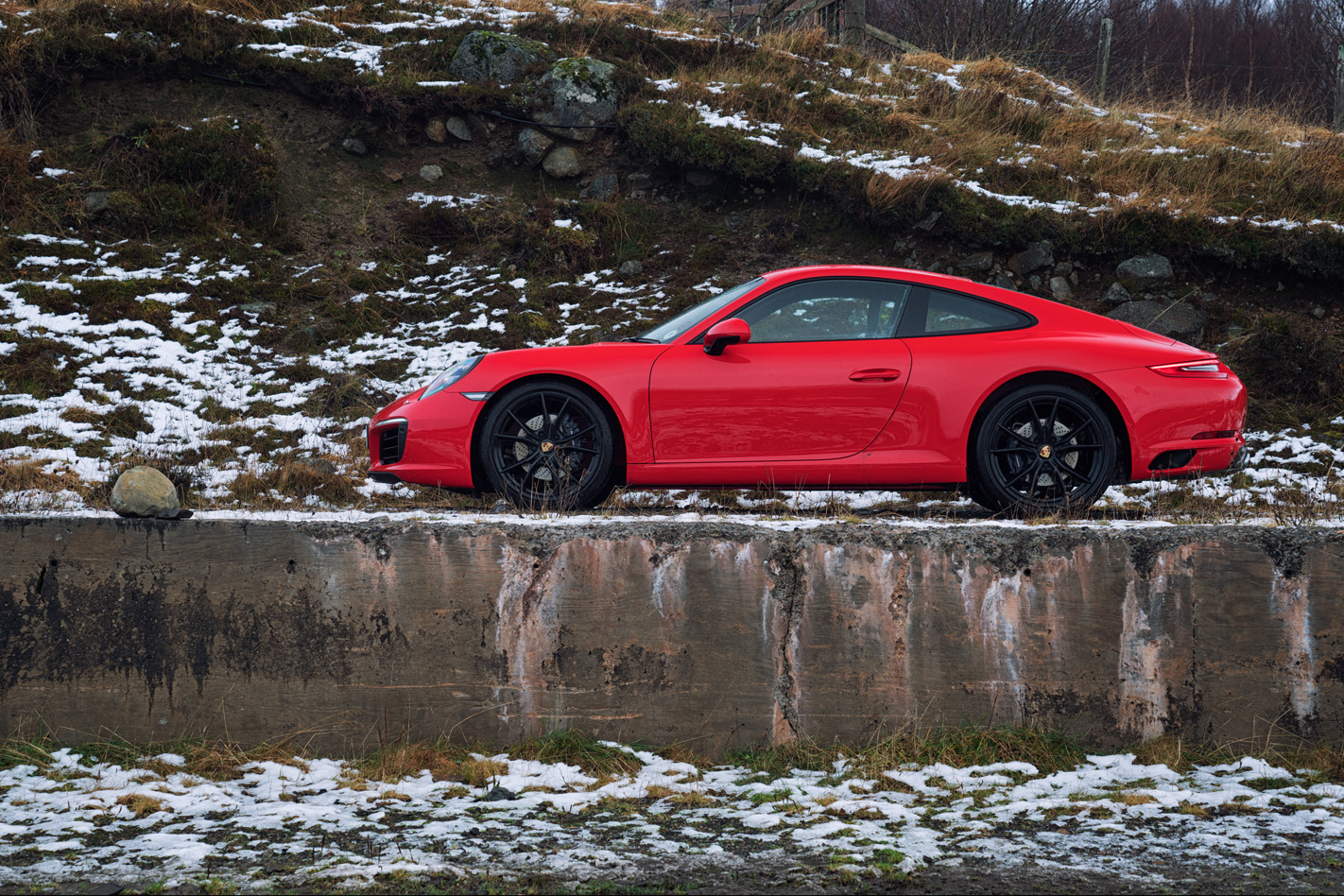
- Porsche 911 Carrera manual: $220,900
- Kia Picanto S manual: $14,190
- Proton Preve GX: $15,490
- Leftover cash: -$580
Cameron Kirby – Staff Journalist
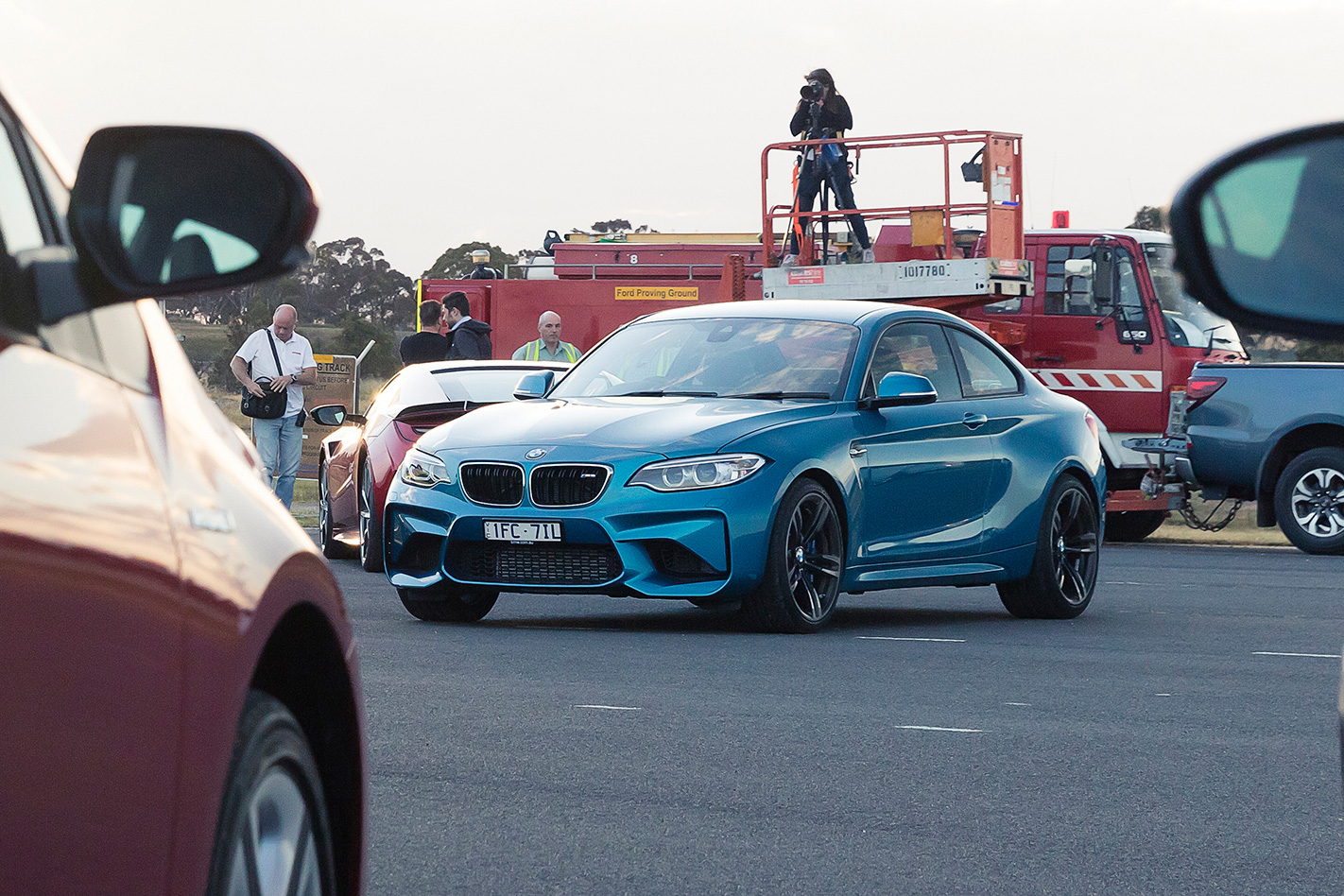
- BMW M2 Pure: $93,300
- Kia Stinger GT: $59,990
- Land Rover Discovery SD4 HSE: $93,550
- Leftover cash: $3,250
David Bonnici – Staff Journalist
- Mazda MX-5 GT: $38,340
- Audi SQ7: $153,327
- Holden Commodore SS: $47,490
- Leftover cash: $10,843

And it would be remiss of this VY SS owner not to snap up one of the last Commodore SS manuals because of its unmatched Superman/Clark Kent versatility that allows it do everything else the other two can’t.
With my $10,843 in change I’ll option up the SQ7 to add Sepang blue pearl paint ($2250), panoramic sunroof ($3990), all-wheel-steering ($2650) and red brake calipers ($950).
Felipe Ubilla – Art Director
- BMW M3: $139,900
- Skoda Octovia RS245 Wagon: $45,890
- Audi S1 quattro: $49,990
- Leftover cash: $14,220

Alex Affat – Digital Content Manager
- 718 Cayman S manual: $145,500
- Volkswagen Amarok TDI420 Core Edition automatic: $46,990
- Skoda Superb 162TSI Wagon: $46,590
- Leftover cash: $10,920 for racecar bits

A cheaper price of entry also affords me some goodies. I’ll buy some fat forged Volk TE37 wheels, and some meaty semi slicks. Completely strip the interior and chuck in a Velos Viper driver seat (passengers be damned!) and get a full CAMS national-level AGI cage bolted in. I can’t buy a Cayman GT4, so I’ll just build my own. If anything it’s better because I won’t be scared to drive it to death!
The Amarok will be the weekend adventure car and tow rig. While it’s not the V6, it’ll more than handle whatever I throw at it. The Skoda is… superb… value with a price tag that undercuts its Volkswagen brethren. I’d option the tech pack ($4200) mostly for the adaptive suspension which should quell some of the critiques in feel. It’s quiet, comfy and everything my real-life daily-driven track car is not!
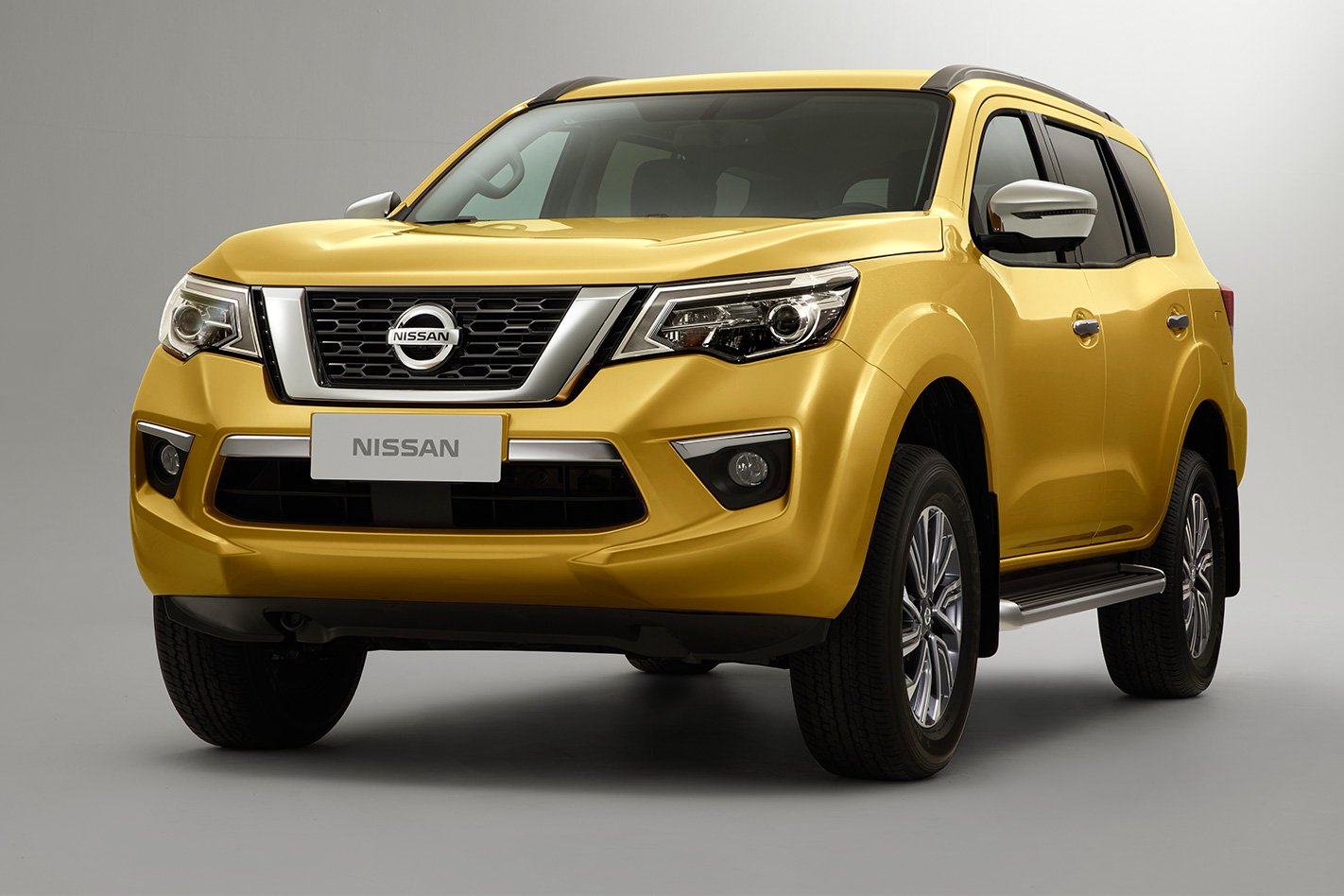
THE Ford Everest could have a new rival with Nissan Australia being a step closer to securing a new Navara-based 4×4 wagon.
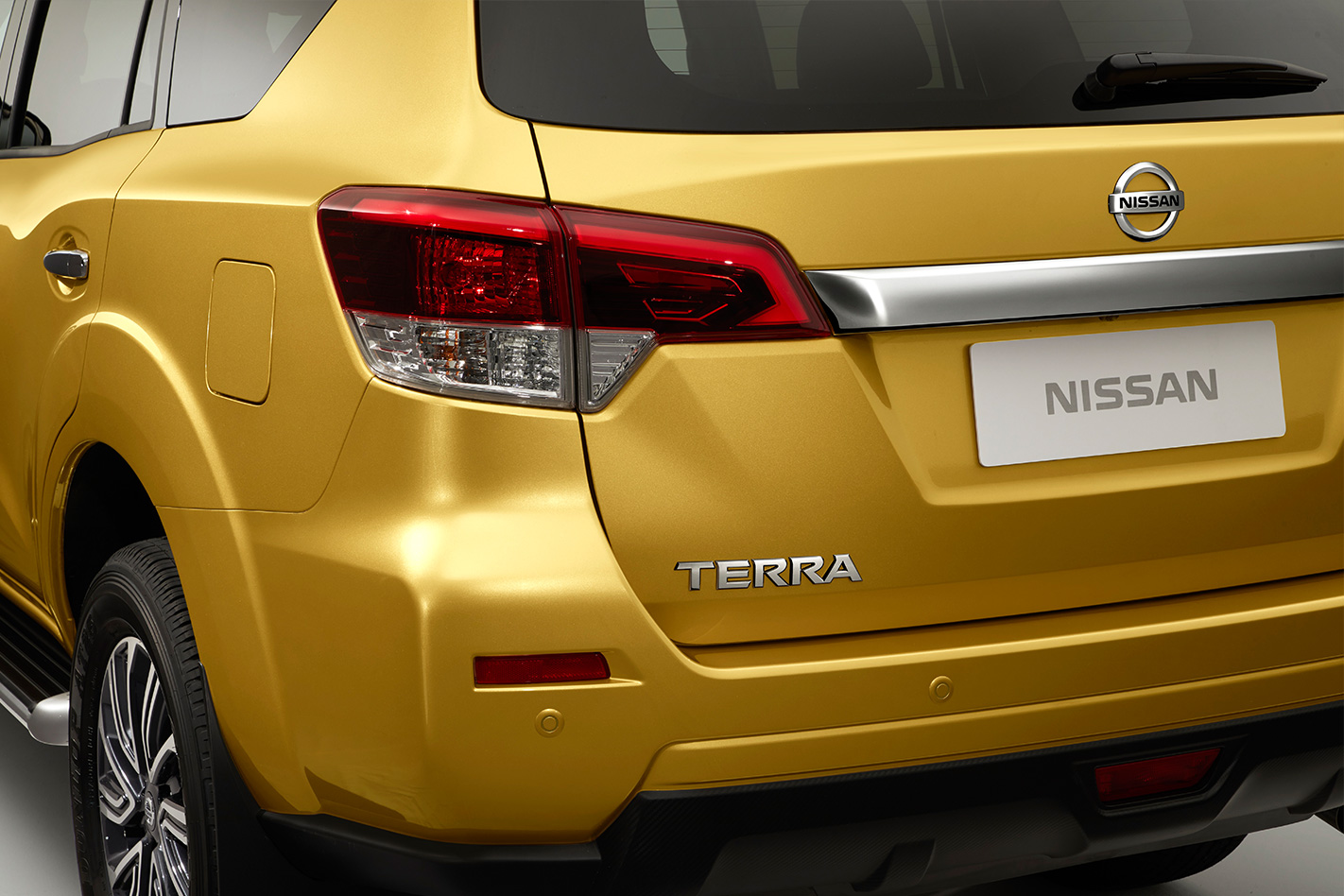
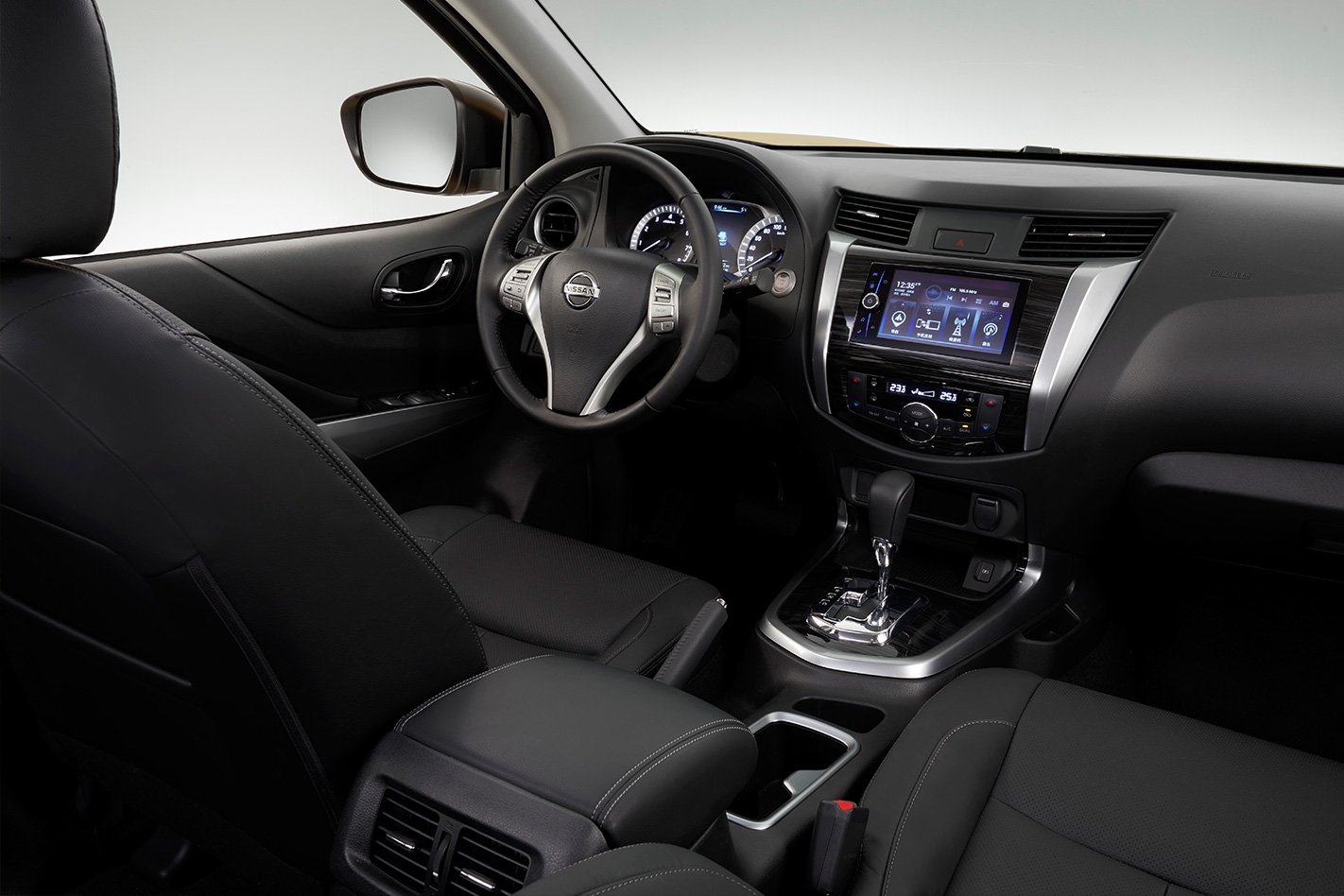
The daringly named Terra plonks a three-row wagon body atop the NP300 Navara ladder frame chassis; a similar format to the previous generation Pathfinders.
Due to be unveiled at the Beijing motor show in late April, the Terra will be Nissan’s first ute- or frame-based SUV to launch under its frame and LCV (light commercial vehicle) business unit.
However, he said its availability is dependent on it being built for other right-hand-drive markets including Thailand and the UK.

Nissan hasn’t released further information about the Terra, but what we do know is that it will be 4882mm long and sits on a 2850mm wheelbase, which is shorter than the current 5255mm Navara dual-cab (which boasts a 3150mm wheelbase), though the 1850mm width is identical.
The Chinese-market model will be powered by a 137kW 2.5-litre petrol engine, with a choice of two- and four-wheel-drive.
The Terra would give Nissan a handy competitor against the Everest, Mitsubishi Pajero Sport, Toyota Fortuner and Isuzu MU-X.
He called this appeal “authentic capability”, adding that there’s a significant customer base not wanting to make the practical compromise of a monocoque soft-roader, in effect favouring both the feel and image of an old-school ladder chassis.
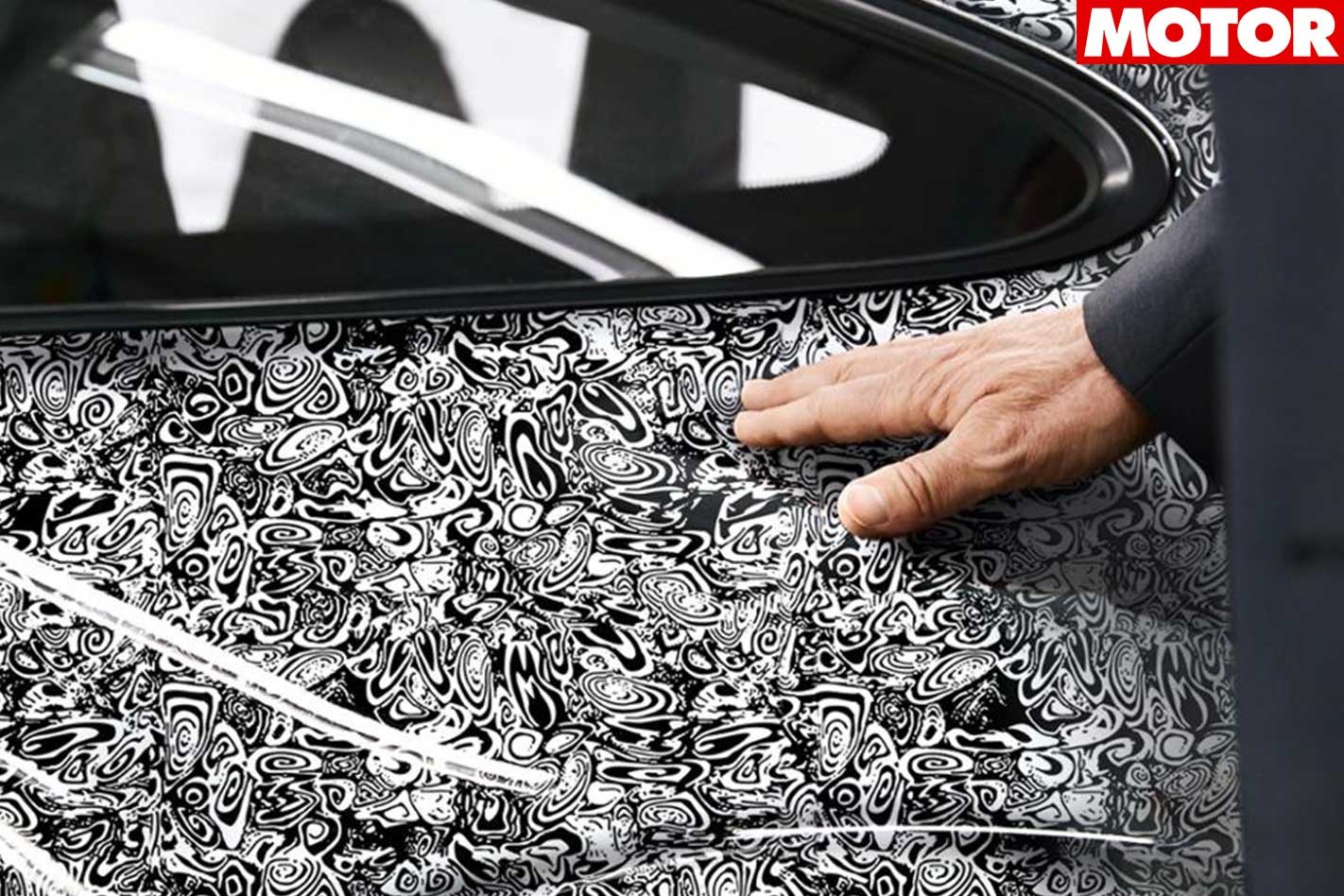
August Achleitner calls the Porsche 911 “The heart of the company.”
He’s the man in charge of the 911 program, so there might be some bias there, but he’s completely right. Without the 911, Porsche wouldn’t be the dominant force it is in performance motoring today.
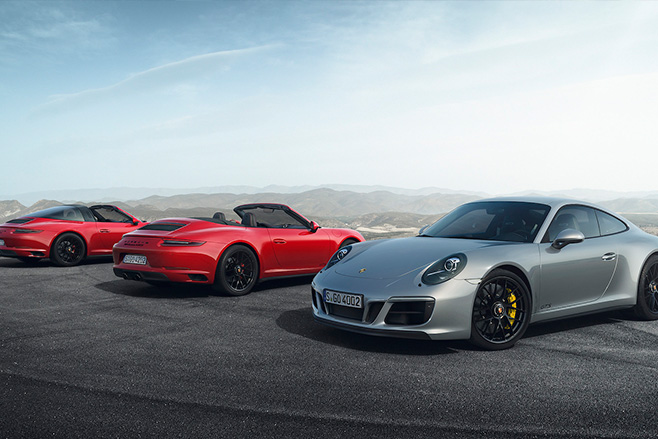
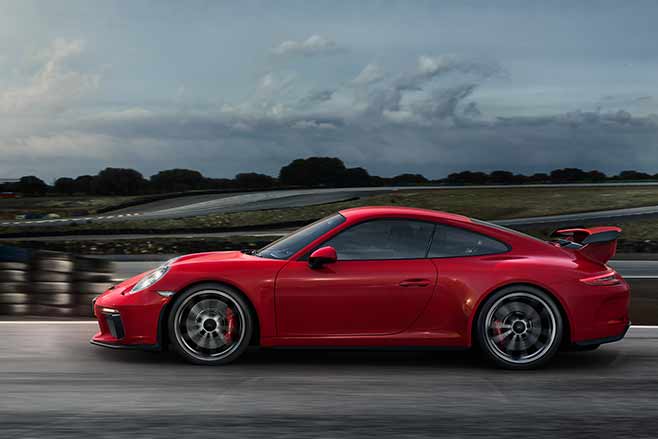
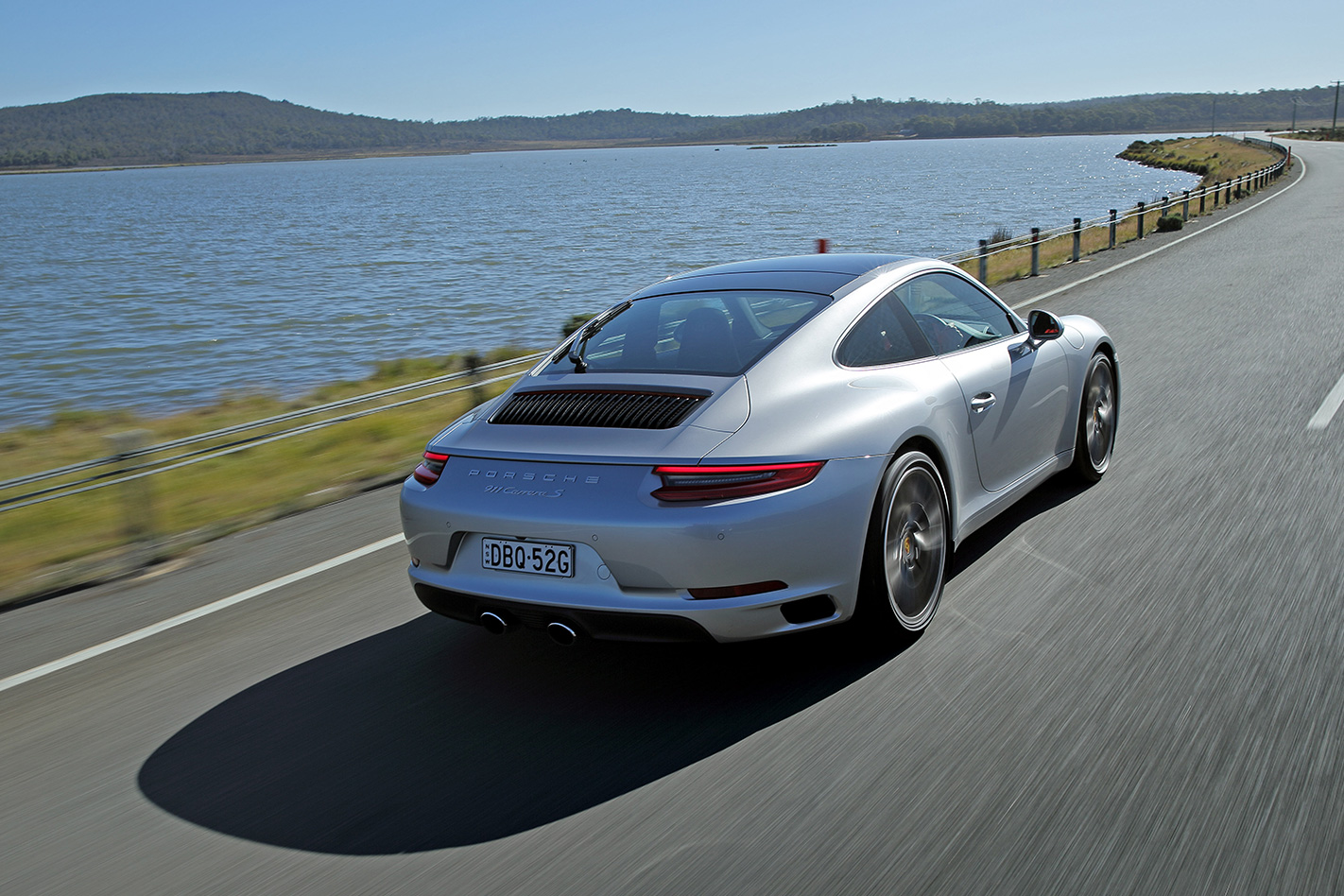
More often than not, the 911 trounces its opposition in MOTOR’s Performance Car of the Year, and now there’s a new generation coming. 992.
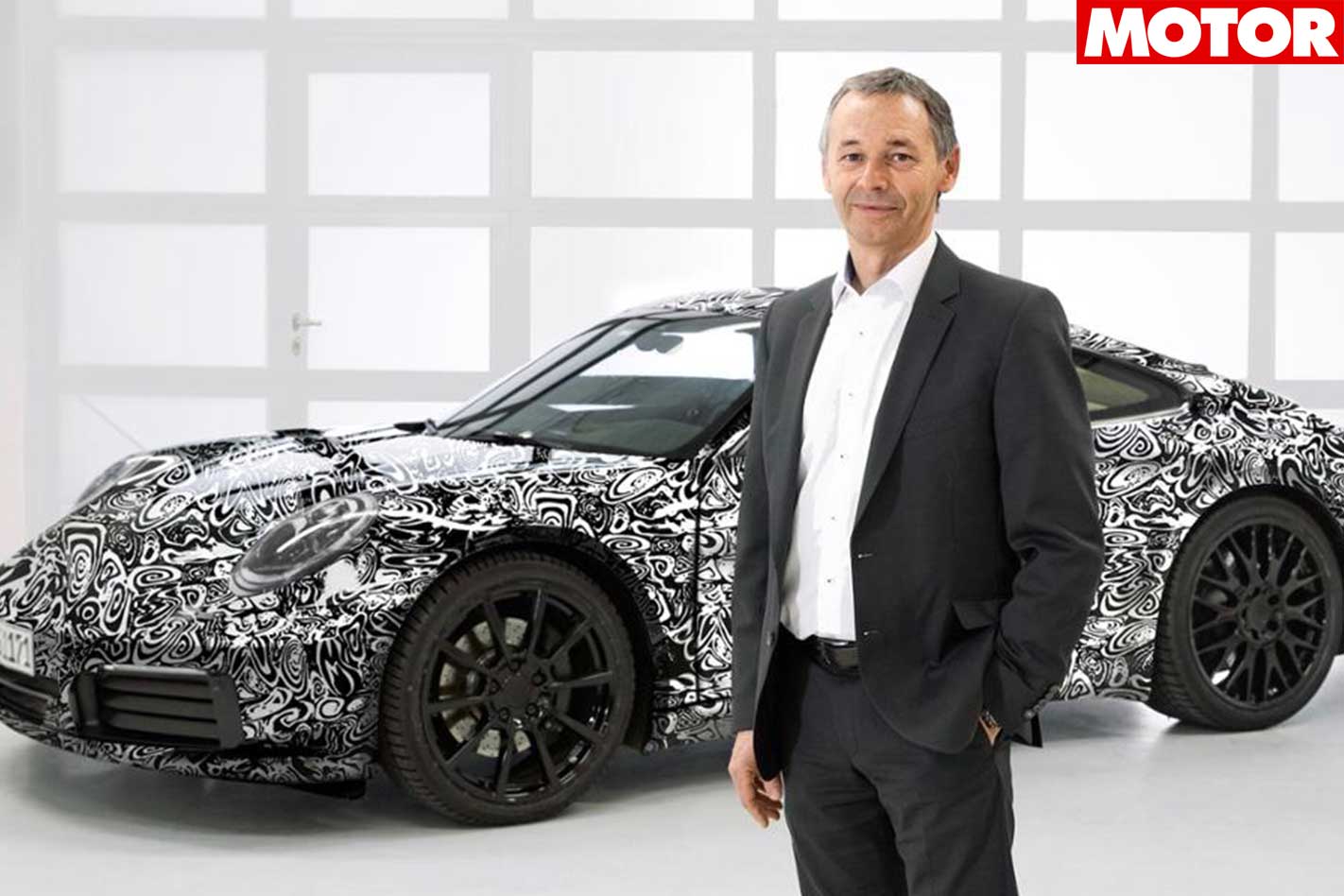
He says Porsche fans can be assured that the next 911 will stay true to what the badge and its heritage.
“We know where we’re from and where we want to go,” says Achleitner.
“With each innovation, the decisive factor for me is whether it suits the character of the 911.”
He adds that anything new on a Porsche must suit the car itself, rather than being there for the sole purpose of being an expected feature or option.
“We don’t necessarily have to be the first in this regard with the 911. What’s crucial, rather, is that every innovation be offered in a typical Porsche manifestation.”
He gives an example as the 996-era model, the first to feature a navigation system. He says despite its beautiful exterior, it ‘pains him’ to see the navigation system look so outdated now, “because the car suffers for it.”
Because of this, he wants the technology added to a 911 to be perfected before it reaches the car.
“That’s why a 911 will always have a steering wheel.”
He adds that if autonomously driving cars become unavoidable, “then the 911 will be one of the last cars to drive autonomously.”
But there is one change that purists may fear, the rise of electrification. And Achleitner is starting to sway.
“I drove the prototype of our coming electric sports car, the Mission E, and it was a very compelling experience.
“And the performance of the Porsche LMP race cars with hybrid drive systems is quite simply sensational.”
While it’ll still look, drive, and feel 911 – flat six and all – there could be fundamental changes coming to the 911.
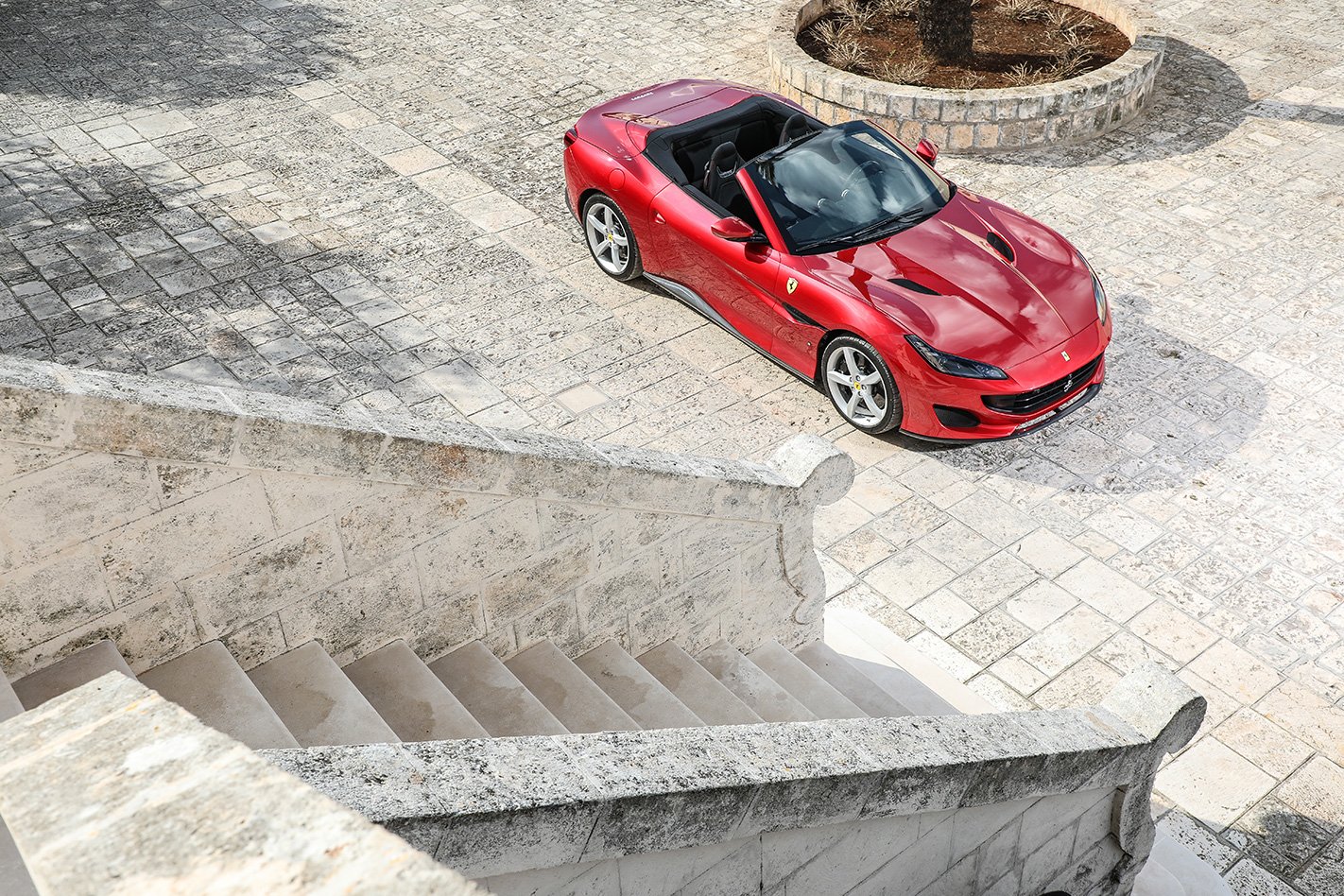
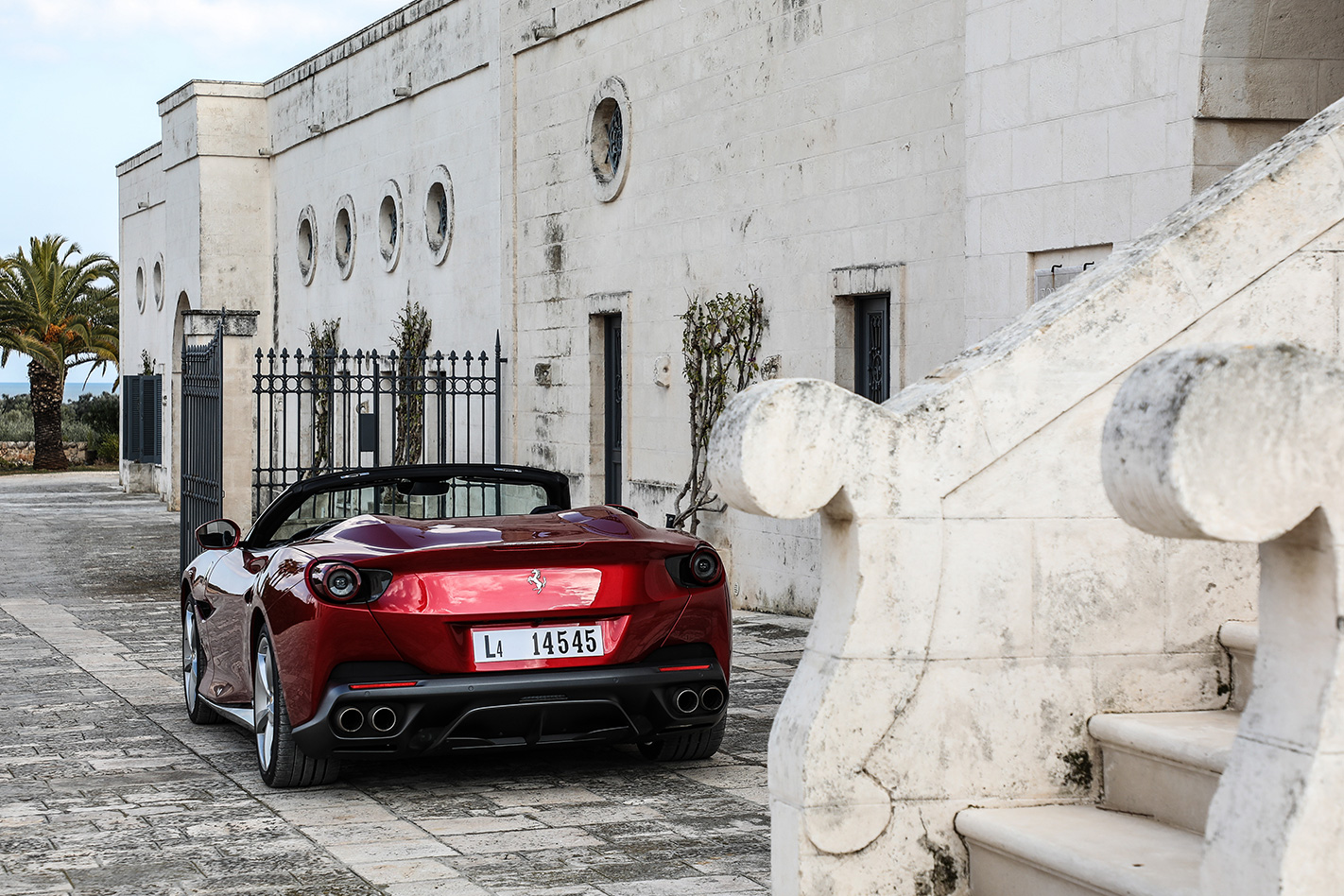
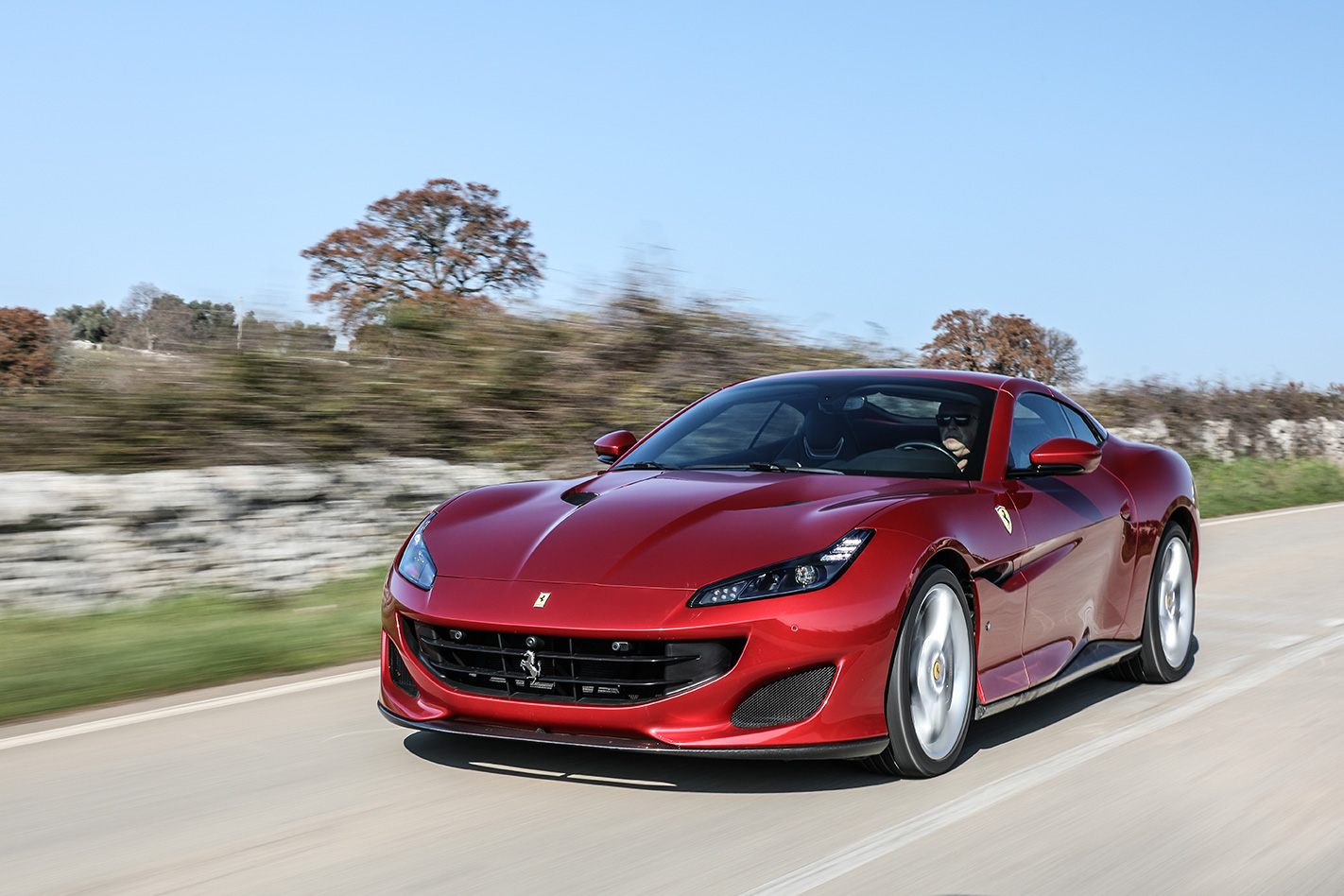
What a beauty! The new Ferrari Portofino retains the foldaway hardtop format of its predecessor, but loses the less-than-lovely looks
WHAT IS IT?
Replacement for the decade-old Ferrari California, Maranello’s 2+2 coupe-cabrio.
WHY WE’RE TESTING IT
Australian deliveries of the Portofino won’t begin until July. But Ferrari sent a bunch of prova-plated early-production cars to southern Italy in February for its on-road introduction to international media. Wheels was there…
Aston Martin DB11 Volante, even though it’s a soft-top (the big and beefy Brit is scheduled to arrive around the same time as the Portofino). Also the Mercedes-Benz SL63 AMG.
THE WHEELS VERDICT
Improved, but still flawed. Here’s a Ferrari 2+2 with visual grace, in contrast to the awkward and lumpy-looking California it replaces. But though the Portofino has a weapons-grade drivetrain, its all-new architecture doesn’t deliver handling dynamics of equal calibre.
THE WHEELS REVIEW
ROOF-DOWN in Puglia, the heel of boot-shaped Italy, the Portofino is making a good first impression.
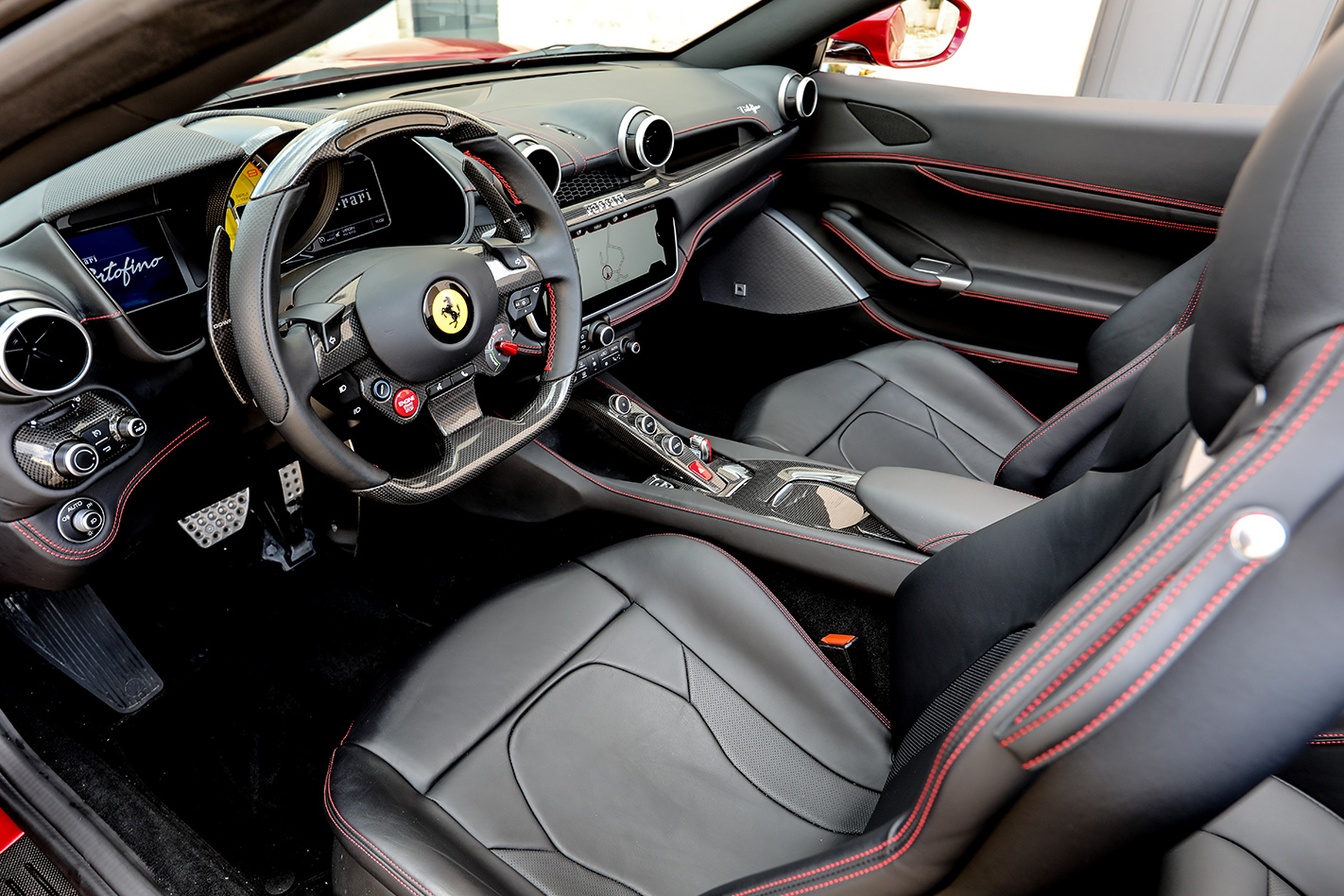
The interior of Ferrari’s new 2+2 is door-to-door craftsmanship. The neatly designed instrument panel is an expanse of perfectly stitched leather and crisply detailed metal, studded with a just-right helping of technology, including a big central touch screen.
But then there’s the sound of what seems to be an asthmatic playing an out of tune didgeridoo. The ugly racket isn’t being made by some second-rate roadside busker. It’s coming from the Ferrari’s behind.
The Portofino’s exhaust system has electric bypass valves just upstream from each of its pair of twin-tipped mufflers. Their opening and closing is entirely controlled by software linked to the mode selected on the steering wheel manettino. There’s no manual over-ride.
Ferrari drivetrain engineers say the Portofino’s exhaust note was carefully tailored to build in volume through the rev range, which they divide, being opera-loving Italians, into bass, tenor and alto ranges. The aim is obvious; to add some aural drama to daily driving. While the bass should be sacked, the tenor and alto can really sing. Above 4000rpm and all the way to the 7500rpm cut-out the engine makes Maranello music.
The Portofino’s twin-turbocharged 3.9-litre V8 is a heavily reworked version of that in the California T. It has new pistons, connecting rods, exhaust manifolds, intercoolers and accessory drive. Fuel efficiency is improved compared to the California T, and power increases 26kW.
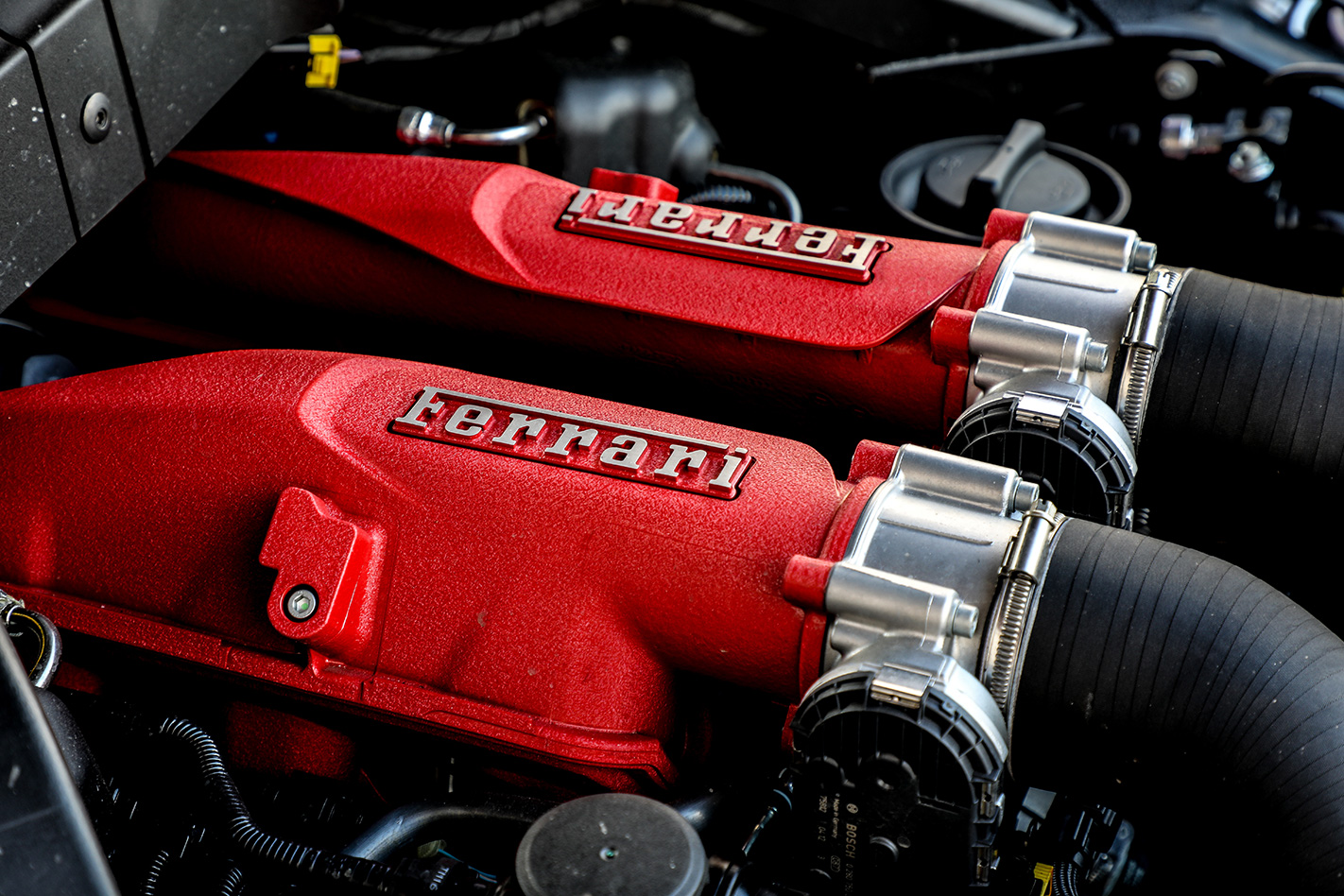
If the engine is great, the transmission is even better. It’s the same rear-mounted seven-speed double-clutch transaxle as Ferrari uses in the bigger GTC4 Lusso, with all-new control software. In Comfort mode it does a very fair impression of a torque-converter auto.
Switching to Sport mode makes shifts noticeably more brusque, but the way it behaves when left in Auto mode is superb. Braking hard for a hairpin it makes perfectly timed downshifts, and accelerating out makes snap-crackly upshifts until pressure on the accelerator is eased.
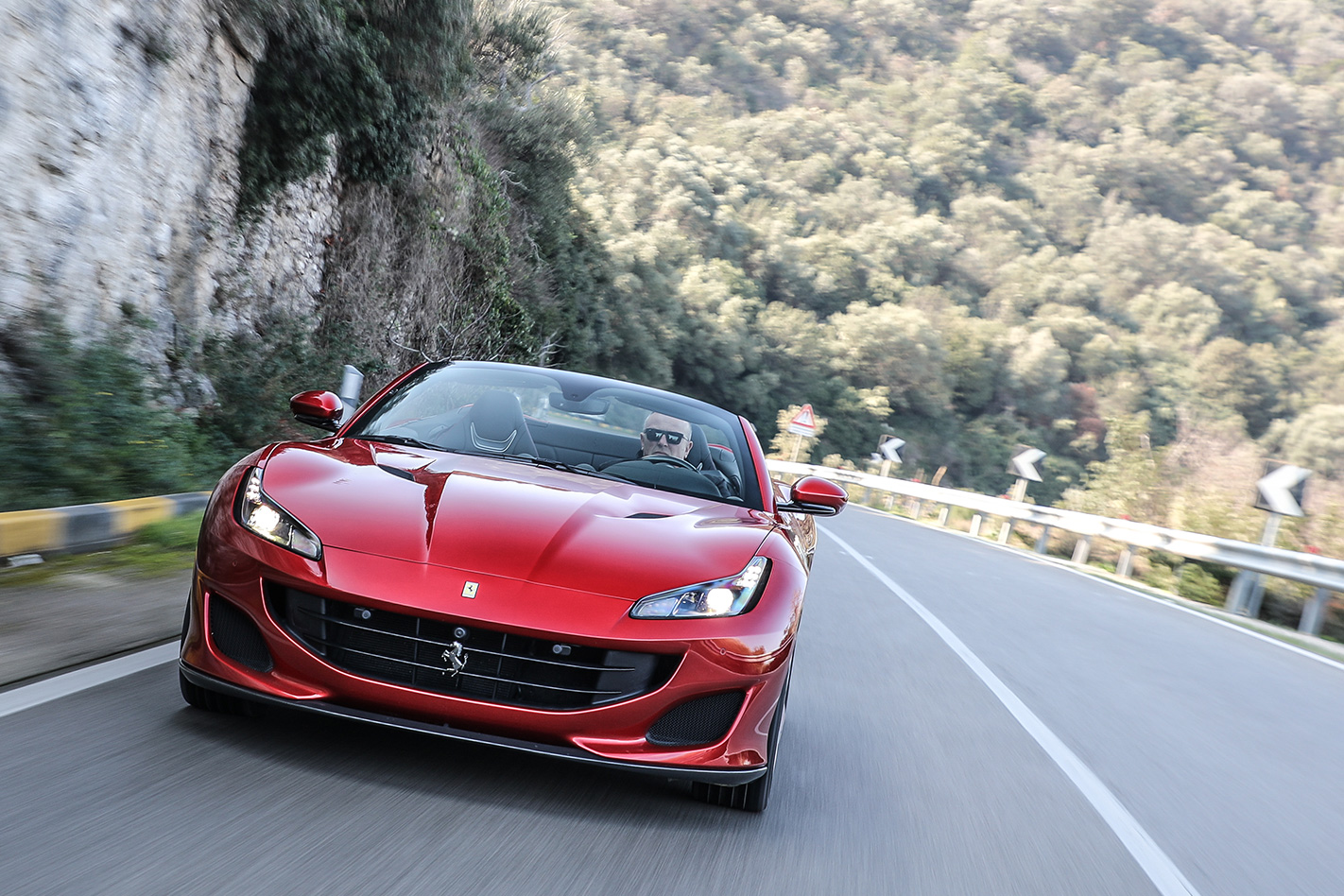
While the Portofino’s drivetrain is full-strength Ferrari, the same can’t be said for its dynamics. For a high-performance GT the Portofino’s suspension delivers a surprisingly comfortable ride in both Comfort and Sport modes, but…
Ferrari’s engineers managed to shed 80kg, compared to the California T, in designing the same-size Portofino, most of it from the body structure and chassis components. But the car doesn’t, from the driver’s seat, feel light. Nor does it feel as torsionally stiff as the 488 Spider, despite being significantly more rigid than the California T.
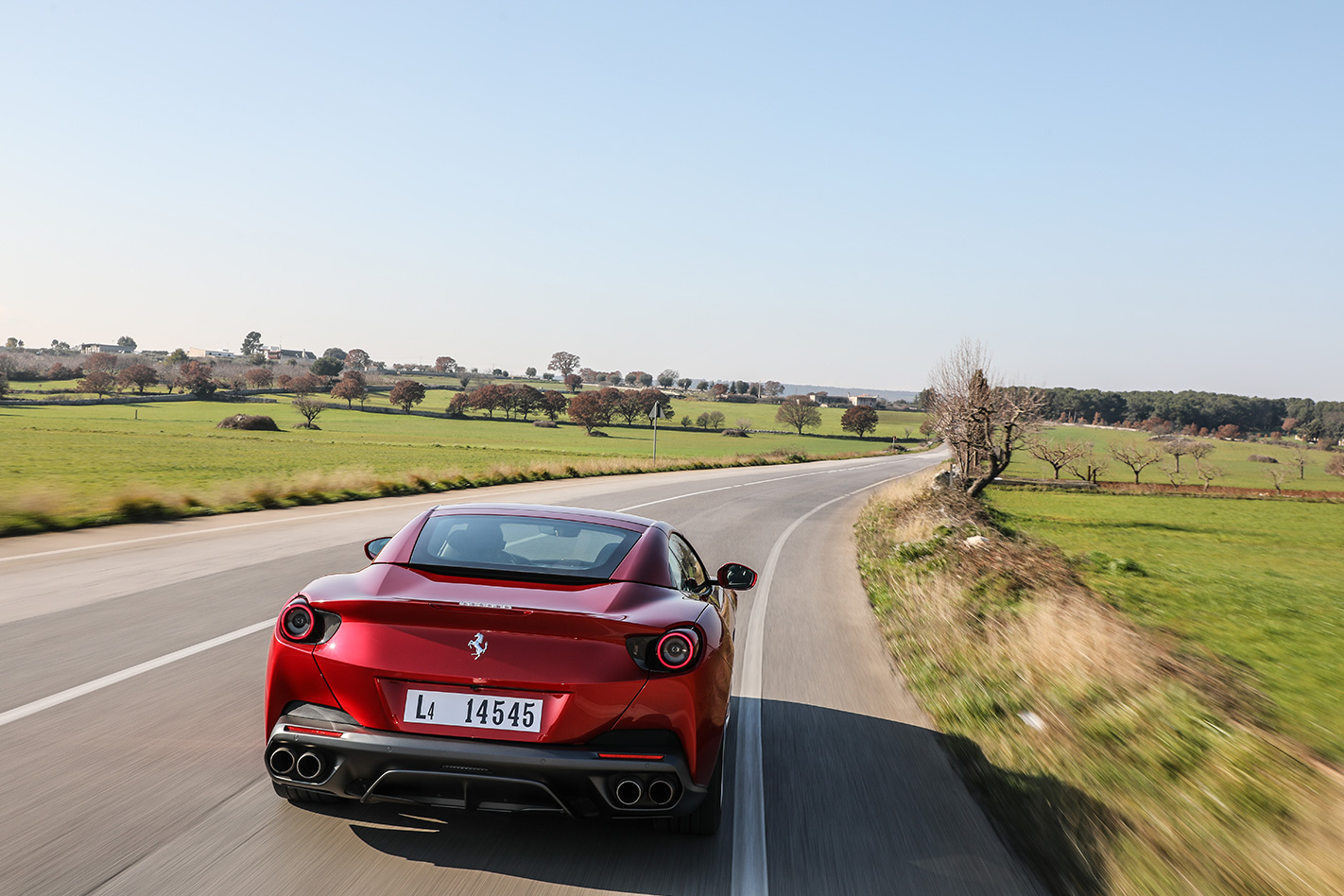
There’s no doubt the Portofino is a better V8-powered 2+2 GT coupe-cabrio than the California T. It has better looks, extra loudness, more straight-line speed and a touch more of the spurious practicality that comes with a pair of tiny rear seats. But this isn’t a dose of full-strength Italian espresso intensity from Maranello, more watered-down Americano.
SPECS
Model: Ferrari Portofino Engine: 3855cc V8, dohc, 32v, twin-turbo Max power: 441kW at 7500rpm Max torque: 760Nm at 3000-5250rpm Transmission: 7-speed dual-clutch auto Weight: 1664kg 0-100km/h: 3.5sec (claimed) Economy: 10.7L/100km (EU claimed) Price: $399,888 On sale: July
HERE’S A fun fact for you, kids: this is the slowest, cheapest Porsche we’ve had on PCOTY for at least four years now – and it’s the only one that hasn’t won, either, so there’s that, too.
It’s on the podium, though, and boy it gets close to scoring the silver. Just half a point pushes it down from the second step on the rostrum – though it’s daylight between the two runners-up and this year’s victor.
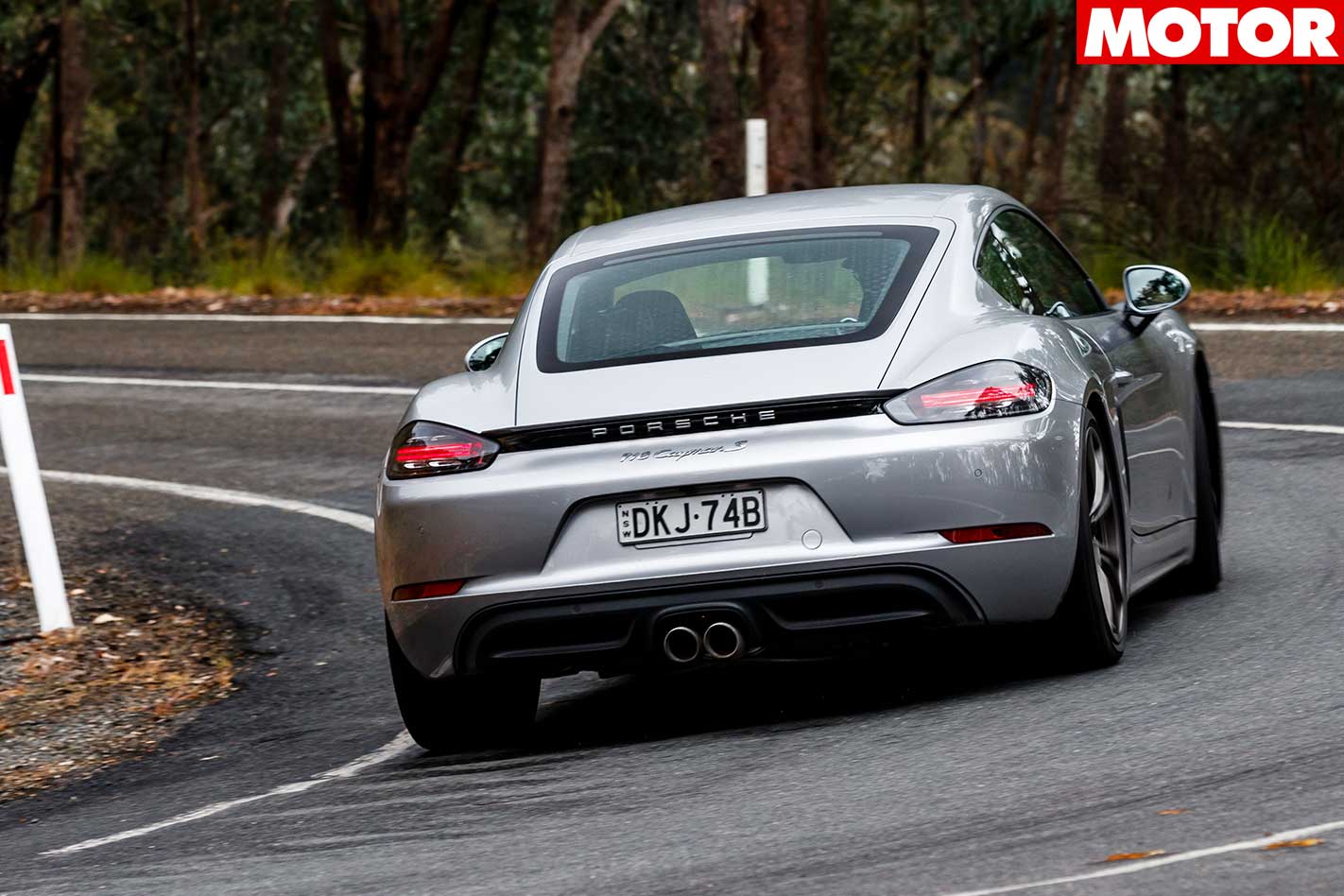
As good as the 911 is, thanks solely to decades of bloody-minded development, it’s still essentially a rear-engined freak of physics, where the Cayman is patently not. The engine is in the right place, the drive is sent to the right end; in fact, it took years before Porsche – begrudgingly, it feels – let the Cayman off the leash with the 2016 GT4.
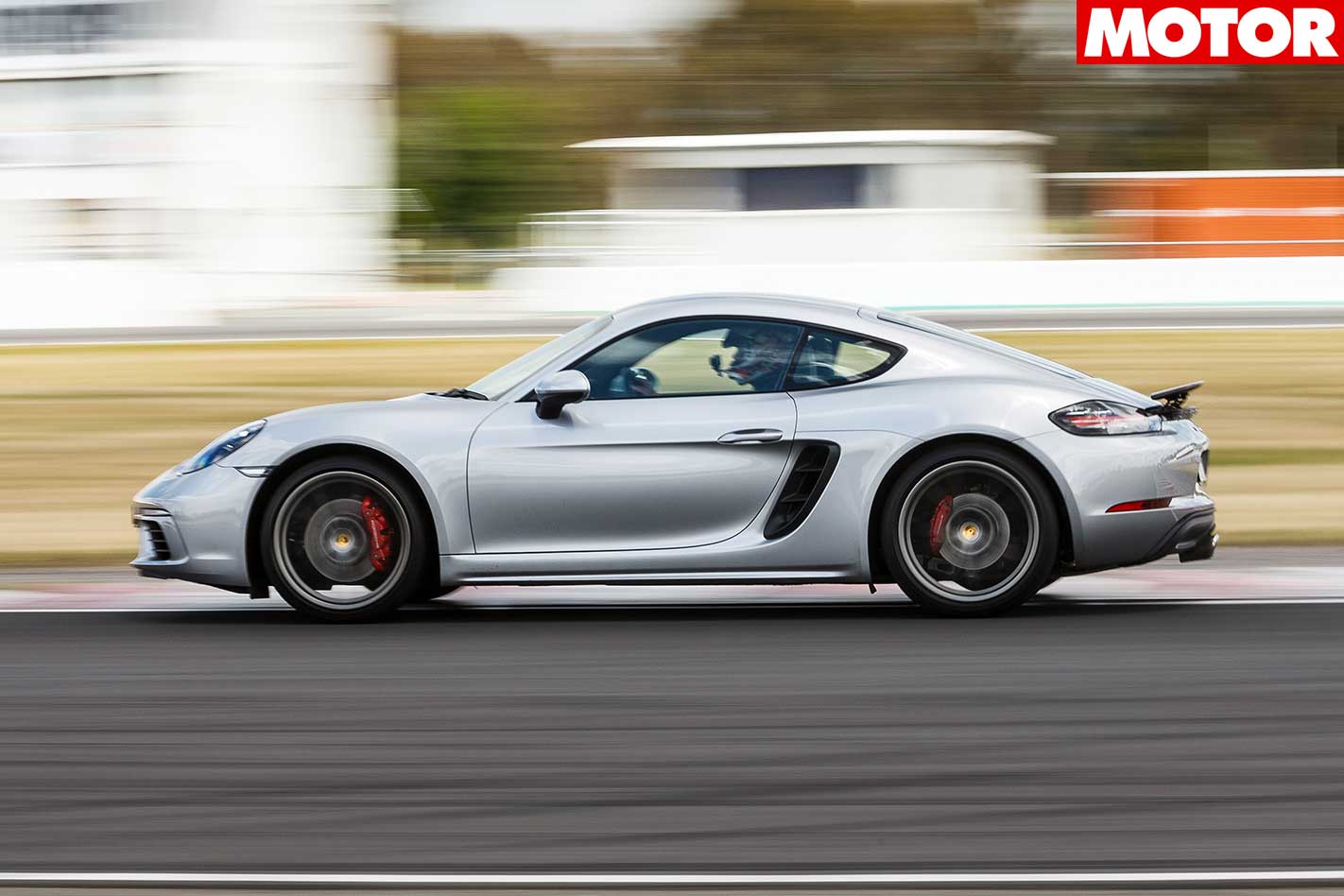
Despite a power deficit of multiple hundreds of kilowatts to the cars behind it, the Cayman shows that brains can outrun brawn in the right conditions.
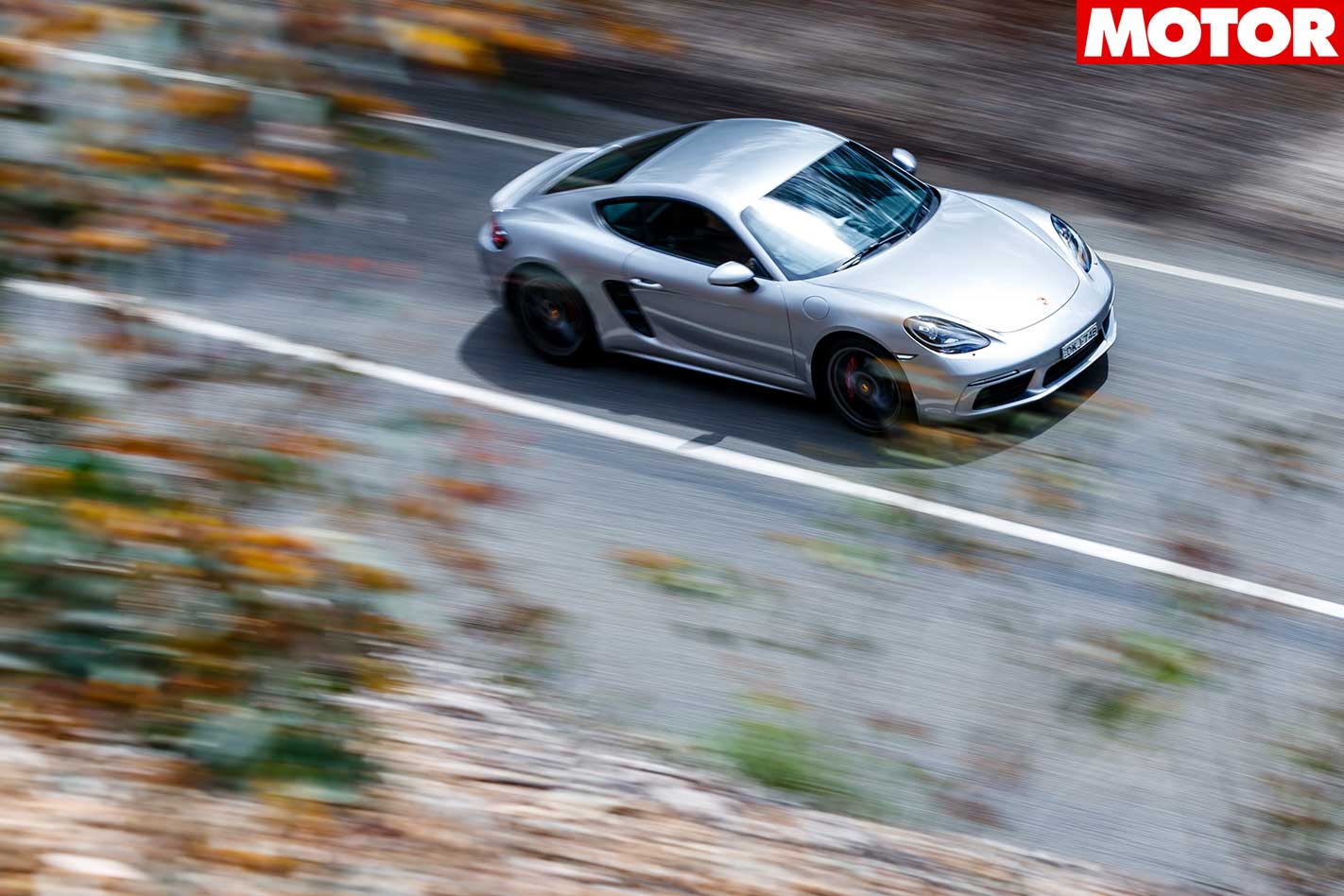
Its chassis prowess – improved as it was by the expensive addition of Porsche’s adaptive damper system and a rear diff that could run NASA’s engineering department – stood it in good stead around Winton, too, where its phenomenal front end is remarked upon by almost every judge. And with a better set of tyres than the Pirelli P Zeros it was equipped with, it could have been even quicker and sharper.
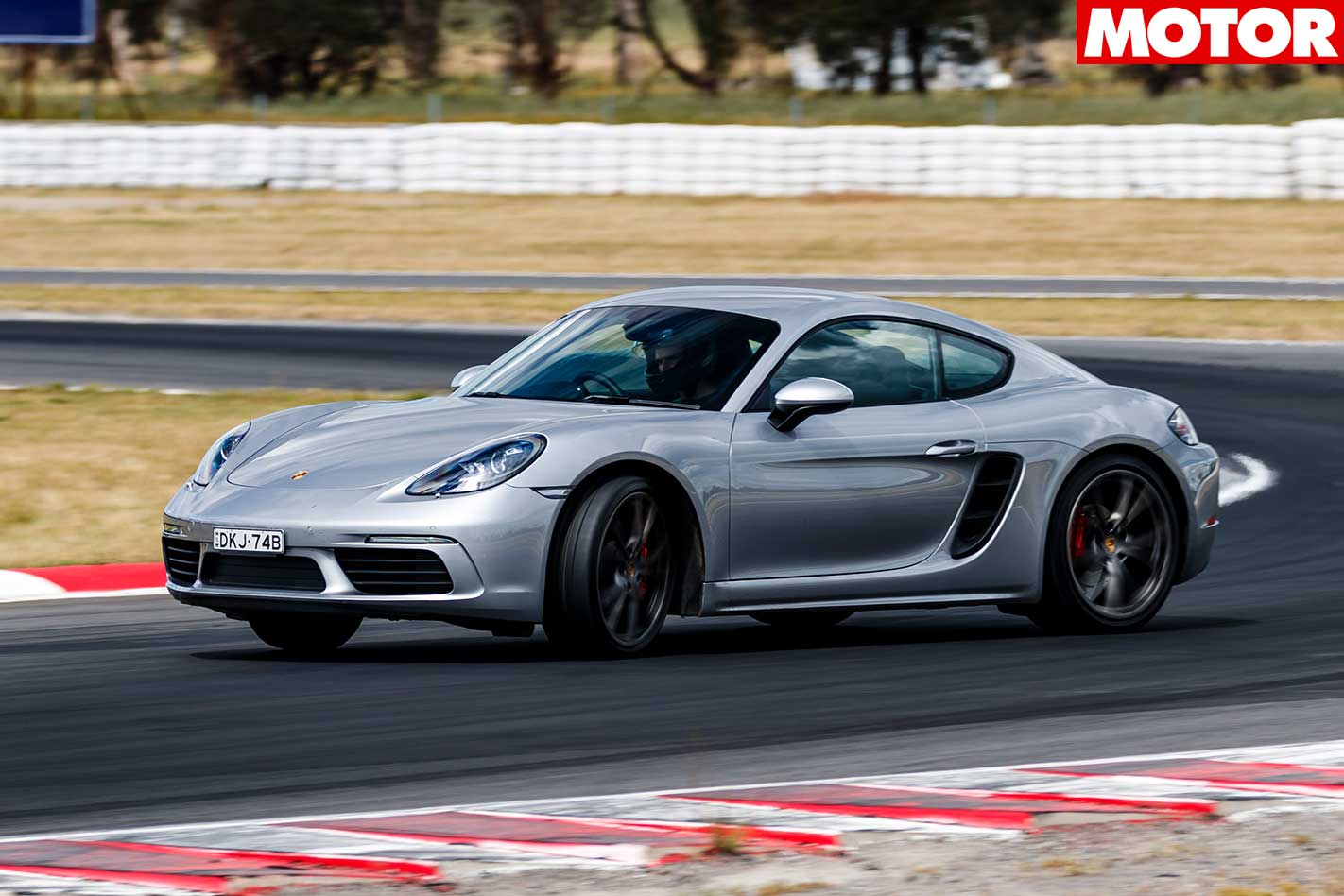
Again, the steering bits simply allow maximum exploitation of the already excellent inherent balance of the mid-engined Cayman, and its old-school oversized, thin-rimmed wheel feels so right. It’s a clinical kind of right, though, and seldom do I feel like the Cayman S is working with me, as opposed to for me.
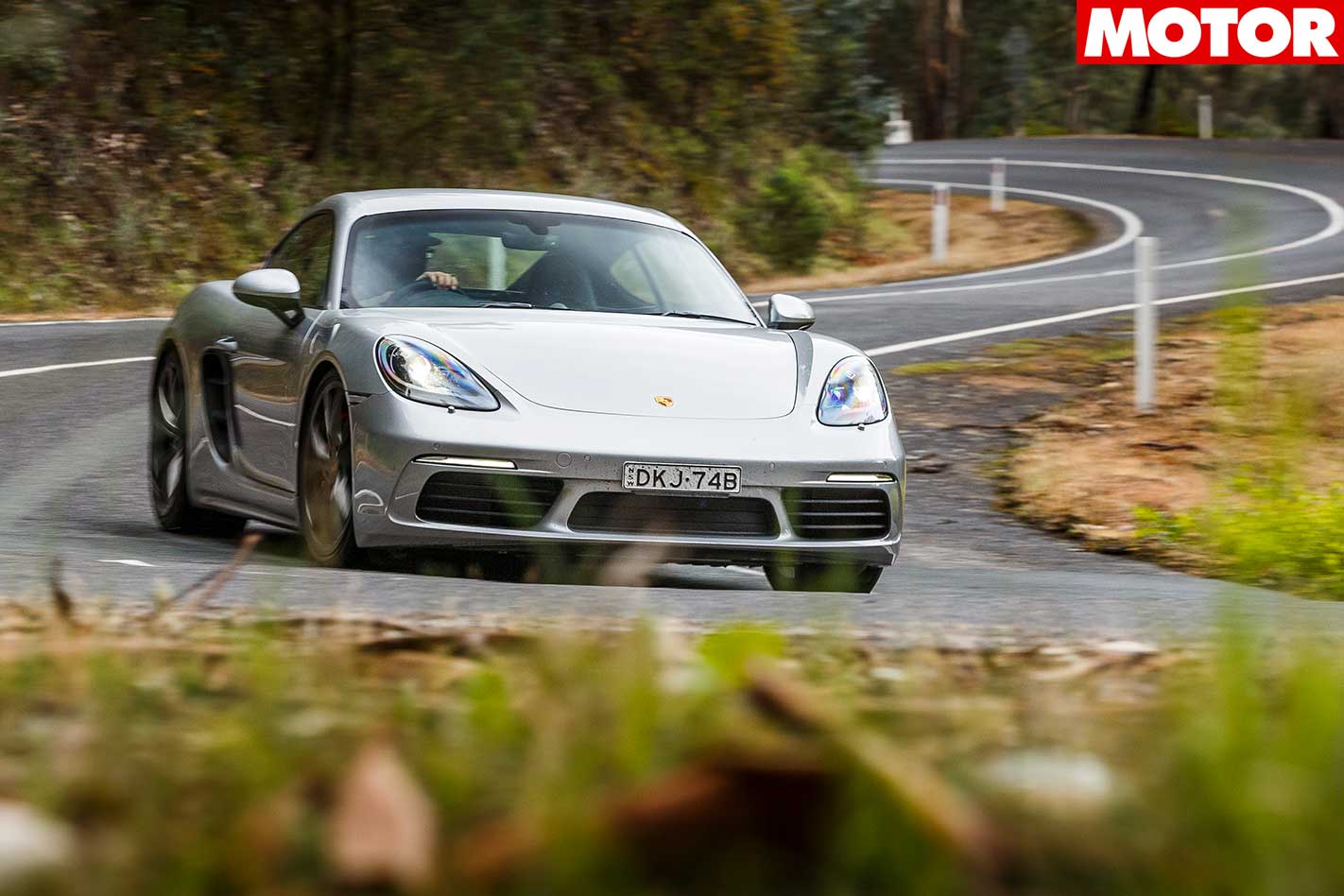
The much discussed sound is not as natural or organic as the old car, and it’s exacerbated by the almost gapless PDK shifts that match-rev without thinking – and can undeniably do a better job than a human in picking the right cog for the right moment.
As a Cayman rookie, the noise certainly didn’t offend me – in fact, I quite like the start-up chatter – but the issue does underline the general lack of emotion we all felt for the Cayman.
“It’s fast. I respect it, but I didn’t have as much fun in it as I thought I would,” opined The Ed. “It sounds interesting, rather than good.”
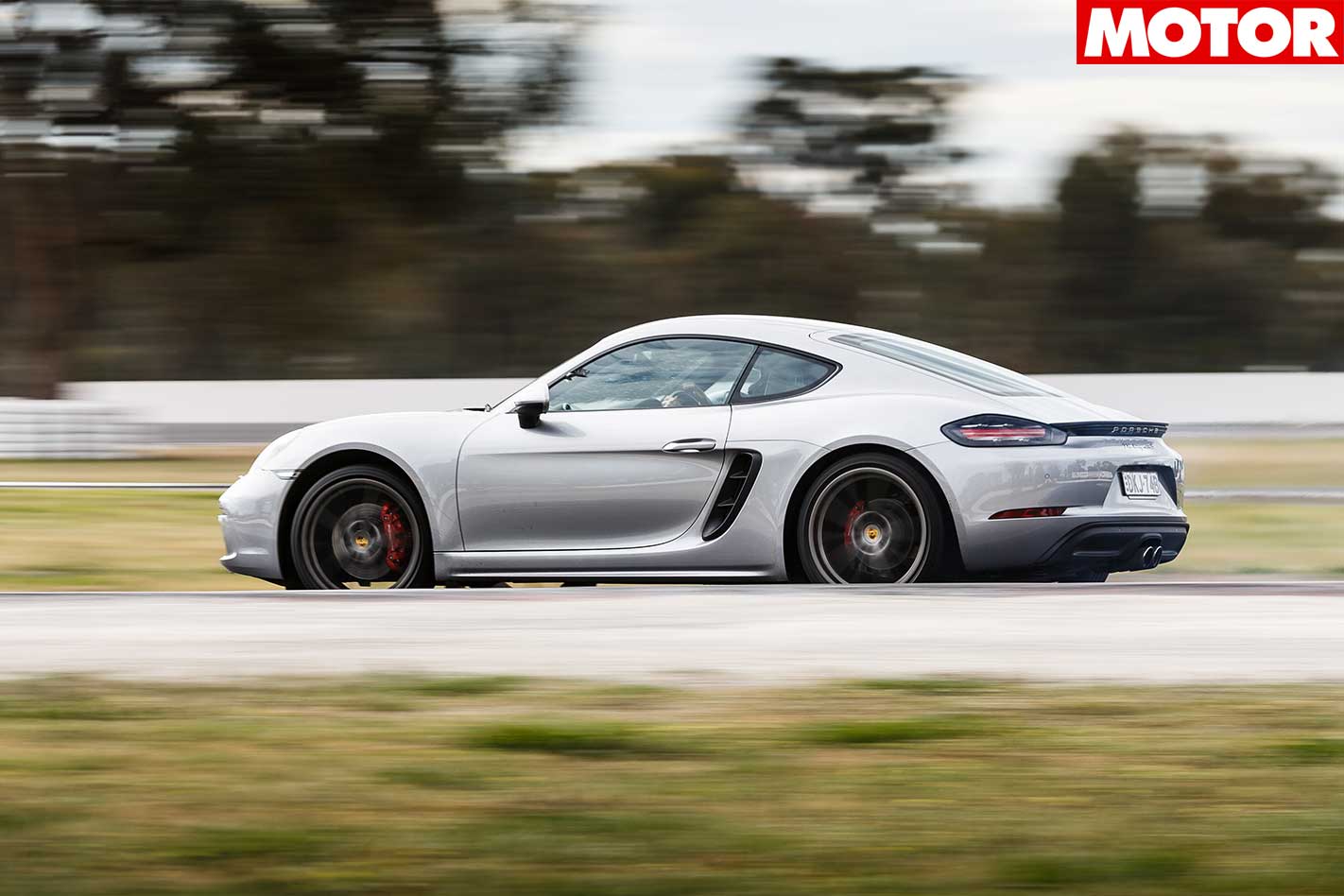
For me, the Cayman feels computer-game good, both out on the circuit and up in the hills – but what really intrigues me is just how little attention or conversation it attracts over the course of the event.
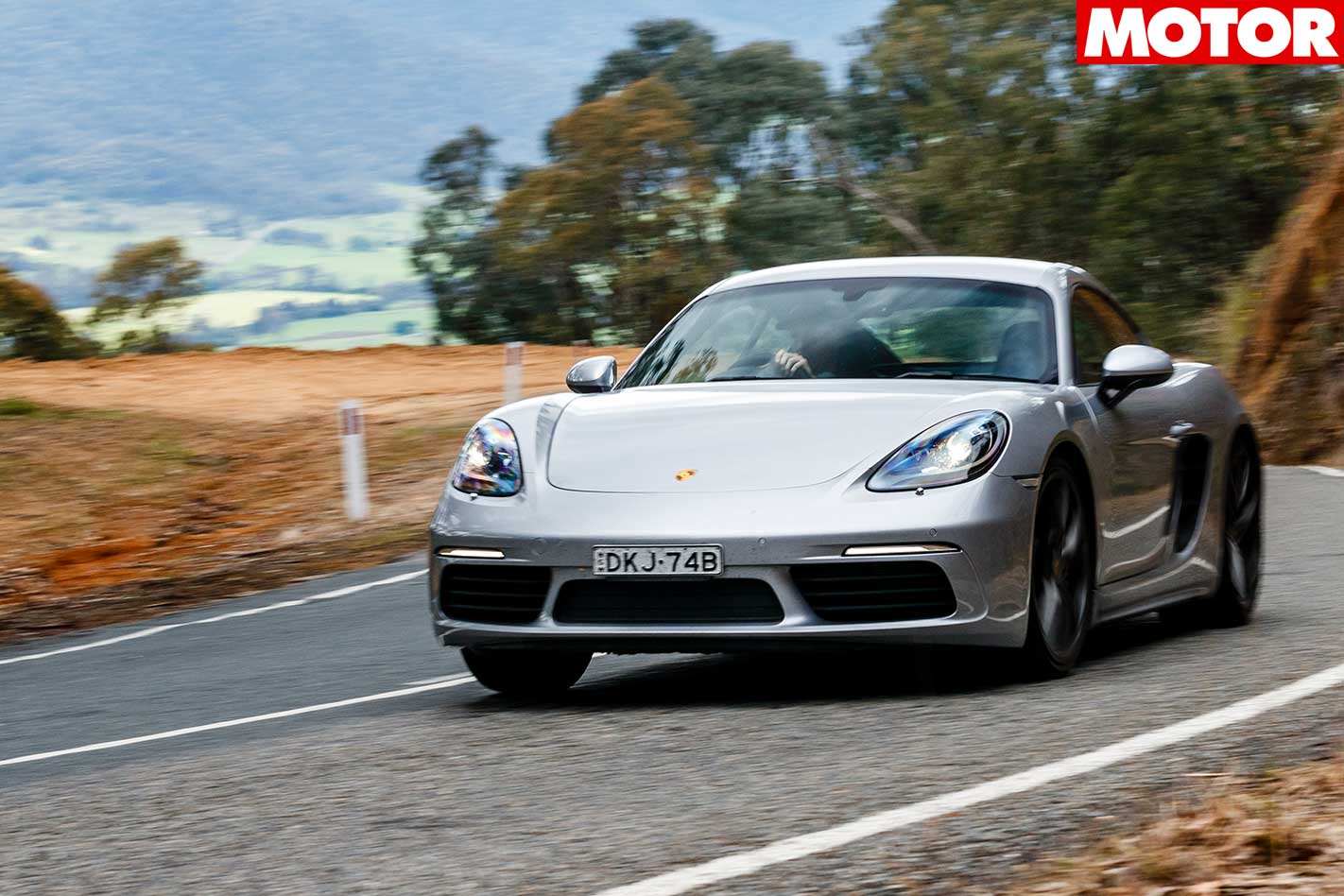
The froth factor about our victor is off the scale, but the Cayman – quite literally – flies underneath the radar to claim its third place trophy. Given the judges’ scores show a distinct lack of X factor, the Cayman’s bronze medal could have been a much brighter shade of, say, silver?
2018 PORSCHE 718 CAYMAN S SPECS: Body: 2-door, 2-seat coupe Drive: rear-wheel Engine: 2497cc flat-4, DOHC, 24v, turbo Bore/Stroke: 102.0 x 76.0mm Compression ratio: 9.5:1 Power: 257kW @ 6500rpm Torque: 420Nm @ 1900rpm Power/Weight: 190kW/tonne Transmission: 7-speed dual-clutch Kerb weight: 1355kg Suspension: struts, coil springs, adaptive dampers, coil spring (f); multi-links, coil springs, adaptive dampers, anti-roll bar (r) Brakes: 330mm ventilated/drilled discs, 4-piston calipers (f); 299mm ventilated/drilled discs, 4-piston calipers (r) Wheels: 19.0 x 8.0-inch (f); 19.0 x 10.0-inch (r) Tyres Sizes: 235/40 ZR19 (f); 265/40 ZR19 (r) Tyres: Pirelli P Zero Price: $150,490
0-100km/h: 3.95sec (4th) 0-400m: 12.02sec @ 189.12km/h (5th)
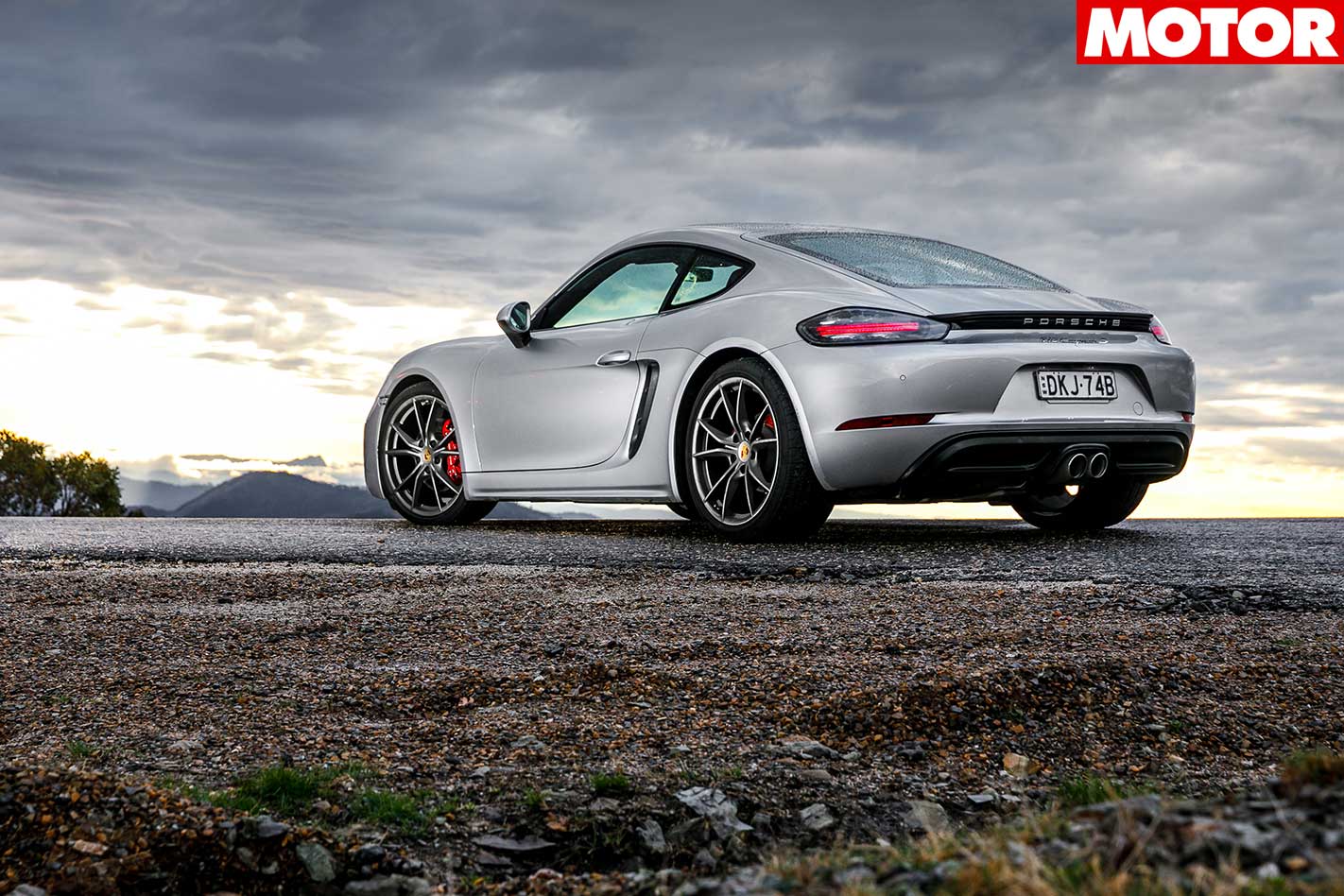
Morley – 2nd I have no idea how Porsche made this thing so fast. Still missing a pair of pistons, but.
Campbell – 3rd A sublime driver’s car and seriously fast, but I don’t want one like I used to.
Newman – 3rd Virtually flawless as a machine, but respect it rather than desire it.
Robson – 5th Clinically brilliant, but it lacks emotional connection of old six-potter.
Reynolds – =2nd Easy to drive, best gearbox, ace brakes, but didn’t like bumps.
JUDGES’ SCOREBOARD
| u00a0 | Campbell | Morley | Newman | Reynolds | Robson | Total |
| Performance | 8 | 9 | 9.5 | 9 | 8 | 43.5 |
| Dynamics | 10 | 9 | 9.5 | 9 | 8 | 45.5 |
| Accessibility | 8.5 | 9 | 9 | 9 | 8 | 43.5 |
| Liveability | 7.5 | 6 | 9 | 9 | 6 | 37.5 |
| Value | 7 | 7 | 7.5 | 9 | 6 | 36.5 |
| X-Factor | 7 | 6 | 6 | 7 | 8 | 34 |
| Total | 48 | 36 | 50.5 | 52 | 44 | 240.5 |
IT’S TOO early in the genealogy of the small SUV to apply Darwinian ‘theory of evolution’ logic to know exactly what to expect next.
Natural selection has played a huge part in the success (and failure) of Golf-class hatchbacks, perhaps to the detriment of any major product innovation in more recent times, but that homogeneity has yet to hit the almost wilfully diverse small-SUV category. So should we be grateful or guffawing at the results?
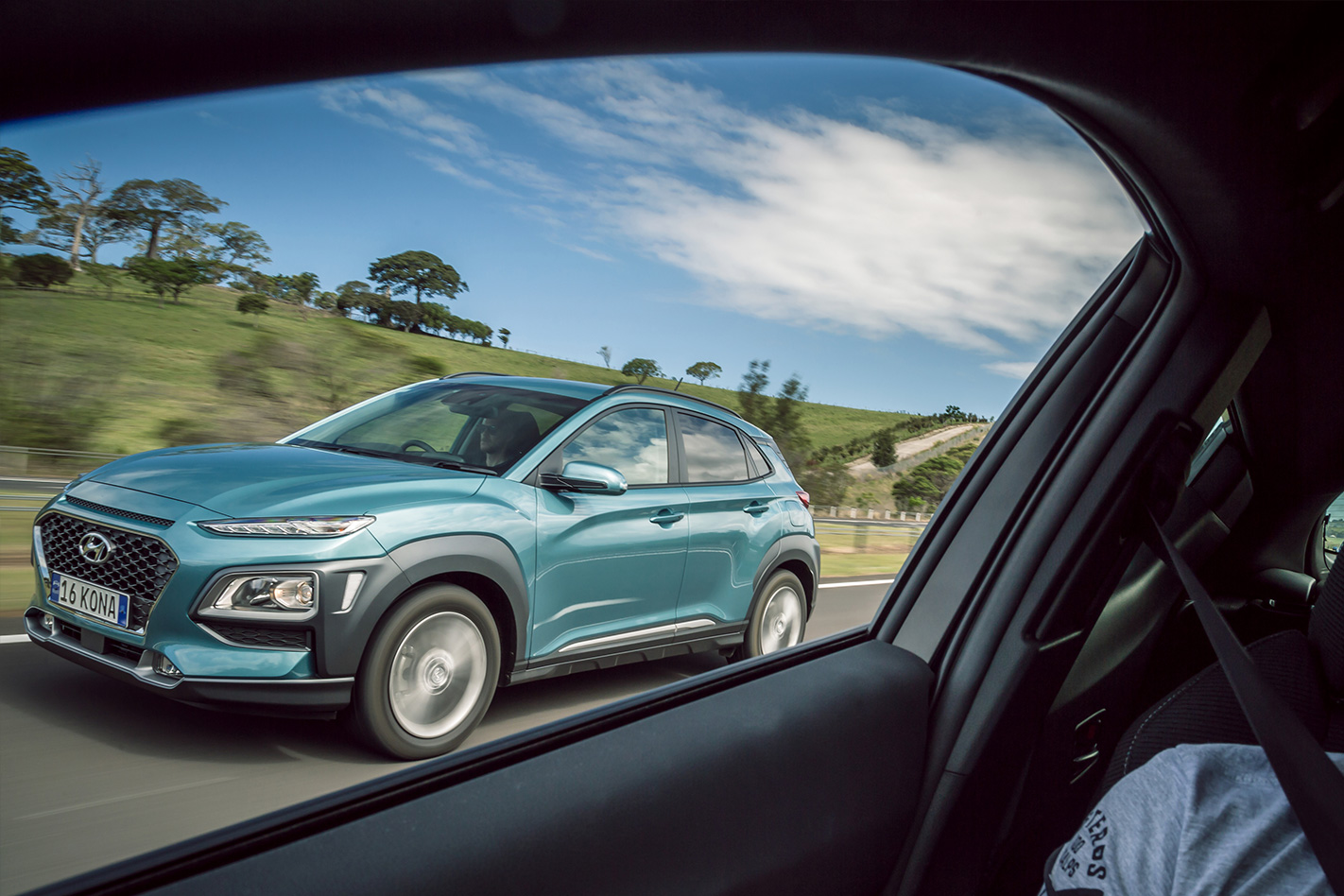
The daringly drawn Hyundai Kona may provoke some of the latter. Its out-there styling is far removed from the Euro-sleek appearance of its i30 platform cousin, but maybe that’s what small-SUV buyers want – some relief from the humdrum mainstream.
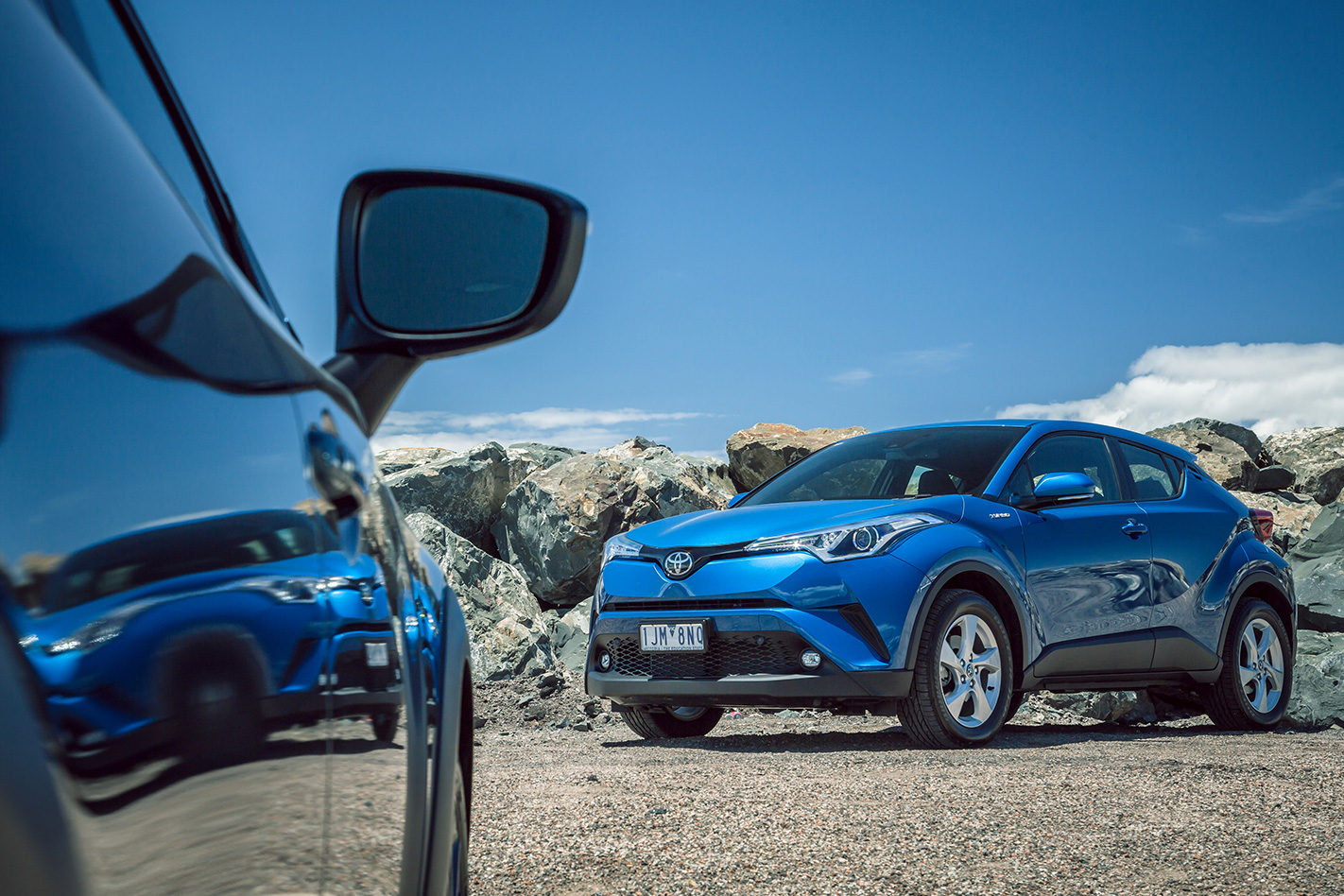
The same could be said for the blatantly against-type Toyota C-HR, a coupe-on-stilts SUV (as its ‘Coupe-High Riding’ name implies) with more styling elements than a cruise-liner cocktail. It’s the Toyota you have when you’re not having a Toyota, and literally backs that up with the sporting flourish of a double-wishbone independent rear end.
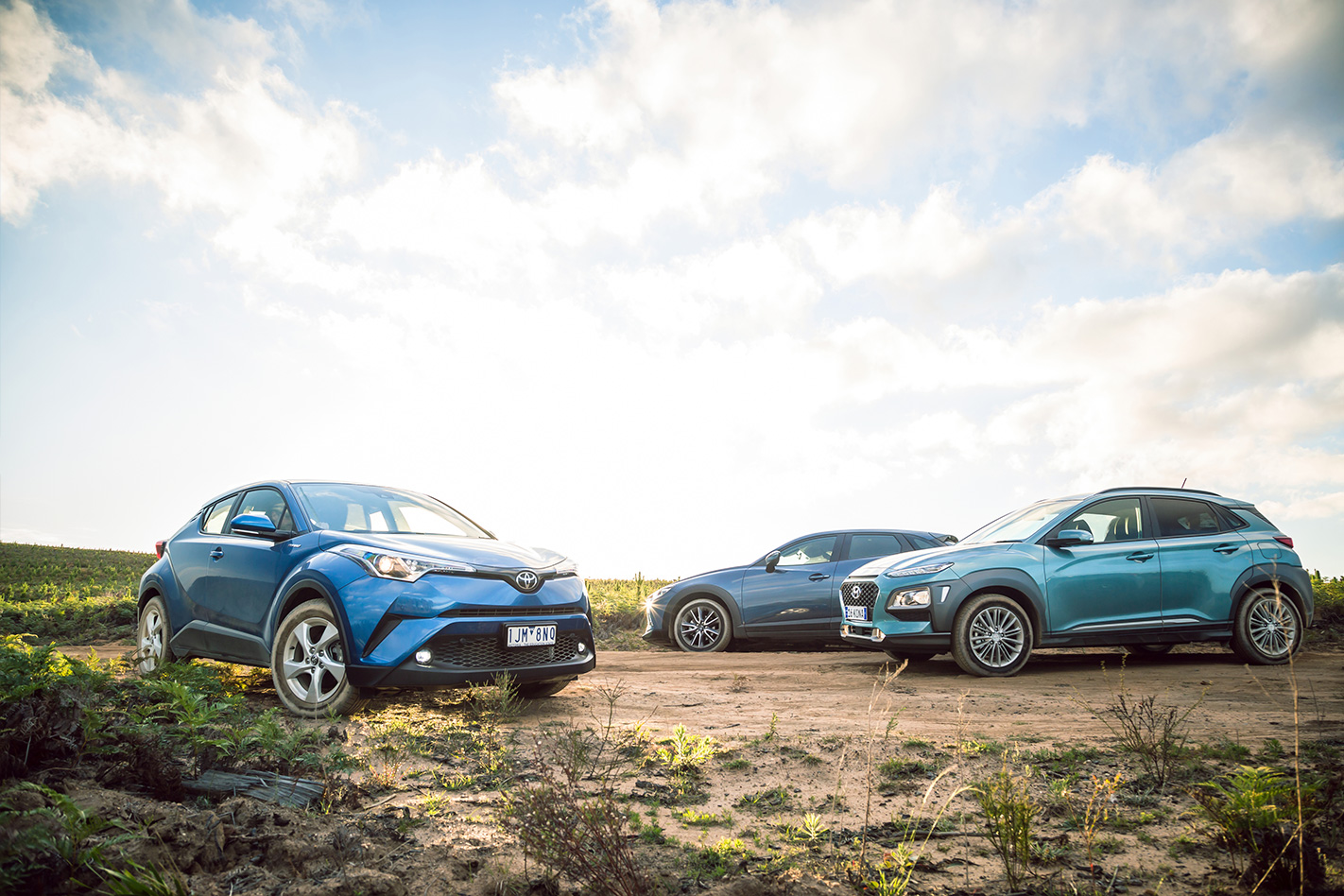
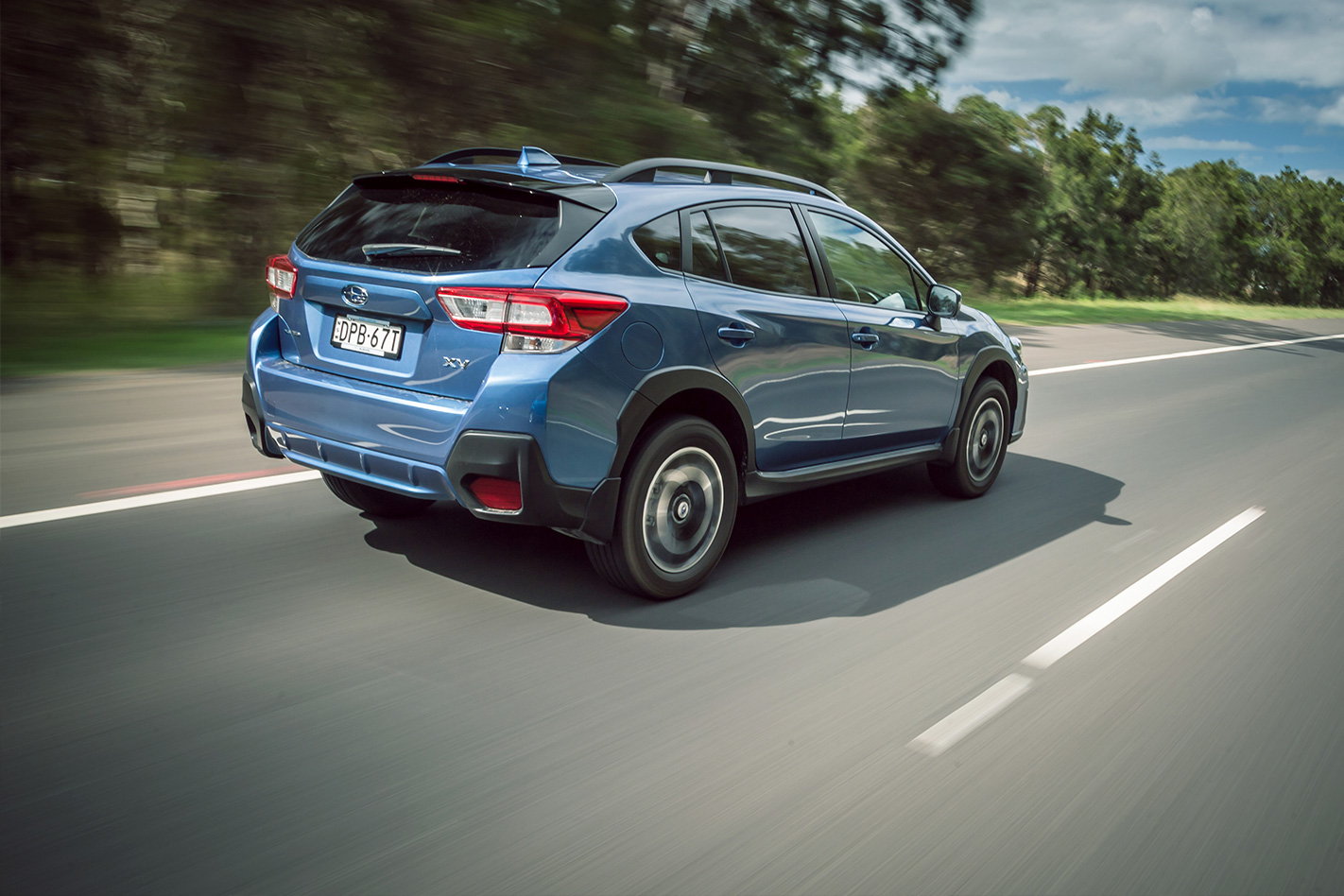
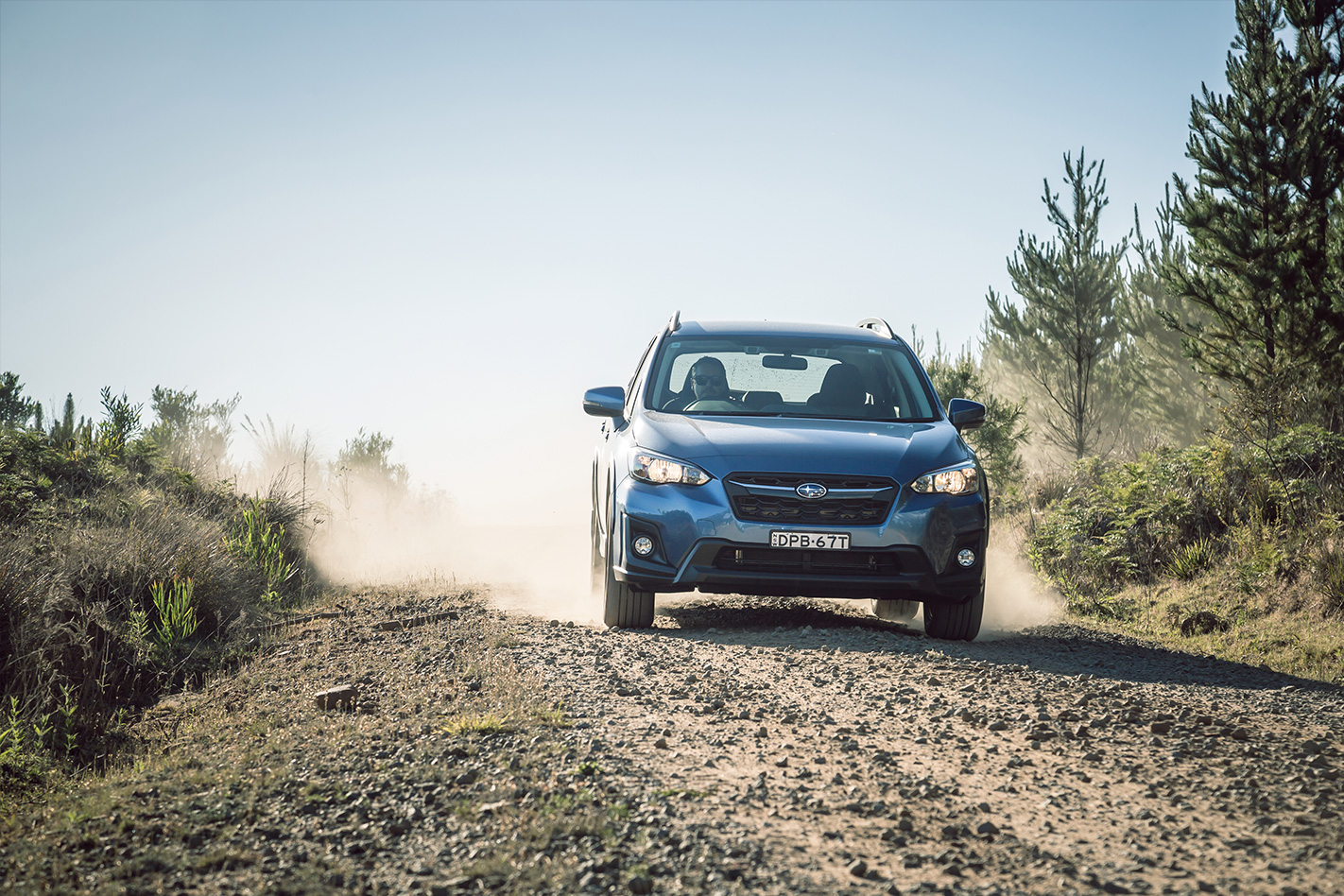
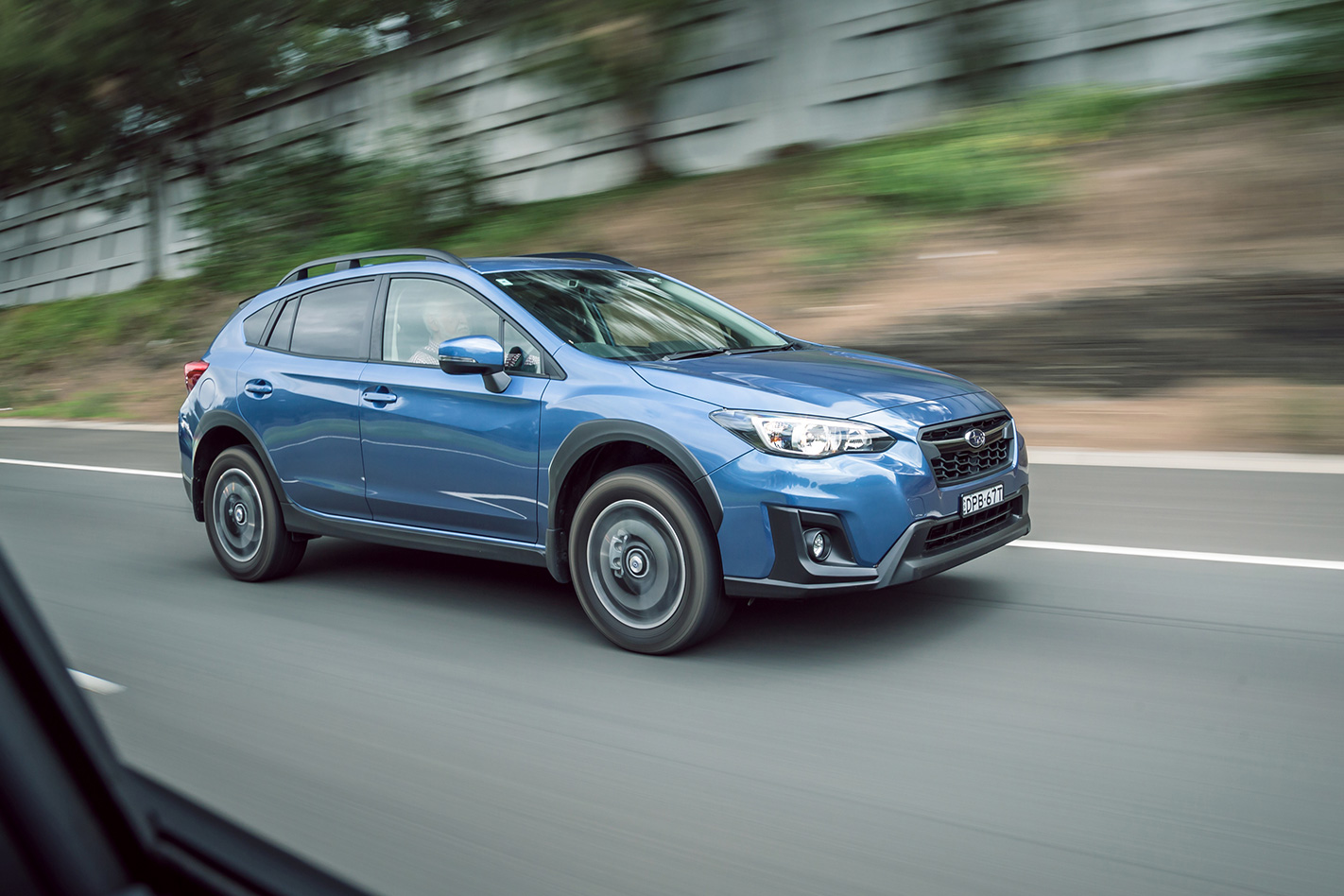
Subaru’s new-generation XV flies in the face of all that. While it sits smack-bang in the guts of small-SUV territory for price, it’s clearly just an Impreza hatch on stilts – especially the Aussie version with its 20mm of additional ground clearance over domestic-market XVs – with visual embellishments.
Cue swollen Outback-inspired bumpers, wheelarch and sill cladding, roof rails, mudflaps, chubbier tyres, and metres of exposed cabin stitching. Like every four-door Aussie Subie for the last two decades, it also gets standard all-wheel drive, regardless of trim level or drivetrain (er, that’ll be just the one 115kW 2.0-litre atmo flat-four with CVT tranny.) But with just one bright colour on offer (orange) and a few contrasting interior hues (which don’t apply to our $30,340 2.0i-L test car), does the XV have enough sass to make a small-SUV statement?
Our test Kona Elite smashed Hyundai’s 7.9sec 0-100 claim into yesterday, recording 7.28sec to triple digits and a scorching 15.41sec for the standing 400m. That’s borderline hot-hatch territory. And it doesn’t quit either. By 160km/h, the Kona is almost eight seconds ahead of the CX-3 and XV, with the leisurely C-HR nowhere to be seen. And in the crucial 80-120km/h overtaking bracket, the Kona is done and dusted in just 4.7sec, barely half the time of the sweet-spinning C-HR (8.3sec).
The Kona sounds determined, too, though it gets thrashy and intrusive at higher revs, and clearly lacks the refinement polish of an i30. And the turbo Kona’s seven-speed dual-clutch transmission – Hyundai’s own – isn’t without fault. It’s slow to engage a gear in low-speed or parking situations, making progress frustratingly (and inconsistently) jerky before suddenly overcompensating with too much urge.
The CX-3’s 109kW 2.0-litre donk now winds out to 6700rpm (or beyond) with smooth linearity rather than an intrusive blare, but this mid-life update has been no panacea, leaving it only incrementally improved in overall refinement. That said, we’d rather Mazda’s drivetrain than Subaru’s. Despite offering near identical performance, the XV’s flat four and CVT combo isn’t as satisfying to sit behind.
A vociferous flaring of revs in day-to-day pottering, as well as up in the hills, gets the goat of anyone who’s sensitive to that sort of rukus, yet when you nail it, the XV gives the impression it’s rather weak-kneed. It isn’t, as our four-up test proved – the Subaru cresting a hill from a standing start at an indicated 112km/h, same as the Mazda and better than the Toyota (103km/h), if not the brisk Hyundai (128km/h) – yet there’s also an issue of seeming CVT belt slippage when driving the XV around on a light throttle.
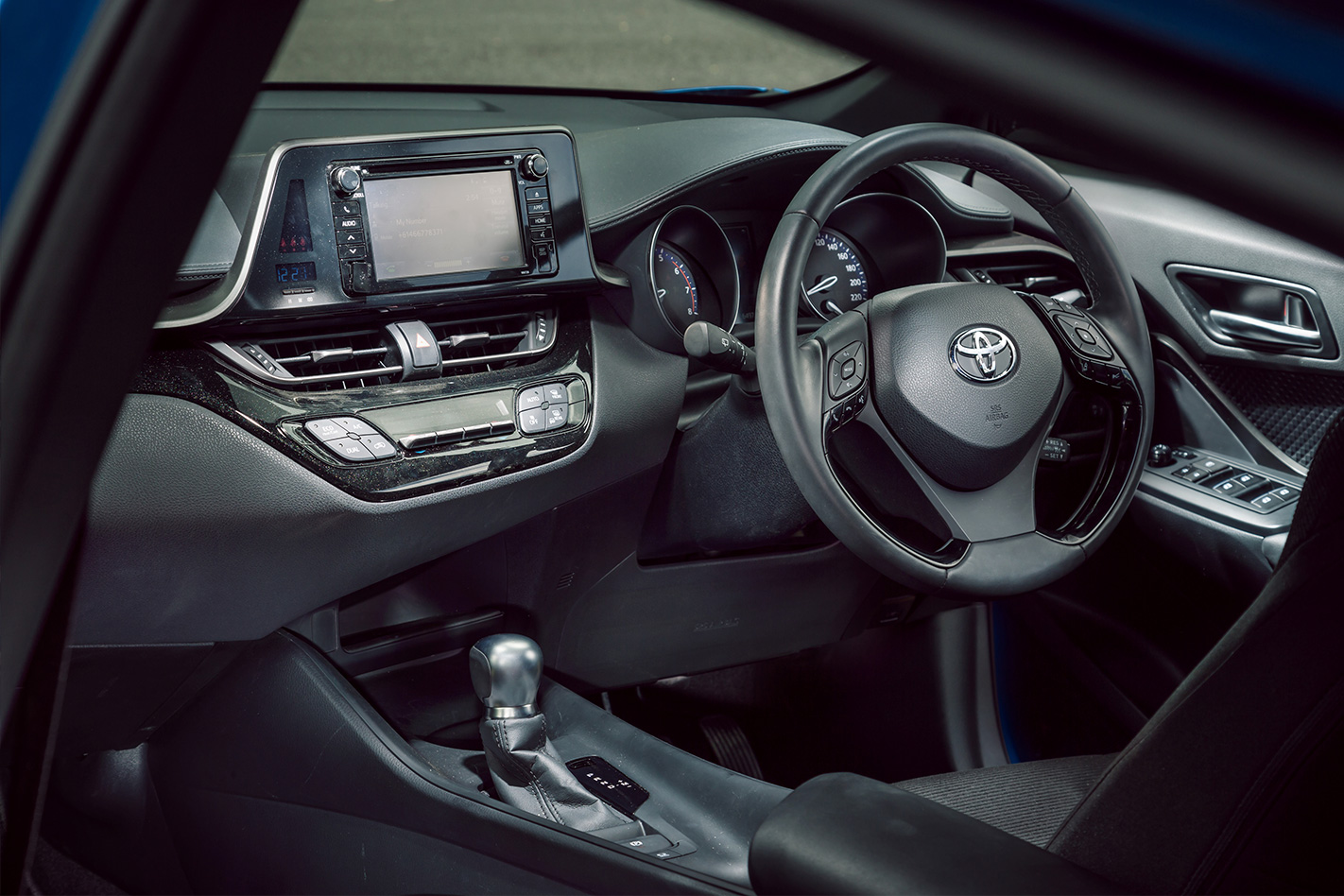
Crisp CVT response (especially in Sport mode), a neat alloy-topped console shifter with effective manual-mode calibration and excellent engine refinement add to the Toyota’s Teflon-smooth slickness elsewhere. Best economy of the group too, despite being driven flat out much of the time, but the C-HR’s drivetrain really belongs in a Yaris. In this application, the 85kW 1.2-litre turbo-petrol almost feels naturally aspirated, so subtle is its boosted torque and so softly-softly its sense of urgency.
More boost please Toyota! If you’re fortunate enough to be seated in its front row, the charming C-HR has the ability and to make you feel special. Generously cushy front seats, a great view forward, a neat leather-rimmed steering wheel, and an intriguingly styled dash with ‘pillow top’ upper section combine with a bunch of unusual design details (like ‘animal-footprint’ indents in the headlining and diamond-ribbed door inserts) to amp up the C-HR’s cool factor.
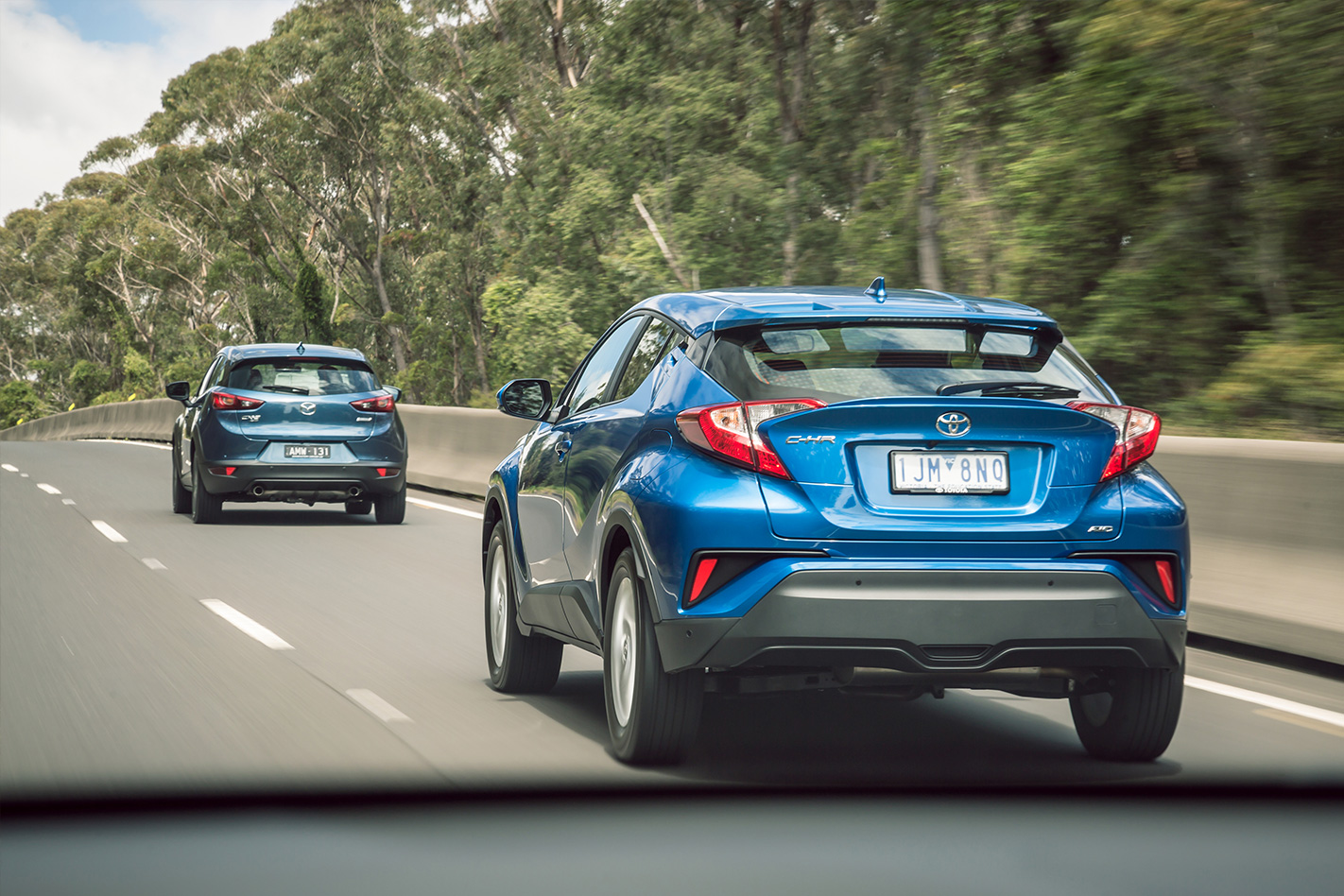
While the Toyota’s steering may not be filled with feel, it’s accurate and corruption-free, with a pleasantly subtle firmness in Sport mode, though the base C-HR’s 215/60R17 Bridgestone Dueler H/P Sport tyres do more for its road refinement than its cornering grip, despite what the name says. The CX-3 isn’t capable of matching the C-HR’s polish, but it knows how to nail consistency.
The sTouring’s pretty 18-inch alloys (wearing 215/50R18 Toyos) may prove a step too far for its ride quality, depending on the road surface, but they imbue the pert Mazda with the point-ability you’d expect from a car so closely related to the 2. It turns in keenly via a terrific three-spoke steering wheel, it balances neatly on its outside rear tyre in corners and puts its De Dion rear suspension to great use, adding a layer of involvement over the torsion-beam-equipped front-driver by providing noticeable assistance and adjustability from behind.
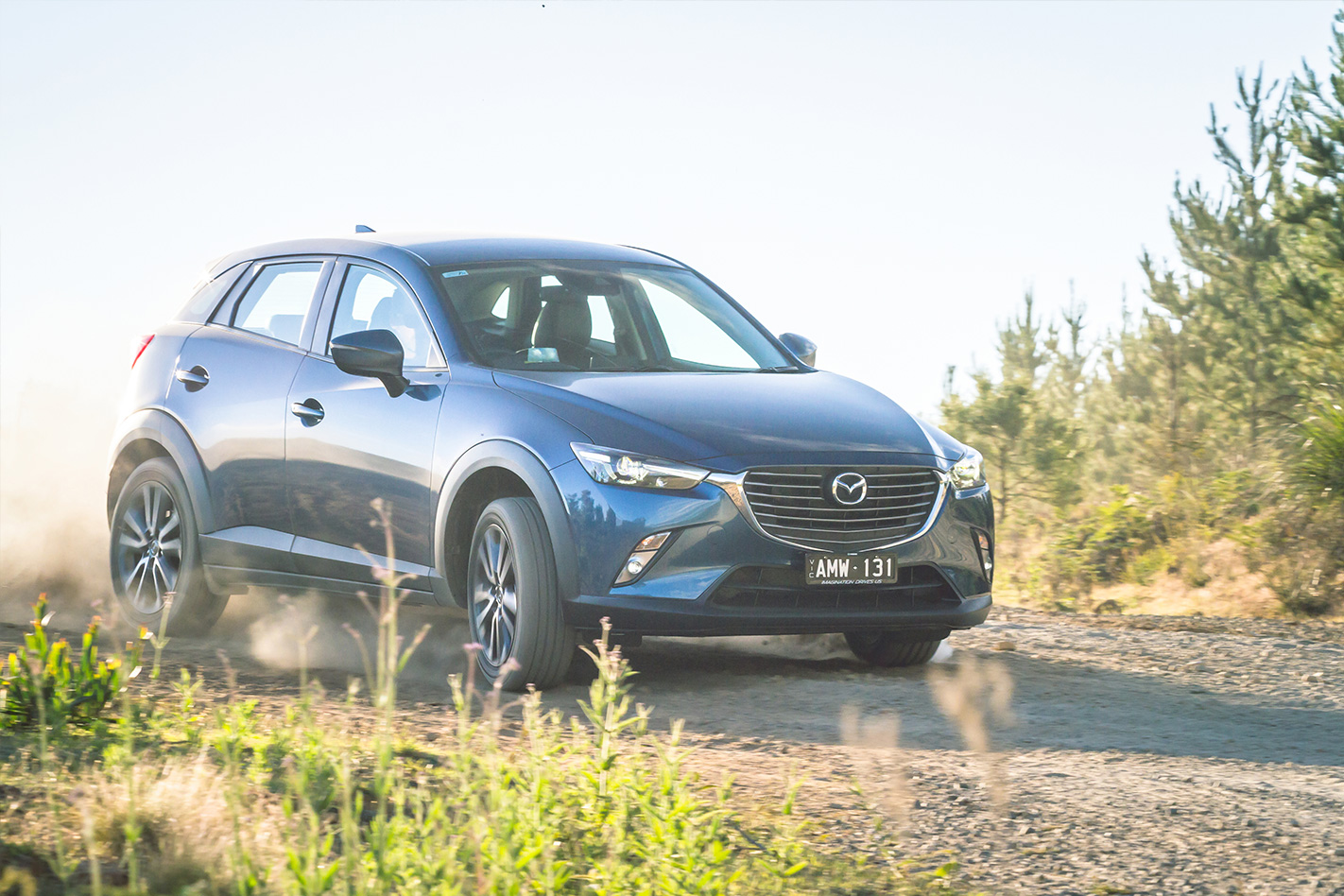
The XV also comes laden with exposed interior stitching, this time of the orange (yay!) variety, and it provides welcome relief. Not that there’s much wrong with the new-gen Impreza interior but at least the XV version attempts to garnish it with some North Face cool. There’s much to like inside the Subaru’s cabin, including the best audio quality of this bunch (but the worst radio reception), an unbreakable feel to its controls, and more visual pizazz and texture than most Subarus before it.
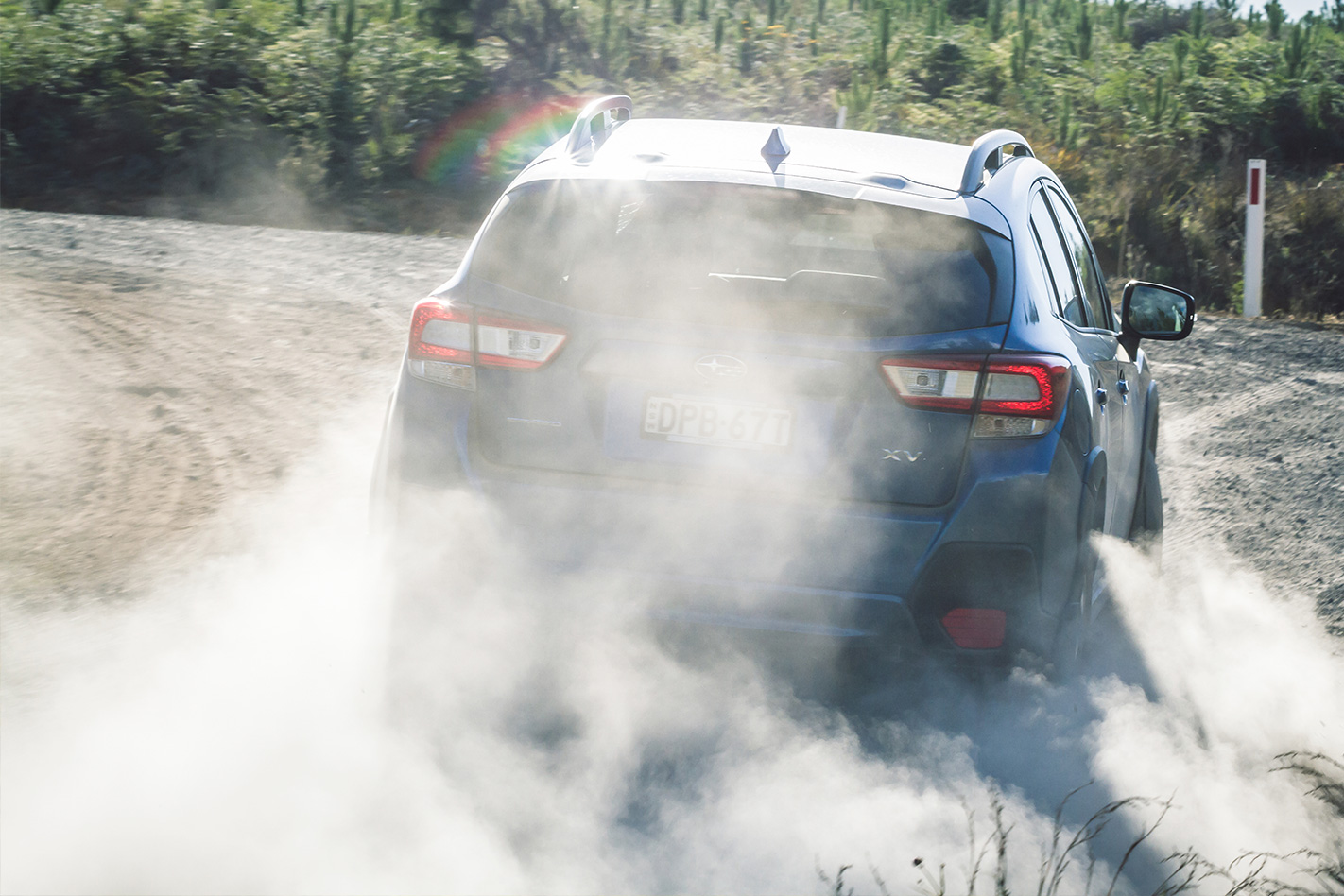
Wide-opening doors combine with the XV’s higher hip point and greater ground clearance to make it an easy car to jump in and out of, though the coarse adjustment of the 2.0i-L’s lever-adjust front seats leaves many drivers wanting for true comfort. And probably some extra dynamism. That tall suspension makes the XV noticeably less agile than its Impreza starting point on twisty roads, spoiled by a lack of finessed body control, a lack of grip from its 225/60R17 Yokohama BluEarth tyres, and an understeer bias in most cornering situations. Even on dirt, ESC switched off, it’s difficult to get the XV to play (though that says a lot about the planted stability of its chassis), while on bitumen it’s crying out for some dynamic sparkle. It also fails to take advantage of the greater suppleness its taller suspension should bring.
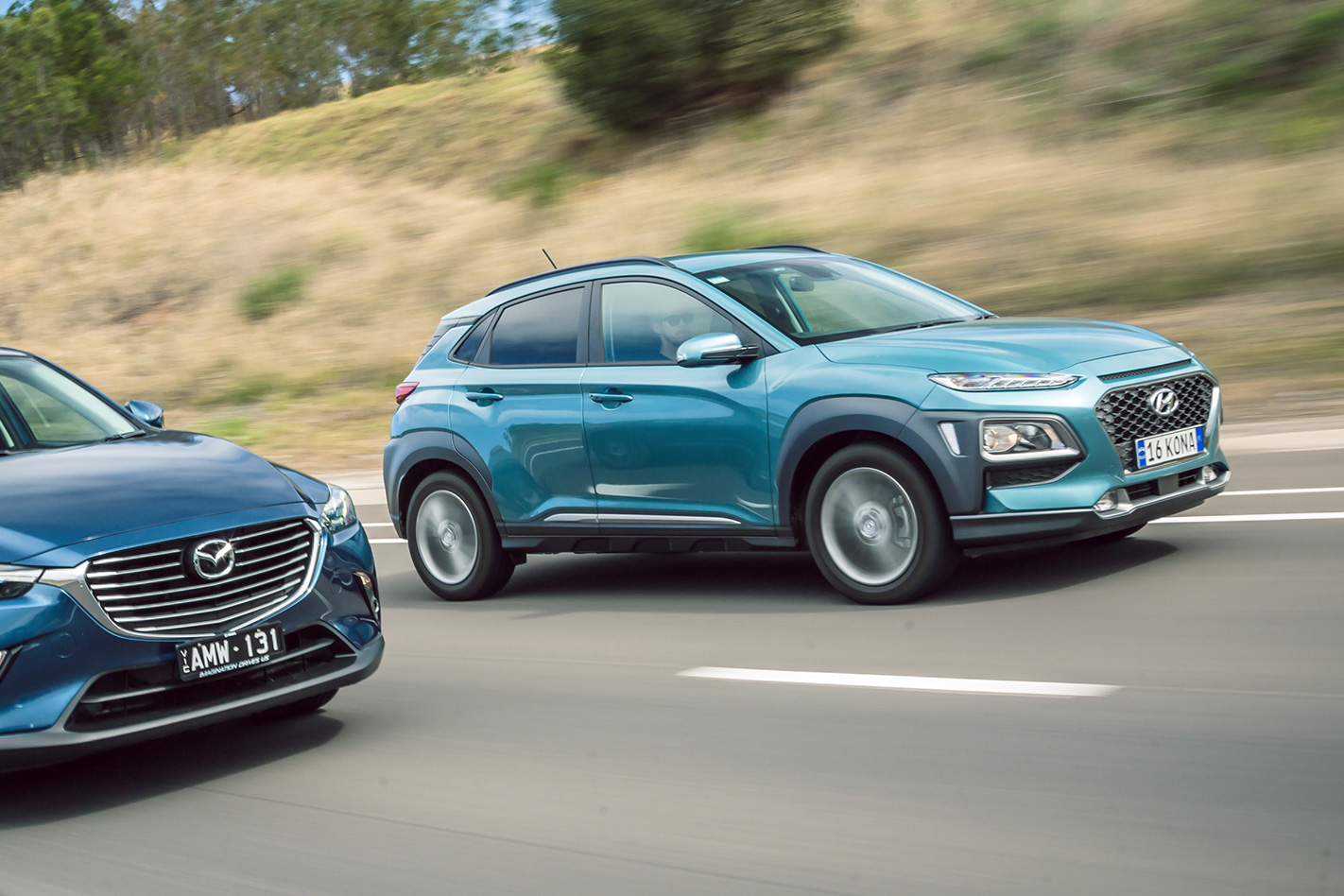
Unlike the slightly dearer turbo-petrol i30 SR Premium or turbo-diesel i30 Premium (both $33,950), the Kona’s lack of tactile surfaces is quite jarring, not to mention its lack of digital radio or factory sat-nav – both standard on every i30 model. On the move, the Kona’s driving position delivers a more elevated view, though you tend to sit on top of its short front seat cushions. And there’s some rough-and-ready fun to be had here, at the expense of comfort and refinement. Riding on a 50mm-shorter wheelbase than the i30, but sharing the up-spec SR’s multi-link independent rear end, if you set the Kona 1.6T up for a corner, it’ll turn in keenly and charge through with warm-hatch verve and enthusiasm, thanks to respectable balance and all that power.
But there are many holes in its repertoire. Its pointy steering gels nicely when you’re caning the Kona on well-surfaced roads, but there’s rack rattle over corrugations and surprising heft (for an electric-steer system) to its weighting when parking. And that’s in Comfort. Go a step too far by selecting Sport and the weighting is so heavy it’s almost resistant, while Kona’s ride borders on reactive. Driven at the same 100km/h-plus speeds as its rivals over our four-up test road, the Kona’s rear end frequently impacted with the bump stops, rebounding the body upwards with even less damping finesse and control than the XV, accompanied by the most intrusive coarse-surface tyre noise. Yet even with just the driver on board, the Kona’s urban ride can be joltingly abrasive and uncomfortable.
Indeed, despite having the shortest wheelbase here, and perhaps an unfounded reputation as being too small, the CX-3 definitely makes the most of what it has. Its front seat backrests are quite thin, but they’re well-shaped and envelop front passengers, without intruding on the limited rear legroom. Yet because the CX-3’s excellent rear bench is mounted quite high, passengers’ legs drop straight down, meaning it doesn’t need length to achieve comfort – ala original Mazda 121 – and has enough forward vision to overcome its rising beltline.
The CX-3’s rear section also delivers “more than enough headroom,” according to 191cm Peter Robinson, and accepts 1.25-litre water bottles (or larger at a squeeze) in its rear doors, where the Kona will only just cop a 600ml Coke. And if you need more space in the Mazda’s boot, you can remove its floor panel to create a deeper cargo bay, though it remains fairly small. As you might suspect from its styling, the C-HR’s interior is a tale of two halves.
While front-seaters are hardly blessed with abundant storage and clever use of oddment space, those in the rear truly get nothing. A centre armrest, map pockets, grab handles, air vents, a USB port …. they’re all still on a Santa Claus wish list. For 2016. Like the Impreza it shares fluids with, the XV’s rear quarters are vast. The easiest entry, the best rear legroom and the only privacy glass of this group set the Subaru apart, despite its back seat not quite matching the Mazda for quality of support.
It also has ample vision, undermined slightly by a greater volume of tyre noise than what those up front experience. But then there’s the XV’s ride. It’s not bad; it’s just that alongside the plushness of the C-HR or the well-controlled firmness of the CX-3, the XV sits in a no-man’s land of acceptable mediocrity. And that’s how the XV finishes up in this test. There’s a disconnect with the Subaru – blending a funky interior with an exterior so conservative it can be difficult to differentiate from its predecessor – that somehow misses the small-SUV zeitgeist.
But its flaws are too obvious to ignore, even though you can drive around a few of them (like big potholes). Our test car also had a few panel-fit issues around the tailgate and front-left mudguard – unusual for a modern Hyundai.
So, yet again, we’re left with two very different small-SUV designs eyeballing each other for the win. The updated CX-3 is by far the more consistent of the two. It manages to look and feel classy while delivering a sizeable dose of driver appeal, and it squeezes impressive packaging efficiency from the smallest footprint here. The Mazda might be a more conservative car than the Toyota (yes, really) but it’s a better all-rounder for it.
We’d probably want to chip it for more boost pressure and fit proper road tyres, but there’s a fluency and purity to the way it goes about its business that points the evolution of the small SUV in a new direction.
MORE: Hyundai Kona Range Review MORE: Hyundai Kona Specs, Range & Price
GEELY, the Chinese owner of Volvo and Lotus, has made a surprise swoop on German car-making giant Daimler at the same time as it announced closer ties with China-based BAIC.
Daimler, which owns brands including Mercedes-Benz, announced late last week that it would jointly invest $US1.9 billion ($A2.4 billion) with BAIC in modifying one of its existing Chinese plants to start building the brand’s new generation of cars, including those under its EQ electric vehicle sub-brand.
However, Li Shufu, the founder and chairman of BAIC’s rival Geely, announced on Friday that it had invested the equivalent of $US9 billion to pick up a 9.7 percent stake in the German brand in order to tap into its technology.
“Daimler AG confirms that the entrepreneur Li Shufu has acquired 9.69 percent (103,619,340 shares) of the company,” Mercedes-Benz’s owner said in a short statement to confirm the investment. “Daimler is pleased to announce that with Li Shufu it could win another long-term orientated shareholder, which is convinced by Daimler’s innovation strength, the strategy and the future potential.

Li Shufu is expected to meet with Daimler’s board of management today, media reports said.
“The share purchase makes Li Shufu currently the single largest shareholder of Daimler AG and points to a long-term commitment,” Geely said in its statement announcing the shareholding. “For the time being neither Geely Group nor any other company in the Zheijang Geely Holding Group intend to acquire additional shares.
“Li Shufu said he will fully abide by the company charter and governance structure of Daimler AG and respect its values and culture.”
“The competitors which technologically challenge the global car industry in the 21st century are not part of the automotive industry today,” Li Shufu was quoted as saying in the release.
“But with challenges come opportunities. No current car industry player will be able to win this battle against the invaders from outside independently.
“In order to succeed and seize the technology highland, one has to have friends, partners, and alliances and adapt a new way of thinking in terms of sharing and united strength,” he said. “And we have to act now. My investment in Daimler reflects this strategic vision.”
Geely has also bought flying car maker Terrafugia.
