
The 2018 Honda HR-V has been updated in Japan, with fresh styling, and active safety features introduced as standard.
The Honda HR-V is badged as the Vezel in Japan, with the car receiving its first significant makeover since its launch in 2014.
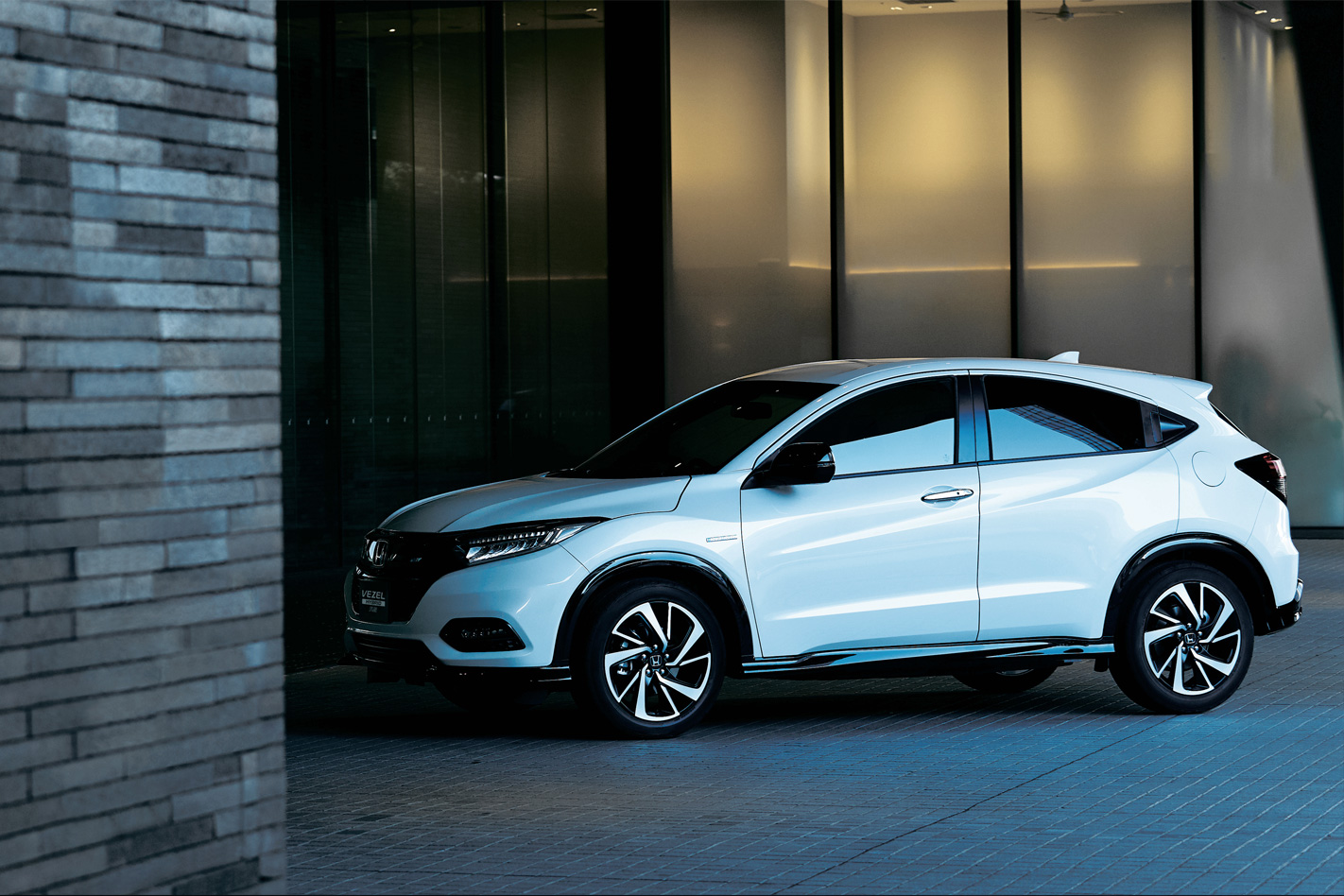
The suite of updates includes cosmetic changes, with a restyled front fascia that includes a prominent chrome fitting spanning the width of the grille, along with revised LED headlights and unique alloy wheel designs.
In Japan, the car also receives Honda’s active safety suite across the range as standard. It’s likely this will also be fitted to cars in Australia.
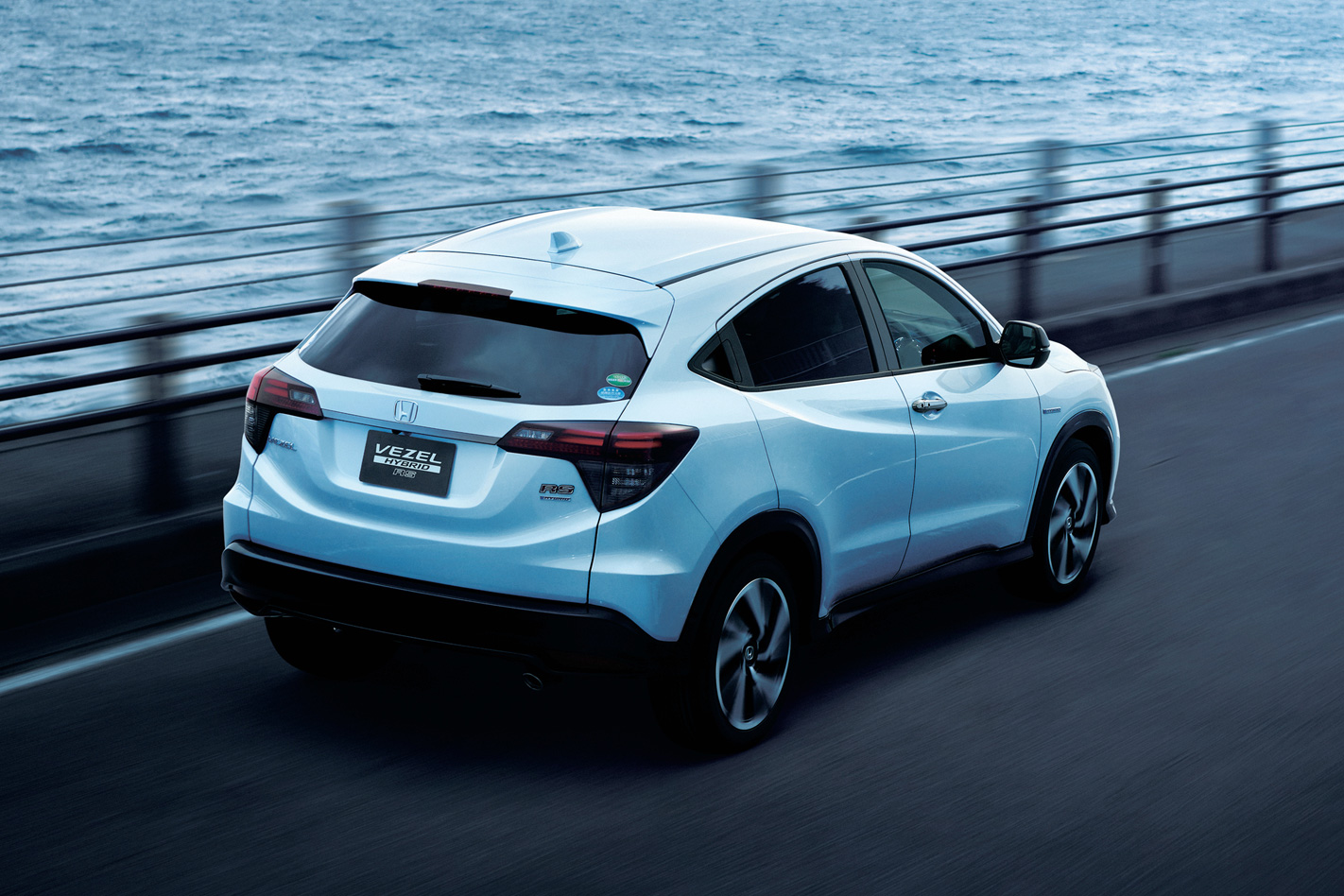
The ‘Honda Sensing’ suite includes autonomous emergency braking (AEB), adaptive cruise control, lane departure waring, and lane keep assist. The HR-V is currently sold locally without these features.
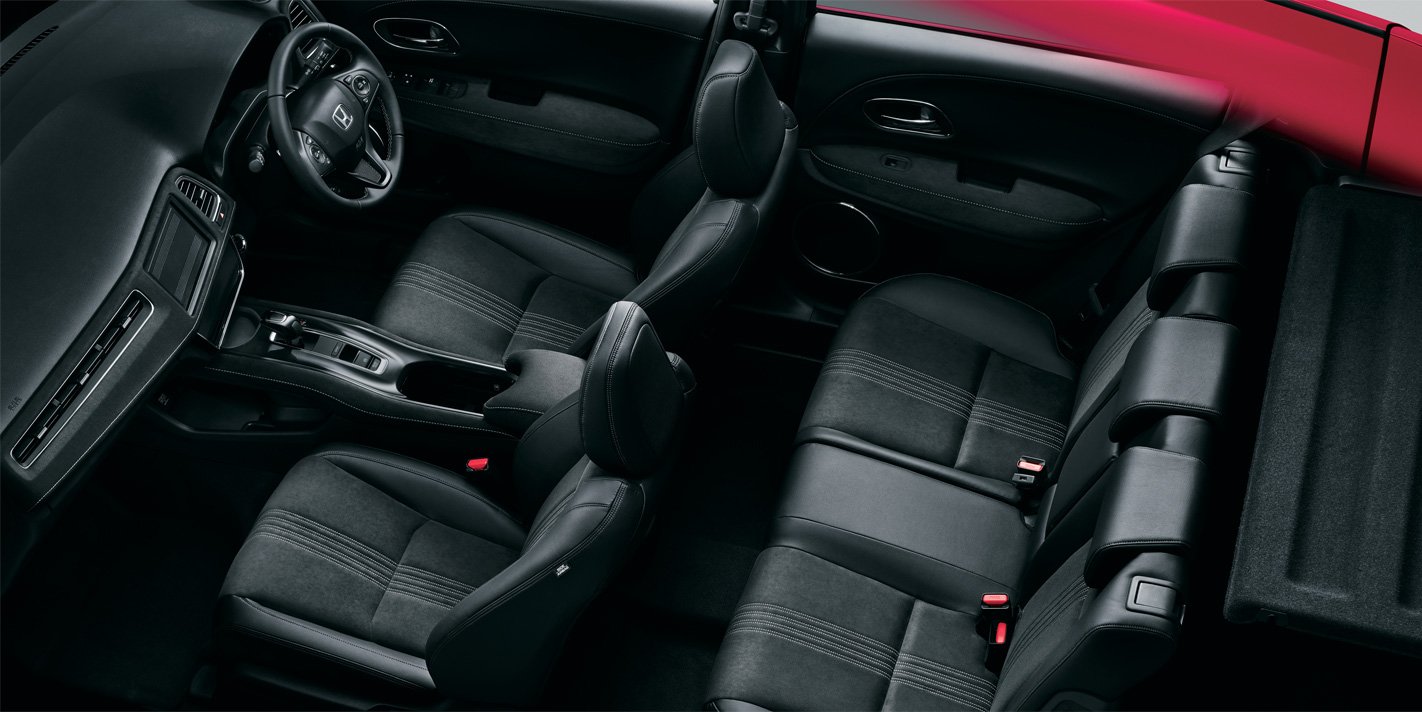
The interior has received a mild working-over, with reshaped front seats and stitching.
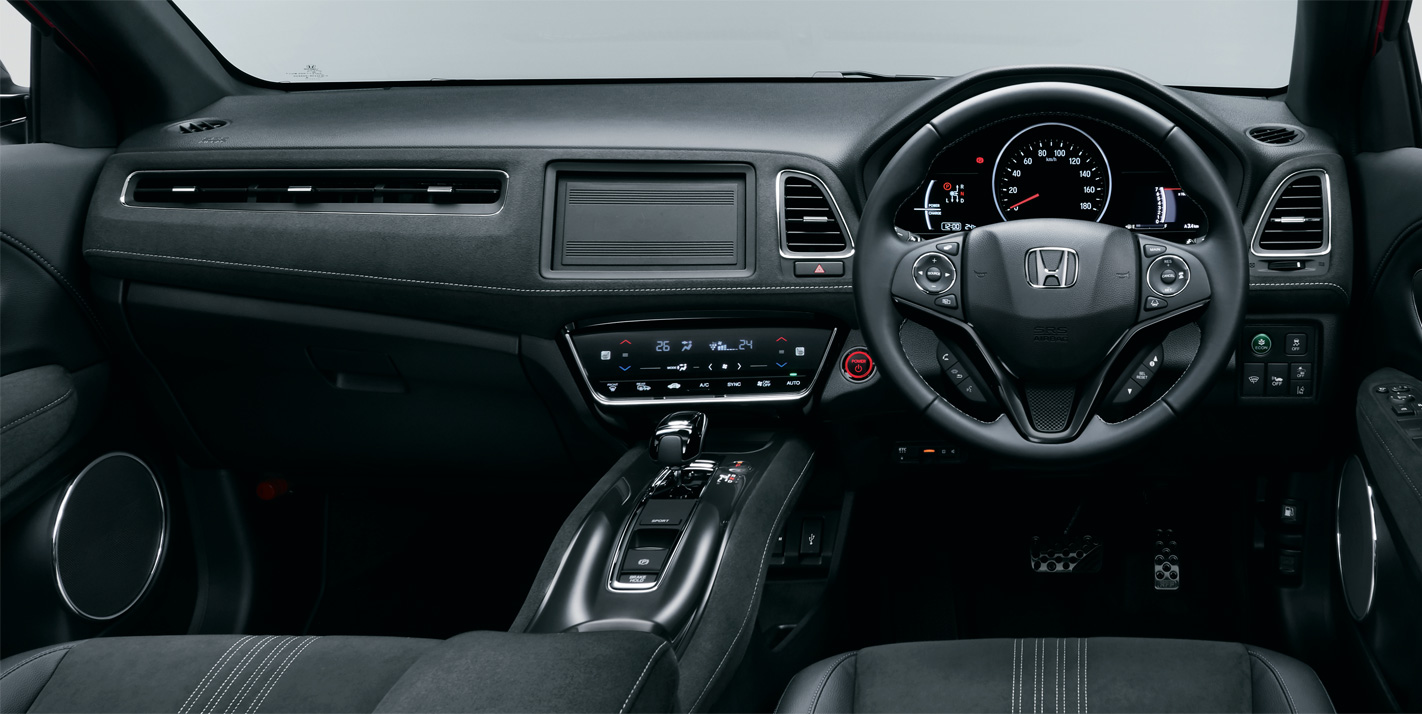
The Japanese version of the HR-V is sold with Apple CarPlay and Android Auto, which isn’t featured on Australian cars.
Japan’s HR-V will sell with either a 1.5-litre naturally aspirated petrol engine paired with a CVT transmission, or petrol-electric hybrid with a seven-speed dual-clutch automatic gearbox.
We will have some news on HR-V later in the year, but we are not in a position to be able to confirm details just yet or make any comparisons with what is happening for Honda models in other global markets.
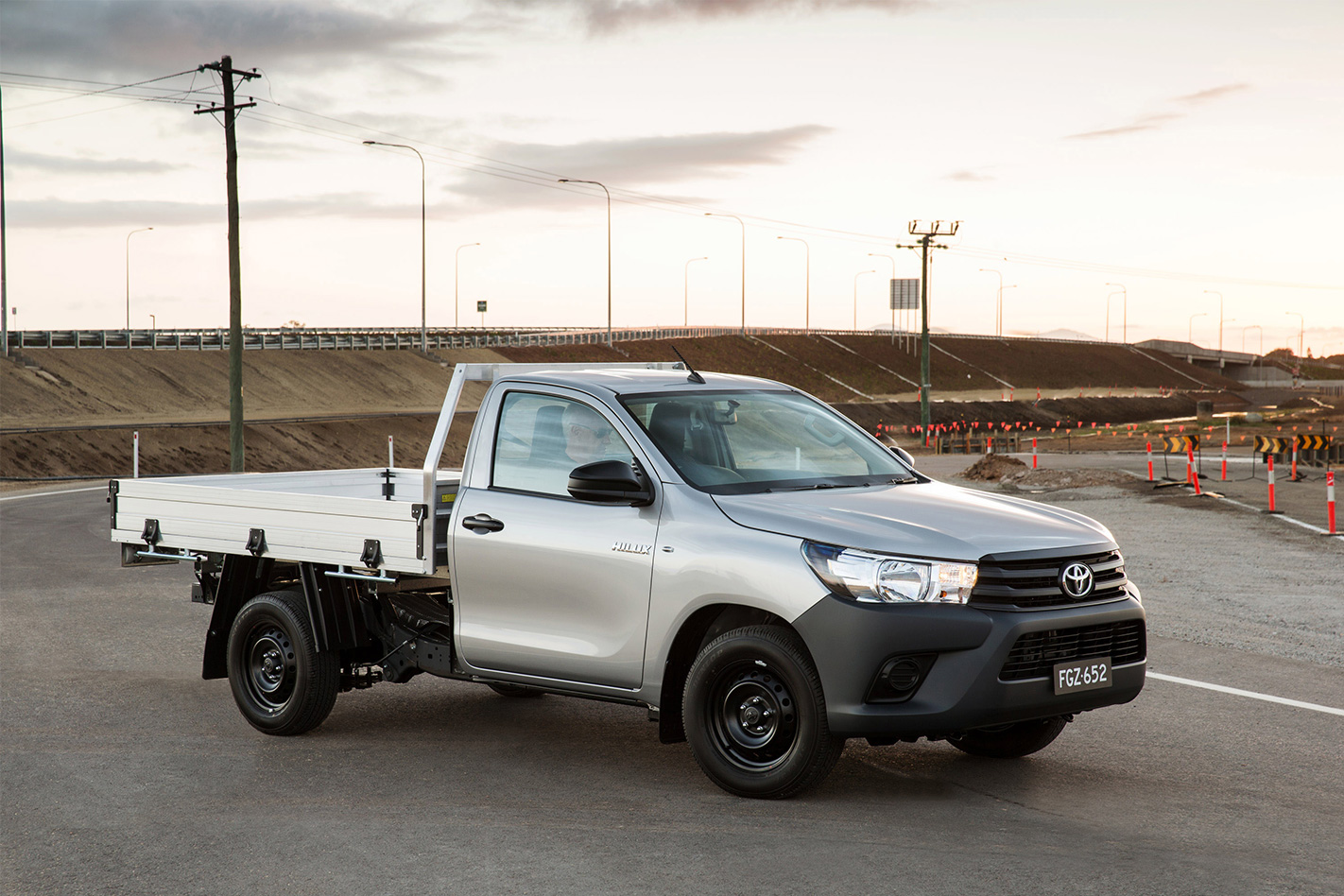
Chinese carmaker Great Wall Motors has introduced single cab version of its Steed ute, which provides a far cheaper option over its Japanese rivals, in particular the Toyota Hilux Workmate cab chassis.
The Great Wall Steed single cab chassis comes with a turbocharged diesel engine and six-speed manual as standard and is available in 4×2 and 4×4 configurations that cost just $18,990 or $20,990 driveaway respectively, for ABN holders.
Buying a Steed will save you more than $12,000 over a comparable 2WD and 4WD Hilux Workmate manual diesel single cab chassis, which cost $30,882 and $43,507 respectively including on-road costs.
So, putting badge cachet aside, what does the Steed’s bargain basement price get you, and how does it compare with the tried, tested and revered HiLux?
Load carrying
Both vehicles are similarly sized with 2400mm long aluminium trays. The Steed’s is a little wider at 1777mm compared with the HiLux’s 1762mm.
The Toyota can carry more though, with a 1210kg payload that’s 12kg higher than the Great Wall. It tows more, too, with braked towing capacity for the HiLux and Steed being 2500kg and 1700kg respectively. Both can tow an unbraked trailer weighing up to 750kg.
Performance and handling
The turbo diesel engines have similar outputs, with the Steed’s 2.0-litre four-cylinder producing 110kW/310Nm compared with the 110kW/343Nm produced by the HiLux’s bigger 2.4-litre four-pot.
Each engine is mated by default to a six-speed manual gearbox and have simular combined fuel use figures, with the Toyota drinking 8.8L/100km and the Great Wall an estimated 8.5L/100km.
Both ride on double wishbone independent front suspension and leaf-sprung rear axle, with the Steed rolling on 16-inch alloys, and the Hilux 4×2 and 4×4 variants on 16- and 17-inch steel wheels respectively. The 4X4 adds all-terrain tyres and heavy duty suspension package.
Features
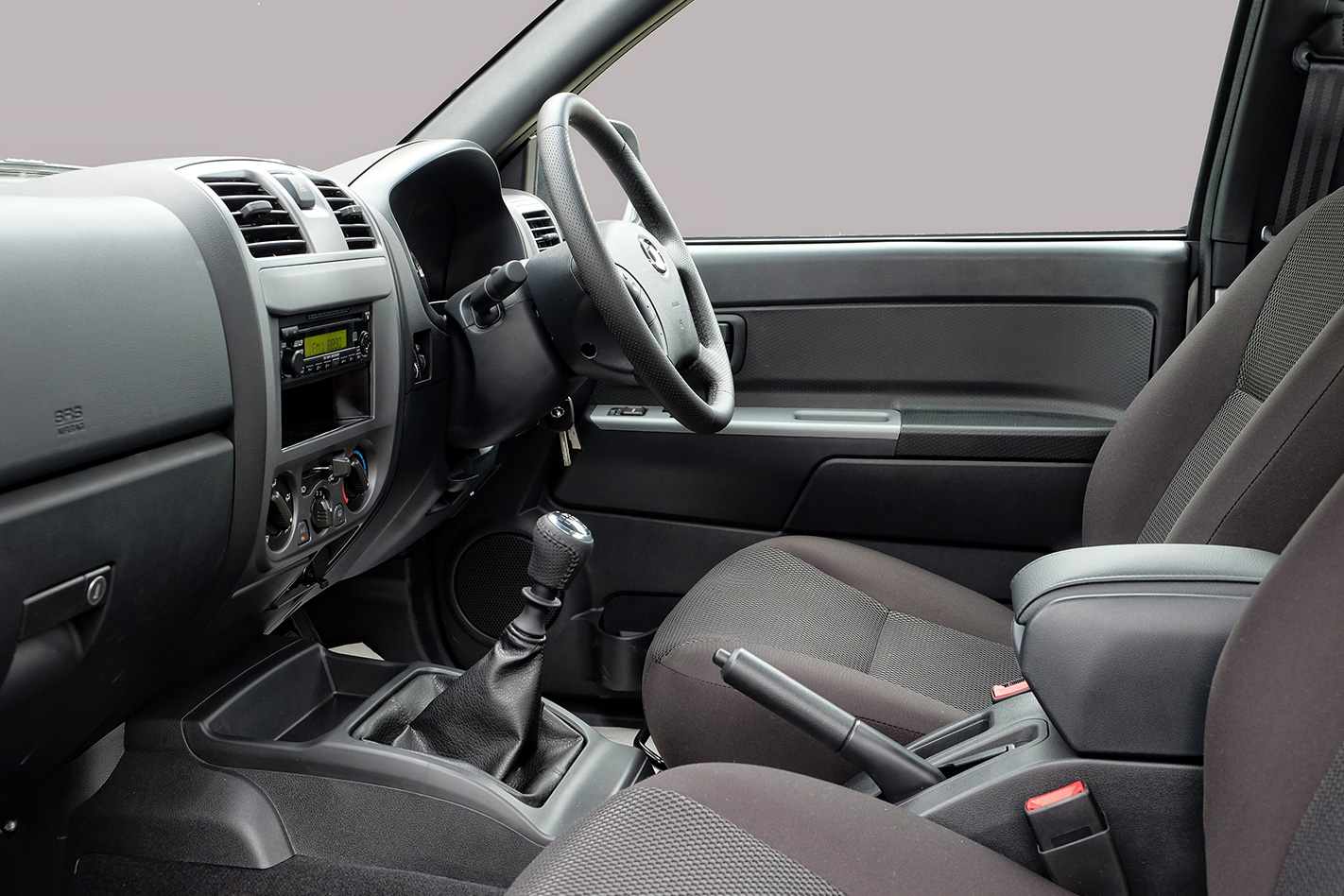
Each ute comes with basic creature comforts, with the Steed adding cruise control, a full-size spare wheel, leather steering wheel with audio controls, AM and FM radio, Bluetooth, CD player and electrochromatic (self-dimming) mirror.
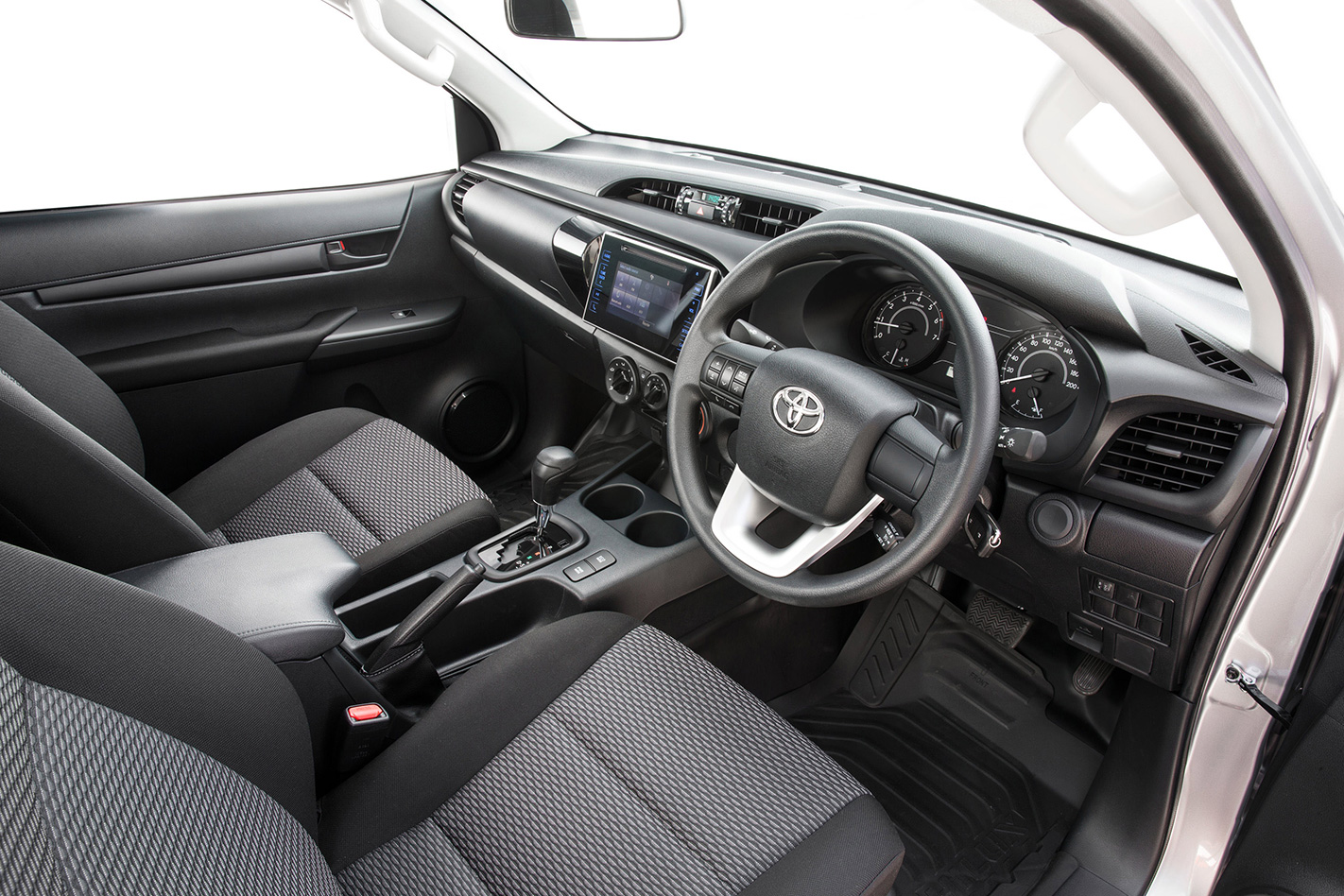
The HiLux Workmate’s features include plastic steering wheel with audio controls, dusk sensing headlights, 6.1-inch touchscreen, AM and FM radio, Bluetooth and CD player, and a full-size spare.
Safety
Where the two differ mostly is safety. All HiLux models have five-star ANCAP rating from July 2015, while the Steed is lumped with the 4×2 petrol dual cab that only scored a two-star ANCAP rating in September 2016.
Both vehicles are covered by a three-year, 100,000km warranty.
BMW will celebrate the 30 year anniversary of the debut of its two-door convertible M3 by creating 300 convertible M4 30 Jahre Editions.
Though wearing a different badge, the link is more a spiritual connection, as the M3 no longer sports two doors.
With the same 331kW/550Nm 3.0-litre straight six as the M4 Competition, the limited edition is mechanically no different from other drop-top M4s, but its visual and interior changes set it apart.
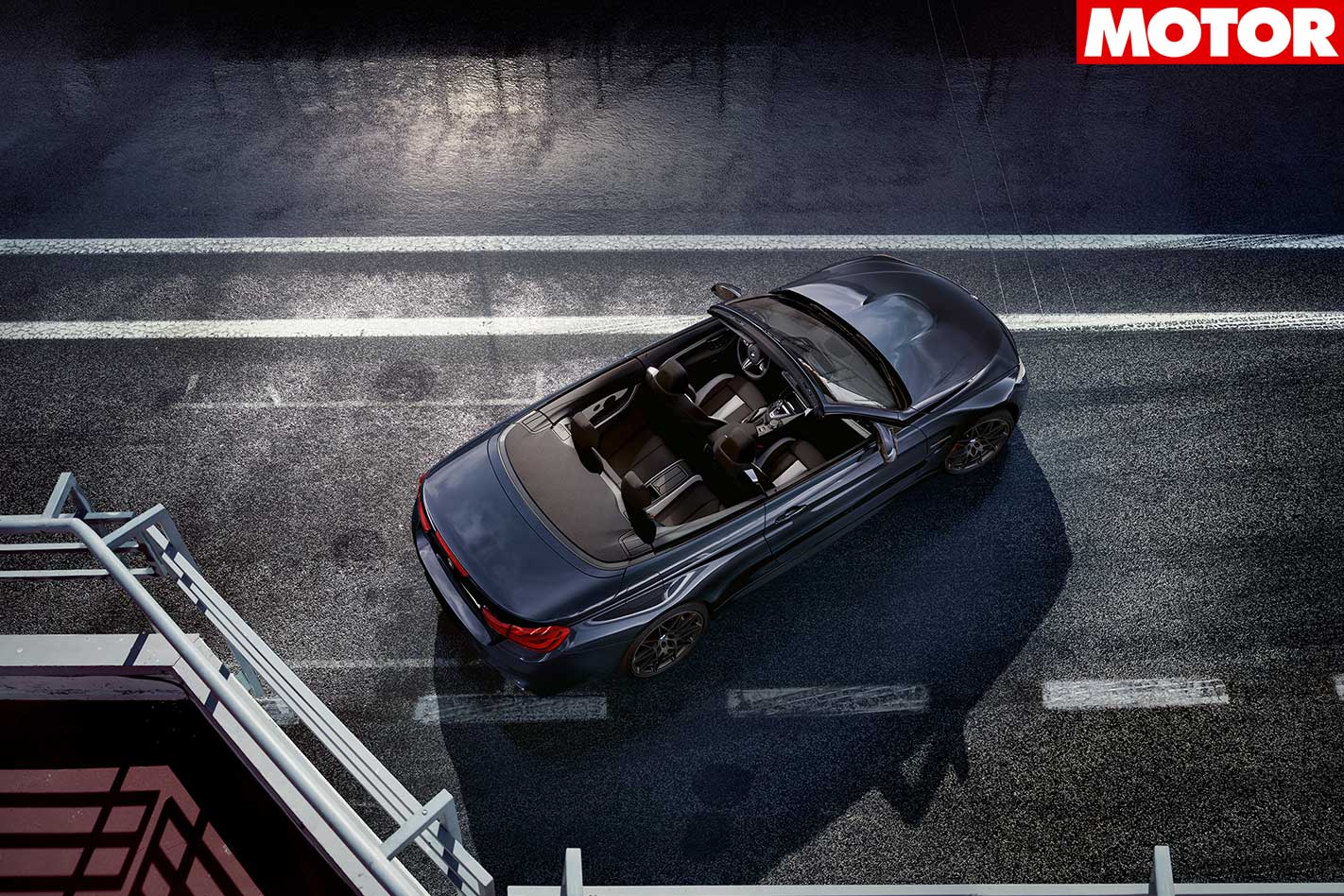
Secondly, a vibrant yellow ‘Mandarin II’, is a reference to Dakar Yellow, a colour available for the second generation of the BMW M3 Convertible.
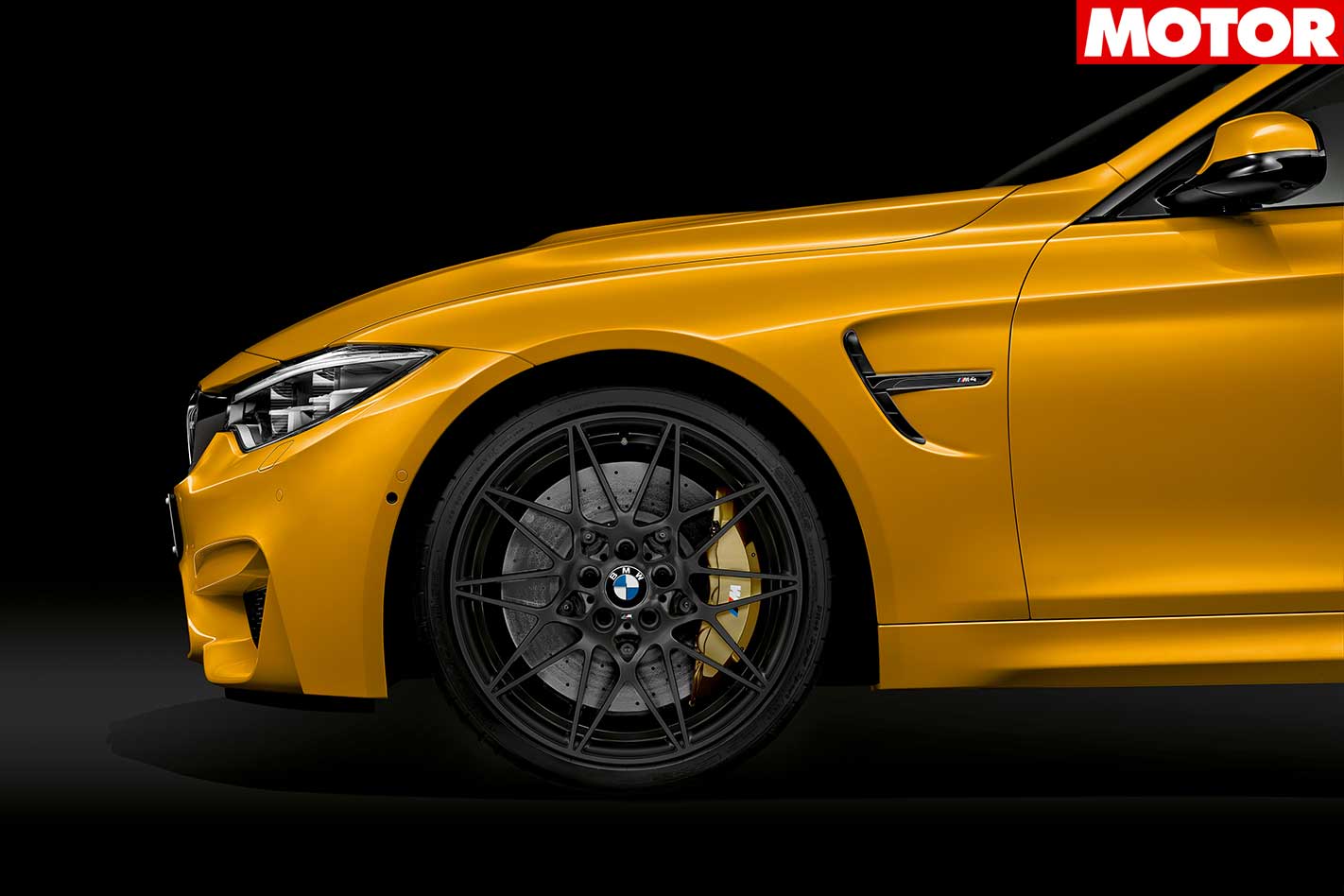
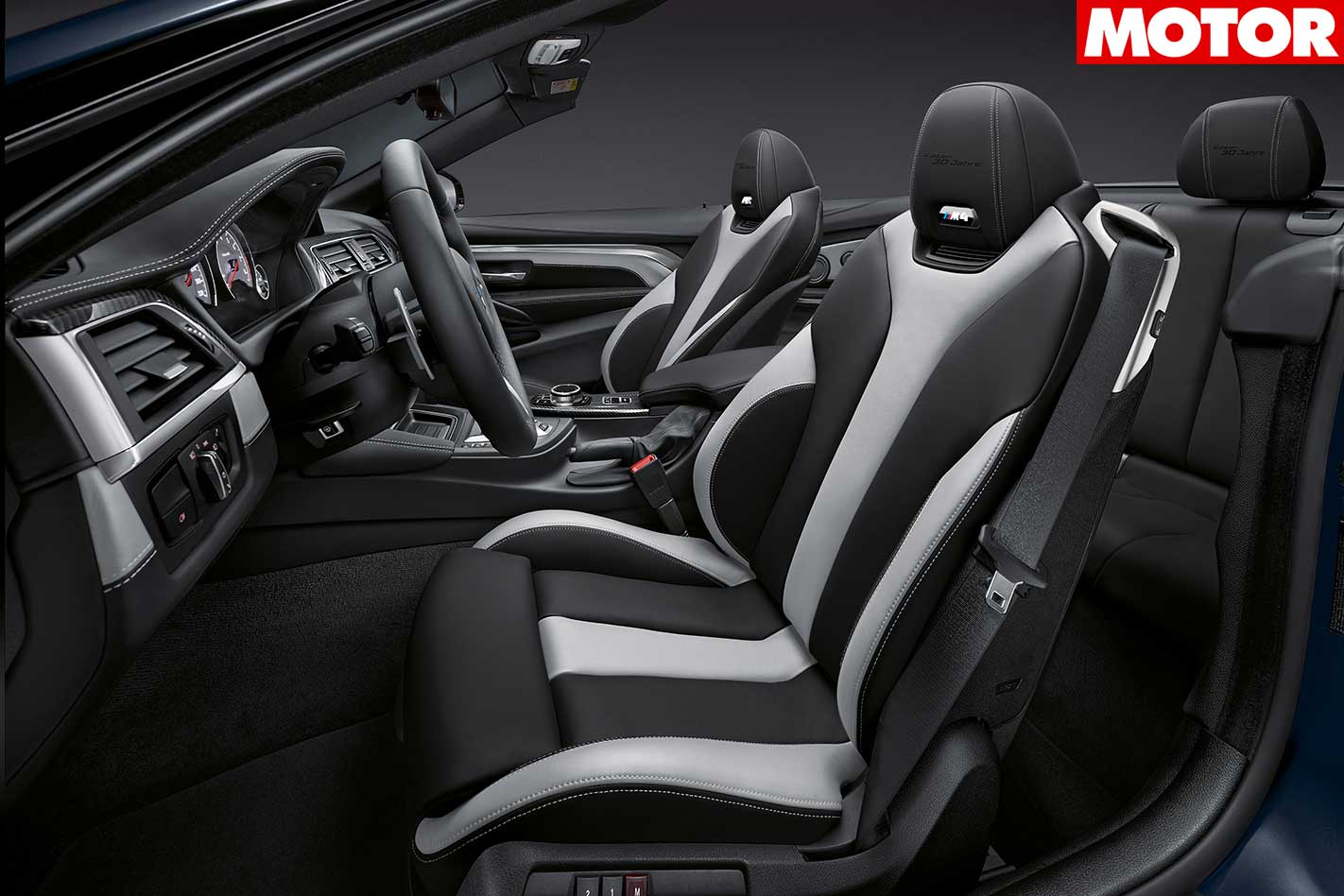
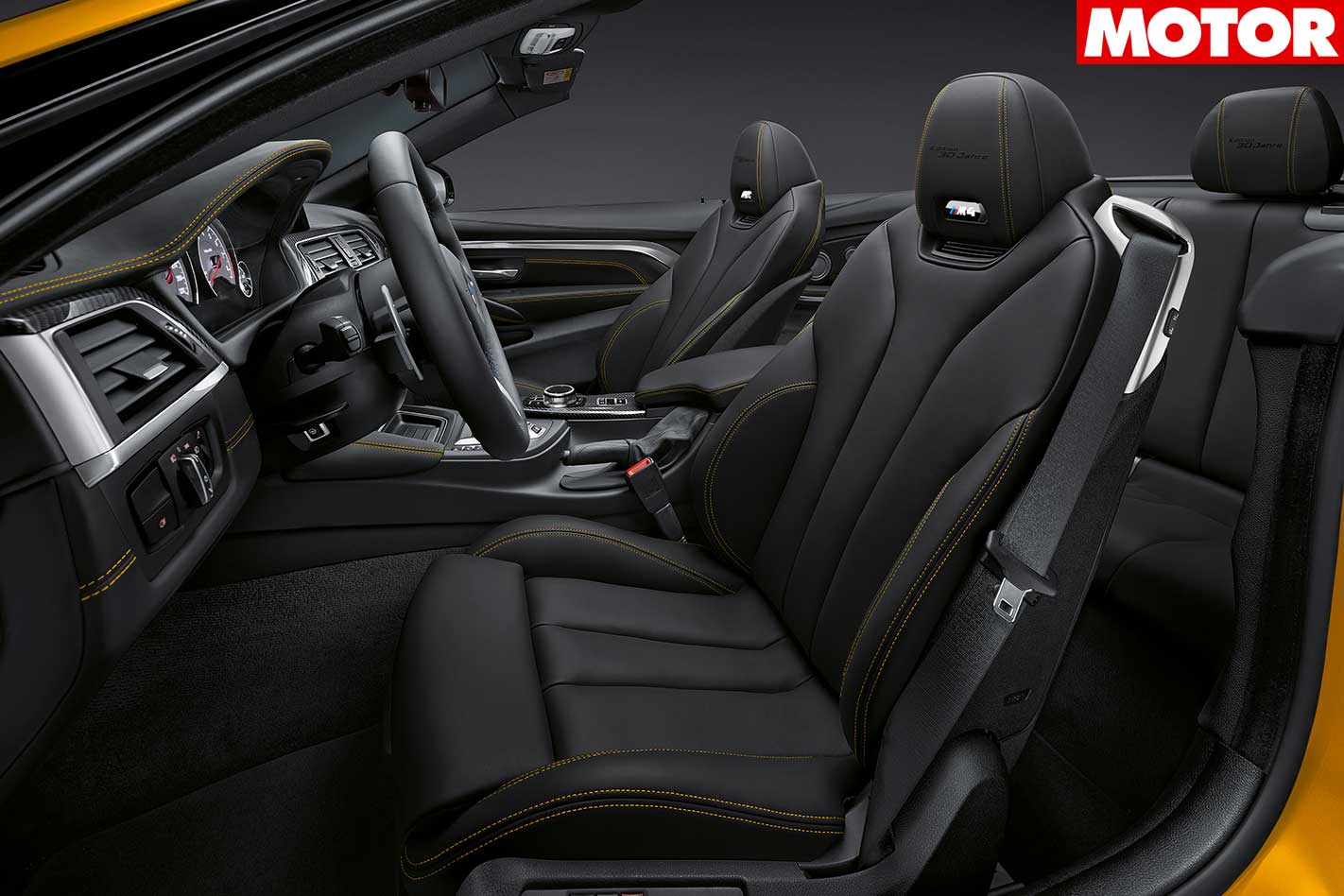
A spokesperson told MOTOR to expect the M4 Convertible 30 Years to be available in the second half of 2018.
Pricing is as yet unknown, though an estimate of around $175,000 is where we think the 30 Jahre should sit.
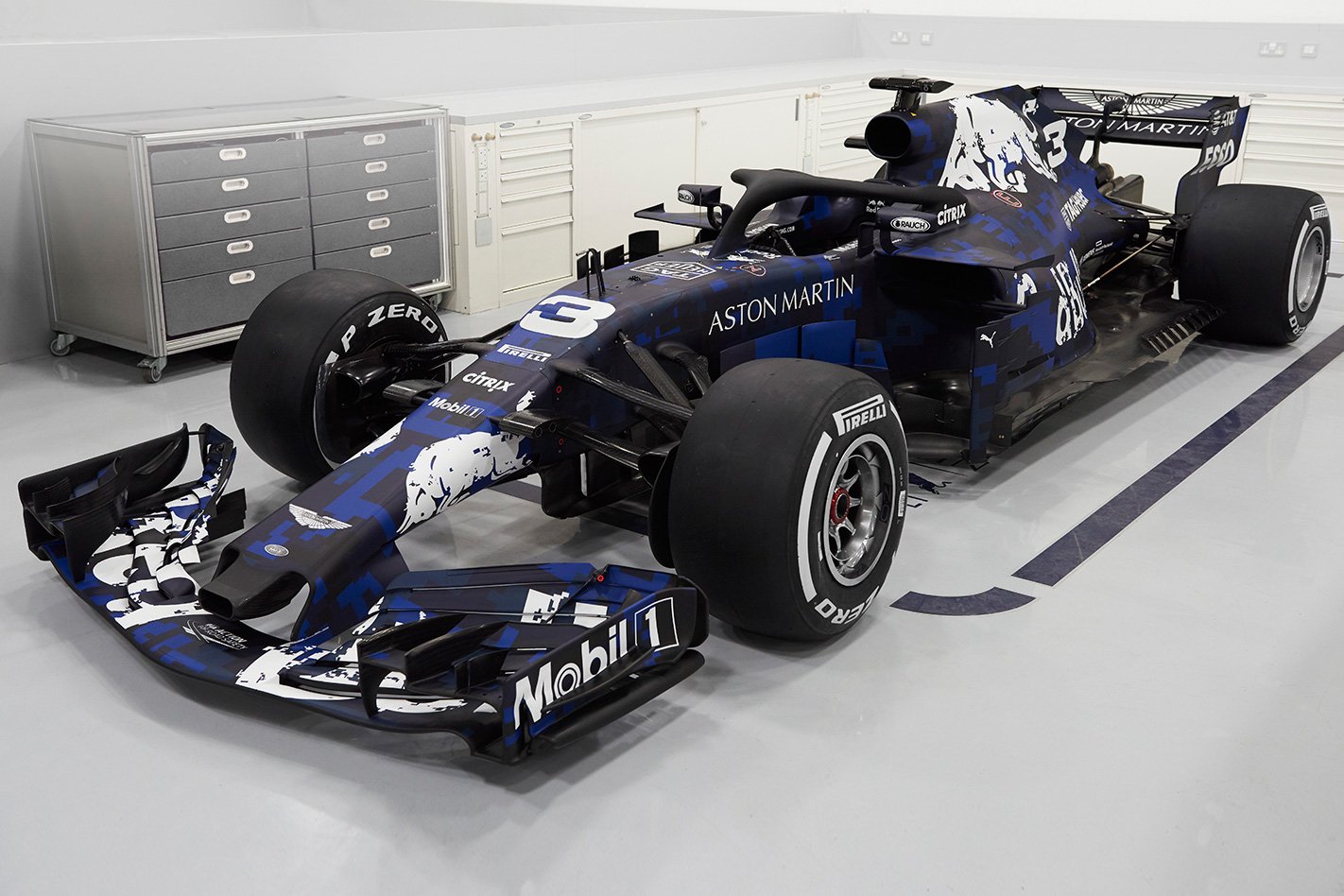
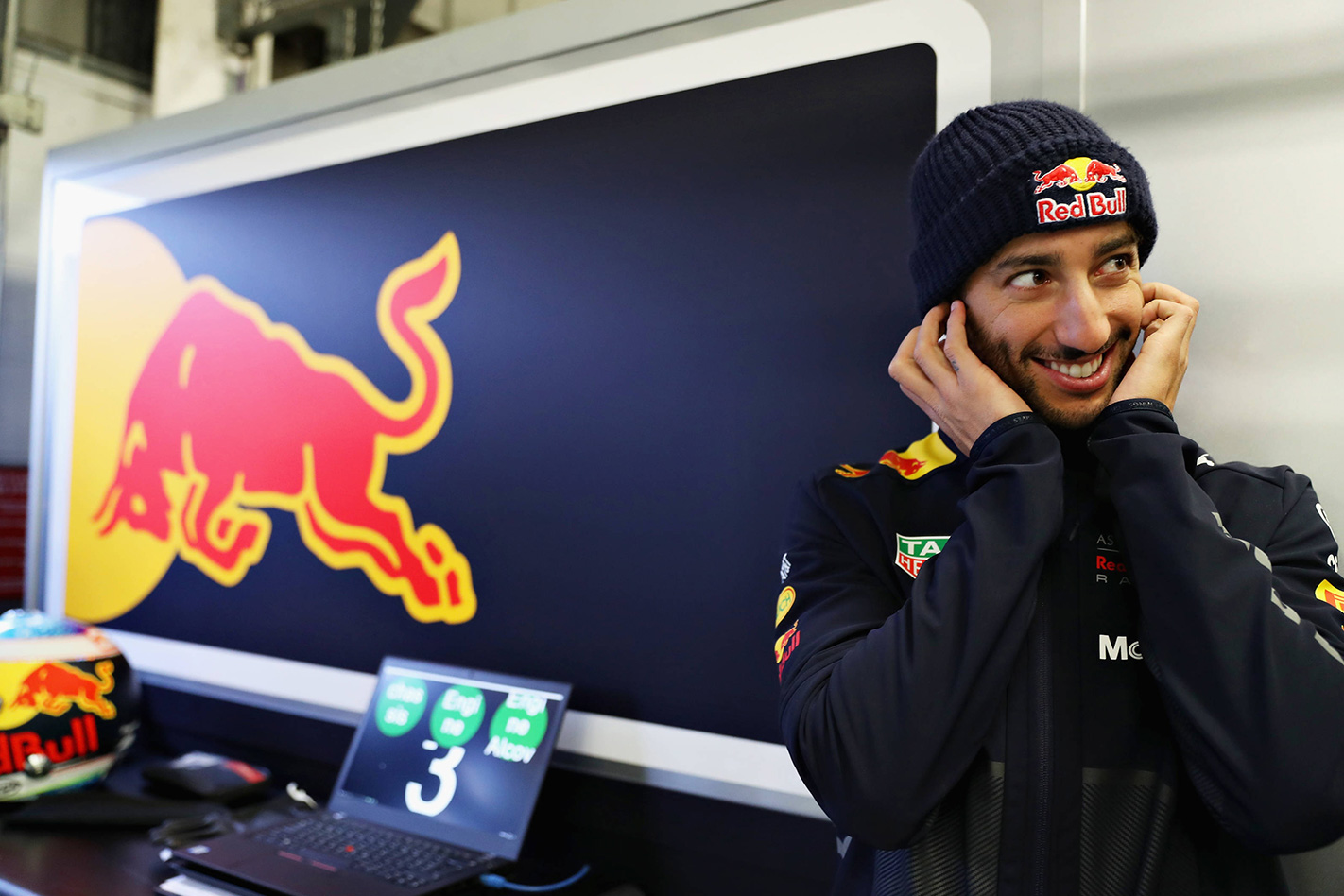
DANIEL Ricciardo’s next Red Bull Formula 1 racer was uncovered overnight, ready to hunt for Formula 1 World Championship victory in the Aussie’s pivotal 2018 season.
Red Bull Racing whipped the silk from the car, dubbed RB14, to reveal a temporary, special edition ‘digi camo’ livery – nicknamed Disruption by the Red Bull squad – that the team will run for testing in Spain next week.
RB14 will be raced in 2018 by The Honey Badger and his prodigious teammate Max Verstappen. The pair will be hoping that this year’s power-unit (branded TAG-Heuer, supplied by Renault) is more reliable than last year’s, with a maximum of three engines allowed in 2018 (one less than 2017) before penalties will be applied.
As for the Halo, Ricciardo said the divisive safety apparatus didn’t hamper him on track.
“I can see fine. Before today I’d only done a couple of installs with the Halo, so it was pretty new – but I really didn’t notice it was there,” the Aussie explained.
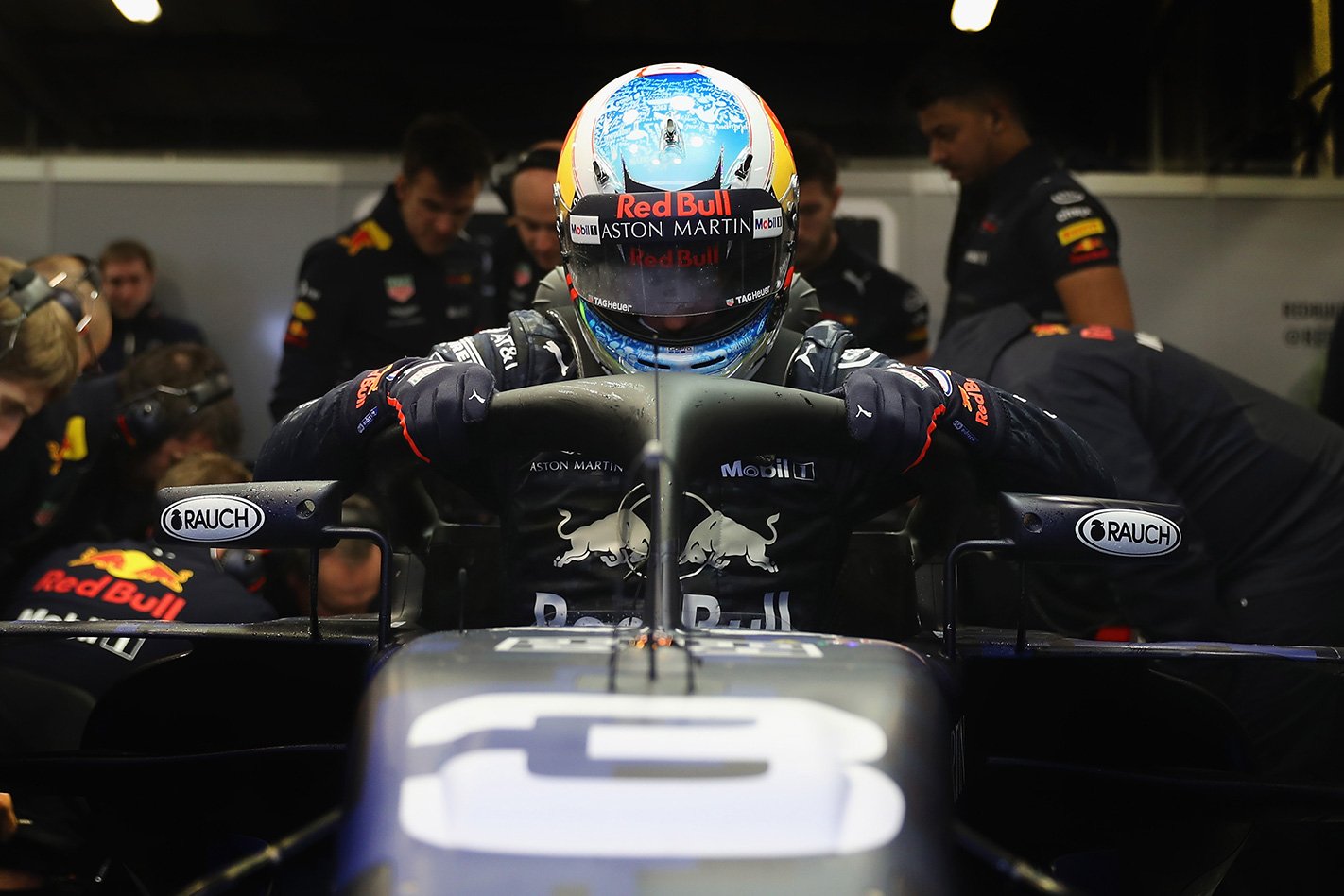
In previous years Red Bull has chosen to reveal its cars “aggressively late”, allowing the design department as much time as possible to finalise aerodynamic components before testing. This year, however, the team opted to launch a couple of days early and run a shakedown to iron out any possible issues.
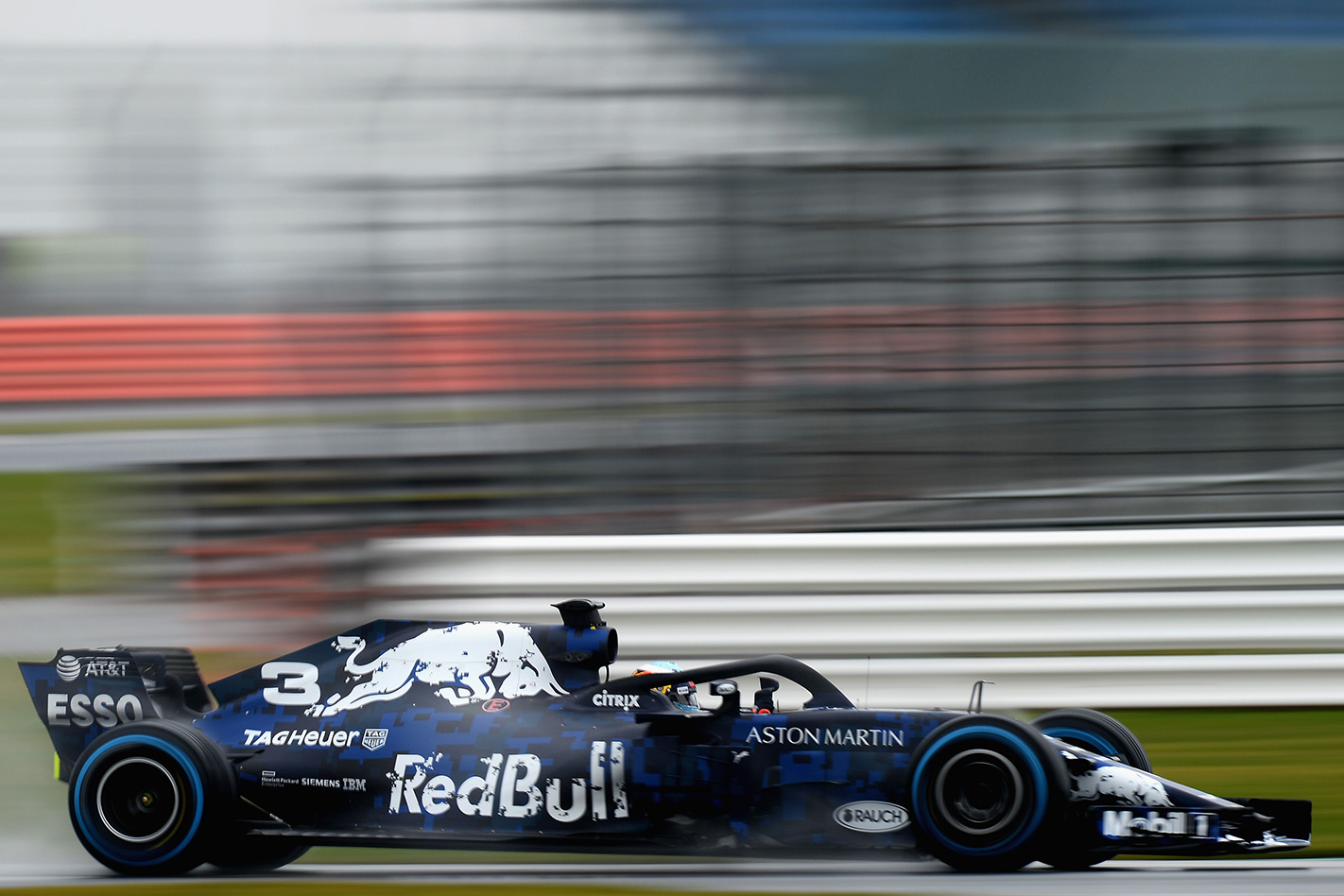
“It’s always hard to tell from a few laps but the initial feeling is good,” Ricciardo said following the shakedown.
“It’s not doing anything that scares me and I can already feel that the rear of the car feels pretty settled, even in these poor conditions. Those are encouraging early signs.”
THE Brabham name is poised to make its return to motorsport.
David Brabham, the son of three-times Grand Prix driver’s championship title winner Sir Jack Brabham, has overnight launched Brabham Automotive, a potential F1 team owner that will also spawn its own car brand.
The timing is right; F1 teams are only just starting to reveal their cars ahead of 2018 pre-season testing, which starts next week. One of the teams that is yet to say when it will reveal its contender for the 2018 season is the financially strapped, Mercedes-powered Force India, the one that could soon wear the Brabham name if last year’s speculation of a team buyout proves correct.
David Brabham was quoted in the media last year as saying he was keen to get the Brabham name back on the race track. However, it’s believed Brabham Automotive’s strategy will mirror that of McLaren, which established itself on the F1 circuit before spawning a road car division.
The Brabham push is believed to have the backing of a group of US investors keen to help the sport establish a foothold in the US, a potential audience the sport’s new owners, Liberty Media, appear keen to tap. The bid was also linked to former F1 supremo Bernie Ecclestone, who was spectacularly ousted from his role with the sport as part of Liberty’s takeover.
Force India flagged last month that a name change ahead of the new season remained a possibility. “If it happens it would be announced ahead of the launch/testing or at the launch,” an unnamed source told the Daily Mail.
Force India’s troubled co-owner, Vijay Mallya, flagged last month that the team was potentially tapped out in terms of its ability to attract advertising support after creating it in 2008 with the aim of one day attracting the sport to a venue in India.
The team was reportedly for sale for as much as £250 million ($A440 million), but rumours suggest the team may have taken a price as low as £150 million.
Sir Jack Brabham was Formula One World Champion in 1959, 1960, and 1966. He also built the cars he raced in, winning one championship in a car that also bore his name.
He died in 2014.
Force India, meanwhile, ended the 2017 F1 season in fourth place.
When you’ve got a 5.0-litre V8, rear-wheel drive and more attitude than Mariah Carey in an airport queue, you’d naturally equate that to something with the chutzpah to back it up, right? Well…
As far as looks go, the Lexus LC500 has got it shot to bits. People are – quite literally – falling over to get a better look at this escapee from a designer’s online fantasy league death match. But – and it’s a big but – the 500’s 351kW and 540Nm is irrevocably blunted by an almost two-tonne curb weight.
It’s an uphill battle. The Lexus is last but one to both 0-100km/h and 400m, and equal last between 80-120km/h too – not to mention its relatively tardy 1:38.6 lap time. The weird thing is that it simply doesn’t feel this slow.
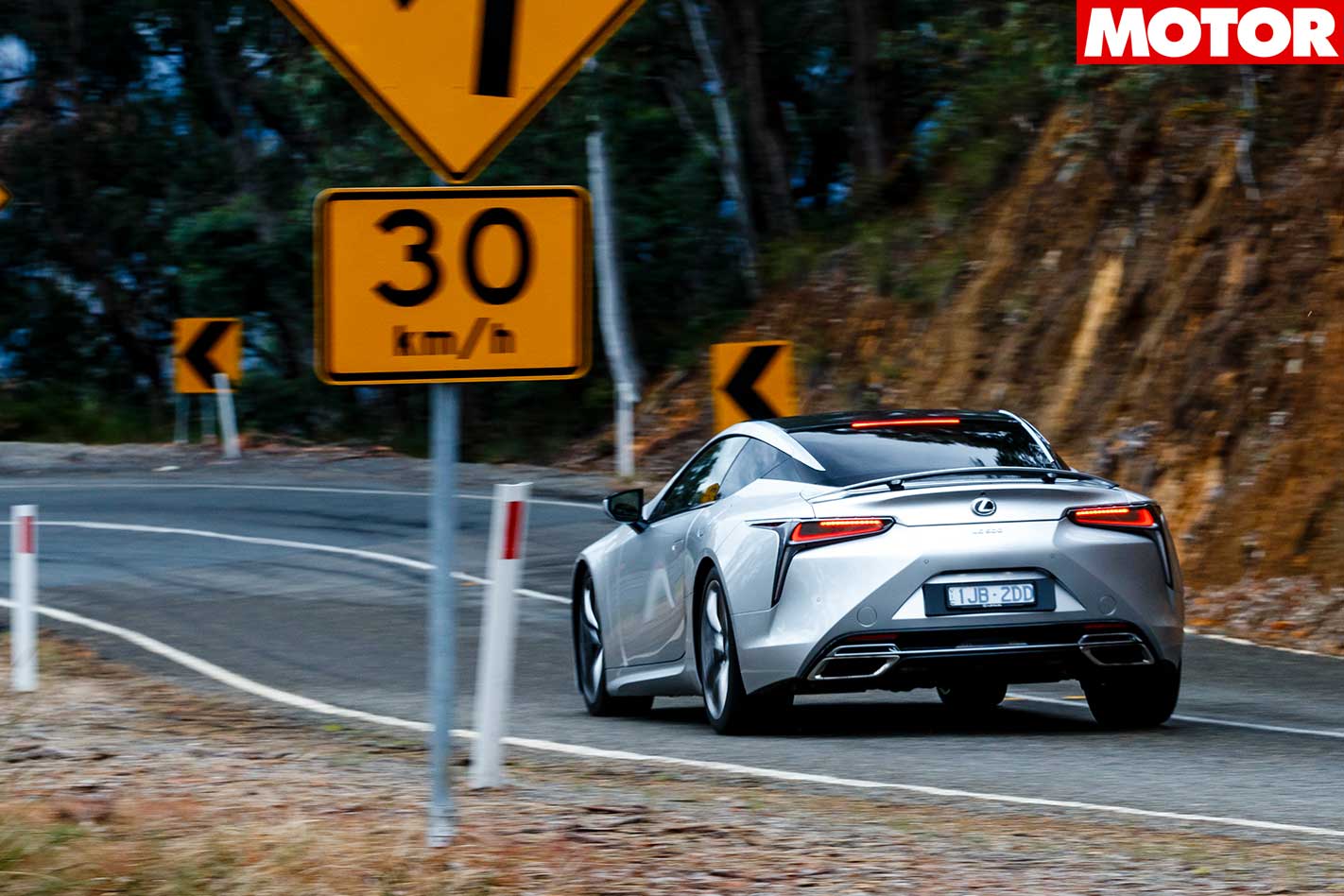
The power of the atmo eight doesn’t overwhelm the chassis, though, and it steers with aplomb around little Winton, despite its girth. The digital gauge smacks its marks right in your eyeline, but the traction control light is almost as busy, despite switching into the sportiest mode.
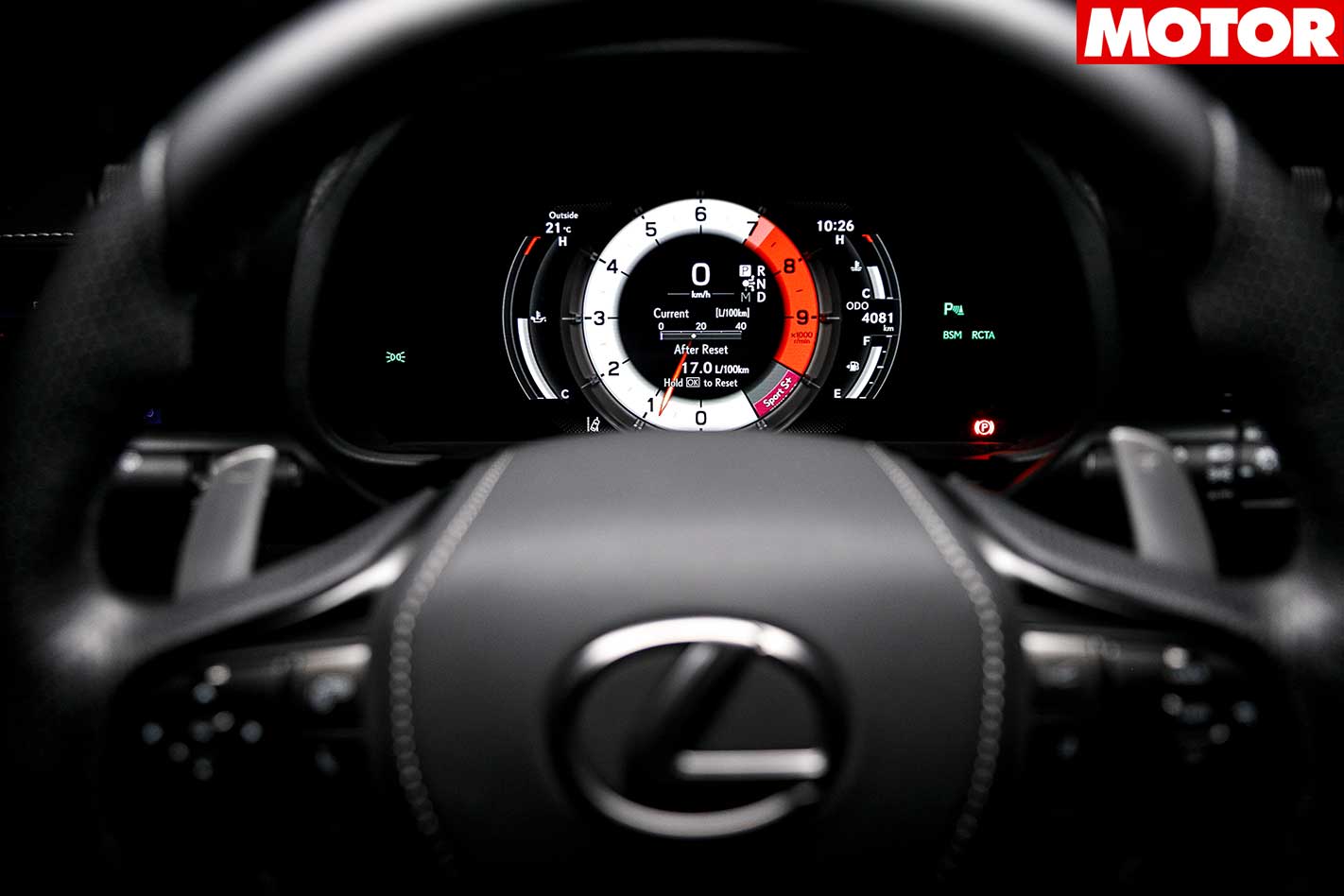
Find the secret code to switch stability and traction control all the way off, though (hint – bring the car to a complete stop), and the LC500 comes to life, especially out on the road. This trick serves me well as I… err, meander gently back up our hill loop, with the long-throw throttle and beautifully linear power delivery playing to the strengths of the vault-stiff chassis.
Without those way-too-conservative chassis electronics getting in the way, the LC500 flows like mercury from corner to corner, the V8’s sonorous howl curling neck hairs for days.
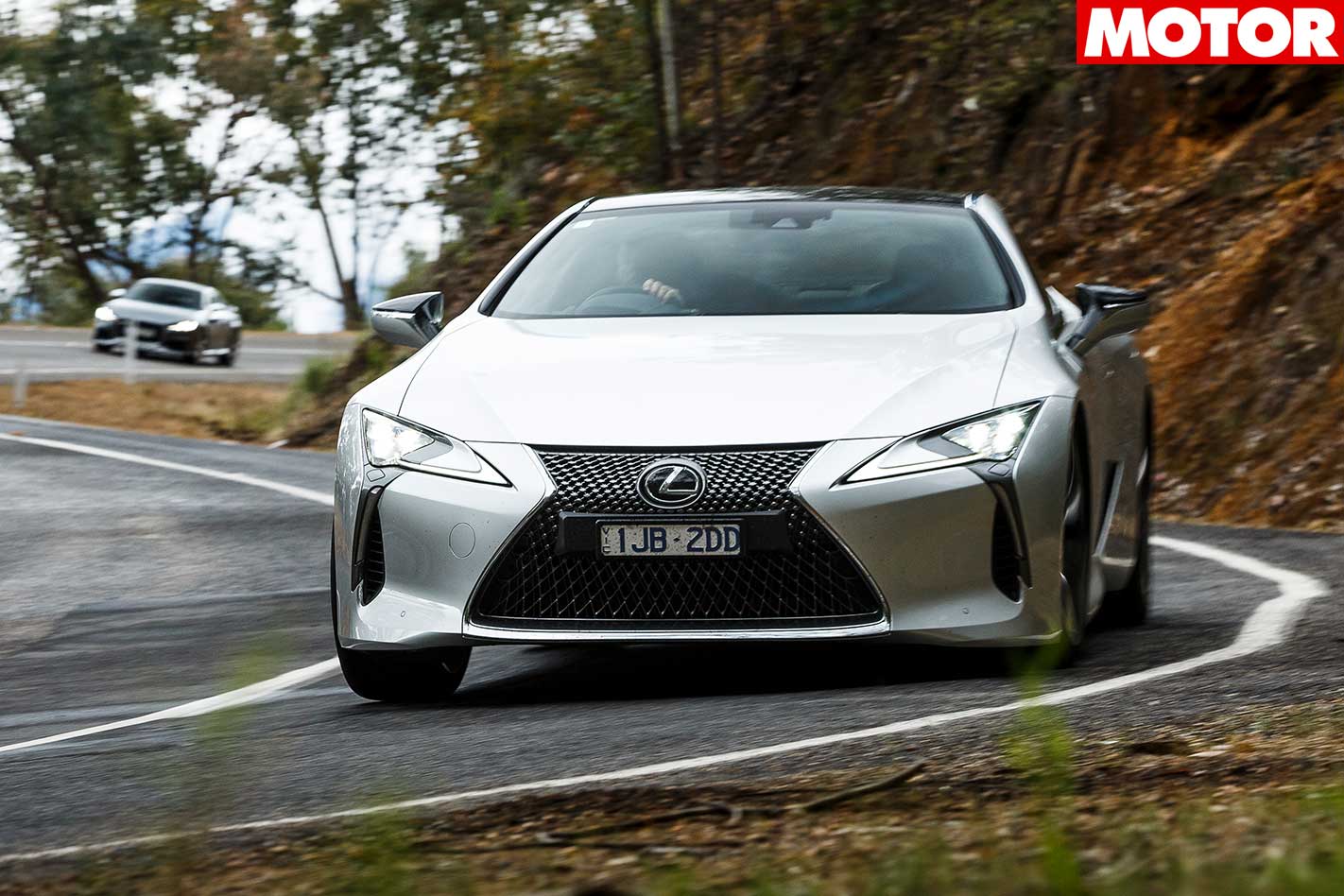
At the end of the day, the stopwatch told most of the tale of the LC: it’s not that quick, even though it feels like it.
2018 LEXUS LC500 SPECS: Body: 2-door, 2+2-seat coupe Drive: rear-wheel Engine: 4969cc V8, DOHC, 32v Bore/Stroke: 94.0 x 89.5mm Compression ratio: 12.3:1 Power: 351kW @ 7100rpm Torque: 540Nm @ 4800rpm Power/Weight: 181kW/tonne Transmission: 10-speed automatic Kerb weight: 1935kg Suspension: struts, double-jointed multi-links, adaptive dampers (f); multi-links, coil springs, adaptive dampers anti-roll bar (r) Brakes: 338mm ventilated discs, 6-piston calipers (f); 308mm ventilated discs, 2-piston calipers (r) Wheels: 21.0 x 9.5-inch (f); 21 x 10.0-inch (r) Tyres Sizes: 245/40 RF21 (f); 275/35 RF21 (r) Tyres: Michelin Pilot Super Sport Price: $190,000
0-100km/h: 5.18sec (9th) 0-400m: 13.23sec @ 178.73km/h (9th)
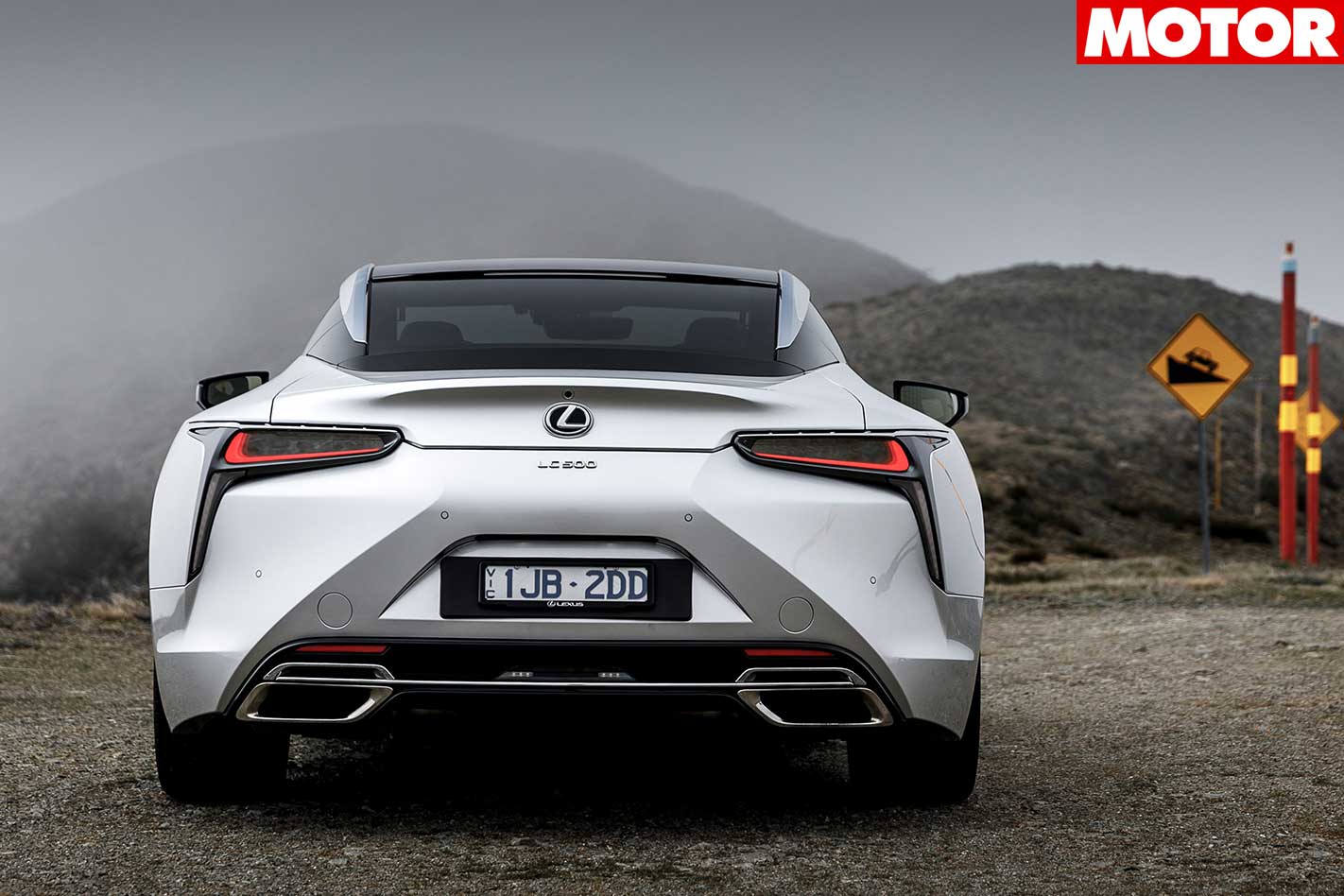
Morley – 9th Let’s enjoy the LC500 for what it is, not can it for what it isn’t.
Campbell – =8th I’d drive it through tunnels and to work but would have another car to scratch the itch.
Newman – 9th Love the looks and noise, but exposed by other contenders.
Robson – 6th What an amazing design achievement. Weight hurts pace, but F will be astonishing.
Reynolds – 9th Looks spacey, engine sounds good, an older person car.
JUDGES’ SCOREBOARD
| u00a0 | Campbell | Morley | Newman | Reynolds | Robson | Total |
| Performance | 7 | 5 | 7 | 7 | 7 | 33 |
| Dynamics | 7 | 6 | 6 | 6 | 7 | 32 |
| Accessibility | 8 | 5 | 8 | 6 | 8 | 35 |
| Liveability | 6.5 | 5 | 6 | 7 | 7 | 31.5 |
| Value | 4.5 | 5 | 6 | 4 | 6 | 25.5 |
| X-Factor | 8 | 8 | 8 | 5 | 8 | 37 |
| Total | 41 | 34 | 41 | 35 | 43 | 194 |
Lexus has added a long-awaited seven-seater variant to its volume selling RX SUV family, with the RX350L and RX450hL now rolling into local showrooms.
Both powertrains will be offered in entry level Luxury or high-spec Sports Luxury grades, with the former attracting a $3300 premium over the equivalent 5 seater RX model. The step-up to seven-seat status costs less in the Sports Luxury variant, with those models carrying a premium of just $1600.
There are no F Sport variants for the seven seat RX L, nor is there a four-cylinder option – V6 petrol or V6 petrol/electric only.
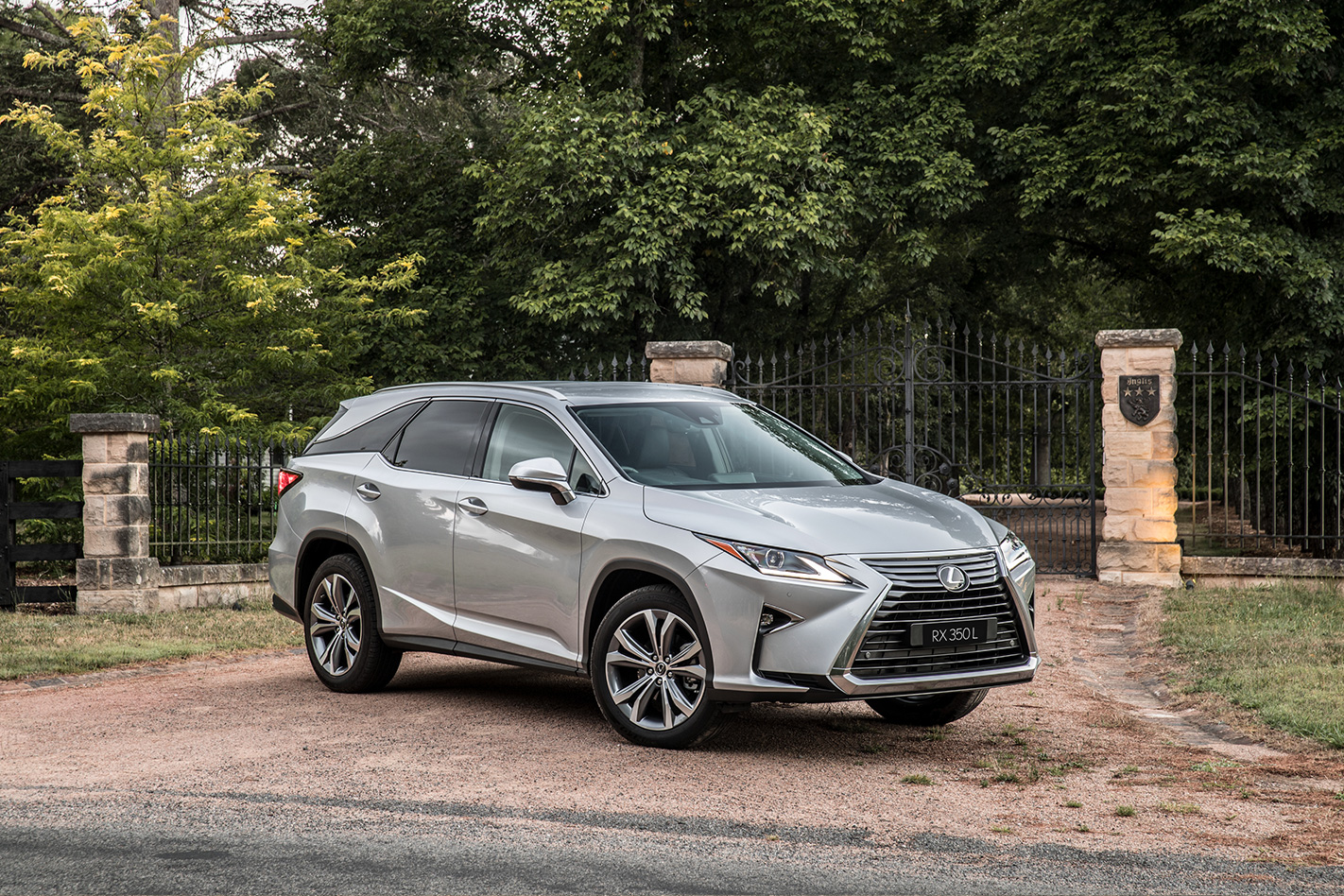
A longer rear overhang, 110mm more overall length, 10mm greater height and unique sheetmetal from the B-pillar back mark the seven seat ‘L’ models apart from their five seat siblings. There are other external differences too, such as a small moonroof replacing the panoramic glass roof of specced-up 5 seaters, and a more steeply-raked tailgate.
Inside, the front-of-house should be familiar to current RX owners. An 8.0-inch infotainment display is the centrepiece in Luxury grades, while the Sports Luxury flaunts a much larger 12.3-inch panoramic display.
Specification levels mostly align with the five seater models, meaning satellite navigation, leather upholstery, 20-inch alloys, 10-way adjustable power front seats (which are also heated and ventilated) and LED headlamps are all standard-issue.
A $3500 option pack brings a colour head-up display, moonroof and keycard entry/ignition system to the base Luxury grade, features that are standard on the Sports Luxury. Sports Luxury buyers also gain adaptive suspension, a 15-speaker Mark Levinson audio system and 14-way power adjustable front seats.
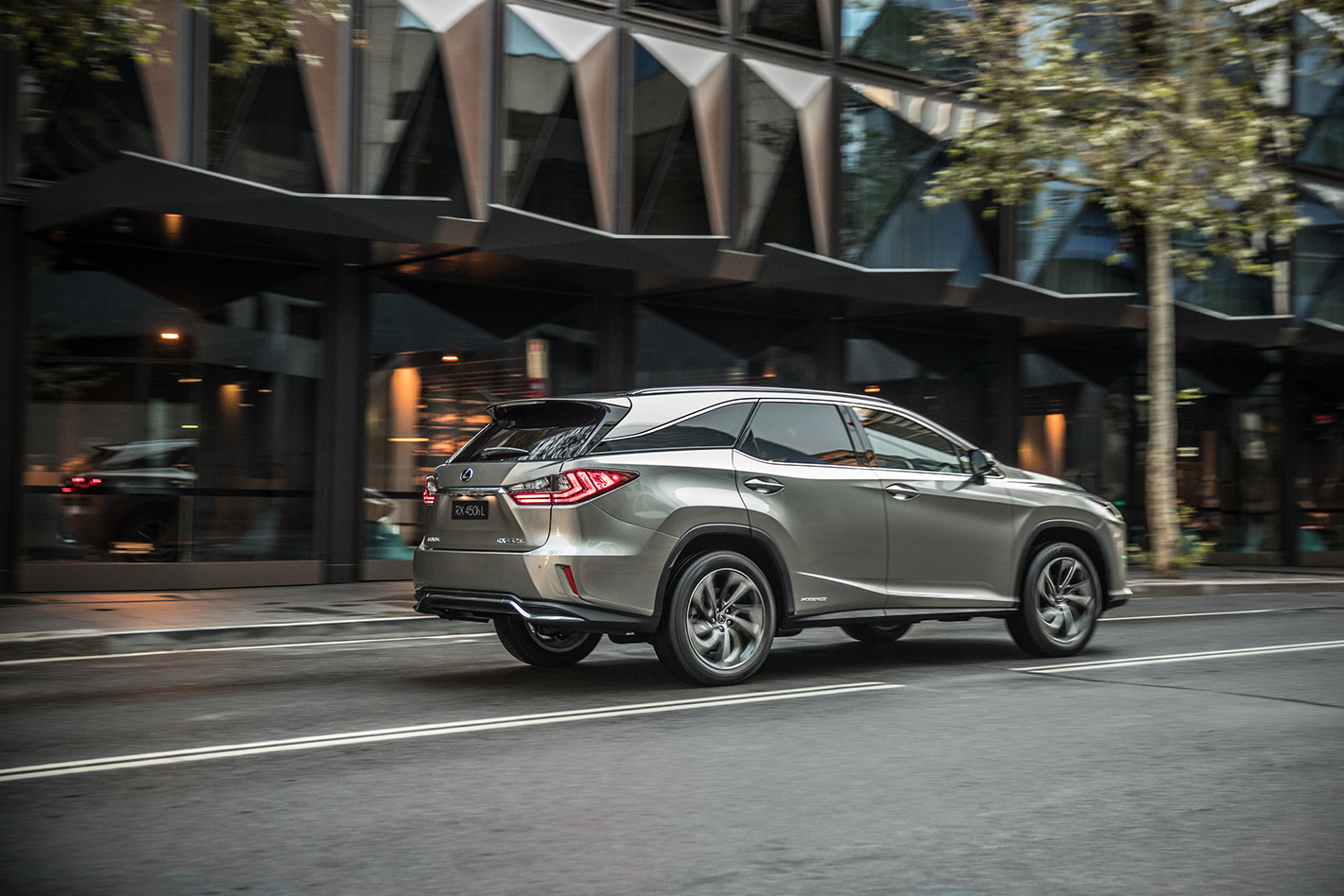
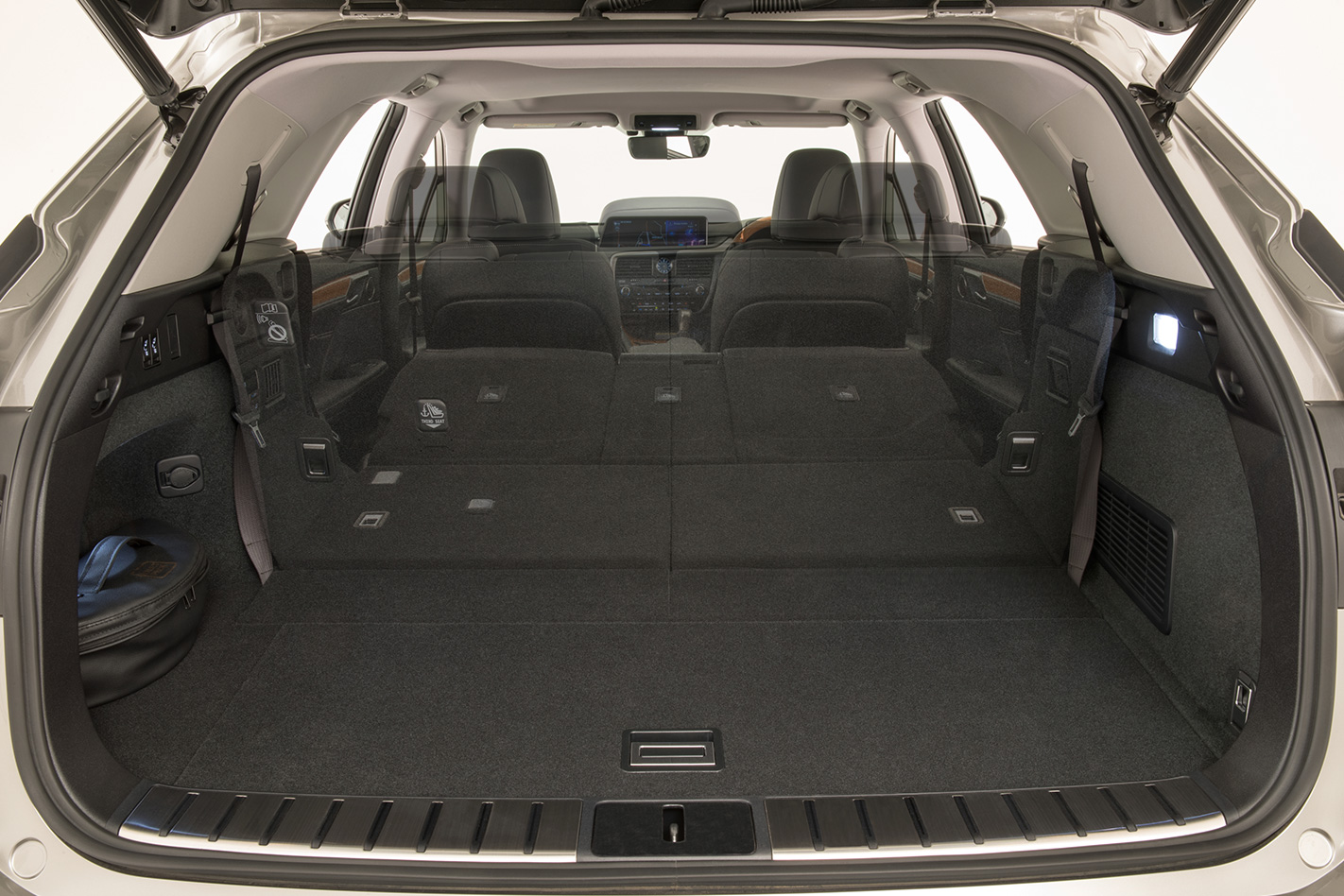
The differences between five- and seven-seater are more pronounced from the second row back. The sliding second row now traverses 45mm further forward to ease access to the third row, and is also positioned higher to improve third row foot room. That said, the second row loses the five seater’s power adjustment feature in the process.
The 50/50 split third row itself features a power folding mechanism, and is equipped with child seat anchorages. Those in the rearmost seats also have their own ventilation controls, with all RX L variants receiving tri-zone climate control as standard. A pair of cupholders is also provided, and Lexus claims the third row should be comfortable enough for people up to 160cm tall. However, to improve durability on the frequently folding third row, those seats are upholstered in synthetic rather than the genuine leather used on the other pews.
With the third row stowed, the RX L offers 432 litres of cargo space. Seats up, that falls to 176 litres – a figure Lexus says is still sufficient for a large pram.
Safety wise, the RX’s AEB system can now detect pedestrians as well as vehicles, while the curtain airbags have also been extended to cover the L’s third row. In all, the RX L sports 10 airbags around its cabin.
Powertrains undergo few changes, though space constraints see the RX350L sport a single- rather than dual-exit exhaust, with peak outputs dropping slightly to 216kW/358Nm as a result.
The RX450hL hybrid generates 230kW, meanwhile, but goes without fuel-saving plug in hybrid capability. Claimed fuel consumption for both powertrains is slightly higher due to the seven seater’s extra mass, with the RX350L consuming 10.2L/100km and the RX450hL drinking 6.0L on average.
PRICING
The 2018 Lexus RX seven seat range is now on sale, with pricing as follows:
- Lexus RX350L Luxury – $84,70
- Lexus RX450hL Luxury – $93,440
- Lexus RX350L Sports Luxury – $101,500
- Lexus RX450hL Sports Luxury – $110,240
A SPORTIER, more exciting version of BMW’s compact i3 electric car has gone on sale in Australia, with more power, torque, width, functionality and driver appeal.
It’s called the BMW i3S and it joins the i3 range as part of the model’s mid-life facelift, fleshing out the line-up to four variants, with battery-only and range-extender hybrid versions of each version.
The i3S has greater outputs, up by 10kW and 20Nm to 135kW and 270Nm. Acceleration to 100km/h from zero takes 6.9sec for the i3S BEV (7.7sec for the REX), and the 80-120km/h overtaking sprint takes 4.3sec – or, as BMW will tell you, quicker than an M4 Competition… in fifth gear.
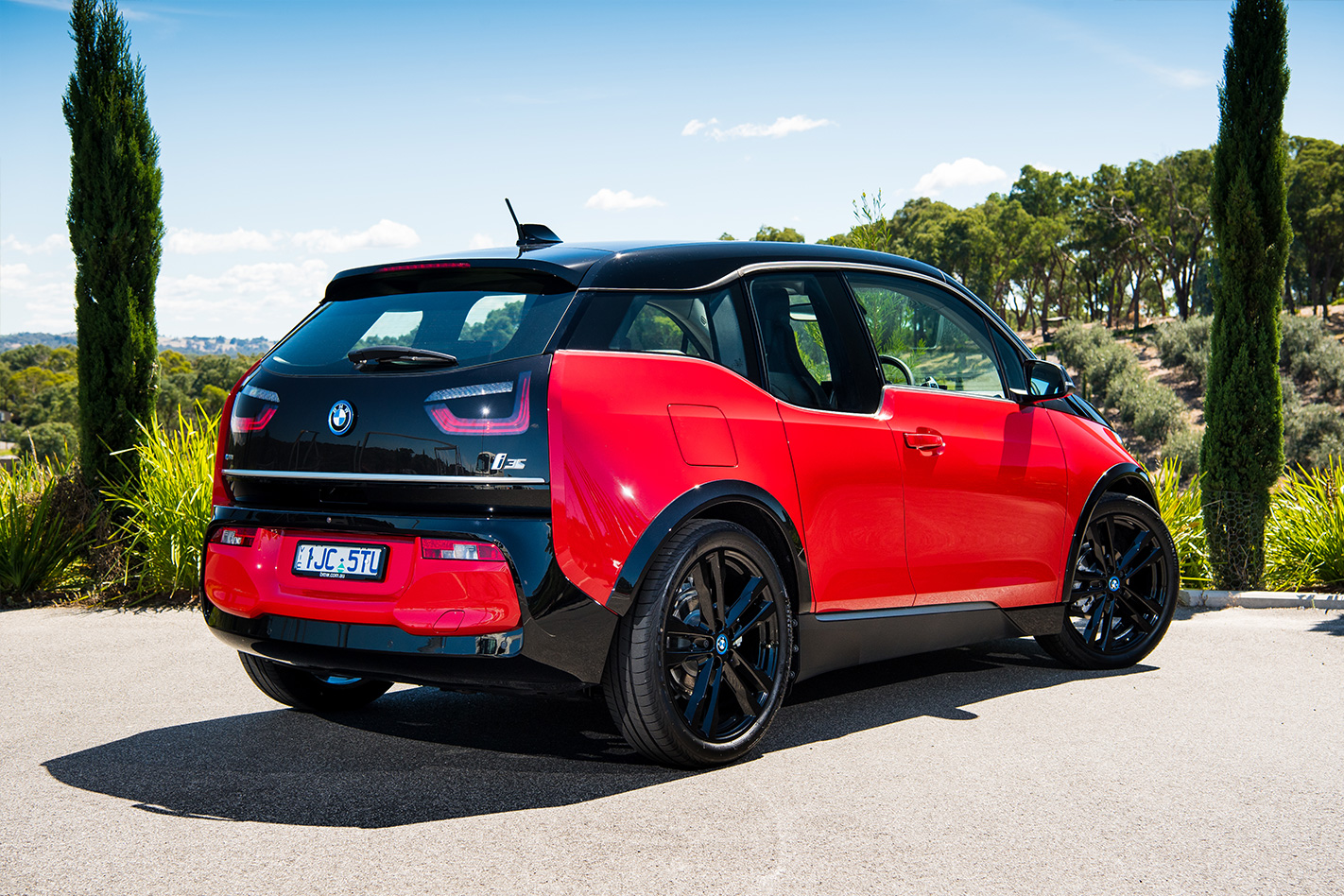
Distinguishing the i3S in traffic are its 40mm wider wheel-arch flares, which sit over the car’s 40mm wider rear track. Its tyres are also 20mm wider in all corners and run on 1-inch larger wheels – 175/55R20 front and 195/50R20 rear. Standard sports suspension lowers the i3S by 10mm, much like the M Sport option on many in BMW’s non-electric vehicle range.
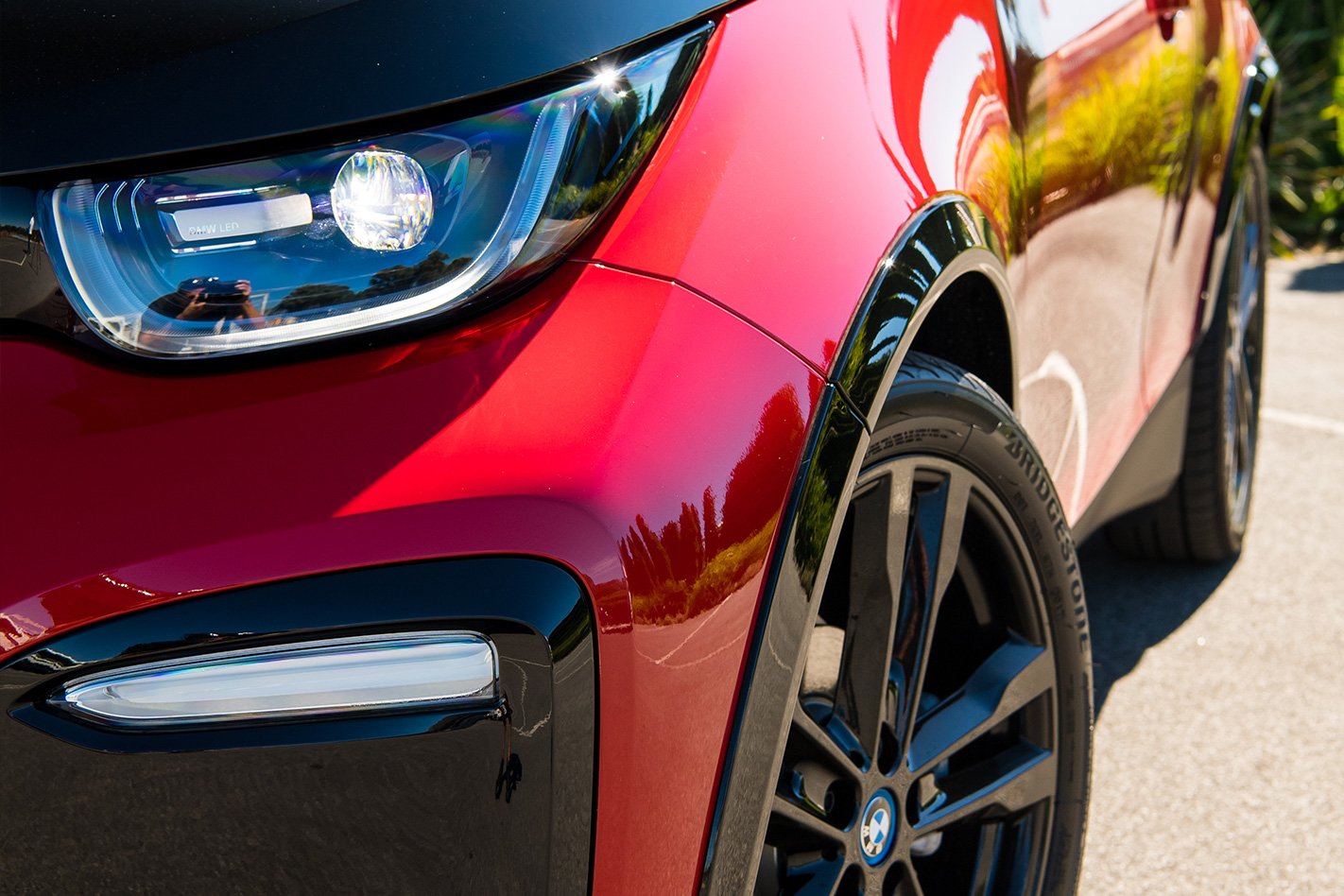
Other exterior tweaks include revised front and rear bumpers and fully LED headlights and indicators. Black paint has now been applied to the A-pillars and roofline, and there are more colours available for the rest of the car including the locally flavoured Melbourne Red.
BMW has also chosen the i3S to debut a revised, faster-acting DSC traction control tune that will eventually make its way across the entire BMW fleet. In this instance the system is “specifically adapted to the electric drivetrain’s requirements” and features a Dynamic Traction Control mode that allows “mild and safely controllable drifts when grip levels are reduced.” The i3S gets a Sport drive mode for the first time, which sharpens throttle and steering response.
Powering all updated i3s is the same 94Ah/33kWh battery introduced to the i3 in 2016, which has about 30 percent more capacity than the version in the COTY-winning i3 launched here in 2014. Claimed real-world range is 200km for BEV models and 330km for REX variants, the latter of which can top-up the battery using a 28kW 647cc two-cylinder petrol generator housed under the boot floor.
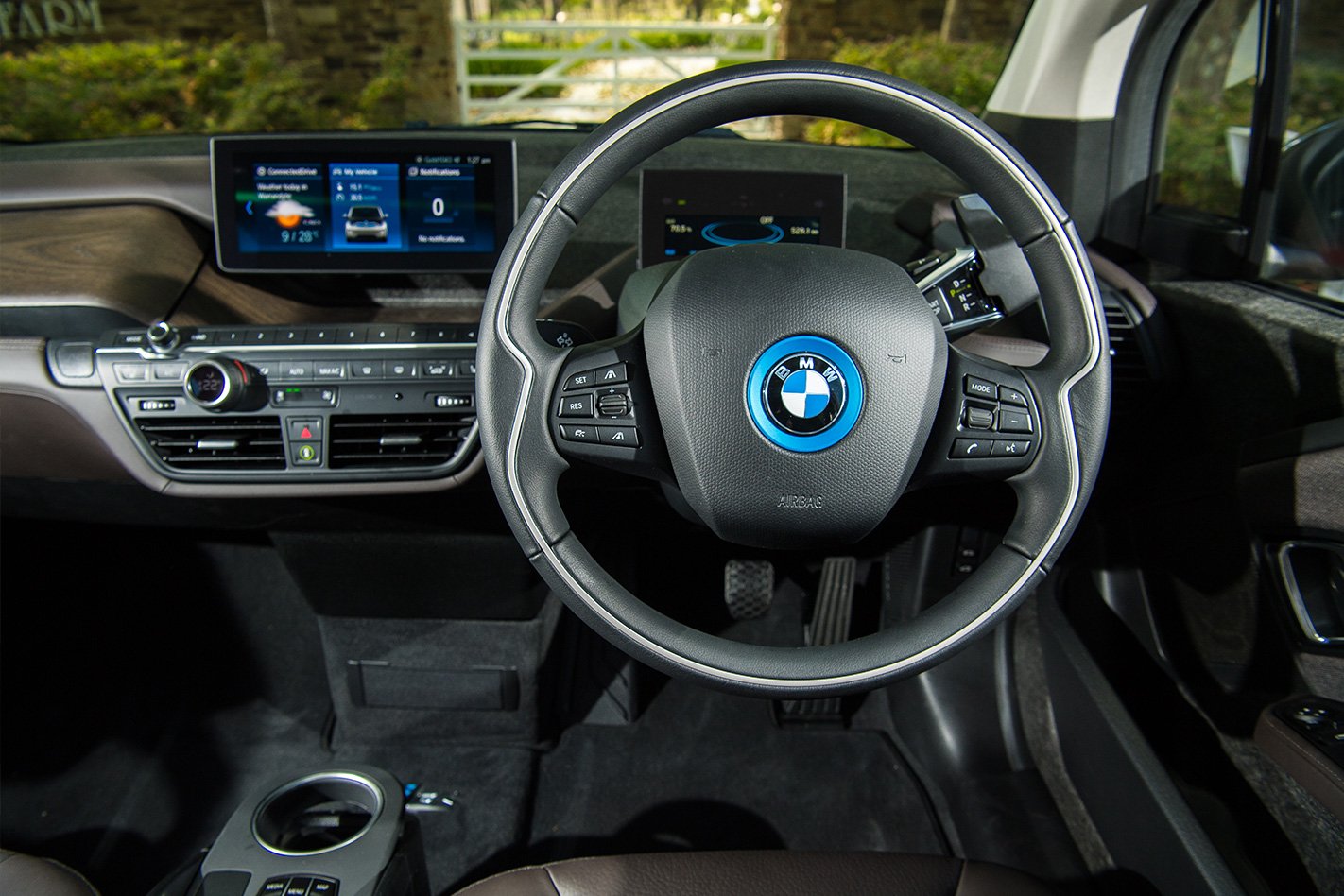
Pricing for the updated i3 range starts at $68,700 for the base BEV model, or pay an extra $1200 to get the i3S BEV for $69,900. REX versions are $74,700 or $75,900 for i3 and i3S respectively. All models are on sale in Australia now.

Fans of rallying, and in particular M-Sport Ford, now have something to do while watching the likes of Sebastien Ogier and Elfyn Evans attack rally stages all over the world.
A small Lego set in the Speed Champions series has immortalised the M-Sport Ford Fiesta WRC in little plastic bricks, 203 of them, in fact.
“The new set includes a choice of wheel trims, two interchangeable bonnets – one featuring spotlights for night driving, authentic miniature race-graphics and a driver minifigure with helmet and racing overalls that can be placed inside the car through the removable windscreen.”
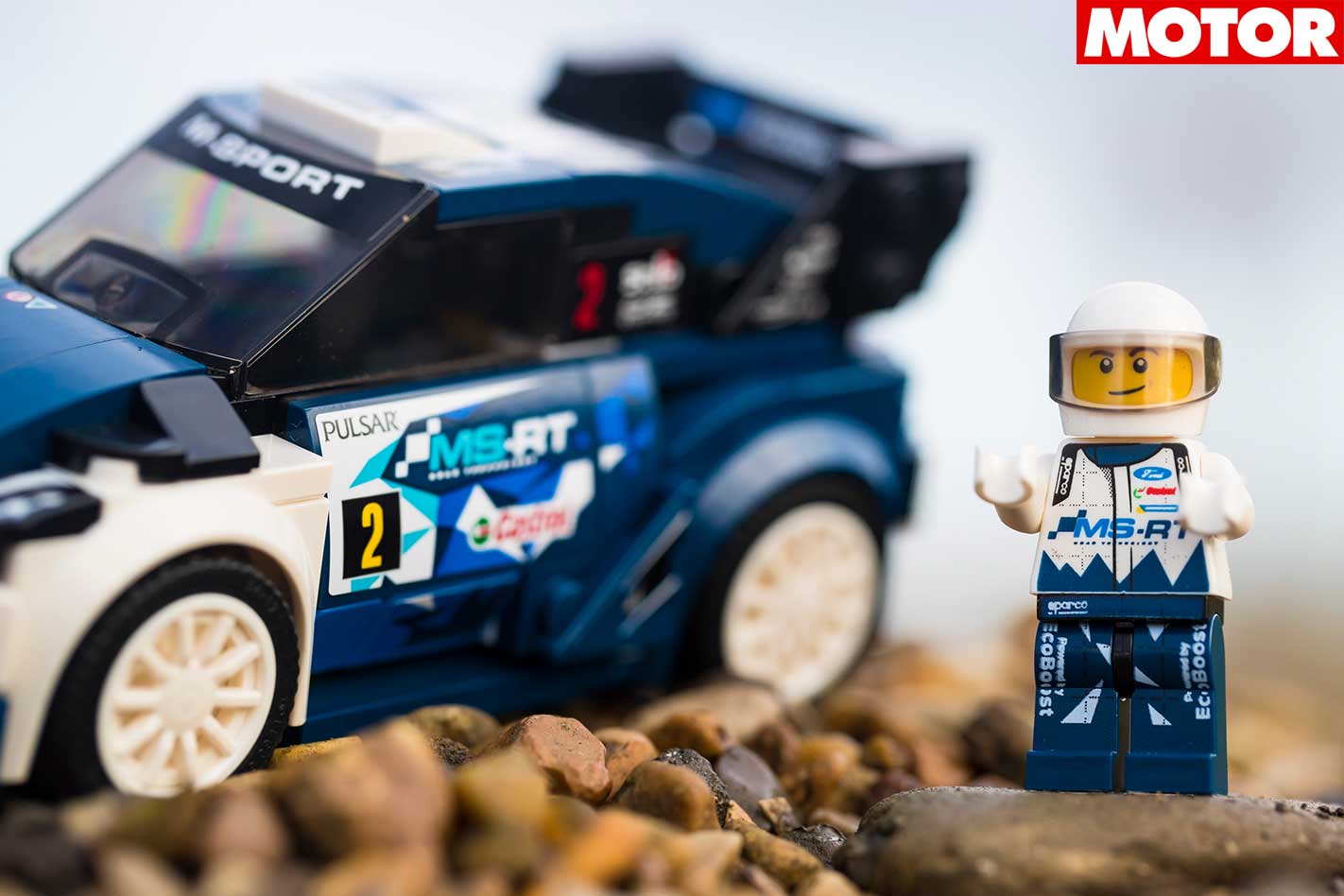
Ford global director of motorsport Mark Rushbrook says Ford is proud to be able to add another model to the line-up of Lego featuring the Blue Oval.
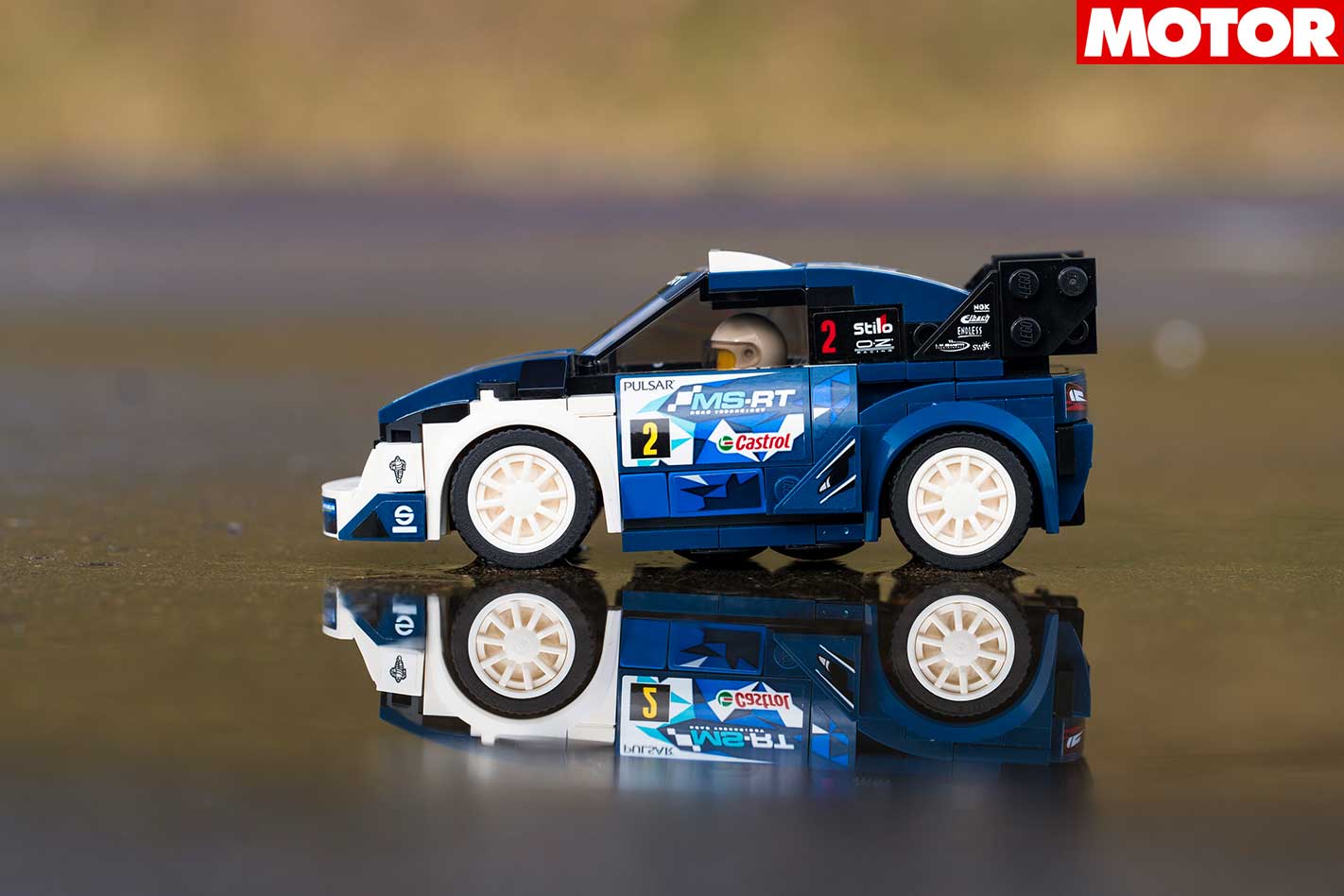
“The LEGO Speed Champions series is a fun way to celebrate the success of Ford cars in motorsport. We hope it will inspire future generations of car designers, engineers and rally drivers.”
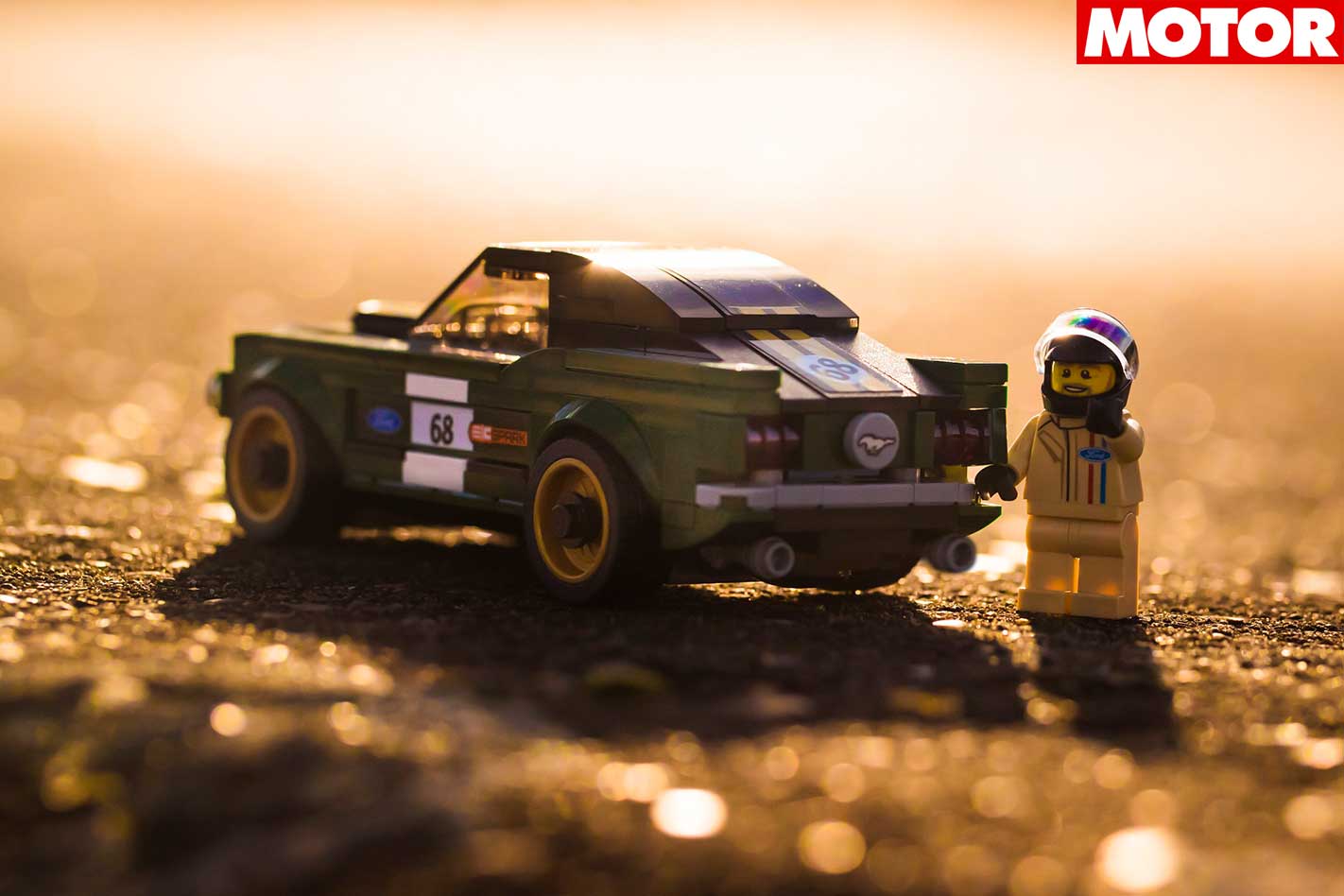
Also in the Speed Champions series from Ford is a 1968 Ford Mustang Fastback, added recently in green with gold wheels (Bullitt, anyone?), along with a minifigure wearing an old-school race costume that looks like it’d suit, say, Steve McQueen?
Lexus and Porsche have topped a US customer survey on vehicle dependability, while Chrysler and Land Rover were rated the worst.
The 2018 J.D. Power Vehicle Dependability Study marks the 29th year of the survey. This year it measured the number of problems experienced per 100 vehicles (PP100) during the prior 12 months by the original owners of 36,896 2015 model year vehicles.
The survey focuses on US customers, but has often been seen as a barometer for the reliability of car makers worldwide.
The industry average in the 2018 survey was 142 problems per 100 vehicles, an improvement of nine percent over 2017, and the first time the industry score has improved since 2013. The mass-market average was 143 PP100, while the luxury brand average was 136 PP100.
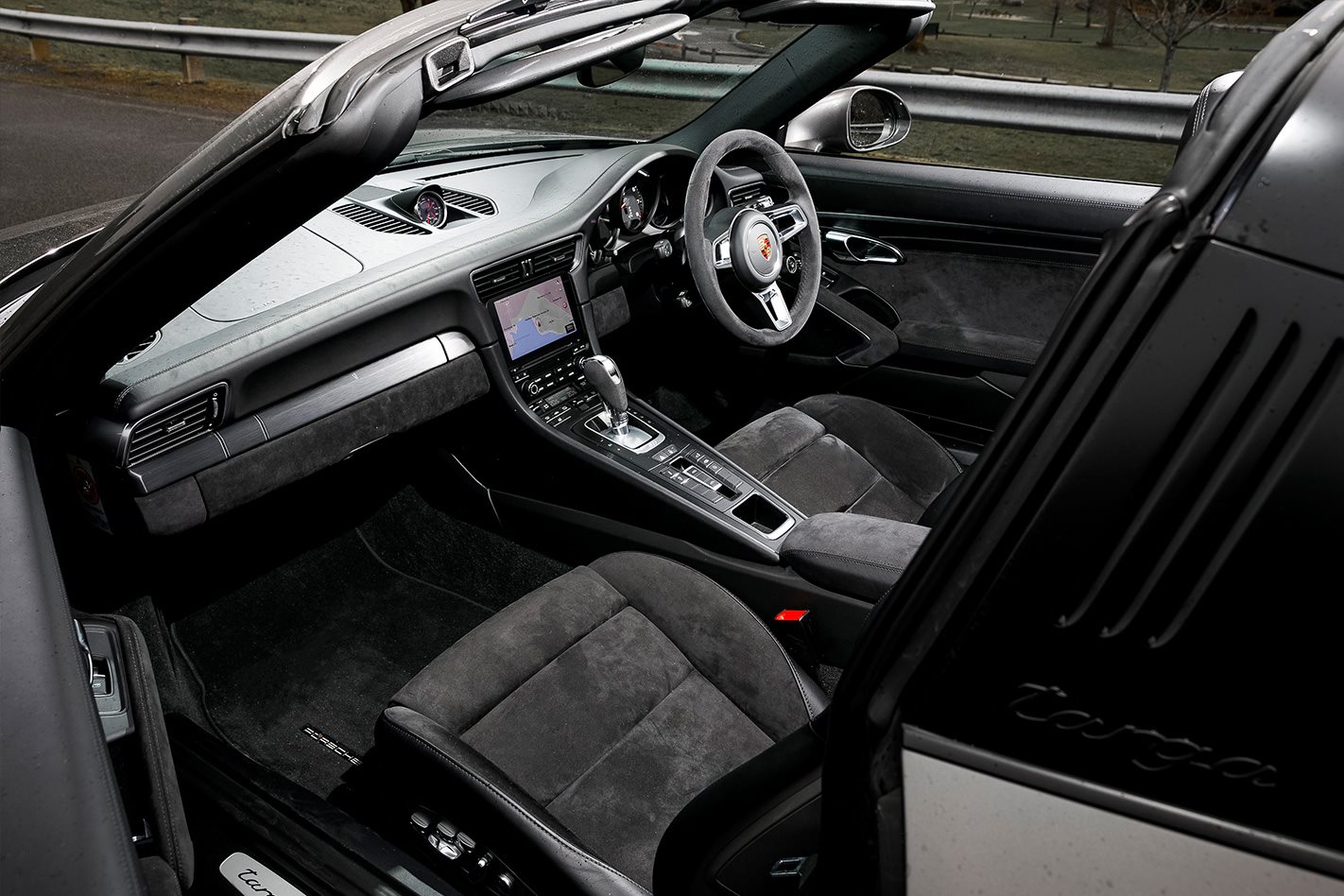
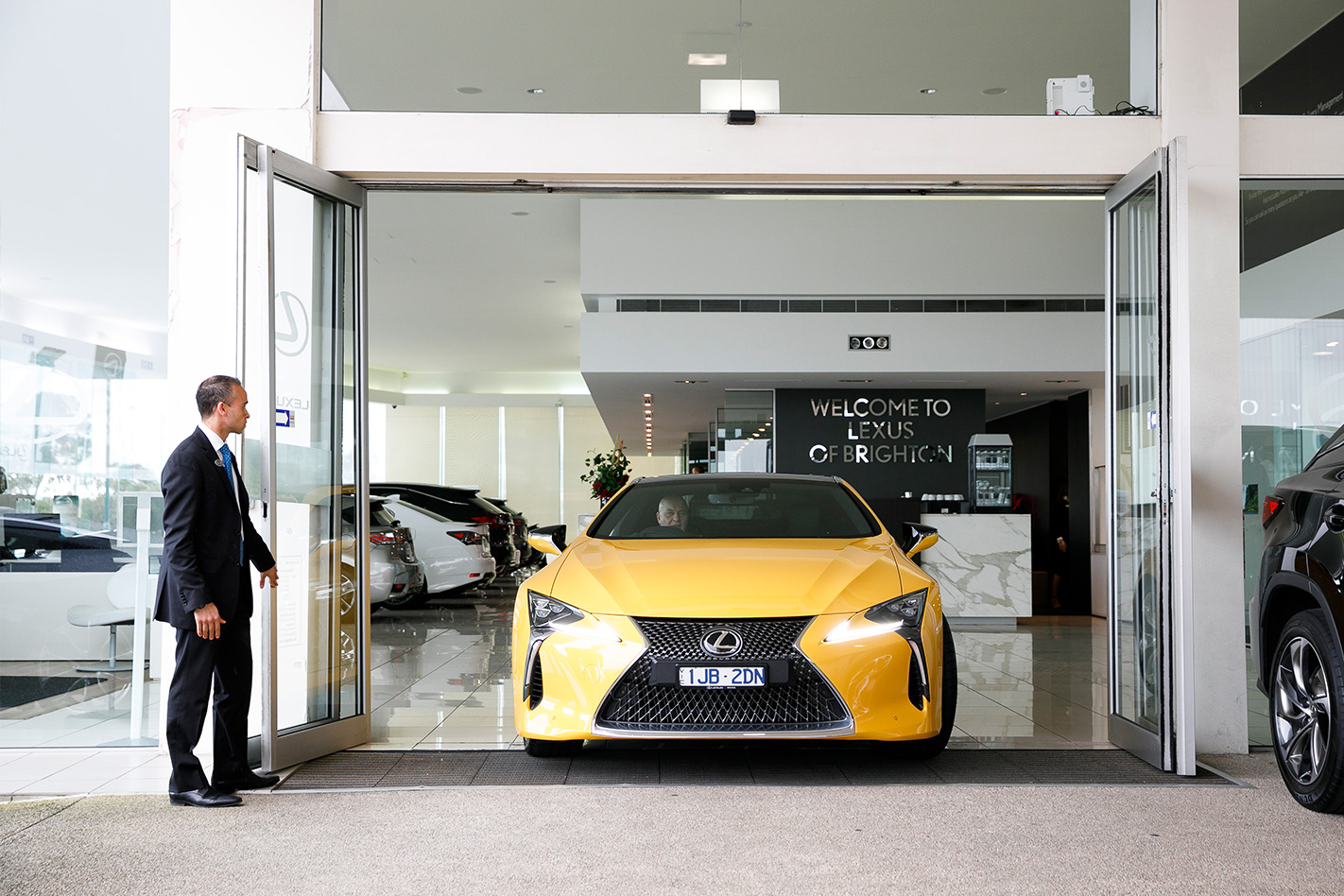
Lexus scored 99 PP100, just ahead of Porsche which was reported to have 100 PP100. Third overall, and first for mass-market manufacturers was Buick, with 116 problems per 100 cars.
Rounding out the top five was Infiniti (120 PP100) and Kia (122 PP100).
The study found in-car technology continued to be the most problematic across the industry with infotainment systems (audio/communications/entertainment/navigation) receiving the most frequent complaints. The two most common problems reported by owners were built-in voice recognition (9.3 PP100) and built-in Bluetooth connectivity (7.7 PP100).
“For the most part, automotive manufacturers continue to meet consumers’ vehicle dependability expectations,” said Dave Sargent, vice-president of global automotive at J.D. Power.
“A nine percent improvement is extremely impressive, and vehicle dependability is, without question, at its best level ever. For people looking for a new or used model, now is a good time to find that special vehicle.”
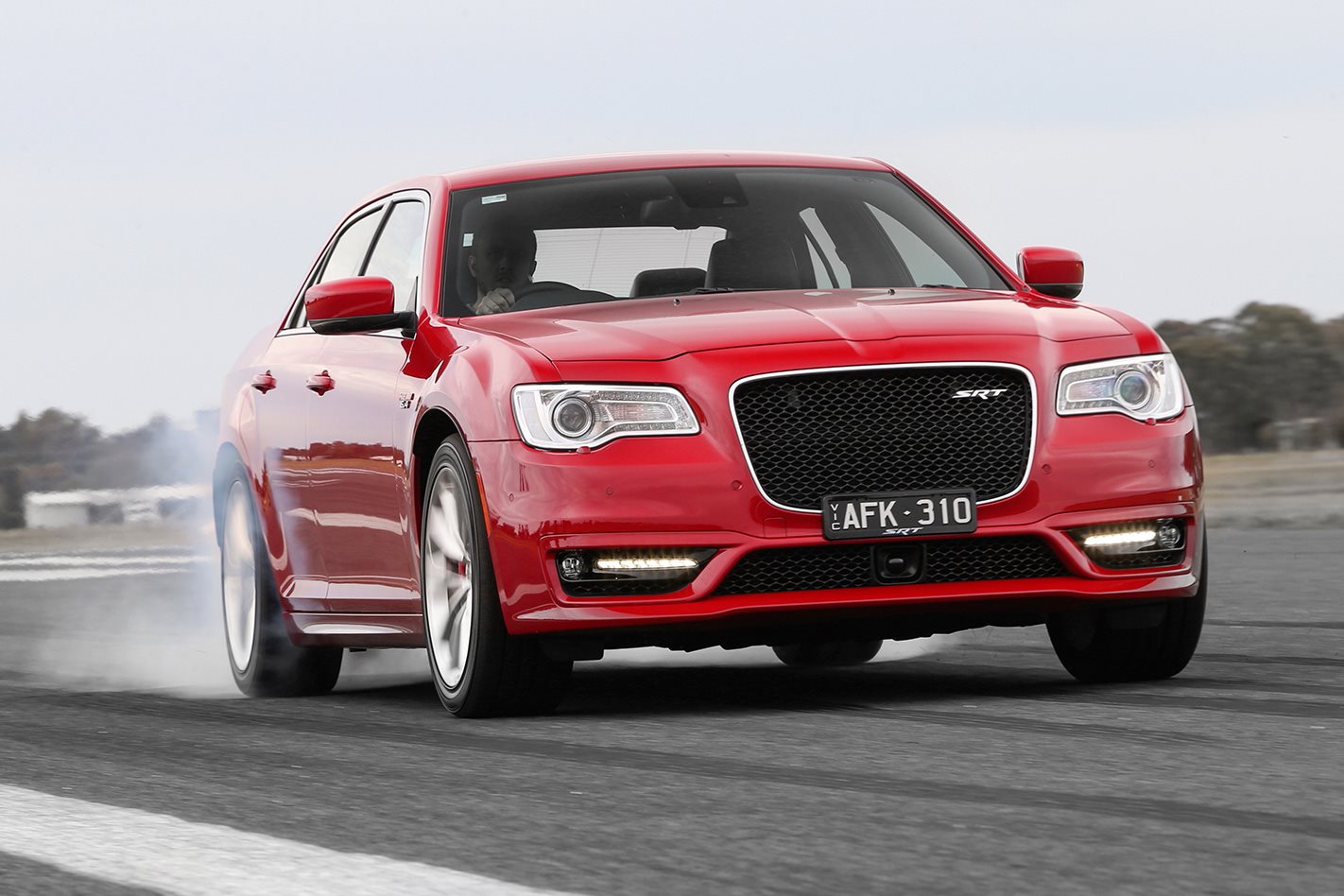
At the opposite end of the spectrum was Chrysler, which was rated as the least dependable manufacturer by customers with 211 PP100. Land Rover wasn’t far ahead, with 204 PP100, while Fiat (192 PP100), Jeep (188 PP100), and Cadillac (186 PP100), rounded out the bottom five.
J.D. Power has recently started surveying customers in Australia, with Hyundai finishing at the top of a 2017 Sales Satisfaction Index, ahead of sister brand Kia, and Holden and Ford.
