
IT’S EASY to be cynical about the latest ZB Holden Commodore.
We read your comments on social media, on email and on the Wheels website and the message is clear. You’re going to take a lot of convincing that the ZB Commodore is anything but an Opel Insignia wearing different badges.
You’ll be able to gain a little more perspective on that in the forthcoming issue of Wheels, where we get a rare opportunity to drive both the Opel and Holden specification cars and, without issuing too much in the way of spoilers, the difference is a real eye-opener. So just bench the salty barbs for a moment and give these gents the opportunity to state their case.
The Australianisation process the ZB Commodore has undergone is real and it touches virtually every dynamic aspect of the car. Initial concept, design, ride, handling, sound, powertrain response and the final finessing of range development, pricing and promo all bear a significant imprimatur of Straya about them. So here are some of the key players to explain that process.
Richard Ferlazzo – Design
GM Australia’s Design Director doesn’t pull any punches when he describing the design process of the ZB Commodore. “The home room for the vehicle was the Opel studio in Russelsheim,” he says unequivocally. “Nevertheless, being a global project, we are one of the main customers for this vehicle, so your voice is heard. It’s a collaborative process.” He then pauses and makes probably the most telling comment. “If we’d done it ourselves, it would have evolved into something like this, regardless.”
Let that one sink in for a bit. Even if Australian local manufacturing was still going, this – or something very similar – would have been the layout of your 2018 Commodore. And if recent GM comments are to be believed, there was a very real chance that this car would have been built in Elizabeth.

At this point he pulls out a dimensional overlay and starts rat-a-tatting the differences between the ZB and the VF. He’s clearly enthusiastic about the packaging of the latest car. “It’s very, very similar. The wheelbase is a bit shorter because it’s a front-wheel drive platform. We’ve aligned the hip-point for the front occupant as a datum point which is a pretty cool packaging thing for us. The couple distance – from front to rear occupant hip point to hip point.”
I ask how the internal packaging can be the same despite a shorter wheelbase. “The ball of foot to front wheel [distance] is different,” he explains, basically highlighting how the transverse engine of the ZB allows the driver to sit further forward in relation to the front wheel. Ferlazzo’s not finished. “The front passenger space is virtually identical to VF,” he explains.
“The 36mm of width has been taken out of centre console, but the seat size and elbow room is identical. We haven’t compromised on interior storage either, because the centre bins are so much deeper,” he continues. “Diagonal headroom – and that’s a very important number because it’s the perception of space, whether the front pillar is crowding you, is identical to VF. Front headroom [on ZB] is actually more,” he notes.

“We ran a tracer model where, which is a full-sized clay model replicating the clay model in Opel’s studio, and we were checking for our requirements. There were certain requirements that we had, such as approach angles in particular. German roads are a bit better than ours, so we had a minimum height. They wanted lower, so we came to a compromise,” he smiles. It was clearly a hard-won compromise.
He’s happy with the result though. “I like to say that this car hits the sweet spot between the VT and the VE; the definitive Commodores of the modern era,” he says. What’s more, things are anything but winding down for his department. “I have 150 people in my staff. If anything, that’ll probably grow,” he says proudly.
“We’re one of GM’s global design studios. We’ve been doing this a long time. With Opel going, ours is now the oldest studio outside of North America. There’s a sister studio in South Korea and three studios in China. Our design department is responsible for three streams of business: we continue to design production cars for all of General Motors, including Holden.
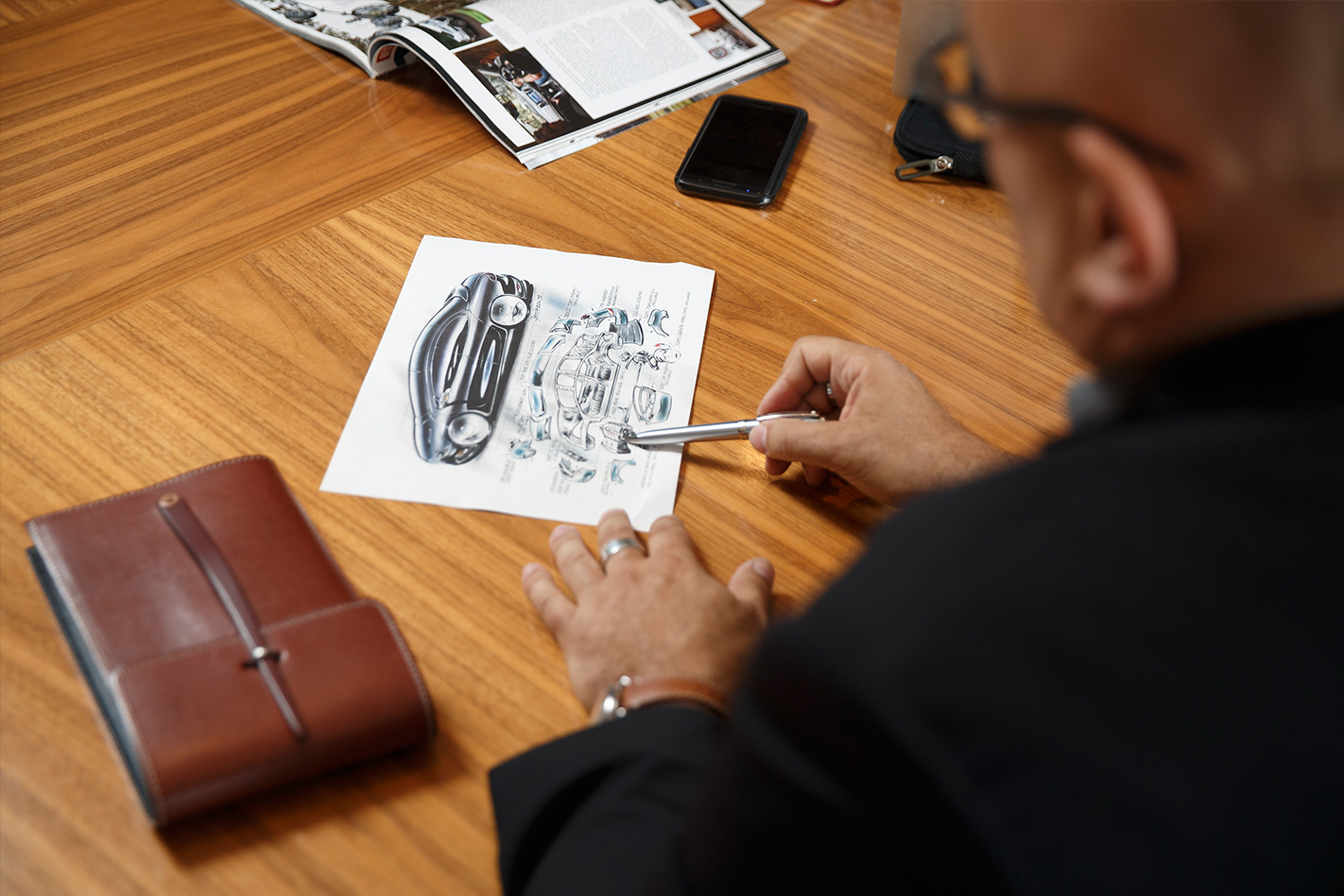
In other words, don’t expect a fire sale of the design assets anytime soon.
Spend any time with Ferlazzo and you soon start diverging off onto fascinating tangents. When asked whether he felt the liftback ZB would now cannibalise the chances of its wagon sibling, he lifts the lid on an old VE project.
“When we did VE we actually built a model of a VE hatchback and cliniced it because we were tossing around different vehicle architectures, and it actually cliniced quite favourably. Had about a 50:50 split where people were favouring the hatch over the sedan,” he smiles. “It was more expensive to do at the time and because we had the Sportwagon coming, we had to settle on one body. The Sportwagon was a hugely successful thing. As sales of Commodore declined, the proportion of wagon sales actually increased. What enabled that was that previously we used to use the long wheelbase for the wagon, and they looked a bit like a hearse.

All too soon, we’re being given the nod that our time is up. It’s clear that GM Design Australia doesn’t feel it’s been handed a pup with the latest car. That’s a good initial omen.
Dave Johnson and Jeremy Tassone – Vehicle development
Such were the length of the planning and development schedules around the ZB Commodore that the car was decided on before it was known where it was going to be built. Vehicle development manager Jeremy Tassone takes up the story:
“Around six years ago, or even earlier, we asked what we’d replace the Zeta [platform] Commodore with. We weren’t even aware of where it would be manufactured. Right back then we went through six different scenarios of what the vehicle might have been. It was narrowed down to three options and quickly from there we knew it was going to be based on the Epsilon II architecture: the Opel version,” he says.
Lead development engineer Dave Johnson weighs in. “Once we got the physical cars here, there are two big pieces of engineering work done here; the chassis tune that Rob Trubiani did, and a fair bit of verification work.” That work was undertaken at Lang Lang and on local test loops.
Before any of that happened, the dev team had to fight for what they wanted. Germany and Australia, they discovered, didn’t always have corresponding requirements. “It was important for us to have a large, naturally-aspirated engine for this car and we wanted the all-wheel drive system and the nine-speed auto. It’s a big thing to add powertrain content to a vehicle,” says Tassone.
“Once we’d shown the performance we’d get out of the V6, Buick said that it really suited them for their flagship as well. They were going to go ahead with the four-cylinder but then they decided that if it was available, the V6 met their requirements too.” Getting Buick onside was key to getting the six-pot over the line. Australia’s demand alone wasn’t enough on that count.
“Yes, the Europeans are really good at ice and at dry bitumen,” continues Tassone. “There’s a whole area in the middle that’s less critical for them. We’re not encouraging people to go rally driving, but here in Australia, you’ll come round a corner and find gravel litter in the road. The way the Europeans tune it, they let it get loose and then grab it. We prefer a more linear tune.”
Tassone feels that the damper tuning and steering recalibration were the Aussie team’s biggest achievements. “As a result, it’s an easy car to drive quite swiftly. Transmission calibration, noise and vibration that we’ve worked on, the tech we’ve worked on – it’s not in your face and makes the car easier to live with,” he says.
The transmission was initially a source of some consternation.
“Being in the wrong gear, having shift busy-ness; they’re the things I was really concerned about. As a nation, we like our transmissions to feel different to other regions. Some regions don’t want the transmission to hang on to a gear ever – they always want to be in the highest available gear,” explains Tassone. “That’s why we have different transmission calibrations for Europe and North America. We also drove exhaust changes. The V6 has a bit more character, a little bit of a bark. We got better flow out of the exhaust for better response and it feels livelier and sounds better.
The VXR’s sound symposer also needed some fairly fundamental re-work, Holden flying in Bose engineers to completely rework the system. “The thing about sound enhancement is that if customers notice it, we’ve done it wrong,” says Johnson. “It’s meant to be subtle. The first thing we did with the European calibration as to tone it right down. The Bose setup sounds like you’re just adjusting the tone control on your stereo. It builds on something that’s already there, like putting a signal through an amplifier and adjusting the tonal levels.
I have to ask about the rumours of a forced induction V6. The engineers are quick to pour cold water on either developing a system in-house or the efficacy of an aftermarket solution.
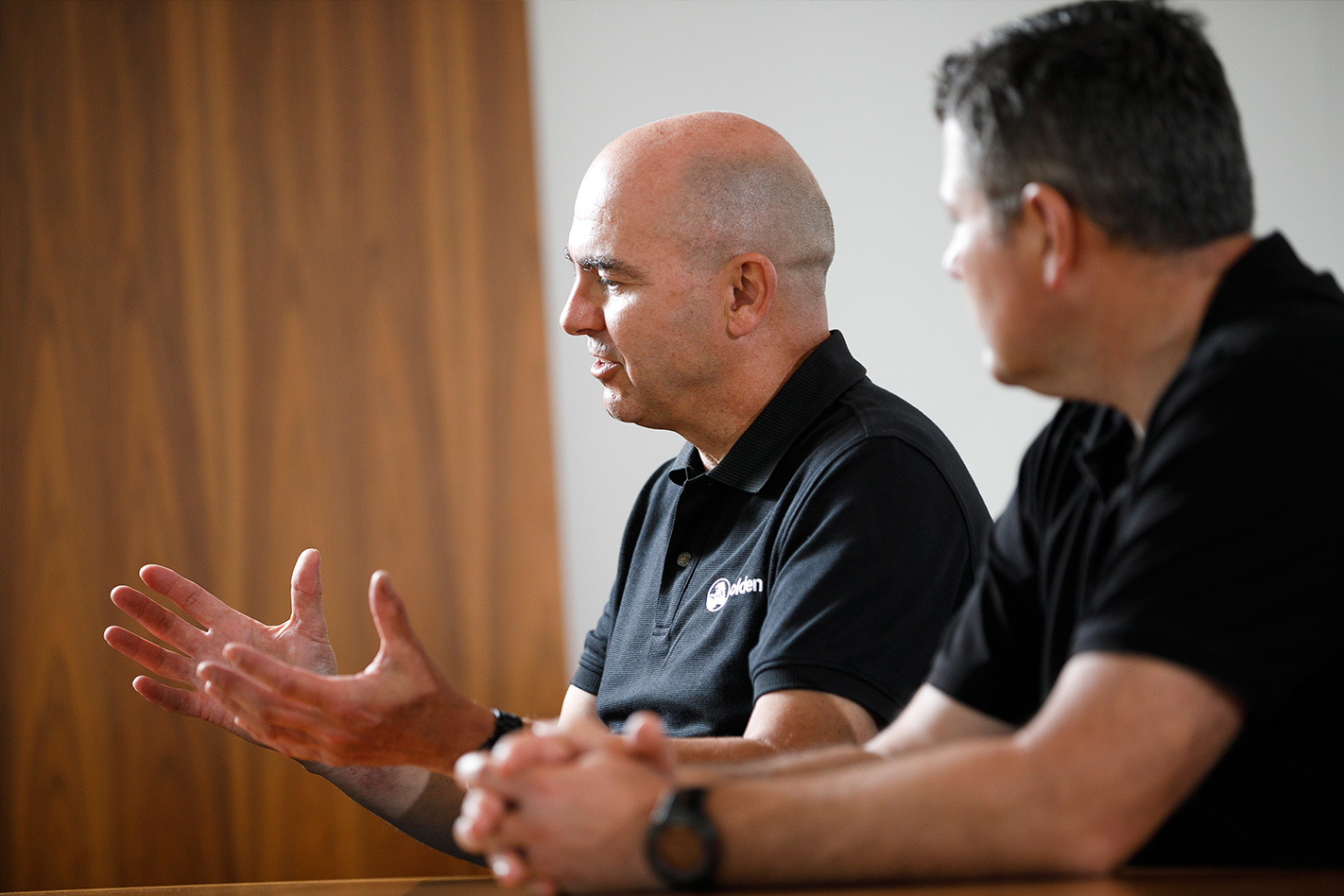
Rob Trubiani – Chassis development
Trubiani’s the man who is the ultimate arbiter of how a Commodore ZB should drive. That’s one heck of a responsibility. “The history of the Commodore isn’t lost on me,” he says. “I wanted to make sure the car delivered what a Holden Commodore should.” A Holden man since he left university, Trubiani’s following a well-worn groove. His father worked for the company for decades prior, so it’s fair to say he’s steeped in the brand values.
But while understanding the requirements were fairly straightforward, achieving those ends proved anything but. “From when you get those cars, the timing is quite tight, so you have to work aggressively,” he says. While the all-wheel drive system offered all manner of options in terms of chassis tuning, it also massively increased the complexity of his task.
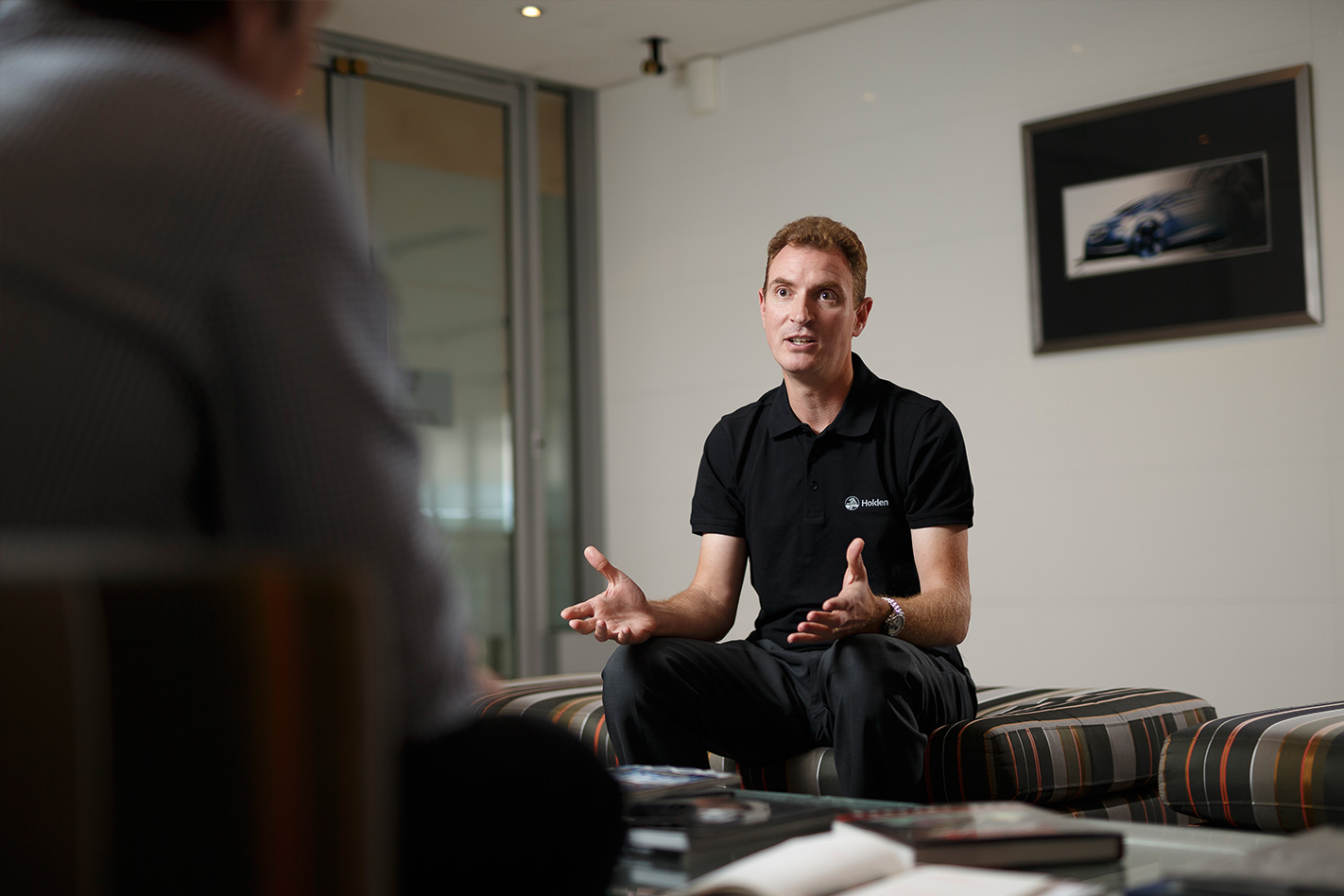
It’s not just the Twinster all-wheel drive system that needed calibration. The permutations of suspension and steering settings saw Lang Lang’s overtime budget take a leathering.
“The cars that are running HiPer strut front suspension run one steering calibration, says Trubiani.“The VXR is unique with three modes; tour, sport and VXR each have their own cals. All of the V6s run one steering cal with a separate sports mode. Then all of the front-wheel drive cars have their own unique steering cal that’s shared with the Country Tourer, the Calais V and the Calais touring wagon because they run a MacPherson strut front suspension system,” he says. The task is clearly huge.
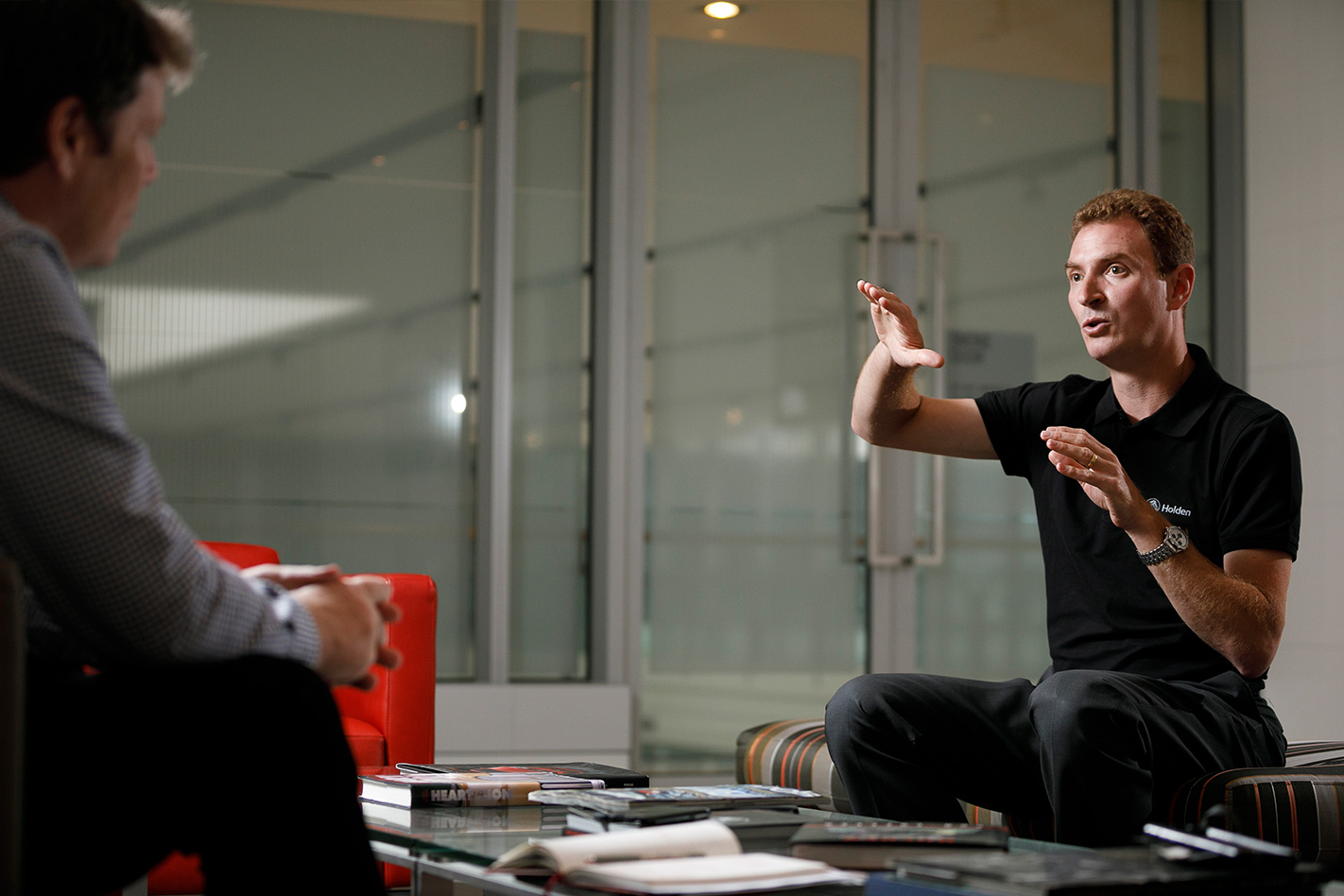
Chris Miles – Marketing
Interviewing any marketing guy usually ends up with a long recording with little of any publishable quality on it. Miles is different. He arrives at the interview in his Commodore VF Motorsport Edition. Good start. Anyone who forks out extra for better brakes and suspension is probably our kind of guy. Like Trubiani, he’s another who followed his father’s footsteps through the gates at Holden.
“I moved into the product marketing role looking after Commodore at the end of 2014, just when things were getting interested in terms of scoping the car, what the model line up is, the specifications, making sure the content was right for our audience across all the different trims,” he says, by way of explanation to his involvement with the ZB project.
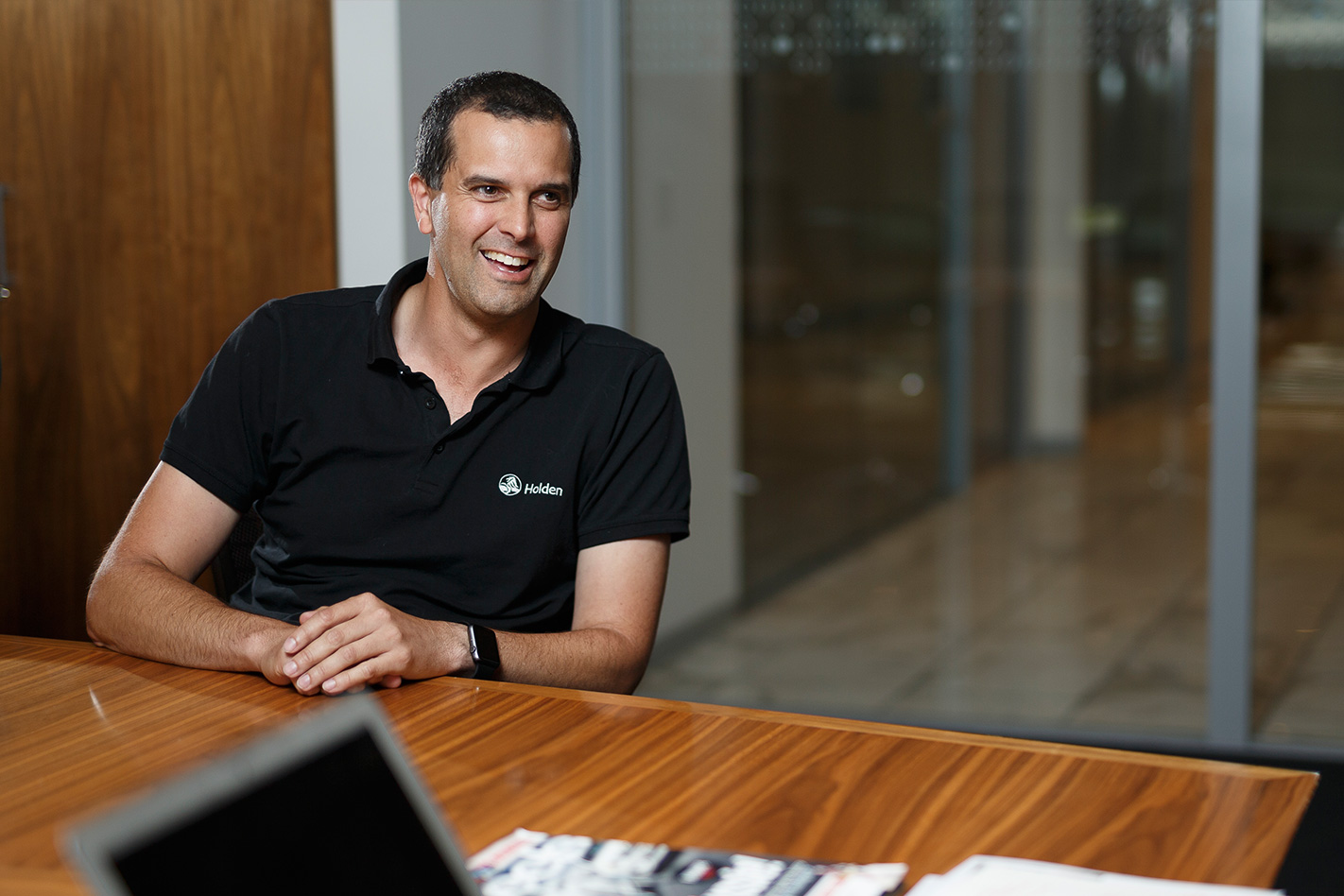
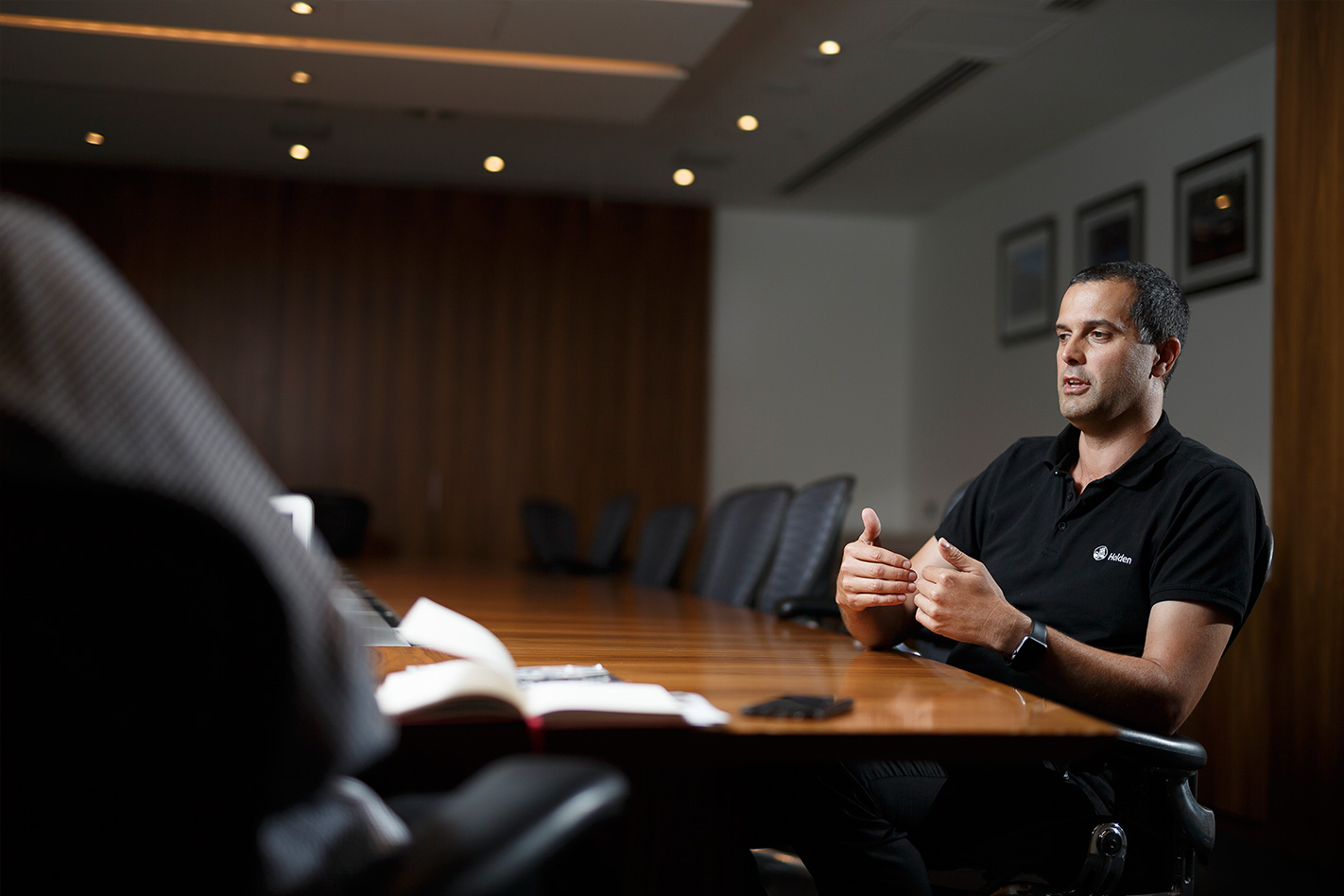
“The Tourer presents us a really good opportunity,” he says, warming to the theme. “In the market, it’s all Subaru Outback. That’s what we’re looking at; people who don’t want an SUV but still want a higher ride height. There’s no diesel AWD in this platform – Opel don’t have it either – so there was no option for this. We don’t have a car that competes with the entry-level Outback, but 60 percent of their volume is their 2.5 Premium and by having our car at $47,990 we’re still a little bit more expensive, but we have a V6 versus a four, 9-speed auto etcetera. Customers will be able to see that,” he says.
He particular likes the chances of the LT entry-level model. “At that price it competes against some medium segment cars. We own the large segment, but the sharp price point gives us a real opportunity to straddle the segments,” he says.
“In the immediate term, we have one diesel engine,’ he says. “There’s a more powerful diesel in Europe but at the moment that’s not on the table. But plans can change. We’ve got one of the youngest portfolios out there, bringing the best cars we possibly can to Australia.”
The Stratos is coming back, but it won’t be built by Lancia.
The ‘New Stratos’, as it has been dubbed, will be built by Manifattura Automobili Torino, or MAT, the crew in charge of the ridiculous Devel Sixteen.
The car is set to be officially revealed at the Geneva Motor Show early next month.
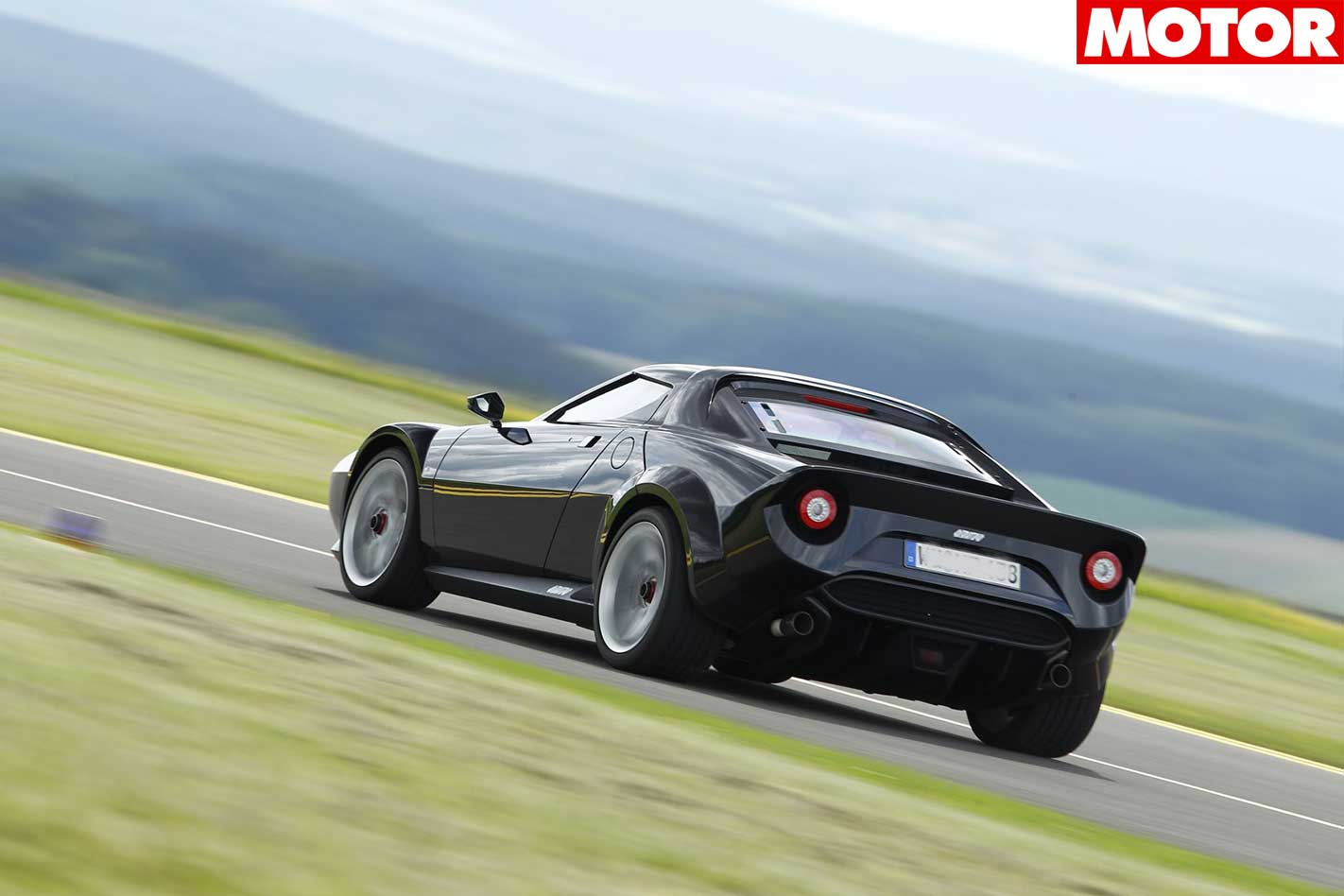
MAT says it will also carry a different brand name, likely just ‘New Stratos’, ditching the Lancia badge.
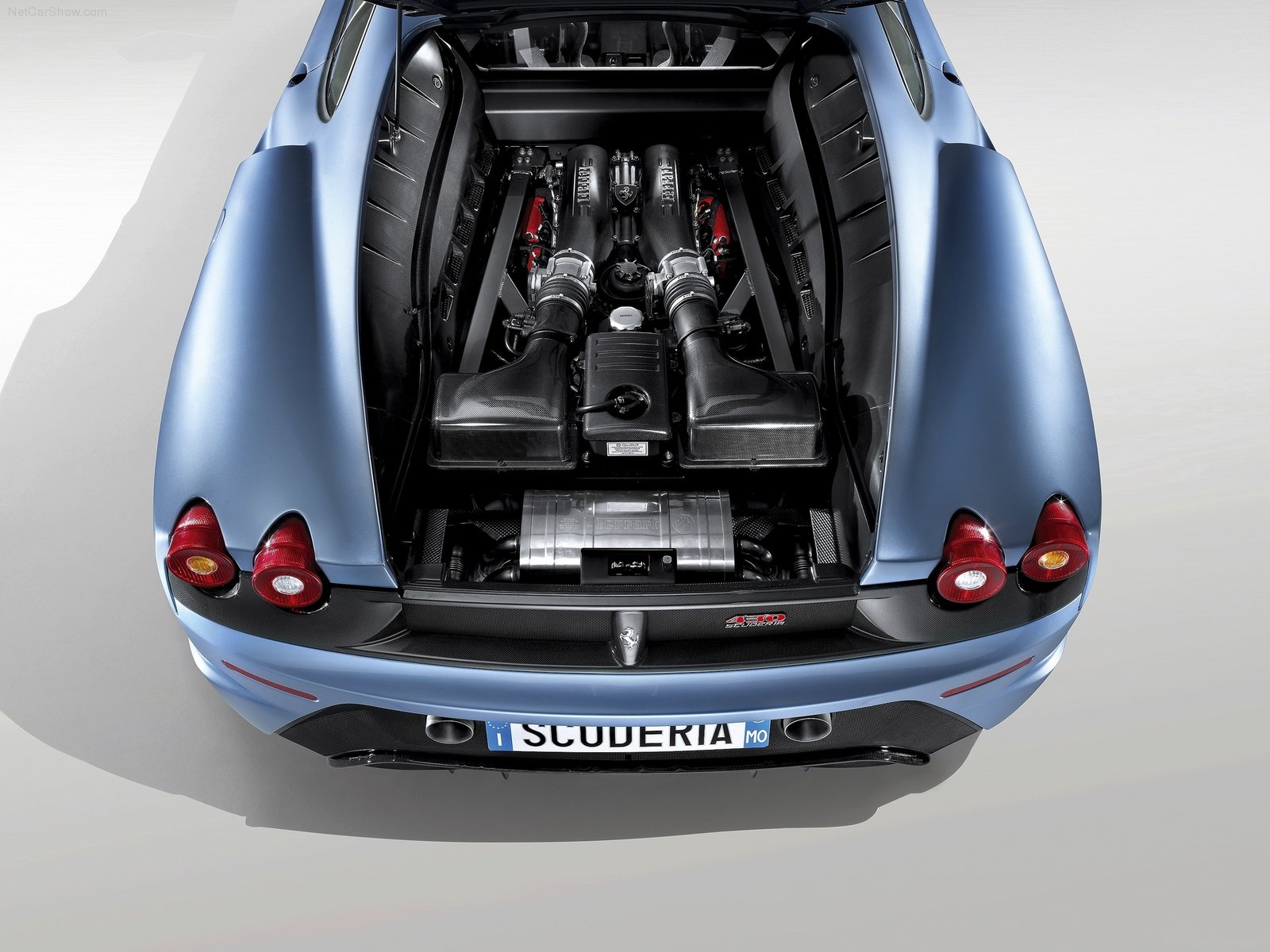
It’ll be powered by the Ferrari’s 4.3-litre V8, producing 397kW and more than 519Nm, while weighing just 1247kg.
Originally developed as a concept by German entrepreneur Michael Stoschek, the New Lancia has been uncertain until MAT took on the task of actually building it.
While the original concept was built by Pininfarina, MAT’s CEO Paolo Garella says the production run of the New Stratos will be delivered with world-class refinement.
“To have the opportunity to build the New Stratos is a great honour and a recognition of the capabilities that MAT has acquired over the last few years.
“Now with the New Stratos we will deliver an extremely refined supercar that can be used every day but also deliver excitement and exhilarating fun on twisty roads.”
MERCEDES-BENZ has singled out hook turns in Melbourne as one of the most difficult challenges its self-driving S-Class faced in a global trial of the emerging technology.
The highly autonomous Mercedes-Benz S-Class limousine travelled to Australia in December as part of a test to see how well the technology would – or would not – adapt to regional differences worldwide. The hook turn – a Melbourne idiosyncrasy that stops cars from blocking tramlines – was one that bamboozled it.

“If you want to turn off right over the tram tracks in this country with left-side traffic you have to move to the outer left lane and first let the traffic straight ahead and the tram pass before you are allowed to turn off right,” Mercedes said in its report of how well the trial went. “The junction can only be crossed if your own traffic light is on red and that of the cross traffic switches to green.
“The sensors and algorithms of an automated and autonomous vehicle must be in a position to detect the ‘Hook Turn’ sign, to comprehend the context of the complex turning procedure and take other road users into account.”
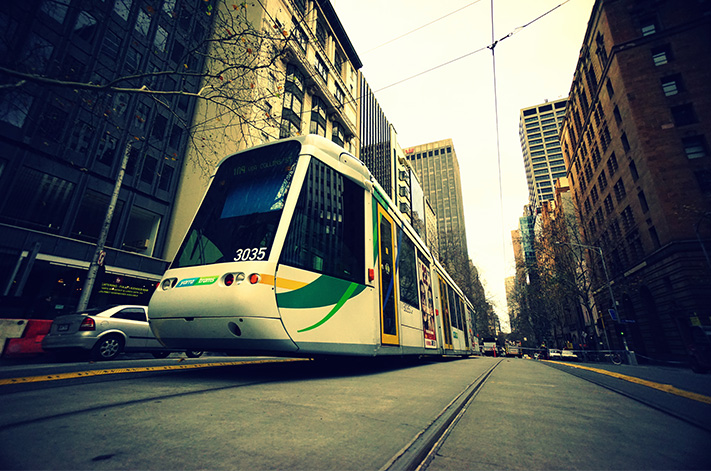
Another distinctly Aussie problem for self-driving cars: kangaroos. “Depending on their posture they have a different shape and are therefore very difficult to identify definitively,” Mercedes said. “According to statistics from an Australian insurance company, kangaroos cause nine out of 10 road accidents in which animals are involved nationally.”
Wheels joined Mercedes-Benz for part of its Australian trial, tagging along for a trip down the Hume Highway – the same setting decades earlier for the now iconic HO Down the Hume feature.

But Australia wasn’t the only part of the tour to bamboozle the infant technology. In South Africa, for example, pedestrians often walk on the road, presenting its own unique problems for Mercedes’ technicians. In the US, the smart cars need to come to a halt when a school bus in front has stopped. In China, stripes on a road could either mean a pedestrian crossing, or the minimum distance that cars should keep apart.
Driverless technology is currently being trialled on Sydney and Melbourne roads to help government set the legal framework needed to allow Australian drivers to take their hands off the wheel and let the technology do the steering. Perth and Melbourne also have trials of autonomous shuttle buses.
Car-makers are rushing to develop largely self-driving cars that some predict will be joining our roads as early as late next year.
WHAT IS IT
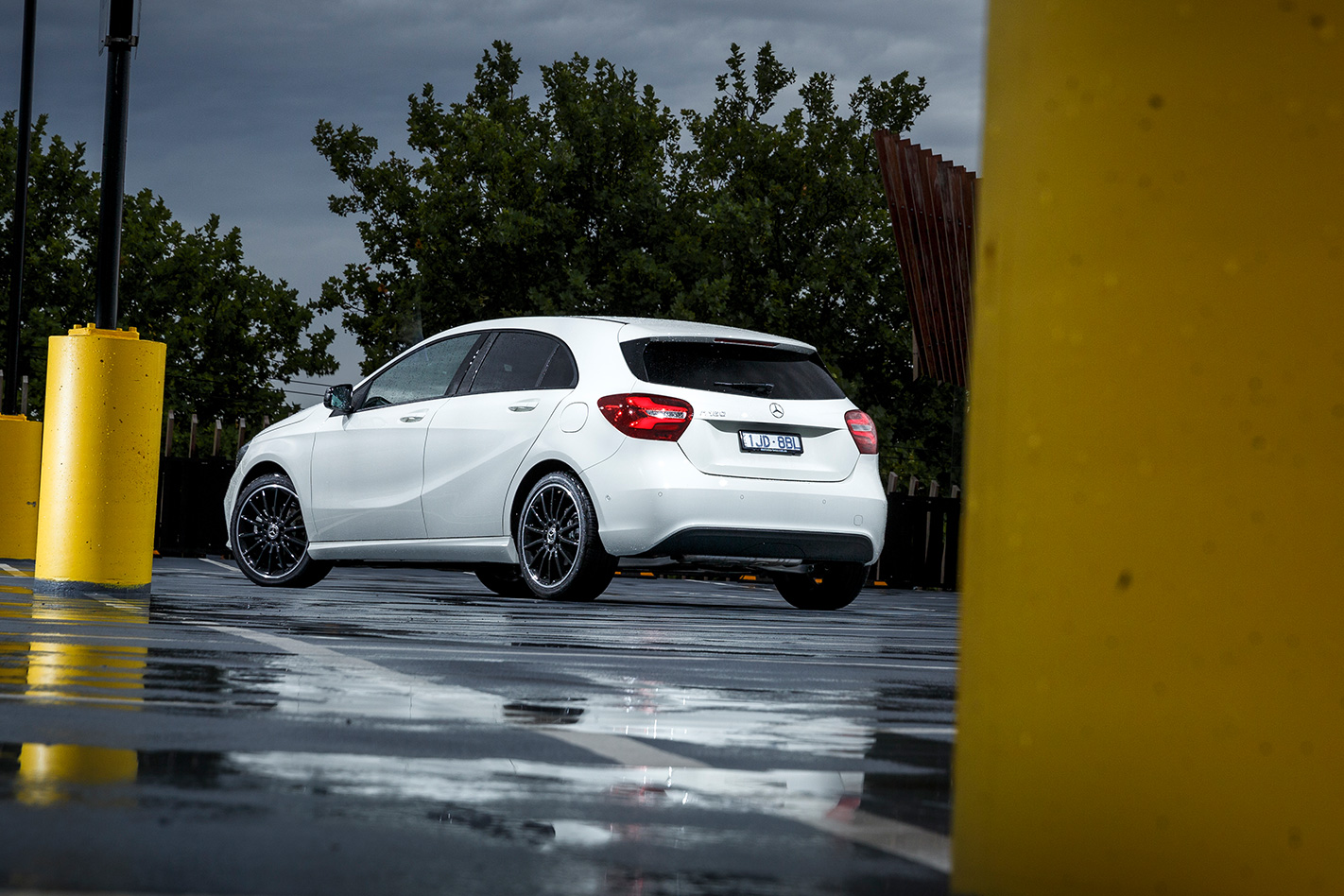
The third-gen A-Class is about to make way for an all-new model, so Mercedes-Benz has launched this special edition A180 hatchback with added visual spice and a tempting driveaway price to help clear the decks. It’s called the City Edition, and while it’s ostensibly a prettier version of the same old car, there’s some merit to its value proposition if you’re ready to buy a small, premium hatch right now.
WHY WE’RE DRIVING IT
Merc’s compelling driveaway pricing for the City Edition only runs to the end of February, so now is the time to drive it. For the next little while the A180 City Edition should be the best value way into the segment.
Audi A3 1.0 TFSI, BMW 118i, Infiniti Q30
THE WHEELS VERDICT
Merc’s honest A180 hatchback is still an endearing little runabout even after all these years, and though the City Edition’s upgrades make no material difference to the A180’s core attributes, the added kerbside allure at its sharpened driveaway price succeed in lifting the A180’s appeal.
THE WHEELS REVIEW
GRABBING on to the low rungs of a prestige manufacturer’s model ladder sometimes means buying a disproportionately expensive badge with little substance attached to it.
Mercedes-Benz sought to undo that stereotype with the third-gen A-Class at its launch back in 2013, and subsequent updates have kept even the base A180’s feature set plump when compared to its rivals.
Now, there’s an all-new fourth-generation A-Class due later this year that promises to push the segment status quo further, but shoppers in the market canvassing showrooms for the best buy before then need not stress. The three-pointed star’s outgoing hatch is still worth a look-in, particularly in limited A-Class City Edition guise.
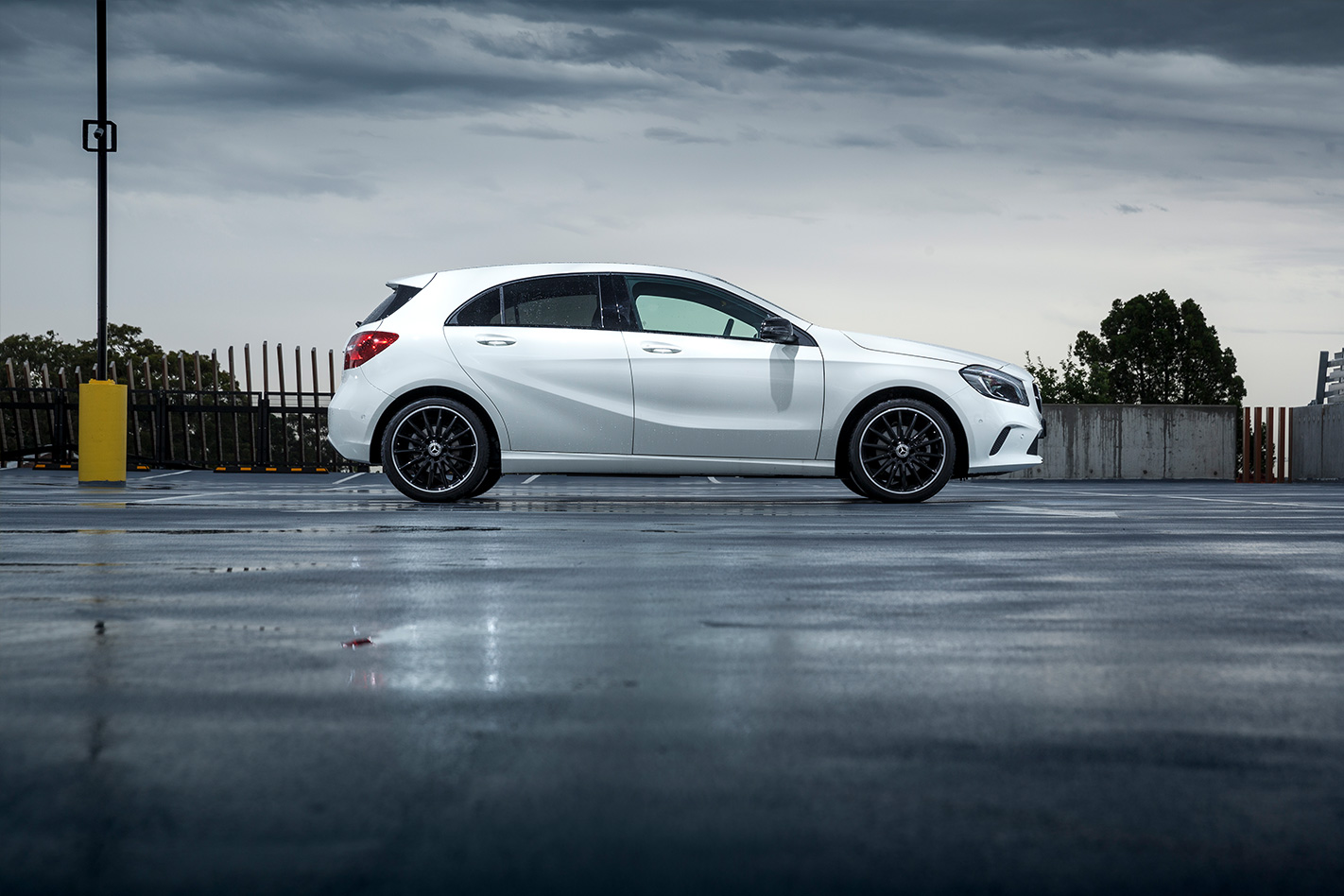
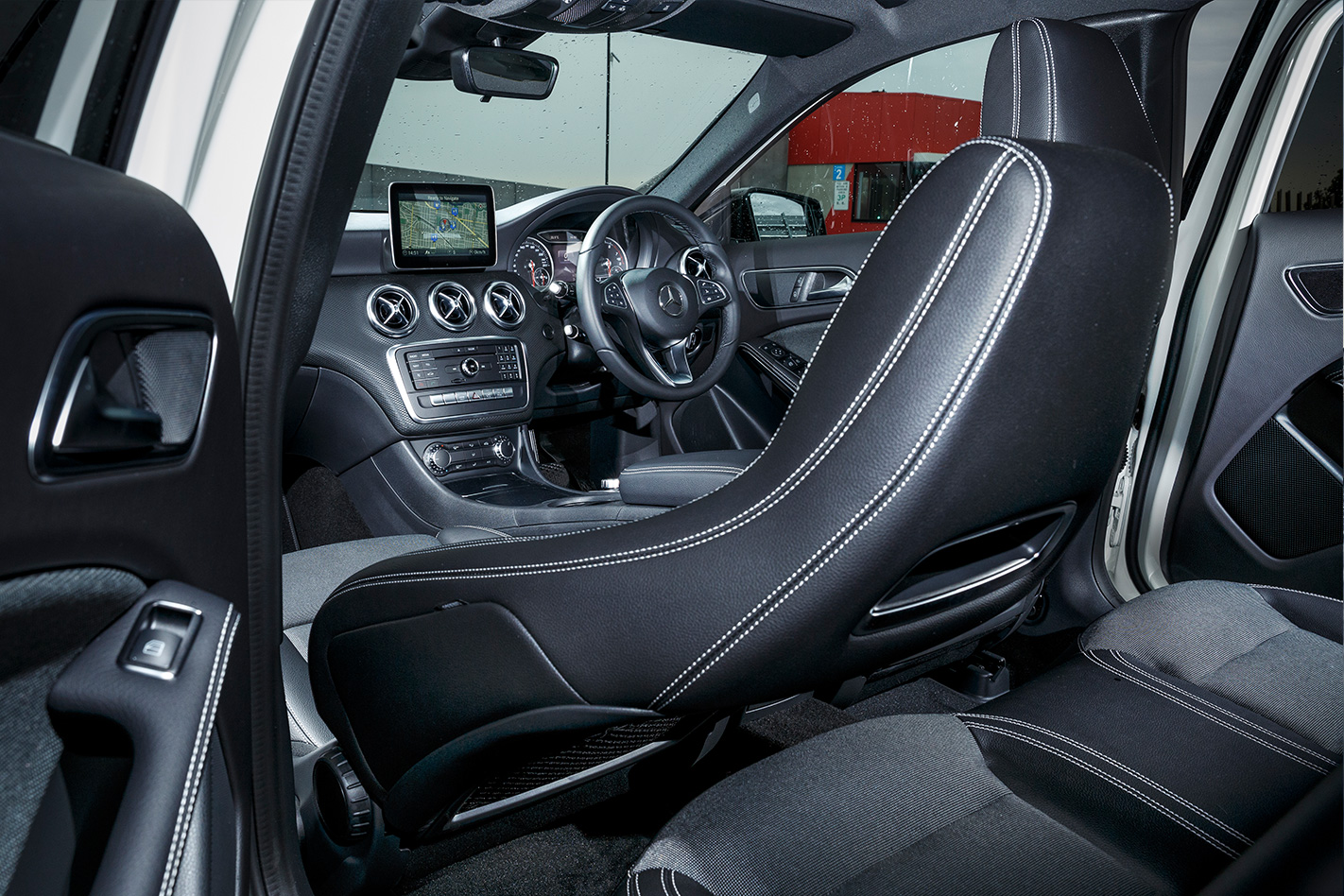
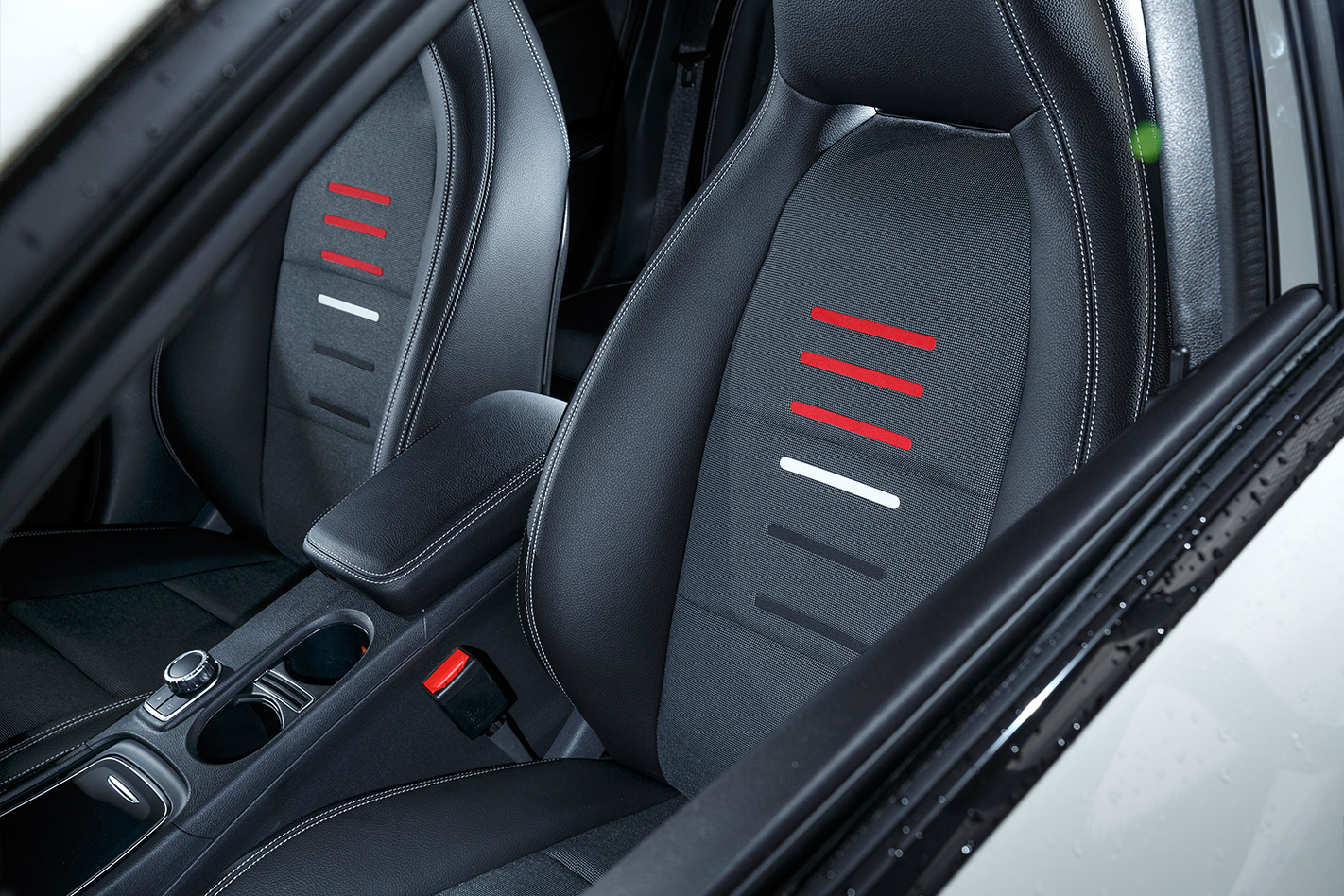
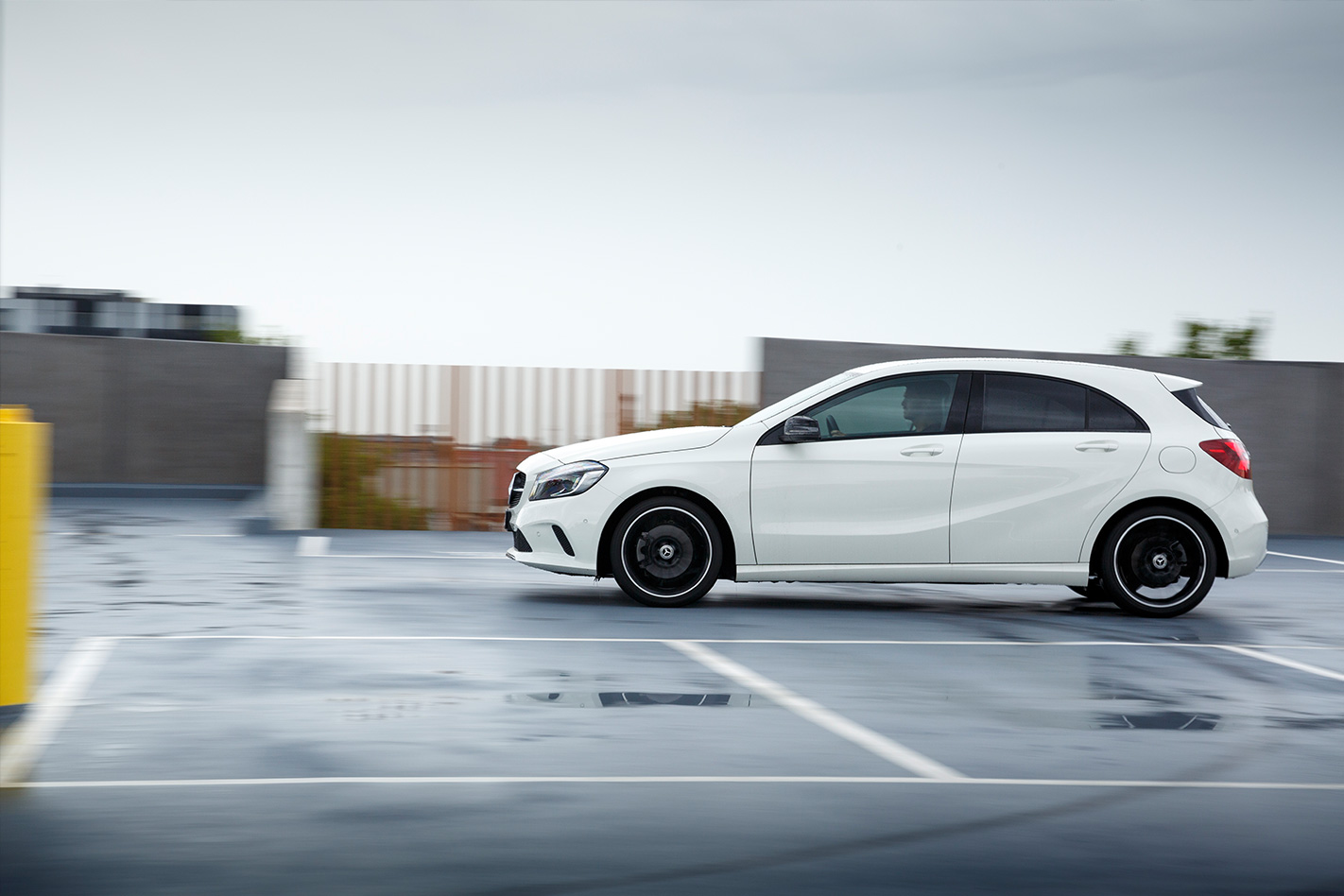
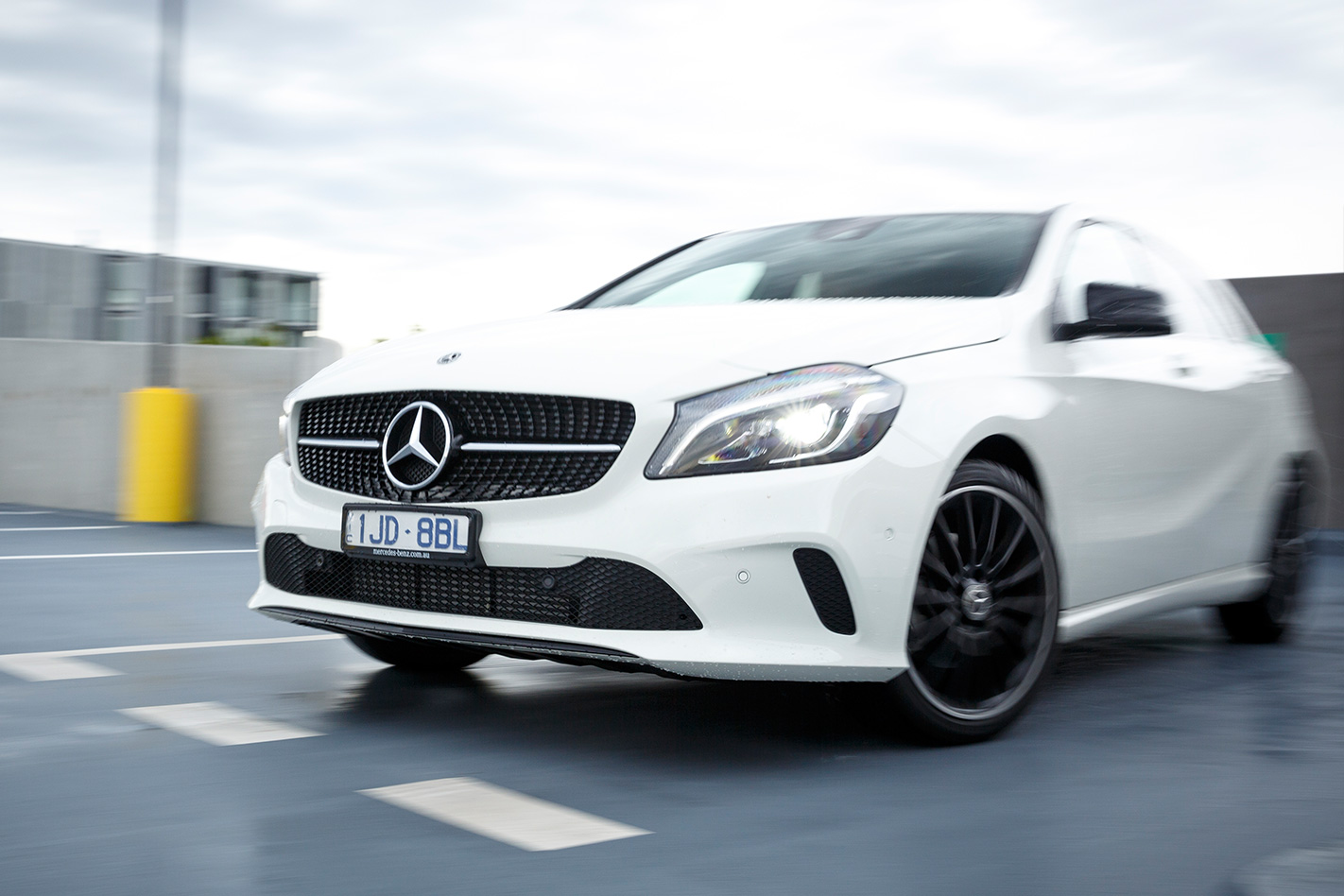
Elevating the City Edition above normal A180s are 18-inch AMG alloy wheels in black (up from standard 17s), LED headlights with daytime running lights and blue welcome light, LED taillights and reversing light, a gloss black front grille and beltline trim strip, tinted privacy glass from the B-pillar back, and black side-mirror caps. Inside, the standard sports seats are trimmed in black/red or black/green fabric and leatherette.
Power comes from a 1.6-litre, turbocharged, four-cylinder petrol engine producing 90kW and 200Nm, with peak torque available across a thick wedge of its rev-range starting from a low 1250rpm. The engine is coupled to a seven-speed dual-clutch automatic gearbox, which isn’t the snappiest off the mark or the swiftest between gears, but does smoothly deliver torque once up and running. Together the powertrain achieves claimed economy of 5.8L/100km.
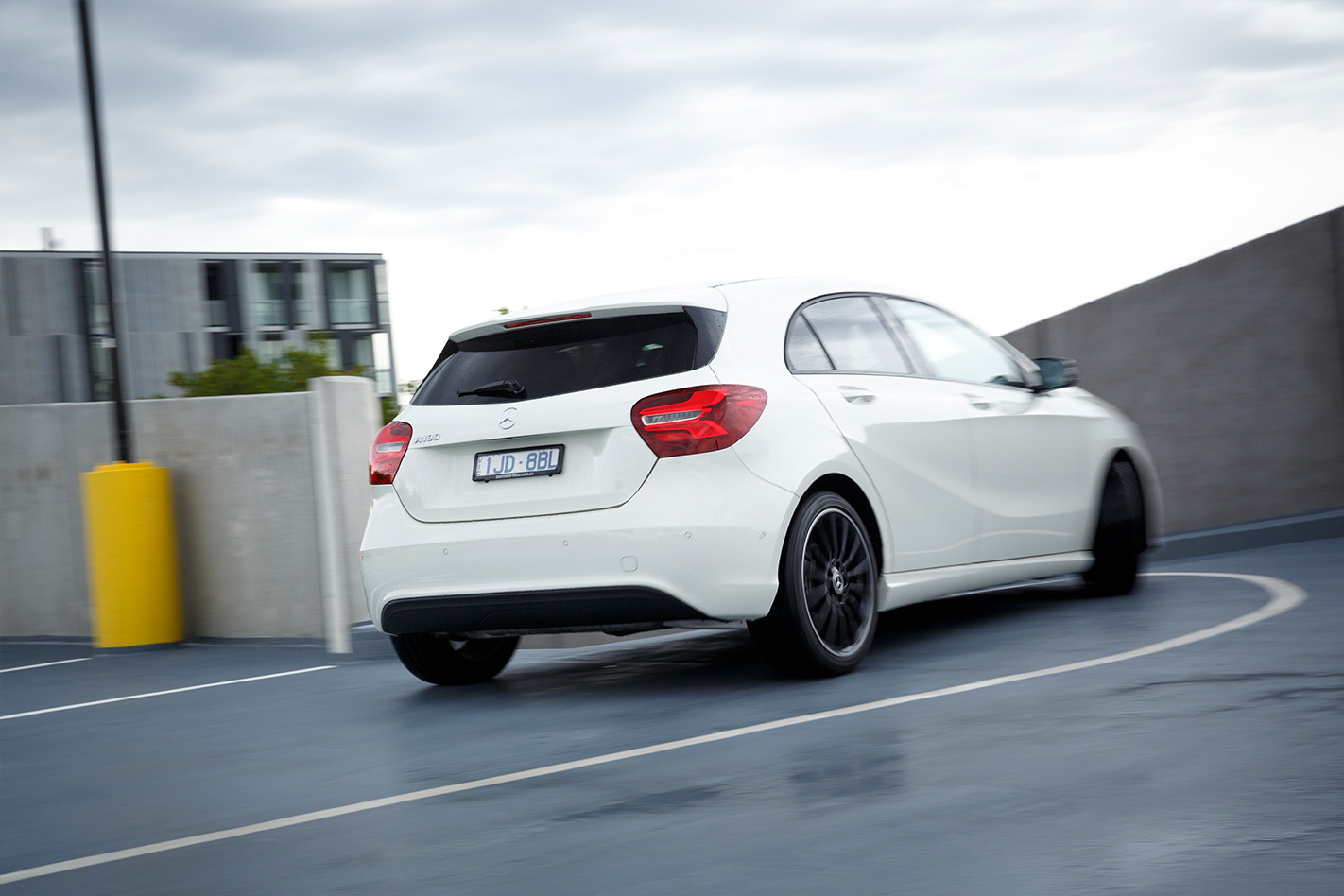
The A-Class range received a relatively comprehensive Series II update in 2016, which added adaptive dampers to the rest of the line-up. Sadly that upgrade skipped over the A180, and dynamic suspension is still unavailable in the City Edition. Thus, the A180 on its bigger 18s does have a somewhat agitated ride even with its sophisticated independent rear suspension. Its cabin is also on the noisy side and boot space is relatively limited at 341 litres.
Mercedes-Benz expects to sell out of all A180 City Editions before the driveaway deal ends on Feb 28. Should any remain after that time the City Edition option pack will cost $1925 above the regular A180’s retail price of $38,700, with on-road costs on top of that.
SPECS
Model: Mercedes-Benz A180 City Edition Engine: 1595cc 4cyl, dohc, 16v, turbo Max power: 90kW @ 5000rpm Max torque: 200Nm @ 1250-4000rpm Transmission: 7-speed dual clutch Weight: 1395kg 0-100km/h: 8.6s Fuel economy: 5.8L/100km Price: $39,990 driveaway On sale: Now
FORD’S facelifted Mustang will be in Australia in the middle of this year, boasting a bevy of cosmetic, mechanical and spec upgrades to keep the popular pony car at the pointy end of the sports car segment.
These improvements come at a cost, however. All models across the range will see price hikes, with the entry-level four cylinder Mustang Ecoboost Fastback manual rising $5000 to $49,990 while the enthusiast’s choice, the V8-powered Mustang Fastback manual breaches the $60K mark to sit at $62,990 before on-roads – a jump of $5500, or nearly 10 percent.
At the top will sit the Mustang GT Convertible automatic, which rises by $8793 to cap off the range at $74,709.
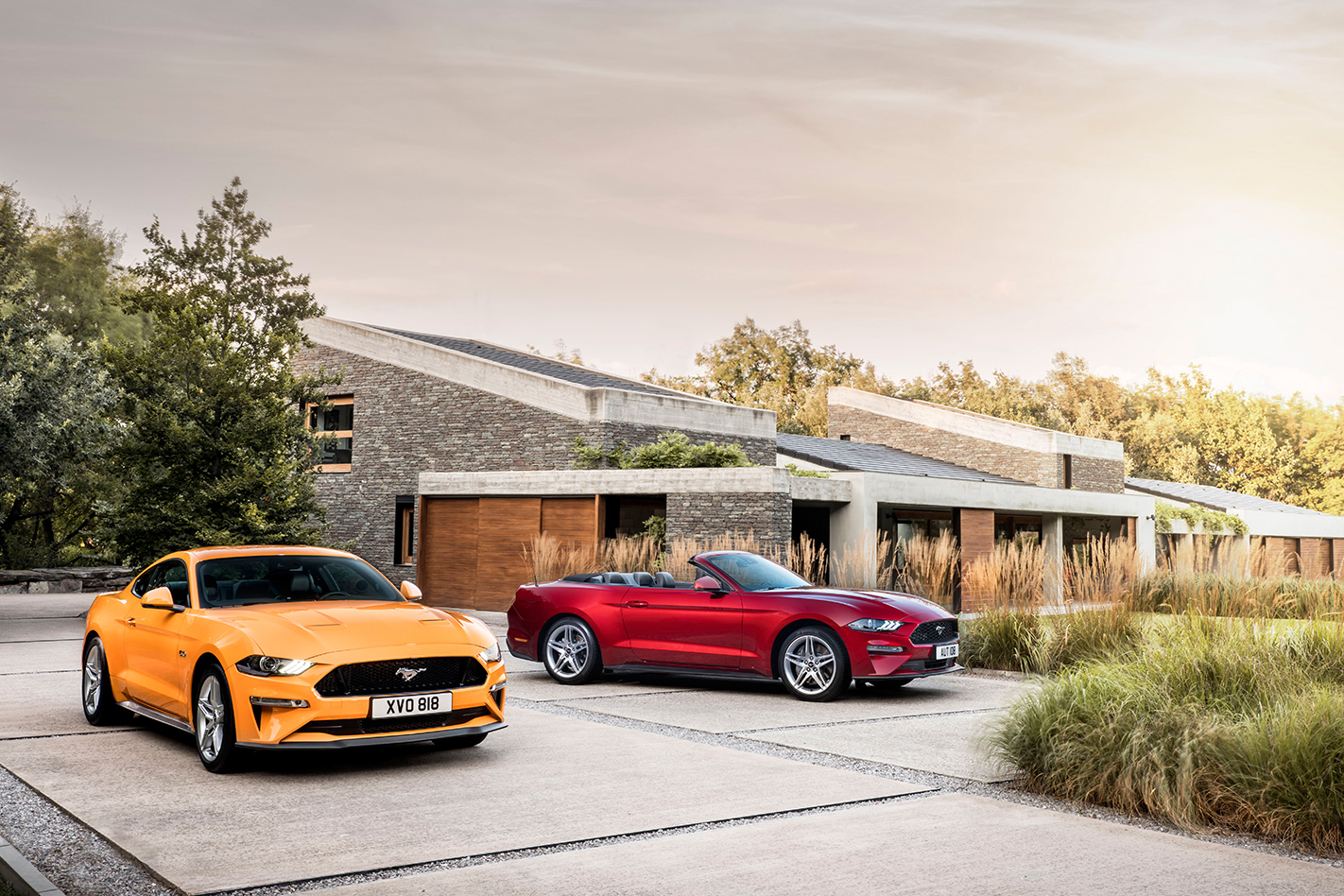
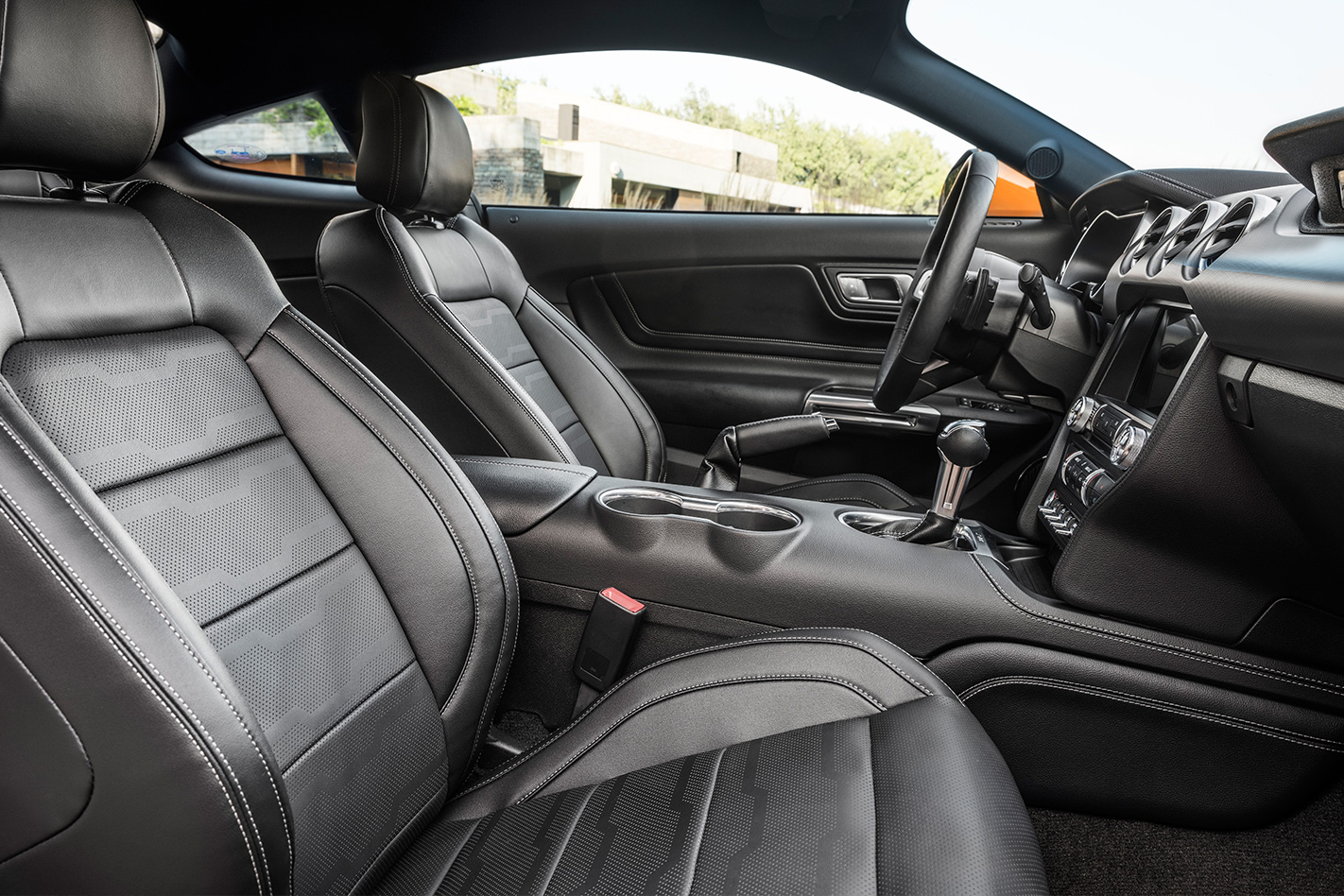
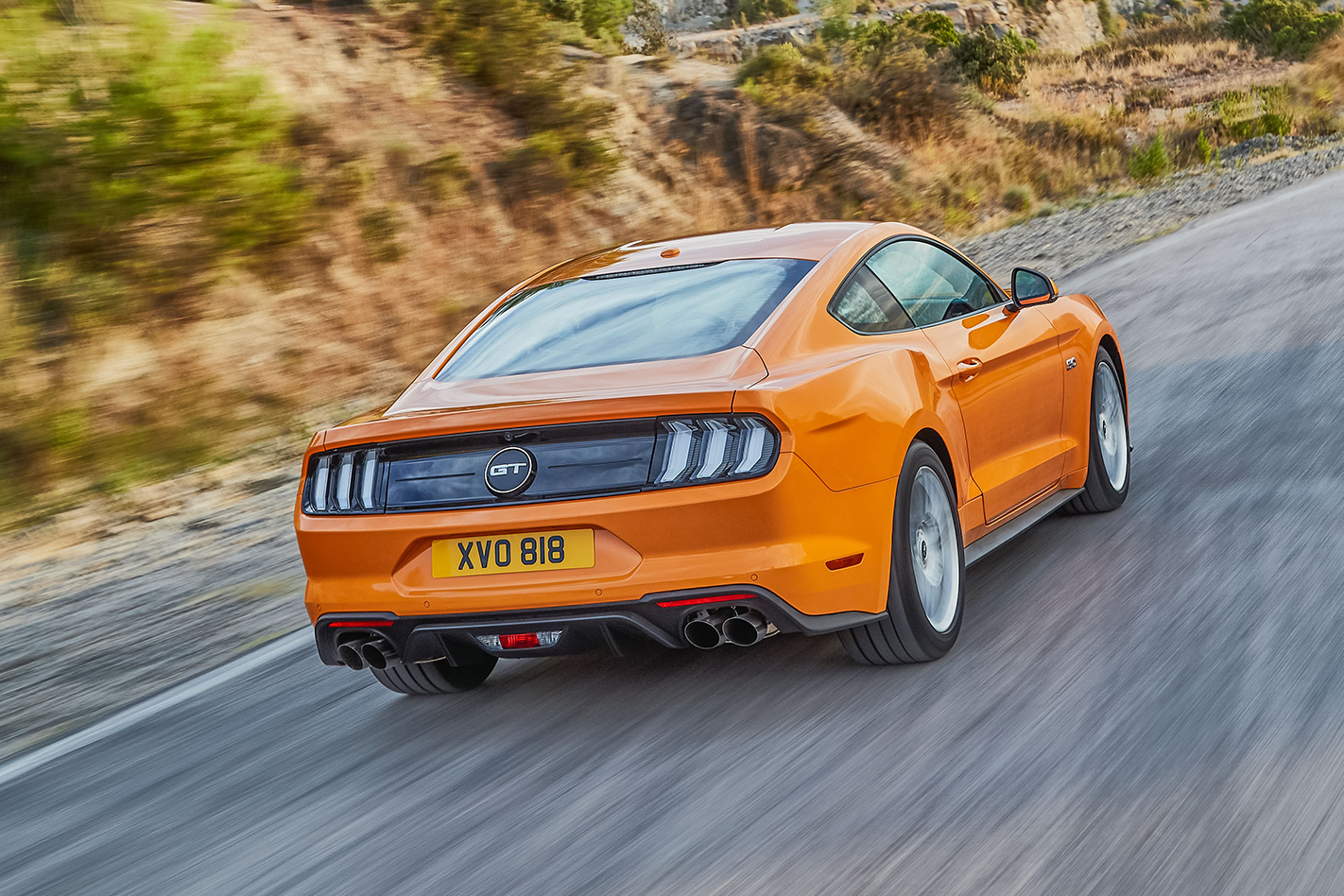
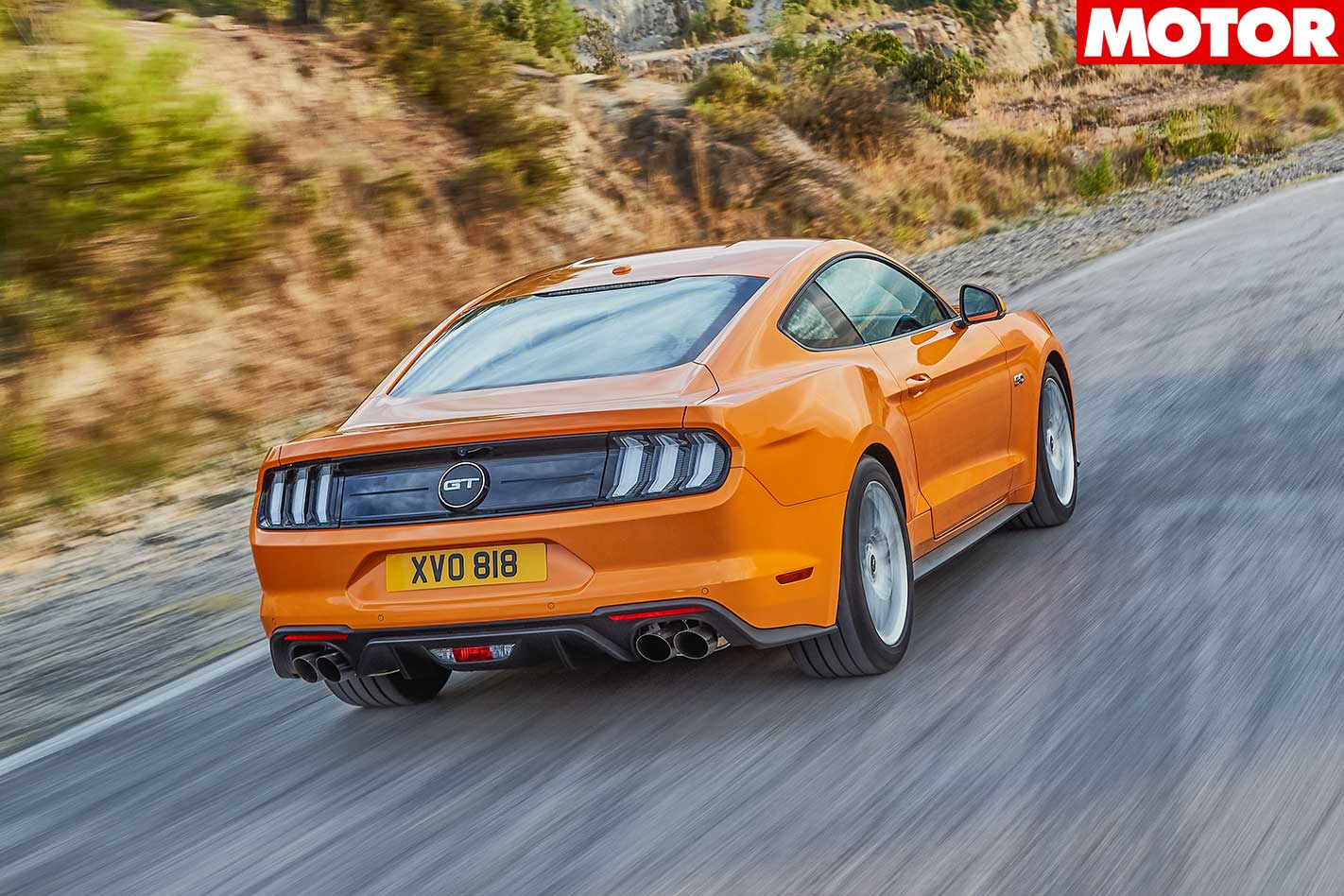
The rear-end makeover is more subtle, with the ‘diffuser’ panel that sits below the bumper now finished in black rather than body colour, and the LED tail lamps gaining new internal lensing for a more ‘technical’ look. Quad tailpipes and an optional spoiler finish it off.
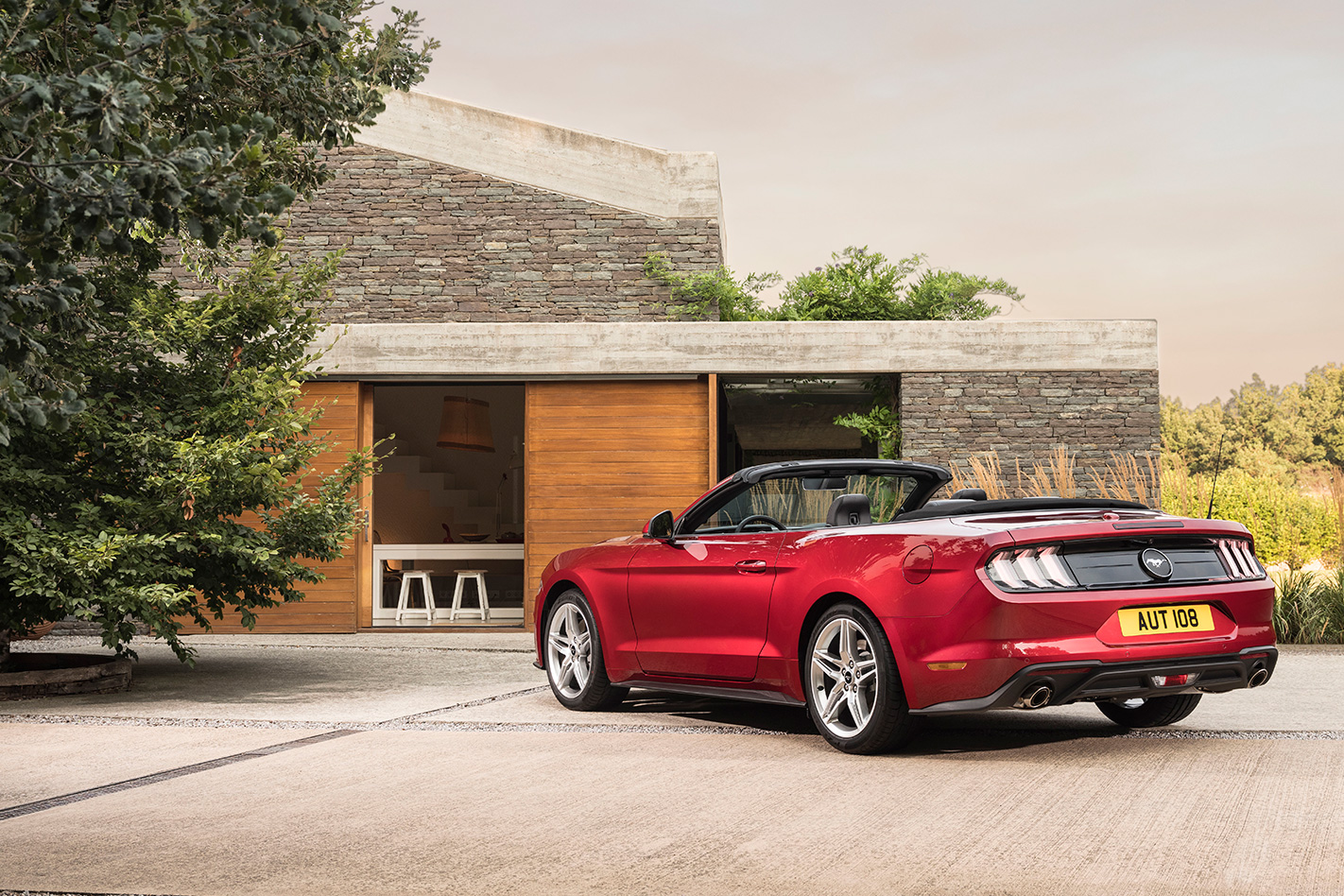
All models get new shock absorber settings that, Ford promises, enhance body control, while the rear suspension now sports a new cross-axis joint to boost lateral stiffness. Ford’s MagneRide electronically-adjustable dampers will be available as a $2750 option, for those that want both comfort and handling in equal measure.
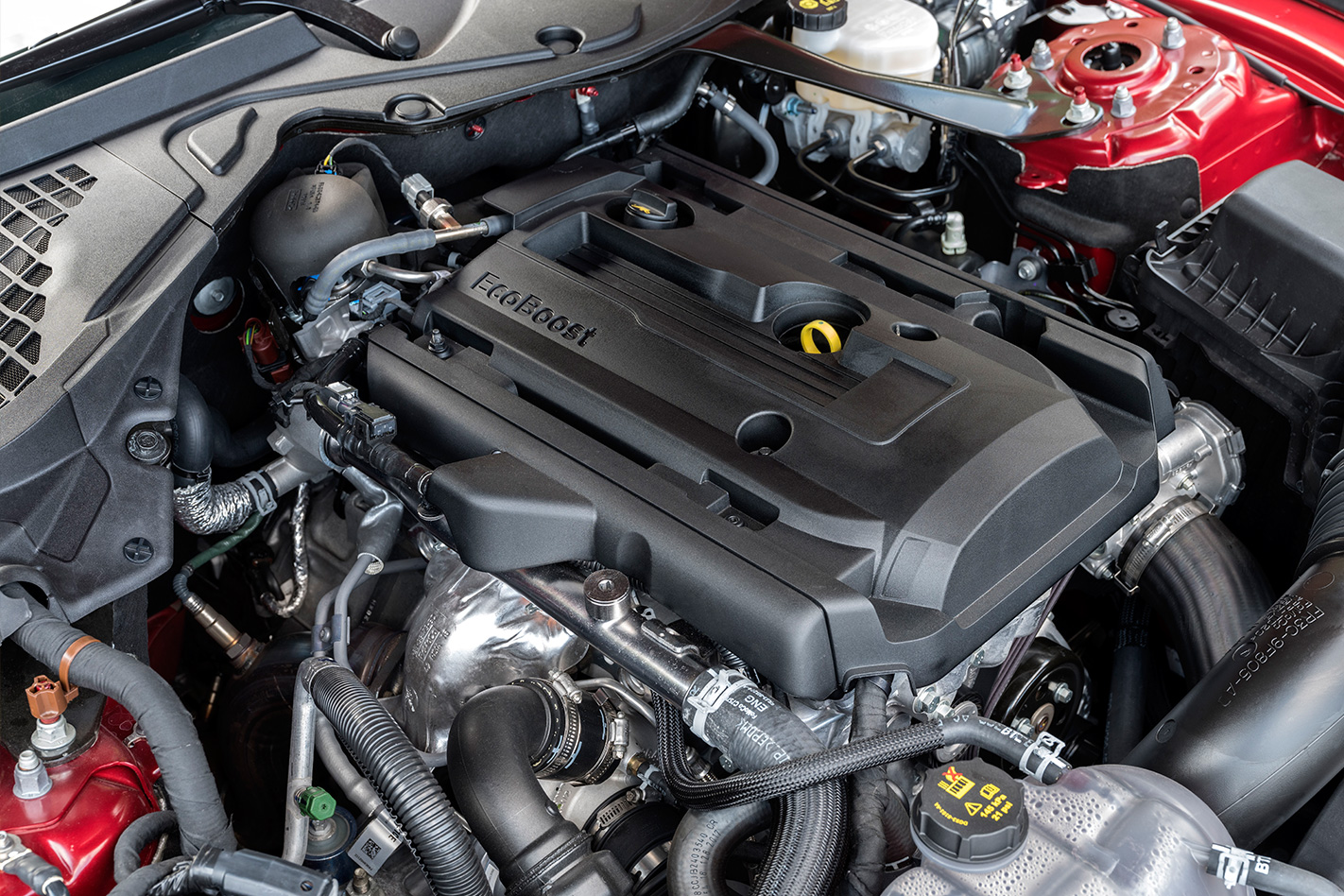
The four-cylinder Ecoboost gets a milder makeover, however. Torque rises to 441Nm, an increase of 9Nm compared to the current car, while power output falls 233kW to 224kW.
Equipped with paddle shifters in all models, the 10-speeder promises faster shift times, improved low-speed response and less mechanical friction than the outgoing six-speed auto. Surprisingly, fuel efficiency isn’t a beneficiary, with auto-equipped Mustang fastbacks consuming 0.1L/100km more in V8 form, and 0.2L/100km more in four-cylinder trim.
We’ll have to find out for ourselves just how fast the new Mustang is in local trim when it arrives in Australian showrooms in the middle of this year.
- Ford Mustang Fastback Ecoboost manual – $49,990
- Ford Mustang Fastback Ecoboost automatic – $52,990
- Ford Mustang Convertible Ecoboost automatic – $59,490
- Ford Mustang Fastback GT manual – $62,990
- Ford Mustang Fastback GT automatic – $66,259
- Ford Mustang Convertible GT automatic – $74,709
Ford Australia has confirmed local pricing for the 2018 Mustang, due to arrive mid-year.
A recent report published by MOTOR revealed pricing according to a reliable source, which turned out to be exact.
A manual 2018 Mustang GT Fastback will cost $62,990 before on-roads, while an impressive 10-speed auto will set buyers back $66,259, and a topless auto V8 $74,709.
A Ford Australia spokesperson says the rise in price is justified by the increase in spec and, in the GT’s case, performance.
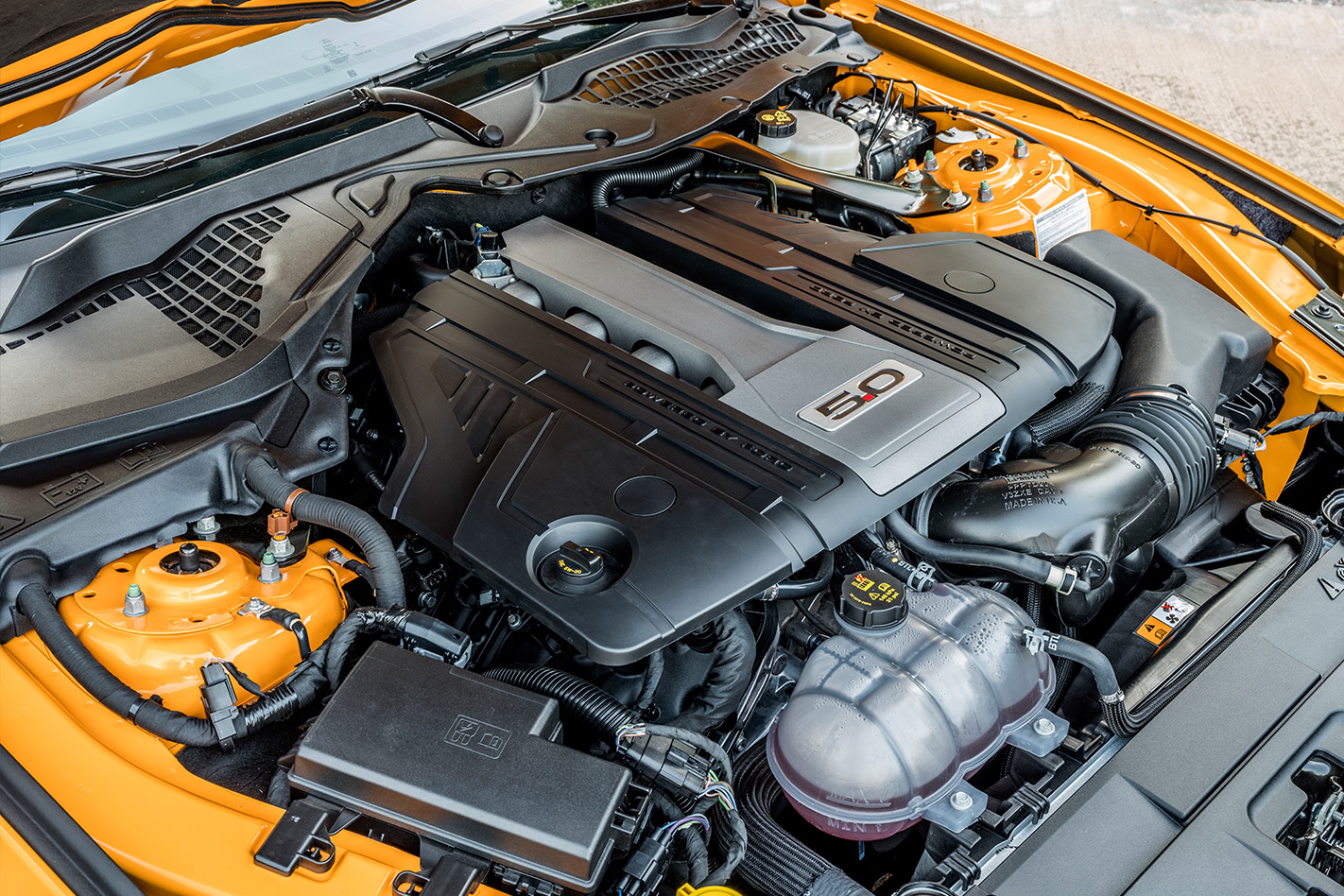
“The Mustang has significant changes for 2018, from the new look and stance, to the technology under the chassis – more power, the new 10-speed transmission and the GT’s V8 with its sophisticated port and direct fuel injection, not to mention the active exhaust.
“We’ve significantly upped Mustang’s capability and performance, while maintaining outstanding value.”
Our Mustang GT’s will also boast 339kW and 556Nm, a 33kW/26Nm increase over the previous model.
While our Ponies are down 4kW on paper, Ford Australia says this is due to a different method of measuring power produced.
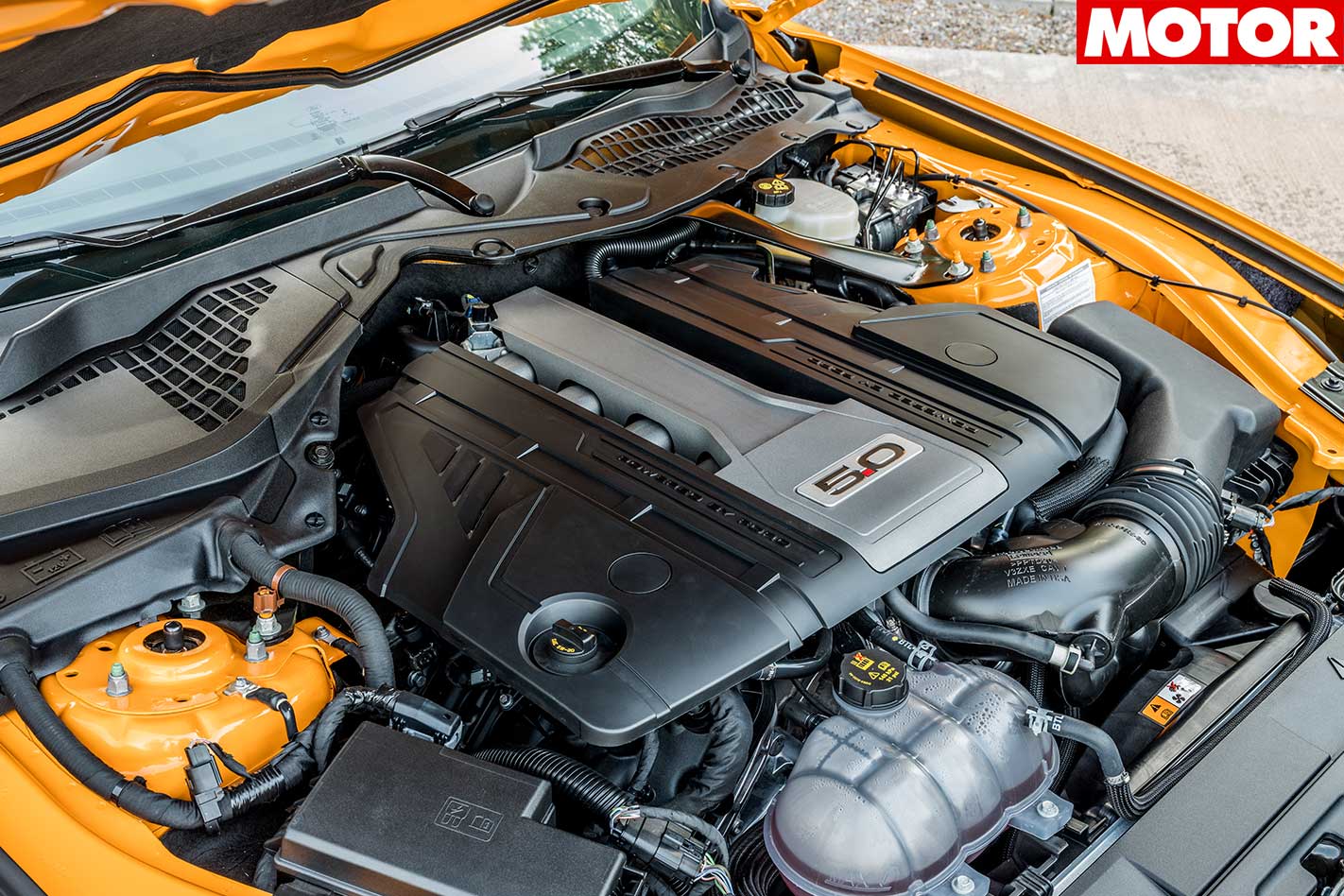
The EcoBoost has also experienced a power drop from 233kW to 224kW though Ford says it’s got 9Nm more to make 441Nm the more important number.
“We’ve recalibrated the outputs for EcoBoost, and retested to deliver a 9Nm increase in torque.
“As MOTOR readers know, the increase in torque to 441Nm is what Mustang drivers will notice behind the wheel, and make the EcoBoost Mustang more drivable and enjoyable than before.”
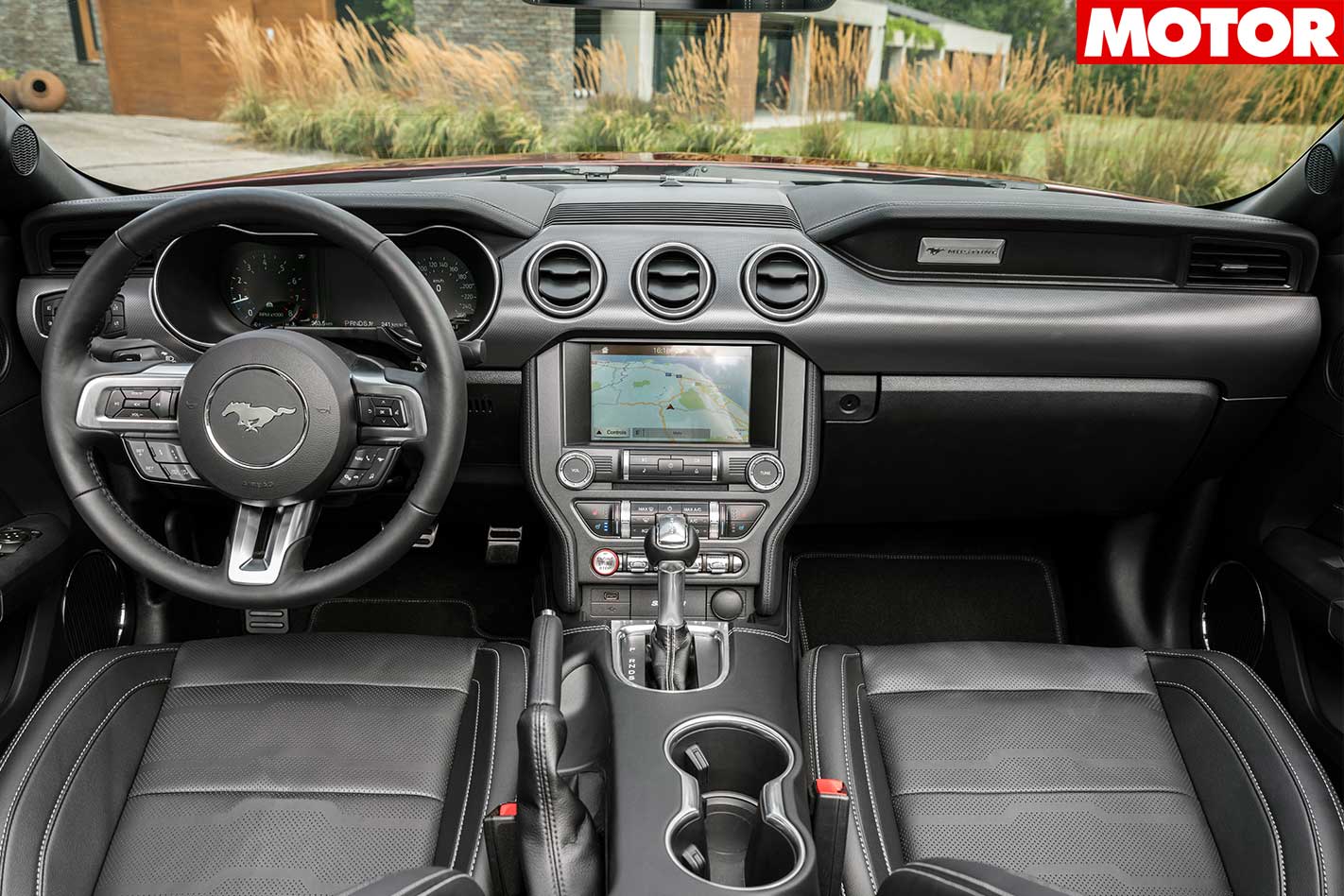
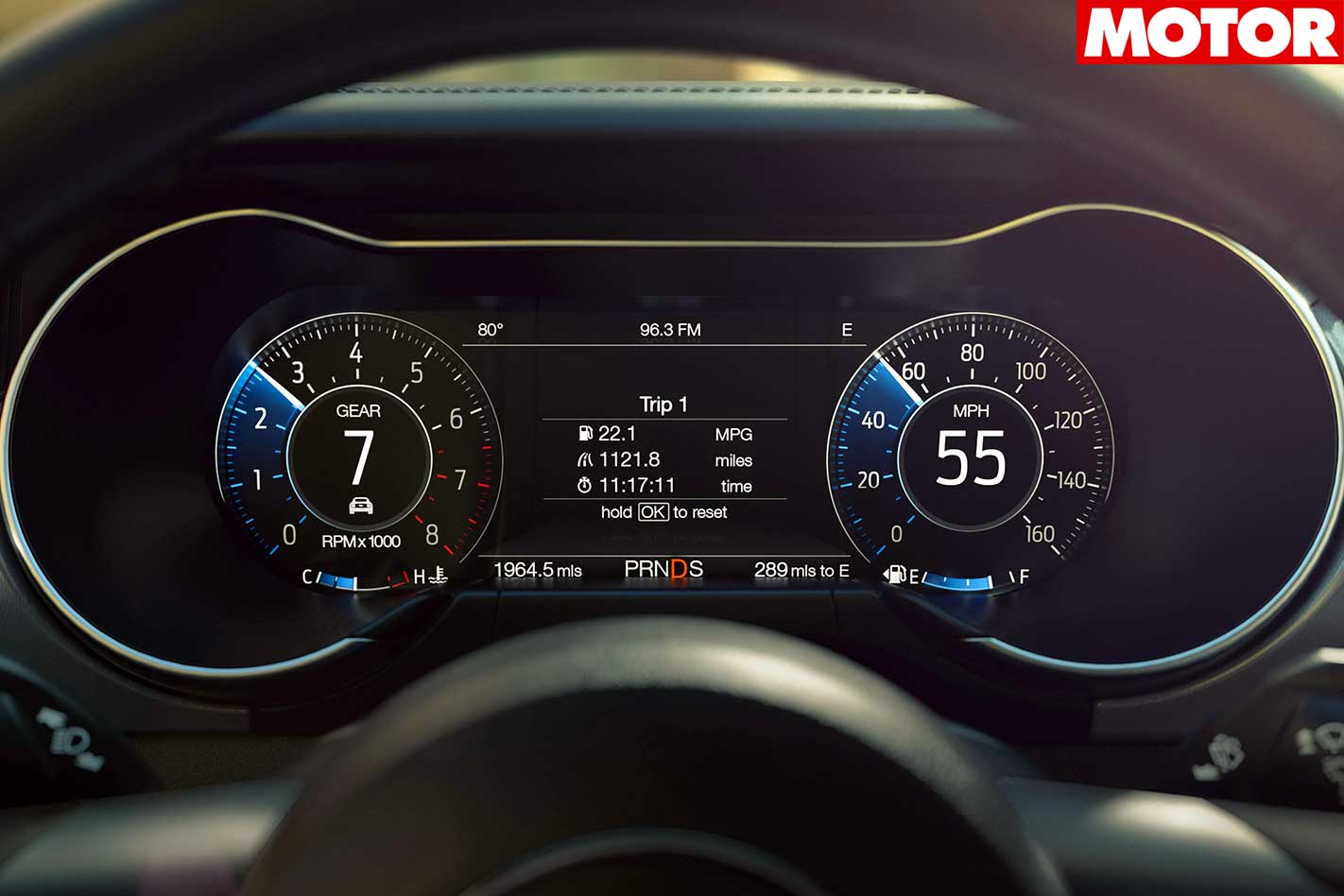
In addition to the power and pricing changes, a few extras are now available for the next Mustang, including a 12-inch digital dash cluster, a quad-tip exhaust, and a re-styled exterior all standard.
Also now optional for an extra $2,750 is a MagneRide adaptive damper system, previously only found on the Mustang Shelby GT350.
The options list also features ‘OTT’ stripes for $650, a rear wing or Recaro seats for the Fastback only at $750 and $3000 respectively, and 19-inch wheels for each engine variant: nickel alloys for the EcoBoost at $500, or forged alloys for the GT at $2500.
The Group B era of rallying died long ago, but there’s one modern car keeping the spirit alive.
It’s a Peugeot 205. But it’s had a few modifications.
For a start the engine is mid-mounted. And it’s not an inline four, it a 2.0-litre triple rotor 20B. Yep, closely related to Mazda’s Le Mans 757 engine.
It’s also all-wheel drive, giving it the traction it needs for flinging gravel and tearing up tarmac.
Vincent Foucart, its pilot, is also reportedly the man who built the car, though very little solid information is available about the car online.
It has been said to be peripheral-ported though, which in short means the intake ports are filled in and relocated to a position where it allows for more overlap between the intake and extraction.
In the past, the car is said to have also been fitted with a BMW V12, and a custom-built V16 made from four 600cc Honda motorcycle engines.
But we love it with the rotary, it’s like an insane combination of Le Mans racer and Group B monster, despite the decade for both of those has long since passed us by.
The car also featured at Goodwood in 2017 (above), taking to the off-road track to create some dust storms and get some airtime.
It looks like he also competes in all-terrain rallies in France, and occasionally even records releases some on board footage from his drives.
If this is the way he normally drives in competitions, it’s no surprise there’s so much footage of his efforts out there.
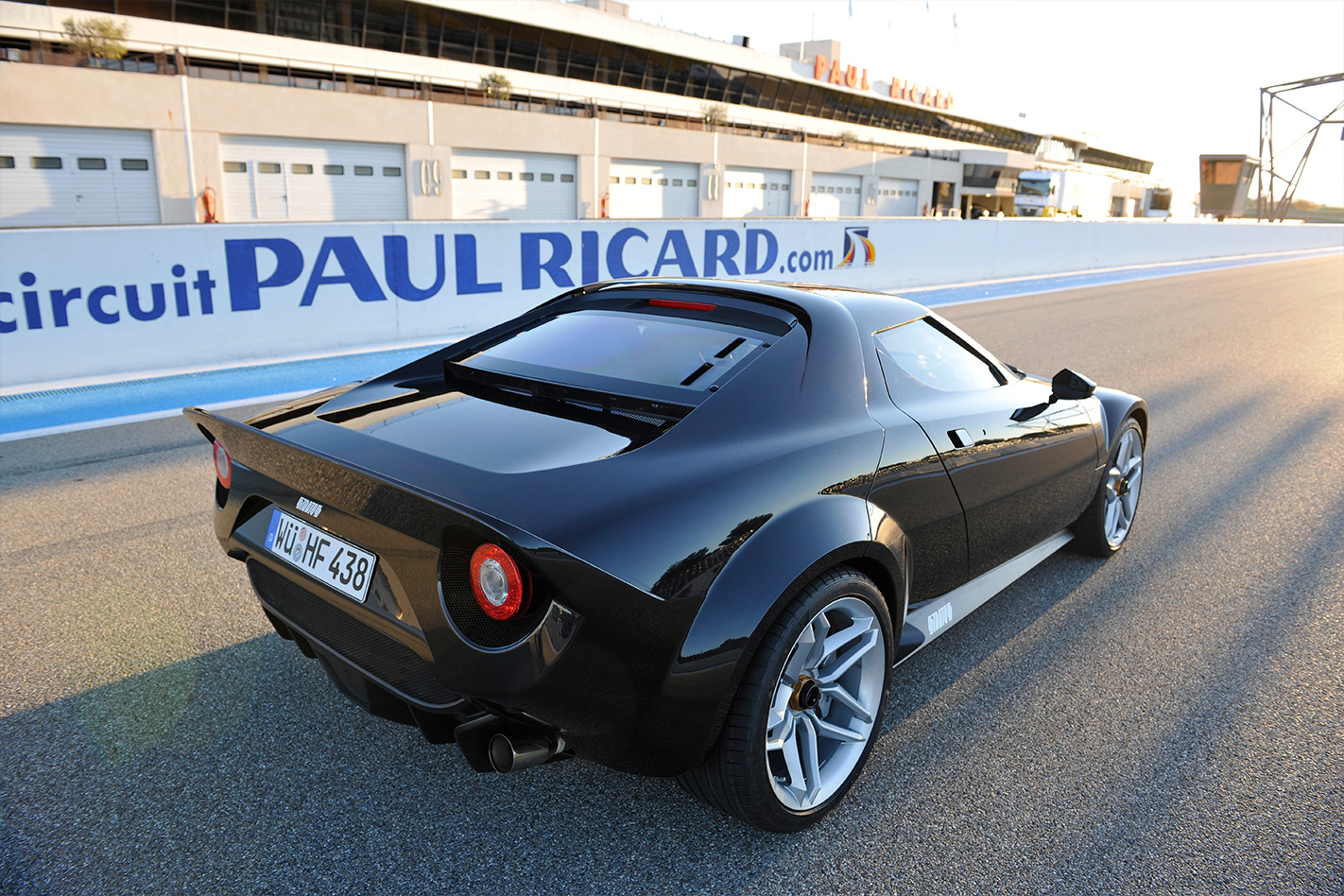
A MODERN-DAY tribute to the Lancia Stratos will make its debut at next month’s Geneva motor show, packing a 400kW-plus punch from its mid-mounted engine.
The first deliveries are due in April, with Manifattura Automobili Torino, an Italian coachbuilder headed by the former head of special projects at Pininfarina, Paolo Garella, licensed to build 25 units. The fancy of a German billionaire has taken a long time to arrive; the car was first revealed in concept form in 2010.
A press release from the car’s developer, New Stratos, announcing the special build run said the car would be customised as either a “GT racer, a Safari version, but also a competent supercar for the daily use”.

The original Lancia Stratos, designed specifically for success on the rally circuit, used a compact steel monocoque body with a tubular subframe, and was clad in a fibreglass body. Its unofficial 2018 reboot will feature a “full carbon-fibre body, state-of-the-art finishing, and all the technical solutions that contributed to the success of the first New Stratos: excellent handling capabilities, lightweight design, superior balance and precision driving”.
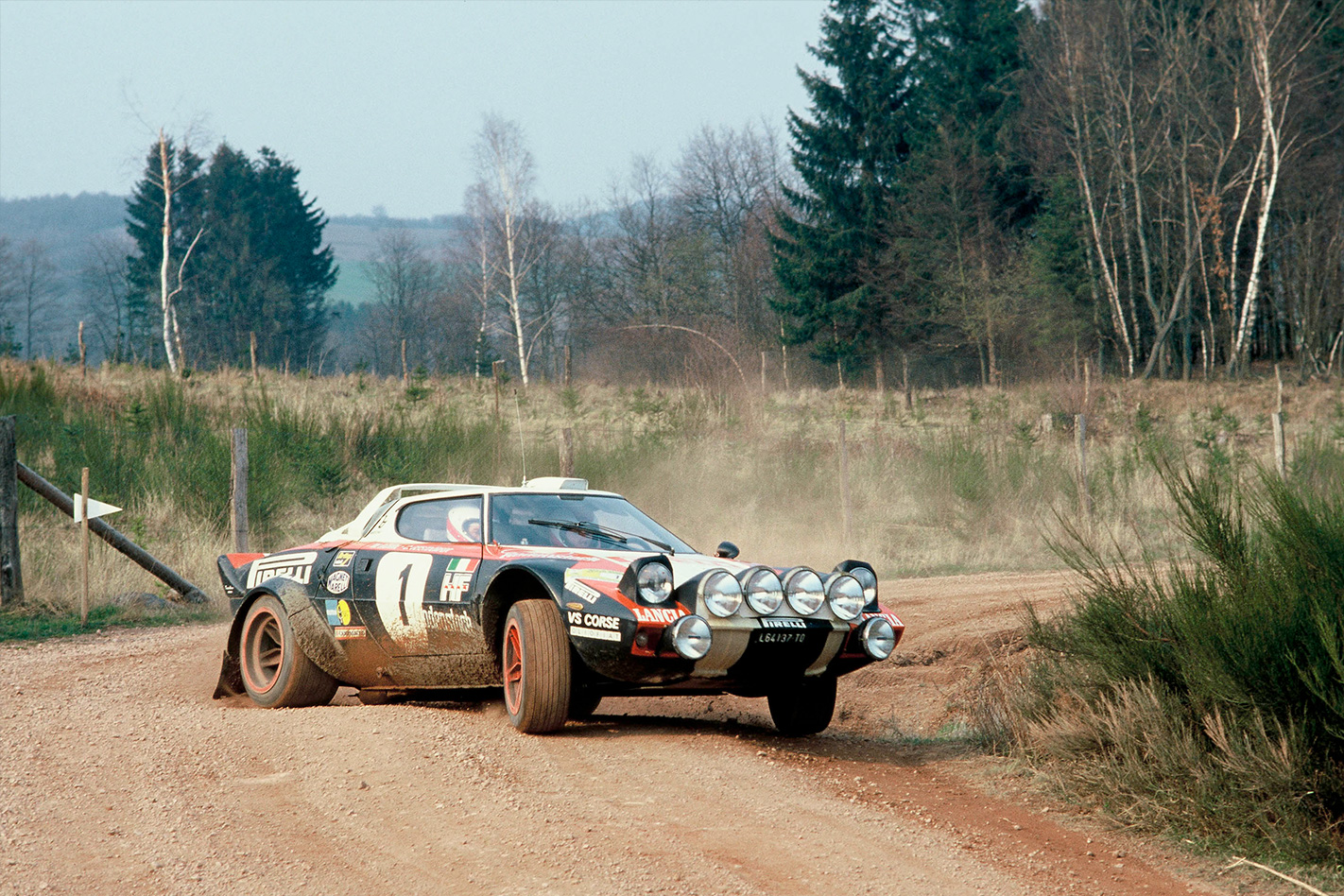
“The striking design of the New Stratos follows the lines of its world-famous predecessor offering a new exciting interpretation of the most famous and successful rally car of the past,” New Stratos said in a statement.
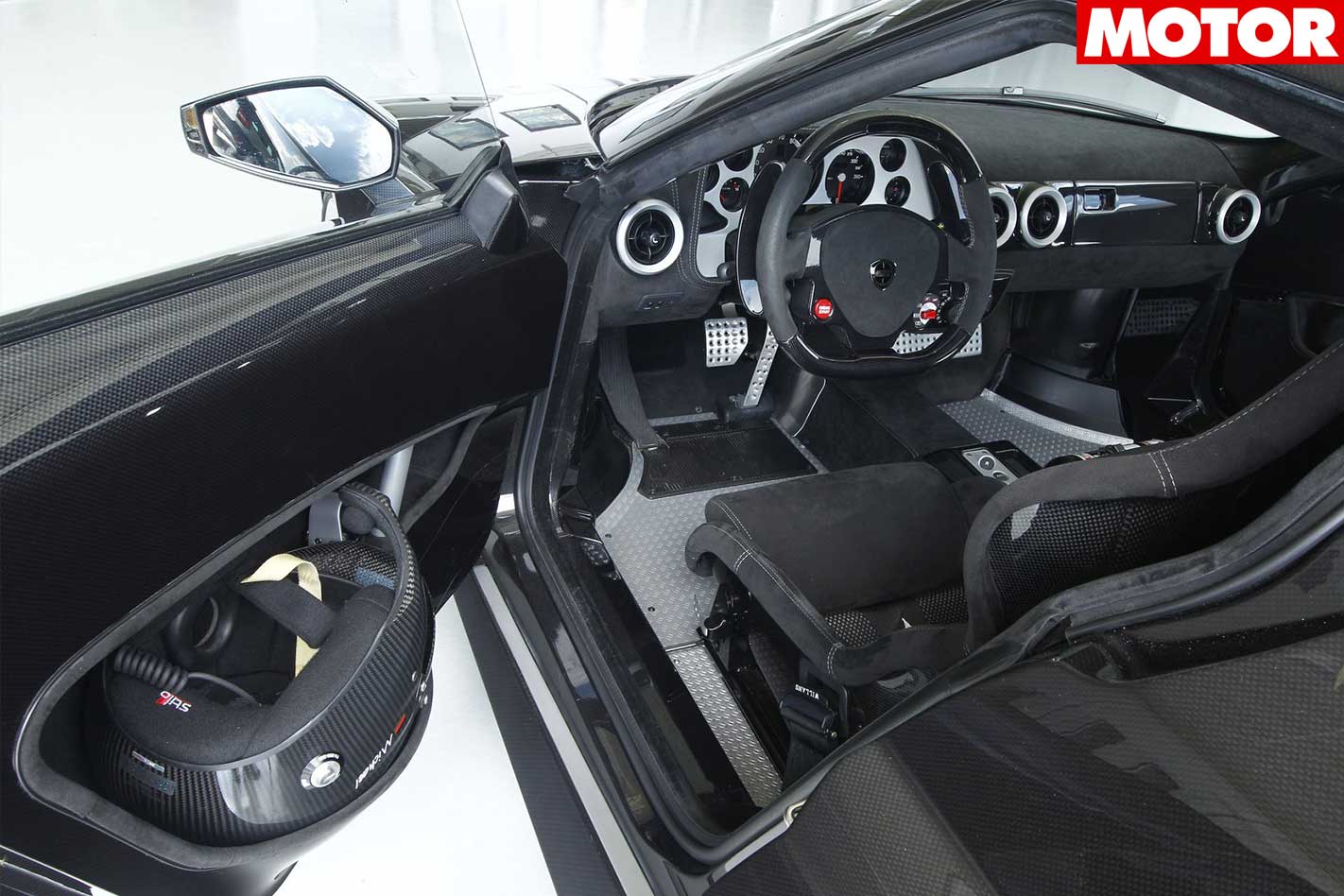
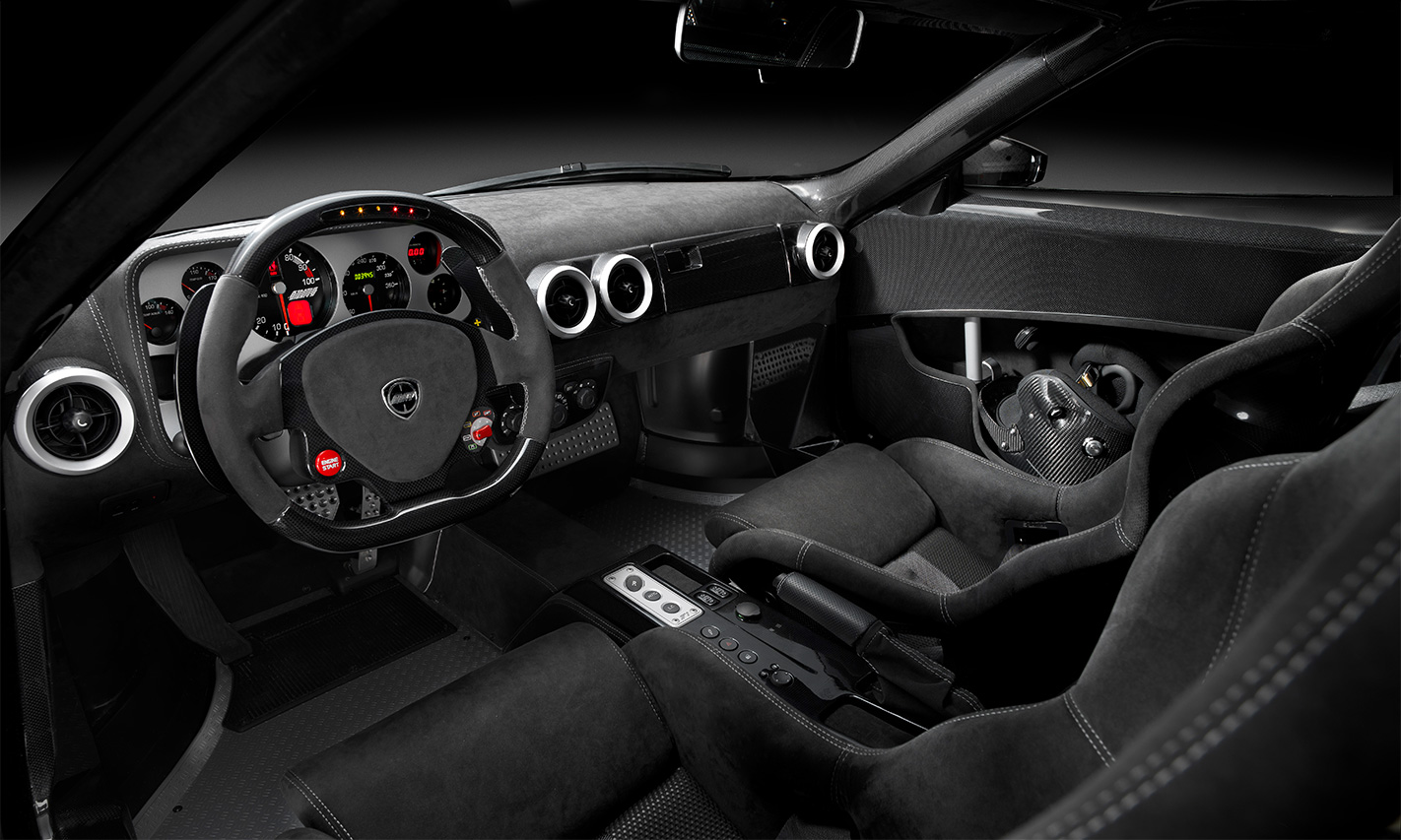
“The classic and simple car interior is a perfect example of efficient and bespoke design. It maintains the characteristics of the original car, like the integrated support for the helmets in the doors and enhances the souls and the mission of the car: making it ready to be a new, winning rally car.”
Foolishly, I turned on the TV the other day.
Have you ever noticed how you can check the electronic guide, choose a channel and click on it, only to have an advert playing? I reckon that happens nine times out of 10, which suggests that either I’m just unlucky or the networks are playing pretty loose and fast with the regulations that govern the content-to-advertising ratio.
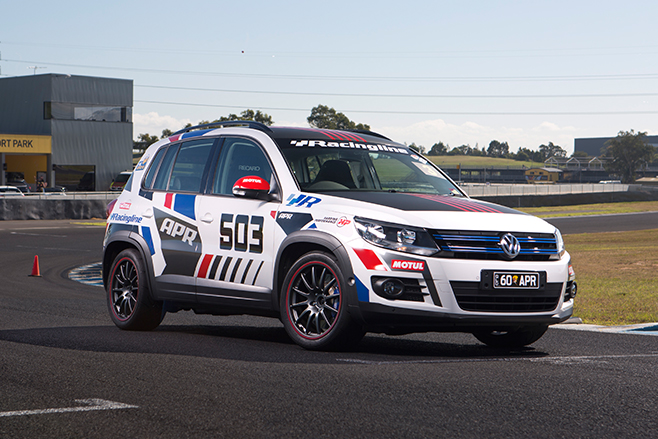
Mind you, like half the motoring websites around these days, the line between ads and editorial is blurrier than Lindsay Lohan’s view through the windscreen any night of the week.
Anyhoo, the ad I’m presented with is for a product to make your feet silky smooth and attractive to the opposite sex.
The deal consisted of a goo you squirt into a pair of plastic bags, stick your tootsies inside, seal it all up like a takeaway charcoal chook and wait 45 minutes. I am not making this up.
You then throw the plastic bags in the bin and, by the time they’re choking a sea turtle, all the old skin has peeled off your feet and you’re dead sexy again.
Predictably, there are flaws with this. For a start, how is this dame now gonna take the bins out without putting shoes on? Losing the tough, outer layer of skin on your feet has got to be a backward step (literally). A reduction in utility, if you want to be brutal about it.
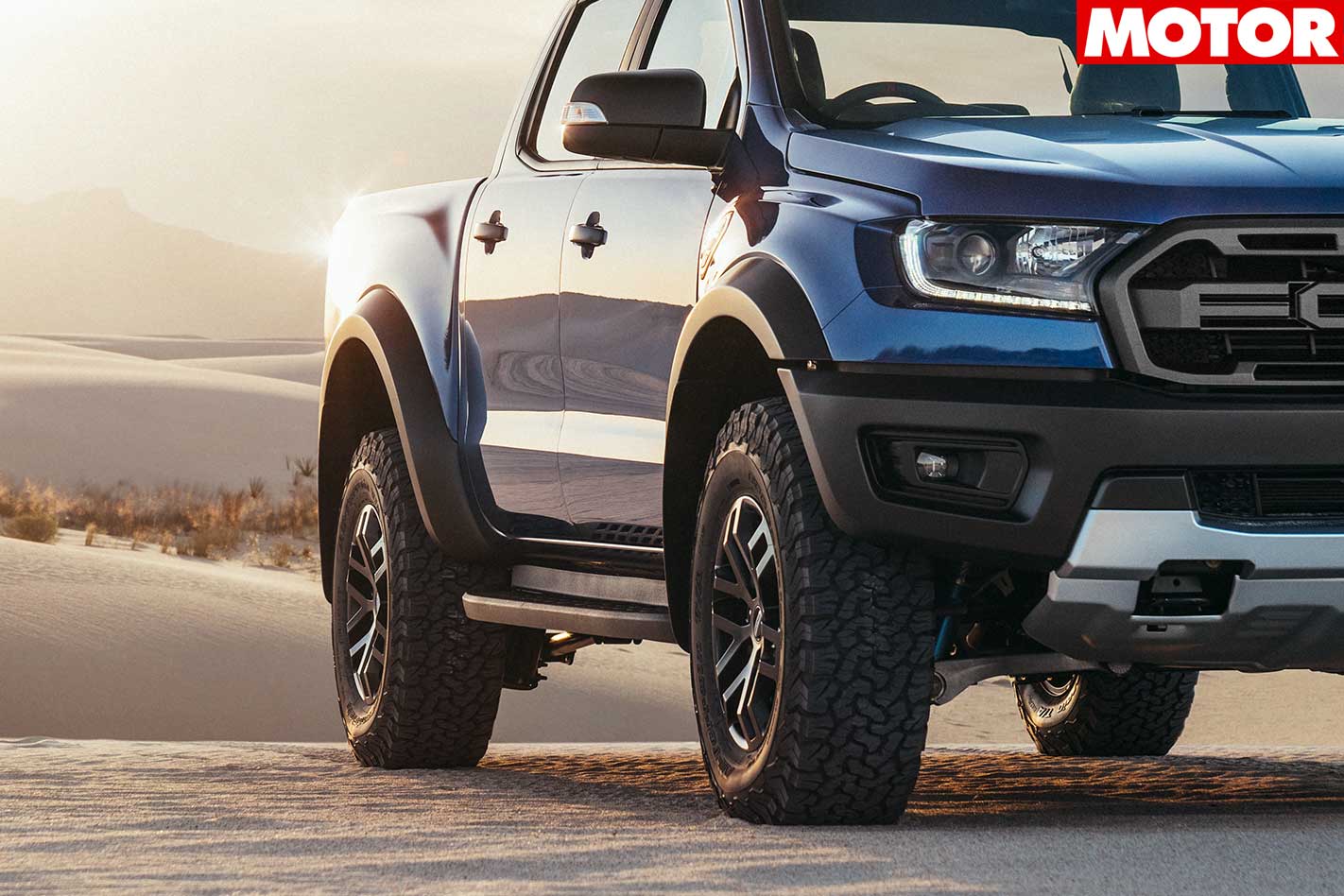
But it makes me think about car doo-hickies that make about as much sense. Let’s start with side-steps on an off-roader.
Diesels in city cars; punt an oiler exclusively around the ’burbs and several things will happen. Your servicing costs will increase and the particulate filter will back-up faster than a Greek dunny (requiring more maintenance).
And because diesel doesn’t evaporate, every time you touch a bowser, your hands will stink of diesel for the next three days. And since you’re also standing in a pool of unevaporated diesel during each fill-up, the stuff will also get into the carpets and overpower any air-freshener yet devised.
Large, hairy goons like me who drive four-wheel drives in the bush won’t care about any of this. The lady who delivers your mum’s Avon just might.
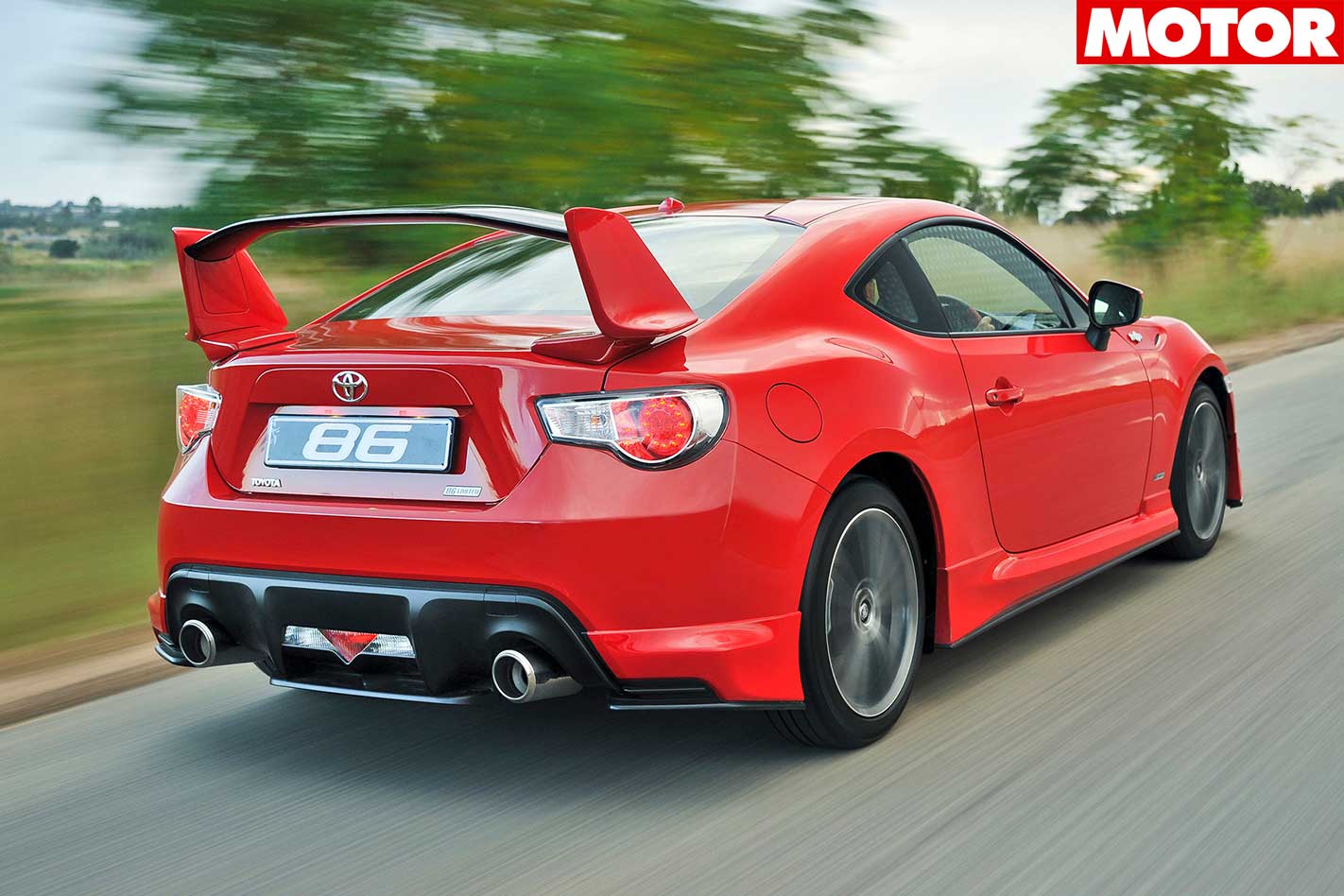
Now, hands up who has a car that, despite never seeing the naughty side of 250km/h, is fitted with a bootlid spoiler. Go on, you know who you are.
Let’s go aftermarket – namely, those strips of clear Perspex you fix over the leading edge of the car’s bonnet. The idea is to make your car look stupid while you own it, so that the paint on the bonnet is mint for the guy you sell it to.
Problem is, the Perspex forms a neat little pocket capable of trapping every ounce of industrial fallout, leaf and drop of water that goes near the car. In two months, you’ll have yourself a little ecosystem sufficient to grow grass. Tadpoles, if the conditions are right. In four months, the rust has started.
Then there’s anything manufacturers do to a perfectly good hatchback to turn it into the dreaded compact SUV.
TELL ME ABOUT THIS CAR
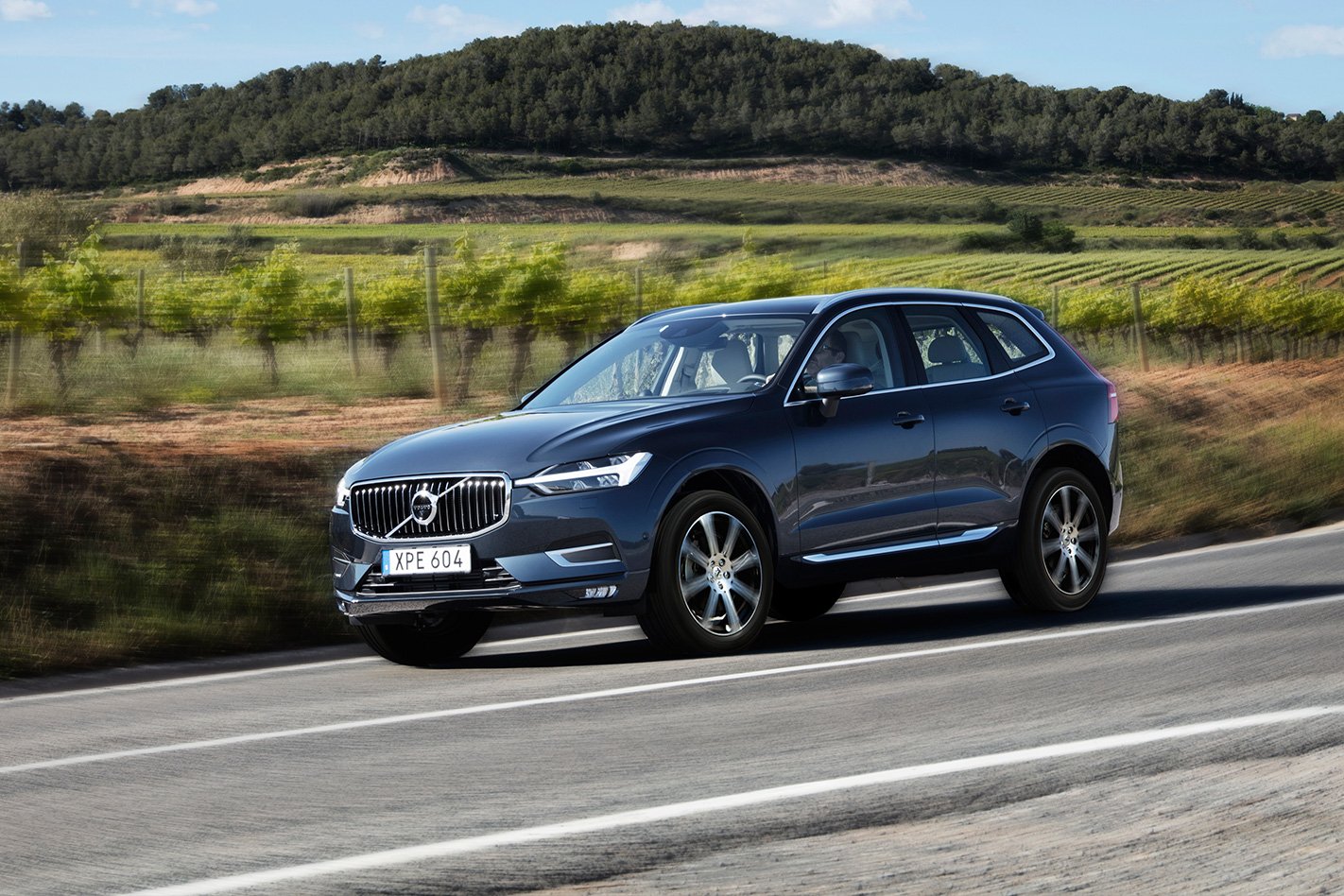
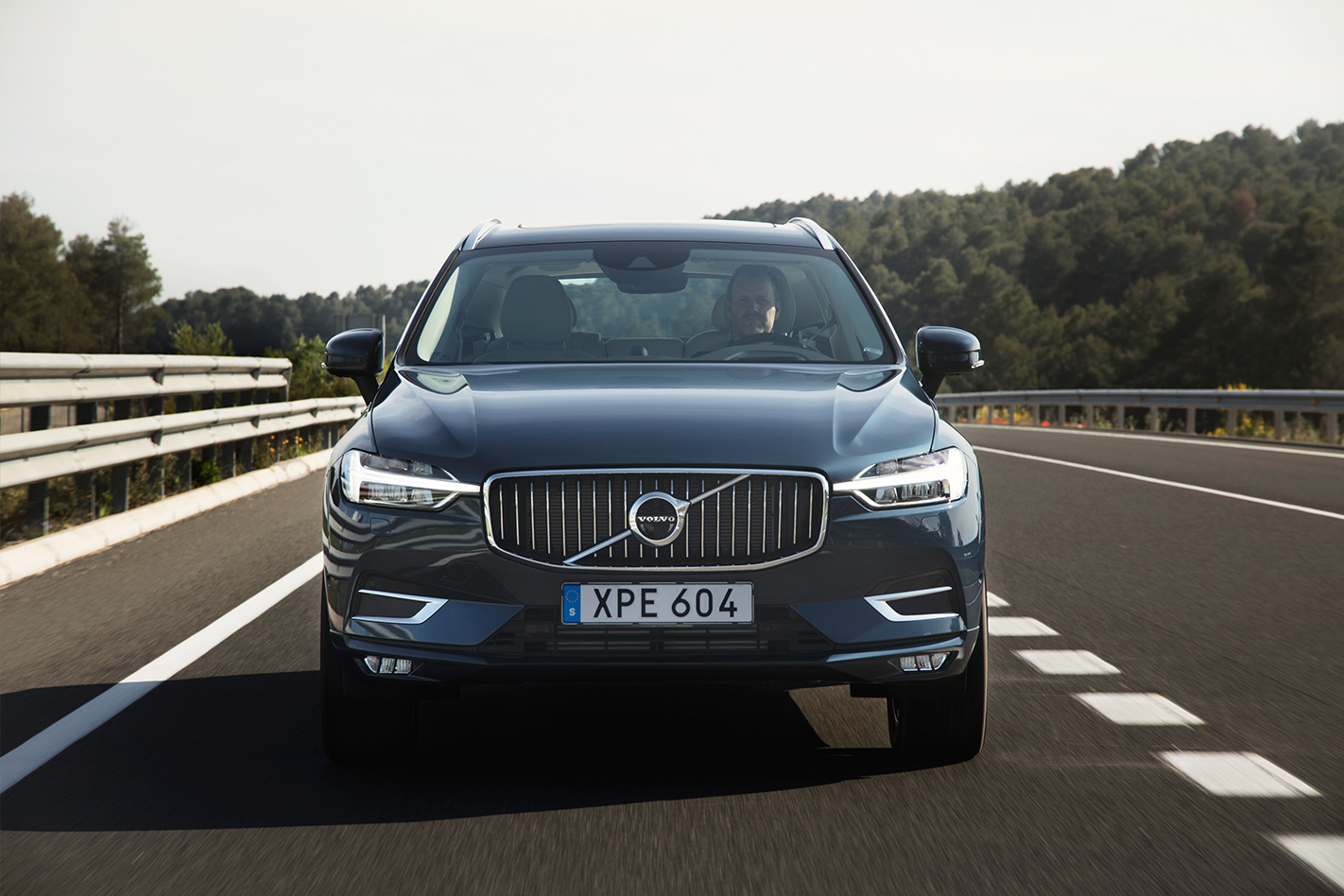
Without issuing too much in the way of spoilers, Wheels’ reigning Car of the Year doesn’t do too much wrong. Lifting the curtain a little on the COTY judging process shows that Volvo supplied an XC60 D5 diesel and an XC60 T8 hybrid range-topper for the event. The petrol-powered T6 was absent, so we wanted to discover whether we missed out on a gem or if the T6 was a makeweight in the Volvo XC60 firmament.
Up against the likes of the Audi Q5 2.0 TFSI and the BMW X3 xDrive30i, the XC60 T6, offered only in ritzy R-Design trim, is fitted with a 235kW 2.0-litre turbo four-cylinder engine that’s both supercharged and turbocharged.
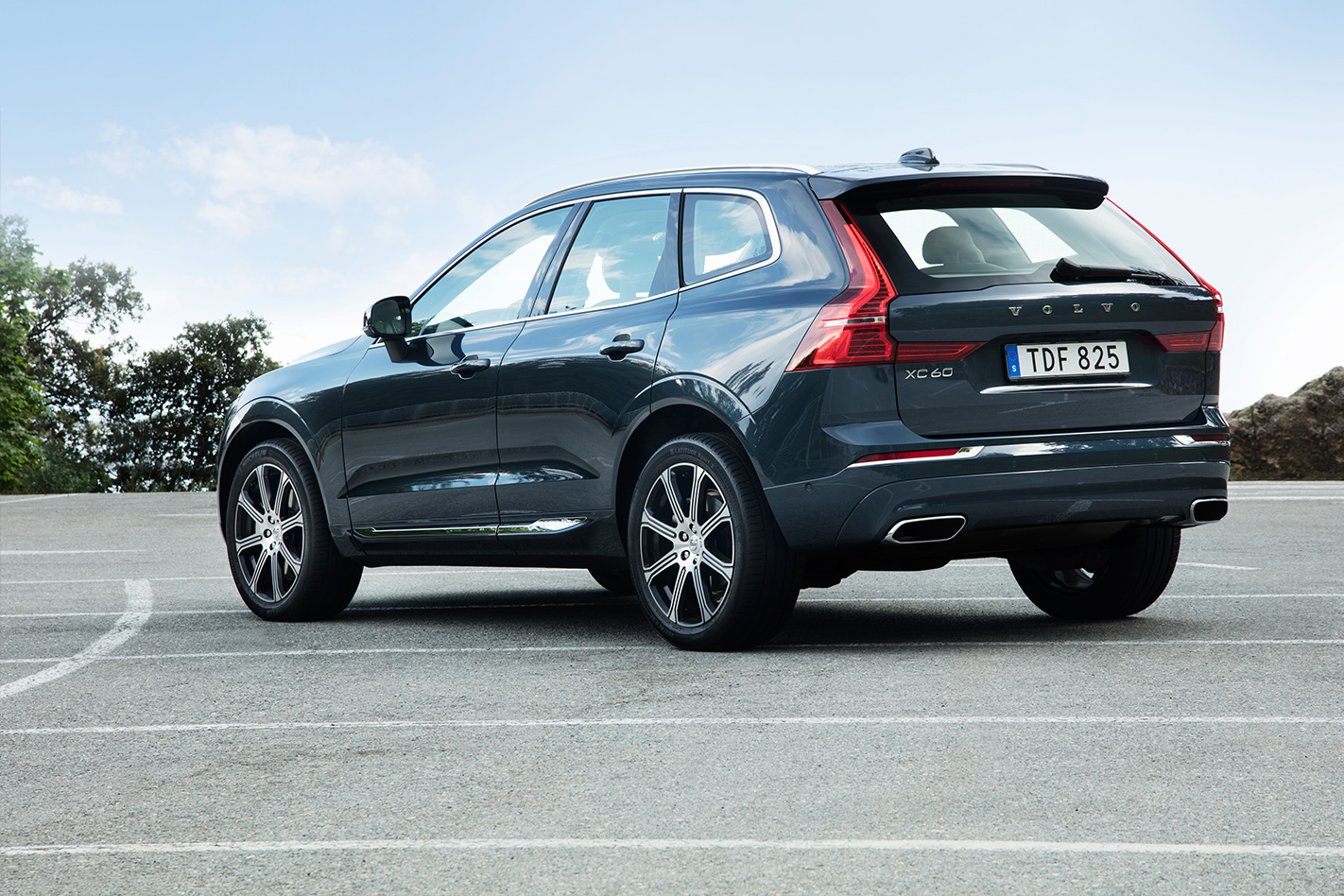
Pricing opens at $76,990, with standard all-wheel drive and an eight-speed automatic transmission. It’s generously stuffed with gear and packs a whopping 50kW more than the aforementioned Germans, in case you were wondering how Volvo has the chutzpah to charge three or four grand more.
STRENGTHS
- The XC60 T6 is seriously quick, demolishing the sprint to 100km/h in just 5.9s. That’s almost half a second quicker than the equivalent Audi Q5 and BMW X3.
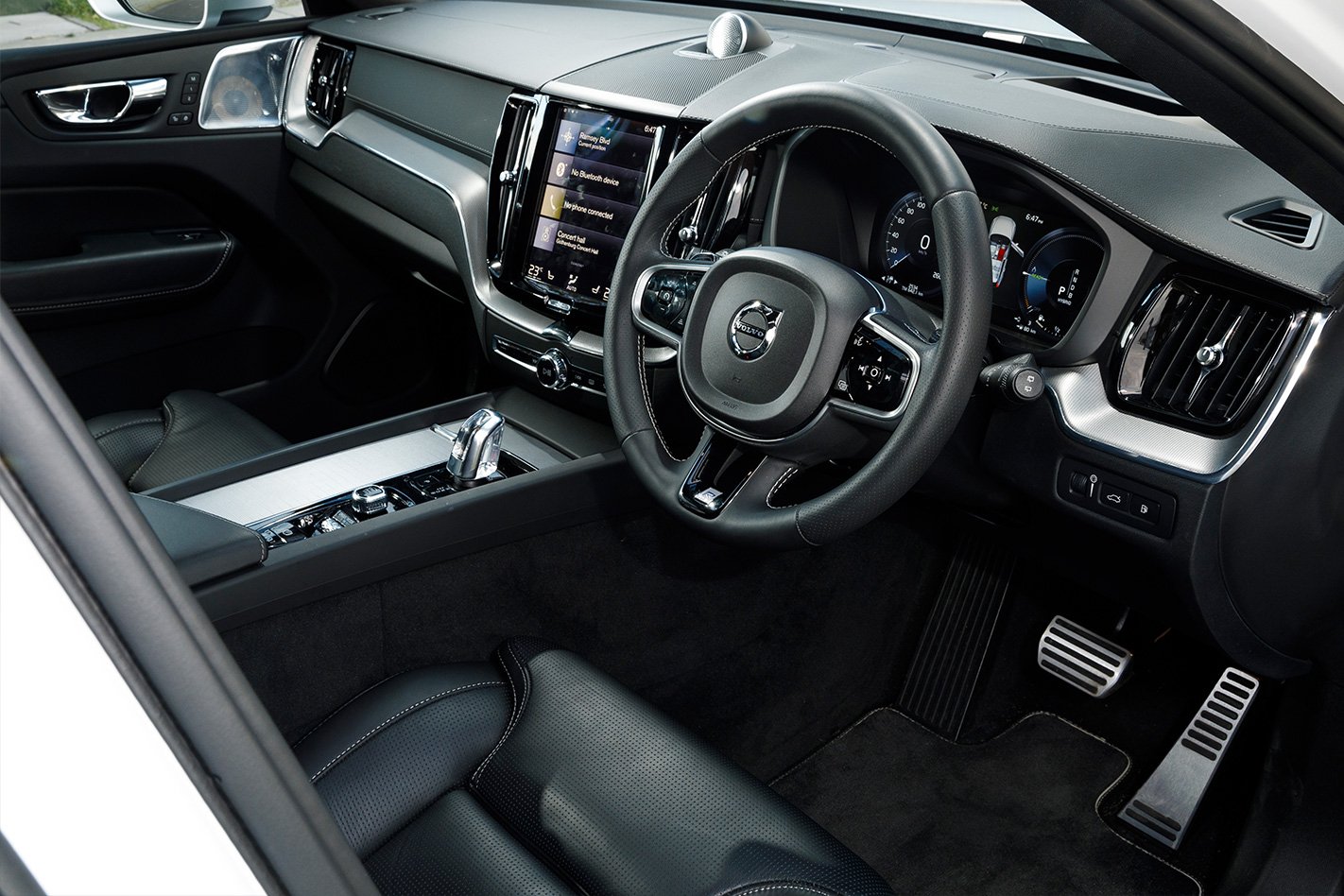
- The interior feels far more of an event than the BMW’s and on-par with the slick Audi. Build quality is reassuringly Swedish with beautiful execution of wood and metal finishes.
- Fitted as standard with a huge suite of slick safety gear and semi-autonomous driver aids, the XC60 has registered the highest ANCAP safety score (when tested).
- The combination of turbocharger and supercharger means that you’ll rarely have to stress the engine to make respectable progress, with its 400Nm of peak torque arriving at just 2200rpm. In other words, you only need to tickle the throttle to wake the engine up.
- With a claimed 8.0L/100km fuel consumption figure, the XC60’s fuel consumption is respectable and its relaxed feel means you’ll get closer to this figure than in many sportier rivals.
- The R Design gets equipment such as Nubuck leather trim, sports seats, R-Design body styling, the firmer Sport chassis, 21-inch alloy wheels on top of kit like a head-up display, PilotAssist, Apple CarPlay and Android Auto, sat nav, a 360-degree camera and that lovely portrait-oriented 12.3-inch colour display.
- The driving position is excellent with stacks of adjustability and plenty of leg and headroom even for very tall drivers. What’s more, the optional panoramic glass roof doesn’t rob you of much in the way of headroom.
- The infotainment system is intuitive and comprehensive. Sat nav is easy to get to grips with and the media player will display a full playlist from your smartphone, allowing easy selection of tracks on the fly.
WEAKNESSES
- To ride at its best, the XC60 T6 requires air suspension. This is a $2490 stand-alone option or, for $7500, you can get it as part of the Premium Pack which also adds heated front seats, a panoramic roof, tinted rear glass, power folding rear headrests and a hugely impressive (and glitzy-looking) Bowers and Wilkins premium stereo system.
- The steering on the XC60 feels aloof at first acquaintance. It’s accurate and consistently-geared but doesn’t offer much in the way of feedback.
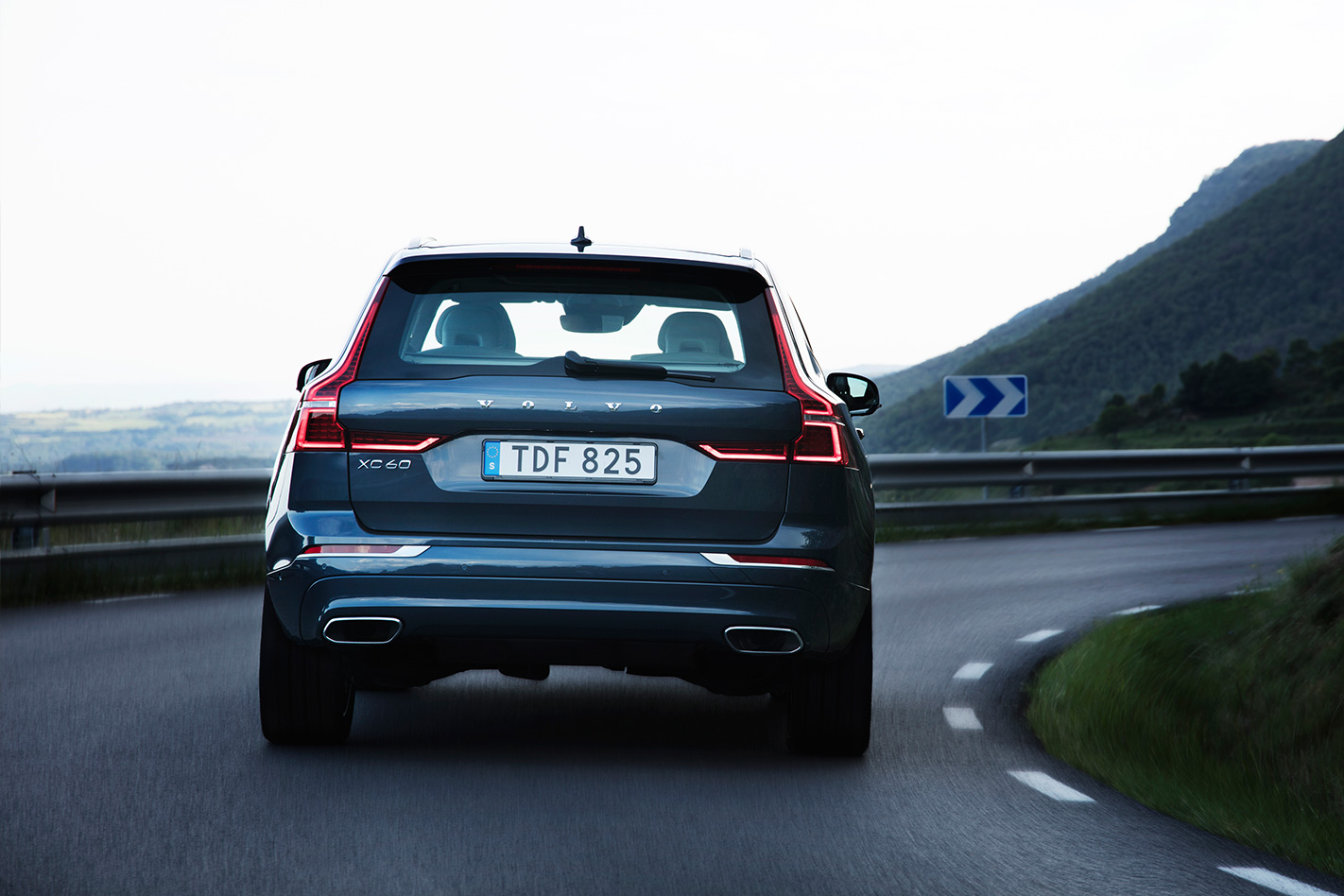
- At 505 litres, the boot is about 10 percent smaller than the 550-litre class norm. The rear seat is also a 60/40 split which lacks the 40/20/40 versatility found in the Land Rover Discovery Sport.
- The four-cylinder engine doesn’t sound particularly melodic if you’re in the mood to really extend it.
- To get that clean look to the fascia, a lot of controls are marshalled by the touch-screen. Some buyers find this distracting.
ANY RIVALS I SHOULD CONSIDER?
The Volvo XC60 finds itself up against formidable rivals in the shape of the Audi Q5, BMW X3, Jaguar F-Pace, Range Rover Velar, Porsche Macan and Mercedes GLC. It’s so packed with thoughtful details that it makes an easy recommendation for those looking for comfortable family transport, although do factor in the additional cost of the air suspension. The T6 variant in particular is the most cost-effective way to buy into the slick R-Design trim level but an optioned-up D5 diesel probably represents a more tempting choice for most families.
