
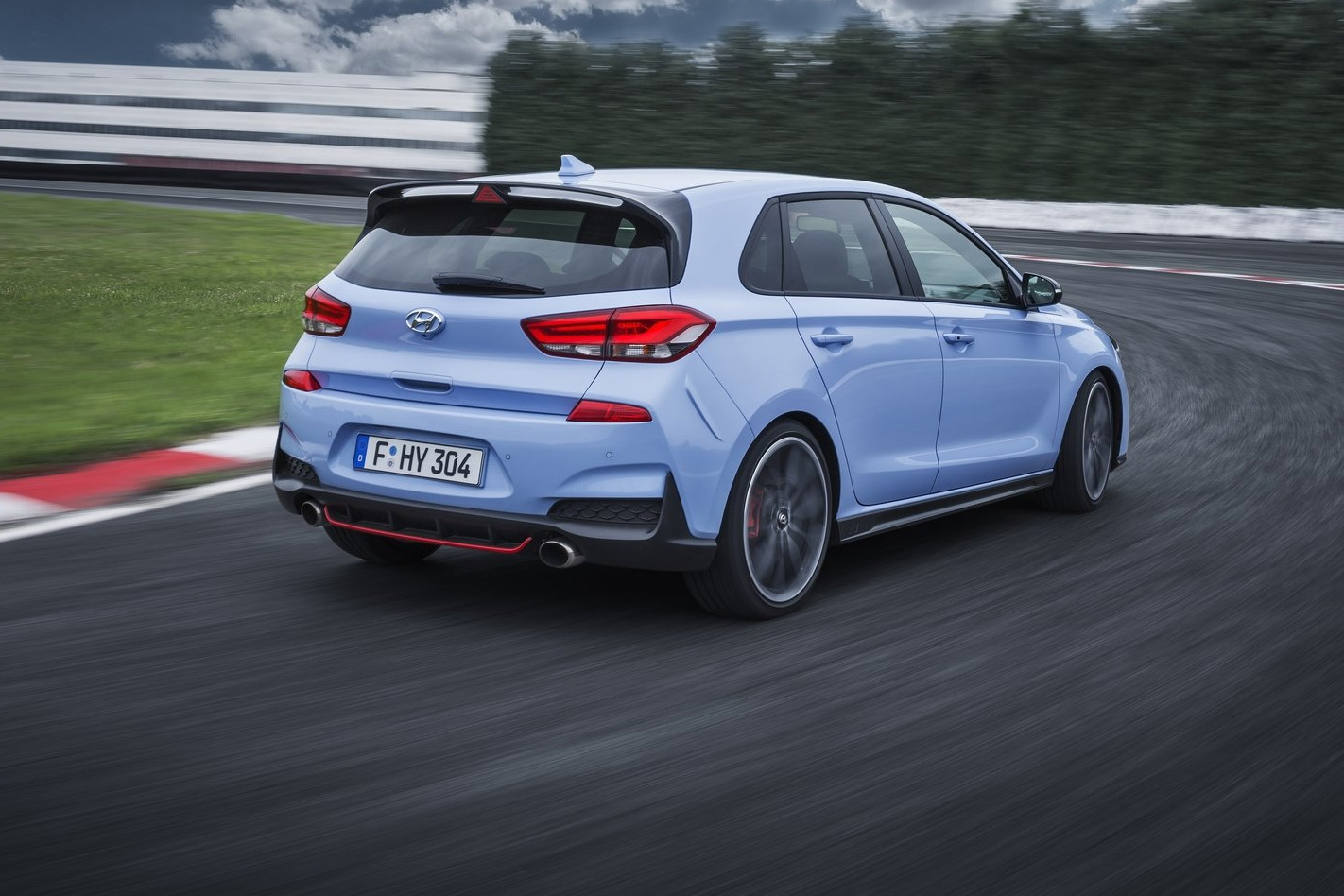
THE BOSS of Hyundai’s burgeoning N Performance division, Albert Biermann, has revealed plans to add a harder and faster ‘Clubsport’ version to the much-anticipated i30 N range.
Expected to arrive later in the Hyundai i30 N‘s lifecycle, the hotter model will likely follow the same recipe used by rivals, such as Renault Sport, who introduce lighter, more focused variants to maintain customer interest once the initial launch hype has faded.
Regular versions of Hyundai’s first hot hatch are due to arrive in Australia this March, and will be offered in two spec levels: the regular 184kW i30 N, and the 202kW Performance Pack, which adds larger wheels and brakes, and an electronically controlled limited-slip differential.
Speaking to Wheels in Detroit, Biermann hinted at the additional i30 N variant adding more power and dropping valuable kilos, possibly by removing the rear seats like the hardcore Megane RS 275 Trophy R.
“We already had some prototype cars with all-wheel drive and more power, but these are just concepts for us to play around with,” he added.
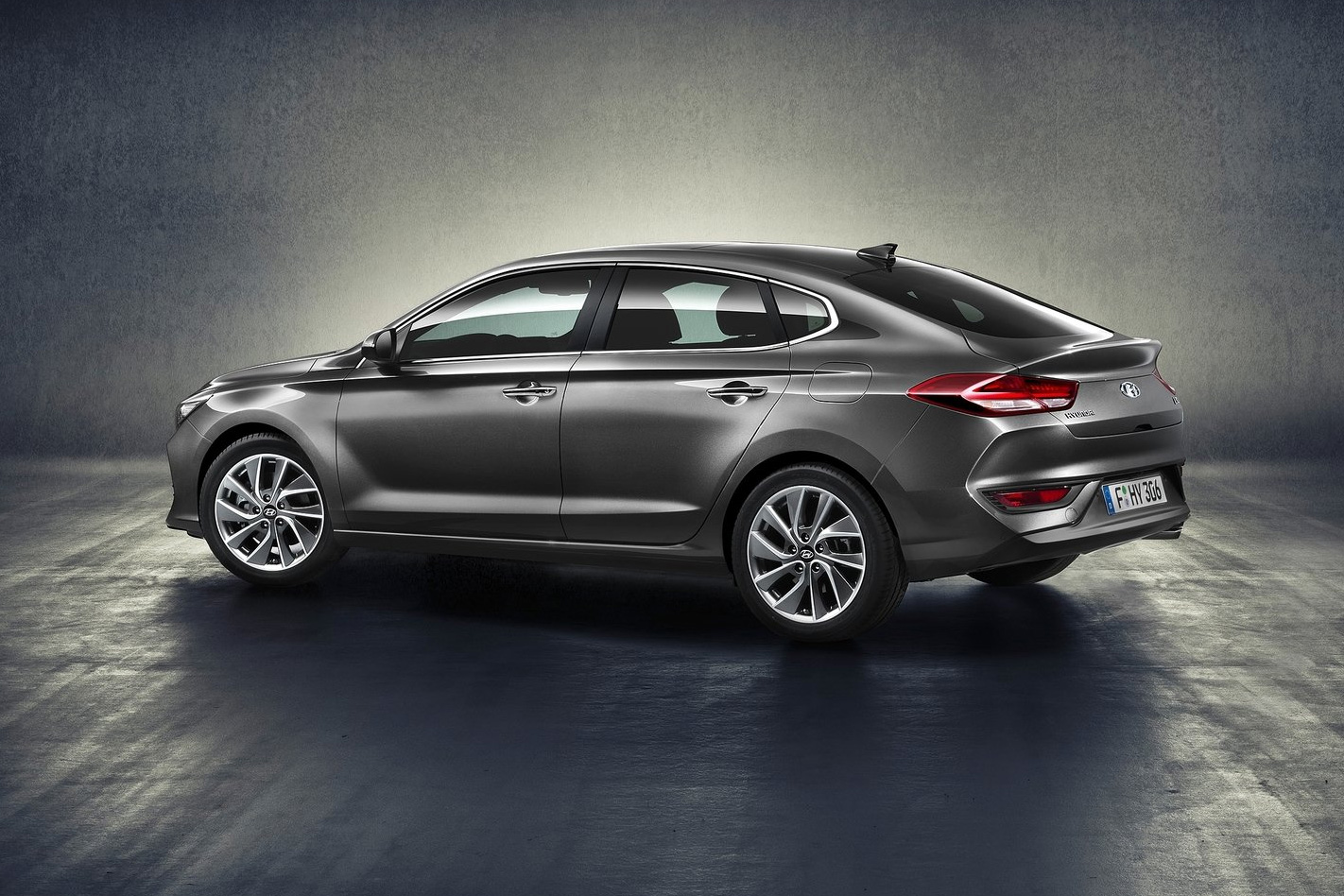
A third Hyundai N model is also coming, after i30 N and Veloster N, as a fiery version of the soon-to-be-launched i30 Fastback. The Fastback will have five doors, but with a liftback body style, longer wheelbase than the hatch and a roomier cabin. The i30 N Fastback could also boast a power premium over its hatch sibling.
When asked about the i30 Fastback’s launch timing, Biermann said simply “nine months”, meaning a global reveal in mid-September.
Biermann used the Detroit motor show to showcase the N brand’s second model, the Veloster N, a car that uses the same mechanical underpinnings as the i30 N, though is around 30kg lighter and has a lower centre of gravity. For now, Veloster N will be built solely in left-hand drive, with an Australian berth unlikely.
“We have to find the business case for that [to come to Australia],” said Biermann. “Veloster doesn’t go to Europe at all, so this will be pretty challenging. You [Australia] would need to take a lot of Veloster N to get that business case going.”
A new engine joins the Bentley Bentayga range with the addition of a petrol V8 into the luxury SUV’s line-up.
Bentley is calling it the Bentayga’s ‘most sporting guise to date’, though this is likely due to its dynamics rather than its performance figures.
The Bentayga’s twin-turbo 4.0-litre V8 puts out 404kW and 770Nm, where the more powerful W12 is good for 447kW and 900Nm.
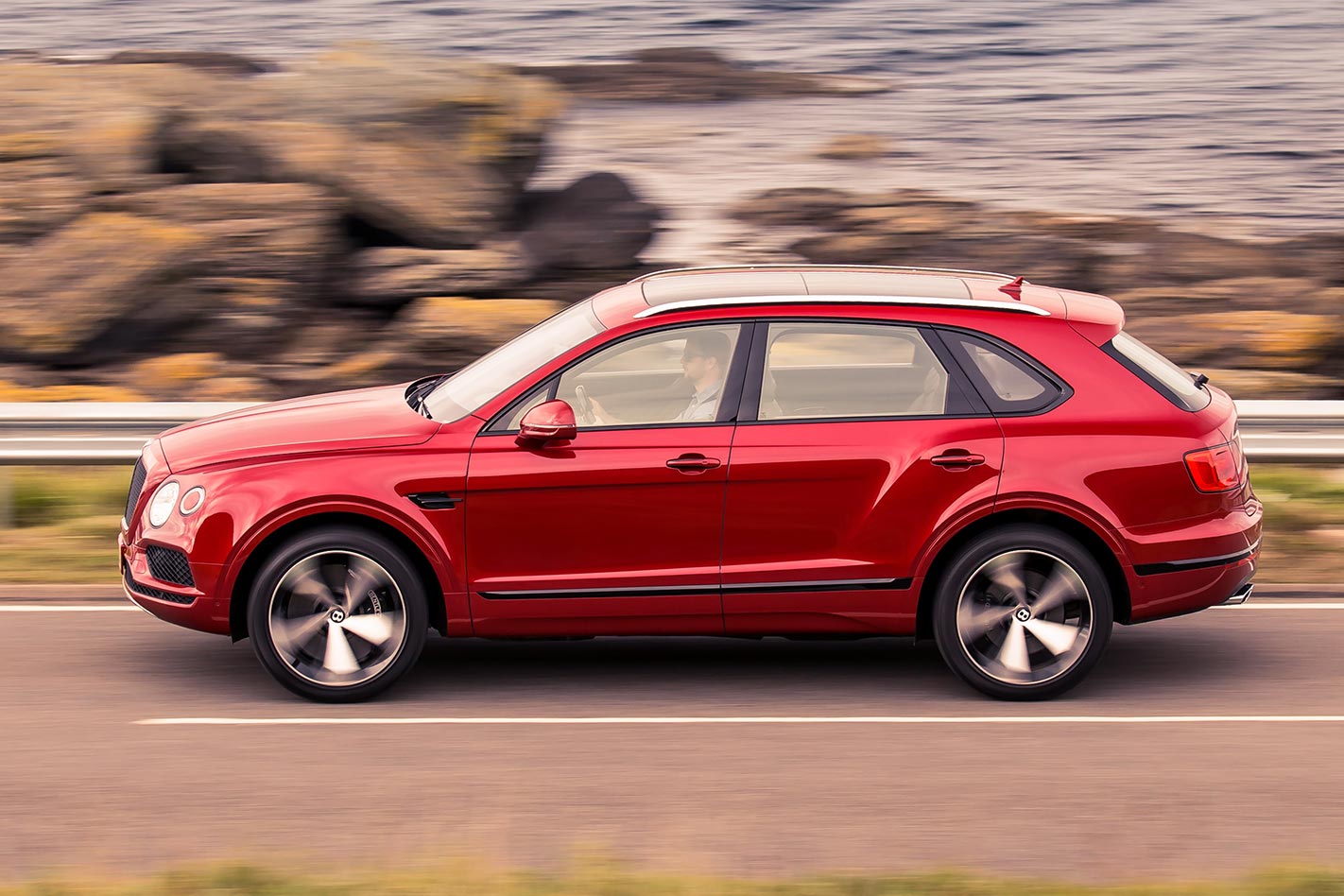
However the V8 is slightly lighter, at only 2395kg to the W12’s 2440. That extra 45kg is somewhat overshadowed by the power advantage, though.
Still, there’s a lot of appeal in the sound of a V8, and the likelihood that anyone’s using their Bentayga to hit performance times is slim.
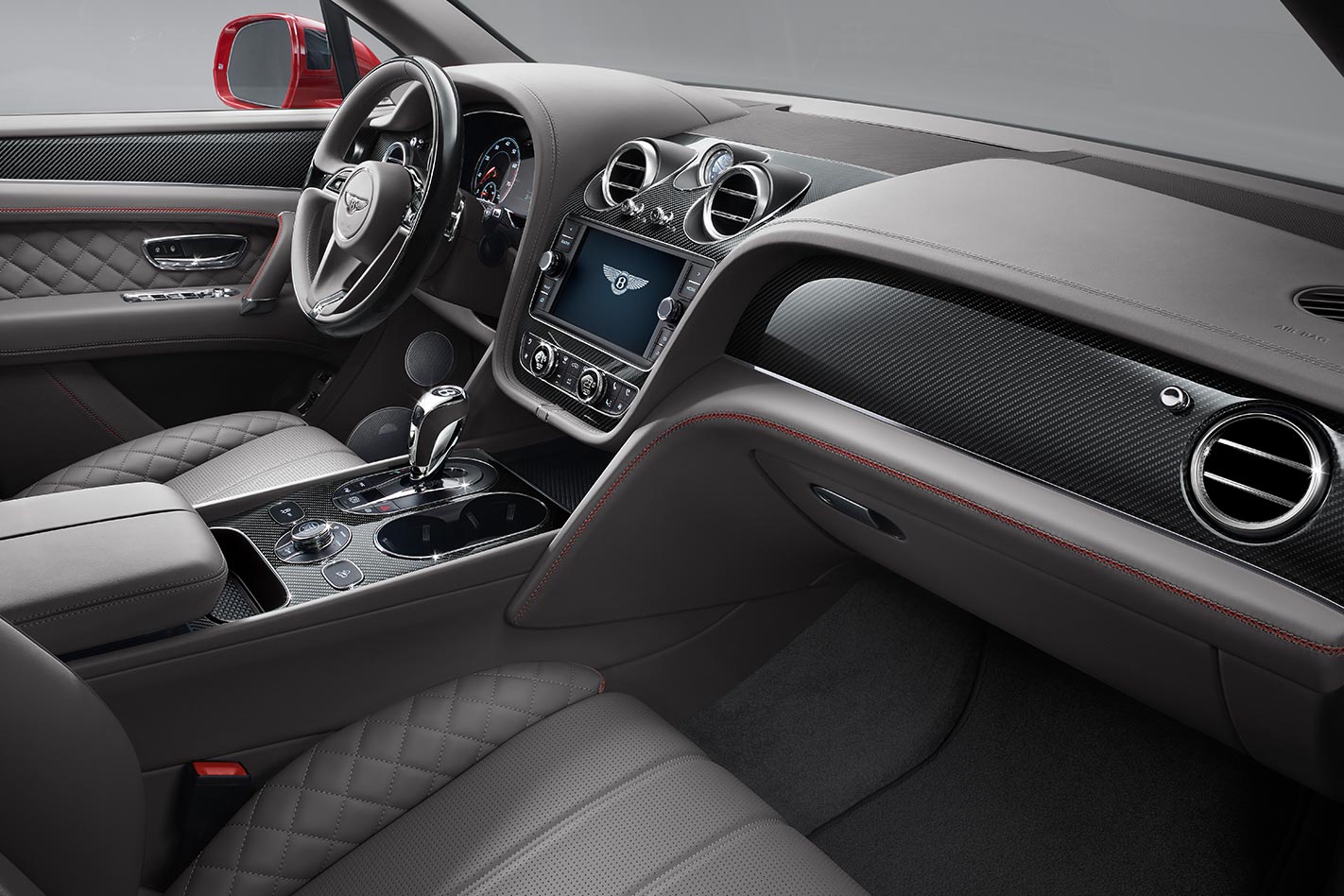
Adding to the ‘sportiness’ of the new Bentayga is a set of twin-quad exhaust pipes, as well as optional carbon ceramic brakes which Bentley says include the “world’s largest front brake system.”
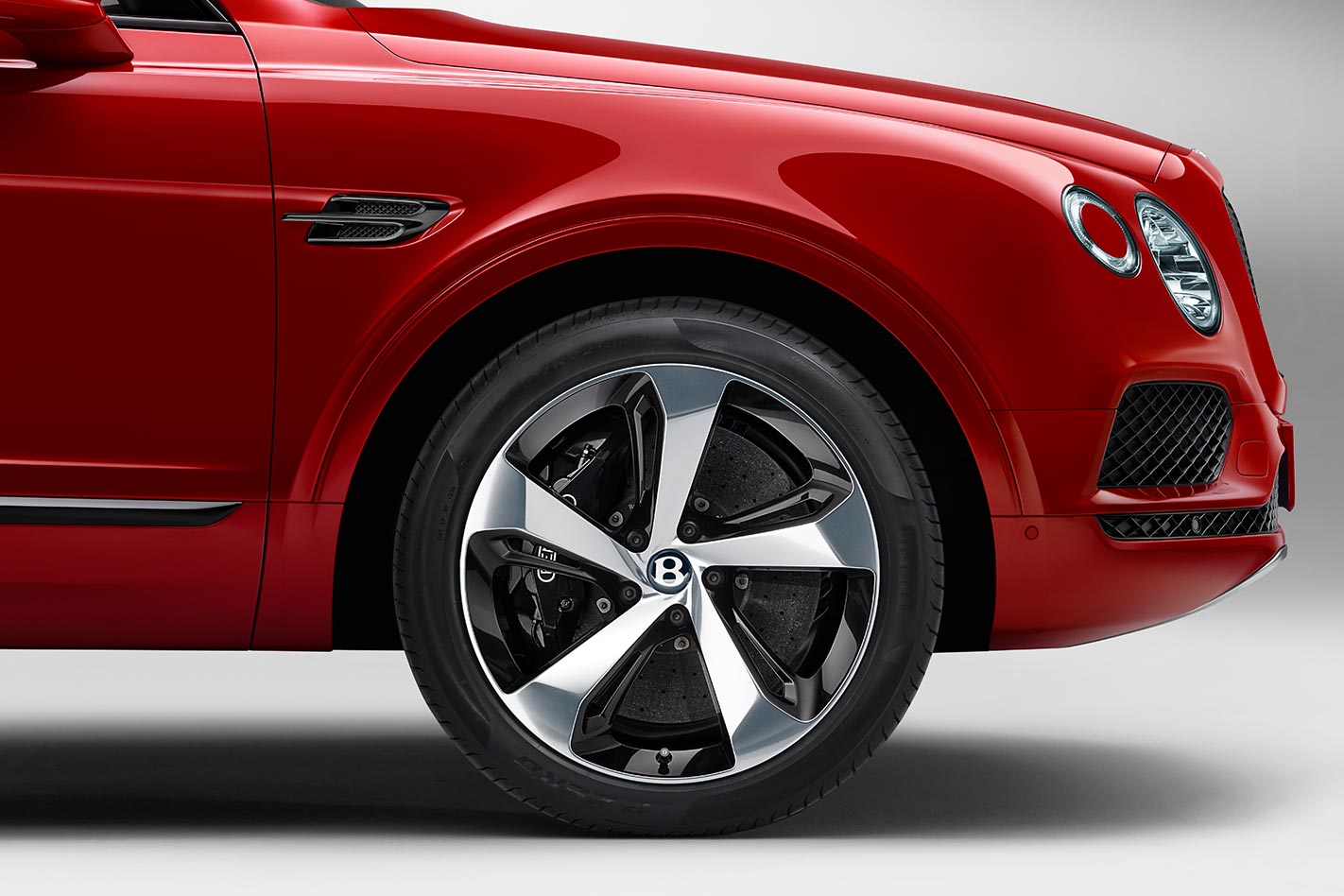
Pricing and availability for the V8 Bentayga haven’t been announced, but there’s a change SUV-hungry Australians will get the choice of a V8 petrol engine in the near future.
LEXUS is preparing the ground for a convertible model to return to its growing ranks, filling a rift in its line-up that opened up when the SC hard-top convertible was put out to pasture eight years ago.
The move to reintroduce an open-top car to the Japanese luxury line-up would be in line with the company’s increasing focus on a younger audience while maintaining its existing customer attention, following the recent introduction of the RC coupe and LC large sports coupe flagship.
Exactly what form the new drop-top will take will have to wait but, speaking to Wheels at the North American International Auto Show (NAIAS) in Detroit, Lexus president Yoshihiro Sawa explained that he would have liked to offer a convertible model earlier, but limited development resources had pushed plans back.
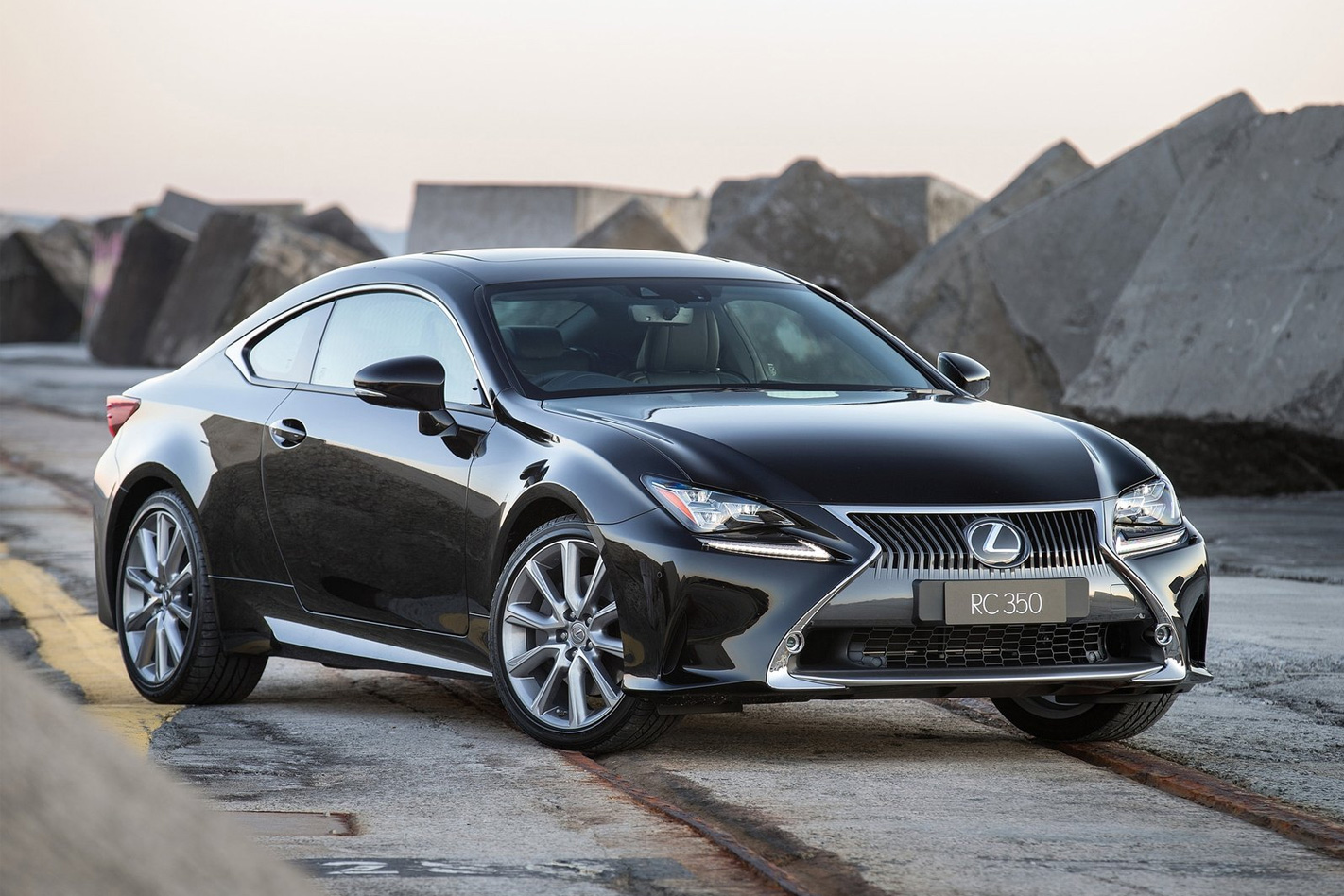
With the LC and RC sports coupe cousins now firmly nestled in the Lexus range, the company is more likely to have the flexibility to turn its attention to a new topless model, but quite when that mysterious car will arrive is yet to be confirmed.
Where the car will be positioned in the range is also still anyone’s guess, though a chopped version of an existing coupe is almost certain. Calty design research studio president Kevin Hunter threw some light on what the new model might look like.
“The one thing that comes to mind for me is LC”, he said. “LC would make a beautiful roadster. The way the body architecture is set up and the way the belt line is, it’s just a natural for a roadster. I think that would be wonderful and really beautiful.”
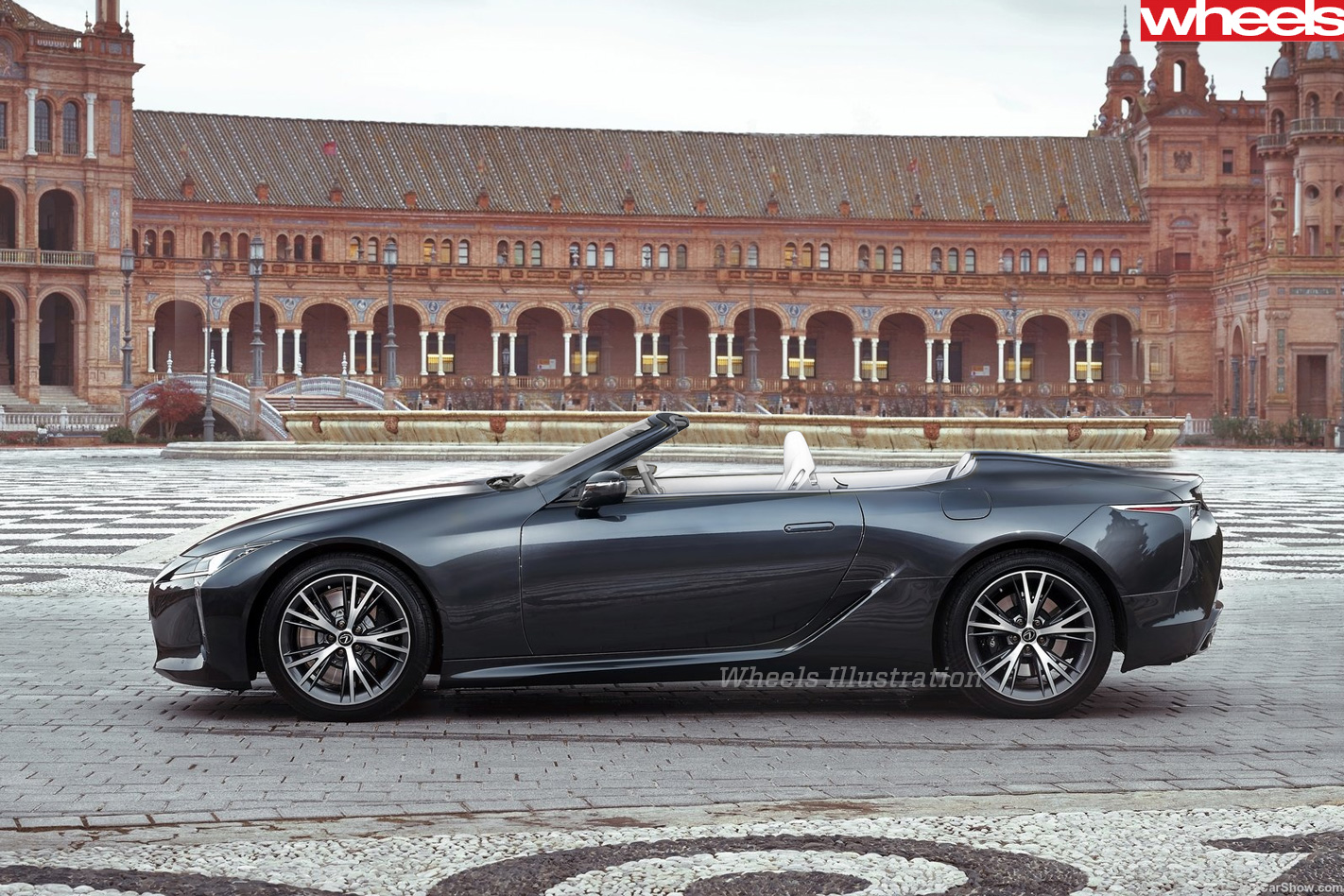
Hunter agreed that a convertible in its ranks would serve as a useful brand booster and as a more exclusive offering that not every brand can brag.
“I don’t think in a premium segment it hurts to have something (convertible). Yeah, why not? Open tops are an exclusive part of an automobile and not everyone has them. It would be nice to have one in a premium brand.”
Before it was dropped in 2010, the SC offered hard-top coupe motoring when the weather was foul and open top fun for four when the weather permitted but a successor is likely to return with significant weight and performance advantages over the first Lexus convertible, which fell firmly into the GT cruiser category.
FORD is about to launch an experiment to see how willing Australians are to swap out of their daily ride for something a bit more exotic for a few weeks a year – such as a Mustang GT.
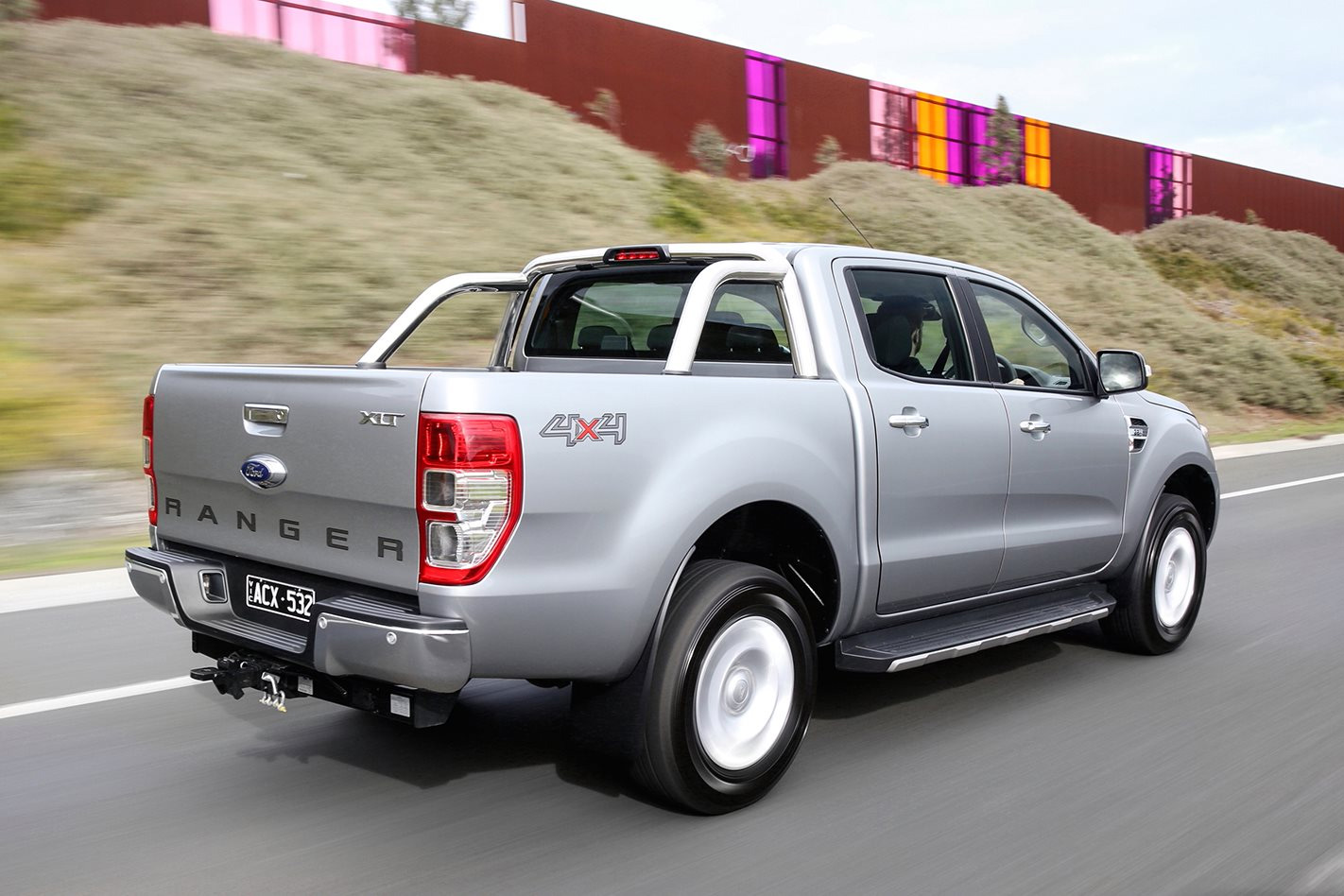
It will soon launch a trial program called 2nd Car, a scheme that allows some Ranger and Escape buyers to park up their daily ride, and spend some time behind the wheel of the iconic pony car.
Ford Australia communications director Martin Gunsberg said if the trial, available to buyers over the first two years of ownership, proved a success it could be opened up to other Ford customers, with loans on a wider range of vehicles.
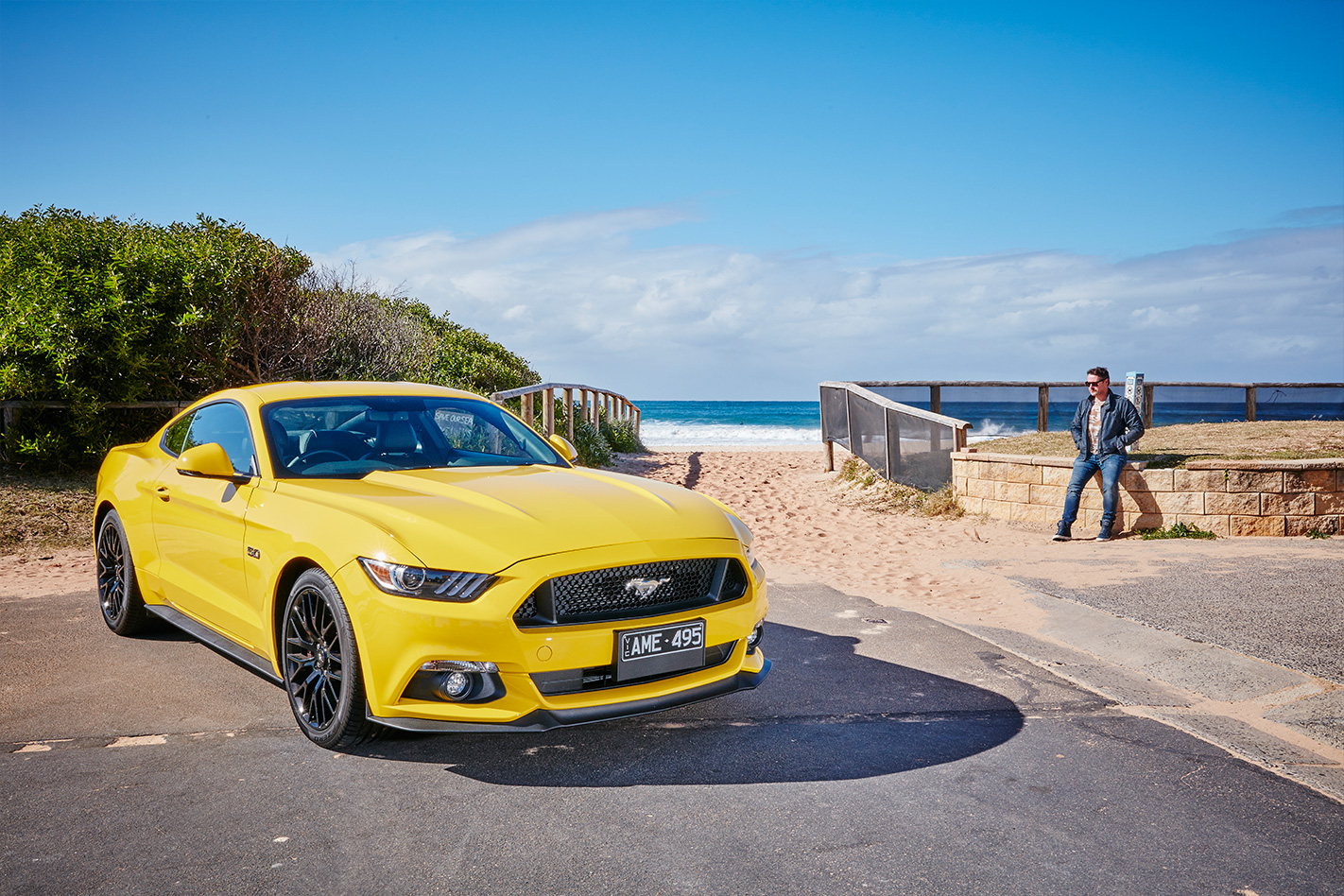
“We believe the Mustang is the type of car these [Ranger and Escape buyers] would have in their garage if they had a second car,” Gunsberg said. “If the pilot program goes well here in Australia, we hope to open it up to more of the Ford owner community,” he said.
If the program expands, it means that one day a Fiesta owner could arrange to use a Ford Transit to pick up some flat-pack furniture from Ikea. Likewise, someone who has the in-laws coming to visit could take up a short-term loan of a seven-seat Everest so that the whole family can fit in the one vehicle, or even borrow a Ranger to take garden rubbish to the tip.
“This is the first program of its type in the Ford world,” Gunsberg said. “It’s just one example of how we’re expecting vehicle ownership to change as we move towards the share economy.”
That share economy is a new era of car “ownership”, where drivers will borrow vehicles as they need them, a precursor to the days when car makers expect self-driving vehicles to dominate our roads.
Even in this future of shared cars, Gunsberg says Ford expects that Australians will still need to own a vehicle.
“There are still going to be people like parents who do not want to have to take the kid seats out of a car if they have to take an autonomous vehicle,” he says.
Ford already offers its customers a free courtesy car when they have their vehicle serviced at a participating dealership.
Mercedes-Benz has revealed an all-new G-Class. So new in fact, that only three parts carry over from the previous-generation model.
Launched with just a single variant for now, the G500, the new G-Class has a twin-turbo 4.0-litre V8 under the bonnet and bona-fide off-road credentials that do justice to the G’s hard-earned reputation for unburstable go-anywhere capability. On top of that, there’s now an interior that could actually be described as luxurious.
Speaking of which, the exterior dimensions have swelled by 53mm in length and 121mm in width, with all that extra room going into the creation of more interior sprawling space.
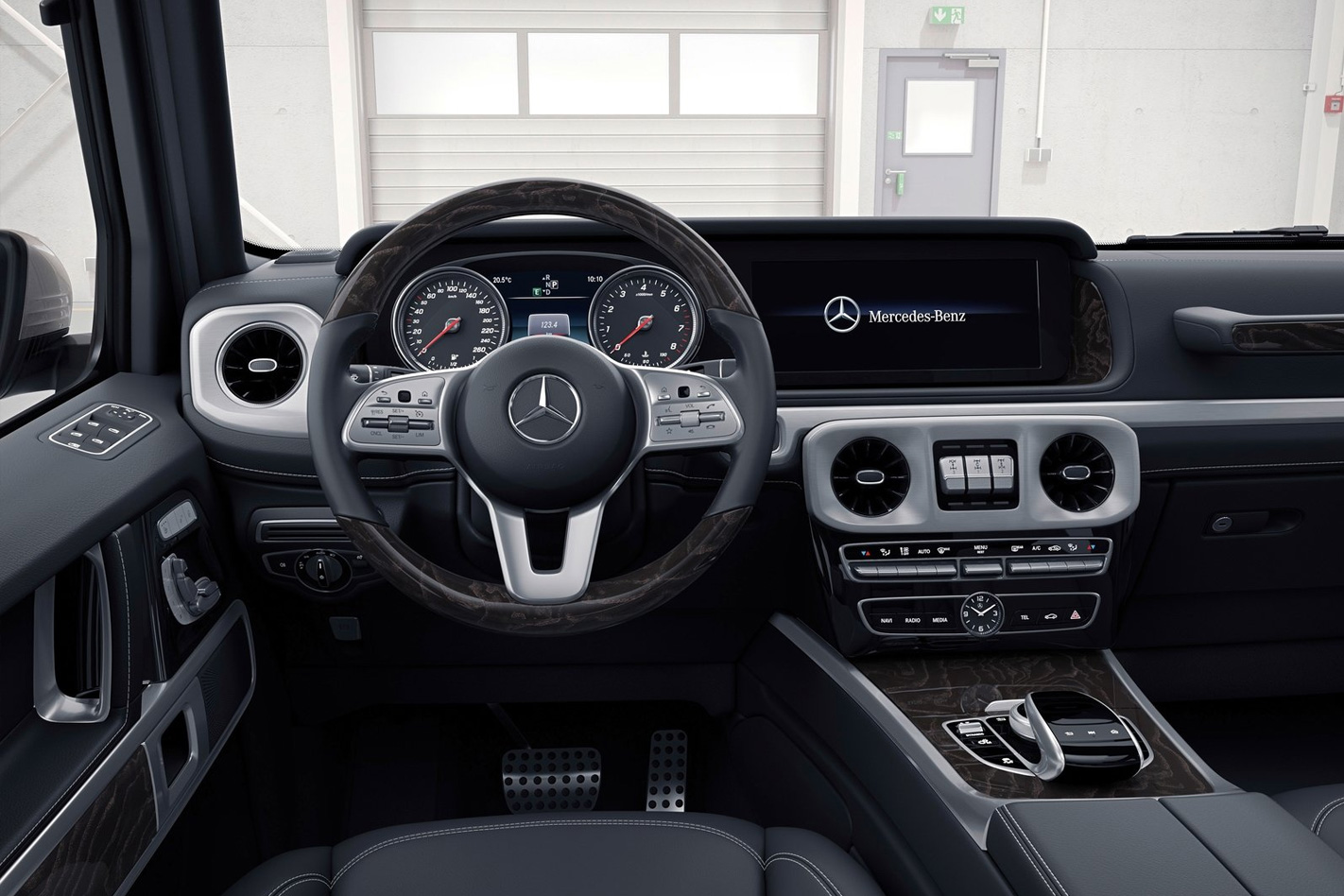
All that adds up to improve the G-Wagen’s liveability, while Mercedes-Benz has decked it out with enough kit to have you thinking you are rolling in an E-Class instead of a hairy-chested legend of the off-road world.
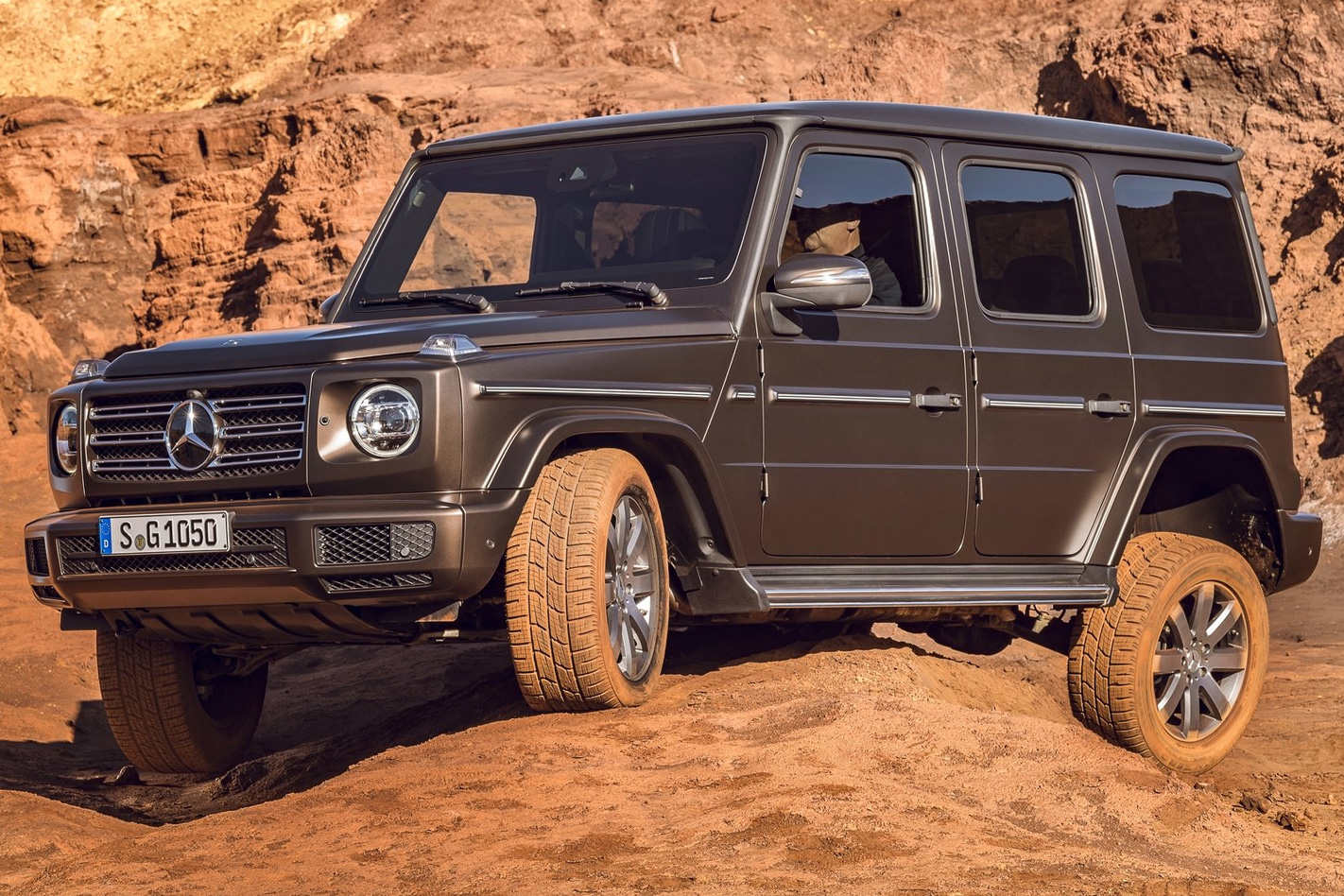
Ground clearance measures in at 241mm, with approach and departure angles of 31- and 30-degrees respectively.
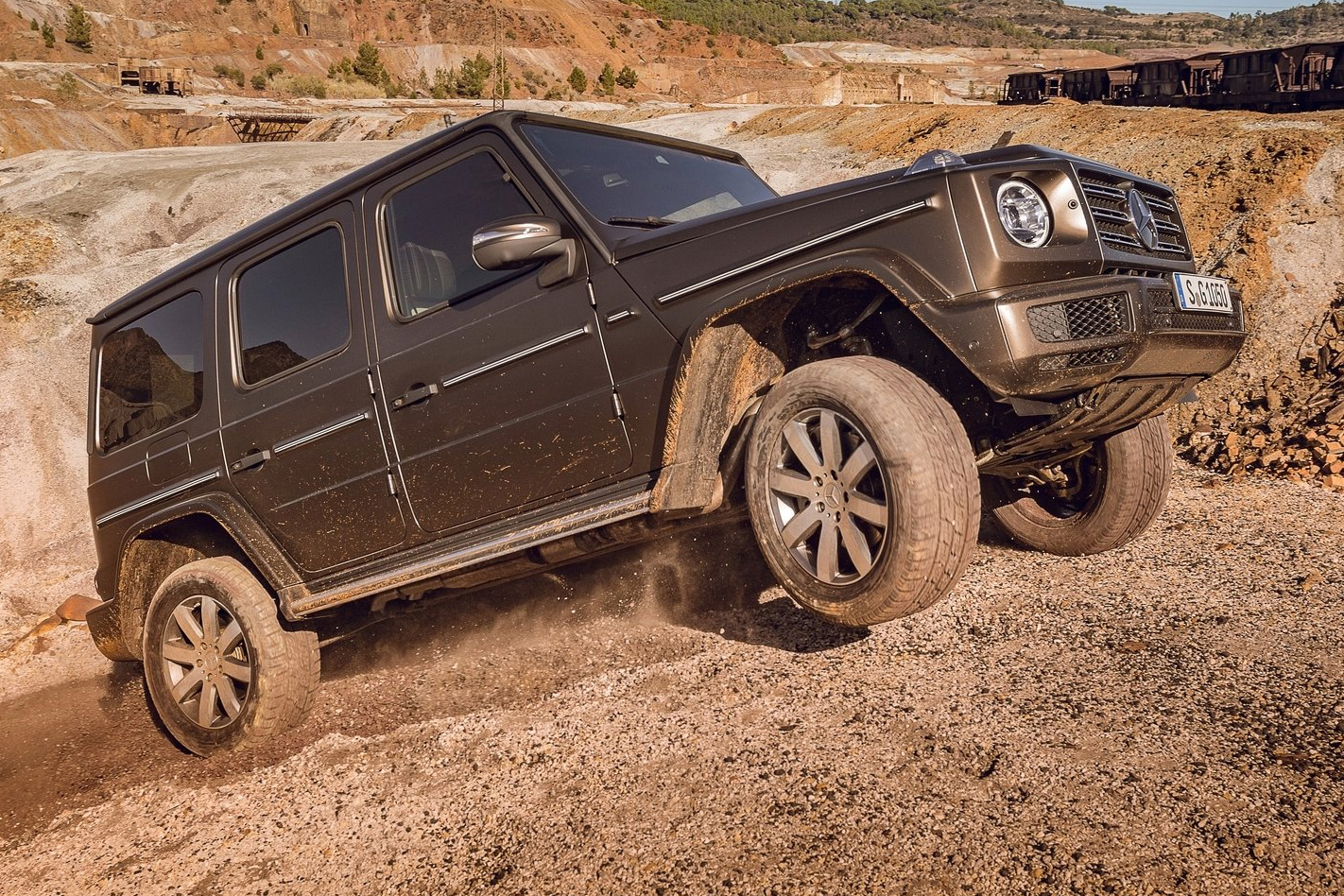
“Enhancing an icon such as the G‑Class in technological terms was both a challenge and an opportunity at the same time,” explains Dr Gunnar Güthenke, Head of the Off-Road Product Group at Mercedes-Benz. “Each part and every bolt came under close scrutiny.”
Meanwhile, the exterior design is a case of evolution rather than revolution, with the Mercedes icon still unmistakable in its looks.
The G-Class is expected to launch in Australia in the third-quarter of 2018, with the yet-unreleased G63 slated to spearhead its arrival.
Snake badges, a supercharged V8 roar, and a black wing. The next Shelby GT500 is coming.
A fresh teaser video has been revealed by Ford which shows an original GT500 turn (sort of) into a new Mustang – with new black trim, black wheels, and a black wing.
Flashing up are snake badges, hints of a new splitter, skirts, and rear diffuser, as well as twin-exit exhausts and a round headlight with LED DRLs.
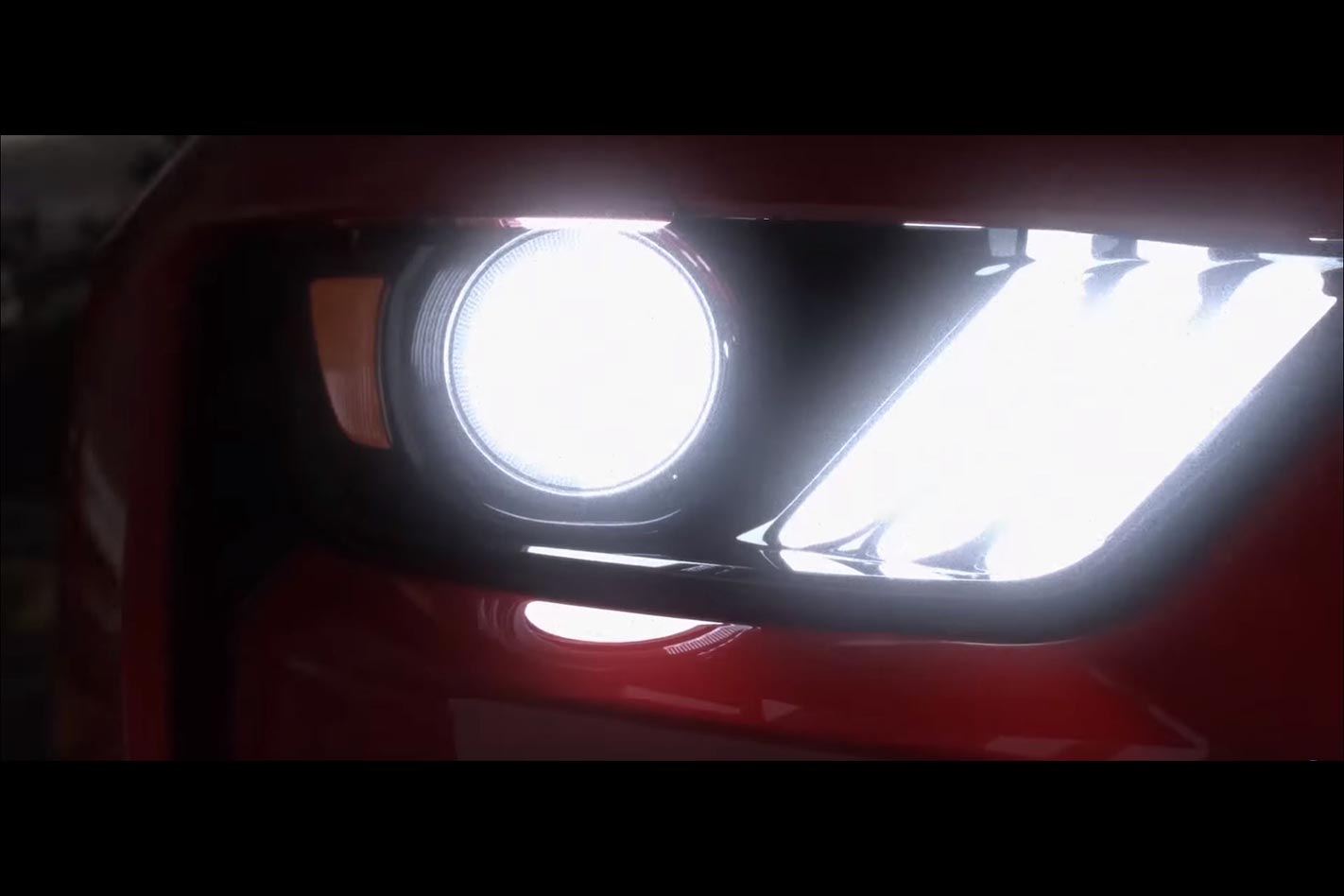
However, we’ve seen spy shots (and a video) of a test mule GT500 in the last couple of years, which suggests that this new version has been in the works for a while.
But one thing about the teaser video that’s pretty easy to spot is the projected power output of the upcoming Shelby.
Its 700hp+ figure would translate to ’more than’ 522kW, putting it firmly above the next 343kW Mustang GT, and the 354kW Bullitt tribute.
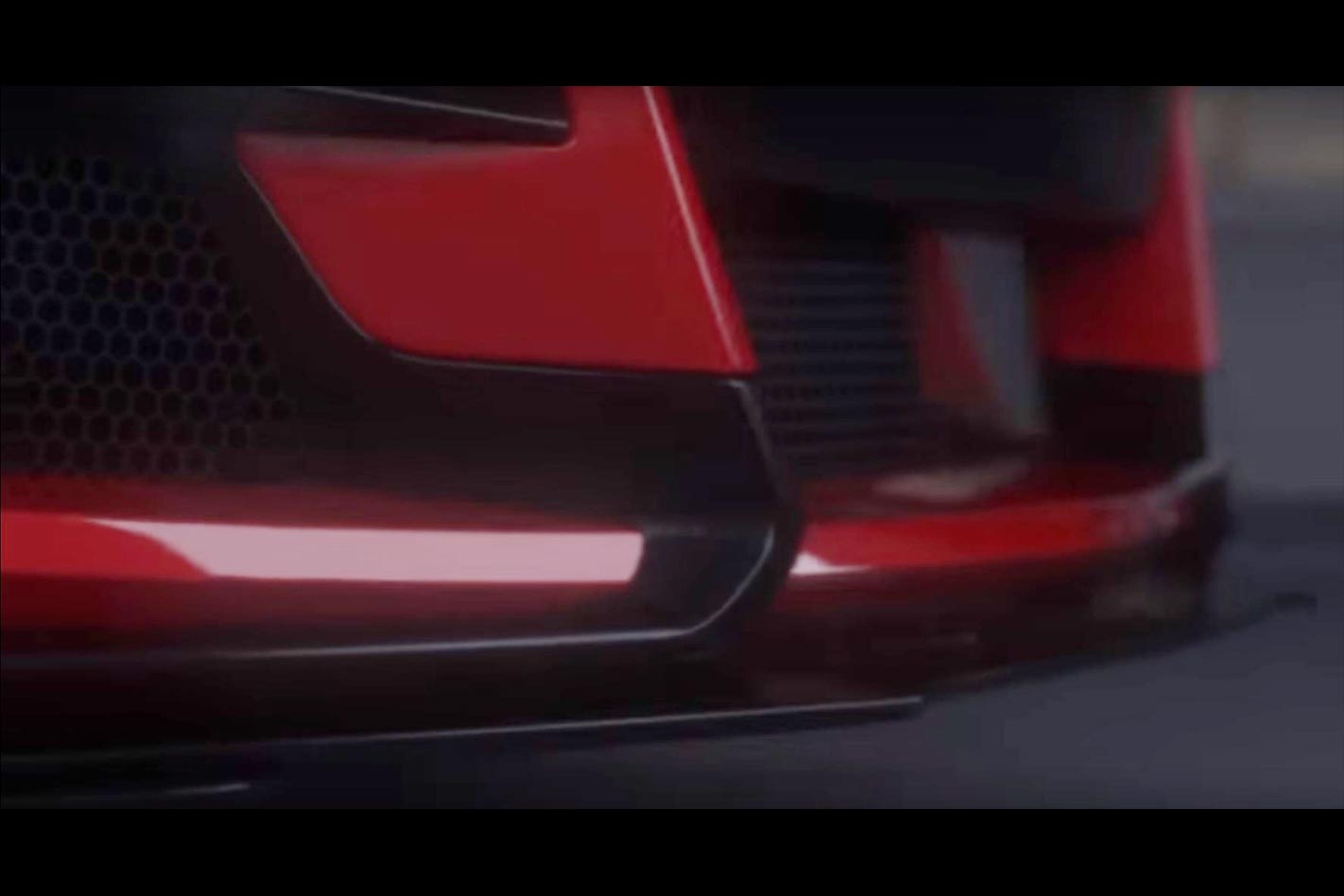
Even Ford’s jet-fighter mimicking GT is only good for 482kW. We’re not sure the GT500 will make a claim to hit 100km/h in less than three seconds, though.
Ford says the Shelby GT500 will be arriving in 2019, though whether it’ll make it Down Under isn’t yet known.
Kia’s big reveal at this year’s Detroit Motor Show was the new-generation Forte, a car which will arrive in Australia in the middle of this year with the steering wheel on the right side and Cerato badges on its bootlid.
And when it gets here, it will give the Korean automaker a much-needed shot in the arm in the still-vital small car segment. A new Cerato hatch isn’t due until the end of the year, but the box-fresh Cerato sedan will offer a significant step up from the outdated present-gen car.
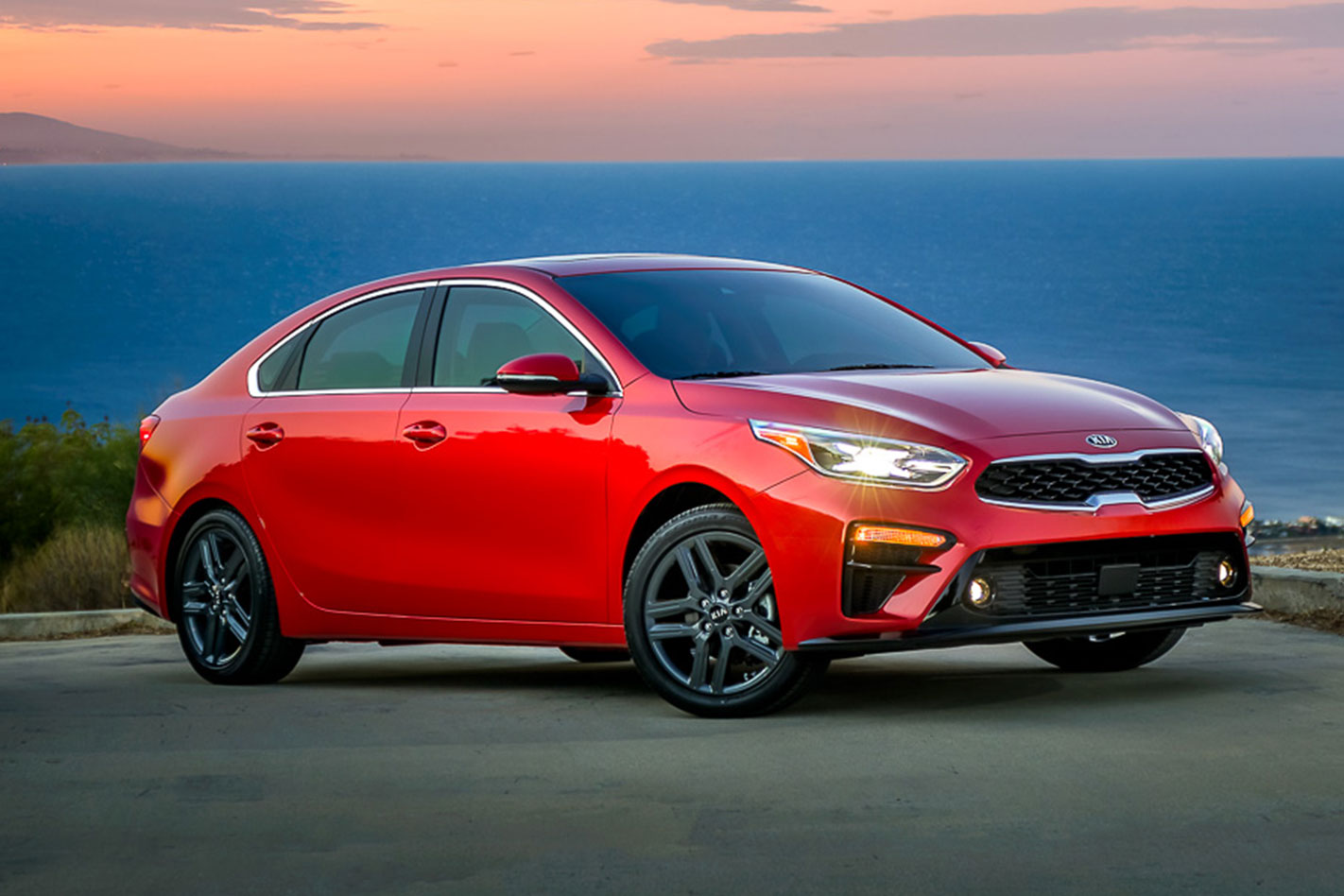
The most notable improvements are easily discernable from a distance. Now slightly larger in width and length (by 81.3mm and 17.8mm respectively), the 2018 Cerato sedan also adopts a more appealing fastback silhouette and subtly pumped bodywork for an athletic and assertive stance.
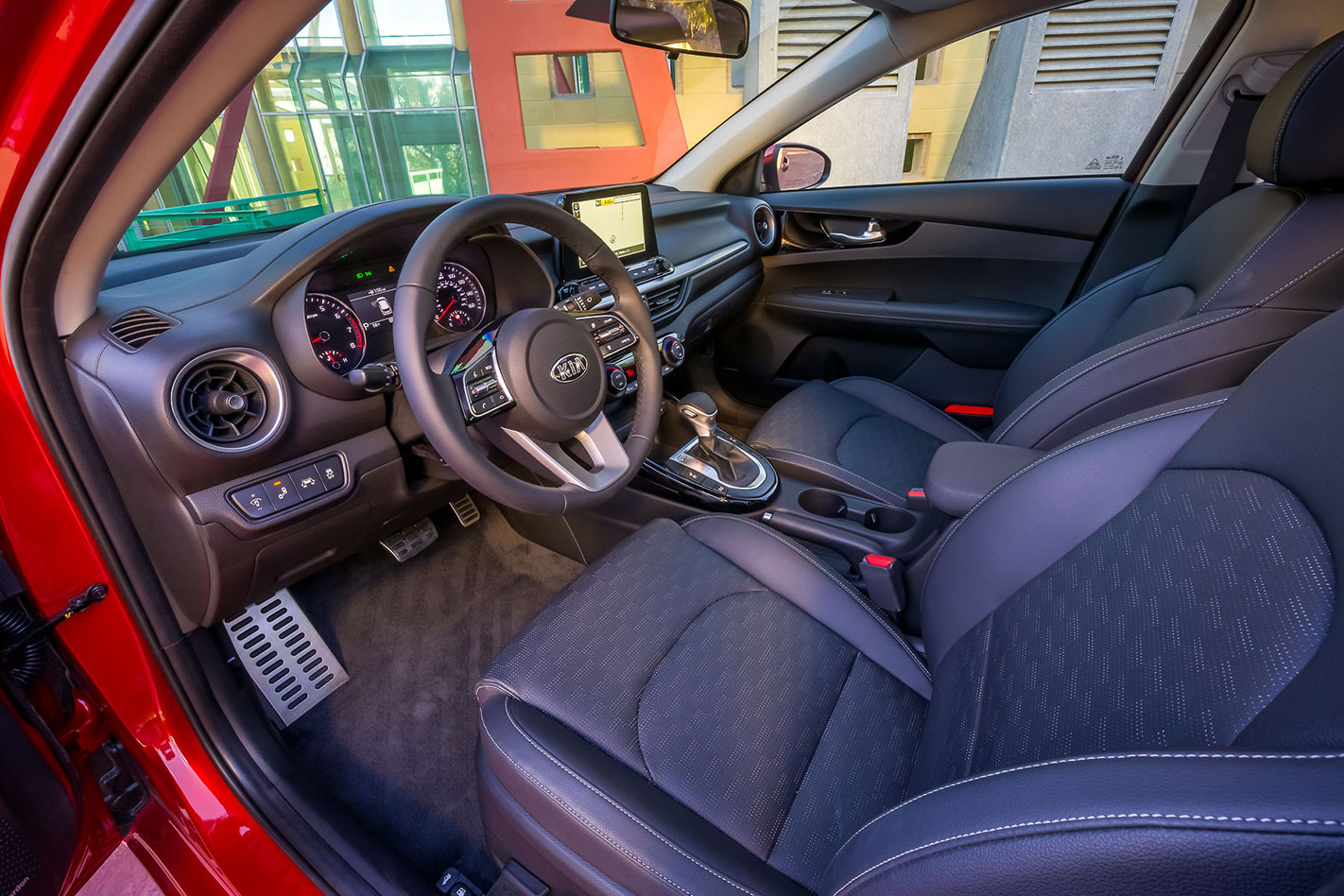
On the inside, the new Cerato sedan steps away from the dull dash design of the current car and towards an i30-esque cabin fit-out, with an eight-inch touchscreen infotainment display sprouting from the top of the dash and a similar layout to that of its corporate cousin. Kia claims that material quality has also been substantially improved, with greater application of soft-touch surfacing throughout the cabin.
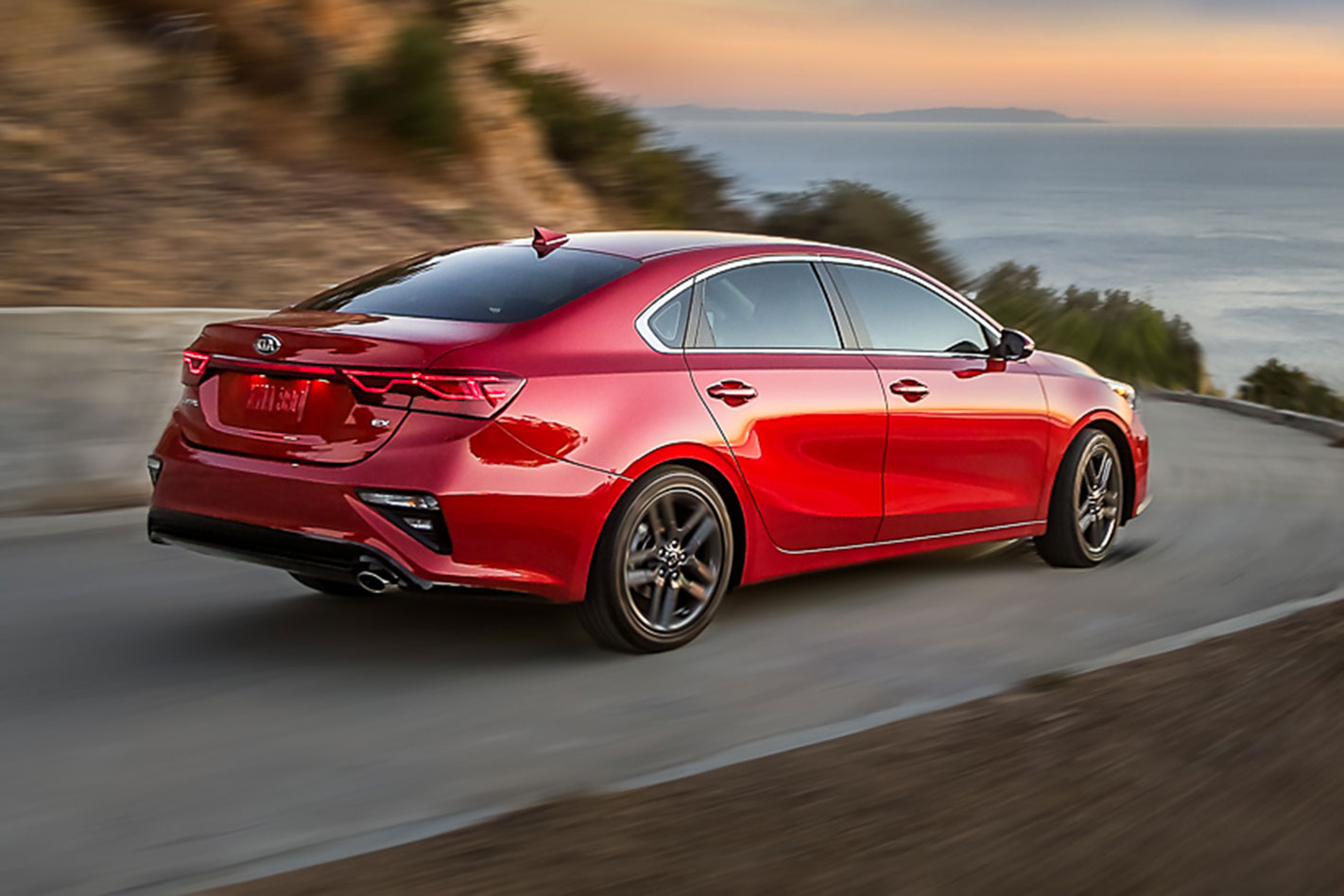
The American market will receive a 2.0-litre naturally-aspirated petrol four-cylinder as the mainstay engine, which can also operate in the efficiency-optimised Atkinson cycle to minimise its fuel burn. For Australia the new Cerato sedan’s engine line-up has yet to be confirmed, but expect lower-grade variants to use a carry-over 2.0-litre with 112kW.
In the US market a six-speed manual will be standard, while the current car’s conventional six-speed automatic will make way for a continuously-variable transmission – dubbed “IVT” by Kia, for “Intelligent Variable Transmission”.
Other under-the-skin tweaks have been applied to the suspension geometry and electric power steering, both done to boost handling response, stability and improve steering feel.
Local specifications are still far from being locked in, however Kia Australia has indicated that the new Cerato sedan is on track to launch midway through 2018, with its hatchback counterpart arriving sometime in the fourth quarter.
Ford has revealed its US version of the Aussie designed and developed 2019 Ford Ranger, which will share an engine with the Ford Mustang.
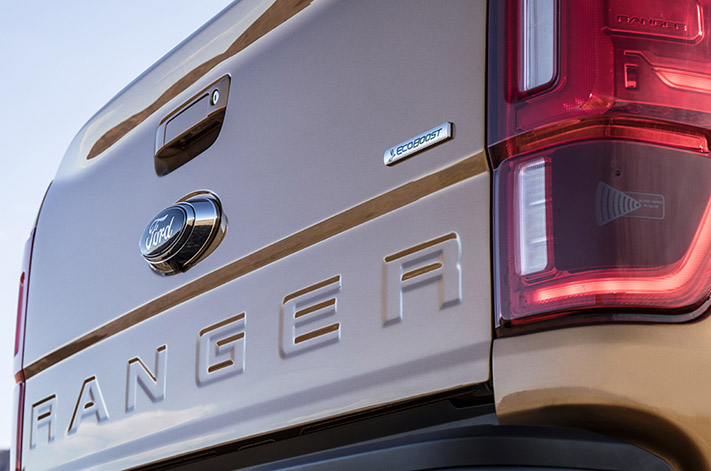
Before you get too excited, we should point out it won’t be the 5.0-litre V8 under the bonnet of the big ute, but the 2.3-litre Ecoboost turbo four in the cheaper Pony cars, and mated to a new 10-speed automatic transmission.
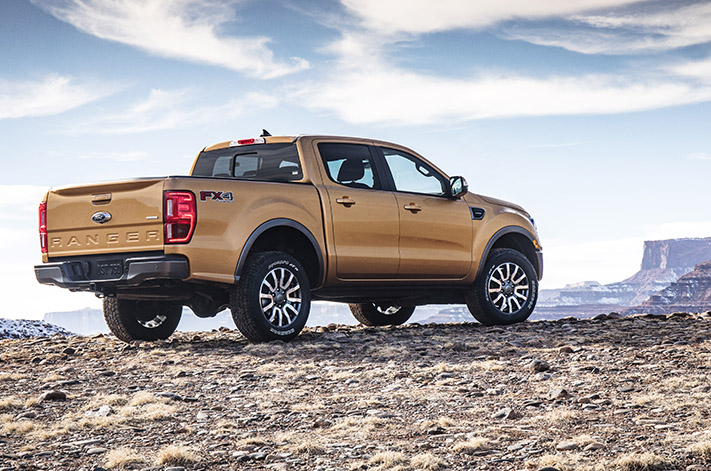
Ford was sketchy on performance figures but in Mustang guise the EcoBoost produces 233kW of power and a considerable 432Nm of torque, compared with the 147Nm/470Nm performance of the five-cylinder turbo diesel engine in the Aussie Rangers.
The decision to use a turbo petrol engine reflects American drivers’ aversion to diesel, and it is unlikely to make its way into the new Ranger when it arrives here.
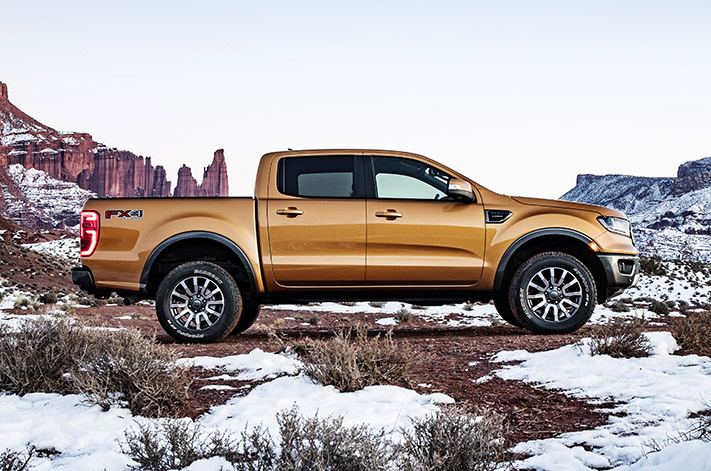
The US Ford Ranger does retain the double wishbone suspension system up the front, and load-friendly leaf springs down the rear.
Manual drive modes have been added to help adjust to different terrains and conditions including grass/gravel/snow, mud, ruts and sand. The range-topping FX4 will also have an Off Road pack that will add specialist shock absorbers, all-terrain tyres, a front bash plate, and frame-mounted skid plates.
The Ranger also takes a big step forward in safety; automatic emergency braking will be made standard across all models, with the system extending to pedestrian protection on higher-cost models. It also gains the latest version of Ford’s Sync 3 multimedia interface, which is likely to include more consumer-friendly Waze navigation app for the first time.
Owners also will be able to set their Ranger up as a wireless internet hub for up to 10 connected devices.
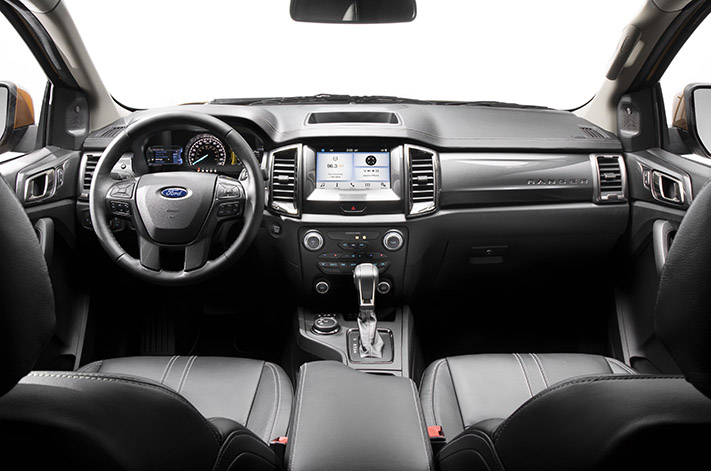
The US Ranger has more aggressive looks too, especially around the front. The stepped bonnet falls down to a smaller grille that now has the word “RANGER” embossed along the top of it. The tailgate gains similar treatment, where “RANGER” is pressed into its skin.
Unlike the Aussie Rangers that are built in Thailand, the US models will be built at Ford’s Michigan assembly plant. The company is keen to catch the midsize truck wave; sales in the segment are up 83 percent since 2014 “as a new generation of midsize truck buyers seek more manoeuvrable, fuel-efficient pick-ups”.
ANOTHER big ute could be on its way to Australia, with Ford hinting its iconic F-150 could soon become a global product.
Speaking to Australian media in Detroit, Ford group vice-president – and president of Asia Pacific – Peter Fleet, said he was keen to replicate the global success the Blue Oval has enjoyed with the Mustang in other model lines, especially in Australia, the largest market for the iconic two-door fastback outside North America.
“…I think Mustang, in the context of Australia, is a terrific example of the success you can have,” he said. “When you look at the success of Mustang, what did we do there, we took one of our iconic North American brands and globalised it. There is a lesson there. Those kind of things work.
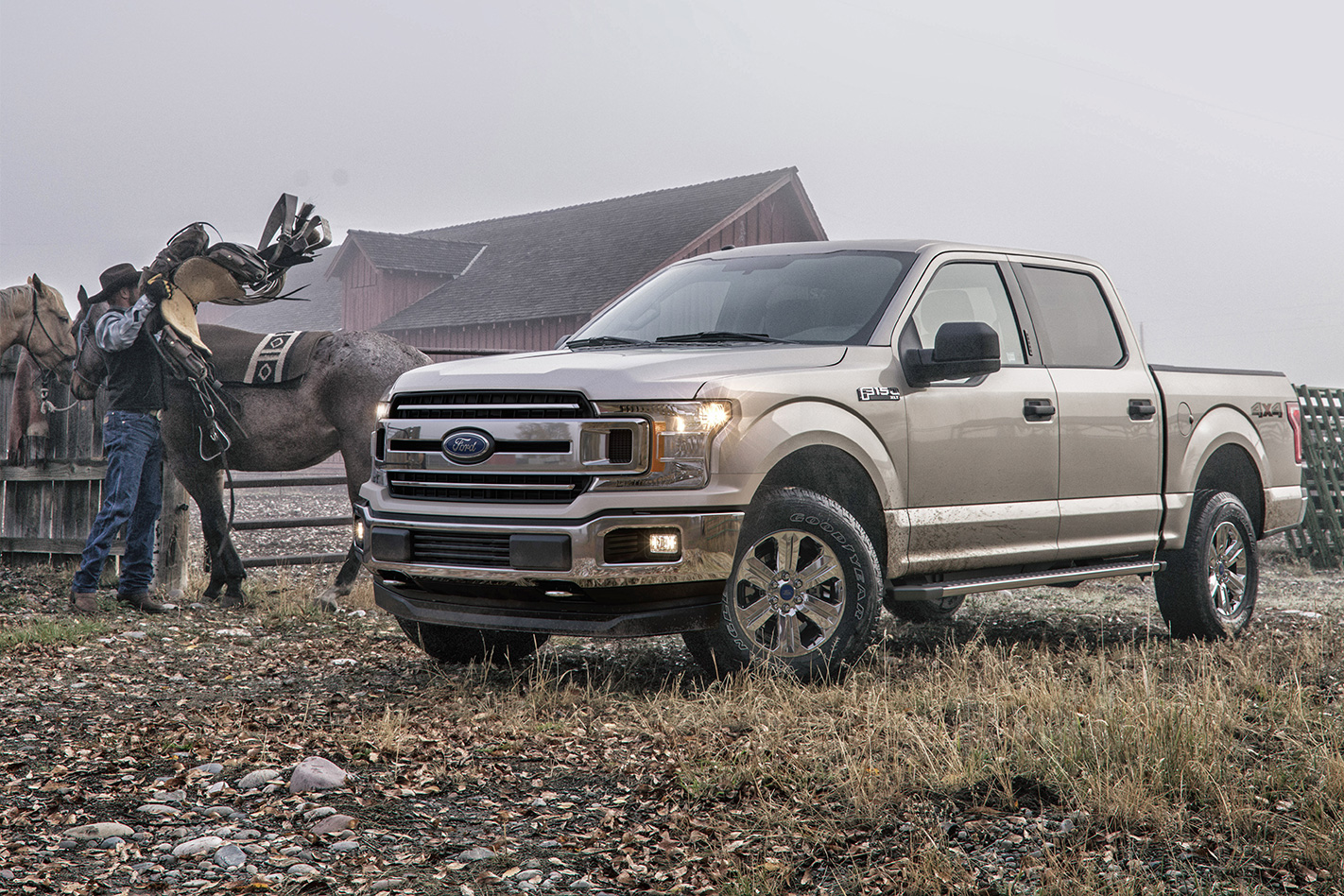
“It’s all about scale, and RHD, that’s the tricky bit. It’s about can you have enough scale to warrant the engineering cost and then which plant do you put it into production.”The F-150 was last sold in Australia in 2007, when Ford converted it to right-hand drive in its Brazilian factory.
If a new model was to make it Down Under, it would join a burgeoning big ute segment currently filled by RAM and the soon-to-arrive HSV Silverado – both, though, are locally fettled right-hand-drive conversions of left-hand-drive market vehicles.
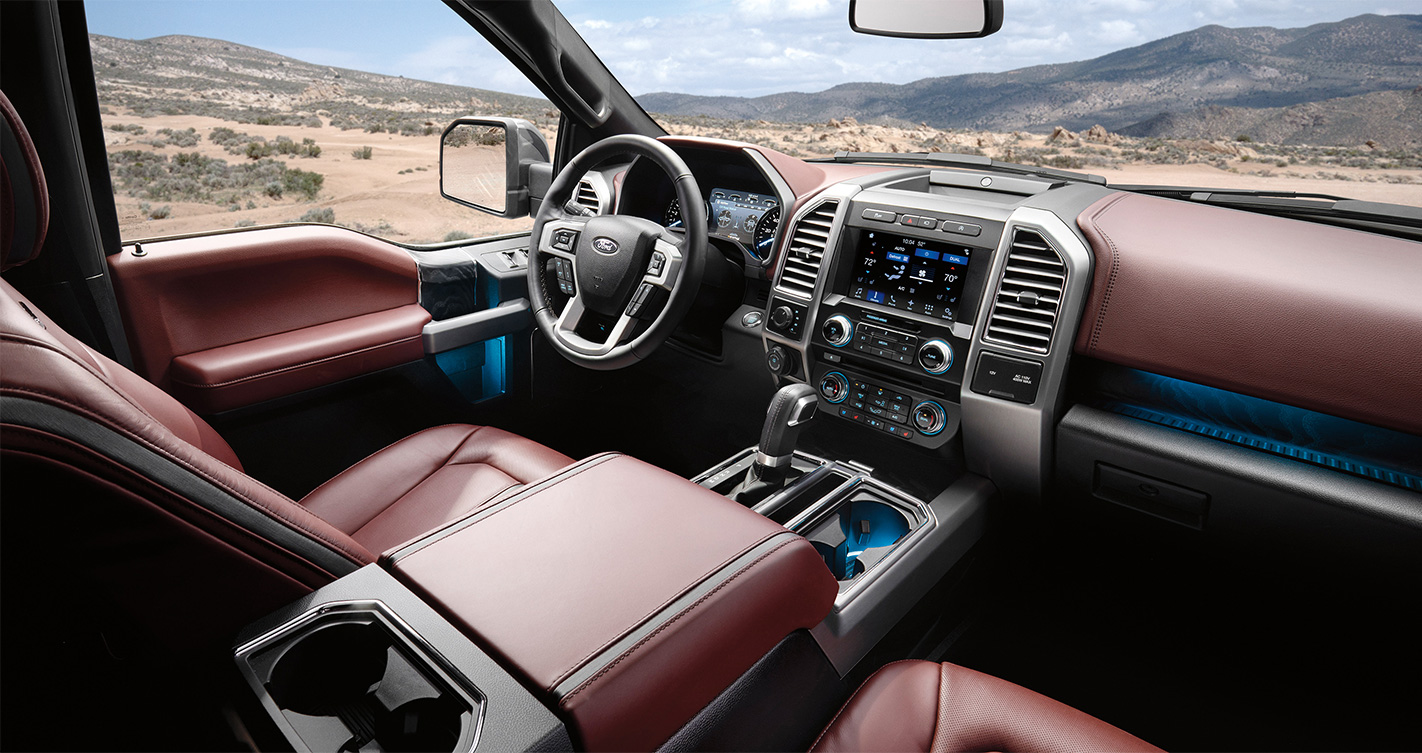
However, any return to Australian roads for the Ford F-150 is still years away, with Fleet admitting the business case for factory right-hand-drive will only stack up if implemented when a new-generation model arrives sometime after 2020, the deadline Ford has set itself to add a hybrid-engined version of the large truck to its product line-up.
Ford Australia said the strong-selling truck – almost 90,000 of them found buyers in the US in December alone, making it North America’s best-selling vehicle – was not on the local radar, for now.“At this stage there are not any plans to bring the F-150 here, and the US does not have any plans to make it in right-hand drive,” spokesman Martin Gunsberg told Wheels.
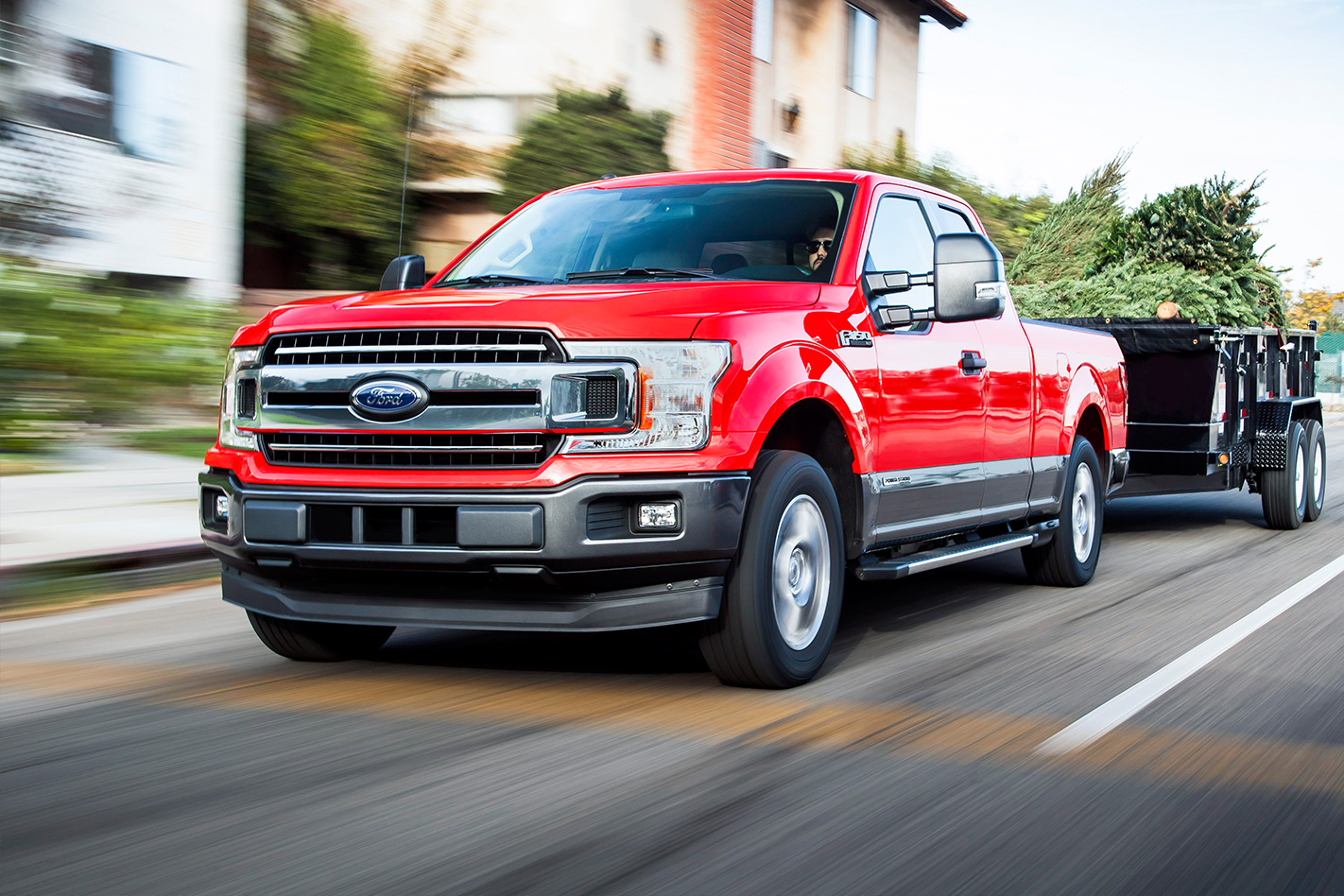
One of the key factors that will help a right-hand-drive push for the F-150 is the availability of diesel engines – a powertrain option introduced to the F-150 range at Detroit as part of the truck’s first significant makeover since it launched in the US in 2015.
“Yes, the availability of diesel in F-150 would make a discussion about a vehicle that could be sold in RHD markets a less difficult conversation, but it’s still a very challenging conversation,” Fleet said. “And there are lots of markets that would love to have F-150.Scale was one of the factors behind a decision in 2007 to shelve plans to reintroduce the F-150 here, with one high-ranking Ford source at the time telling Australian media: “We looked at right-hand drive (for the F-150), as we do with all our vehicles, but unfortunately the business case just didn’t add up.”
OFFICIAL pricing for HSV’s 2018 model range has leaked online through a dealer site, confirming how much each of its three models will cost.
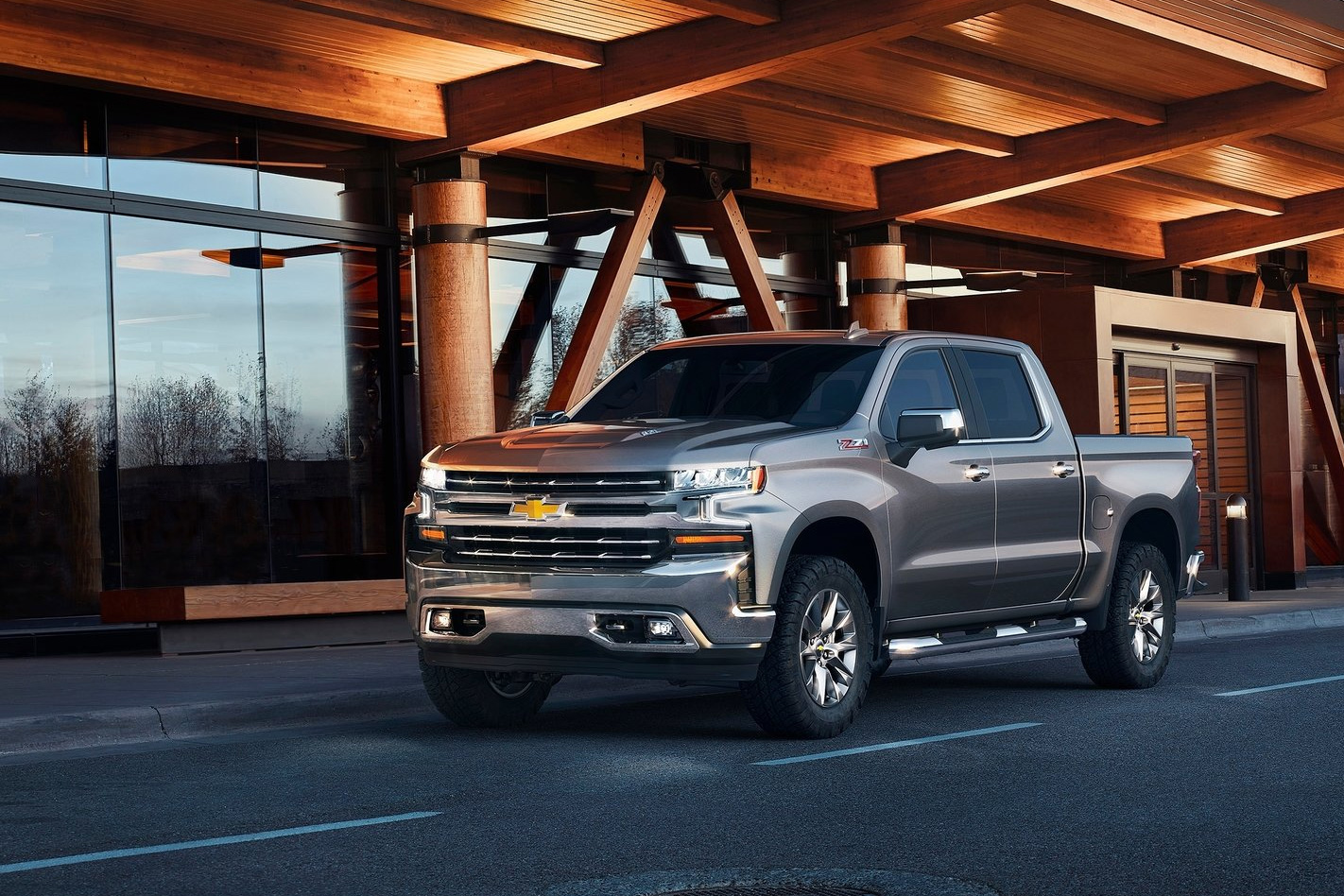
No longer able to rely on Commodore-based product, Holden Special Vehicles will instead convert the Chevrolet Camaro SS and Silverado to right-hand-drive, and equip cosmetic and handling enhancements on Holden’s Colorado dual-cab ute.
The leaked information confirms speculation that the Chevrolet Camaro will cost $90,000 in Australia when it arrives to do battle with Ford’s Mustang.
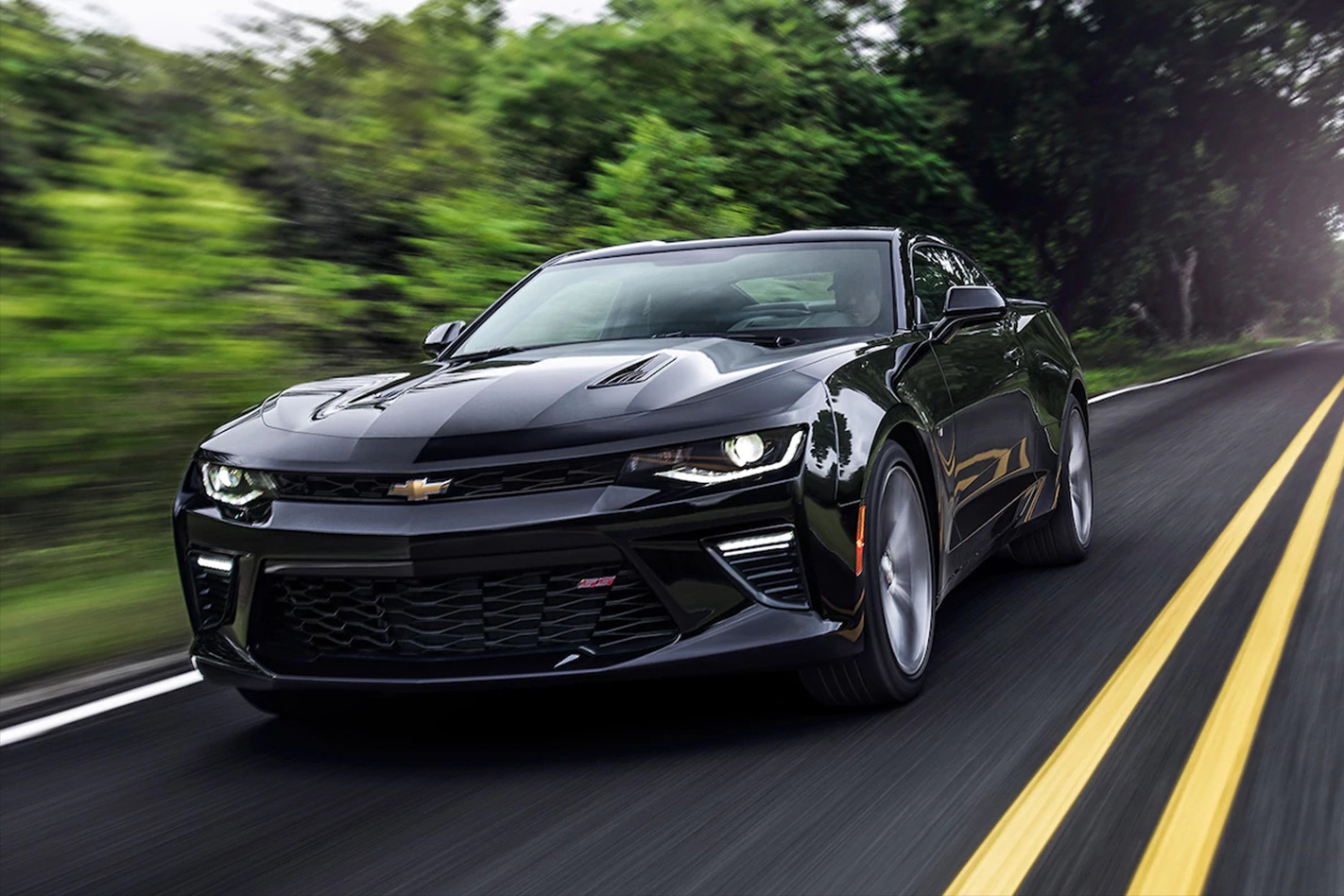
Currently just a single variant is on HSV’s conversion menu – the Camaro SS powered by GM’s LT1 engine, a 6.2-litre direct-injected V8 producing up to 340kW and 615Nm.
The two-door coupe is expected to go on sale in July, but it won’t be HSV’s most expensive offering, with the converted Silverado truck set to cost $130,000.
Based on the standard Colorado Z71, HSV will improve the vehicle’s dynamics via its own suspension calibration, as well, as apply exterior modifications to bump up the visual aggression of Holden’s workhorse utility.
Leaked pricing reveals the base SportsCat will cost $65,000. The improved SportsCat+ will cost $72,000, bringing with extra styling tweaks over the standard model along with beefy AP Racing brakes for better stopping power.
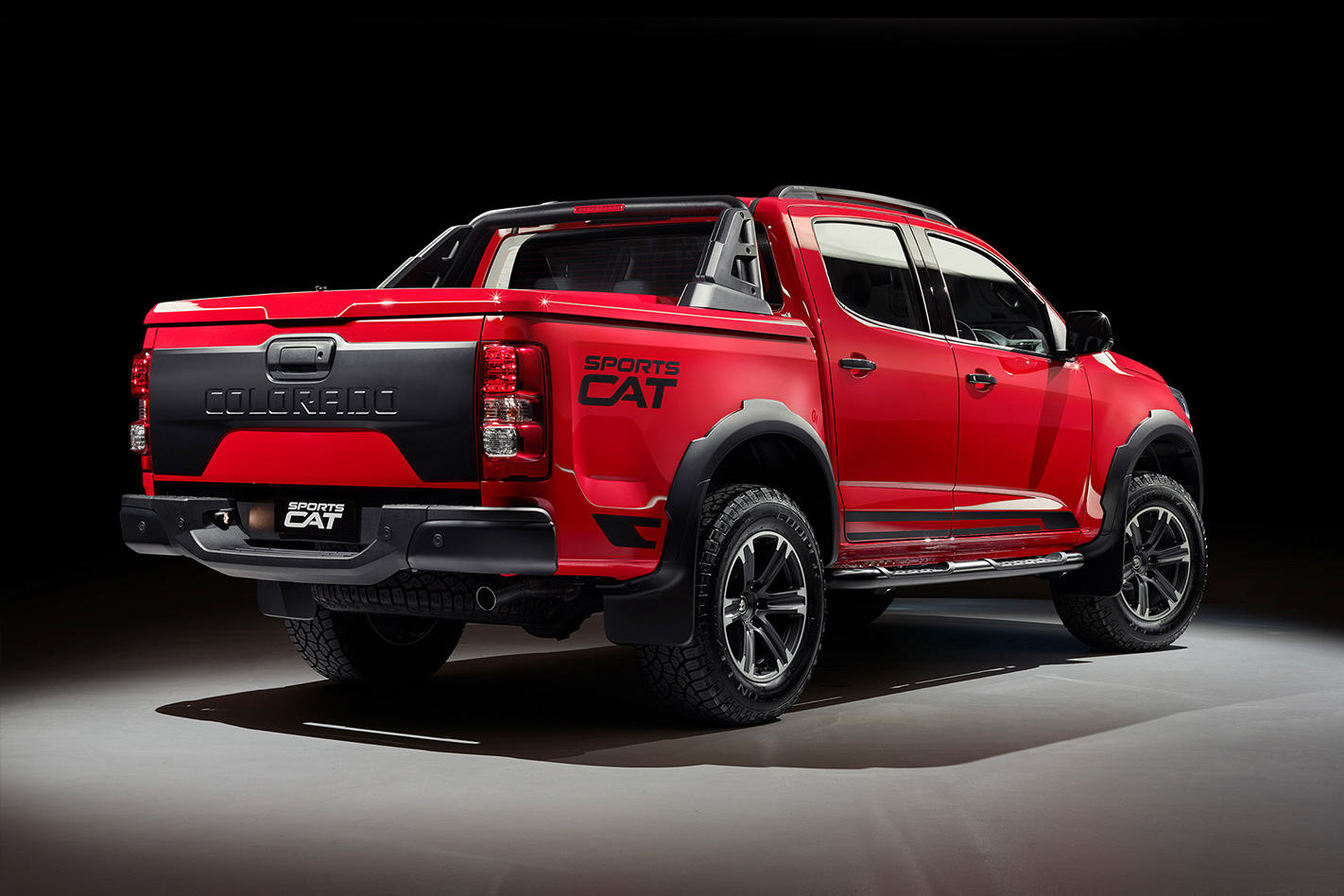
It is unclear if the leaked pricing includes on-road costs. Both the Camaro and Silverado are due to go on sale in July this year, while production of the Colorado SportsCat has already begun.
