
The Toyota Corolla has regained its crown as the top-selling passenger car, taking November’s honours from the all-new Hyundai i30 that reached the top for the first time in October.
Toyota sold 2959 Corollas last month, compared with 2227 i30s which was well down on the 3983 October figure. Such was the drop in i30 sales that it fell to fourth behind the Mazda 3 (2464) and the Mazda CX-5 (2358).
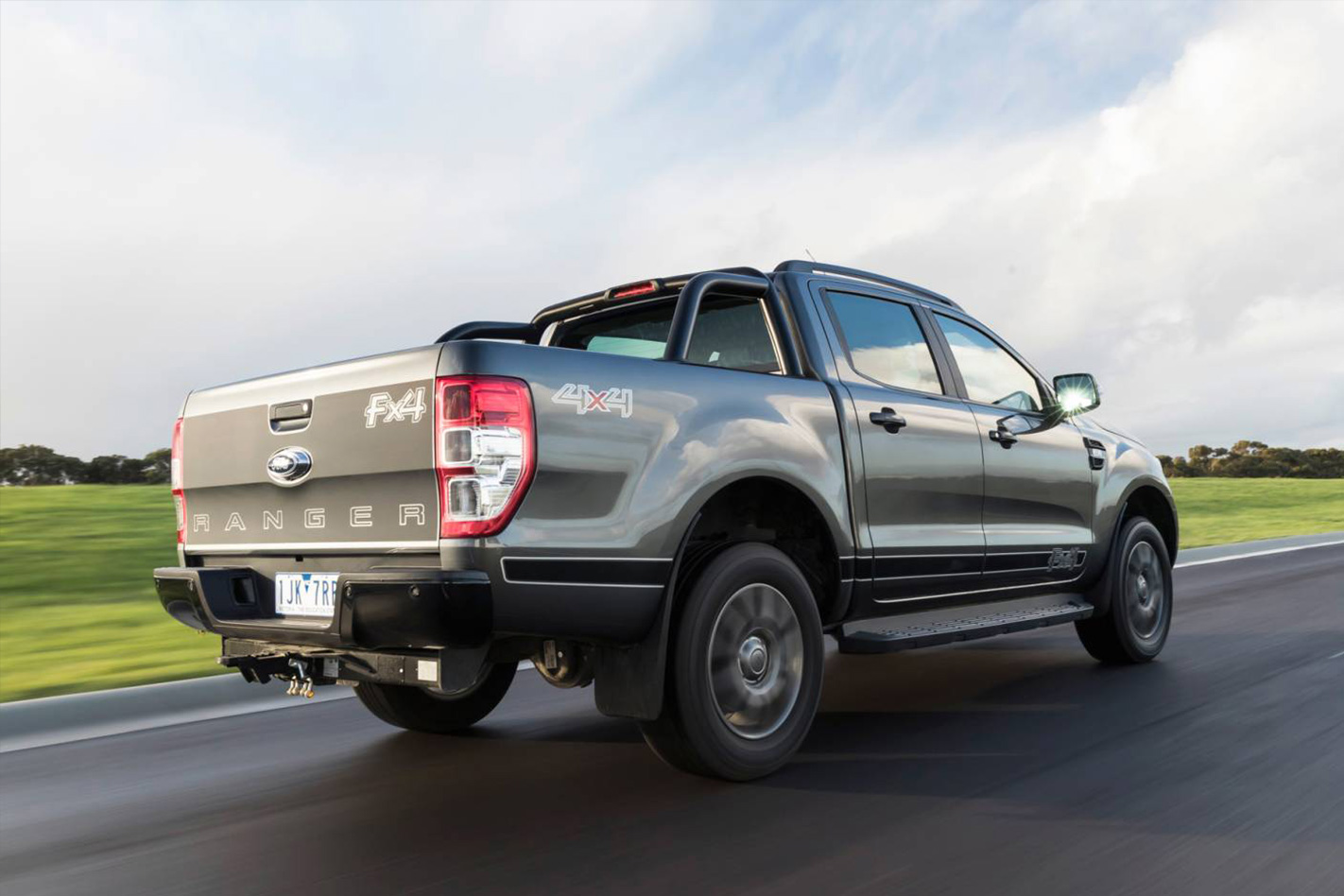
As has been the case for past year, the top passenger cars were overshadowed by the Toyota Hilux (4103) and Ford Ranger (3576) light commercial vehicles. However, their numbers should be put into perspective as they are boosted by considerable commercial sales and include all the different body shapes. Light commercial vehicles accounted for 19.8 percent of sales, weighted mainly to the more expensive 4×4 models.
The CX-5’s entry in to the top-three passenger vehicle list reflects the continued growth of SUV sales, which easily outstripped car sales to claim a 40.2 percent share of the monthly pie compared with the latter’s 36.4 percent.
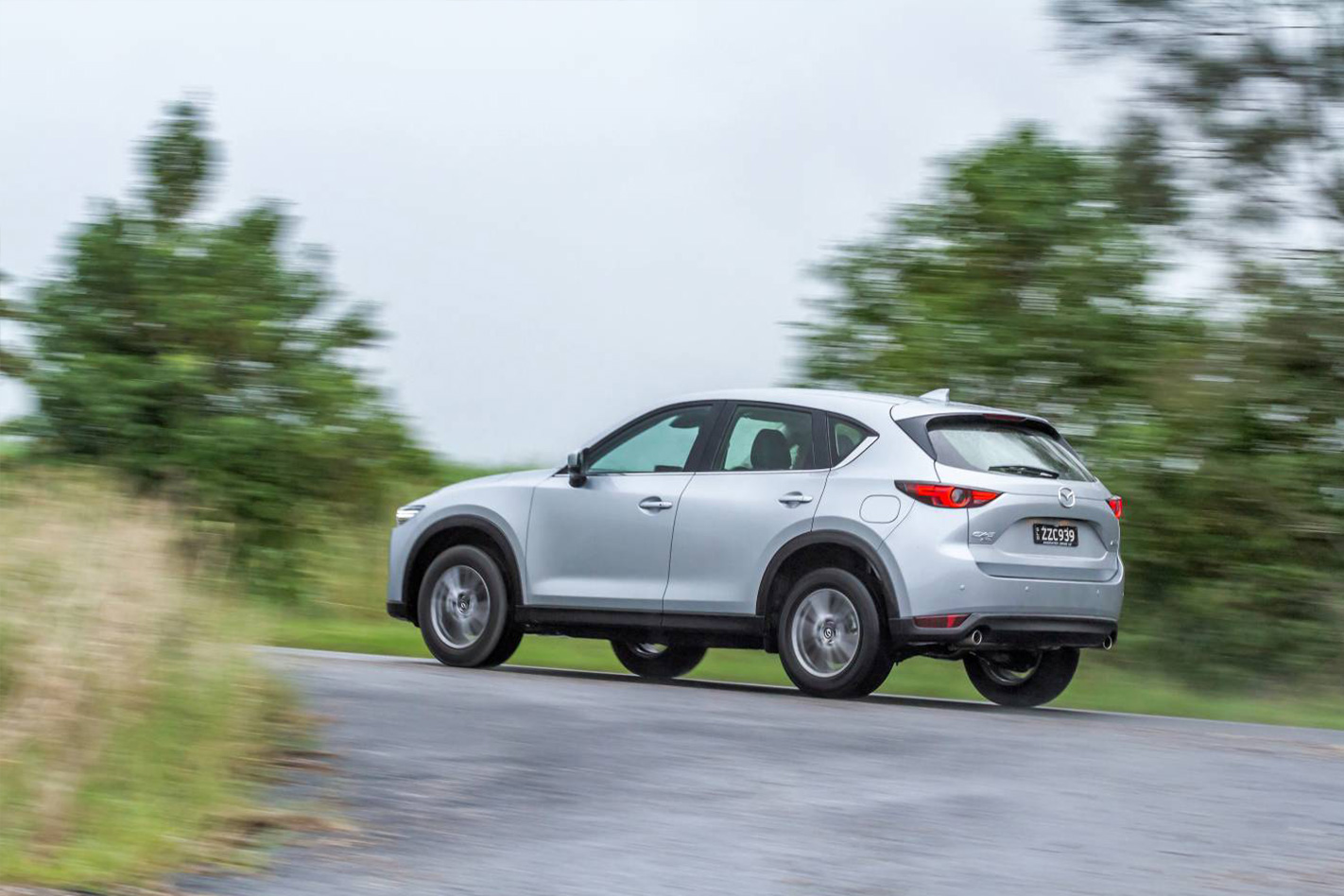
Of the top-20 passenger vehicles, eight were SUVs, all of which enjoyed increased sales over the same time last year (see table below).
Of the brands, Toyota again dominated the market with 18,804 sales in November including light commercials, more than double second-placed Mazda (9330). As well as Hilux and Corolla, Toyota had four other models in the top 20 including RAV4 (1950), Camry (1913), Prado (1492) and Kluger (1139).
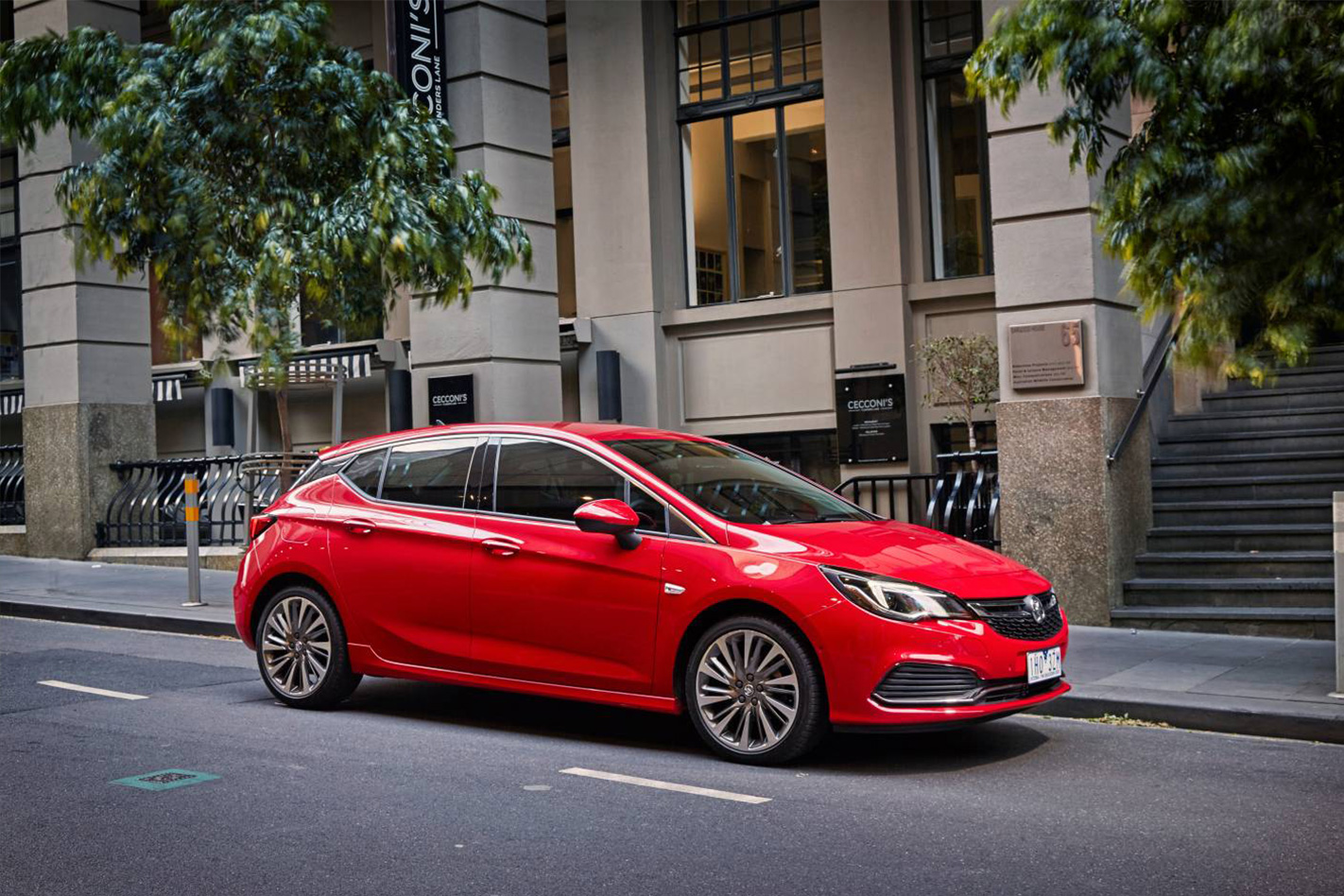
After a big October, Hyundai fell to third, and Holden retained its fourth spot on the chart with 7995 sales, bolstered by the Astra small car (1480 sales) which finally appears to be finding buyers after a slow relaunch here. The Commodore (1835) also performed well in the weeks after it ceased production.
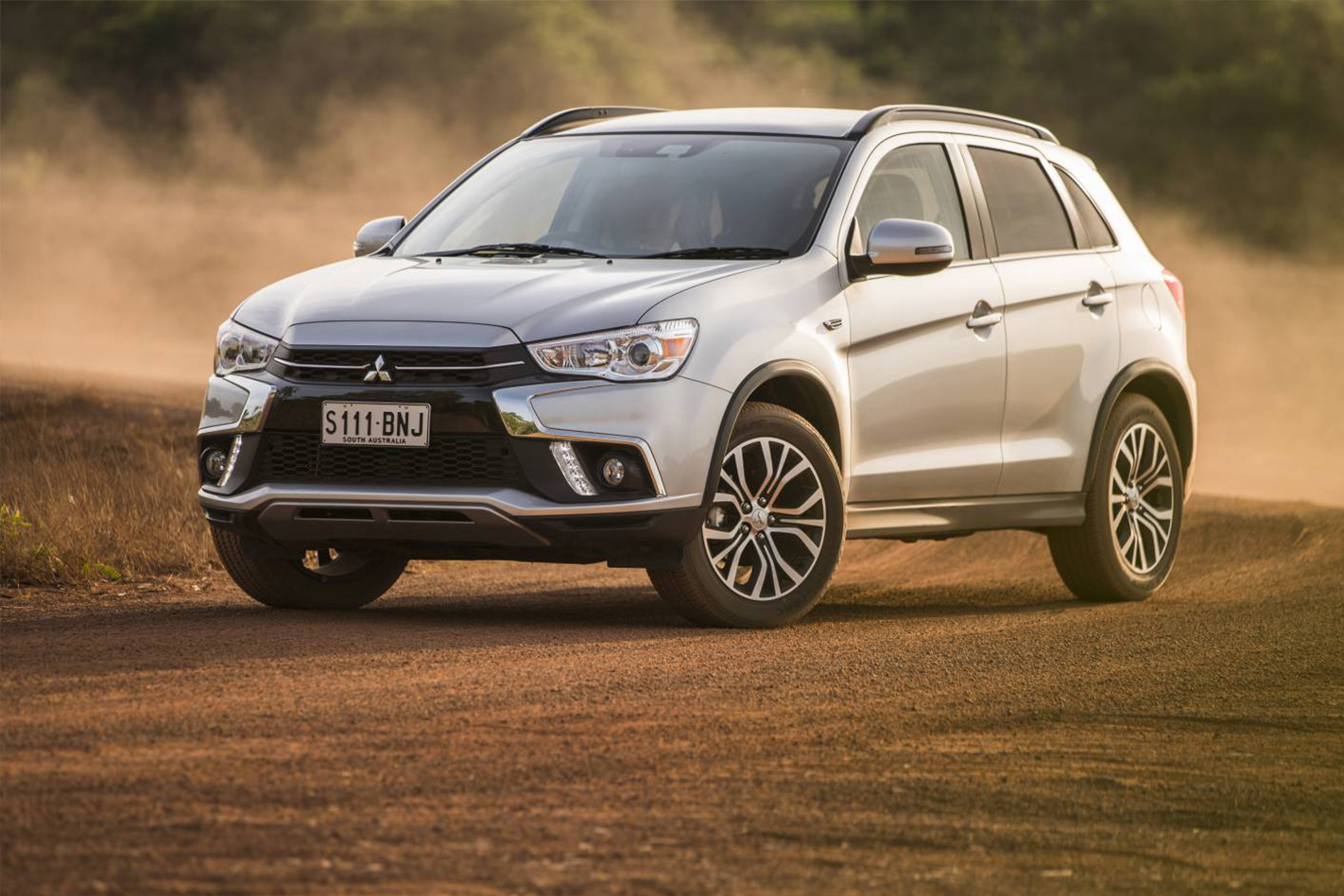
Mitsubishi (6678 sales) overtook Ford (6275) for the month, led by its increasingly popular ASX (1948), the Outlander (1314) and the Triton ute (1752). It will be interesting to see if the new Eclipse Cross SUV, which arrives next month, adds to Mitsubishi sales or dilutes numbers from the ASX and the Outlander.
Ford totally rode on the back of its Ranger ute, which made up 60 percent of its sales, for its sixth place. Once again, the Mustang (711) was the brand’s best-selling passenger car and again eclipsed all others in the sports category. Take away the Ranger and Ford would have finished behind luxury marque Mercedes-Benz in the sales race. Mercedes sold 2750 cars, while BMW managed 1628, unusually trailing Audi’s 1891 sales for the month.
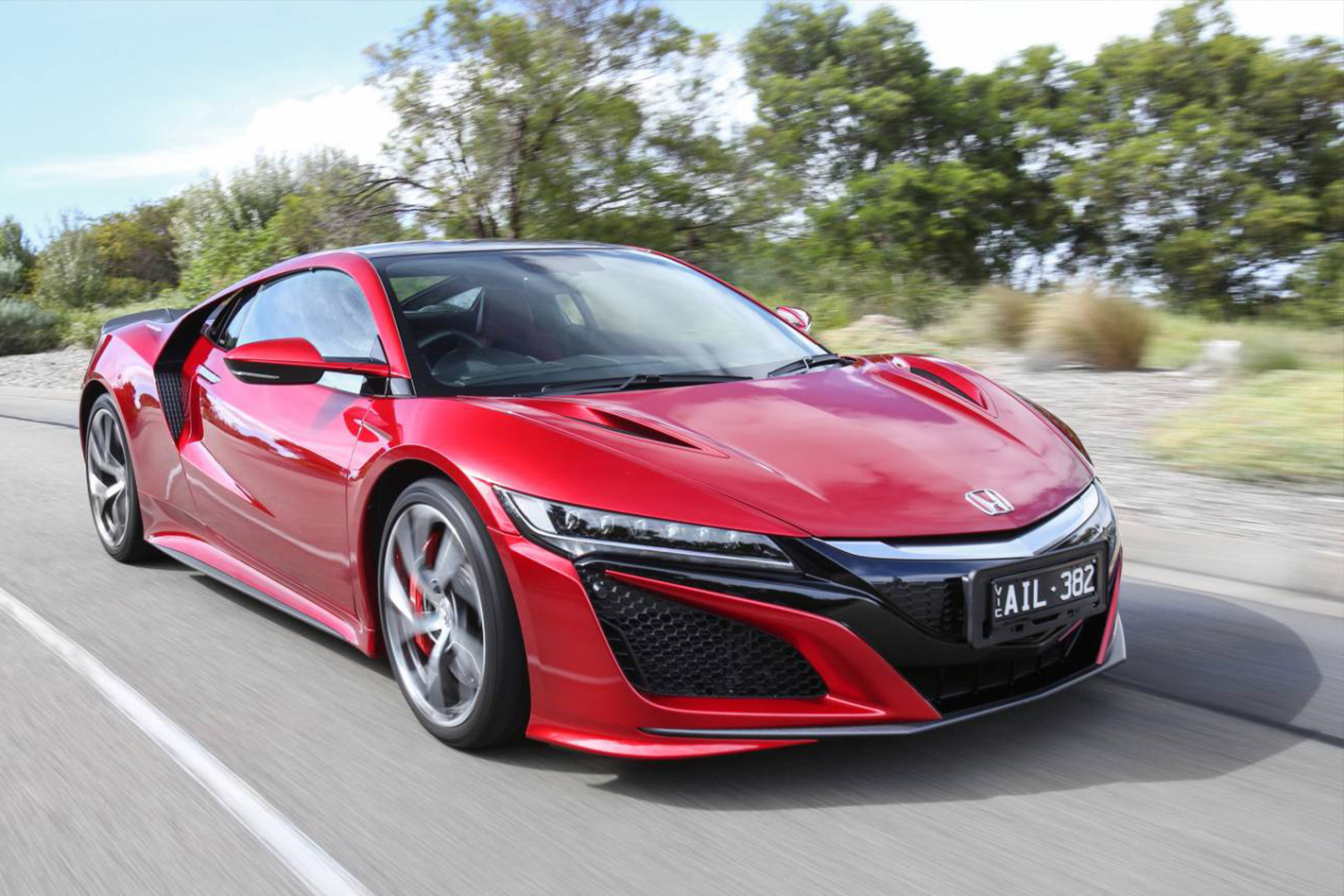
November wasn’t a bad month for high-end cars. Honda sold its second NSX supercar for the year and Ferrari sold 39 cars in November as part of a 6.0 percent sales jump from last year.
TOP 20 BRANDS for NOVEMBER*
RANK BRAND Nov ‘17 Nov ‘16
- Toyota 18,804 18,162
- Mazda 9330 9825
- Hyundai 8781 7991
- Holden 7955 7750
- Mitsubishi 6678 5875
- Ford 6275 6827
- Volkswagen 5364 4862
- Nissan 5077 6341
- Honda 4431 3502
- Kia 4305 3573
- Subaru 4265 4141
- Mercedes-Benz 2750 3111
- Isuzu Ute 2446 2022
- Audi 1891 2030
- BMW 1628 2114
- Suzuki 1356 1555
- Land Rover 943 860
- Renault 905 1086
- Isuzu 796 758
- Jeep 623 1036
TOP 20 PASSENGER CARS FOR NOVEMBER*
RANK MODEL Nov ’17 Nov ’16
- Toyota Corolla 2959 3245
- Mazda 3 2464 2877
- Mazda CX-5 2358 1956
- Hyundai i30 2227 2541
- Hyundai Tucson 2121 1934
- Toyota RAV4 1950 1593
- Mitsubishi ASX 1948 1530
- Hyundai Accent 1914 1995
- Toyota Camry 1913 2957
- Holden Commodore 1835 2088
- Nissan X-Trail 1765 1938
- Volkswagen Golf 1761 1338
- Toyota Prado 1492 1168
- Holden Astra 1480 263
- Kia Cerato 1476 1059
- Honda Civic 1439 765
- Mitsubishi Outlander 1314 1205
- Toyota Kluger 1139 886
- Subaru XV 1111 814
- Honda CR-V 1055 611
Manufacturer of classic British sports cars, Morgan, has announced it is set to reveal its most extreme road car ever – the Morgan Aero GT.
Inspired by the knowledge gained from Morgan’s own GT3 race cars, the Aero GT will be a “hand-worked, aerodynamically honed” car with an all-new body based on the Morgan Aero 8.
Under the bonnet will be an atmo 4.8-litre BMW V8 which Morgan says will be tuned to produce 274kW, allowing the lightweight Morgan to hit 100km/h in 4.5 seconds, and a top speed of 274km/h.
Morgan says “the Aero GT is not only a last hurrah for the current Aero 8 but for the naturally aspirated BMW engine too.”
Only eight Morgan Aero GTs will be built, and each is already spoken for. They’ll all be slightly customised to suit their owners, with “bespoke customer-requested additions, in line with Morgan’s hand-crafted approach.”
Morgan design boss Jon Wells says the Aero GT marks a slight departure from Morgan’s usual ‘fluid design’ rules.
“The beauty of working so closely with talented sheet metal workers and coachbuilders is that designers are relatively unrestrained in their ability to challenge the forms and their functions,” Wells says.
“The Aero range has always offered Morgan the platform to explore the boundaries of mechanical and styling design and I am delighted the family has allowed one of our wildest ideas to become a reality.”
The Morgan Aero GT will officially debut at the Geneva Motor Show in March 2018.
THE Toyota Corolla may have been Australia’s best-selling passenger car in November, but it’s still the two-way tussle between the Ford Ranger and the Toyota Hilux that’s dominating the annual charts.
Provisional VFACTS data for the month shows, at 2959 sales for the month, the Corolla was the passenger segment leader as the market pushed to 1,086,296 sales for the year to date, a 2.5 percent rise over the same month last year. The Aussie new-car market is now 0.6 percent ahead of last year’s record-setting pace.
However, sitting in second and third place on the monthly sales charts were the Mazda 3 (2464 sales) and Mazda CX-5 (2358), which combined helped to bolster the Japanese car maker’s sales so strongly that the brand finished the month an easy second behind market leader Toyota.
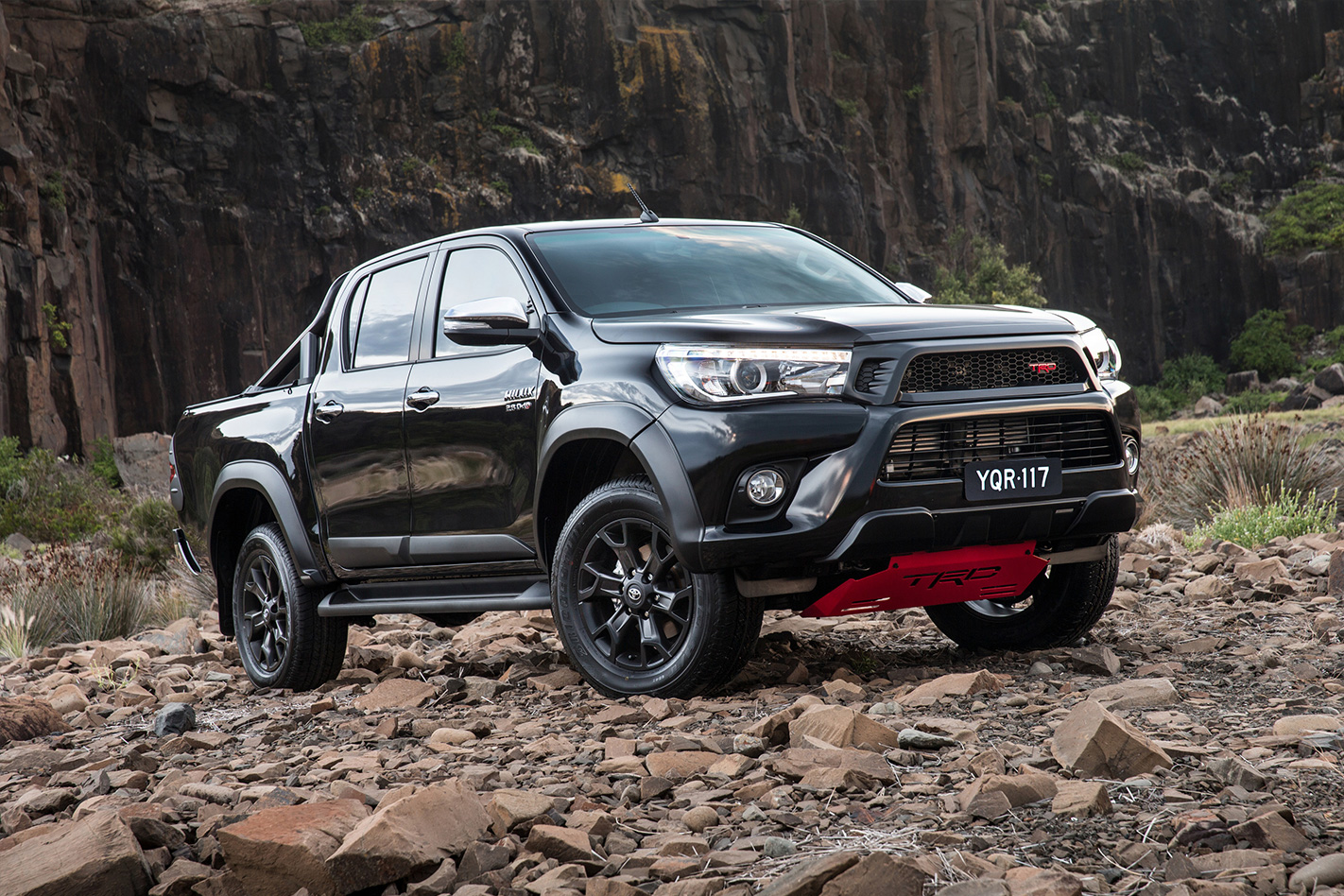
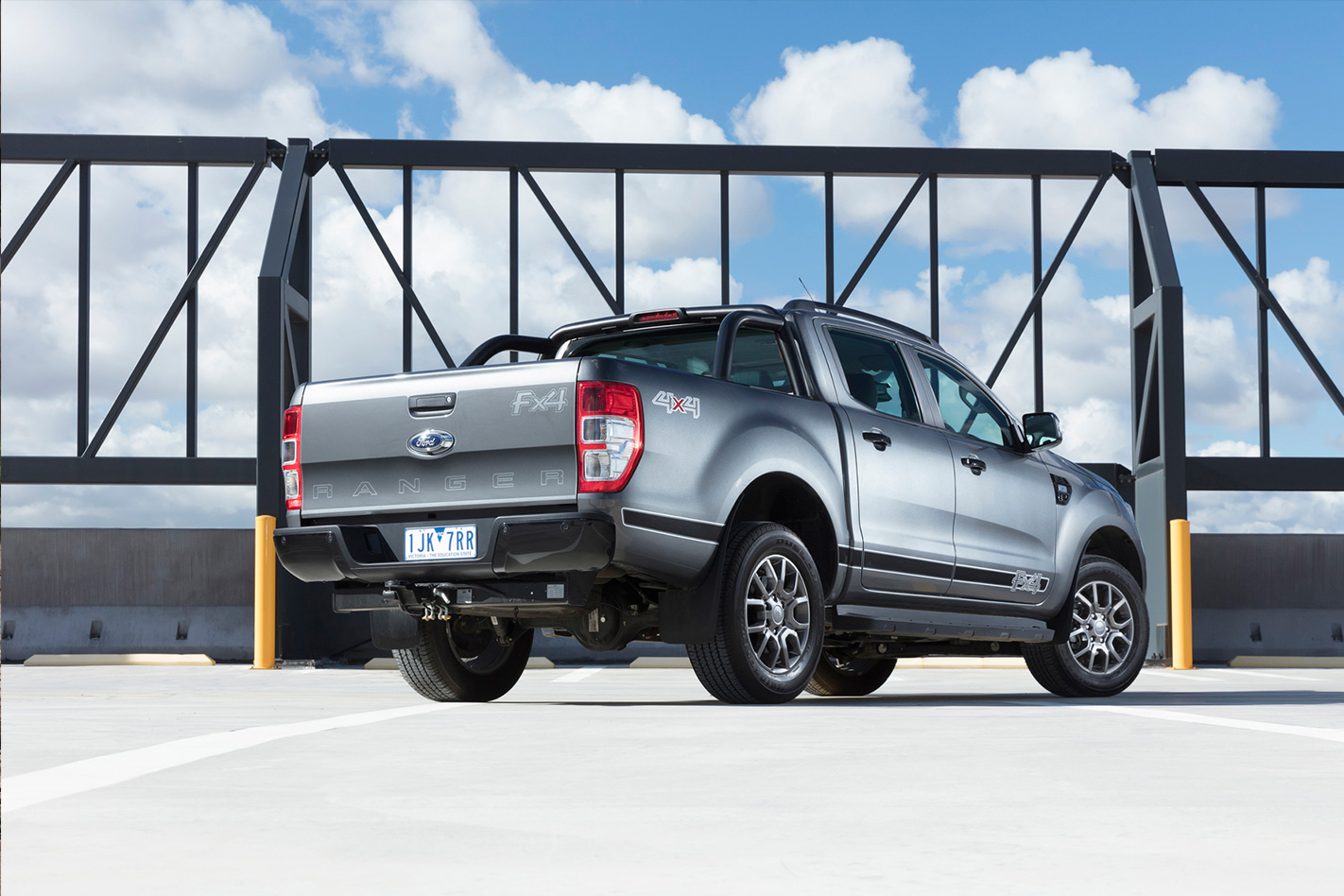
But, once again, it’s the one-tonne ute segment where all the action is happening, where Toyota’s evergreen Hilux held off Ford’s Ranger with 4103 registrations versus 3576 for the Blue Oval ute.
Toyota dominated the market with 18,804 sales in November, with Mazda stepping up to second place with 9330. Hyundai’s post-i30 hangover surfaced after October’s groundbreaking sales win, with the Korean brand falling to third (8781 sales) as its strong-selling small hatch fell to fourth on the charts after finding only 2227 buyers. While the i30 was still the brand’s best-selling model, the Tucson (2121) wasn’t far behind. Its new entry to the market, the Kona (839), had a reasonable first full month on sale.
Holden retained its fourth spot on the chart with 7995 sales, bolstered by the Astra small car (1480 sales) which finally appears to be finding fans after a slow relaunch here. The Commodore (1835) also performed well for the brand just three months before the new, imported version arrives to replace it. Still making an impression, too, was the Holden Ute, with 337 buyers queueing up.
Mitsubishi (6678 sales) overtook Ford (6275) for the month. The Japanese brand is relying on three core models to bolster its sales: the ASX (1948), the Outlander (1314) and the Triton ute (1752). Ford, meanwhile, would have been stuffed without the Ranger’s contribution, which in November made up almost 60 percent of the brand’s sales. Once again, the Mustang (711) was the brand’s second best-selling model; take away the Ranger and Ford would have finished behind luxury marque Mercedes-Benz in the sales race.
In the battle of the luxury brands, Mercedes-Benz sold 2750 cars – the company has just opened a standalone Mercedes-AMG salesroom in Sydney – while BMW managed 1628, unusually trailing Audi’s 1891 sales for the month.
Small cars sparked a small resurgence for the month, as did people movers. But the SUVs were the big movers, with the small ones such as the Mitsubishi ASX (1948), Mazda CX-3 (1405), Nissan Qashqai (1372) and Subaru XV (1111) all rating well in the segment.
Honda’s highlight for the month was the sale of another NSX supercar, taking its annual tally to two.
And could things get even better for Ferrari? The Italian supercar brand sold 39 cars in November in the wake of the introduction of the GT4Lusso and the Superfast in Australia – that places it ahead of brands including Chrysler, Bentley, Great Wall, Lamborghini, Aston Martin, McLaren and Rolls-Royce. Its sales are steaming along at almost 6.0 percent ahead of last year.
TOP 20 BRANDS for NOVEMBER*
RANK BRAND Nov ‘17 Nov ‘16
- Toyota 18,804 18,162
- Mazda 9330 9825
- Hyundai 8781 7991
- Holden 7955 7750
- Mitsubishi 6678 5875
- Ford 6275 6827
- Volkswagen 5364 4862
- Nissan 5077 6341
- Honda 4431 3502
- Kia 4305 3573
- Subaru 4265 4141
- Mercedes-Benz 2750 3111
- Isuzu Ute 2446 2022
- Audi 1891 2030
- BMW 1628 2114
- Suzuki 1356 1555
- Land Rover 943 860
- Renault 905 1086
- Isuzu 796 758
- Jeep 623 1036
TOP 20 PASSENGER CARS FOR NOVEMBER*
RANK MODEL Nov ’17 Nov ’16
- Toyota Corolla 2959 3245
- Mazda 3 2464 2877
- Mazda CX-5 2358 1956
- Hyundai i30 2227 2541
- Hyundai Tucson 2121 1934
- Toyota RAV4 1950 1593
- Mitsubishi ASX 1948 1530
- Hyundai Accent 1914 1995
- Toyota Camry 1913 2957
- Holden Commodore 1835 2088
- Nissan X-Trail 1765 1938
- Volkswagen Golf 1761 1338
- Toyota Prado 1492 1168
- Holden Astra 1480 263
- Kia Cerato 1476 1059
- Honda Civic 1439 765
- Mitsubishi Outlander 1314 1205
- Toyota Kluger 1139 886
- Subaru XV 1111 814
- Honda CR-V 1055 611
The Lamborghini Urus has finally had its veil lifted.
The divisive SUV has been in the works for a long time, but we can now get a good look at the it without its camo.
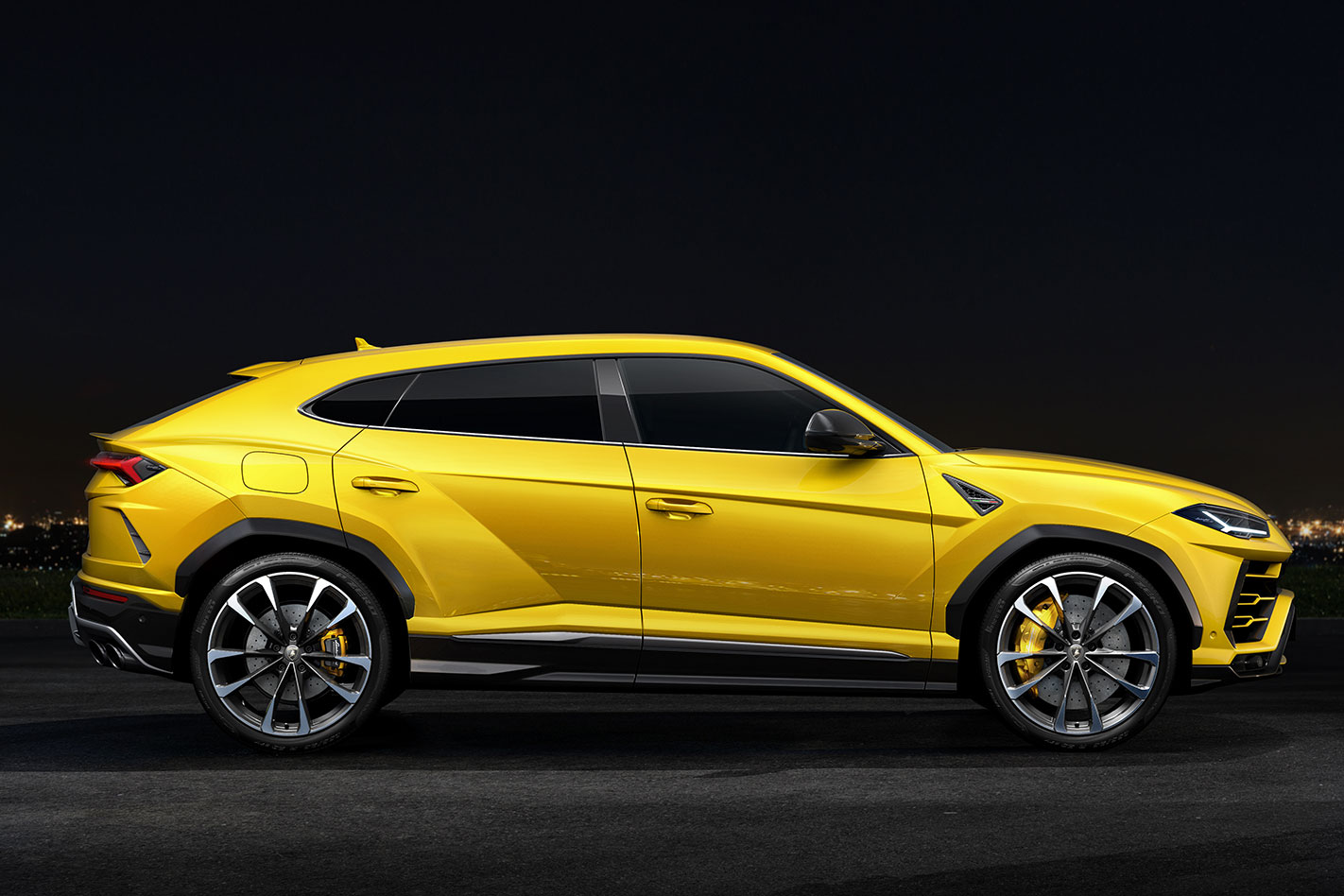
The Urus will sprint from 0-100km/h in just 3.6 seconds, Lamborghini says, before it hits a top speed of 305km/h. Lamborghini adds that the Urus weighs less than 2200kg.
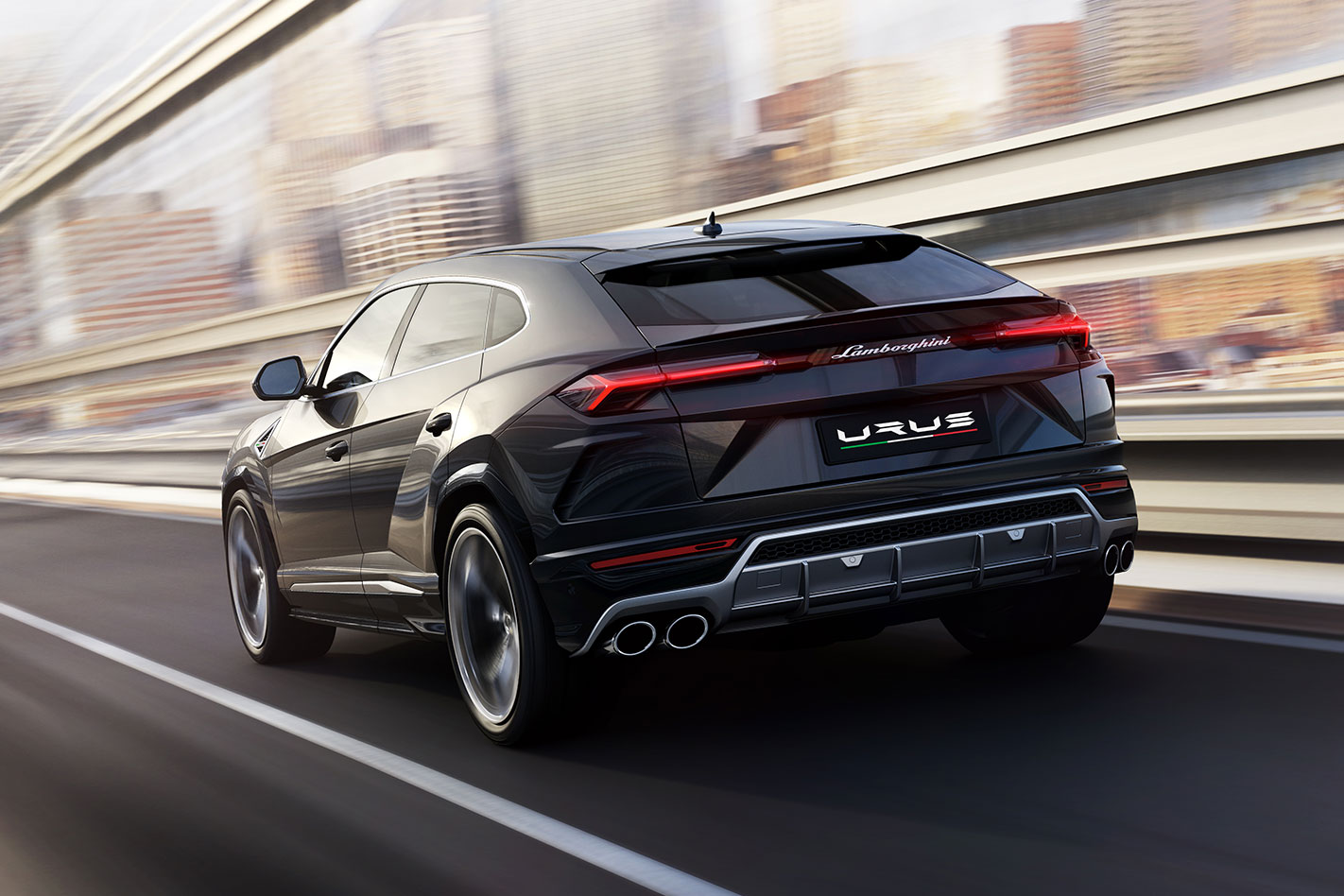
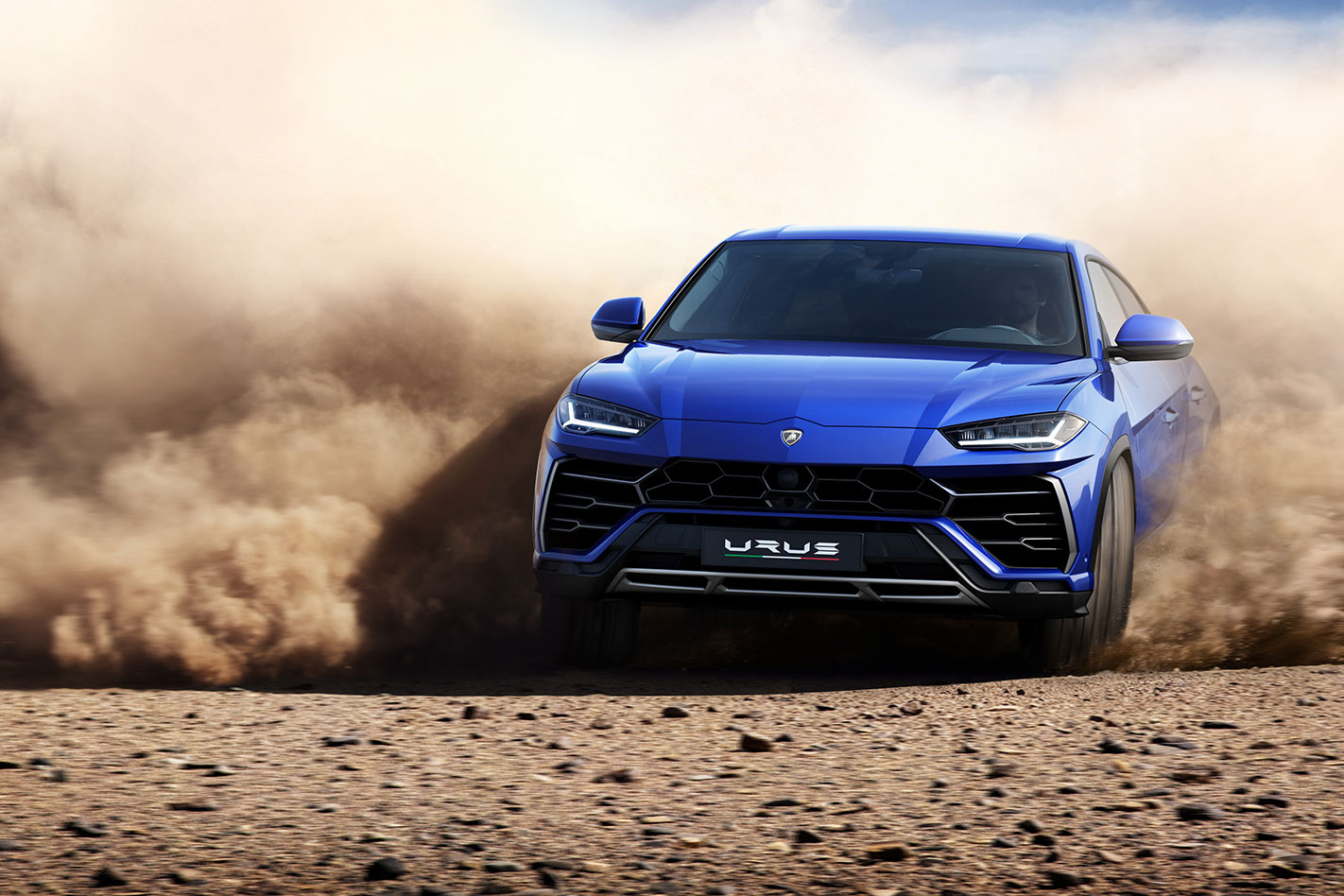
Lamborghini says it chose the twin-turbo V8 was chose to allow high torque at low revs, which would be useful for off-road driving, something Lamborghini seems to think its SUV will be doing.
In addition, its rear wheels can turn up to three degrees to allow easier manoeuvrability and improve steering at higher speeds.
Lamborghini CEO Stefano Domenicali says the Urus is just as much a Lamborghini as anything else that wears the Raging Bull.
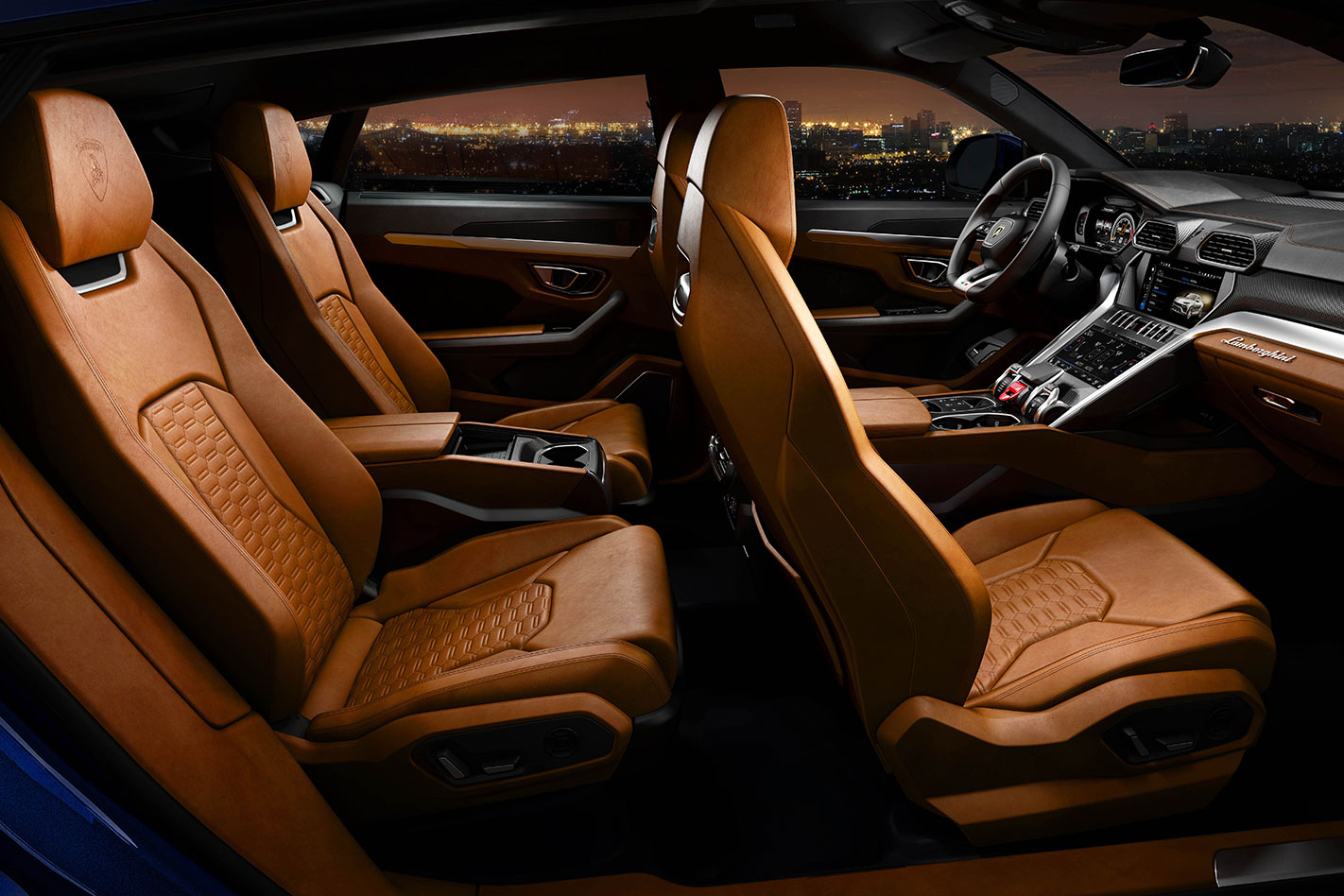
“The Urus elevates the SUV to a level not previously possible, the Super SUV.
“It is a true Lamborghini in terms of design, performance, driving dynamics and emotion as well as drivable every day in a range of environments.”
Lamborghini says the Urus will not only be quick, but also sound impressive thanks to an exhaust which “customizes the sound output dependent on engine speed.”
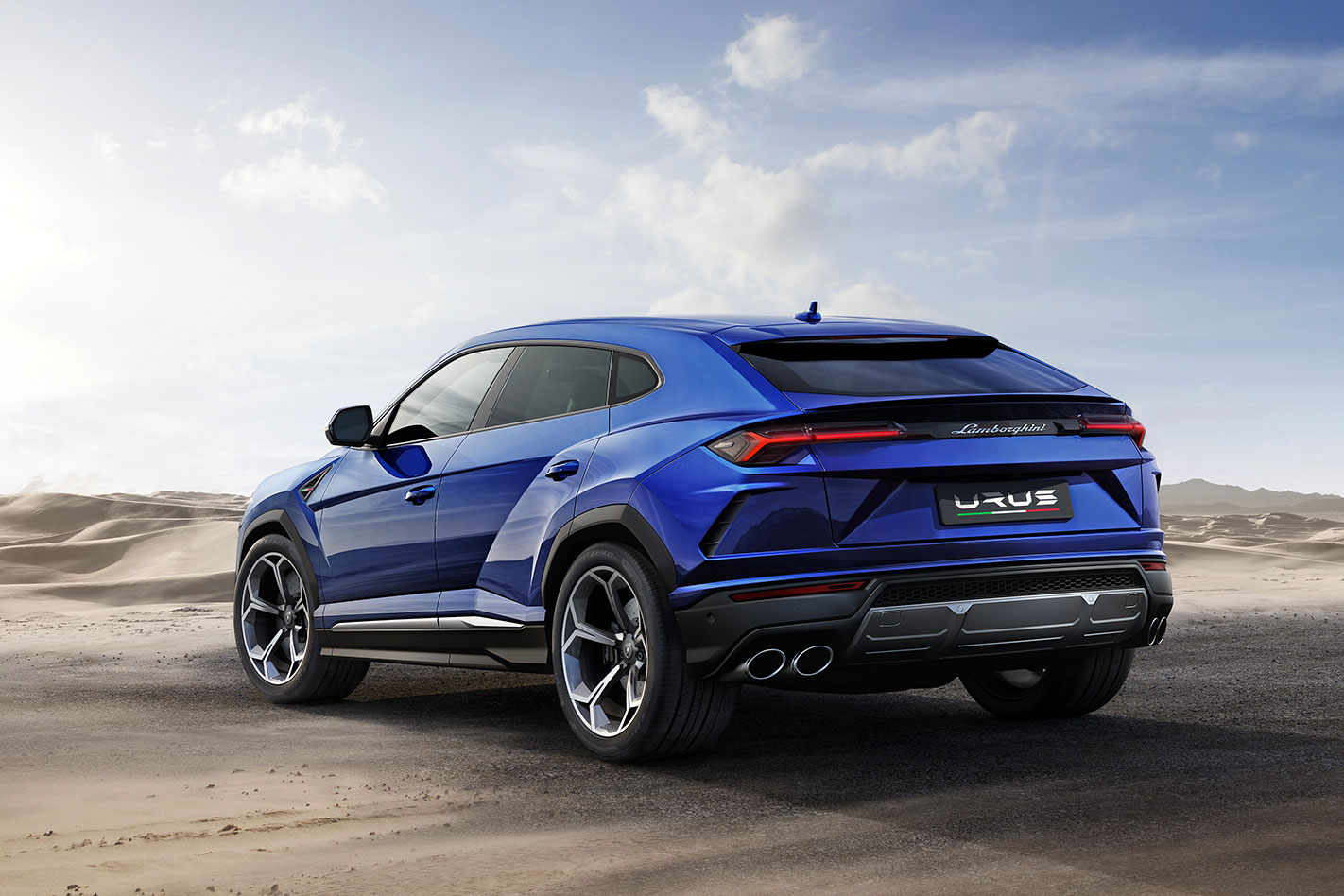
Standard carbon ceramic brakes (440 x 40 mm at the front and 370 x 30 mm at the rear) help the Urus pull up from 100km/h in just 33.7m.
The first Lamborghini Urus customers should take delivery in Q2 2018, with suggested retail pricing set by Lamborghini as $200,000 for the US, 131,500 pounds in the UK, or 171,429 Euro outside of Italy.
Volvo’s pinning big hopes on the sharp-edged shoulders of its first-ever small SUV, the XC40, and our first overseas drive shows it’s more than just a belated attempt to cash in on the SUV craze
WHAT IS IT
The XC40 is Volvo’s first attempt at a small SUV, lobbing into showrooms underneath the XC60 and effectively replacing the V40 Cross Country. Initially available in T5 petrol and D4 diesel form with Momentum, Inscription and R-Design grades for each, it will be available in Australia around April 2018

Beyond just being the first car from the Swedish brand to hop into the ultra-competitive (and very much lucrative) small SUV segment, the XC40 is also significant in that it’s the first production car to make use of Volvo’s brand-new Compact Modular Architecture (CMA) platform. As the chassis that’ll underpin Volvo’s future volume-selling passenger cars and SUVs, we have a keen interest in finding out if it’s any good.
MAIN RIVALS
Audi Q2, Audi Q3, BMW X1, Lexus NX, Mercedes-Benz GLA,
THE WHEELS VERDICT
The XC40 is a high achiever, and you don’t need to drive it long to figure that out. Even just sitting in it tells you much about its character, with a classy interior that feels properly upmarket – and to a greater extent than any of its competitors.
Competent on the road, refined, and designed to be not only attractive, but practical as well, the XC40 could very well be the car that elevates Volvo from also-ran to household name.

EVER been the ‘new kid’ at school? A mid-semester interloper who one day showed up at the front of the class, shoes polished, uniform pressed and pencils sharpened, months after the other kids had already settled in? The Volvo XC40 is that kid, and it’s the high-achieving type that the other students are bound to hate.
It’s studious and impeccably presented, and while it’s no jock, it’s got enough athletic ability to make those on the sports team a little jealous. Teacher’s pet? You bet.
But while the other kids, who go by the names Q2, Q3, X1 and GLA, will probably do their best to shove the XC40 off the monkey bars during play lunch, everyone else will likely adore it. Here’s why.
Call us shallow but physical appearance matters. The XC40 breaks the mould slightly by forgoing the traditional six-window side glass config of most SUV wagons and adopting a hatchback-style layout that has the turret ending with a C- rather than D-pillar. The Alfa Romeo Stelvio and Jaguar E-Pace do the same.
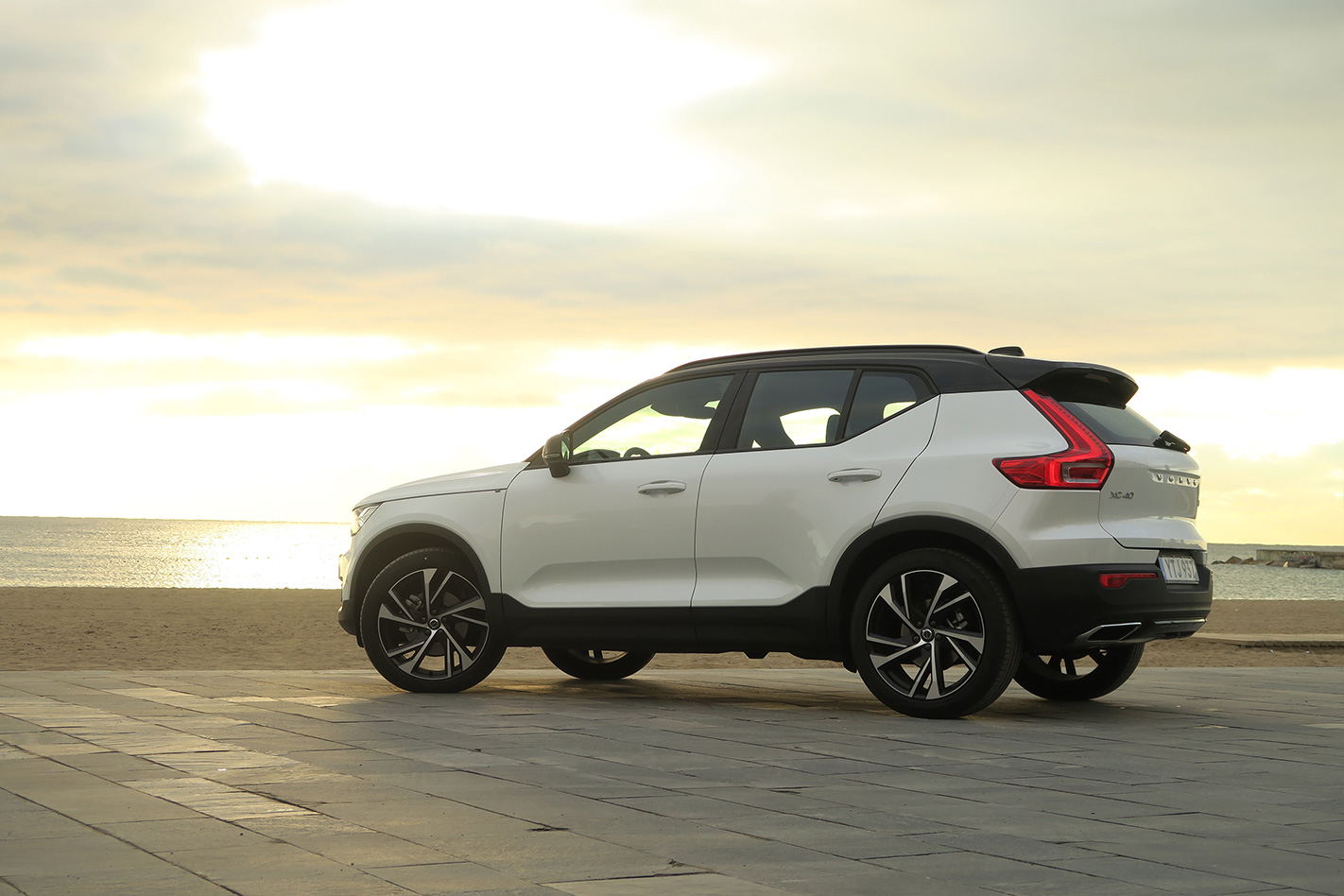
Elsewhere, its crisp creases and youthful interpretation of Volvo’s traditional Iron Mark grille and vertical tail lamp graphic leave you in no doubt as to its heritage, without being simply a down-scaled version of the XC60 or XC90’s clothing. The Q2 has a similar modernist bent, but we couldn’t say the same of the derivative GLA or X1. The XC40 breaks the mould, and is more handsome because of it.
On the inside, the XC40 has been designed with an oh-so-Swedish approach to maximising utility without sacrificing aesthetics. Take, for example, the door cards. Boasting massive pockets lined with industrial felt, the XC40’s front doors are capacious enough to carry a full-size laptop, slim briefcase or sizable handbag. Volvo deleted the door speakers to facilitate that, but invented an ingenious solution to ensure sound quality wasn’t affected: instead of two door speakers, there’s now one speaker deep within the dashboard that sends sound out through the dashboard air vents.

Those features are matched with quality surfaces, abundant soft-touch plastics and high-end trim materials. According to Volvo, “if it looks like aluminium, that’s because it is. If it looks like wood, that’s because it is”. Volvo hasn’t forgotten the fundamentals either, endowing the XC40 with loads of headroom (even with the optional panoramic sunroof) and a roomy rear seat with abundant legroom and decent outward vision.
Authentic, useful, high-end. All of these descriptors apply. They’re worthless if the driving experience is poor, of course, but the XC40 scores highly there too.
Our first drive took place in Barcelona, and the cut-and-thrust of Spanish traffic provided a good proving ground for assessing driveability. Driving the T5 R-Design that will be the flagship model in Australia when the XC40 launches in April, we found the 2.0-litre turbo petrol to be the perfect partner for Volvo’s compact. Delivering a stout 182kW and 350Nm, the peak torque figure being available from 1800 to 4800rpm, acceleration to 100km/h is a fairly hot 6.5 seconds and aided by an AWD system that splits torque fifty-fifty between the front and rear axles on takeoff.
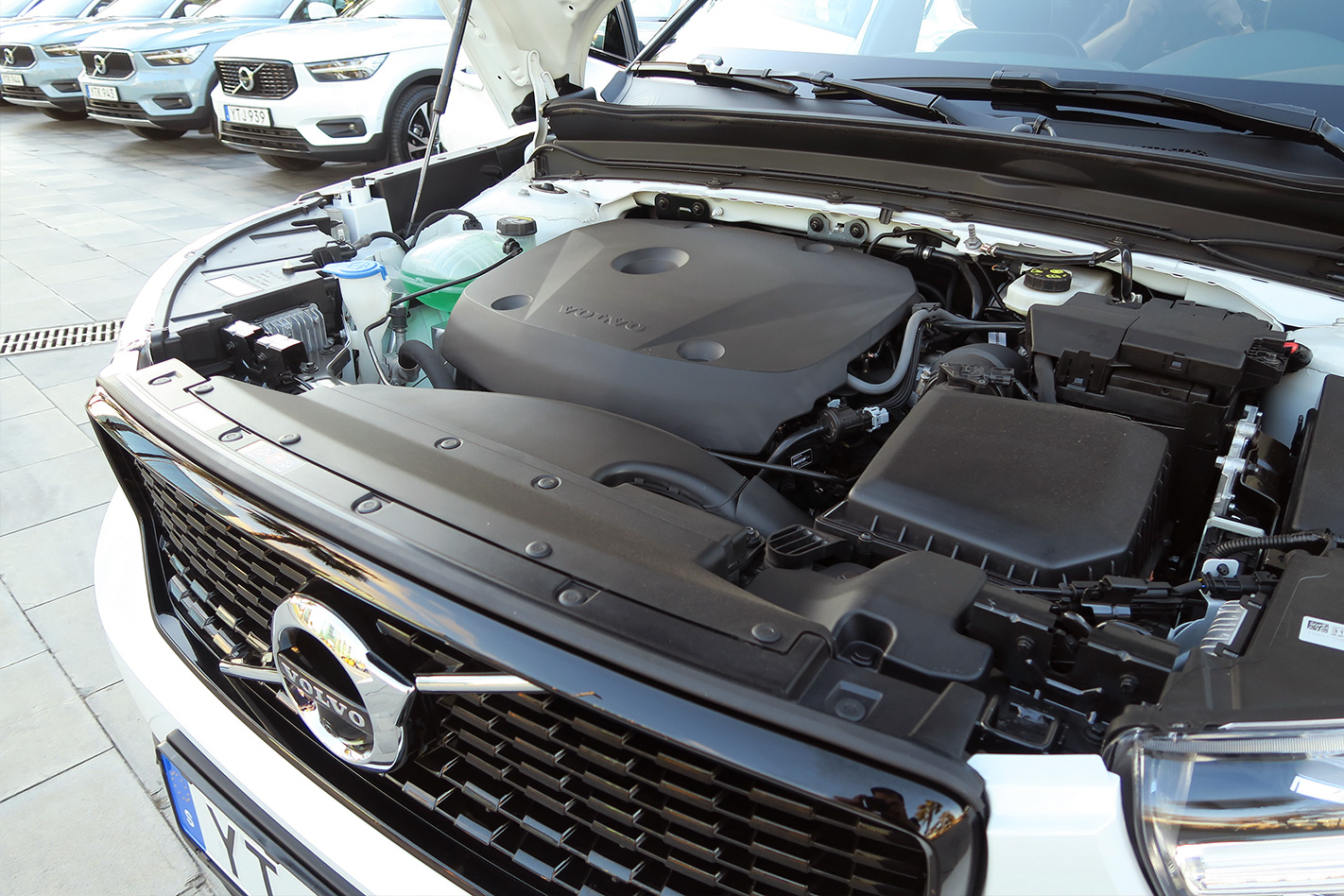
What’s most impressive, however, is the chassis. Riding on conventional MacPherson struts up front and a four-link independent rear end rather than the trick multi-links and composite leaf springs of its SPA-platformed cousins, the XC40 delivers controlled and stable handling that feels virtually unshakeable.
Three suspension tunes will be available, base Dynamic, mid-level Sport and electronically-adaptive Four-C. The T5 R-Design we drove was equipped with the Sport calibration, which boasts stiffer springs, dampers and roll bars than the regular Dynamic tune, and was also rolling on thin-sidewalled 20-inch alloys with Pirelli P-Zero rubber, yet ride comfort on long undulating bumps was outstanding. That said, the glass-smooth Spanish autovias that made up the bulk of the drive route threw up few challenges for the suspension to deal with. A more complete assessment will have to wait until our first local drive.
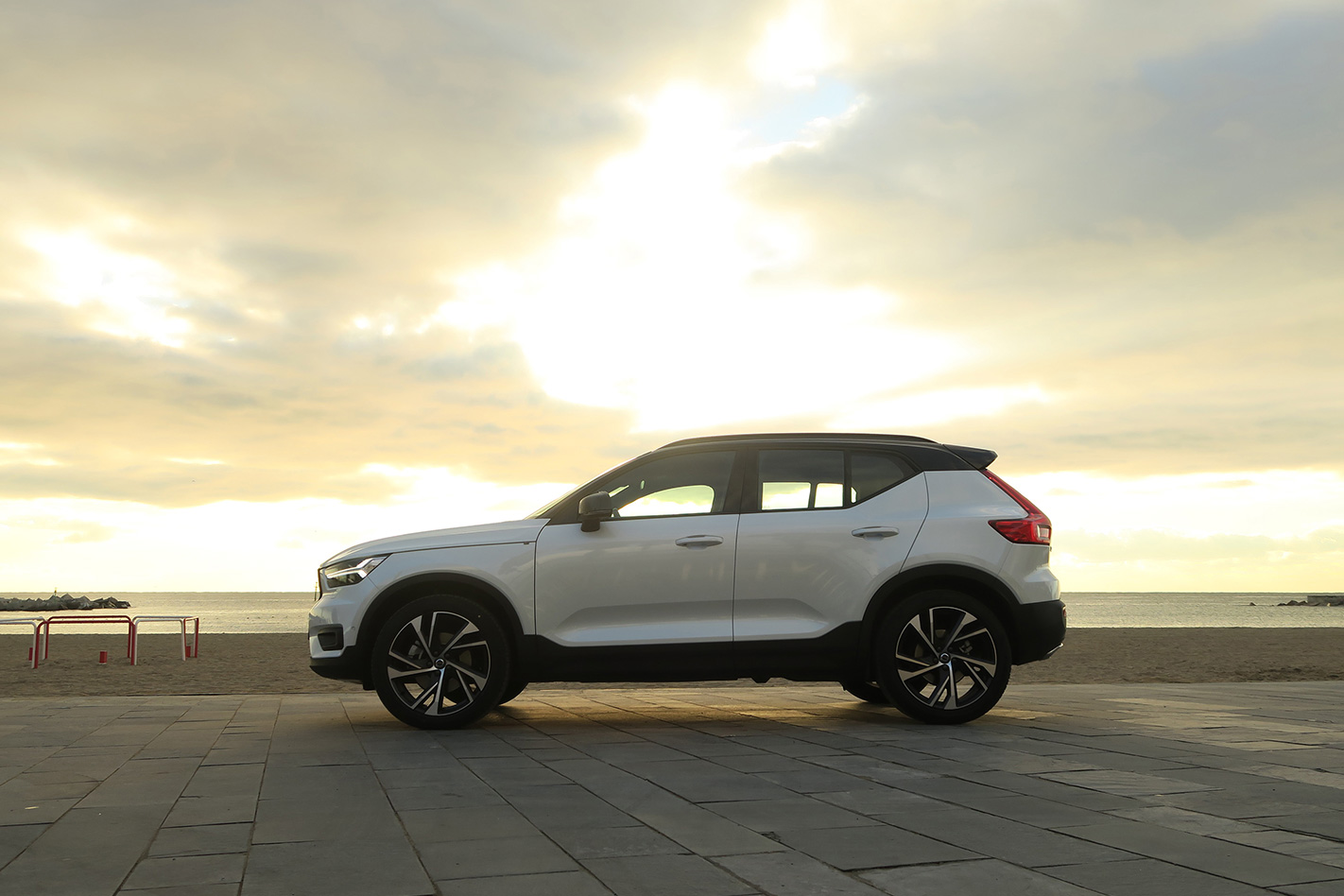
Both the D4 and T5 will be exclusively all-wheel drive, however later in the model cycle they’re expected to be joined by a three-cylinder T3 petrol front-drive variant. That one’s still a long way into the distance, but its pricing could potentially dip deep into the $30k region. A fully-electric model is also in the product planner, with a rough ETA sometime in 2019.
What’s certain right now, however, is that the XC40 is off to a strong start right out of the gate. It drives well, shames its competitors as far as interior packaging is concerned, looks smart and feels properly premium. Volvo may have been missing out on the small SUV frenzy until now, but its first effort is well and truly a model student.
AFTER a protracted campaign of concepts, disguised prototypes, teaser videos and an accidental leak, Lamborghini has finally pulled the covers from its Urus SUV and let slip key details, including confirmation that its 4.0-litre turbocharged V8 petrol will pack a mighty 478kW/850Nm punch.
With that weaponry slotted into its unapologetically styled snout, the first Lambo SUV in more than 30 years will blow all other high-performance off-roaders out of the water – except the Jeep Grand Cherokee Trackhawk, which manages another 44kW over the bull.
With a Torsen type four-wheel drive system the high-rider has the traction to match its power and can leap off the line with all the aggression associated with the Raging Bull brand. The zero to 100km/h dash is dealt with in just 3.6 seconds.
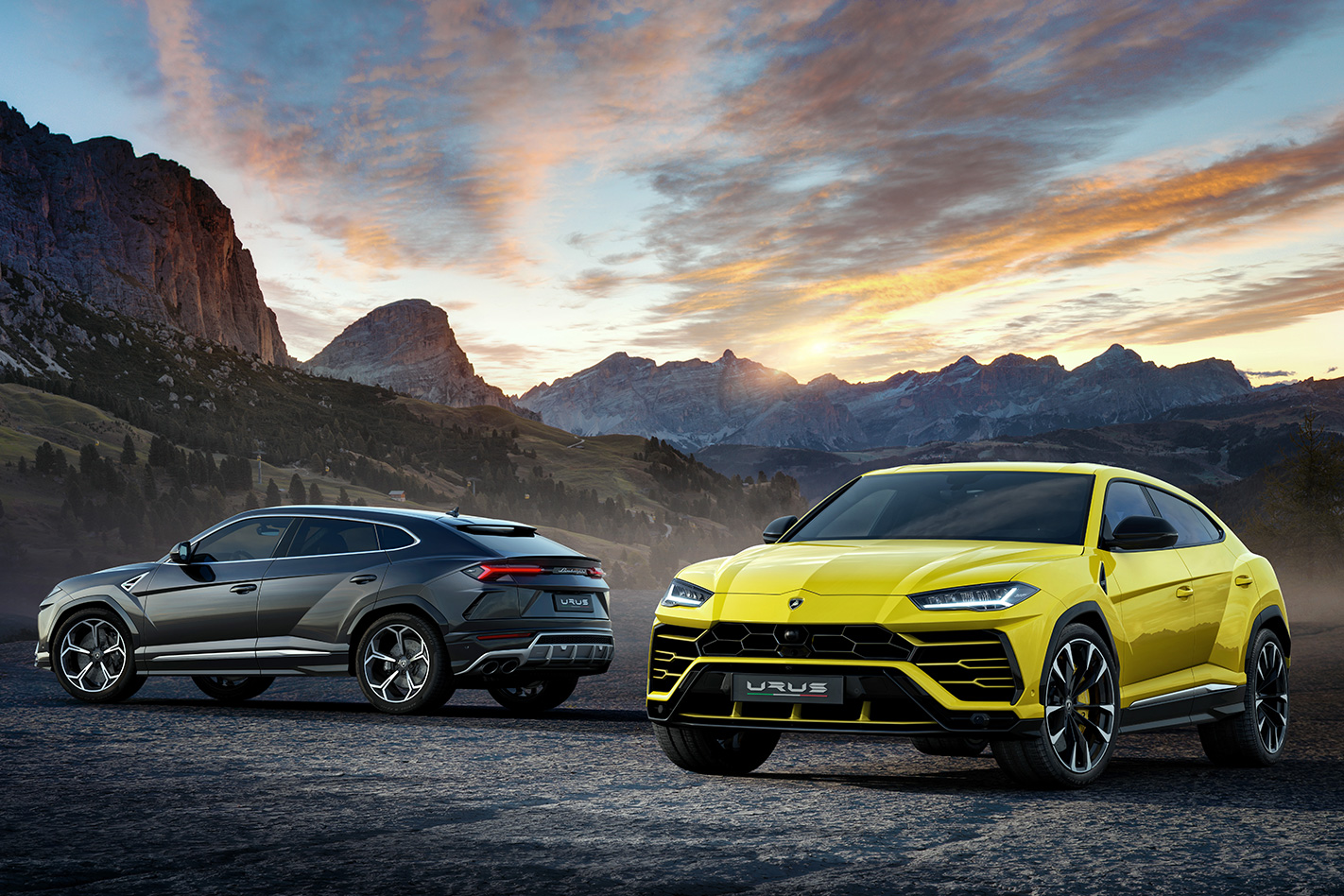
Want one? If this fearsome-looking high-rider has you tempted, Lambo will ask $390,000 before on-road costs and early adopters can expect to see their Urus arriving in autumn 2018.
In the build-up to the final reveal, Lamborghini has been drip feeding hints about the car’s ability to negotiate a diverse range of terrains including loose surfaces as well as the brand’s natural habitat – the race track, enabled by adaptive air suspension, active roll stabilisation and rear-wheel steering.
When off-road, the systems work together to increase ground clearance and slippery-condition traction, but when on the road a 48-volt sub-system powers the electromechanical roll-cancelling system to minimise body movement in addition to a lowered ride-height.
A majority of power is allocated to the rear axle for improved dynamics under most conditions but the 40/60 split front to rear can be altered according to the driving style, surface conditions and the choice of six Anima driving modes.
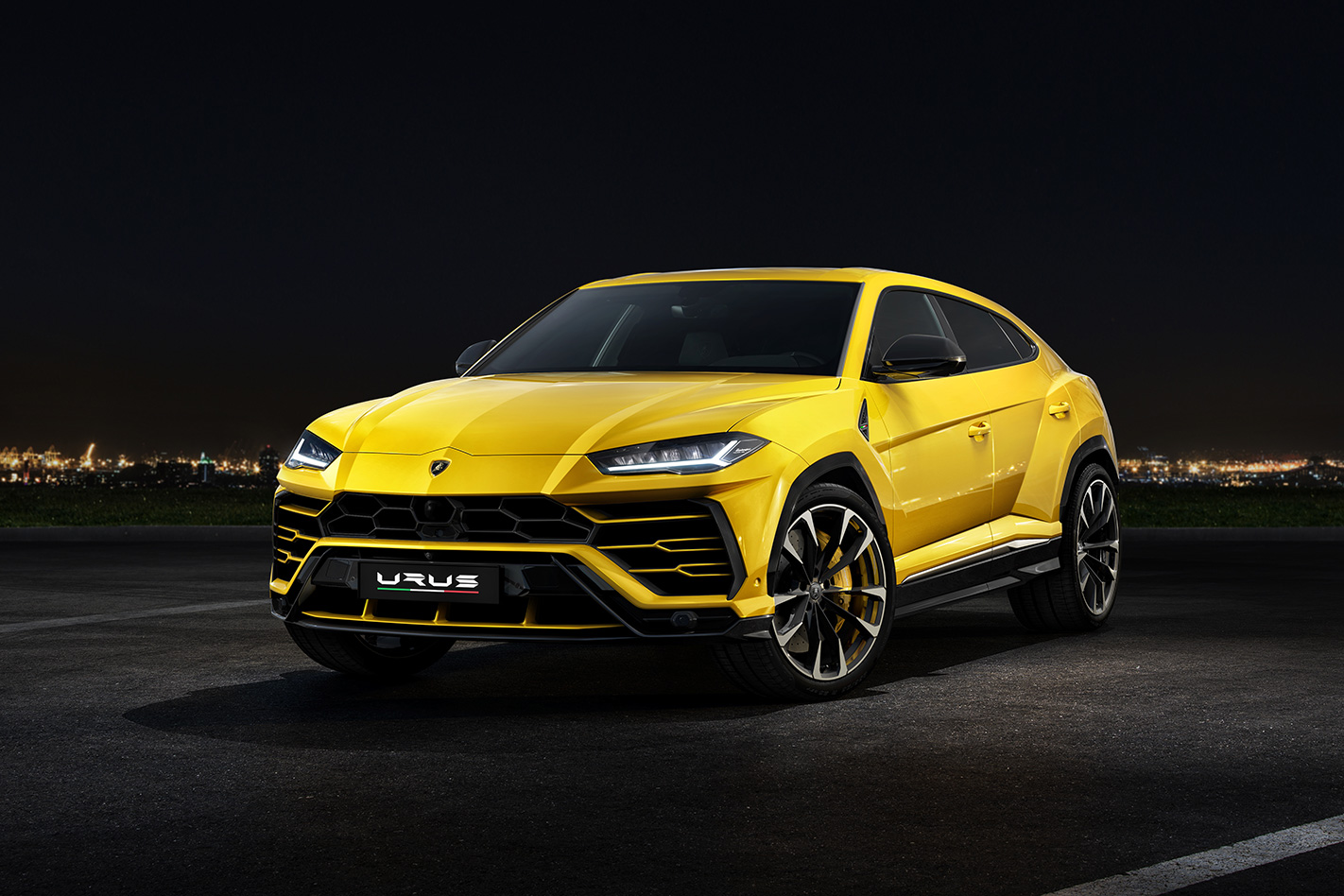
Strada, Sport, Corsa and Neve modes are intended for road driving, while Sabbia and Terra are for the more adventurous Lamborghini owner looking to hit the sand or unsealed trails.
No kerb weight has been provided but Lamborghini has certainly not under-braked the Urus with a mighty set of carbon-ceramic discs measuring 370mm at the back axle and 440mm on the front end grabbed by massive 10-piston calipers.
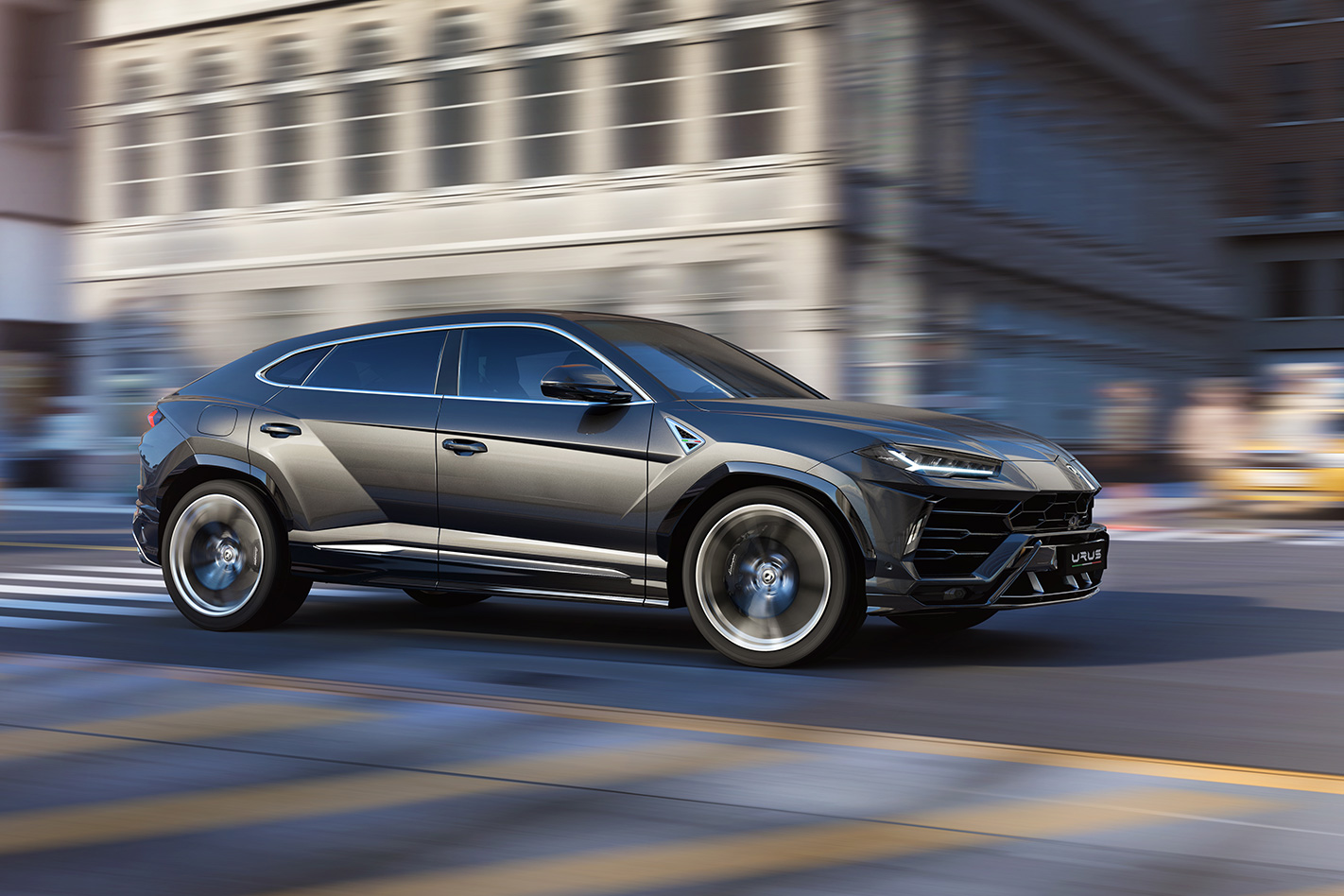
An eight-speed automatic transmission is standard and the 4.0-litre V8 is likely to be related to the version that powers Porsche’s Cayenne Turbo, albeit in a detuned state of 404kW for the German.
Exterior styling certainly carries the Lamborghini conspicuous mantra with a heavily raked roofline borrowed from one of its coupes, an intimidating stance and a family resemblance that strongly ties the Urus to its supercar siblings.
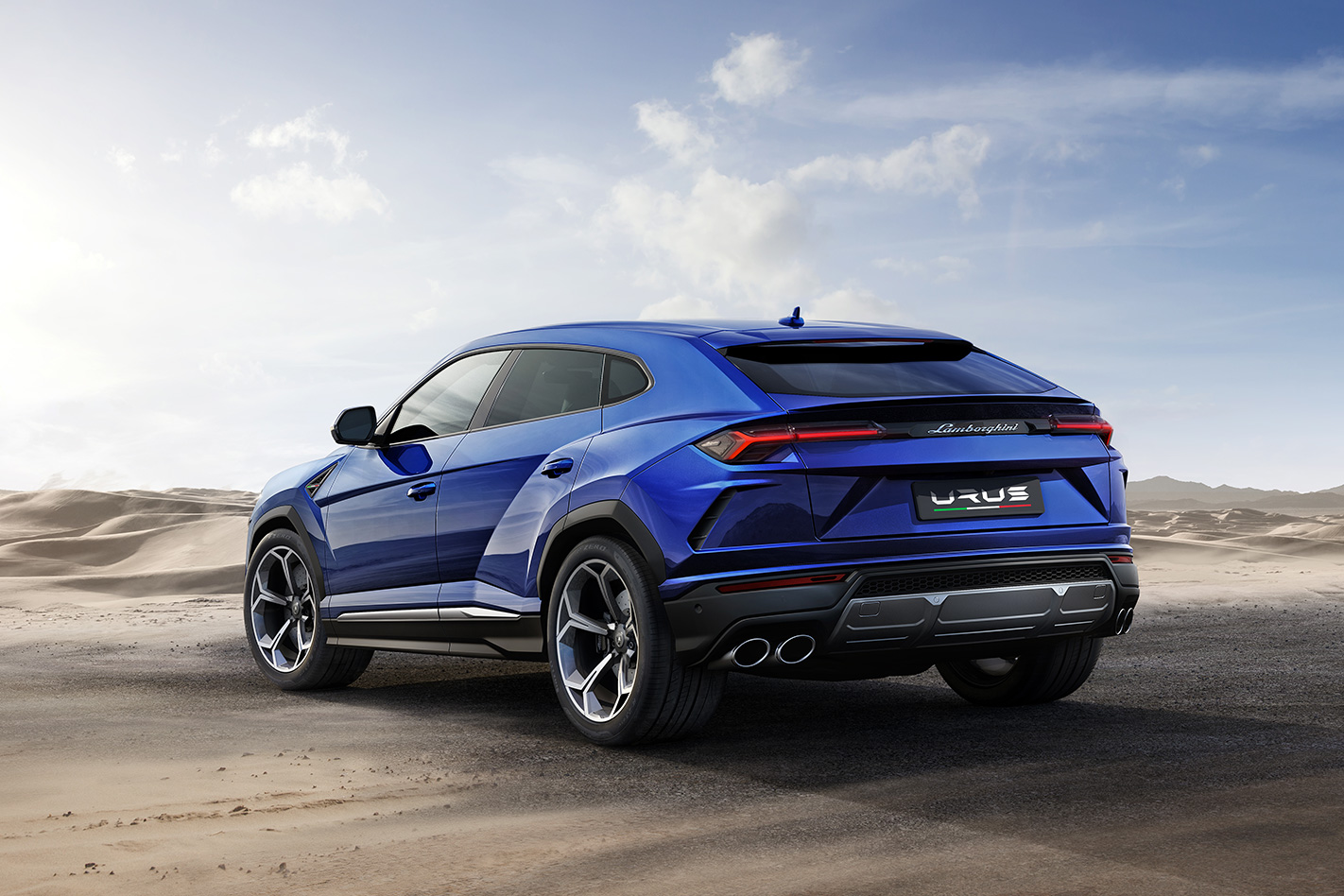
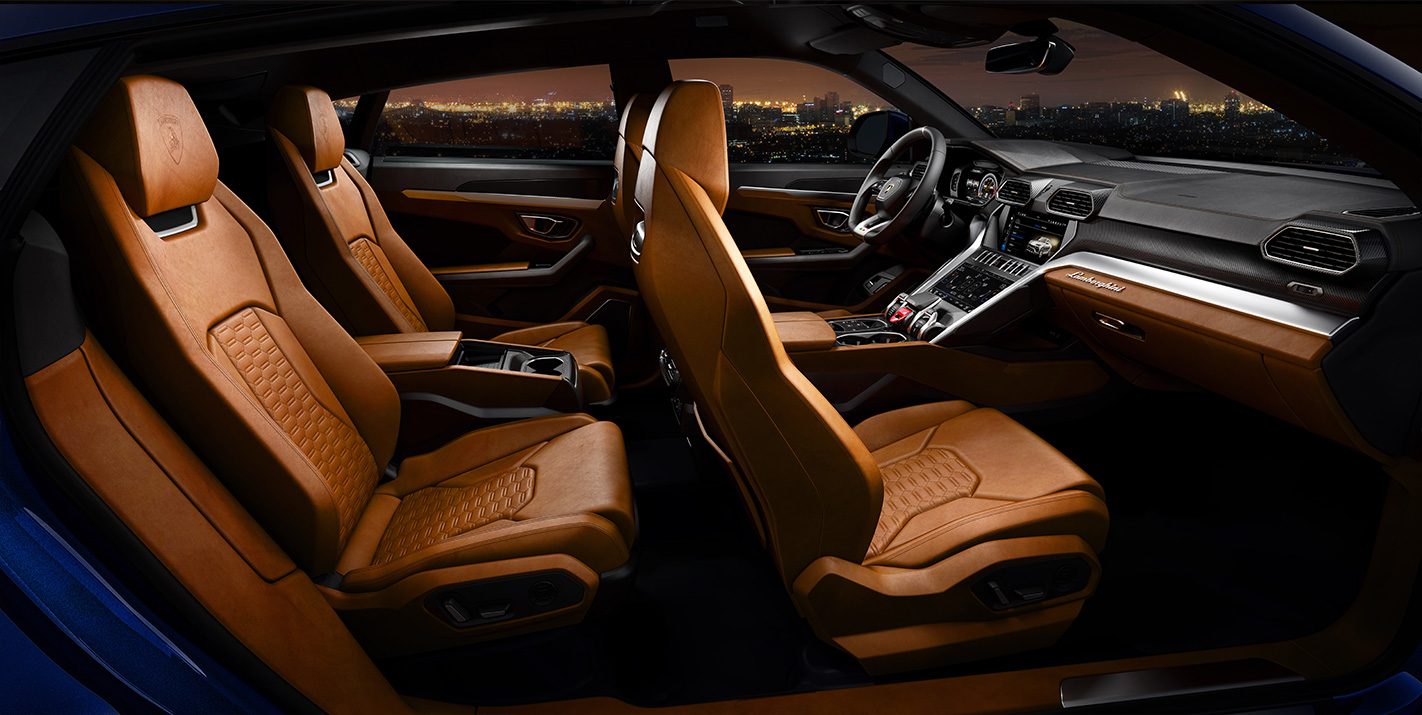
Acres of carbonfibre hint at an eye-watering asking price, while semi-aniline leather upholstery brings a touch of big GT cruiser comfort.
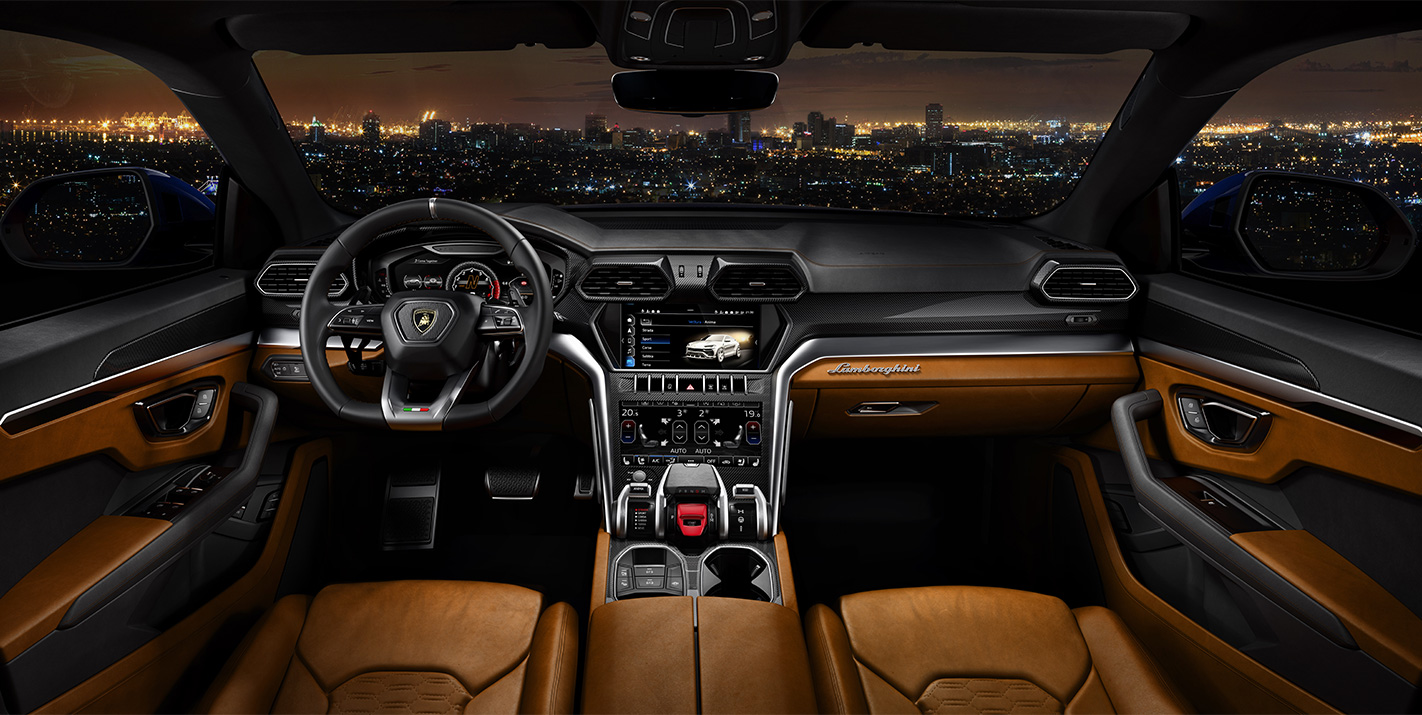
Bucket seats with electric adjustment, zoned climate control and generous central storage are duplicated in the back.
As for the name? In keeping with Lamborghini’s decidedly bull-themed convention, Urus is another word for Aurochs – a large Eurasian ox that was the ancestor of domestic cattle. How appropriate.
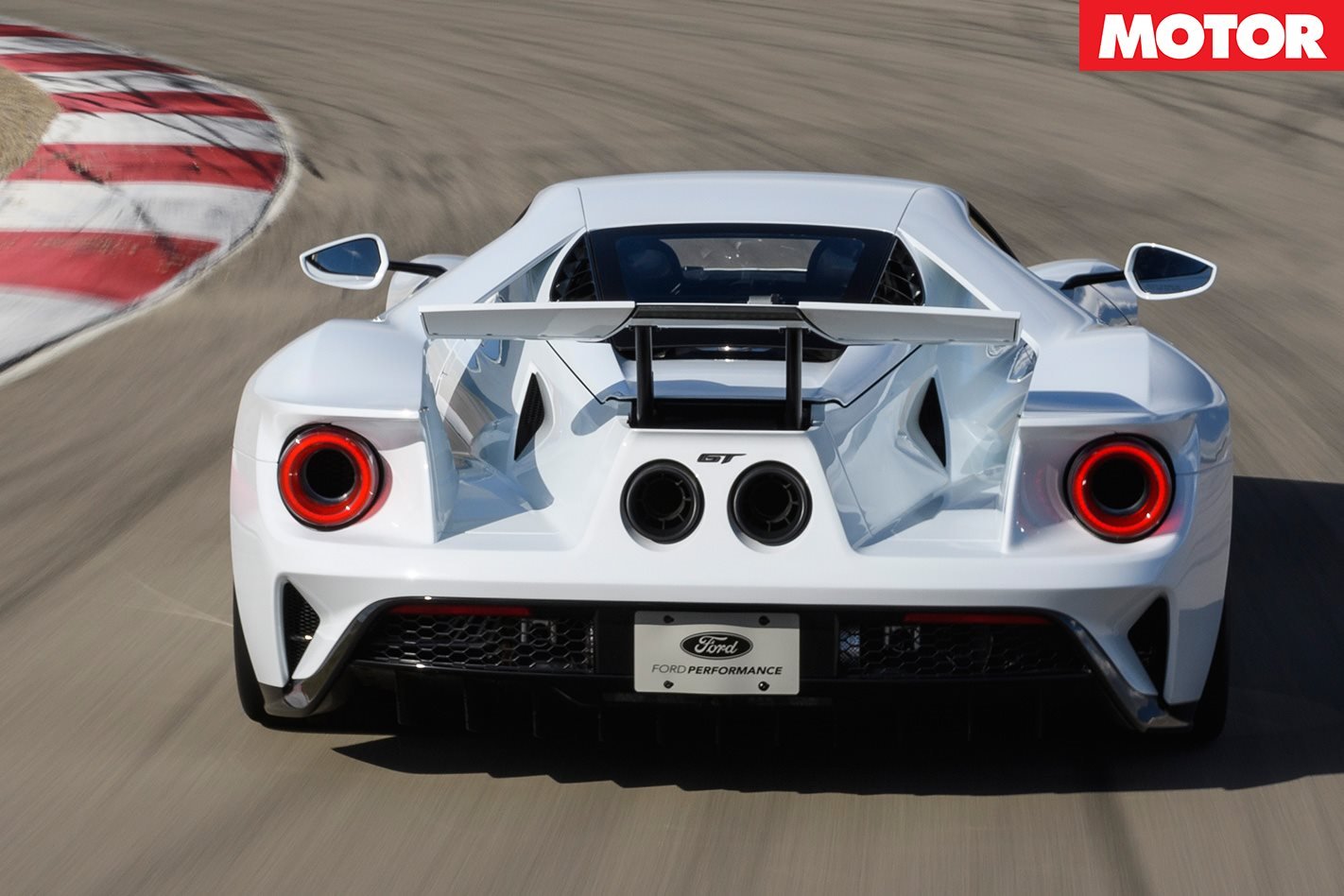
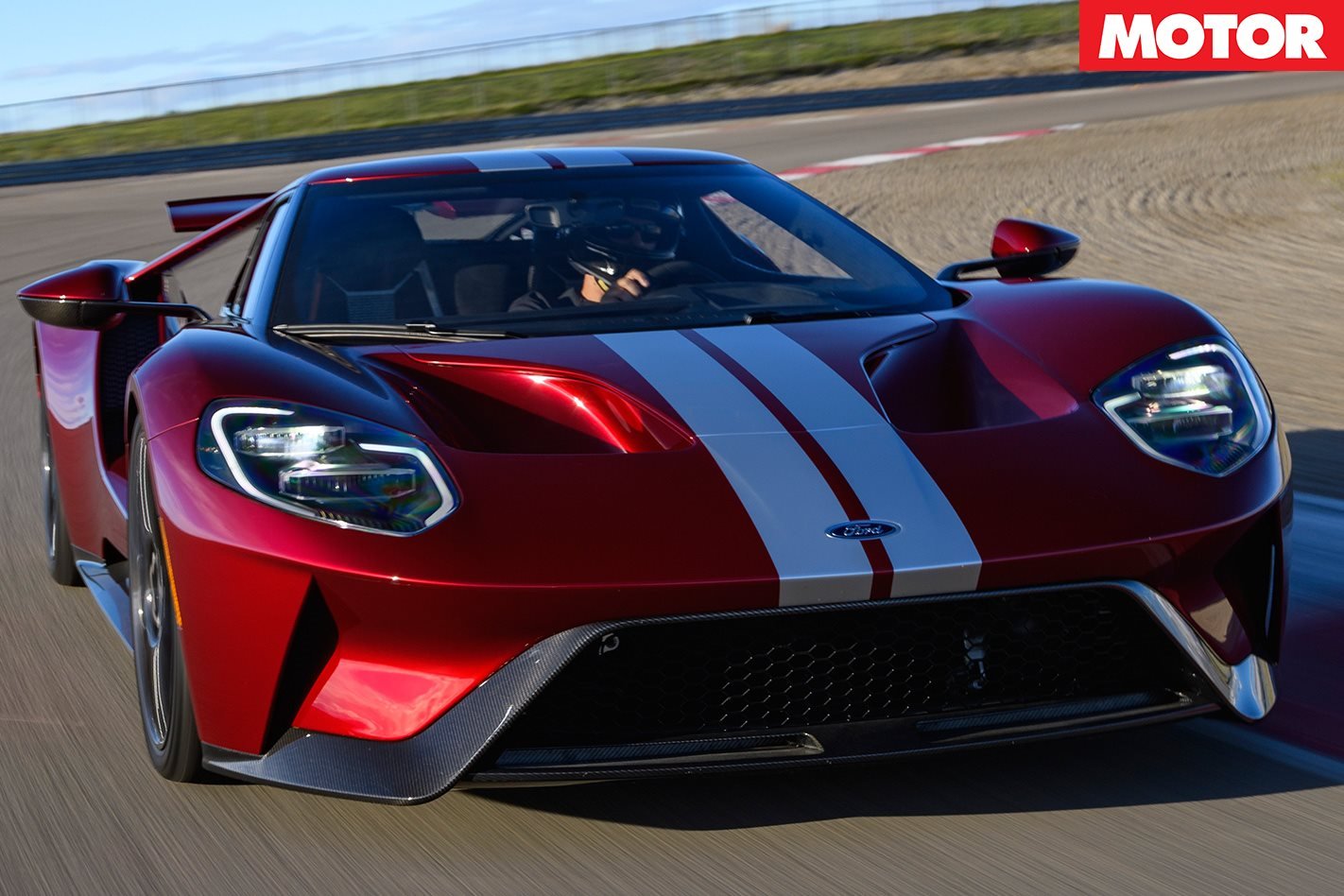
Ford is accusing actor and WWE wrestler John Cena of selling his new Ford GT within weeks of taking possession of the car, which goes against the terms and conditions Ford says he signed up for when he purchased the car.
According to the lawsuit, Ford stipulated that buyers of the 482kW supercar must “retain ownership for a minimum of 24 months after delivery and not re-sell the vehicle within this period of time.”
Ford says it included this clause as it expected a higher demand than it was prepared to meet in terms of Ford GT production.
Ford says its retail price of the GT in the US is more than $450,000.
Ford does, however concede that Cena admitted to the sale when Ford asked him, and that he responded, “I completely understand and as stated am willing to work with Ford to make it right. My sincerest apologies.”
At the end of the lawsuit, it’s noted that Ford has requested the court to “order that Mr. Cena must disgorge his profits to Ford from the improper resale of his 2017 Ford GT.”
We spend a lot of time trawling used car ads here at MOTOR.
Not only to keep our own dreams of owning a supercar alive, but also to see what’s going on in terms of performance car prices in the used market.
But sometimes we come across cars so rare, odd, or generally interesting that we need someone to share it with. Since we can’t keep telling our partners about cars for sale, we’ve decided to tell you.
So here are our five picks for the first Classifieds of the Week.
2009 Mercedes-Benz SL65 AMG Black Series
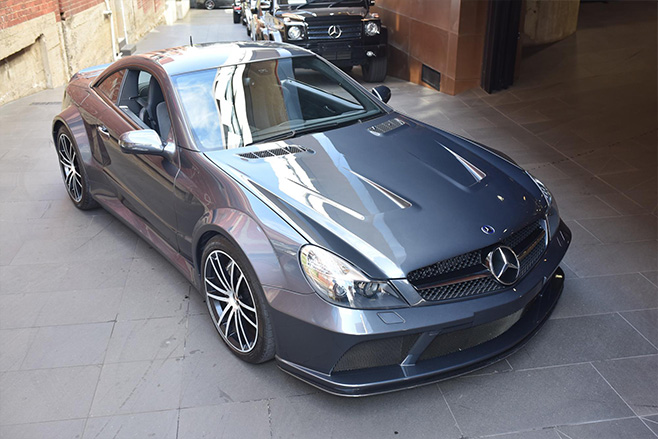
Prestige car dealers Dutton Garage, located in Melbourne’s inner suburb of Richmond, always has a plethora of gorgeous metal to gawk at, but this SL65 Black has the majority of it beaten.
It’s been confirmed by Mercedes-Benz Australia as one of seven allocated to be delivered to the lands Down Under – New Zealand copped two – and it’s only clocked around 9000km.
Its 493kW and 1000Nm is impressive, but Mercedes says it’d top out at around 1200Nm without its limiter.
This one’s sporting a POA tag and a warning from Dutton that it’s “Not for the faint hearted.”
1996 HSV VS GTS-R
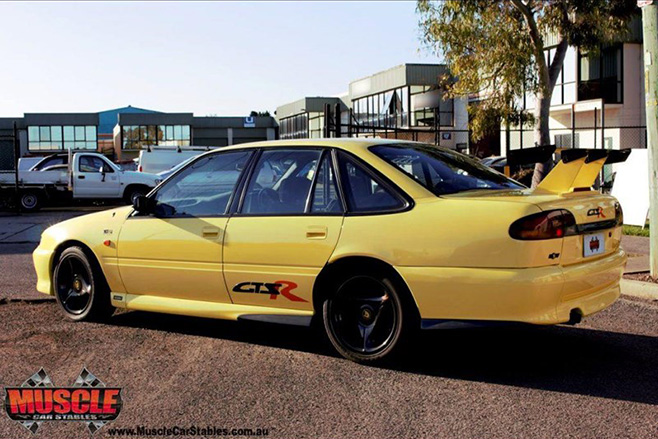
Need some ‘Yellah’ in your life? A HSV VS GTS-R is one of the only ways to get it.
The bight paint scheme drew shouts of ‘Taxi!’ in the ‘90s, but now these things are so valuable you’d be hard-pressed to spot one in the wild.
Its 215kW 5.7-litre V8 has also its power boosted an extra 10-15kW as it’s been given the ‘blueprint’ treatment. This one’ll set you back $174,990 courtesy of Muscle Car Stables in NSW.
1977 Lamborghini Espada
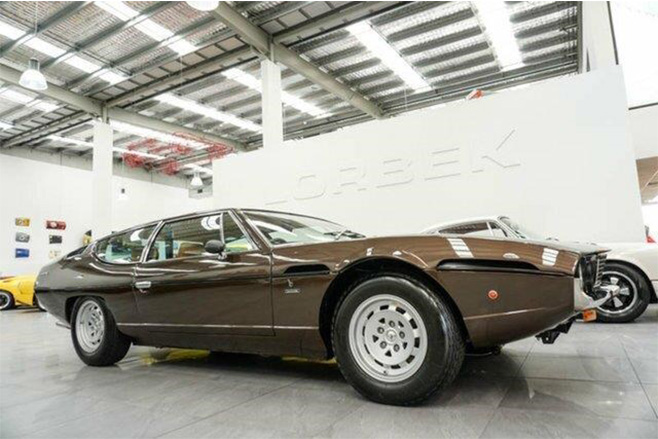
We might upset a few Espada die-hards here, because we’re not about to talk about how good it looks.
It has its more flattering angles, sure, but the Italian four-seater doesn’t exactly look great in what is known as ‘Marrone Alcestis.’ It’s brown.
However, if this is your thing, it’s a $349,980 ask from Lorbek in Port Melbourne.
1980 Chrysler Lancer
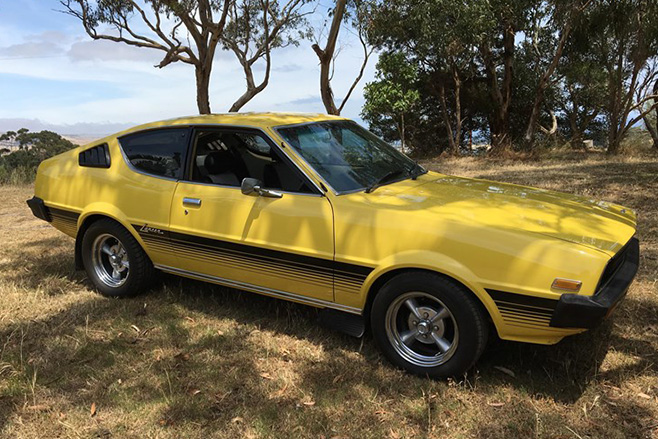
We reckon this one might be a typo, but if it isn’t…
$235,000 is the asking price posted for this very early example of the Lancer. It’s a far cry from Mitsubishi’s.
Even giving the benefit of the doubt, is it meant to be $23,500? $2350? We’re not sure…
‘Bluesmobile’
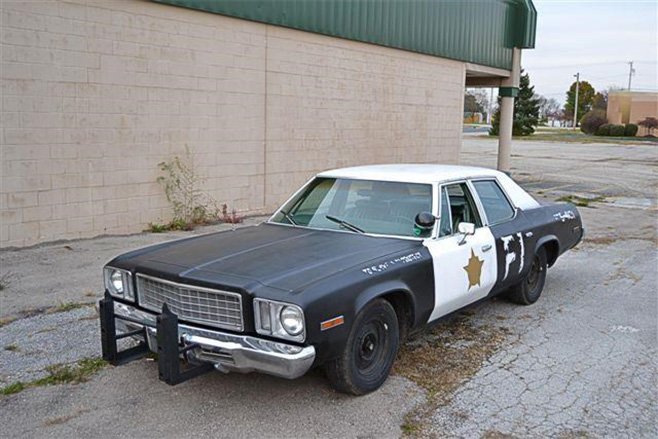
Though there is likely an abundance of these in the US, it’s pretty unusual to see a Blues Brothers replica car Down Under.
If you’ve got $21,500, half a pack of cigarettes or like wearing sunglasses while it’s dark out, this might be of interest to you.
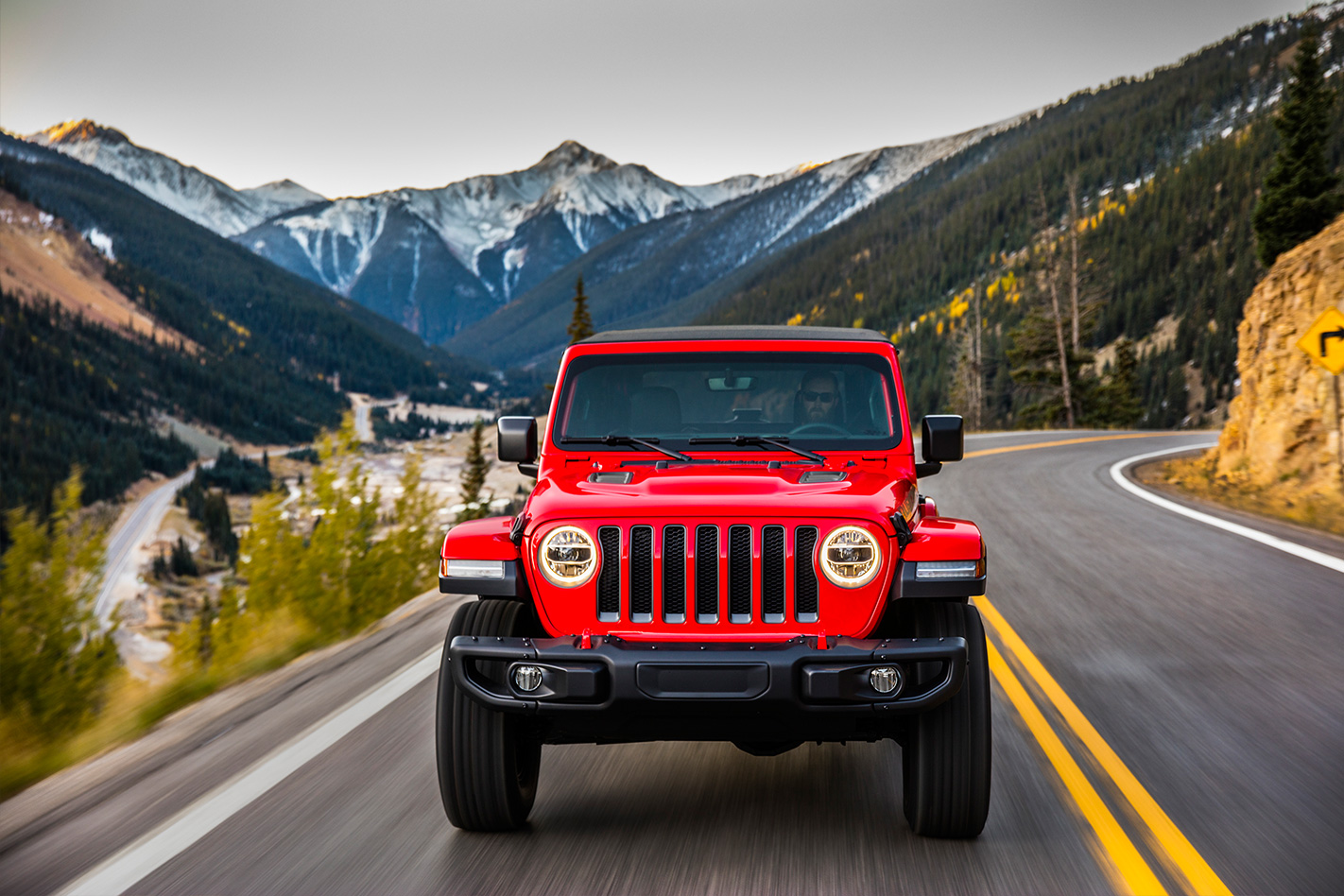
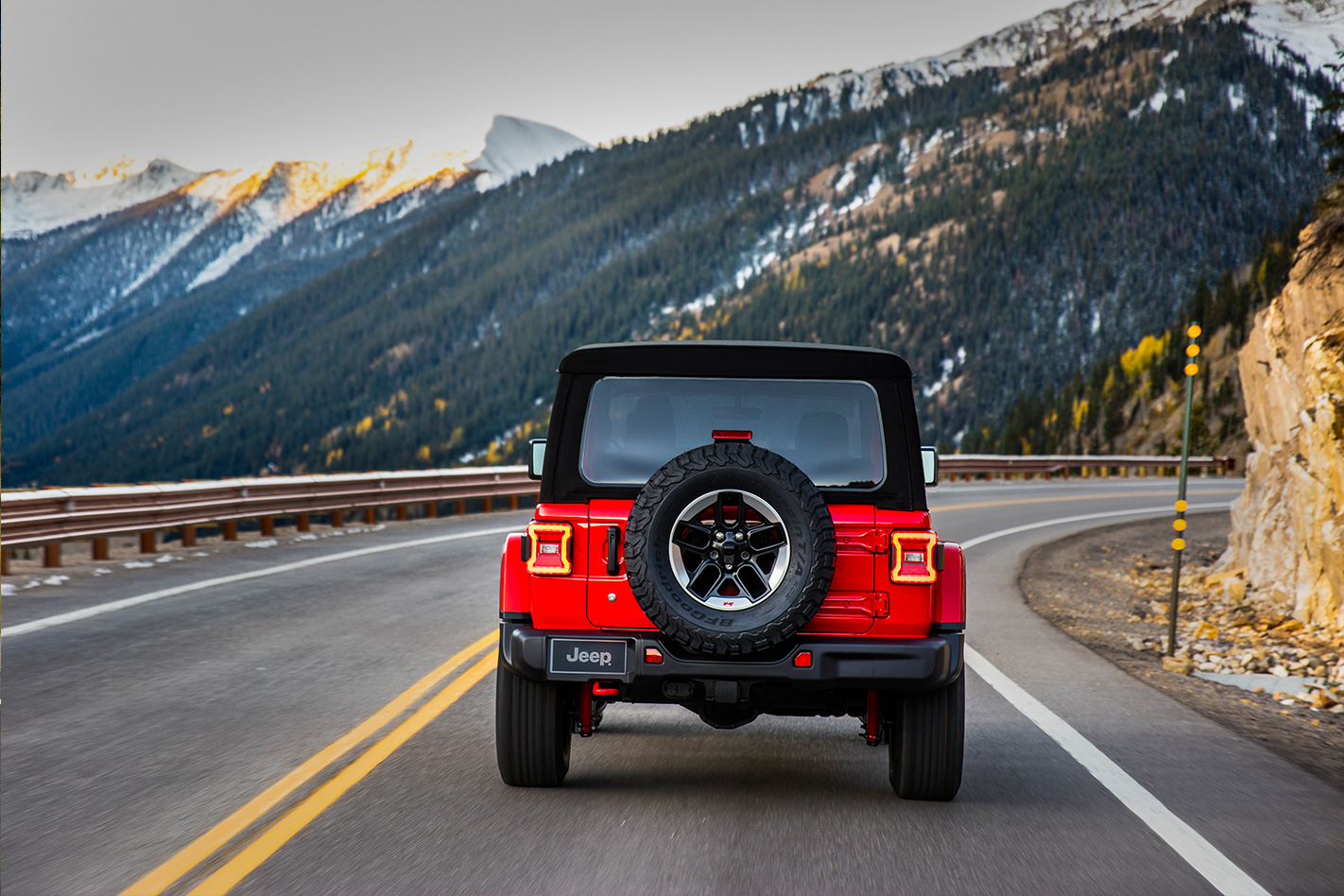
THE all-new Jeep JL Wrangler is “designed with a deep respect for tradition and a focus on improving the Jeep open-air experience,” says Jeep’s head of design, Mark Allen.
Watch the video here to learn how Allen’s team redesigned the exterior of an icon while retaining the core fundamentals, while Ryan Patrick Joyce, Wrangler’s interior designer, provides a look into the cabin design of the vehicle, which is due here in Australia in 2018.
- Jeep confirms plug-in hybrid Wrangler and Oz testing program
- Jeep celebrates 75th anniversary with original Willys
THE announcement that Jeep will build a plug-in hybrid version of its all-new JL Wrangler in 2020 came from company boss Mike Manley in a vast marquee filled to capacity at the LA motor show.
“A full plug-in electric Jeep Wrangler will be available in 2020, furthering our commitment to all those who value the responsible, sustainable enjoyment of the great outdoors and very importantly, future-proofing this Wrangler for generations to come,” Manley said.
The announcement was slid in late at the unveiling of the new model, but immediately opened as many questions as it answered: for example, how will the motor and batteries be packaged to still allow the water-fording ability of the regular, ultra-off-road-capable model?
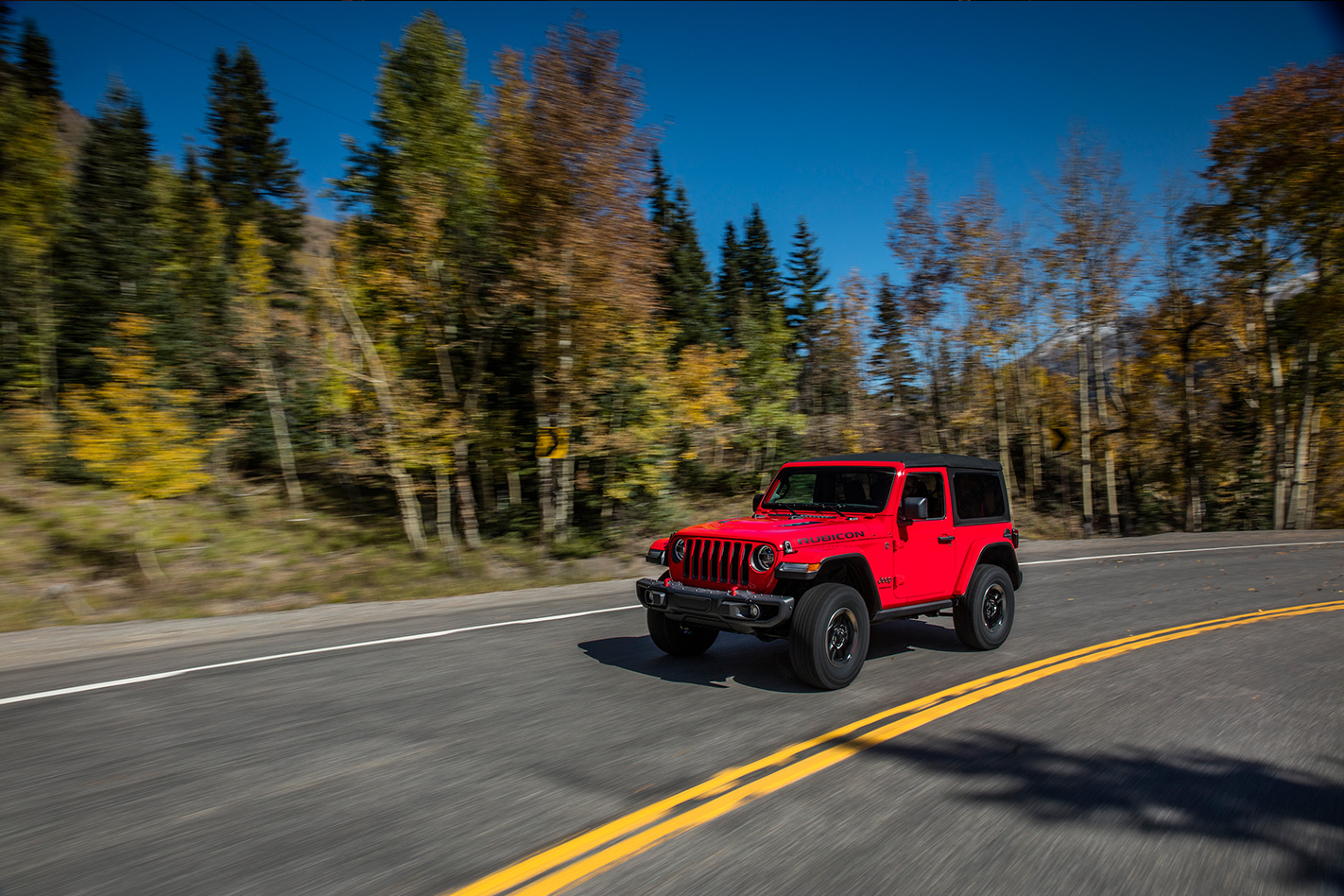
“What we clearly have to do is make sure any component is safe and secure above the fording line, so that is work we have been doing,” he said.
Manley also confirmed other Jeep models would follow the Wrangler’s hybrid lead.
“It’s inevitable Jeep will go through more electrification as we get into the 2020s,” he said. “The systems will be different but there will be more electrification [throughout the range].”
“When I was thinking through electrification, the initial thoughts were ‘you’ve got to do electrification because of all of the changes’. But when we think of all the appropriate uses of electrification, particularly the torque management at low-end, and how if it is deployed in a certain way can actually help control that torque, it makes a lot of sense to have it in our vehicles to enhance our capability and get the added benefit of the fuel economy that comes with it.
“Then the only thing is really how do you want to calibrate it? Do you want to calibrate it for max fuel economy or for that torque deployment?”
Manley would not confirm which engine will be partnered with the hybrid system, only saying, “I think our engineers have struck a really good balance; I’m very excited it’s in the vehicle.”
Also of note from LA was the confirmation that Jeep would include Australia as one of its testing locations for new Wrangler, likely to be the ute version. Wrangler chief engineer Brian Leys confirmed that the Australian outback would play a part in ensuring the new model is fit for the heat and dust that it’s likely to cop.
