
MORE photos allegedly showing the last Holden Commodore to be built in Australia have emerged on social media.
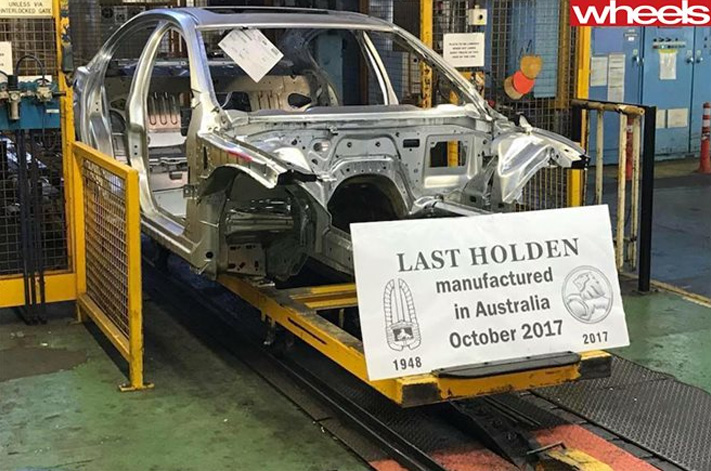
The first images of the vehicle appeared last week (see below) on the ‘Last day of Holden manufacturing in Australia’ Facebook event page as a blank chassis.
The new image shows the car has been painted, and had a bonnet and boot fitted, accompanied by a sign on the roof saying ‘last car’.
A caption on the new image states “This is the last car. It will be a Red, Redline Sedan.”
If true, the final car of Holden’s Elizabeth production line will be a LS3 V8-powered VF SS-V Redline.
Wheels contacted a Holden spokesman, but he was unable to provide a comment.
Another Facebook page, ‘Farewell to Holden Manufacturing in Australia’, claims general assembly will finish the final VF Commodore on October 18.
The Holden spokesman categorically denied this.
“That is untrue,” he told Wheels.
“The final cars will come off the production line on October 20.”
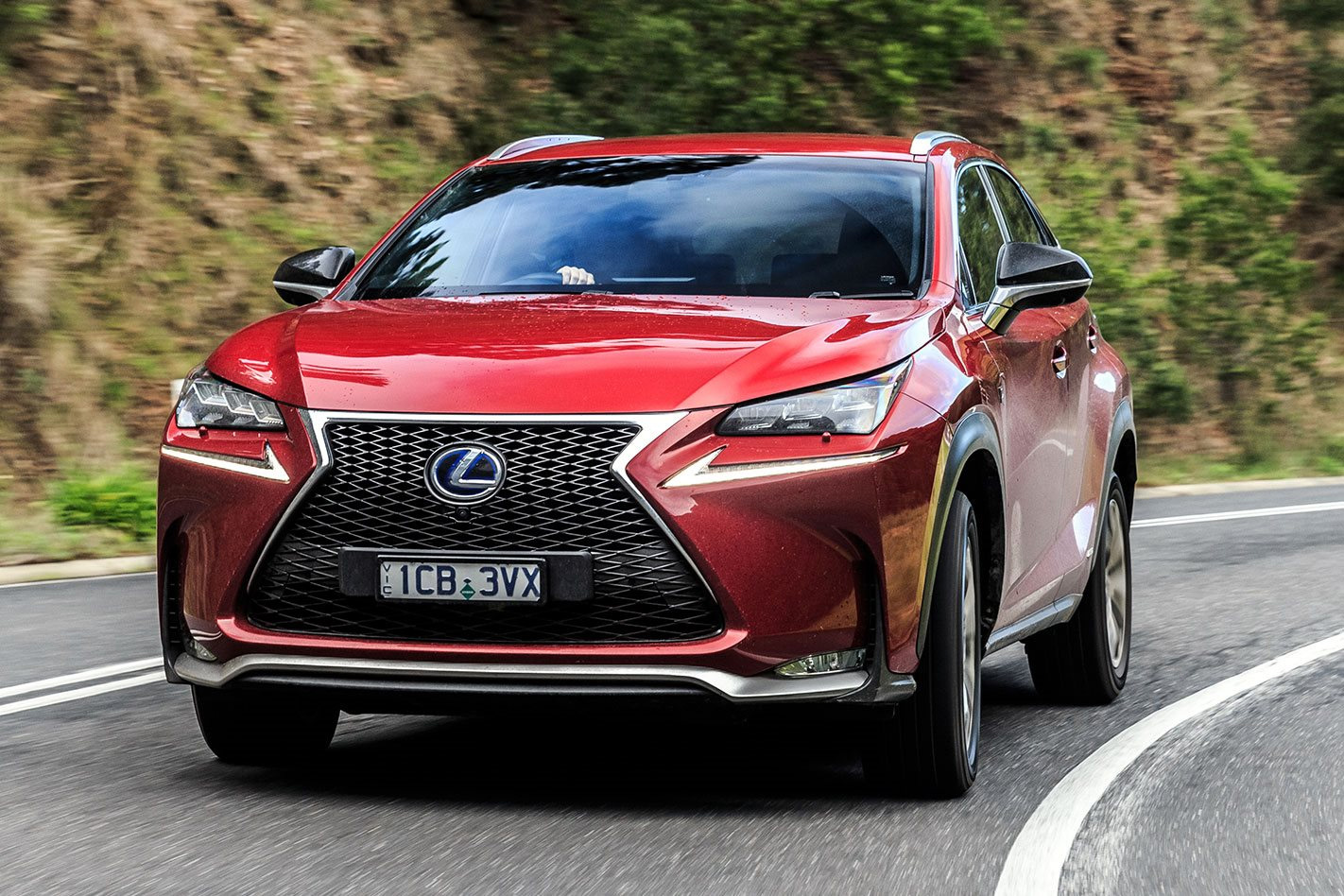
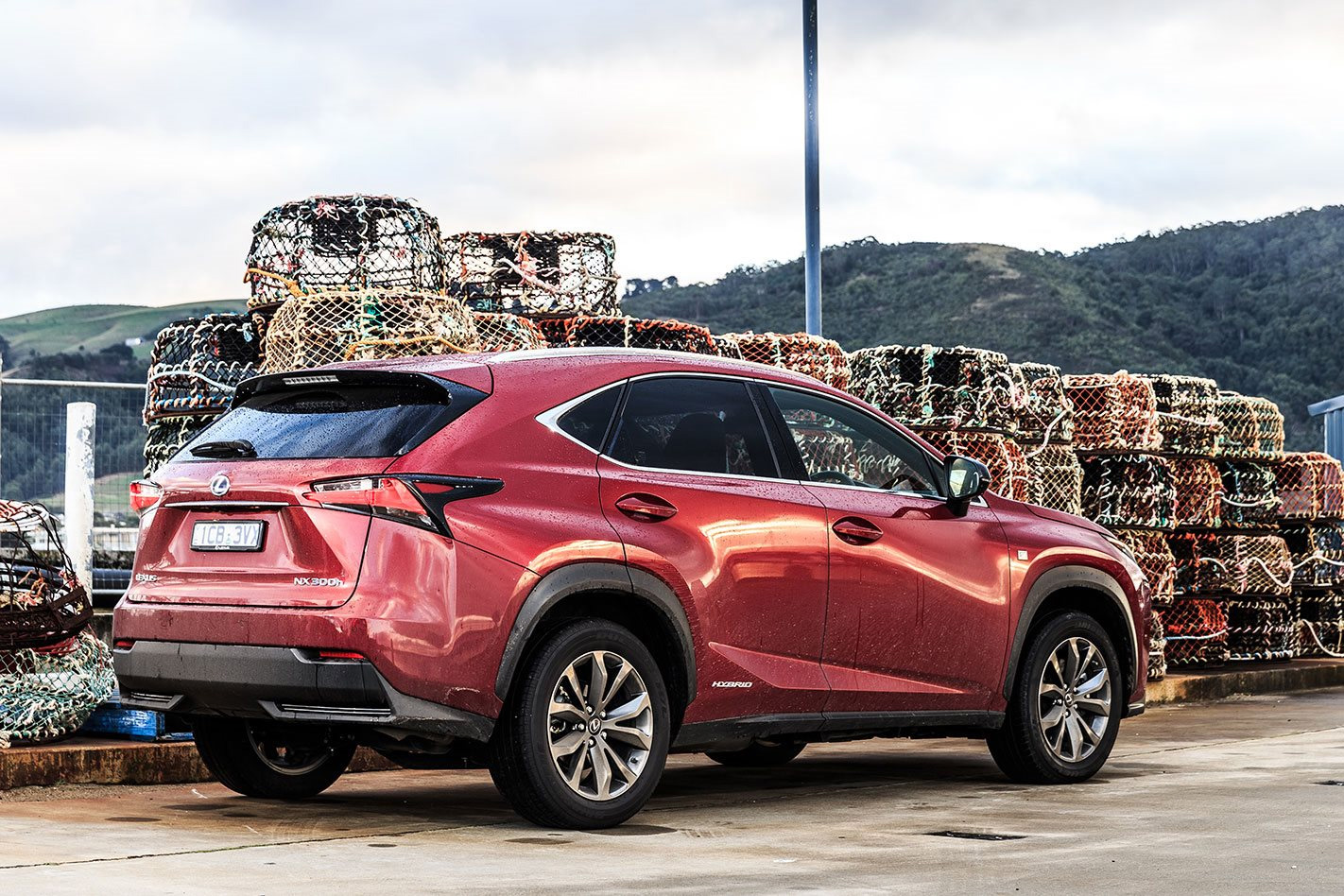
Lexus has today revealed the Australian pricing and specification for the NX SUV.
The updated NX has received updated exterior styling, along with interior tweaks, and “extensive suspension improvements”.
There are two powertrain options in the range, the NX 300, and NX 300h.
NX 300 models are powered by a turbocharged 2.0-litre four-cylinder petrol producing 175kW and 350Nm.
The NX 300h has a 2.5-litre four-cylinder petrol engine, paired with either one or two electric motors depending on whether it is an 2WD or AWD model. Combined power is 147kW.
NX models account for more than one-third of Australian Lexus sales.
Lexus’ active safety suite has been expanded across the range, introducing pre-collision safety which can detect pedestrians for all models.
Autonomous emergency braking, active cruise control, and lane departure warning with steering assist are now available on all variants bar the entry-level Luxury.
The range starts at $54,800 for the NX 300 Luxury 2WD, stretching to the flagship NX 300h Sports Luxury AWD costing $76,300.
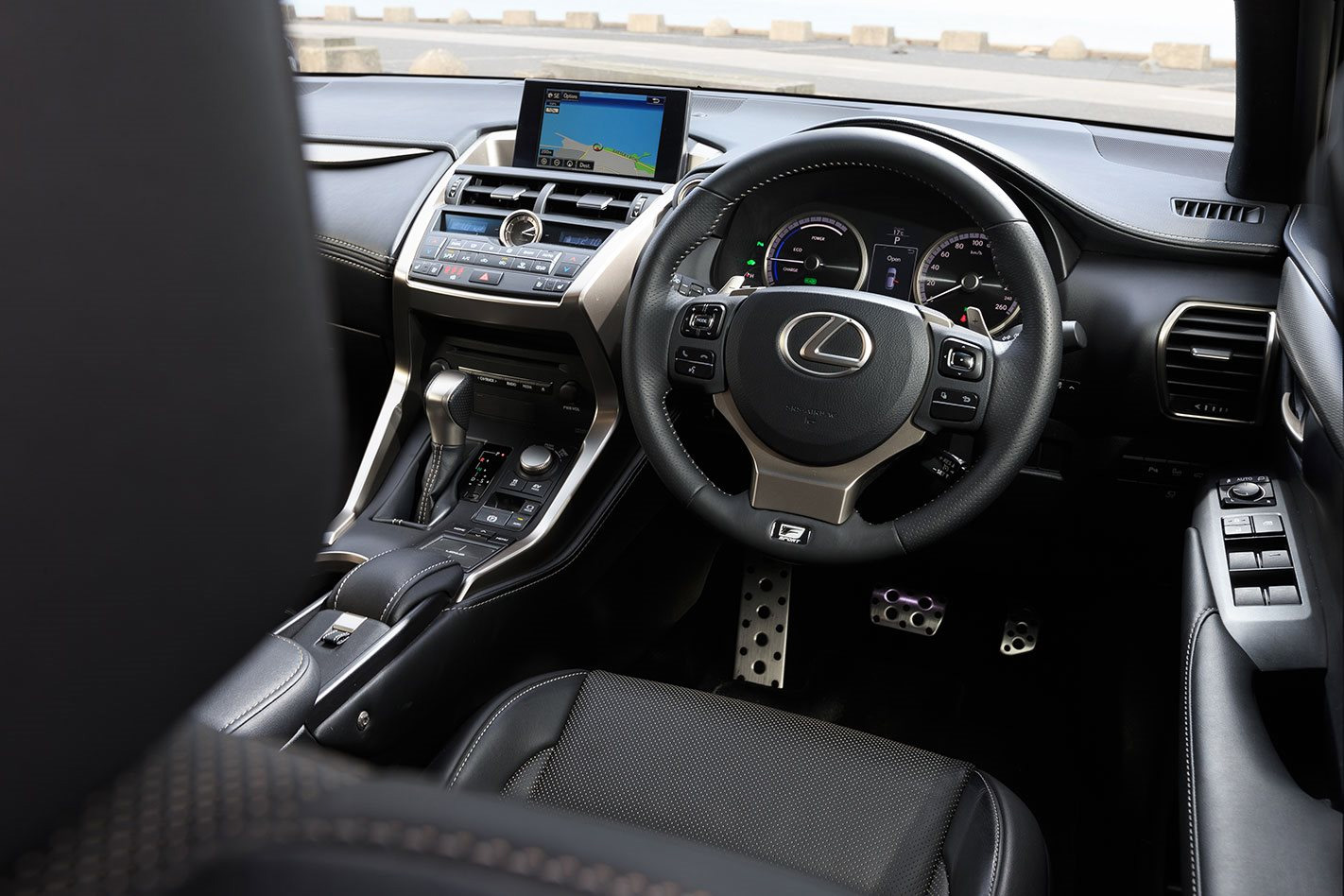
Satellite navigation, reversing camera, power tailgate, 18-inch alloy wheels, smart entry and start, 10-speaker audio with digital radio, Enform connected mobility, tyre pressure warning sensors, 60:40 rear-fold seats and a spare wheel, are standard on all models
The F Sport adds a 360-degree panoramic view monitor, wireless phone charging, paddle shifters, performance dampers, and unique styling tweaks.
Sports Luxury models gain a leather-accented interior, full-colour head-up display, Mark Levinson 14-speaker premium audio, moonroof and woodgrain-look ornamentation.
LEXUS NX PRICES
- NX 300 Luxury 2WD: $54,800
- NX 300h Luxury 2WD: $57,300
- NX 300 Luxury AWD: $59,300
- NX 300h Luxury AWD: $61,800
- NX 300 F Sport 2WD: $60,800
- NX 300h F Sport 2WD: $63,300
- NX 300 F Sport AWD: $65,300
- NX 300h F Sport AWD: $67,800
- NX 300 Sports Luxury AWD: $73,800
- NX 300h Sports Luxury AWD: $76,300
After the image of what appears to be the last Australian Holden Commodore emerged last week, new pictures are now filling in more of the story.
Holden have still not confirmed details of the last Commodore to be built on Aussie shores, but if anecdotal and photographic evidence is to be believed, the last Aussie Commodore will be a red SS-V Redline sedan.
UPDATE: The final Holden Commodore built in Australia has been found
Last week, a Holden spokesperson told MOTOR: ““Officially we’re still manufacturing until the 20th of this month. At this point we can’t confirm anything or give any details about the photo.”
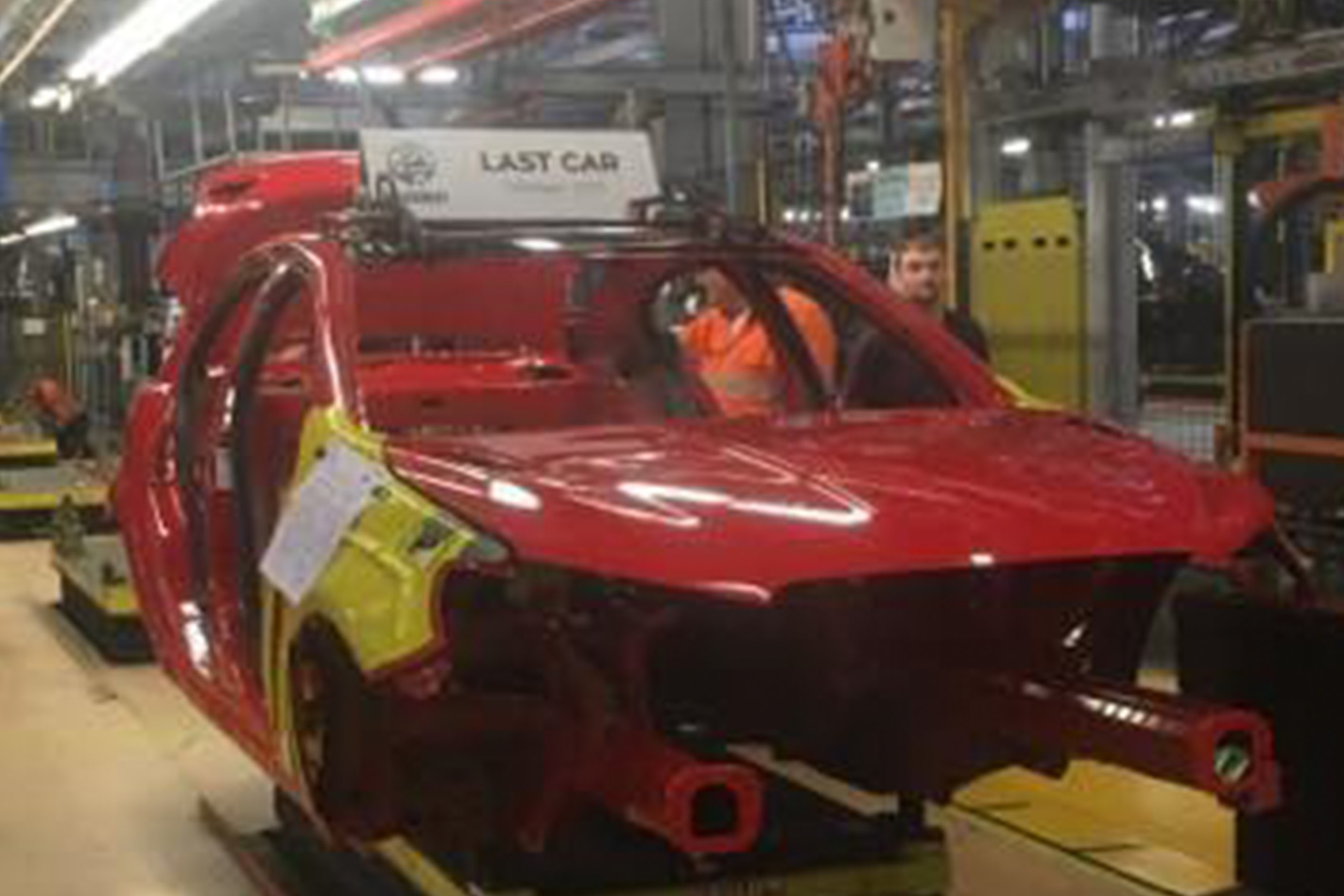
If the timing of the photographs is consistent with their release, the last Australian Commodore currently has a bonnet and boot, as well as some side panelling, but no doors, bumpers, wheels, or internals.
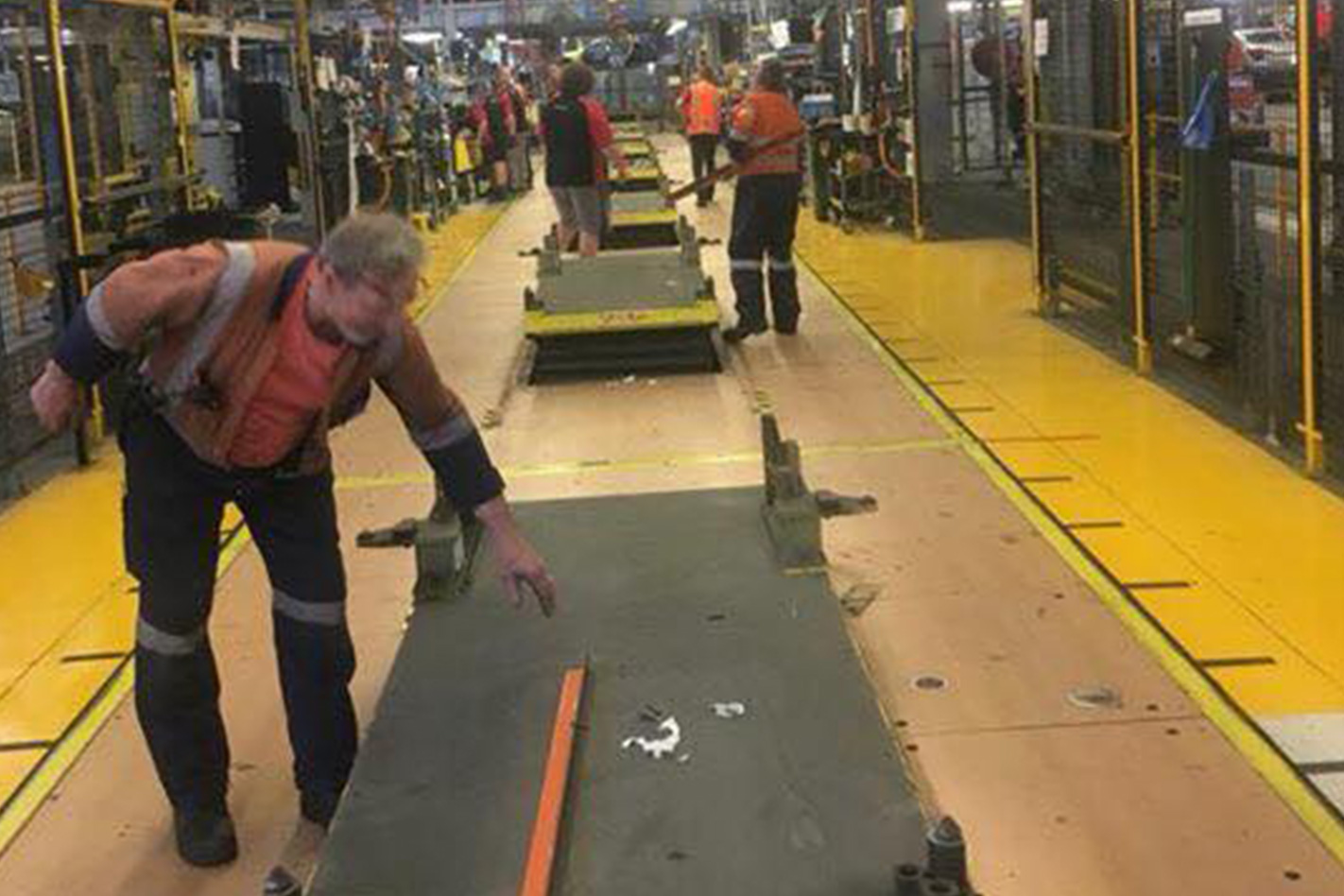
“So strange to see,” one user begins.
“The car lines in Holden were so alive. People moving about working on the cars, the sound of the line and its bells, warning tones and movement, the fork trucks and part deliverers.
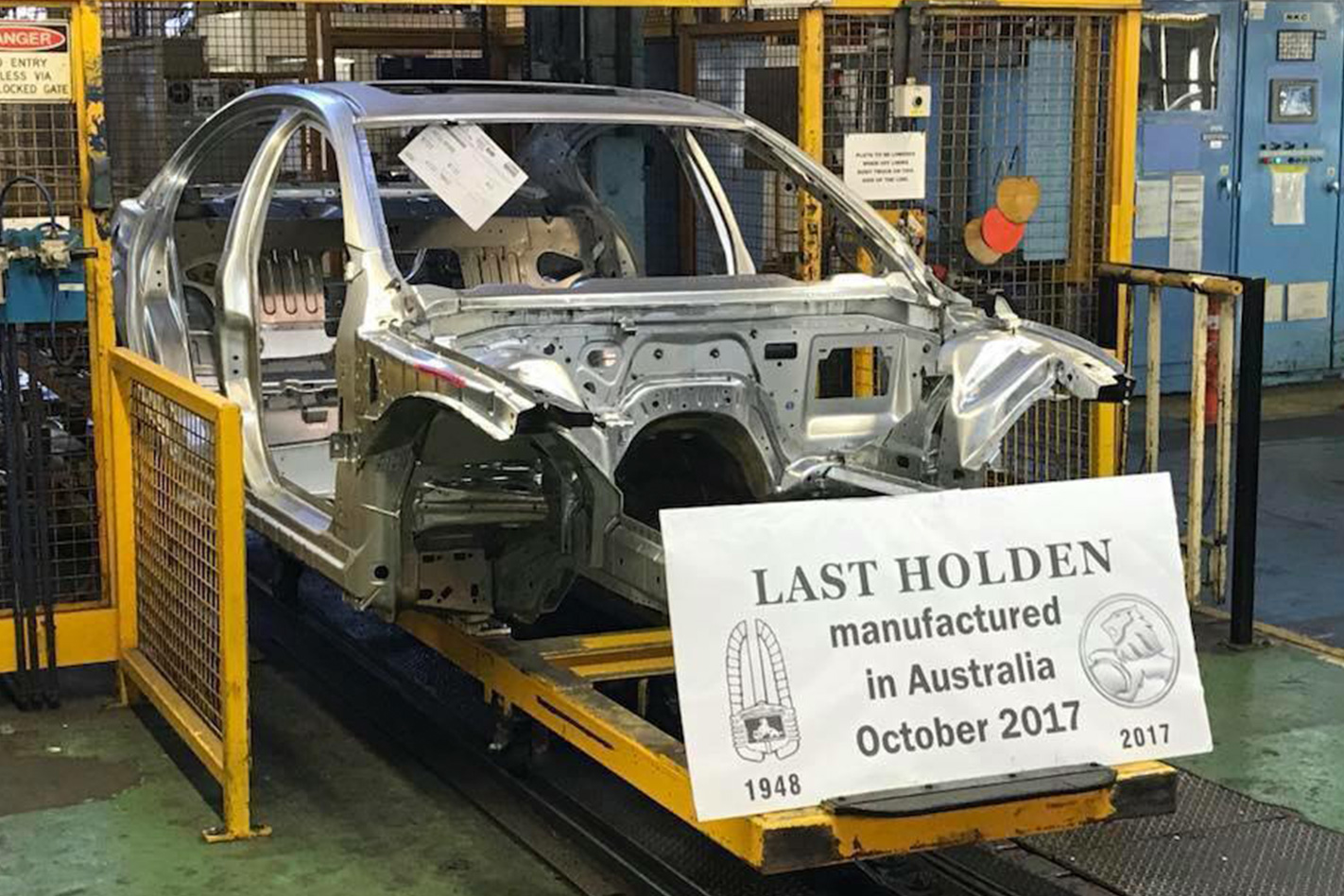
“RIP the Holden line and my former workplace.”
Over the next week, and up until October 20, Holden will wind down manufacturing until it ends its 69-year-old car manufacturing operations in Australia.
After that, HSV will technically be the sole vehicle manufacturer in the country
A new Roy Morgan survey which aims to find the most satisfied car owners in Australia has discovered those with a Mazda in the garage are happiest.
The Roy Morgan Automotive Satisfaction Report is based on 40,000 interviews, conducted in the past 12 months with Aussie motorists. It gauges how satisfied they are with their vehicles.
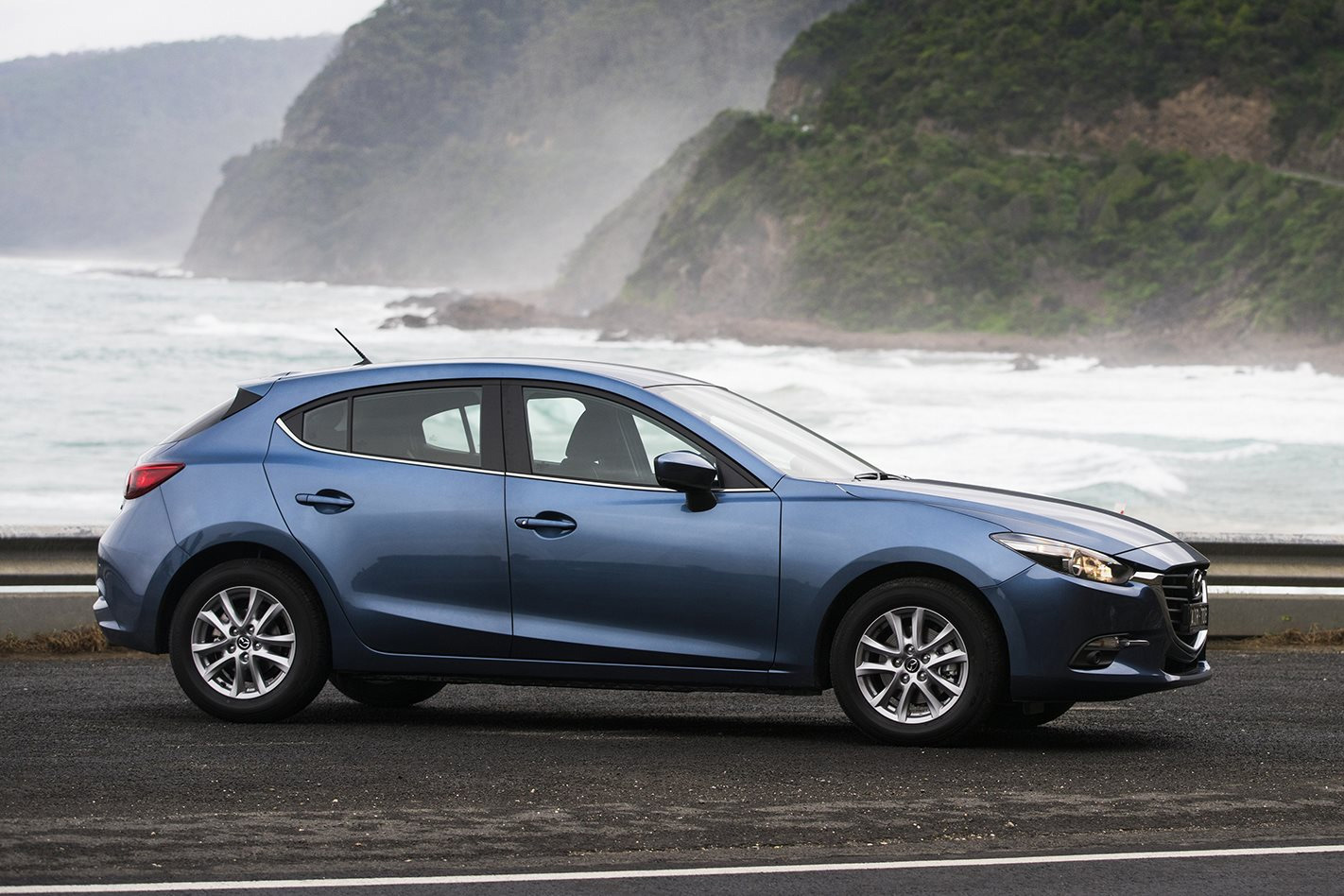
An impressive 95.3 percent of Mazda owners responded they were ‘very’ or ‘fairly’ satisfied with their vehicle in the year leading up to July 2017 – more than any other manufacturer.
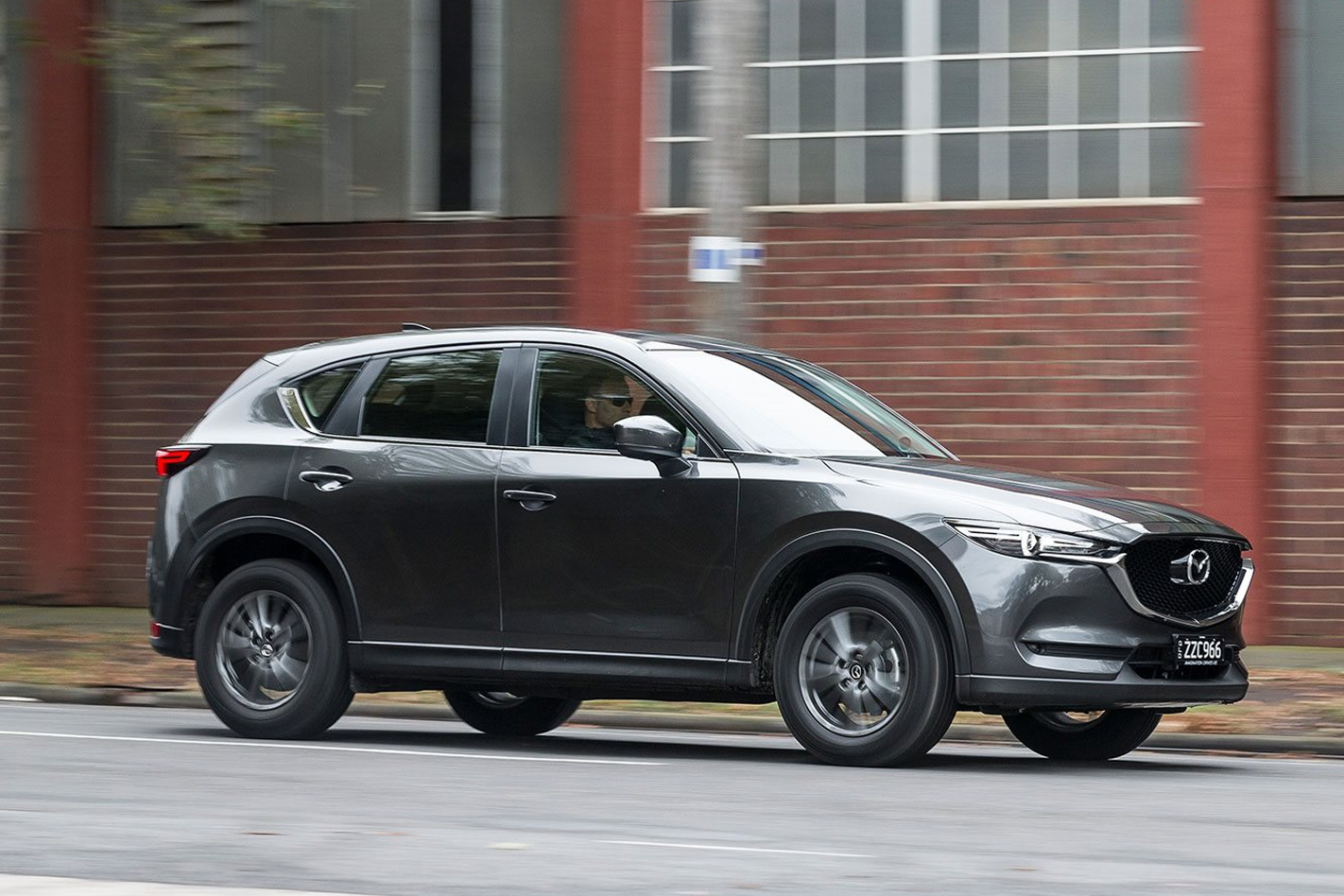
Mazda saw an 0.2 percent increase over last year’s results, but it was enough to move it into the top spot, ahead of Volvo.
The Swedish manufacturer was runner-up with 95.2 percent of customers happy with their car (an increase of 3.8 percent).
Both Mazda and Volvo leapfrogged last year’s winner Lexus, which had a 2.5 percent dip in owner satisfaction, but finished third in 2017’s results.
Skoda and Isuzu rounded out the top five.
Of the top 24 brands, Daihatsu customers were found to be the most displeased with their vehicle, only 85.9 percent responded as being ‘very’ or ‘fairly’ satisfied.
Next was Jeep with 88.9 percent satisfaction, and Holden with 89.3 percent.
The most improved brand was Renault, up 5.2 percent to record 94.2 percent satisfaction.
Jeep took the steepest dive, dropping 5.2 percent compared to the previous 12 months.
Toyota has unveiled three new electric concepts to preview the future of mobility.
Dubbed the Concept-i, Concept-i Ride, and Concept-i Walk, the trio of futuristic models are part of the company’s “vision for a future where cars and humans will work together as partners”.
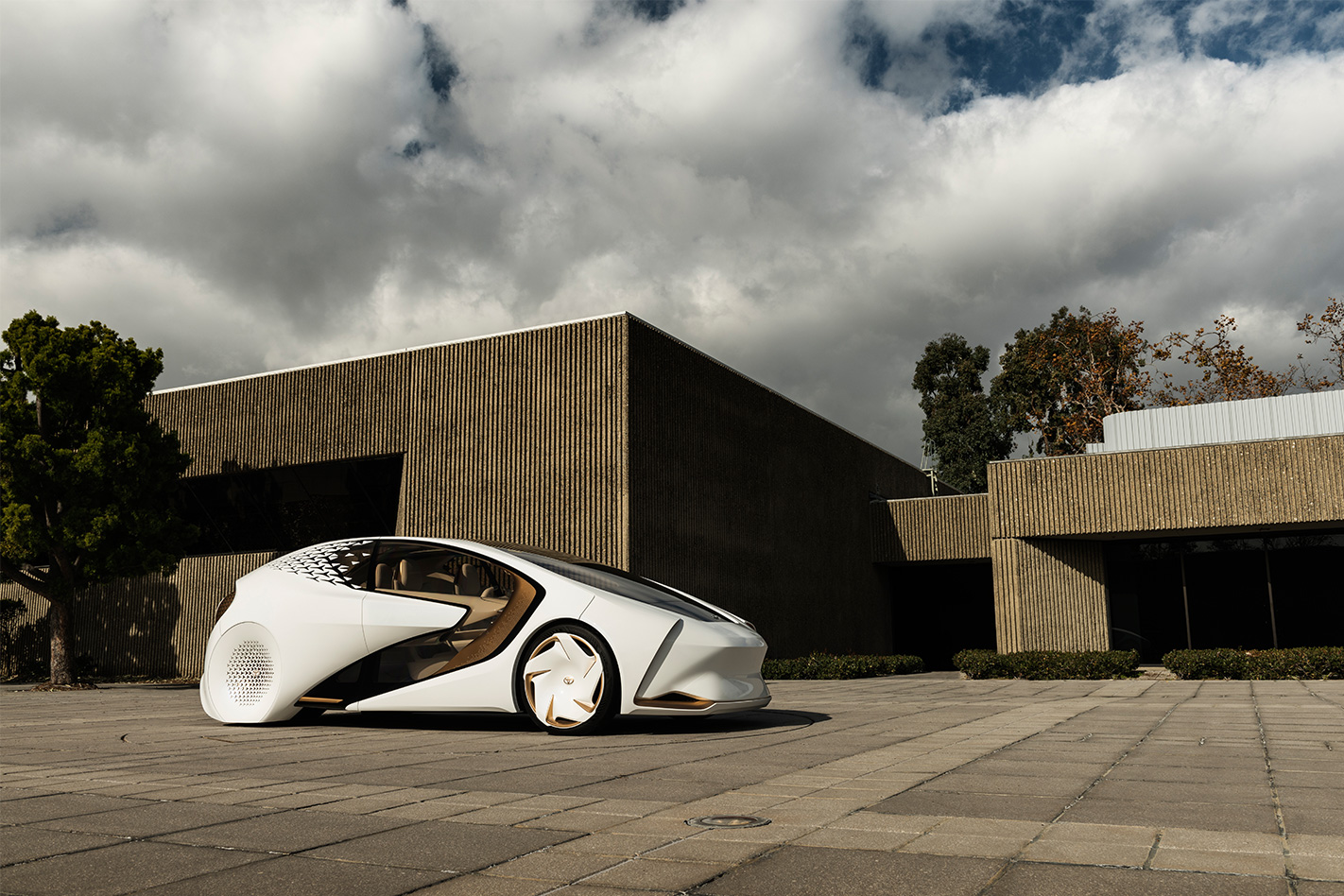
The first, Concept-i, made its public debut at the Consumer Electronics Show in January, and is a four-seater electric vehicle.
It is now joined by the Concept-i Ride – a gull-winged two-seater with an electric range of 100-150km, operated by a joystick.
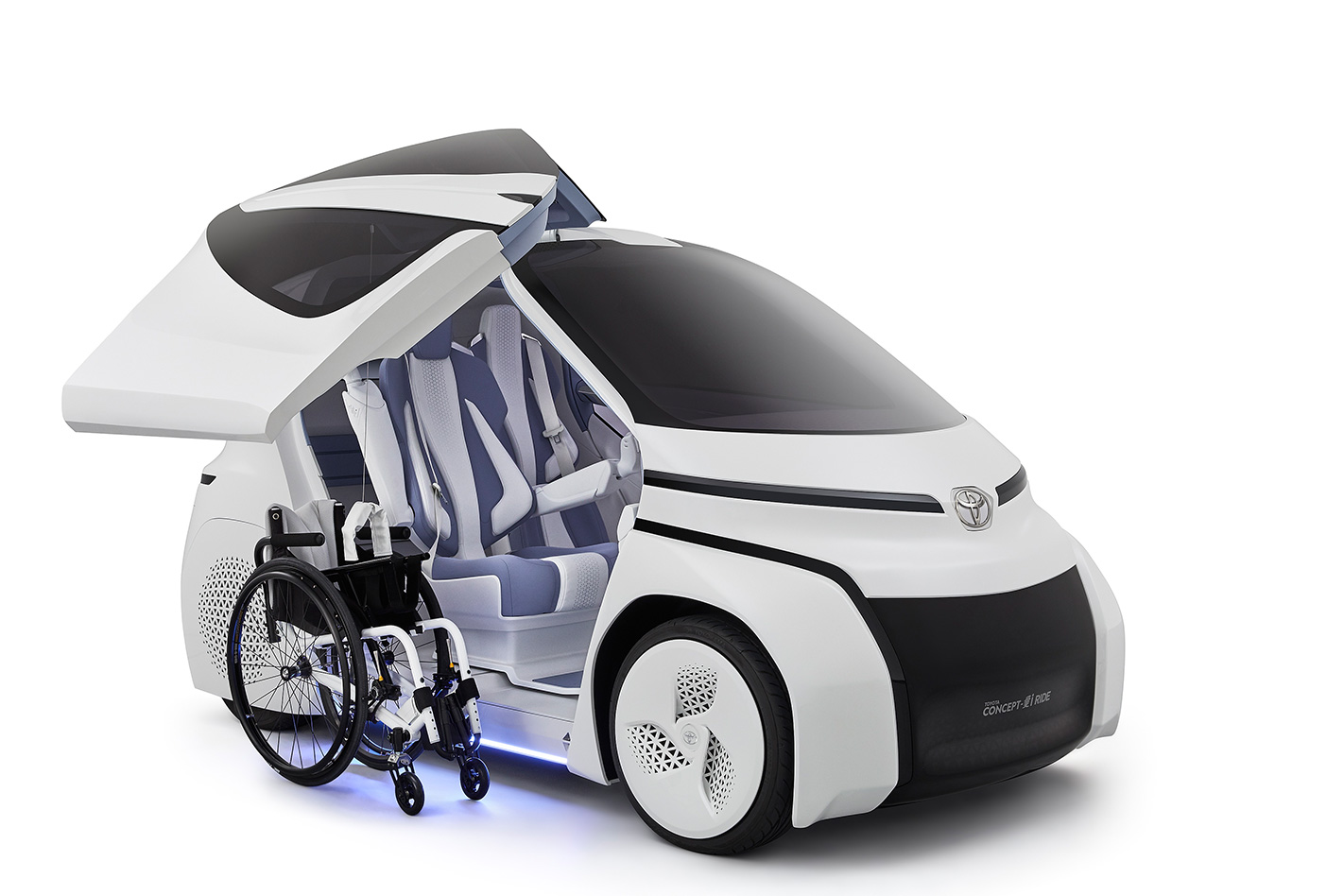
It is specifically designed to allow ease of access for those confined to wheelchairs, while a steering wheel and brake pedals are replaced by the use of a joystick to allow the vehicle to be controlled by “almost anyone”.
| Toyota Hilux Tonka Concept replica for sale
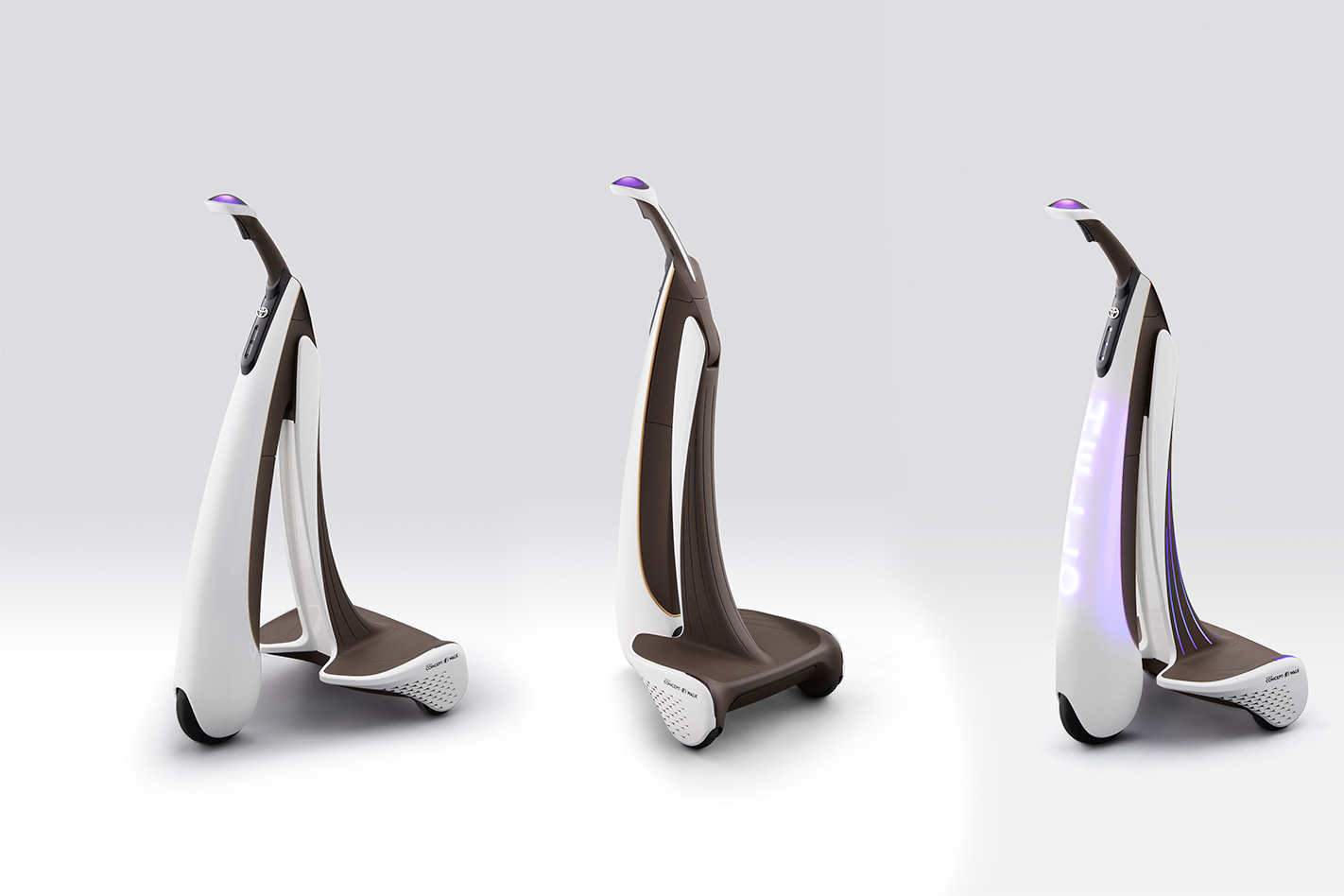
The third, Concept-I Walk is personal mobility device, with an electric range of 10-20km, which a person would stand on and ride.
The Concept-i “estimates the driver’s preferences by comparing general information such as news on the web with information on individuals such as social media activity, GPS information, and conversation history in the car.”
Its connected technology allows the car to switch to an automated driving mode if it detects a dangerous or high-stress situation.
The technology in the car is heavily focussed on having the vehicle learn from the driver, and understand the emotions of occupants.
It is unlikely the concepts will become production vehicles in the near future.
THE Ad Standards Board has banned a new advertisement from BMW for portraying “unsafe” and “reckless” driving.
The promotion for the new all-electric BMW i3 features the small hatch lining up against a classic muscle car at traffic lights, before accelerating away.
The other vehicle is seen spinning its wheels as it takes off.
The message “Can lightweight beat heavyweight? From 0-100KM/H in 6.9 SEC. Born electric. The all new electric BMW i3” flashes on screen as the cars launch.
A complaint to the Australian ad watchdog claimed the 30-second clip promoted street racing, and that speeding is “highly offensive”.
BMW responded claiming the ad was intended to depict an older car, juxtaposed against the i3’s new electric technology, “to endorse the power of electricity is better than a classic car, and to discourage vehicles that pollute the environment and create emissions, not to depict a drag race.”
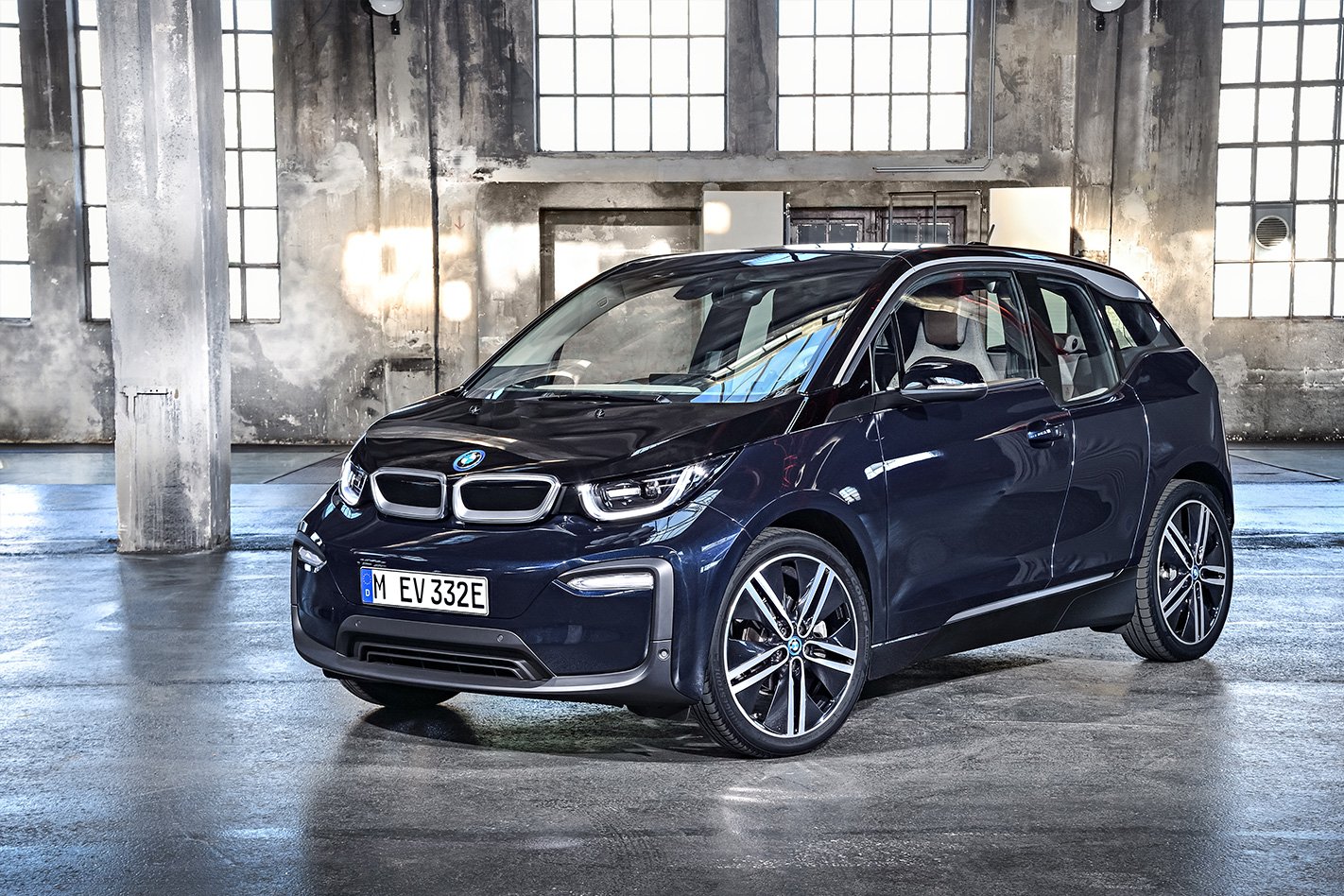
It was the spinning wheels of the older muscle car which became a sticking point, highlighted by the Ad Standards Board.
“Road rules clearly state that a person must not drive a vehicle in a way that wilfully makes unnecessary noise or smoke and considered that as the driver of one of the vehicle deliberately accelerates creating smoke and loss of traction, and this is a depiction in breach of the road rules,” the Board noted.
While the complaint was upheld on the basis of unsafe driving, the Board noted the actual speeds of the cars in the ad were not depicted.
“There is no accurate sense of the speed the vehicle is travelling, therefore the vehicles are not shown being driven in excess of applicable legal speed limits in the footage,” it added.
THIS IS Holden’s VF Commodore, the long-awaited successor to the iconic VE.
The new VF makes its public debut – as the near-identical Chevrolet SS – during Speed Week at Daytona Beach, Florida, in late February and, simultaneously, as a Commodore at Sydney’s Eastern Creek Raceway.
The VF Commodore doesn’t go on sale until early June (and as a Chevy four months later), the importance of the race car versions to both brands dictating the early launch timing. The SS’s first race outing is at the Daytona 500, the year’s opening NASCAR race, on February 24, and this set the calendar. Which is why Holden plans a staggered launch, starting with a design reveal for the Calais V and SS V (but not the lower level models), without any engineering details, before a full line-up unveiling and launch drive in May.
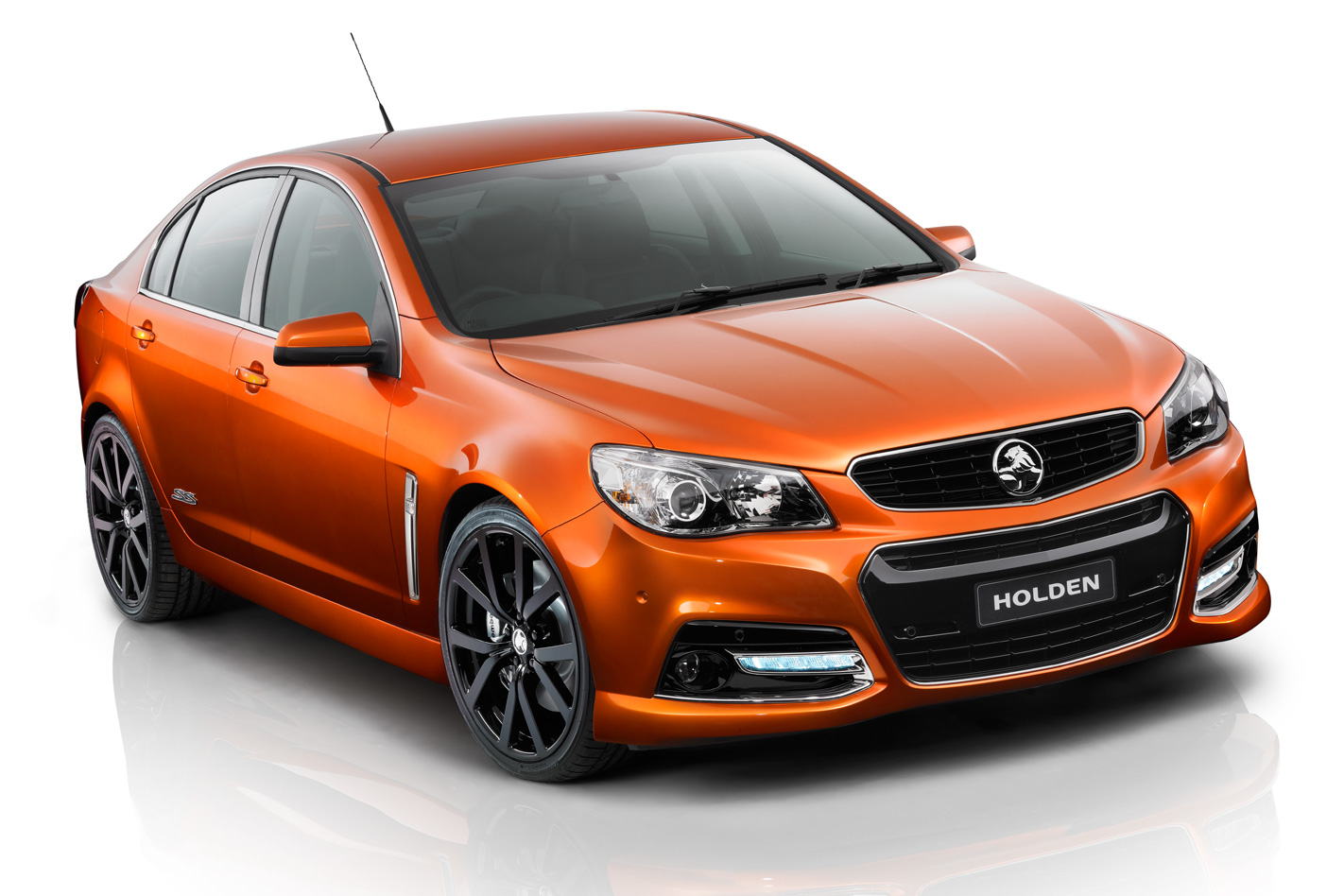
Holden admits the Commodore is quickly moving towards being a niche product and says the dealers, customers and the media need to understand that, in an era dominated by imports and the most competitive market on the planet, to do otherwise means being left behind.
VF aims to confirm and emphasise the Commodore’s ability to fulfil and laser-focus on two key and disparate roles – sports sedan and luxury sedan – without completely forgetting its third function as a bulk fleet car.
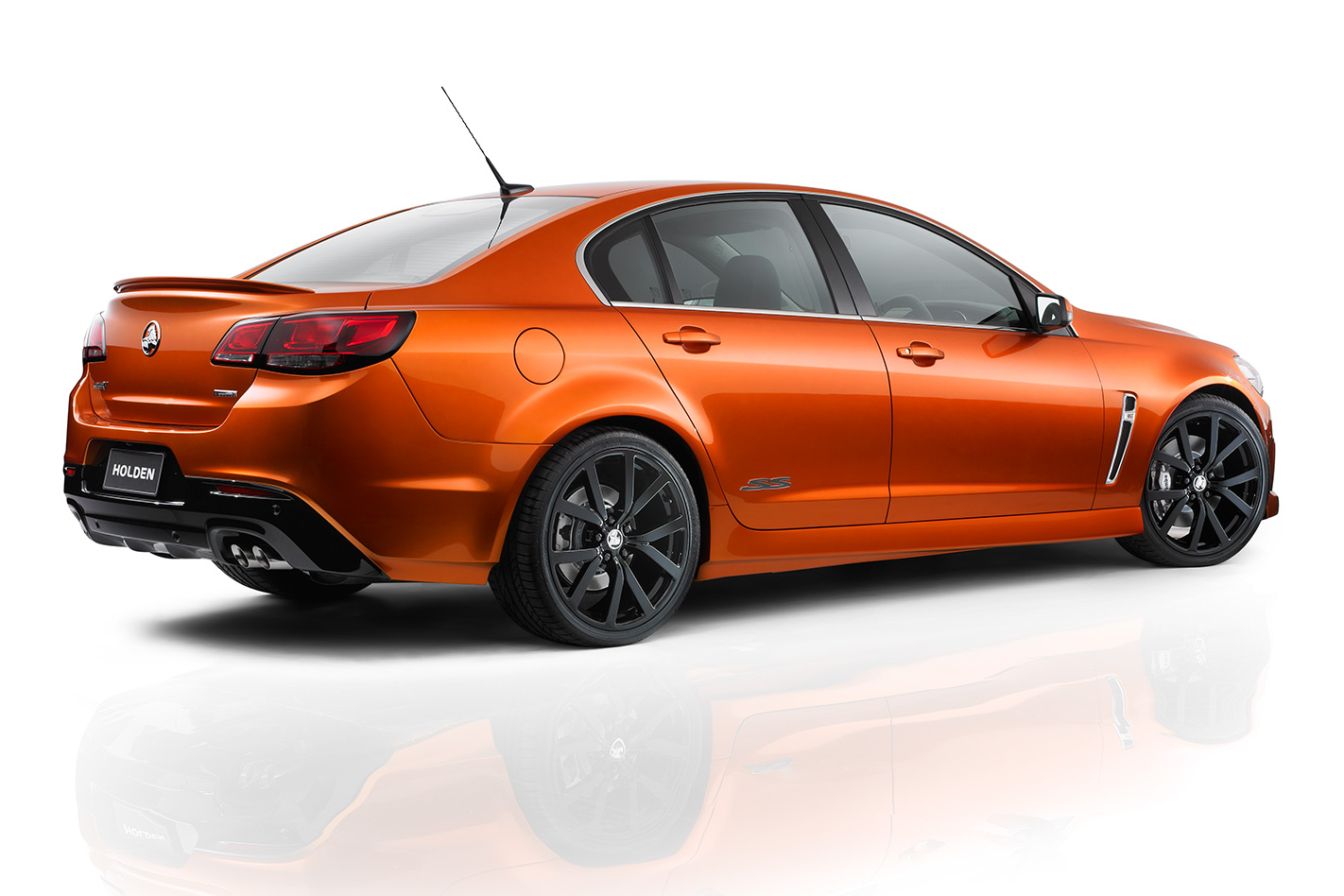
Holden, however, is after the far more profitable private buyers, firstly by highlighting the many SS variants’ role as a sports sedan with stand-alone front-end styling developed for the Federalised-version for the Chevrolet SS, with Chevy’s trademark upper and lower ‘dual-port’ grilles. The need for greater front-end crash protection makes for a more upright, bluff front, increased overhang and an entirely different grille treatment.
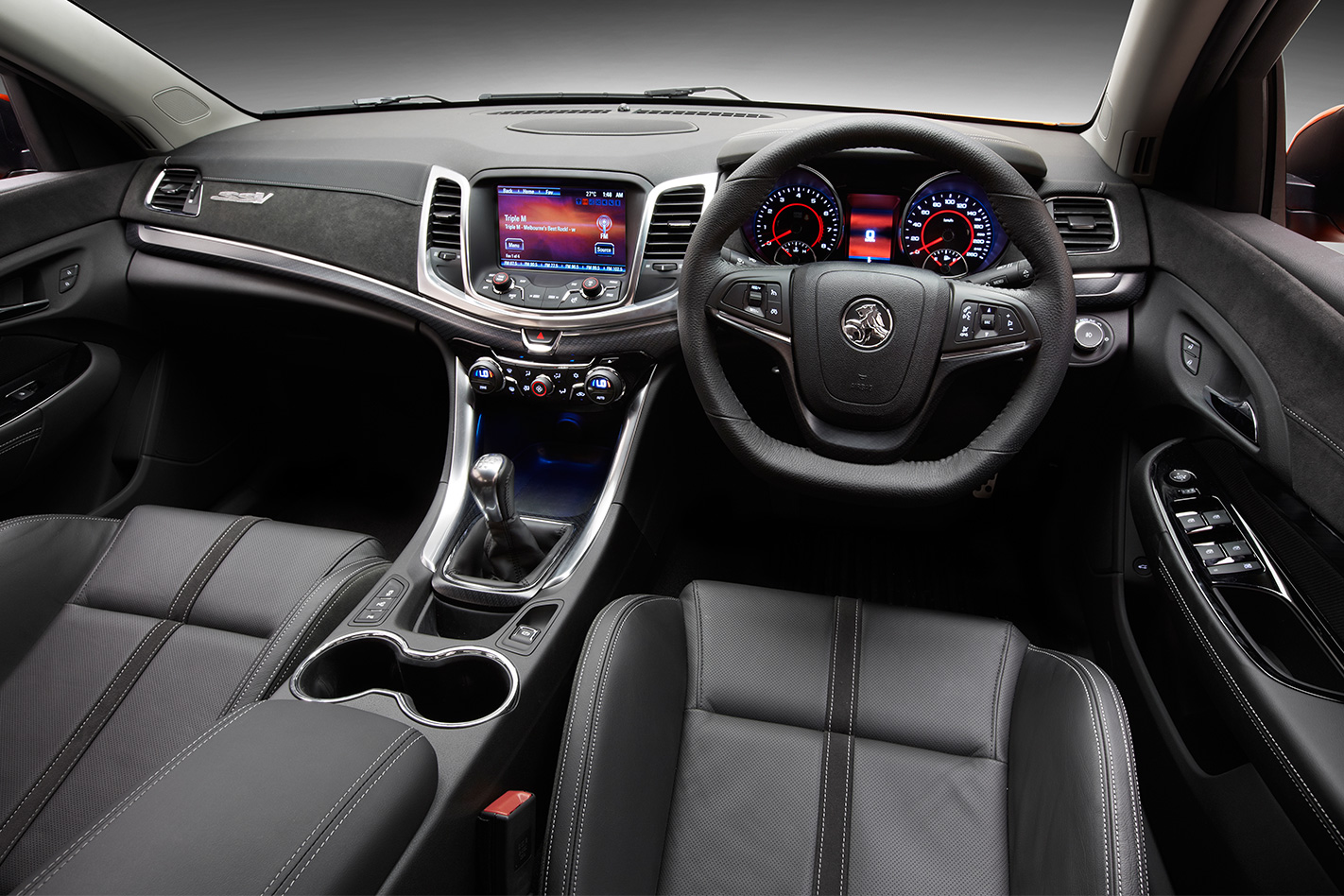
The two-tiered Calais range seeks to compete with European and Asian rivals as a premium luxury sedan. In both, the major facelift is overshadowed by a quantum leap in every aspect of the interior: design, materials, quality and equipment.
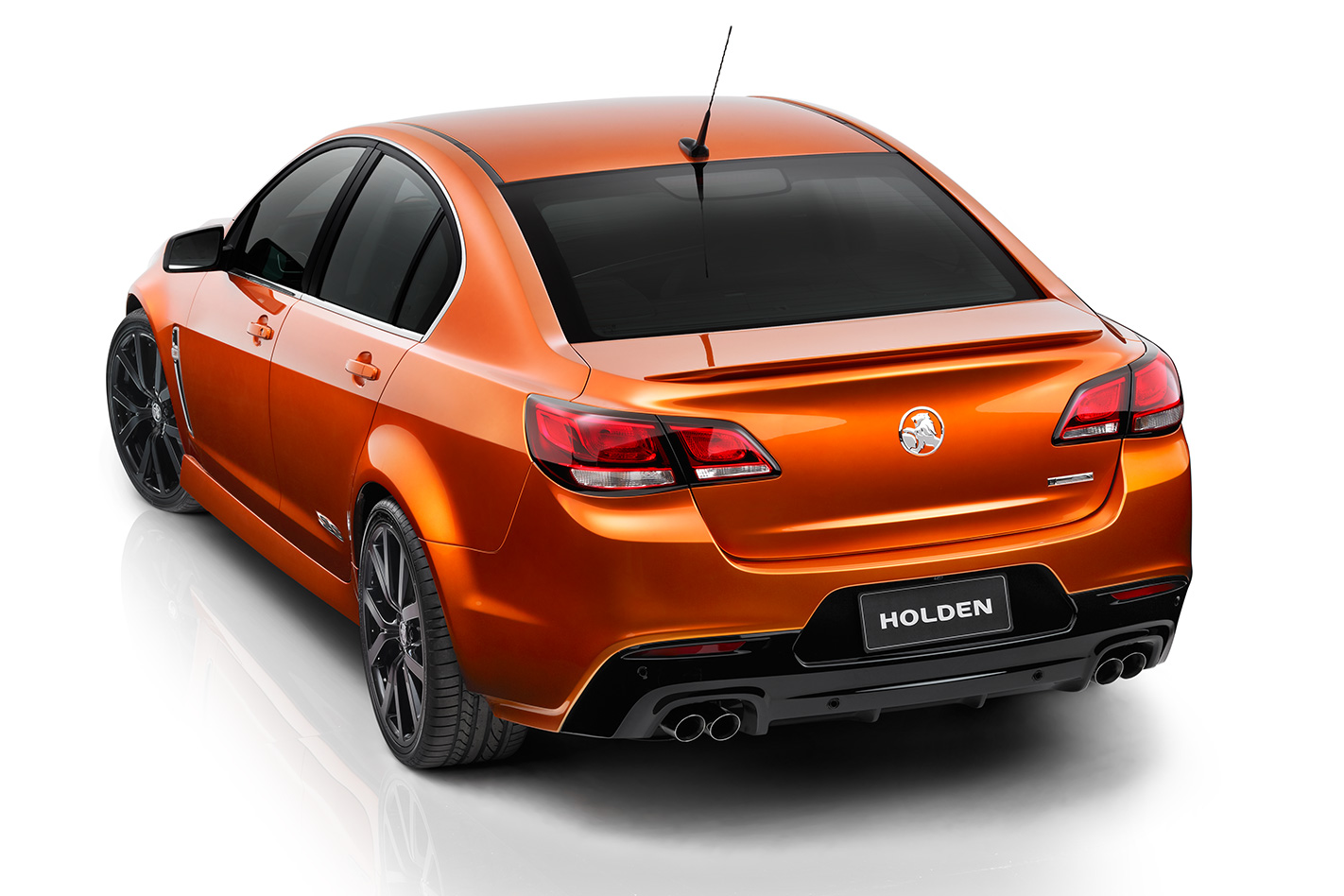
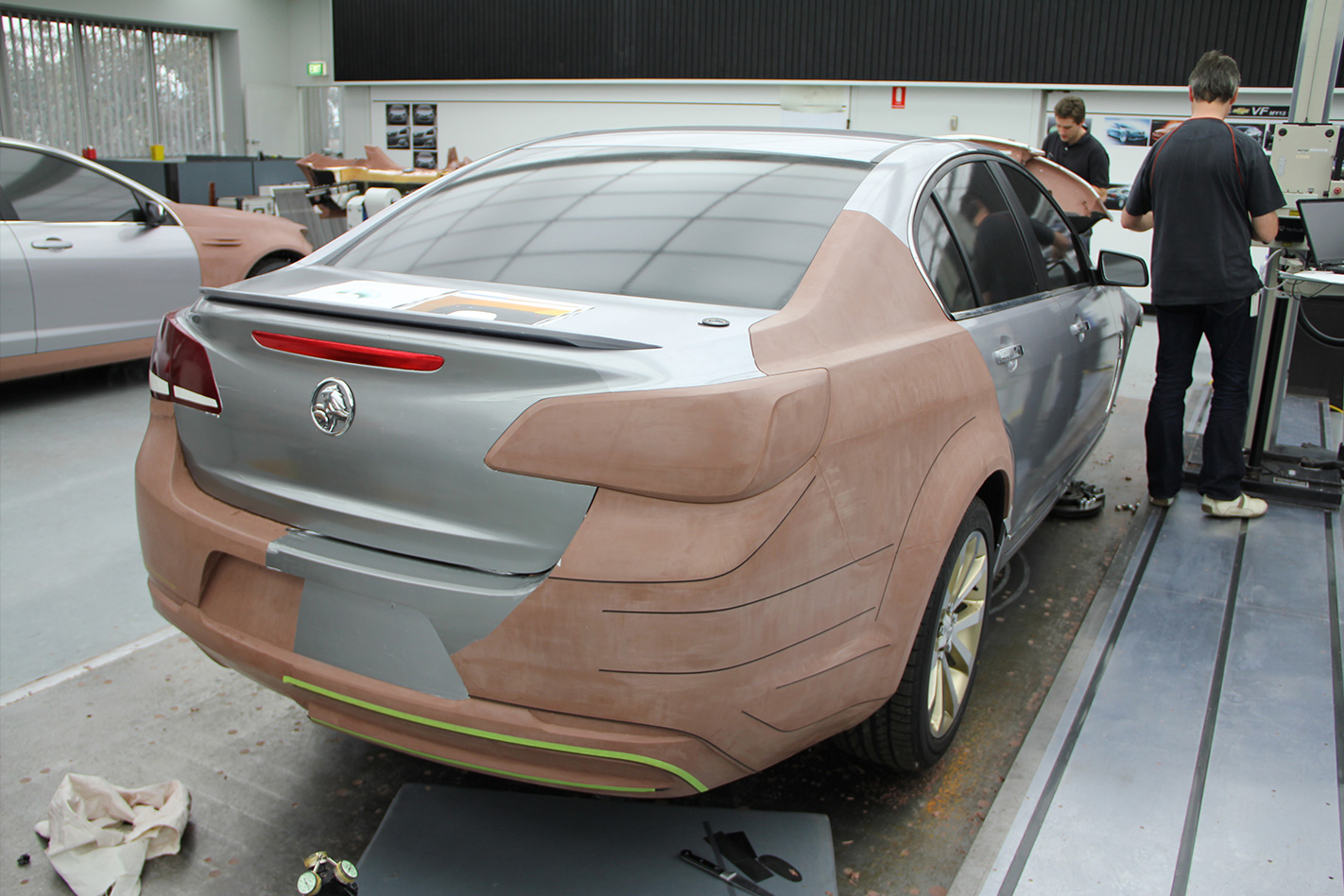
“Management asked us, ‘Do you need to change the centre of the car?’” says Richard Ferlazzo, Holden chief designer. “We could have put more detail into the doors and changed the DLO [designer speak for daylight opening: the profile of the side windows], but would that really benefit the customer?” The frustrated designers accepted the inevitable. Sadly, I doubt we’ll ever see the ‘real’ VF.
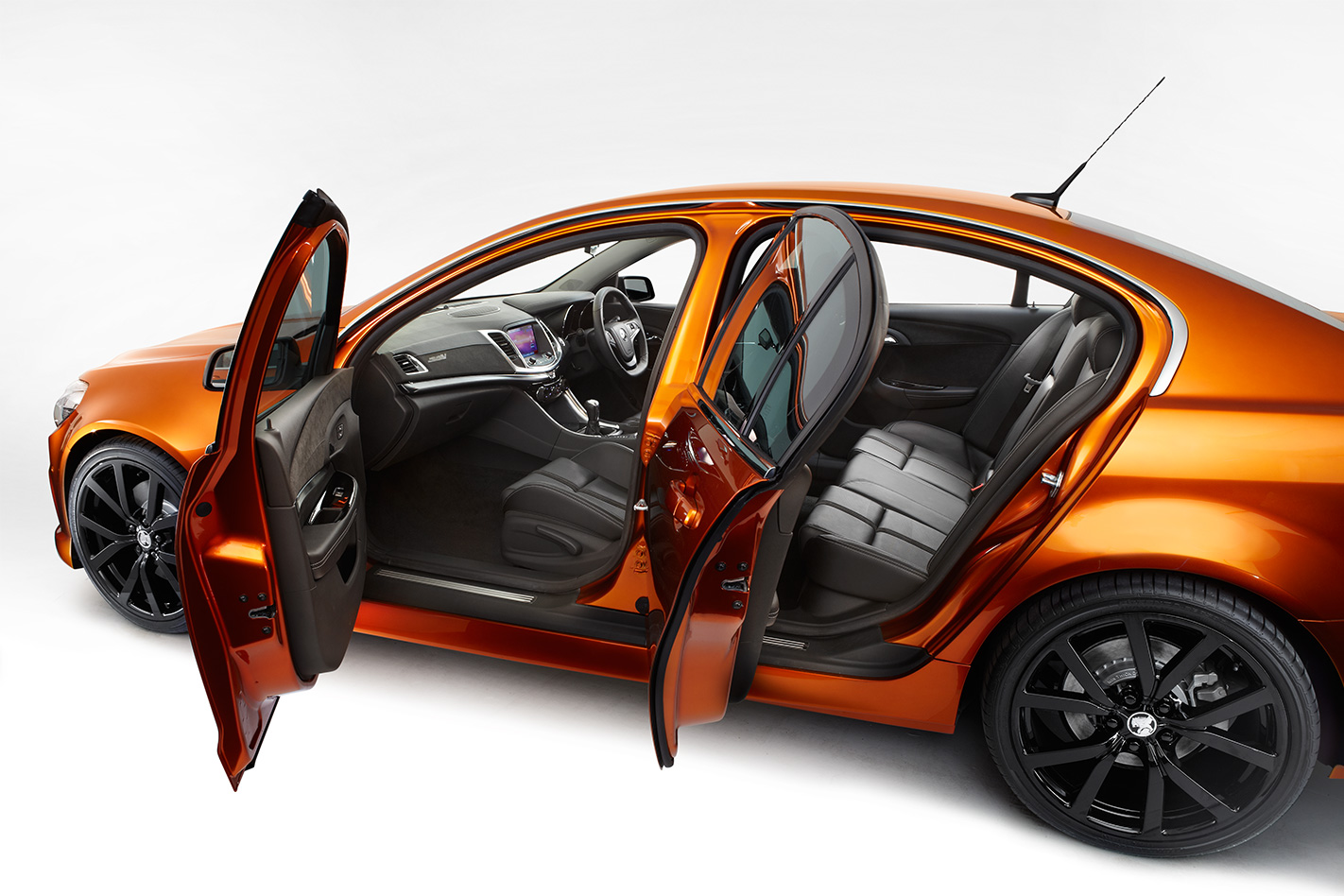
The constraints mean VF is new from the windscreen pillars forward, while the rear is new from the C-pillar backwards. Doors (with new doorhandles), roof and all glass areas are carryover, as is, obviously, the wheelbase, but both the cars are longer; the Calais at 4952mm is up 51mm, while the SS V’s 4966mm is an increase of 70mm. Front and rear, the secondary inner body surfaces and basic structure are common to VE. To reduce weight, the bonnet and bootlid are now aluminium: we understand that VF will claim a circa-40kg weight reduction over VE.
Using VE as a starting point helped, of course, because of the car’s simplicity, its timeless design, the purity of the much admired rear-drive proportions and those dramatic wheelarches. That suggests it was easy to make change that would instantly distinguish VF from VE, but not necessarily to make it a better-looking car.
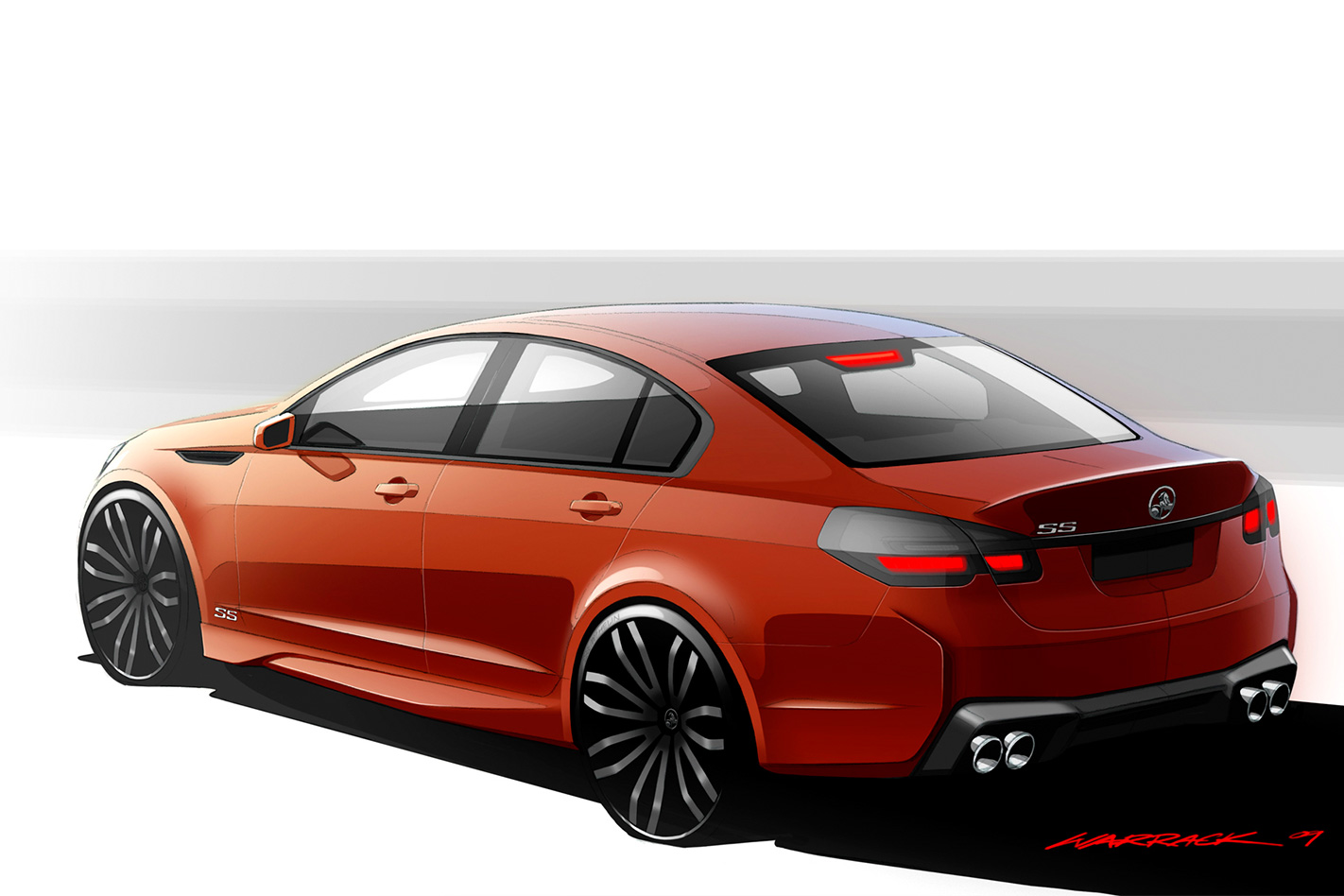
“We’ve kept the proportions and changed the volumes. We’ve played with the front and rear overhangs and pulled the front wheel centres out to the corners. Playing with the plan view of the car, you can see we’ve given the car more taper by extending the centre of the front, especially on the SS, so that the centre of the front is much further forward than the corners.”
By toning down Mike Simcoe’s exaggerated, muscular front wheelarches by five millimetres per side and blending them further up into the body sides and the raised bonnet, they are no longer as prominent. However, retaining the tracks means the wheels/tyres push the gap between wheelarch/body sides and tyre closer. These changes, together with filling out the body section at the base of the wheelarches, have helped reduce the base-level VF’s drag co-efficient to 0.309, a significant improvement over the equivalent VE’s 0.330. Wind-tunnel development is also responsible for the squared-off corners of the tail-lights to improve surface separation of the wind flow.
the Malibu and LaCrosse, played a key role in styling the SS V. While Peter Hughes, whose original, late-1999 sketch formed the basis for the VE, was responsible for the Calais.
“Once you see some of the other vehicles that will come into our portfolio, you’ll better understand, especially, the sedan’s three-quarter rear view,” says Smith.
Wheels has yet to see the VF on the road – only then can you make a real judgement – but based on a design studio viewing of Calais V and SS V, we know the new Commodore looks more expensive, more premium, with an added touch of sportiness. This has been achieved at the expense of the VE’s purity and individuality. Still, both remain handsome and appealing. And reassuringly iconic.
HOLDEN has revealed a limited-edition version of its Colorado pickup ute, bridging the gap between LTZ and Z71 models
The Holden Colorado Storm will be available to buy from dealerships starting at $52,490 before on-road costs for the manual, or $54,690 plus on-roads for the automatic.
However, the Holden website is advertising the Colorado Storm for $51,990 in both manual and automatic, with a seven-year warranty, until October 31.
Available only as a crew cab, the Storm comes with additional features over the LTZ it is based on – including an integrated nudge bar, front seat heaters, leather upholstery, and a bonnet protector.
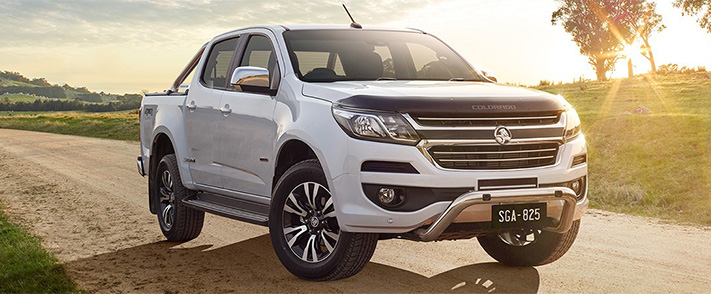
The Colorado Storm has an unchanged 2.8-litre turbo-diesel engine, making 147kW. Torque is limited to 440Nm in the six-speed manual, but is rated at 500Nm in the six-speed automatic.
Holden’s Colorado is a rival to the Ford Ranger and Toyota Hilux which dominate new car sales, and has a towing capacity of 3.5-tonnes.
The entry-level Colorado LS Crew Cab is available from Holden’s website from $39,990, while the LTZ has a $49,990 price tag. Both come with a seven-year warranty for a limited time.
THE paddock at World Time Attack Challenge is unlike anything other motorsport event in Australia.
At the top of the tree is the Pro Class cars, with wings large enough to make a condor blush, and monstrous power outputs that shame some drag cars.
Below that is the Open Class, which still allows for considerable aerodynamic and performance enhancements, but retains more of the car’s original bodywork.
Both categories are mandated to run on road-legal semi-slick Advan AO50 rubber.
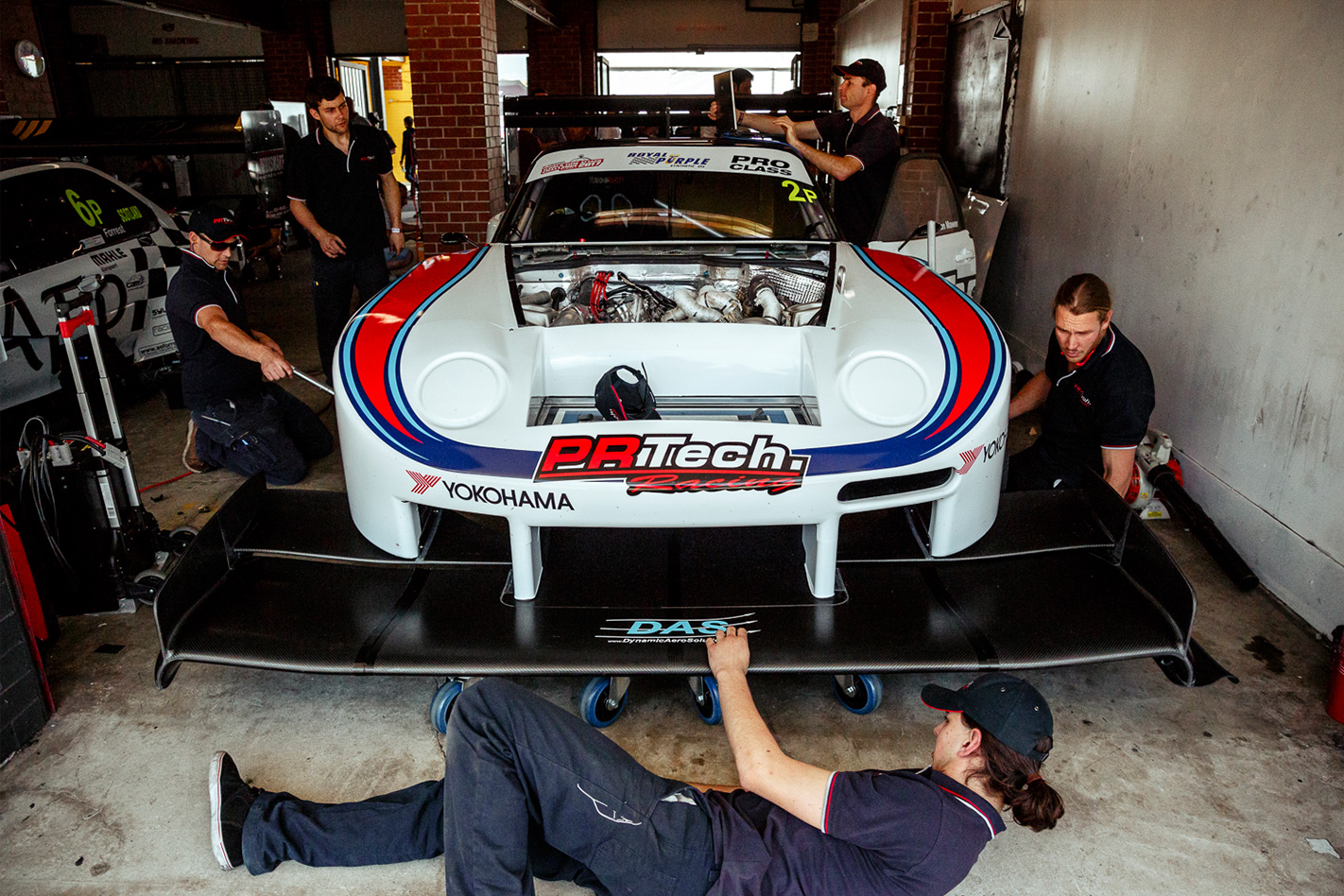
Starting life as a road-going Porsche 968, there is not much of the original left, with gutted interior, wider carbon-fibre bodywork, gaping aero tunnels, and a billet engine block at the heart of it all.
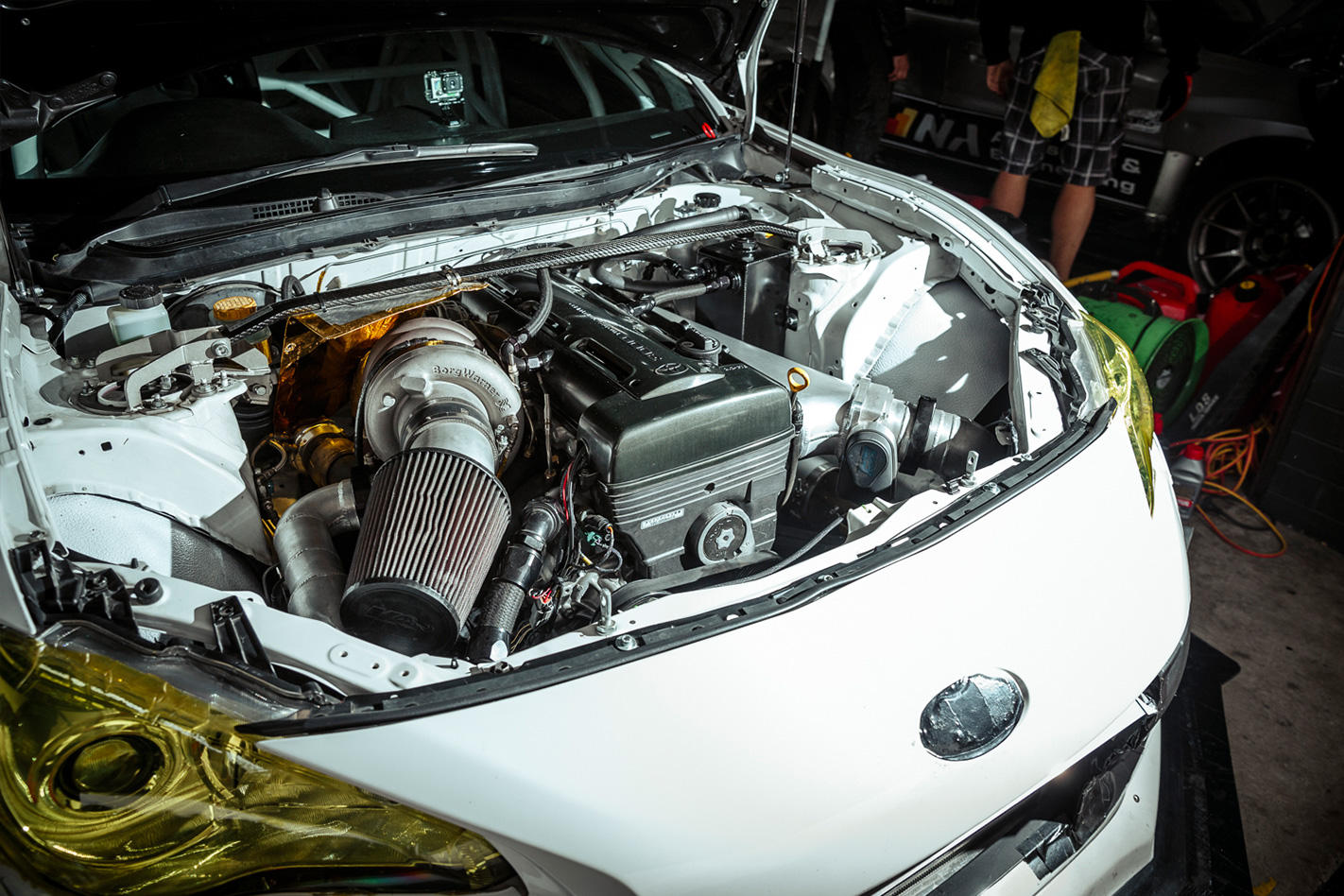
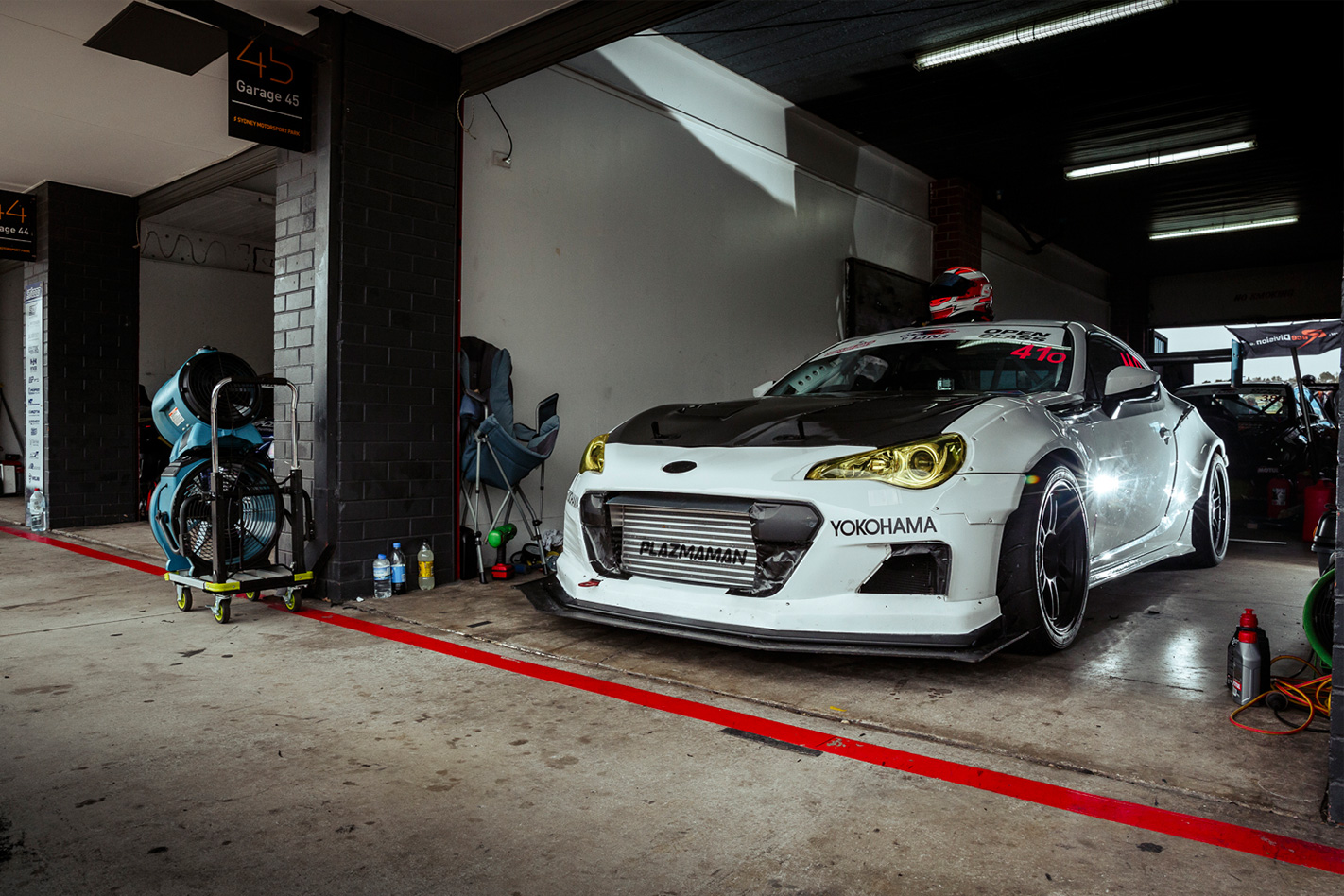
Darrin Morice is an Open Class contender, this year driving a Subaru BRZ. Gone from the engine bay is the factory-fit boxer four-cylinder, replaced with a 3.0-litre straight six 2JZ-GTE with a single turbo.
The BRZ’s heart transplant means Morice has to compete in Open Class. However, the aero of his Subaru is more akin to that seen in the Clubsprint category.
The data from the RP968 shows how Mawer was able to turn into Sydney Motorsport Park’s long, sweeping first turn, at 250km/h without lifting the throttle.
All that aero also has its downsides, with the maximum velocity of the Porsche seriously compromised in a straight line.
Morice however was hampered in cutting a faster time by the lack of aero on his Subaru, relying more heavily on good ol’ fashioned mechanical grip.
The best time the RP968 managed throughout the 2017 event was a 1:21.4850. Morice’s best over the two days was a 1:41.396.
Tim Slade and the MCA Suspension team won the event outright, with a 1:20.9710 lap.
The winning Open Class car from 2017 was the Adam Casmiri driven Honda Civic, with a 1:27.562, while the fastest Clubsprint competitor was Jordan Cox at the wheel of a Mitsubishi Evo 9, with a time of 1:36.839.
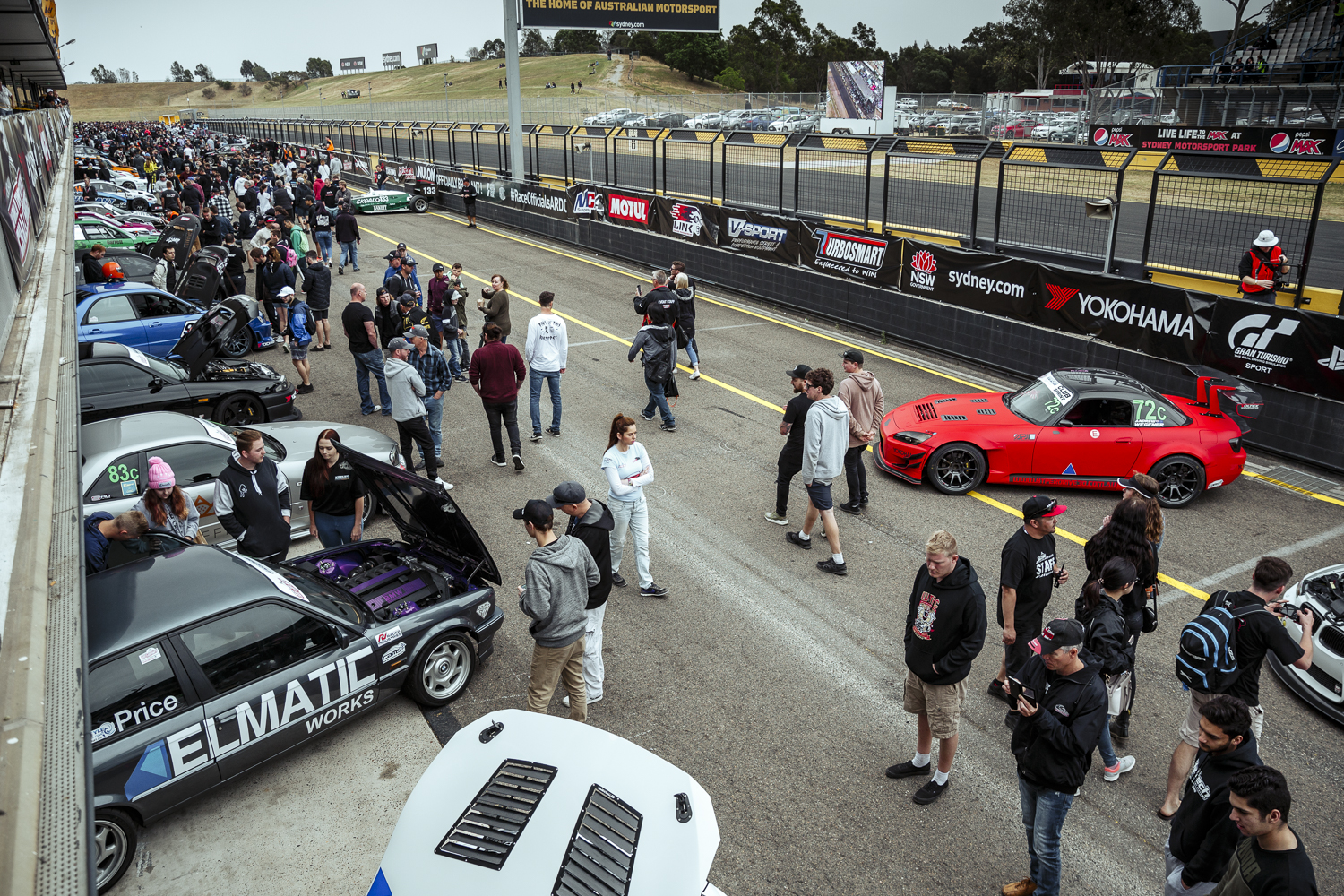
To put those times into perspective, the official lap record at Sydney Motorsport Park is a 1:19.142, achieved by Nico Hulkenberg in an A1GP open-wheel race car in 2007.
The Supercars lap record is a 1:30.1577, achieved by Chaz Mostert earlier this year, while the fastest GT3 car around the circuit was driven by George Miedecke to a 1:27.7611 in 2016.
Unofficially, Daniel Ricciardo is the fastest man in SMSP history, recording a 1:11.233 lap during demonstration laps at the Top Gear festival in 2014 at the wheel of a Red Bull RB7 Formula 1 car.
THE Brits love orange street lights, big red double-decker buses, black cabs – and they love their roundabouts.
This review was first published in MOTOR Magazine’s January 2013 issue.
Especially roundabouts. On one of those grey rainswept Autumn days the homeland of Shakespeare and Jack the Ripper is notorious for, we went roundabout chasing in the new Aston Martin Vanquish. Really.
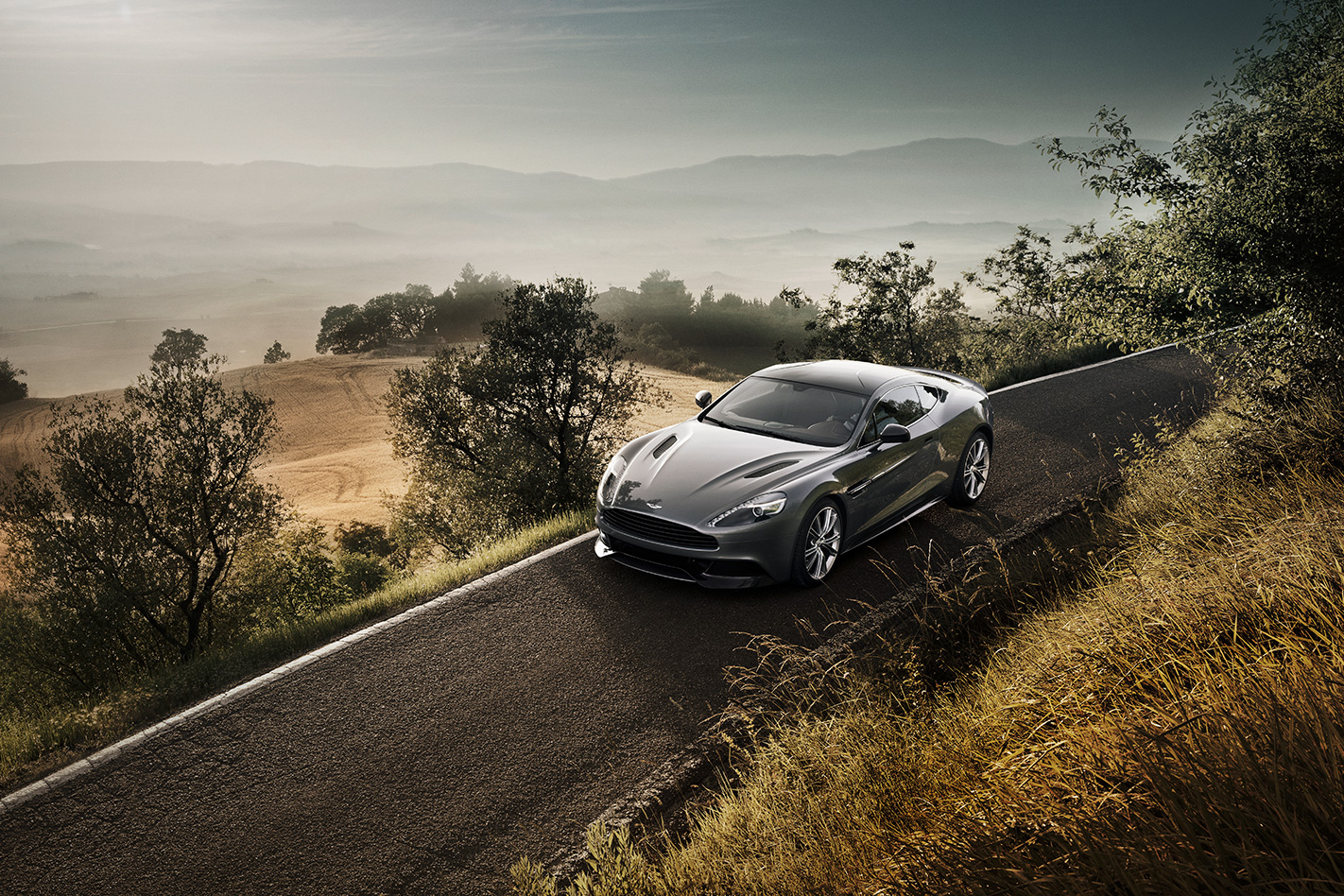
As soon as the blood contains enough adrenaline to neutralise caution and concern, it’s DSC off, and whoopee!, the silver racer morphs seamlessly into hooligan mode, using up more tarmac than it is due, burning rubber even in dense English drizzle.
The Vanquish costs about a four-hundred grand more than a Toyota 86, but it displays the same lurid sideways antics. Not surprisingly, it is even more fun to drive than the Japanese sportscar. After all, the mighty 5.9-litre V12 shovels up to 620Nm of torque to the transaxle transmission which has no mercy on the 305/30 ZR20 Pirelli P Zeros.
Although the footwear is not of the super-sticky shaved Corsa type, some roundabouts were actually lined with black marbles after no more than half a dozen hot loops. If you believe that the DBS is an intoxicating drive, then the Vanquish is a hard-core prescription drug. Like a split-cane fly rod or a carbonfibre tennis racket with a titanium core, this car combines finely honed ability with a rare level of control.
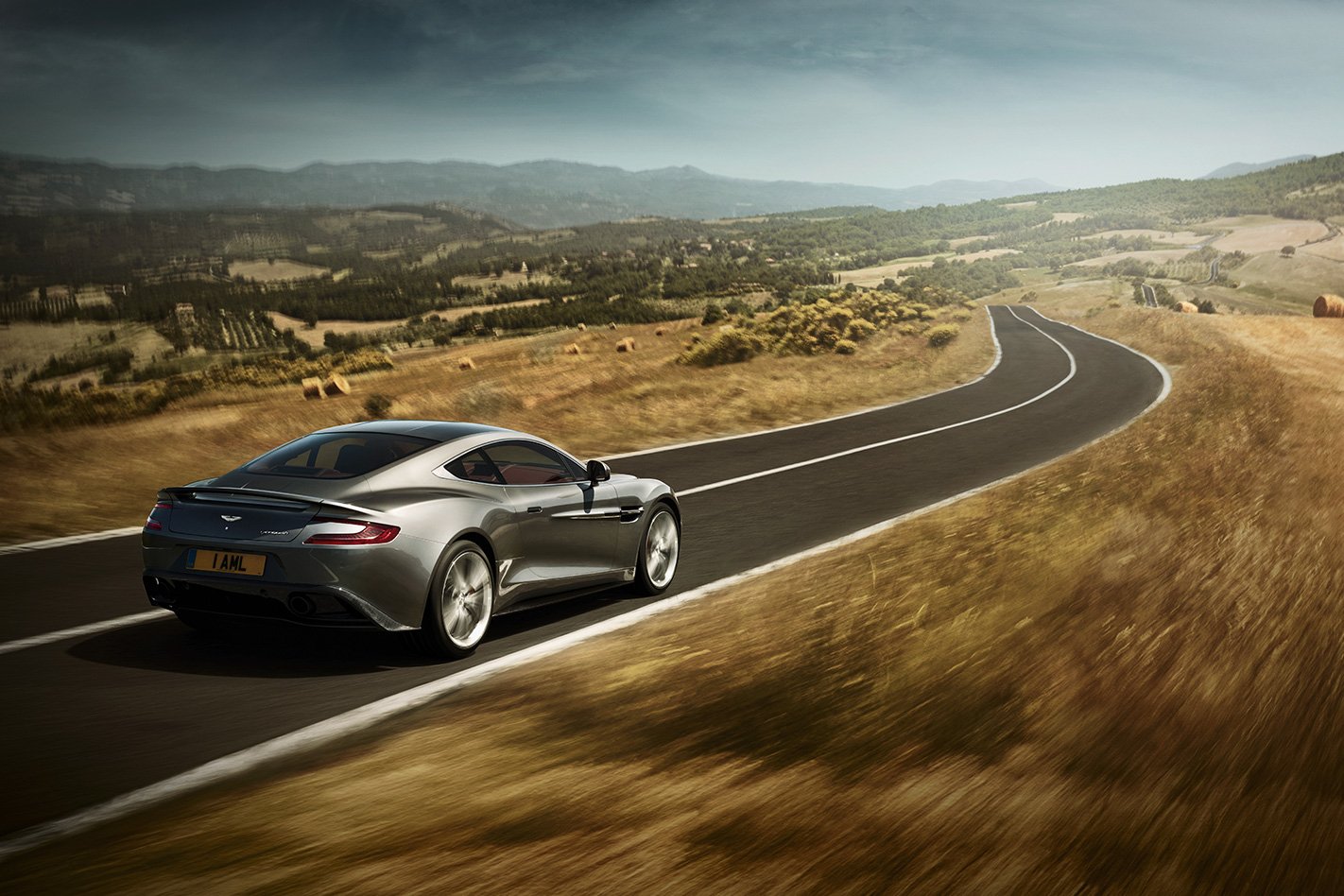
Inspiration came primarily from the limited-edition (and now sold-out) One-77, which added harder edges and new details such as prominent side streaks and faster lines to the familiar AM proportions. The stance is now more muscular, the LED treatment gives the taillights a more modern touch, there is more visible carbonfibre below the beltline and the more effective fixed rear spoiler is neatly integrated in the bootlid.
In the cockpit, we can at last relish quantifiably more head-, leg- and shoulder-room. This is in equal parts due to the swept-back facia, the slimmer centre console and the reshaped seats. Also new are the pleasantly intuitive air-con controls, the satnav and infotainment upgrades as well as the greatly reduced number of secondary knobs, buttons and switches for a much cleaner look.
Pragmatically, the most important improvement is perhaps the 60-percent-larger luggage compartment, which now holds an adequate 368 litres. Included in the base price are beautifully crafted full leather trim, memory seats, Alcantara headlining with contrasting stitching and a sensational 1000-watt B&O music centre with 13 speakers.
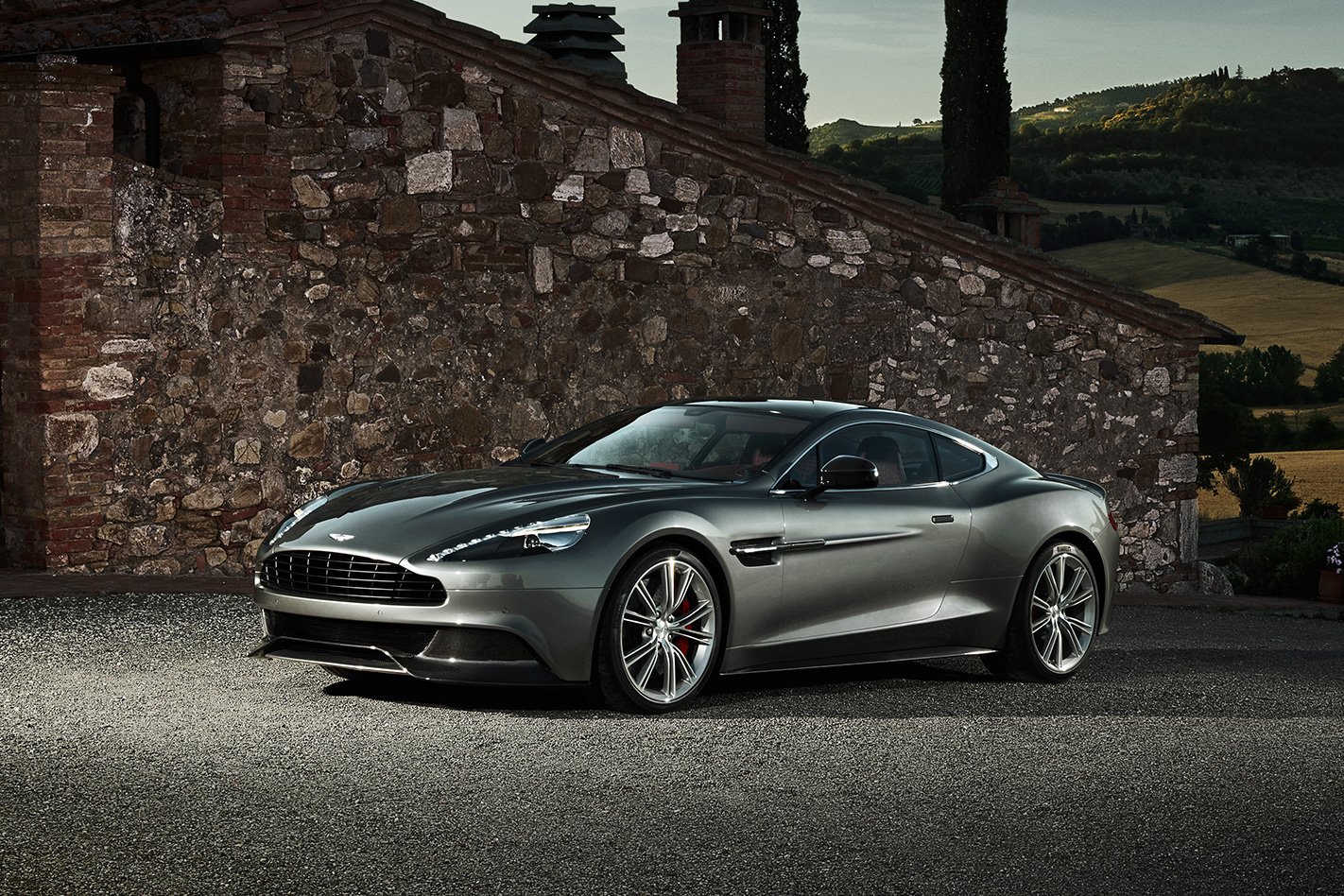
Redesigned cylinder heads, variable valve timing on the intake and exhaust side, bigger throttle blades, more powerful fuel pumps and a new delta-wing intake plenum were instrumental in increasing the output from 385kW to 427kW at 6750rpm and torque has climbed from 570Nm to 620Nm at 5500rpm.
Since the weight remains almost unchanged at 1739kg, acceleration from 0-100km/h improves only marginally from 4.3 to 4.1sec. Starting an Aston Martin engine and getting it into gear has long been a ritual. Instead of a profane key, the style merchants from Gaydon furnish their clients with an ECU (short for, yes, electronic control unit).
It is made of heavy crystal, contains a handful of bits and bytes, rests in a chrome-rimmed slot and needs to be kept depressed for a couple of seconds to fire the twelve spark plugs. Once the V12 is agreed on its restlessly high and vocal idle speed, you select drive or reverse by pushing a corresponding in-dash glass button.
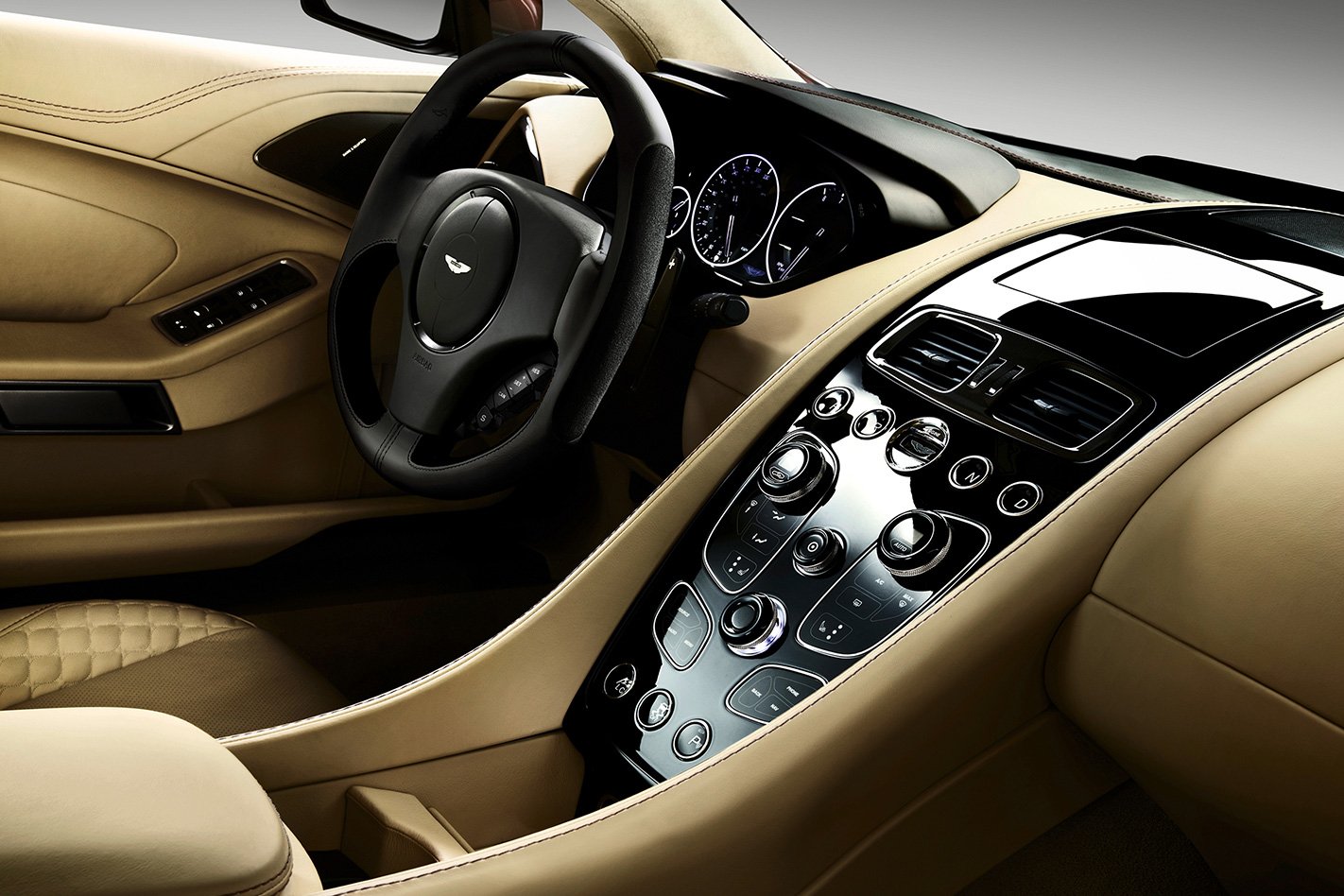
In this setting, the decibel wave reaches tsunami strength at only 3500rpm, full-throttle acceleration borders on physical injury above 5500rpm, and we do depend on the limiter to save us from partial deafness beyond 7000rpm. Your neighbours will hate this car, but for the person at the wheel there is simply no better early-morning aphrodisiac than a switchable free-flow exhaust.
After a six-hour tour de force through the Birmingham and Manchester hinterland, we return to base with one soaked shirt, two glowing transfigured eyes and three findings: the Vanquish is no Ferrari F12 but it will happily challenge most remaining super GTs; it fares very well without that glut of driver assistance systems they tend to empty on you elsewhere; and – like the wonderful V12 Zagato, the timeless Vantage S and the facelifted DB9 – it is a real threat to one’s savings. And one’s licence at roundabouts.
2012 Aston Martin Vanquish Specs: Engine: 5935cc V12, DOHC, 48v Power: 427kW @ 6750rpm Torque: 620Nm @ 5500rpm Weight: 1739kg 0-100km/h: 4.1 seconds Top Speed: 295km/h Price: $450,000 (estimated)
