
THE Kia Stinger will launch in Australia in October featuring a more economical 2.0-litre turbocharged four-cylinder engine.
WHAT IS IT?
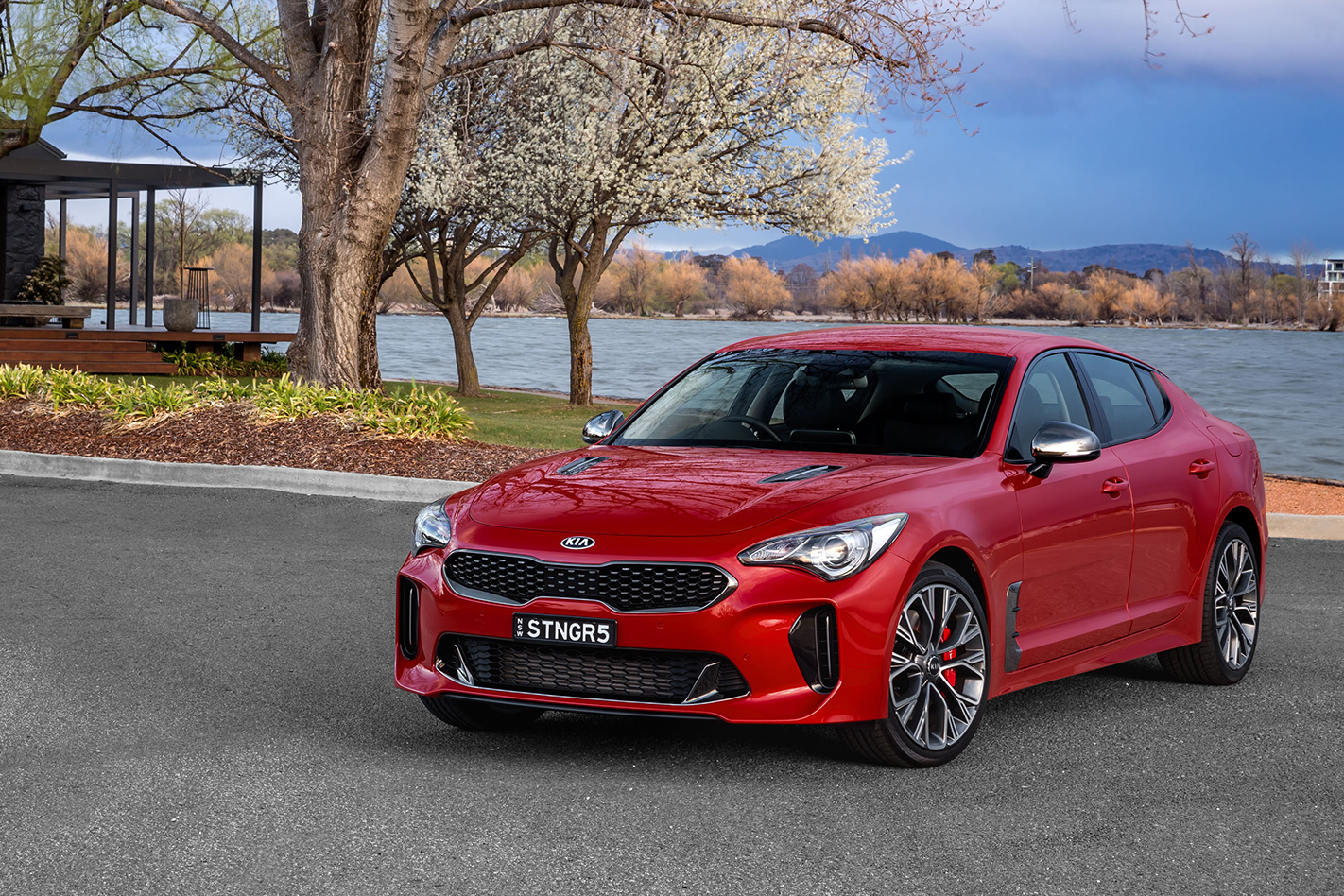
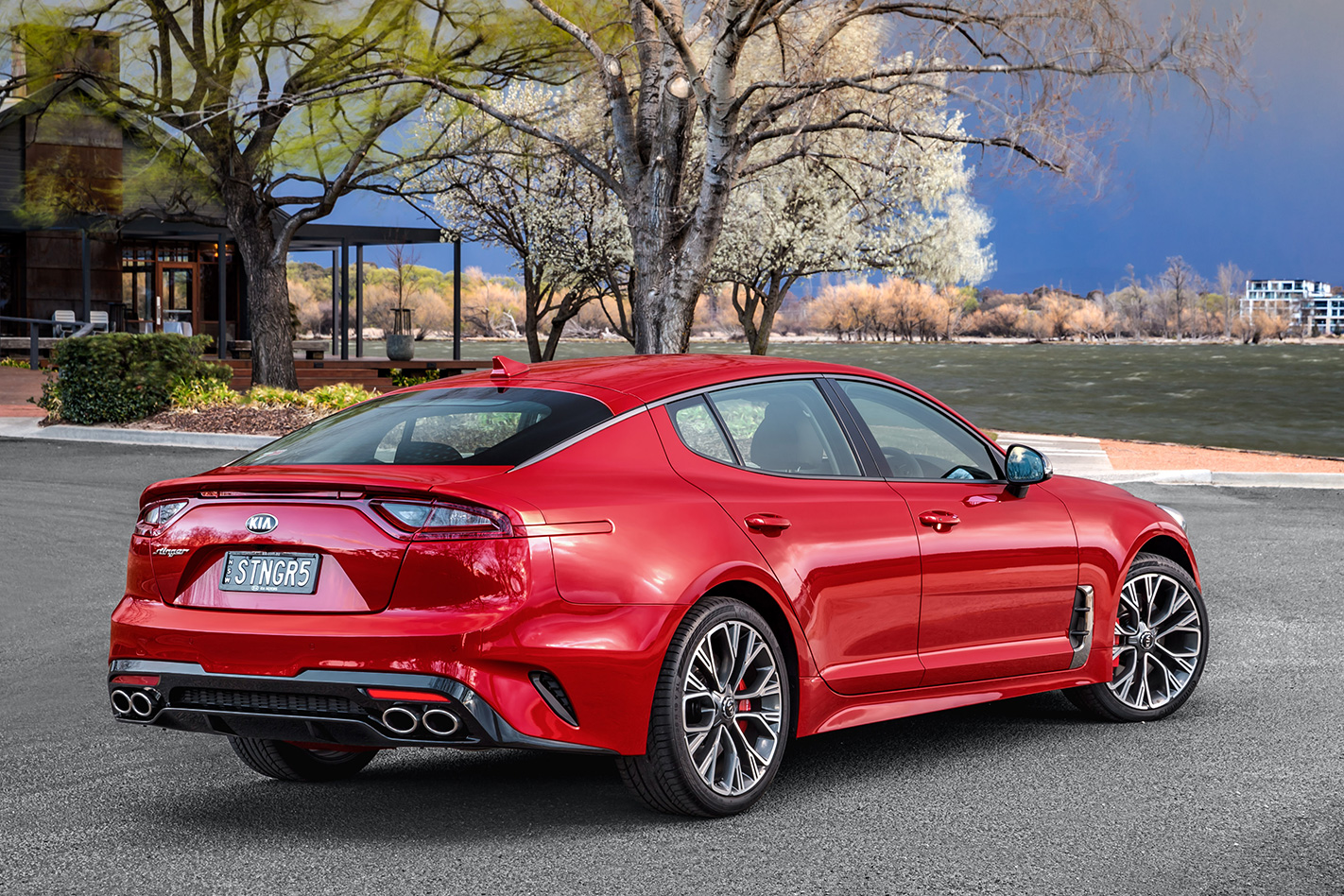
The $52,990 Kia Stinger 200Si is the mid-grade in the three-variant 2.0-litre line-up. It’s not quite as poor as the entry-level $45,990 200S, and not quite as dynamically capable as the adaptive suspension-equipped $55,990 GT-Line.
WHY WE’RE DRIVING IT
The Kia Stinger is the Korean brand’s much-hyped hero car. The 272kW V6 version is the most powerful production car to wear a Kia badge, but not everyone wants all that poke. After all, the sharp, svelte Stinger is a bit of a looker and could be better put to work spurring envy in workplace car parks than impressing punters at a track days.
Holden Commodore SV6, Skoda Superb 162TSI
THE WHEELS VERDICT
The turbocharged Theta II engine has been something of a rough diamond under the bonnet of the Optima GT, and not much has changed. It brings some excitement to the Stinger, particularly when a twisty stretch of road presents itself, but more work is needed.
THE WHEELS REVIEW
NOT everyone with a sports car needs performance as part of the mix. It’s why we have V6-engined Holden Commodores, 2.3-litre Ford Mustangs and, now, 2.0-litre Kia Stingers.
The 2.0-litre turbocharged four-cylinder engine that fills the under-bonnet space of three of the Stinger’s six variants allows Kia to drop the price of entry to a sharp $45,990 for the 200S, but it comes with compromises other than its downsized engine.
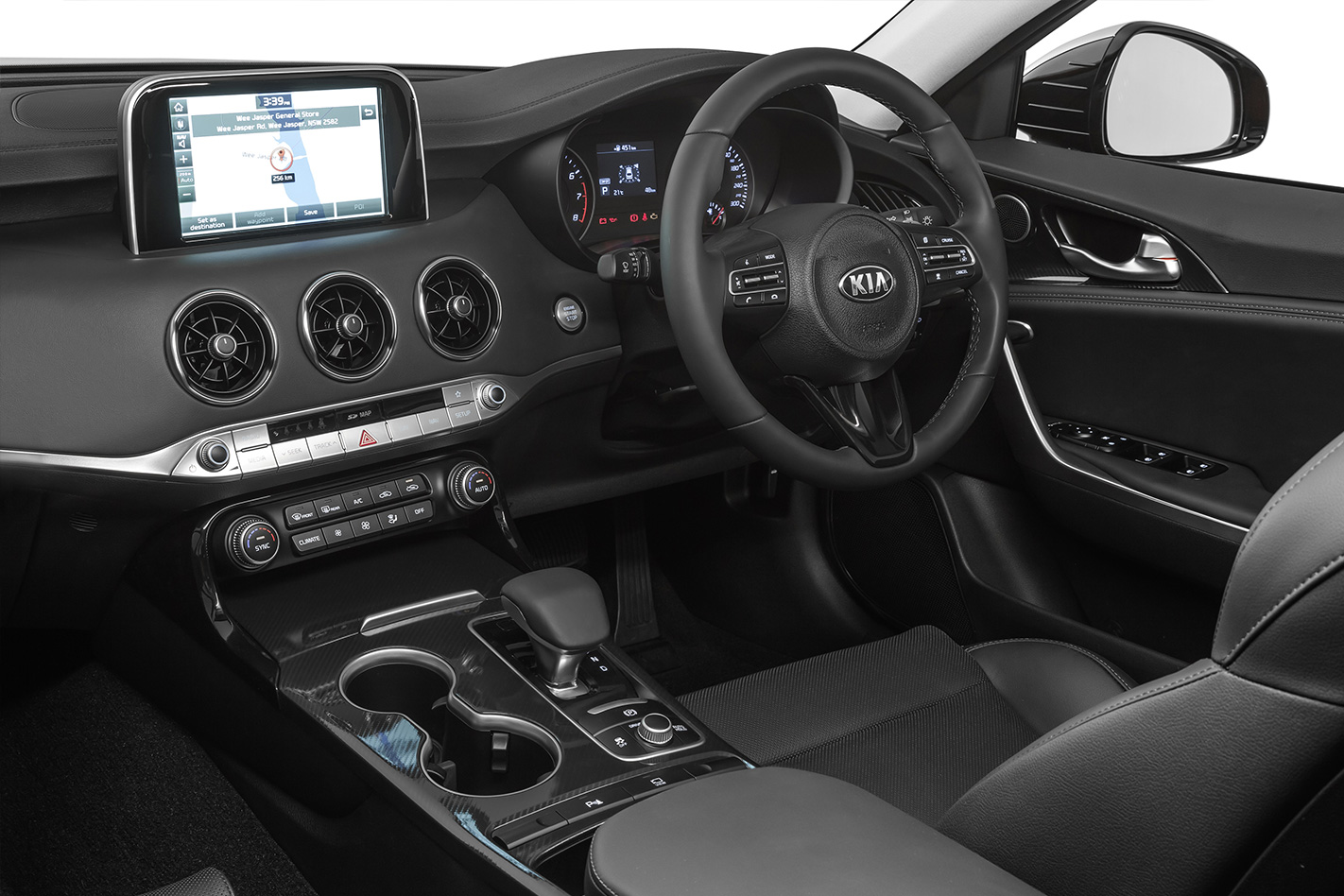
And for the extra spend, the Si grade packs plenty more kit. Features like front parking sensors, active cruise, a lane-keep assist, a driver drowsiness monitor, leather trim on the sports seats, auto wipers and headlights, splashes of faux carbonfibre trim replacing swathes of black plastic inserts – we noticed a lot of creaking from the 200S’s more plastic interior that was absent from the higher-grade cars – and that artificial engine sound enhancer. Don’t grumble about that last one, everyone lip-syncs these days.
This is because the Theta II engine suffers from the same malaise it did under the bonnet of the Optima GT: significant turbo lag on step-off. Push the accelerator from a standing start and there’s a moment of hesitation as the turbos spool up to unleash their grunt. It gets a bit buzzy high in the revs, and the active sound enhancer does little to make it better. Kia is working on adapting its bypass valve developed for the V6 exhaust to the 2.0-litre engine, which will be a welcome dealer option.
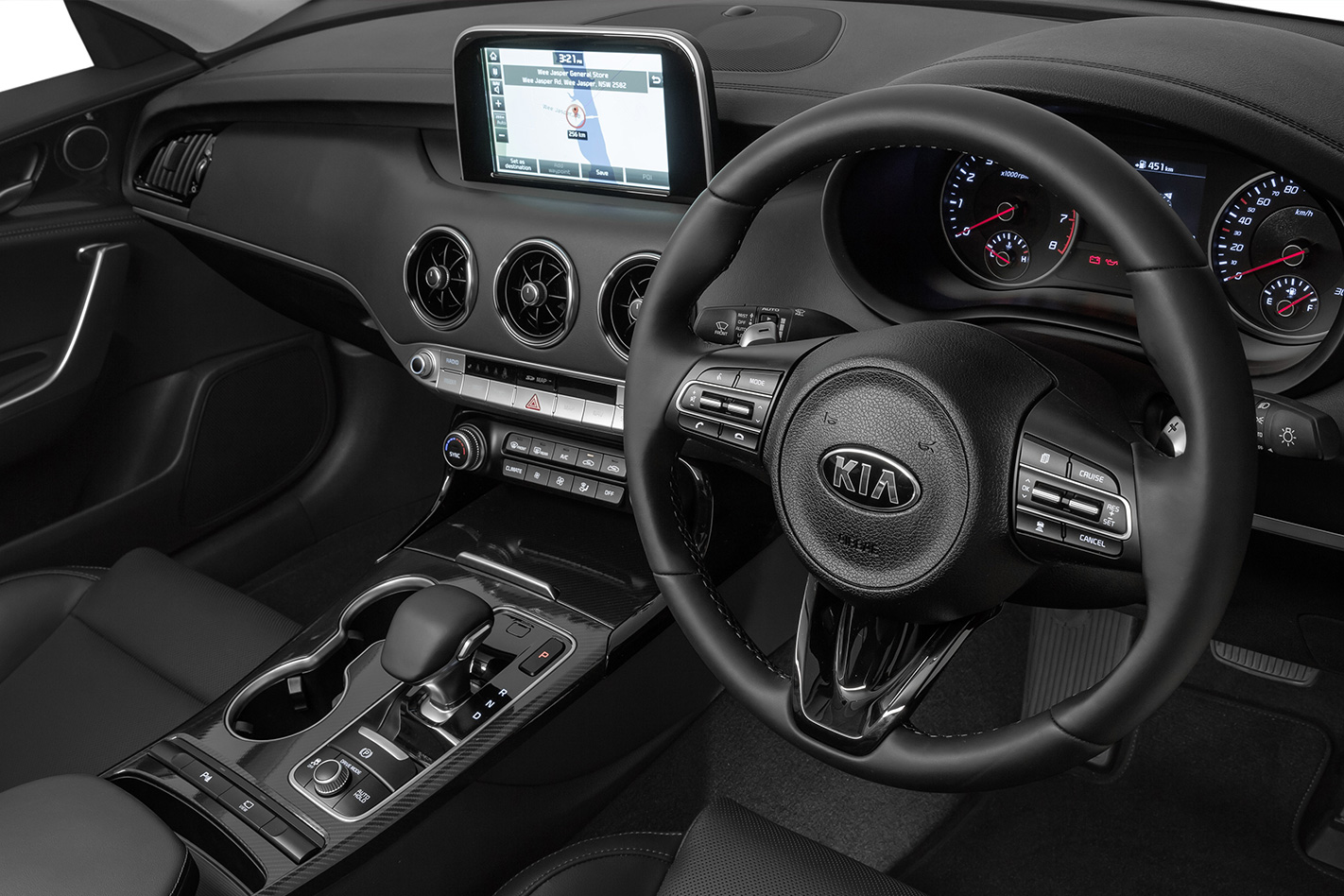
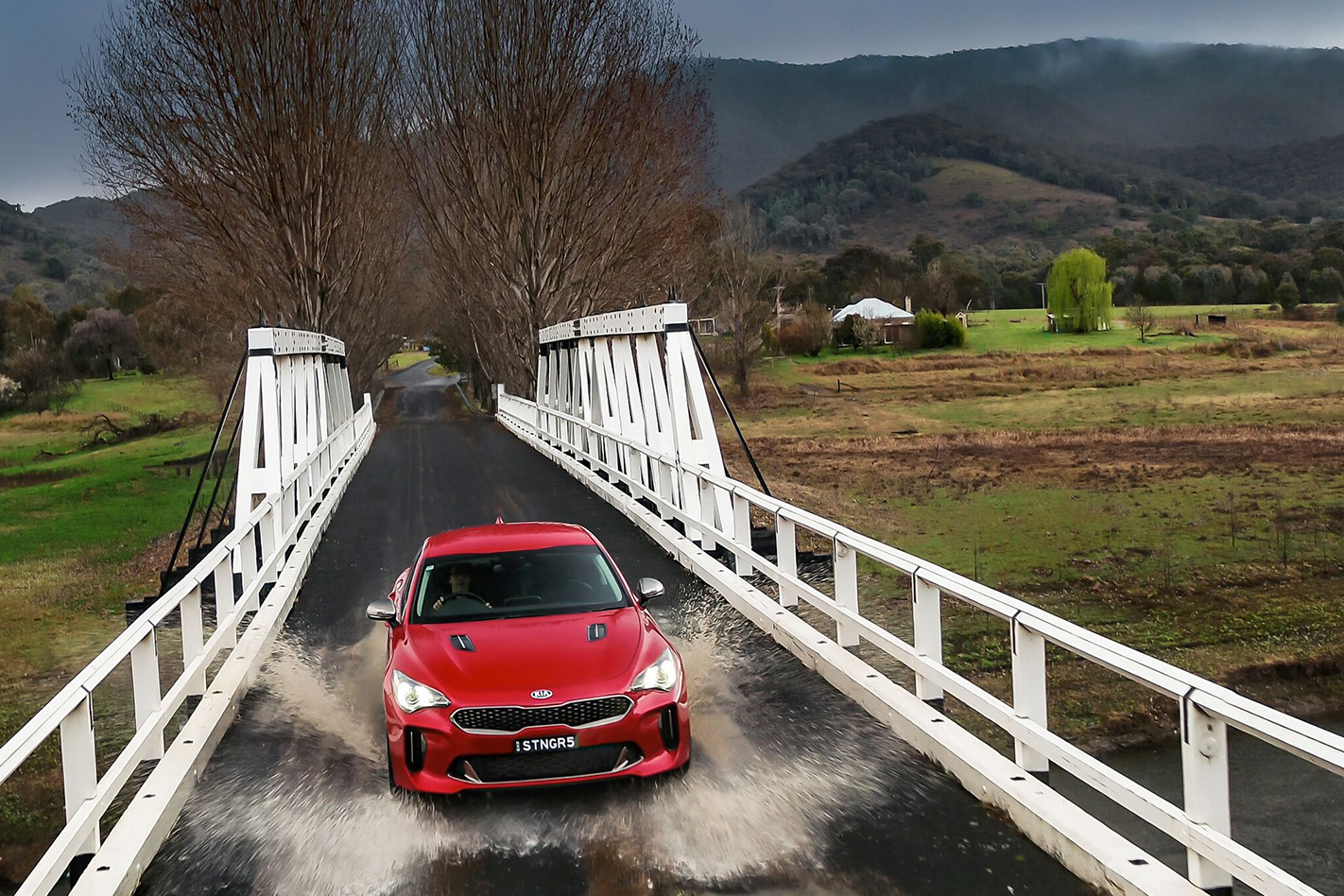
Like its bigger V6-engined siblings, the 2.0-litre Stinger has the on-road ride nailed. Firm, but compliant when needed, it smooths out imperfections on the road surface with quasi-luxury aplomb. On the track, the chassis is well-sorted, although the lack of an LSD reveals itself as mild understeer when pushed hard. The lighter 200Si also shows a propensity to hang its tail out a lot more willingly than the V6.
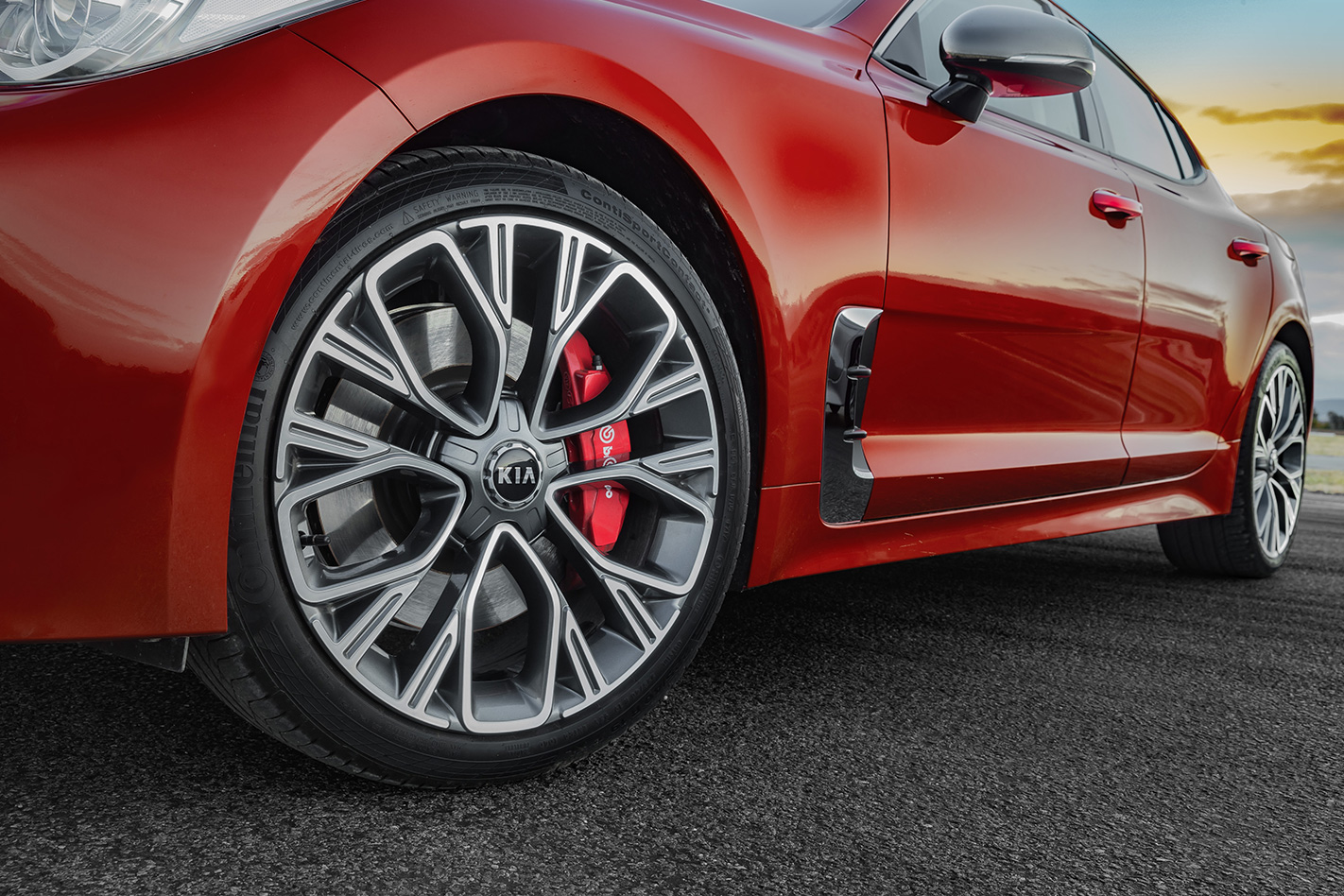
The 2.0-litre Stinger comes across as an engaging alternative to the front-drive drudgery sweeping the new-car market. It’s a bold step from Kia, and a learning curve for a car maker that wants to shake off its front-drive cardigan and replace it with a rear-drive hoodie. It just has to find the right size.
SPECS Model: Kia Stinger 200Si Engine: 1998cc 4cyl, dohc, 16v, turbo Max power: 183kW @ 6200rpm Max torque: 353Nm @ 1400-4000rpm Transmission: 8-speed automatic Weight: 1693kg 0-100km/h: 6.0sec (claimed) Economy: 8.8L/100km Price: $52,990 On sale: October
AUDI’S fourth Q7 large SUV offering – the Q7 e-tron quattro is finally slated to arrive in showrooms in January 2018, bringing the first diesel/electric SUV to the Australian market.
Priced from $139,900, it builds on the current mid-range Q7 3.0 TDI quattro which uses a 190kW/600Nm 3.0-litre V6 diesel but adds an electric motor, fed by a plug-in-chargeable 17.3kWh battery which Audi says provides up to 56km of pure electric range and a combined fuel efficiency of just 1.9L/100km.
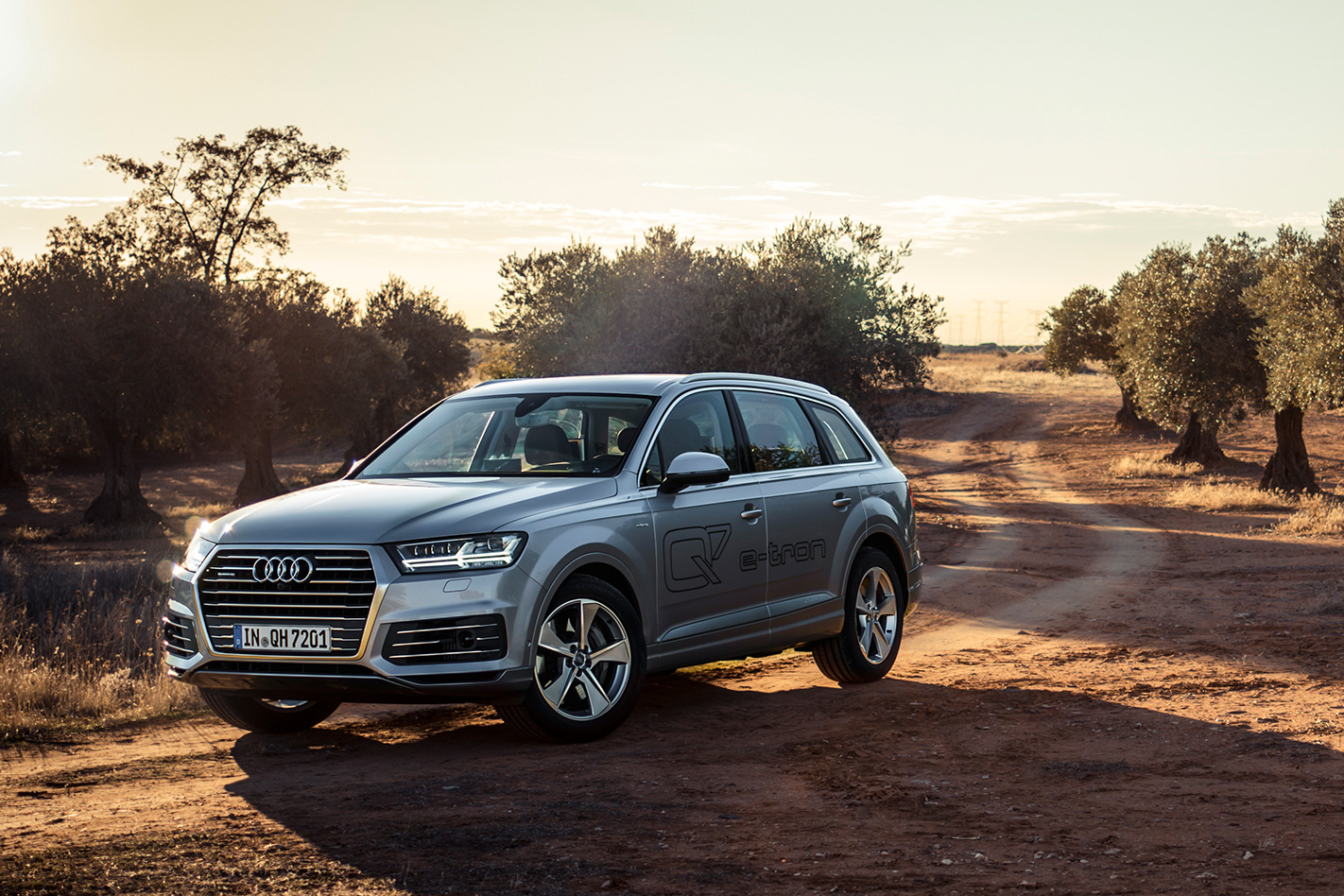
With diesel and electric motors working in unison, the new Audi Q7 pumps out 275kW and 700Nm – enough to accelerate to 100km/h from zero in 6.2 seconds and on to a top speed of 230km/h. With the added electric power the e-tron beats the 190kW 3.0 TDI to 100km/h by 0.3s and is only trumped by the 4.0-litre V8 diesel Audi SQ7 which does the dash in 4.9s.
Customers who charge the Q7 e-tron at home with a standard 240-volt socket can deliver a full charge in 10 hours but that figure can be reduced to as little as 2.5 hours if connected to a high-rate system.
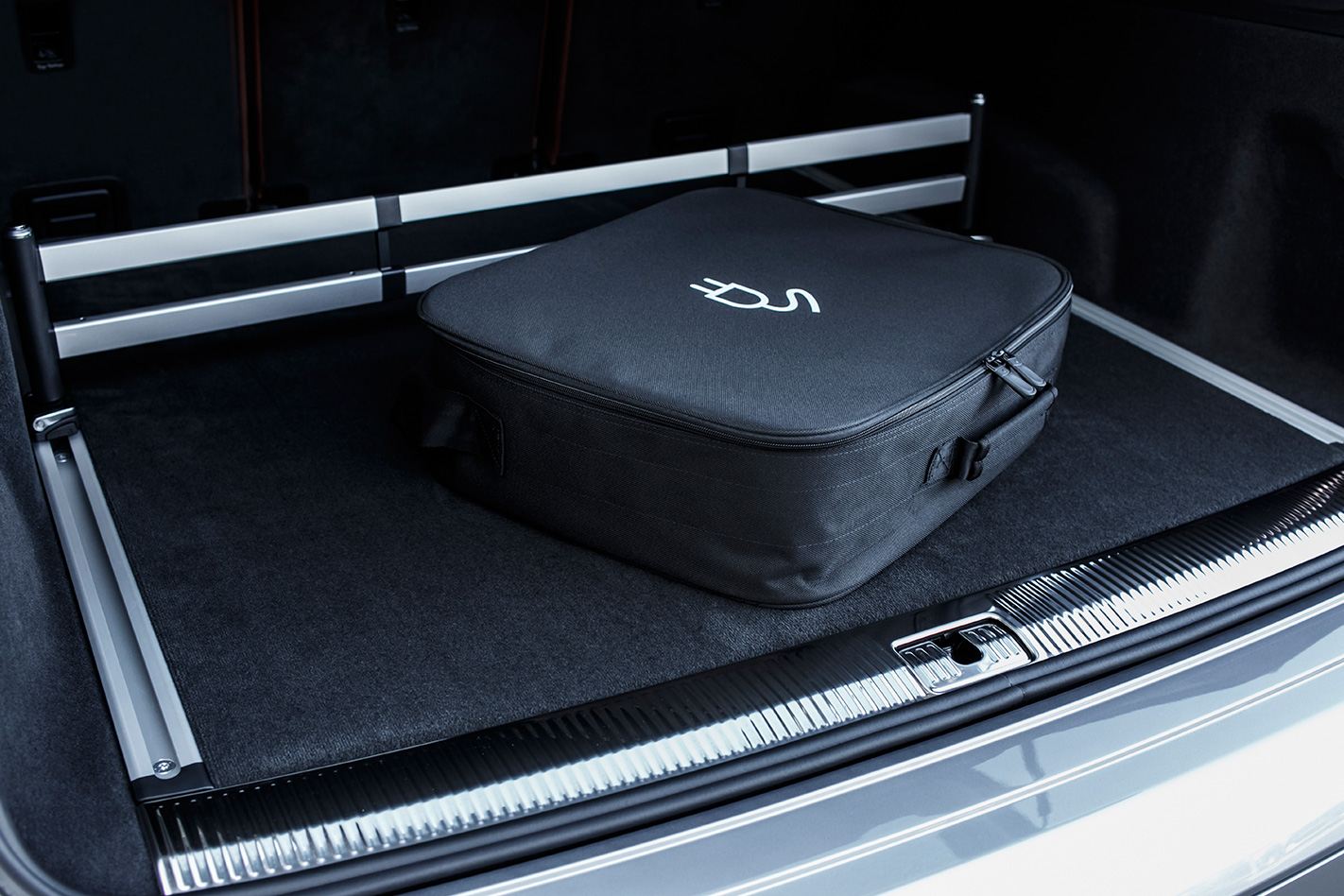
Unlike the three other combustion-only Q7 variants, the new e-tron addition sacrifices a spare wheel and third row of seating to accommodate the battery under the boot floor limiting occupant space to five seats.
Beyond the plug-in hybrid system, the Q7 e-tron shares the same specification as the 190kW 3.0-litre TDI, and the driver assistance and safety systems of the entire range. These include autonomous emergency braking up to 85km/h, adaptive cruise control with traffic jam assistance, lane departure warning and assistance, cross traffic alert, blind-spot monitoring, Audi’s ‘pre sense’ which tensions the seat belts and closes the windows if a collision is likely, as well as warning to following traffic if they are at risk of rear-ending the Q7.
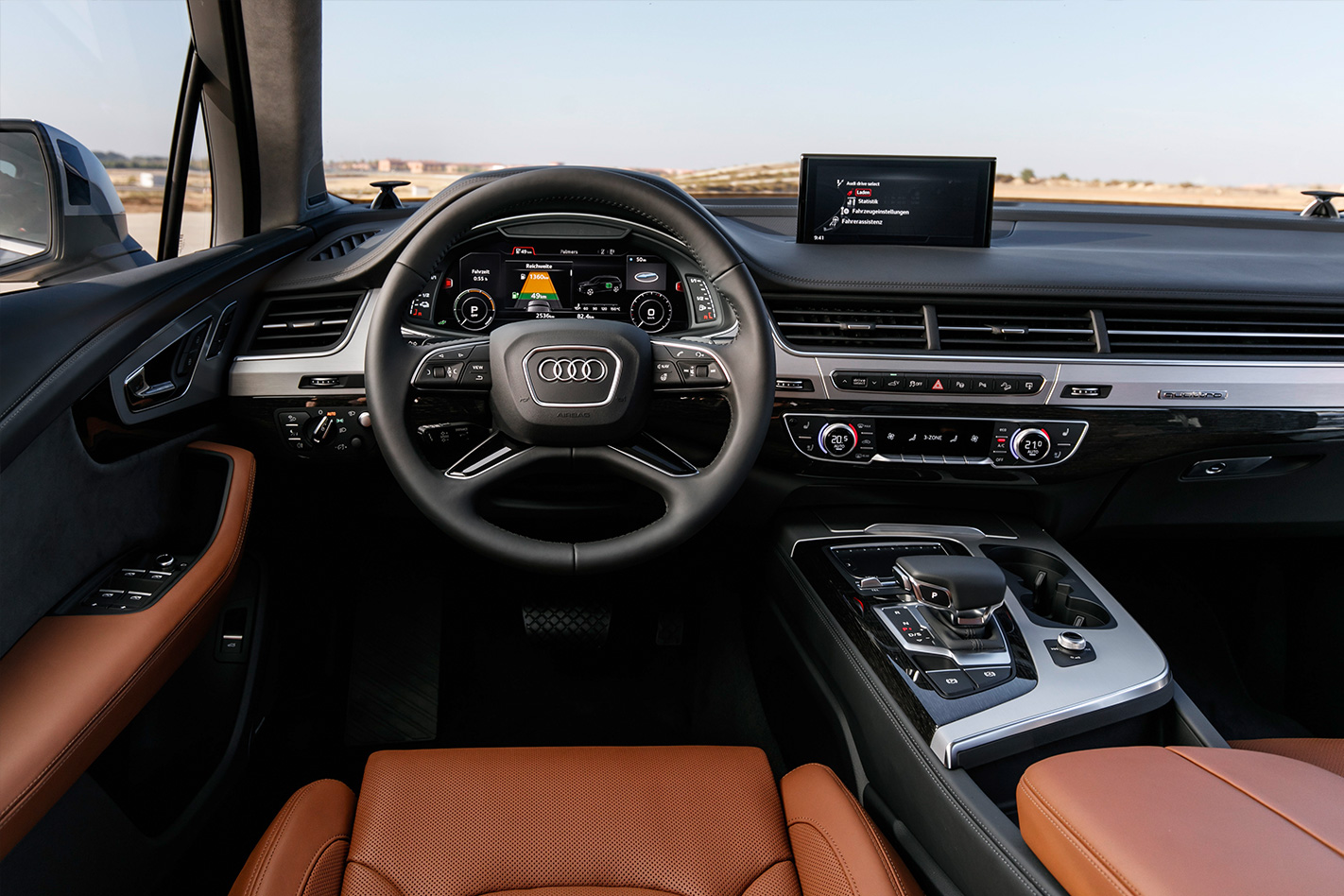
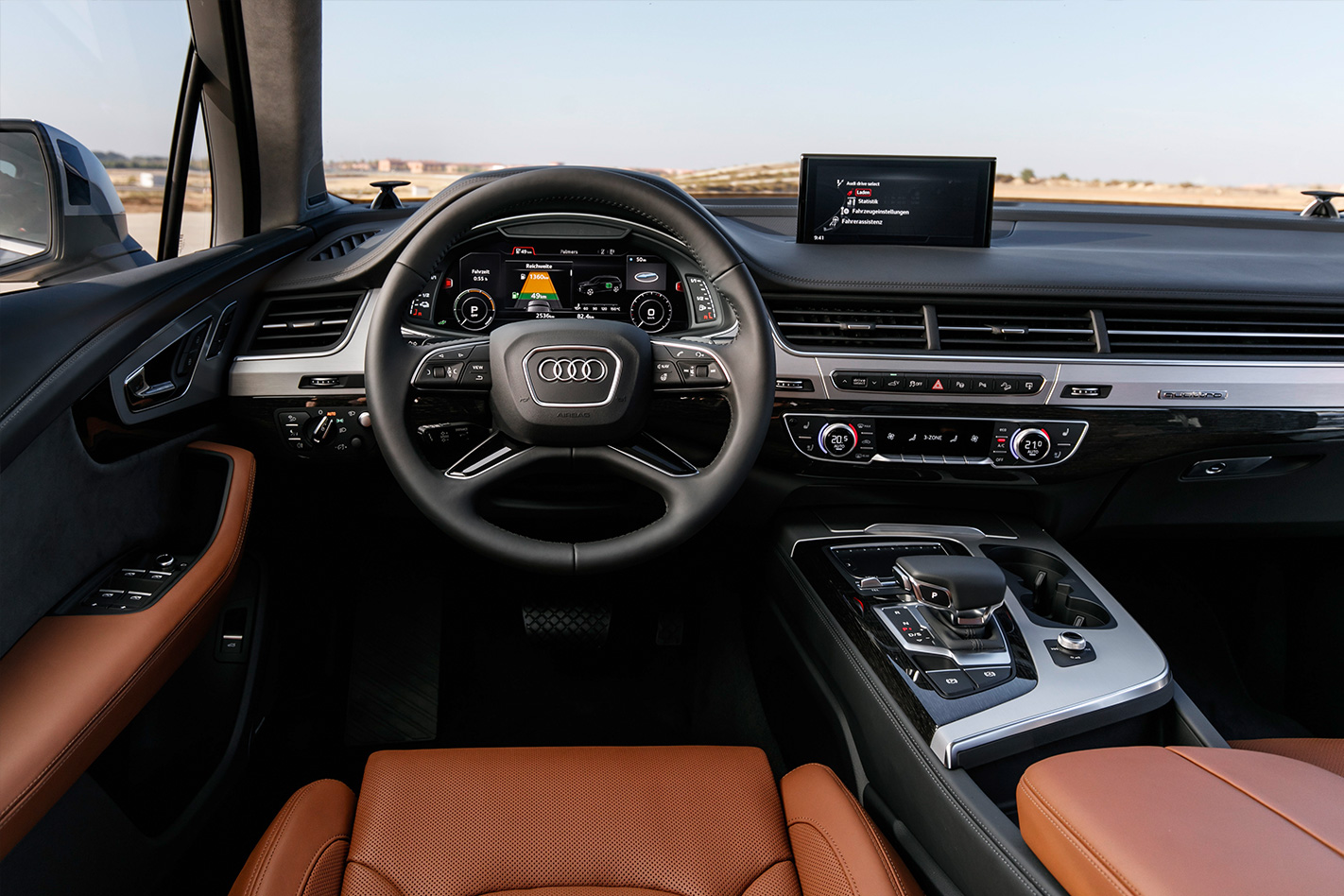
Inside, the e-tron gets an 8.3-inch central MMI information screen, complemented by a second 12.3-inch digital instrument cluster dubbed the Audi Virtual Cockpit.
Other standard features include 19-inch wheels, heated front seats, leather, a 180-watt sound system, LED headlights and dynamic indicators, adaptive air suspension as well as a number of subtle exterior design details unique to the e-tron.
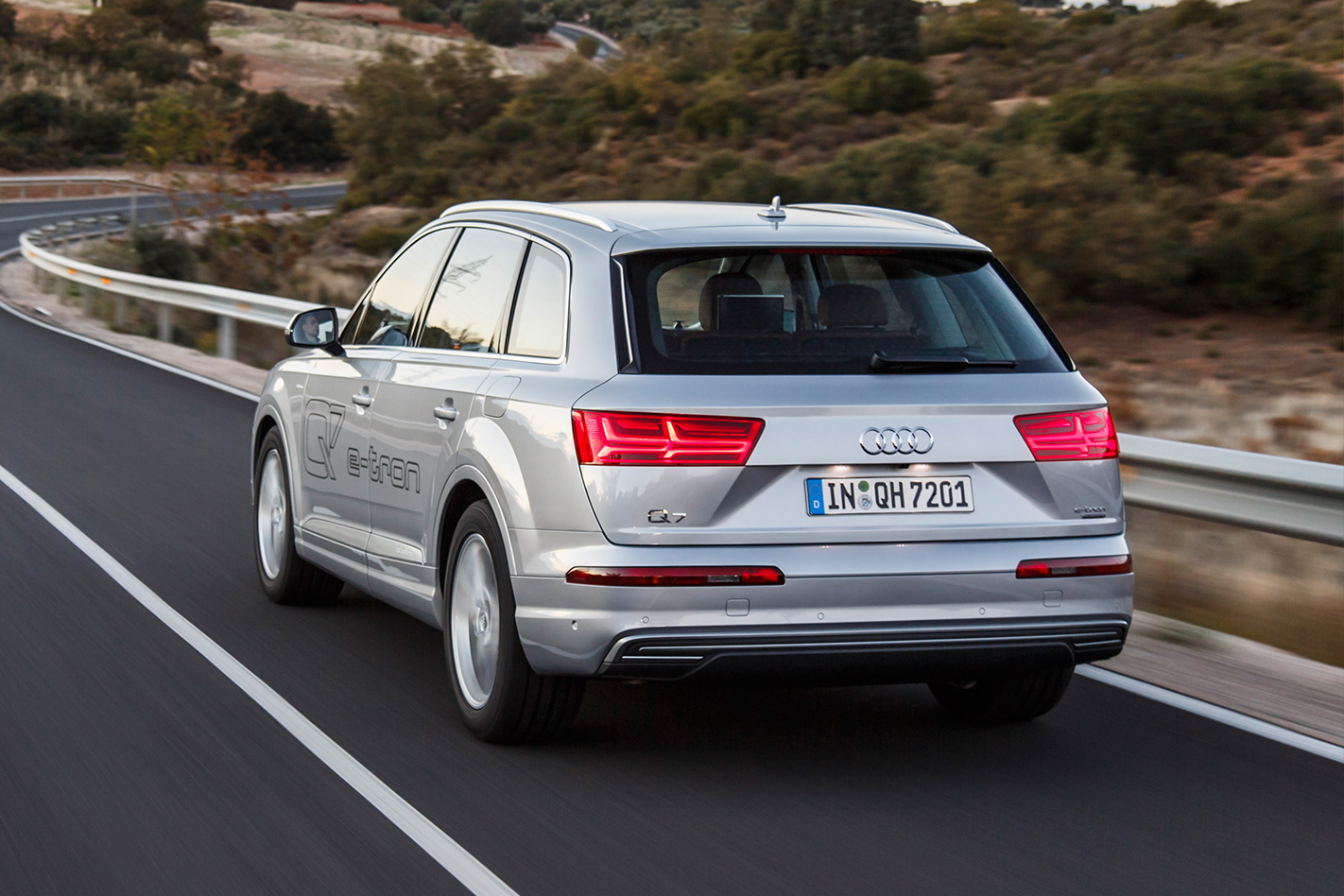
It has taken the e-tron nearly two years to join its combustion brethren in Australia since it launched globally in 2015 and joins two V6 diesel variants from $97,800 as well as the $155,511 V8 SQ7.
Renault has announced that it will finally bring two all-electric models to Australia, with the Zoe compact city hatch and the Kangoo ZE delivery van set to roll onto Aussie soil over the next two months.
However, there’s a catch.
Renault Australia’s EV sales strategy pitches both the Zoe and Kangoo exclusively at commercial and government fleets, not ordinary car buyers. The company concedes that determined individuals could conceivably purchase one, but Renault won’t be wholesaling either of them to dealerships for retail.
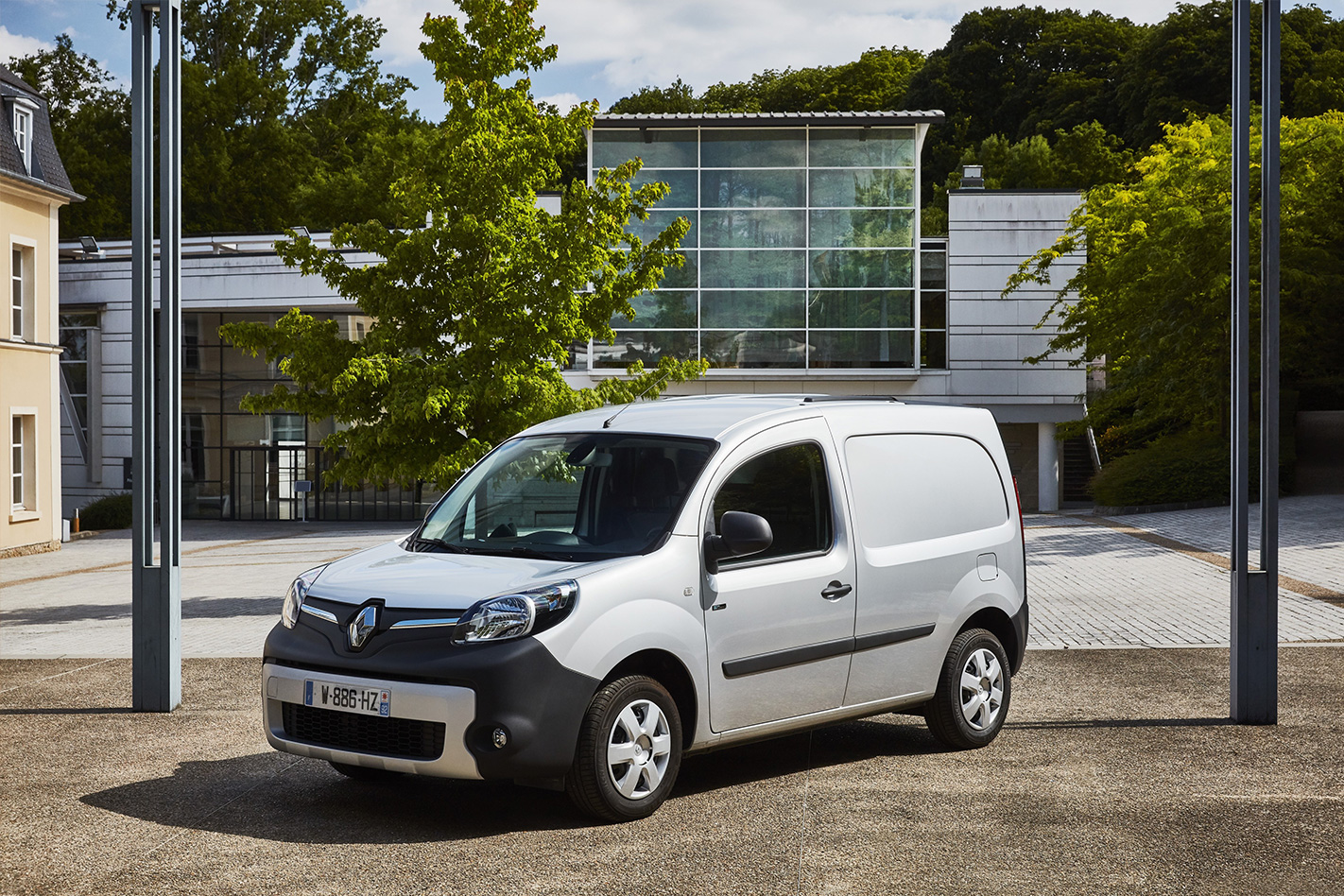
And the pricing partly explains why. The Zoe begins at $44,470 for the entry-level Life grade and rises to $49,970 for the range-topping Zoe Intens, while the Kangoo ZE is a $45,990 proposition – $19,000 more expensive than the equivalent combustion-engined Kangoo van. Without the aid of government incentives or rebates, Renault’s EVs are likely to remain at a $40k-plus price point.
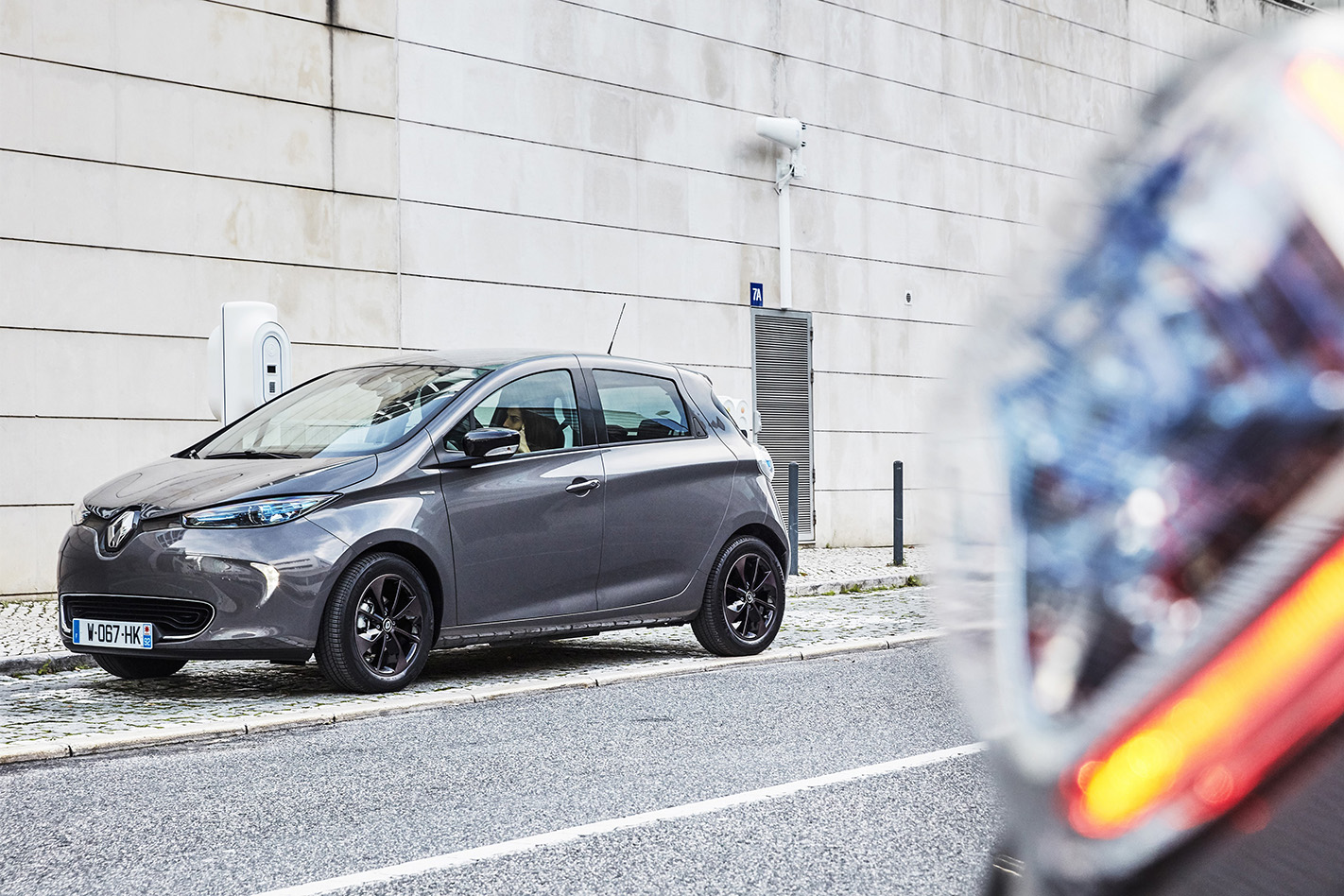
Both the Zoe Life and Zoe Intens receive the same battery-electric powertrain, with a 41kWh lithium-ion battery pack sending volts to a 68kW/220Nm electric motor between the front wheels. On the European cycle the Zoe’s maximum range comes in at 400km, but Renault says this translates into a 300km range in real-world conditions.
Charging up the battery requires a specialised wall box charger, with a full charge taking 15 hours on a 3kW power supply or 7.5 hours when the power is upped to 7kW. Specialised three-phase 22kW fast-chargers can drop the time to 5 hours and 40 minutes, however it’s understood that this capability won’t be available on Australian-delivered Zoes and Kangoos.
Standard equipment for the Zoe Life includes satellite navigation, digital radio, single-zone climate control, cruise control, front and side airbags, cloth upholstery, stability control, EBD, ABS and hill start assist. Two options packages are available for the Life, with the City Pack bringing auto-on headlamps, rain-sensing wipers and rear parking sensors and the Easy Pack adding one-touch driver’s window, powered rear windows and a proximity key.
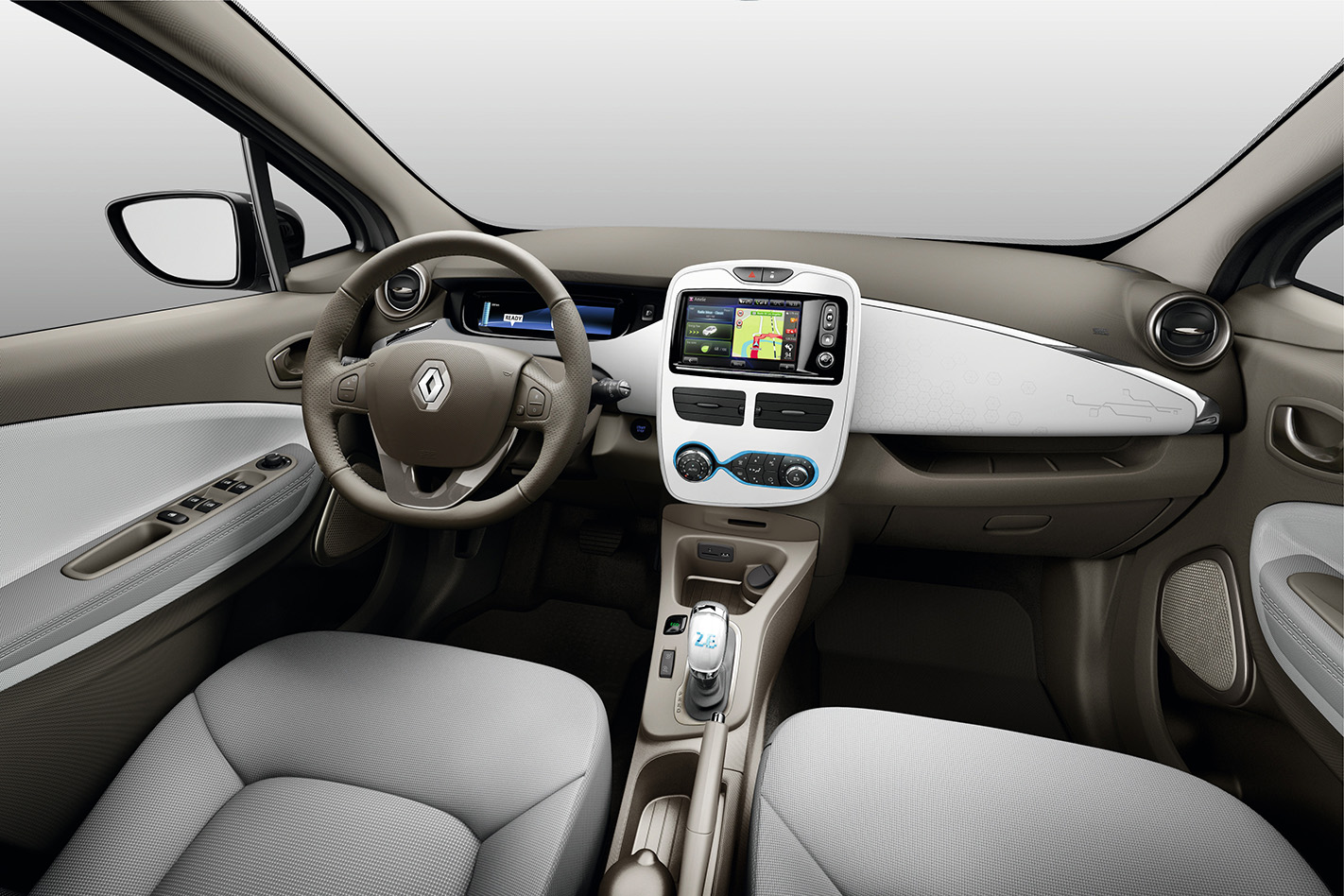
Stepping up into the Zoe Intens nets the same features of both the City Pack and Easy Pack, while also adding a rear vision camera. Both variants feature a 338-litre boot capacity (1225 litres with the rear seats folded).
The Kangoo ZE, meanwhile, will arrive next month in a single specification based on the long wheelbase Kangoo Maxi van. The Kangoo ZE has already been on Australian roads as part of an Australia Post trial, however while those vans had a circa-80km range the 2018 Kangoo ZE features a significant improvement in travel distance. On a full charge and a light load, Renault’s electrified van should travel between 120km-200km before the 33kWh battery depletes.
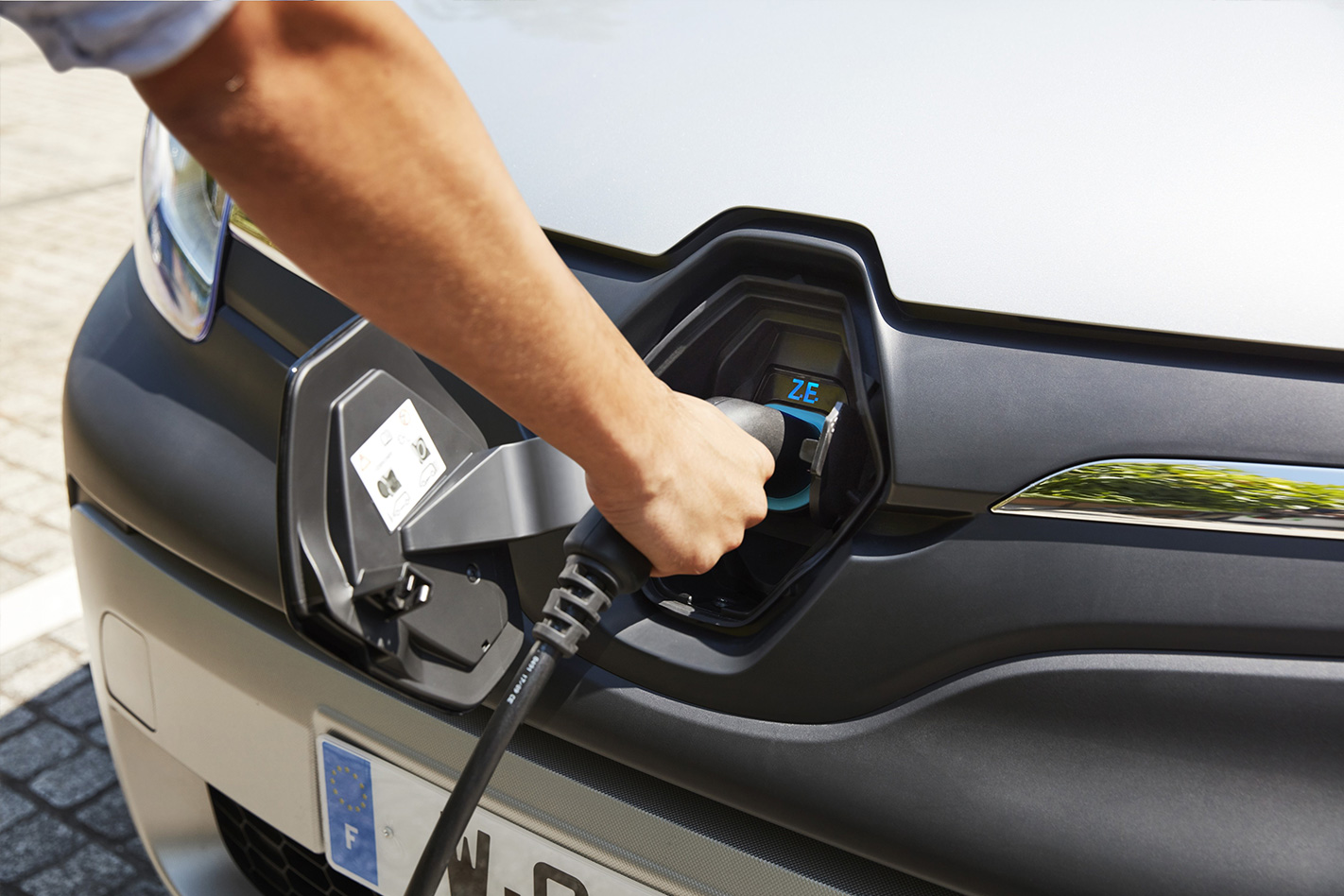
Power peaks at 44kW, with its 225Nm of torque being fractionally more than that of the Zoe. Charge times come in at 11 hours on a 3kW supply or 6 hours on a 7kW charger.
The Kangoo Maxi ZE can carry a maximum payload of 650kg or four cubic metres, and comes standard with sliding doors on the left and right, rear barn doors and a steel bulkhead between the cabin and cargo area.
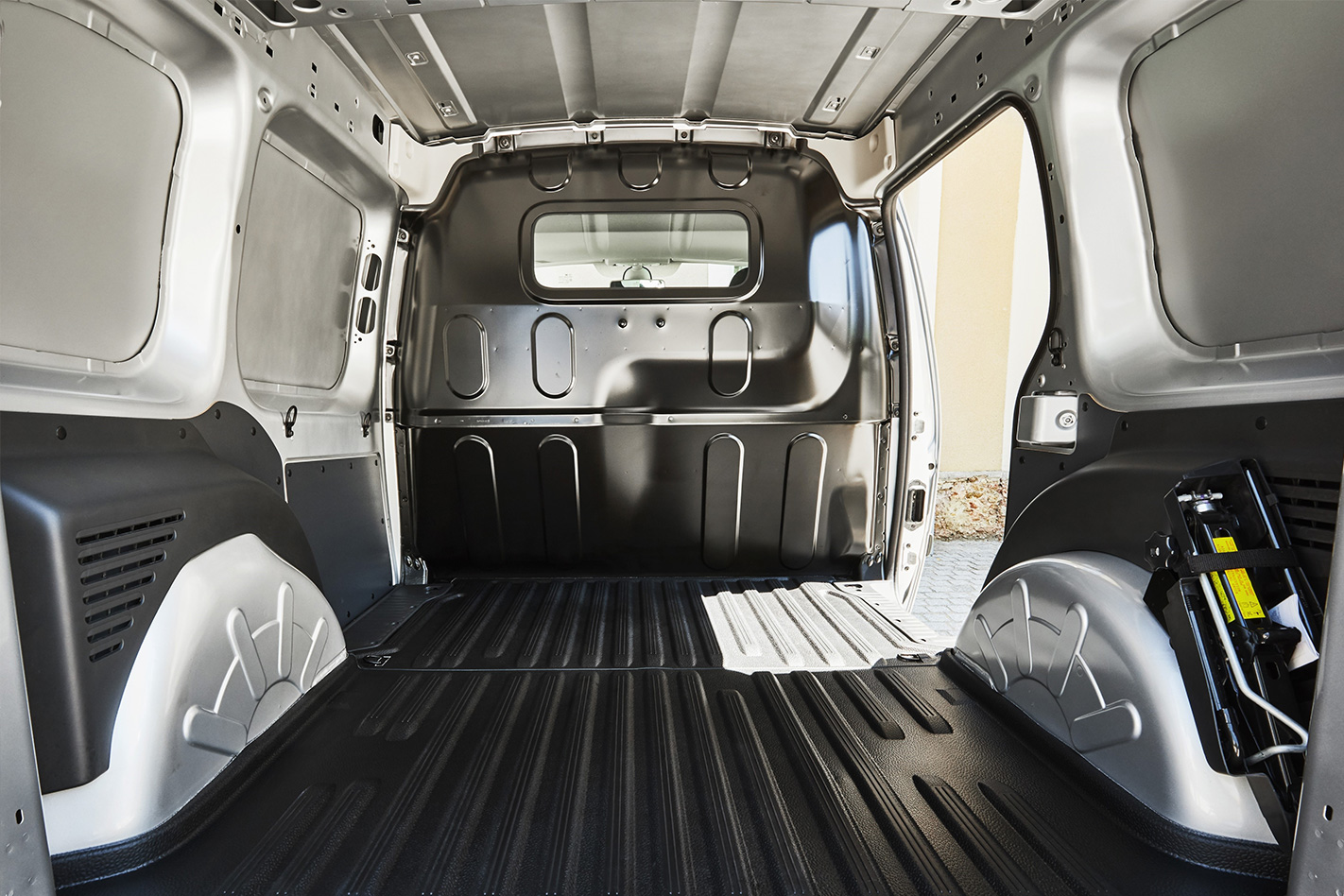
Rear parking sensors and a reversing camera are standard on the Kangoo Maxi ZE, along with cruise control, fog lamps, a full-size spare and Bluetooth phone integration.
PRICING
Both the Zoe and Kangoo Maxi ZE are only available to business and government fleets, with Renault Australia selling the cars directly to customers. Two dealerships – one in Melbourne, the other in Sydney – will be responsible for servicing the specialised electric drivetrains of both cars.
Can you buy one for personal use? While Renault Australia isn’t actively seeking private buyers for its electric cars, company representatives have said that it may consider individual orders on a case-by-case basis – just don’t expect the usual car buying experience.
Renault Zoe Life – $44,470
Renault Zoe Intens – $49,970
Renault Kangoo Maxi ZE – $45,990
Lamborghini’s Super Trofeo one-make racing series has a new model, the Huracán Super Trofeo Evo.
With an updated aero kit and new livery due to a partnership with Swiss luxury watchmaker Roger Dubuis, the new Huracán will debut in the Northern Spring (or Autumn for Oz) in 2018.
The racer will clearly be an improvement over previous cars, though current teams will be given the option to upgrade their existing Huracáns to the new spec.
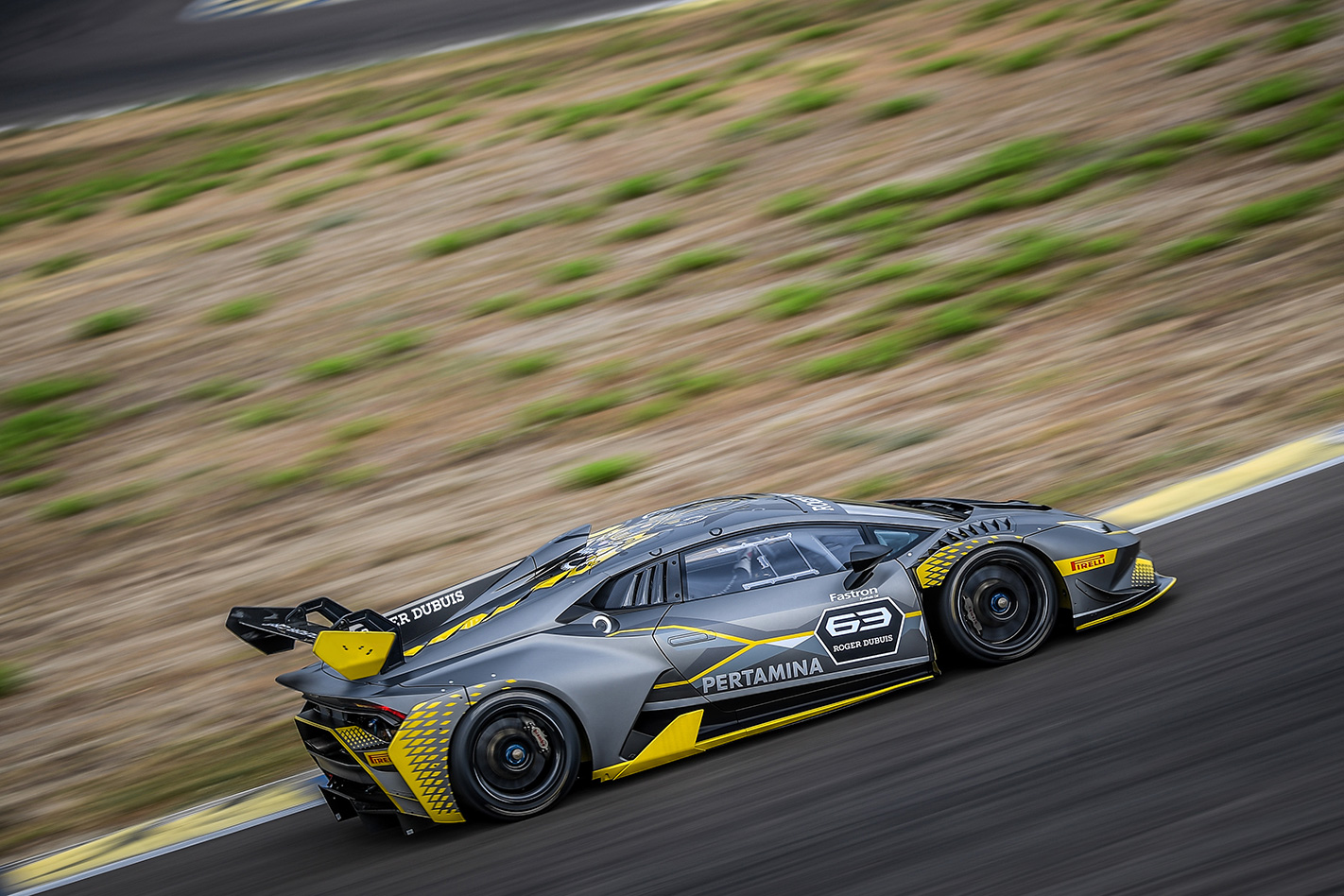
Huracán Super Trofeos retain the road car’s 5.2-litre V10, which puts out a slightly improved 456kW on the track.
That power reaches the wheels after a brief travel through a six-speed sequential gearbox and, of course, the Pirelli P Zero Trofeos wrapped around the rear wheels.
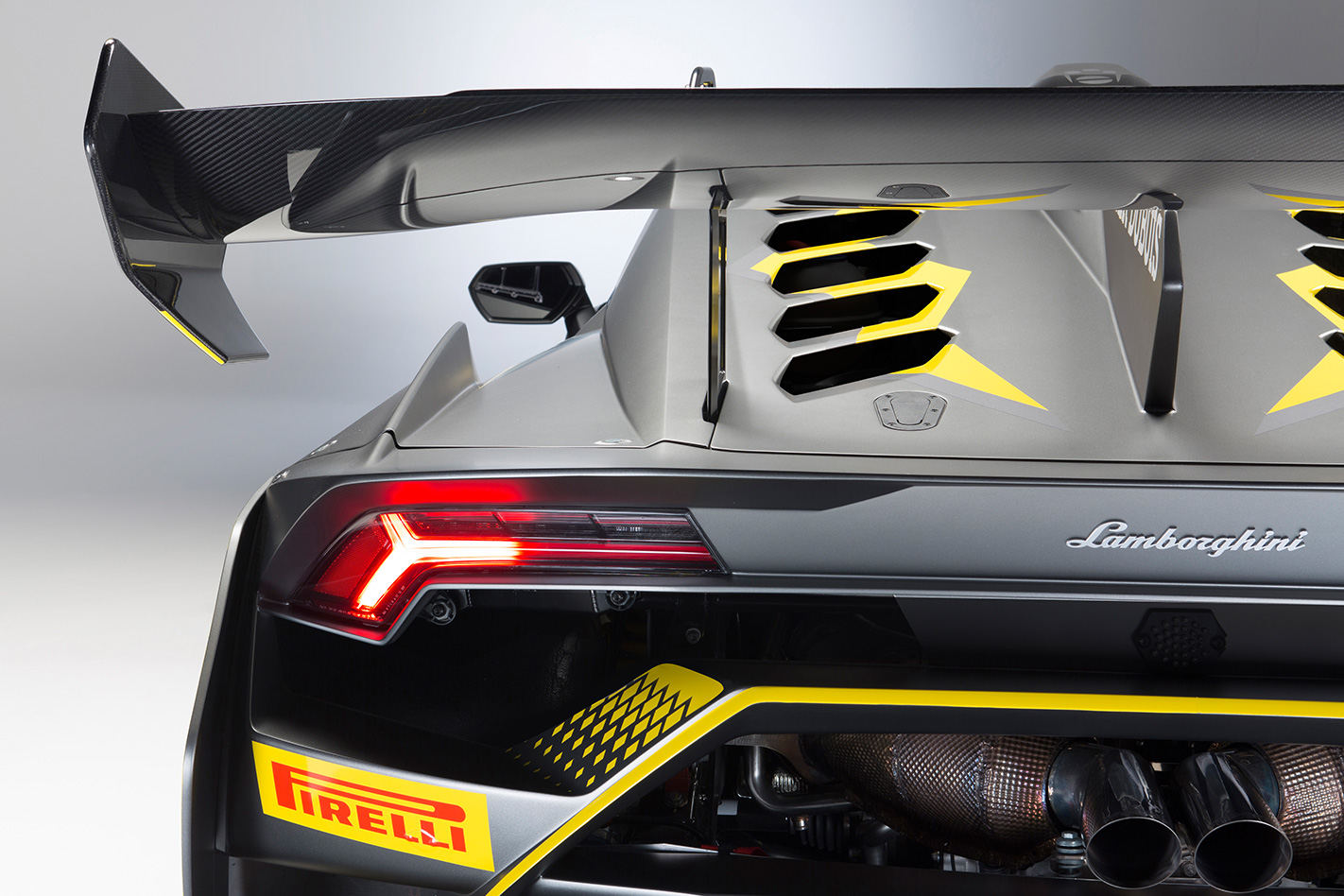
Moving back from the scoop, the Super Trofeo Evo has a “shark fin” which Lamborghini says “improves dramatically the handling of the car at high speed corners.” Fin tapers off just under the car’s rear wing.
Lamborghini says the list price of the new Huracán Super Trofeo Evo is 235,000 Euros (plus tax) in Europe and Asia, and 295,000 USD in America. In Australian Dollars, that translates to 351,900 or 370,400 respectively.
AUSSIE motorists, it appears, are a selfish pack of mongrels, and when it comes to sharing our autonomous cars, many of us are just going to park them up in the garage.
The University of Sydney has released a study that hints that, rather than freeing up our congested city streets, a potential lack of ride-sharing could result in self-driving cars making things worse.
The University of Sydney Business School’s latest Transport Opinion Survey, released today, found one in four survey participants said they would buy a self-driving car for family use if one was available. However, that keenness wasn’t shared when it came to leasing their vehicles to other travellers when it was not in use, with only a third saying they would be willing to let others use their vehicle.
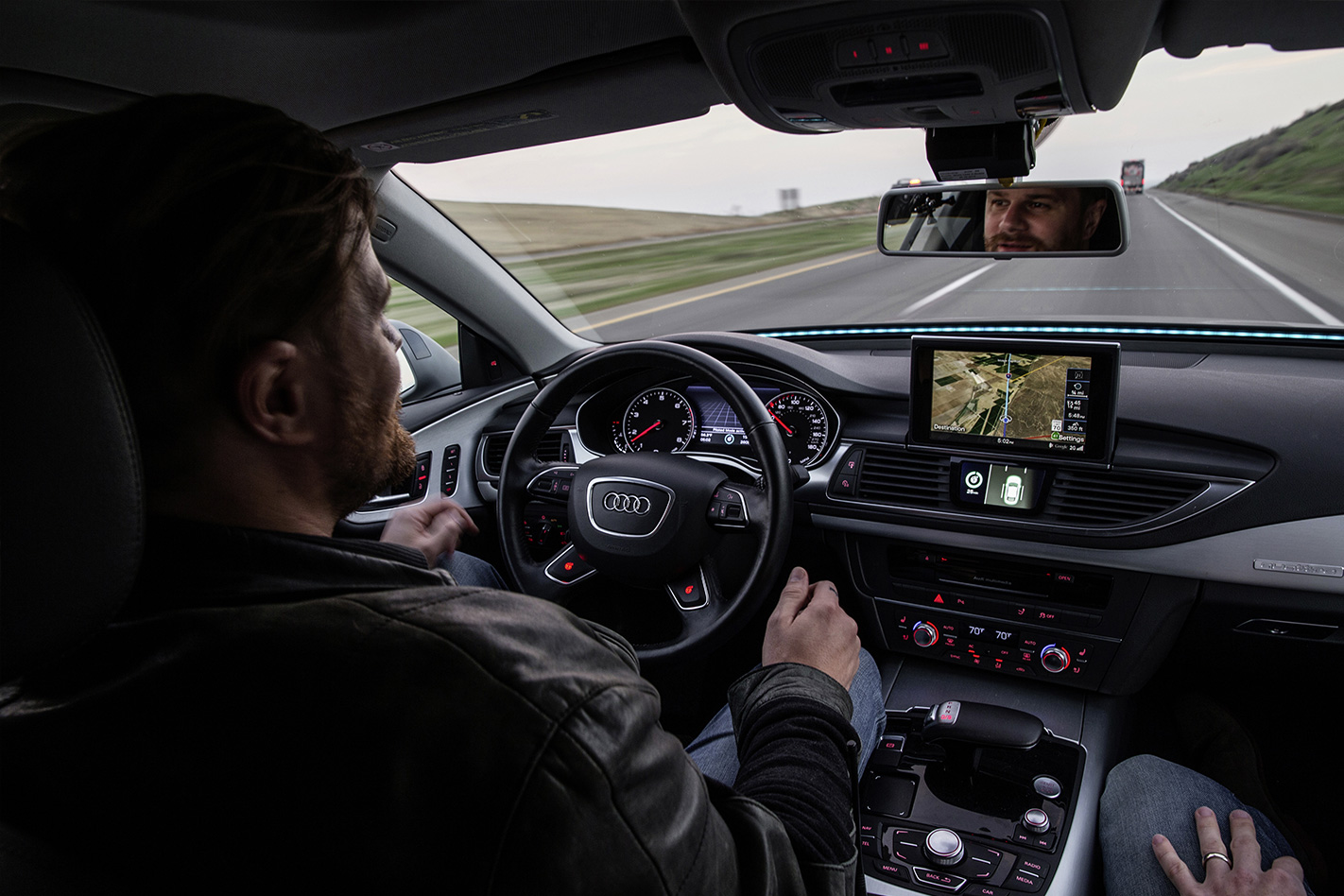
The university’s Institute of Transport and Logistic Studies director, David Hensher, said the survey suggested Australia’s roads would become more congested as robot cars evolved, and public transport services would “deteriorate”.
“The survey suggests a strong uptake which is encouraging at this stage in the debate on the future of driverless vehicles; however the real challenge is getting society to become more sharing either by allowing others to use their cars or through a third party mobility plan.” Hensher said.
“Pundits promoting the virtues of driver-less cars, were suggesting that they would contribute to a significant reduction in traffic congestion. Our findings appear contrary to that view.”
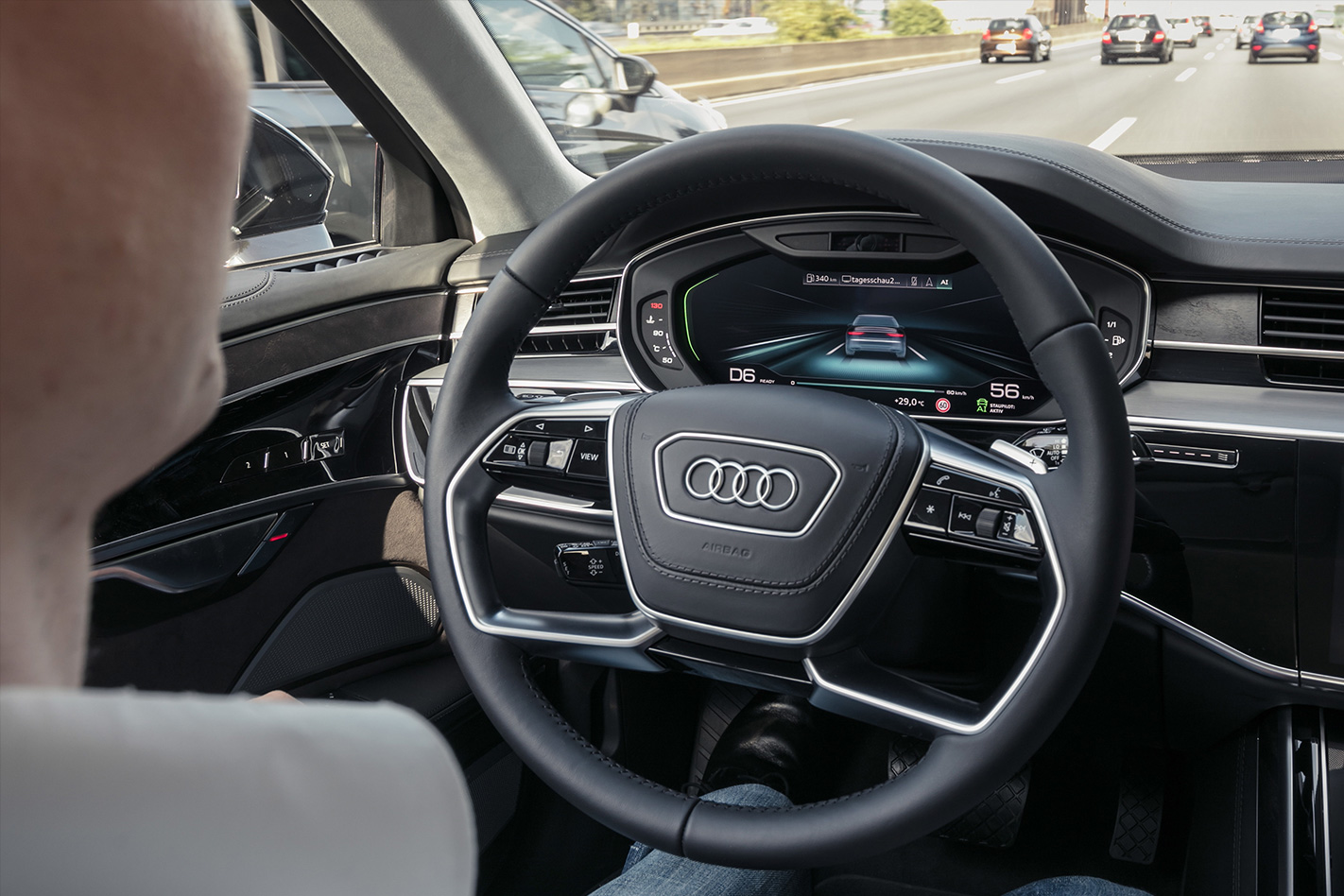
Institute of Transport and Logistics Studies research fellow Chinh Ho told Wheels many people and car makers were getting excited about autonomous vehicles, but we didn’t yet have any hard evidence they would improve our roads.
“If we allow AVs (autonomous vehicles) to be owned privately, the survey shows we can expect lots of people won’t be sharing them,” Ho said. “That is something we have learned from the way people behave when they have a conventional car.
“These cars are being used for private access and very few of us are thinking about how we will be sharing the vehicle with our neighbours.”
The university’s next biannual study will look at what would make people willing to share their self-driving vehicles.
INTRO
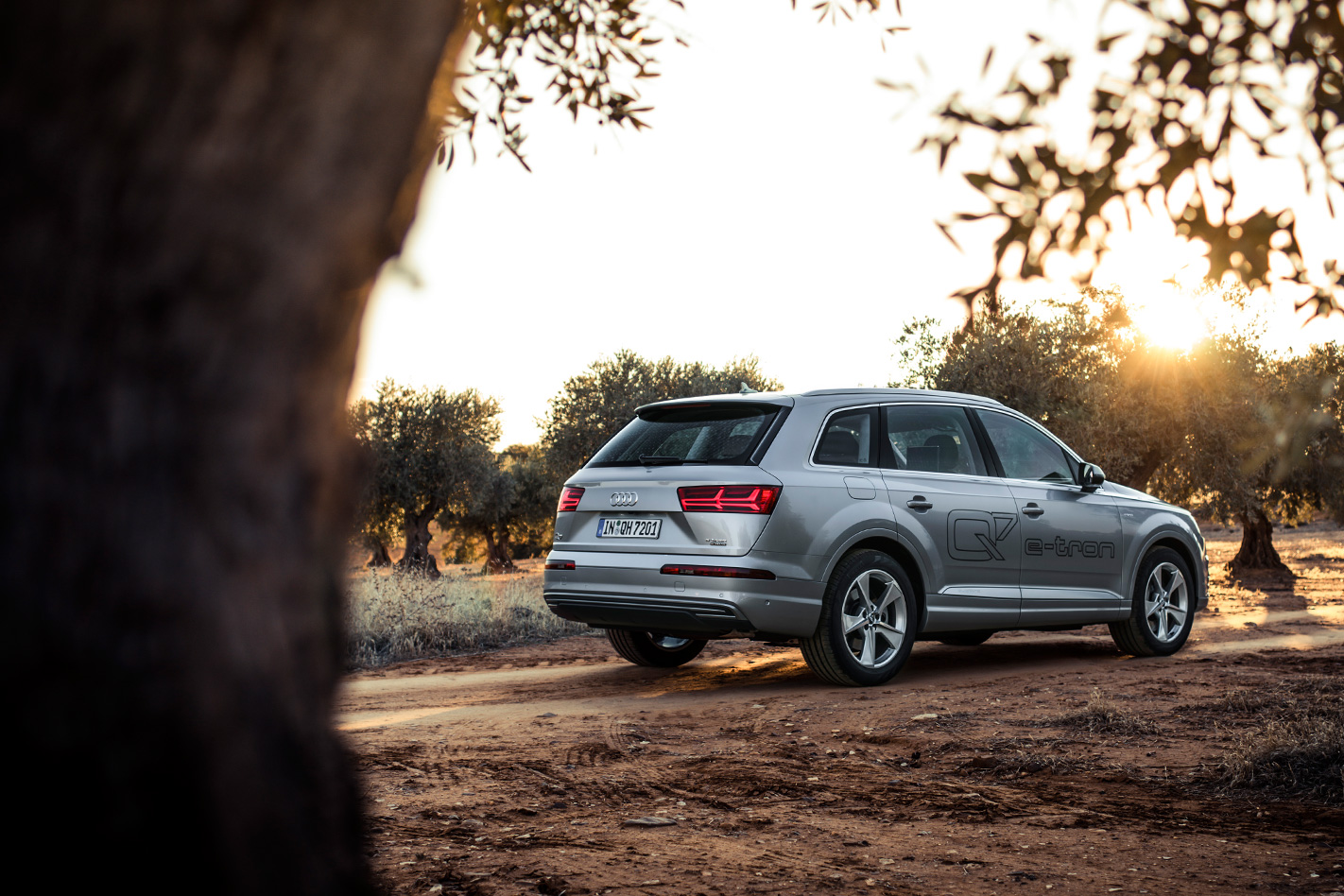
After a long delay the Audi Q7 e-tron is finally ready to come to Australia.
WHAT IS IT?
Audi fits its powerful and torquey V6 diesel with a battery pack, electric motor and plug-in charger to provide more power and performance for the Q7, and improved fuel efficiency. It comes at a price though, costing $35,000 more than the diesel-engined V6 variant at $139,900.
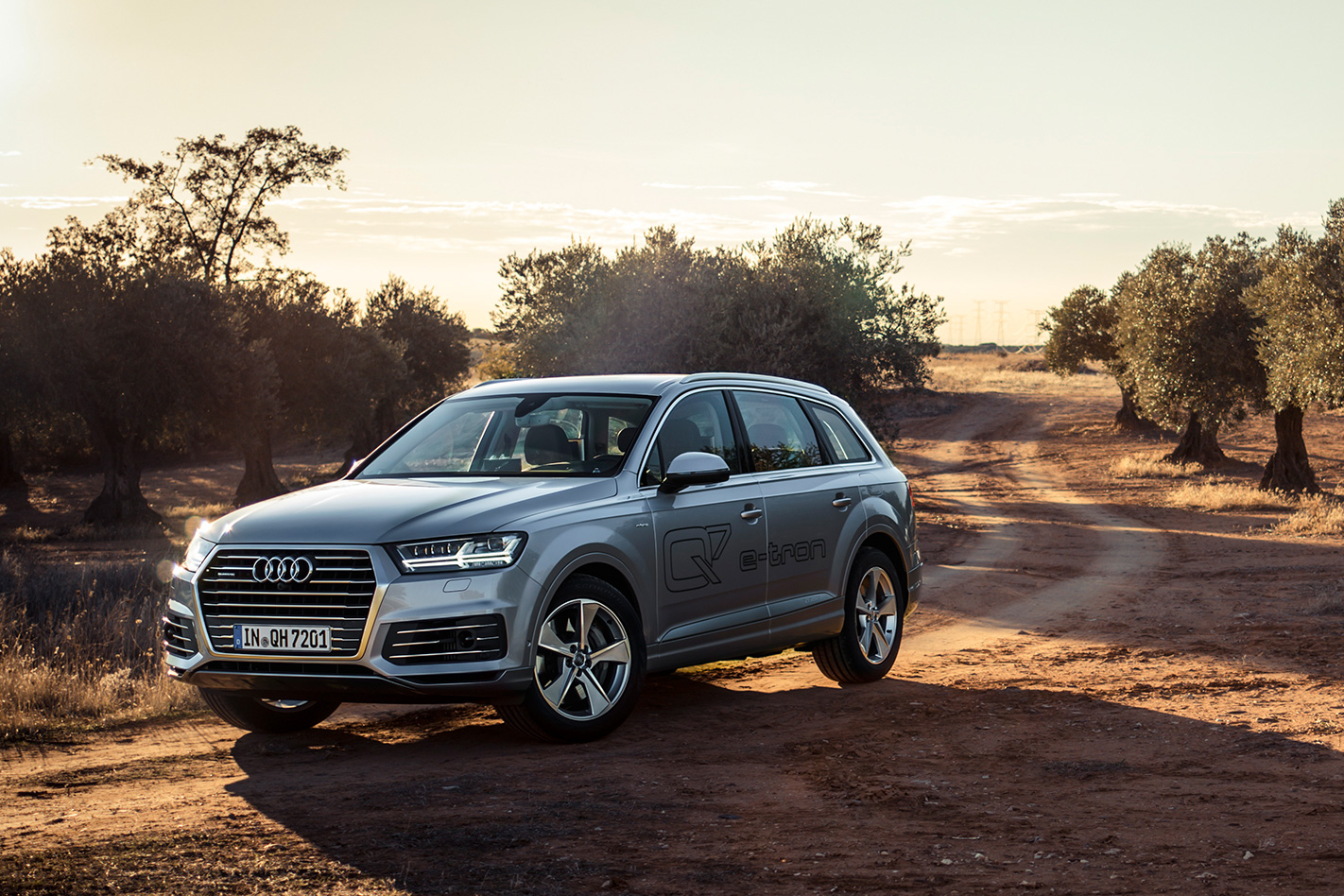
We first met the Q7 e-tron back in late 2015 when the model was launched globally but the variant missed its original Australian arrival date of 2016 by a long shot.
Ahead of the touch-down date in January and in light of confirmed local pricing, we are re-familiarising ourselves with the Q7 e-tron to see if it still makes sense in Australia’s unique market.
MAIN RIVALS
Range Rover Sport SDV6 Hybrid; Porsche Cayenne S E-Hybrid; BMW X5 xDrive 40e iPerformance
THE WHEELS VERDICT
With a serious powertrain that is only a few lengths behind the mighty Audi SQ7 in its natural autobahn habitat, the Q7 e-tron has impressive performance previously unheard of in the large SUV arena. Add in fuel economy that also defies the Q7’s size and weight and you are looking at a compelling package of punch, practicality and efficiency. But when it finally rolls out after a protracted wait, only the Australian car-buying public will be able to answer whether the time is right for premium plug-in SUVs, good or bad.
THE WHEELS REVIEW
AUDI’S existing Q7 range is not exactly the under-achiever of the four rings fold. Opt for the most powerful six-cylinder and you’ll get a car that can ferry seven people in comfort, crack 0-100km/h in the same time as a mid-1980s Ferrari but uses fewer than six litres of diesel per 100km. Step up to the SQ7 and you have the punch to worry a mid-1990s Prancing Horse while still only consuming 7.2L/100km. But the newest addition to the range sets new power and efficiency standards.
With a full charge, the e-tron’s 17.3kWh lithium ion battery has enough spark to propel the Q7 for up to 56km, and at speeds up to 135km/h, without firing a single cylinder, but it’s far cleverer than that. After plotting a course in the MMI navigation, Audi’s predictive efficiency assistant works out the most efficient way to use the charge in the battery at that point and the result is amazingly effective. If the route will encounter traffic congestion or urban areas, the Q7 saves battery power for those sections of the journey where electric drive makes most sense.
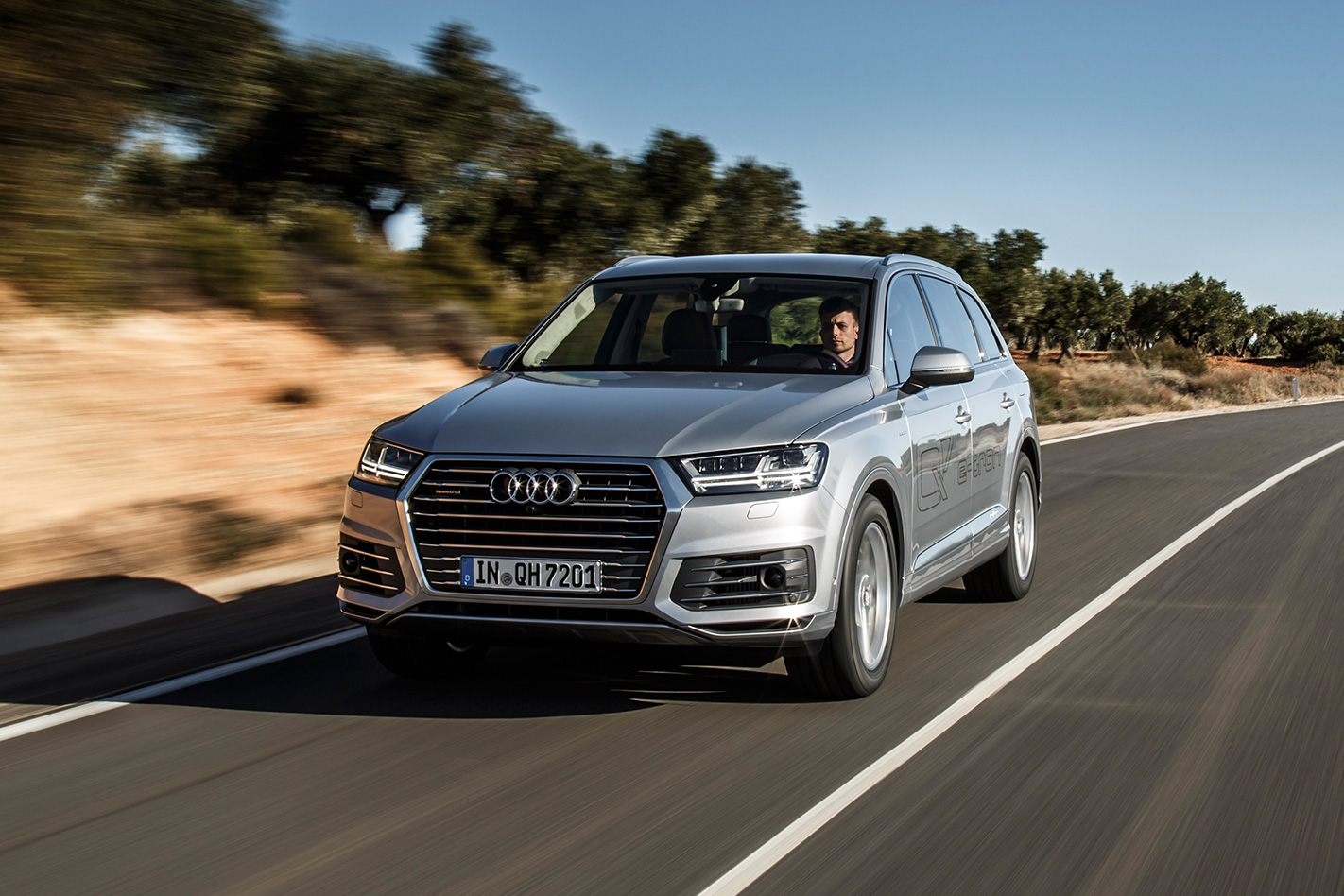
Contrary to popular belief, Germany’s coveted autobahns are not perpetually flowing with high-speed traffic. We encountered more than our fair share of jams, but here too the e-tron offered a distinct advantage with Audi’s traffic jam pilot. With the system activated we could sit back and let the Q7 look after the steering, braking and even acceleration until the congestion ahead had cleared.
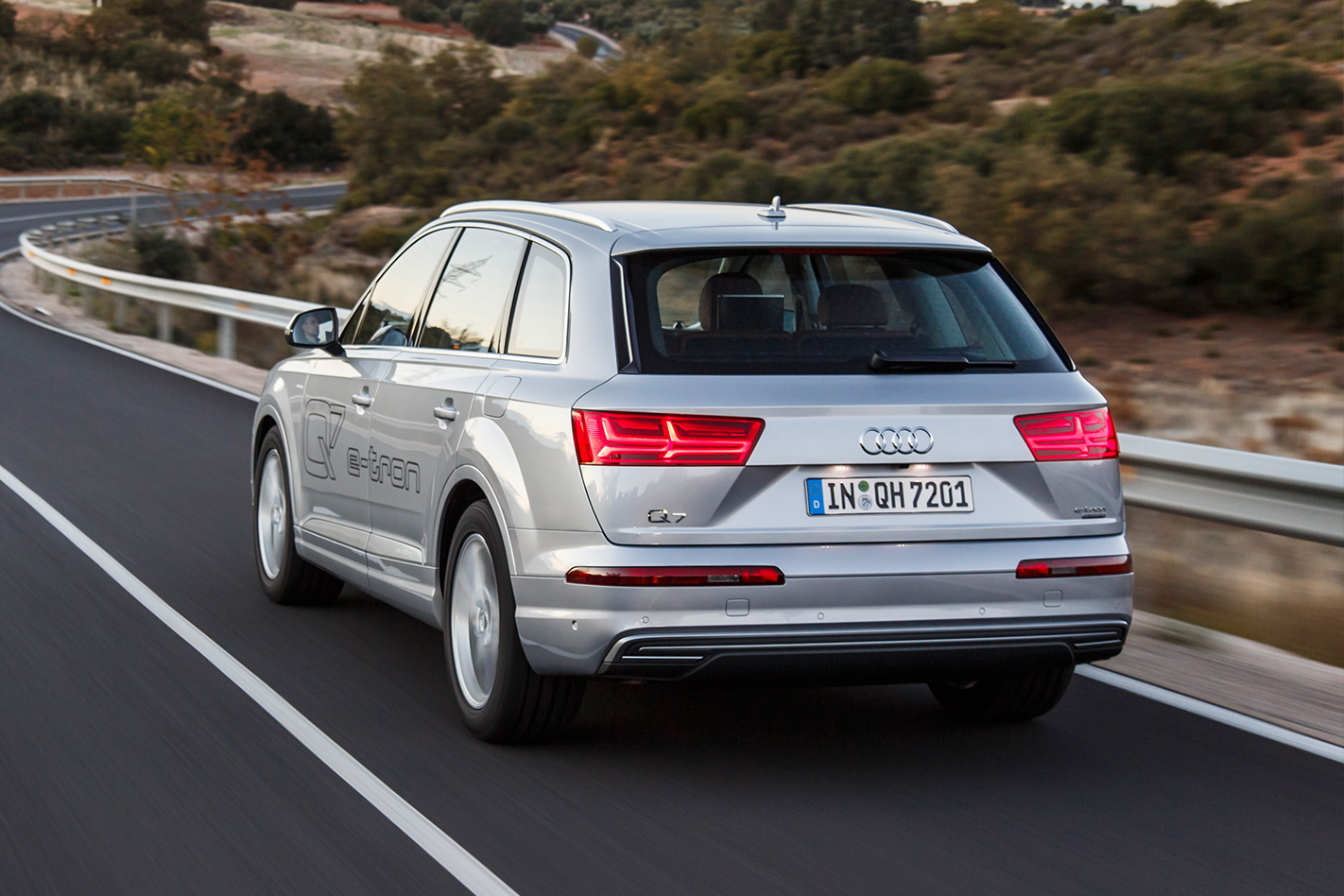
Other than the impressive efficiency and performance, there is little else to suggest the latest Audi large SUV is a PHEV. Its interior is roomy and top quality, ride quality is impeccable and noise levels are low even at high speed. The lack of a spare wheel and third row of seats – the battery pack is housed under the boot floor – are our only qualms.
Charging ahead
Germany’s EV infrastructure is helping prove the PHEV principle and we had ample opportunity to recharge the e-tron on our trip, including at our accommodation, at the airport and even during a coffee stop in a small town. By comparison Australia still has a long way to go in encouraging customers to make the leap and plug in.
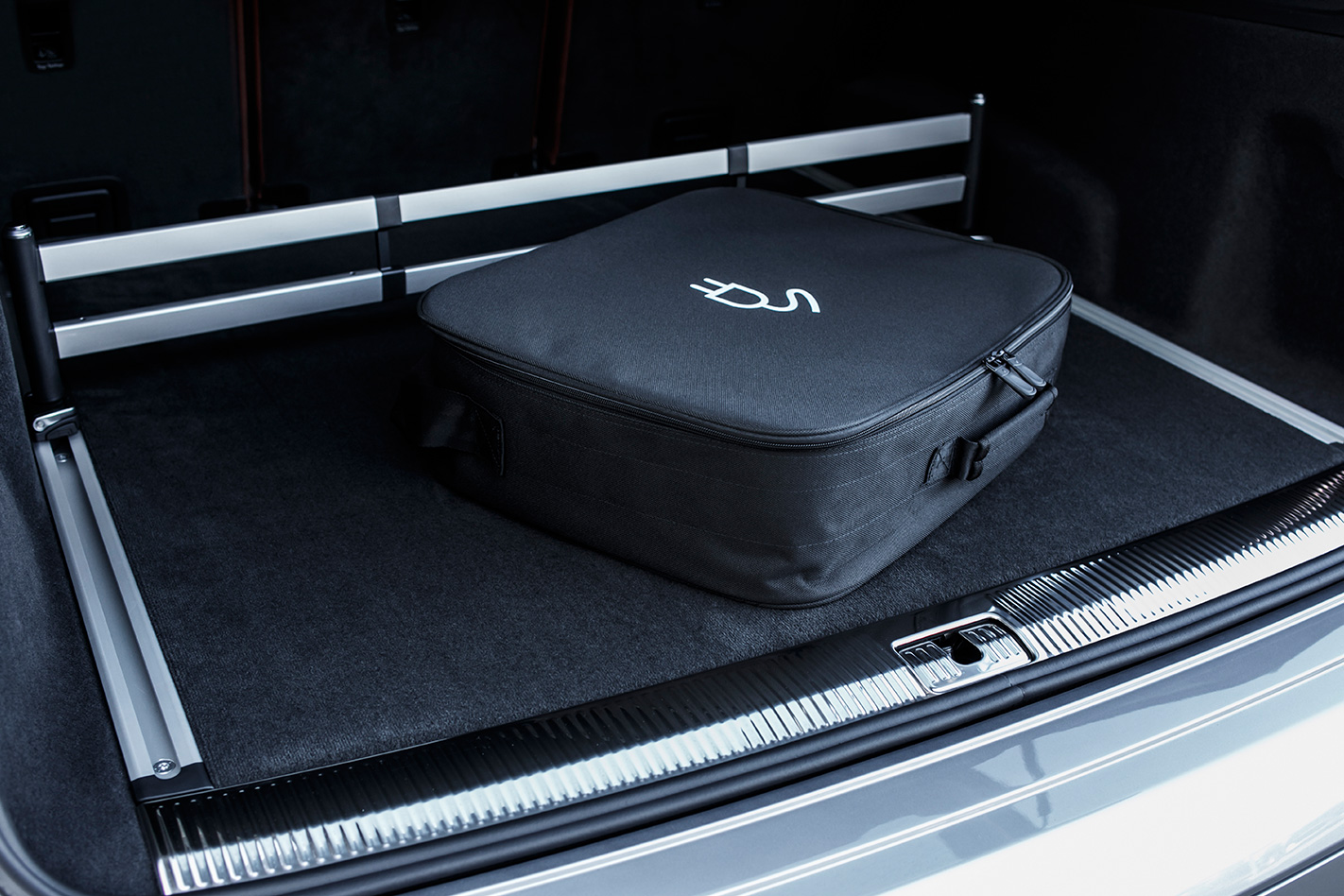
Model: Audi Q7 e-tron Quattro Engine: 2967cc V6 (90°) diesel PHEV Max power: 275kW Max torque: 700Nm Transmission: 8-speed automatic Weight: 2445kg 0-100km/h: 6.2sec Economy: 1.9L/100km (claimed) Price: $139,900 On sale: January 2018
THE promoter of the World Rally Championship, has named a 13-round calendar for the 2018 FIA World Rally Championship.
Turkey returns for the first time since 2010, replacing Poland in the fixture list, while Spain will become the final European round after a date swap with Britain.
The calendar, which again includes Australia as the final round on November 15-18, has been approved by the FIA World Motor Sport Council in Paris.
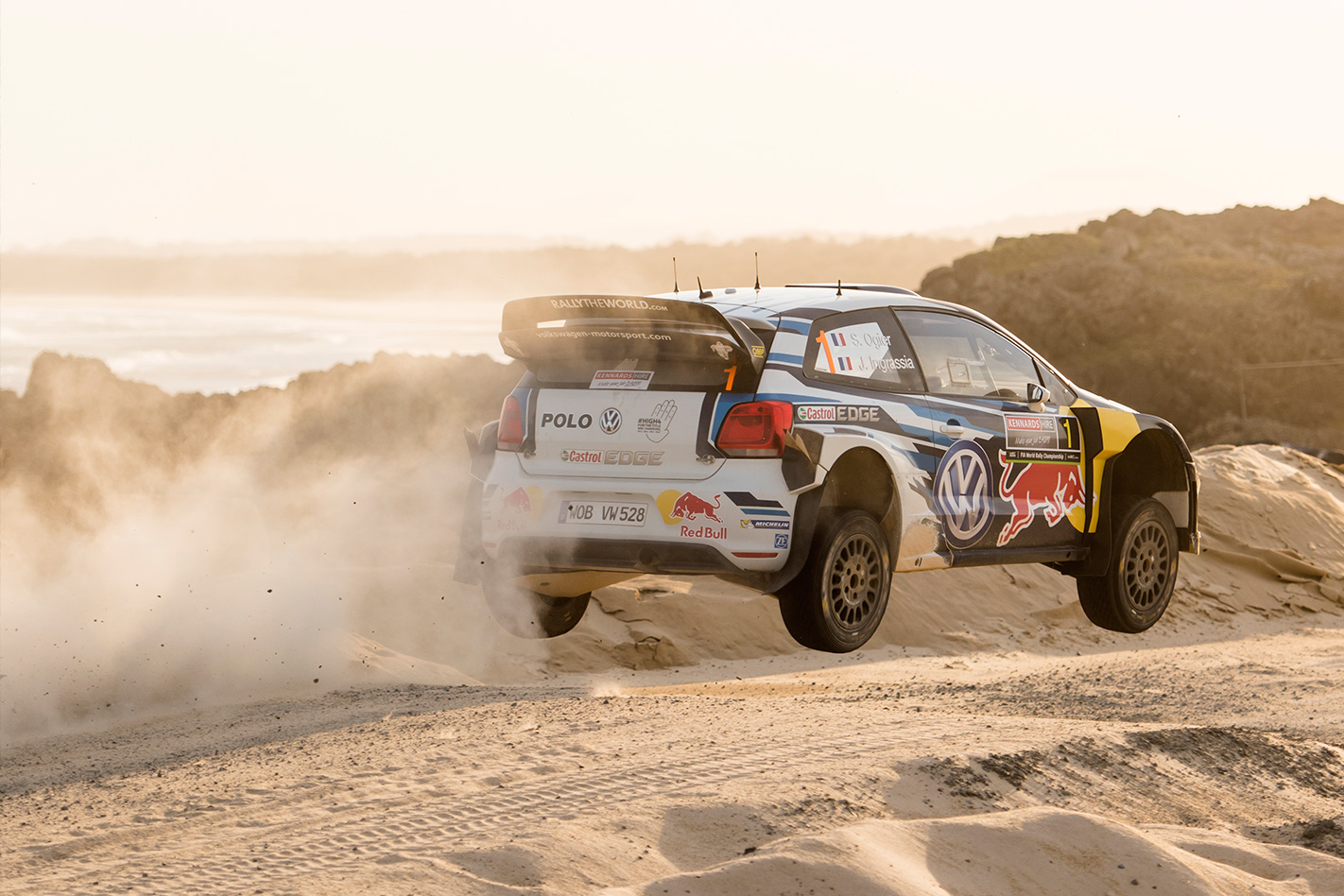
The NSW Government and the Rally Australia organising group must soon determine if the tourism and economic benefits can justify a case to spend more money.
Focussing on the positives, the championship starts with the traditional season-opening Rallye Monte-Carlo in January and features a mix of gravel, asphalt, snow and ice action across four continents to find the world’s best all-round driver.
Round 10 in Turkey will be based in the popular international holiday resort of Marmaris, in the south-west of the country, on September 13-15.
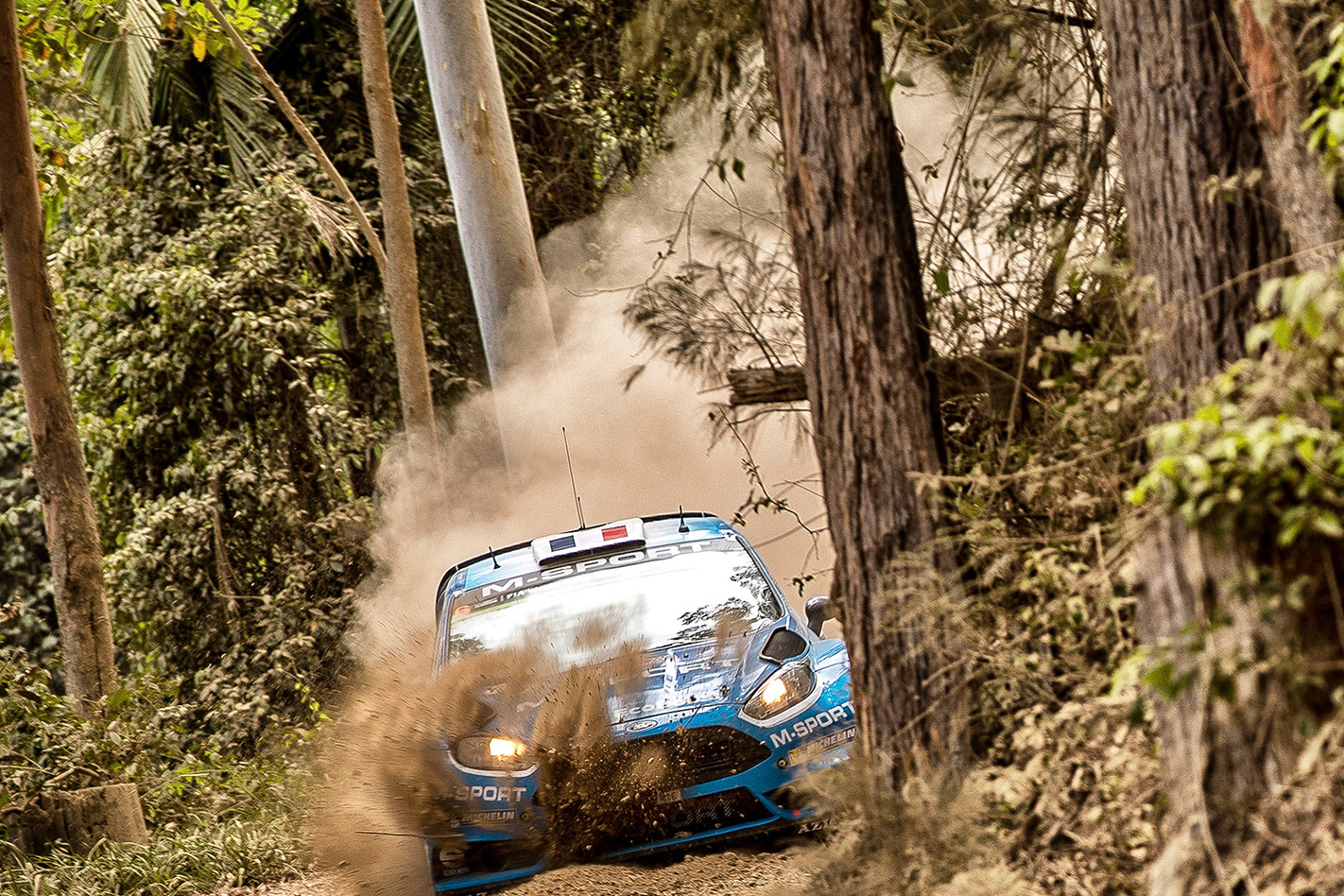
Turkey is not particularly stable politically but importantly three WRC manufacturers – Toyota, Hyundai and Ford – build vehicles there. Enough said.
Great Britain switches from late October and will run three weeks earlier on October 4-7, allowing the event to also count for the British Rally Championship.
Spain swaps with Great Britain to become the final European round and the penultimate event of the season on October 25-28.
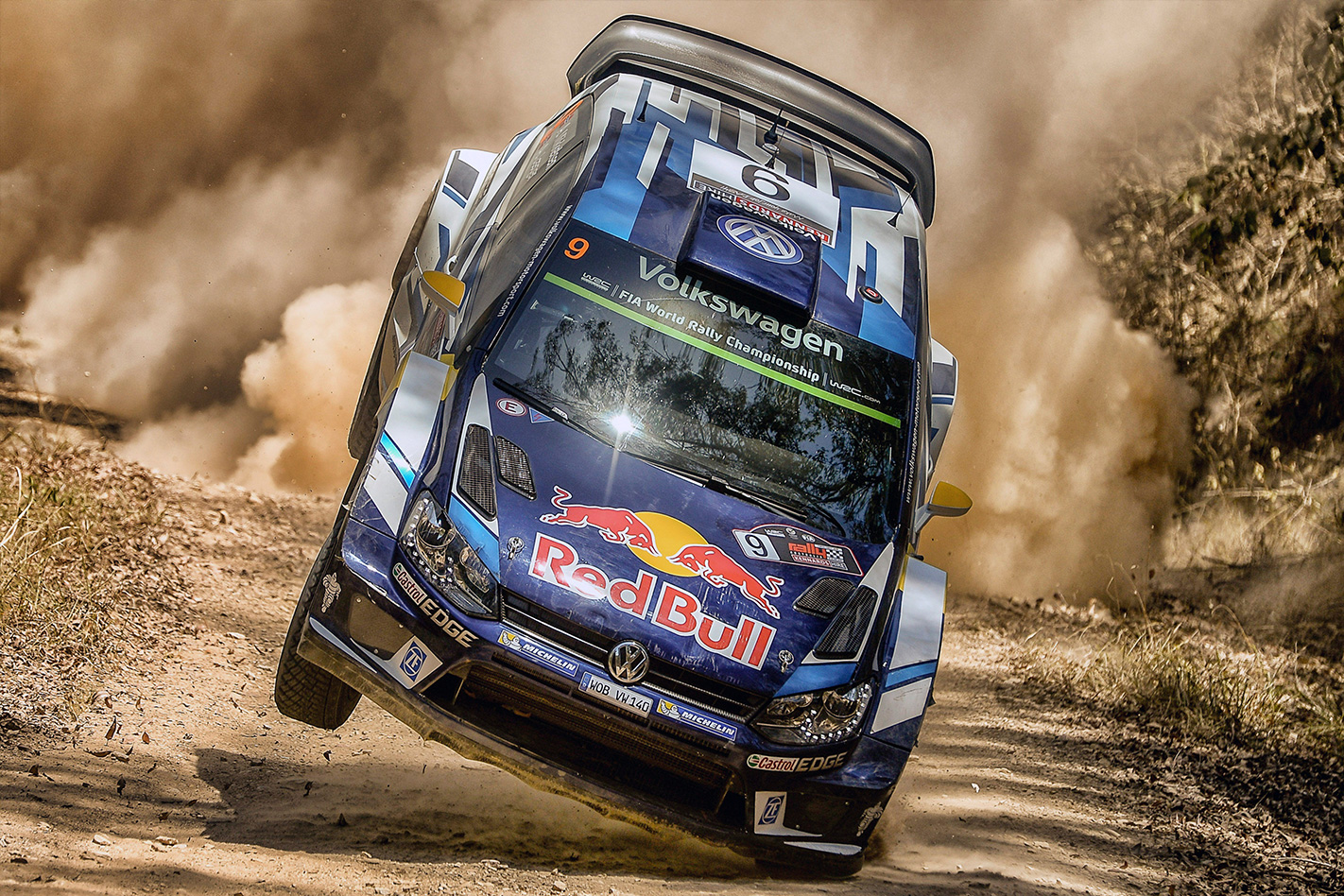
Celebrating his birthday on October 1, Rovanperä will be aged 17 years and 46 days when he starts the closing round of the 2017 FIA WRC on the New South Wales Coffs Coast on November 16.
He will be not only the youngest WRC driver, but also 119 days younger than Dutchman Max Verstappen when he made a controversial debut as Formula 1’s youngest starter at the 2015 Australian Grand Prix.
Front-running British team M-Sport has confirmed Rovanperä will drive a Ford Fiesta R5 in the WRC2 category at Rally Australia. His first event in the car will be three weeks earlier at Wales Rally GB.
The snappily-titled BMW M760Li xDrive is the quickest, most powerful and most expensive BMW ever built.
We’d forgive your scepticism, for little about this plain white limo suggests a particularly fearsome performance machine. It would be like being told that Kerry Packer was Australia’s greatest sportsman; he was definitely a physically imposing presence but nothing suggested an elite athlete.
The M760Li has an equally imposing presence. In long-wheelbase guise it measures an immense 5238mm end-to-end with a 3210mm wheelbase (an entire Kia Picanto is 3595mm long), which provides sufficient space for the rear-passenger-side occupant to enjoy business class-style executive seating.
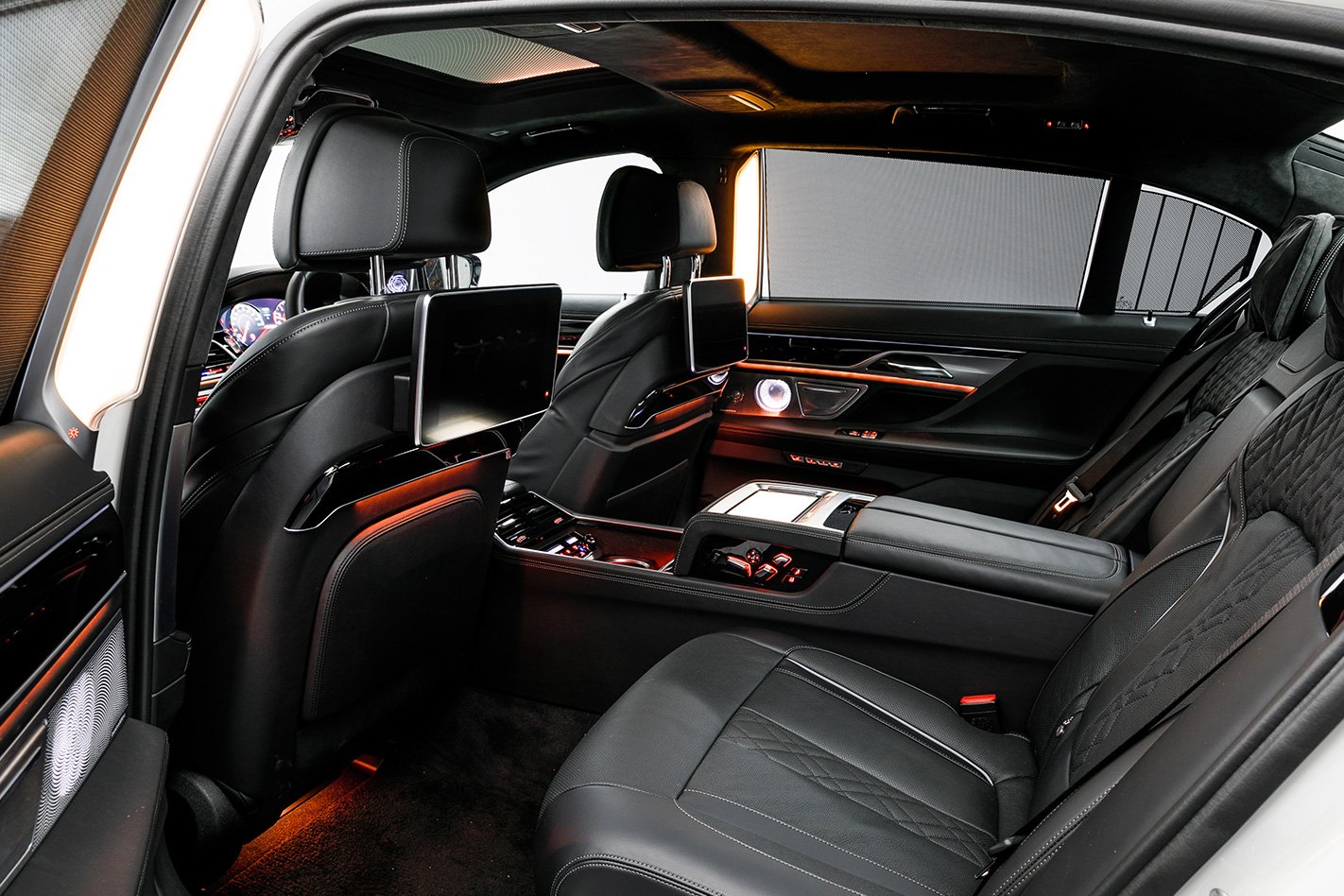
Helping keep the champagne in the glass are air springs and active anti-roll bars that offer an incredibly serene ride in almost all circumstances; Sport mode improves body control at the expense of some bump absorption but even so it’s extremely comfortable.
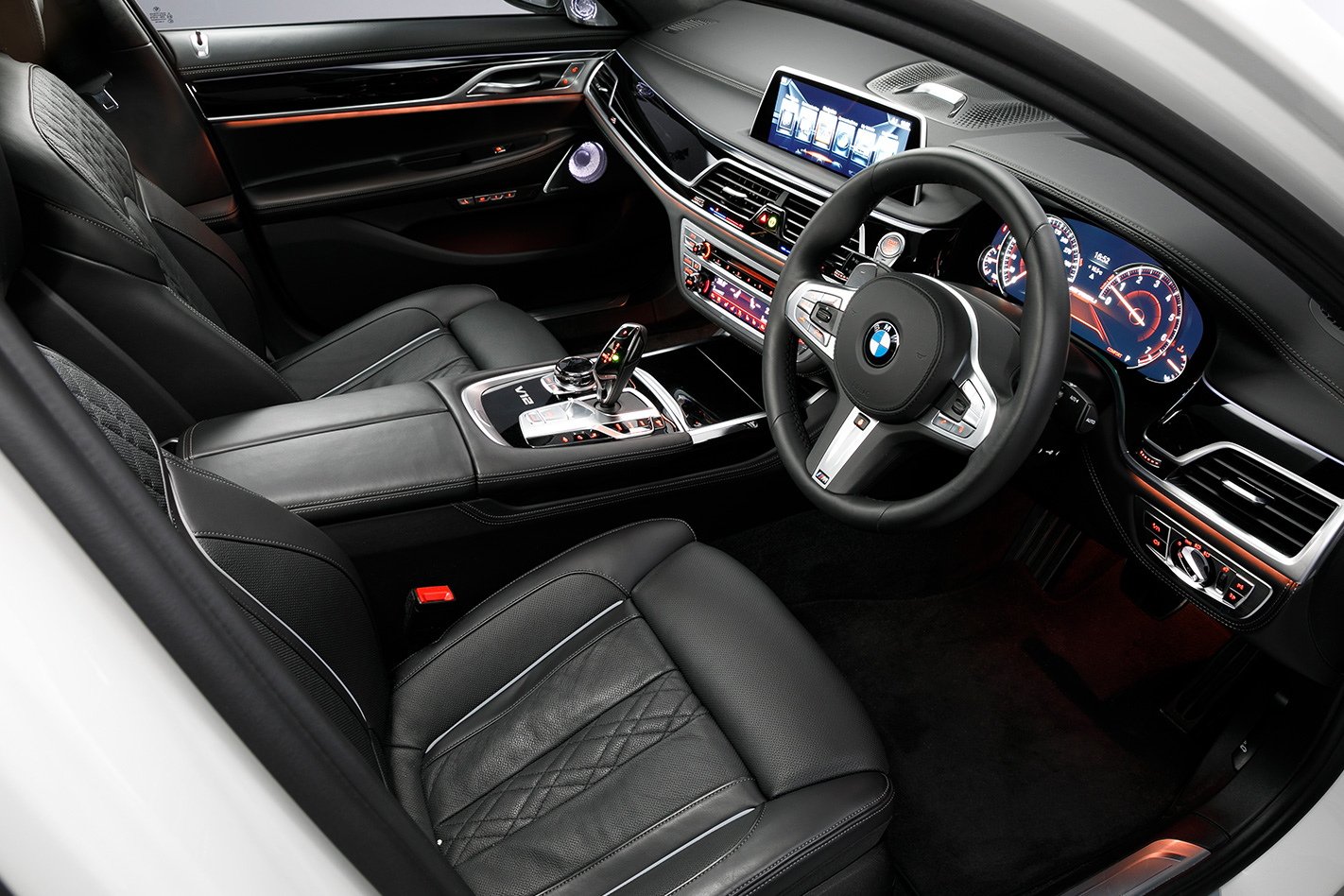
The driver is equally well-catered for with seats that do everything bar your tax return and more toys than Legoland – adjusting the volume with a twirl of your hand using gesture control might be a gimmick, but you’re guaranteed to use it more than the buttons on the steering wheel.
With such an outrageous level of grunt, it’s just as well that the M760Li is the first BMW sedan on-sale in Australia to feature all-wheel drive. With all four tyres gripping, BMW claims the 2180kg M760Li fires to 100km/h in 3.7sec, making it the quickest BMW ever (until the new M5 arrives), while the top speed is electronically-limited to 305km/h with the M Driver’s Package.
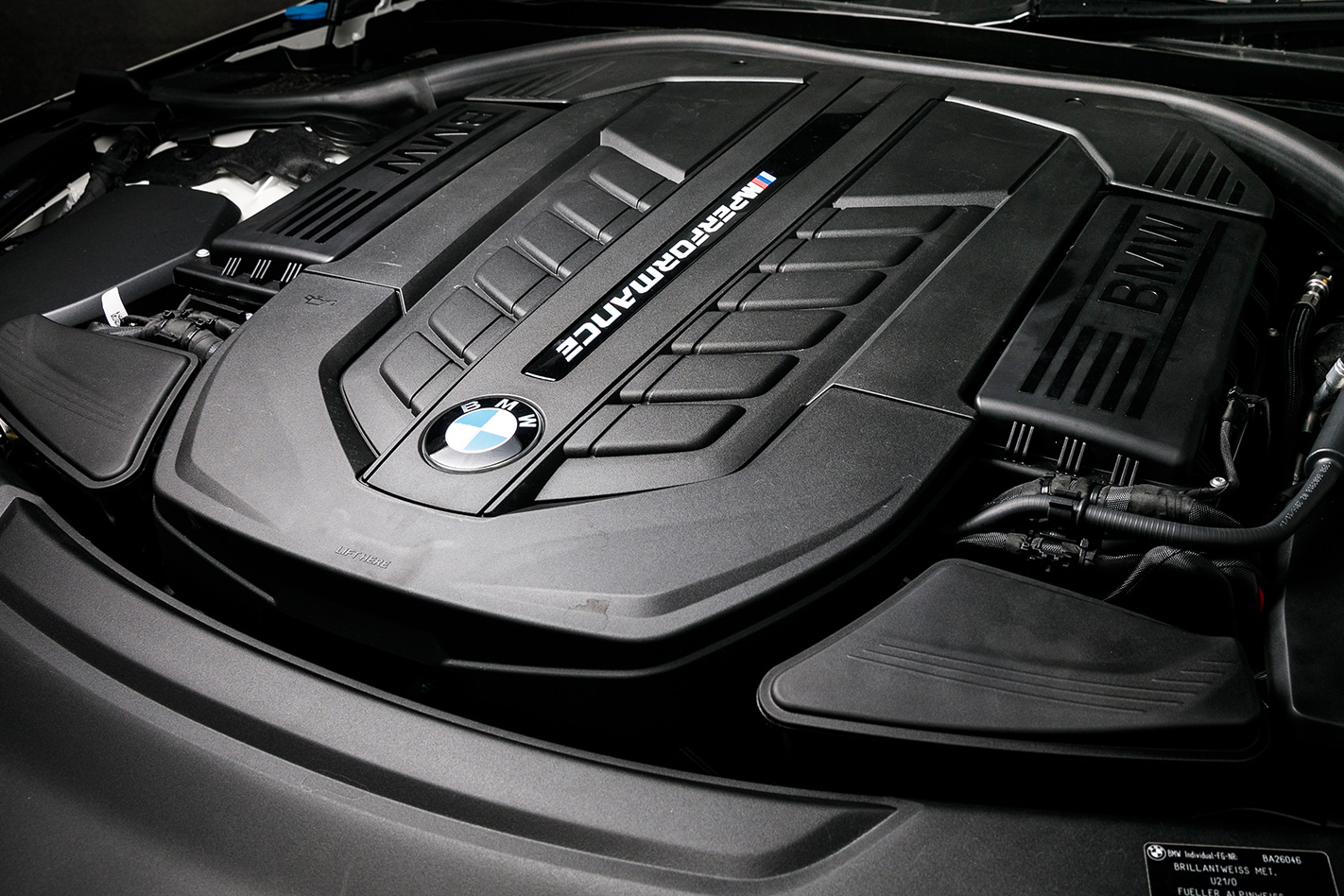
We’re not expecting it to sound like a 1990s F1 car, but aside from a hint of V8-like burble down low it sounds little different to BMW’s 3.0-litre turbo six.
In corners the M760Li composed but heavy; the Bridgestone RE001 tyres (245/40 front; 275/35 rear) simply aren’t wide or sticky enough to control this amount of car moving this quickly. You’re able to cover ground at a staggering rate, but nudge up against the limit and while you can move the rear slightly by trailing the brake, eventually it will fall into understeer.
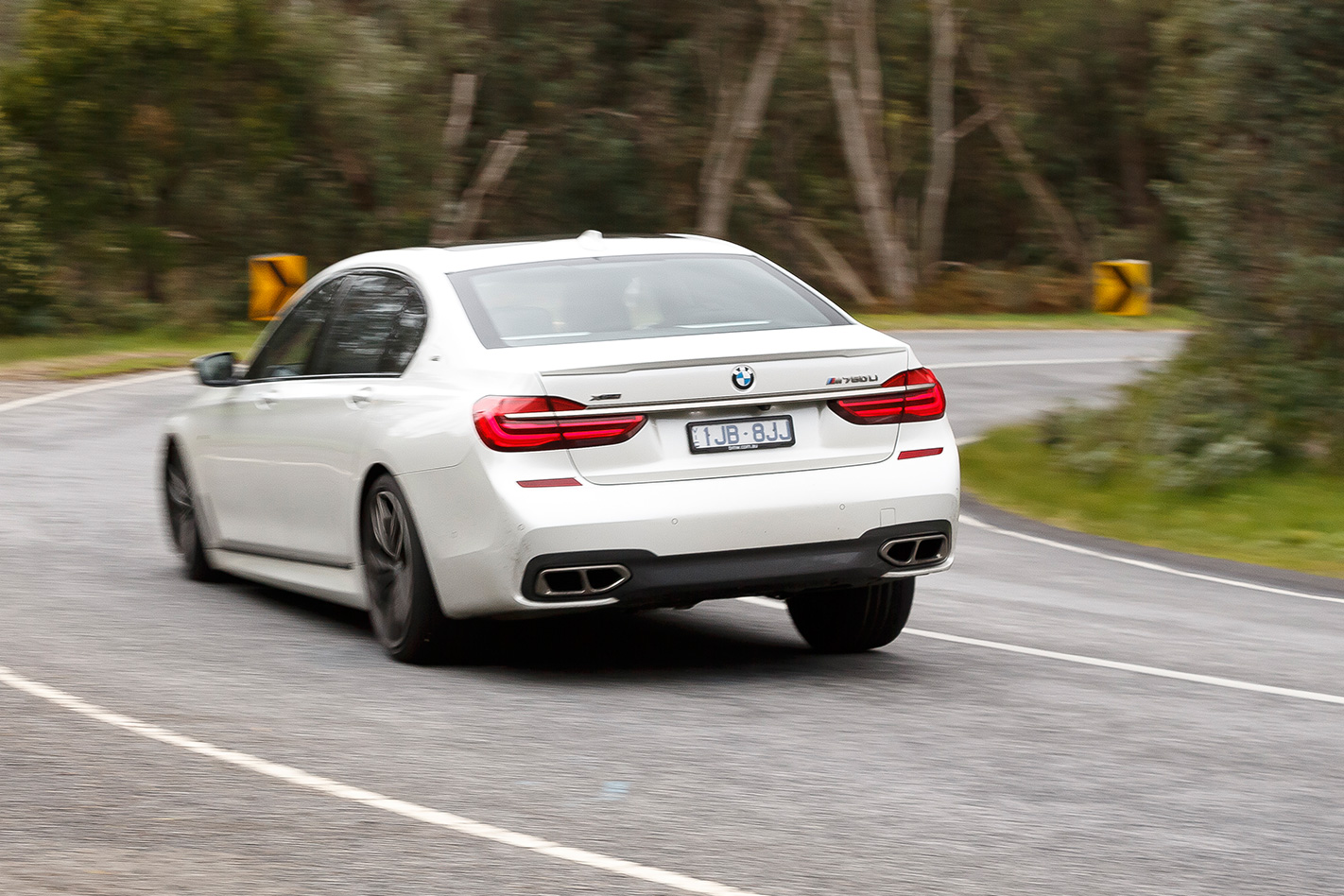
This unusual, slightly confused mash-up of abilities neatly sums up the M760Li. It’s built to appeal to a very specific buyer and we suspect those buyers will absolutely love it; it’s very fast, very comfortable and very exclusive.
However, it’s no better at being a limousine than a $200,000 cheaper 740Li nor, bar its searing speed, is it any better to drive – the brakes are soft, the steering lifeless and it carries an extra 410kg in the corners. And the constant intervention by the various assistance systems is annoying enough to have them switched off in short order.
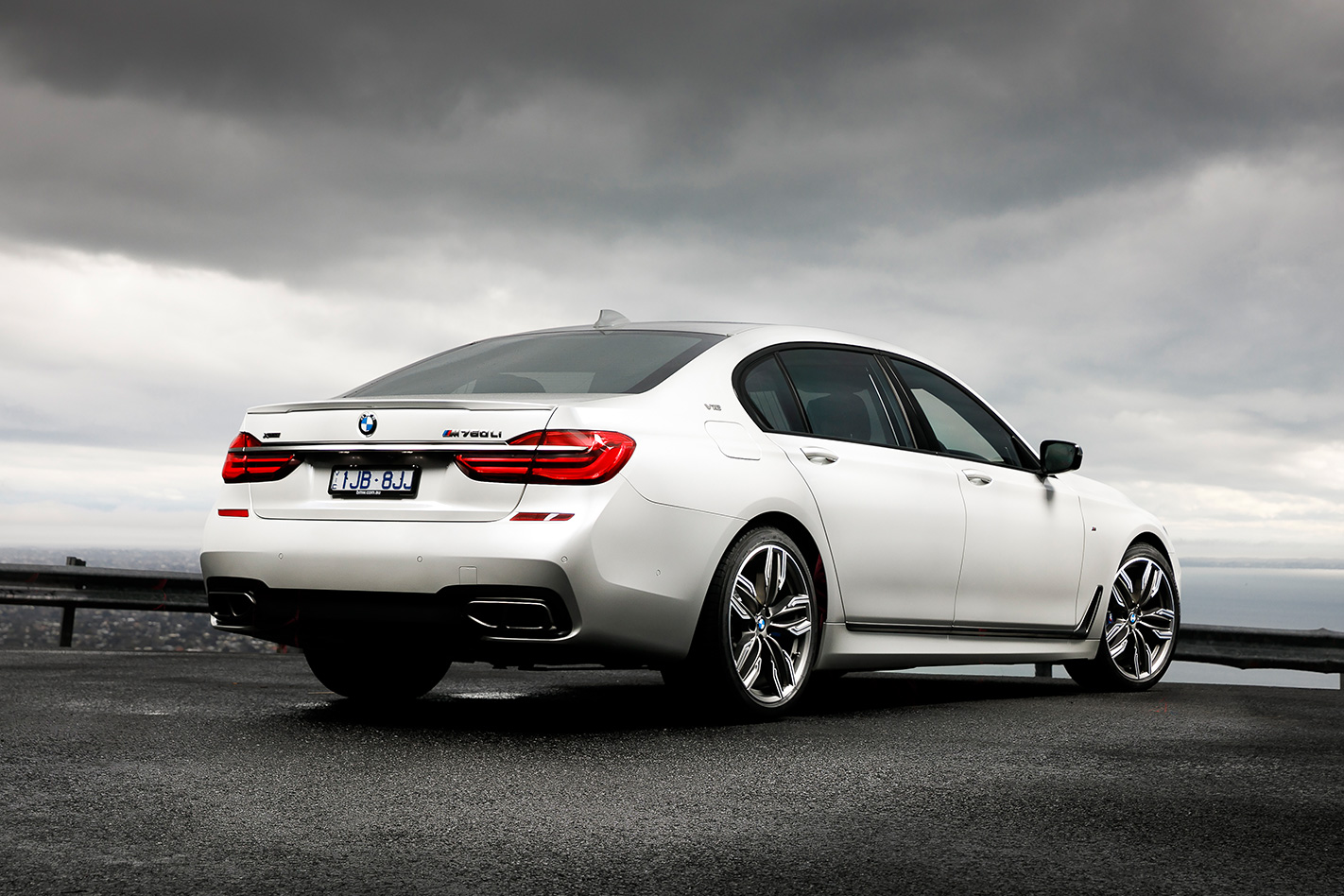
Or, if you really want a fast 7 Series, there’s the 447kW/880Nm Alpina B7, which is cheaper, more exclusive, every bit as quick and comes complete with a V8 soundtrack.
2017 BMW M760Li xDrive specs Engine: 6592cc V12, DOHC, 48v, twin-turbo Power: 448kW @5500-6500rpm Torque: 800Nm @ 1550-5000rpm Weight: 2180kg 0-100km/h: 3.7sec (claimed) Price: $425,000
His right foot goes down, hard. God knows how many cubic metres of cold night air and low-flying nightlife are instantly sucked into the Before part of things and, equally instantly, shot out the After end as the 5.0-litre boiler under the snout erupts. In one brief moment Kevin Bartlett is redlining and I’m seeing headlining in the shock wave of the first new GT Falcon to run the Hume Highway night in 16 years …
Paul Cockburn, passenger’s seat, north of Albury, south of midnight
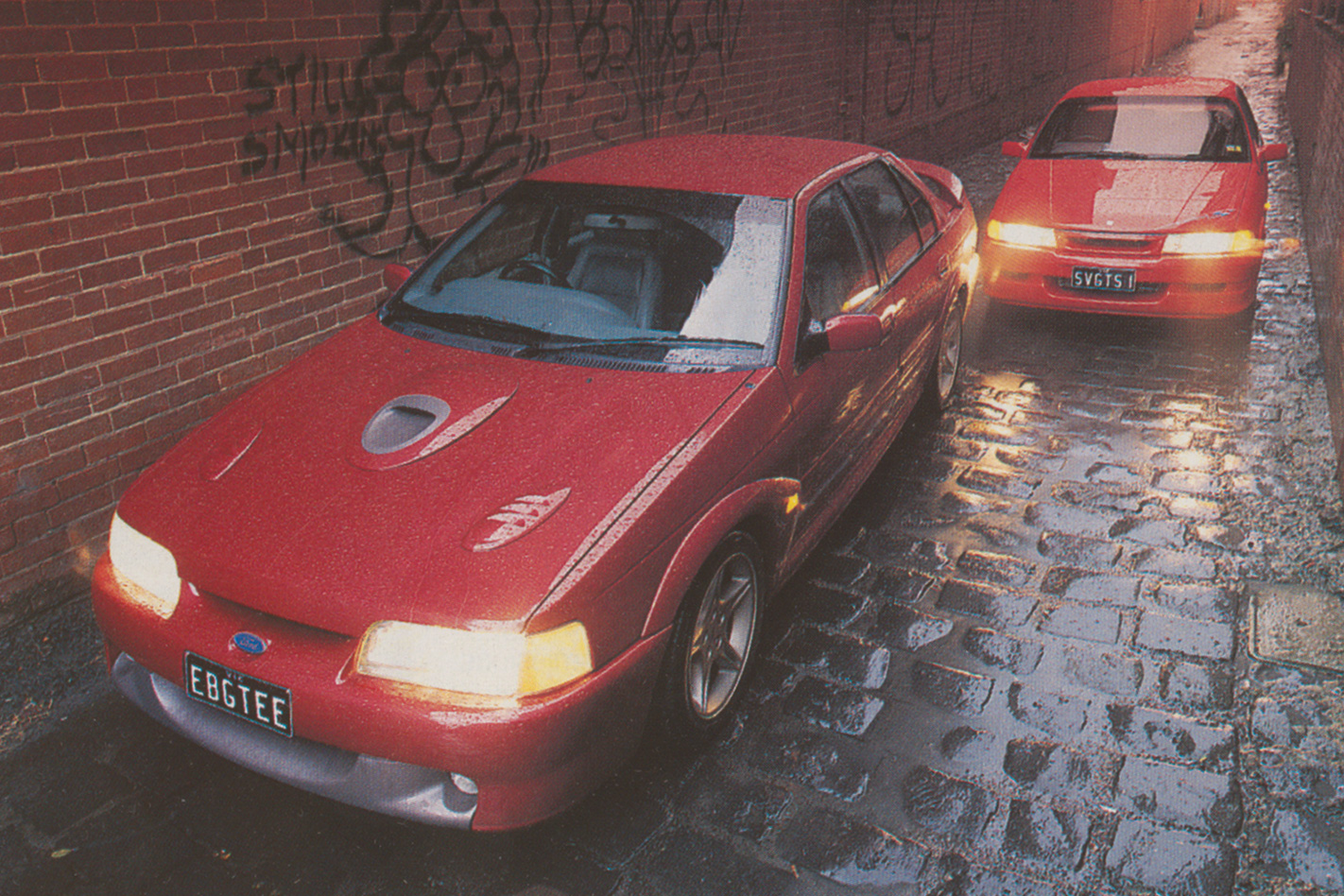
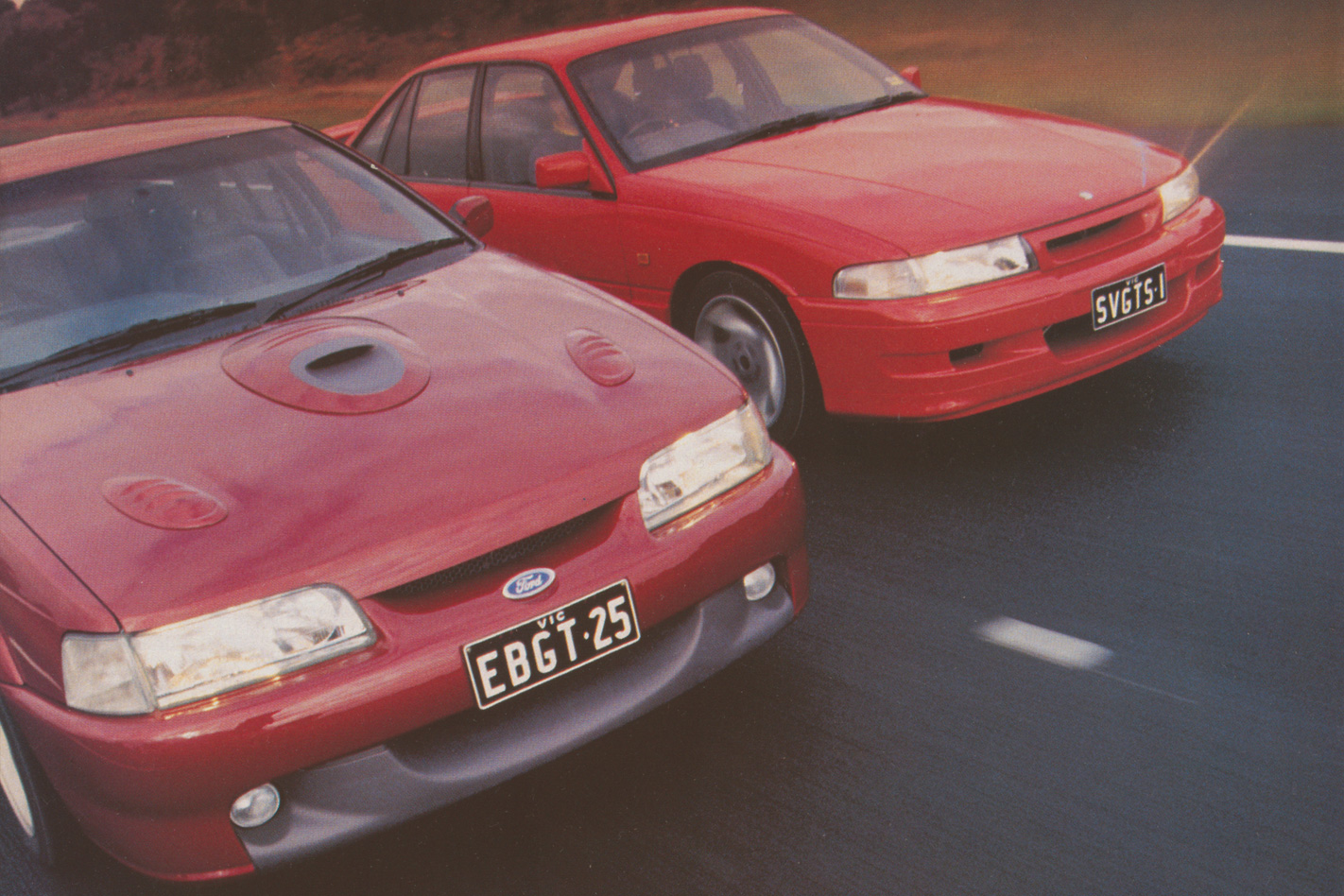
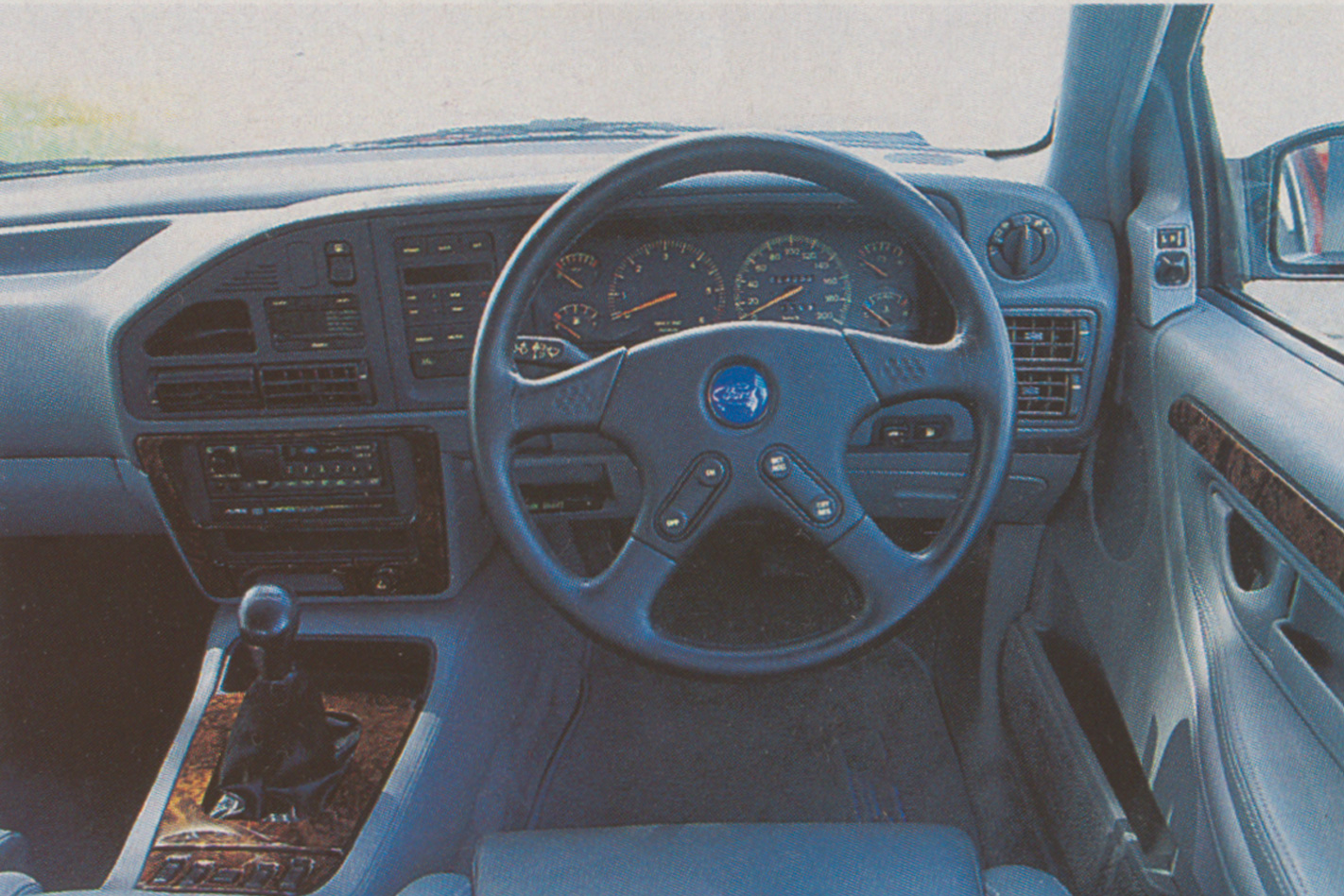
GT and GTS. Five little letters have never meant so much. With Ford and Holden intent on bringing a whiff of touring car racing to the executive car park, cashing in on old-time cachet is suddenly back in vogue. So the revered badges have been dusted off, spit-shined and affixed to a pair of 1992 models that bear absolutely no resemblance to their ancestors … well, except for eight cylinders apiece and a need for speed.
You know about the GT Falcon from our last issue. What we didn’t tell you then, is that during the final leg of that frantic Melbourne-Sydney-Melbourne-Sydney relay in the five-speed GT, we had a Holden Commodore GTS along for the ride and, later, for head-to-head performance testing on our home circuit, Eastern Creek.
We also had an automatic GT readied for a T-bar to T-bar duel at the Lang Lang proving ground. Melbourne’s foul weather intervened, rendering any shootout, at best, inconclusive; at worst, a dangerous waste of time. We chose to wait, to patiently clock up a couple of thousand kays in wet and dry conditions to get to the essence of these two ’90s reincarnations.
Full consciousness returns as Bartlett cocks approx 270 horsepower back against one and then another gear. They are held in check, waiting for the first hint of space on the coal-black road ahead. Later, out of a wet, first gear corner the back erupts into violent wheelspin and the face erupts in a smile. The official explanation is “checking for axle tramp” (none found), which would have been a good deal more plausible had he not been audibly cackling “God I’m a rock-ape” to himself.
Holden and Ford developed the original HK 327 Monaro GTS and XR Falcon GT in direct response to racing needs. Holden Special Vehicles and Tickford Vehicle Engineering didn’t. lt’s an important difference.
Head to head racing between GT and GTS was short-lived, but neither company mentions that these models stuttered to an inglorious end. The XB GT Falcon died a pasty-faced victim of the supercar scare, while the HZ GTS met its maker as Elvis did – overweight and out of touch. Bulging order books suggest cynicism isn’t part of a ’92 GTS/GT buyer’s personality profile.

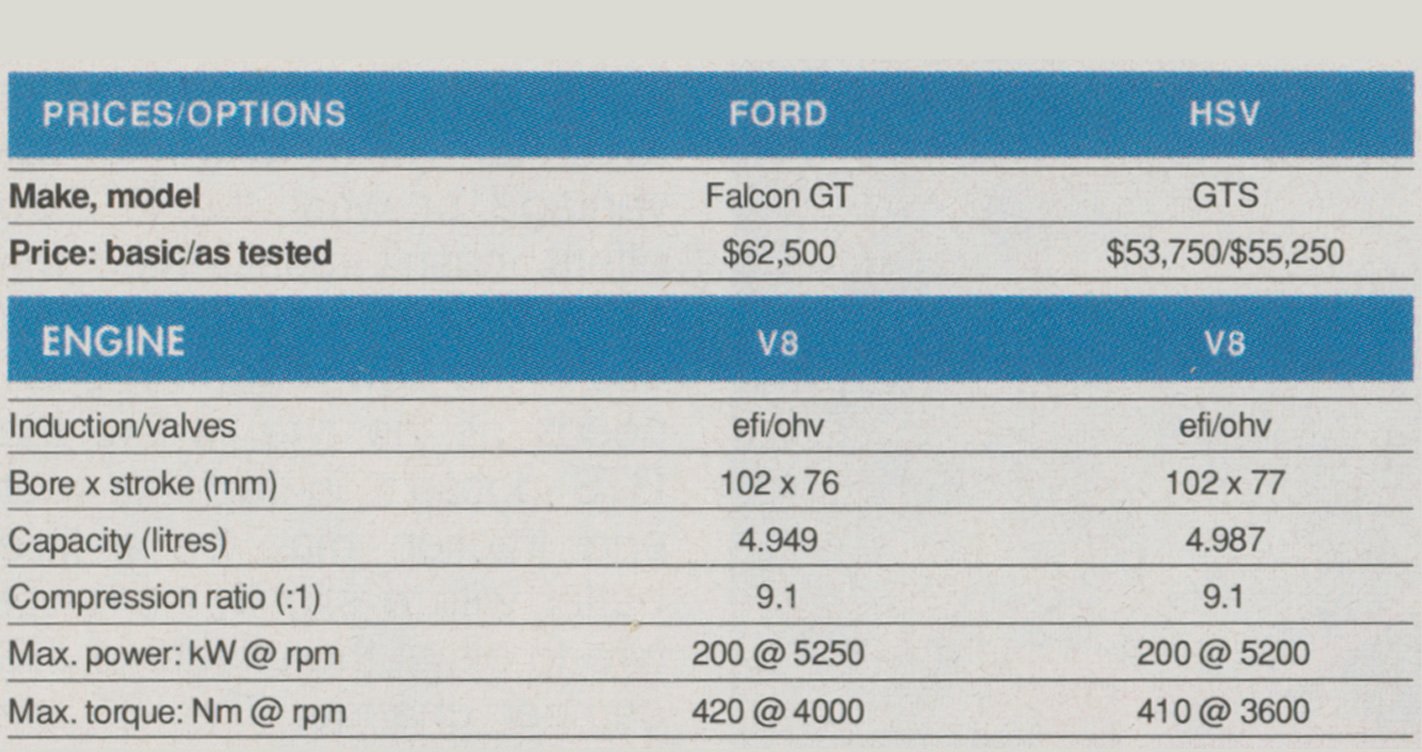
Notable at-a-glance variations include the GTS’s independent rear suspension and the sum of $7250 – the latter being the difference between the GT’s $62,500 tag and the $55,250 recommended retail price for the GTS. The Ford does carry more equipment. lt’s chock full of stuff you would expect to find in an LTD: walnut woodgrain, leather trim, centre console, Momo steering wheel and shifter knob, an optional CD player, power windows and mirrors, and cruise control. Even a towing kit!
The GTS shares several features, such as climate control air-con, power pack (including power steering), central locking and a trip computer, but interior trim level is optional. Ours came with ‘Devenish’ seats and matching cloth interior, with GTS emblems on the door trims, bumping the price up by $1500. Instruments are Calais fare, the auto shifter and centre console is standard Holden ware, save for suede trimming.
The significant parting of the ways is with transmissions. The GT offers both manual and auto, while the GTS is automatic-only. HSV says the Borg Warner T5 manual can’t cope with the GTS’s 410 Nm, that the T700 auto alone will handle such potent twisting forces. Yet Ford’s GT dumps 420 Nm onto its Borg Warner T5, albeit modified with 1993 Mustang Cobra gear clusters and upgraded bearings.
The 4.30 am start has no-one all that thrilled. KB cheers himself up by checking for axle tramp again (three times, none found) and does his best at several traffic lights to encourage Mr Page in the GTS to the same precaution. The lad finally sees the wisdom as we enter a long, straight road not a million miles from the front door of the Ford Motor Companys head offices. All hell erupts as both cars are simultaneously examined for tractive ability. The home team gains the early lead but, hopefully out of sight of the admin block, it is the Holden that takes the event, Mr Page sailing past with one finger raised ever so nicely.
Despite driving through its automatic trans, the Maranello Red Holden holds the five-speed GT’s shirt-tails through all set-piece disciplines. The HSV product requires delicate use of the throttle to avoid overpowering the rear end on launch, but once in the groove, the GTS matches the GT through the 60, 1 00 and 120 km/h standing start benchmarks. Only when the pair hits the 140 km/h mark does the GT start to draw away, its 13.4 secs eclipsing the enemy by 0.7 secs. The standing 400 metres is similarly depressing for Ford diehards, with the GTS just nudged out 15.2 to 15.3 secs, with a one kay-per-hour gap in terminal speeds.
Looking back over our notes, it’s significant that the Falcon’s engine doesn’t feature heavily. lt’s civilised all right, but one wonders if it doesn’t need more bite. After one 12 hour session behind the wheel, we were left with an overriding impression of efficiency and a belief that Ford kilowatts and newton metres must be smaller than their General Motors kin.
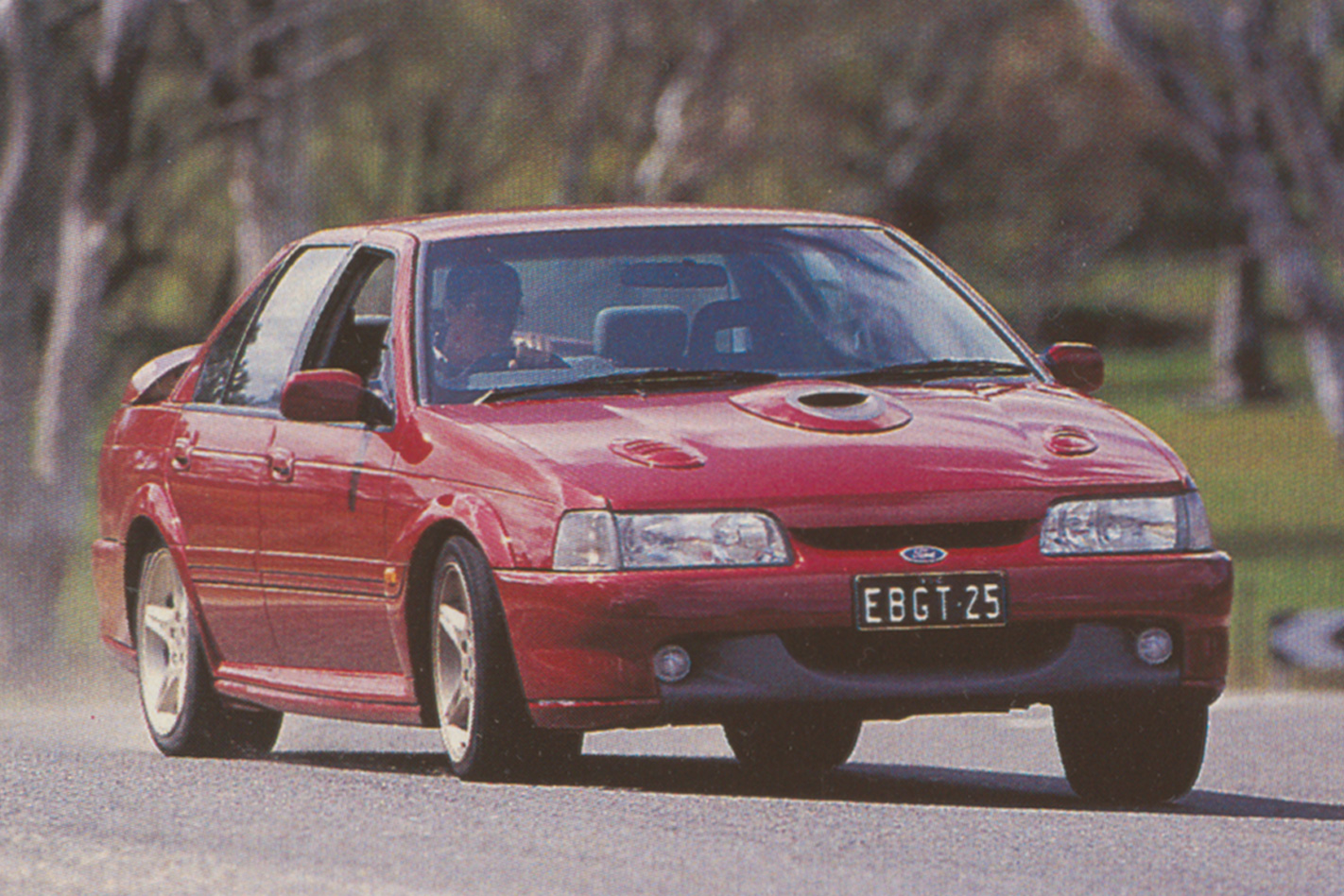
Despite its automatic transmission – and the fact that it takes the GTS that bit longer to spool up – the Commodore feels meatier, punchier down low. If you can keep traction up to the car, that is. IRS and all, the GTS is keen to get those rear boots zinging in the wet, particularly when turning 90 degree corners. Attention must be paid to steering angle and how quickly you crack open the throttle, a characteristic of IRS, according to co-tester Kevin Bartlett.
At the top of second gear, the GTS starts to haul in the GT. Its mid-range urge feels to shade the Falcon’s, giving it an accelerative momentum that’s hard to break. Where the Falcon’s winding up, the GTS is running. Making power without making noise (exhaust or induction) isn’t easy, but the Holden 5.0 litre V8 still manages to tingle the senses with its deep, yesteryear note when pulling hard. The GT’s SVO engine keeps its higher pitched, more polished image, merely getting on with the job of rocketing down the road rather than giving a hard-on. The GT lets its tyres and suspension do that.
Where Australian performance cars of yore cocktailed three parts engine and a dash of chassis, the 1992 GT kicks the other way. Simply, it has more grip than we imagined you could extract from a roadworthy Falcon, and arguably more than the engine can exploit. lt’s now well documented that TVE’s engineers started with the Pirelli P Zero tyres, and worked back. HSV originally released the GTS with Dunlop D40 M2s, but has since included a Pirelli P Zero upgrade in what looks like a knee-jerk response.
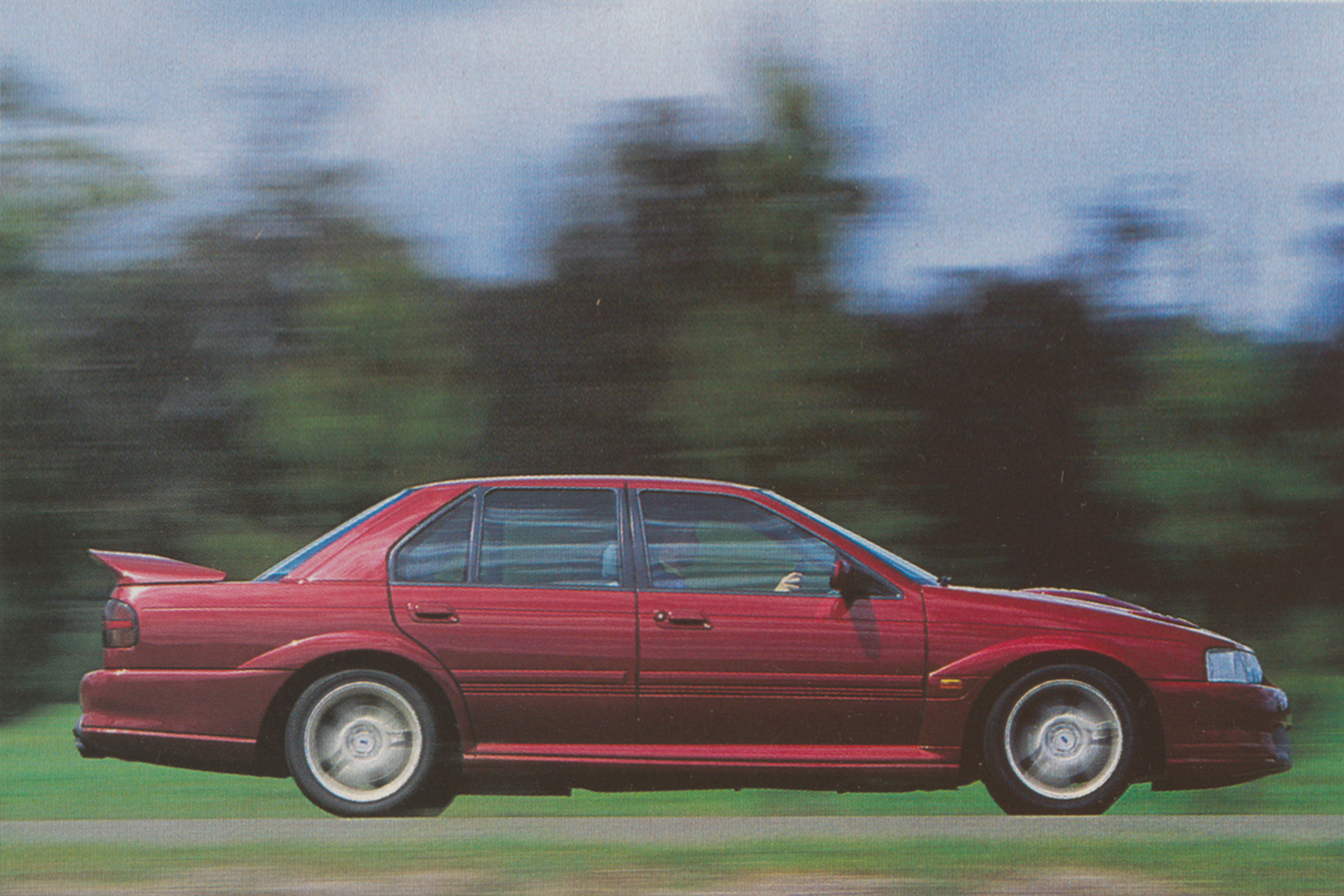
Crispness of response and the technology around the rims impress most about the Falcon. The GT is engineered right up to and including the tyre; the Commodore isn’t. HSV hasn’t taken full advantage of what the P Zero offers, hasn’t recalibrated the suspension tune to make best use of the- new rubber. The GT needs all the tyre, where the GTS doesn’t; in fact, its rear end traction may be a little better with a slightly narrower tyre to offset the effects of IRS camber change. The GT exploits the tyres’ grip better. Its heavy front anti-sway bar and its springs are better matched to the Pirellis, where the Commodore front end bites, then gets down on the bump rubber and starts to understeer.
Having driven the Falcon throughout proceedings, I have come to favour it. Time spent in the Holden has shown up its less-than-overt sensuality and its taxi-issue interior. lt has left me cold. But now, in the final hour of this exercise, I am driving it down the roads I know well … roads that lead home … and loving it. Over the broken-surface the ride is poised and well-silenced, the road-holding damn good and the engine, the engine Lord Love Us, even driving through an automatic transmission, has a top-end rush that could lead to sin.
Directional stability is a win to the GT. Where the GTS is keen to tramline under most conditions and bump steer when cornering or braking, the GT is more assured, less inclined to take interest in every nuance of road surface deviation. lt’s not quite a BMW M5, but it’s not half bad, either.
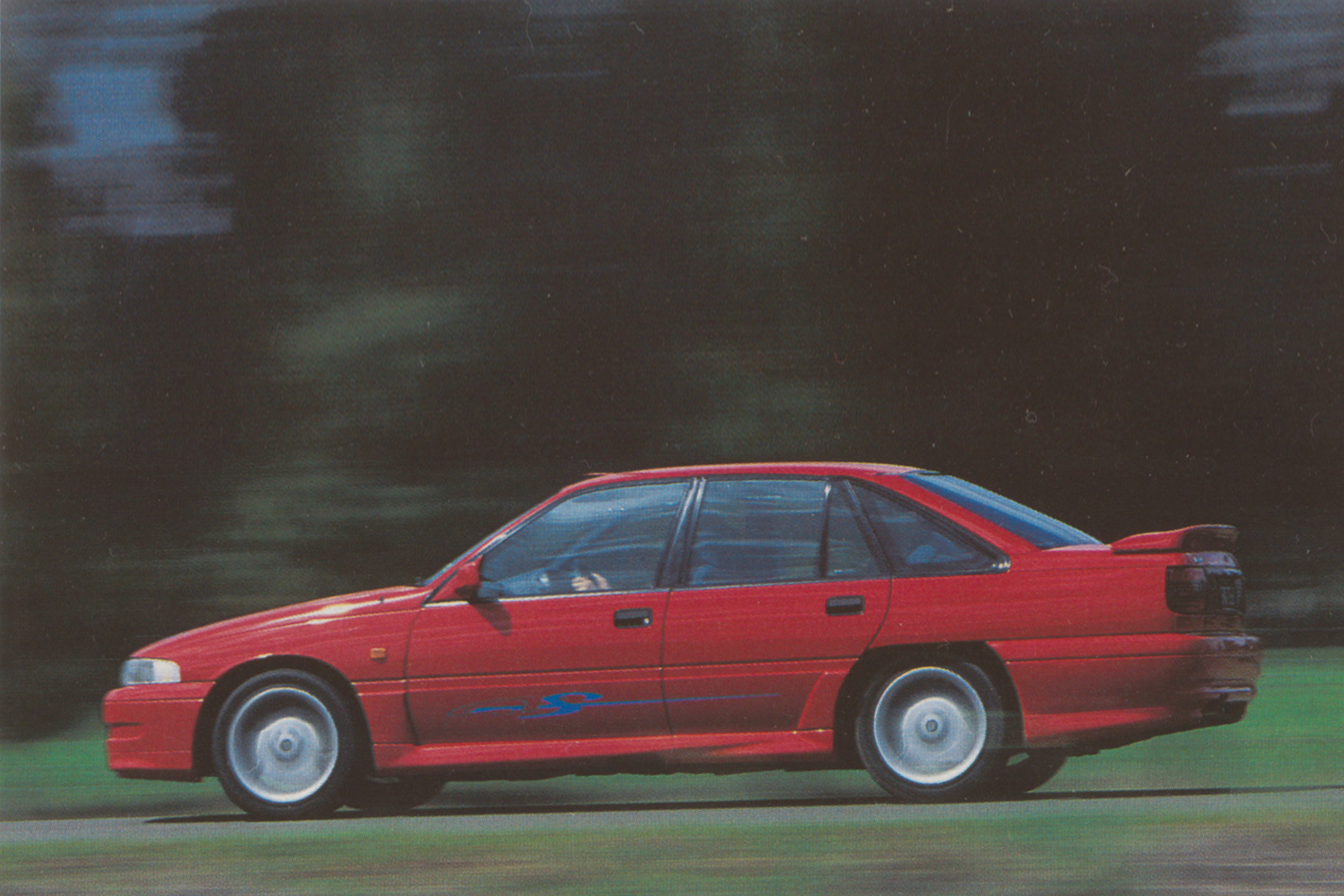
The Falcon’s stiffer front end is evident at almost all speeds, but more noticeable when cruising at open road velocities. Simply, the GTS is a more comfortable ride for a longer period of time. Nicer. Not necessarily more inspiring, but definitely less jolting over those typically annoying small blips in the bitumen.
TVE has done an excellent job of isolating the solid rear axle from its vices, and it is the front end that’s intrusive by comparison. This is no major issue for what is, after all, a sports tourer, but if a Melbourne-Adelaide (or similar) trip were to be undertaken, the GTS would be the less bodily disturbing experience.
Seats are part of that equation, but the GTS doesn’t score a clear victory. More heavily bolstered and, arguably, more suited to the niche than the GT’s flatter, leather clad buckets, the GTS loses out with its driving position. Okay, there’s seat height adjustment, but the Falcon offers column tilt and reach, which delivers a more precise driving position.
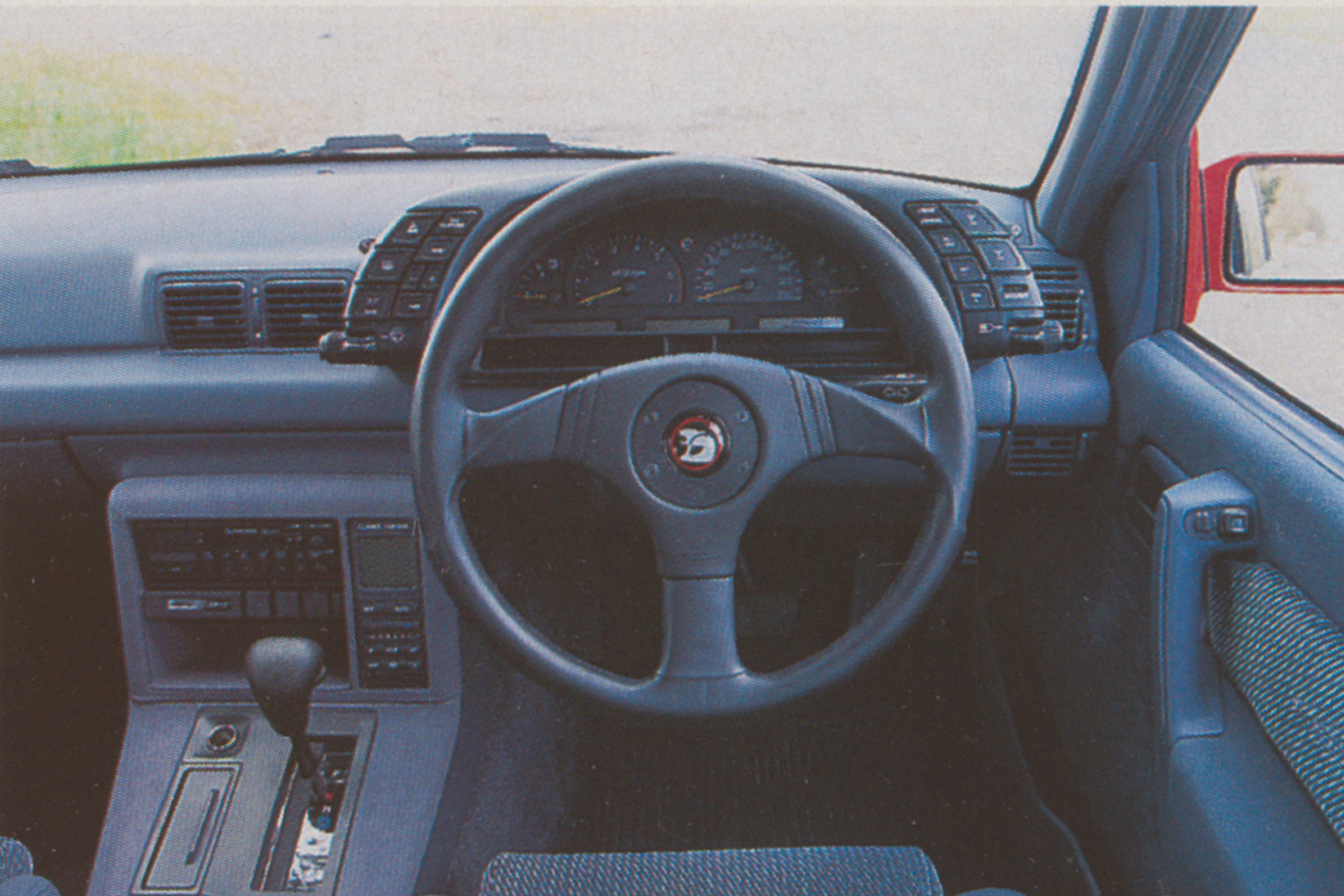
So, GT or GTS? A tough decision, but as we tested them, in manual versus auto form, we’ll score a very tight win to the GT, the decisive factor its chassis poise and refinement. We’d like more performance please, and we’d like a Hurst shifter.
The GTS? lt’s marginally slower than the manual GT but that’s no cause for shame. It has more of the feel-good factor, makes better noises but ultimately doesn’t handle and point quite as well. In an ideal world we’d like the HSV engine in the Ford rolling chassis.
Just as Madonna will never be Marilyn, the GT and GTS can’t bridge two decades of change. But those five old letters certainly spell a refined new blend of muscle and panache. Nostalgia with style.
VALENTINO Rossi captured so much attention at the Grand Prix of Aragon, not only deciding to ride just 21 days after breaking his right leg, but then qualifying his Yamaha a stunning third before finishing a miraculous fifth after a punishing 23 laps around one of the most demanding circuits in MotoGP.
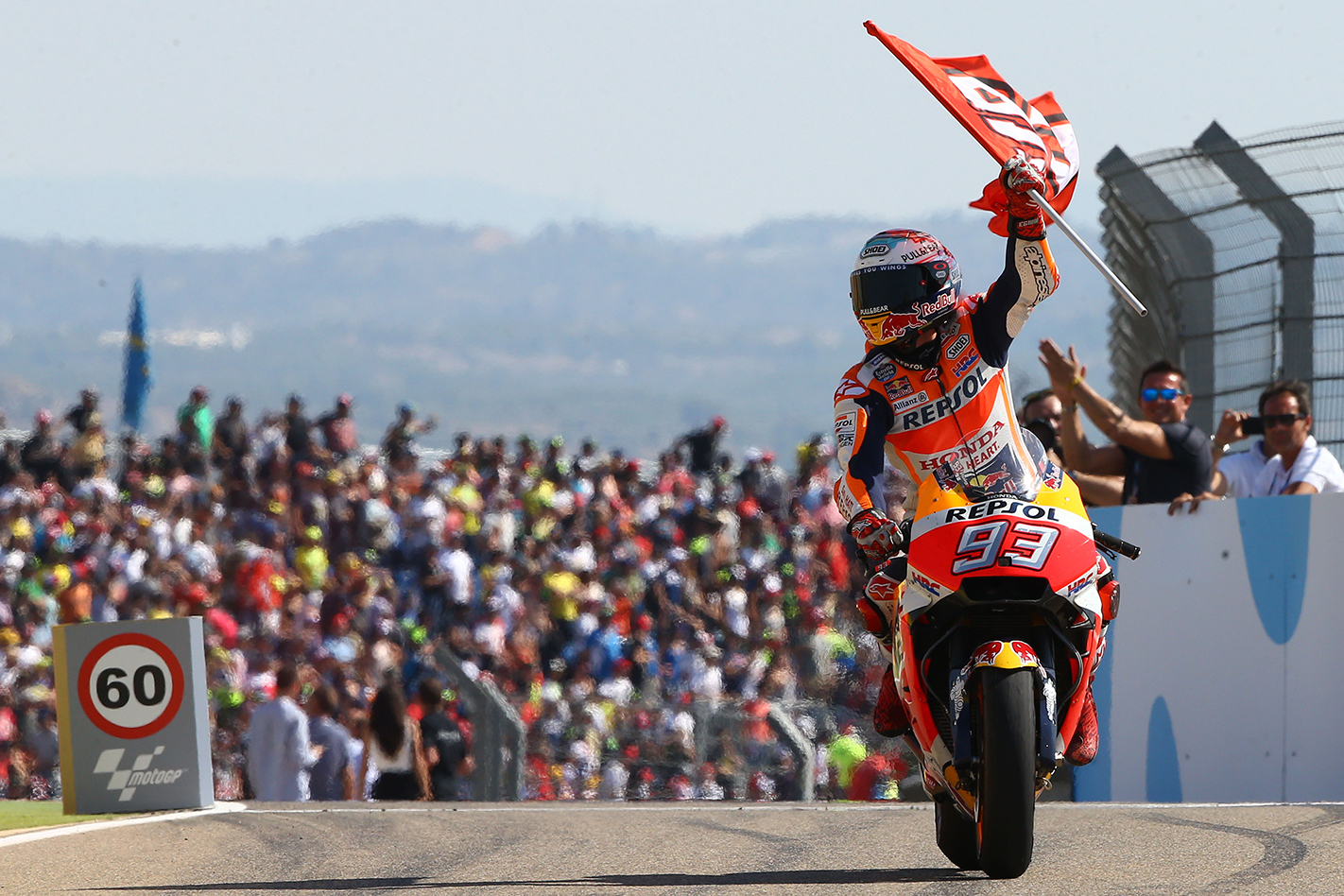
Victorious at Aragon was Honda’s Marc Marquez, as ever riding on the edge and occasionally beyond, but staying on board to top an all-Spanish podium also inhabited by teammate Dani Pedrosa and former champ Jorge Lorenzo on the Ducati.
Both Repsol Honda Team riders fought their way forward to take the squad’s seventh double podium of the season.
Marquez’s 60th career grand prix win was also his fifth of the current season, helping him to pull a small gap of 16 points over Andrea Dovizioso and 28 points over Maverick Viñales, his two closest pursuers in the title chase.
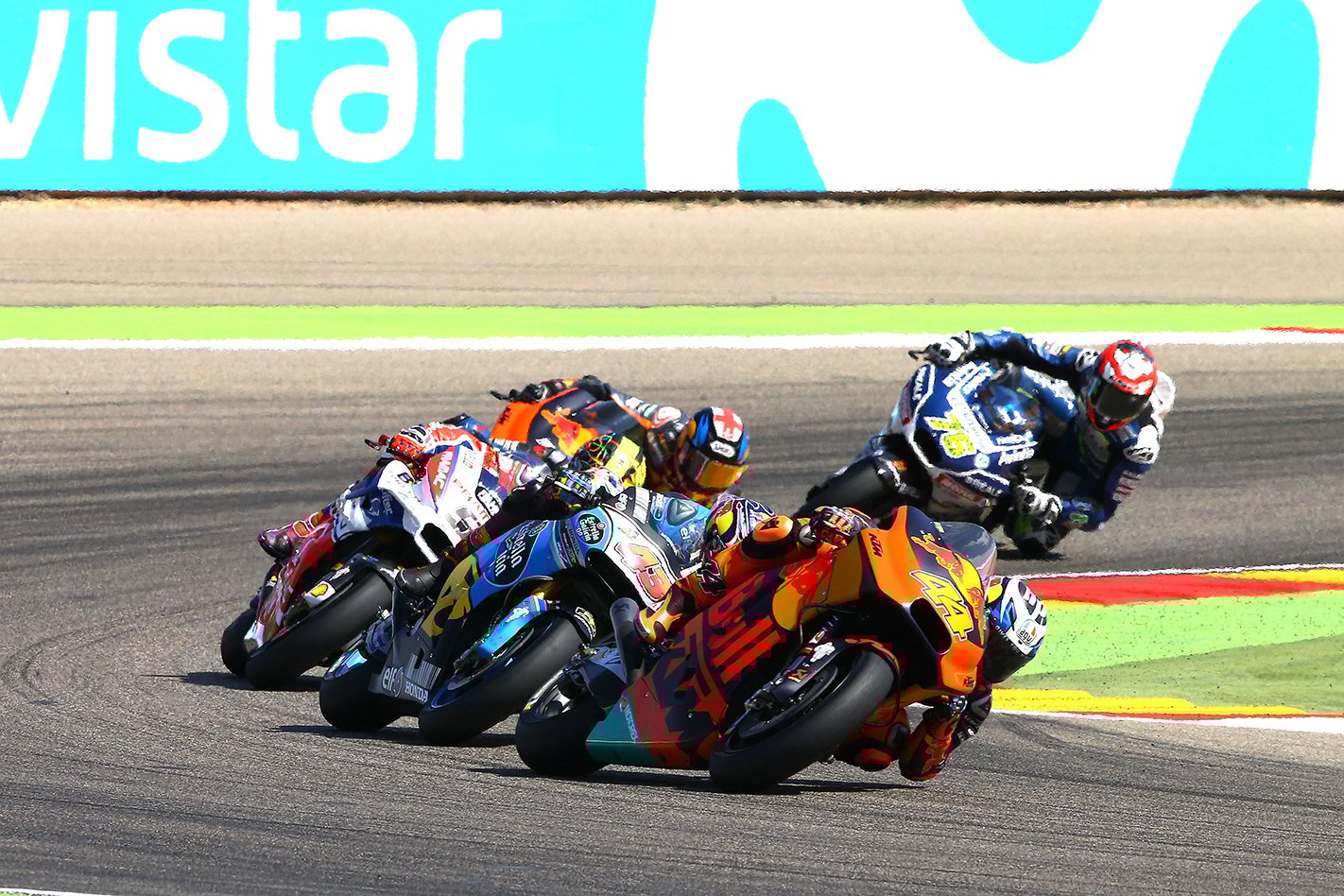
Pedrosa could have won had he cleared pole winner Maverick Vinales earlier, but the Yamaha rider had a large train of riders bunched up behind him for many laps. Once through, Pedrosa quickly moved forward, though Rossi gave him a tough time. But Pedrosa ran out of laps to do anything with his teammate.
Lorenzo opted for a soft rear tyre so it was no surprise when at the start he leapt away from Vinales and the determined Rossi.
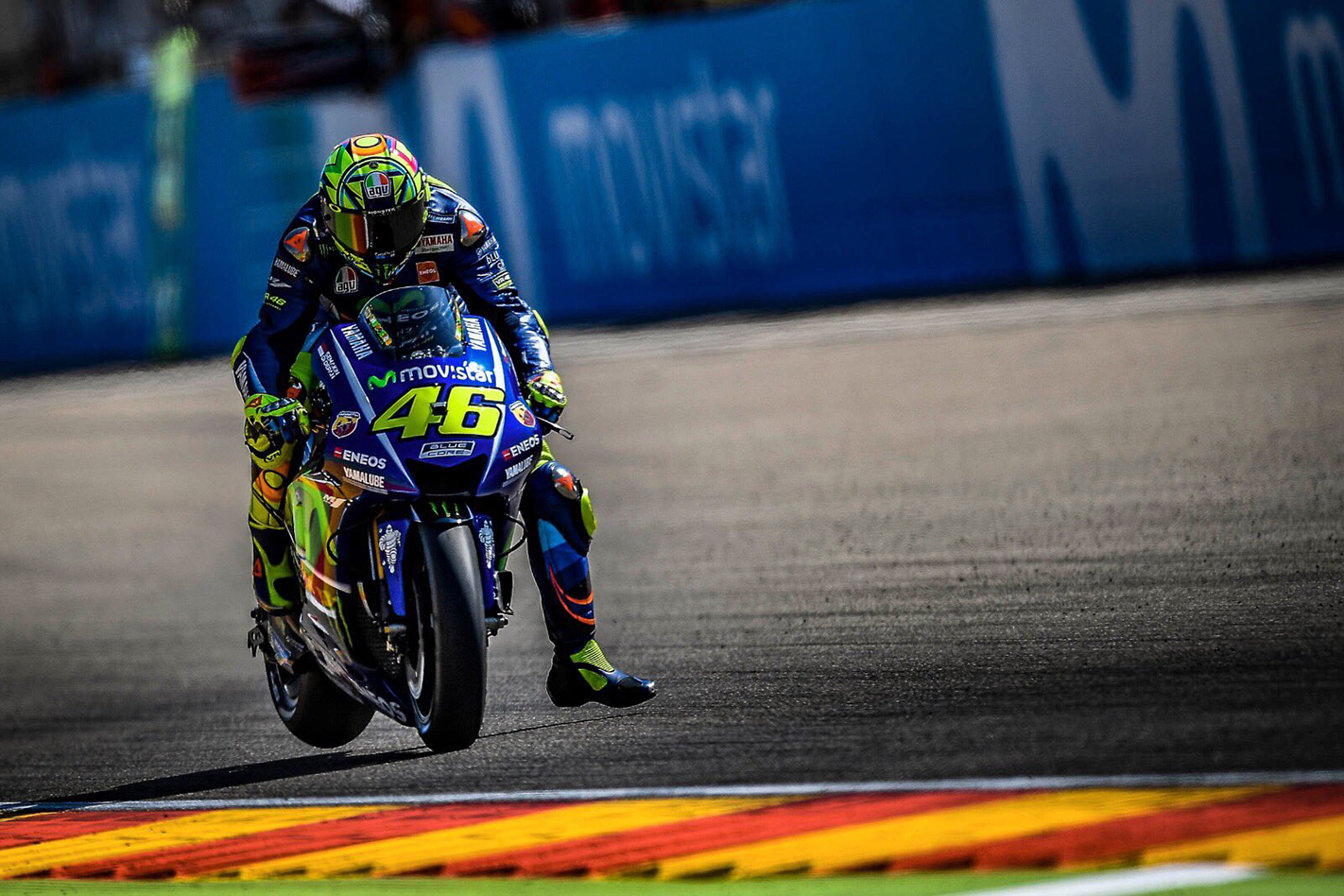
“I‘m quite proud, because a week ago I didn‘t know if I would be able to race,” Rosso said later. “Achieving a start from the first row yesterday was already great; I was very happy. I knew I had to suffer in the second half of the race. I had some pain and we also suffered from the degradation of the tyre. The work continues after this race. The calendar works out well for me, I have two full weeks to train and improve my leg‘s condition.”
Lorenzo led for 15 laps in what was his strongest performance on the Italian bike. He made Marquez work for the lead, too.
While his smooth style allows him to manage tyre degradation better than most, Lorenzo couldn’t hold off Pedrosa in the closing laps. Still, third was an encouraging result.
Australia’s Jack Miller qualified 13th and finished 13th.
As is often the case with grand prix motorcycle racing, the completion in all three classes was a pearler.
Morbidelli burst to a handy lead early but was caught and passed by his good mate, the veteran Mattia Pasini. But rather than settle for a safer second place, Morbidelli went hard after the victory, sealing the 25-pointer with a brutal overtake on his fellow Italian.
It was Morbidelli’s eighth win of the current season while his nearest championship rival Luthi finished fourth.
Joan Mir. Mark him down as a superstar of the future. Blindingly fast and a thinker. He is the real deal. The teenaged Spaniard has won his eighth Moto3 grand prix of 2018 to bust away to a virtually uncatchable 80-point lead.
At Aragon, Mir started sixth and then patiently waited until the closing laps before moving to the pointy end of a 15-rider bunch up front. With a lap remaining, Mir gambled on taking the lead knowing that a very long back straight left him vulnerable to slipstreaming. He coped by moving his Honda all over the track to break the drag, winning by 0.04sec ahead of Fabio di Giannantonio
In other two-wheel news, Australian Jason Doyle has opened a 22-point advantage over nearest rival and is ever closer to winning the FIM Speedway World Championship with two grands prix remaining.
In Stockholm on Saturday, Matej Zagar won his second straight GP, but yet again Doyle amassed more points (18) than anyone thanks to his high scoring in the heats.
Currently second Patryk Dudek will need to perform out of skin in the final rounds in Poland and Australia to overhaul Doyle. The Pole only managed six points in Sweden.
Euro F3: Penalty hurts Joey Mawson
Australia’s Joey Mawson was pleased with his driving across the three races of the penultimate round of the European Formula 3 championship at the Red Bull Ring, but was dismayed to learn his best finish over the weekend – fourth in race three – was the subject of a post-race penalty
Earlier, Mawson had a troubled race one with pit stops to remove grass lodged in his front wing and then to replace a punctured tyre after a hit from behind. He was classified 18th.
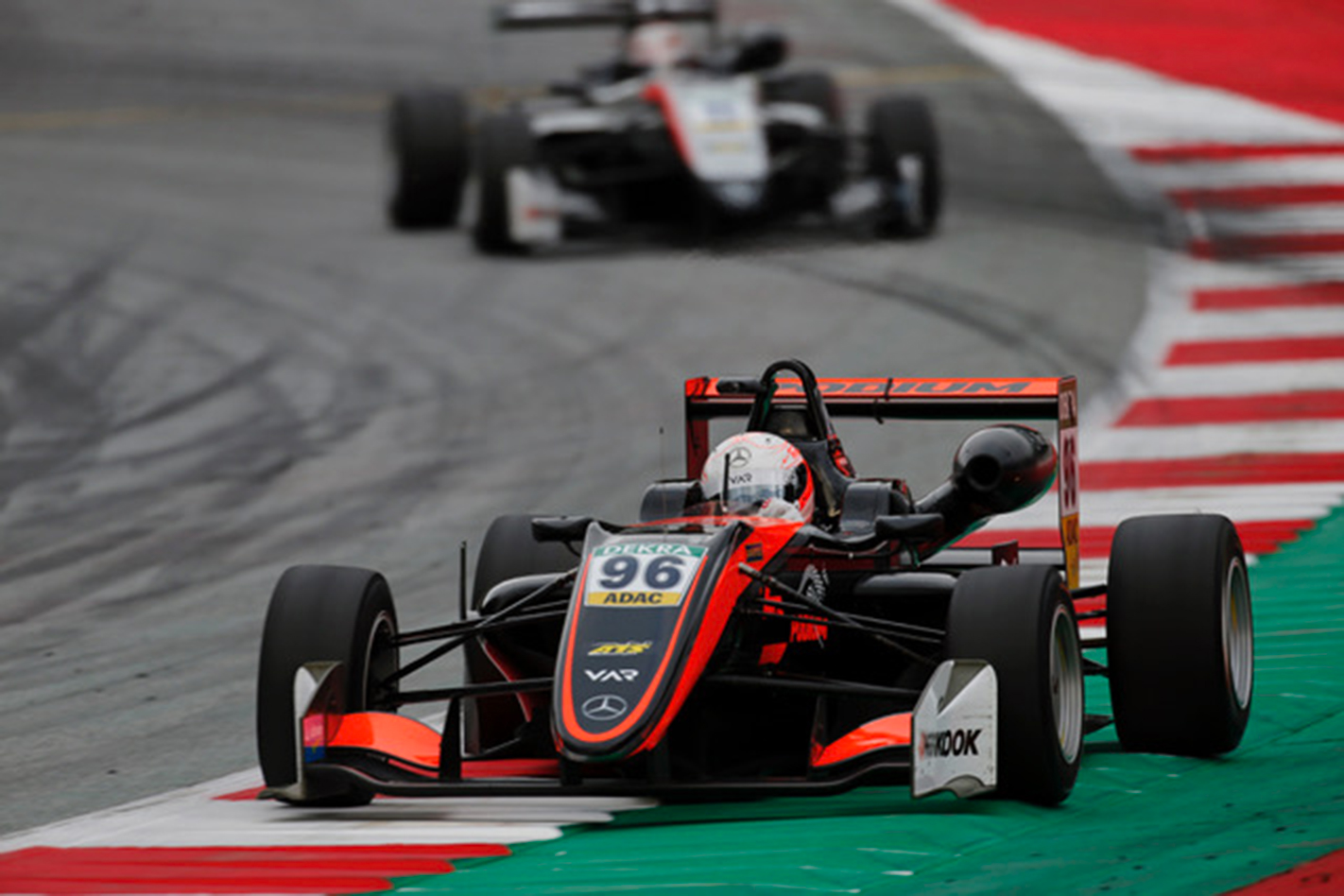
Qualifying for race two, as ever, was close with just a second covering 15 cars. Mawson was 13th fastest, ahead of his VAR teammates Harri Newey and Pedro Piquet yet again.
A strong start elevated Mawson to 10th behind championship contender Gunther, and the two were able to jump two places further forward by the end of the race, won by Eriksson from Norris.
Starting 11th for the final race of the weekend, the Australian moved to eighth by the end of the opening lap before passing Gunther and Tadasuke Makino for sixth. On the last lap Norris and Ralf Aron crashed out, and Mawson crossed the line fourth.
Then came the news of a five-second penalty applied to Mawson and two others for breaching the track limits to avoid a crash on the opening lap. It’s a harsh new policy.
Mawson was thus relegated to seventh. The top three were Eriksson, Nikita Mazepin (Hitech), and Makino (Hitech).
The final event of the championship will be held in on October 13-15 at Hockenheim in Germany.
