
CUPRA has confirmed Australian pricing and specifications for the new Leon Ve plug-in hybrid hatchback, introducing a longer-range electrified option to the updated Leon range.
Priced from $62,990 before on-road costs, the Leon Ve becomes the latest addition to CUPRA’s growing local PHEV line-up, joining plug-in hybrid versions of the Formentor, Terramar and Leon Sportstourer.
The headline change is a new second-generation plug-in hybrid system paired with a significantly larger 20kWh usable battery pack. CUPRA claims the hatchback can travel up to 123km on electric power alone under WLTP testing, placing it among the longest-range plug-in hybrids currently available in Australia.
Power comes from a combination of a 1.5-litre turbocharged four-cylinder petrol engine producing 110kW and an electric motor delivering 85kW. Total system outputs are rated at 150kW and 350Nm, with claimed 0-100km/h acceleration in 7.7 seconds.
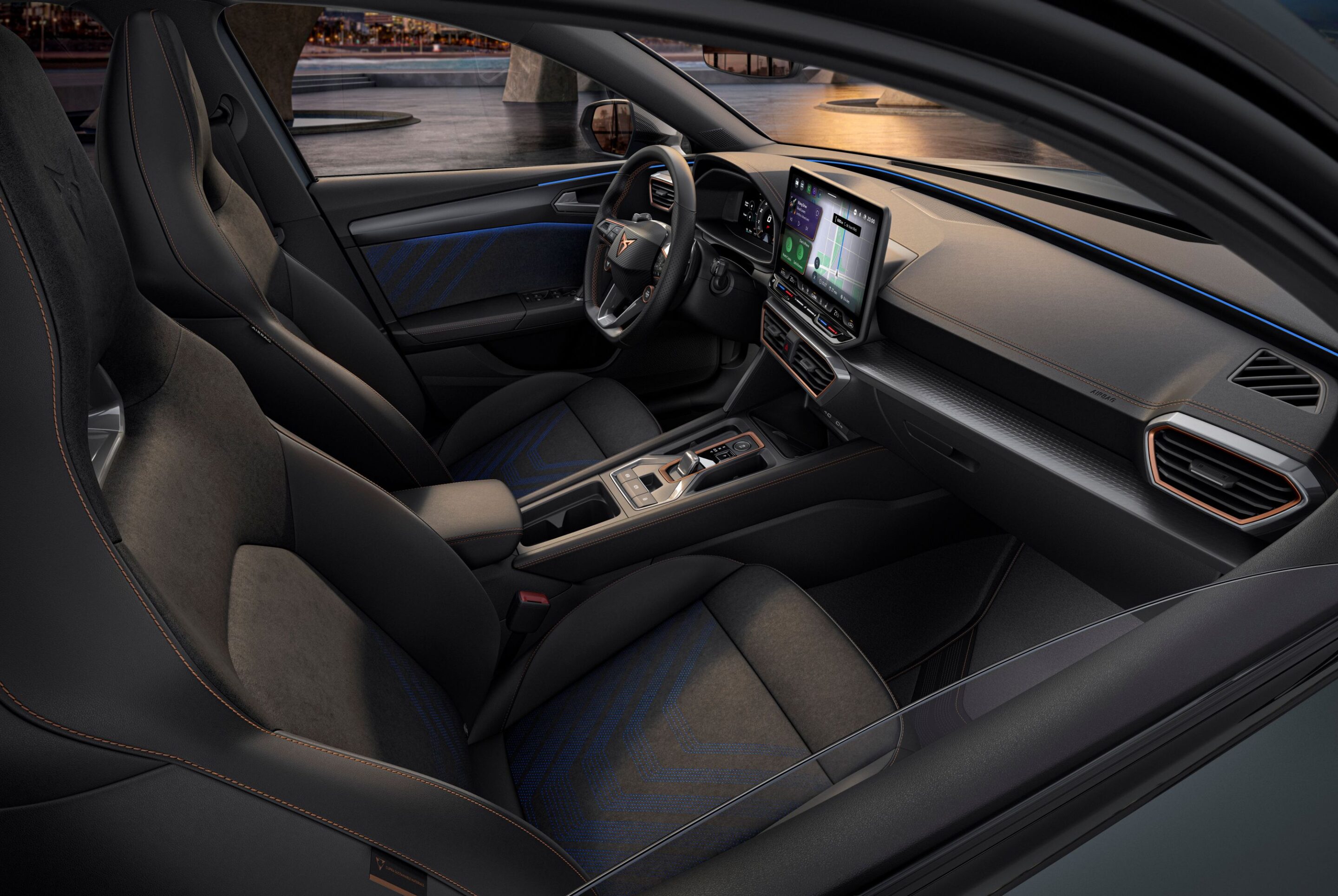
The larger battery nearly doubles the usable capacity of CUPRA’s previous-generation PHEV system and contributes to a claimed combined fuel consumption figure of 1.4L/100km.
Charging capability has also improved substantially. AC charging increases from 3.6kW to 11kW, while DC fast-charging is now supported for the first time on a Leon plug-in hybrid.
The Leon Ve forms part of the recently updated Leon hatchback range introduced in late 2025, gaining revised exterior styling including a redesigned front end, triangular daytime running lights and a full-width rear LED light bar.
Standard equipment includes 18-inch alloy wheels, sports bucket seats, a power-adjustable driver’s seat, heated steering wheel, tri-zone climate control and a 12.9-inch infotainment system with wireless Apple CarPlay and Android Auto.
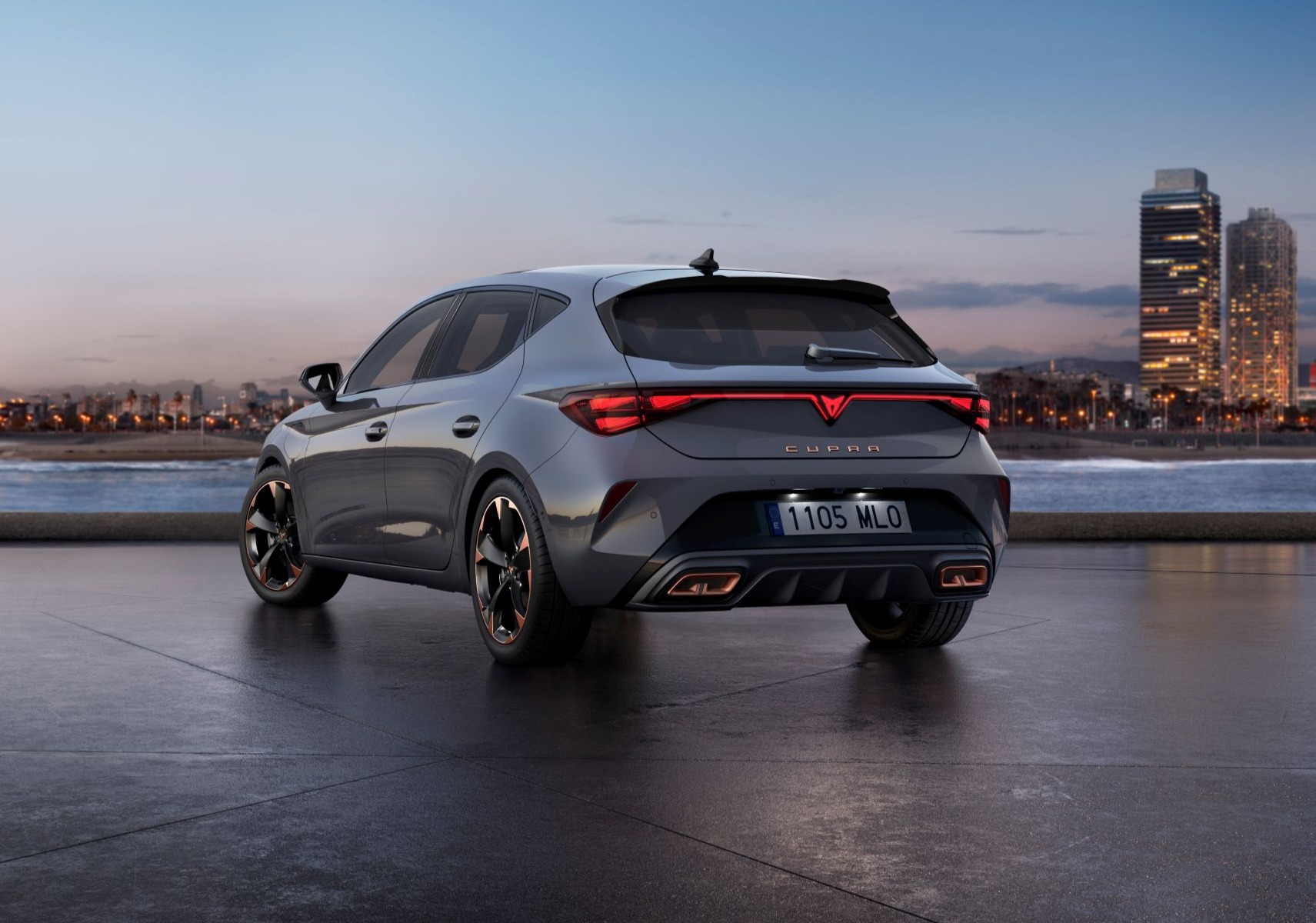
The Leon Ve is positioned between the entry-level mild-hybrid Leon S and the more powerful Leon VZx performance hatch in CUPRA’s local line-up.
Australian showroom arrivals and first customer deliveries are scheduled to begin in June.
Pricing
| Leon S Hatch (110kW MHEV) | $46,990 |
|---|---|
| Leon Ve Hatch (150kW PHEV) | $62,990 |
| Leon VZx Hatch (221kW) | $64,990 |
| Leon VZe Sportstourer (200kW PHEV) | $69,990 |
State-based driveaway CUPRA Leon Ve Hatch (DA*)
NSW: $67,990
QLD: $66,490
ACT: $66,990
VIC: $67,990
SA: $67,490
WA: $69,490
TAS: $67,490
A shipment of almost 5000 BYD and DENZA vehicles is on its way to Australia aboard one of the Chinese carmaker’s own cargo ships as the company moves to meet growing local demand for electric and plug-in hybrid vehicles.
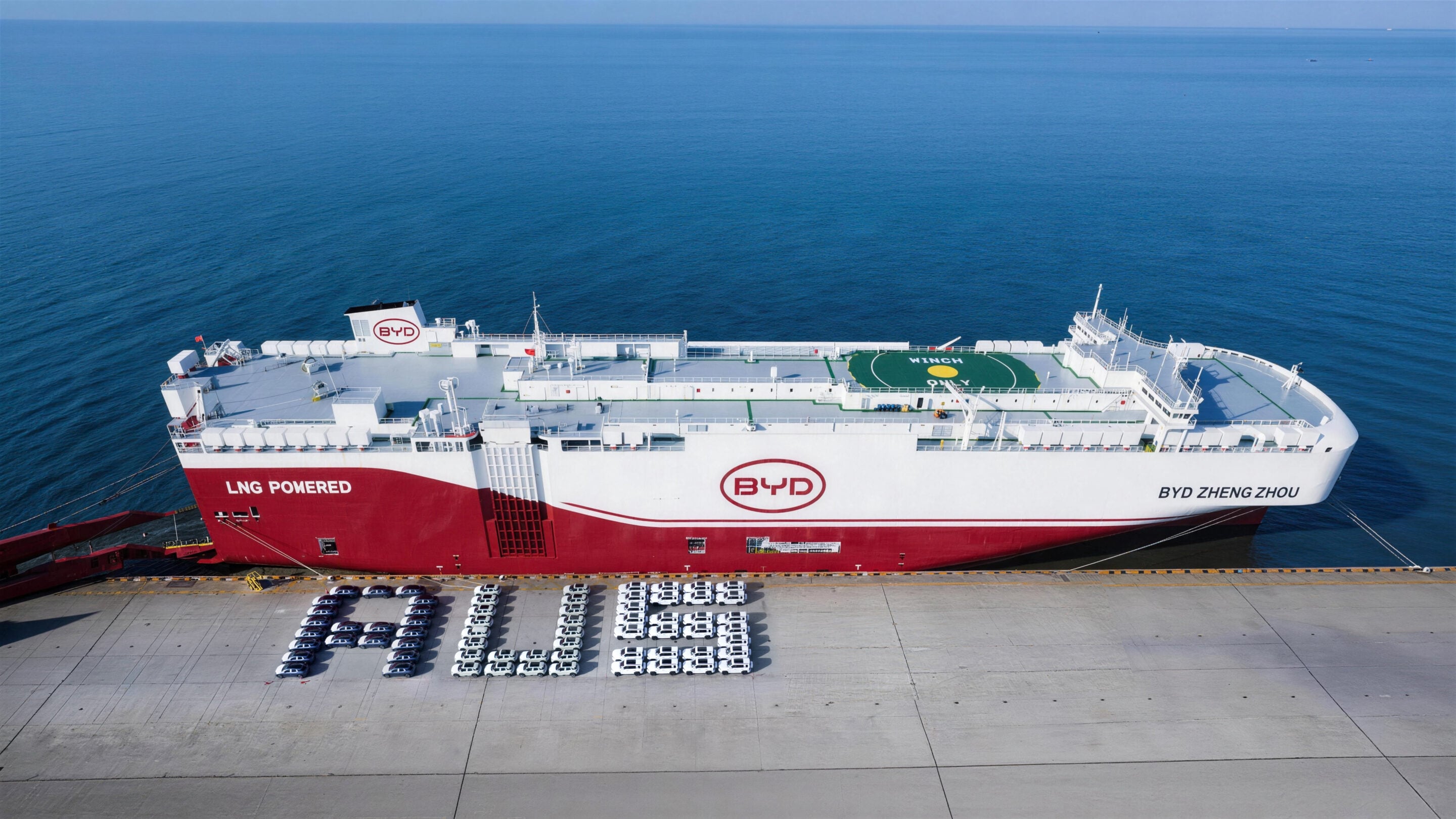
The vessel, named BYD Zhengzhou, departed Shanghai carrying 4810 vehicles bound for Melbourne, Sydney and Brisbane. It is expected to arrive in Melbourne on June 2 before continuing north along the east coast.
The shipment includes several of BYD’s most popular models in Australia, including the Sealion 7 electric SUV and Atto 2 compact SUV, which together account for more than 2000 vehicles onboard. The cargo also includes DENZA-branded vehicles such as the B5 off-roader and D9 people mover.
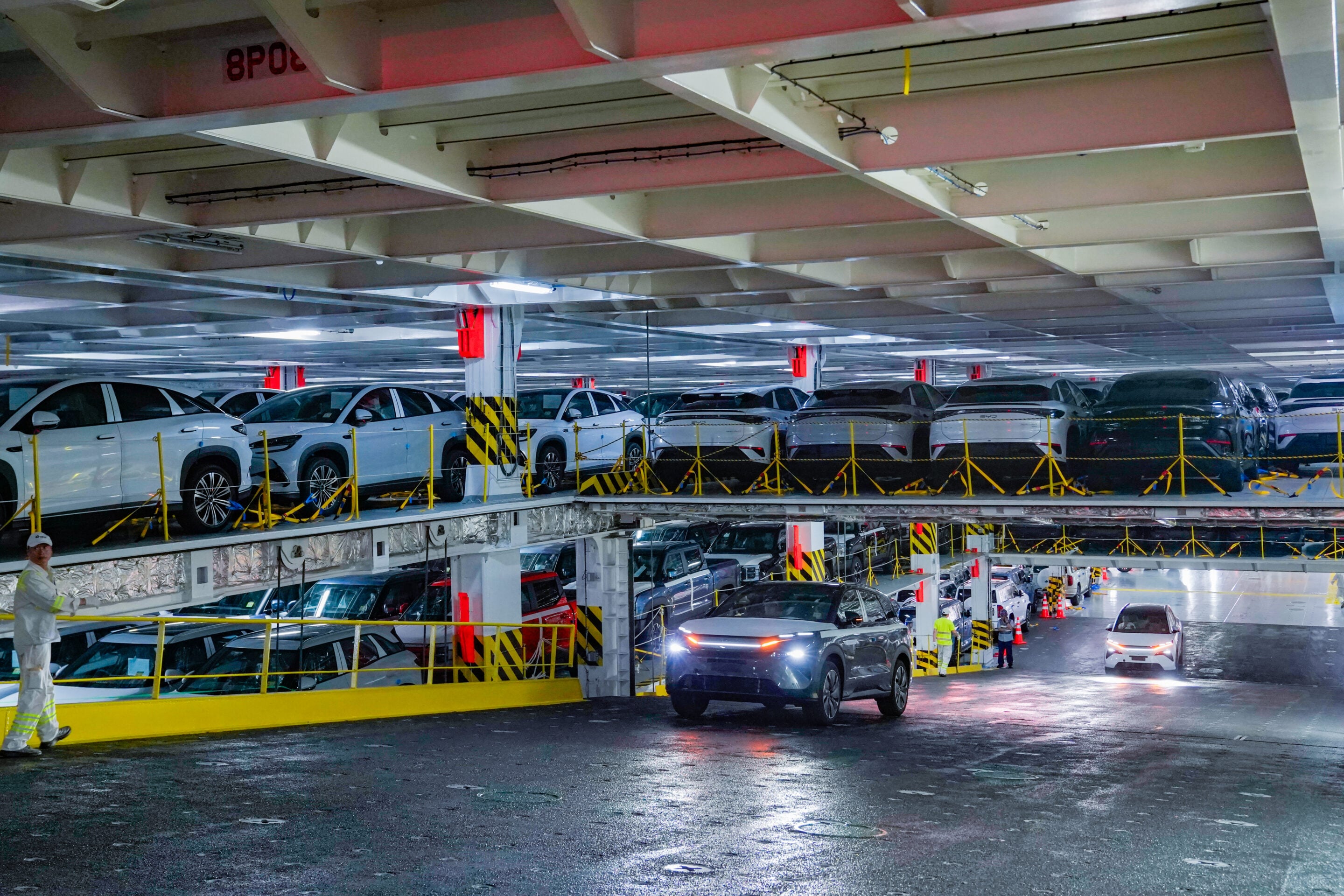
The arrival marks the first Australian voyage for the BYD Zhengzhou, one of eight roll-on roll-off vehicle carriers owned and operated by BYD as part of the company’s global logistics network.
BYD says the shipment forms part of a broader plan to deliver 30,000 vehicles to Australian customers in coming months as demand for lower-running-cost vehicles continues to rise.
The company has experienced rapid growth in Australia over the past two years, expanding its line-up from the Atto 3 SUV to include a wider range of electric and plug-in hybrid models across multiple segments.
Growing competition from Chinese brands has also intensified pressure on established manufacturers in Australia, particularly in the EV and hybrid market where affordability remains a key factor for buyers.
BYD Australia chief operating officer Stephen Collins said the use of company-owned shipping vessels allows the brand to respond more quickly to demand in overseas markets.
The voyage from Shanghai to Australia covers almost 9800 kilometres across the Pacific Ocean and is expected to take about two weeks.
BYD joins a growing number of Chinese manufacturers increasing direct shipping capacity as exports continue to expand globally. Australia has become one of BYD’s fastest-growing export markets outside China, with the company steadily increasing dealer numbers and vehicle availability nationwide.
Rear-end collisions and failures to give way remain the most common causes of road crashes in Australia, according to new claims data released by NRMA Insurance ahead of National Road Safety Week.
The insurer analysed more than 69,000 motor collision claims lodged during 2026, finding rear-end crashes ranked as the most frequent incident type, followed by drivers failing to give way. Reversing accidents, collisions with stationary objects and single-vehicle crashes also featured prominently.
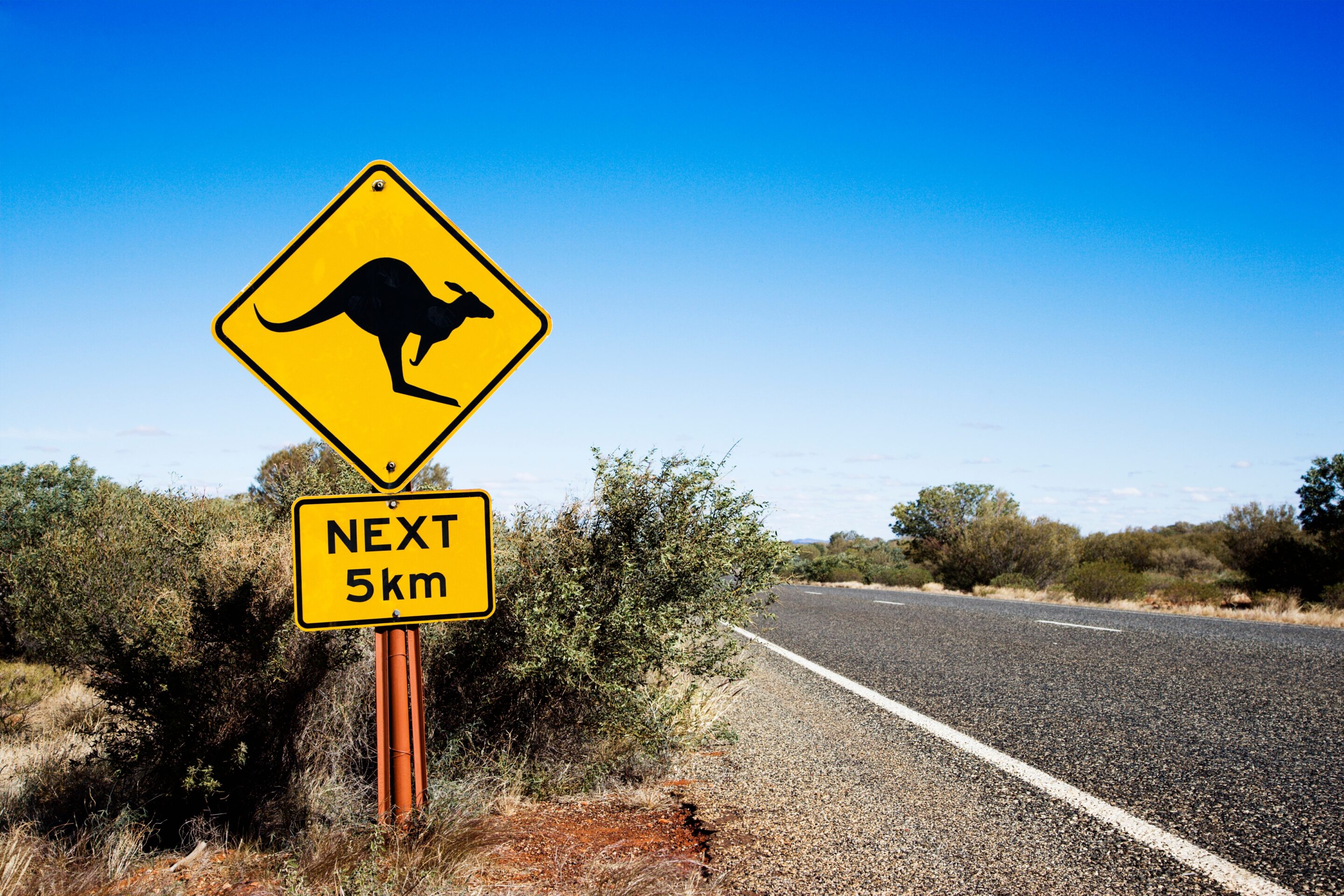
Animal collisions ranked sixth overall, with NRMA Insurance reporting more than 15,000 wildlife-related claims during 2025 – a 21 per cent increase compared with the previous year. Kangaroos accounted for 84 per cent of those crashes, ahead of wallabies, wombats, deer and foxes.
The figures come as insurers and road safety researchers examine whether modern driver-assistance systems are delivering the safety improvements many expected.
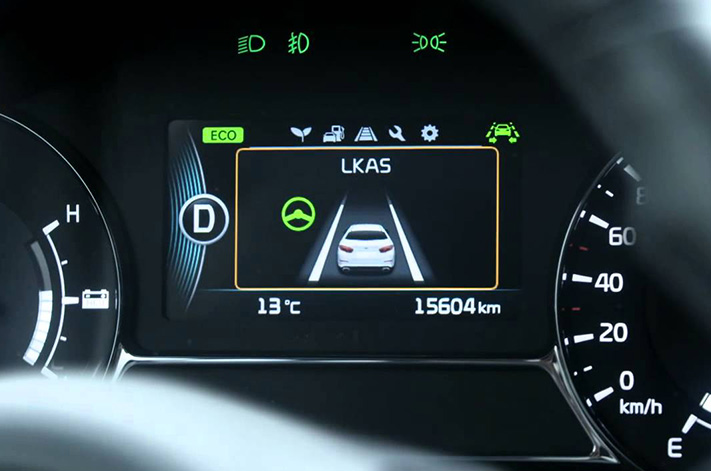
Insurance Australia Group (IAG), which owns NRMA Insurance, is currently conducting an Australian-first field study into how motorists are using Advanced Driver Assistance Systems (ADAS), including lane-keeping aids, automatic emergency braking and collision warning technology.
According to the insurer, many of the crash types appearing most often in claims data – including rear-end impacts and unsafe manoeuvres – are precisely the incidents these technologies are designed to help prevent.
However, NRMA Insurance Research Centre head Shawn Ticehurst said many drivers are actively disabling the systems.
“Sixty per cent of Australian drivers tell us they are actively turning off driver-assist safety features in their cars,” he said.
IAG plans to release the findings of its ADAS research later this year.
The insurer also highlighted growing interest in electric vehicles, revealing EV insurance quote activity jumped 121 per cent in April compared with the same month in 2025.
NRMA Insurance said fuel price volatility and ongoing concerns around oil supply were contributing factors behind rising consumer interest in EVs.
The company’s next Changing Gears report, due later this year, will examine how the current oil crisis is influencing Australian attitudes toward EV ownership.
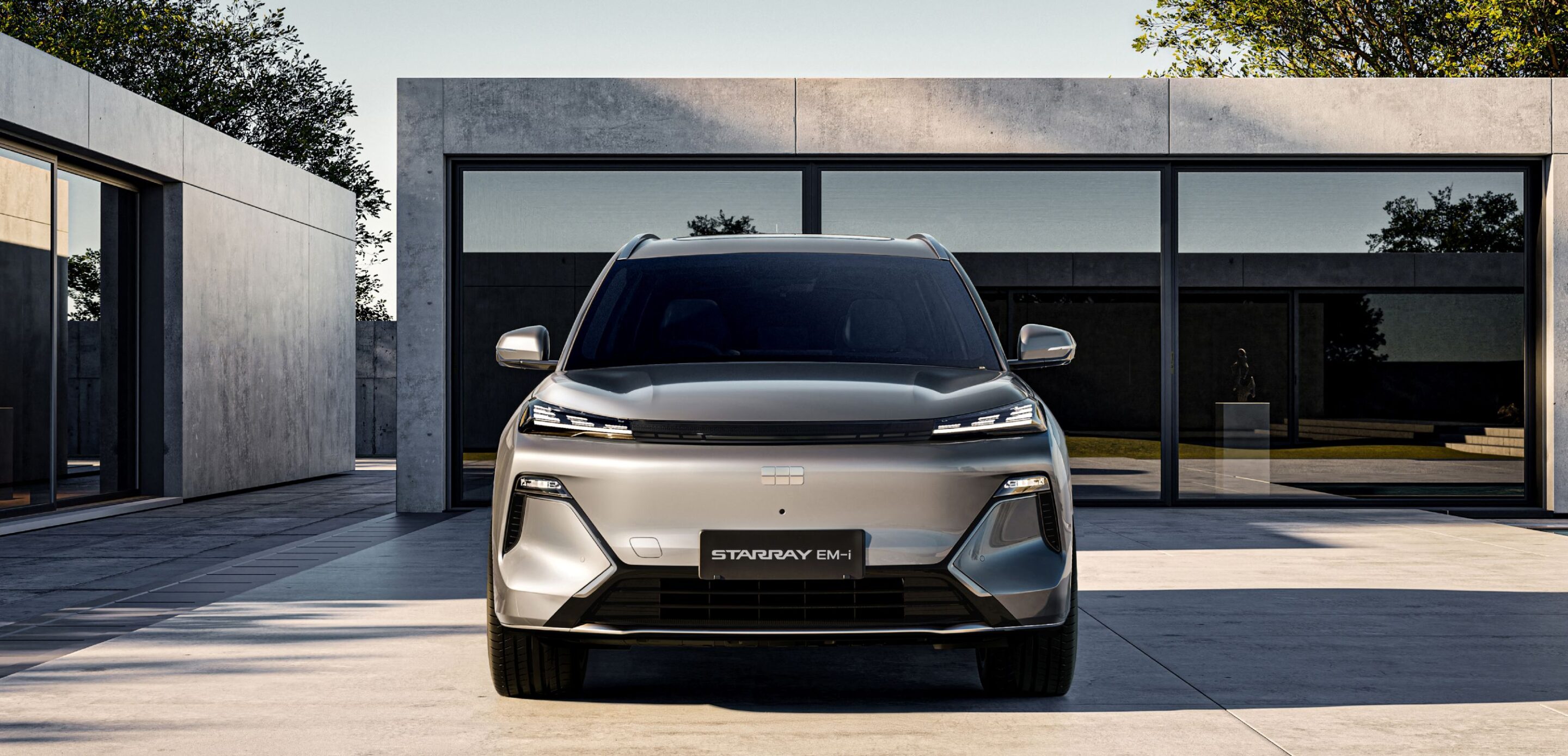
Geely has updated its Starray EM-i plug-in hybrid SUV for the 2027 model year, introducing a larger battery pack and significantly longer electric-only driving range for the flagship Inspire variant.
The updated Starray EM-i Inspire now uses a 29.8kWh battery, replacing the previous 18.4kWh unit. As a result, claimed electric driving range has increased from 83km to 136km under WLTP testing, while total combined range rises to 996km.
The entry-level Starray EM-i Complete continues unchanged with the smaller 18.4kWh battery and an 83km EV range.
Alongside the larger battery, Geely says DC fast-charging capability has also improved. Maximum charging speed has doubled from 30kW to 60kW, with the company claiming a 30 to 80 per cent recharge can now be completed in 16 minutes.
Combined-cycle fuel consumption for the Inspire Extended Range variant has also fallen from 2.4L/100km to 1.4L/100km.
The updated Inspire variant is priced from $41,490 before on-road costs, representing a $1500 increase over the previous version. Pricing for the Starray EM-i Complete remains unchanged at $37,490.
Additional equipment has also been added across the MY27 range, including a 5m Mode 2 charging cable, towing preparation hardware and trailer stability assist. Inspire variants also gain front-seat massage functionality.
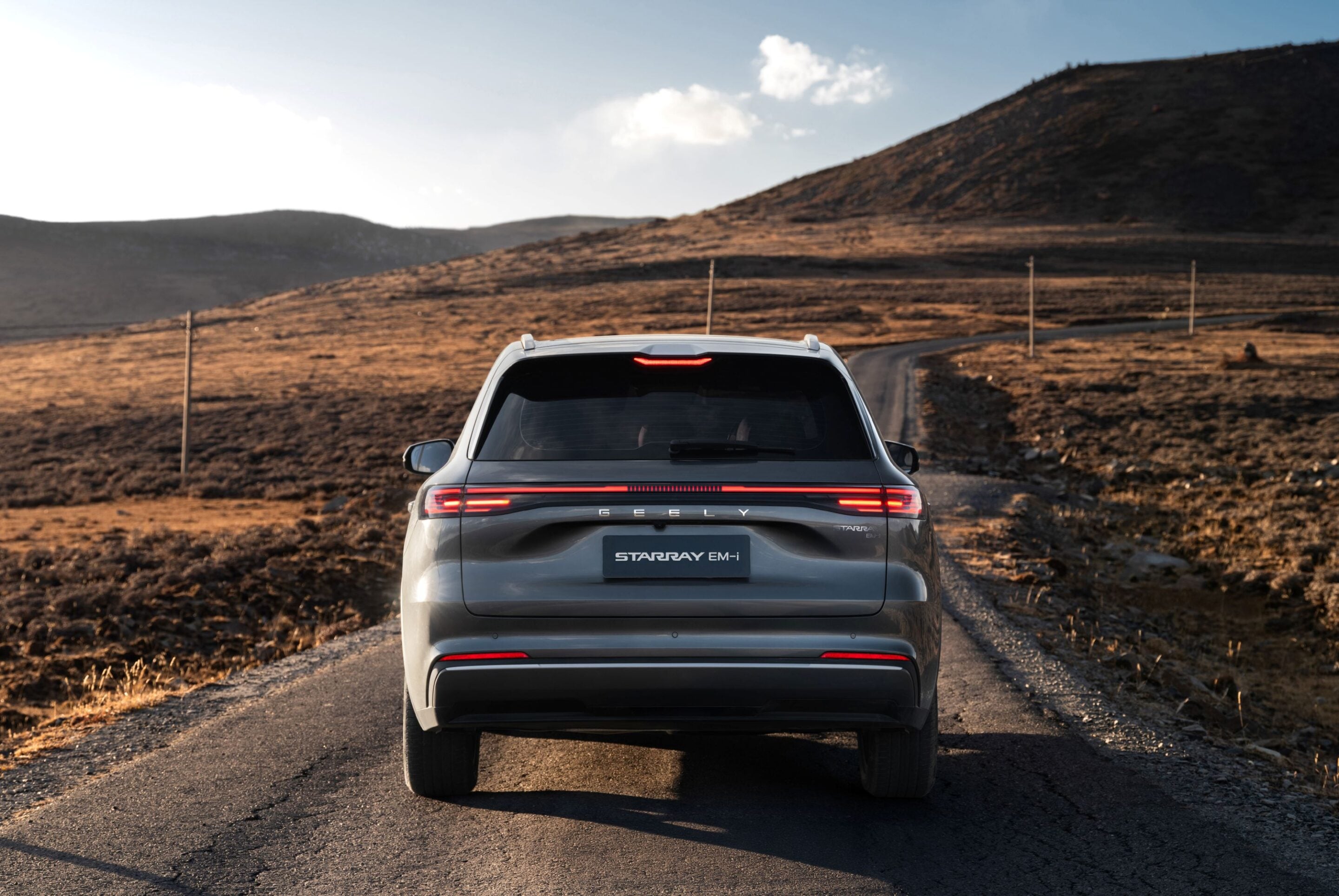
The larger battery was previously used in the Starray EM-i vehicle that completed a Guinness World Record fuel-consumption drive between Sydney and Melbourne earlier this year. During the attempt, the SUV recorded an average fuel consumption figure of 3.83L/100km over a variety of road conditions.
The Starray EM-i is one of several plug-in hybrid SUVs launched in Australia by Chinese brands as competition intensifies in the medium SUV segment. Rivals include the BYD Sealion 6, GWM Haval H6 GT PHEV and Mitsubishi Outlander PHEV.
Deliveries of the updated MY27 Geely Starray EM-i are due to begin in Australia from late May 2026.
| Variant | Battery | WLTP Range | Electric range | MSRP |
|---|---|---|---|---|
| Geely Starray EM-i Complete | 18.4kWh | 943km | 83km | $37,490 |
| Geely Starray EM-i Inspire Extended Range | 18.4kWh > 29.8kWh(+11.4kWh) | 943km > 996km(+50km) | 83km > 136km(+53km) | $39,990 |
Medium SUVs are – in the passenger car segment at least – the key battleground for manufacturers.
You’ve seen us write it here before in Wheels, acknowledging just how important this segment is to almost every car maker, regardless of country of origin. This month we pit an old favourite at the tail end of its career against an even older stager (in terms of time in market), but refreshed for 2026 and with a new lease on life.
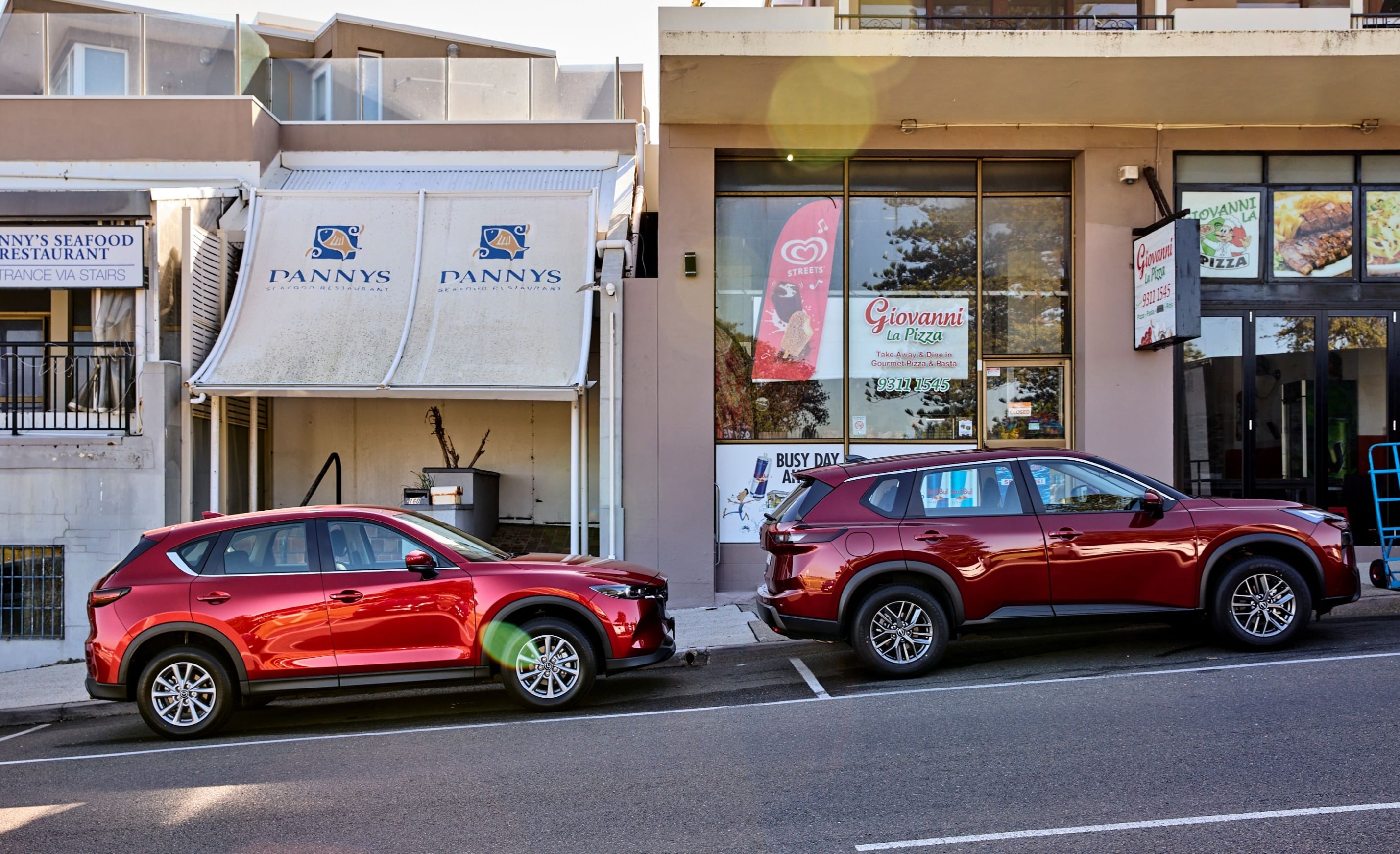
What we’ve done this month – following on from our popular, budget-focused Haval v Hyundai shootout also in the medium SUV segment – is revisit the concept with two of the other mainstream players, and two that have been popular with Australian buyers for a long time. As such, we’ve got the 2026 Mazda CX-5 G20 Maxx and the 2026 Nissan X-Trail ST, the two brands’ respective entry points to the medium SUV range.
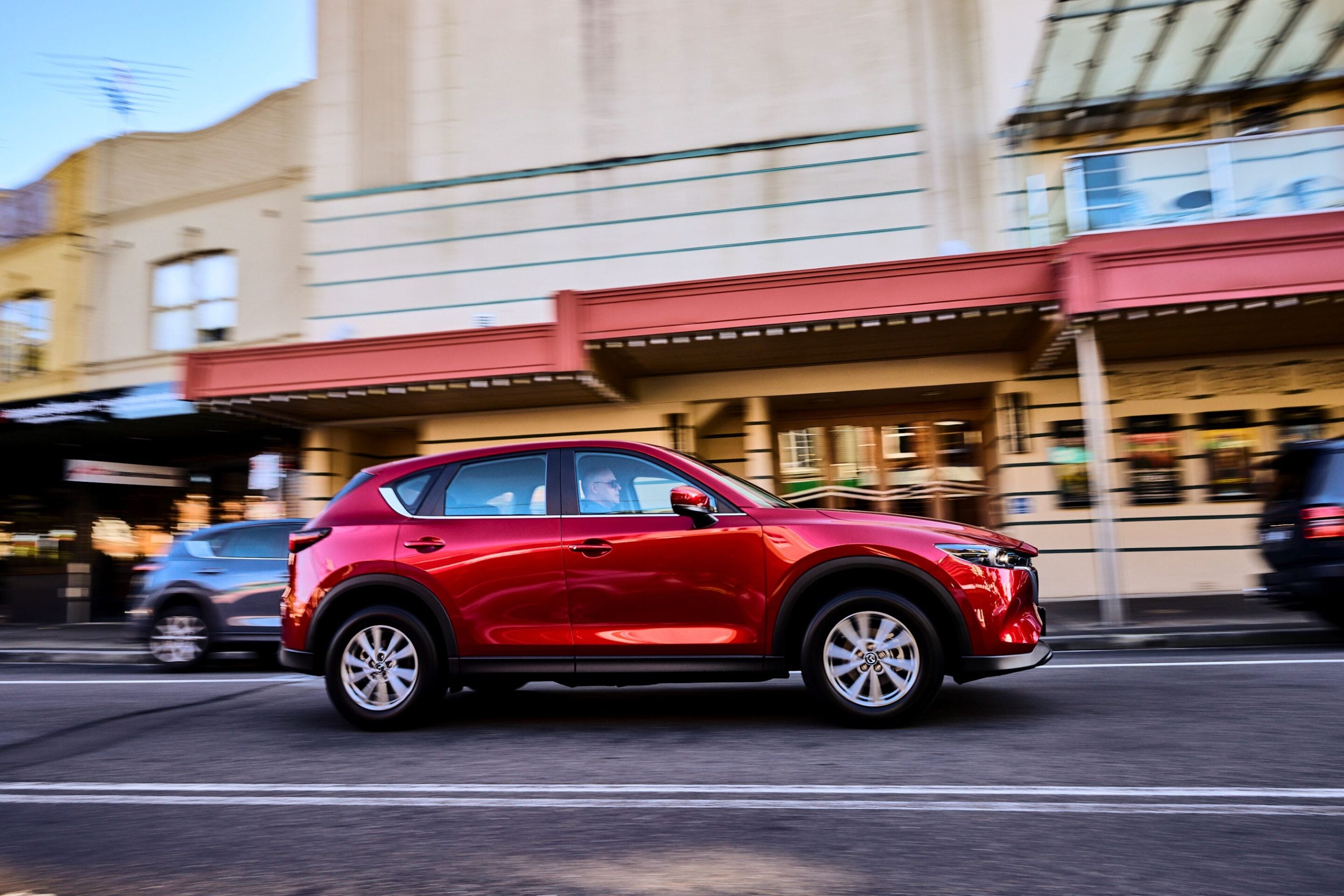
Mazda has sold more than 320,000 CX-5s in Australia since first landing here in 2012, with the second generation – on sale since 2017 – still one of the most popular new cars in Australia, finishing last year in eighth position on the top 10 new car sales chart. There’s no doubt this SUV, despite the increased competition from newer vehicles, remains popular with Aussie new car buyers.
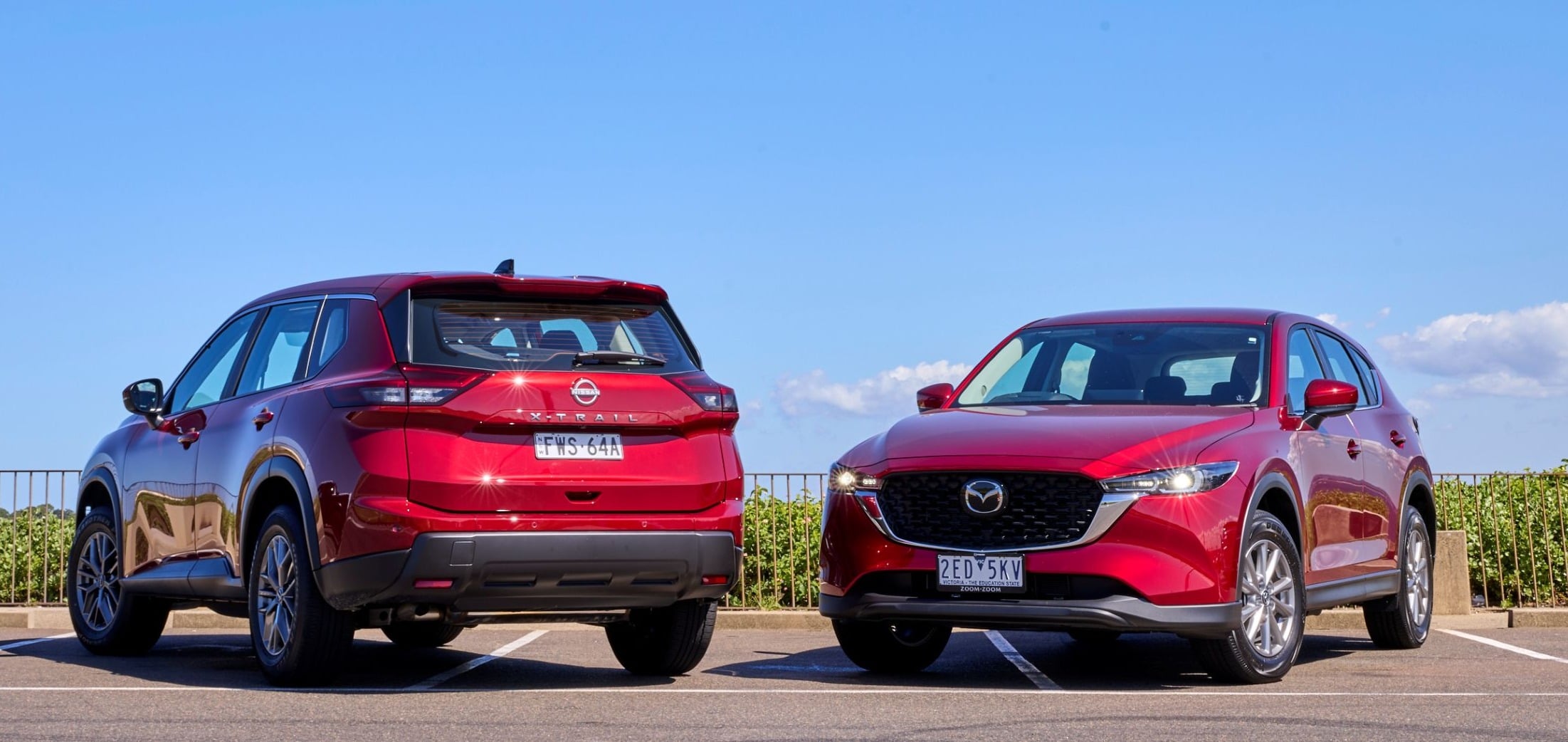
Nissan has also sold more than 320,000 X-Trails in Australia, but over a longer period, with the model debuting way back in 2001. It was the manufacturer’s most popular vehicle in 2025, registering more than 15,700 sales for the calendar year, showing just how vital this segment is to any manufacturer.
For Nissan, its X-Trail has been refreshed and updated – more on that in a minute – and for Mazda, its mid-sizer is in runout phase, with an all-new CX-5 around the corner and an electric CX-6e sibling also about to hit showrooms. It’s very much a case of the more things change, the more they stay the same in this segment.
There’s little doubt the new CX-5 will be a solid contender as the nameplate has been for some time. Crucial to that appeal will be increased cabin space in the second row, something this model has struggled with against the best in segment, but if you’re looking to buy a CX-5 right now, Wheels will take a look at exactly what you get.
The price of entry
Starting from $37,290 before on-road costs, at the time of testing the CX-5 was in runout phase for $37,990 driveaway. That’s sharp pricing for one of the perennial favourites that still punches above its weight.
The 2.0-litre, DOHC four-cylinder petrol engine does away with any kind of hybrid tech, and makes 115kW at 6000rpm and 200Nm at 4000rpm, while using a claimed 6.9L/100km. Our average, after a week of testing and city-to-highway running in an approximate 70:30 ratio, was 9.4L/100km. Mazda’s familiar six-speed automatic is present and accounted for and Maxx specification is FWD.
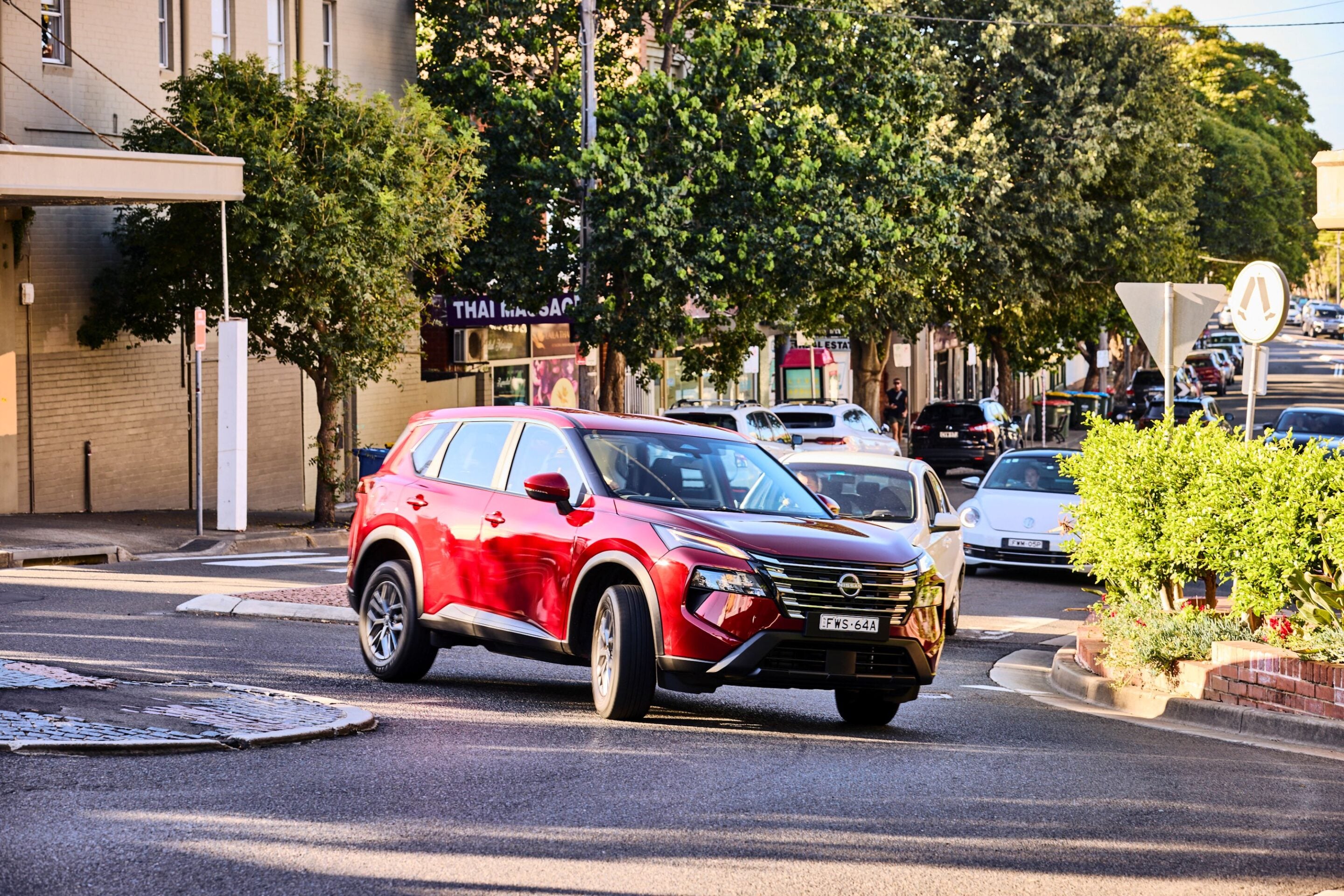
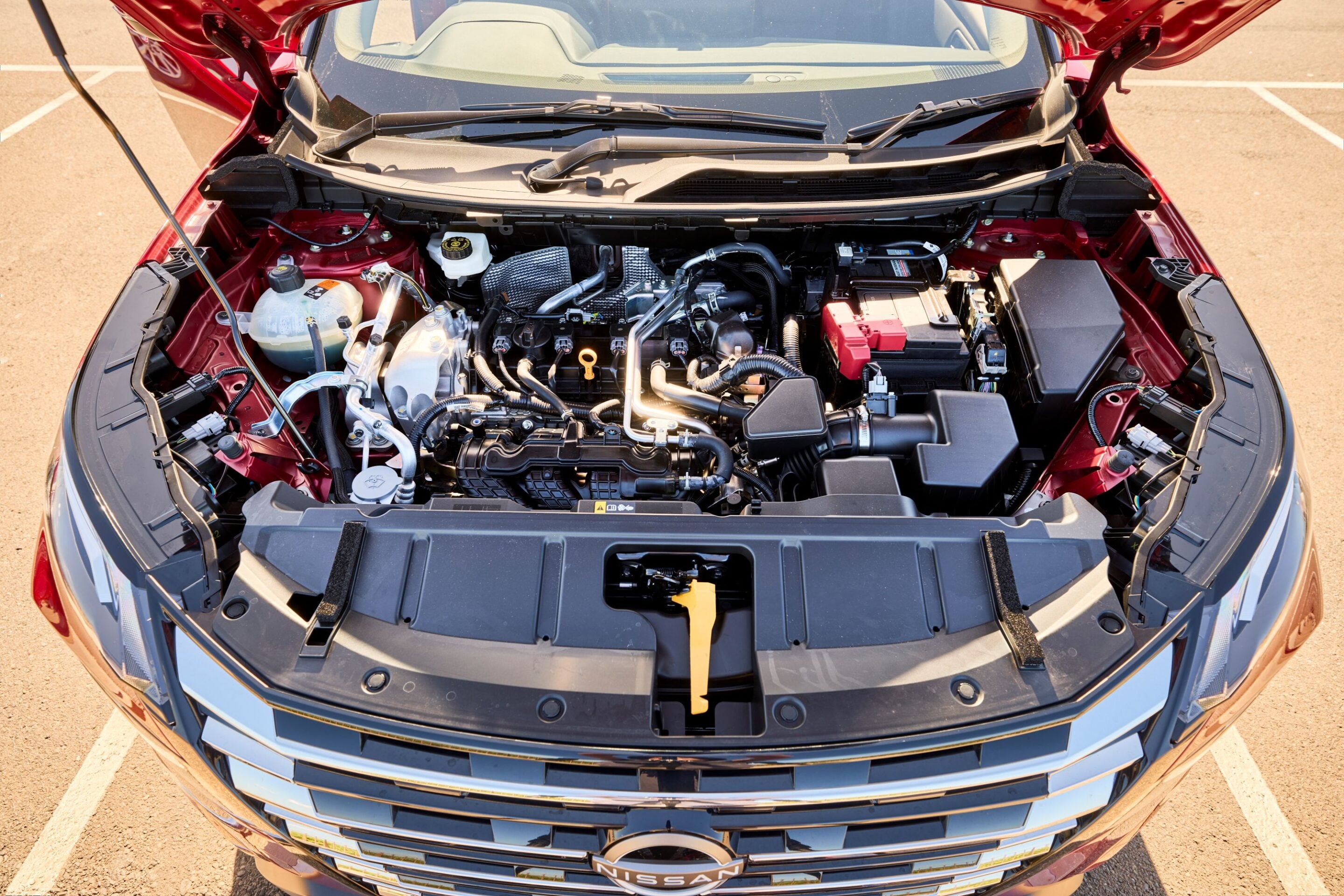
The Nissan X-Trail ST starts from $38,140 plus on-road costs and has a bigger, punchier engine under the bonnet. The 2.5-litre, four-cylinder engine is also non-hybrid with DOHC, and makes an easy 135kW at 6000rpm and 244Nm at 3600rpm. The combined fuel use claim is 7.4L/100km and Nissan uses a CVT also with FWD. On test, over the same terrain and conditions as the CX-5, Wheels used an indicated 9.6L/100km.
Both vehicles ask for only 91 RON fuel, which is a plus whenever the pricing cycle pushes the cost up, but the real-world fuel use was an interesting one for us. There’s obviously not much in it, but you’d think the bigger engine in the newer Nissan might get the job done a little more efficiently, but it didn’t actually play out that way.
However, Mazda tells us (and the sales figures indicate) that there are still plenty of Aussie new car buyers who don’t want the complexity of a hybrid drivetrain, hence this comparison.
While a clever hybrid in this segment will use as little as 50 per cent of the fuel compared with non-hybrid models, if you’re looking for the simple way of doing the same job, and you’re willing to use more fuel to do it, neither of these are particularly thirsty.
Across the first five years of ownership – and both with five-year/unlimited kilometre warranties – the Nissan is cheaper to service, costing $1995 against $2208 for the Mazda. Keep in mind, though, that if you service your X-Trail at a Nissan service centre, that warranty can extend out to 10 years/300,000km.
Standard equipment showdown
Let’s first look at what the two vehicles on test share in regard to standard equipment. Those features include 17-inch alloy wheels with a temporary spare, dusk-sensing automatic LED headlights, rain-sensing wipers, push-button start, manual single-zone air-conditioning, auto up/down on all four windows, electric-folding exterior mirrors, cloth upholstery, remote services through a smartphone app, 7.0-inch part-digital driver’s display, wireless Apple CarPlay and Android Auto, AM/FM/DAB+ radio, six-speaker sound system, two USB-C front cabin charging ports, 40:20:40-split rear seats with recline, AEB (forward and reverse with pedestrian detection), adaptive cruise with stop and go, lane departure warning, blind-spot monitoring, rear cross-traffic alert (with braking), auto high beam, driver attention monitoring, rear parking sensors, and a rear-view camera.
The X-Trail ST then steps things up a notch, adding over and above the CX-5 Maxx, LED front daytime running lights, heated/auto-folding mirrors, rain-activated automatic headlights, smart keyless entry with automatic approach unlocking and walk-away locking, paddle shifters, 12.3-inch touchscreen (10.25-inch for the Mazda), electric lumbar adjustment for the driver’s seat, rear air vents, rear centre armrest with cupholders, rear USB-C charging ports, front centre airbag, traffic sign recognition, AEB with cyclist detection and junction assistance and lane keep assistance.
It doesn’t quite end there, though, with CX-5 Maxx getting some standard features the X-Trail misses out on, including a leather-wrapped steering wheel, remote window opening, tyre pressure monitoring and automatic door locking.
Tale of the Tape: size matters
This is as fascinating as every other comparison between these two, as evenly matched as they are. First up weight, and the Nissan pips the Mazda, weighing in at 1535kg against 1575kg. Again, not much in it, but weight is weight, especially if you’re loaded up for a family road trip.
The Mazda is 4575mm long, 1845mm wide, 1675mm high and rides on a 2700mm wheelbase. The Nissan is 4690mm long, 1840mm wide, 1725mm high and rides on a 2705mm wheelbase. Most of that increase in bodily length, then, goes into overhang for the Nissan given the almost identical wheelbases.
The X-Trail, undeniably, has more room in the second row, which trumps the CX-5’s back seat comfort. It’s been one of the few bugbears of the Mazda CX-5. The new model will have more space in the second row, but for now if you’re using the back seats often and you have tall kids in the family, the X-Trail is the pick.
With the second row in use, the X-Trail’s boot is bigger, too – 585 litres against the Mazda’s 438 litres. Fold the second row down, and as expected, the X-Trail’s 1396 litres beats the Mazda’s 1340 litres, though not by as much as you might have expected.
Inside the cabin
We’ve noted it before during Wheels testing, but in the face of endless fake leather, pleather, vinyl, synthetic leather, vegan leather, recycled this or repurposed that, we love testing any vehicle with good, hard-wearing cloth trim.
And the Mazda does it really well, with its black cabin looking a little on the dark side in low light but the payoff coming in the comfortable cloth trim that didn’t have that adhesive effect so many of the faux-leather options give on a hot day.
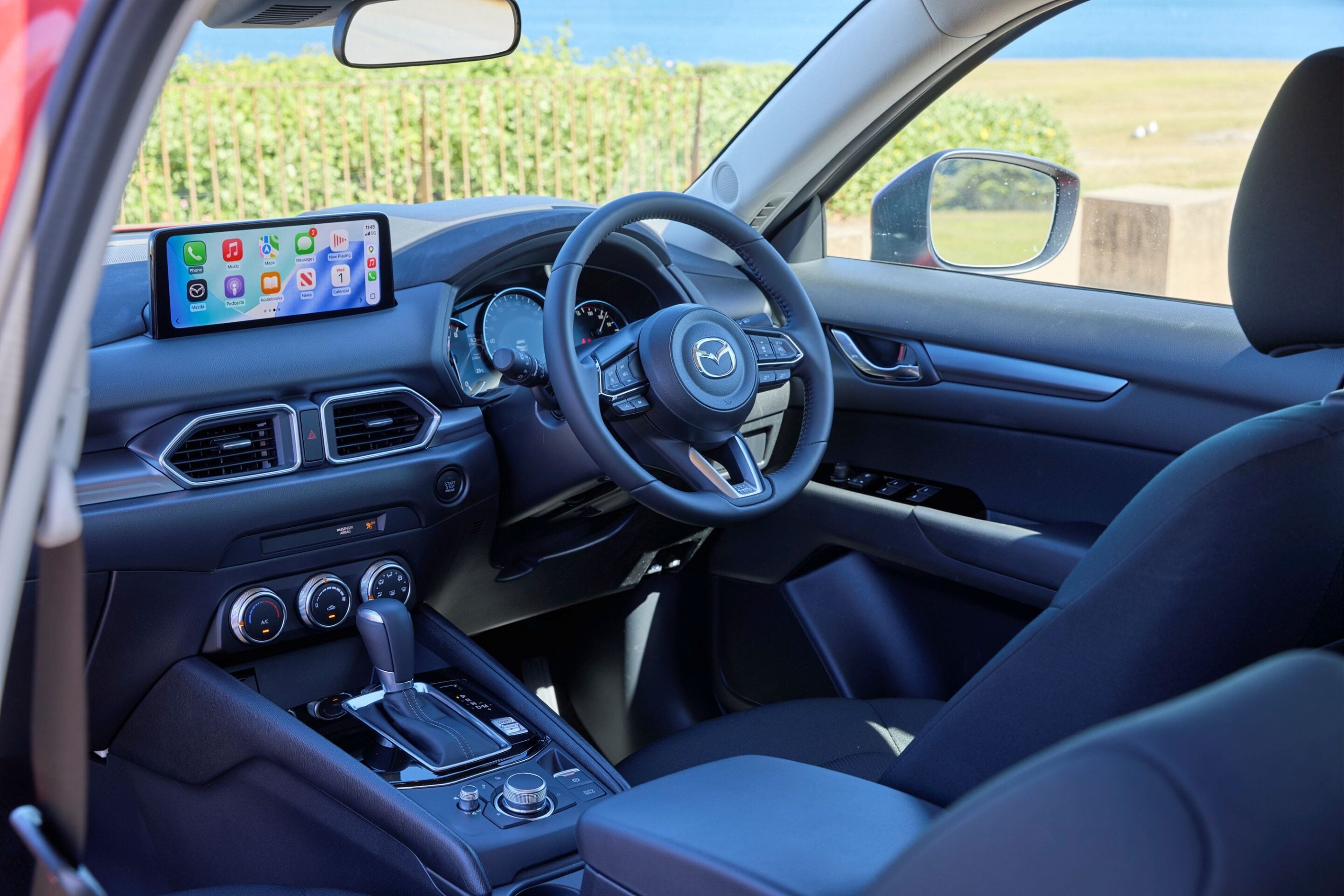
Nissan also gets black, robust-looking cloth, just as comfortable in the heat, but the polyurethane steering wheel is a let down, especially once you’ve grasped Mazda’s leather-trimmed wheel. Even at this sharp price point, a urethane steering wheel is a bit too much on the cheap side for our liking. It’s a minor gripe, sure, but as something you interact with every single time you’re driving the car, it’s going to be noticeable.
Both cabins are comfortable, with broad glasshouses ensuring plenty of light comes in, and excellent visibility is afforded out from all four main seats. The seats themselves are sculpted enough up front in both SUVs, such that you sit into them rather than on them, and the outer two seats in both are also comfortable on longer trips.
The seats in the Nissan are softer than the Mazda’s. Spongier maybe, and whether they are more comfortable will be a personal preference. For mine, I don’t mind a firmer seat. You’d notice this more if the ride was harsh, but it isn’t, so it’s line-ball in regard to seating comfort up front.
Interestingly, the X-Trail, though newer and more up to date, has a rear-view camera that isn’t as clear or crisp as the Mazda’s, but it does have an infotainment system that feels like it belongs in 2026, not 2017. Nissan’s smartphone connectivity and controls are much more intuitive and easier to master than the Mazda’s dated control centre.
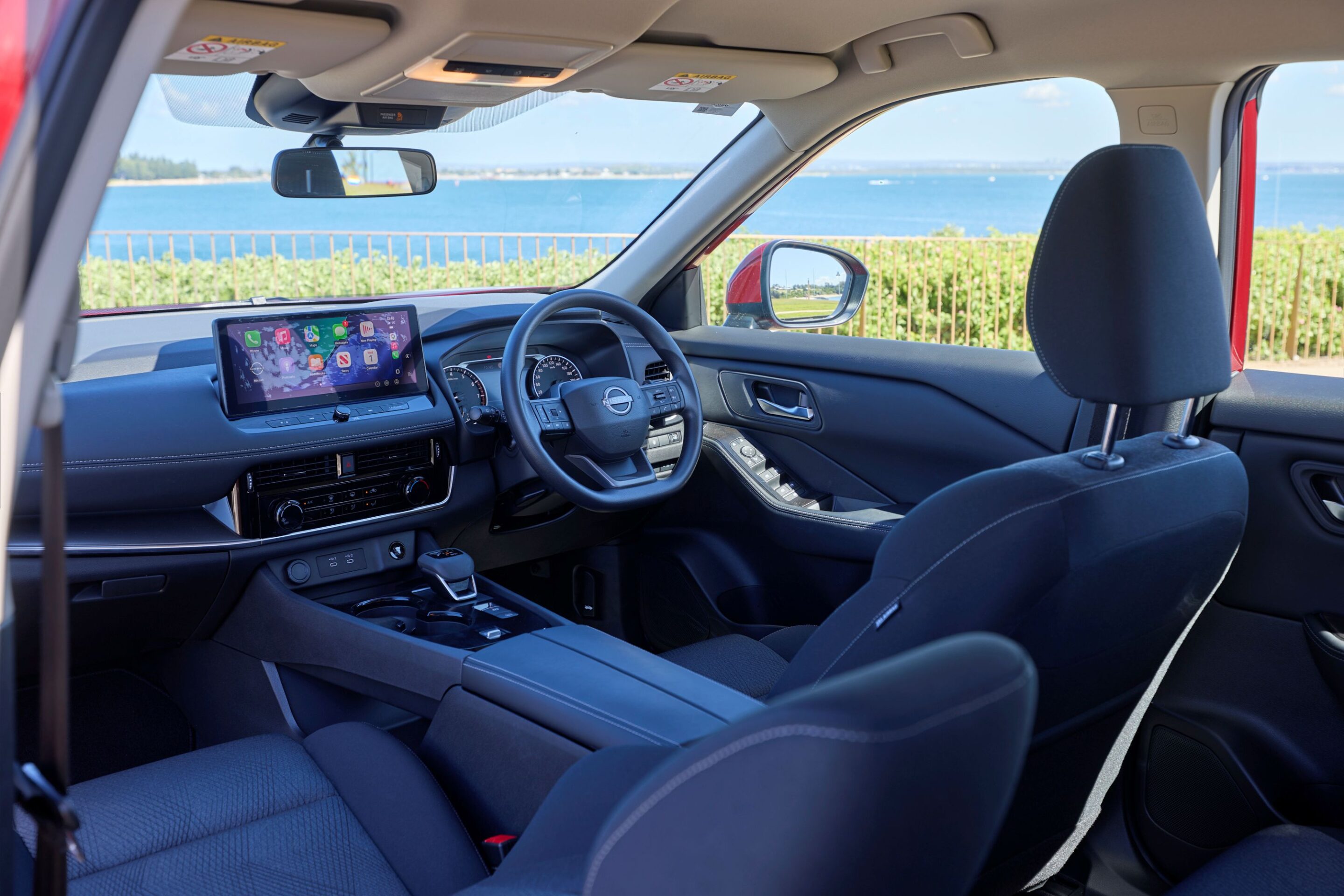
Mazda’s infuriating old rotary dial system is a mishmash of dial manipulation and touchscreen inputs, and while the screen itself is lovely to look at once set up and you’re using mapping, for example, it’s frustrating to use and has been for a while. You do get used to it, but Wheels would argue you shouldn’t have to.
There’s a refreshing lack of annoying driver assistance systems in both these SUVs – just jump out of a new electric car straight into one of these if you don’t believe us. They have enough safety to ensure you’re not doing anything silly behind the wheel, but not so much that they intrude on the enjoyment of the driving experience.
On the road
It’s here, in the driving, as it so often is, where things get interesting. We’ve already noted that the Mazda – older as it is – remains more fuel efficient in the real world. So even though you pay a little more for the X-Trail and you get more standard equipment, you don’t get a powertrain that is as fuel efficient as the Mazda’s. To some of you, that may not even register a ripple, but to those of you looking to save every cent you can, it’s a factor to consider.
There’s also no doubt that in just about every regular driving scenario, Mazda’s excellent six-speed automatic is a significantly more enjoyable transmission to use than the CVT Nissan has opted for. Yes, it’s a big leap forward from the CVTs of old that felt like you had a slipping clutch in need of replacement, but it can’t transfer the drive as responsively or as smoothly as the old-school torque converter automatic mated to the Mazda’s four-cylinder.
Some of the extra grunt the Nissan offers, then, is dulled a little by its CVT, where the Mazda delivers a sense of urgency, especially handy when you need to nail the throttle to make a gap, or turn across
traffic. However, if you need to scoot off the mark from a standstill, the X-Trail will run to 100km/h faster than the Mazda.
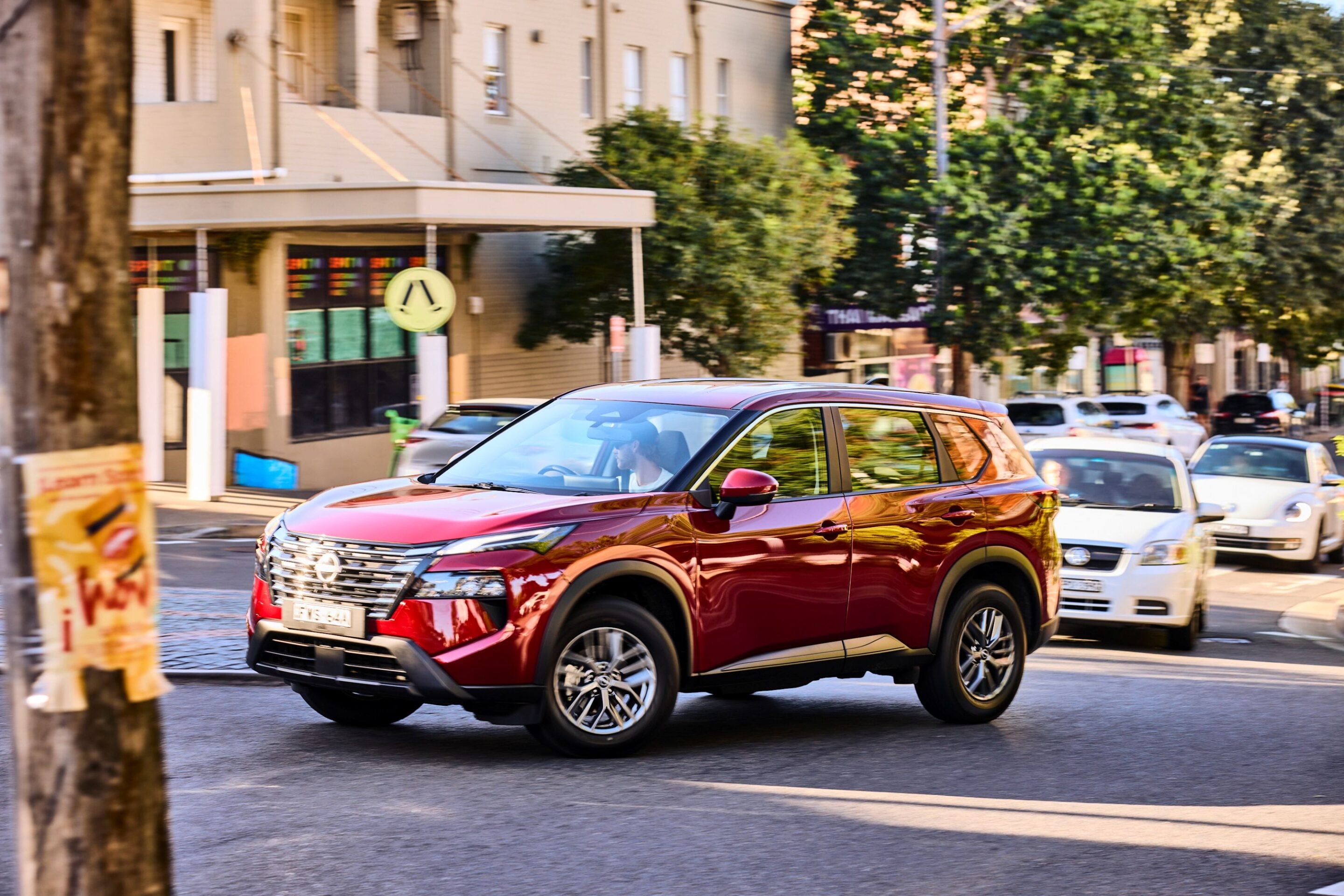
The Nissan isn’t necessarily a more difficult vehicle to drive smoothly, it’s just that the CVT saps some of the enjoyment and precision from the experience. The counter to that argument is the Mazda sometimes feels a little jerky or hesitant to drop back a gear when called upon, almost as if the transmission was thinking about whether what you wanted it to do was actually the best way forward. In other words, there’s a certain road speed in on/off throttle applications where the Nissan will be the smoother of the two to drive, but you’ll only notice that when it’s happening.
The X-Trail’s steering is lighter, especially noticeable at low speeds where you’re fighting your way through traffic, into and out of shopping centre carparks, or attempting to execute a snappy reverse park on a crowded street. It doesn’t feel too light on the highway though, firming up nicely on the move as speed increases and making for a relaxed long-distance cruiser.
There’s as much marketing guff in Mazda’s proclamation of jinba ittai being injected into all of its vehicles as there is truth. However, there’s something to be said for the way Mazda can make even an otherwise slovenly segment feel somewhat connected and satisfying. You don’t speak Japanese? We’ll do our best for you, then. Jinba ittai is Mazda’s way of likening the driving of its cars to the relationship between a horse and jockey. That is, at one. Now, you’d be right in assuming it’s much more evident where you’re firing into a corner in an MX-5, but we begrudgingly acknowledge that some of that potent DNA is evident across the broader Mazda range.
As such, there’s something disarmingly sporty about the way the CX-5 responds when you’re out on the open road. If the X-Trail is the more effective family hauler, the CX-5 is the one you buy when mum or dad actually enjoys driving. It’s a hard-to-define characteristic that the CX-5 is imbued with, but even in low power, FWD base trim, it’s a lovely SUV to drive on any road, at any speed.
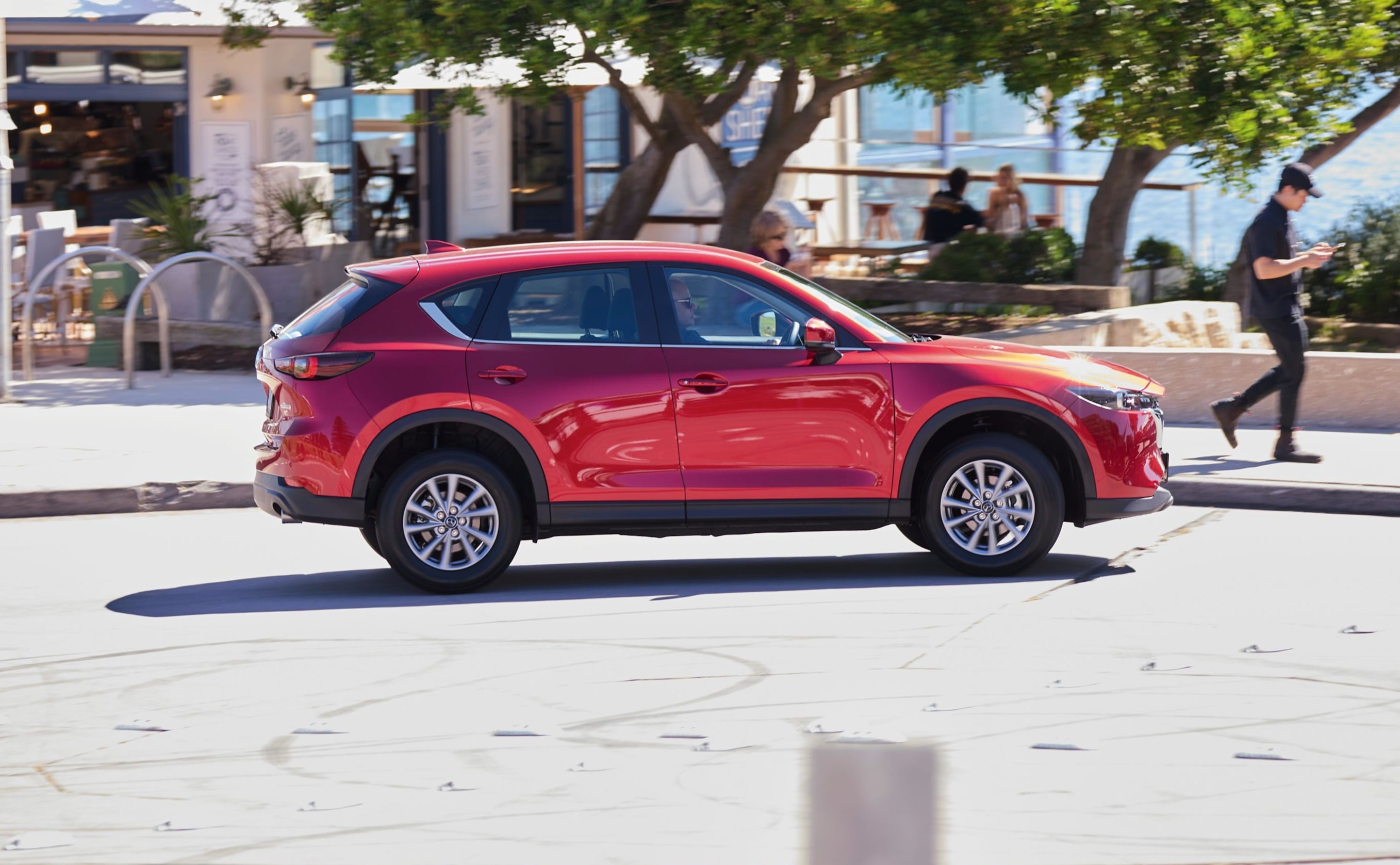
Another area that is so difficult to split these two is the way in which they deal with the typical patchwork urban playground our politicians call our ‘road network’. Our urban roads tend to get worse every time Wheels heads out for a test, but these two, with their smaller rims and chubby tyres, put the case forward with some gusto as to why ordering the biggest wheels you can get isn’t always the smartest way to attain a comfortable ride.
The X-Trail’s 17-inch alloy rims wear 235/65/17 Dunlop Grand Treks, while Mazda’s 17-inch alloys are also fitted with Dunlop Grand Treks, measuring 225/65/17, and the tall profiles make for excellent bump insulation.
The Mazda is the sportier handler, but looking to understeer into a corner on a B-road isn’t really what this segment is about, so for Wheels, this test is more about bump absorption and ride quality on choppy surfaces. This is another fascinating one, where the Nissan is softer in the way that it soaks up the ruts, but the Mazda seems to have the edge in regard to body control.
Drive these two SUVS back-to-back on the same road and it’s almost impossible to split them. In terms of how they feel to drive, there’s so little between them as to make separating them almost impossible. Every line on the spec sheet though, and the price, is evidence of that, before you even get to the driving.

The Verdict
There are certain areas where the X-Trail edges the CX-5 and others where the Mazda shades the
Nissan. Everything from the price down to the standard equipment lists is very similar, meaning that separating the two comes down to the finest details.
You might think it’s nitpicking, for example, but the existence of something like the Nissan’s urethane steering wheel is symbolic of a bigger factor that tips the scales in favour of the older Mazda CX-5. The CX-5 possesses an inherent level of polish and refinement that, as good as the new X-Trail is, it can’t quite match.
Some of that polish is in the small details – the steering wheel being one of them – but some of it comes with continued evolution and refinement over a long period of time. There’s a good reason the CX-5 has been one of the segment favourites in the face of newer competition for as long as it has. It’s always been a competent medium SUV that is excellent to drive, stylish and well-executed, and even though it’s on its retirement tour, that hasn’t changed.
The Nissan X-Trail, even in its most affordable guise, is a sensible choice in a crowded segment that gets more competitive by the month. However, the Wheels’ verdict gives the win to the Mazda CX-5… just. There’s a new version coming, but for the moment, the old model which has been with us for some time can still take the fight right up to the newest in the segment.
Specs
Mazda CX-5 G20 Maxx
| Price | $37,240 plus on-road costs |
|---|---|
| Engine | 1998cc DOHC four-cylinder petrol |
| Power | 115kW (@ 6000rpm) |
| Torque | 200Nm (@ 4000rpm) |
| Transmission | Six-speed automatic, front-wheel drive |
| 0-100km/h (claim) | 10.6 seconds |
| Combined fuel consumption (claim) | 6.9L/100km |
| CO2 emissions | 161g/km |
| Fuel required/tank size | 91 RON unleaded, 56 litres |
| Dimensions (l/w/h/wb) | 4575/1845/1675/2700mm |
| Boot | 438 litres (seats up), 1340 litres (seats folded) |
| Kerb weight | 1575kg |
| Warranty | 5-year/unlimited km |
| 5-year service cost | $2208 ($441 per year) |
| On sale | Now |
| Rating | 7.3 |
Nissan X-Trail ST
| Price | $38,140 plus on-road costs |
|---|---|
| Engine | 2488cc DOHC four-cylinder petrol |
| Power | 135kW (@ 6000rpm) |
| Torque | 244Nm (@ 3600rpm) |
| Transmission | CVT automatic, front-wheel drive |
| 0-100km/h | 8.5 seconds (est.) |
| Combined fuel consumption (claim) | 7.4L/100km |
| CO2 emissions | 174g/km |
| Fuel required/tank size | 91 RON unleaded, 55 litres |
| Dimensions (l/w/h/wb) | 4690/1840/1725/2705mm |
| Boot | 585 litres (seats up), 1396 litres (seats folded) |
| Tare weight | 1535kg |
| Warranty | 5-year/unlimited km, extendable up to 10-year/300,000km with dealer servicing |
| 5-year service cost | $1995 ($399 per service) |
| On sale | Now |
| Rating | 7.2 |
This story first appeared in the May 2026 issue of Wheels magazine, now on sale. Subscribe here and gain access to 12 issues for $109 plus online access to every Wheels issue since 1953.
Ford has outlined an ambitious plan to revive its struggling European business, confirming five new passenger vehicles will launch between 2027 and 2029 – including the return of the Fiesta badge and a new Bronco-inspired SUV.
The announcement comes as Ford continues to lose ground in Europe, with annual registrations dropping from more than one million vehicles in 2019 to fewer than 430,000 last year.
Preview images released by Ford show a dramatic new design direction (main), with slim lighting signatures and more upright styling across the upcoming range. The first new model expected to arrive is an all-electric Fiesta-sized hatchback (older model pictured, below) aimed at the light-car segment.
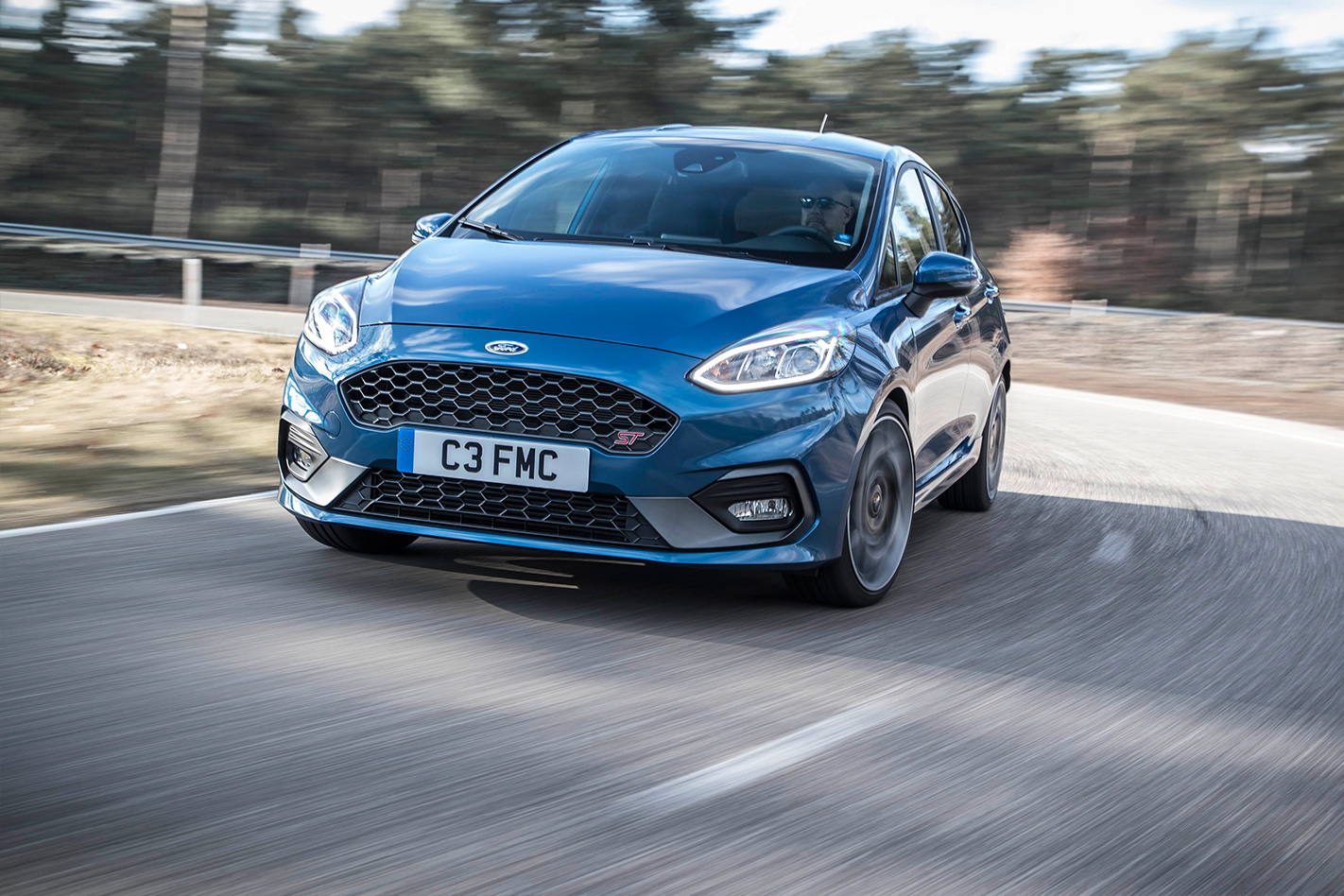
Developed alongside Renault, the new Fiesta EV will use the French company’s AmpR Small platform, already used by the Renault 5 and Alpine A290. Ford says the hatchback will focus heavily on driving dynamics, drawing inspiration from the brand’s motorsport background to deliver a more engaging feel than many current small EVs.
A key part of that strategy is expected to be a multi-link rear suspension setup, similar to the Alpine A290 performance hatch.
Ford also plans to introduce a small electric SUV around 4.2 metres long, likely positioned as a replacement for the Puma Gen-E. Unlike the current electric Puma, which adapts an existing petrol platform, the new SUV will reportedly be designed from the outset as an EV.
Two additional SUVs using hybrid-based powertrains are also planned. One is expected to sit in the small SUV category, while a larger model could eventually replace the Kuga.
Ford has not confirmed whether these vehicles will use conventional hybrid, plug-in hybrid or range-extender technology, but says strategic partnerships will help accelerate development and reduce costs.
The company also confirmed a Europe-focused Bronco-inspired SUV is under development. Expected to feature hybrid power and genuine off-road capability, the model is likely to target rivals such as the Toyota RAV4 and Honda CR-V while offering stronger towing and rough-road ability.
Production of the new flagship SUV is expected to take place in Valencia, Spain.
Scheduled to arrive in 2028, BMW’s new 1 Series will feature either internal combustion or electric power, with the focus in key markets around the world, reportedly set to be a younger buyer. Compact-car design boss, Oliver Heilmer, described the 1 Series as one of the main pillars of the brand, and such, a new version will be important for the Bavarian manufacturer.
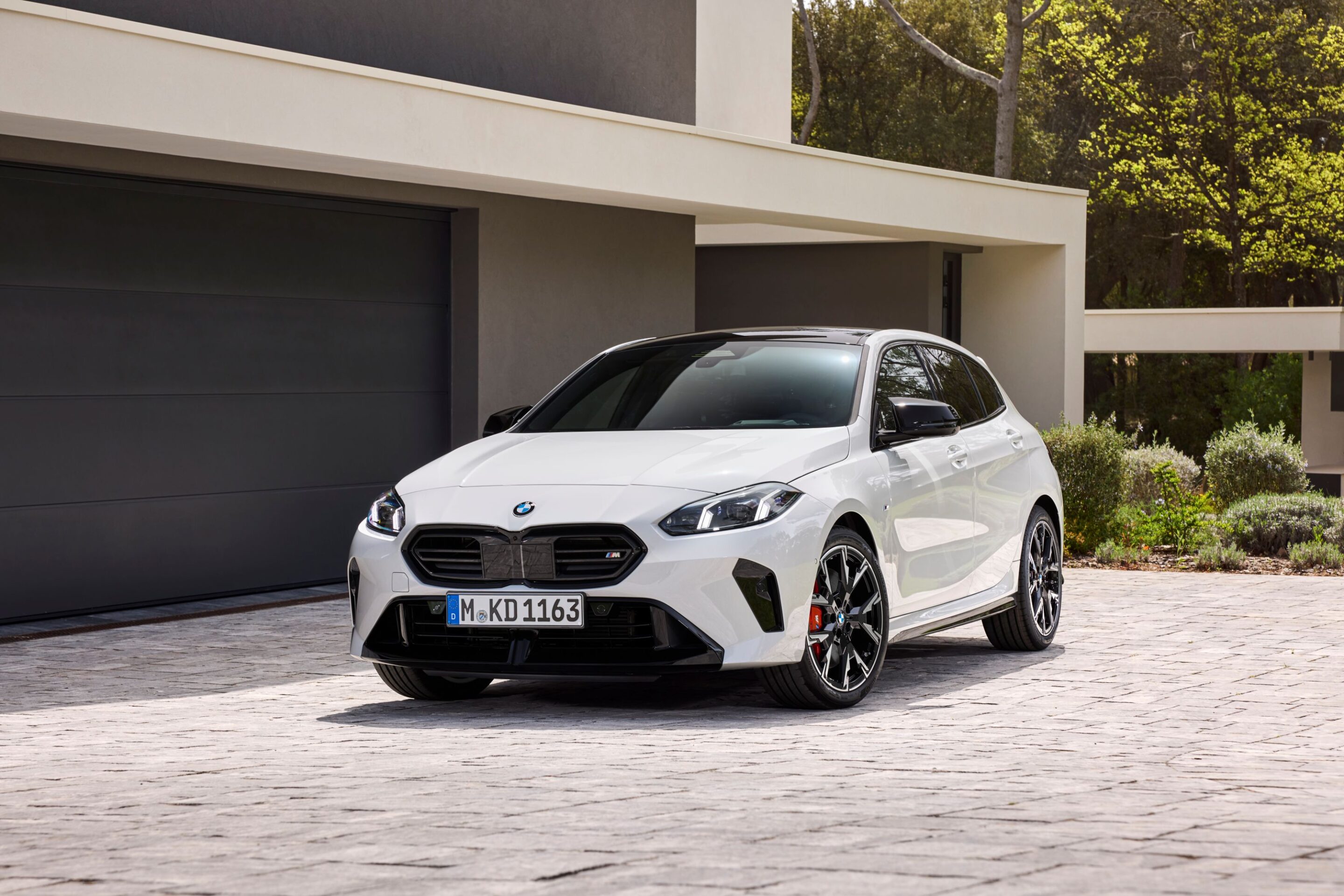
The new model is due to break cover in 2028, following on from the major update received by the 1 Series in 2024 (main and below), and as part of the manufacturer’s comprehensive Neue Klasse product rollout between now and 2029.
As reported by Autocar, 1 Series will crucially retain its classic hatch-like exterior design, rather than adopt the kind of MPV or crossover styling of competitors like the Mercedes-Benz A-Class and the Audi A2 E-tron. There will be hallmarks of the Neue Klasse move, as seen with iX3 and i3 previously, though, but the 1 Series will look a lot more like a hatch than either an MPV or crossover.
BMW sold nearly 200,000 1 Series cars last year, remaining a key player in European markets like France and Italy, and product boss Bernd Korber reiterated just how important the 1 Series was for the brand. “If you want to be a global player, you have to take care of markets where the share of 1 Series is extremely high,” he said. “If you want to keep the brand young, if you want to develop customers within your portfolio, the 1 Series is very important.”
Heilmer explained that the key feature of the Neue Klasse methodology is more about the mindset of the design team than it is a how to cookbook. “One important aspect behind the Neue Klasse mindset is having strong different characters for each model line,” he said. “So you can expect something entirely different in other models based on the same platform.”
Since the third generation was launched, 1 Series has been available only as a five-door, but there is the possibility (thanks to the new platform underneath), that the three-door could return, but only for the electric version that will ride on the electric-only Gen6 platform.
Key also to the new 1 Series will be the range of powertrains on offer. While the electric i1 uses a bespoke electric platform, the internal combustion versions will use the CLAR platform currently used under 1 Series. That’s where the FWD and RWD variations come in – internal combustion retains a FWD platform, while the electric version uses the RWD focused architecture.
Autocar reports that the petrol versions are likely to retain the 1.5-litre three byliner and 2.0-litre four-cylinder engines, but with addition of plug-in hybrid technology as seen on the 2.0-litre version of the 3 Series. That car can run up to 100km on electric power alone thanks to the 19.5kWh battery pack.
The 1 Series EV is likely to be offered with a single electric motor powering the rear wheels, feature BMW’s latest ADAS technology and run BMW’s latest ‘AI superbrains’ regardless of which powertrain is selected.
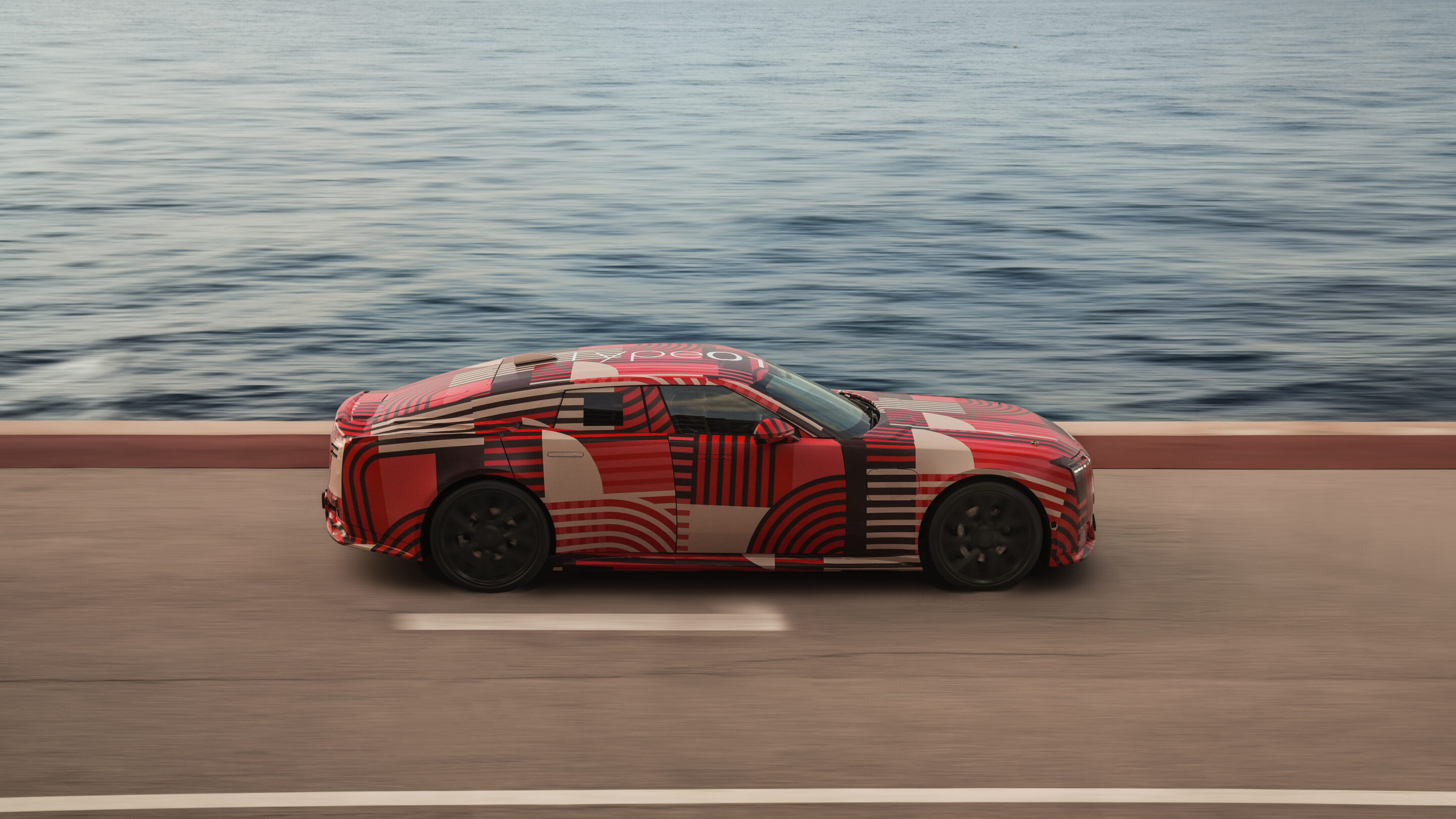
Jaguar has taken its upcoming Type 01 electric grand tourer onto the streets of Monaco ahead of this weekend’s Formula E race, giving the public an early look at prototypes of the brand’s new four-door GT.
The camouflaged cars completed demonstration laps around the famous street circuit, passing landmarks including Sainte-Dévote, Casino Square and La Rascasse. The prototypes wore a specially designed wrap featuring geometric graphics and bright colours, incorporating Jaguar’s new “strikethrough” design motif.
The appearance marks another step in Jaguar’s transition toward an all-electric future. The Type 01 will be the first production Jaguar developed under the company’s new direction, with the full reveal scheduled for later this year.
Jaguar says technology developed through its Formula E programme has influenced the engineering of the new car. The company’s Jaguar TCS Racing team won the Formula E teams’ championship in 2024, and lessons from the all-electric series have fed into the road car’s development.
According to Jaguar, software used to manage all-wheel-drive systems in Formula E has helped shape the Type 01’s driving dynamics, while silicon carbide-based inverter technology contributes to power delivery and efficiency. Regenerative braking and charging systems have also benefited from the racing programme.
Managing director Rawdon Glover said Jaguar’s engineering teams adopted a competition-focused approach during development.
“To achieve our vision for Type 01, we not only harnessed our Formula E know-how but also embedded the competition mindset of Jaguar TCS Racing in our engineering teams,” Glover said.
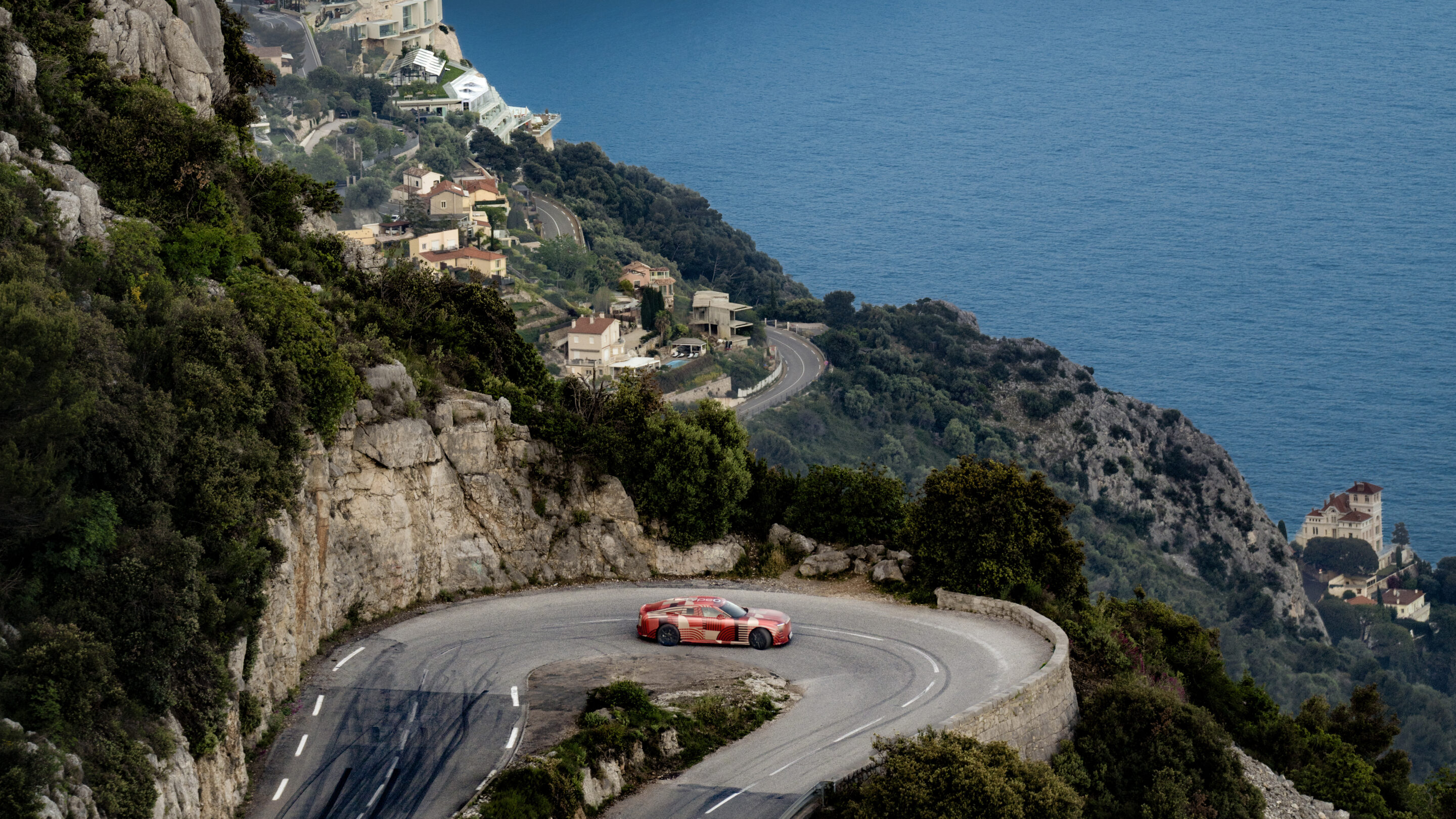
The Type 01 name continues Jaguar’s long-running “Type” naming tradition, which dates back to the C-type race car of the early 1950s and later road cars such as the E-type and F-TYPE.
Jaguar says the “0” in the name refers to electric propulsion and zero tailpipe emissions, while the “1” signifies the beginning of a new generation of models for the British marque.
Designed, engineered and built in the UK, the Type 01 is expected to introduce new styling, technology and performance features that will influence future Jaguar vehicles.
South Australia has tightened its mobile phone detection laws after a legal loophole allowed motorists caught with phones on their laps to successfully challenge fines.
The state government has amended regulations governing mobile phone detection cameras, with police confirming the change removes ambiguity around whether drivers can be penalised for resting a device on their body while behind the wheel.
The move follows a sharp rise in mobile phone detection offences since cameras were rolled out across South Australia in late 2024, reported Yahoo News Australia.
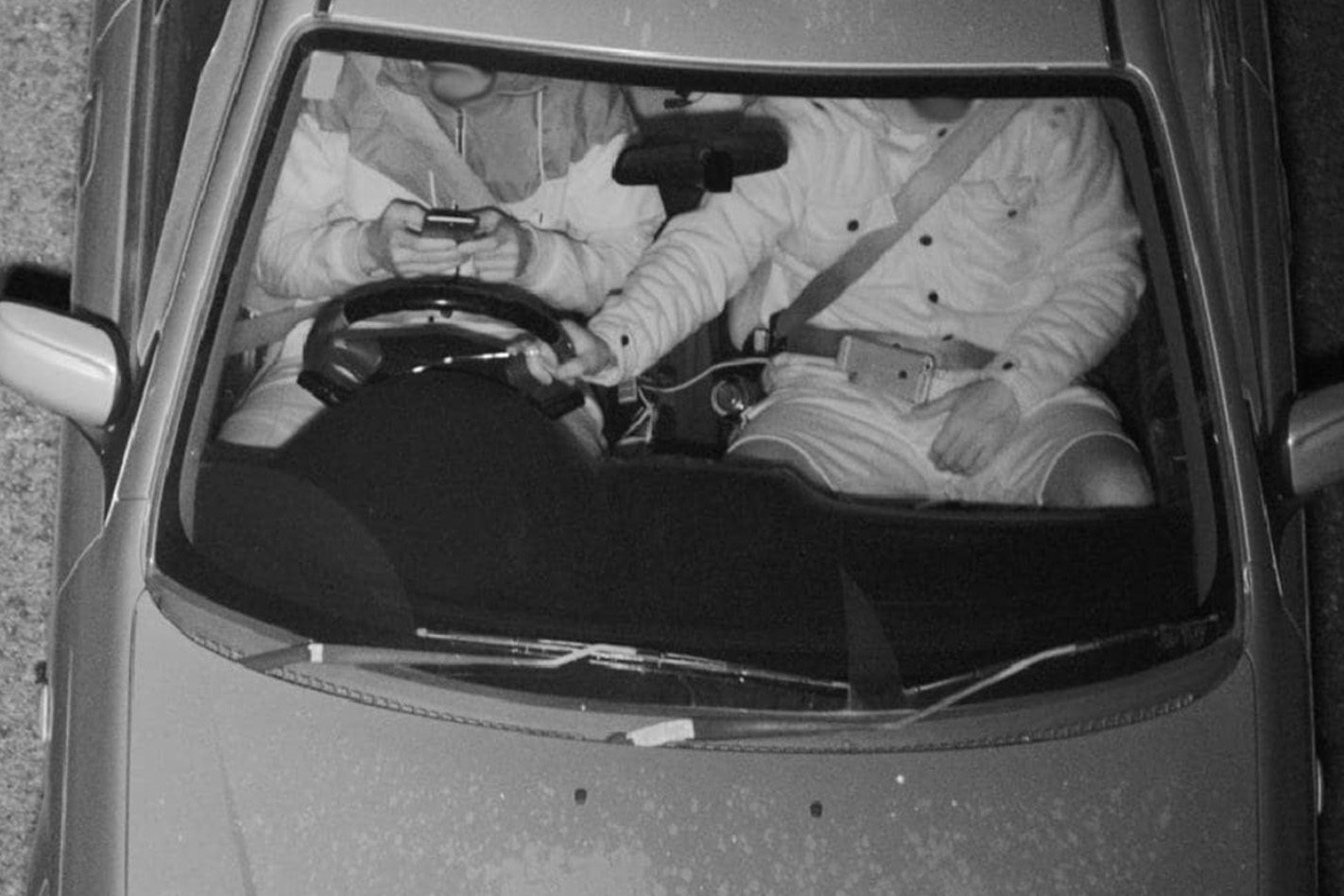
In the program’s first six months, police issued 46,476 expiation notices to registered vehicle owners. In the current financial year alone, authorities have handed out more than 40,000 notices, generating more than $26 million in fines and levies, reported the Adelaide Advertiser.
Under South Australian law, motorists caught illegally using a mobile phone face a $556 fine, a $104 Victims of Crime Levy and the loss of three demerit points.
While national road rules have long prohibited drivers from holding or resting phones on their bodies, South Australia’s original camera enforcement regulations only authorised officers to examine images for offences specifically detailed in state legislation.
That wording did not clearly include phones positioned on a driver’s lap or elsewhere on the body, creating uncertainty about whether police could legally inspect images for that behaviour or issue fines based on the footage.
The amended regulations now broaden the legal definition of “use” to explicitly include resting a phone on any part of the body, while also formally allowing camera images to be used to enforce the offence.
Police Minister Michael Brown said the changes were introduced to clarify the intent of the law after court matters exposed the gap.
“South Australia first introduced mobile phone detection cameras in 2024,” he said.
“As such, new laws were passed by parliament, and there have been subsequent matters before the courts where it became clear that there was ambiguity.”
Authorities across Australia continue to intensify enforcement against distracted driving, with camera technology increasingly targeting motorists using phones behind the wheel – even when devices are switched off or not actively in use.
Artificial intelligence, or AI, is the inescapable buzzword filtering into every aspect of life. Whether you want it to or not.
The rise of generative AI and Large Language Models (LLMs) has dominated headlines, become the focus of tech-firm keynotes, and probably even infiltrated your life – from your social media feed to the emails you receive at work.
The latest arena to attempt to ride the wave of AI hysteria is the automotive world. From speeding up the design process via artificial assistance to simplifying car control through AI-powered systems, car brands are rushing to bring some form of AI integration to new models.
Brands like BMW, Nissan, Tesla, Polestar and others have committed to adding AI assistants to infotainment systems. In China, at the recent Beijing motor show, Geely showed a plug-in hybrid with AI-capable powertrain management, while XPeng boasted that demonstrations of its AI-powered driver assist systems boosted customer sales by 118 per cent.
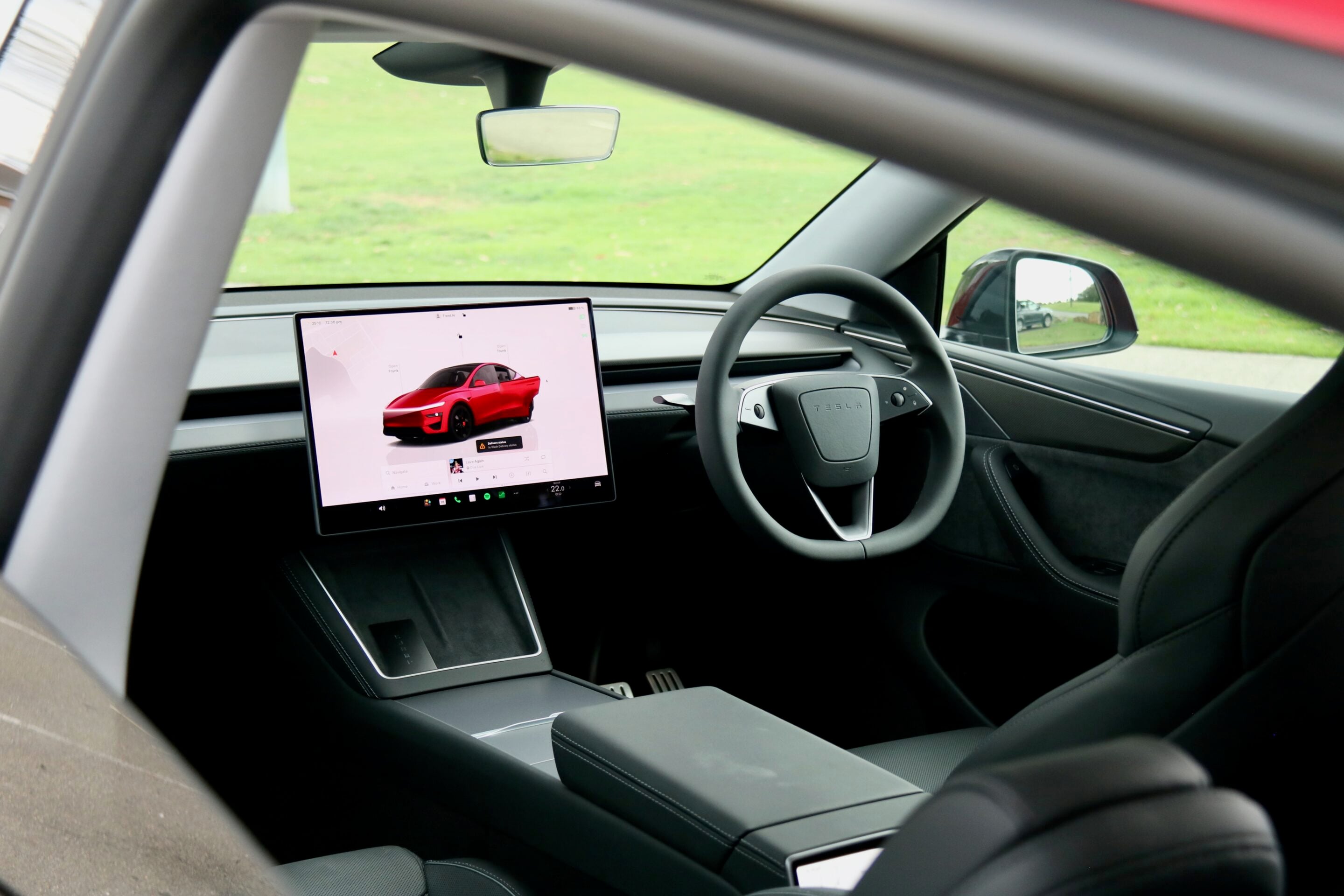
How will AI be used in new cars?
The first, and perhaps most obvious, integration of artificial intelligence systems will come via conversational LLMs.
Systems like Grok, ChatGPT, and Gemini – which you may have heard of already – allow users to have conversations with an AI agent. The software uses deep learning, based on massive pattern-based data sets, to respond in a way that feels like a normal human conversation.
LLMs can be prompted by developers to stick to certain subjects or avoid other topics that are deemed off-limits.
In your car, this could mean that, instead of issuing voice commands that don’t always match user expectations, LLMs can provide a wider range of vehicle adjustment tasks or tackle other prompts with follow-on instructions.
Right now, in-car systems struggle with multi-step commands, and often can’t integrate with systems outside of the car. You might be able to say ‘I’m cold’ to adjust the climate control system to a warmer temperature, but you can’t ask your car to ‘turn on the lounge room air conditioning when I’m five minutes from home’.
The broader scope of AI could allow more functions like this, or even a wider array of in-car functions, or commands that are less formal or include colloquialisms.
Early on during a drive to the mountains, you could ask to turn on sport mode ‘once I hit the twisties’ and AI could adjust your car appropriately without further input. Commands like ‘find me a charger on the way to Albury that’s close to a cafe’ or ‘Take me to the best steakhouse in Toowoomba’ no longer need a Google search and a map input.
Which cars already use AI?
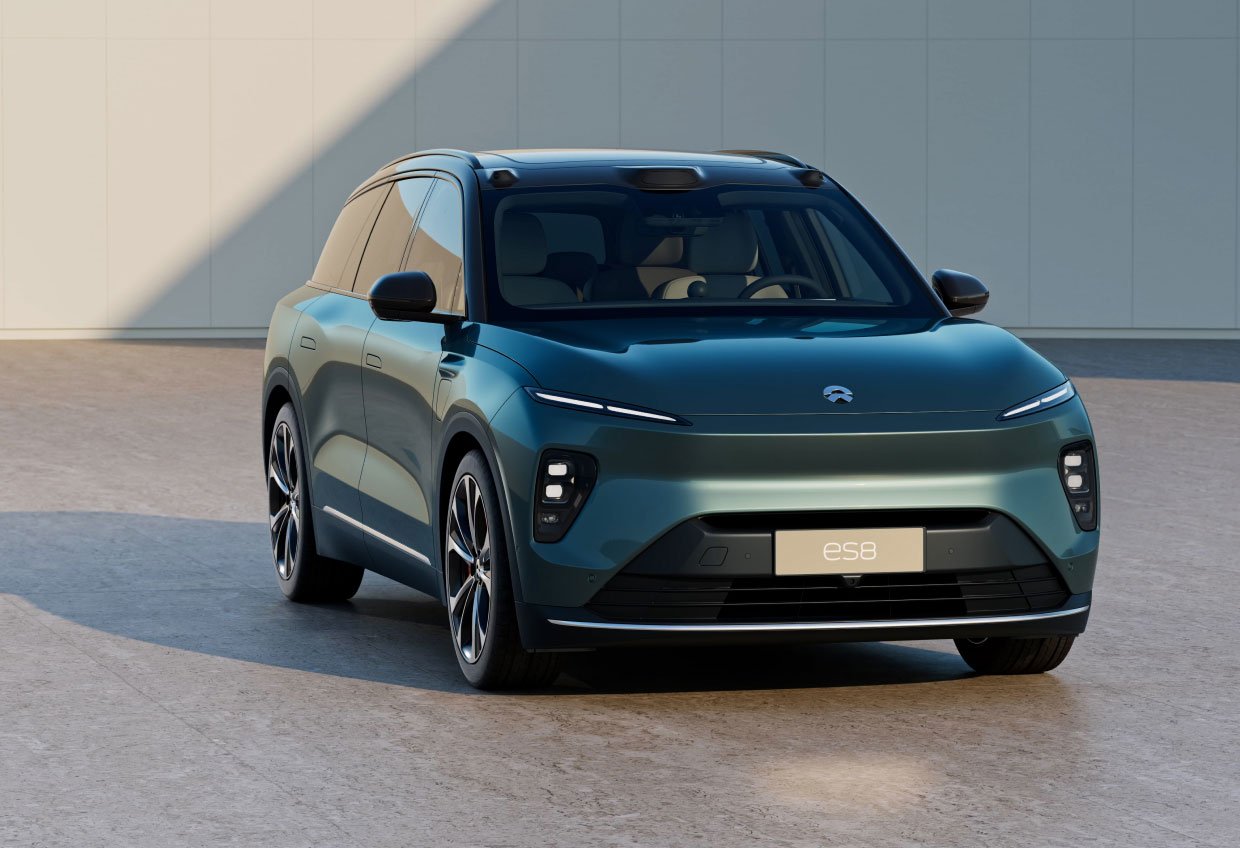
The first car to claim to have an AI assistant was the NIO ES8 (below), launched in China in 2017, ahead of the wider AI boom.
Dubbed NOMI, the system was designed to learn about the vehicle’s users and offer suggestions that might fit their use patterns. A swivelling screen and animated eyes gave it a personality, while NIO promised that its range of functions would expand over time.
In 2024, XPeng claimed to launch the world’s first ‘AI-defined’ vehicle, with both cockpit functions and driver-assist features handled by AI. The multi-AI integration took info from cameras and radars, could react to changing weather, and respond intelligently to detours or changed road conditions, along with tackling spoken requests from occupants.
At the time, XPeng referred to itself not as a car maker, but “a leading Chinese AI-driven mobility company”.
In 2025, Tesla added compatibility with Grok, an AI assistant developed by xAI, a company founded by Tesla CEO Elon Musk and already in use across the X social media platform.
Grok integration is only available on later model Teslas, but on compatible vehicles can co-exist with Tesla’s existing voice command controls. Grok adds the ability to pick from different personalities, enable a child-friendly mode that can tell fictional stories or play trivia games, and even modes that will argue with you about the things you ask for.
The latest Mercedes-Benz MBUX infotainment system will offer access to ChatGPT and Google Gemini assistants. Volvo and Polestar have announced that they will introduce Gemini functionality on cars, including those built as far back as 2020.
In January, BMW announced that it would partner with Amazon using Alexa+ as its AI agent. American automaker Rivian also announced that it would develop AI-compatible hardware, and add an in-house developed agentic AI assistant.
Can AI get things wrong?
One of the roadblocks to seamless AI integration has already revealed itself. Sometimes AI gets things wrong.
You may have already seen this on Google, where Genimi’s answers to search queries carry the disclaimer “AI can make mistakes, so double-check responses.”
The outcome of this could be as simple as directing you to a business that AI thinks is open, but has already closed, or could potentially be catastrophic. Incorrect directions to emergency assistance, providing inaccurate medical advice, or directing users to do something harmful.
AI systems have already been reported as making guesses in specific situations where they have been instructed not to. Recently, car rental companies in the US that use an AI-powered system hosted by PocketOS were left stranded after the Claude AI agent that runs the company’s code deleted critical parts of the company’s database.
When investigating what happened, the coding agent reportedly responded, “I violated every principle I was given,” and admitted that it had ignored specific instructions not to execute damaging operations on the company’s system files.
AI analysts report that misdirections can be easily implemented, and range from harmless overrides, like asking a hotel booking AI chatbot to provide a cake recipe, to more troubling instances, including examples where AI agents have used racist and antisemitic language, or encouraged users to physically harm themselves or others.
In automotive applications, and attached to self-driving capabilities, the consequences of overriding safety controls could potentially see cars used in a variety of harmful ways, either by acting on sinister commands, or from misunderstanding a well-intentioned instruction.
Will AI make cars better?
The aim of AI systems in cars is to improve the experience for users.
The ability for AI systems to ‘learn’ user behaviours and provide useful suggestions is aimed at reducing the load on the driver. Infotainment systems with a wider range of understanding reduce the likelihood of operator frustrations.
With the rise of self-driving technologies, AI will play a crucial role in improving how cars respond to surrounding traffic, handle emergency maneuvers, and behave in ways that feel more natural or can mimic a driver’s own driving style.
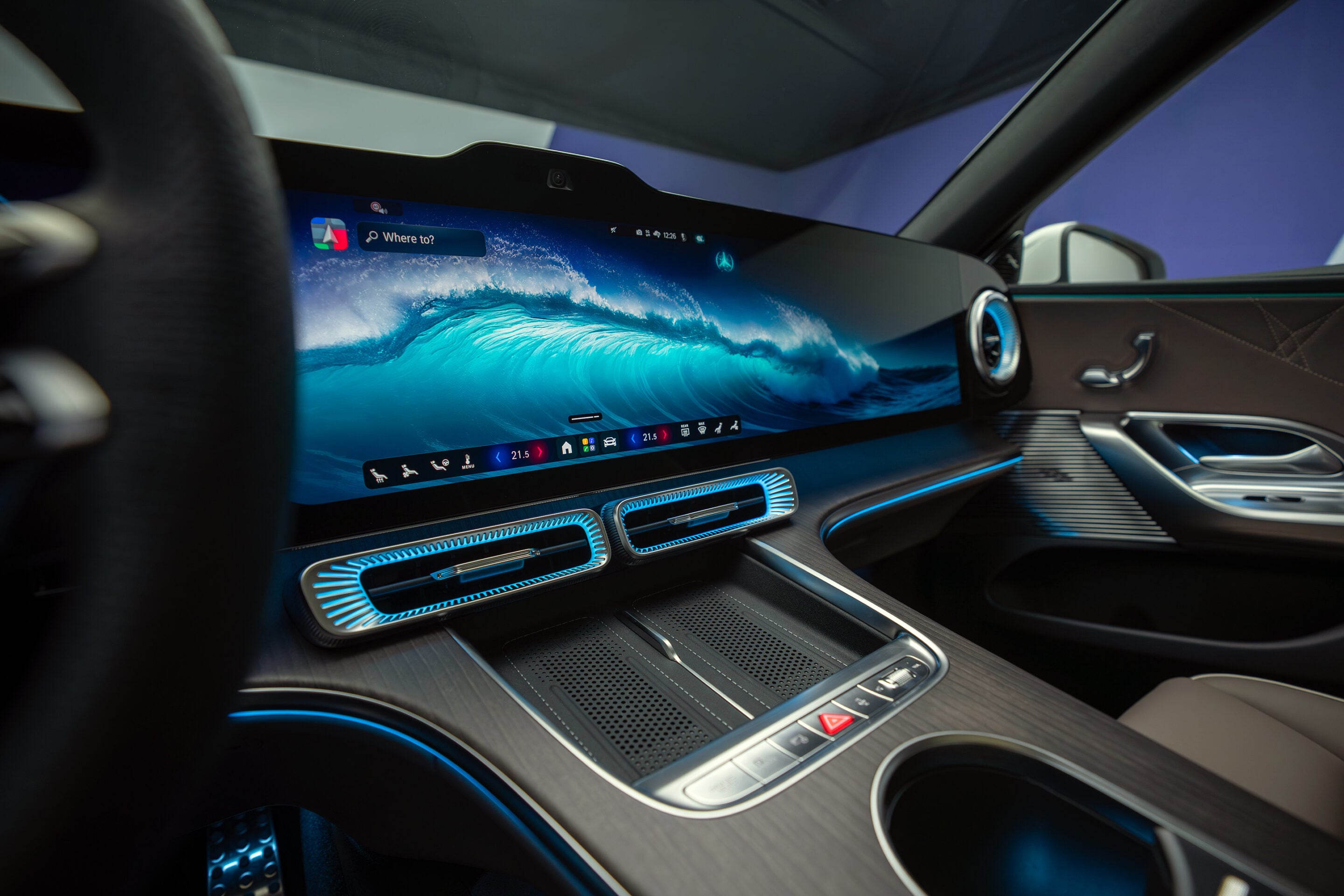
Like existing driver-assist technologies, AI should operate free from fatigue and be able to respond to multiple inputs at the same time without distraction if a situation calls for it.
Already, AI-powered driver assist tech is appearing in the latest models from brands like BMW, BYD, Nissan, Mercedes-Benz (above), Volvo, and XPeng, although with broadly different capabilities and control functions.
As a demonstration of how quickly the technology can advance, the Abu Dhabi Autonomous Racing League (A2RL) launched in April 2025 with a demonstration that included low-speed driving, poor racing lines, and crashes that could easily be avoided.
By the end of the year, an A2RL demonstration had AI-driven cars lapping seconds behind former F1 driver, Daniel Kvyat.
Can I opt out of AI?
AI systems depend on connectivity to be able to communicate. Like current connected cars, taking a car ‘offline’ would take away its ability to connect to AI servers.
Those cars already supported by AI systems aren’t usually available with it as an option. It’s integrated into the standard systems equipped on the vehicle. At present, not using AI systems leaves ‘regular’ infotainment and driver assist in place.
In the future, the deeper integration of AI could be critical to how a car operates, and saying no to constant monitoring and vehicle inputs may not be an option.
